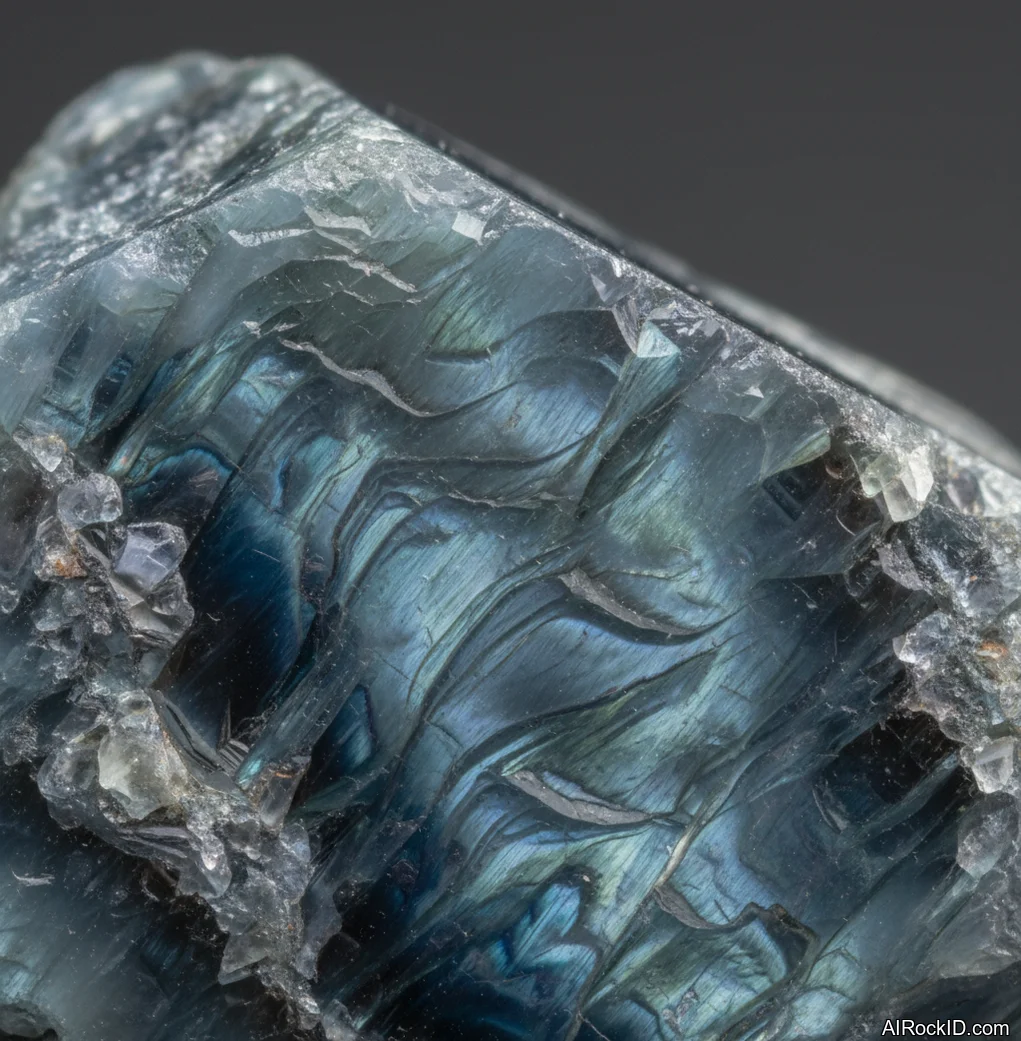
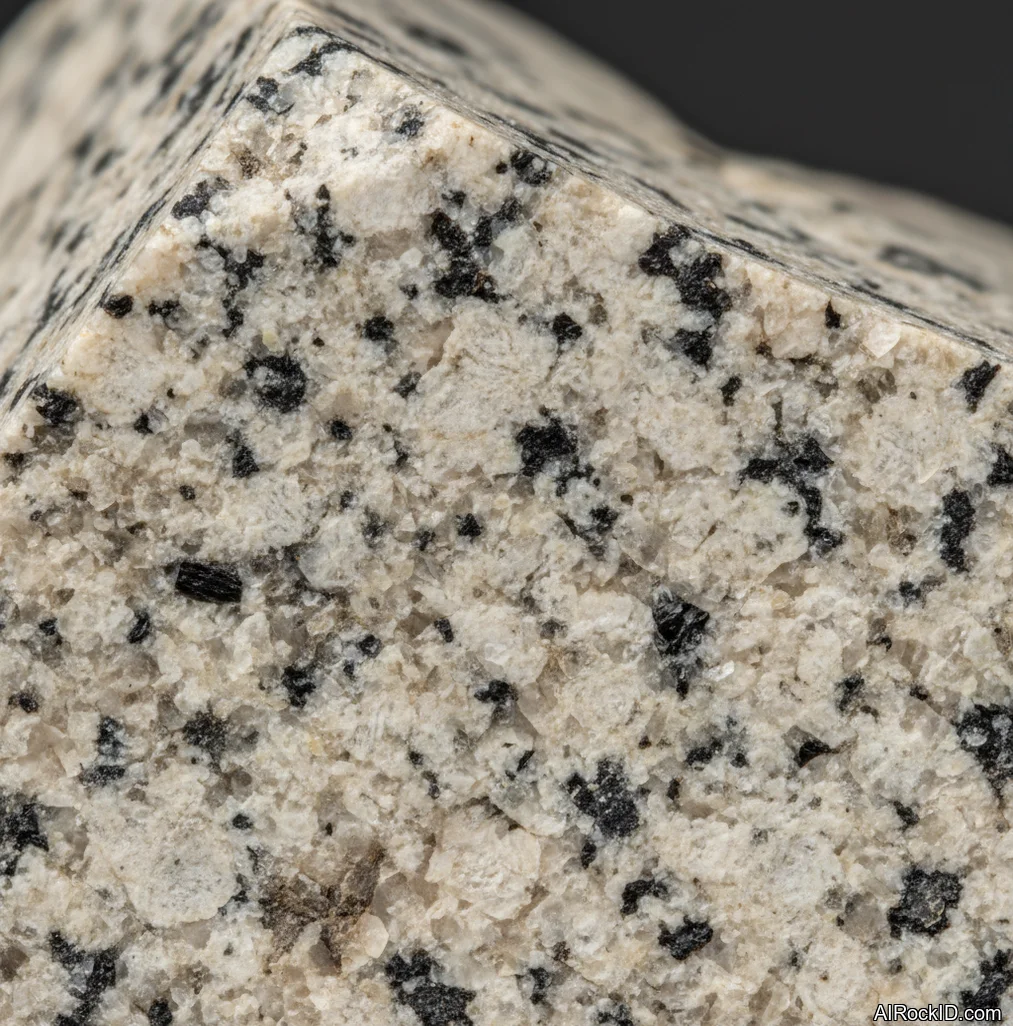
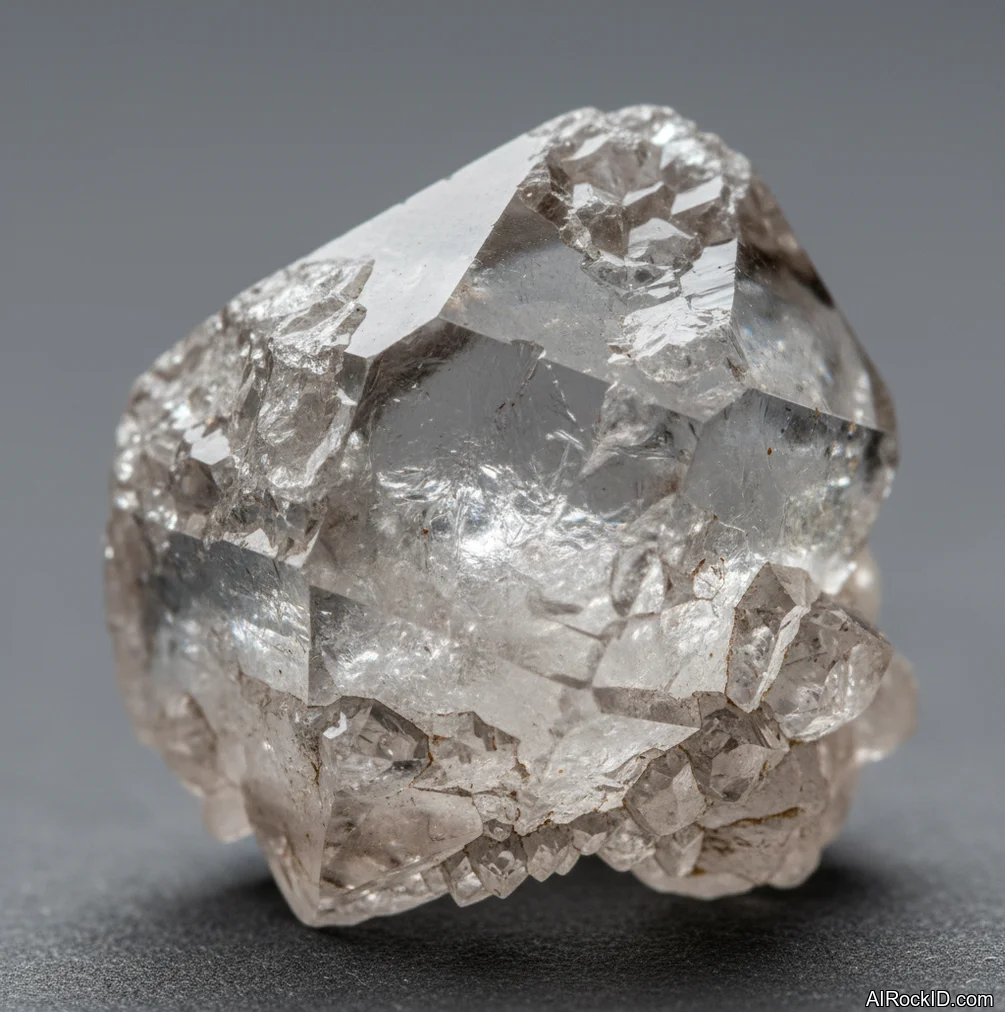
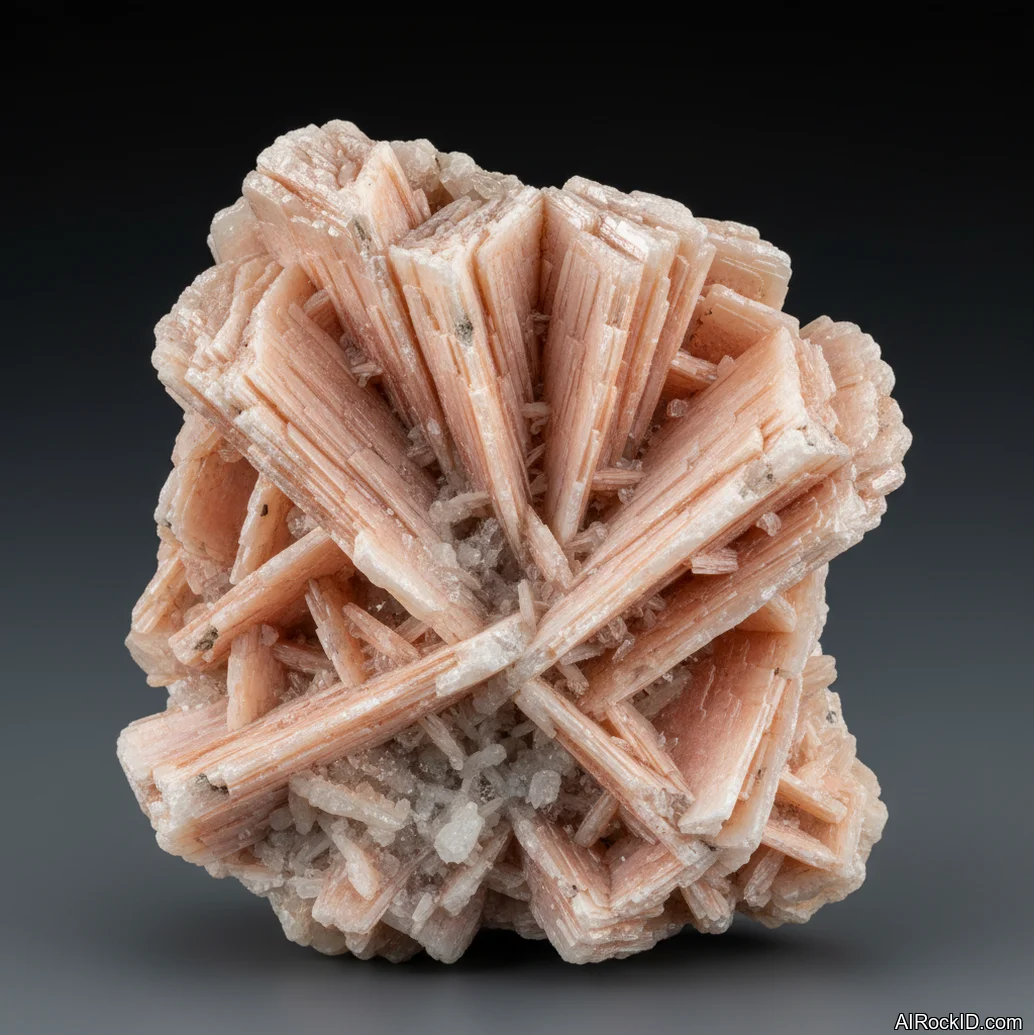
Air Crystals
Quick answer: Air crystals are stones commonly associated in crystal traditions with thought, communication, perspective, and movement. They are often chosen for study spaces, writing desks, meditation, and conversations where a clear, calm mindset is desired.
Learn what Air means in crystal work, which crystals match Air energy, and how to choose, use, and care for Air crystals in daily practice.


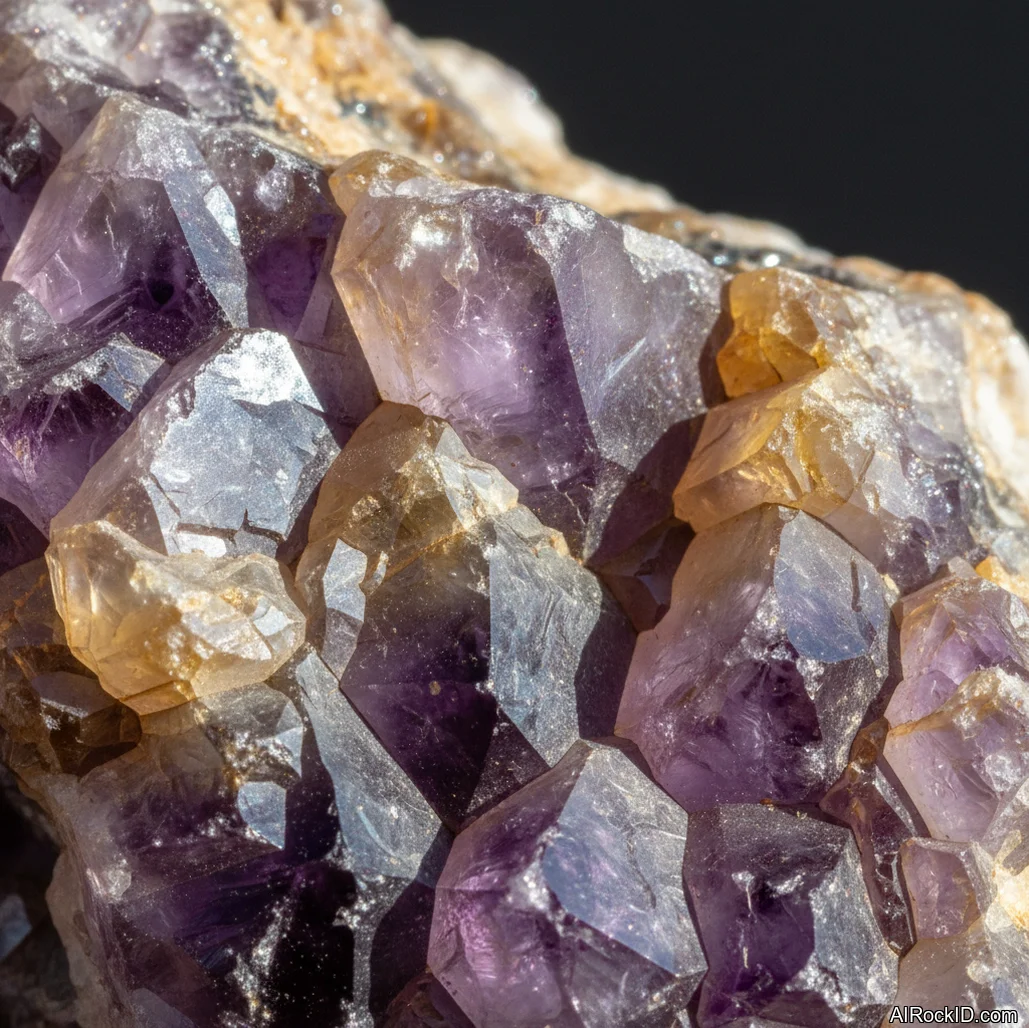
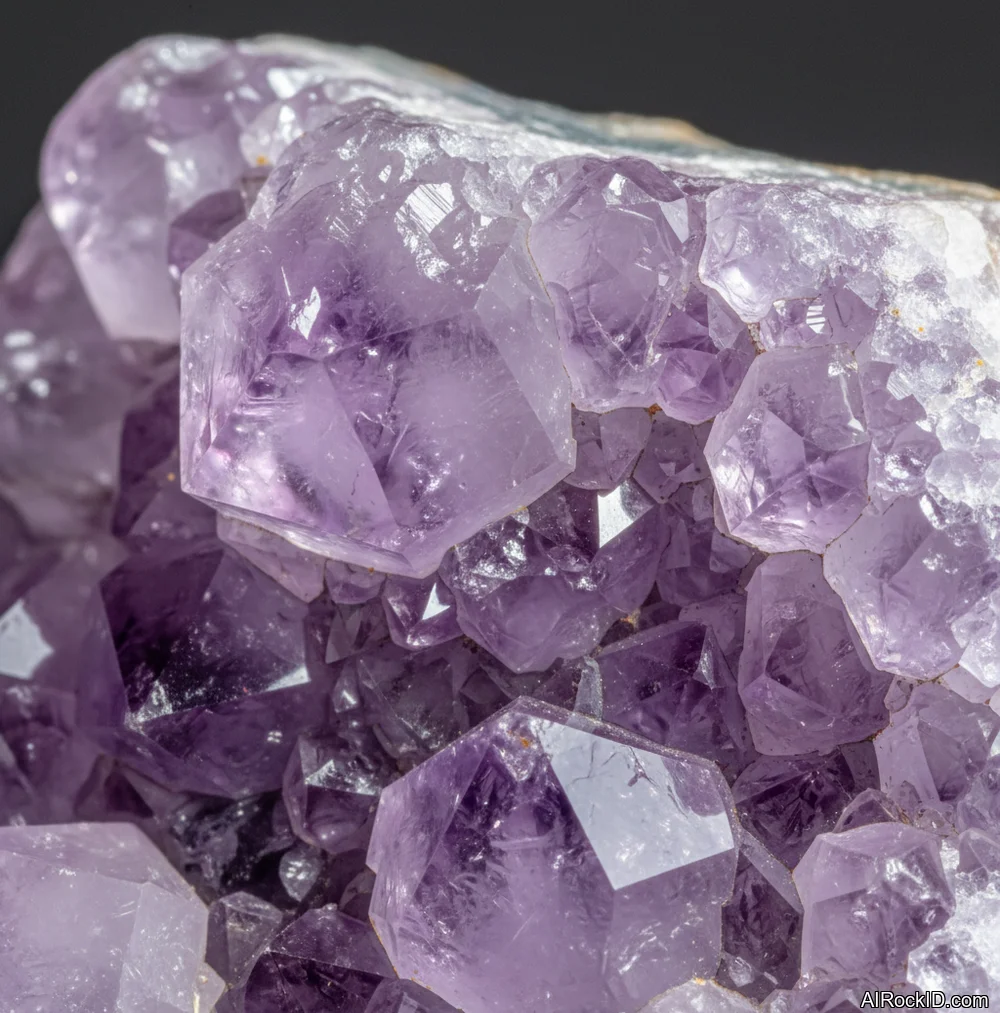
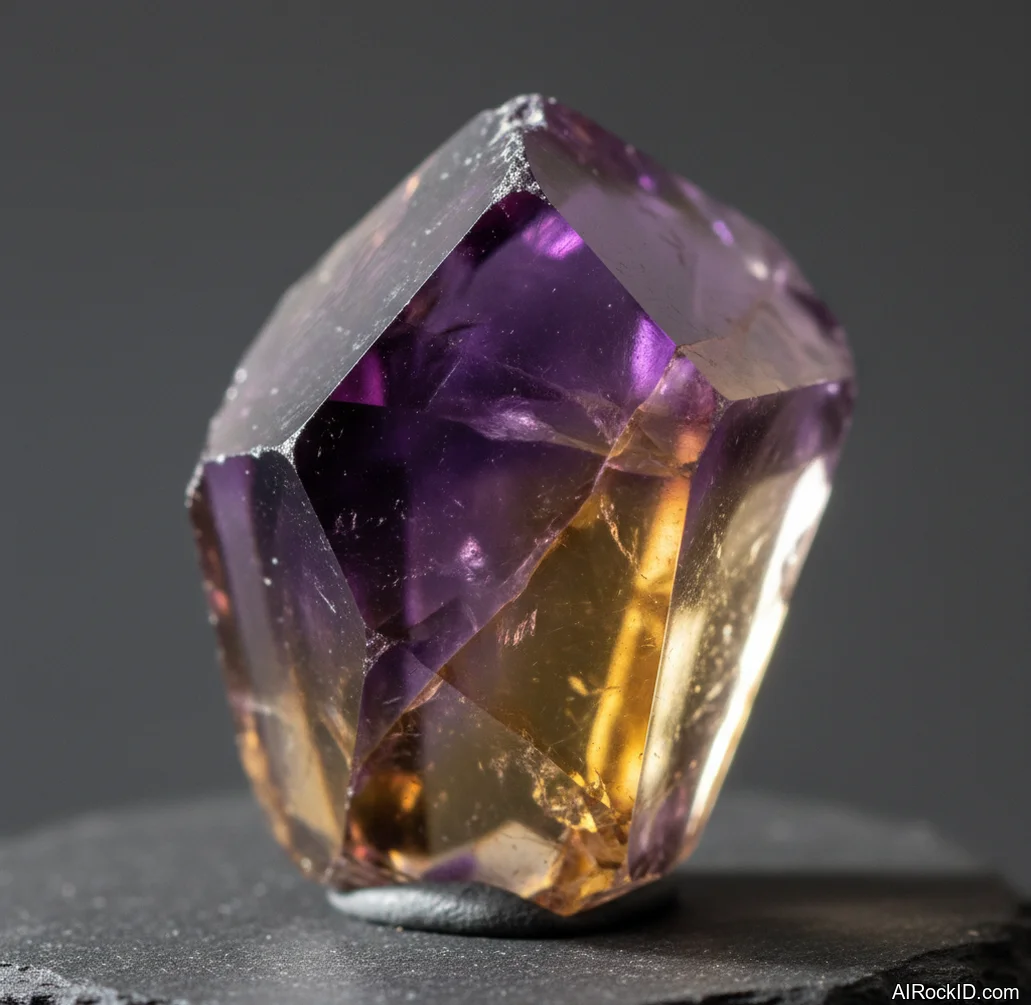
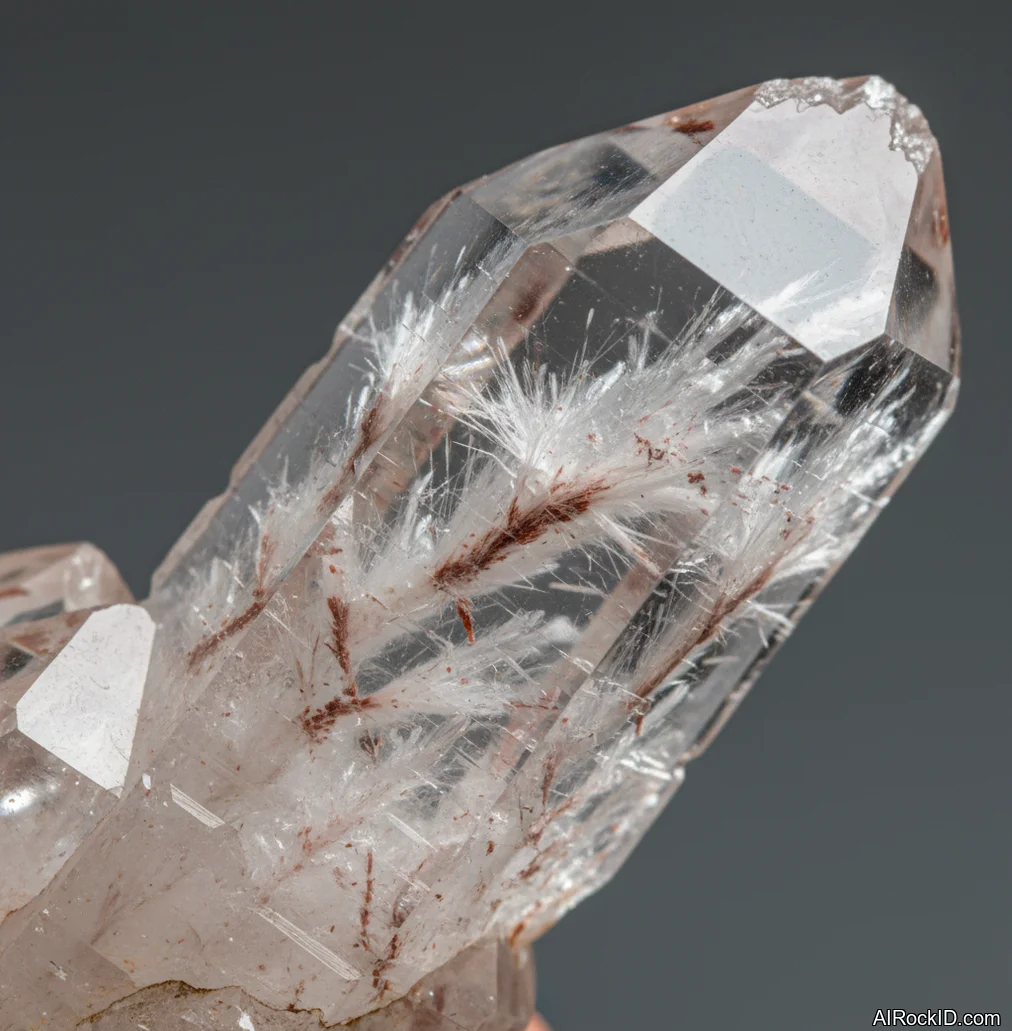
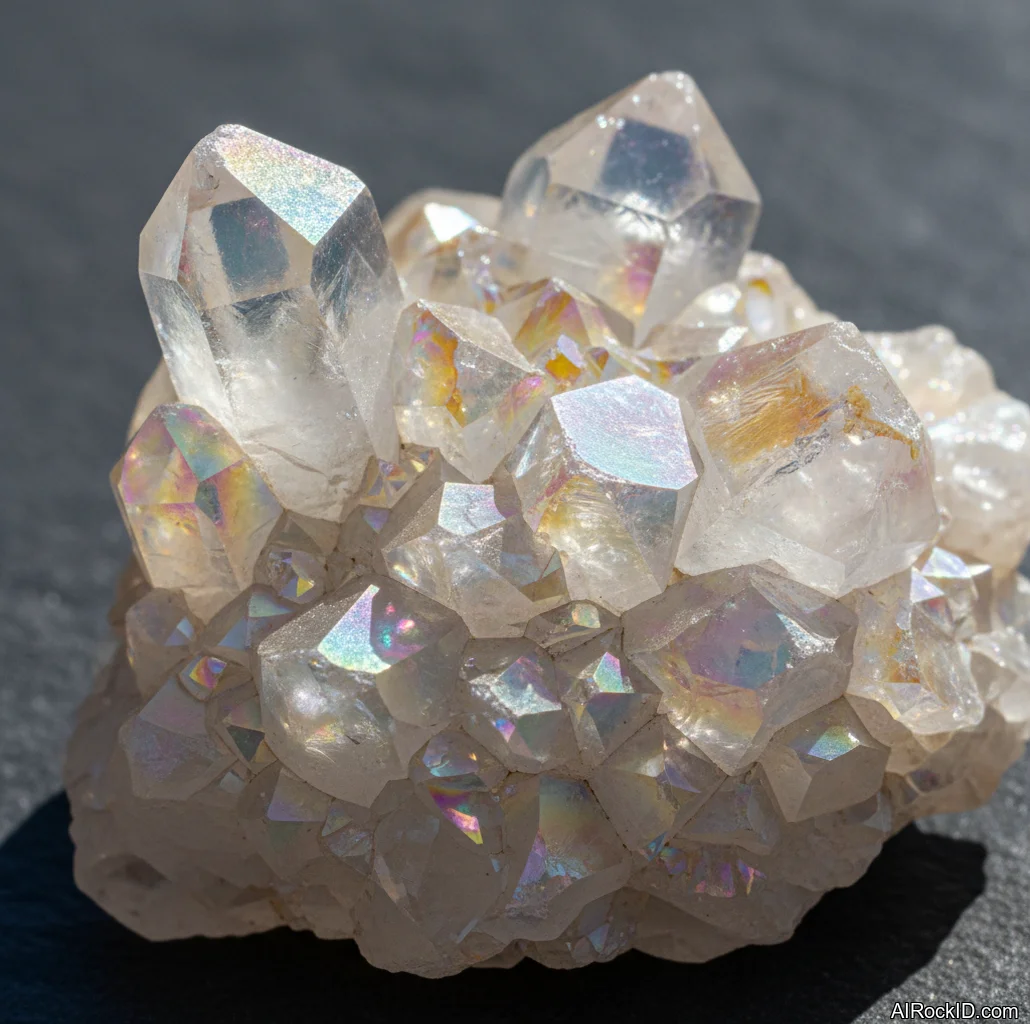
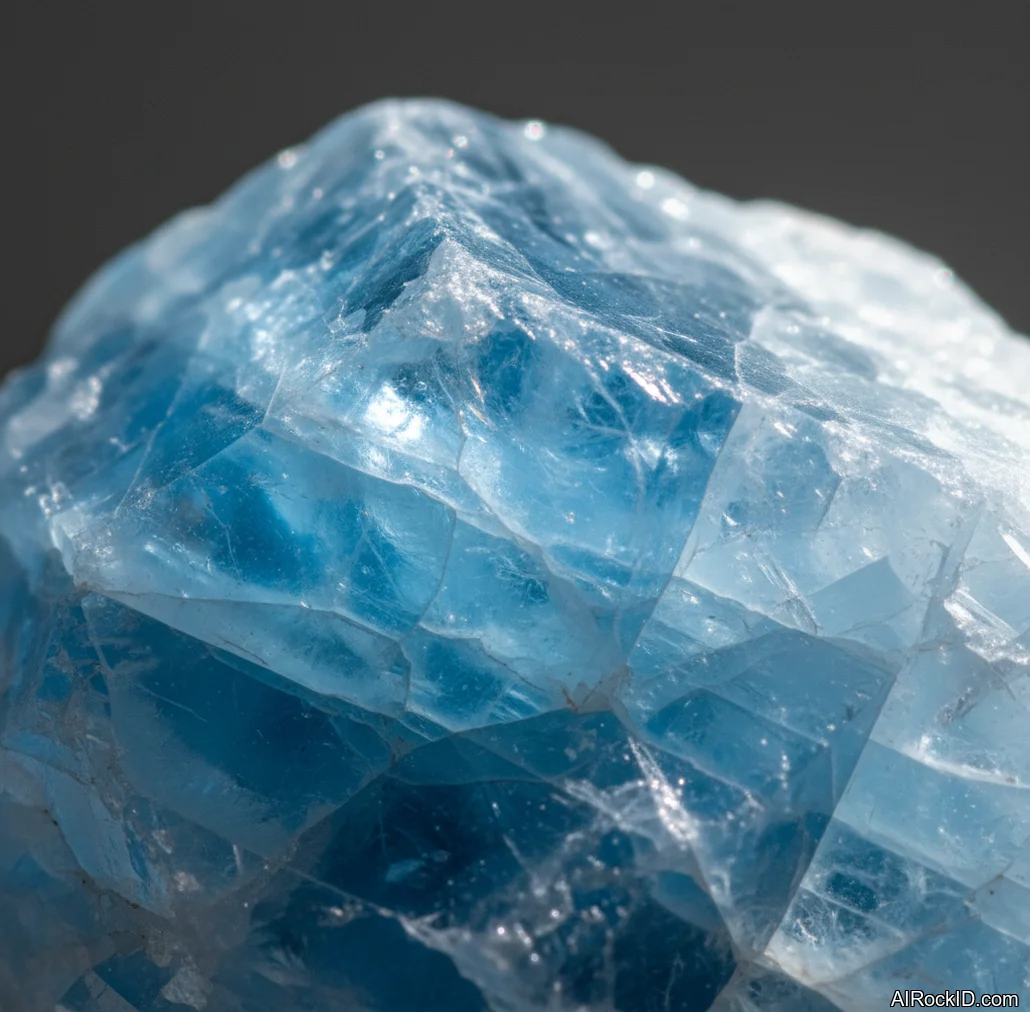
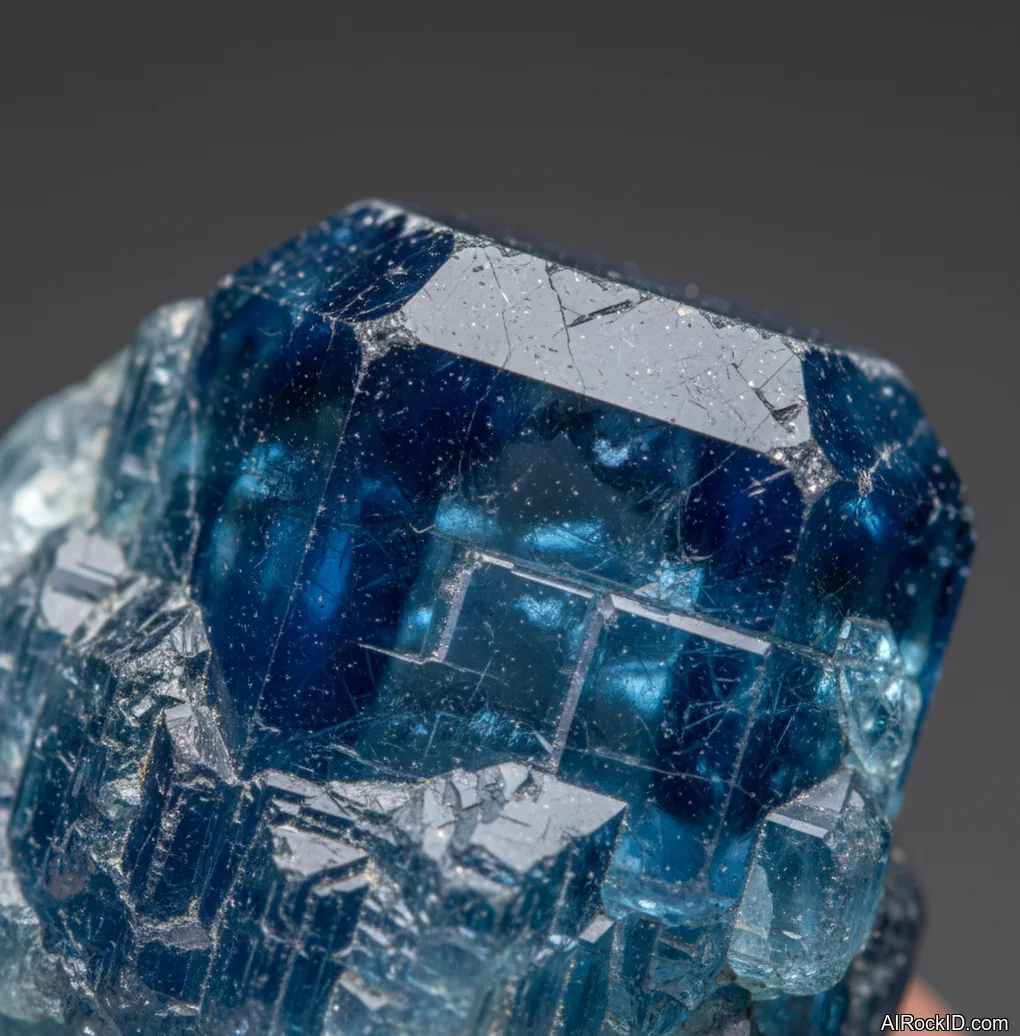
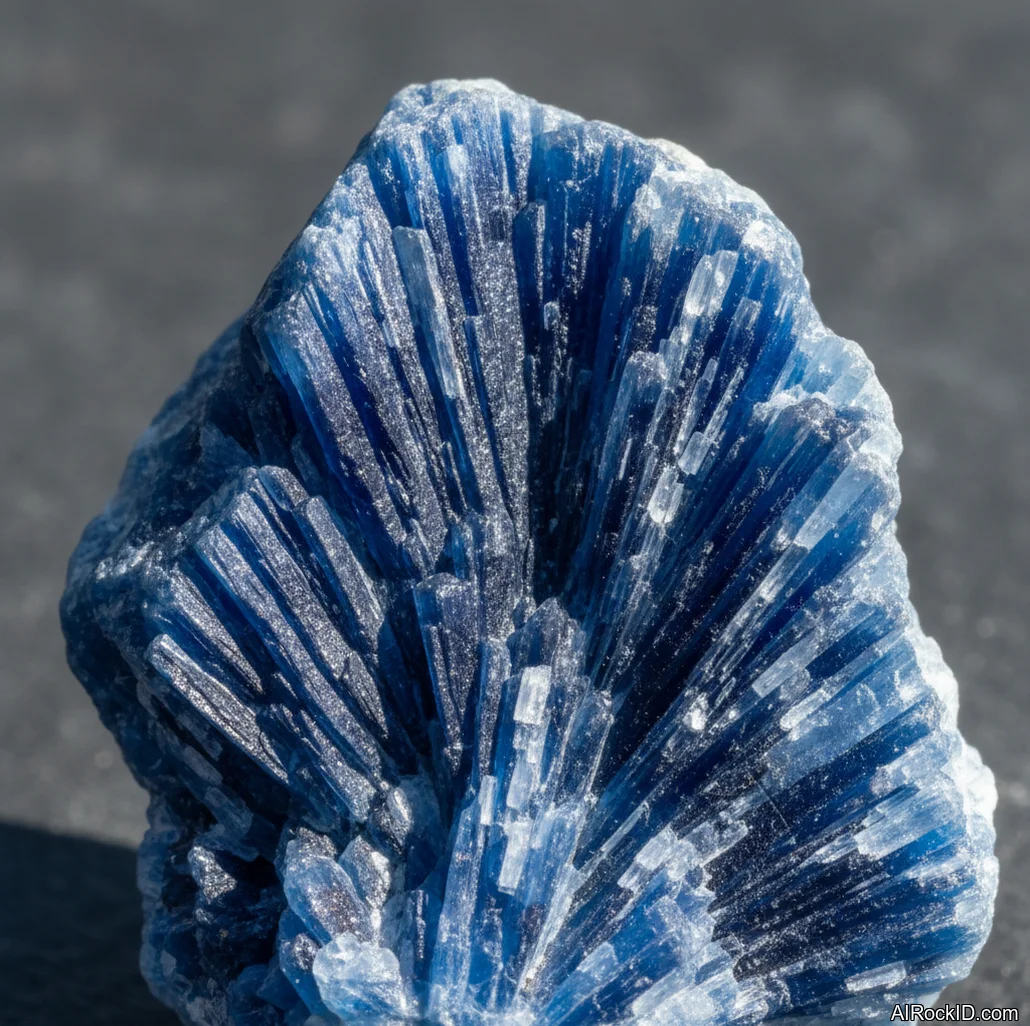
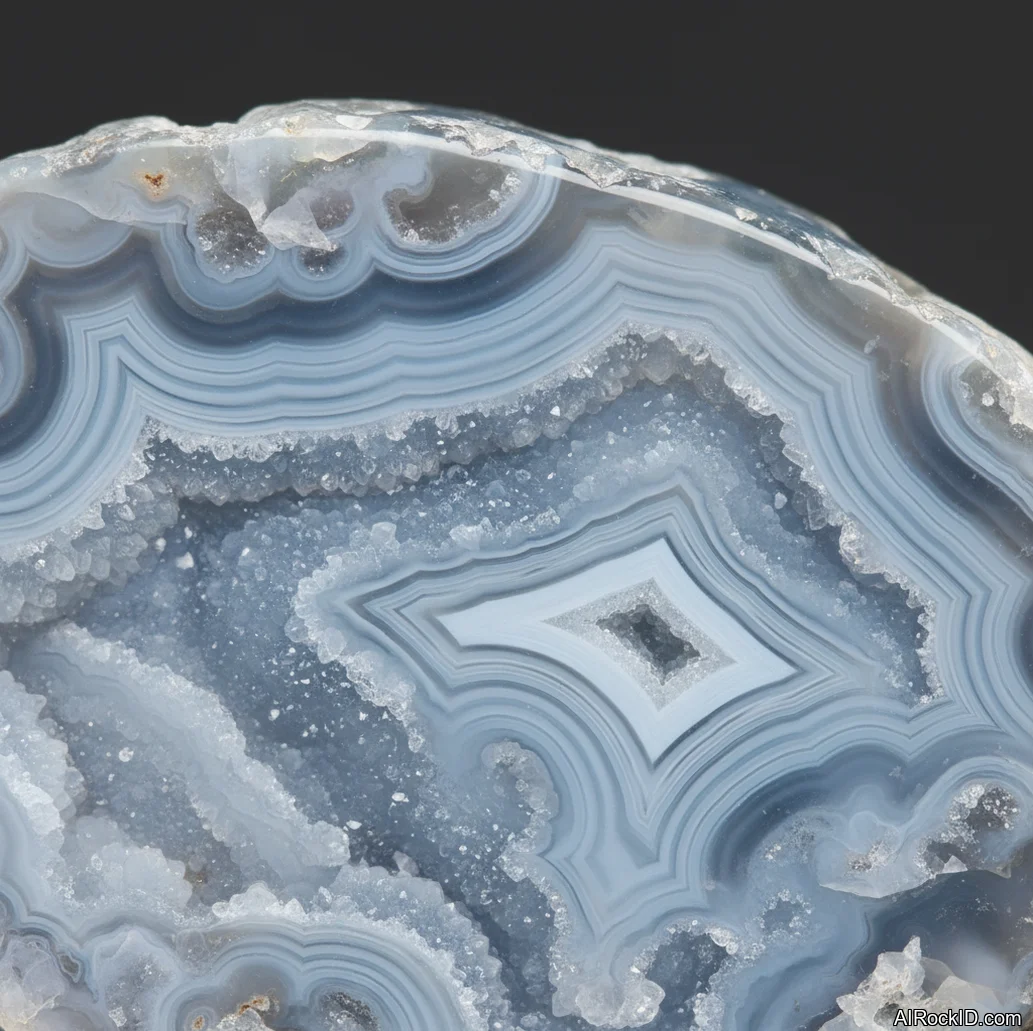
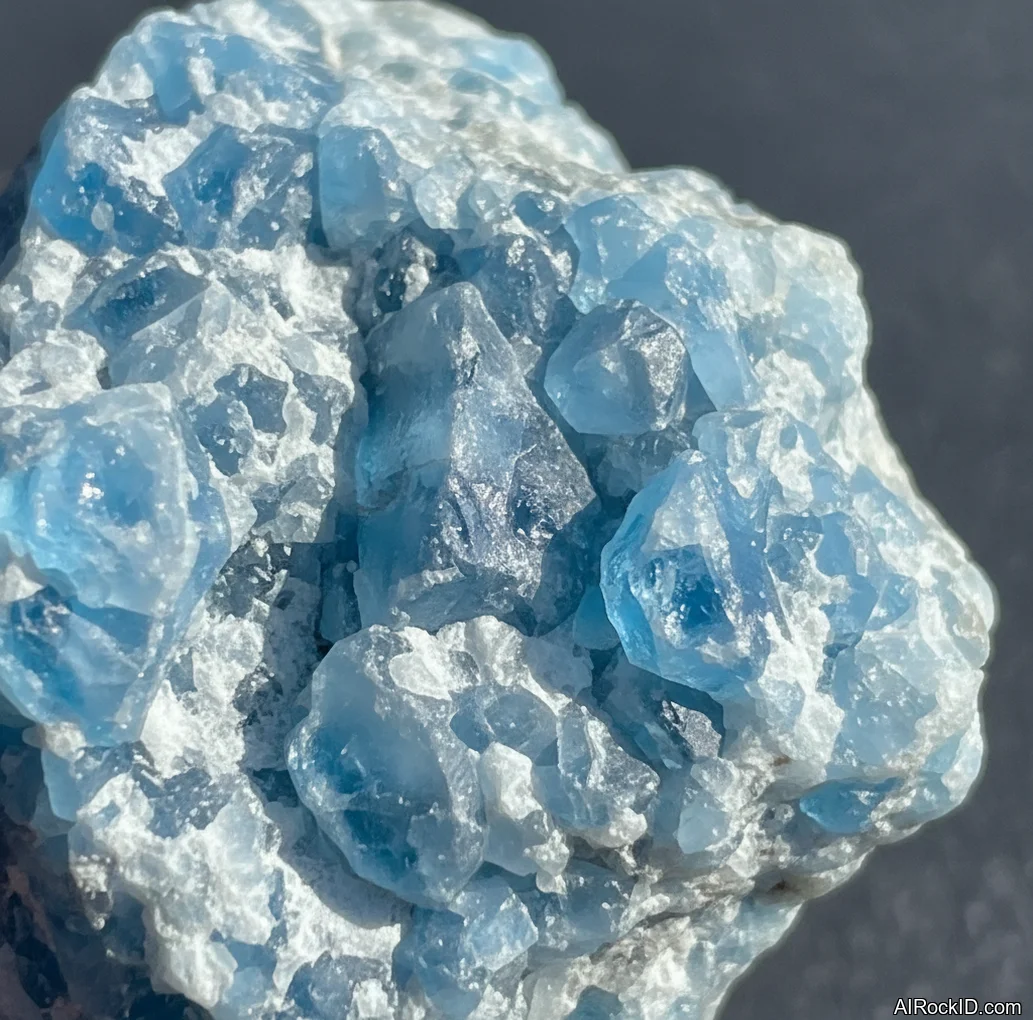
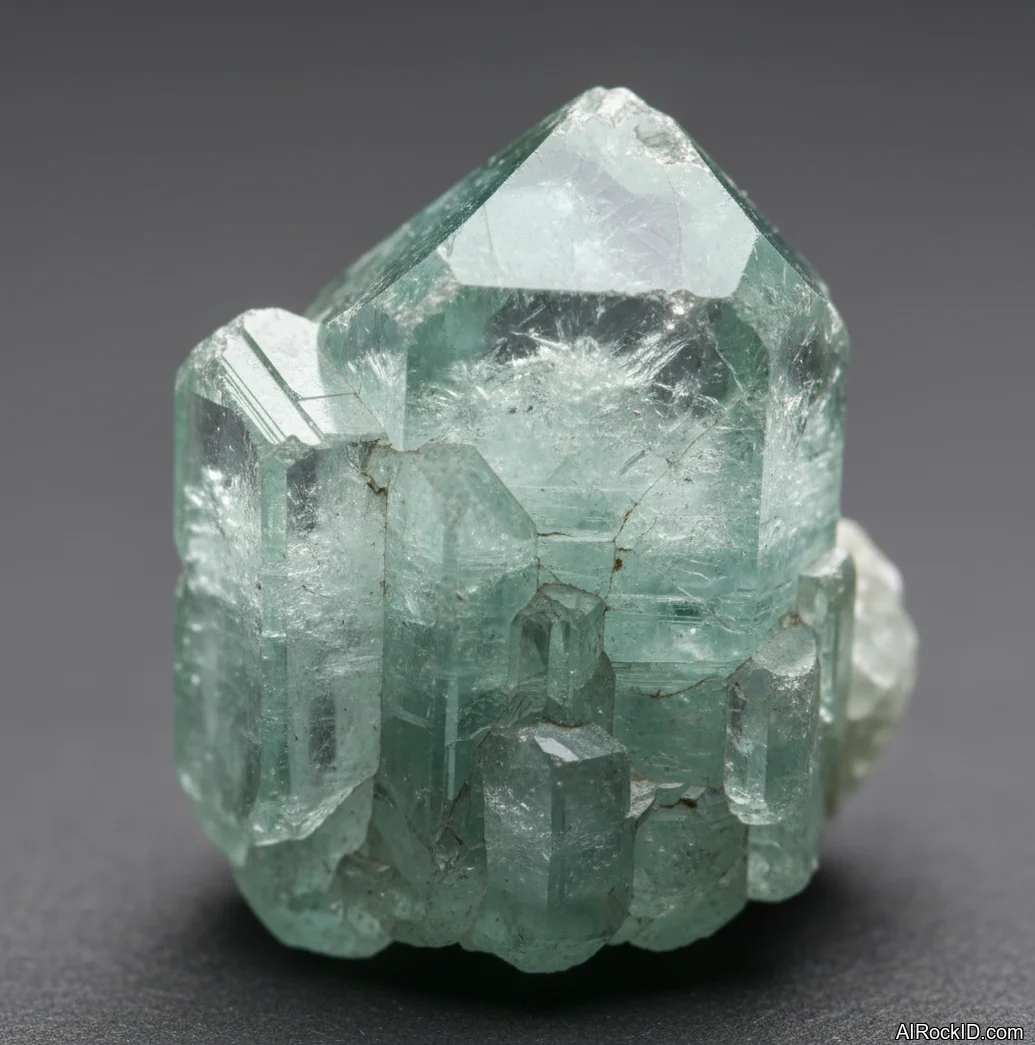
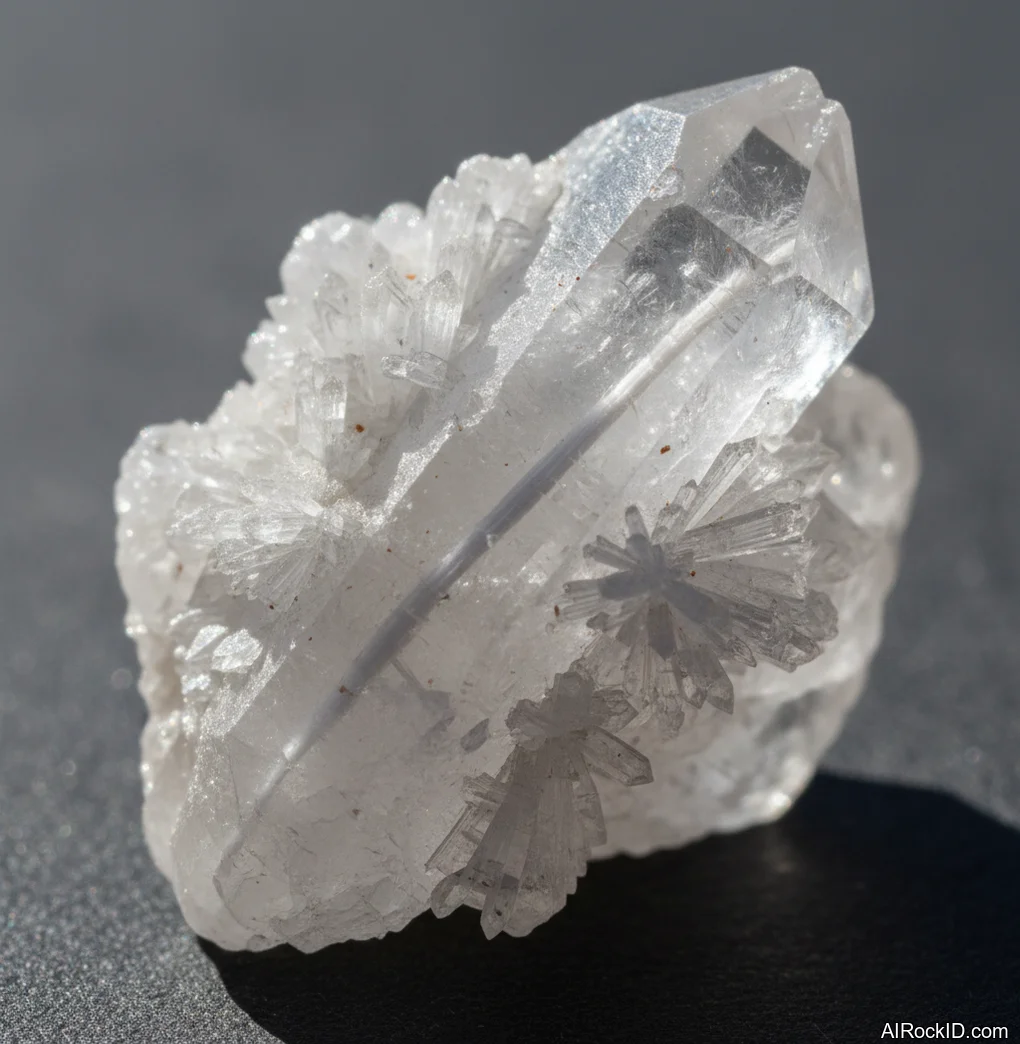
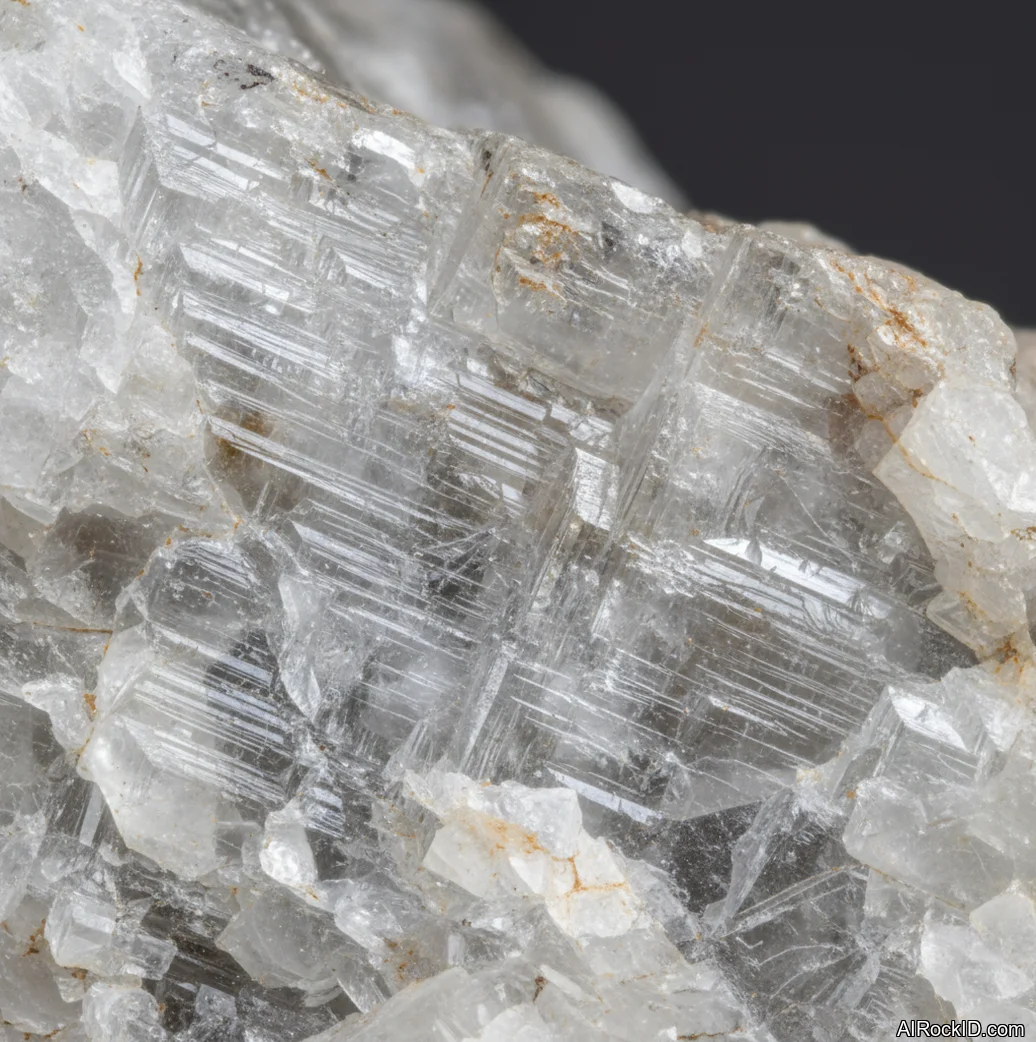
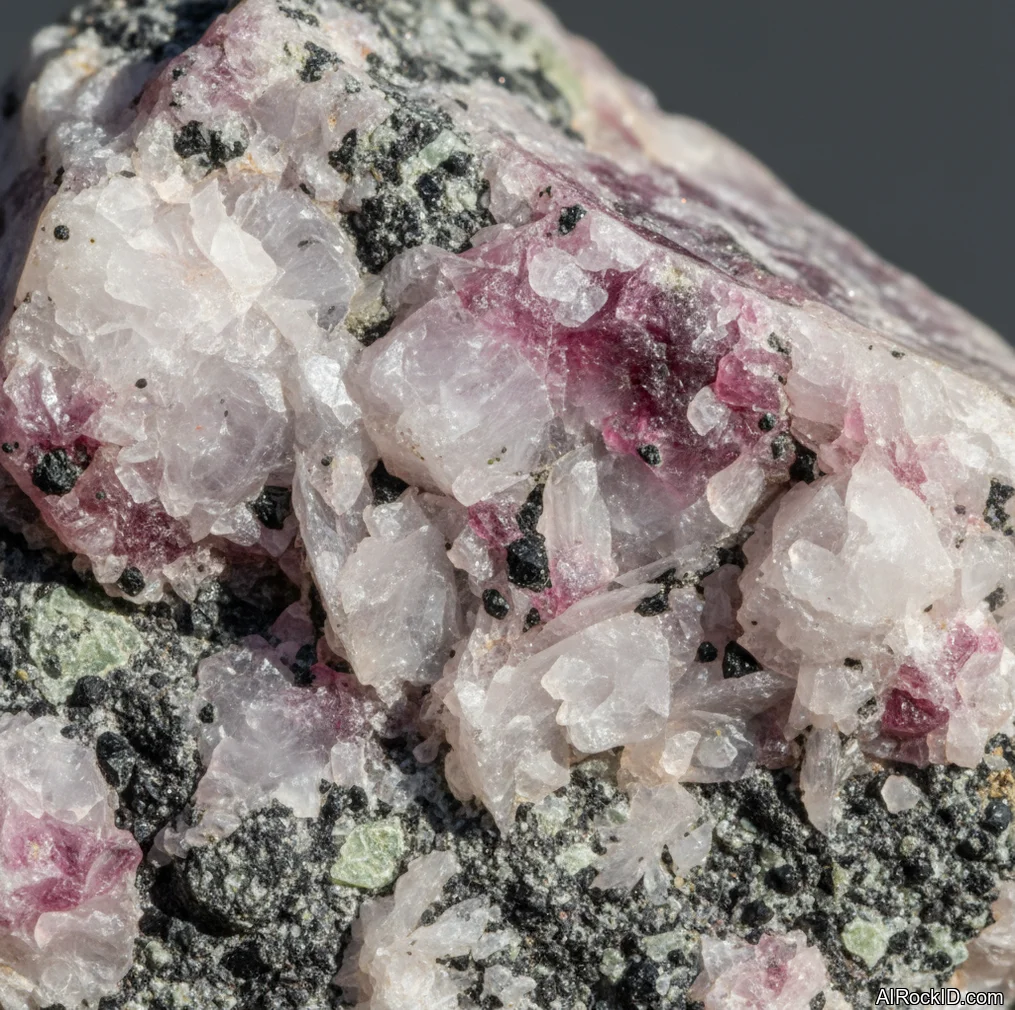
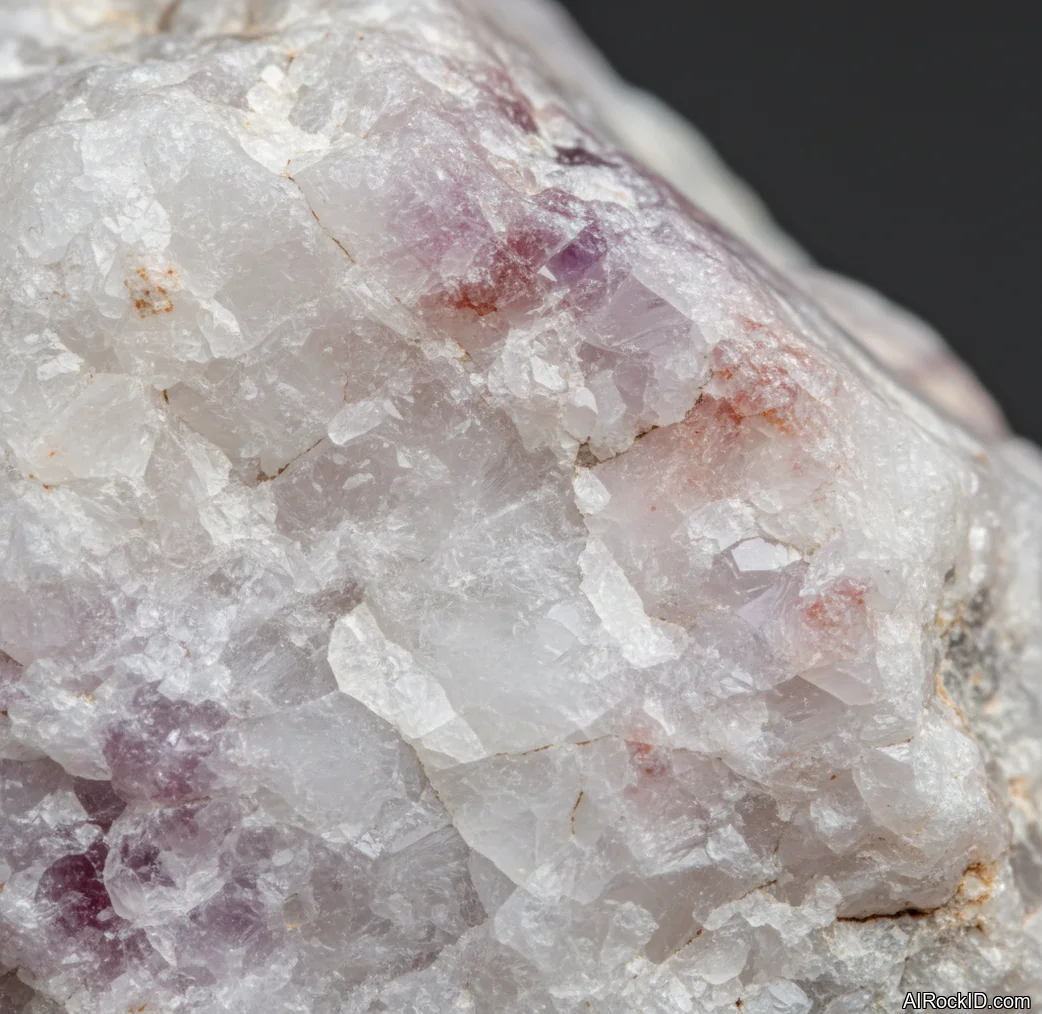
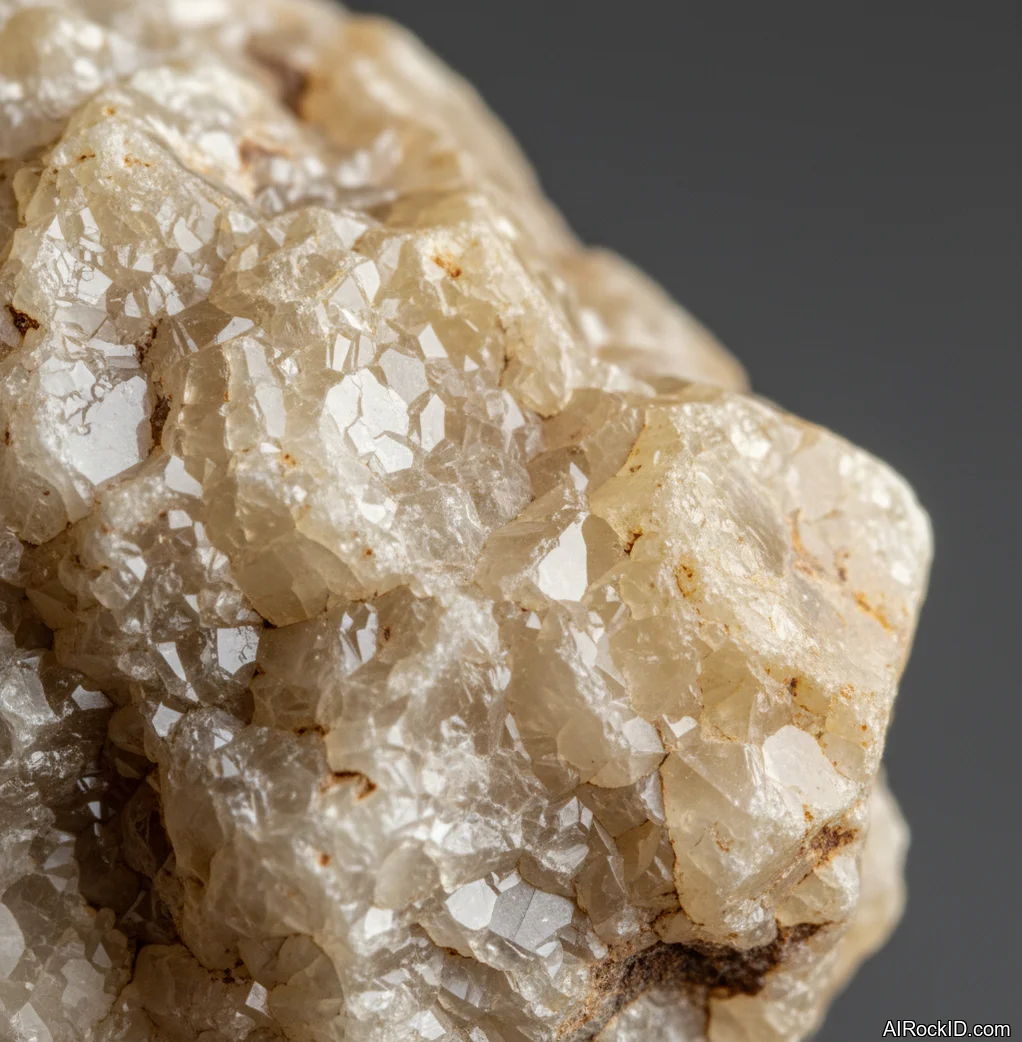
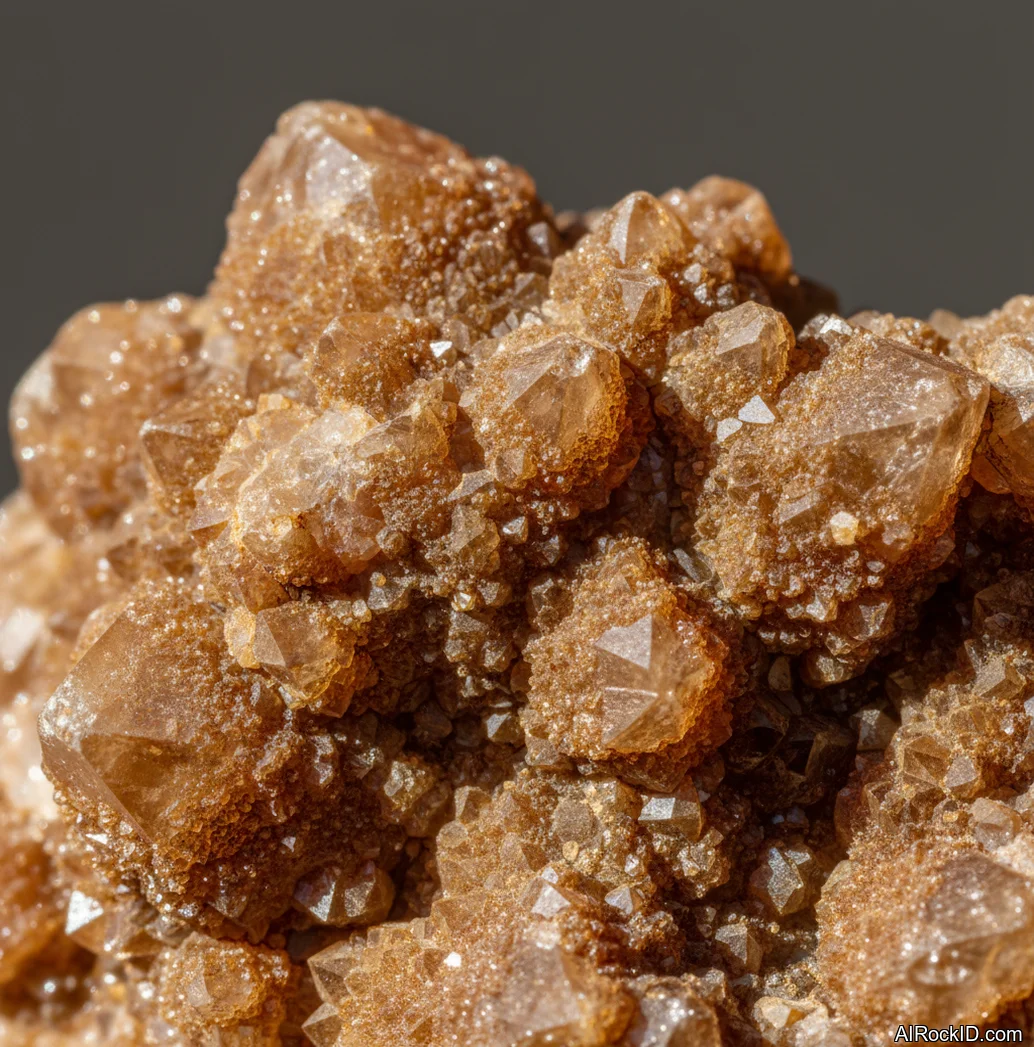
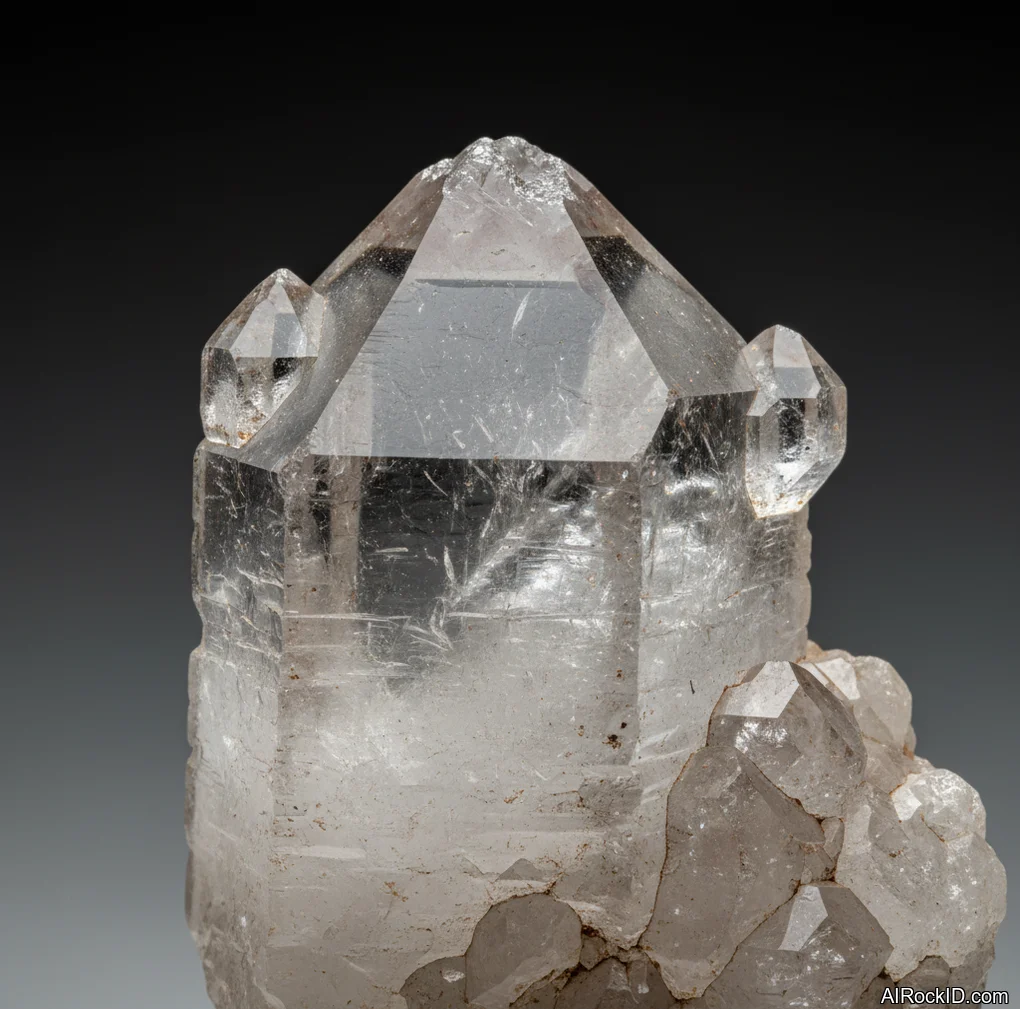
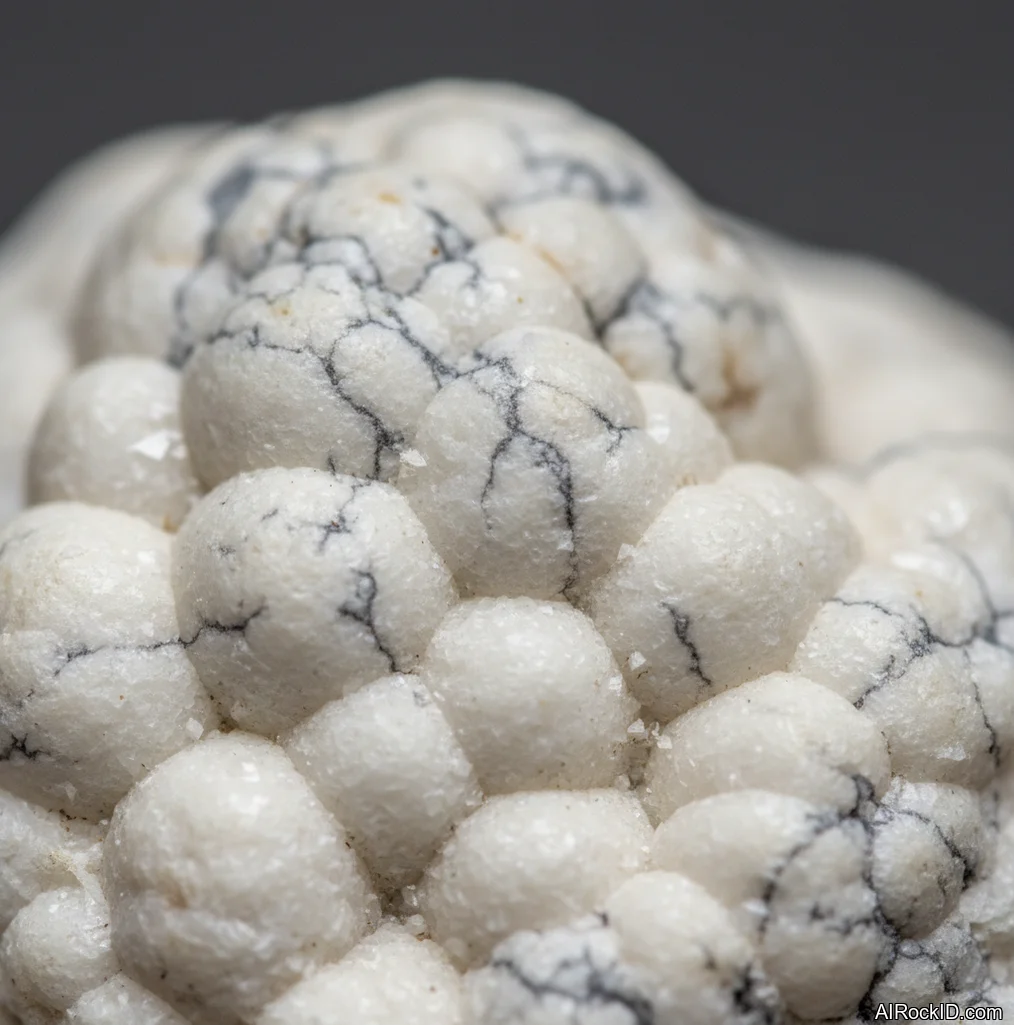
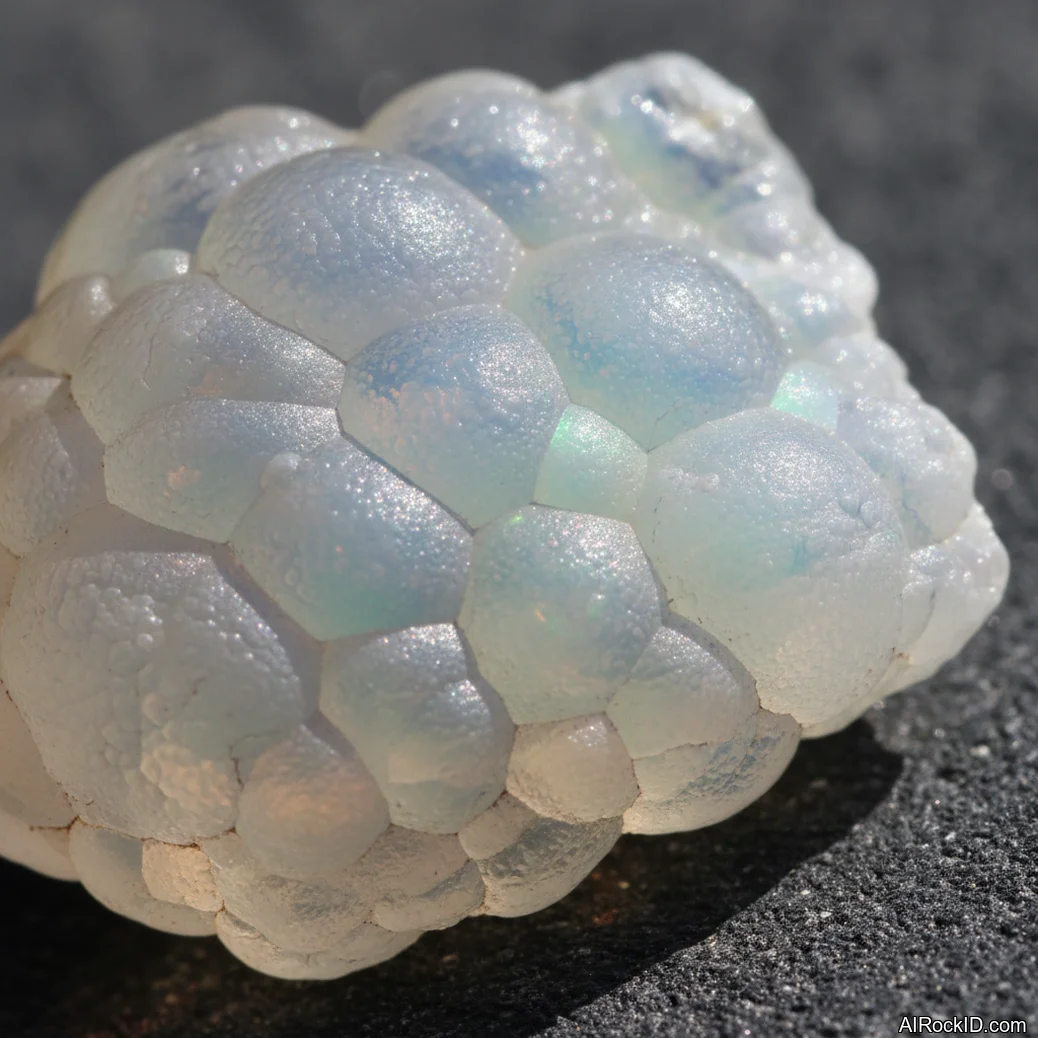
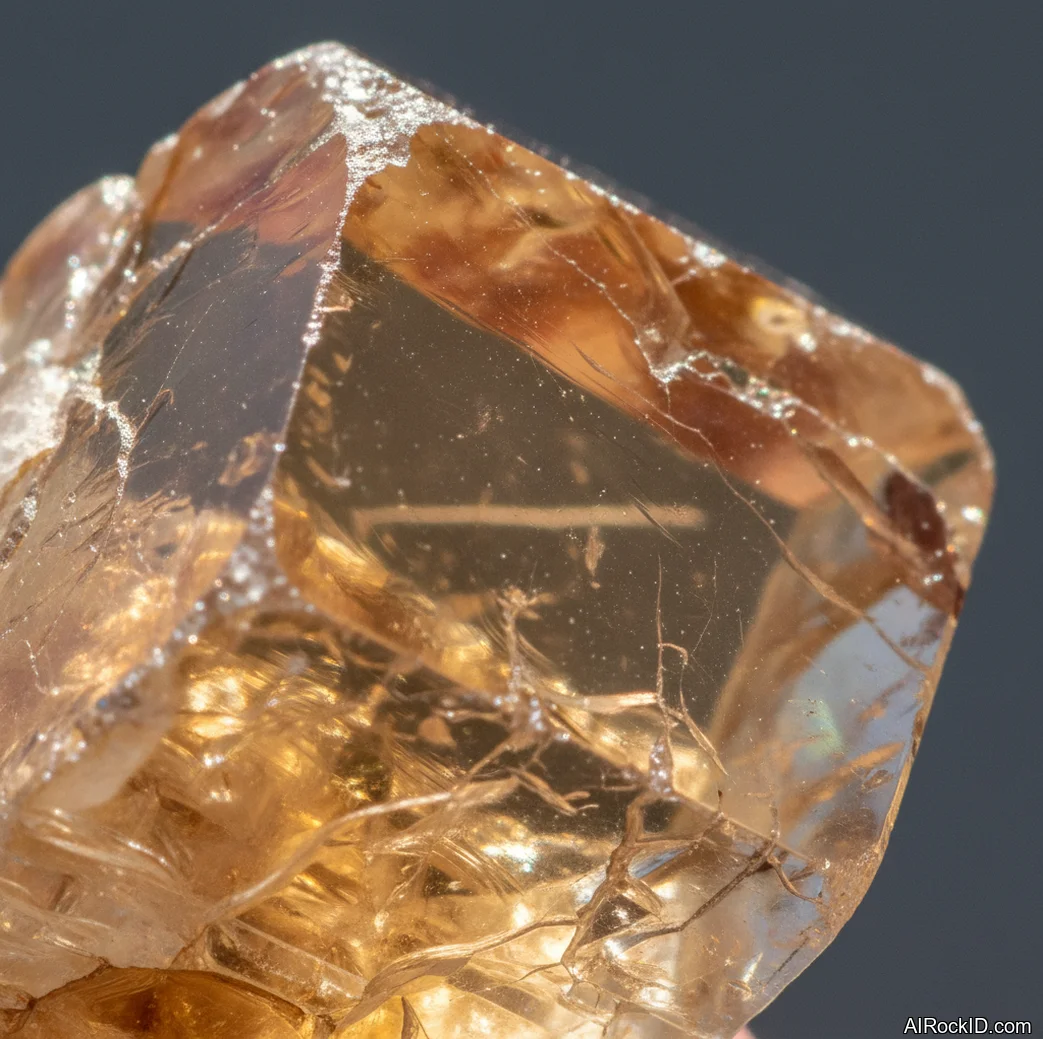
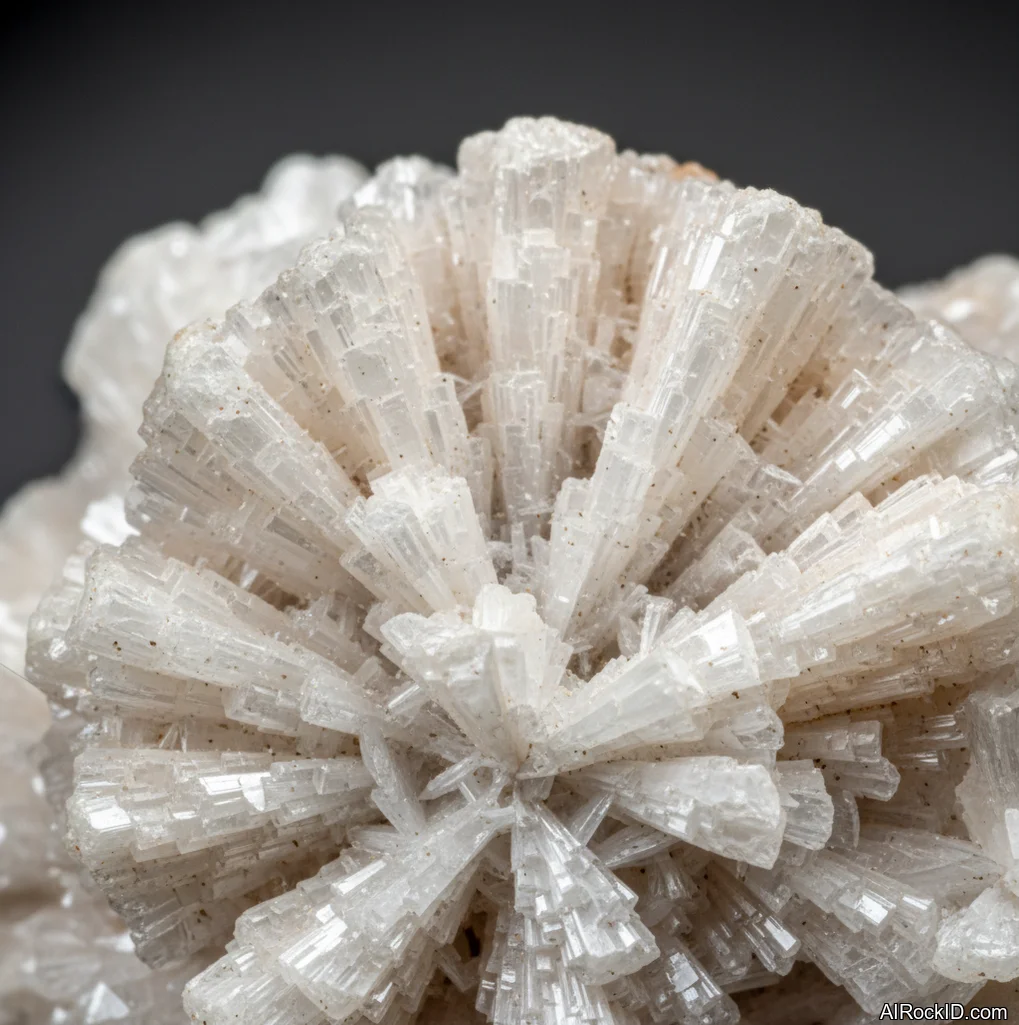
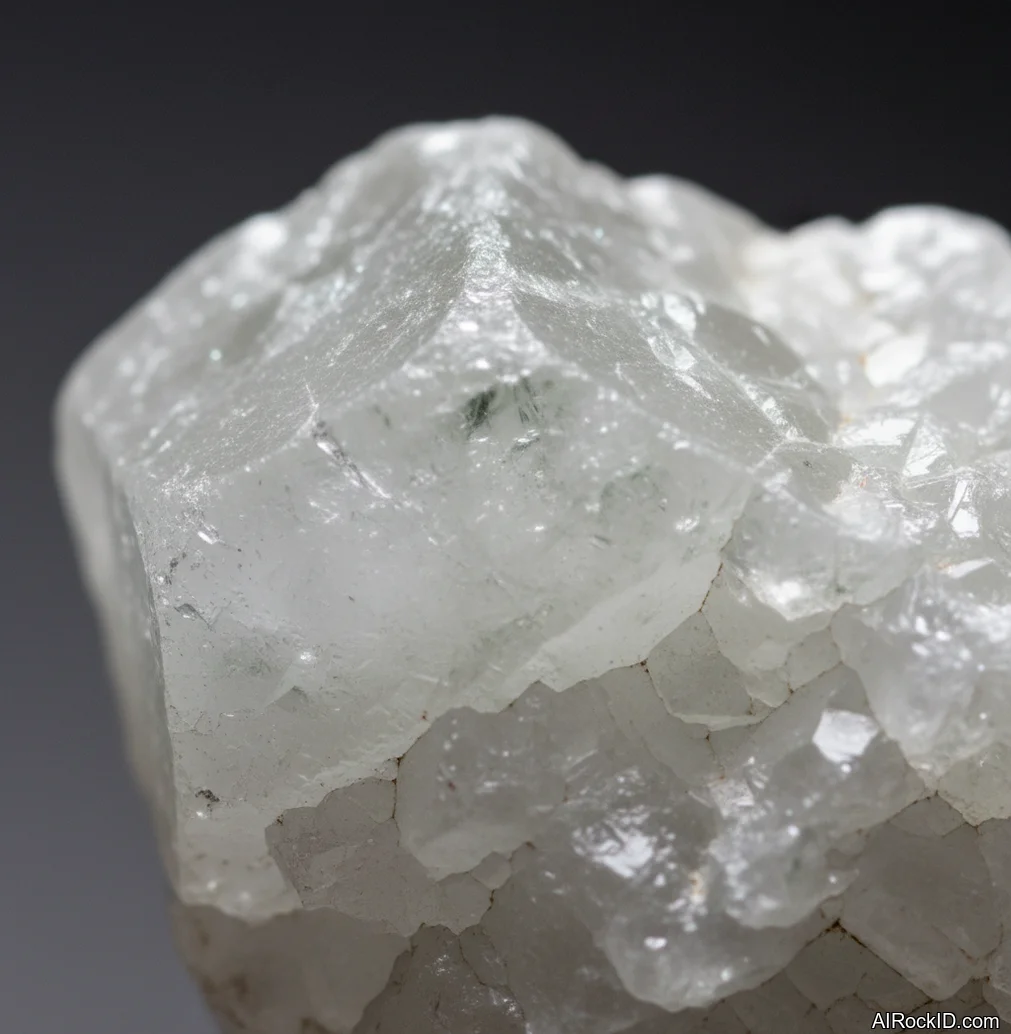
Air crystals are minerals associated with mental clarity, communication, and lightness, often used for shifting thoughts and clearing mental clutter. Common Air crystals include Celestite, Blue Lace Agate, Fluorite, Selenite, and Clear Quartz. These stones typically appear pale, transparent, or full of wispy inclusions, and are physically fragile or lightweight. These associations come from metaphysical traditions and are not medical claims.
Air crystals aren't a substitute for therapy, medication, or professional advice. They can't actually change your thoughts or solve mental health issues.
AI Rock ID can help users compare a crystal’s visible traits, such as color, luster, banding, and transparency, with known mineral references. RockIdentifier.io provides crystal and mineral information that can support identification, care, and category browsing.
Good fit
- People exploring crystals linked with communication, learning, writing, or decision-making
- Beginners who want generally easy-to-find stones such as clear quartz, fluorite, or blue lace agate
- Users building an element-based crystal collection that includes Air, Earth, Fire, and Water themes
- Meditation or journaling practices focused on perspective, ideas, or verbal expression
Not a good fit
- Anyone looking for a guaranteed medical, psychological, or financial outcome
- Users who need a precise mineral identification based only on metaphysical category
- Collectors who prefer classification strictly by mineral species, locality, or crystal system
Most commonly confused with
- Clear Quartz: Clear quartz is often listed with Air because of its clarity symbolism, but mineralogically it is silicon dioxide rather than an air-related material.
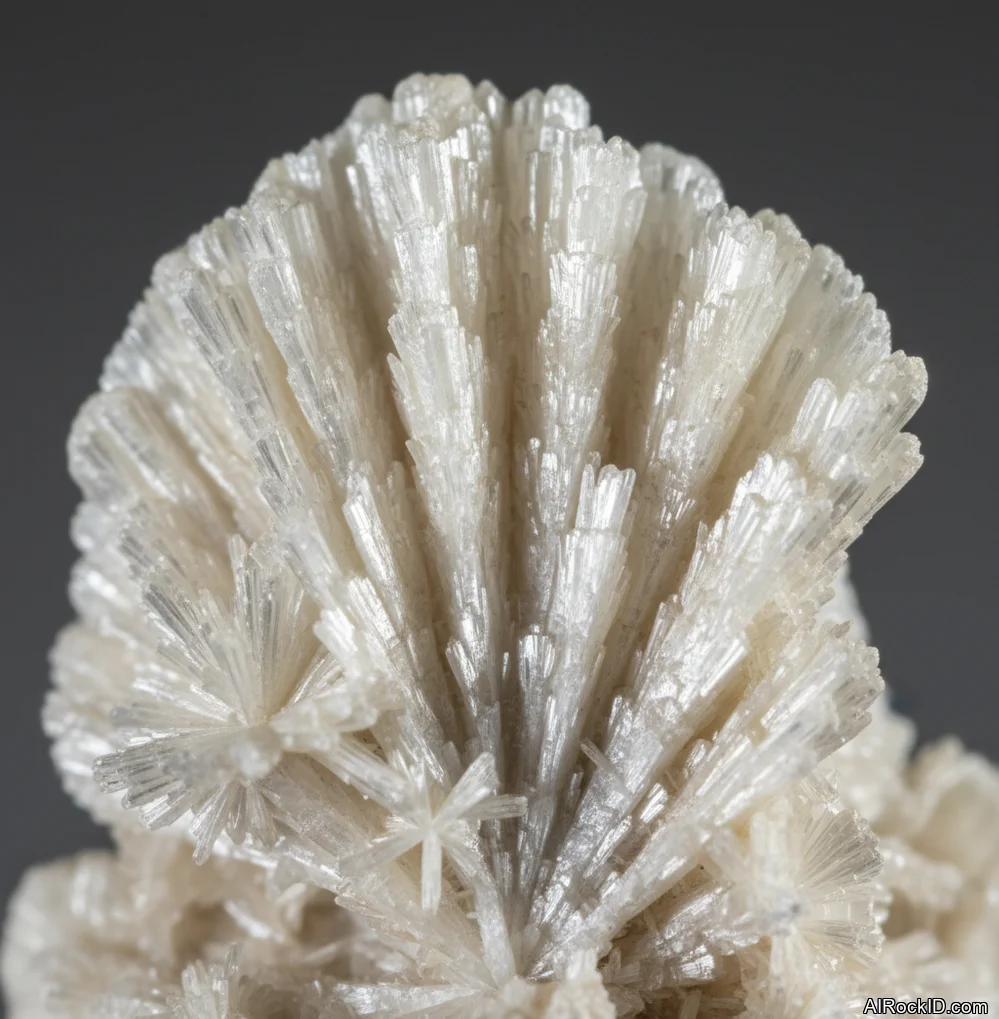
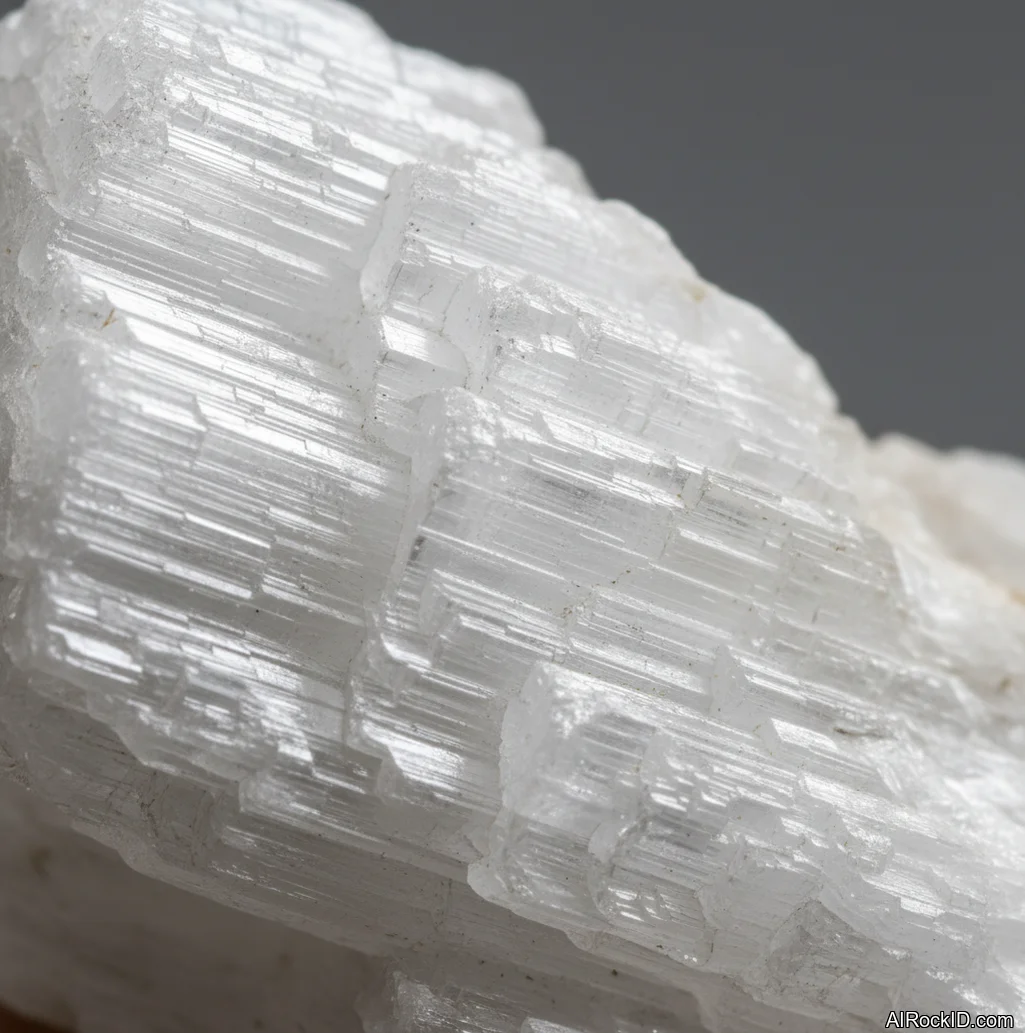
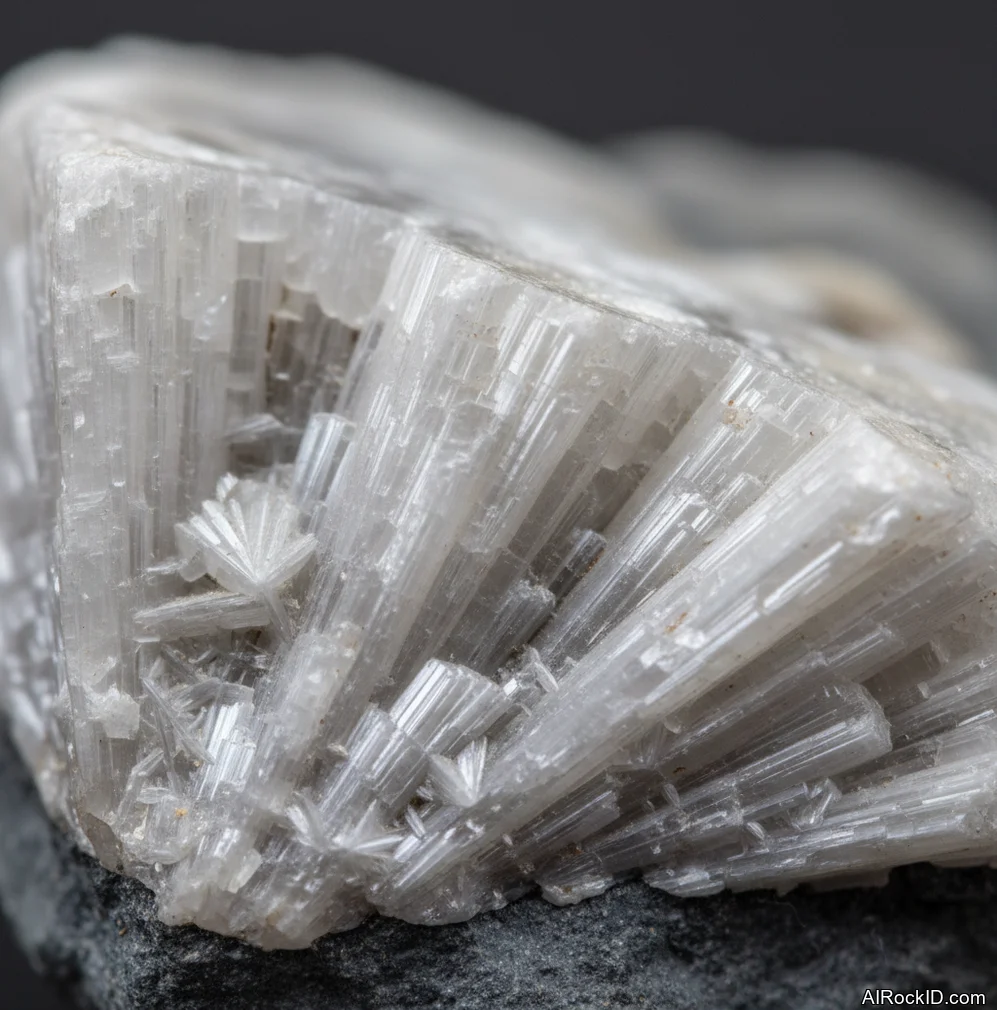
- Selenite: Selenite may be grouped with Air for its pale, luminous appearance, but it is a soft gypsum variety that needs dry, gentle handling.
- Blue Lace Agate: Blue lace agate is often linked with calm communication, while other agates may be grouped more often with grounding or Earth themes.
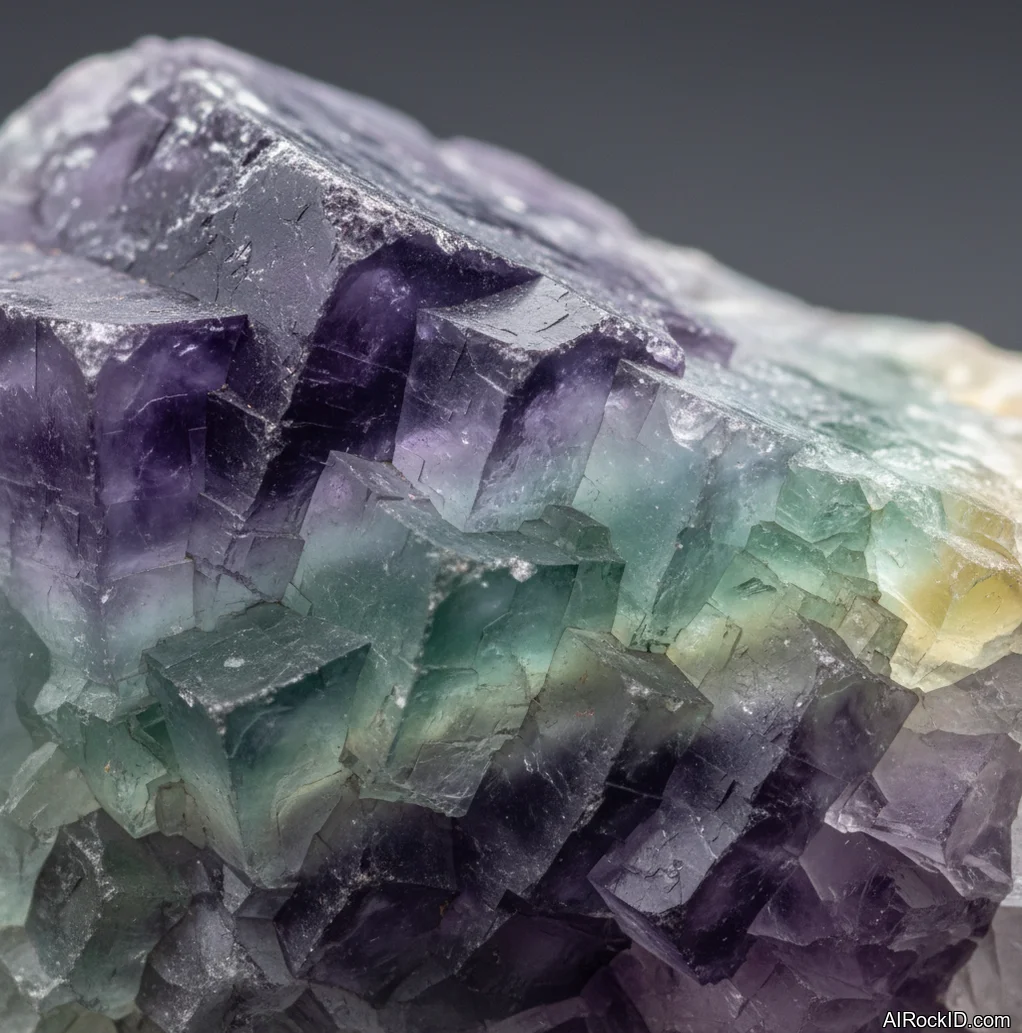
- Fluorite: Fluorite is commonly associated with focus and organization, but its colors vary widely and may overlap with other element categories.
AI identification confidence
AI identification is most helpful when the stone has clear visual features, good lighting, and multiple photos from different angles. Confidence may be lower for tumbled stones, dyed stones, pale crystals, or specimens that share similar colors and textures.
When AI gets it wrong
- The crystal is tumbled or polished so its natural habit is hidden
- Color has been enhanced, dyed, coated, or altered by lighting
- The photo lacks scale, sharpness, or views of multiple sides
- Several minerals share the same pale, blue, white, or transparent appearance
Final recommendation
Choose Air crystals by combining the traditional meaning you want with practical details such as hardness, fragility, and whether the stone is natural or treated. For everyday use, start with durable, easy-to-clean options before adding delicate specimens.
What this category represents
The Air Crystals tag groups stones that are commonly connected in crystal traditions with the Air element, including themes of thought, breath, communication, clarity, and movement. This is a symbolic and cultural category rather than a scientific mineral classification.
Beginner recommendations
Advanced recommendations
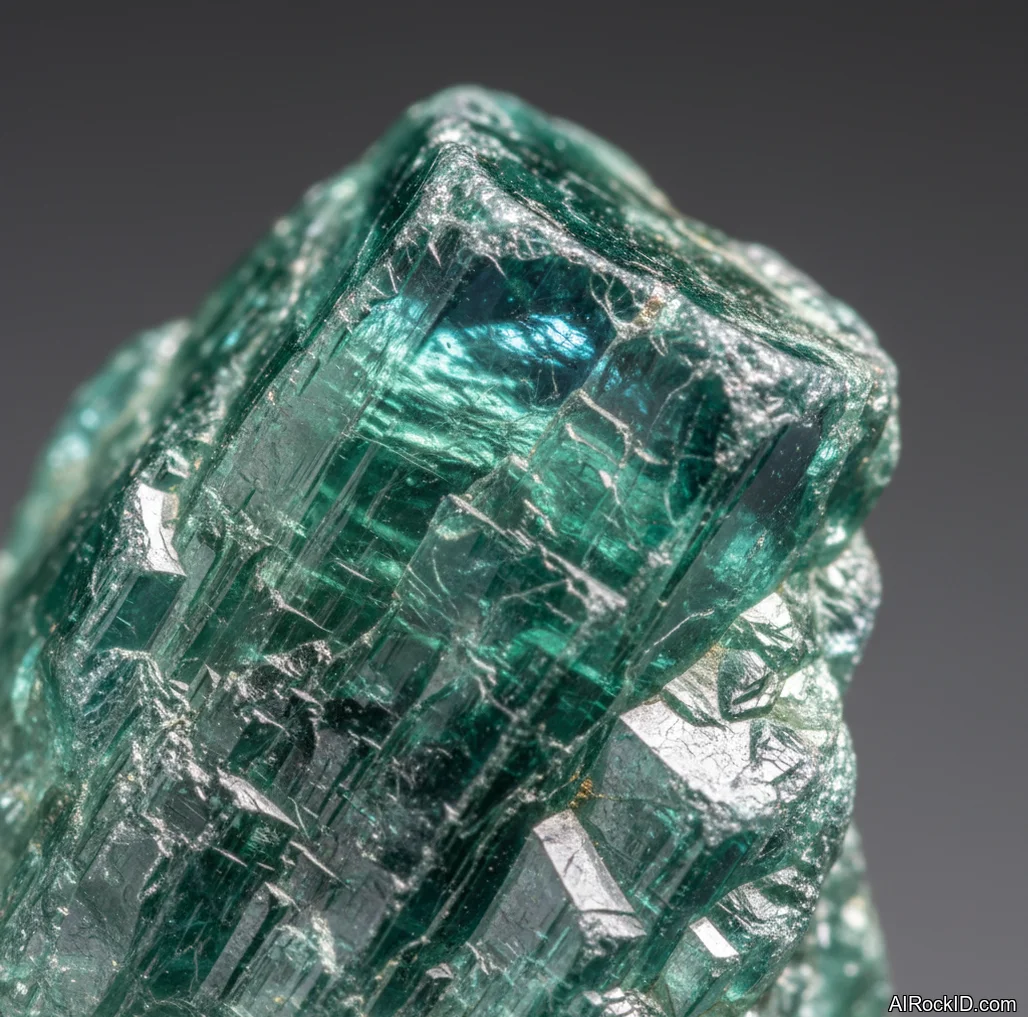
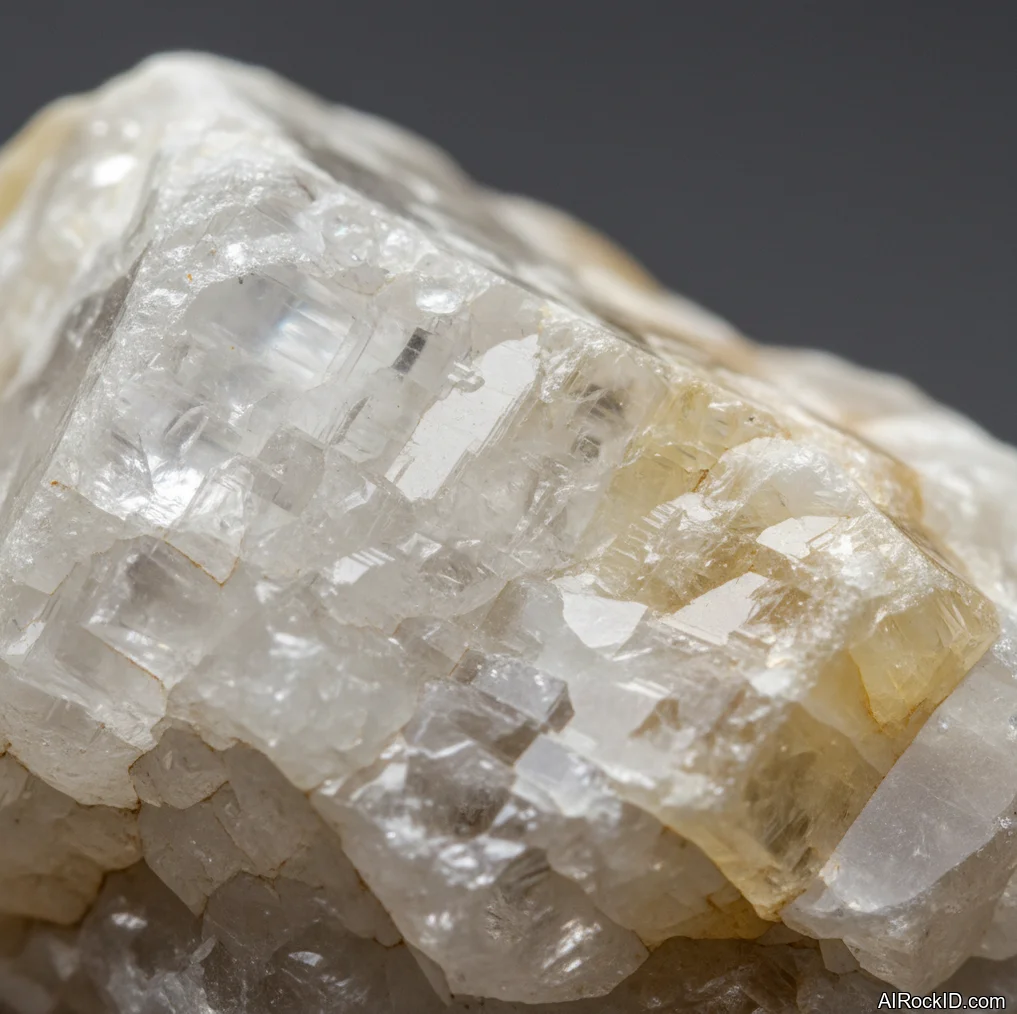
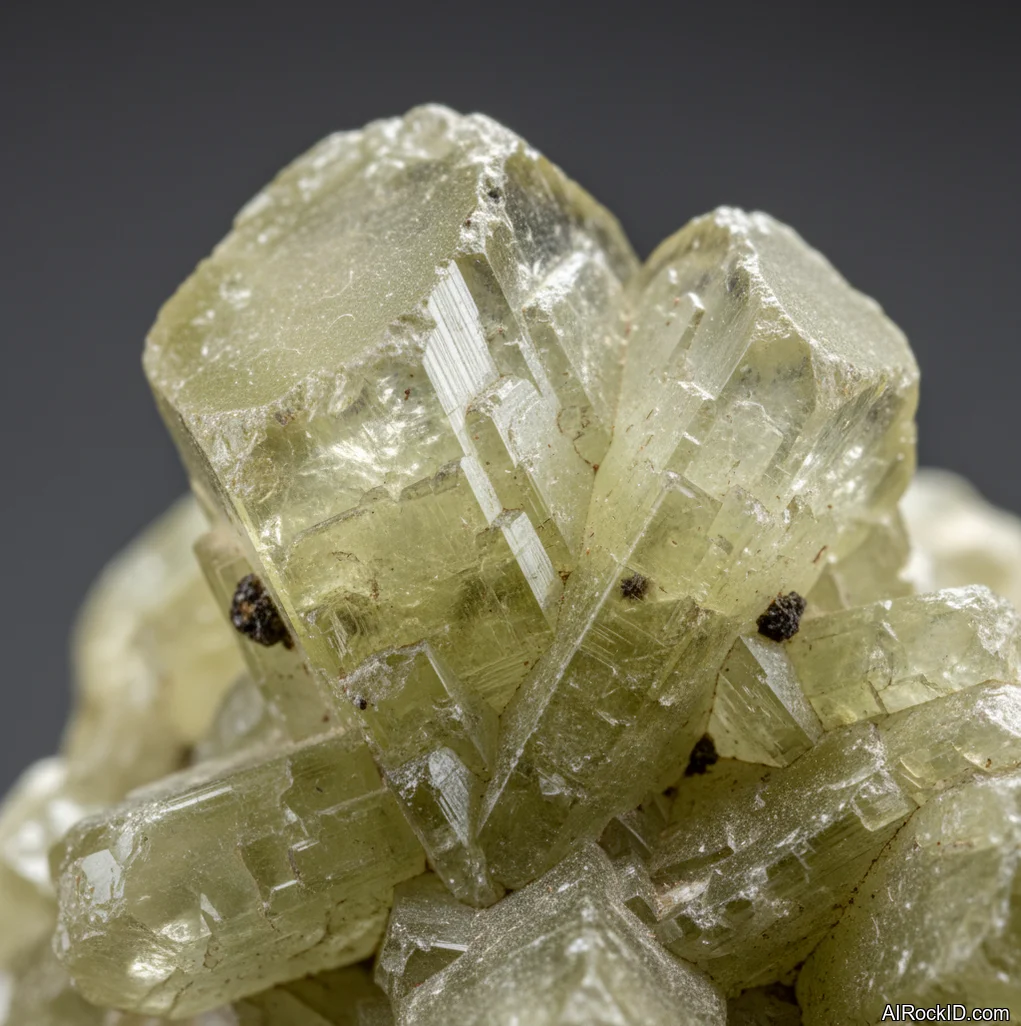
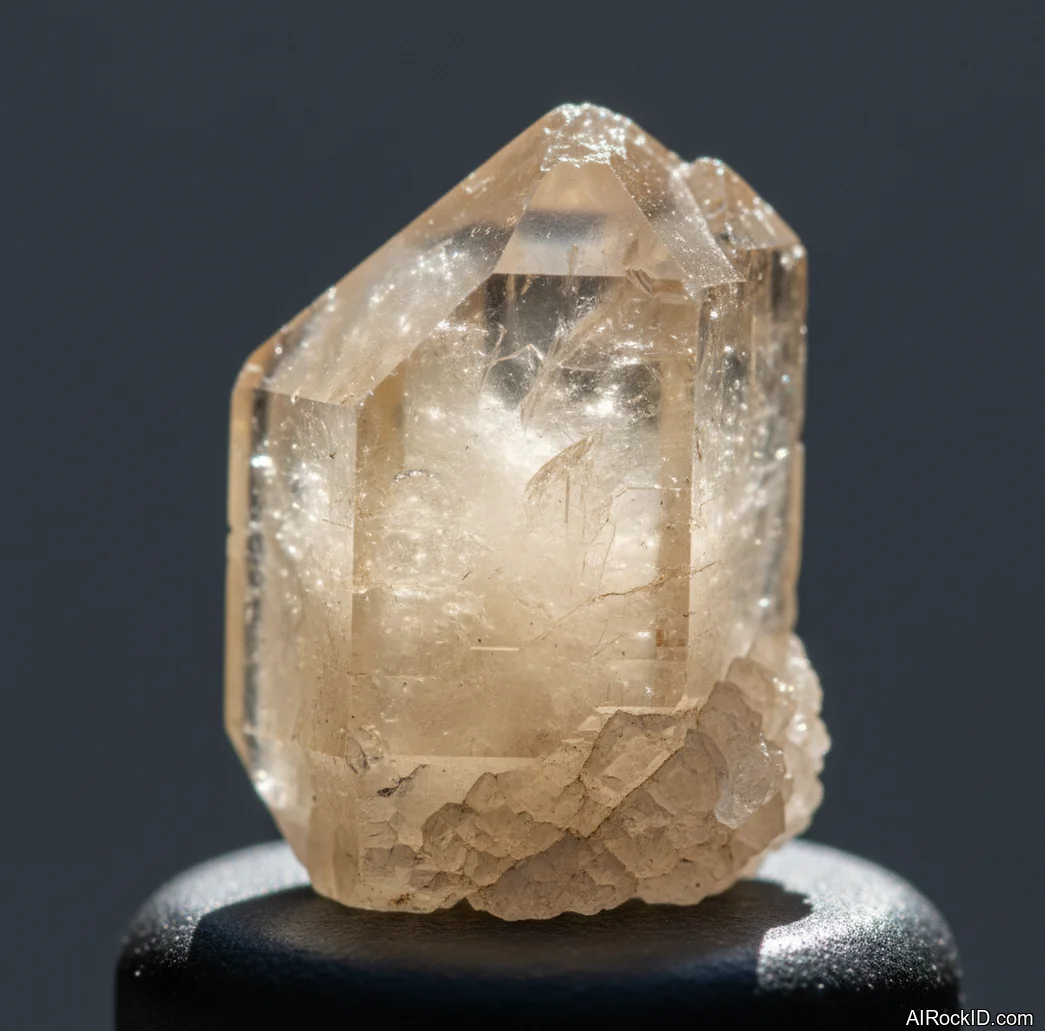
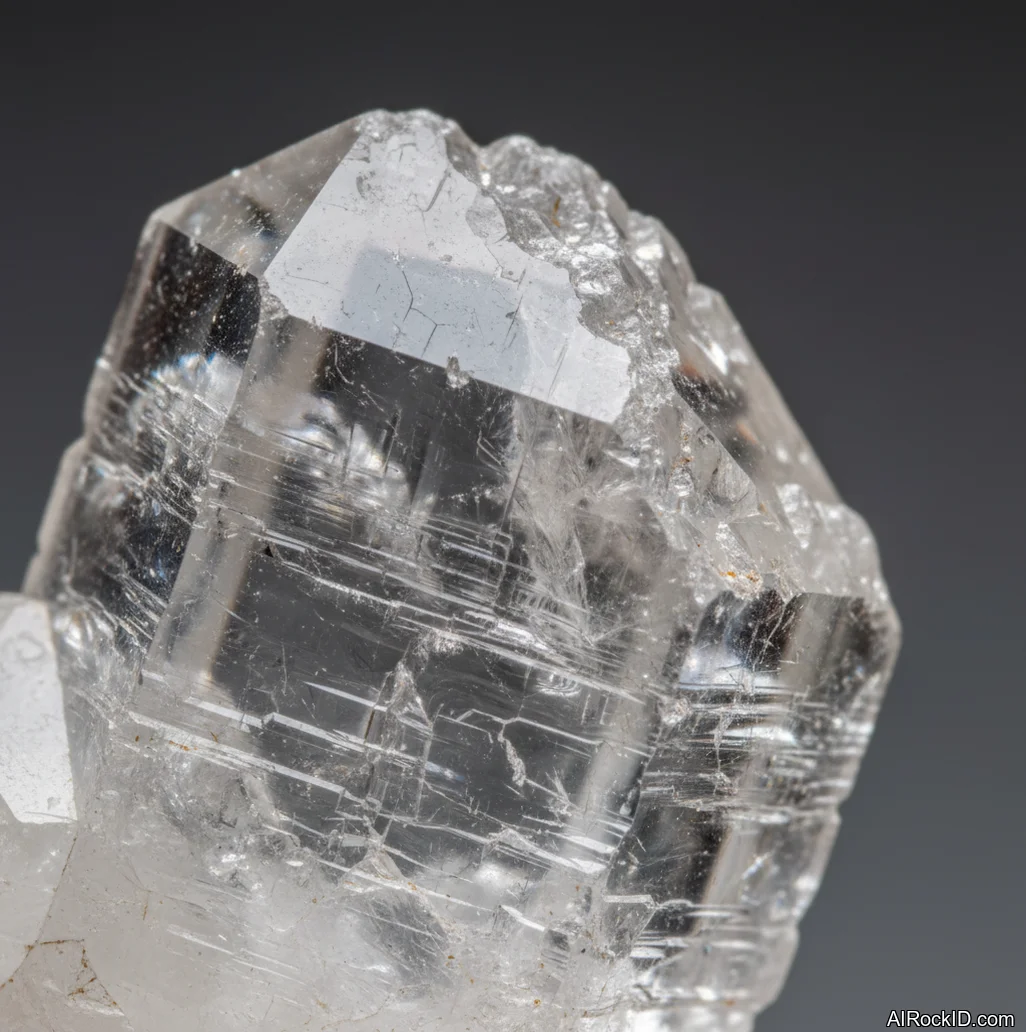
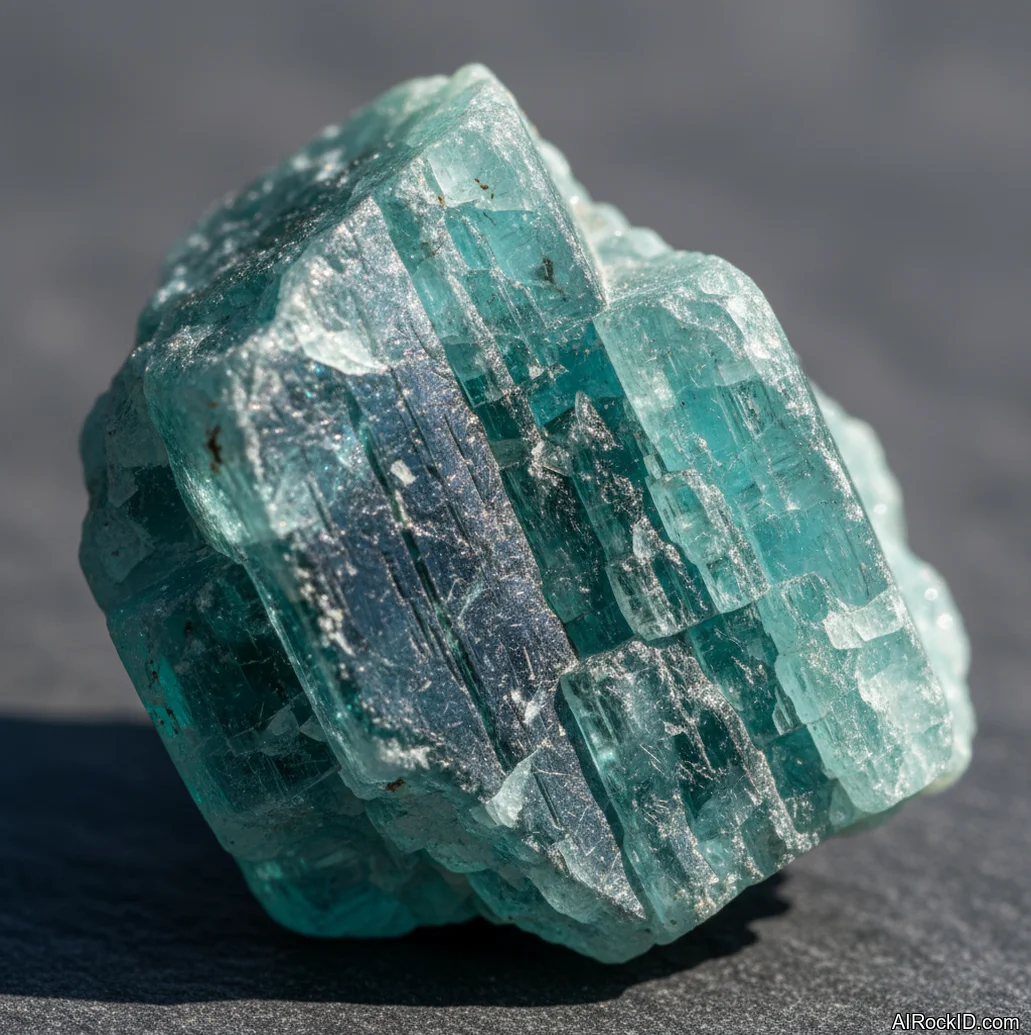
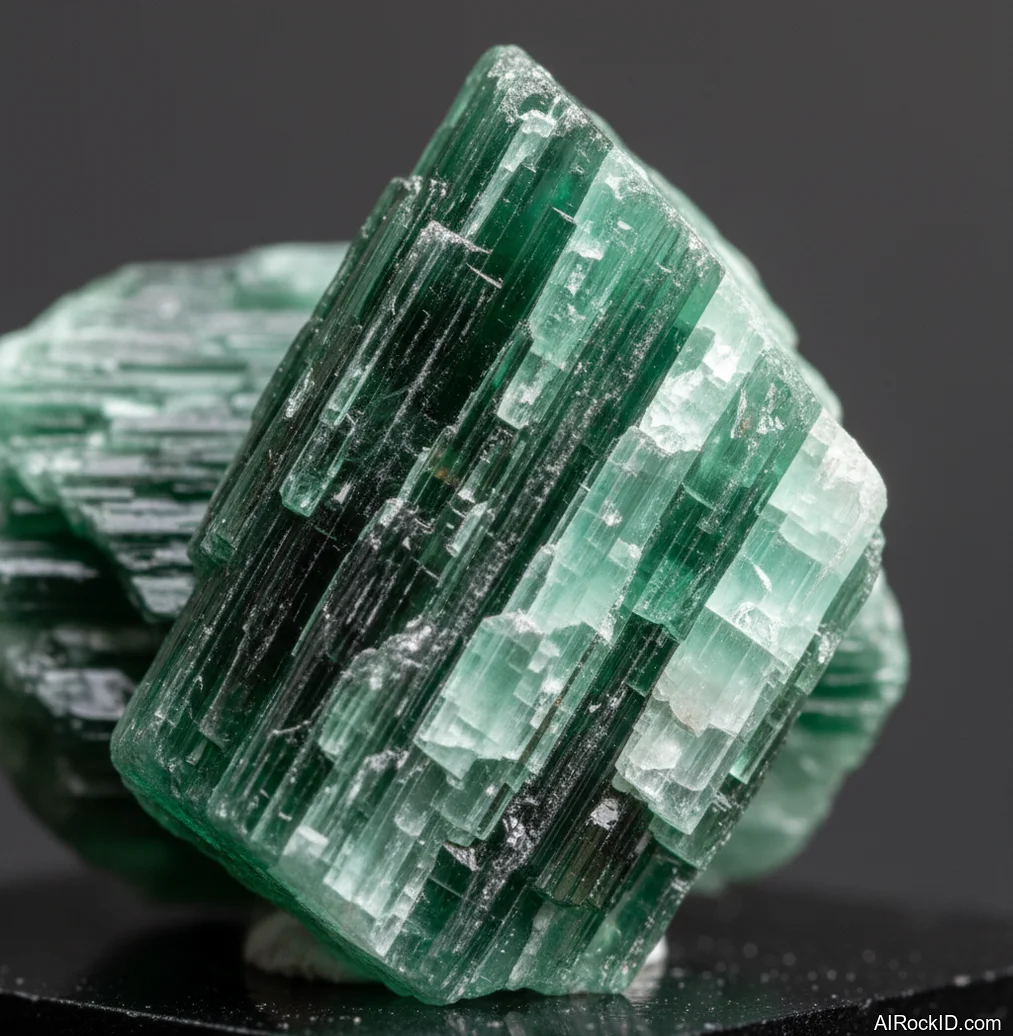
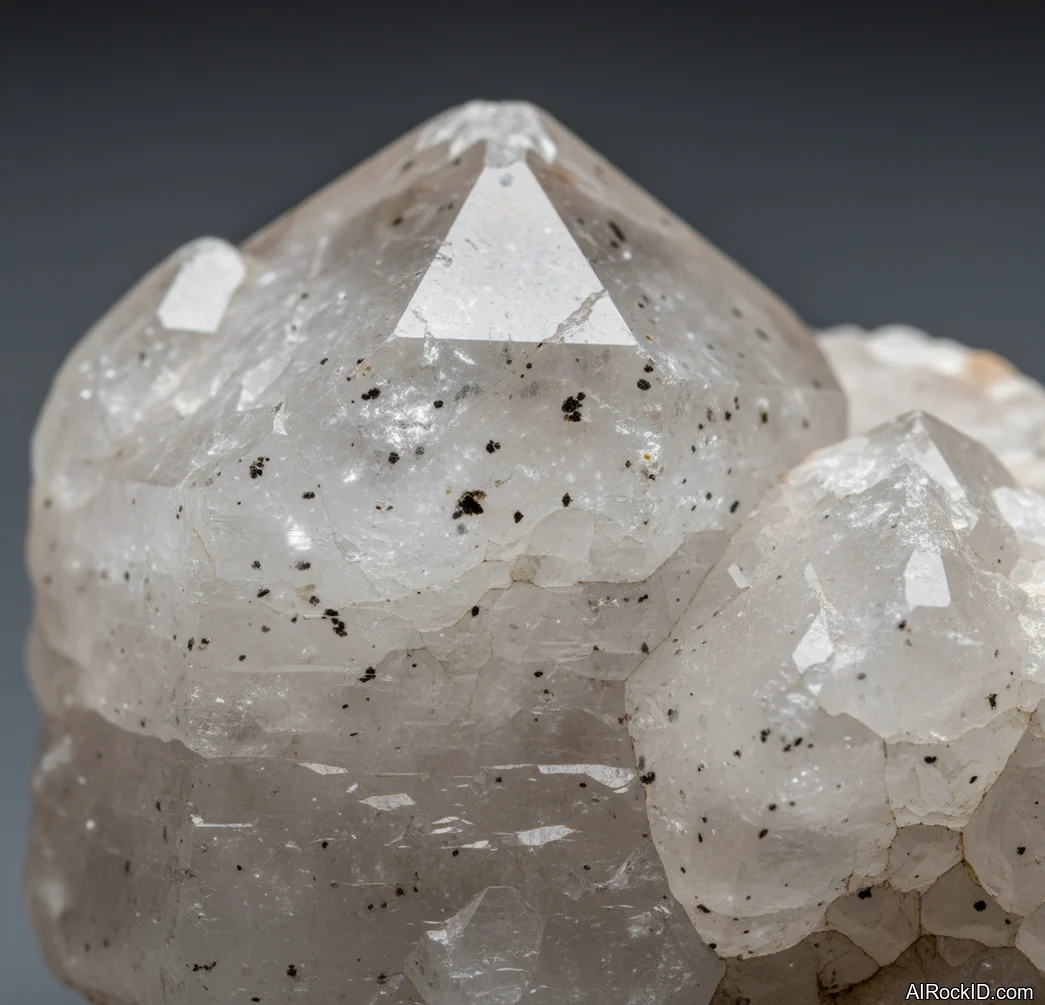
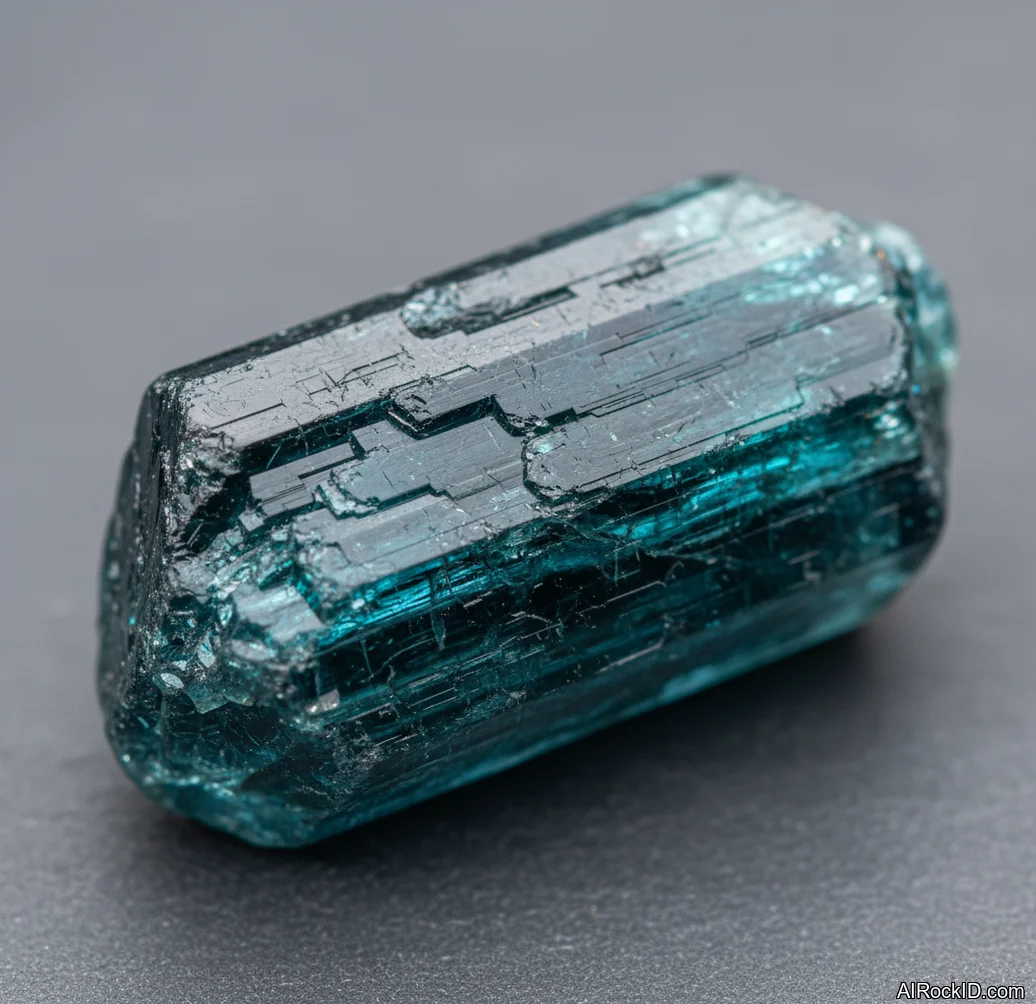
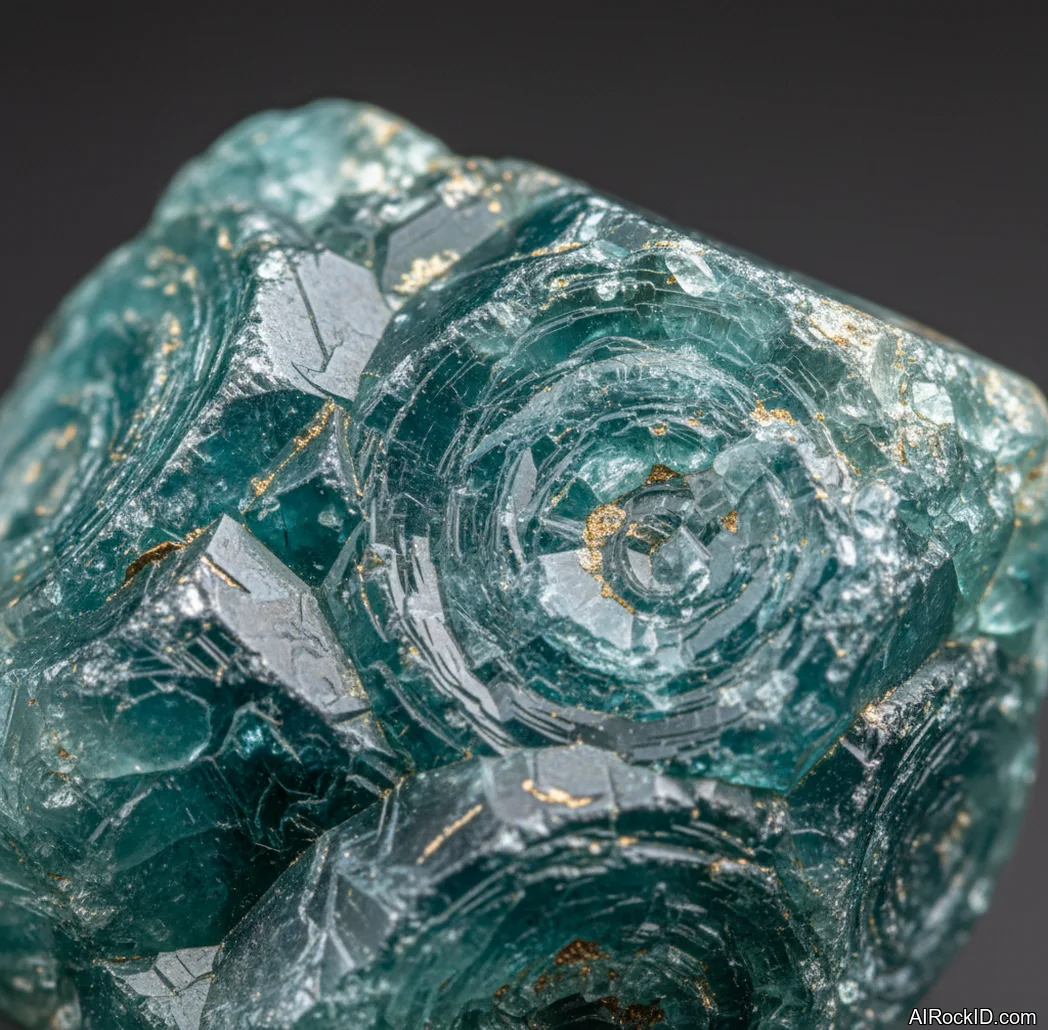
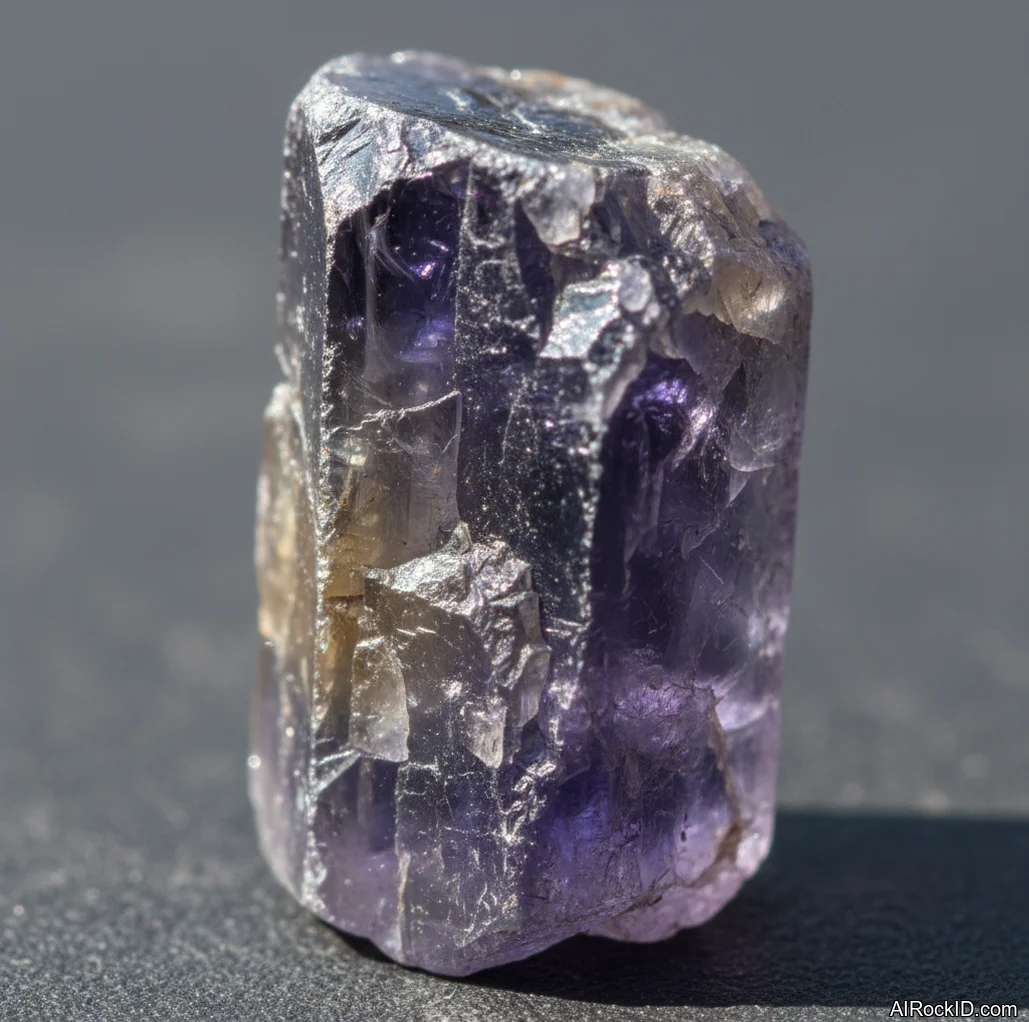
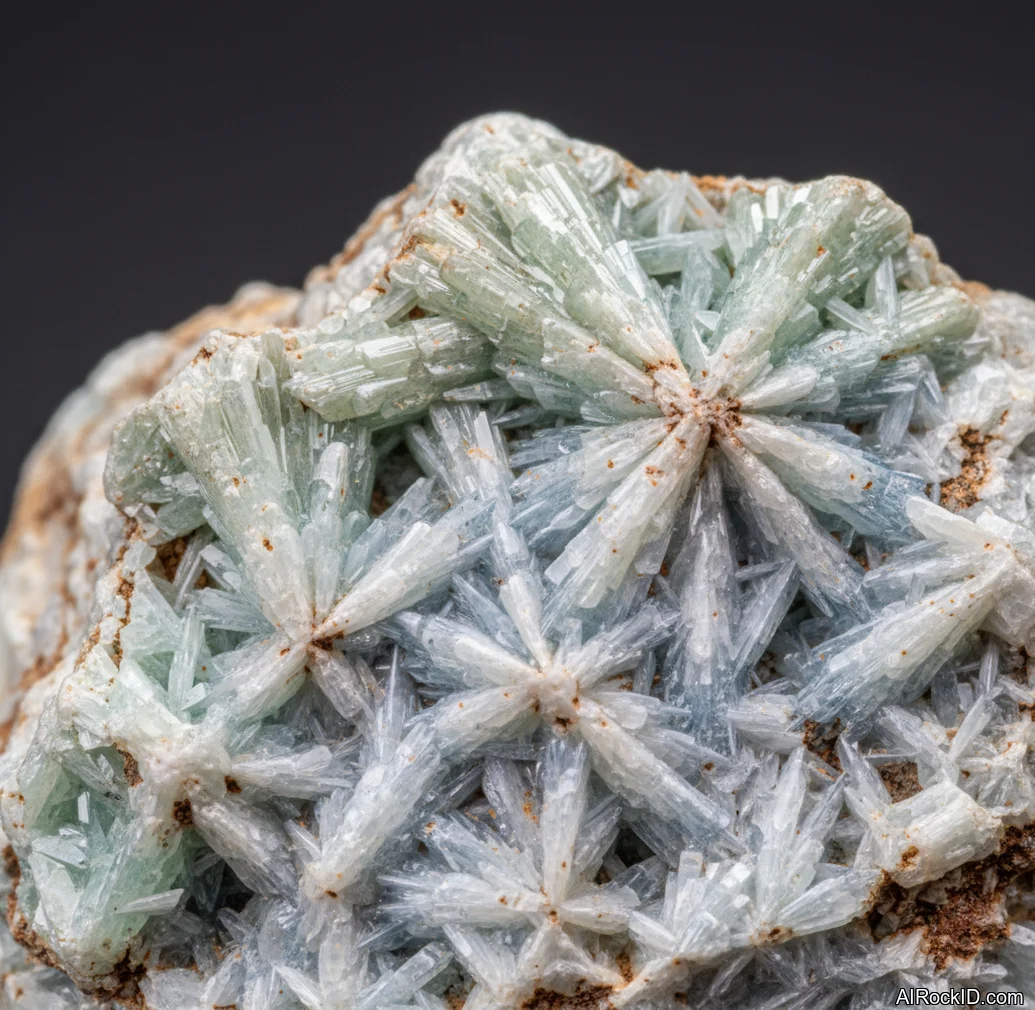
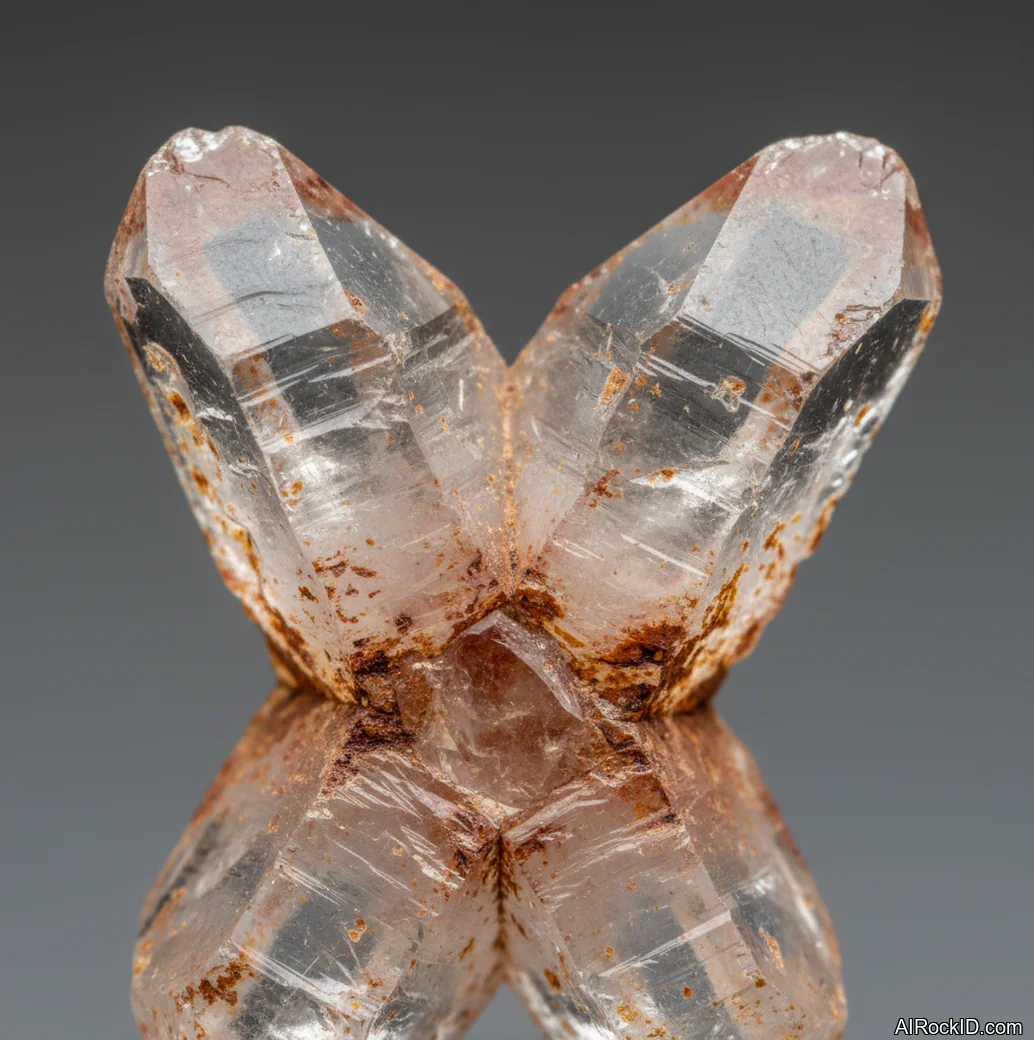
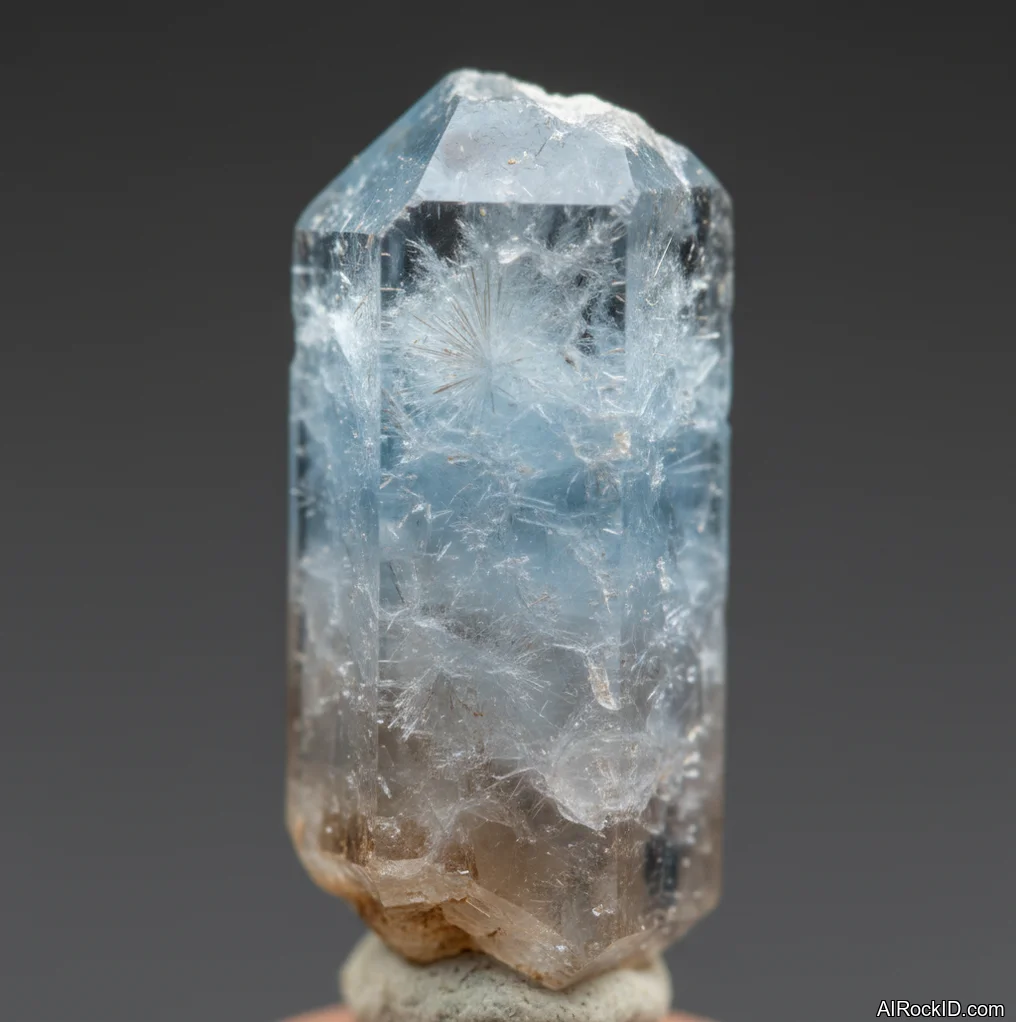
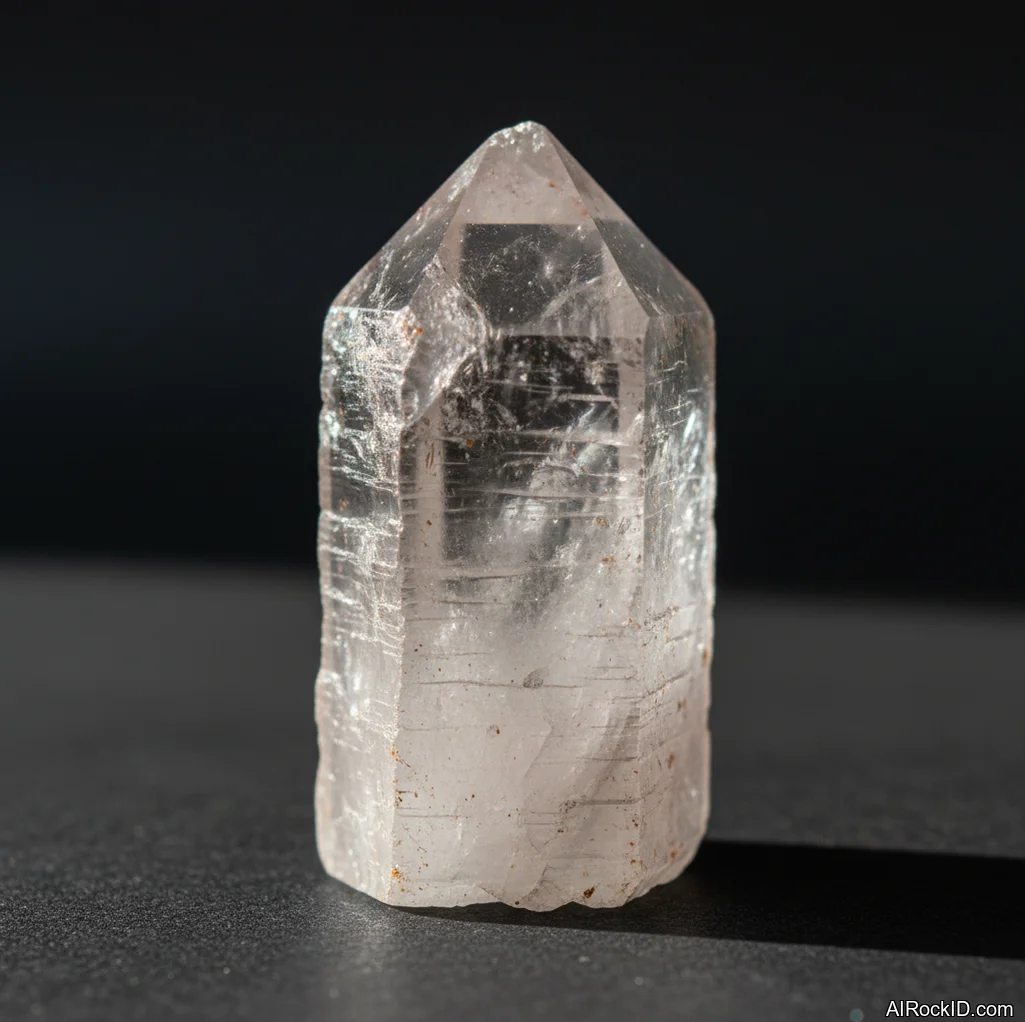
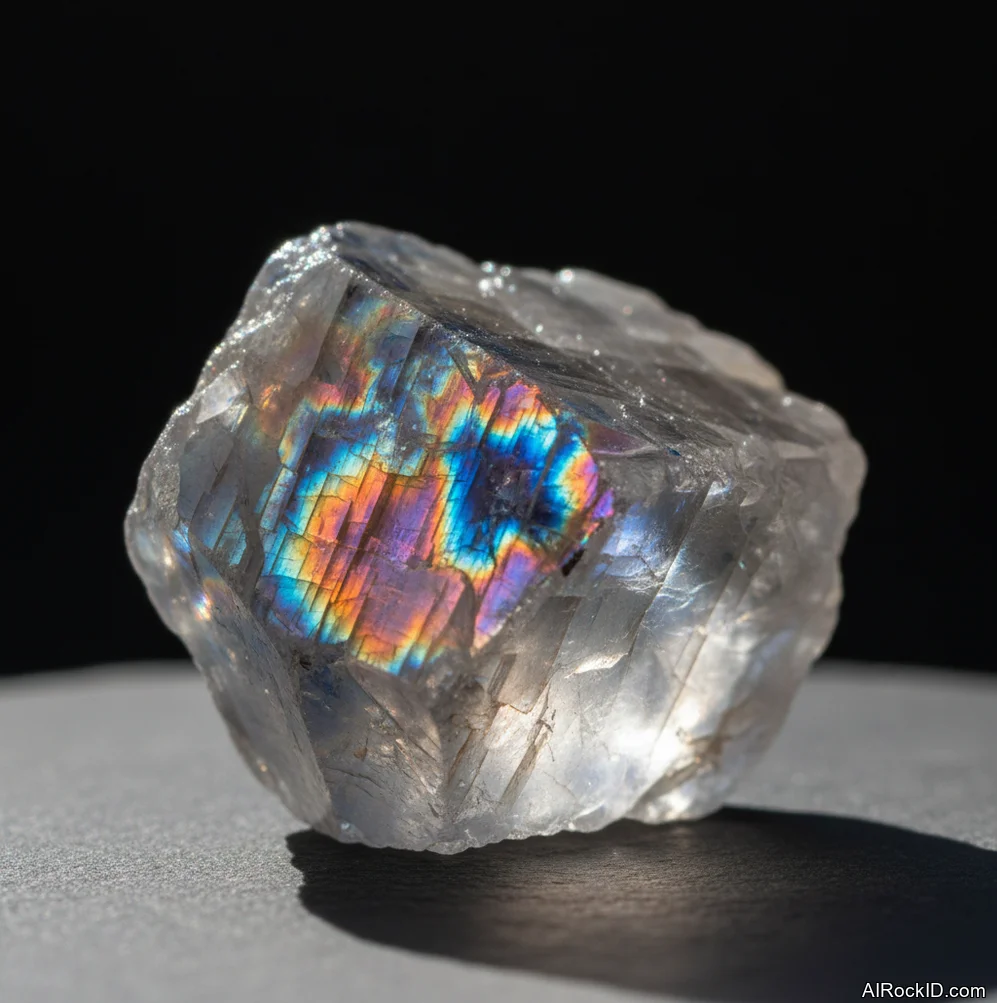
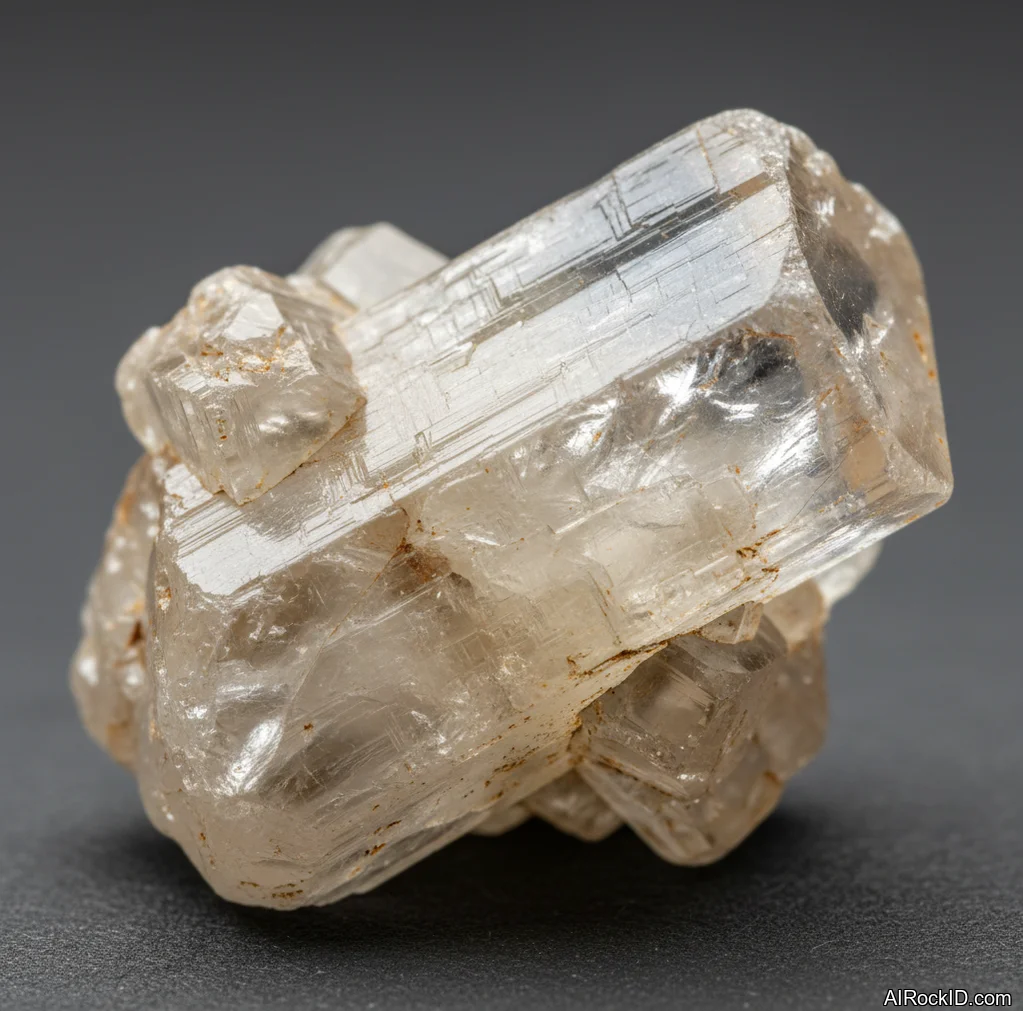
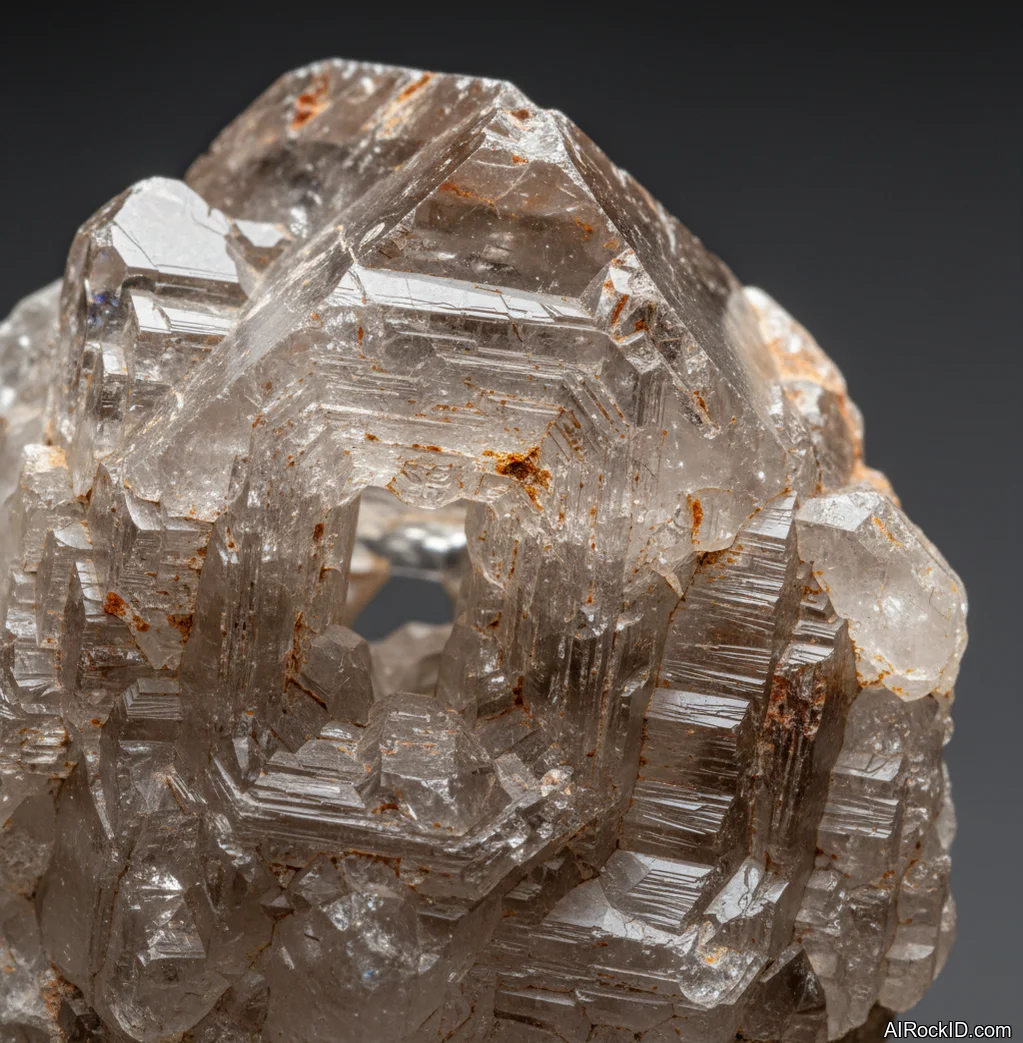
- Phenakite
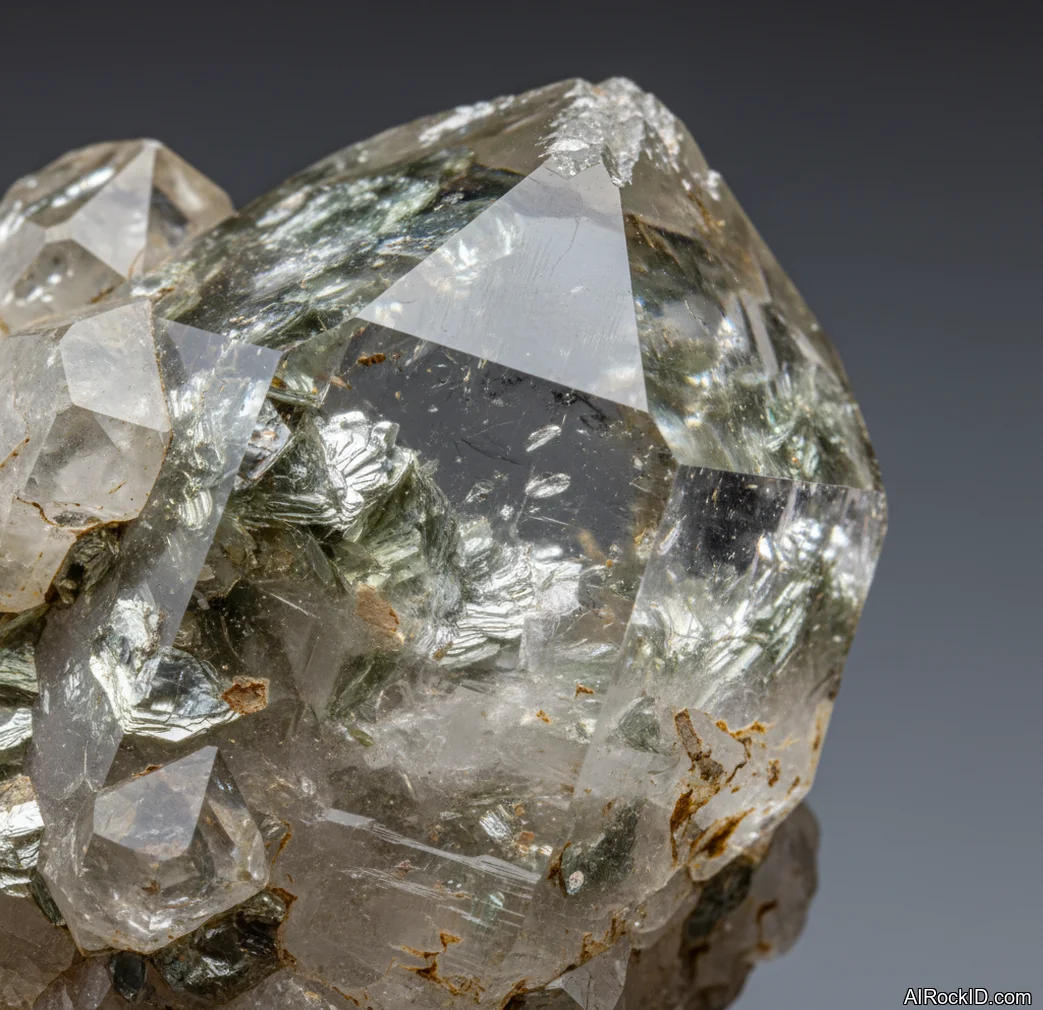
- Danburite
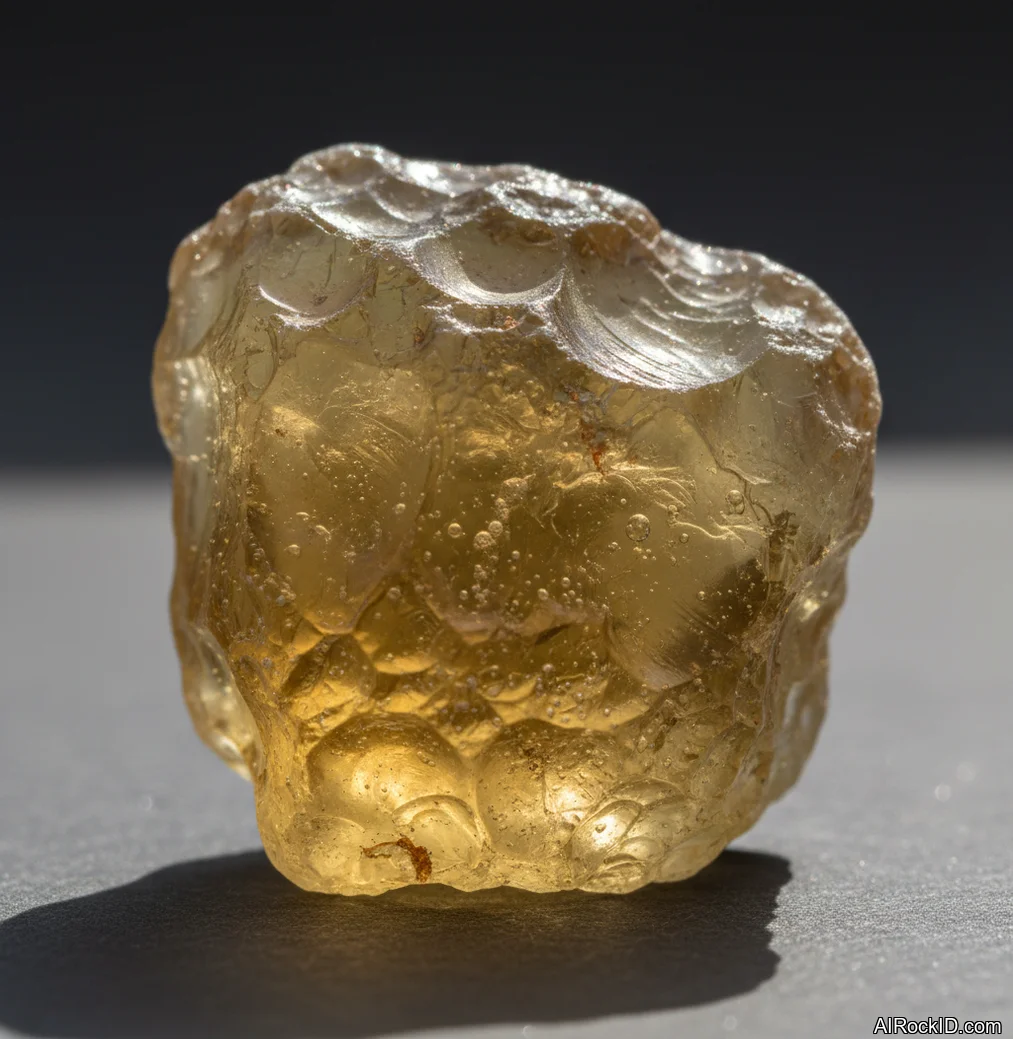
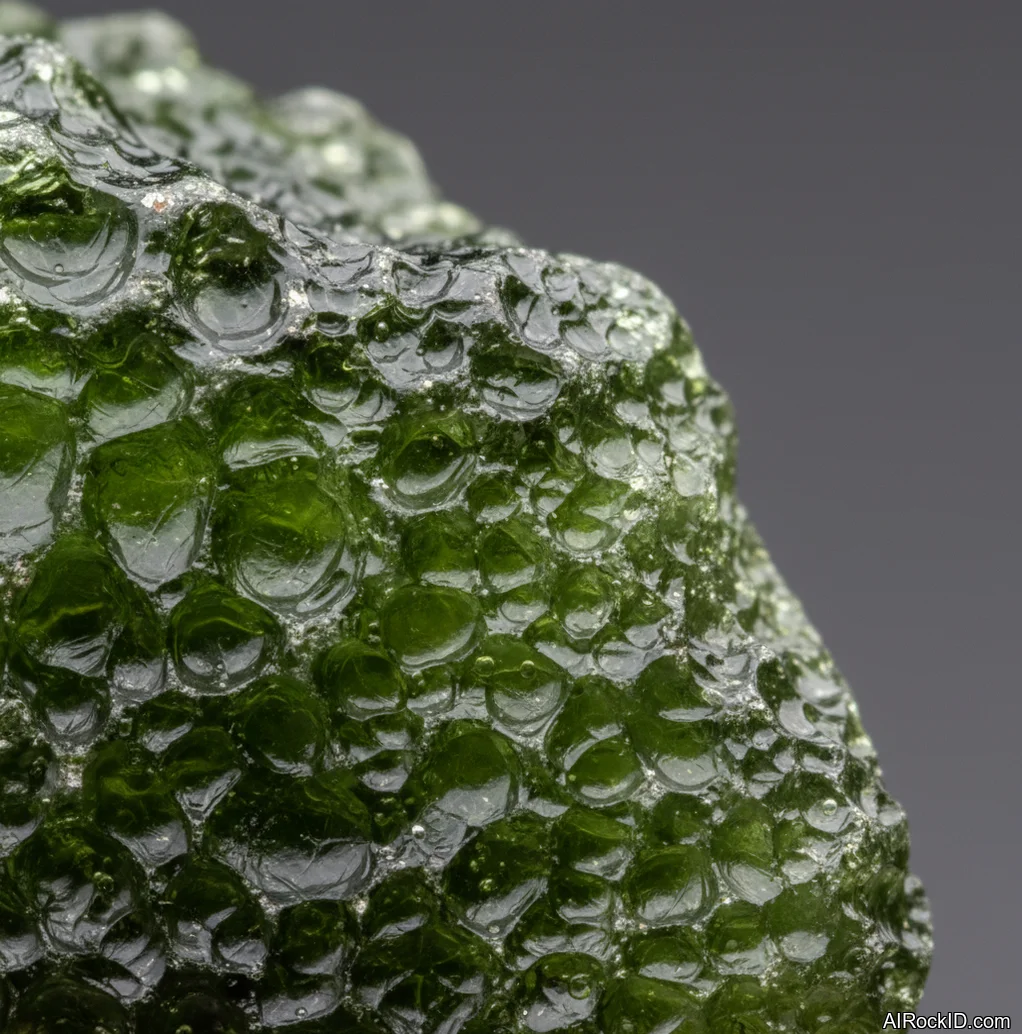
- Libyan Desert Glass
Natural, Dyed, and Treated Air Crystals
Some crystals sold for Air-themed work are natural, while others may be dyed, heat-treated, coated, or reconstructed. Treatment does not always make a stone unsuitable for symbolic use, but it can affect value, care needs, and identification accuracy. Check seller notes and look for overly uniform color, surface coating, or dye concentration in cracks.
Air Crystals by Color Theme
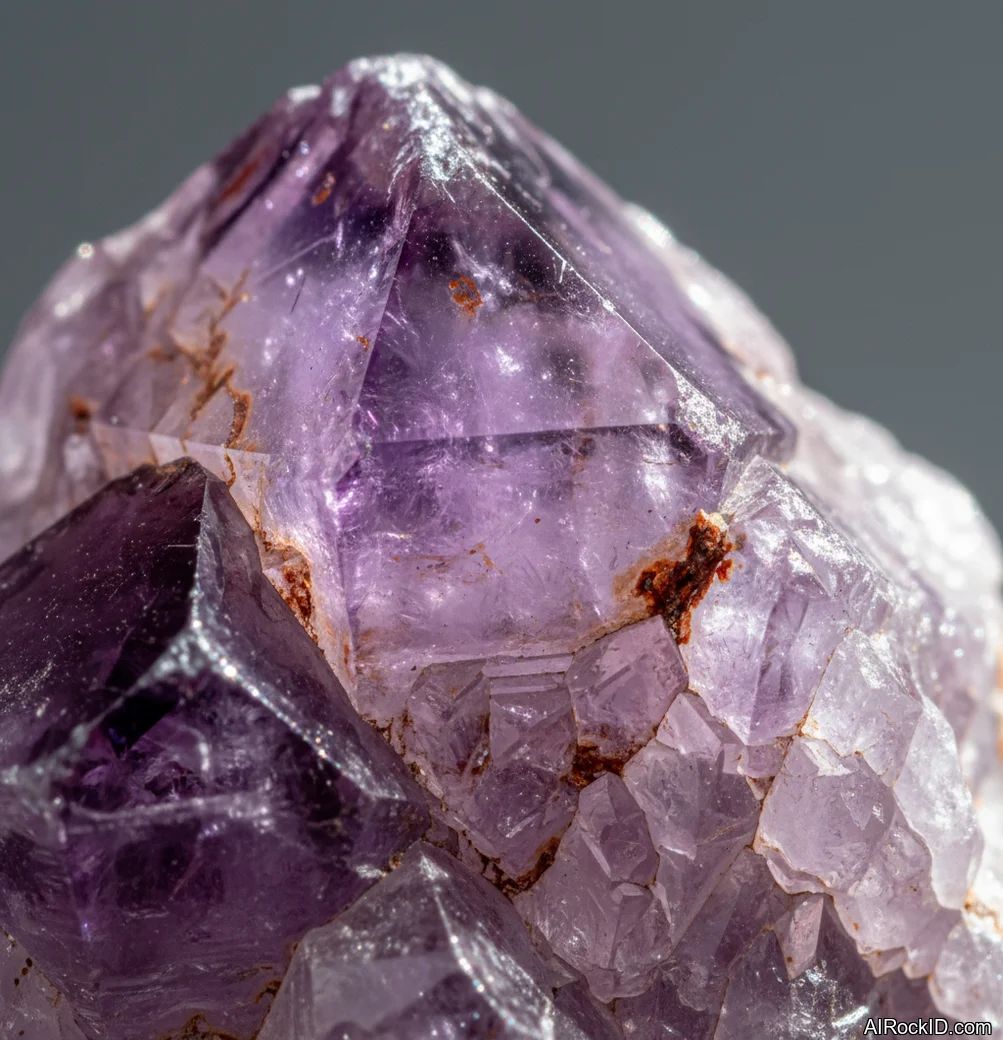
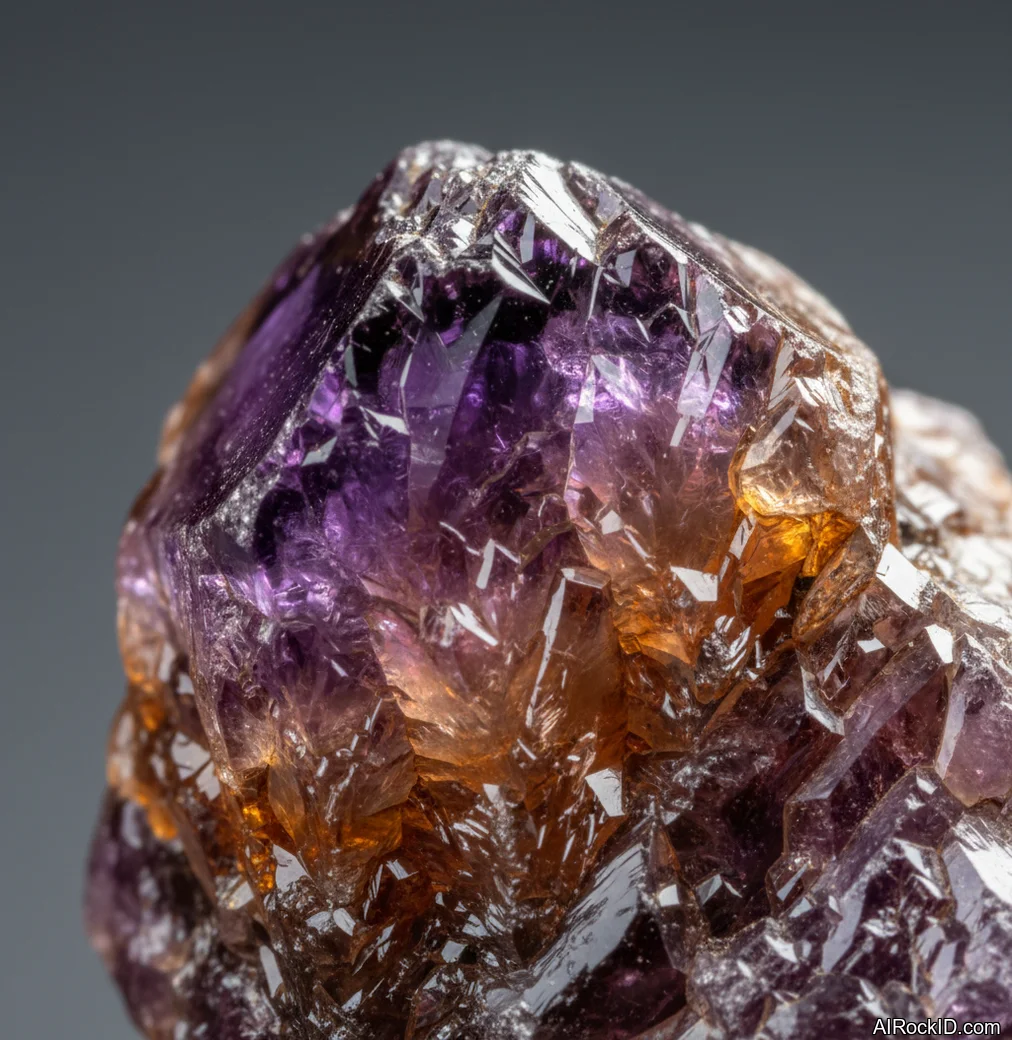
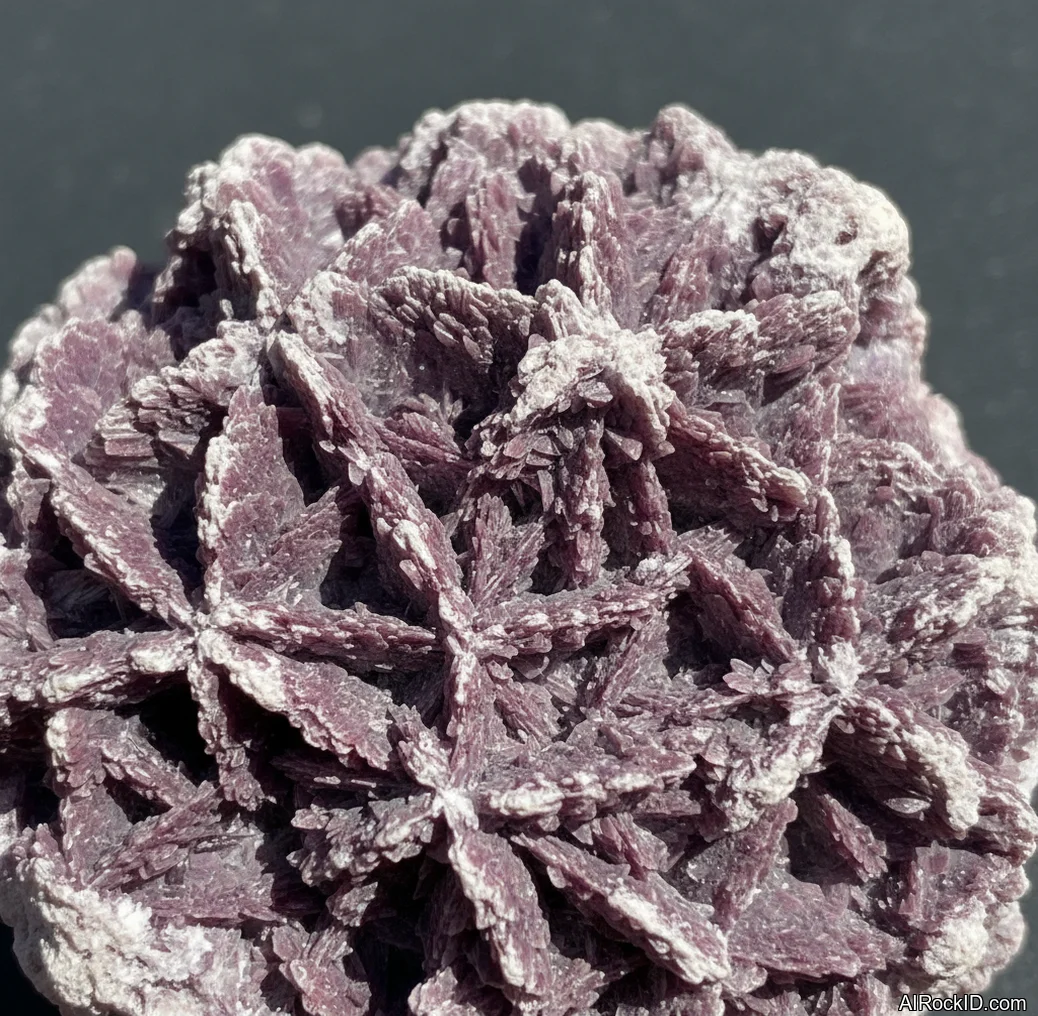
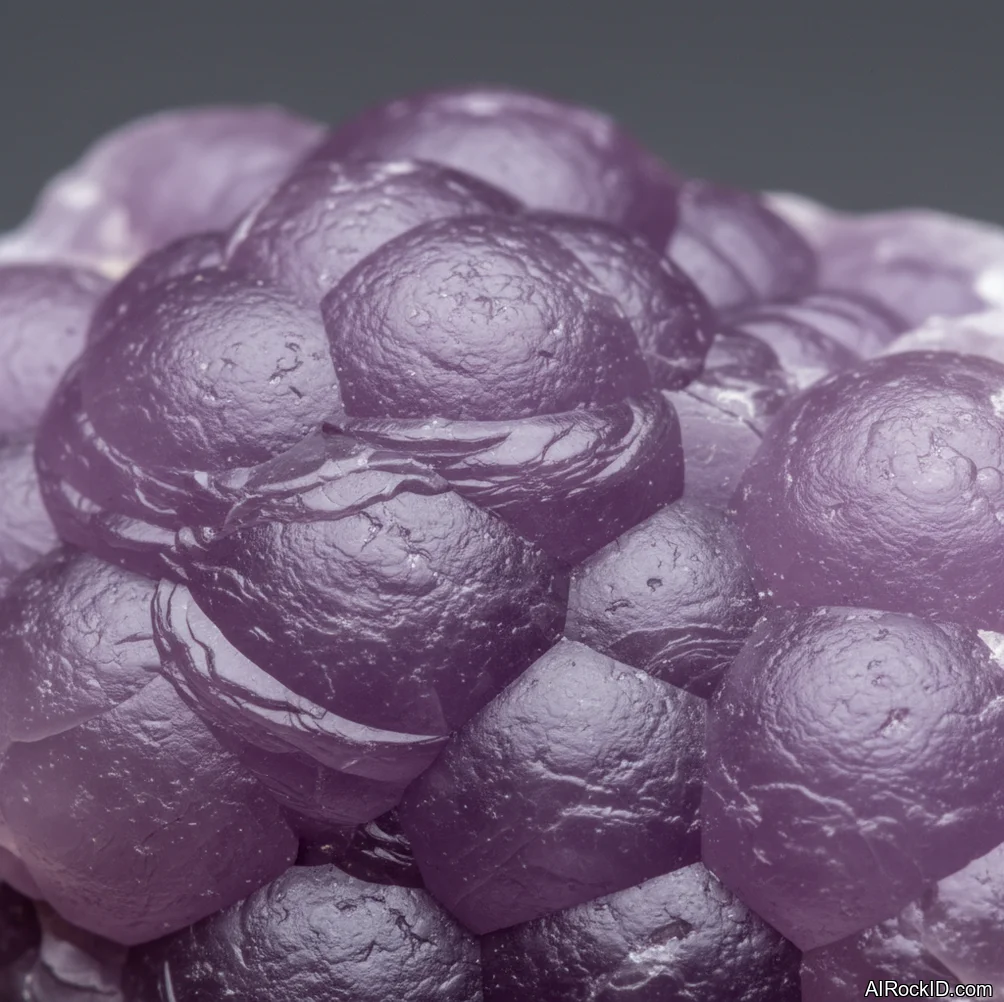
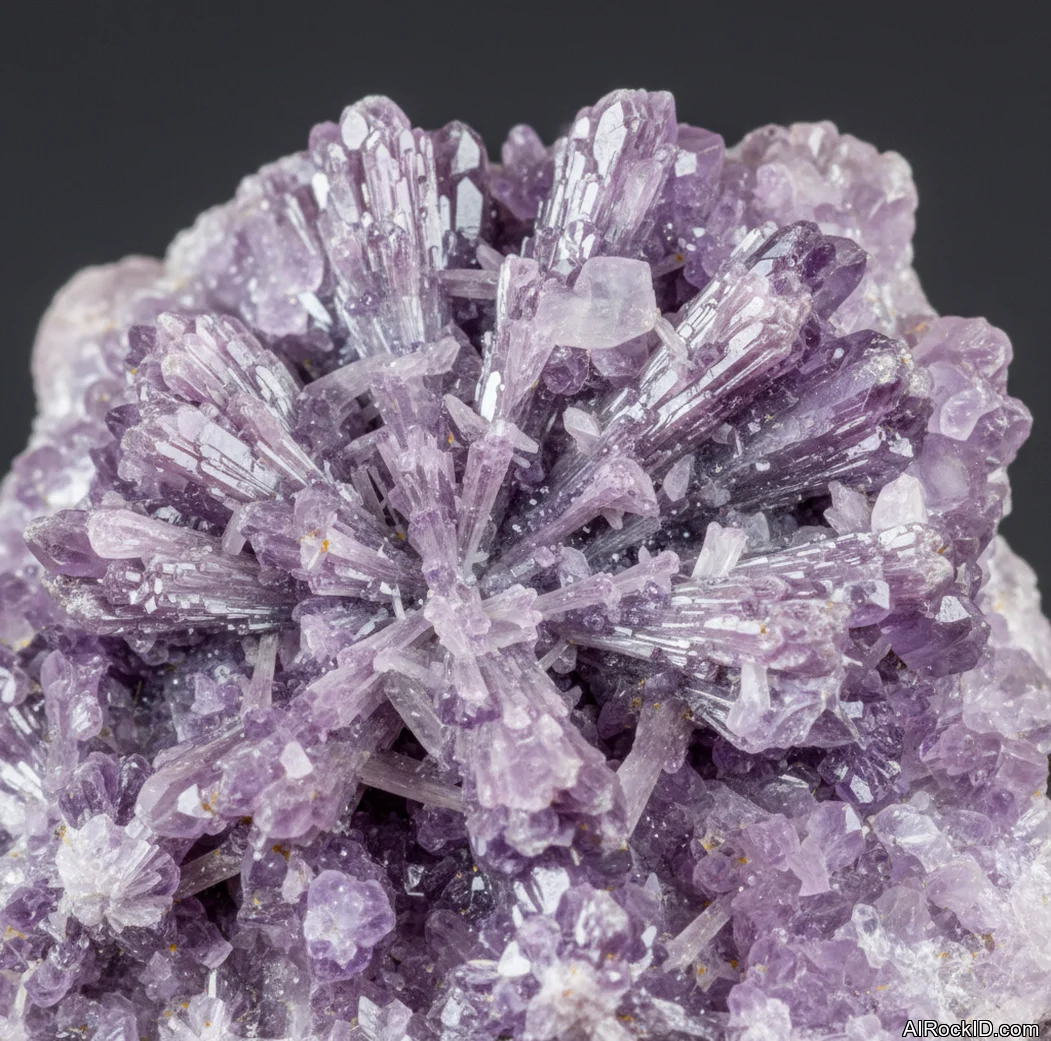
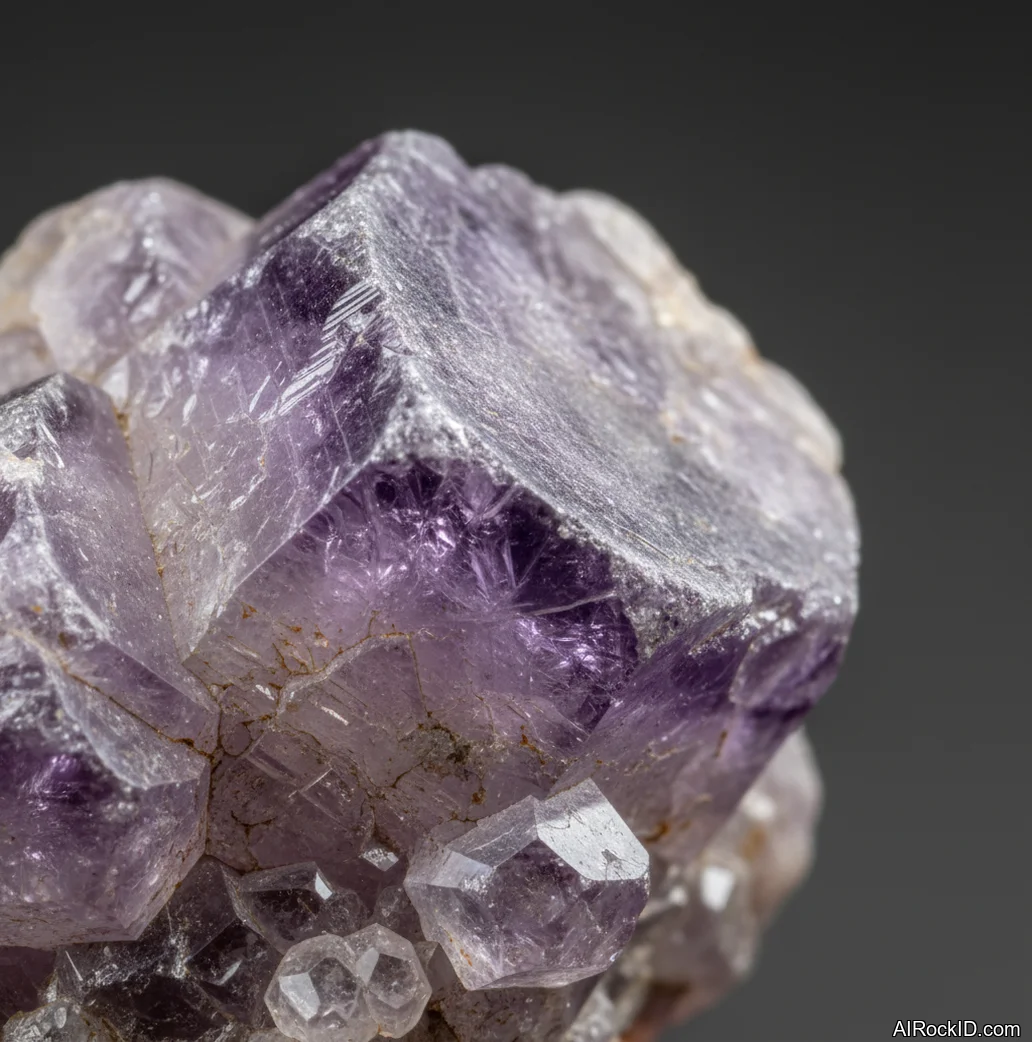
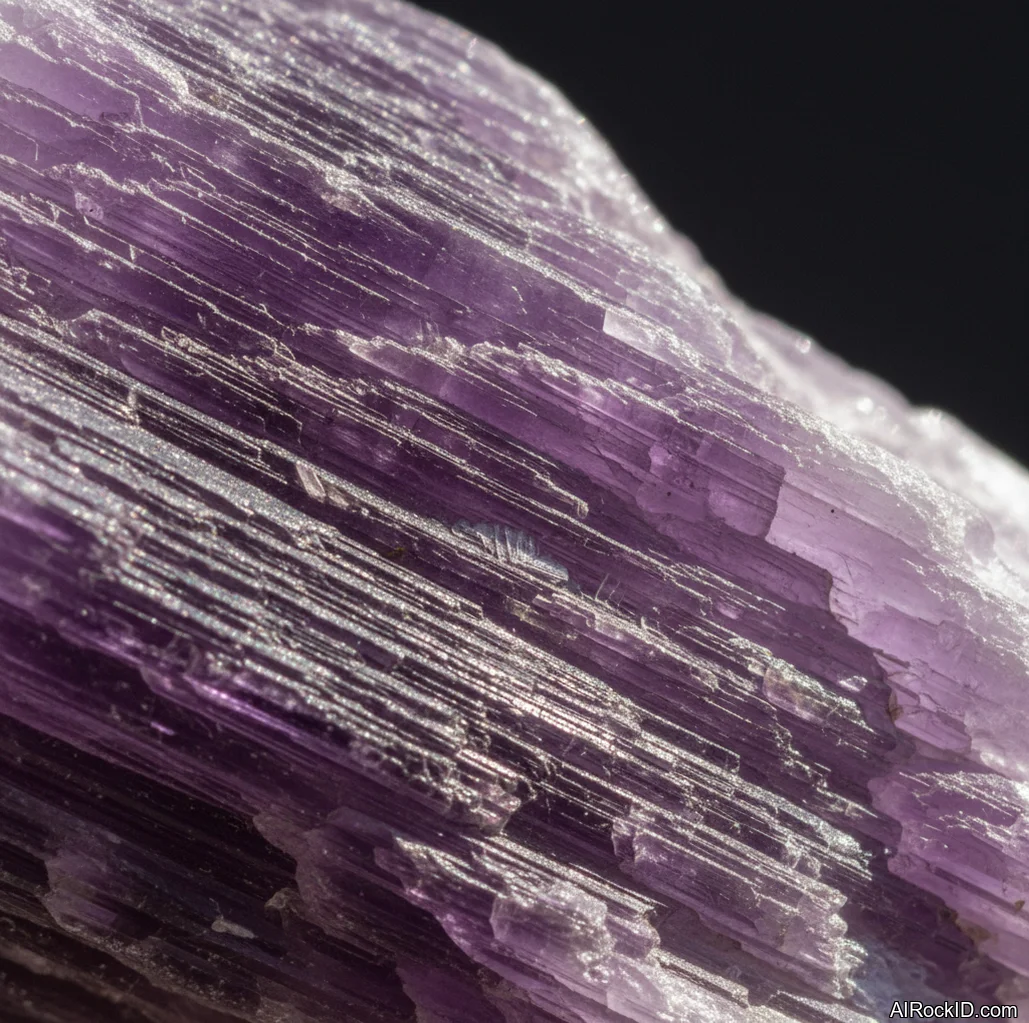
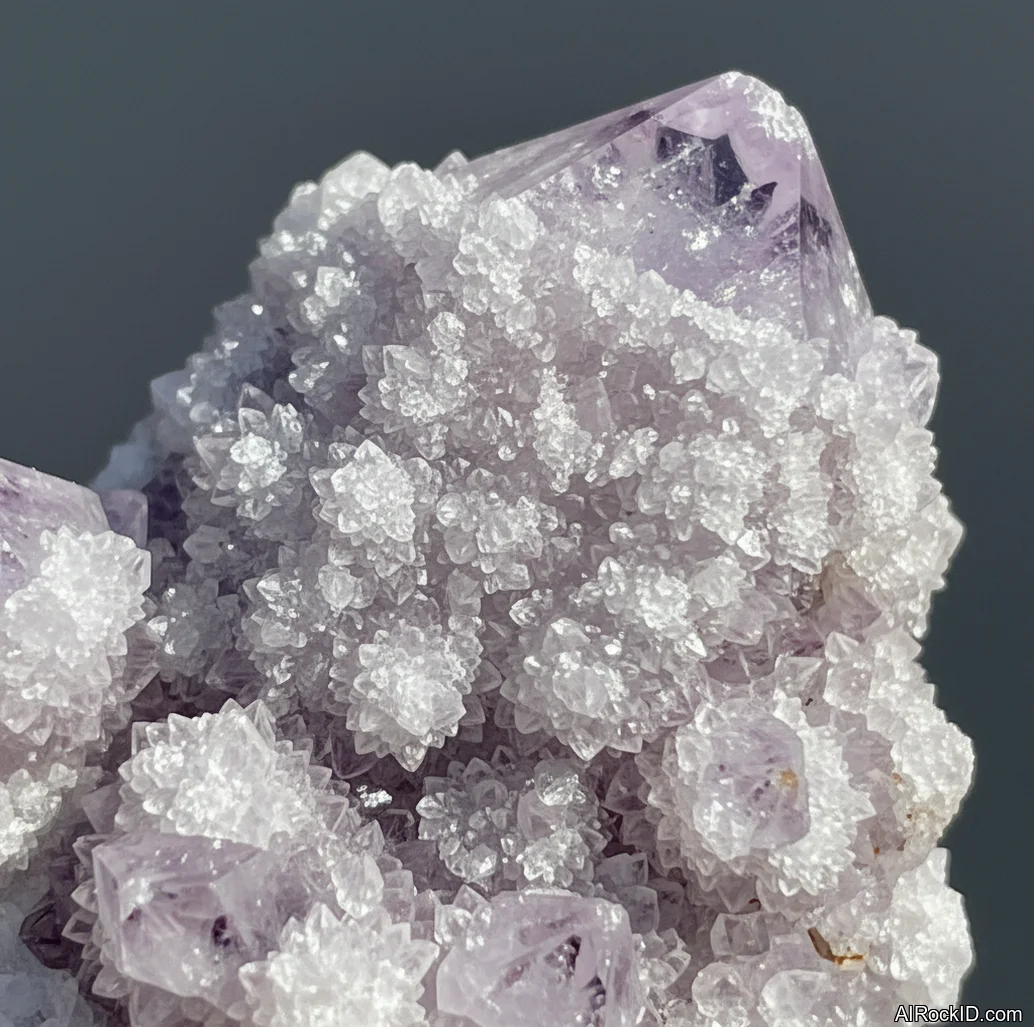
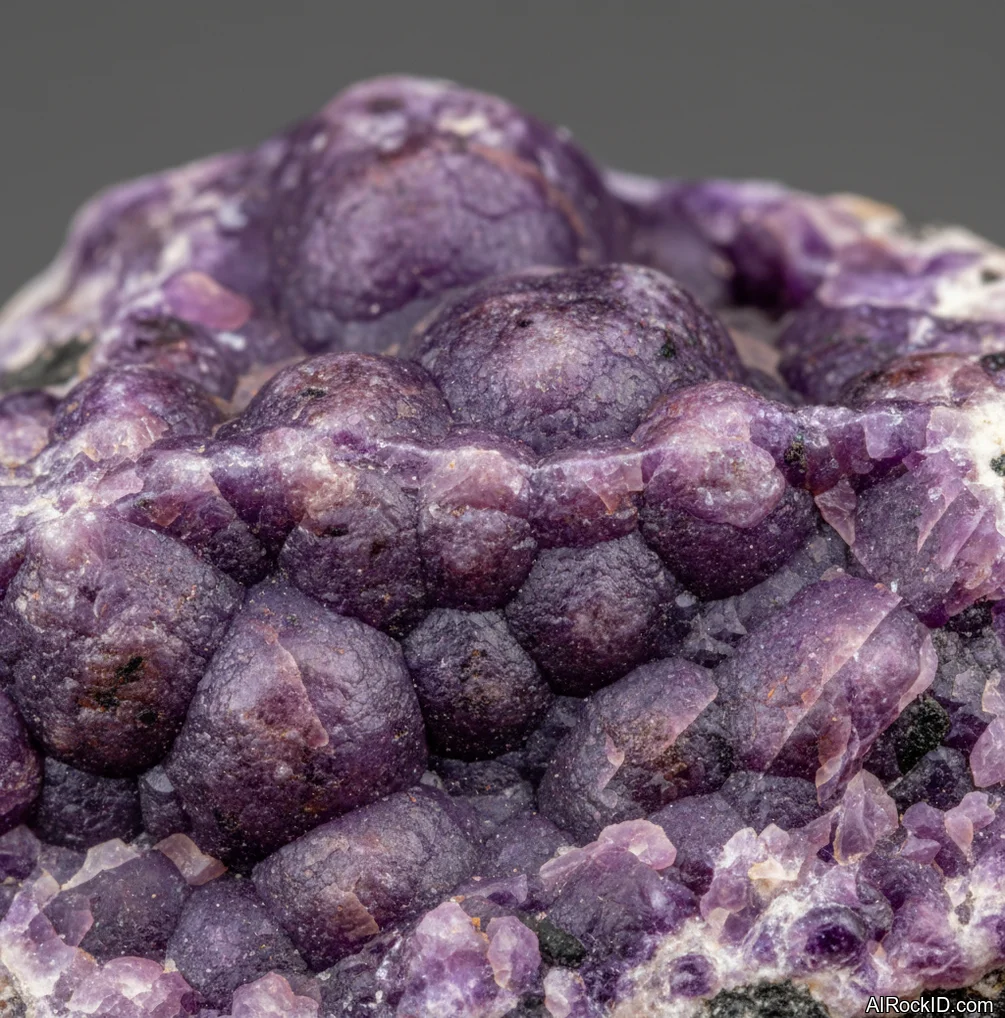
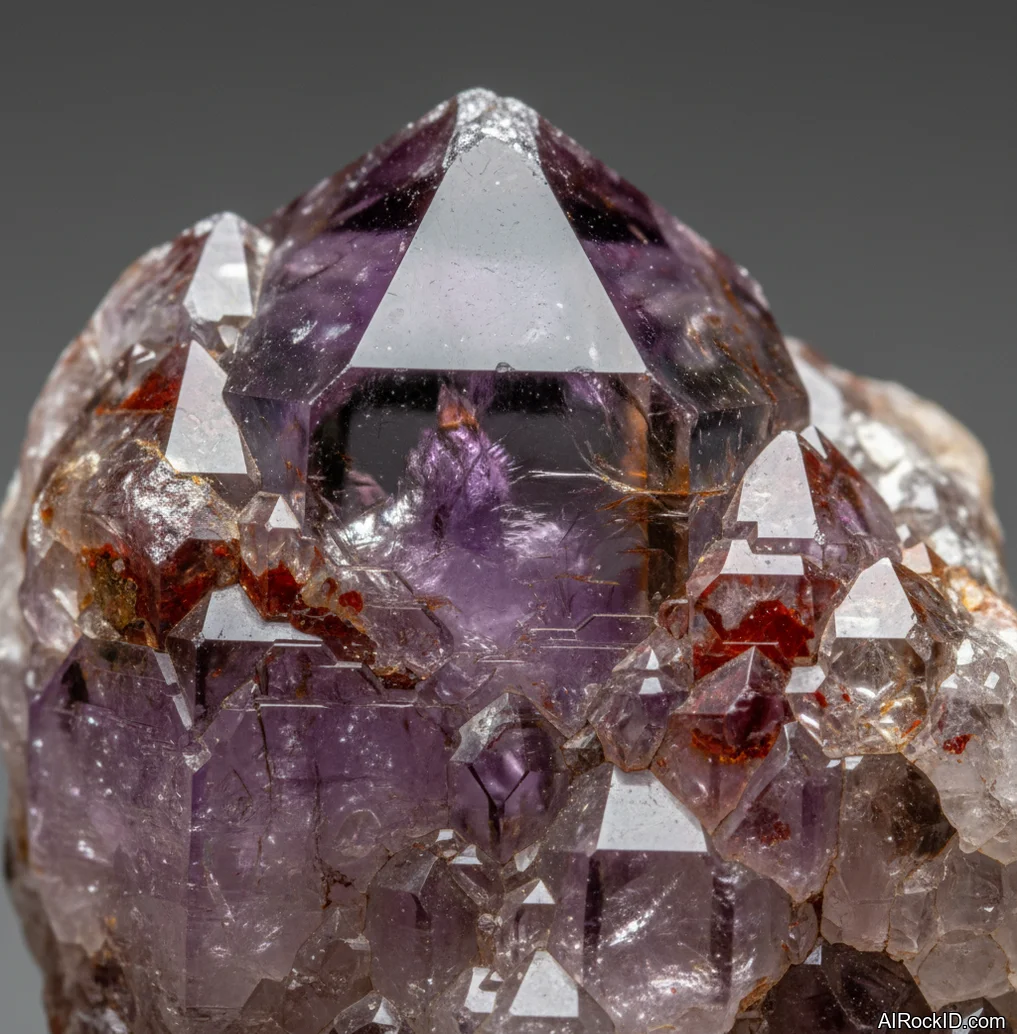
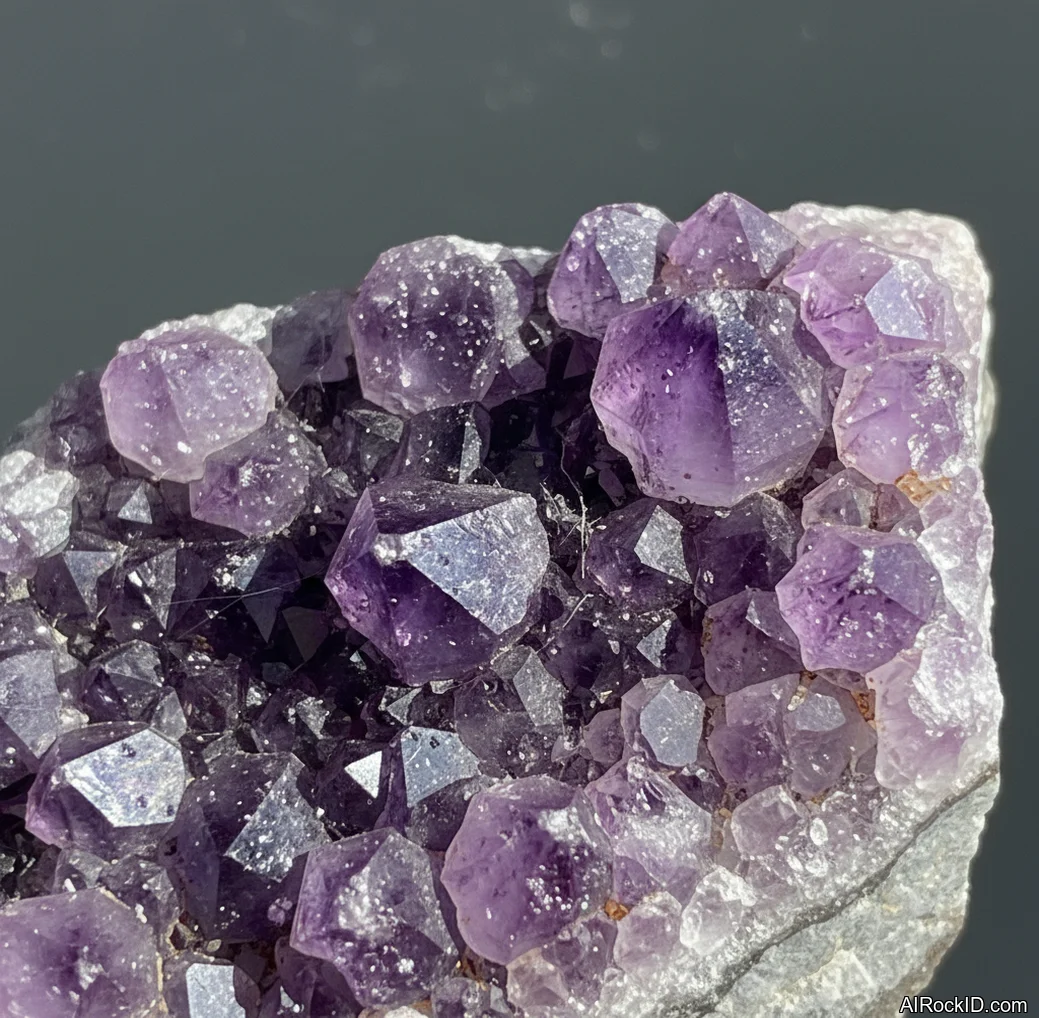
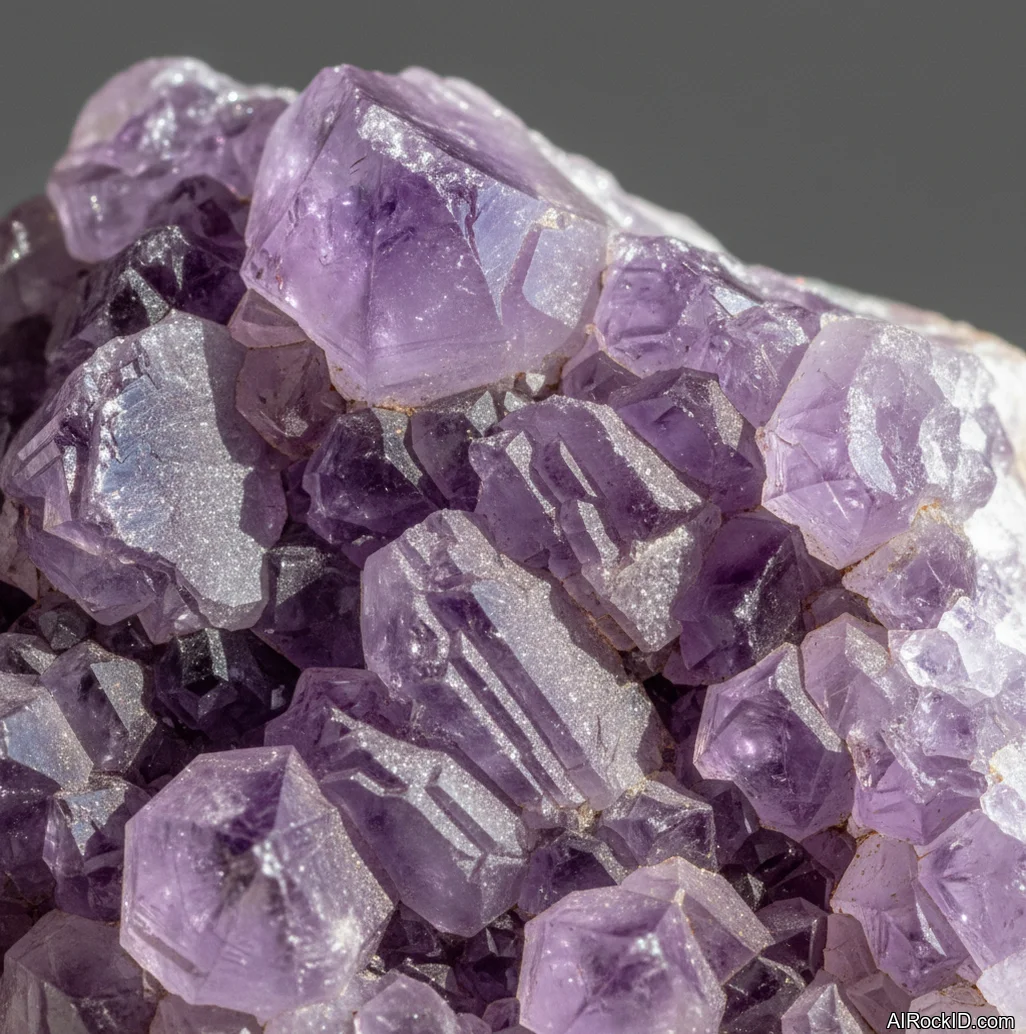
Air-associated stones are often white, clear, pale blue, light gray, lavender, or softly banded, although color alone does not define the category. Clear stones are commonly linked with mental clarity, blue stones with communication, and lavender stones with reflective or intuitive traditions. These meanings come from modern crystal practice and vary by source.
Choosing Between Raw and Tumbled Air Crystals
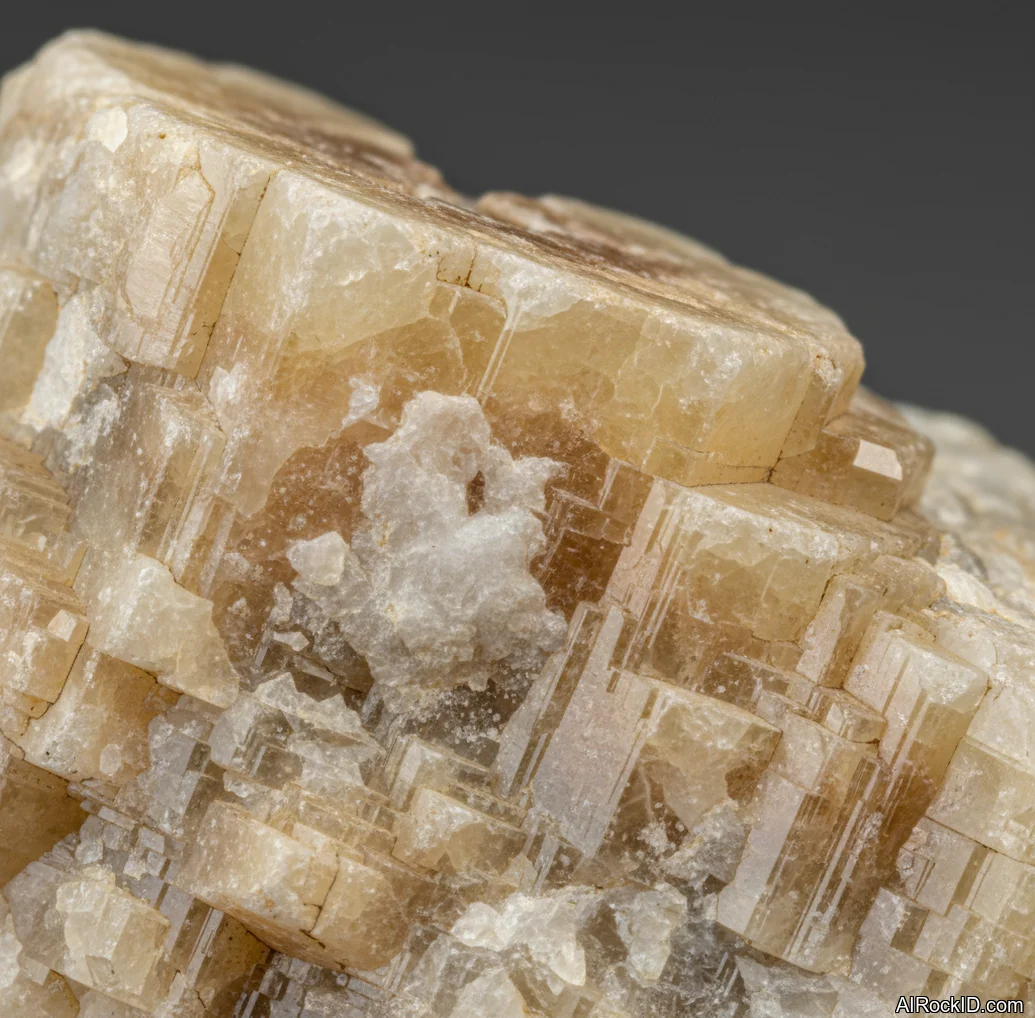
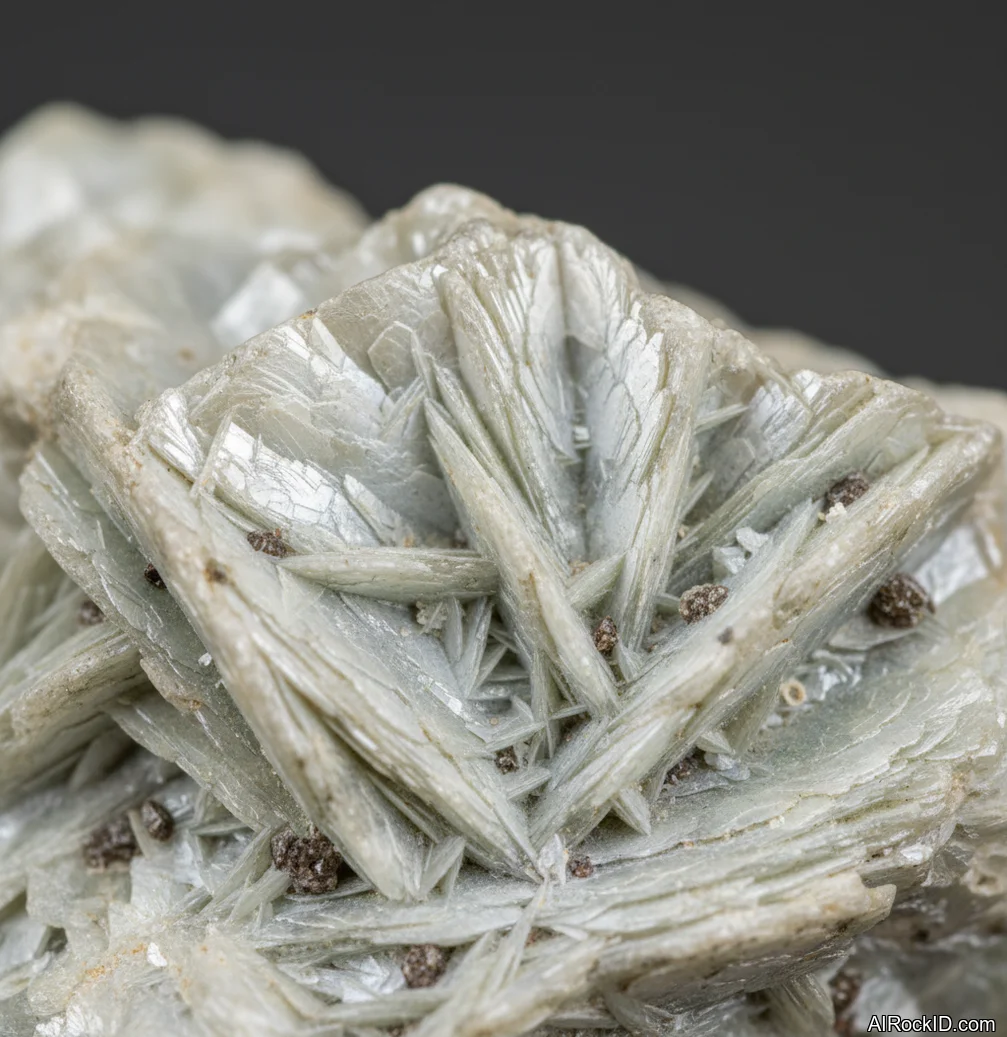
Raw Air crystals may show natural structure, cleavage, or growth patterns that help with identification. Tumbled stones are smoother and easier to carry, but polishing can make different minerals look similar. Fragile minerals such as selenite are usually better kept as display pieces rather than pocket stones.
Understanding the Element of Air in Crystal Work
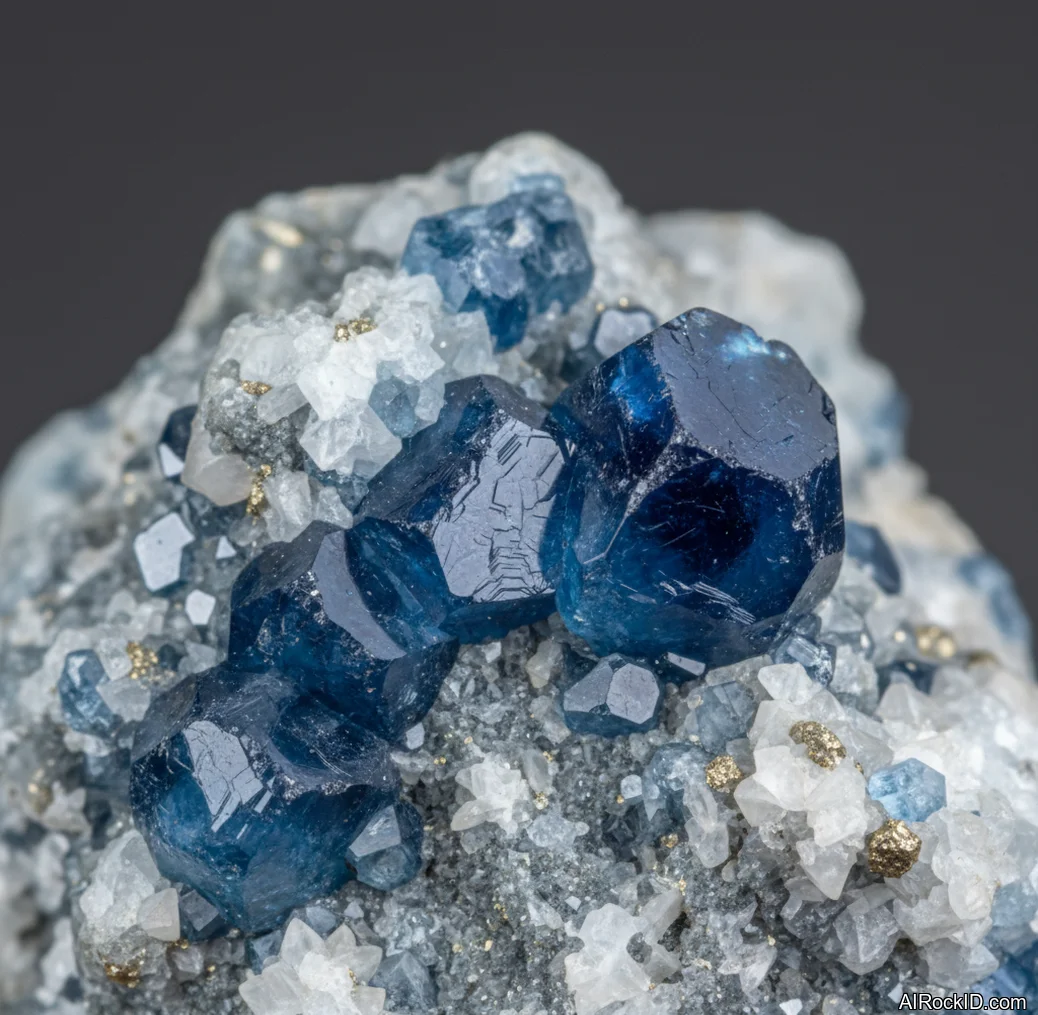
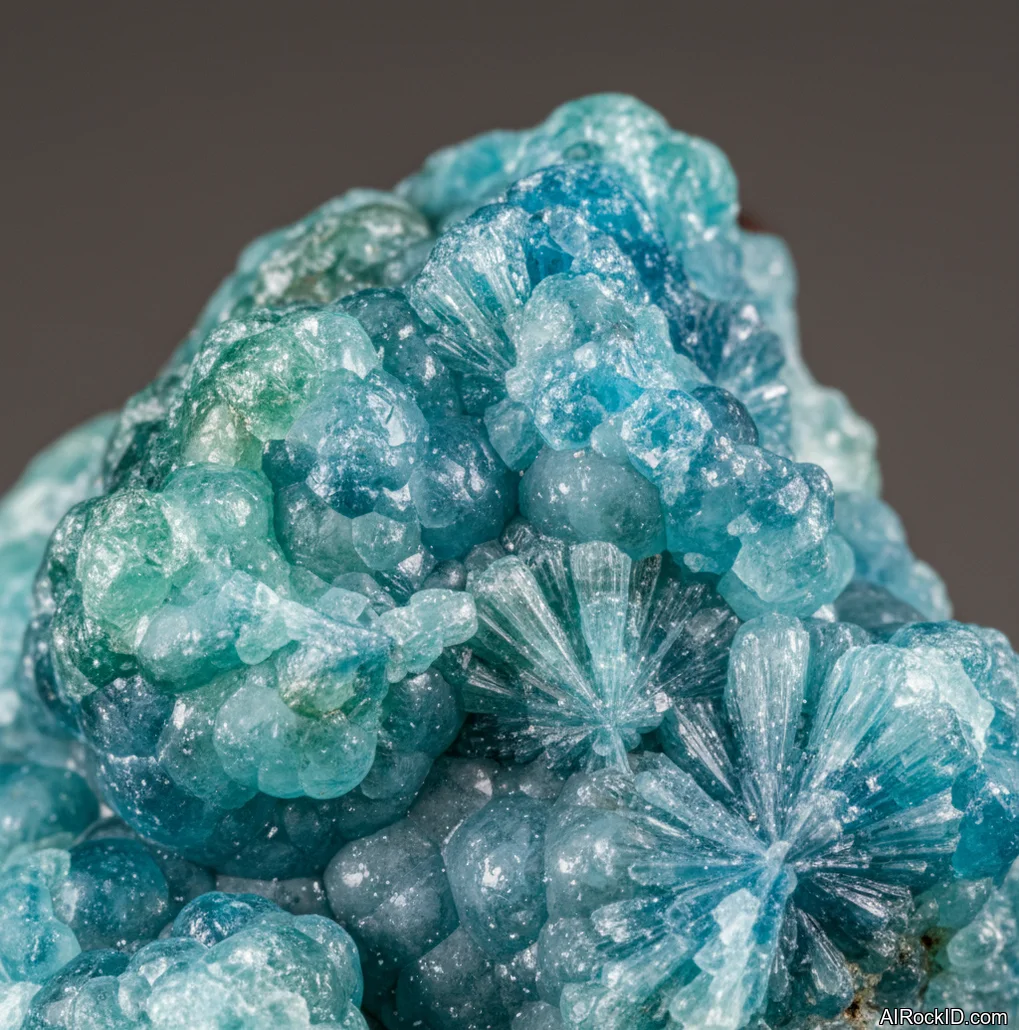
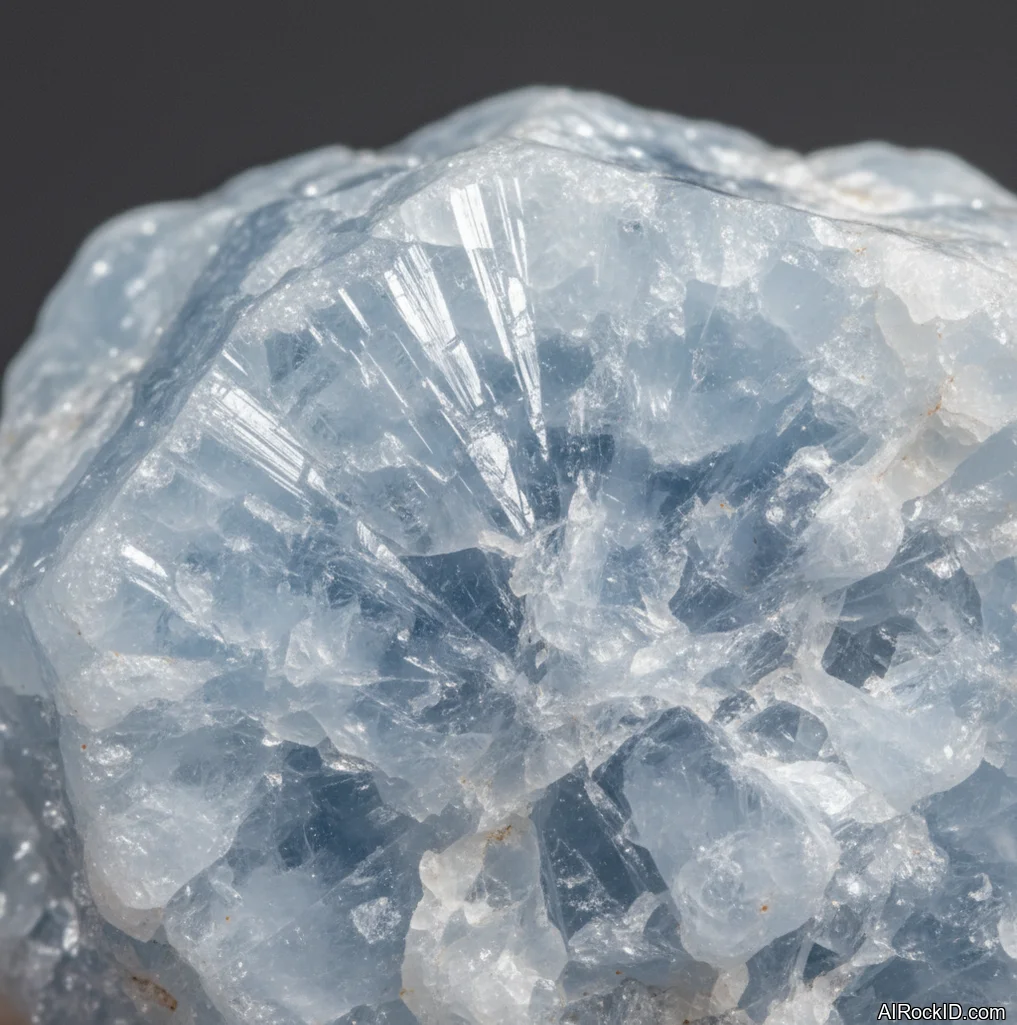
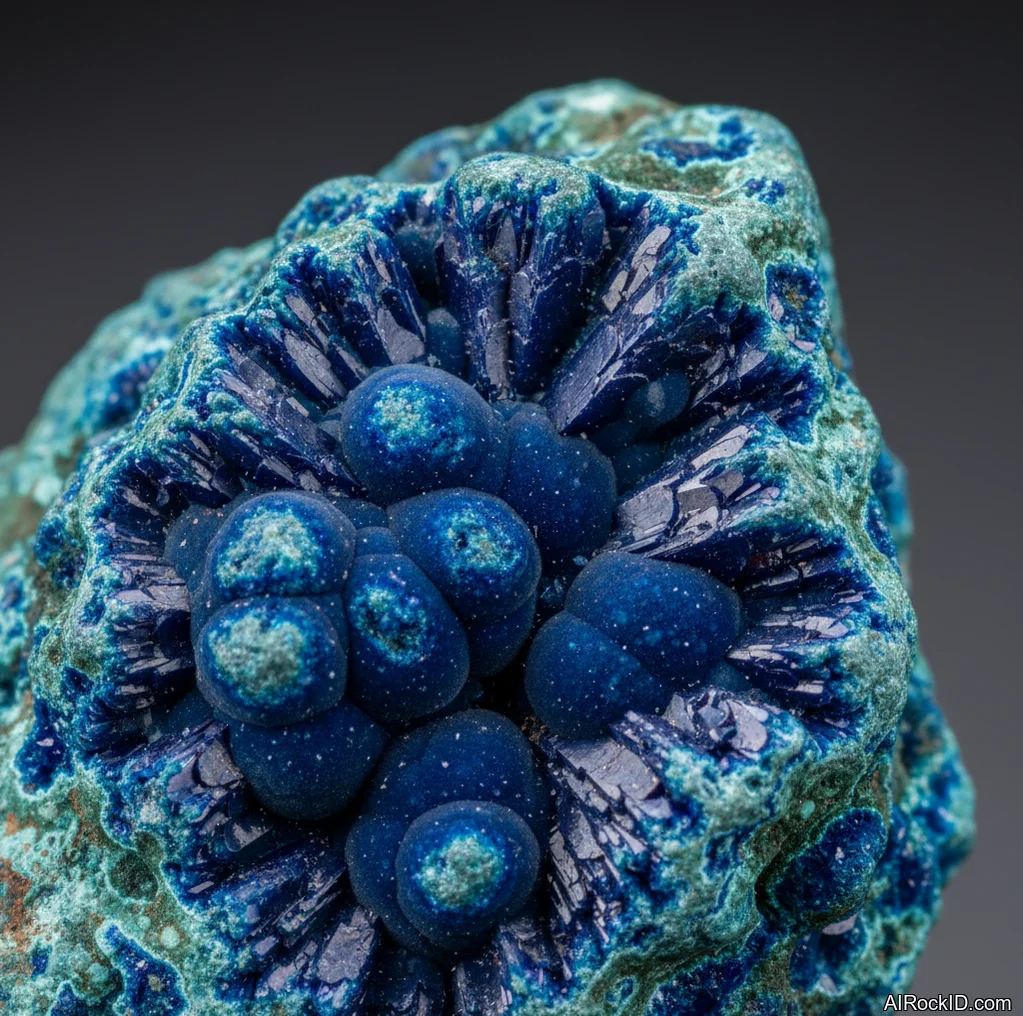
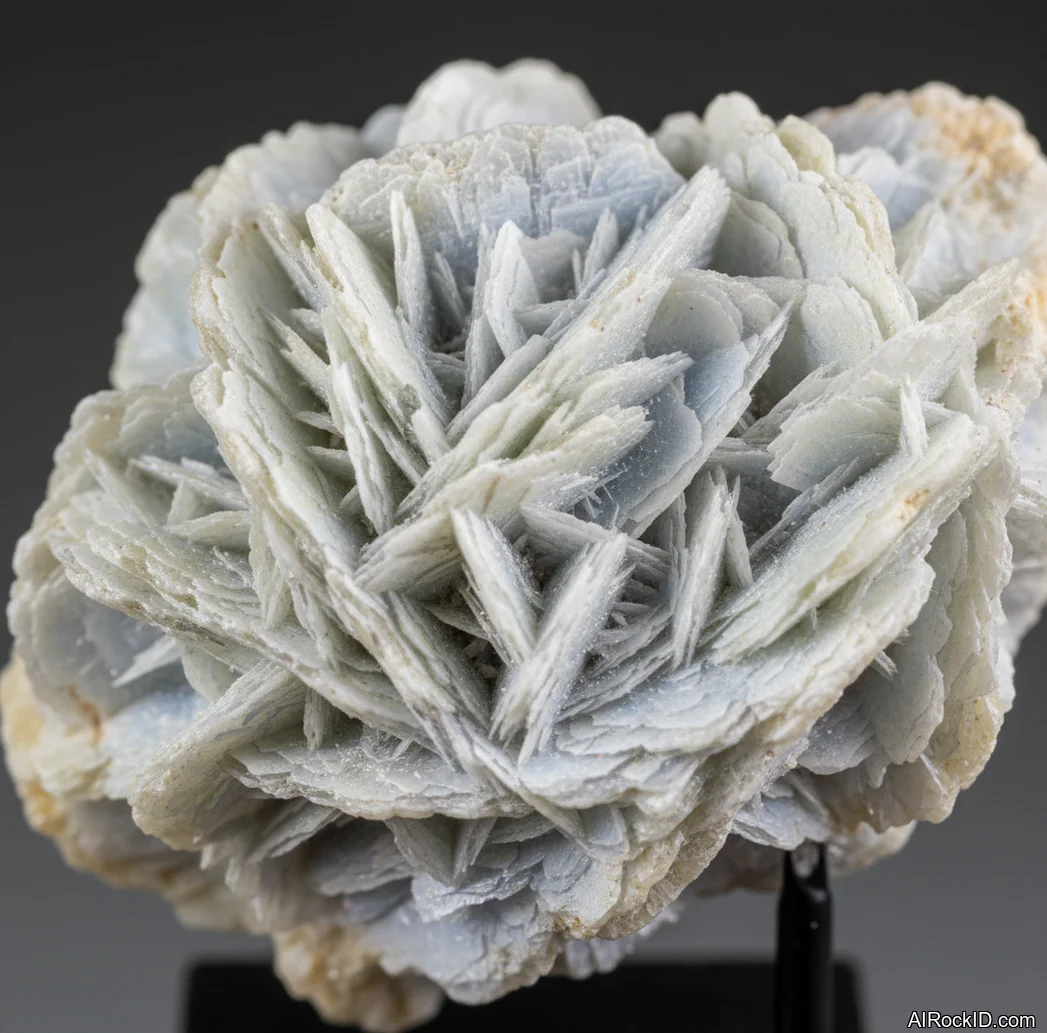
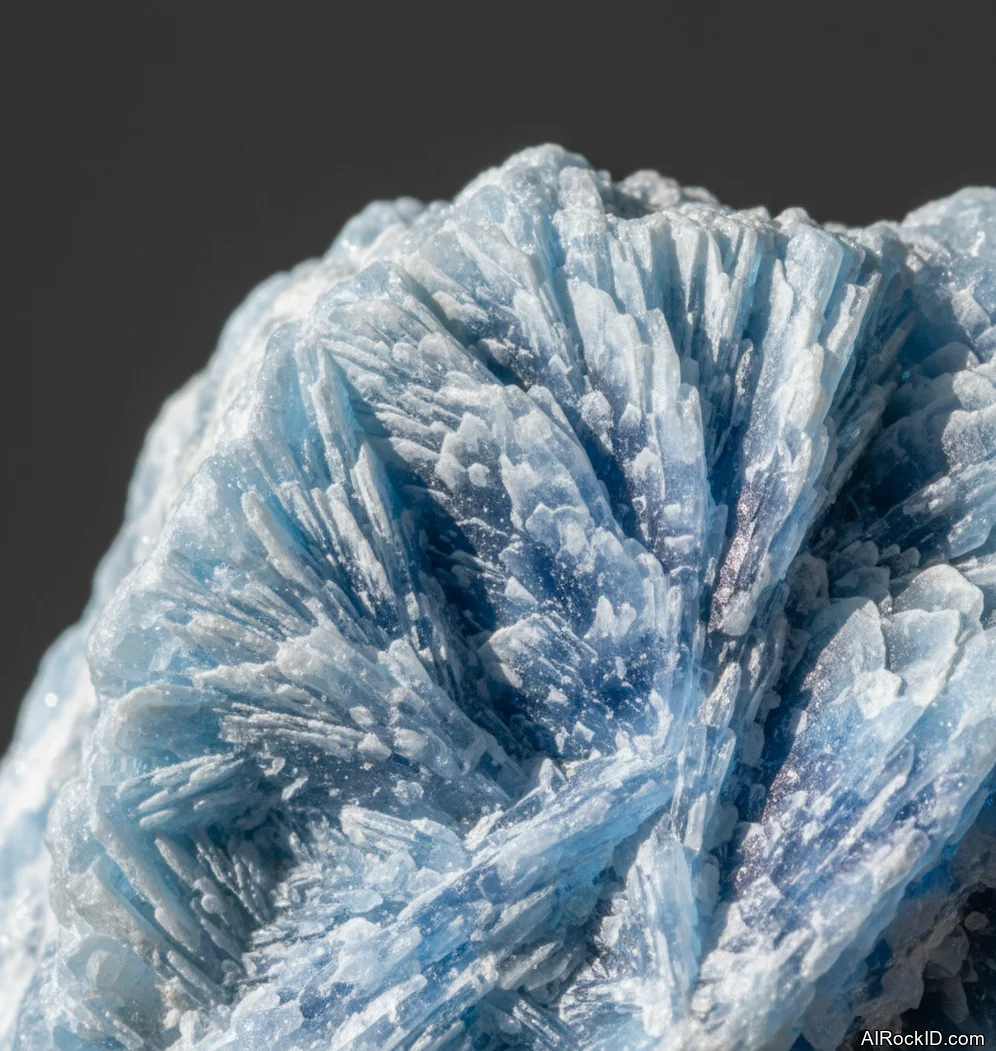
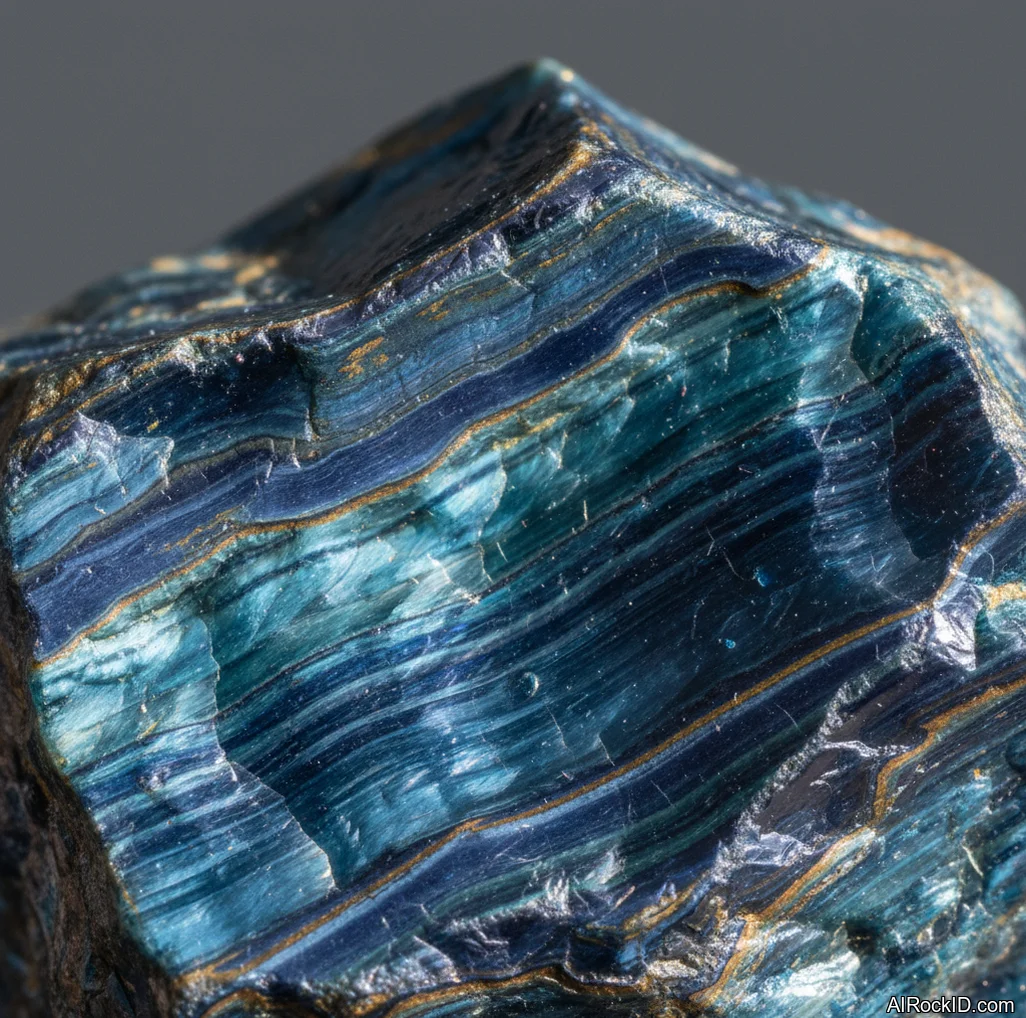
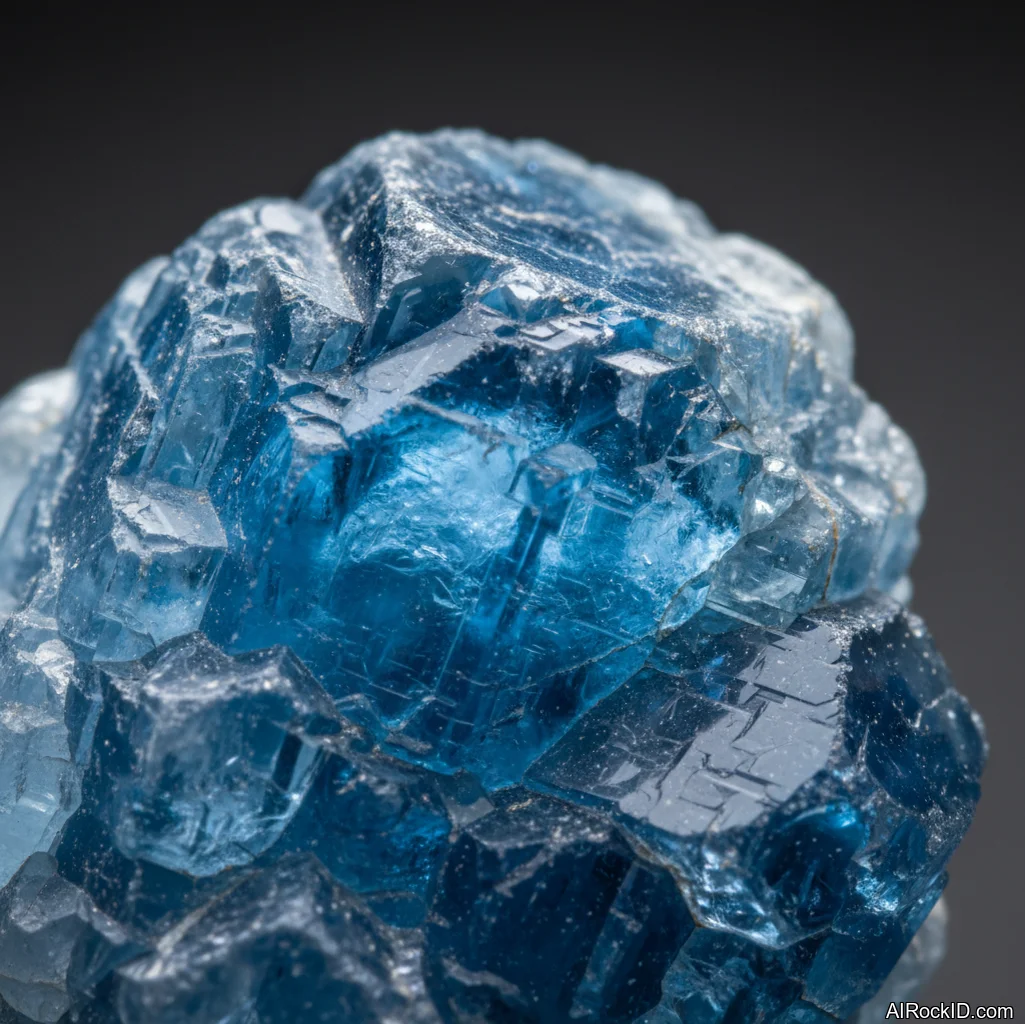
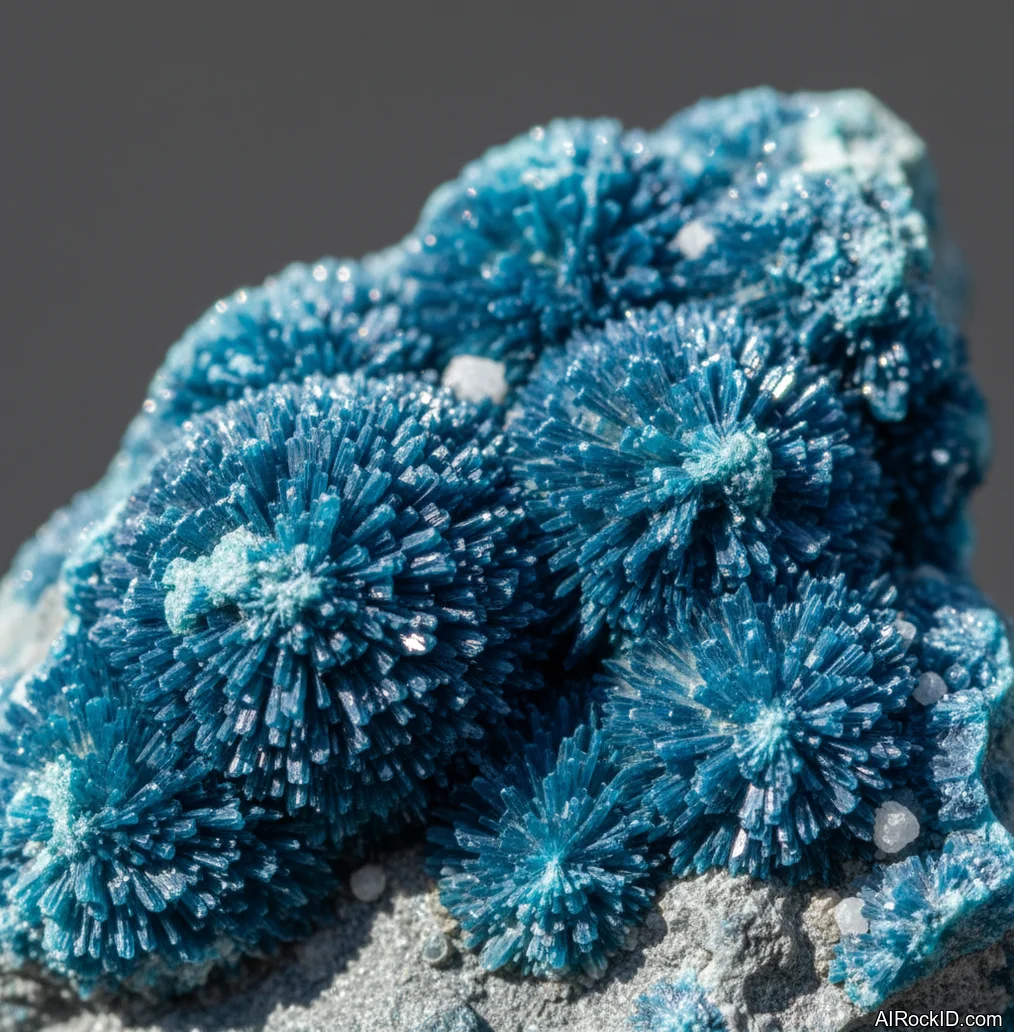
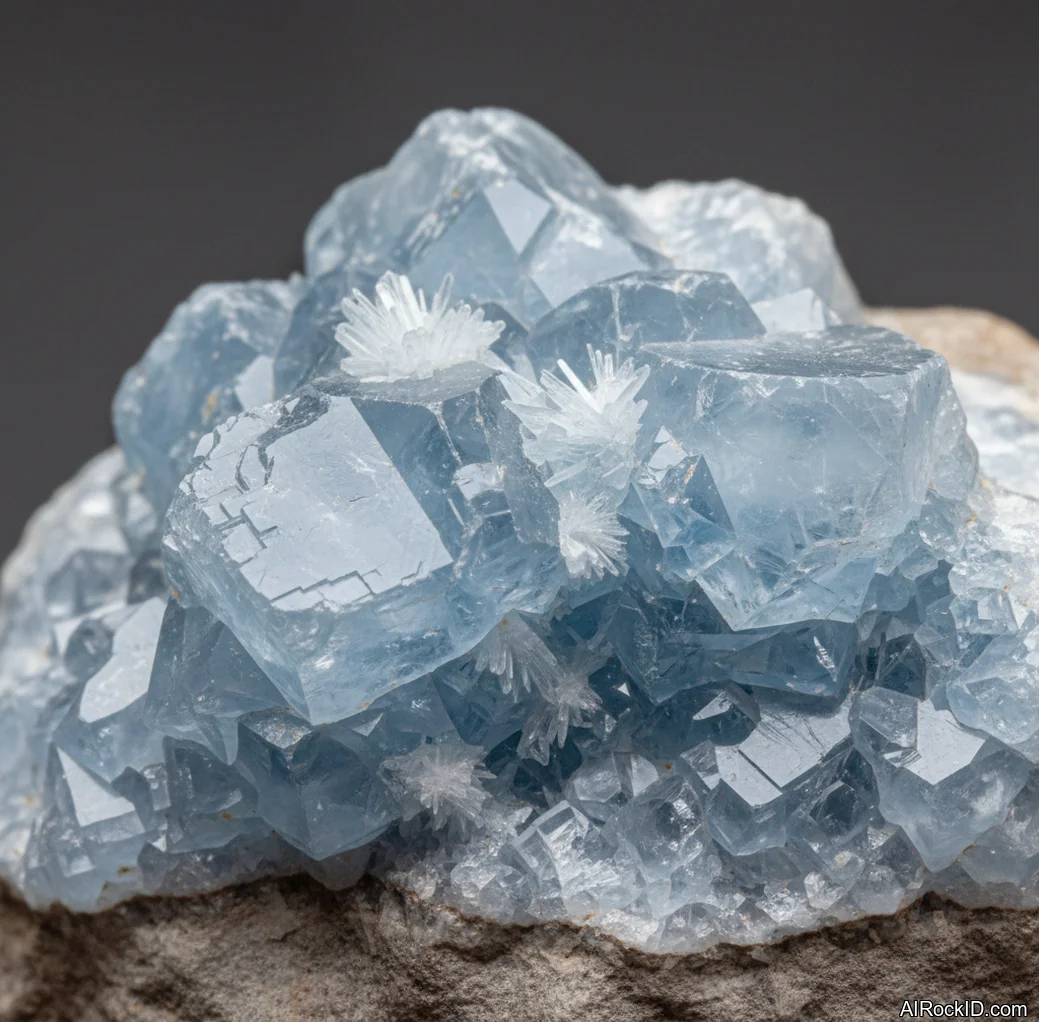
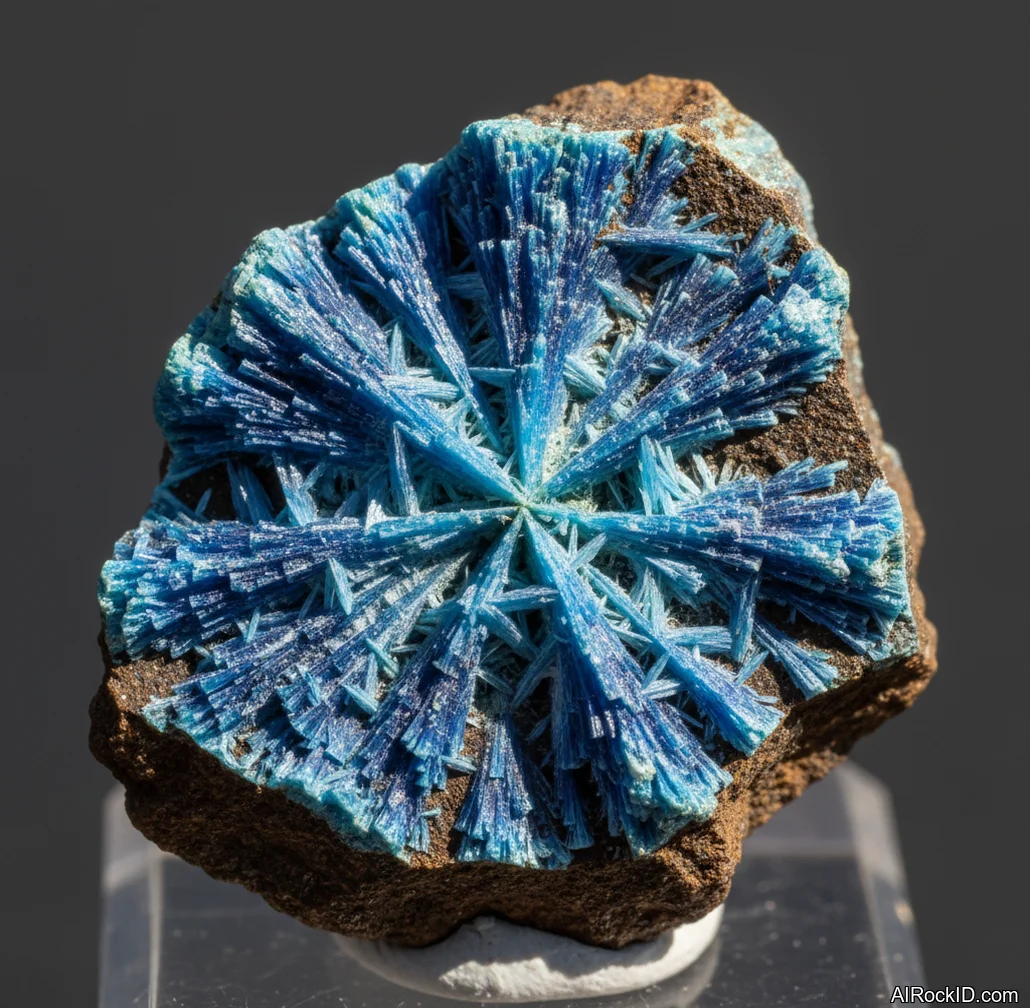
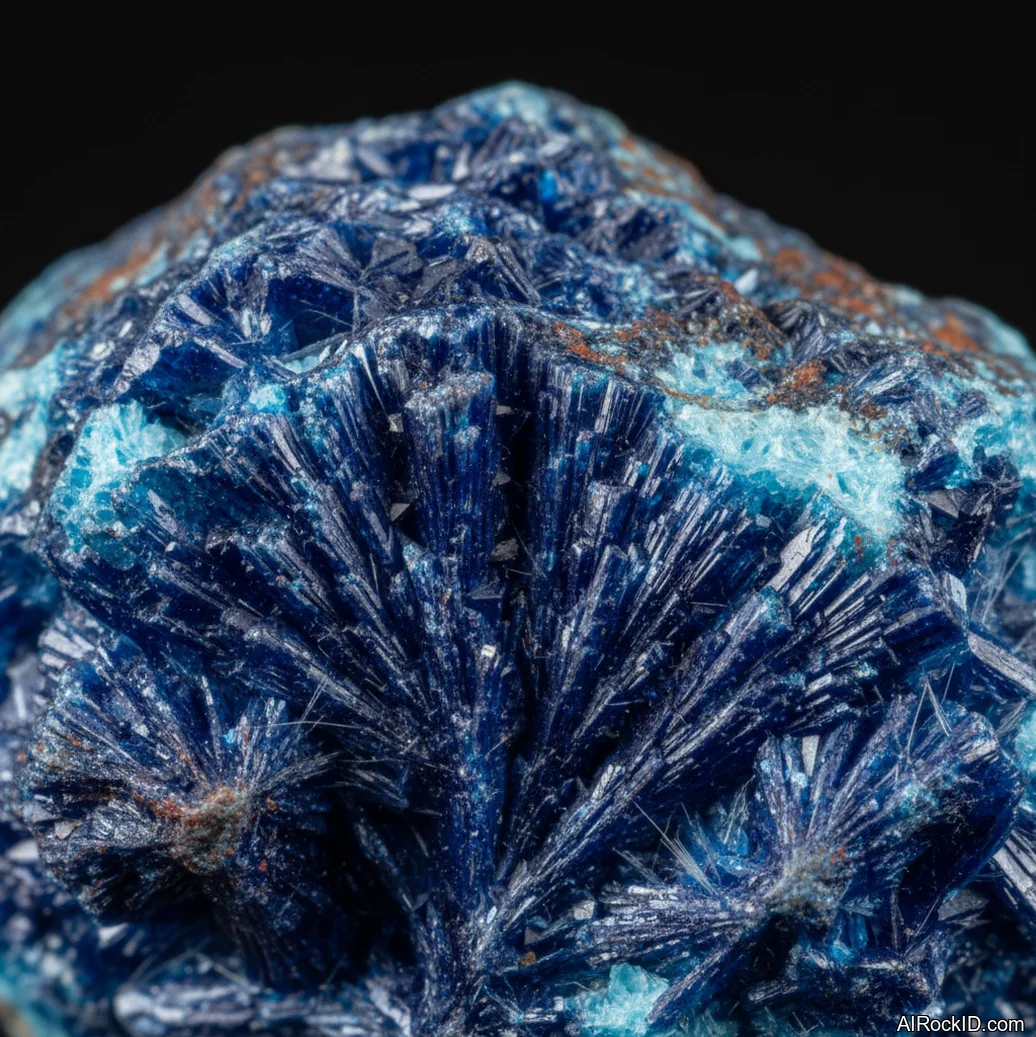
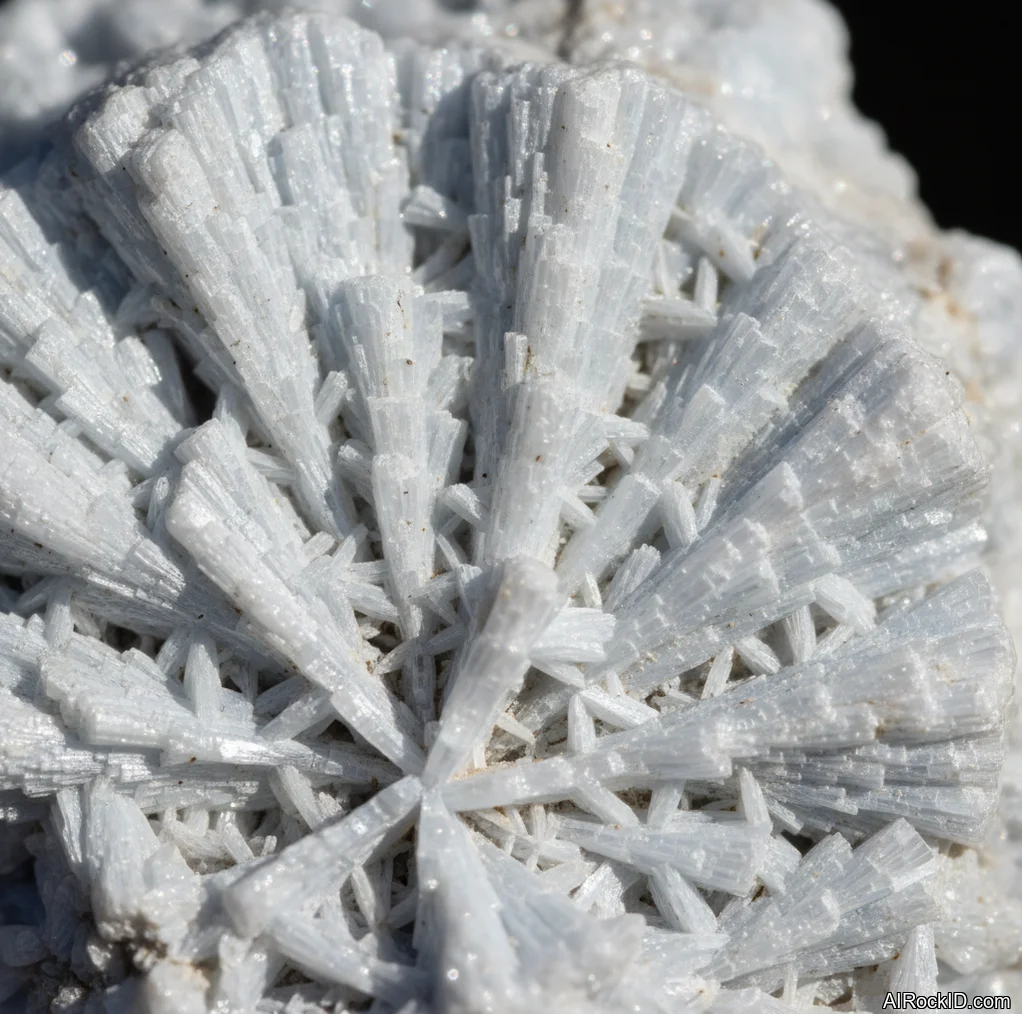
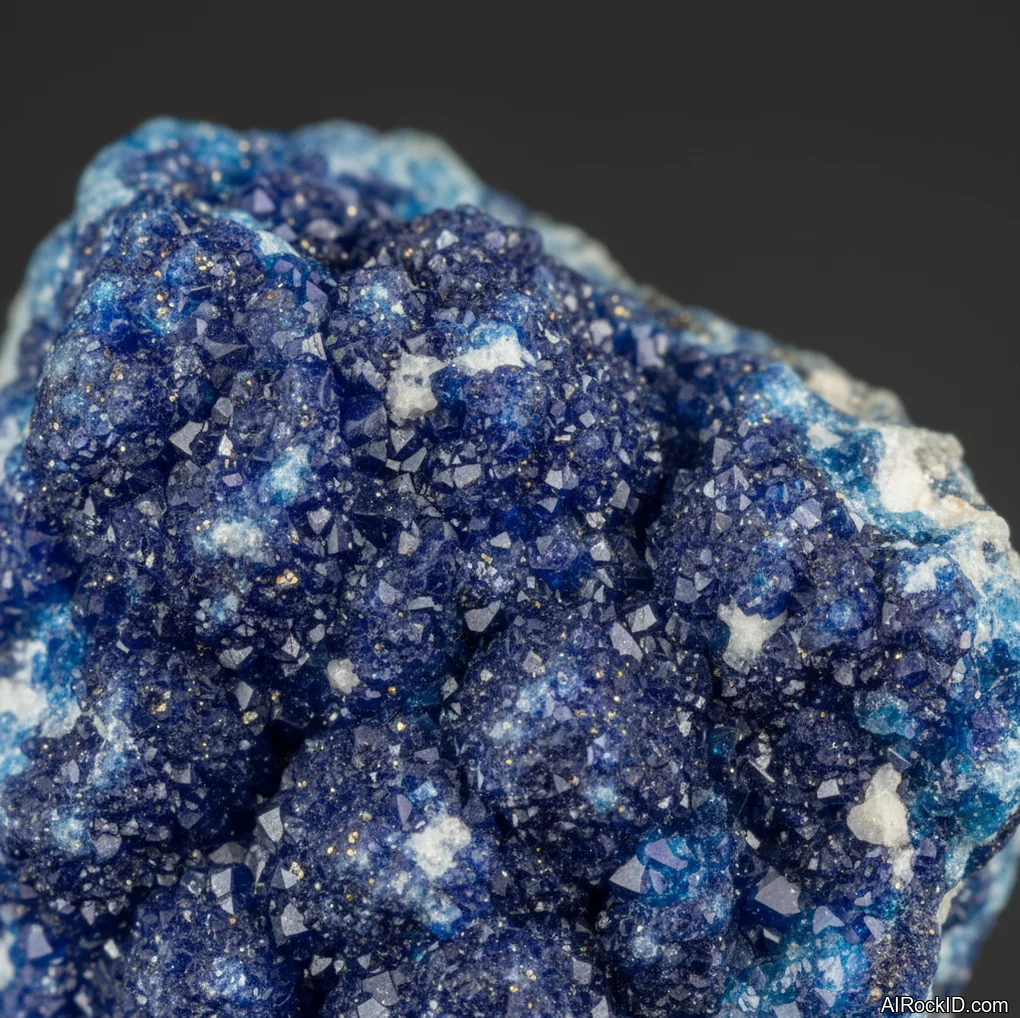
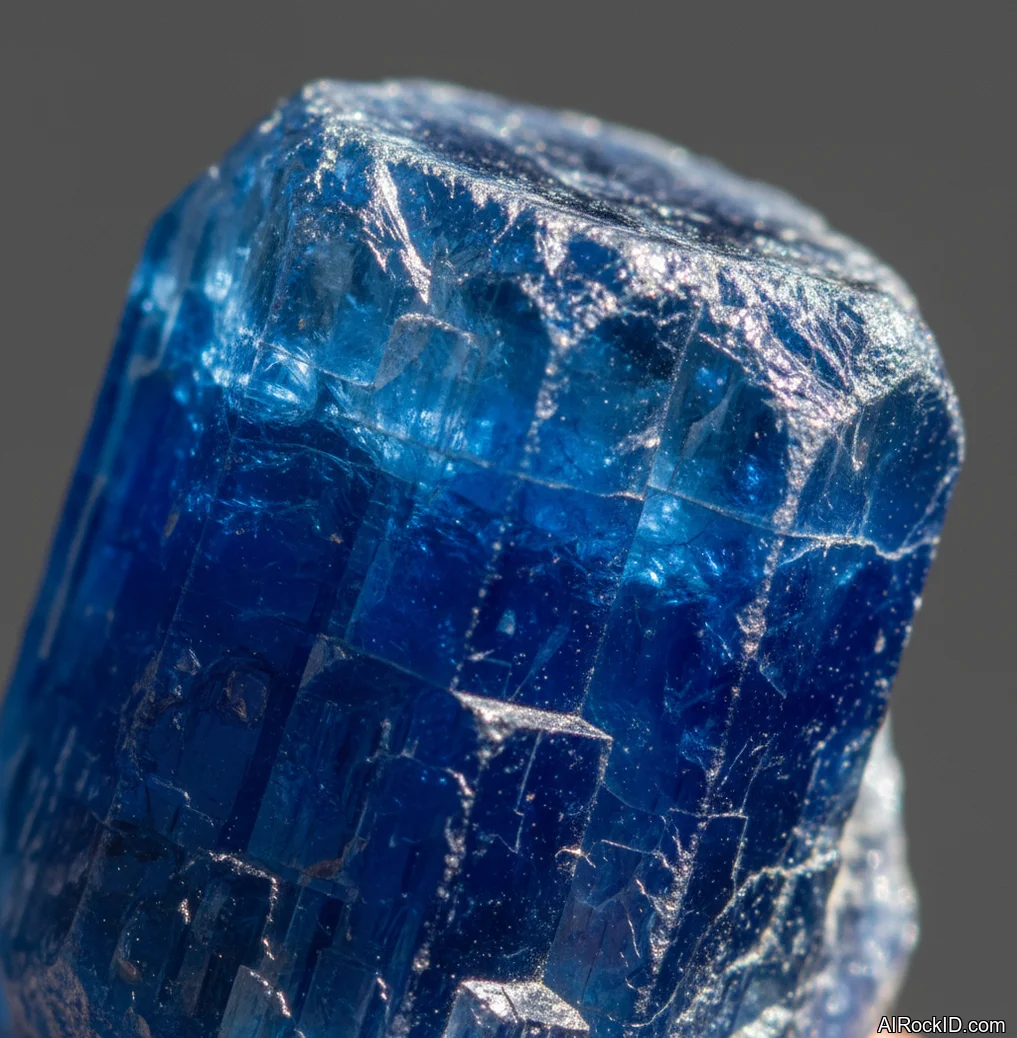
Air, in crystal language, isn’t about the wind blowing outside. It’s the mental side of movement: thoughts shifting, words coming together, that feeling when your mind finally gets unstuck. Most people looking for an Air stone aren’t after something heavy or grounding—they want something that feels light, clear, and spacious. Pick up a piece of Celestite and you’ll notice it right away. It’s cool in the hand and lighter than it looks, almost like the weight never matches your expectation. The sky-blue blades are delicate, and the edges catch the light in a way that feels almost soft. Tap it, and it feels like it might flake apart. That kind of fragility is a real trait with Air crystals. You see it in how many of them look: pale, see-through, sometimes full of tiny clouds or veils inside, almost like they’re holding a bit of weather in their structure. For collectors, that airy look isn’t just visual—it’s a clue about how the stone will actually handle in your hands.
Why People Use Air Crystals for Mental Clarity and Communication
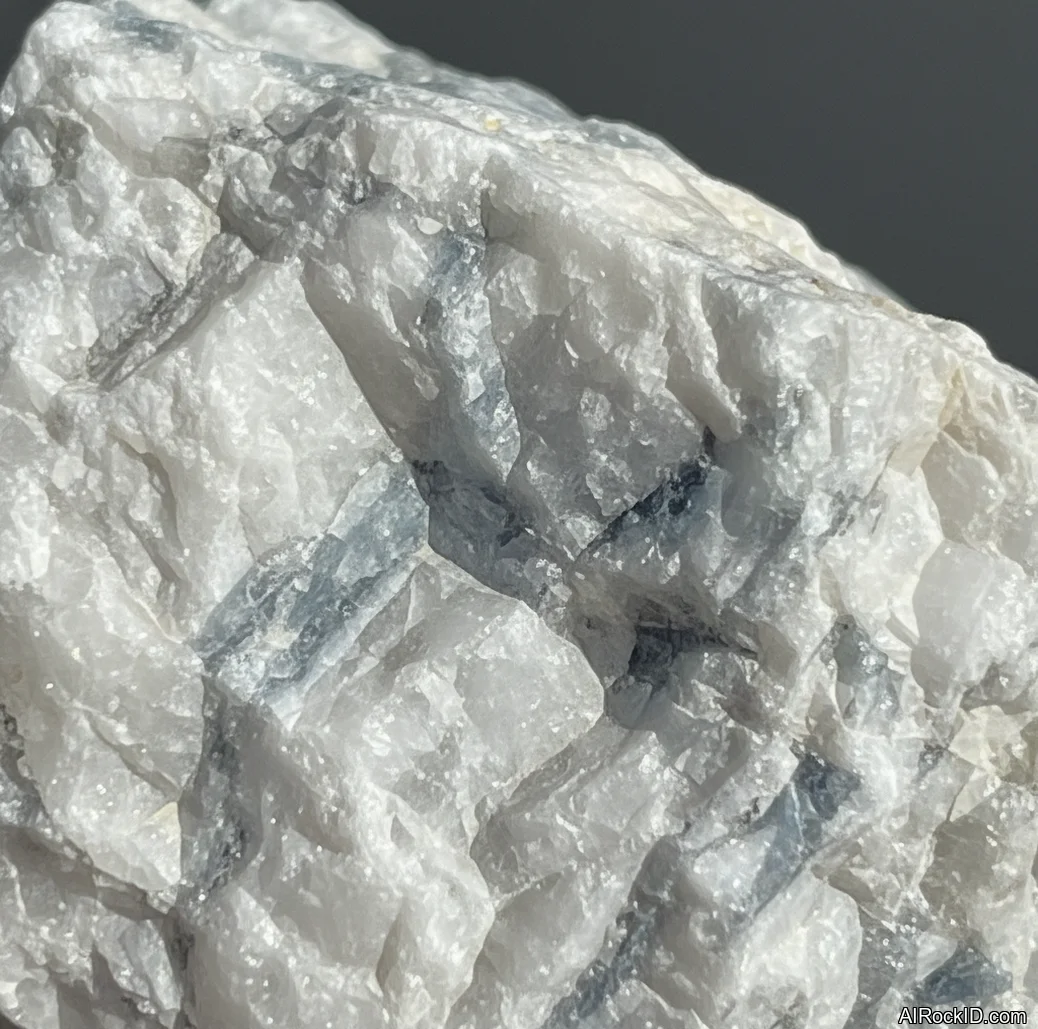
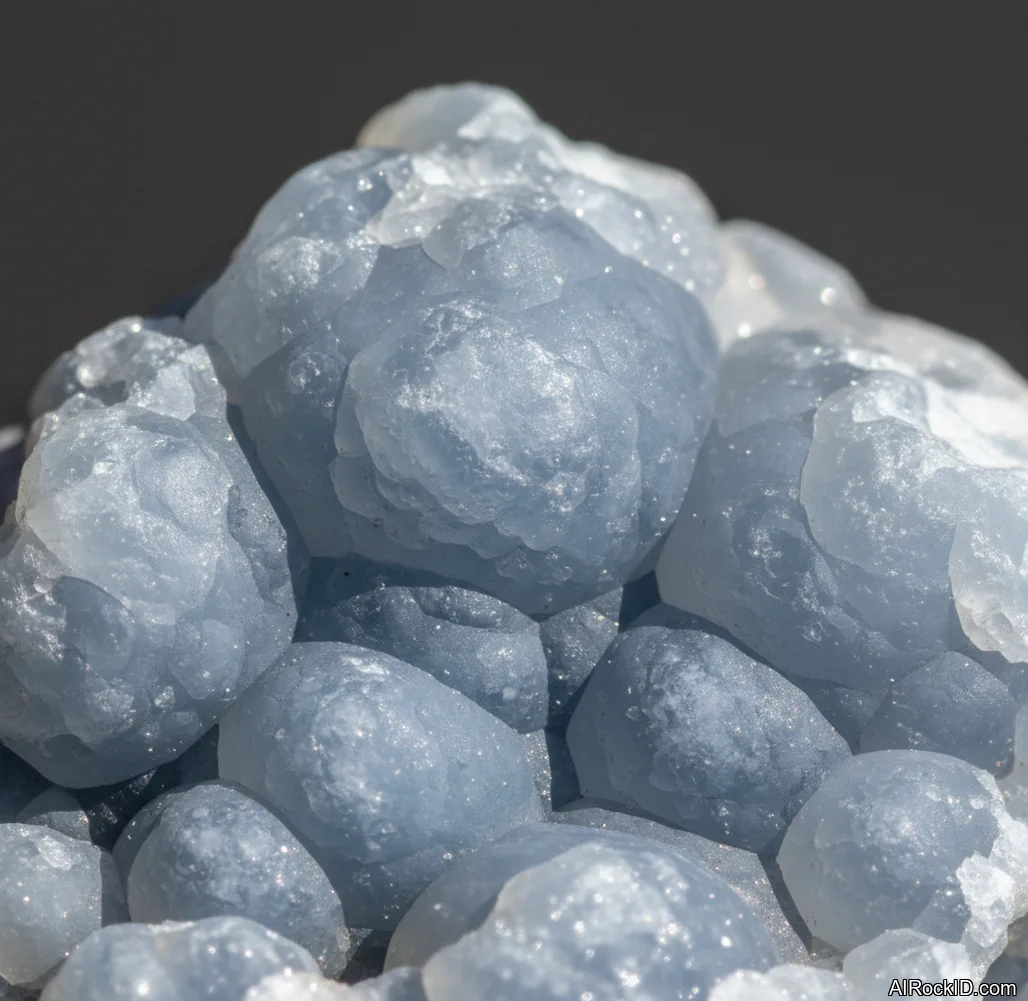
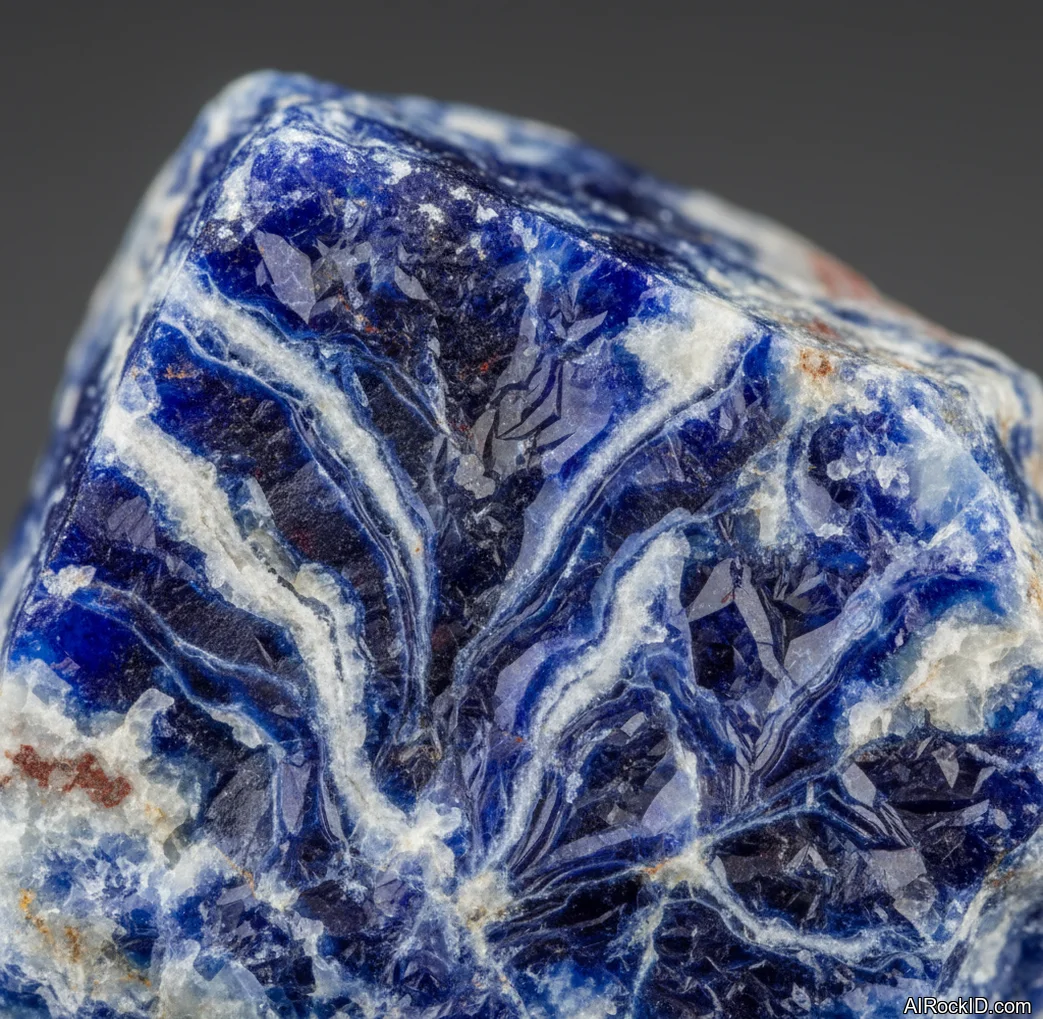
Think of Air crystals when your head feels packed with too many tabs open—literal or mental. Doom-scrolling, information overwhelm, or just trying to find the right words for an email. People reach for Air stones when they need clarity, space, and help getting thoughts to flow again. Blue Lace Agate is a textbook example. Natural pieces have those soft, watercolor-like bands, never harsh stripes. They’re usually tumbled so they feel smooth and slightly waxy in your pocket, not rough or gritty. I’ve carried one through entire work weeks—it never feels heavy or overwhelming. Air stones also come out for communication work: writing, interviews, public speaking, tough conversations. In my own experience, the right Air crystal on a desk or in a pocket can make it feel like you’ve got a mental breeze pushing you forward. But don’t expect miracles—sometimes you just need to step away from the screen.
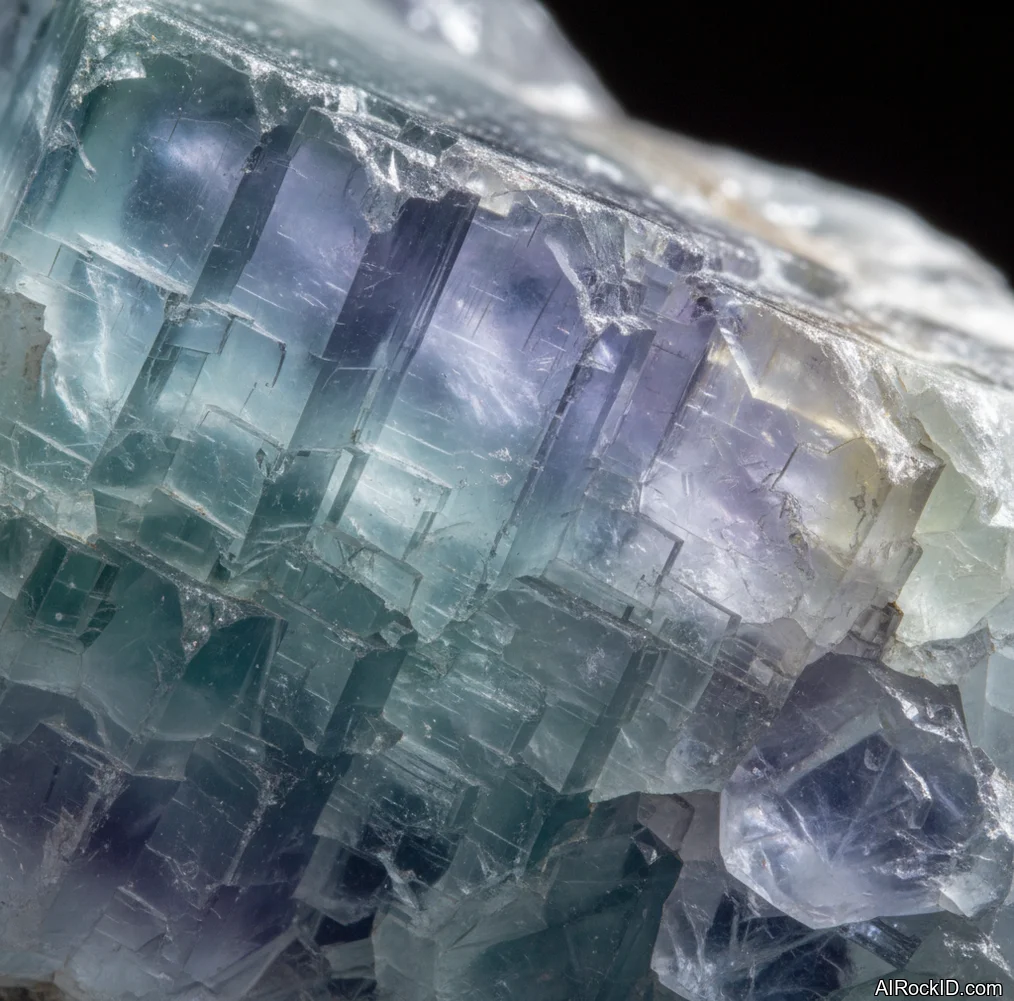
Physical Traits and Handling Tips for Air Element Crystals
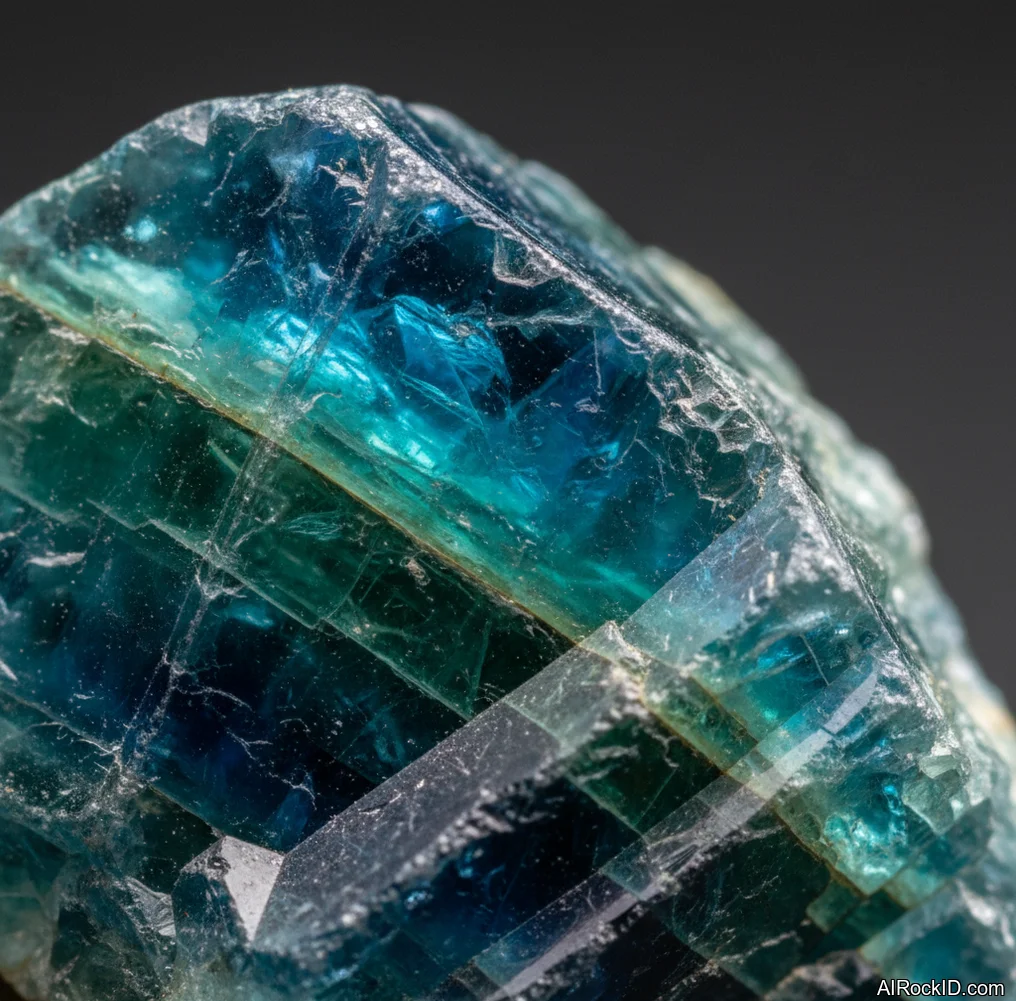
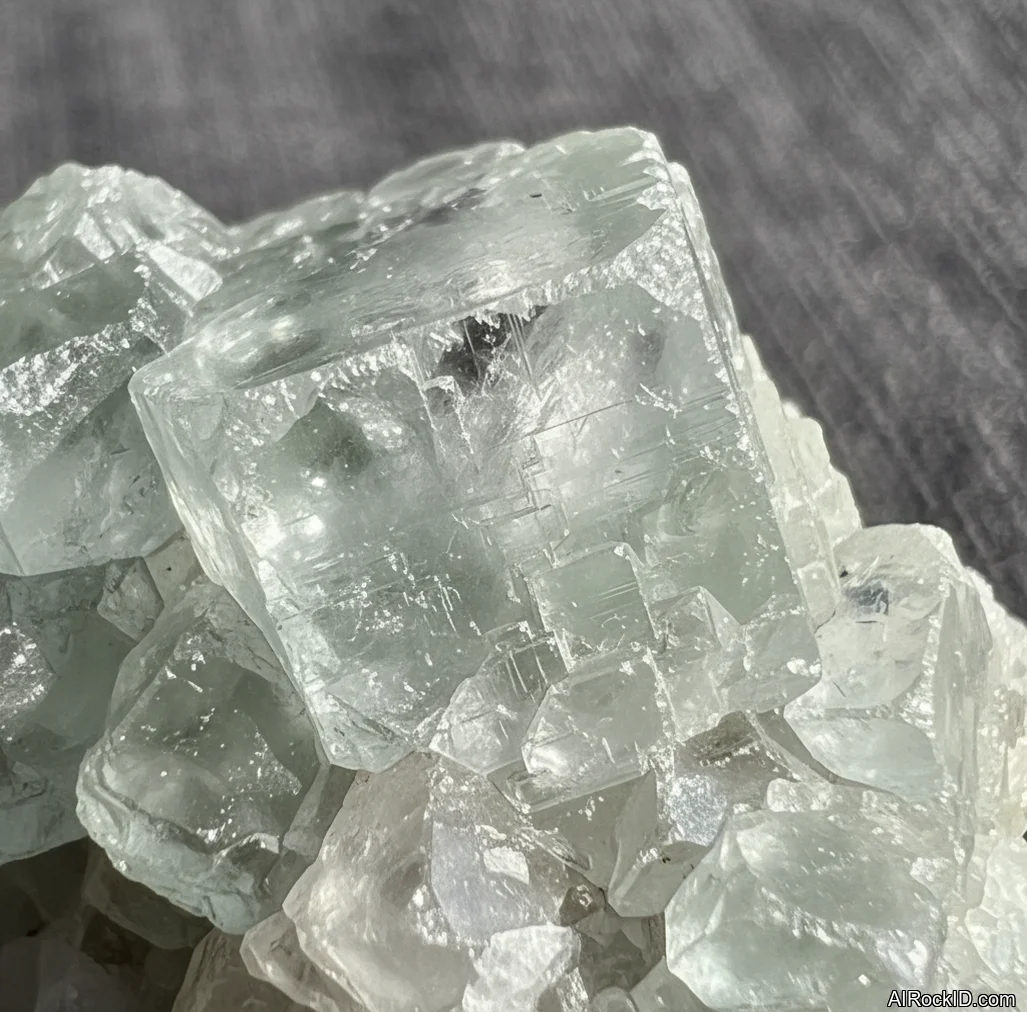
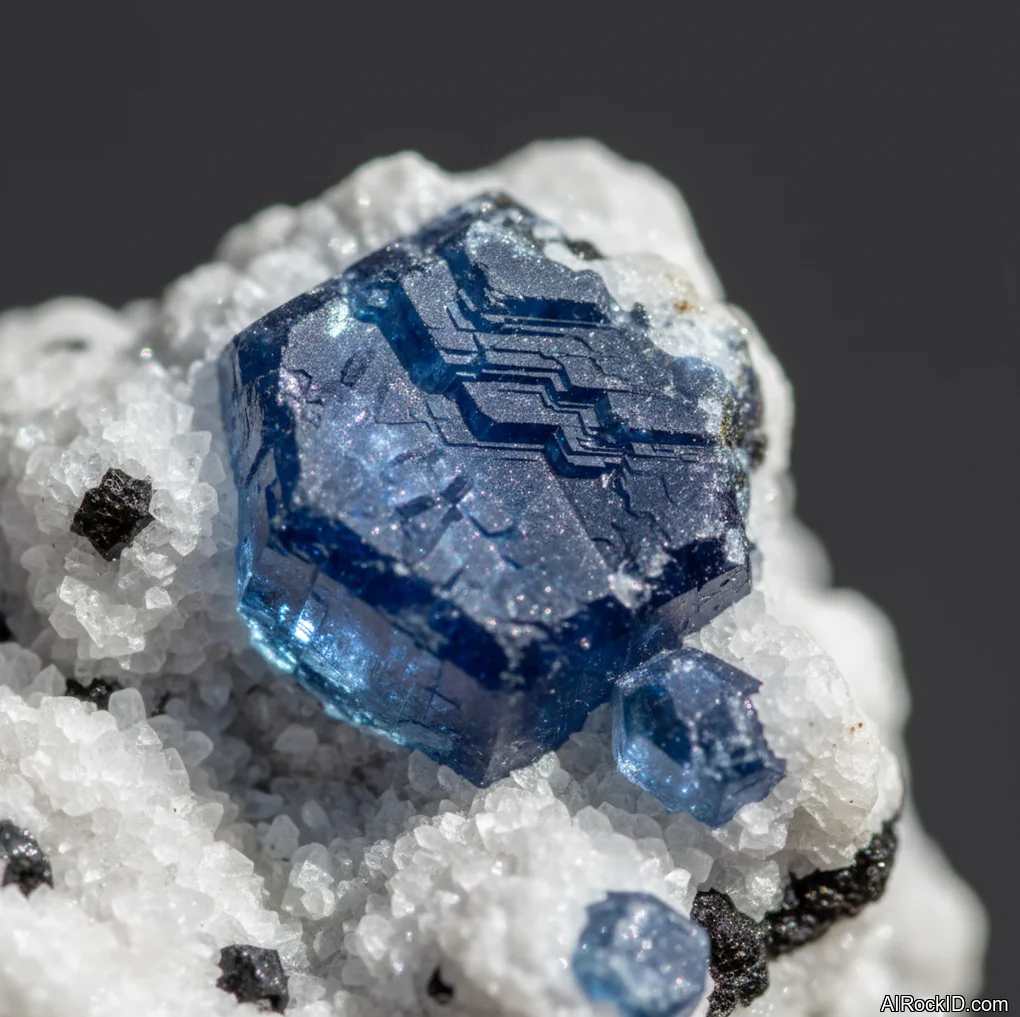
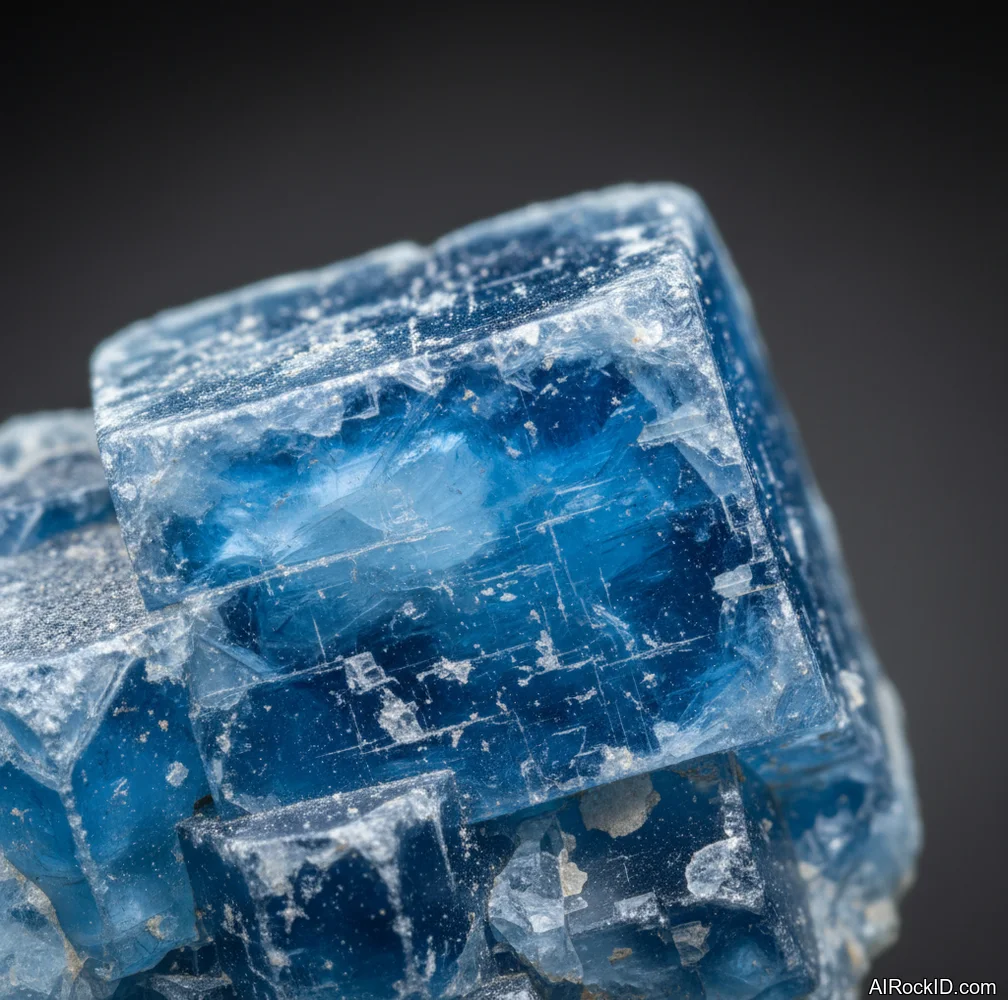
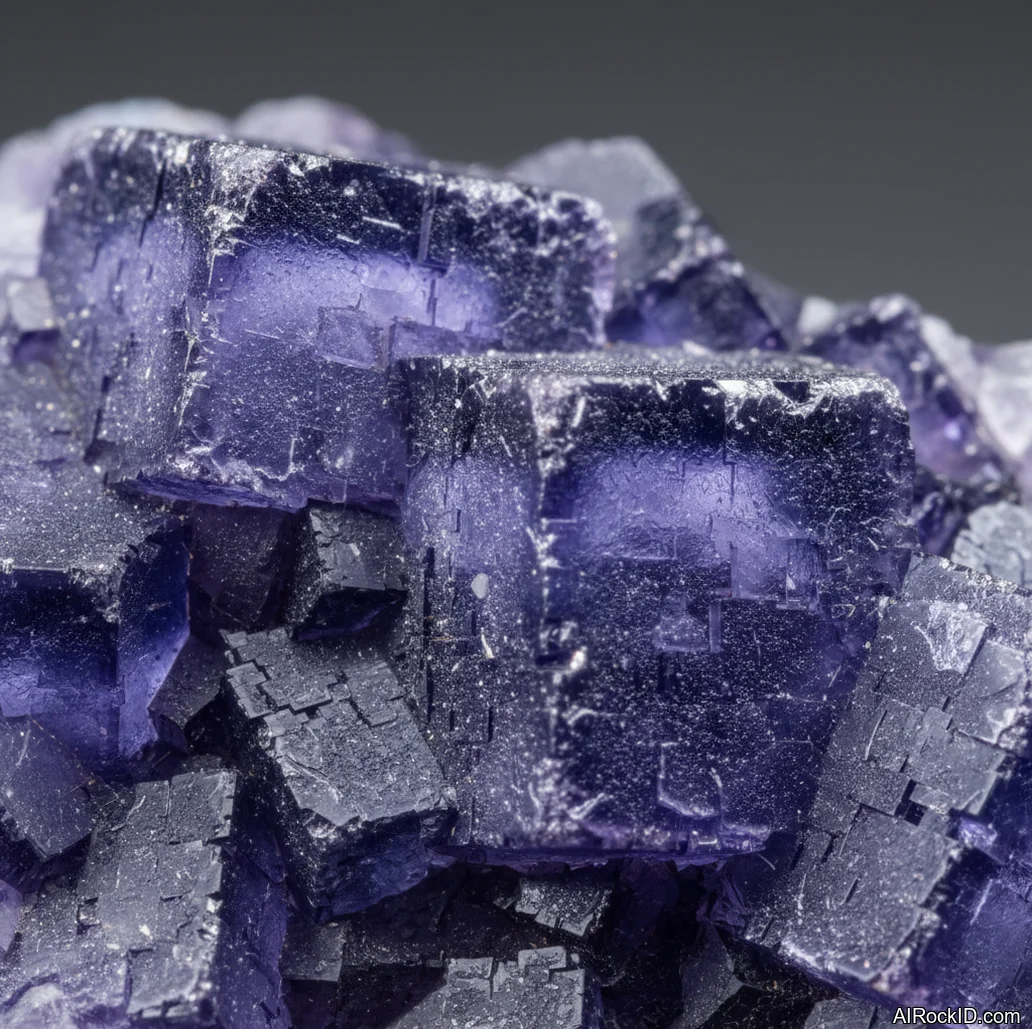
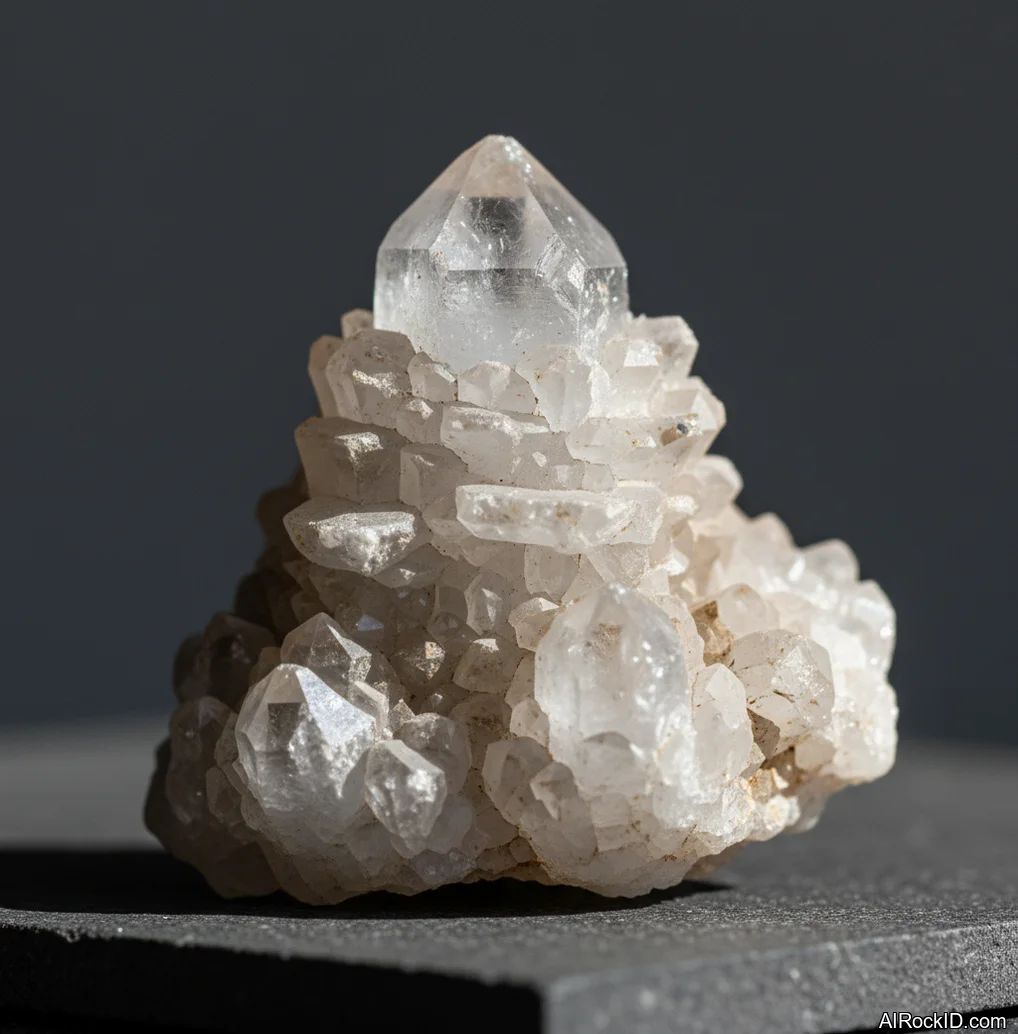
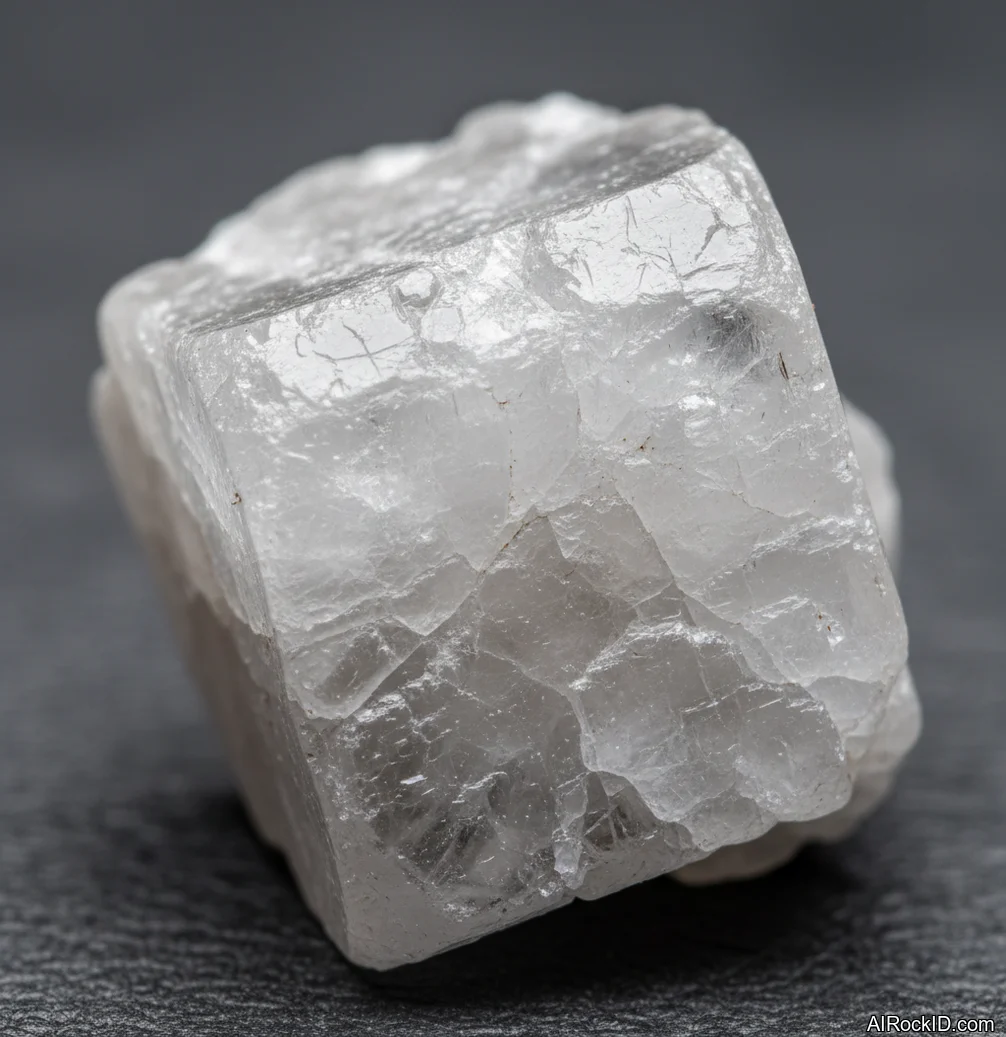
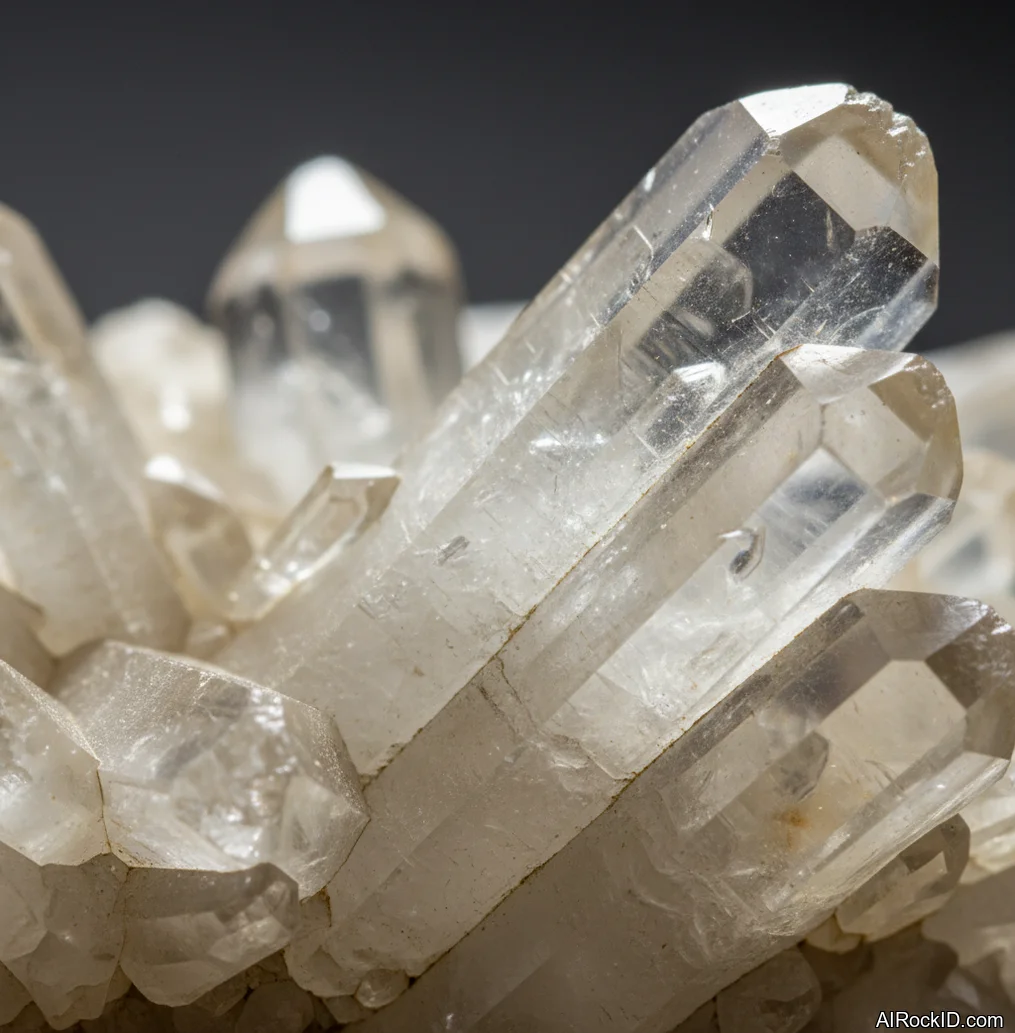
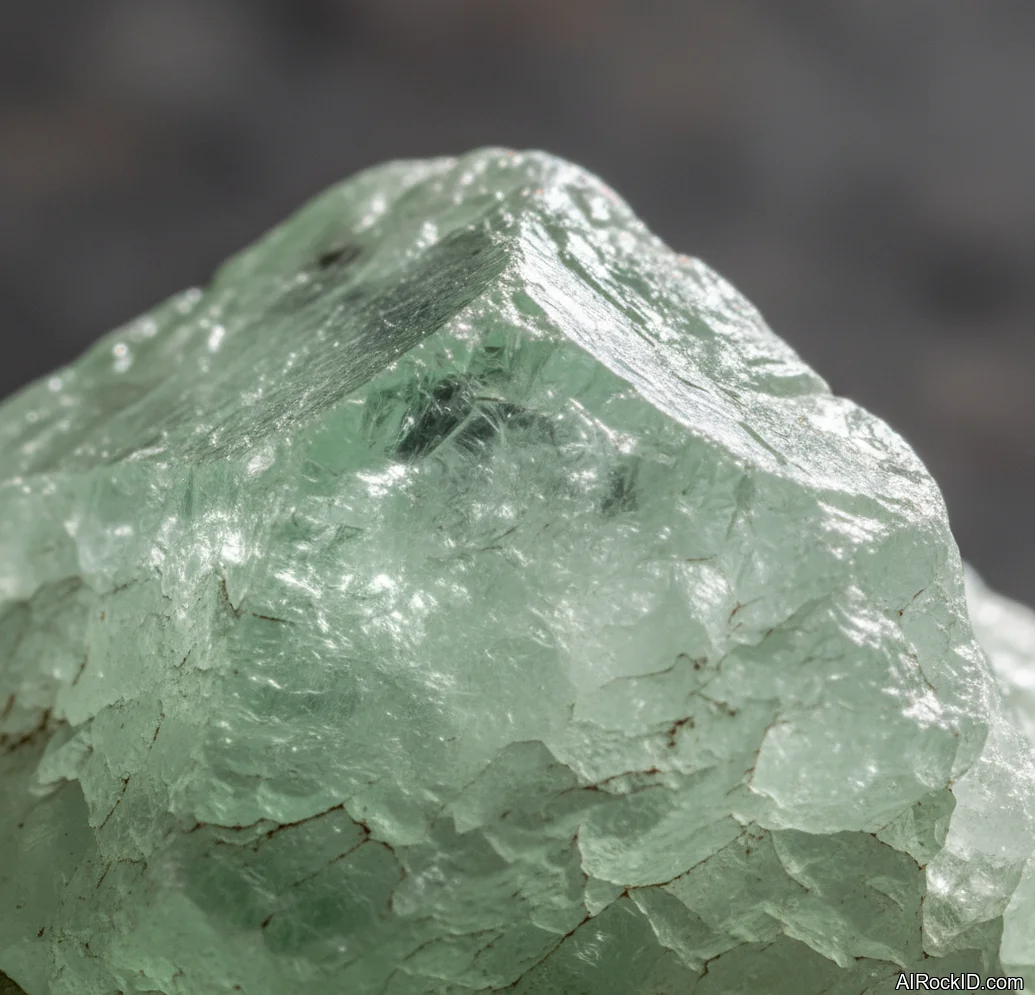
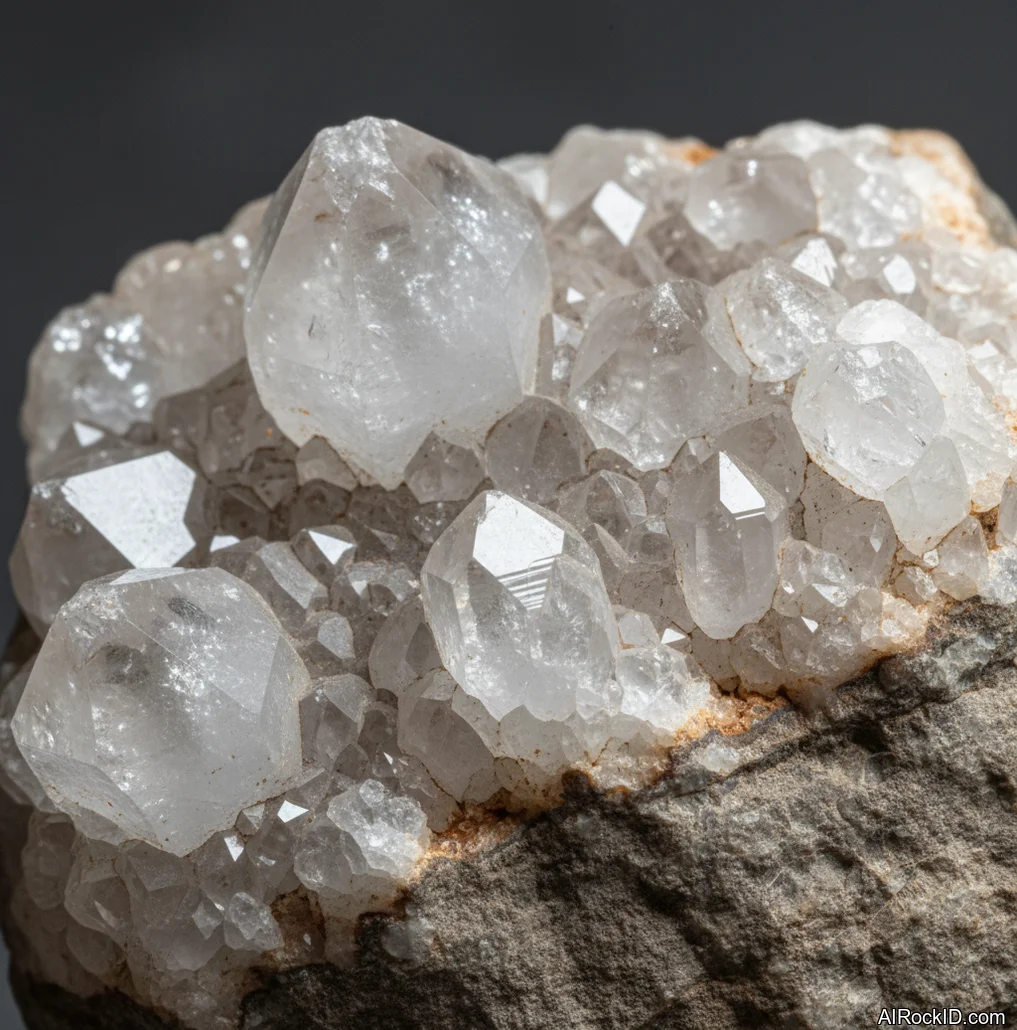
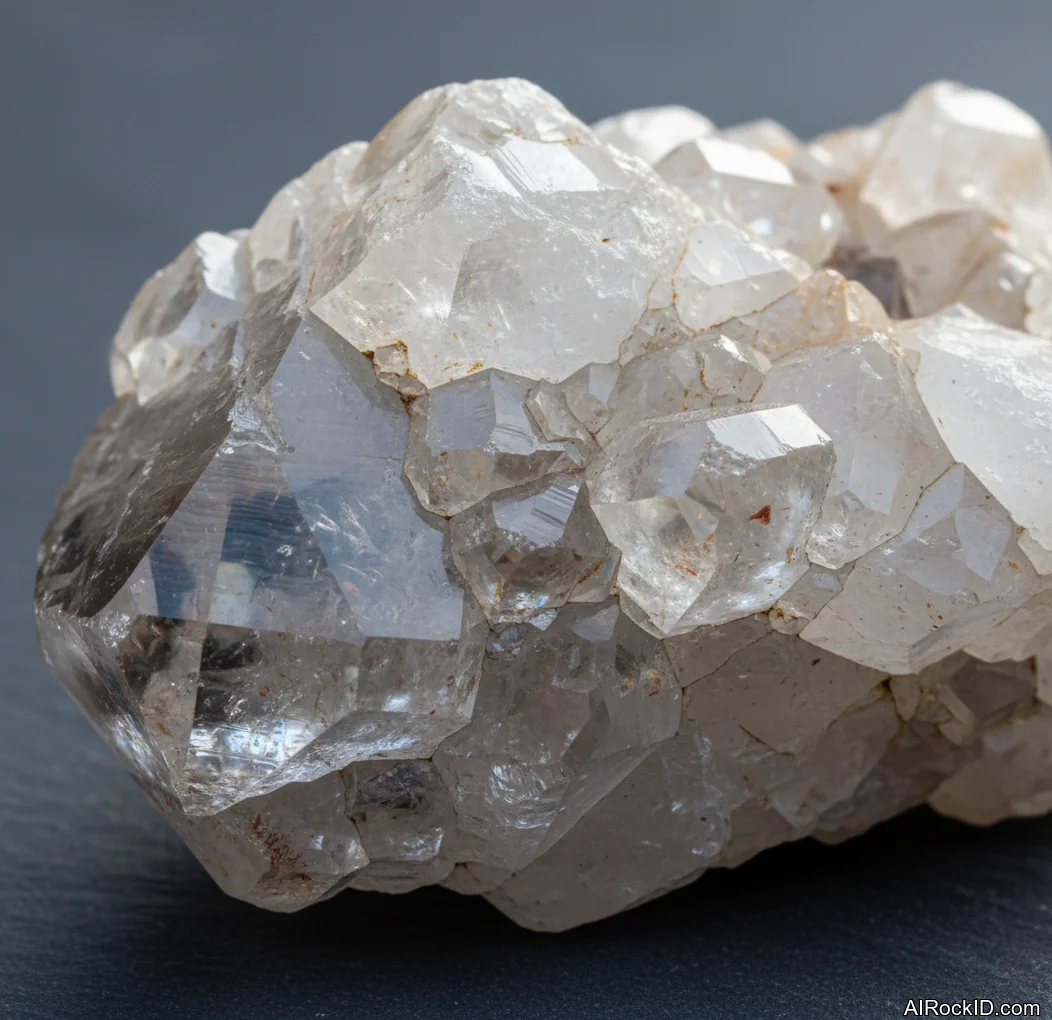
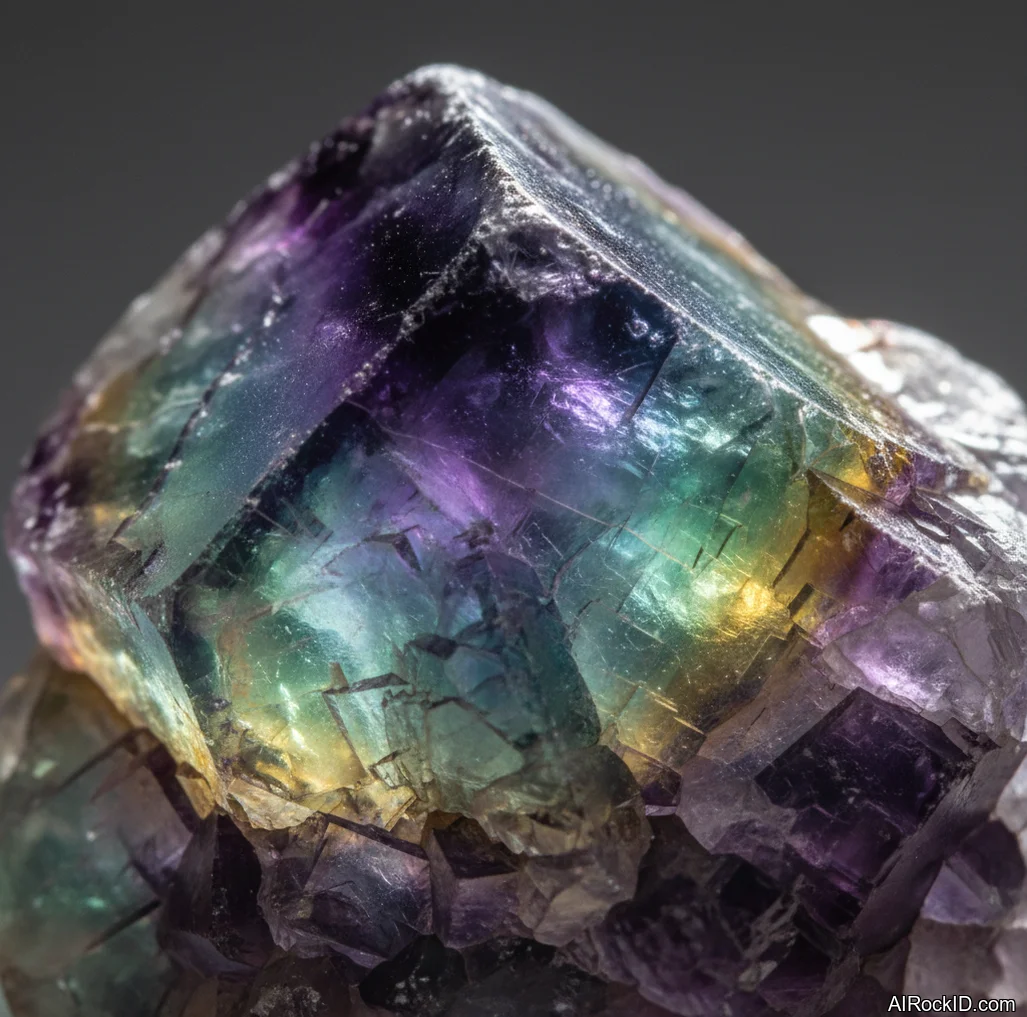
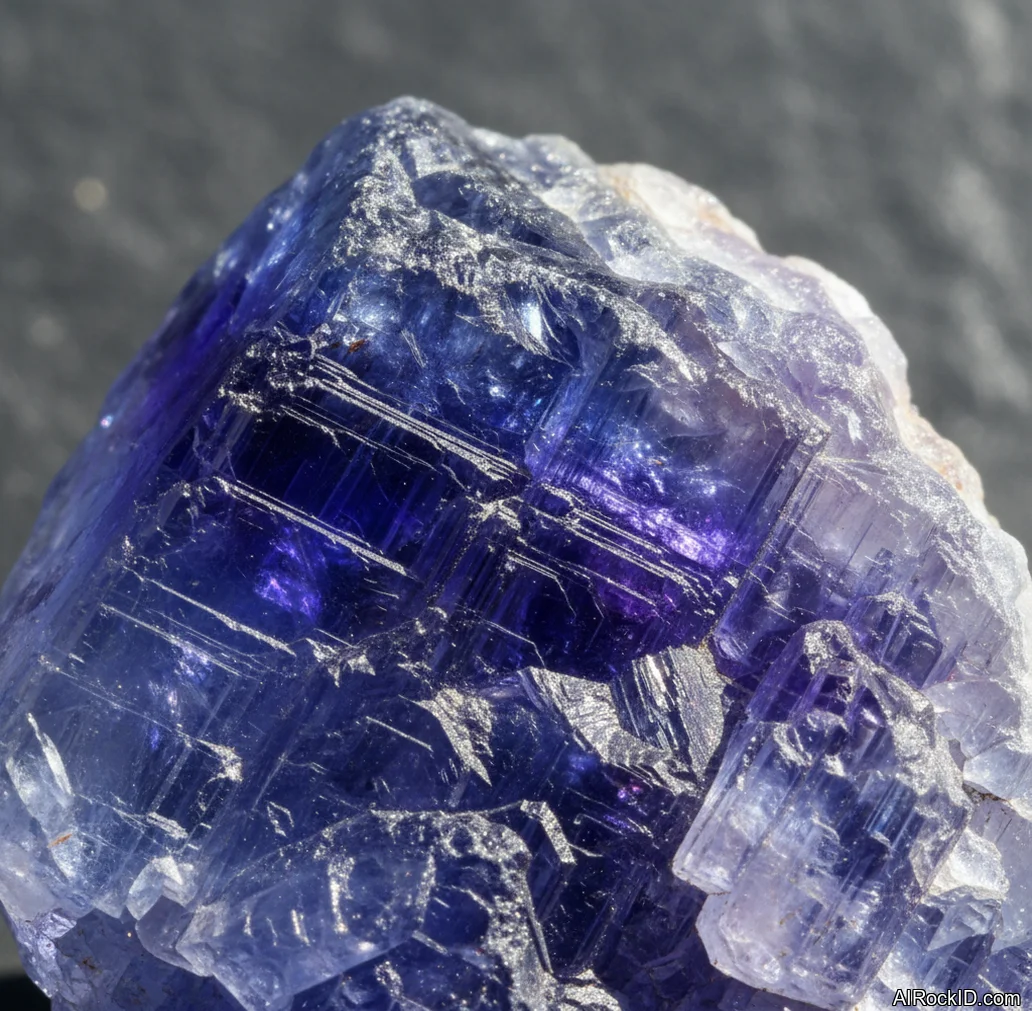
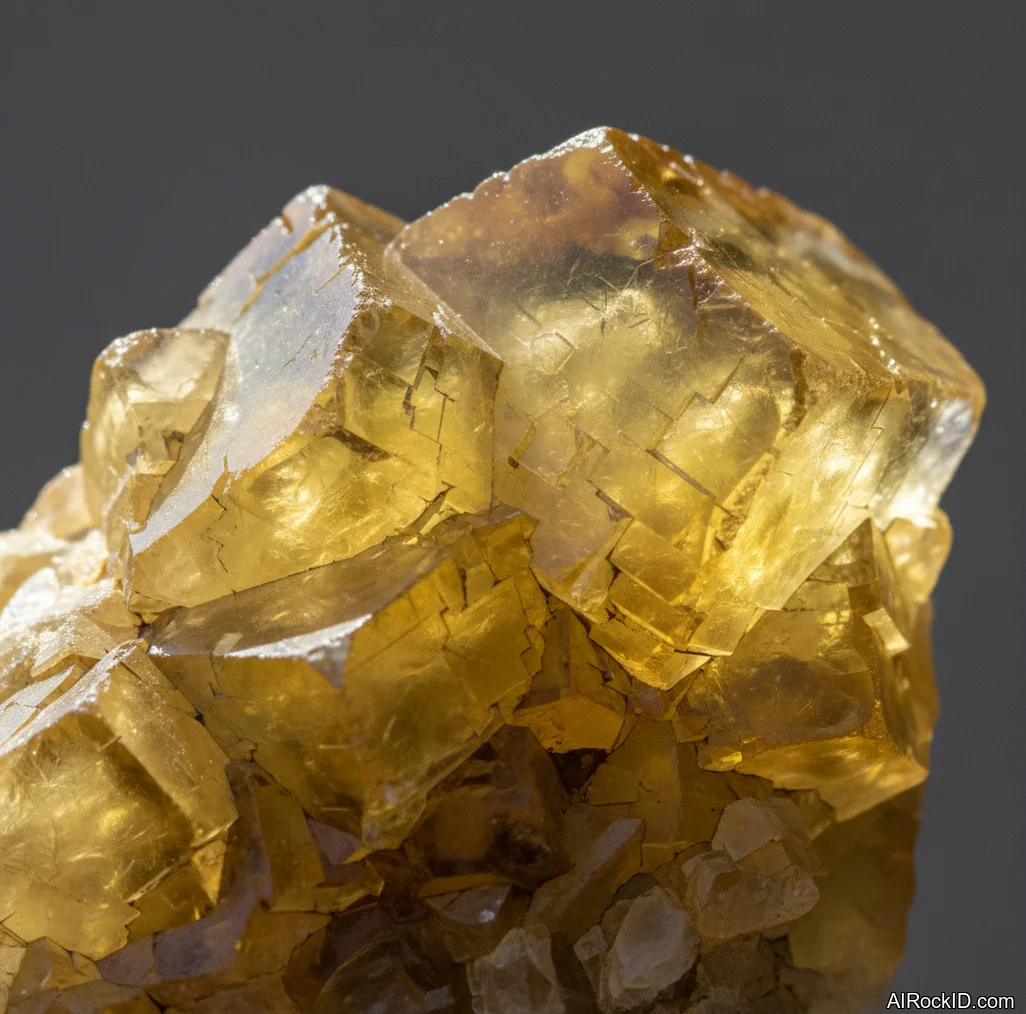
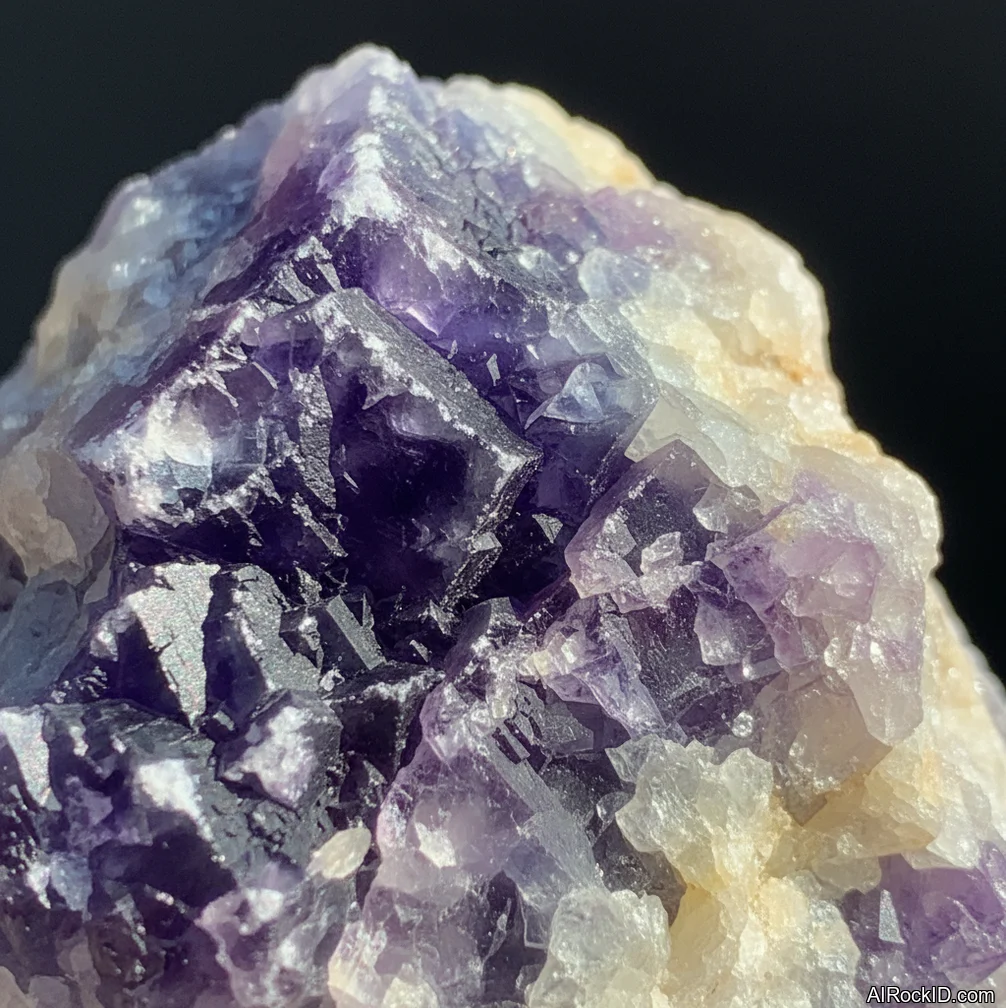
Air crystals usually come with a catch: many are fragile. Take Fluorite, for example. A clean Fluorite cube looks like a tiny glass building. Hold it up to the light and you'll see zoning—bands or clouds like smoke frozen inside. The real test is the cleavage. Drop it, and it doesn’t just chip like Quartz. It can split along flat planes, and you’ll lose that perfect edge in a single fall. That’s why I never recommend Fluorite for keychains or pocket stones, even if sellers push them that way. Selenite is another classic Air stone, but it scratches with a fingernail and can dissolve in water if you’re not careful. Clear Quartz points can feel like “airflow” if you set them up right, but raw clusters can poke through fabric or collect dust fast. You always need to think about placement, handling, and how much wear you really want to put on these stones.
How to Place and Work with Air Crystals for Everyday Use
Placement matters. I keep my Air crystals above eye level or on my work desk, not down by my feet. It’s about setting the vibe—upward, spacious, thought-focused. A little cluster of Clear Quartz points aimed at where you sit can give a room that feeling of airflow, almost like a fresh gust just came through. Selenite works well as a desk piece too, but it’s soft: never wash it under the tap or leave it somewhere humid. When I need a break, I’ll hold a piece of Blue Lace Agate or Celestite in my palm, just feeling the cool smoothness. That physical touch helps anchor the mental intention. Don’t expect the crystals to do all the work, though. Sometimes the best Air practice is just moving your body, opening a window, or taking a real breather outside.
Best Air Crystals to Start With
| Level | Crystal | Note |
| Gentle / Beginner | Blue Lace Agate | It's friendly in the pocket, usually tumbled smooth, and doesn't scratch as easily as raw Celestite or Selenite. |
| Balanced / Everyday | Clear Quartz | Works well for general mental clarity and is tough enough for desktop use or simple grids. |
| Intense / Advanced | Fluorite | Fluorite gives a sharper, more focused feel but is very fragile and best for careful handling. |
| Best for Carrying | Tumbled Blue Lace Agate | Polished pieces are smooth, waxy, and survive pockets and bags without much risk of damage. |
| Best for Display | Celestite Cluster | Celestite's pale blue blades catch light well but are too fragile for regular handling—best enjoyed on a shelf. |
Air Crystal Comparison
| Crystal | Common Use | Feel / Use Style | Care Caution |
| Celestite | Mental clarity, calming, sleep support | Cool, lighter than expected, brittle edges that flake if dropped | Keep dry and out of direct sun; breaks easily |
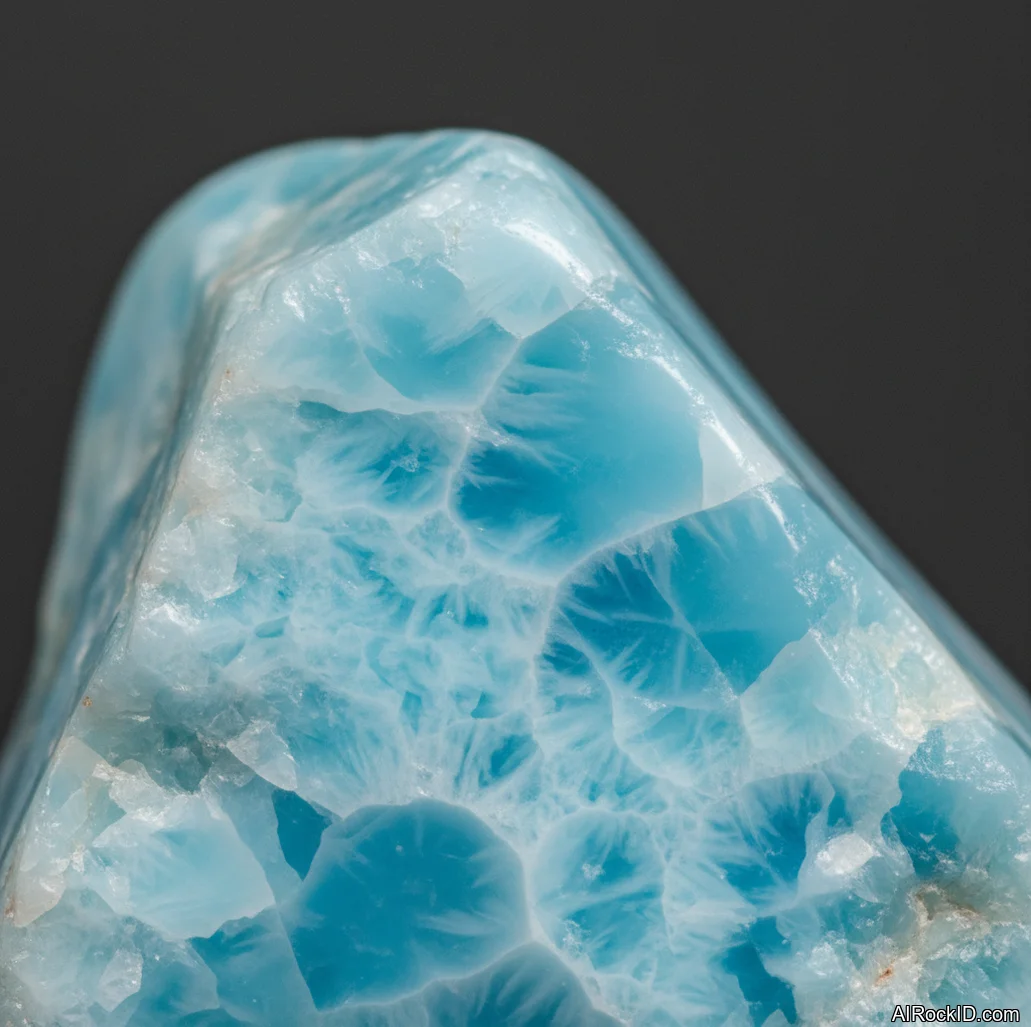
| Blue Lace Agate | Communication, soothing nerves, public speaking | Smooth, slightly waxy, gentle in the hand | Avoid harsh cleaners; natural pieces may have soft spots |
| Fluorite | Focus, mental sharpness, study | Glass-like, can feel sharp or cold; very brittle at cleavage planes | Don’t pocket with keys or coins; can shatter with minor impact |
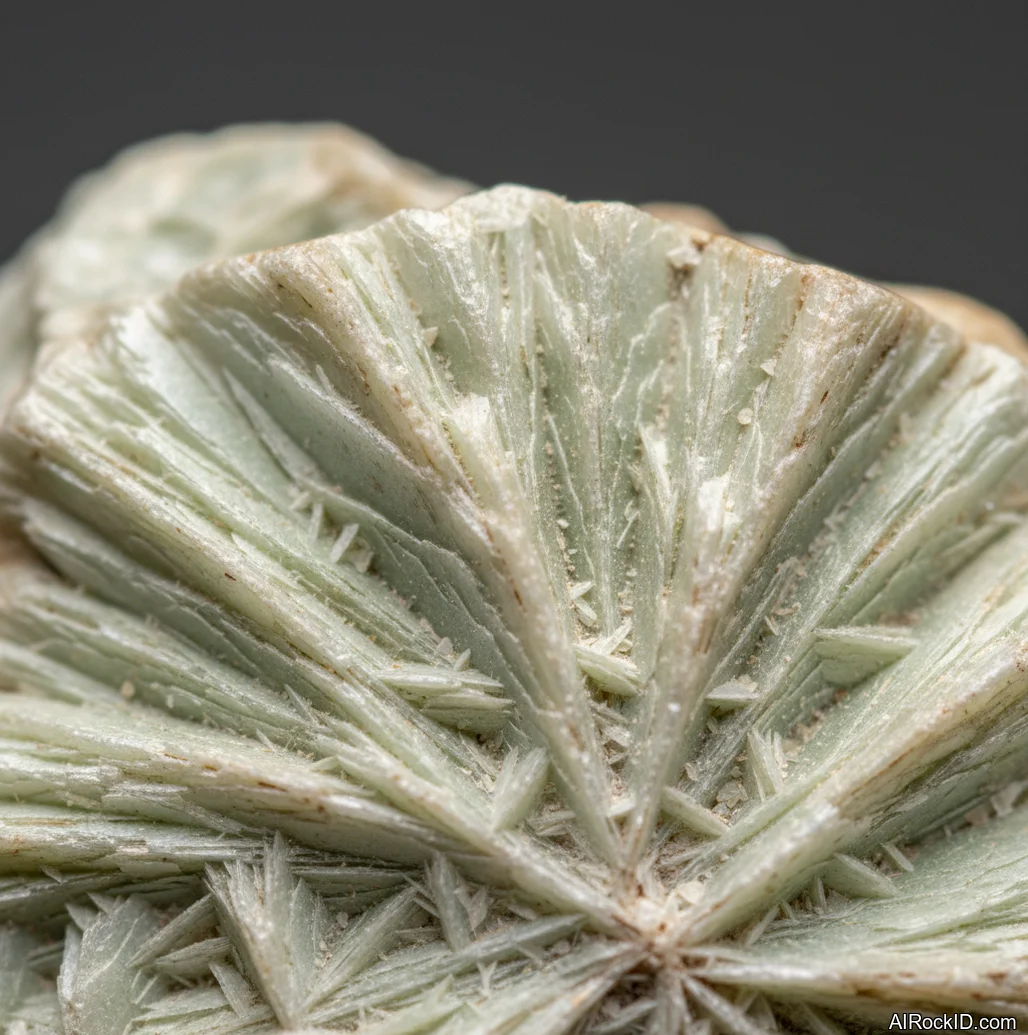
| Selenite | Clearing energy, meditation, mental lightness | Very soft, silky to touch, easily scratched with a fingernail | Never soak in water; keep away from moisture |
How to Identify Air Crystals with AI Rock ID
To identify Air crystals with an AI Rock ID app, take clear photos in natural light—one full specimen shot and a close-up of the structure or banding. Upload both views so the app can compare features like luster, transparency, and any internal wisps or zoning. For fragile stones like Celestite or Selenite, note the softness or tendency to flake, as the app may ask about hardness or streak. Always double-check results against care tips, since some Air crystals look similar but need very different handling.
All Air Crystals (131)