Sun Crystals
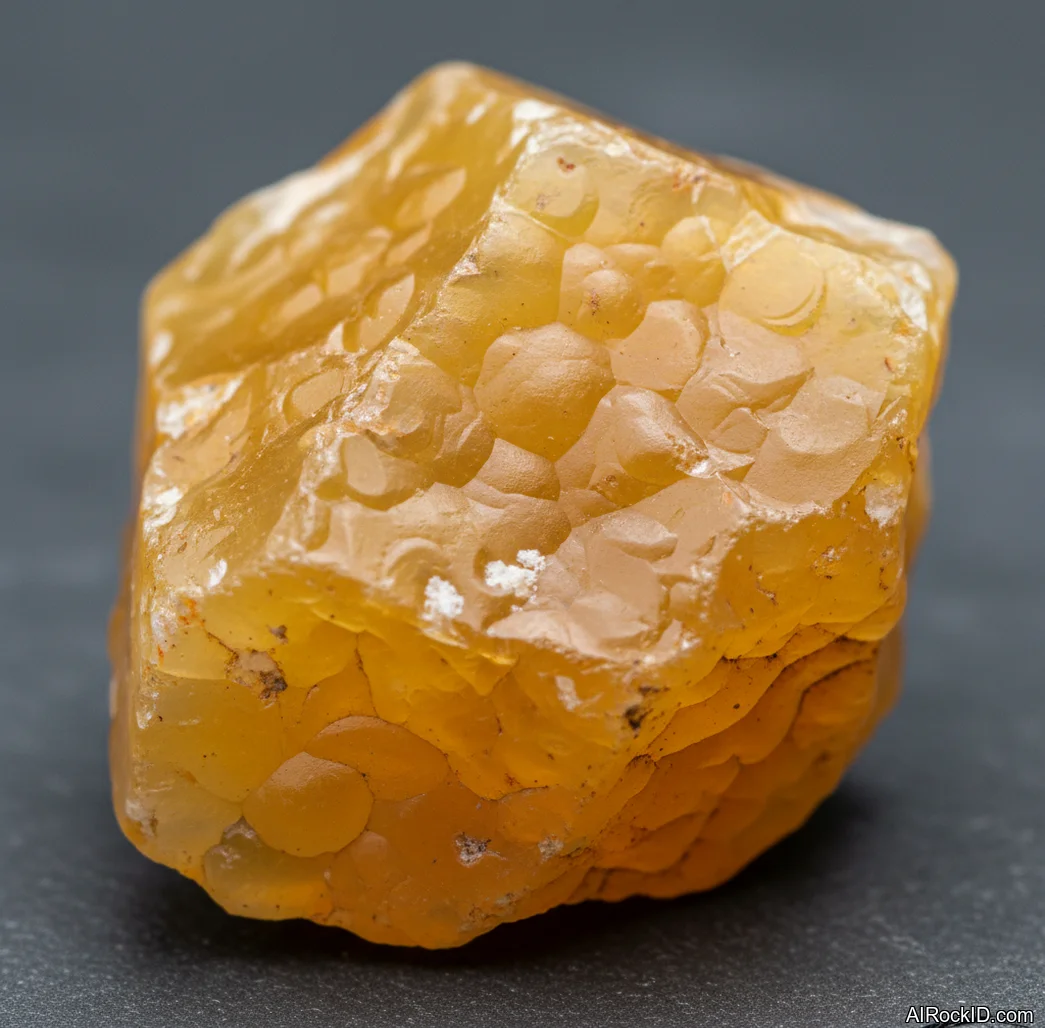
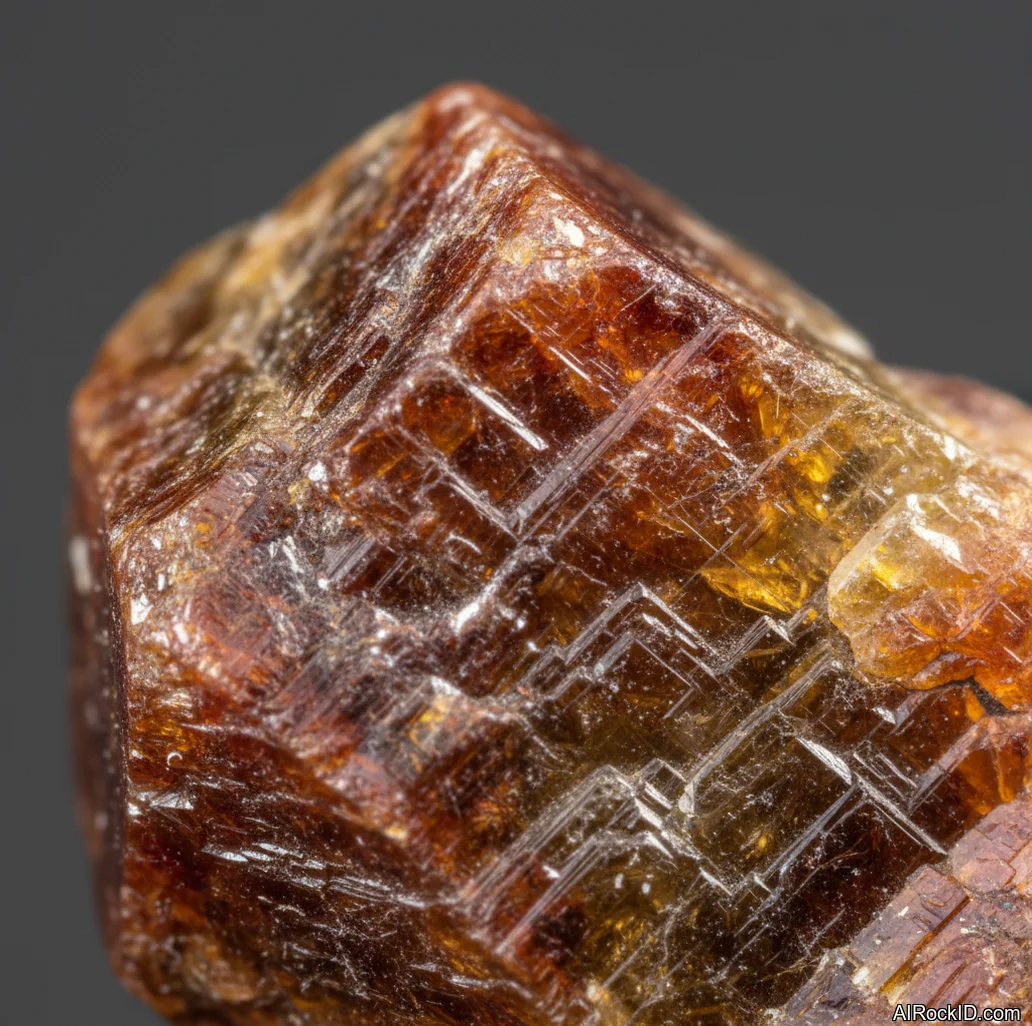
Quick answer: Sun crystals are stones traditionally associated with solar themes such as confidence, clarity, motivation, warmth, and personal expression. Popular examples include citrine, sunstone, tiger's eye, amber, and pyrite, though the exact list varies by crystal tradition.
Learn which crystals align with Sun energy, how to choose authentic stones, and practical ways to work with Sun crystals for focus and confidence.


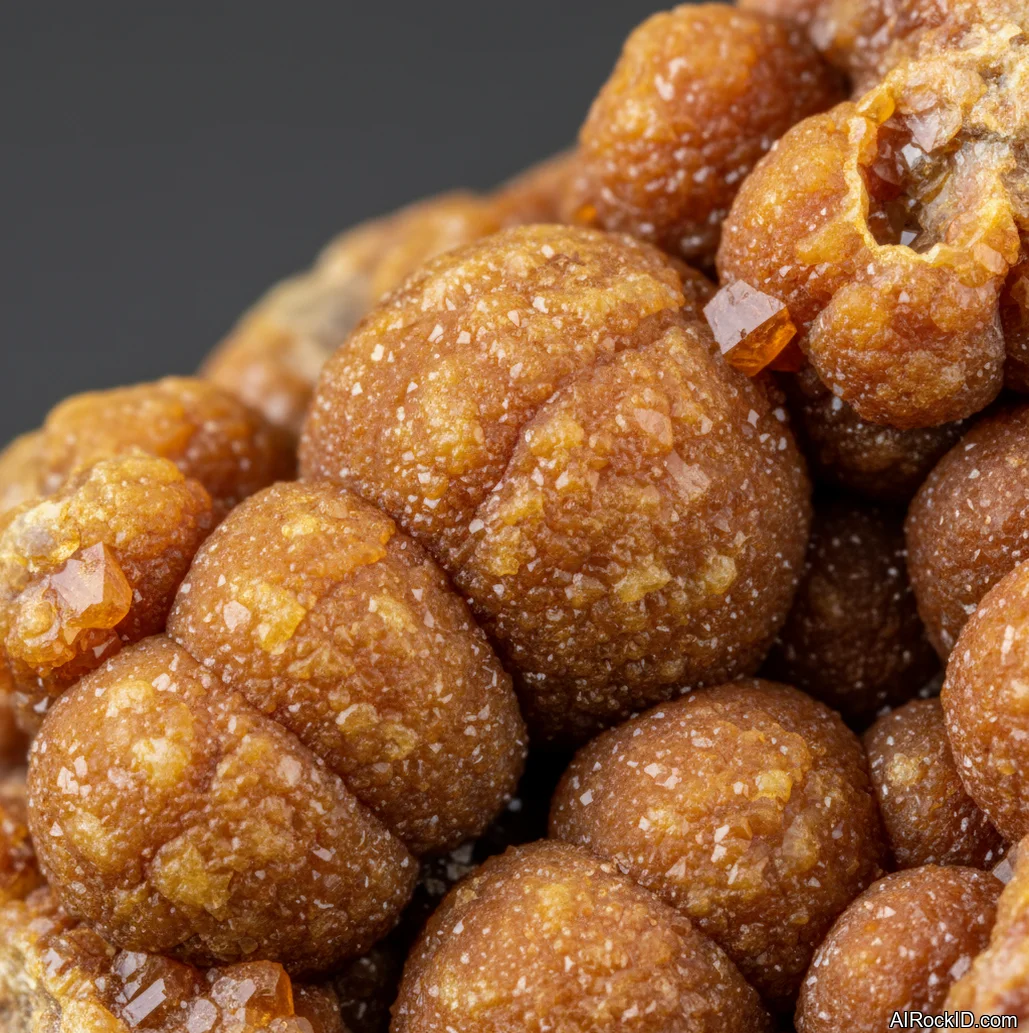
Sun crystals are minerals and stones linked to qualities like confidence, motivation, vitality, presence, and the feeling of being seen. Common examples include Sunstone, Citrine, Tiger's Eye, Pyrite, Amber, and Goldstone. These crystals are often chosen by people wanting to increase personal visibility or break out of periods of low energy. These associations come from metaphysical traditions and are not medical claims.
Sun crystals can't literally give you energy or cure fatigue. They don't replace real sunlight, medical advice, or therapy for low mood.
AI Rock ID can help compare a submitted stone photo with known visual patterns such as color, luster, banding, and crystal habit. RockIdentifier.io provides crystal identification tools and educational references that can support, but not replace, careful observation or expert testing.
Good fit
- People choosing crystals by planetary symbolism or solar correspondences
- Beginners who want bright, easy-to-recognize stones such as citrine, sunstone, or tiger's eye
- Collectors comparing yellow, orange, gold, and metallic-looking minerals
- Users building intention sets around confidence, focus, creativity, or visibility
- Anyone who wants a themed way to organize crystals beyond mineral family or color
Not a good fit
- Identifying a mineral by symbolism alone, because planetary tags do not confirm species
- Substituting crystals for medical, psychological, legal, or financial care
- Assuming every yellow or gold stone is automatically linked to Sun traditions
- Buying high-value specimens without checking treatment, origin, and seller disclosure
Most commonly confused with
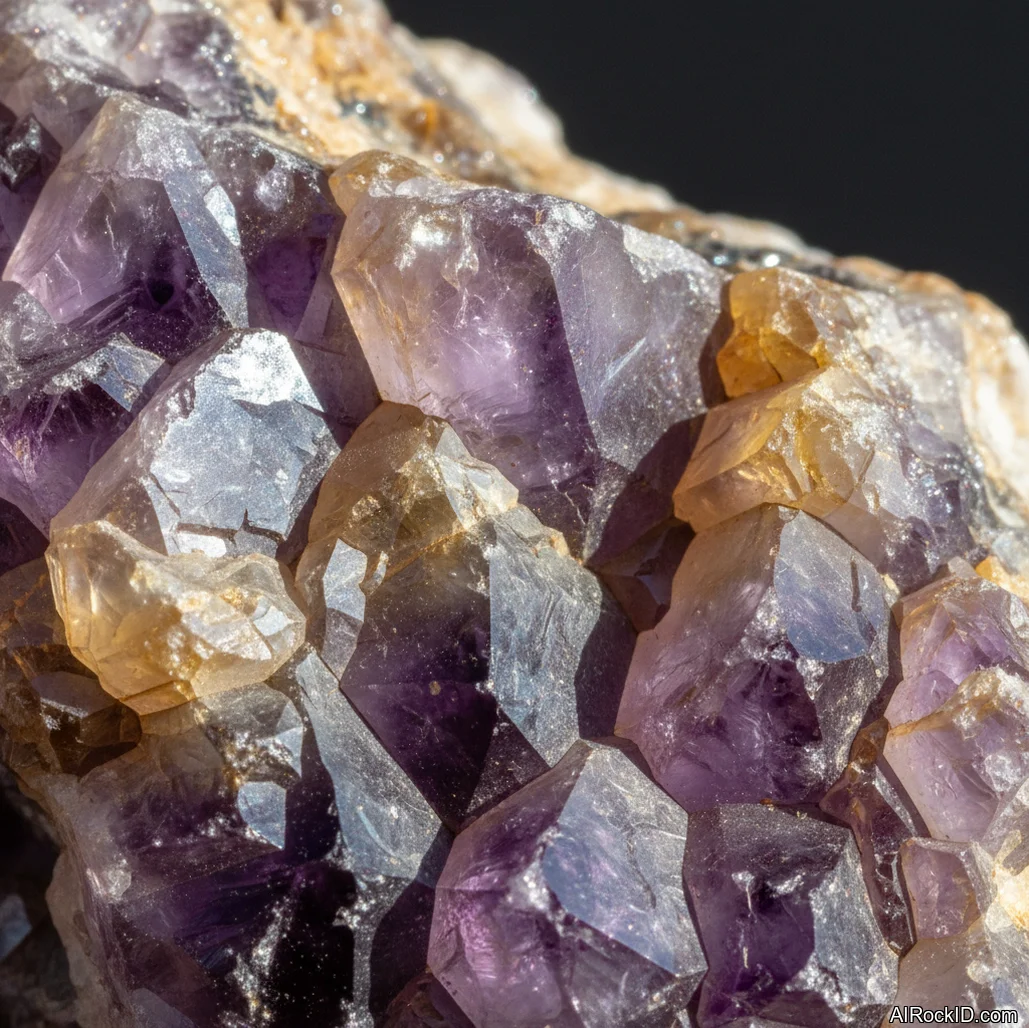
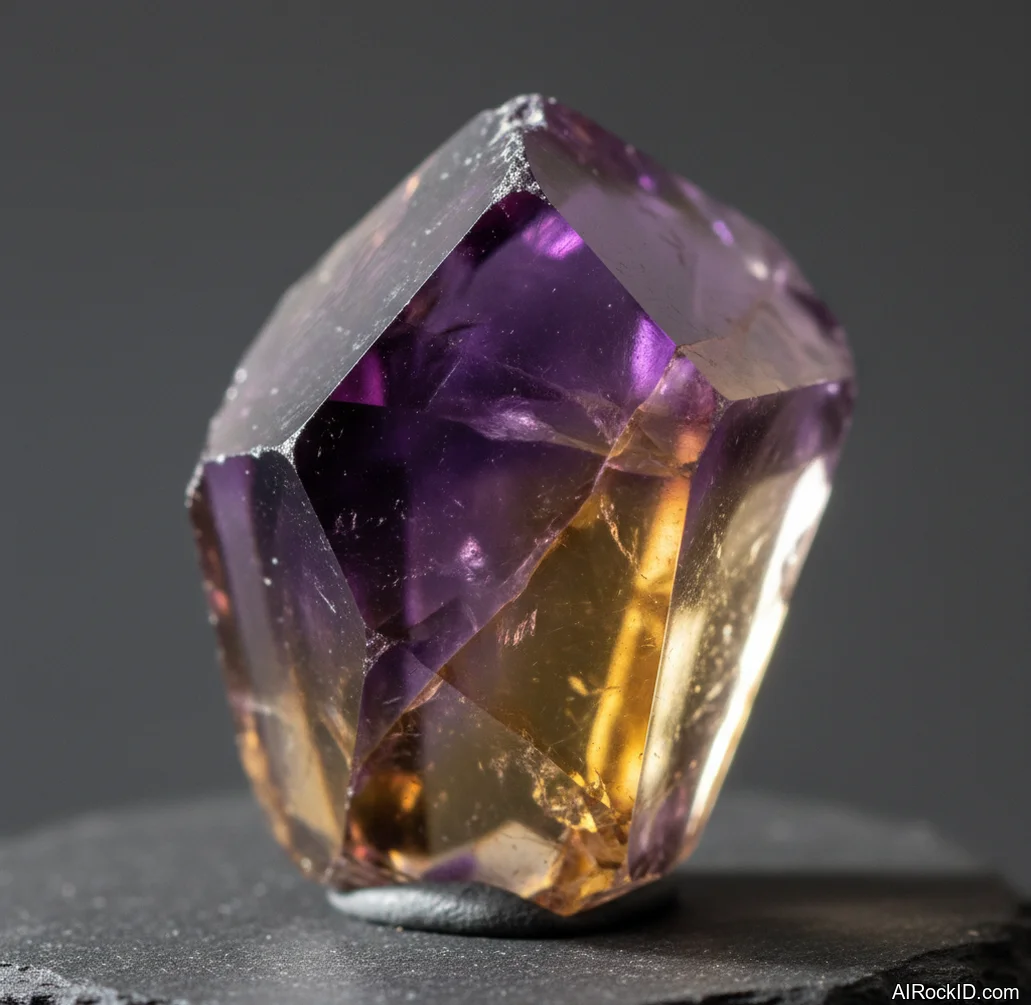
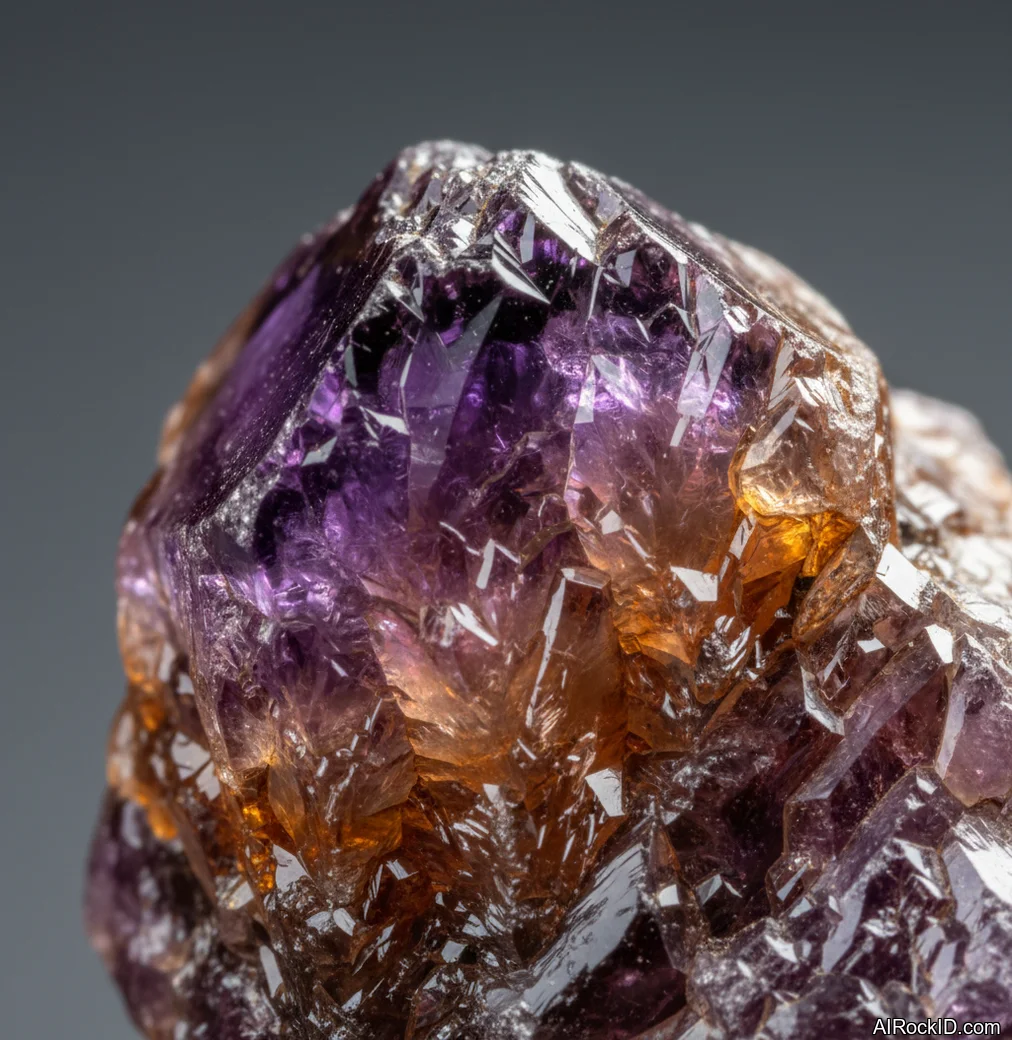
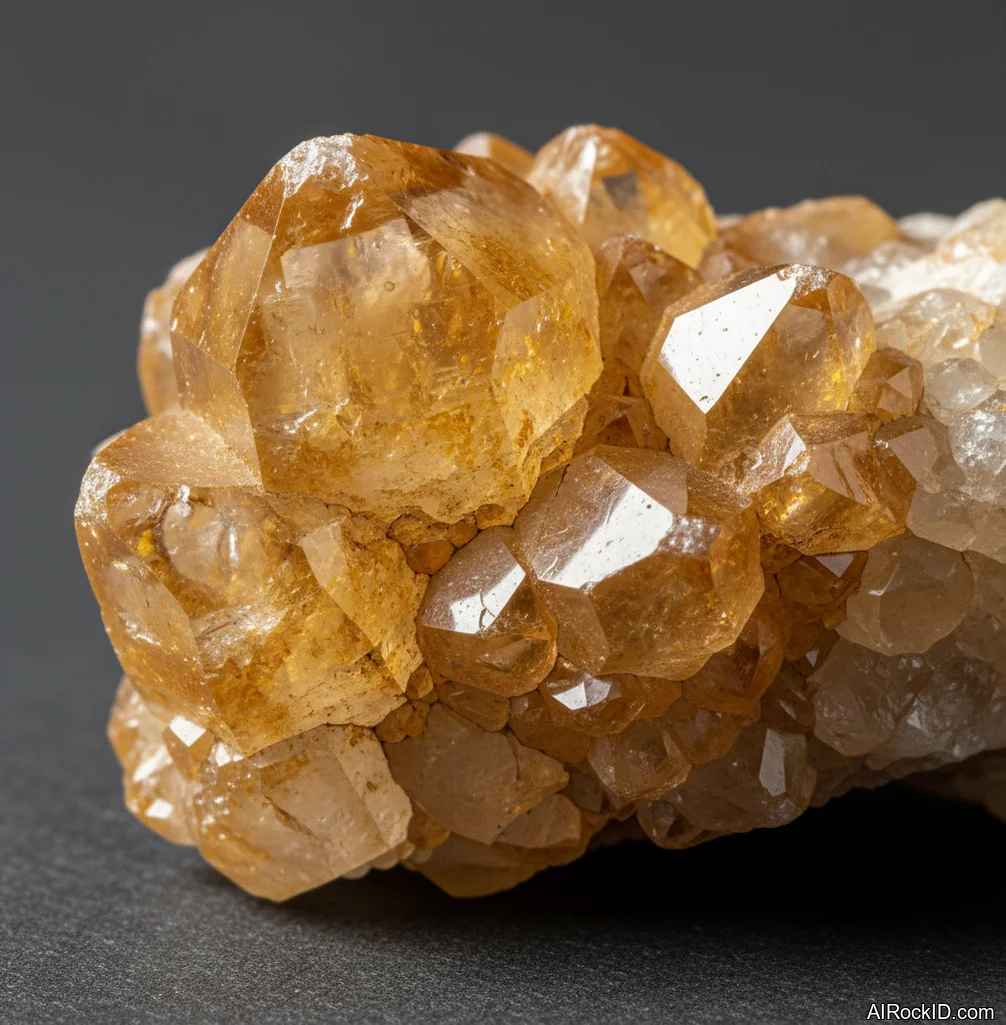
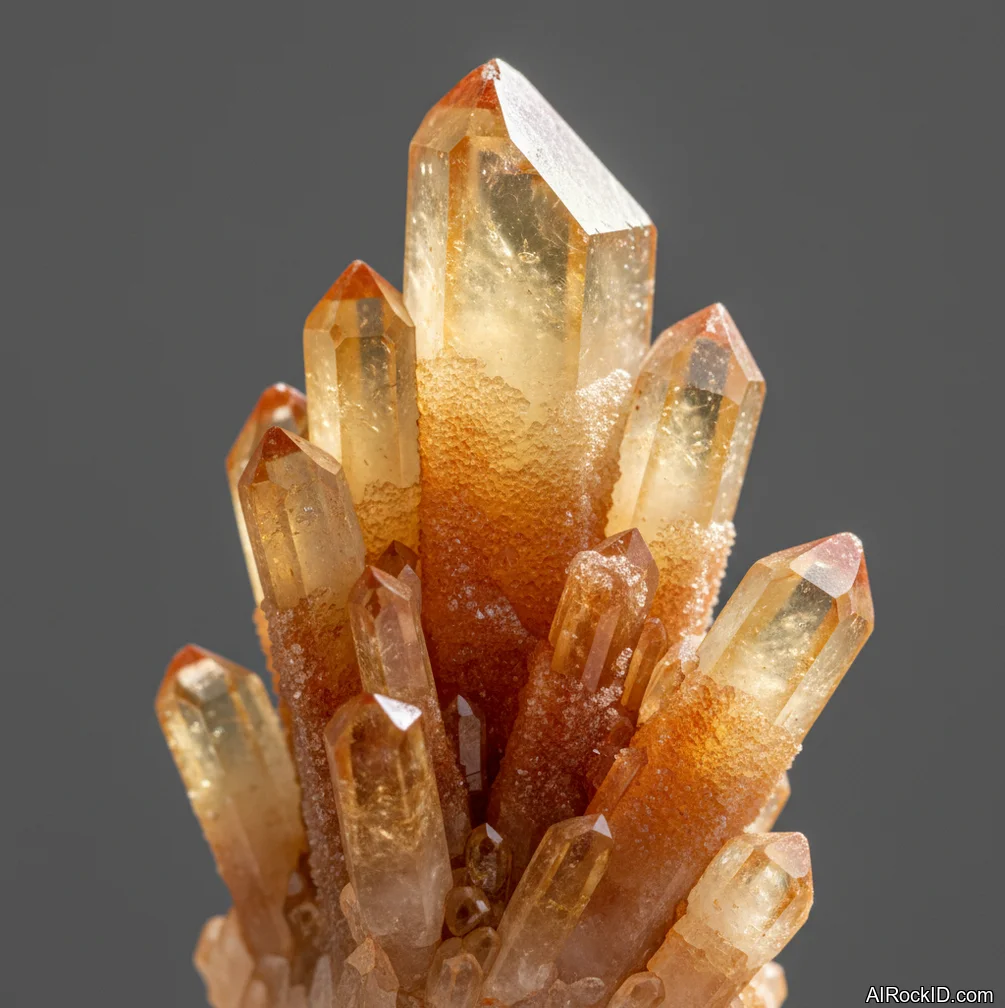
- Citrine: Natural citrine is quartz with yellow to brownish tones; many vivid orange pieces sold as citrine are heat-treated amethyst.
- Sunstone: Sunstone is feldspar and may show glittery aventurescence, unlike glass imitations with uniform sparkle.
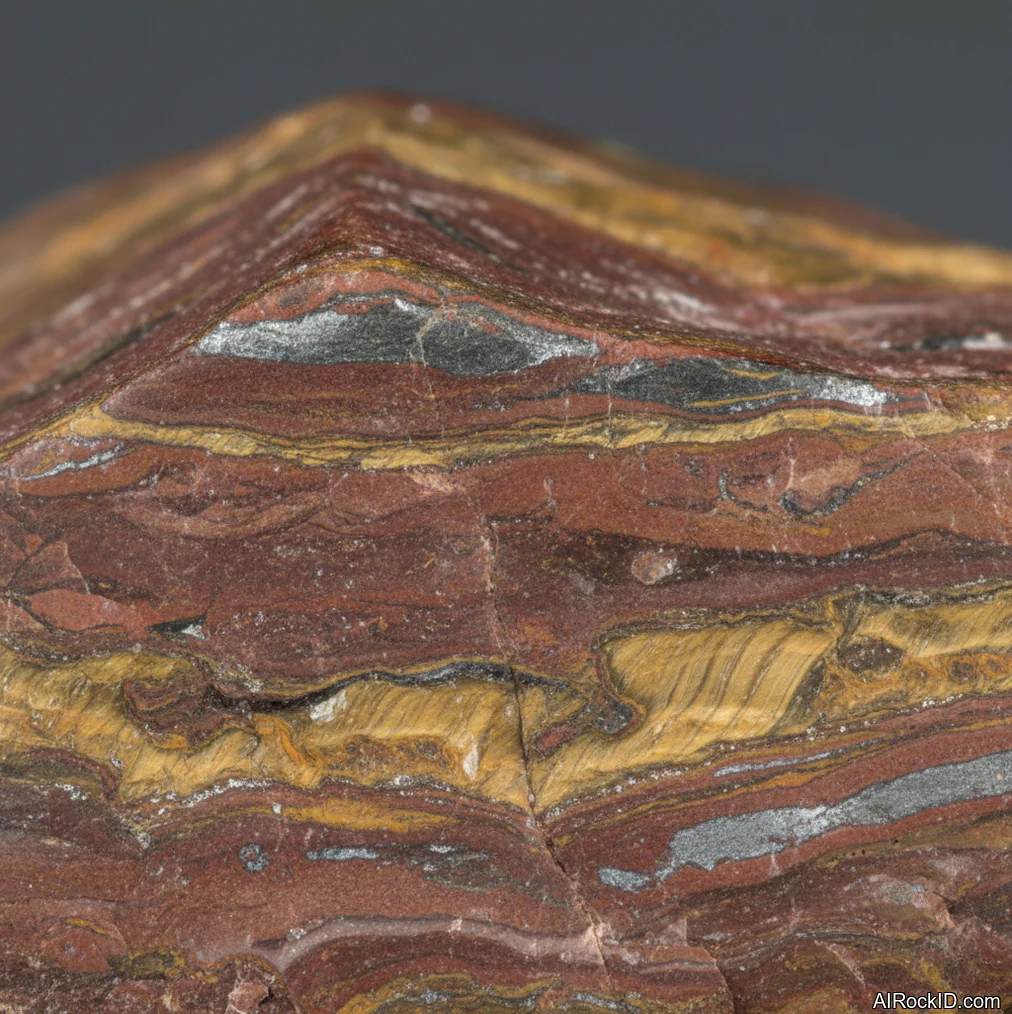
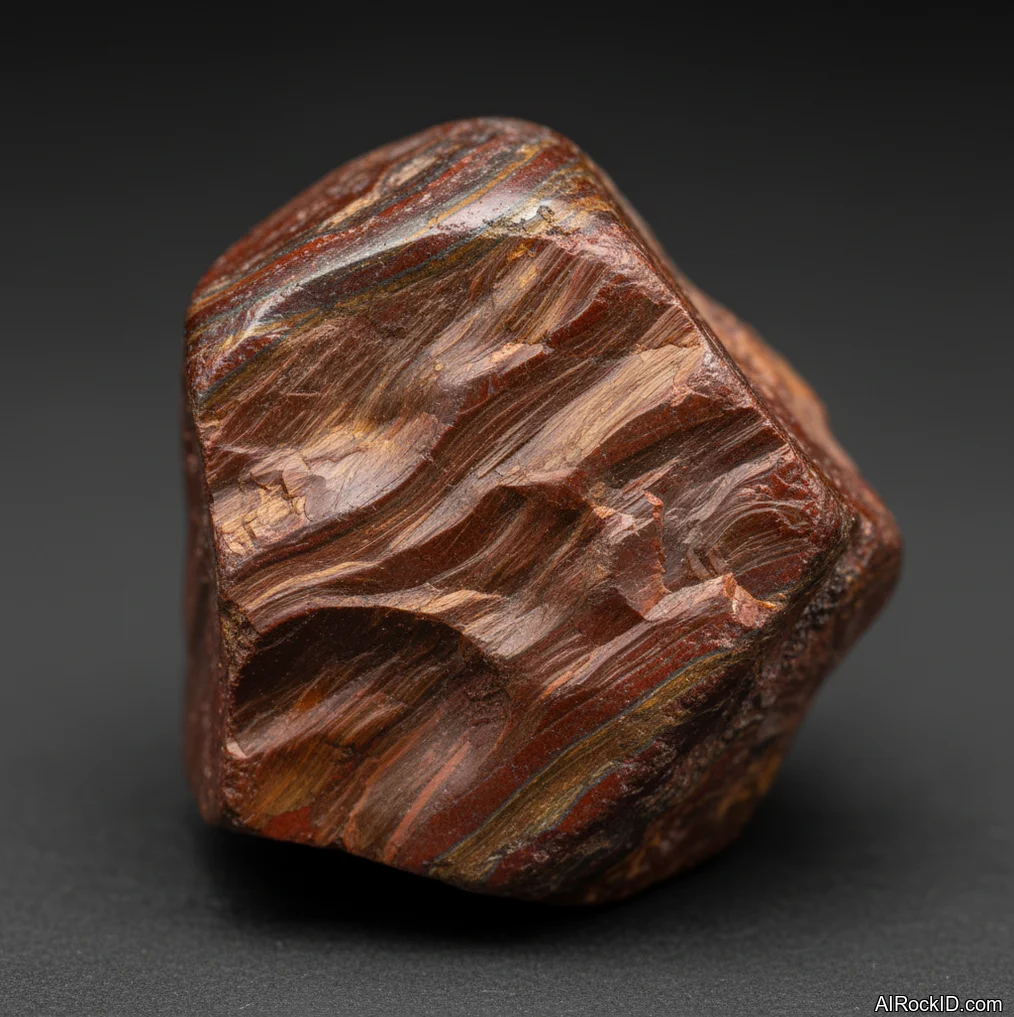
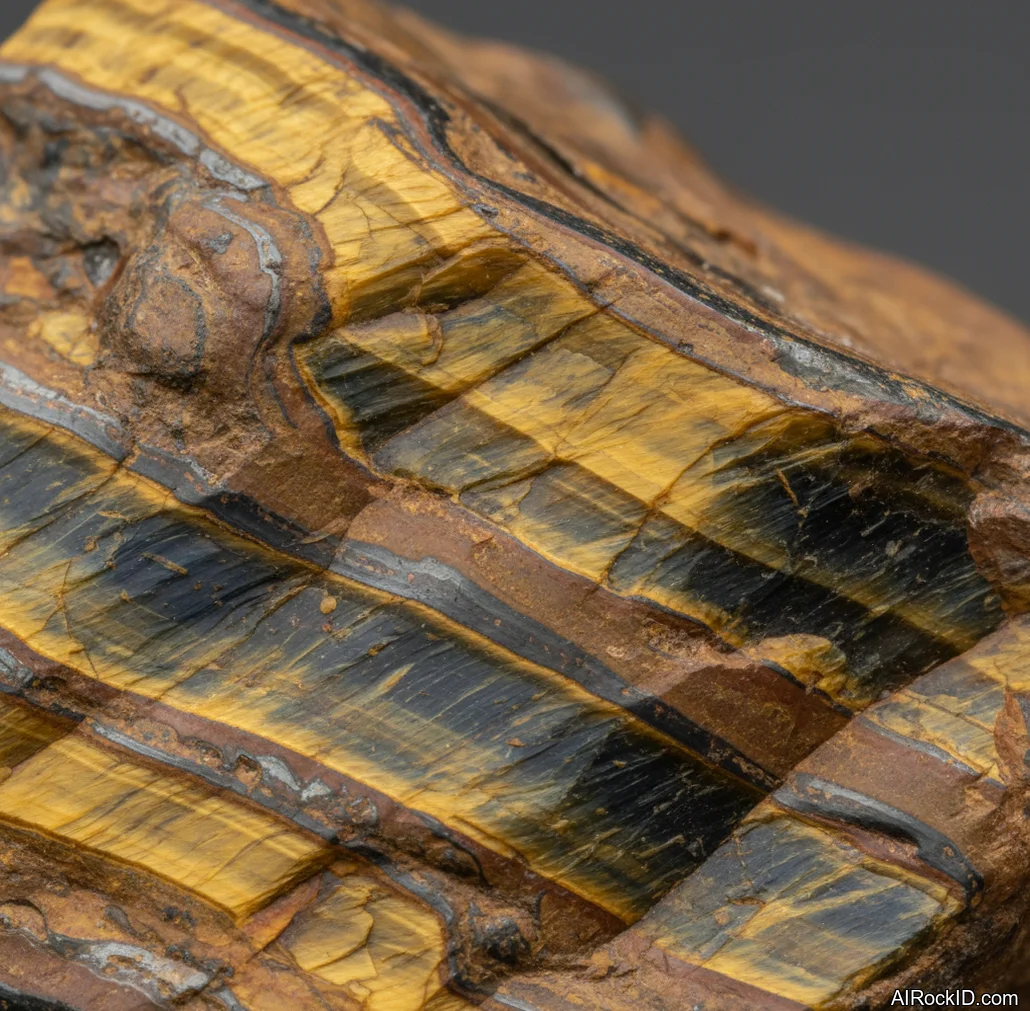
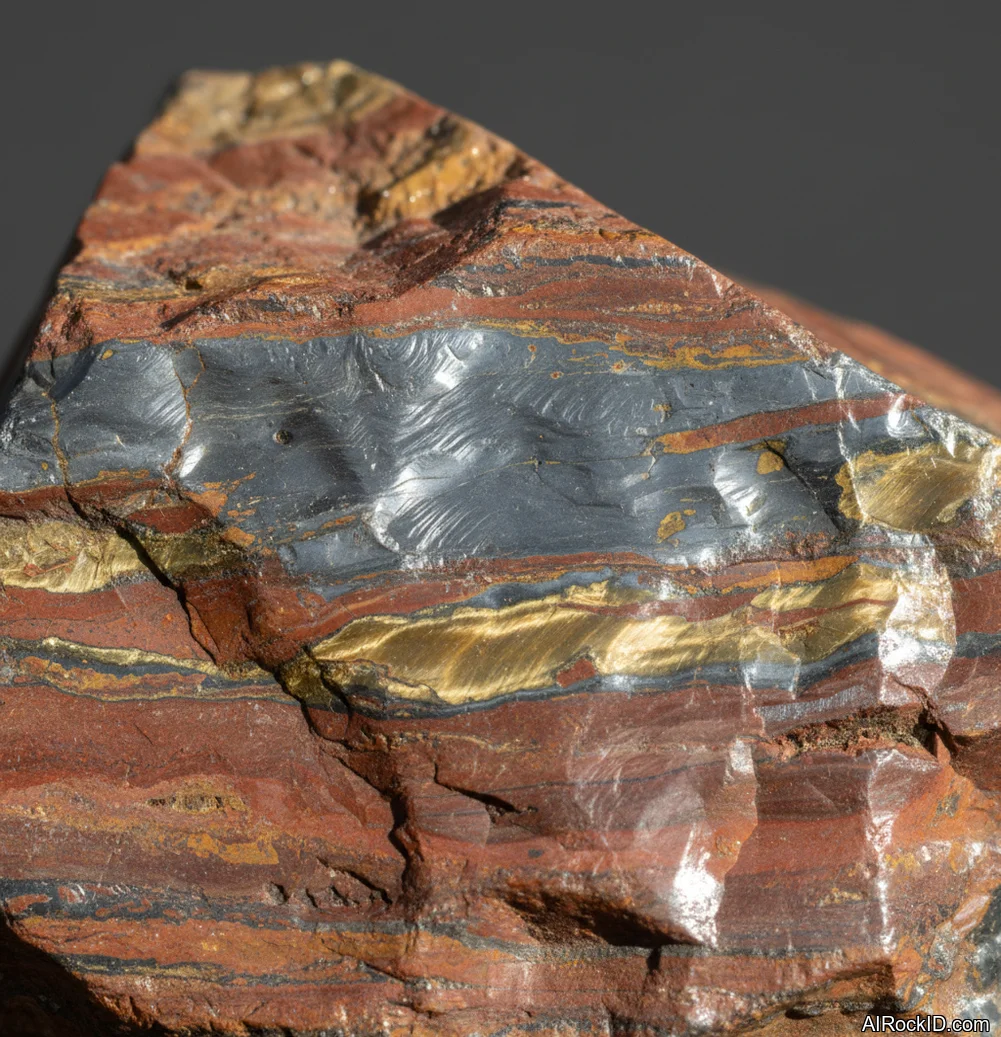
- Tiger's Eye: Tiger's eye has silky chatoyancy in bands, while dyed quartz or glass may show flat color without a moving light band.
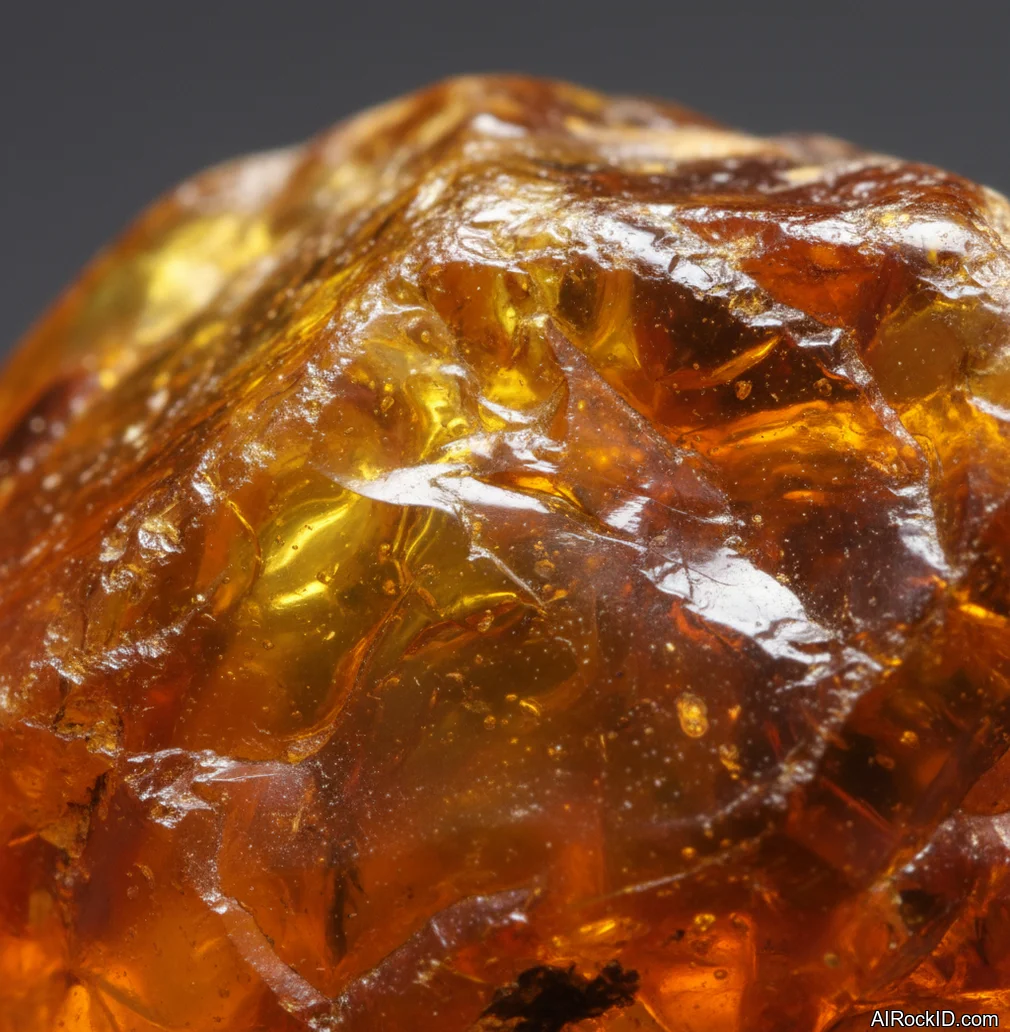
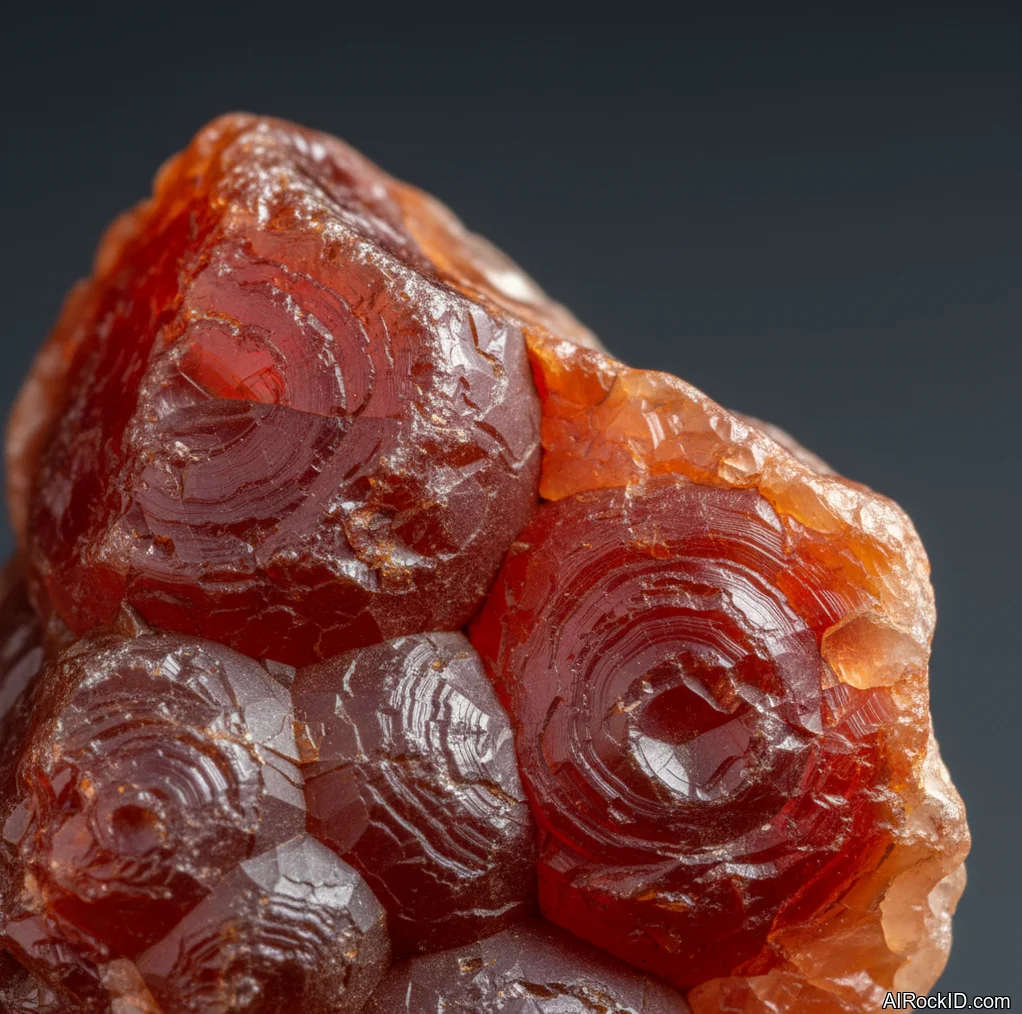
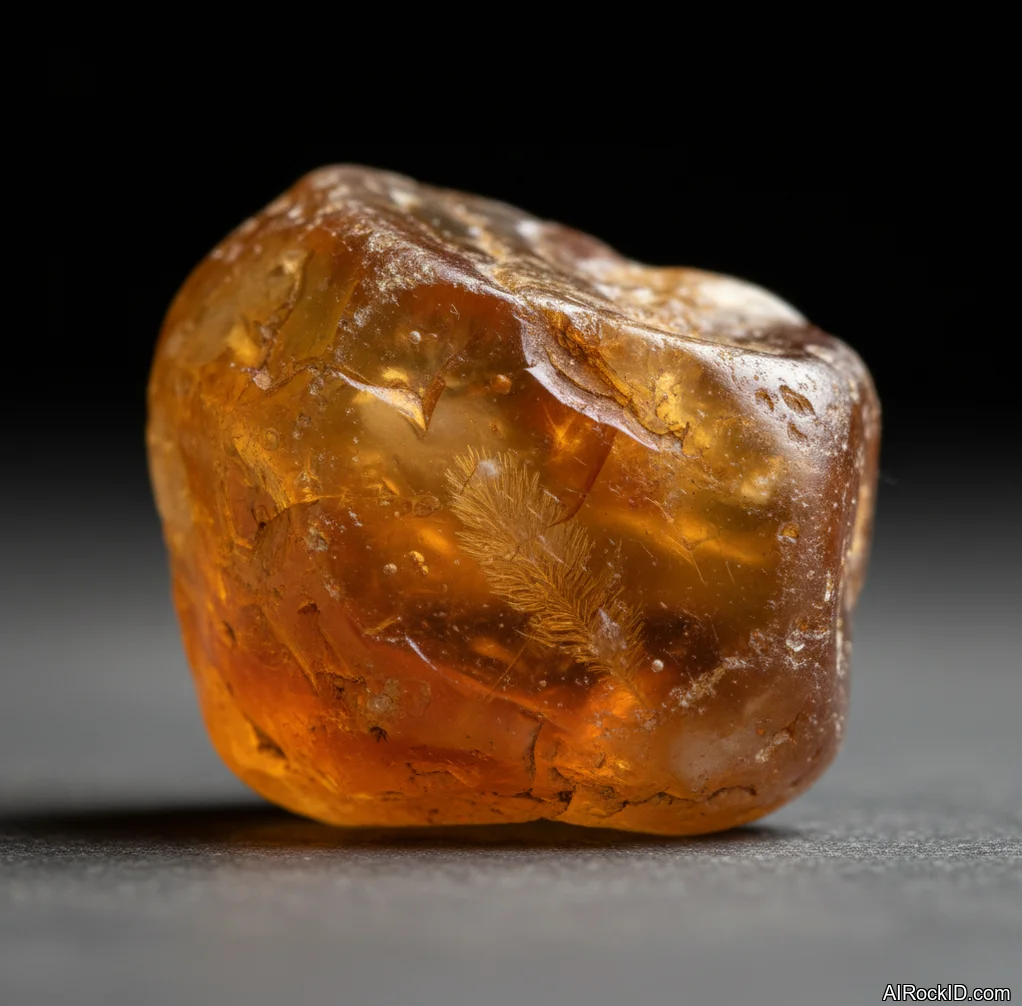
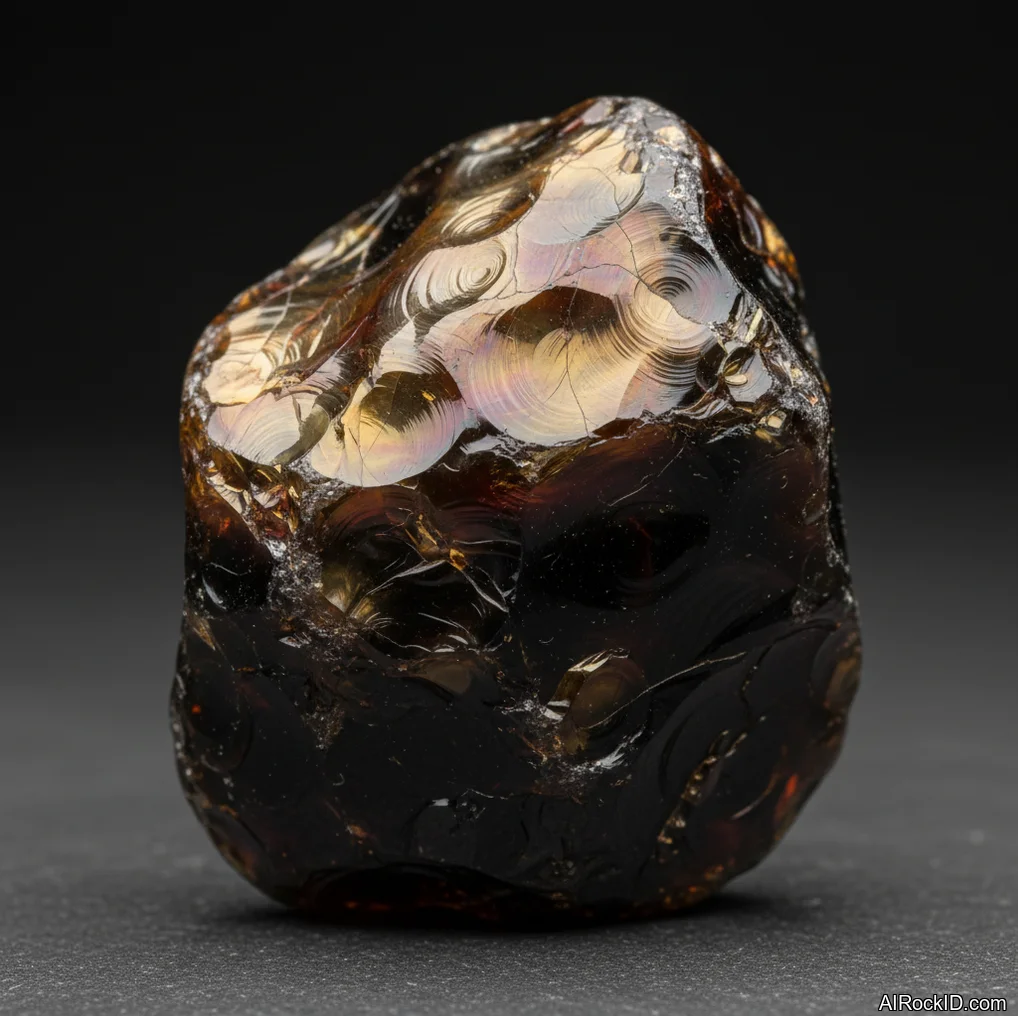
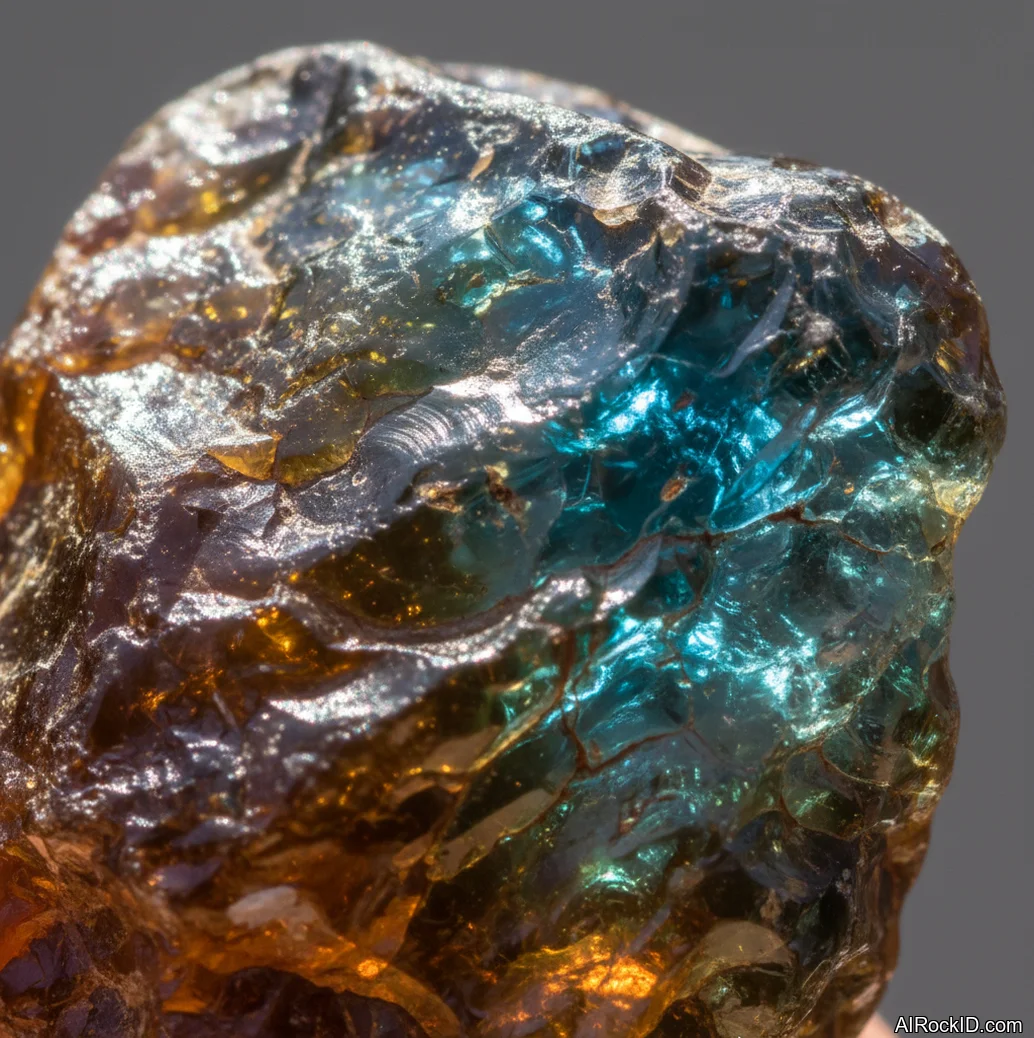
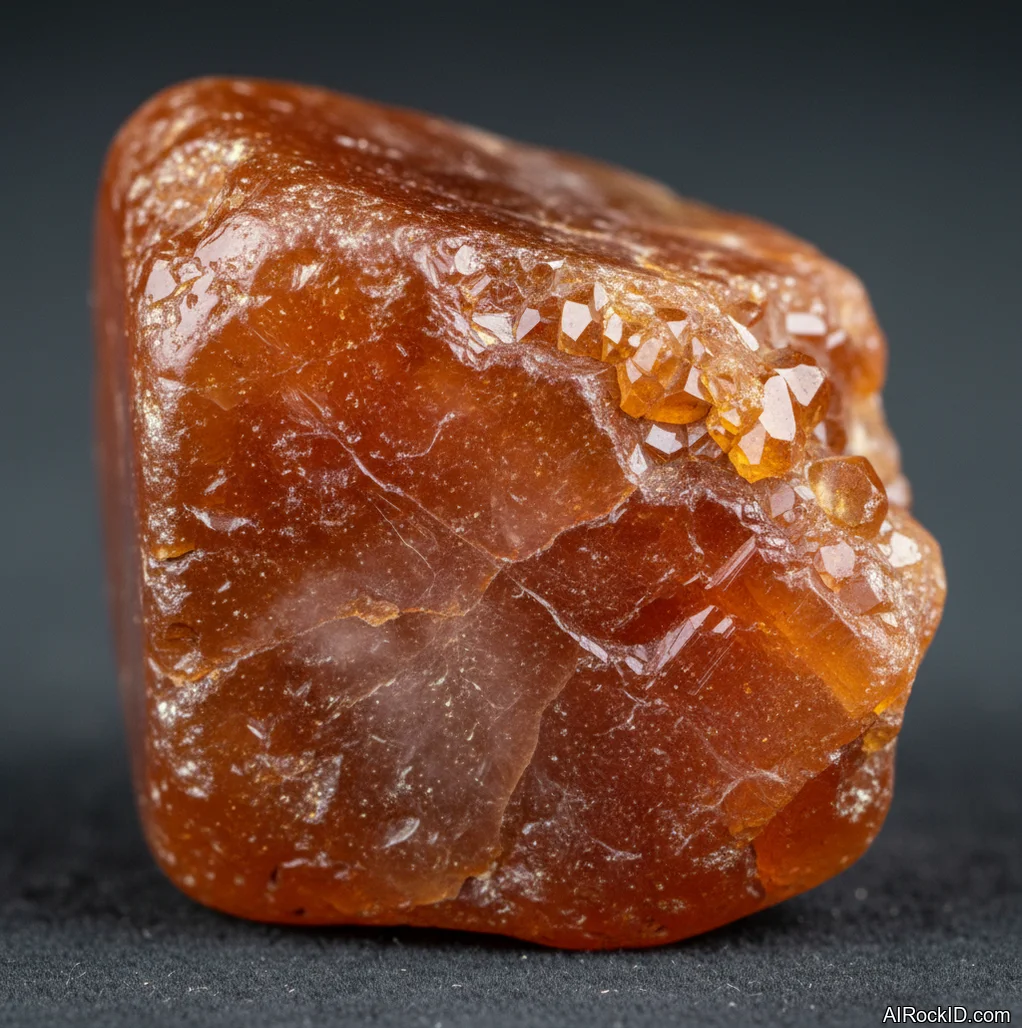
- Amber: Amber is fossilized resin, not a mineral, and is often confused with plastic or copal.
AI identification confidence
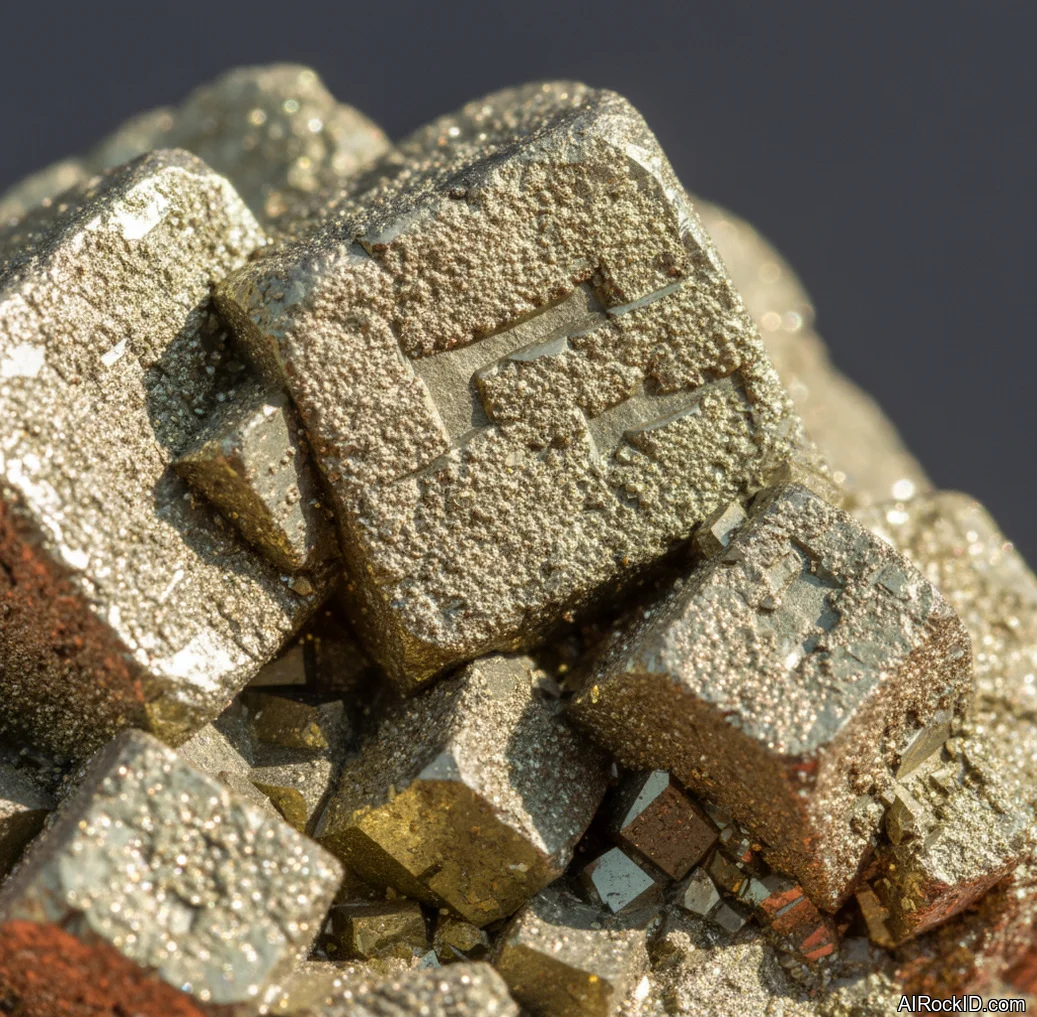
AI photo identification is often more reliable for Sun crystals with distinctive traits, such as tiger's eye chatoyancy, pyrite cubes, or sunstone aventurescence. Confidence is lower for polished yellow, orange, or gold stones because many species and treatments can look similar in photos.
When AI gets it wrong
- The stone is tumbled or polished, removing natural crystal habit and surface clues
- Lighting makes a pale stone appear more yellow, orange, or gold than it is
- The item is dyed, heat-treated, coated, or made from glass or resin
- Several quartz, feldspar, calcite, and glass materials share similar colors in photos
What this category represents
The Sun tag groups crystals that are commonly linked in modern metaphysical traditions with solar qualities such as confidence, vitality, warmth, leadership, and creative expression. This tag is symbolic rather than mineralogical, so stones listed here may come from many different mineral families, colors, hardness levels, and geological origins.
Beginner recommendations
Advanced recommendations
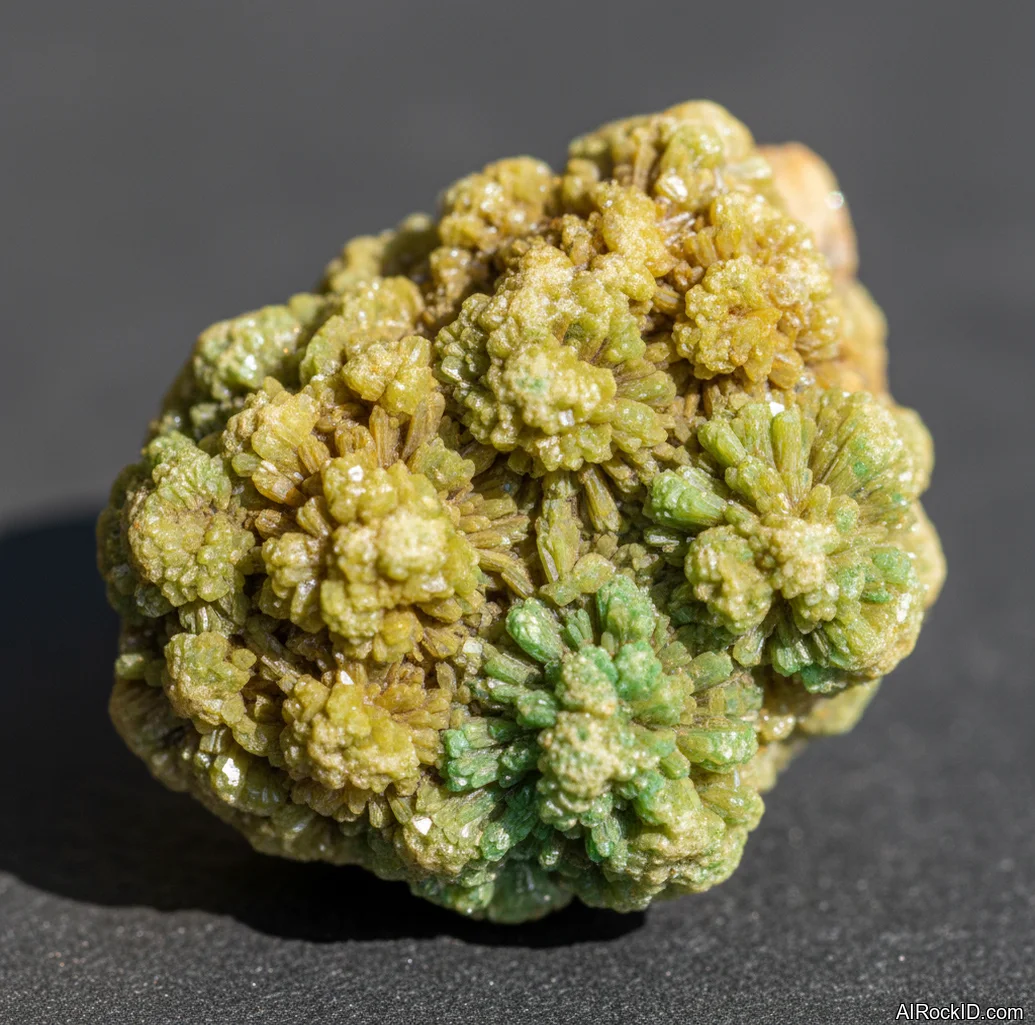
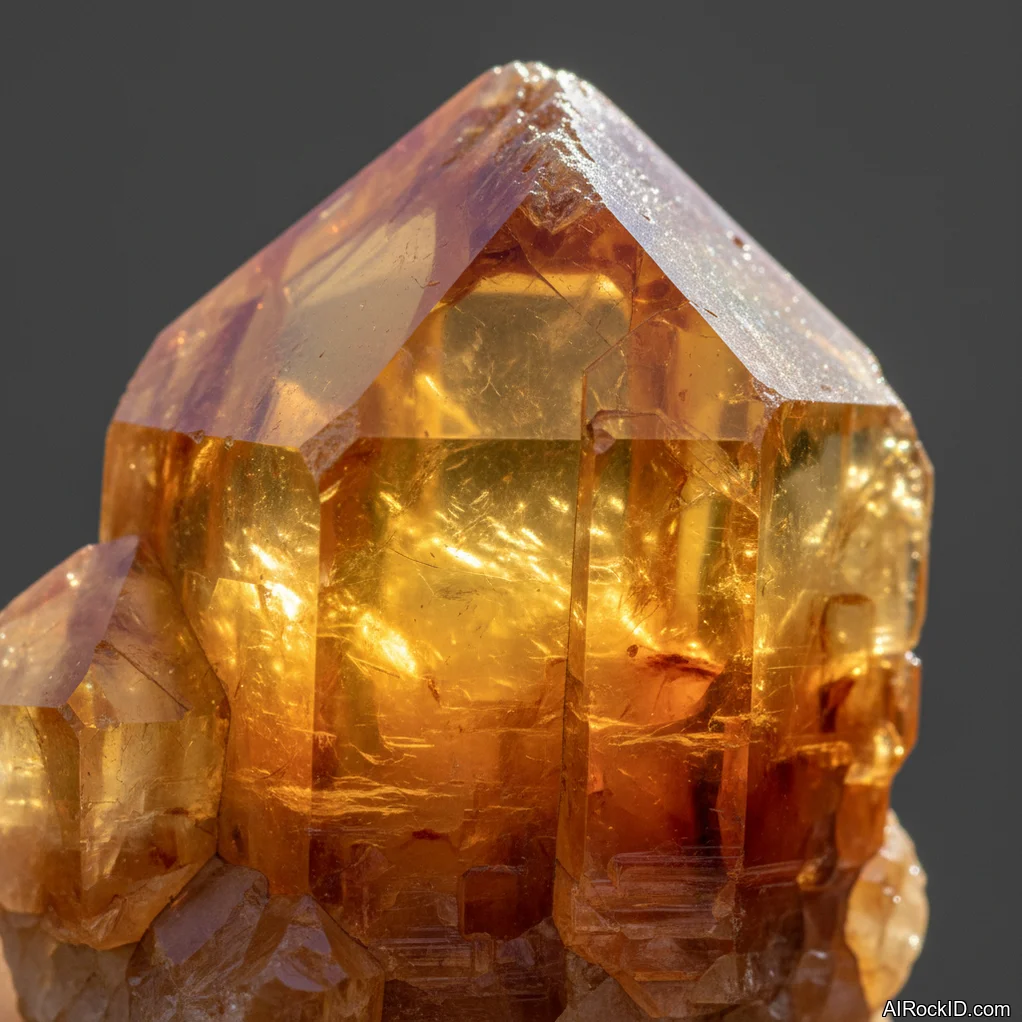
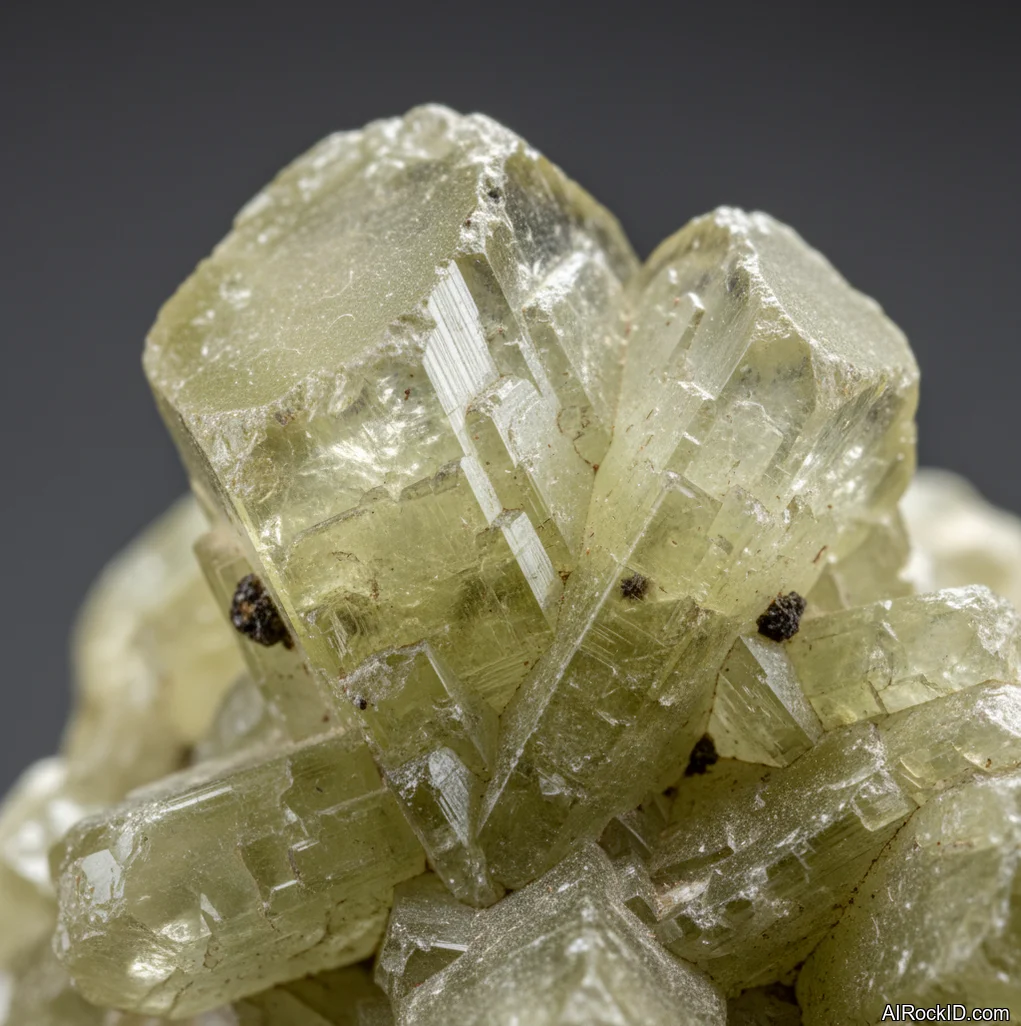
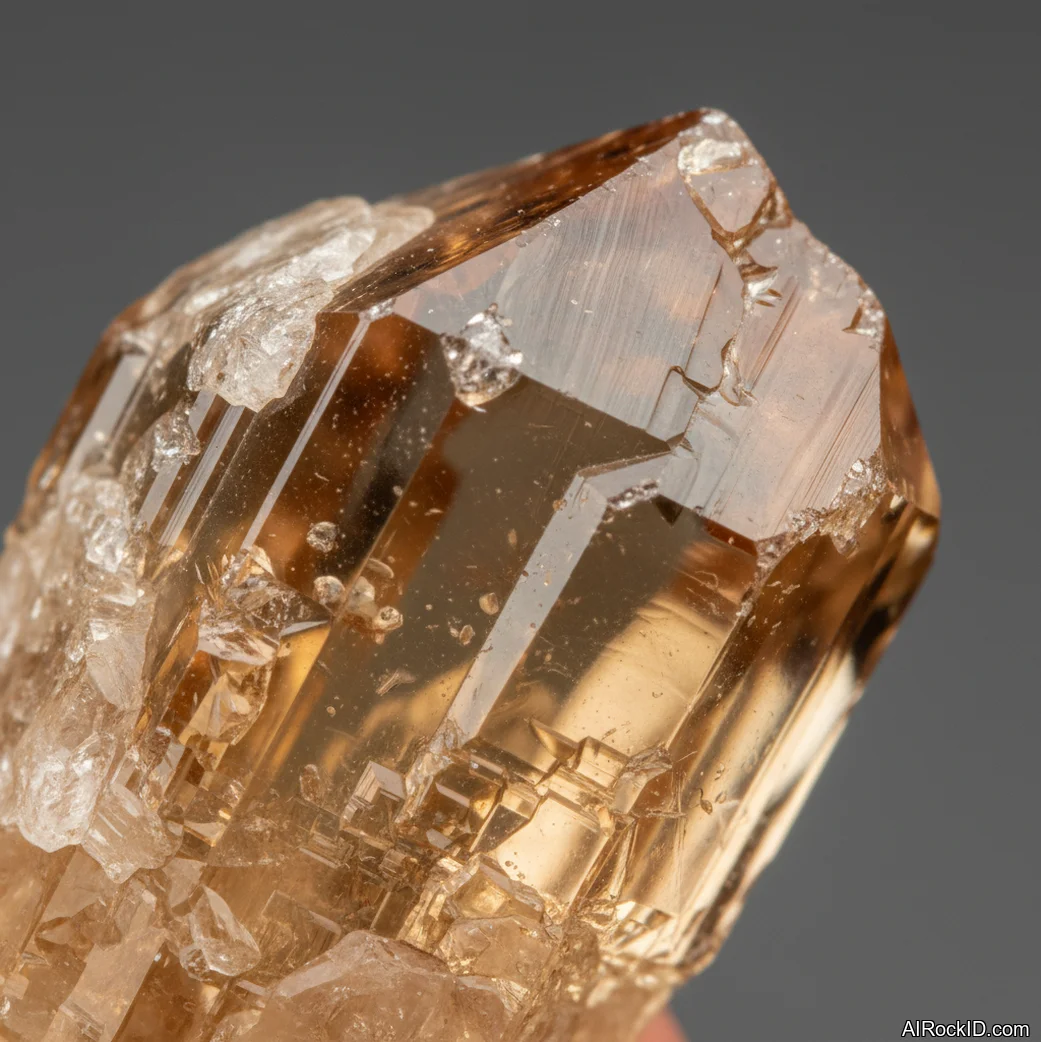
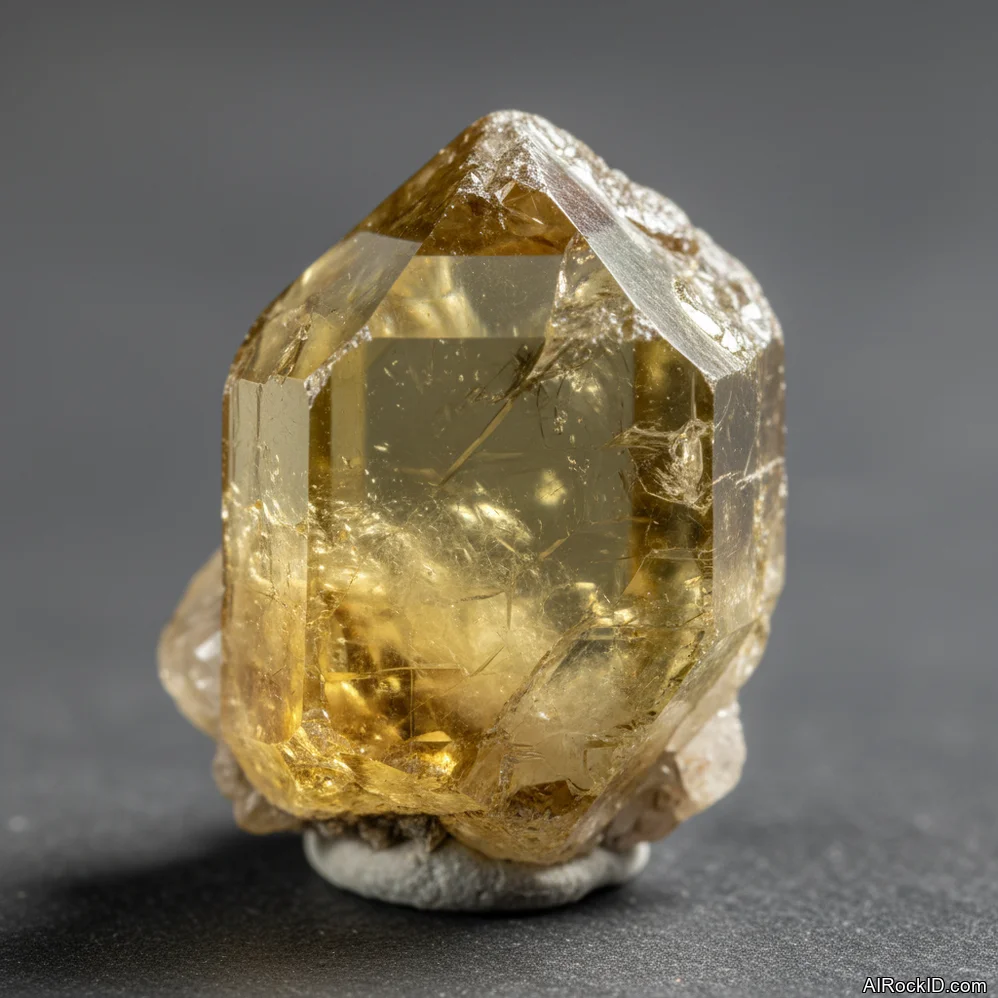
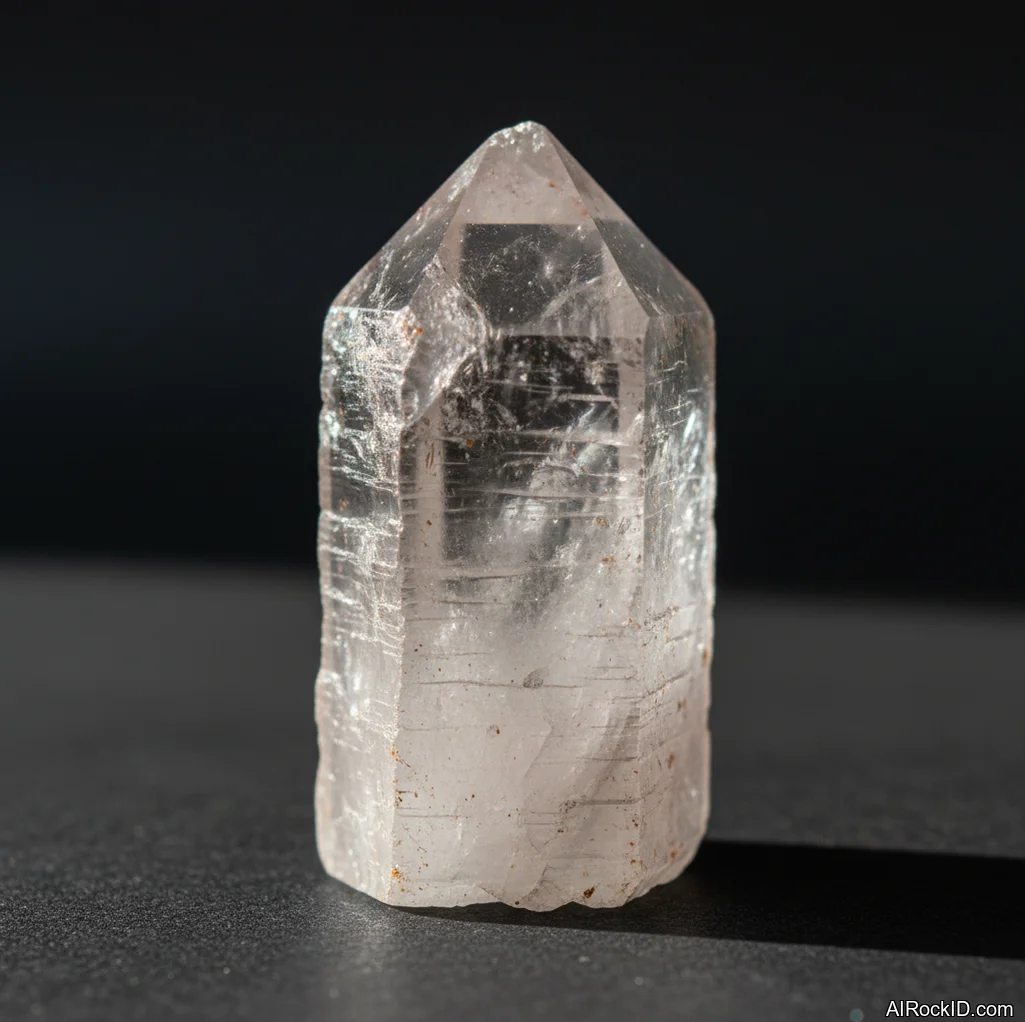
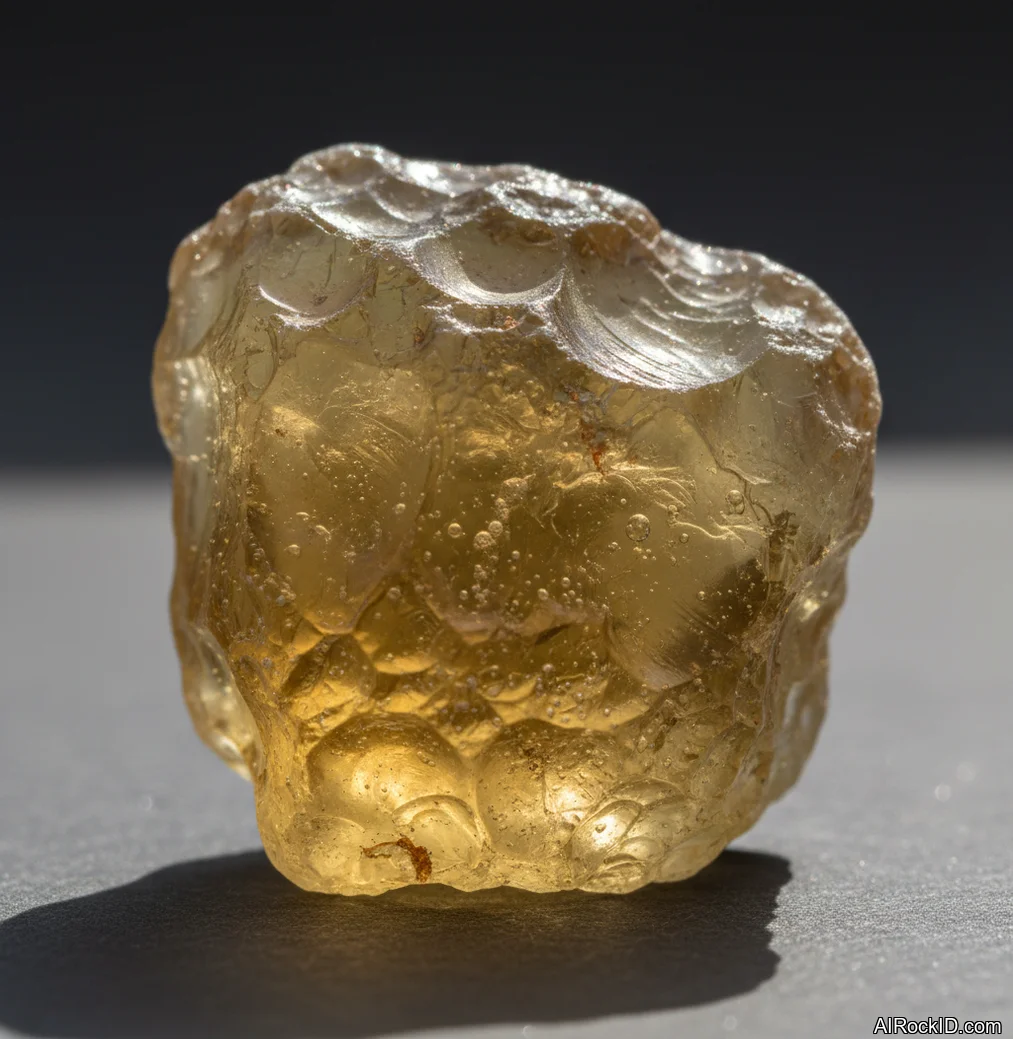
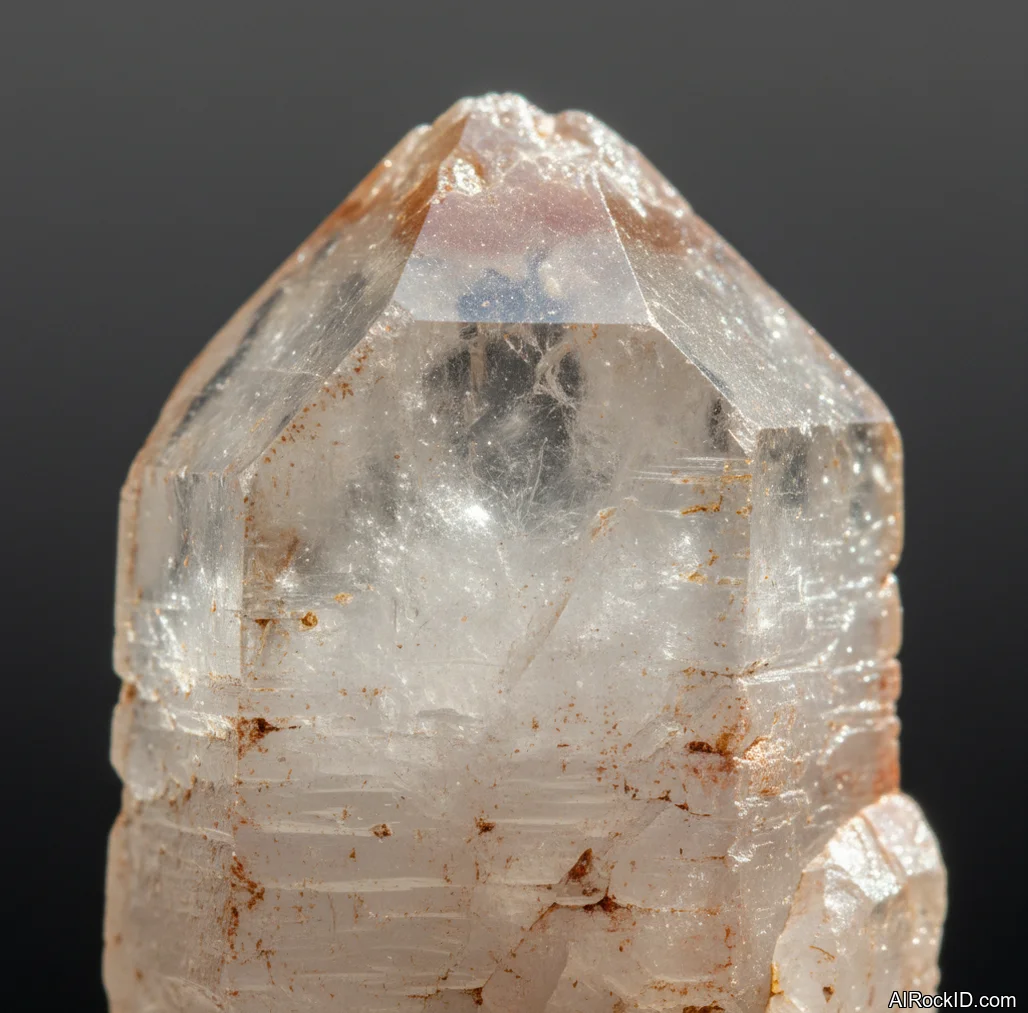
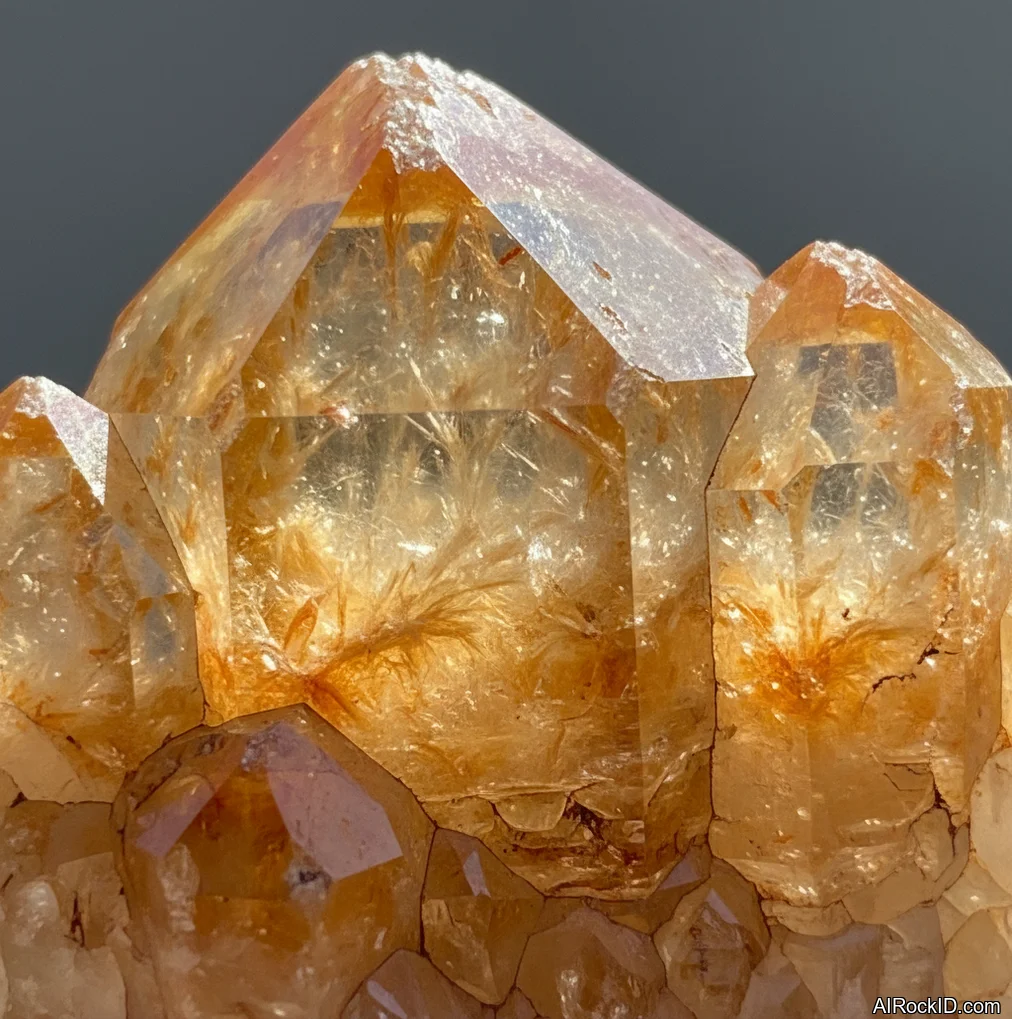
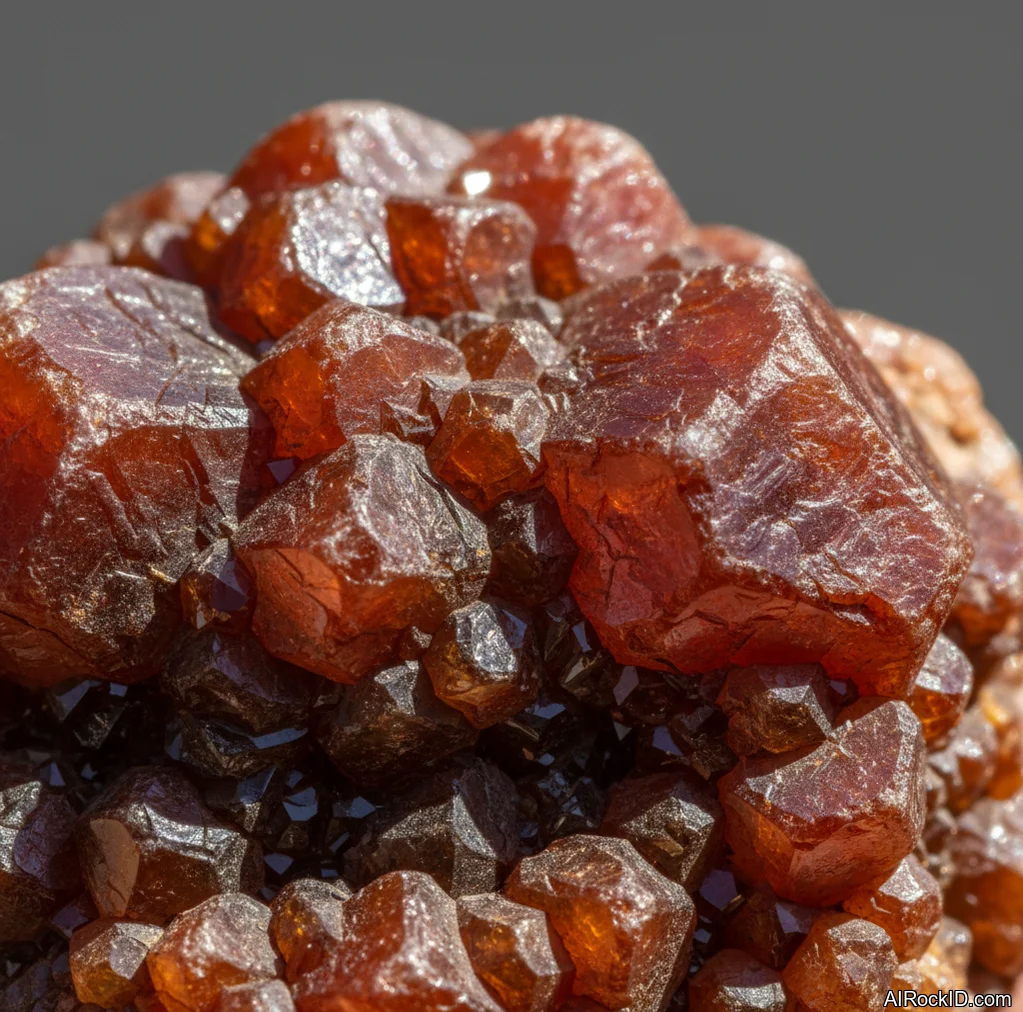
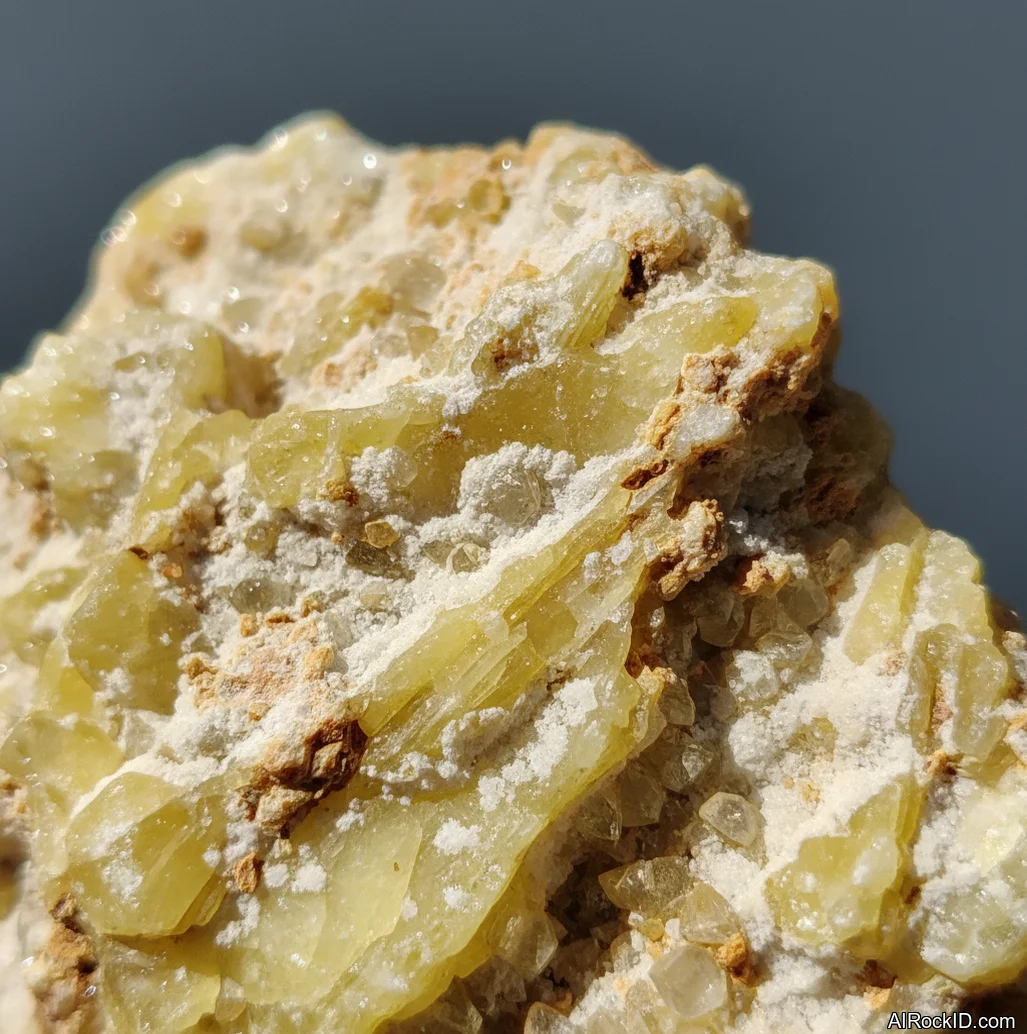
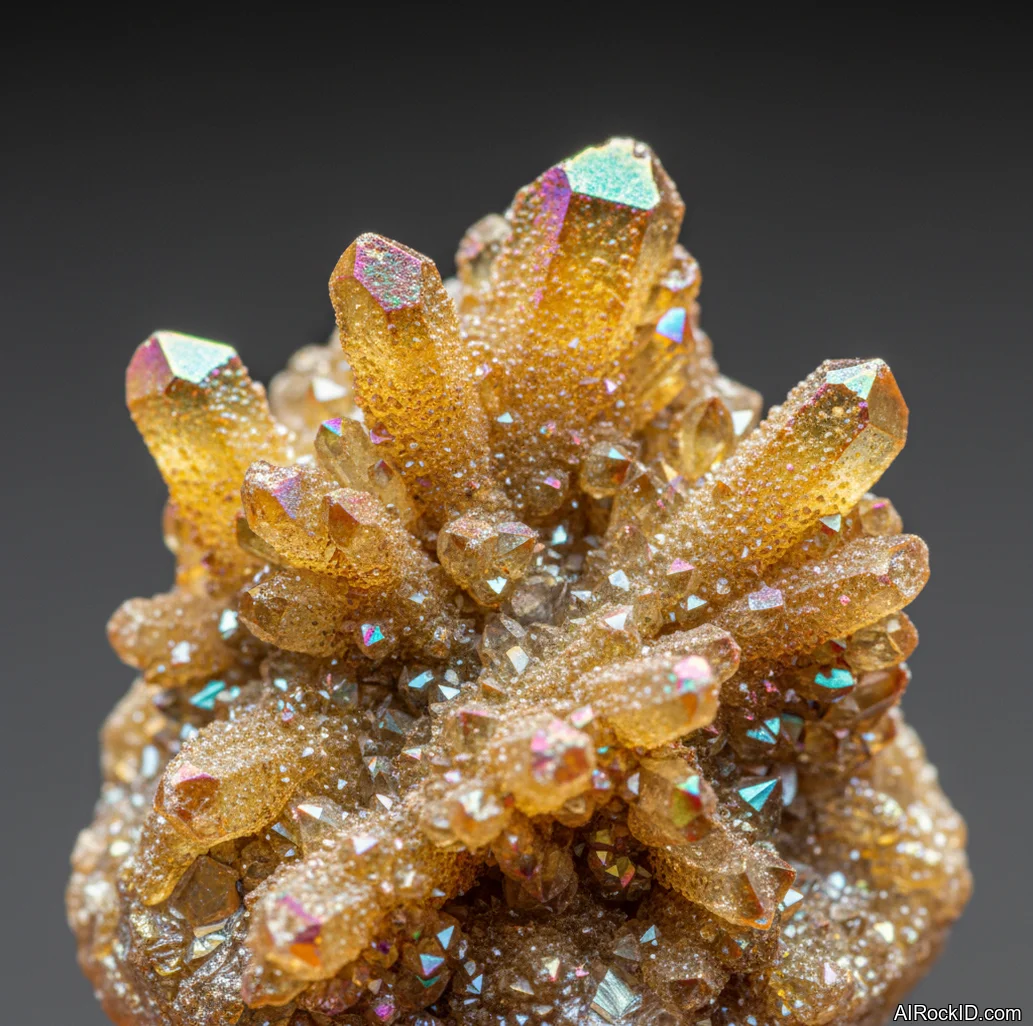
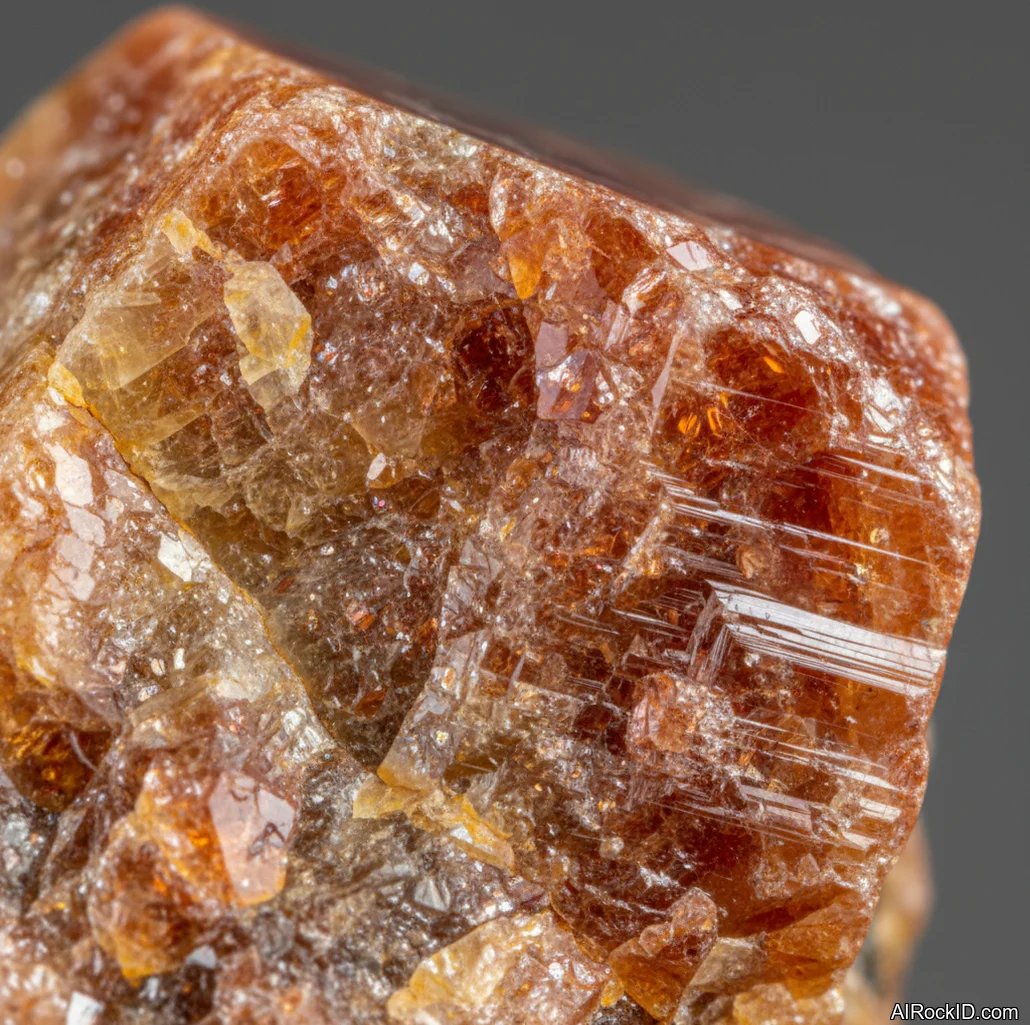
- Heliodor
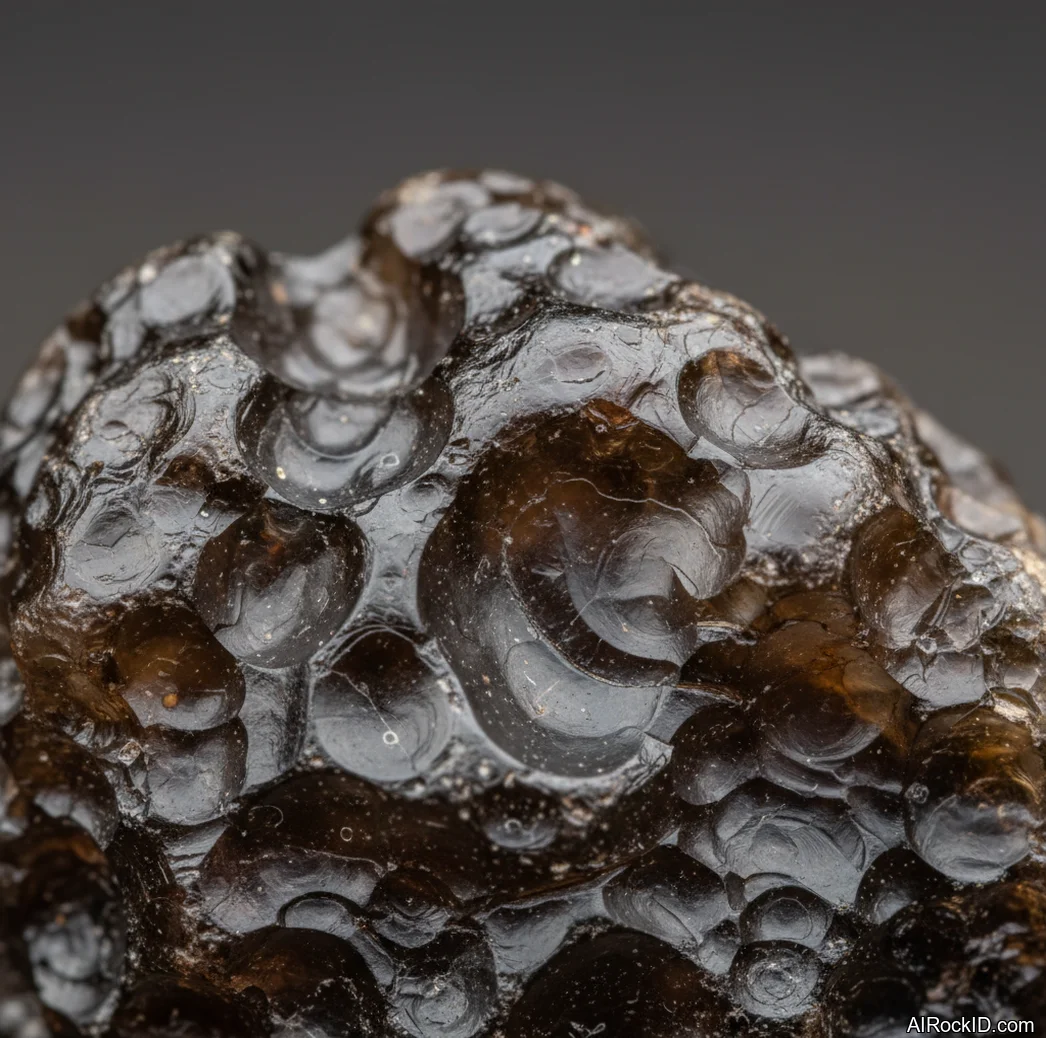
- Imperial Topaz
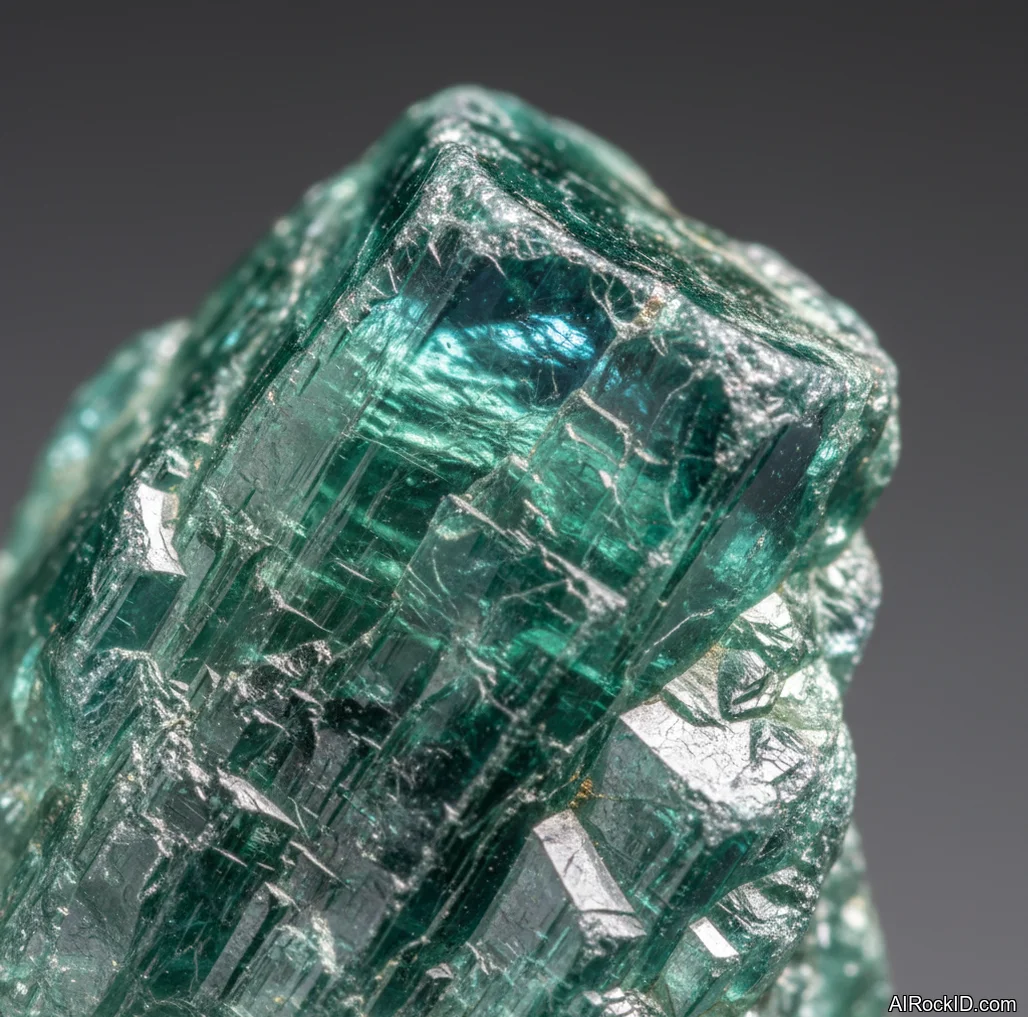
- Oregon Sunstone
Color Is Not the Same as Sun Association
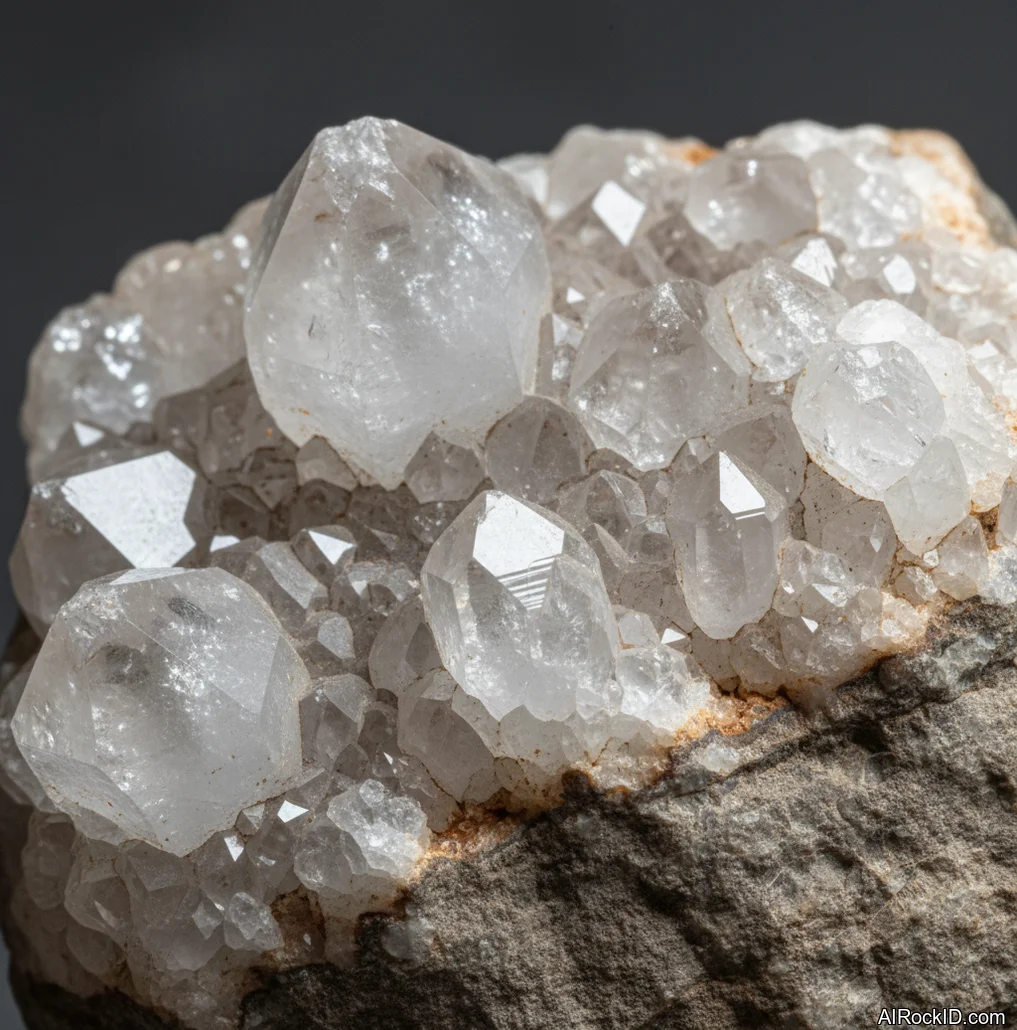
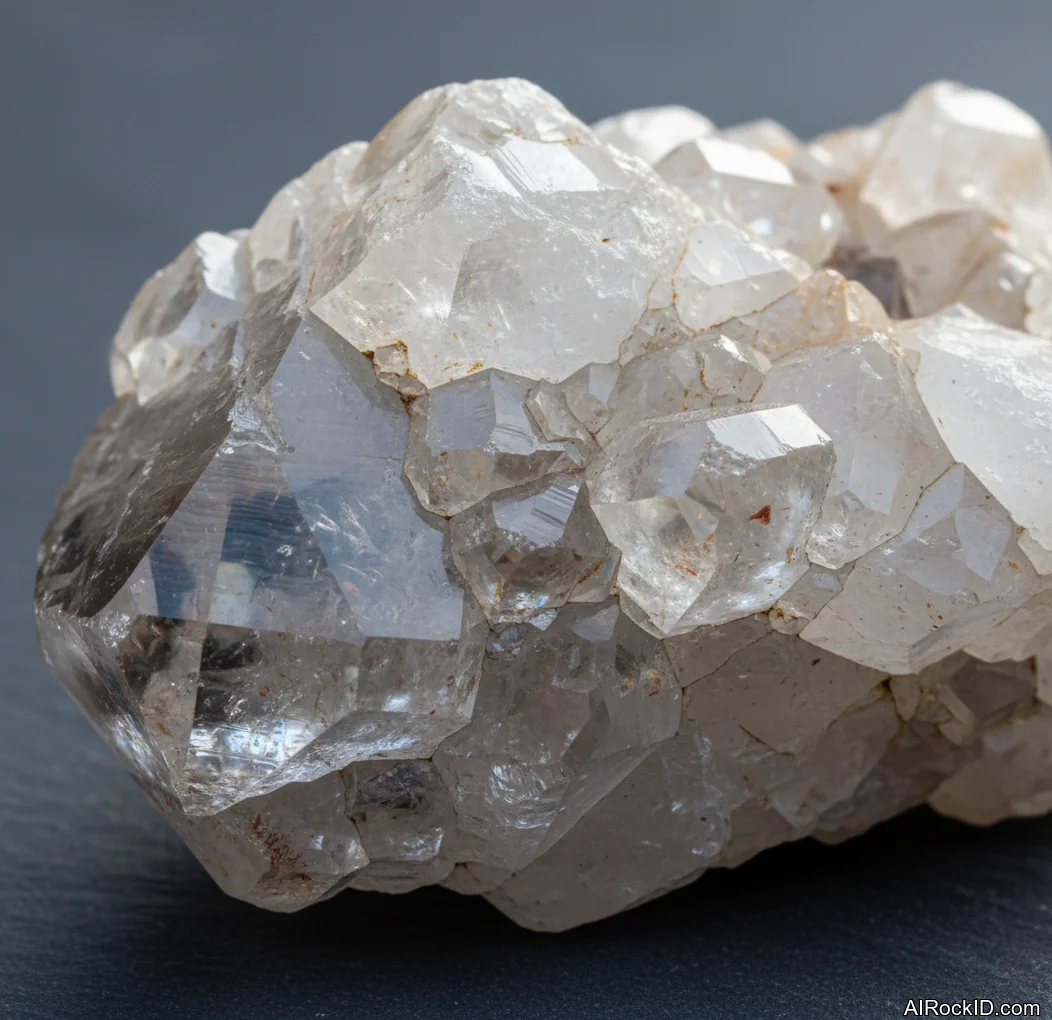
Many Sun crystals are yellow, orange, gold, or bronze, but color alone does not define the tag. Clear quartz, feldspar, resin, glass, calcite, and many treated stones can share similar warm colors while having different identities and care needs.
Natural, Treated, and Imitation Sun Stones
Some stones associated with Sun energy are commonly treated or imitated, including heat-treated citrine, dyed agate, coated quartz, imitation amber, and glitter glass sold as sunstone. Seller disclosure, magnification, hardness checks, and density or UV observations can help separate natural specimens from altered or artificial materials.
Planetary Tags and Mineral Classification
A planetary tag describes symbolic use in crystal traditions, not a scientific classification. A Sun crystal may be a silicate, carbonate, sulfide, organic material, or glass imitation, so identification should rely on observable mineral properties rather than the tag name.
What Are Sun Crystals? Meaning and Core Qualities
Ask a collector what 'Sun' means in crystal circles, and you won't get a NASA answer. In this world, Sun is shorthand for wanting to stand out, get moving, and actually feel awake in your own life. It's about looking for that clean jolt of purpose—something that turns the lights on inside. Sun crystals are the stones people grab when they're tired of hiding, stuck in a rut, or craving more recognition. You see it in the way people build shelves for 'confidence' or 'energy' stones, grouping Citrine, Sunstone, Tiger's Eye, Pyrite, Goldstone, and Amber together because they look and feel bright. It's not about the science. It's about the mood these stones set—warmth, drive, visibility, and a kind of personal sunrise.
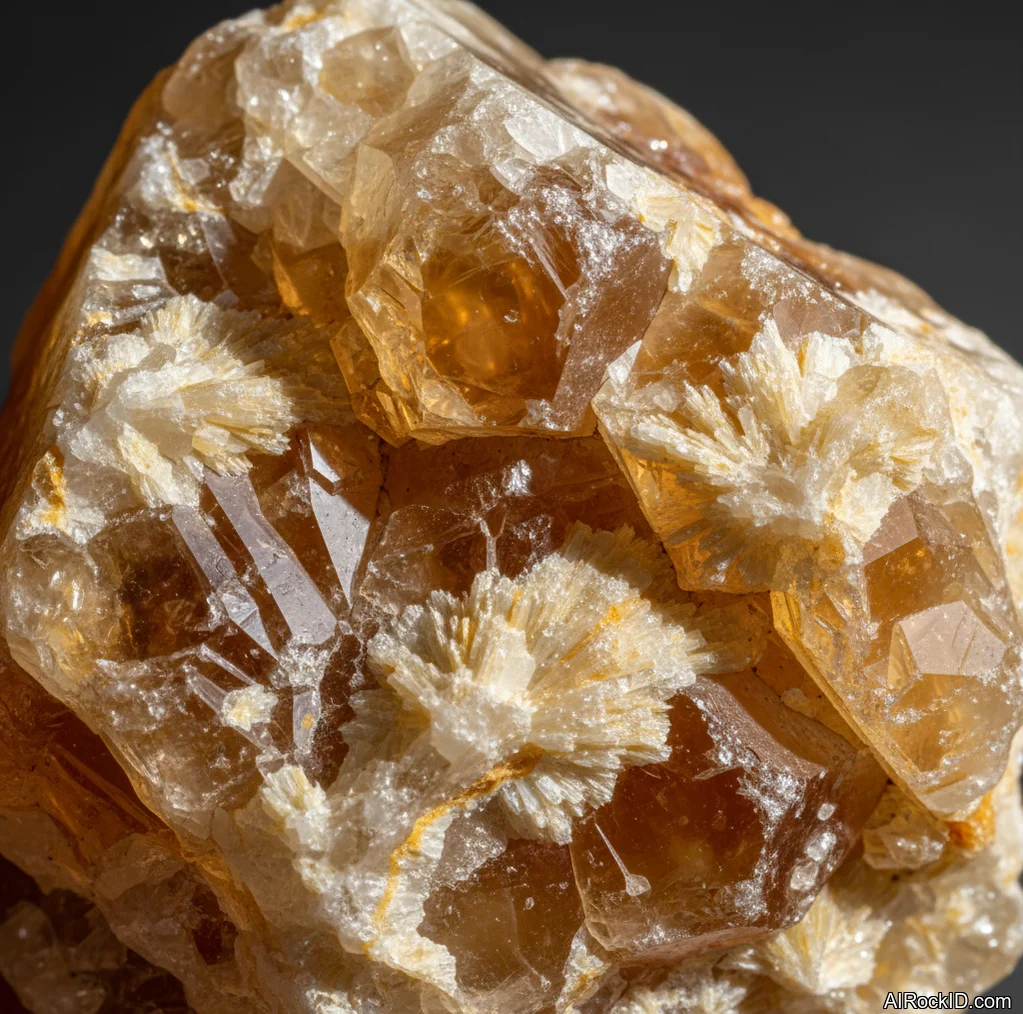
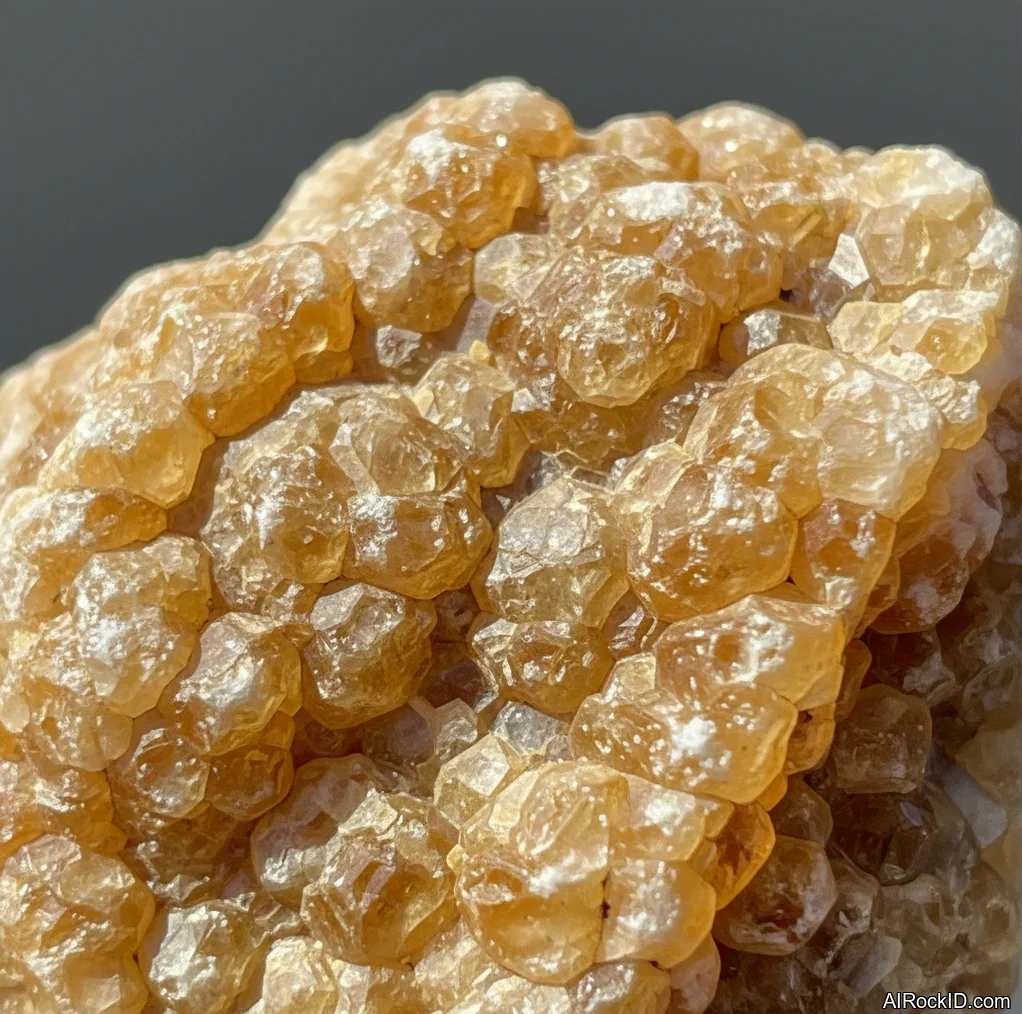
Pick up a real Sunstone and you'll see why it tops the list. Under a desk lamp the aventurescence catches—flecks of copper or hematite flash and vanish as you tilt it. It stays cool to the touch, even if the inside looks like it captured a sunbeam. Cheap pieces online often lack that shimmer, or they're just colored glass. You learn fast how to spot the difference.
How Sun Crystals Are Used: Confidence, Visibility, and Vitality
People reach for Sun crystals when they need a push—job interviews, new projects, or crawling out of a slump. It's less about 'luck' and more about showing up. Citrine gets called the 'merchant's stone' because shop owners like it for sales counters, hoping it draws in attention (and cash). Tiger's Eye gets picked for its bold chatoyancy, those golden stripes that move as you turn the stone. The effect is real—hold a piece in sunlight and watch the band shift like an eyelid opening.
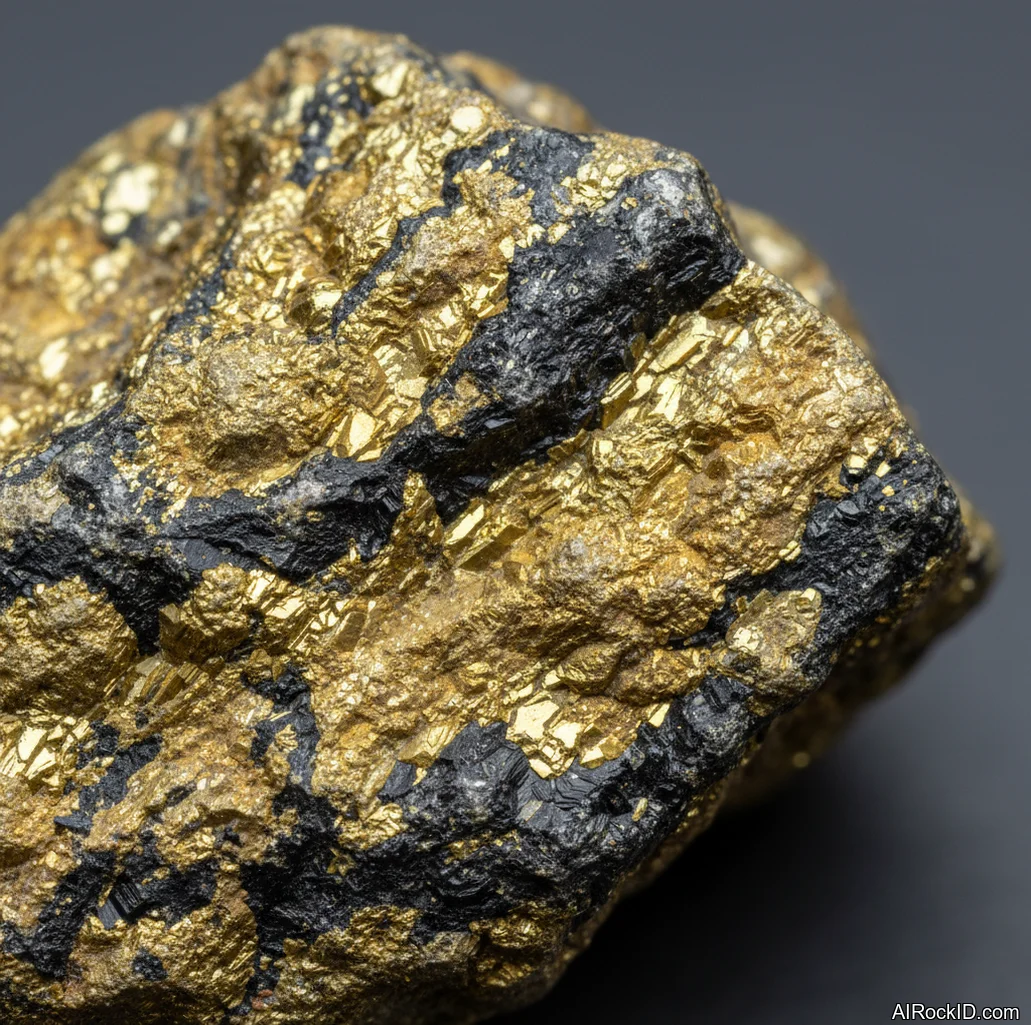
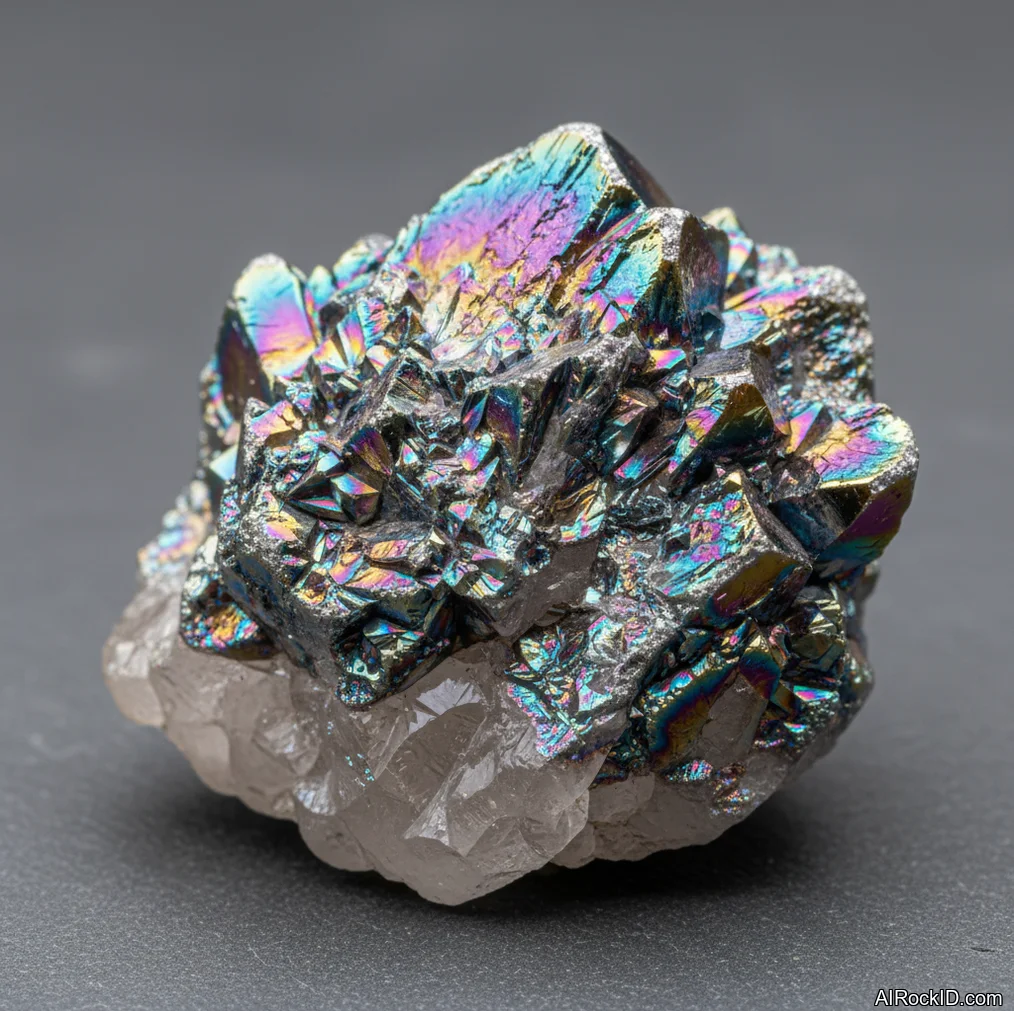
There's a physicality to these stones that makes sense. Amber feels warm almost immediately, lighter than most expect, almost plastic but never sticky. Pyrite, on the other hand, is heavier than it looks and sometimes leaves a faint black streak on your palm if it's rough. People stack these stones not just for looks but for the feeling—a little heavier in the pocket, a little brighter on the desk. But don't mistake that for actual sunlight. It's more about the headspace than a vitamin D fix.
Common Sun Crystals: Physical Details and Buying Tips
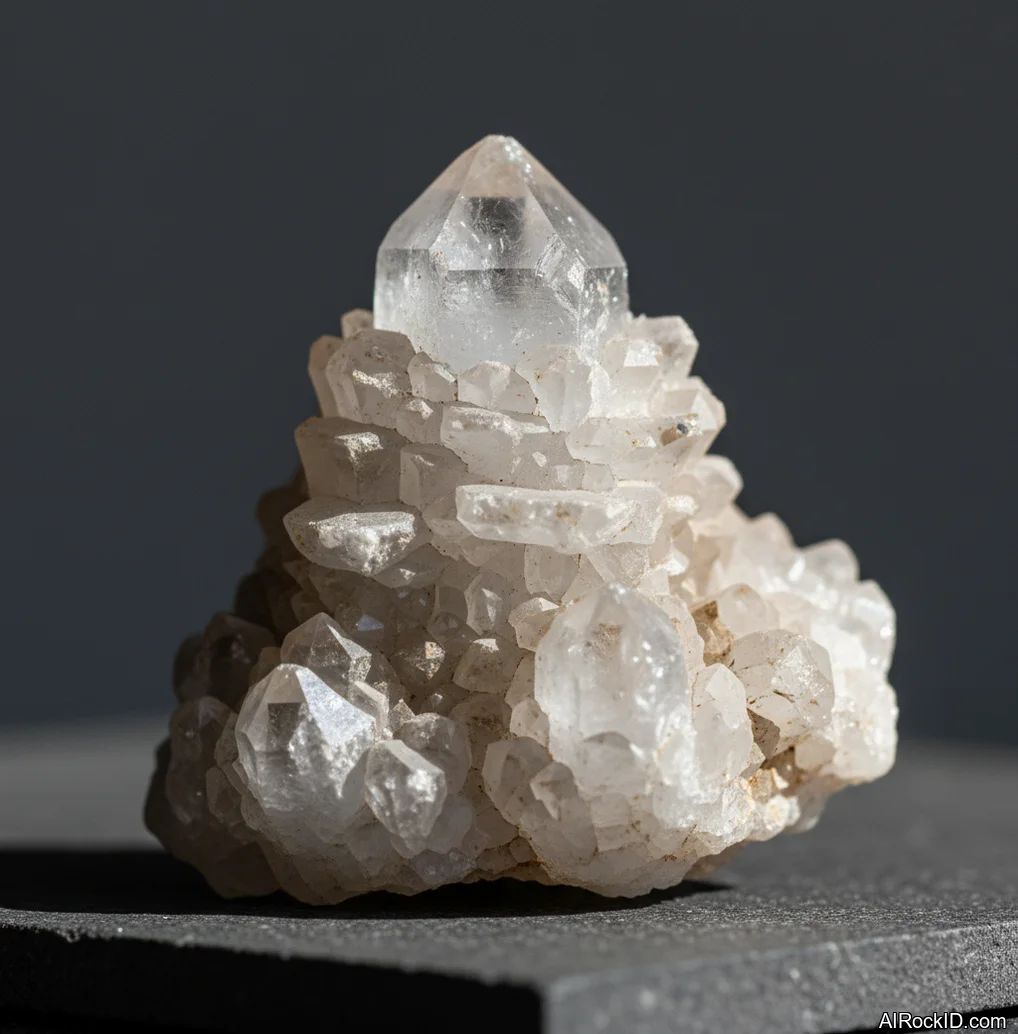
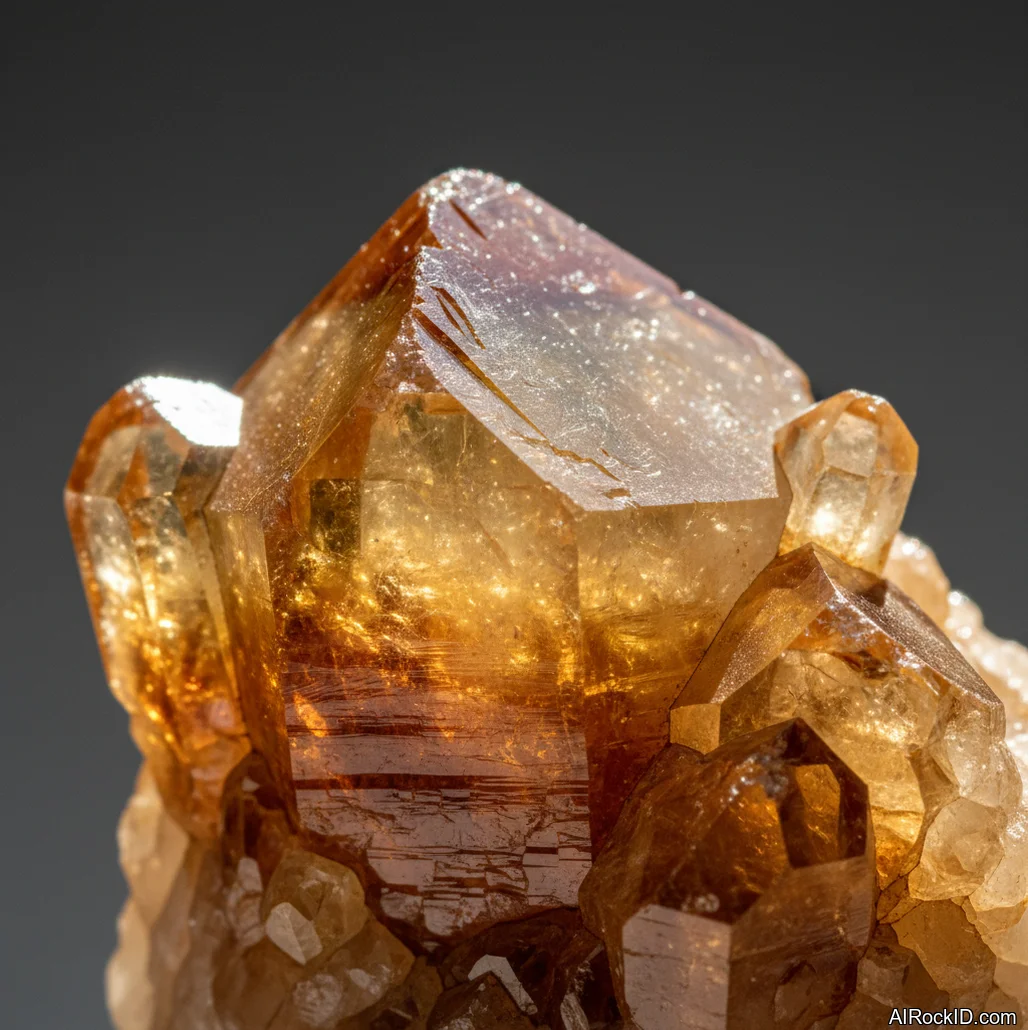
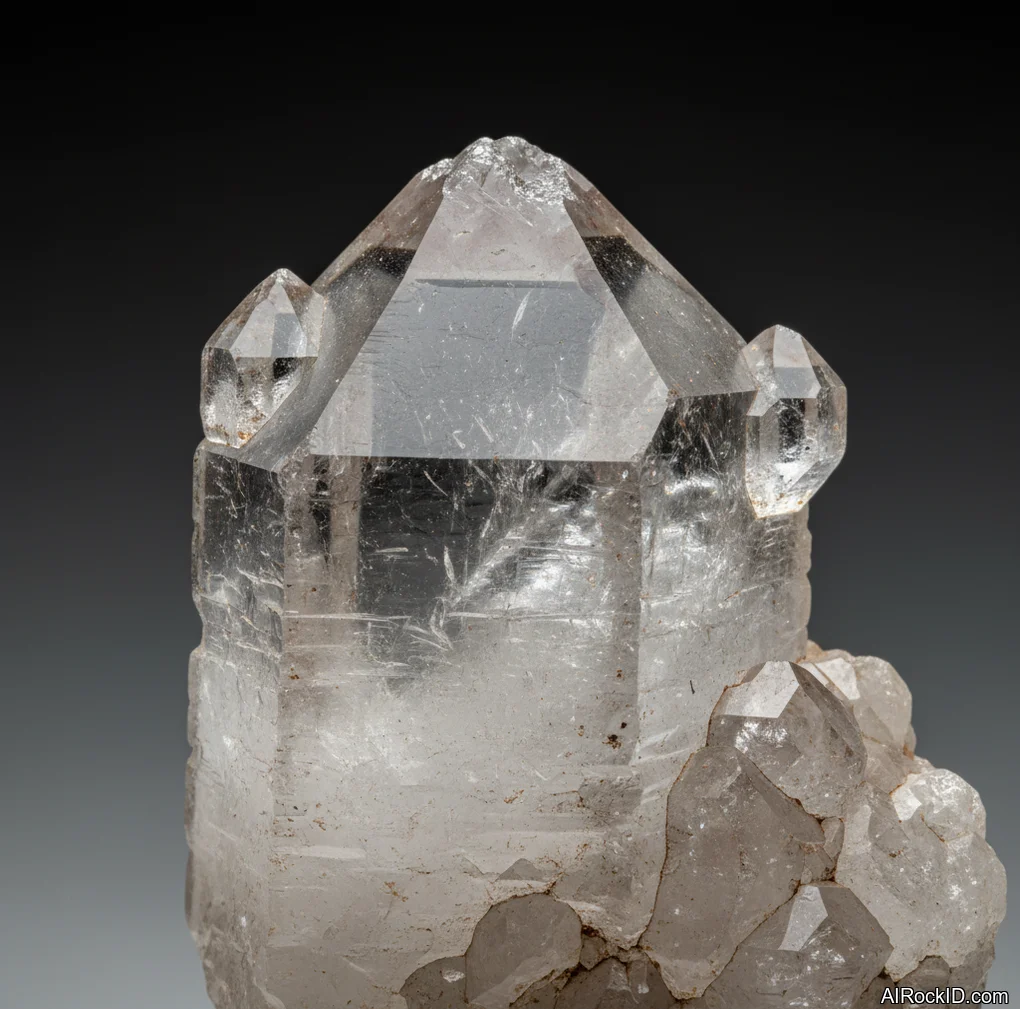
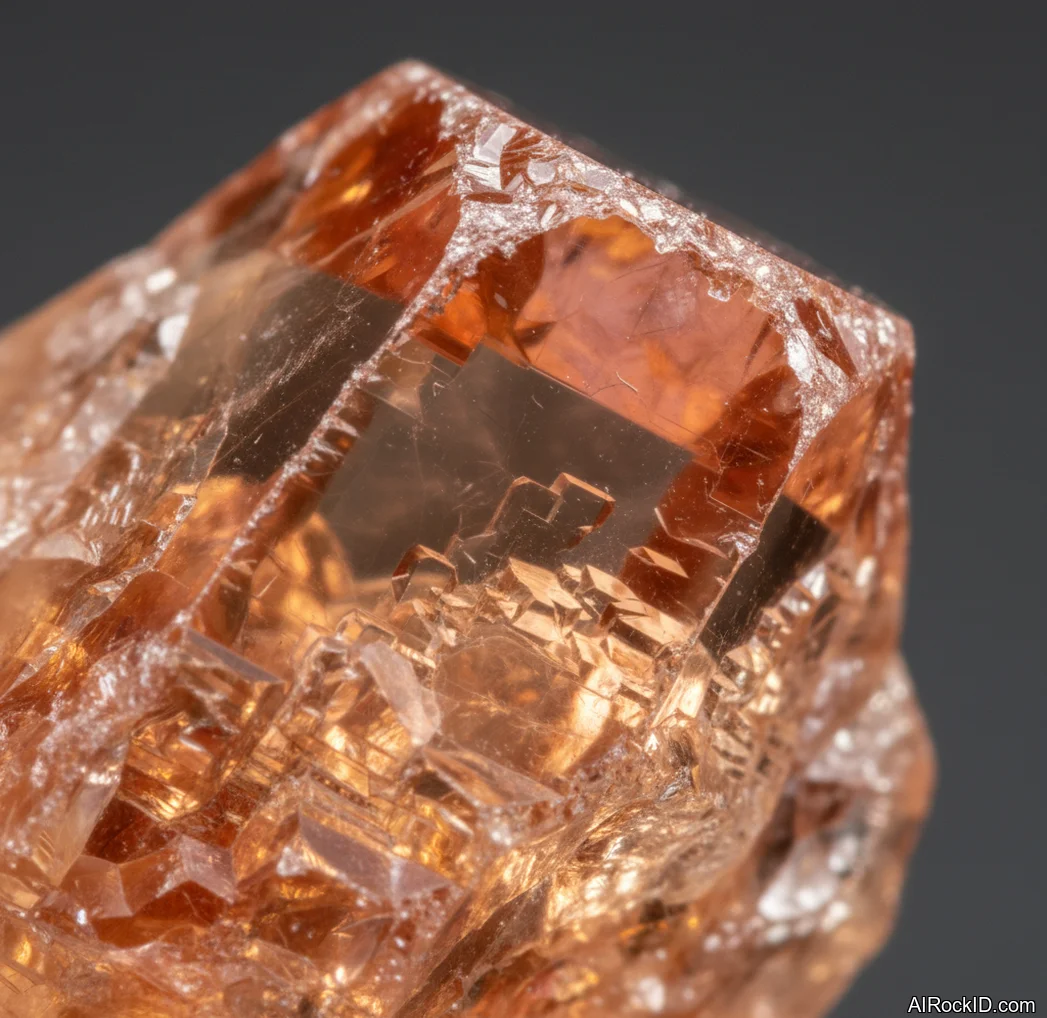
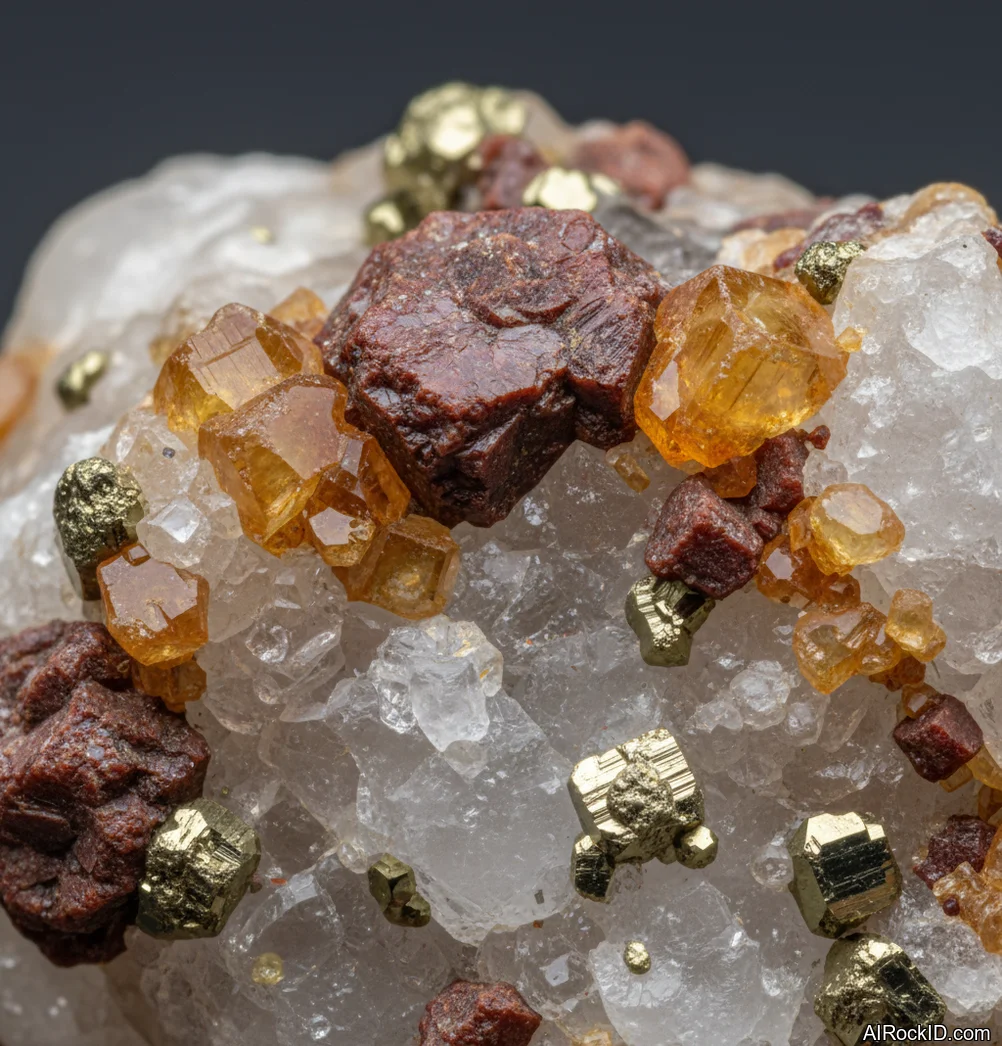
Citrine seems simple—yellow quartz, right? The reality's messier. Most citrine for sale is just heat-treated amethyst or smoky quartz. You can spot the fakes by their harsh orange color and white bases on points, like the stone got roasted unevenly. Natural citrine is subtle, sitting in the champagne-to-straw range, and the color runs evenly through the crystal. If you're buying tumbled stones, ask the seller outright about heat treatment. Some will tell you, some dodge the question. Real Sunstone should show aventurescence—not just a peachy color but actual metallic flashes inside. If it looks flat or too perfect, it's likely glass.
Tiger's Eye feels slick in hand, banded with gold and brown, and always shows chatoyancy when you tilt it under light. Pyrite cubes are dense and cold, sometimes sharp-edged. Amber scratches easy and floats in saltwater, which is a classic test. Goldstone isn't natural—it's a manmade glass filled with copper flecks, but collectors use it anyway for its sparkle and warm tone. Each of these has their quirks, but that's half the fun of collecting.
Care and Limitations of Sun Crystals in Everyday Use
Sun crystals generally hold up well, but each has its quirks. Leave Citrine or Sunstone out in direct sunlight for weeks and the color can fade, especially the natural stuff. Pyrite hates moisture; keep it dry or it'll start to oxidize and crumble, leaving a brown powder behind. Amber is soft, scratches with a fingernail, and can be damaged by perfumes or alcohol-based cleaners—just wipe it gently, never soak. Goldstone will chip if dropped, since it's glass underneath. None of these stones will give you actual sunlight or replace what a good walk outside does for your mood or health. But there's something to be said for the lift they give your desk, pocket, or bedside table. If you're after the full effect, keep them out of harsh sunlight and never trust a shop that can't answer basic questions about where their stones came from.
Best Sun Crystals to Start With
| Level | Crystal | Note |
| Gentle / Beginner | Amber | Amber is lightweight, warm to the touch, and rarely overwhelming—good for people new to 'Sun' energy. It won't scratch skin and it's easy to carry. |
| Balanced / Everyday | Citrine | Citrine is hard enough for pockets and desks, has a subtle energy, and the color is cheerful without being too intense. Natural stones are less 'loud' than the heat-treated orange ones. |
| Intense / Advanced | Sunstone | Sunstone has a strong visual flash and a quick mood-lift for those sensitive to crystal energy. The aventurescence can be almost distracting, so it's more for people who like a punch. |
| Best for Carrying | Tiger's Eye | Tiger's Eye is tough, pocket-safe, and doesn't chip easily. The silky bands are calming to touch and it holds up to daily use. |
| Best for Display | Pyrite | Pyrite cubes or clusters catch light from across a room and look impressive on a shelf. Just keep them dry to avoid rust. |
Sun Crystal Comparison
| Crystal | Common Use | Feel / Use Style | Care Caution |
| Sunstone | Boosting drive, confidence, and shaking off sluggishness | Cool at first, then slightly warming; flashes with coppery glitter under direct light | Color can fade if left in sun; avoid hard impacts |
| Citrine | Bringing optimism, attracting success, lifting mood | Hard and glassy; natural stones show pale yellow to champagne color, not harsh orange | Fades in direct sunlight; check for heat treatment |
| Tiger's Eye | Grounding energy with a shot of confidence or courage | Smooth, banded, chatoyant stripes; heavy for its size | May lose polish with rough handling; avoid acids |
| Pyrite | Symbol of abundance, protection, and visibility | Very dense and metallic; cold, sharp-edged on raw cubes | Rusts and crumbles if exposed to moisture |
How to Identify Sun Crystals with AI Rock ID
When using the AI Rock ID app to identify Sun crystals, take clear photos in natural light to avoid color distortion—especially for stones like Citrine or Sunstone. Get both a full view and a close-up to show key features, like aventurescence in Sunstone or banding in Tiger’s Eye. Compare your specimen’s hardness, luster, and streak using the in-app prompts for a more accurate match. Don’t rely on color alone; the app’s guides on density and internal textures help catch fakes and lookalikes.
All Sun Crystals (82)