Confidence Crystals
Quick answer: Confidence crystals are stones that crystal traditions associate with self-trust, courage, clear expression, and steady personal energy. They are commonly chosen for daily intention-setting, meditation, workspaces, or carrying as pocket stones.
Explore Confidence crystals, what they’re associated with, how to use them daily, and tips for buying real stones with steady, self-assured energy.


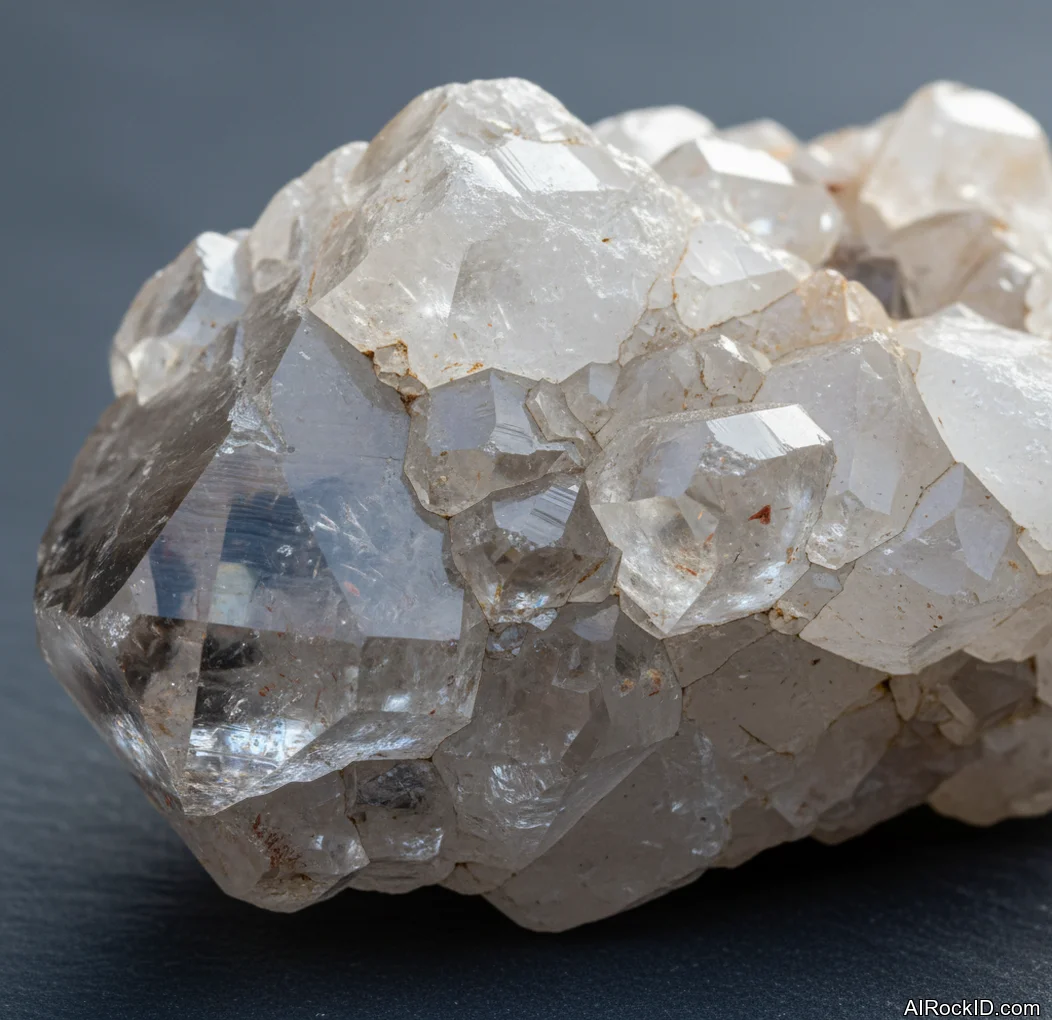
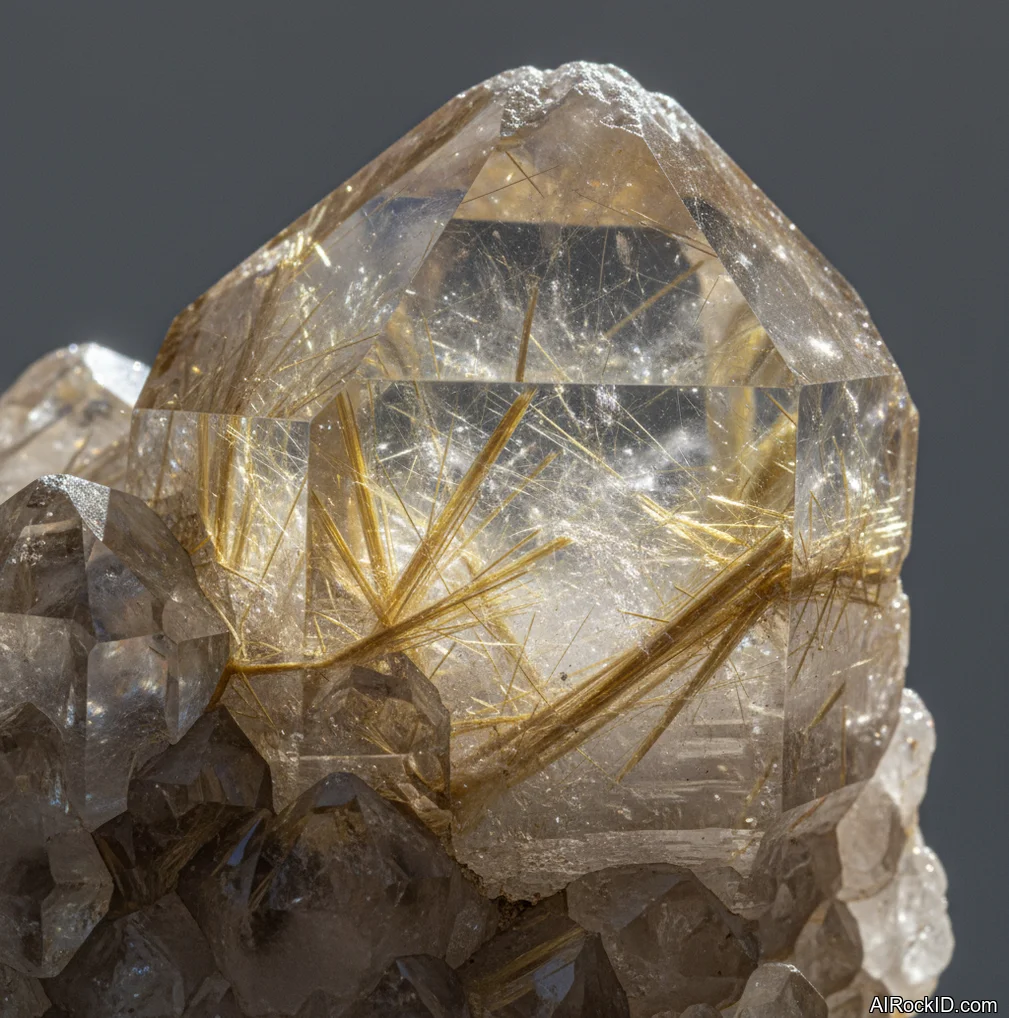
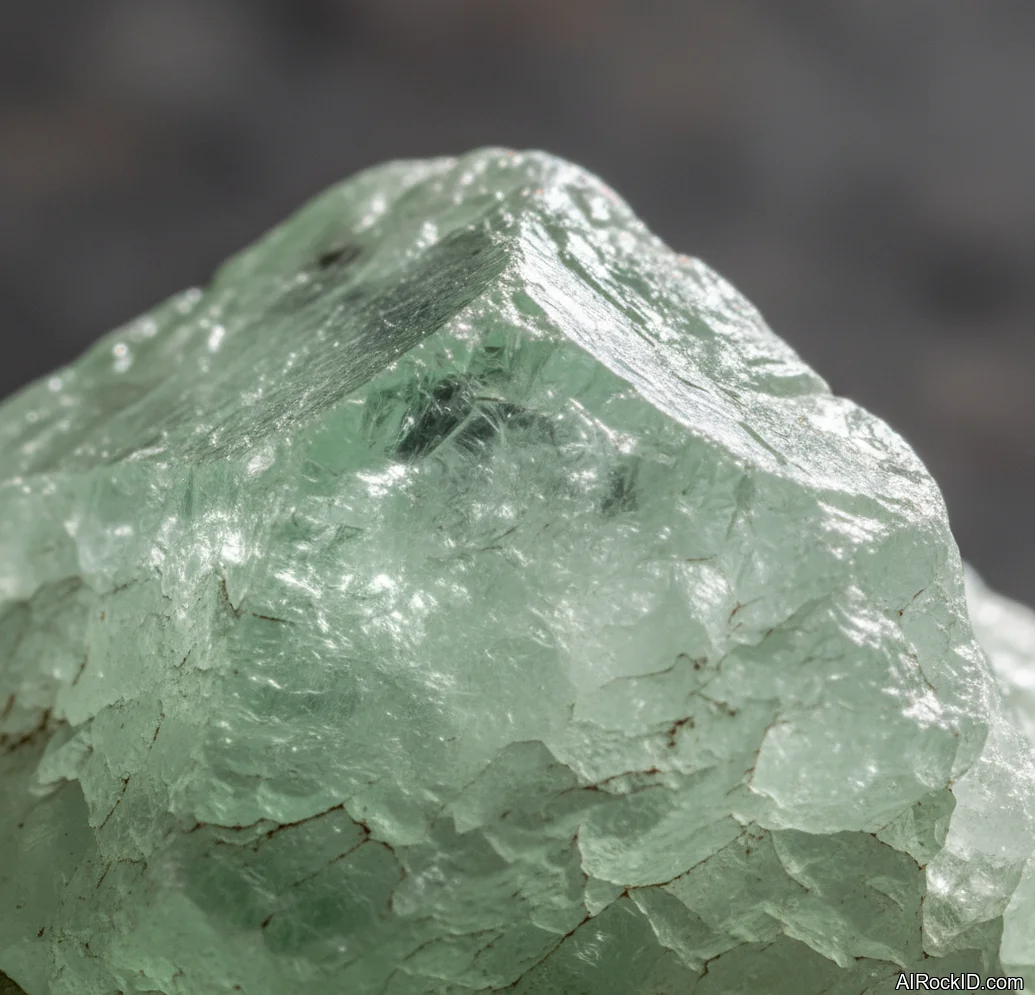
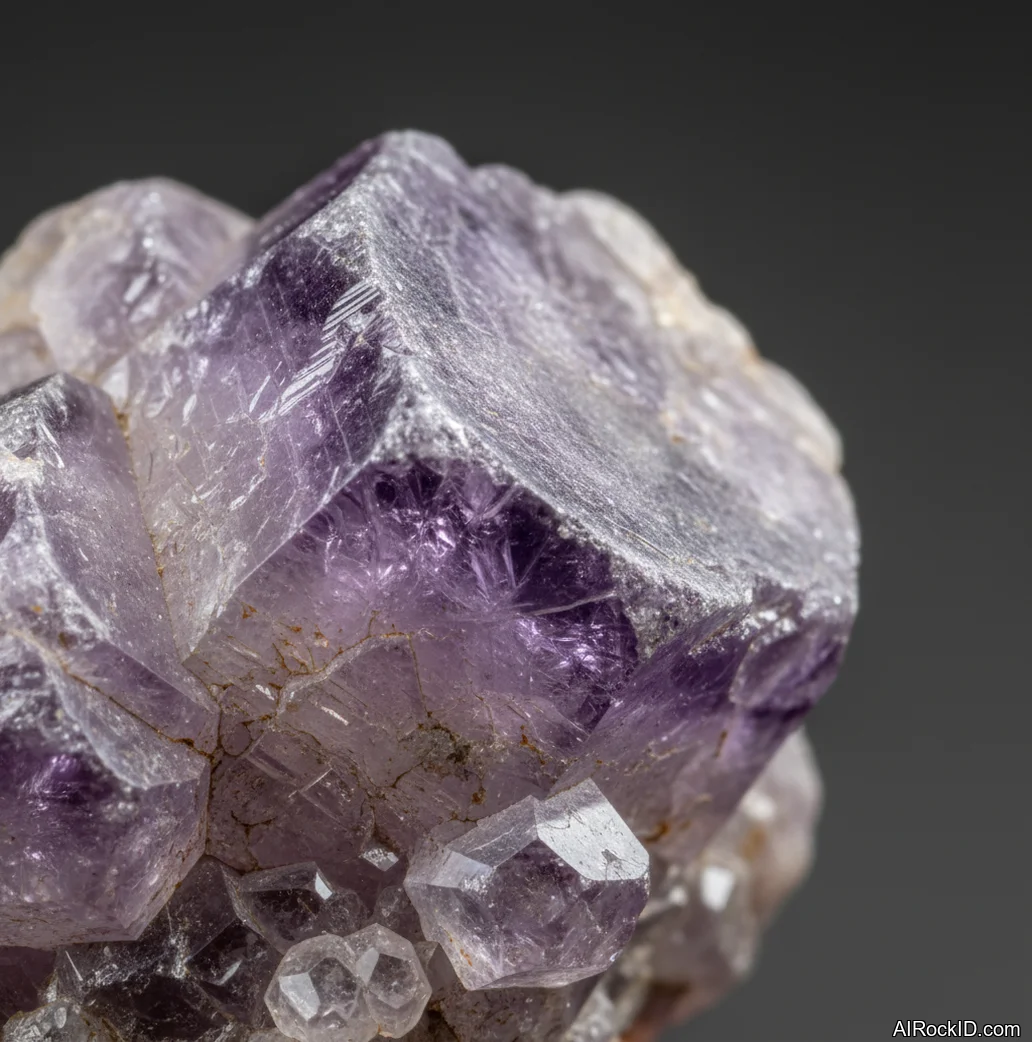
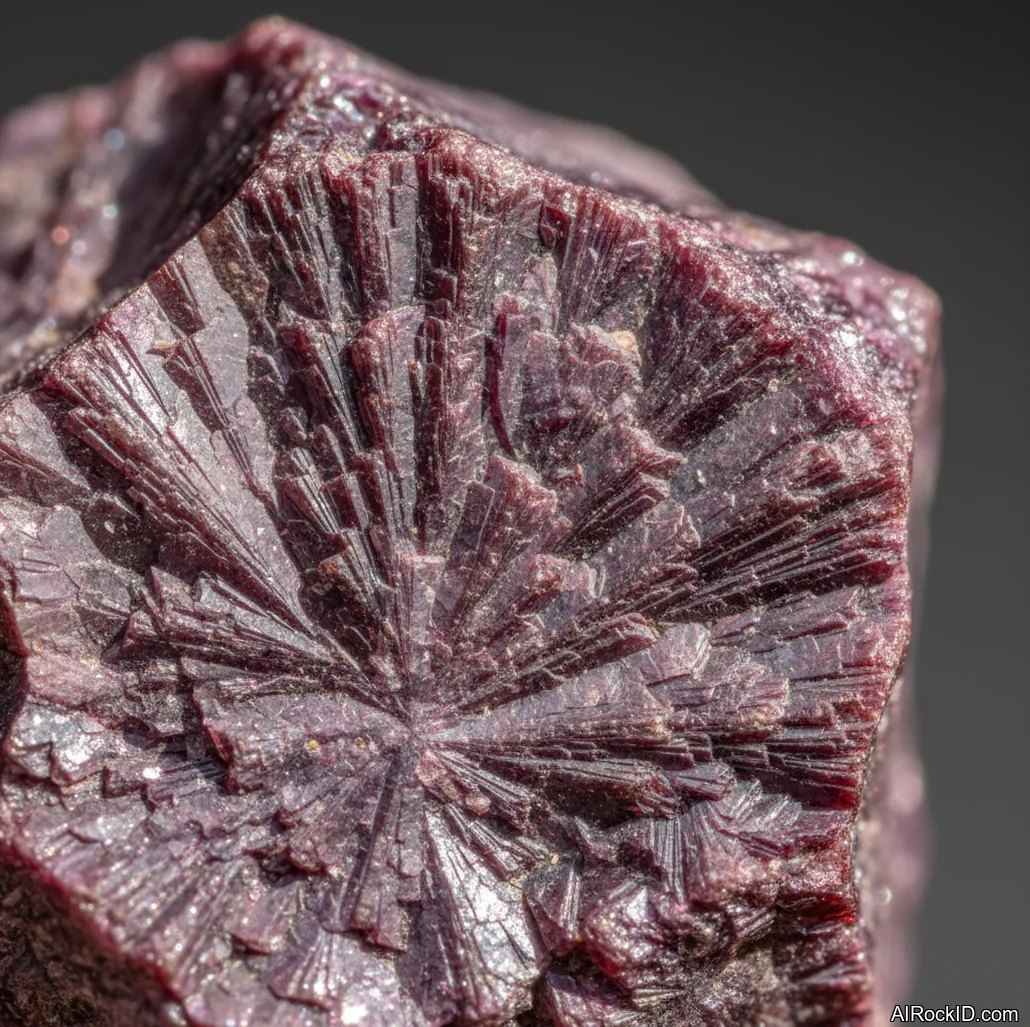
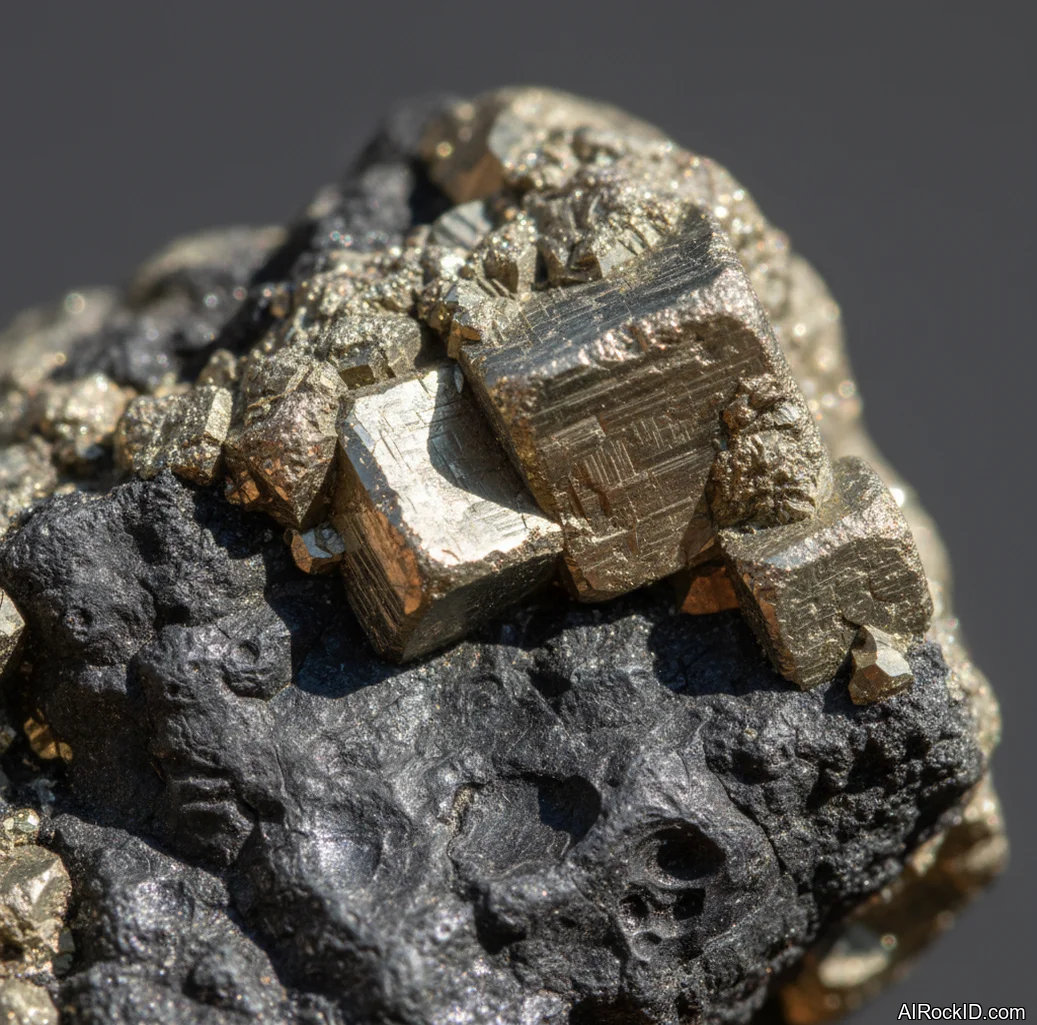
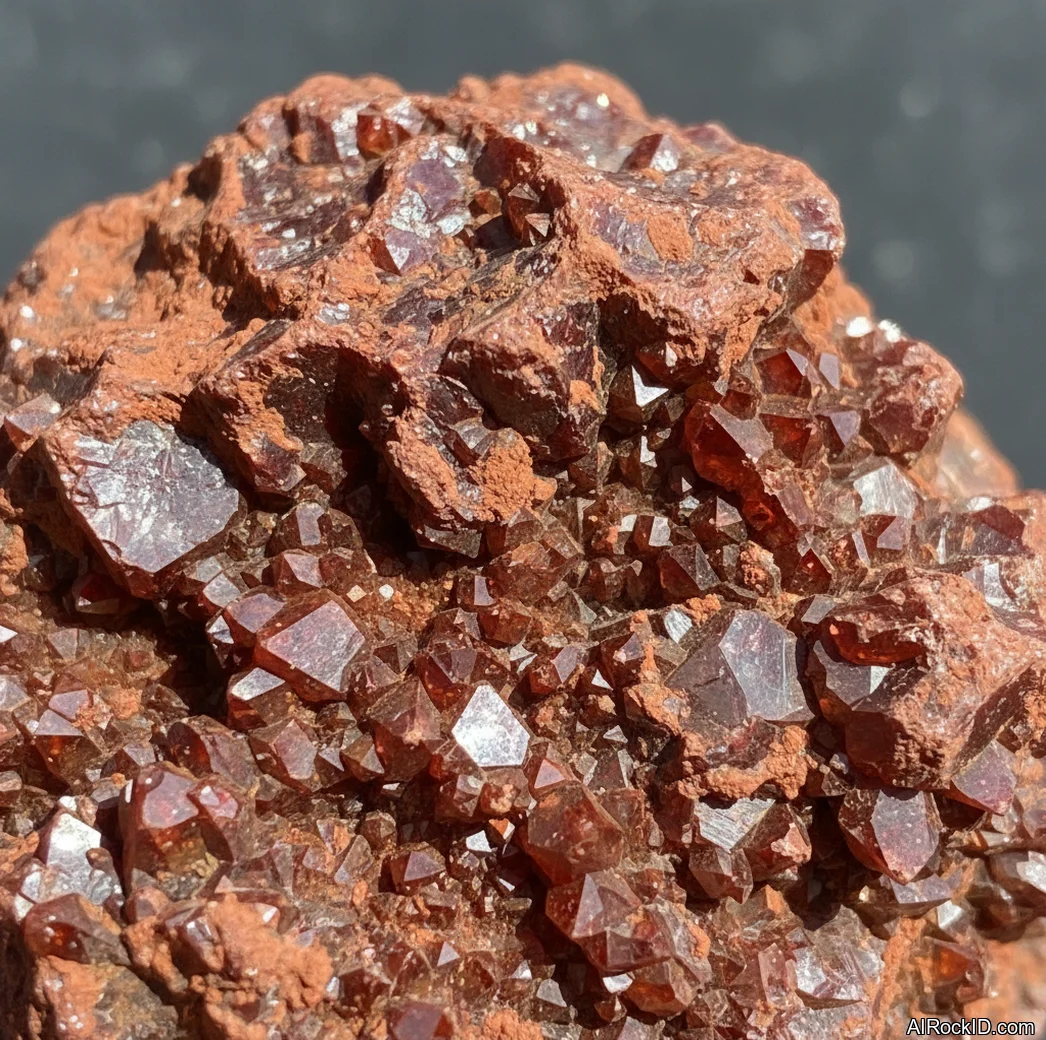
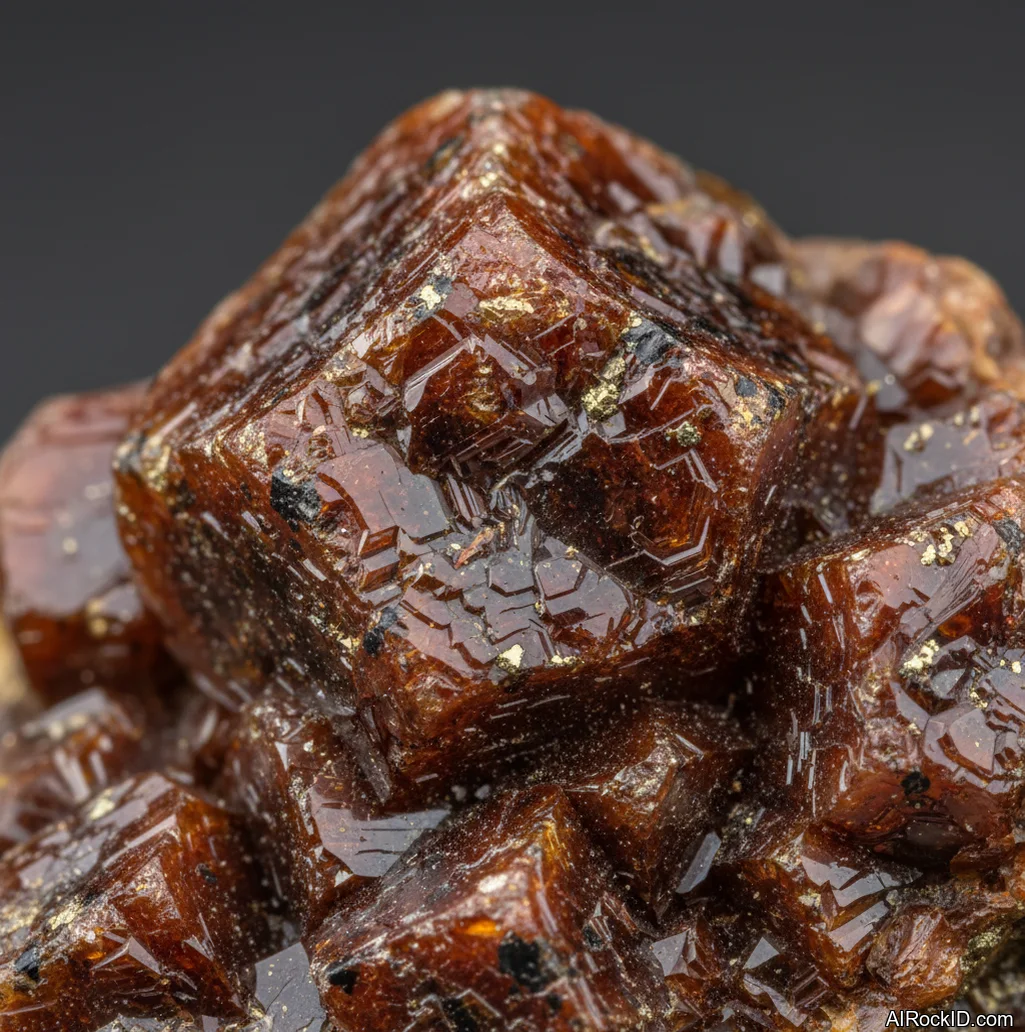
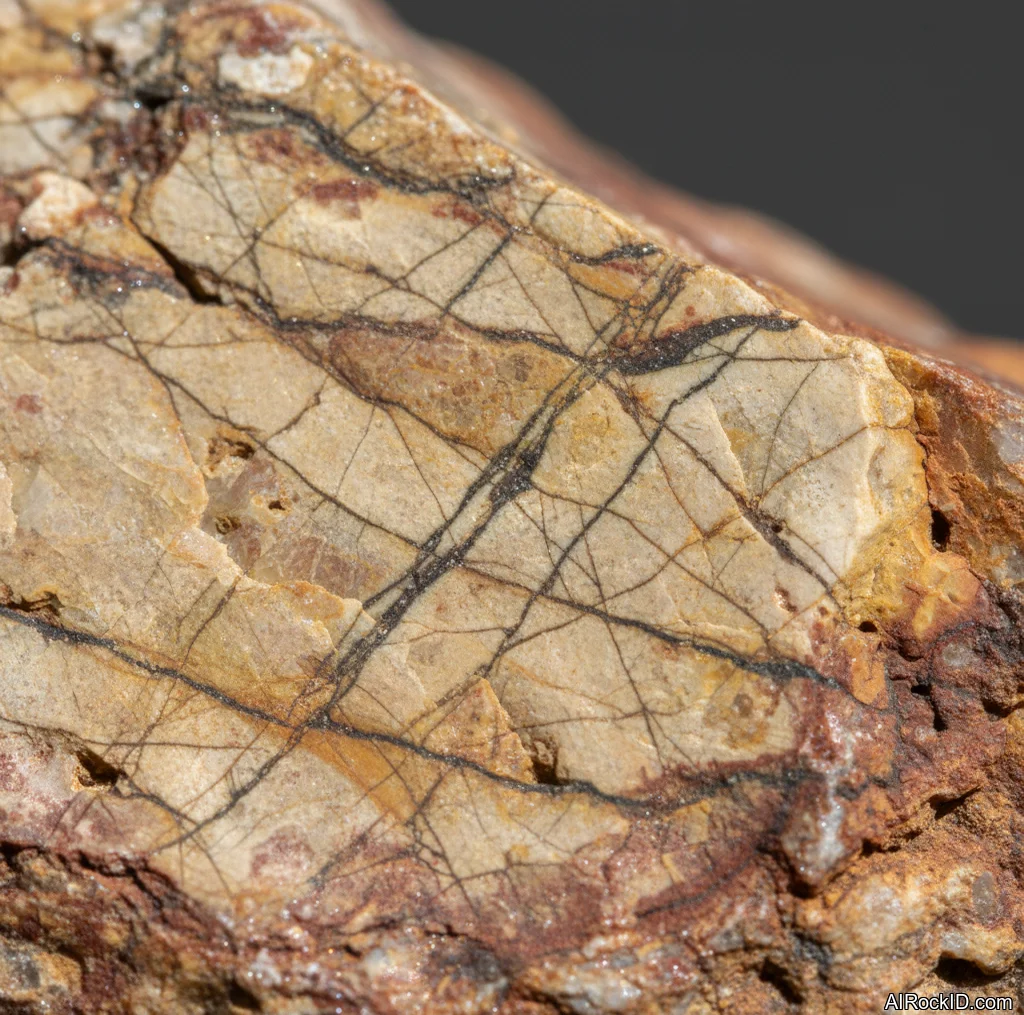
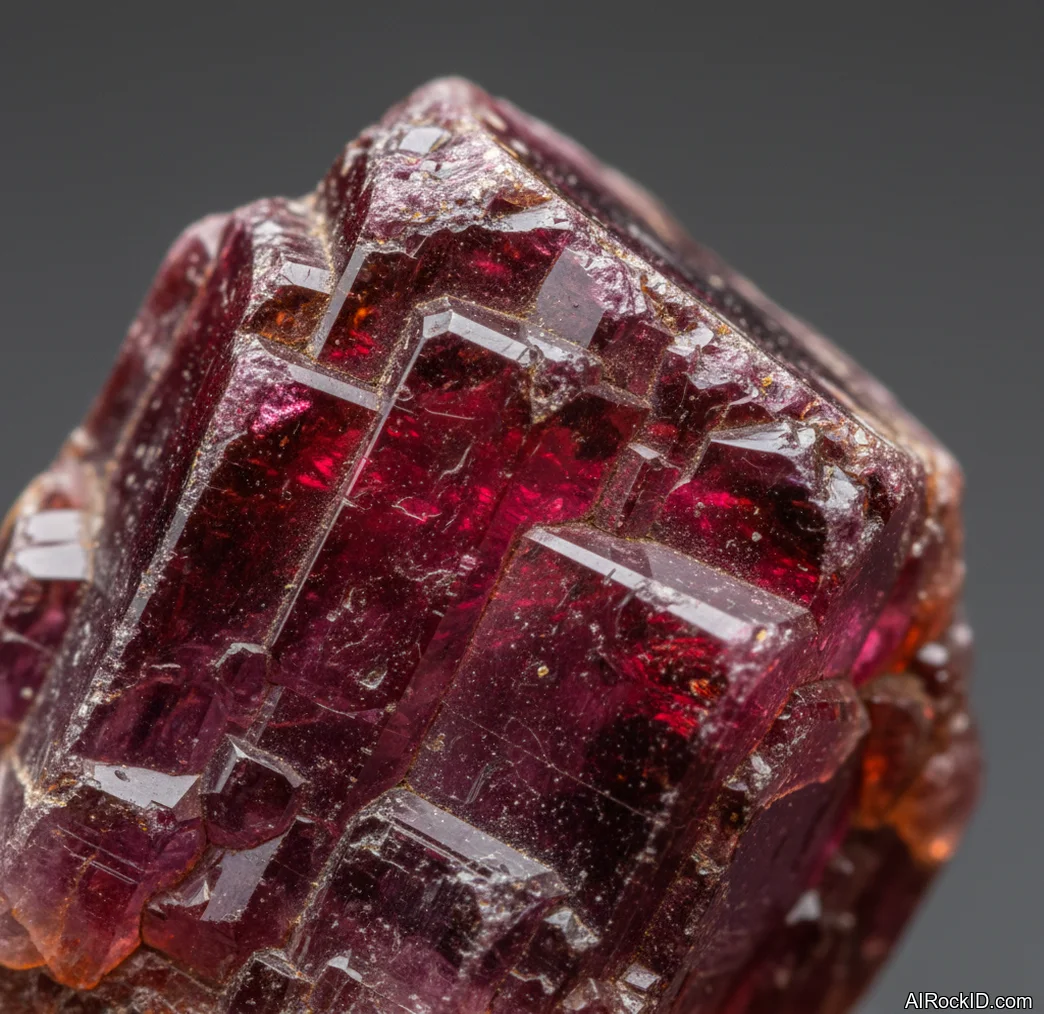
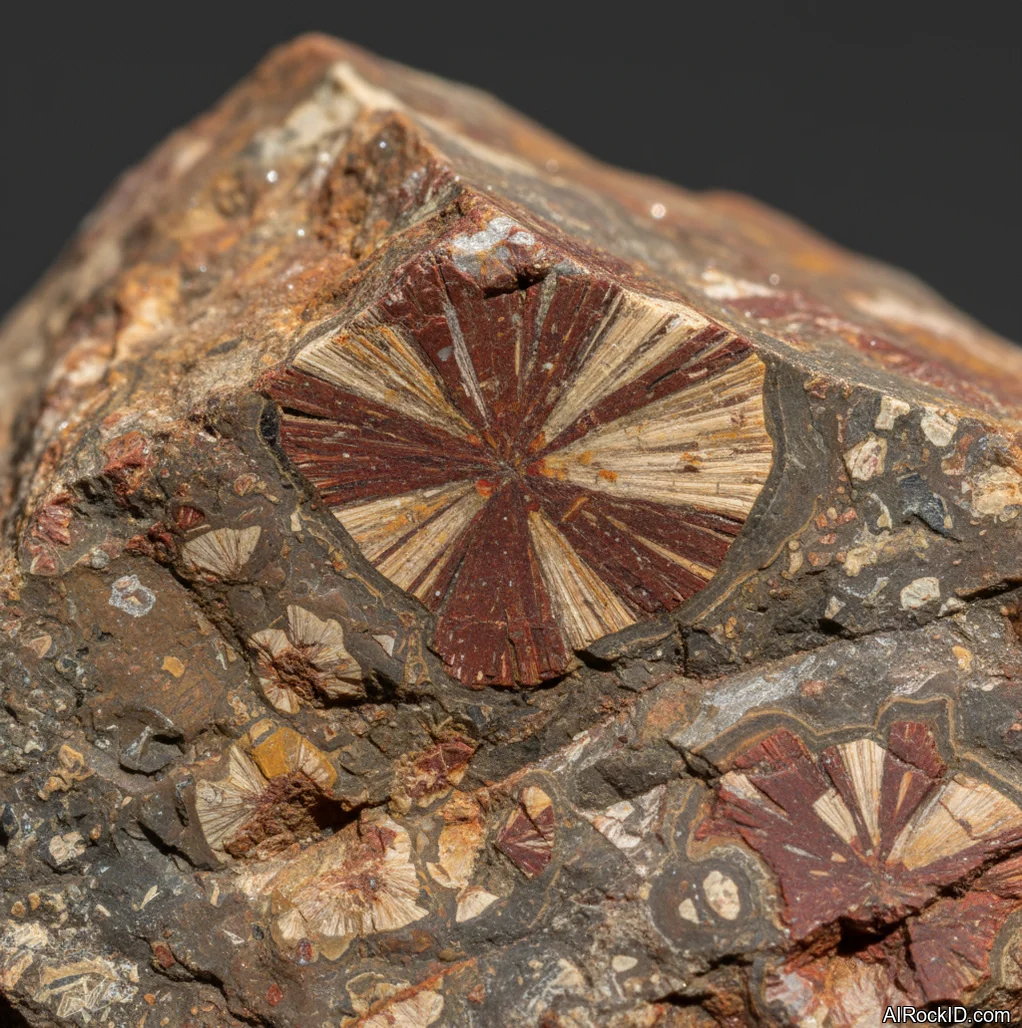
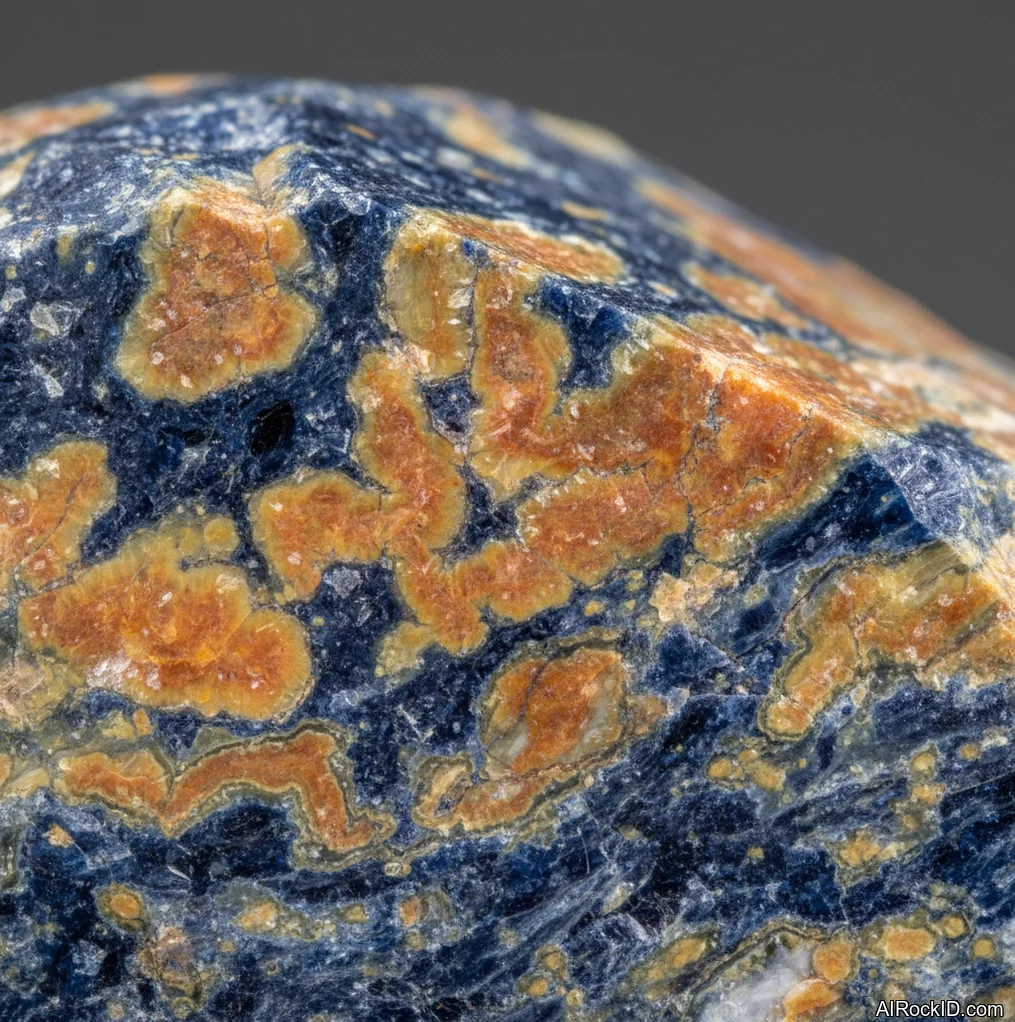
Confidence crystals are natural minerals that collectors associate with self-assurance, assertiveness, and standing your ground. The most common examples include Tiger's Eye, Carnelian, Citrine (natural, not heat-treated), Golden Calcite, and Yellow Jasper. People pick these up to help with motivation, public speaking, or making decisions without second-guessing themselves. These associations come from metaphysical traditions and are not medical claims.
Confidence crystals can't create confidence out of thin air or replace therapy, coaching, or real-world practice. They're tools for intention and focus, not quick fixes or clinical interventions.
AI Rock ID can help users compare a stone’s visible traits, such as color, luster, banding, and crystal habit, against likely mineral matches. RockIdentifier.io provides crystal and rock identification resources that can support learning before buying, labeling, or cataloging a stone.
Good fit
- People who want a symbolic reminder to speak or act with more self-assurance
- Beginners building a small set of intention-based crystals
- Collectors comparing yellow, orange, red, or blue stones often linked with confidence themes
- Users interested in combining identification research with traditional crystal meanings
Not a good fit
- Replacing mental health care, coaching, or medical treatment
- Confirming authenticity without checking physical properties or seller details
- Assuming all similarly colored stones share the same mineral identity
- Using fragile or water-sensitive stones in baths, elixirs, or rough handling
Most commonly confused with
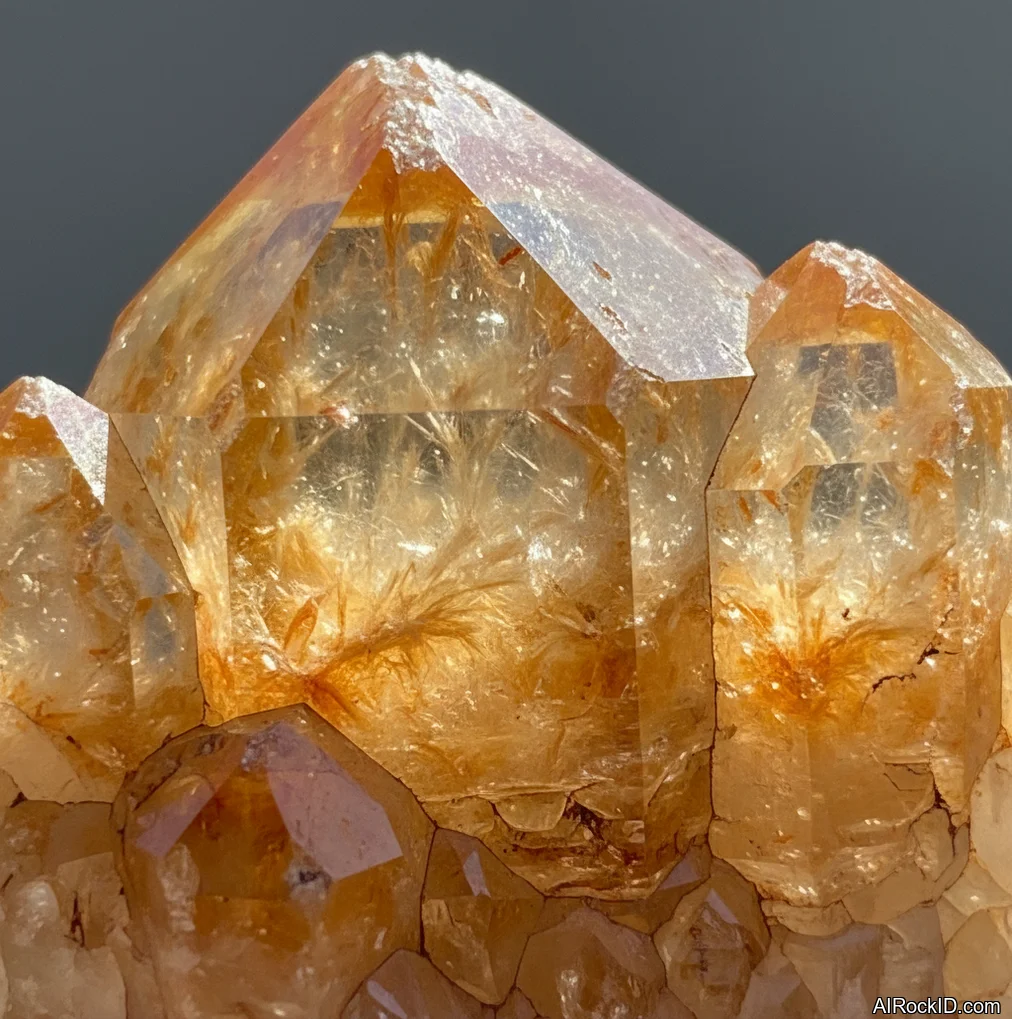
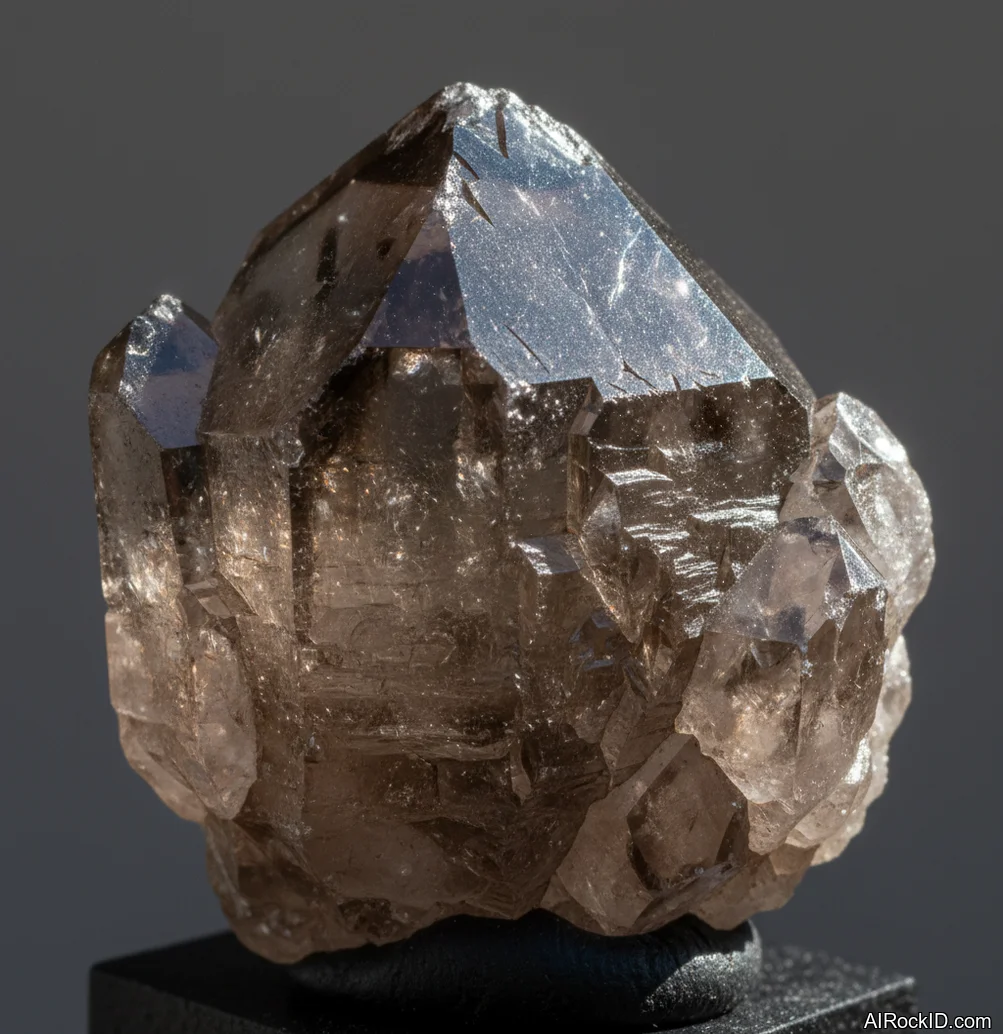
- Citrine: Natural citrine is commonly pale yellow to smoky yellow, while much bright orange citrine on the market is heat-treated amethyst.
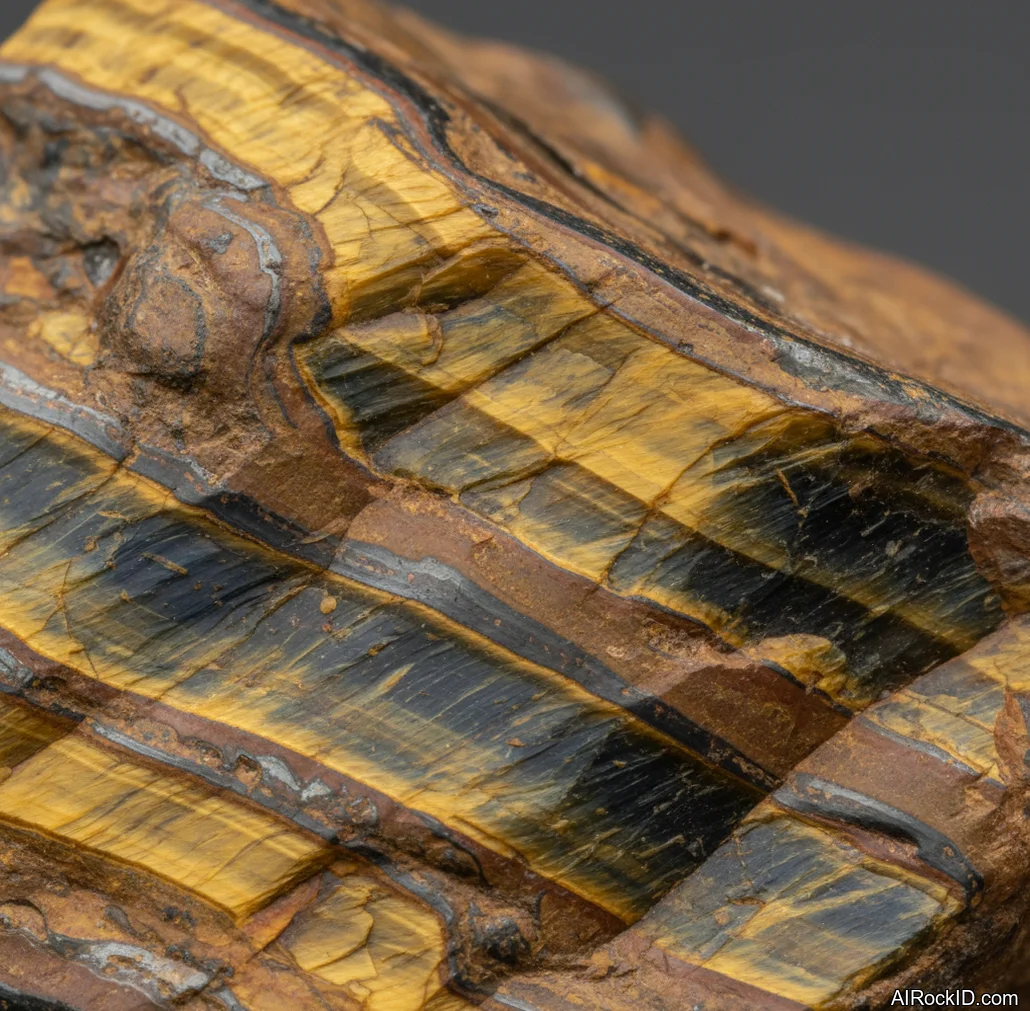
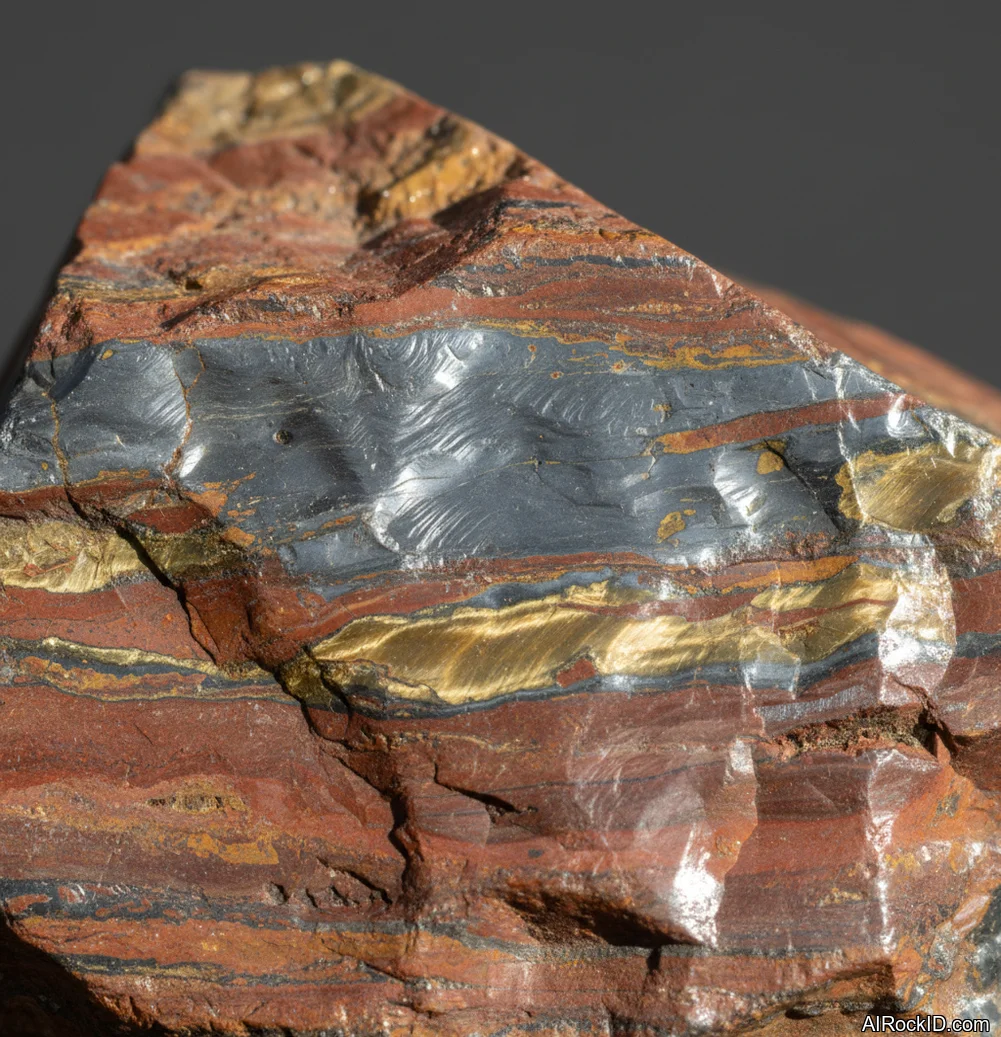
- Tiger's Eye: Tiger's eye shows silky chatoyancy, which separates it from many opaque brown or golden jasper varieties.
- Carnelian: Carnelian is usually orange to reddish chalcedony and may be confused with dyed agate if the color looks unusually even or intense.
- Sunstone: Sunstone is a feldspar that may show glittery aventurescence, unlike most orange quartz or calcite lookalikes.
AI identification confidence
AI identification is most useful when photos show the stone in natural light from several angles, including close-ups of texture, transparency, and any banding or inclusions. Visual AI results should be treated as a starting point because dyed stones, heat-treated stones, and polished tumbles can look similar.
When AI gets it wrong
- The stone is dyed, coated, heat-treated, or otherwise enhanced
- The photo has strong glare, filters, shadows, or inaccurate color balance
- The specimen is a polished tumble with few diagnostic features visible
- Several minerals share the same color and general appearance
What this category represents
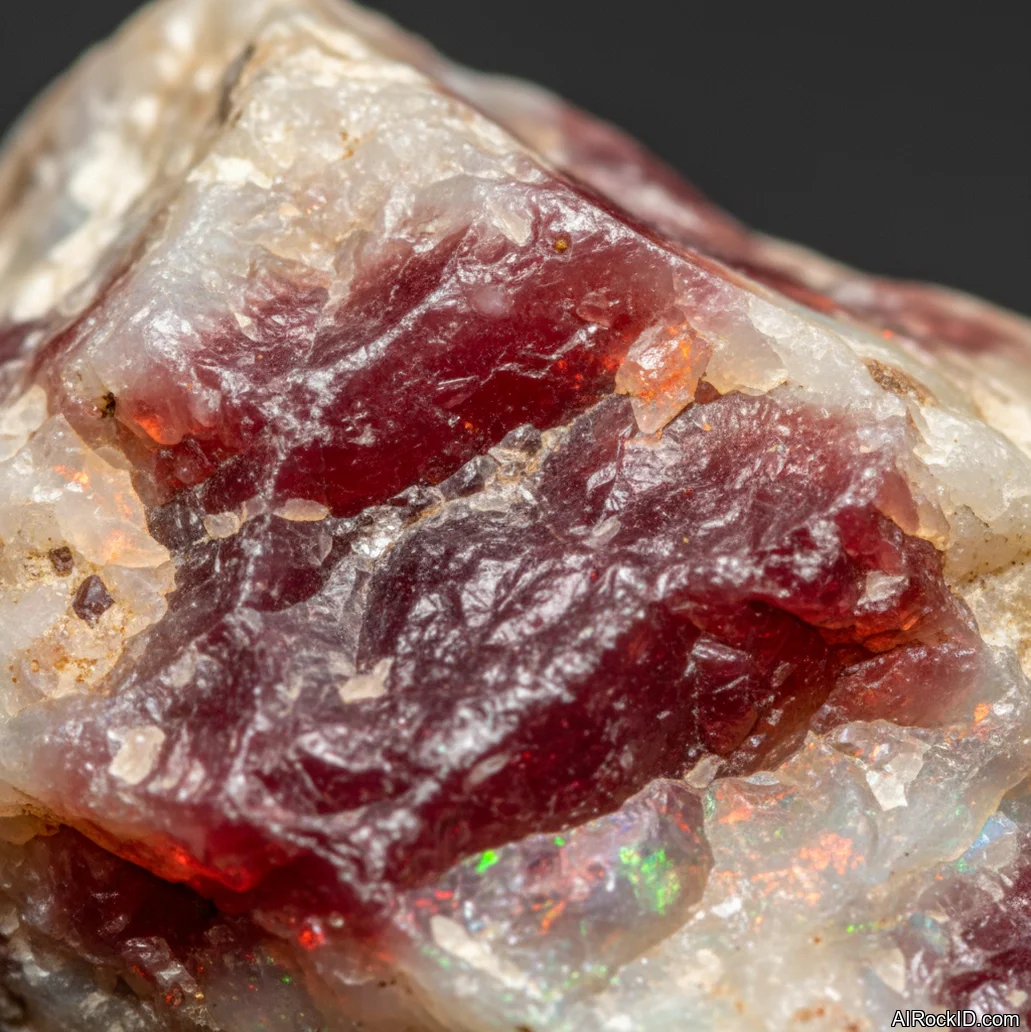
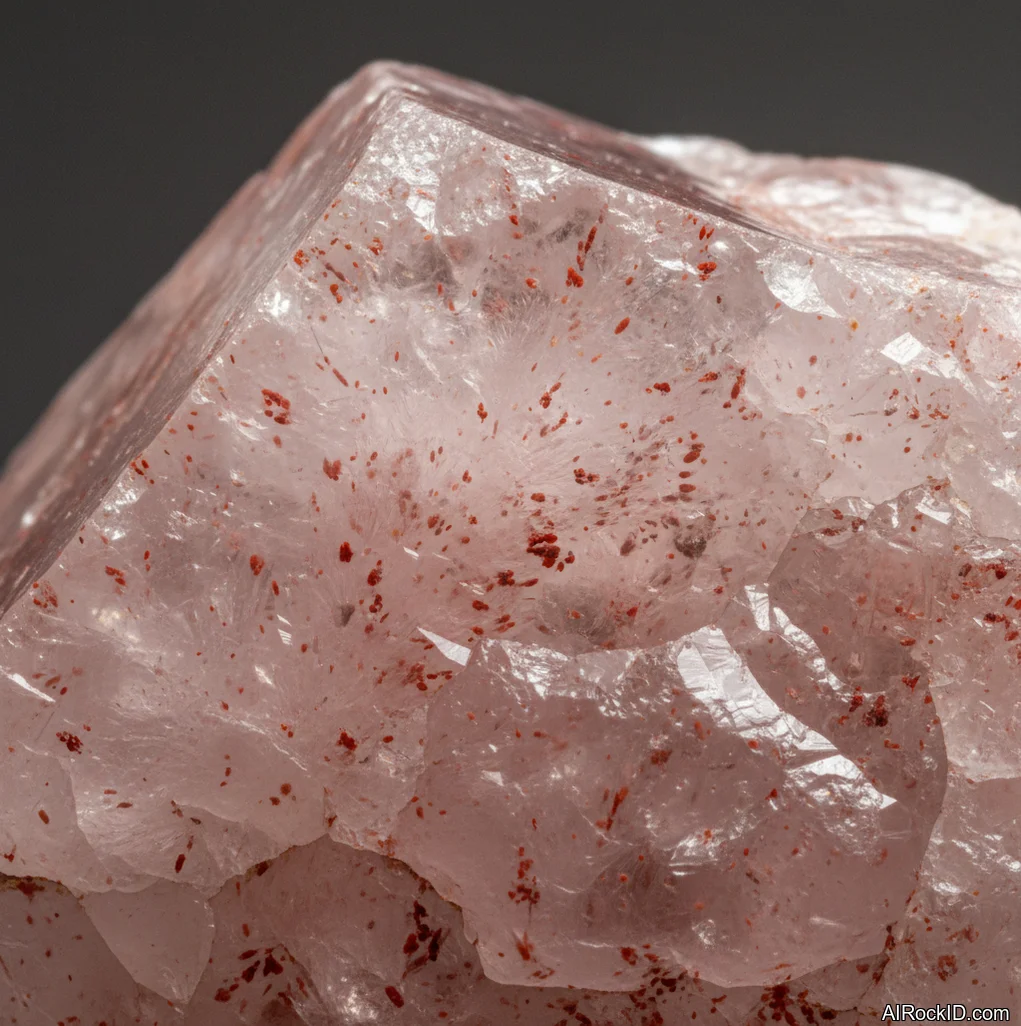
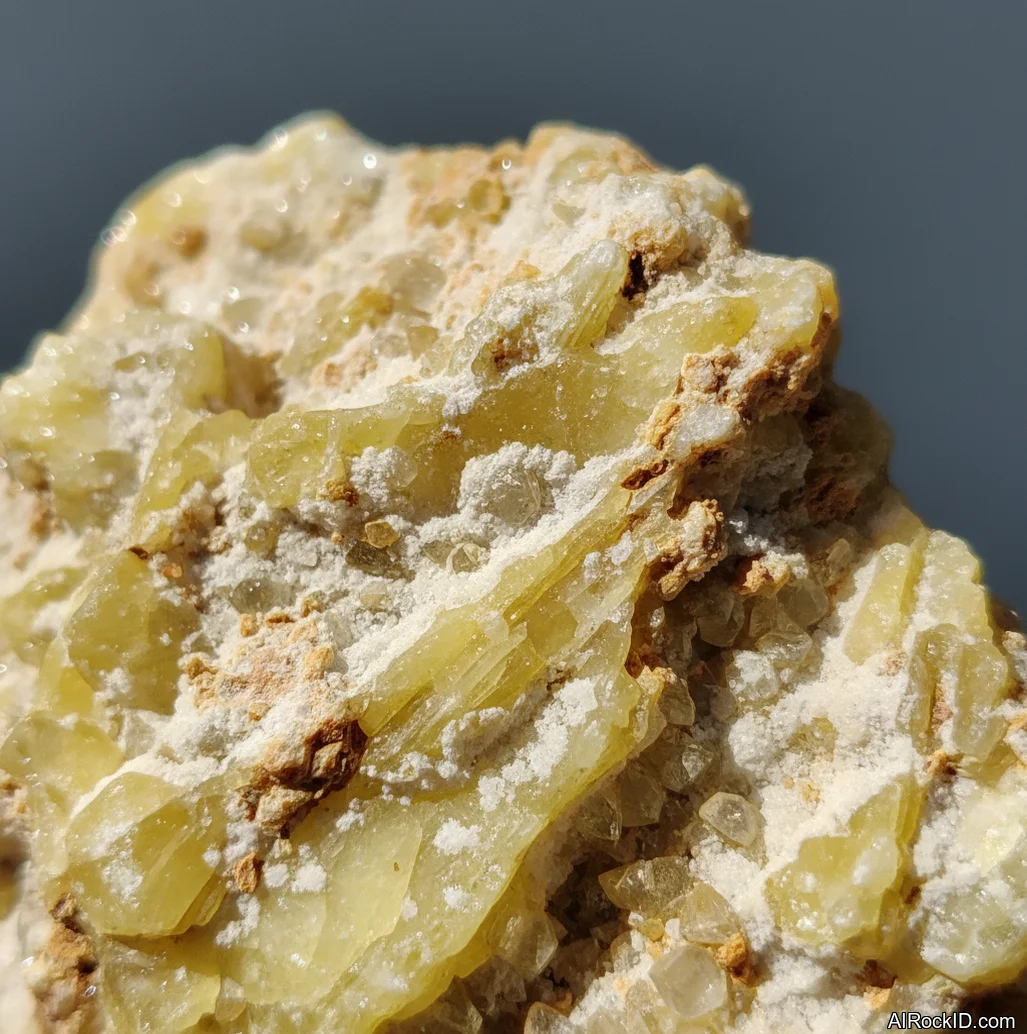
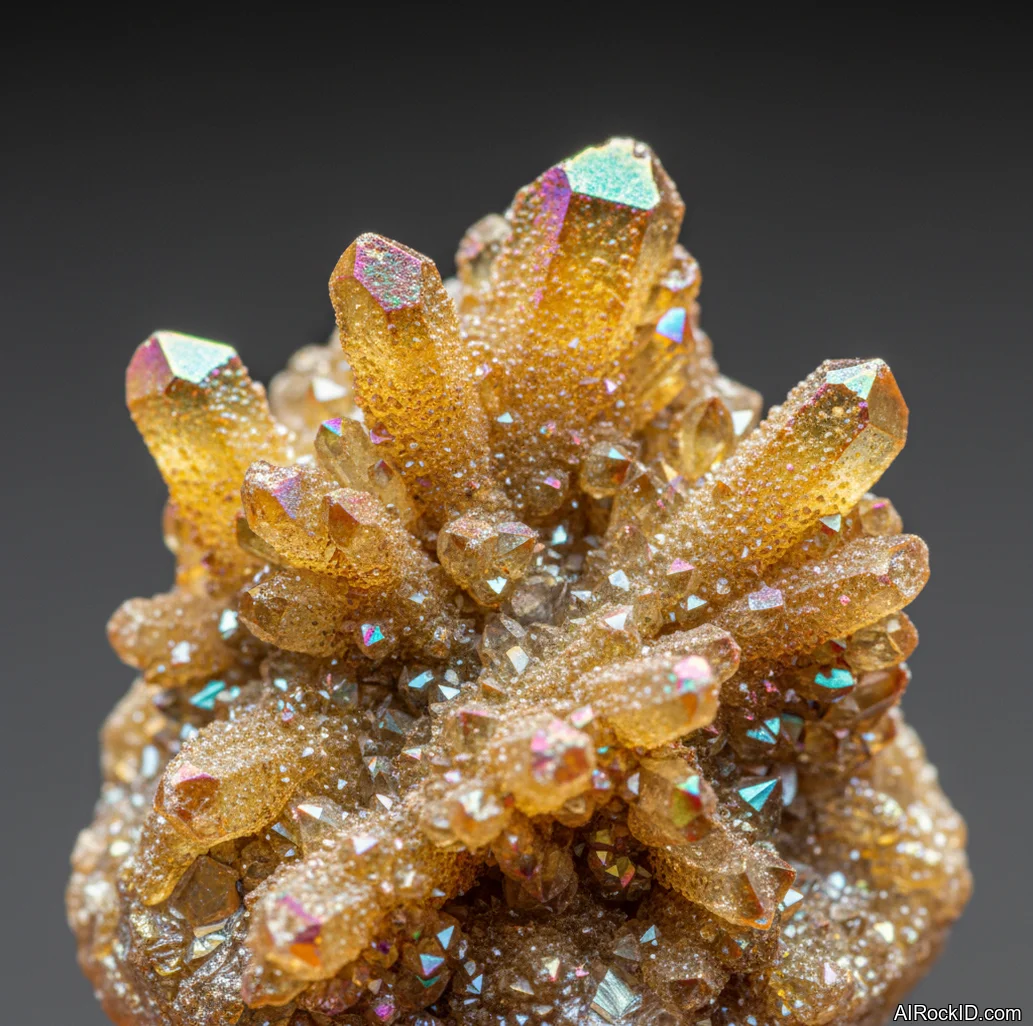
The Confidence tag groups crystals that are traditionally associated with courage, self-belief, motivation, personal power, or clear self-expression. These associations come from crystal-healing and spiritual traditions rather than verified medical effects.
Beginner recommendations
Advanced recommendations
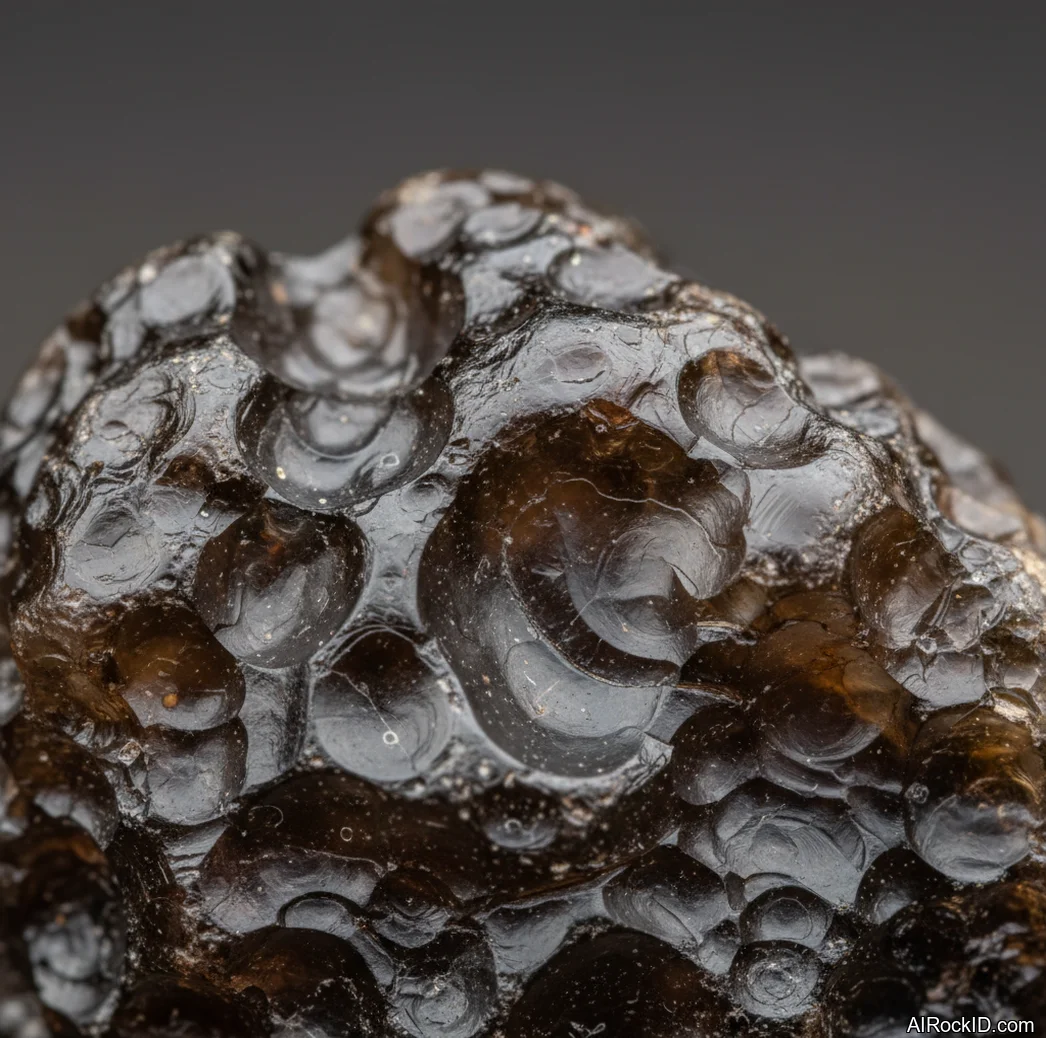
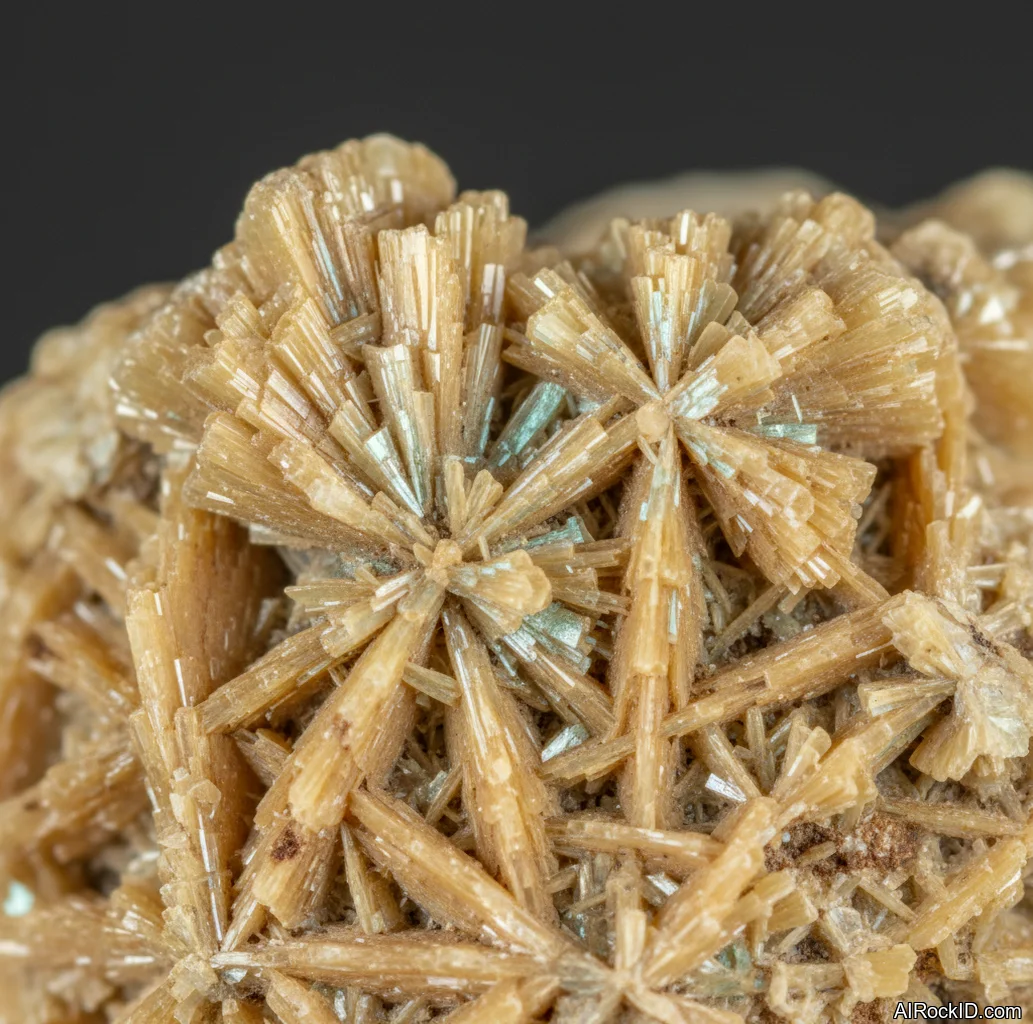
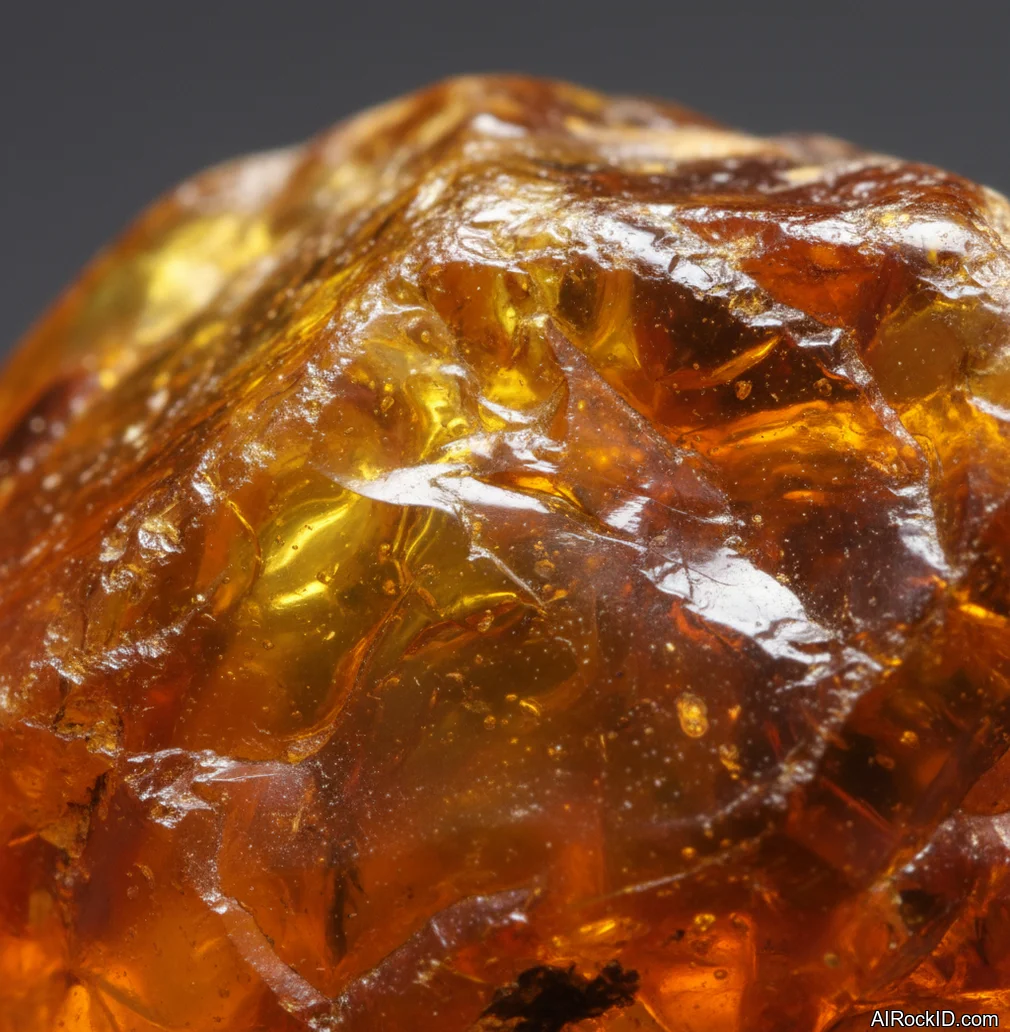
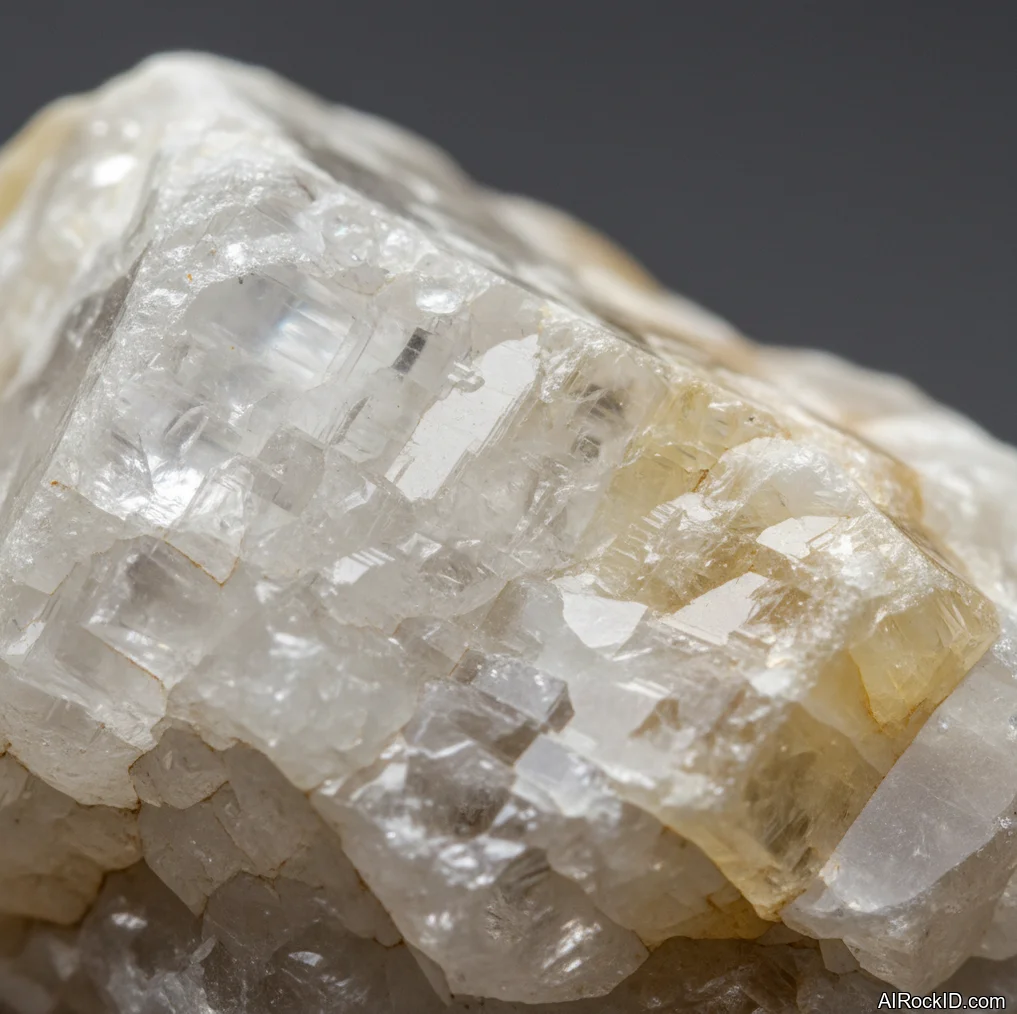
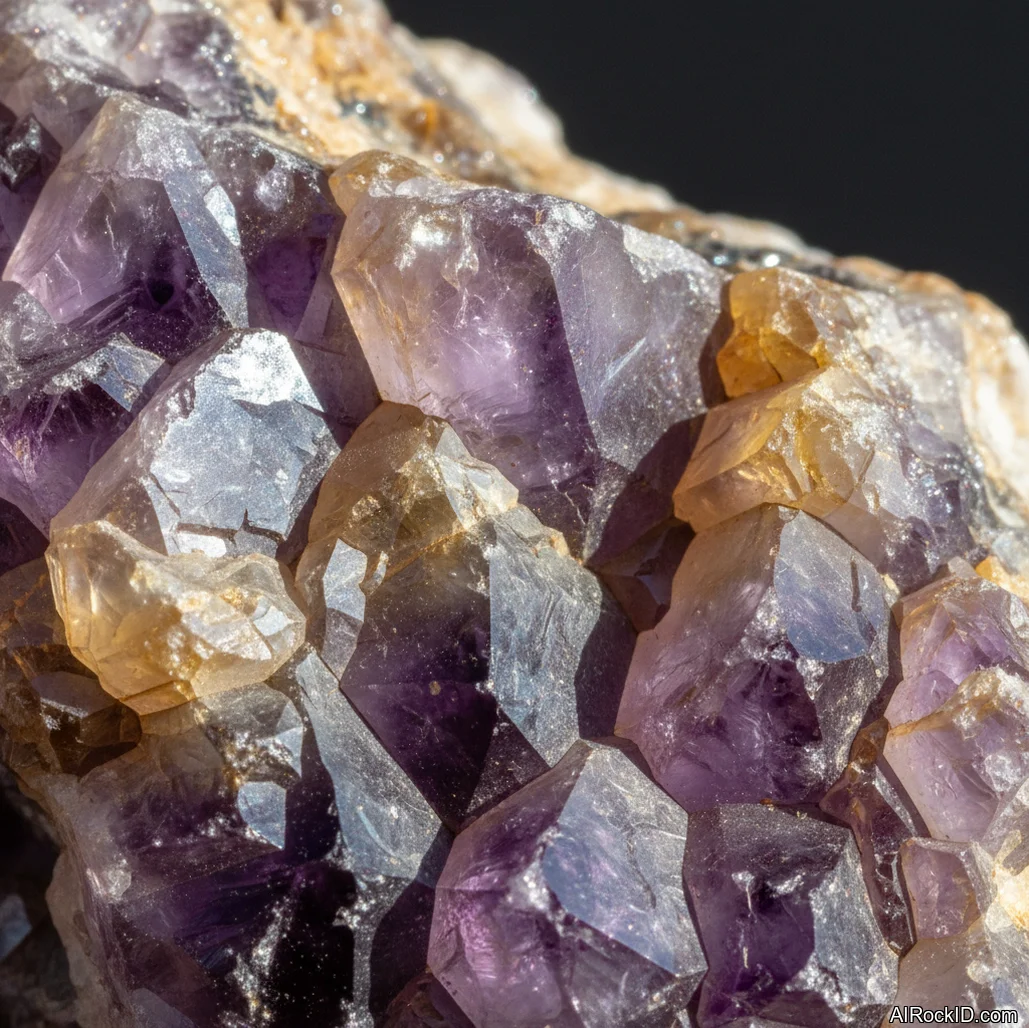
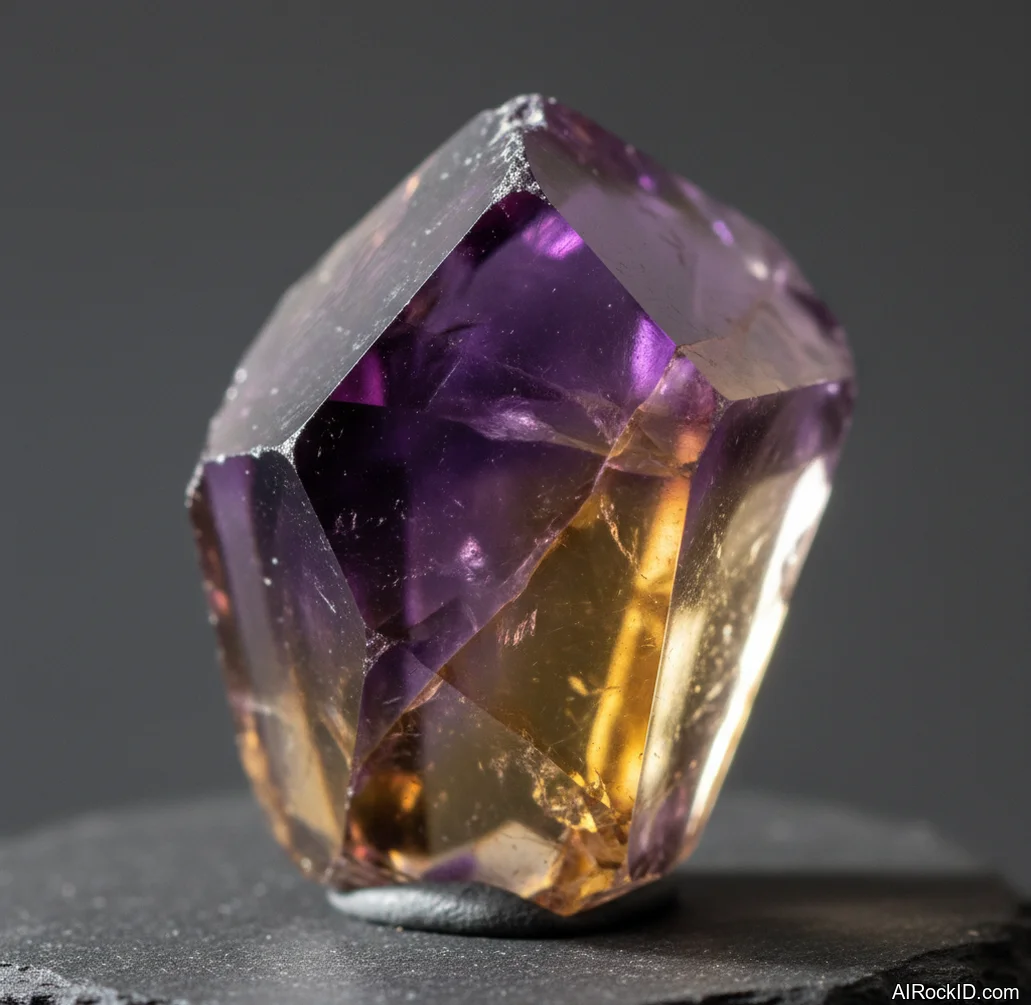
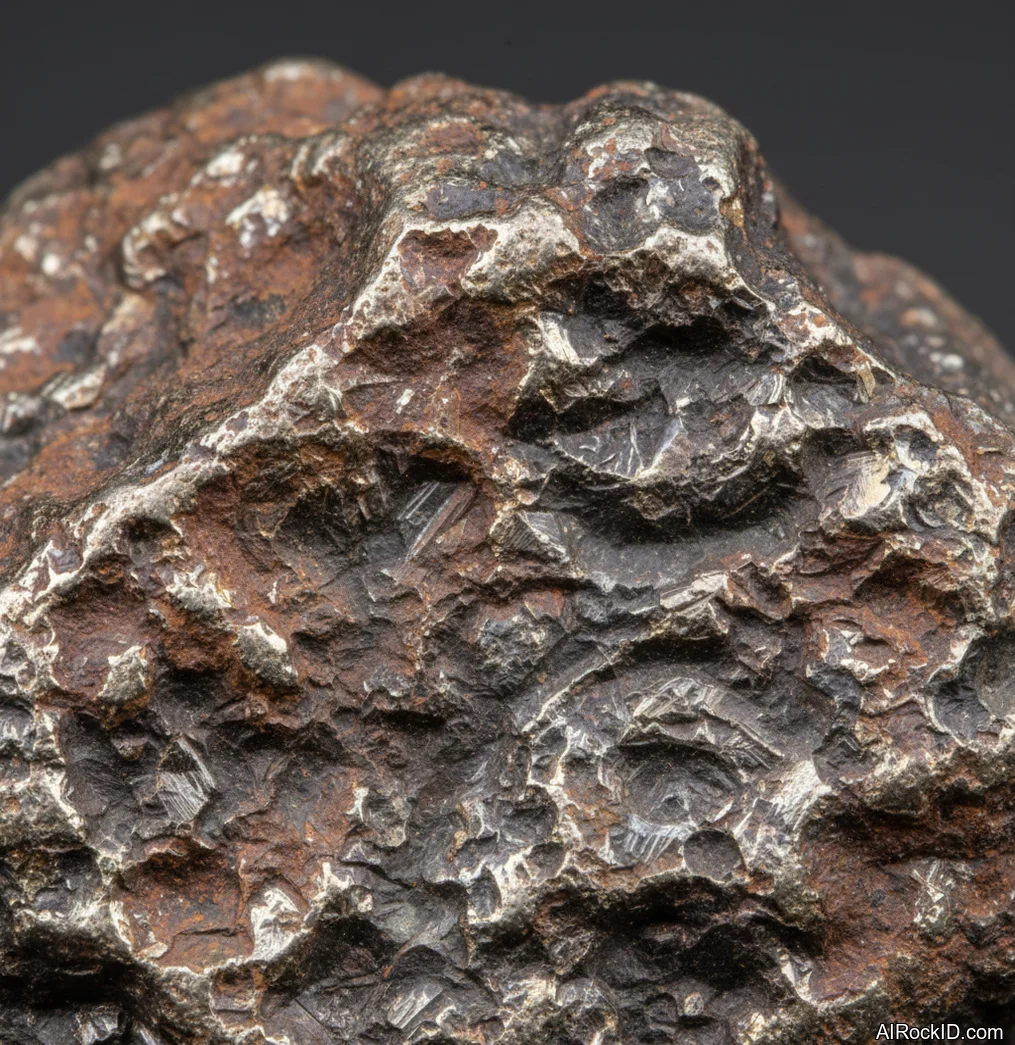
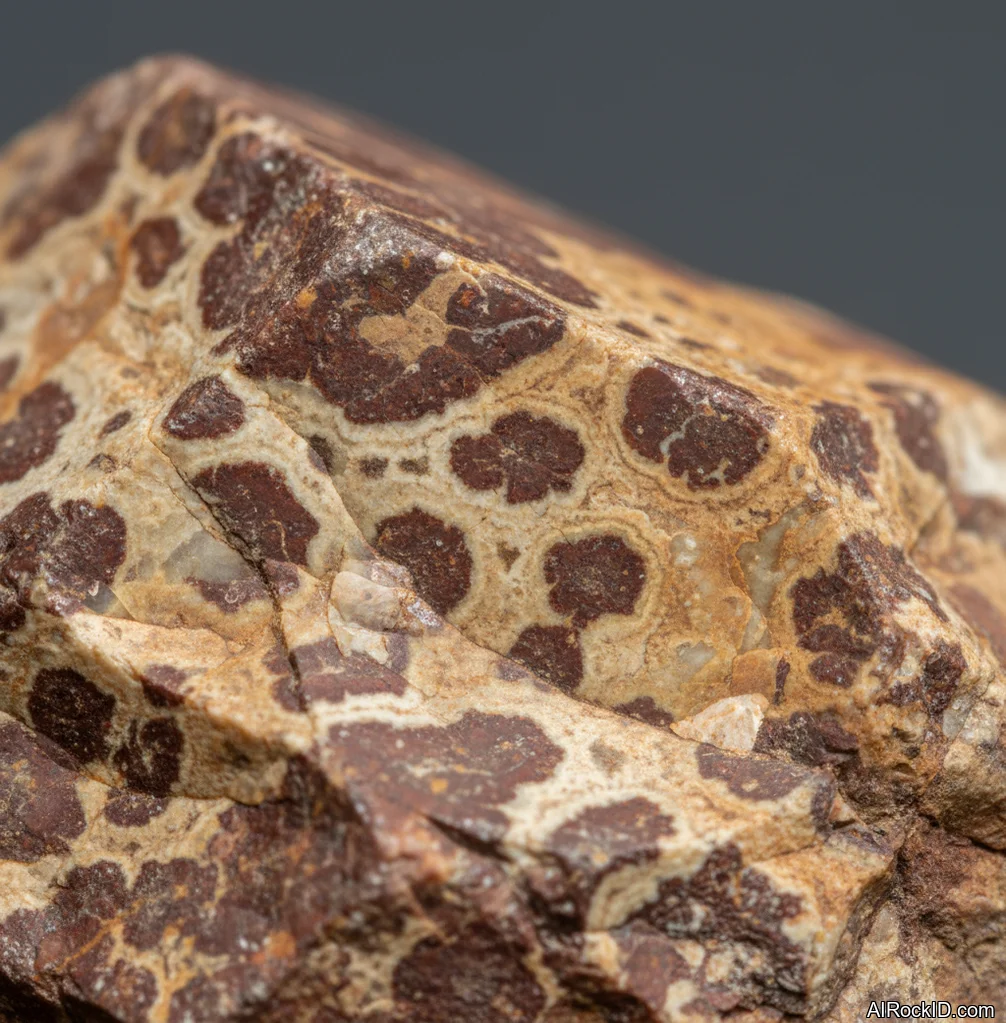
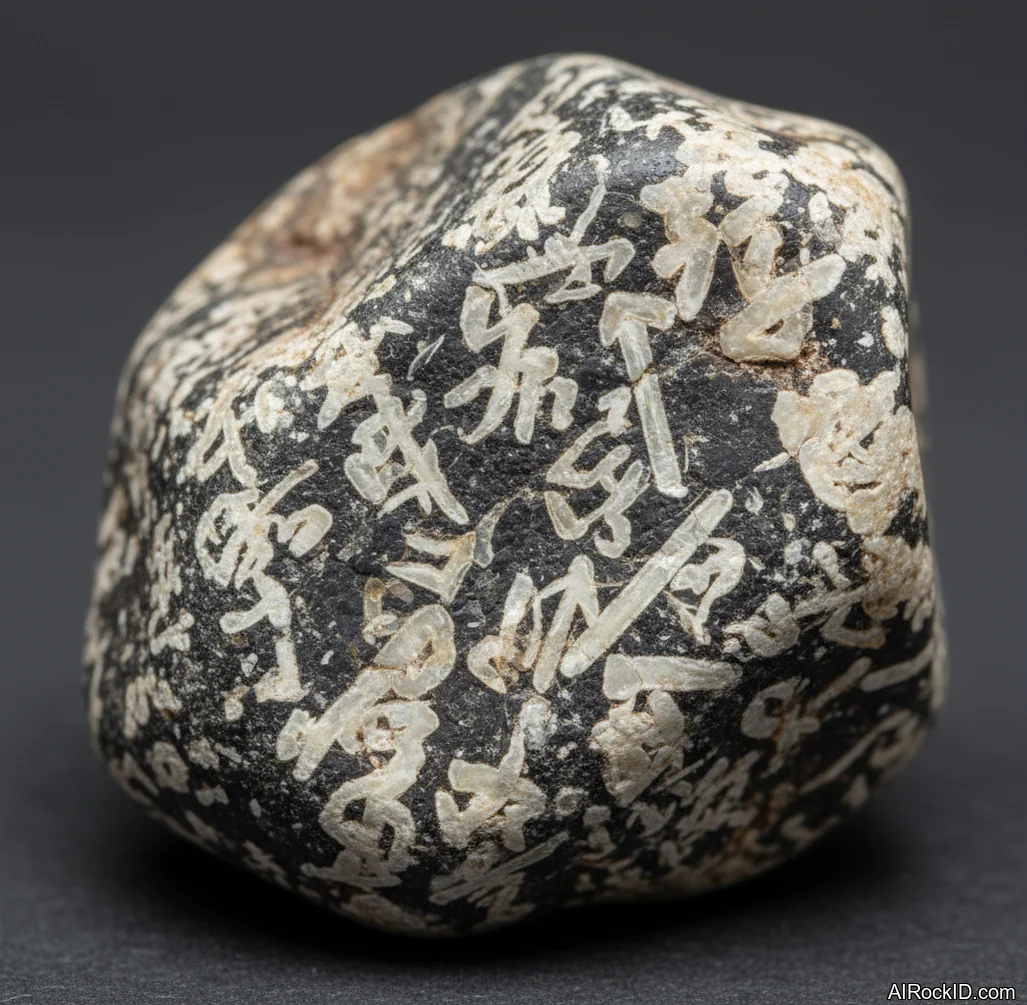
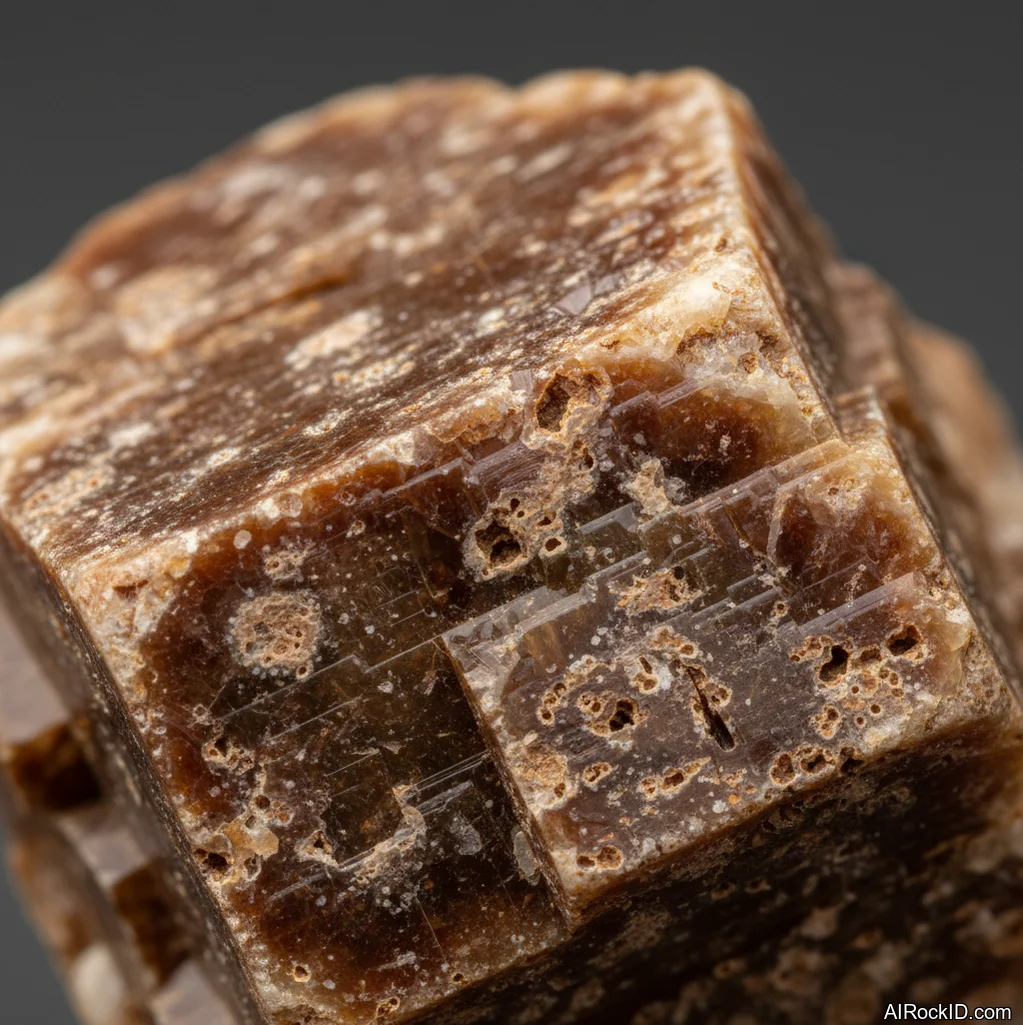
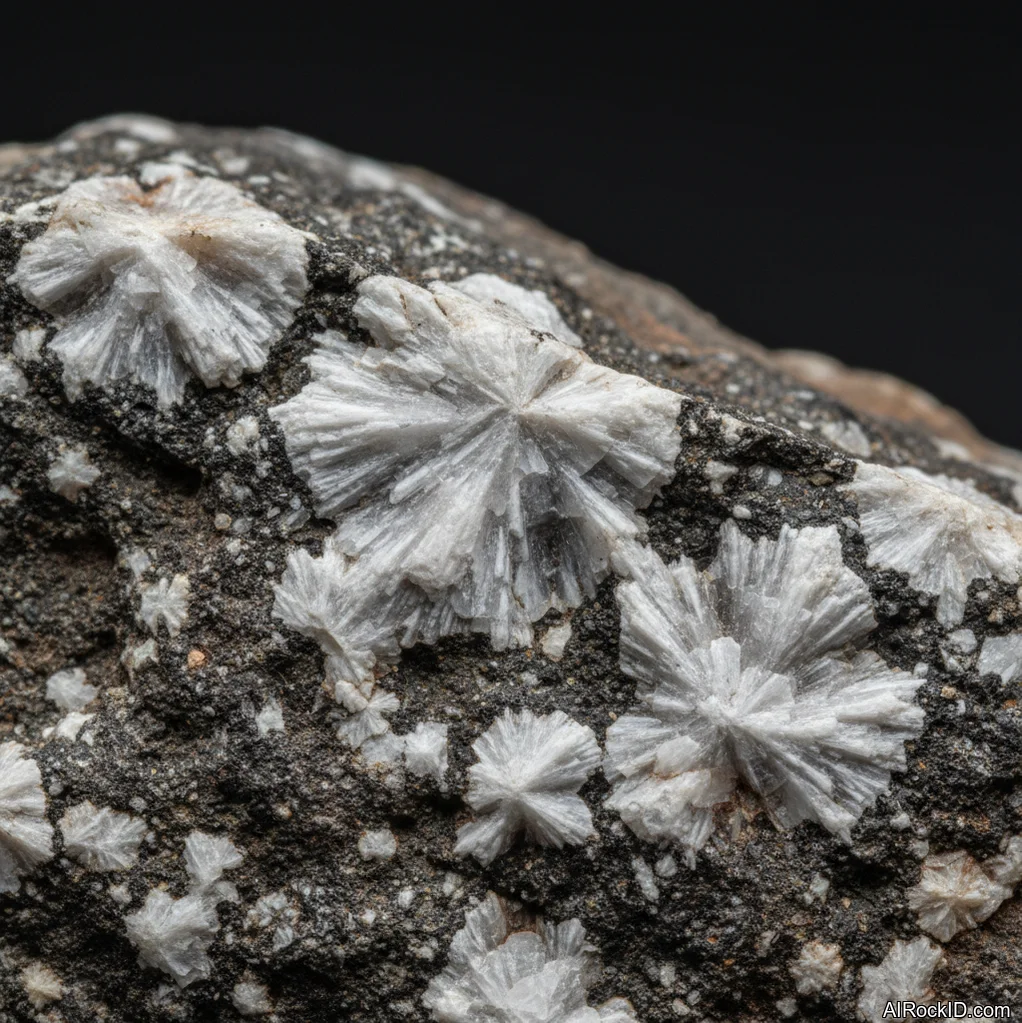
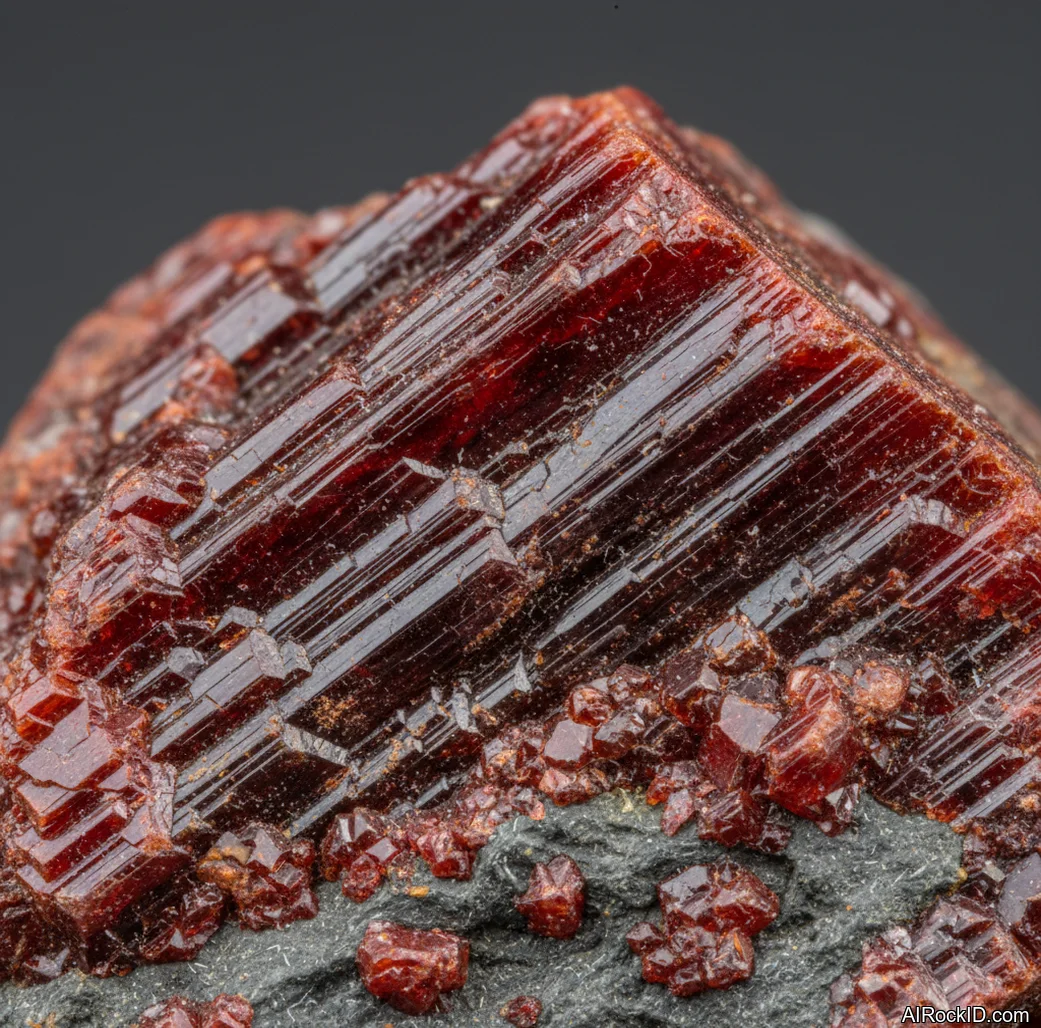
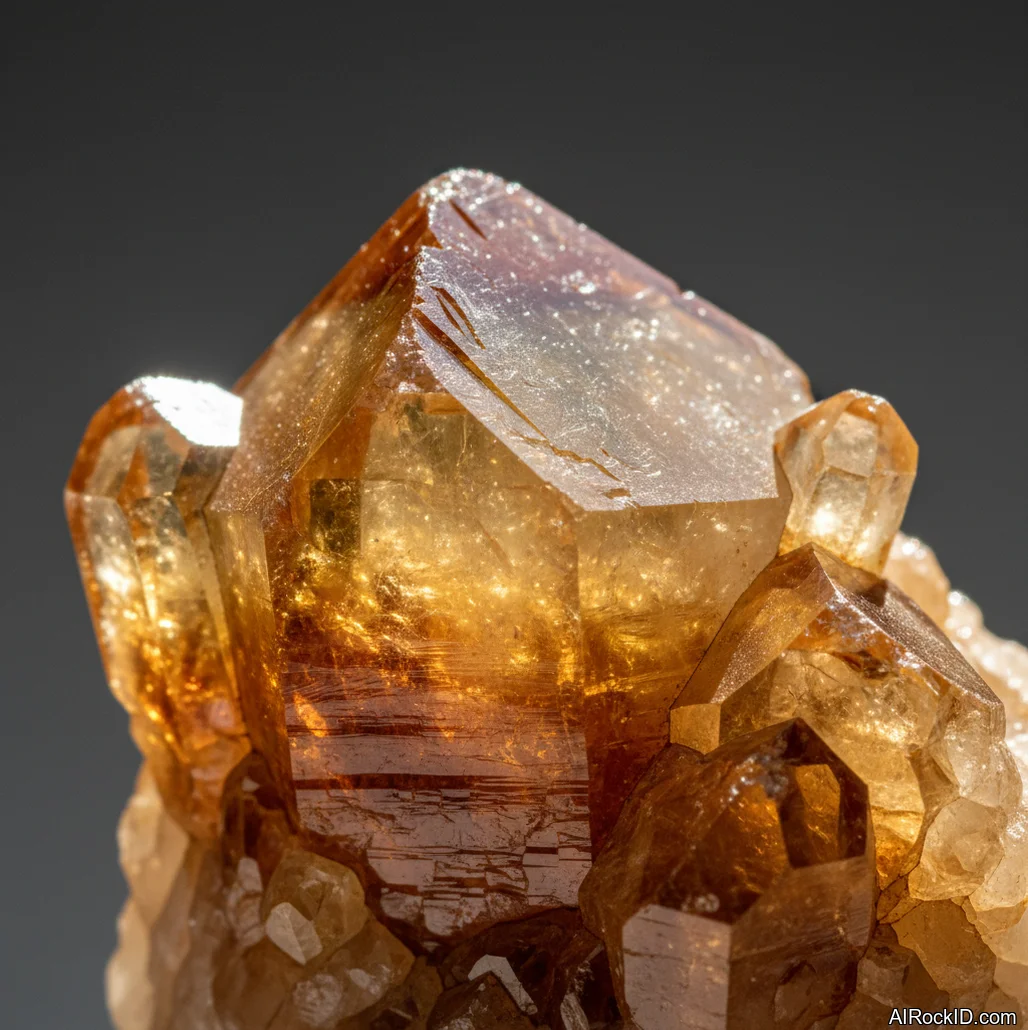
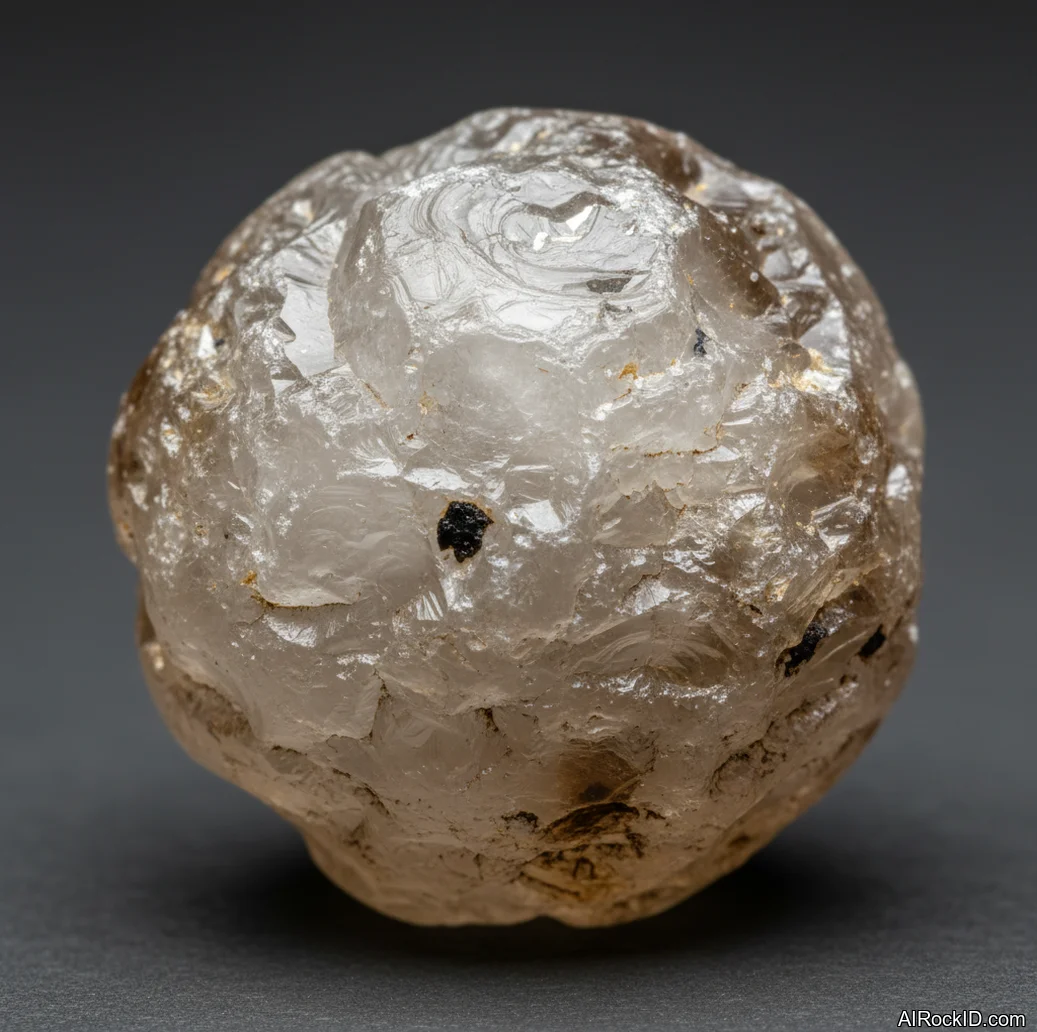
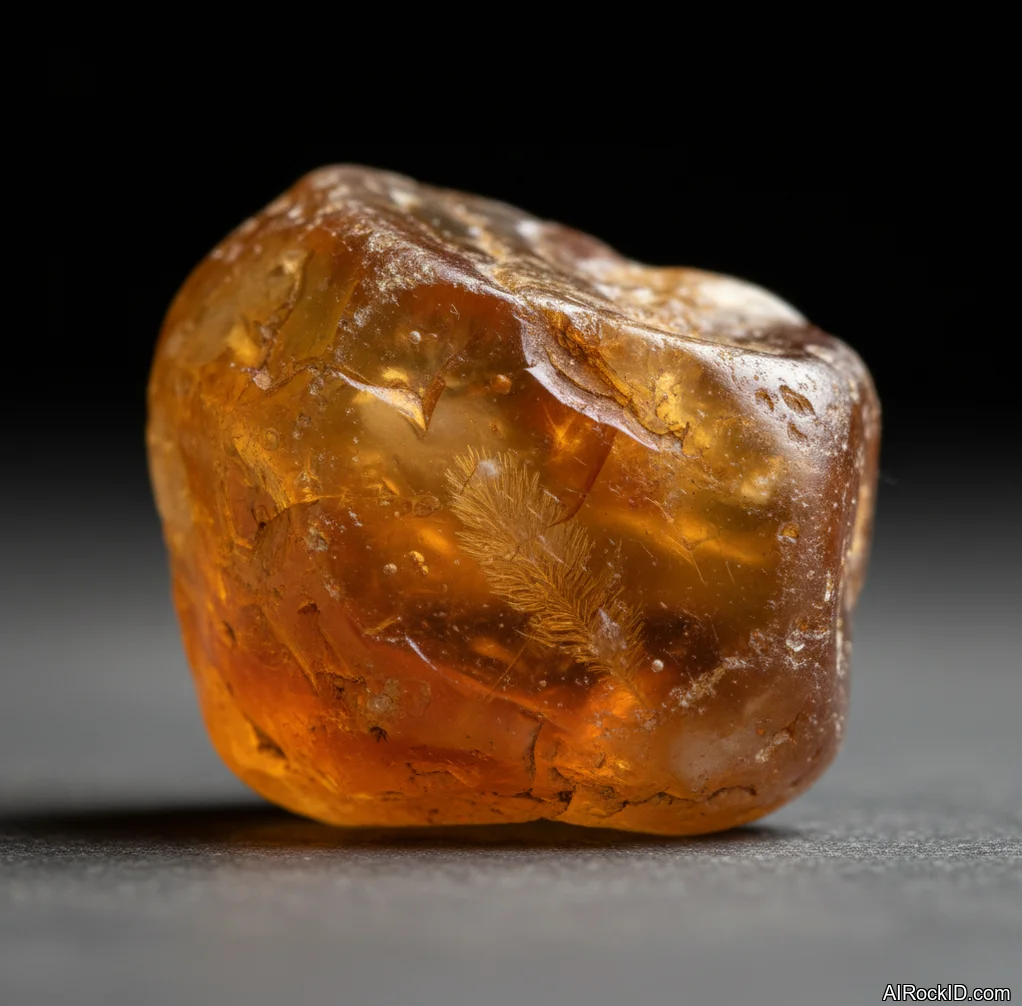
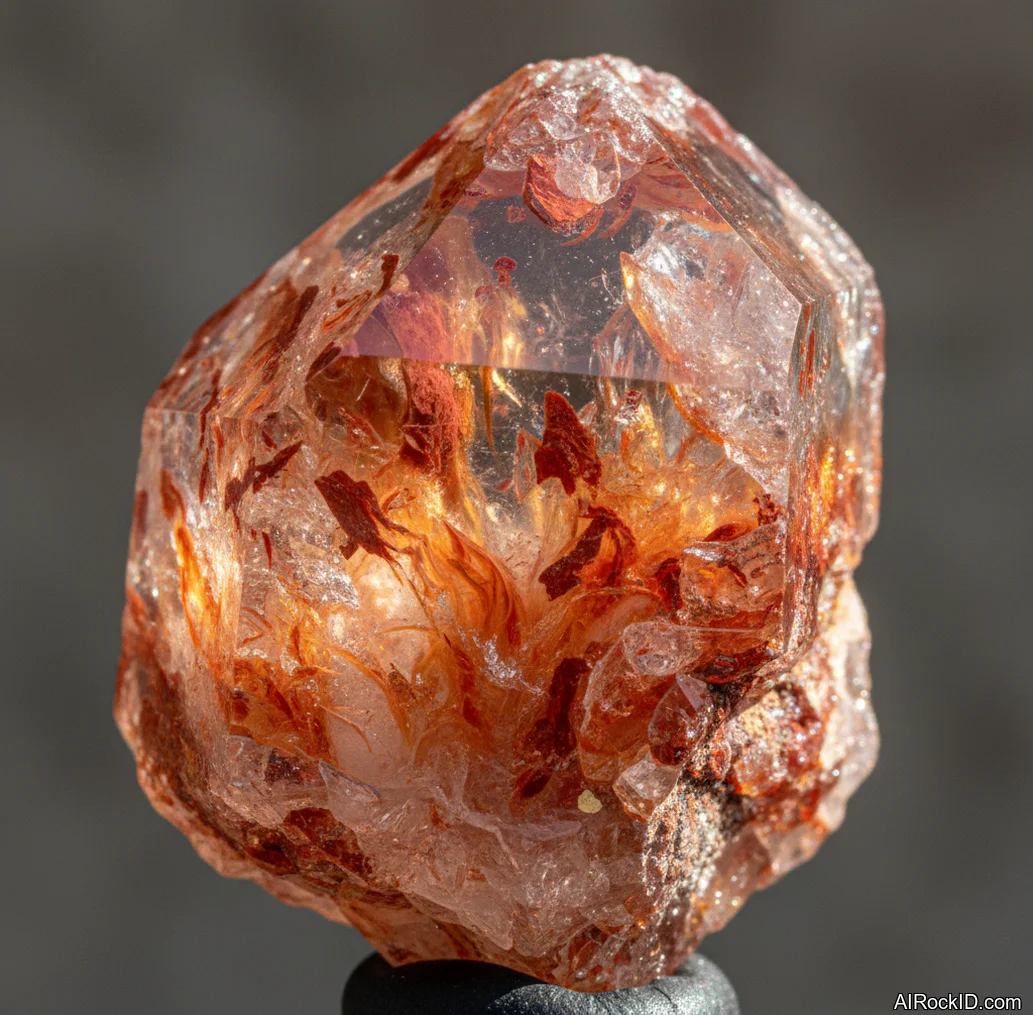
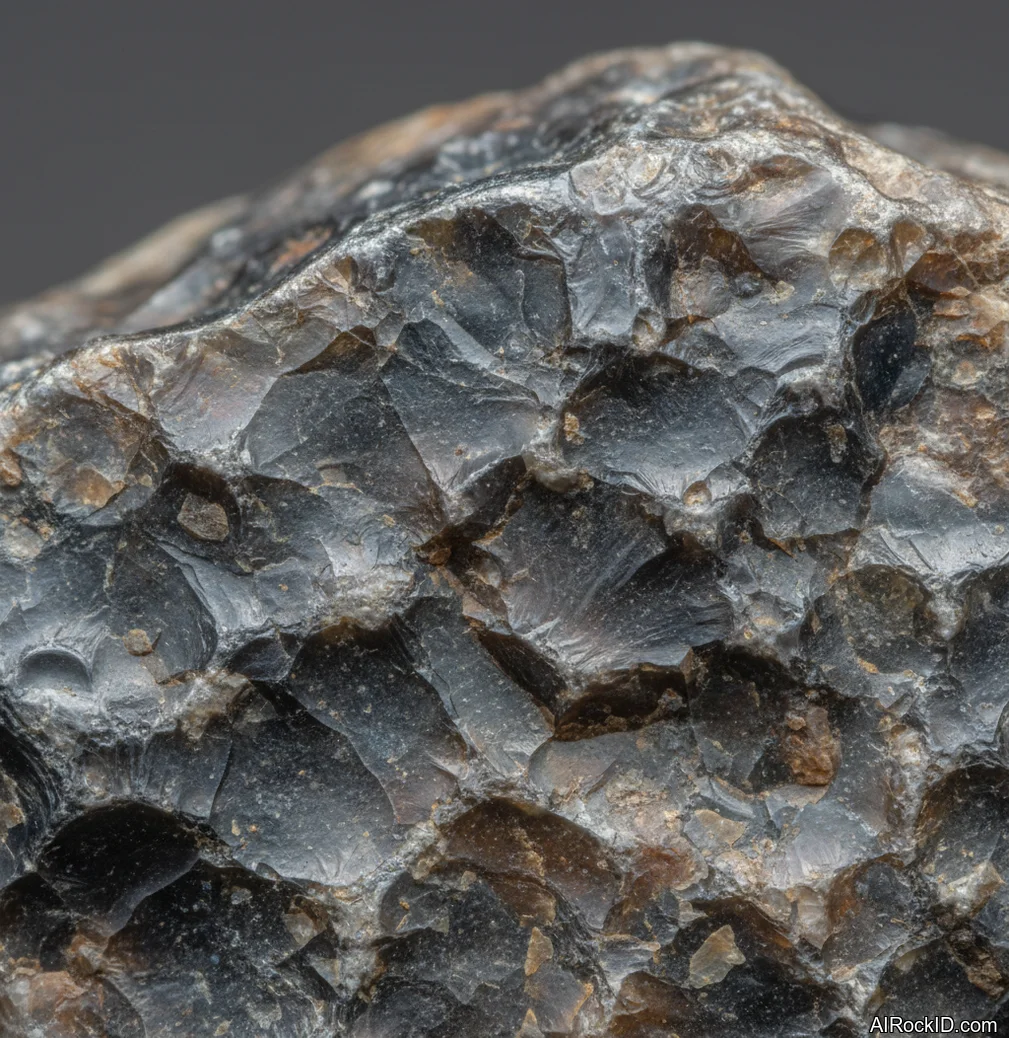
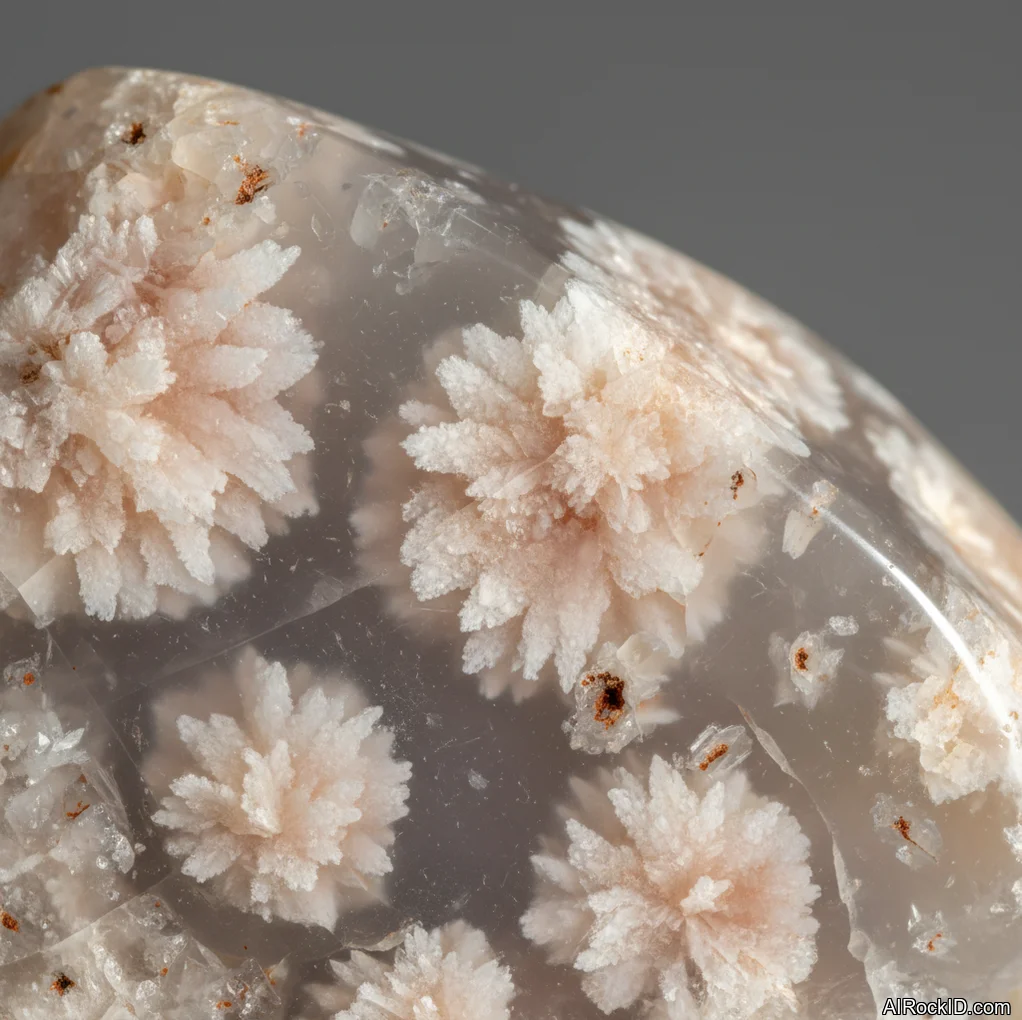
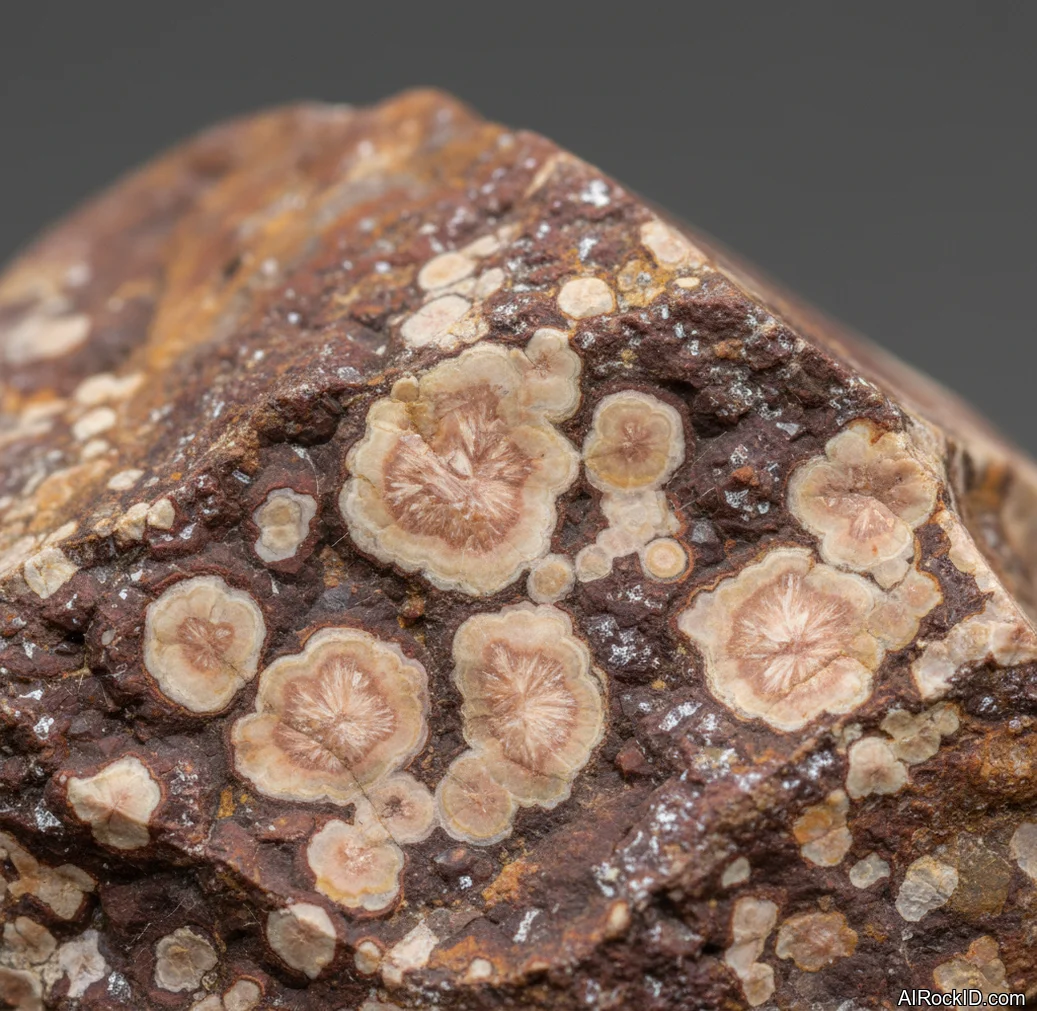
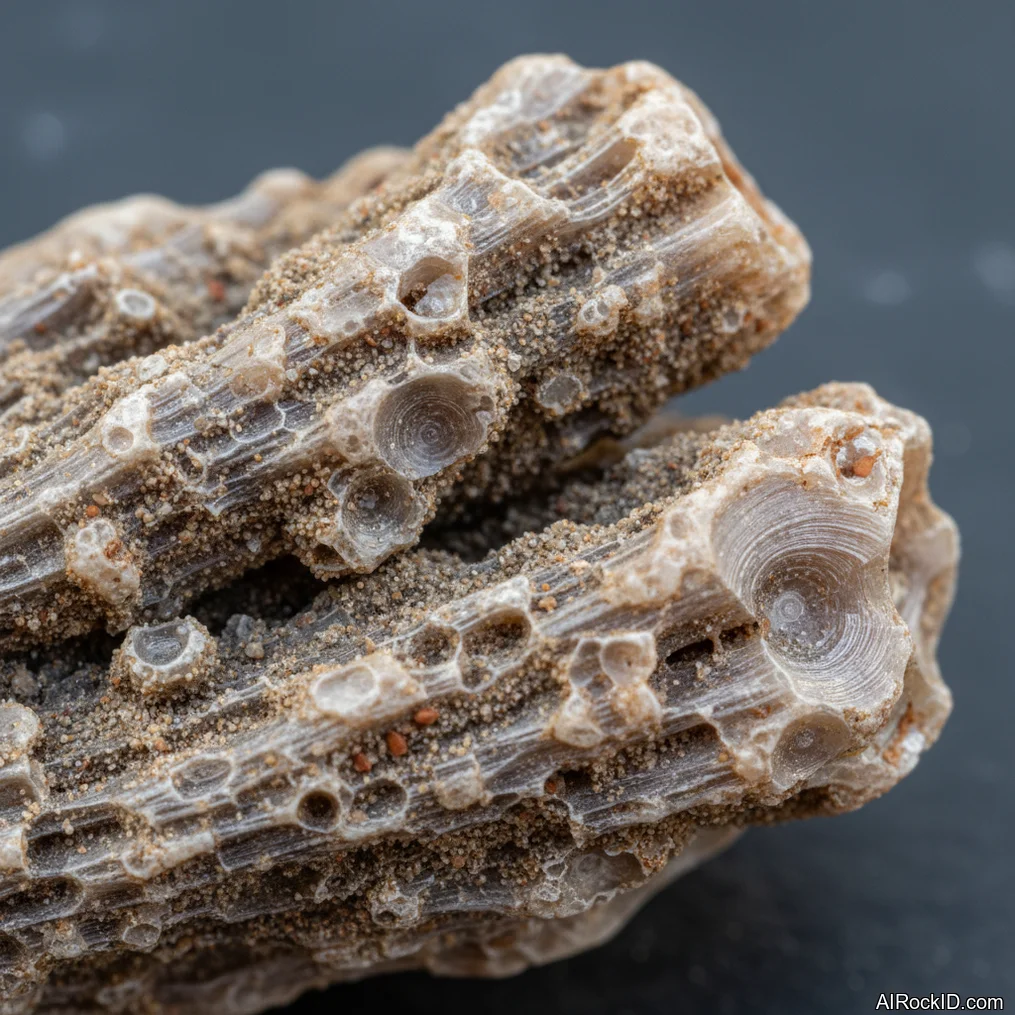
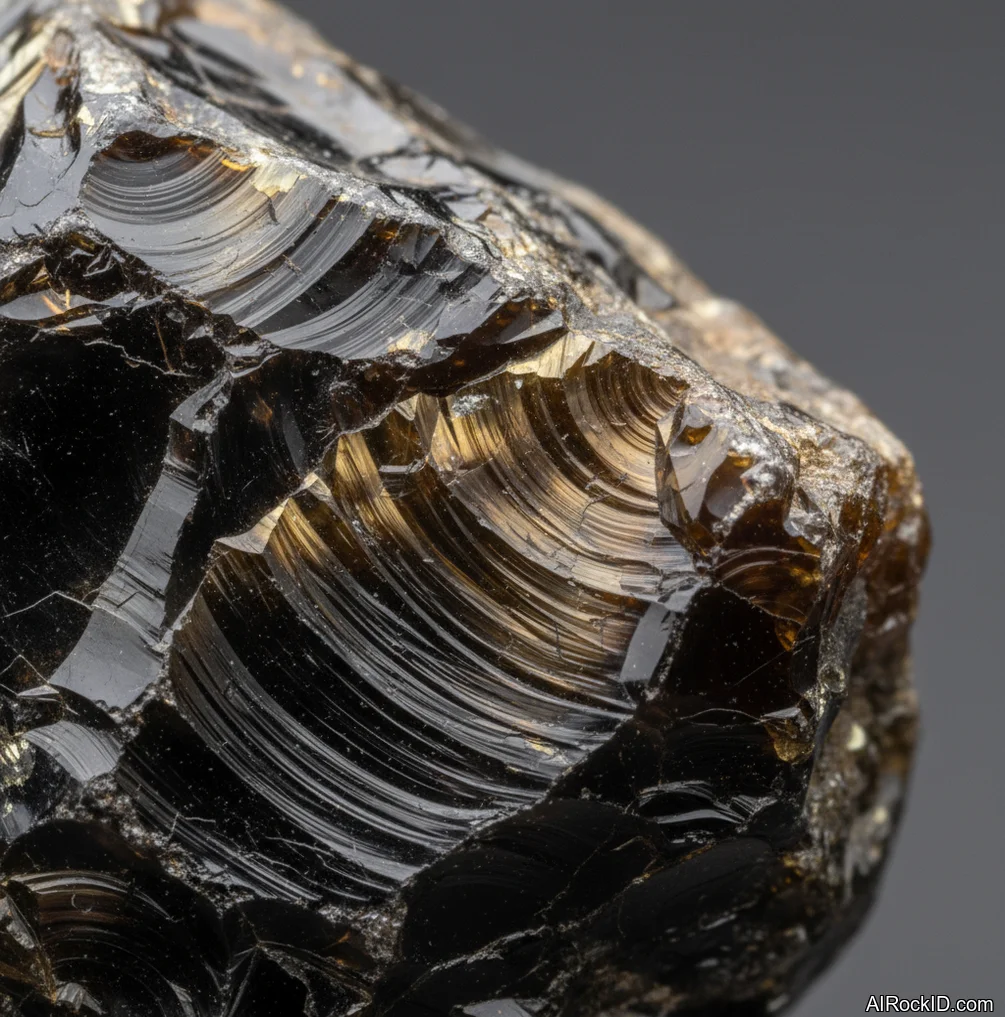
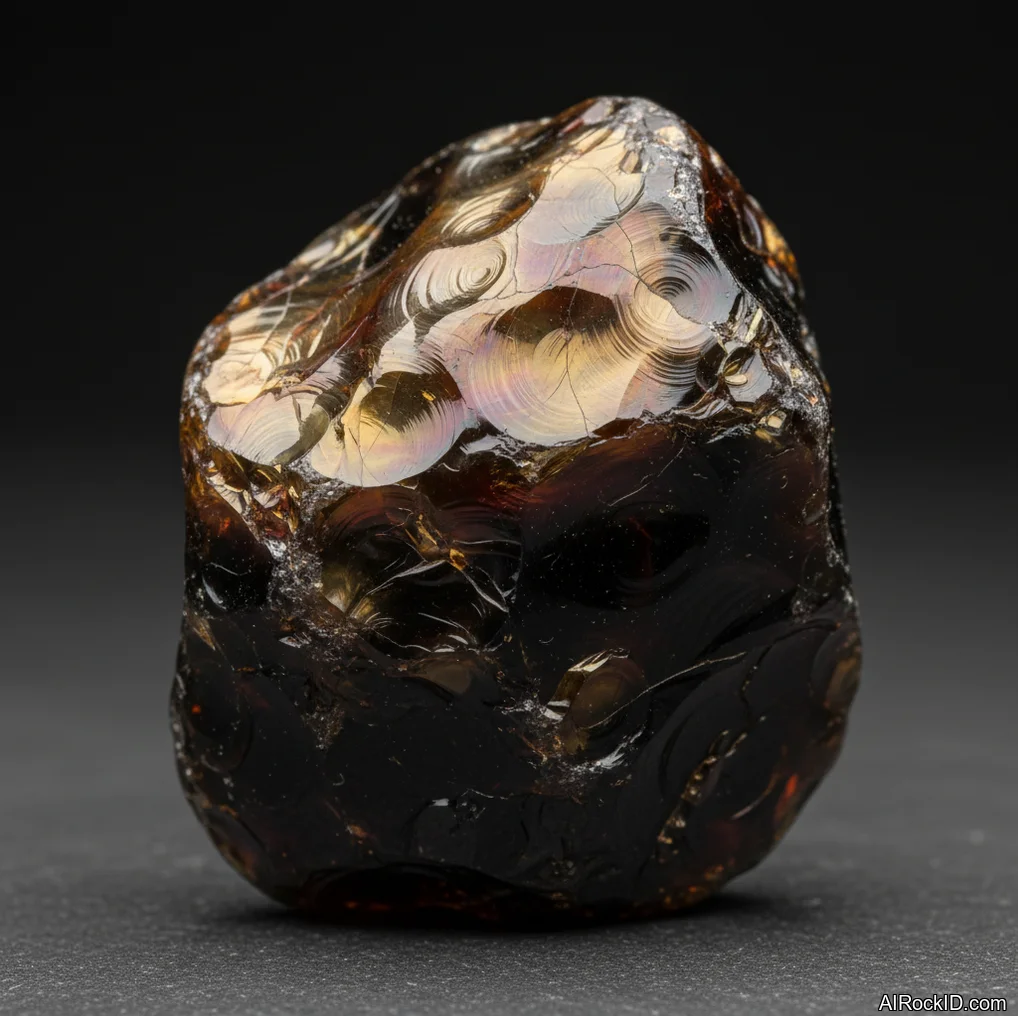
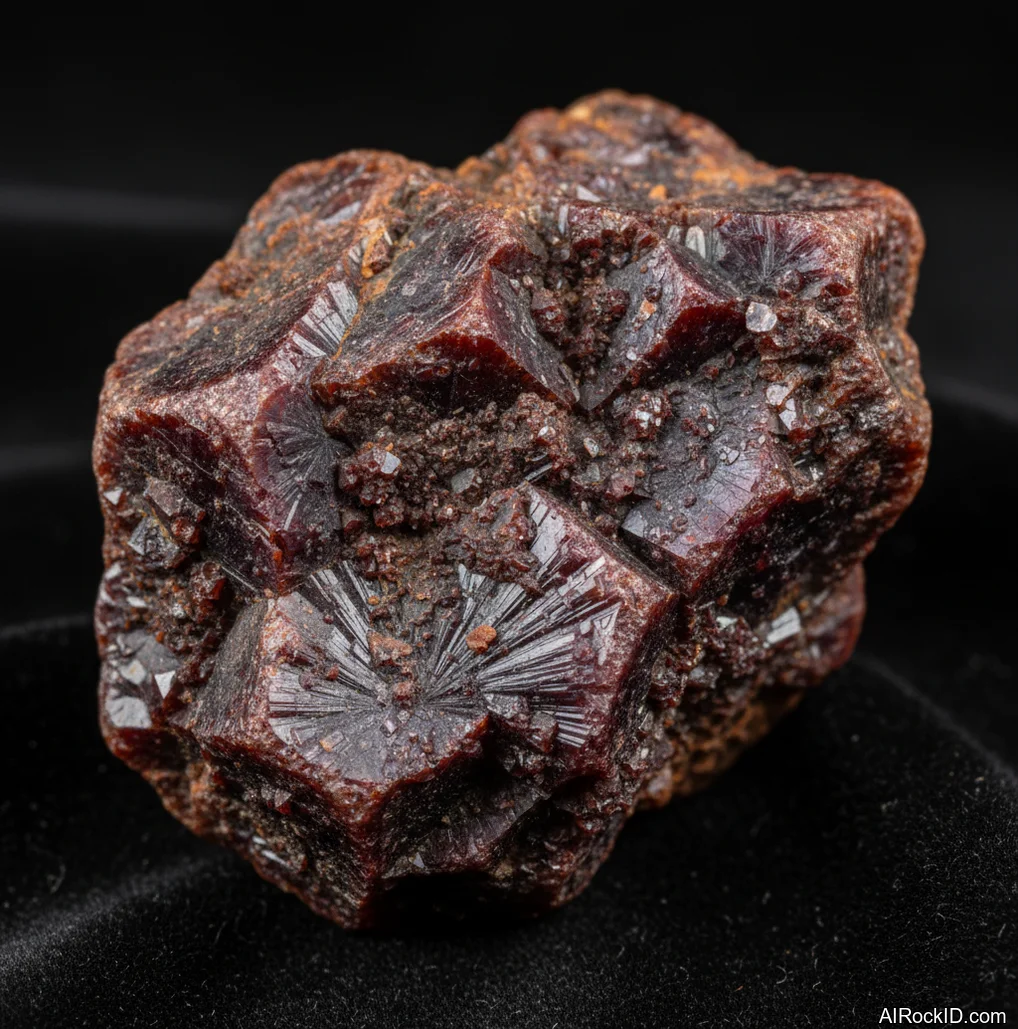
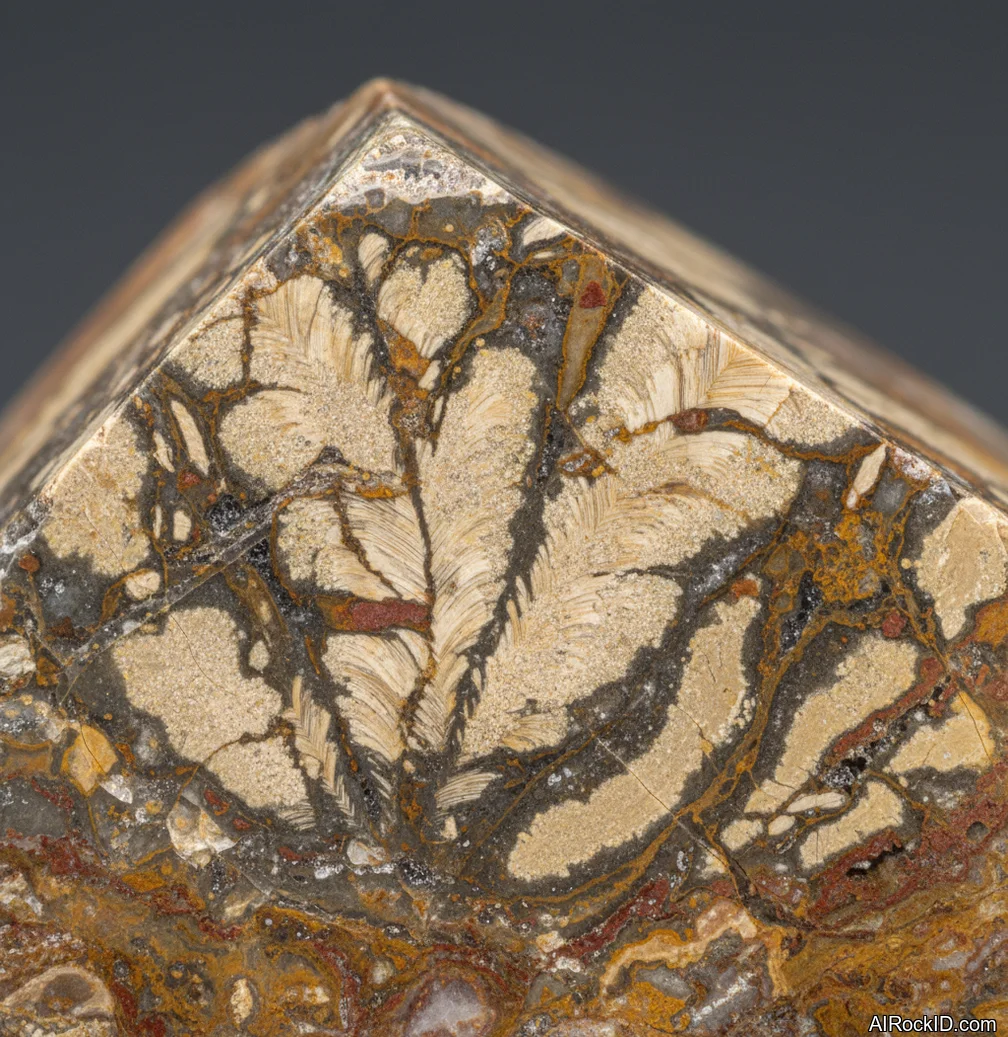
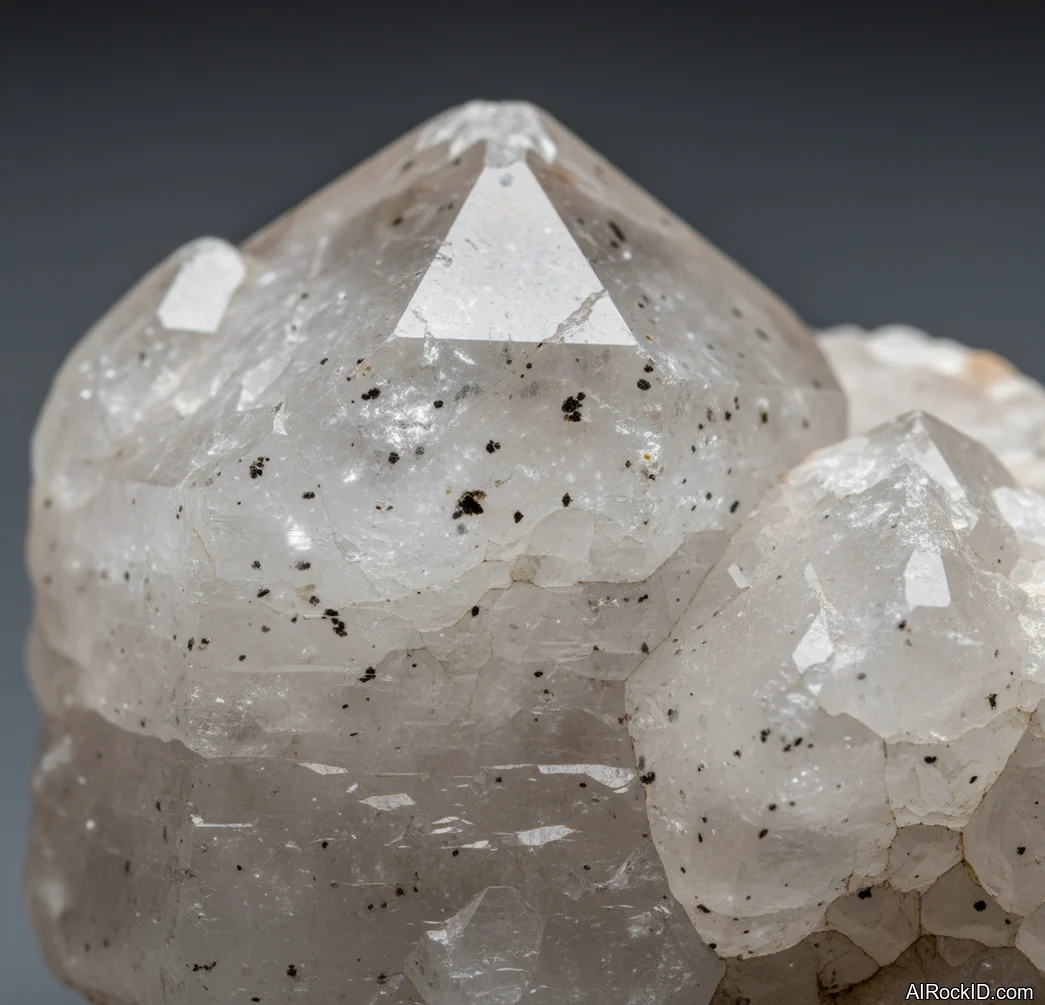
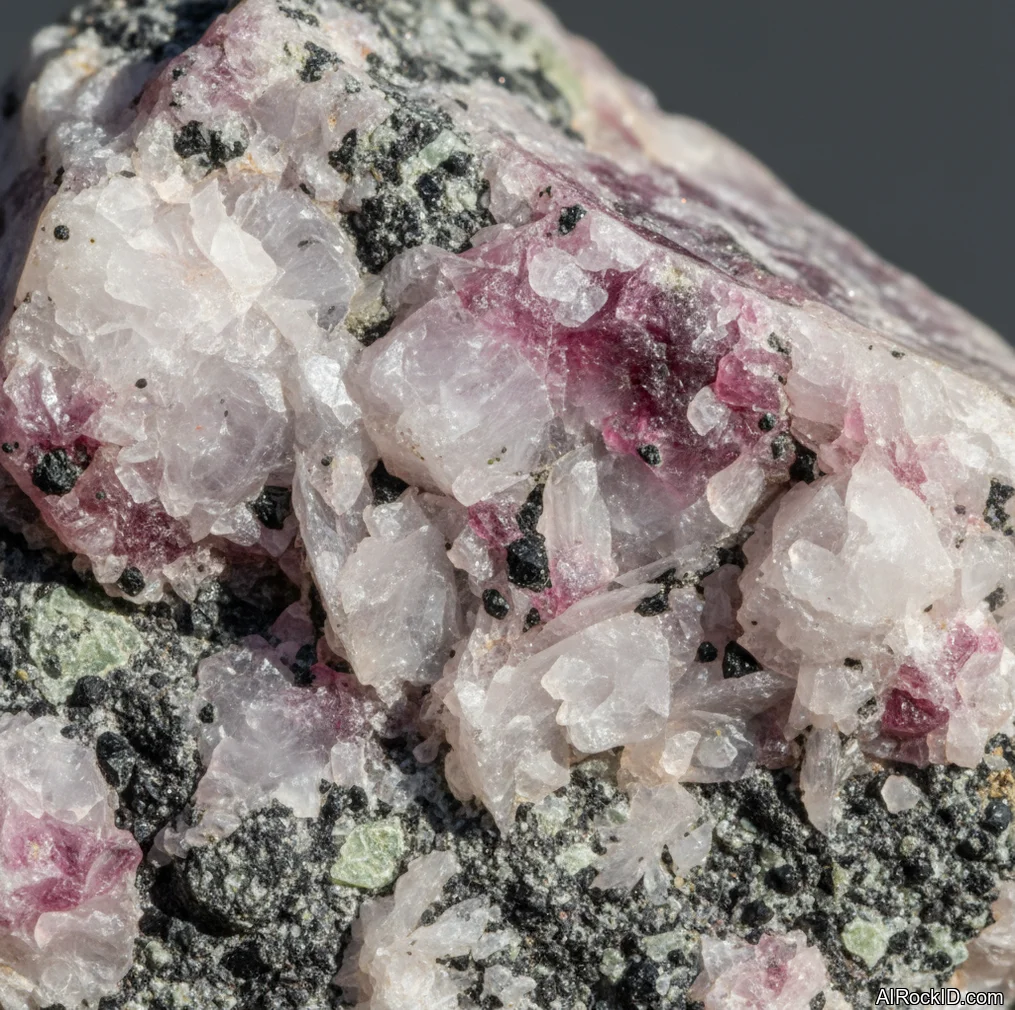
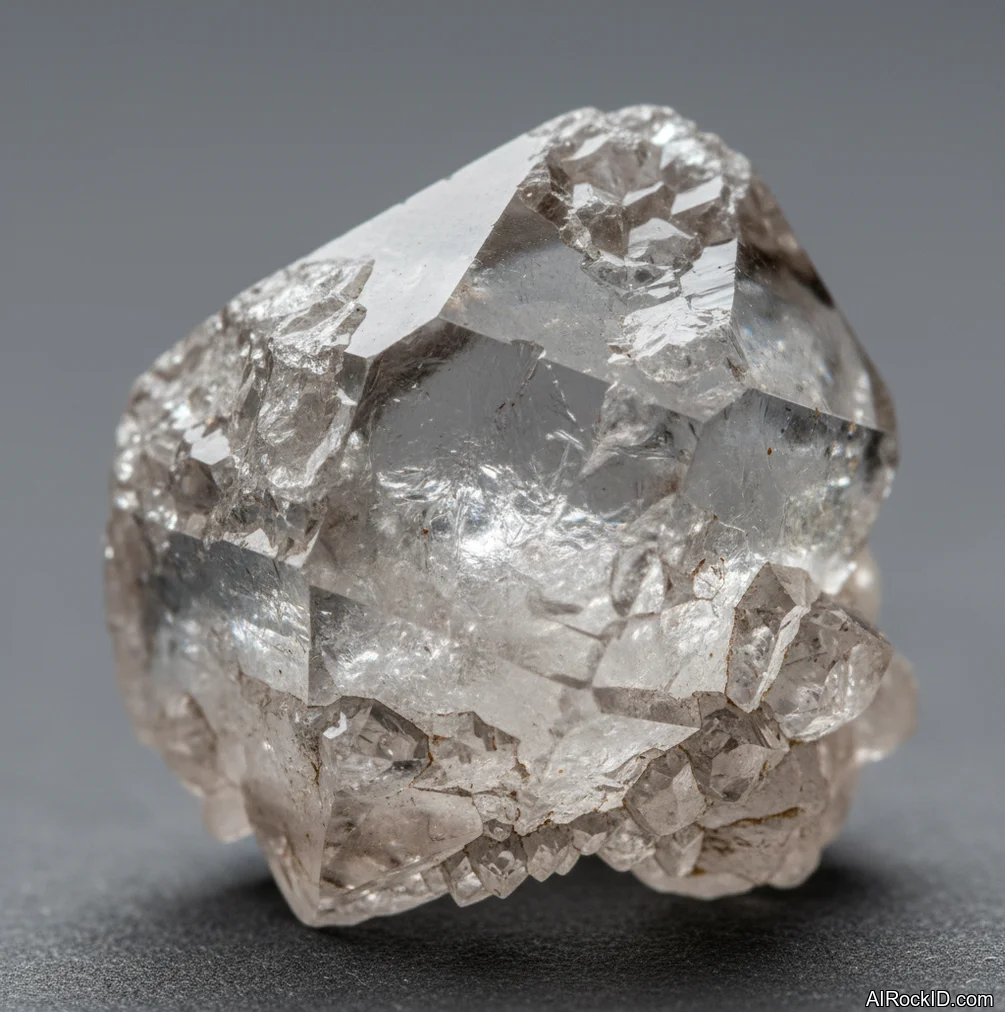
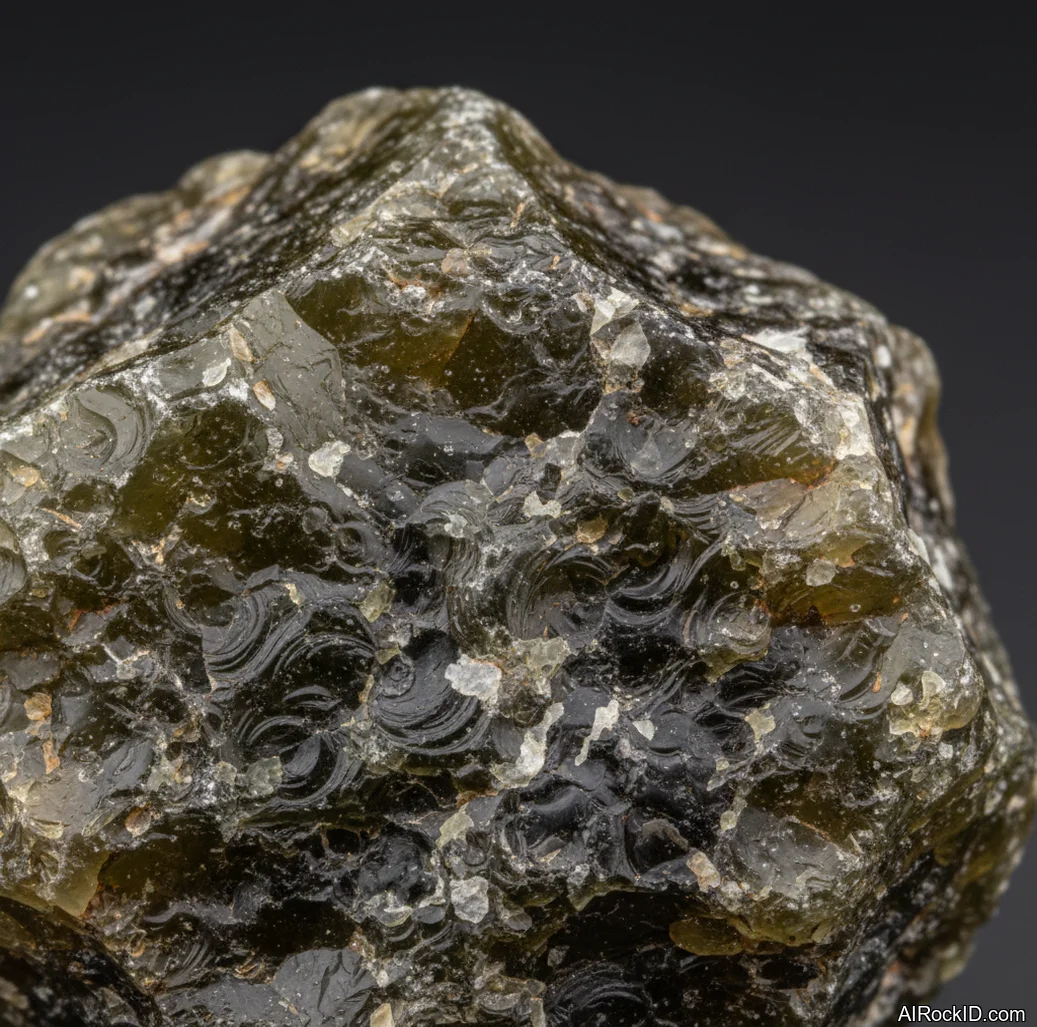
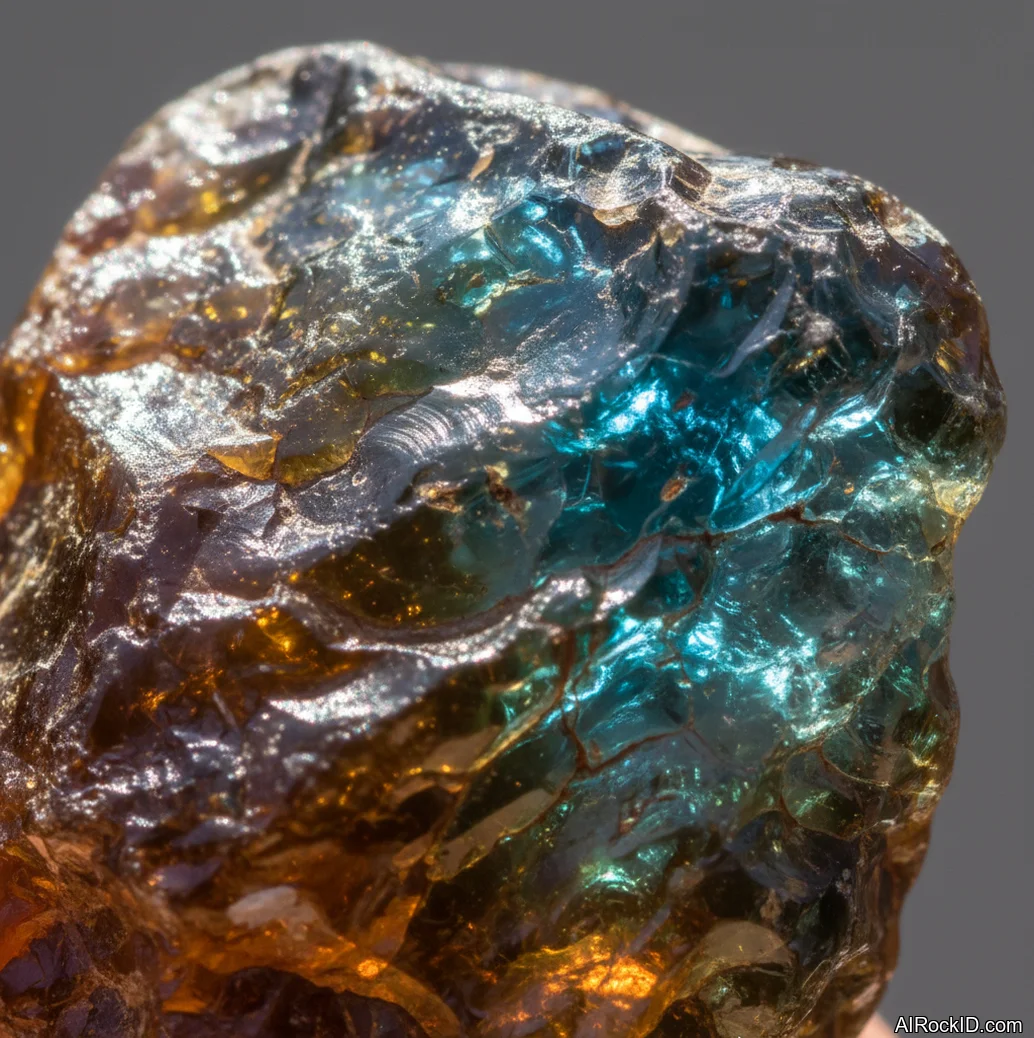
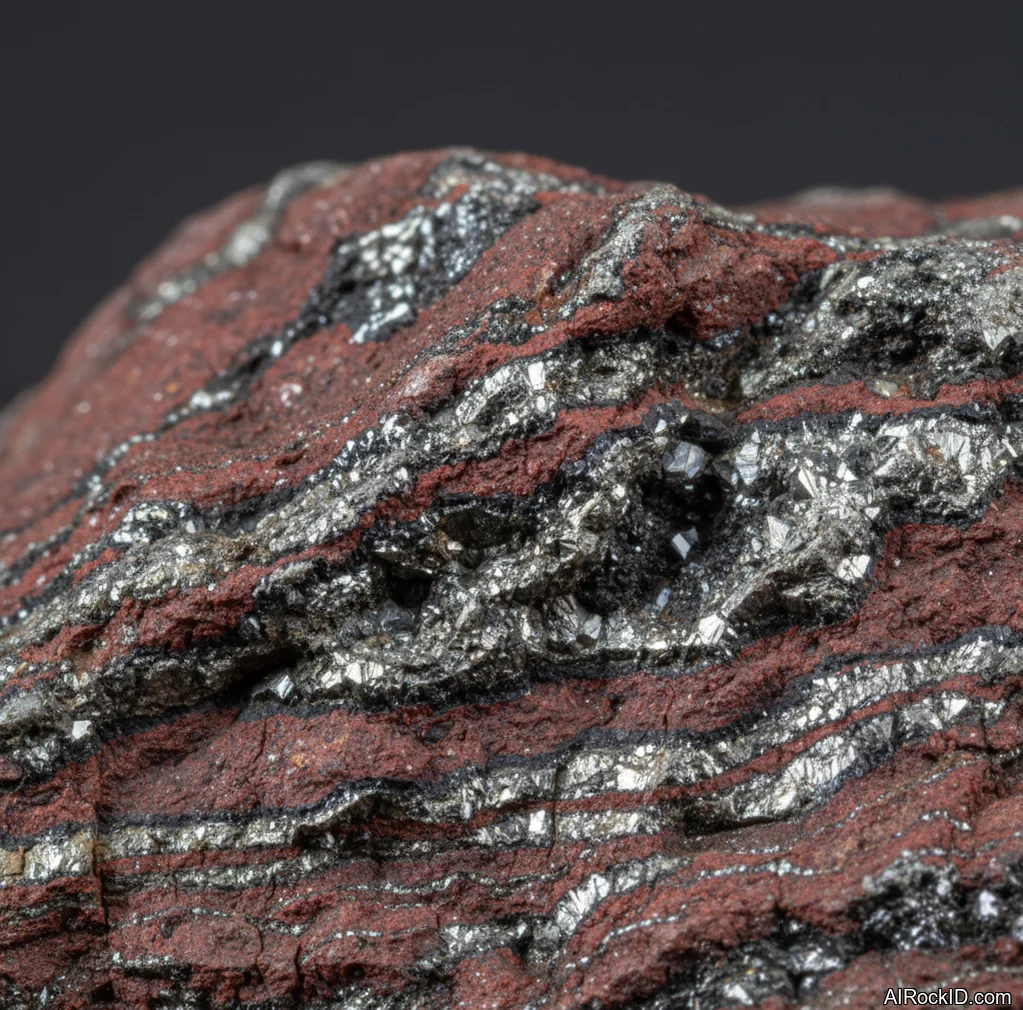
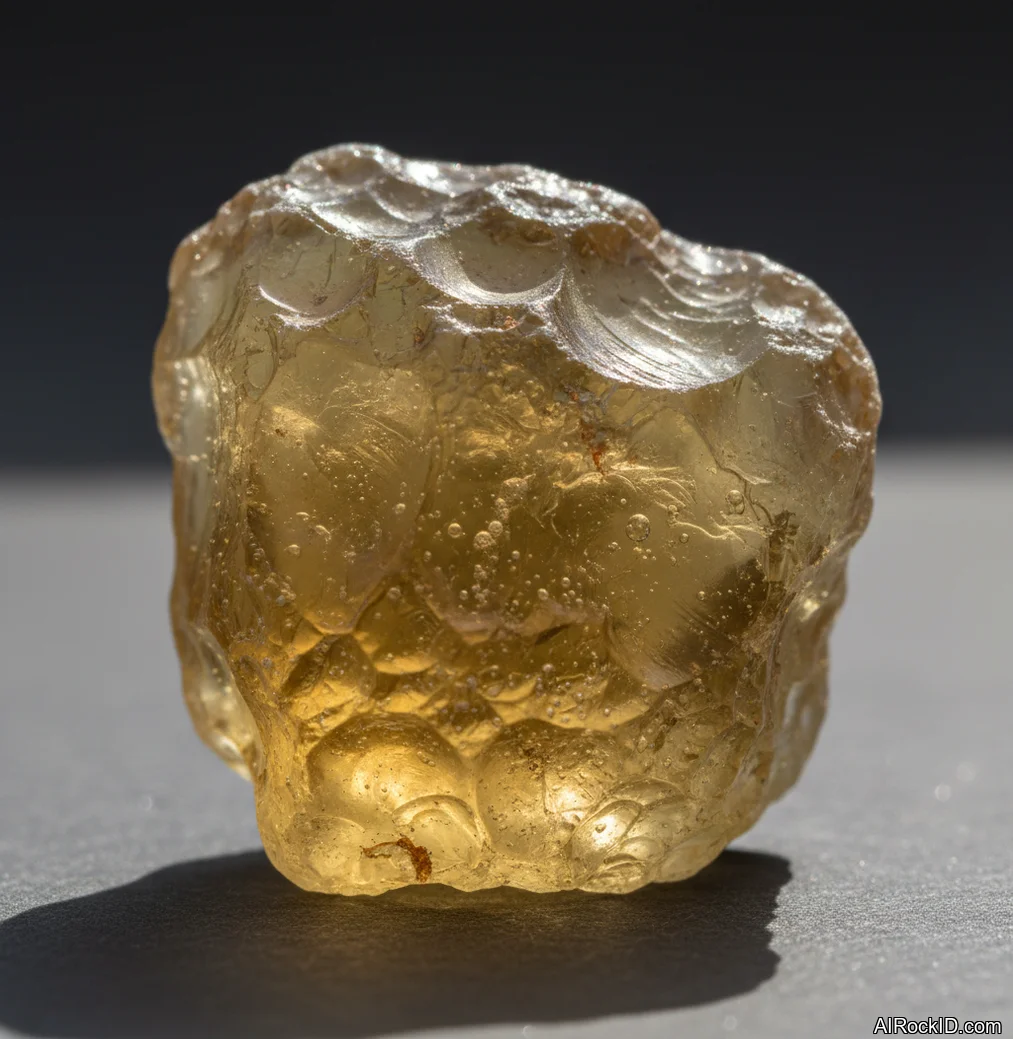
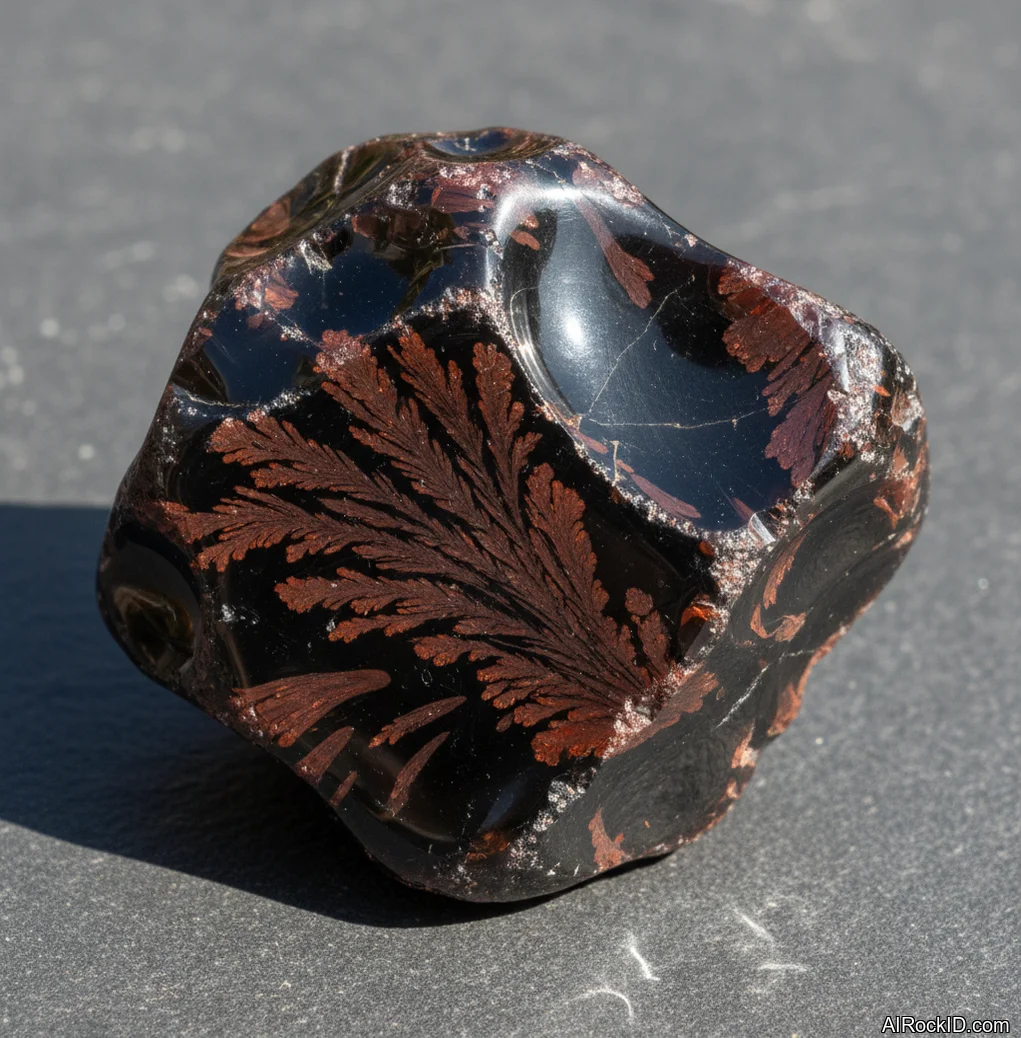
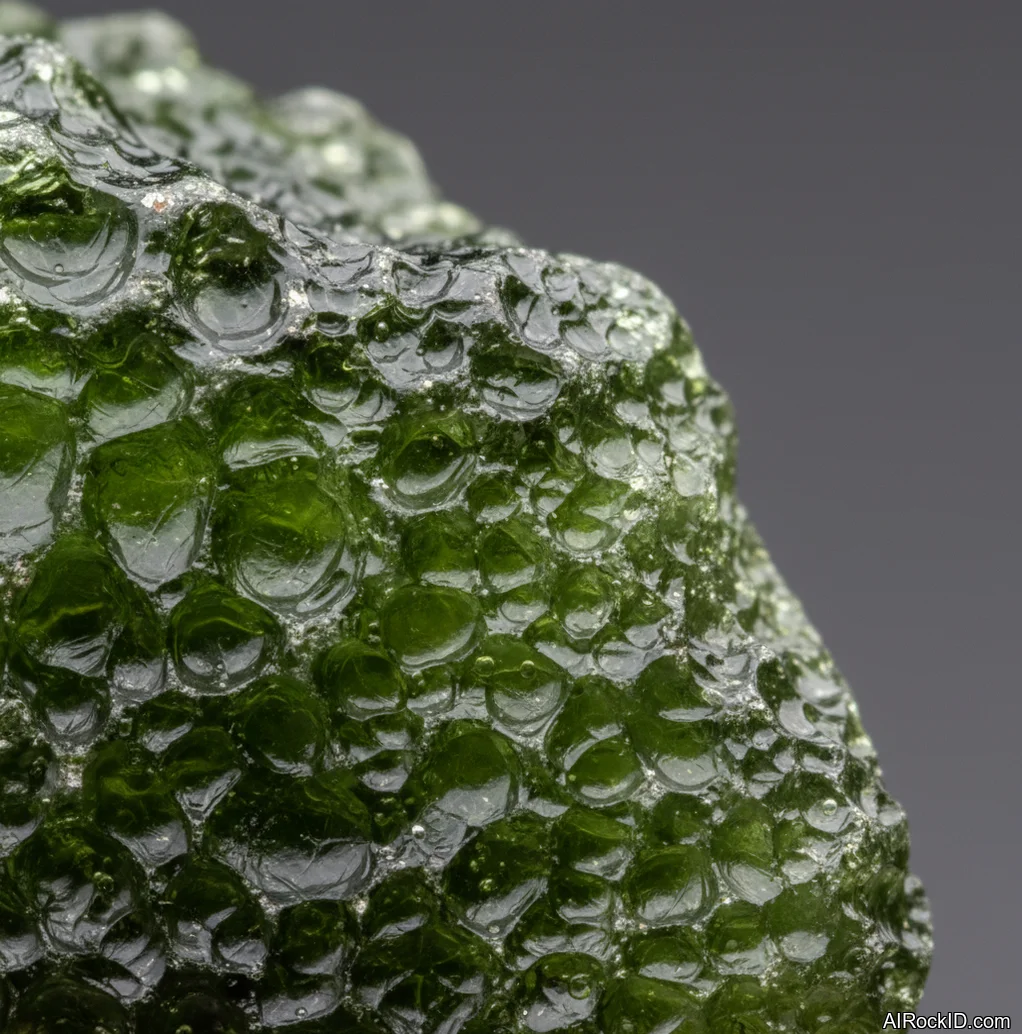
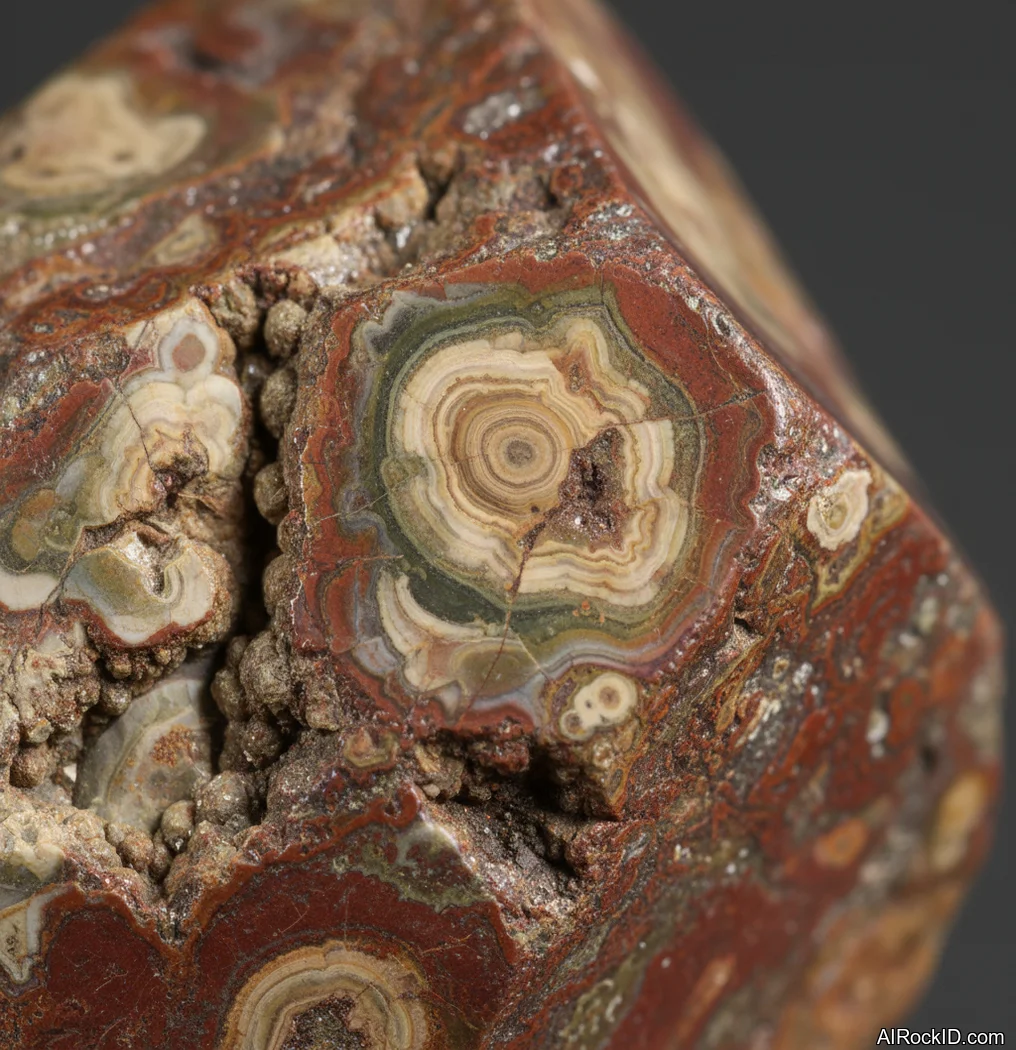
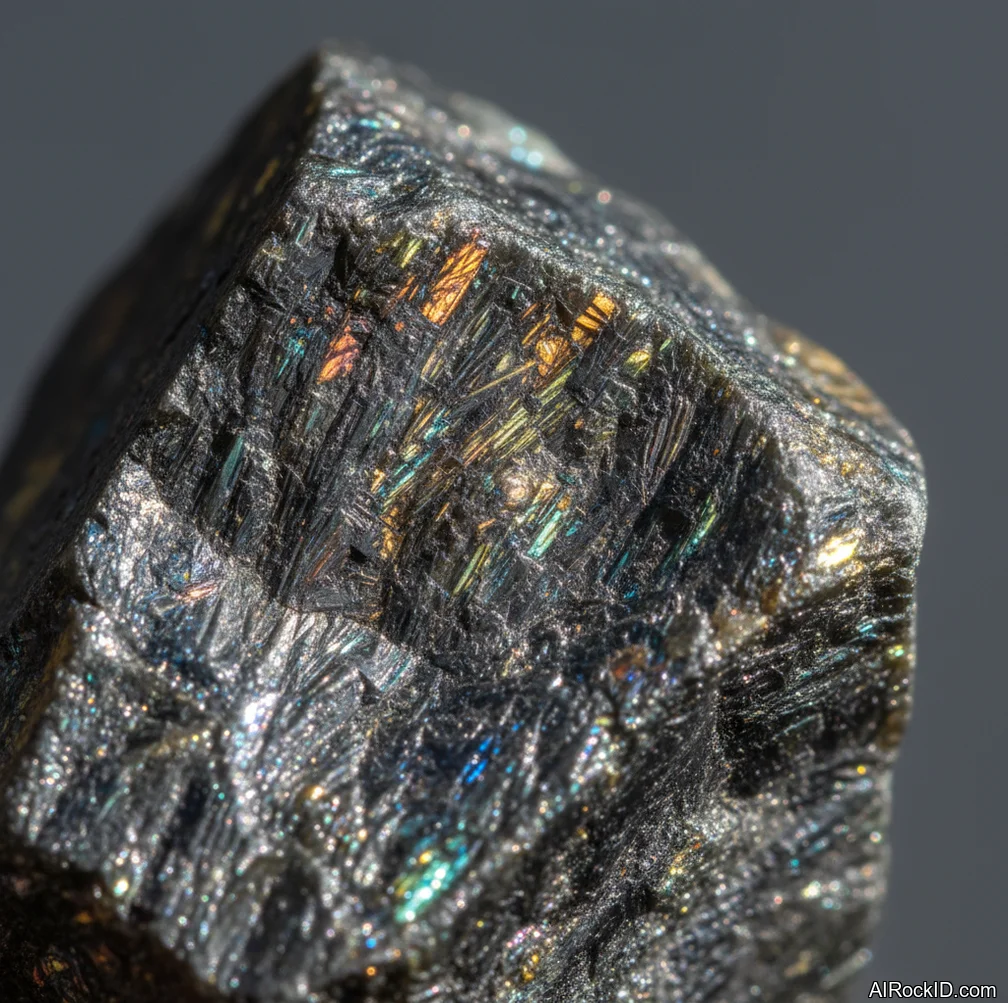
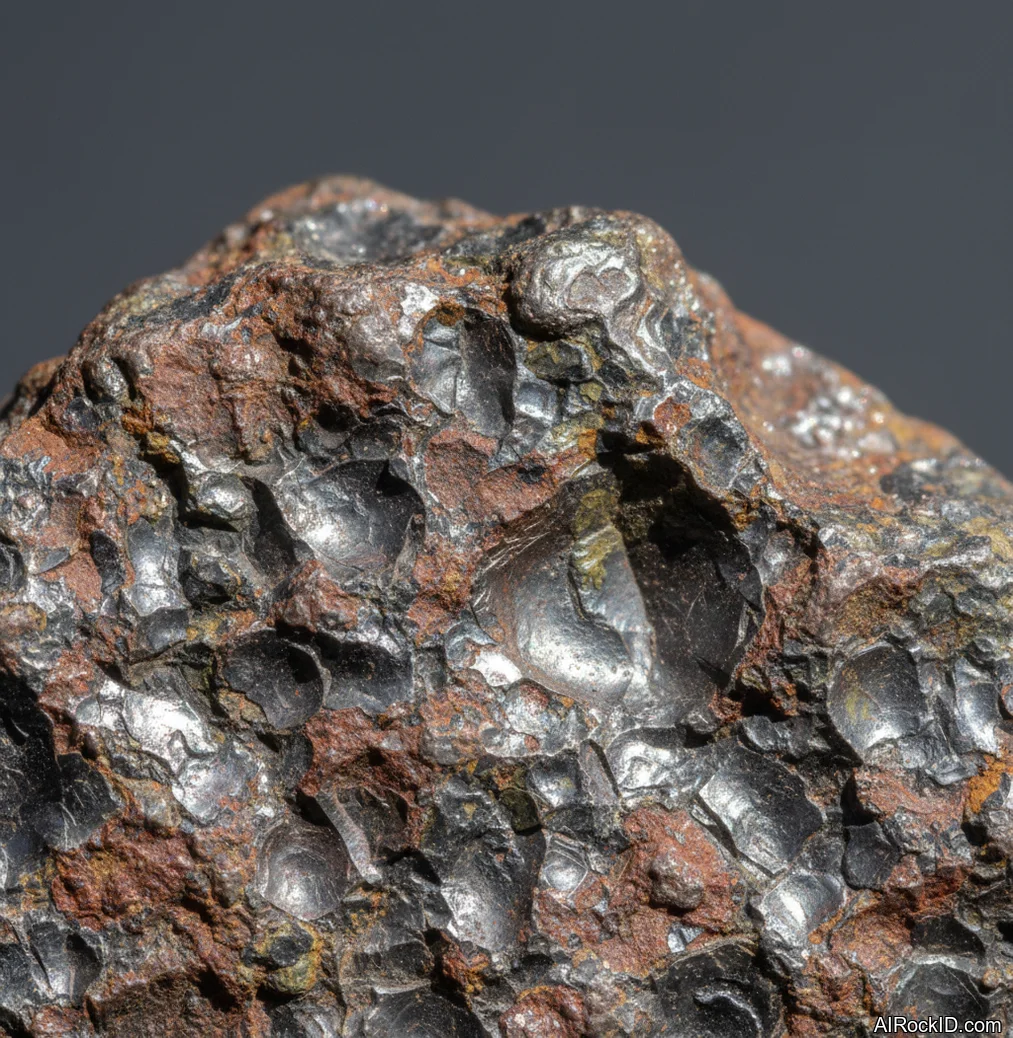
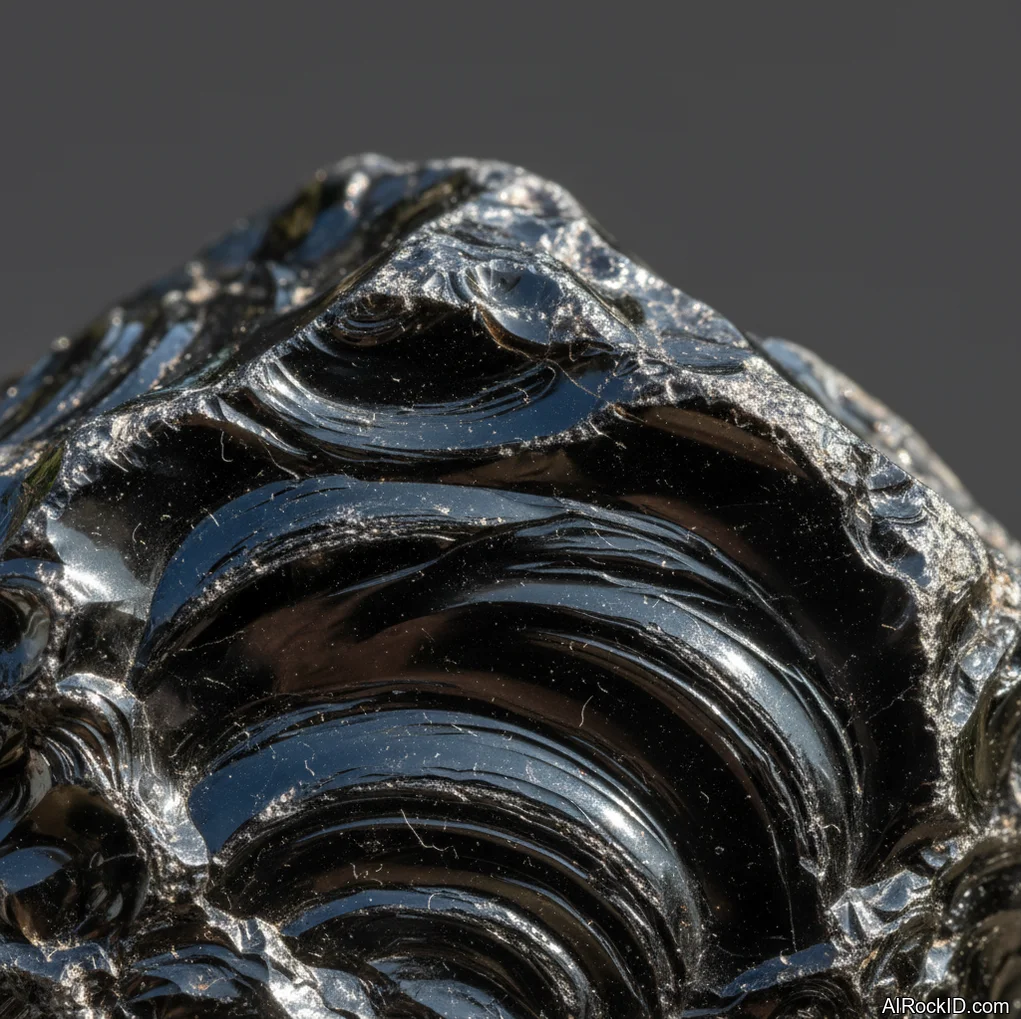
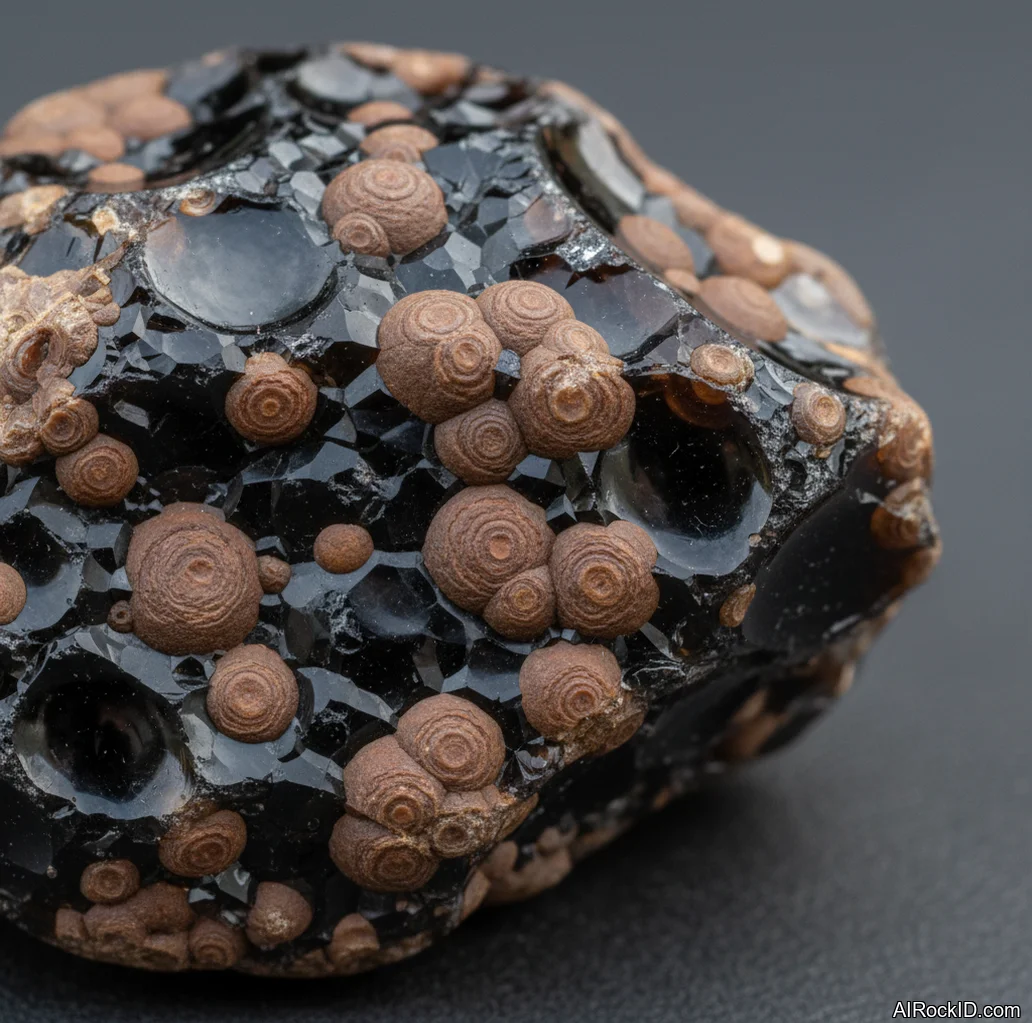
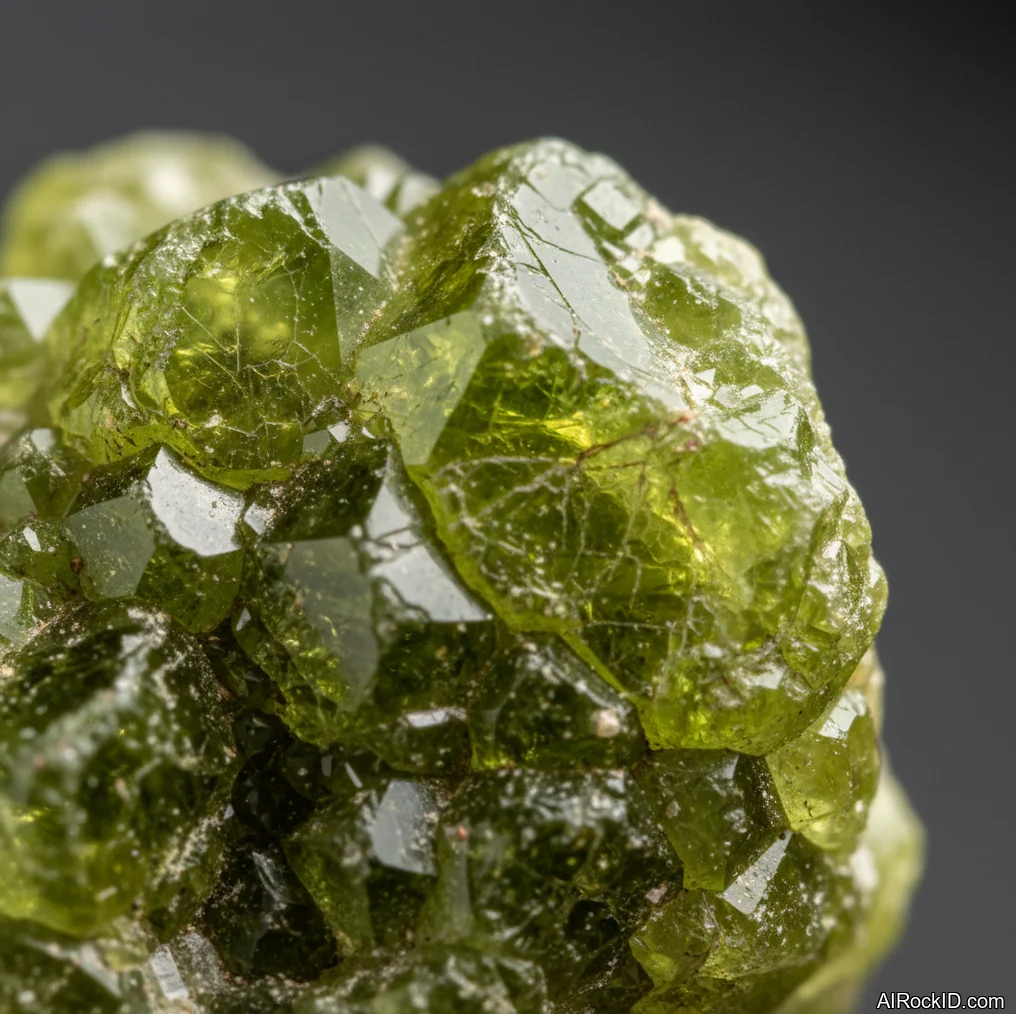
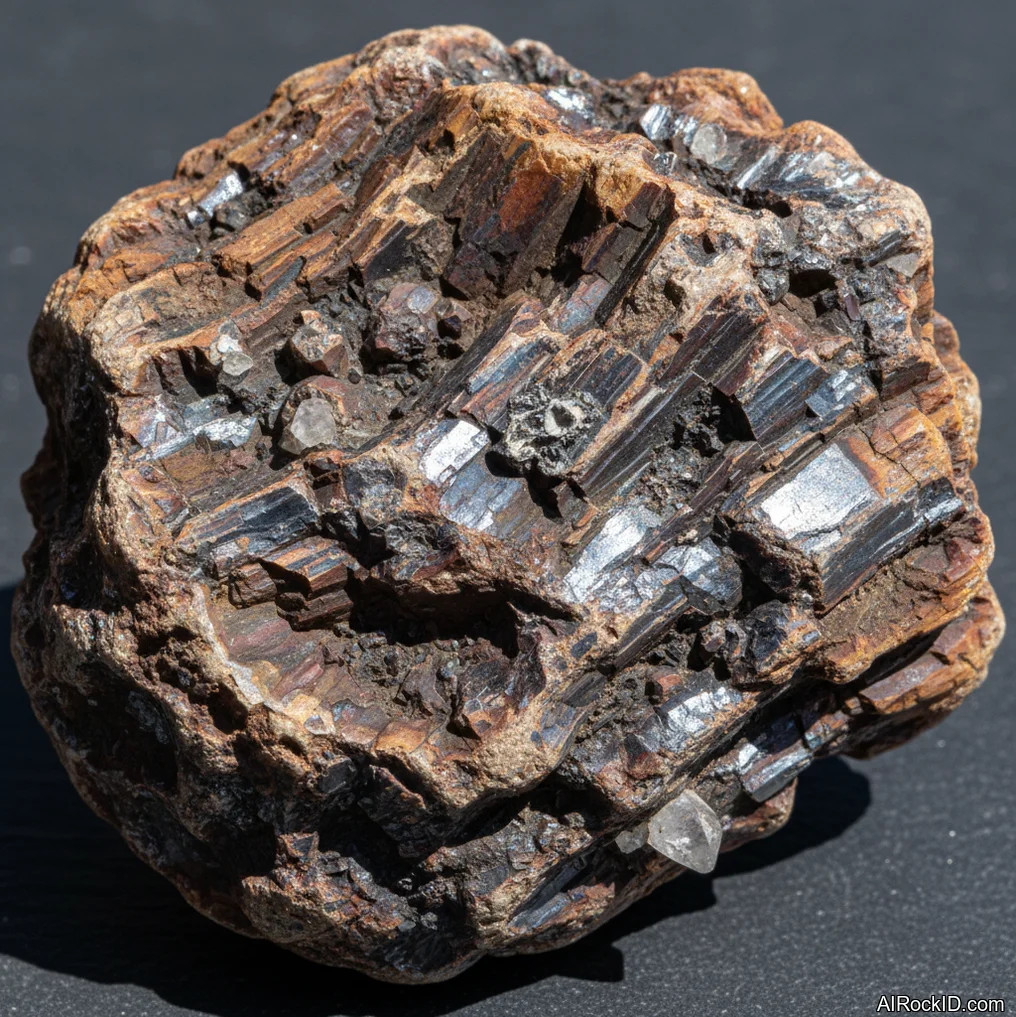
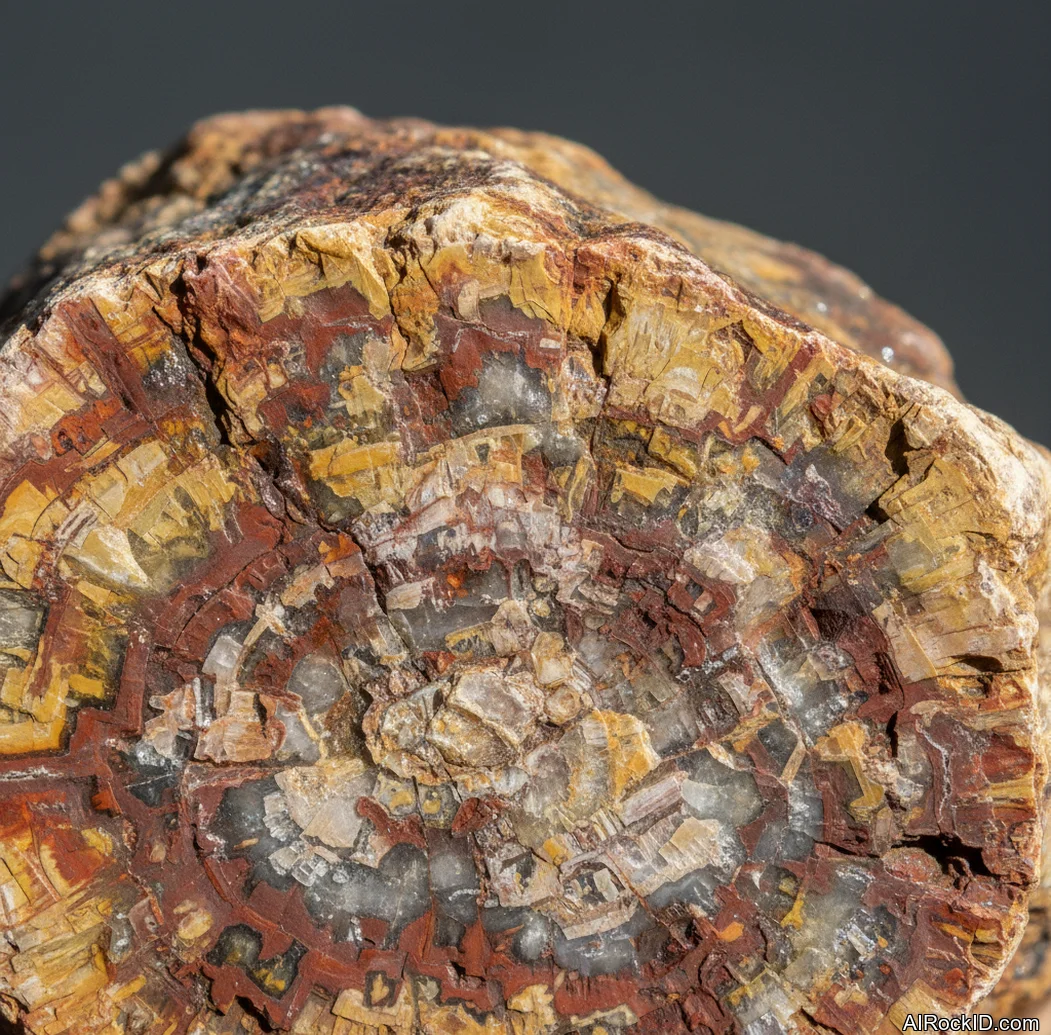
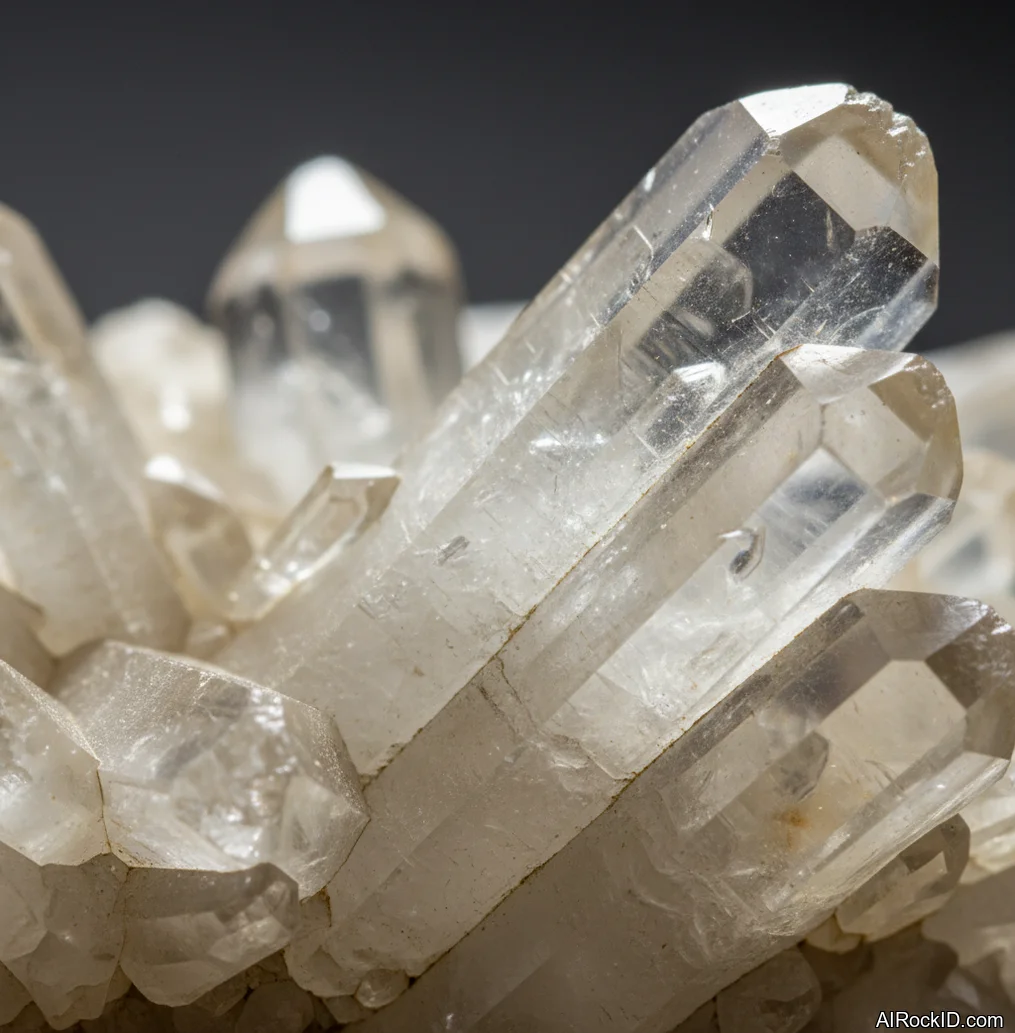
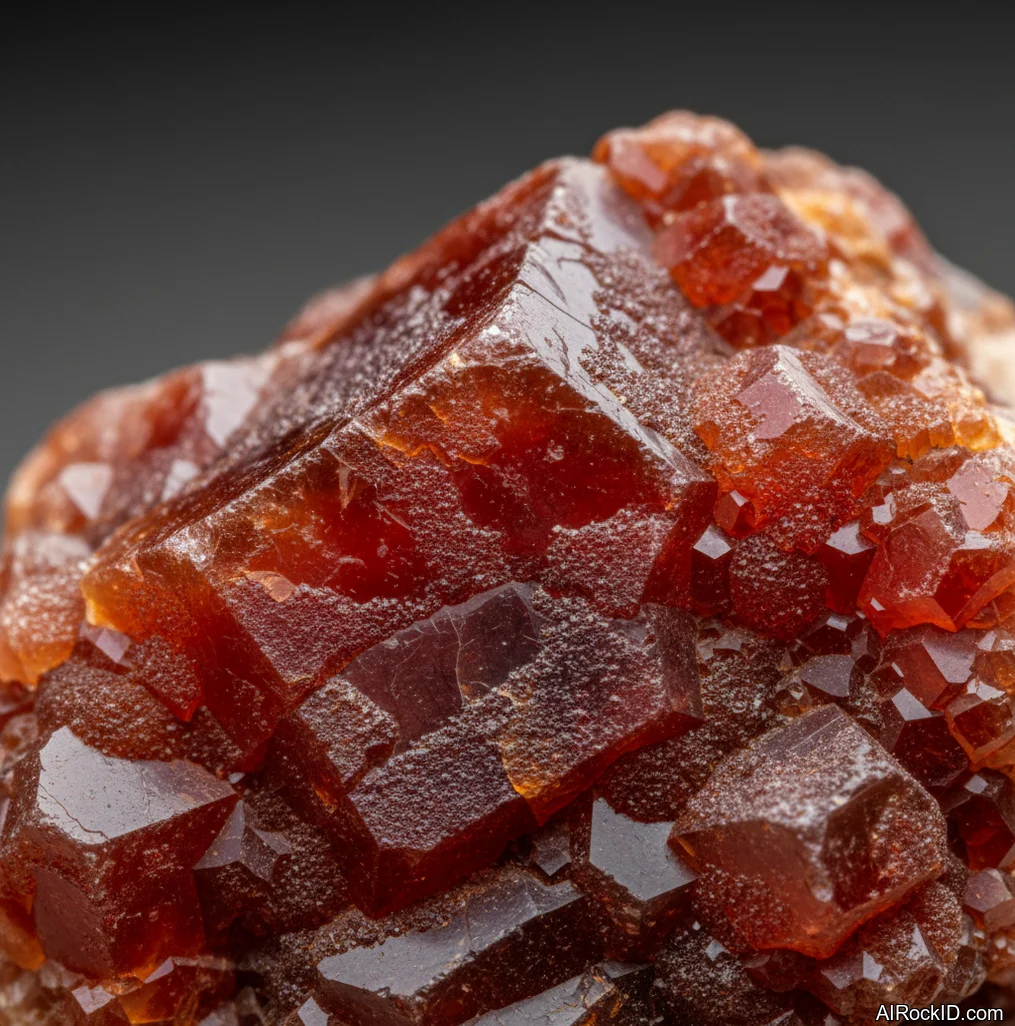
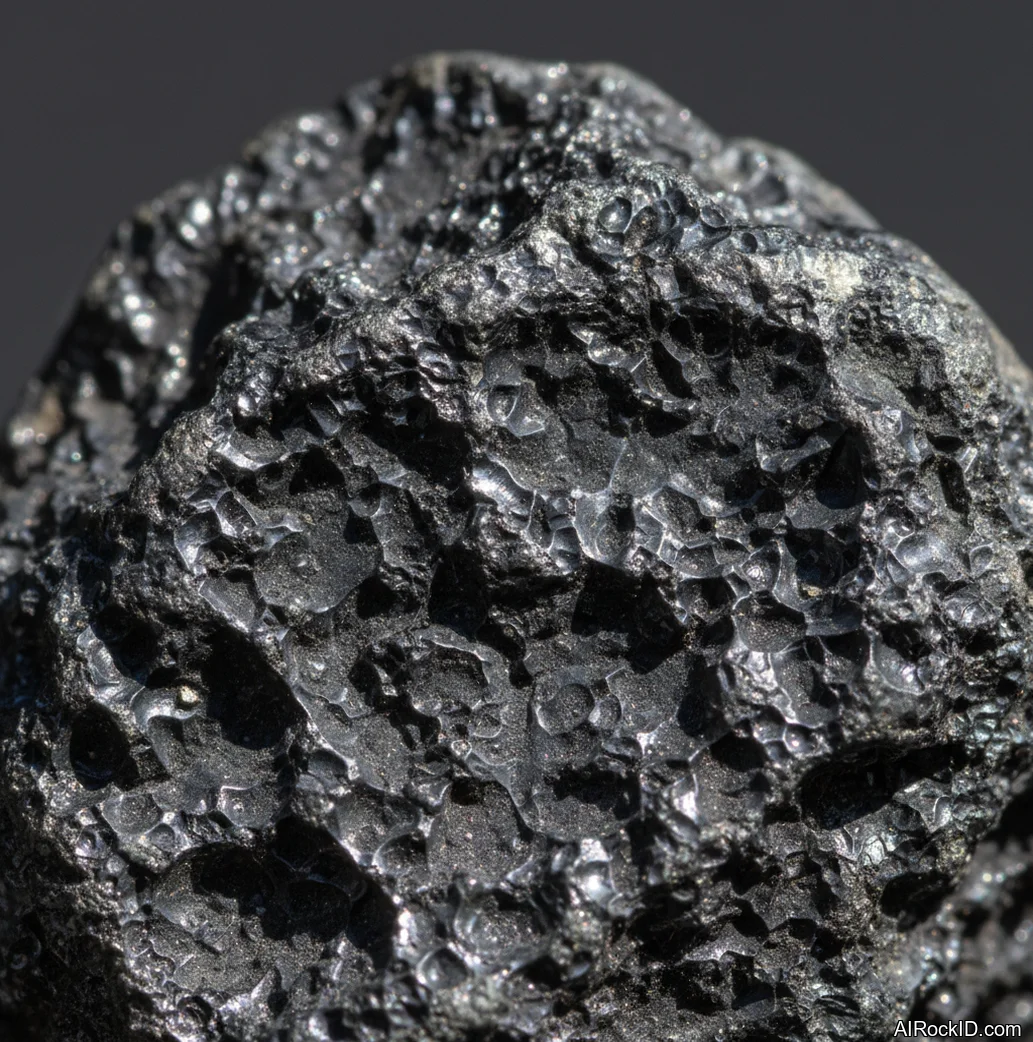
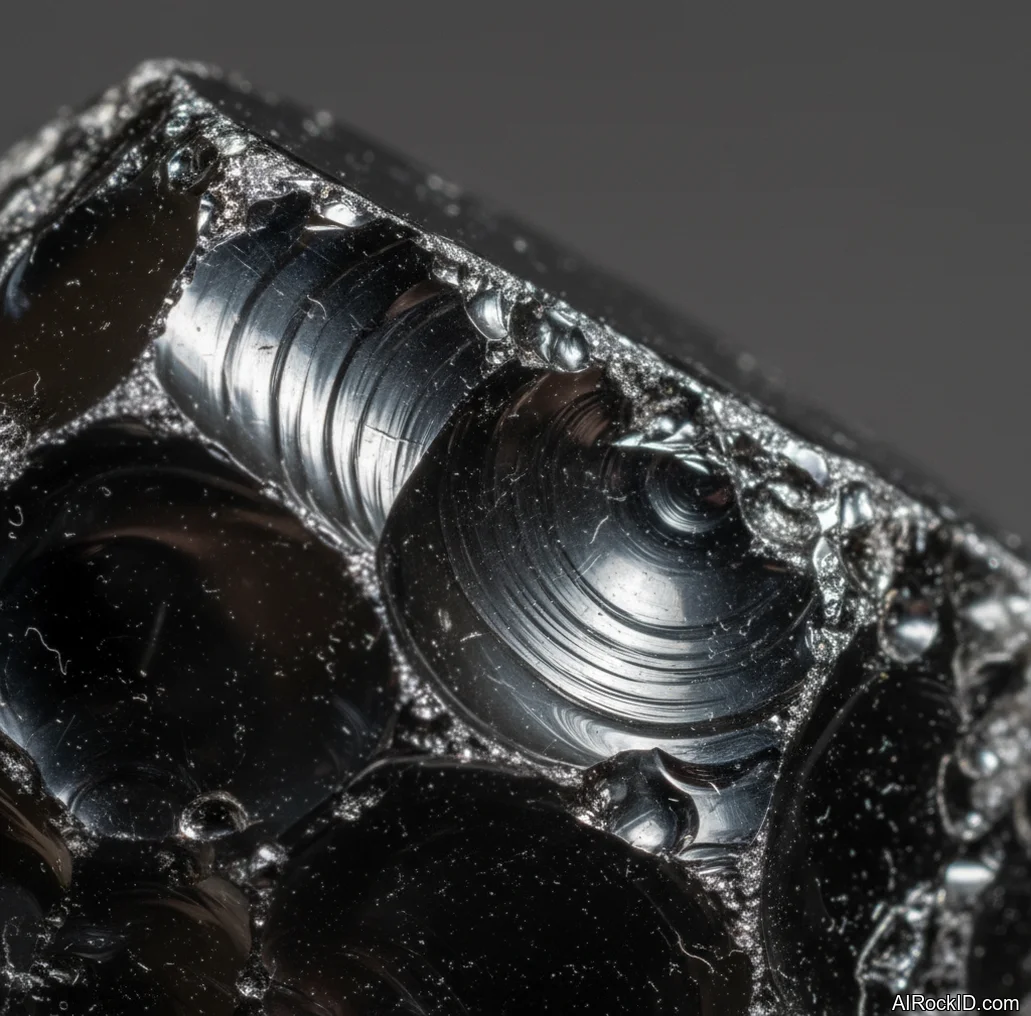
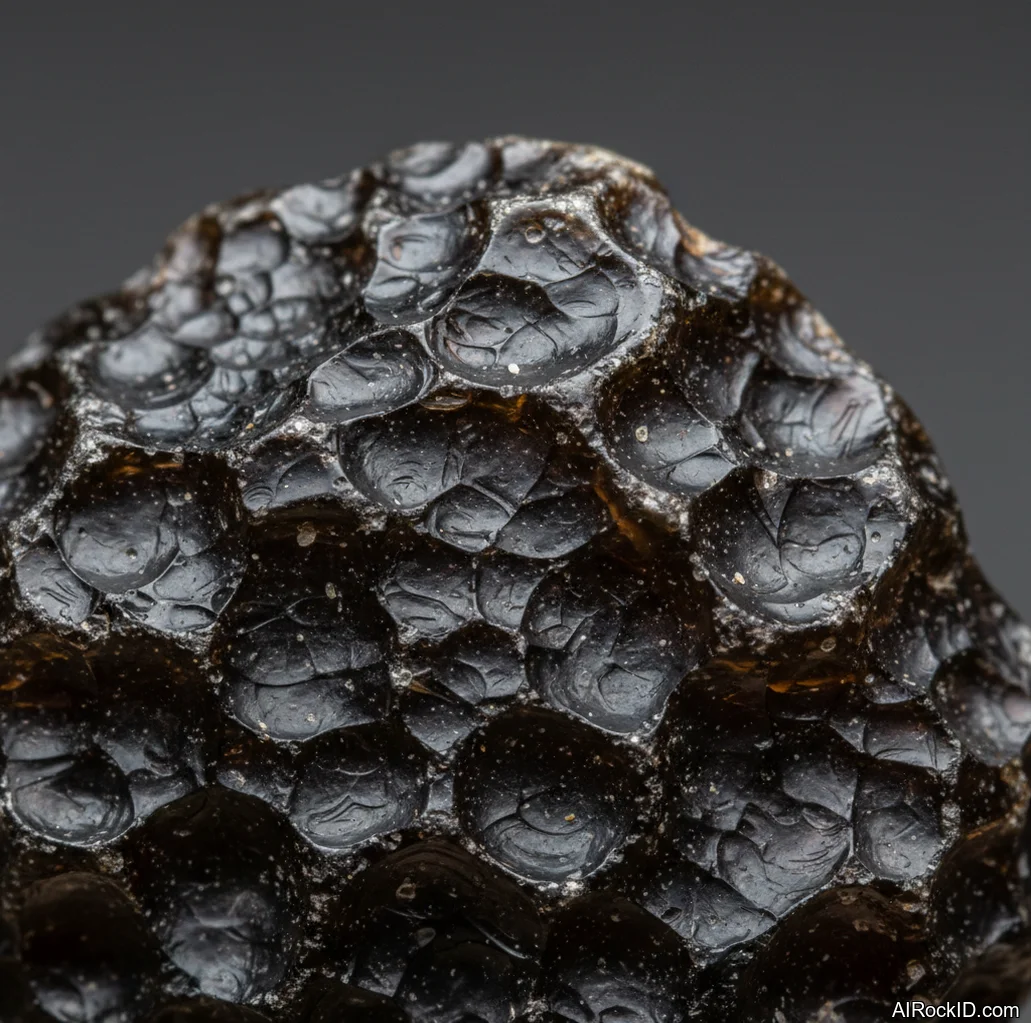
- Libyan Desert Glass
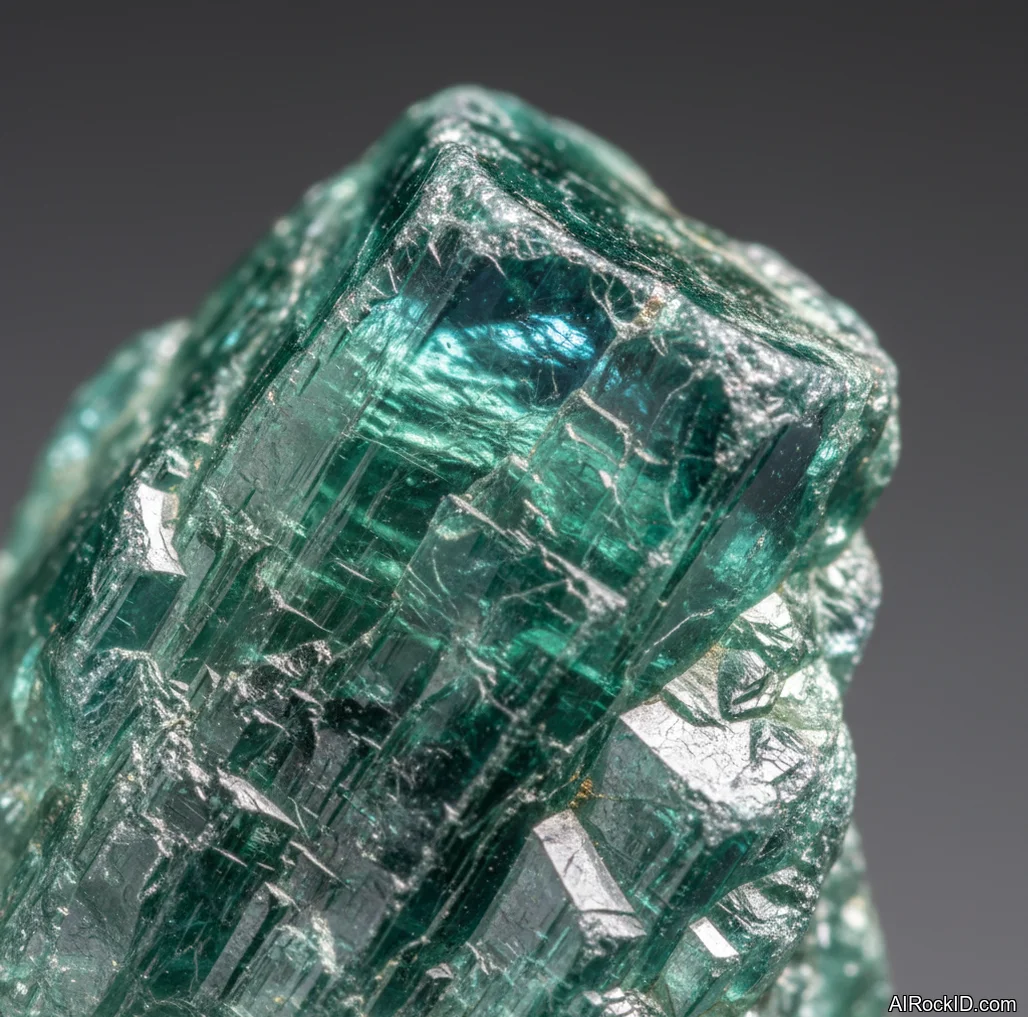
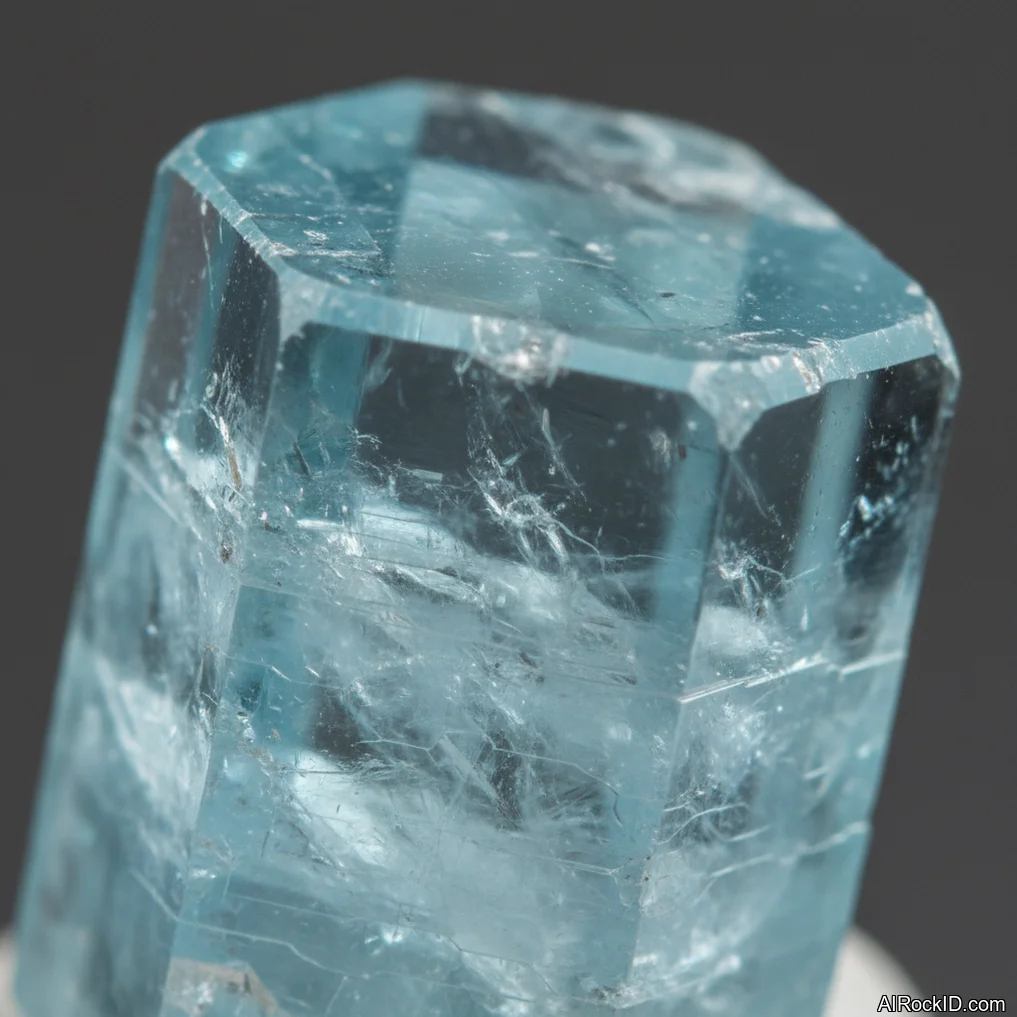
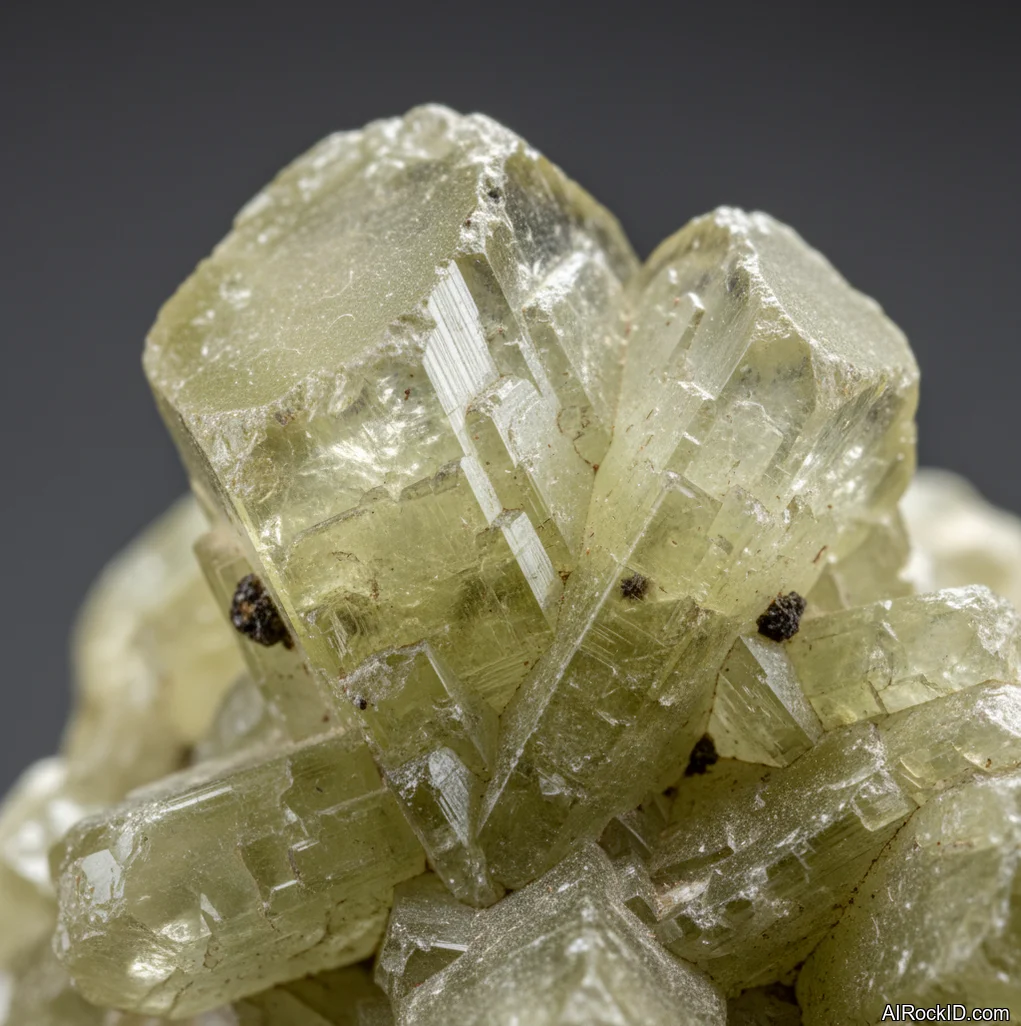
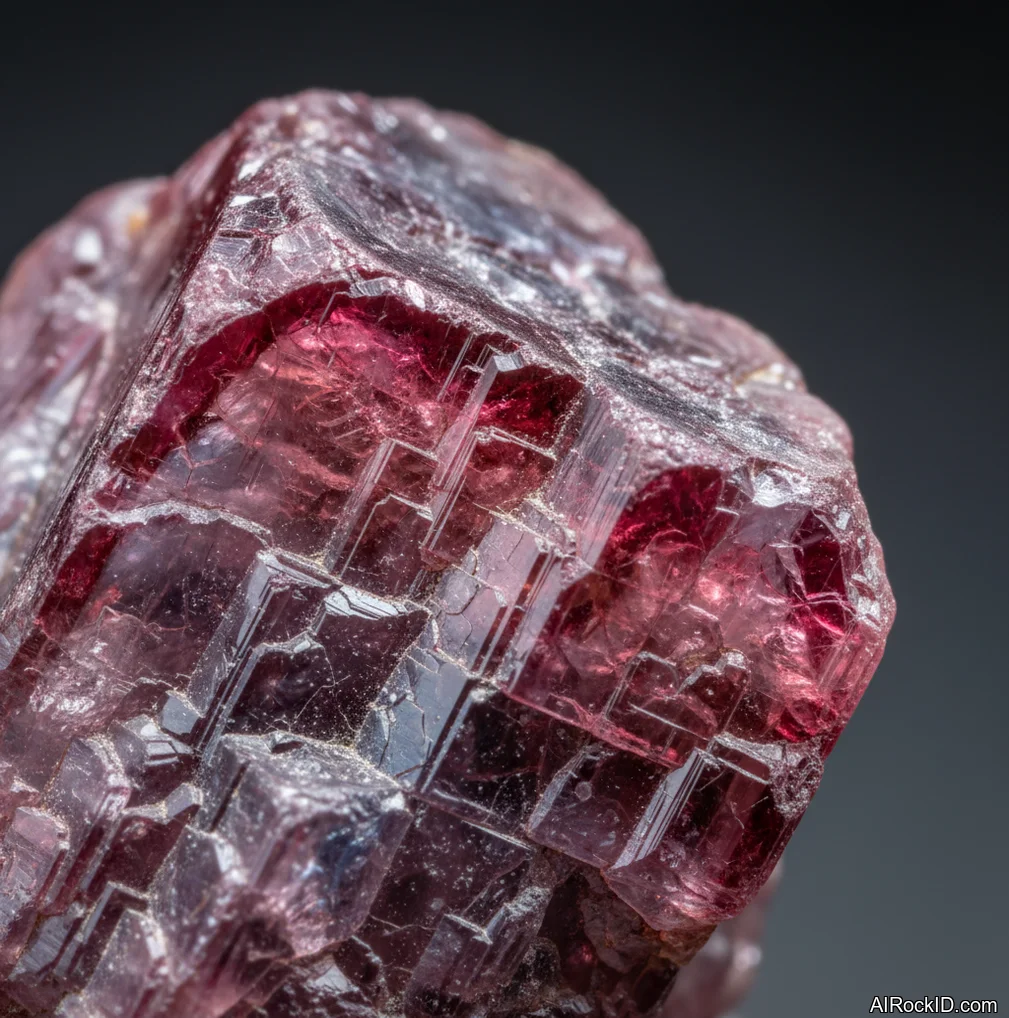
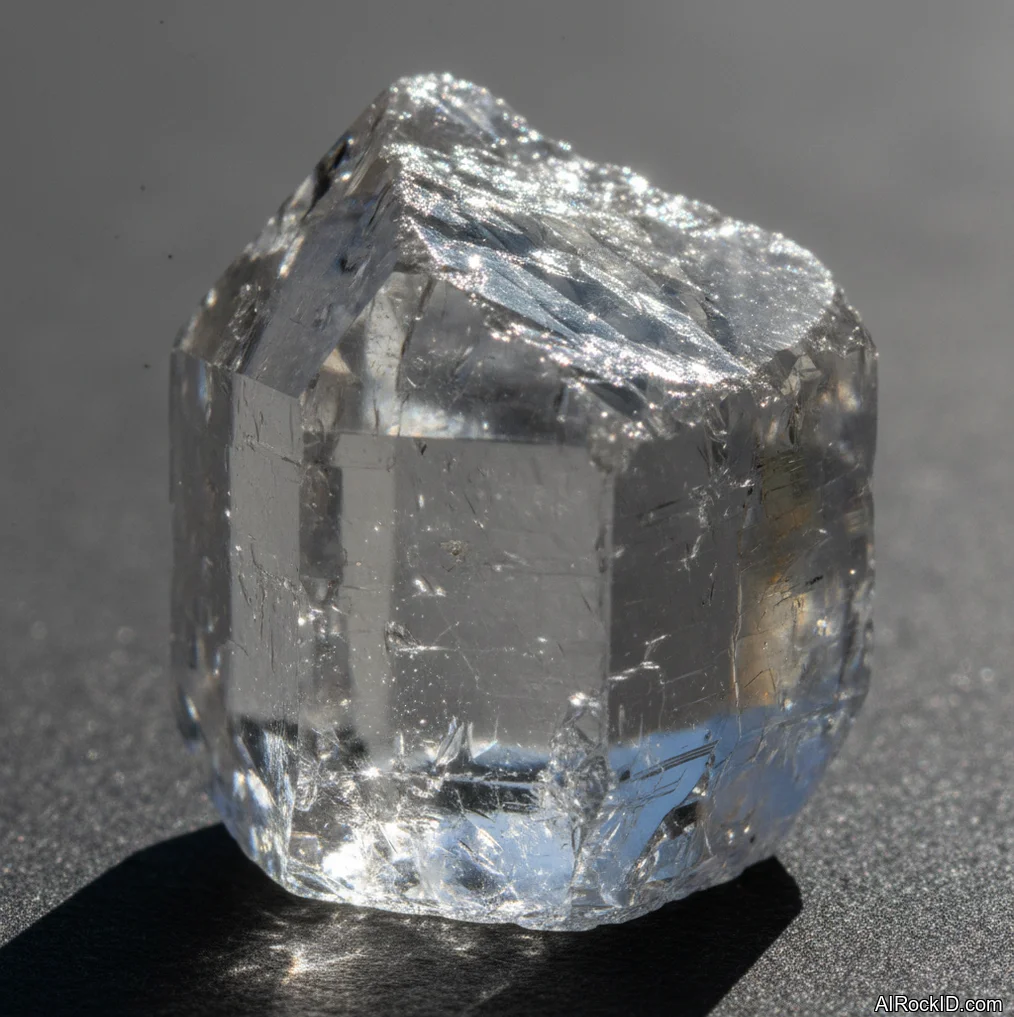
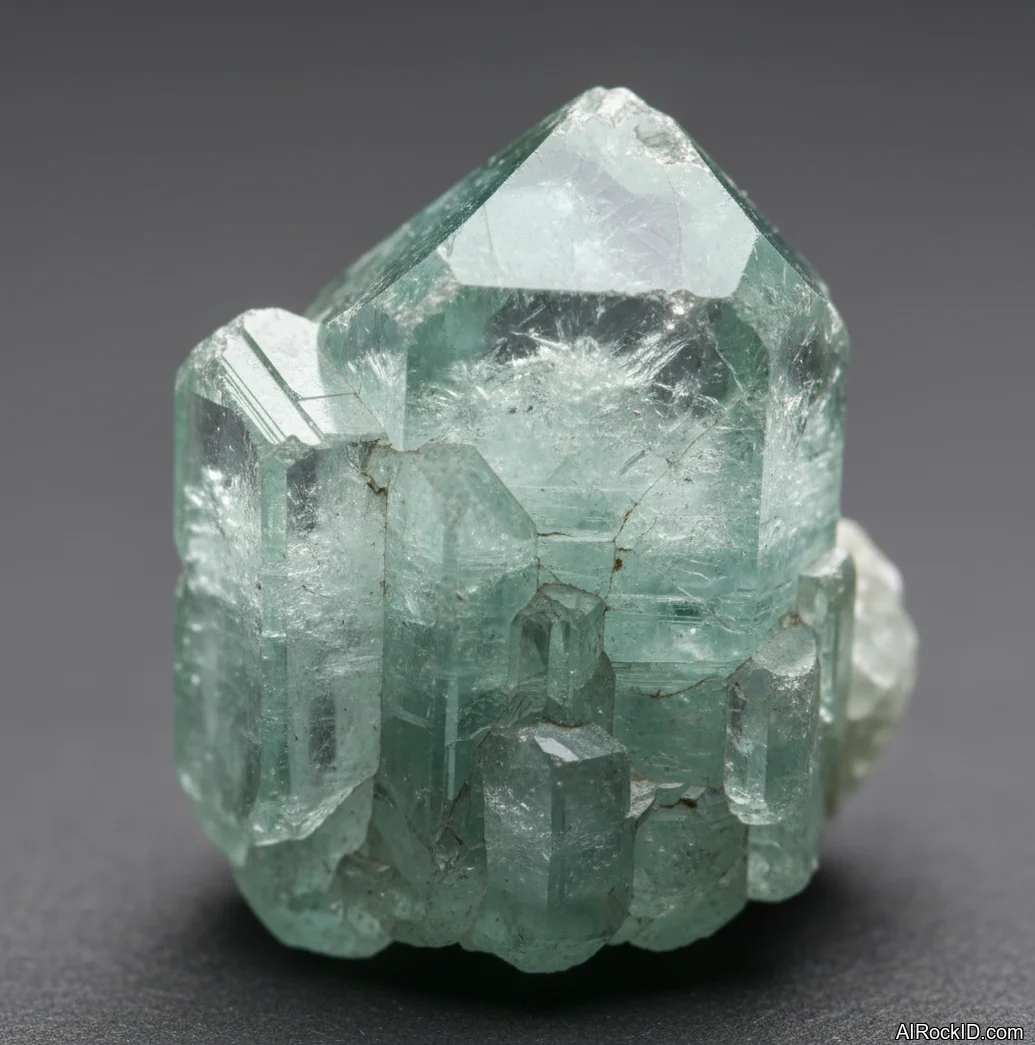
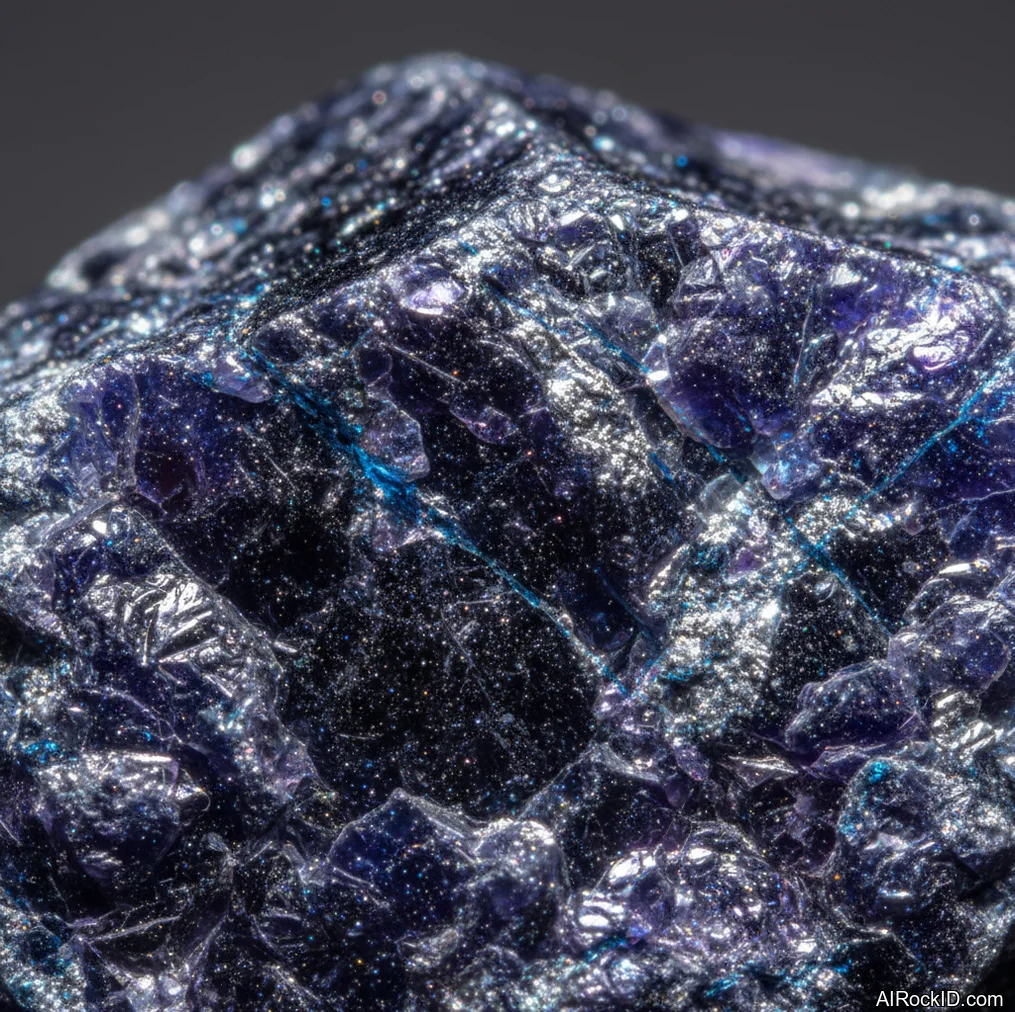
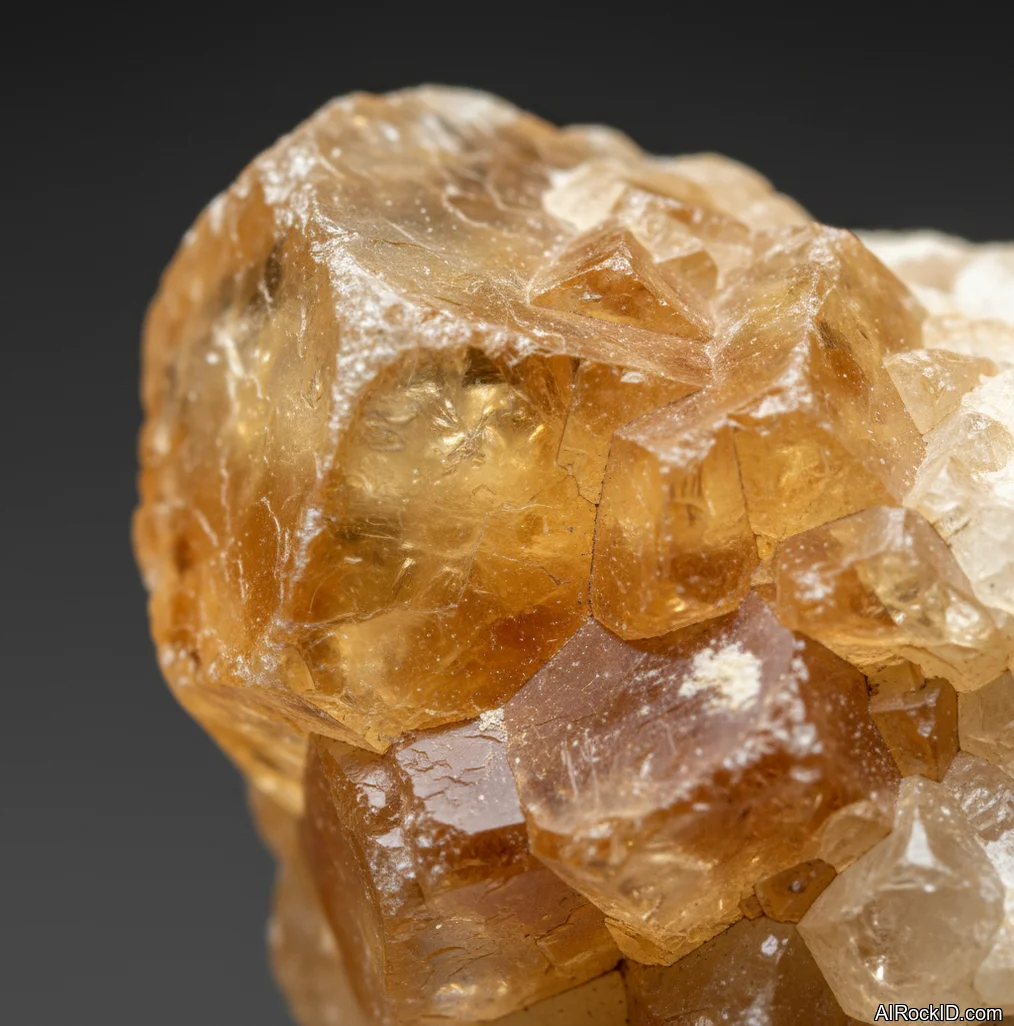
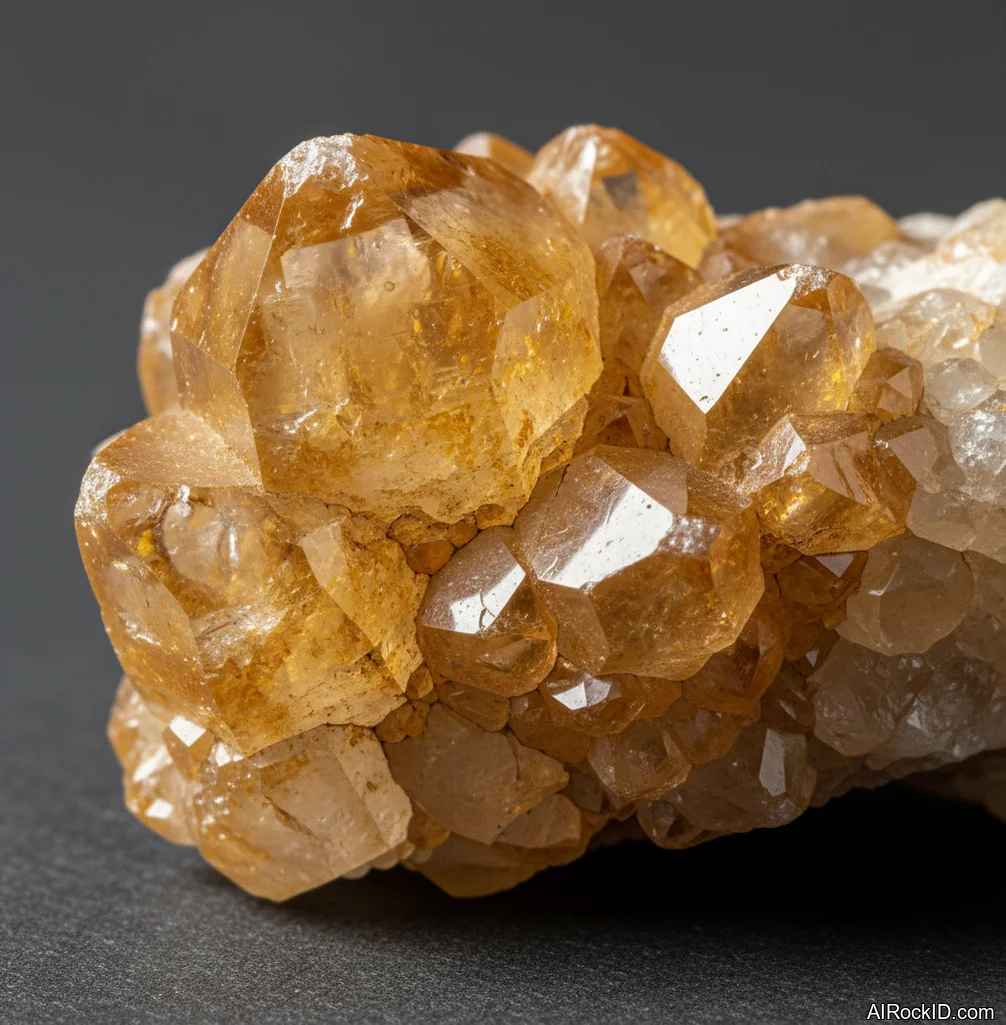
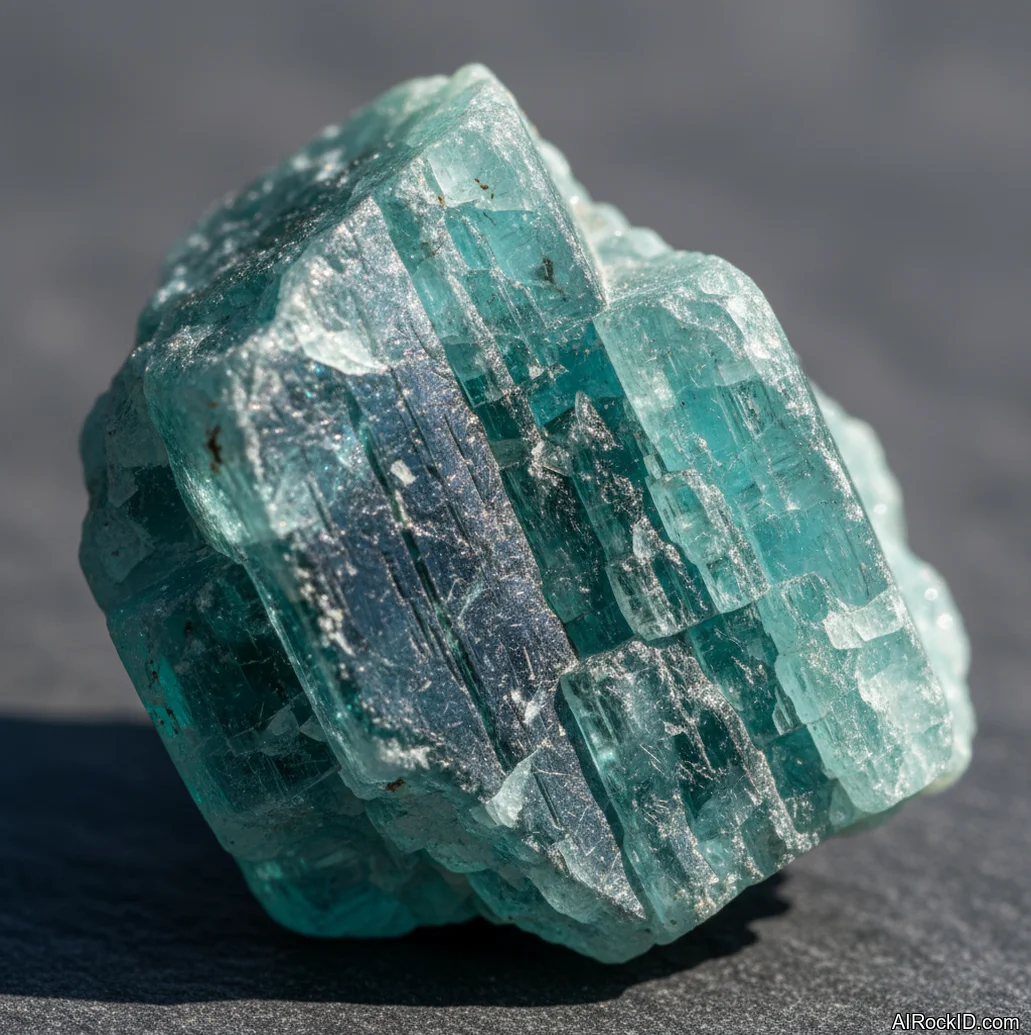
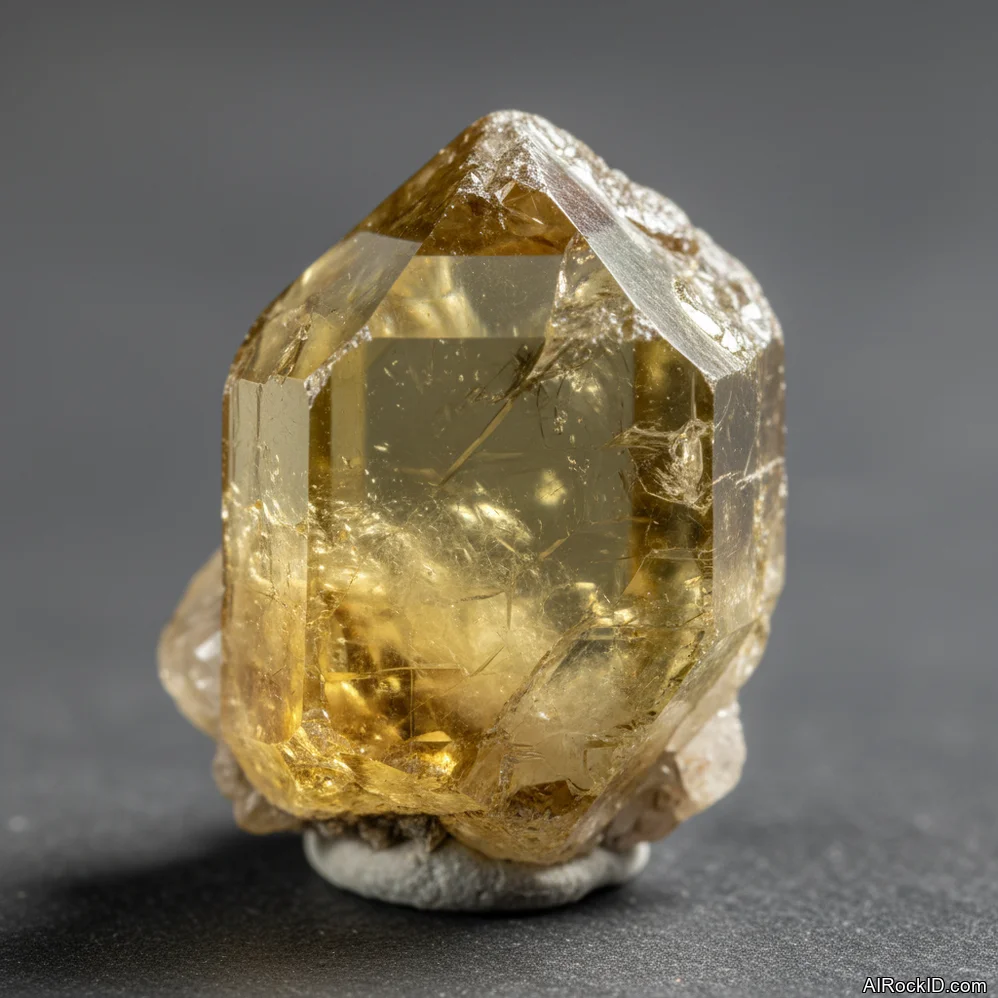
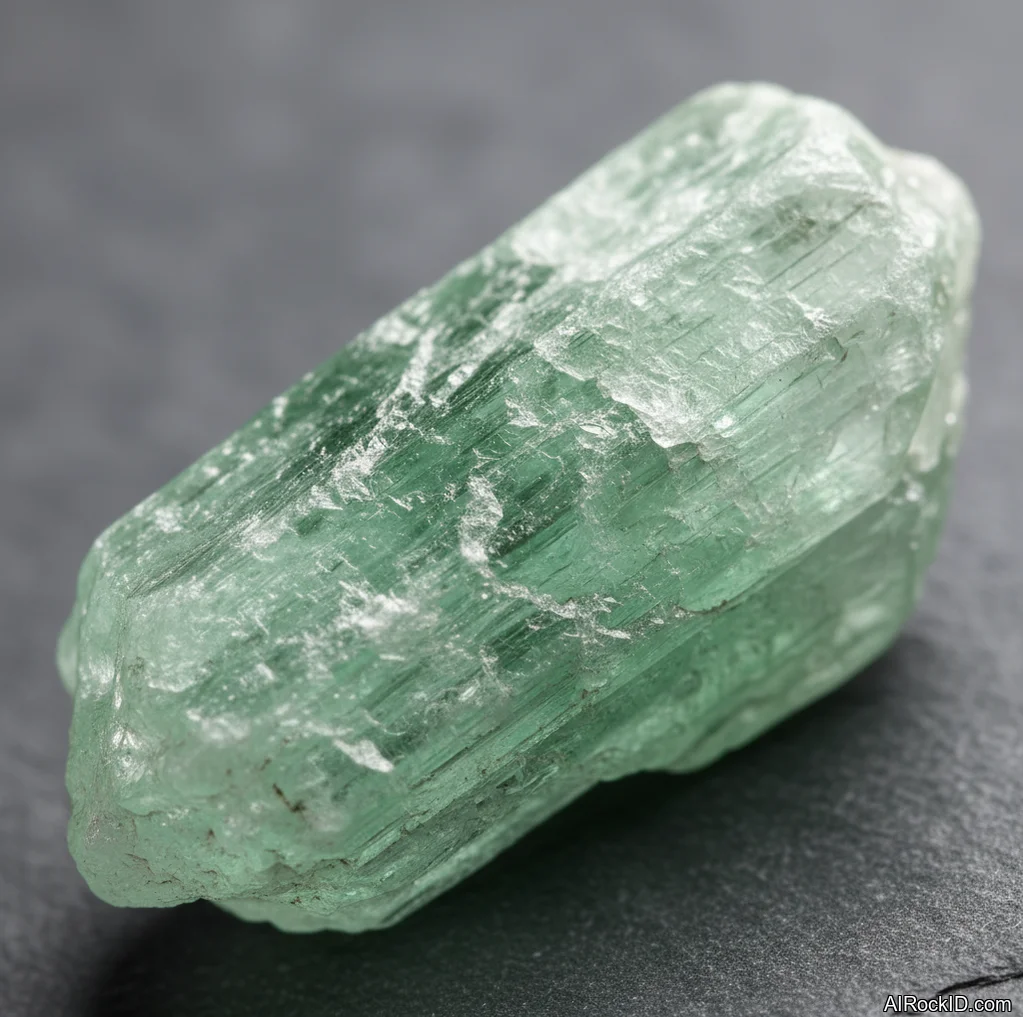
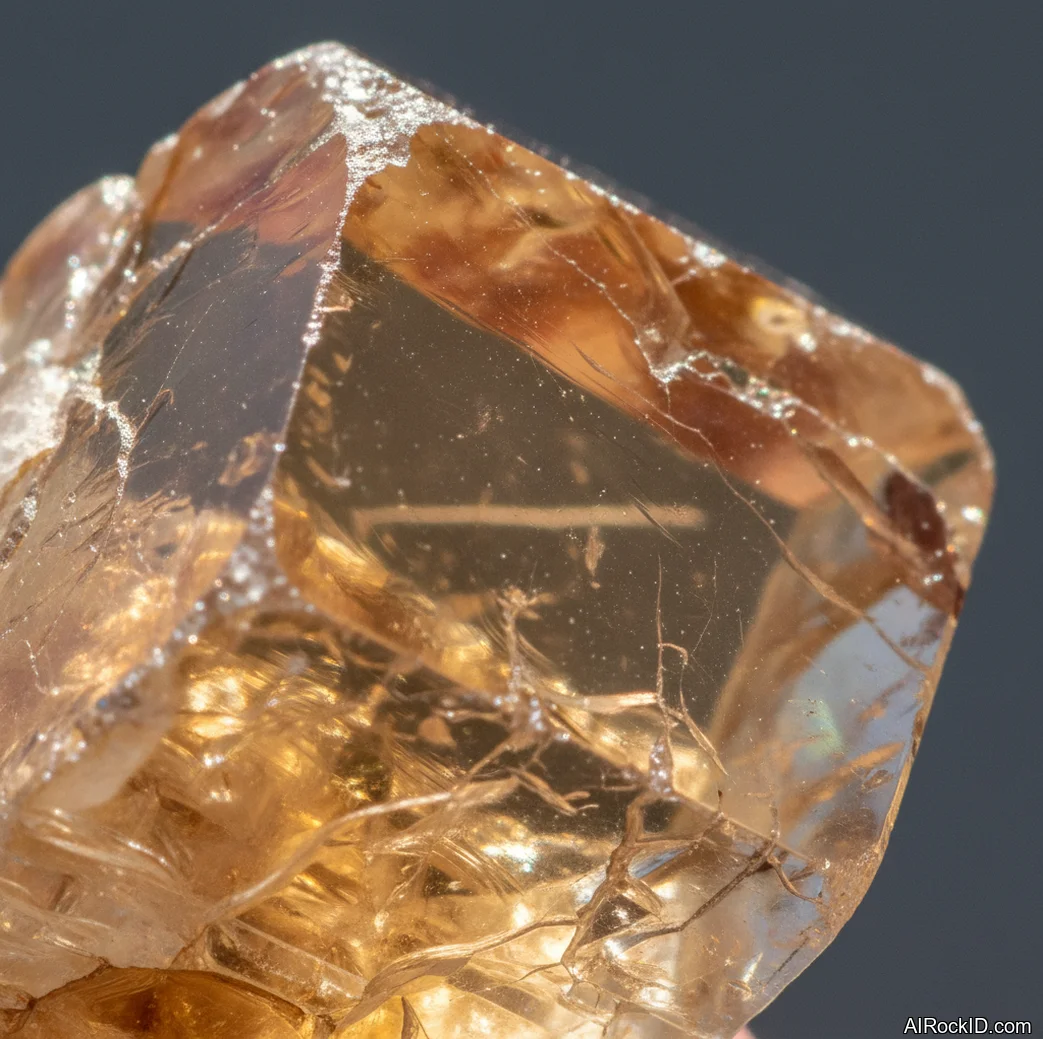
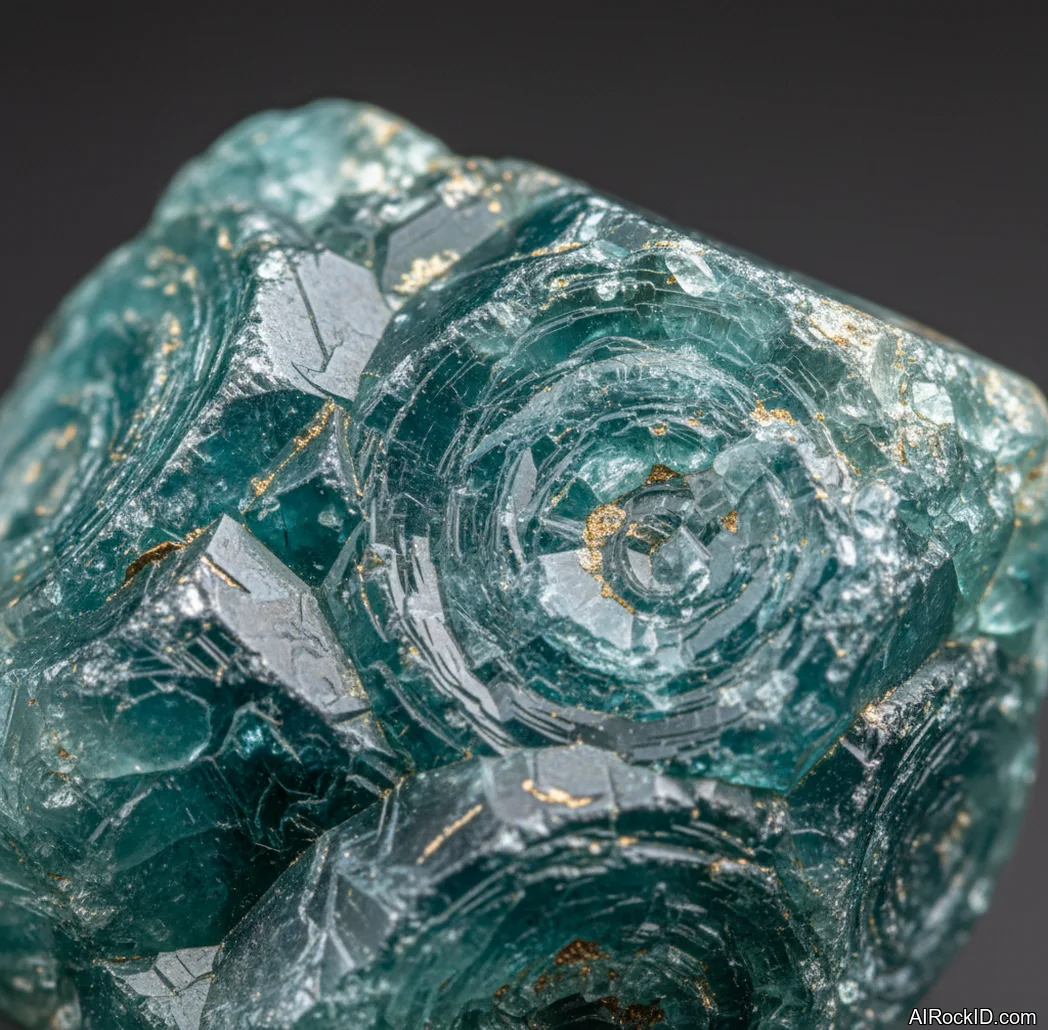
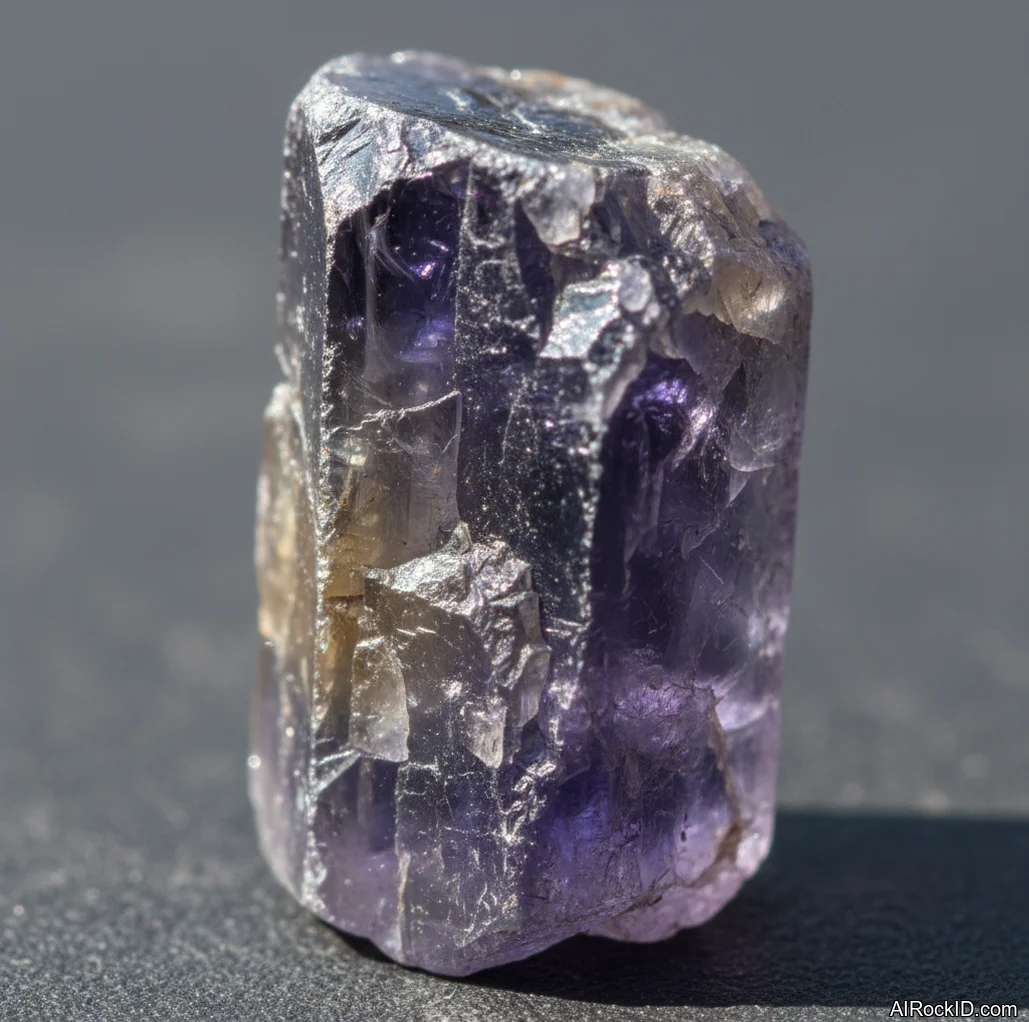
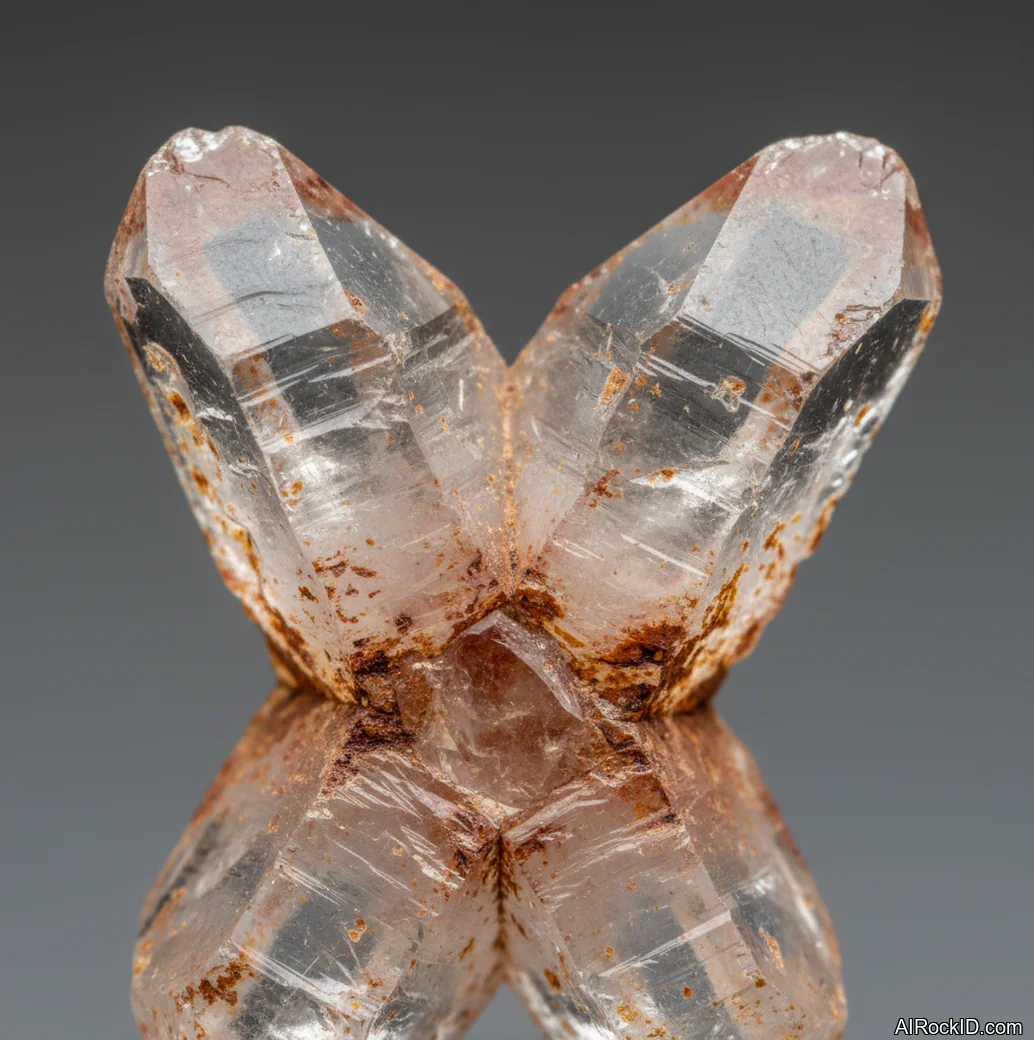
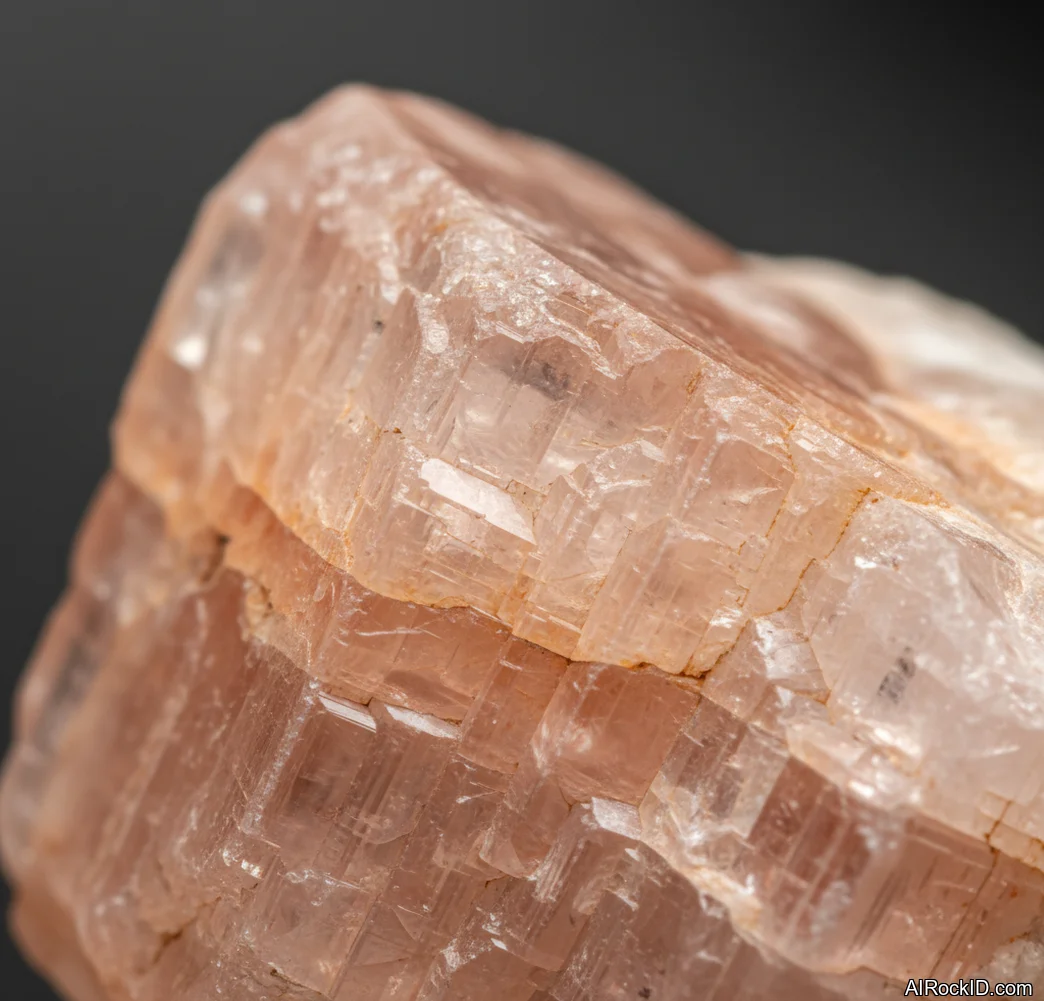
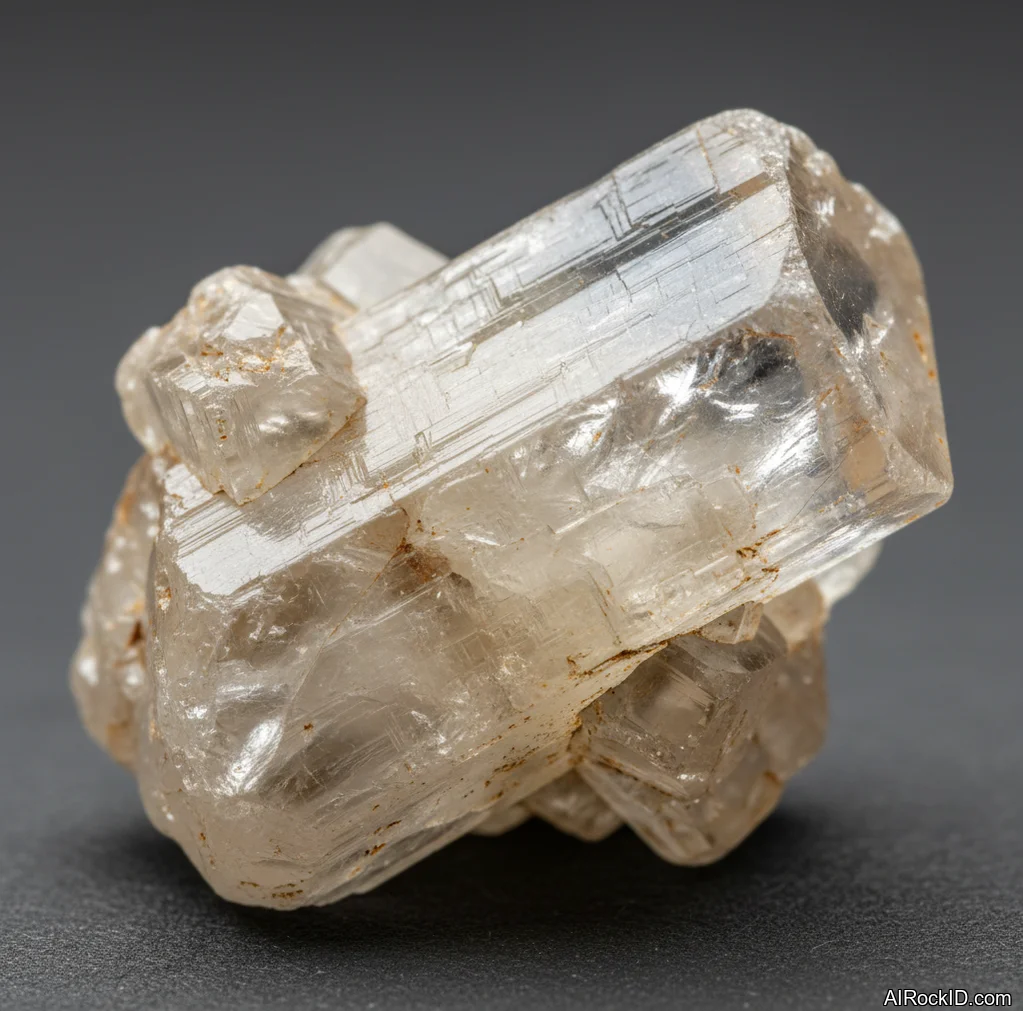
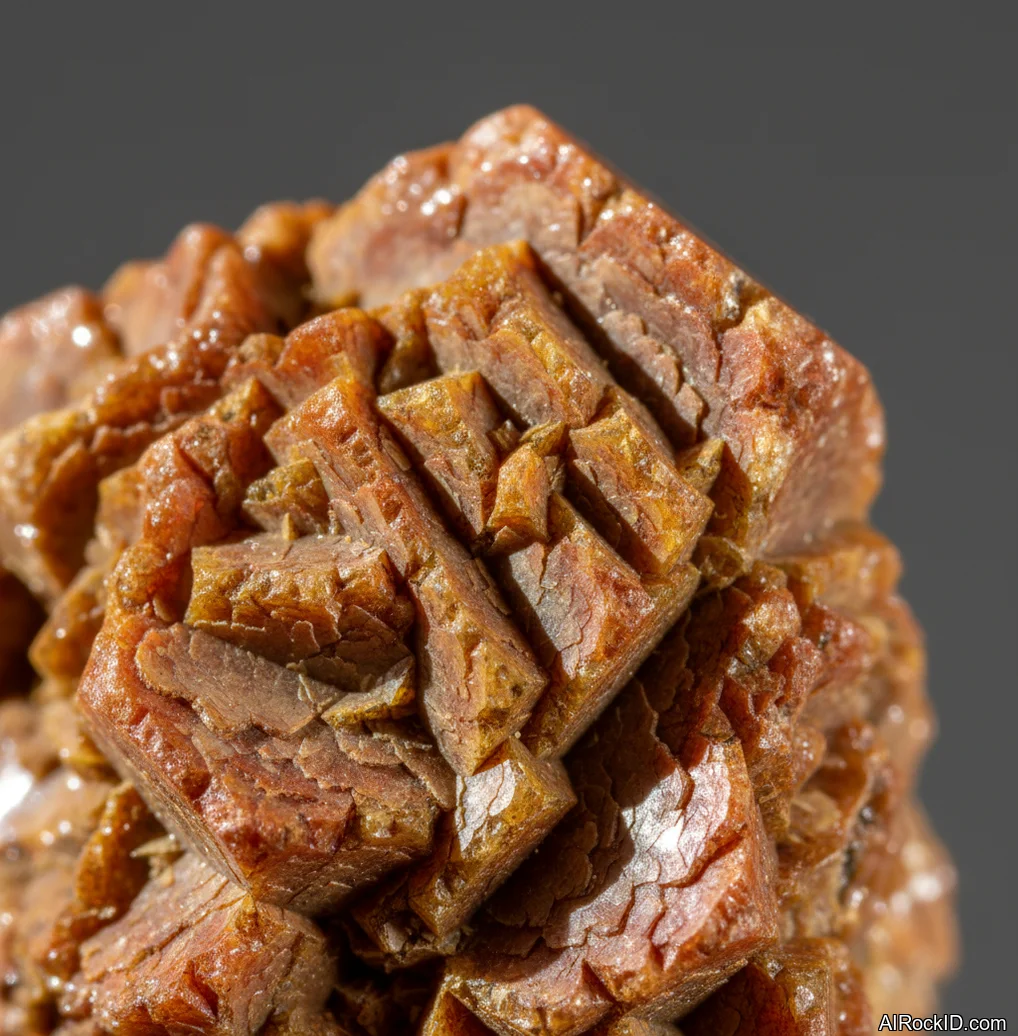
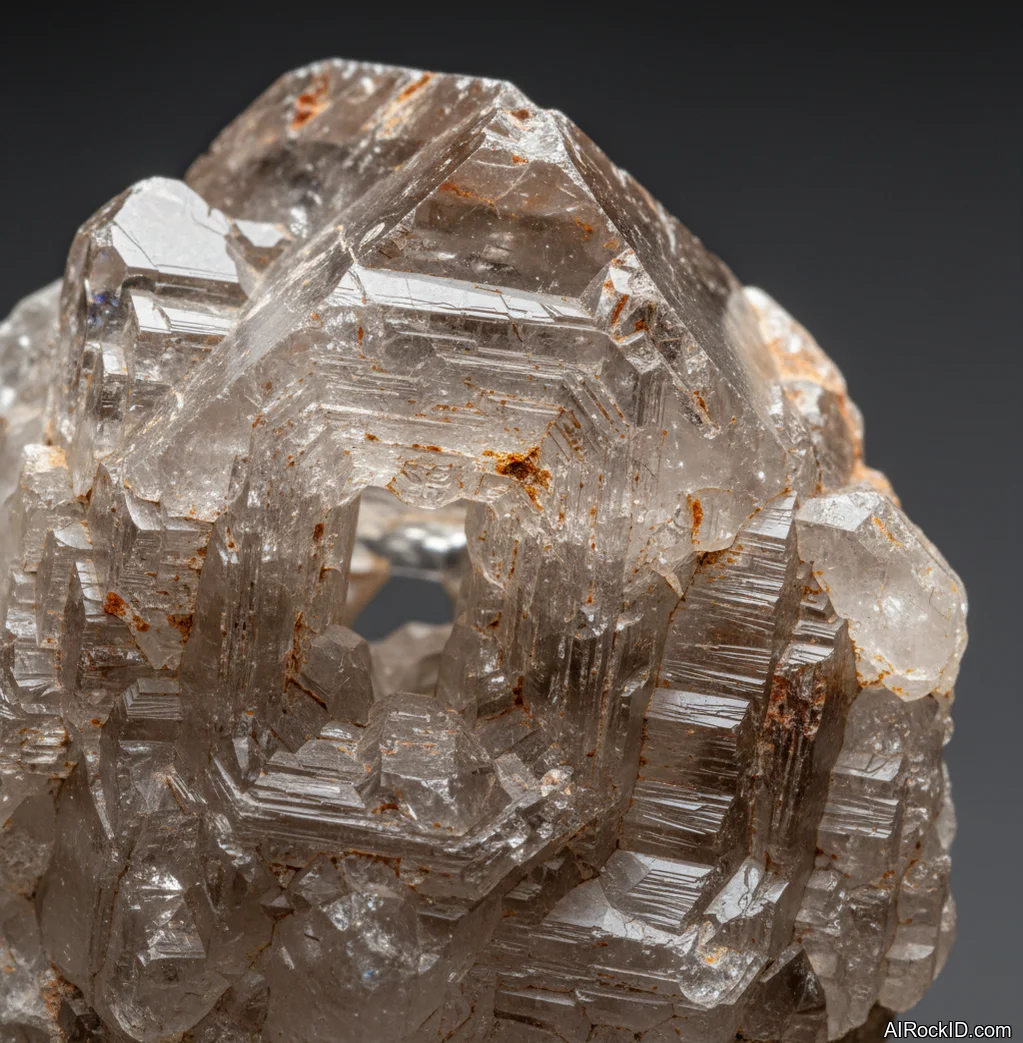
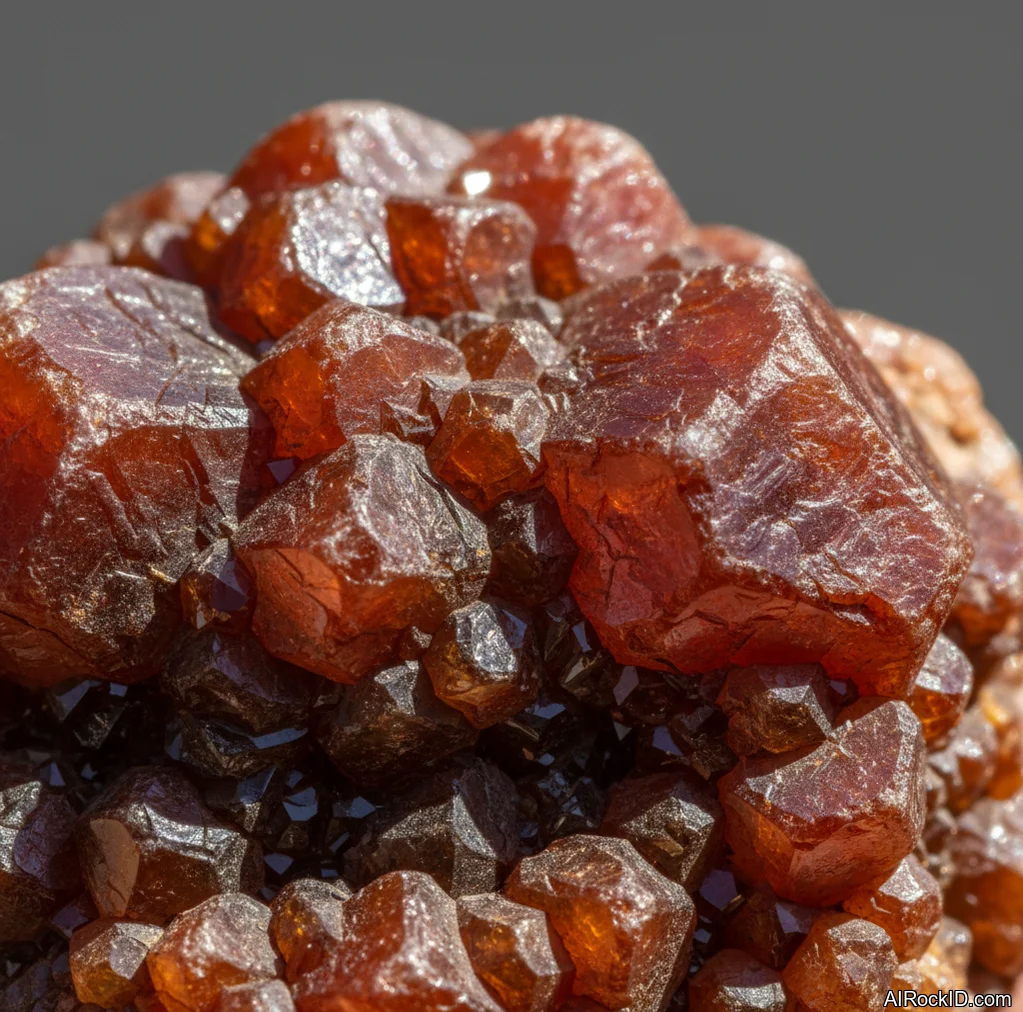
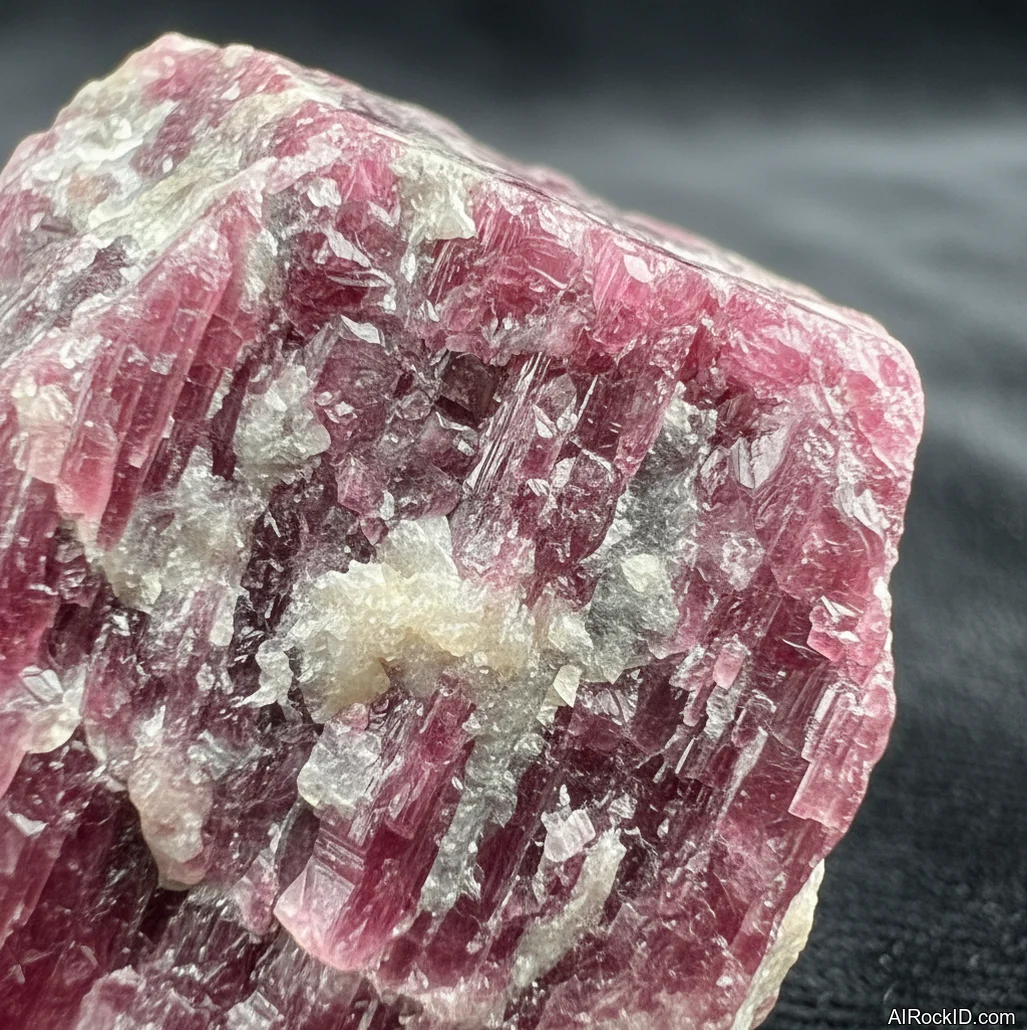
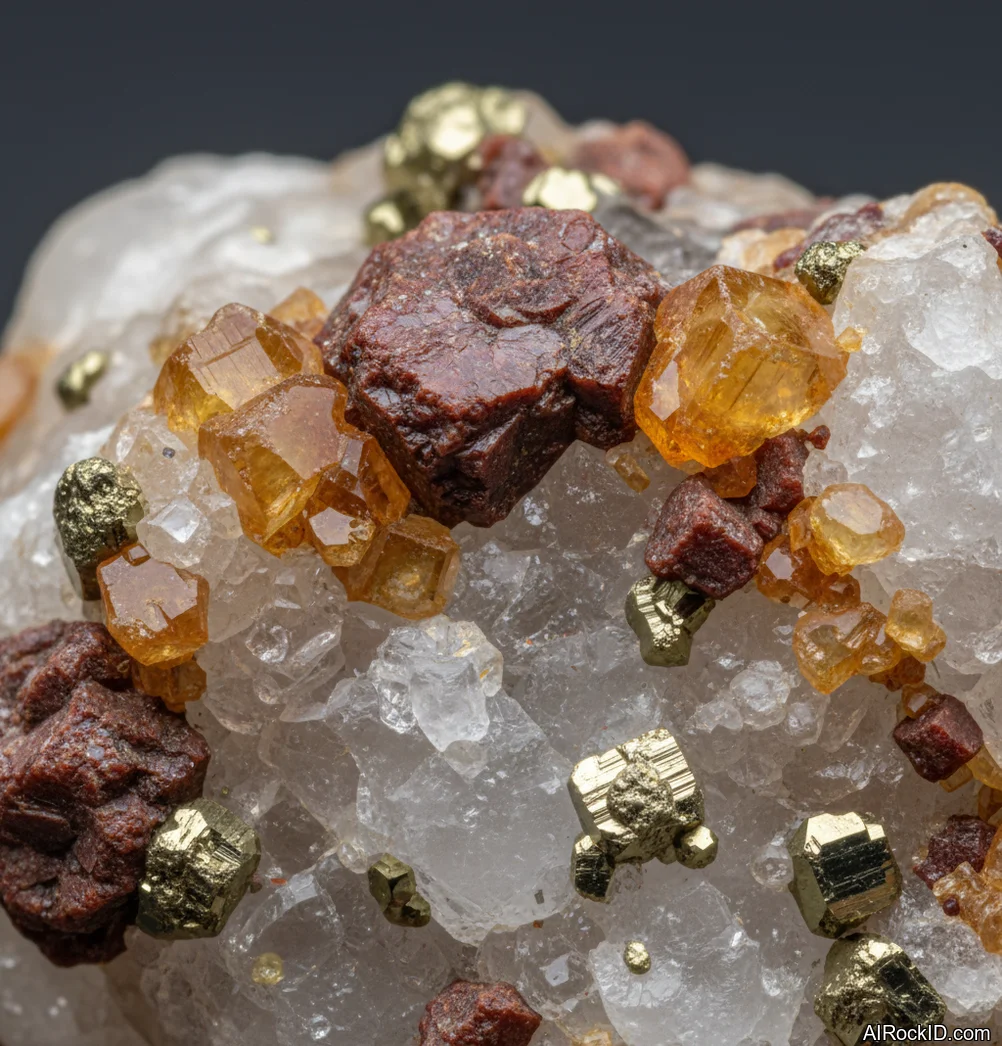
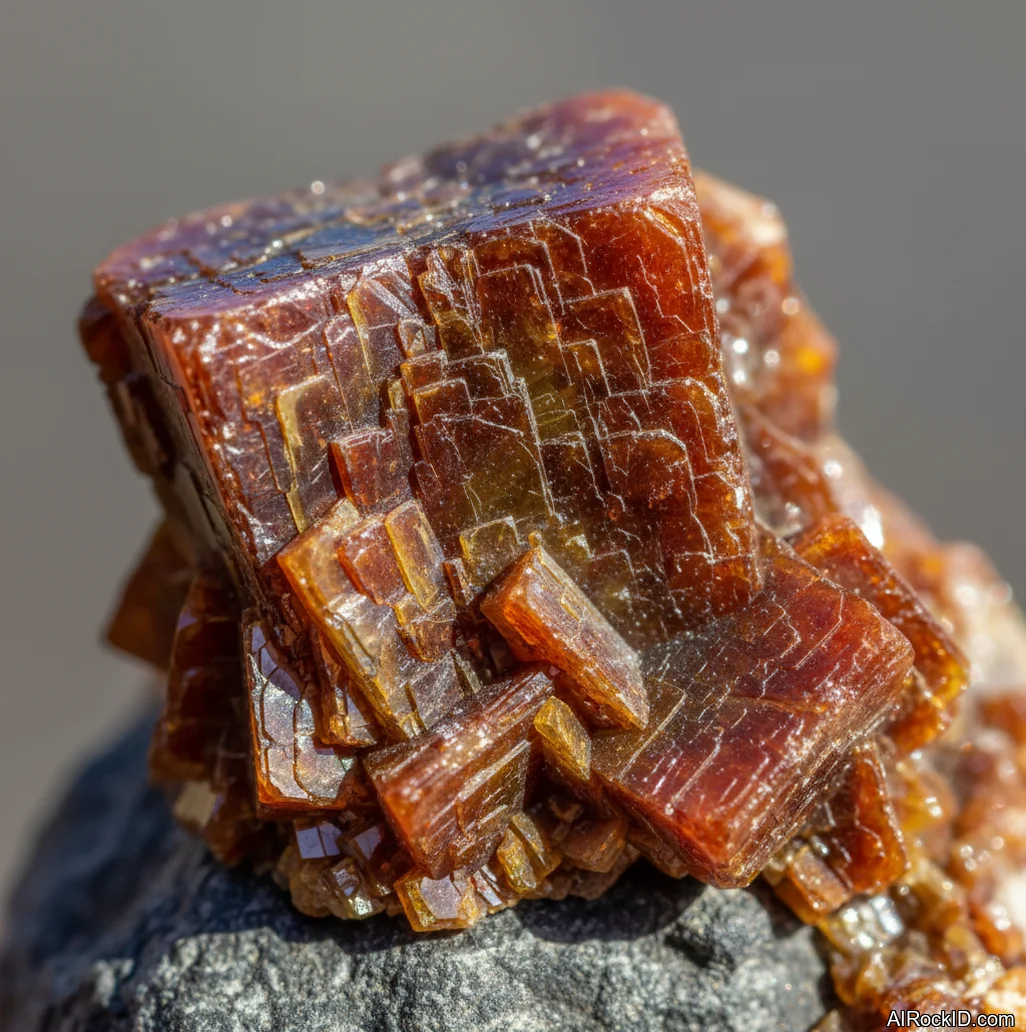
- Heliodor
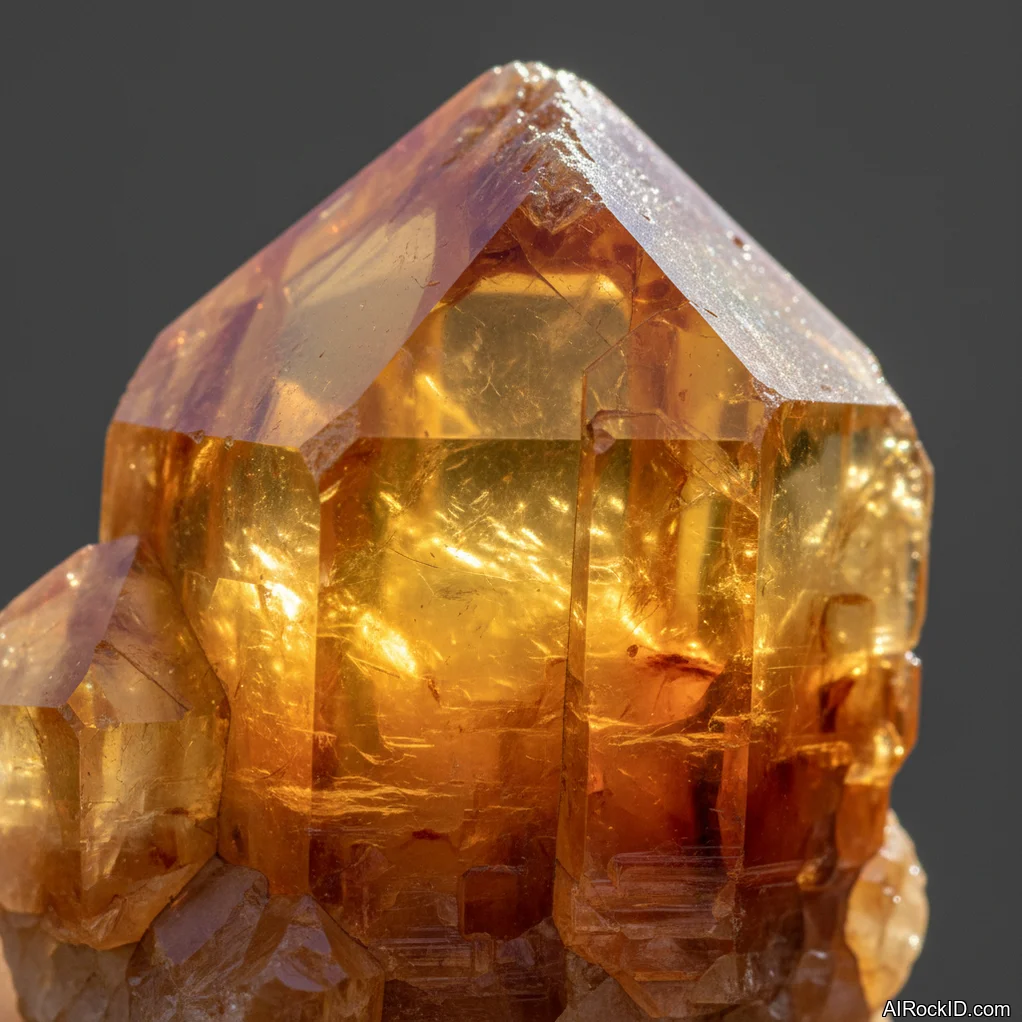
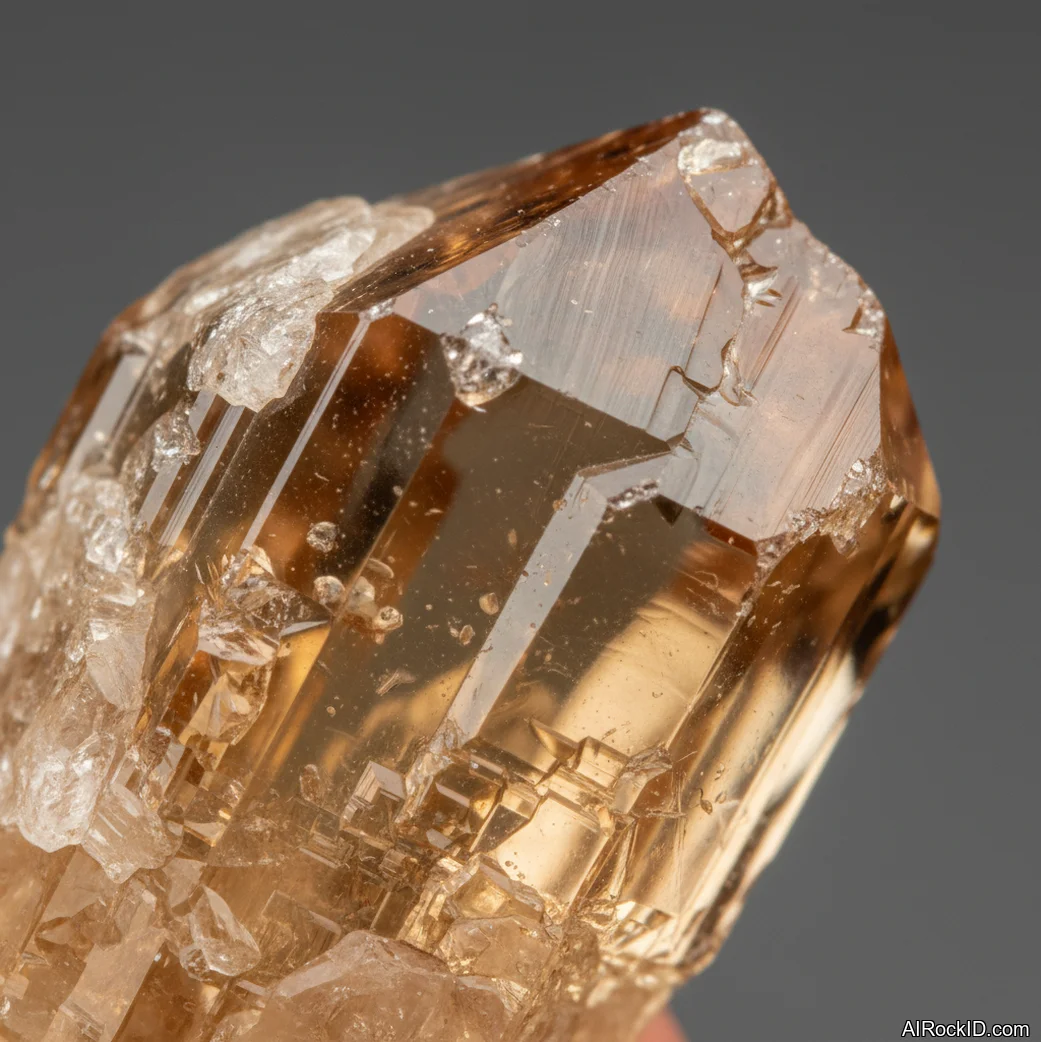
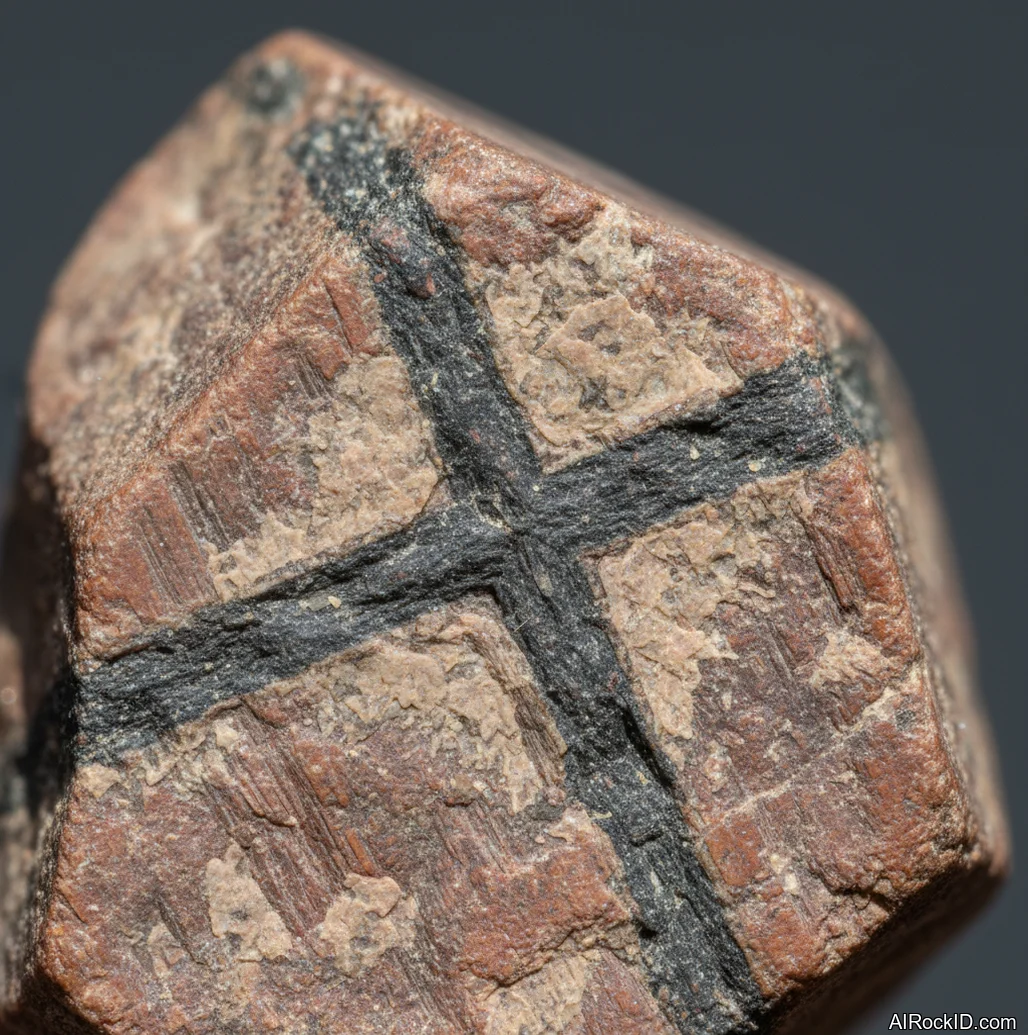
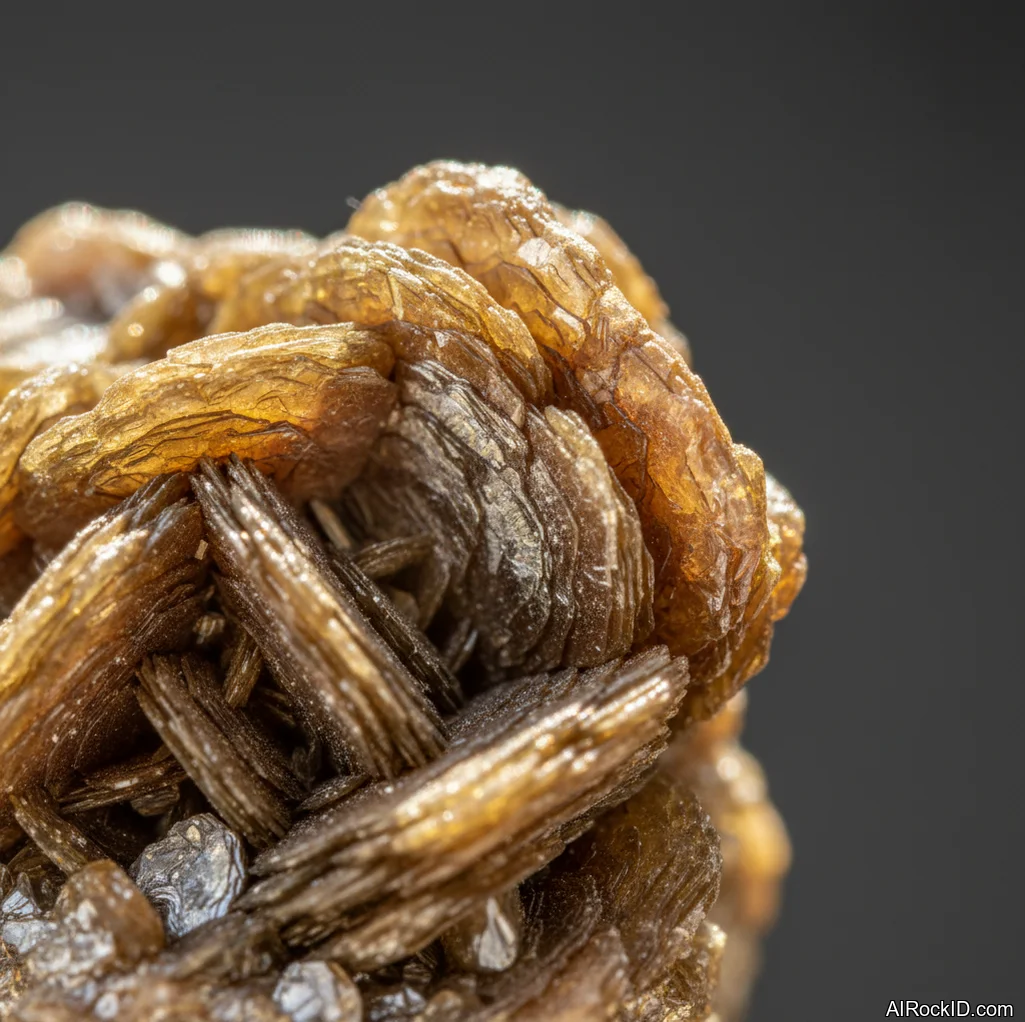
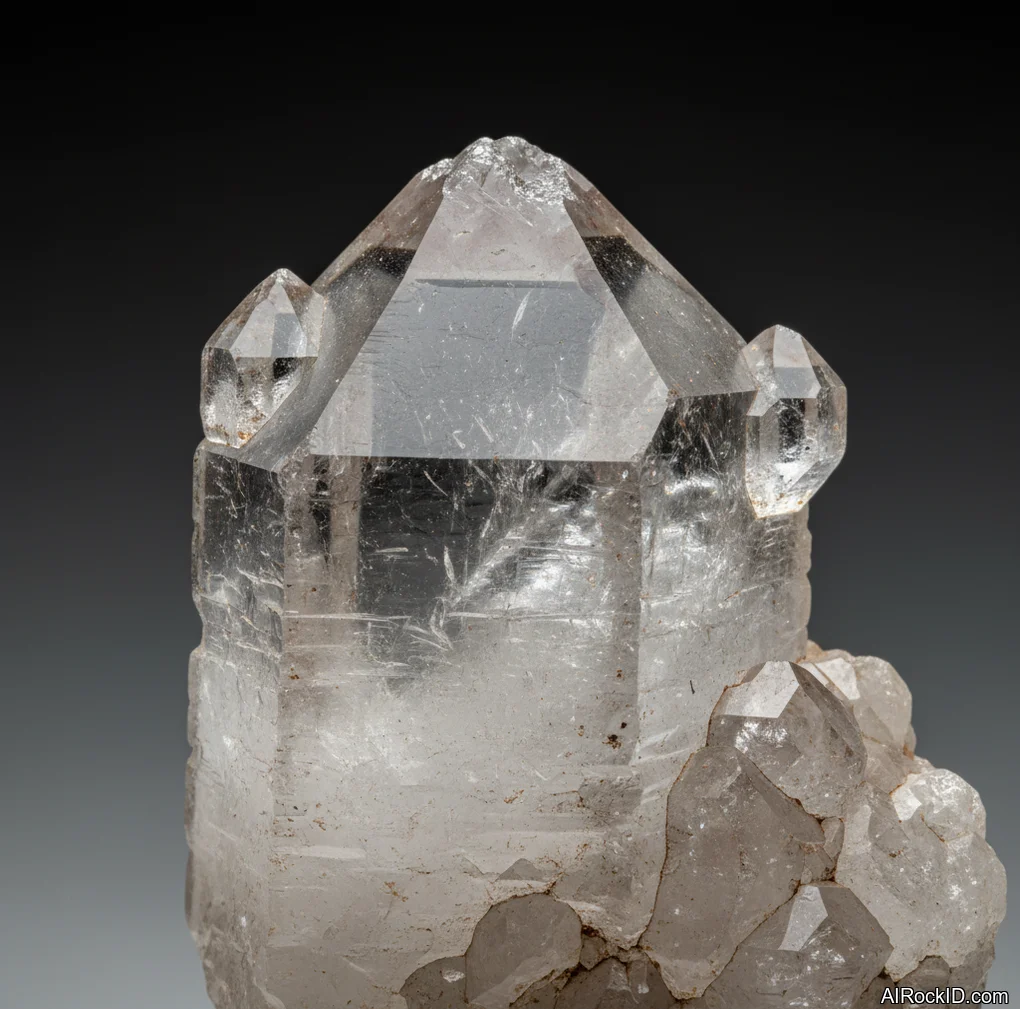
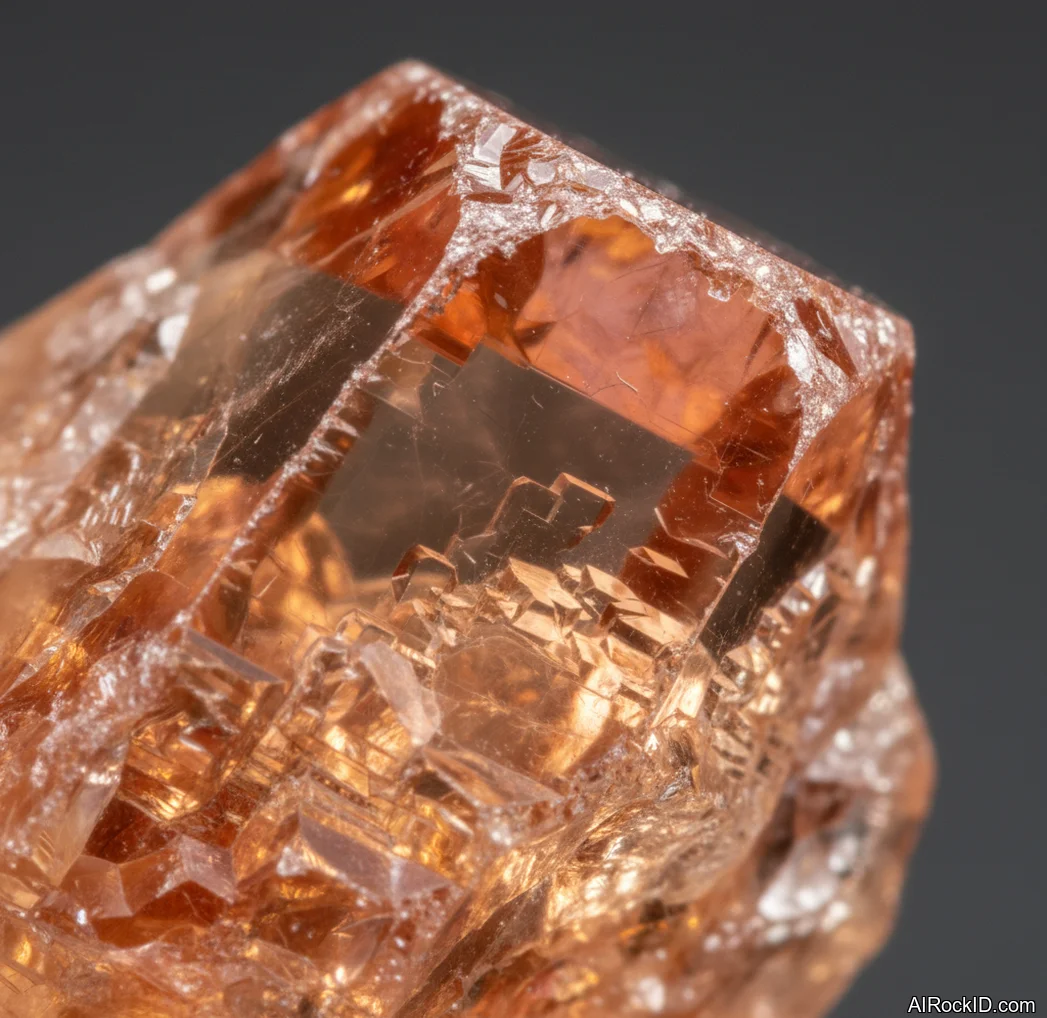
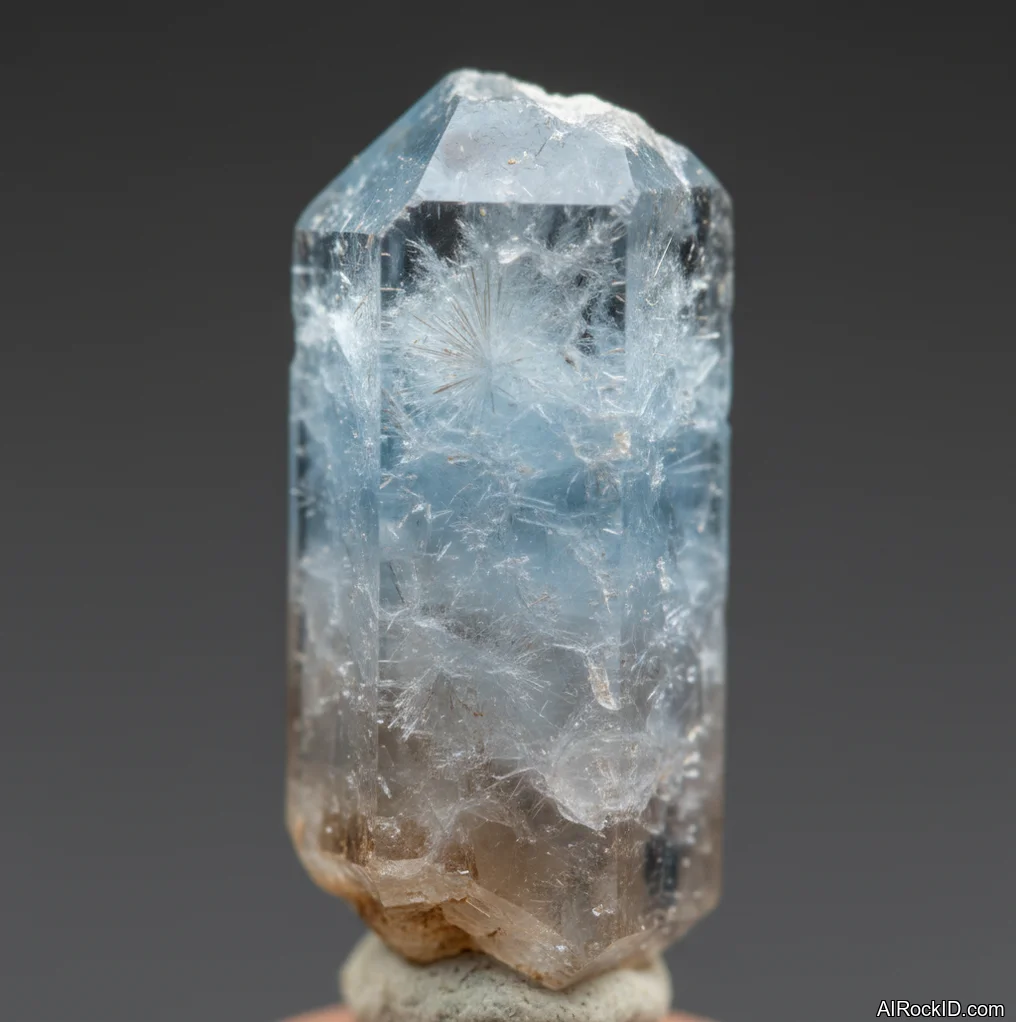
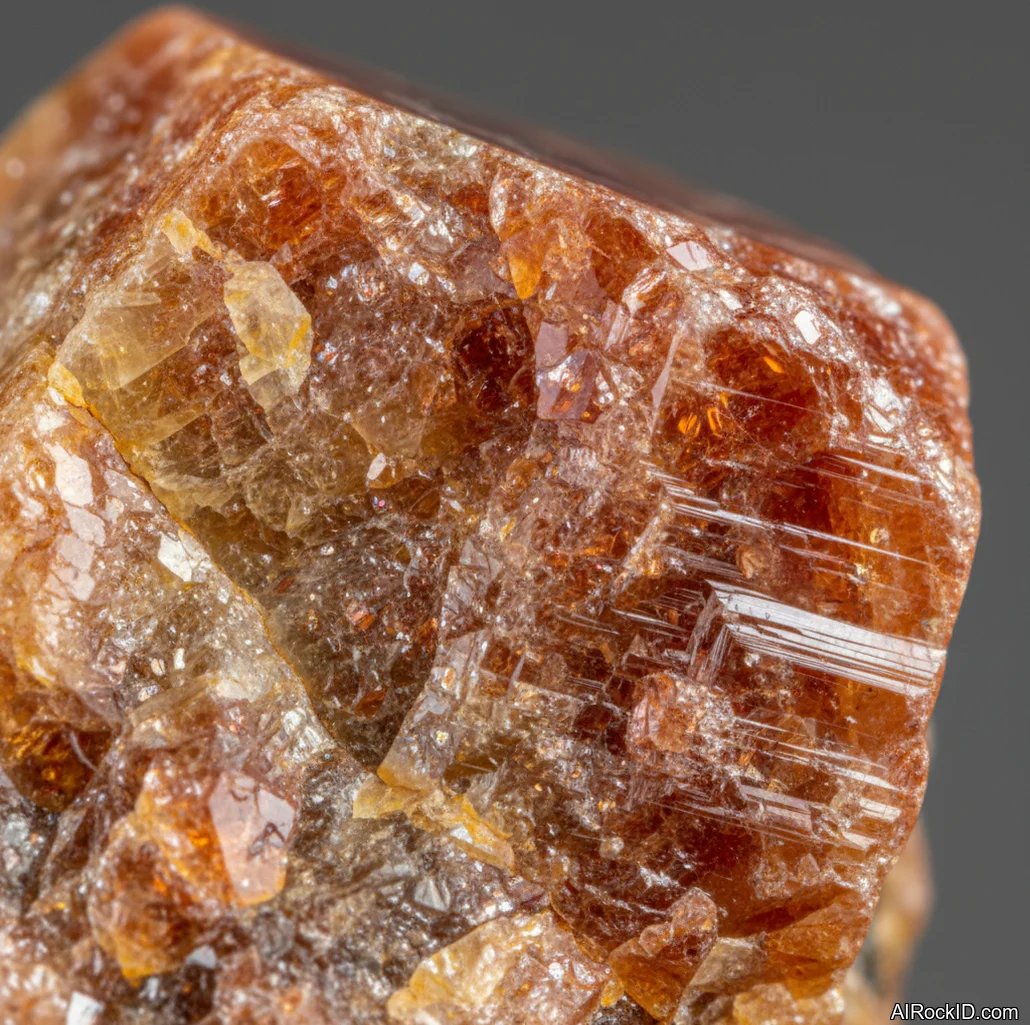
- Golden Topaz
Confidence Crystals by Intention
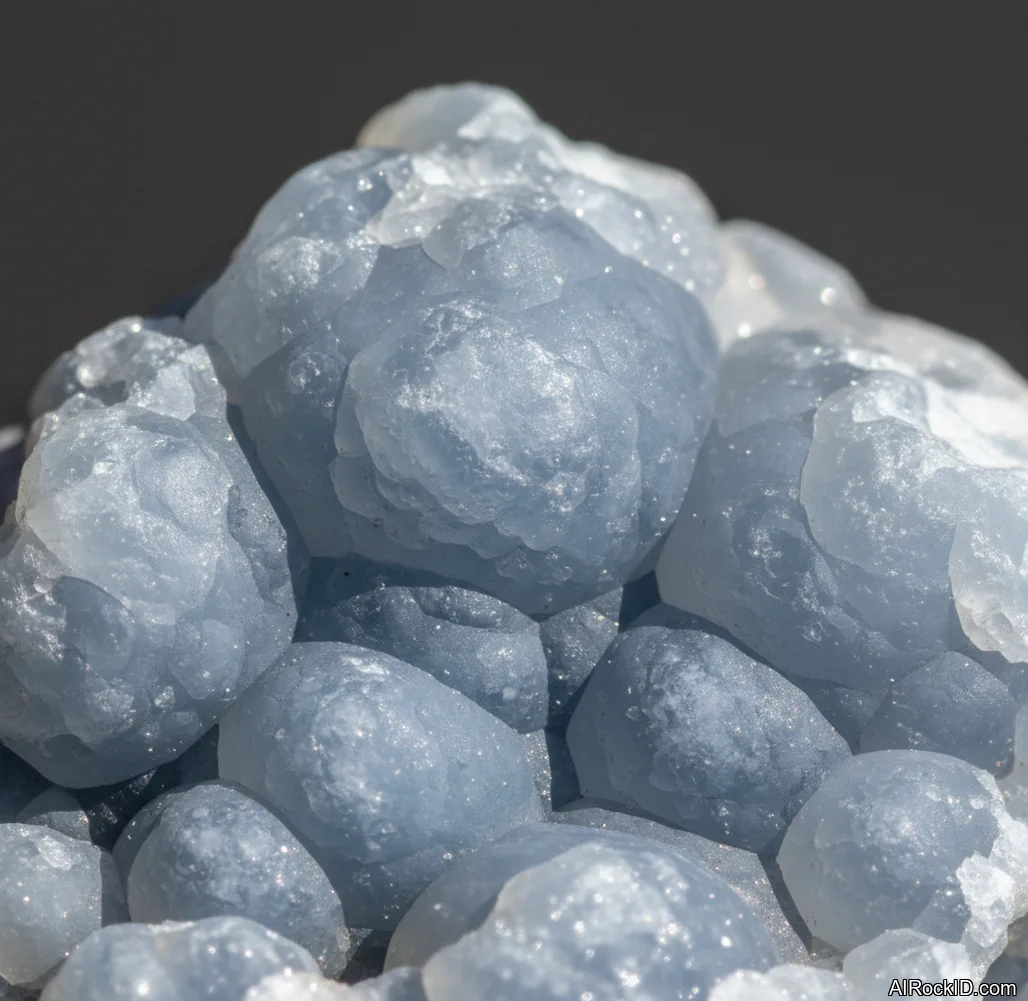
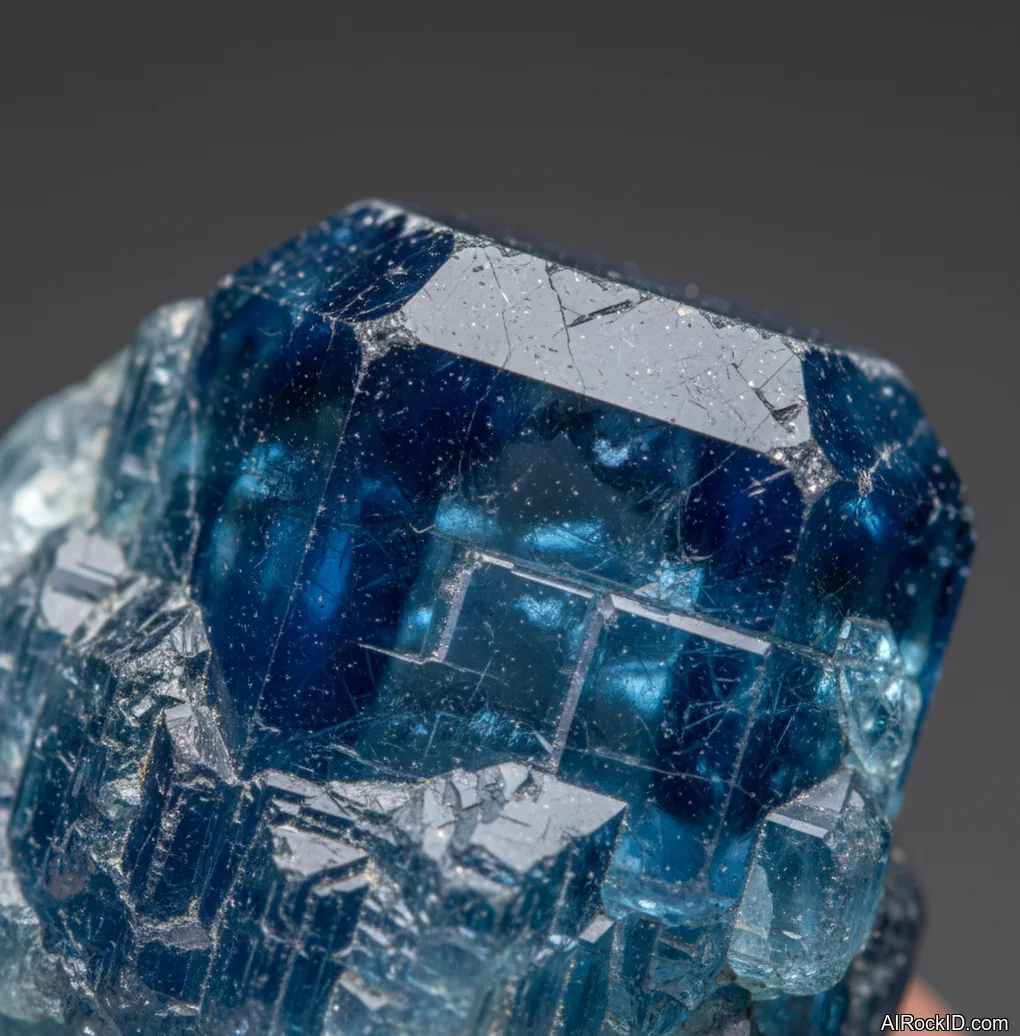
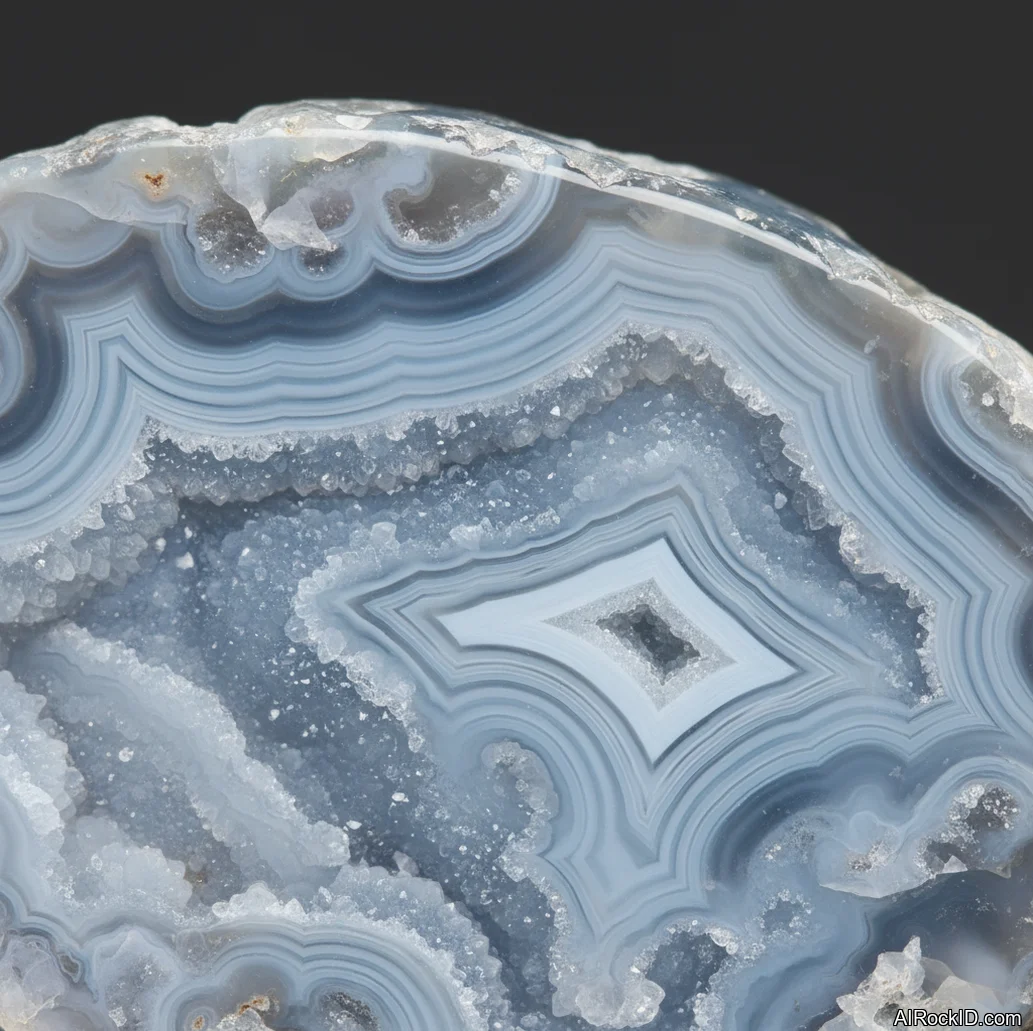
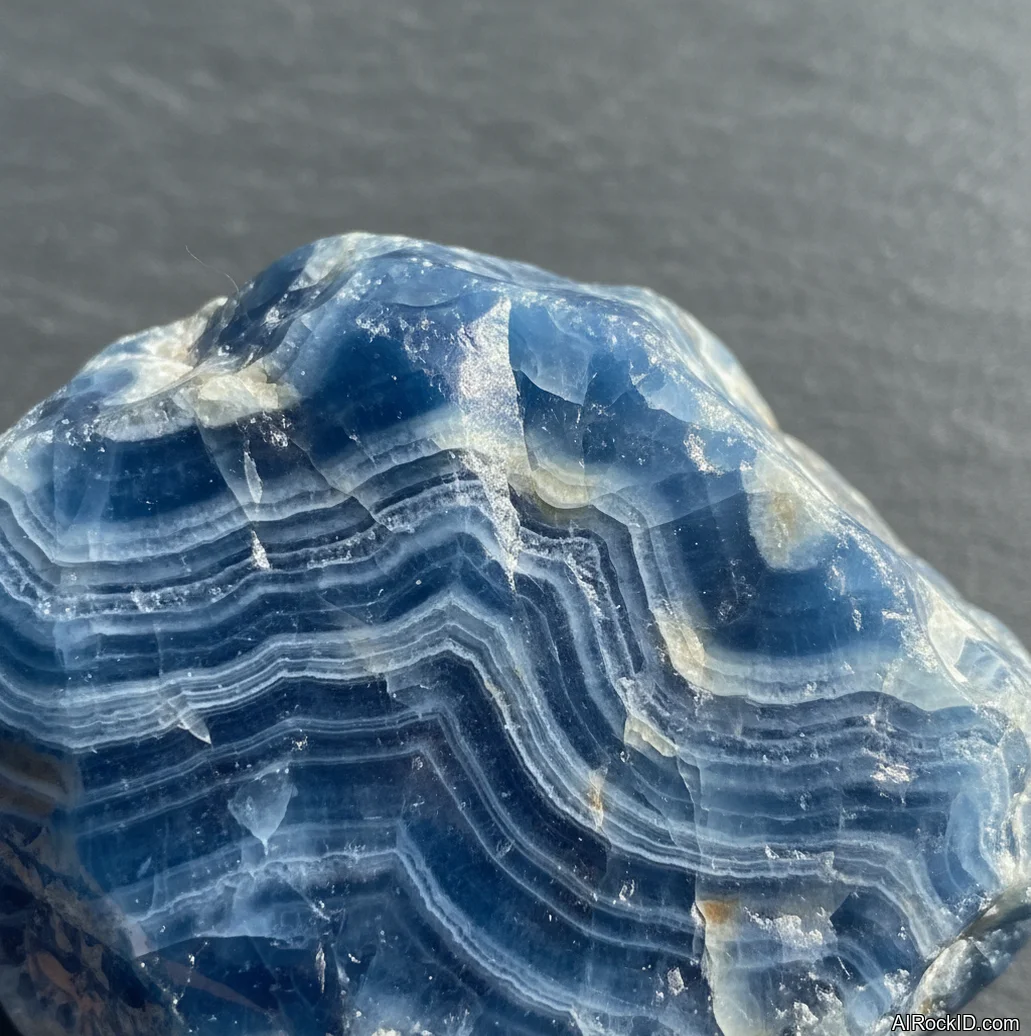
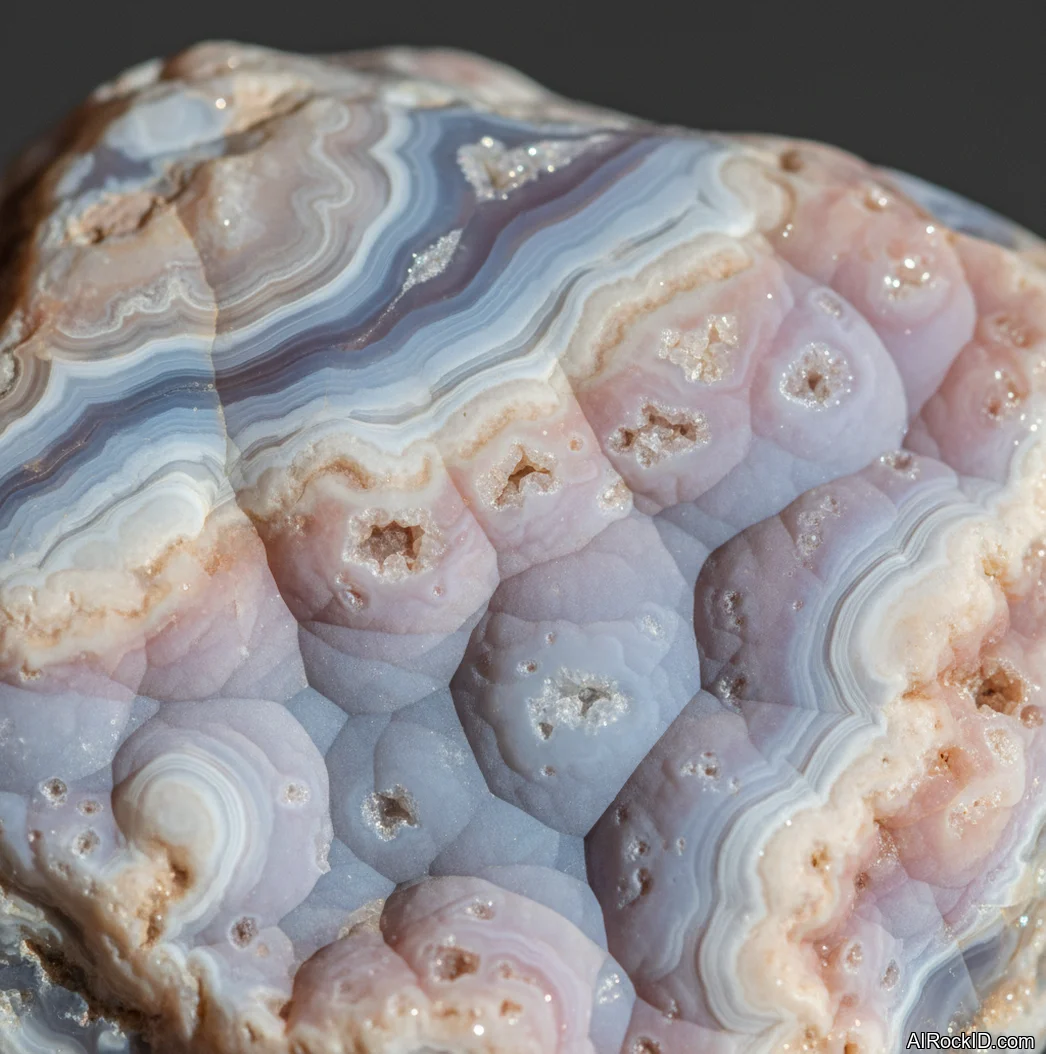
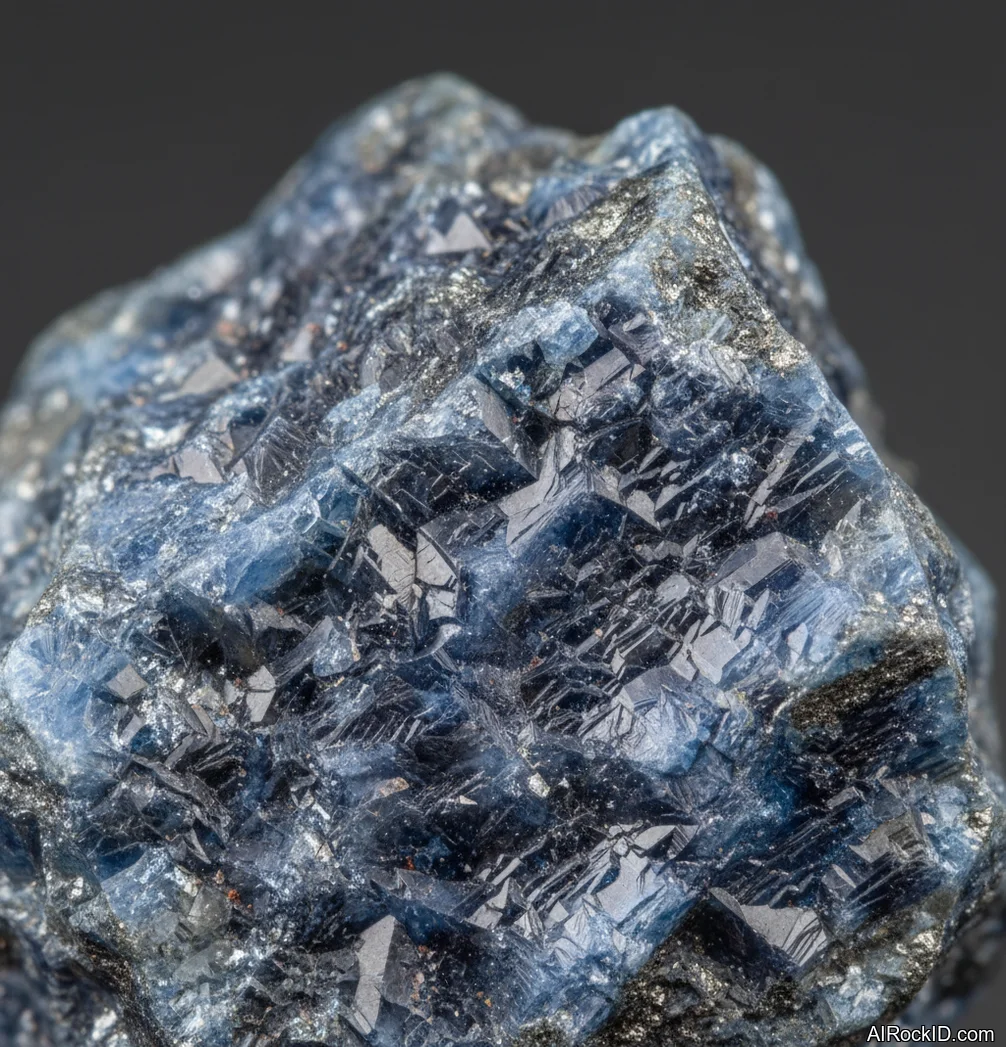
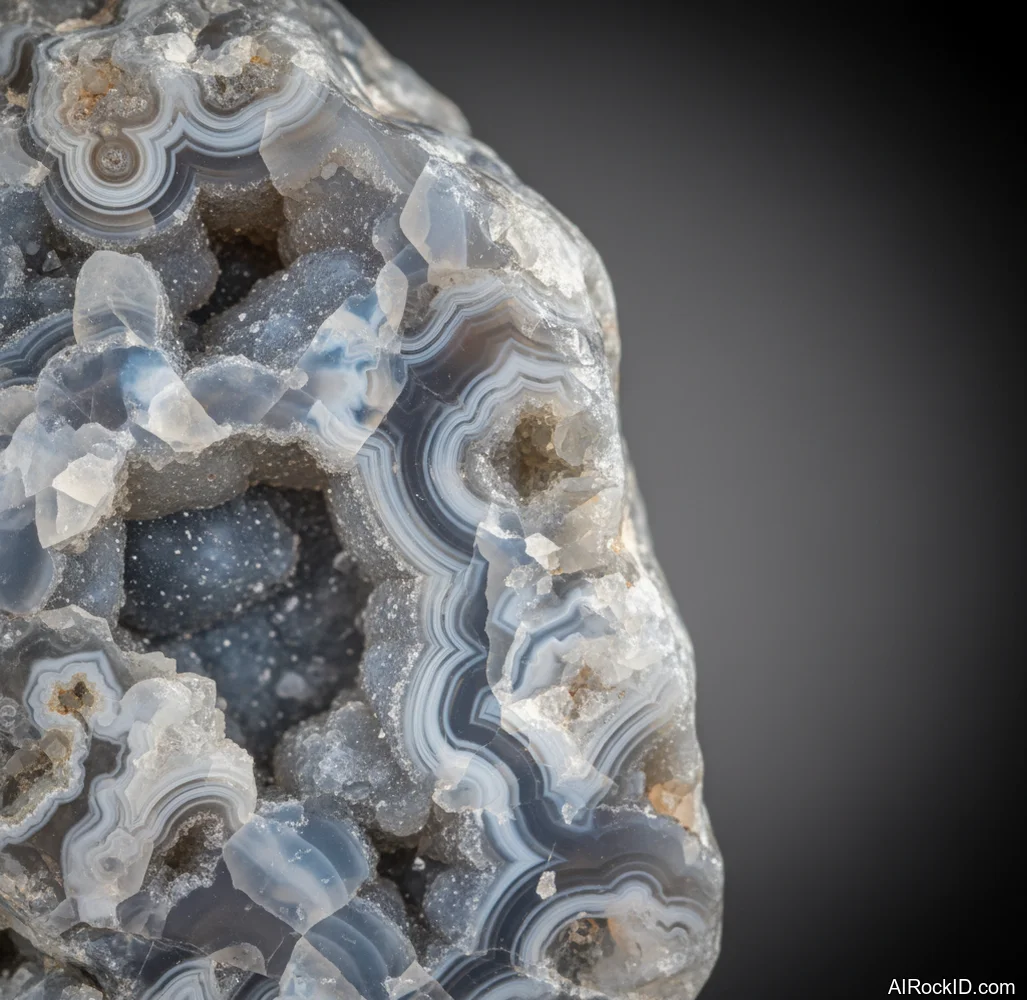
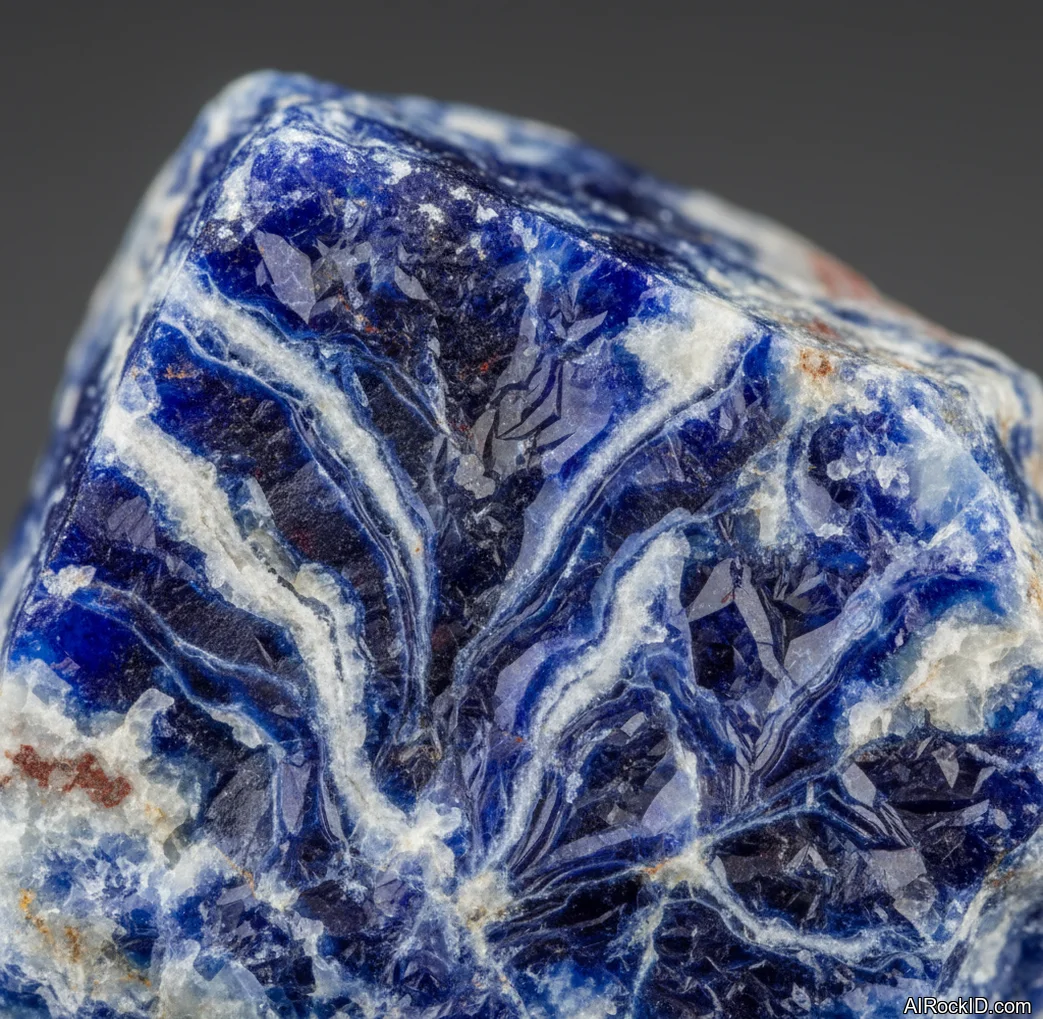
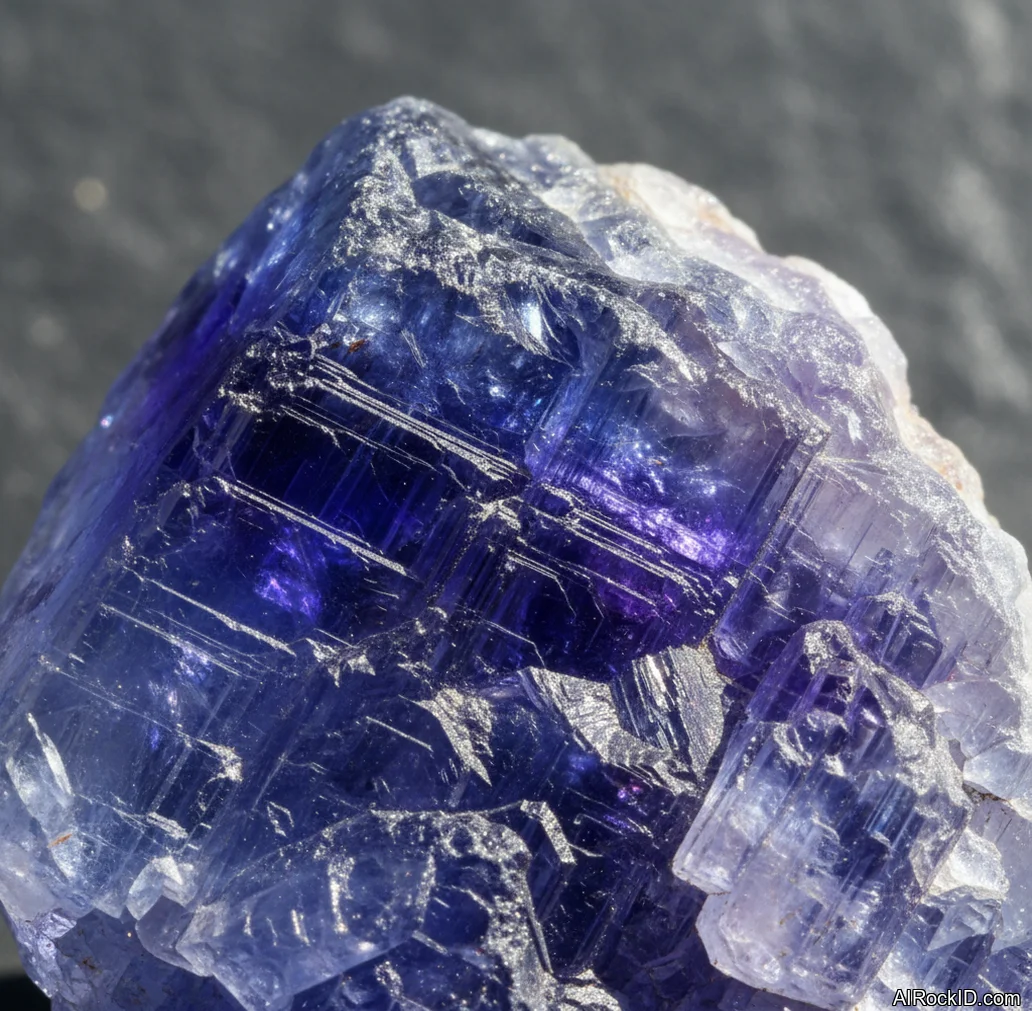
Different stones are linked with different confidence-related themes in crystal traditions. Citrine and tiger's eye are often chosen for personal power, carnelian for action and creativity, sunstone for optimism, and blue stones such as sodalite or blue lace agate for calm communication.
Authenticity Notes for Confidence Stones
Many popular confidence crystals are sold as polished tumbles, beads, towers, and bracelets, which can make treatments harder to see. Watch for dyed agate sold as carnelian, heat-treated amethyst sold as citrine, and overly bright colors that do not match typical natural examples.
Care Considerations for Common Confidence Crystals
Quartz varieties, tiger's eye, and most chalcedony stones are generally durable for normal handling, but they can still chip if dropped. Softer or more brittle stones should be kept away from harsh cleaners, prolonged moisture, and abrasive storage with harder minerals.
How Confidence Crystals Work for Everyday Life
Confidence, when people talk about it in crystal circles, isn't about being loud or cocky. It's closer to that solid feeling you get in your chest when you're able to say what you mean without second-guessing every word. Folks reach for confidence crystals when they're gearing up for a job interview, prepping for a big speech, finally setting that boundary with a friend, or just trying to survive a rough patch without going invisible. You see a lot of overlap with situations where people want to feel more anchored and less like they're about to fall over.
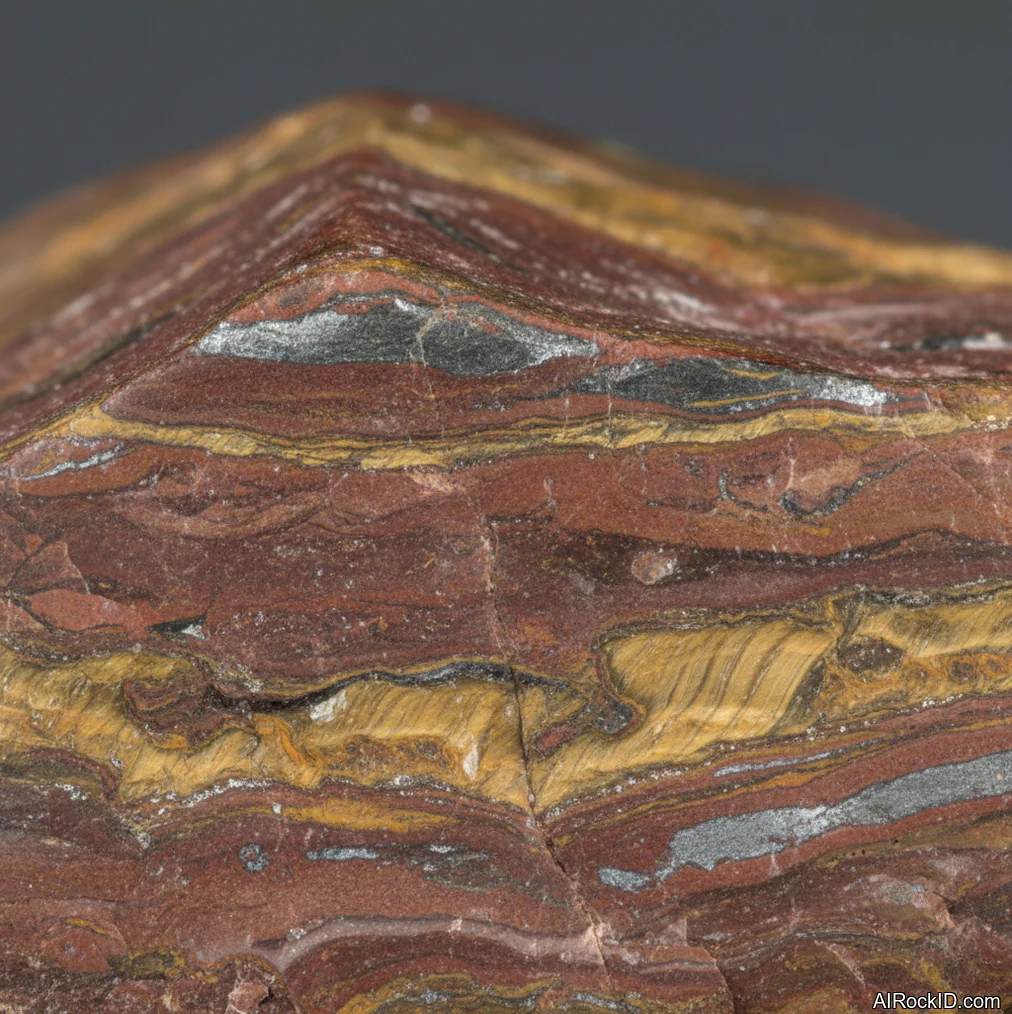
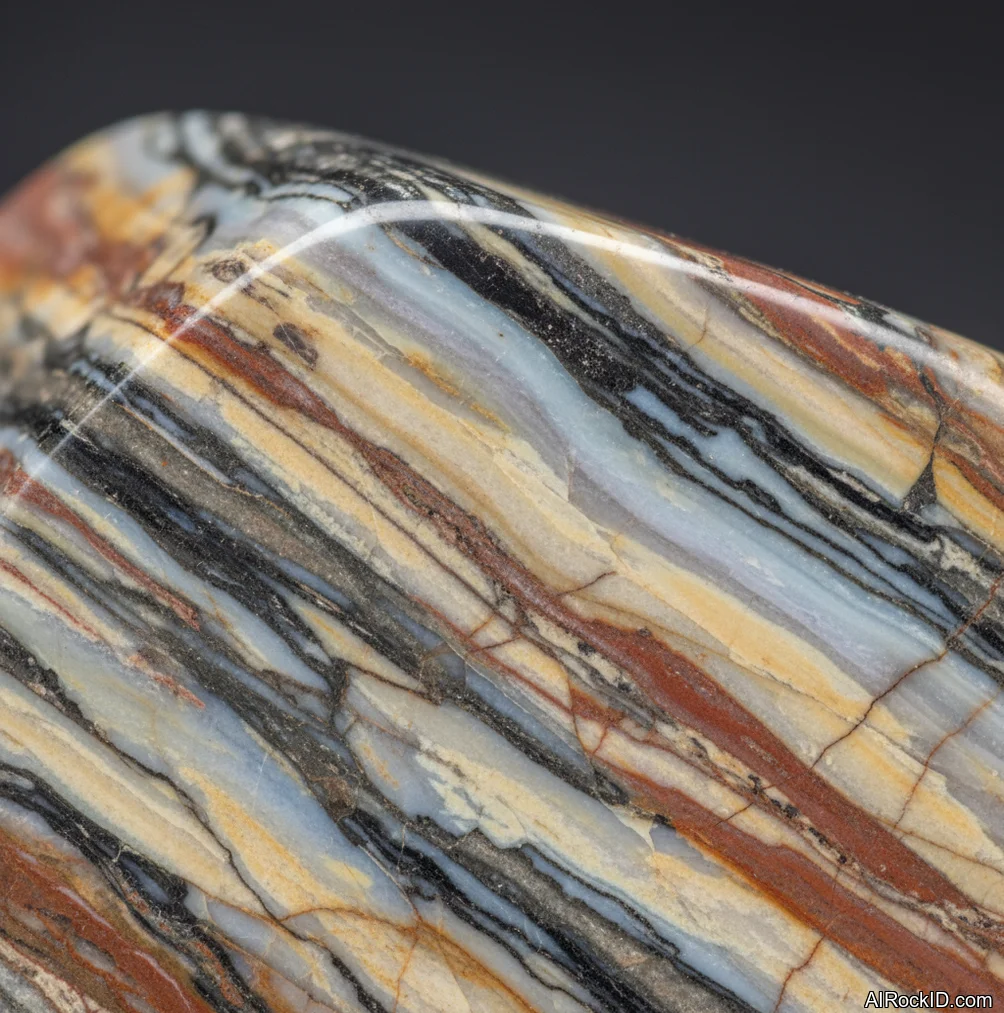
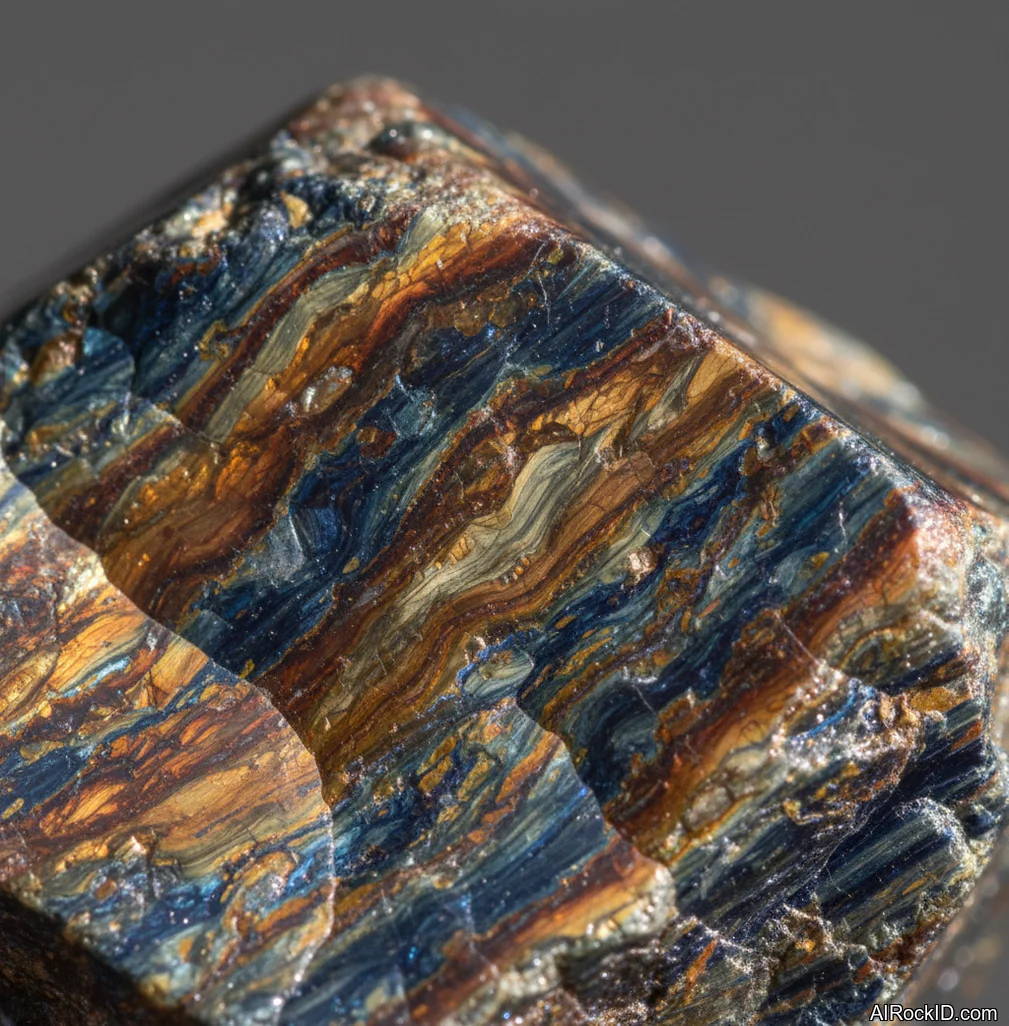
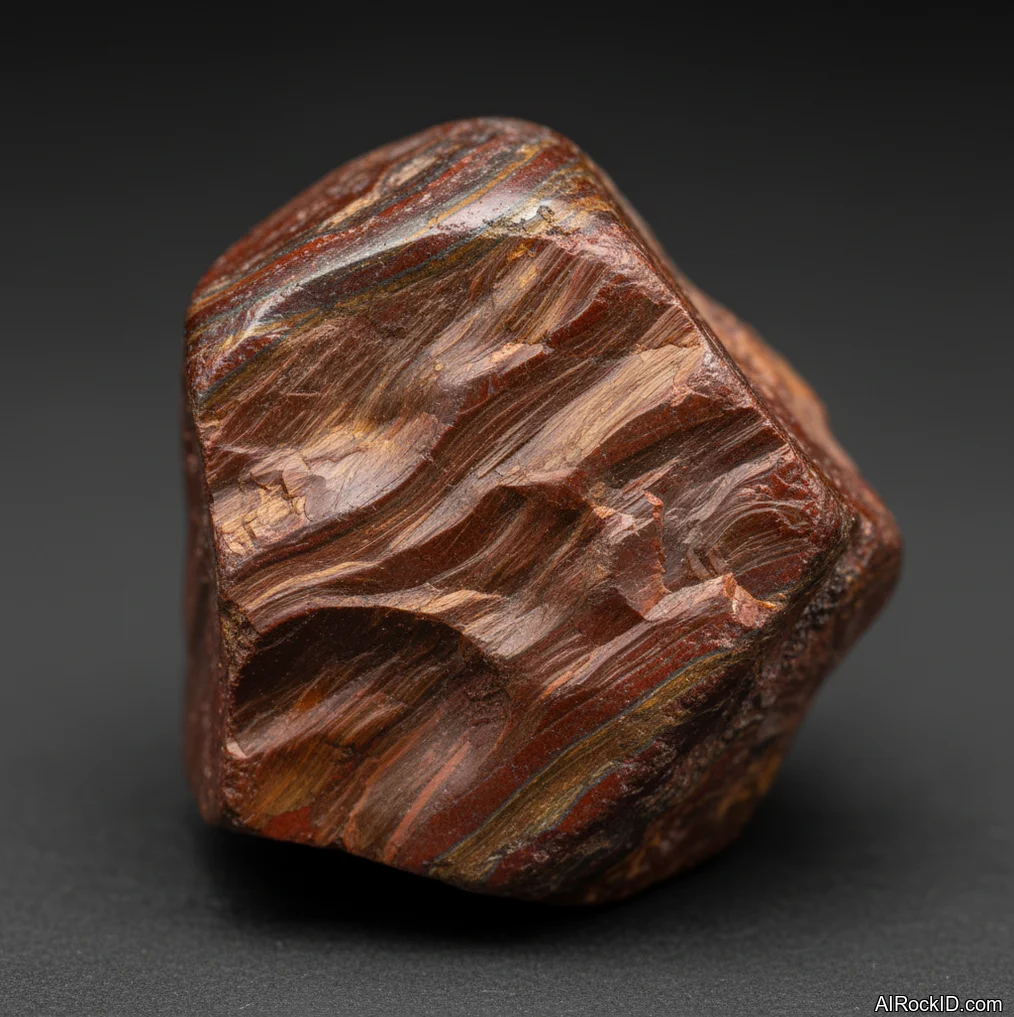
Tiger’s Eye is the first crystal that jumps to mind. If you've ever picked up a chunk, the weight surprises you, even in small tumbles. The band of chatoyancy slides across the surface, almost like a slow-moving cat’s eye in low light—hence the name. For collectors, the stable feel and dense structure are part of the appeal. It's tough enough to hang out in a jeans pocket for weeks and still come out looking polished. That visual play of light gives a physical anchor to the idea of steady focus.
Physical Traits of Popular Confidence Crystals
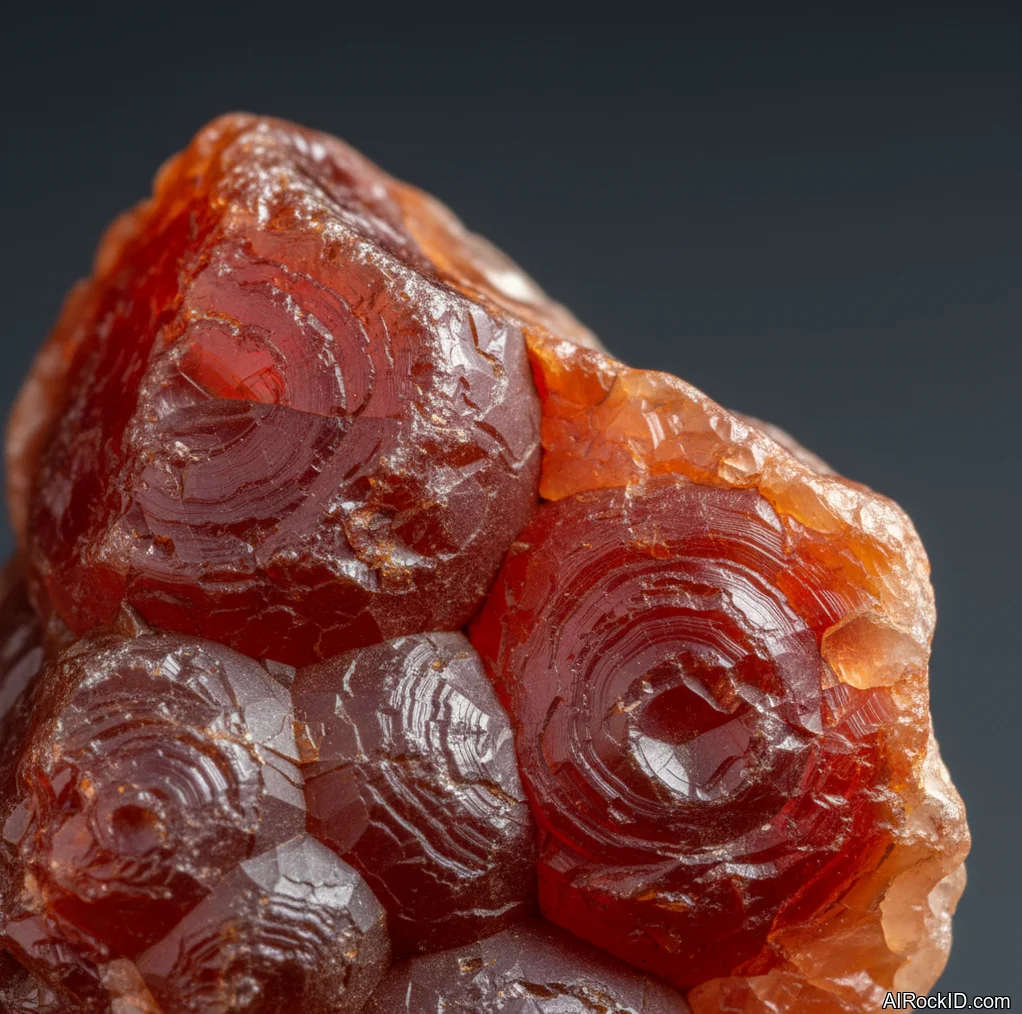
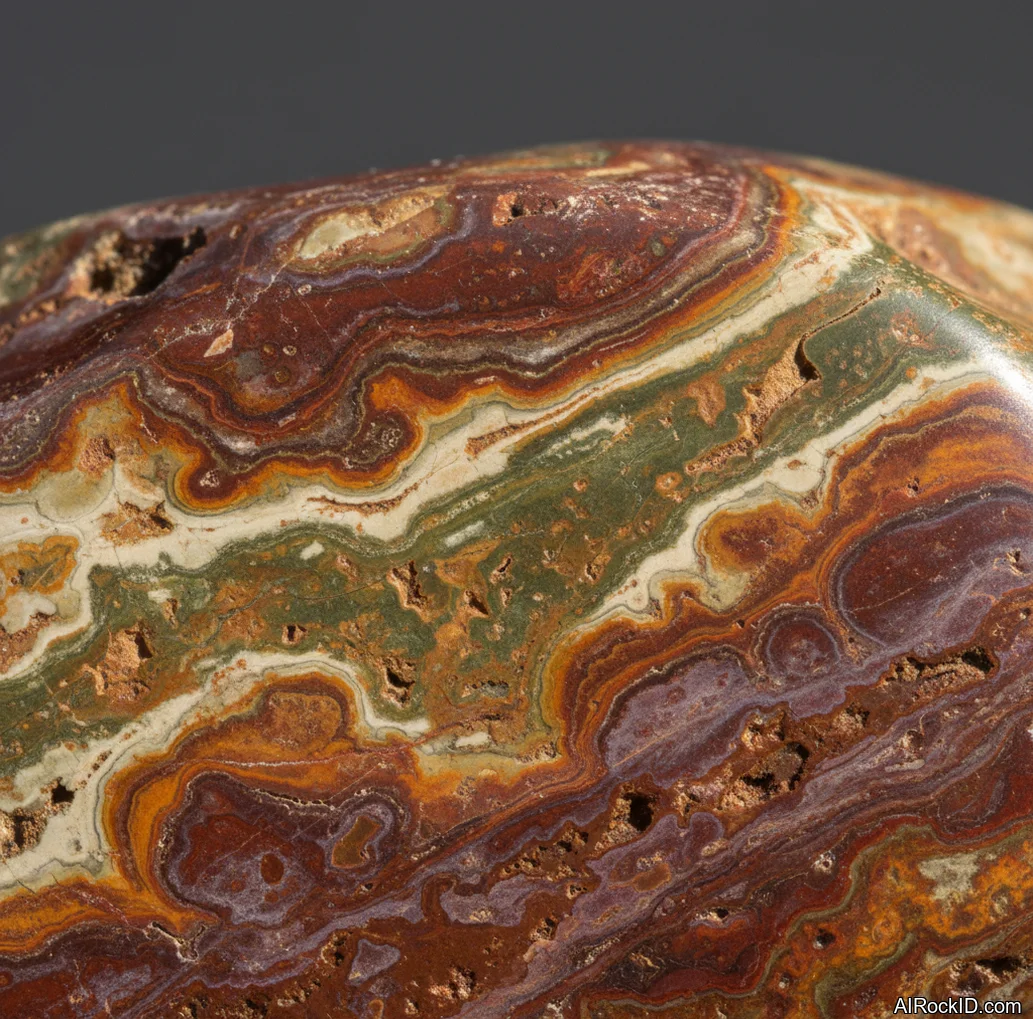
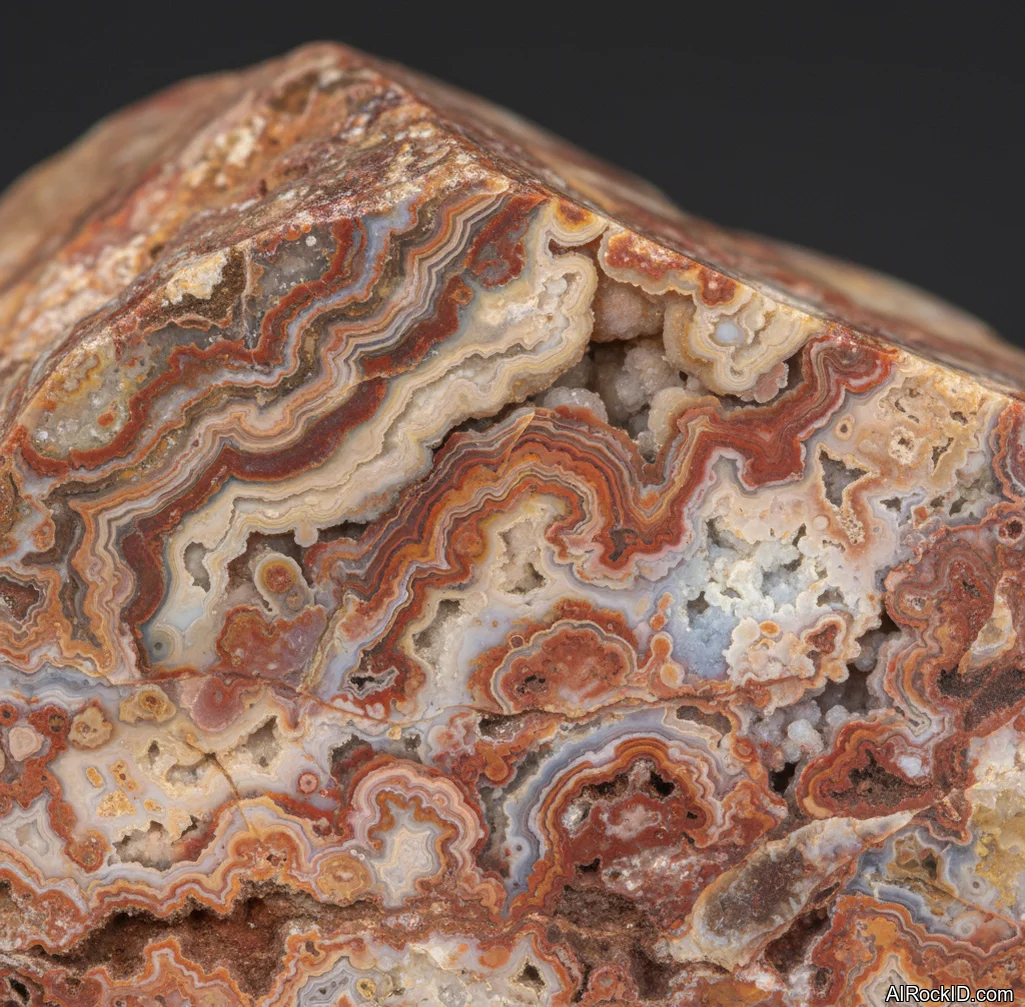
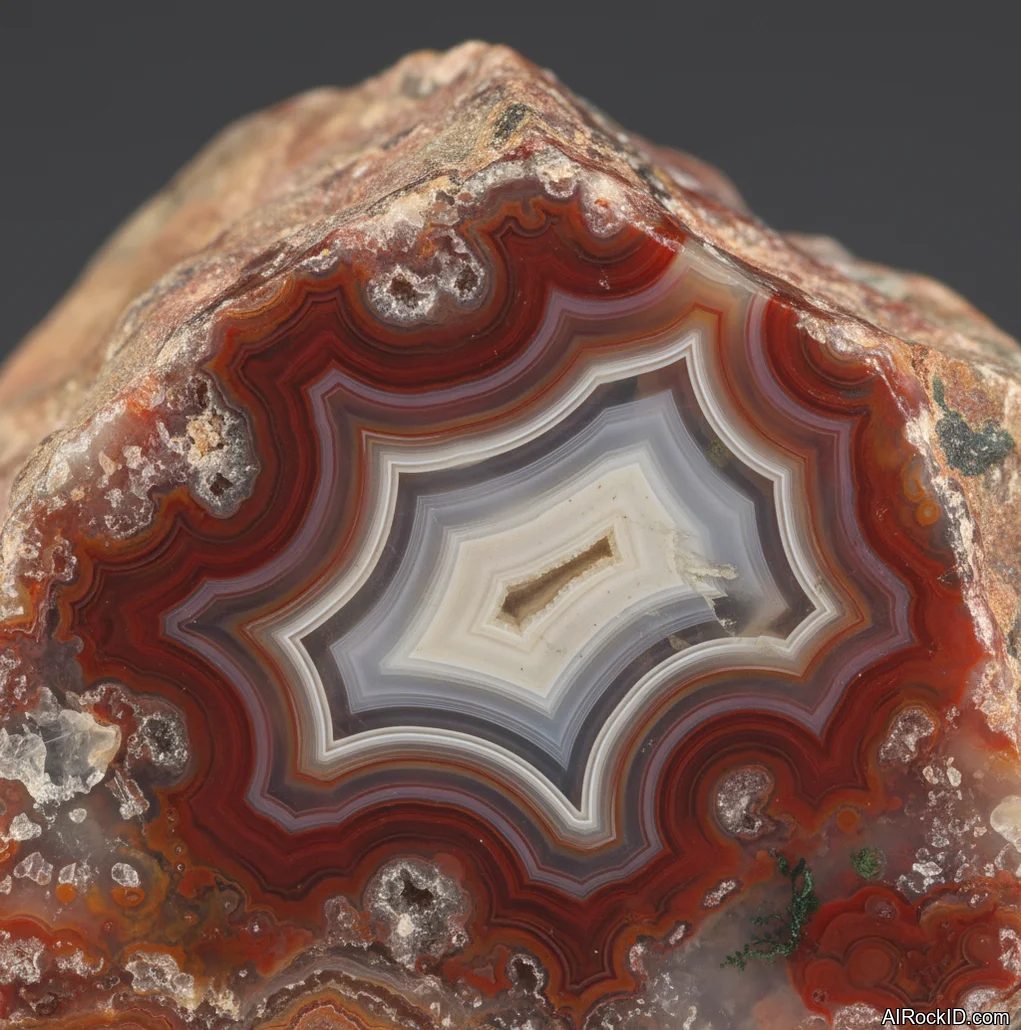
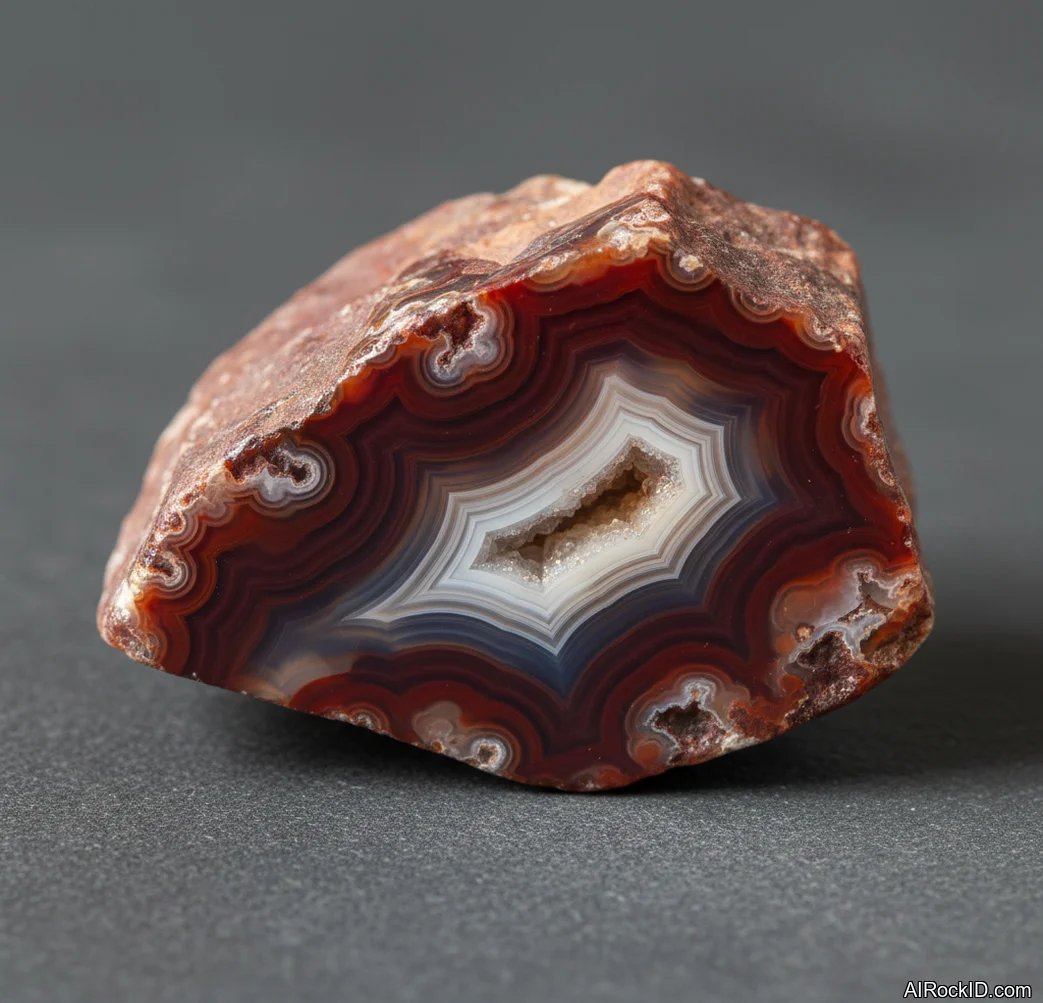
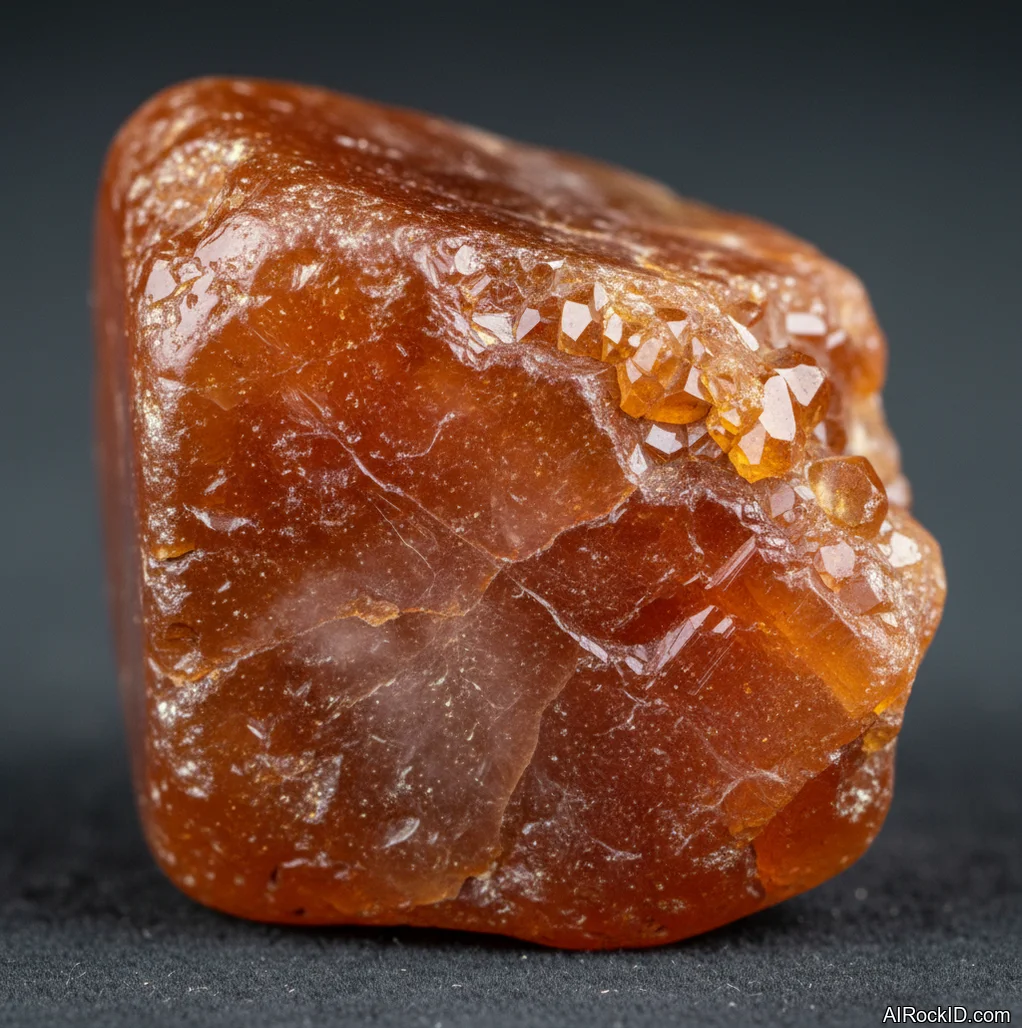
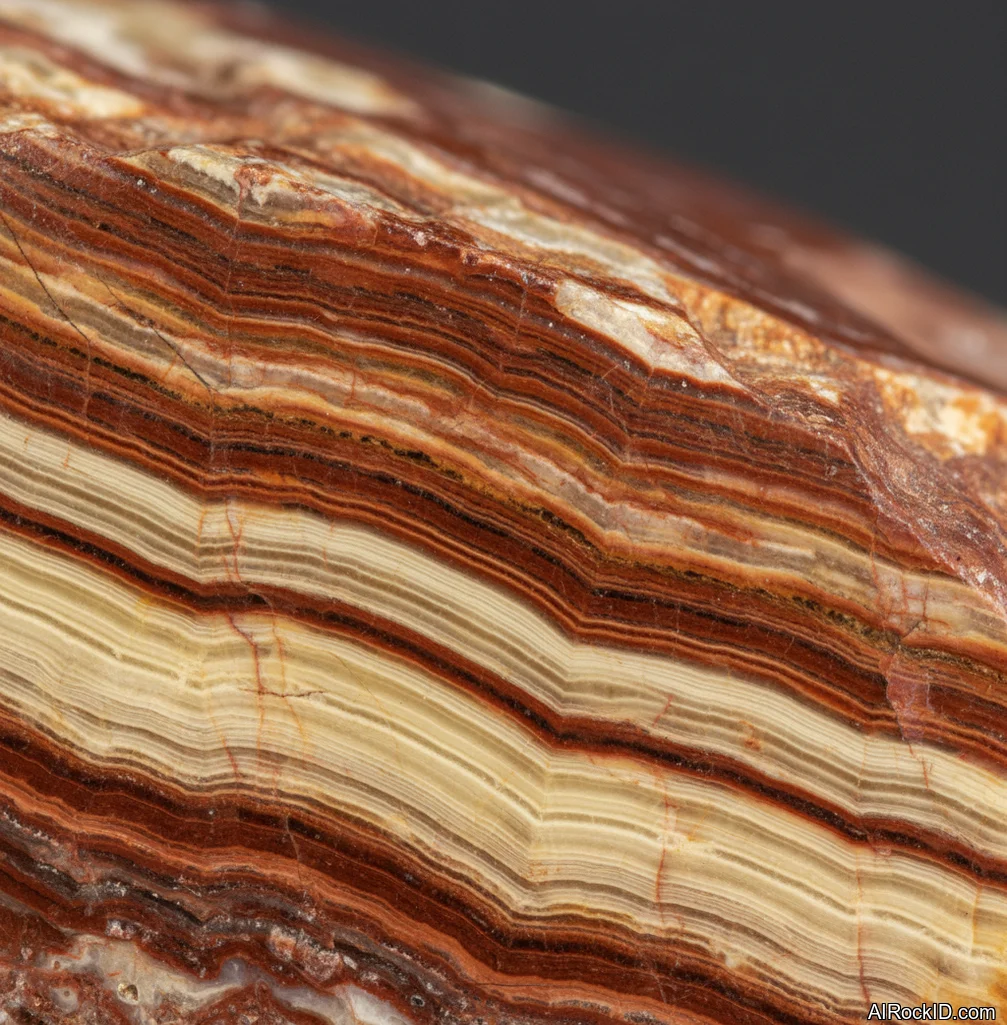
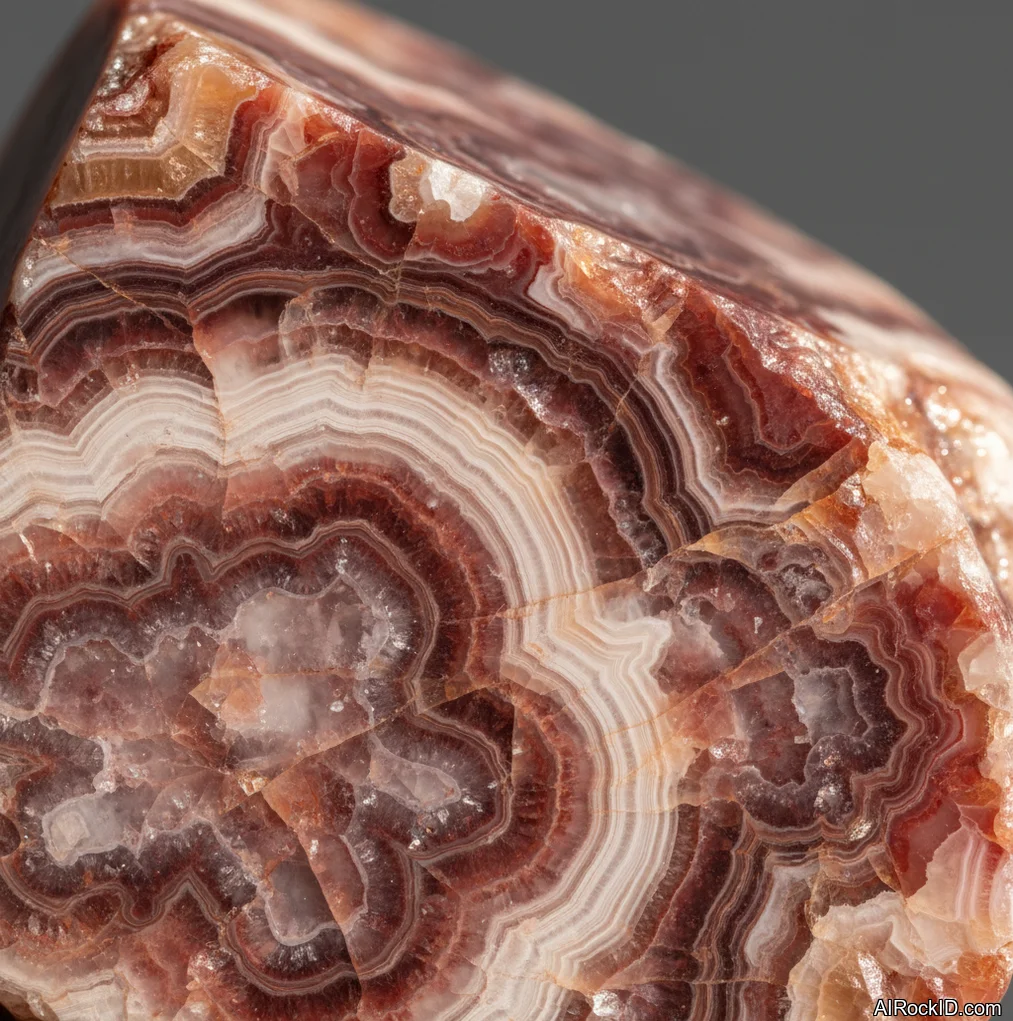
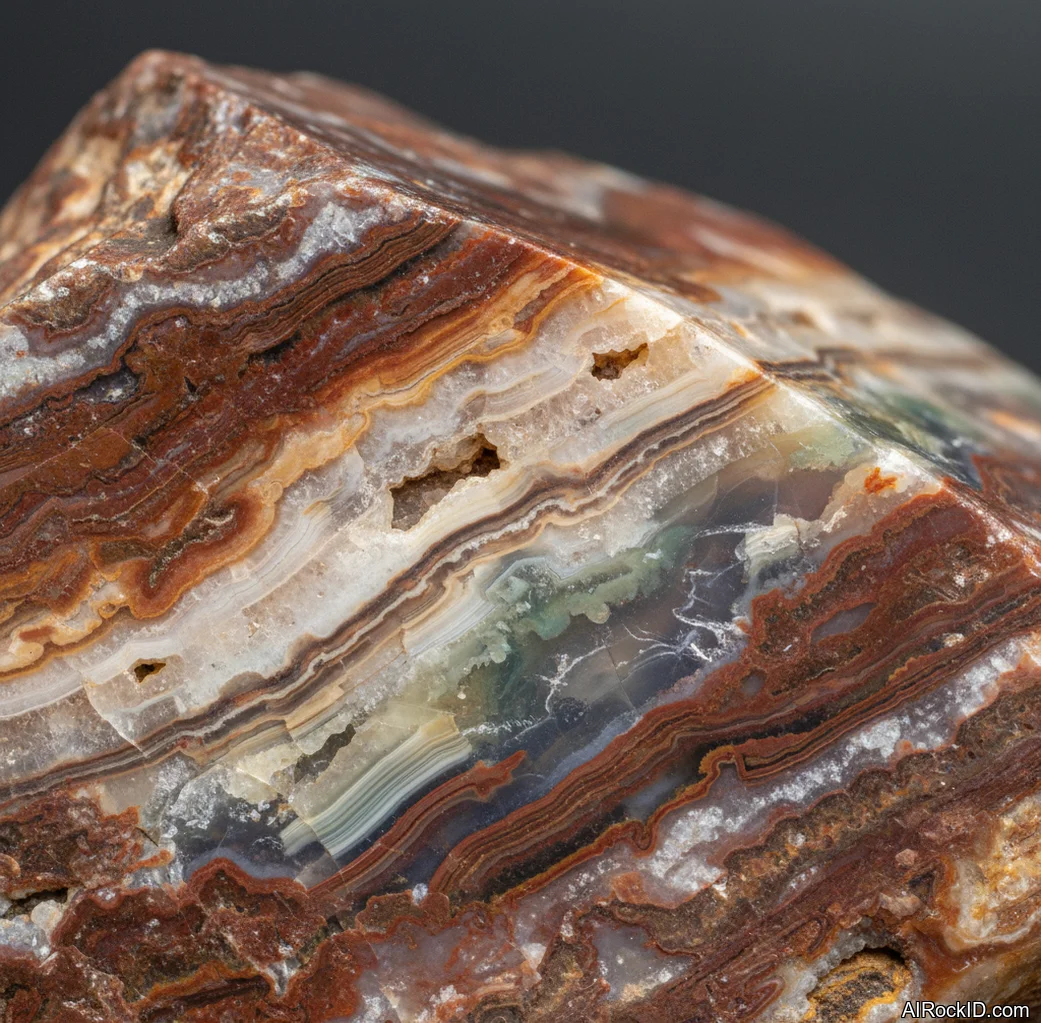
Carnelian sits at the other end of the spectrum from Tiger’s Eye. It's all warmth—orange to reddish with swirls and bands if you get a good agate-based piece. Tumbled carnelian can feel almost waxy and stays cool in the hand, but leave it in a sunny window and the color can fade. A lot of what's sold as carnelian is heat-treated chalcedony. The trick to spotting it is to look for too-uniform, traffic cone orange color. Natural carnelian usually has some cloudy streaks or pale zones mixed in.
Folks associate carnelian with confidence in action—motivation, speaking up, getting unstuck. It's the kind of stone I'd slip into a pocket before a performance or a hard conversation. Compared to Tiger’s Eye, it's softer and will scratch easier if you toss it in with keys or coins.
Citrine and Its Role in Confidence Crystal Sets
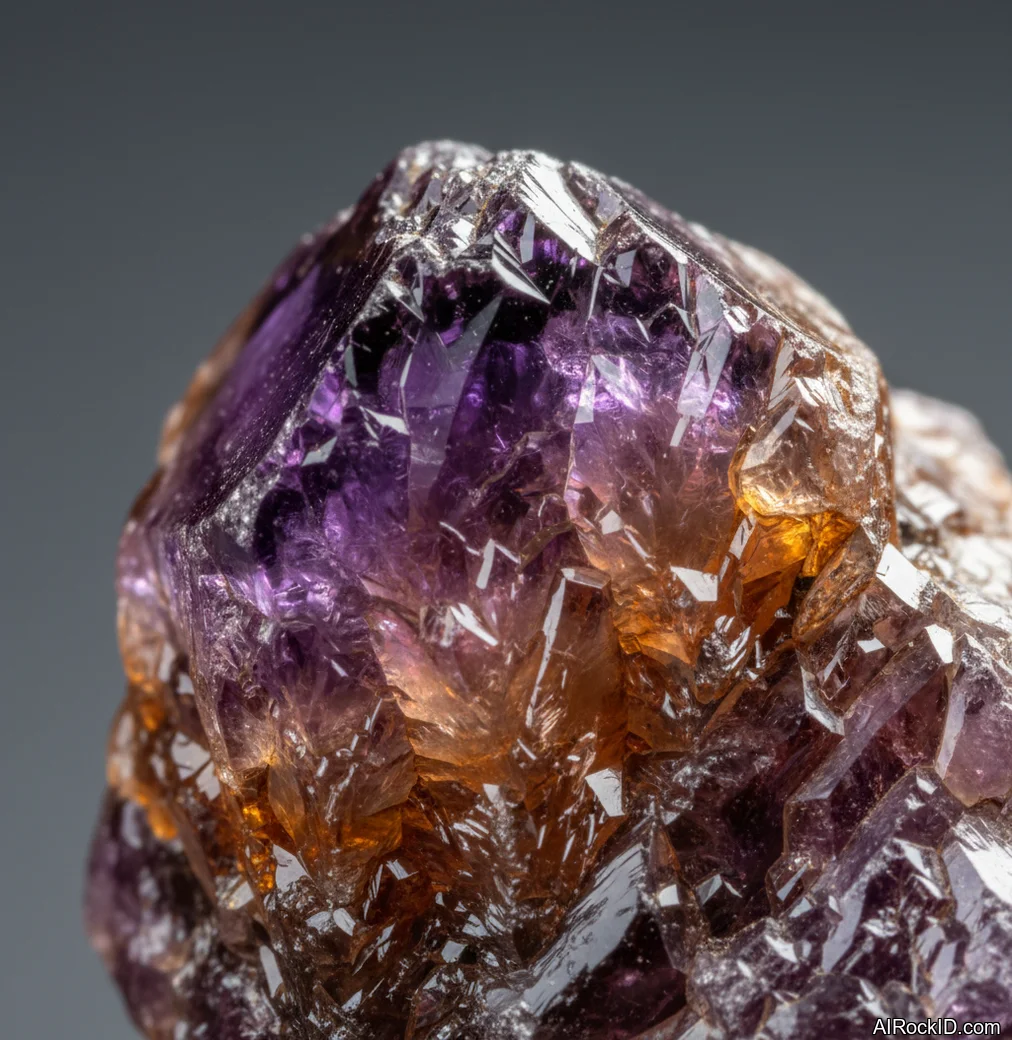
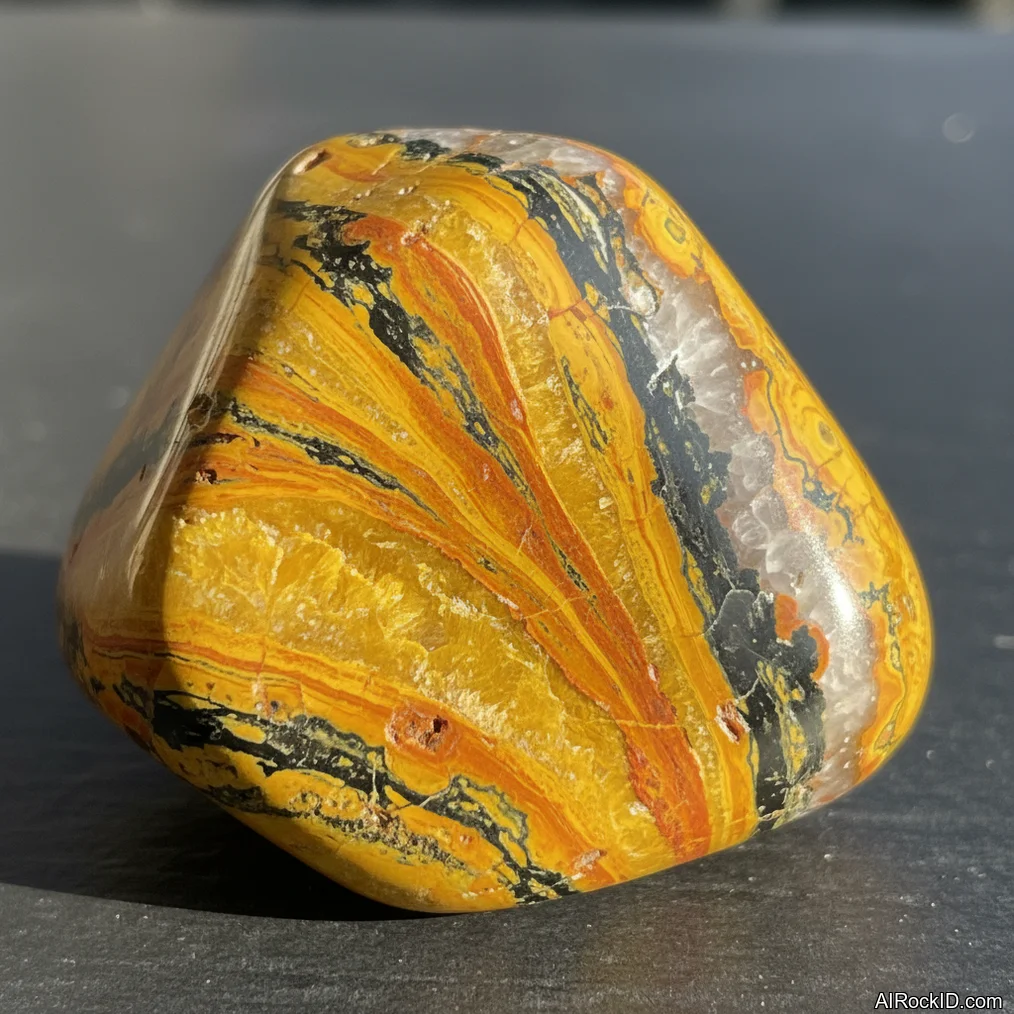
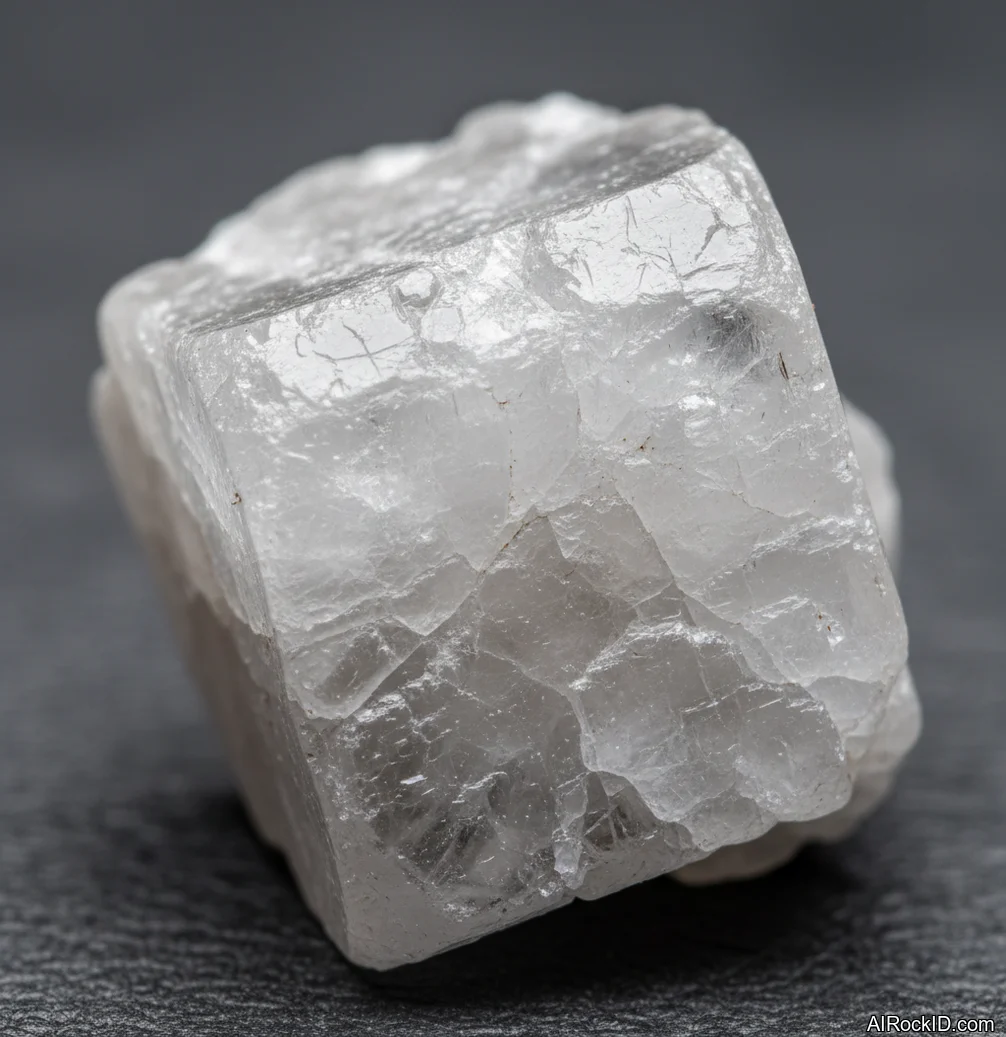
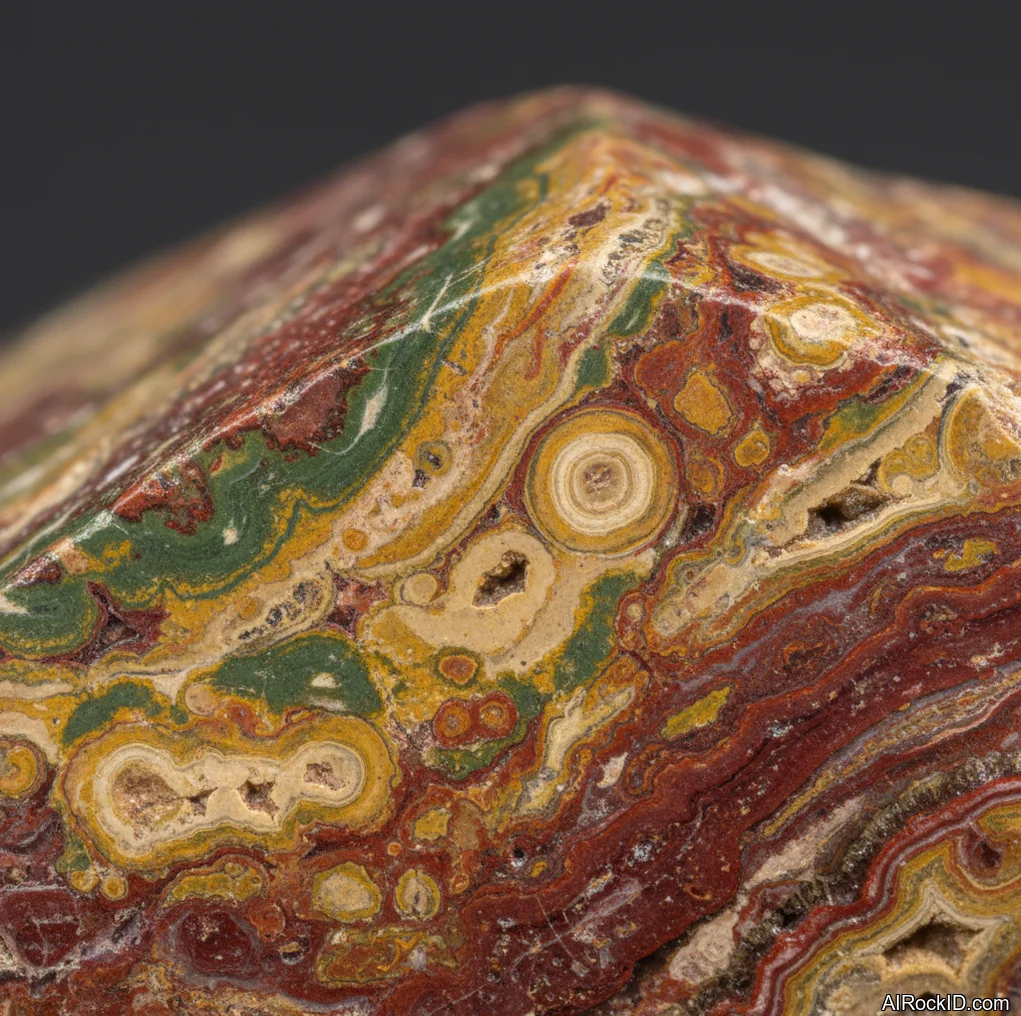
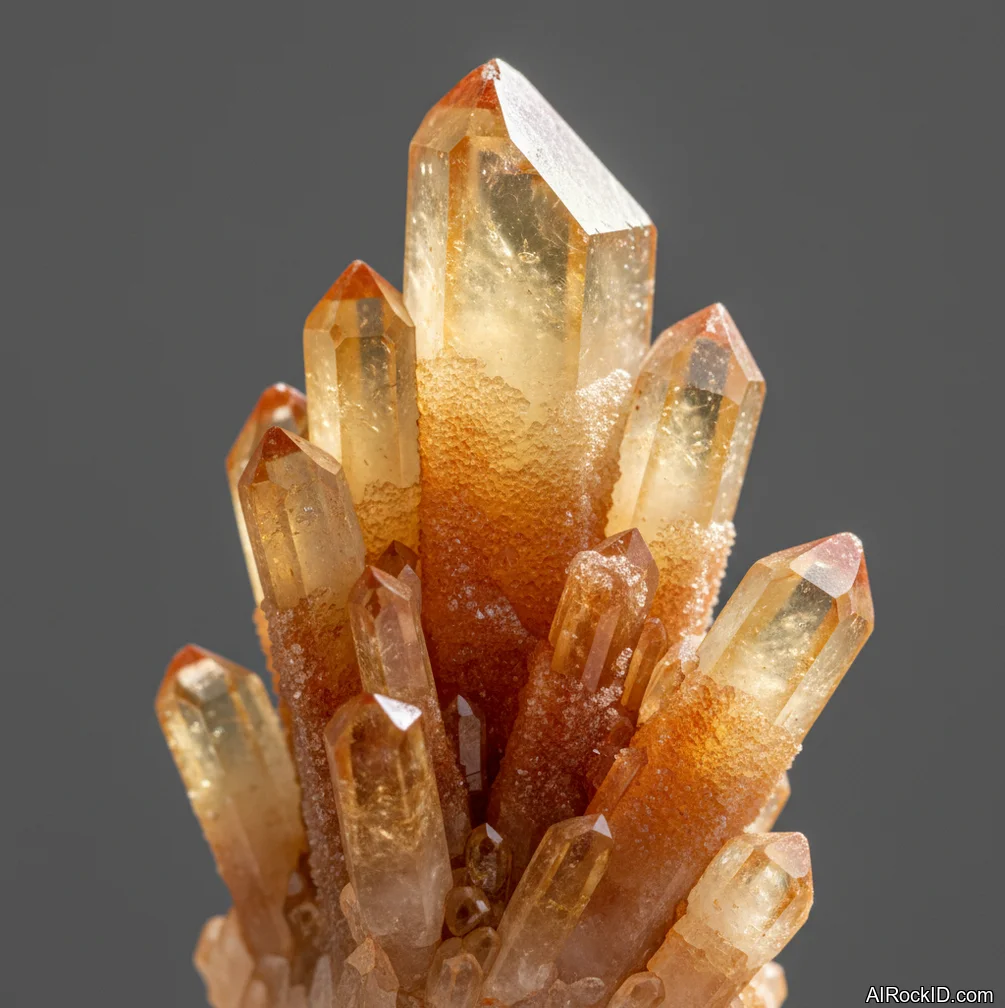
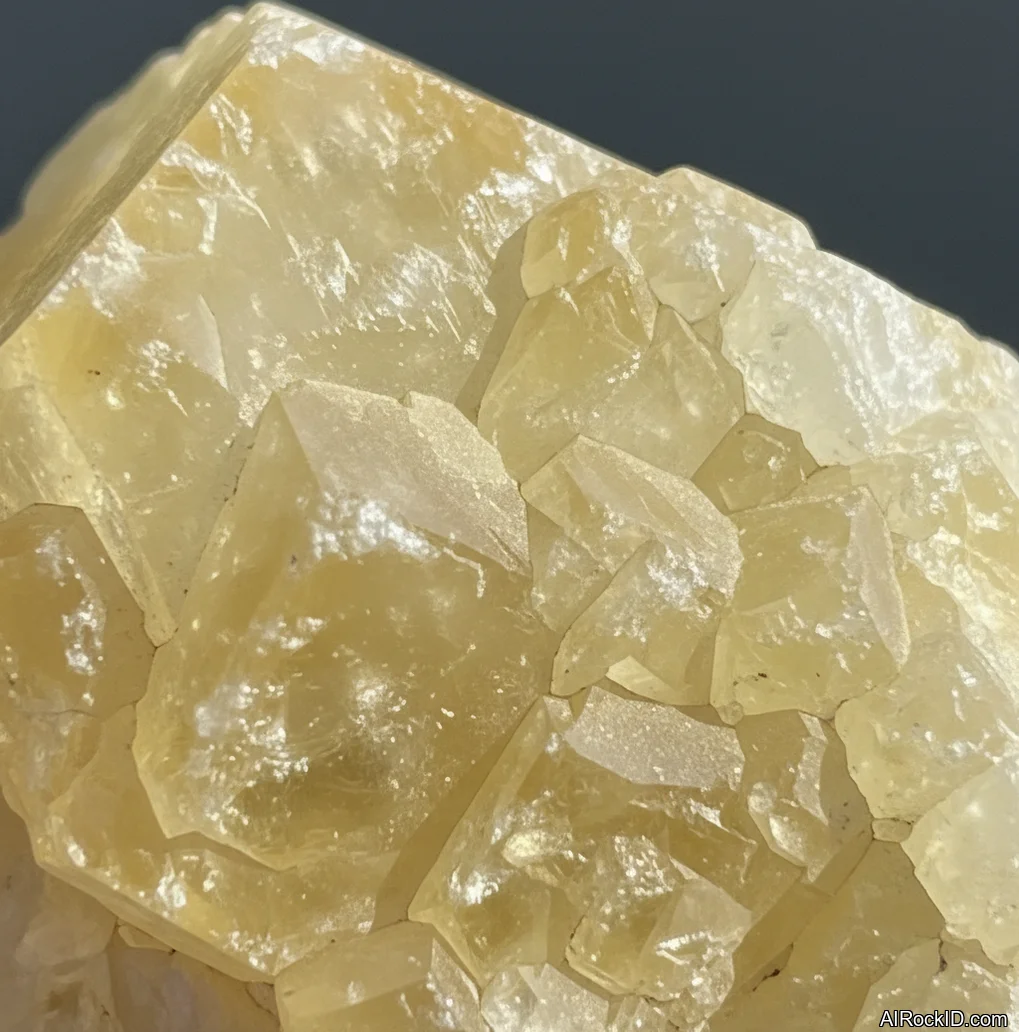
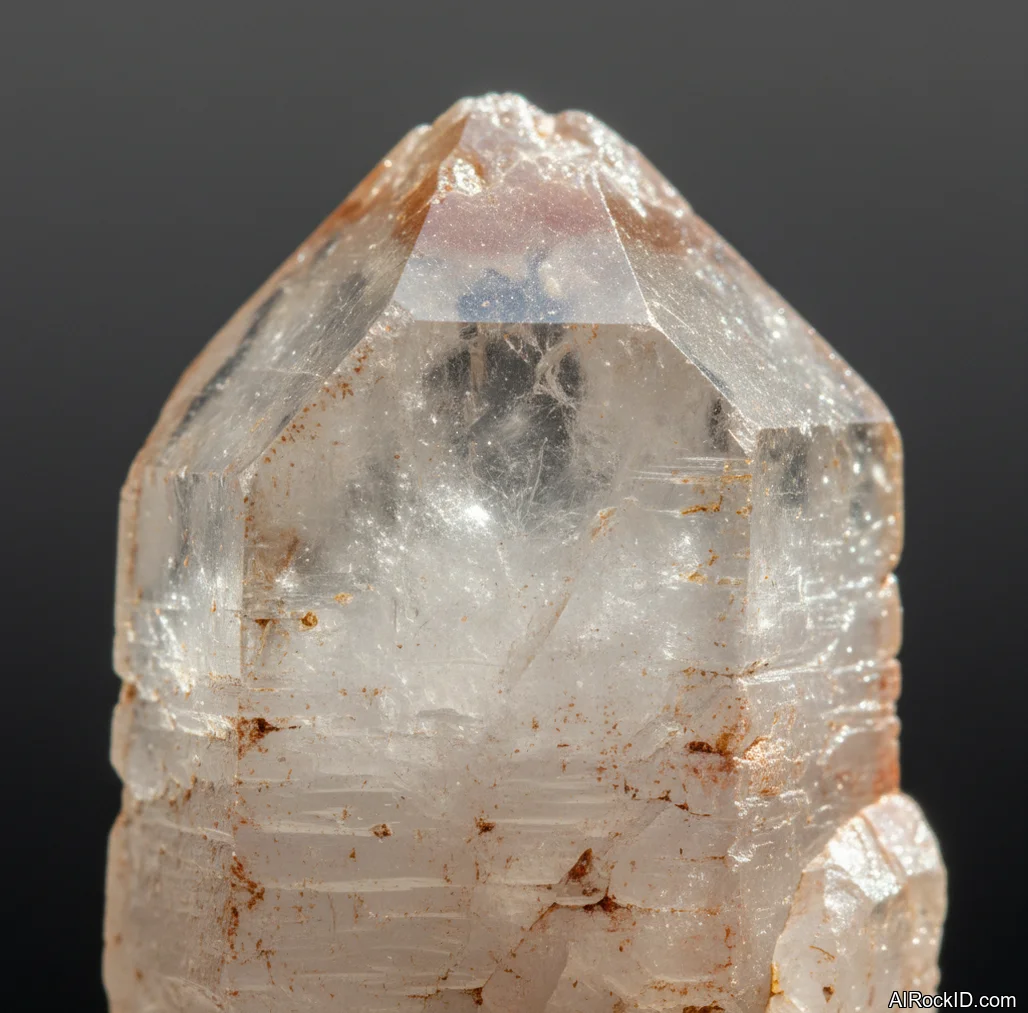
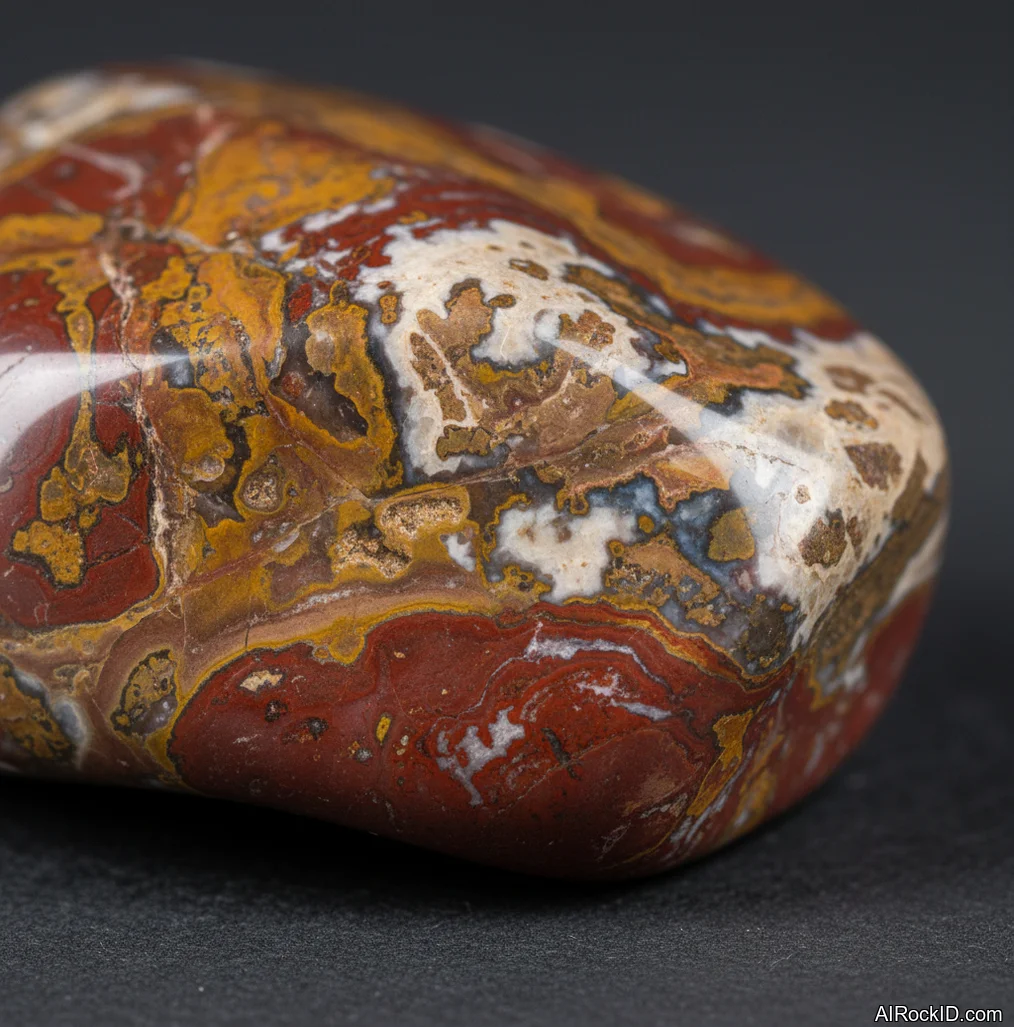
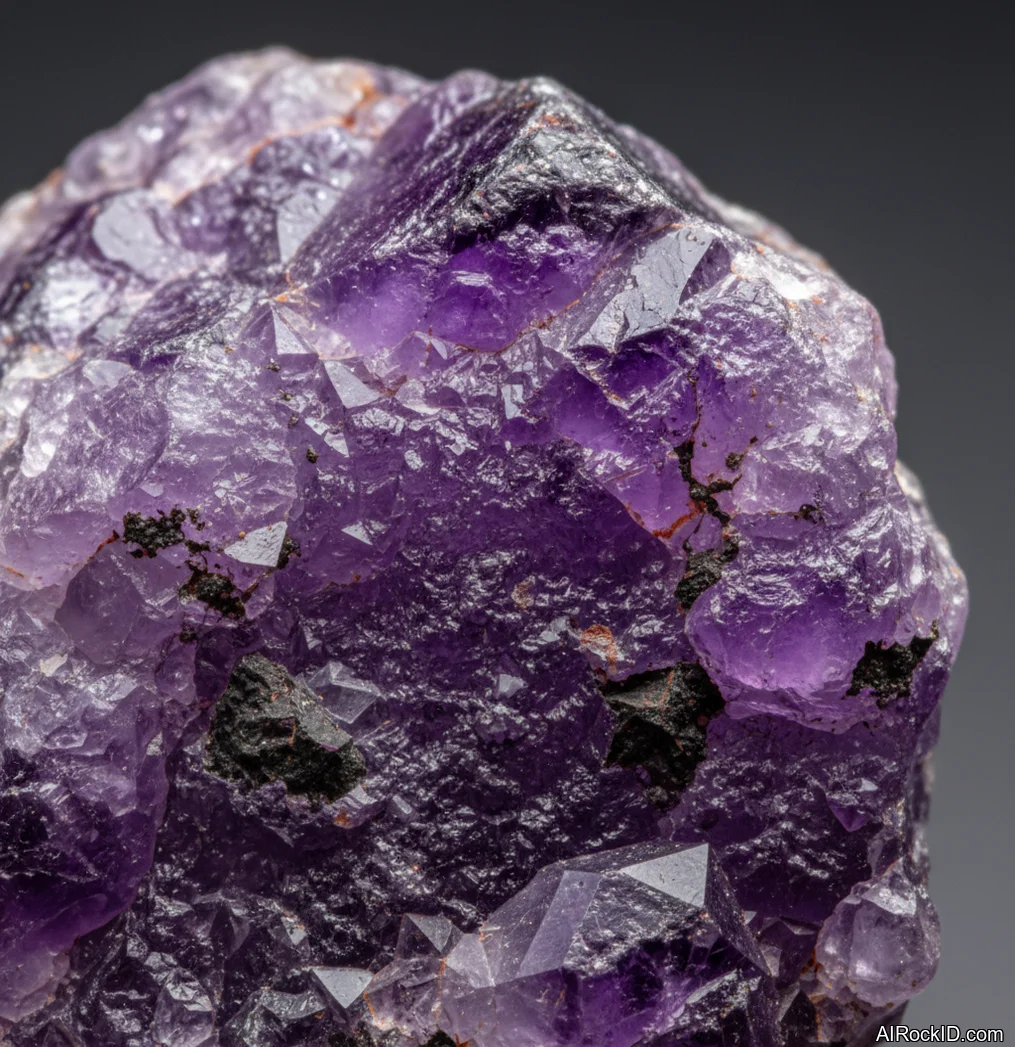
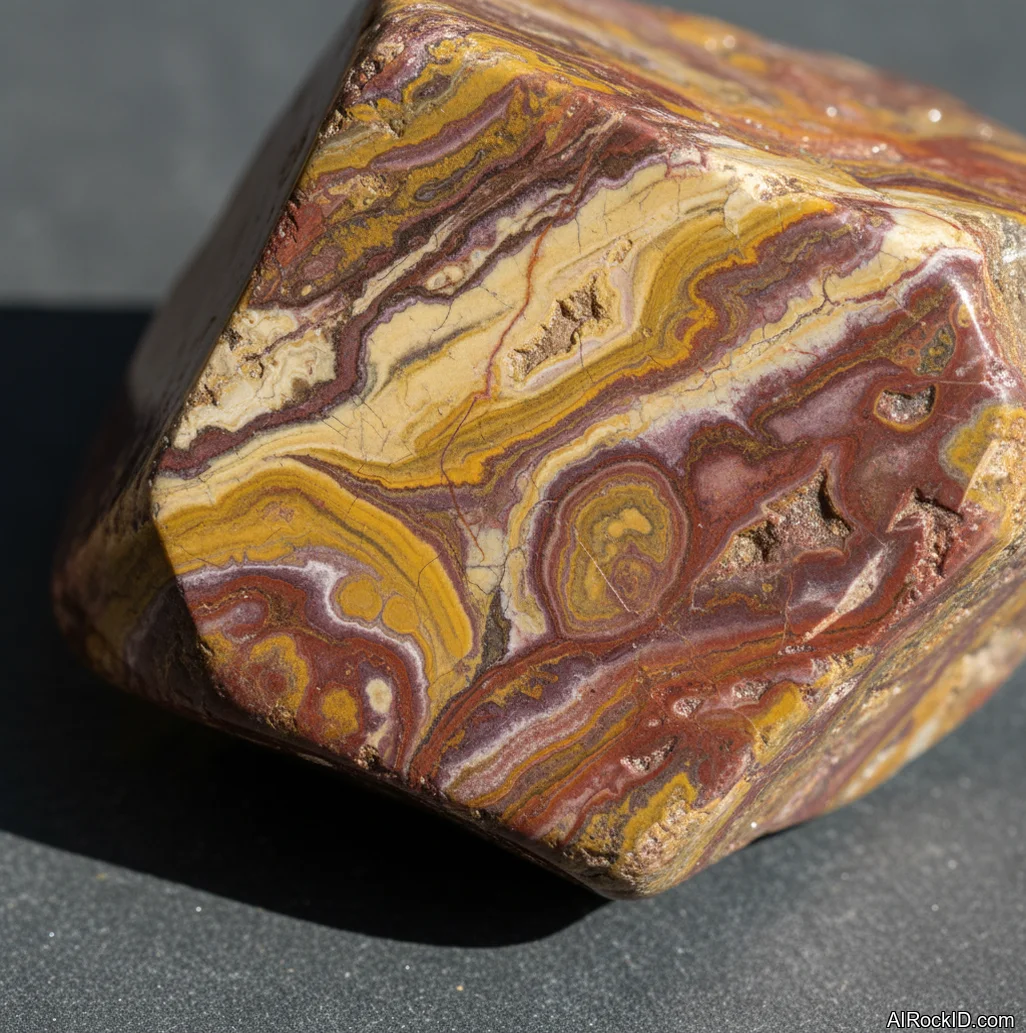
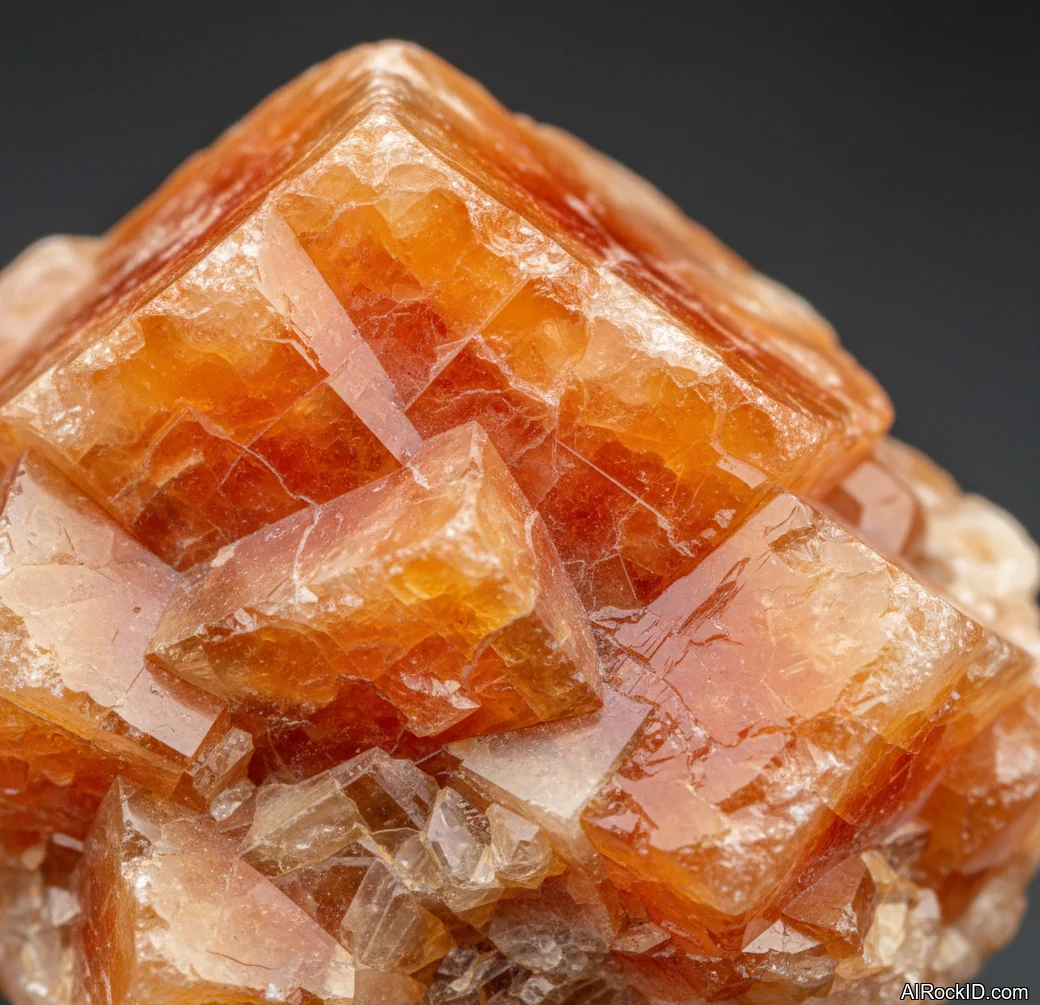
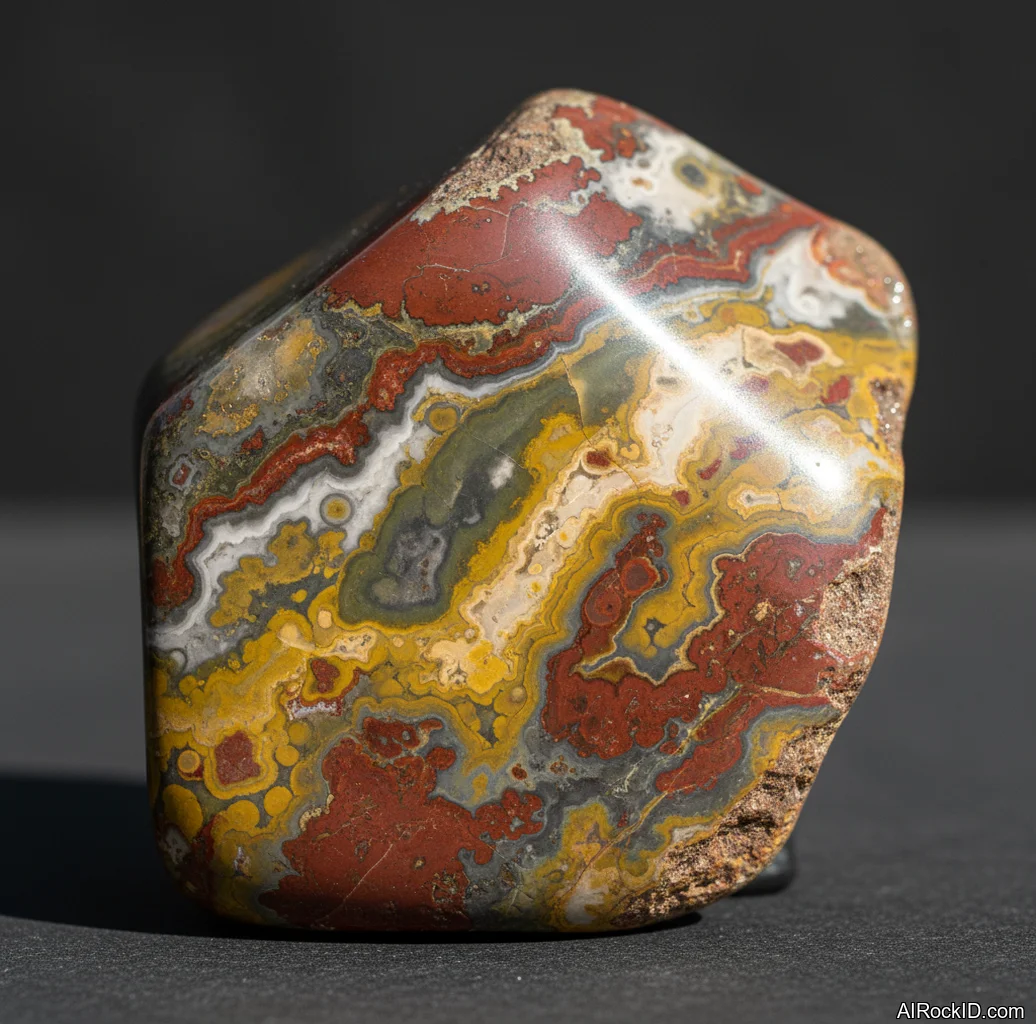
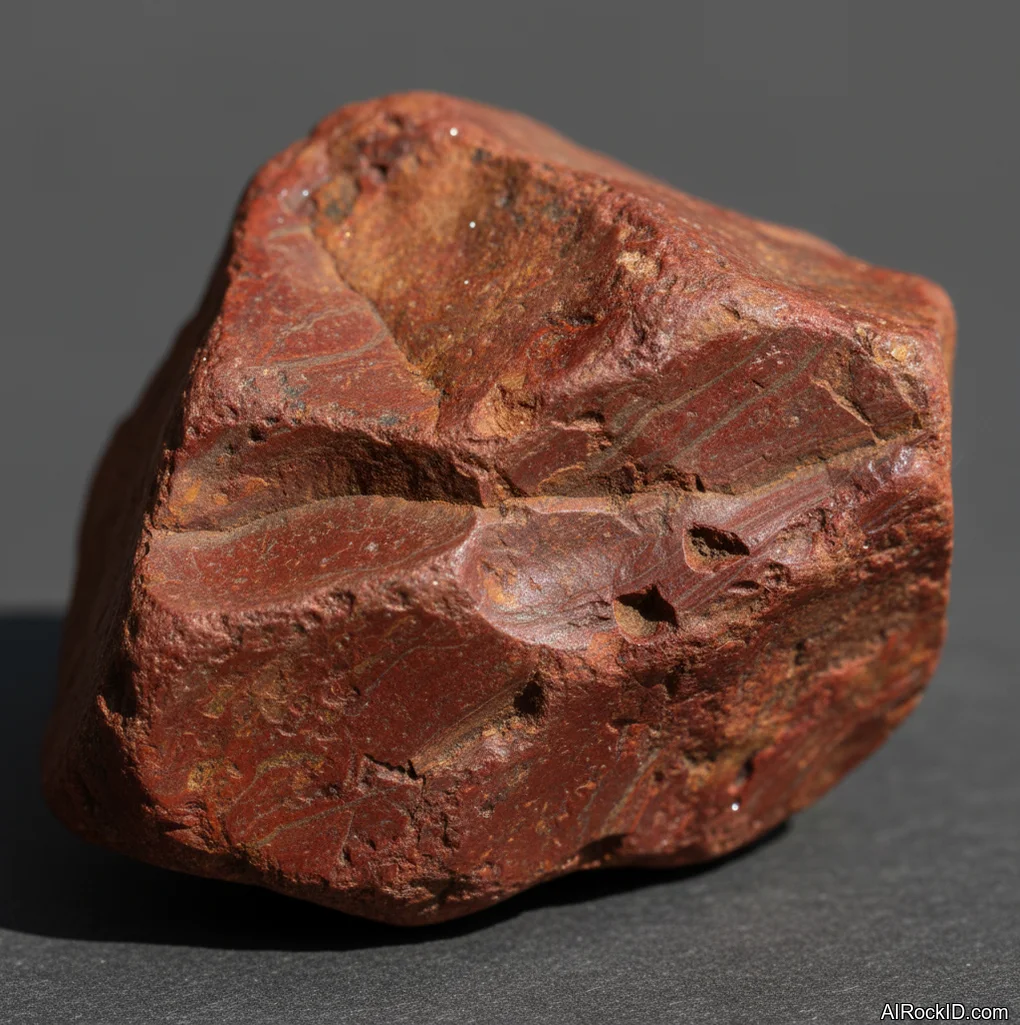
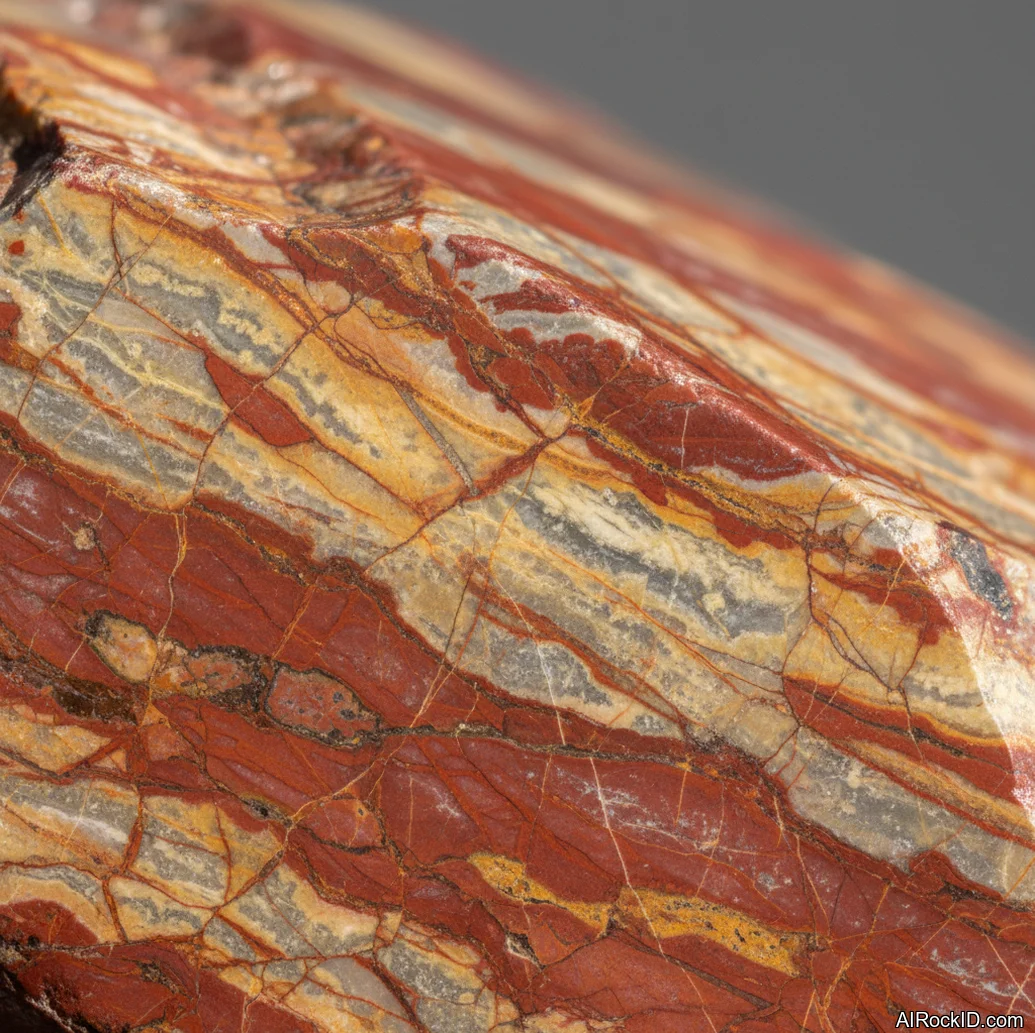
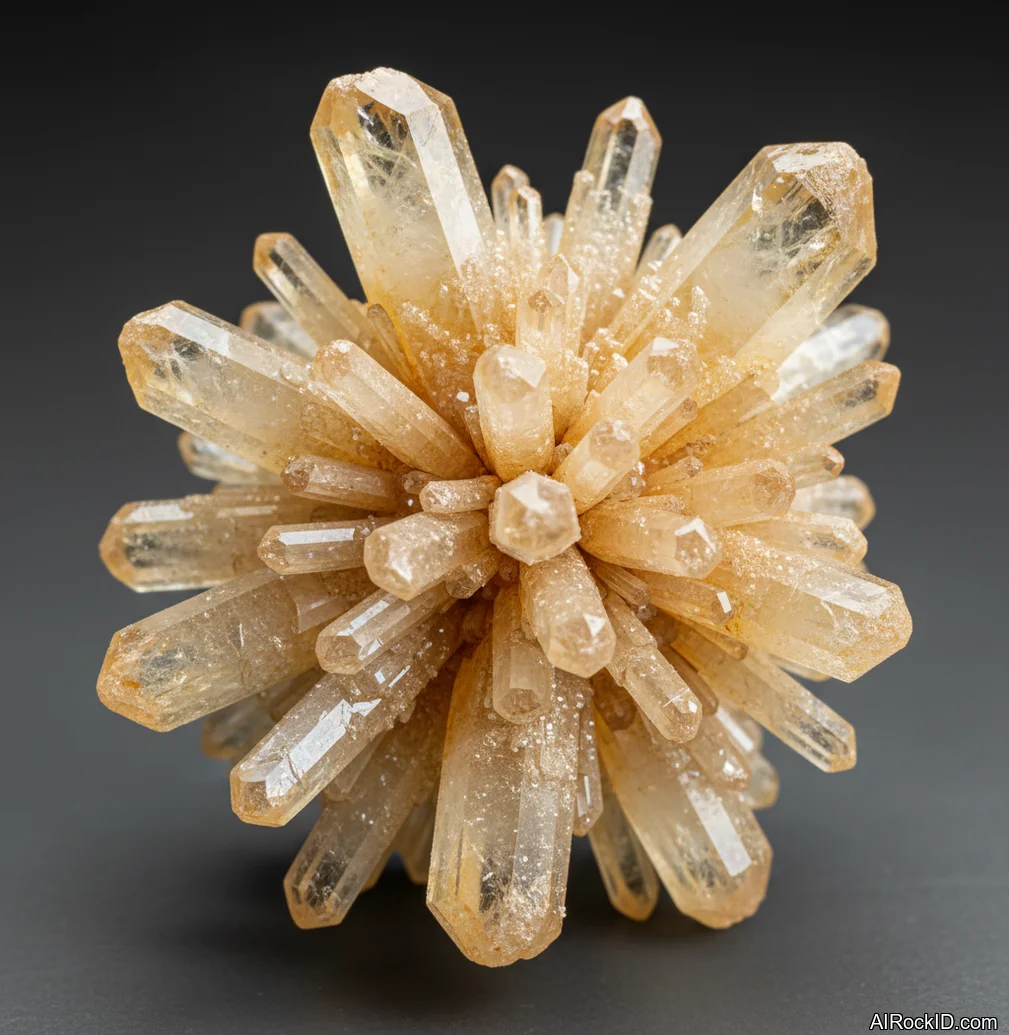
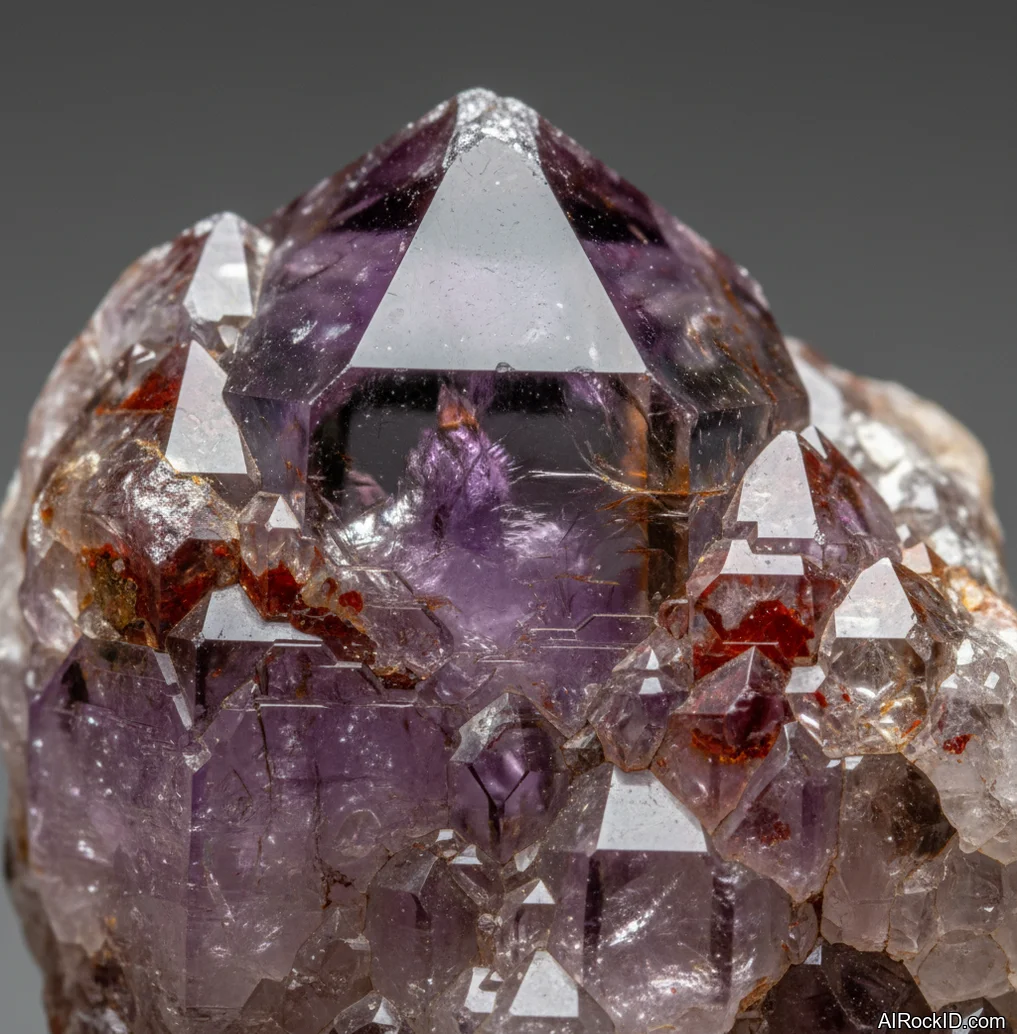
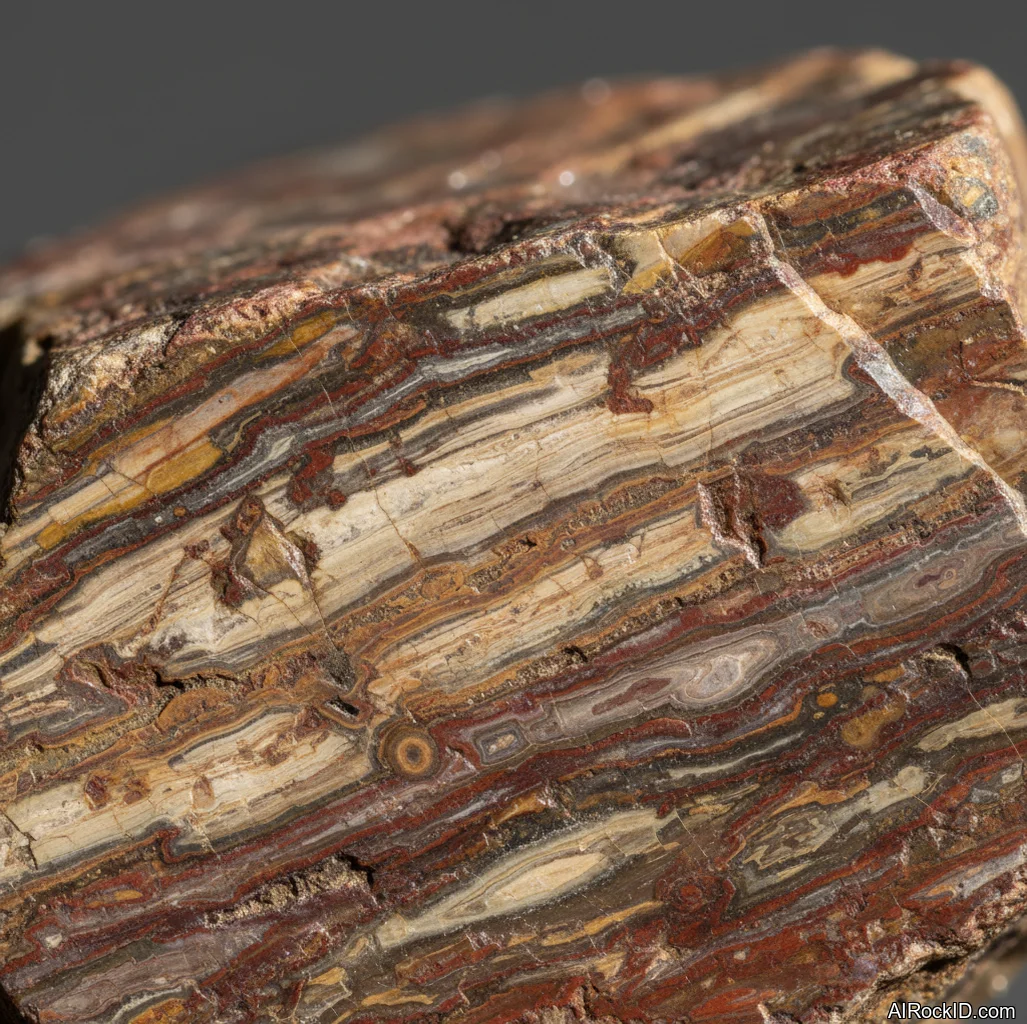
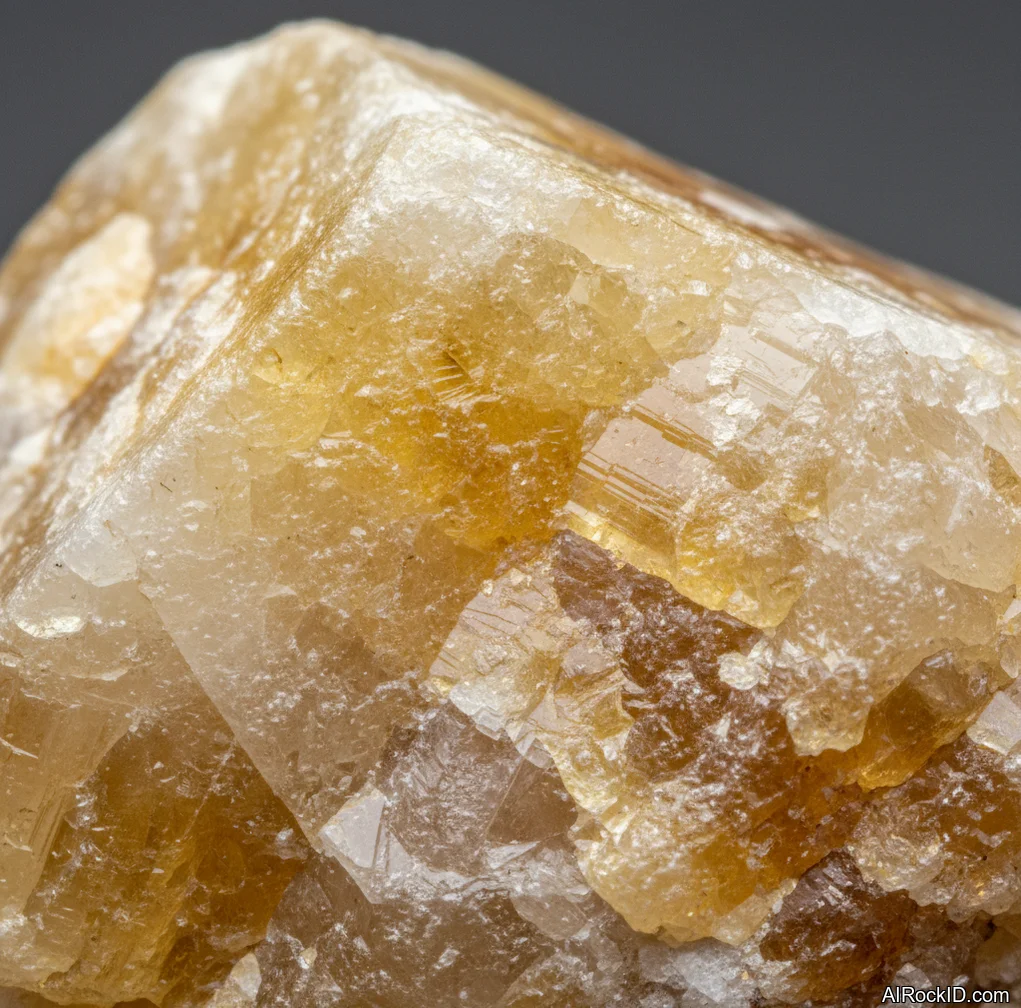
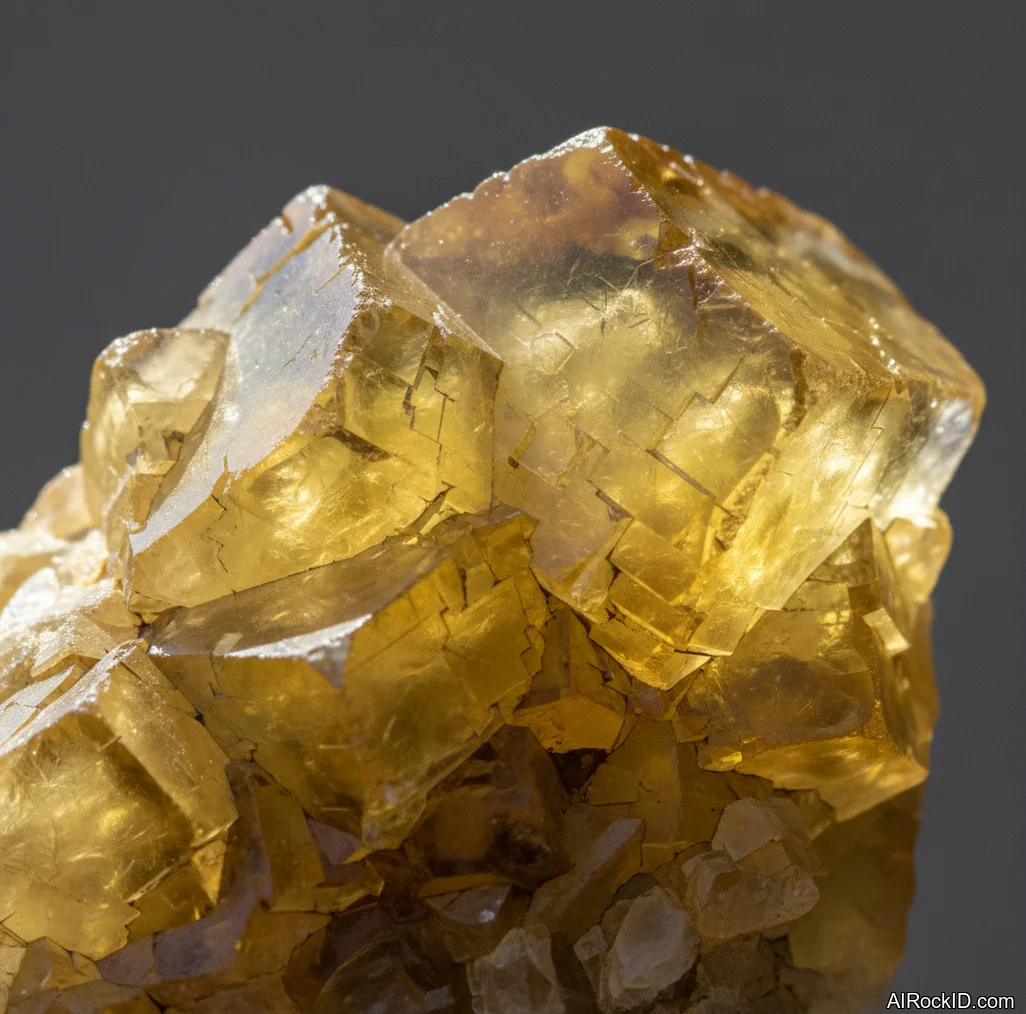
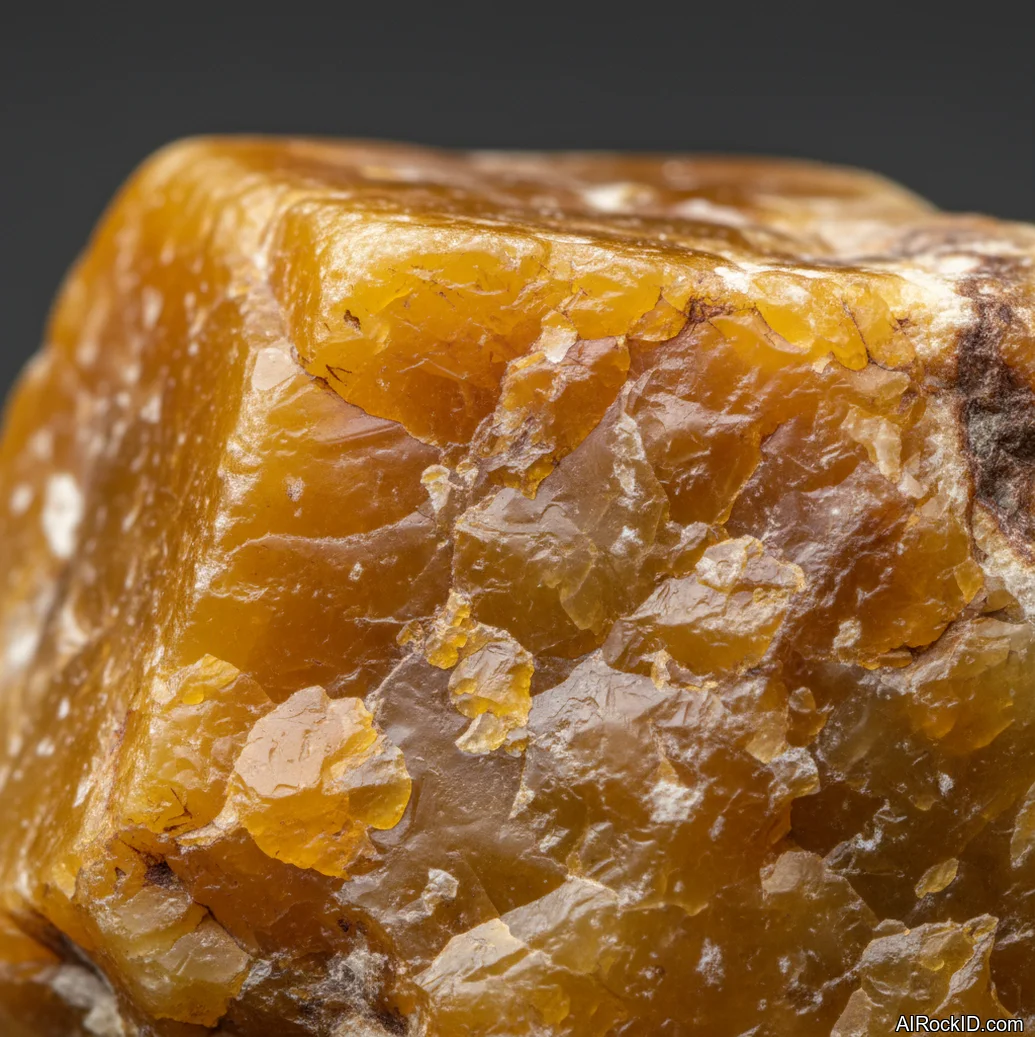
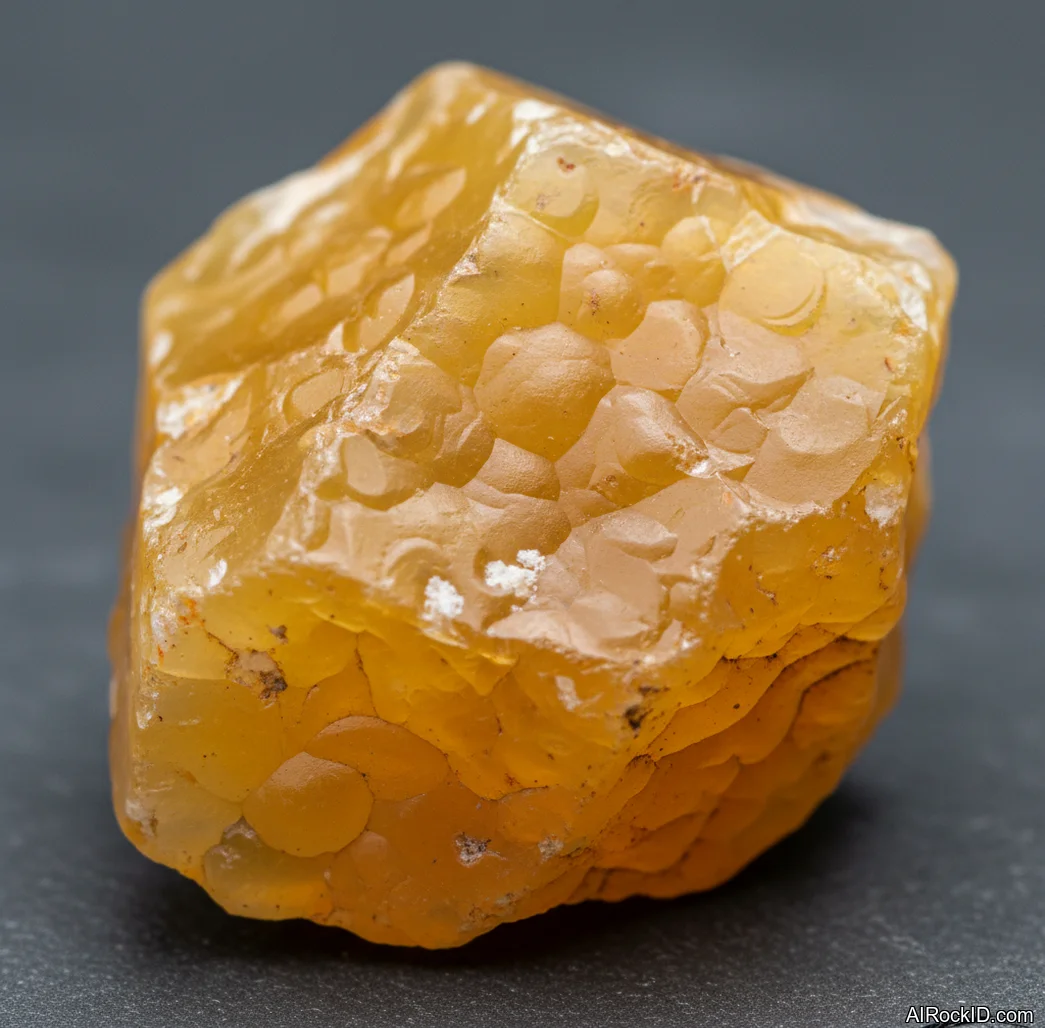
Citrine gets name-checked in almost every confidence conversation, but here's the catch: most citrine on the market is just heat-treated amethyst. Look for a burnt honey color pooled at the tip or a harsh, obviously baked orange—those are giveaways. Natural citrine tends to be straw yellow or a light champagne, and crystals with full points are actually pretty rare. If you're after the confidence association without worrying about whether your stone is the real deal, Golden Calcite or Yellow Jasper are good stand-ins. Golden Calcite has a soft, slippery feel and a waxy shine, but it's easy to scratch with a fingernail. Yellow Jasper, especially in raw form, feels rougher and heavier in the hand.
Just remember, there's no 'right' confidence crystal—it's about what feels like a fit. Some people want something solid and hard; others prefer something warm or light.
Choosing and Using Confidence Crystals
Picking which confidence crystal to carry or display depends a lot on how rough you are on your stones and what you want out of them. For pocket carry, Tiger’s Eye and Yellow Jasper are nearly indestructible. I've dropped both onto tile and they barely chipped. Carnelian looks great on a desk but will fade under direct sunlight, so keep it out of windows. Golden Calcite is best left somewhere safe because it scratches so easily.
A lot of people like to hold their crystal during a tough phone call or rub it between their fingers before a meeting. You’ll see some folks set up a small tray of confidence stones on their workspace as a visual reminder. Just keep in mind, whatever you pick, it's your intention and consistency that make the biggest difference—not the price tag or how perfect the crystal looks.
Best Confidence Crystals to Start With
| Level | Crystal | Note |
| Gentle / Beginner | Golden Calcite | It's soft, light, and has a soothing yellow glow. Easy to find and not too intense energetically. |
| Balanced / Everyday | Tiger’s Eye | Dense, durable, and the chatoyancy is easy to spot. Works great for ongoing confidence support. |
| Intense / Advanced | Carnelian | Carnelian packs a punch for motivation and action. The color can be bold, and it’s best for people ready to push through blocks. |
| Best for Carrying | Yellow Jasper | It's tough as nails, doesn’t scratch easily, and feels solid in a pocket without fading or chipping. |
| Best for Display | Natural Citrine | Pale straw to champagne points look striking on a shelf and don’t fade under office lights. |
Confidence Crystal Comparison
| Crystal | Common Use | Feel / Use Style | Care Caution |
| Tiger’s Eye | Helping with focus, steady confidence, handling stress at work | Heavy and cool, with silky chatoyancy that moves under light | Tough stone, but can break along natural bands if struck hard |
| Carnelian | Boosting assertiveness, motivation, speaking up | Smooth, waxy, usually cool unless left in the sun. Bands or clouds if natural | Color fades with sunlight; softer than quartz so it scratches |
| Golden Calcite | Gentle confidence, calming nerves, clear thinking | Lightweight, slippery, and slightly waxy; translucent with internal glow | Scratches easily, can chip if dropped; avoid water |
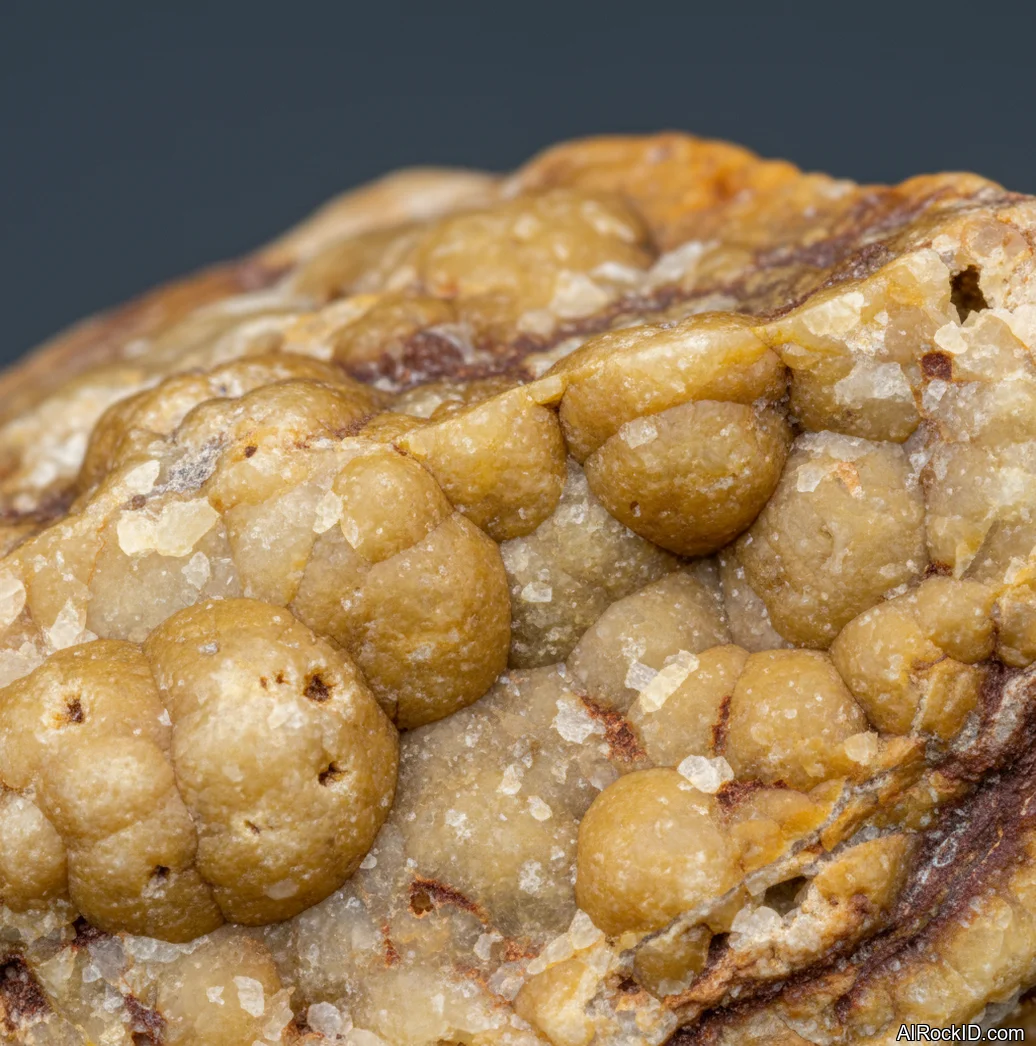
| Yellow Jasper | Inner strength, standing ground, everyday carry | Rough if raw, solid and dense, earthy yellow tones | Very sturdy, but raw pieces can stain light fabrics |
How to Identify Confidence Crystals with AI Rock ID
To identify Confidence crystals with an AI Rock ID app, snap clear photos in natural light showing the full crystal and a close-up of any banding or color features. Upload both angles to help the app compare color, luster, and structure. Check hardness by noting if your stone scratches glass or a copper penny, and look for unique patterns like chatoyancy in Tiger’s Eye. Cross-reference the app’s guesses with known properties like streak and cleavage for best results.
All Confidence Crystals (347)