success

Best Crystals for Abundance
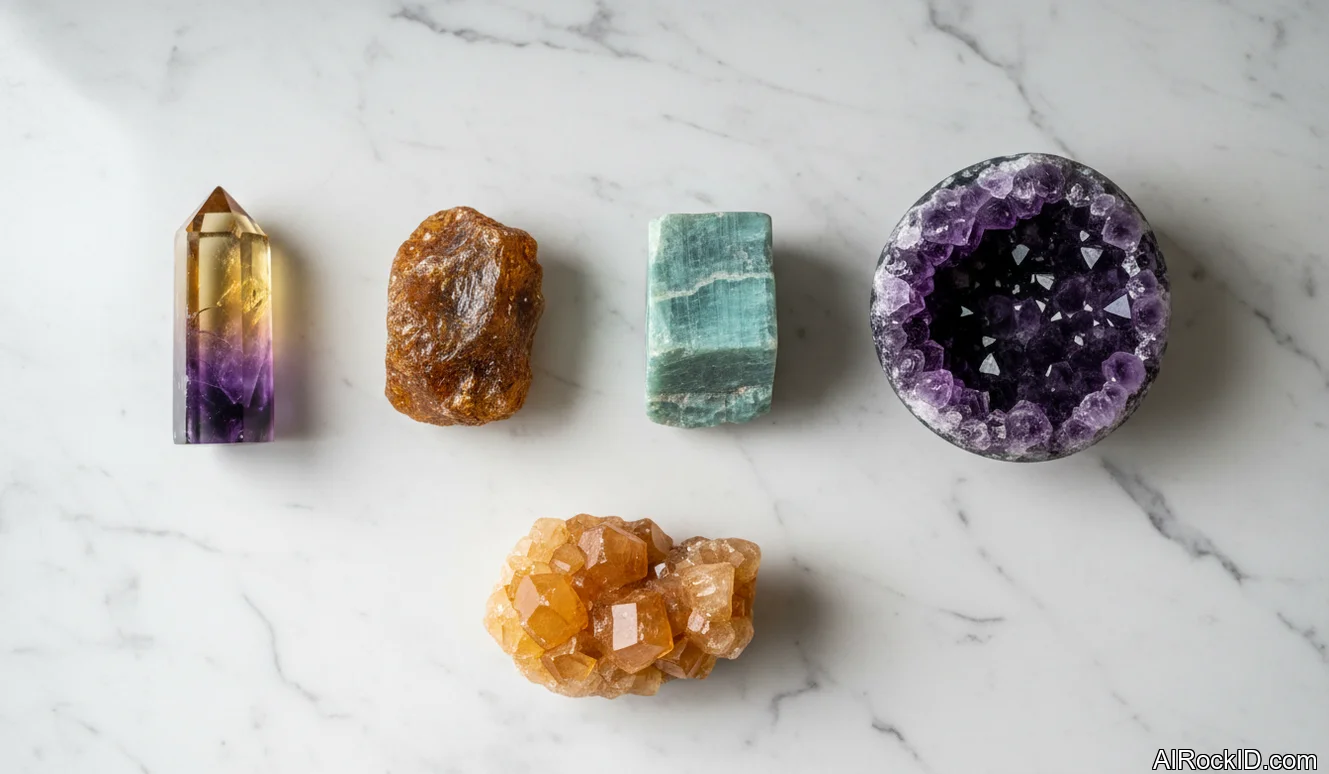
A small spread of tumbled amber, amazonite, black-banded onyx, and ametrine on a wooden desk beside coins and a notebook

The best crystals for abundance are the ones that help you stay steady, clear-headed, and consistent while you do the real-world stuff that actually creates income, opportunities, and savings. I’m not talking about “think rich” magic. I mean stones that gently push your behavior in a better direction: fewer impulsive choices, more follow-through, stronger boundaries, and a calmer nervous system when money gets noisy.

Pick up a piece of amber and the first thing you notice is the weight. It’s warmer than quartz in your palm, kind of like it’s been sitting in a pocket all day and picked up body heat. That feel matters, because abundance work is mostly repetition. You want something you’ll genuinely reach for while you’re paying bills, sending invoices, negotiating, or sitting down to plan (again). If a stone feels annoying, too sharp, too glassy, or too “performative,” you’re not going to use it. Simple as that.

And look, the market’s a mess. A lot of “citrine” people buy is heat-treated amethyst, and some bright green “jade” is just dyed quartz. So I’m sticking to stones that are easy to source from the list you gave, and I’ll point out where people usually get tripped up. But abundance isn’t only money, either. It’s time, bandwidth, supportive relationships, and having enough left at the end of the week to breathe.

Recommended Crystals
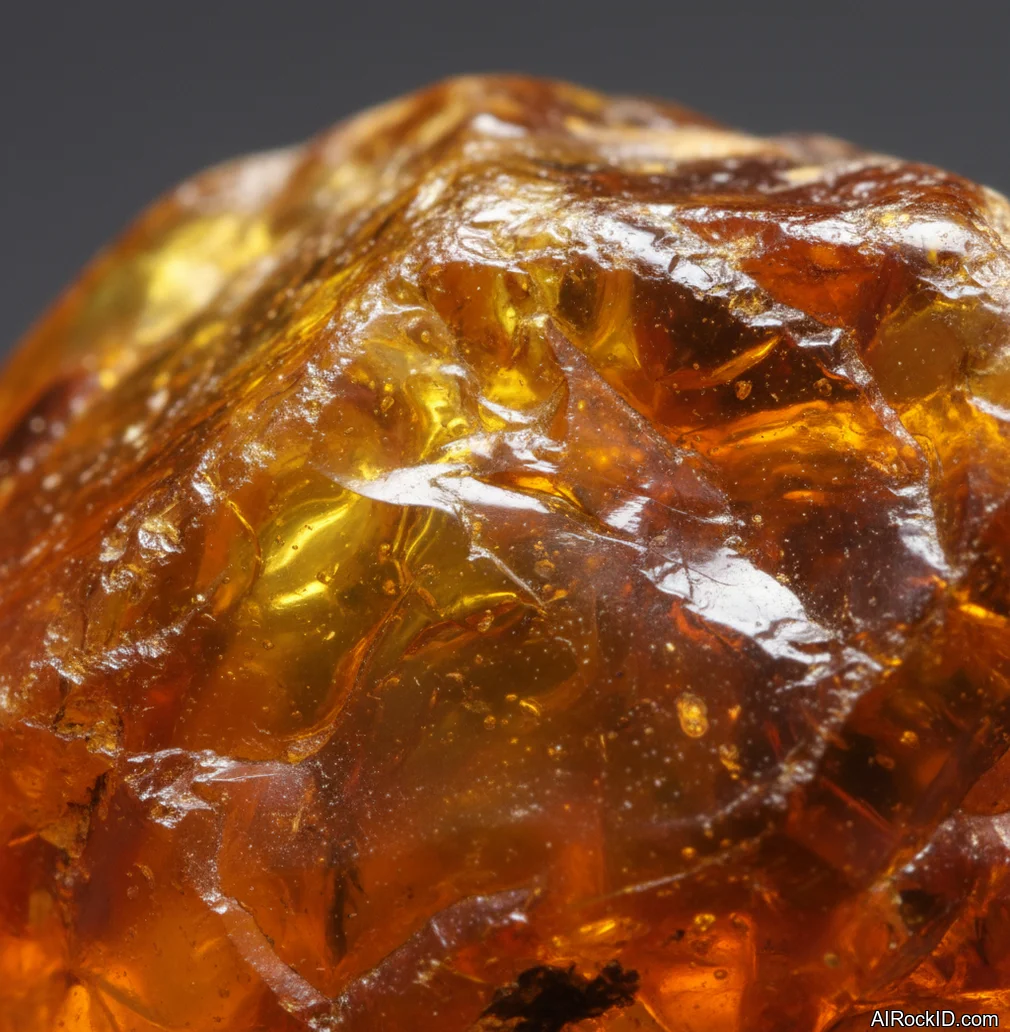
Amber
Amber

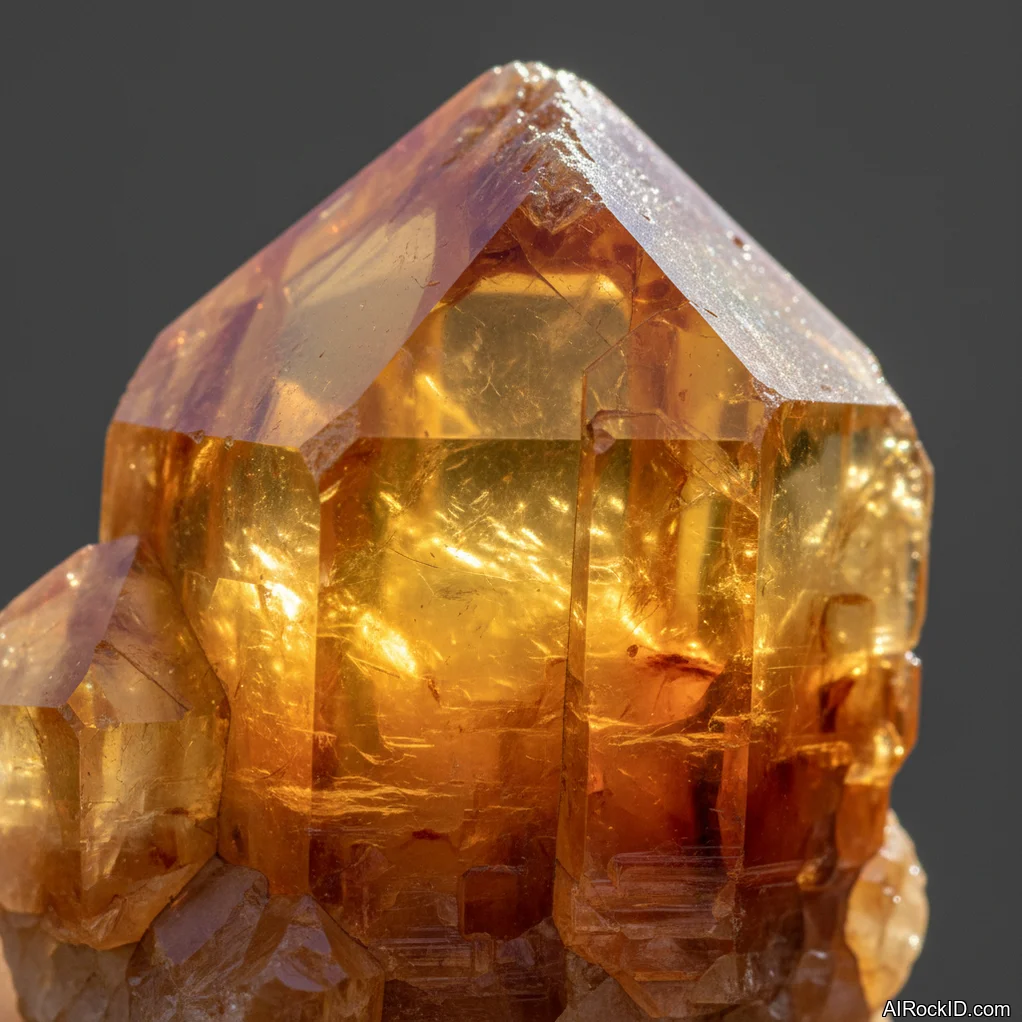
Amber warms up in your hand almost right away, even if the room’s a little chilly, and that’s exactly why it works so well as a touchstone for daily money habits. I’ve literally seen people roll it between their fingers during budgeting sessions, thumb rubbing that slightly tacky-smooth surface, and they stay noticeably calmer, which usually means fewer avoidance spirals. And if you hold it up to a lamp and tilt it, you’ll catch those tiny internal specks and faint flow lines flashing as the light hits, and that imperfect, organic look just fits the whole idea of steady accumulation. But it does scratch easily, so it quietly pushes you toward gentle handling and consistency, not some brute-force “hustle” approach.
How to use: Keep a small amber piece where you handle money: next to your wallet, invoice folder, or budgeting notebook. Hold it for 30 seconds before you check your bank app, then write one action you can do today (send the email, list the item, follow up). Don’t toss it loose in a bag with keys, it’ll get chewed up.
Amazonite

Amazonite

Amazonite has this blue-green, a little cloudy color that just feels calm to look at, and honestly it’s been great for people who lock up the second they have to ask for what they’re worth. Most tumbled pieces come off silky in your hand, not that slick glassy feel, and that slight drag against your skin is weirdly grounding when you’re practicing a tough money conversation out loud. And I’ve handled plenty that have white streaks running through them, plus those tiny pinhole pits you get from polishing, so it’s easy to recognize real wear instead of that too-perfect, probably-dyed stuff. For abundance, it’s not really about sudden windfalls. It leans more toward clear communication, holding your boundaries, and saying the number without flinching (harder than it sounds, right?).
How to use: Put it on your desk during pricing, negotiation, or job applications. Pick it up before you hit send on a proposal and do one breath in, one breath out, then send it anyway. If you wear it, check the drill holes, cheap beads can be dyed and the color will concentrate around the hole.
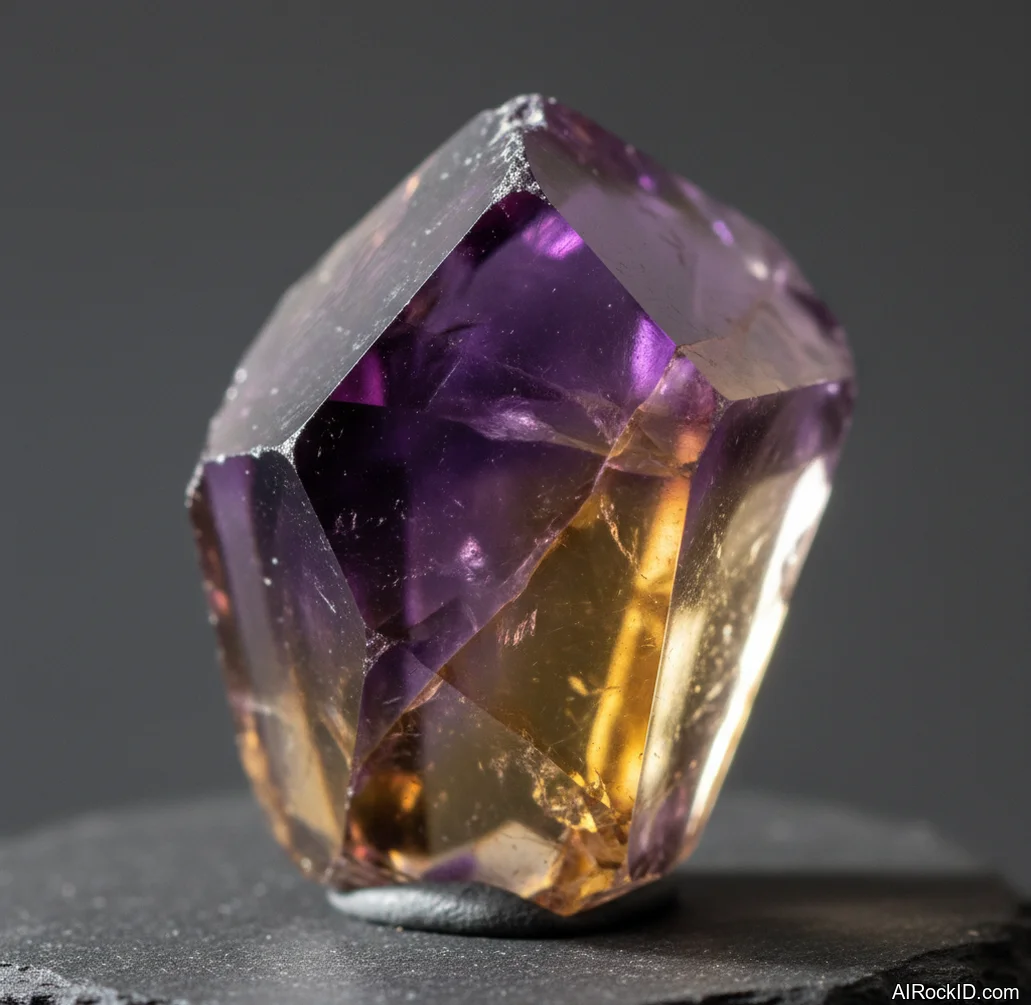
Ametrine

Ametrine

Ametrine is basically two vibes in one rock: purple and yellow sitting in the same crystal. It’s handy for abundance work when you need both restraint and optimism in the mix. Look, at first it can pass for a pale bit of quartz. But tilt it and the color zoning pops, especially under a warm lamp where the yellow starts to glow and the purple looks deeper along a clear edge. I reach for it with people who bounce between “save everything” and “spend everything,” because it nudges balance without feeling heavy. Clean, clearly zoned pieces cost more. And the super-saturated ones can be treated, so buy from a dealer who’ll tell you what they know (and what they don’t).
How to use: Use it during planning sessions: one hand on the stone, the other writing your budget or next-week priorities. Set it on top of your planner overnight when you’re trying to stick to a routine. Avoid leaving it in direct window sun for weeks, the color can fade on lighter material.
Amethyst

Amethyst

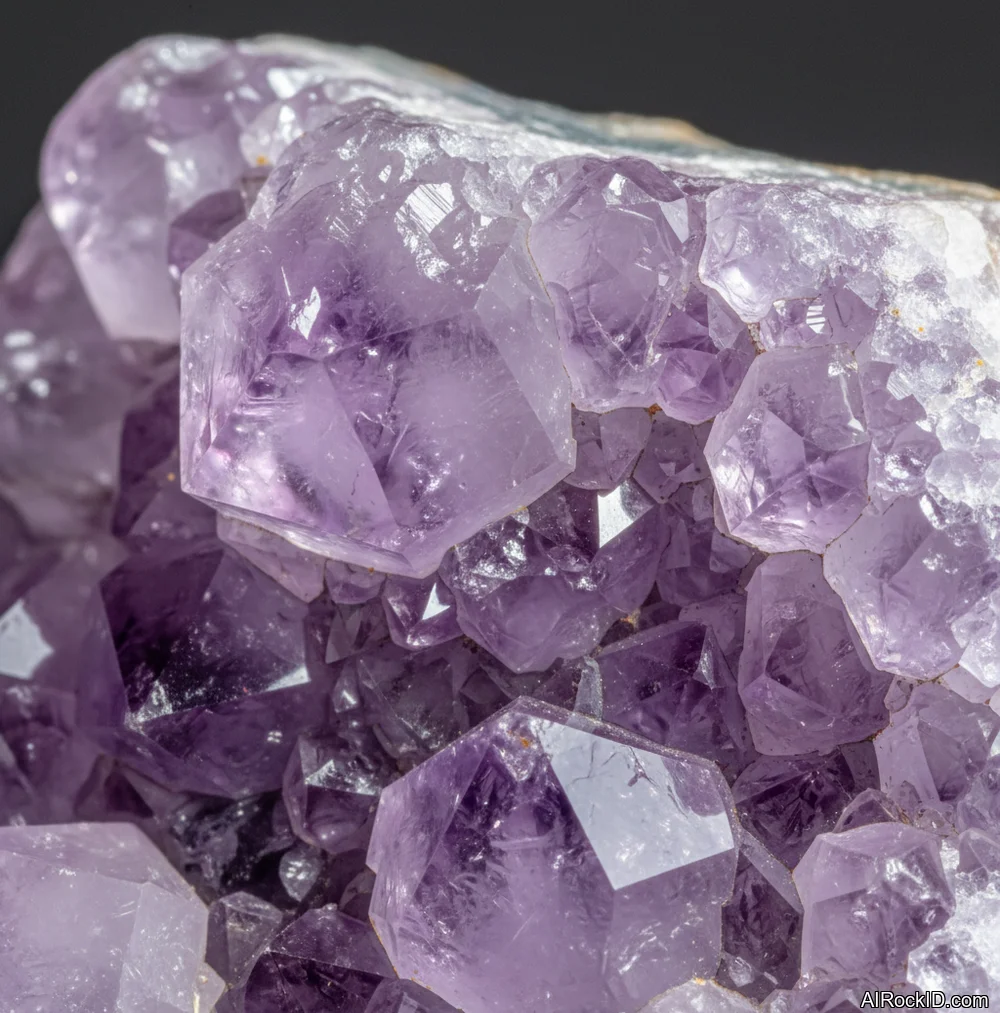
Amethyst’s basically my go-to “workhorse” for abundance, not because it magically drops cash in your lap, but because it helps with the unsexy part: not self-sabotaging when you’re stressed. The darkest Uruguay pieces I’ve handled get so purple they look almost inky at the tips, and you can see that depth even when the light hits the points. A lot of Brazilian material, on the other hand, runs lighter, more lavender, and that color shift really matters if you’re buying from photos online. So I reach for it when someone’s money leaks come from coping habits and stress spirals, because it sits nicely alongside sleep, recovery, and making clearer choices when you’re tired. It’s common, which is honestly a plus. But thing is, that also means there’s a ton of junk out there, like dyed lookalikes that feel weirdly warm in your hand and kind of plasticky to the touch. Who wants that?
How to use: Put a chunk by your bed and make it part of a shutdown routine so your brain doesn’t keep shopping or doom-scrolling at midnight. During the day, hold it for a minute before you make a purchase you didn’t plan. Rinse it quickly, dry it, and don’t soak clusters in salt water since it can dull the surface over time.
Amber Calcite

Amber Calcite

Amber calcite has this mellow, honey-colored glow, but it’s not the same as resin-y amber. The vibe is more like motivation that nudges you along instead of hyping you up until you’re jittery. Pick up a raw piece and the first thing you notice is how light it feels next to quartz. And the surface? Kind of waxy, almost like it’s been rubbed with a thin layer of candle. If you’re not careful, you can actually scuff it with a fingernail (ask me how I know). Little scratches show up fast. I’ve used it most for “start small” money stuff. Save a little. Track what you’re spending. Build one simple routine and stick to it. But yeah, calcite’s soft. Treat it like a pocket stone and it’ll look chewed up in no time.
How to use: Keep it on a shelf or desk where you do admin tasks, not in your pocket. Tap it lightly with a finger before you start a money task, then do a timed 15-minute sprint. If you want to cleanse it, use smoke or sound, not soaking.
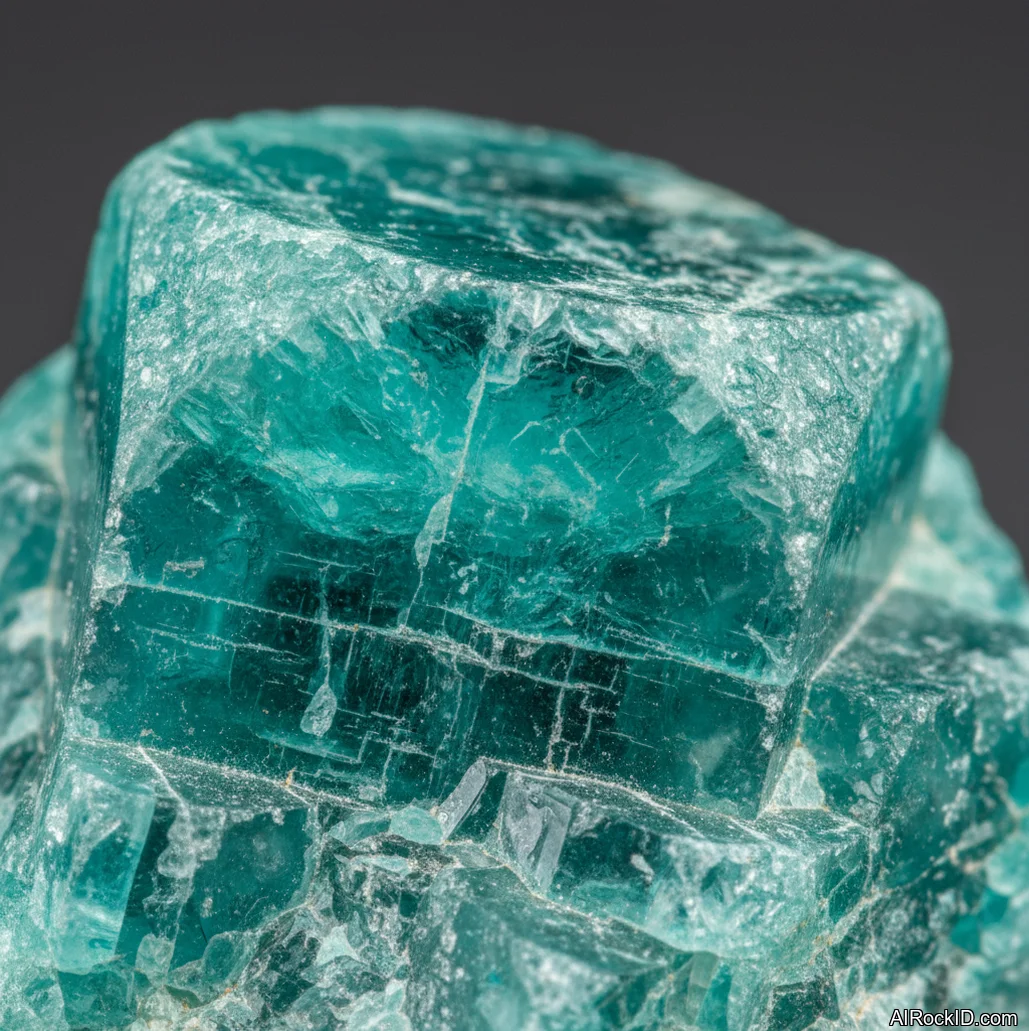
Apatite

Apatite

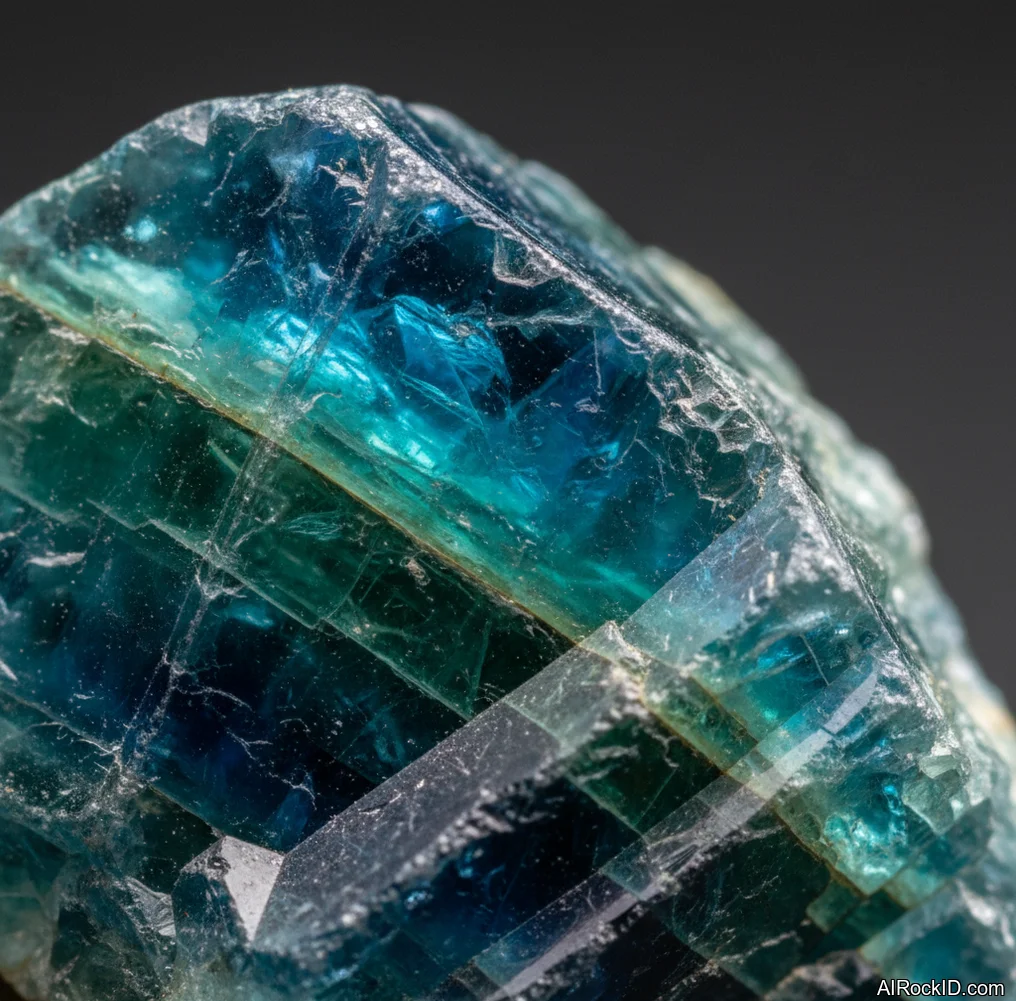
Apatite’s got this bright, punchy vibe, and I end up grabbing it when “abundance” feels jammed up by procrastination or just zero motivation. Thing is, the giveaway is the surface. Most pieces have these tiny, natural fractures you can catch when you tilt them under a lamp, plus that glassy shine, and it hits your skin cold at first like a lot of minerals do. And yeah, I’ve handled some neon-blue apatite that looked unreal, but it’s brittle. Drop it on tile and you’ll hear that sharp little click, then notice a fresh chip on the edge. For abundance, it’s not really a “money magnet” stone to me. It’s more like, “go do the thing you keep dodging,” because that’s usually the part that actually shifts your income.
How to use: Use it as a cue for action: set it next to your laptop and only touch it when you’re about to start the task you’re resisting. Keep it out of pockets with coins and keys since it can scratch and chip. If you wear it, choose a protected setting rather than an exposed point.
Arfvedsonite

Arfvedsonite

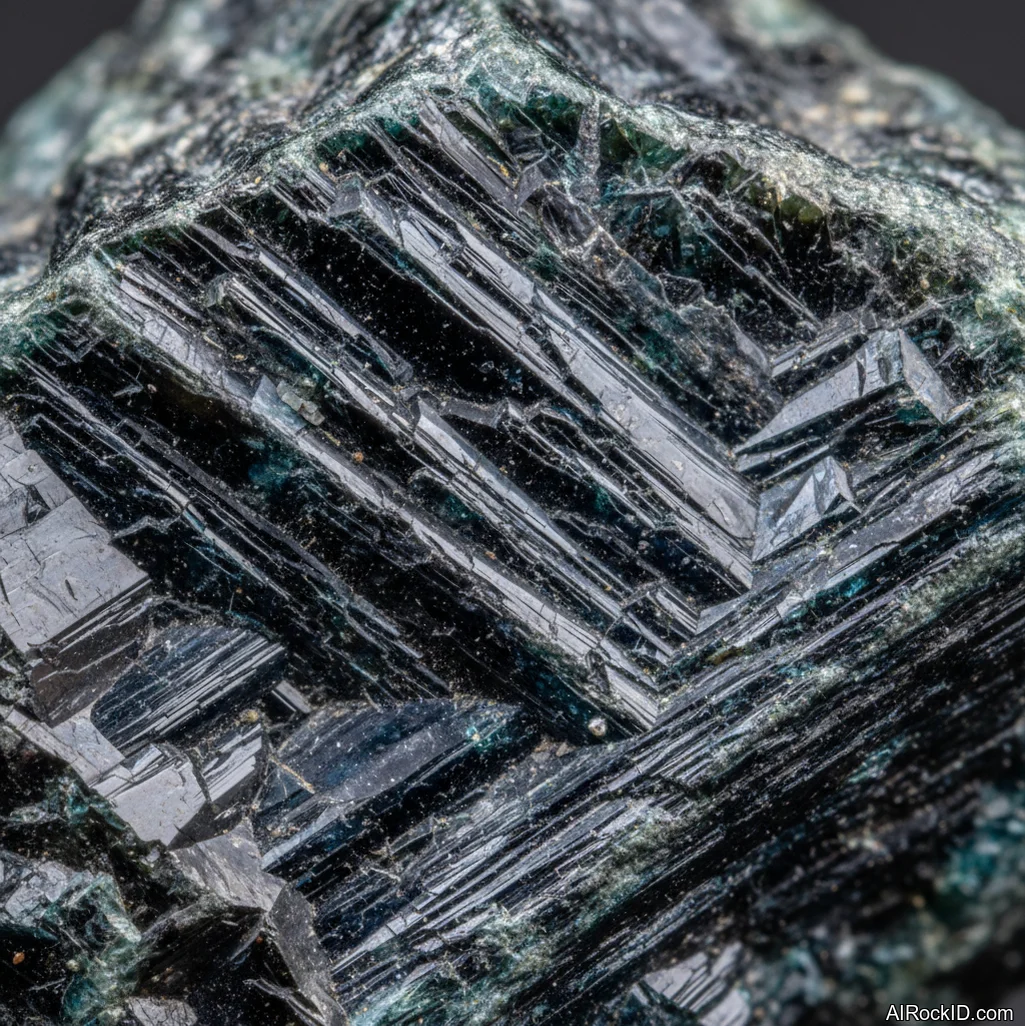
Arfvedsonite is the kind of stone you grab because the flash hits you just right. Then, a minute later, you realize it’s actually a solid “pattern-spotting” helper for business and career calls. Under direct light, it throws off this fibrous shimmer. Almost like black silk, with blue-gray streaks running through it, and the whole look shifts when you tilt it in your hand. Subtle, but you can’t unsee it once you catch it. I reach for it when I’m doing abundance planning because it nudges you to focus on what’s genuinely working, not what you wish was working (big difference, right?). But heads up: some polished pieces can hide little pits and weak spots, so flip it over and check the back before you pay premium prices.
How to use: Set it beside your weekly review notes and use it during a quick audit: what earned, what cost, what drained time. Hold it while you decide one thing to stop doing this week. Don’t use harsh chemicals on it, a simple wipe is enough.
Black Banded Onyx

Black Banded Onyx

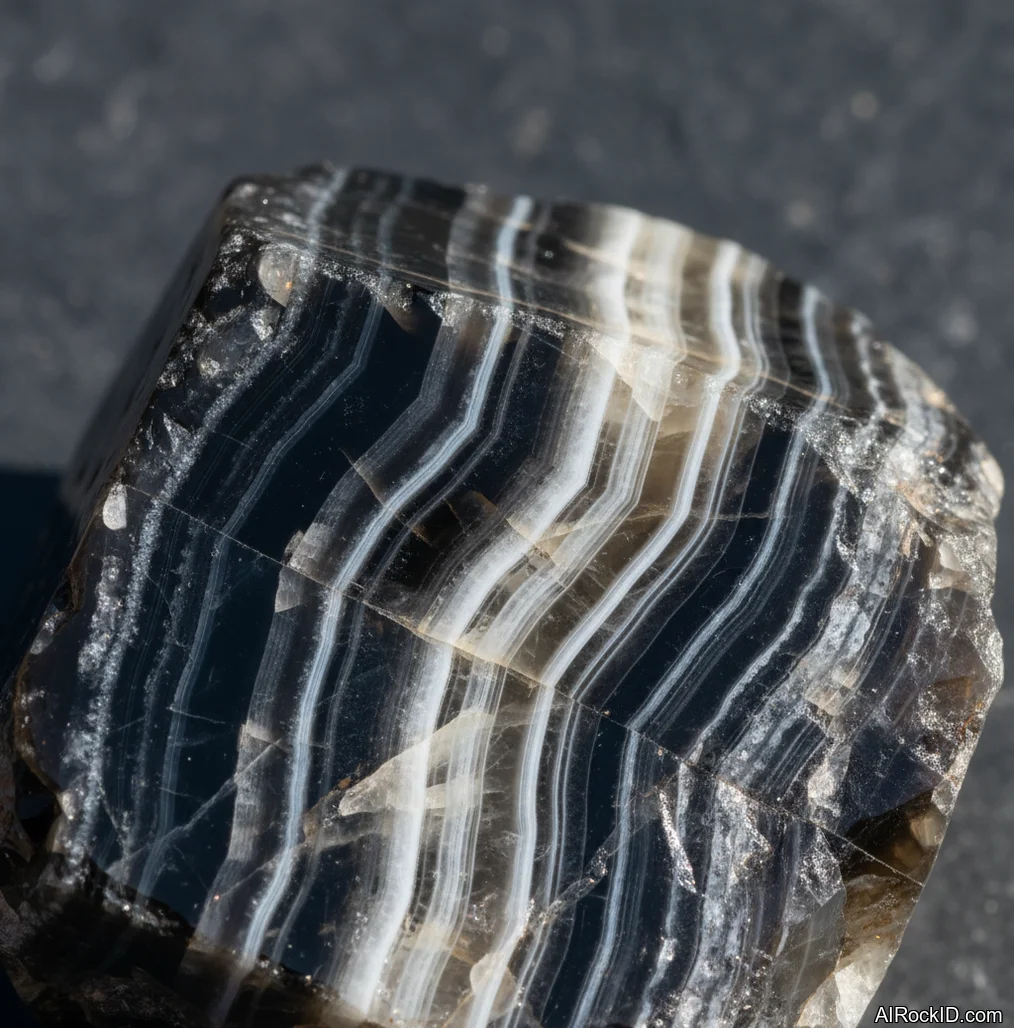
Black banded onyx makes me think about boundaries. And yeah, boundaries usually tie back to money. It’s denser and cooler in your hand than a lot of softer stones, and when it’s polished it gets this crisp, near mirror shine that basically says “don’t mess around.” I’ve carried it into negotiations before, rolling it between my fingers (you can feel those smooth bands under a thumb if the cut’s good), and it’s a simple reminder to slow down and not say yes too fast. But look, be careful: banded chalcedony gets sold under a bunch of different names, and the dyed stuff can look weirdly even, especially where the black is supposed to have some natural variation. Too perfect? That’s a red flag.
How to use: Keep it in your pocket when you’re heading into a meeting where you tend to people-please. Touch it when you’re about to say yes and ask yourself if the deal pays in money, time, or both. Clean it with mild soap and water, then dry it well.
Black Mica

Black Mica

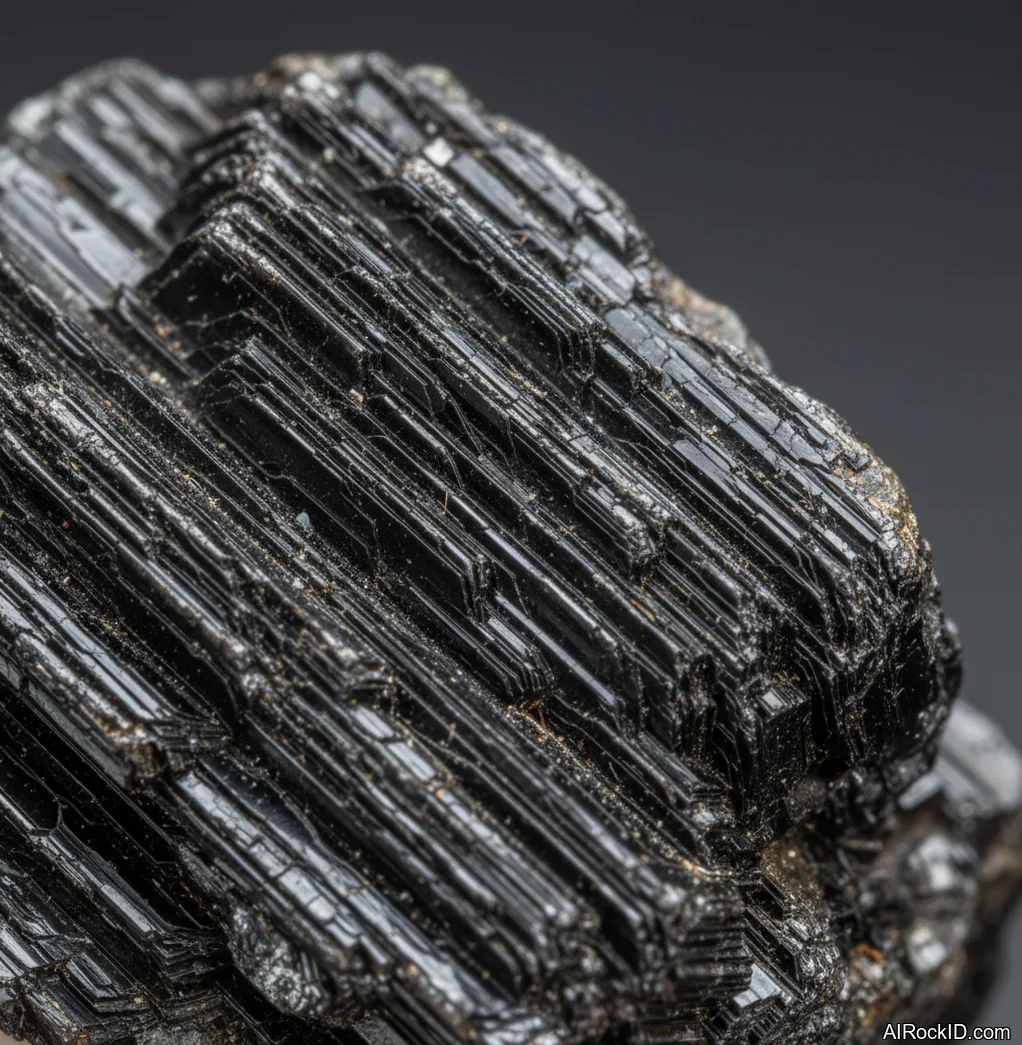
Black mica looks kind of boring at first. But the second you pick it up and roll it between your fingers, you catch those paper-thin sheets, and you can feel how it just wants to peel if you catch a corner with your nail. That real, physical layering is why it works so well for abundance work: it’s basically a reminder that you need a buffer from other people’s chaos while you build your own stack of habits, one layer at a time. I’ve left a few pieces right next to my work computer during deep-focus stretches, and it’s helped me stay in my lane when messages start popping in. Thing is, it’s fragile. If you’re expecting a tidy little pocket stone, the crumbly edges and that slightly gritty dust it sheds can be a dealbreaker (it gets into the little grooves of your desk, too).
How to use: Put it on your desk or near your router as a reminder to keep distractions contained. Don’t carry it loose in a pocket; wrap it or keep it stationary. If it sheds a bit, just brush the surface, don’t wash it aggressively.

What “abundance” looks like in real life (and how to pick a stone for it)

Most dealers will gladly sell you a “money stone,” but money stuff usually isn’t one tidy problem. It’s a whole knot: inconsistent income, messy spending, that tight feeling in your chest when you have to ask for a raise, or just never having the time to actually follow through. So pick a stone based on the habit you’re trying to shift, not whatever label is stuck on the tag.

Grab amber if what you need is comfort and consistency. It’s warm in the hand, kind of grippy instead of slick, and it works like a physical nudge to do the daily stuff. And the daily stuff is what adds up. If your snag is communication, amazonite tends to land better because it cues calmer speech and cleaner boundaries. For motivation and momentum, apatite is the one I reach for, but I’m careful with it because it chips (you can feel how it wants to catch on a pocket seam).

Look closely at how you react to the stone. If it makes you want to put it down, that’s data. Abundance work takes repetition, so you want something you’ll actually use during the boring moments: paying bills, tracking spending, sending follow-ups, the unglamorous grind. Pretty is fine, sure. But “will I touch this every day?” is the real filter.

Where abundance crystals actually live: wallet, desk, storefront, or bedroom

Placement matters, not because of mystical GPS coordinates, but because it changes what you actually remember to do in the moment. A stone shoved in a drawer does nothing. But a stone you see right when you’re about to make a money decision can.

For wallet work, pick something tough, not squishy. Black banded onyx holds up better than calcite, and it won’t get wrecked by coins (you know that gritty coin dust that builds up in the corners of a wallet). Amber is great near a wallet, but it can scratch up if it rides inside with metal keys or loose change.

For desk work, you can go softer and bigger. Amber calcite works. So does a chunky piece of amethyst. Or a flashy arfvedsonite palm stone you keep by your keyboard where your hand lands without thinking.

The bedroom is underrated for abundance. Thing is, if your spending spikes when you’re tired, amethyst by the bed can be more “abundance” than any flashy stone, because sleep and impulse control are linked in plain, boring biology. Put the stone where the habit happens. Why fight your own routine?

Buying tips: spotting fakes, treatments, and bad listings

The issue with “abundance” stones is the marketing turns sloppy fast. Sellers will slap the name “citrine” on anything that’s yellow, and a lot of that bright green stuff out there is dyed. You don’t have to become a gemologist or buy lab gear, but you do need a couple basic checks.

The cheap versions usually feel off in your hand. Real minerals stay cool longer, even after you’ve been holding them for a minute; plastic and resin heat up quick and start feeling sort of tacky-warm (you know the feeling). So look for photos taken in natural light, not just under bright LED lights, and ask for a picture of the back side too, because that’s where you’ll catch pits, repairs, and weird patches.

And with ametrine, watch out for color that looks like it was painted on the surface instead of zoned through the crystal. With black banded onyx, be skeptical if the banding is jet-black and so perfectly even it looks printed. Real banding usually has at least a little messiness to it.

Most dealers aren’t evil. They’re often just repeating what their supplier told them. Ask a few simple things: is it dyed, is it treated, where was it sourced, can I return it? A seller who answers plainly is usually worth paying a little more.

Pairing crystals with money actions that actually move the needle

Crystals only really “work” when you hook them to something you actually do. If you don’t, they’re just nice-looking rocks collecting dust on a shelf. I’ve watched this play out a bunch of times: people swear they’re doing the whole crystal routine, but nothing changes because they never tie it to a habit.

So try this simple two-step loop. First, touch the stone. Then, within 60 seconds, do the action you’re trying to build. Put amber right next to your budgeting notebook, then open the spreadsheet. Set apatite by your laptop, then hit start on your task timer. Keep black banded onyx in your pocket (you can feel that smooth, heavier-than-you-expect weight through the fabric), then say the number out loud when you quote your rate.

Thing is, vague intention-setting is easy to drift away from. This is blunt. It works because a physical cue you can feel in your hand gets glued to a behavior. Miss a day? Fine. Don’t spiral. Just grab it tomorrow and run the loop again.

How to Use These Crystals for Abundance

Start with one stone, not a whole grid. Seriously. A pile of pieces just turns into visual noise, and that kind of clutter makes money stuff feel heavier than it already is. So pick the one that fits your biggest bottleneck right now: amber for steady daily habits, amazonite for asking and negotiating, apatite for motivation, black banded onyx for boundaries, or amethyst if your nervous system is basically driving the car.

I keep it super simple with a three-touch routine. Morning: pick up the stone (feel the cool weight in your palm) and write down one money action for the day, even if it’s tiny. Midday: touch it again right before you open email or messages, then do the uncomfortable follow-up you’ve been dodging. Evening: touch it one more time and jot what you spent, what you earned, or what you moved forward, because tracking clears things up fast.

If you want to carry a stone around, go for something durable and just accept it’ll get scratched up. That’s not “ruined,” it’s proof you actually used it. But for softer pieces like amber calcite or black mica, keep them parked on a desk or shelf where they won’t get banged around. And if the stone starts to feel like a crutch (it happens), swap it out for a week and see if your habits hold without it. That’s the real test, right?

Common Mistakes to Avoid

The biggest screw-up is treating “abundance” like a lottery ticket. People buy a stone, set it on a shelf, and just wait. Then they’re shocked nothing changes. Of course nothing changes, because nothing changed. Tie the stone to a behavior you’ll actually do, or it’s just decor.

Second mistake: picking the prettiest piece instead of the one you’ll use. I’ve watched people baby a flawless, polished stone like it’s made of glass, then never touch it because they don’t want a scratch on that mirror finish. Meanwhile, a slightly scuffed pocket stone you’re actually rubbing between your fingers while you check your budget or write invoices will do more for your routine than a museum-grade specimen you’re afraid to handle. Simple.

Third mistake: getting fooled by messy listings. Heat-treated, dyed, or flat-out mislabeled stones are everywhere, especially in those “money crystal” bundles. If the color looks unreal under those blown-out listing photos and the seller won’t answer basic questions, just pass. And look, don’t toss soft stones in the same pocket as keys and coins unless you’re fine with chipped edges (and that little gritty dust you feel on your fingertips later). Why invite the disappointment?

Important: Crystals won’t magically spit out cash, and they’re not a substitute for a real pricing strategy, learning new skills, or having a financial plan you actually follow. And no, they’re not going to solve structural stuff like debt interest, unstable employment, or unsafe relationships. But they can work as a physical reminder you can literally feel in your hand, like that cool, slightly heavy weight in your pocket when you touch it, that nudges you to calm down, stay steady, and make cleaner choices. Thing is, if you won’t take the actions that line up with your goal, the best stone on the planet is just going to sit there and look pretty. Why would it do anything else?

Identify Any Crystal Instantly

Snap a photo and get properties, value, care instructions, and healing meanings in seconds.

Frequently Asked Questions

What is the best crystal for abundance overall?
Amber is commonly used for abundance because it is associated with steady, repeatable habits and a grounded mood around money decisions.
Which crystal is best for attracting new job opportunities?
Apatite is associated with motivation and follow-through, which supports consistent job search actions such as applications and networking.
Which crystal helps with negotiating salary or pricing?
Amazonite is associated with calm communication and boundary-setting during conversations about pay, rates, and terms.
Is amethyst good for money and success?
Amethyst is associated with stress reduction and clearer decision-making, which can reduce impulsive spending and avoidance.
What crystal is best for business planning and strategy?
Arfvedsonite is associated with pattern recognition and reflective thinking during reviews, planning, and prioritization.
What crystal is best for financial boundaries and saying no?
Black banded onyx is associated with personal boundaries and grounded decision-making during negotiations and commitments.
Can I carry abundance crystals in my wallet?
Durable stones such as black banded onyx can be carried in a wallet, while softer materials such as amber and calcite can scratch or chip.
How many abundance crystals should I use at once?
Using one to three crystals is typically easier for consistent practice than using a large set, because it supports routine and reduces clutter.
How often should I cleanse abundance crystals?
Cleansing frequency ranges from weekly to monthly, and should avoid water soaking for soft stones such as calcite and fragile layered minerals such as mica.
Do abundance crystals guarantee financial results?
Crystals do not guarantee financial outcomes and are not a substitute for budgeting, income strategy, or professional financial advice.
The information provided is for educational and spiritual exploration purposes. Crystals are not a substitute for professional medical, psychological, or financial advice.