relationship

Best Crystals for Attracting Love
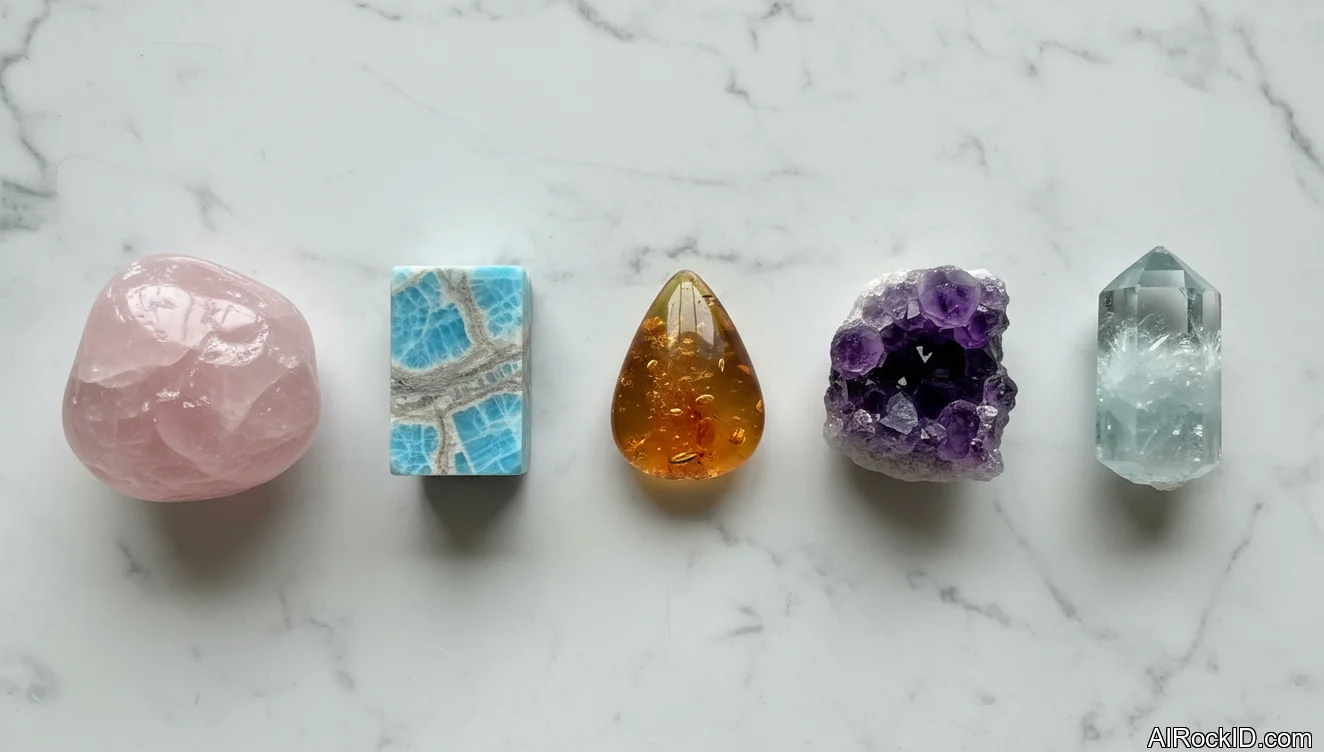
Assorted pink, green, and golden crystals laid on a wooden table with a small notebook and a candle

The “best” crystals for love are the ones that help you soften up, say what you actually mean, and quit looping the same awful relationship patterns. That’s the point. If a stone nudges you into being a calmer, more honest version of yourself, it works in the only way that counts. But if it just sits on a shelf while you keep texting the same red flags at 1 a.m., it’s just décor.

I’ve had little pocket stones on me for first dates, shoved them into a bag before an awkward family visit, and left a couple on the nightstand when things felt rough. Some pieces do nothing for me. Others flip my mood fast, and I think it’s because the weight in my palm, the smoothness (or that tiny gritty edge), and the color are a constant reminder to slow down and not spiral. Grab a solid piece of rose quartz and you feel the temperature first. It stays cool longer than you expect, and that cool hit can snap you out of stress-brain in a second.

This is about practical use: what to buy, how to use it, and where people tend to get tripped up. And love work isn’t just romance. It’s self-respect, boundaries, and being able to let someone be kind to you without bracing for impact. A few stones can back you up there, sure, but they won’t replace therapy, hard conversations, or basic compatibility. Treat crystals like tools. Physical, simple, and only as useful as the hands using them.

Recommended Crystals
Rose Quartz
Rose Quartz

Look, if you’re chasing that classic “soften the edges” vibe, rose quartz is basically the yardstick, and it’s hard to beat for everyday steadiness. Grab a palm stone and you’ll notice it right away. It’s dense, but not aggressive. It sits in your hand with this quiet weight, heavy without feeling harsh, and that’s why it works so well as a grounding cue when you’re spiraling about being liked. And compared to the flashier stones, it doesn’t yank your head off into fantasy. It just gently steers you back toward basic kindness and self-respect. Thing is, the market’s packed with pale, milky stuff. The nicer pieces have a slightly waxy glow, and under strong light they don’t go chalky (you can spot that chalky look fast, can’t you?).
How to use: Keep a smooth piece in your pocket and touch it right before you send a message you might regret. At home, put it where you do your morning routine so you see it when you’re choosing how you want to show up. If you sleep with it, wrap it in cloth because polished edges can nick softer stones in a shared bowl.
Amazonite

Amazonite

Amazonite is what I reach for when “love” means you actually have to talk things out. If you’ve got a good piece in your hand and you tilt it under the light, you’ll catch those white streaks and that slightly blocky feldspar structure. It isn’t meant to look perfectly uniform. Thing is, it’s a lifesaver when you’re about to slip into people-pleasing. It keeps “I care about you” right next to “I’m still telling the truth.” Most dealers sell it tumbled, sure. But raw chunks show more personality, and they feel more honest in your palm (a little cool and weighty, edges and all).
How to use: Hold it during a hard talk and keep your thumb moving over one spot so your body stays in the room. Wear it as a pendant on days you have to set boundaries, but take it off for showers since cords and metal findings degrade fast. If you journal, place it on the page while you write the sentence you’re avoiding.
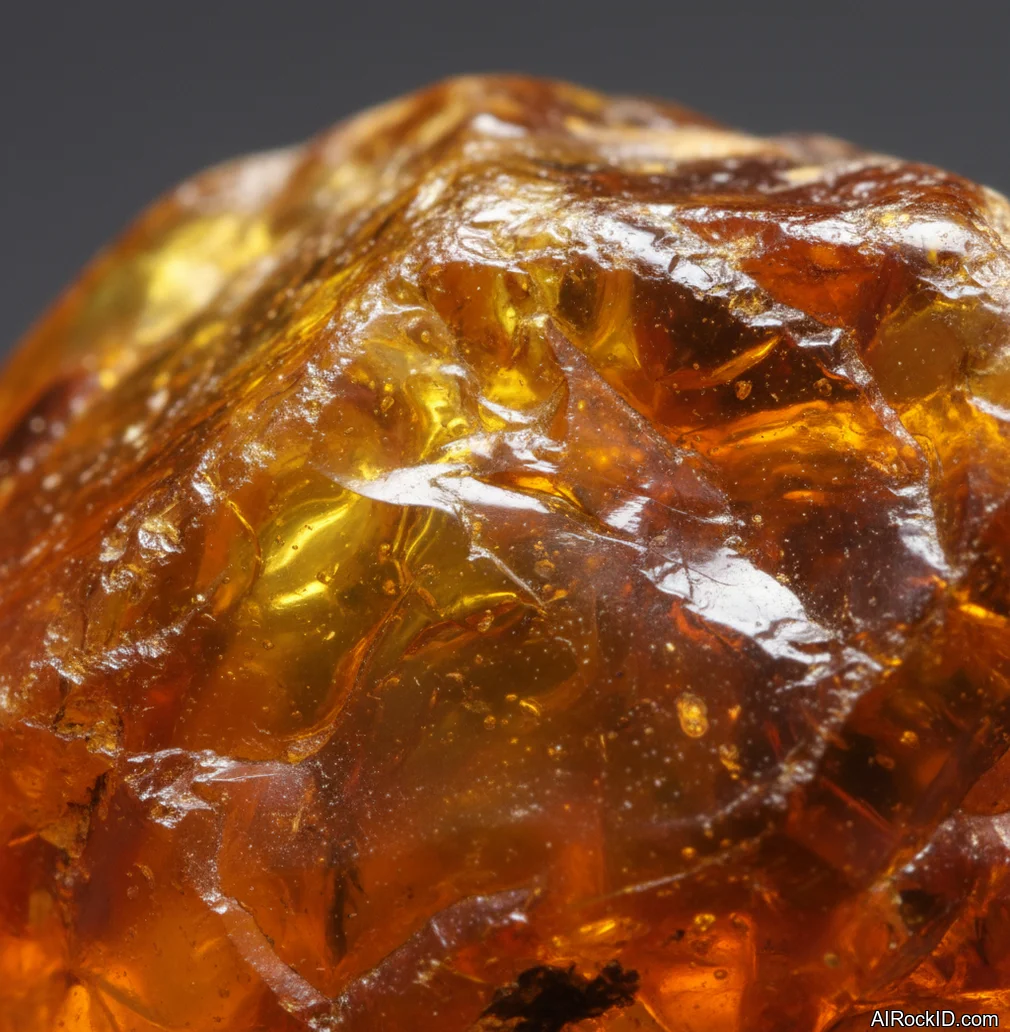
Amber

Amber

Amber isn’t a crystal in the strict mineral sense, but for love work it’s honestly one of the most useful things I’ve grabbed when I’m trying to warm up and get unstuck. Cheap versions tip you off fast. They feel warm right away because plastic does that. Real amber’s different: it starts out cool, then after a minute or two in your hand it heats up, and it’s weirdly light for how big it looks. And that lightness isn’t just a fun detail. It can feel like “less pressure,” which is exactly what a lot of people need when dating starts feeling like a job interview, not a human moment. You know that tight, braced feeling? Yeah. But there’s a catch. It’s not durable. Amber scratches easily, and if you toss it in a pocket with your keys, the keys will chew it up. (Ask me how I know.)
How to use: Carry amber in a small pouch so it doesn’t get scuffed, and use it as a cue to relax your jaw and shoulders before you walk into a date. If you wear it, keep it away from perfume and hair products because they cloud the surface. A quick wipe with a soft cloth is plenty; don’t soak it.
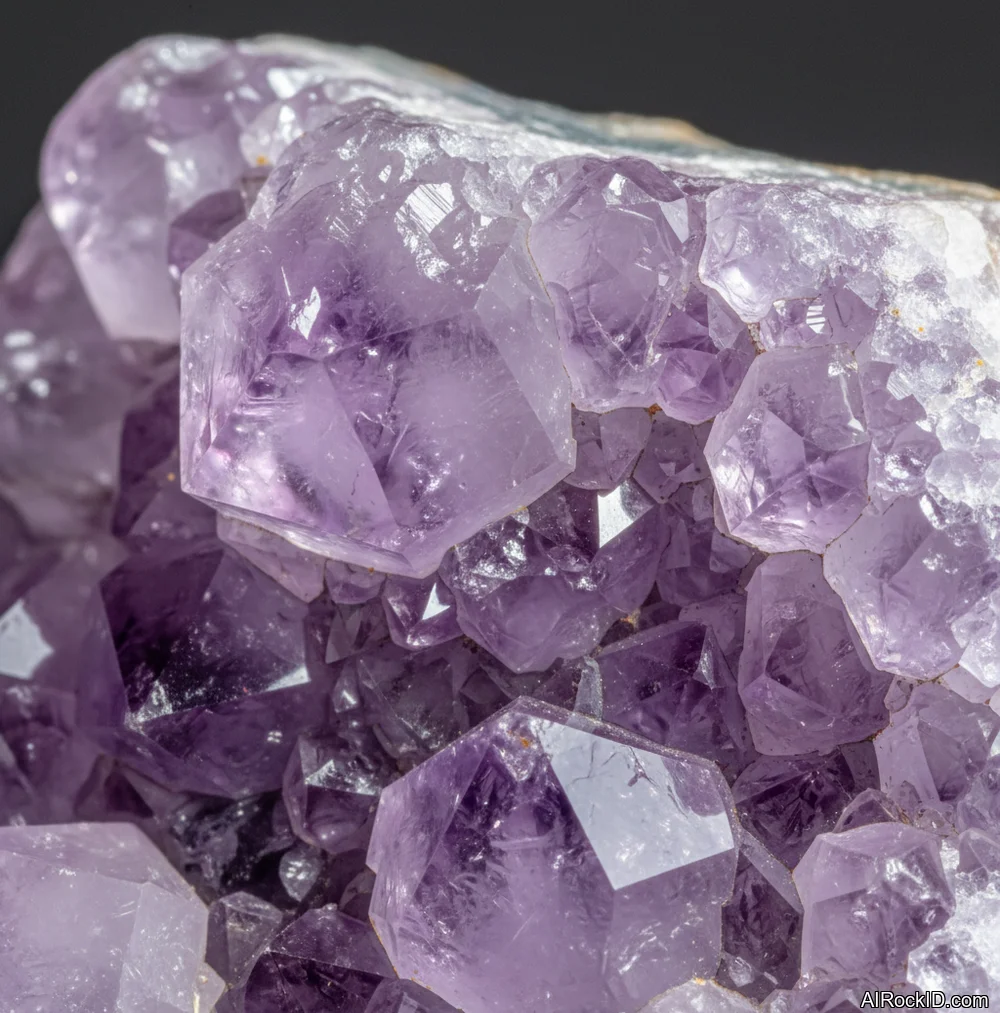
Amethyst

Amethyst

Amethyst is basically the “don’t text them at 1 a.m.” stone. The really deep purple stuff often comes out of Uruguay, and a lot of Brazilian pieces run lighter, sometimes with those little reddish flashes when you’re under warm indoor bulbs (like the yellow light in a living room lamp). It’s handy for love in a very specific way: it helps with impulse control and clearer thinking when attraction starts tipping into obsession. And I’ve literally seen people settle down just from holding a point and letting their eyes follow the facets as they turn it. Sounds tiny, right? But that’s the whole point.
How to use: Keep a small tumbled piece near your phone charger so it’s right there when you’re doom-scrolling. For sleep, set it on a nightstand instead of under the pillow if you toss around, since points can jab. If you meditate, stare at the color zoning for a minute and then close your eyes and breathe slower.
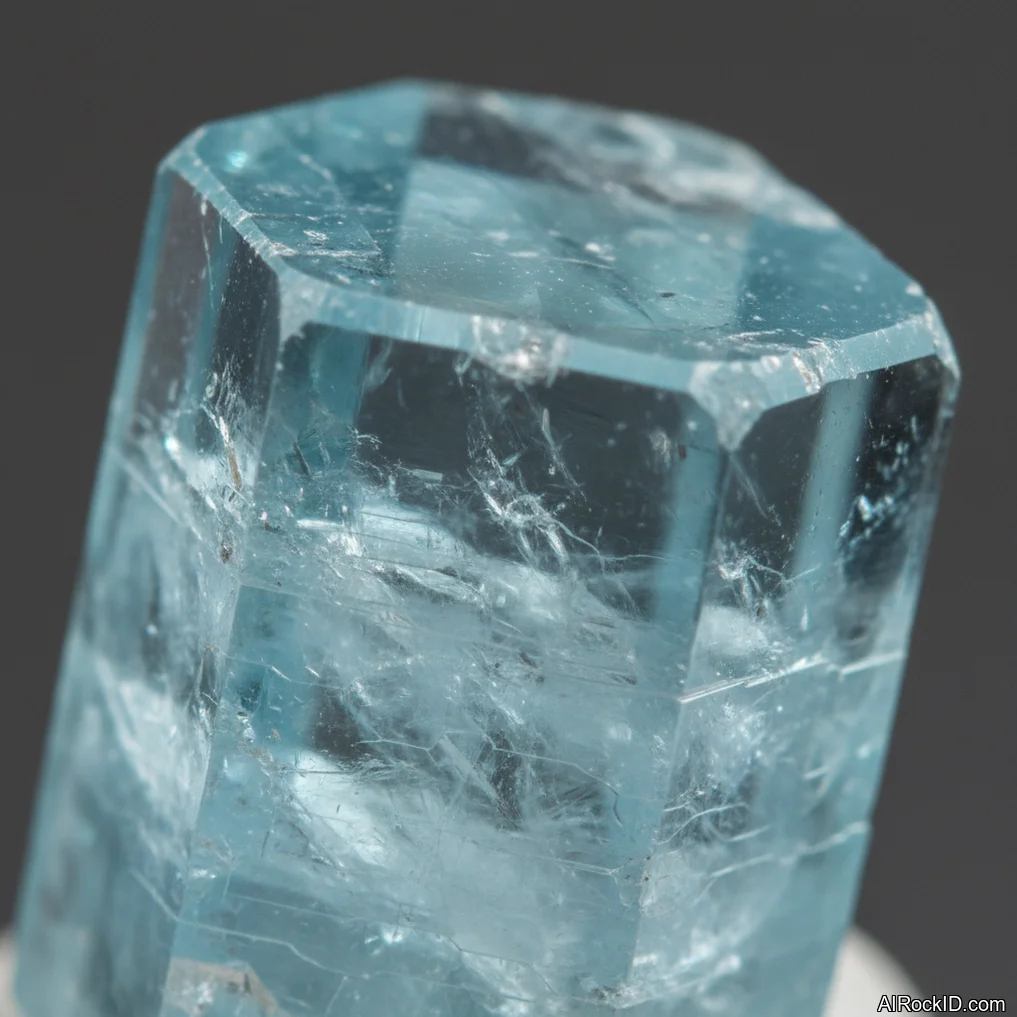
Aquamarine

Aquamarine

Aquamarine feels crisp and watery, the kind of color that goes with saying what you mean and not losing your head. A lot of it looks like pale glass at first, sure. But real stones usually show those faint little internal veils when you tilt them under a lamp, and there’s a slightly icy tone to the color that doesn’t look painted on. And it really shines in the early stages of dating, when you’ve got to ask direct questions without it turning into an interrogation. Thing is, the price can bite. Nicer, clearer pieces jump up fast, so get something you’ll actually wear and use, not something you’ll treat like it’s too precious to touch.
How to use: Wear it near the throat if you like jewelry, but keep it simple so you don’t fidget with a complicated setting. Before a conversation, hold it and rehearse one clear sentence you want to say without softening it. If you’re prone to overexplaining, touch the stone once and stop talking on the exhale.
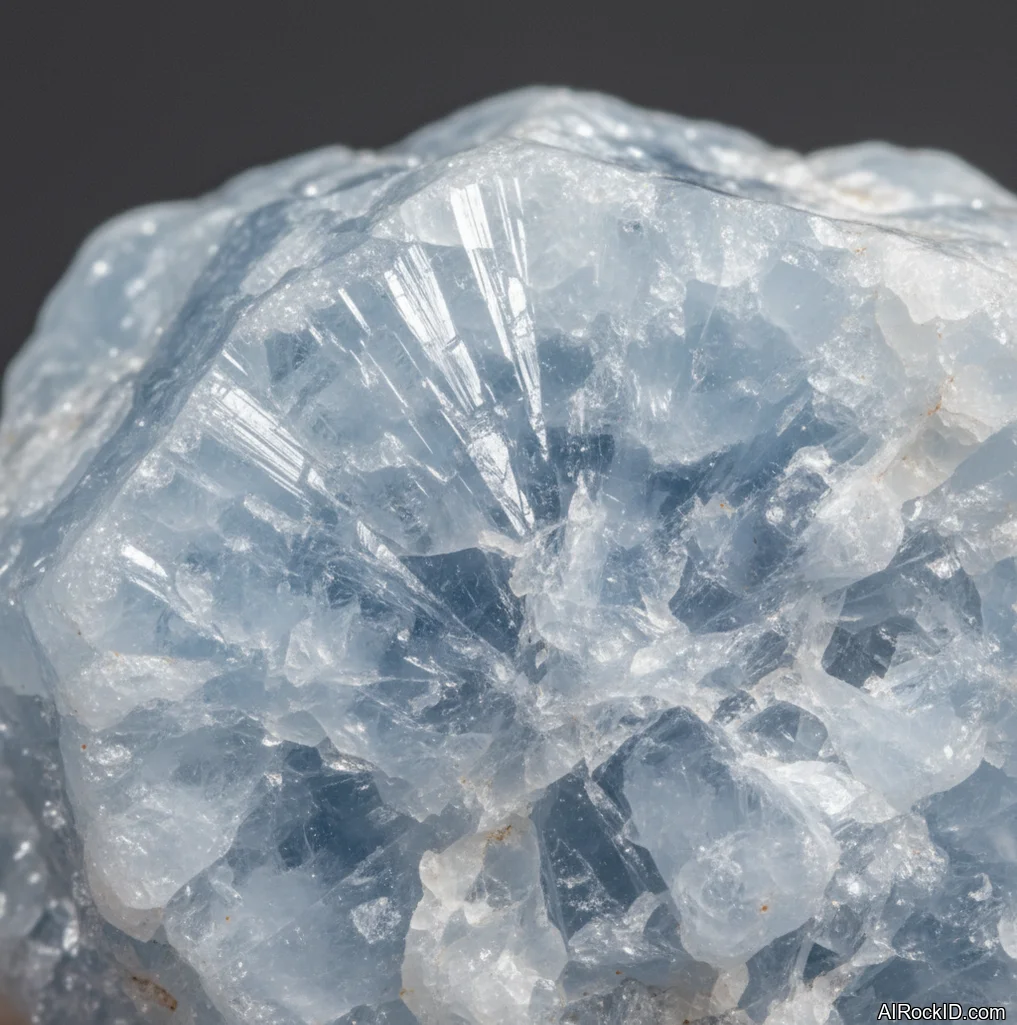
Angelite

Angelite

Angelite feels soft and matte in your hand, in this oddly calming, physical way. Like a bit of chalk that’s been smoothed down over years, not glossy, just velvety. If you drag a fingernail across it, it’ll mark fast, and you can actually see the scratch line right away. That softness matches the whole vibe: gentle, soothing, and honestly helpful for people who clamp up or get tense around intimacy. I reach for it when trust needs patching up, especially after an argument, because it seems to nudge the room toward a quieter tone instead of that defensive edge. But it’s not tough. So it’s a home stone, not something you toss in your pocket and forget about.
How to use: Set it by your bed or on a shelf where you decompress, not in a bag where it’ll get dinged up. Use it during a post-fight check-in: hold it and speak slower than you want to. Keep it dry, since water can spot and weaken the surface over time.
Apatite

Apatite

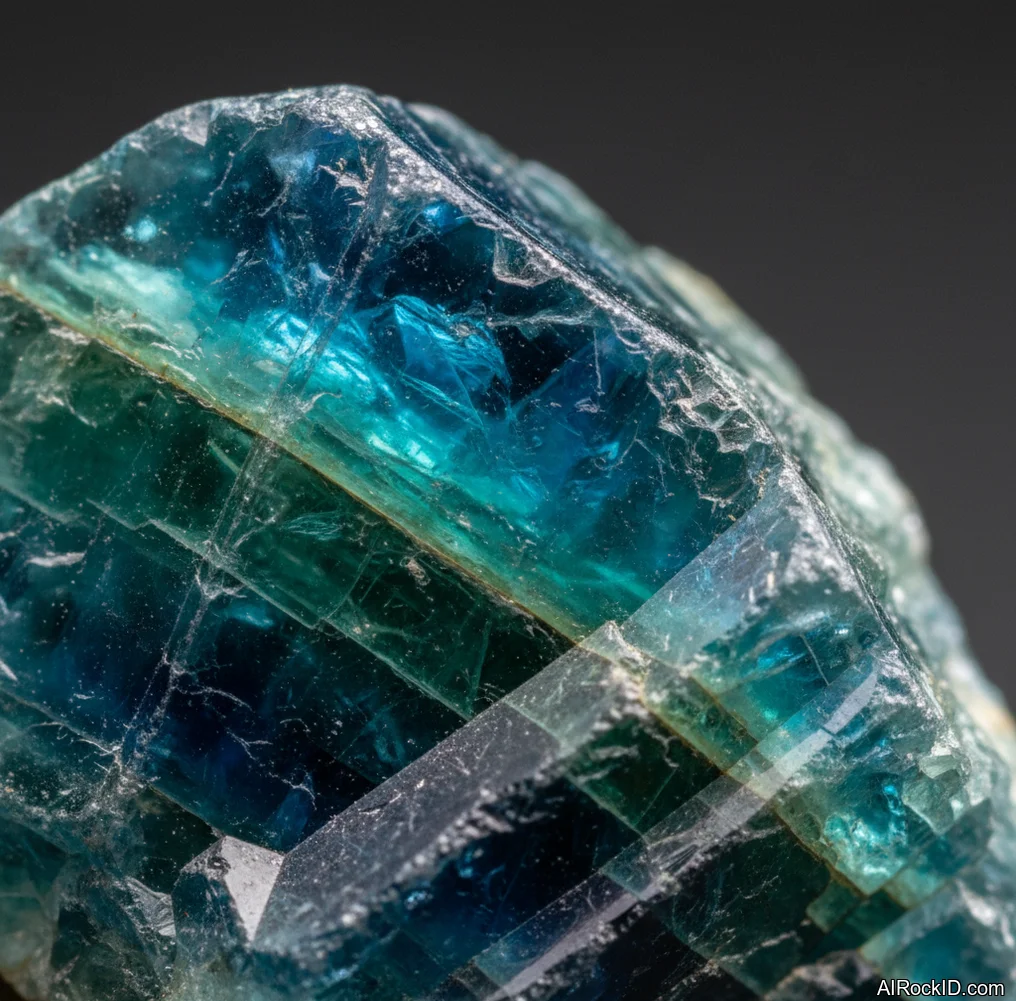
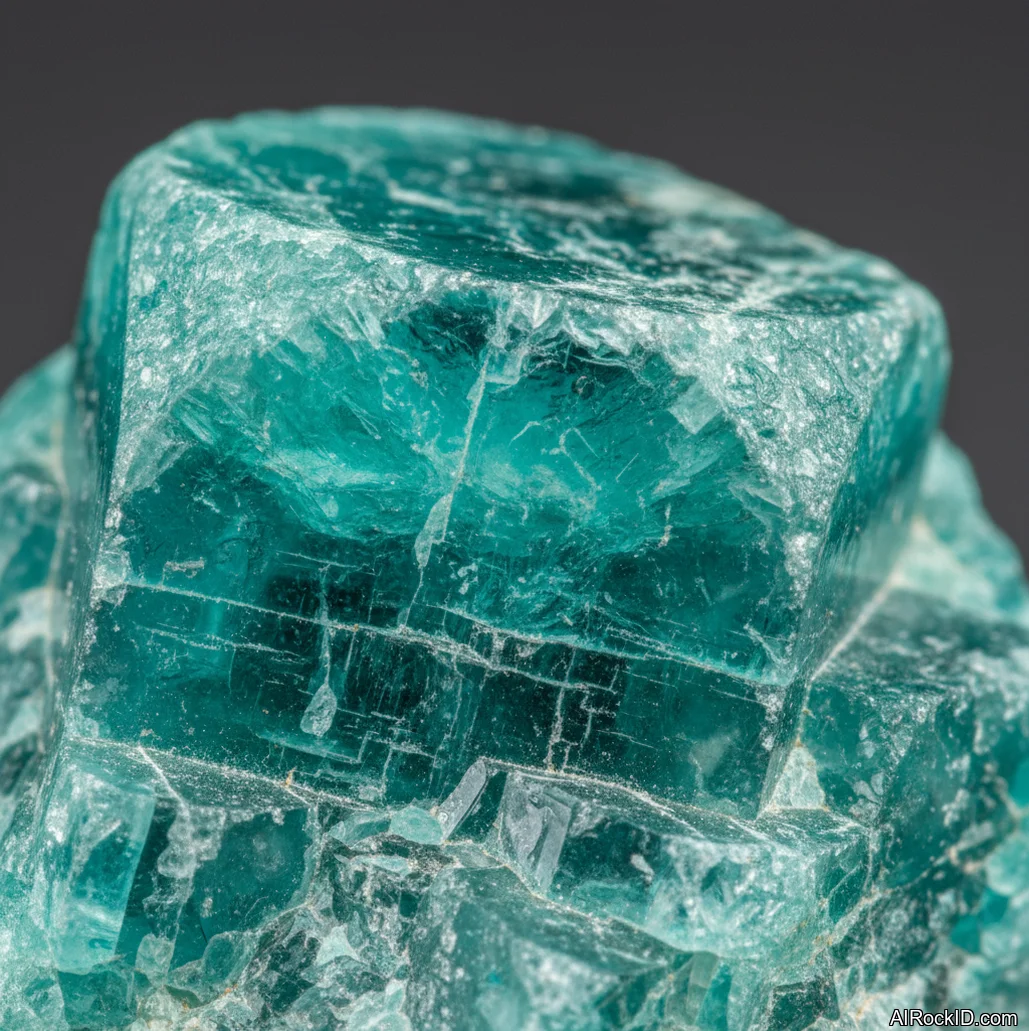
Apatite hits like a quick snap of honesty, especially if you tend to freeze up in that “I don’t know what I want” place. Look, if you hold it up to the light and tilt it around, you’ll usually catch that internal texture, and the color can swing from sea-blue to greenish, sometimes shot through with tiny dark needles. For love stuff, I grab it when the attraction is loud but the clarity isn’t there, because it basically forces you to say what you’re actually after. But don’t treat it like quartz. It’s softer than most people assume, and it’ll pick up scuffs fast if you knock it around.
How to use: Use it for a short, focused session: five minutes of journaling, then put it down. Carry it in a soft pouch if it’s going in your pocket at all. Pair it with a simple question written on paper, like “What am I avoiding saying?”
Azurite

Azurite

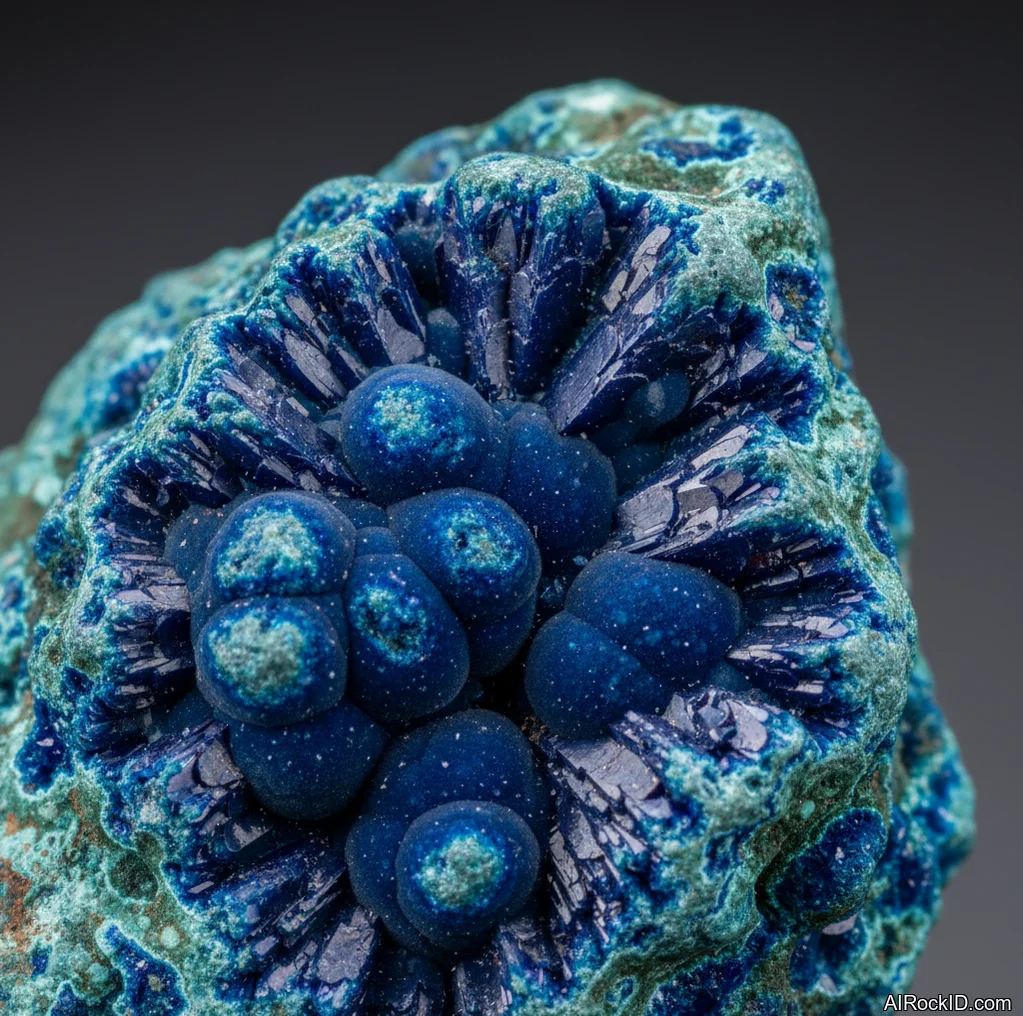
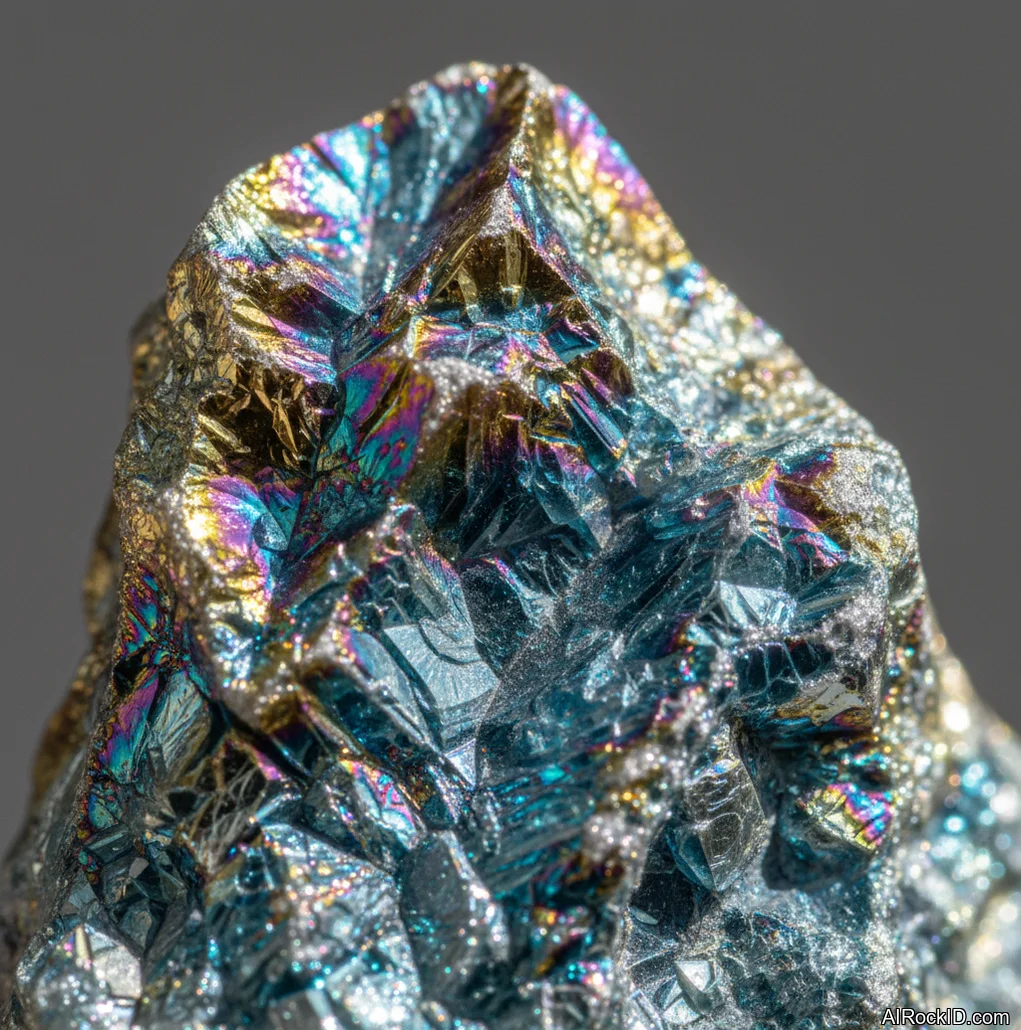
Azurite’s the stone I reach for when the love is real, but my brain just keeps spinning little movies anyway. Under a bright lamp, that blue can go almost electric, like it’s lit from inside. And a lot of pieces aren’t smooth at all, they’re rough and sparkly, with tiny crystal faces that flash when you tilt it in your fingers, nothing like a polished stone. It kind of pulls your attention up into your head, into reflection, which helps when you’re reacting out of old wounds and you need a beat of perspective before you open your mouth. But it can be a pain. It’s softer, it can shed dust if it’s crumbly (you’ll notice the blue smudge), and it doesn’t like water.
How to use: Keep it on a desk or altar spot, not in your pocket, and wash your hands after handling crumbly pieces. Use it before you respond to a trigger: look at it for thirty seconds, then write down the simplest interpretation of what happened. Don’t put it in water or salt.
Black Moonstone

Black Moonstone

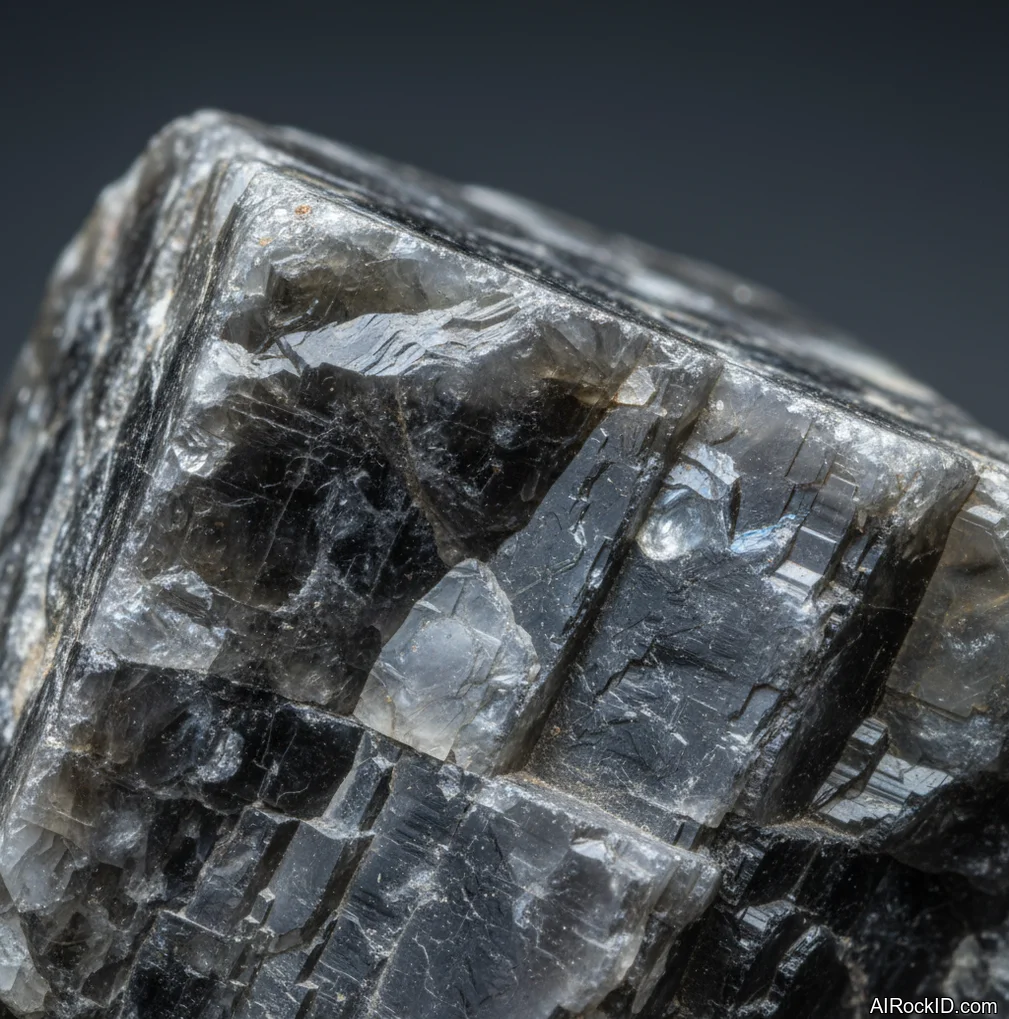
Black moonstone works best for love stuff when the problem is your habits, not bad luck. If you tilt a solid piece under a lamp, you’ll see this quiet glow skate across the surface, then vanish the second you shift your wrist. It’s the kind of stone that makes you notice your emotional loops. Like when you chase, when you pull back hard, when you poke at someone to see what they’ll do instead of just asking for reassurance. And yeah, watch out: some pieces are dyed or stabilized to death. If the color looks weirdly uniform and the sheen just sits there like a flat, dull patch, don’t bother.
How to use: Put it by your journal and use it during a weekly check-in, not just when you’re upset. Hold it while you name one repeating pattern out loud, then one small alternative action. If you carry it, keep it separate from harder stones so it doesn’t get scratched.

Picking the right love crystal: self-love vs. new romance vs. repair

People say they want “love,” but half the time they’re talking about totally different needs. New romance is that forward-leaning rush. Self-love is more like exhaling and feeling safe. Repair is humbler, quieter, and yeah, it can bruise your ego a little. So if you grab the wrong stone for what you’re actually trying to soothe, you’ll get this low-grade irritation, like the thing’s useless. But it might not be useless at all. It might be pulling you in the exact opposite direction your nervous system is begging for.

Like, put azurite next to something sweet and steady like rose quartz and you can feel the difference fast. Azurite can shove you into insight when what you really needed was a nap, a soft landing, or just fewer thoughts for once. If you can, pick your stones in person. Seriously. The weight in your palm, that first cold touch (or how fast it warms up), the little slick spots versus the gritty ones, it all matters. And the stone that makes your hand loosen without you thinking about it? That’s usually the right one, even if it doesn’t look “perfect” in an online photo.

For self-love and that nervous-system softening, I keep rose quartz or amber nearby. For early dating and clear communication, amazonite and aquamarine are the workhorses. And for repair after conflict, angelite is almost a pace-setter, partly because it’s physically soft, and it kind of nudges you to be gentle too. If you’re doing pattern work, black moonstone is honest in a way that can feel uncomfortable (who asked for the truth, right?), but sometimes that’s the whole point.

Placement that actually changes your behavior

Where you set a stone down matters more than the exact stone about half the time. A crystal sitting on a shelf across the room? It’s basically a paperweight you dust around. But a crystal you actually grab, cold at first and then warming in your palm, right when you’re about to sabotage yourself can flip the whole day.

So pick one small piece and try a few spots for a week. The nightstand is for sleep, repair talks, and the tender stuff you don’t want on display. By the phone charger is for impulse control, which is why amethyst earns its keep there (it’s also the place your hand goes on autopilot, isn’t it). And the bathroom counter sounds silly until you remember you’re standing there every day, squinting at your own face under that harsh light, and that’s where your self-talk gets loud.

If you live with a partner, don’t stash the stones like you’re running a secret spell. Just say, “This reminds me to slow down.” Most people get it. And if they mock it, that’s useful data too. For shared spaces, I like one calm piece in a bowl, and I keep everything else stored, because a cluttered crystal shrine can feel like pressure instead of support.

Combining crystals for love without turning it into a science project

Two stones is a combo. Five stones is a pile. Thing is, once the mix gets big, you stop clocking what actually helps and what doesn’t, and you end up chasing a mood like it’s a playlist.

So if you want an easy pairing, start with one “soft” stone and one “truth” stone. Rose quartz plus amazonite is a clean example: kindness with a backbone. Amber plus aquamarine is another: warmth plus clear speech. And for pattern work, black moonstone with amethyst keeps you honest and keeps you from acting on every feeling.

Keep the pieces physically separate when you’re testing a combo. I’ll carry one in a pocket and leave the other on a desk, then swap the next day (simple, but it works). That’s the real test, right? If you toss everything into one pouch, you can’t tell what’s doing what, and the scratches stack up fast, especially with softer stones like apatite and angelite. You’ll feel it when you run a thumb over them.

Buying love stones without getting scammed

Most dealers are totally fine. But anything “love stone” themed seems to invite lazy marketing and straight-up fakes, and cheap amber knockoffs are the worst of the bunch.

Here’s the quick tell: plastic warms up almost instantly in your hand and, if you rub it hard (like really hard, thumb on the same spot for 10 to 15 seconds), it can give off that weird chemical smell. Real amber stays cool for a moment before it slowly warms. And it’s shockingly light, like the first time you pick up a decent piece you’ll almost think it’s hollow.

With amazonite and aquamarine, be suspicious of color that looks sprayed on or just too perfect. Real stones usually show a little unevenness, some internal veils, or those white streaks that catch the light when you roll the piece between your fingers. If it looks like a solid, flawless paint chip, yeah. That’s a flag.

For black moonstone, tilt it under a lamp and watch for a sheen that moves. It should slide around as the angle changes. Thing is, if the surface just sits there looking flat and dead under direct light, you’re probably paying for the name, not the stone.

So ask the basic questions. Where was it sourced? Is it dyed? Is it stabilized? And if the seller gets defensive (why would they?), walk. I’d rather have a smaller, honest stone I’ll actually handle than some big “museum” chunk I’m scared to touch.

How to Use These Crystals for Attracting Love

Start easy. Pick one stone and stick with it for two weeks. Put it right where you’ll reach for it at the exact second love gets hard.

If you’re dating, you know the moment. It’s that pause right before you send the follow-up text. Or the instant after you read something that spikes your anxiety and your thumb starts hovering over the screen. That’s when amethyst by the charger earns its spot, or rose quartz in your pocket does the job (you can feel it warming up against your leg after a while).

For bringing love into your actual life, I’ve got a routine that’s pretty grounded. First: carry one communication stone, amazonite or aquamarine, and touch it before you say the thing that matters. Second: keep one softening stone at home, rose quartz, amber, or angelite, right where you come down at night. On the nightstand next to the glass of water, on the couch arm where your hand lands, wherever you unwind. Your nervous system learns love when you’re safe, not when you’re performing. Third: once a week, check in with black moonstone or apatite. Write down what you want, what you’re tolerating, and what you’re avoiding. Be honest. What else is the point?

Clean them in ways that fit the material. A quick wipe is plenty for most polished stones, especially if they’ve been sitting in a pocket getting lint and skin oil on them. But don’t soak angelite or azurite. And don’t drop apatite into a bowl with harder quartz and then act surprised when it comes out scratched. Basic care keeps them nice to touch, smooth in the hand, not gritty or chipped. And when they feel good, you’ll actually grab them when it counts.

Common Mistakes to Avoid

The biggest mistake? Treating a love crystal like a little wish coin. People slide rose quartz under the pillow, don’t change a single behavior, and then decide crystals are fake. The stone didn’t fail. The plan was passive.

And then there’s the over-collecting thing. A drawer jammed with stones doesn’t do much if you can’t even remember which one you meant to grab when you’re anxious, jealous, or totally shutting down. Keep it simple. Pick up two pieces you actually like holding, the kind that feel good in your palm (cool at first, then warming up fast), and build a habit around them. Habit beats variety.

But people also beat up the softer stuff. Angelite gets those chalky water spots that won’t buff out. Azurite gets dunked in salt and turns ugly. Apatite gets scratched into a dull haze because it’s been rattling around with keys in a pocket or the bottom of a bag. Once your stone looks and feels wrecked, you stop reaching for it. So the whole practice just… fades.

Important: Crystals aren’t going to make one specific person fall in love with you, suddenly text back, or wake up emotionally available. They won’t patch up an unsafe relationship, stop addiction, or erase abuse. And no, they’re not a stand-in for therapy or medical care. But they can help you steady yourself, focus, and keep your intentions in view in the moment. That matters. It’s just not a spell. It’s you doing the work (with a little reminder in your pocket).

Identify Any Crystal Instantly

Snap a photo and get properties, value, care instructions, and healing meanings in seconds.

Frequently Asked Questions

What is the best crystal for attracting romantic love?
Rose quartz is associated with openness, warmth, and self-compassion, which can support romantic connection. Amazonite and aquamarine are associated with clearer communication, which is often the limiting factor in dating.
Which crystal is best for self-love and confidence in relationships?
Rose quartz is associated with self-kindness and softer self-talk. Amber is associated with warmth and ease, which can support confidence through relaxation.
What crystal helps with communication in a relationship?
Amazonite is associated with honest, steady communication and boundaries. Aquamarine is associated with calm expression and clear speech.
What crystal helps you stop obsessing over someone?
Amethyst is associated with impulse control and mental clarity. Using it as a cue before messaging can reduce reactive behavior.
Can crystals attract a specific person?
Crystals do not have evidence-based mechanisms to influence another person’s free will. They can influence your mindset and behavior, which may change how you interact.
How long does it take for a love crystal to work?
There is no fixed timeframe, and results depend on consistent use and behavior change. Many people evaluate effects over 2 to 4 weeks of daily practice.
Where should I place crystals to attract love?
Placement that is visible and touchable is most effective for habit cues, such as near a phone charger or on a nightstand. Home placement does not guarantee outcomes but can support routines.
Can I sleep with love crystals under my pillow?
Sleeping with crystals under a pillow is a personal preference, but hard or pointed stones can be uncomfortable. A nightstand placement is a safer alternative for most pieces.
Do I need to cleanse love crystals?
Cleansing is a spiritual practice and is optional. Physical cleaning should match the material, and water is not suitable for soft stones like angelite or azurite.
What crystals should not be put in water when doing love rituals?
Angelite and azurite should not be soaked in water because they can weaken, spot, or shed material. Amber should be kept away from chemicals and prolonged soaking to avoid surface damage.
The information provided is for educational and spiritual exploration purposes. Crystals are not a substitute for professional medical, psychological, or financial advice.