Best Crystals for Confidence
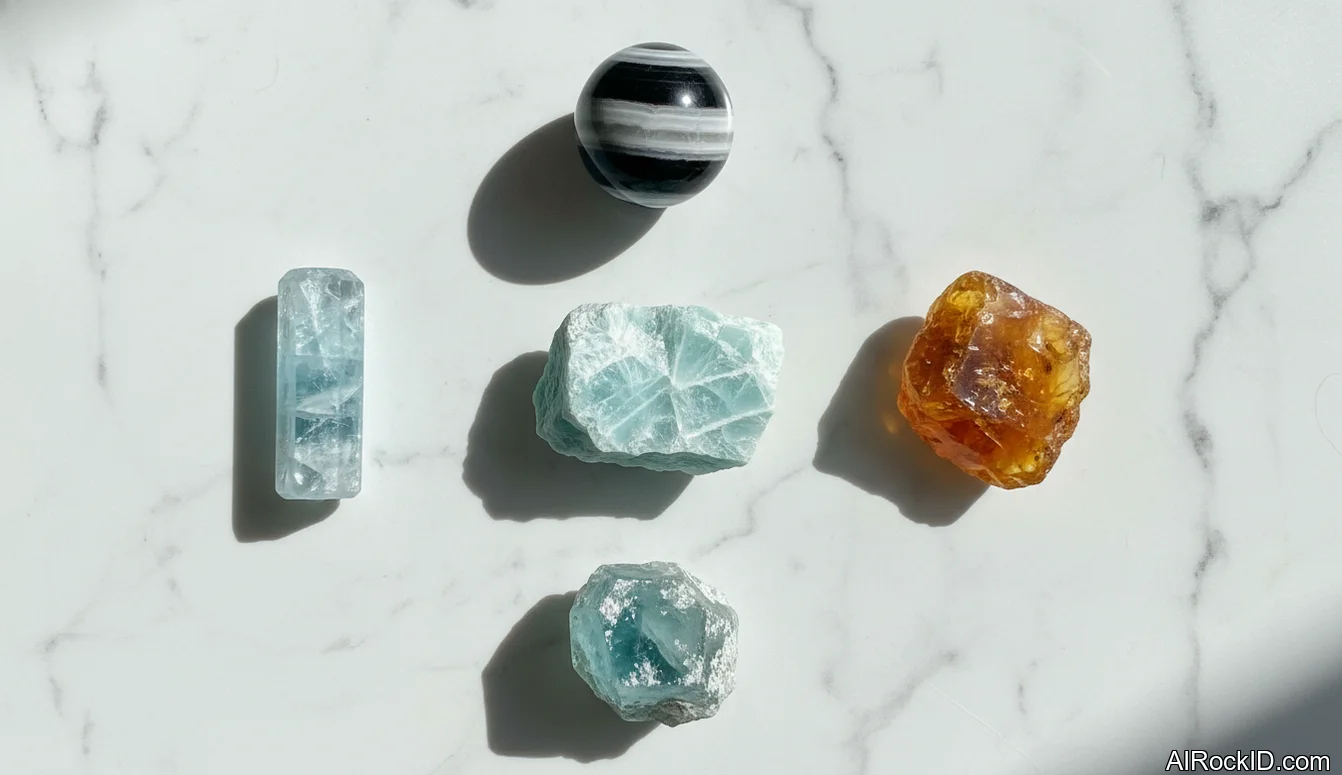
- Introduction
- Recommended Crystals
- Confidence isn’t one thing: pick the stone for the flavor of confidence you need
- How I test a confidence stone quickly (without overthinking it)
- Buying tips: confidence stones are the ones that are often mis-sold
- Pairing crystals with real confidence habits that actually stick
- How to Use These Crystals
- Common Mistakes
- FAQ
The best crystals for confidence are the ones you’ll actually carry and mess with when you’re freaking out, not the ones that sit on a shelf looking pretty. Confidence is weirdly physical. Your shoulders clamp up. Your throat goes dry. Your stomach does that little drop, and then your brain starts drafting a whole novel about why you can’t do the thing.
I’ve leaned on crystals for that exact moment for years, mostly because they give my hands something to do and my mind a cue to go back to the basics: breathe, stand taller, slow down.
Thing is, when you pick up a stone that’s “right” for you, you notice the weight first. Some pieces are heavy and warm in your palm, the kind you end up clenching without realizing it, and they keep you grounded. Others feel lighter, slicker, almost like they want to slide around, and they make you want to move. That feedback matters.
So when I’m about to walk into a tough conversation, I don’t need a lecture. I need something I can grip in a pocket, rub with my thumb (usually right on the smoothest spot), and use as a reminder to stay present. Simple. Physical. It works.
And here’s the honest part: crystals don’t replace practice, sleep, therapy, or skill-building. They can help you stay regulated long enough to use the skills you already have. That’s the point. Confidence is often just calm plus repetition.
The stones below are ones I’ve carried, tested, and seen other people stick with because they’re practical, easy to find, and they feel supportive in a way that’s hard to explain until you’ve tried one when your nerves are loud.
Recommended Crystals
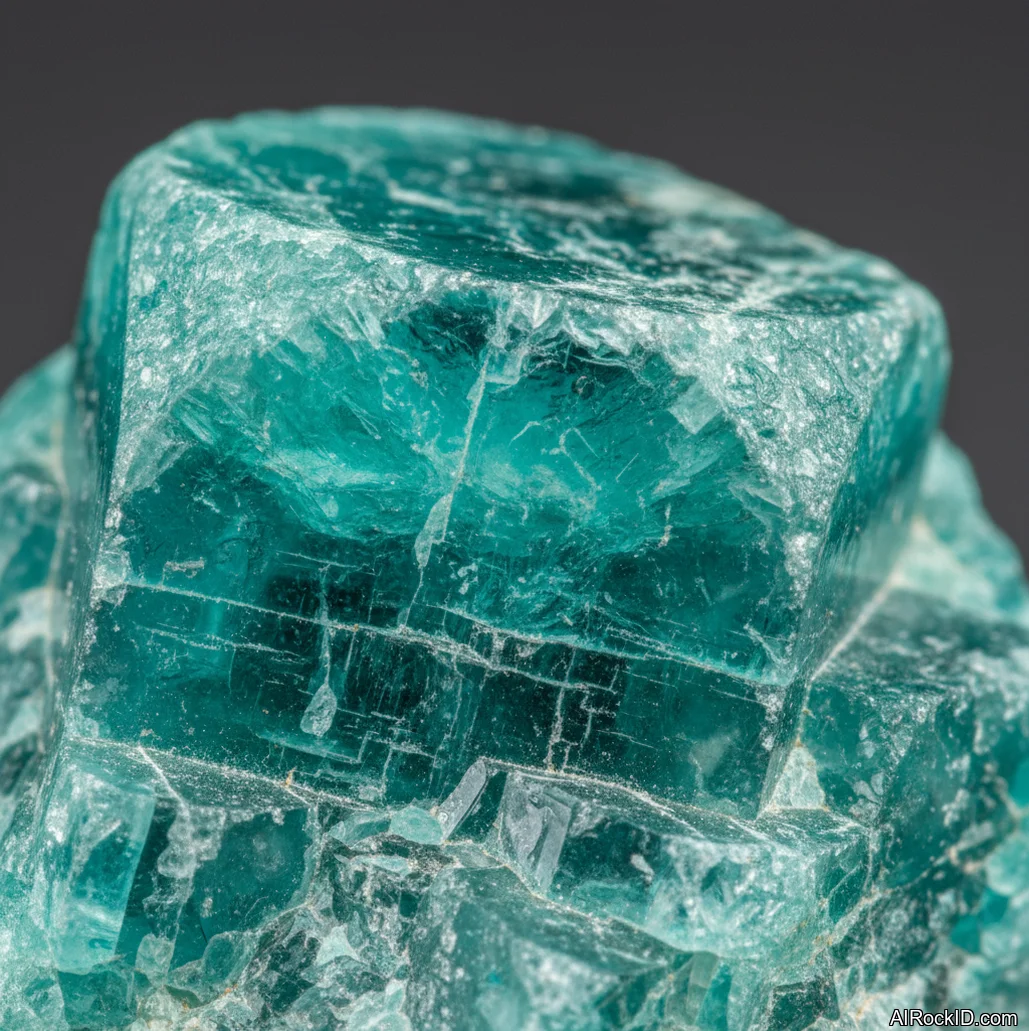
Amazonite
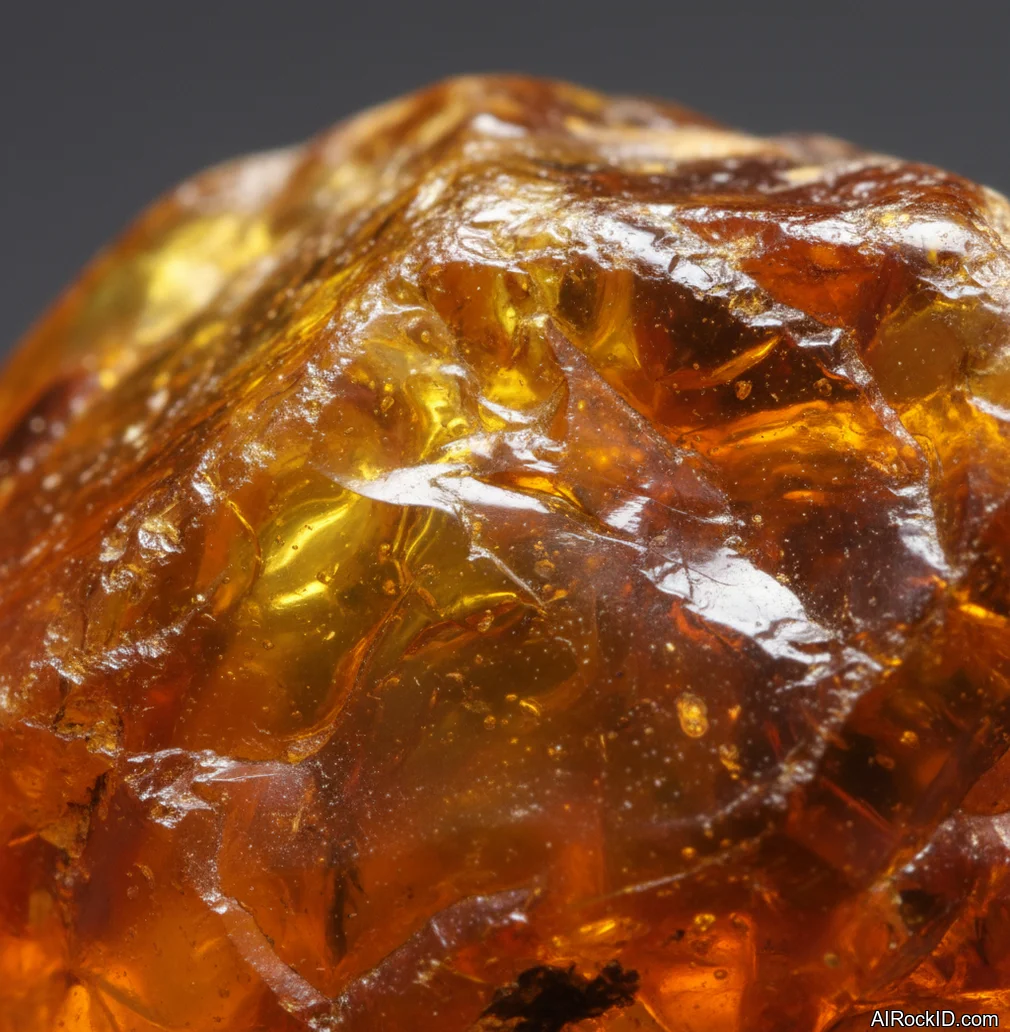
Amber
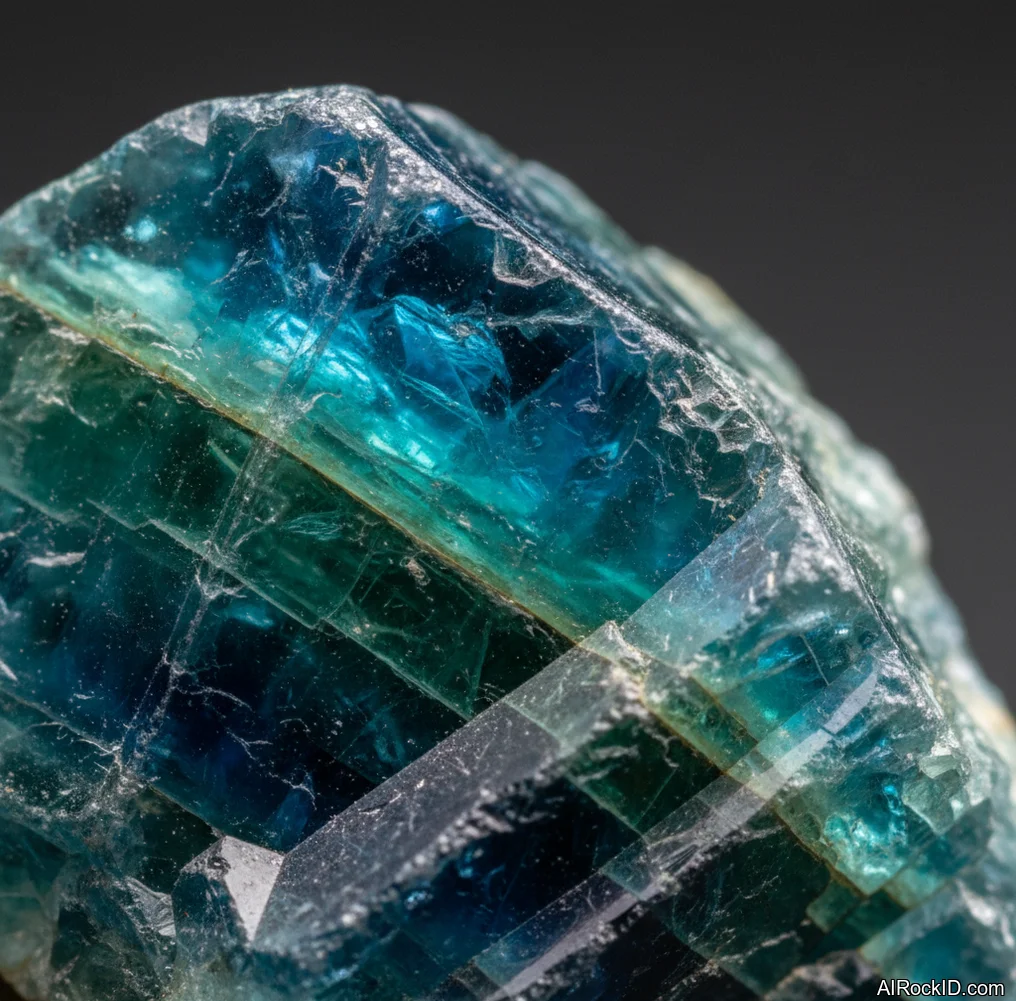
Apatite
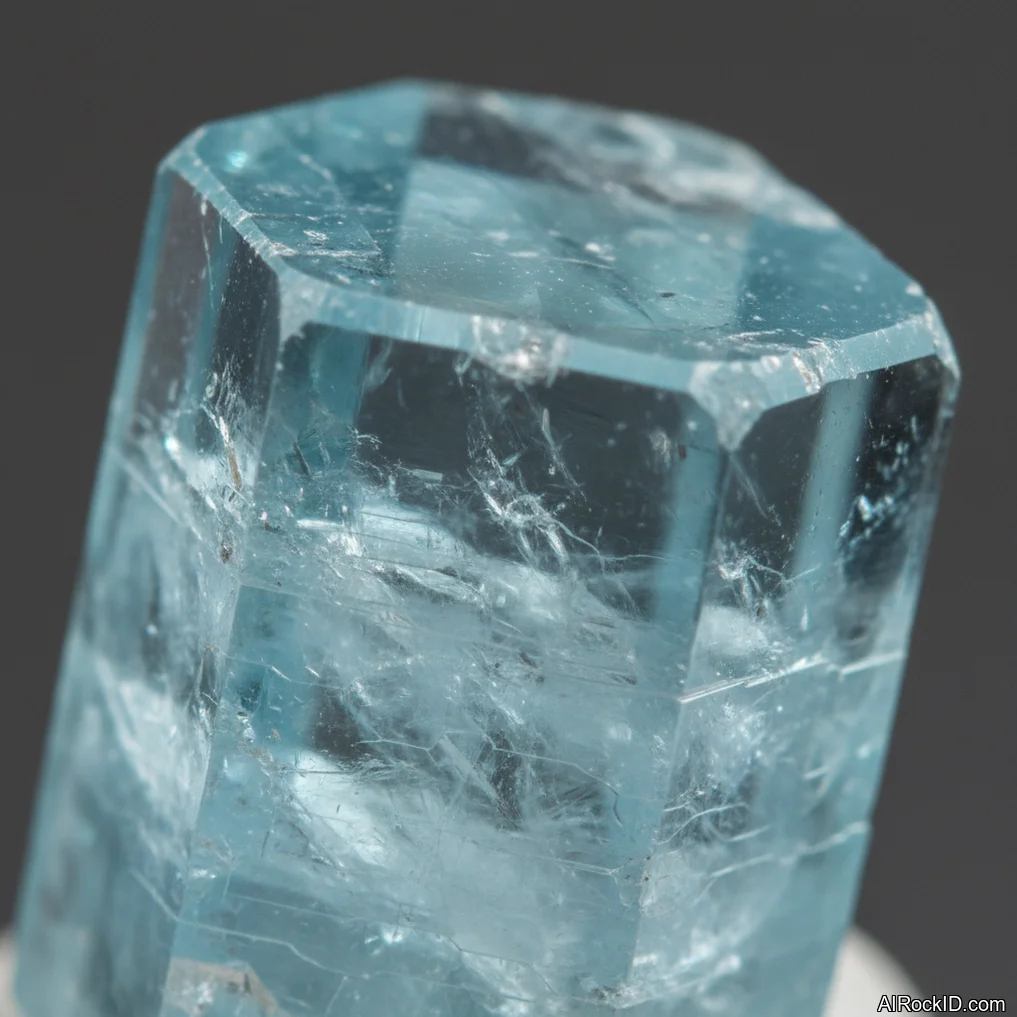
Aquamarine
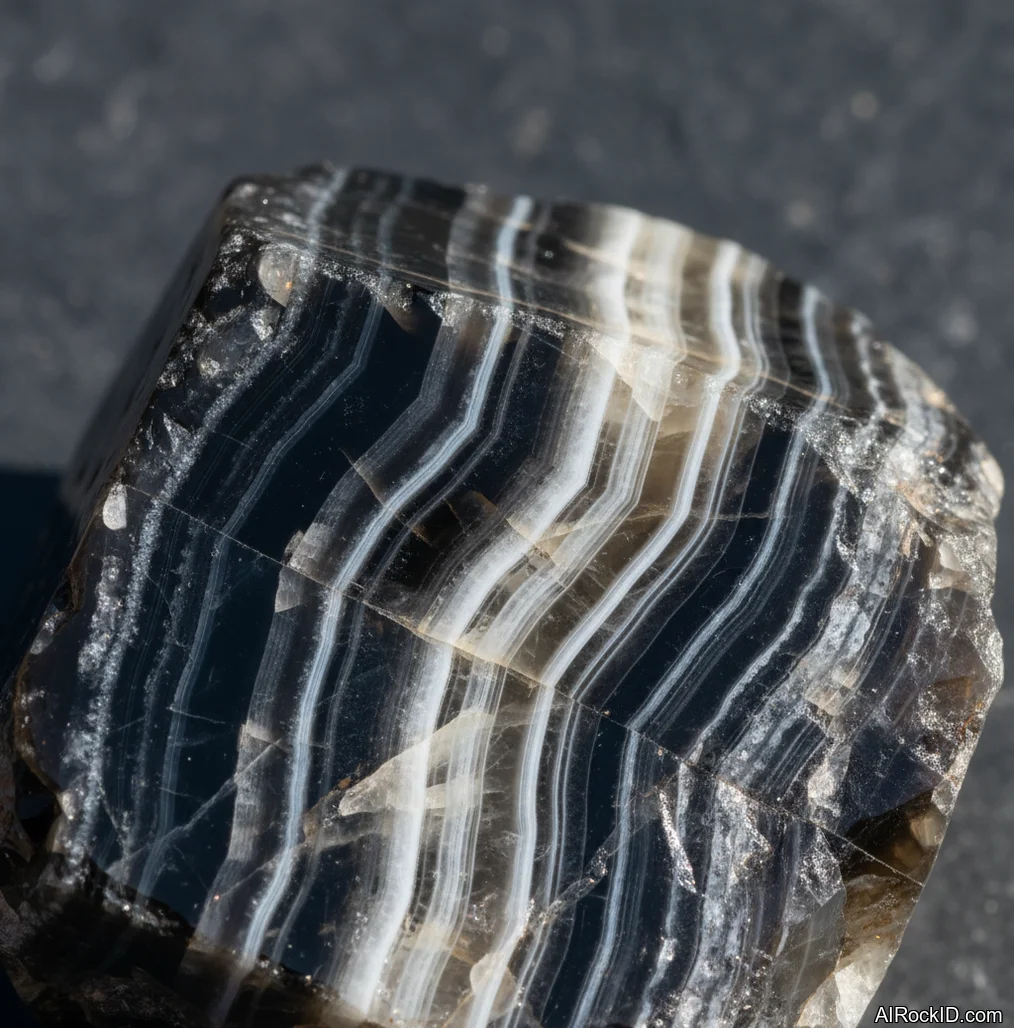
Black-banded-onyx
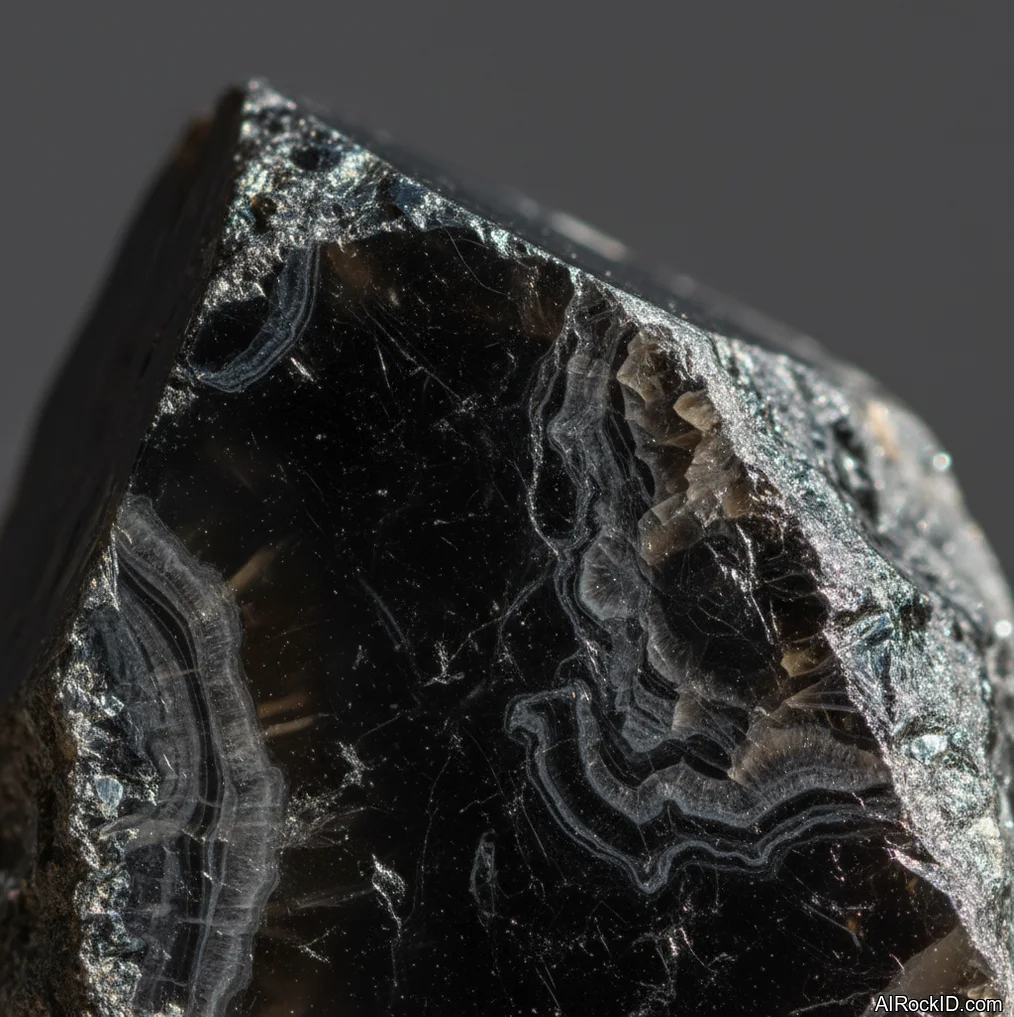
Black-onyx
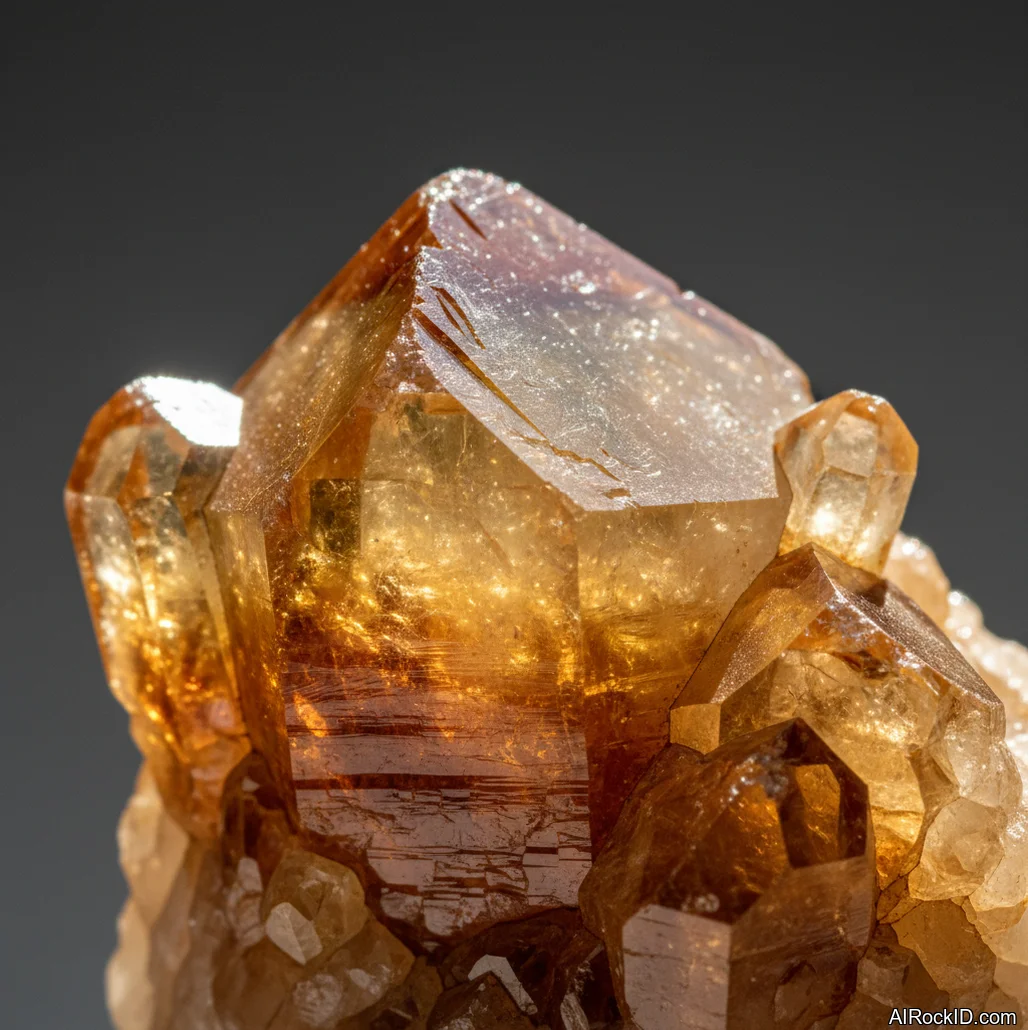
Citrine
Sunstone
Tiger Eye
Confidence isn’t one thing: pick the stone for the flavor of confidence you need
People throw around the word “confidence,” but half the time they’re talking about something else. Like calm nerves. Or having stronger boundaries. Or that little shove you need to actually do the thing. So yeah, grabbing a random crystal can feel like it does nothing. Wrong tool.
If I’m trying to calm down, I go for aquamarine. It’s got that steady, cool feel, almost like a stone that’s been sitting in shade all day, and it tends to slow my speech a notch. And slow speech reads as confidence to other people, even when your stomach’s doing flips.
But if what I need is boundaries, black-banded-onyx or black-onyx works better. It keeps my attention on my body and my decision. You feel the weight in your hand, you notice that little hard edge against your palm, and you remember you can pause. You don’t have to fill every silence with a nervous explanation. (Why do we do that?)
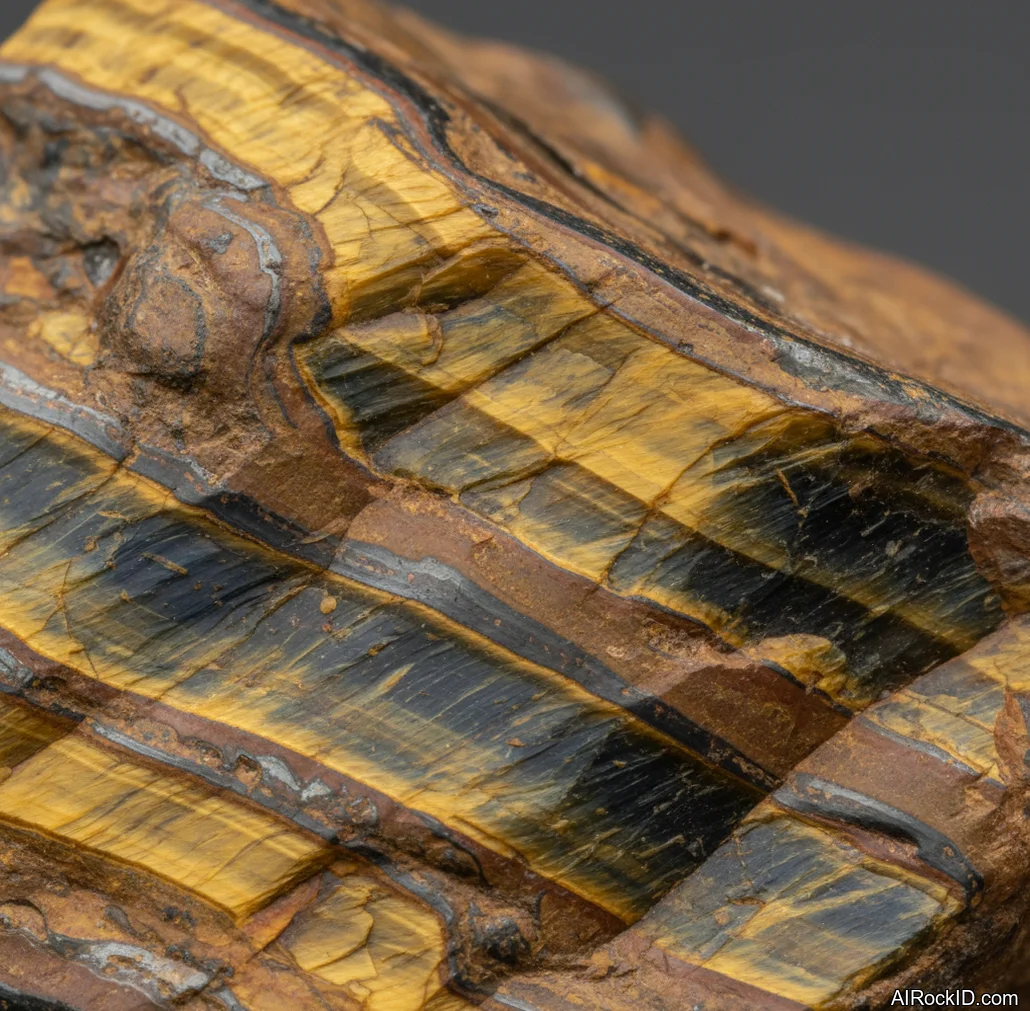
Thing is, if the real problem is momentum, tiger’s eye or apatite is usually the move. Tiger’s eye has that sliding flash when you tilt it under a lamp, and it kind of yanks you back into the present moment. Apatite’s great for getting unstuck without turning you into a stressed-out robot.
And I’ve literally used apatite as a “start” button on my desk. Touch it. Open the doc. Write the first sentence. That’s confidence in real life.
How I test a confidence stone quickly (without overthinking it)
Pick up the stone and actually watch what your hand does. Does your grip clamp down? Do you get that little urge to drop it? Do you catch your thumb rubbing the same tiny spot over and over like it found a worry groove? Those tiny tells beat a thousand keyword lists.
The real check is what happens when you’re a bit keyed up, not when you’re already calm on the couch. I’ll bring a stone into a phone call I’m tempted to dodge. Or I’ll leave it in my pocket during a meeting where I know I’m going to have to talk. If, right when it gets tense, I remember it’s there and it buys me even half a second before I snap back with a reply, that’s a win. That little pause? That’s where confidence lives.
And yeah, think about upkeep and how the thing holds up. Apatite chips easier than most people expect, so for me it stays on the desk, not rolling around in a pocket. Amber scratches, and it really hates heat, so it’s more “gentle daily wear” and less “toss it in a bag with keys and forget about it.” A crystal you have to baby all the time won’t get used. And if it never gets used, what’s it doing for you?
Buying tips: confidence stones are the ones that are often mis-sold
Confidence stones blow up fast, and when that happens the market gets a little chaotic. Citrine is the biggest pain. If it’s that orange-soda color and the points are darker, you’re probably holding heat-treated amethyst. That doesn’t make it “bad.” But it isn’t the same material, and people should just label it honestly.
Amber is the other repeat offender. Real amber feels weirdly light for its size and it warms up after it’s been sitting in your palm for a minute; plastic often feels warm right away and looks almost too perfect, like it came out of a mold with no little scuffs. And if the seller will let you do a quick static test, amber can grab tiny bits of paper after you rub it on fabric. But a lot of shops don’t want customers doing that at the counter (fair).
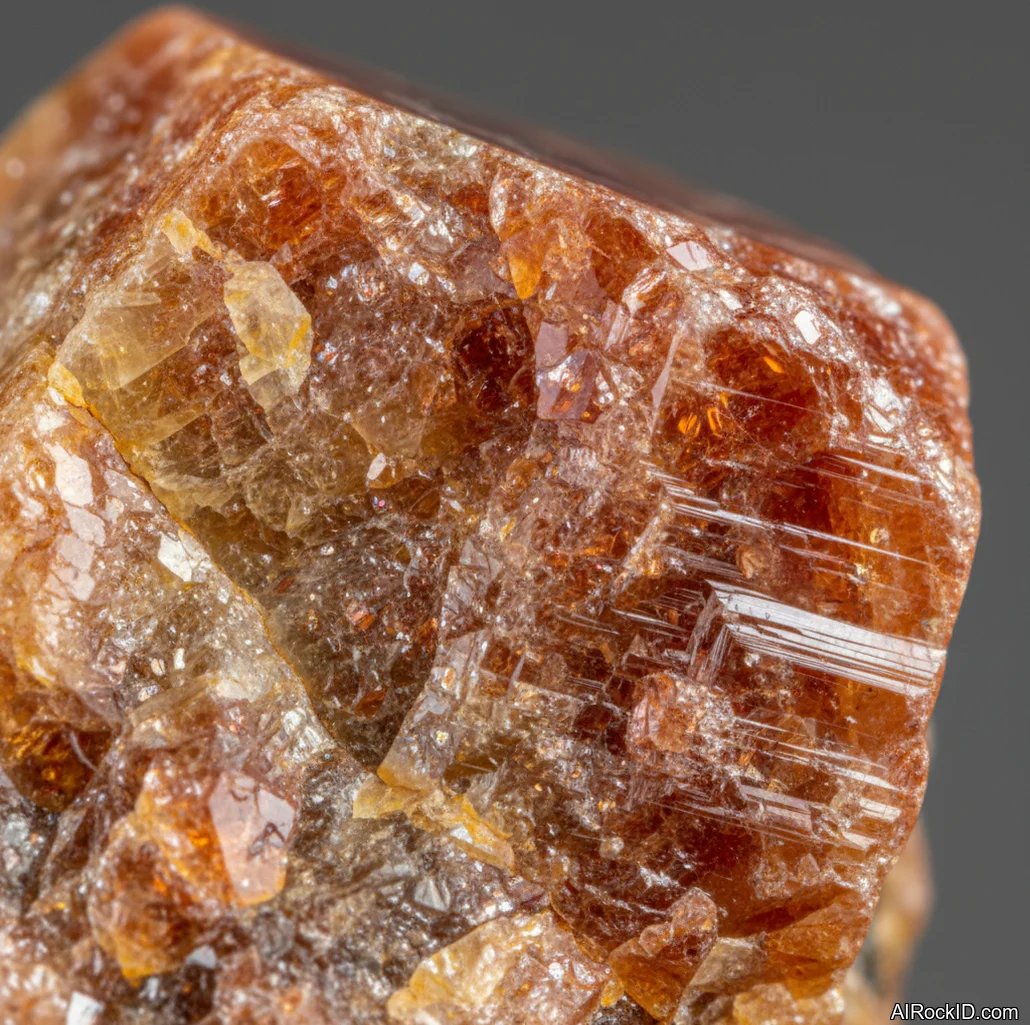
Sunstone’s its own thing. Watch for dye, and watch for sparkle that’s too uniform. Natural aventurescence sort of flickers, like it turns on and off as you tilt the stone under the light. If it’s glittery from every angle, like craft glitter stuck inside, I start side-eyeing it. Most dealers are decent. Still, confidence work is already loaded, and you don’t need that extra little voice in your head asking, “Did I just buy a fake?”
Pairing crystals with real confidence habits that actually stick
Crystals only really do something when you hook them to a behavior. If you don’t, they’re just pretty rocks sitting on a shelf, and every so often you glance at them and feel a weird little stab of guilt. So if you’re aiming for confidence, pick one habit you’ll do every single time your fingers hit the stone.
For speaking confidence, I reach for amazonite and stick to a “one breath, one sentence” rule. Touch the stone (you can feel how cool it is at first), inhale, then say the shortest true sentence you can. That’s it.
For money or career confidence, citrine works best when you’ve got one number written down ahead of time. The rate you’re asking for, the budget cap, the salary range. Hold the stone, say the number once out loud, and you’re basically training your nervous system to stop flinching when it’s time to name the thing.
And for boundaries, black onyx goes with a pause. You notice the weight in your hand, you plant your feet, and you let the silence hang there. People rush to fill silence because it feels like danger, right? Thing is, the confident ones I’ve met don’t scramble. They let the silence do some of the work.
How to Use These Crystals for Confidence
Start easy: one stone, one purpose. If you’re trying to juggle three crystals for five different “confidence” goals, you’ll just end up messing with your little pile of rocks instead of actually building a routine. I usually pick a “pocket stone” and a “desk stone.” Pocket stones are for those in-the-moment resets, like tiger’s eye or black onyx. Desk stones are for steady focus, like apatite or citrine.
Hold the stone the same way every single time. Sounds kind of goofy, I know, but the routine is the whole point. I’ll drop it into my palm, notice if it feels cold or already warmed up from being in my pocket, and take one slow breath where I really empty my lungs. Then I do the next real-world action. Send the email. Ask the question. Walk into the room. Because if you only grab the stone after it’s over, your brain files it under “comfort item,” not “go do the thing” signal.
Jewelry can work too, as long as it’s comfy and it can take a beating. Amber warms up against your skin pretty fast and feels sort of cozy, but don’t let it get near heat or harsh chemicals. Sunstone and aquamarine look great set in jewelry, but if you’re rough on your hands, pick settings that actually shield the edges (you can feel when a stone keeps catching on pockets or sweater cuffs, and that’s a bad sign). The whole goal is almost boring consistency. Confidence comes from repetition, and crystals are just one way to make repetition a little easier to stick to.
Common Mistakes to Avoid
The biggest mistake? People treat a crystal like it’s supposed to wipe out fear. That’s not how it works. Fear is normal. Confidence is what you do while fear’s still sitting there in the corner. If you’re waiting to feel totally fearless before you act, you’ll just keep “working with crystals” forever and never take the real step.
Another thing I see all the time is someone buying a stone they won’t actually use because it’s too fragile, too expensive, or honestly just too pretty to touch. I’ve watched people baby apatite in a little pouch for months (like it’s made of glass), then get frustrated that it “didn’t help.” Put it on your desk. Pick it up. Feel the cool, slick surface in your fingers before you start the task. Same deal with amber. If it’s bouncing around with your keys, it’ll get scratched up, and then you’ll stop carrying it. So what’s the point?
And last: people get sloppy about ID. Heat-treated citrine being sold as natural citrine creates doubt, and doubt is the opposite of what you’re trying to build. Ask questions. Buy from sellers who answer plainly. And don’t be afraid to choose an inexpensive, honest stone you’ll actually use every day instead of a pricey “collector” piece you’re nervous to handle.
Identify Any Crystal Instantly
Snap a photo and get properties, value, care instructions, and healing meanings in seconds.