chakra

Best Crystals for Crown Chakra
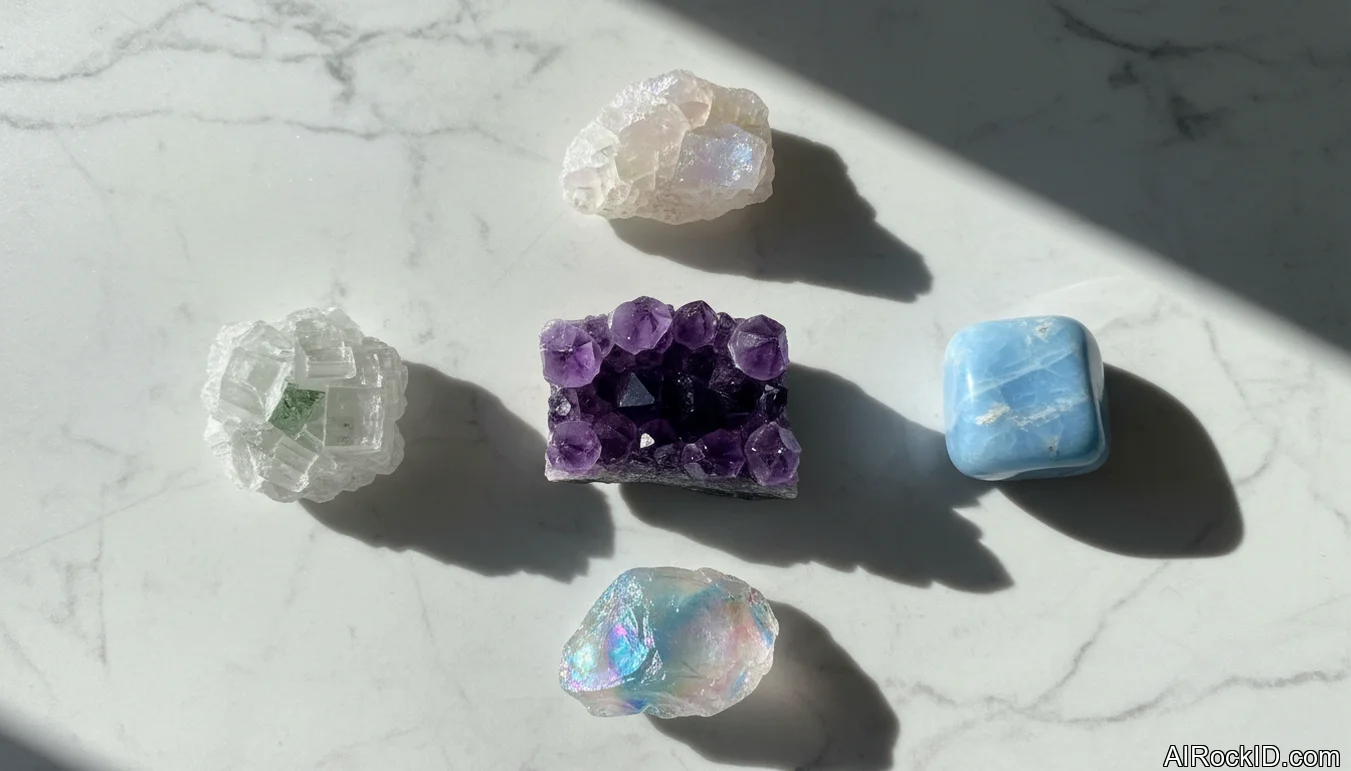
Group of crown chakra crystals including amethyst point, clear aura quartz, apophyllite cluster, and angelite palm stone on a neutral cloth

The crystals that seem to work best for the crown chakra are usually clear, white, or that washed-out pale violet. They’ve got this “quiet” feel in your palm, like they don’t tug your attention back down into your body. I grab them when my head won’t shut up, my meditation is all over the place, or I’m stuck trying to squeeze an insight out instead of letting it show up on its own.

Thing is, once you’ve handled a bunch of stones, you start to notice a pattern. Crown chakra pieces tend to be either glassy and full of little flashes when you tilt them under a lamp (think quartz family), or they look softer and kind of matte, like angelite. Pick up a clean apophyllite cluster and for a second it honestly feels like it’s made of light. But then your fingertip catches those sharp little terminations and you instinctively slow down and set it back carefully. That combo of “uplift” plus “handle with care” is basically crown work in a nutshell.

One thing up front. Crown chakra work isn’t about blasting your head open with high-frequency anything. It’s about clarity, steadiness, and getting out of your own way. And yeah, you’ll see a lot of coated stones and “aura” material marketed for this chakra. Some of it really is useful. But it can turn into a crutch if you’re leaning on the sparkle to dodge the boring stuff, like sleep, hydration, and just sitting still. So use the stones as tools, not as a substitute for practice.

Recommended Crystals
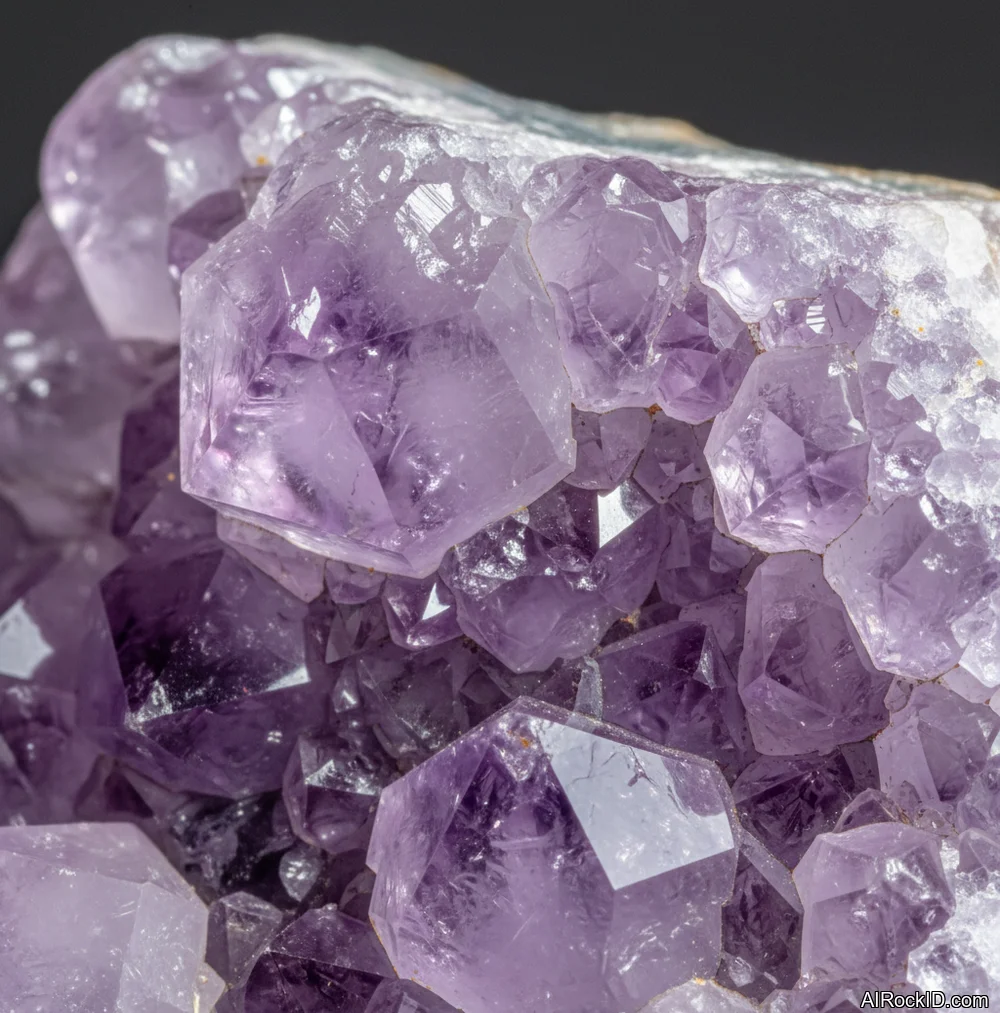
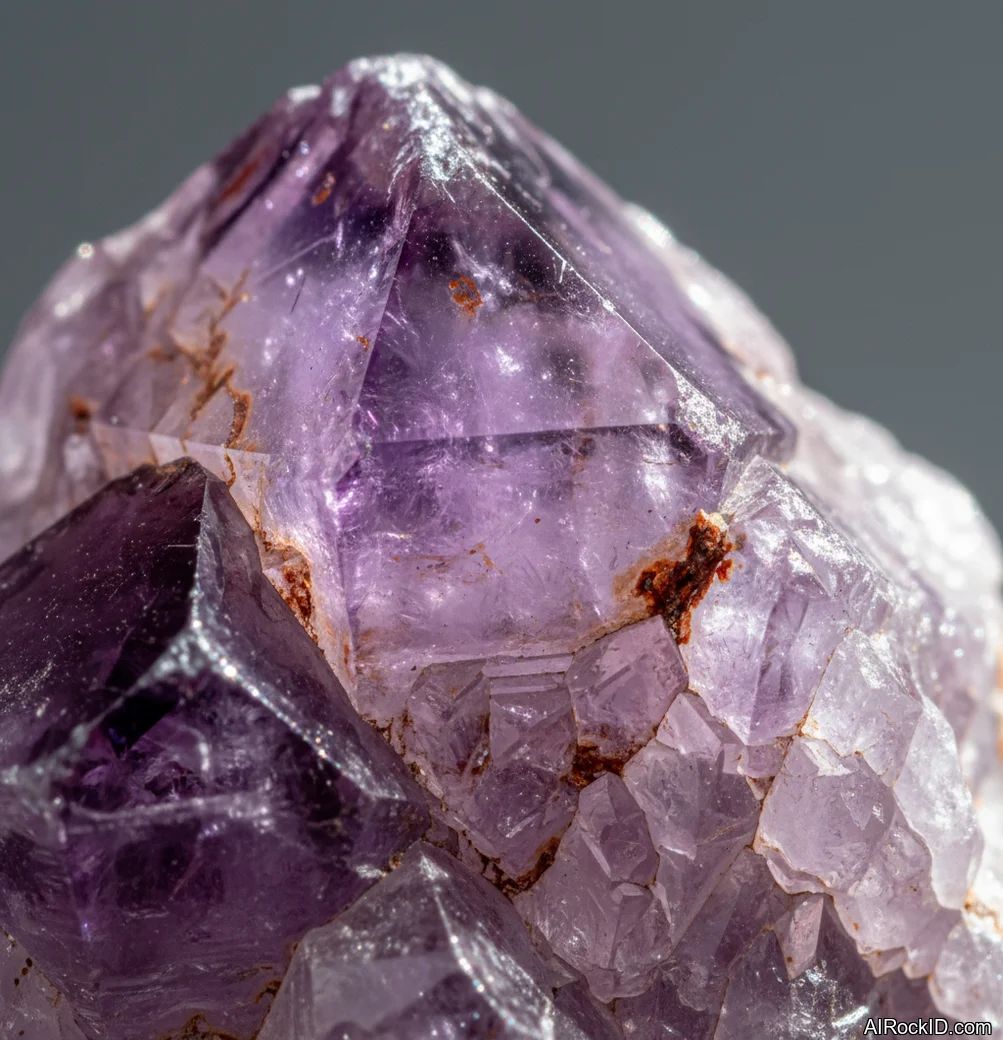
Amethyst
Amethyst

Uruguayan amethyst is the one that kicks my head into a quieter gear almost instantly. It’s that deeper, darker purple, and when you tilt it under a lamp you catch those tiny bright pinpoints flashing back at you. I’m not saying every rock does this, but it’s one of the few stones I can leave on the nightstand and actually feel my brain quit sprinting through tomorrow’s to do list. Clear quartz, by comparison, has that “turn the volume up on everything” vibe. Amethyst doesn’t. It’s more like a filter that takes the edge off the noise (and yeah, I notice it fast). Thing is, keep an eye out for that overheated, smoky-looking purple in the cheaper lots. In my experience it feels flat, and kind of weirdly dead in the hand. You know the feeling, right?
How to use: Try a small point or cluster about a foot from your pillow, not under it, so you’re not pressing sharp terminations all night. For meditation, rest a tumbled piece at the top of the head or hold it lightly and keep your jaw unclenched. If you get headaches, back it off and use it beside you instead.
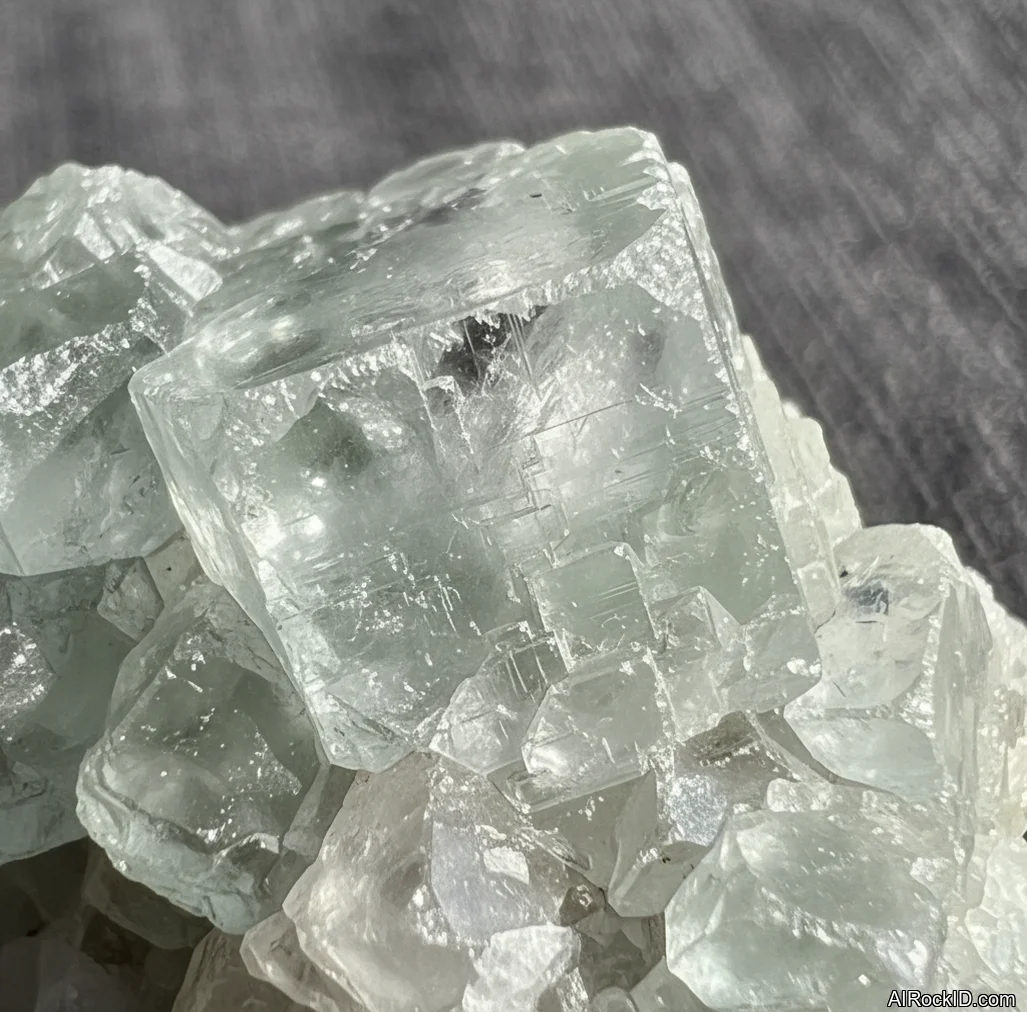
Apophyllite

Apophyllite

A nice apophyllite cluster looks clean and glassy, and the points are sharp enough that you figure out pretty quick you shouldn’t just chuck it in your pocket. I’ve done that once. Regretted it. Those edges bite. When I’m trying to sit still and my thoughts keep grabbing the steering wheel, apophyllite gives me this clear, “bright room” kind of vibe. Not cozy. More like someone opened the blinds and wiped the window. But the real proof is the light. Tip it a little and you’ll get that quick flash off the flat faces, like tiny mirrors winking at you. And yeah, it’s one of those stones where you can tell a fresh specimen from a banged-up one instantly. The battered ones just don’t land the same for me (you can feel it, can’t you?).
How to use: Set a cluster on a shelf at eye level where it can reflect ambient light, and use it as a visual anchor during breathwork. For crown work, keep it above you on a table or altar rather than directly on your scalp. Don’t put it in water, and don’t store it loose with harder stones that will chip it.
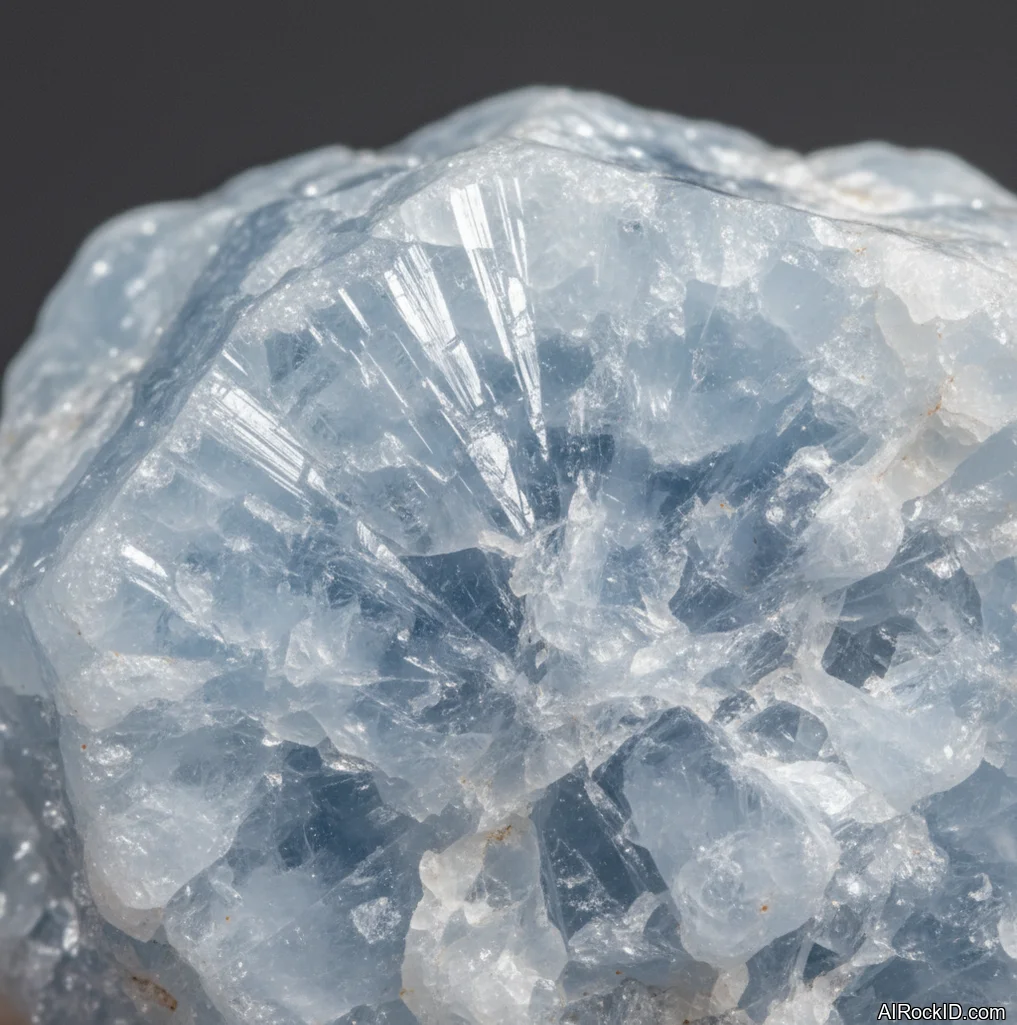
Angelite

Angelite

Angelite, when it’s polished, has this chalky-satin feel under your thumb. And the weird part is how it warms up in your hand a bit faster than quartz does, so it ends up feeling comforting in a very head-centered way. It’s the stone I grab when crown chakra work starts getting too floaty and I want softness, not intensity. Look, if you stare at the surface in decent light, you’ll usually catch tiny dings or little scuffs. That’s just angelite. It bruises and scratches easily, so those marks don’t mean it’s “bad,” it just means it’s been handled. But if you’re after crisp, sharp focus? Thing is, angelite can come off a little muted. That’s the tradeoff.
How to use: Use a palm stone on the forehead hairline or hold it at the back of the head while lying down. Keep it away from water and sweaty gym bags, because it can mark and discolor. Pair it with a grounding stone nearby if you feel spaced out after practice.
Aura Quartz

Aura Quartz

Aura quartz is coated. So let’s just say it out loud: you’re paying for a treatment, not some untouched natural surface. But yeah, a good piece can be great for crown focus, because that rainbow sheen from the coating keeps your attention kind of gently pinned in one spot. Pick up a decent one and it still has that cool quartz feel in your hand, even after it’s been sitting out. Thing is, the outside can feel a little different, almost slick compared to raw quartz (you notice it right away when you run a thumb over it). The headache is quality control. The cheap stuff can look like it’s got an oily film on top, and the edges chip, which kills the vibe fast.
How to use: Use it as a “single-point” focus tool: place it in your line of sight during meditation and keep returning to the shimmer as your attention wanders. For energy work, keep it above the crown rather than pressing it into hair. Store it wrapped so the coating doesn’t get scratched by harder stones.
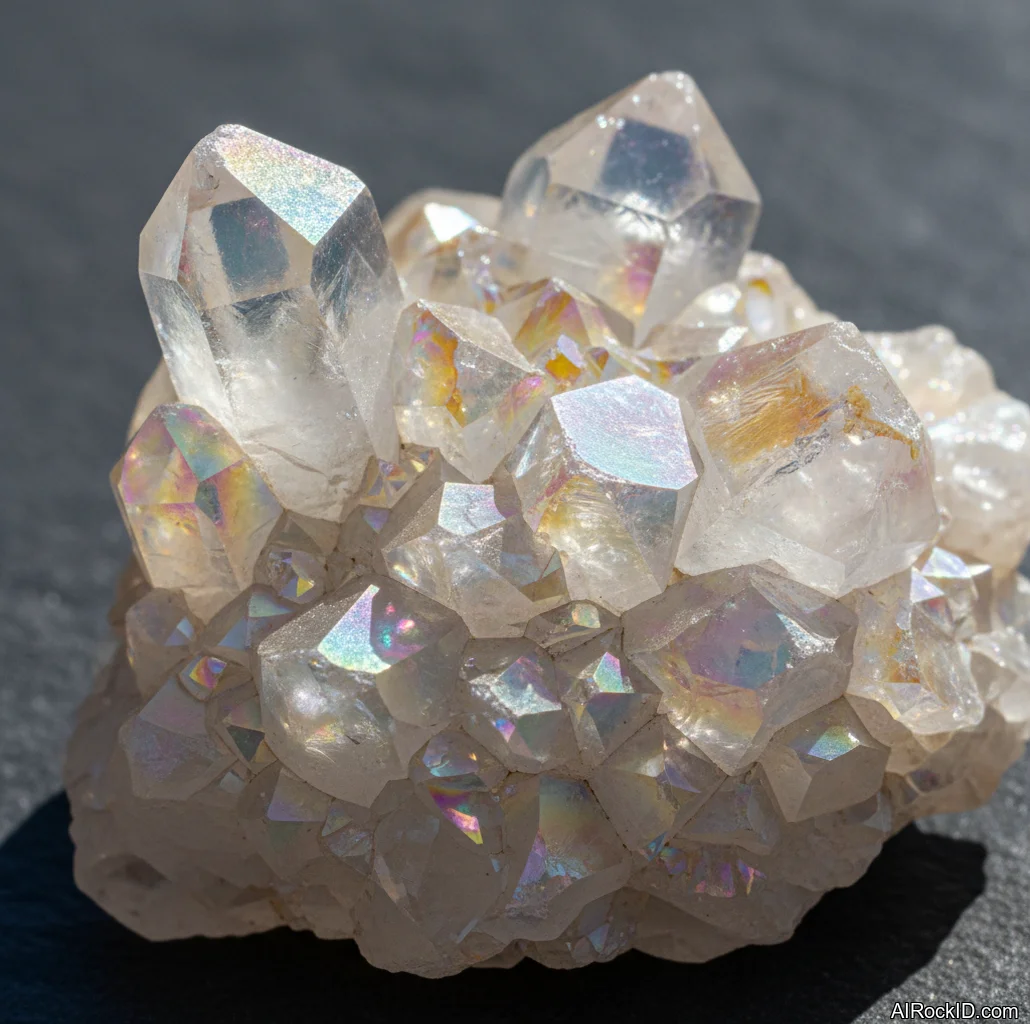
Angel Aura Quartz

Angel Aura Quartz

Angel aura quartz is another kind of coated quartz. Most of the time it has this pale, opalescent sheen, not that loud rainbow blast you get from some aura pieces. Compared to standard aura quartz, it feels calmer to me. Less buzzy. More like a soft lamp than a disco ball. In direct sunlight, the coating will catch and flash along the little ridges and growth lines. But on a cloudy day, or under those tired shop LEDs, it can look kind of plain, so don’t write it off just because the lighting’s bad. Most dealers sell them as points. And the coating shows every tiny scratch and scuff, like a phone screen that’s been in a pocket with keys (you know the look), so treat it the same way when you handle it.
How to use: Hold it a few inches above the crown and move it slowly in small circles while breathing evenly. If you’re using it for a room, set it where morning light hits it, since the gentle sheen is the whole point. Don’t cleanse it with salt scrubs or abrasive cloths.
Auralite-23

Auralite-23

Auralite-23 is, at its core, an amethyst-based quartz mix sold under a single trade name, and honestly the market around it is a bit of a mess, so you’ve got to shop with your eyes open. When it’s the real deal, you can usually spot complex zoning right away: purple, smoky, sometimes that reddish-brown tone, plus those tiny internal threads that look like frozen wisps suspended inside. It also feels more “layered” than regular amethyst, like it kicks up insights, but it’ll drag up the stuff you’ve been avoiding too. But yeah, the downside is the price and the hype. I’ve handled plenty of pieces tagged as auralite that were just plain chevron amethyst with a nice story tacked on.
How to use: Use it for short, structured sits, like 10 to 15 minutes, then journal one page and stop. Keep it at the crown or held between both hands, and pay attention to whether it makes you restless. If it does, swap to plain amethyst for a week and come back later.
Ametrine

Ametrine

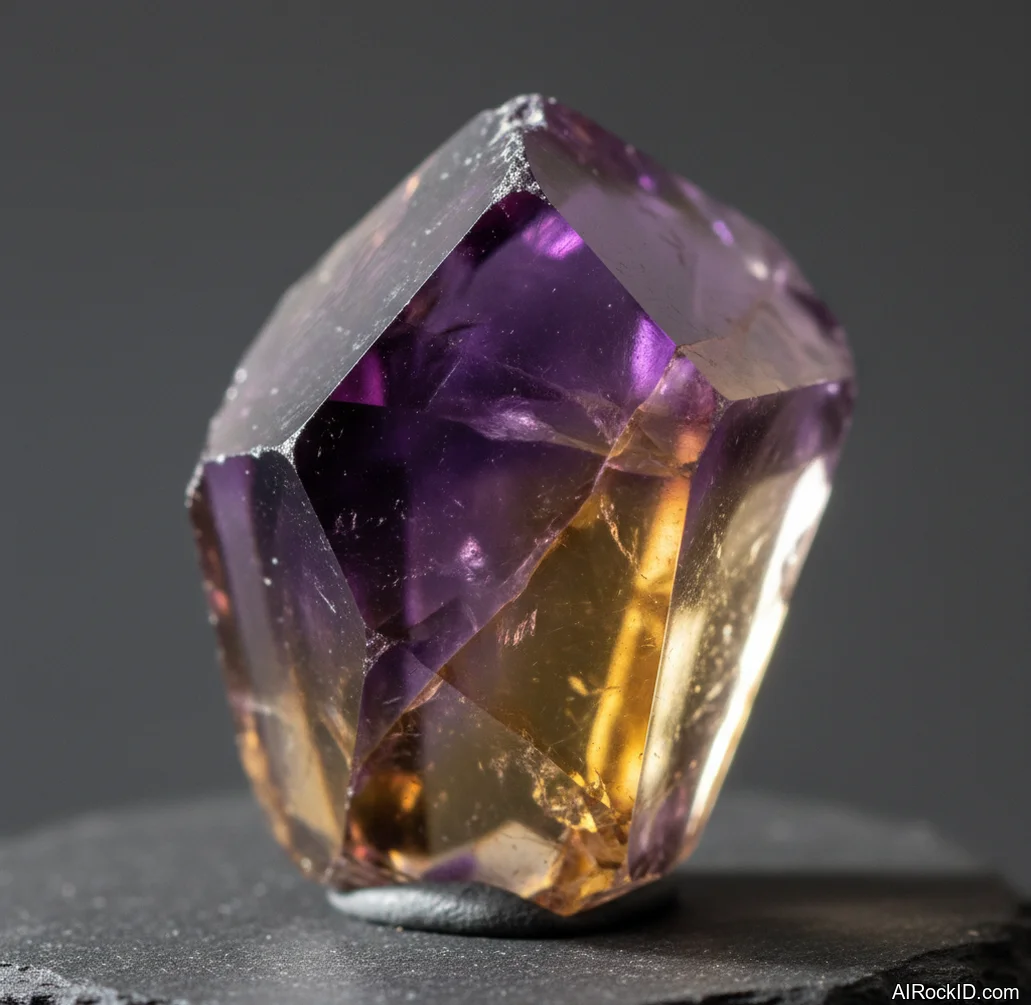
Ametrine’s the oddball here, because it carries two vibes in one stone: purple amethyst patches next to yellow citrine patches, and sometimes the divide is so clean you can spot it from across the room. I reach for it when my crown work starts feeling a little too floaty and I want a quick “snap awake” without tipping into anxiety. Look, check the zoning up close, because the good stuff has color breaks that feel organic, not that airbrushed look, and some cutters get pretty aggressive to force a dramatic split. And lighting changes everything. Warm bulbs make the yellow yell at you, but in plain daylight the purple reads sharper and more honest.
How to use: Meditate holding it at chest level first, then bring it up to the crown for the last few minutes, so you don’t go straight into headspace. If you’re doing intention work, face the purple zone toward you when you want quiet, and the yellow zone toward you when you want alertness. Keep it out of prolonged direct sun if you notice fading in your piece.
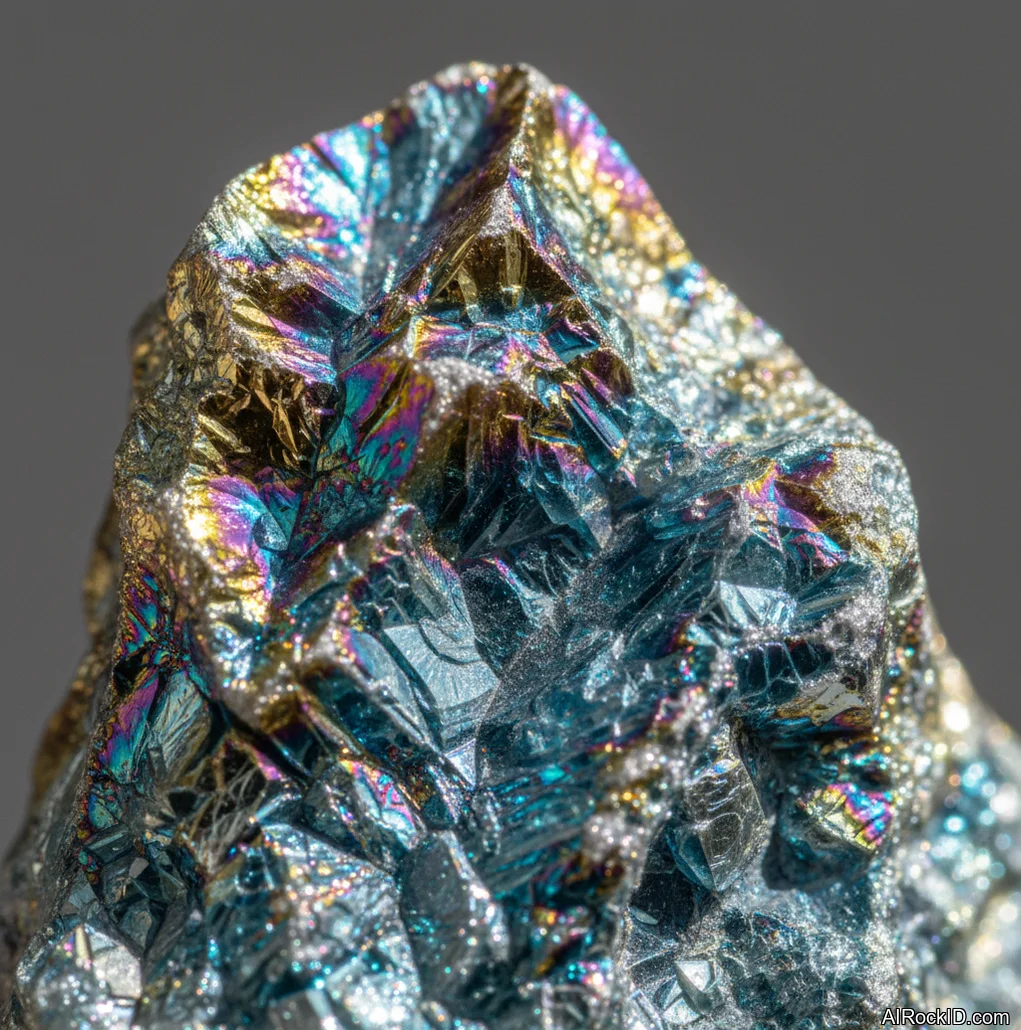
Alexandrite

Alexandrite

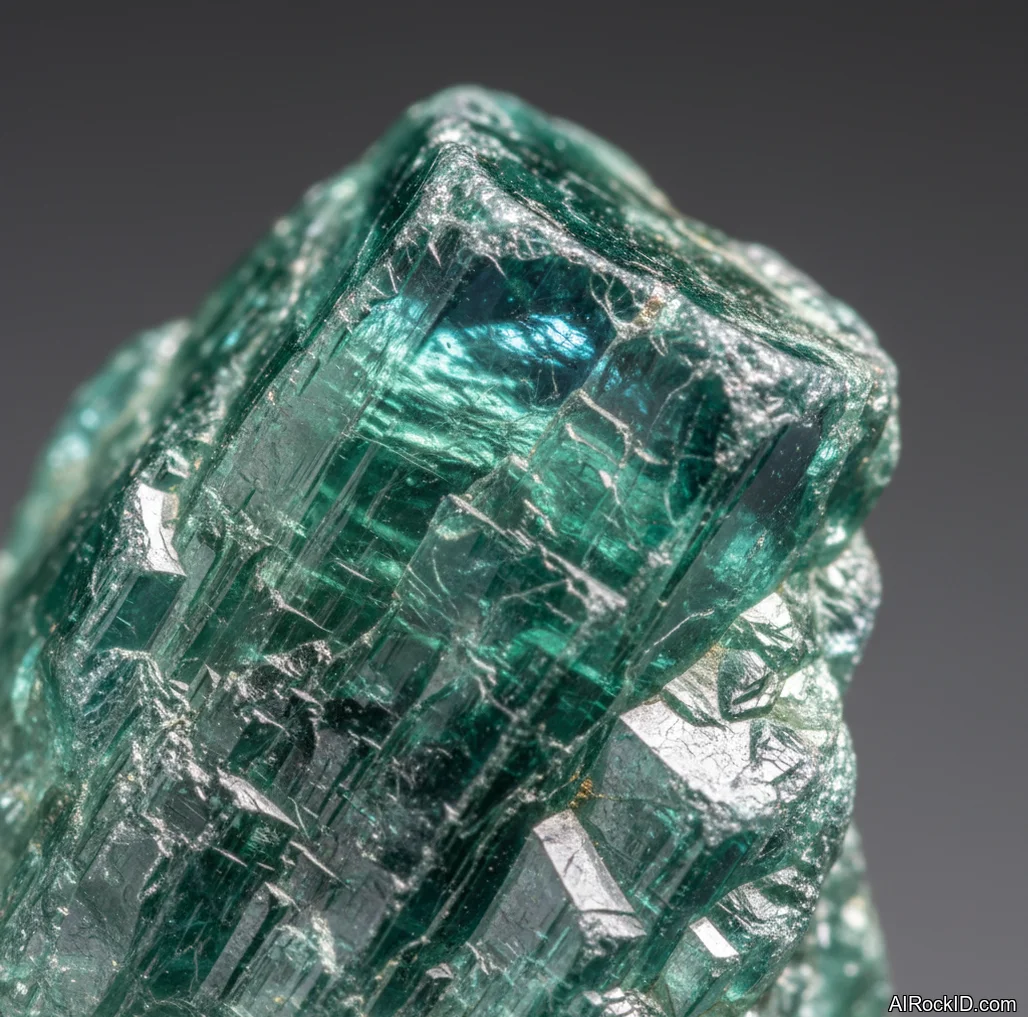
Real alexandrite is a whole different game. Most people won’t ever own a big piece, because it’s pricey and it’s usually cut and sold in small stones. In daylight it reads greenish. Put it under warm indoor light and it slides toward red or purplish, and that shift is the whole reason anyone cares. For crown chakra work, I use it as a reminder that perception isn’t fixed, and your mind really is context-dependent (watch it change on your finger just by walking from a window to a lamp). Kinda wild, right? Cheap “alexandrite” is often lab-grown corundum or just glass. And the color change on those tends to look way too dramatic and too even, like a little magic trick instead of the real thing.
How to use: Use a small stone in a ring or pendant during meditation so it stays put and you’re not fumbling with something tiny. Try a simple exercise: look at it in daylight, then candlelight, and notice how your mind narrates the shift. Keep expectations realistic, it’s a subtle tool, not a sledgehammer.
Benitoite

Benitoite

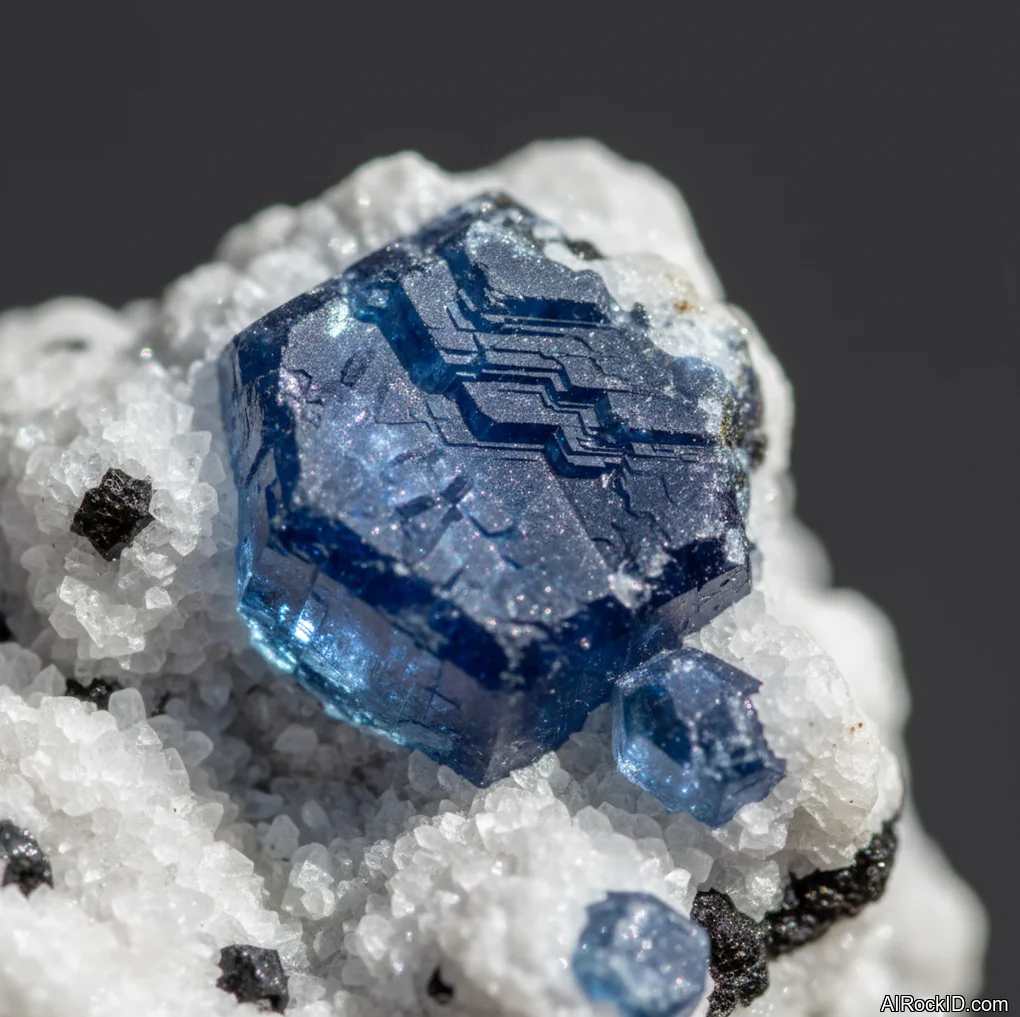
Benitoite throws off this electric-blue flash once it’s cut. Even in the rough, the crystals can look weirdly sharp and glossy, like the surface has that glassy “clean” look my eyes read as clear right away. And under UV light? A lot of pieces light up a bright blue. That glow can jolt you awake and dial you into that focused, curious headspace, which helps for crown work when you’re feeling flat and tired. But here’s the catch. It’s usually small and it’s pricey, so most people only ever see it as tiny crystals sitting in a display case, not as some chunky meditation palm stone you can actually hold. Thing is, I’ve noticed it can be too stimulating late at night. Like your mind won’t settle, and you just keep wanting to look.
How to use: Use it earlier in the day, five minutes of focus practice is plenty. Set it in front of you and keep your gaze soft, then close your eyes and hold the afterimage gently without forcing it. Store it safely, because small crystals disappear fast and replacements aren’t cheap.

What crown chakra stones actually do in practice

Most crown chakra stones don’t feel “strong” the way a heavy, grounding rock feels strong in your hand. They’re more like a clean window you just wiped down. And when they click, it’s not fireworks. It’s less mental drag: less chasing thoughts, less arguing with yourself, less compulsive checking.

Grab a clear, sparkly piece like apophyllite and you’ll notice something weirdly specific. Your eyes want to snag on the sharp little edges and the tiny flashes as you tilt it under a lamp. That isn’t mystical. It’s basic attention behavior. So I use it on purpose. If my mind’s scattered, I give it one clean thing to look at, come back to, look at again (like a fidget, but for your focus), and the stone turns into a training wheel.

Thing is, here’s the part people skip. Crown chakra work has a way of showing you how tired you actually are. If you’re dehydrated, underslept, and running on caffeine, the “high” stones can feel buzzy or straight-up irritating, and you’ll blame the crystal. But nine times out of ten it’s your nervous system asking for the basics. Use these stones to support clarity, not to bulldoze your body. Why fight your own system?

Choosing between natural quartz and coated “aura” pieces

Coated quartz gets talked about like it’s some kind of crystal crime, but it’s not that black-and-white. Aura coatings mess with how light skates across the surface, and if you’re doing crown work, light is basically half the whole deal. And honestly, if a stone keeps pulling you back to your breath, then it’s doing what you asked of it.

But yeah, there are trade-offs. Take an aura point and actually look at the edges, not just the pretty face. When the coating chips, you get these dull little patches that look like scraped nail polish, kind of cloudy and flat, and it can make the stone feel annoying (even a little “messy”) in your hand. The cheap ones are rough in a different way: the shine is too perfectly even, like a factory glaze, and it reads fake from a few feet away. Hard to unsee once you notice it, right?

So if you want low-maintenance, stick with natural stuff: amethyst, apophyllite, or just plain clear quartz if you’ve already got one sitting around. If what you want is a visual anchor for meditation, aura quartz or angel aura quartz can be awesome, just handle them like coated optics, not like rough field stones you can knock against a table and expect to look the same.

How to tell when you’re overdoing crown chakra work

The biggest giveaway is that “ungrounded” feeling that isn’t calm at all. It shows up in your body before your brain admits anything. You stand up and get a little lightheaded, your legs won’t quit twitching in meditation, or you’re mid-sentence and your thoughts keep sprinting ahead so you can’t land the point.

I’ve literally watched people pile five “high” stones around their head and then act shocked when they can’t sleep. Like, of course you can’t. If you’re doing amethyst plus apophyllite plus aura quartz plus auralite-23, that’s a ton of input hitting you all at once. So subtract. One stone. One technique. Ten minutes. That’s it.

Here’s an easy reality check: after you meditate, can you do something normal without spacing out, like washing a dish or answering an email? Or do you drift halfway through and forget what you were doing? If it’s the second one, bring in something steadier. And honestly, even moving your crown stone farther away, like setting it on a shelf across the room, can keep things clean without tipping you into that floaty, untethered zone.

Pairing crown stones with simple habits that actually stick

Crystals won’t rescue a messy routine. But they *can* nudge you into building one.

The simplest habit I’ve found is “same spot, same time.” Put the stone somewhere your eyes land without thinking. On your nightstand. Tucked into the corner of your desk. Right by the coffee setup where the counter always has those tiny rings from yesterday’s mug.

Carrying a stone around all day sounds nice, but a set-and-repeat setup tends to work better for crown chakra work. Why? Because you’re training your nervous system to drop into that state on cue, like a little switch you can flip. I keep a small amethyst by a lamp. And when the light hits it and you get that purple glint, that’s my reminder to sit for five minutes, even if I’m not in the mood.

Also, people forget how *physical* these stones are. Apophyllite is sharp, like it’ll catch your skin if you’re not paying attention. Angelite scratches easier than you’d think. Aura coatings scuff fast, especially if they knock around in a pocket with keys (ask me how I know). So when you take care of them, you naturally slow down. And that slow, careful movement is basically crown practice hiding in plain sight.

How to Use These Crystals for Crown Chakra

Keep it simple at first. Pick one crown stone and use that same one all week. Consistency beats novelty, every time.

I stick to a two-step routine that doesn’t get weird: 5 minutes of quiet sitting, then 2 minutes of journaling. Short. Clean. And if your brain goes blank, just write one sentence about how your forehead, jaw, and throat feel. Is your jaw clenched? Is your throat tight? That’s plenty.

Thing is, placement matters way more than people want to admit. Holding a stone in your hand feels grounding because you can actually feel the weight and the temperature shifting against your skin, especially once it starts warming up. But putting one near your crown can feel more heady, and sometimes it’s just too much.

And with sharp crystals like apophyllite, I won’t put them on the scalp at all. Those edges can be pokey, and it’s distracting (also, why invite that?). I set them above my head on a pillow, or on a small box behind me, so they’re close enough to be “there” without jabbing me or demanding all my attention.

If you want a practical setup, do this: amethyst or auralite-23 near the crown, angelite in your hands, and keep the coated aura pieces across the room as visual anchors where light can hit them. Then stop. Seriously. Don’t turn it into a crystal antenna array.

When you’re done, stand up slowly, drink water, and do something ordinary for three minutes so your system integrates instead of staying stuck up in your head. (Fold a towel. Wash a cup. Anything normal.)

Common Mistakes to Avoid

The biggest screw-up I see is piling on a bunch of “high” stones, getting woozy, and then calling that a breakthrough. Most of the time it’s just your system getting blasted with too much input. One stone is plenty. And if it’s something visually loud, like aura quartz with that slick rainbow sheen, even more so.

Another thing people get wrong: buying by the label instead of the actual piece in your hand. I’ve held amethyst that photographed like a dream but felt totally dead in my palm, like holding cold glass. But I’ve also picked up these little squat clusters that were kind of ugly, honestly, and they worked better than the fancy cathedral points. So look at the structure. Check the weight for its size. Run a thumb over the surface and see if it feels weirdly uniform (that “sandblasted to death” texture is real). With angelite, just accept it’s going to scratch if you so much as breathe on it. But don’t ignore that chalky, powdery residue that comes off on your fingertips. That’s a no.

And the last one. Treating crown work like an escape hatch. If you’re leaning on crystals to dodge therapy, sleep, or the hard talks you keep putting off, you might feel “open” for a minute, then you’ll crash. Use crown stones for clarity so you can handle your actual life. Not float above it. Why trade one mess for another?

Important: Crystals can help with focus, ritual, and how you aim your attention, but they can’t diagnose or treat medical or mental health conditions. If you’re dealing with migraines, dissociation, panic, or insomnia, don’t try to brute-force it by piling on more crown chakra stones. And they don’t replace basic nervous system care, either. Food, water, movement, and consistent sleep will shift your crown chakra practice more than any rare mineral ever will. Honestly, if you’ve ever tried meditating while dehydrated, you already know.

Identify Any Crystal Instantly

Snap a photo and get properties, value, care instructions, and healing meanings in seconds.

Frequently Asked Questions

What crystals are most associated with the crown chakra?
Amethyst, apophyllite, and clear or white quartz varieties are commonly associated with the crown chakra. Coated quartz types like aura quartz are also used for crown-focused practices.
What color crystals are typically used for the crown chakra?
Crown chakra crystals are typically clear, white, or pale violet. These colors are associated with clarity, spaciousness, and mental quiet.
Can I use amethyst every day for crown chakra work?
Amethyst can be used daily if it feels comfortable and does not disrupt sleep or concentration. If it causes headaches or restlessness, reduce time or increase distance from the body.
Is aura quartz natural quartz or treated quartz?
Aura quartz is natural quartz that has been surface-treated with a thin metallic coating. The coating changes how the surface reflects light.
What is the safest way to place crystals on the crown of the head?
The safest method is to place a smooth tumbled stone lightly on hair rather than a sharp point. For sharp specimens, place the crystal above the head on a pillow or nearby surface.
Which crown chakra crystals should be kept out of water?
Angelite and apophyllite should be kept out of water due to softness and cleavage that can lead to damage. Coated quartz like aura quartz should also avoid abrasive water cleaning that can scratch coatings.
How long should I meditate with a crown chakra crystal?
A common range is 5 to 20 minutes depending on comfort and focus. Short sessions are recommended if you feel overstimulated or spaced out.
Do crown chakra crystals help with sleep?
Some people use amethyst near the bed to support a calmer pre-sleep routine. Stimulating stones or visually bright crystals can disrupt sleep for some users.
How do I know if a crystal is too stimulating for crown chakra work?
Signs include restlessness, headaches, difficulty sleeping, or feeling ungrounded after use. Reducing duration, increasing distance, or switching to a softer stone like angelite can help.
Can crystals replace meditation or therapy for crown chakra imbalance?
Crystals do not replace meditation training, medical care, or mental health treatment. They are best used as supportive tools alongside healthy routines and professional care when needed.
The information provided is for educational and spiritual exploration purposes. Crystals are not a substitute for professional medical, psychological, or financial advice.