Best Crystals for Depression
- Introduction
- Recommended Crystals
- Match the stone to the depression pattern you actually have
- How to tell if your stone is real (and why that matters for mood work)
- Use placement like a behavioral hack, not a ritual
- When crystals backfire: overstimulation, guilt, and the “fix me” trap
- How to Use These Crystals
- Common Mistakes
- FAQ
The best crystals for depression are the ones that quietly back you up. Sleep, steadier emotions, just enough day-to-day momentum to get through the next hour. And they can’t turn into one more thing you have to “do perfectly” or you’ll never touch them.
I’m not selling magic. Seriously. This is more like giving your brain a couple small, repeatable cues, the kind you can reach for when your mind feels like it’s dragging you through mud and you need something that pulls you back into your body.
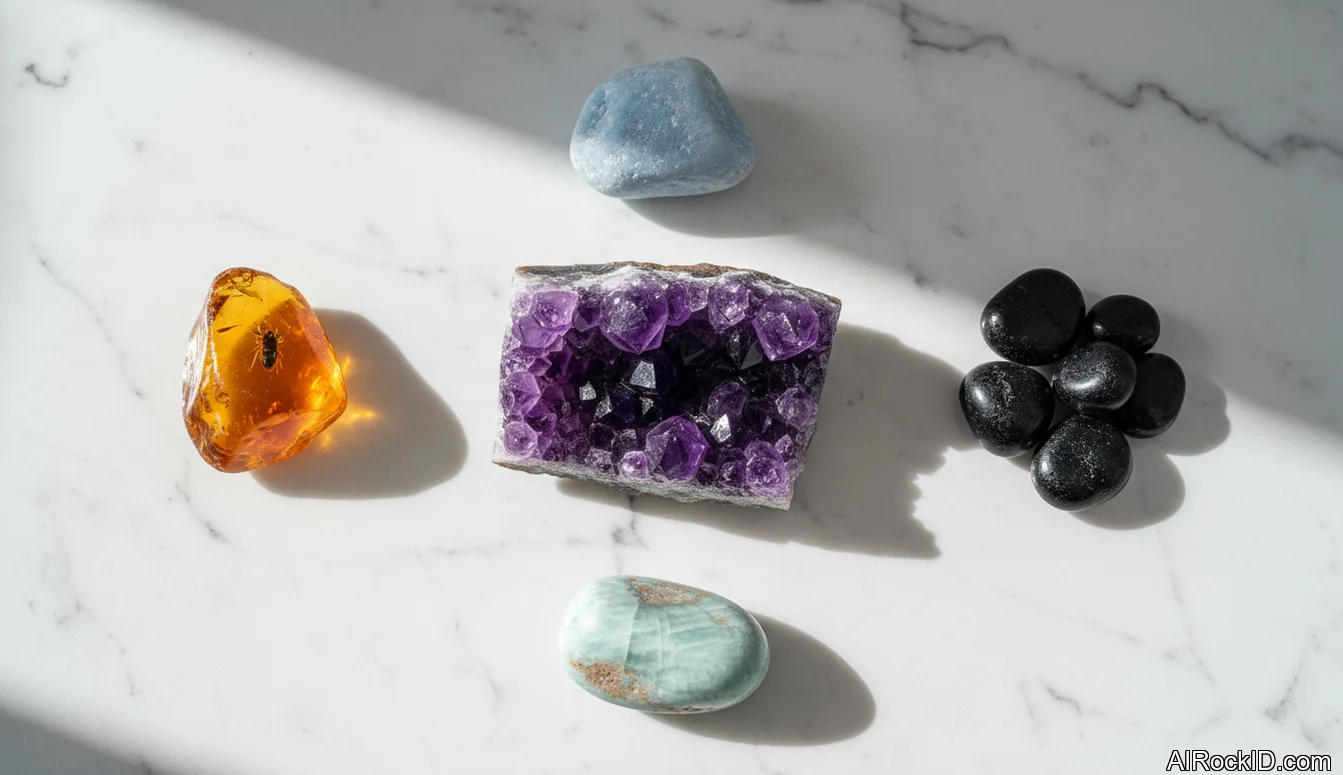
Thing is, depression doesn’t show up the same way every day. Some days it’s heavy and slow. Other days it’s anxious and wired but still bleak. So I tend to choose stones in a few lanes: calm the nervous system, nudge routine, and keep you from spiraling when you’re alone with your thoughts at 2 a.m. Pick up a decent piece of amber and the first thing you notice is how strangely light it is for its size, like holding warm air. But then you grab a dense, inky black onyx and it sits there like a weight in your palm. Those little physical cues? They matter more than people want to admit.
One more grounded thing. The market’s messy, and quality and honesty really do matter. A lot of dealers sell tumbled stones that feel nice in the hand, but they don’t always have the same “presence” as a clean, well-cut chunk or a solid raw piece (you can feel it right away, even if you can’t explain it). If you’re dealing with depression, you don’t need a big collection. You need two or three stones you actually use, kept where your life actually happens: by the bed, by the kettle, in your pocket, on your desk.
Recommended Crystals
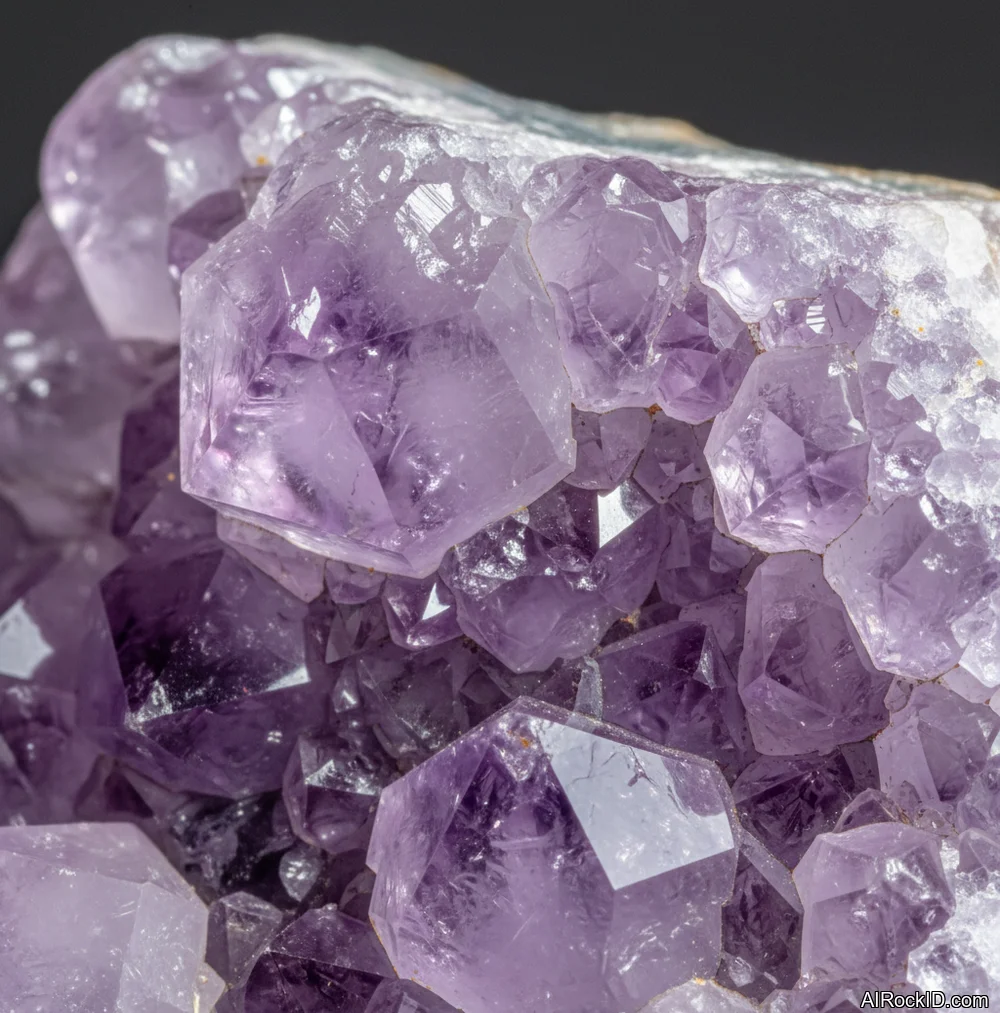
Amethyst
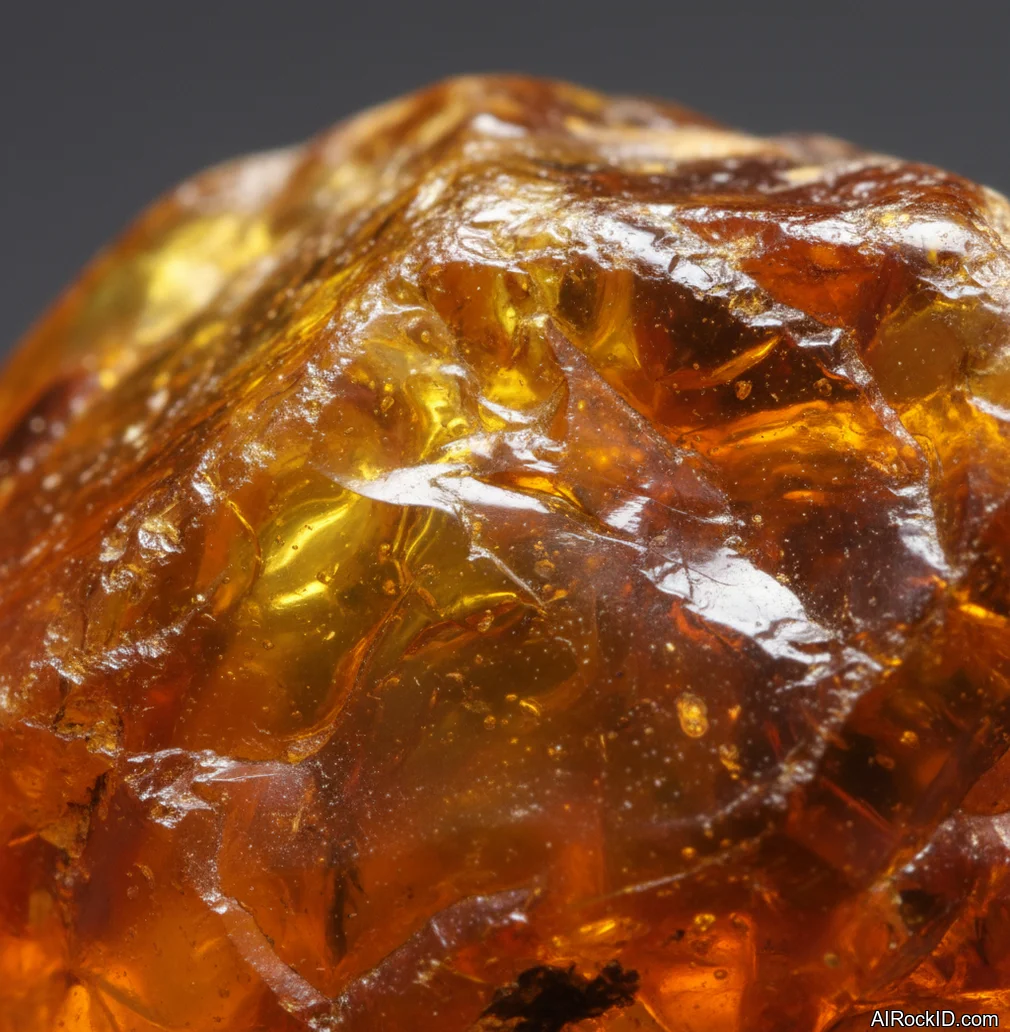
Amber
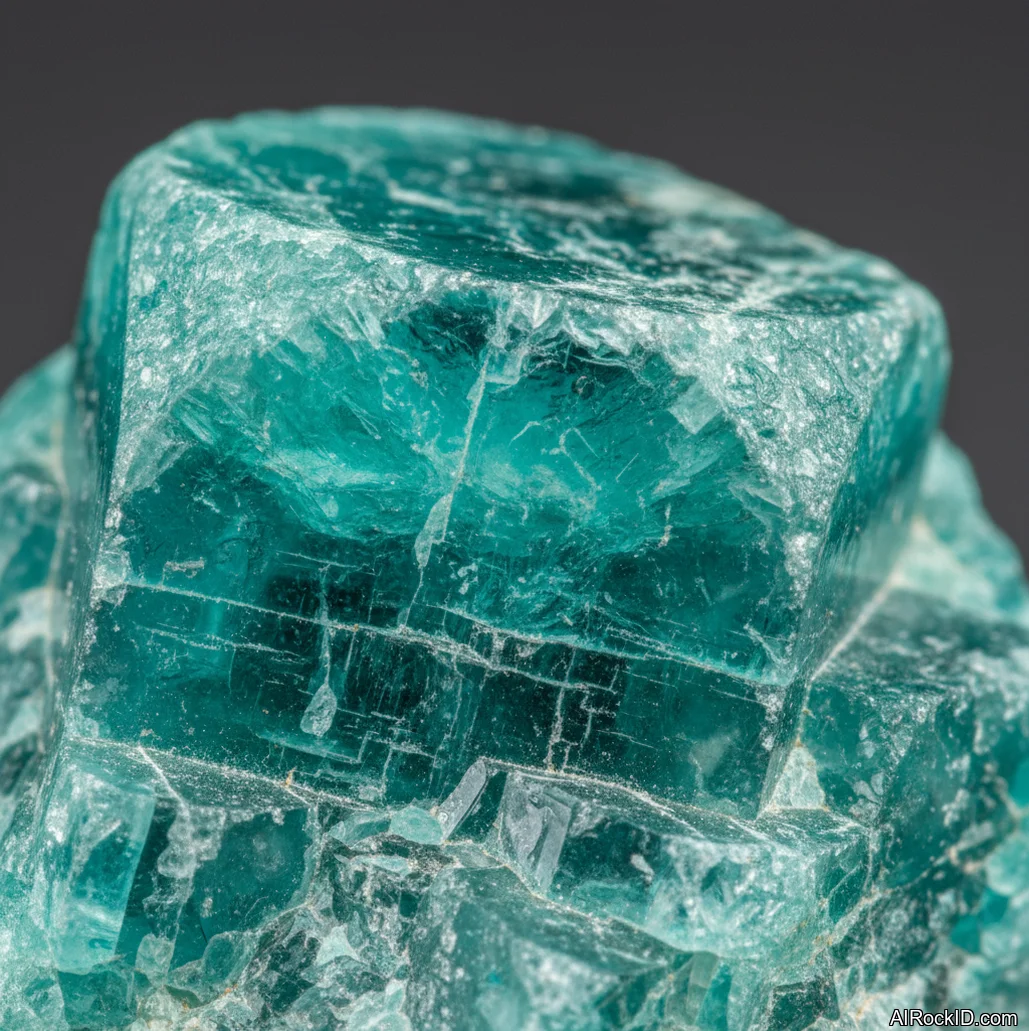
Amazonite
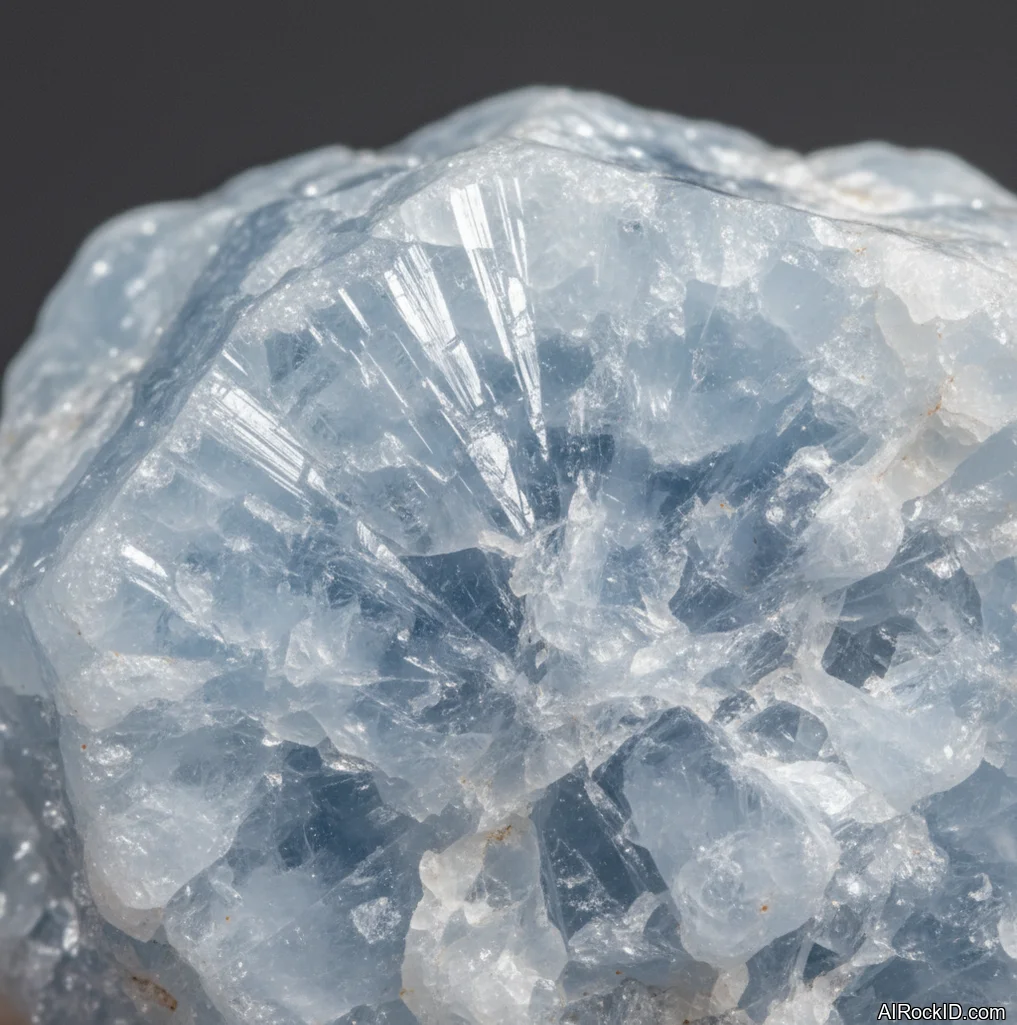
Angelite
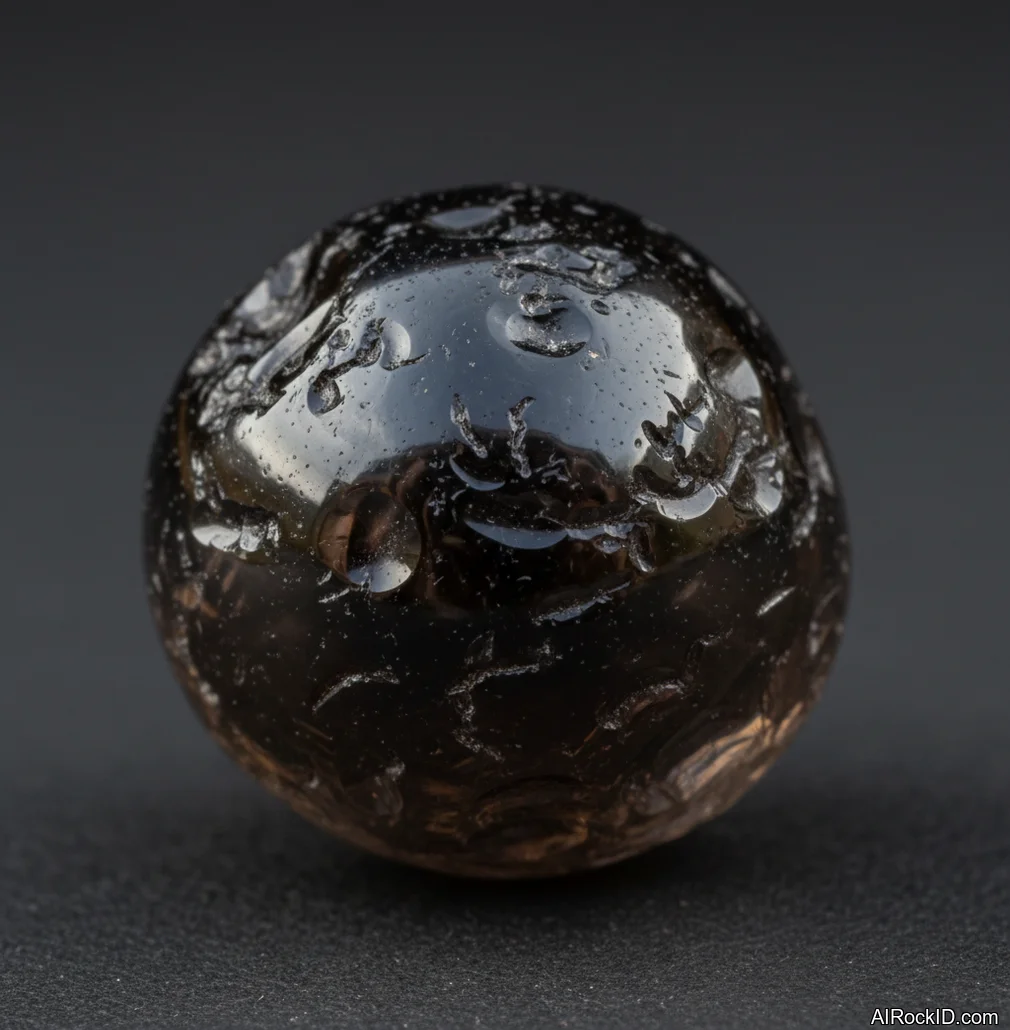
Apache Tears
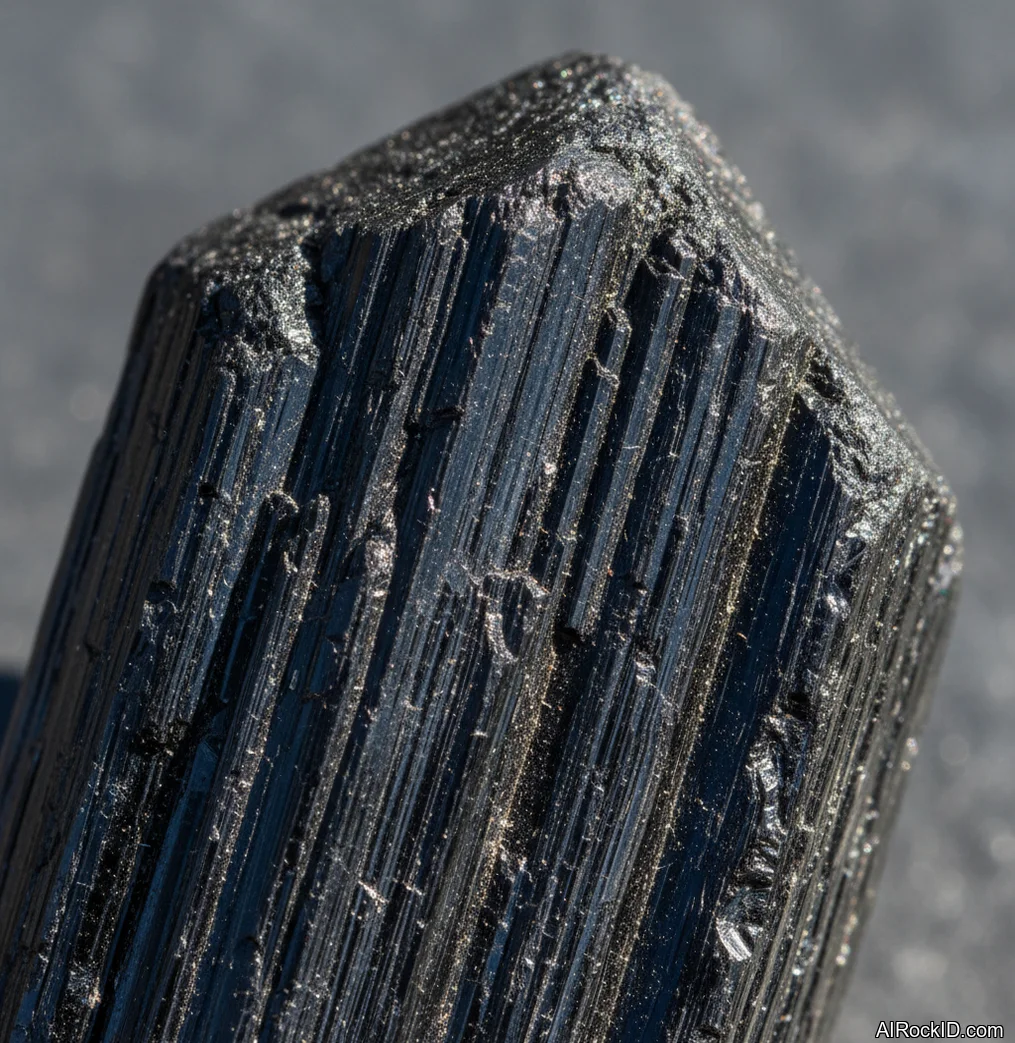
Black Tourmaline
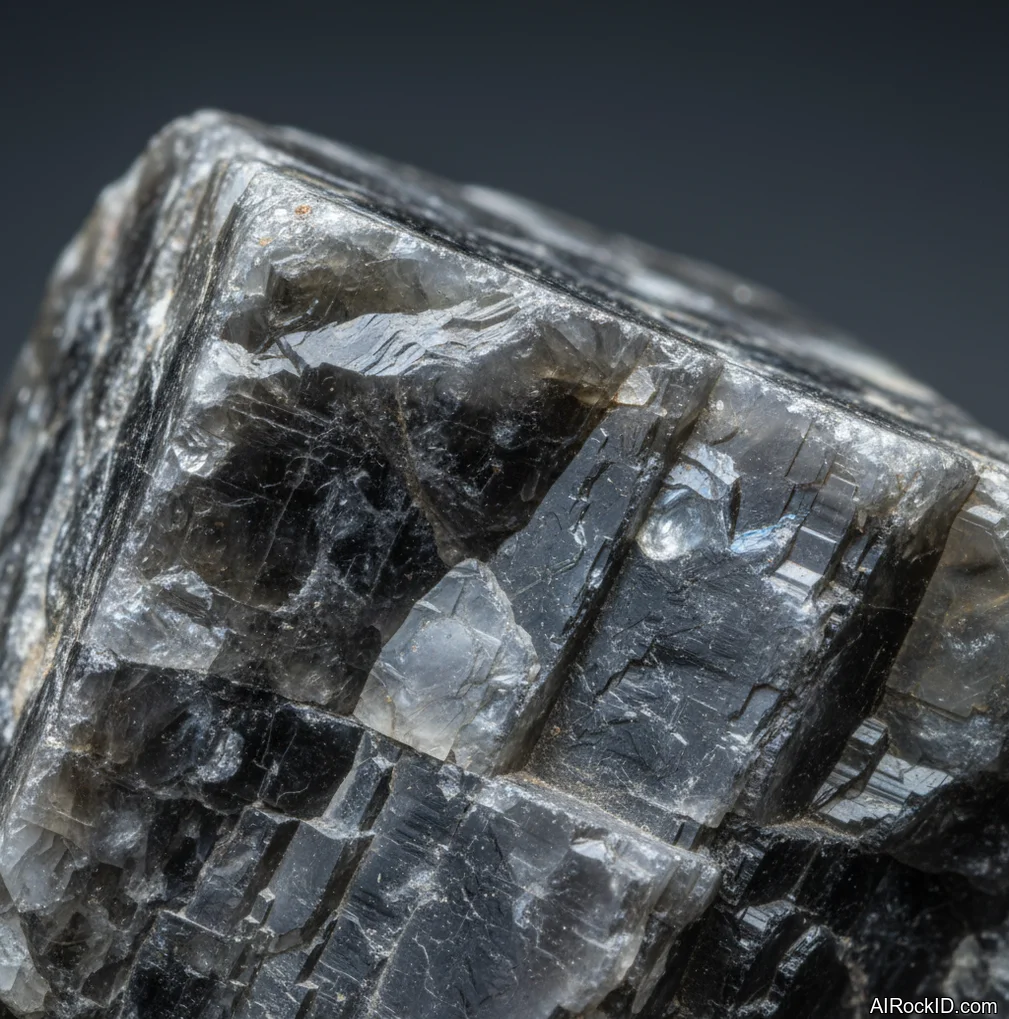
Black Moonstone
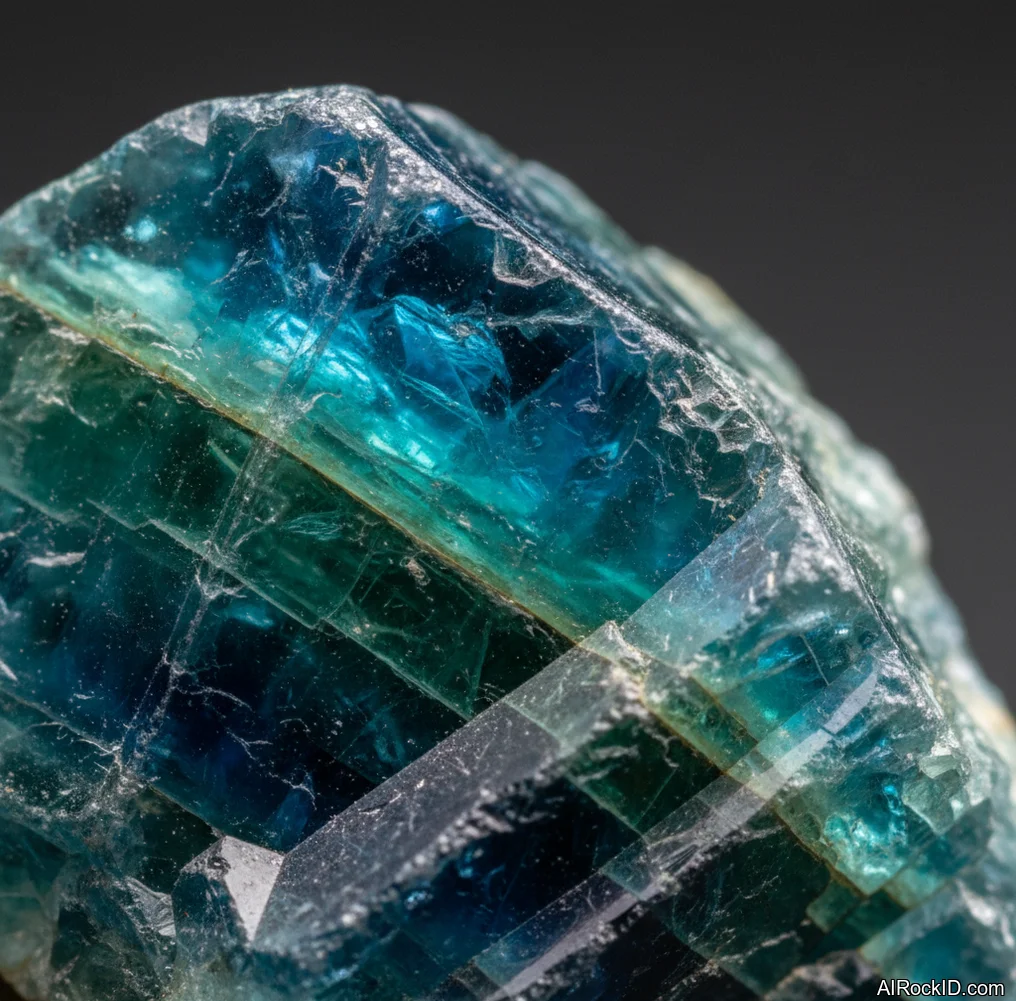
Apatite
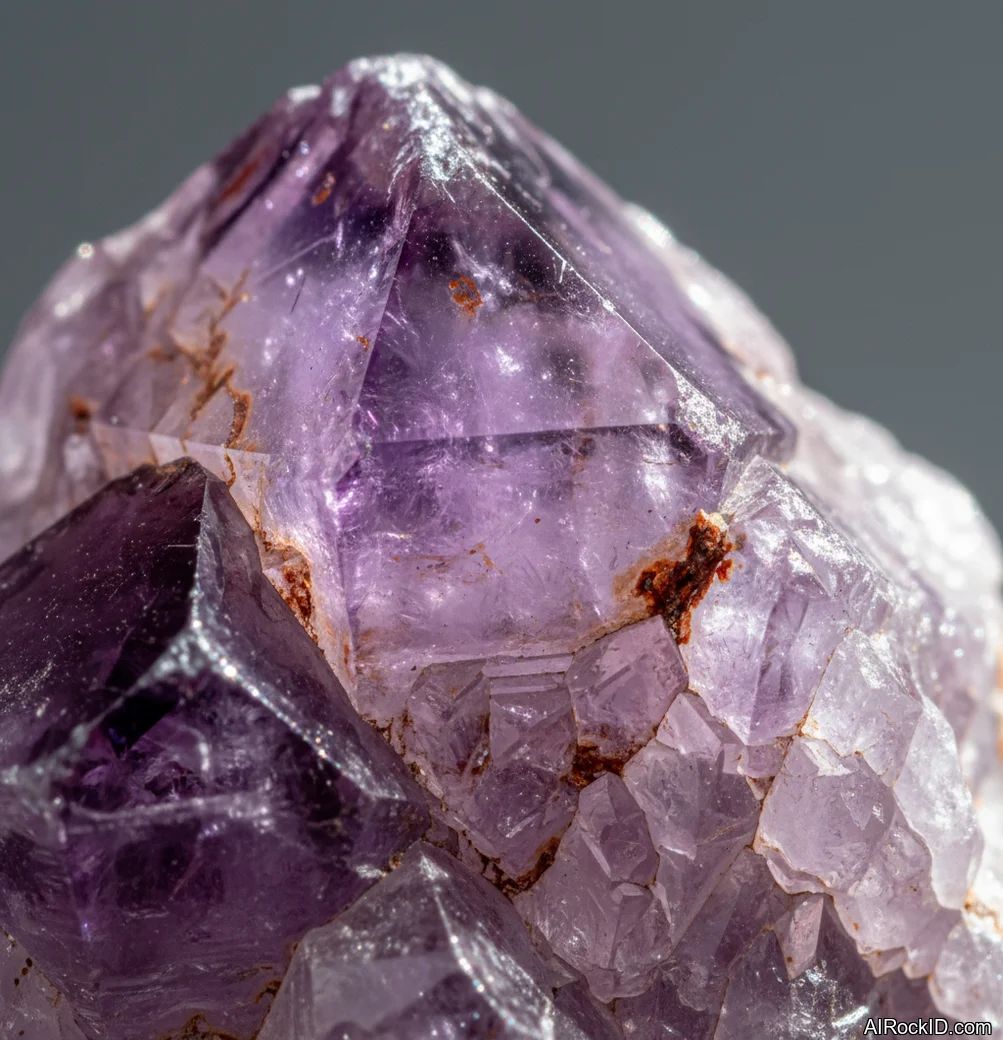
Auralite-23
Match the stone to the depression pattern you actually have
Depression isn’t just one feeling. Some folks go flat. Numb, like someone turned the volume down in your chest. Others feel heavy, slow, and hopeless, like you’re dragging wet clothes around. And yeah, some get anxious too, all wired up and miserable at the same time.
If you don’t match the stone to what you’re actually dealing with, you’ll keep buying stuff that looks nice on a shelf and does nothing for your day. Been there.
Grab amber when you need warmth and comfort in your body, because it really does warm up fast in your hand, and it’s so light it almost feels like plastic at first (in a good way). Go for black tourmaline when your environment is too much, like you can’t filter noise, conflict, or other people’s moods and it just sticks to you. Amethyst and angelite usually land best at night, when rumination kicks up and sleep gets messy.
But if the problem is starting, not soothing, apatite is the one I’d try first. Only catch? Pair it with a five-minute timer and one tiny task, or it’s just another pretty rock.
Thing is, the real trick is consistency. One stone, one job. Keep it simple enough that you’ll still do it on the days you don’t care.
How to tell if your stone is real (and why that matters for mood work)
When you’re depressed, disappointment just lands heavier. Buying a fake or a heavily dyed stone can turn you off the whole thing fast, and honestly, fair. Most dealers are decent, but the market’s crawling with pieces that look a little too perfect.
Start with how it feels in your hand. Real amber is light and it warms up quickly after you’ve held it for a minute; plastic can feel warm right away and the surface tends to look weirdly uniform, like it came out of a mold. For apache tears, take a thin edge and hold it up to a bright phone flashlight. You’re looking for that smoky translucence, not a dead, pitch-black blob. Black tourmaline usually has those lengthwise grooves you can actually feel with your thumbnail, while glassy black obsidian is slick and pretty much featureless, like a polished bottle shard. And with amazonite, keep an eye out for that paint-like color settling into cracks (why would the color pool there if it wasn’t added?), which is a classic dye tell.
Buying online? Ask for a quick video in natural light, and get a photo next to a coin so you can judge size. Scale matters. Tiny stones can still be nice, but they don’t always give the same tactile feedback, and tactile feedback is kind of half the point.
Use placement like a behavioral hack, not a ritual
The best “crystal practice” for depression is mostly about placement. Seriously. Put the stone where the habit actually happens, not where it looks cute on a shelf. Depression loves friction. If your tool is across the house, behind a closed door, it might as well be in a different zip code.
Nightstand stones are for sleep and that 2 a.m. brain-loop stuff. Amethyst and angelite do well there, but don’t park soft stones next to water glasses or a humidifier. One spill, one damp ring on the wood, and suddenly your stone feels tacky to the touch (gross) and you’re not reaching for it anymore.
Desk stones are for momentum and self-talk. Amazonite and apatite fit that lane, because you can literally put your fingers on them right before you type the email or start the assignment. Quick touch. Small reset. That’s the whole point.
And entryway stones are for boundaries. A chunk of black tourmaline by the door is a clean cue that you’re switching contexts. Keys down, shoes off, different mode. Simple.
I’ve watched people change their whole relationship with a stone just by moving it six feet closer to where the hard moment happens. Wild, right? Try that before you buy anything new.
When crystals backfire: overstimulation, guilt, and the “fix me” trap
Sometimes crystals can make depression feel worse, and it’s not some spooky mystical thing. It’s just psychology. You buy ten stones, build this elaborate little routine around them, and congrats, you’ve basically created a daily test you can fail. Then you miss a day. Then you feel guilty. Then you quit. Happens fast.
And yeah, overstimulation is a real thing too. Super shiny stones catching light from every angle, too many objects on your nightstand, too much “meaning” attached to every little piece, and it starts to feel like noise when your nervous system is already pinned to the redline. Who needs more input?
I’ve watched black moonstone help people track cycles, genuinely. But I’ve also watched it turn into a brand-new obsession: checking it, analyzing everything, predicting doom like it’s a weather report. That’s not support. That’s anxiety in a different outfit (with prettier packaging).
So keep the bar low. One stone. One minute. One job. If you miss a day, nothing bad happens. That relaxed, no-big-deal attitude is a big part of why it actually sticks.
How to Use These Crystals for Depression
Pick two stones (three tops) and give each one one job. That’s it. Like: amethyst is for sleep. Black tourmaline is for boundaries. Apatite is for starting. Then put them somewhere your hand will actually go on autopilot, not where some crystal book says they “belong.” Grab the stone, notice what it feels like in your fingers (smooth? gritty? does it have that cool weight at first?), and do the paired action immediately. That’s the entire mechanism.
On low-mood mornings, I stick to a “pocket stone plus one task” rule. Toss amber or apache tears in your pocket, then do one basic thing before you check messages: drink water, crack a window, step outside for 60 seconds. At night, keep it almost painfully boring. Hold amethyst for one minute while your phone charges across the room, then set the stone back where you found it. Repetition beats intensity. Every time.
If you’re using crystals alongside therapy or medication, treat them like cues, not cures. The stone is just the nudge to take the walk, do the breathing, eat something with protein, or actually show up to your appointment (yeah, that one). That’s where people see real results. The boring stuff. The stuff that stacks up over weeks.
Common Mistakes to Avoid
Buying too many stones is the big one. Depression already wrecks your decision-making, so when you’ve got a whole pile to choose from, your brain just freezes. I’ve literally had customers come back holding one of those little crinkly organza bags with ten tumbles clacking around inside, and they couldn’t even remember which one they liked. Pick one. Use it for a week. Then decide.
Another common slip-up: treating soft stones like they’re bulletproof. Angelite and apatite scratch and scuff fast, especially if you toss them in a pocket with keys or coins, and then people assume, “it’s not working” or “it absorbed something.” Nope. It’s just softness. Keep those on a desk, or tuck them in a pouch (seriously).
And don’t use crystals as a replacement for basic care. If you’re skipping sleep, meals, movement, sunlight, and connection, a stone in your pocket won’t carry that load. So use the stone as a nudge to get those basics back in place. That’s the point, right?
Identify Any Crystal Instantly
Snap a photo and get properties, value, care instructions, and healing meanings in seconds.