healing

Best Crystals for Healing
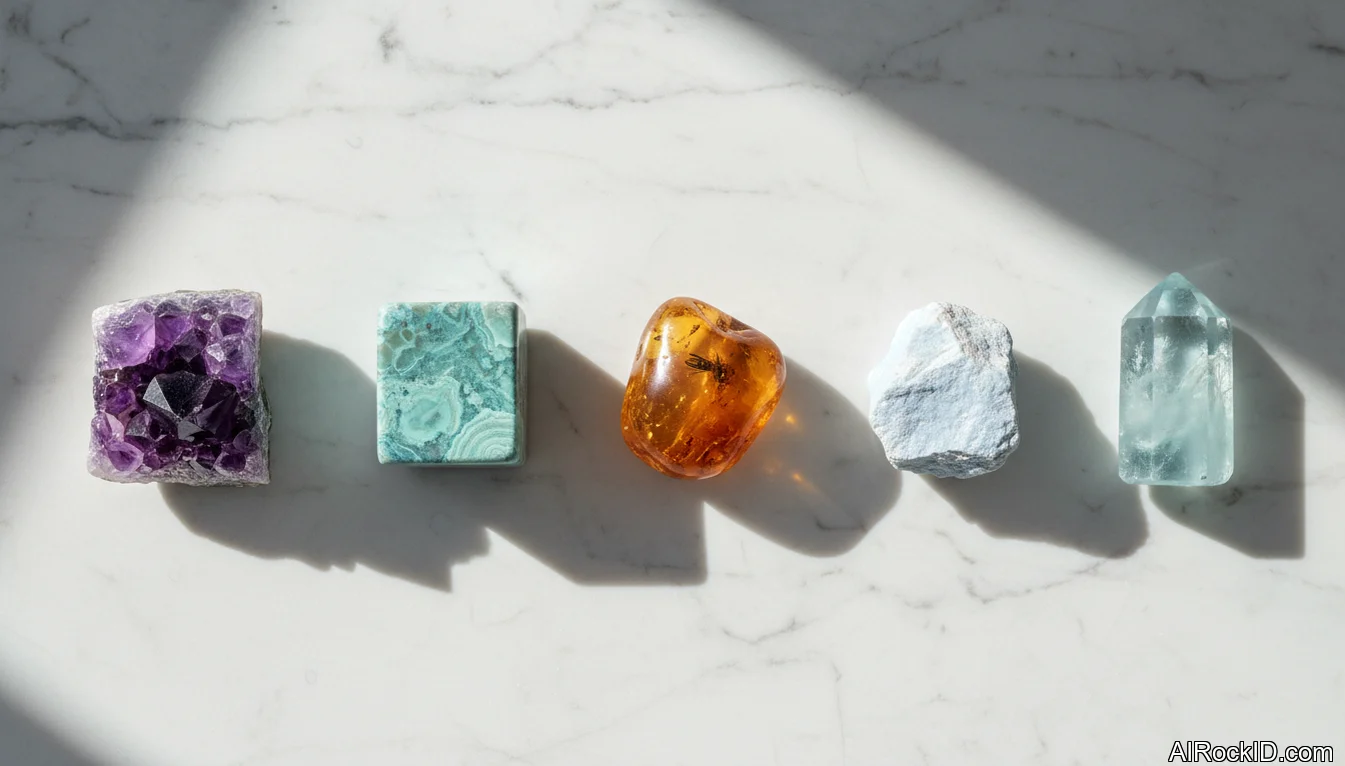
A small lineup of polished and raw healing crystals on a wooden table with soft window light

The “best” healing crystals are the ones you’ll actually reach for every day, the ones that don’t bug you physically, and the ones that line up with what you’re trying to support in your own life: sleep, stress, grounding, or gentle emotional processing. I’ve handled thousands of stones across shop counters and at shows, and I keep seeing the same thing. People do way better with a small routine they repeat than with a giant bowl of random tumbles they forget about.

Thing is, you usually feel a stone before you think about what it’s “for.” You pick up a good piece and your body reacts fast. Some stones sit in your palm cold and steady, almost like a little paperweight that’s been on a windowsill. Others feel kind of “busy,” and you find yourself turning them over and over, hunting for the side that feels calmer. That’s not magic. It’s your nervous system noticing weight, texture, temperature, and the tiny ritual you’re building around it.

So here’s the grounded take: crystals don’t replace medicine, therapy, sleep, or actual rehab. But they can work as a tactile cue. A stone on the nightstand can become the thing that nudges you to breathe, drink water, take your meds on time, or stop doom-scrolling at 1 a.m. And if you use them like that, yeah, they can be surprisingly helpful. If you expect them to do surgery from across the room? You’ll be disappointed (and probably out a lot of money).

Recommended Crystals
Amethyst
Amethyst

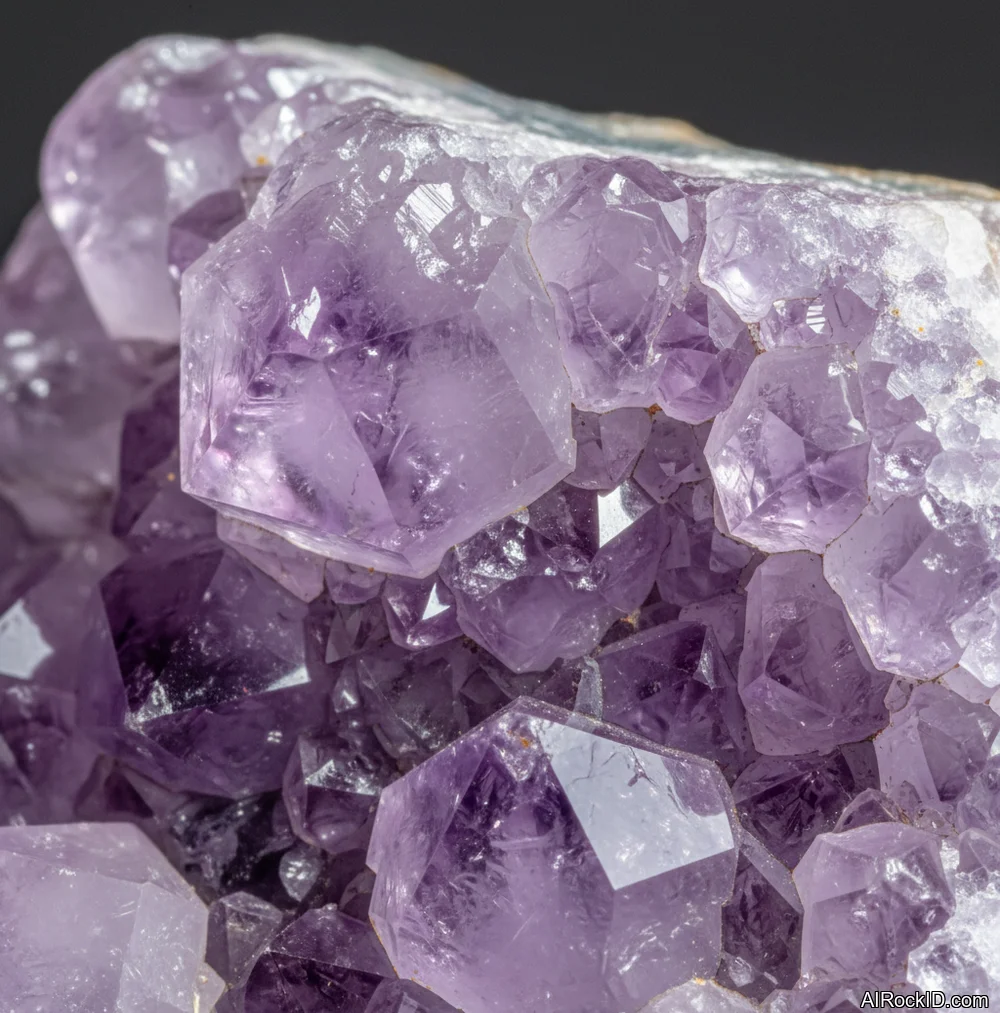
If I’m trying to wind down at night, I keep reaching for amethyst because it doesn’t surprise me. The deep purple stuff from Uruguay feels quieter in my hand than that pale Brazilian lavender, and honestly you can see the difference too: the color zoning’s tighter, and there aren’t as many washed-out patches. Grab a chunky piece and it hangs onto that coolness longer than most little tumbles, which is nice when your hands won’t stop fidgeting. And yeah, the annoying part is heat-treated material gets passed off as all sorts of things, so don’t buy blind. Go with a dealer who can actually tell you where it came from (and doesn’t get weird when you ask).
How to use: Put a piece on your nightstand and make it part of a boring routine: lights down, phone away, 10 slow breaths. If you’re sensitive, don’t sleep with it under the pillow at first; keep it nearby and see how you feel over a week.
Amazonite

Amazonite

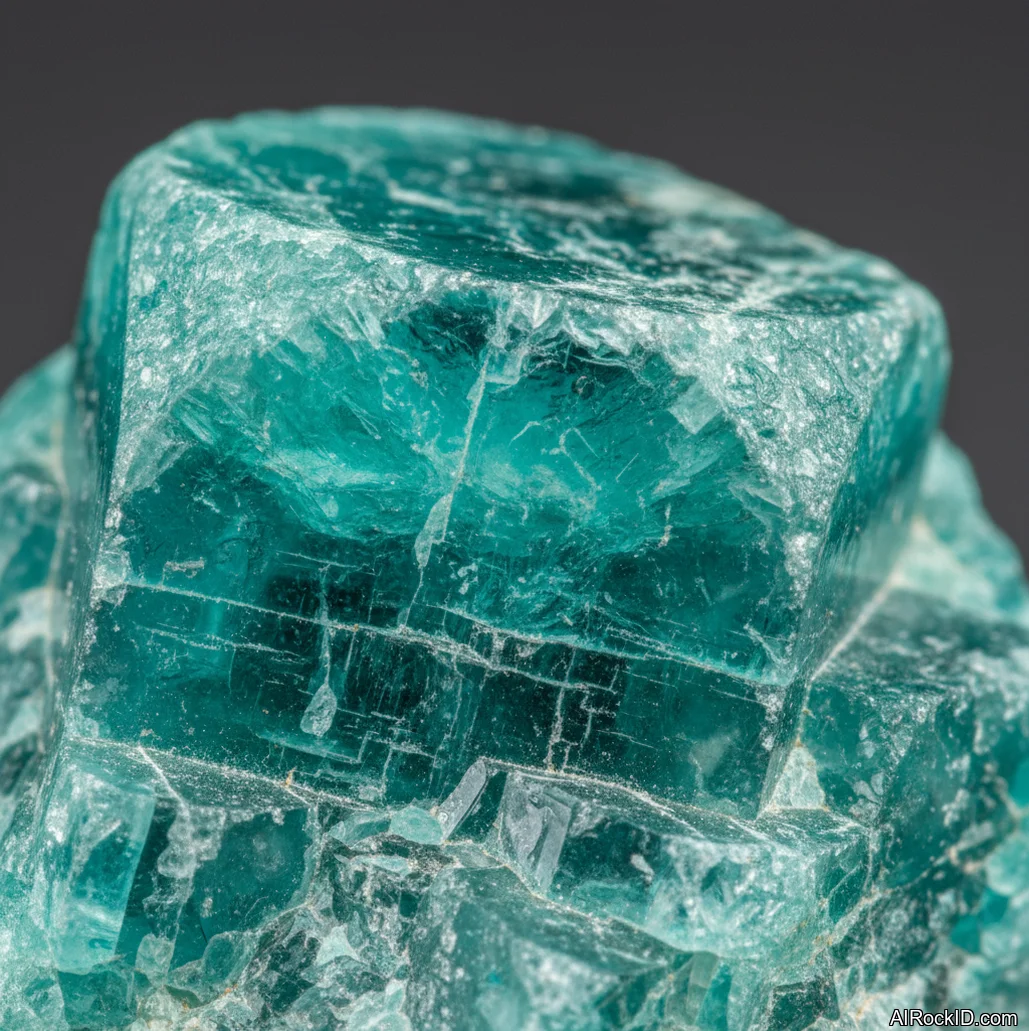
Amazonite is what I reach for when someone’s stressed in that tight-jaw, can’t-stop-talking way, not the sad-and-heavy kind. The good stuff has that blocky feldspar look, and when you drag your thumb over a polished face it feels a little chalky-cool, like smooth stone that’s been sitting in the shade. Cheap dyed pieces? They feel weirdly warm in your hand, and the color’s too perfect, too even, like it came out of a bottle. I’ve watched people calm down shockingly fast just from holding a palm stone and finally letting their fingers loosen around it. And it’s a reality-check stone too. If you’re trying to bulldoze right past your own limits, it won’t feel comforting (kind of the point, right?).
How to use: Carry a small tumbled piece in your pocket and touch it when you catch yourself speeding up. For a home reset, set it by your keyboard or workbench so it becomes a cue to drop your shoulders and slow your breathing.
Amber

Amber

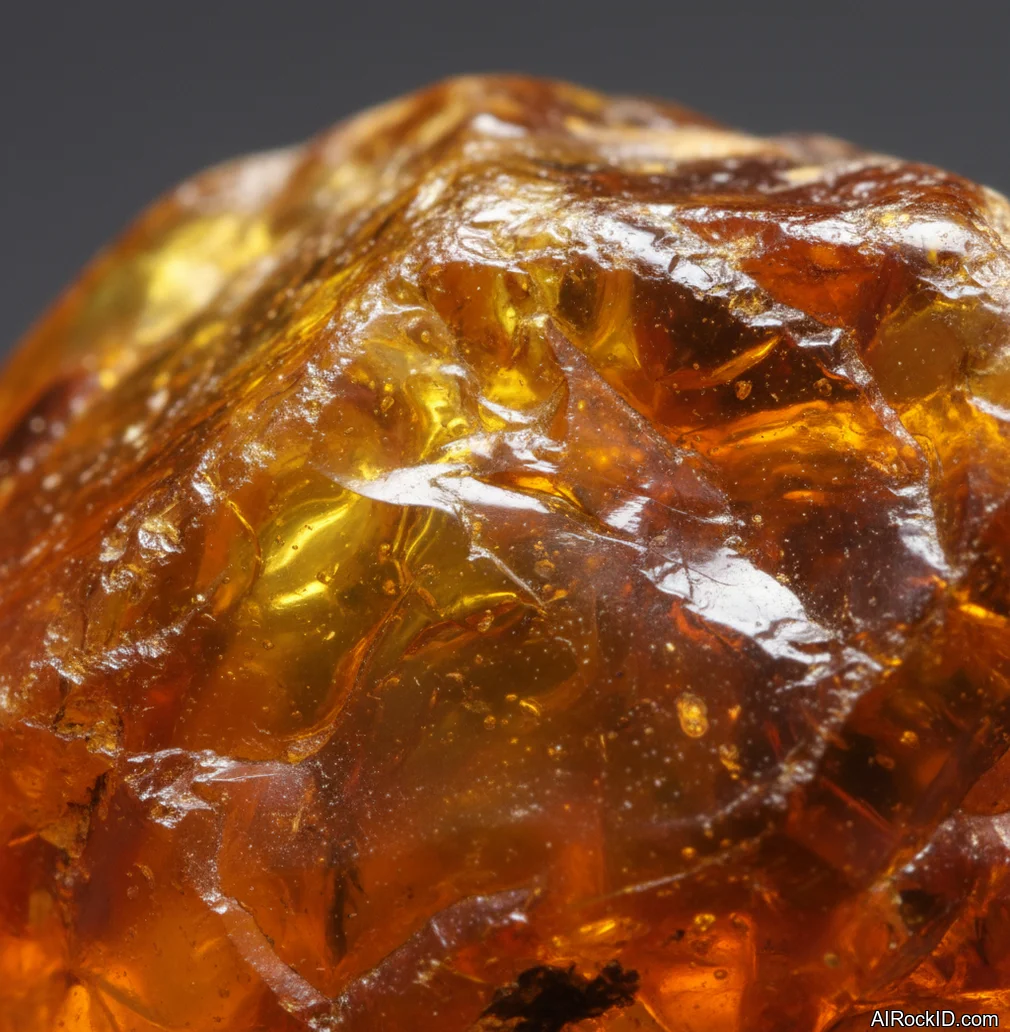
Amber isn’t a crystal. It’s fossil resin, and that’s not just trivia because it feels different the second you pick it up. Real amber warms up fast, like it’s grabbing the heat right off your fingertips, and it’s weirdly light, the kind of light you notice immediately if you’re used to quartz. I’ve literally seen people who can’t stand heavy stones keep coming back to amber because it doesn’t sit in your palm like a paperweight. But yeah, the market’s a mess: copal shows up all the time, plastic fakes are everywhere, and some pieces get treated so they look older than they really are.
How to use: Use it as a gentle “comfort object” during stressful calls or appointments; roll it between your fingers instead of scrolling. Keep it away from heat and perfumes, and don’t leave it in a hot car because it can cloud or crack.
Angelite

Angelite

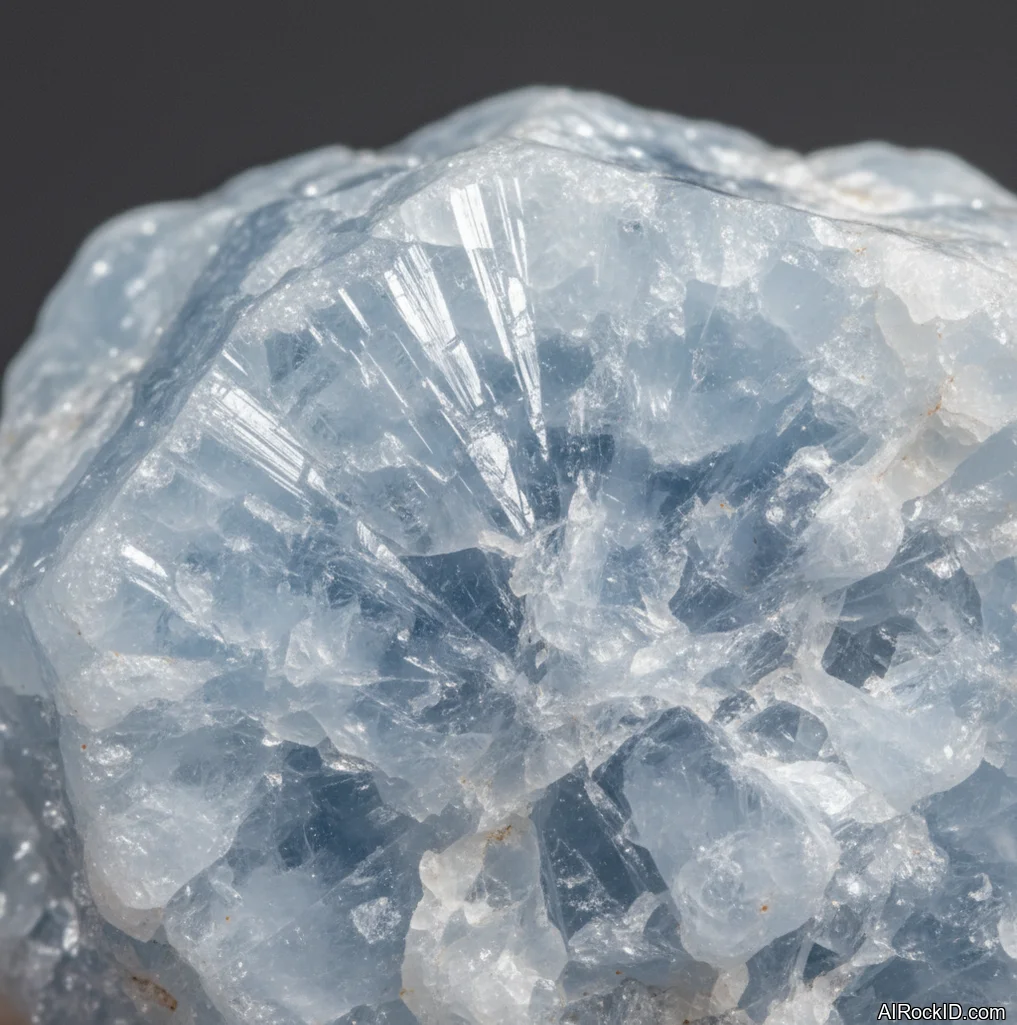
Angelite’s one of those stones that just feels quiet. It’s soft and matte, and in your hand it’s weirdly like a smooth bit of chalk, except there’s more weight to it than you expect. Thing is, the giveaway is the surface. It scratches way easier than most folks assume, so if a seller swears it’s “super durable,” they’re either mixed up or they’re trying to pass off a different stone. I’ve seen it land really well with people doing grief work. It’s gentle. It doesn’t crank anyone’s energy up. But don’t treat it like a water stone. Get it wet and it turns into a mess fast.
How to use: Hold it during journaling or therapy homework, especially when you’re working with memories you normally avoid. Store it in a pouch and keep it dry; if you want to cleanse it, use smoke, sound, or just wipe it with a dry cloth.
Aquamarine

Aquamarine

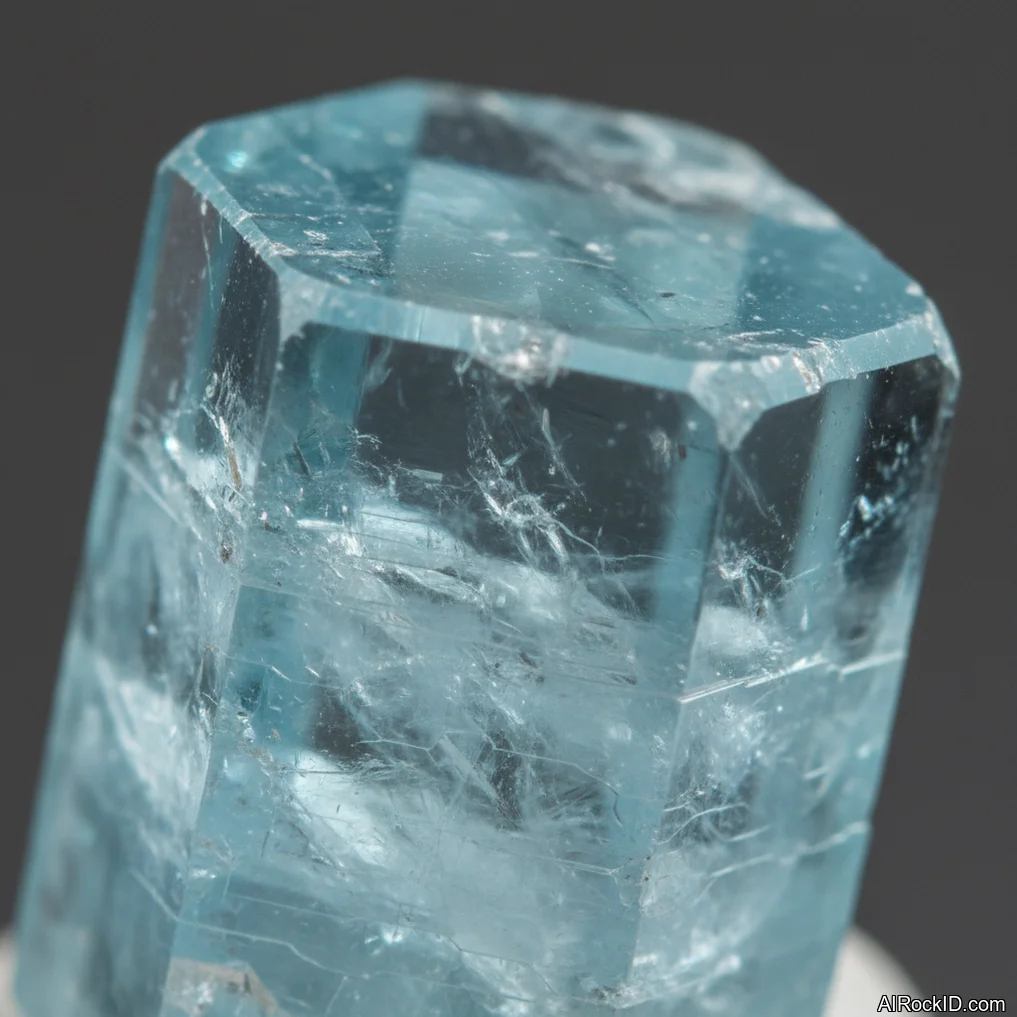
Aquamarine feels crisp and watery in a way that, in my experience, can take the edge off that “tight chest” anxiety and the throat-closing thing that hits when you’re trying not to cry. If you’ve ever held a natural piece up to the light and tilted it around, you’ll usually spot those long internal lines or tube-like streaks running through it. And the color? A lot of the time it’s more like pale sea-glass than that loud, bright blue people expect. Next to dyed blue stones, real aquamarine can look kind of quiet. But that understated look is part of the point, I think, because it tends to steady you instead of hyping you up. Thing is, the price bites. The better the color and the cleaner the stone, the faster the cost jumps.
How to use: Wear it as a pendant when you have to speak up, because it sits right where you feel tension build. If jewelry isn’t your thing, keep a small stone in your bag and hold it for 60 seconds before difficult conversations.
Apatite

Apatite

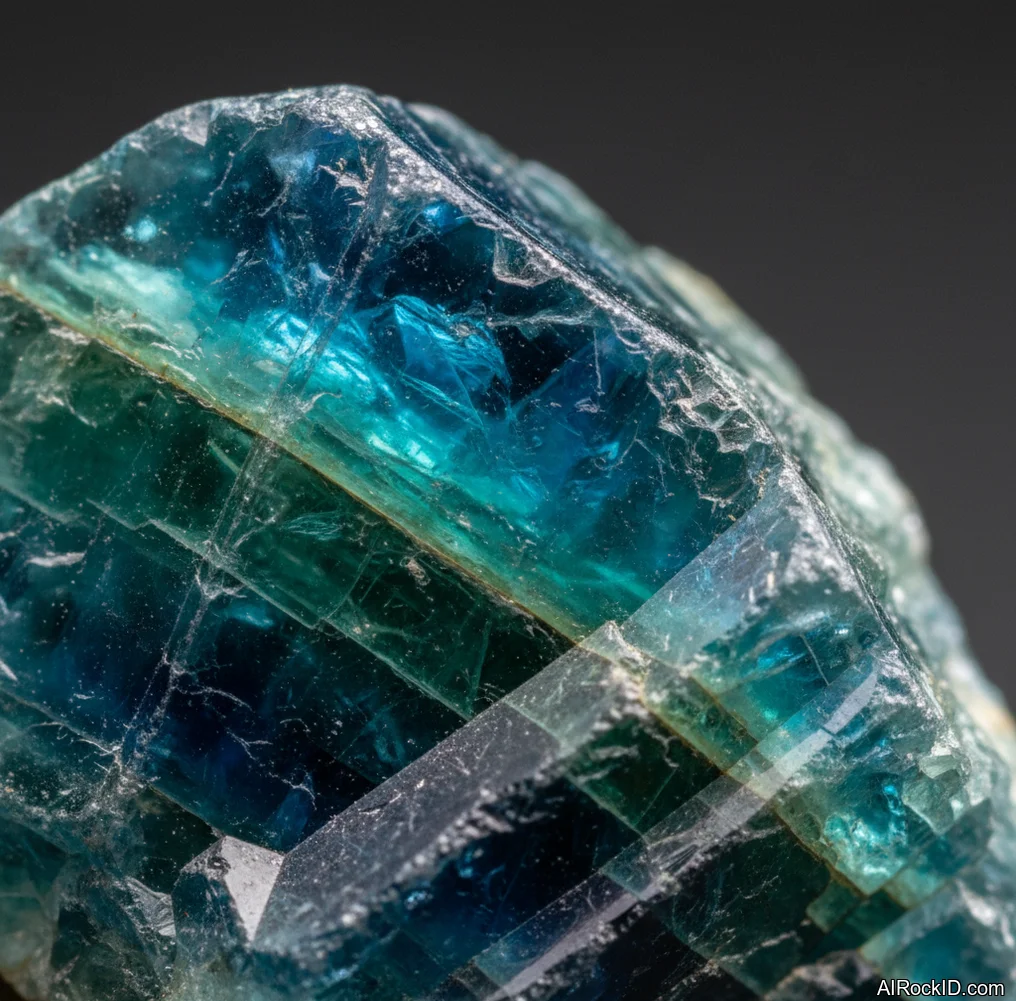
Apatite’s the stone I reach for on days when “healing” means doing the rehab reps, making yourself real food, or dragging yourself outside, not just trying to feel better. When it’s polished it feels slick and glassy, almost like a tiny bit of ice, and yeah, it’ll chip if you drop it in a pocket with your keys. So it kind of teaches you to handle it with a little respect without you even meaning to. Thing is, I’ve noticed apatite clicks with habit building. It has this mentally bright vibe, like wiping a fogged windshield clean. But it isn’t tough, and the wrong piece can be so neon-blue it basically screams dye or heavy treatment. Who wants that?
How to use: Put it where you do the habit: next to your water bottle, meds, or workout mat, so it becomes a prompt. If you carry it, use a pouch and don’t let it bang around with harder stones.
Apache Tears

Apache Tears

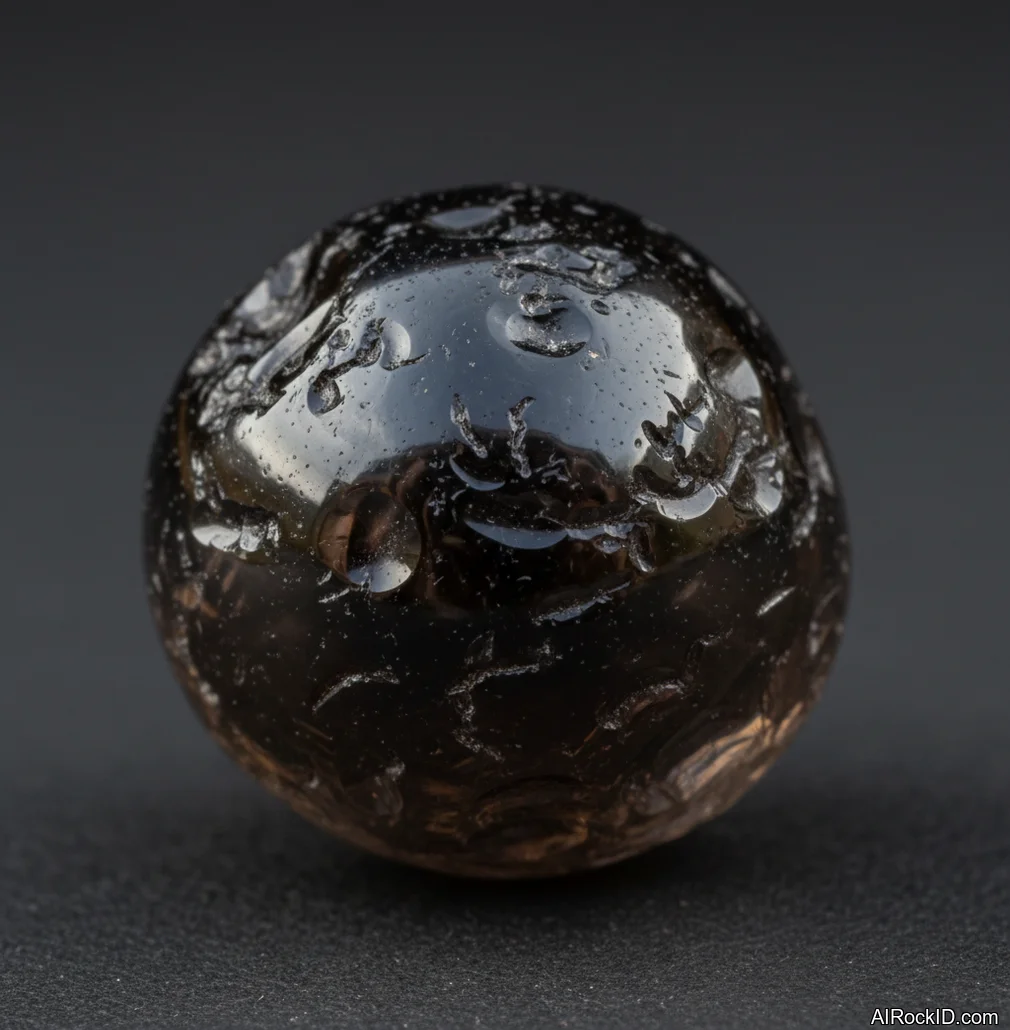
Apache tears are a kind of obsidian, and in your hand they really do feel like tiny, rounded drops. Most of them aren’t mirror-shiny; they’re more matte or satin, like someone lightly buffed the surface and stopped there. Grab a handful and you notice the weight right away. Dense. Volcanic. The sort of heaviness you can feel sink into your palm, cool at first, then warming up from your skin, and it can be weirdly grounding when you’re dissociating or starting to spiral. And I’ve heard the same thing from a lot of folks: they don’t erase the grief. But they can make it easier to sit with it for a minute without bolting. The market side of things isn’t a huge problem because they’re common, but still, keep an eye out. Some sellers pass off plain glassy black pebbles as “tears” with no provenance. Why gamble on that?
How to use: Use one in your palm during grounding exercises: name five things you see, four you feel, three you hear, and keep the stone as the “feel” anchor. If emotions hit hard, put it down after a few minutes; obsidian can be intense for some folks.
Black Tourmaline

Black Tourmaline

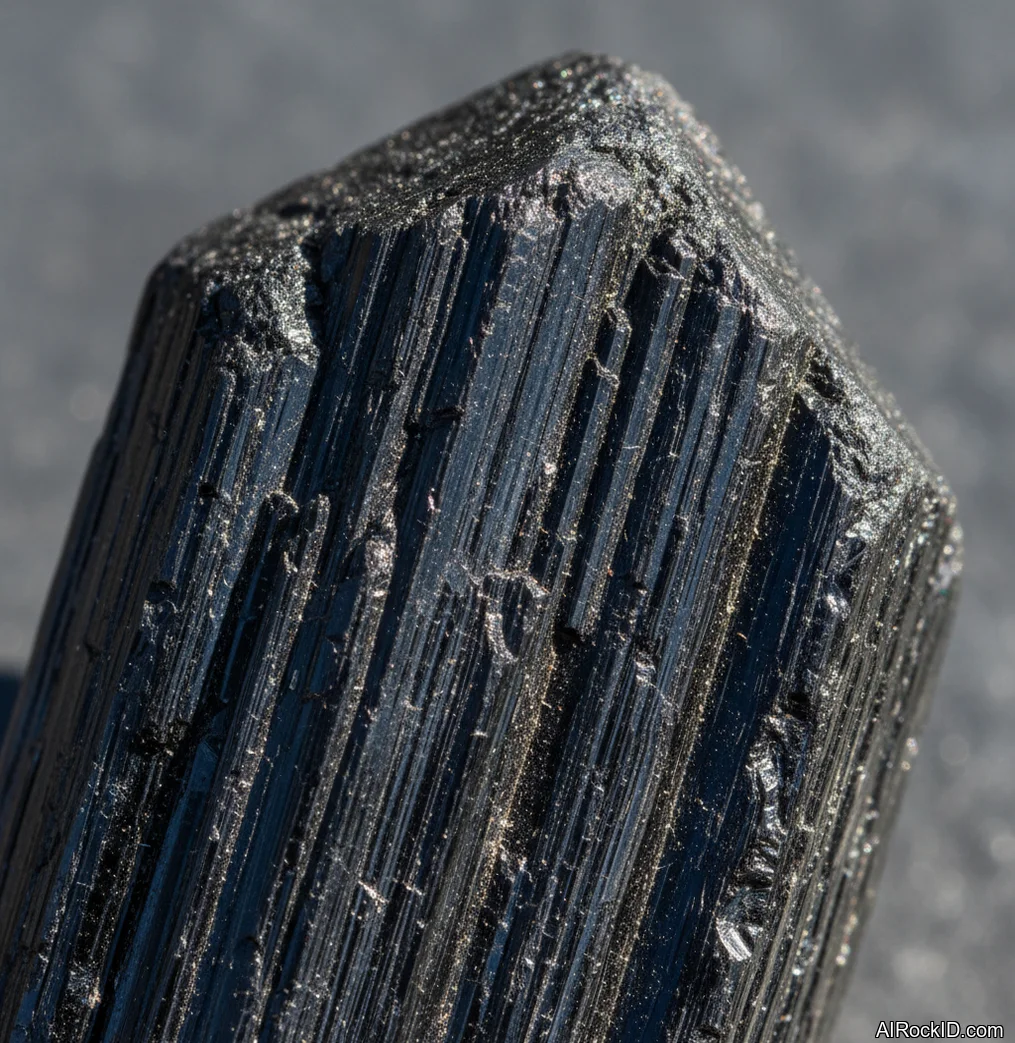
Black tourmaline is the one I reach for when I want grounding that’s practical. It’s tough, easy to find, and honestly feels more like a tool you keep in your pocket than some mystical charm. Raw chunks usually have those long grooves running down the length, and you can catch them with a fingernail like tiny ridges. That scratchy texture matters (at least for me) when I’m spun up and need a bit of sensory feedback to come back into my body. Most dealers can source decent pieces no problem. But people grab a little chip and expect it to magically block every stressor in their life. Come on. It does better as a boundary cue: you touch it, you remember to take a step back, and you quit soaking up everyone else’s mood in the room.
How to use: Place a larger chunk near the front door or your work area as a “transition” stone for coming and going. For daily carry, choose a sturdy tumbled piece and touch it before you walk into crowded or emotionally loaded spaces.
Apophyllite

Apophyllite

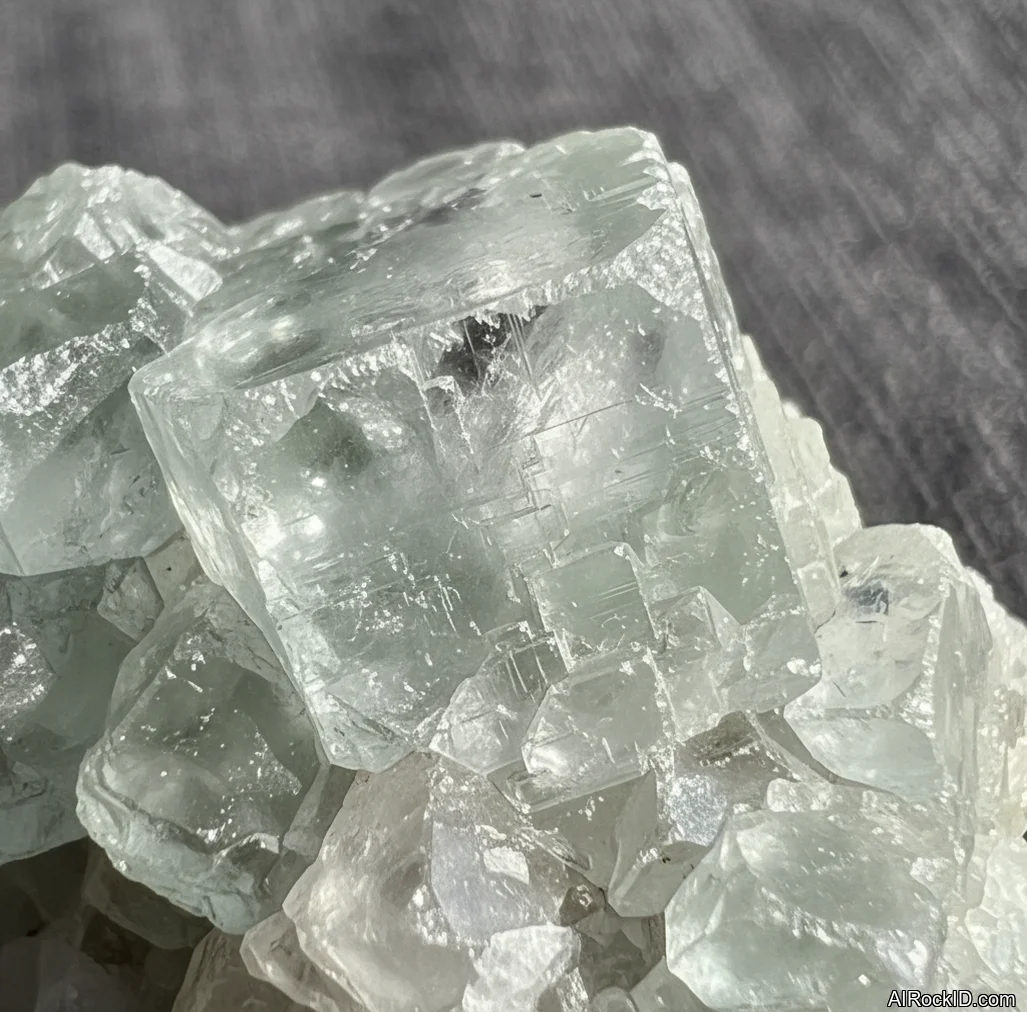
Apophyllite has this crisp, almost architectural kind of sparkle. Tilt a decent cluster under a lamp and the flat faces catch the light like tiny mirrors, flashing on and off as you move it. I reach for it when I’m doing healing work around rest and reflection, mostly because it has a way of pulling your attention into stillness if you just sit there and look at it. Thing is, it’s one of those stones where your hands really matter. The points can be fragile, and a lot of clusters will shed little bits if you’re rough with them (you’ll sometimes find a few tiny crumbs on the shelf after you’ve moved it). So if you buy it, go in knowing it’s more of a shelf stone than a pocket stone.
How to use: Set a cluster where you’ll see it during quiet time, then do five minutes of slow breathing while you look at the geometry of the faces. Don’t rinse it or soak it; dust it gently and keep it away from places it can get knocked over.

What “healing” actually means in crystal work

Most folks say “healing” and they’re really talking about one of three things: calming the nervous system, working through emotions without getting swamped, or sticking with real-world care long enough to actually see results. Crystals can help with all of that, sure, but only if you treat them like tools and little reminders, not like some remote-controlled medicine that works from across the room.

Thing is, just pick up a stone and notice what happens in the first ten seconds. Do you loosen your grip or clamp down? Does your breath slow, or does it start coming faster? That’s not fluff. That’s data.

I’ve had customers tell me a stone “did nothing,” and then, after a little back-and-forth, they’ll admit they never touched it again after buying it. It stayed in the little pouch (still knotted up), or sat on a shelf collecting a thin film of dust. No contact, no routine, no effect. What did they expect?

Compared to supplements or essential oils, crystals are mostly about behavior. They just sit there. You’ve gotta meet them halfway. A stone on your nightstand can be the nudge that makes you stop scrolling. A piece in your pocket can be the cue to unclench your jaw (you know that tight spot right under your ear). That’s healing support. Small stuff. But it adds up.

How to choose a stone that won’t annoy you

Texture matters way more than people think. Some folks need a smooth palm stone because even one sharp spot makes them feel jumpy. But other people want something raw and ridged, because that gritty feedback keeps them grounded. If a crystal feels wrong in your hand, you won’t keep reaching for it. Simple as that.

And yeah, durability. Check it. Angelite scratches if you baby it wrong. Apophyllite points can snap if you sneeze near them (I’m only half kidding). Apatite chips easily. So if you’re the type who just chucks everything into a backpack, go with tougher picks like black tourmaline or a solid chunk of amethyst.

Most dealers will let you hold a stone. Do it. Pay attention to the temperature, the weight, how the surface feels, and whether the polish is slick or kind of waxy. Cheap fakes often feel weirdly warm or plasticky, like the heat sticks to them. Real material stays cool longer, especially quartz-family stones.

Building a simple healing routine that actually sticks

If your routine takes more than two minutes, you’re not gonna do it when you’re wiped. Keep it stupid simple. One stone. One spot. One move. That’s it.

Thing is, at first people get hung up on having a “full set” for healing. So they end up cycling through ten stones and, honestly, nothing sticks. I’ve gotten better results keeping it to one calm stone at night (amethyst or apophyllite) and one grounding stone during the day (black tourmaline or apache tears). You’re basically training your brain through repetition. Same cue, same action, over and over.

Try this. Put the stone exactly where the problem shows up. Night anxiety? On the nightstand, right where your hand lands when you reach for your phone in the dark. Stress eating? Park it next to the kettle or right by the fridge handle, where you can’t miss it when the door seal gives that little tug. Forgetting meds? Set it beside the pill organizer. The stone turns into a physical sticky note. And you don’t have to buy into anything mystical for that part to work, do you?

Buying tips: treatment, fakes, and what to ignore

Thing is, the crystal market has a built-in problem: “healing” sells, and once money’s on the table, some sellers get lazy with the labels.

Amber is the classic mess. Copal is just younger resin, and you’ll see it passed off as amber all the time. And yep, plastic shows up too. Real amber feels surprisingly light and it warms up quick when you roll it around in your palm; plastic usually stays kind of dead, with that uniform, same-all-over feel.

Amazonite and apatite can be dyed or stabilized, so don’t get hypnotized by color. If that blue-green looks too perfectly even, like someone brushed paint on it, be cautious. Ask where it’s from. A dealer who actually handles their own stock will usually be able to tell you if it’s Brazil, Madagascar, Russia, or a mixed lot.

So ignore the “rare” hype unless you’re collecting. For healing work, you want stones you can replace if one goes missing. Because if you’re afraid to touch it since it cost too much, what’s the point? It won’t help you.

How to Use These Crystals for Healing

Pick one intention that’s about what you’ll actually do, not anything mystical. Like: “I want to be asleep by 11,” “I want to stop clenching my jaw,” or “I want to do my PT exercises.” Then grab a stone that feels okay in your hand. If it gives you the ick texture-wise, you’re going to dodge it, and then the whole plan dies on the counter.

Now hold the stone and hook it to one repeatable action. For sleep, take amethyst, do ten slow breaths with it in your palm, set it down, and turn the light off. For daytime grounding, touch black tourmaline before you open your inbox, then take one sip of water. Tiny actions. Kinda boring. That’s the stuff that actually sticks.

Keep your stones clean in the practical, normal-person way. Wash your hands before you handle softer stones like angelite (they pick up grime fast, and it’s gross). And if you’re carrying brittle picks like apatite, use a pouch, because it really can get dinged up rattling around in a bag. If you still want to “cleanse,” don’t make it a whole production: a quick wipe, a bit of time in fresh air away from harsh sun, or a minute of sound (a bell, a singing bowl) is plenty. Thing is, the goal is keeping the ritual going, not building some elaborate ceremony you’ll abandon by next week.

Common Mistakes to Avoid

Buying ten stones in one shot is the classic mistake. You wind up with a cluttered bowl and no routine at all. I’ve seen it a hundred times in the shop, literally: someone gets all hyped, then on a rough day they freeze because they can’t decide what to grab, so they grab nothing.

Another one? People ignore hardness and care. Angelite and apatite scratch, chip, and get that weird dull patchy look, and then folks swear the stone “stopped working” when really it’s just beat up and not nice to hold anymore. Easy fix: pick tougher stones for your pockets, and keep the fragile clusters on a shelf where they won’t get knocked around.

And the last mistake is using crystals to dodge real help. If you’re in pain, depressed, or dealing with panic that’s messing with your life, a stone can be supportive, sure, but it’s not a treatment plan. Use it as a reminder to book the appointment, take the walk, eat the meal, do the therapy homework, whatever the next real step is.

Important: Crystals can’t diagnose anything. They won’t treat an infection, they won’t knit a bone back together, and they definitely don’t replace your prescribed care. And they can’t do the tough stuff for you either. They can’t set boundaries, they can’t get you out of a bad situation, and they can’t drag you through consistent rehab when you’d rather be anywhere else. So what can they do? They can help you pay attention and stick to a routine. If you’re using one like a little tactile anchor, the kind you can actually feel in your hand (cool at first, then warming up), for calming down, sleep hygiene, and emotional processing, that’s a realistic lane.

Identify Any Crystal Instantly

Snap a photo and get properties, value, care instructions, and healing meanings in seconds.

Frequently Asked Questions

What are the best crystals for healing overall?
Common general-purpose choices include amethyst, black tourmaline, amazonite, and amber. The best option depends on the specific goal such as sleep, stress reduction, or grounding.
Which crystal is most associated with physical healing support?
Amber is associated with gentle comfort and soothing support in many traditions. Crystals do not replace medical treatment for physical conditions.
Which crystal is best for sleep and nighttime calm?
Amethyst is associated with relaxation and sleep-friendly routines. Keeping it near the bed is a common placement.
Which crystal is best for grounding and feeling safe in the body?
Black tourmaline and apache-tears are associated with grounding. They are commonly carried or held during calming exercises.
Which crystal is associated with calming anxiety during communication?
Aquamarine is associated with calm communication and steadying the breath. It is often worn as a pendant near the throat and chest.
How do I use crystals for healing without making it complicated?
Use one stone paired with one repeatable action such as breathing or journaling. Consistency is more important than having many stones.
How do I cleanse healing crystals safely?
Common non-water methods include wiping with a dry cloth, smoke cleansing, and sound cleansing. Soft stones like angelite should not be soaked in water.
Can I sleep with crystals under my pillow?
Sleeping with crystals under a pillow is a common practice, but comfort and safety vary by person. Start with a nearby placement and avoid sharp or fragile specimens.
How can I tell if amber is real?
Real amber is very light for its size and warms quickly in the hand. Many fakes are plastic or copal, and verification may require testing by a professional.
Do crystals have scientifically proven healing effects?
Crystals do not have established clinical evidence for curing medical conditions. They are commonly used as supportive tools for mindfulness, routine, and personal spiritual practices.
The information provided is for educational and spiritual exploration purposes. Crystals are not a substitute for professional medical, psychological, or financial advice.