Best Crystals for Kids
- Introduction
- Recommended Crystals
- How to pick kid-friendly stones (hardness, chips, and what hands actually do)
- Safety first: choking risk, coatings, and what not to hand a kid
- Bedtime and school routines that actually stick
- Teaching kids to spot fakes without making it weird
- How to Use These Crystals
- Common Mistakes
- FAQ
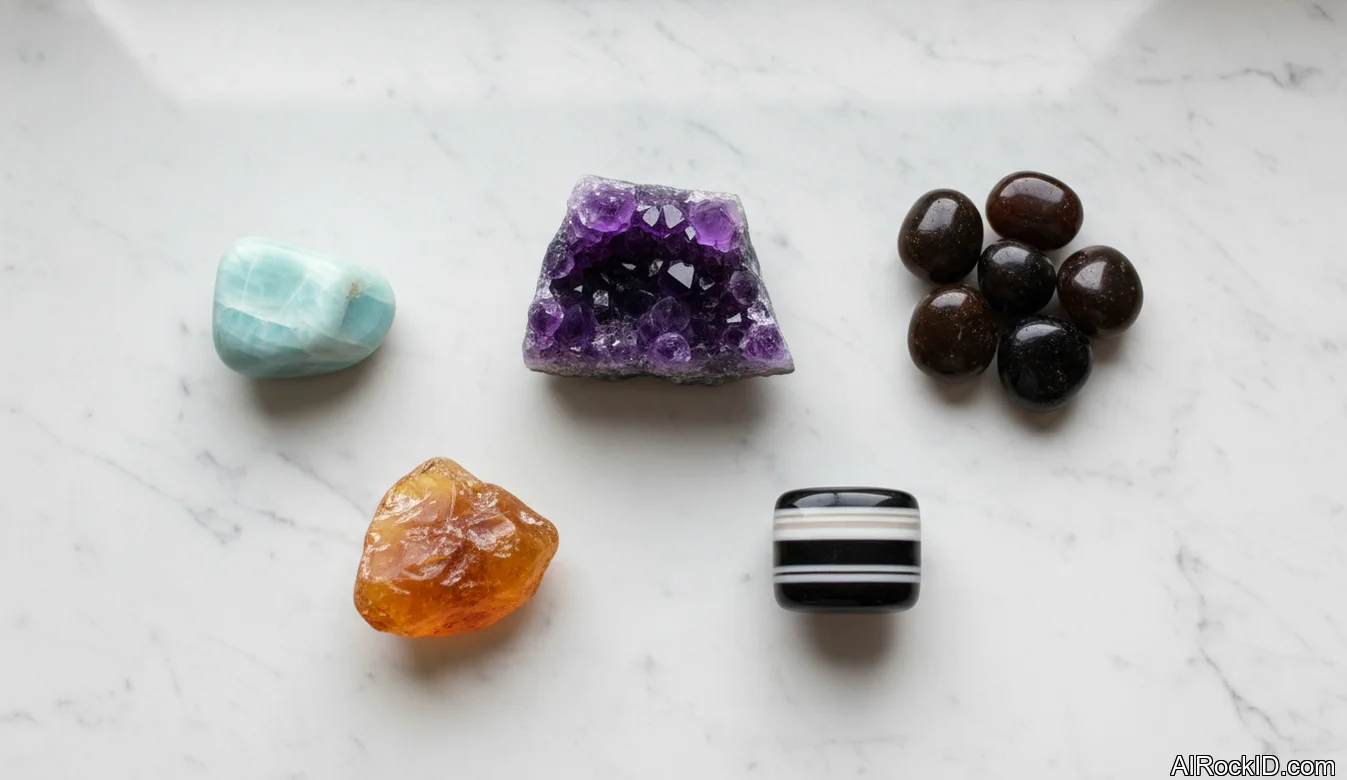
The best crystals for kids are the ones that can take a beating, won’t freak you out if they get handled a lot, wipe clean without drama, and still feel interesting after the first week. I’m not trying to sell anyone on a kid’s pocket rock as a miracle cure. I mean simple, practical stuff: a worry-stone, something to hold at bedtime, a “keep this in your backpack” reminder that buys a kid two quiet seconds before they react.
Grab a bowl of tumbled stones in a shop and you notice it fast. Some feel slick, almost like polished glass, and they’ve got that reassuring weight in your palm. Others feel chalky, kind of dry, and honestly? Like they’d chip if you looked at them wrong. Kids drop things. They chew on things. They forget things in a hot car, then a cold porch, then they run it through the washing machine (because of course they do). So the picks here lean toward quartz, feldspar, and fossils, with a couple softer materials that can still work if you set some rules.
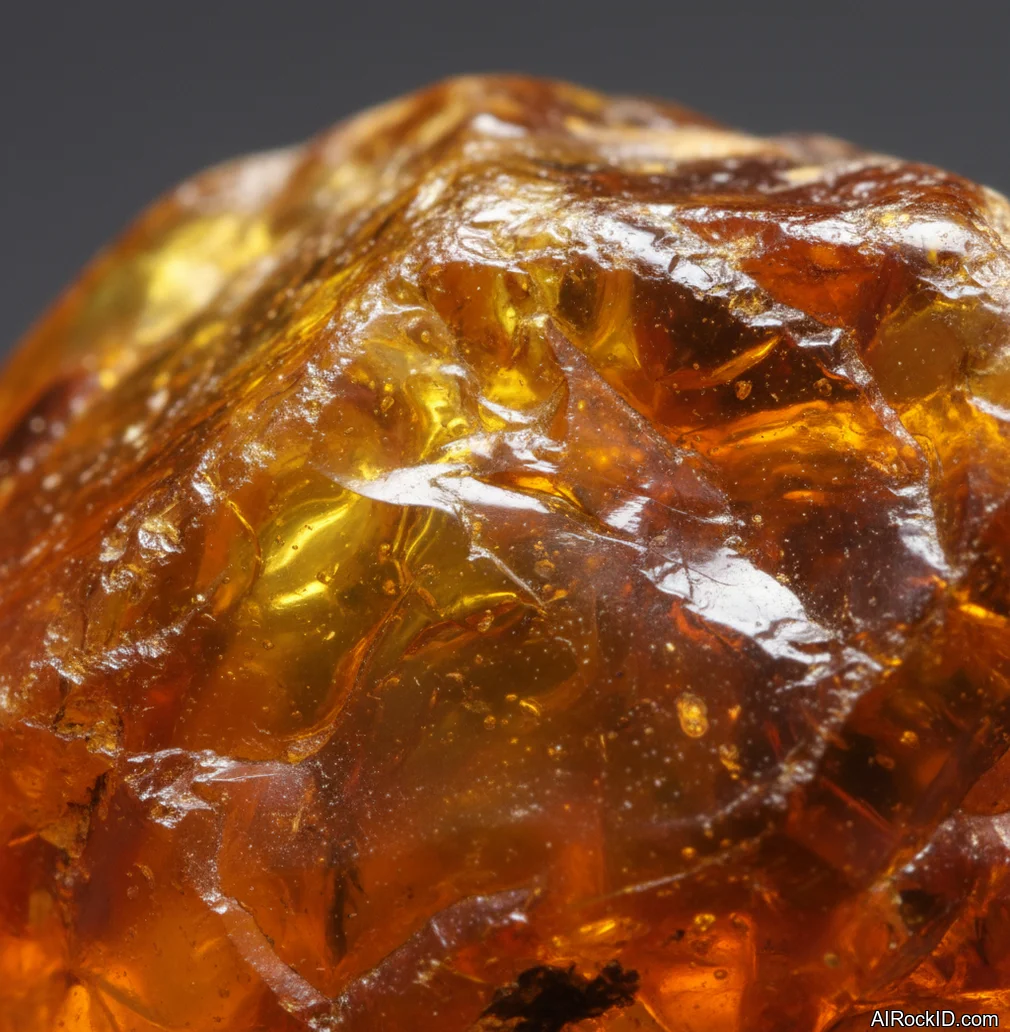
And here’s the reality check. A crystal isn’t going to replace sleep, food, therapy, or a steady routine. But I’ve watched kids use a smooth palm stone like a little reset button in the middle of homework, rubbing the same spot with their thumb until their shoulders unclench. I’ve also seen a small piece of amber turn into the one thing a nervous kid will actually hold onto on the first day of school. That’s the whole idea: grounded, safe, simple.
Recommended Crystals
Amethyst
Amazonite
Amber
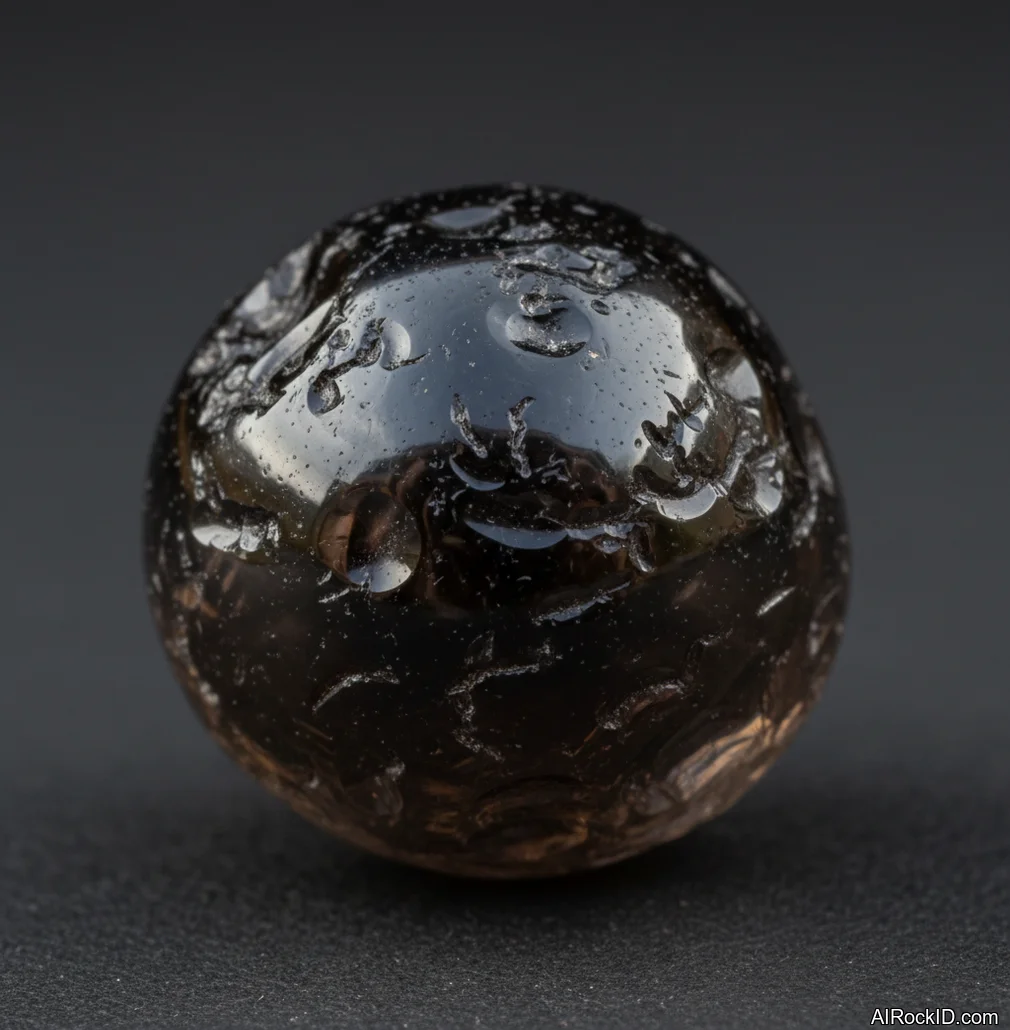
Apache Tears
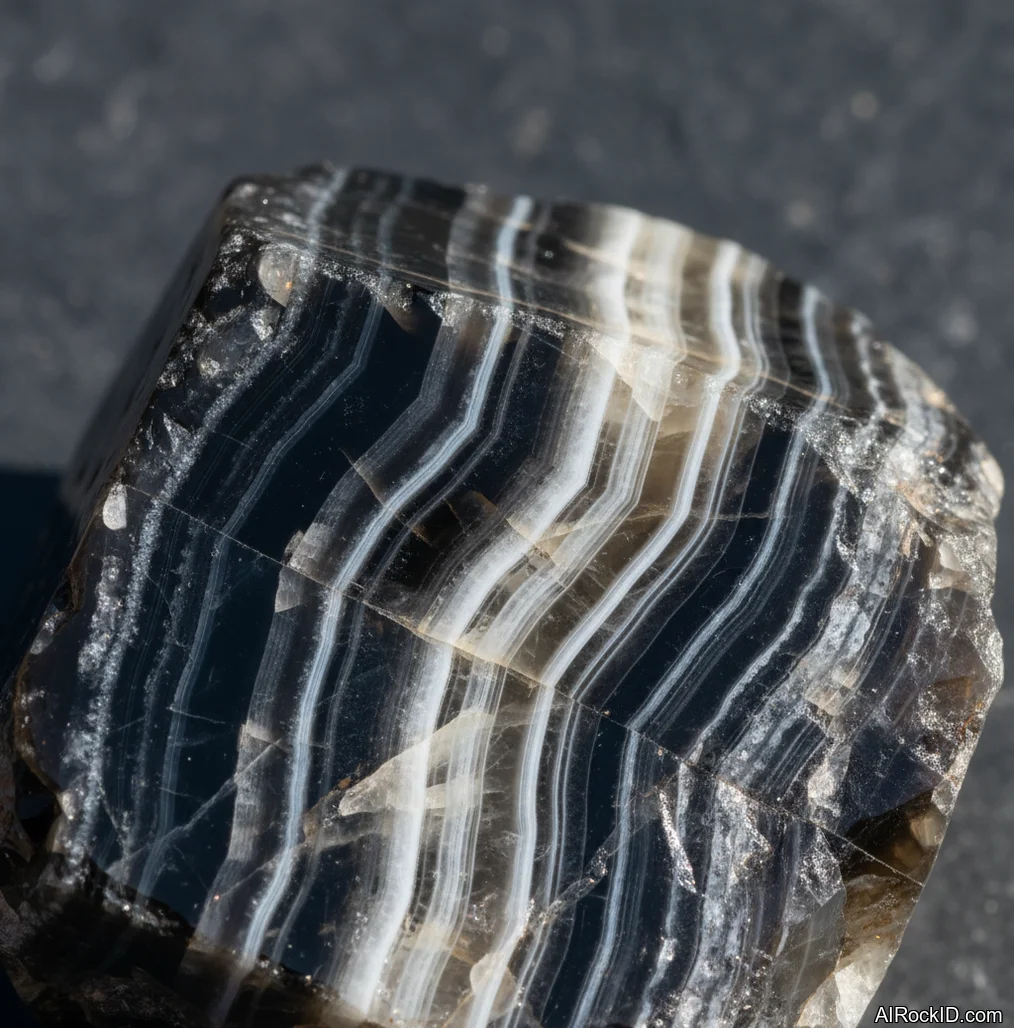
Black Banded Onyx
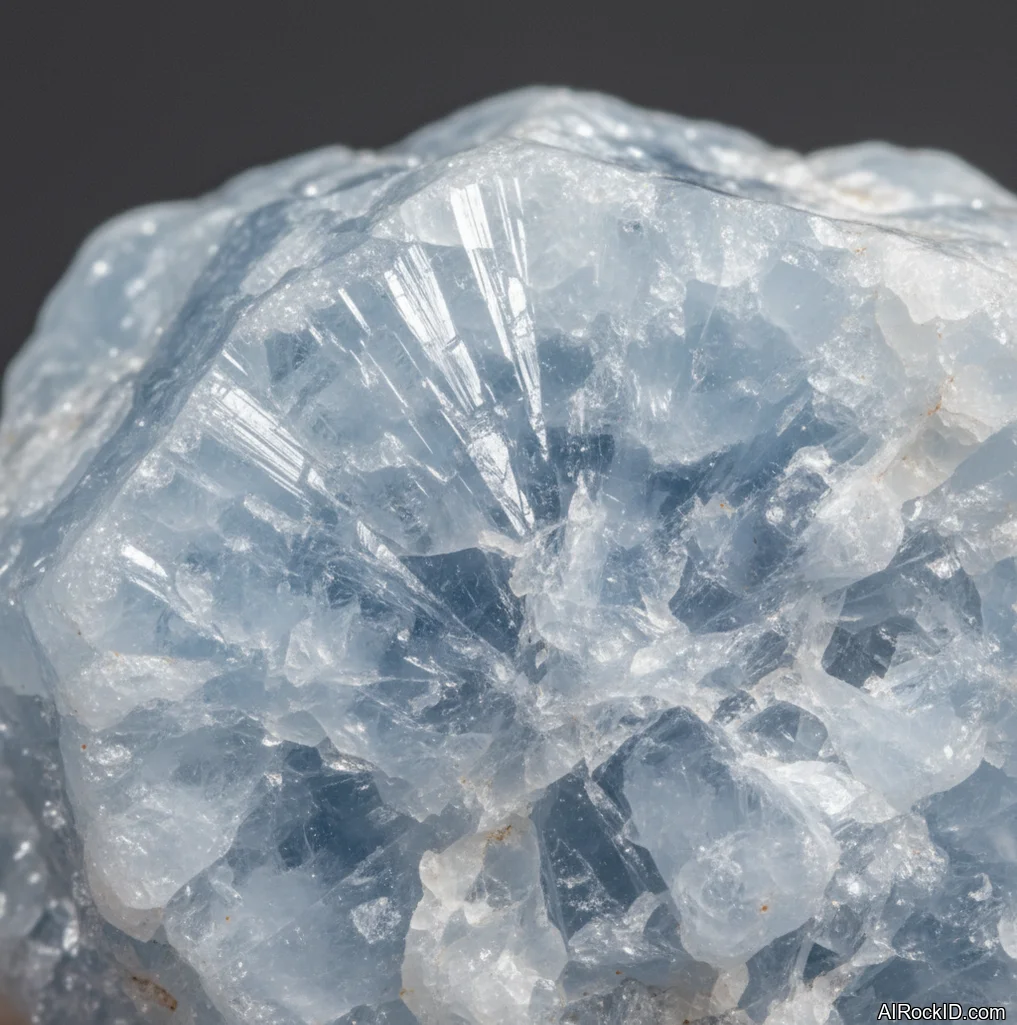
Angelite
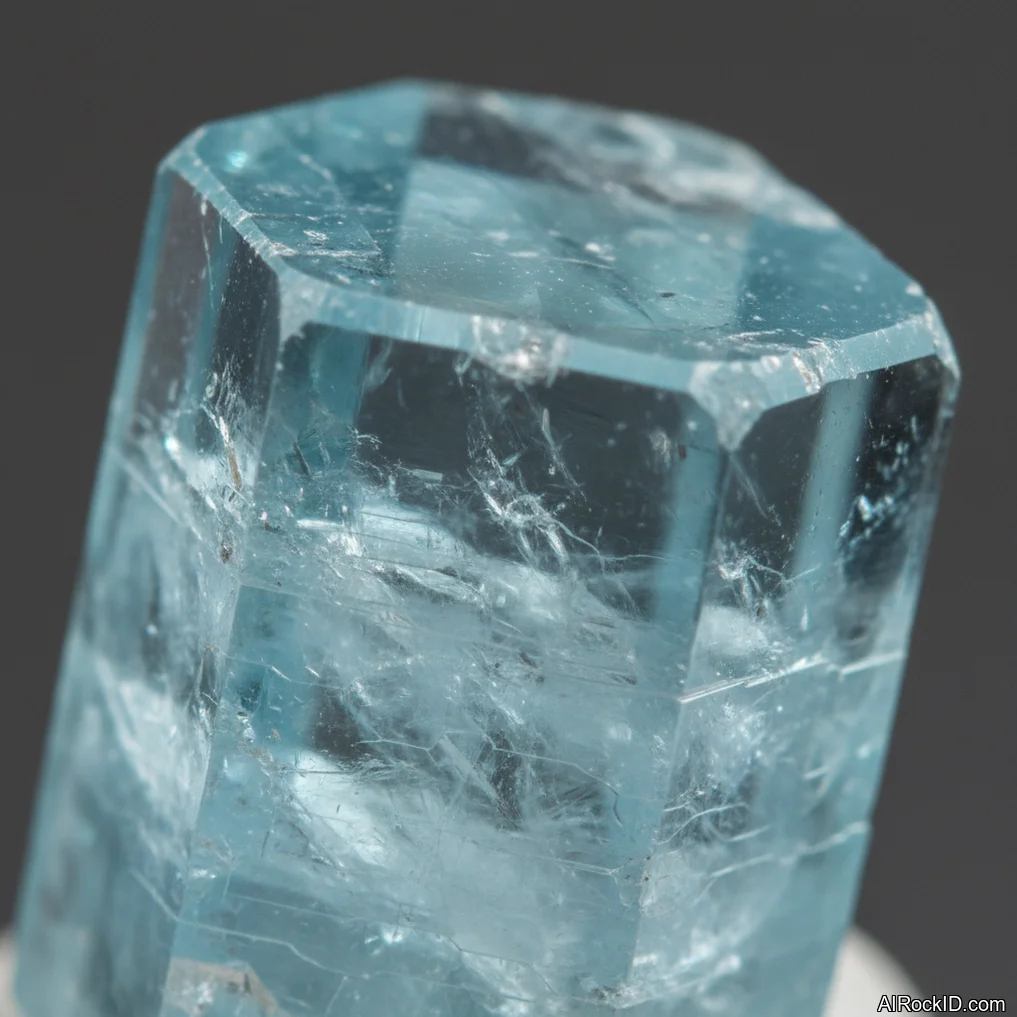
Aquamarine
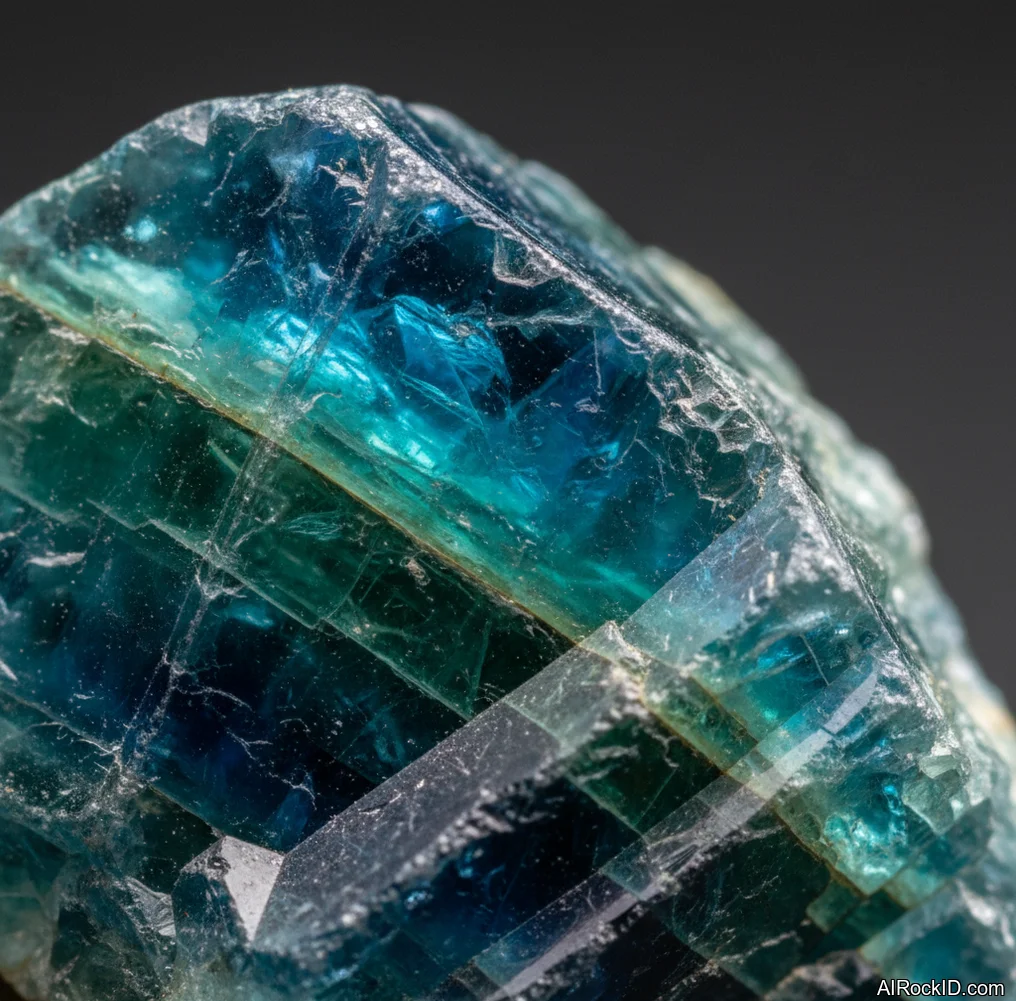
Apatite
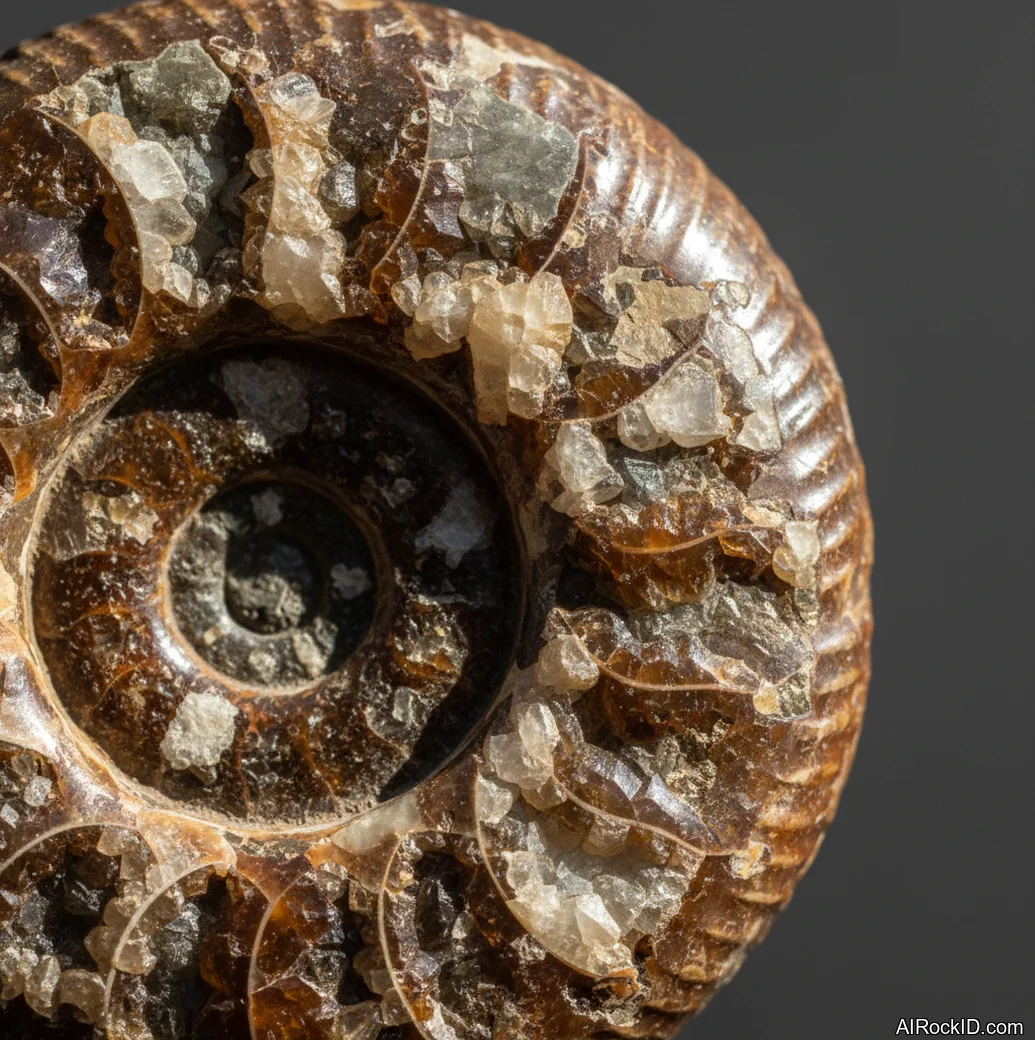
Ammonite
How to pick kid-friendly stones (hardness, chips, and what hands actually do)
Most people start with color. I don’t. I start with what happens when a seven-year-old drops a stone on a kitchen floor and you hear that sharp clack on tile.
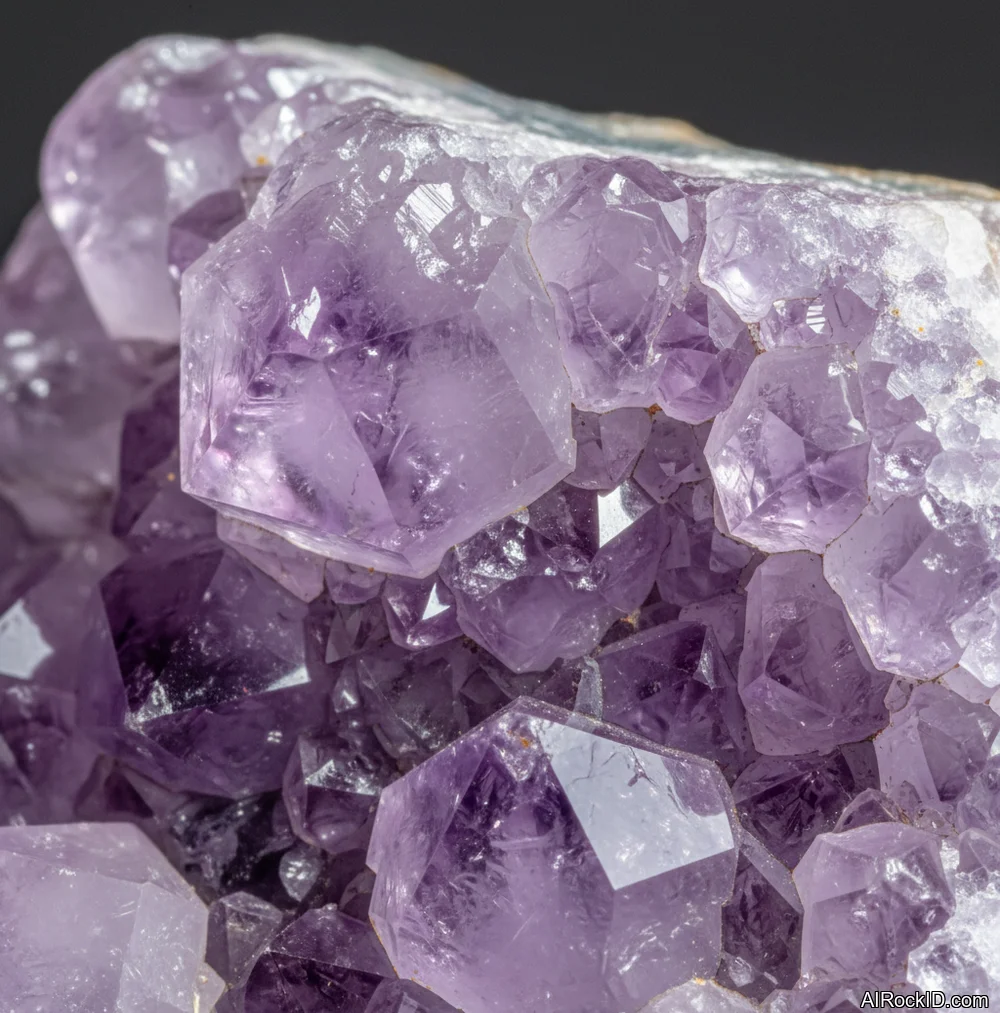
Quartz types like amethyst usually survive. Softer stuff like angelite won’t, at least not for long.
Grab the stone and drag your thumb across it. Does it feel chalky, almost like it leaves a little dust on your skin? If so, it’ll grab fingerprints, grime, and dents fast. If it’s glassy and slick, it’s usually easier to keep clean, and it won’t look “ruined” after a week living in a pocket with lint and spare change.
And check the edges while you’re at it. Rounded tumbles are your friend. Sharp points and thin flakes are where cuts and chips come from. That’s just how it goes.
Thing is, compared to adult crystal habits, kids need fewer stones, not more. One pocket stone, one bedside stone, maybe one “special shelf” piece like ammonite. That’s plenty. Too many choices turns into clutter, and then the stones become just more stuff to step on (ask me how I know).
Safety first: choking risk, coatings, and what not to hand a kid
The issue with a lot of kid crystal advice online is that it skips the boring safety stuff. Size really matters. Anything smaller than a big grape is a hard no for toddlers, and honestly even older kids can absent-mindedly stick things in their mouth when they’re stressed or wiped out.
Cheap stones are their own headache. Aura coatings and dyed stones can look awesome, but that coating scratches (you’ll see little scuffs if you bump it against a zipper or a key), and dye can rub off on sweaty hands or even leave marks on pillowcases. Don’t panic. Just be picky. If a bright blue stone looks weirdly even, too perfect, and the price is suspiciously low, assume it’s dyed or glass until proven otherwise.
I also skip anything crumbly, like some copper minerals, plus fibrous materials, or stones that shed dust when you rub them between your fingers. You asked for “best,” and to me that means low drama. If you’re not sure, stick with larger tumbled pieces of quartz and feldspar, and save the fragile collector stuff for adult shelves.
Bedtime and school routines that actually stick
Kids don’t stick to routines because a stone is “special.” They stick because the routine is easy, you can repeat it half-asleep, and you’re not bargaining over every tiny step. The crystal just turns into the cue you can actually hold.
At bedtime, I’d pick one stone that just lives on the nightstand, not a new one every week. Amethyst is a solid choice because it’s durable, and it still looks good under that warm little lamp glow (you know, when everything gets kind of soft and yellow). Angelite is fine too as long as it stays dry and doesn’t end up coming with you to the bathroom. The real trick is doing the exact same tiny script every night: stone in hand, three slow breaths, then lights out. That’s it. You’re training the body to settle, not trying to summon anything. Honestly, consistency beats “meaning” every time.
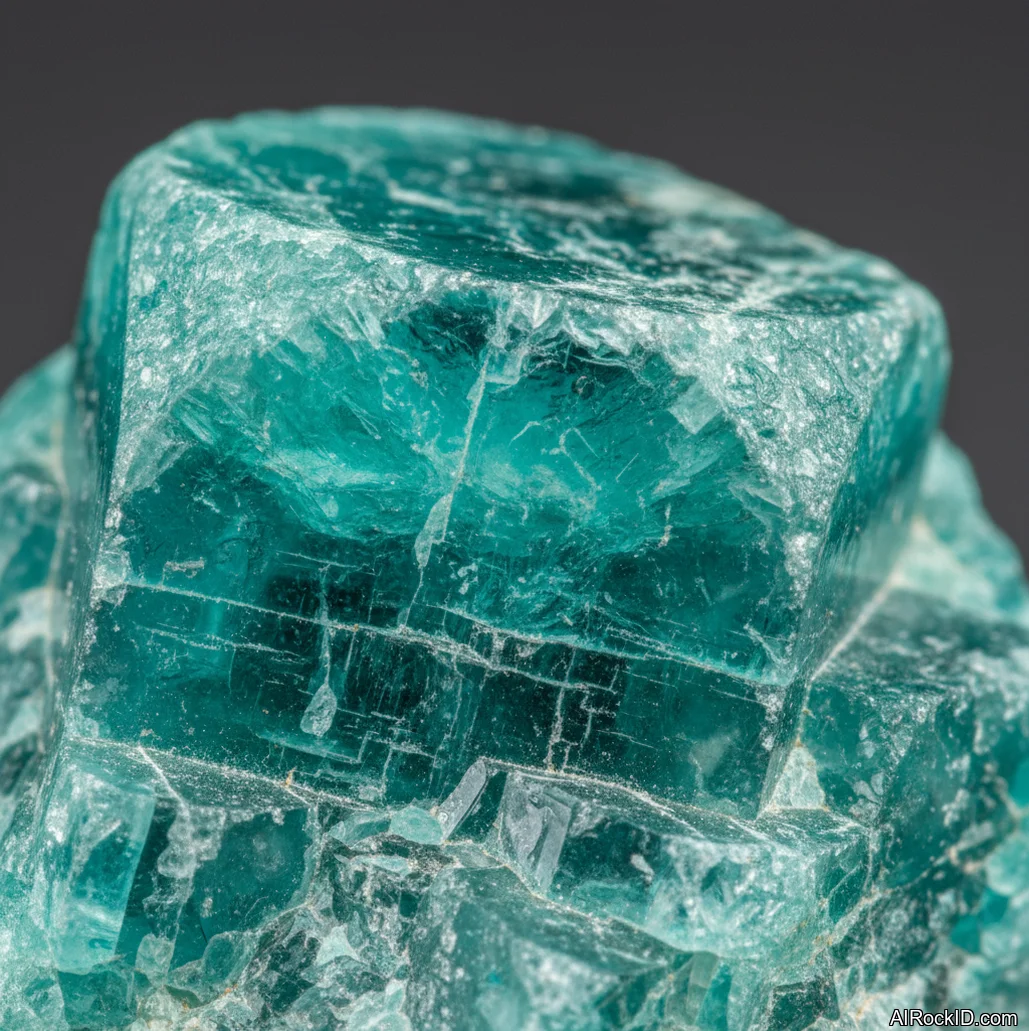
For school, pocket stones are more about texture than anything else. Apache tears and amazonite are great for rubbing between your fingers when you’re nervous or bored. And if your kid loses stuff (most do), just buy two. Keep one at home in a small dish so there’s always a backup, and you’re not tearing through couch cushions at 7:42 a.m. looking for the “one important rock.” Who needs that kind of morning?
Teaching kids to spot fakes without making it weird
Look, if you actually slow down and stare at a stone for a minute, you can teach basic skepticism in a way that’s genuinely fun. I do this quick “shop test” with kids: we feel the temperature, hunt for tiny natural imperfections, then put two stones side by side and compare. Glass usually gives itself away with that too-smooth, too-even look, and it seems to warm up in your palm faster than most real minerals.
And under UV light? Amber is such a good teaching tool because a lot of real pieces fluoresce, and kids love that little science moment when it lights up. With amethyst, I point out color zoning and those tiny internal fractures that catch the light like little hairlines (once you see them, you can’t unsee them). Stuff like that is comforting, honestly, because it’s hard to fake cheaply.
Thing is, most dealers aren’t trying to scam you, but the market’s messy. Labels get sloppy. “Onyx” might mean calcite. “Aquamarine” might mean glass. So if you treat it like a learning game, kids pick up the skill fast, and you sidestep the whole “magic rock” argument. Who wants that fight in the middle of a shop?
How to Use These Crystals for Kids
Pick one stone and give it a real job. That’s the bit grown-ups weirdly gloss over. A pocket stone is going to get thumped around, clacked against keys, dropped on the driveway, then tossed in the wash by mistake, so go with something that can take it, like amethyst or amazonite. A bedtime stone can be softer since it mostly just sits there, which is why angelite can be fine as long as it stays far away from water. And a shelf piece like ammonite is for looking at, tracing with a fingertip, telling little stories about it, not getting hauled to recess.
Keep the “use” tiny. Make it easy to repeat. For calm-down breaks, have your kid press the stone into their palm and name three things they notice by touch: “cool, smooth, heavy.” Simple grounding, no crystal-belief required. For homework, set a two-minute timer and let them rub the stone while they read the directions, then it goes right back in its dish. Done.
Care matters, because kids absolutely clock it when something starts looking beat up. Keep a small pouch for anything softer than quartz, like apatite, so it doesn’t get scratched by harder rocks rattling around next to it. If a stone chips and gets sharp, retire it. Don’t make it a debate, just swap in a smoother one and keep the chipped piece as a “science sample” in a box (kids love that kind of label, honestly).
Common Mistakes to Avoid
Buying those tiny little tumbles for small kids is the biggest mistake I keep seeing. They vanish. They wind up in mouths. And suddenly the whole crystal thing turns into this tense, no-fun situation. Go bigger than you think you need to. A stone that sits right in the middle of a kid’s palm (like you can feel it press against the skin when they curl their fingers) is tougher to lose and way easier for them to claim as “my rock.”
Second mistake: handing a fragile mineral a rough assignment. Angelite shoved in a backpack turns into a scratched-up, sad-looking pebble fast. Apatite bouncing around with keys gets cloudy and chipped. So match the stone to the lifestyle, not the vibe you’re hoping for.
Last one. Don’t overload them with meanings and rules. Kids don’t need a lecture about ten chakras. Give them one simple thing to do with it, like “hold this when you’re nervous,” and let everything else be optional. If they turn it into a pretend game, honestly, isn’t that still a win?
Identify Any Crystal Instantly
Snap a photo and get properties, value, care instructions, and healing meanings in seconds.