sleep

Best Crystals for Lucid Dreaming
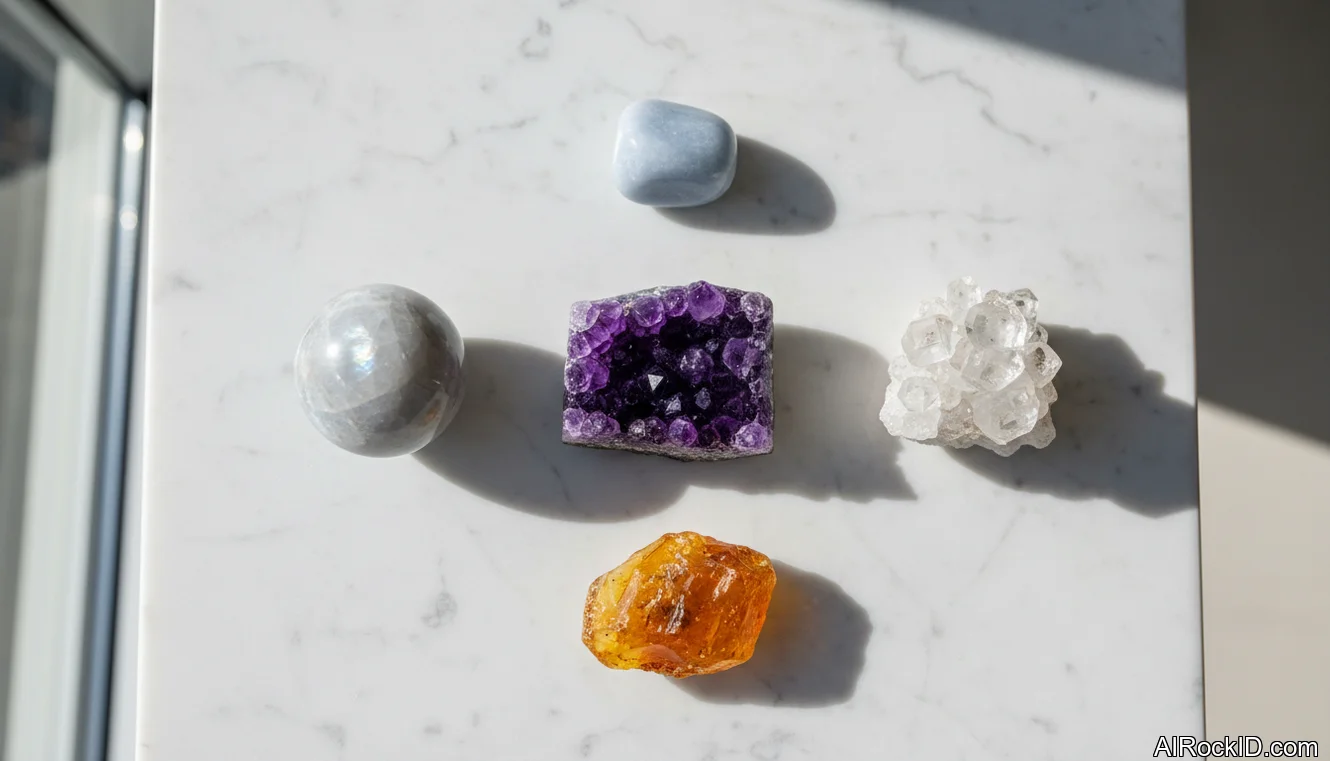
Amethyst, moonstone, and apophyllite crystals arranged on a bedside table next to a dream journal

The best crystals for lucid dreaming, in my experience, are the ones that let your body drop into real sleep and still help you hang onto the dream afterward, instead of lighting your nerves up like a neon sign. I’ve messed around with a pile of so called “dream stones” over the years, and the pattern’s honestly kind of boring: if a stone makes me fidgety, lucidity tanks. But if it settles me down and seems to tug dream recall to the surface, my chances get better.

Grab an amethyst point and you’ll get what I mean by “bedtime friendly.” It stays cool against your palm for a while, even after you’ve been holding it, and it feels quiet. Not showy. And it doesn’t have that pushy, wired vibe some high-strung clear quartz pieces can have when you put them near your face and you suddenly feel too awake. Compare that with certain bright, electric-looking stones that hit like espresso at 10 pm. Fun on the cushion when you’re meditating, sure. Next to your pillow? They can turn into that annoying 3 a.m. situation where your eyes pop open and your brain starts running laps.

So here’s how I keep it grounded: crystals don’t make lucid dreams happen. They’re more like a steady bedtime cue, plus a little sensory anchor you can train your brain around over time. And if you stack that with simple habits like a dream journal, reality checks, and not doom-scrolling in bed (yeah, guilty), crystals can actually fit into the setup pretty well. Thing is, if your sleep is already touchy, go easy. Use distance. Treat the stone like a tool, not a magic button. Why make bedtime harder than it has to be?

Recommended Crystals
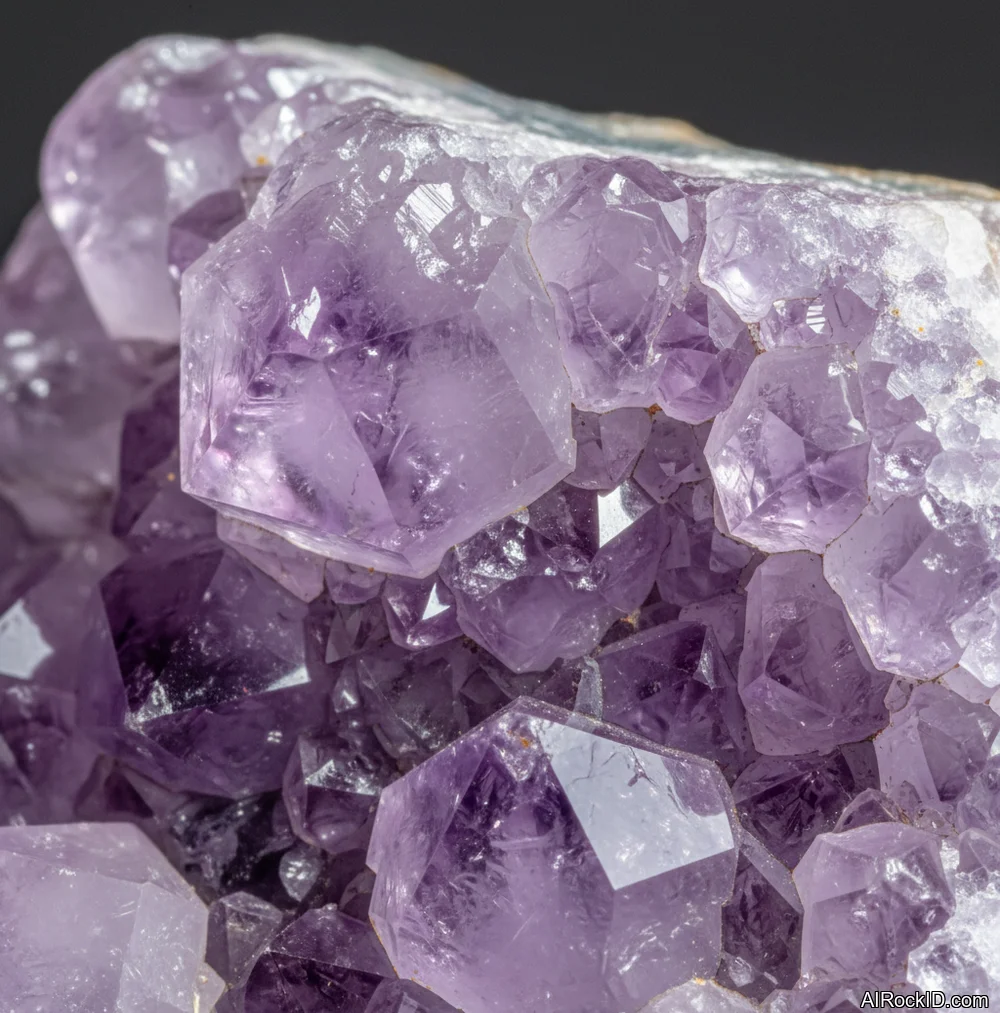
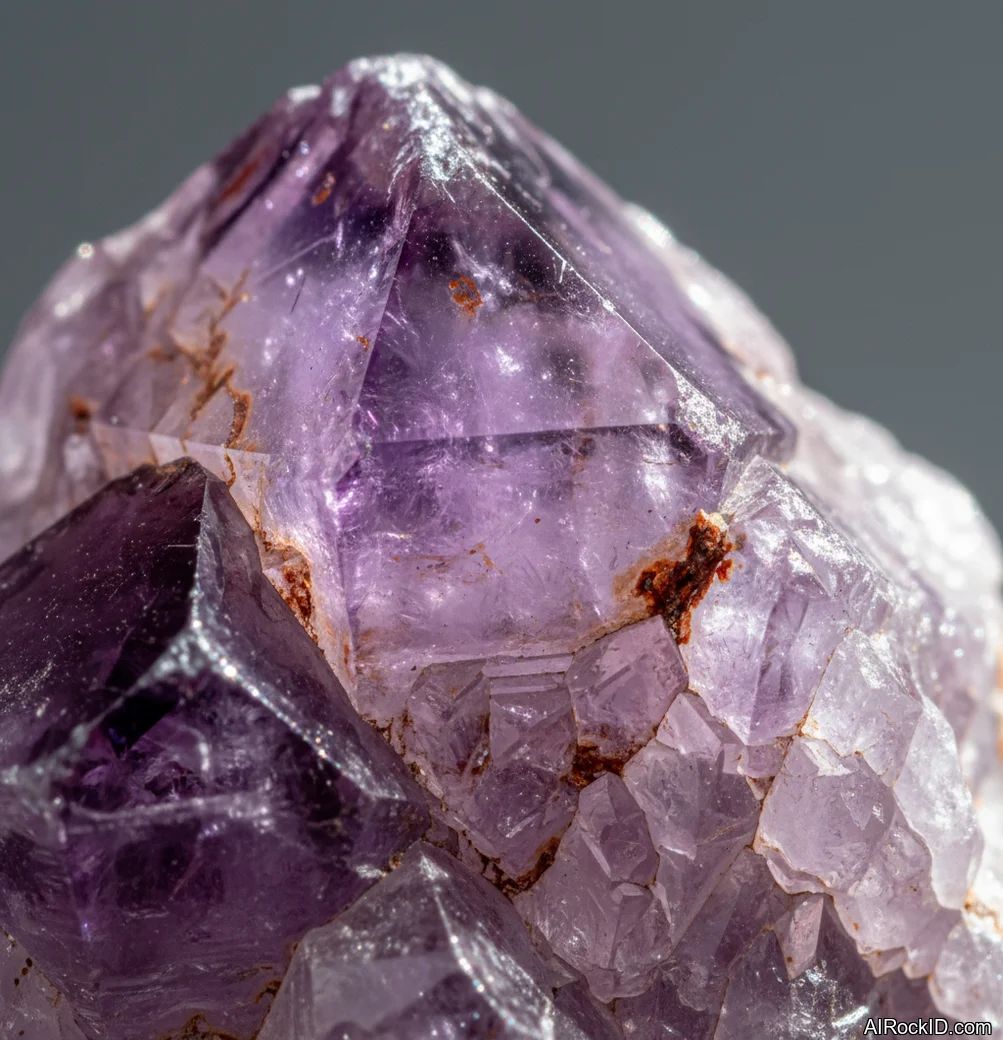
Amethyst
Amethyst

Uruguayan amethyst is usually that deep grape-purple that just screams “night” the second you look at it. Brazilian pieces, a lot of the time, come in paler, airier shades and they genuinely feel a bit lighter in your hand when you pick them up. I’m into it for lucid dreaming. It’s steadying. It helps you hover in that half-awake, half-asleep zone without snapping you fully alert, which is the whole point, right? And if you actually stare at a good point up close, you’ll notice the color zoning. It often gets darker toward the tips, and that little gradient is weirdly useful as something to rest your eyes on before sleep. But thing is, if you’re sensitive, a big cluster right next to your head can be too much. You’ll feel it. More tossing and turning, more broken sleep.
How to use: Set a small point or tumbled piece on a nightstand, not under your pillow at first. Hold it for 60 seconds while you set one simple intention like “I remember my dreams,” then put it down and don’t keep fiddling with it.
Black Moonstone

Black Moonstone

Black moonstone has this softer, duskier vibe, more “sleep cave” than “crystal shop sparkle.” If you tilt a polished piece under a lamp, you’ll catch this low, quick flash that shows up and then vanishes, and honestly that on-off shimmer is a pretty solid visual cue for shifting states. I’ve found it works well with dream recall because it doesn’t jack my mind up the way brighter stones sometimes do (you know that buzzy feeling?). But here’s the market problem: some pieces are basically just dark feldspar getting sold as moonstone, and the “sheen” can look painted on or weirdly uniform, like it was applied instead of happening naturally.
How to use: Keep it close enough to see when you reach for your journal, about 1 to 2 feet from the bed. If you wake from a dream, touch the stone once, then write before you think about the day.
Angelite

Angelite

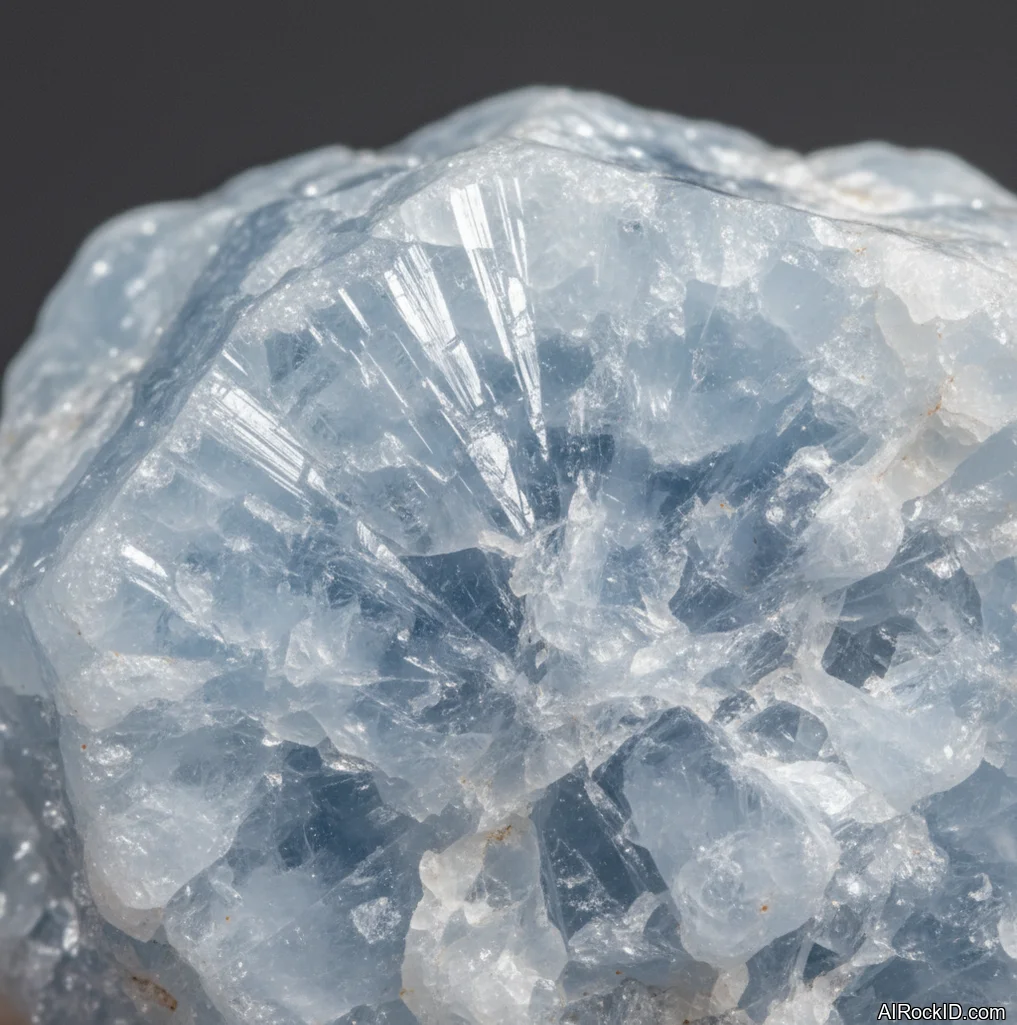
Angelite’s got this chalky, almost powdery feel, and it’s surprisingly light next to quartz. And that softness is kind of the point because it comes across as calming, not sharp or “spiky.” I reach for it when my head’s loud and I want my dreams to chill out, get less chaotic, and actually make sense. That steadier storyline helps with lucidity since the narrative holds together longer. Thing is, if you grab a raw chunk, you’ll feel it warm up in your palm faster than a dense agate. So it’s not the stone I go to for “high charge” work. But it dings easily and scratches fast, too, so if it’s living on your nightstand, it really needs a little dish or a pouch (learned that the hard way).
How to use: Put it in a small bowl so it doesn’t chip on the nightstand. Use it on nights you’re stressed, and keep your routine simple: lights low, one sentence intention, sleep.
Apophyllite

Apophyllite

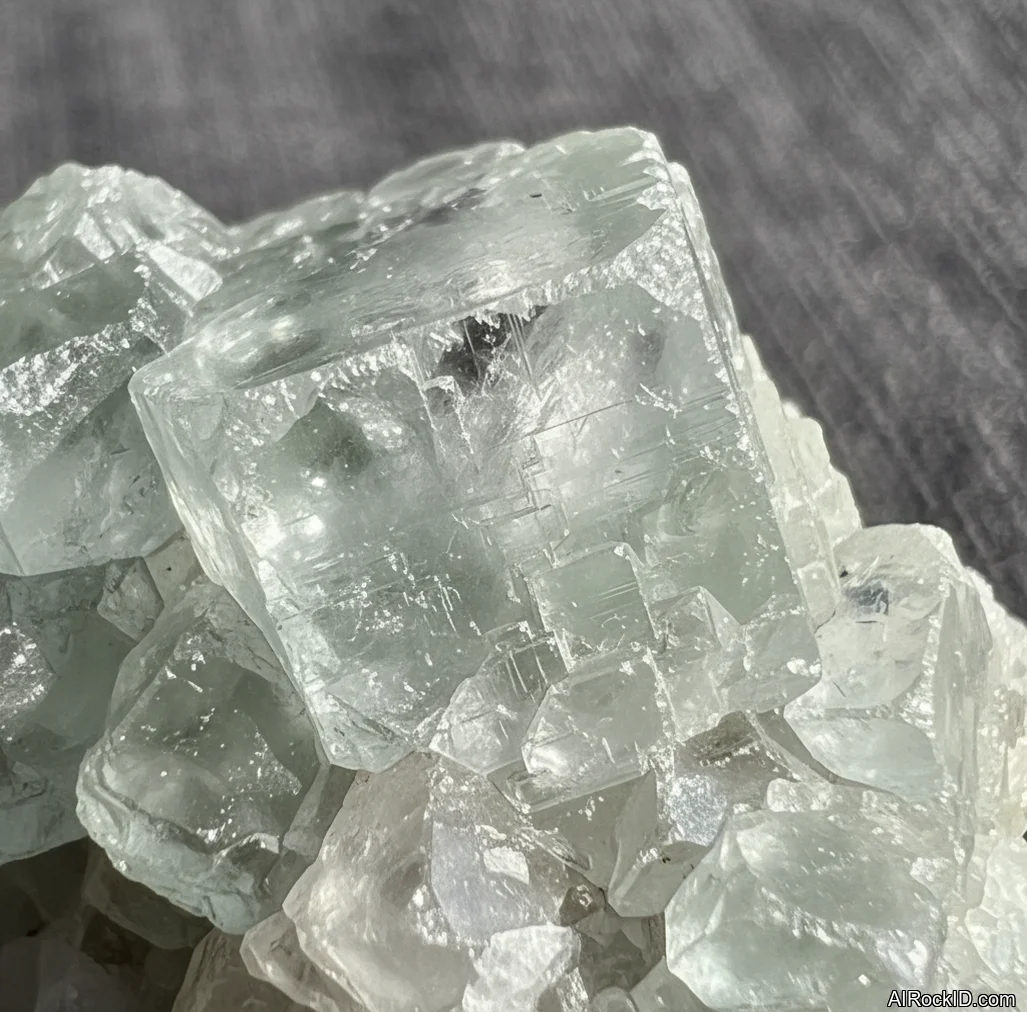
Apophyllite is what I grab when I want clarity, not a big, heavy hit. A good piece has those glassy faces that catch the light like a tiny window, and you can tell right away because it stays cool and crisp under your fingertips, in this clean, almost clinical way. For lucid dreaming, that “clear window” feeling can be the difference between a foggy dream and one where you actually notice the details. But it can get too bright if it’s sitting inches from your head, especially if you already wake up easily.
How to use: Place a small cluster across the room or on a dresser so it’s in the space but not in your personal bubble. Use it during a 2-minute pre-sleep breath count, then turn away from it and let your eyes rest.
Amber

Amber

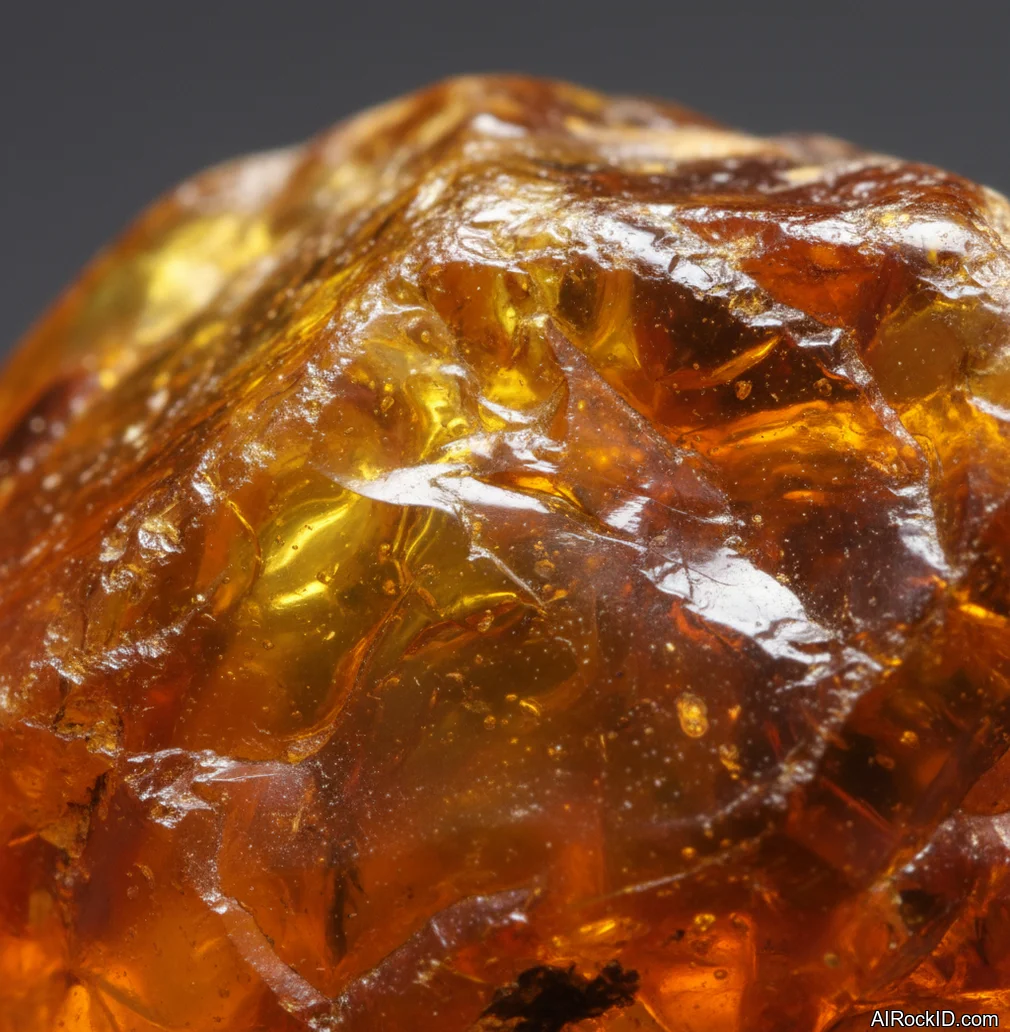
Amber isn’t a mineral, and you notice it the second you pick it up. It’s warm. Light, too, like it doesn’t have the same heft stones do. That little bit of warmth is weirdly soothing at bedtime. And I’ve honestly had good results using it as a “safety cue” when dreams get intense, kind of like a reminder to stay put in the dream instead of jolting awake in a panic. Cheap stuff is usually plastic or pressed material. You can tell fast because it feels too perfect, too uniform, and if you rub it between your fingers it can give off that faint chemical smell (like warm plastic). Real amber, though, is a bit fussy. It picks up skin oils and scratches easily, so yeah, it’s a little high-maintenance.
How to use: Keep a small piece in a pouch and hold it for a minute if you wake anxious from a dream. Don’t sleep with it loose in the bed; it’s easy to lose and easy to nick.
Amazonite

Amazonite

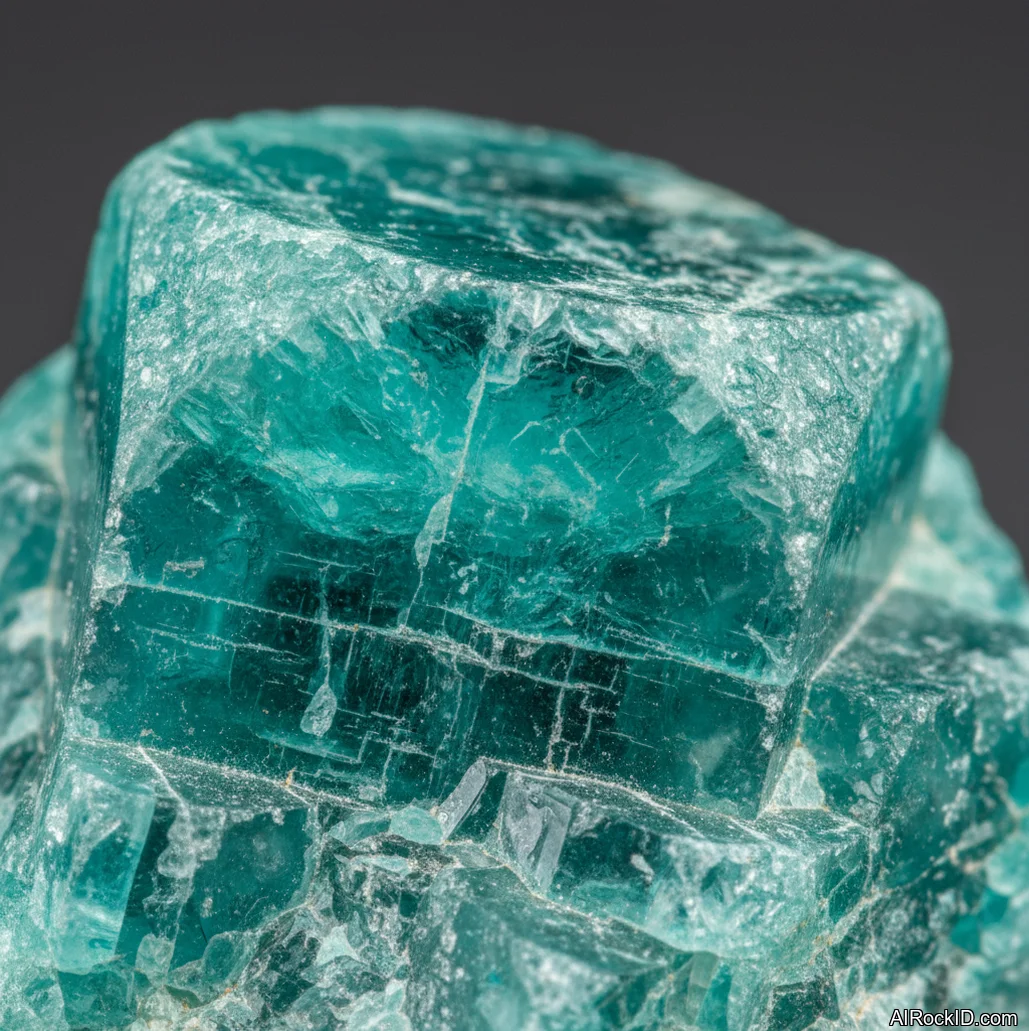
Amazonite’s got this blue green tone that can calm the brain noise a bit, and honestly that’s half the fight with lucid dreaming. If you hold it up and really stare, you’ll usually catch those milky white streaks running through it plus that slightly blocky shape, and the whole grounded feldspar feel is nothing like quartz’s sharp, “laser beam” kind of energy. And I see this all the time: people get so wrapped up in reality checks that lucid practice turns into homework. Why do that to yourself? But here’s the catch. Some of the dyed stones out there look neon and weirdly flat, and in your hand they just don’t feel the same (almost slick, like the surface is too uniform).
How to use: Use it earlier in the evening, not right at lights-out, as a signal to start winding down. Put it near your phone charging spot to remind you to stop scrolling and switch to journaling.
Auralite-23

Auralite-23

Auralite-23 is, at its core, an amethyst-family stone with extra inclusions and a ton of hype glued to it, so I think of it as “amethyst, but with personality.” In your hand, a lot of pieces feel a bit denser and kind of more stimulating than a plain amethyst tumble, especially the darker stuff that’s packed with inclusions (you can usually see those specks and wispy streaks when you tilt it under a lamp). So for lucid dreaming, that can actually help if you’re the kind of person who sleeps like a rock and can’t catch that tiny moment when you realize you’re dreaming. But if you already wake up a lot? It can nudge you into more broken, fragmented sleep.
How to use: Start with distance: nightstand is fine, under-pillow is not my first recommendation. Try it only 2 to 3 nights a week and compare your sleep quality and recall in your journal.
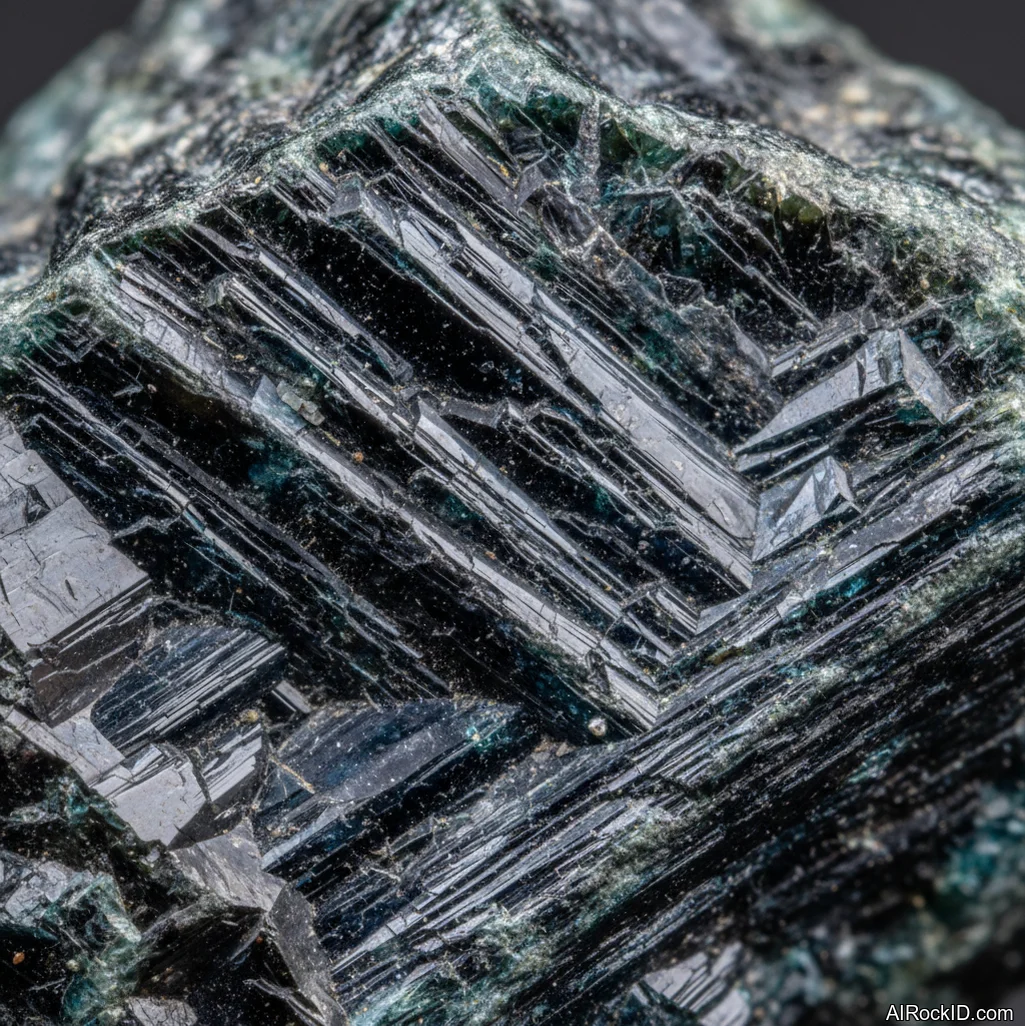
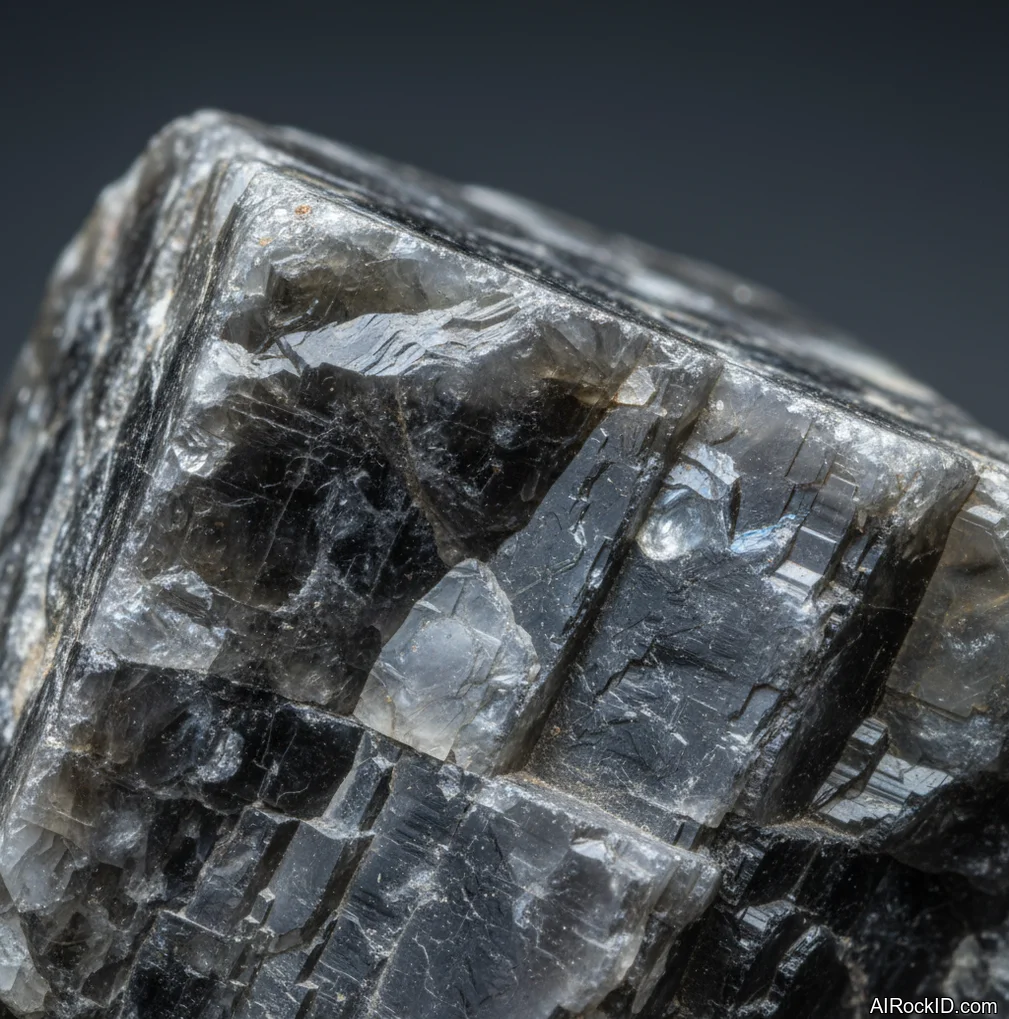
Arfvedsonite

Arfvedsonite

Arfvedsonite is the kind of stone that looks almost black until you actually move it. Tilt it under a bedside lamp and you’ll catch that sneaky blue-gray shimmer sliding across the surface, like oil on water but colder. It’s one of the better stones for “pattern noticing.” And that matters, because lucid dreaming is basically catching the weird thing in time before the dream fizzles out, right? I’ve found it helps me keep a thin thread of awareness without getting that floaty, spaced-out feeling. But buying it can be a pain. Some sellers mix it up with other dark amphiboles, and if you end up with a low-grade piece the shimmer can be so weak you’ll barely see anything unless you’re turning it in the strongest light you’ve got.
How to use: Place it where your eyes land when you sit up, next to your journal and pen. Do one quick reality check while looking at the shimmer, then go straight to sleep without adding extra rituals.
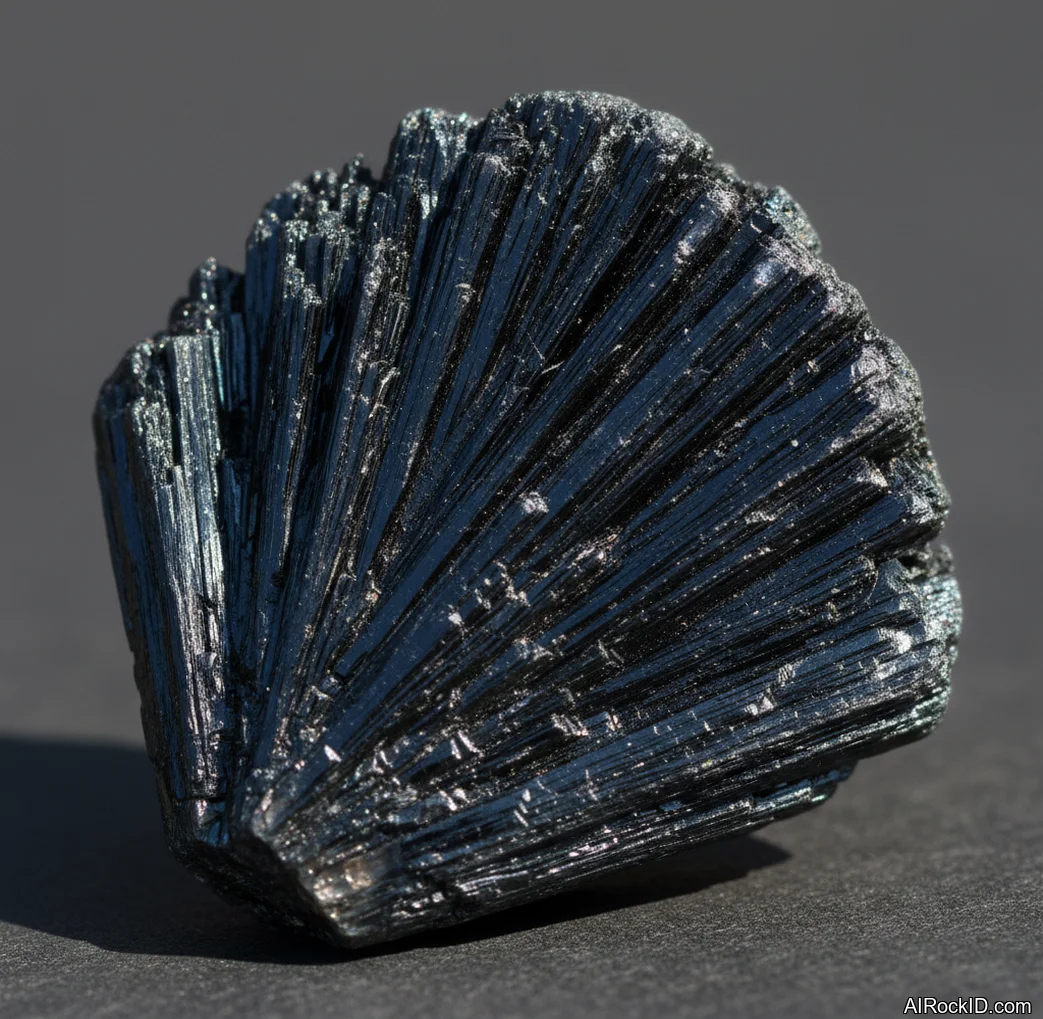
Black Kyanite

Black Kyanite

Black kyanite is basically texture in stone form. Grab one of those fan-shaped pieces and it feels like a brittle little brush in your hand, with ridges and striations that’ll catch on a sweater sleeve if you aren’t paying attention. I reach for it when someone’s dealing with messy, intrusive dreams and they want cleaner boundaries and a calmer slide into sleep. It feels grounding, but not as heavy or clunky as hematite can. But yeah, it’s fragile. Drop it and it can crack, and keeping it loose in the bed is just asking to get poked or have it snap on you in the middle of the night. Why risk it?
How to use: Keep it on a shelf or in a dish on the nightstand, not in the sheets. Use it as a “closing signal” after journaling: touch once, lights out, done.

How lucid dreaming actually improves (and where crystals fit)

Most lucid dreaming progress comes from the boring stuff. Consistent sleep. Enough REM time. And some way to grab your dreams before they evaporate the second you sit up. If you’re sleeping 5 hours, getting yanked awake by alarms, and pounding caffeine late, no stone is going to patch that.

Thing is, the crystal part works best as a cue. A physical object you touch the same way every night can train a habit loop, almost like muscle memory in your fingers.

Pick up the same stone each evening and your brain starts linking it with “I’m going to remember.” That’s the practical angle. And it’s why I like stones with a really obvious feel in your hand, the kind you notice even in a dark room when you’re half-asleep: the cool, glassy face of apophyllite, the waxy warmth of amber, the feathery brittleness of black kyanite. Sensory anchors beat complicated affirmations. Why make it harder than it has to be?

So instead of chasing some mythical “third eye blast,” you’ll get more lucidity by pairing one crystal with one behavior. Put the stone next to a notebook. Touch it only when you wake from a dream. Keep the rest of the night boring. That’s the whole point, really (and it’s easy to forget): reduce friction so you can catch that thin little moment where you realize you’re dreaming.

Placement: pillow, nightstand, across the room (it matters)

The issue with most crystal advice is it talks about placement like you’re just styling a shelf. But for sleep work, distance is the whole game. Under your pillow hits hard because it’s basically inside your personal bubble all night, and for a lot of people that means lighter sleep and more wake-ups. Sometimes you remember more. Sometimes you just wake up cranky. That’s it.

Nightstand placement is my go-to. It’s close enough that your brain still clocks it as a cue, but not so close that you’re half-monitoring it while you’re trying to drift off (yes, people do that without realizing). Across the room is honestly underrated, especially with brighter-feeling stones like apophyllite or inclusion-heavy auralite-23. You still feel it in the space, but you’re not marinating in it all night.

Also, quick reality check: if you can scratch it with your fingernail and it marks easily, be gentle with it and don’t park it somewhere you’ll swipe it off in the dark. Angelite chips. Black kyanite snaps. And even a plain ceramic dish, the kind that makes that soft clink when you set the stone down, can save you money and keep your sleep setup from turning into a midnight mess.

Pairing crystals with dream journaling (the combo that actually works)

Dream journaling is the moment lucid dreaming stops being a vague hope and turns into actual data you can look back at. You don’t need long paragraphs. Three bullet points is enough. Thing is, you’ve got to move fast, because dream memory evaporates the second your “thinking brain” clicks on.

Most dealers will happily sell you a “dream stone” and somehow forget to mention the pen. So here’s the trick that actually works: set the crystal right on top of your closed journal, dead center, like a little paperweight. That way you physically have to pick it up or slide it off before you can write. That tiny movement becomes a trigger. I’ve watched people go from “I never remember anything” to filling half a page just because they quit trying to hold it all in their head and just got it onto paper.

At first it feels kind of silly. But it’s a clean system: wake up, touch the stone once, write immediately, then go back to sleep. If you want a stone that’s gentle for this, black moonstone and amethyst are easy. And if you want something that jolts you a bit more awake, arfvedsonite can help you stay up long enough to write, but it can also make it harder to drop back off.

When your dreams get too intense: keeping sleep stable

Lucid dreaming can kick up some really intense stuff. It’s not mystical. It’s just what happens when you start paying closer attention to your dream life. But if you hammer it too hard, your sleep can get choppy and then the whole thing backfires because you’re wiped out and your dream recall actually gets worse.

And cheap “high energy” stones can be a sneaky trap. A lot of them are dyed, coated, or flat-out misidentified, so you end up swapping rocks over and over trying to solve what’s really a basic sleep issue. If your nights feel kind of wired, simplify. Switch to something calmer like angelite or amber, and move it farther away from you.

Thing is, the real test is how you feel at 2 pm the next day. If you’re fried, your setup is too stimulating. Lucid practice should leave you more rested over time, not less. Use the stone like a volume knob, not a gas pedal.

How to Use These Crystals for Lucid Dreaming

Pick one stone and stick with it for two weeks before you decide anything. Don’t bounce between five crystals. That’s the quickest way to talk yourself into “nothing works” because you won’t know what actually changed. Put your chosen stone in the exact same spot every night, like the corner of your nightstand where your fingers can find it in the dark, and keep everything else the same too: same bedtime, same lighting, same journal parked next to the bed.

Here’s a straightforward way to do it that doesn’t get weird. When you climb into bed, hold the stone for about a minute (you’ll notice it warms up in your palm) and do a quick memory cue: replay the last dream you remember, even if it was months ago. Then finish with one simple line like, “I notice when I’m dreaming.” Set the stone down and quit chasing results. If you wake up from a dream, don’t grab your phone. Just touch the stone once, scribble down three details, and go back to sleep. That’s it.

And if you want to add one more step, place the stone where you’ll actually see it during a night wake-up and tie it to one reality check. Look at your hand, look at the stone, then look back at your hand. In dreams, the hand often looks off. Thing is, keep it calm. If your sleep starts feeling lighter or you’re waking up too much, move the stone farther away for a week and see if your body settles (why force it?).

Common Mistakes to Avoid

The biggest screw-up is treating a crystal like a caffeine pill. Someone grabs a piece that “feels strong,” slips it under the pillow, sleeps like garbage, then says they “had more dreams,” when really they just woke up more times. And yeah, more wake-ups can help recall, sure. But once your sleep quality takes a hit, lucid practice falls apart after a few days. Fast.

Another thing I see constantly: people buy a “dream combo” and flip three switches at once. New stone. New supplements (whatever’s in that stack). New alarm technique. Then what happens? You’ve got no clue what helped and what messed you up. Keep one thing steady, track it, then change a single variable and see what it does.

Last one: watch the market. Dyed amazonite lookalikes and mislabeled moonstone are everywhere. Product photos won’t save you. The real test is feel and structure. If the color is neon and perfectly uniform, and the stone has that weird warm-in-your-hand thing that reminds you of plastic, don’t bother. Pass, and buy from someone who’ll tell you what it actually is.

Important: Crystals aren’t going to fix chronic insomnia, sleep apnea, medication side effects, or the kind of heavy, grinding stress that keeps your shoulders tight all day. And they won’t give you lucid dreams whenever you feel like it either. Lucidity isn’t a button you press. It comes down to REM timing, training, and how steady your sleep actually is. But if your nightmares spike, or you start waking up in a panic, or trauma stuff starts showing up harder, don’t try to “push through” with a stone on your nightstand (cold and smooth in your palm or not). That’s your cue to pause lucid practice and seriously think about getting professional support. Why gamble with that?

Identify Any Crystal Instantly

Snap a photo and get properties, value, care instructions, and healing meanings in seconds.

Frequently Asked Questions

What is the best crystal for lucid dreaming overall?
Amethyst is a common first choice because it is associated with calm sleep and clearer dream recall. Individual response varies with sleep sensitivity and placement distance.
Which crystal is best for dream recall?
Black moonstone is associated with stronger dream recall and smoother transitions between sleep stages. Consistent journaling is still the main driver of recall.
Can I sleep with a crystal under my pillow?
Sleeping with a crystal under a pillow can increase stimulation and reduce sleep stability for some people. A nightstand placement is typically a lower-intensity option.
How far should I place crystals from my bed for lucid dreaming?
A practical starting range is 1 to 3 feet from the pillow on a nightstand. Across-the-room placement is an option if sleep becomes lighter or more fragmented.
What crystal helps if lucid dreams feel too intense?
Amber and angelite are associated with a calmer, more reassuring bedtime feel. Reducing intensity usually also requires increasing distance and simplifying the routine.
How many crystals should I use at once for lucid dreaming?
Using one crystal at a time is easiest to track for sleep changes and dream recall. Multiple crystals increase variables and make results harder to interpret.
Do crystals need to be cleansed for lucid dreaming work?
Cleansing is a personal practice and does not have a verified effect on sleep physiology. If used, gentle methods like smoke-free air clearing or a dry cloth are common for fragile stones.
Which crystal is best for people who struggle to wake up and write dreams down?
Arfvedsonite is associated with maintaining a thread of awareness during night wake-ups. It should be tested cautiously if a person is prone to insomnia.
Are there fake or mislabeled crystals in the lucid dreaming category?
Yes, dyed stones and misidentified feldspars are common in online listings. Uniform neon color, plastic-like warmth, and vague labeling are typical warning signs.
Can crystals replace lucid dreaming techniques like reality checks and journaling?
Crystals do not replace behavioral techniques such as journaling and reality checks. They function best as consistent cues that support an established routine.
The information provided is for educational and spiritual exploration purposes. Crystals are not a substitute for professional medical, psychological, or financial advice.