Best Crystals for Memory
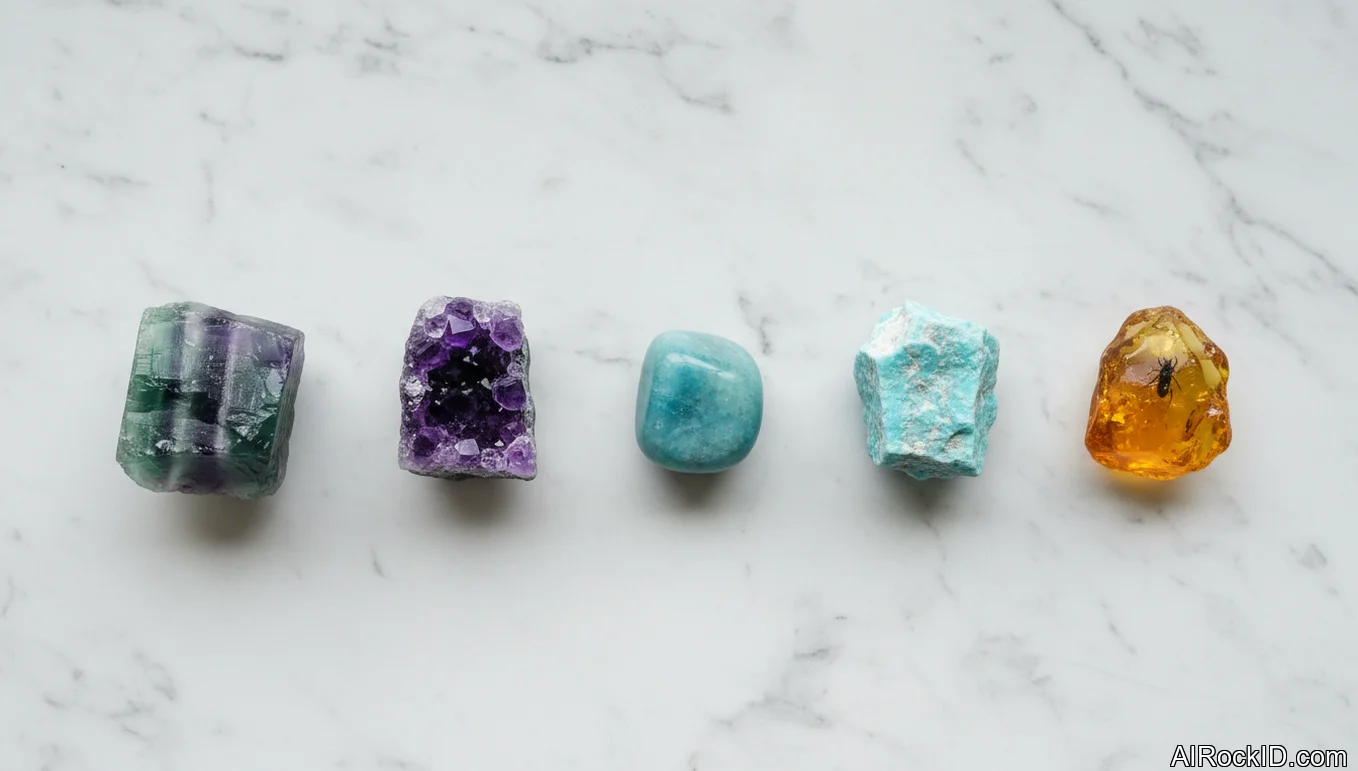
The best crystals for memory are the ones that keep you steady, alert, and consistent, because that’s what memory actually runs on. Look, I’ve watched people buy a “study stone,” use it one time, then blame the rock when nothing changes. Memory doesn’t work like that.
What can help is a physical cue you actually touch every day. Same routine. Same desk. Same calm breathing. Same recall practice. That repetition is the point.
Pick up a piece of fluorite sometime and you’ll see what I mean: it stays cool in your palm, and the edges on a raw chunk feel crisp enough to wake you up a little. Weirdly grounding, right? That sensation matters. Your brain links places and objects to states of mind, and crystals are good at being repeatable objects you can grab without thinking.
I keep a small “work bowl” on my shelf. I’ve learned this the hard way: if a stone doesn’t feel good in the hand, or it’s so precious I’m scared to touch it, I won’t use it. And if it doesn’t get used, it won’t help.
So yeah, this guide is practical. Some stones are better for mental clarity. Some help with calm. Some are for staying on-task long enough for memories to stick. But I’m going to be blunt about what doesn’t work too, like buying ten crystals and never doing spaced repetition, sleep, or hydration. Crystals can be a tool. They’re not a replacement for learning methods or medical care.
Recommended Crystals
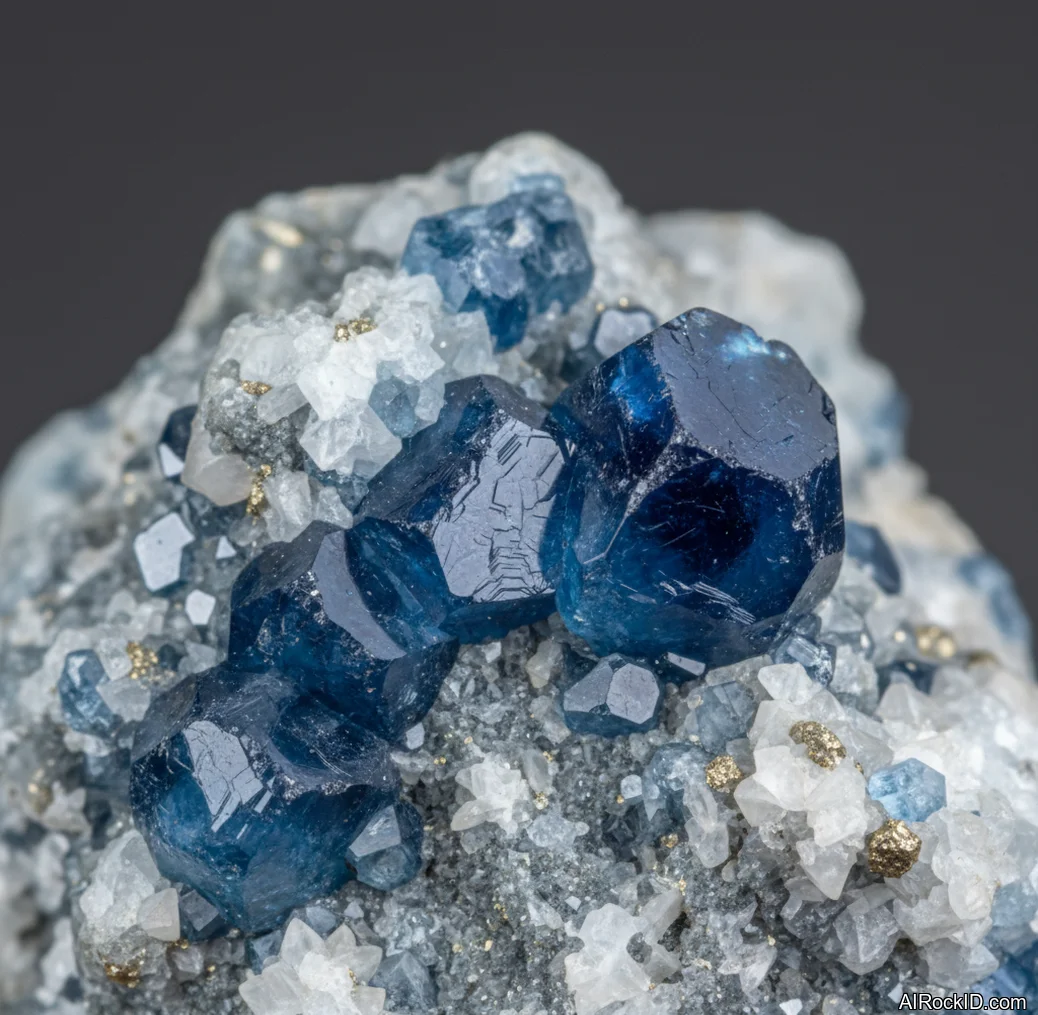
Fluorite
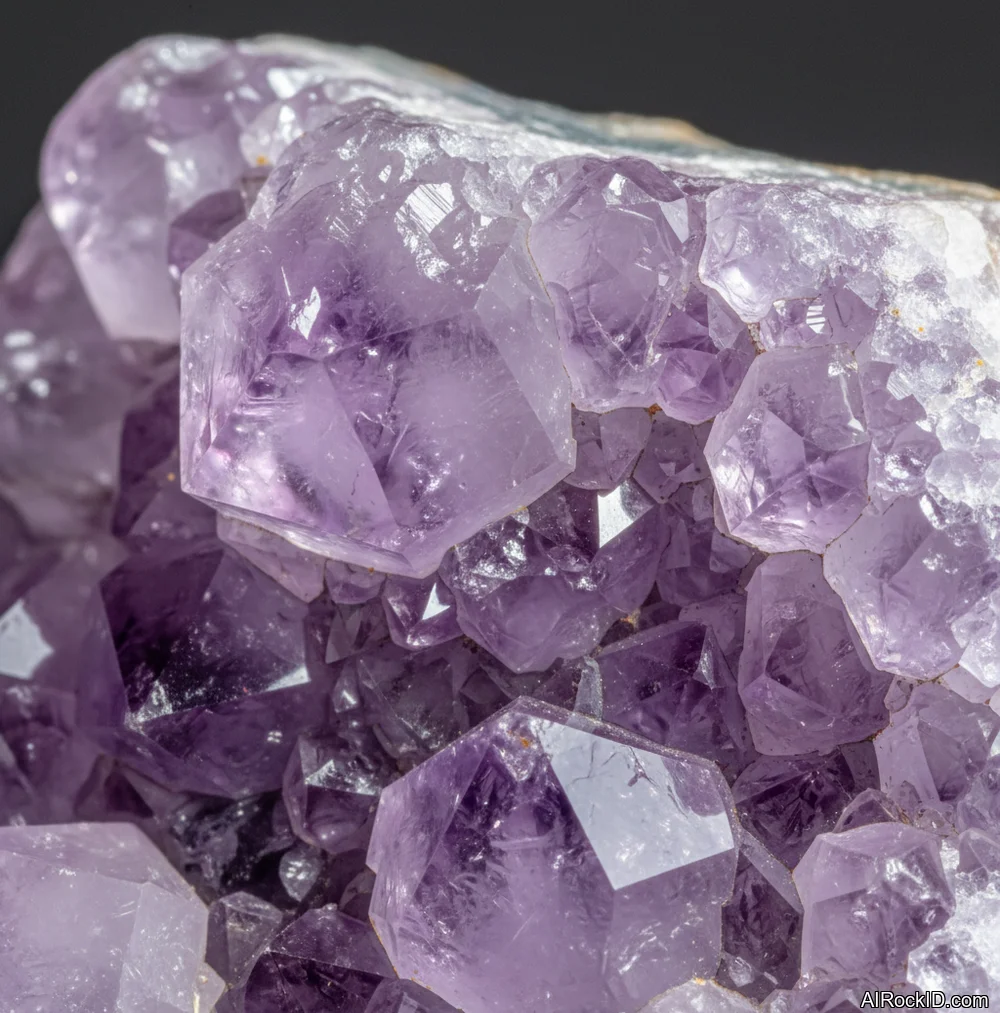
Amethyst
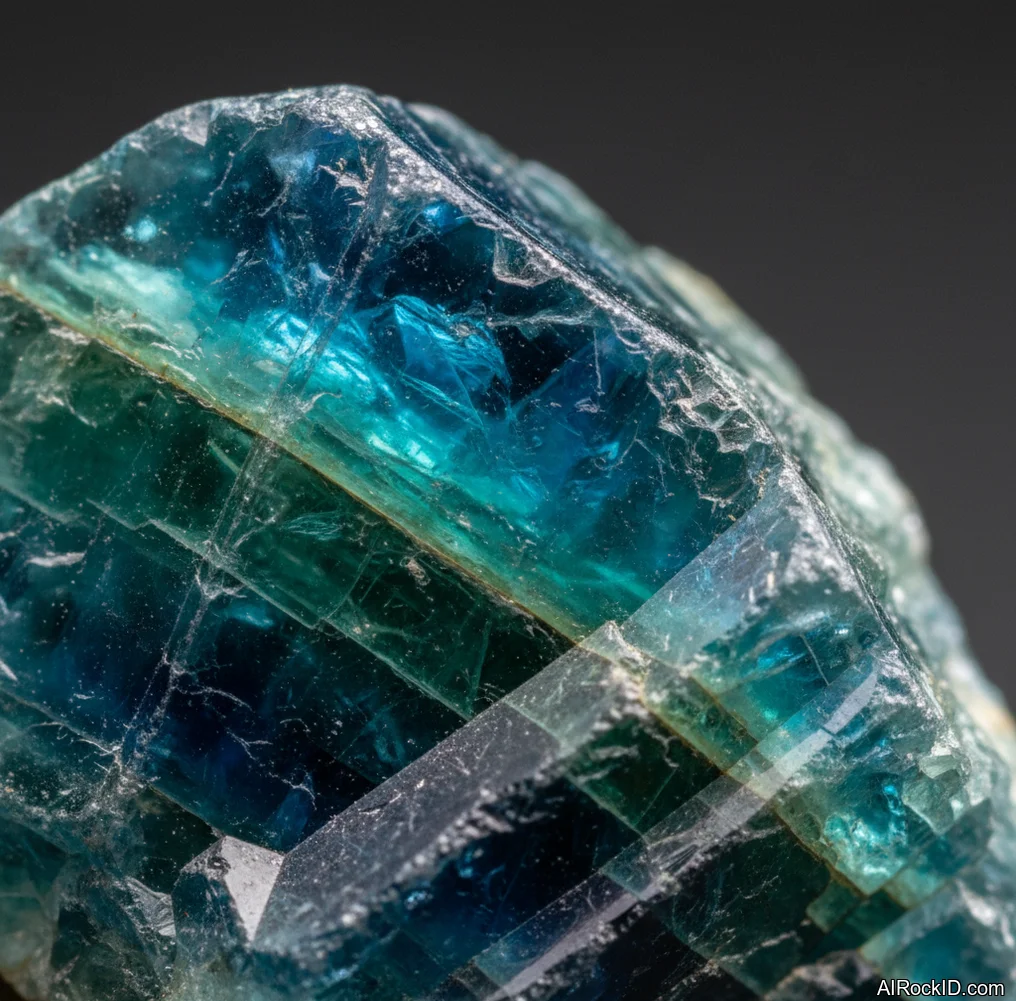
Apatite
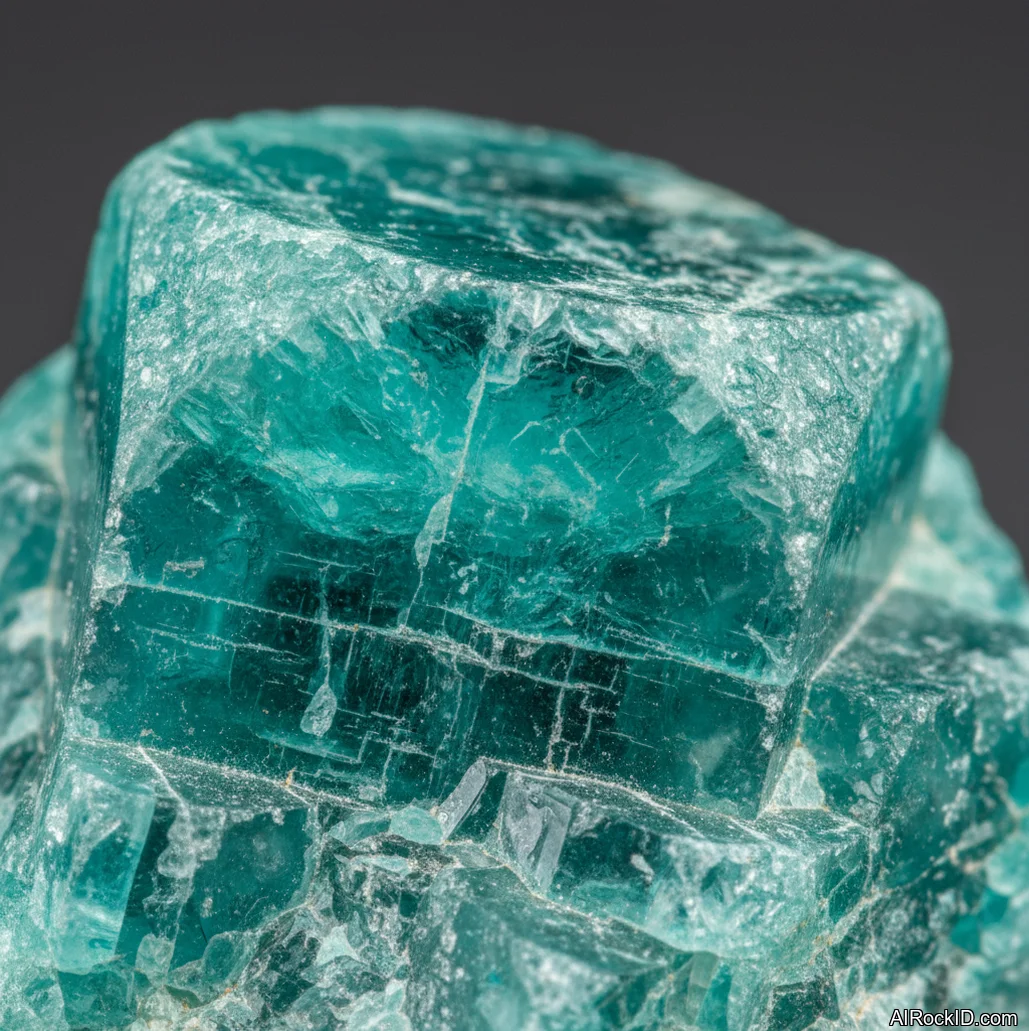
Amazonite
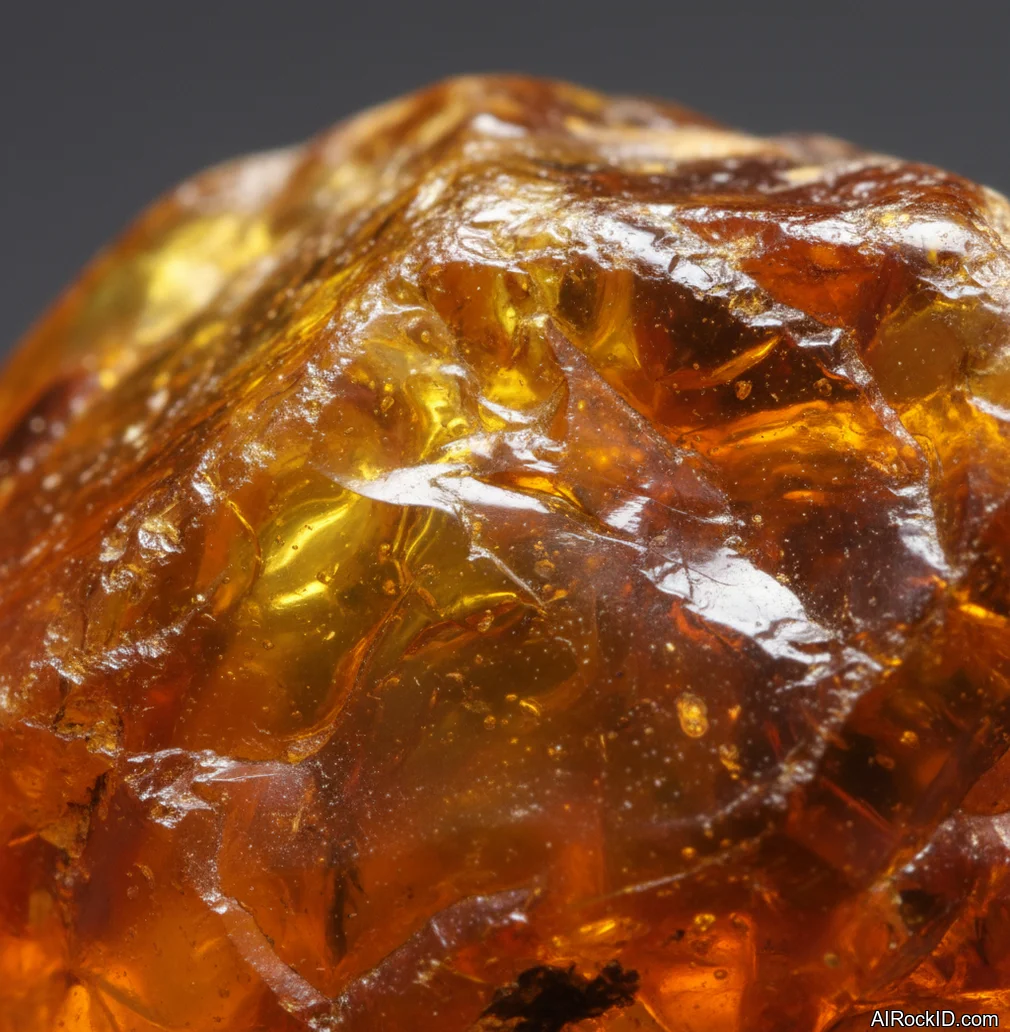
Amber
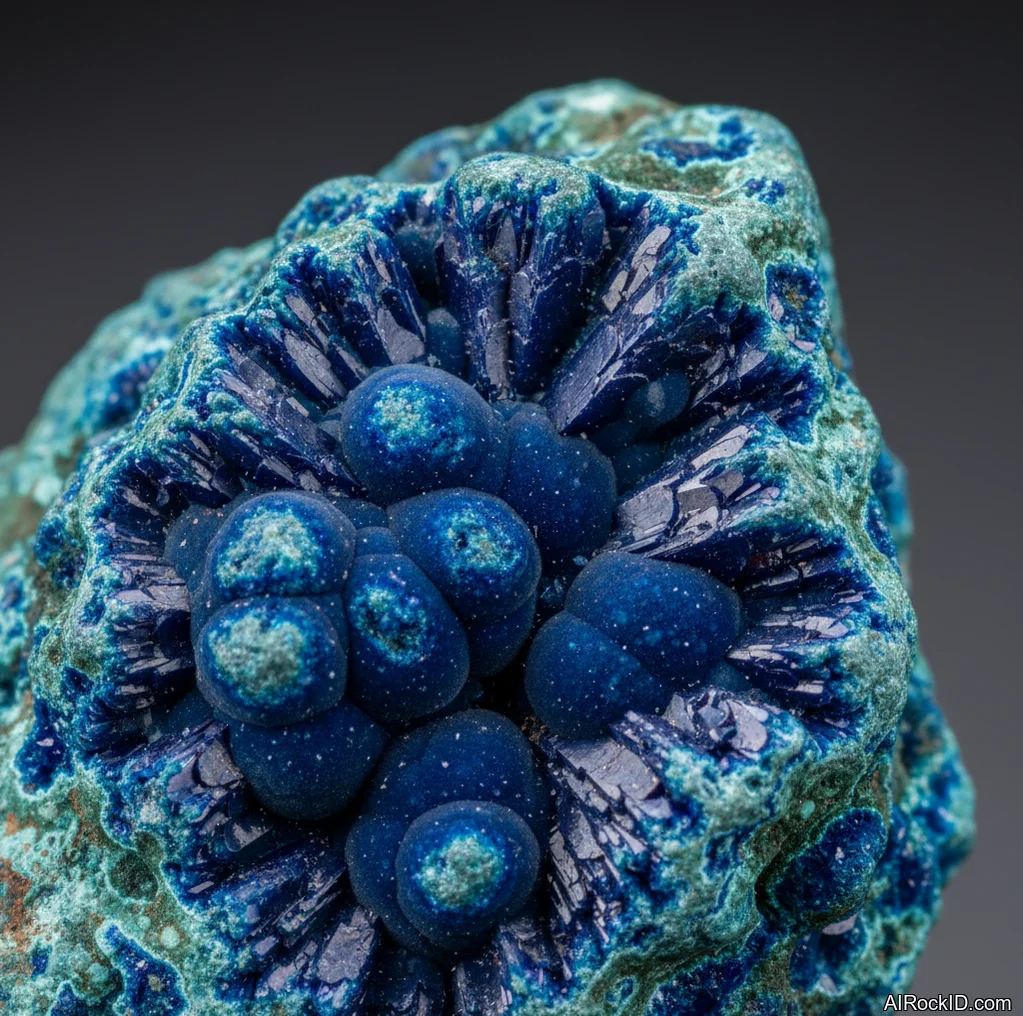
Azurite
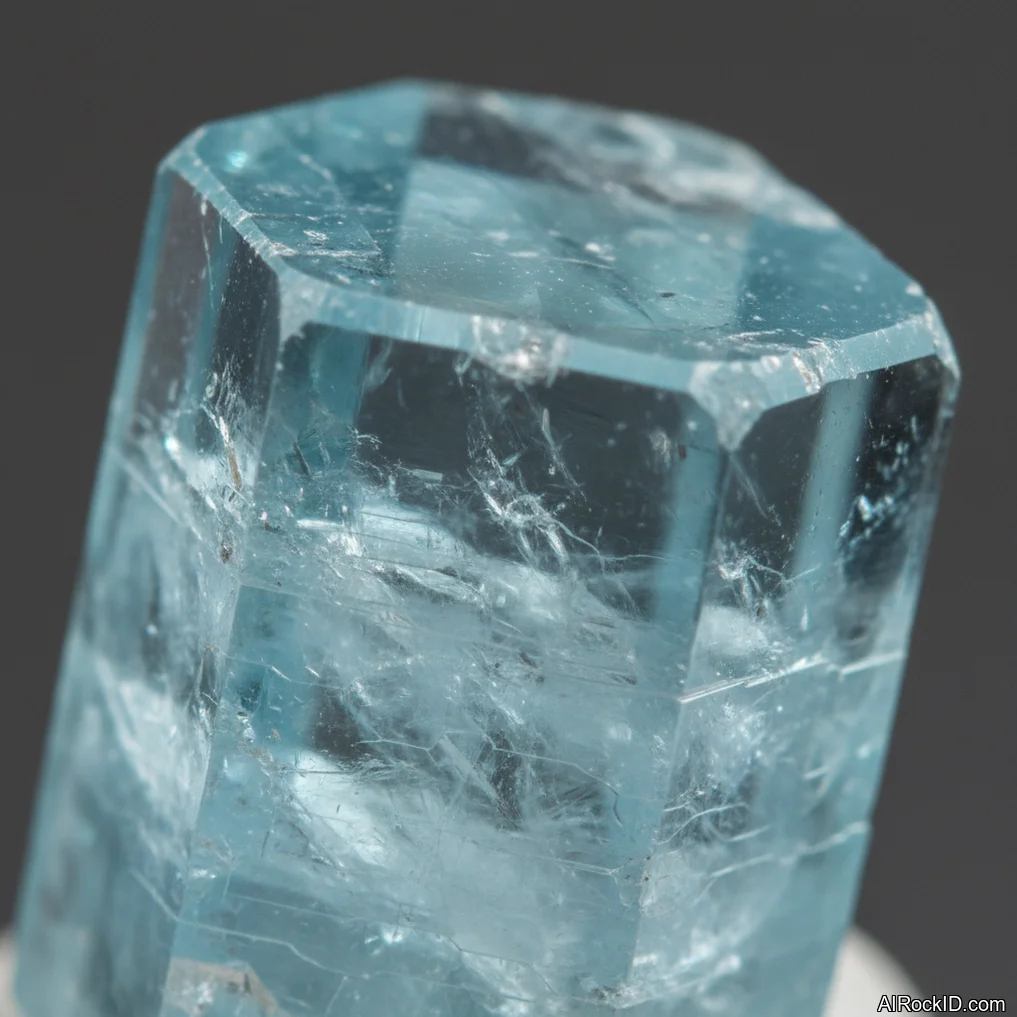
Aquamarine
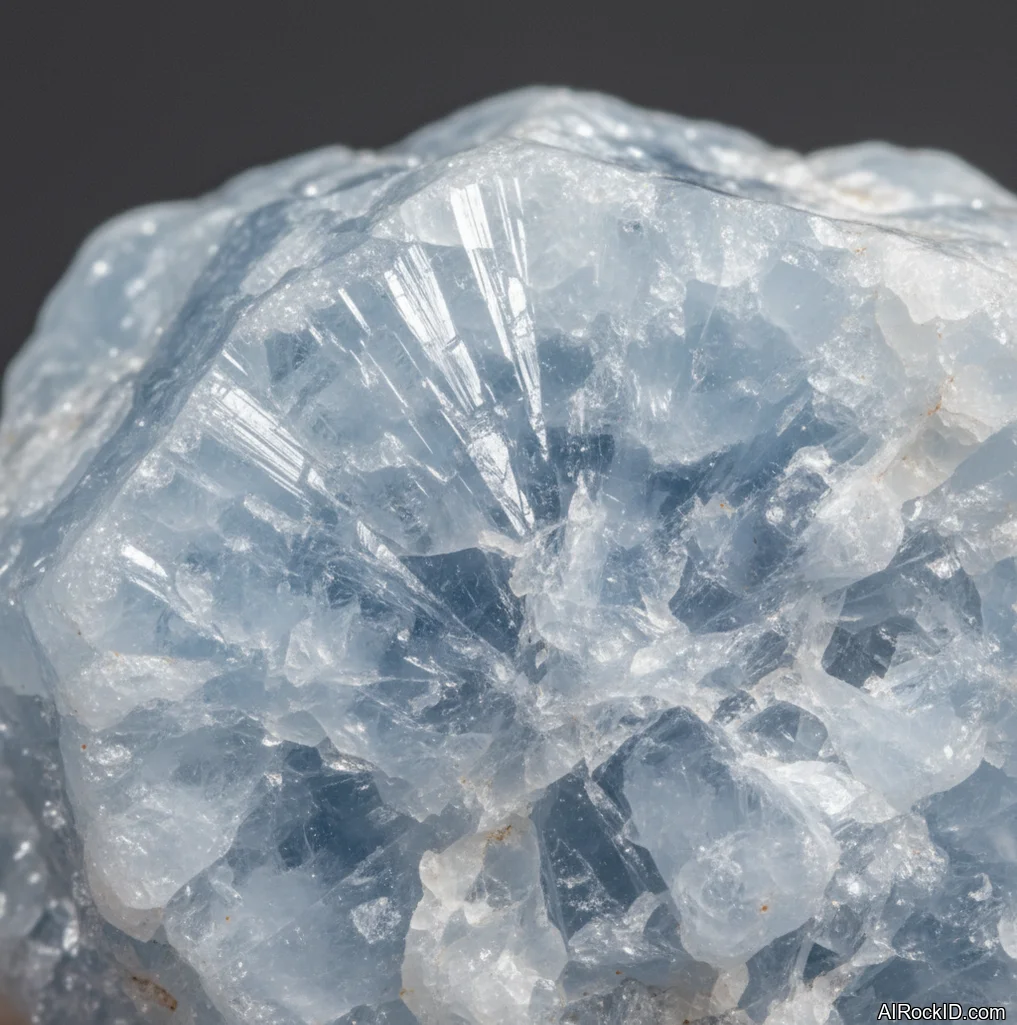
Angelite
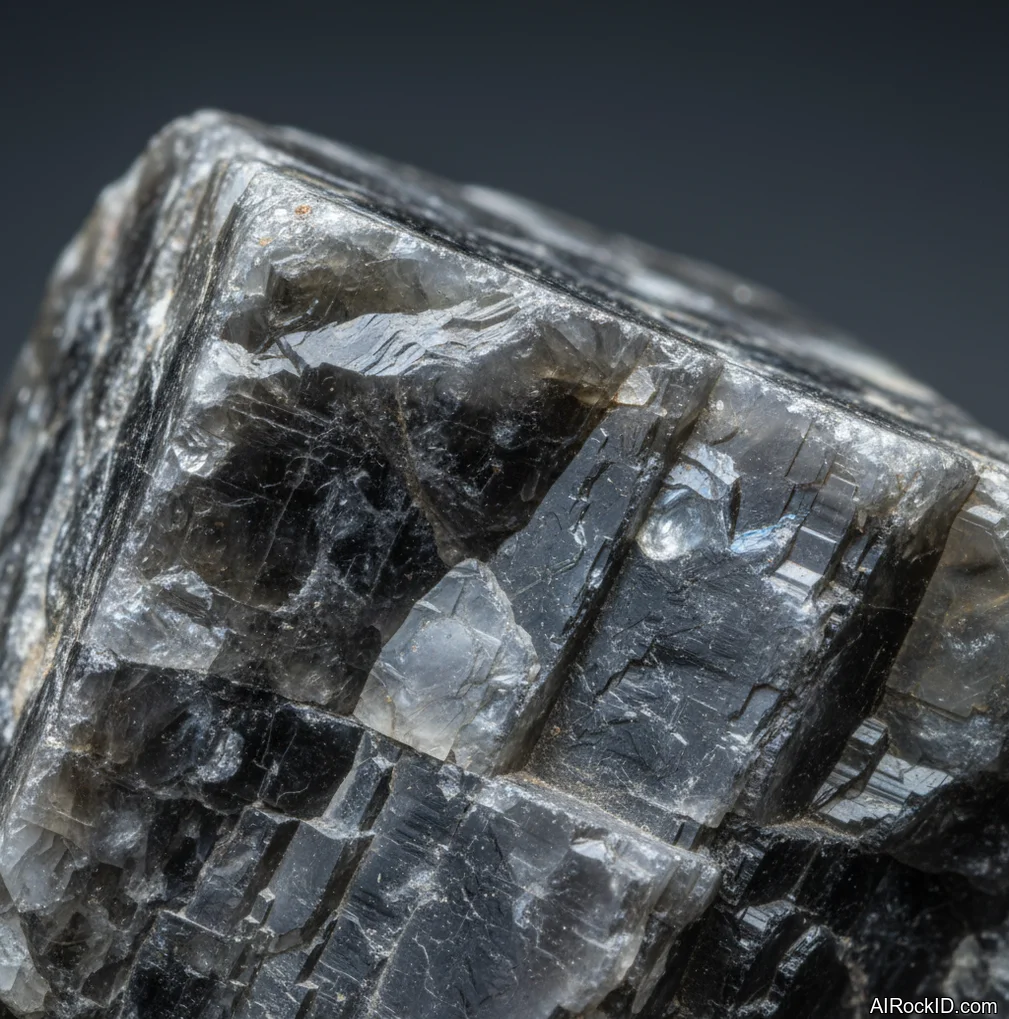
Black Moonstone
What “better memory” actually means in real life
Most people aren’t bad at memory in general. They’re tripping up at one of a few specific points: they don’t pay attention long enough to encode the info, they don’t practice recall so it actually sticks, or they sleep like garbage so the brain never files it away properly. Miss the encoding step and there’s literally nothing there to remember. Never test yourself and the memory stays flimsy. And sleep badly? Congrats, you get the annoying two-for-one of low focus and low recall.
Pick up any random stone and watch what your brain does. Fast. It assigns it a “job.” Desk stone. Pocket stone. The one that sits by your bed and feels a little cooler than the air when you first grab it. That isn’t mystical. That’s conditioning. If you only ever use a crystal while doing active recall, your brain starts tying that object to the mental gear you’re trying to click into. The trick is quitting the “cute decoration” thing and using it like a switch you flip.
So when you’re picking crystals for memory, pick for function. Can you hold it for 20 minutes without absentmindedly rolling it around and losing the thread? Is it the kind of stone that chips if you so much as tap it on the desk edge? Does it feel nice in your hand, like you’ll actually reach for it tomorrow (instead of leaving it on the shelf)? That’s the stuff that decides what you get out of it.
Matching crystals to the type of memory work you’re doing
Study memory and real-life memory don’t really work the same way. Studying likes a plan. Repetition. The same chair, the same page, the same routine until it sticks. But day-to-day memory? That usually shows up when you’re calm enough to notice what’s happening, and you’ve got some kind of cue that says, hey, pay attention.
At my desk, I’ll grab fluorite or apatite because they keep me in straight-up “work mode.” They’ve got that cool, slightly slick feel when you pick them up, and it’s like my brain goes, okay, we’re doing the thing now. But when I’m out and I need to remember names, directions, or talking points, I reach for amber or aquamarine instead. Different vibe. Warmer. Less rigid. And it works better for that on-the-fly kind of remembering (you know the kind where you’re walking and trying to not look lost).
Size matters too. A big palm stone looks nice, sure, but a small piece you can actually carry ends up getting used way more. The downside is it’ll get beat up. Pockets are brutal. Soft stones like angelite get wrecked in pockets. Azurite flakes. Fluorite chips on corners, especially if it’s bouncing around against keys or a zipper pull. So if you’re the type who dumps everything into one bag, pick something tougher for daily carry and keep the fragile stuff on the desk. Simple.
And then there’s the sensory match. Some people need that cool, crisp feel to snap into focus. Others need warmth and softness so they stop clenching their jaw (been there). Use what your body responds to, not what some list says you “should” use. Why fight your own nervous system?
Simple routines that make the stones actually work
Routine is the engine here. The crystal’s just the key you turn.
If you’re sitting there with a stone in your palm while you reread notes, you’re not really building memory. You’re just getting used to the page. Familiar, sure. But are you actually pulling the info back up on your own?
The quickest progress I see is when people pair the stone with active recall and spacing, even if it’s only five minutes. Tiny, but real.
Do this: touch the stone. Then, for two minutes, write down everything you can remember about the topic from scratch. No peeking. After that, check your notes and fix what you missed in a different color (I usually grab whatever pen is already on the desk, even if it’s a slightly dried-out purple). And that’s the whole thing. Do it again tomorrow.
So yeah, you’ll feel it in about a week, because you’re forcing retrieval instead of just collecting nice-looking supplies that sit there catching light.
Want a longer loop? Use a 25 minute block. Start by holding the stone and saying the goal out loud, even if it feels a little silly at first. End by holding it again and listing four things you can recall without looking. I’ve watched even scattered students settle down when the start and stop points are physical, consistent, and you can literally feel them in your hand.
Choosing quality without getting ripped off
Most dealers are honest. But the market’s still kind of a mess. Amber is the big one: plastic fakes are everywhere. Real amber feels almost weirdly light, and it warms up fast when you hold it for a few seconds; plastic tends to stay kind of neutral, and it can feel too smooth and too perfect, like it came off a mold.
With aquamarine, sellers love to stretch the label. You’ll see pale beryl that’s basically clear getting called “aqua,” so don’t buy the name. Buy what your eyes are telling you.
Fluorite is another trap. It gets sold in these bright, super-uniform colors that look almost too good. And yeah, at first glance it’s gorgeous, but if the color looks like it was poured in, be skeptical. Natural fluorite usually shows zoning, banding, or a little unevenness (that slightly patchy look is normal).
Azurite and malachite combos sometimes get stabilized or coated. That isn’t evil, but you should know what you’re buying, because coatings change how it feels in your hand. Slicker. A little plasticky, sometimes.
Thing is, the real test is usability. If a stone is so fragile you’re scared to touch it, it won’t turn into a memory tool. So grab a piece you’ll actually handle, even if it’s not museum grade.
How to Use These Crystals for Memory
Start with one stone, not some big “memory set.” Put it where the habit actually happens. Desk if you’re studying. Nightstand if it’s sleep and consolidation. Pocket if you’re trying to remember names and pick up real-world cues. If you swap stones every day, you’re basically wiping the slate clean, and yeah, it’ll feel like nothing’s working.
Pick up the stone and tie it to one repeatable action: two minutes of brain dump, five flashcards, one page of summary from memory, or a quick verbal explanation. Keep it tight. I’ve held plenty of gorgeous stones that looked amazing in the hand (cool at first, then they warm up fast) and still ended up as shelf decor because the routine was a whole production. Simple wins.
And go easy on the fragile ones. Fluorite chips. Angelite scuffs (you’ll see those dull little streaks right away). Azurite can shed grit, like a dusty blue crumb on your fingers. Use pouches, not pockets rattling around with keys. And clean them like someone who actually uses tools: a quick rinse for quartz-like materials, a wipe for softer stones, and don’t soak anything that looks chalky or layered. Why risk it?
Common Mistakes to Avoid
The biggest screw-up is treating crystals like they can replace recall practice. If all you do is reread and highlight, you’ll feel busy and still blank under pressure. Holding a stone while you passively study just teaches your brain, “yeah, this page seems familiar,” not “go fetch that info.”
And here’s another one: tossing fragile stones loose in a bag. I’ve seen angelite come out of a backpack looking like it got chewed up, like it went through a rock tumbler the wrong way. Fluorite corners chip clean off (you’ll find the little shard in the bottom pocket later), and then people quit using it because it “broke,” when really it just needed a pouch. Azurite dust on your fingers is a warning sign too. Treat it like a desk specimen.
But the last thing I see all the time is people buying stones they can’t stand touching. Too sharp. Too big. Too precious. Too weird. If you don’t like how it feels in your hand, you won’t stick with it, and habits are where memory gains come from.
Identify Any Crystal Instantly
Snap a photo and get properties, value, care instructions, and healing meanings in seconds.