success

Best Crystals for Money
Hand holding a small pile of tumbled stones used for money intentions, including amber, amazonite, amethyst, and black onyx

The “best” money crystals are the ones that help you stay steady, focused, and consistent while you do the unsexy real-world stuff that actually moves money. I’ve seen people get results when they treat a stone like a habit anchor, not a scratch-off ticket. And I’ve seen people get mad when they expect a rock to replace a budget.

Thing is, when you pick up a “prosperity” stone, the first thing you notice isn’t mystical. It’s basic. Weight. Temperature. Texture. Real amber warms up fast in your fingers, almost like it’s borrowing your body heat right away, while a dense black onyx stays cool for a while, even after you’ve been holding it (that little chill doesn’t quit quickly). That physical feedback matters because money work is mostly boring repetition. Paying invoices. Sticking to a plan. Asking for the raise. Following up on leads. A stone you genuinely like touching is the one you’ll keep close when it counts. Otherwise it ends up in a drawer. Forgotten.

But the market’s messy. “Citrine” is the classic money stone, and yeah, it gets recommended everywhere, but a lot of what’s sold as citrine is heat-treated amethyst. I’m not saying you can’t use it. I’m saying if you’re trying to be clean and intentional about it, it helps to know what you’re actually holding.

So here are the stones I’ve used myself or watched people use in really practical ways: calming impulsive spending, pushing through fear of selling (that tight-chest feeling), staying grounded during negotiation, and keeping momentum once the initial excitement wears off.

Recommended Crystals
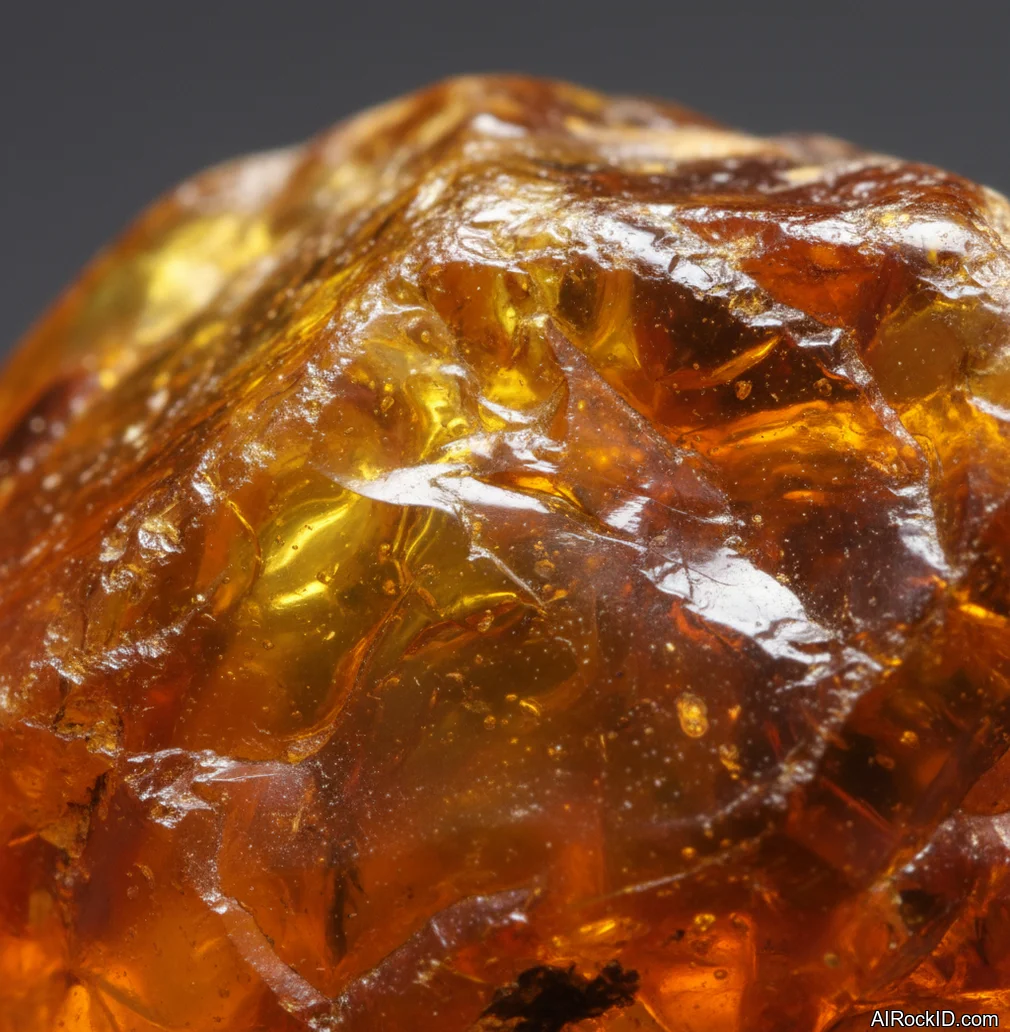
Amber
Amber

Amber’s light when you pick it up, but it isn’t flimsy. It heats up fast against your skin, and that quick, cozy warmth is exactly why I reach for it when I’m doing money work that’s tied to confidence and being seen. I’ve watched it nudge people into stopping the whole “hide the price, soften the number” routine, mostly because it turns into this little tactile cue to just say it straight. But a heads-up from experience: the cheap plastic fakes warm up too. Thing is, they’re usually weirdly perfect, totally uniform, and when you tilt them under angled light they look kind of dead.
How to use: Keep a small amber piece where money decisions happen, like next to your card wallet or by your laptop when you send invoices. Touch it before you set a price or hit “send” on a proposal, then write the number you actually need, not the number that feels polite.
Amazonite

Amazonite

Amazonite, when it’s polished right, gets this blue green “window” sheen, like light’s trapped just under the surface. And on the best pieces you can actually see a gentle little grid, which comes straight from the feldspar structure. In real life, I reach for it when I need to talk about money clearly, especially if I’m worried I’ll come off pushy. It’s one of the few stones I’ll literally put in someone’s hand when they’re undercharging (you know the type?), because it tends to nudge them toward calmer, cleaner boundaries. But keep an eye on what you’re buying. Dyed material can scream neon, and the color often sits weirdly in cracks, like it pooled there instead of belonging.
How to use: Put amazonite on your desk during calls about rates, raises, or negotiations. If you catch yourself babbling or discounting mid-sentence, squeeze the stone once, pause, and state the number again plainly.
Amethyst

Amethyst

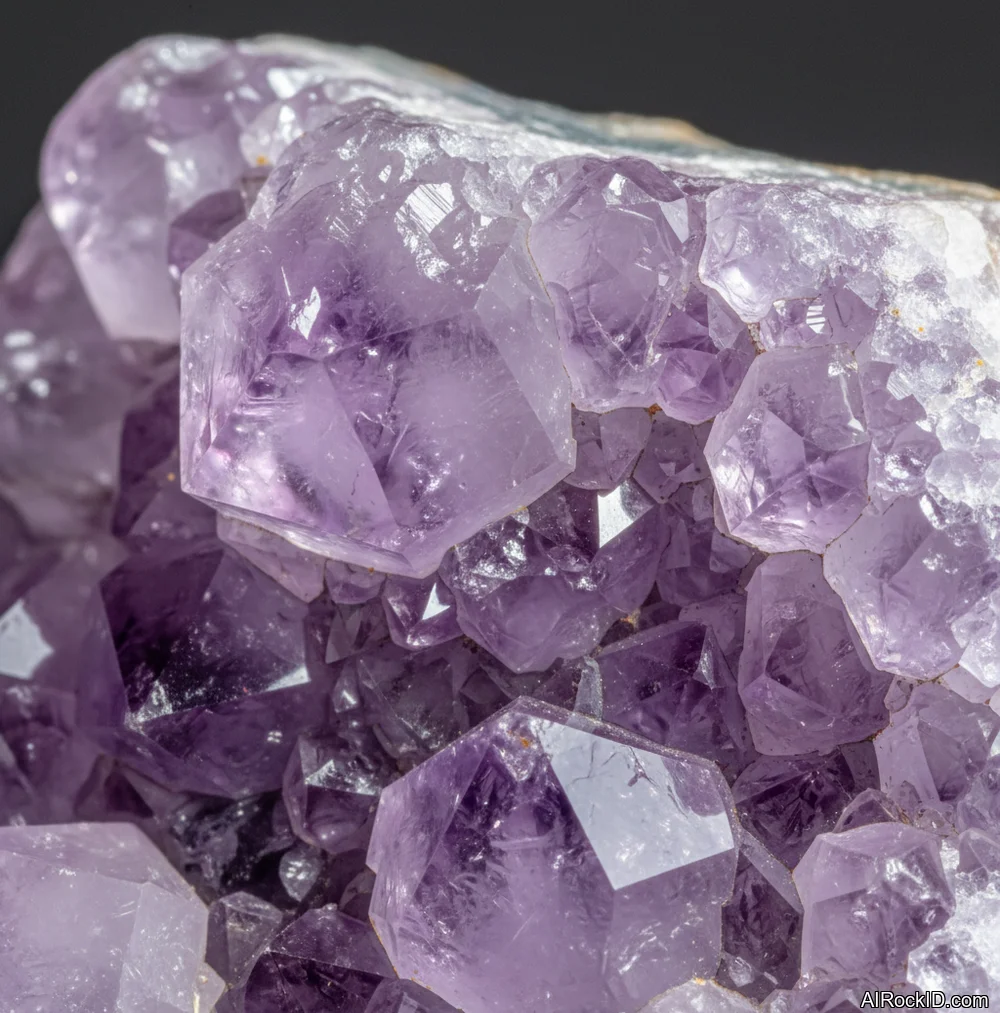
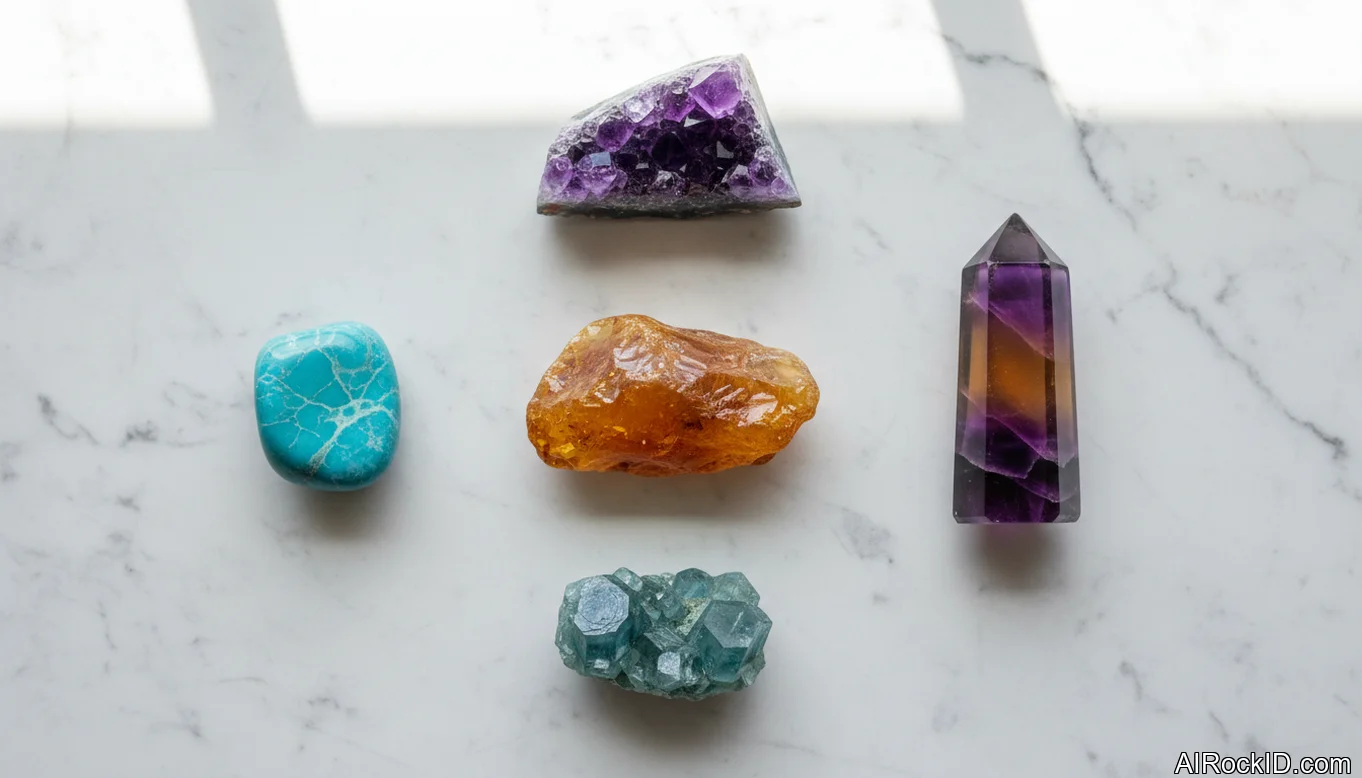
Uruguayan amethyst usually comes in darker and moodier, and a lot of Brazilian stones skew lighter, with those little reddish flashes that pop when you’ve got a warm lamp on. For money stuff, I grab mine when spending starts getting emotional, like those impulse buys after a brutal day. Not because it’s “money magic.” It’s more like a pattern interrupter. That deep purple is impossible to ignore when it’s sitting right there on the nightstand catching the light (especially when you turn the lamp off and it goes almost inky). And I’ve noticed it can help people sleep better when cash-flow stress is high. Better sleep, better decisions. Who hasn’t seen that play out?
How to use: Keep amethyst where you wind down, not where you hustle. Hold it for a minute before you buy something online at night, then wait 24 hours if the purchase isn’t urgent.
Ametrine

Ametrine

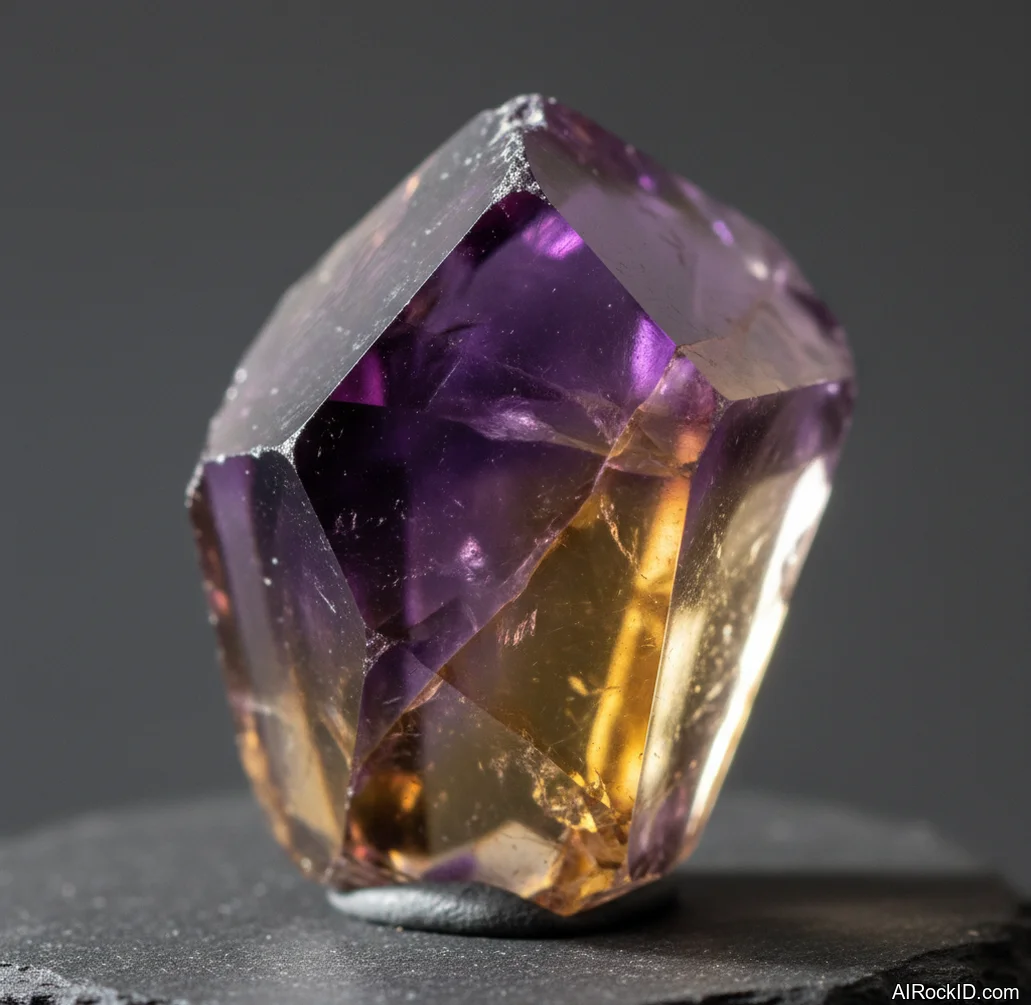
Ametrine is part amethyst and part citrine, and in real stones you’ll usually see a pretty clean split or an angled band where the purple flips to yellow. Tilt a well cut piece under a lamp and the two colors don’t move the same way at all, which is honestly the easiest tell (you can watch one side brighten while the other goes kind of moody). So it ends up being a handy visual cue for “save vs spend” or “plan vs act.” I’ve leaned on it when I needed discipline without stomping out motivation. But yeah, the catch is the price. Natural ametrine with strong zoning costs more than most people expect, especially once you start looking at stones that aren’t washed out.
How to use: Use ametrine during planning sessions. Set it on your notebook and write two columns: what brings money in, and what leaks money out, then pick one leak to fix this week.
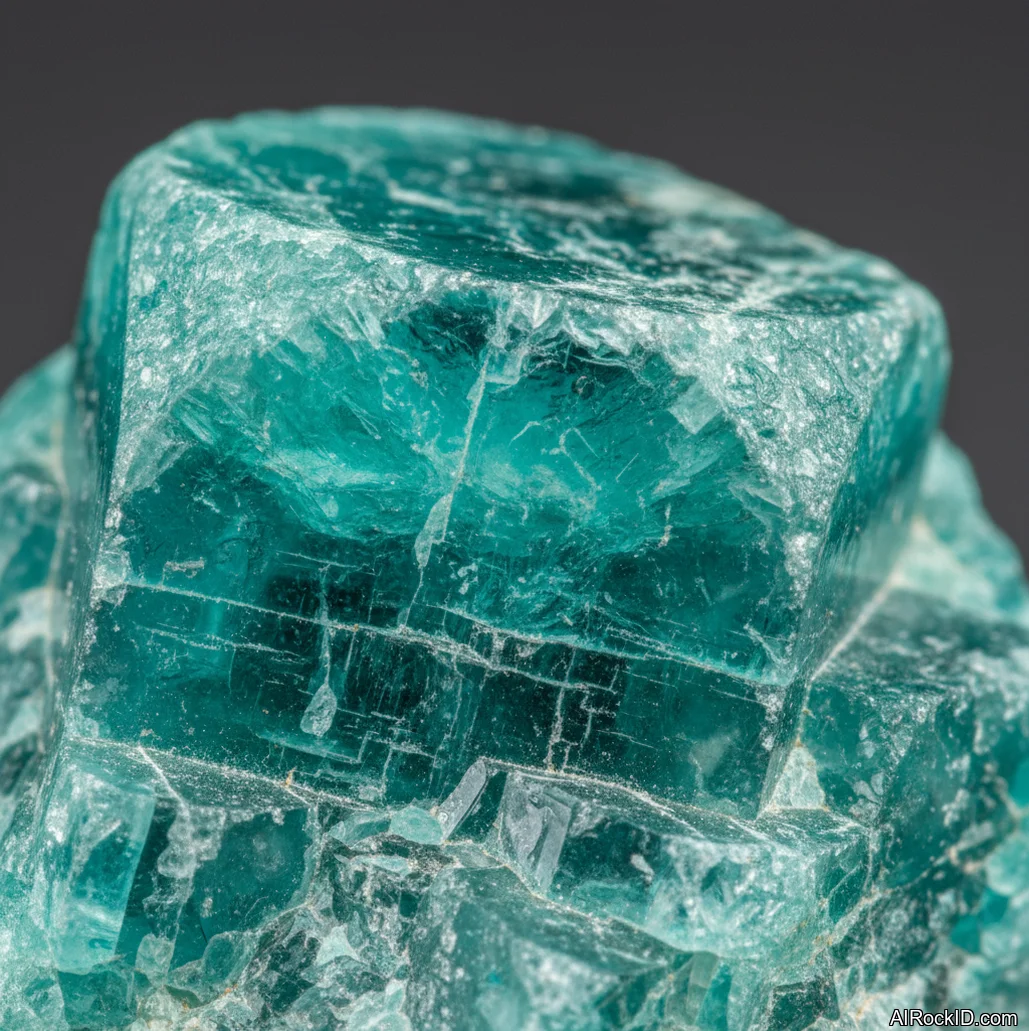
Apatite

Apatite

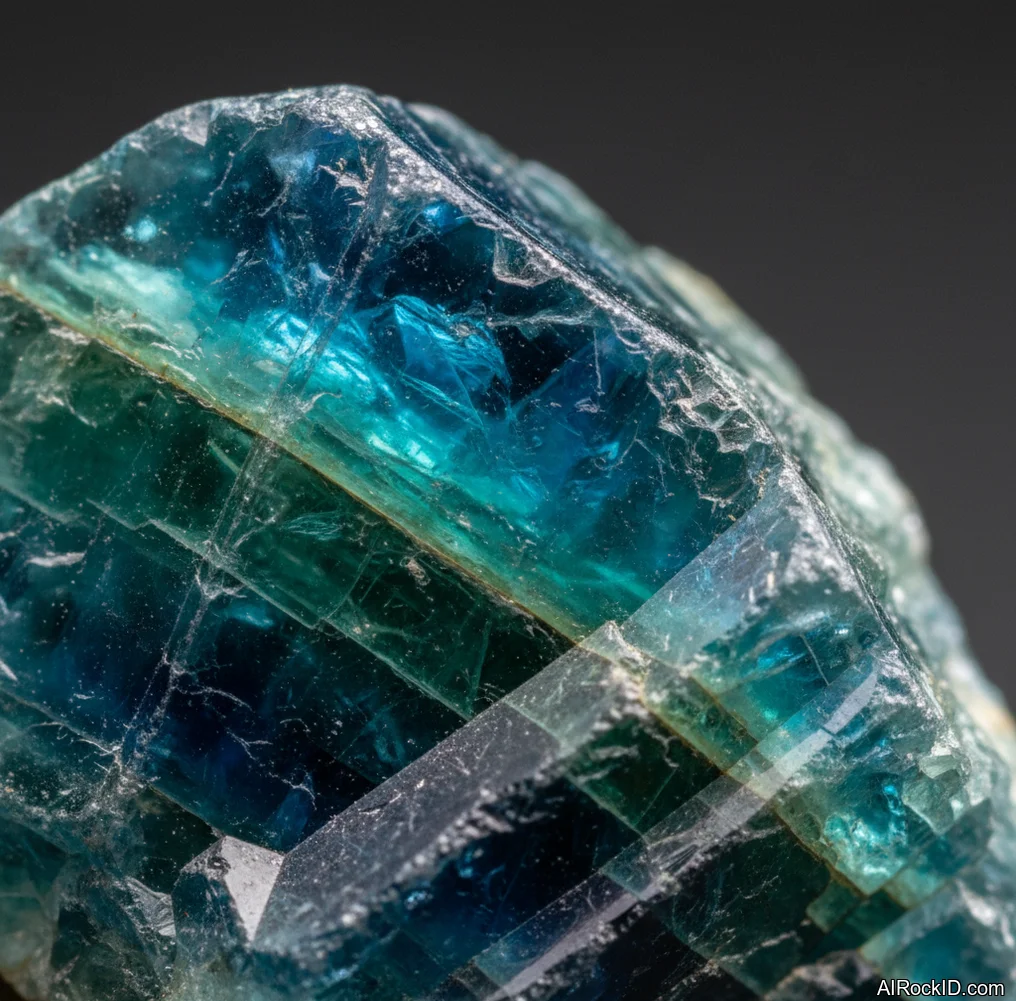
Apatite can look almost electric in the light, but it’s softer than most folks assume and it’ll scratch way easier than quartz. I reach for it when my money goals are tied to learning fast, like leveling up a skill, studying sales, building a new offer, stuff like that. And in my own collection, the bright blue pieces are the ones that keep yanking my focus back to the work when I’m procrastinating (you know the feeling, right?). But don’t treat it like a pocket stone if chips and scuffs drive you nuts. It’ll show wear, fast.
How to use: Keep apatite near your study materials or on the desk when you’re doing training that leads to better income. Pair it with a timer: 25 minutes focused work, touch the stone when you reset the timer.
Aragonite

Aragonite

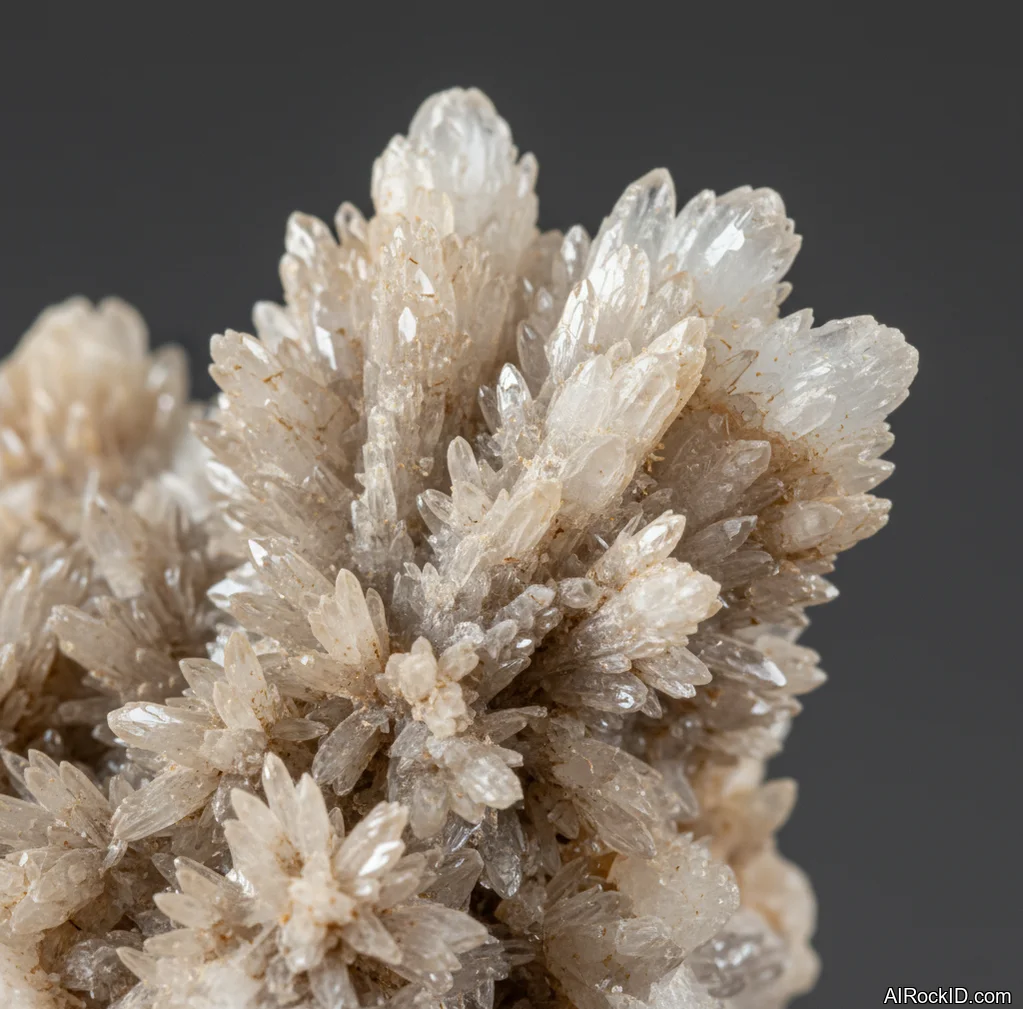
Aragonite usually shows up as chunky clusters or those little starburst sprays, and honestly it just feels earthy in your hand before you even start assigning it any meaning. I reach for it for the unsexy money stuff: routines, tracking, and staying calm when the numbers get tight. Pick up a raw piece and you’ll notice it isn’t slick like a glassy crystal at all. It’s more matte, kind of dry to the touch (almost chalky, but not quite). And one practical thing: it’s relatively soft, so don’t toss it in the bottom of a bag where it’ll get banged up and nicked.
How to use: Put aragonite next to your budget notebook or wherever you reconcile accounts. Touch it when you want to avoid looking at your balances, then do the five-minute check anyway.
Arfvedsonite

Arfvedsonite

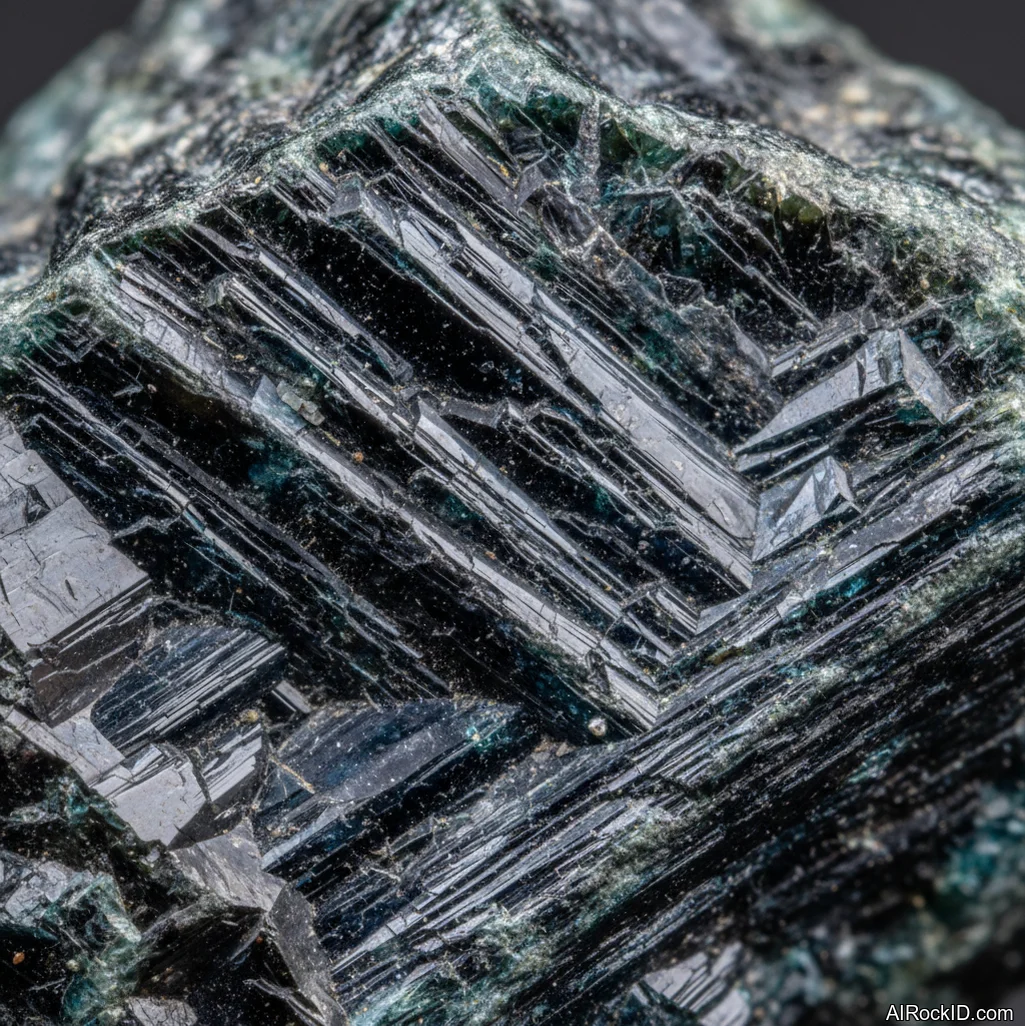
Arfvedsonite’s basically a dark stone, but if you catch it under the right light it throws off these streaky, fibrous flashes. Most pieces look kind of flat at first, then you tilt them and boom, the “hidden shimmer” shows up (especially along those threadlike lines). That’s exactly why I like it for long-game money moves: building systems, planning, and staying patient. And I’ve seen people reach for it when they’re spooked by success, then start self-sabotaging right before a breakthrough. Thing is, there’s real market friction with this one too. Labels get sloppy, and it sometimes gets mixed up with other black stones.
How to use: Use arfvedsonite during weekly reviews. Hold it while you look at your numbers and write the next three actions that actually change revenue, then schedule them immediately.
Black Onyx

Black Onyx

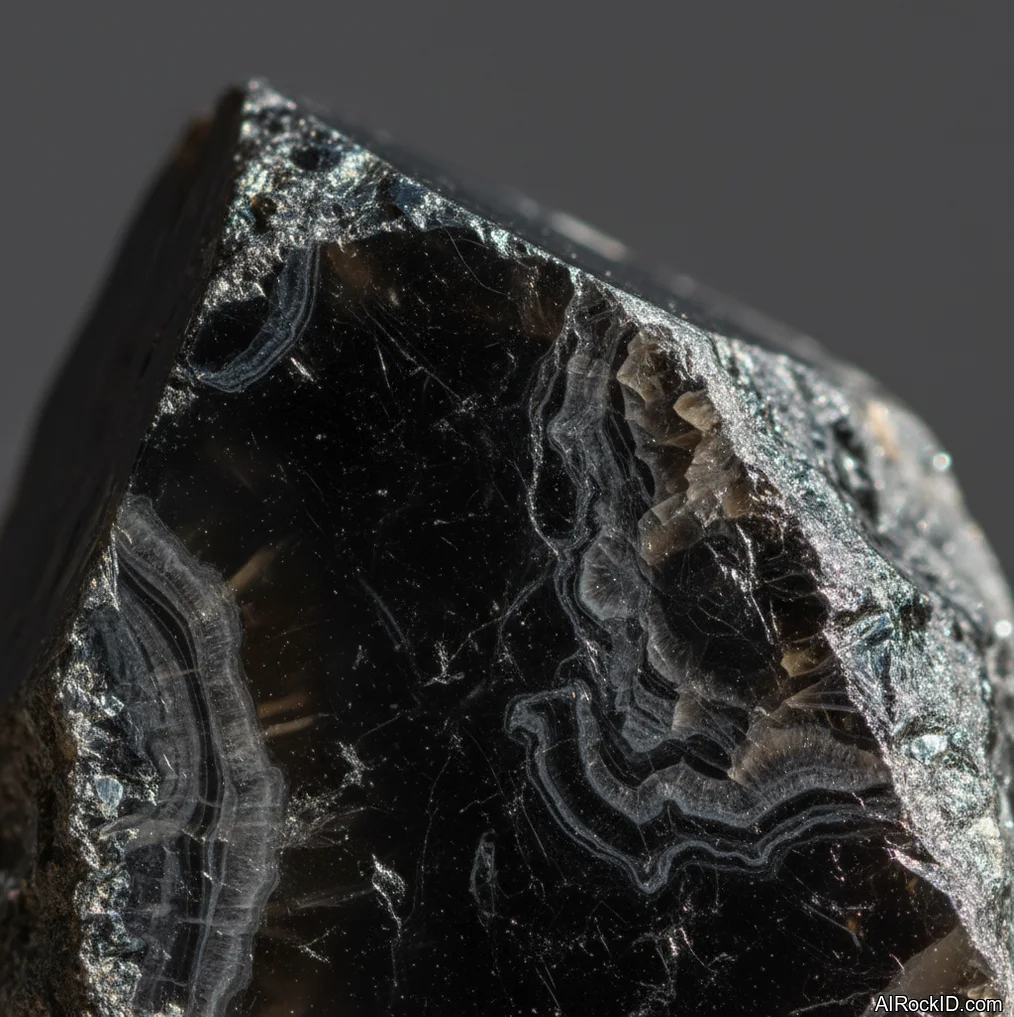
Black onyx usually shows up as polished pieces, and in your hand it’s got that slick, cool-to-the-touch feel that kind of grounds you. For money work, it’s the “don’t flinch” stone: solid for boundaries, debt payoff discipline, and flat-out saying no when things start sliding into financial chaos. I keep a palm stone around for the days I can tell I’m about to get dragged into someone else’s emergency (you know the ones). But be picky. Dyed black stones can look almost weirdly uniform, like the color’s too perfect, and a glossy polish can mask little cracks that you won’t notice until later when they catch the light at an angle.
How to use: Carry black onyx on days you’re likely to impulse spend or get guilt-tripped into lending money. Before you say yes, put your thumb on the stone and ask for the exact terms in writing.
Azurite

Azurite

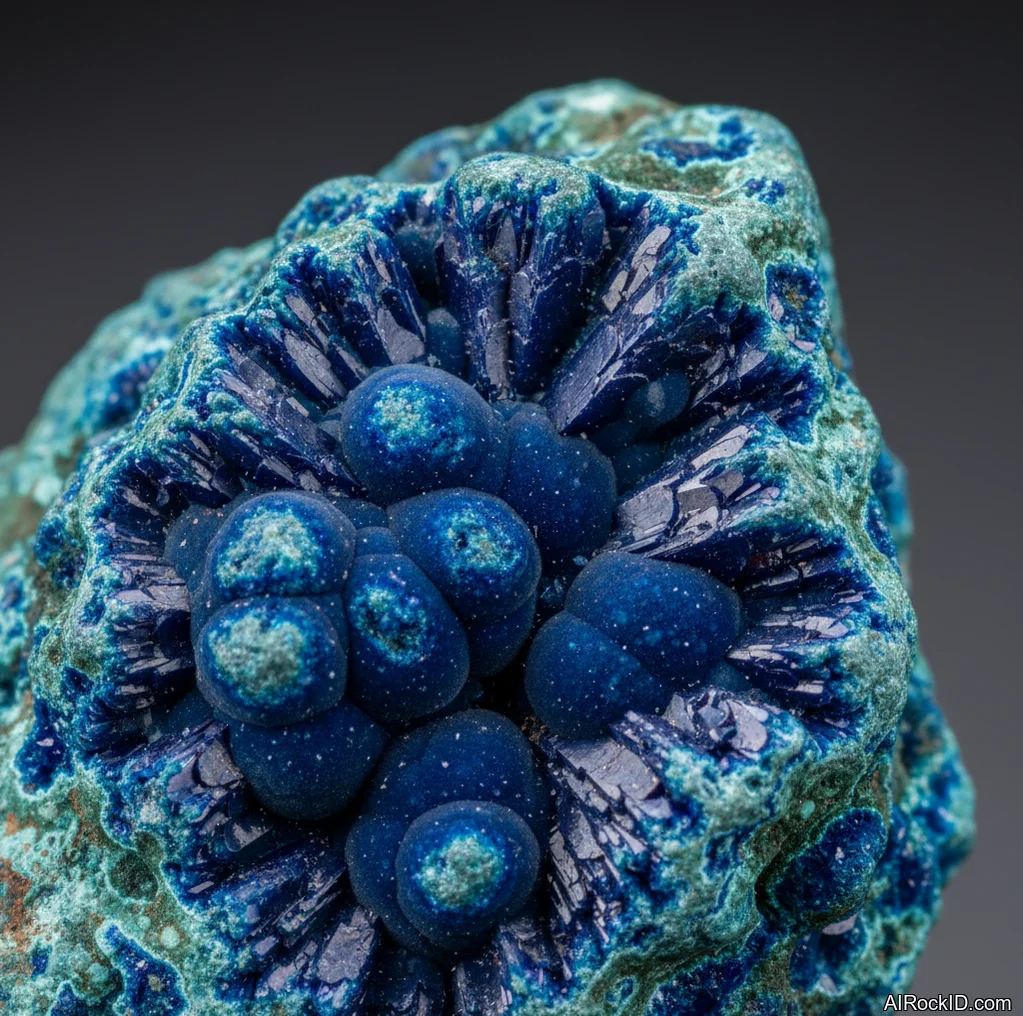
Azurite is that deep, inky blue that almost doesn’t look real, and if you rub a good piece too hard it’ll leave this faint blue dust on your fingertips (like you just smudged chalk). I reach for it when I’m trying to get insight into money patterns, especially those loops where you keep making the same mistake and honestly can’t see what’s driving it. And it’s a bit of a reality check, too, because it’s fragile and kind of messy, so you’ve got to treat it carefully instead of tossing it around like a toy. Don’t put it in water. And don’t leave it somewhere it’ll get knocked off a shelf.
How to use: Use azurite for journaling about your money habits. Set it beside your pen, write one page on what you avoid (bank apps, invoices, taxes), then pick one avoidance to address today.

What “money crystals” are actually good for

Most dealers will swear a stone “attracts wealth.” Thing is, the real use is way simpler: it anchors your behavior. You pick up a stone, feel that cool weight in your palm, run your thumb over a rough edge or a polished spot, and you’ve got a physical cue that yanks you back to the plan you made when you were calm. That’s already a win. Money mistakes usually show up when you’re tired, rushed, or trying to soothe a feeling.

Compared to a vision board you stop noticing after a week, stones stay tactile. They sit by the laptop, right next to the trackpad where your wrist keeps bumping them. They ride in a pocket, warming up from your body heat, collecting a little lint in the creases. And I’ve watched people turn their whole cash flow around just by using a stone as the trigger for one habit. Check accounts daily. Send invoices every Friday. Follow up on leads every Tuesday. It’s boring. It works.

But the problem with money talk is it gets mystical fast, and then people skip the basics. If you’re not tracking spending, negotiating pay, or building a skill that the market pays for, no crystal is going to cover that gap. So use stones to support the work, not replace it. Why make it weirder than it needs to be?

Choosing a money stone by feel and by function

At first glance, most people pick by color. Green for cash, gold for success, black for protection. That’s fine. But in my experience, function beats looks every time.

If you’re trying to stop impulse spending, you need something you’ll actually carry and fidget with when the urge hits, not something that stays on a shelf because it’s “too nice.” If you’re trying to negotiate better, you want a desk stone that sits where your hand naturally lands during calls and keeps you steady when the conversation gets sharp.

Grab a few candidates and focus on the boring stuff. Does it feel so delicate you’re afraid to use it daily? Is the polish so slick it slides right out of your fingers (or off a slightly dusty desk)? Will it chip the first time you toss it into a bag next to keys and a coin or two? Apatite and aragonite can be great, but they don’t love rough handling. Black onyx and a lot of amber pieces handle day-to-day use better.

Most dealers won’t say it out loud, but your “best” stone is the one that fits your routine. A gorgeous specimen that lives in a box doesn’t change your bank balance. Simple as that.

Spotting fakes and marketing traps in prosperity stones

Cheap knockoffs are everywhere, and “money stones” get hammered worst just because people keep buying them nonstop. Amber is a classic target. Online, plastic or pressed resin can look weirdly legit, and it’ll even feel warm in your palm, which is exactly how folks get fooled.

Real amber usually has these tiny internal textures you can’t quite describe until you’ve seen them in person, plus the occasional little plant bit trapped inside. And it’s so light it almost feels wrong to call it a “stone” at all. Like, you pick it up and your brain goes, wait, that’s it?

Amazonite gets dyed a lot. The color comes out way too loud, and you’ll notice the cracks grabbing darker pigment and holding onto it. With amethyst, and pretty much anything being sold as “citrine,” heat treatment is where things go sideways. Heat-treated amethyst often turns this uniform orange-brown, and sometimes you’ll see a kind of burned-looking base where the cluster was heated.

Thing is, the best filter is the seller. I stick with someone who can answer simple questions without getting touchy: origin, treatment, and whether it’s natural or stabilized. If a listing is all hype and promises but barely says what the material actually is, I’m out. Why waste the time?

Money grids, bowls, and placement that don’t get weird

Look around your place and be honest about what actually stays clean. If you’re not the kind of person who keeps an altar going, don’t set up some complicated money grid that’s just going to turn into clutter. I’ve watched way too many “prosperity bowls” turn into straight-up guilt piles. Keep it simple. Put it where you actually do money stuff.

A small bowl by the front door can work, but only if it’s doing a job: keys, wallet, and one stone that quietly says, “Hey, check your spending before you walk out.” On a desk, two stones are plenty. Go with something steady like black onyx for boundaries, then something clearer like amazonite for communication. Want another one? Fine, but make it tied to a specific task, like apatite for learning or aragonite for routine.

And pay attention to lighting. Under bright light, polished stones can throw this sharp glare, like a little flashlight hitting your eyes, and it turns into visual noise fast. If that’s happening, swap in raw pieces (less shiny, more grounded), or just nudge them a bit off-center so they help you focus instead of pulling your attention every time you look up.

How to Use These Crystals for Money

Pick one money goal and tie the stone to the habit, not the daydream. “More money” doesn’t give you anything to grab onto. Go with something you can actually do: send five invoices this week, ask for a raise by Friday, cut eating-out spending by 20%, or finish the certification that bumps your rate. Then pick a stone you’ll literally touch right at the moment you normally back out.

There’s a reason most dealers push those tiny tumbled pieces. They disappear into a pocket without poking you in the thigh when you sit down. I’ll keep black onyx or amber in my pocket on boundary-heavy days (you know, the days you’re about to say yes to something you don’t want), and I leave amazonite on the desk for pricing conversations. But if a stone is fragile, like azurite, I don’t carry it around where it can chip against keys or crack on tile. I keep it at home as a journaling buddy instead. Still counts.

The routine that actually sticks is almost stupidly simple. Two steps. Touch the stone, do the thing. Touch amethyst, close the shopping tab. Touch aragonite, open the bank app. Touch arfvedsonite, schedule the follow-up call. And if you want one more layer (because it’s easy to drift), slap a one-line intention on a sticky note under the stone so you don’t float off into that vague “abundance” talk. Why leave it fuzzy if you don’t have to?

Common Mistakes to Avoid

The biggest screw-up is collecting instead of doing anything. Someone buys five stones, gets that little dopamine hit for a day, and then dodges the uncomfortable parts like raising prices or actually looking at their debt. A crystal can’t do the brave part for you. It just sits there, cold in your palm, and nags you like a tiny paperweight for your conscience.

Another common mess is picking the wrong form factor. If you toss a fragile aragonite cluster into a bag, it’s going to get chipped, those little pointy bits will start shedding grit into the lining (you’ll feel it), and then you stop carrying it. Then the whole habit collapses. Or someone buys a huge decorative piece and parks it in a corner they never look at. Money work needs contact. Desk, pocket, wallet area, or the spot where you pay bills.

And don’t blow off sourcing and treatment. If you’re trying to build trust with yourself around money, it helps to be straight about what you bought. Ask if it’s dyed, stabilized, heat-treated, or something else, then decide if you care. Pretending you’ve got something you don’t is a weird vibe to bring into finances, right?

Important: Crystals aren’t a stand-in for income, actual skills, budgeting, or professional financial advice. They won’t wipe out debt, promise sales, or magically repair a broken business model. But they can help with attention and habit, and honestly that’s where most money wins come from. If you treat one like a little physical reminder, like something you feel in your pocket when you reach for your keys, it can nudge you into doing the boring consistent stuff. And if you treat it like a replacement for action? It’ll just sit there looking pretty (and yeah, it’s basically expensive décor at that point).

Identify Any Crystal Instantly

Snap a photo and get properties, value, care instructions, and healing meanings in seconds.

Frequently Asked Questions

What are the best crystals for attracting money fast?
No crystal guarantees fast money. Amber, amazonite, and black onyx are commonly used to support confident pricing, clear communication, and disciplined spending.
Which crystal is best for business success and sales?
Amazonite is associated with calm, direct communication in negotiations and sales. Apatite is associated with focus and learning skills that increase earning potential.
What crystal helps stop impulse spending?
Amethyst is associated with emotional regulation and pausing before purchases. Black onyx is associated with boundaries and resisting pressure-driven spending.
Can I keep a money crystal in my wallet?
Yes, small polished stones are commonly carried in wallets. Softer stones like apatite or aragonite may chip if carried with coins or keys.
How do I cleanse crystals used for money intentions?
Common methods include dry wiping, smoke cleansing, or sound. Water cleansing is not suitable for azurite and may damage softer or porous stones.
How long does it take for money crystals to work?
There is no fixed timeframe. Results depend on consistent real-world actions such as budgeting, invoicing, negotiating, and skill-building.
Are heat-treated stones bad for money work?
Heat treatment is a standard practice in the gem trade and does not inherently make a stone unusable. Disclosure matters for informed purchasing.
How can I tell if amber is real?
Real amber is very light for its size and often shows internal textures or inclusions. Many fakes are plastic or resin and can look overly uniform.
What is a simple crystal combination for money goals?
Black onyx and amazonite is a common pairing for boundaries and communication. Adding aragonite is used to support routine and consistency.
Do money crystals replace budgeting and financial planning?
No, crystals are not a substitute for budgeting or financial planning. They are used as tools for focus, intention, and habit cues.
The information provided is for educational and spiritual exploration purposes. Crystals are not a substitute for professional medical, psychological, or financial advice.