sleep

Best Crystals for Nightmares
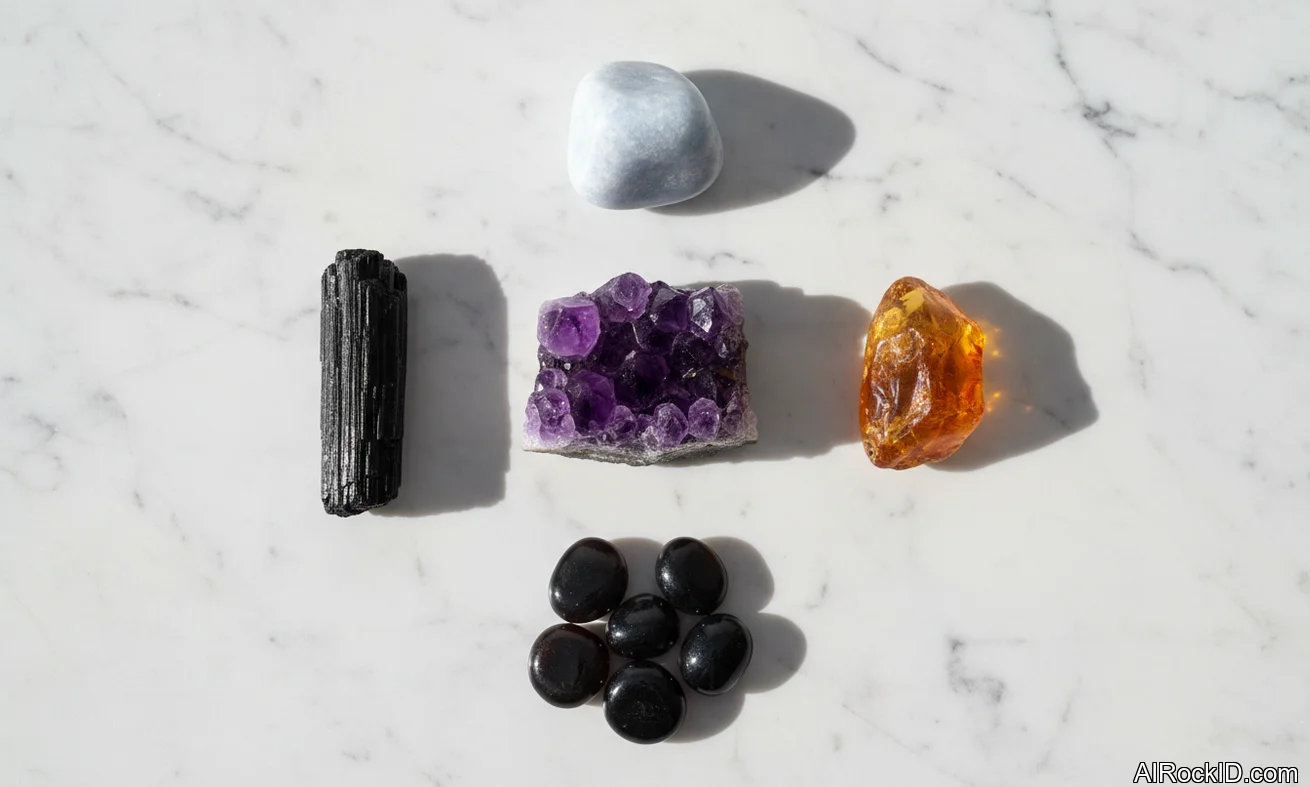
Small sleep crystals on a bedside table beside a glass of water and a book, with soft lamp light

The best crystals for nightmares are the ones that help your nervous system unclench and make your bedroom feel steady and safe. That’s it. Nightmares usually aren’t about “bad energy” drifting around the room, they’re about a brain that’s still scanning for danger when you’re trying to shut down, so I stick with stones that feel calm, quiet, and the same every single night.

Pick up a solid piece of amethyst and you notice it fast. It stays cool in your hand longer than glass. And if it’s a real chunk with natural faces, the edges feel kind of dry and grippy, not that slick, candy-polished vibe you get with cheap tumbled stones. That physical part matters because bedtime routines actually work when you can touch them. You hold the same thing, set it in the same spot, and your body starts to learn the pattern (okay, sleep is next).

Look, I’m not going to act like a rock fixes trauma, sleep apnea, or medication side effects. It won’t. But crystals can help in a practical way by supporting a calming ritual: a repeatable cue, a place to put your attention when you’re grounding yourself, and a simple “this is my sleep space” boundary. If nightmares are frequent or violent, take that seriously and bring in a clinician. Use stones as support. Not the whole plan.

Recommended Crystals
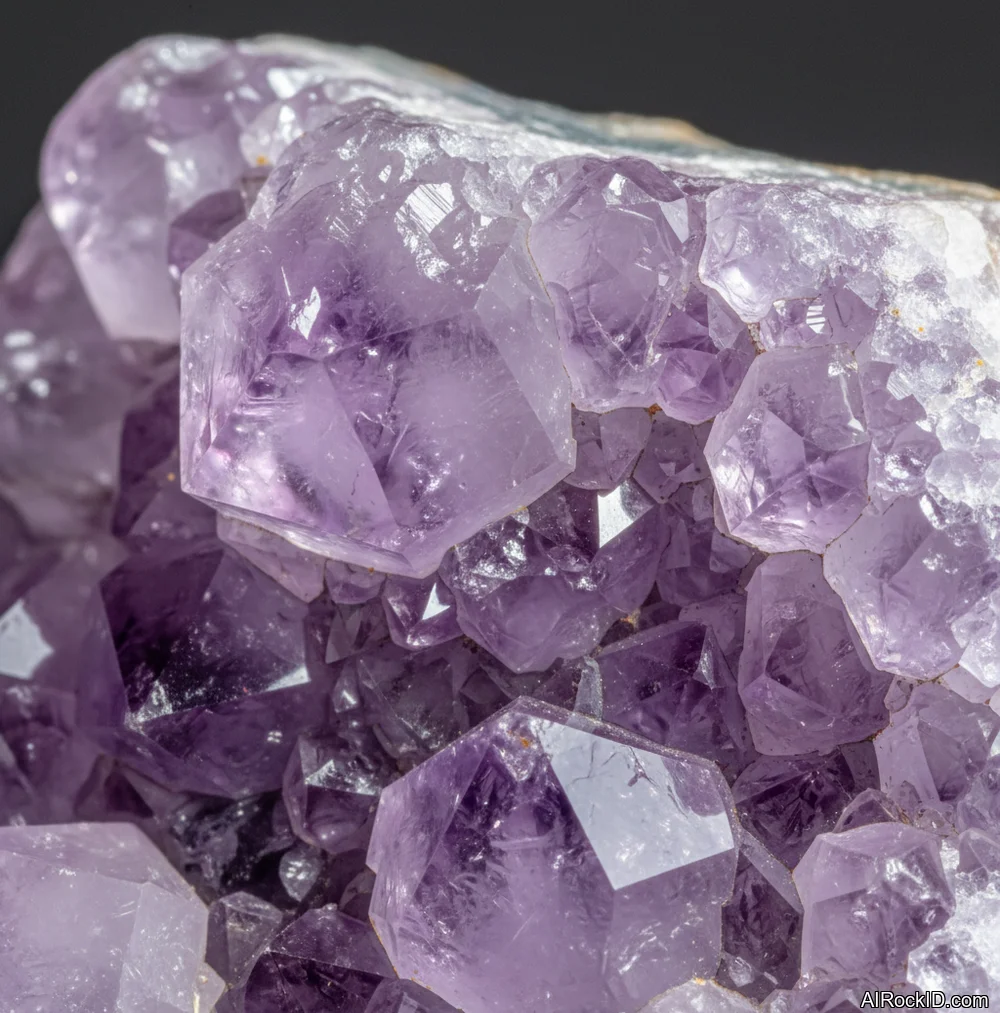
Amethyst
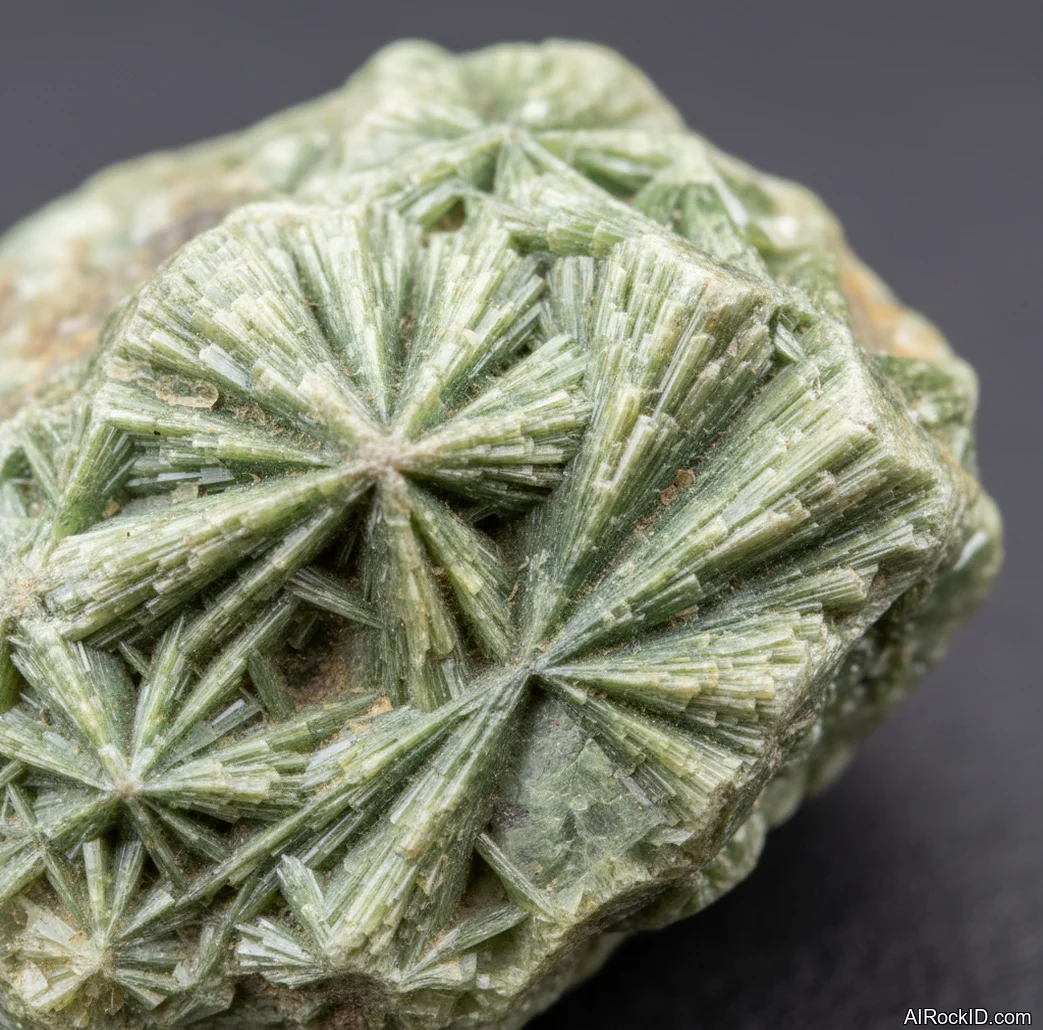
Amethyst

Uruguayan amethyst usually shows up darker and moodier than most Brazilian material, and that deeper purple has this “nighttime” feel that’s weirdly useful. I reach for it when nightmares are a problem because it stays steady and predictable, not buzzy. And if you actually pick up a natural cluster and turn it under a lamp, you’ll notice those tiny growth lines on the points, little striations that flash for a second when the angle hits just right. That kind of quiet visual texture can give an anxious sleeper somewhere soft to rest their attention, instead of letting the mind sprint straight into the next scary image.
How to use: Keep a small cluster on the nightstand, not under the pillow, so you’re not jabbing yourself at 2 a.m. If you wake from a nightmare, hold one point between finger and thumb and take ten slow breaths while you stare at a single facet. Once a week, dust it; bedroom lint dulls it fast.
Black Tourmaline

Black Tourmaline

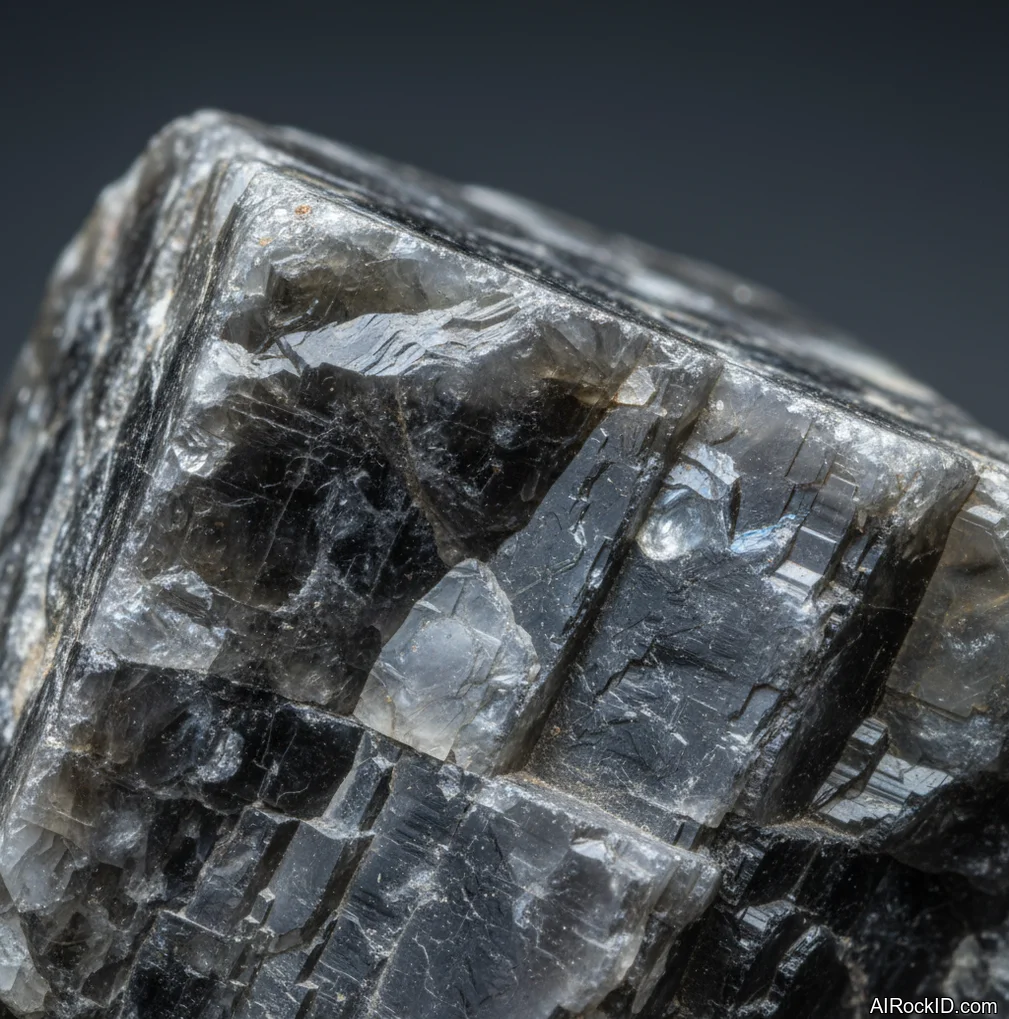
Thing is, a lot of what gets sold as “black tourmaline” ends up mixed up or swapped around in crystal shops. But the vibe people are actually chasing is the same: that heavy, gritty, grounding feel you can almost sense in your palm. A solid black, fibrous piece feels more like a tool than jewelry. Seriously. If you drag a fingernail across it, you’ll catch these tiny ridges, kind of like corduroy, and that texture makes it great for tactile grounding when you get jolted awake (heart racing, eyes wide, the whole thing). So for nightmares tied to hypervigilance, keeping one “guard rail” stone by the bed can stop you from scanning the whole room in panic. Who wants to do that at 3 a.m.?
How to use: Set it near the bedroom door or on a dresser facing the bed, so it’s a boundary marker. If you wake up, press it into your palm for 30 seconds and focus on the pressure, not the story your brain is trying to write. Don’t sleep with sharp raw pieces under your pillow; they chip and they hurt.
Apache Tears (Obsidian)

Apache Tears (Obsidian)

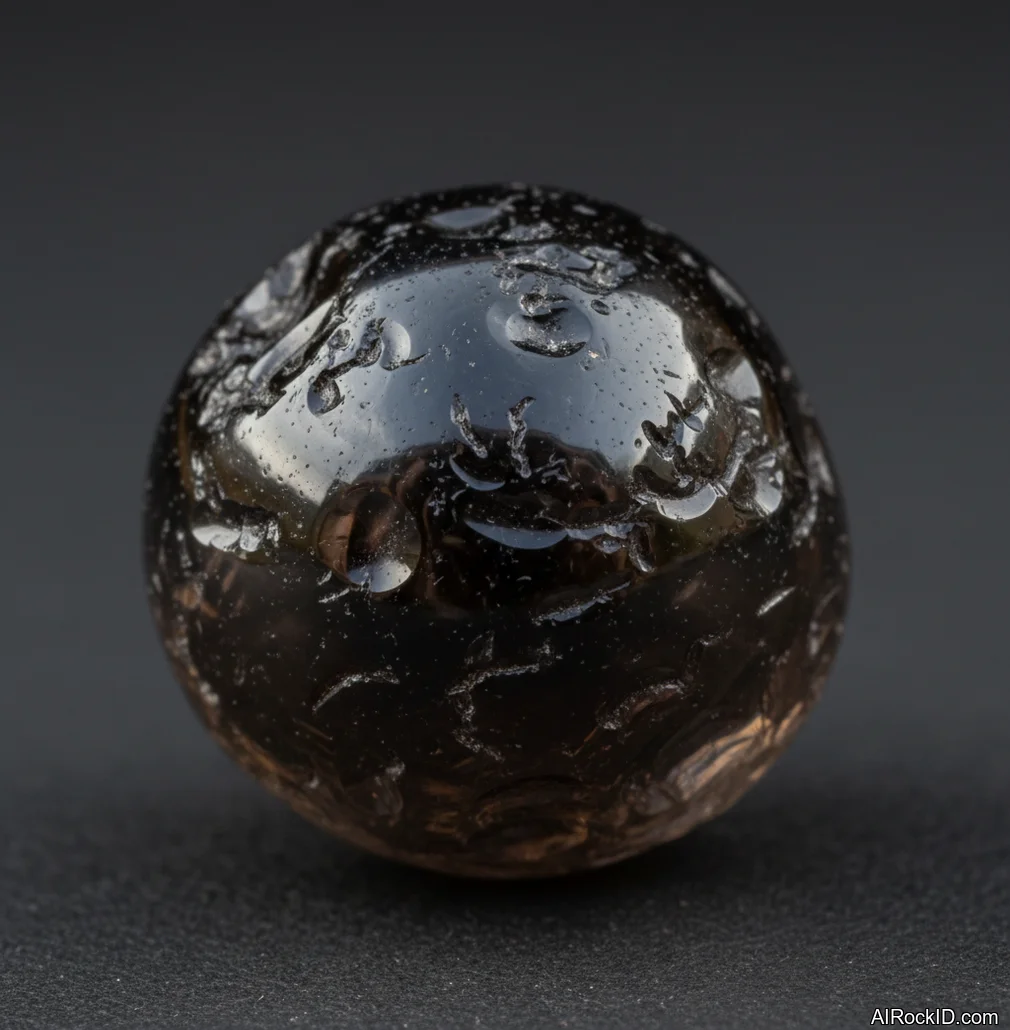
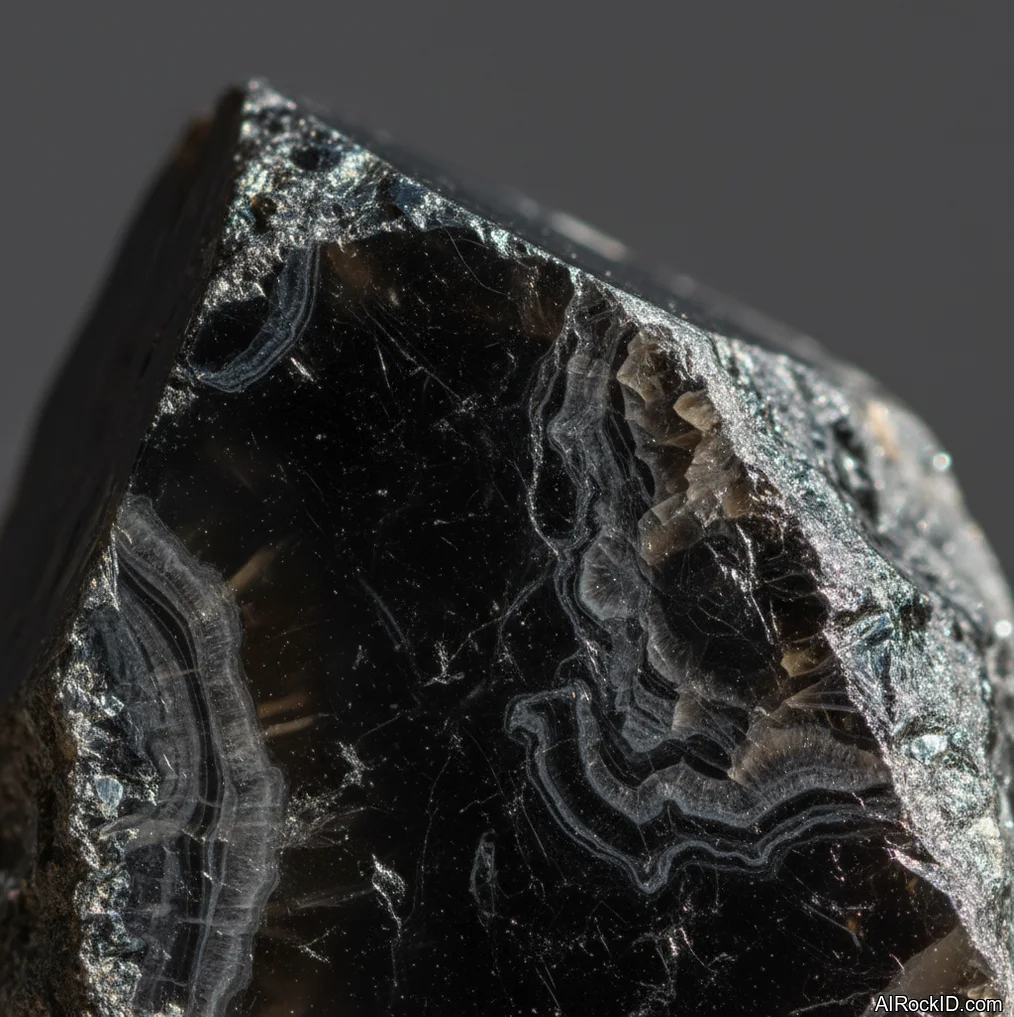
Apache tears are one of the only obsidians I’ll actually suggest for sleep. They’re usually small, rounded, and low-key, not like those glossy black mirror chunks that feel a little too intense on a nightstand. Real ones have this almost waxy feel (kind of like a river stone that’s been handled a lot), and they heat up quickly in your palm. That matters when you jolt awake from a nightmare and just need something steady to hold. Look, at first they just pass as plain black pebbles. But take one under a bright lamp and you’ll sometimes catch that smoky brown translucence around the edges. And that “soft black” vibe is exactly why I grab them instead of the flashier black stones at bedtime. Why invite drama right before sleep?
How to use: Put one in a small dish on the nightstand and one in a pocket of your pajama pants if you tend to wake up disoriented. If a nightmare hits, hold the stone and name five things you can feel in the room. Rinse it under cool water in the morning if it’s been handled a lot overnight.
Amber

Amber

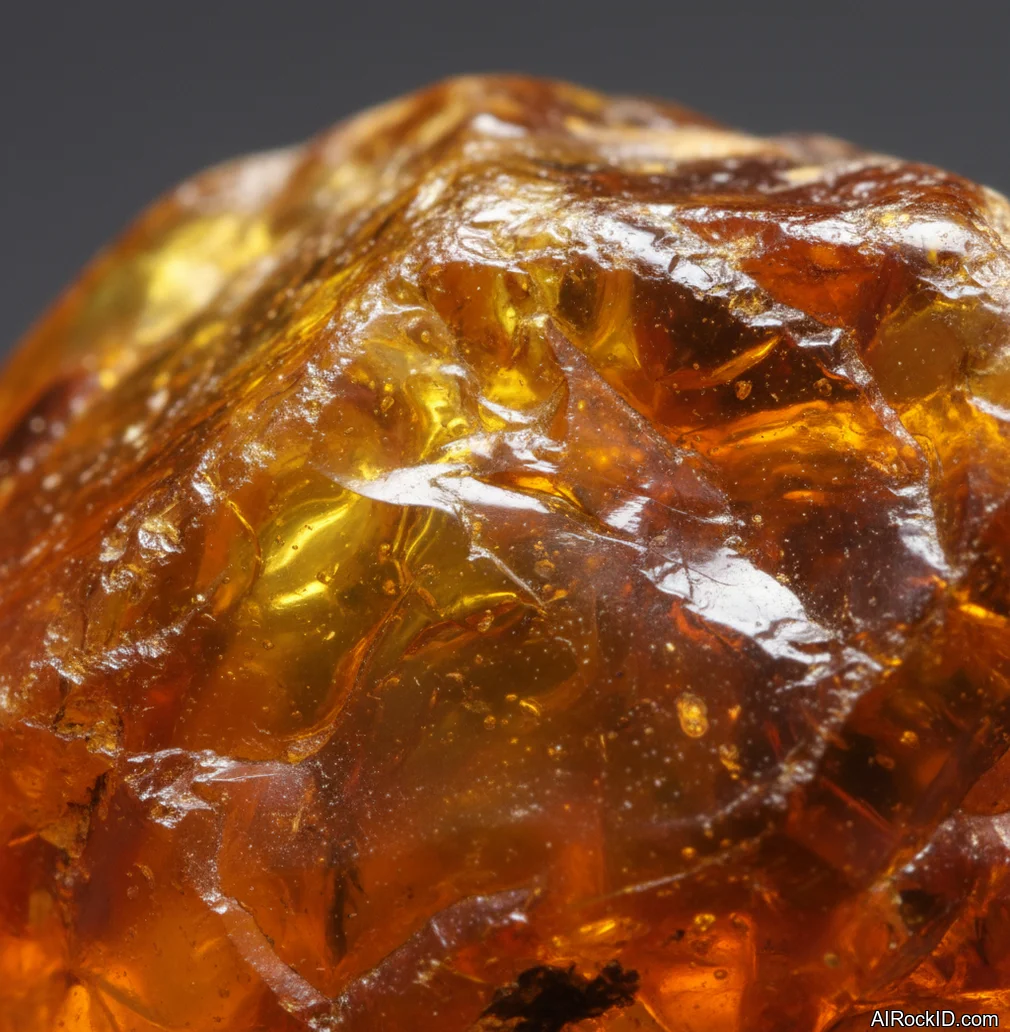
Amber feels oddly light compared to most minerals, and people usually do a little double-take the first time they lift a piece. And it doesn’t stay cool in your hand for long either, it warms up fast, like it’s been sitting in a pocket instead of on a table. That combo (lightweight plus quick warmth) makes it really nice for calming touch when you’re coming out of a bad dream. Real amber usually has tiny internal lines or little specks that look like they’re hanging there, suspended. But if you hold it under strong light and tilt it around, you can sometimes catch layers too, like thin syrupy bands. So if your nightmares come with that “cold body” feeling, amber can be a good pick, because it encourages warmth and comfort without being stimulating.
How to use: Keep a small polished piece where you can grab it without turning on a bright light. Warm it between your hands for a minute and breathe into your belly until your shoulders drop. Avoid soaking amber; wipe it with a damp cloth instead.
Angelite

Angelite

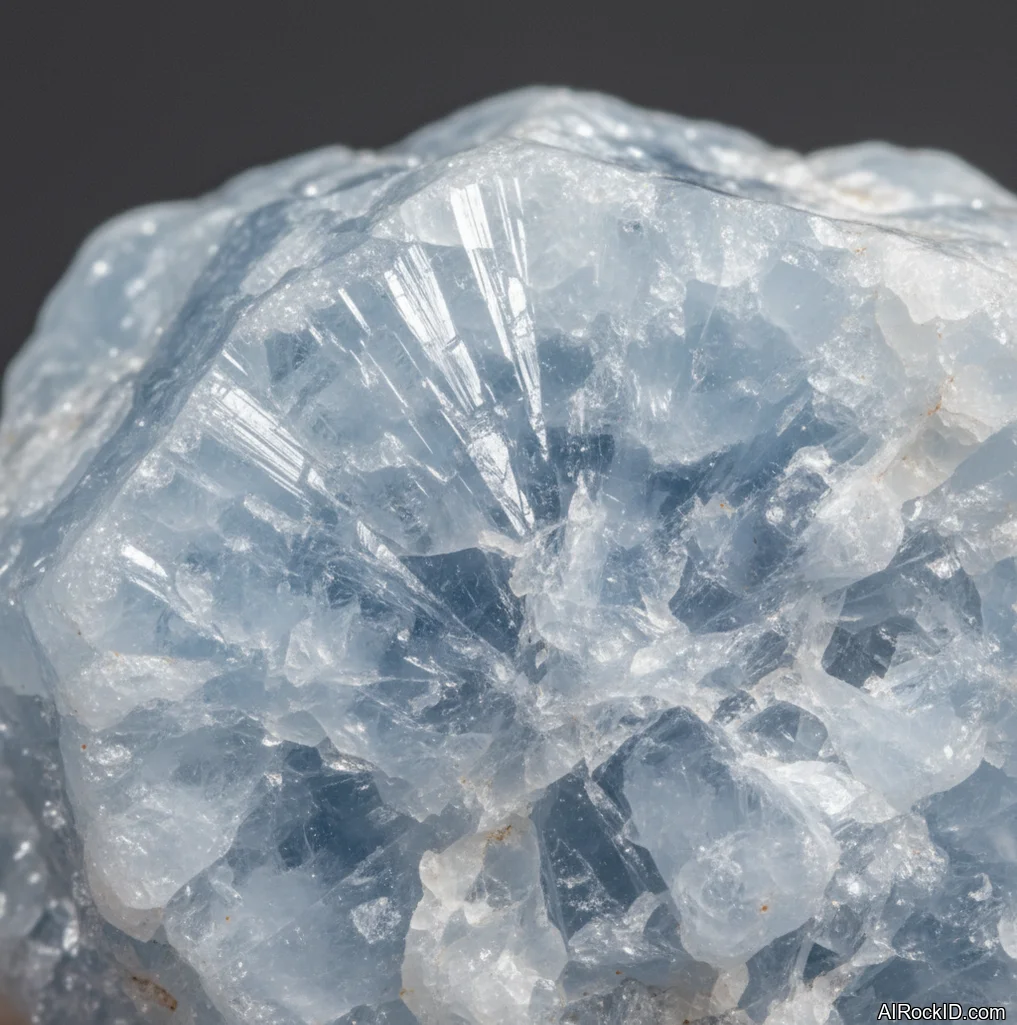
Angelite feels soft and a little chalky next to quartz, and you notice it right away when you drag your thumb over it. It’s not slick. It’s that matte, powdery finish that almost leaves a faint dusty feel on your skin, the kind of quiet texture that can help when your brain won’t stop replaying nightmare scenes. The color’s usually a cloudy sky blue, not that loud dyed stuff you see in bargain bins. And the nicer pieces? They’ve got this subtle white mottling, like thin fog drifting across the surface (you can catch it when you tilt it under a lamp). I grab it when the nightmares are more emotional, the ones where you wake up sad or scared, not just startled. Why that one in particular? Something about the feel helps.
How to use: Place it on the nightstand or a shelf, not under the pillow, because it scratches easily. If you wake up, hold it lightly and do slow jaw unclenching, since a lot of people grind their teeth after nightmares. Keep it dry; water can mark it.
Aegirine

Aegirine

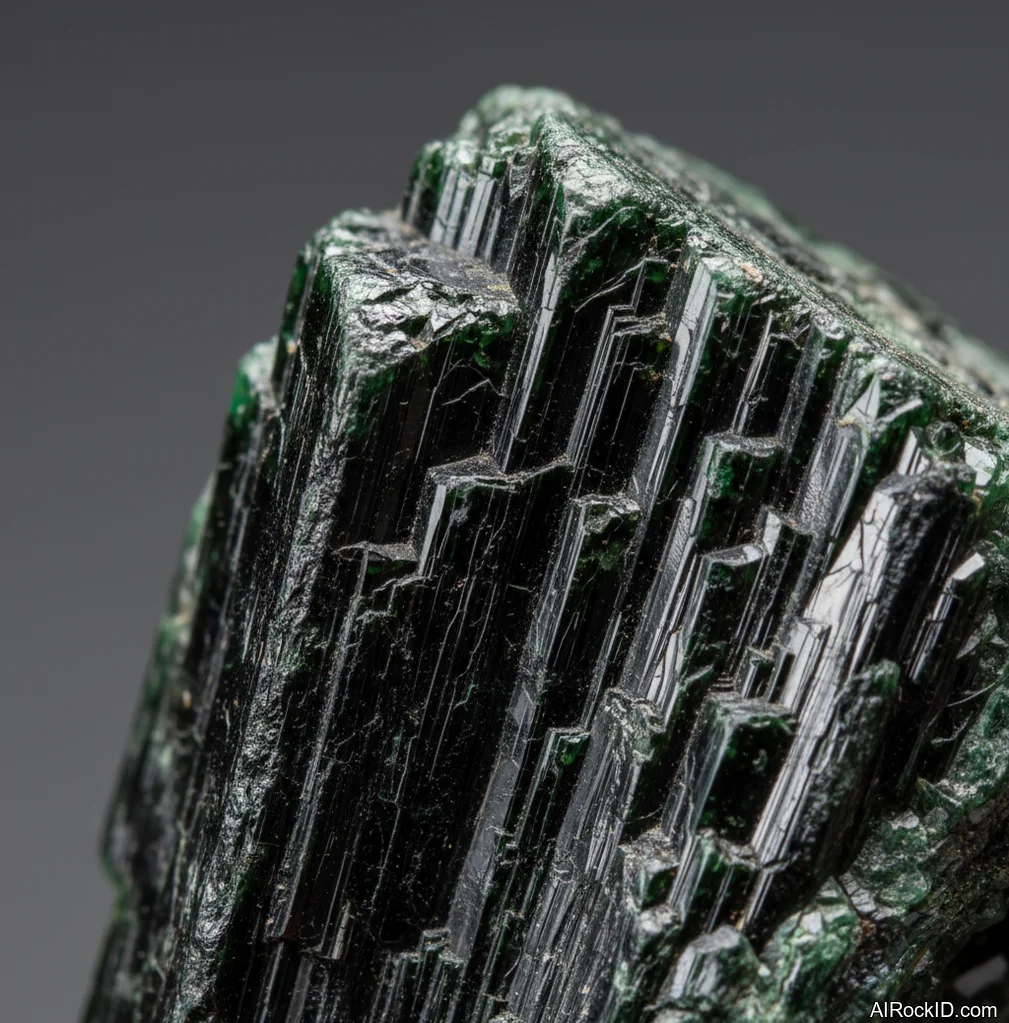
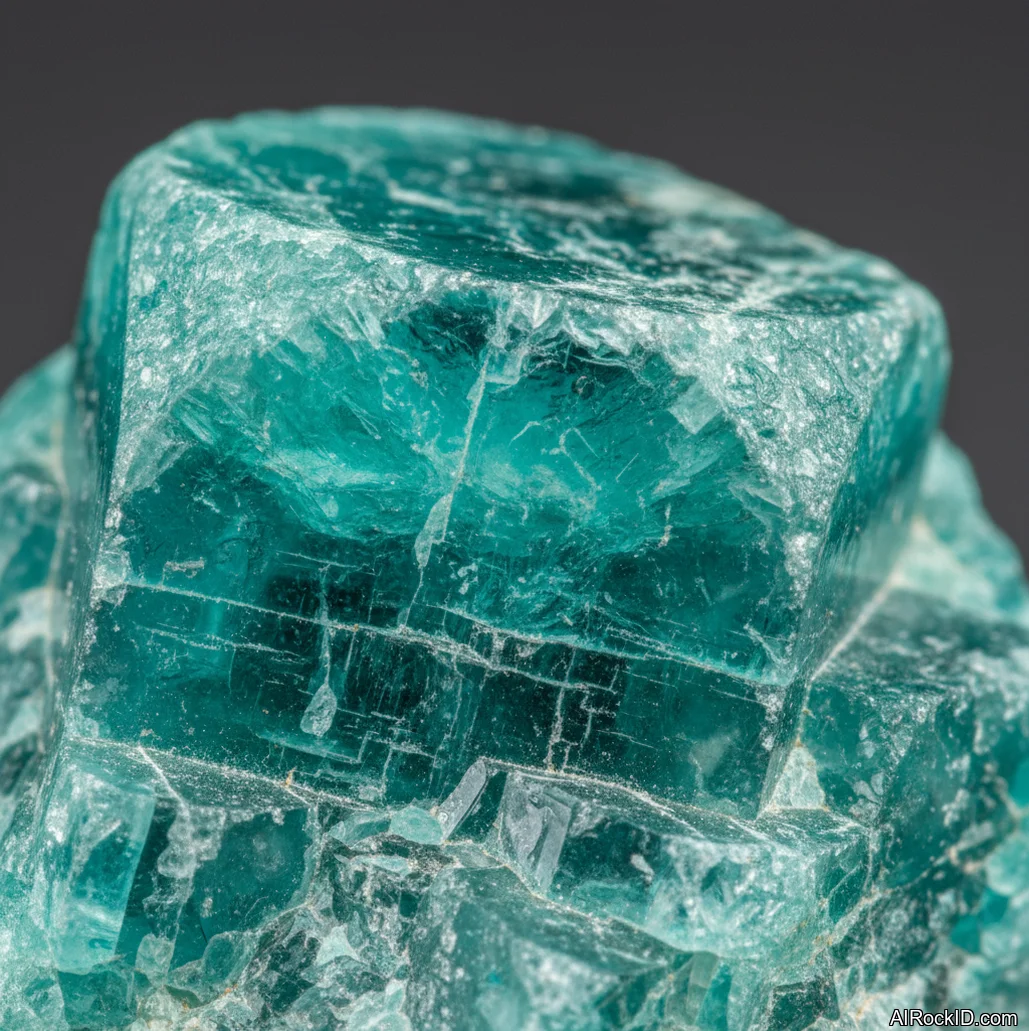
Aegirine often shows up as skinny black needles or blade-like crystals stuck in matrix. And compared to the gentler “sleep stones,” it feels sharper, more like it’s telling your brain to straighten up. If you actually pick a piece up, there’s this serious, almost architectural feel to it, especially when the needles line up in the same direction and catch a hard little glint when you tilt it under a lamp. I reach for it when nightmares come with intrusive thoughts right before sleep, because sometimes you need mental boundaries, not extra coziness. But here’s the catch: those needle specimens can be fragile. Tap one the wrong way and you can end up with tiny splinters, and you really don’t want shards anywhere near your bedding.
How to use: Keep it across the room on a dresser or shelf so it’s present but not in your sleep zone. Use it during your wind-down routine: look at it for a minute, then write down the one thing you’re worried about and close the notebook. Don’t handle brittle needles in the dark.
Amazonite

Amazonite

Good amazonite has that blue-green feldspar vibe with those chalky white streaks running through it, and if you tilt it under a lamp (or even by a window), you can sometimes catch these tiny grid-like textures flashing back at you. It’s a solid pick when your nightmares feel wired into daytime stress, especially if you tend to hold tension high up in your throat and across your chest. And in your hand, it’s smooth but not slick like glass. It’s got a little drag to it. Heavier than most people expect for that kind of color, too. I’ve also found it works best as a tone-setter stone for the room, not something you grip when you bolt awake in a panic. Why? Because it seems to do more when it’s just there in the background, quietly setting the mood (kind of like a steady hum you stop noticing).
How to use: Place a palm stone near your phone charger to nudge you away from doom-scrolling before bed. If you wake up from a nightmare, take one sip of water, then hold amazonite at the center of your chest for a slow count of 20. Don’t leave it in direct sun; some pieces fade.
Black Moonstone

Black Moonstone

Black moonstone has that moody feel to it. Quiet, too, which is kind of perfect at night. If you’ve got a good piece in your hand and you tilt it under a lamp, you’ll catch this low, silvery sheen that winks in and out, not that loud rainbow flash you get with labradorite. I reach for it when nightmares start piling up around hormonal shifts or grief cycles, or those stretches where your dreams suddenly crank up for no obvious reason. Thing is, it helps you meet the dream world more softly instead of trying to “fight” it.
How to use: Keep it on the nightstand and touch it as the last step before turning off the lamp, so your brain gets a consistent cue. If you track dreams, set it on top of your journal to link the routine. Use a pouch if the piece has sharp edges that can flake.
Black Onyx

Black Onyx

Black onyx typically shows up as polished bands or solid black chunks, and in your hand it feels clean and dense, the kind of stone you reach for if you want straightforward, no-mystery grounding. And here’s a funny tell: tap it gently on a glass dish and you’ll hear a higher, clearer click than you get from softer stones. Weird, yes. Useful too, because it gives you a quick sensory anchor. I tend to grab it after nightmares that leave you scattered the next day, since it helps with that “back in your body” reset. But keep your eyes open, because there’s a ton of dyed material out there, and if the dye job is sloppy it can rub off on light fabric. (Ask me how I know.)
How to use: Put a palm stone under the bed near the headboard, not directly under your head. If you wake up, sit up, feet on the floor, and hold the onyx in both hands for one minute. Wipe it down if you notice black residue on a cloth.

Match the crystal to the nightmare pattern, not the vibe

Some nightmares are straight adrenaline nightmares. You snap awake like you just got yanked out of sleep, heart jackhammering, sweaty, eyes flicking to the corners of the room. For those, I reach for the heavier, darker stuff, the stones that sit in your palm like a paperweight and make your hand feel steadier. Pick up a chunk of black material and you can feel your grip tighten a little without even deciding to. That’s your body going, ok, we’re doing stability now.

But other nightmares are emotional reels. Same themes on repeat, same people, same old fear, and you wake up with that lump in your throat or the stomach-drop feeling like you missed a step. Those usually do better with softer textures and lighter colors, because the goal isn’t “armor,” it’s comfort and letting your system come down. I’ve watched people get more restless when they pile too many hard, sharp, intense pieces by the bed. It’s like the room starts to feel pointy.

Thing is, the real test is what happens at 3 a.m. If you can reach over, touch the stone, and your shoulders drop even a little, keep it. If you touch it and you feel more wired, or your brain starts running ghost scenarios, or you get that itchy need to check your phone (why, though?), swap it out. Nightmares are already a fight your brain picked. Your crystals should make the room feel simpler. Quiet. Like there’s less to manage.

Bed placement matters more than people admit

A crystal on your nightstand is basically a gentle hint. A crystal under your pillow? That can be a problem.

I’ve had customers tell me, dead serious, that their sleep got worse. Then I ask what they’re doing and it turns out they’ve been sleeping on some jagged raw chunk, the kind with sharp little points that keep jabbing your cheek or shoulder every time you shift. So your body stays braced all night, like it’s waiting for the next poke. No wonder they feel wrecked.

So, think of your setup in zones.

Zone one is touch range. Nightstand, a small dish, the top of a journal. Close enough that you see it, but not something you’re literally pressing your face into at 2 a.m.

Zone two is boundary range. Bedroom door, window ledge, dresser across the room. Still in the space, still “present,” just not right up against you.

Zone three is don’t bother. Stuffed in a drawer under clutter where you never see it and never touch it. What’s the point?

If you’re using stones to reduce nightmares, you want zone one and zone two.

And take a hard look at your room lighting, too. Glossy black stones can catch a streetlight and throw tiny moving highlights onto the ceiling when cars go by, like little flickers that keep changing. That can absolutely feed anxious sleep. Matte stones, or anything with a softer finish, tend to behave better in real bedrooms.

Build a post-nightmare reset you can do half-asleep

After a nightmare, your brain isn’t up for complicated spiritual homework. Keep it blunt. Sit up. Drink some water. Touch one stone. Breathe.

I keep a little dish on my nightstand so I’m not pawing around in the dark. Smooth pieces win, period. Apache tears, amber, a well-polished onyx, even just a rounded pebble that doesn’t snag the sheets. You can grab one without flipping on a light, and you’re not dealing with sharp points jabbing your fingers. The sensory part is the whole deal: that cold-to-warm shift, the weight, the slickness, the slight pressure sitting in your palm.

Then do one tiny reality check. Feel the sheets bunched under your hand. Listen for the heater kicking on, or the fridge humming in the other room. Name the date if you can. Crystals fit in here because they’re physical, repeatable, and they don’t argue with you. And over time, the reset turns automatic. That, by itself, can cut down the fear of falling back asleep.

Cleaning and sleep stones: keep it gentle

Most dealers sell you on big, dramatic cleansing routines because it sounds fun (and yeah, it moves product). With sleep stones, I keep it intentionally boring. Dust is the real enemy. It dulls the shine, makes the stones feel kind of greasy-gritty in your hand, and it turns your bedside setup into visual clutter, which is the exact opposite of calming.

For polished stones, just wipe them with a slightly damp cloth. That’s usually plenty most weeks. For quartz like amethyst, a quick rinse is fine, but dry it really well so you don’t end up with those faint water rings on your wood nightstand. For softer stuff like angelite, don’t use water at all. Just a dry cloth. Amber hates soaking, and if you’re rough with it, it can go cloudy.

Want a ritual? Keep it simple enough that you’ll actually do it. Sunday morning, crack the window for five minutes, shake out the dish, wipe the stones, put them back. That’s it. Consistency beats intensity here. Why make it harder than it needs to be?

How to Use These Crystals for Nightmares

Pick one main stone for your nightstand, and one backup stone for the edge of the room. Two is enough. Any more than that and it starts looking like a little exhibit, and then your brain turns bedtime into homework instead of a landing.

Here’s what’s actually worked for me, and for a bunch of people I’ve swapped notes with over the years. About thirty minutes before bed, put your phone on the charger across the room. Not next to the bed. Across the room. Touch the nightstand stone for ten seconds, then do one simple body-downshift: a hot shower, a bit of light stretching, or just washing your face with warm water (the kind that fogs the mirror a little). When you turn the light off, touch the stone again. That’s your “I’m done for today” marker.

If you snap awake from a nightmare, don’t start picking it apart in the dark. Just don’t. Grab the stone, sit up, and do ten slow breaths, making your exhale longer than your inhale. Keep your eyes on one tiny thing about the stone, like a thin band running through it, a little pit you can feel with your thumb, a sharp-ish corner that catches slightly on your skin, because your attention needs something solid to stick to. If you drift back off, perfect. If you’re still wide awake after 15 to 20 minutes, get up for a minute, keep the lights low, have some water, scribble a few lines in a journal, then come back to bed.

Common Mistakes to Avoid

The biggest screw-up I see is people shoving crystals under their pillow and calling it done. Comfort matters. If you’re trying to sleep on something hard, sharp, or lumpy, your body stays on alert, and your dreams usually get worse, not better.

Thing is, those “nightmare kits” can be a mess because they’ll toss energizing stones in with calming ones, so your brain gets this odd push-pull all night. People put a bright, flashy piece right next to the bed because it looks cool on the nightstand under a lamp, then they’re confused when they keep snapping awake. And here’s another one I’ve run into: dyed black stones that leave residue on sheets or pillowcases. You wake up, see that faint smudge on the fabric (or feel a gritty little stain where your hand rests), and yep, that tiny irritation turns into a 2 a.m. stress trigger.

Most dealers also don’t say much about lighting and clutter, which is wild. A crowded nightstand packed with shiny objects, cords, and half-read books can feel mentally noisy even if you can’t explain why. So keep it tight: one dish, one stone, one glass of water. Simple works.

Important: Crystals won’t diagnose or treat nightmares tied to PTSD, sleep apnea, medication reactions, withdrawal, or neurological issues. And they can’t stand in for therapy or medical care if your dreams are frequent, violent, or you’re waking up scared to go back to sleep. But they can still be useful in smaller, real ways. They can back up a calming bedtime routine, give you something solid to hold when you jolt awake (cold, smooth, a little heavy in your palm), and help you build consistent sleep cues. Thing is, if you’re not changing anything else about your sleep habits, don’t expect a stone to carry the whole load.

Identify Any Crystal Instantly

Snap a photo and get properties, value, care instructions, and healing meanings in seconds.

Frequently Asked Questions

What is the best crystal to stop nightmares fast?
Amethyst is commonly used for calming bedtime routines and easing nighttime anxiety. No crystal reliably stops nightmares immediately in all cases.
Where should I place crystals for nightmares?
Common placements are a nightstand within reach and a second stone near the bedroom door or window as a boundary marker. Under-pillow placement is often avoided due to discomfort and breakage.
Can I sleep with crystals under my pillow?
Sleeping with crystals under a pillow can cause discomfort and may chip or scratch softer stones. A nightstand dish or bedside shelf is usually safer.
How many crystals should I use for nightmares?
Using one primary bedside stone and one boundary stone is typically sufficient. Too many stones can create clutter and reduce the calming effect of the setup.
Do I need to cleanse crystals used for nightmares?
Basic cleaning such as dusting and wiping is generally sufficient for bedside stones. Water cleansing is not suitable for all minerals, including angelite and amber.
Which crystal is best for waking up from a nightmare and calming down?
Apache tears (obsidian) and amber are often used as handheld grounding stones due to their smooth feel. A simple breathing routine paired with touch is commonly used.
Can crystals prevent nightmares caused by stress?
Crystals are associated with relaxation rituals that may support stress reduction before sleep. They do not directly prevent stress-related nightmares in a medically proven way.
Are black crystals always best for nightmares?
Black stones are associated with grounding and boundary-setting, but some people sleep better with softer, lighter stones. The best choice depends on whether the goal is comfort or mental containment.
What crystals should I avoid at night if I’m prone to nightmares?
Highly stimulating or visually flashy stones can be avoided if they increase alertness or distraction. Sharp, brittle, or dusty specimens are also commonly avoided near bedding.
When should I seek professional help for nightmares instead of using crystals?
Professional support is recommended if nightmares are frequent, cause sleep avoidance, involve trauma symptoms, or occur with breathing issues or medication changes. Crystals are not a substitute for medical or psychological care.
The information provided is for educational and spiritual exploration purposes. Crystals are not a substitute for professional medical, psychological, or financial advice.