lifestyle

Best Crystals for Pregnancy
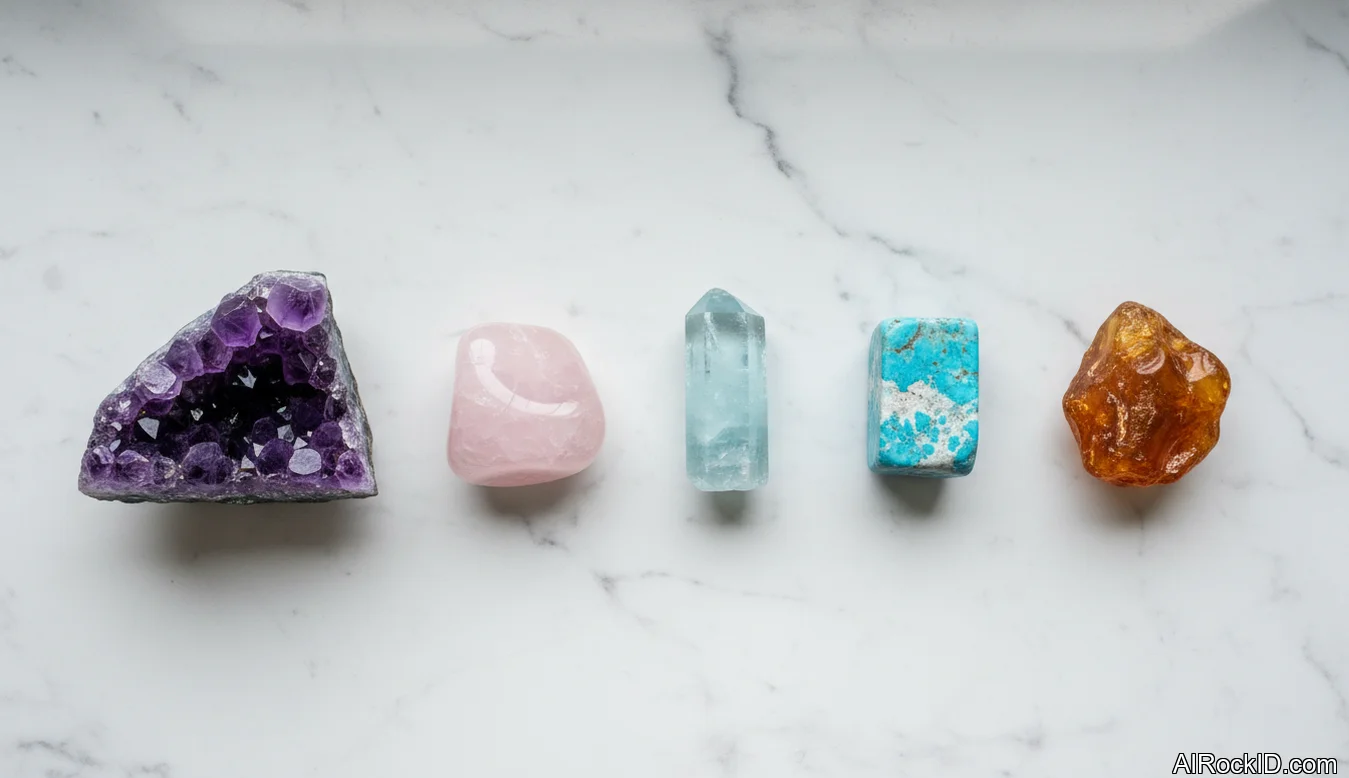
A small selection of polished and raw crystals (rose quartz, amethyst, moonstone, aquamarine) arranged beside a pregnancy journal

The best crystals for pregnancy are the ones that help you feel calmer, get a bit more sleep, and stay steady while your body’s doing its whole shapeshifting thing, without stepping on the toes of actual medical care.

Thing is, you pick up a stone when you’re pregnant and you notice stuff you didn’t care about before. Weight matters. Texture matters. I’ve seen people who normally go straight for sharp, sparkly points suddenly reach for a smooth palm stone instead, because their hands are puffy and tender and they don’t want anything poking them, especially anywhere near their belly. That’s the vibe: practical comfort, simple little rituals, and stones you can actually live with day to day.

And let’s keep it grounded. Crystals don’t treat preeclampsia, fix anemia, stop bleeding, or replace a midwife or OB. What they can do, in my experience after a decade of handling them and talking with a lot of pregnant clients, is help anchor routines. A stone on your nightstand can be a cue to breathe for a minute. One in your pocket can remind you to unclench your jaw (why is it always the jaw?). That kind of support is real, even if it isn’t medical. So we’ll stick to stones that are common, generally low-fuss, and not the sketchy, toxic stuff that sometimes gets pushed at desperate people.

Recommended Crystals
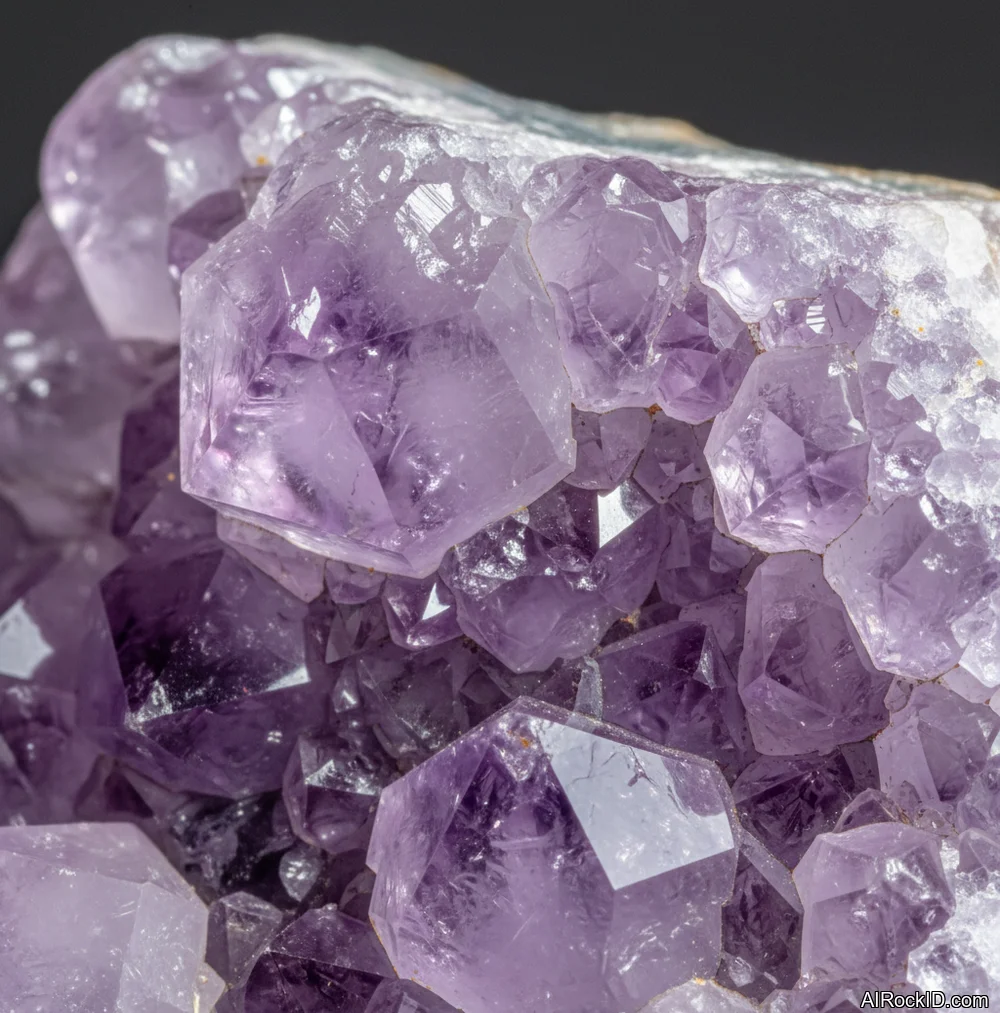
Amethyst
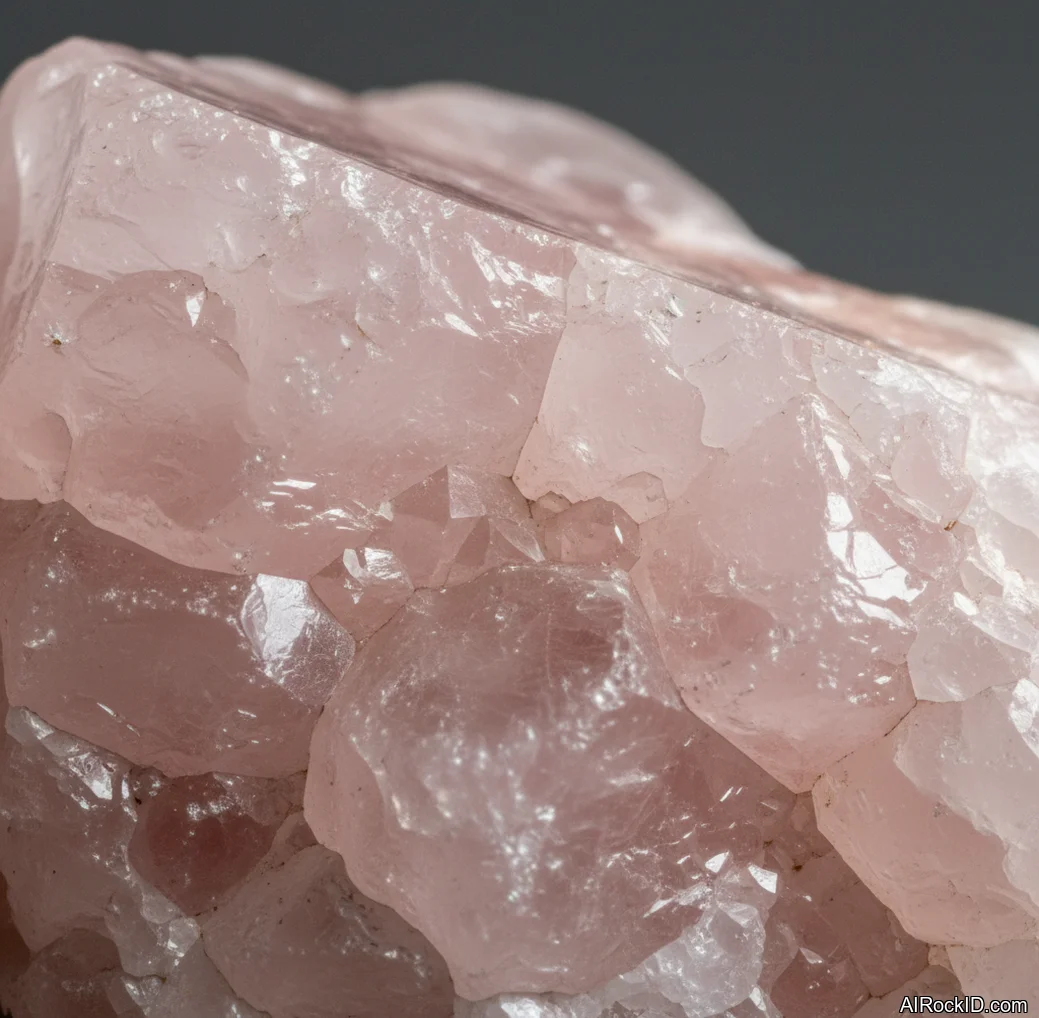
Amethyst

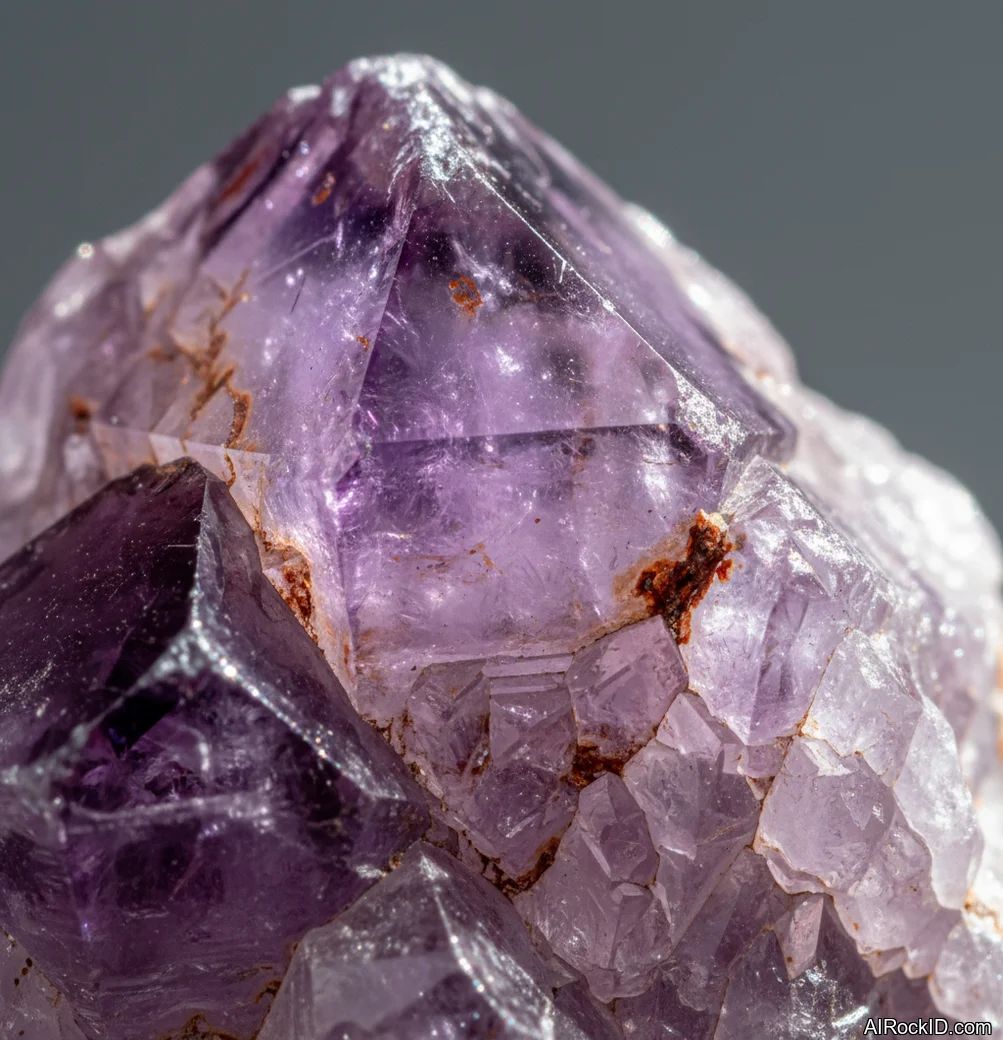
If my sleep starts acting up, amethyst is the first thing I grab. The rough points from Uruguay? They’re usually heavy for their size and feel properly cold when you first pick them up, like you’ve just lifted a stone off a shaded windowsill. And honestly, that chill by itself can calm you down when you’re running hot in the middle of the night. Thing is, it works best for me as a signal to power down. Lights low. Phone out of reach (across the room, not “face down on the pillow”). Same routine, same order, night after night. There’s a ton of pale amethyst out there, so if you want that deeper purple, you’ll pay more. So I always check for solid saturation even under weak indoor lighting, not just in bright daylight at the shop.
How to use: Keep a chunk on the nightstand and hold it for a minute while you do slow breathing before bed. If you’re a light sleeper, don’t put a spiky cluster where you’ll knock it over at 2 a.m.; a tumbled stone or small palm piece is safer.
Rose Quartz

Rose Quartz

Rose quartz is basically a comfort stone. Pregnancy tends to yank up all the tender, raw feelings, too. The good stuff, when it’s polished right, feels almost waxy under your thumb, and it heats up quick in your palm, which you notice the second your hands are chilly. I’ve handled pieces from Madagascar with that cloudy, soft pink that looks way nicer in daylight than it ever does under harsh LED lights. It’s not magic. But it can sit nicely alongside self-talk and body-neutral or body-kind habits when you’re wrestling with new curves or aches.
How to use: Use a smooth palm stone during a five-minute check-in: one hand on belly, one on the stone, and name what you actually feel. For a bedside setup, place it where you’ll see it when you wake up so it becomes a reminder to start slow.
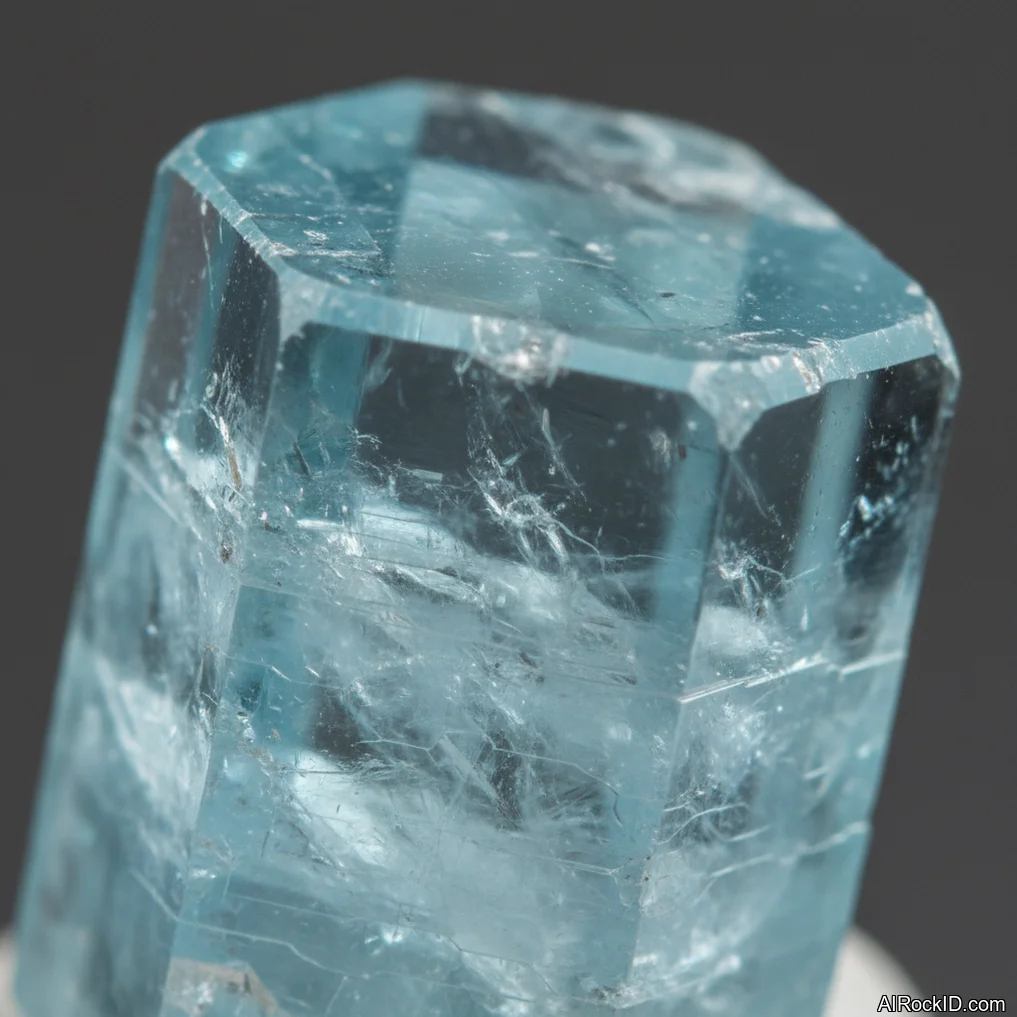
Aquamarine

Aquamarine

Aquamarine just feels clean. Watery. And when anxiety’s running hot, a lot of people really latch onto that. Real aquamarine stays cool against your skin longer than glass does. You can tell. It doesn’t warm up right away in your palm, and the nicer pieces have that pale blue that almost looks lit from inside when you tip it and catch the light. I’ve noticed it can be especially helpful for folks whose throat tightens up when they’re overwhelmed. Like, that stuck feeling where you can’t get the words out? It tends to nudge them toward actually saying what they need out loud. But don’t overpay for tiny chips being sold as “gemmy” if they’re basically just pale beads. Seriously, what are you even paying for at that point?
How to use: Keep a small tumbled piece in a pocket for appointments so you’ve got a physical anchor while you ask questions. At home, hold it during a short script: “Here’s what I need, here’s what I’m worried about, here’s my next step.”
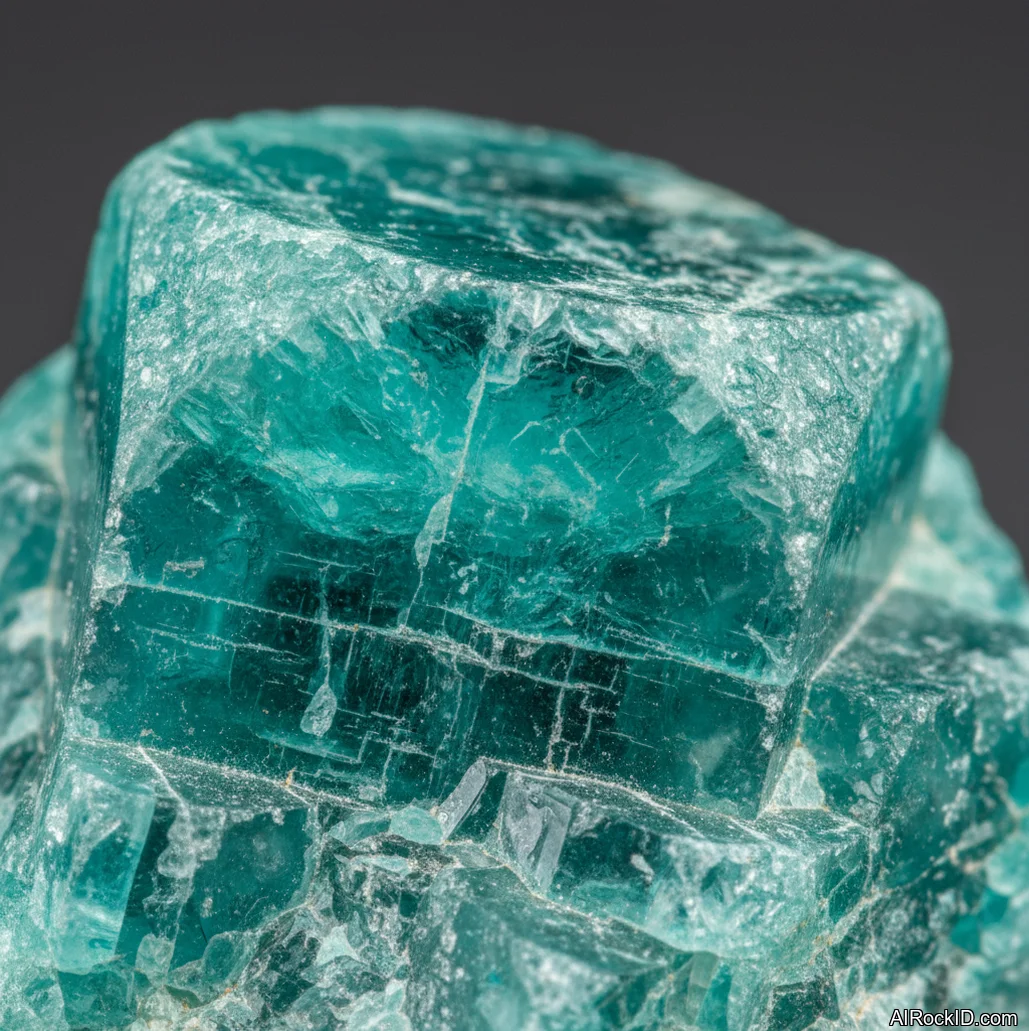
Amazonite

Amazonite

Amazonite is what I reach for when I’m doing boundary work, and pregnancy is basically one long boundary marathon. When you pick up a piece, you’ll usually notice those white streaks and that tiny feldspar sparkle catching the light; totally normal, not a flaw, and honestly that’s why I prefer raw chunks (they don’t try to hide it). It also has this satisfying heft in your hand, like a little stone paperweight, which feels grounding when you’re getting hit with unsolicited advice. Thing is, the color can get weird: some dyed stuff turns out way too neon and weirdly uniform, especially in the cheaper bracelets.
How to use: Use it before tough conversations: hold it, write down three sentences you want to say, then say them. If you wear jewelry, choose a simple bracelet, but take it off for sleep if it bugs your wrists or swells you up.
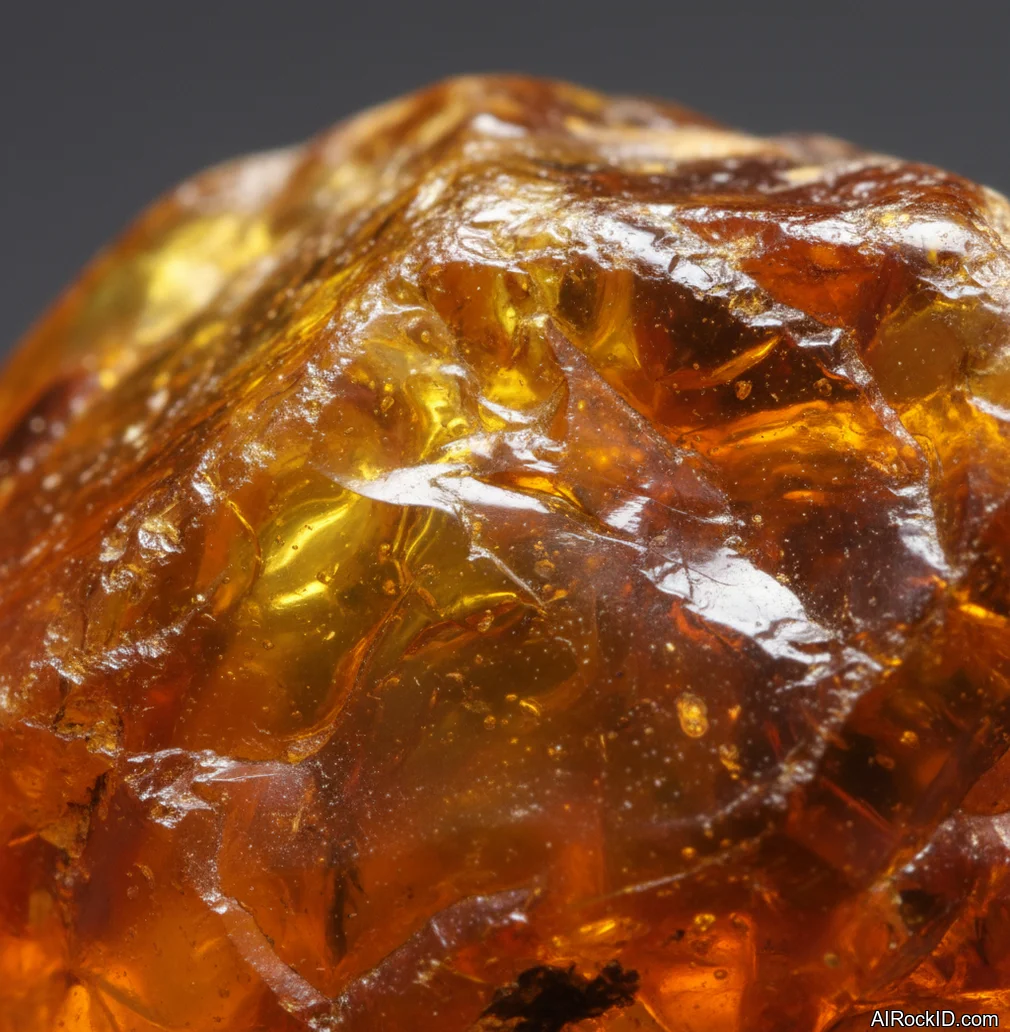
Amber

Amber

Amber isn’t a crystal. It’s fossil resin, and you can tell the second it’s in your hand because it feels weirdly light, almost feather-light. Thing is, the quickest test is warmth. Real amber heats up fast when it touches your skin, like it’s waking up, while glass knockoffs stay cool longer and feel kind of dead and slick. And yeah, a lot of pregnant folks keep it around as a “sunny” little companion on those low-energy days, especially when winter’s dragging on. But it scratches easily, and some pieces are treated or even reconstituted, so don’t buy from anyone who won’t just say what it is straight up (no dancing around it).
How to use: If you want amber on the body, go for a simple pendant that sits high enough not to swing into your belly. For a desk or nightstand, keep a chunk where you’ll touch it during a midday slump and use that touch as a reset cue.
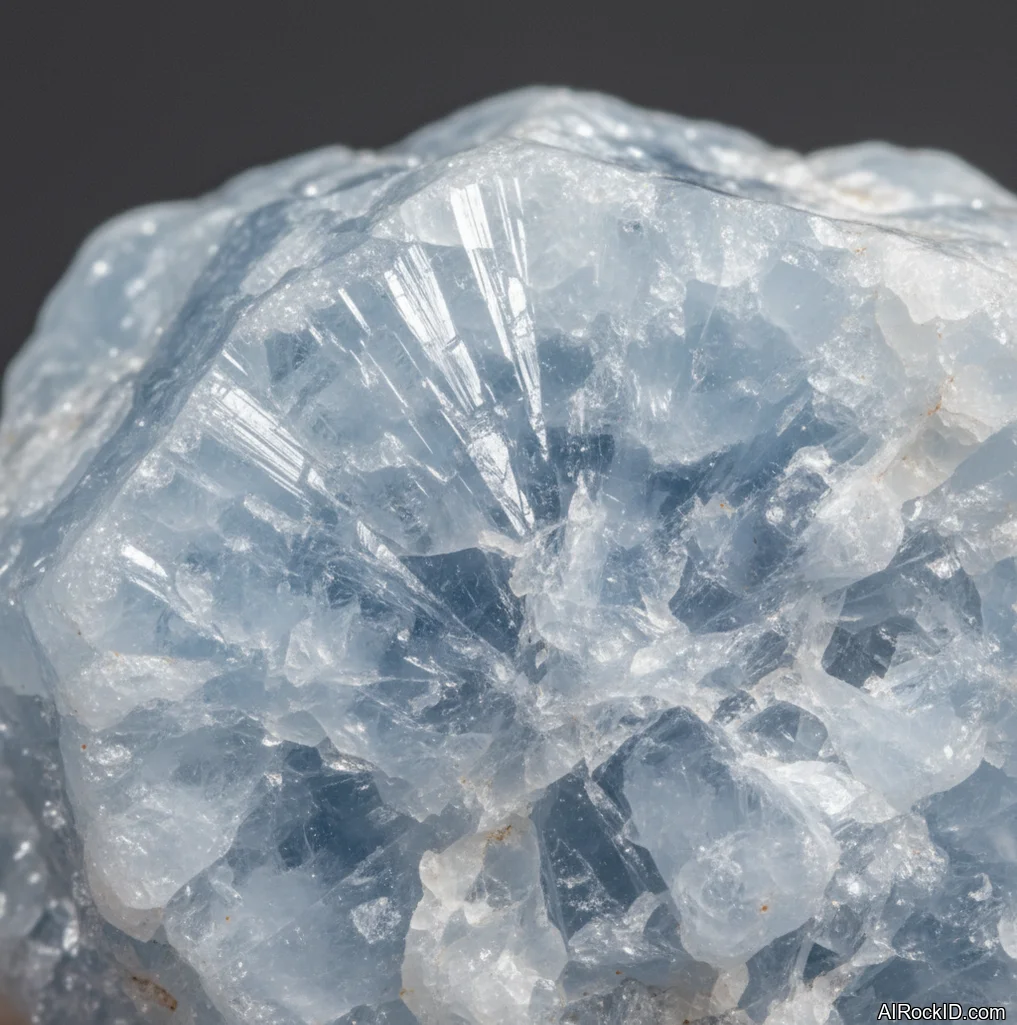
Angelite

Angelite

Angelite’s soft and a little chalky, and the calm it gives off feels like someone quietly turning the volume down. If you really stare at it under a lamp, you’ll see it doesn’t have that hard, glassy quartz shine. It’s more of a satin glow, and yeah, it’ll pick up little dings fast if you toss it in a bag next to your keys (ask me how I know). I reach for it during pregnancy more for the emotional stuff than anything else, especially when you’re trying to loosen your grip on things you just can’t control. But durability is the catch. It’s not a daily pocket stone unless you really baby it.
How to use: Keep angelite at home, not in your purse. Set it near your bath products or lotion and pair it with a slow, gentle body-care routine instead of trying to carry it everywhere.
Apache Tears

Apache Tears

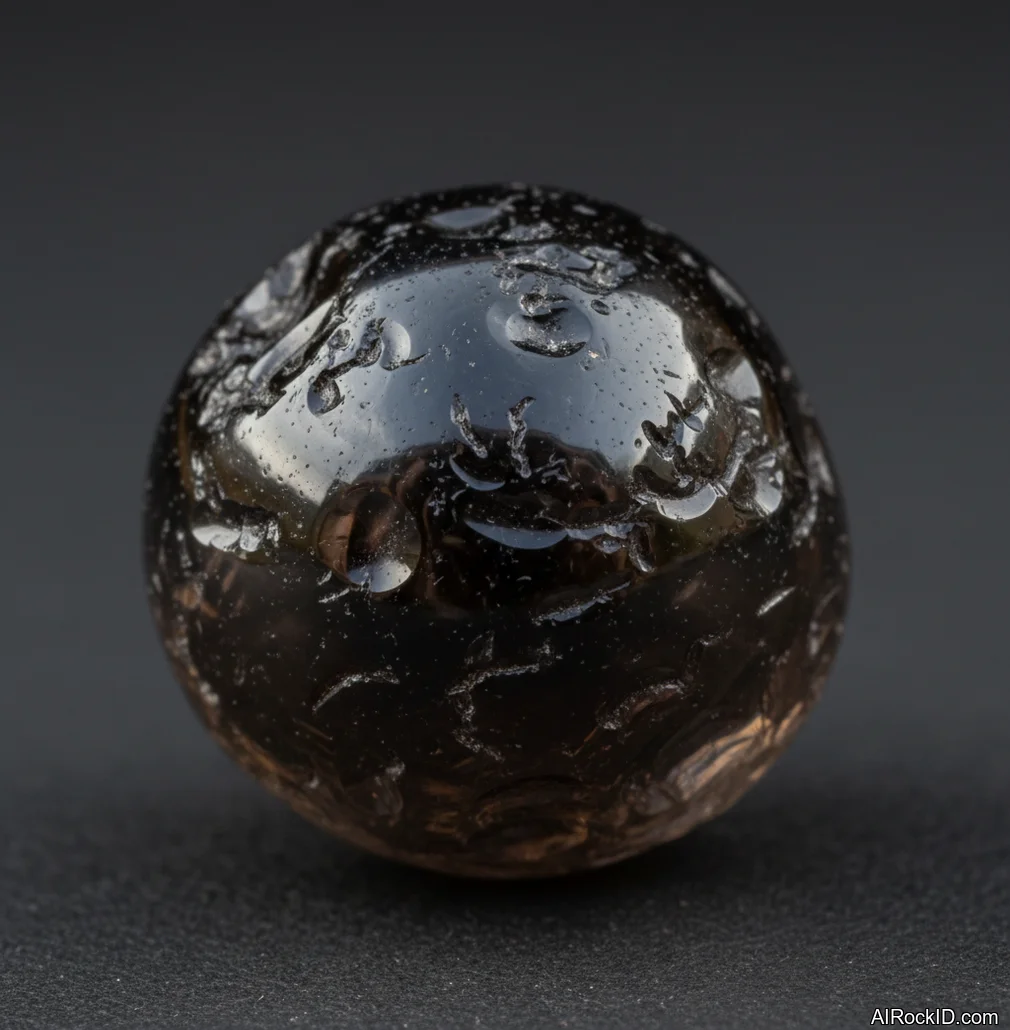
Apache tears are a type of obsidian that literally feel like tiny, smooth raindrops in your palm. Most of them are matte, but every so often you’ll catch one with a slightly shinier face, like it got a quick polish on just that side. They’re handy when your emotions are all over the place because they feel grounding without coming off harsh. And they’re small. You can roll one around in your hand or keep it in a pocket without anyone noticing (or asking questions, which is nice). Look, don’t expect flawless stones. I’ve ordered batches where a bunch of pieces showed up with little chips along the edges, the kind you can feel with a thumbnail if you go looking. So yeah, skip the “collector” pricing for regular tumbled tears. And if you want something dark but you don’t love the sharp, glassy feel of bigger obsidian chunks, these are a solid middle ground.
How to use: Carry one in a soft pouch and rub your thumb over it when you feel yourself spiraling. If you’re doing journaling, place it on the page while you write the hard stuff you don’t want to say out loud yet.
Black Moonstone

Black Moonstone

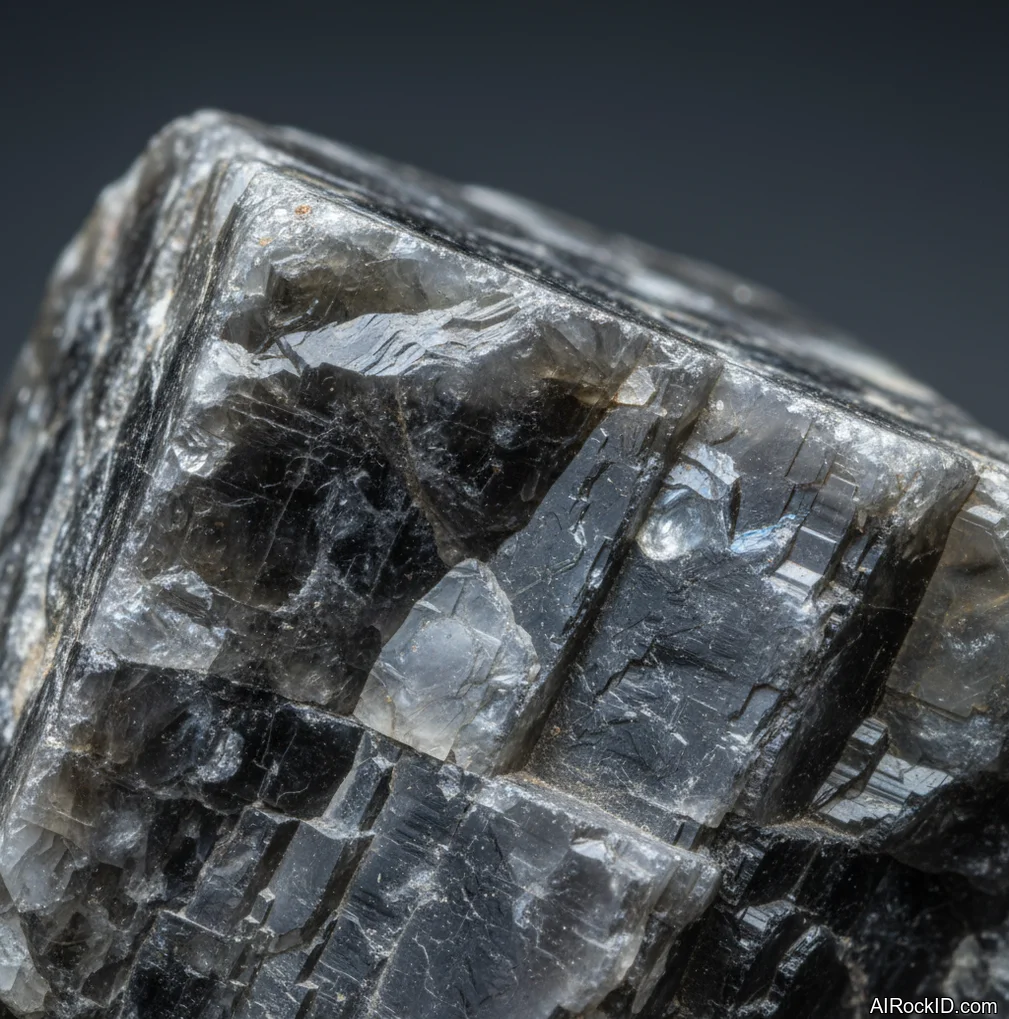
Black moonstone is what I reach for during pregnancy when someone wants that moonstone vibe but doesn’t want to feel floaty. It can look like plain gray at first, kind of unremarkable. But then you tip it under a lamp and that soft little flash shows up out of nowhere, and if you move your hand a hair, it’s gone again. Wild, right? That in-and-out sheen is a big part of why people latch onto it in a phasey, hormonal season. Thing is, the quality is all over the place. Some stones just look muddy and never flash no matter how you turn them, and others are seriously beautiful but you can tell they’re a bit fragile around the edges (those corners can feel almost crumbly).
How to use: Use a palm stone during evening wind-down, especially if your mood changes at night. Don’t put it in a pocket with coins; wrap it or keep it in a fabric pouch to prevent edge chips.
Auralite-23

Auralite-23

Auralite-23 is, at the end of the day, a trade name slapped on amethyst-based material, and it often comes with huge claims plus even bigger price tags. I’m mentioning it because some people honestly love the “one stone that covers everything” idea when they’re too wiped out to curate a whole set. Pick up an actual piece and it usually just feels like dense quartz in your hand, with that cool, solid heft. And you’ll often spot reddish or smoky inclusions (little wisps and specks) that look way better in real sunlight than they do under a yellow lamp on your desk. But keep your wallet on a leash. That label gets used to mark up plain old ordinary amethyst all the time.
How to use: If you buy it, treat it like a single all-purpose anchor: meditation, bedside, or appointment days. Skip complicated grids and just use it consistently for two weeks so you can tell if it actually fits your routine.

Choosing pregnancy-safe stones: what I actually avoid

Most dealers are decent, sure, but pregnancy is when I get weirdly picky. I skip anything crumbly, dusty, or prone to shedding because the last thing you need is mineral grit stuck to your fingertips when you’re snacking, rubbing your eyes, or wiping down baby stuff. Soft stones can be okay, but they need a “live here on the shelf” spot, not rattling around in a pocket with lint and coins.

Thing is, those “pregnancy crystal lists” online sometimes slide in minerals that look neat but come with real-life headaches, like copper-heavy pieces (that whole azurite vibe) or anything people sell as raw ore that’s meant to be handled. If you rub it and your fingers come away tinted, I’m out during pregnancy. Same deal with stones that have mystery coatings or aura treatments, especially when the seller gets vague about what’s actually on the surface. So I keep it boring on purpose: quartz family, feldspars, fossil resins like amber, plus smooth tumbled pieces you can wash easily (and actually scrub without worrying you’re grinding off dust).

Sleep, nausea, and the 2 a.m. brain: using stones as cues

Pregnancy sleep is nasty. You’re up to pee again, your hips are screaming, and your brain suddenly thinks 3 a.m. is the perfect time to replay every awkward moment since 2009.

A rock isn’t going to magically knock you out. But it *can* act like a little physical reminder to do the unsexy stuff that actually helps: slower breathing, a dark room, and no scrolling.

Grab an amethyst or a black moonstone and stash it somewhere your hand naturally lands when you sit up in bed. I’m into palm stones for this, mostly because they’re easy to curl your fingers around without fumbling for a lamp. Smooth, rounded, kind of cool at first, then it warms up in your hand fast.

Thing is, the routine matters more than the stone. Touch it, inhale for four, exhale for six. Do that ten times. Then decide, on purpose, if you’re getting up for water or staying put. If nausea is part of your situation, don’t press stones into your belly or do anything that makes you zoom in on every sensation. Keep it gentle. Keep it portable. And keep it simple, because who has energy for anything else in the middle of the night?

Appointments and advocacy: crystals for staying steady while you speak up

If you’ve ever gone totally blank in an appointment and then, of course, remembered every single question out in the parking lot, you know the feeling. Pregnancy piles on the clock and the emotions, and it’s weirdly easy to smile and nod even when you’re thinking, wait, what did they just mean? That’s where an “anchor” stone can come in handy.

Aquamarine or amazonite are good picks for this, mostly because they’re nice to handle and people link them with communication and boundaries. I’ve literally seen someone rub a tumbled aquamarine between their finger and thumb, that smooth, slightly cool little pebble feeling, while they asked the provider to explain it again. And it slowed them down in a good way, kept them from rushing through their own words.

Thing is, the real trick is the prep. Write your questions on paper. Keep the stone in the same pocket every time. Touch it right before you walk in (like, hand in pocket, one quick squeeze). After a few visits it turns into a habit loop. No mystical promises here, just a practical tool that helps you stay in your body when the room feels intimidating.

Body changes and self-image: picking stones that feel good in the hand

Some days you feel like you could lift a car. Other days you feel like a swollen stranger renting out your own skin. And on those days, I don’t want anything “high-frequency.” I want comfort objects that don’t demand a thing from you.

Rose quartz is the obvious pick, sure, but angelite and amber have a place too. Thing is, the feel matters more than the label. Amber’s weirdly light for how solid it looks, and it warms up fast in your hand like it’s been sitting in a pocket. Angelite is soft-looking and matte, almost chalky (in a nice way), like sea-glass that never got shiny. Rose quartz is smooth and friendly in the palm, the kind you absentmindedly rub with your thumb while you’re thinking about something else.

If a stone feels sharp, or it’s cold in that gross way, or it’s visually loud, you’re not going to pick it up. So it turns into clutter. Just choose one piece you actually like touching. Put it where your hand already goes during lotion, stretching, or that five-minute sit-down because your feet are done. Consistency beats a big collection.

How to Use These Crystals for Pregnancy

Keep pregnancy crystal work boring. Keep it repeatable. Pick one stone for sleep (amethyst or black moonstone), one for daytime steadiness (rose quartz or amber), and one for speaking up (aquamarine or amazonite). Three is plenty. If you buy more, you’ll just rotate them, forget where you put half of them, and never build a habit.

Cleaning matters more right now. And I don’t mean energetic cleansing. I mean actual cleaning, like the kind where you can feel that slick soap film on your fingers before you rinse it off. Wash tumbled stones with mild soap and warm water, dry them well, and don’t soak soft stones like angelite. If a piece is raw and has pits or cracks you can’t clean easily, keep it as a display piece, not a hand-held worry stone. Gunk gets stuck in those little holes. You know it does.

For body placement, I keep it simple: hand, pocket, nightstand, or a pendant that won’t swing and annoy you. But skip putting stones under your pillow if you toss and turn, because you’ll wake up with a bruise and blame the crystal. (Ask me how I know.) So the best practice is a tiny routine you can do on rough days: touch the stone, take ten slow breaths, then do the next practical step like eating, texting your provider, or lying down. Simple. Done.

Common Mistakes to Avoid

Buying stones that are too sharp, too crumbly, or so “special” you’re afraid to even hold them is basically a speedrun to never using them again. I watch it happen all the time. Someone picks up a spiky cluster, tucks it on a high shelf “so it won’t get damaged,” and then they never touch it because pregnancy already has you moving like you’ve got a glass of water balanced on your belly.

Thing is, when you chase rare labels, you usually end up paying for the story, not the tool. Auralite-23 gets pushed really hard, and I’ve had plenty in my hand that were, honestly, just regular amethyst with a fancier tag. You can feel it too. Those little needle points catch on a sweater cuff, the gritty edge scrapes your fingertip, and suddenly this “supportive” item feels like something you need to handle with tweezers.

And people forget the boring part: basic cleanliness. If you’re rubbing the same stone all day, setting it on a nightstand, dropping it into a bag with receipts and lip balm (been there), and never washing it, it’s not soothing anymore. It’s a germy little worry object.

Last one. Don’t use crystals to dodge medical conversations. If you’ve got scary symptoms, don’t just sit on the couch gripping a stone and hoping it passes. Use the stone to settle your nerves enough to make the call, ask the question, or go get checked. That’s the job.

Important: Crystals can’t diagnose pregnancy conditions, prevent miscarriage, treat depression, fix your blood pressure, or take the place of prenatal care. And no, they can’t promise an “easy birth” or lock in any specific outcome. But they *can* be part of the stuff that helps you get through the day. Think breathing, grounding, journaling, and keeping up with the small habits that make you feel a little more stable (even if it’s just five minutes on the couch). Thing is, if your crystal routine starts cranking up your anxiety or makes you feel like you’re to blame for things you can’t control, skip it. Seriously. Why carry that.

Identify Any Crystal Instantly

Snap a photo and get properties, value, care instructions, and healing meanings in seconds.

Frequently Asked Questions

What are the best crystals for pregnancy support routines?
Common choices include amethyst, rose quartz, aquamarine, amazonite, amber, angelite, apache tears, and black moonstone. These are typically used for comfort rituals, stress reduction cues, and sleep routines.
Are crystals safe to use during pregnancy?
Handling most tumbled stones is generally safe, but safety depends on mineral type, dust, coatings, and breakage risk. Avoid ingesting, making elixirs, or using crumbly or residue-leaving minerals.
Can crystals treat pregnancy complications like preeclampsia or gestational diabetes?
No, crystals do not treat or prevent pregnancy complications. Medical evaluation and treatment are required for pregnancy-related health conditions.
Which crystals are commonly used for pregnancy sleep support?
Amethyst and black moonstone are commonly used for sleep routines. They are typically placed on a nightstand or held during breathing exercises.
Which crystals are commonly used for pregnancy anxiety or overwhelm?
Rose quartz, aquamarine, and apache tears are commonly used as grounding or calming anchors. They are often used as tactile cues during breathing or journaling.
Is amber a crystal and does that matter?
Amber is fossilized resin, not a crystal mineral. It is lighter and softer than many minerals and scratches more easily.
Can I sleep with crystals under my pillow while pregnant?
Sleeping with stones under a pillow can increase discomfort or bruising and may disrupt sleep. A safer option is a smooth stone on a nightstand or a soft pouch nearby.
How do I clean crystals safely during pregnancy?
Most tumbled stones can be cleaned with mild soap and warm water, then dried thoroughly. Softer stones like angelite should not be soaked and should be wiped gently instead.
Are crystal elixirs safe in pregnancy?
Crystal elixirs are not recommended because mineral contamination and bacteria risk can occur. Use indirect methods only, such as keeping stones near water rather than in it.
How many crystals should I use during pregnancy?
A small set of 1 to 3 stones is usually sufficient for consistent routines. Using fewer stones makes habits easier to maintain and reduces clutter.
The information provided is for educational and spiritual exploration purposes. Crystals are not a substitute for professional medical, psychological, or financial advice.