Best Crystals for Root Chakra
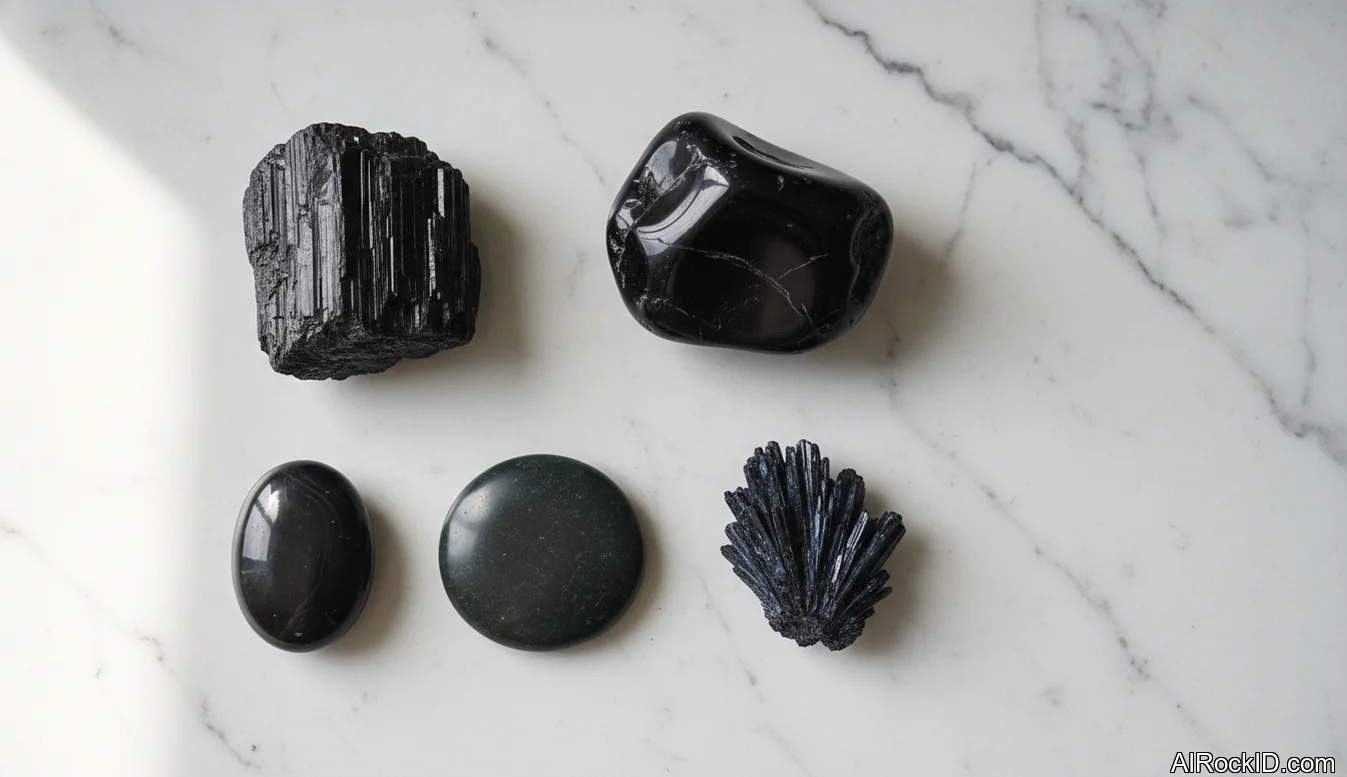
The crystals I reach for with the root chakra are the heavy, earthy ones. The kind that sit there like a paperweight. They feel steady in your hand and they don’t send your head floating off even more.
When someone tells me they feel ungrounded, scattered, or like their nervous system is running hot, I grab the darker stones first. Then, if they need more grit, I’ll toss in a warm, iron-colored piece. Pick up a solid root stone and you notice the weight before anything else. It drops into your palm like it means business.
Root chakra work is simple on paper, and weirdly picky in real life. You’re going for safety, stability, that basic “I’m here, I’ve got this” feeling. Crystals can act like a physical cue for that, kind of the way a heavy blanket does, or how a firm chair makes your body stop hovering. But different stones hit different switches. Some calm your body down fast. Some give you a shot of courage. Some just take the edge off that buzzy, over-caffeinated feeling. Why does one rock feel like a deep exhale and another feels like a pep talk? Who knows. But it happens.
Quick collector reality check, though: the market’s messy. “Grounding” gets slapped on anything black. And a lot of what’s sold as rare is just dyed or flat-out mislabeled. I’ve handled glossy black tumbles that went warm in my hand within seconds, and that’s a red flag for glass. Real mineral material usually stays cool longer, especially if you’re standing in a shop with AC and your fingers are already a little cold. So if you’re buying for root work, don’t chase the fanciest label. Chase the piece that feels steady and looks honest (even if it’s not the prettiest one in the bowl).
Recommended Crystals
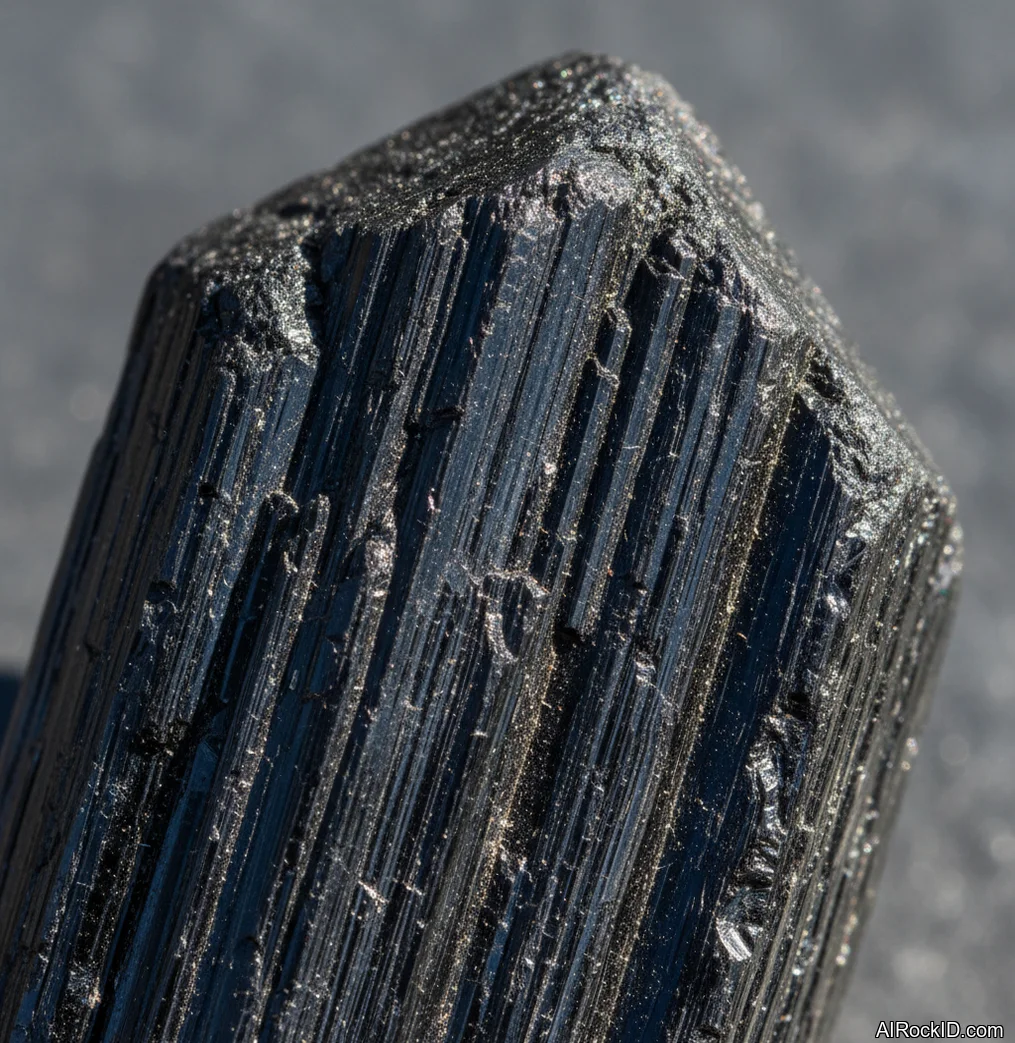
Black Tourmaline
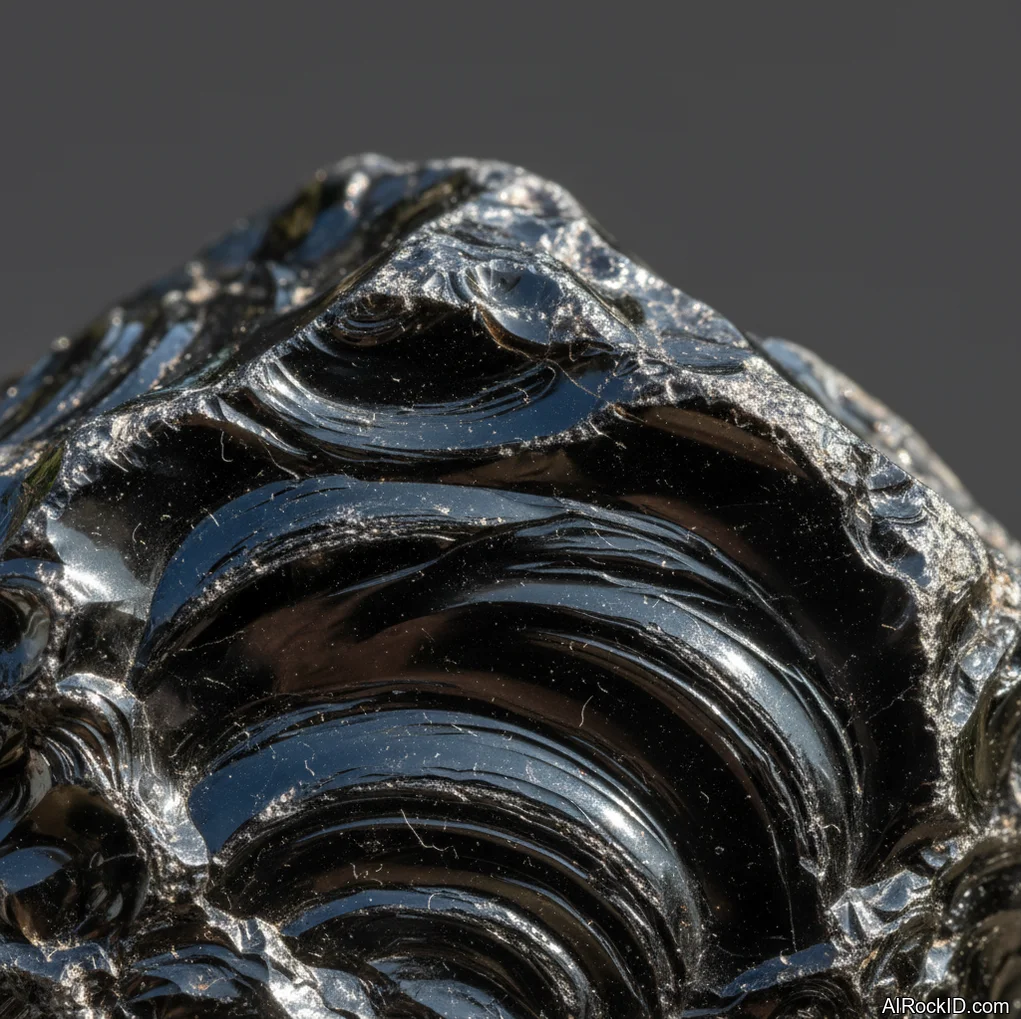
Obsidian
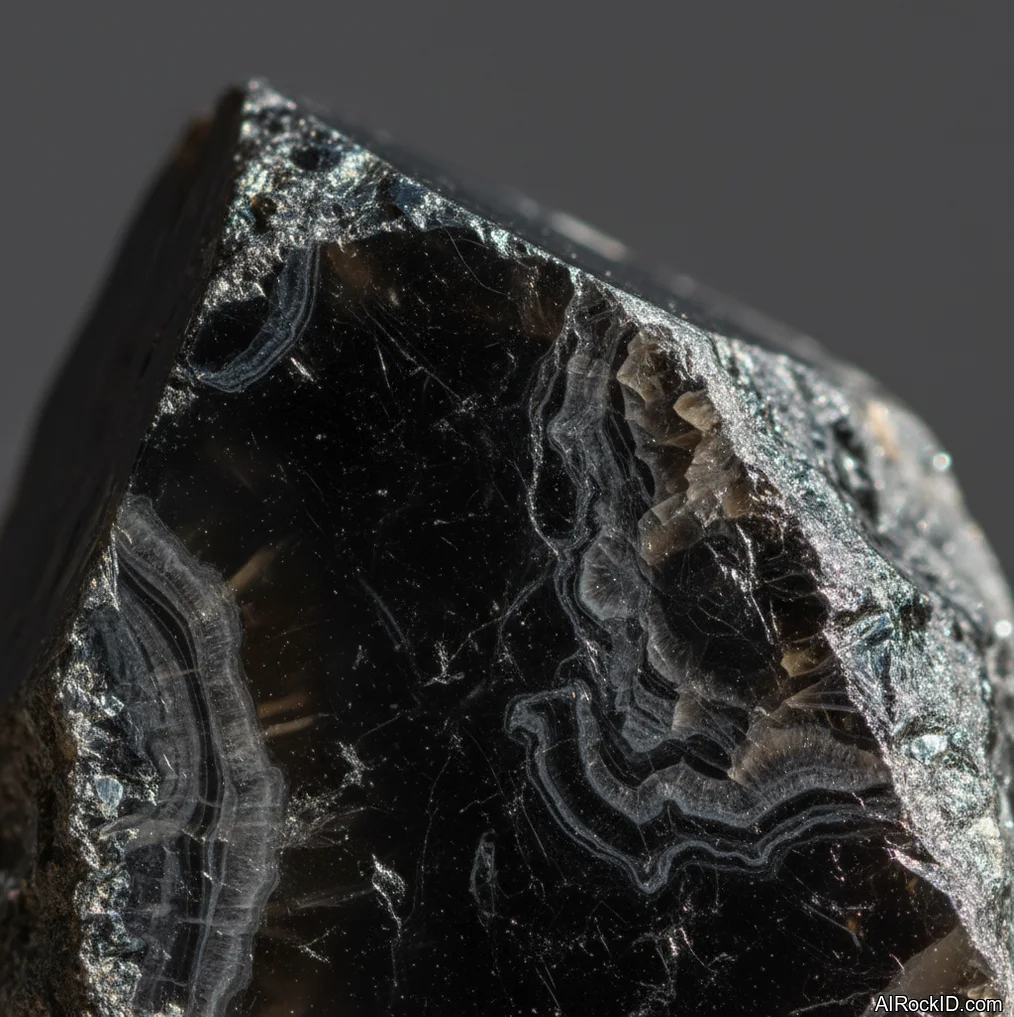
Black Onyx
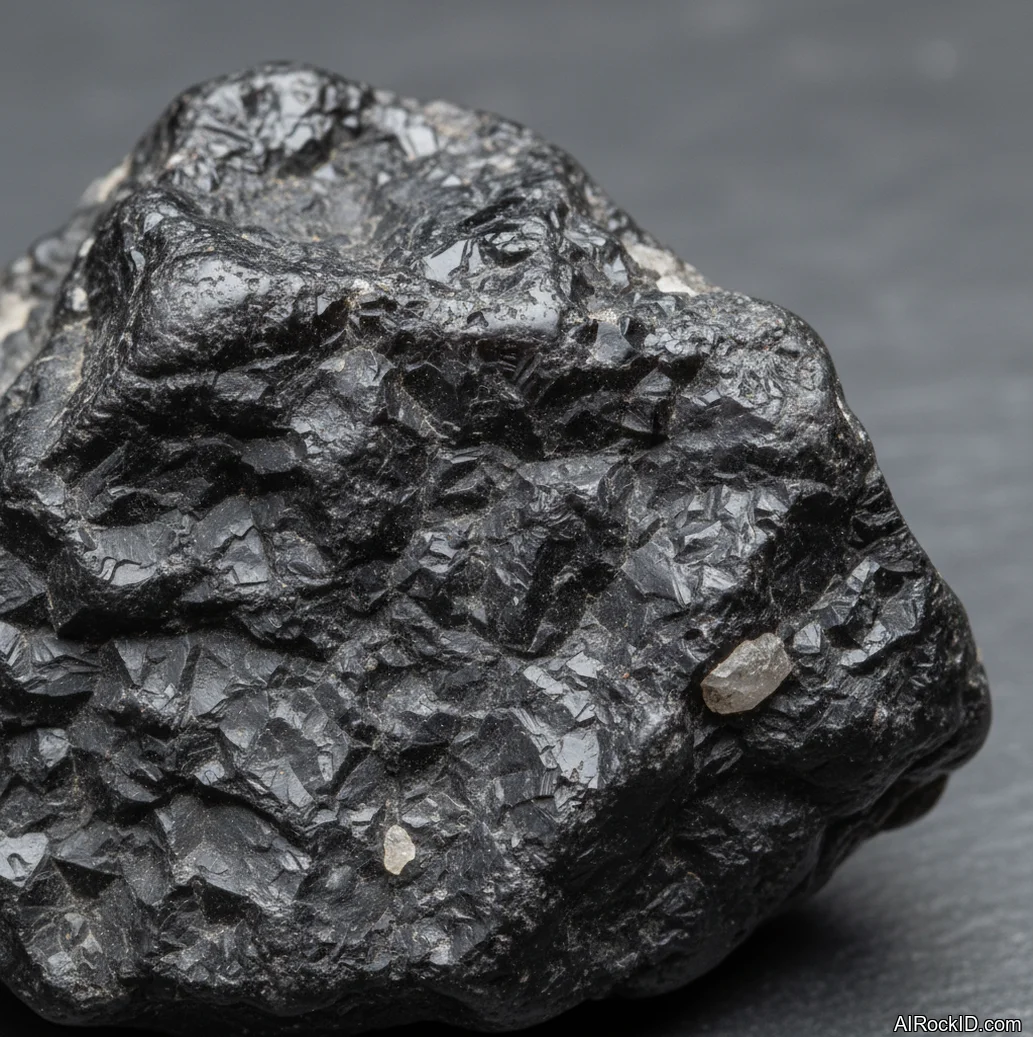
Black Jade
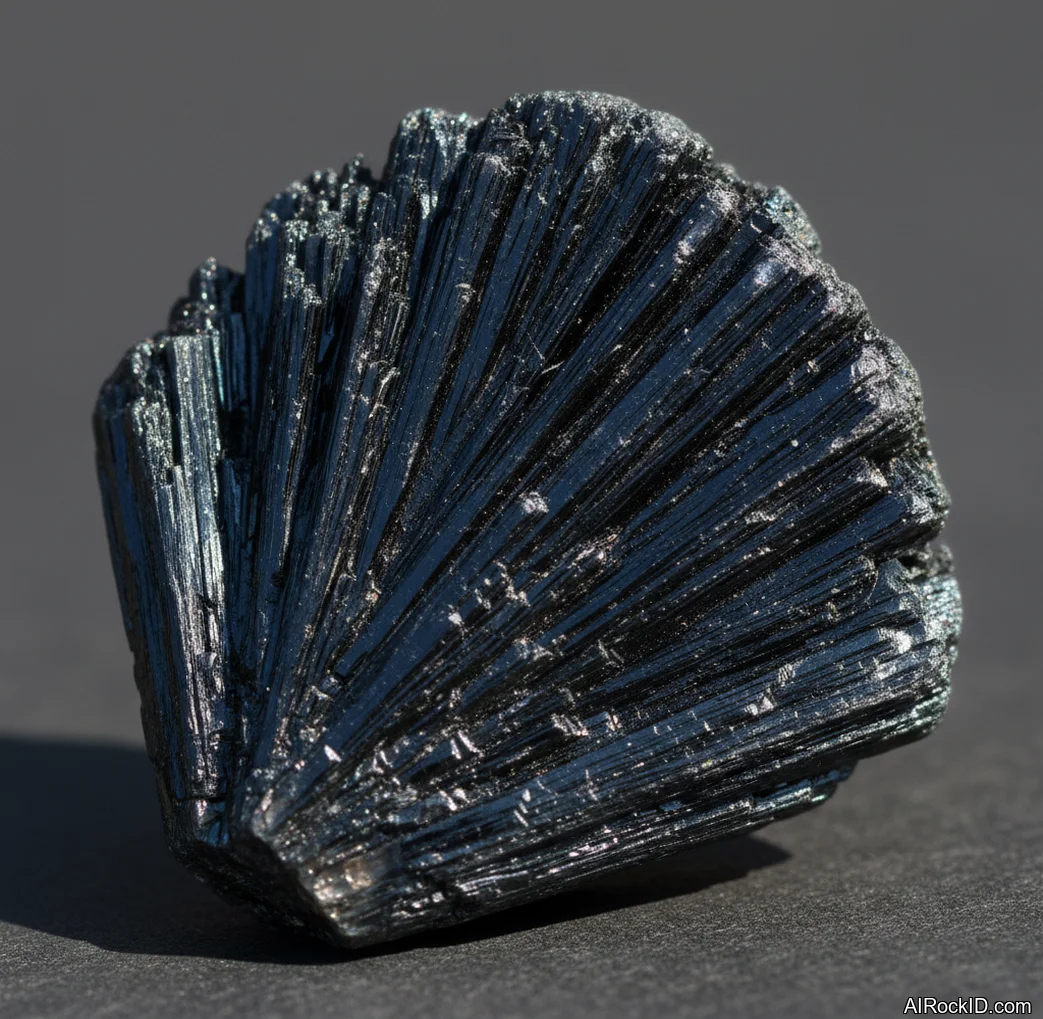
Black Kyanite
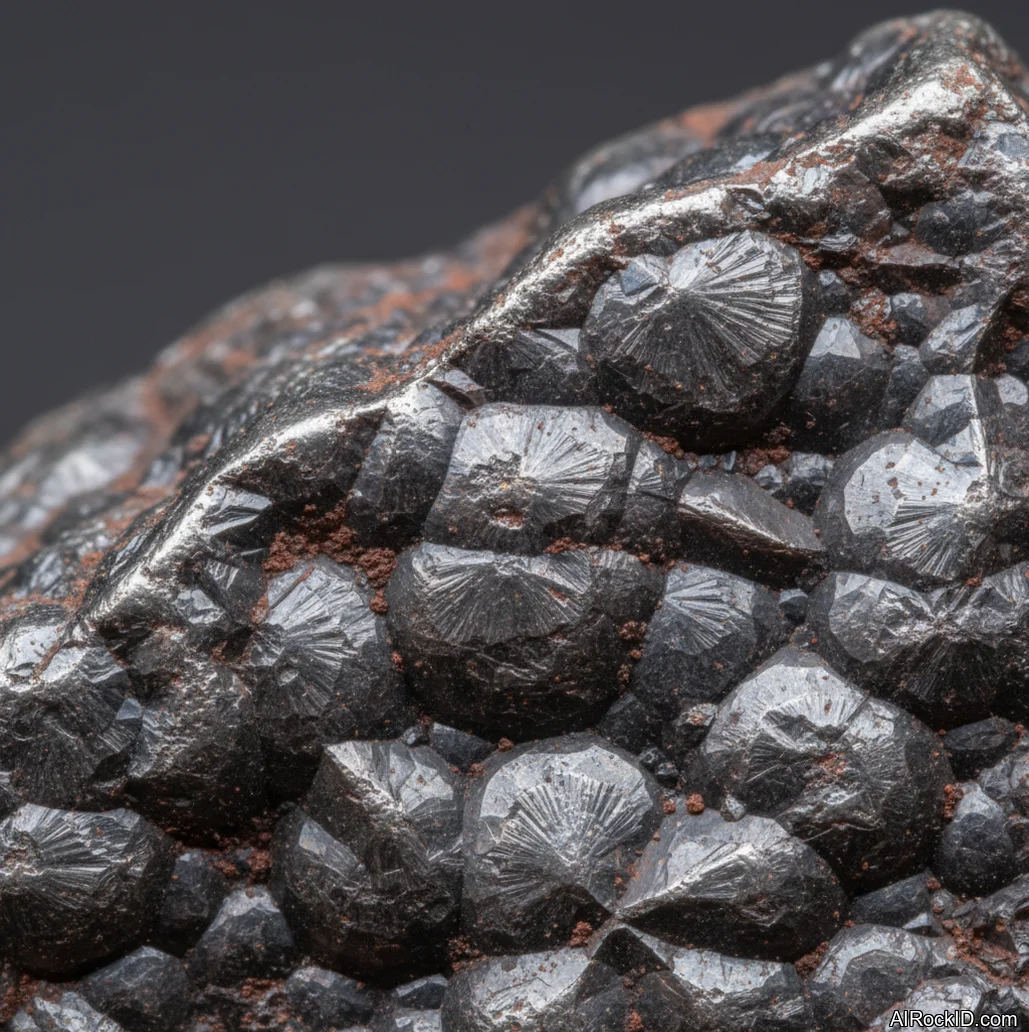
Hematite
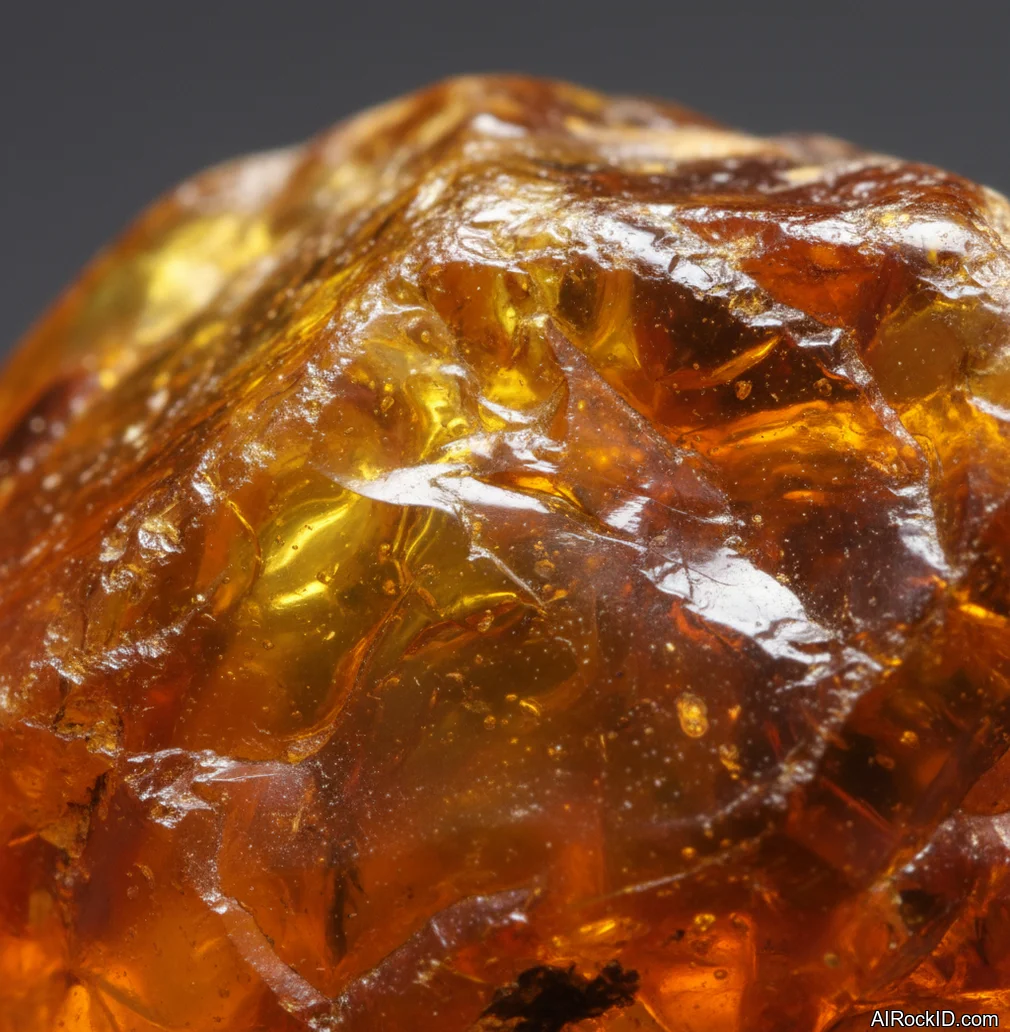
Amber
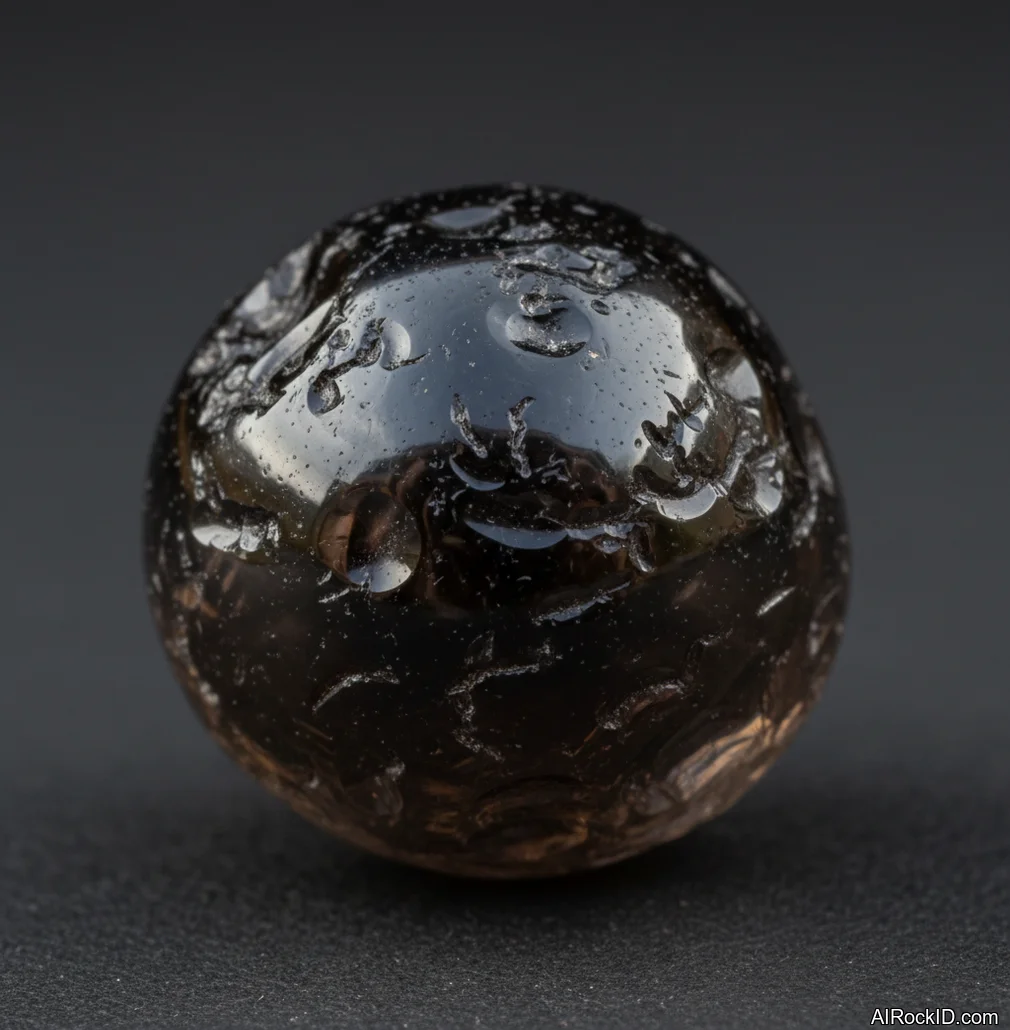
Apache Tears
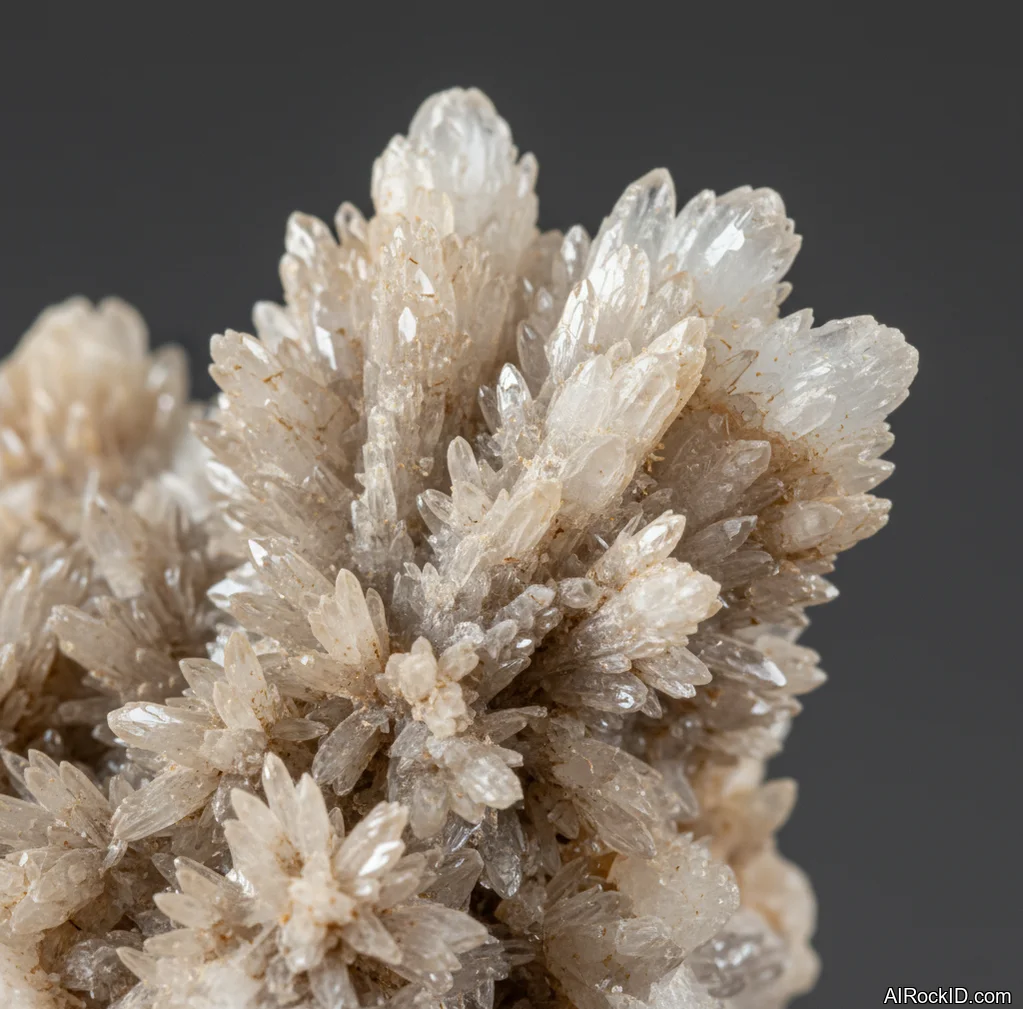
Aragonite
What “root chakra crystals” actually do in real life
Most folks think a stone’s going to flip a switch and fix the feeling in one shot. It won’t. What I’ve noticed, again and again, is a root chakra stone works more like a physical anchor. You hold it. You spot it on the table. You remember what you meant to do, and your body finally gets a second to downshift.
Grab hematite and you can literally feel that deadweight heft dragging your attention down into your palm. Not mystical. Just your senses doing their job. And aragonite on a desk does the same kind of thing in its own way. Those earthy spikes just sit there, kind of stubborn-looking, and every time your eyes land on them your brain gets the message: deal with the practical stuff. Pay the bill. Drink water. Put your feet on the ground. Simple, boring, effective.
But here’s the catch. Crystals don’t override your environment. If you’re sleeping four hours, running on caffeine, and doom-scrolling at midnight, black tourmaline isn’t going to magically make you feel safe. So what can it do? It can help you notice what’s going on sooner, then pick something better. That’s the real win.
Choosing between black stones vs earthy brown stones
Black stones can feel like a hard boundary you can actually bump into. Obsidian, black tourmaline, black onyx, even black kyanite, they’ve all got that “nope” vibe when everything around you is chaotic. If you’re the type who soaks up everyone else’s mood like a sweatshirt left out in the rain, start there. And yeah, the darker the stone, the more it acts like a stop sign for your attention.
Earthy browns and warm ambers are more about comfort and steadiness. Aragonite’s a good example. It doesn’t feel like a wall. It feels like scaffolding, like something bracing you from underneath instead of blocking you out. Amber’s the oddball, because it’s warm and light (almost like it’s got a little glow to it), and it’s great when you want to feel safe without getting heavy.
Thing is, the real test is what your body does after about 20 minutes. Do you feel calmer and more present? Keep going. But if you end up feeling flat, irritable, or spaced out, switch categories. Your nervous system is better feedback than any chart on the internet. Who’s going to argue with that?
Spotting fakes and bad labeling before you buy
Most dealers are solid people. But the supply chain is a mess, and labels get reused and passed around like old price stickers on a jar. Black onyx is the easy example: a lot of what’s sold as “onyx” is actually dyed chalcedony. That’s normal industry practice, not some secret plot, but it matters because you should know what you’re paying for.
Cheap “black tourmaline” can also turn out to be plain black glass. Tourmaline usually has those natural vertical striations, plus faces that aren’t perfectly even when you tilt it in your hand. If it’s flawlessly smooth and uniformly shiny, like a piano key under a bright lamp, I’d be suspicious. Amber has its own headache: plastic. Real amber often shows tiny internal specks or little bubbles that look organic when you hold it close to the light, and it won’t feel rubbery when you rub it (you know that weird tacky drag plastic can get).
So if you can, buy in person once in a while. Rotate the stone under overhead light, the kind that throws hard reflections on the surface. Feel the temperature when you first pick it up. Ask where it came from. And a shop that can answer calmly without getting defensive is usually a safer bet.
Pairing root crystals with actions that actually ground you
Thing is, if you want root chakra work to actually stick, you’ve gotta hook the stone to something you really do. Keep aragonite where you plan meals, not on some altar you never even glance at. Put black tourmaline by the door, and touch it right before you step out. Then do the boring grounding stuff: make sure you’ve got your keys, take three slow breaths, let your shoulders drop.
Hematite goes best with strength training, walking, or anything where you can feel your legs doing real work. I’ve had people tell me grounding only clicks for them after a long walk. Then hematite finally makes sense because it turns into a reminder of that exact body feeling.
But crystal-only routines can get weirdly avoidant. If money makes you anxious, hold onyx while you open your banking app. If you’re dodging conflict, touch obsidian and send the email. The stone isn’t the work. It’s just the handle you grab while you do it.
How to Use These Crystals for Root Chakra
Keep it basic so you’ll actually do it. When I’m doing root chakra stuff, I stick to three steps: touch, breathe, act.
First, touch the stone for 10 to 20 seconds. Not in a vague, “I’m holding a crystal” way. Really pay attention to what your hand picks up. Tourmaline has those little ridges you can feel catch on your fingertip, hematite is slick and weirdly heavy like a cold paperweight, and aragonite is rougher, textured, kind of wild. That gritty, real-world detail is the whole point.
Then breathe like you’re trying to convince your nervous system it can unclench. Longer exhales do a lot. I’ll do inhale for 4, exhale for 6, five rounds. Simple. If you’re placing stones, keep them low: feet, ankles, between the knees, or toss a stone in each sock if you’re home (yes, you look a little ridiculous). I’ve done the sock trick with small apache tears on restless days, and it works better than you’d expect because you keep noticing them every time you shift your feet.
Last part: action. One grounding task. Finish it. Eat something with protein. Take a shower. Clean a corner of your room. Pay one bill. Crystals work best as part of a system, not as a replacement for one. And if a stone makes you feel worse, don’t brute-force your way through it. Switch it out, cut the session shorter, or save it for daytime only. Why fight your body?
Common Mistakes to Avoid
People tend to go hard, right out of the gate. Obsidian and other heavy black stones can feel kind of sharp when you’re already stressed, and I’ve watched people mistake that “ugh” feeling for “it’s working,” so they keep pushing until they’re jittery for two days. If your body tightens up, pay attention. Grounding is supposed to land you, not scrape you.
And here’s another thing I see a lot: folks treating cleansing like some ceremony you have to nail perfectly. Hematite and some low-grade pieces really can oxidize if you soak them, and aragonite doesn’t love getting drenched either. Just wipe it down with a dry cloth, hit the little grooves with a soft brush (the kind that gets dust out of a setting), or even set the stone aside overnight. That’s usually plenty.
Last one. Buying the wrong form. Black kyanite blades look cool in your hand, but toss one in a pocket with coins and you’ll hear that little gritty clink, and yeah, they can crumble. Amber seems low-maintenance, but it scratches fast and can cloud up if you’re rough with it. So pick a shape you’ll actually use without having to babysit it. Why make it harder than it needs to be?
Identify Any Crystal Instantly
Snap a photo and get properties, value, care instructions, and healing meanings in seconds.