healing

Best Crystals for Trauma Healing
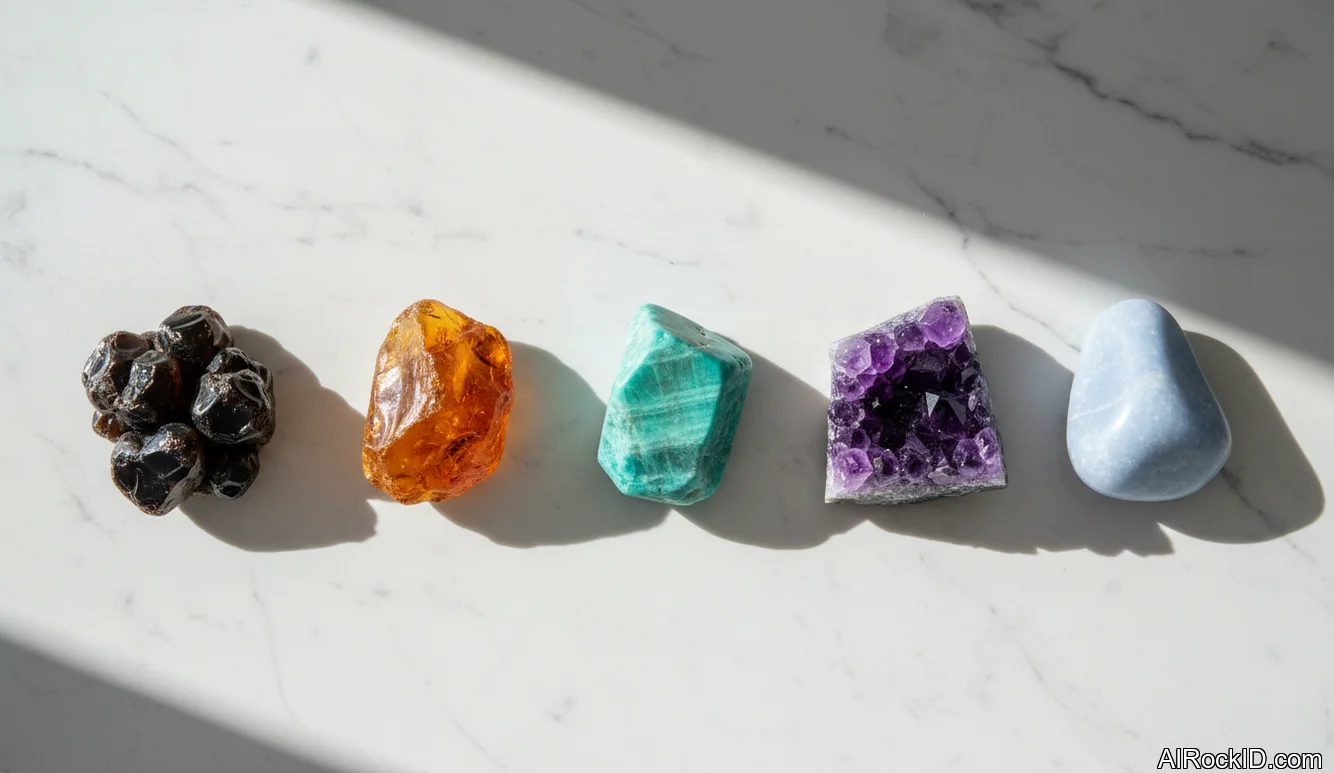
assorted tumbled and raw crystals for trauma support laid out on a wooden table beside a journal and candle

The “best” crystals for trauma healing aren’t the ones with the fanciest backstory. They’re the ones that help you feel safer in your own skin and a little steadier during the day. Trauma work is messy. It’s personal. And crystals, at the end of the day, are basically tools for attention and regulation: something you can hold in your hand, breathe with, and return to when your nervous system decides to time-travel.

If you’ve ever wandered into a mineral shop after a brutal week, you know exactly what happens. Your eyes drift toward the softer colors. Then, without even thinking about it, your hand goes for something heavier. Pick up a palm stone and you notice the weight first. The coolness, too. Sometimes it’s got that slightly waxy, polished feel like a worry stone that’s been handled a thousand times, and your thumb just finds the same spot. That tiny moment of grounding is the whole point. A crystal won’t erase what happened. But it can give you a repeatable anchor while you do the real work: therapy, somatic practices, sleep, boundaries, and support.

So I’m keeping this practical. I’m sticking to stones that are easy to find, tough enough to live in a pocket, and pretty consistent in how people actually use them when they’re triggered, shut down, or flooded. And yes, I’m calling out the market nonsense, like dyed material and those “aura” coatings that look pretty under shop lights but feel weirdly slick in your hand (and chip if you toss them in a bag). If a stone is fragile, I’ll say so. If it’s better as a bedside piece than something you carry around like a talisman, I’ll tell you that, too.

Recommended Crystals
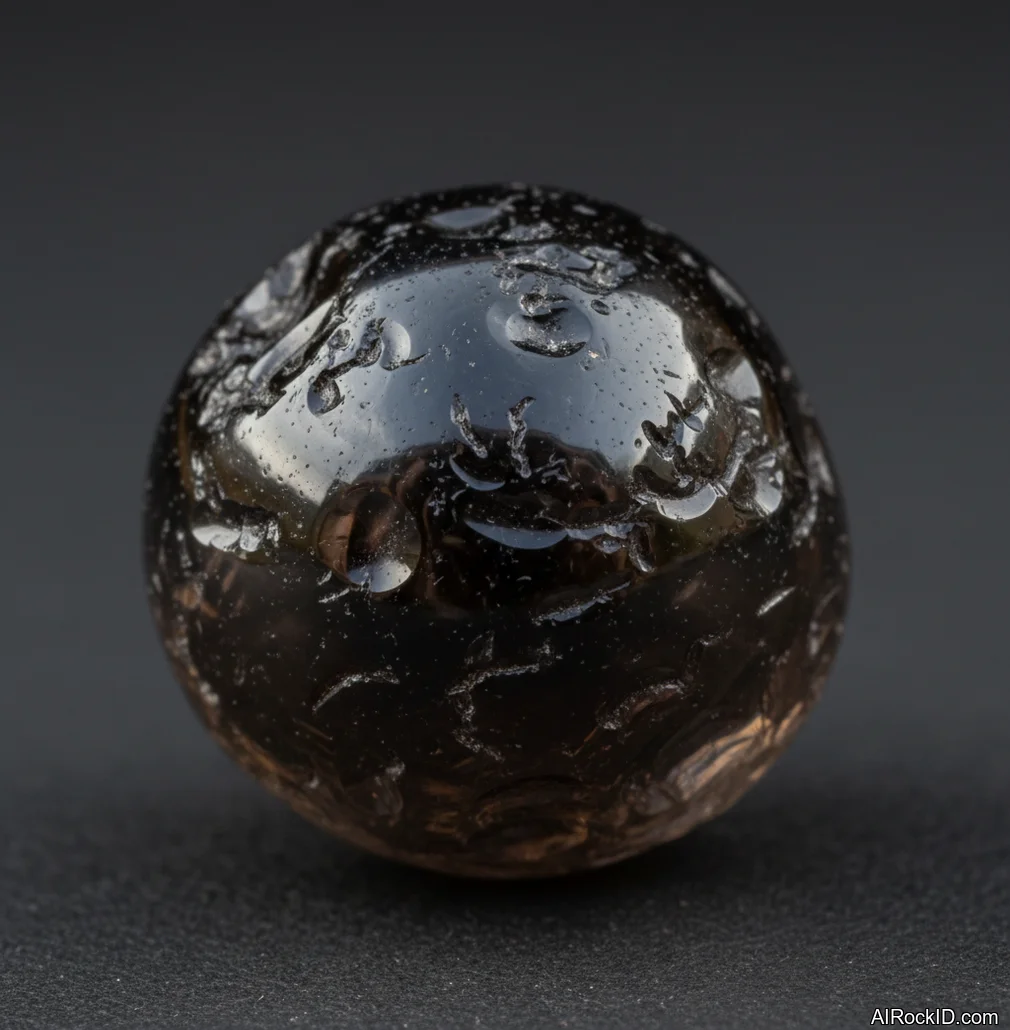
Apache Tears (Obsidian)
Apache Tears (Obsidian)

Apache tears are little, matte obsidian nodules, and in your hand they feel like worry stones, just heavier than you expect for something that size. They’re a solid pick when grief or old memories are sitting right up near the surface, since that soft, velvety texture is calming and the energy feels more contained than the slick, shiny black obsidian. And I’ve seen people who get overwhelmed by “too much” black stone handle these better, because they don’t come off as sharp or intense. If you hold one up and tilt it under a bright phone flashlight, you can usually catch a hint of brown translucence along the thinnest edges (it’s subtle, but it’s there).
How to use: Keep one in a pocket and rub it during a trigger, slow and repetitive, while you name five things you can see. If you’re prone to spirals, set it on the nightstand instead of sleeping with it under your pillow. Wash with plain water, then dry it well because the surface can pick up skin oils and look dull.
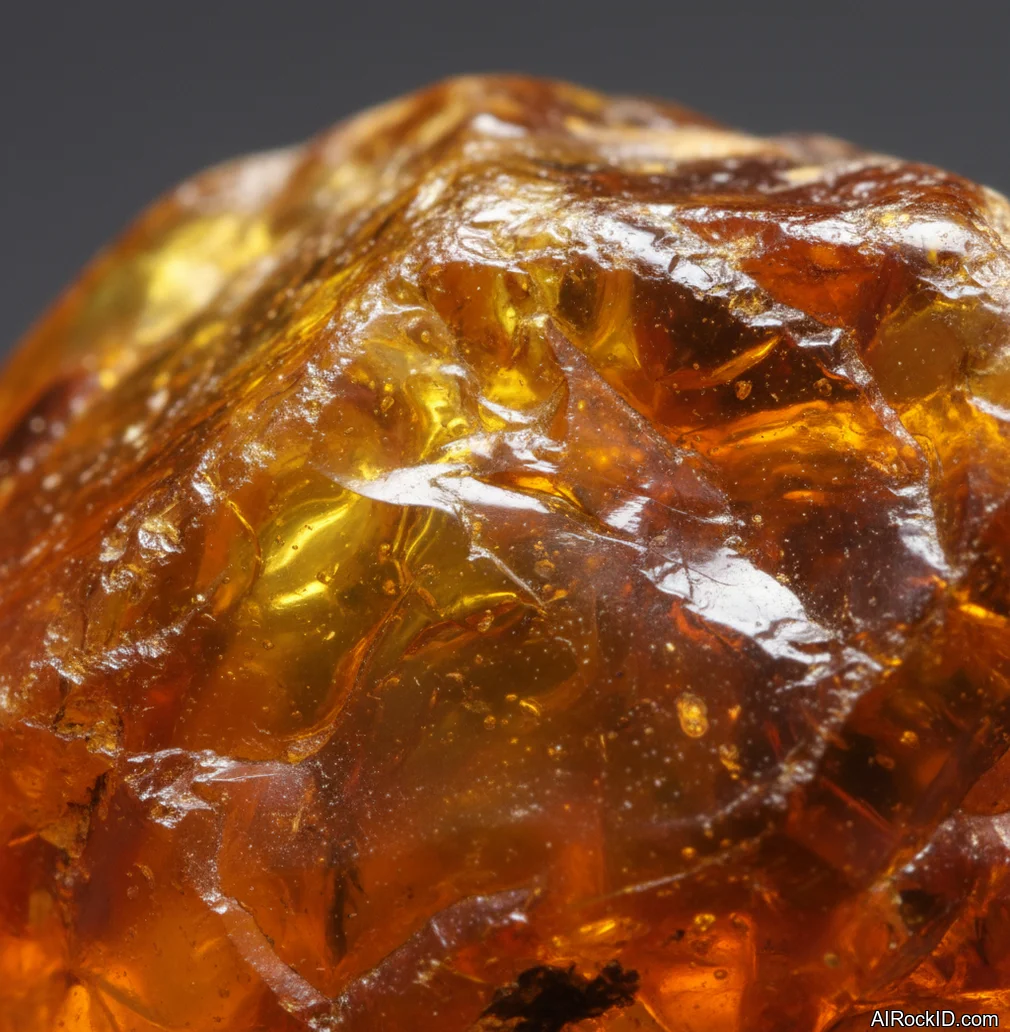
Amber

Amber

Amber isn’t a crystal. It’s fossil resin, and it acts its own way. And you notice it the second you pick it up: it warms up fast, like it’s been sitting in a pocket, not on a table. That’s a big deal if you’re in a freeze response and your hands feel cold and weirdly distant, like they’re not quite yours. Real amber is also shockingly light for its size. Thing is, the first time you hold a bigger piece, it can feel almost fake, like plastic, until you’ve handled a few chunks and your brain recalibrates. For trauma support, it’s a soft “yeah, you’re here” kind of stone. It pairs nicely with breathwork too, because it doesn’t wind you up.
How to use: Hold a piece on your sternum for 2 minutes and breathe out longer than you breathe in. Don’t soak it in salt water or leave it in the sun; I’ve seen polished amber cloud and craze from heat. If you buy jewelry, choose a simple pendant that sits near the heart rather than a jangly bracelet that keeps you on alert.
Amazonite

Amazonite

Amazonite has that blue-green feldspar vibe that just says “calm” at a glance. And the best chunks have those chalky white streaks running through them, like someone dragged a half-dry paintbrush across the surface and didn’t bother to clean it up. It can be handy when trauma shows up as people-pleasing or that tight, stuck feeling in your throat, because it gives you a little push toward clear, plain language. Pick up a tumbled stone and you’ll notice it right away: it’s cooler to the touch and heavier than you expect, the kind of weight that sits solid in a pocket as an anchor (you know what I mean?). But there’s a catch. Quality is all over the place, and some of the cheap stuff has been dyed or stabilized to crank up the color so it looks more saturated than it naturally would.
How to use: Use it during hard conversations: keep it in your hand and feel the edges while you speak slowly. If you journal, set it on the page as a “finish the sentence” cue when you start avoiding. Don’t bang it around with harder stones, since feldspar can chip on corners.
Amethyst

Amethyst

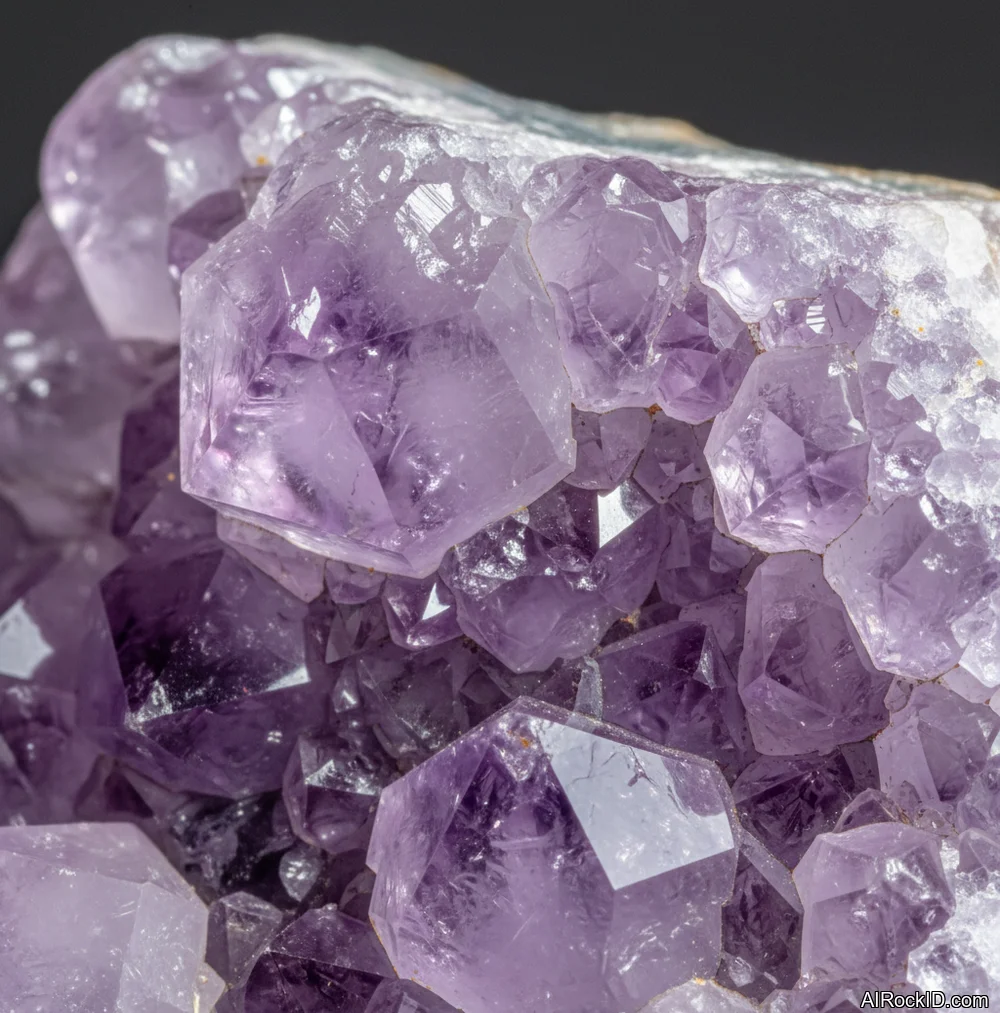
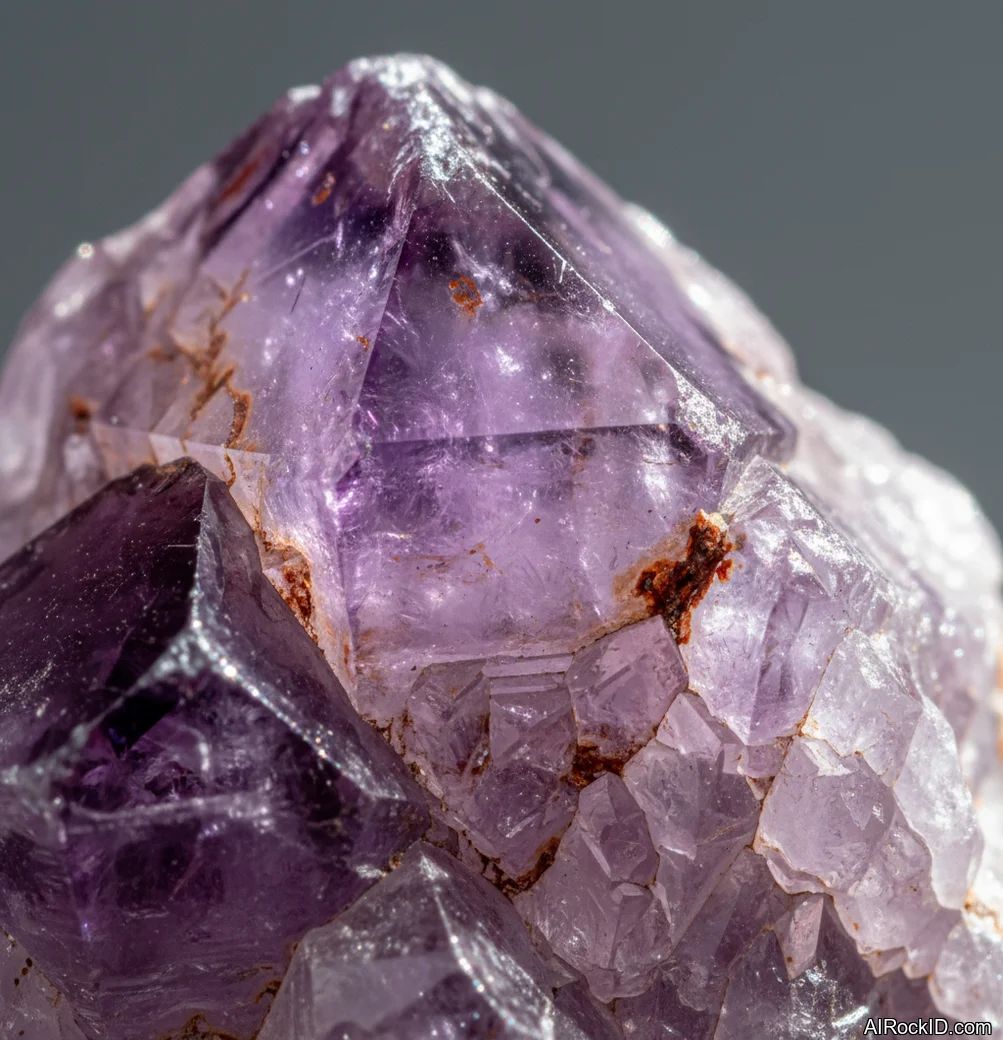
Amethyst is everywhere, and honestly, that’s fair. A solid piece has real depth, not that flat “one-note” purple, and if you tilt it under a lamp you’ll often catch color zoning shifting around inside. For trauma stuff, it can help with sleep and with turning down rumination, especially when your brain decides it’s time to replay and “solve” the past at 2 a.m. I’ve kept Uruguay clusters by the bed that feel like a quieting presence. But here’s the thing: those super pointy clusters can be gorgeous and still turn into a dust trap (you can see it settle between the tips), so where you put it actually matters.
How to use: Put a medium chunk on the nightstand, not under the pillow, and keep your phone across the room. If you prefer touch, use a tumbled amethyst during a 10-minute body scan and keep returning to the sensation of cool stone in your palm. Avoid leaving it in a sunny window; the color can fade over time.
Angelite (Anhydrite)

Angelite (Anhydrite)

Angelite feels soft. Almost chalky, honestly. Run your fingernail across it and you’ll notice right away, like it’s got that slightly powdery drag instead of the slick, glassy feel most pocket stones have. And that softness is exactly why some people reach for it when they’re dealing with trauma. It sort of signals gentleness, like the energy’s turned down a few notches, which can matter when you’re already braced for impact. It also tends to fit inner-child work for the same reason: it doesn’t come off intense or confrontational. No sharp edges, emotionally speaking. But yeah, there’s a catch. It scratches easily, and it hates water, so for most folks it’s not something they carry every day. (Unless you’re careful and don’t mind babying it.)
How to use: Use it as a bedside stone or on a desk during therapy homework, not in your pocket with keys. If you want a body placement, set it near the throat during a short breathing practice, then put it away in a cloth bag. Keep it dry and skip salt, sprays, and rinsing.
Aquamarine

Aquamarine

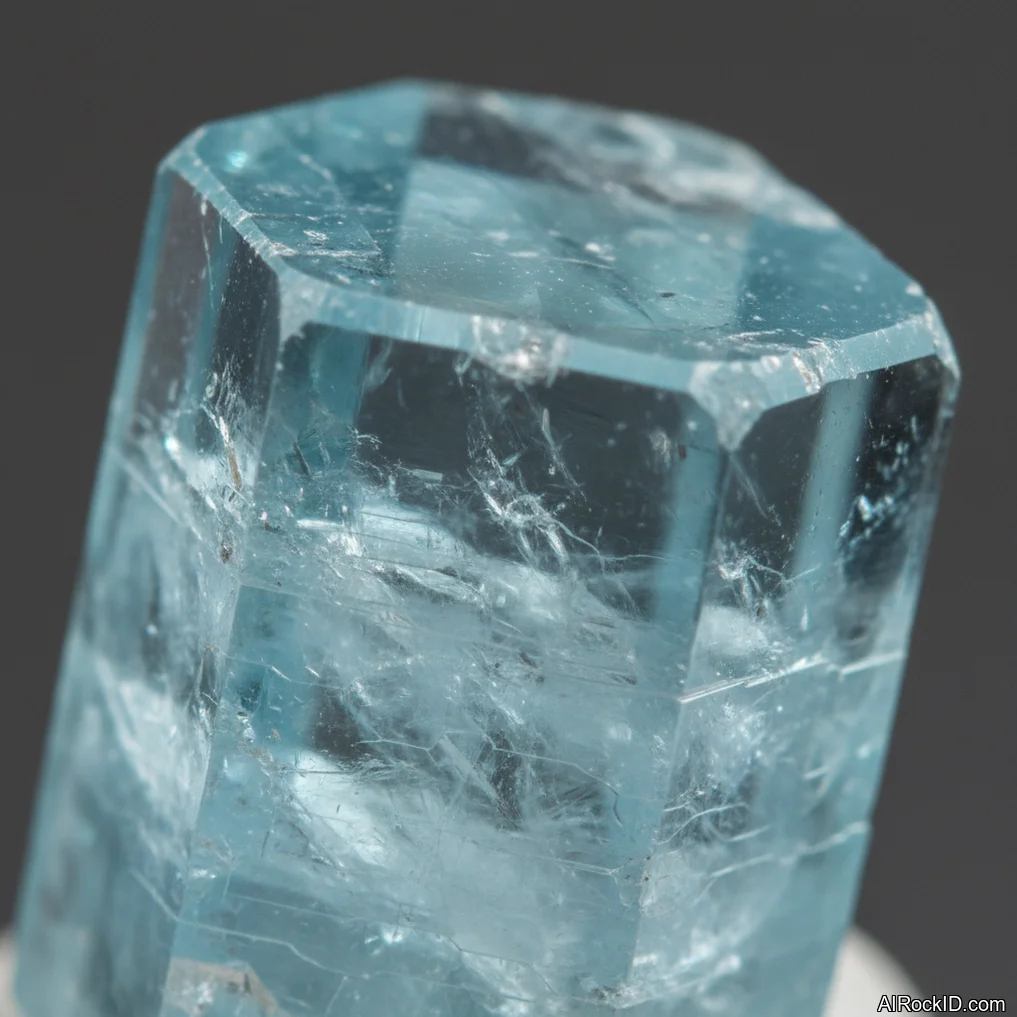
Aquamarine’s got this clear, watery blue that feels calm and steady, not that fake-sweet candy color. The good stuff looks almost glassy, and when you tilt it under a lamp it flashes like a shard of ice. For trauma that shows up as panic or that tight-chest feeling, it’s a solid pick. It tends to nudge you into slower breathing and smoother speech. And if you’re holding raw aquamarine, you’ll often notice little natural striations, the kind you can actually feel under your thumb (almost like faint grooves), which is great for tactile grounding. But yeah, the price can sting. Real, gemmy material gets expensive fast, and you’ll sometimes see pale beryl sold as aquamarine when it’s basically near-colorless. How annoying is that?
How to use: Carry a small tumbled stone on days you expect stress and touch it before you respond to messages. For a quick reset, press it lightly in your palm and do 4-6 slow breaths, counting the exhale. If you buy jewelry, a simple pendant usually beats a ring because you’ll actually remember to use it.
Black Tourmaline (Schorl)

Black Tourmaline (Schorl)

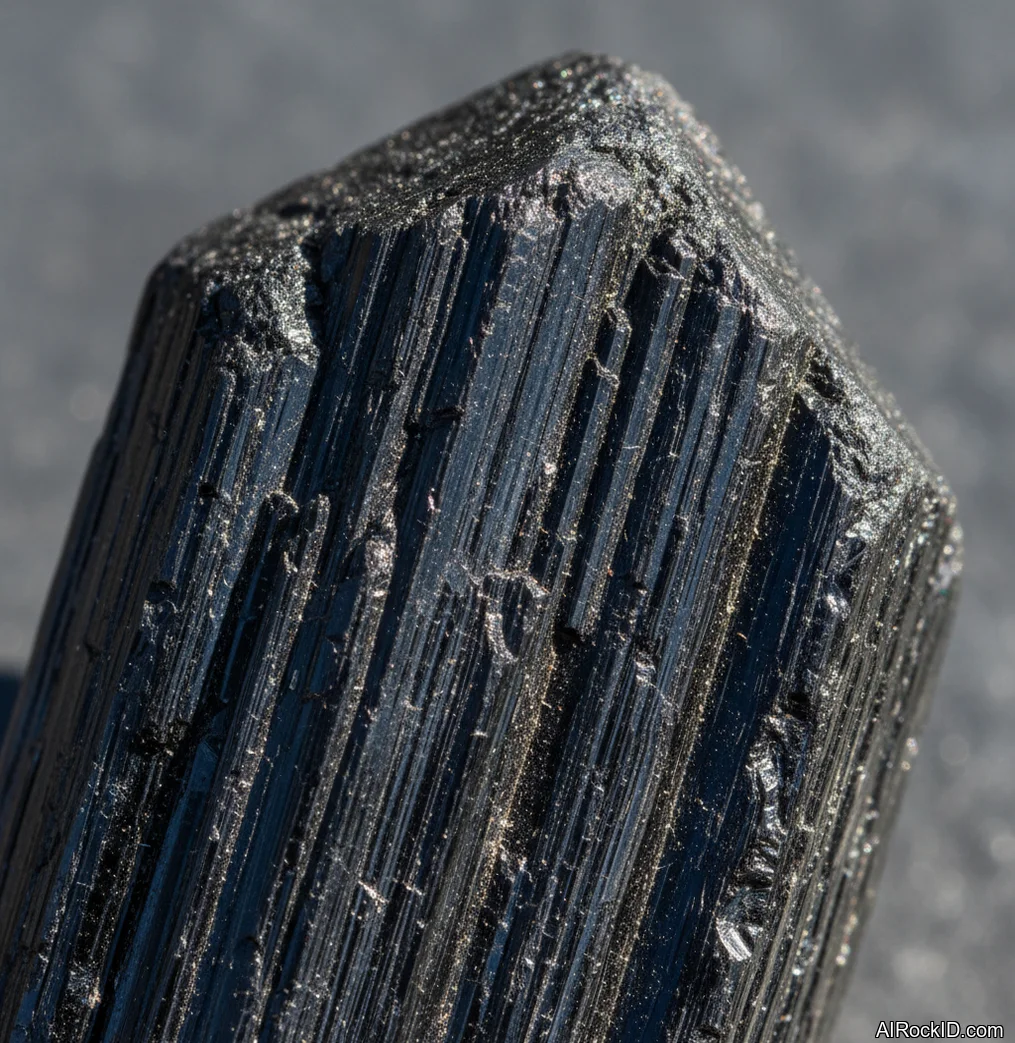
Black tourmaline is the go-to “I need boundaries” stone, and honestly, it reads that way the second you pick it up. The raw pieces usually come as little sticks with long grooves down the length, and your fingers kind of fall into those channels when you’re tense, like they know where to go. For trauma stuff, that built-in texture pairs nicely with grounding and with taking the edge off that feeling that other people’s moods are bleeding into your space. Most dealers have it. But it can be brittle. I’ve seen thin points snap clean off after a drop onto tile, that sharp little click and then, yep, a fresh break.
How to use: Put a chunk near the front door or on a work desk where you tend to tense up. If you carry it, choose a thicker piece and wrap it in cloth so it doesn’t chip and shed little black crumbs in your pocket. Pair it with a simple phrase like “I’m safe right now” to keep the practice consistent.
Black Moonstone

Black Moonstone

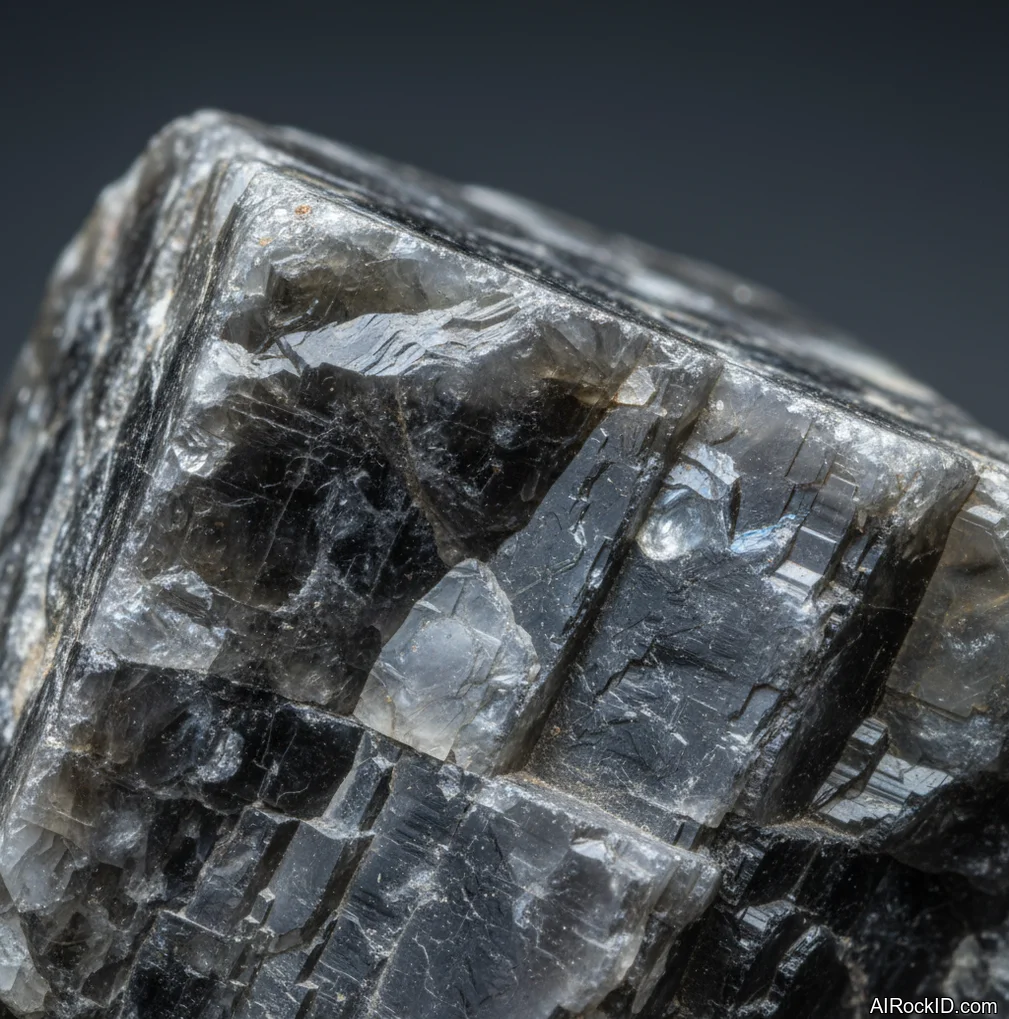
Black moonstone is what I reach for on those days when I’m doing fine in public and quietly falling apart under the surface. If you tip a decent piece in your hand, you’ll catch this gentle flash, not a mirror-polished glare, and watching that sheen slide around is a pretty good nudge that moods don’t stay put. And it tends to feel steadying for trauma that loops, hormone stuff, or that wired-at-night anxiety, because the energy (for lack of a better word) turns you inward and reflective. But it’s still feldspar, so don’t mash it like a worry stone. It’ll bruise. It’ll chip.
How to use: Use it for evening routines: hold it while you do a slow stretch or while you write three honest sentences in a journal. If dreams are intense, keep it across the room instead of right by your head and see if that helps. Store it separately from quartz points and harder stones.
Auralite-23

Auralite-23

Look, Auralite-23 is basically amethyst with a ton of inclusions and a whole lot of marketing wrapped around it, and I’m saying that right up front. But I’ve still handled pieces with tiny hematite flecks and those smoky, gray-brown zones, and when you’re doing heavy mental processing they can feel like a “deep clean” in your head. Thing is, the real test is simple: do you respond better to plain amethyst, or to a busier, included stone that gives your eyes something to track and your fingers something to keep coming back to (that slight gritty-looking sparkle under a lamp is hard to miss). So be picky. The name gets slapped on ordinary amethyst all the time; the real stuff usually shows obvious internal variety, not just a flat, uniform purple.
How to use: Use it during structured processing, like after a therapy session, for 10 minutes max so you don’t stay in the memories all night. Hold it, then end with a grounding step like feet on the floor and a glass of water. If it makes you spacey, swap it for regular amethyst and don’t force it.

How trauma shows up in the body and why a stone in your hand can help

Trauma isn’t just “bad memories.” It’s your body acting like a smoke alarm with a dying battery that keeps chirping at 2 a.m. Your heart takes off, your jaw clamps down, your stomach drops out, your fingers get tingly, and suddenly you’re in the cereal aisle having a full-blown argument with somebody from ten years ago. In public. For no good reason.

If you’ve ever picked up a decent palm stone, you know what I mean. It’s cool the second it hits your skin. There’s a little heft to it. And there’s usually some tiny edge or ridge you can rub with your thumb until it almost squeaks (especially if your hands are dry). That’s not magic. It’s attention training and nervous system regulation. And, honestly, it works better when it’s boring and repeatable.

I’ve watched people try to “think” their way out of a flashback, crash and burn, then do fine the moment they switch to something physical. Like rubbing a grooved tourmaline stick while naming what’s around them. The texture gives their brain something real to grab onto. Weirdly simple. Effective.

Thing is, the stone only really helps if you pair it with a dead-simple protocol. Same breath count. Same phrase. Same spot in your pocket every time. Because when your system is flooded, you’re not going to invent some brand-new ritual on the fly. You’ll do what you’ve practiced. So keep the practice easy enough that you’ll actually use it on normal days, too (not just when everything’s on fire).

Choosing a trauma-support crystal: texture, weight, and what you can realistically carry

Forget the perfect shopping list for a minute. Your nervous system likes what it likes, and you can usually tell in the first five seconds of holding something. Some people chill out with smooth, tumbled stones that feel almost waxy in the palm. But other folks need something rougher, with little ridges or grain, so their fingers have a job besides drifting back to picking at skin.

Weight matters more than anyone wants to admit. A light piece of amber can be comforting when you’re in freeze and craving a bit of warmth, while a heavier chunk, like tourmaline or a dense black stone, can feel like an anchor when your brain’s spinning. I keep a bowl of mixed tumbles on my desk, and it’s funny, the stones people grab when they’re stressed are almost never the “prettiest” ones. They go for whatever feels steady. Always.

And be honest about durability. Angelite will scratch if you look at it wrong, so I treat it as a stay-at-home stone. Feldspars like amazonite and black moonstone love to chip on the corners if you toss them in a pocket with keys (you’ll feel that sharp little nick right away). If you want one stone that can survive daily life, pick something tough, or stick it in a pouch and accept you’re not going to be fidgeting with it barehanded all day.

Using crystals with therapy, journaling, and somatic work without getting stuck in the story

Crystals seem to work best like anchors, not little mining drills. If you’re doing EMDR, somatic experiencing, or even just brutally honest journaling, it’s weirdly easy to push too hard and end up staying cracked open half the night. A stone can help you titrate, meaning you touch the material, then you come back out again.

Here’s what I’ve watched actually work: one stone for processing, and a different one for closure. You might hold auralite-23 or amethyst while you’re writing, then swap to tourmaline or apache tears when you’re finished and need to step back into the present. And that simple physical switch, stone to stone, feels like a line in the sand you can literally feel in your palm. Session’s over.

Set a timer. Ten or fifteen minutes. When it goes off, you stand up, plant both feet on the floor (feel your heels, feel your toes), drink some water, and say the date out loud. Sounds kind of silly, right? But once you’ve seen how fast a triggered brain loses track of time, you get it. The stone isn’t the magic. It’s just the handle you grab while you do the actual technique.

Spotting fakes and avoiding “too much stone” when you’re already sensitive

The trauma-healing side of the crystal market gets a ton of hype, and hype tends to drag in junk. Cheap “amazonite” is a classic: they dye it this loud teal and it looks way too even, like somebody dunked it in a paint bucket and called it a day. Aura-coated quartz is another one. It’s still quartz, sure, but it’s got that thin metallic coating on the outside, and for people who are already anxious it can feel kind of buzzy and overstimulating.

So, get picky about surface and temperature. Real amber warms up fast in your hand, and plastic stays warm in this odd way that can feel almost sticky. With tourmaline, raw pieces usually have little grooves and imperfect ends; those perfectly identical “wands” are often carved and sometimes mislabeled.

And yeah, more isn’t better. I’ve met plenty of people who sleep with five stones under the pillow, wake up totally wired, and then blame themselves for it. If you’re sensitive, start with one stone and one use-case. Bedside. Pocket. Desk. Pick one. You can always add later, but it’s a pain to troubleshoot when everything’s happening at once, right?

How to Use These Crystals for Trauma Healing

Pick one stone and give it one job. Trauma healing already has a million moving pieces. If you go with amethyst, use it as your sleep anchor: same spot every night (mine ends up on the left side of the nightstand, right where my hand naturally lands), lights down, five slow breaths with your palm resting on it, and then you stop. If you go with black tourmaline, use it as your boundary anchor: touch it before you open email, before you walk into a meeting, before you answer family texts.

For in-the-moment triggers, I use a simple loop that doesn’t ask you to “feel inspired” first. First, feel the stone and say what’s true in plain words: “cool, smooth, heavy.” Then orient to the room: five things you can see, plus two sounds you can hear. Then do six breaths where your exhale is longer than your inhale. That’s it. You’re training your body to clock that right now is different from back then, and the stone is just the physical cue that tells you to start.

If you’re doing deeper work, set a timer and use two stones: one for processing and a different one for closure. I’ve done this after difficult sessions myself (more than once). I’ll hold auralite-23 or amethyst while I write, then I’ll switch to apache tears, stand up, and wash my hands in cool water. That last part matters. Cold water on your skin is a clean sensory “we’re back” signal, and it helps keep the rest of the day from turning into a trauma marathon. Why drag it all afternoon if you don’t have to?

Common Mistakes to Avoid

First mistake: hunting for the “right” crystal instead of building something you’ll actually do again tomorrow. I’ve watched people drop serious money on rare pieces, then still feel lousy because the stones sit in a drawer, or they only grab them when they’re already at a ten out of ten. That’s too late. Start small. Touch it every day, even for ten seconds, and let your body learn the cue.

Second mistake: pretending durability and care don’t matter. Angelite and water don’t mix, period. Feldspars chip (especially if you’ve ever heard that sharp little click when one bumps a sink). Tourmaline can snap if it’s thin. And when a stone breaks, people love to treat it like a sign or a bad omen, when most of the time it’s just physics and a tile floor. Gravity wins.

Third mistake: piling on too many “high intensity” stones all at once. Thing is, if you’re already hypervigilant, a buzzy coated quartz or an aggressive-looking cluster can keep your nervous system on edge instead of settling it down. Keep it simple. Swap one thing at a time so you can tell what’s actually helping (and what’s just making you feel wound up).

Important: Crystals can help with regulation, reflection, and routines, sure. But they can’t process trauma for you. They won’t replace therapy, medication when it’s needed, safe relationships, or emergency support. If you’re dealing with flashbacks, self-harm urges, or dissociation that makes daily life unsafe, think of crystals as a comfort object and get professional help in the real world. I’ve definitely had moments where a smooth stone in my palm gave me something to focus on, that cool, steady weight you can feel even through a hoodie pocket. And that’s real comfort. But it’s not the whole answer. A stone can be a handhold. It can’t be the whole bridge.

Identify Any Crystal Instantly

Snap a photo and get properties, value, care instructions, and healing meanings in seconds.

Frequently Asked Questions

What is the best crystal for trauma healing overall?
Amethyst is a common first choice because it is associated with calming the mind and supporting sleep. Black tourmaline is often chosen for grounding and boundary-focused routines.
Which crystal is best for trauma-related anxiety and panic symptoms?
Aquamarine is associated with calmer breathing and steadier communication. Apache tears are often used as a tactile grounding stone during acute stress.
Which crystals are best for trauma-related sleep problems and nightmares?
Amethyst is associated with sleep support and reduced rumination. Black moonstone is associated with nighttime emotional processing and dream sensitivity.
What crystal is best for grief and emotional release after trauma?
Apache tears are associated with gentle grief support and emotional release. Amber is associated with warmth and soothing comfort during heavy emotional states.
Which crystal helps with boundaries and hypervigilance?
Black tourmaline is associated with grounding and energetic boundaries. It is commonly placed at entry points or carried during stressful social contact.
Are aura-coated quartz crystals good for trauma healing?
Aura quartz is quartz with a thin metallic coating applied for appearance. It can feel overstimulating for some people who are sensitive to sensory input.
Can crystals replace trauma therapy like EMDR or somatic therapy?
Crystals do not replace evidence-based trauma treatment. They are used as supportive tools alongside professional care and self-regulation skills.
How do I cleanse crystals used for trauma work?
Dry methods like smoke-free sound, brief visualization, or wiping with a dry cloth are common options. Water and salt are not suitable for all stones, including angelite and amber.
What is the safest way to use crystals during a trigger or flashback?
A safe method is holding a durable stone and using it as a sensory anchor while orienting to the room and slowing the exhale. If symptoms escalate or safety is at risk, professional or emergency support is required.
How many crystals should I use for trauma healing at once?
Using one or two stones is easier to track and maintain as a routine. Too many stones at once can make it harder to identify what is helping and can feel overstimulating.
The information provided is for educational and spiritual exploration purposes. Crystals are not a substitute for professional medical, psychological, or financial advice.