beginner

How to Program Crystals
Hands holding a clear quartz point over a notebook with an intention written down

Programming a crystal is really just giving it a clear “job” by paying attention to it, repeating the same idea, and handling it the same way every time. You’re not flipping it on like a gadget. You’re setting a cue for your own nervous system and habits, using a little object you can keep coming back to.

Pick up a stone you already own and you’ll see why people latch onto this. A decent piece of quartz stays cool in your palm longer than glass, and it has that clean, hard feel that makes you slow down for a beat. That beat matters. Programming is basically deciding what that beat is going to mean. If every time you touch a certain stone you do the same short practice, your brain connects the dots fast.

Here’s the grounded part: messy intentions tend to give you messy results. I’ve watched people try to “program” ten different goals into one tiny tumbled stone, then act surprised when it feels like nothing. Keep it simple. One stone. One theme. One consistent way you’ll use it (and stick to it). You can totally do this with a $3 tumbled piece from a shop bin, but you’ll get more traction with a stone you actually like holding, and one you won’t lose in the couch cushions.

Recommended Crystals
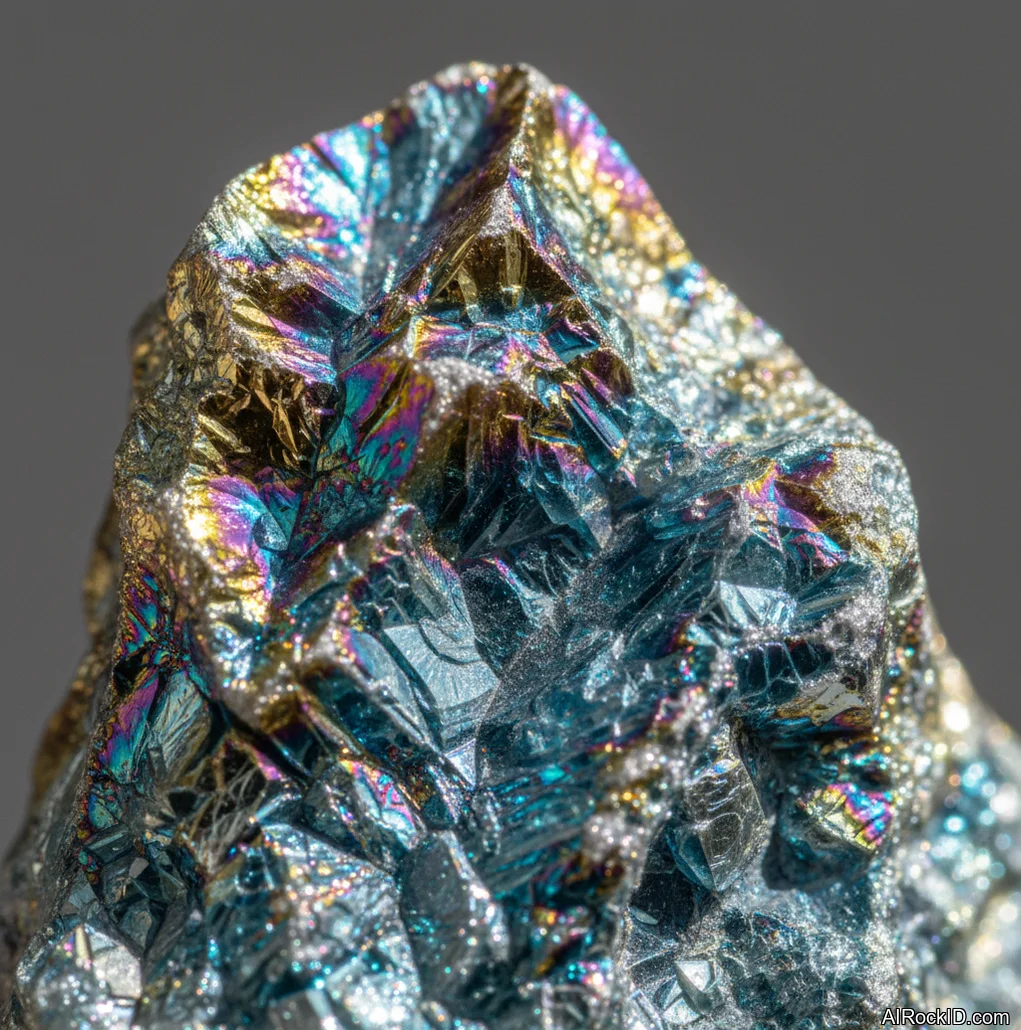
Clear Quartz
Clear Quartz

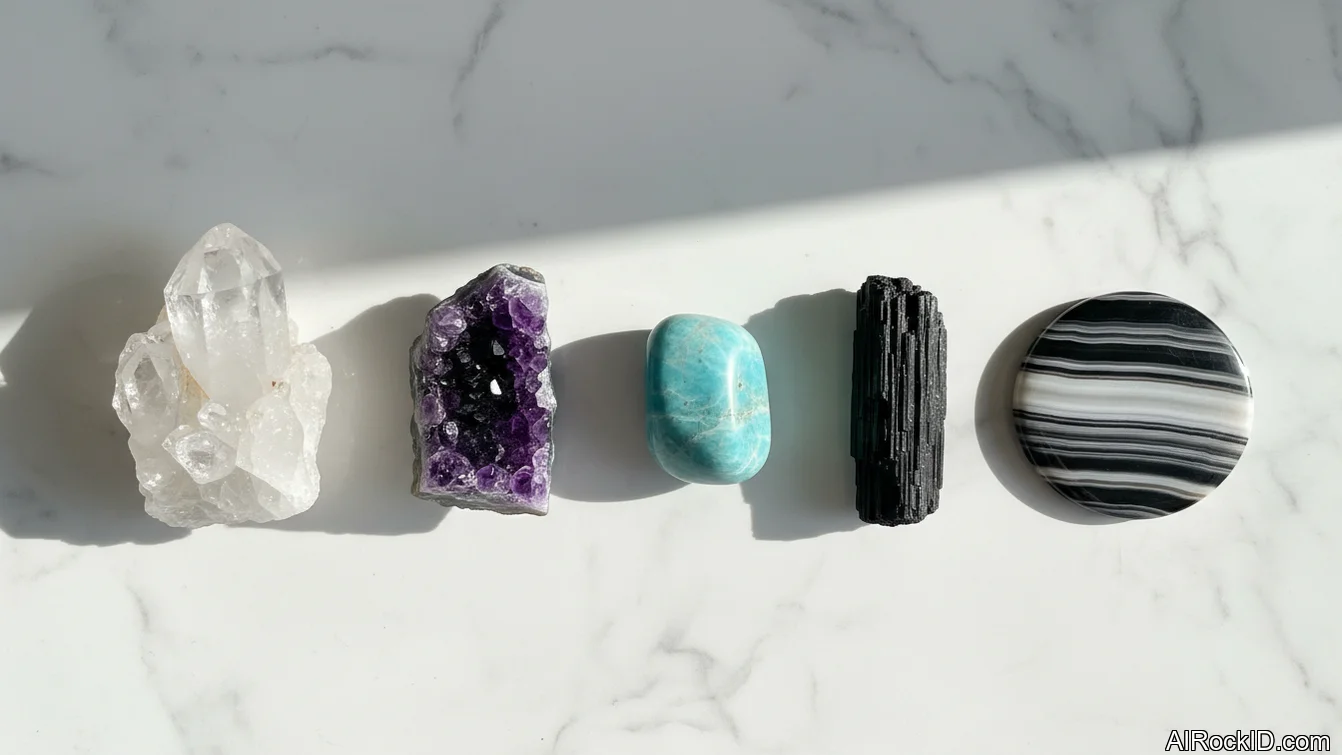
Quartz is basically the easiest “blank notebook” stone to use, mostly because you can handle it over and over and it doesn’t get finicky about it. Look, if you stare at a quartz point for a second, you’ll usually catch those inner veils or little rainbow flashes, and they pretty much show you where the light grabs when you turn it in your fingers, so it’s solid for focus work. Thing is, the real test is boring but obvious: hold it for a full minute. It stays cool, and there’s that slightly slick, glassy feel against your palm (you know the kind), and that sensory cue is great for anchoring an intention. And yeah, most dealers have piles of quartz. Cleaner points cost more, though, so don’t let anyone push you into buying museum-grade.
How to use: Hold the piece the same way every time, ideally with the termination pointing away from you if you’re “sending” energy and toward you if you’re “receiving” calm. Say one short sentence out loud, then do 10 slow breaths while keeping your eyes on one inclusion or surface line as a focal point.
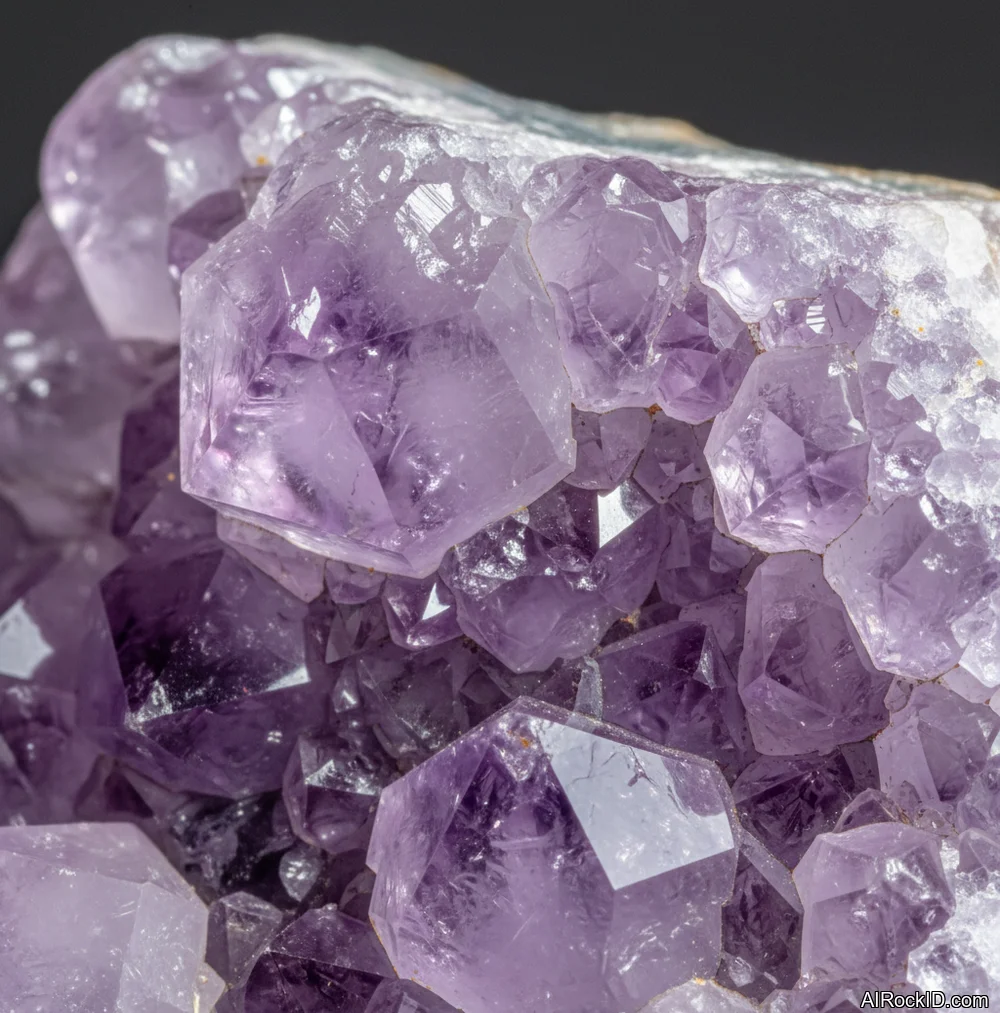
Amethyst

Amethyst

Uruguayan amethyst usually shows up as a deep, inky purple with a tight grain. A lot of Brazilian stuff, on the other hand, runs lighter and can look kind of washed out in daylight. And that actually matters, because the darker pieces grab your attention faster when you’re trying to program one for sleep or cooldown routines. Grab a chunky cluster and the first thing you clock is the feel. All those little points catch your fingertips like fine sandpaper (the kind that almost squeaks). I’ve also watched amethyst fade when it sits in a sunny window, so if you want your “programmed” piece to stay consistent, keep it out of direct light. Why risk it?
How to use: Put it by your bed and only touch it when you’re actually winding down, not while scrolling. Program it with a single behavior: “When I hold this, I breathe until my jaw unclenches,” then follow through every night for a week.
Amazonite

Amazonite

Good amazonite has this blue-green tone with white streaks that honestly look like chipped paint, or like little frozen wave lines locked in the stone. Once you’ve seen a really nice piece, it kind of sticks in your head. Hard to miss. For programming around speaking up, it works well because if you wear it as a pendant it keeps pulling attention up toward your throat. People glance at it. You feel it there. That’s the point. Compared to quartz, amazonite can feel a touch softer and a bit warmer in your hand, like it doesn’t have that glassy chill. And that makes it feel more “friendly” for daily touch cues, the kind you do without thinking (thumb rubbing the surface, that little fidget move). But cheap amazonite can be sketchy. Some of it’s dyed, and some of it has this too-perfect, overly uniform color that doesn’t look real once you’ve handled a few. So buy from a shop that lets you inspect it under bright light. Seriously, bright light shows everything.
How to use: Wear it on a chain that sits high on the chest and use it as a trigger before a hard conversation. Touch it, name one sentence you’ll say, then relax your shoulders on the exhale before you walk in.
Black Tourmaline

Black Tourmaline

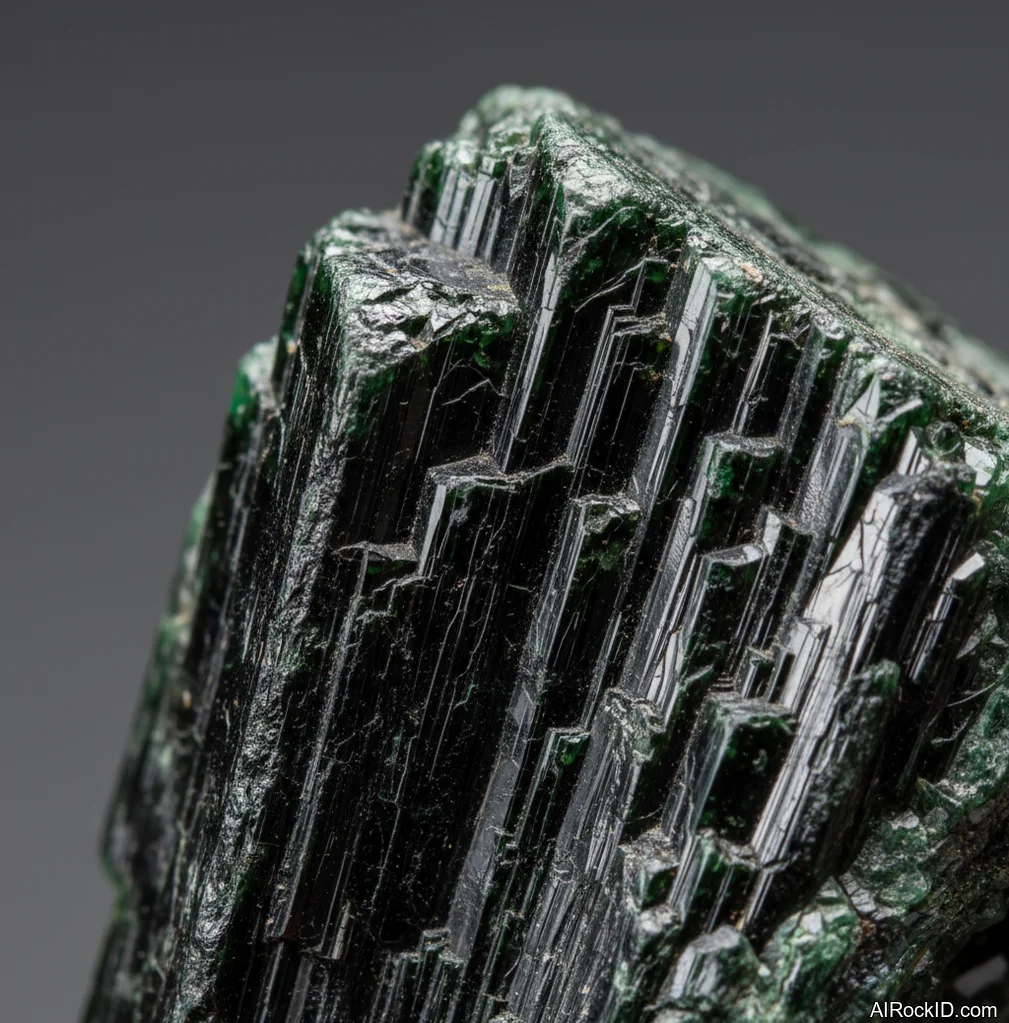
If you’ve handled plenty of black stones, you figure out pretty quickly that not every “protective” piece feels alike. A rough black tourmaline stick has these little grooves that snag on your fingertips, and that gritty, scratchy texture makes it great for grounding programming because it literally makes you slow down and pay attention. People mix up black minerals all the time at first, but tourmaline usually has those long striations running down it, and when it breaks it can look kind of splintery instead of clean. But it’ll also chip if you chuck it in a bag with your keys (ask me how I know), and then your “program” gets knocked off track when the piece gets battered up.
How to use: Keep one chunk at the front door or in your work bag, but give it its own pocket. Program it with a boundary phrase like “Work stays at work,” and touch it only when you’re transitioning, not all day long.
Black Banded Onyx

Black Banded Onyx

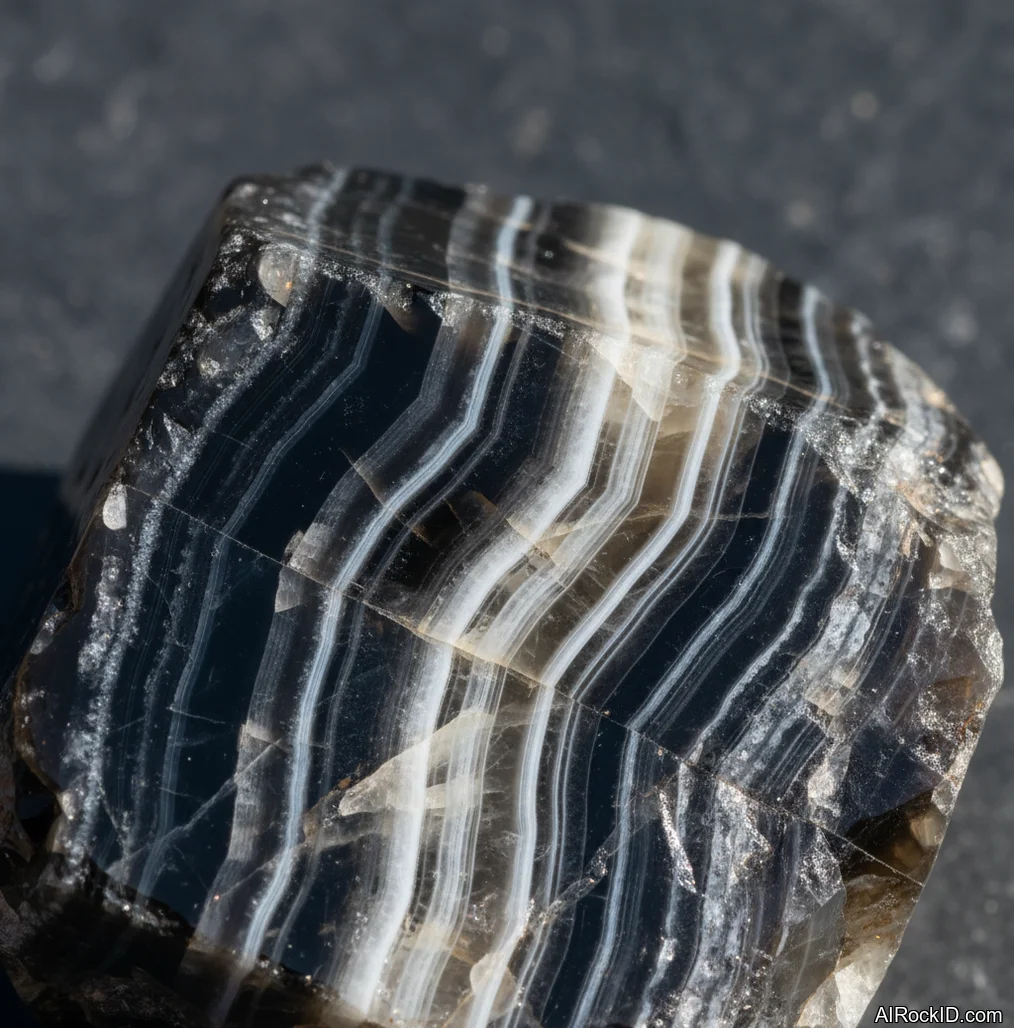
Banded onyx is, in plain terms, banded chalcedony. The layers are the whole point. If you tilt it under a lamp and move it just a little, those stripes can pop in and out depending on the angle, and it’s a pretty blunt visual cue for the “layers” involved in changing a habit. Polished onyx has this specific feel in your hand: cold at first touch, like a bar of soap that’s been sitting by the sink, and slick-smooth without any grab to it. That clean, steady sensation (almost boring, in a good way) can read like a signal for consistency. Thing is, a lot of what’s sold as onyx is dyed. And when the black looks way too uniform, that’s often the giveaway. So take a close look at cracks and drill holes, because that’s where you’ll usually spot color concentration if it’s been dyed.
How to use: Use it as a pocket stone and program it for consistency, not intensity. Rub your thumb along one band while you repeat the same short plan for the day, then stop touching it once you’ve committed.
Aquamarine

Aquamarine

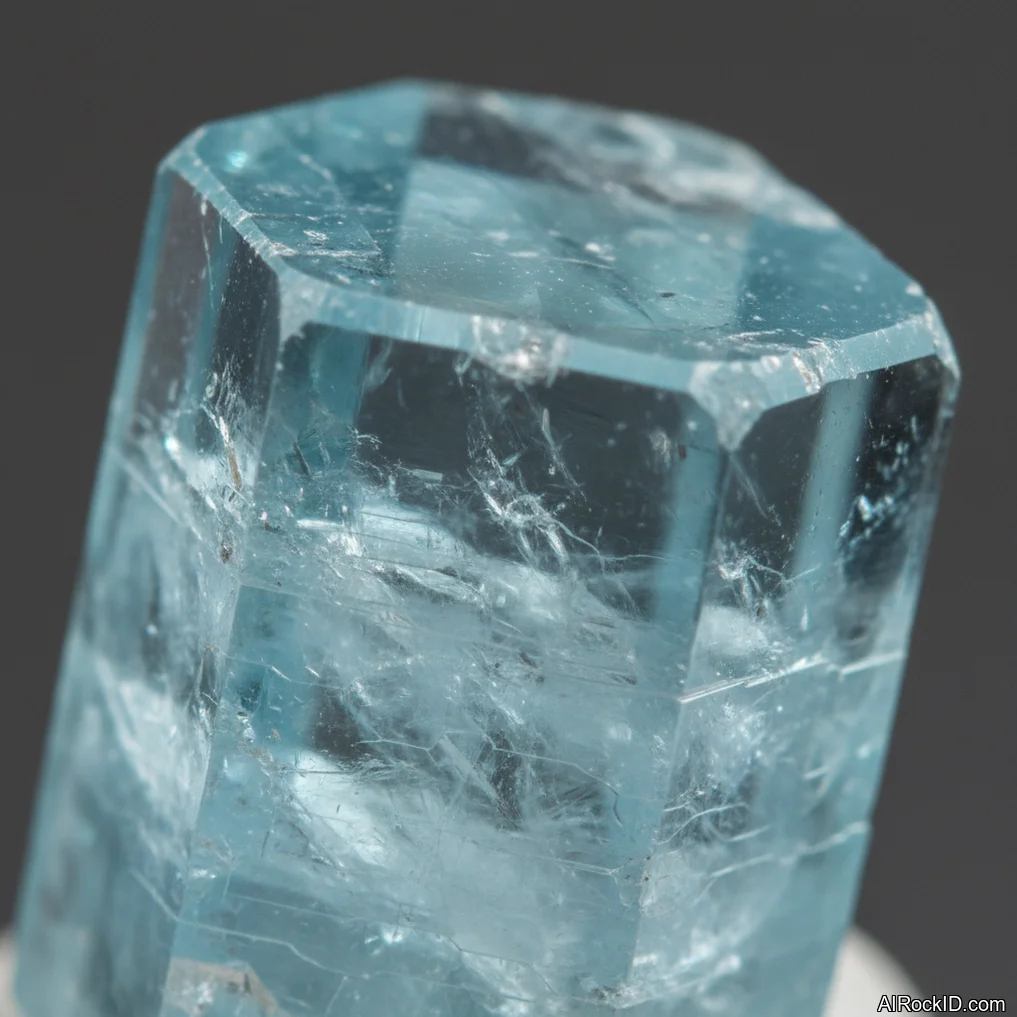
Aquamarine can look almost glassy and washed-out, but the good stuff has that icy blue you swear could’ve come straight out of glacier meltwater. When you’re actually holding a clean tumbled piece, it’s slick in a way that’s hard to explain, kind of “quiet” against your palm, and that’s why it fits better for programming around calm communication instead of hype. Raw aquamarine is a whole different feel. You’ll usually see natural etching plus those tiny flat faces that flash when you tilt it under a lamp, and the sharper little edges make it easier to stay present during a short programming sit (at least in my experience). But yeah, be picky. A lot of low-grade aquamarine is so cloudy it just reads like generic blue rock.
How to use: Program it before meetings or calls: hold it at your sternum and state one outcome like “Clear, short, kind.” Then take three breaths and picture the first sentence you’ll say, not the whole conversation.
Amber

Amber

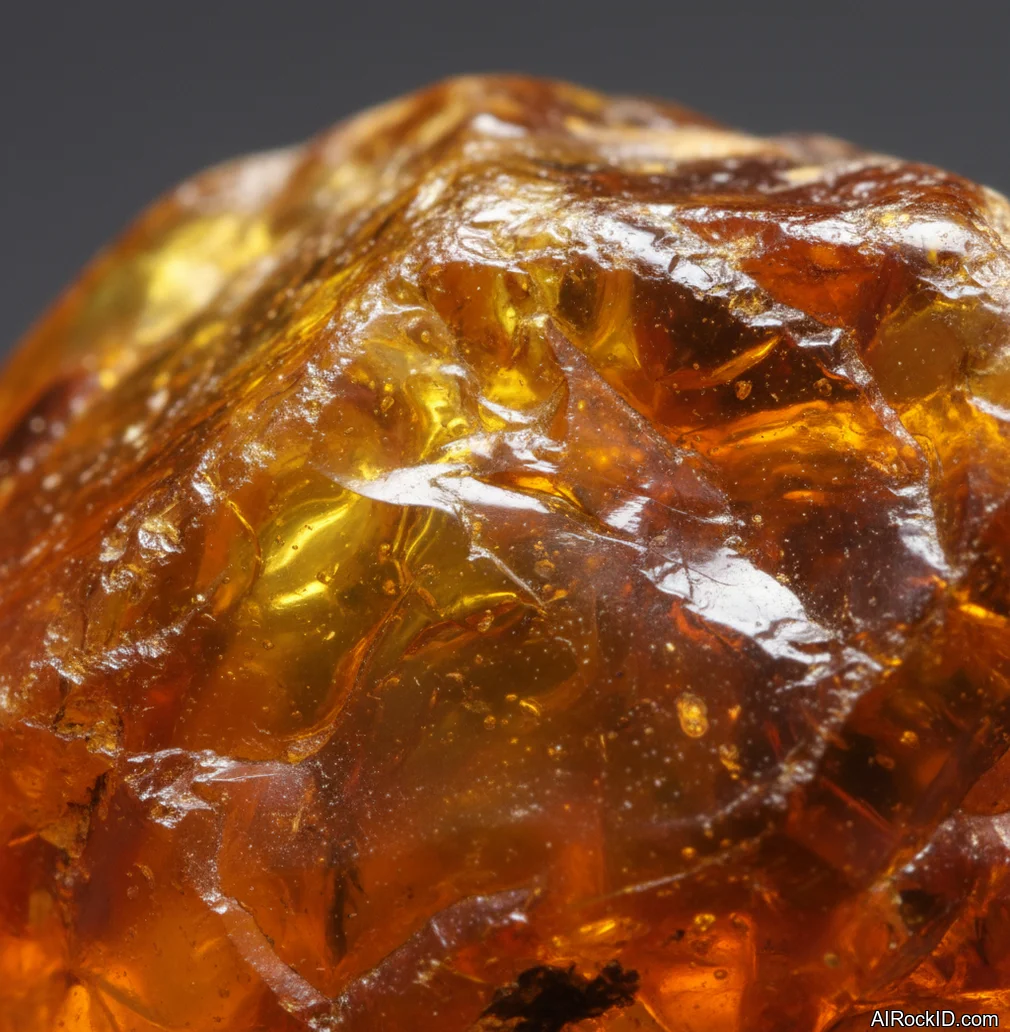
Amber isn’t a crystal at all. It’s fossil resin, and you notice it the second you pick it up because it’s weirdly light, like it barely has any weight to it. The cheap stuff usually gives itself away fast. It warms up almost immediately in your hand and sometimes gets a little tacky, like it wants to cling to your skin, while real amber stays light and, when you rub it, it doesn’t have that plasticky drag. So that feather-light feel is actually handy for programming around mood and energy, since you’ll genuinely wear it and not get annoyed by something heavy hanging on you all day. But here’s the tradeoff: amber scratches easily. Toss it in a pocket with coins or keep rubbing it nonstop as part of your “program” and you’ll scuff it up pretty quickly.
How to use: Wear it as a necklace or keep a piece on your desk where it won’t get scuffed. Program it with a short reset like “One small good thing,” and use it only when you’re spiraling, so it stays linked to that specific pivot.
Angelite

Angelite

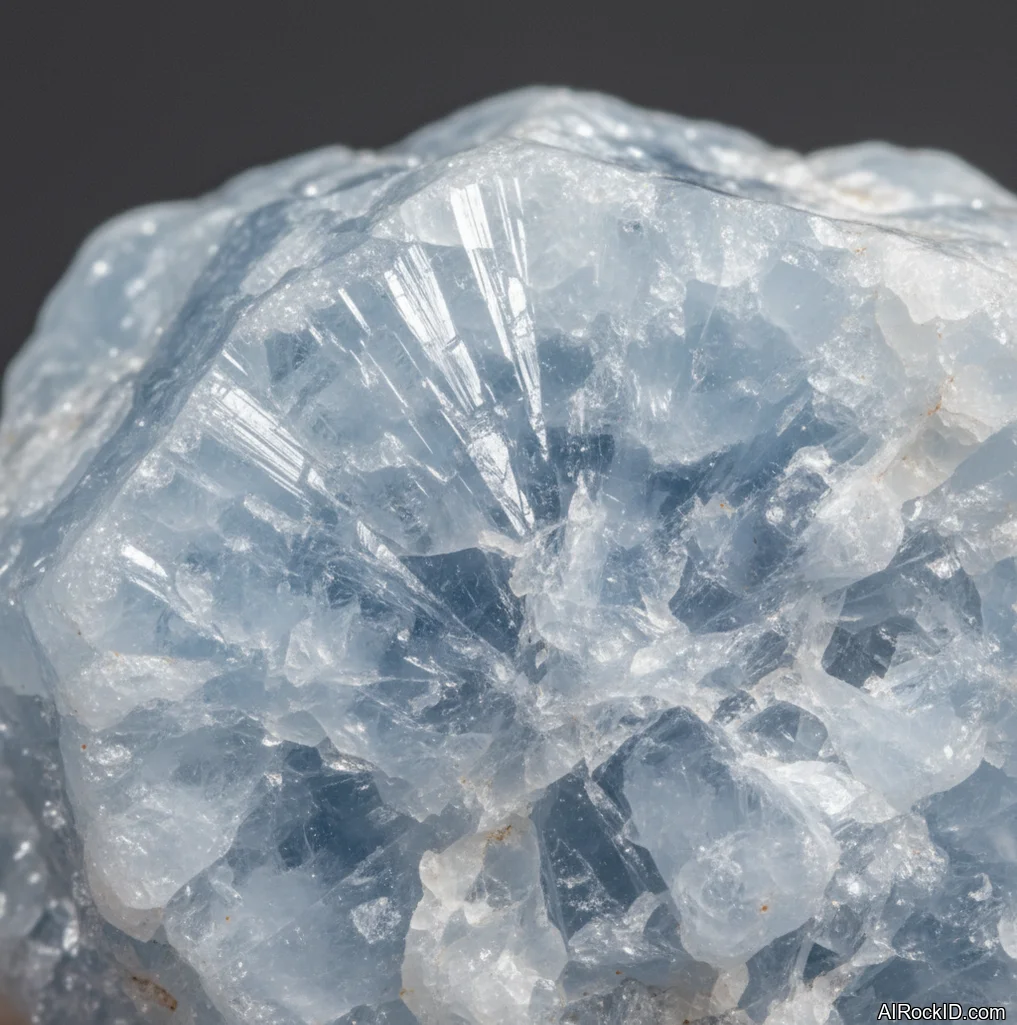
Angelite’s got this soft, pale blue, almost chalk-dust look that makes you do a double take, like, is this really a stone? And yeah, it nicks easily if you’re not careful. If you grab a tumbled piece, the first thing you feel is that it’s not slick like quartz. It’s more matte. Kind of dry in the hand, with this grippy, almost powdery finish that makes you instinctively handle it gently (at least I do). That built-in gentleness actually comes in handy if you’re programming it for self-talk or trying to ease tension, because the texture alone makes aggressive fidgeting feel wrong. But water’s the catch. Angelite really doesn’t like getting wet, so anything that involves soaking it for cleansing is a hard no.
How to use: Program it with a compassion script you can actually remember, like “Speak to yourself like a friend.” Keep it on a nightstand or in a pouch, and don’t run it under water when you’re resetting it.
Apatite

Apatite

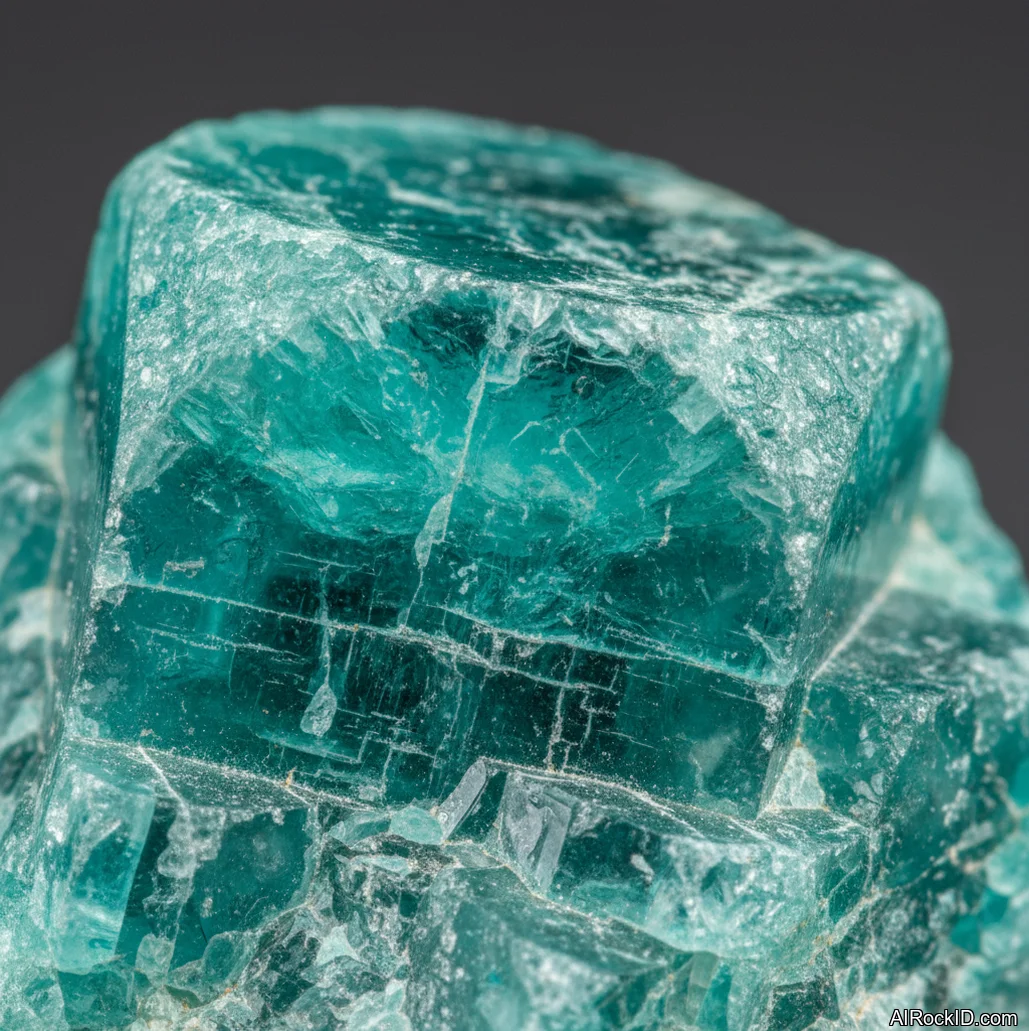
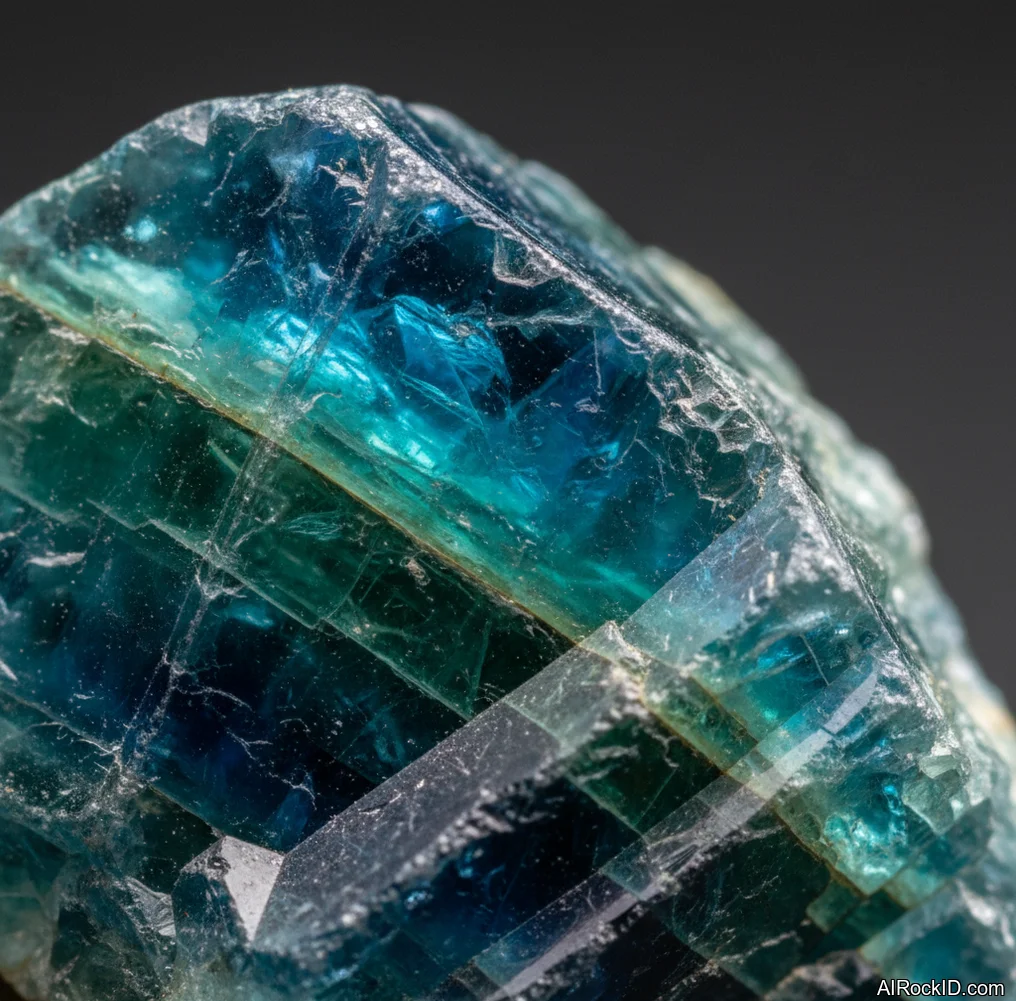
Blue apatite can look almost neon, but it’s softer than most people think, and it’ll scratch if you handle it like quartz. In strong light it sometimes throws off this faint, waxy sheen instead of that crisp, glassy sparkle, and that’s a handy hint you’re not just holding dyed glass. And for programming around studying and momentum, the color really helps. It grabs your attention in a way that keeps your mind from wandering. But don’t ignore the quality. If you snag a cheap piece that’s already cracked, the edges can start to crumble over time (you’ll notice little rough spots where it used to feel clean), and that gets annoying fast.
How to use: Set it next to your notebook or keyboard and only touch it at the start of a work block. Program it with a timer-based cue: “Touch, set 25 minutes, start,” and don’t add extra steps.

What “programming” actually is (and what it isn’t)

Programming, in real life, is basically conditioned association. You take a stone and keep pairing it with one internal state and one action until, eventually, the stone turns into a shortcut. That’s why people can get results with the same crystal everybody else has. The object isn’t magic on its own, but it gives your attention something solid to grab onto.

Look, you already do this with regular stuff all the time. That one mug means “morning.” That beat-up hoodie means “comfort” (the one with the stretched cuff you can thumb through without thinking). And a specific playlist means “focus,” like the second the first track hits, your shoulders drop and you’re in it. Crystals just fit into that same slot, except they’re tactile and visually interesting, so the cue lands harder. The flat, faceted face on a point. The smooth banding on onyx you can feel under your thumb. The surprising heft of a palm stone when you pick it up. Little physical tells like that make for reliable anchors.

Thing is, what trips people up is acting like “programming” is a one-time ritual. One big moment can feel huge, sure. But the real wiring comes from repetition, the boring part. If you want a crystal “program” to actually stick, you need one clear intention, one repeatable behavior, and a rule about when you won’t use it. That last bit can sound strict, but it keeps the cue clean. Otherwise it gets fuzzy fast, and then what’s the stone even pointing to?

Before you program: choose the job, then choose the stone

Start with the job, not the shopping. “I want protection” is way too vague. Protection from what, exactly? From that 2 a.m. loop where your brain won’t shut up. From doomscrolling until your thumb feels numb. From saying yes when you mean no. Name the real snag, the actual friction point, and the programming part gets simple because you can wrap a basic routine around it.

Thing is, the best programming stones usually aren’t the flashy collector pieces you’re afraid to breathe on. They’re the ones you’ll actually touch, over and over, without babying them. A sharp, fragile cluster can be incredible, sure. But if you’re worried you’ll snap a point or scrape your palm on an edge every time you pick it up, you won’t repeat the cue. If you can, go handle a few in a shop. Feel the weight. Notice the temperature shift when it warms in your hand. The body knows. Some stones just sit there, kind of dead. And some feel like you don’t want to put them down.

And then there’s the market reality: a lot of dealers move dyed, heat-treated, or straight-up mislabeled material. That doesn’t automatically wreck a programming practice. But it can mess with trust, and trust matters here. If you think your stone is fake, you’ll hesitate every single time you reach for it. So buy something you can honestly accept as “good enough” and move on.

A simple programming method that actually sticks

Use a simple three-part loop: clear, name, repeat.

Clear just means you reset your attention. No big ceremony. I usually rinse my hands, wipe the stone with a dry cloth (the kind that squeaks a little when it’s clean), and take five slow breaths. That’s enough to signal “new session.”

Name is one sentence in the present tense, tied to an actual behavior. Not “I will be happy.” More like, “When I touch this, I do three breaths before I respond.” Keep it so short you can’t turn it into a paragraph. And if it helps, write it on a sticky note and keep it with the stone for the first week.

Repeat is where it starts to work. Touch the stone, say the sentence, do the behavior, then stop. End cleanly. If you keep fiddling with it while you multitask, you’re basically teaching your brain the stone equals scattered attention. I’ve done that by accident. And yeah, you can feel the difference after a few days.

Resetting and reprogramming without getting obsessive

Sometimes a stone feels “full” because your life is full. That’s it. And that’s usually when people freak out and panic-cleanse everything in sight like they’re wiping down a counter with a paper towel. You don’t need to. If the stone is physically dirty, clean it safely. If it’s mentally noisy, reset the cue.

Look, the real test is what happens in your body when you pick it up. If you grab your amethyst and your mind immediately snaps back to the argument you had last week, that’s your sign the stone got tied to that same emotional loop. Not a crisis. Put it away for three days, then bring it back with one new, clean behavior, done on purpose.

Thing is, reprogramming works best when you actually retire the old phrase. Completely. Don’t stack intentions like pancakes, because then it turns into mush. Pick one. I’ll also change the physical context, like moving the stone from bedside to desk, since location is part of the cue (you notice it even if you think you don’t). But don’t do resets every day. If you keep “starting over,” you’re basically training yourself that nothing sticks. Why would it?

How to Use These Crystals for How to Program Crystals

Write your intention like you’re handing yourself a sticky note because you know you’ll forget in ten seconds. One sentence. Present tense. Hook it to something you can do again in under a minute. “I am abundant” is cute, but “When I open my banking app, I take one slow breath and look at the number without flinching” is something your body can actually pull off.

Pick up the stone and choose one grip you’ll stick with. Seriously. If you always pinch your quartz point between your thumb and forefinger, right on that slightly sharper edge that catches your skin, your hand learns it like muscle memory. Say the sentence out loud, then immediately do the paired action: 10 breaths, a quick stretch, a two-minute timer, writing the first line of an email, whatever. Then put the stone back in the exact same spot (same little dish, same corner of the shelf). Loop closed. Done.

Only use the stone at the moment you’re training for. If you’re programming for sleep, don’t toss that piece in your pocket and take it to work. And if you’re programming for work focus, don’t bring it to bed. Keep them separate so the signal stays clean. After a week, you’ll usually notice you don’t even need to touch it for as long. The cue hits faster. That’s the whole point, isn’t it?

Common Mistakes to Avoid

The biggest mistake? People try to program a vibe instead of a behavior. “Confidence” is fuzzy. “Stand up straight, take one breath, then speak” is something you can actually do. If you can’t point to it in your own actions, you can’t reinforce it.

Another one I see all the time is swapping the routine every single day. Incense on Monday, a moon bowl on Tuesday, then a fifteen-minute visualization on day three. That’s not wrong, but it’s noisy. Your brain likes consistency. So pick a small ritual you’ll still do when you’re wiped out and your eyes feel gritty.

And last, people over-handle the stone. If it turns into a fidget toy, it stops being a cue and starts blending into the background. I’ve had pocket stones get shiny on one side from constant rubbing (you know that slick, almost polished patch?), and that was exactly when the “program” stopped working. Touch, do the action, put it down. Simple.

Important: Crystals aren’t going to diagnose, treat, or cure any medical or mental health condition. And “programming” one won’t replace therapy, medication, or basic stuff like good sleep hygiene. They also can’t bulldoze outcomes that depend on other people’s choices. No, they won’t make someone text you back, and they definitely can’t guarantee a job offer. But they *can* help you stick with a decision you’ve already made. If you treat them like a little training aid for attention and habit (like something you actually hold in your hand and notice when it warms up in your palm), they usually earn their keep. If you treat them like a lottery ticket, you’re going to end up annoyed. Why wouldn’t you?

Identify Any Crystal Instantly

Snap a photo and get properties, value, care instructions, and healing meanings in seconds.

Frequently Asked Questions

What does it mean to program a crystal?
Programming a crystal is setting a specific intention and pairing it with a repeated action so the crystal becomes a consistent reminder cue.
Do you have to cleanse a crystal before programming it?
Cleansing is optional, but a consistent reset step helps separate the new intention from prior handling and context.
How long does crystal programming take?
A first session can take 1 to 5 minutes, and reinforcement typically takes several days of repeated use.
Can you program more than one intention into a crystal?
You can, but a single clear intention linked to one behavior is more consistent than stacking multiple goals.
How often should you reprogram a crystal?
Reprogram when your goal changes or the cue no longer triggers the intended behavior, typically after weeks or months.
Does the type of crystal matter for programming?
Type can influence personal preference and sensory cues, but consistency of intention and repetition is the primary factor.
Can you program a tumbled stone the same way as a point or cluster?
Yes, the programming method is the same; shape mainly affects how you hold it and where you place it.
What is the best wording for an intention when programming crystals?
Best wording is a short present-tense sentence tied to a specific action you can repeat in under a minute.
Do moon phases affect crystal programming?
Moon phases are not required; timing only matters if it helps you stay consistent with the practice.
How do you know if a crystal is programmed?
A crystal is effectively programmed when handling it reliably triggers the intended thought pattern or behavior without extra effort.
The information provided is for educational and spiritual exploration purposes. Crystals are not a substitute for professional medical, psychological, or financial advice.