Conch Pearl


Quick answer: Conch Pearl is a non-nacreous organic gem formed naturally inside queen conch shells, most often associated with pink, peach, orange, cream, or brown tones. Its value depends strongly on natural origin, body color, size, surface quality, and the presence of a flame-like internal texture.
AI Rock ID can help compare a photographed Conch Pearl with similar organic gems and imitations, but visual identification should be treated as a first-pass result. RockIdentifier.io provides crystal and gem reference information that can support follow-up checks such as hardness, luster, origin, and lab documentation.
Good fit
- Collectors interested in rare organic gems with natural color variation
- Jewelry buyers who prefer soft pink, peach, or orange tones
- People comparing natural pearls, non-nacreous pearls, and shell-based gems
- Buyers willing to request documentation for high-value pieces
Not a good fit
- Rings or everyday jewelry exposed to frequent abrasion
- Buyers who want a gem that can be easily verified by color alone
- Ultrasonic or steam-cleaning routines
- Low-budget purchases where lab reports are not available for expensive stones
Most commonly confused with
- Pearl: Nacreous pearls usually show layered iridescent nacre, while Conch Pearl is non-nacreous and may show flame structure.
- Coral: Coral is skeletal marine material and may be dyed; Conch Pearl forms inside a conch shell and is typically more pearl-like in shape and luster.
- Shell: Polished shell pieces may match the color range but usually lack the rounded pearl form and internal flame pattern.
- Glass: Glass imitations can be smooth and colorful but lack natural growth structure and may show bubbles or uniform color.
Conch Pearl vs Similar Materials
| Material | Typical Clue | Key Difference |
|---|---|---|
| Conch Pearl | Pink, peach, orange, cream, or brown with possible flame structure | Natural non-nacreous pearl from conch shell |
| Nacreous Pearl | Soft iridescent orient and layered nacre | Usually forms in oysters or mussels, not queen conch |
| Coral | Waxy to matte surface, often carved or bead-shaped | Marine skeleton rather than a pearl |
| Dyed Shell | Color may appear concentrated or flat | Cut from shell material, not a whole natural pearl |
| Glass Imitation | Uniform color, possible bubbles, cool smooth feel | Man-made material without natural growth structure |
AI identification confidence
AI identification confidence for Conch Pearl is moderate from photos because color and shape overlap with pearl, coral, shell, and glass imitations. Confidence improves when images show surface texture, drill holes, size, luster, and multiple lighting angles, but valuable pieces should be confirmed by a qualified gem laboratory.
When AI gets it wrong
- A dyed pearl or shell bead has a similar pink-orange color in a single photo
- Strong lighting hides the flame structure or surface blemishes
- A glass imitation has a rounded pearl-like shape and uniform polish
- The photo lacks scale, drill-hole detail, or views from more than one angle
Final recommendation
For expensive Conch Pearl purchases, prioritize natural-color disclosure, clear close-up photos, and independent gemological documentation. Choose settings that protect the pearl from abrasion, heat, chemicals, and repeated impact.
How to Check Conch Pearl Authenticity
Authenticity checks usually focus on whether the gem is natural, untreated, and actually from a conch rather than dyed shell, coral, glass, or another pearl type. Useful evidence includes a reputable lab report, detailed photos of the surface and drill hole, accurate weight and measurements, and disclosure of any dyeing, coating, or filling. Flame structure can support identification, but it should not be the only proof for a high-value purchase.
Conch Pearl Color and Flame Structure
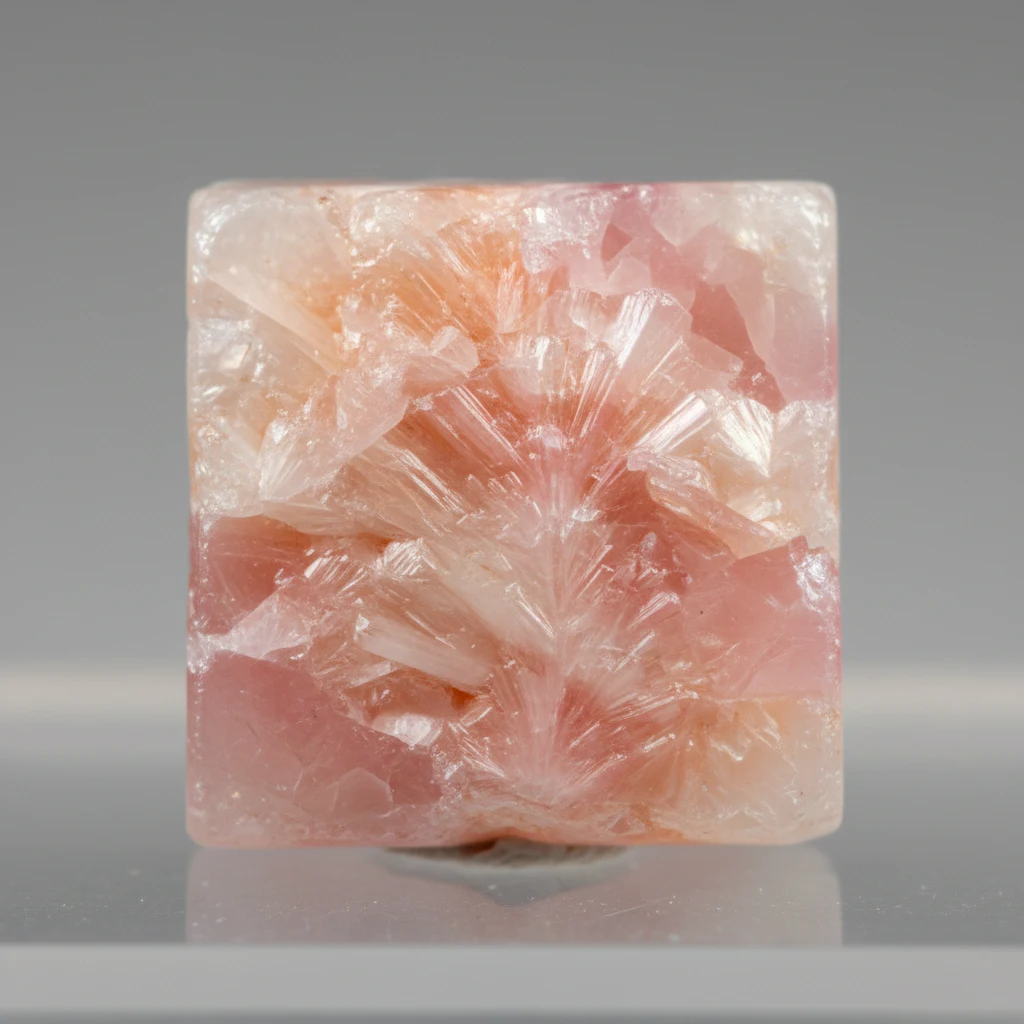
Conch Pearl colors range from white and cream to pink, peach, salmon, orange, brown, and occasionally stronger reddish tones. The flame structure is a subtle, silky internal pattern caused by fibrous aragonite, and it can affect both appearance and value. Strong, even color with visible flame structure is generally more desirable than dull, patchy, or heavily blemished material.
Buying Questions to Ask
Before buying a Conch Pearl, ask whether the color is natural, whether the piece has been drilled or set, and whether a gemological report is included. Request images in daylight-equivalent lighting, close-ups of any drill hole or surface marks, and measurements in millimeters. For jewelry, ask how the setting protects the pearl from knocks and abrasion.
What Is Conch Pearl?
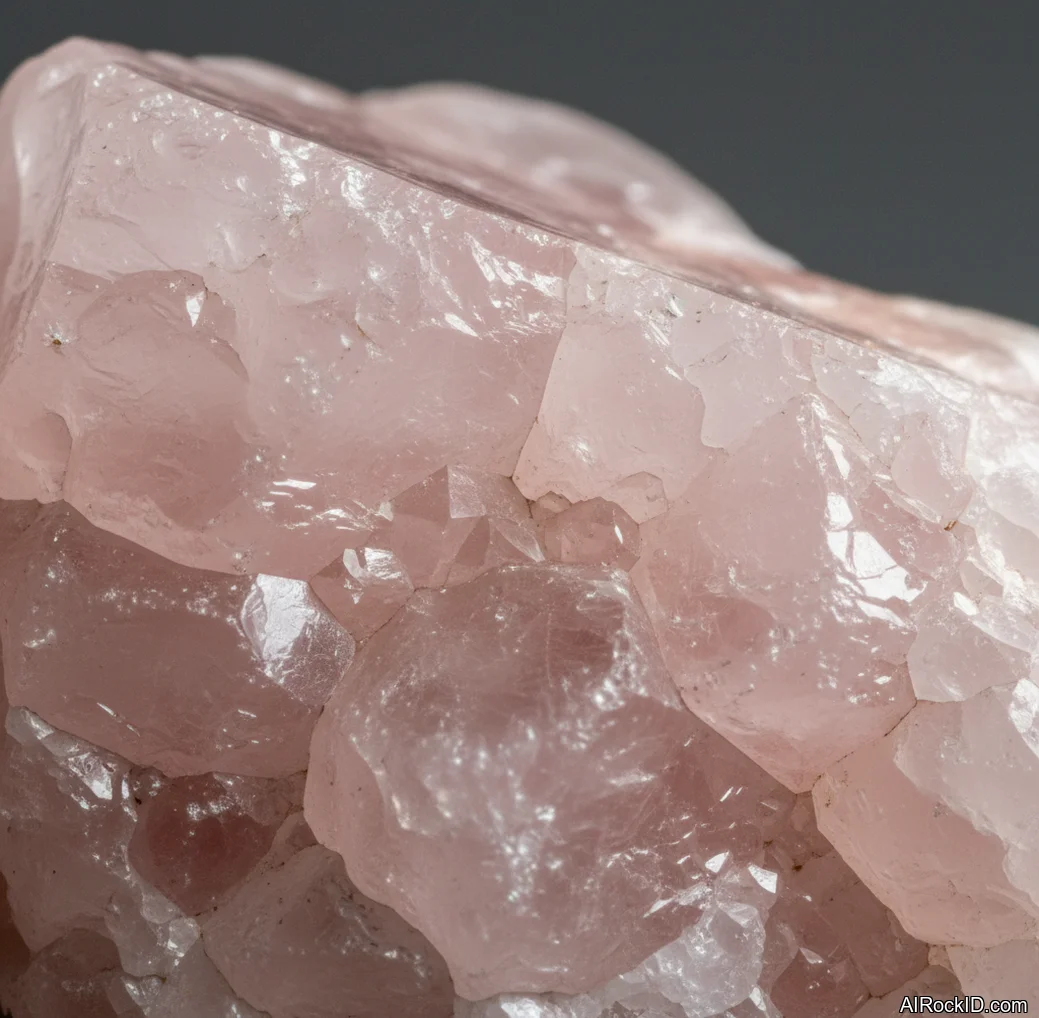
Conch Pearl is a rare organic gem of calcium carbonate, listed as aragonite, formed inside conch shells. In the hand, a good piece feels smooth and softly luminous rather than glassy, with color that can run from pale pink through deep orange and sometimes white. Its pearly, silky luster is the main visual cue, giving the surface a gentle sheen that looks warm and alive under light.
Collectors value Conch Pearl for rarity, color, and quality, especially when the surface is smooth and the tone is pleasing. It has a Mohs hardness of 3.5-4, so it is not a rugged daily-wear stone unless handled carefully. It is safe to handle and safe in water, but its moderate durability means harsh chemicals, scratches, and extreme temperatures should be avoided.
Origin & History
The name Conch Pearl comes from “conch,” derived from the Latin word “concha.” It has been used in jewelry since ancient times, and that long jewelry history suits the gem’s tactile character: small, smooth, pearly, and naturally colored rather than cut for sharp brilliance.
As a collector’s material, Conch Pearl sits between shell-born organic gem and carbonate mineral specimen. Its composition is CaCO3 with listed elements calcium, carbon, and oxygen, and common impurities may include magnesium and iron. When documenting names and mineral terms, mindat.org is a useful plain-text reference point for comparing specimen records.
Where Is Conch Pearl Found?
Conch Pearl is primarily found in the Caribbean Sea. The listed countries are the Bahamas, Cuba, and Haiti, with notable localities including Andros Island in the Bahamas, Cuba, and Haiti. For a specimen label, that Caribbean origin is important because it ties the gem directly to the marine shell environment where it formed.
Formation
Conch Pearls form within the shells of certain marine mollusks as a response to irritants. The result is an organic gem made of calcium carbonate, with a translucent body, pearly luster, and a color range that may include pink, orange, or white. Because it is shell-formed, the appeal is not crystal faces but a smooth, compact, naturally polished feel.
The material is classified chemically as a carbonate with formula CaCO3, and its listed crystal system is amorphous. Its density is 2.6-2.7 g/cm3, it is non-magnetic, and it has a white streak. These practical details matter when separating Conch Pearl from lookalikes: the identification picture is built from origin, luster, color, smooth surface, and moderate hardness together.
How to Identify Conch Pearl
Identify Conch Pearl by its pink to orange color, smooth surface, and distinctive silky pearly luster. It should not look metallic or magnetic, and it is listed as translucent with a white streak. The best visual impression is a soft sheen across a rounded surface rather than the sharp sparkle of a faceted transparent gemstone.
For a practical check, note its Mohs hardness of 3.5-4 and use hardness testing only with care, because the gem has fair scratch resistance and fair toughness. Its fracture is conchoidal, refractive index is 1.65-1.68, birefringence is listed as none, pleochroism as weak, and optical character as biaxial. Price and rarity make gentle, conservative testing the smarter collector habit.
Properties of Conch Pearl
Physical Properties
| Crystal System | Amorphous |
| Hardness (Mohs) | 3.5-4 (Medium) |
| Density | 2.6-2.7 g/cm3 |
| Luster | Pearly |
| Diaphaneity | Translucent |
| Fracture | Conchoidal |
| Streak | White |
| Magnetism | Non-magnetic |
| Colors | Pink, Orange, White |
Chemical Properties
| Classification | Carbonate |
| Formula | CaCO3 |
| Elements | Ca, C, O |
| Common Impurities | Mg, Fe |
Optical Properties
| Refractive Index | 1.65-1.68 |
| Birefringence | None |
| Pleochroism | Weak |
| Optical Character | Biaxial |
Conch Pearl Health & Safety
There are no significant health risks associated with handling conch pearl.
Conch Pearl Value & Price
Price Range
Rough/Tumbled: $100 - $500 per specimen
Cut/Polished: $300 - $1,500 per carat
Price is influenced by color, size, and quality.
Durability
Moderate — Scratch resistance: Fair, Toughness: Fair
It is sensitive to chemicals and extreme temperatures.
How to Care for Conch Pearl
Use & Storage
Store in a soft pouch to avoid scratches.
Cleaning
Clean with mild soap and water; avoid harsh chemicals. Rinse and dry thoroughly.
Cleanse & Charge
Place in sunlight or moonlight for several hours to cleanse.
Placement
Keep away from extreme heat and moisture.
Caution
Handle with care to avoid damage.
Works Well With
Conch Pearl Meaning & Healing Properties
Conch Pearl is believed to support emotional healing, creativity, calmness, compassion, inner peace, stress relief, love, meditation, joy, and a nurturing mood. In crystal practice, its soft pink-orange palette makes it a natural-feeling stone for gentle emotional work rather than forceful stimulation. These beliefs are cultural and personal, and Conch Pearl is not a substitute for medical treatment.
It is associated with the Sacral and Heart chakras, the zodiac signs Taurus and Cancer, the planets Venus and Moon, and the Water element. For care, store it in a soft pouch, keep it away from extreme heat and moisture, and clean it with mild soap and water before rinsing and drying thoroughly. For energetic cleansing, place it in sunlight or moonlight for several hours.
Identify Conch Pearl from a photo
Compare Conch Pearl traits, care tips, value clues, and common lookalikes with a clear photo.
Common mistakes
- Assuming every pink pearl is a Conch Pearl
- Relying only on color instead of checking structure, origin, and documentation
- Using ultrasonic or steam cleaners on organic gem material
- Ignoring drill-hole staining, coating, or dye concentration in treated pieces
- Buying high-value examples without a lab report or clear return policy
- Setting Conch Pearl in exposed ring designs meant for daily wear