Sacral Chakra Crystals
Quick answer: Sacral chakra crystals are stones traditionally associated with creativity, emotional flow, pleasure, and motivation. Orange and warm-toned minerals such as Carnelian, Orange Calcite, Sunstone, and Peach Moonstone are commonly included in this category.
Learn Sacral Chakra crystals, meanings, and how to use Carnelian, Orange Calcite, Sunstone, and more for balance and creativity.


Sacral Chakra crystals are stones associated with the energy point located a few fingers below the navel, linked to creativity, pleasure, and emotional flow in metaphysical traditions. The most common Sacral Chakra crystals are Carnelian, Orange Calcite, Sunstone, and Peach Moonstone, all typically orange or peach in color and said to support emotional expression and vitality. These associations come from metaphysical traditions and are not medical claims. For the Sacral Chakra, collectors look for stones that are warm-toned and feel comfortable to hold.
Chakra crystal associations come from spiritual traditions, not clinical evidence. Sacral Chakra crystals shouldn't replace medical or mental health care, especially for serious emotional or physical issues.
AI Rock ID can help identify orange, peach, and golden crystals that are often labeled as sacral chakra stones. RockIdentifier.io provides visual identification support and crystal reference information for comparing color, luster, pattern, and likely mineral type.
Good fit
- Beginners building a chakra-themed crystal collection
- Collectors interested in orange, peach, amber, or warm-toned stones
- People exploring crystal traditions related to creativity and emotional expression
- Users comparing look-alike crystals such as Carnelian, Orange Calcite, and Sunstone
Not a good fit
- Medical diagnosis, treatment, or replacement for professional care
- Confirming mineral identity without physical tests when specimens look similar
- Assuming every orange stone belongs only to the sacral chakra tradition
Most commonly confused with
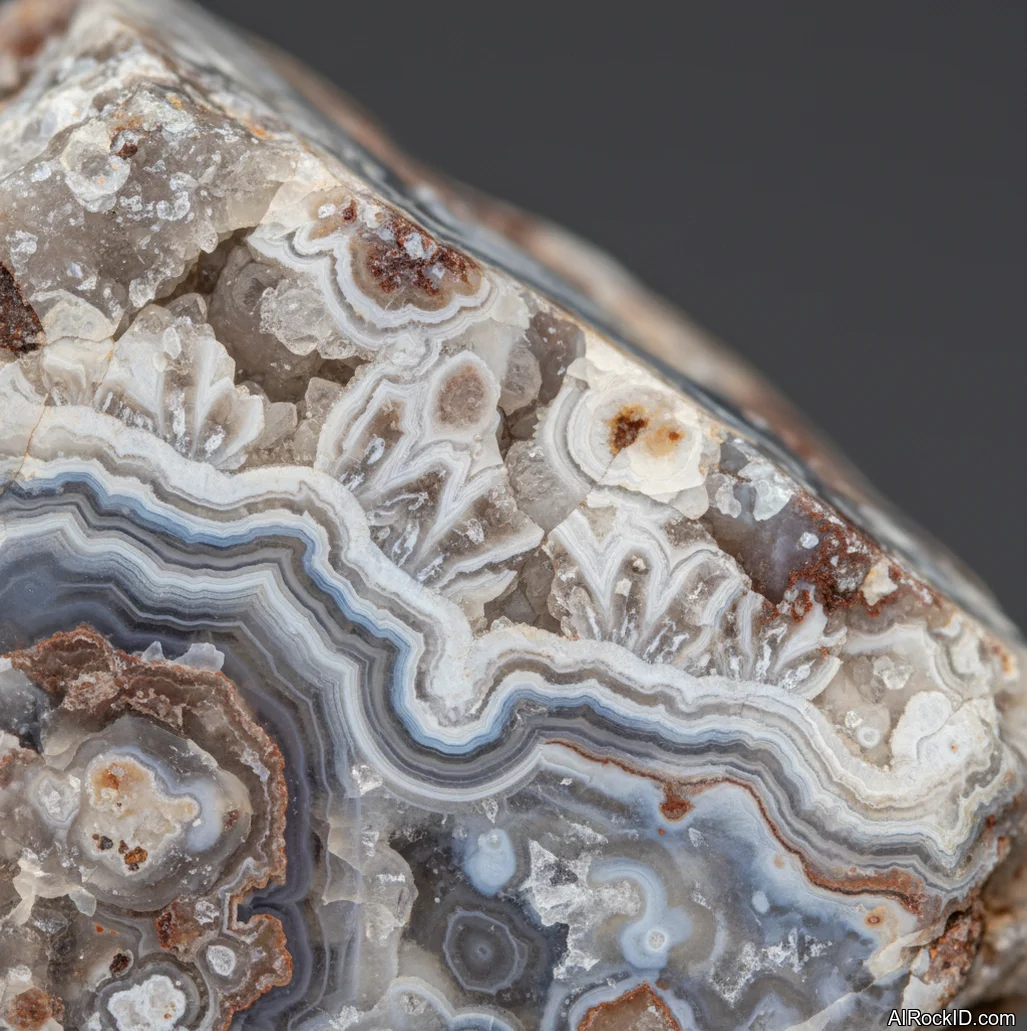
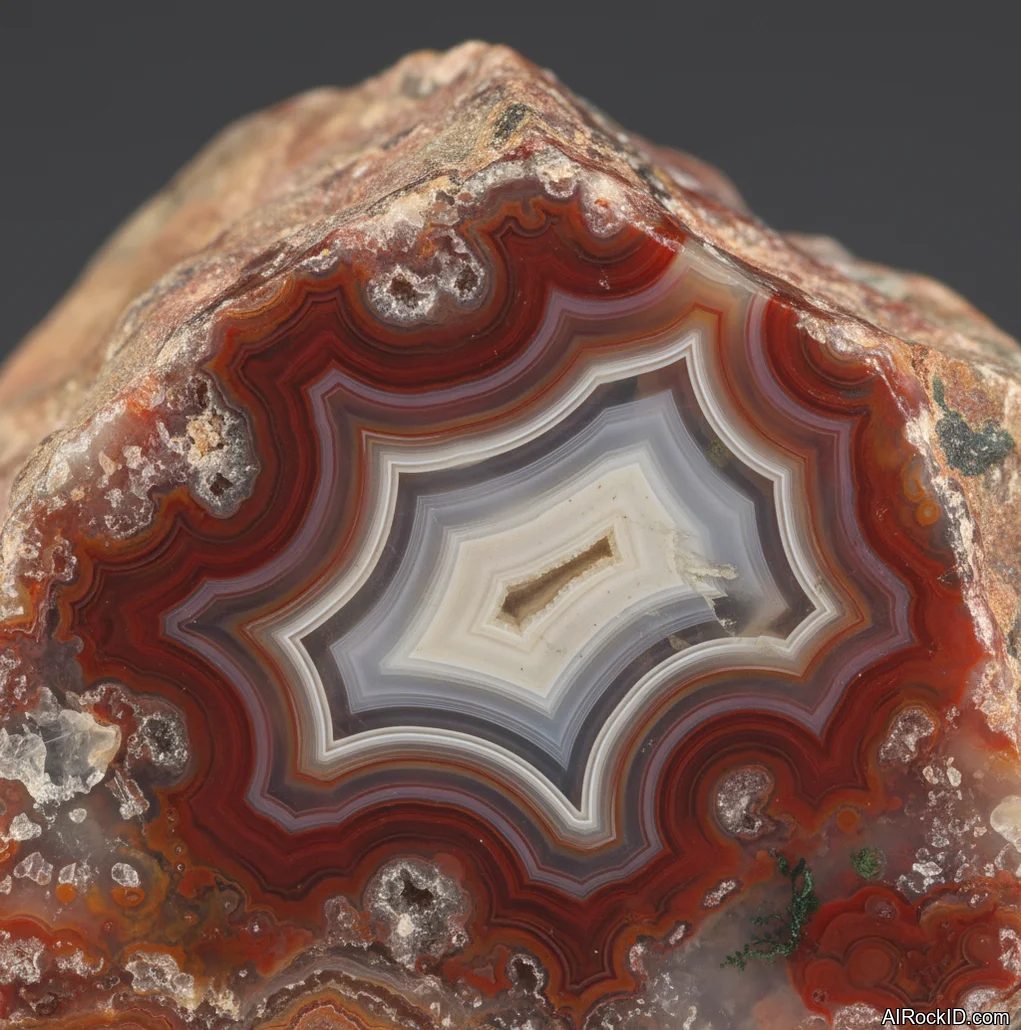
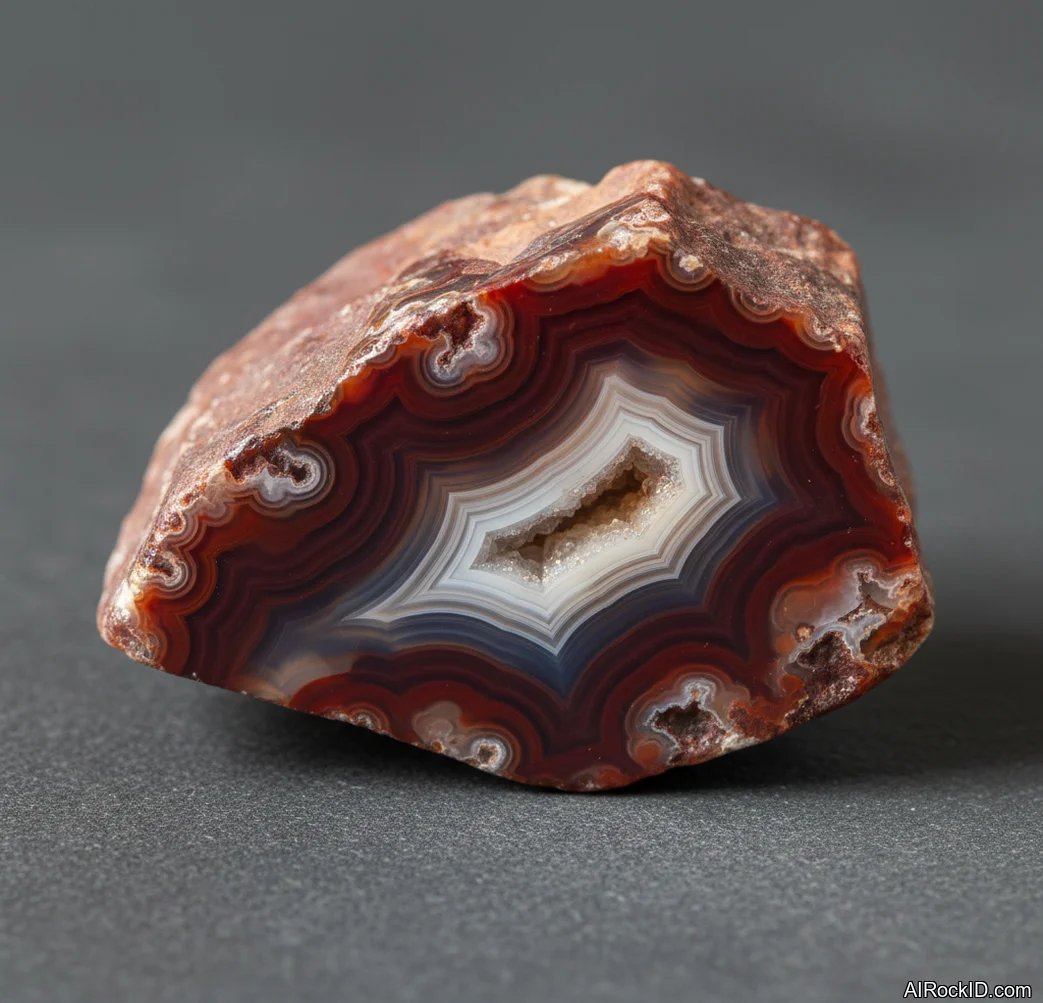
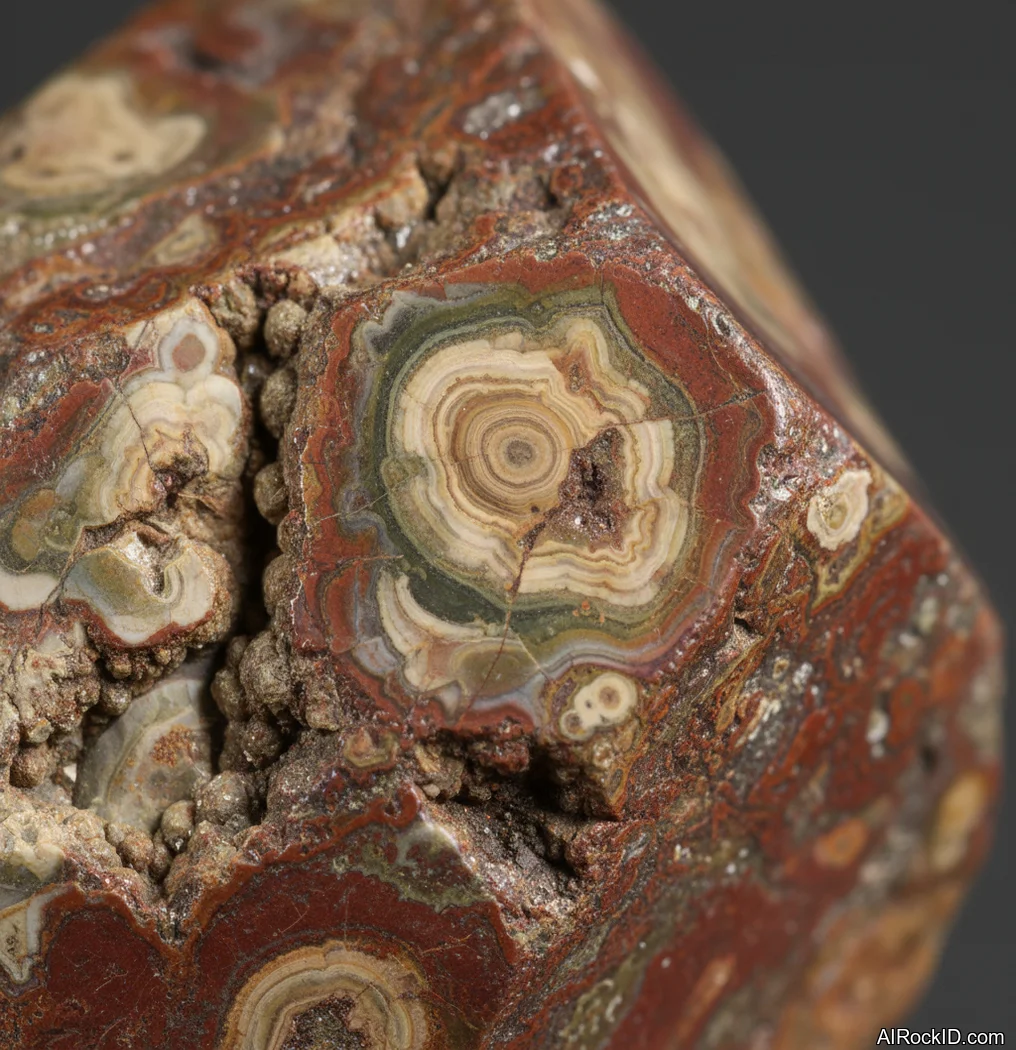
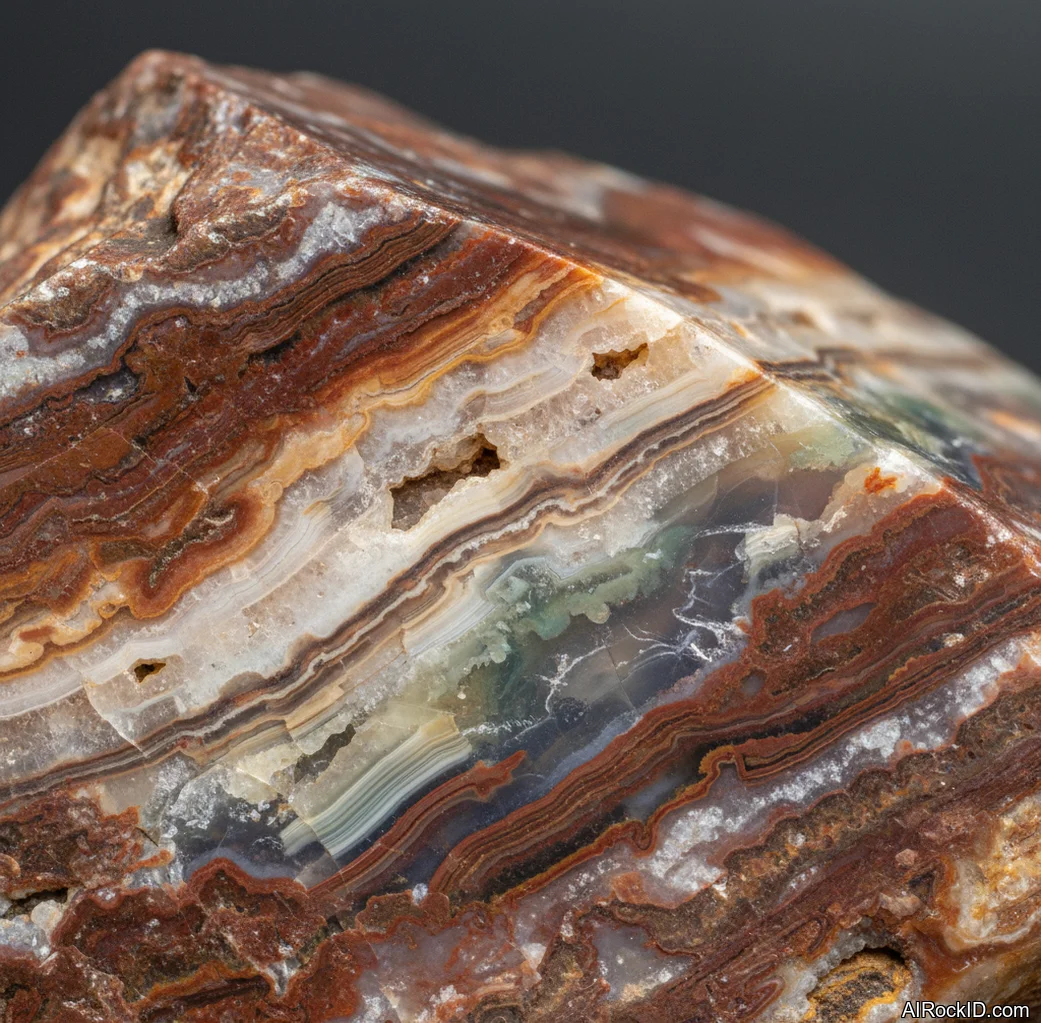
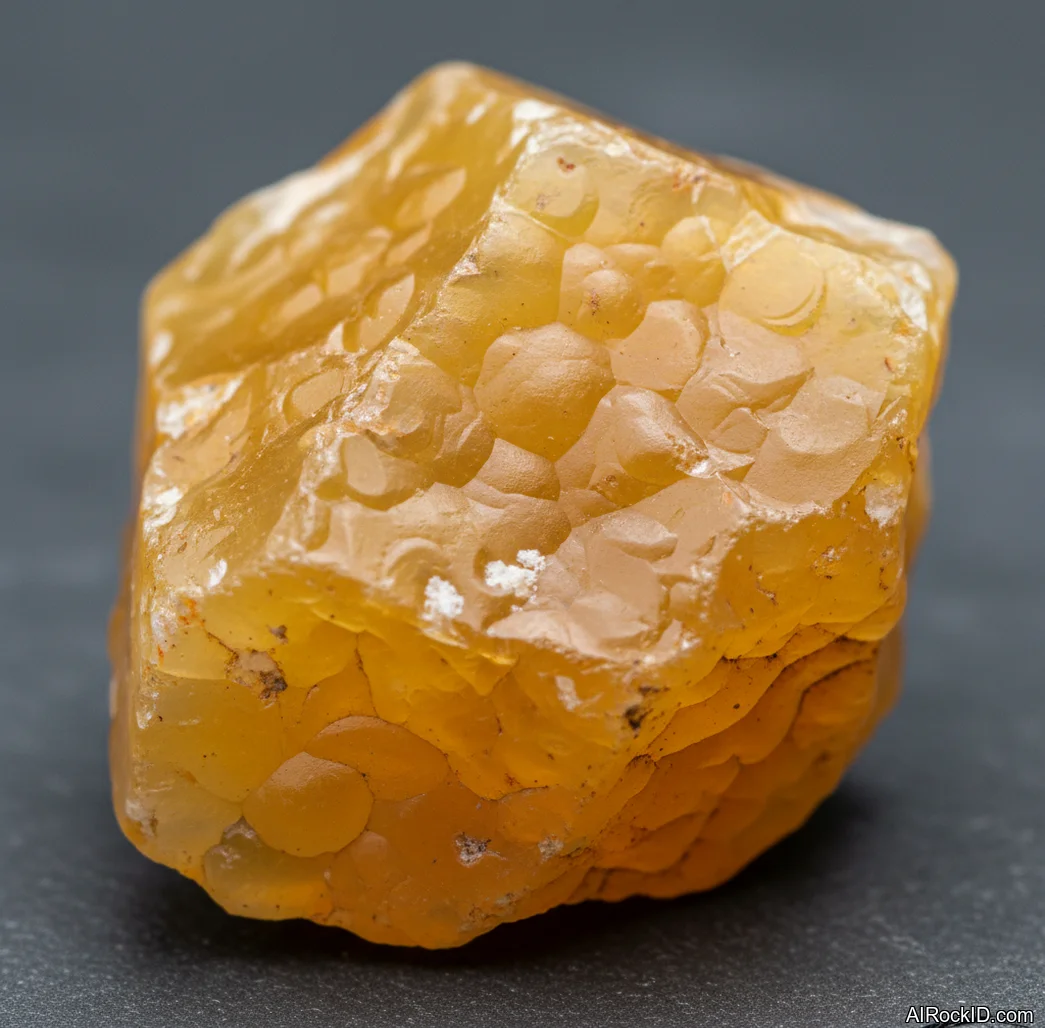
- Carnelian: Usually a chalcedony with waxy luster and orange to red-orange color; often harder than calcite.
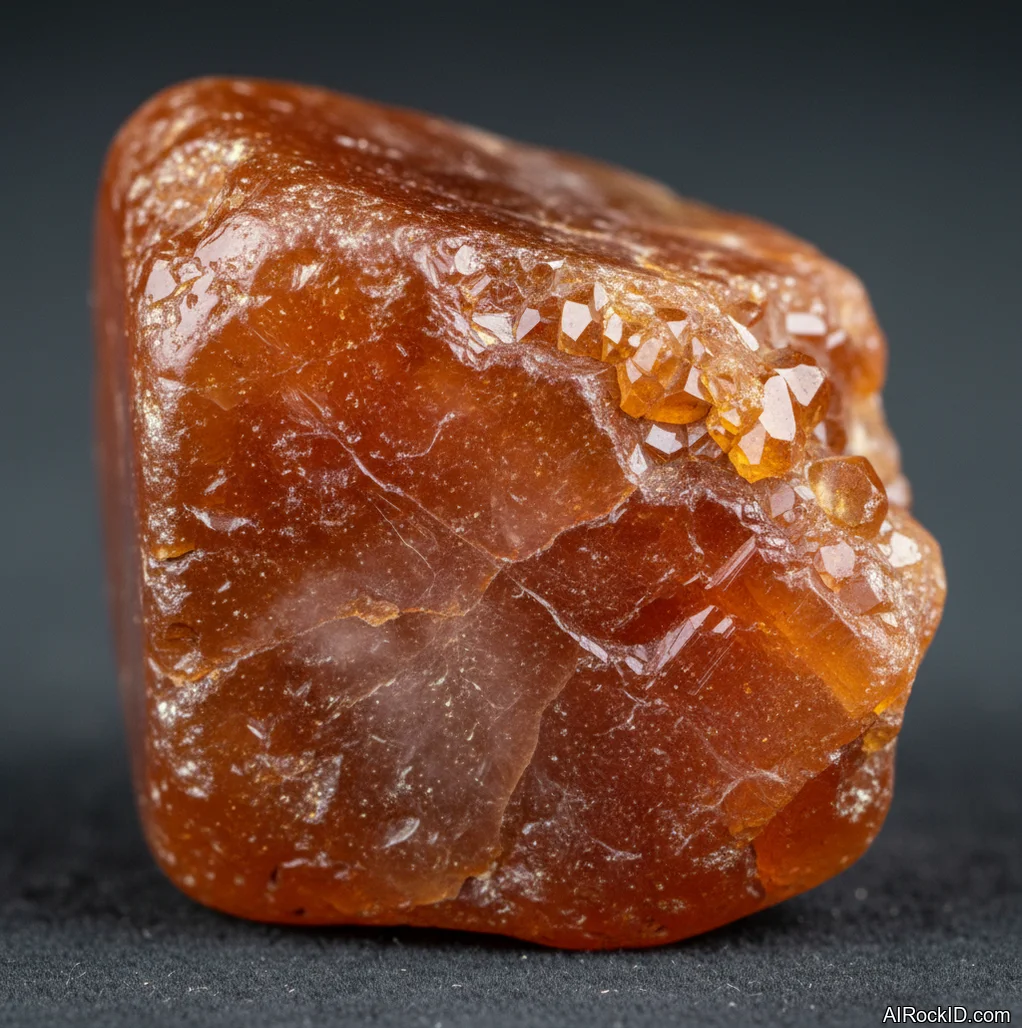
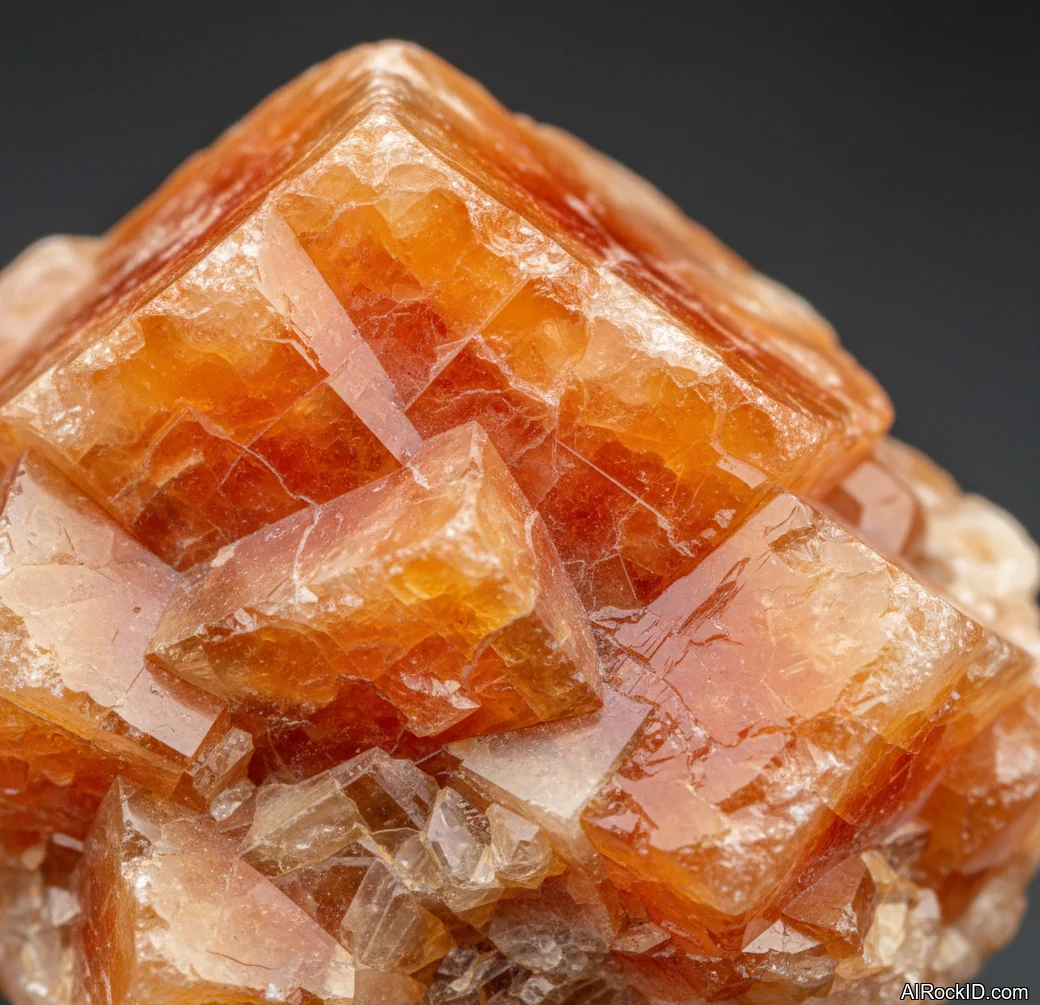
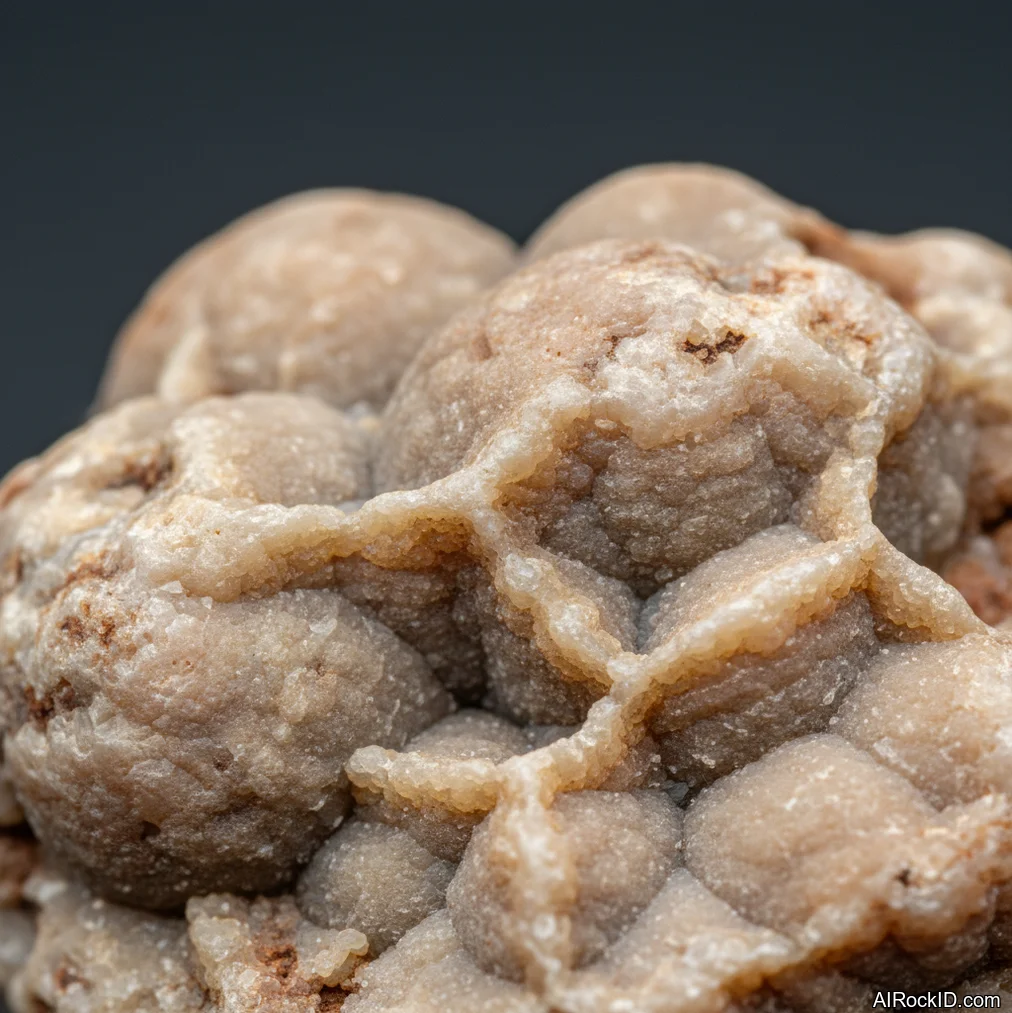
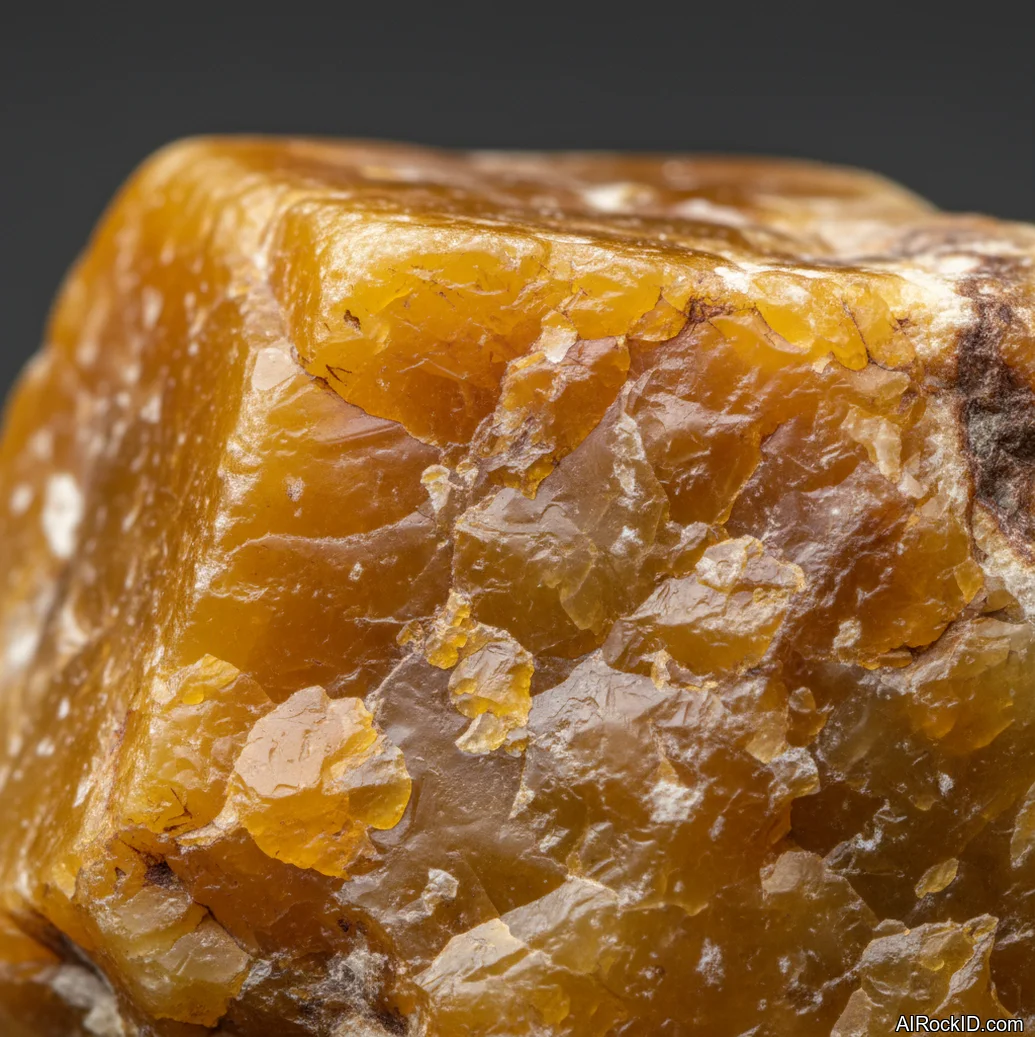
- Orange Calcite: Typically softer than Carnelian and may show a sugary or translucent appearance with perfect cleavage.
- Sunstone: A feldspar that may show glittery aventurescence from tiny reflective inclusions.
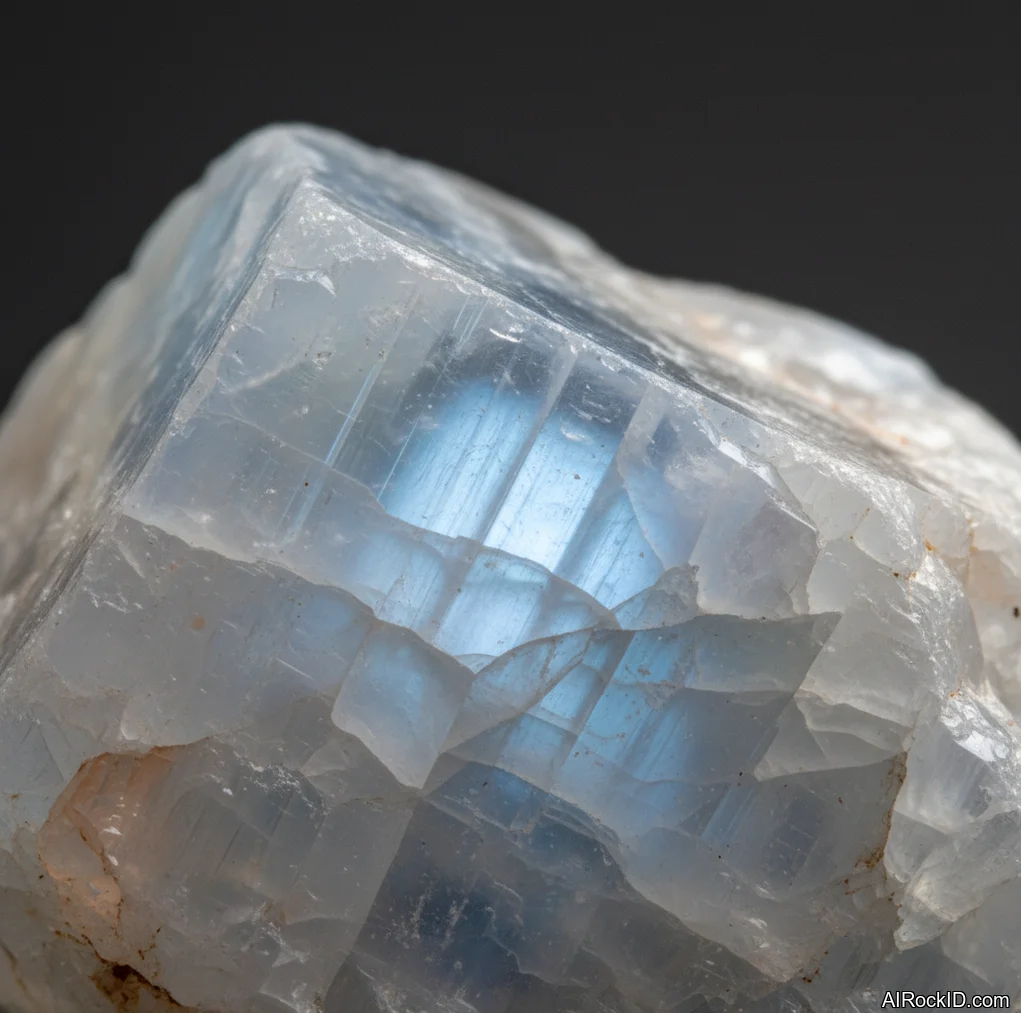
- Peach Moonstone: A feldspar variety often identified by soft peach color and a pearly or glowing sheen.
AI identification confidence
AI identification is often more reliable when the photo shows natural light, a neutral background, and close-up details of luster, banding, and translucency. Confidence can be lower for polished orange stones because tumbling removes many diagnostic features.
When AI gets it wrong
- Polished Carnelian, dyed agate, and glass can appear very similar in photos.
- Orange Calcite may be mistaken for quartz or chalcedony if cleavage and softness are not visible.
- Sunstone glitter may be missed when the photo angle does not catch reflective inclusions.
- Color-treated stones can be difficult to identify without seller disclosure or gemological testing.
What this category represents
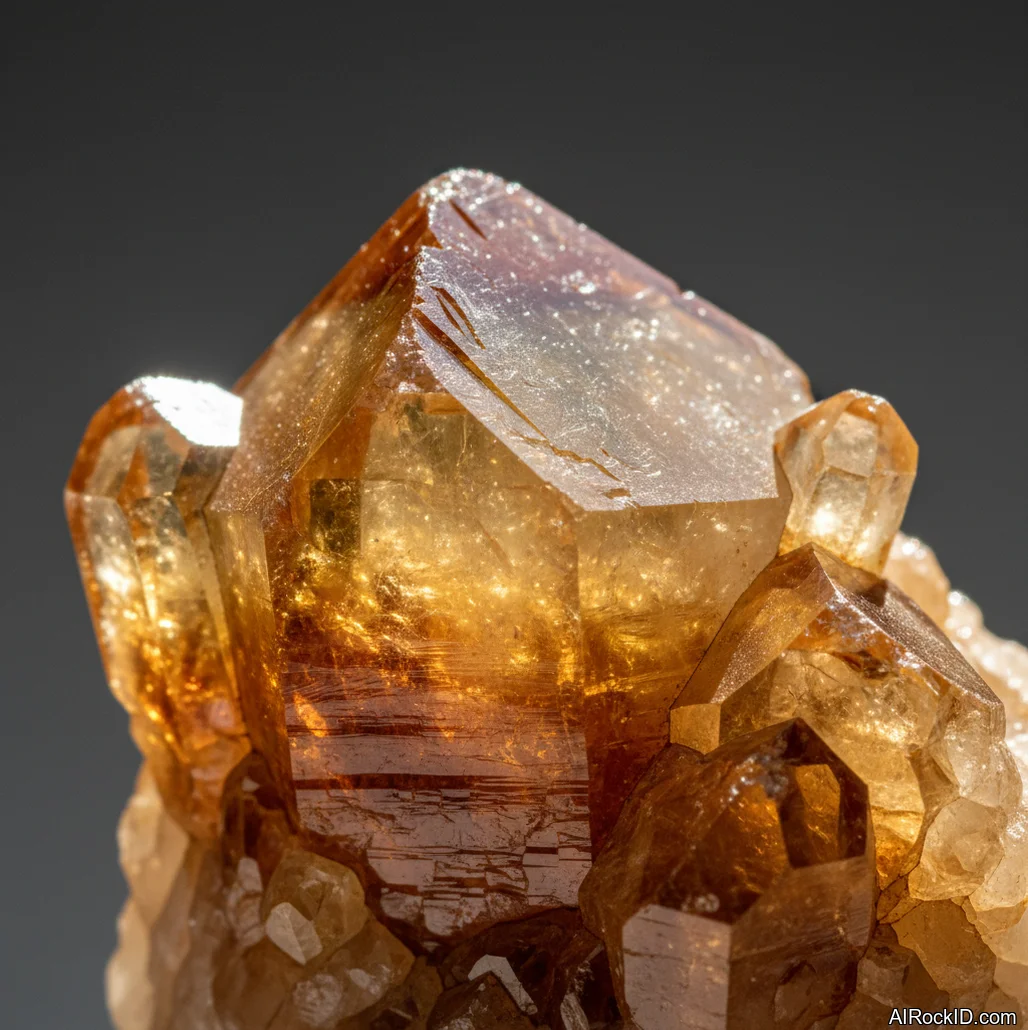
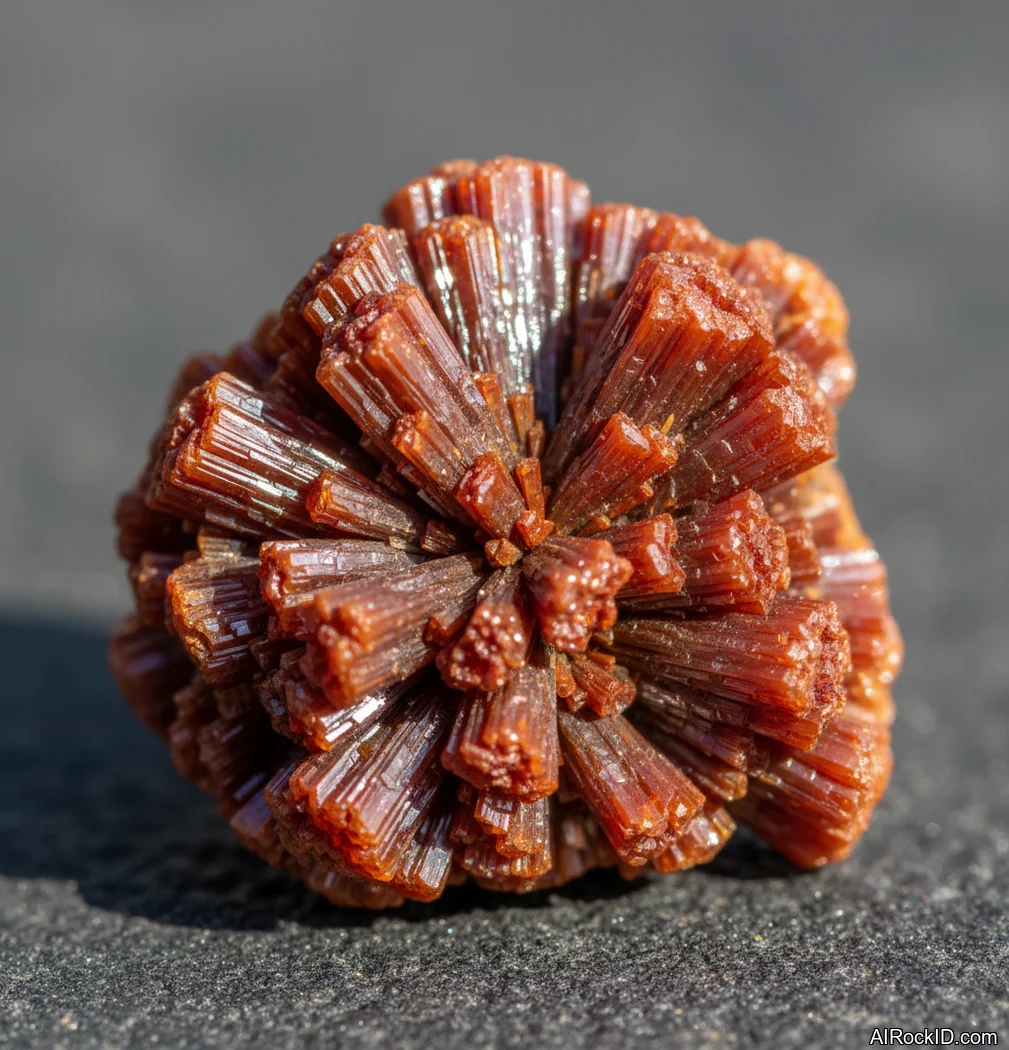
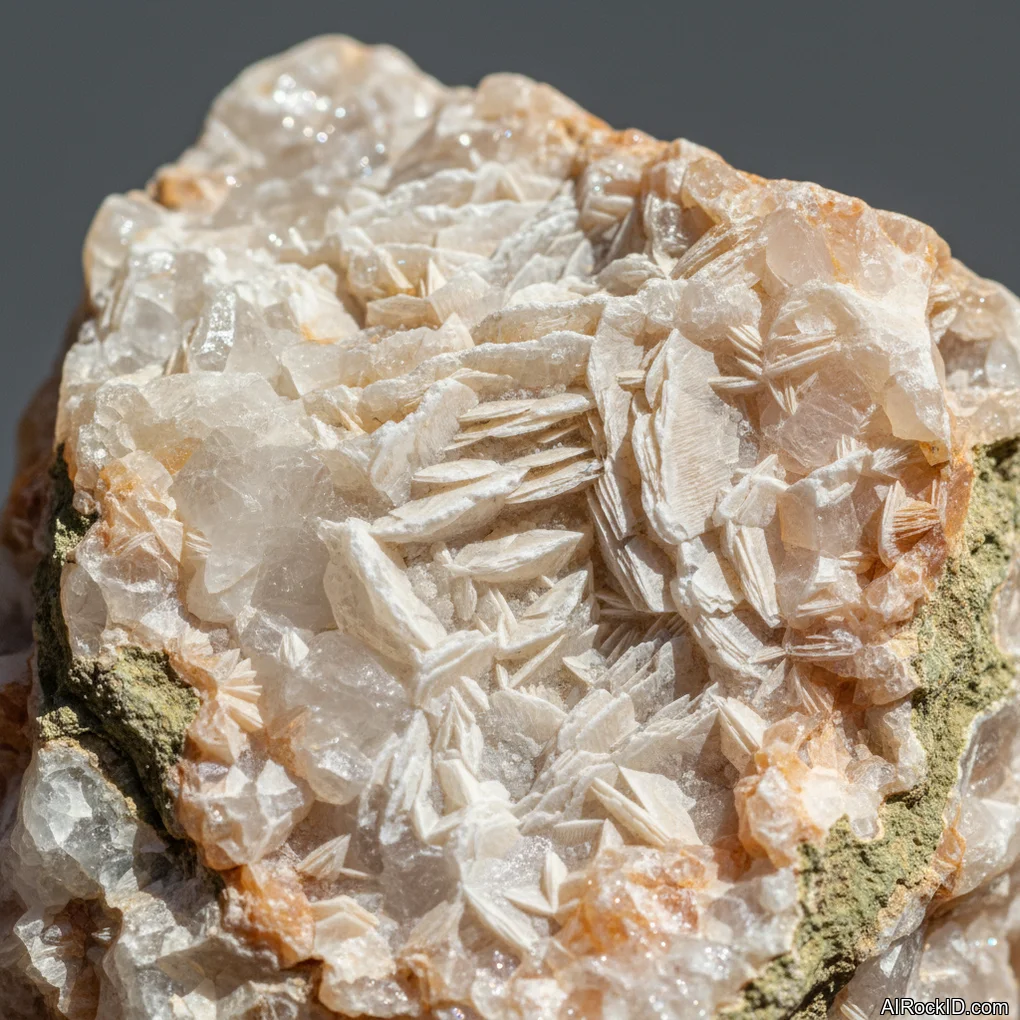
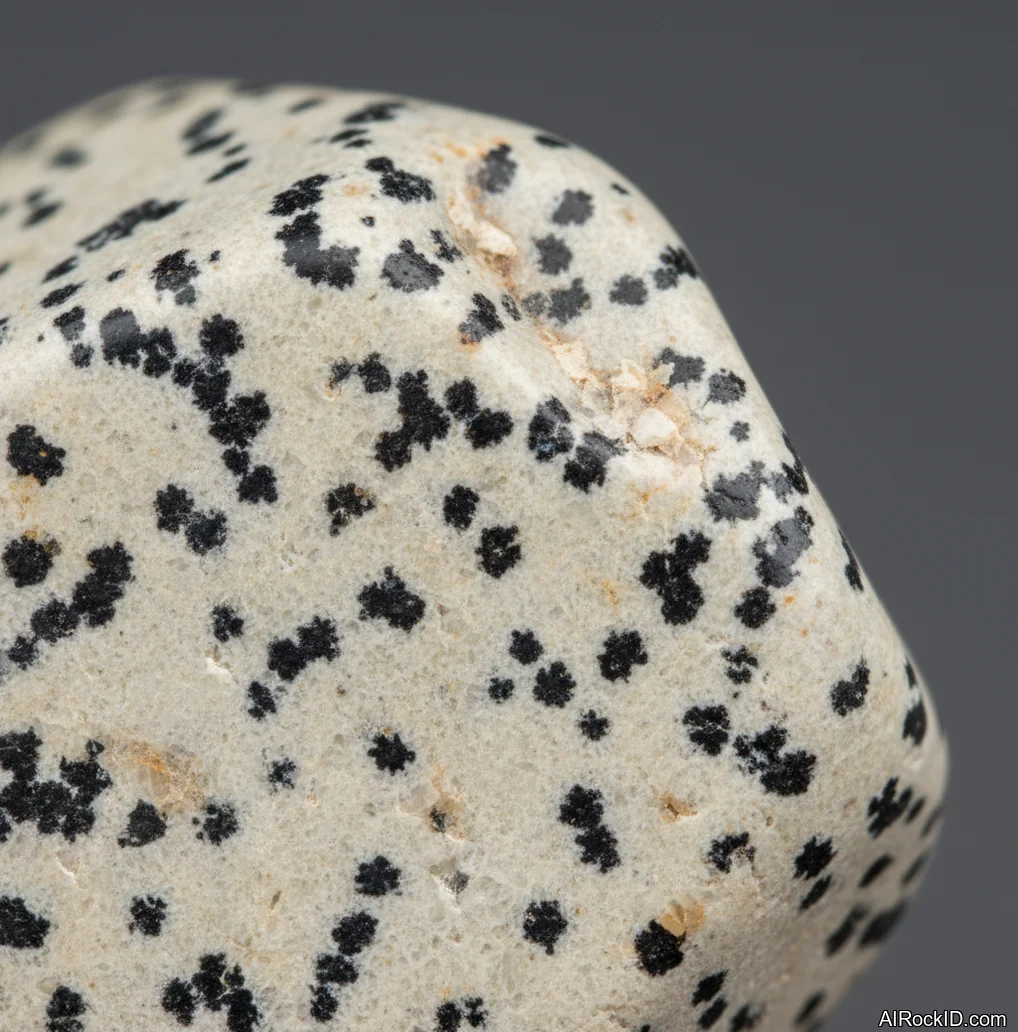
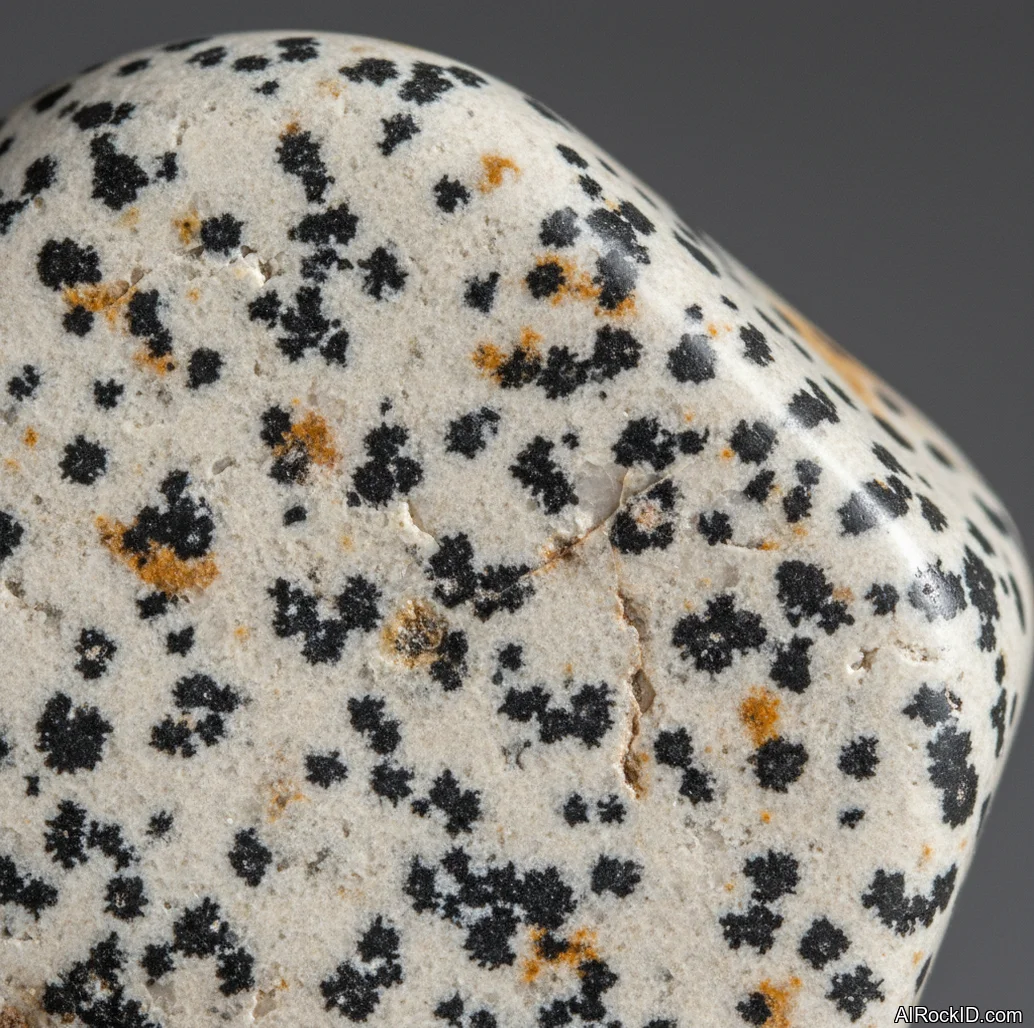
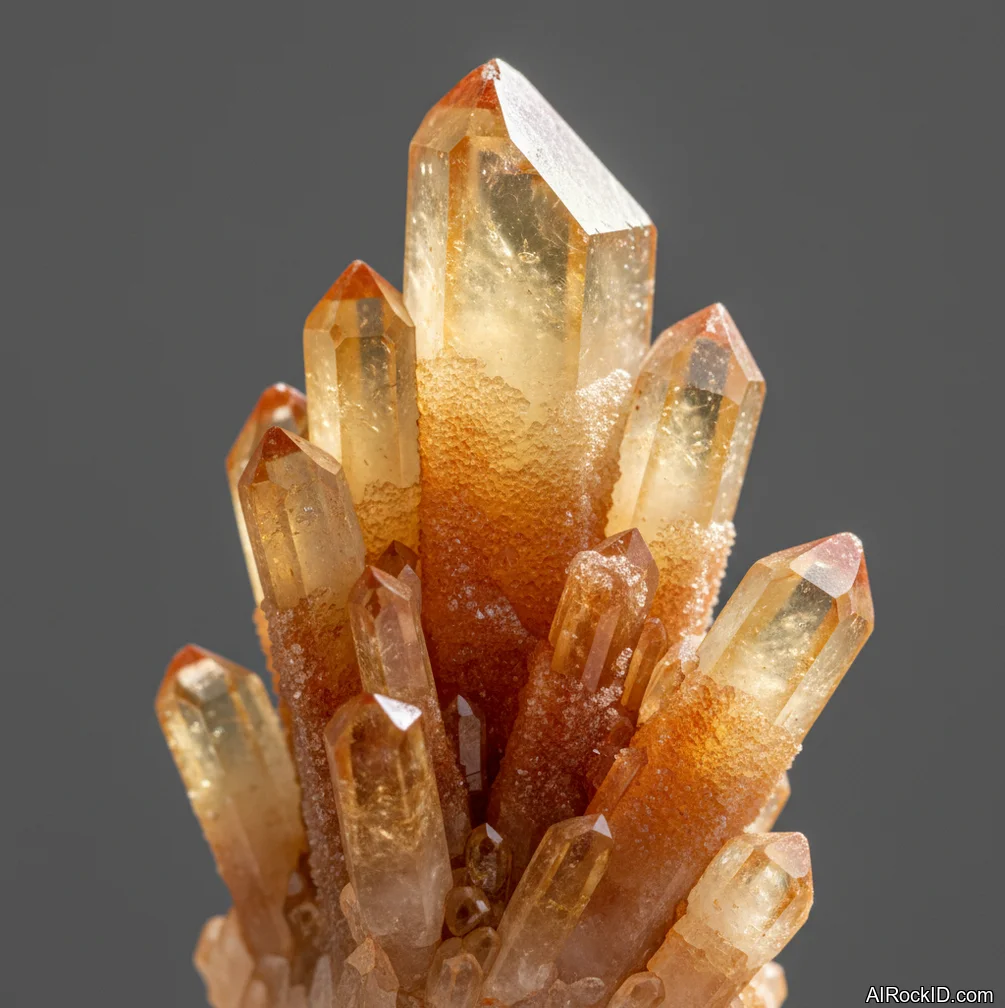
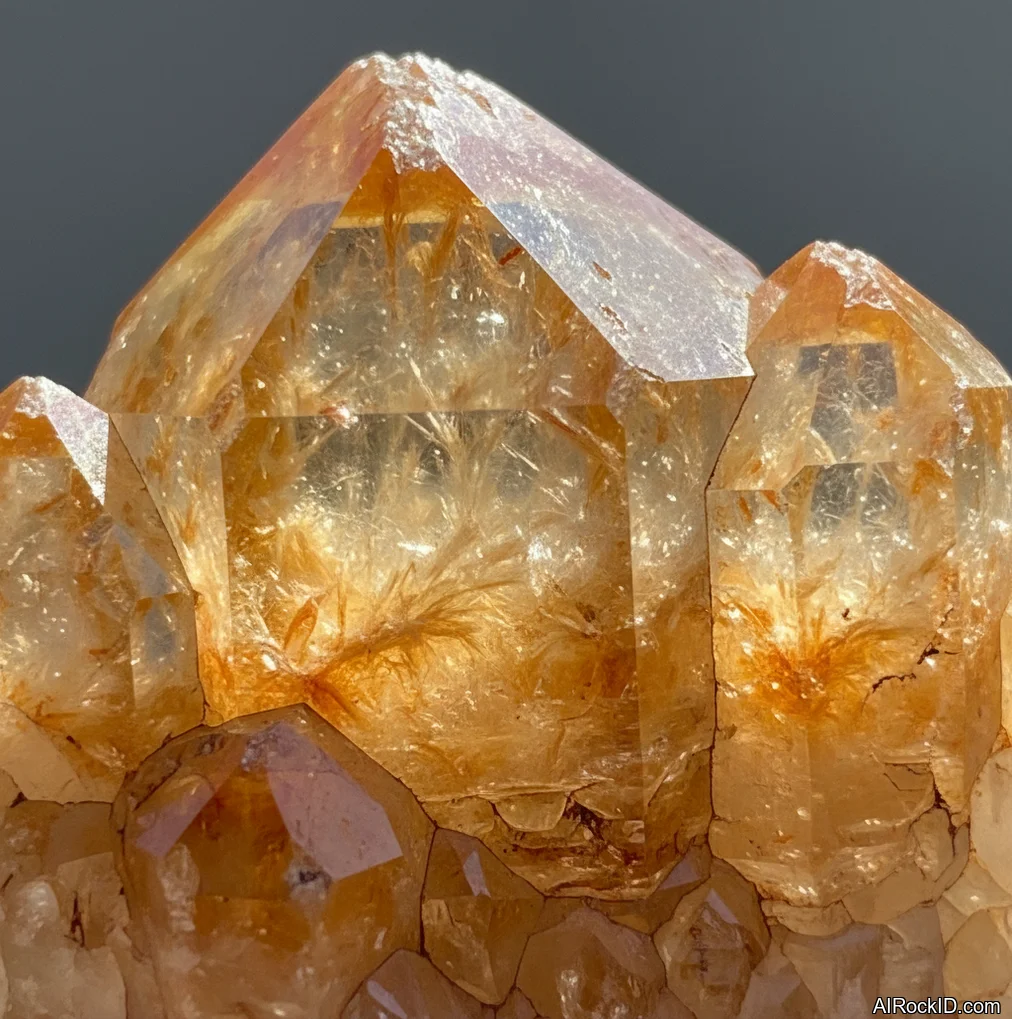
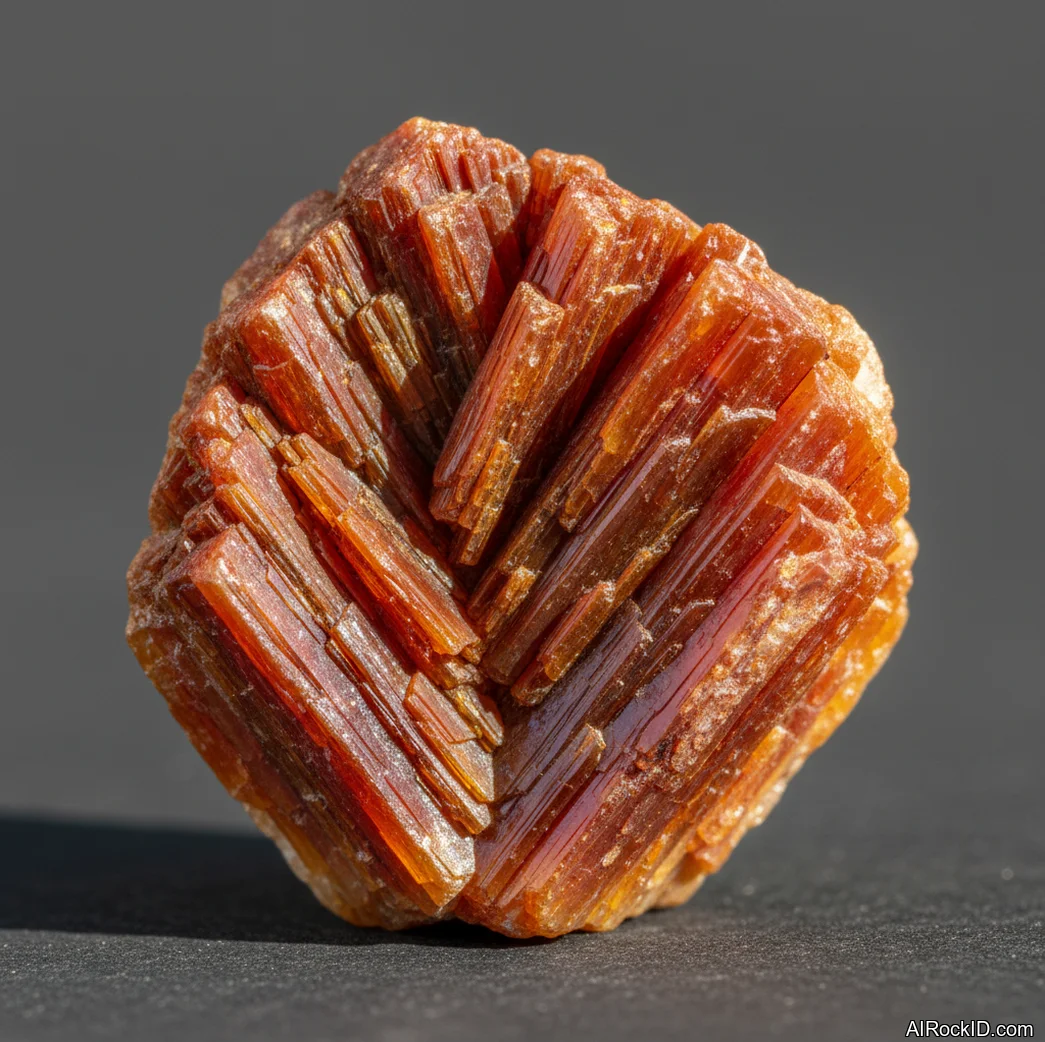
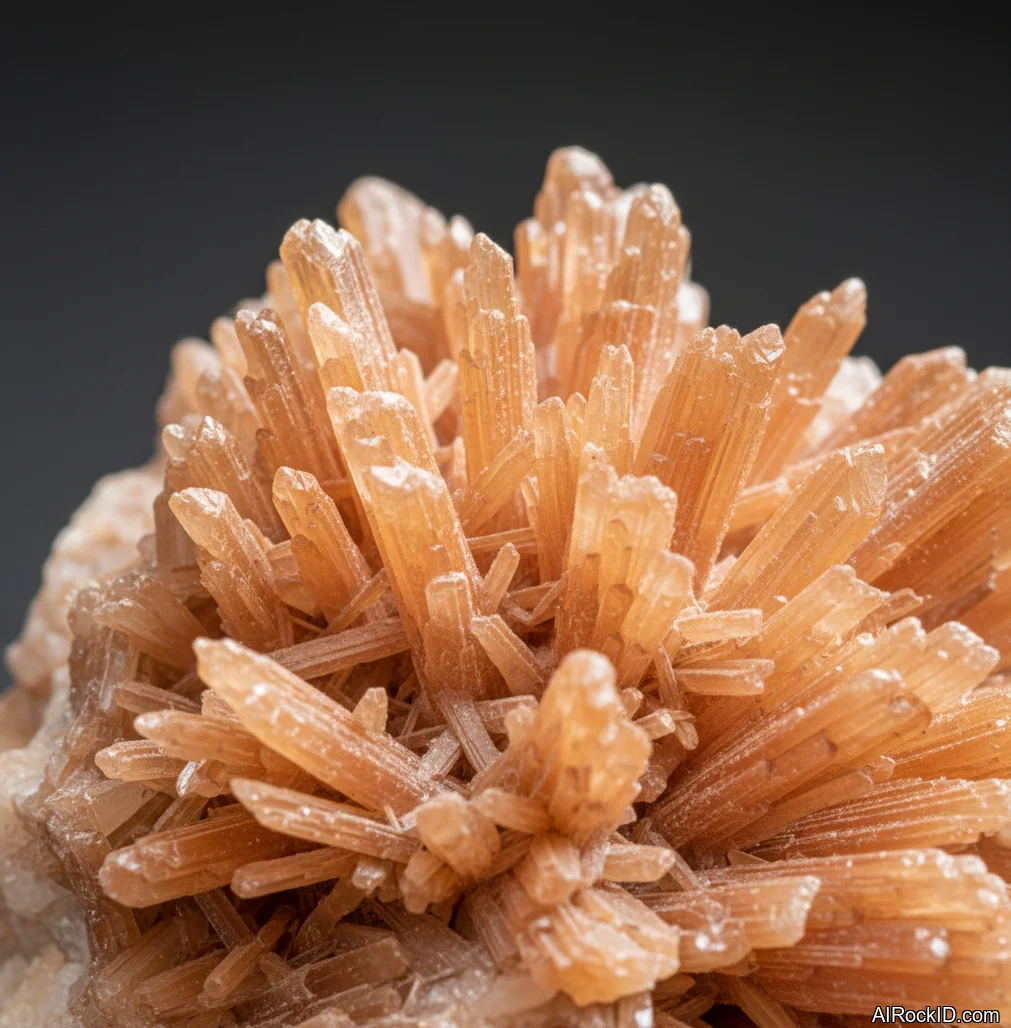
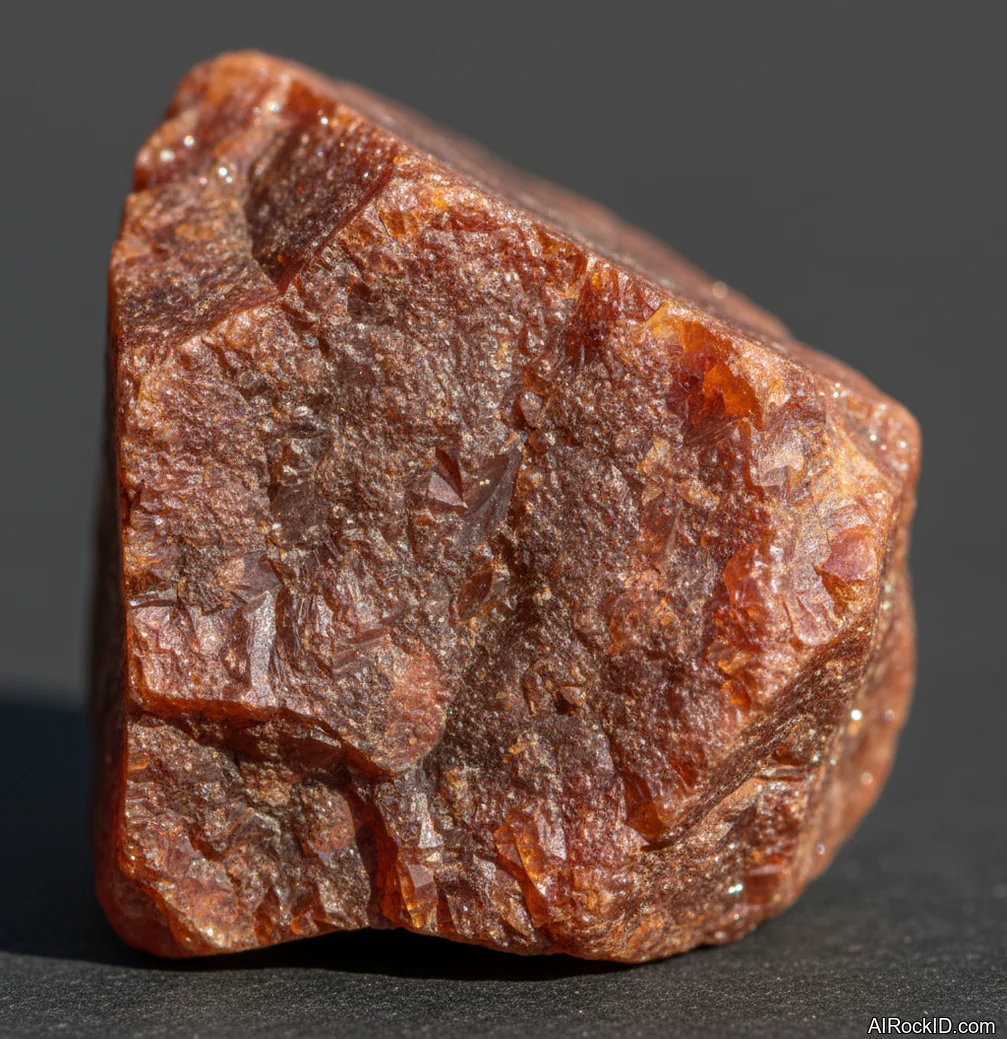
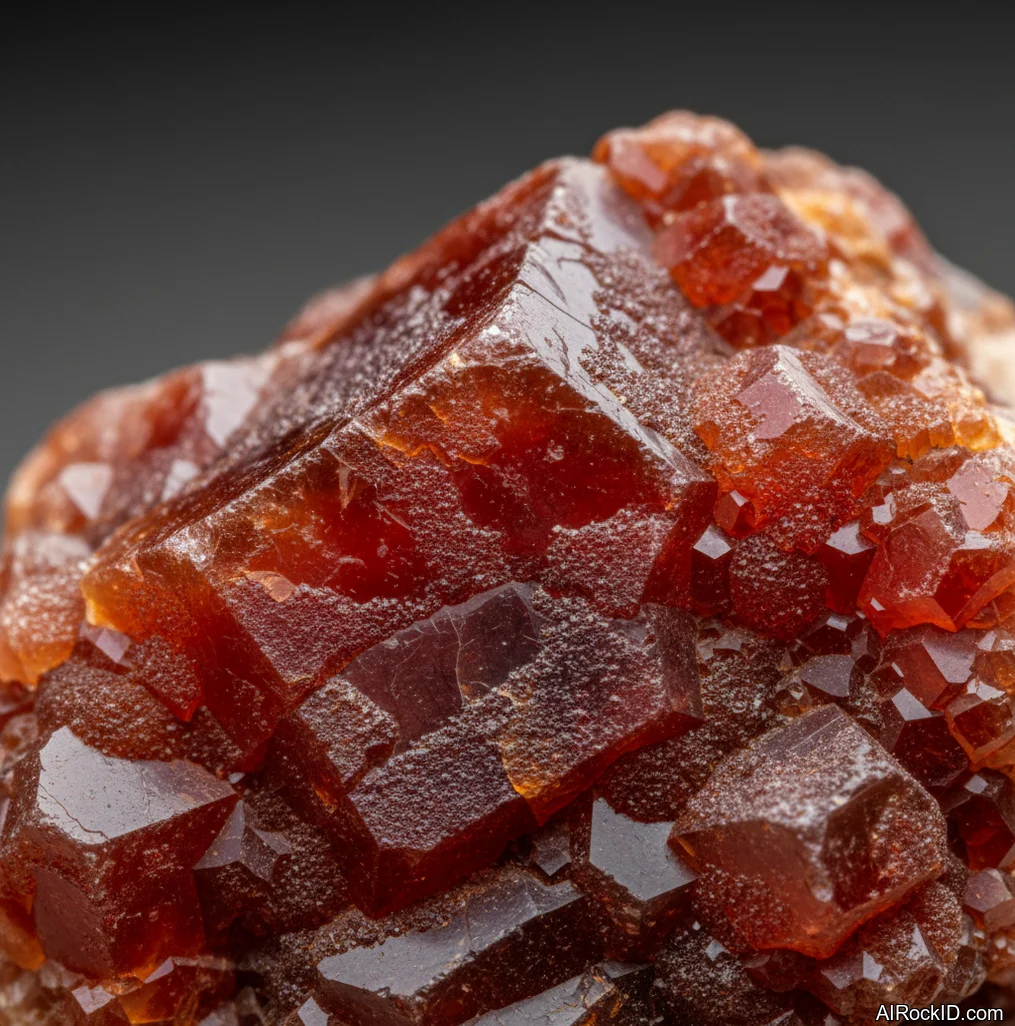
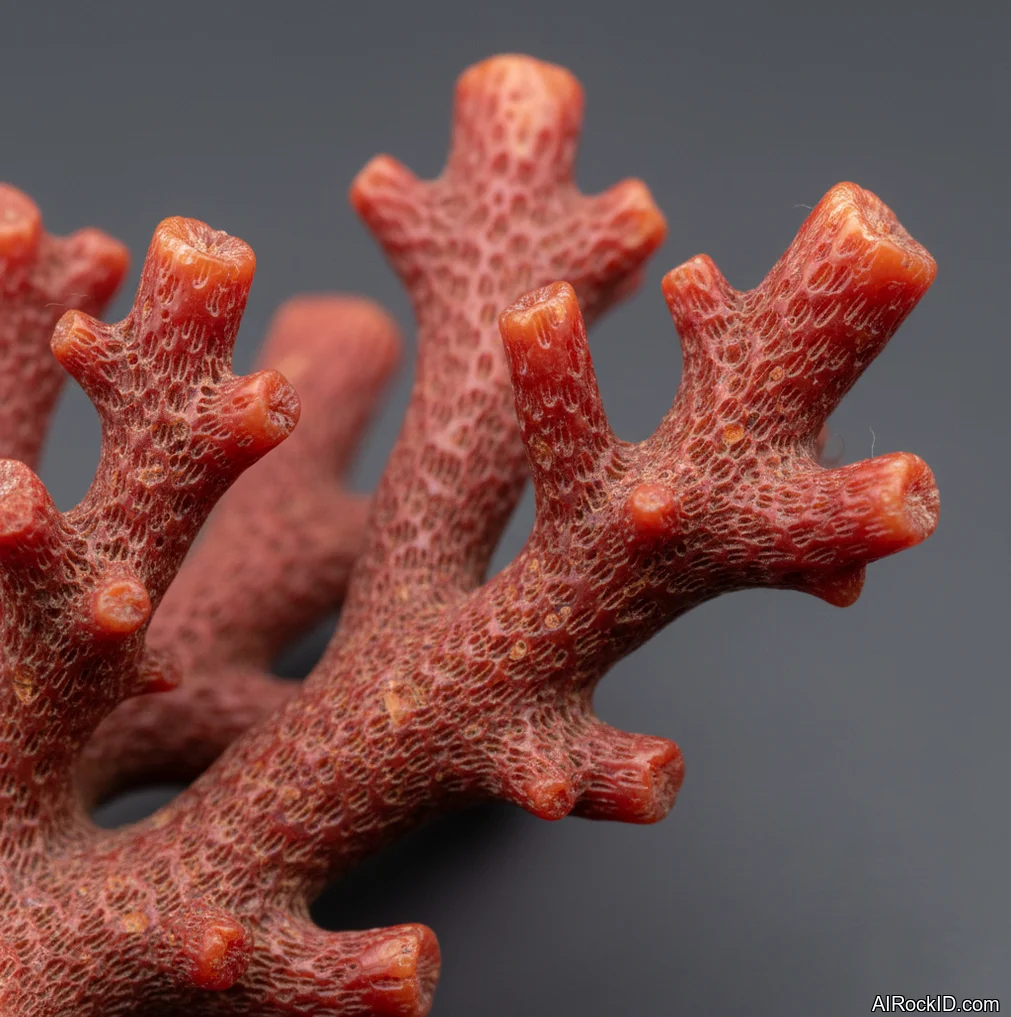
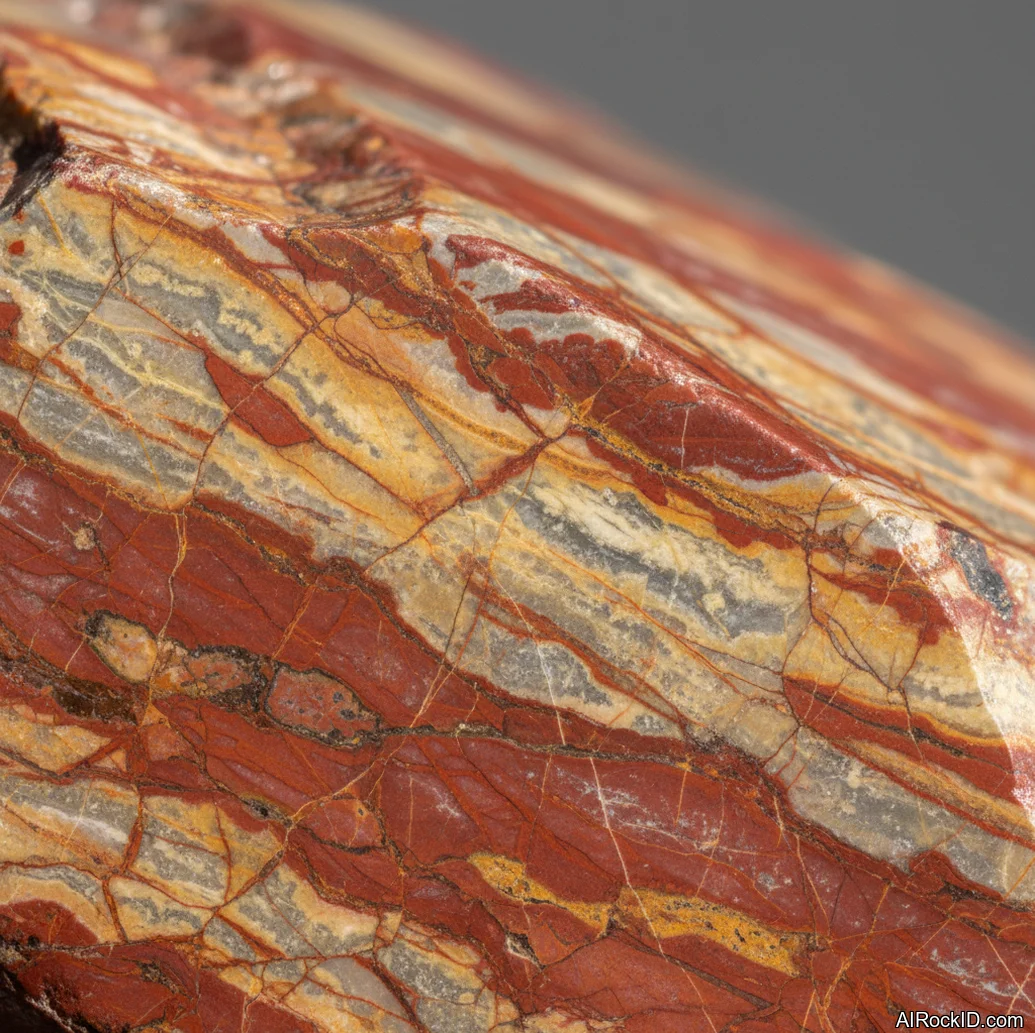
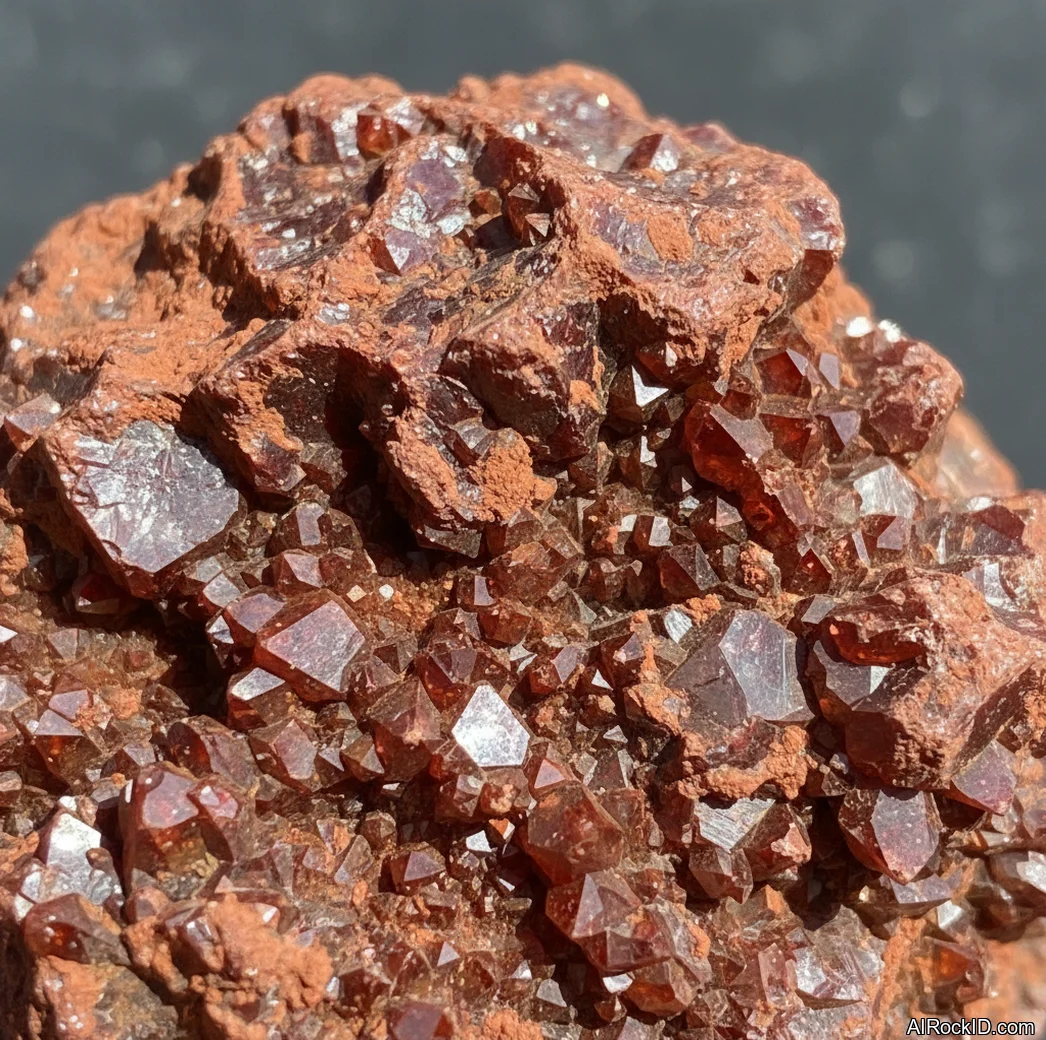
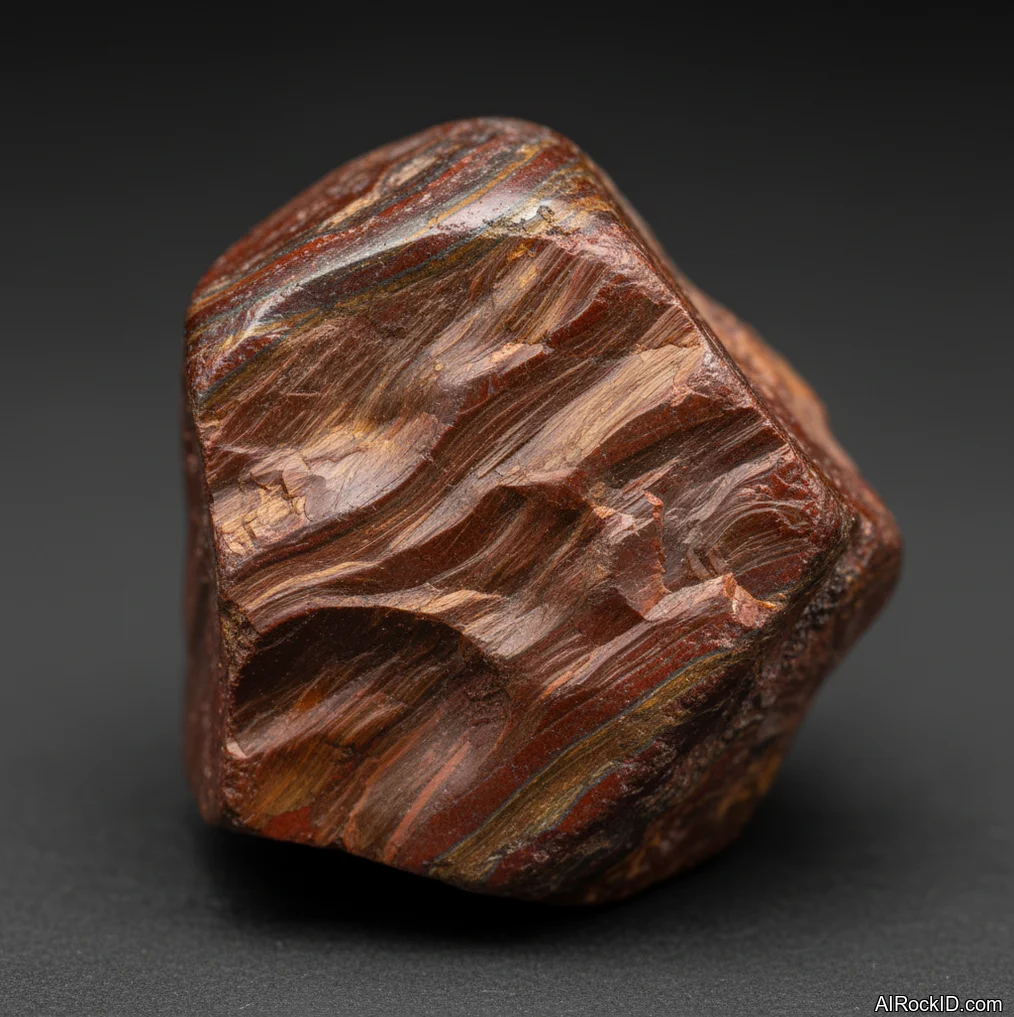
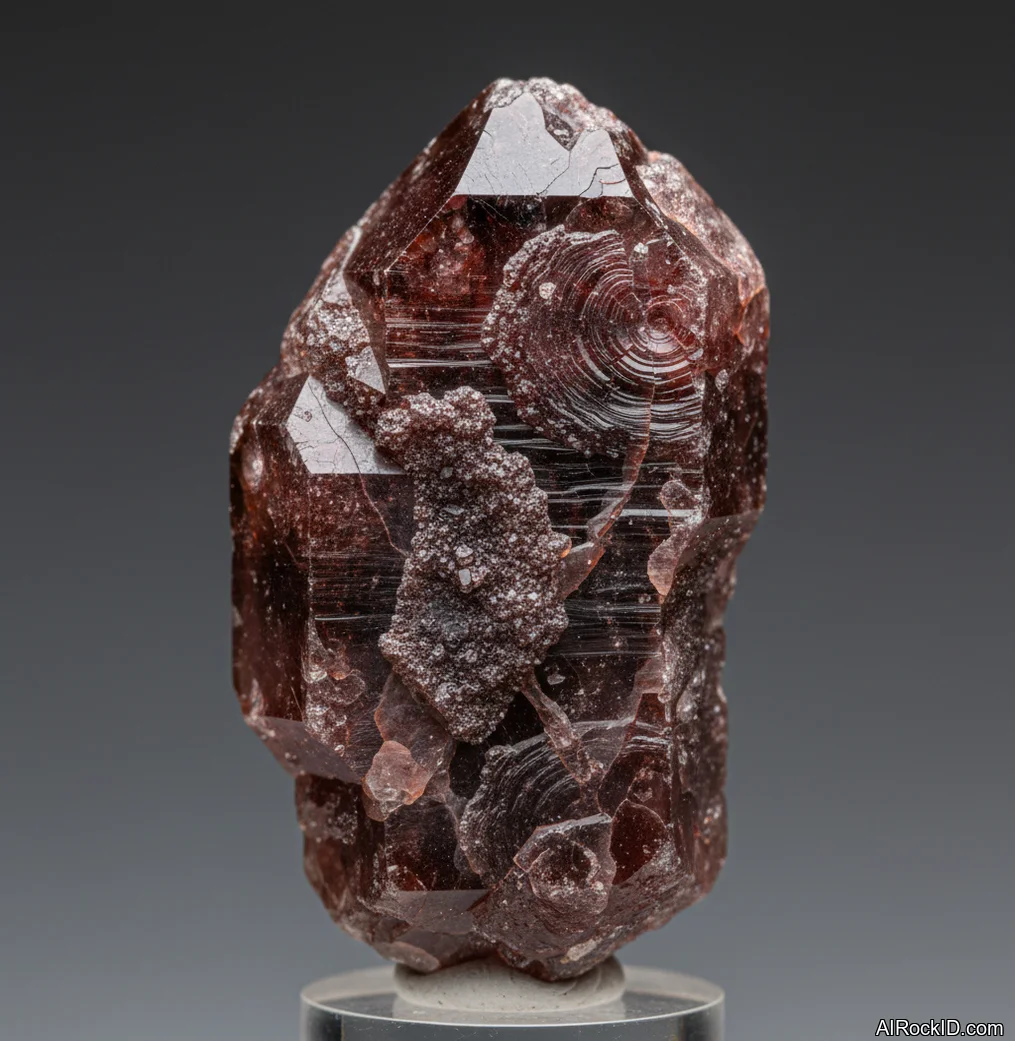
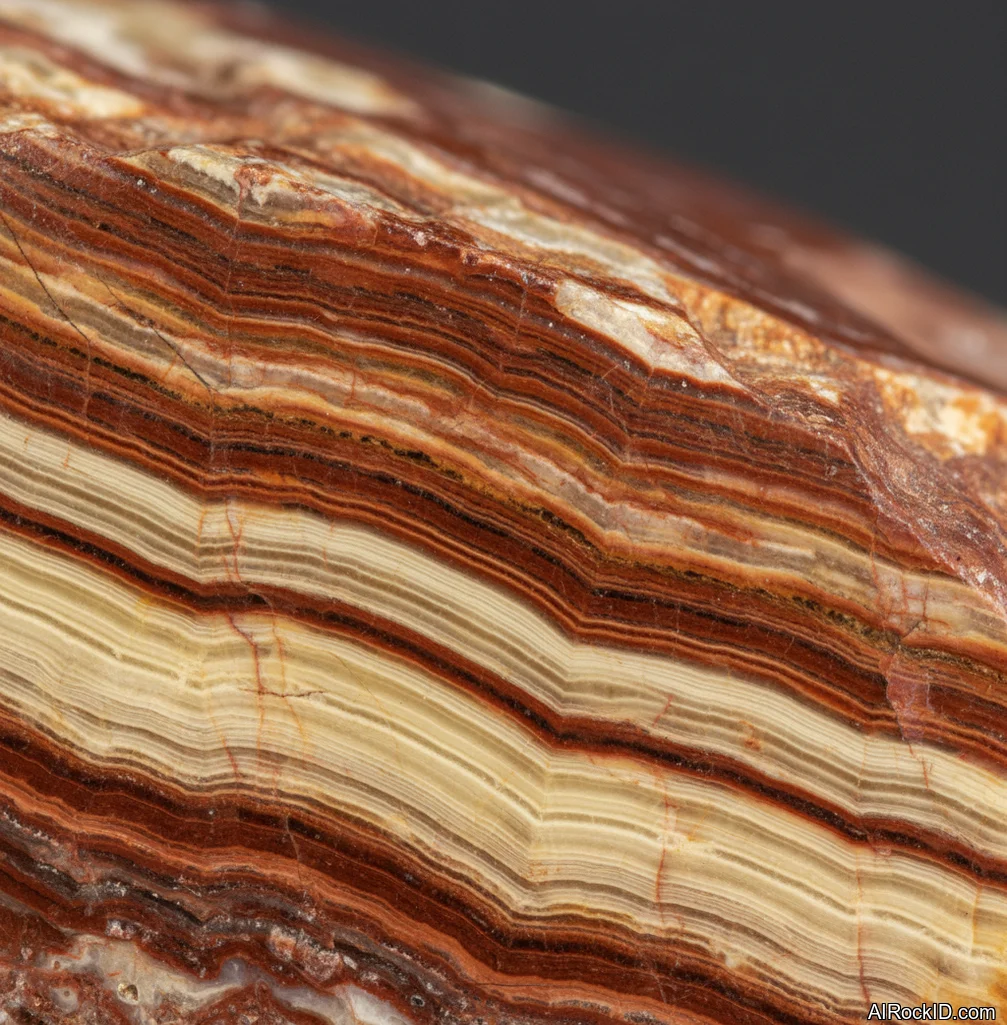
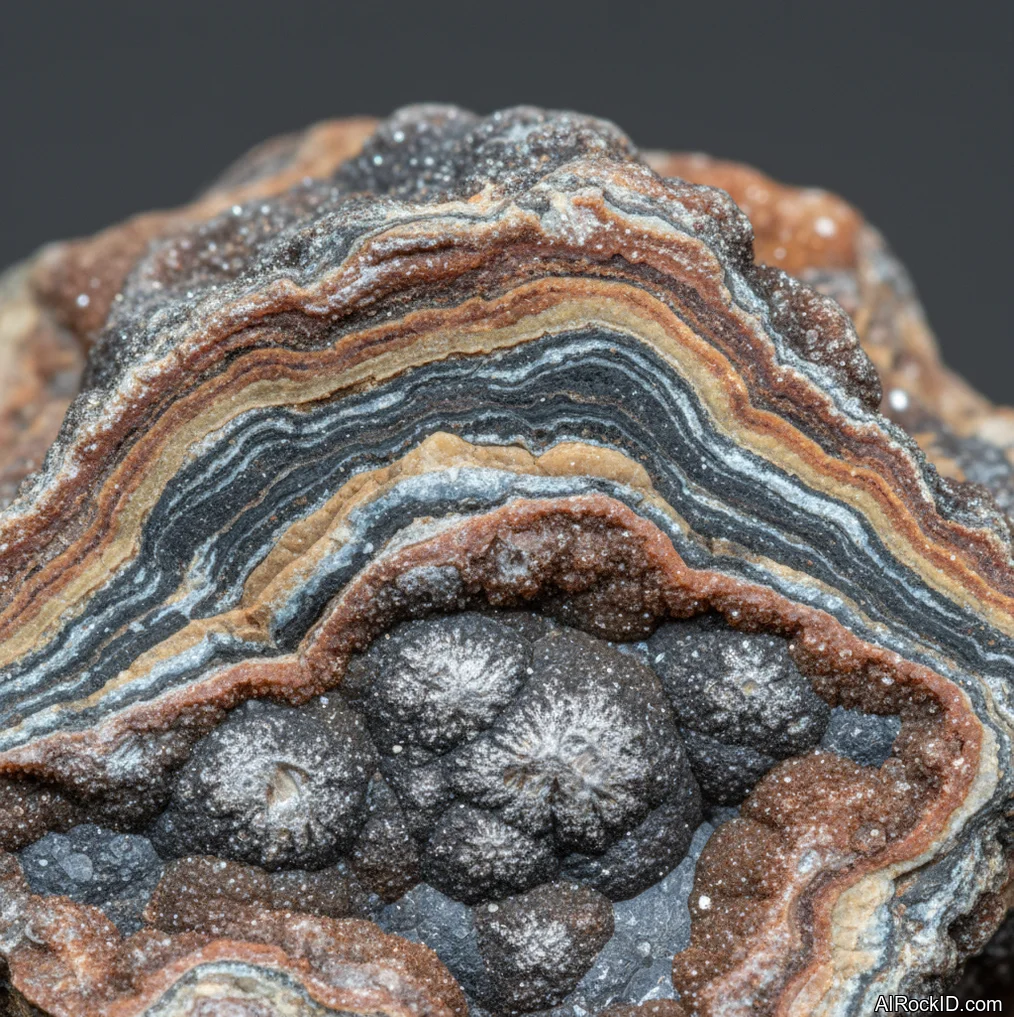
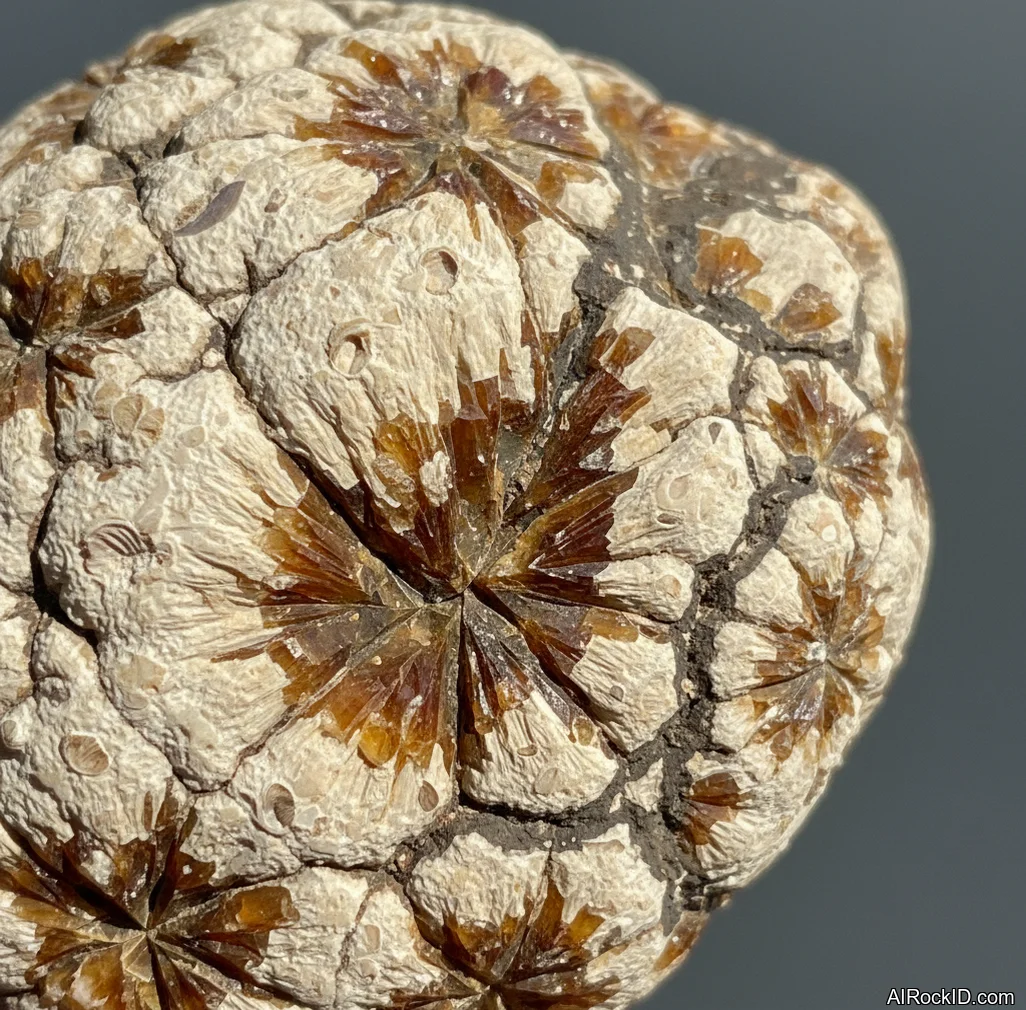
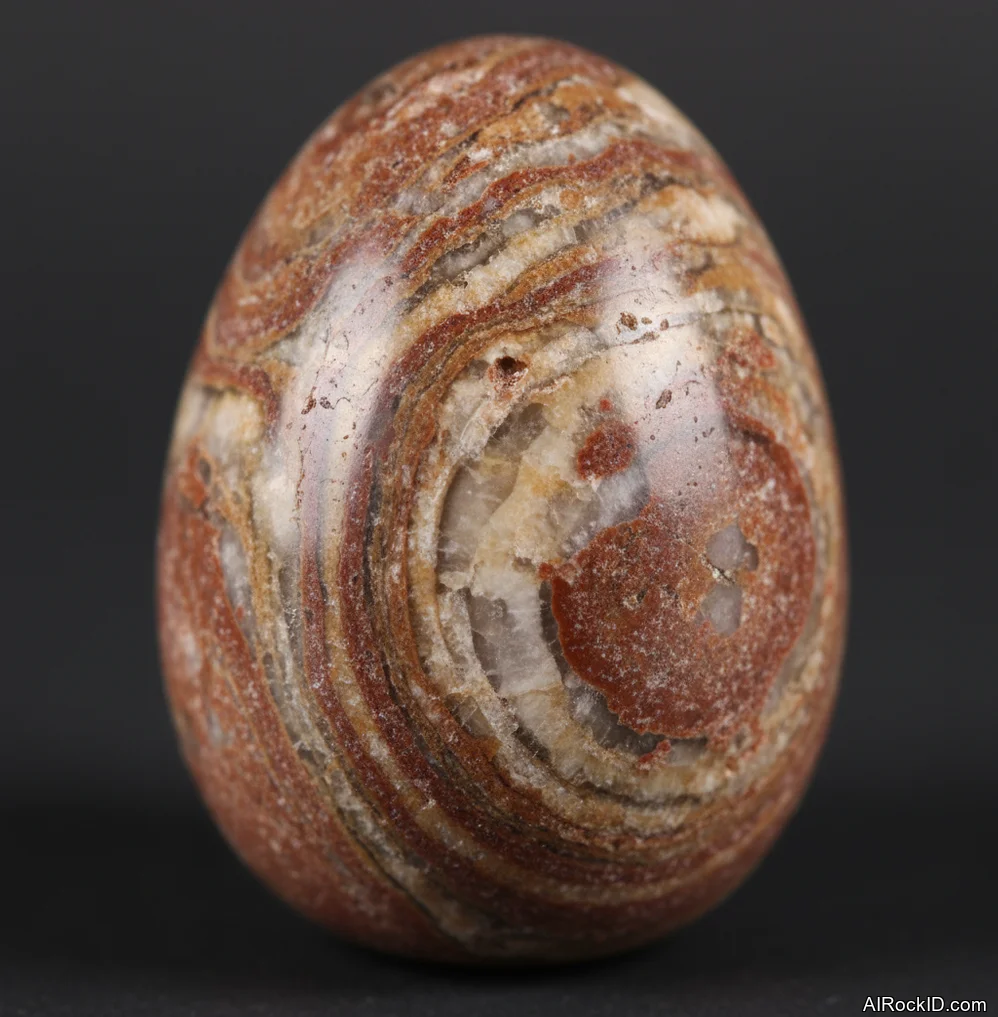
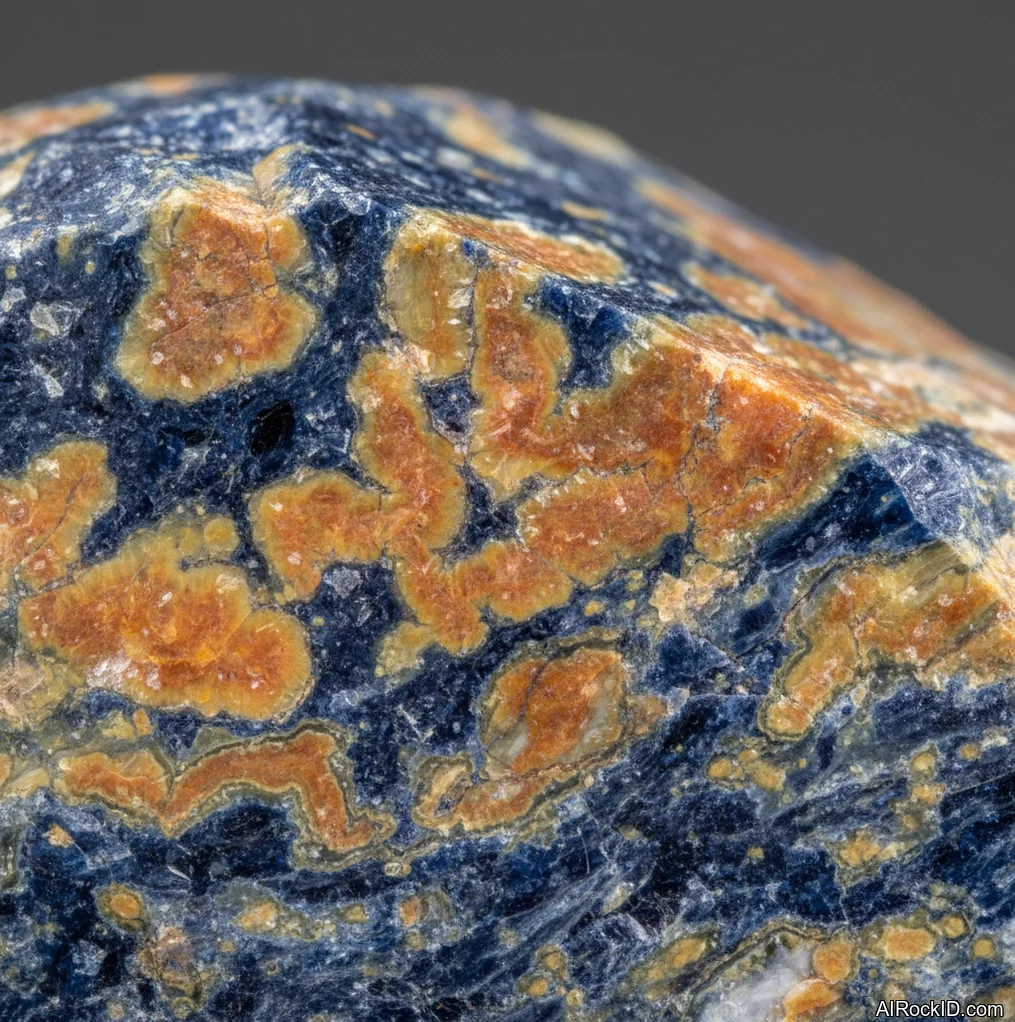
The Sacral Chakra Crystals tag groups stones that are commonly associated in modern chakra traditions with the sacral chakra, also called Svadhisthana. This category usually emphasizes orange, peach, amber, and golden stones linked symbolically with creativity, sensuality, emotional movement, and personal enjoyment.
Beginner recommendations
Advanced recommendations
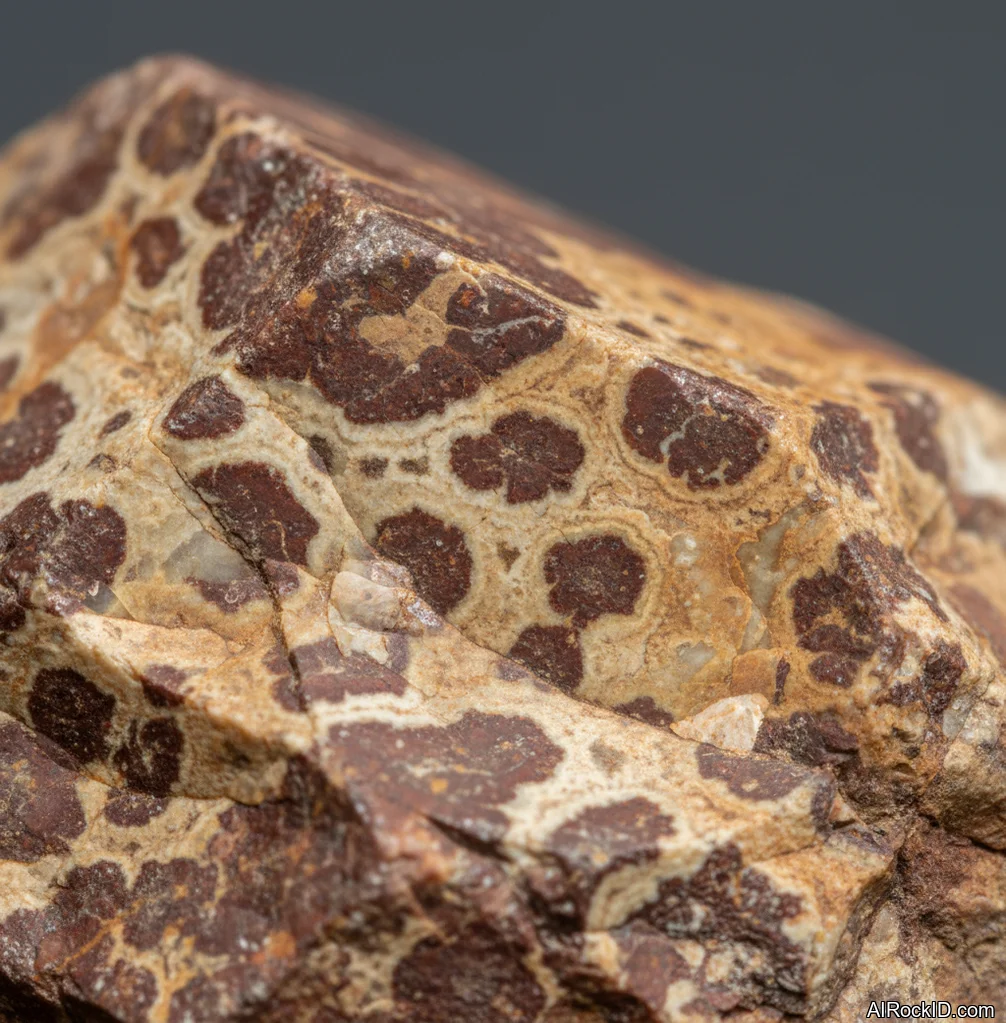
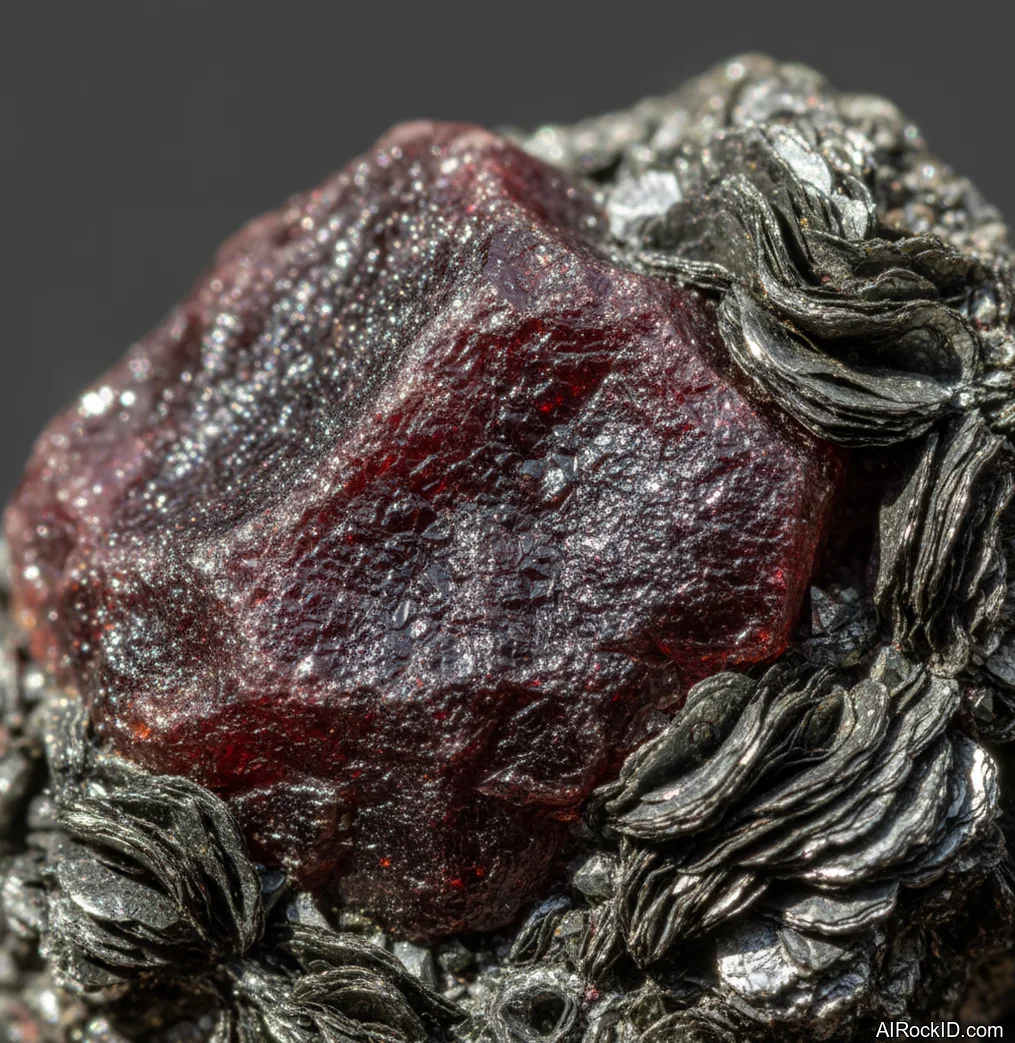
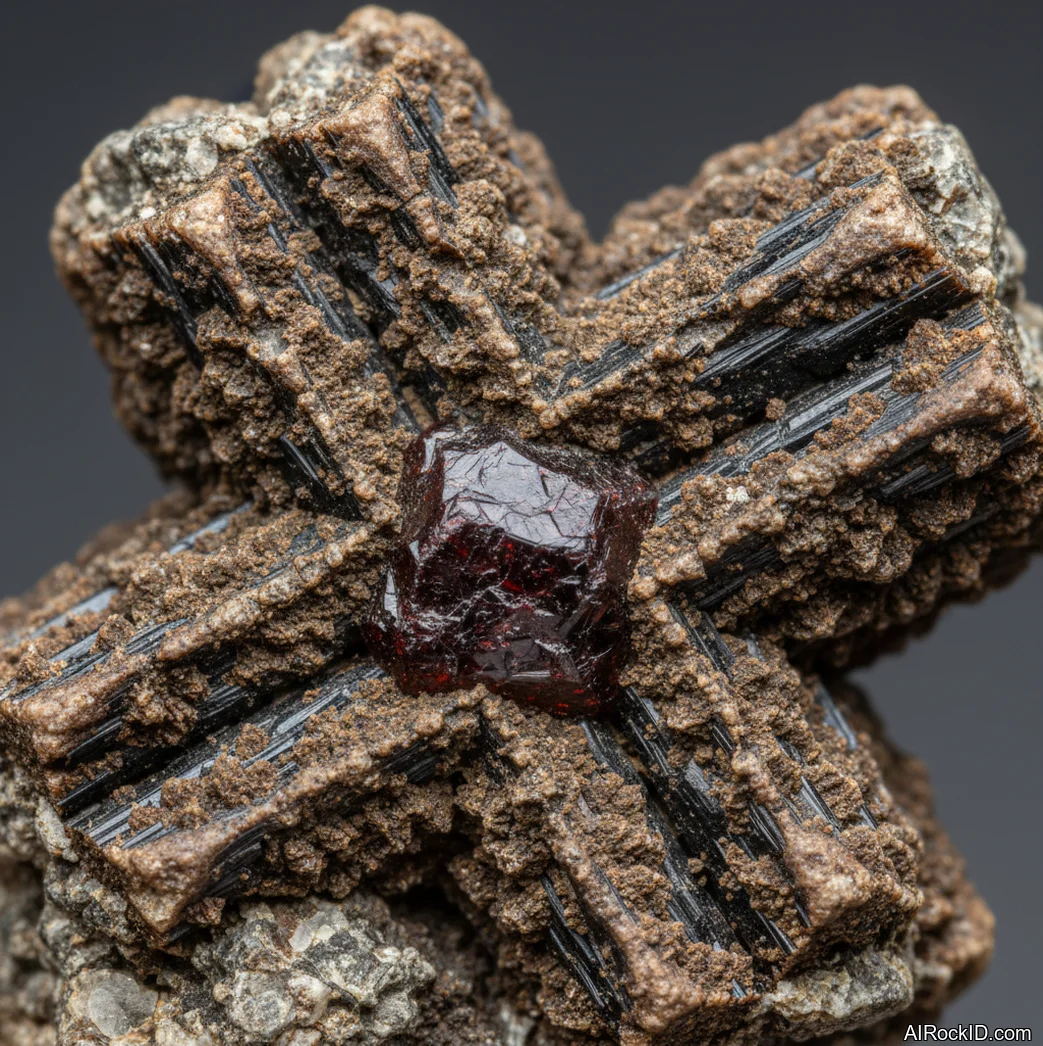
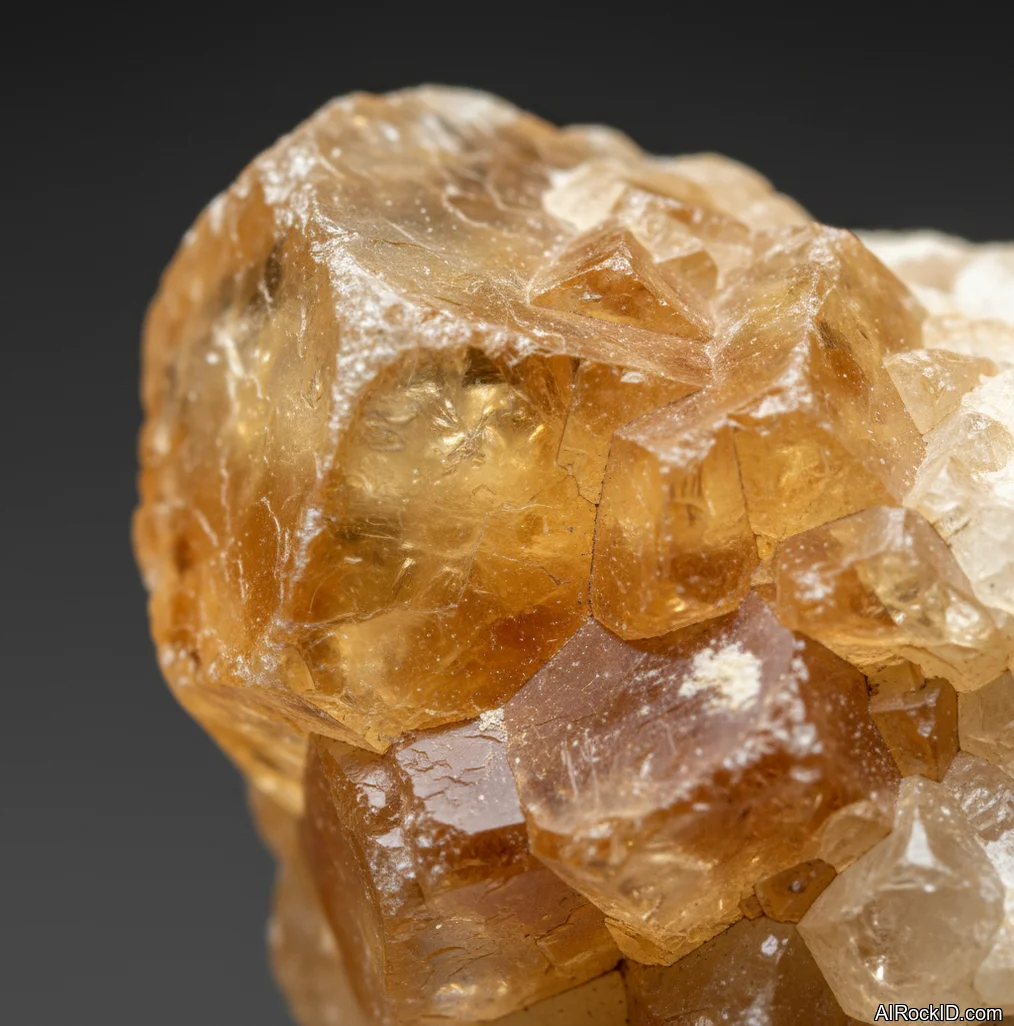
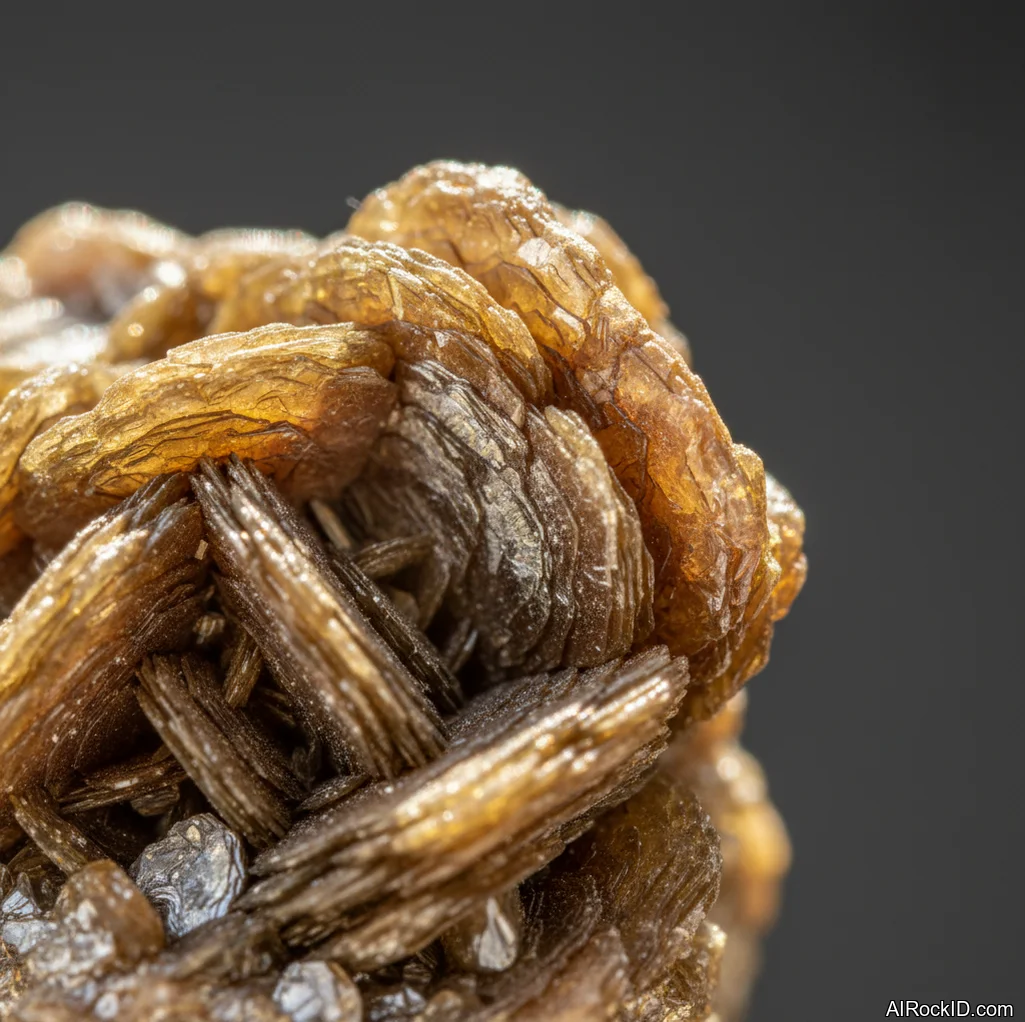
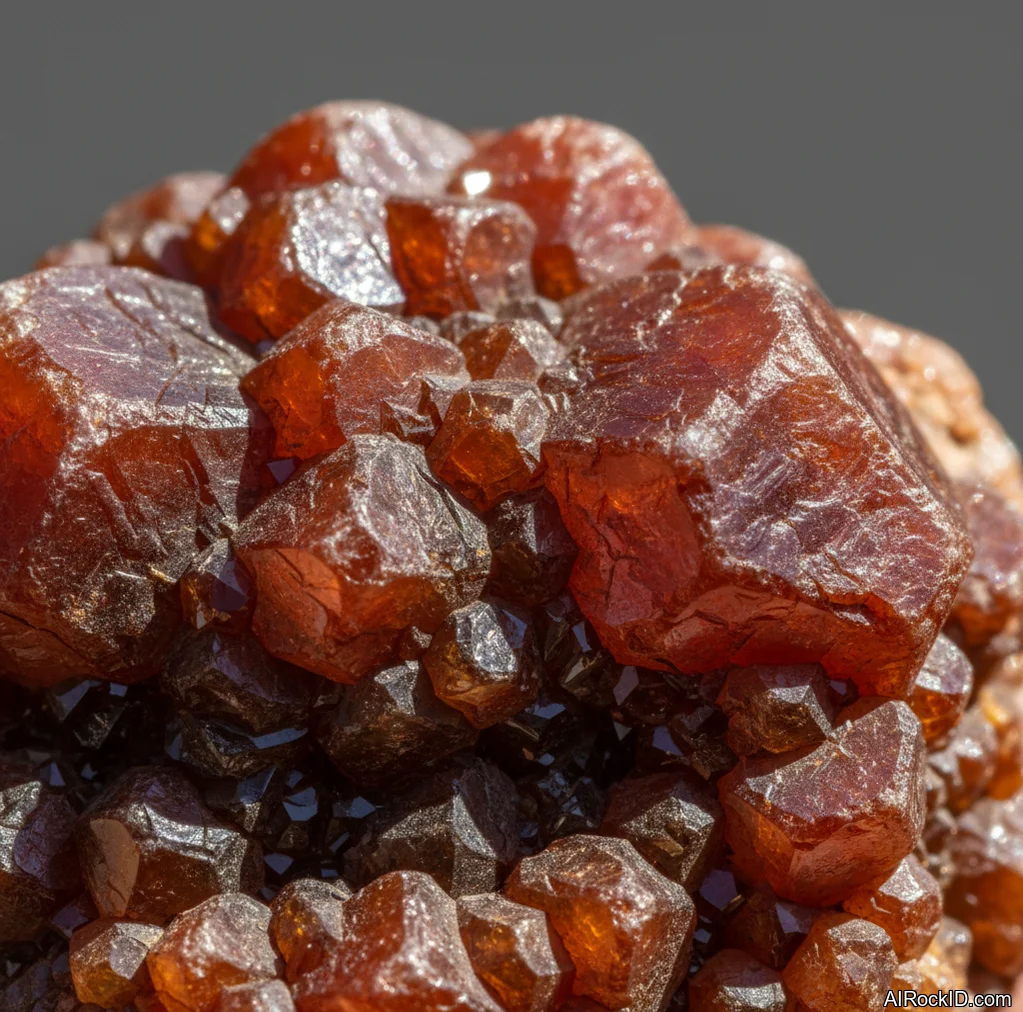
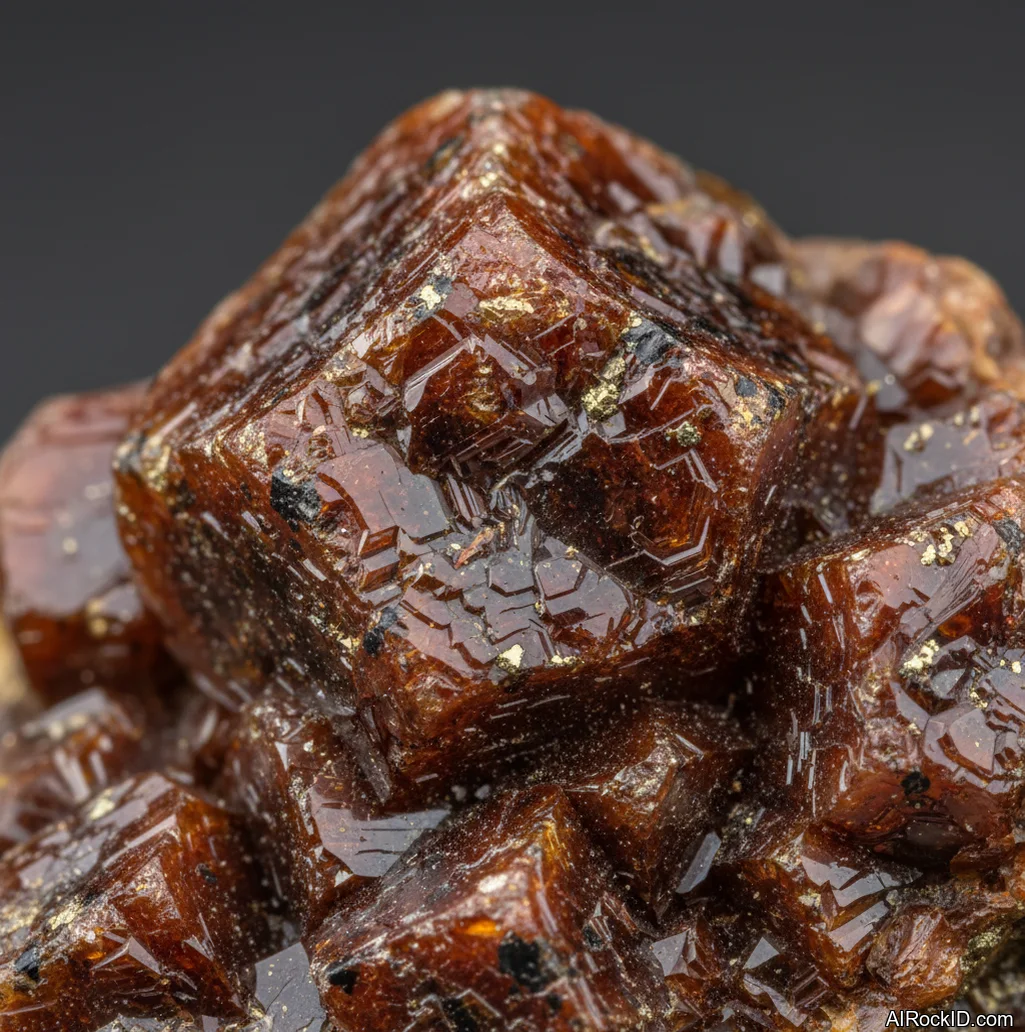
- Fire Opal
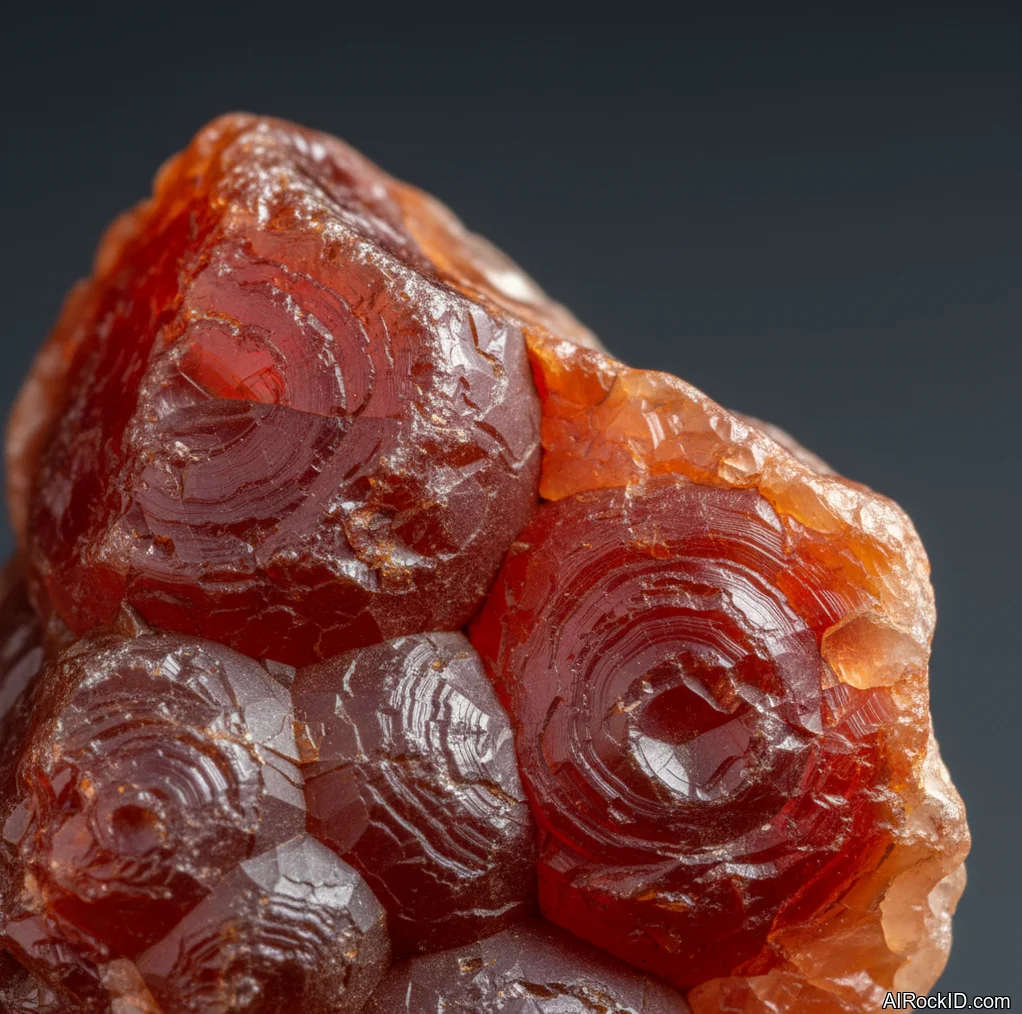
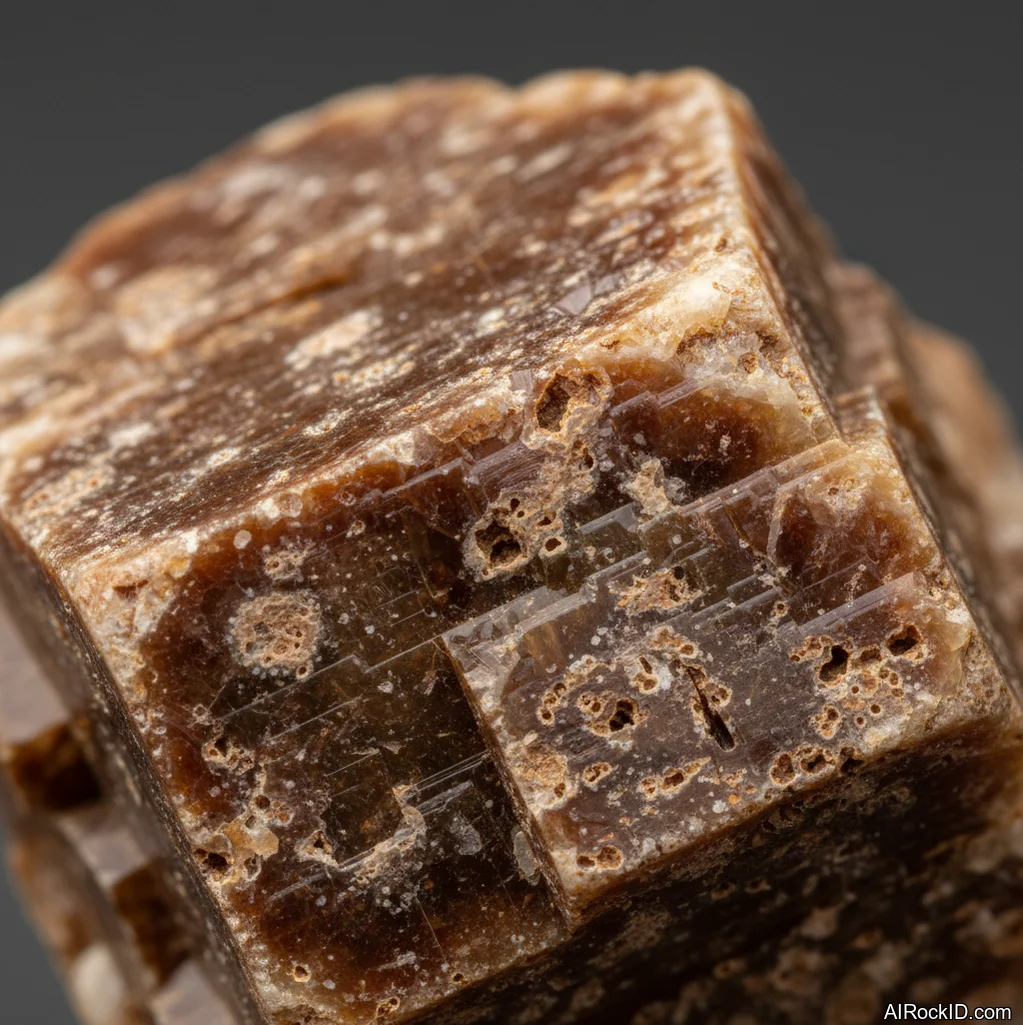
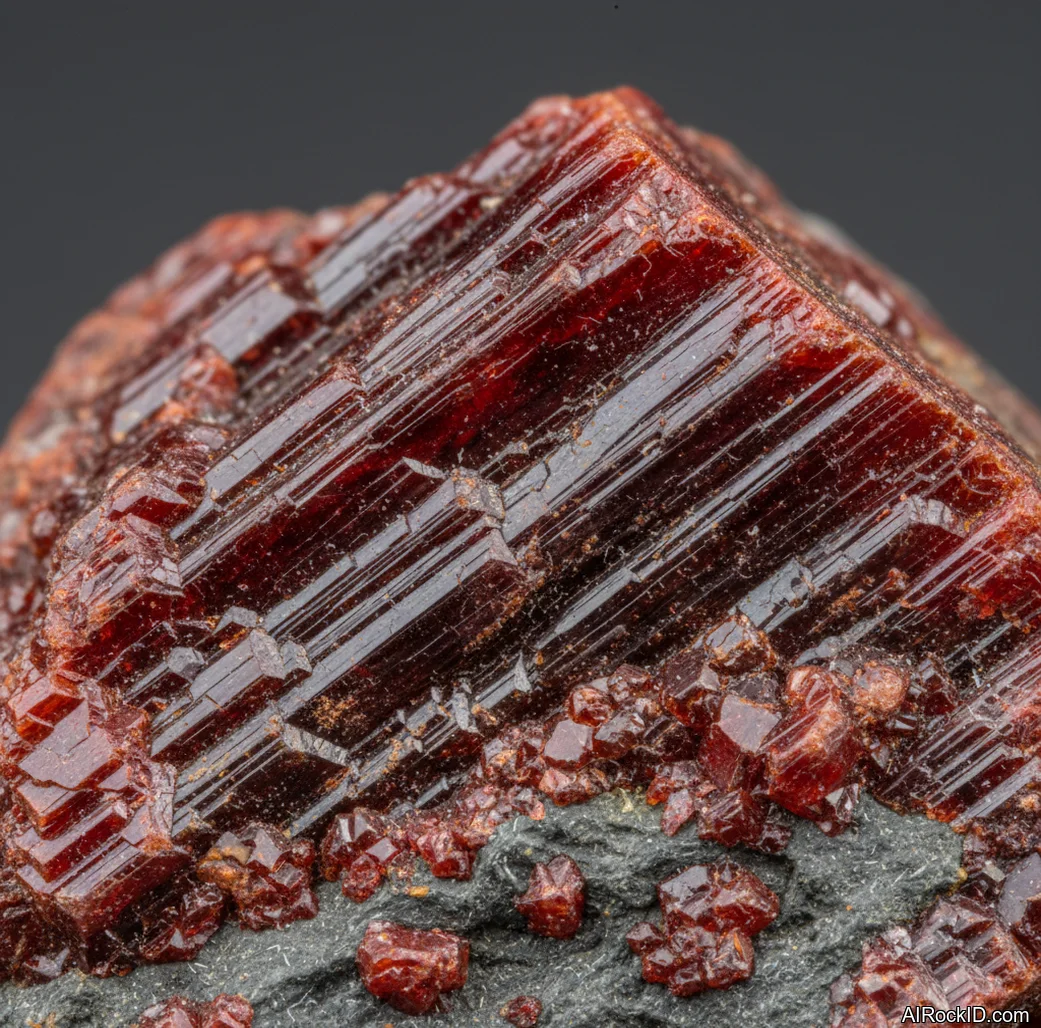
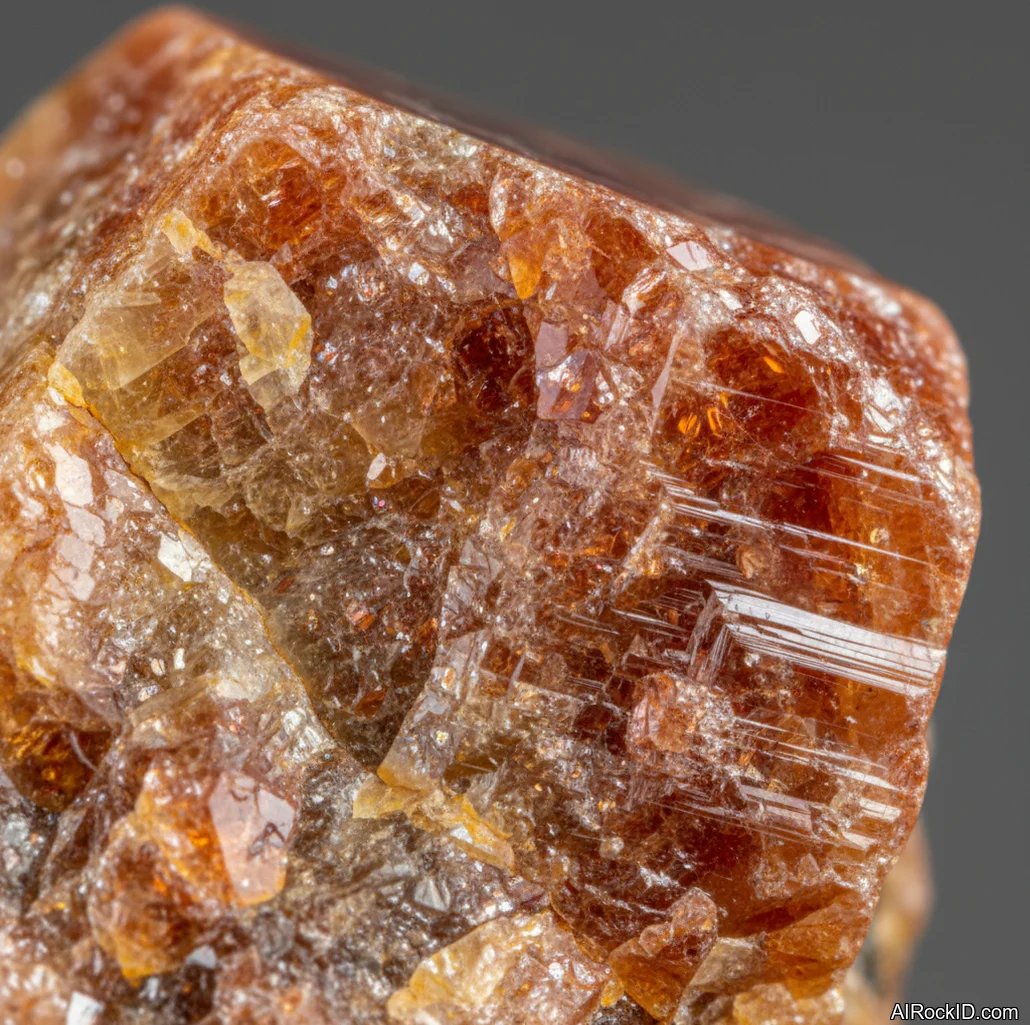
- Spessartine Garnet
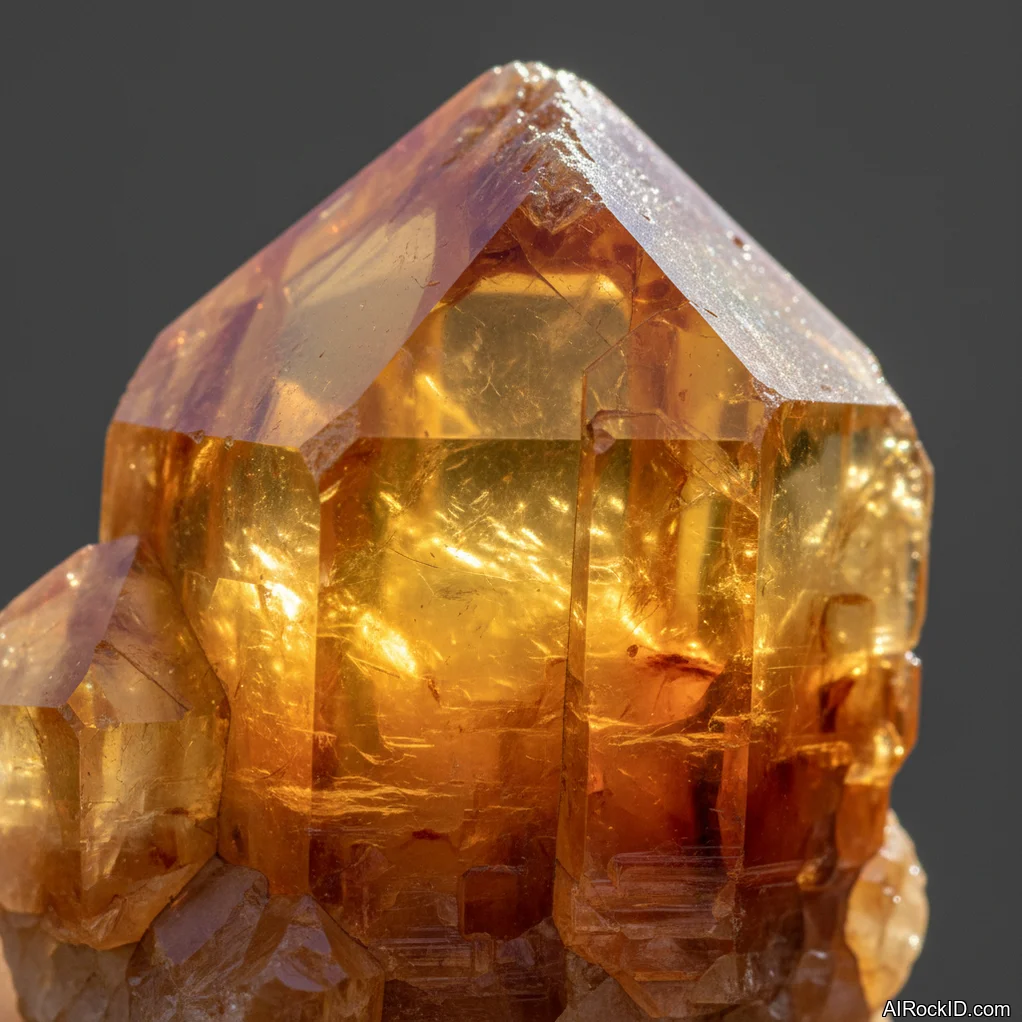
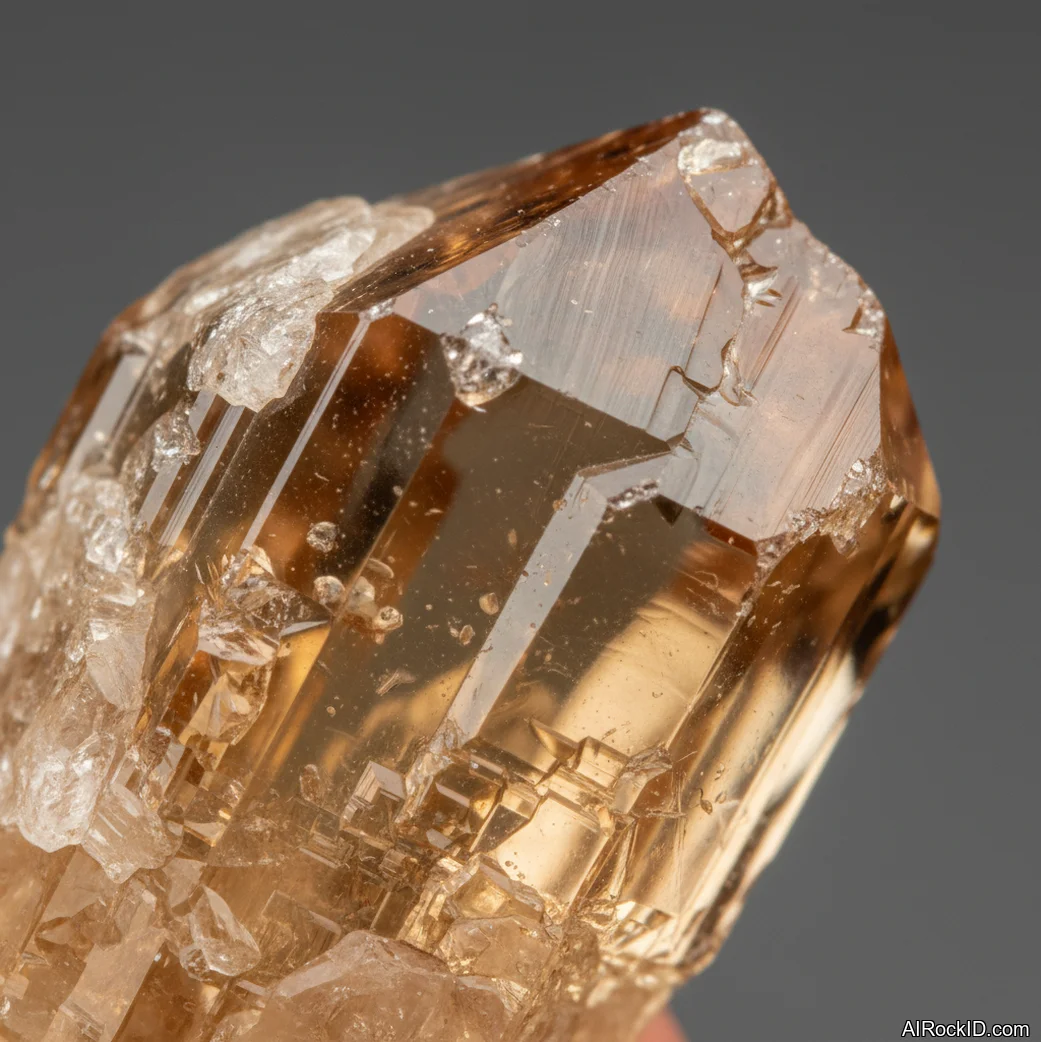
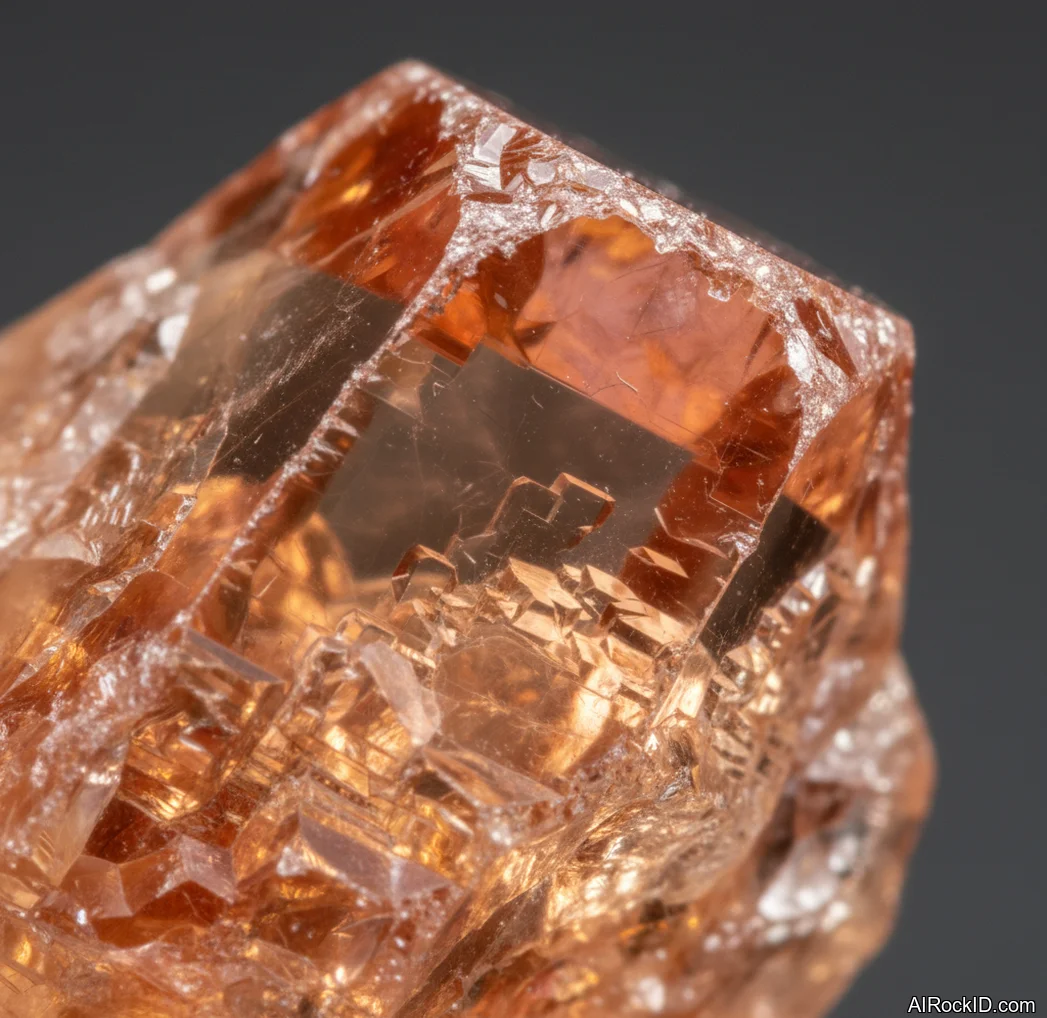
- Imperial Topaz
Sacral Chakra Color Associations
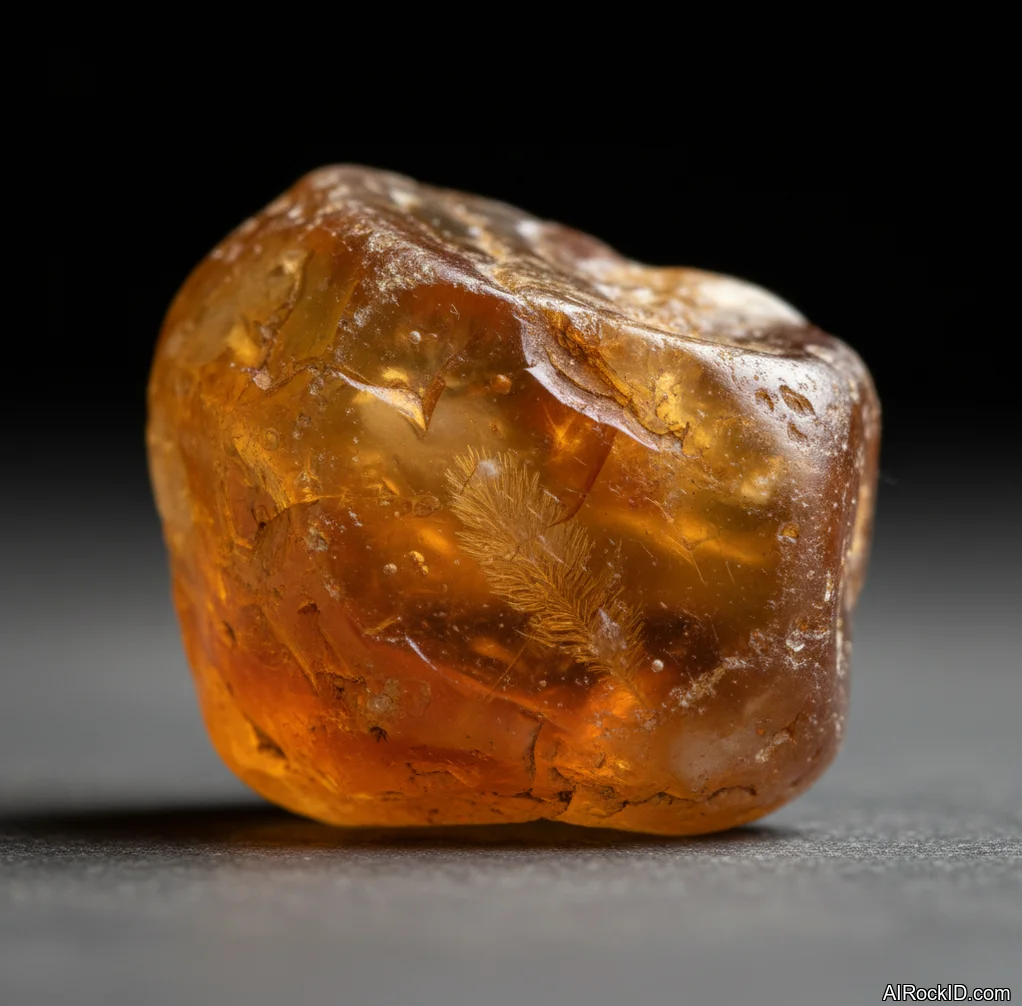
In many modern chakra systems, the sacral chakra is represented by orange. This is why orange minerals, peach feldspars, amber-toned resins, and golden stones are frequently grouped with this tag, even when their mineral families are unrelated.
Natural, Dyed, and Heat-Treated Orange Stones
Some orange stones are naturally colored, while others may be dyed, heated, coated, or otherwise enhanced. Dyed agate, treated quartz, and imitation glass can be sold under names that resemble common sacral chakra crystals, so color alone should not be used as proof of identity.
Pairing Sacral Chakra Stones with Other Chakra Traditions
Sacral chakra stones are often paired with root chakra stones for grounding or solar plexus chakra stones for confidence in modern crystal practices. These pairings are symbolic and cultural rather than medical or scientifically established.
What Is the Sacral Chakra and Why Use Crystals?
Think orange. That’s the color most people picture for the Sacral Chakra, or Svadhisthana, which sits a couple fingers below the belly button. When you walk into a crystal shop, every orange stone in the tray seems to get mapped back to this spot. The talk is always about creativity, passion, and feeling unstuck. It’s not just new age fluff—there’s a reason collectors and shop owners keep coming back to these stones. Sacral Chakra energy is said to drive things like appetite for food, interest in new projects, and even how easy it feels to talk about feelings. Most folks notice when something’s off here. That tight, locked-up feeling in your gut? People reach for stones when nothing else seems to shift it.
Pick up a palm stone for Sacral work and you’ll probably notice it’s smooth, comfortable, and fits in a pocket without feeling like you’re lugging a rock. The best ones stay cool at first touch, then warm up after a few minutes in your hand. Collectors notice how a carnelian almost feels waxy, not glassy, under your thumb. The real test is in the weight and color: too light and it’s probably dyed agate, too saturated and it screams fake. The appeal is as much about the physical sensation as any energy talk.
Top Sacral Chakra Crystals: Carnelian, Orange Calcite, and Sunstone
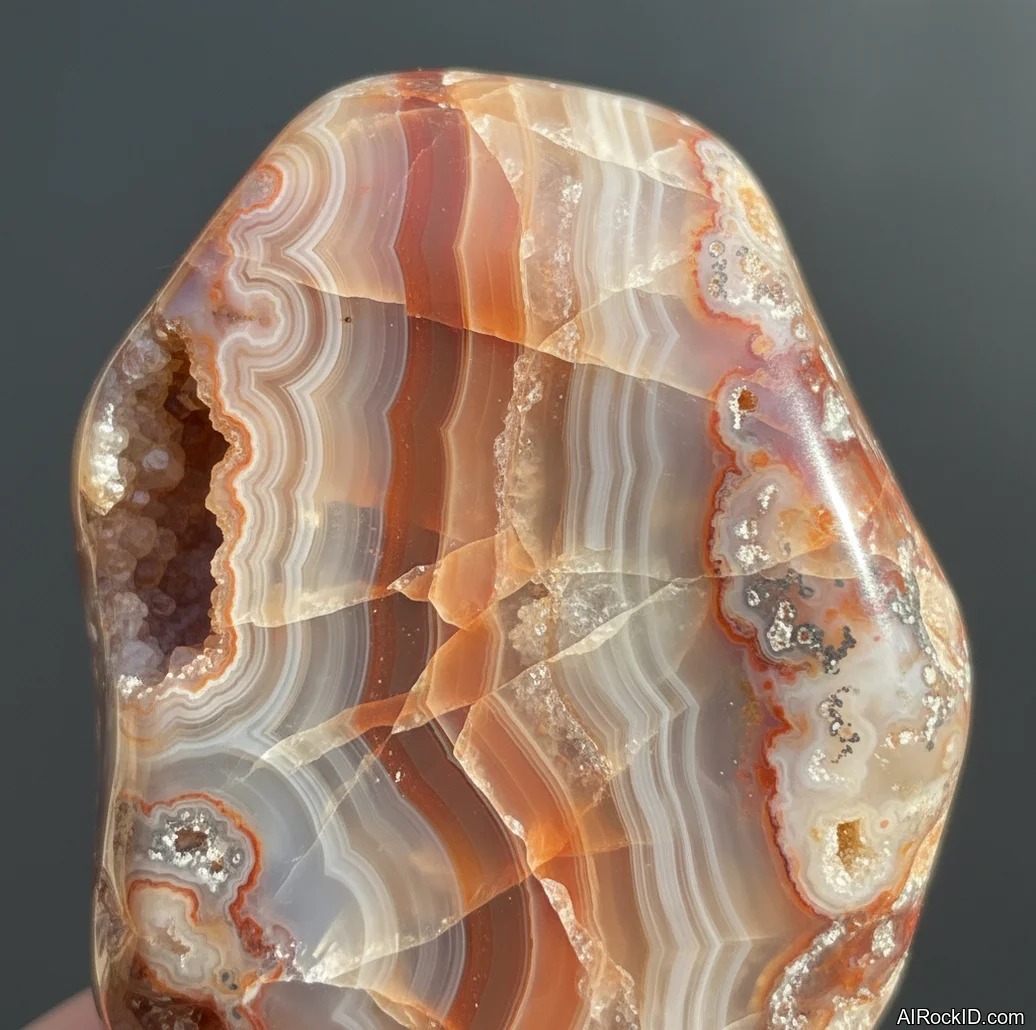
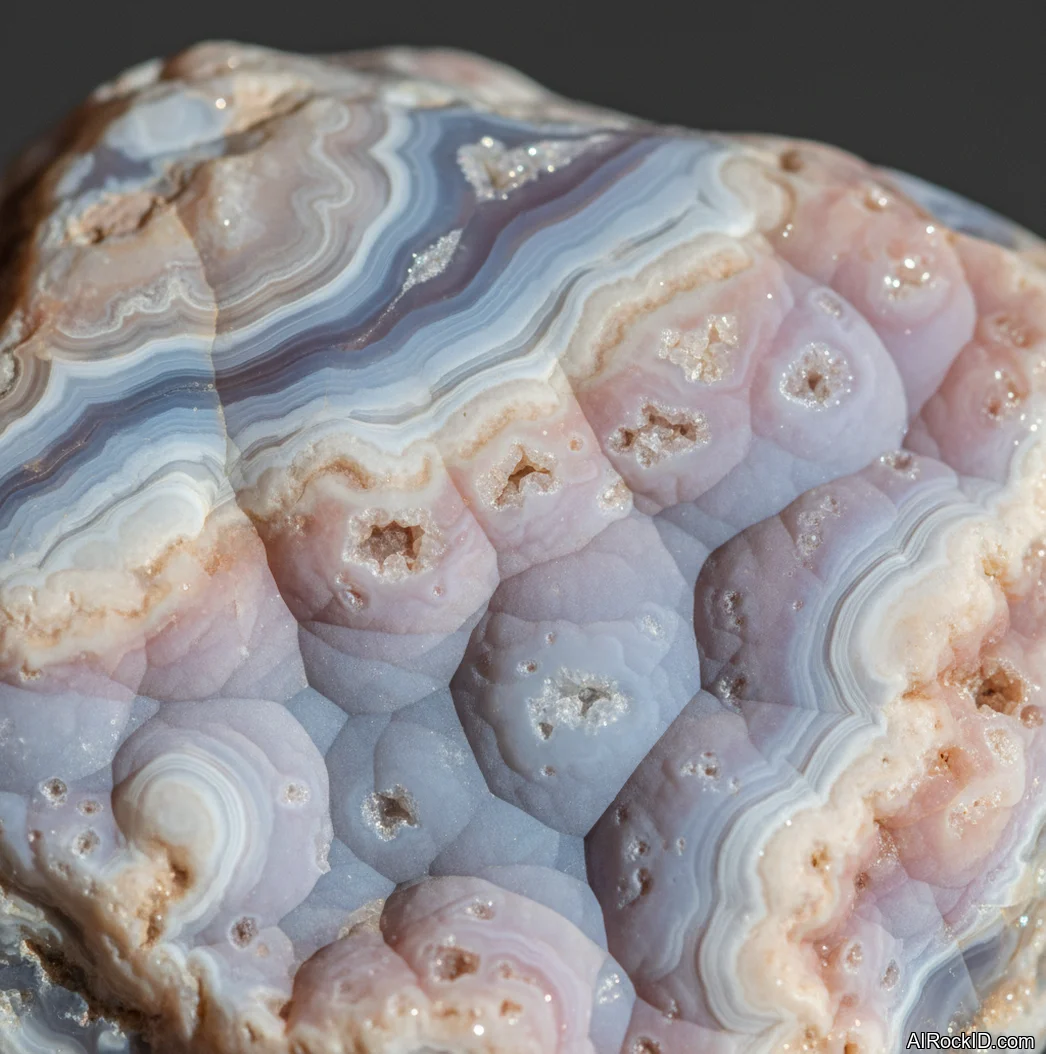
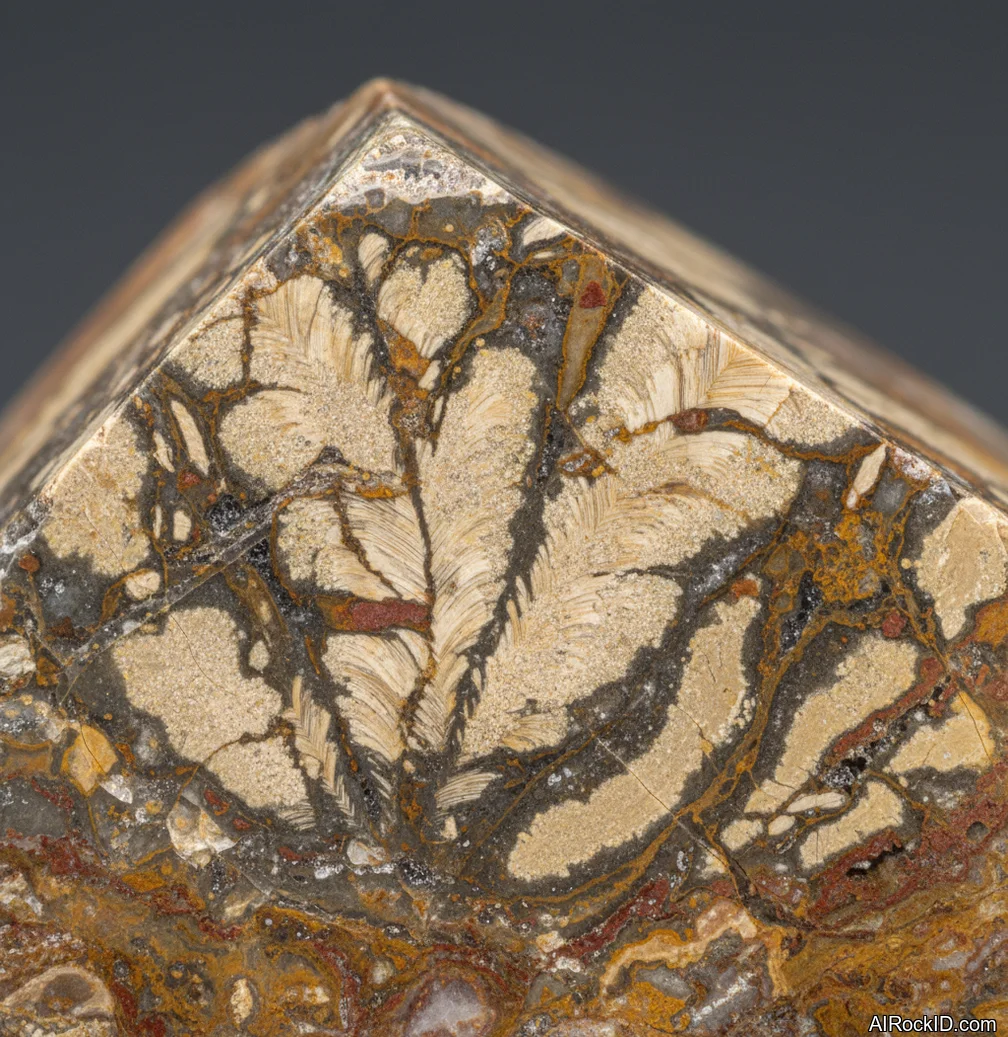
Carnelian’s the stone most people reach for first. Hold a real one up to a bright phone light and you’ll spot cloudy, almost milky layers inside. The color isn’t flat—good carnelian has depth, and a palm stone feels heavier than you expect for the size. Fake versions, often just dyed agate, have color that bleeds into cracks or drill holes, so look close before you buy.
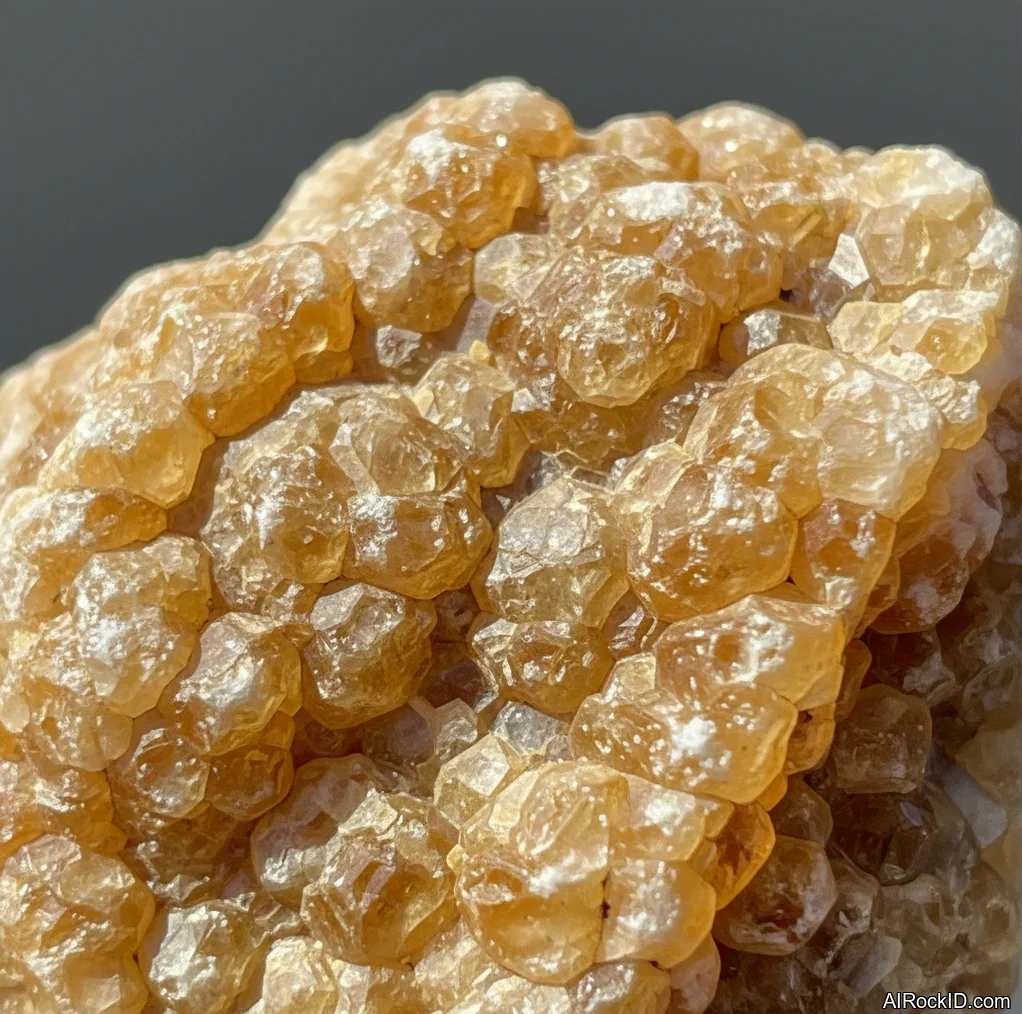
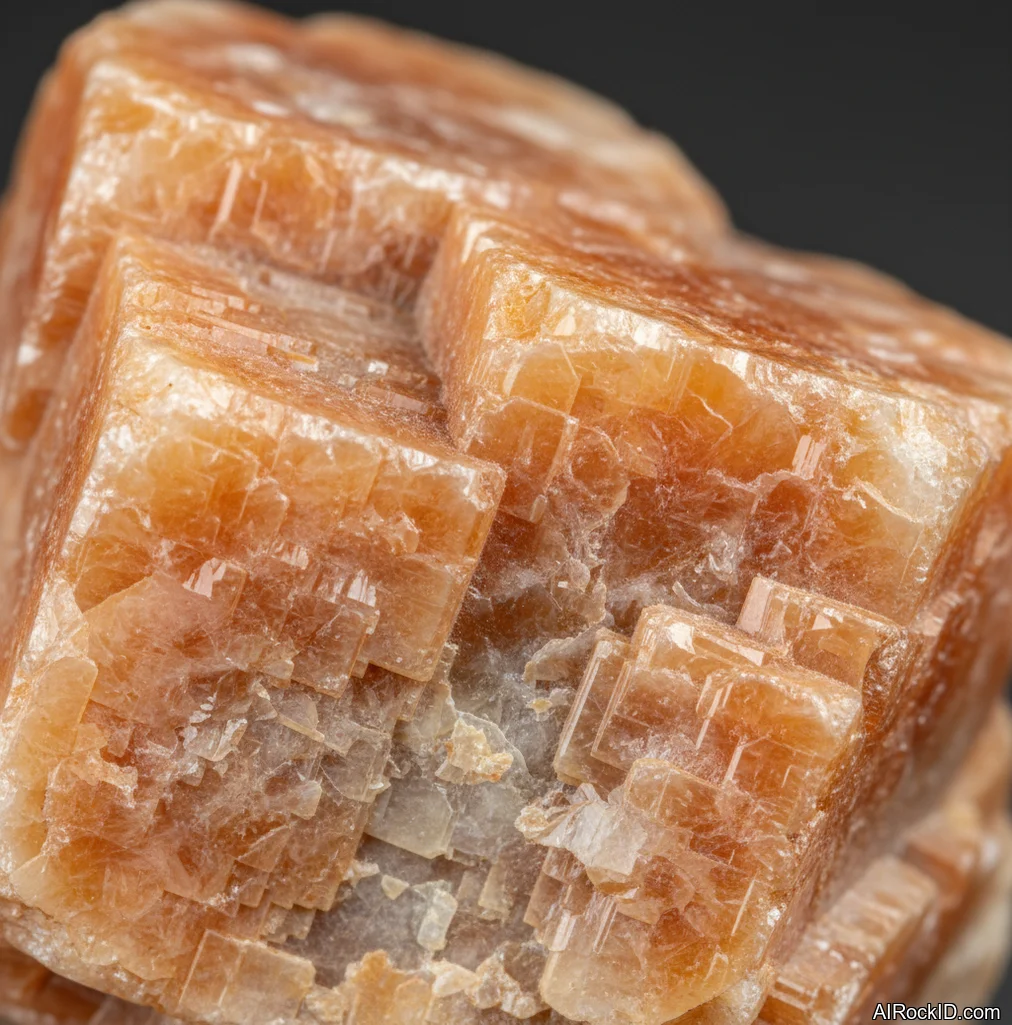
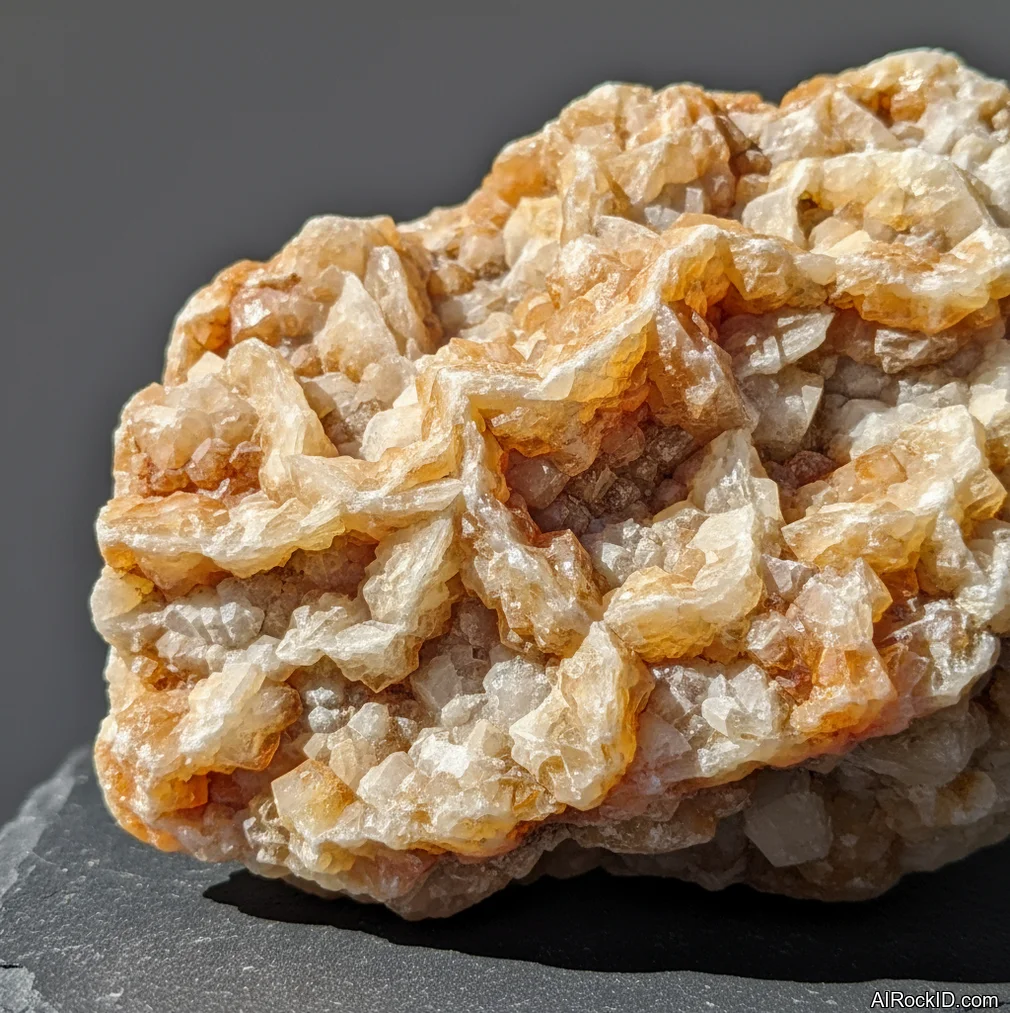
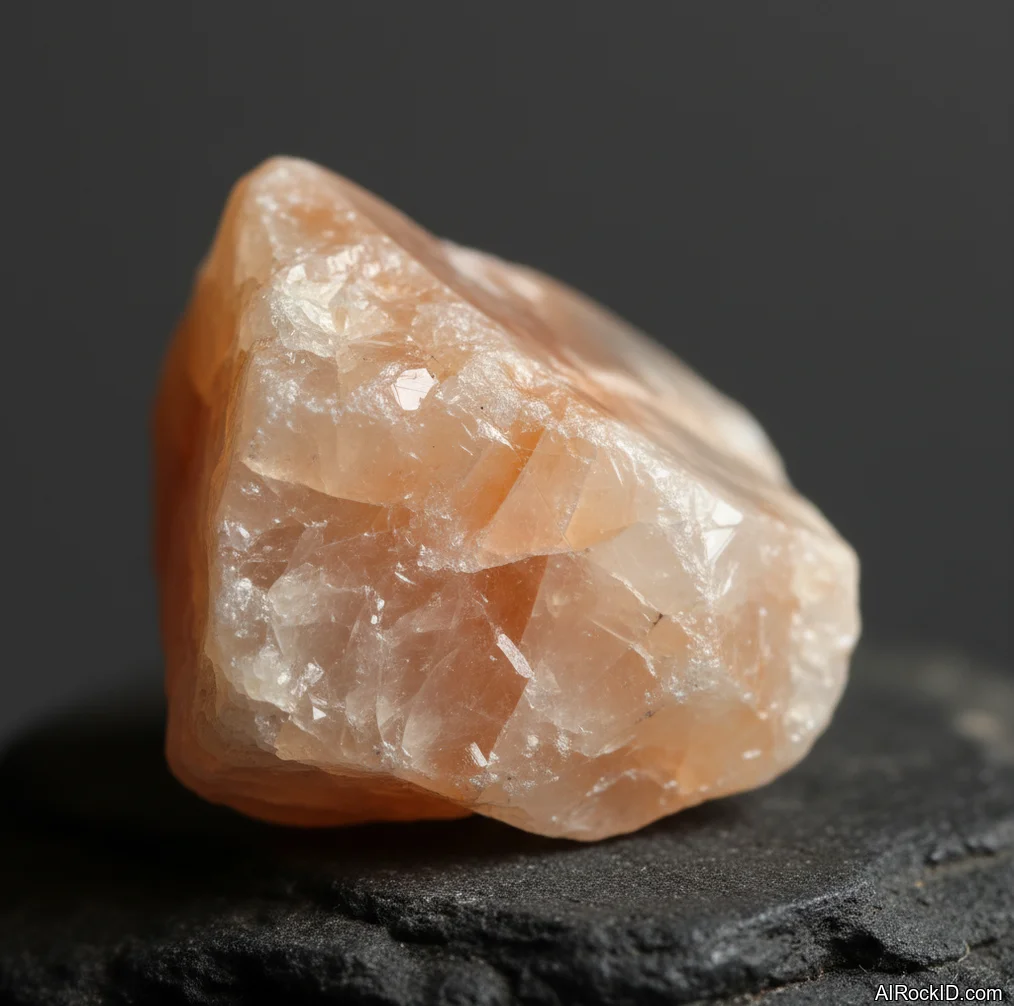
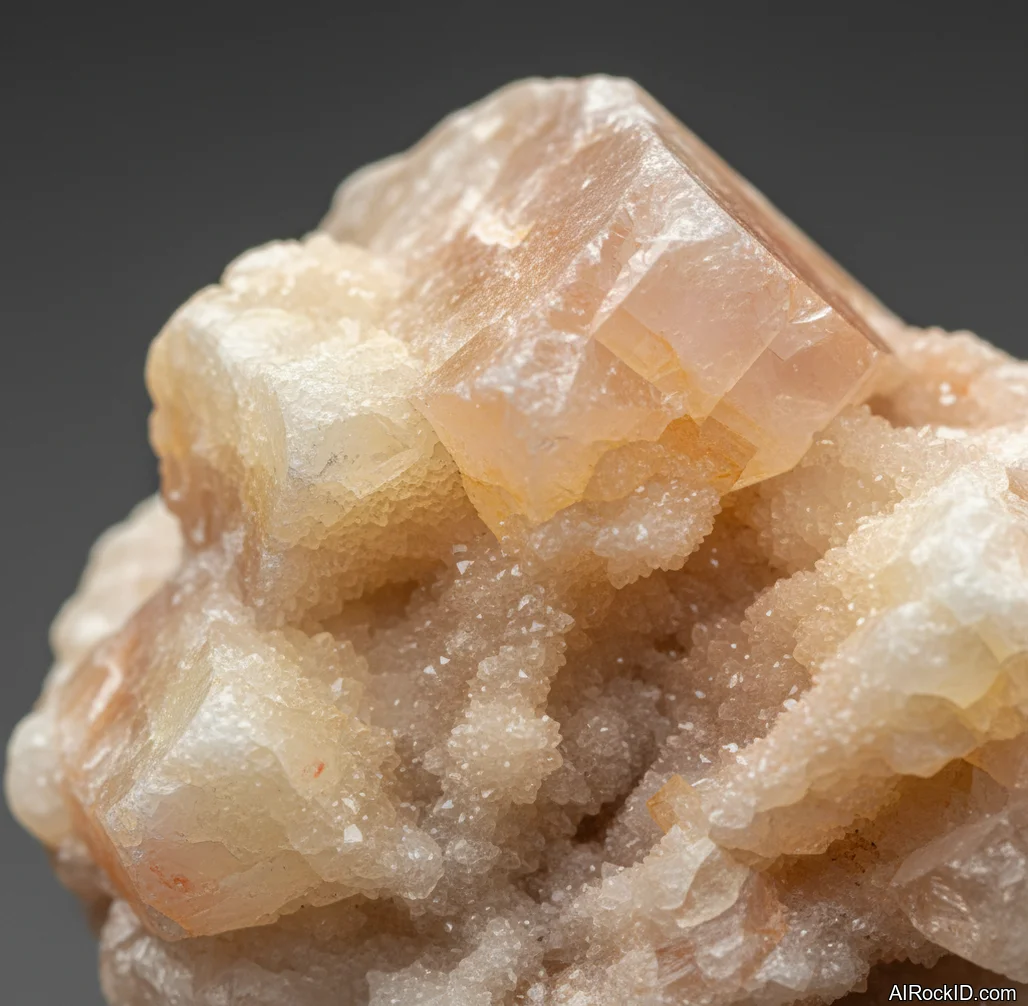
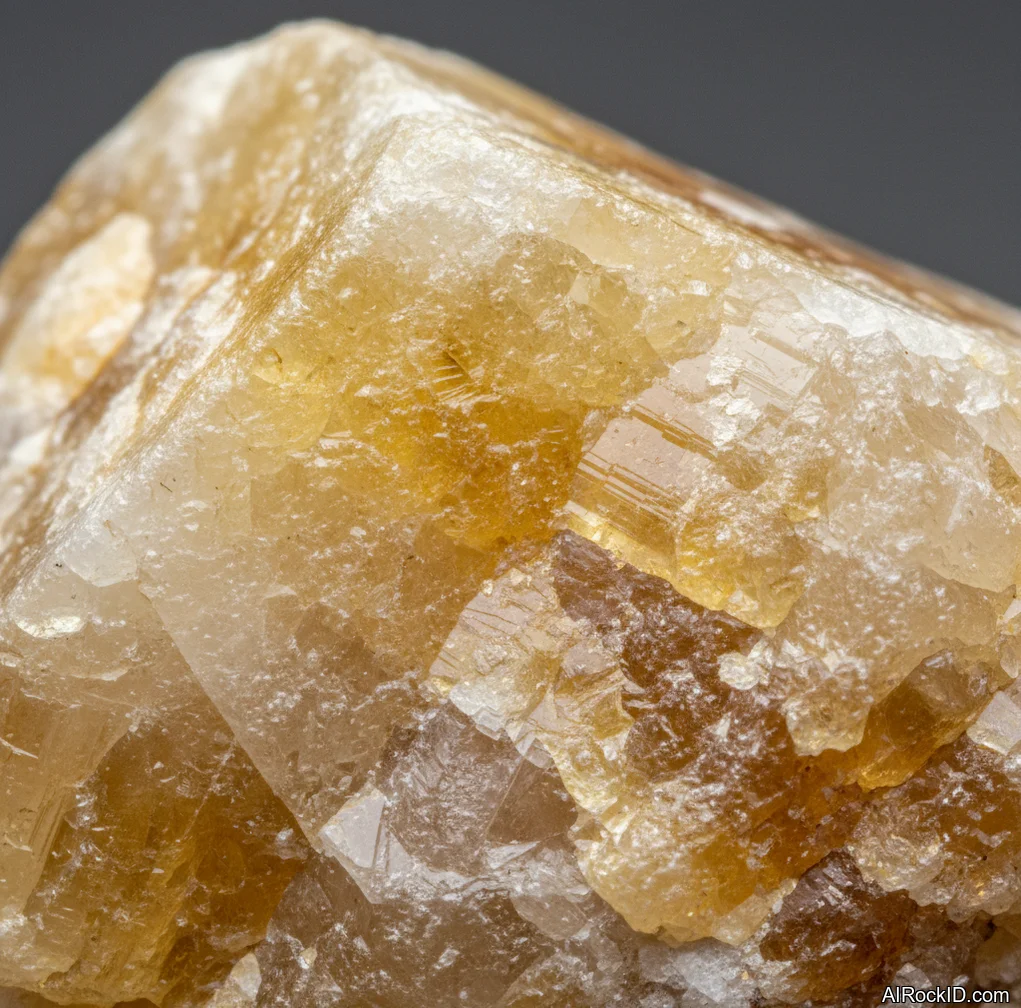
Orange Calcite looks cheerful and bright but handles totally differently. It’s soft—Mohs 3 at best—so it picks up scratches if you toss it in a pocket with keys. It’s got a sugary look in the light, with cleavage planes that catch and bounce reflections. If you want it to stay nice, leave it on a shelf or desk. Sunstone, when it’s real, throws off little flashes—tiny flecks of hematite or goethite inside. Some pieces from Oregon show a real copper sparkle. If you’ve ever tried to tumble it, you know the chips can shed those flashy bits easily, so treat it gently.
Physical Traits and Collector Tips for Sacral Chakra Stones
The best Sacral Chakra stones show warm, delicious color—orange, peach, sometimes even a hint of honey or cream. If you scratch orange calcite with a coin, you’ll leave a mark. Carnelian doesn’t scratch as easily, and the surface feels denser. Sunstone’s shimmer only shows from certain angles. Peach Moonstone is often mistaken for common feldspar, but turn it under a lamp and you’ll catch a soft, low-key glow—nothing like the blue flash of classic moonstone.
Most dealers tumble these crystals for pocket use, but raw chunks show more of their natural structure. Collectors know that leaving orange calcite in a sunny window will fade it fast, while carnelian keeps its color almost anywhere. If you see a Sacral stone and the color looks too good to be true, ask about dye. In the field, carnelian and sunstone hold up to being handled, while calcite and moonstone chip easily. No two pieces ever feel quite the same in the hand.
How to Choose and Care for Sacral Chakra Crystals
Picking the right Sacral Chakra crystal depends on how you plan to use it. For carrying, go for tumbled carnelian or sunstone—both stand up to pockets and hands. If you want a stone for your altar or bedside, orange calcite or peach moonstone look great in low light and feel soothing to touch. When you’re shopping, check the polish. Cheap tumbled stones sometimes have flat spots or pits that catch dirt. Raw pieces need a little more care—calcite especially, since it’s prone to scratches and dissolves if you soak it. Never leave orange calcite or moonstone in direct sun for long periods unless you’re prepared to watch them fade.
If you’re new, start with one small palm stone and keep it close for a week. Notice any physical sensations or changes in mood. For collectors, the best pieces come from known localities—look for Brazilian carnelian, Mexican orange calcite, and Oregon or Indian sunstone. Always ask sellers for locality info. It’s the only way to avoid dyed or treated stones in a crowded market.
Best Sacral Chakra Crystals to Start With
| Level | Crystal | Note |
| Gentle / Beginner | Peach Moonstone | Feels soft, comfortable, and less intense than carnelian. Good for people sensitive to strong energy or who want a calming touchstone. |
| Balanced / Everyday | Carnelian | Tough enough for pockets, stays cool at first touch, easy to find in palm stones or tumbles. Great for daily use and checking color authenticity. |
| Intense / Advanced | Sunstone | Throws off visible metallic flashes, especially in strong light. Some people find its energy buzzy or energizing. Best for people comfortable with high-spark stones. |
| Best for Carrying | Carnelian | Dense, scratch-resistant, and smooth. Handles bumps and drops better than calcite or moonstone. Feels solid in a coat or pants pocket. |
| Best for Display | Orange Calcite | Glows under sunlight or desk lamp, but scratches easily. Chunky freeforms and large rough pieces look stunning on shelves or altars. |
Sacral Chakra Crystal Comparison
| Crystal | Common Use | Feel / Use Style | Care Caution |
| Carnelian | Creativity, motivation, getting unstuck emotionally | Waxy luster, cool at first touch, heavy for its size | May be confused with dyed agate; check for even color and cracks |
| Orange Calcite | Emotional flow, gentle energy work, mood support | Soft, scratches with a coin, sugary or frosty look | Very soft (Mohs 3); keep away from keys and don’t soak |
| Sunstone | Boosting confidence, playful energy, sparking joy | Flashes with movement, slight sparkle in strong light | Can chip or flake; metallic inclusions sometimes shed |
| Peach Moonstone | Soothing emotional tension, gentle grounding | Smooth, sometimes slippery, subtle low-key shimmer under lamp | Color fades in direct sun; chips easily if dropped |
How to Identify Sacral Chakra Crystals with AI Rock ID
To identify Sacral Chakra crystals with an AI Rock ID app, start by photographing your specimen in natural light, avoiding harsh shadows. Take one clear photo of the whole stone and one close-up to catch texture, luster, and color depth. Upload both images, and check the AI results against real physical details like hardness (try a scratch test), luster (waxy or glassy), and color zoning. This method helps confirm if you have real carnelian, orange calcite, sunstone, or a dyed imitation.
All Sacral Chakra Crystals (100)