Nurturing Crystals
Quick answer: Nurturing crystals are stones that people use in metaphysical traditions as reminders of comfort, gentleness, emotional steadiness, and self-care. Common examples include Rose Quartz, Moonstone, Rhodonite, and Lepidolite.
Learn what Nurturing means in crystal work, how to choose Nurturing crystals like Rose Quartz and Moonstone, and practical ways to use them daily.


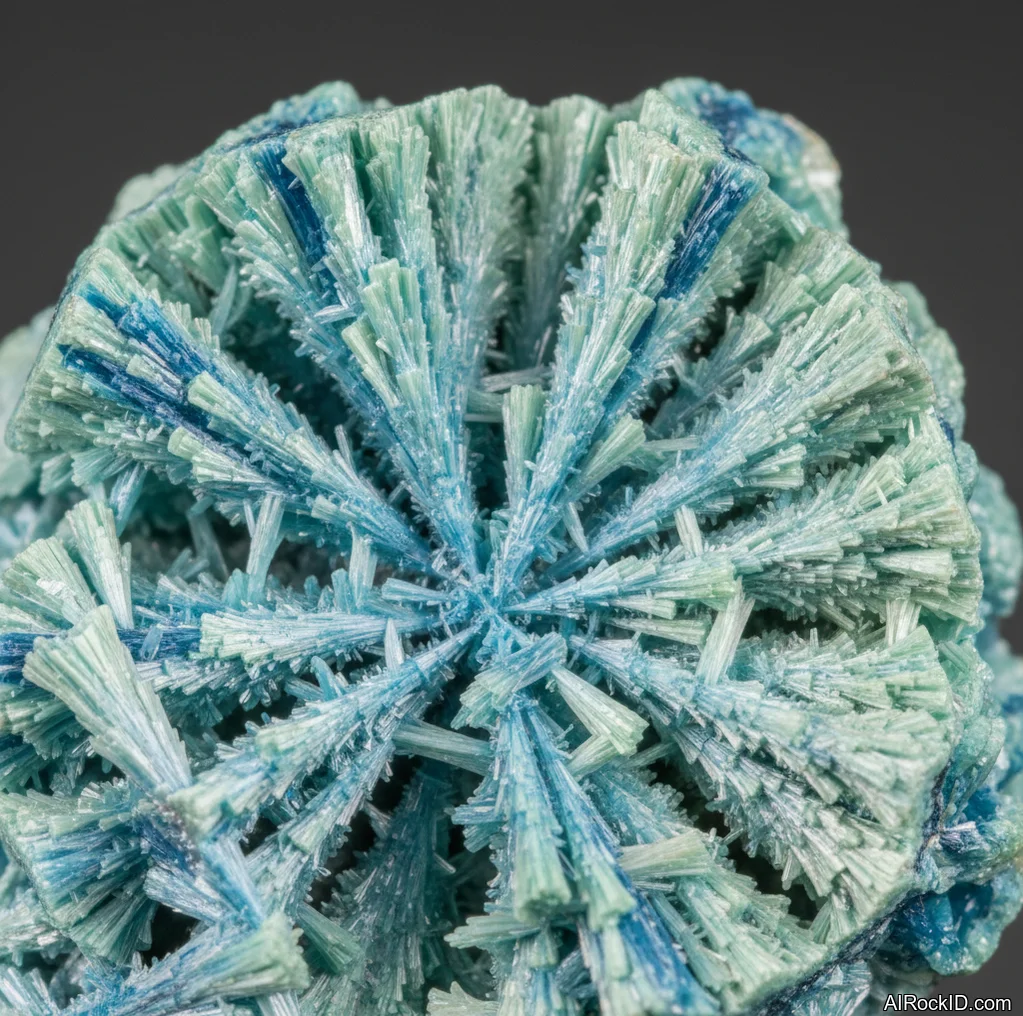
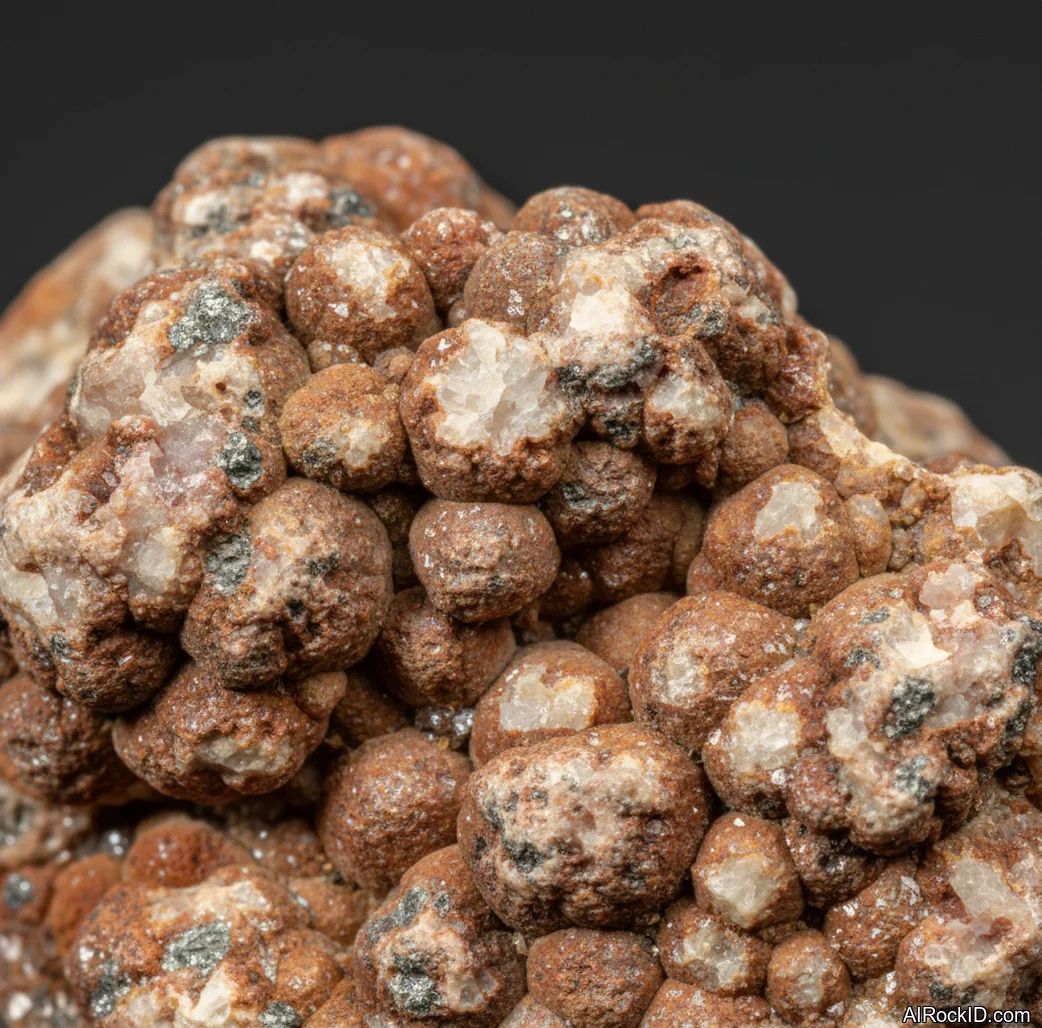
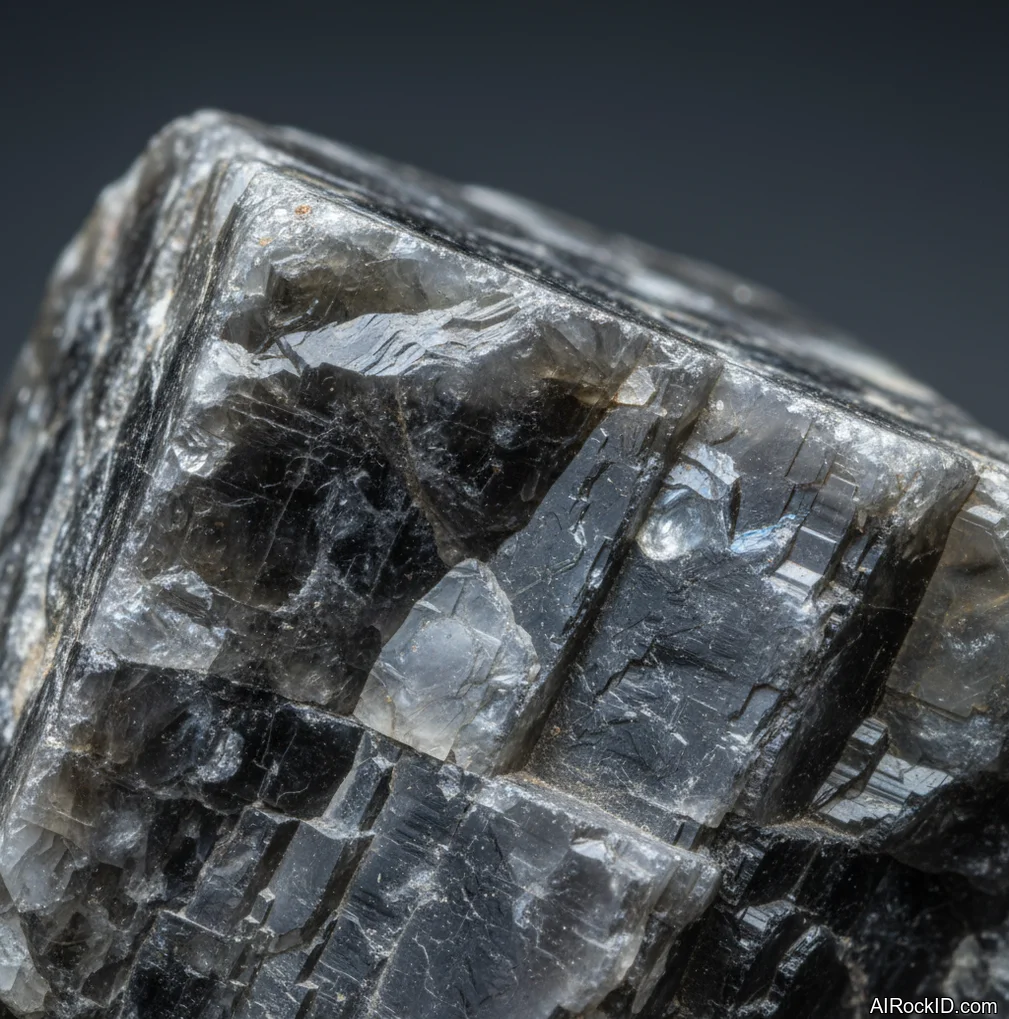
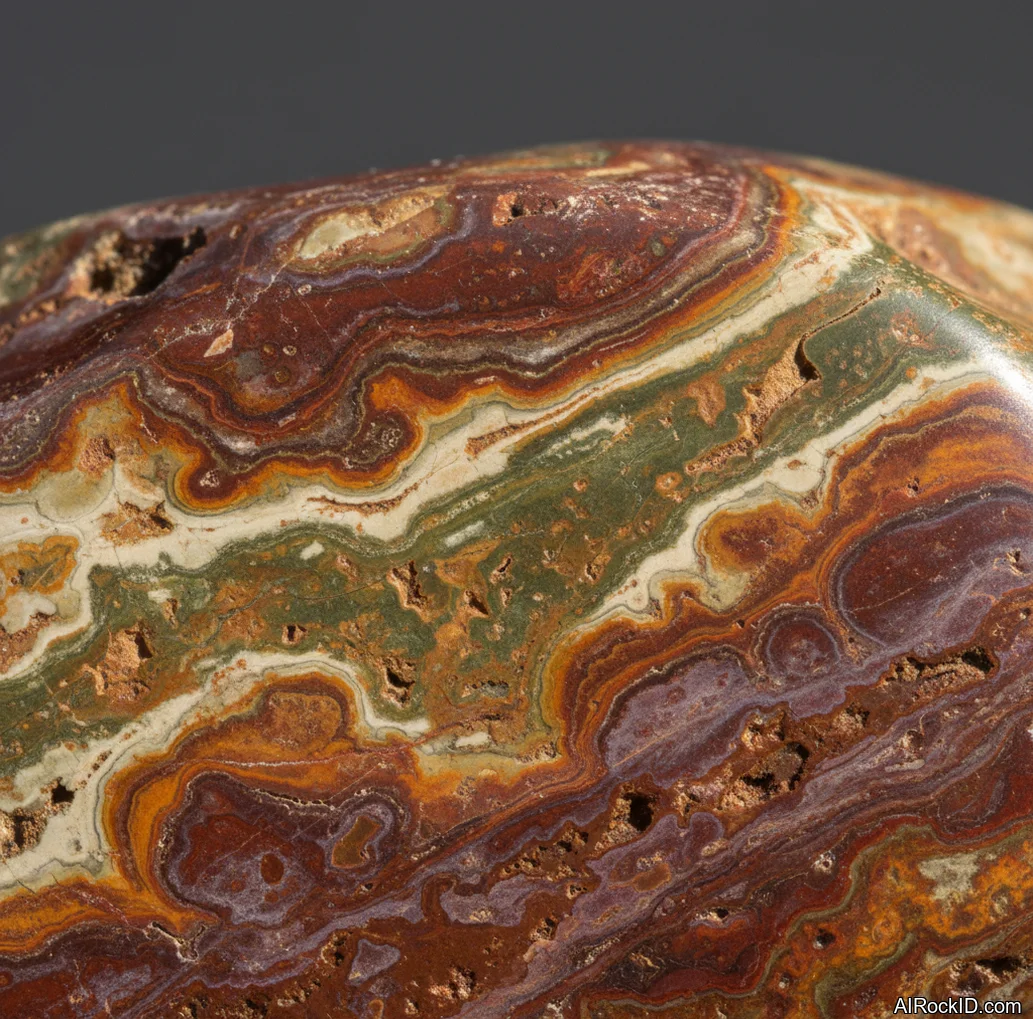
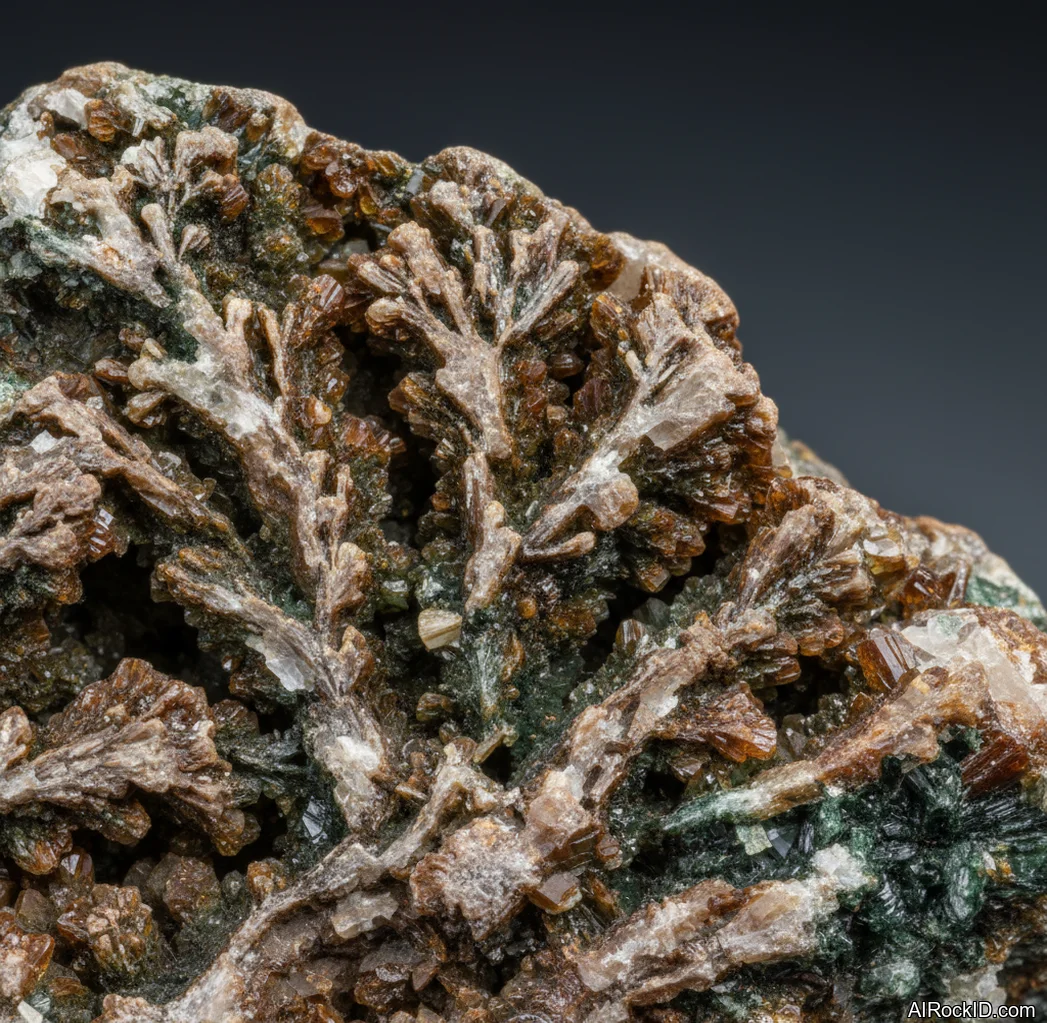
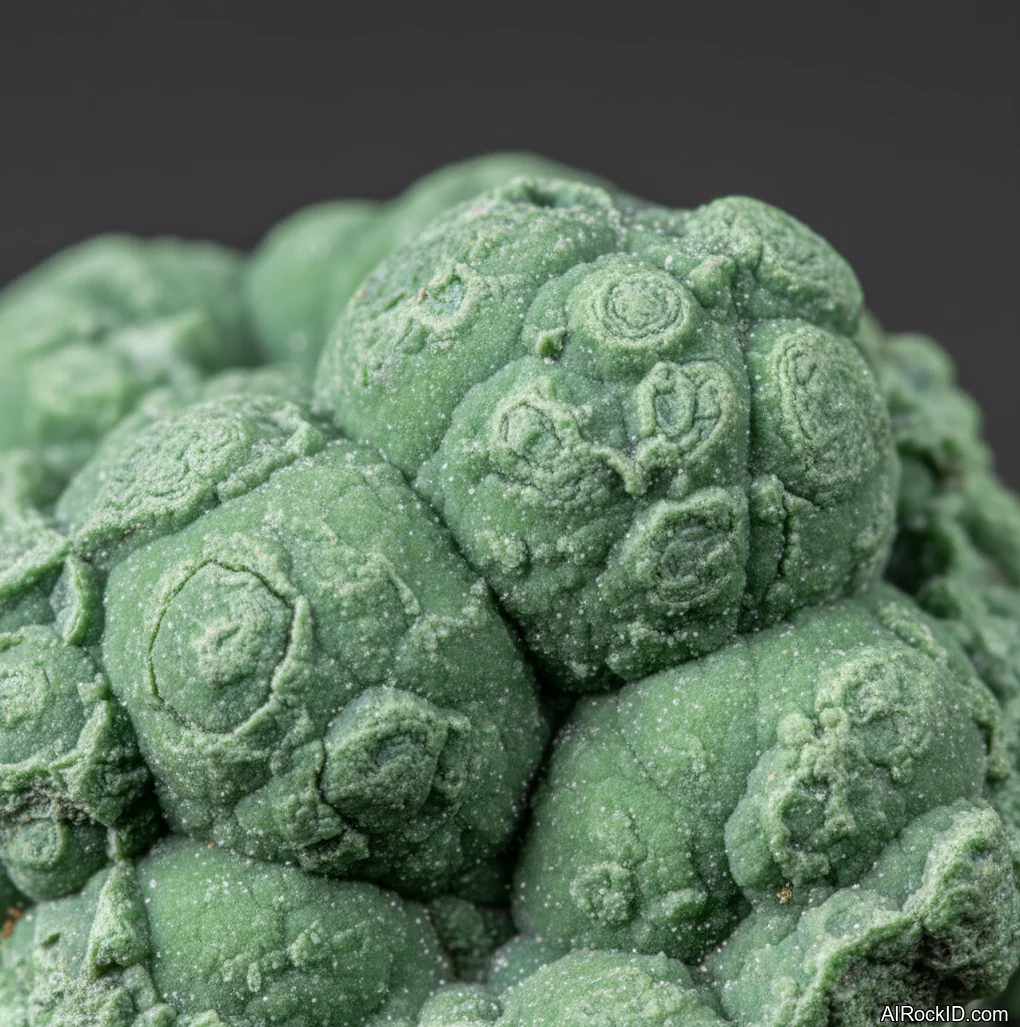
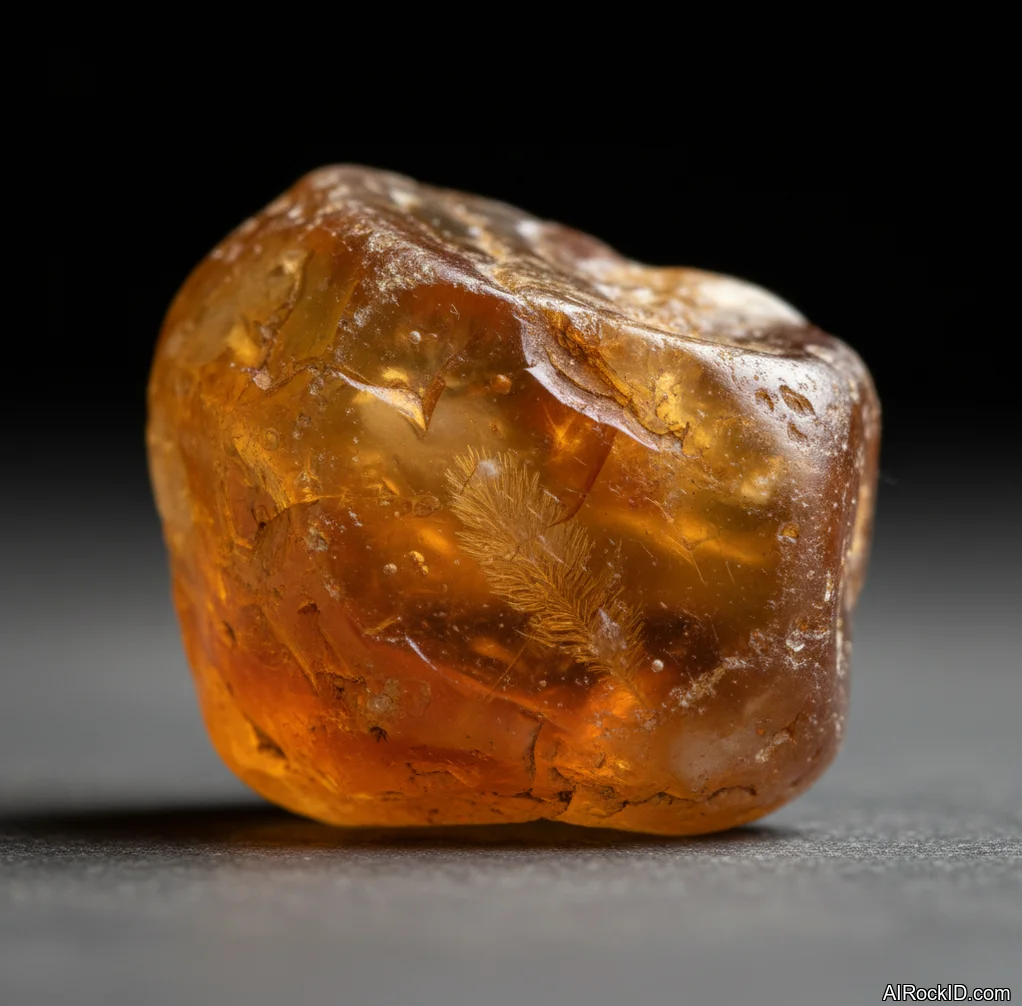
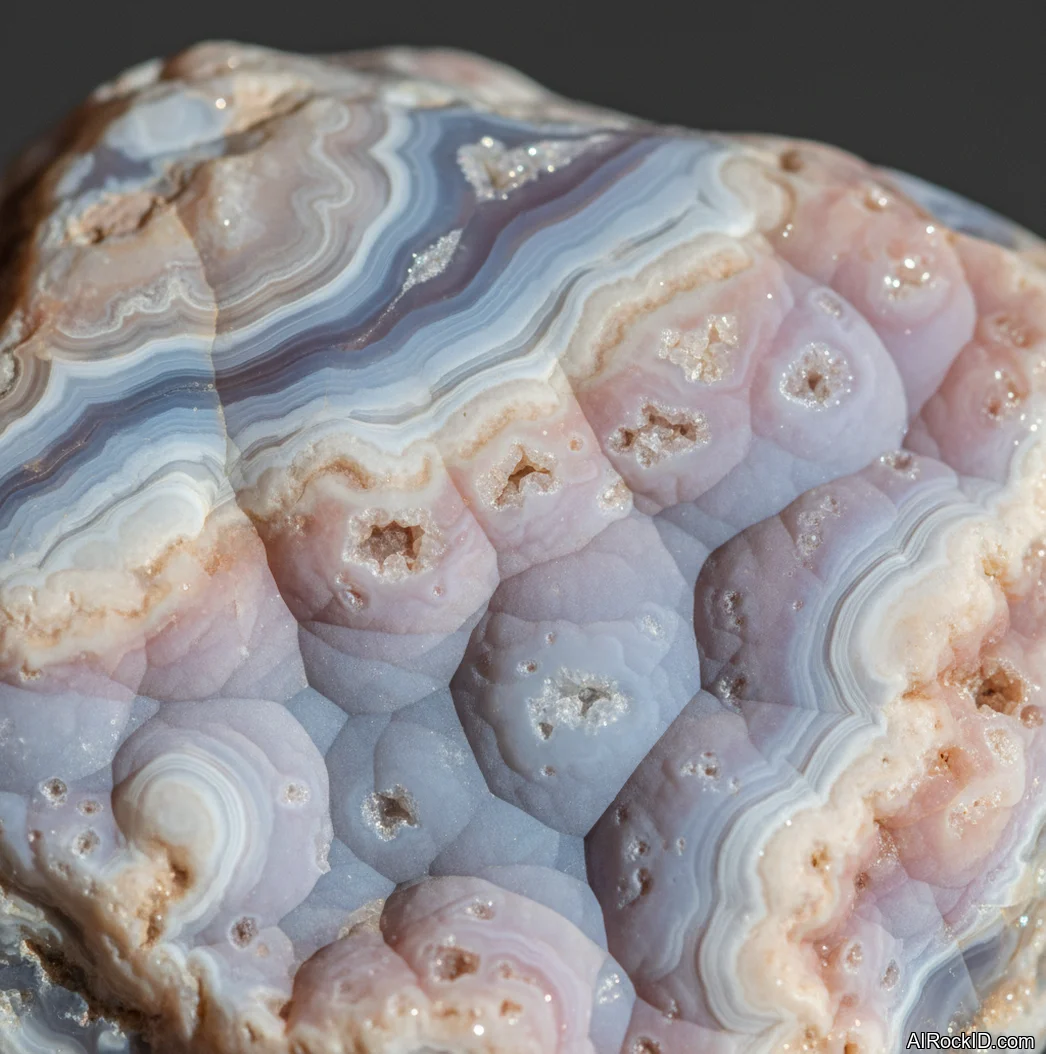
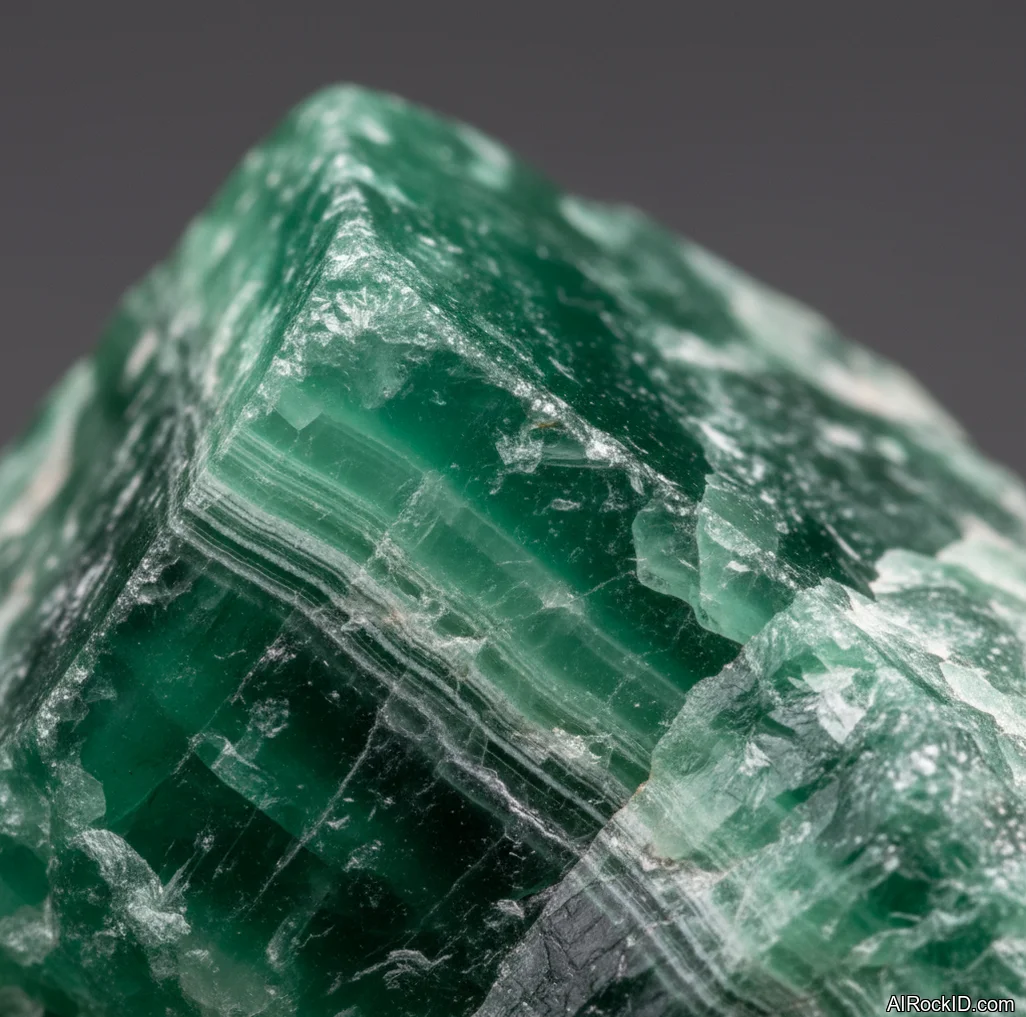
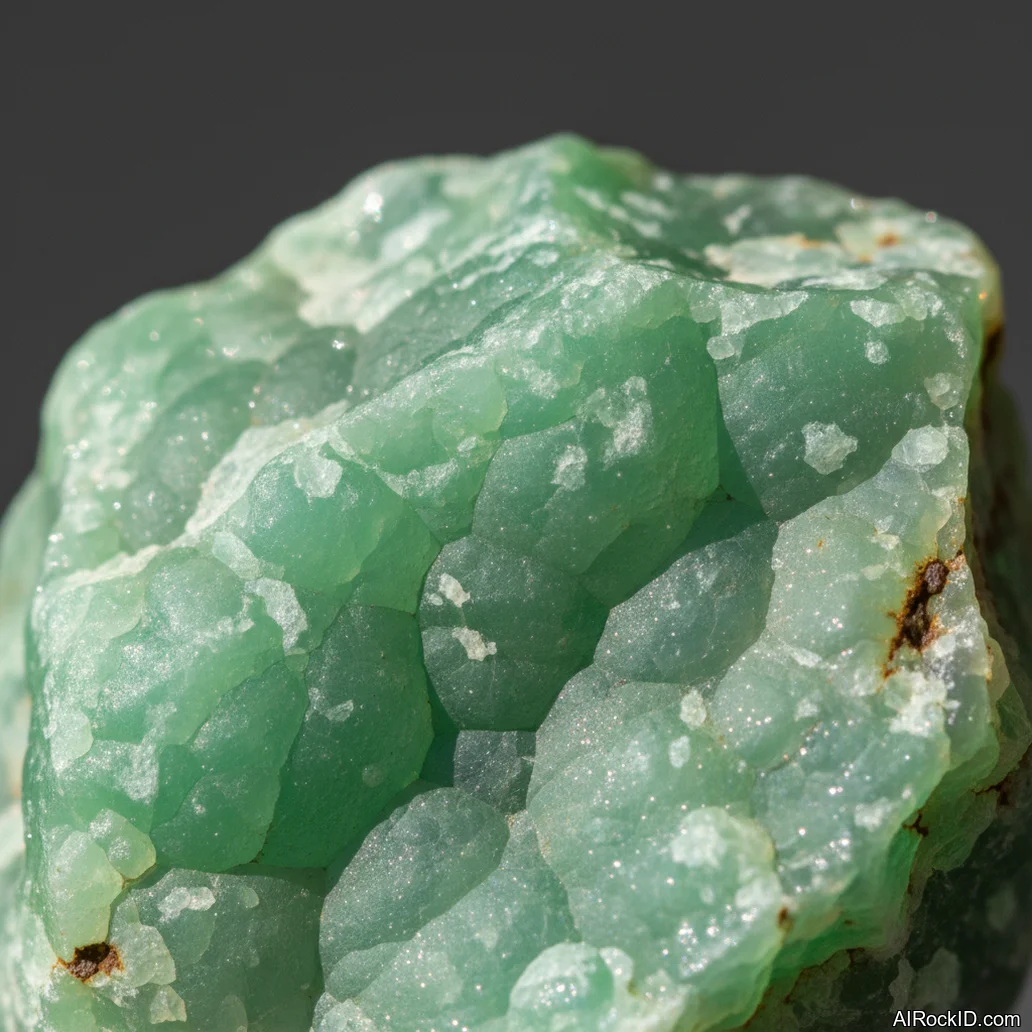
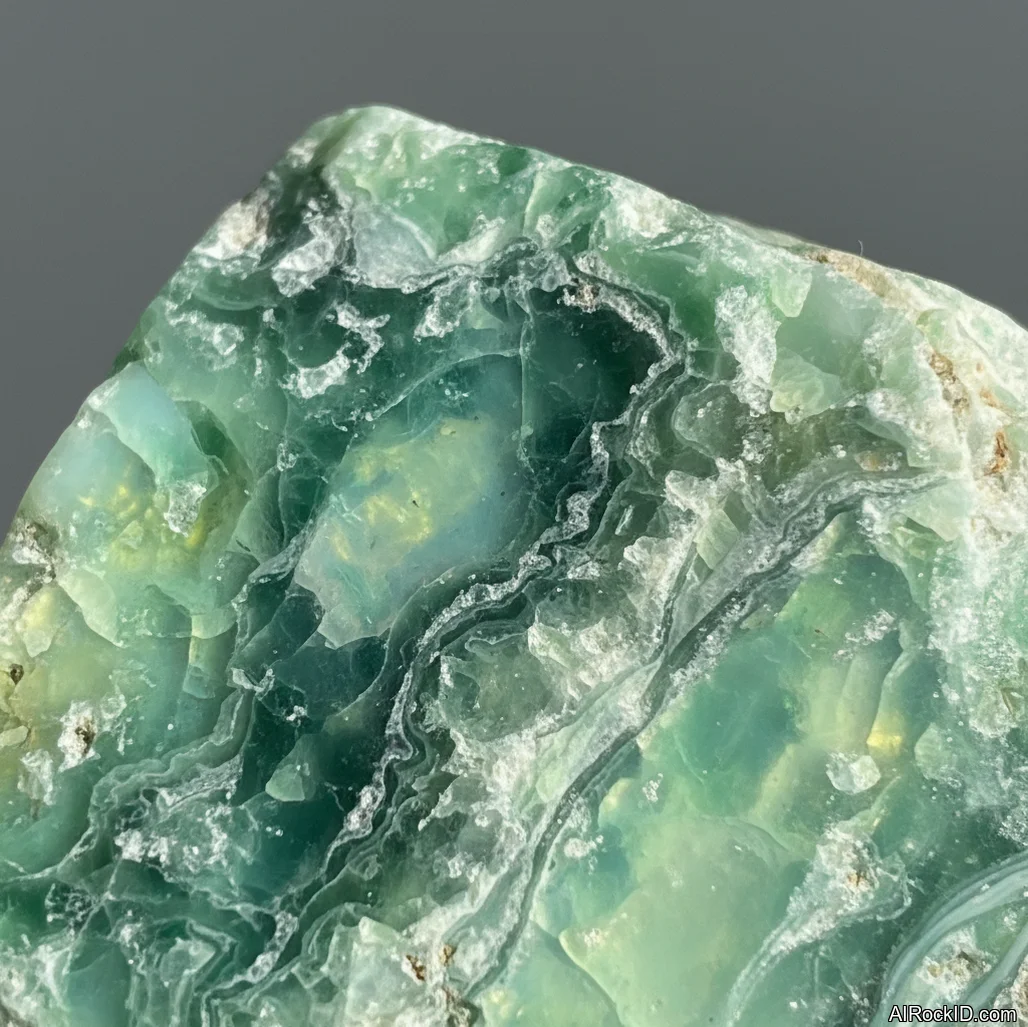
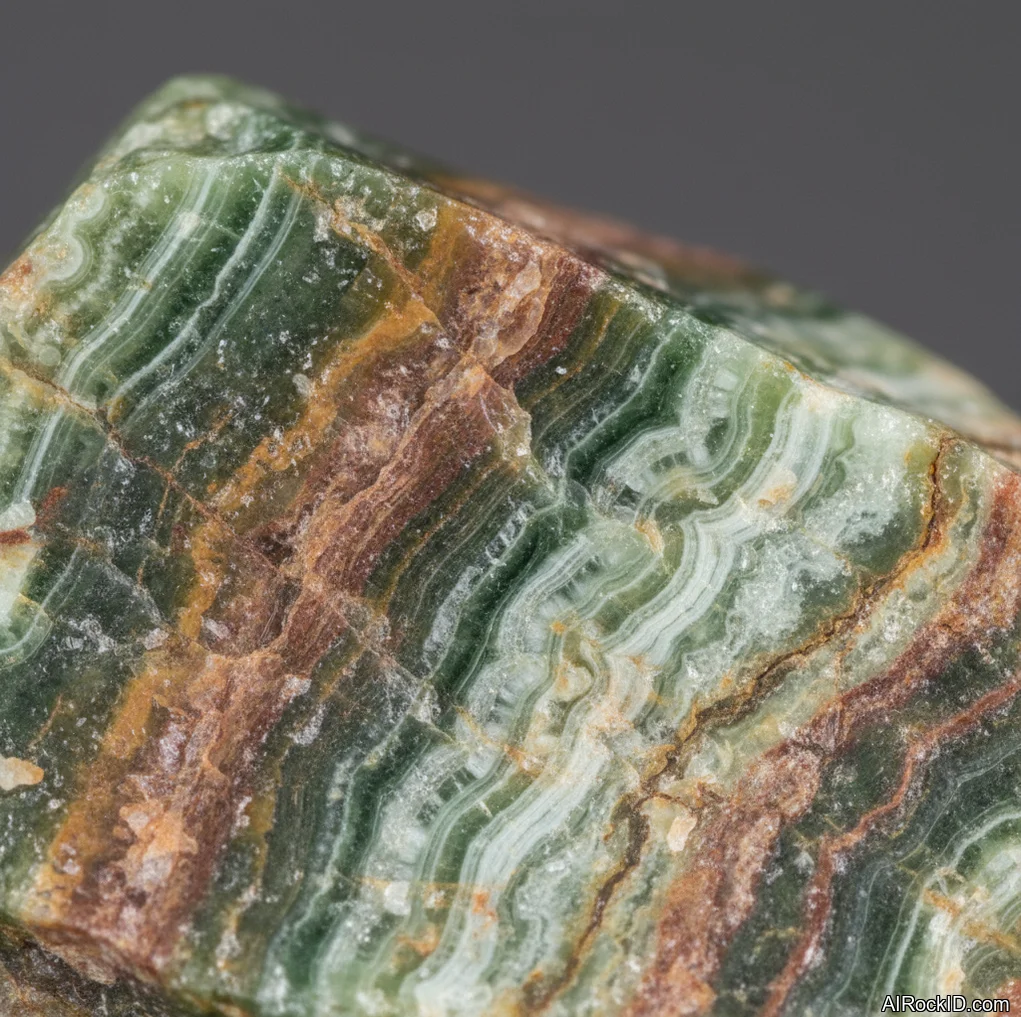
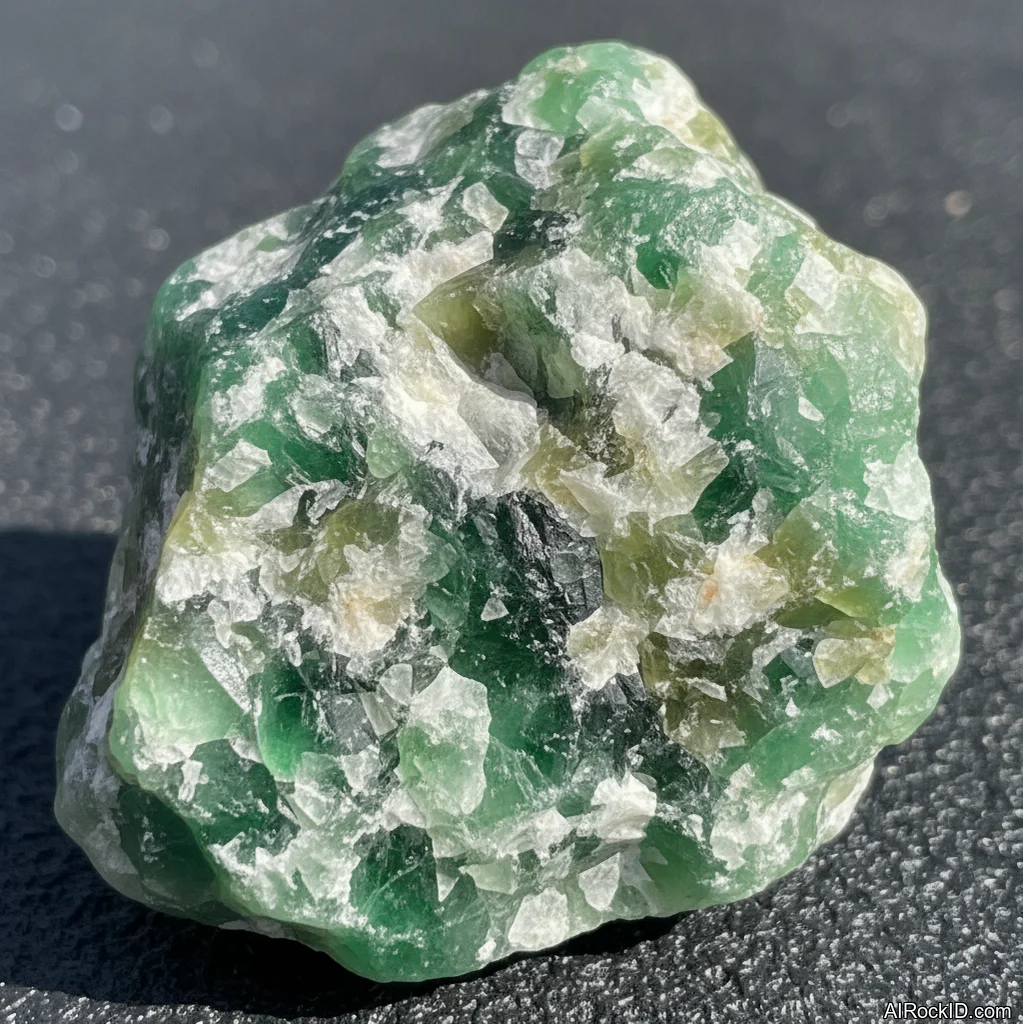
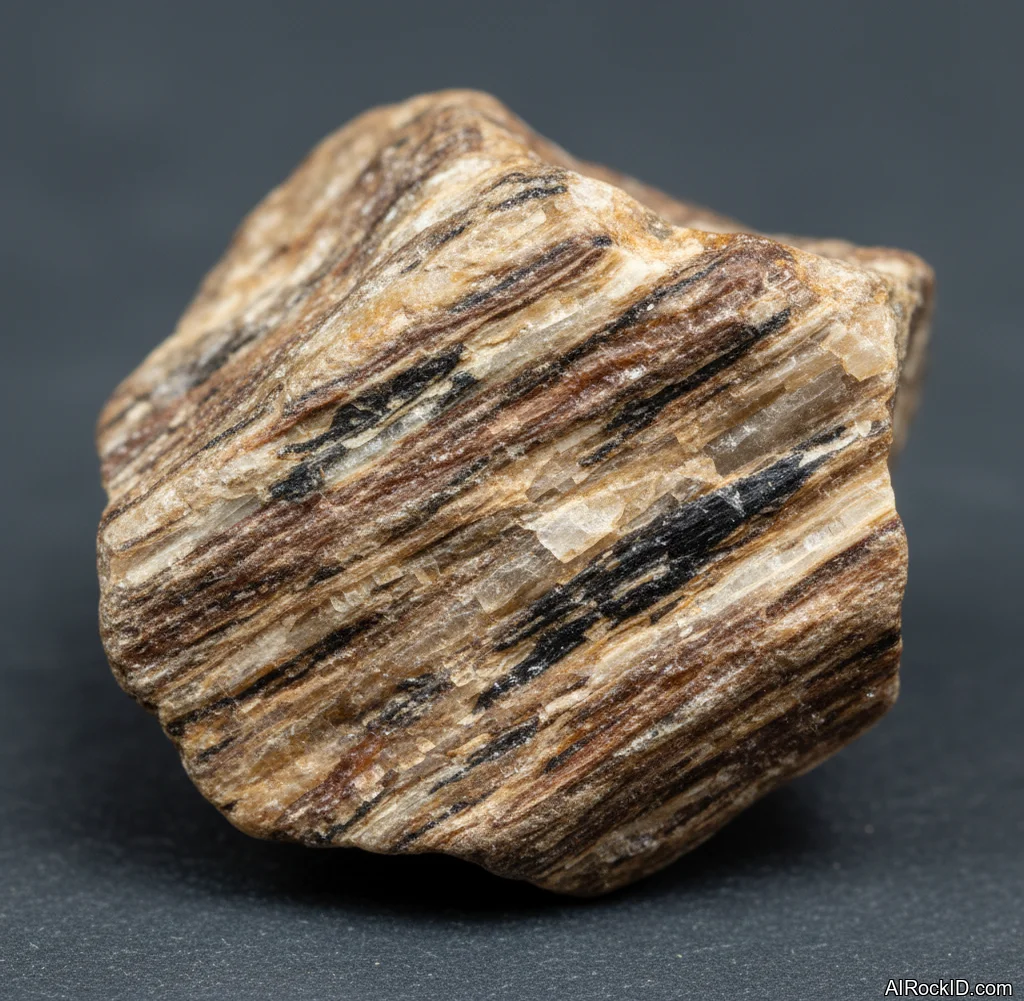
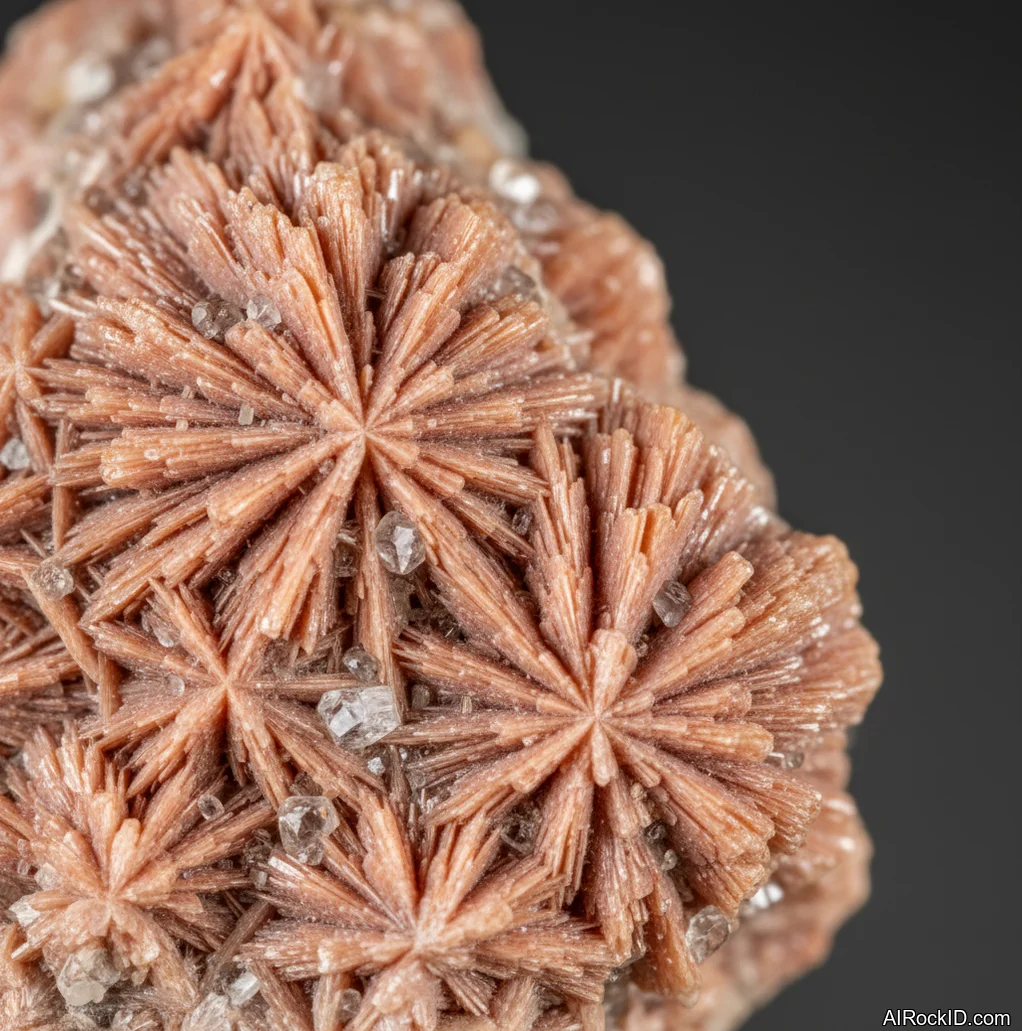
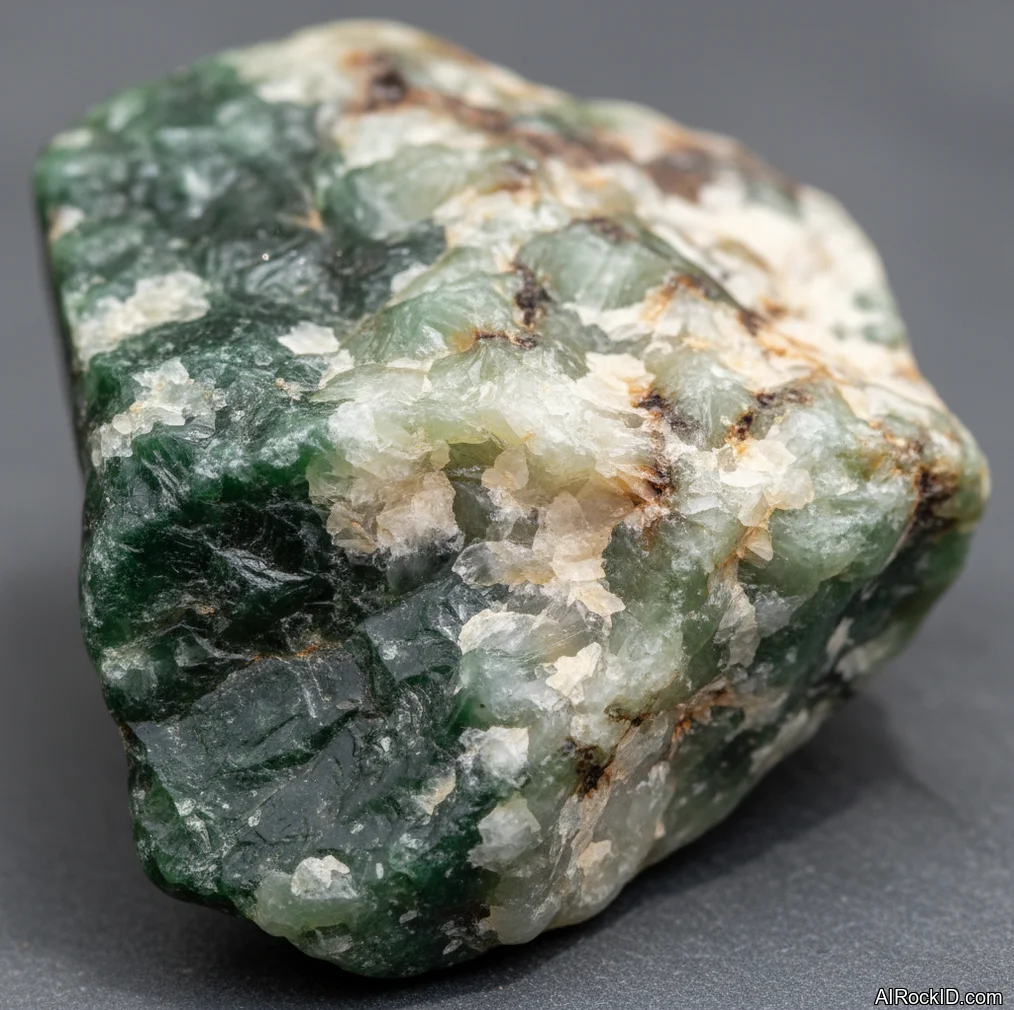
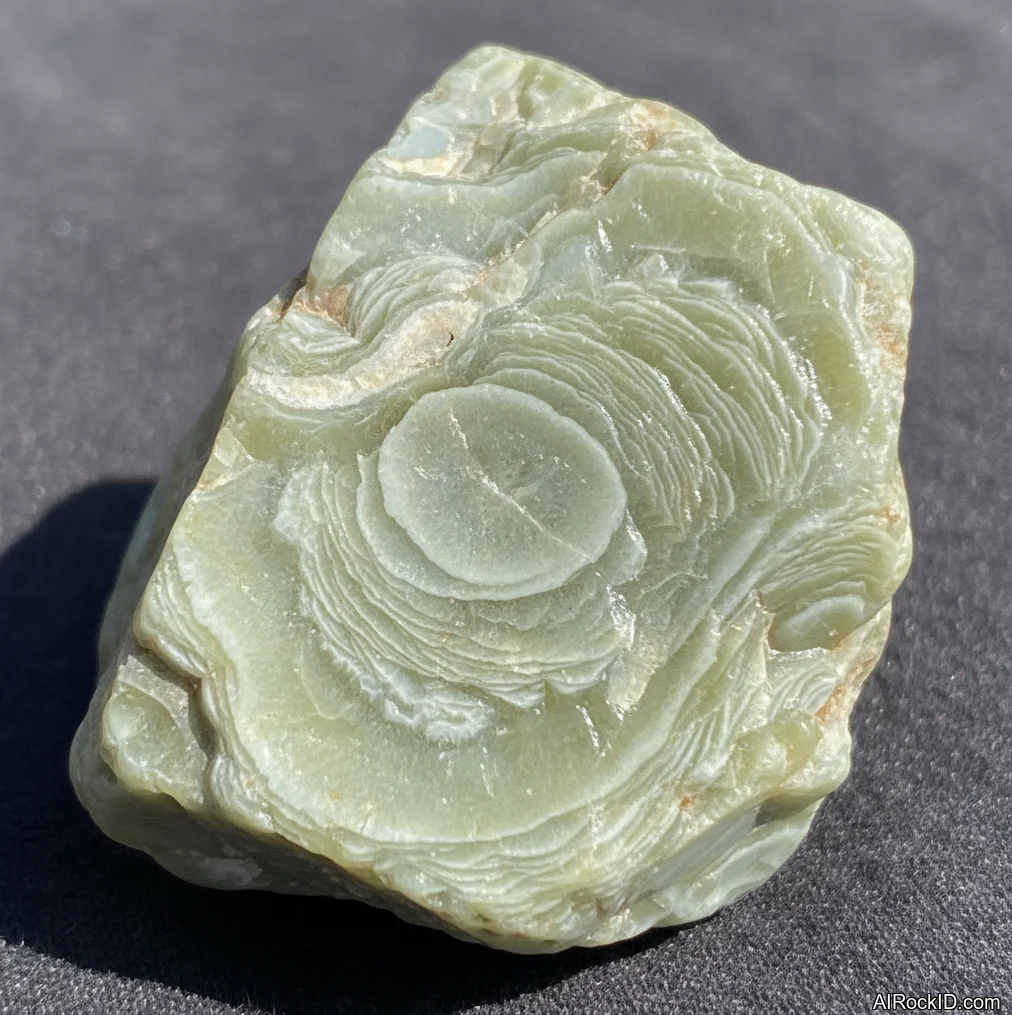
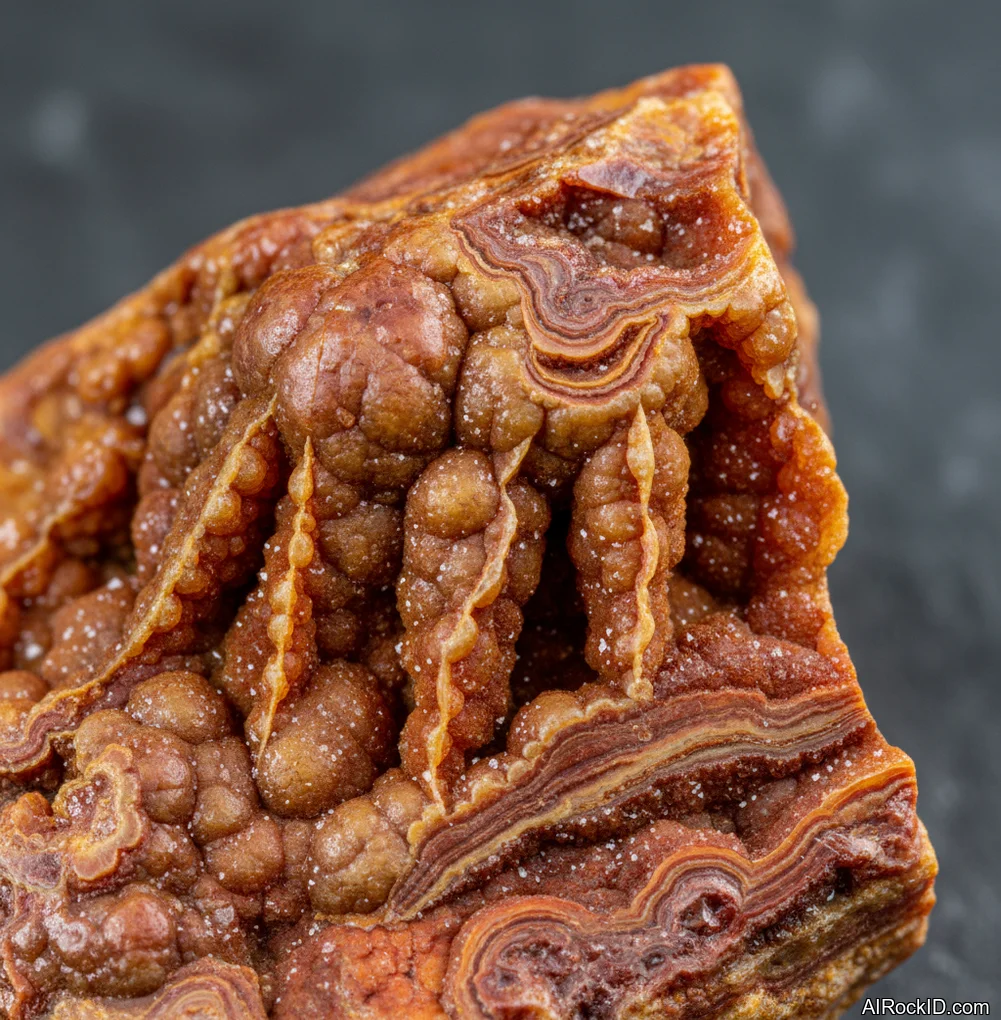
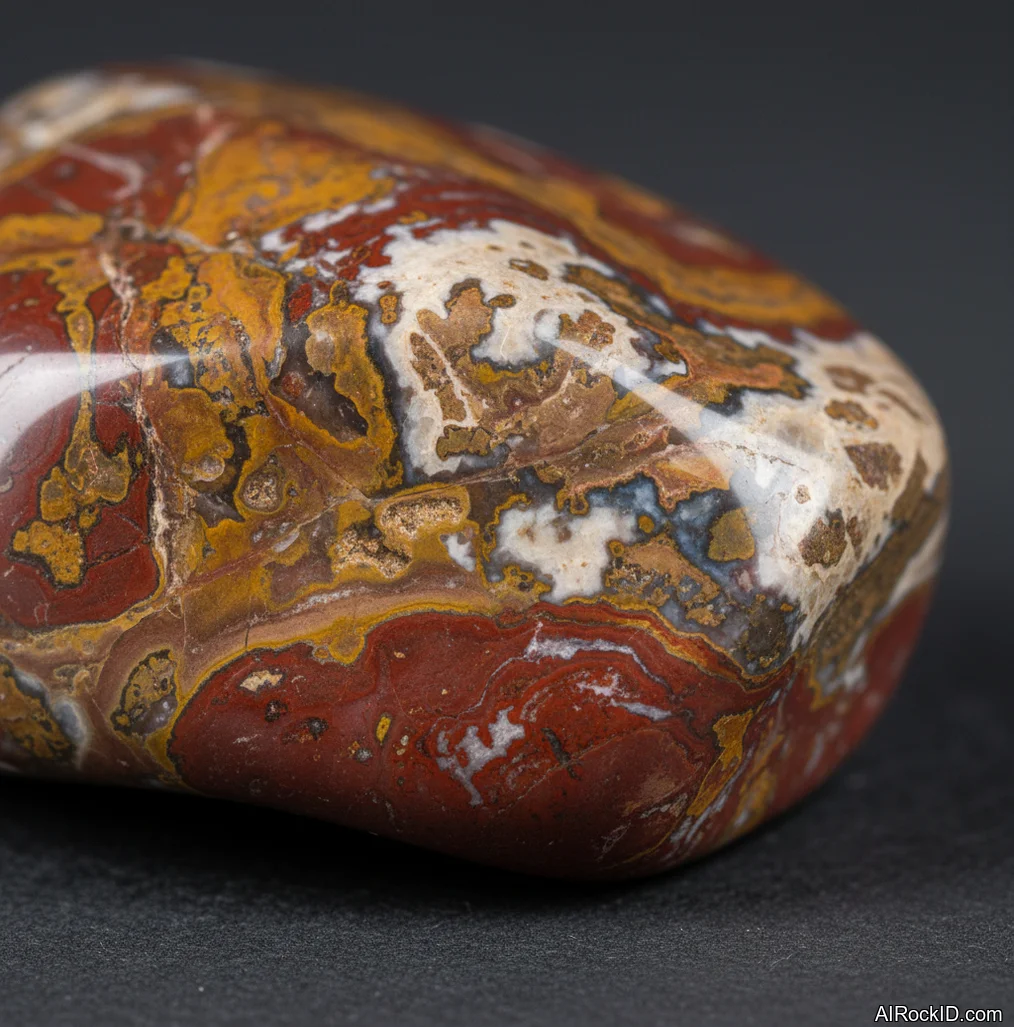
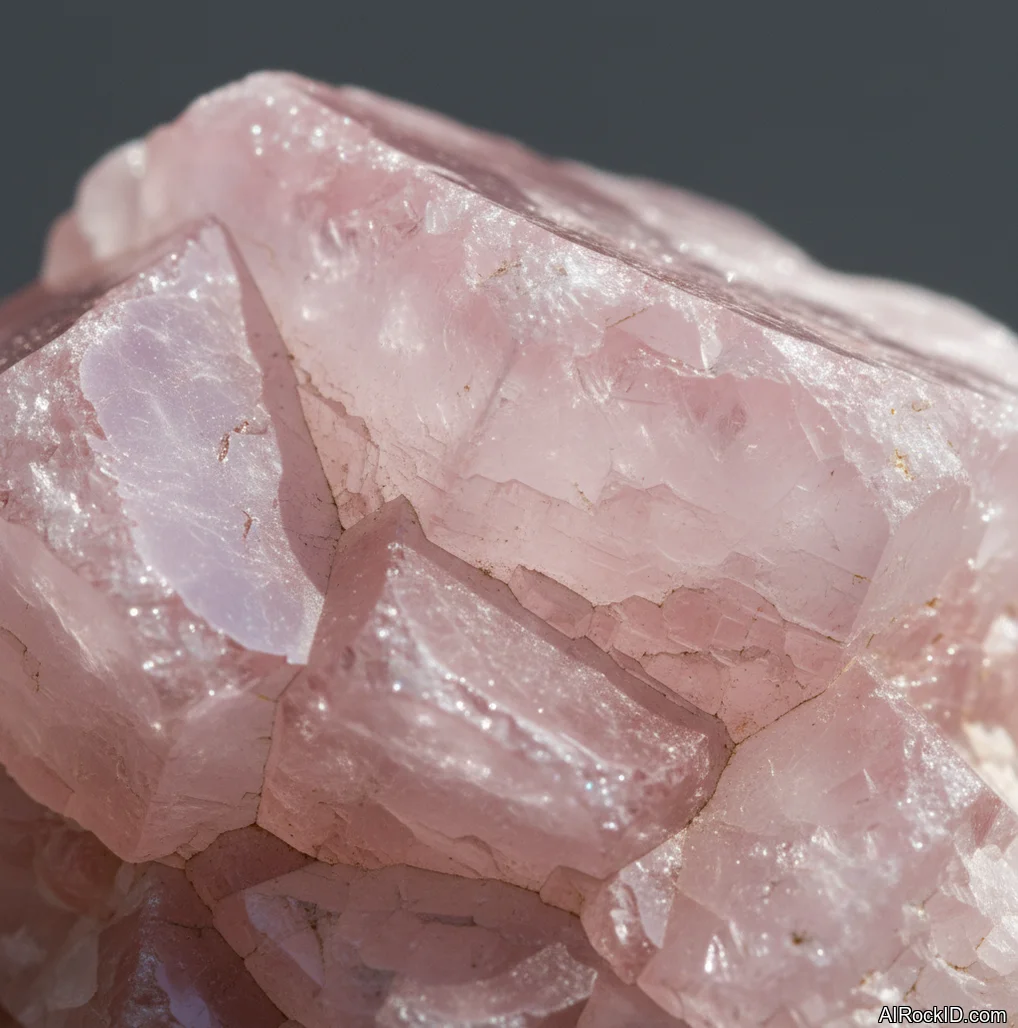
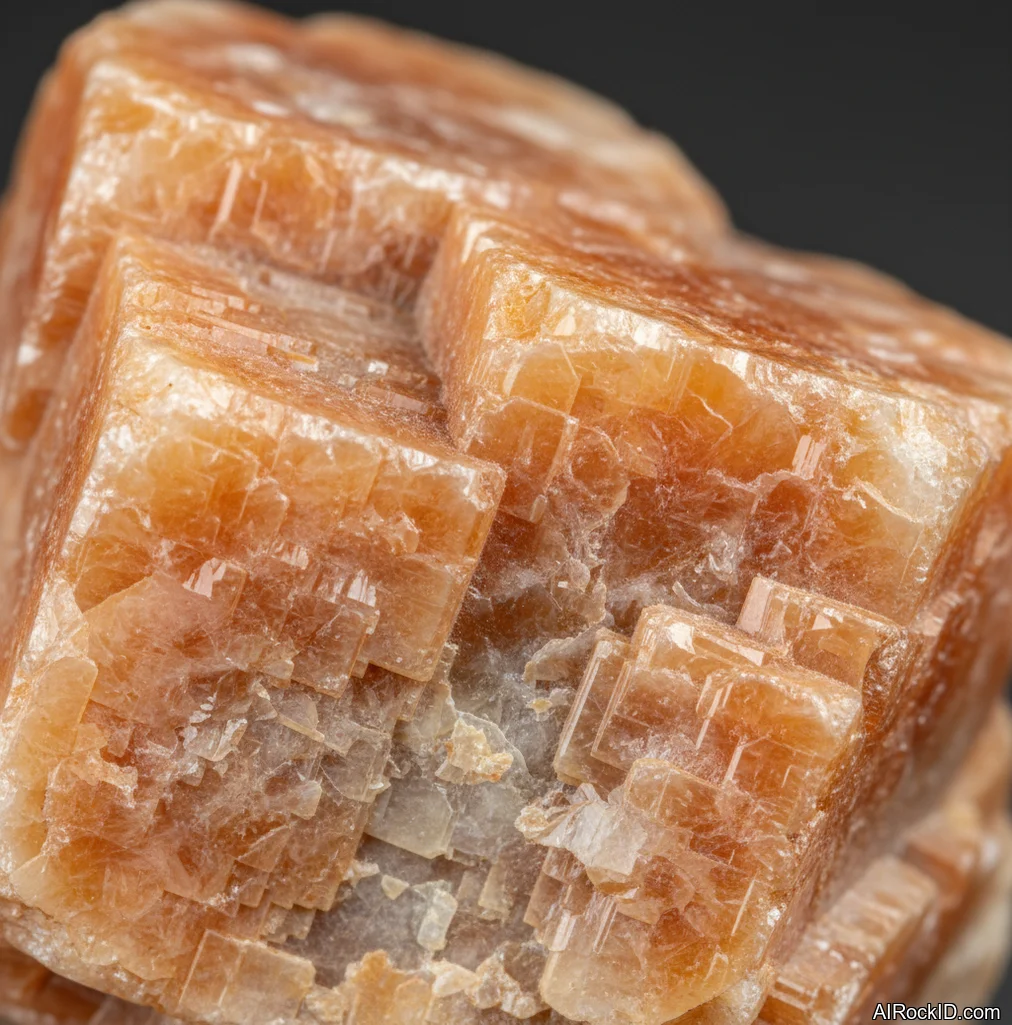
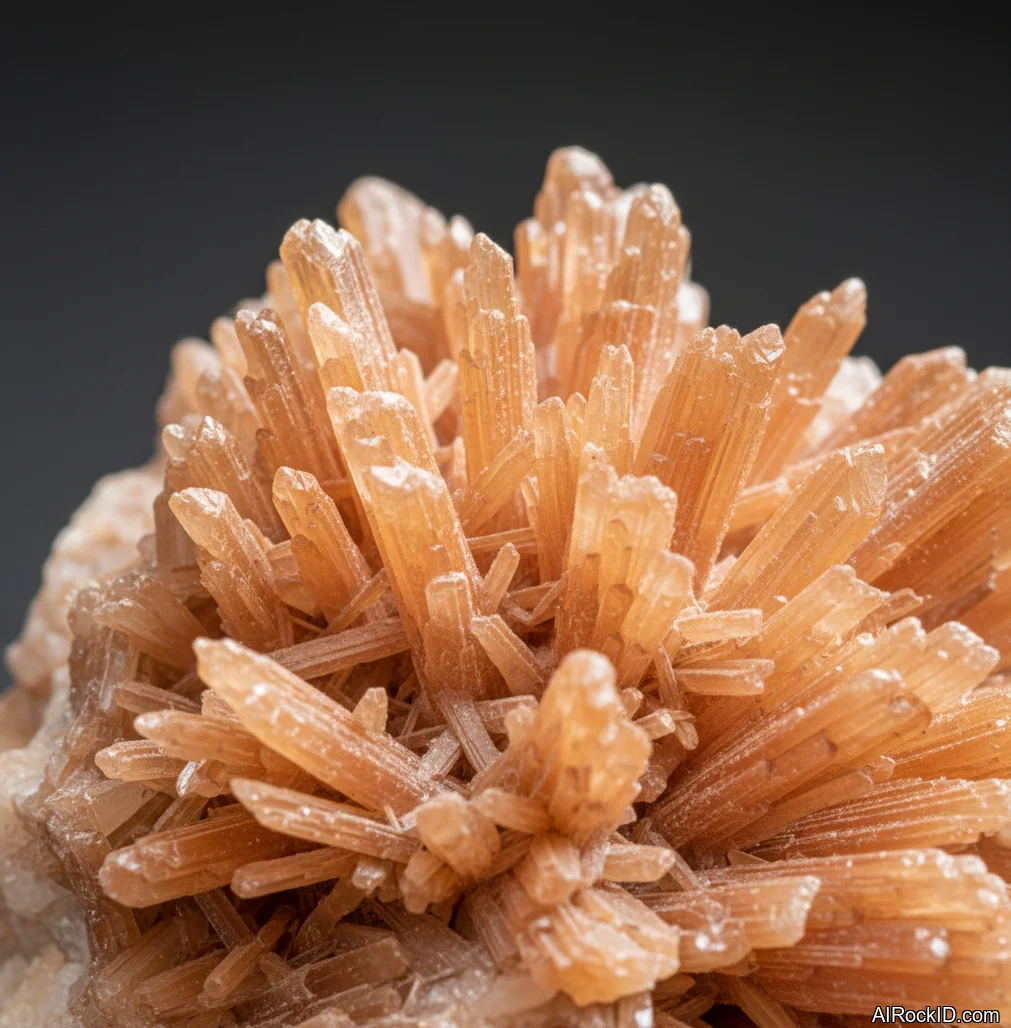
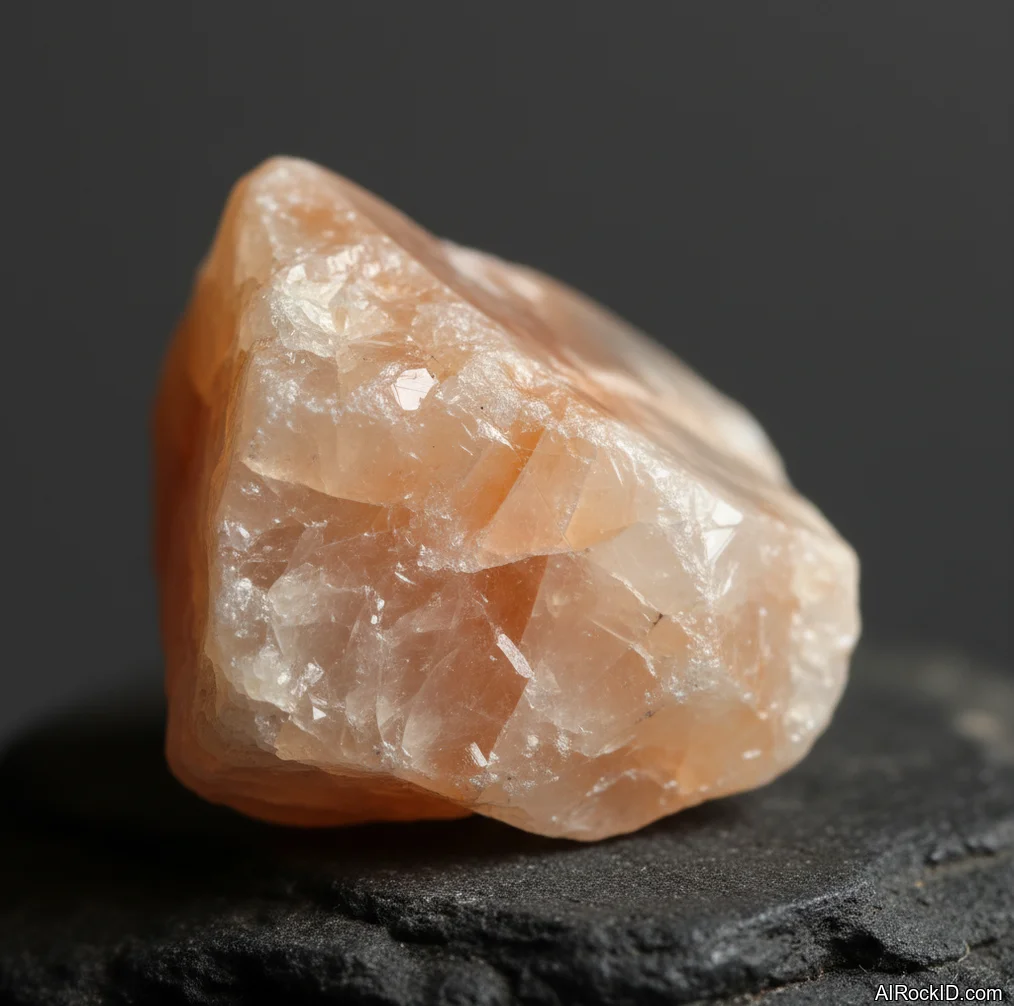
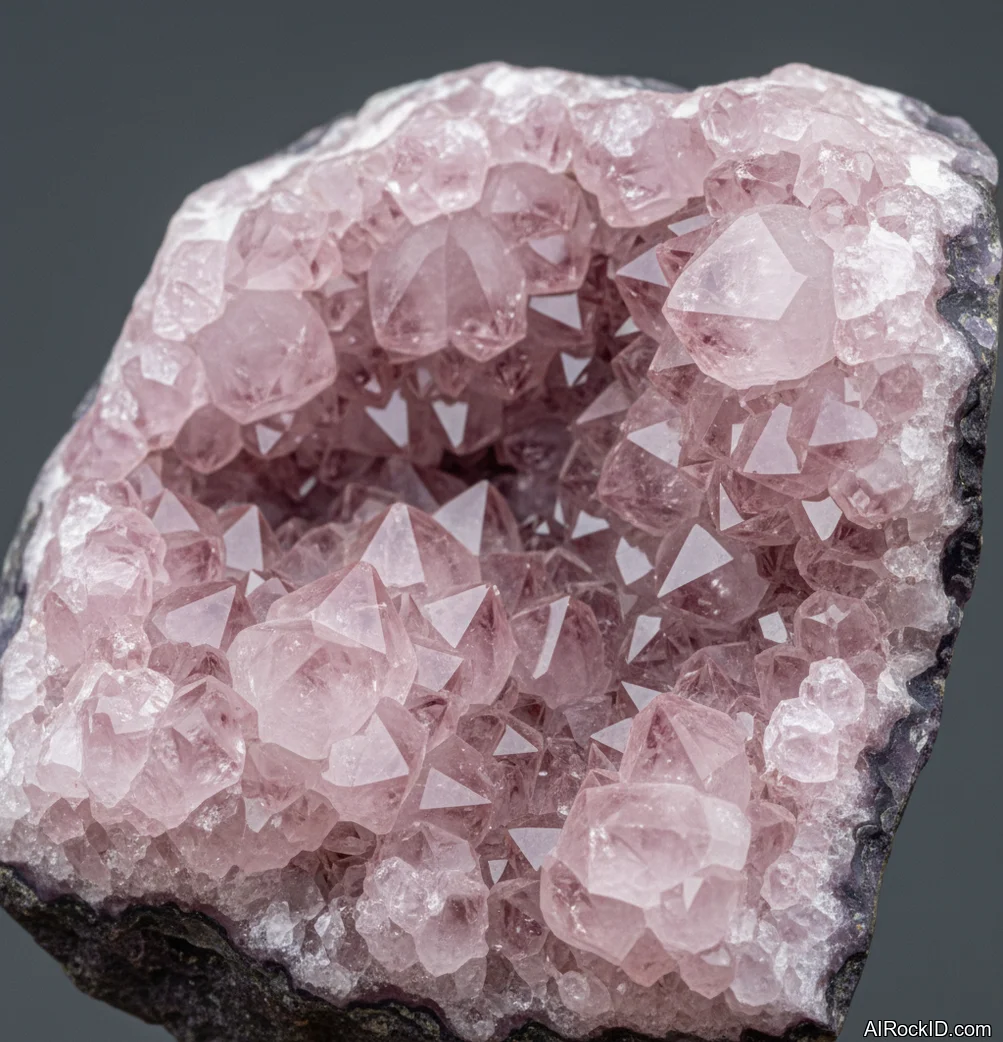
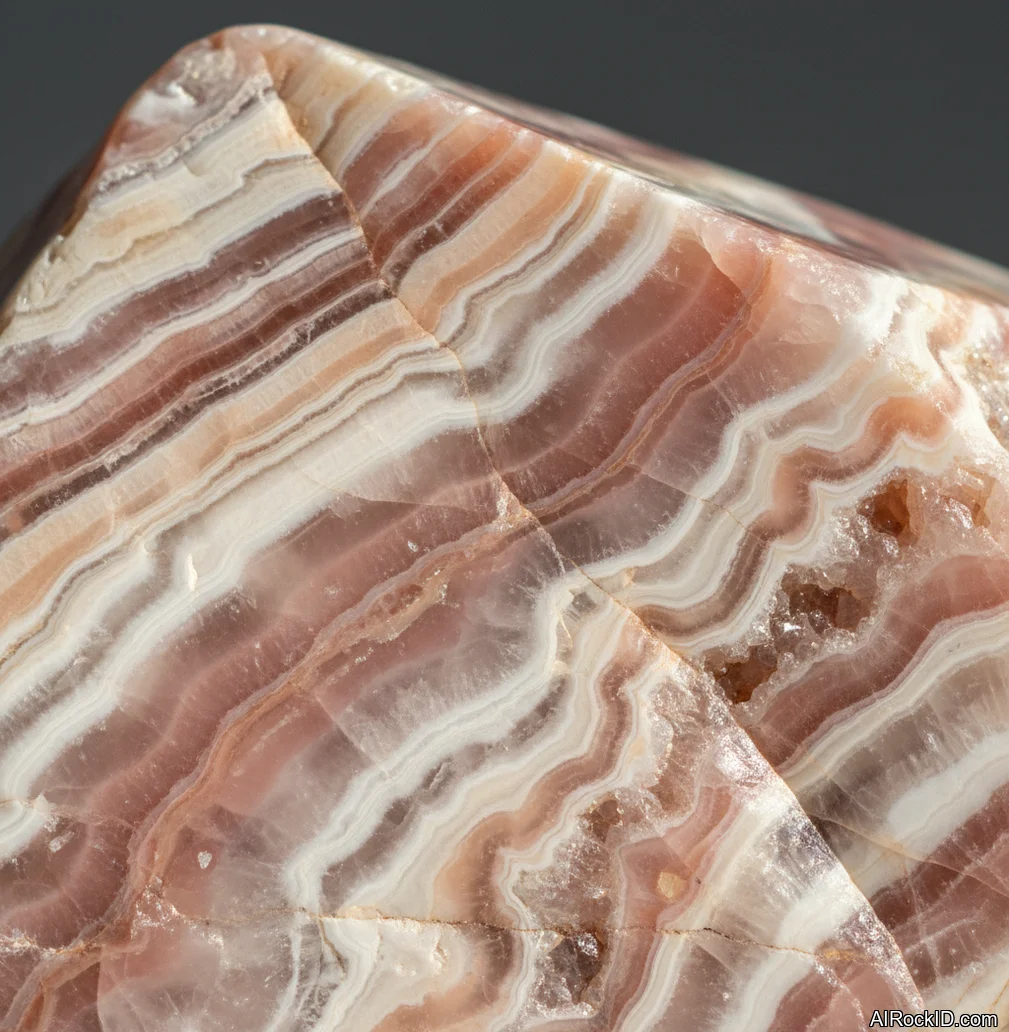
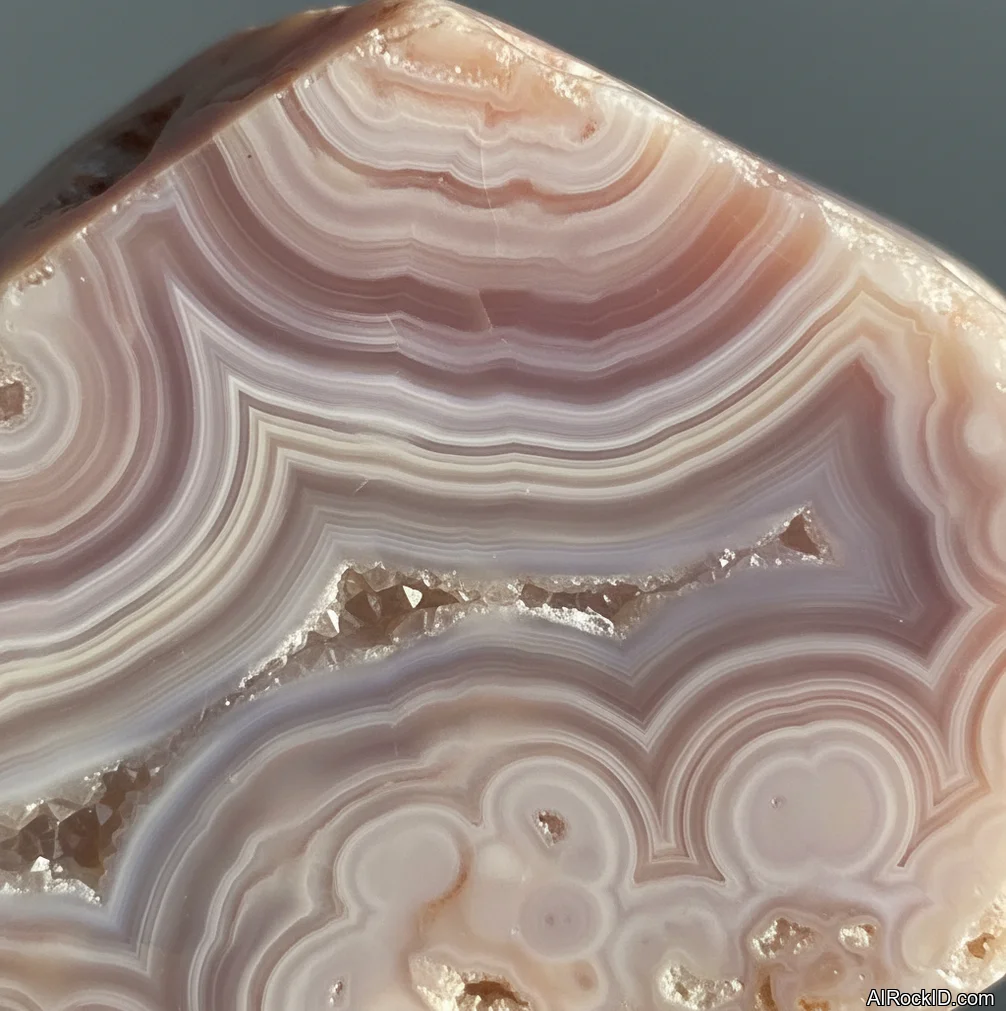
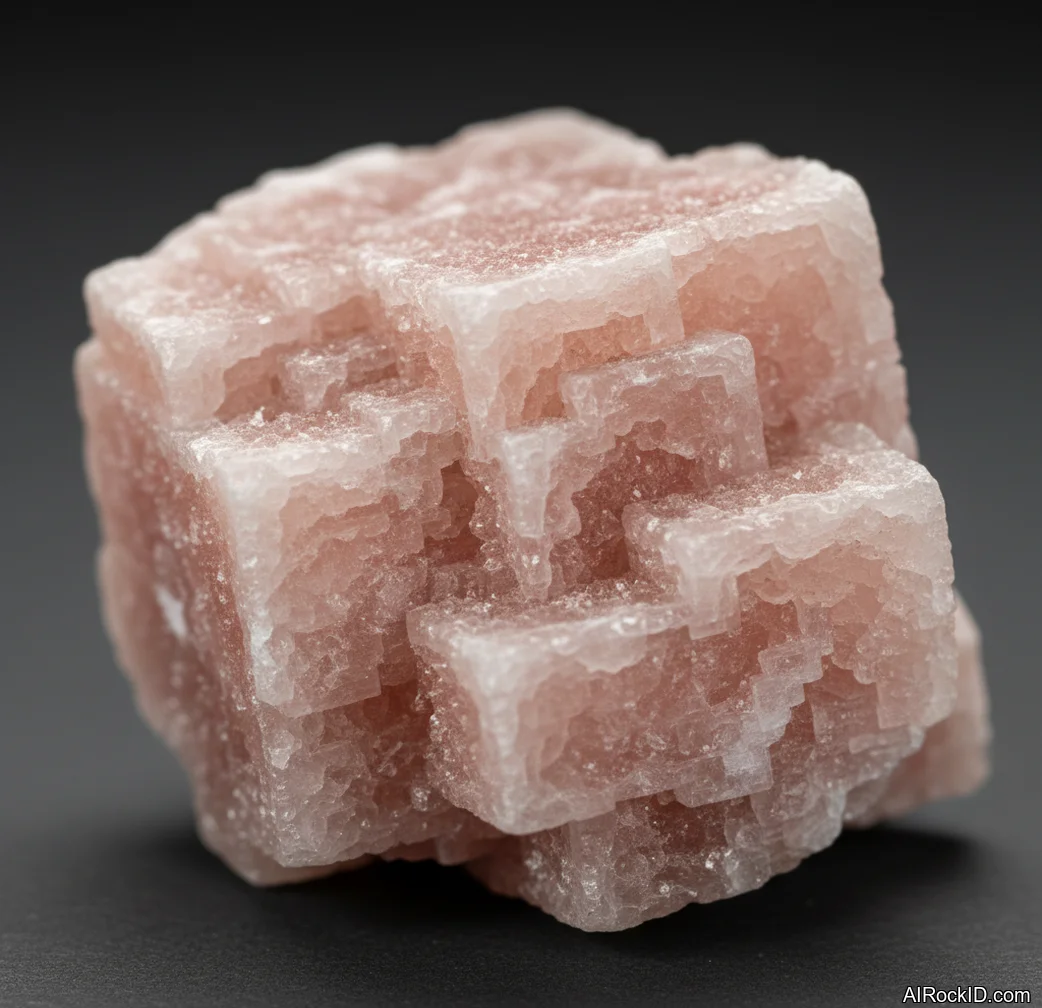
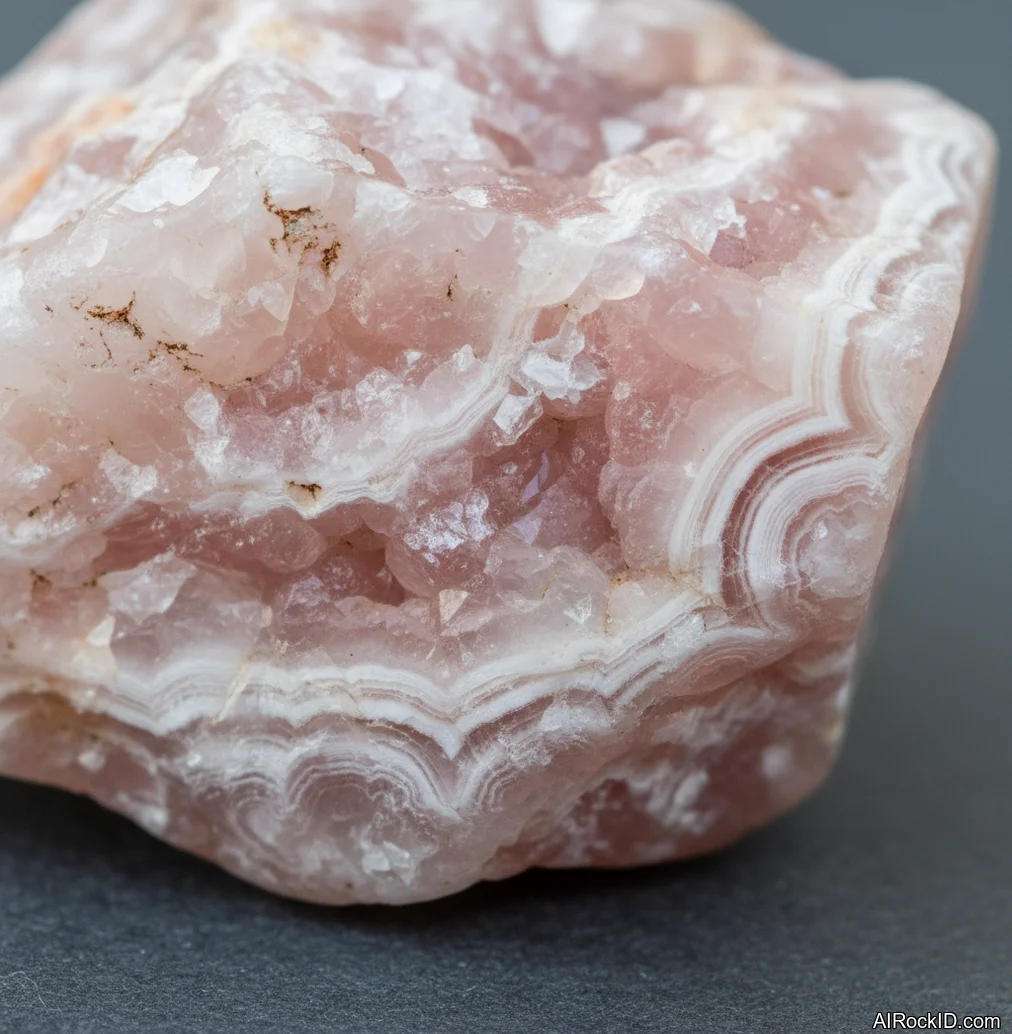
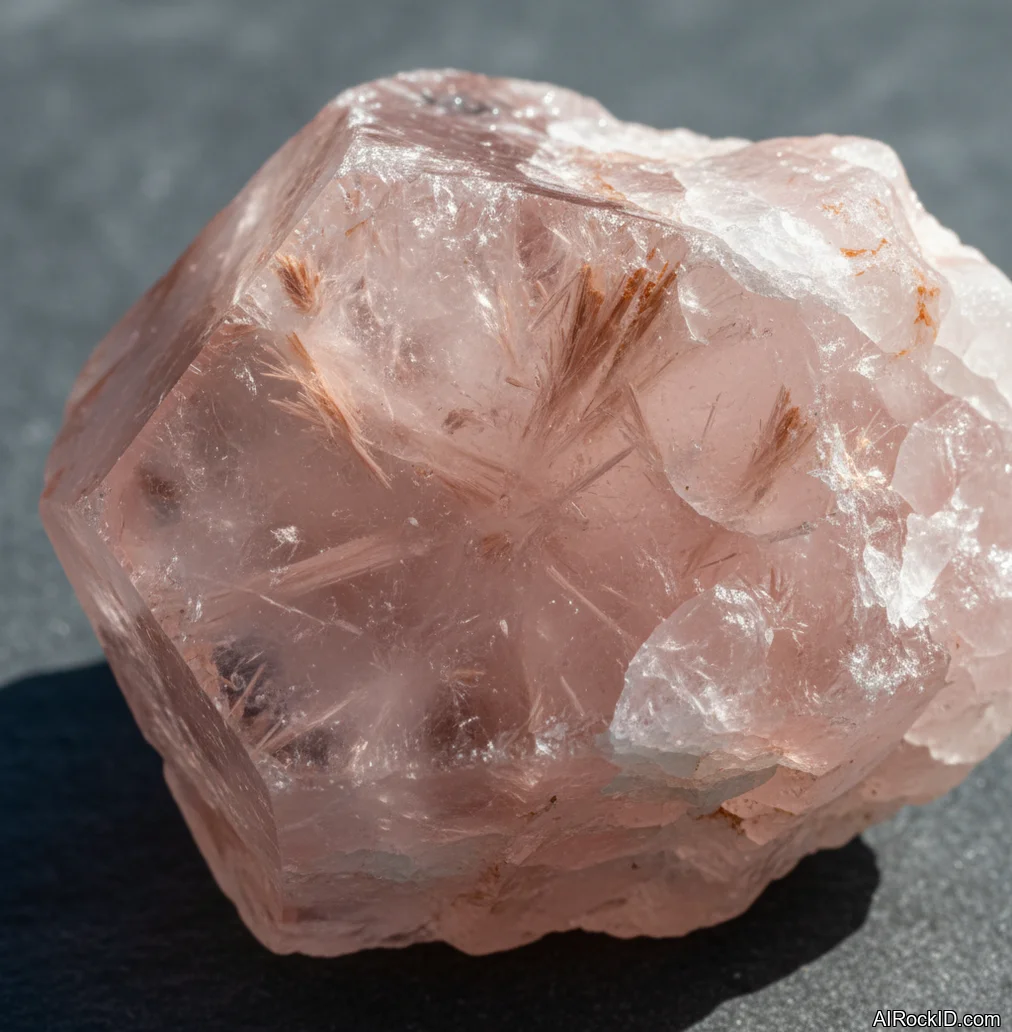
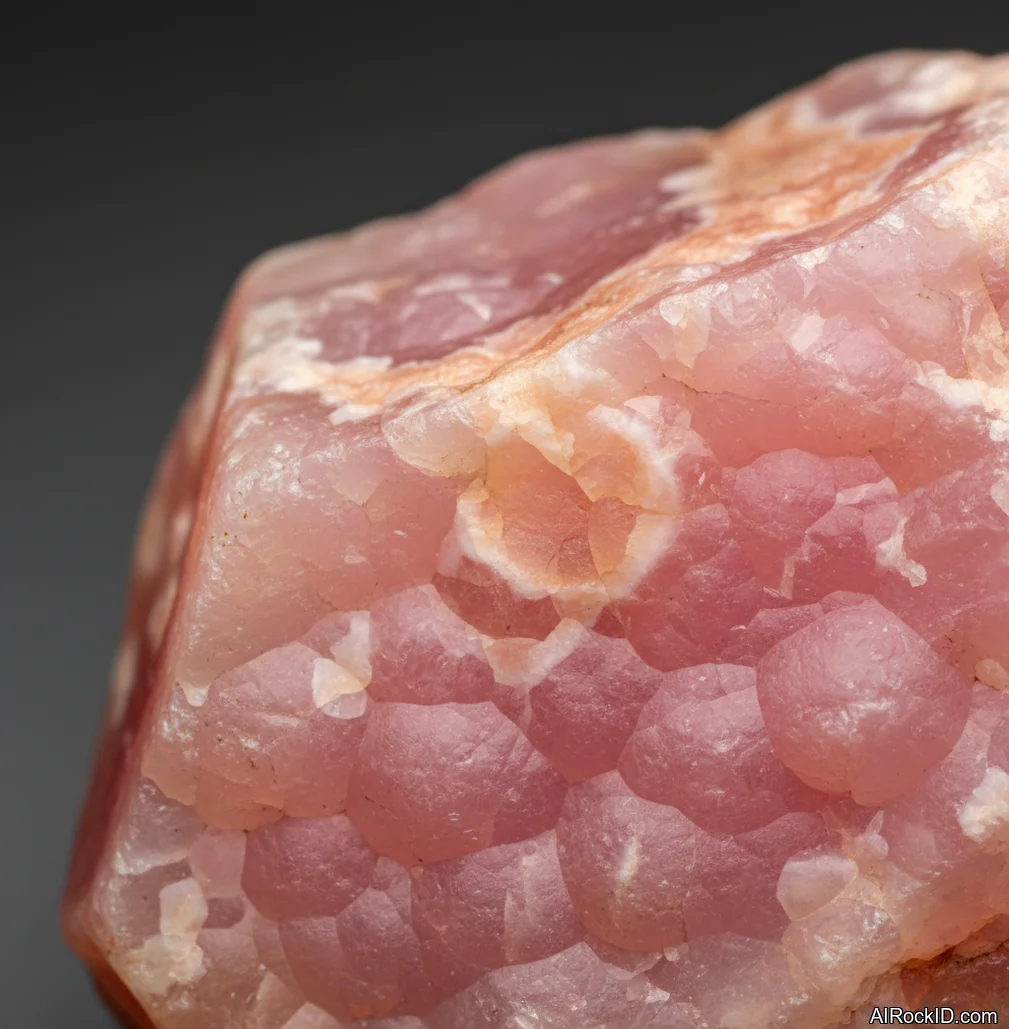
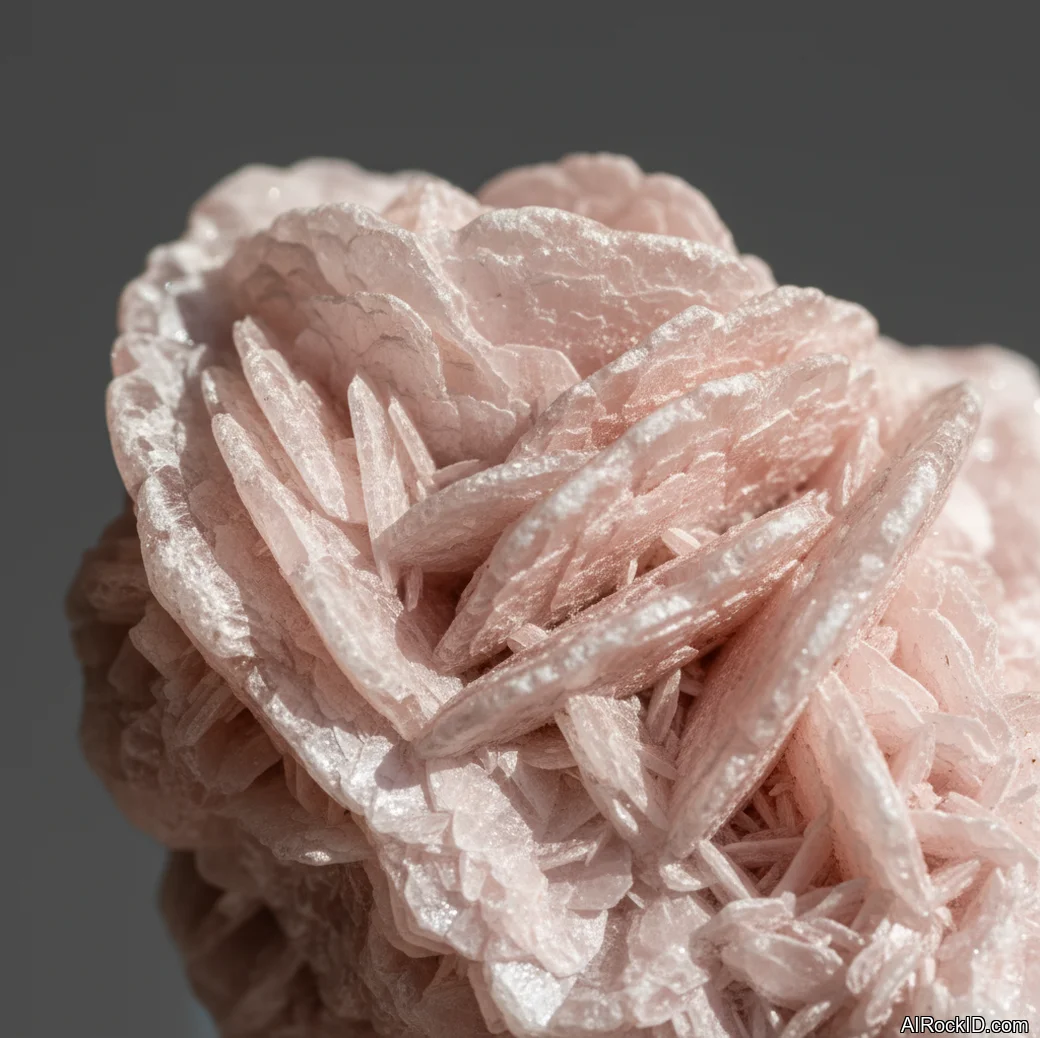
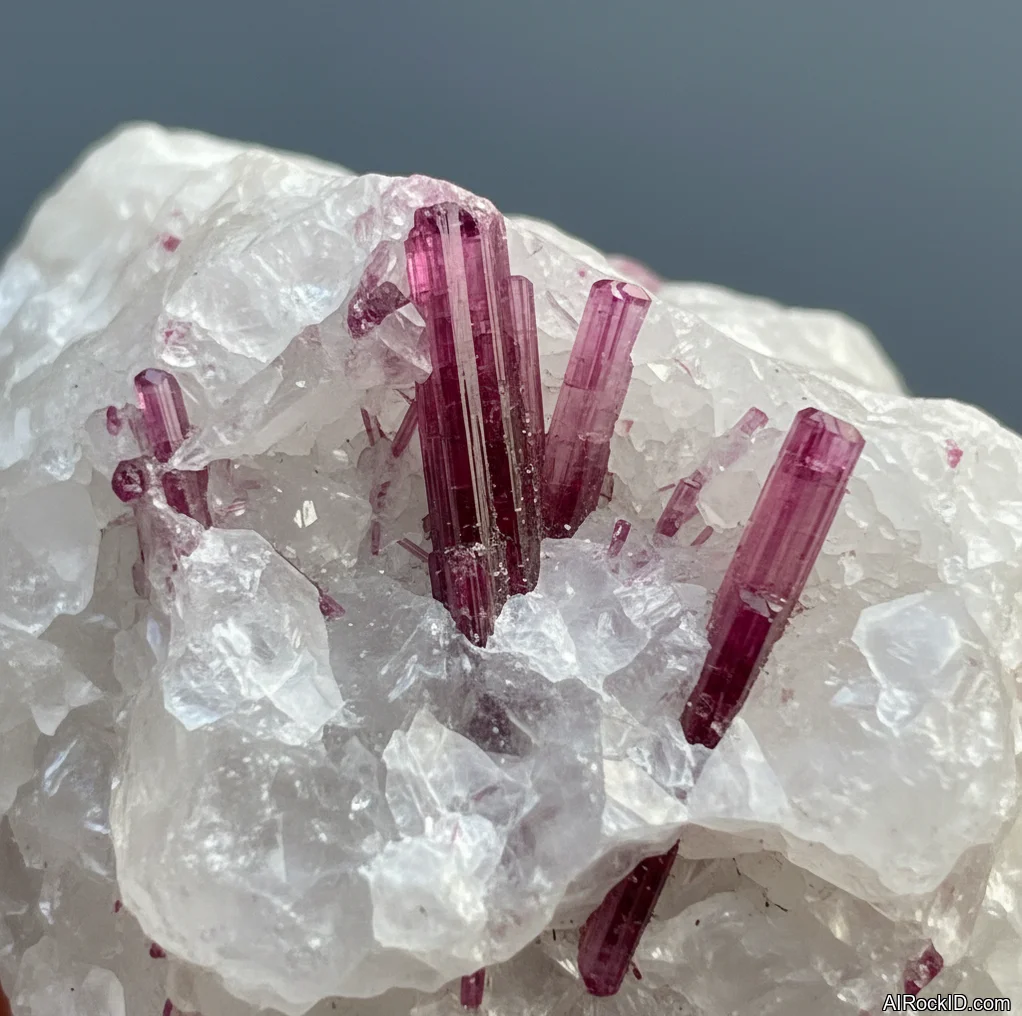
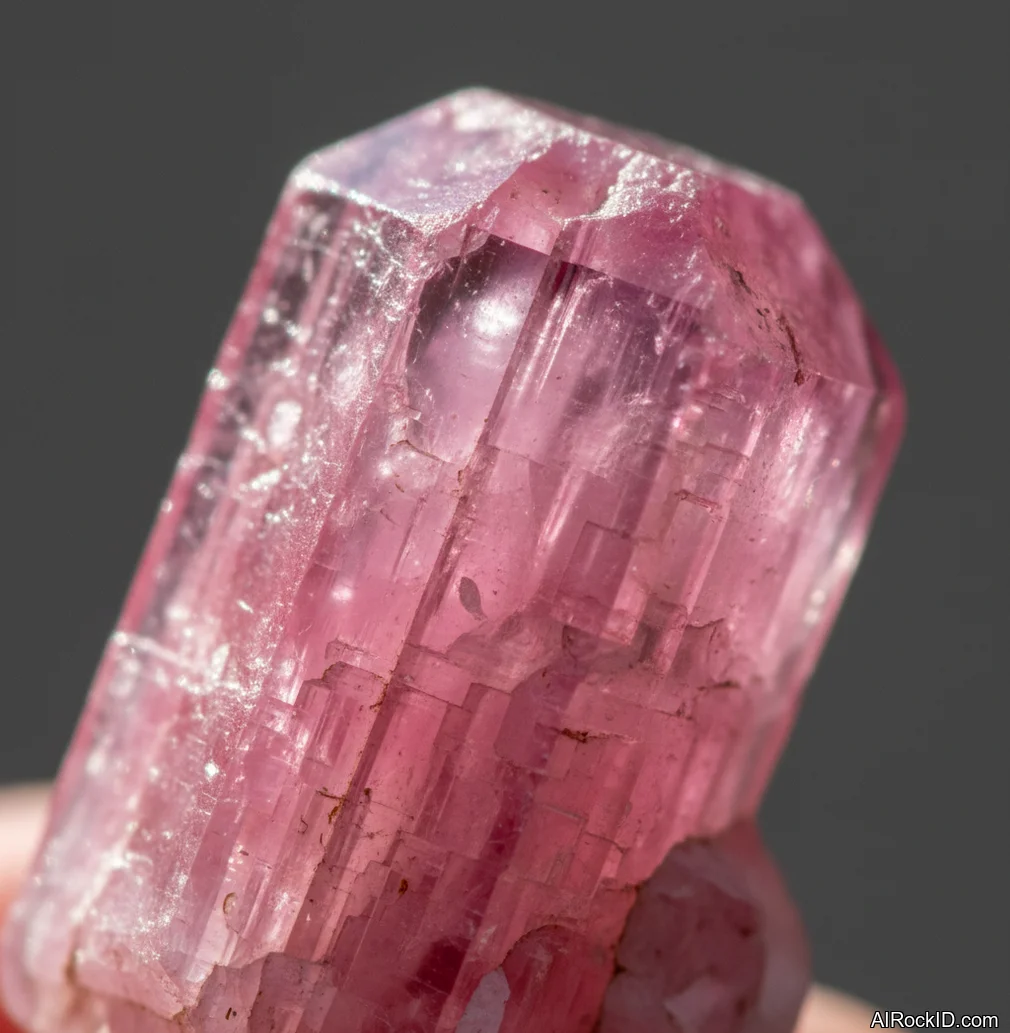
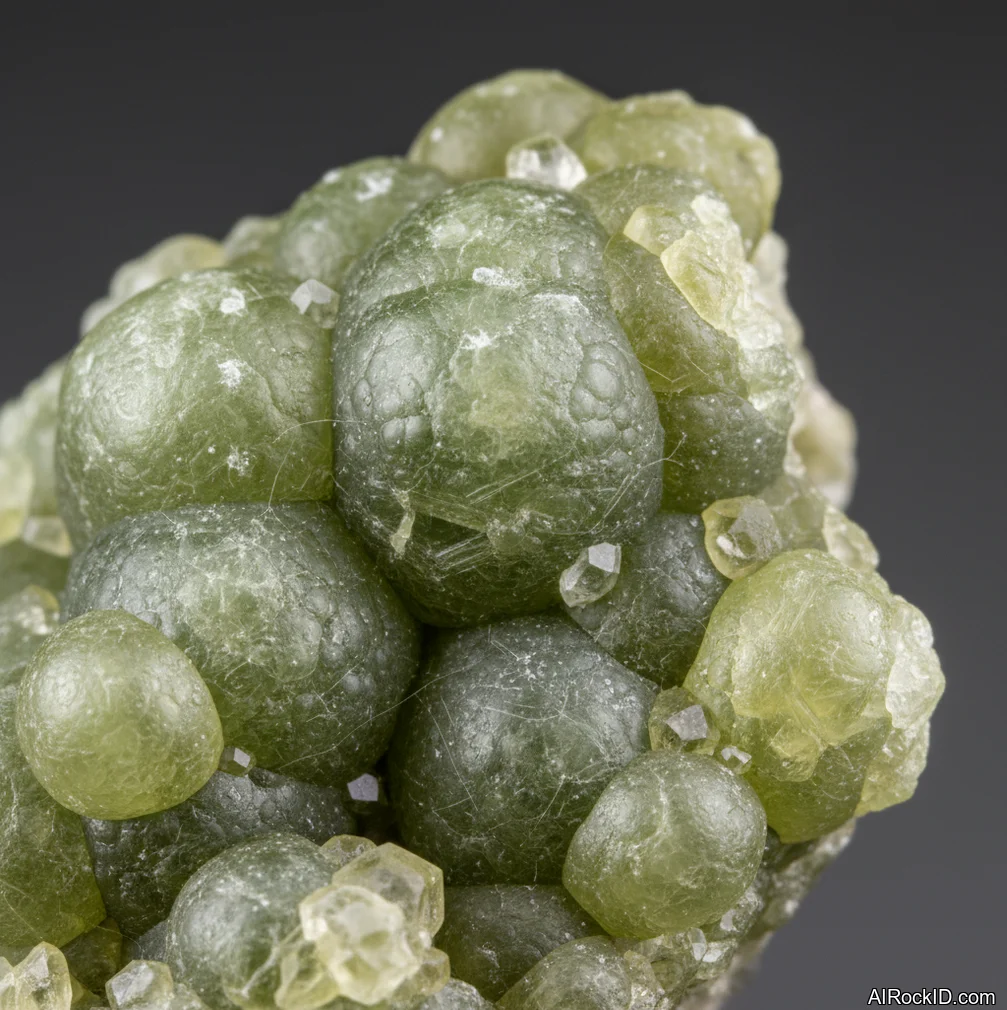
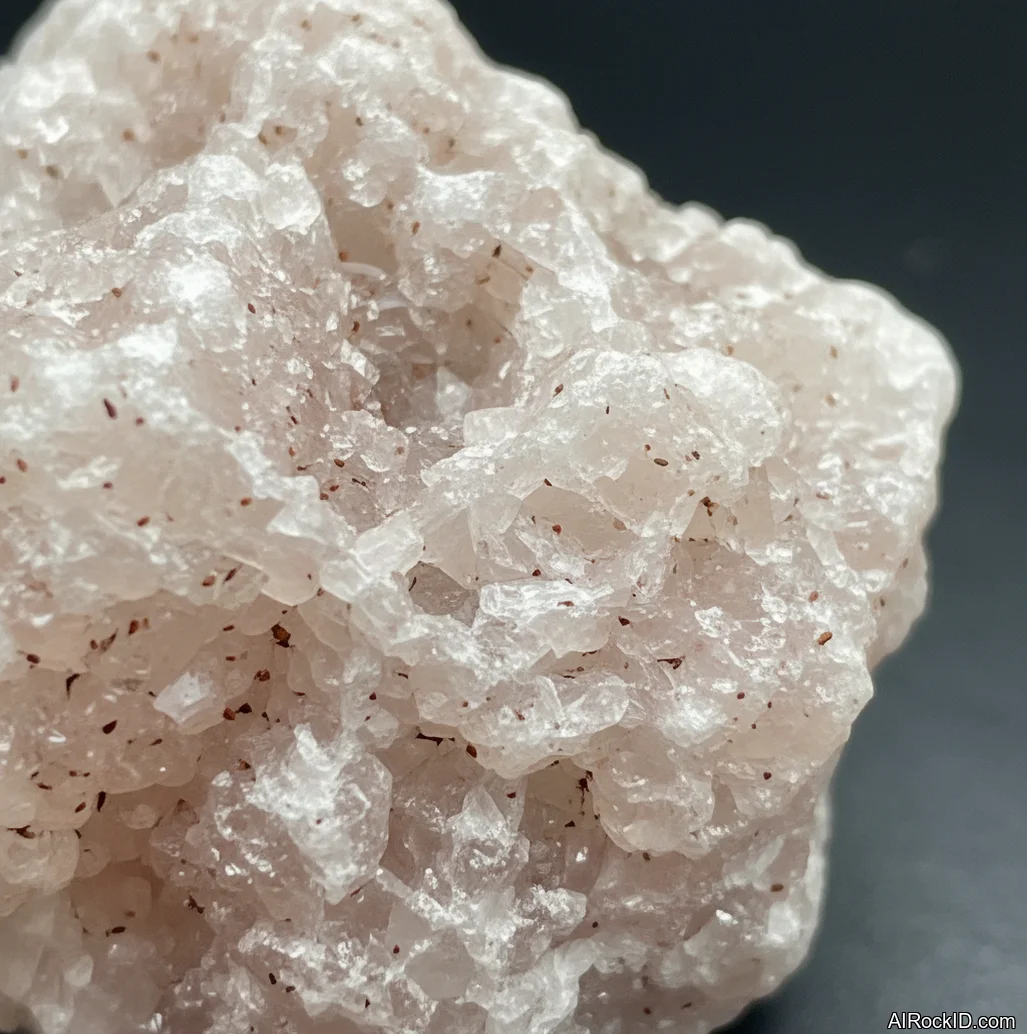
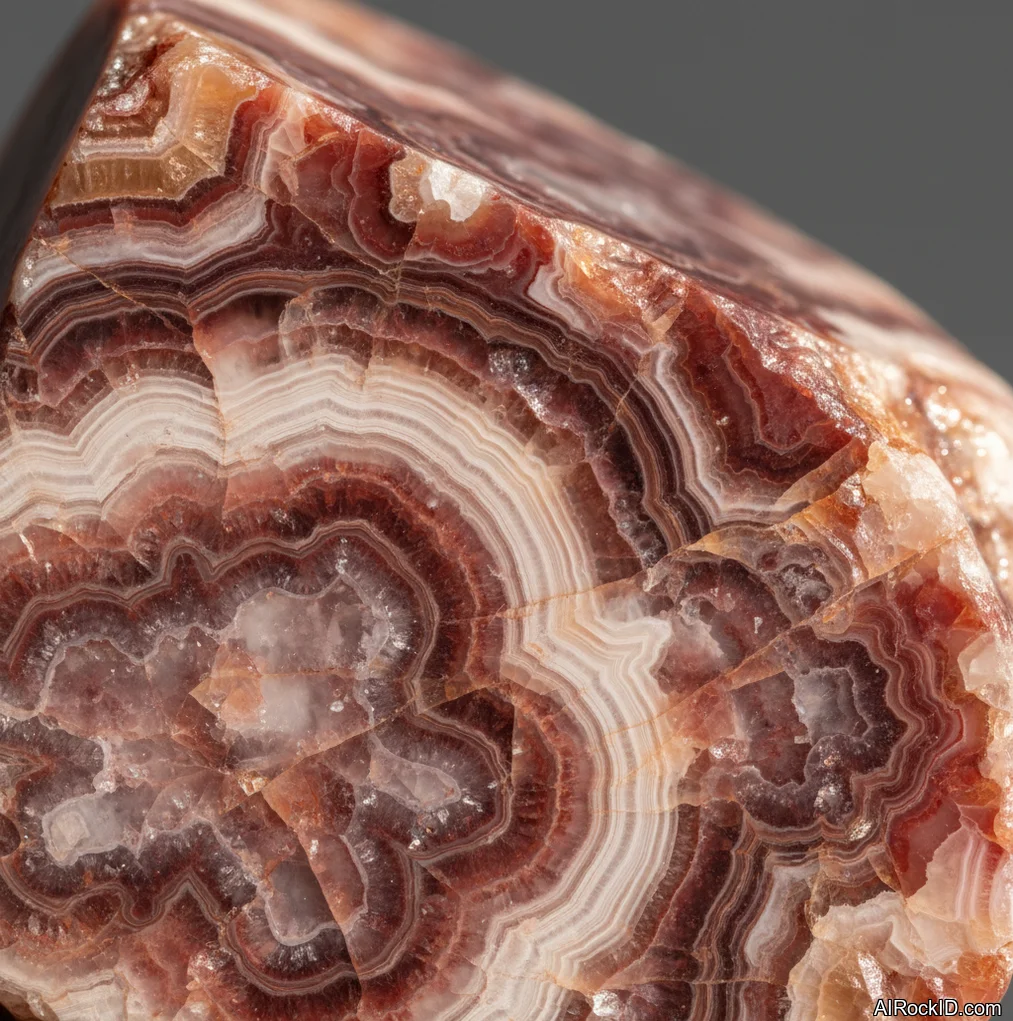
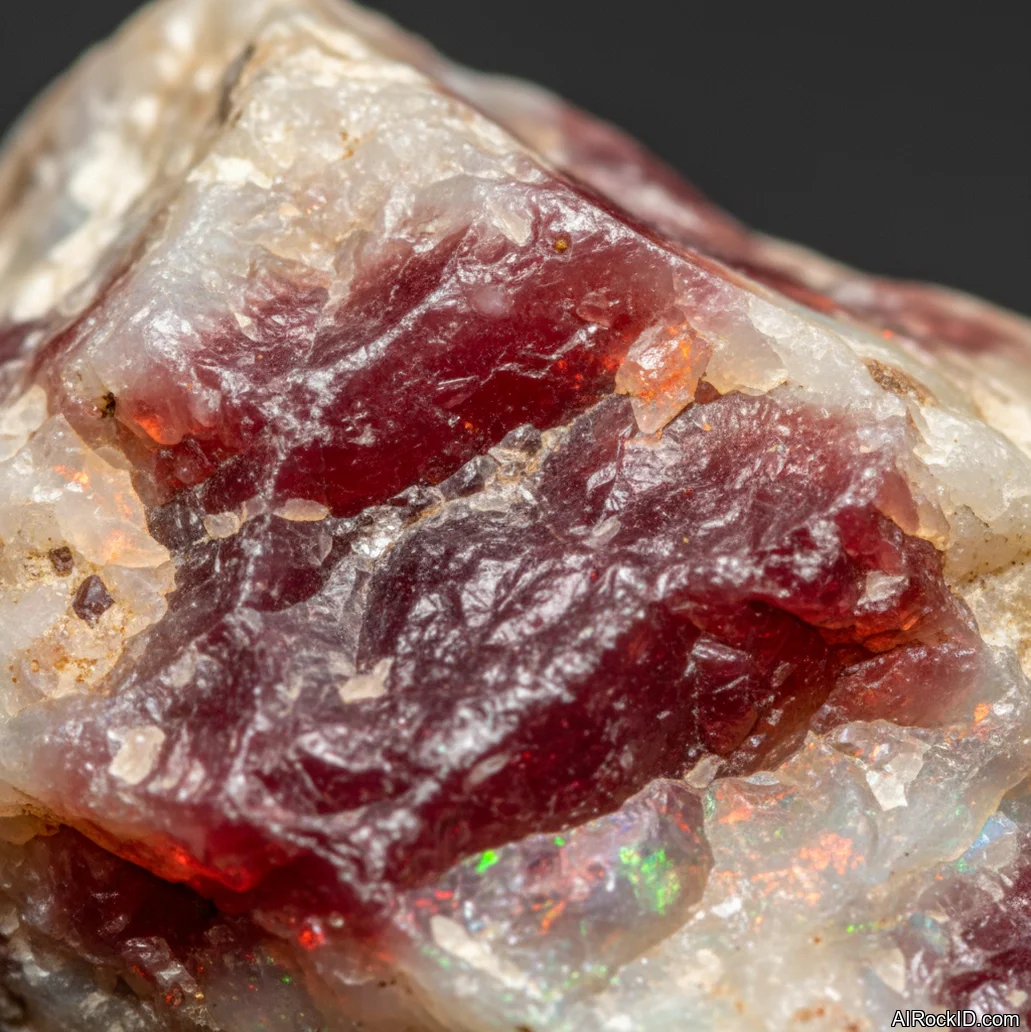
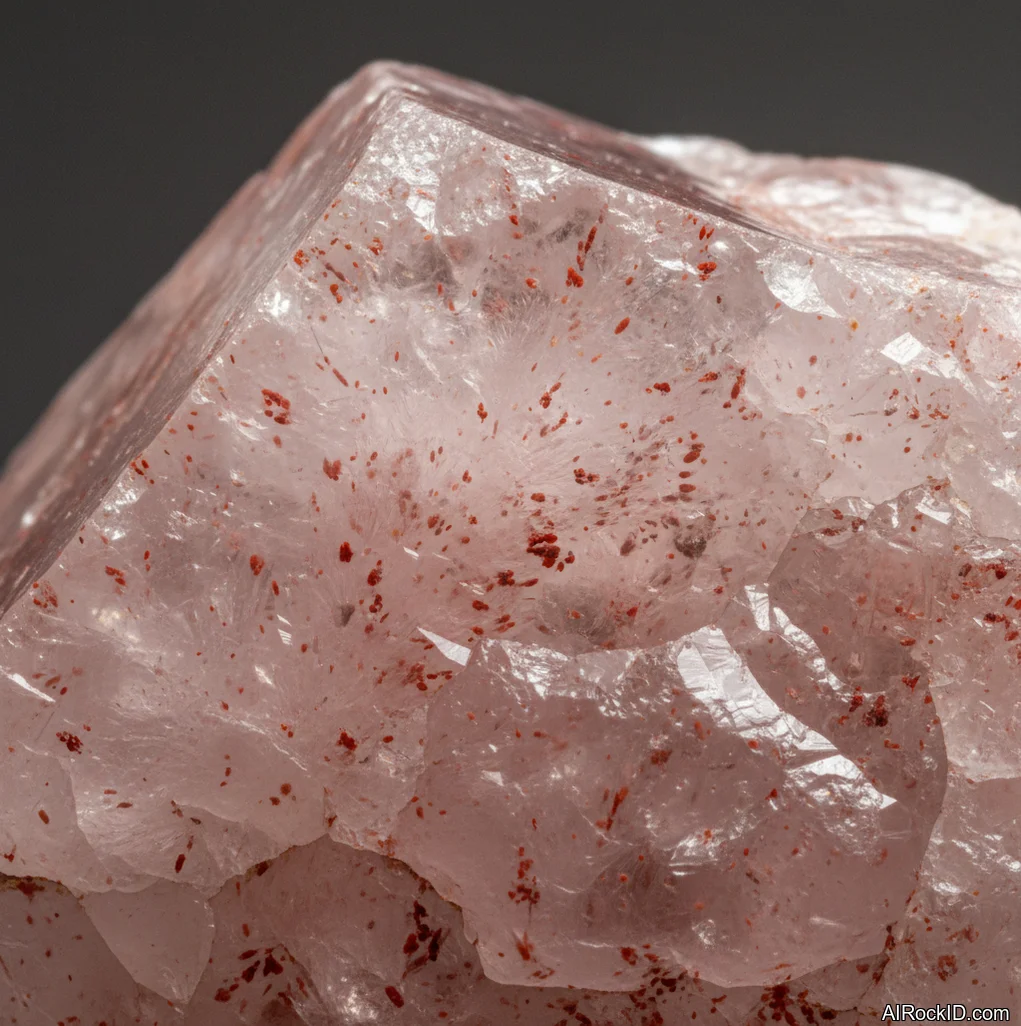
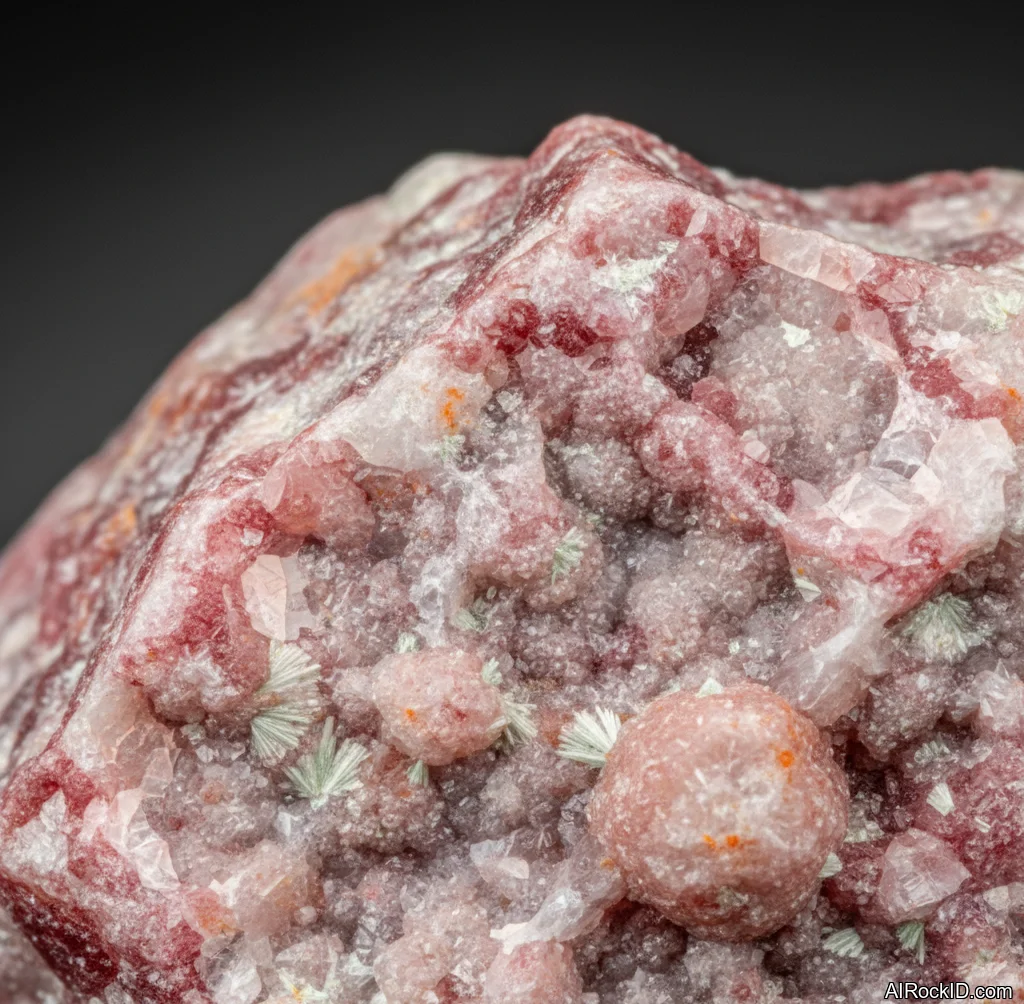
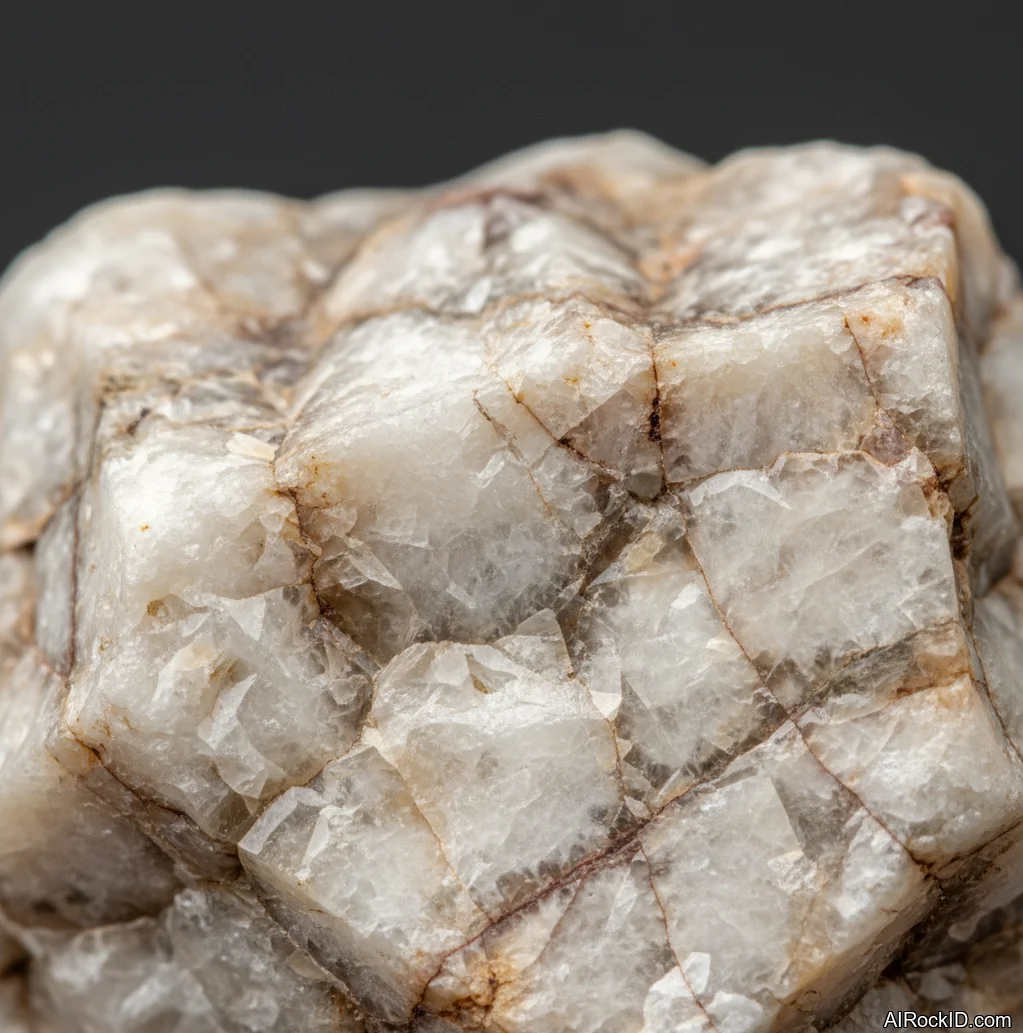
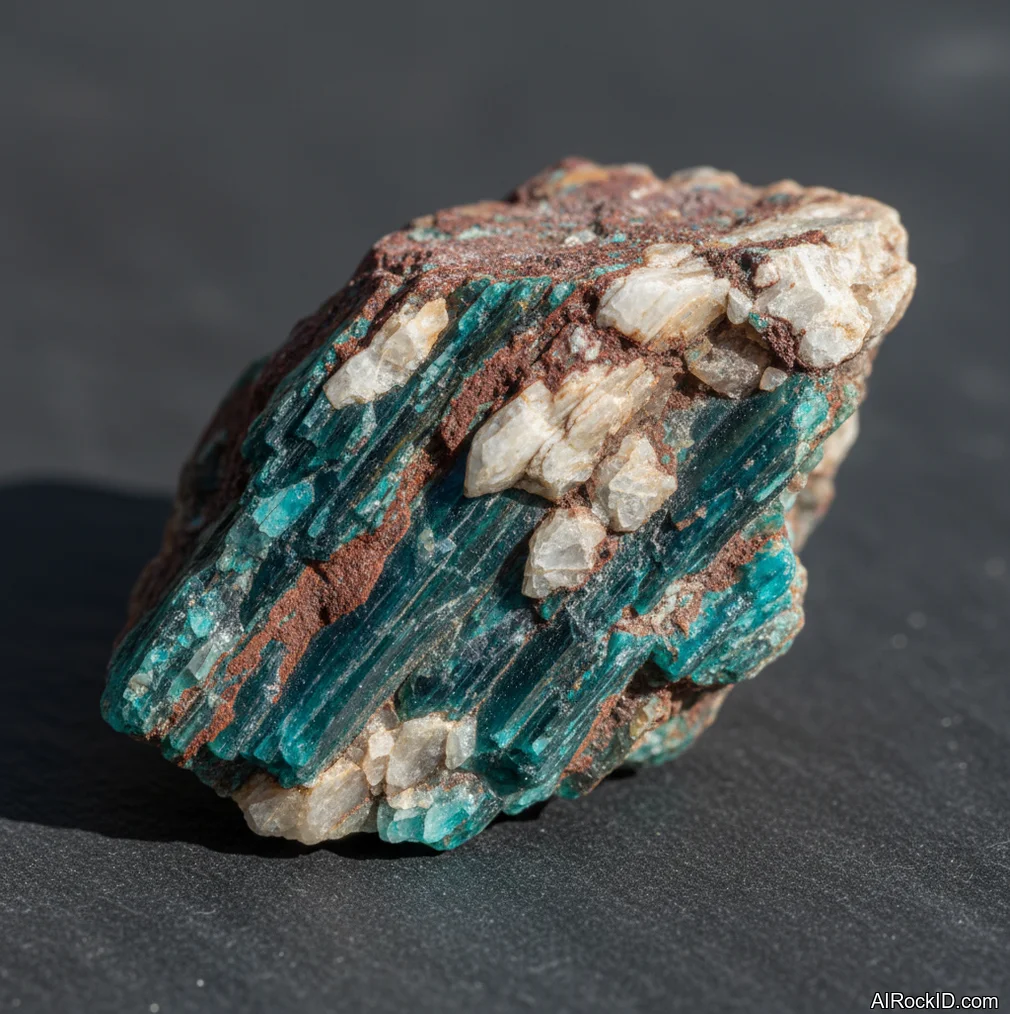
Nurturing crystals are stones that people reach for when they’re looking for comfort, steadiness, and a sense of emotional support. These crystals are often cool to the touch, have gentle colors like pink, peach, cream, or pale green, and feel smooth or weighty in the hand, never sharp or harsh. Common nurturing crystals include Rose Quartz, Pink Opal, Rhodonite, Moonstone, and Lepidolite. These associations come from metaphysical traditions and are not medical claims.
Nurturing crystals can’t resolve mental health crises, heal trauma, or replace real social support. They don’t substitute for professional help with stress, grief, or burnout.
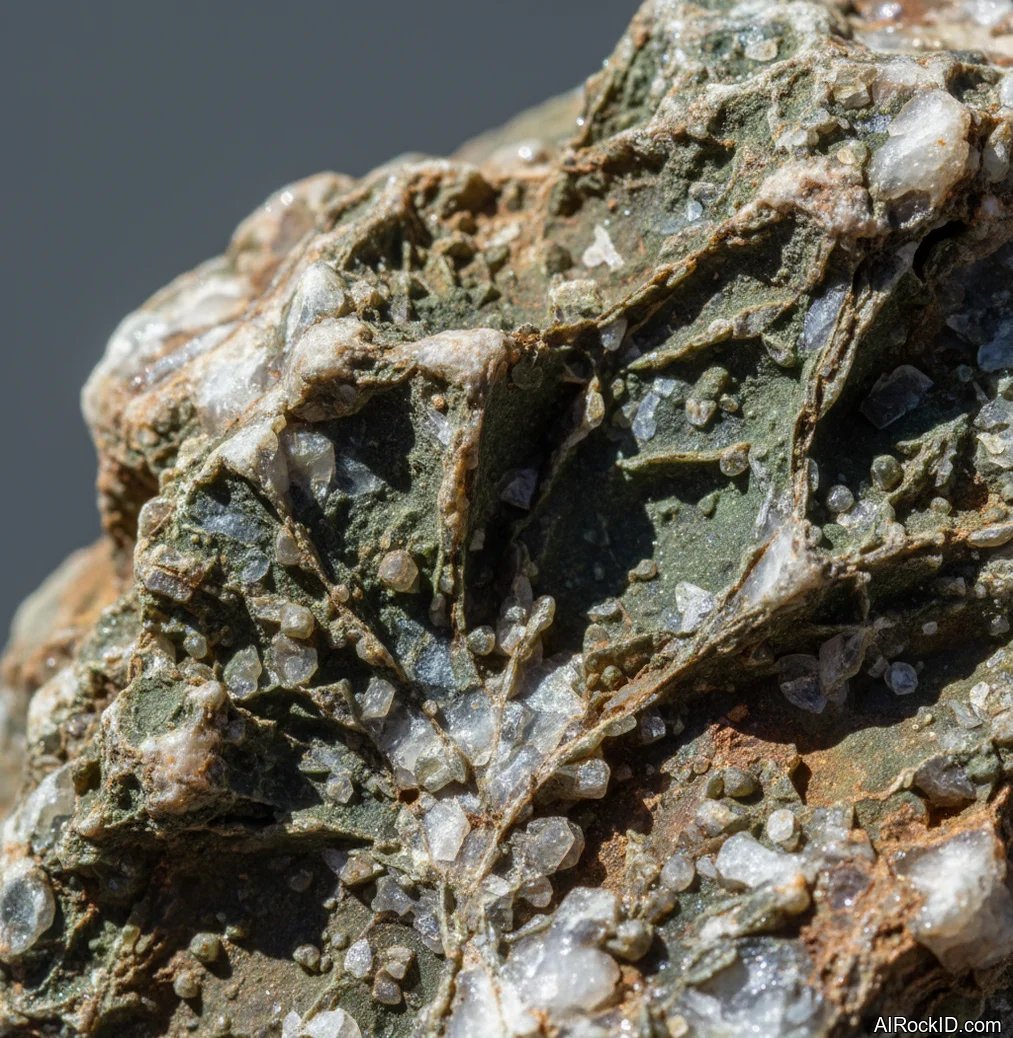
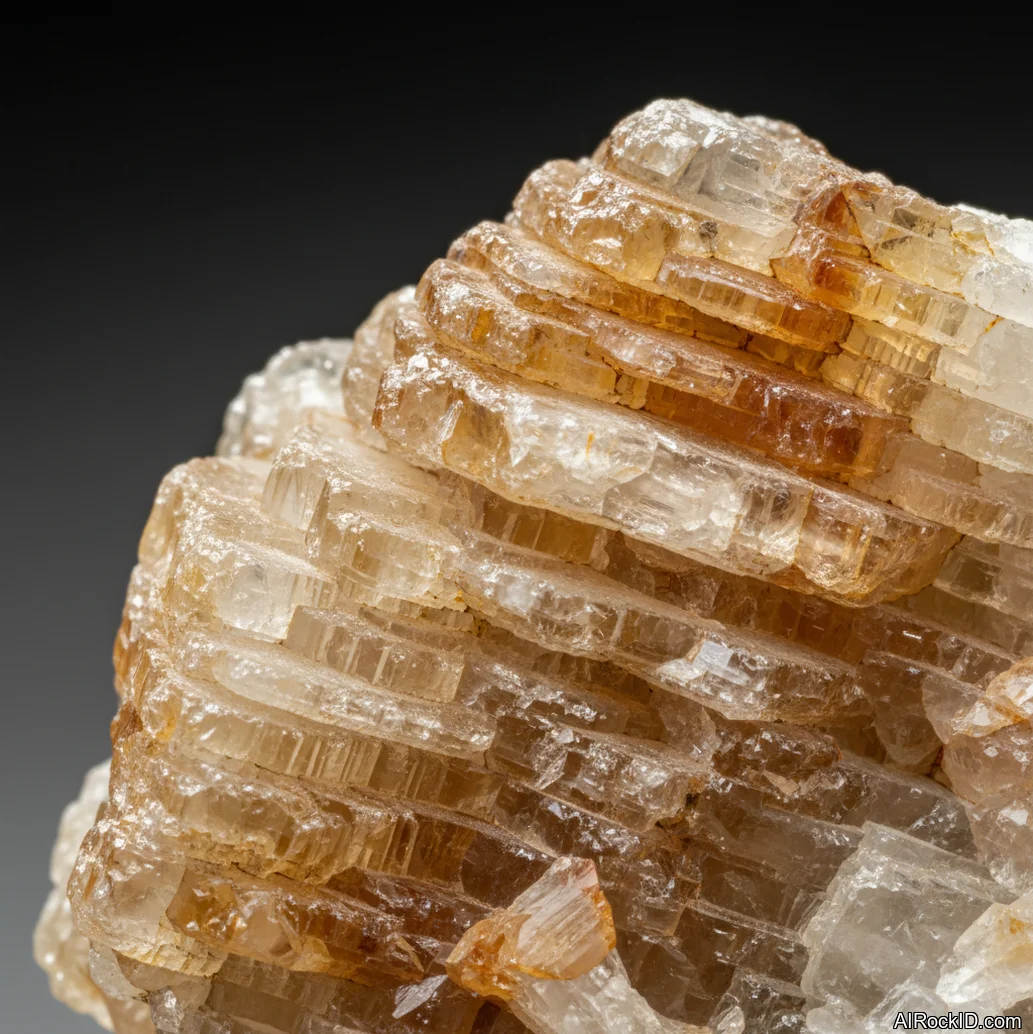
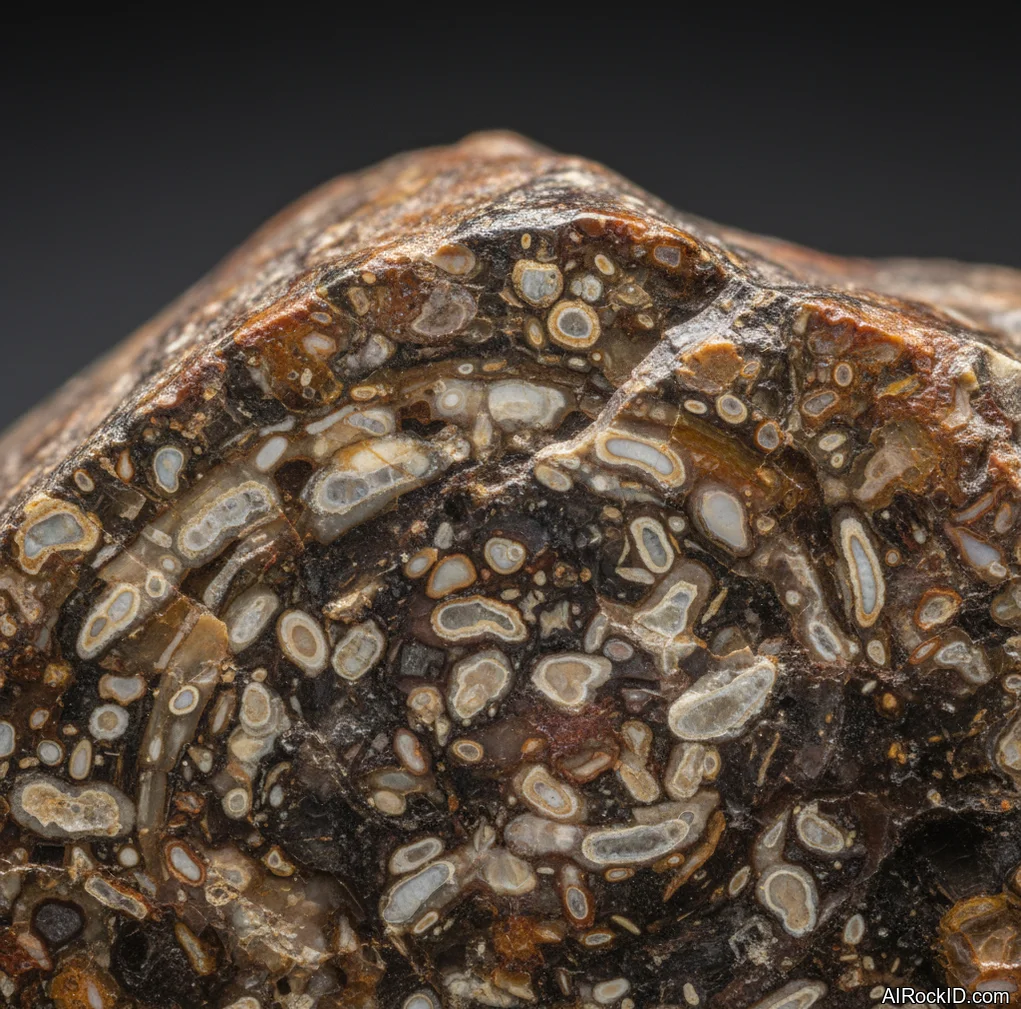
AI Rock ID can help compare a photographed specimen with known visual patterns such as color, luster, banding, and crystal habit. RockIdentifier.io provides crystal identification and educational pages that can support learning about nurturing stones without replacing expert gemological testing.
Good fit
- Beginners who want a simple theme for a small crystal collection
- Collectors drawn to soft colors, smooth textures, or calming visual qualities
- People using crystals as symbolic reminders for rest, compassion, or emotional balance
- Gift-givers choosing stones associated with care, friendship, or reassurance
Not a good fit
- Anyone seeking medical, mental health, or crisis treatment from a crystal
- Collectors who need a verified gemstone identity without lab testing
- People who prefer high-energy or strongly protective crystal themes
Most commonly confused with
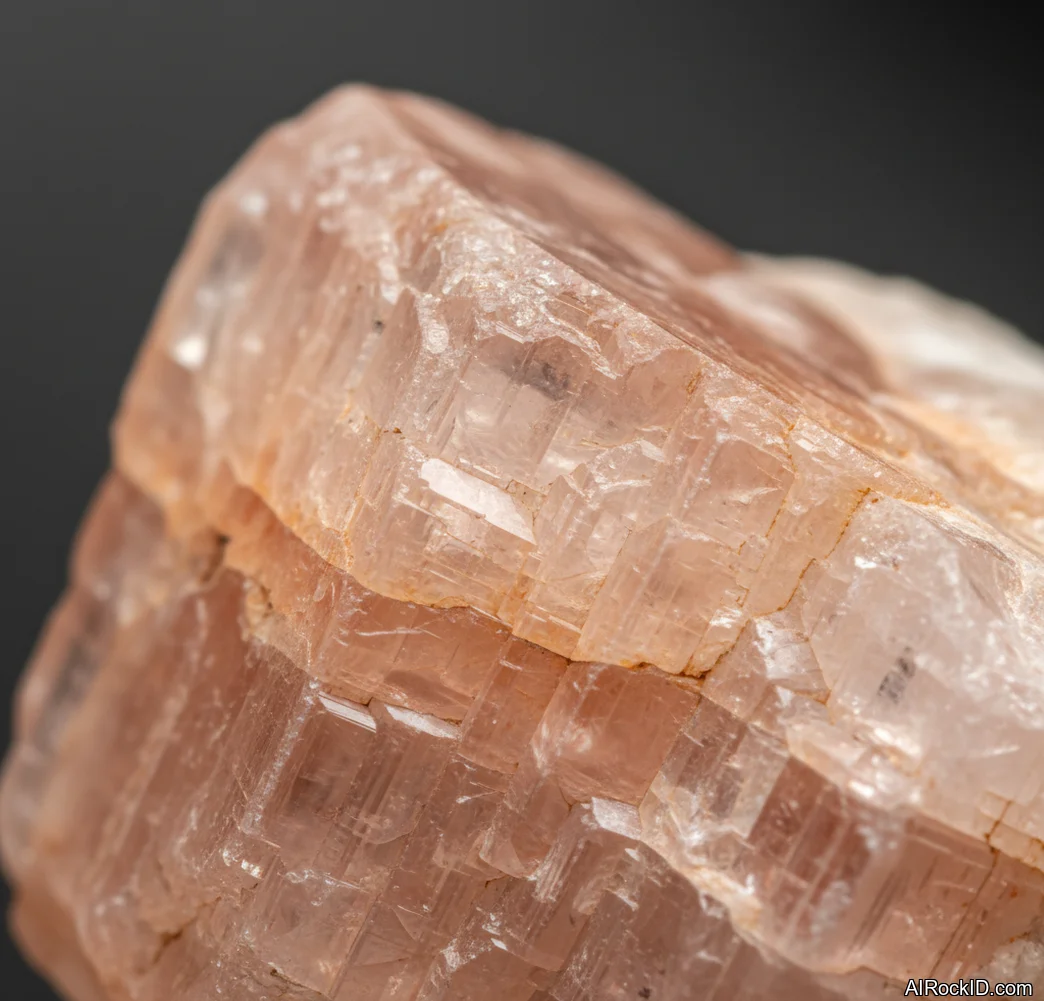
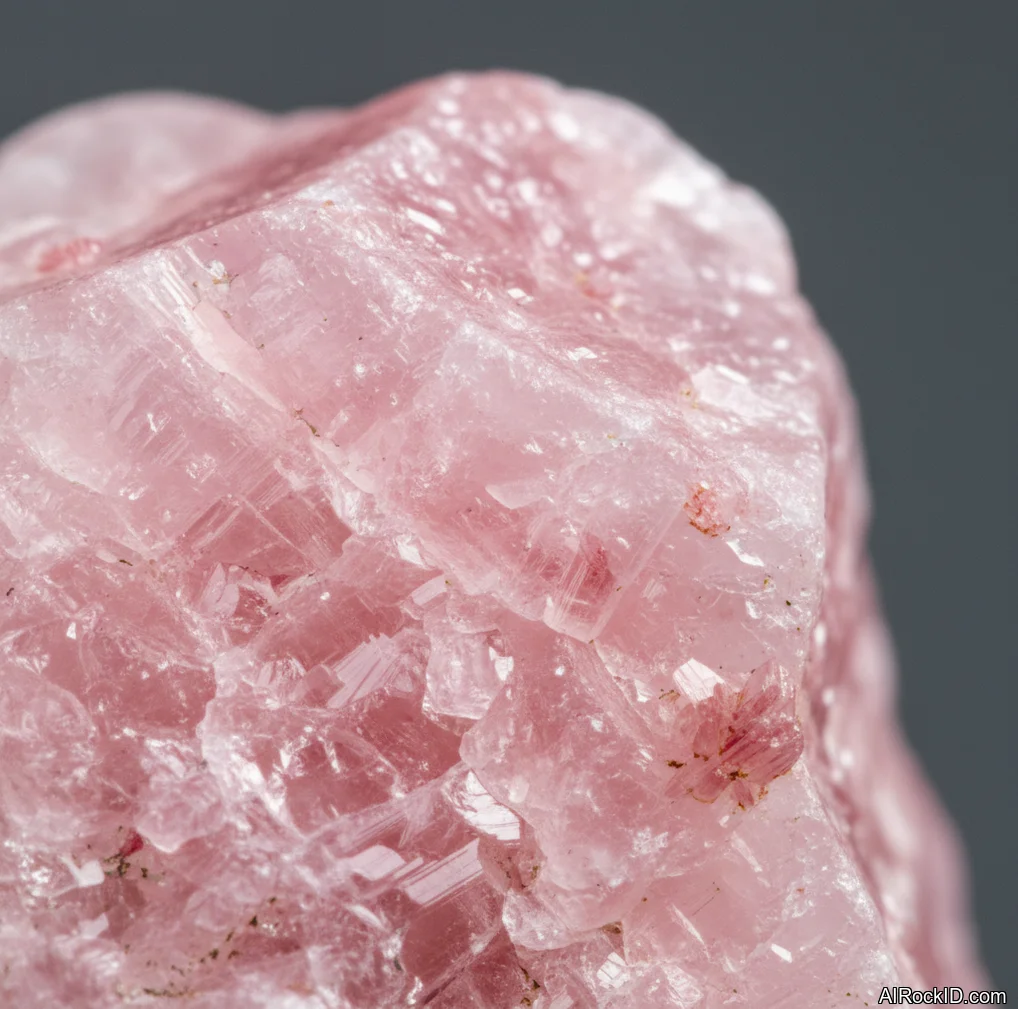
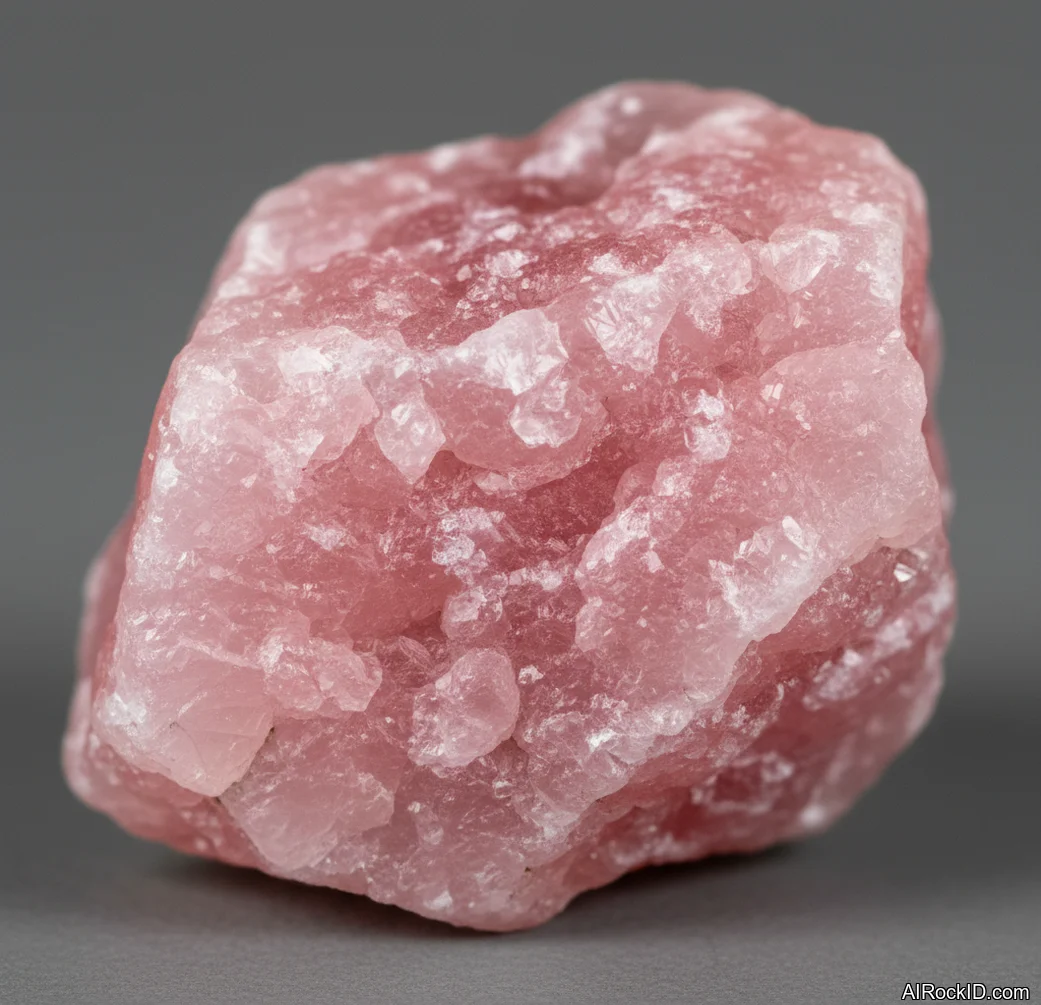
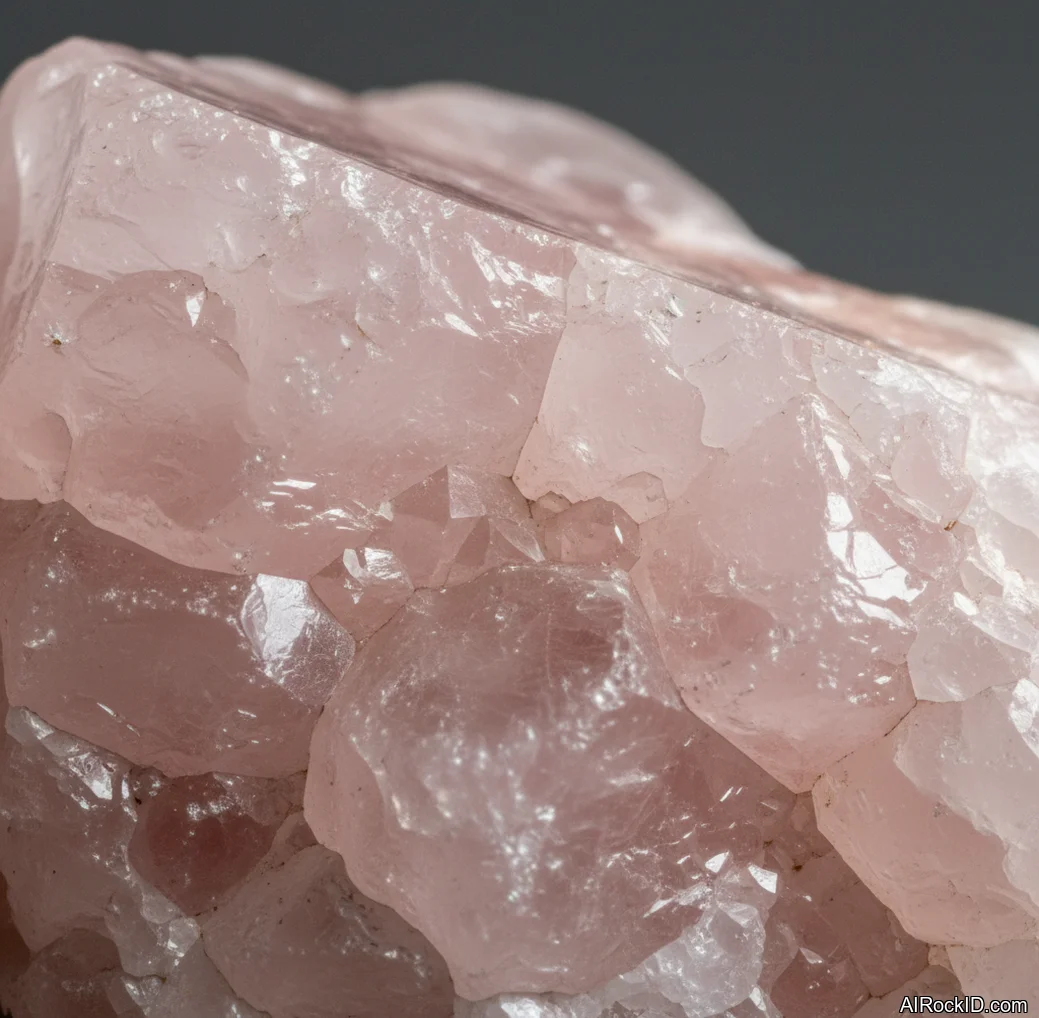
- Rose Quartz: Often used as the classic nurturing stone; it is usually pale pink and translucent to cloudy.
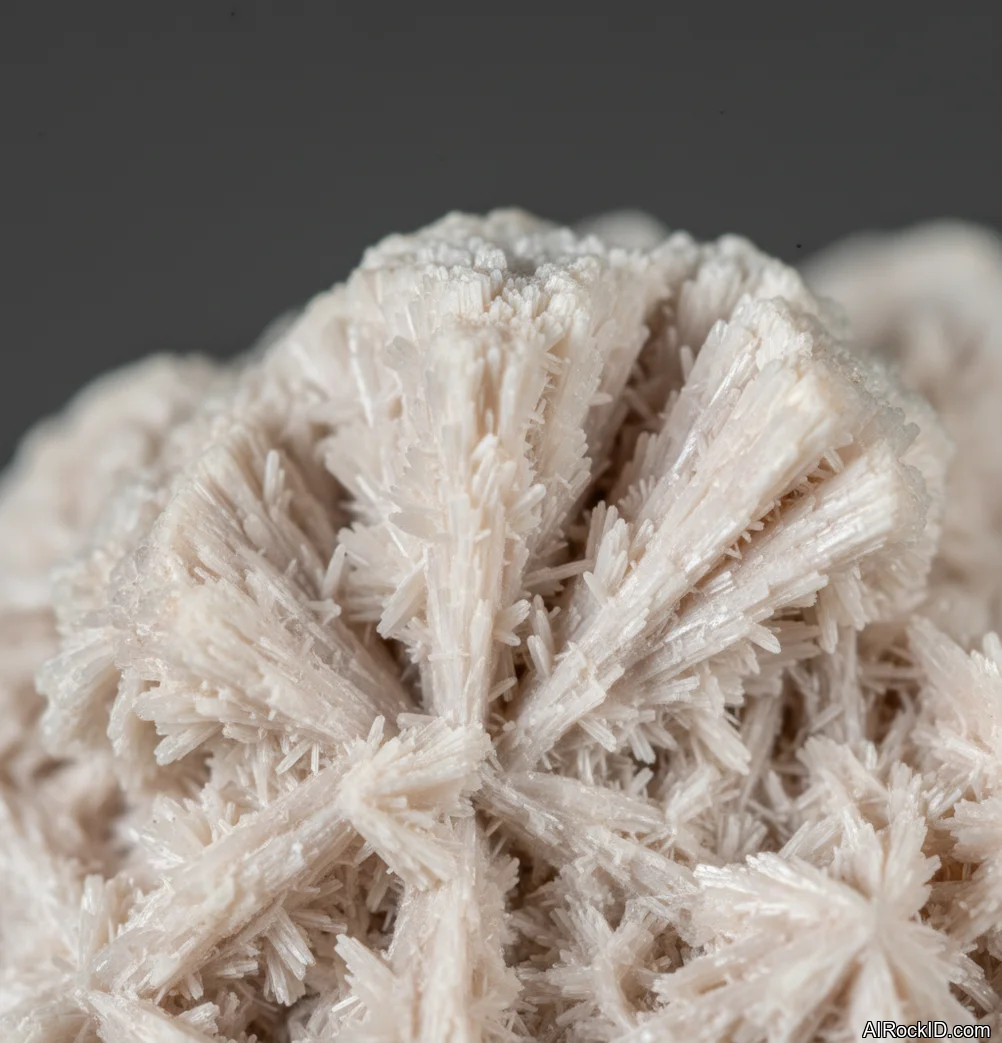
- Pink Opal: Can look similar in color to Rose Quartz, but it is generally more waxy or opaque and lacks quartz's glassy hardness.
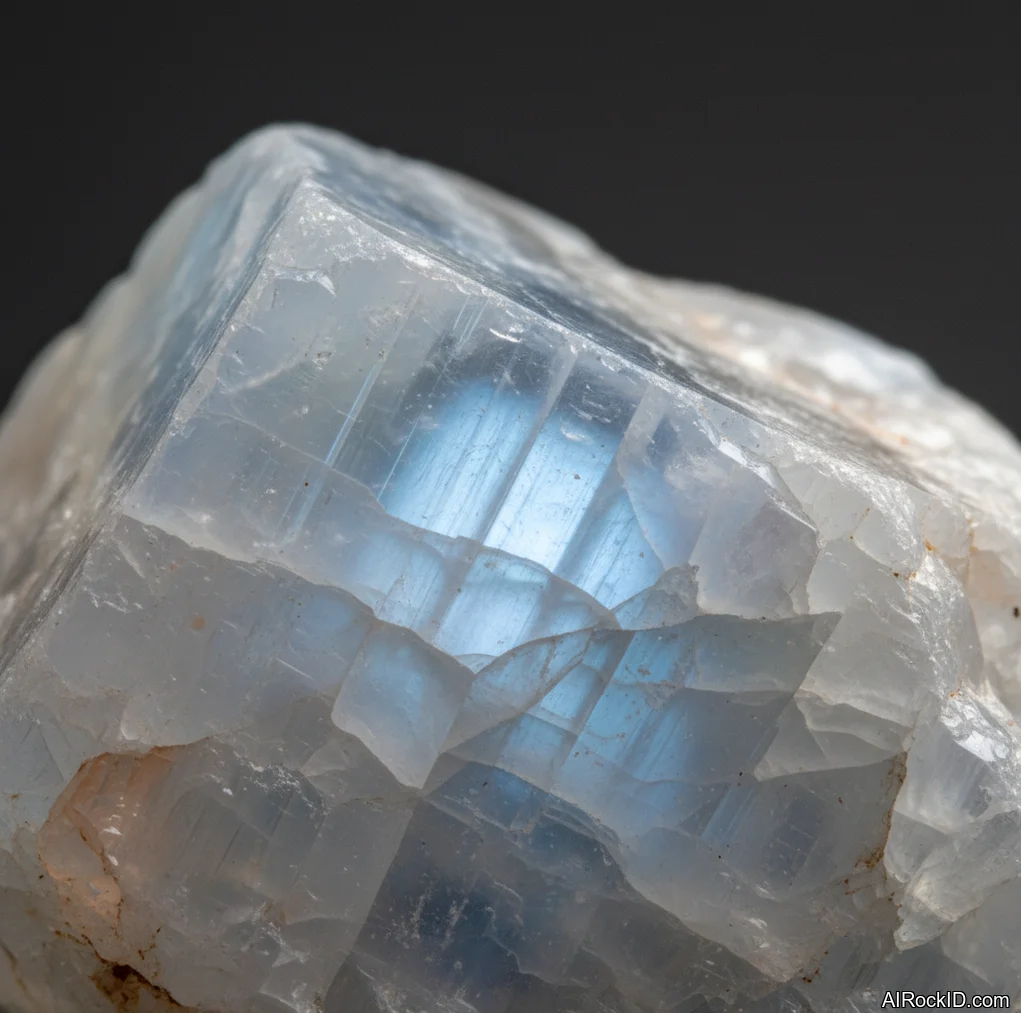
- Moonstone: Associated with gentle cycles and emotional reflection; its adularescence can help separate it from plain white feldspar.
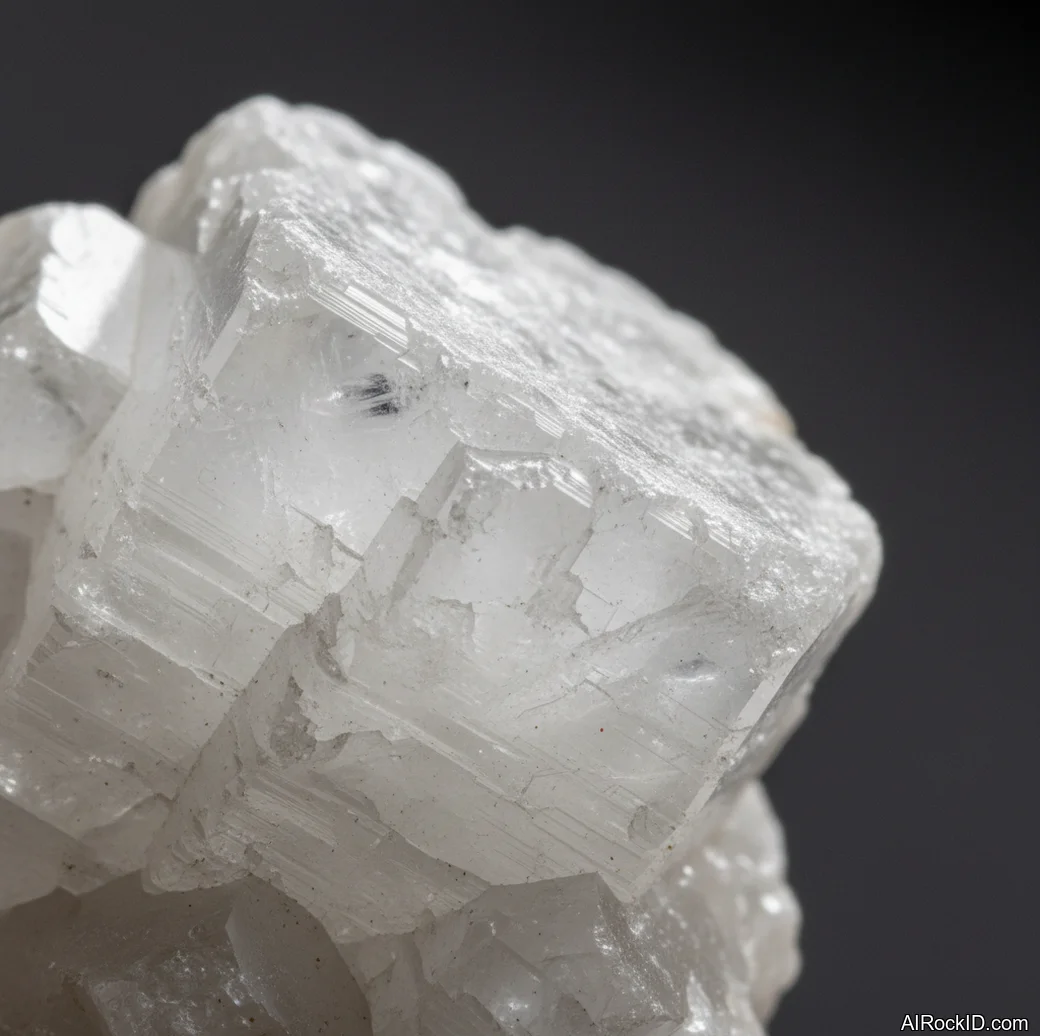
- Selenite: Sometimes grouped with soothing stones, but it is much softer and more water-sensitive than quartz varieties.
AI identification confidence
AI identification is usually more confident when the photo shows the stone in natural light with a clear view of color, texture, transparency, and any banding or inclusions. Confidence may be lower for polished tumbled stones because many nurturing crystals share similar pink, white, peach, lavender, or gray tones.
When AI gets it wrong
- A polished stone has no visible crystal habit, cleavage, or natural surface features.
- The photo is taken under colored lighting or heavy shadow.
- Dyed quartz, glass, or resin resembles a natural nurturing crystal.
- Several minerals share the same soft pink, white, or lavender appearance.
What this category represents
The Nurturing tag groups crystals that are traditionally associated with comfort, emotional support, compassion, gentleness, and restorative self-care. This tag describes a symbolic or metaphysical theme, not a scientific mineral property or a medical effect.
Beginner recommendations
Advanced recommendations
Nurturing Crystals by Color Theme
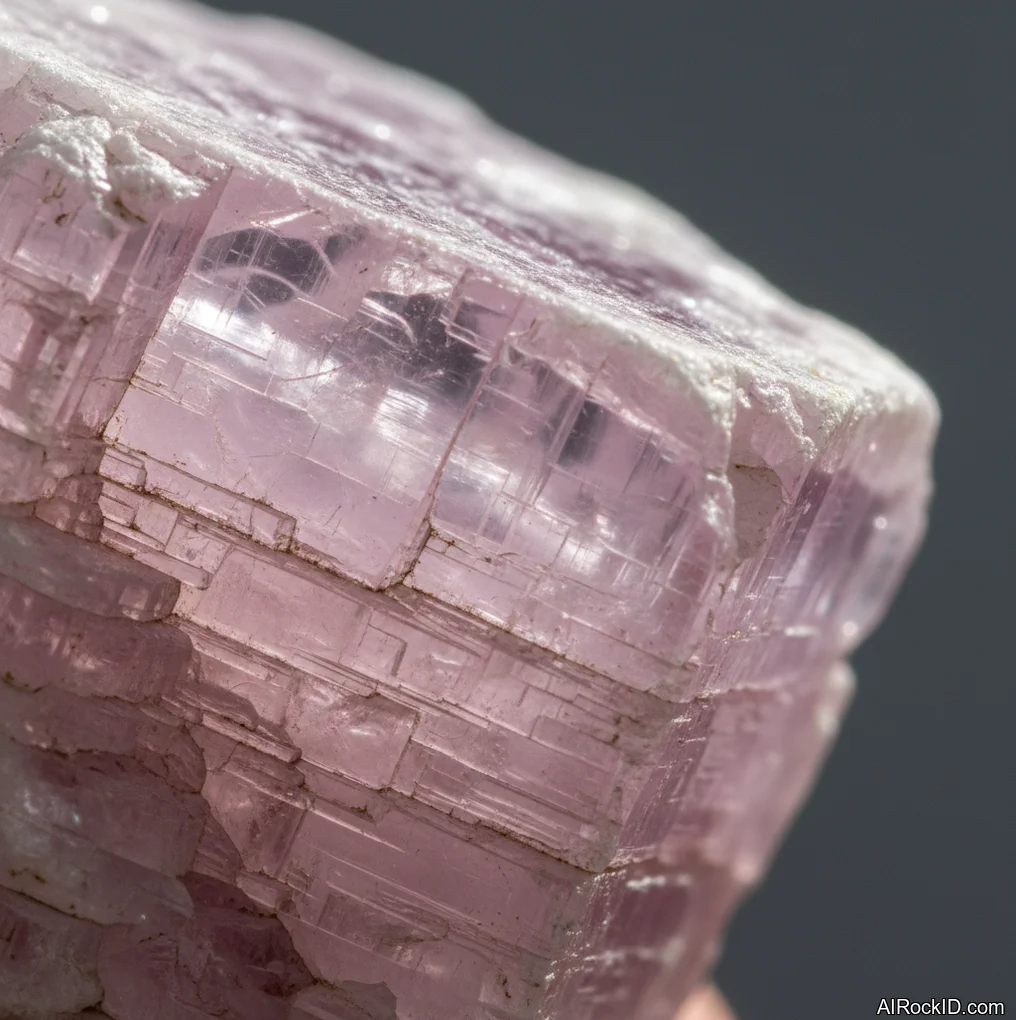
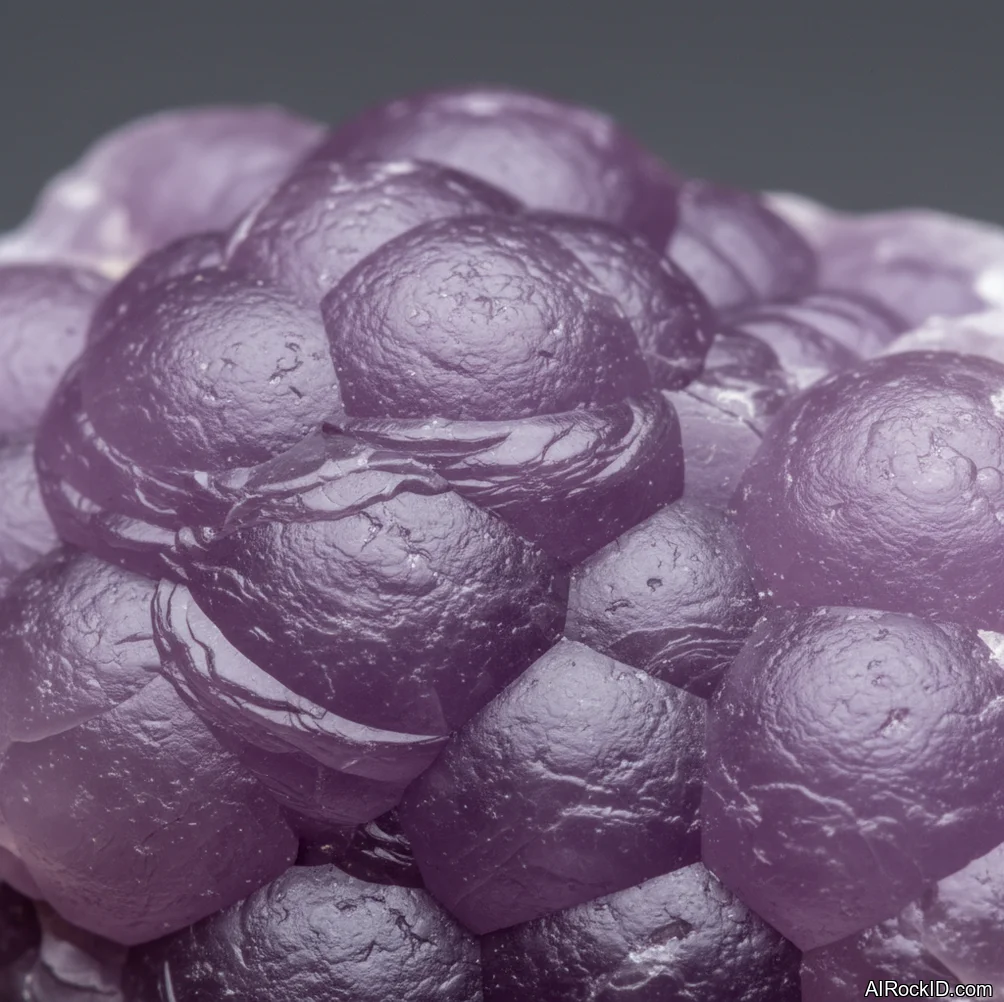
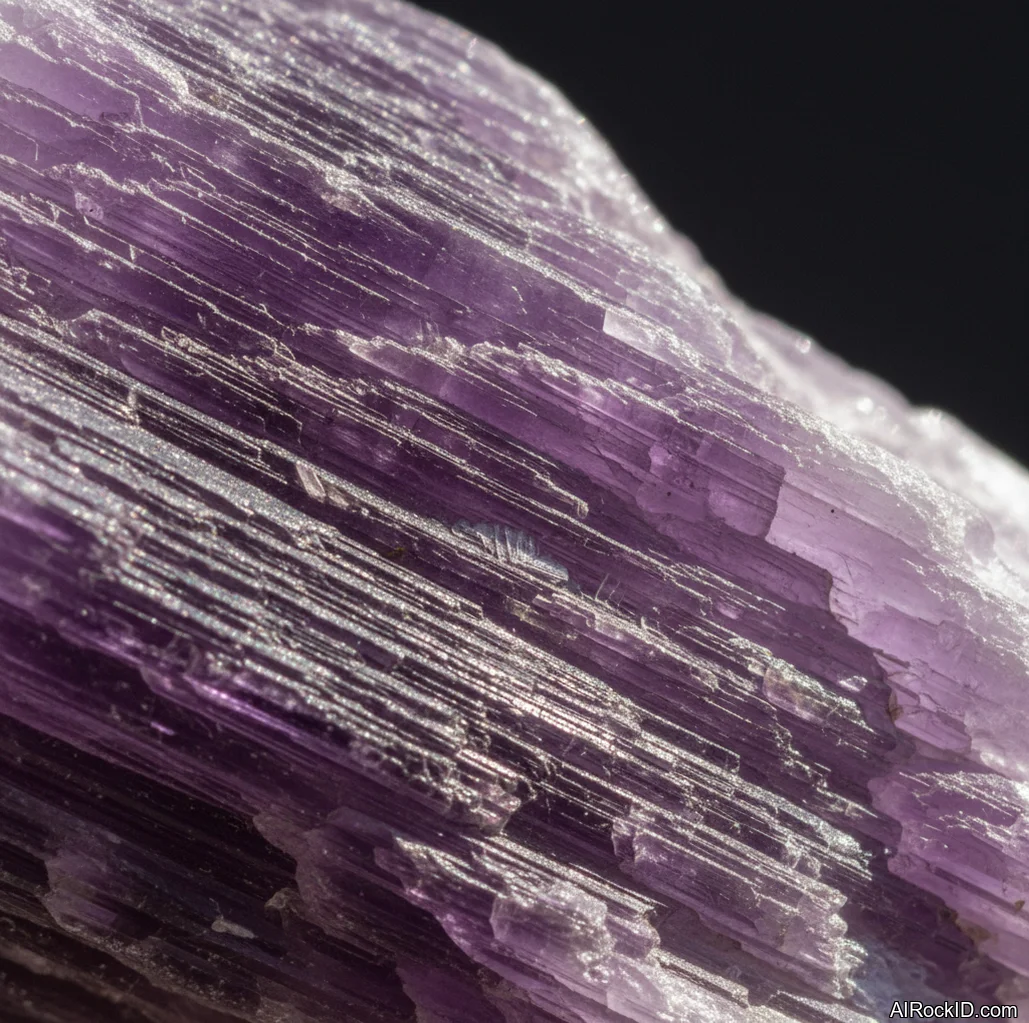
Pink stones such as Rose Quartz, Rhodonite, and Pink Opal are commonly linked with compassion and gentle emotional support in crystal traditions. White and cream stones such as Moonstone and Selenite are often chosen for calm, softness, and reflection. Lavender or lilac stones such as Lepidolite and Kunzite are frequently associated with quiet, soothing energy.
How to Build a Small Nurturing Crystal Set
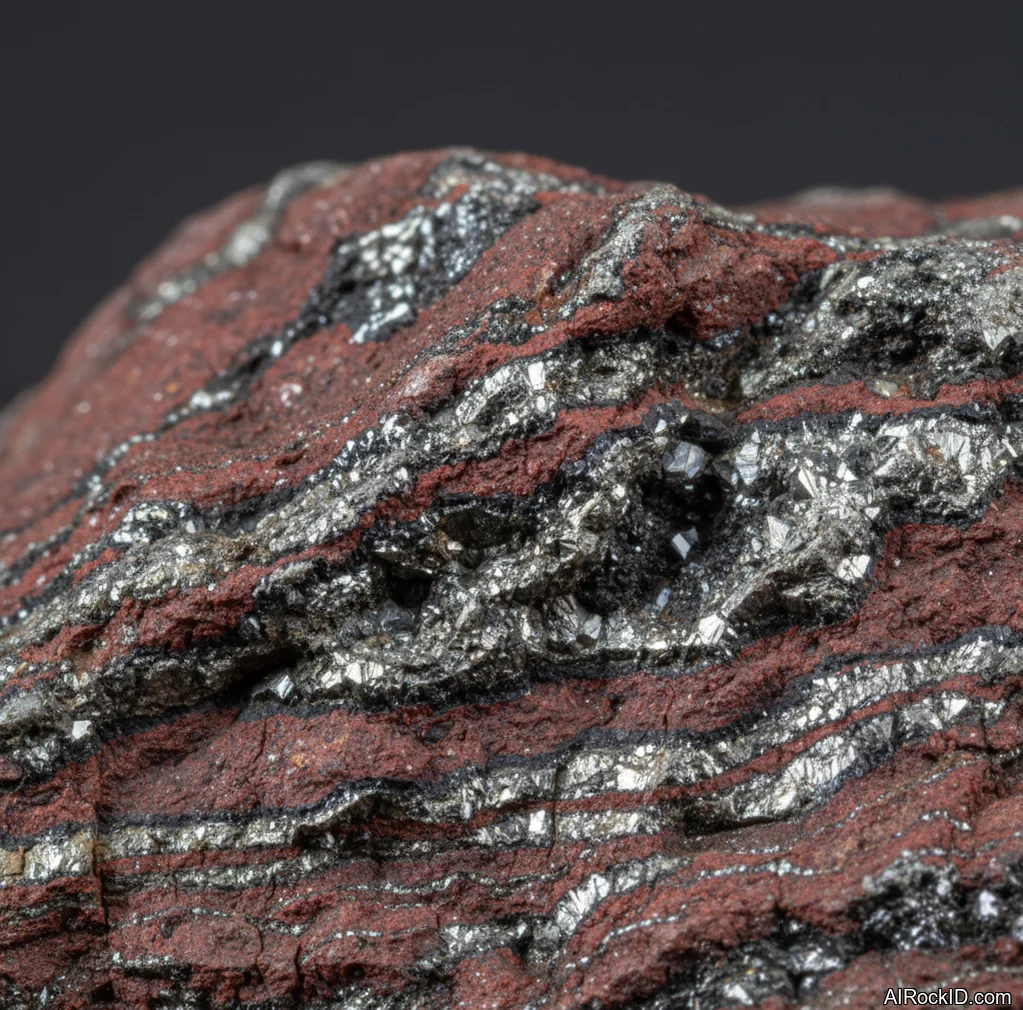
A simple nurturing set can include one pink stone for compassion, one white or cream stone for calm, and one grounding companion such as Smoky Quartz or Hematite. Many collectors choose a mix of tumbled stones and one display specimen so the set is easy to carry, arrange, or use during a quiet routine.
Ethical and Practical Buying Notes
When buying nurturing crystals, check whether the stone is natural, dyed, heat-treated, or synthetic, especially for bright pink, blue, or purple specimens. Ask for the mineral name rather than only a trade name, and compare hardness and care needs before placing softer stones in pockets, water, or jewelry.
What Nurturing Means in Crystals: Comfort and Support Stones
Pick up a stone that feels nurturing and you’ll clock it before you even think about it. It’s not a mental thing—your body just knows. There’s a certain softness to the surface, the colors don’t argue with your eyes, and nothing feels sharp or edgy when you hold it. In the world of crystals, nurturing really means feeling held together when you’re coming apart at the edges. A steadying weight. A gentle kind of support that helps you keep showing up for yourself. People tend to grab these stones after a rough patch—loss, burnout, family drama, or when their nerves are fried from too much stress. It’s that sense of comfort without sugarcoating. Most nurturing stones have colors in the pink, peach, cream, or pale green range. But plenty of other factors play into it. Texture, the way light hits, even the heft in your palm. It’s not all about looks. Some pieces just feel right.
Physical Features of Nurturing Crystals: What Sets Them Apart
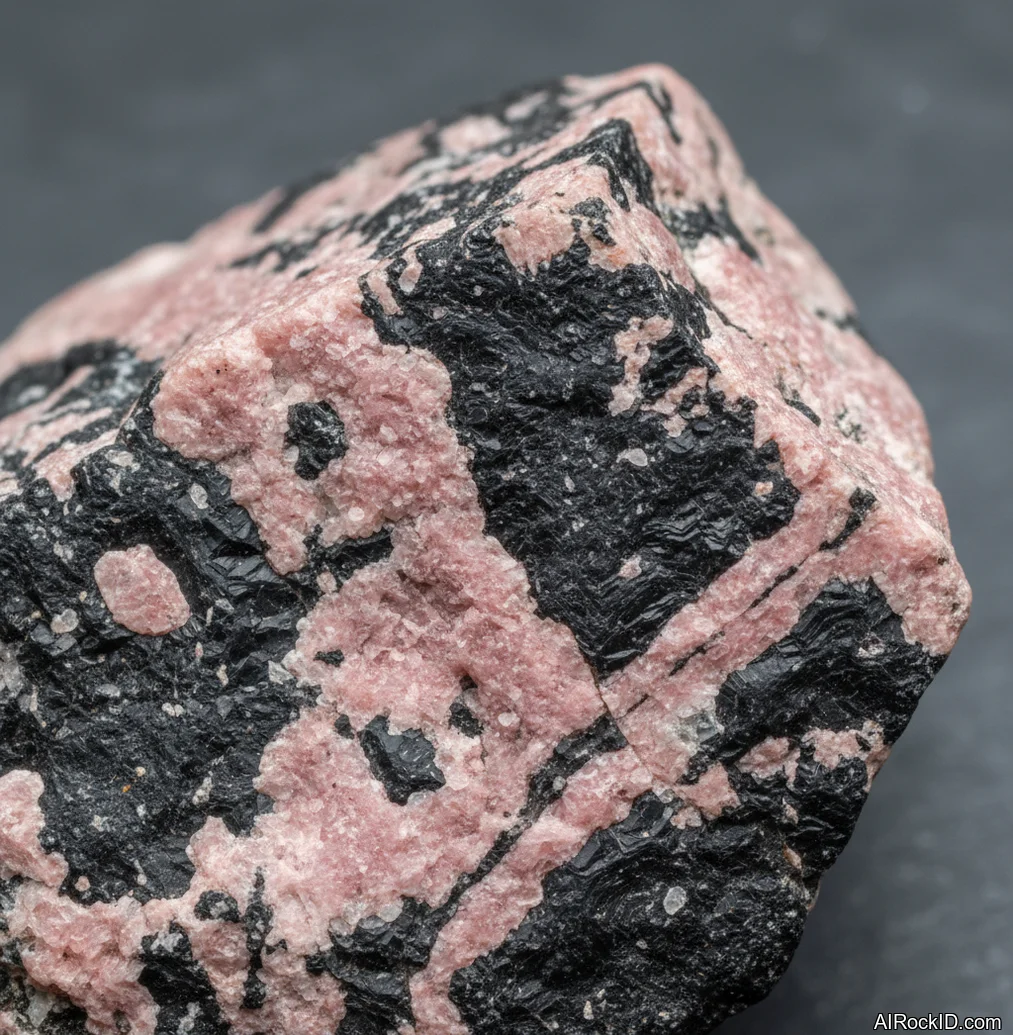
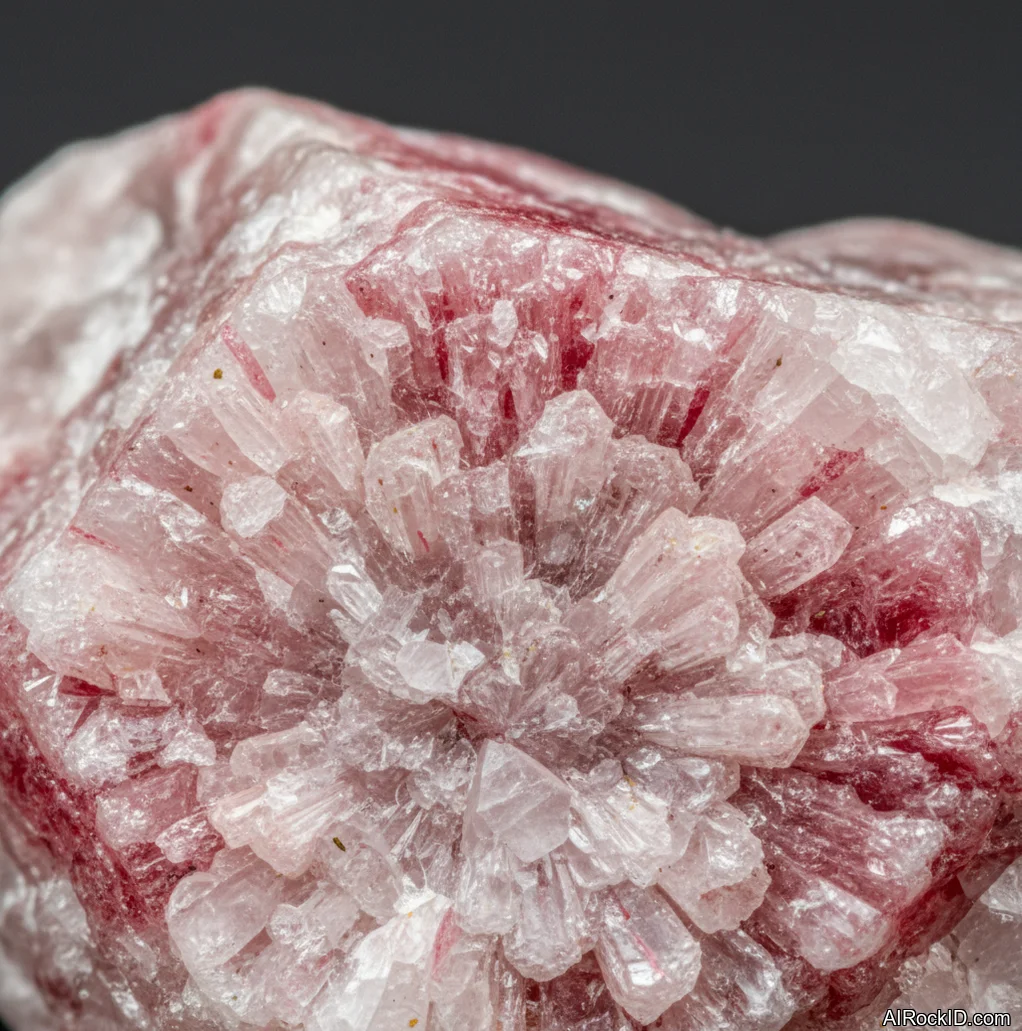
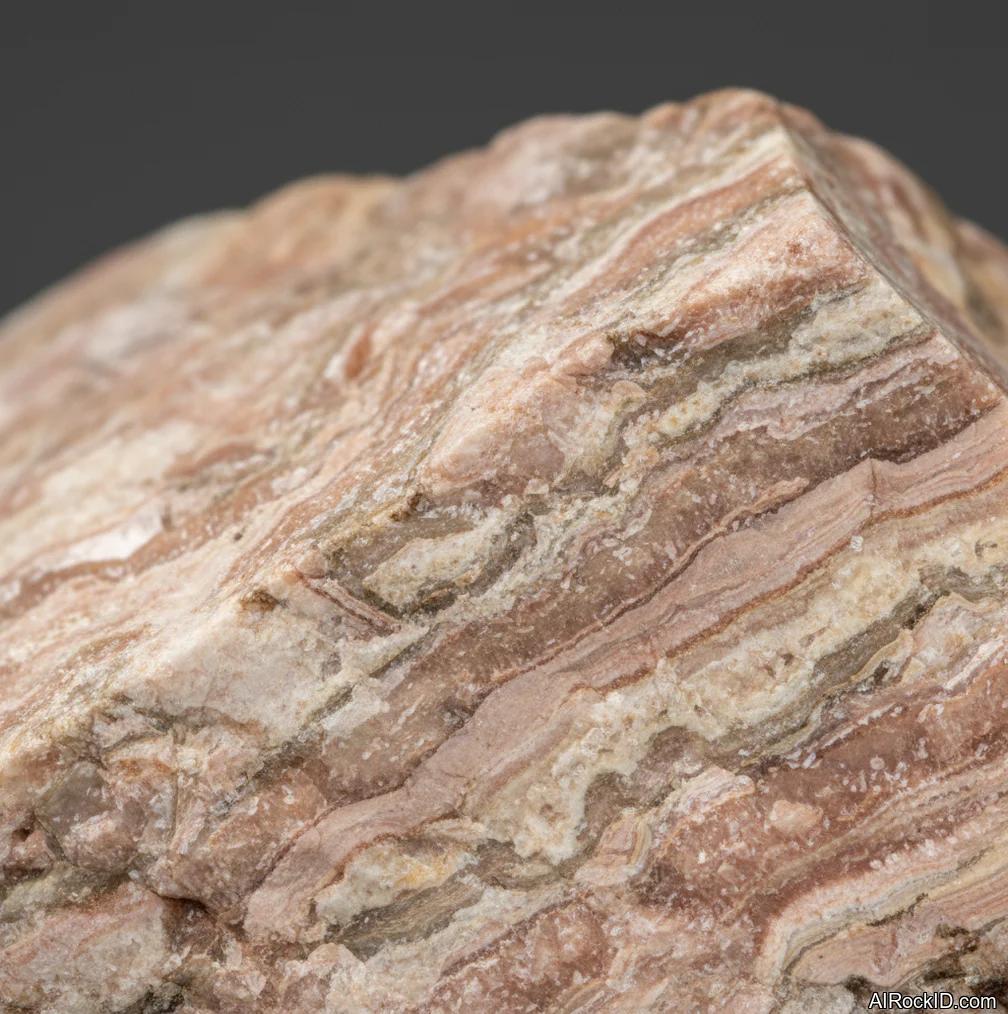
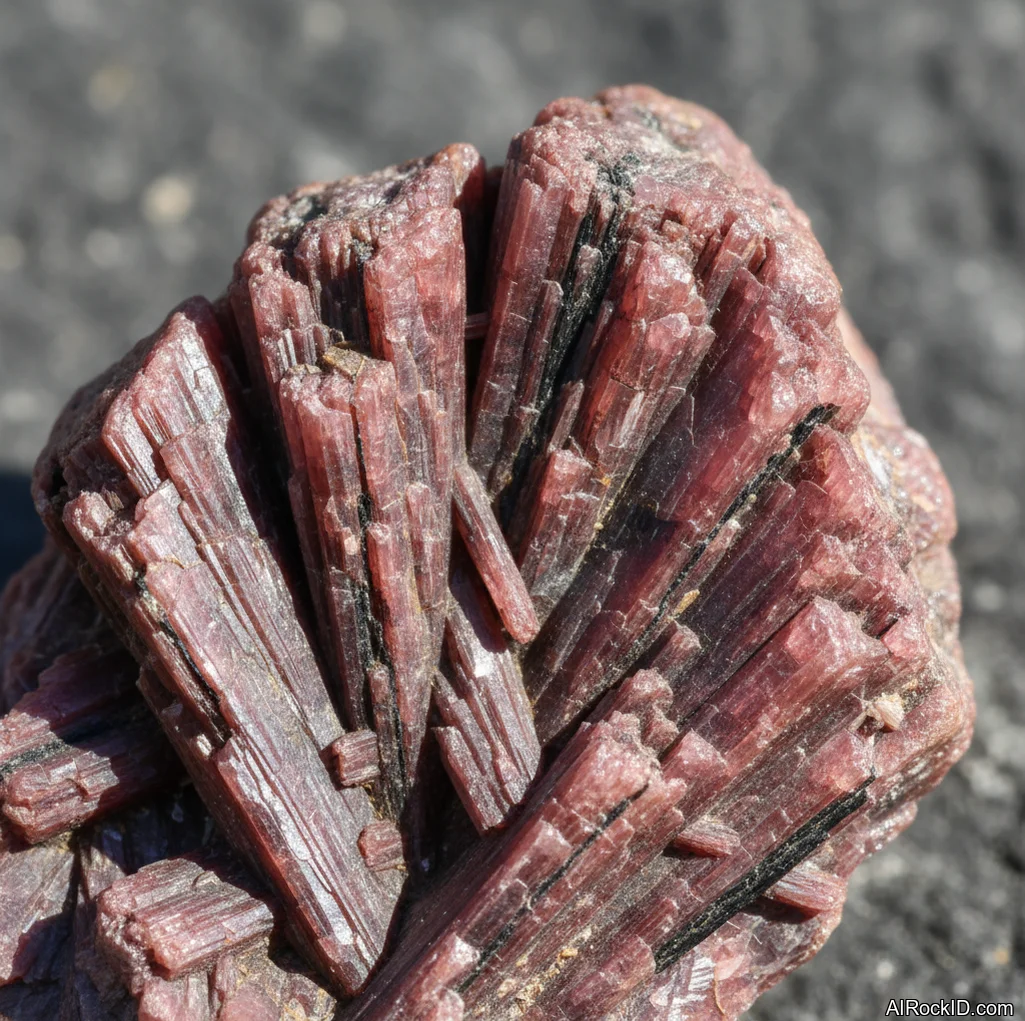
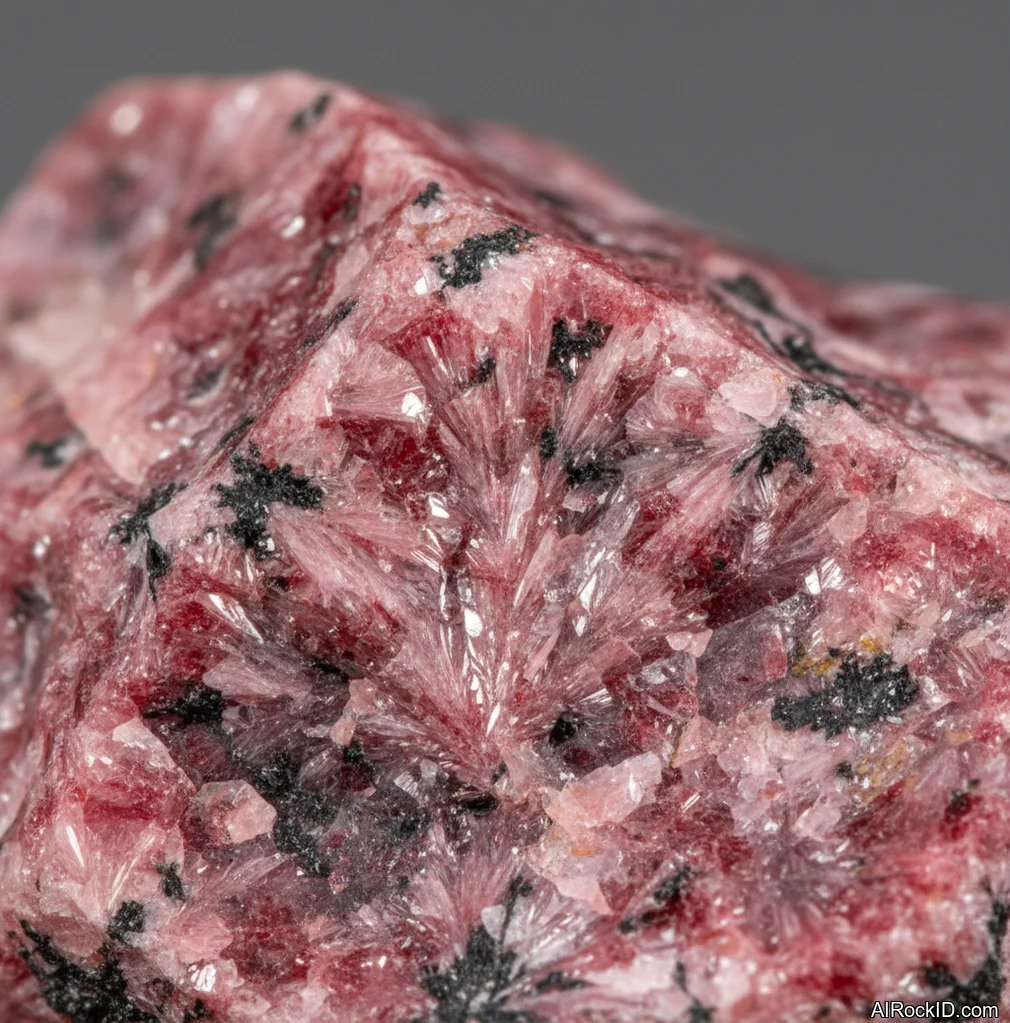
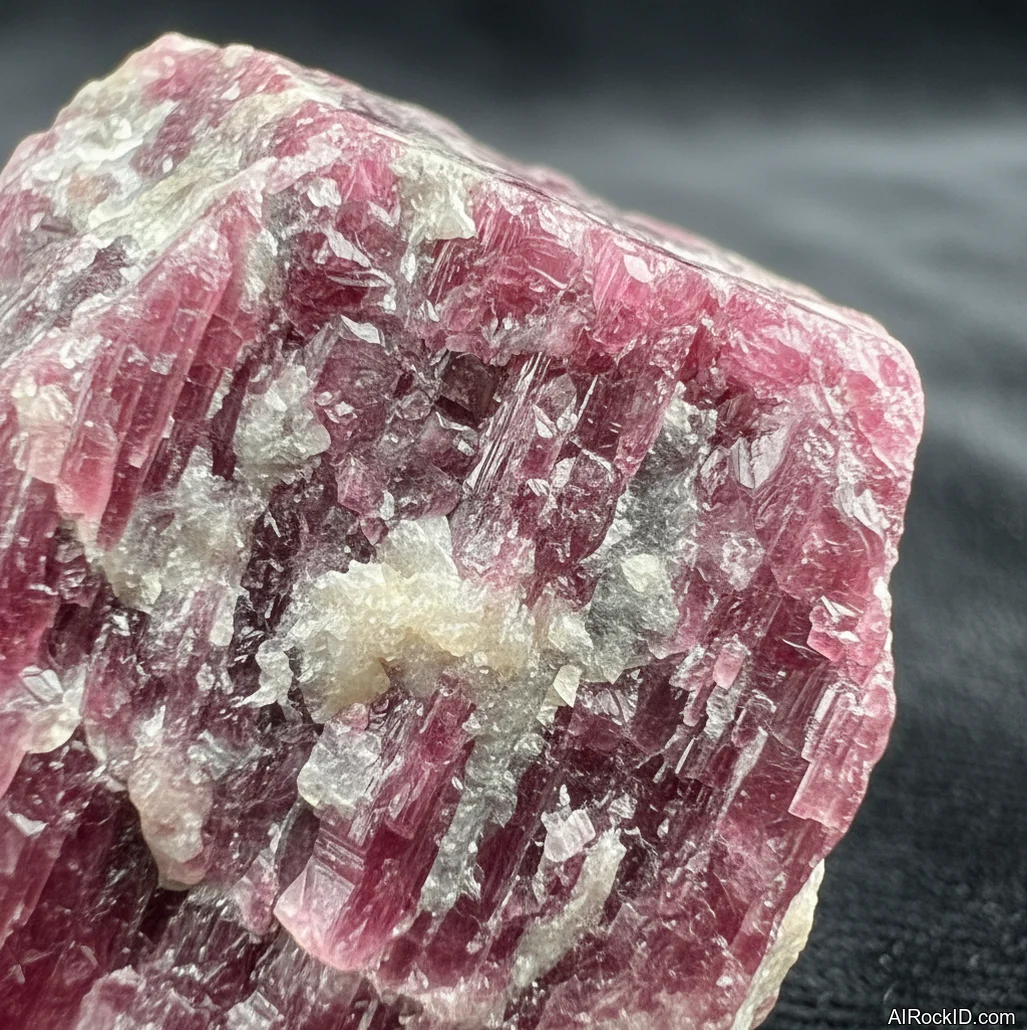
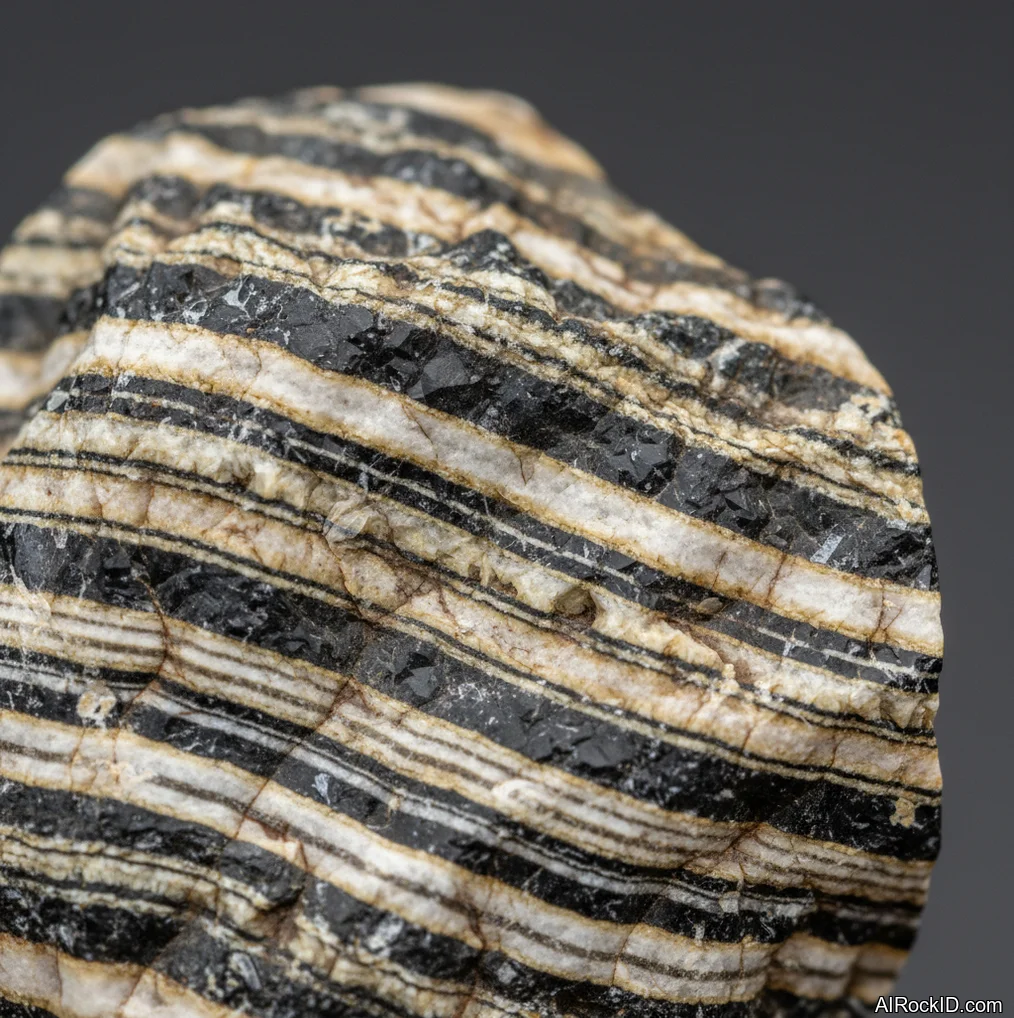
Rose Quartz is the classic nurturing pick. When you get your hands on a real chunk—especially those bigger Madagascar pieces—it feels cool and dense. Sometimes, if you tilt it under a single lamp, you catch a faint star or sheen across the polished face. That’s a detail you’ll never spot in an online product photo. Pink Opal is totally different. It has this sleepy, milky look, almost like someone poured cream into the stone. Under harsh lighting, it can look washed out, but in soft light, it glows. Rhodonite stands out because of its black manganese veins—those lines look like veins or scars, and some people say it reminds them that real care includes healthy boundaries. The feel is less buttery than Rose Quartz, closer to porcelain. If you’re handling raw pieces, you’ll notice they can scratch easily. That’s something to watch for if you pocket-carry them.
Using Nurturing Stones for Emotional Support: How Collectors Choose
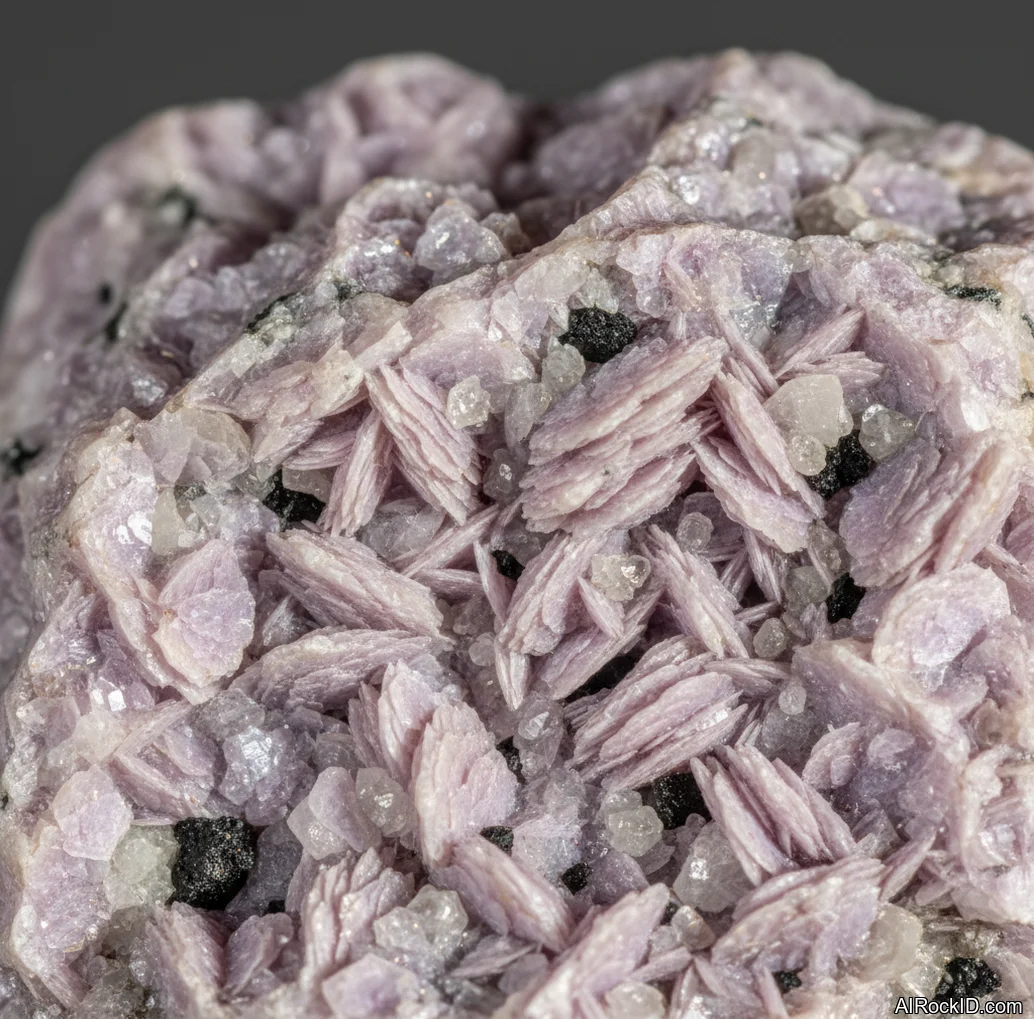
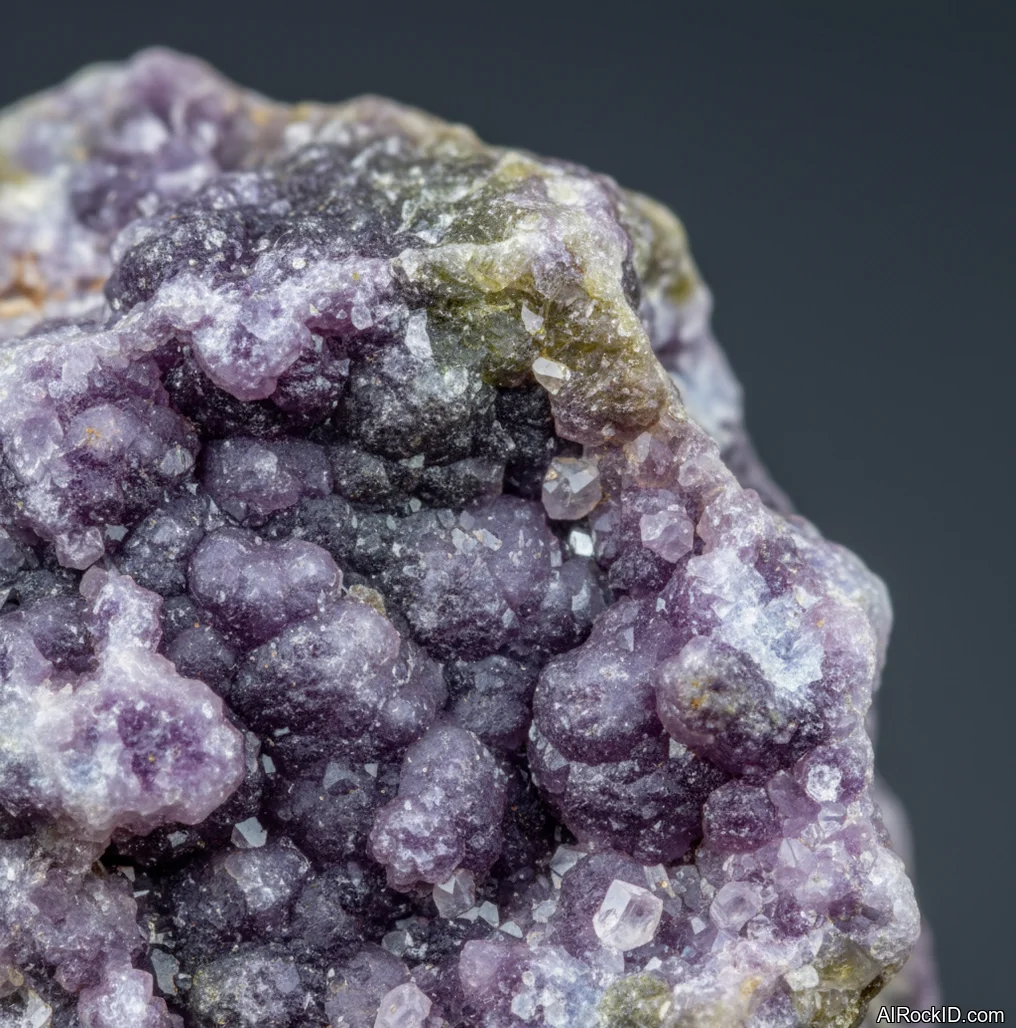
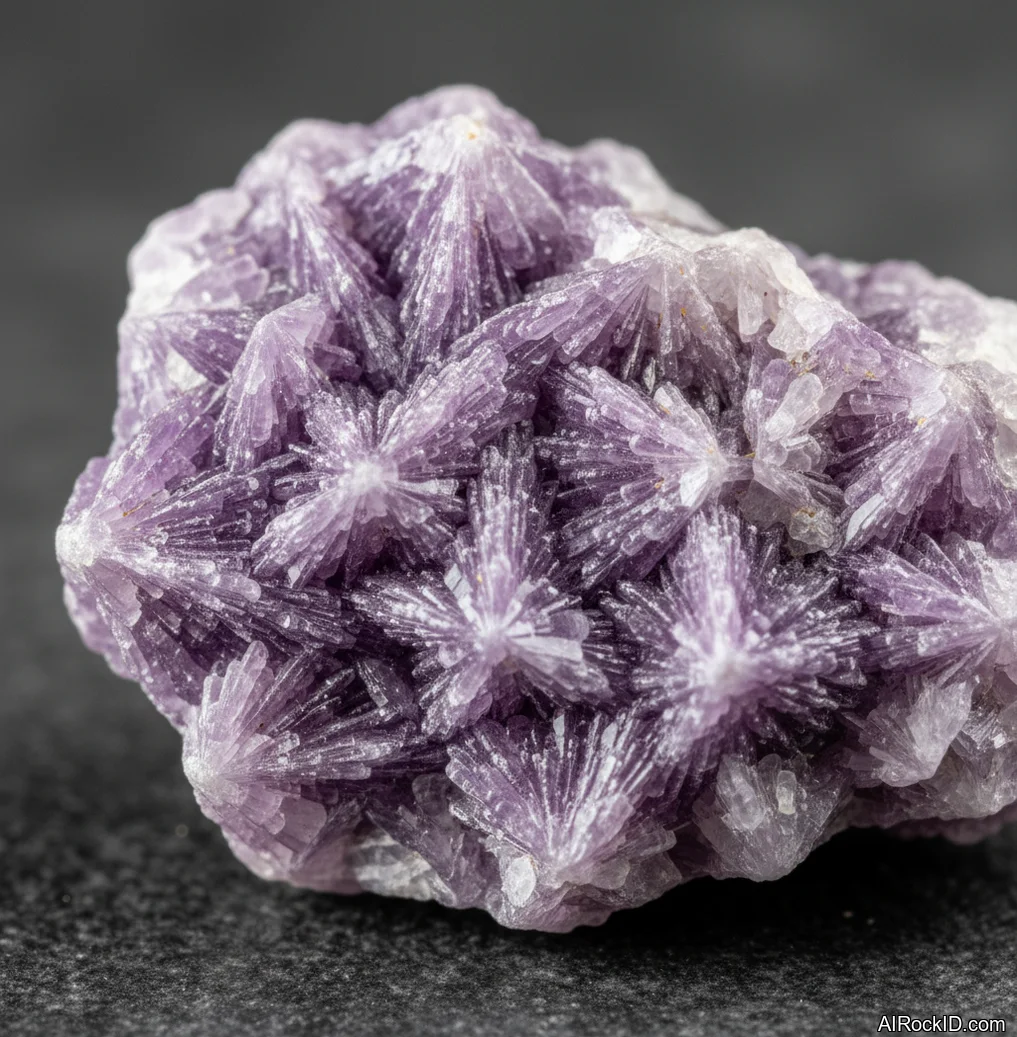
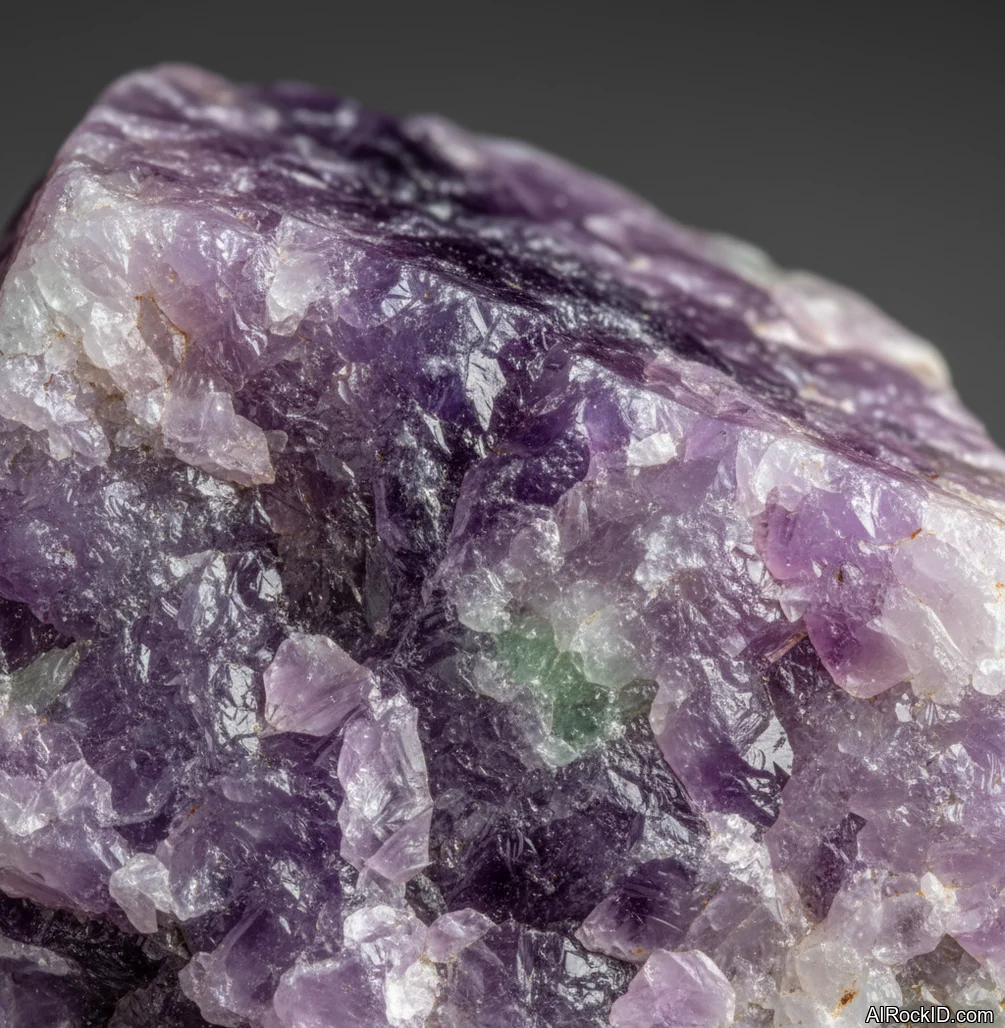
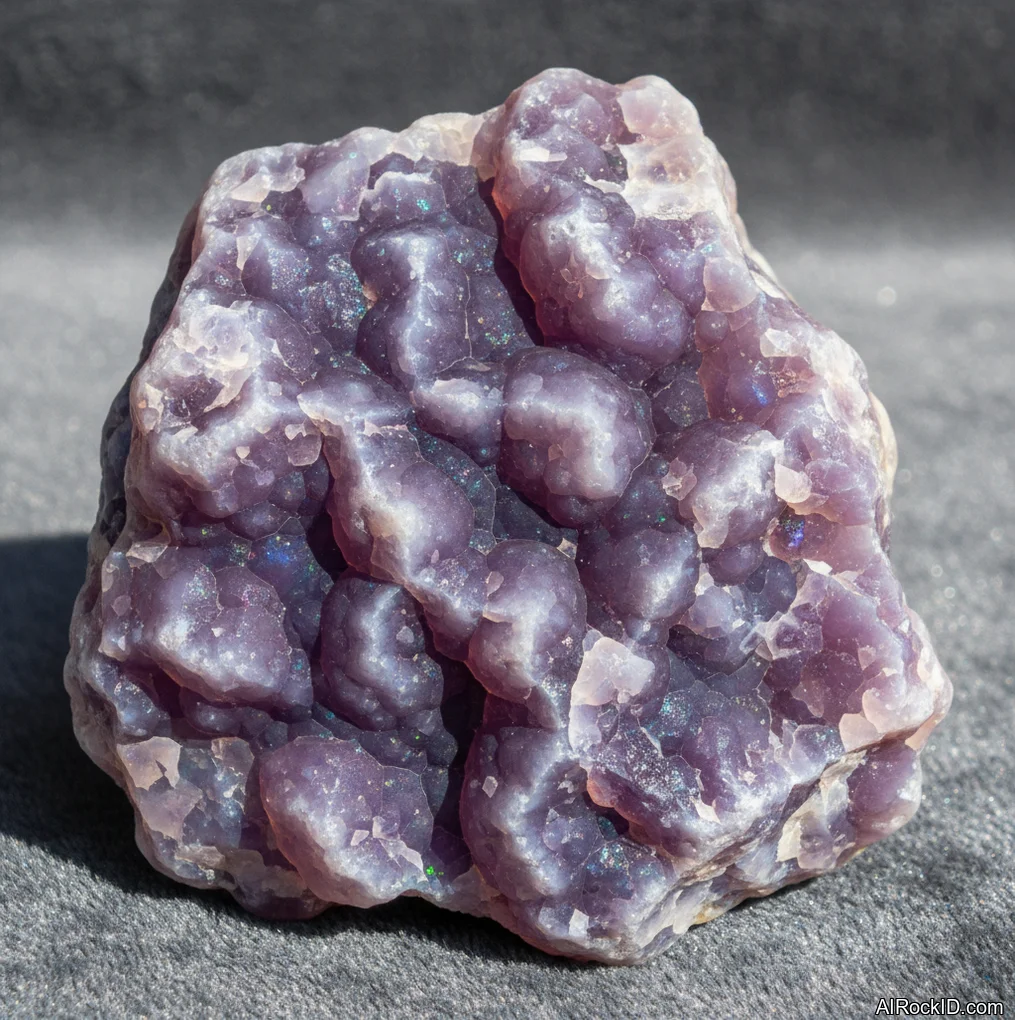
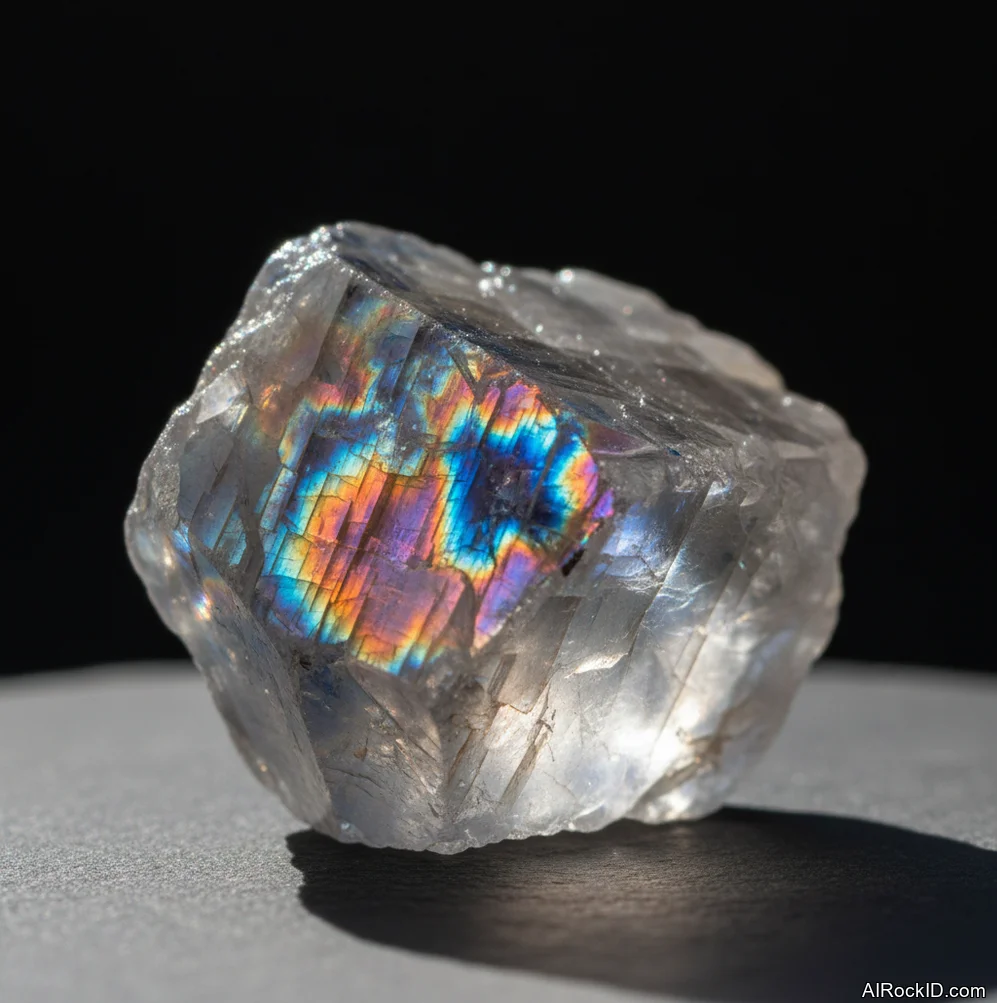
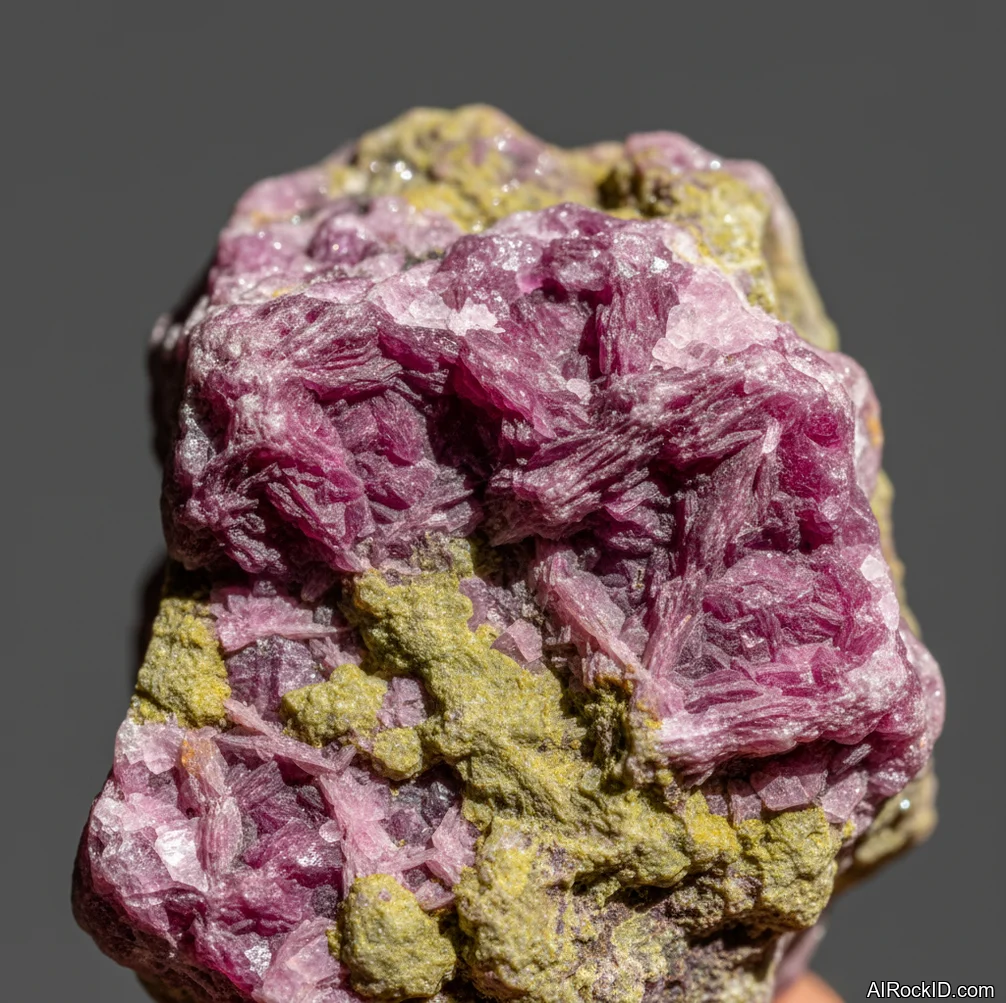
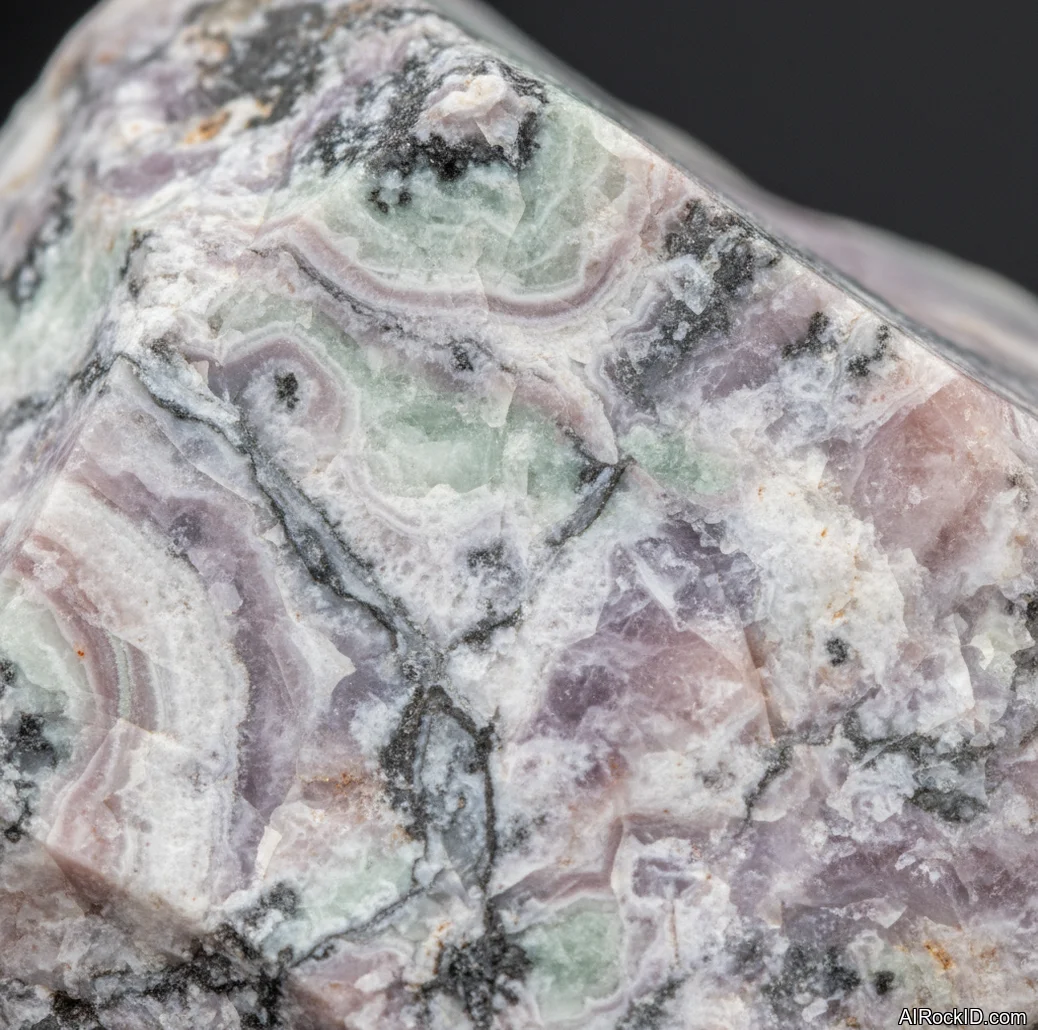
People usually reach for nurturing crystals when they want to soften the edges but don’t want to go numb. Moonstone and Lepidolite always get mentioned here. Good Moonstone isn’t flashy at first glance—most of what you see in bins just looks like gray feldspar. The trick is to tilt it and look for that floating blue-white flash. It moves as you turn the stone and is easy to miss under store lights. Lepidolite is a whole different beast. It’s a lithium mica, so raw pieces are flaky and will sometimes shed sparkly plates. I’ve seen plenty of pocket stones crumble or leave purple mica dust in someone’s jeans. If you want one that lasts, get a polished palm stone or a piece stabilized with resin. Don’t toss raw Lepidolite loose in a bag and expect it to survive. People pick these stones because the physical feel matches the emotional comfort they’re after.
What Makes Nurturing Crystals Unique: Collectors’ Care Tips
Compared to energizing crystals, nurturing stones aren’t about a jolt of motivation. They’re about settling in and letting your guard down for a minute. Most have a tactile calmness—cool, smooth, or just dense. But buyers sometimes get tripped up by fragility. Lepidolite flakes, Pink Opal can crack if it dries out, and polished Rose Quartz scratches if you keep it with keys. There’s always a trade-off. Some of the best raw pieces will show minor surface lines or odd patchy color. That’s not a flaw, just how the minerals grow. If you want something that stands up to handling, a well-polished palm stone is the safest bet. But if you value natural texture, expect a little wear and tear. That’s part of the deal.
Best Nurturing Crystals to Start With
| Level | Crystal | Note |
| Gentle / Beginner | Rose Quartz | It’s hard to hurt, feels cool and solid, and even cheap tumbled pieces look decent. Classic for comfort. |
| Balanced / Everyday | Moonstone | Soft color, subtle flash, and durable enough for regular carry if you avoid raw chips. |
| Intense / Advanced | Rhodonite | Heavier and usually veined with black, it’s got a deeper, more grounding feel. Good if you want nurturing with boundaries. |
| Best for Carrying | Polished Lepidolite | Goes in the pocket without shedding, soft but not fragile if tumbled or resin-stabilized. |
| Best for Display | Pink Opal (Peru, polished slab) | Milky, dreamy look under soft light. Needs careful placement, but looks stunning on a bedside table. |
Nurturing Crystal Comparison
| Crystal | Common Use | Feel / Use Style | Care Caution |
| Rose Quartz | Emotional comfort, gentle self-support | Cool, dense, smooth when polished | Scratches easily; avoid sharp objects |
| Moonstone | Soothing nerves, balancing moods | Silky, sometimes slippery, blue-white flash when tilted | Fragile in raw form; polish helps |
| Lepidolite | Stress relief, calming during anxiety | Slightly gritty, flaky, can shed mica layers | Raw pieces crumble; stabilize for carrying |
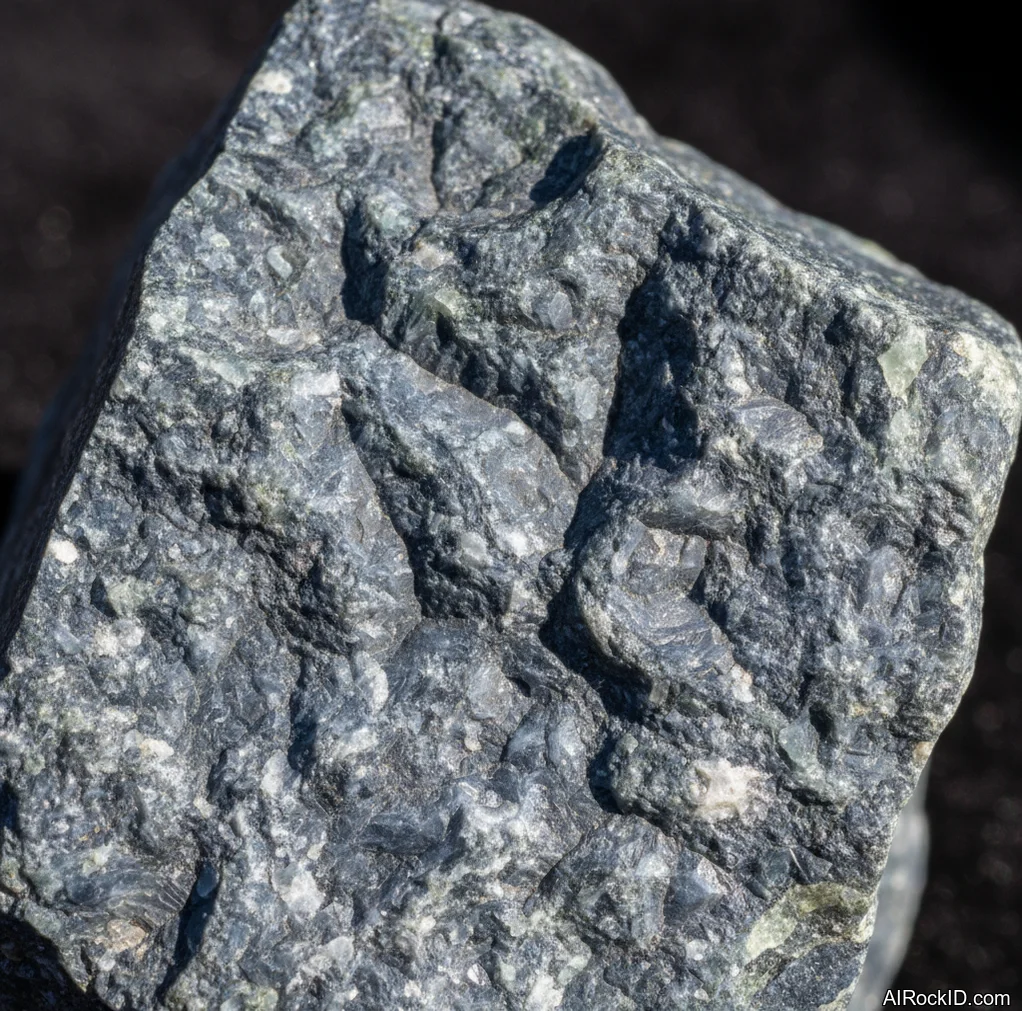
| Rhodonite | Nurturing with boundaries, emotional resilience | Heavier in hand, porcelain-like with black veins | Can chip on edges; don’t drop on tile |
How to Identify Nurturing Crystals with AI Rock ID
To ID nurturing crystals with the AI Rock ID app, snap photos in natural daylight—both a full stone shot and a close-up showing texture. Upload both and check what the app suggests, but also match features like hardness, luster, and color streak against what you already know. With stones like Lepidolite, the app sometimes confuses it with Muscovite, so physical details matter. Always double-check the app’s guess before you add a new stone to your nurturing set.
All Nurturing Crystals (252)