Compassion Crystals
Quick answer: Compassion crystals are stones that some crystal traditions associate with empathy, forgiveness, self-kindness, and emotional openness. They are commonly chosen for personal reflection, relationship rituals, meditation, or symbolic reminders rather than as medical treatments.
Learn how Compassion crystals are used for emotional healing, self-kindness, and relationships, with tips for choosing, cleansing, and working with stones.


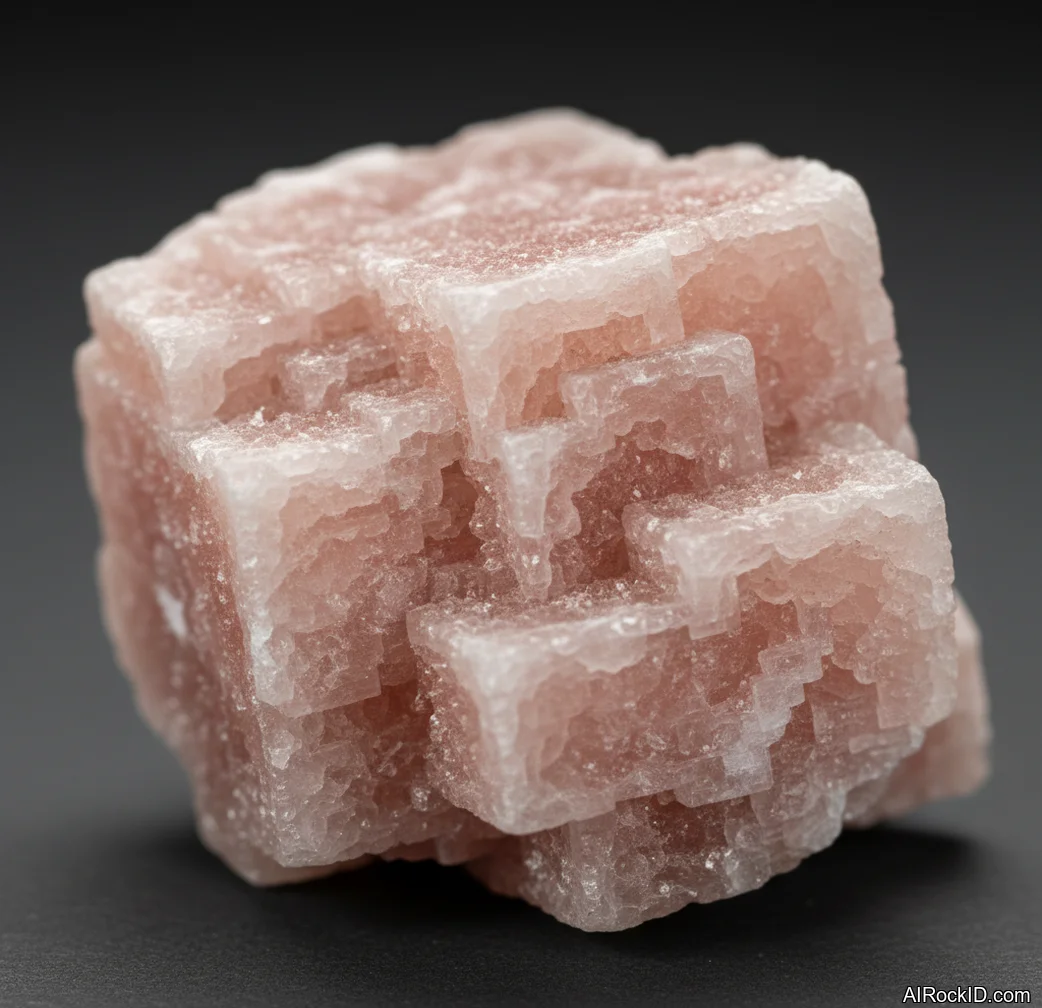
Compassion crystals are minerals and stones that collectors and metaphysical practitioners associate with encouraging empathy, understanding, and emotional gentleness. The most common examples are rose quartz, rhodochrosite, and morganite. People use these stones when working through grief, forgiveness, or harsh self-judgment. These associations come from metaphysical traditions and are not medical claims.
Compassion crystals can't replace professional therapy or change someone's personality overnight. They don't fix deep emotional wounds by themselves.
AI Rock ID can help compare a compassion crystal’s color, luster, transparency, and crystal habit with known mineral references. RockIdentifier.io provides identification support and educational context for collectors who want to learn more about stones connected with compassion traditions.
Good fit
- Beginners looking for gentle, easy-to-recognize stones with emotional symbolism
- Collectors interested in pink, green, or soft-toned minerals often linked with heart-centered traditions
- People who use crystals as reminders for patience, empathy, or self-reflection
- Gift-givers choosing stones with meanings related to kindness, friendship, or care
Not a good fit
- Anyone seeking a substitute for mental health care, conflict resolution, or medical treatment
- Collectors who need a strictly scientific category, because compassion is a symbolic tag rather than a mineral classification
- Buyers who cannot verify treatments, dyeing, or mislabeling in softer pink and green stones
Most commonly confused with
- Rose Quartz: Usually pale to medium pink quartz; often confused with dyed quartz or pink glass.
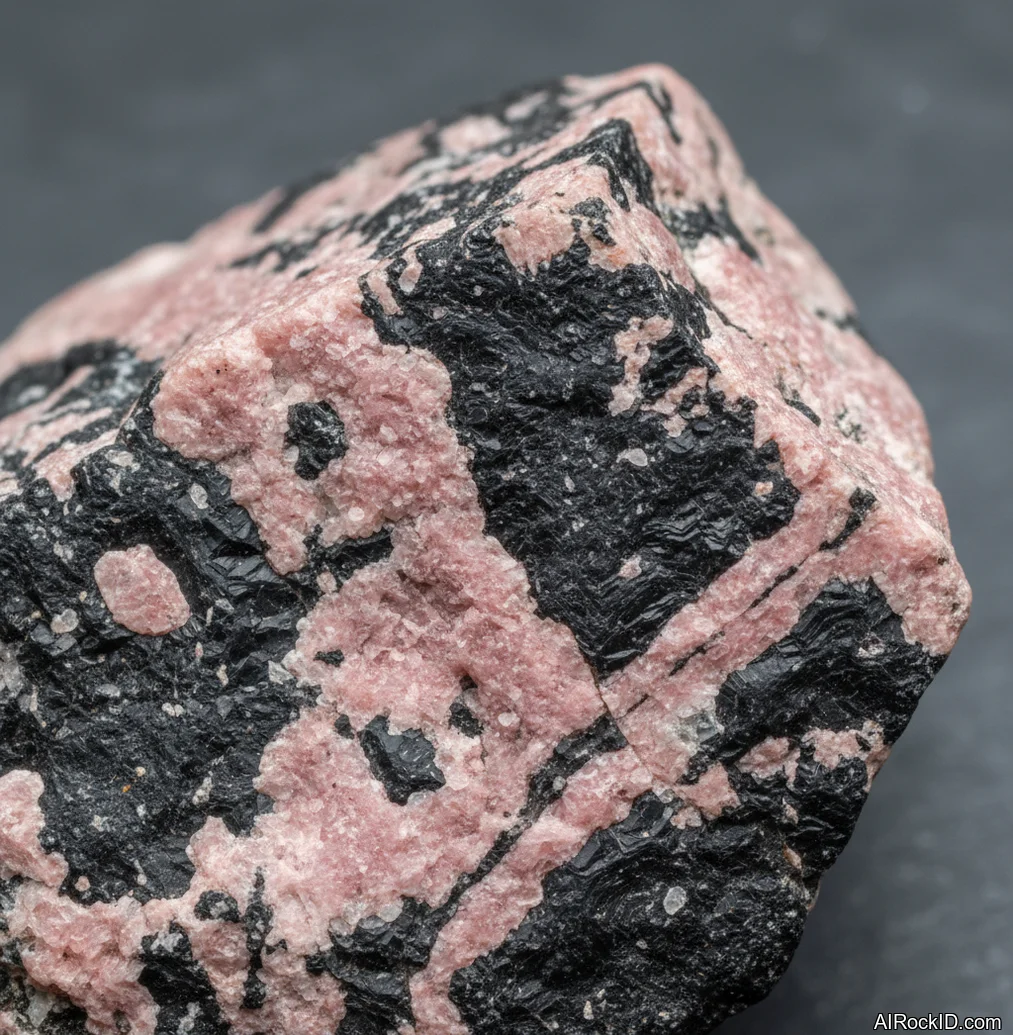
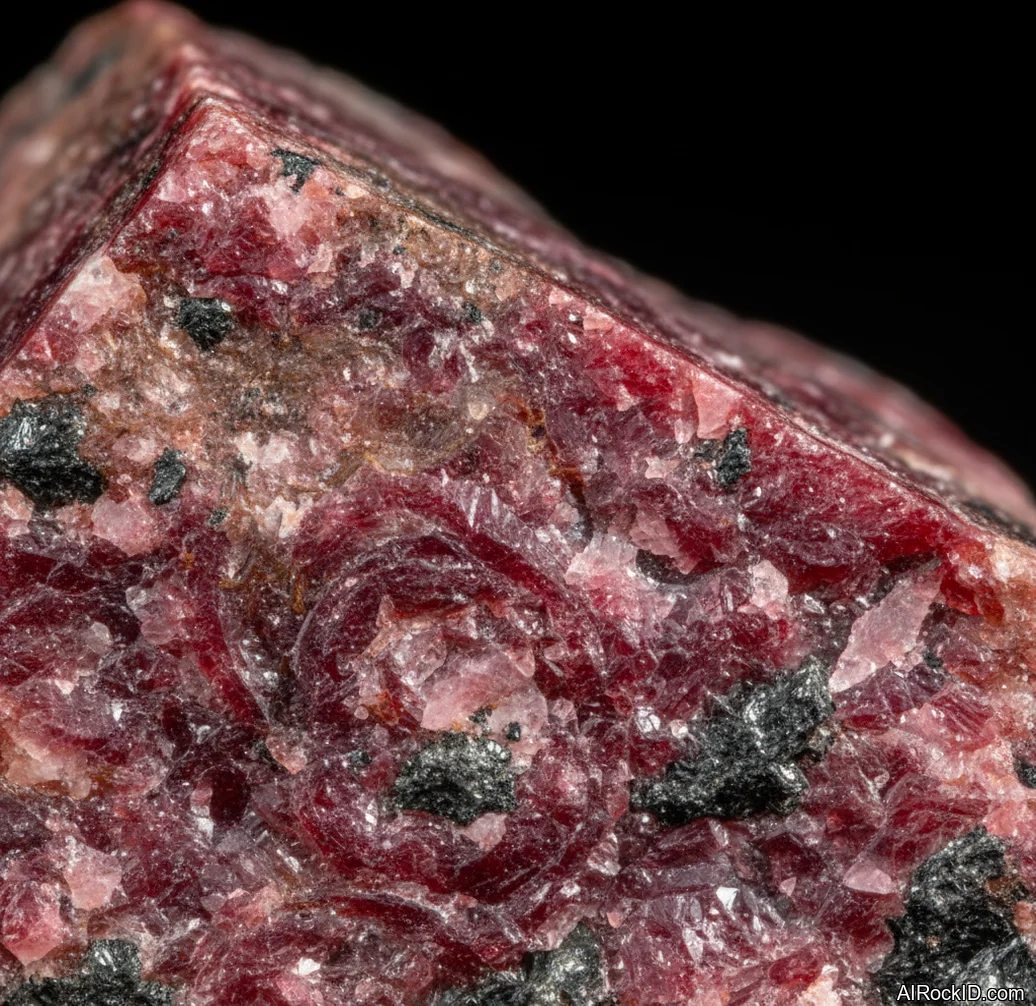
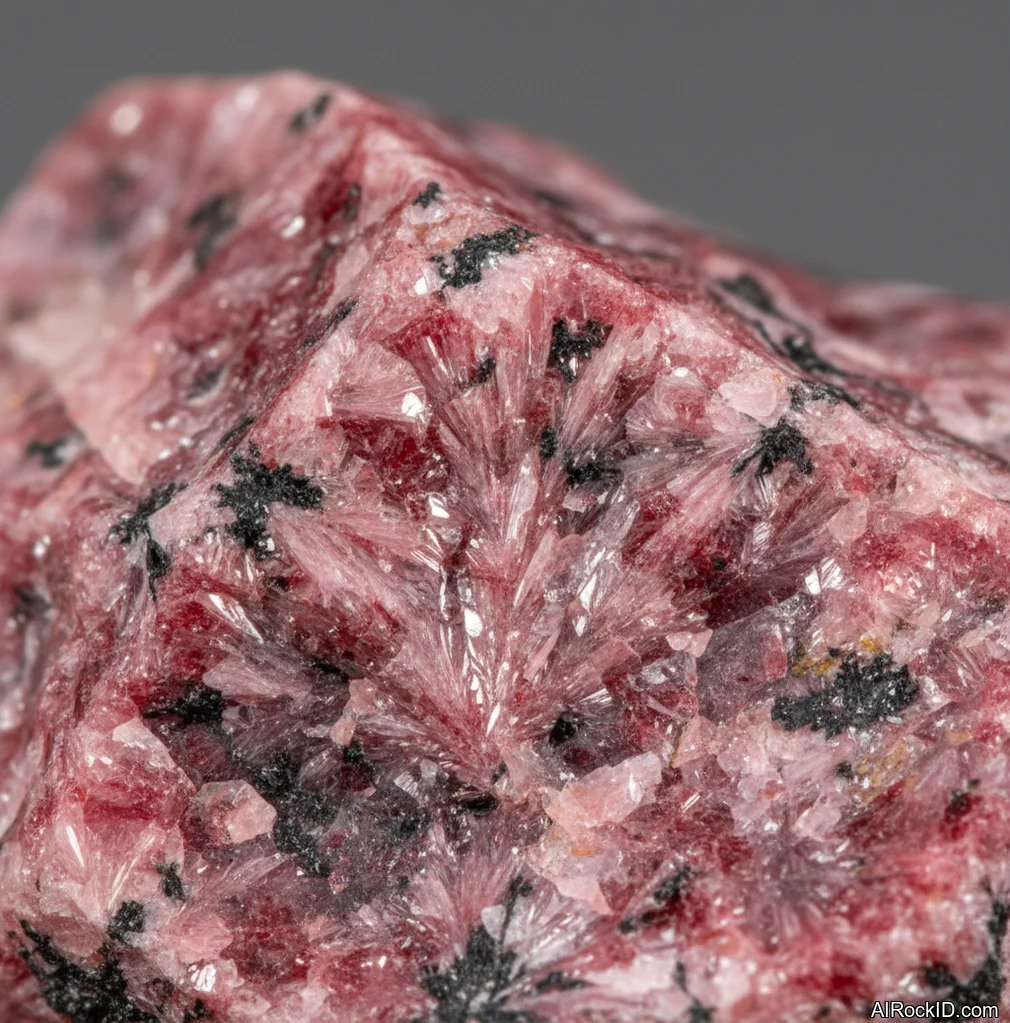
- Rhodonite: Typically pink to red with black manganese veining, unlike the more translucent look of many rose quartz pieces.
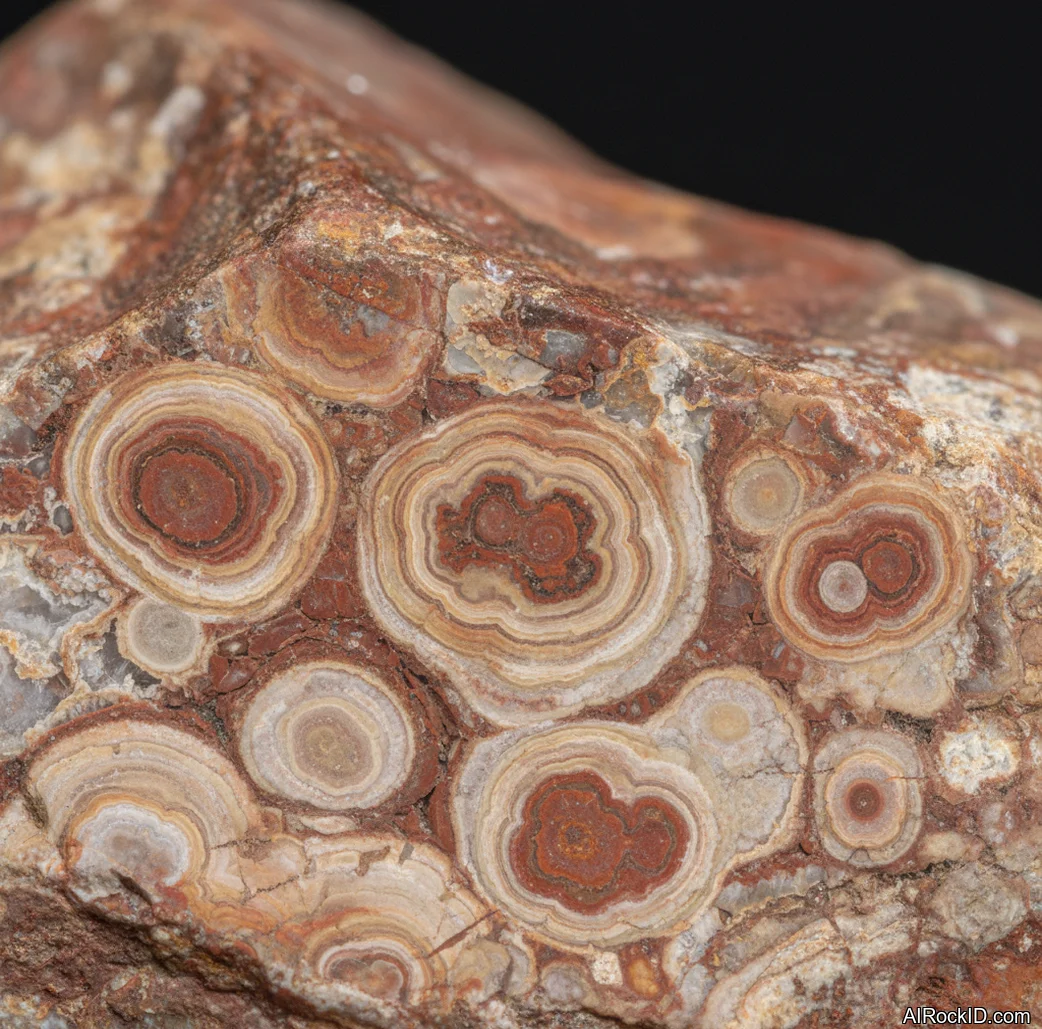
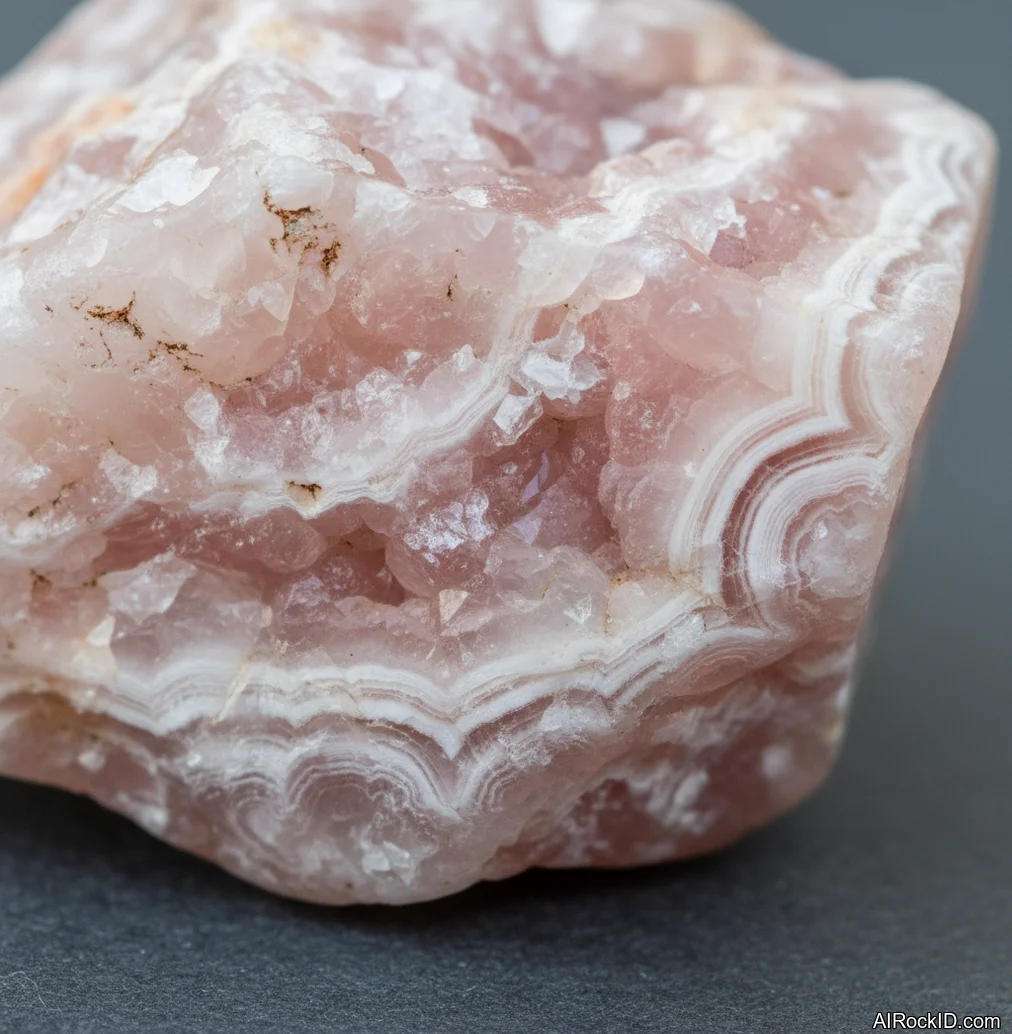
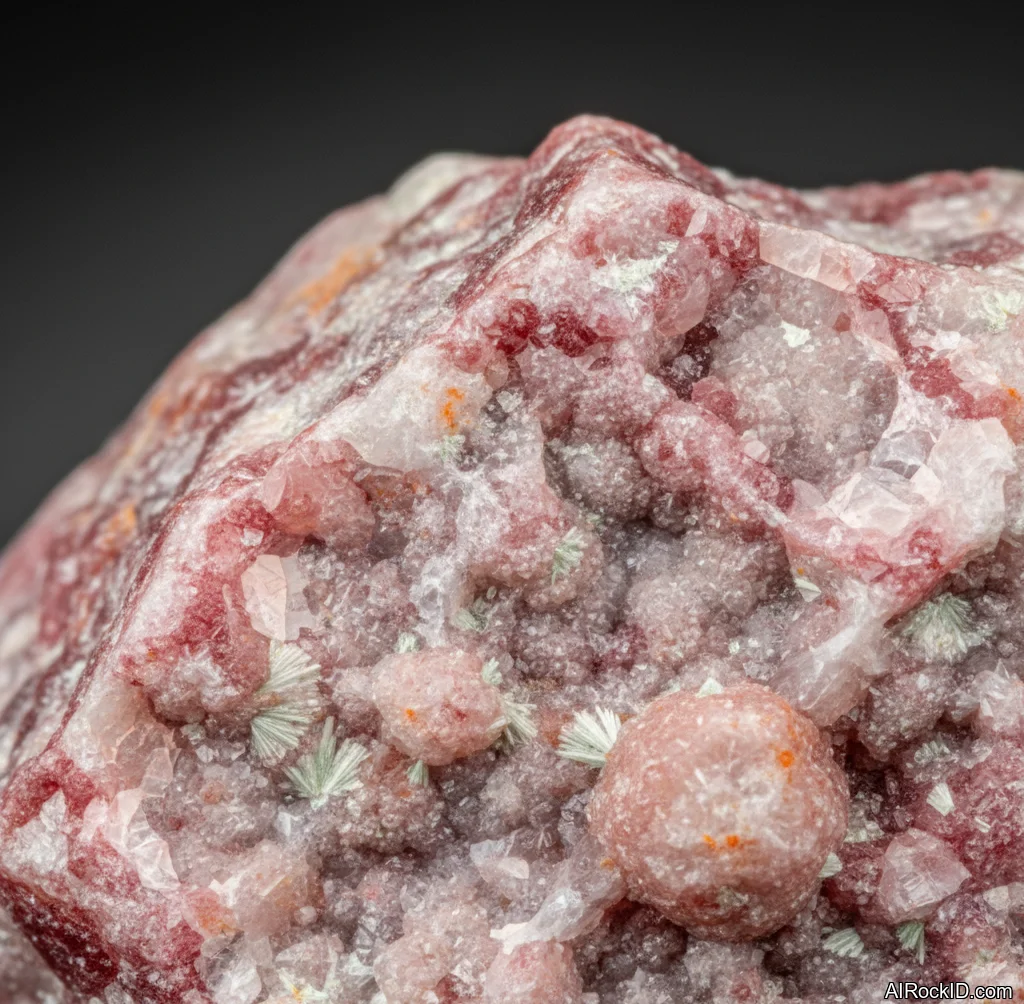
- Rhodochrosite: Often shows pink and white banding and is softer than quartz-based stones.
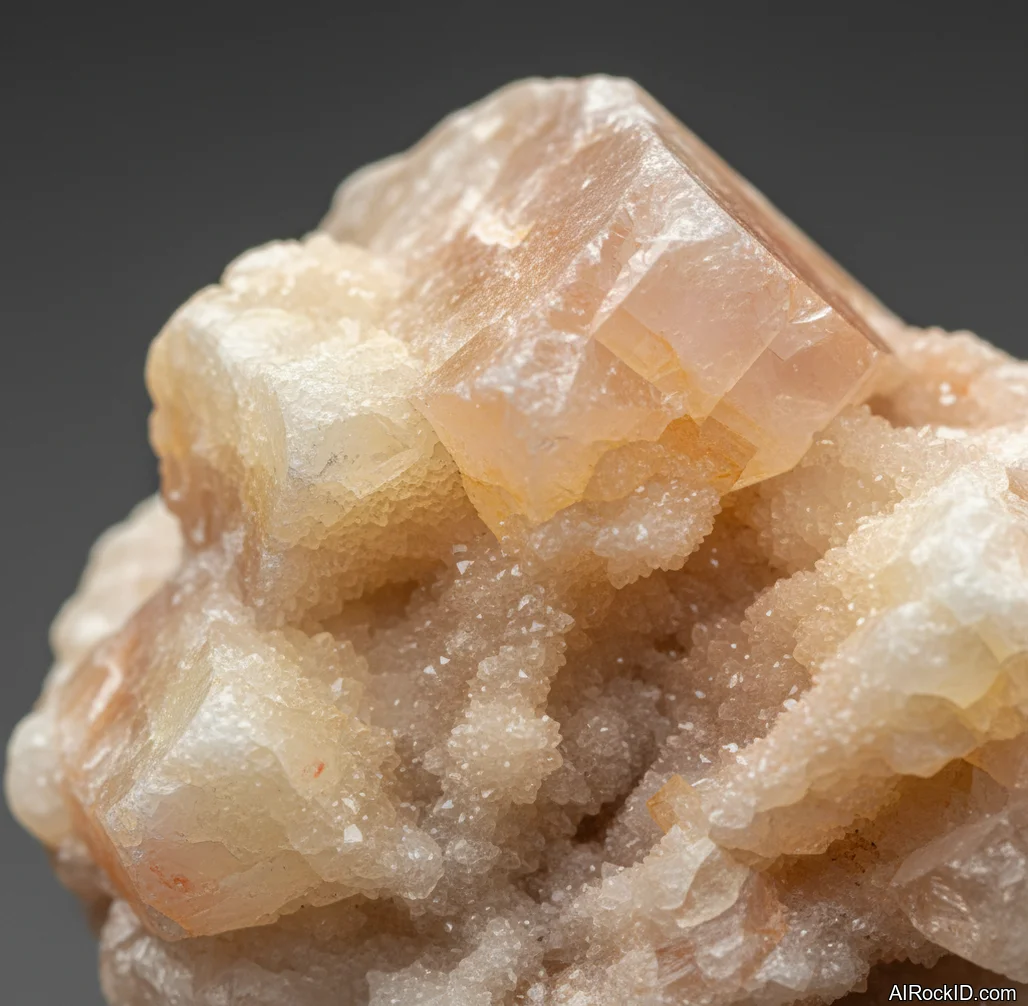
- Morganite: A pink to peach beryl that is harder and usually more gemmy than rose quartz.
AI identification confidence
AI identification is usually more confident when a specimen has clear photos, natural lighting, and visible details such as texture, banding, transparency, and matrix. Confidence may be lower for tumbled stones, dyed materials, or polished beads because many compassion-associated crystals share similar pink, peach, or green colors.
When AI gets it wrong
- A polished or tumbled stone has no visible crystal habit or matrix.
- The specimen is dyed, coated, heat-treated, or photographed under strong color-shifting light.
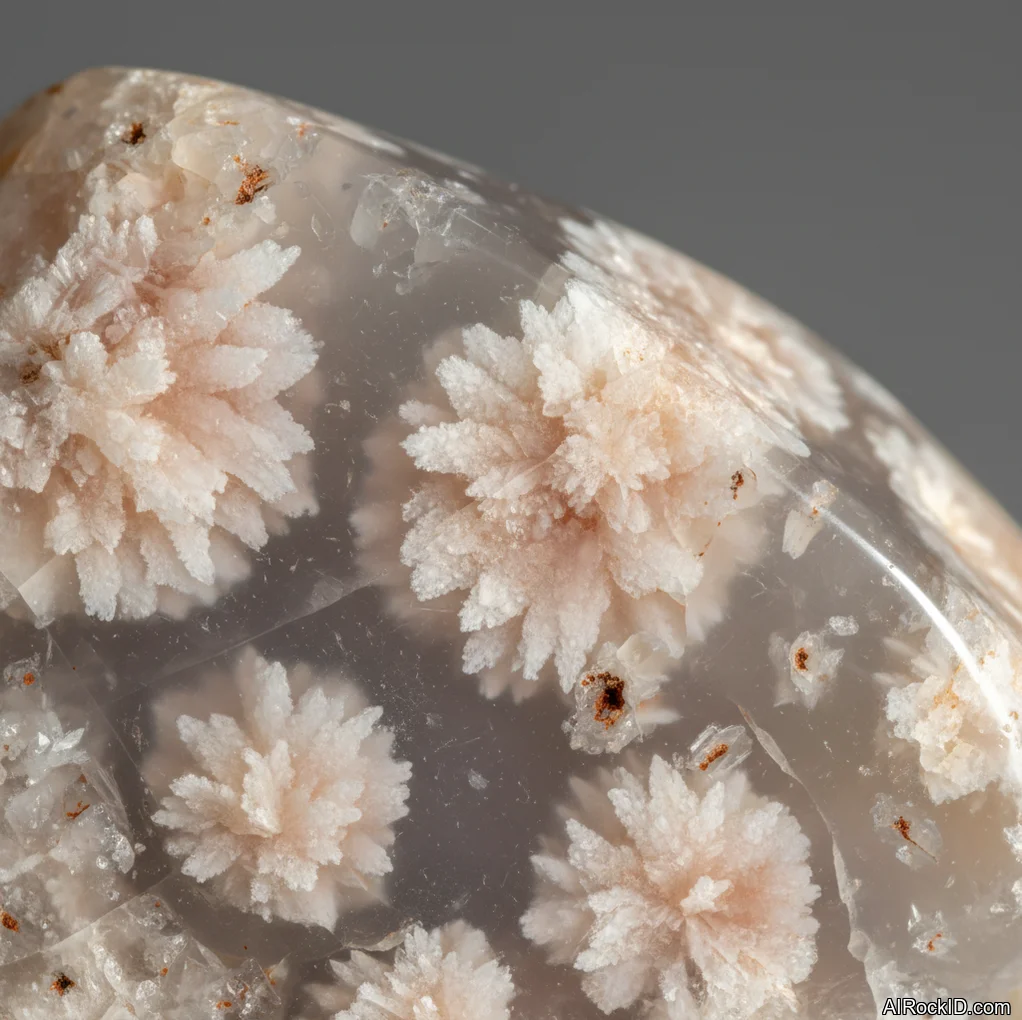
- Multiple pink minerals look similar in a small image, such as rose quartz, pink opal, and rhodochrosite.
- The stone is a composite, glass imitation, or trade-name material rather than a single mineral.
Best choice summary
For most beginners, rose quartz is the easiest compassion crystal to start with because it is widely available, durable enough for regular handling, and simple to recognize when natural. Rhodonite, pink opal, and green aventurine are also approachable choices for collectors who want different colors and textures within the compassion theme.
Final recommendation
Choose a compassion crystal by combining the symbolic meaning you prefer with practical checks such as hardness, treatment disclosure, and ease of care. If the stone will be carried often, a tougher mineral such as rose quartz or green aventurine is usually more practical than softer or more delicate options.
What this category represents
The compassion tag groups crystals that are traditionally associated with empathy, forgiveness, emotional healing, self-acceptance, and kindness toward others. This tag reflects cultural and metaphysical use patterns, not a scientific mineral family or evidence-based medical category.
Beginner recommendations
Advanced recommendations
How Compassion Crystals Are Grouped
Compassion crystals are grouped by symbolic meaning rather than chemistry, so the list can include quartz, beryl, feldspar, carbonate minerals, and other unrelated mineral types. Many are pink, green, peach, or soft blue because those colors are often linked in crystal traditions with calm emotions, care, and connection.
Care Notes for Softer Compassion Stones
Some compassion-associated stones, including rhodochrosite, calcite varieties, and certain opals, are softer or more porous than quartz. These specimens are better kept away from prolonged water exposure, acids, ultrasonic cleaners, and rough pocket carry.
Using Symbolic Meanings Responsibly
In metaphysical traditions, compassion crystals may be used as prompts for journaling, meditation, apology rituals, or setting intentions for kinder communication. These practices can be meaningful for personal reflection, but they should not replace professional support for mental health, trauma, or relationship safety concerns.
What Are Compassion Crystals and Why Do Collectors Use Them?
Compassion, when you boil it down in the crystal world, isn’t just about surface-level kindness. It’s about staying present with real pain—yours or someone else’s—without jumping to fix or numb it away. People reach for Compassion stones in the raw moments: after a tough breakup, while grieving, or when they’re sick of their own self-criticism. It’s more about a small softening, less about grand gestures. These stones are for those moments when you need a little less armor and a little more breathing room.
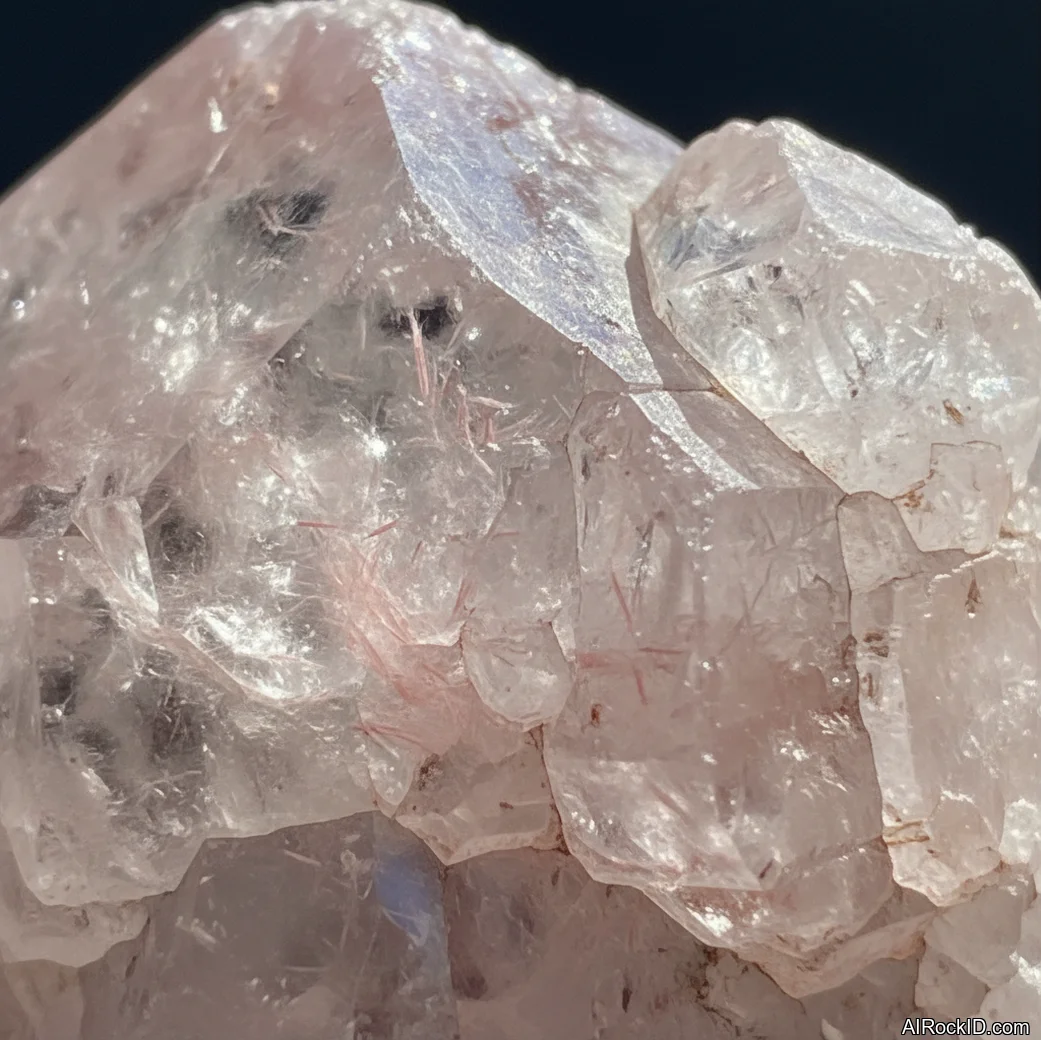
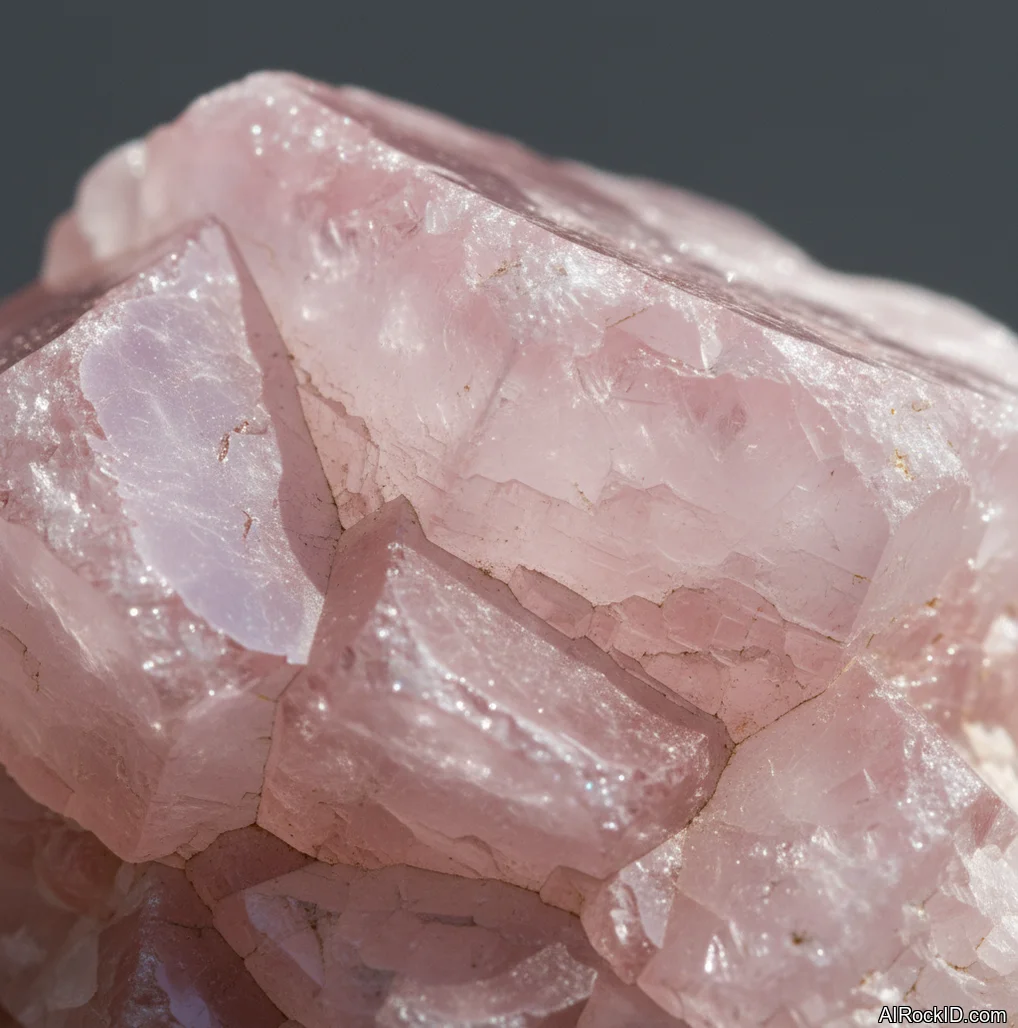
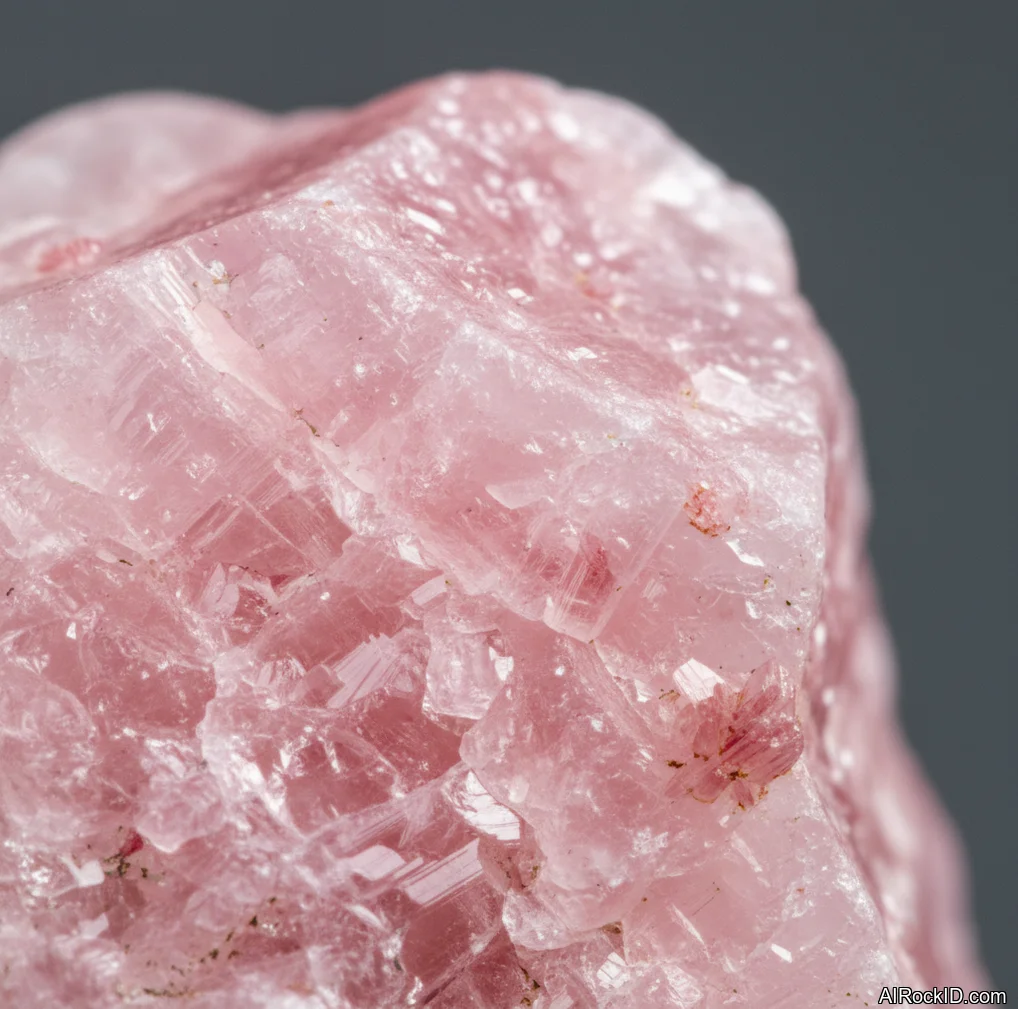
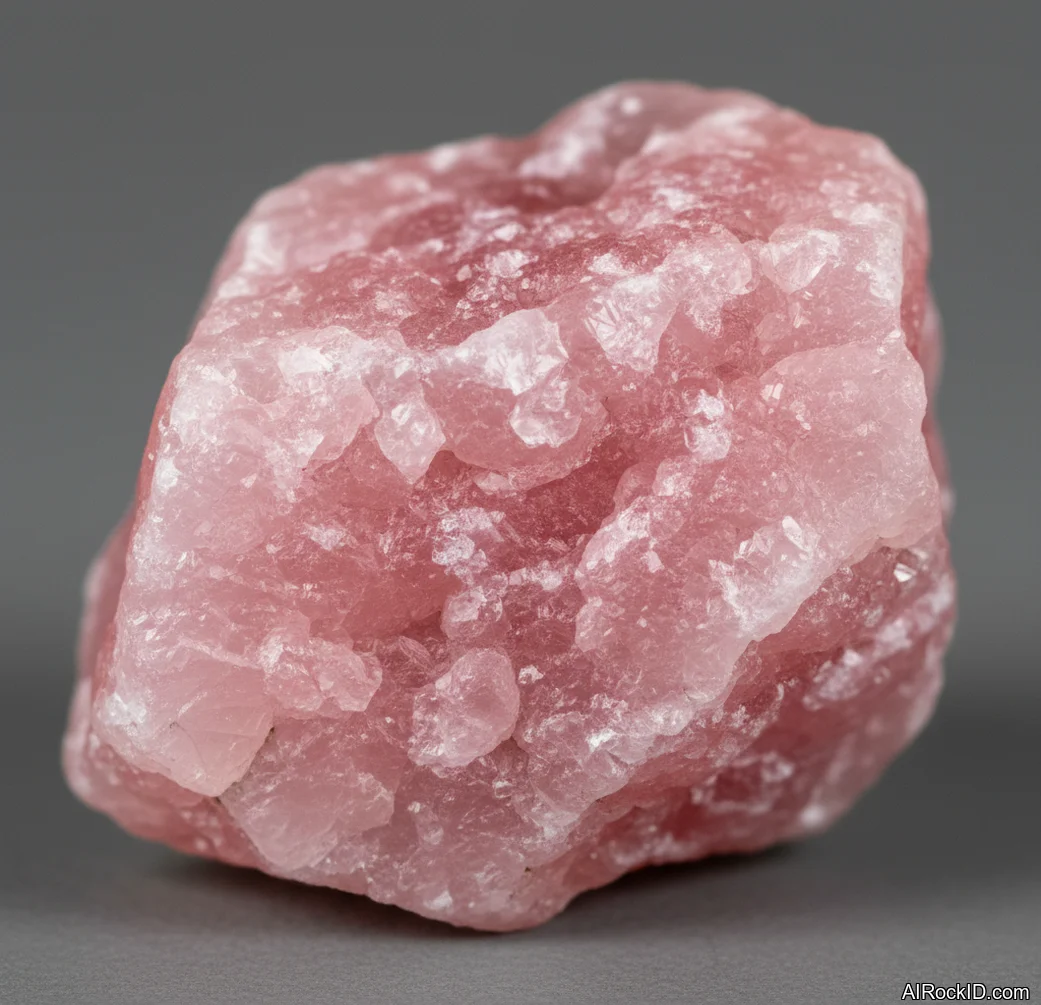
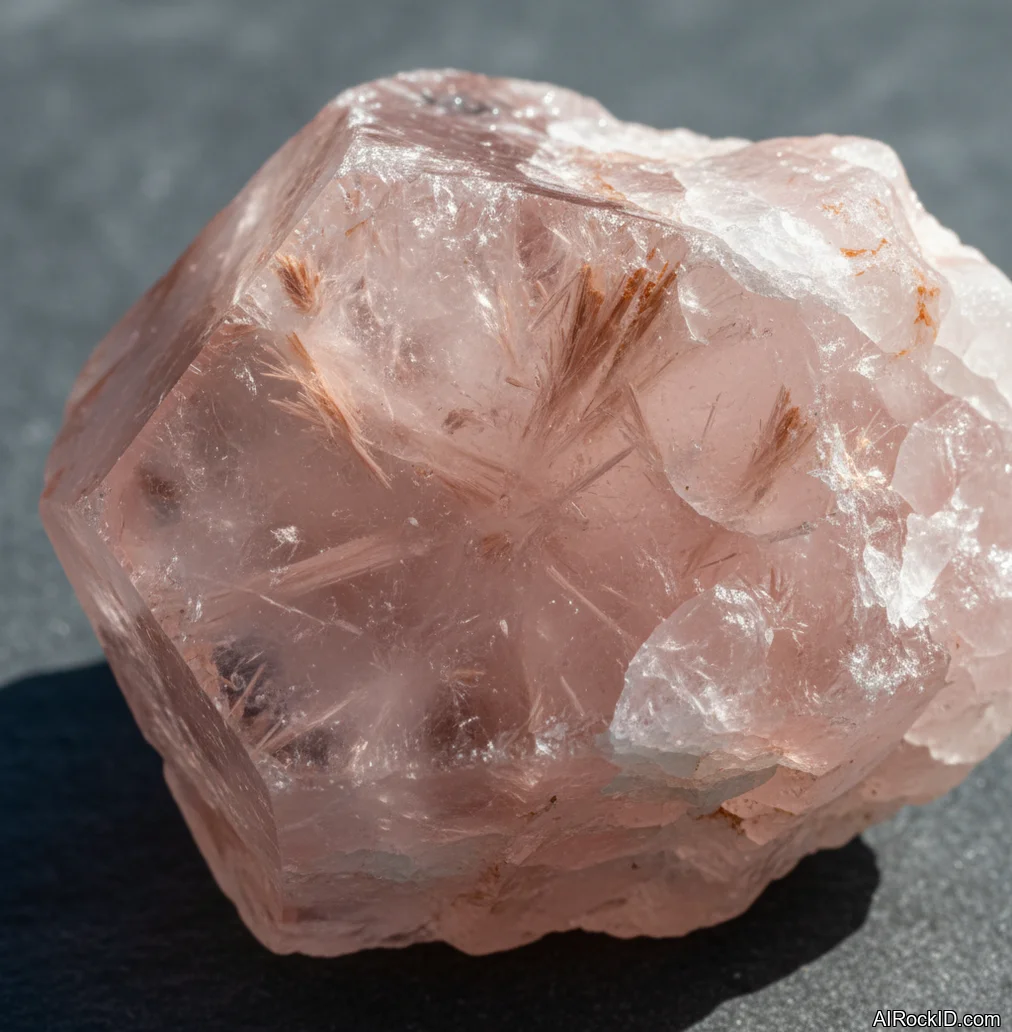
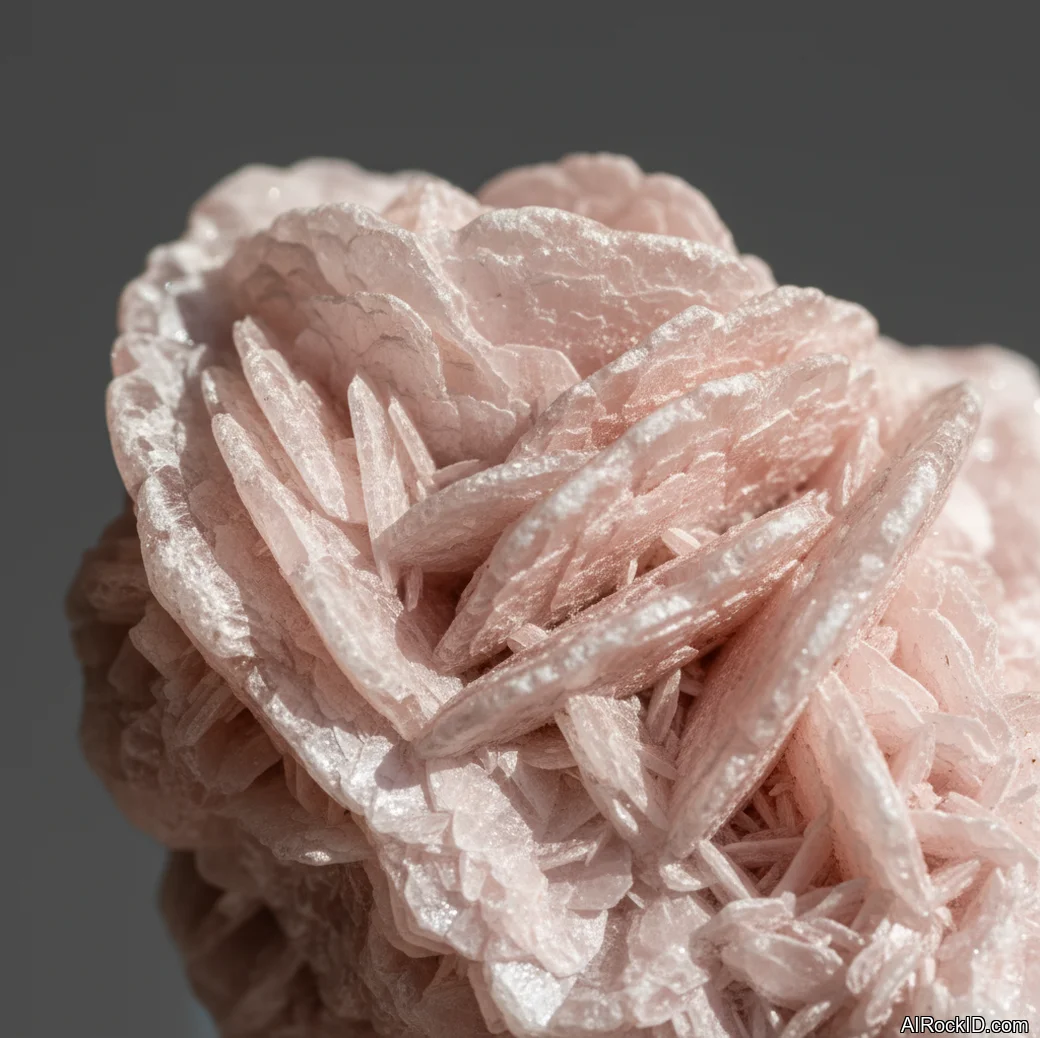
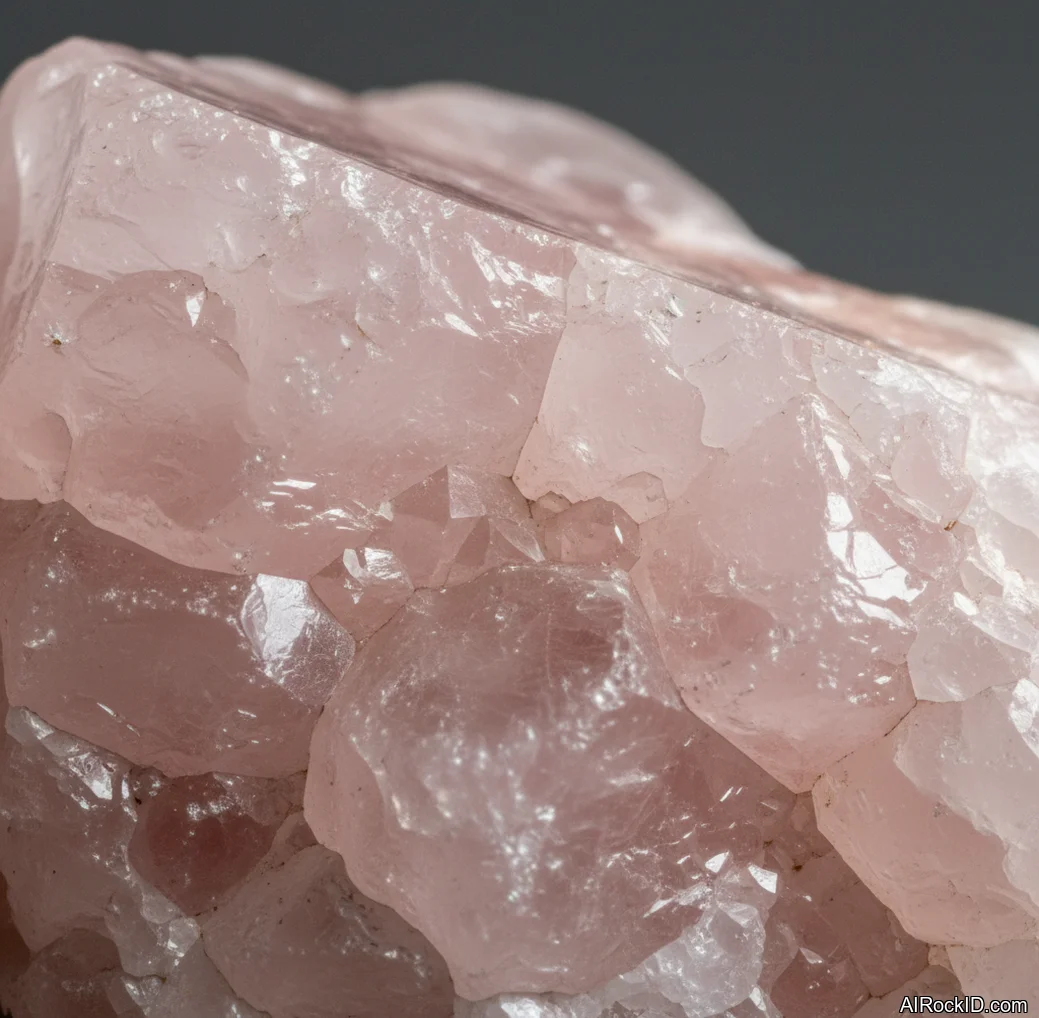
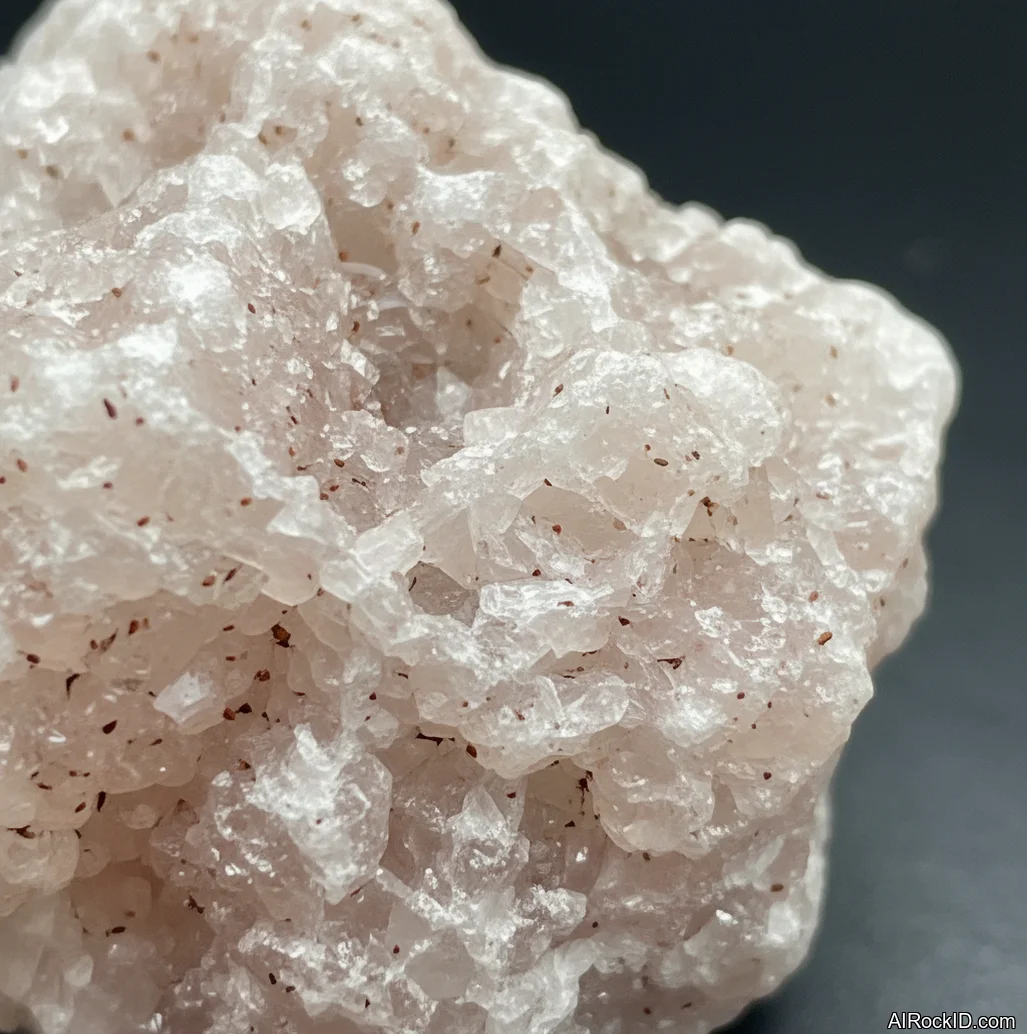
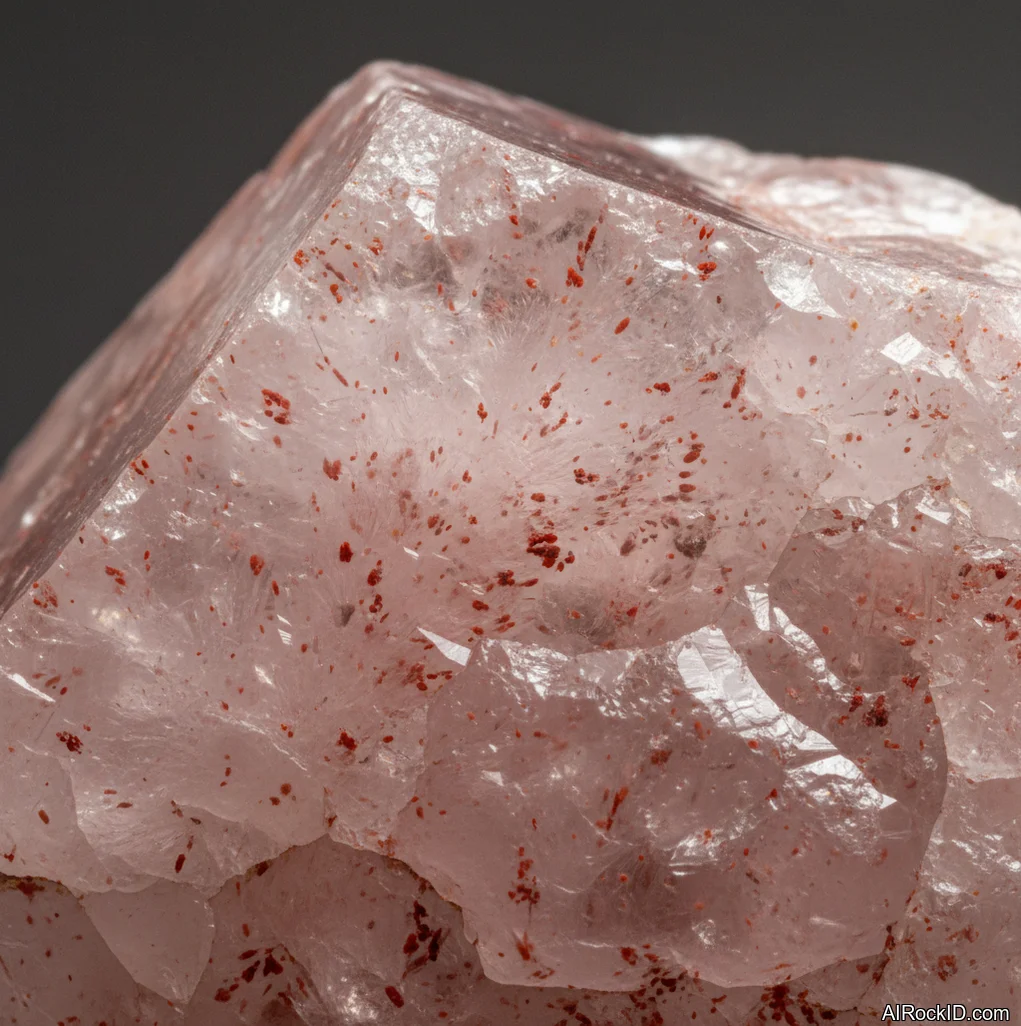
Rose quartz is the classic. Pick up a real piece and you’ll notice it stays cool, even if your hands are warm. The weight is solid but never harsh. Good rose quartz isn’t bubblegum-pink; it usually has cloudy swirls, faint white streaks, and sometimes if you tilt it right, a soft star glimmer across the surface. Most of what’s for sale is tumbled or carved, so you won’t see many raw edges. People tie rose quartz to Compassion partly because it’s gentle to handle—physically and emotionally. No sharp points. Just something you can hold when you need to take a breath.
Physical Traits of Compassion Stones: Rose Quartz, Rhodochrosite, and Morganite
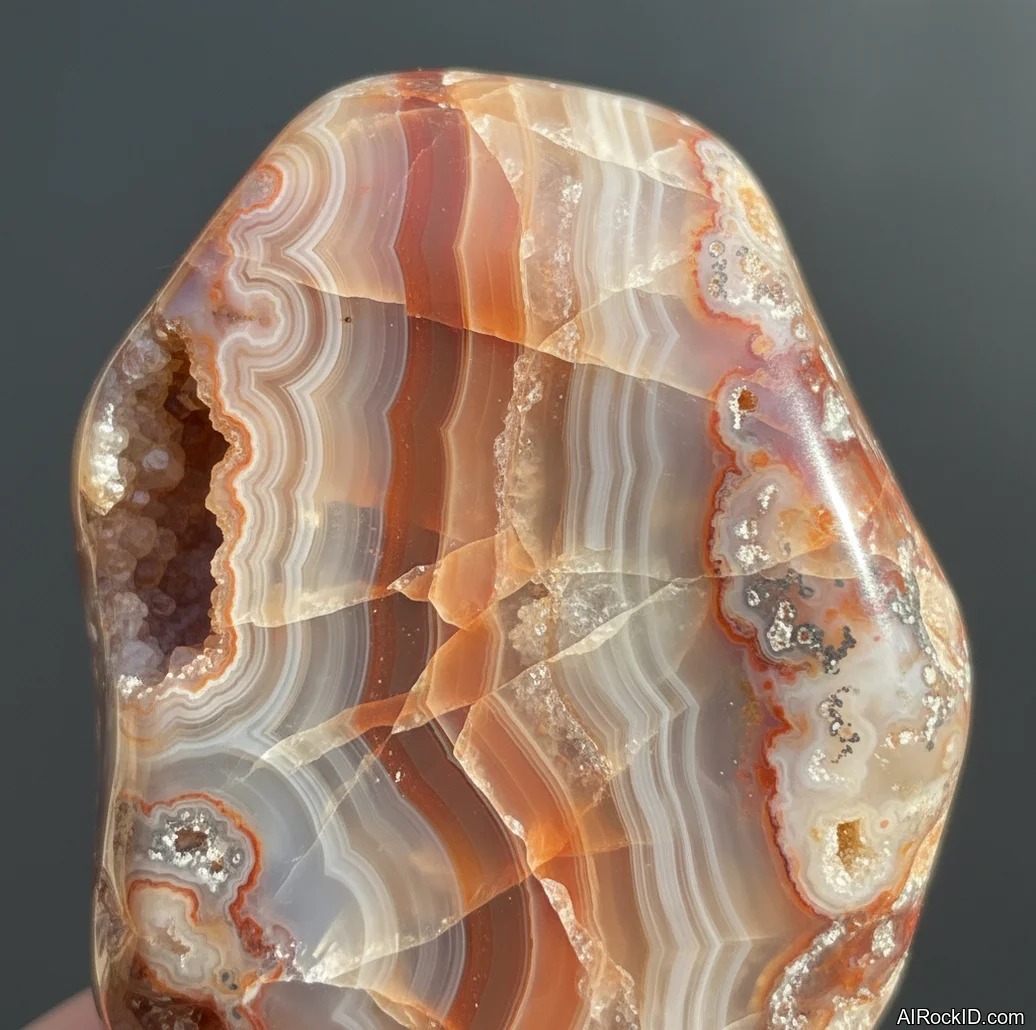
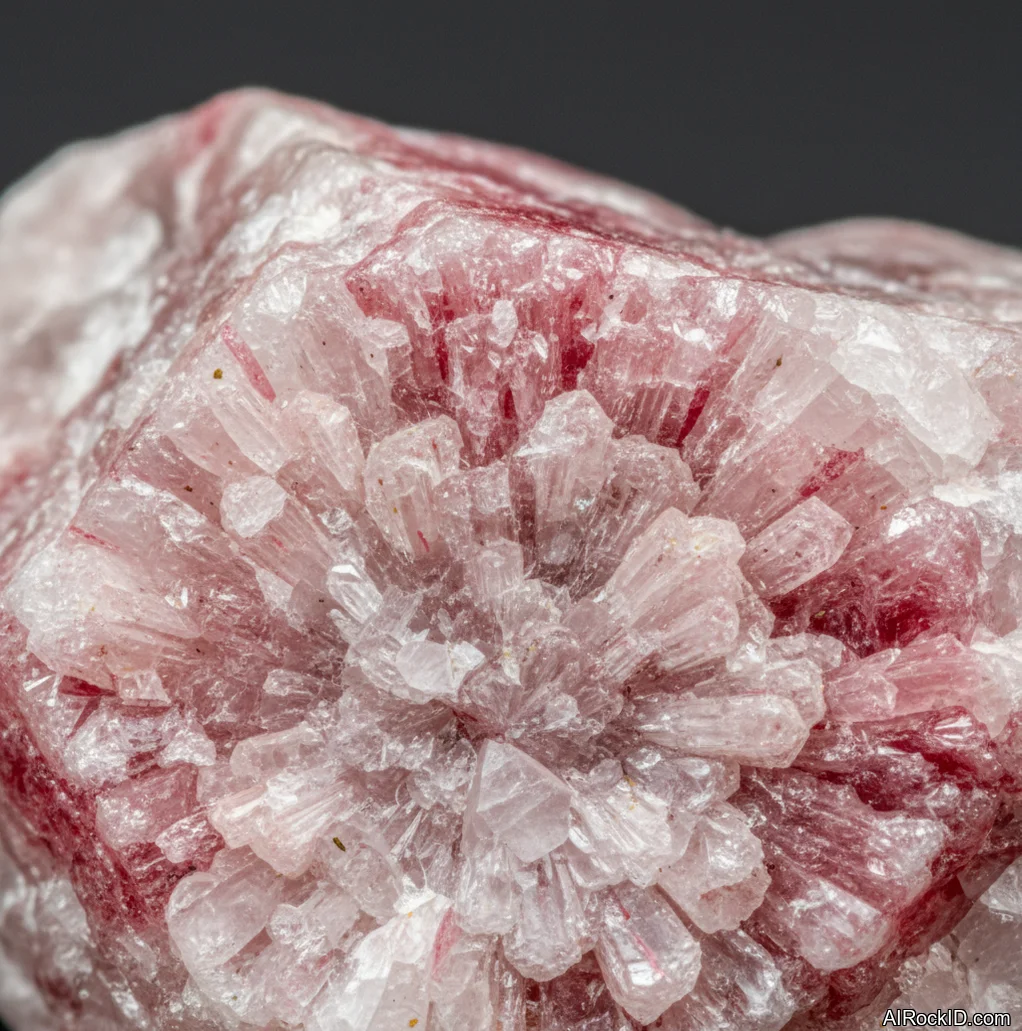
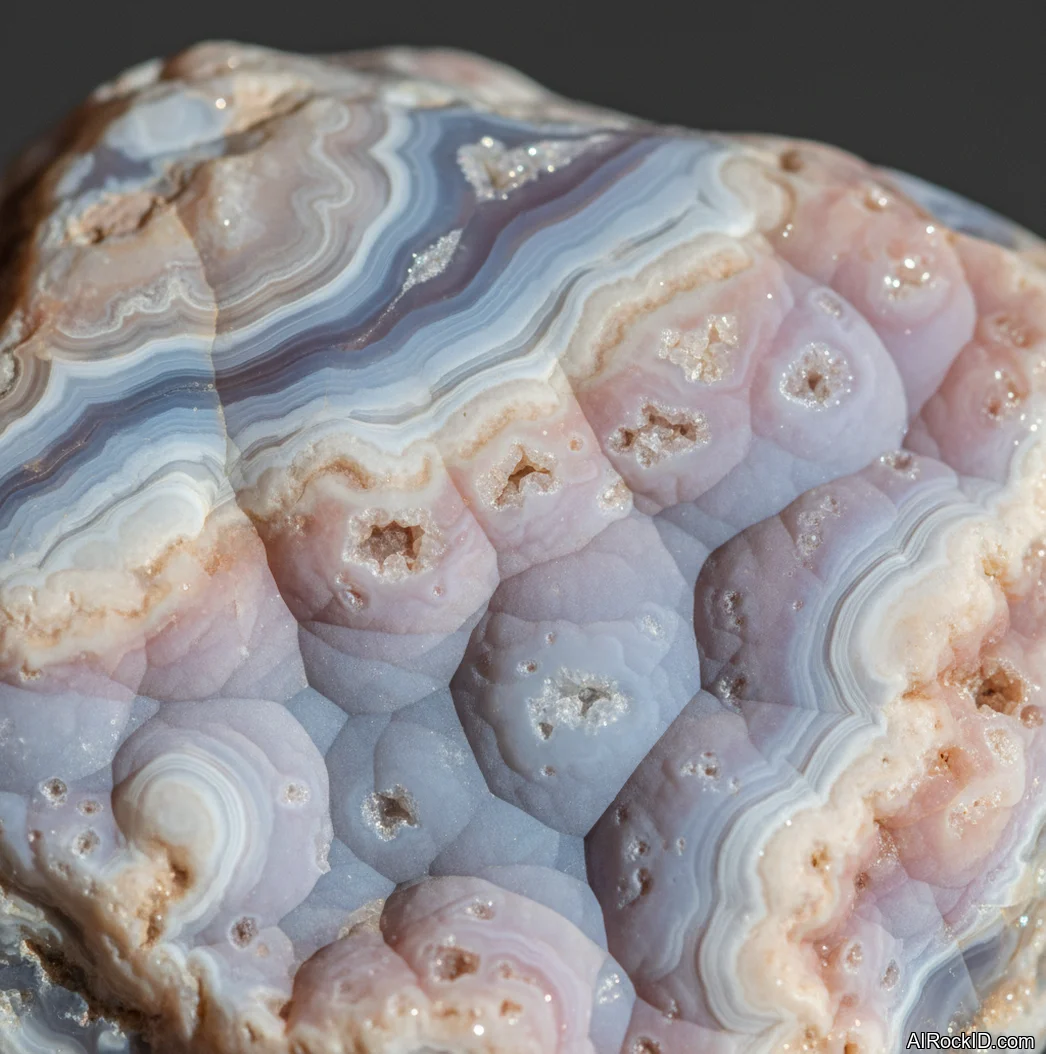
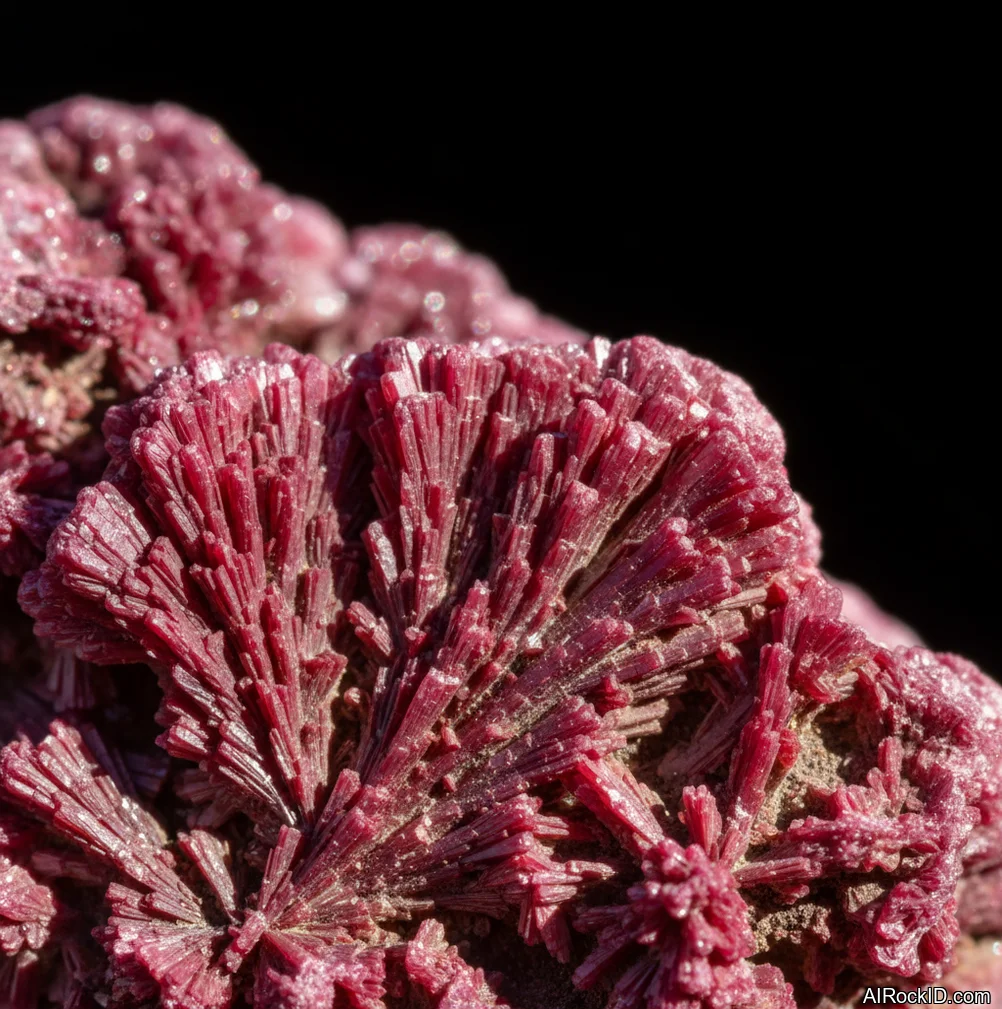
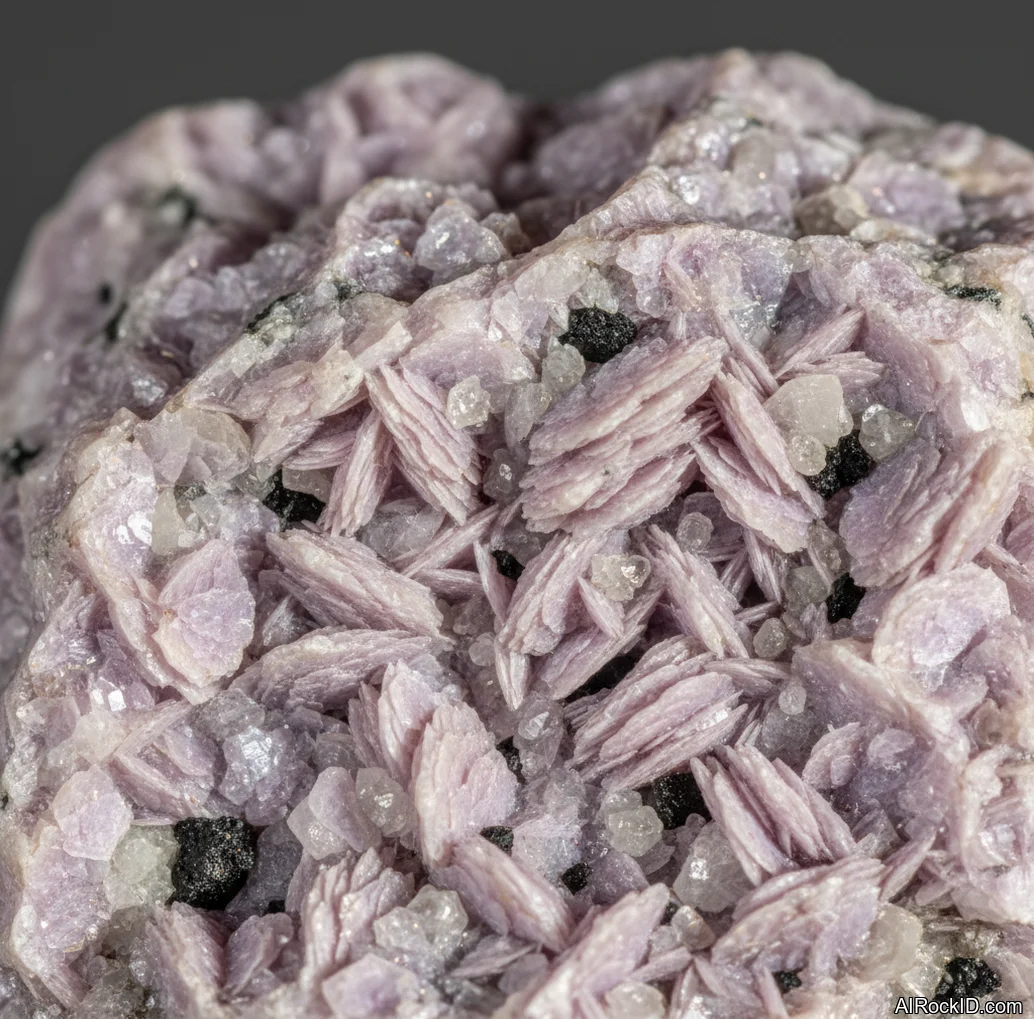
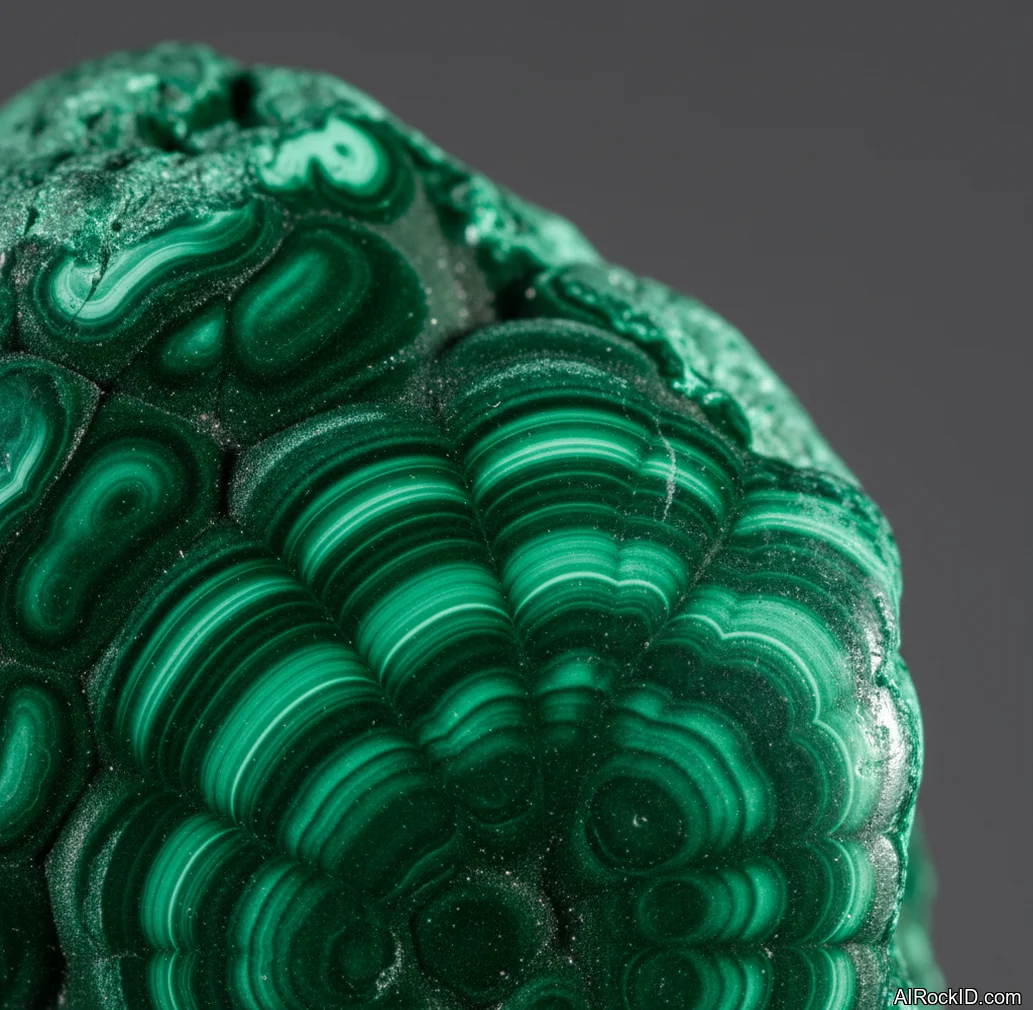
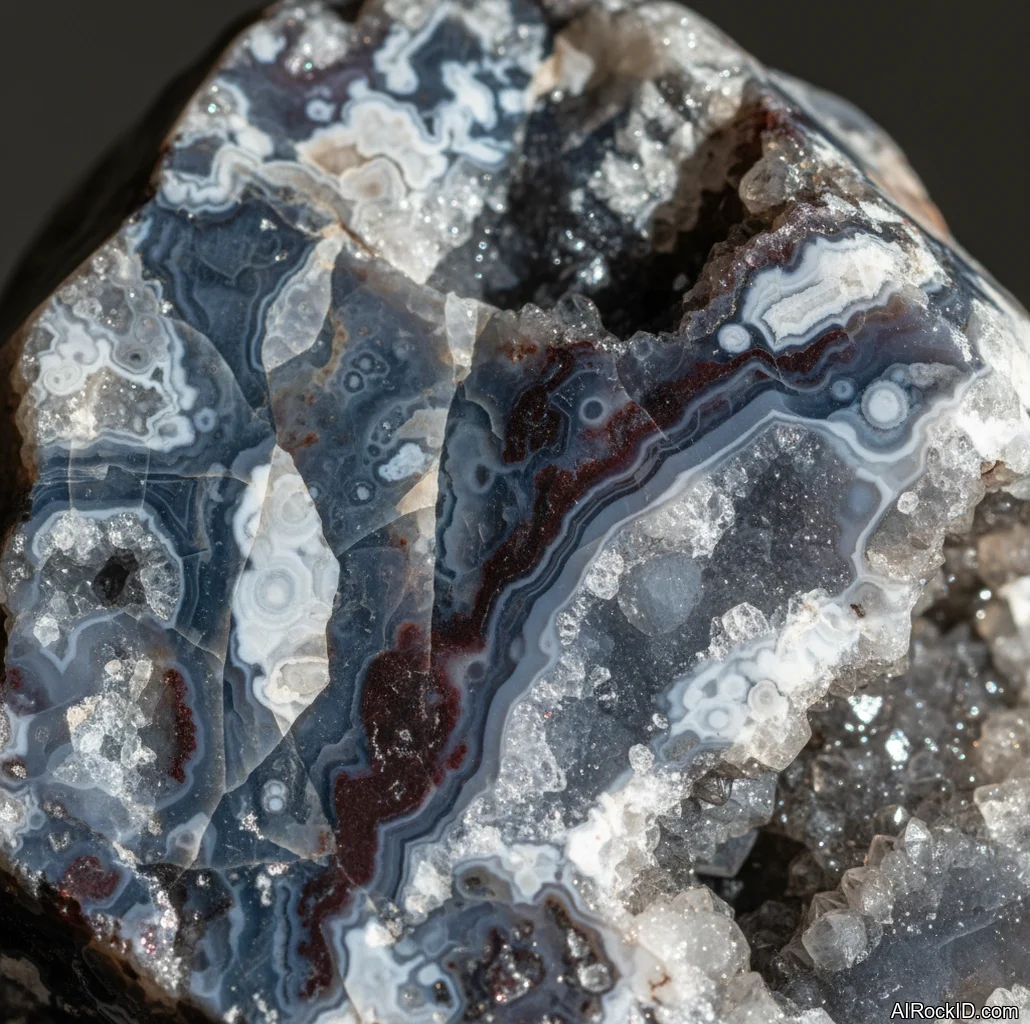
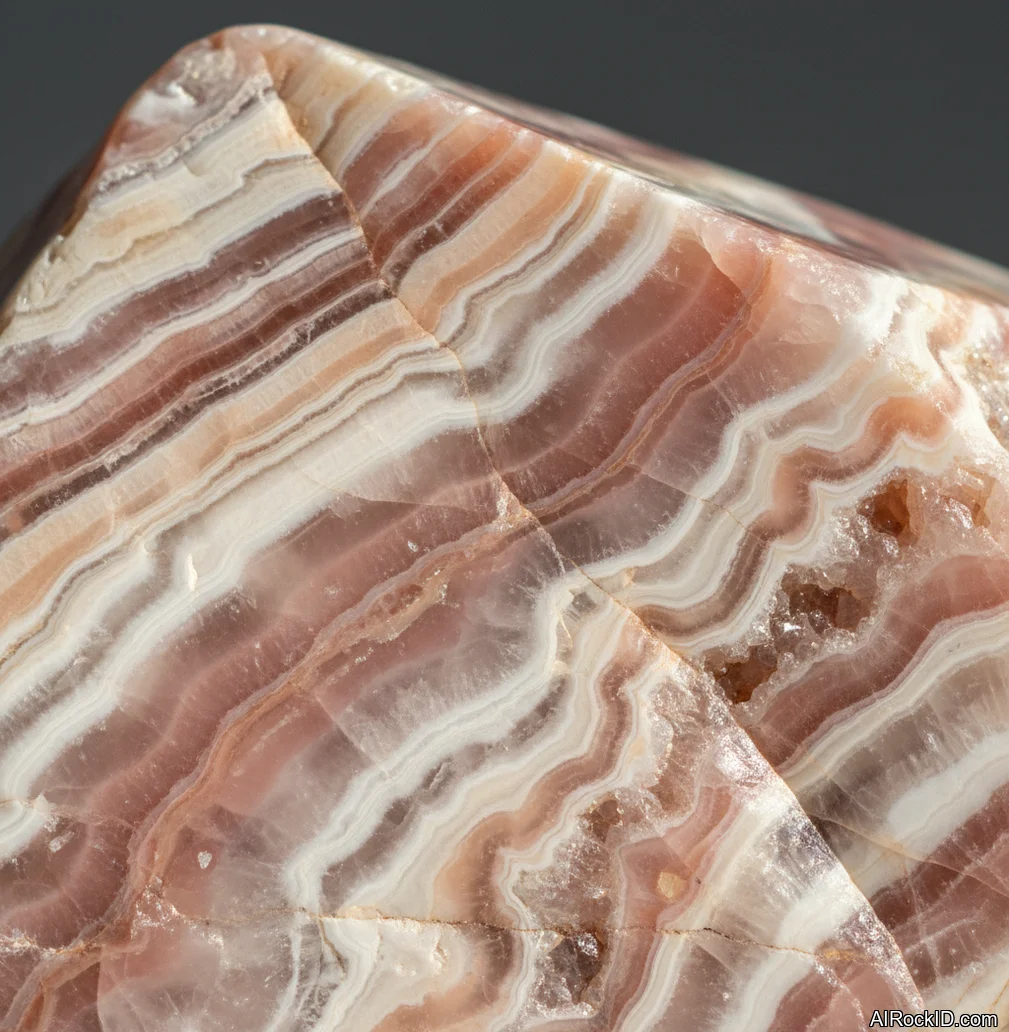
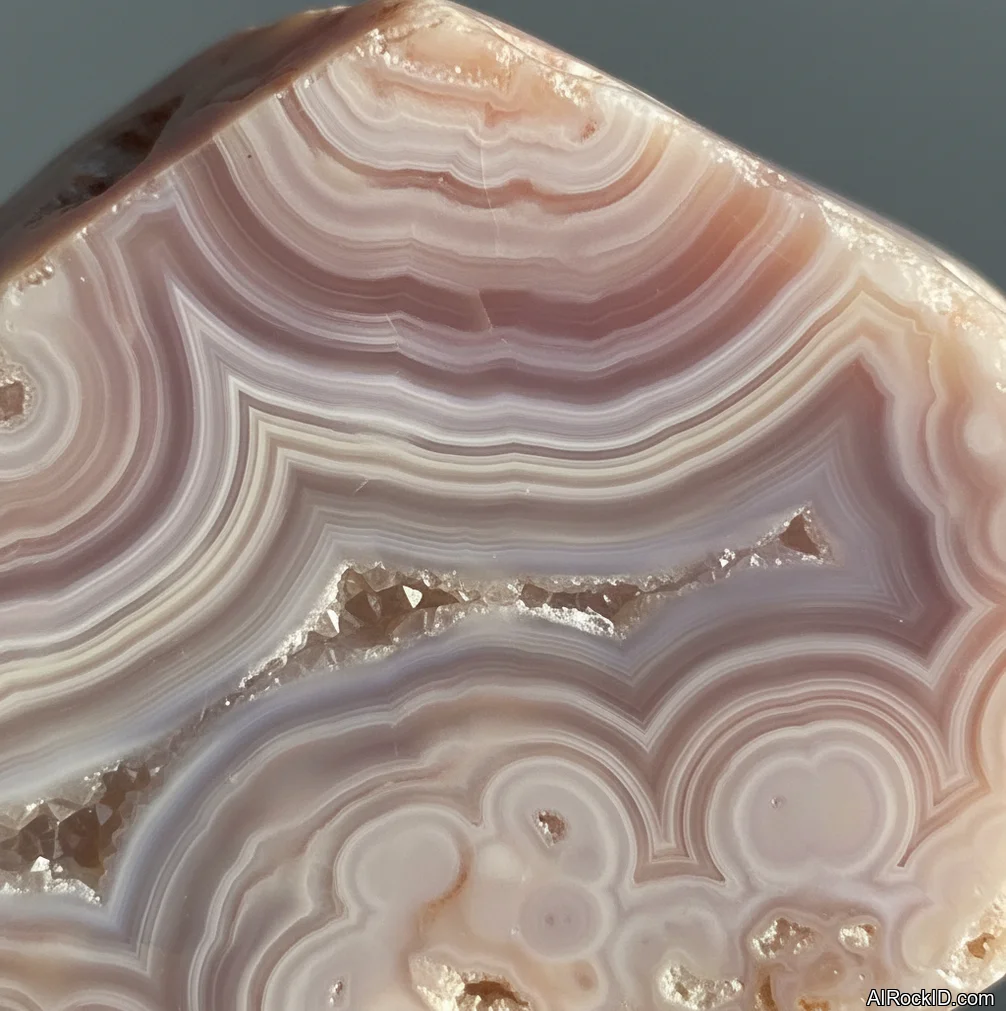
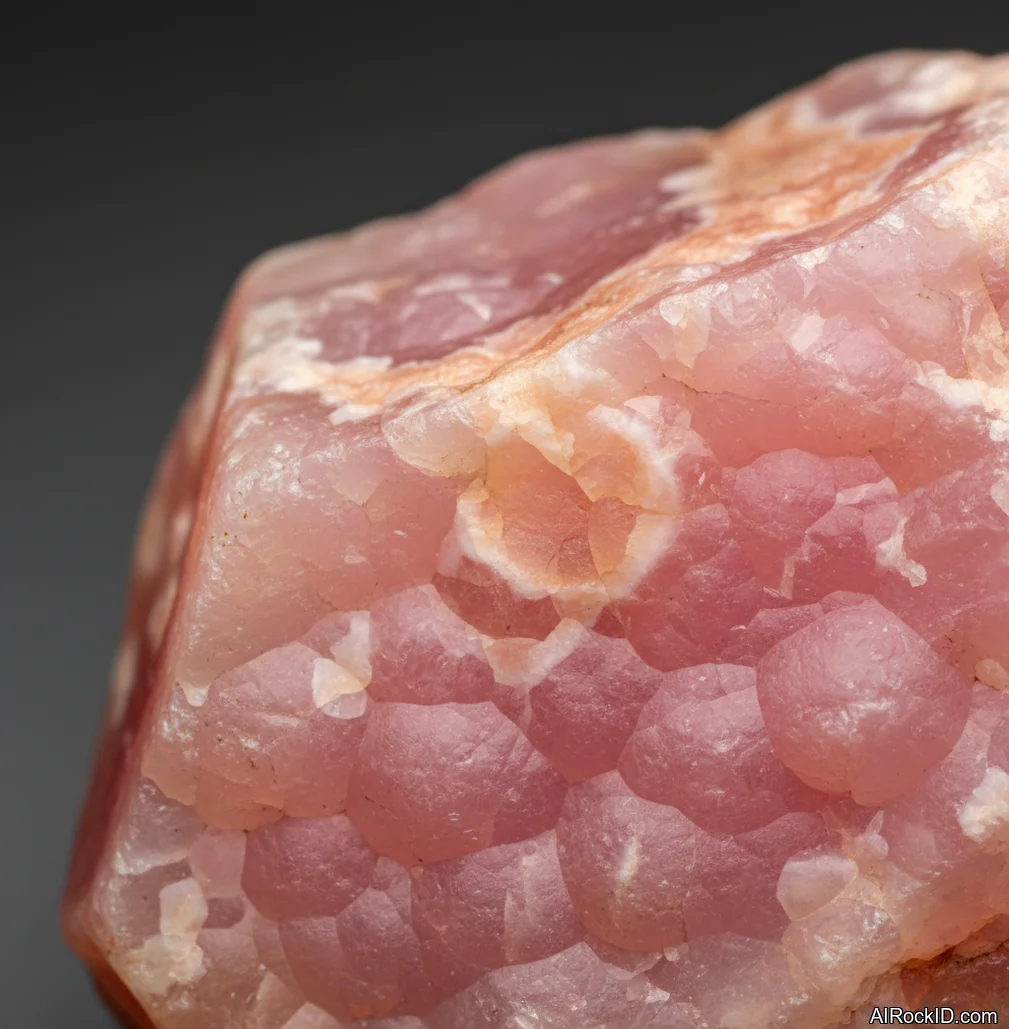
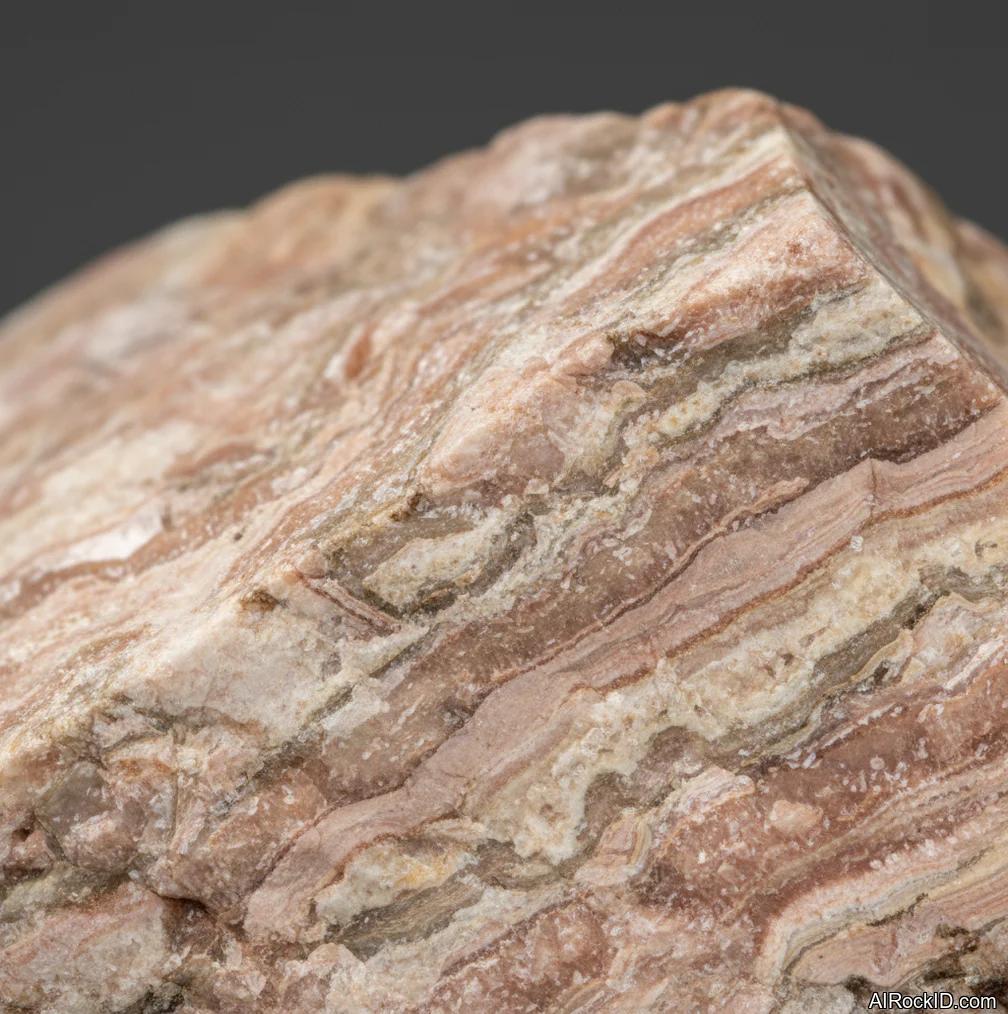
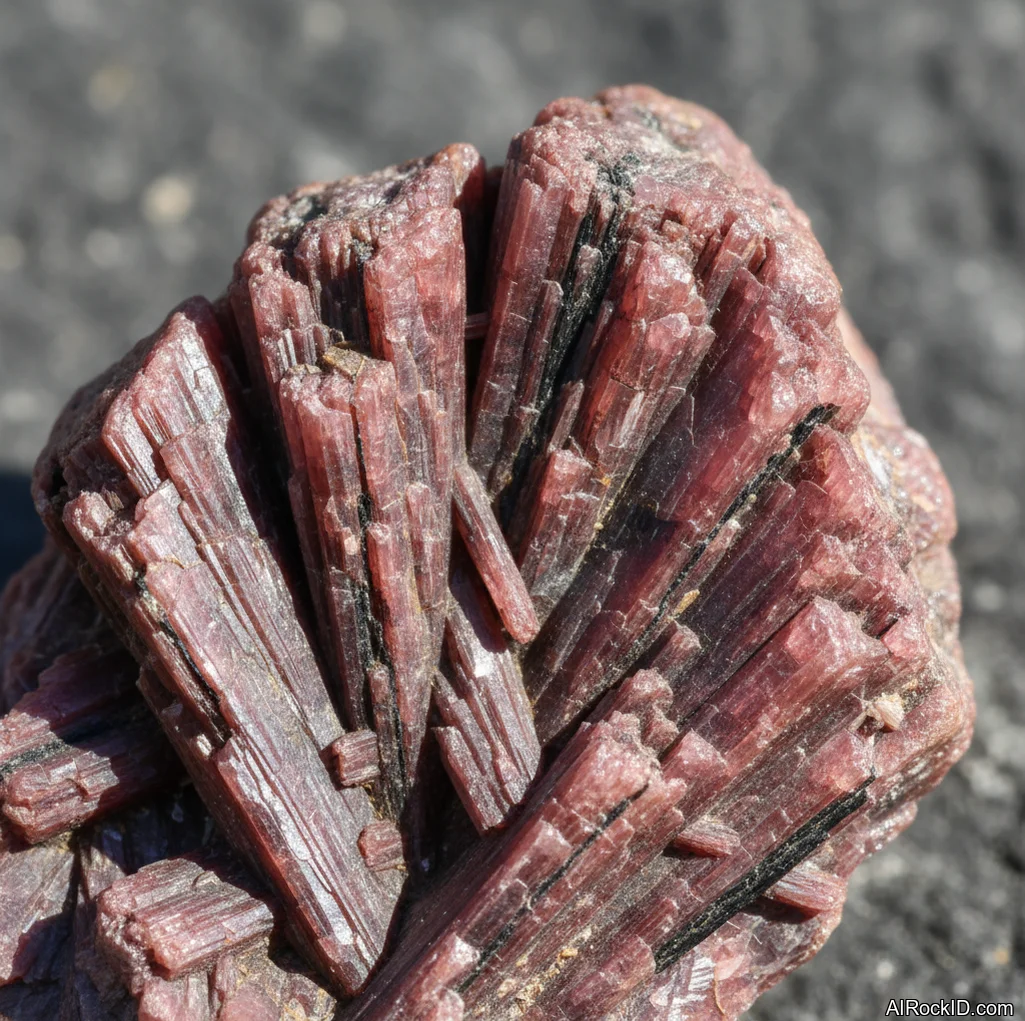
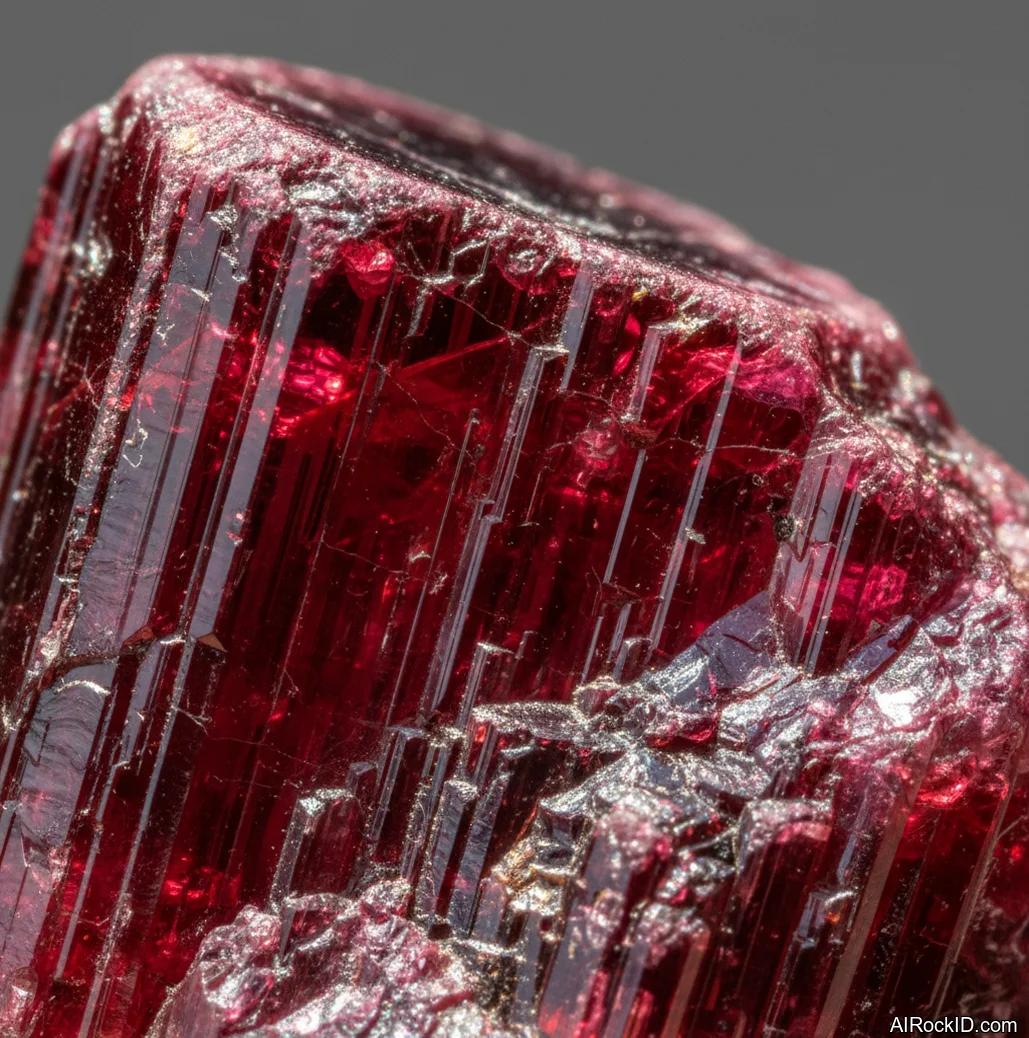
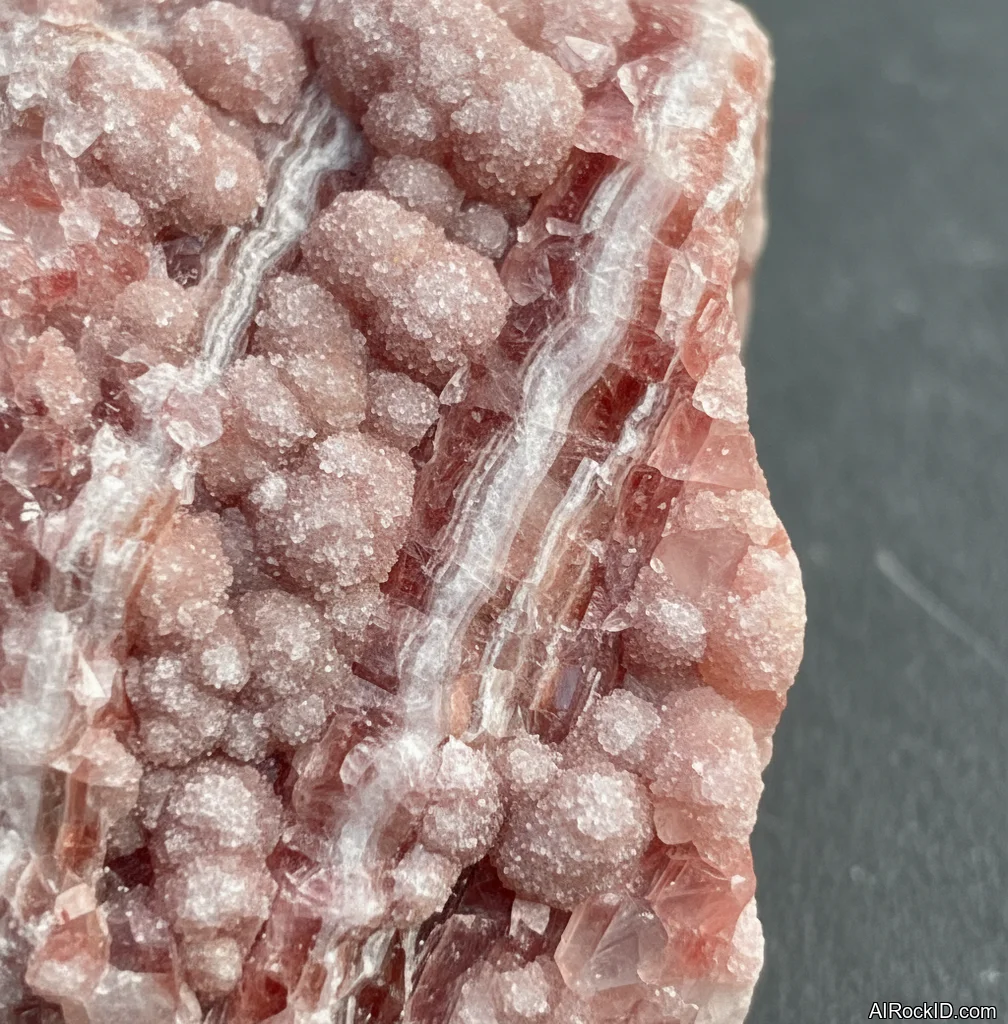
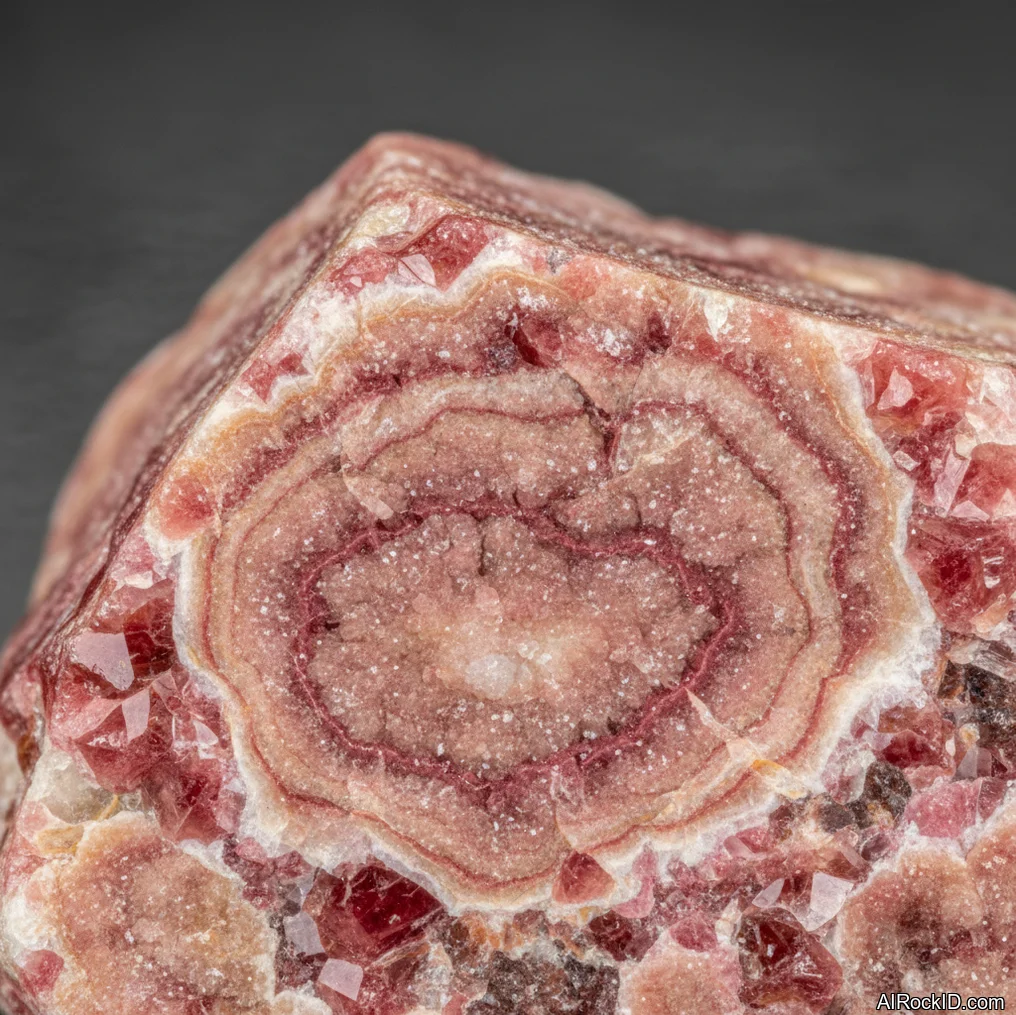
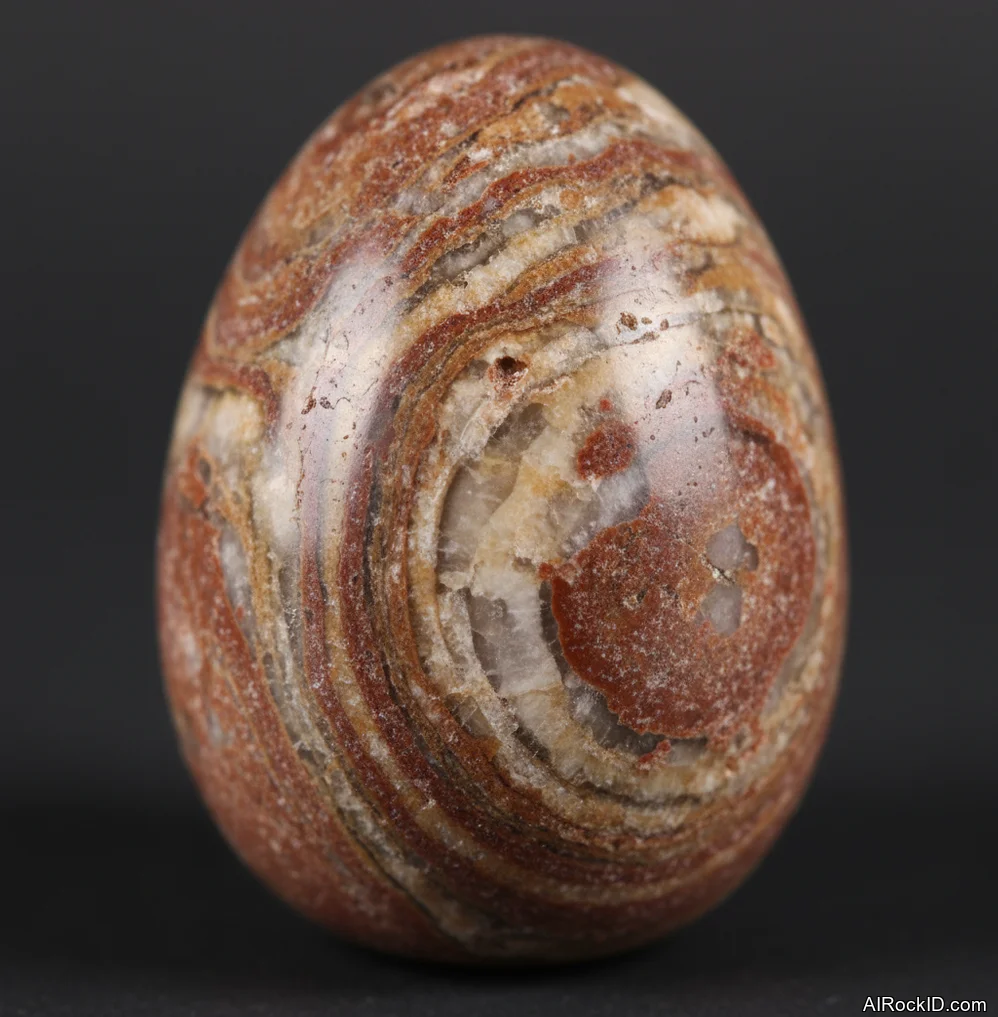
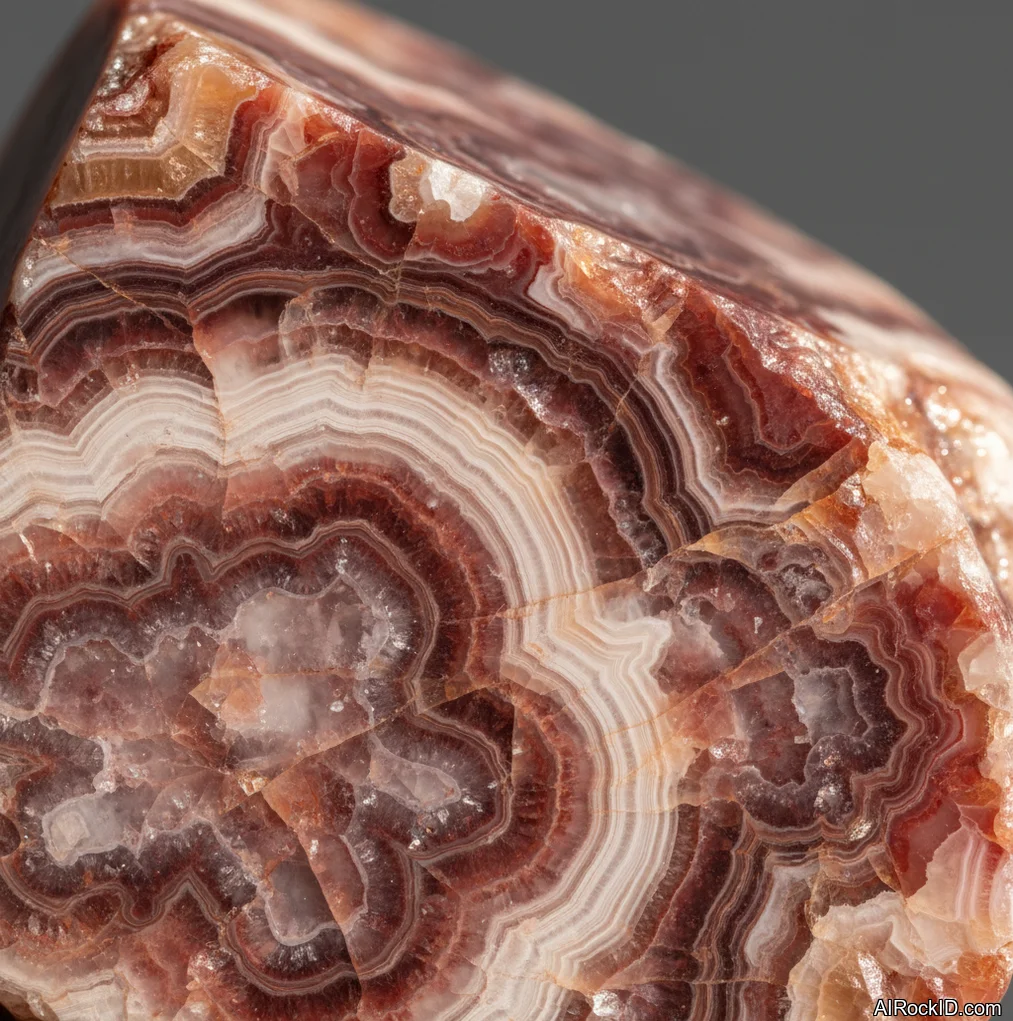
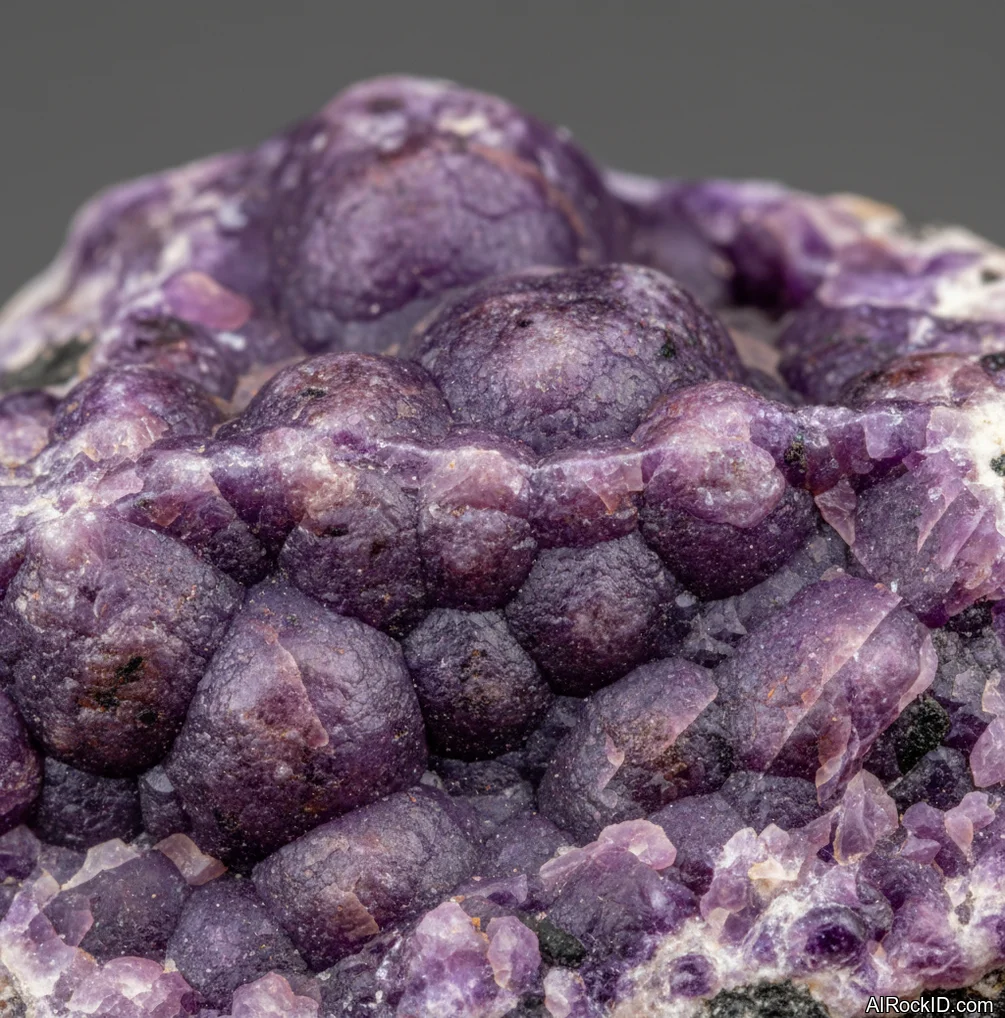
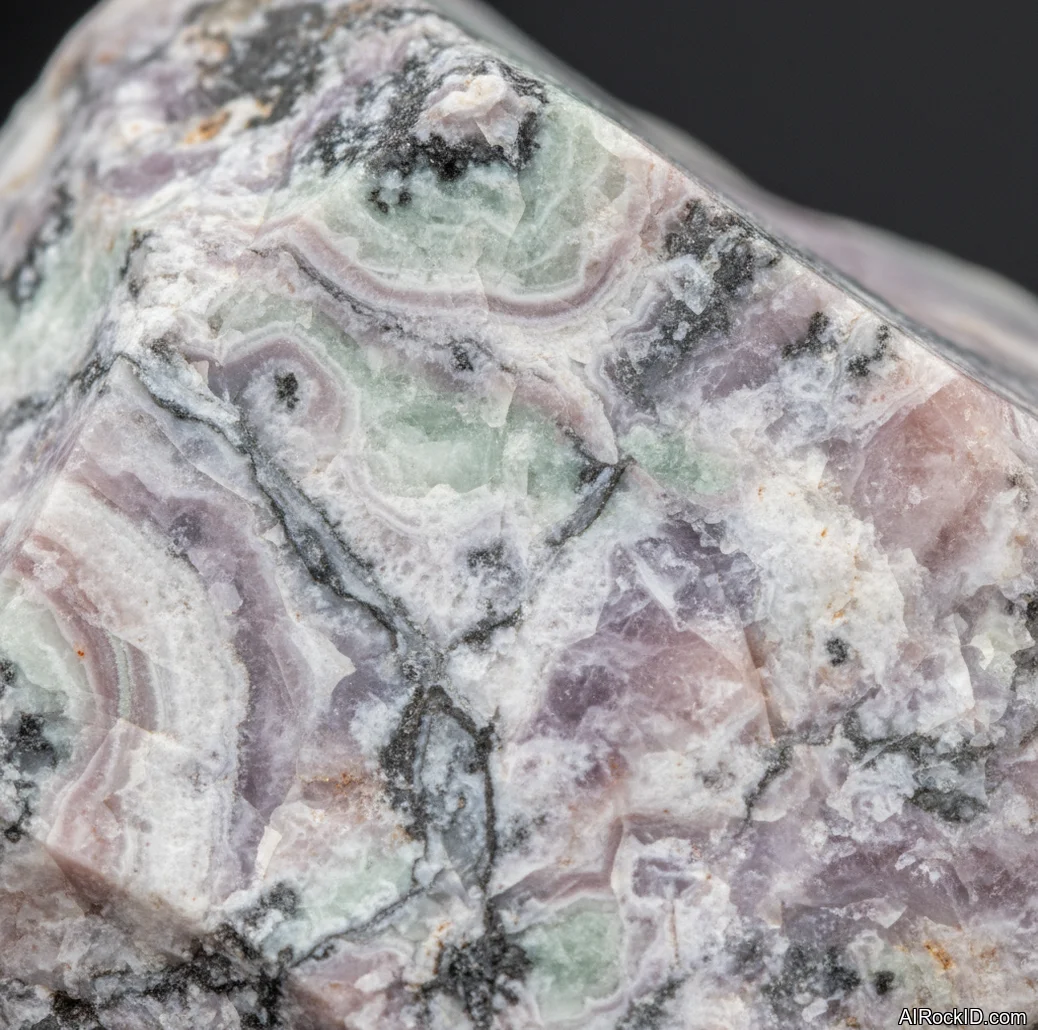
Compared to rose quartz, rhodochrosite lands harder, right in the chest. You’ll spot tight pink and white bands, almost like ribbons, running through a decent slab. Sometimes you’ll see little vugs—tiny holes—where the mineral didn’t fill in all the way. Rhodochrosite is pretty soft, around Mohs 3.5 to 4, so don’t toss it in your jeans pocket with loose change or keys unless you like scratches. I’ve watched people buy candy-pink tumbles, only to complain a week later that their stone looks beat up. That’s just how rhodochrosite behaves. If you want Compassion that comes with boundaries and honest edges, this one’s for you.
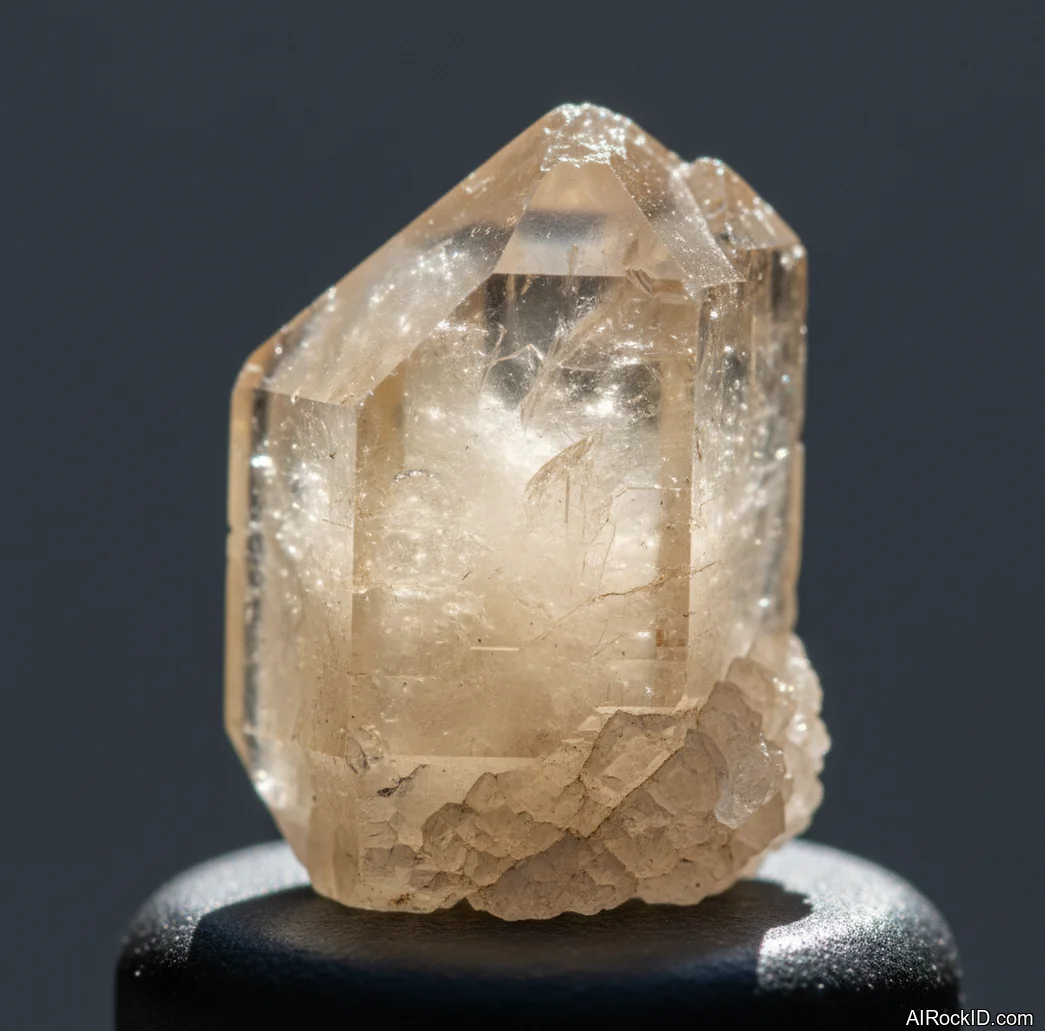
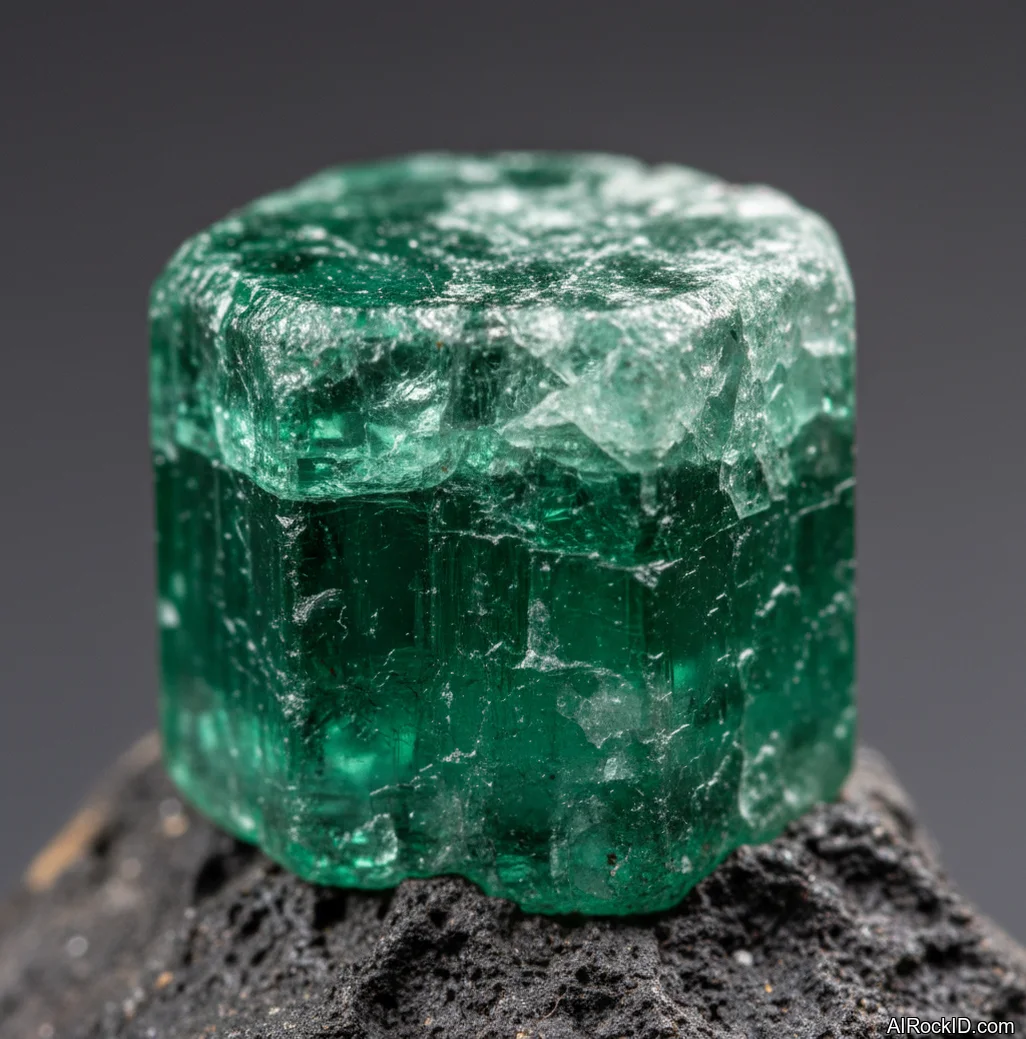
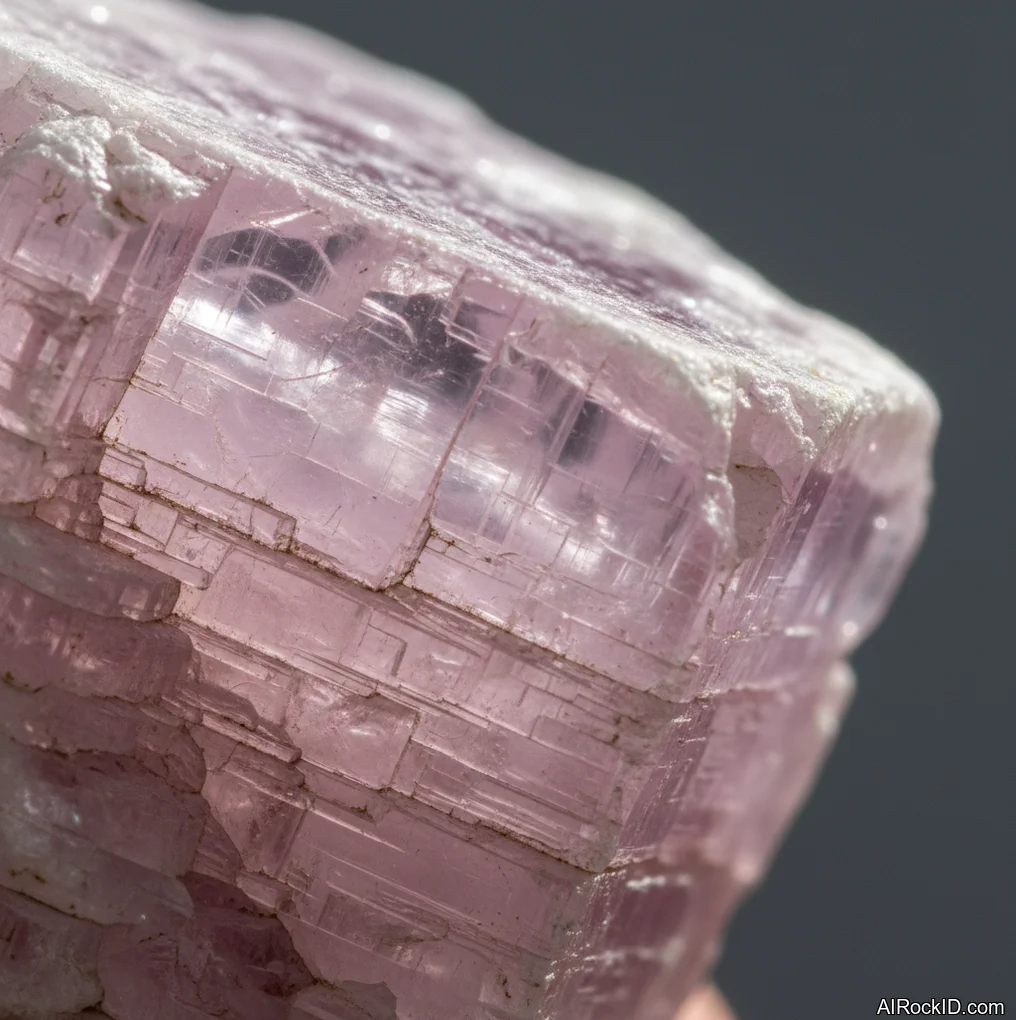
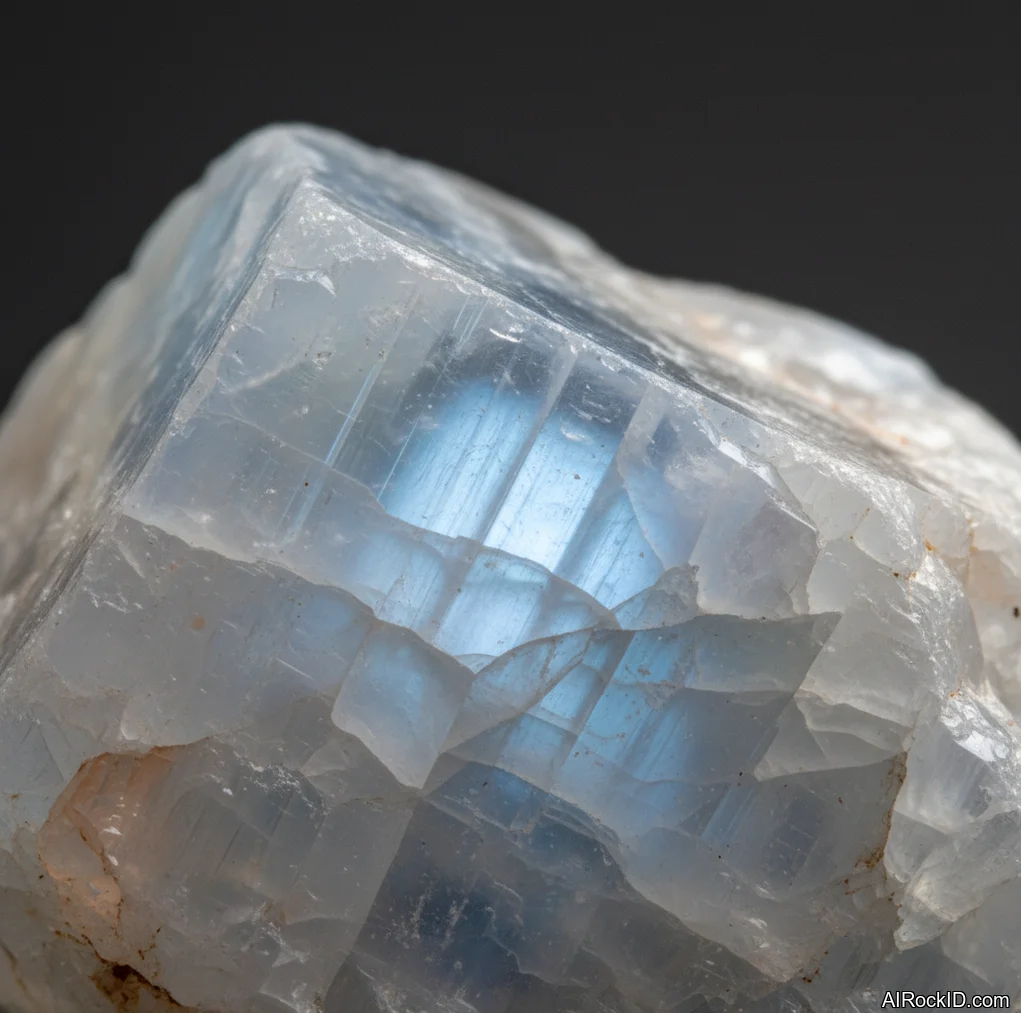
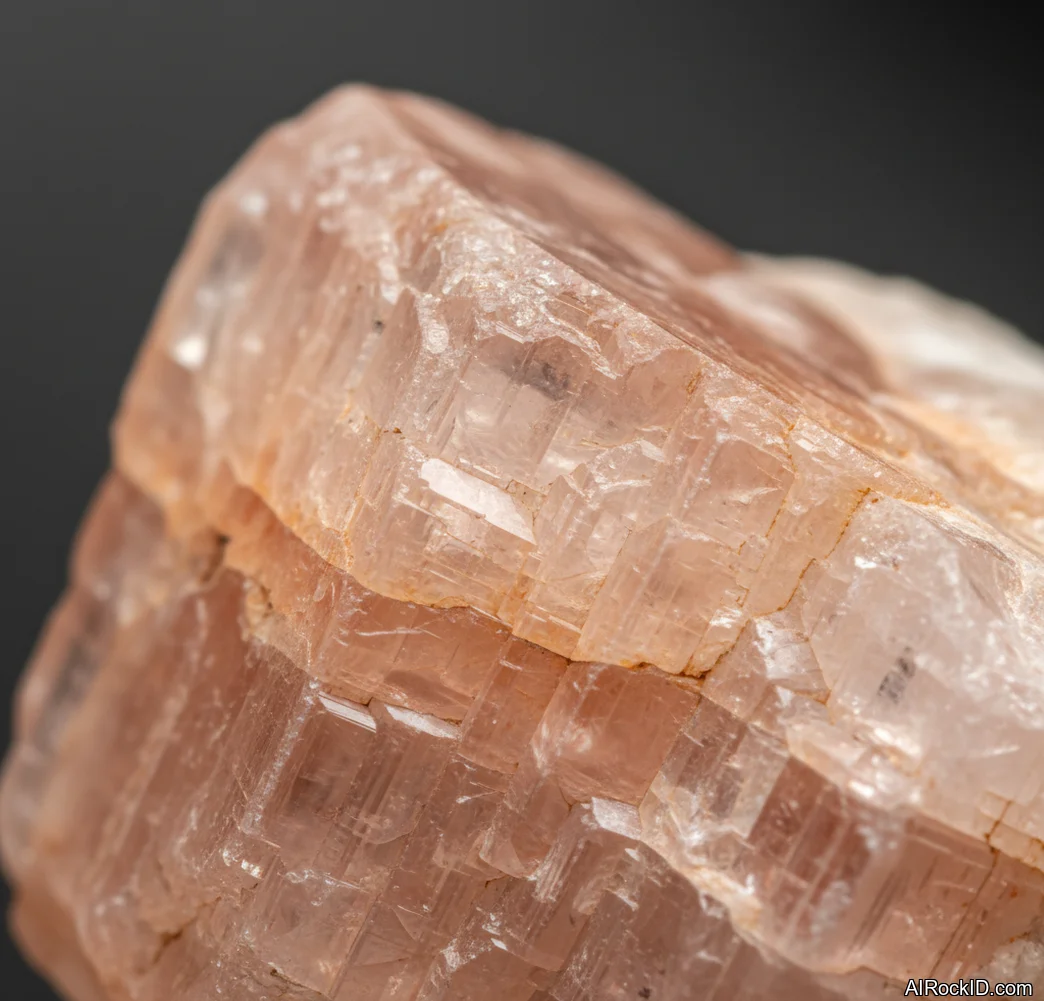
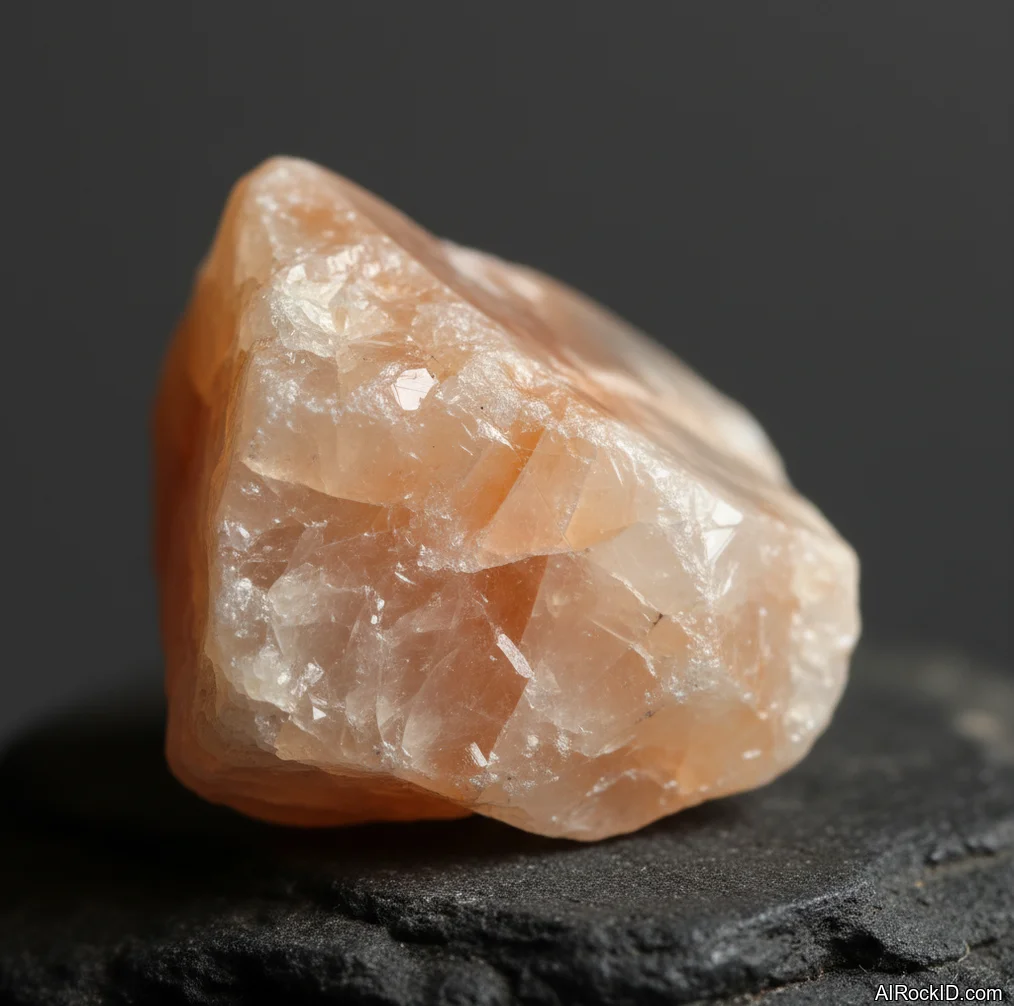
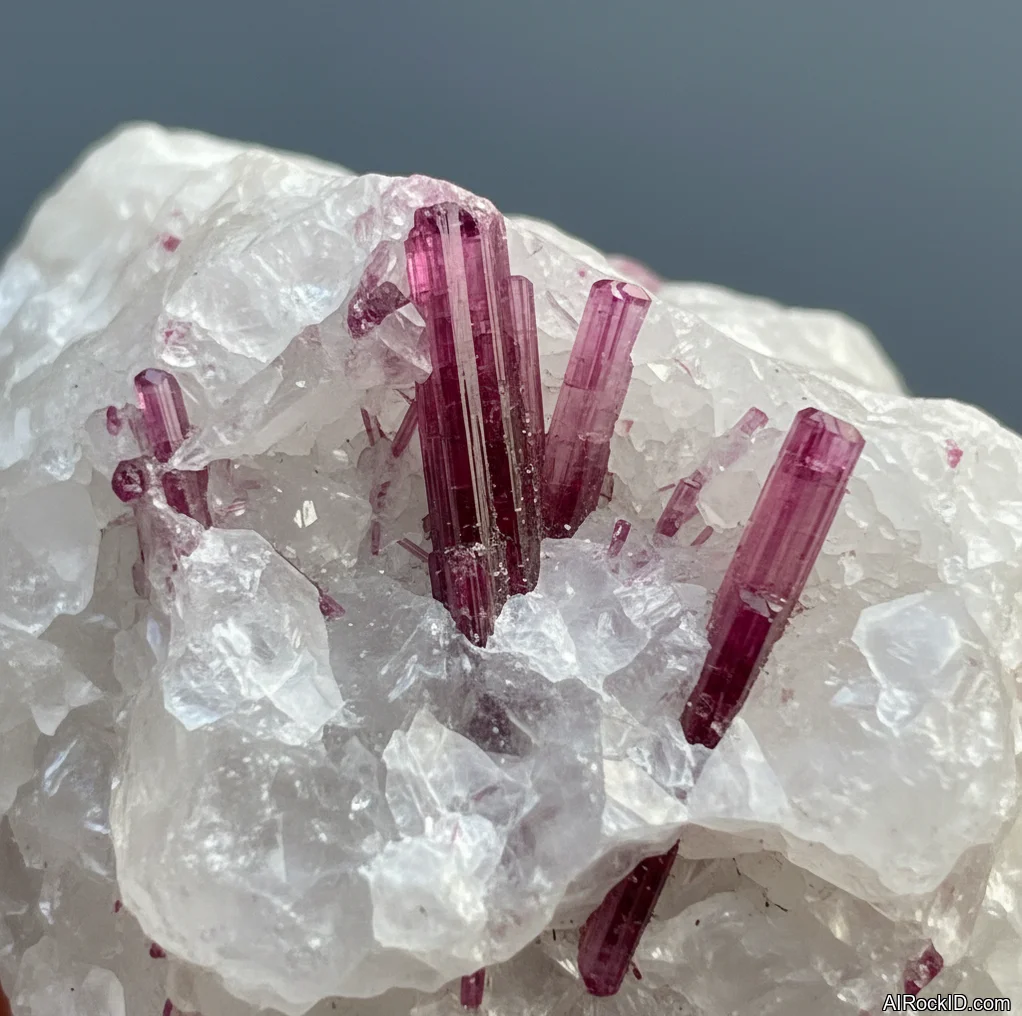
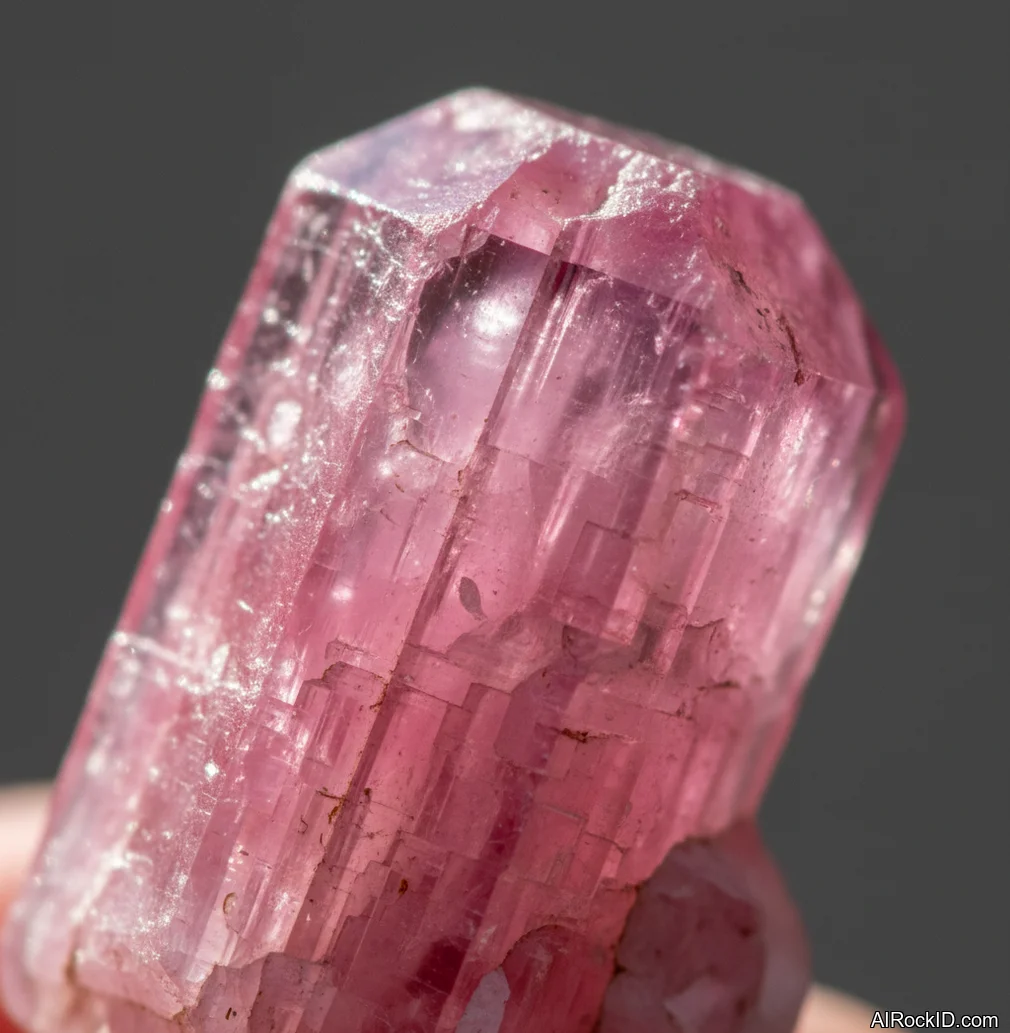
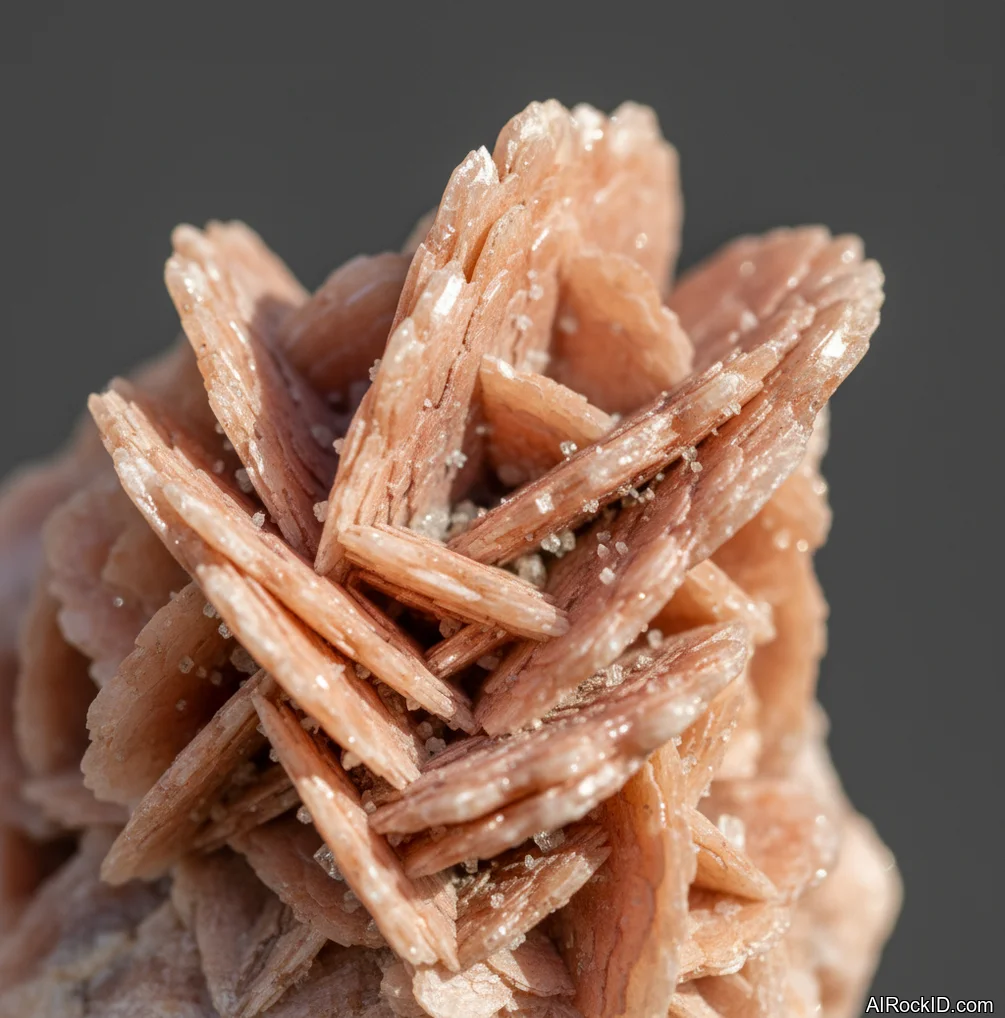
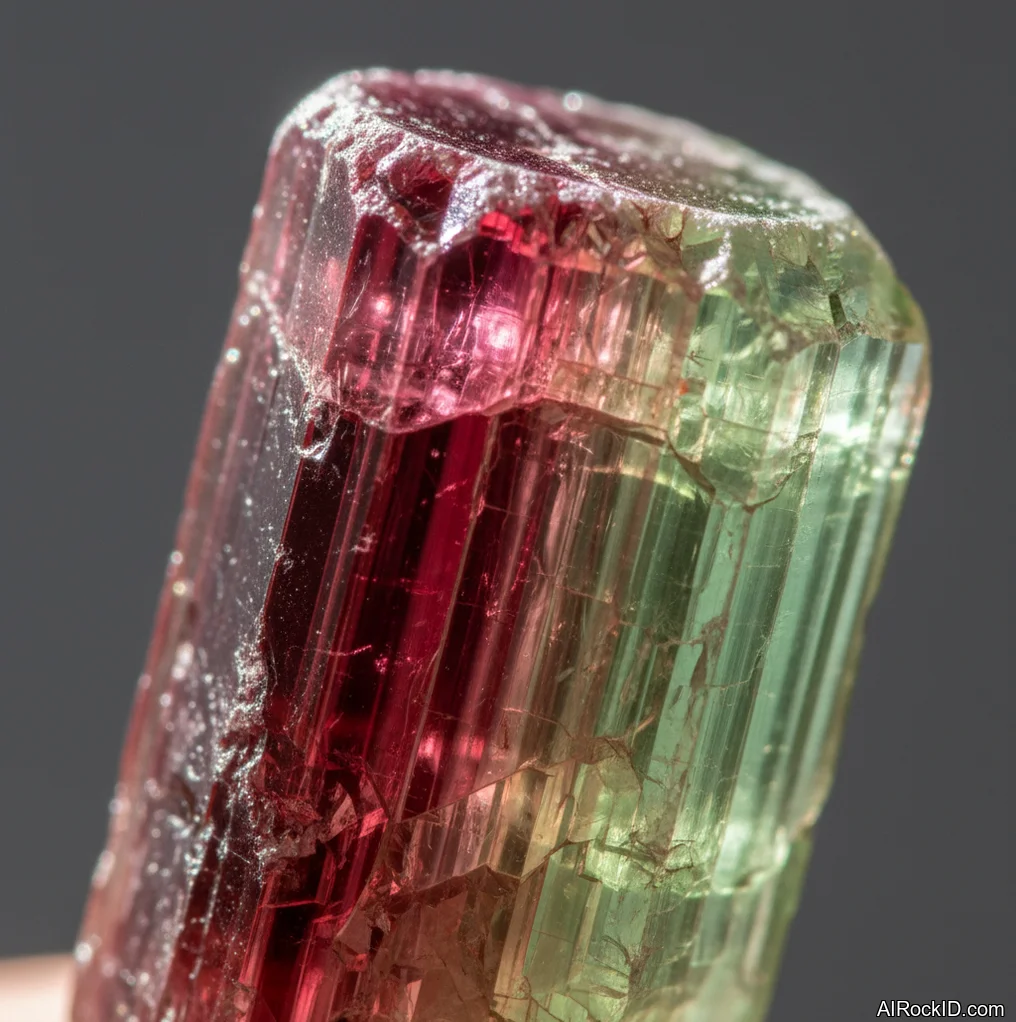
Morganite is more subtle. Most shops file it under “love” stones, but real collectors notice how calm it feels. Natural morganite is a pale peach or blush color—never hot pink. The best stuff is clear beryl that’s been faceted, not rough or chalky. Hold it up to the light and you’ll see the color glow softly without being loud. Morganite is hard enough to carry (Mohs 7.5-8), but most pieces you’ll find are cut for jewelry, not tumbled for pockets.
When and How People Use Compassion Crystals in Real Life
You’ll see people grab Compassion stones during real-world messes. Grief and loss, especially right after a funeral or breakup, is common. Some keep a tumbled piece in their hand during therapy. Others stick a palm stone in their bag when they’re facing old hurts or trying to forgive someone—including themselves.
The texture matters. Rose quartz feels smooth and sturdy—easy to grip when you’re anxious. Rhodochrosite, on the other hand, picks up scratches fast, so it’s usually a better display piece unless you don’t mind watching it age. Morganite gets used in jewelry for this reason: it’s tough, subtle, and doesn’t scream at you. Most people don’t wave these stones around in public. They just keep them close, touch them when things get overwhelming, and use them as a sort of anchor to remind themselves to breathe.
But don’t expect fireworks. Sometimes it’s just about giving yourself a tiny pause, not a full reset.
What to Look Out For When Collecting Compassion Crystals
You’ll run into plenty of junk on the market. With rose quartz, watch out for pieces that are too bright or clear—those are usually dyed or heat-treated. Real rose quartz is cloudy, sometimes with white fibers running through it, and never looks like pink glass. Rhodochrosite gets faked a lot with dyed calcite. The real stuff has banding and will react with a drop of acid (but don’t try that unless you know what you’re doing). It also chips if you drop it on a tile floor, so display it somewhere safe.
Morganite can get confused with pink glass or lower-quality beryl that’s been irradiated to boost color. The giveaway is the way real morganite handles light: it stays soft, not too shiny, and the best pieces have a sort of inner glow without looking fake. If you’re shopping for Compassion stones, ask for the origin. Brazilian and Argentine material tends to be better for rose quartz and rhodochrosite, while morganite from Madagascar or Afghanistan is usually the clearest. Don’t get sucked in by marketing. Trust your own sense of weight, temperature, and texture.
Best Compassion Crystals to Start With
| Level | Crystal | Note |
| Gentle / Beginner | Rose Quartz | It’s sturdy, cool to the touch, and forgiving if you drop it. Most people start here because it’s hard to damage and comfortable to hold. |
| Balanced / Everyday | Morganite | Tough enough for daily carry in a pocket or as jewelry, but feels calm and neutral, not overwhelming. Natural pieces aren’t flashy. |
| Intense / Advanced | Rhodochrosite | Hits harder emotionally and physically softer—scratches easily and requires gentle handling. For people ready to face deeper stuff. |
| Best for Carrying | Tumbled Rose Quartz | Smooth, rounded, and won’t snag on clothing. Easy to keep in a pocket or bag without worrying about chips. |
| Best for Display | Rhodochrosite Slab | Bands and vugs show best in a polished slab under good light. Too soft for everyday handling, but beautiful on a shelf. |
Compassion Crystal Comparison
| Crystal | Common Use | Feel / Use Style | Care Caution |
| Rose Quartz | Grief, self-compassion, easing harsh moods | Cool, solid, smooth; milky pink with cloudy zones | Color can fade in direct sunlight after months |
| Rhodochrosite | Healing old emotional wounds, forgiveness | Soft, banded, slight heft; can have vugs/holes | Scratches and chips easily; keep away from keys |
| Morganite | Calm support, forgiving oneself, gentle encouragement | Pale peach or blush, clear, hard; cool and glassy | Natural color may fade if left in bright light |
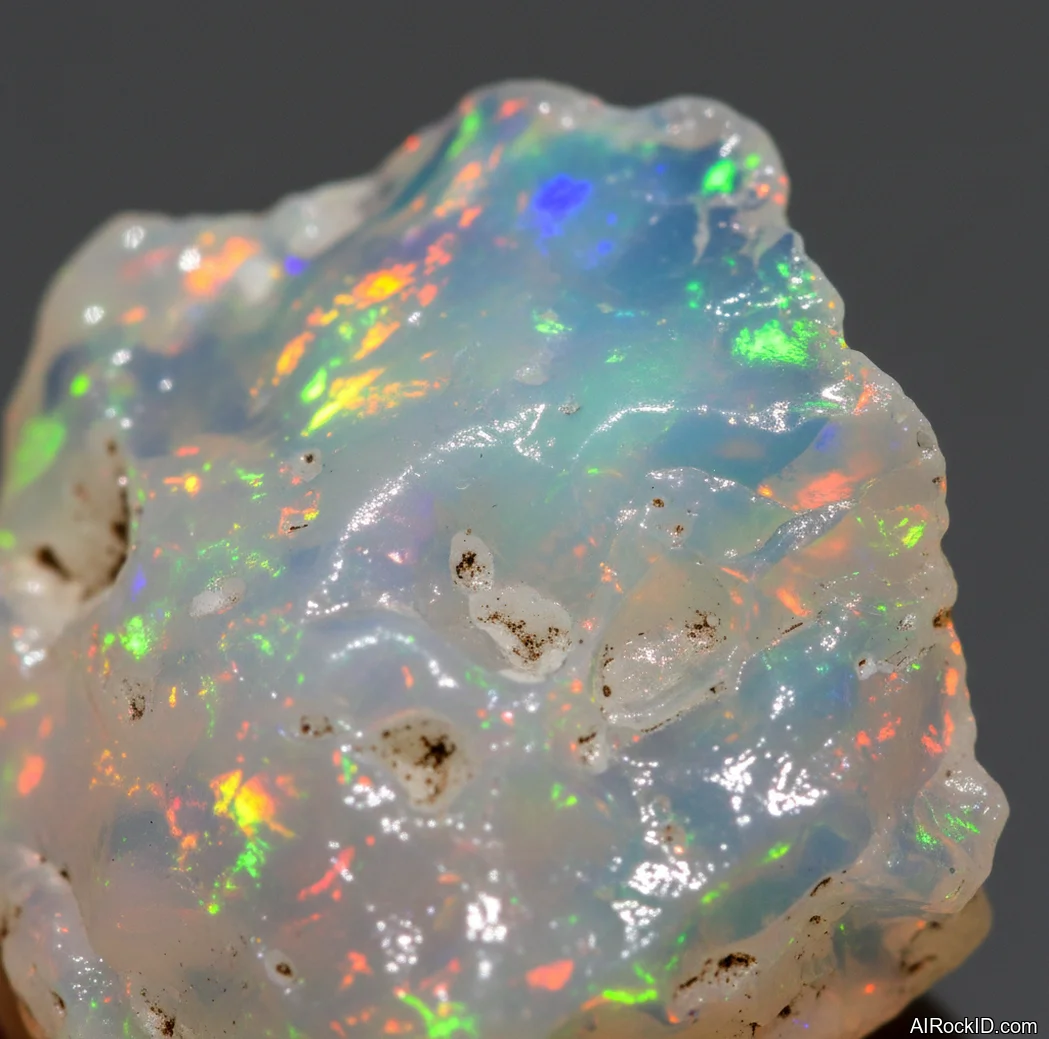
| Pink Opal | Emotional rest, gentle transitions | Matte, waxy, very soft; pale to bubblegum pink | Can craze (crack) if it dries out or gets too hot |
How to Identify Compassion Crystals with AI Rock ID
To identify Compassion crystals using an AI Rock ID app, start by photographing your specimen in natural daylight—avoid harsh shadows or colored backgrounds. Take one full-view photo and at least one close-up of texture and color zoning. Upload both to the app, then cross-check results against the crystal’s known hardness, luster, and any unique features like banding or vugs. Double-check the app’s match with your own observations before labeling any stone as rose quartz, rhodochrosite, or morganite.
All Compassion Crystals (158)