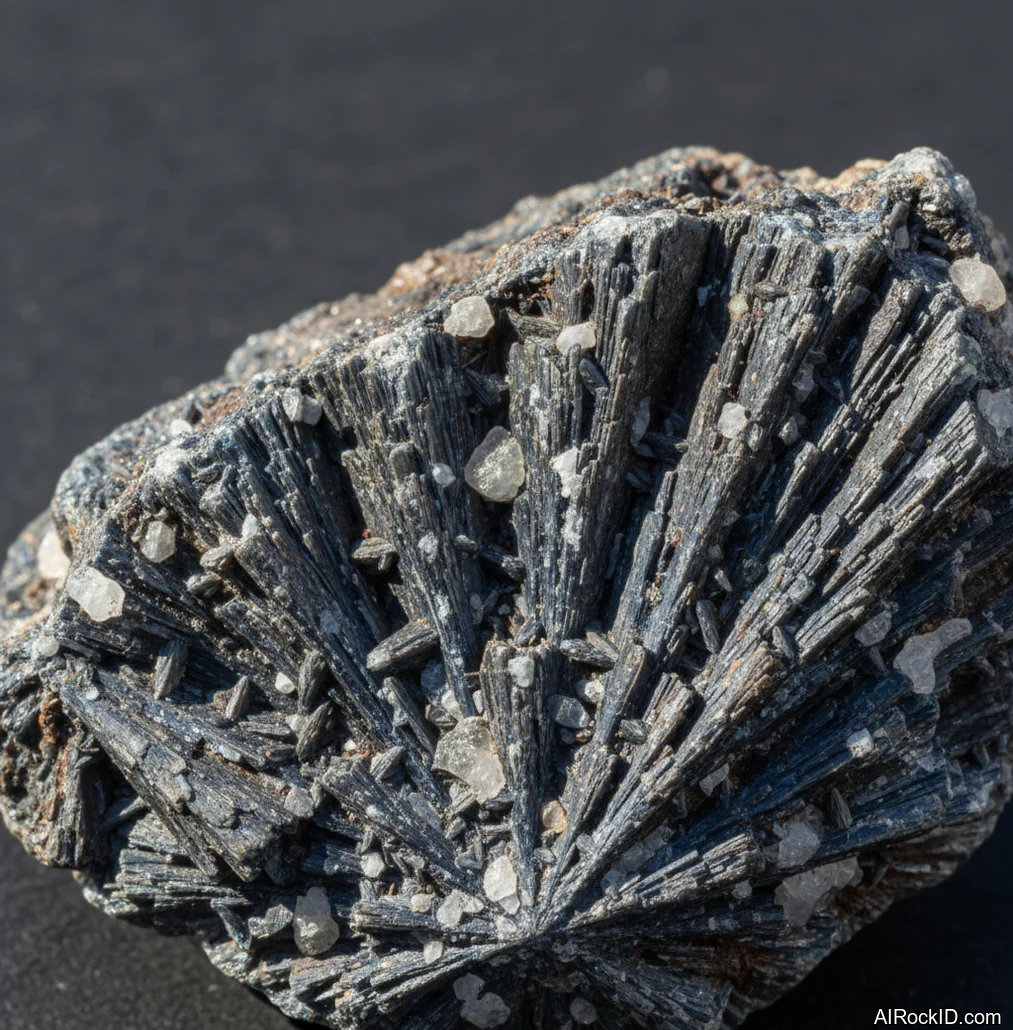
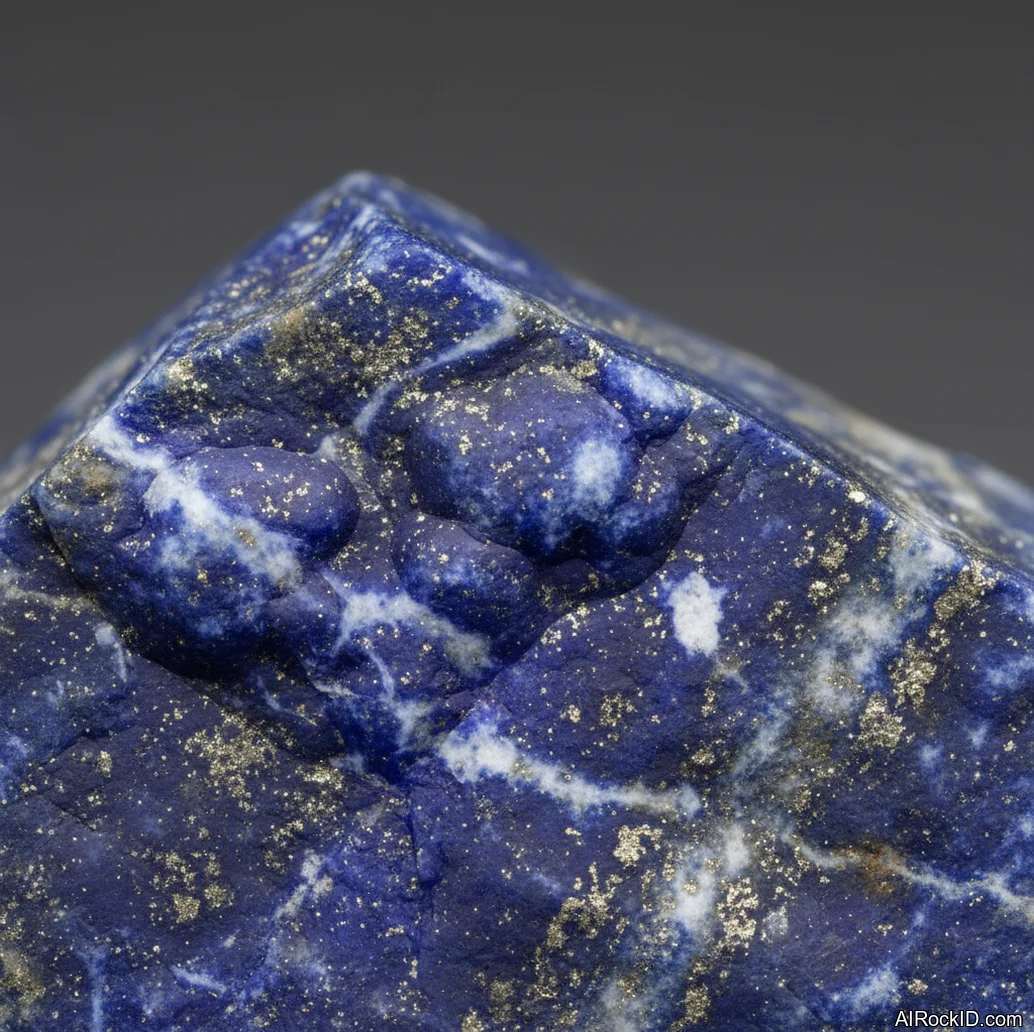
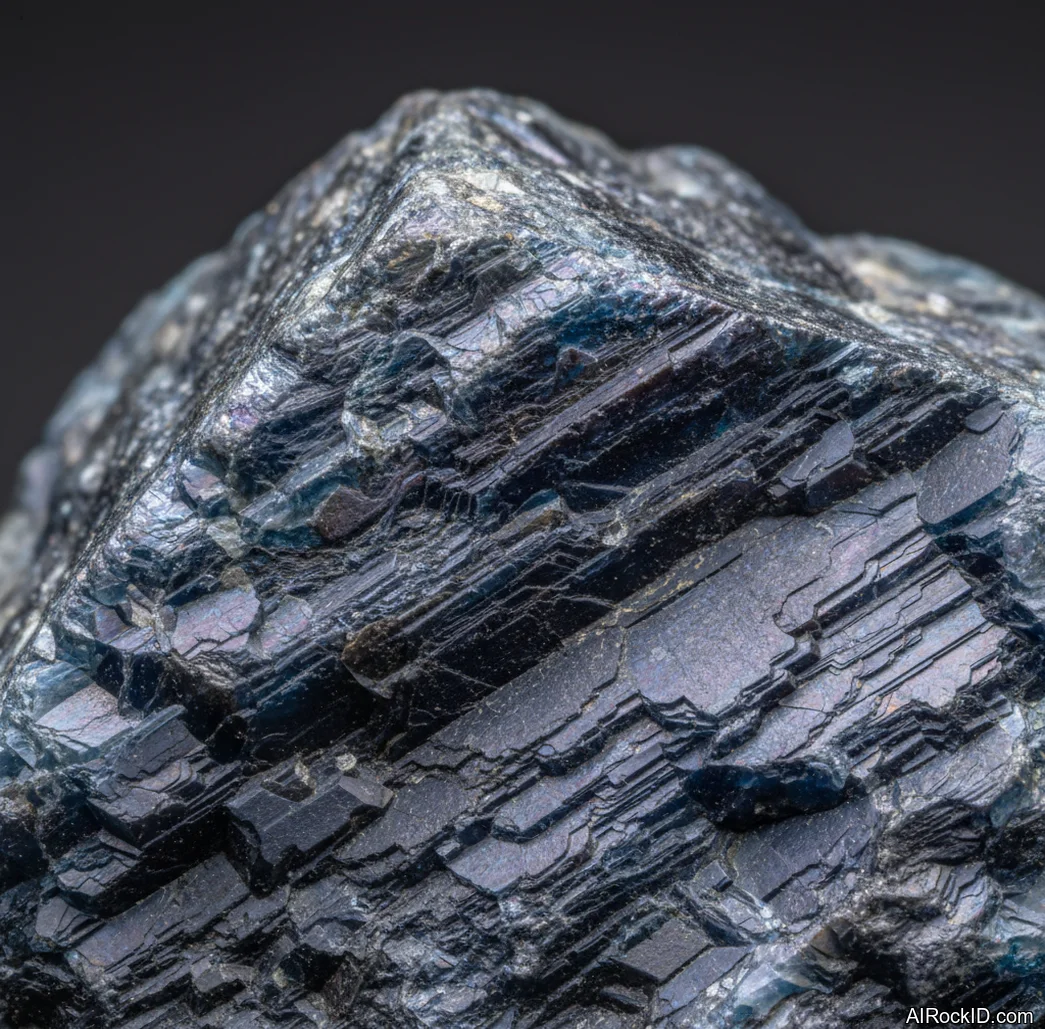
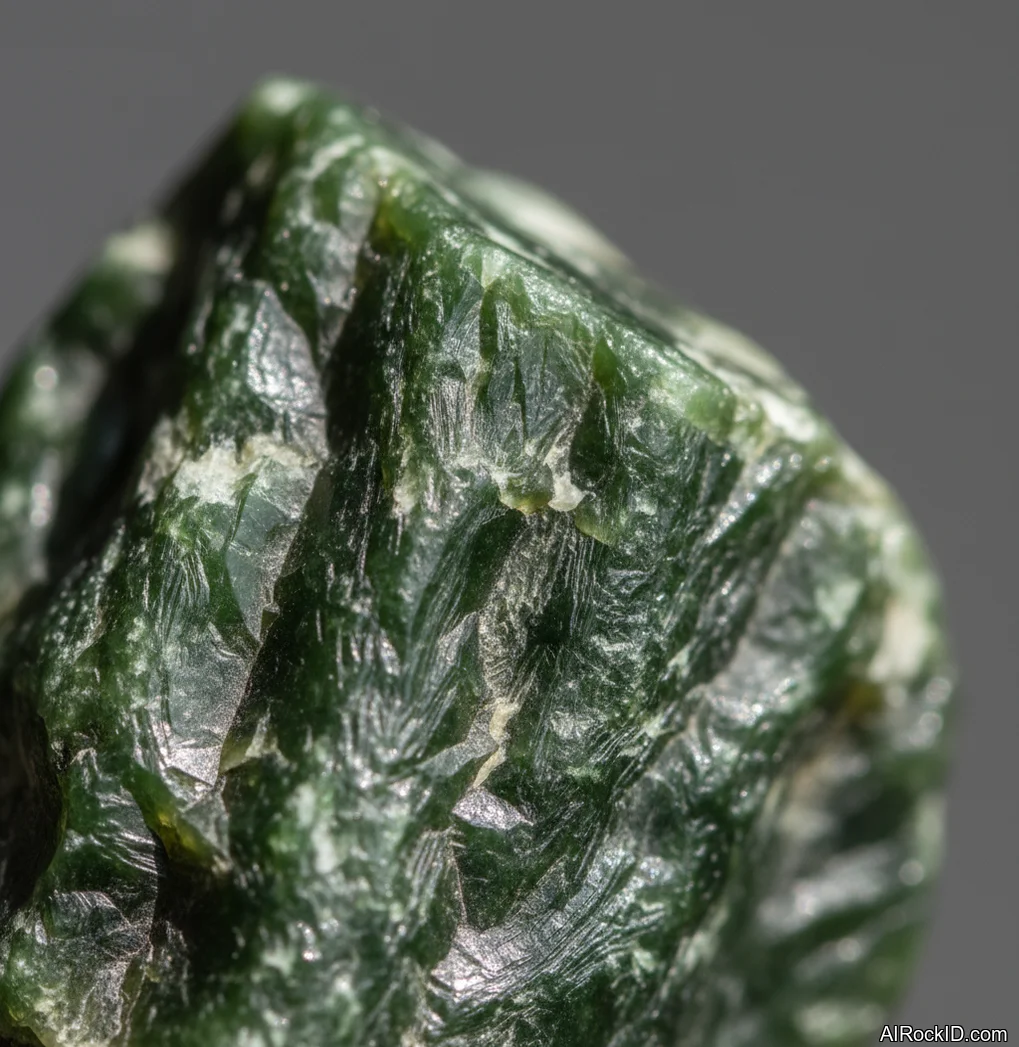
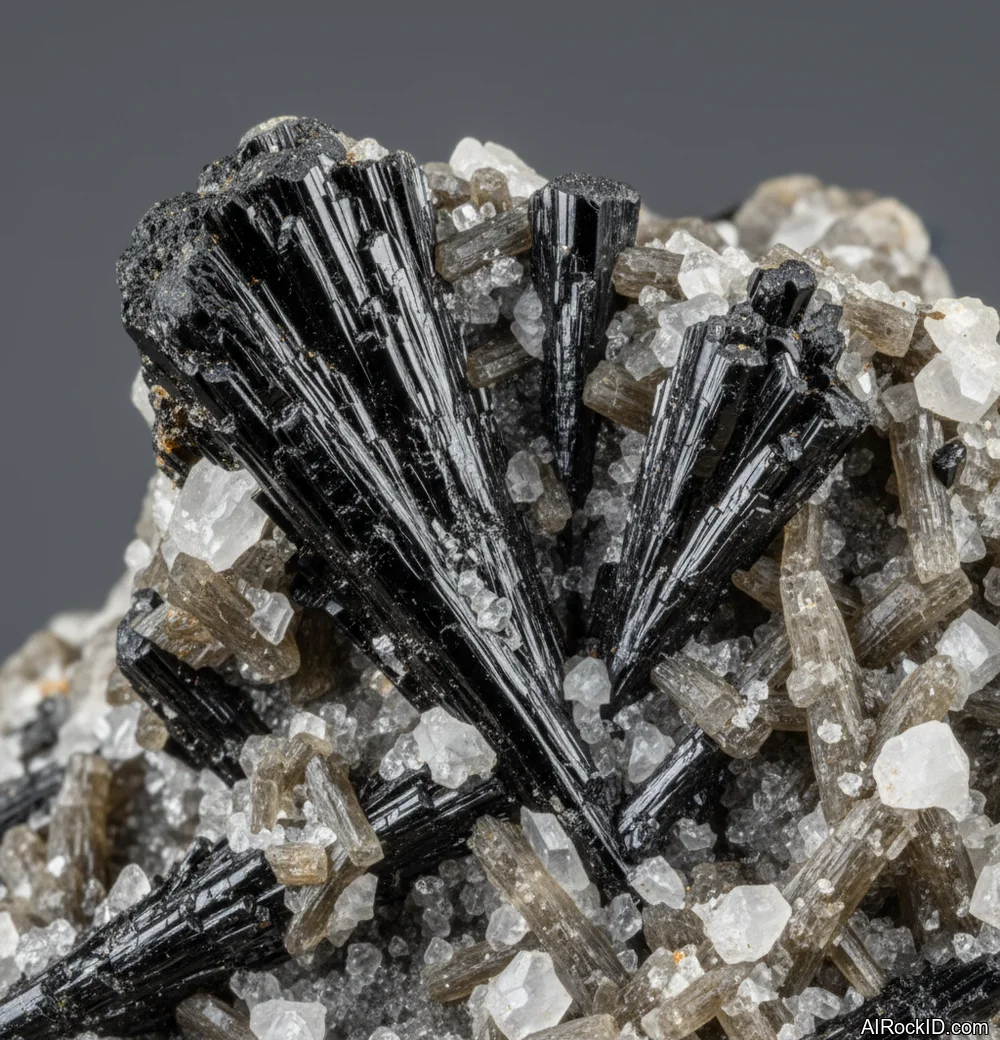
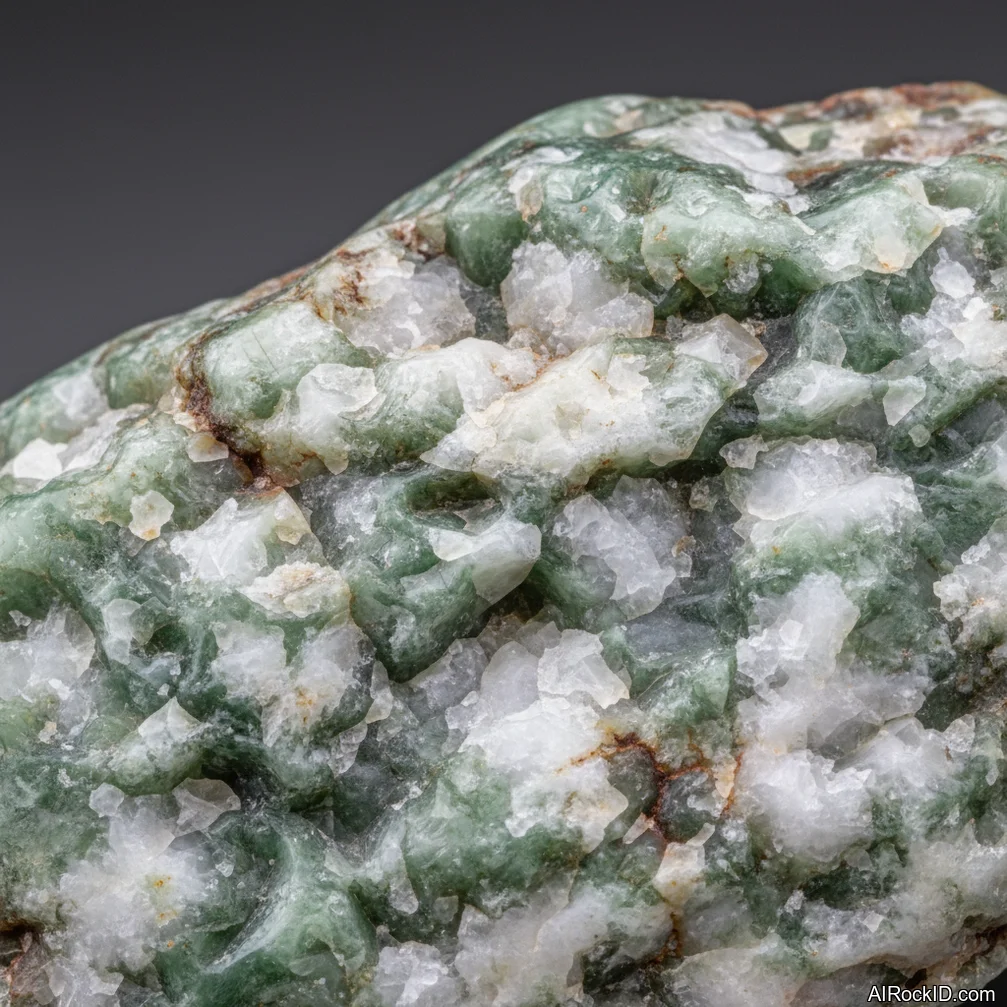
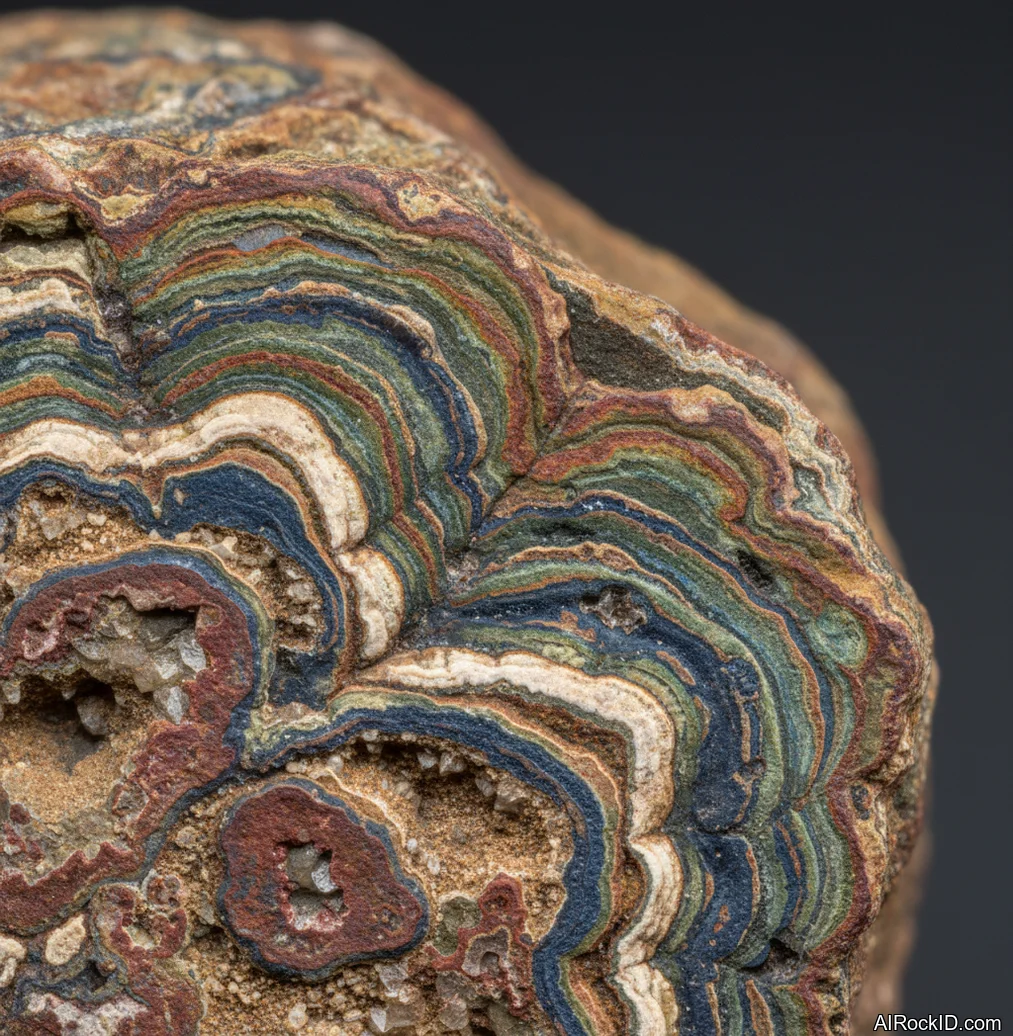
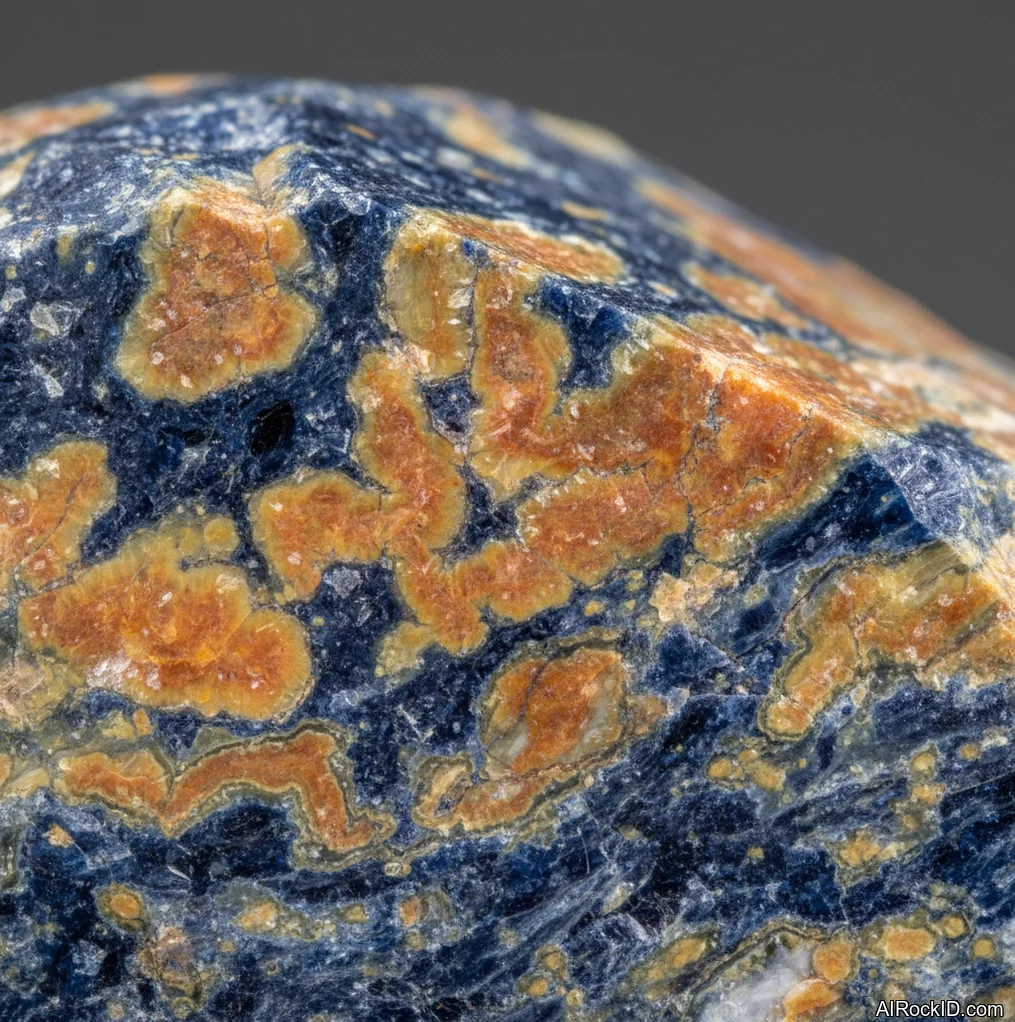
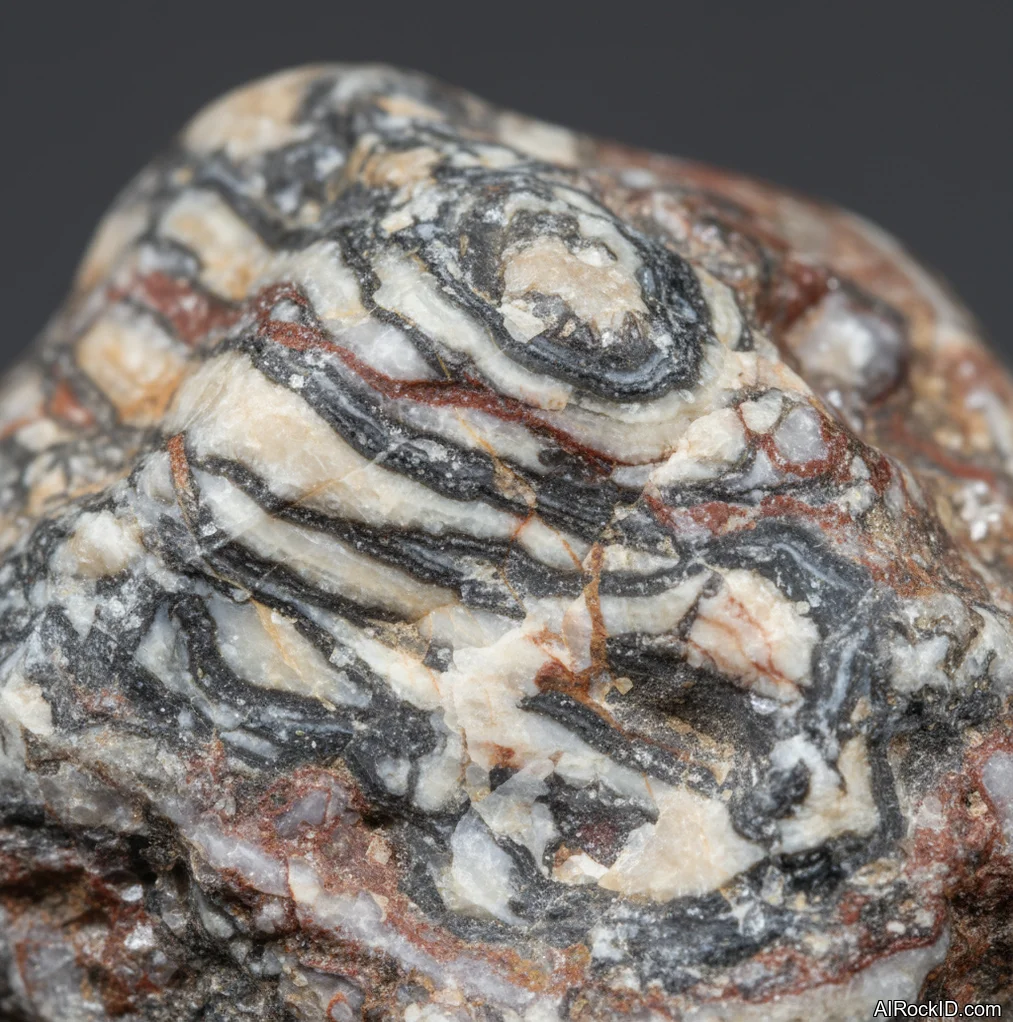
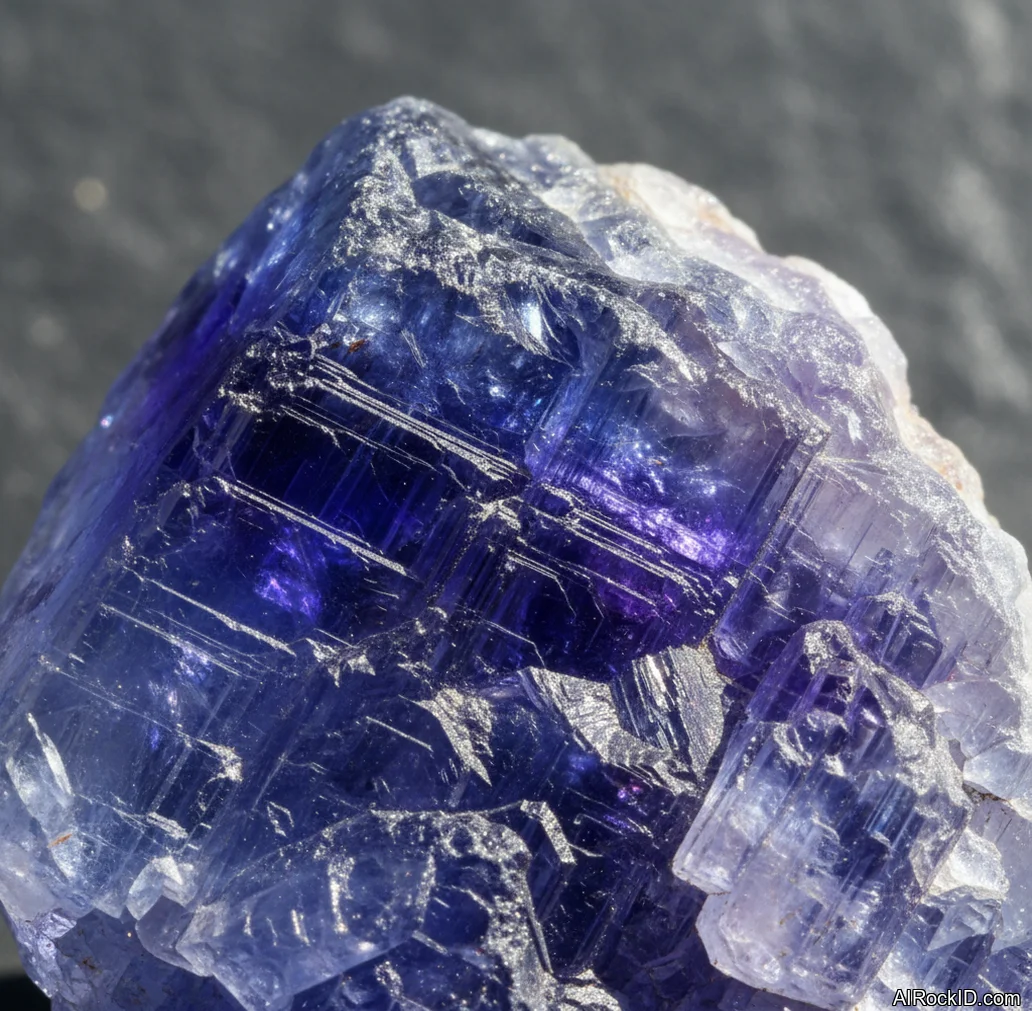
Water Crystals
Quick answer: Water crystals are stones commonly associated in crystal traditions with calm, emotional awareness, intuition, and adaptability. They often include blue, blue-green, translucent, or softly lustrous minerals, but the Water label is symbolic rather than a scientific mineral category.
Learn what Water means in crystal work, which crystals match it, and how to choose, cleanse, and use Water crystals for calm, flow, and emotion.


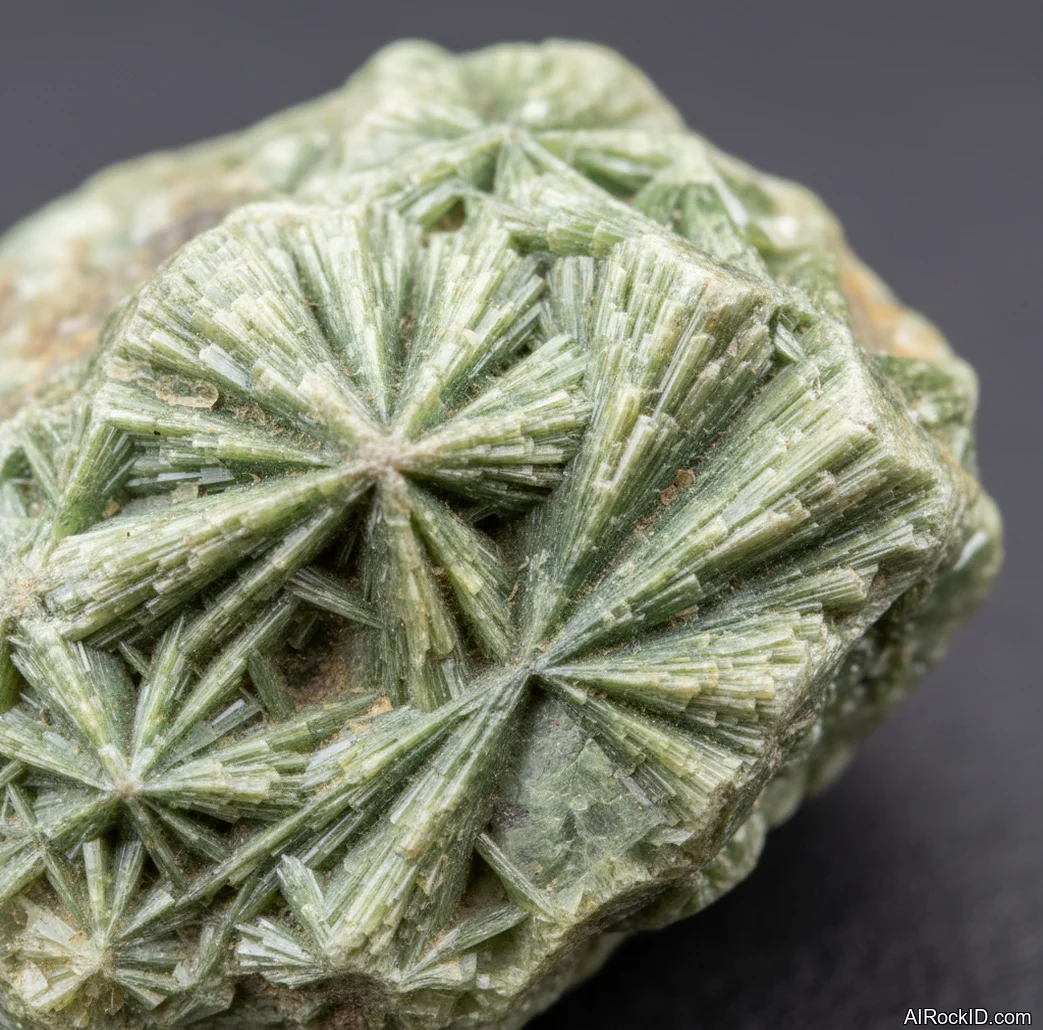
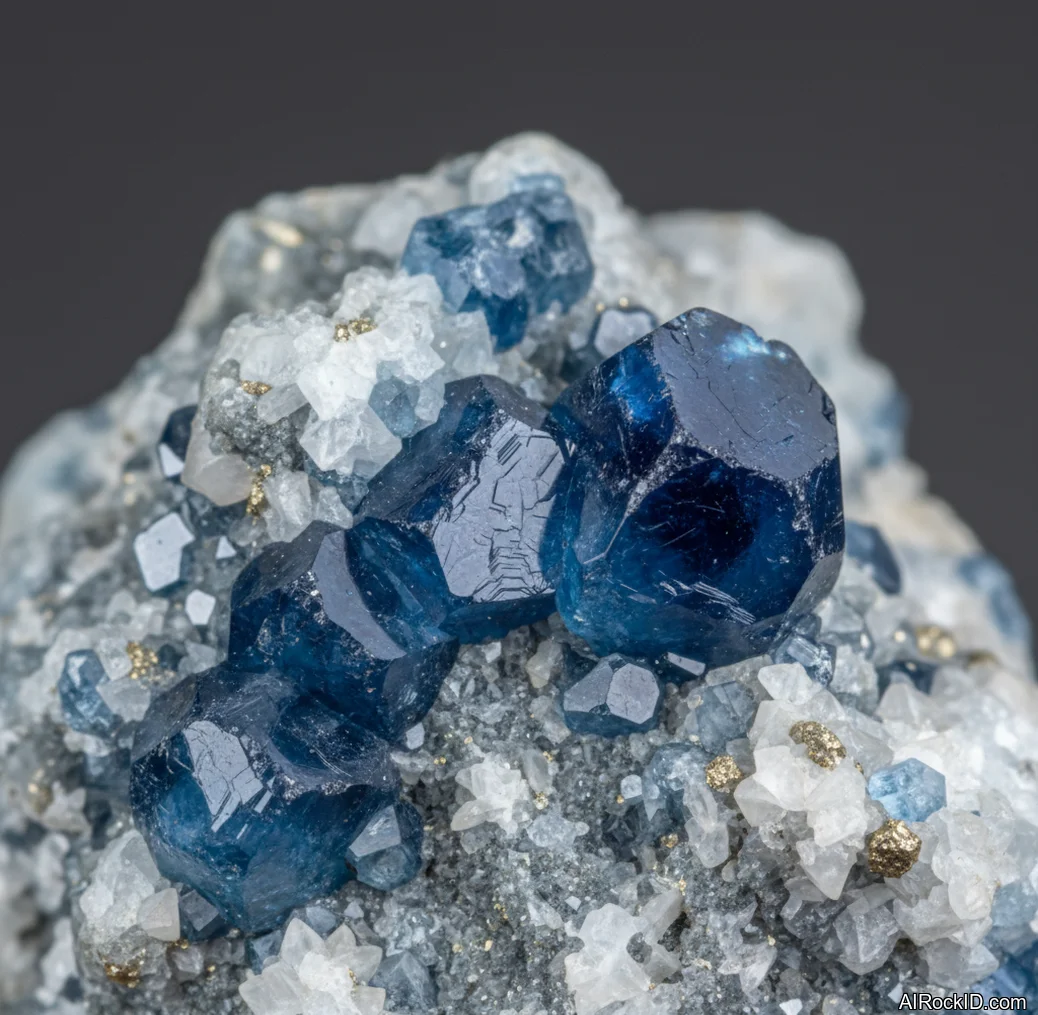
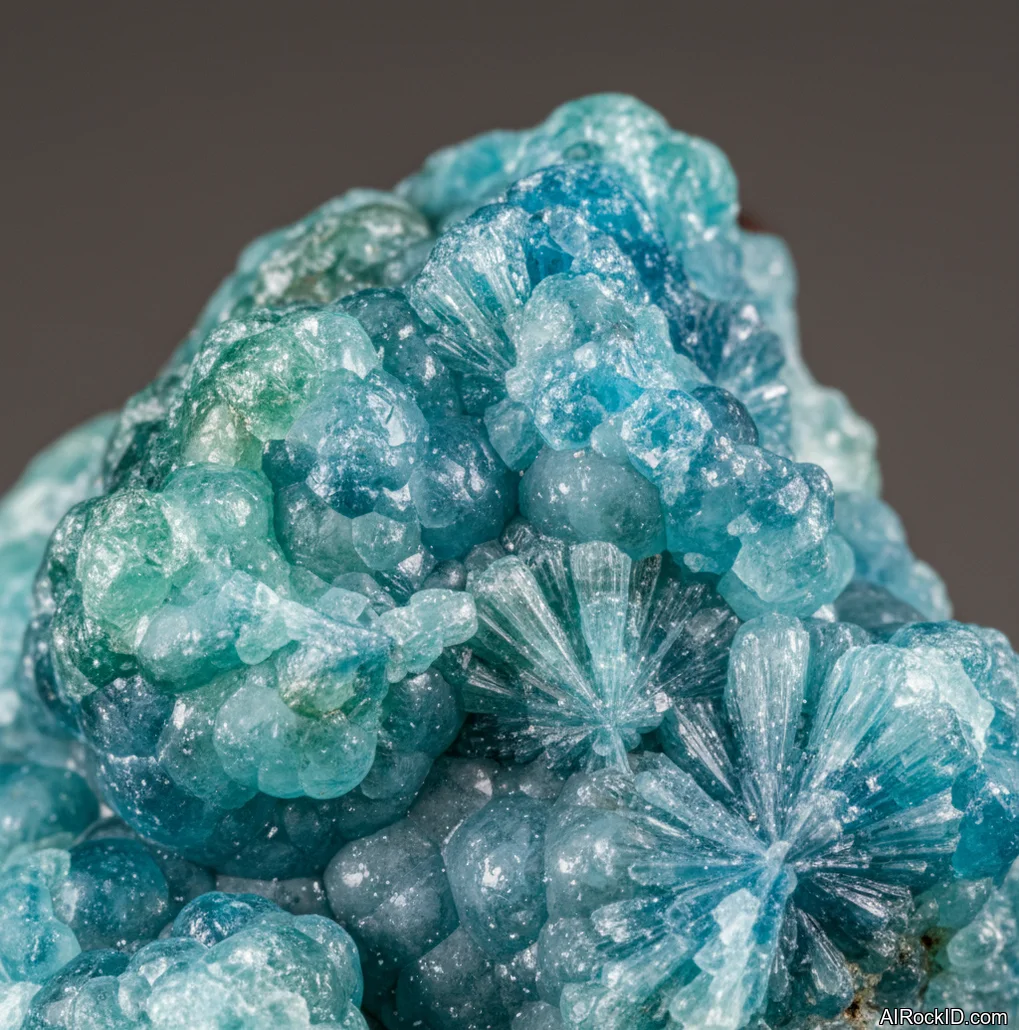
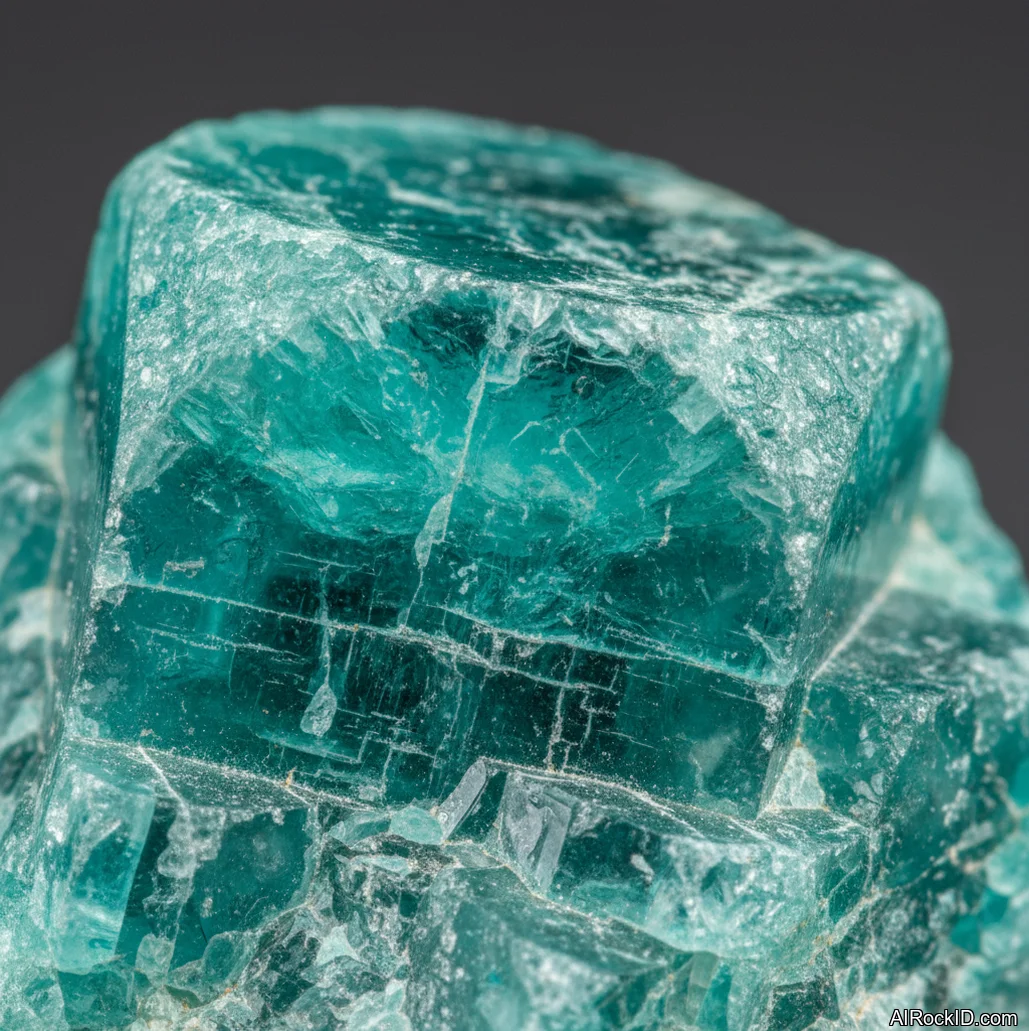
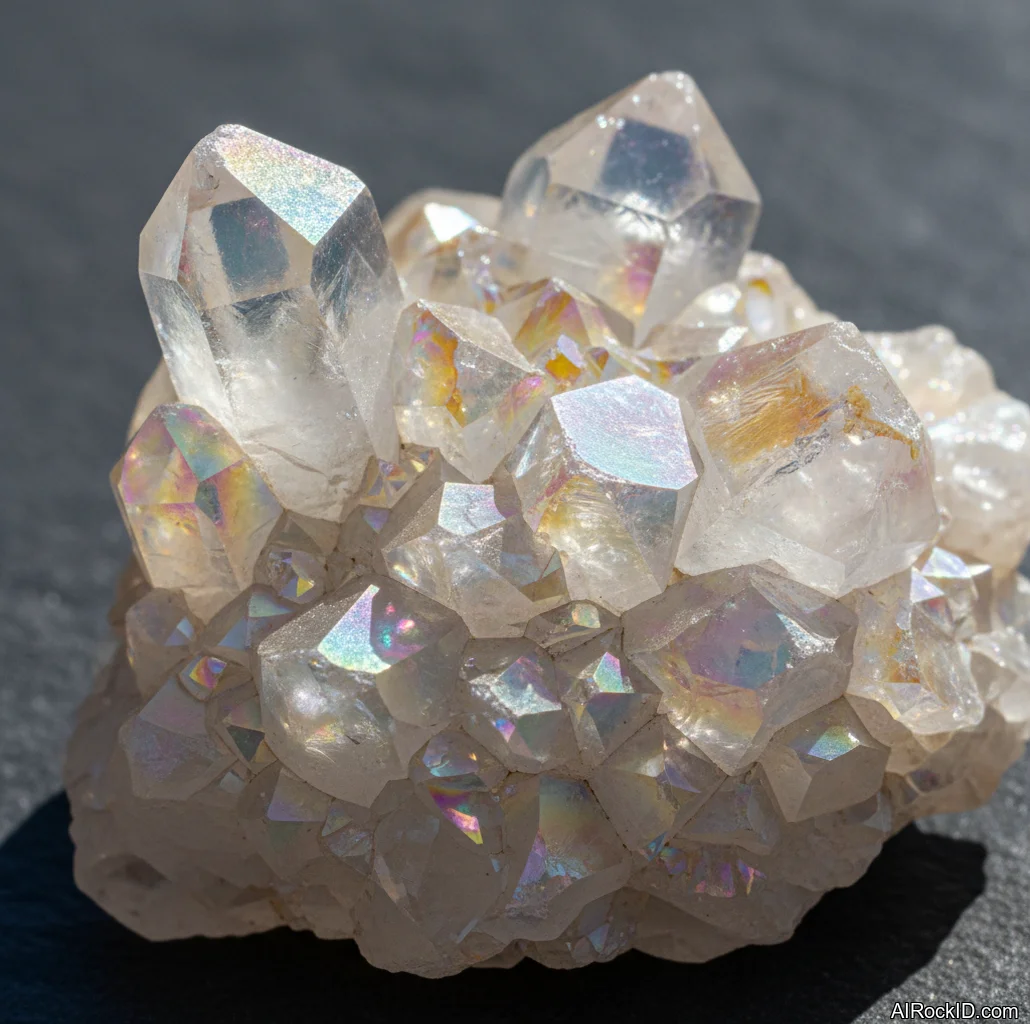
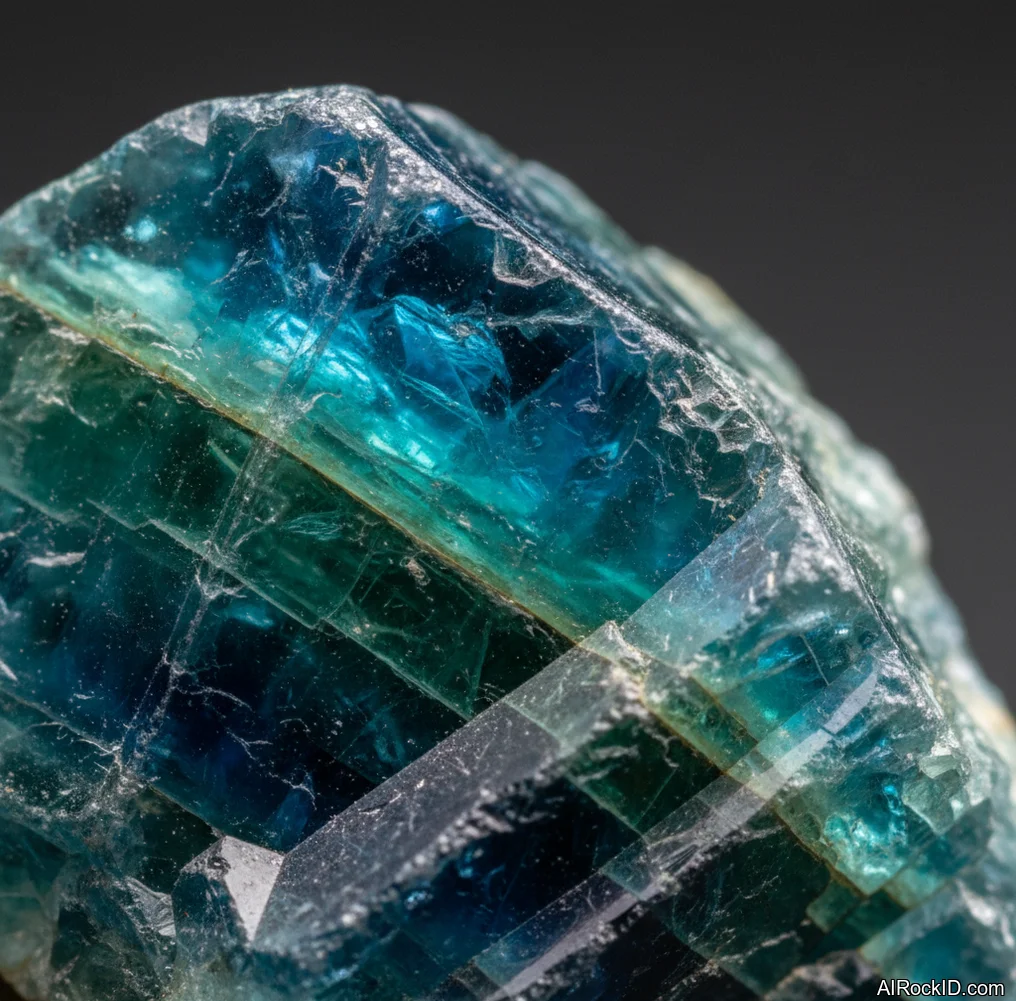
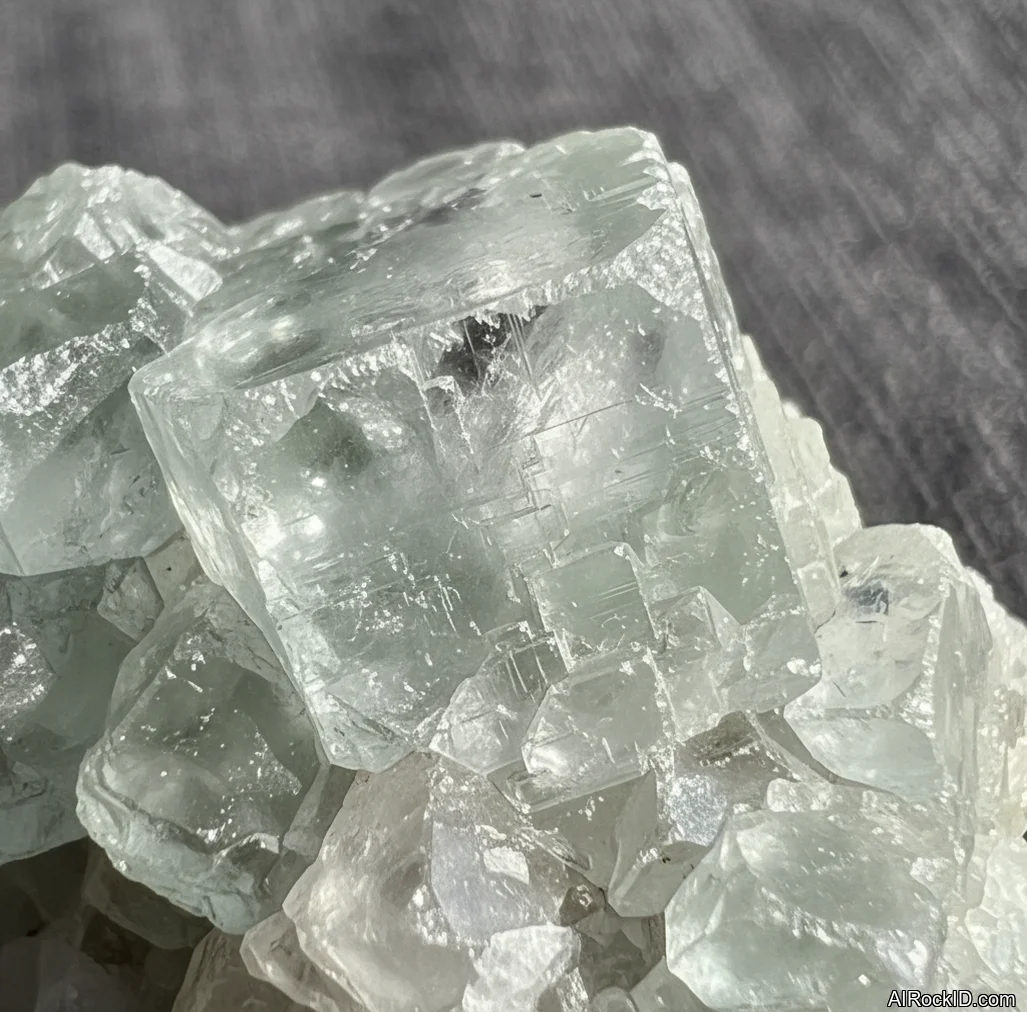
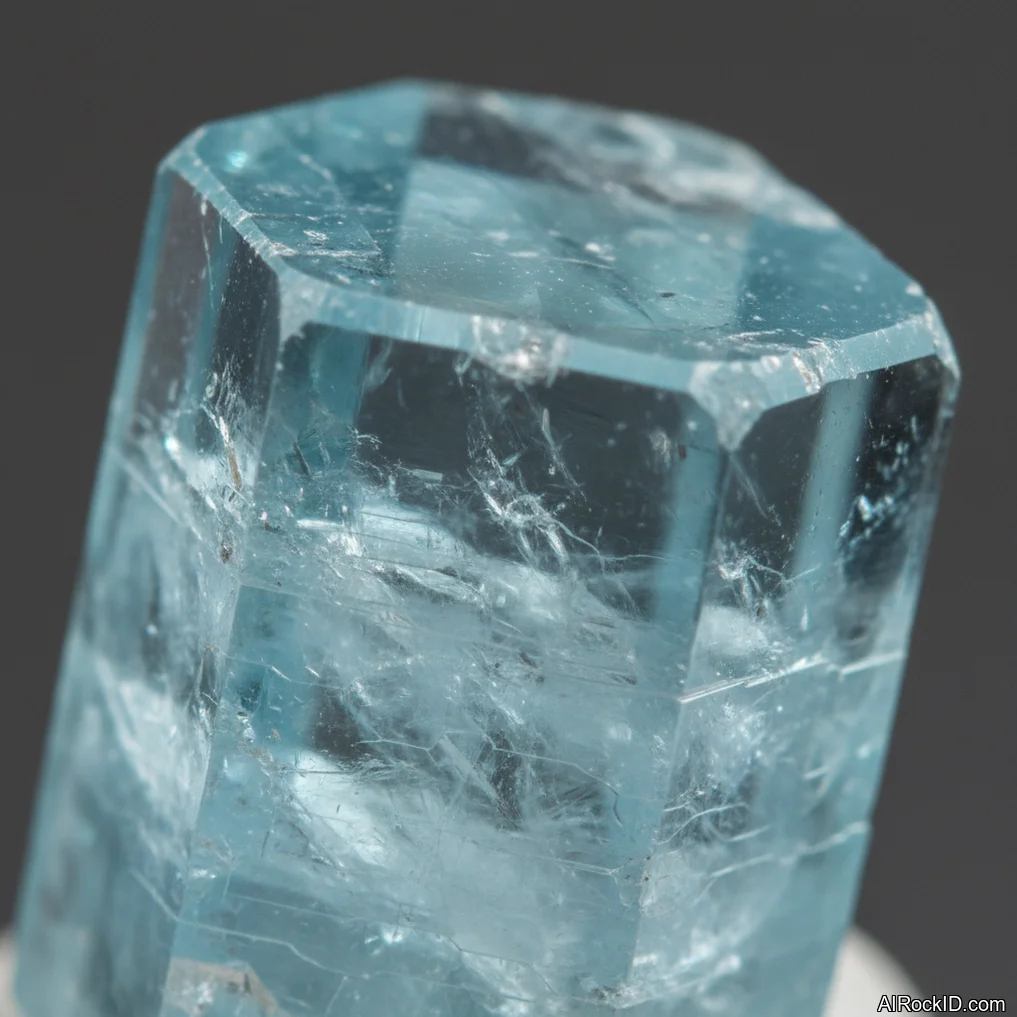
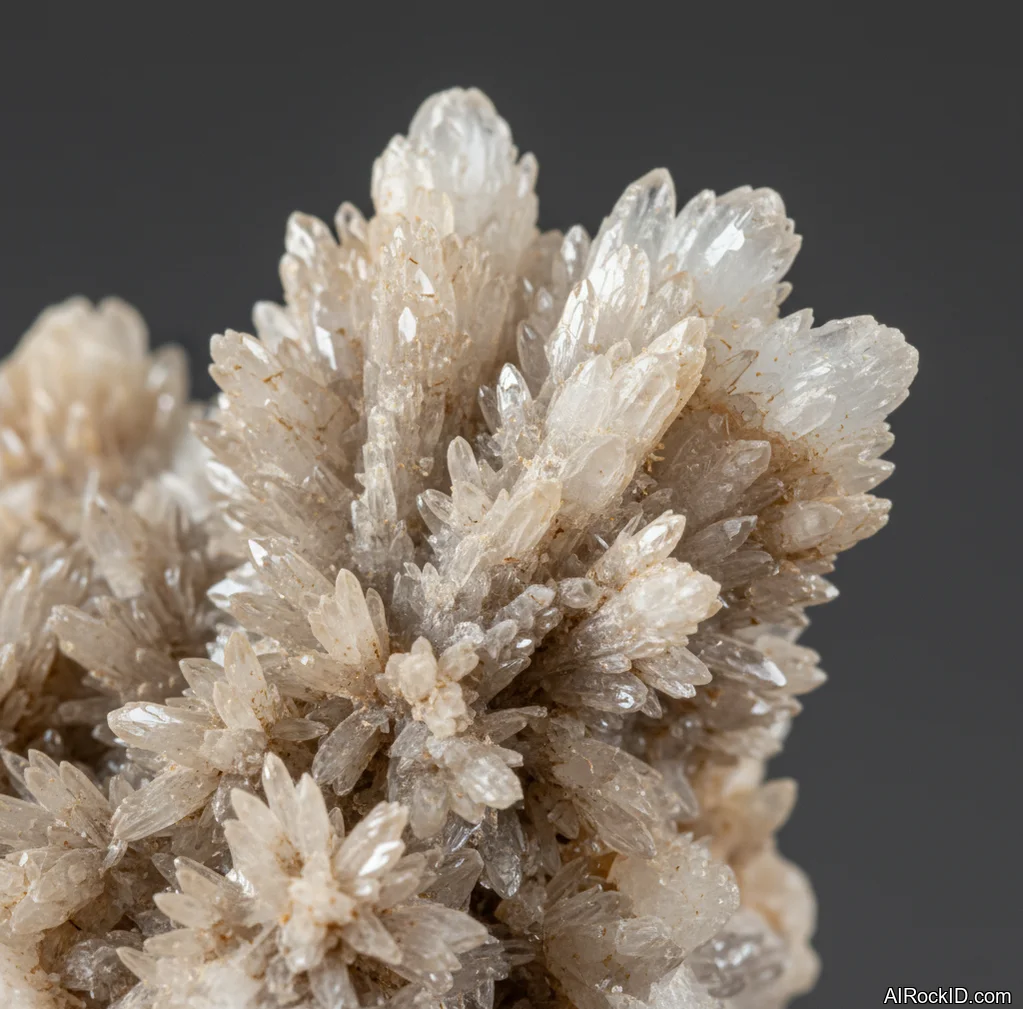
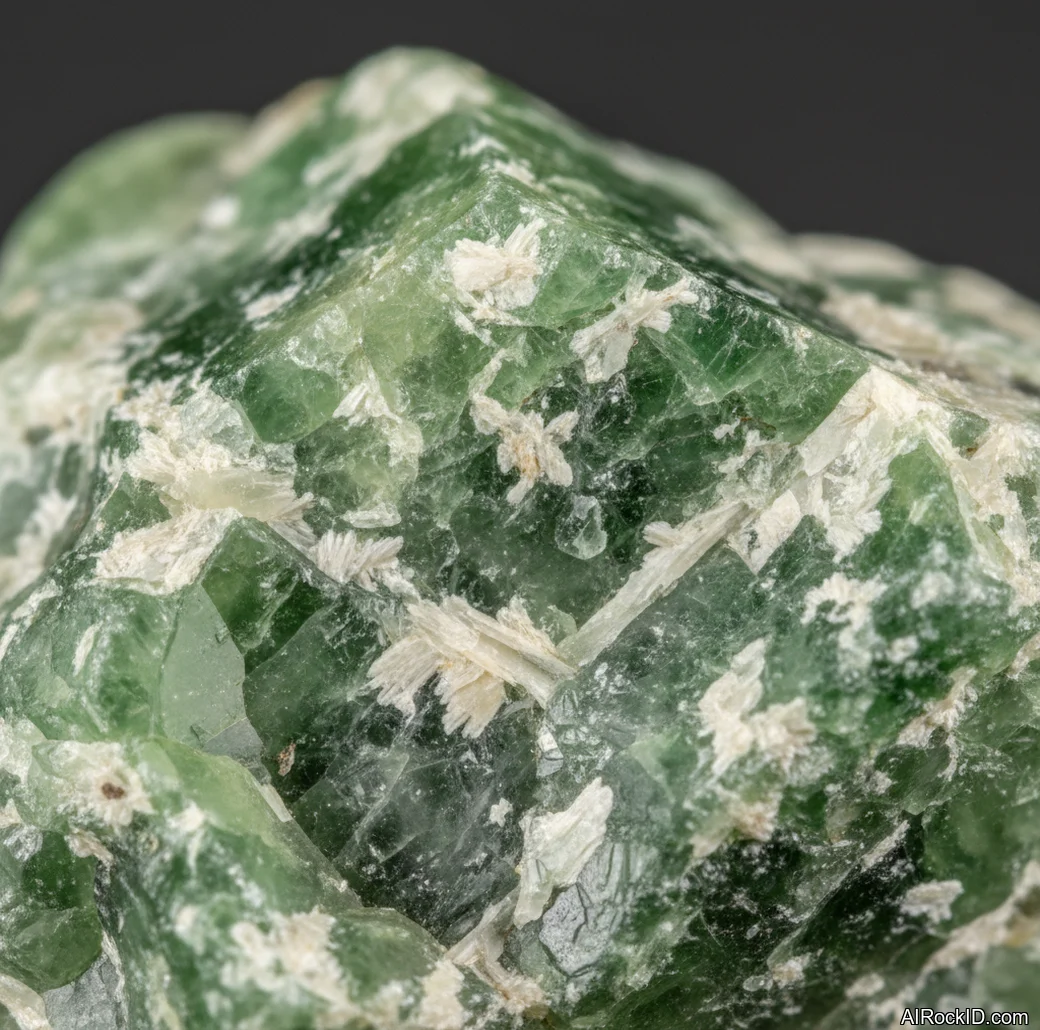
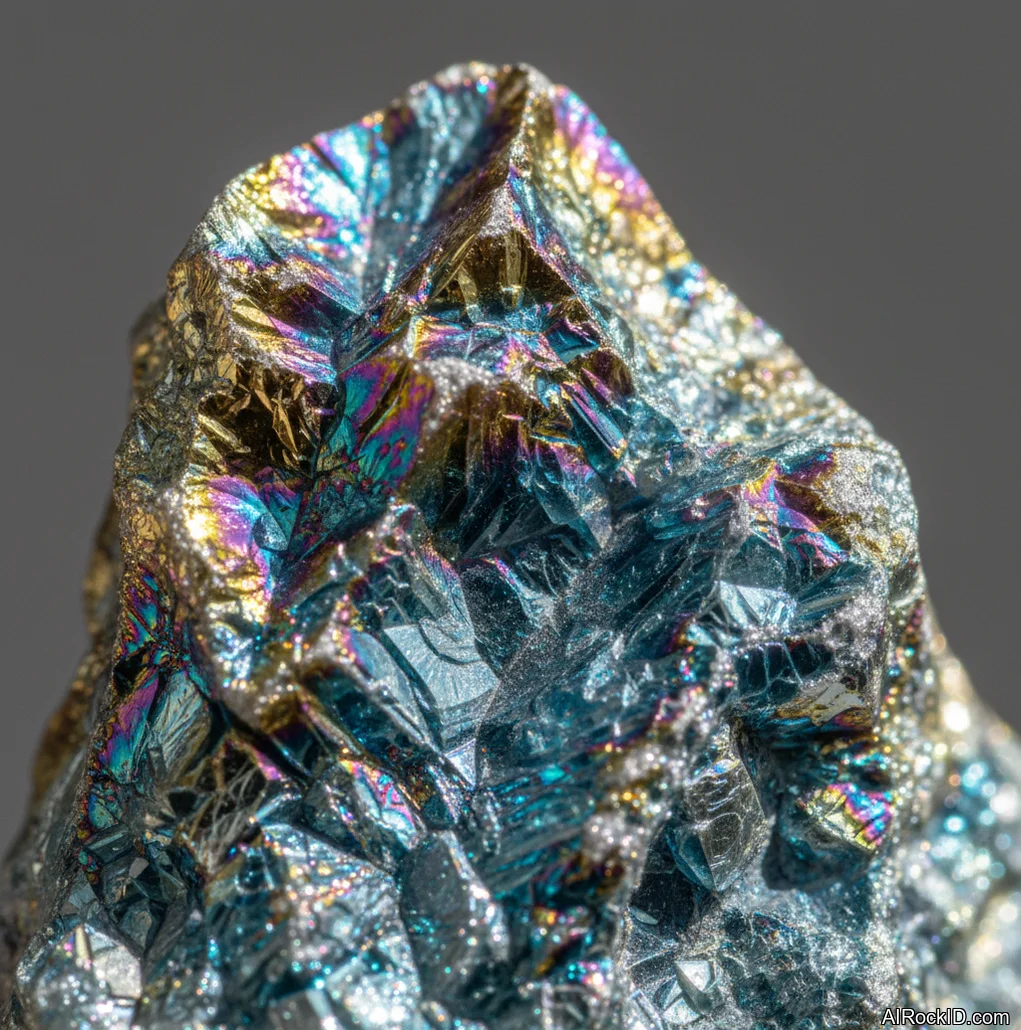
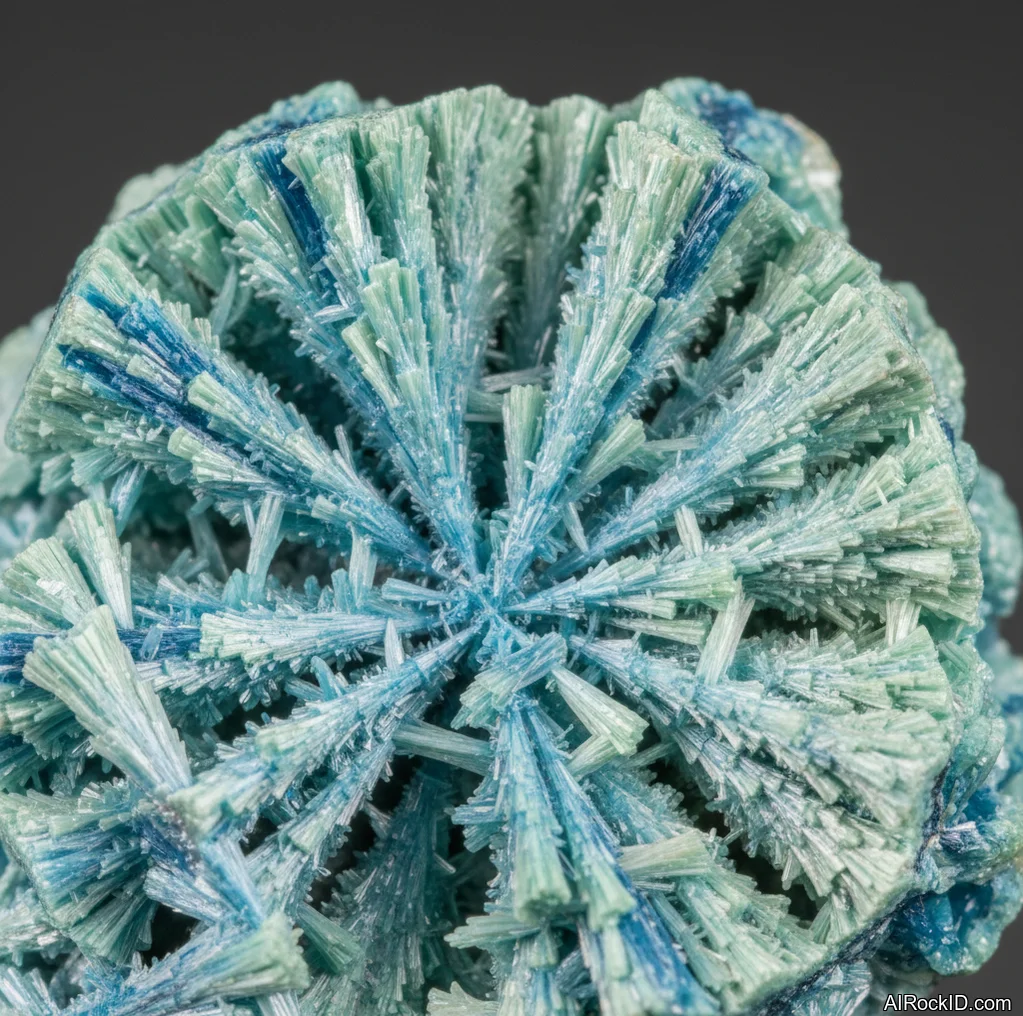
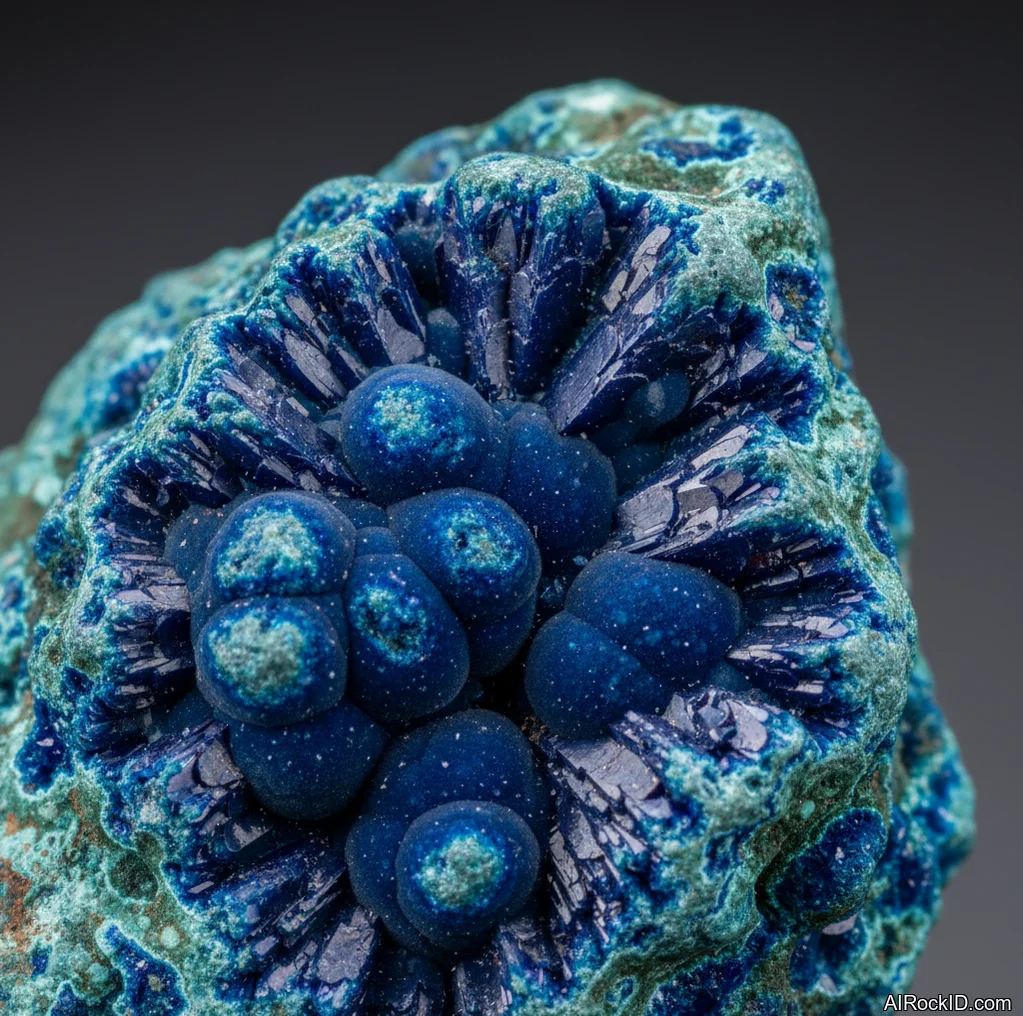
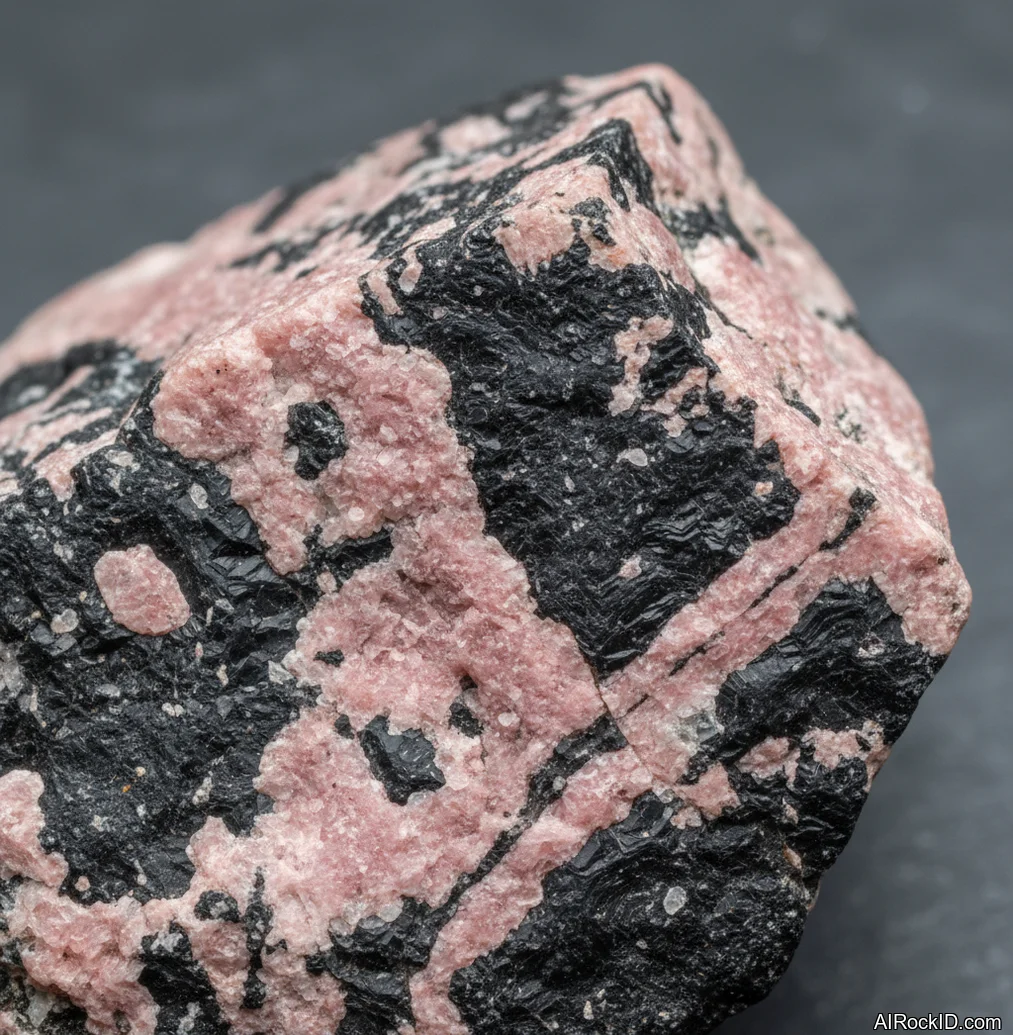
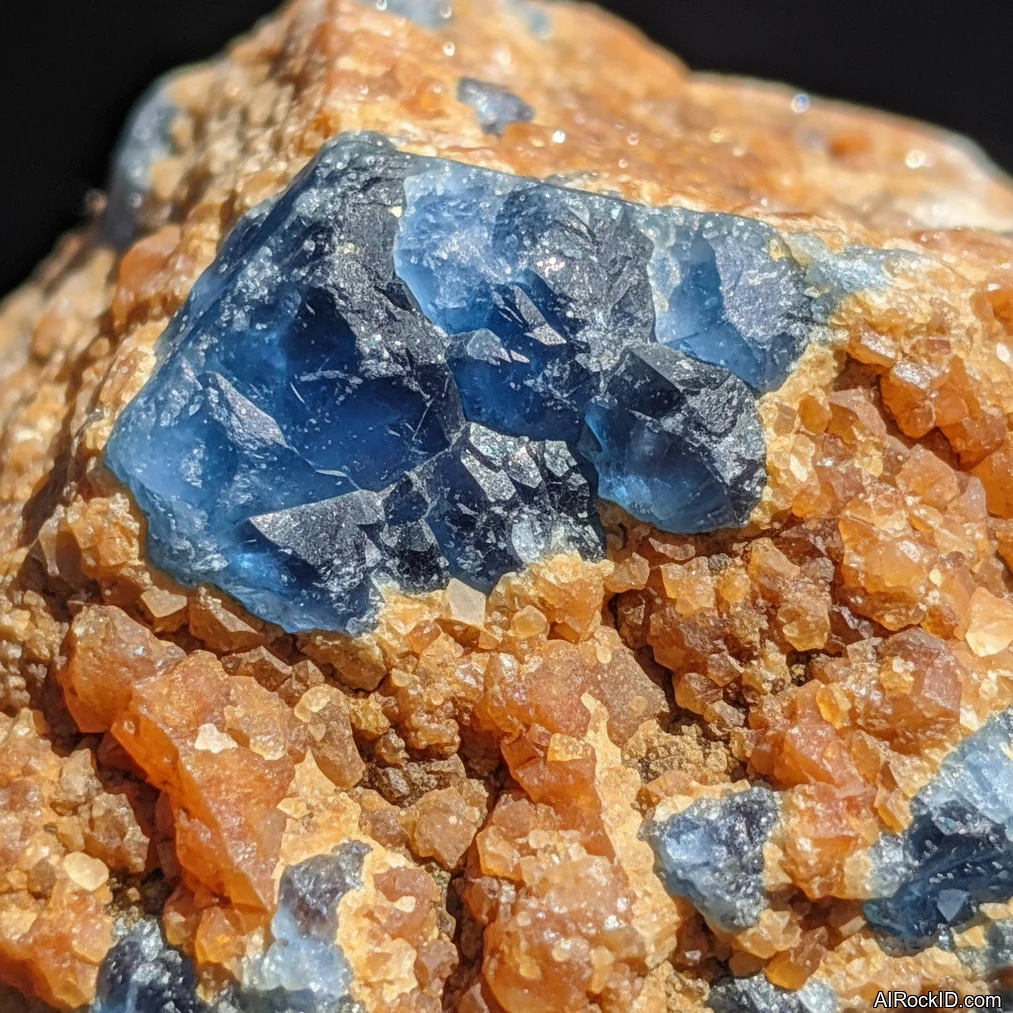
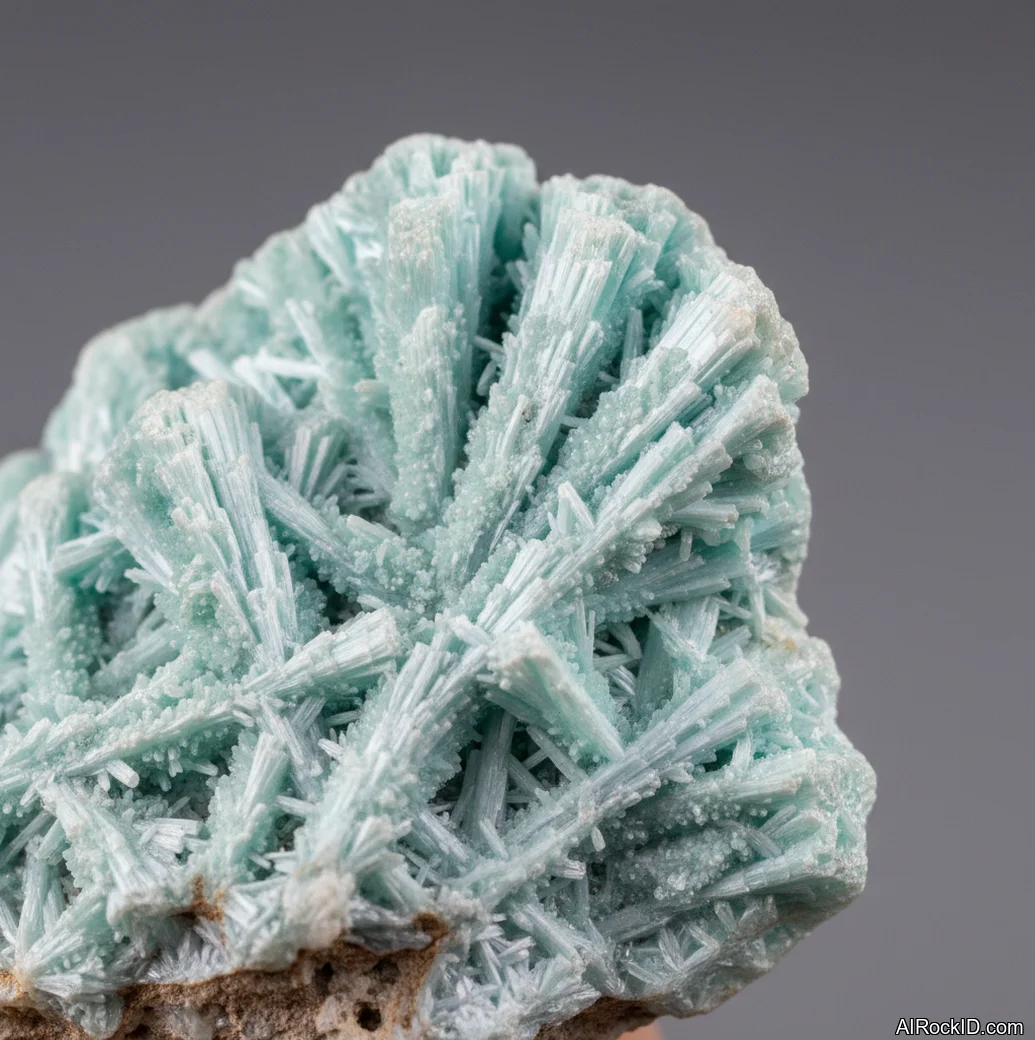
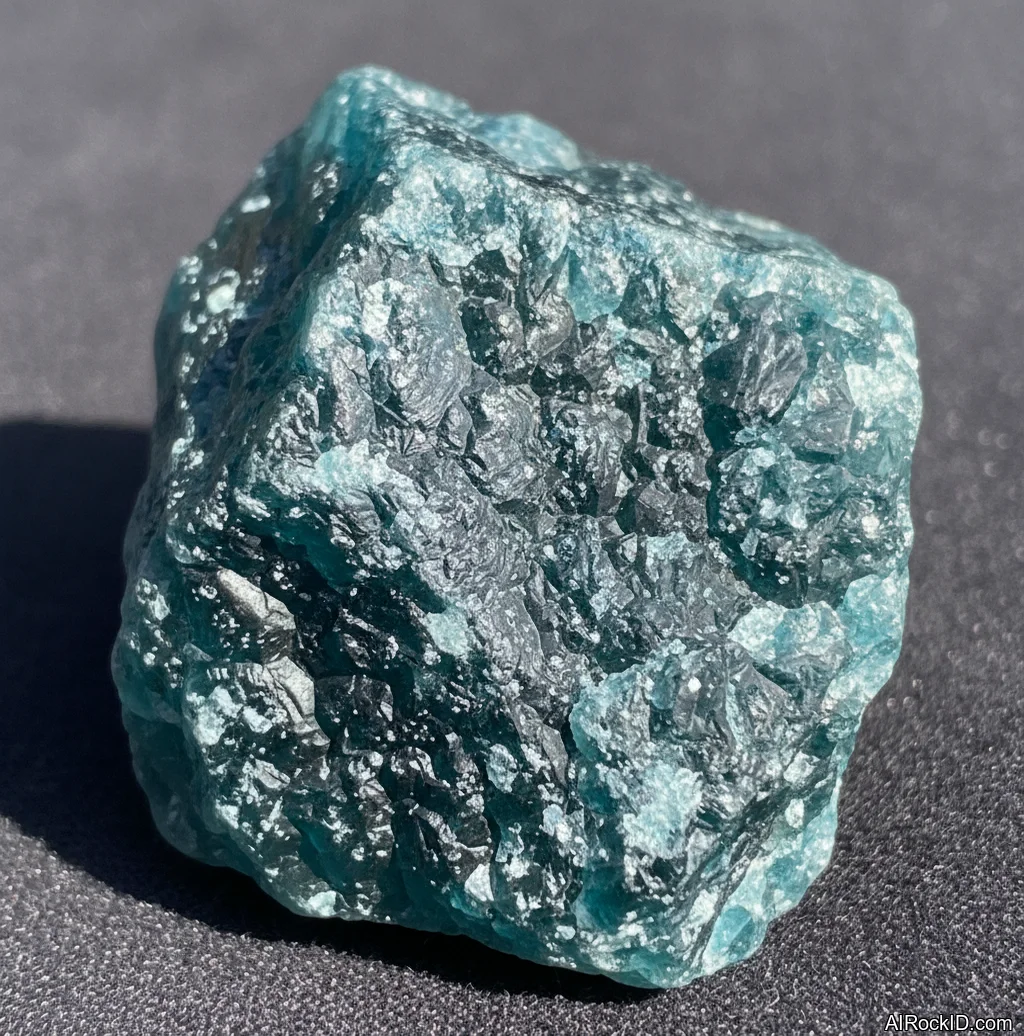
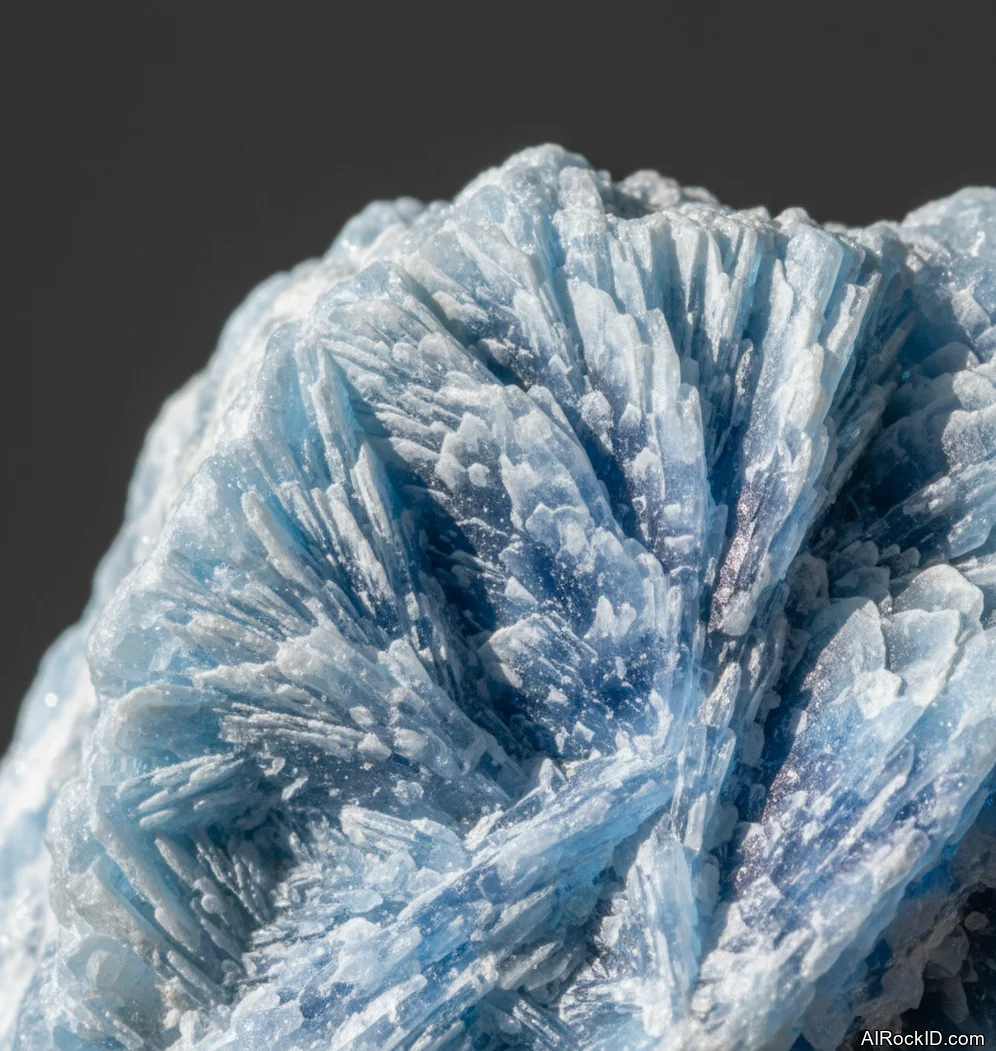
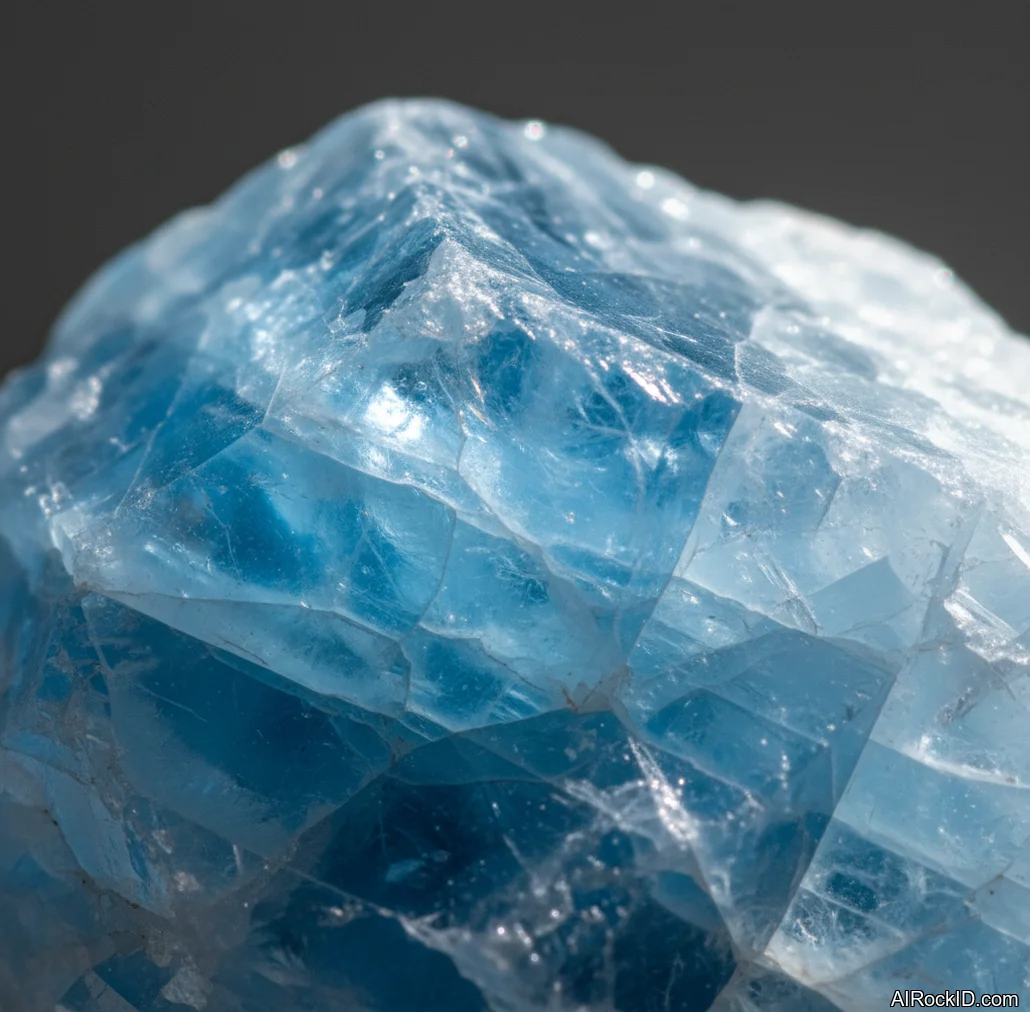
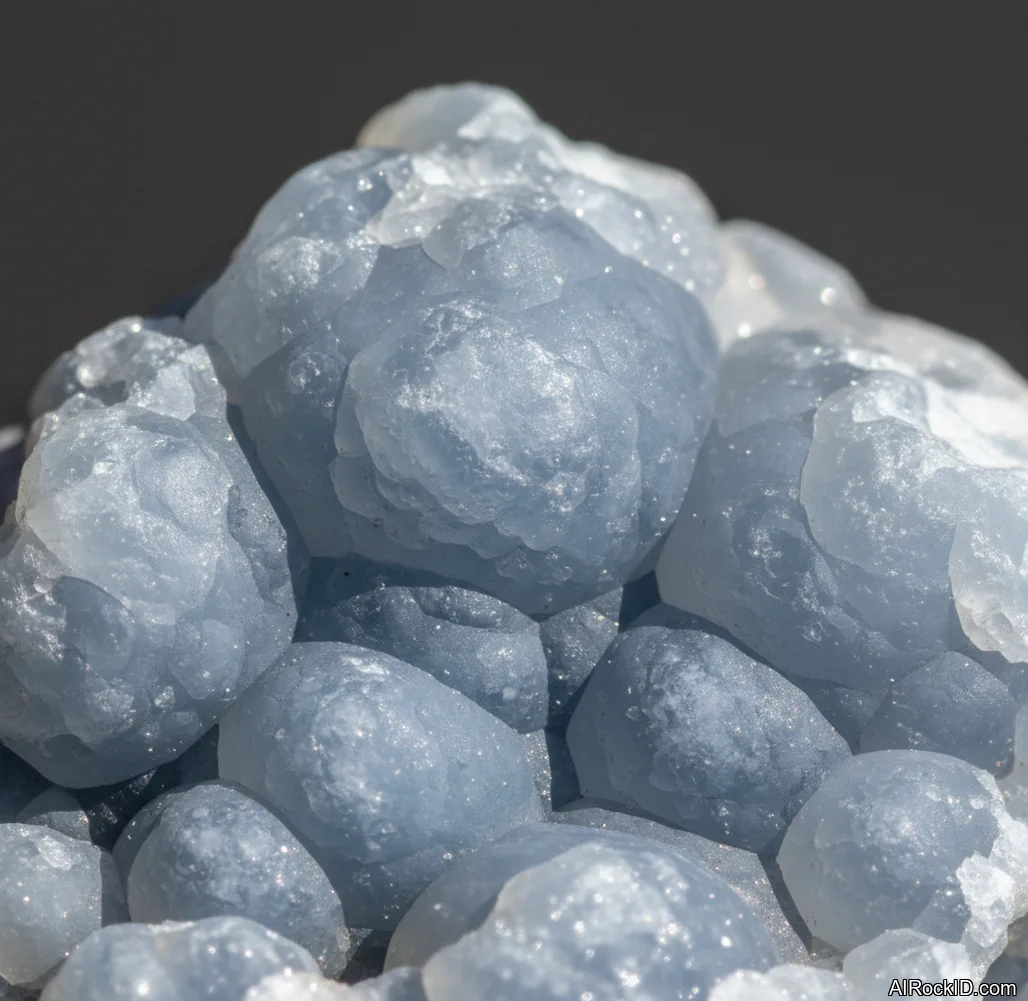
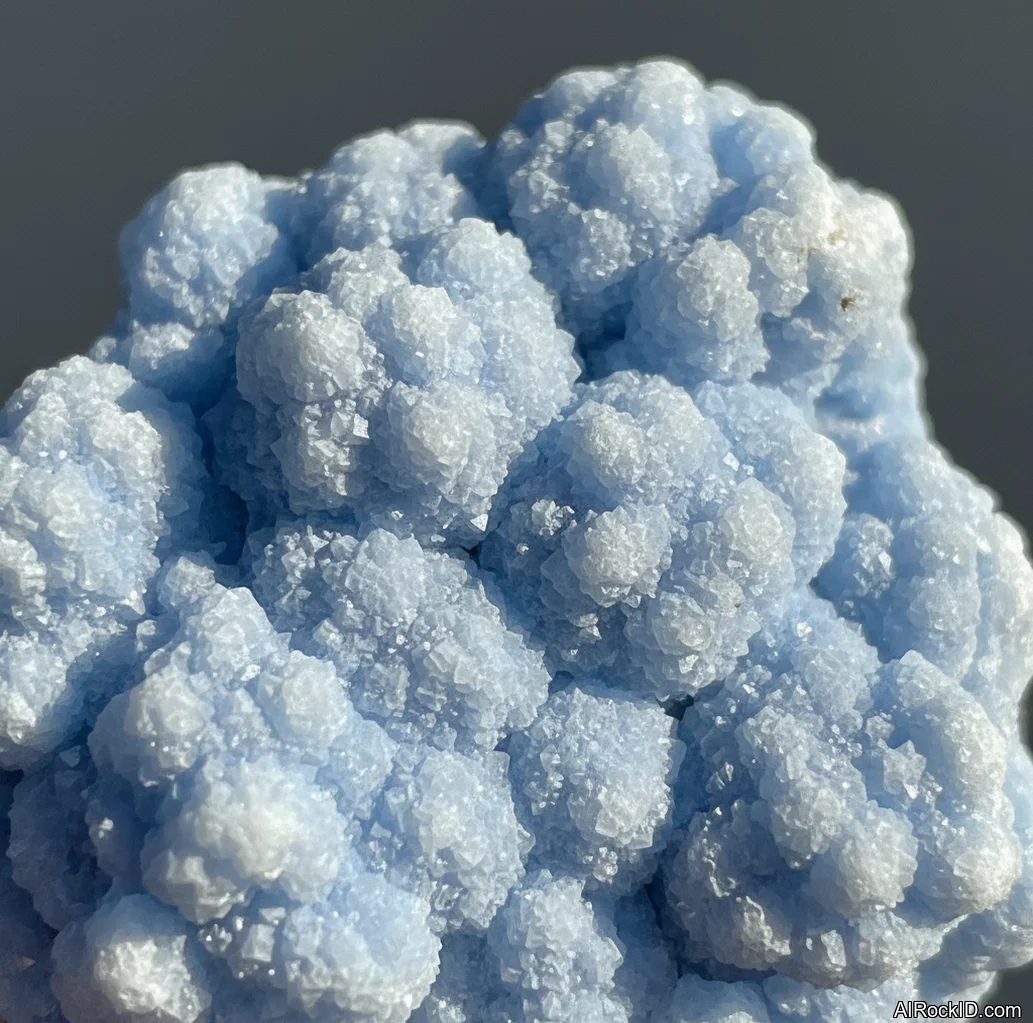
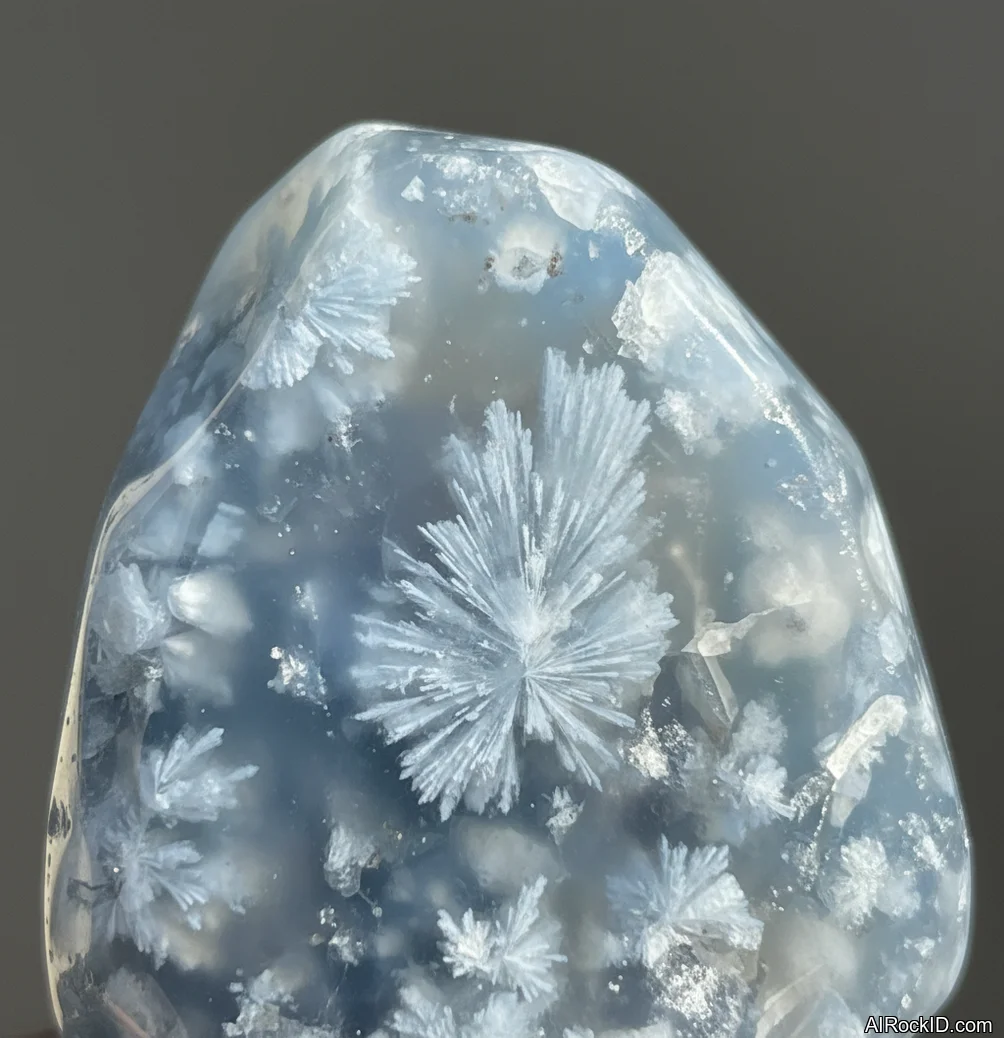
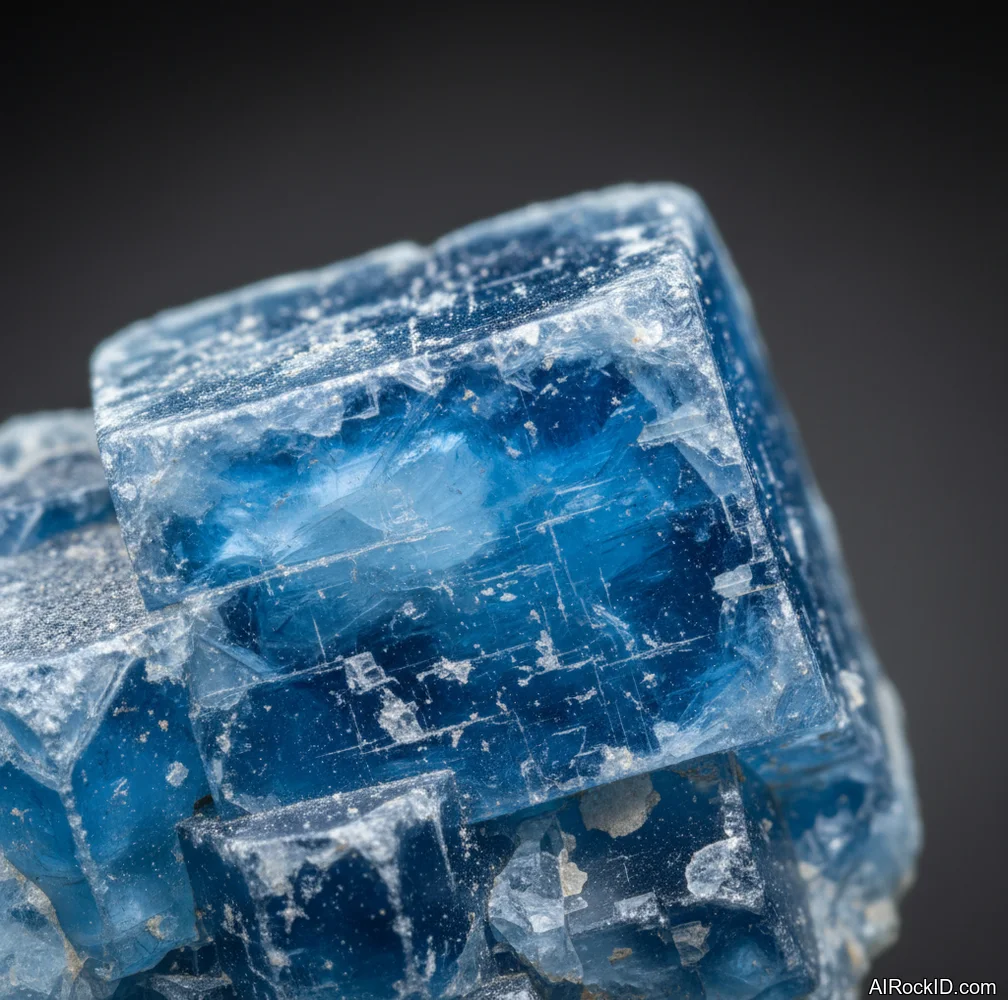
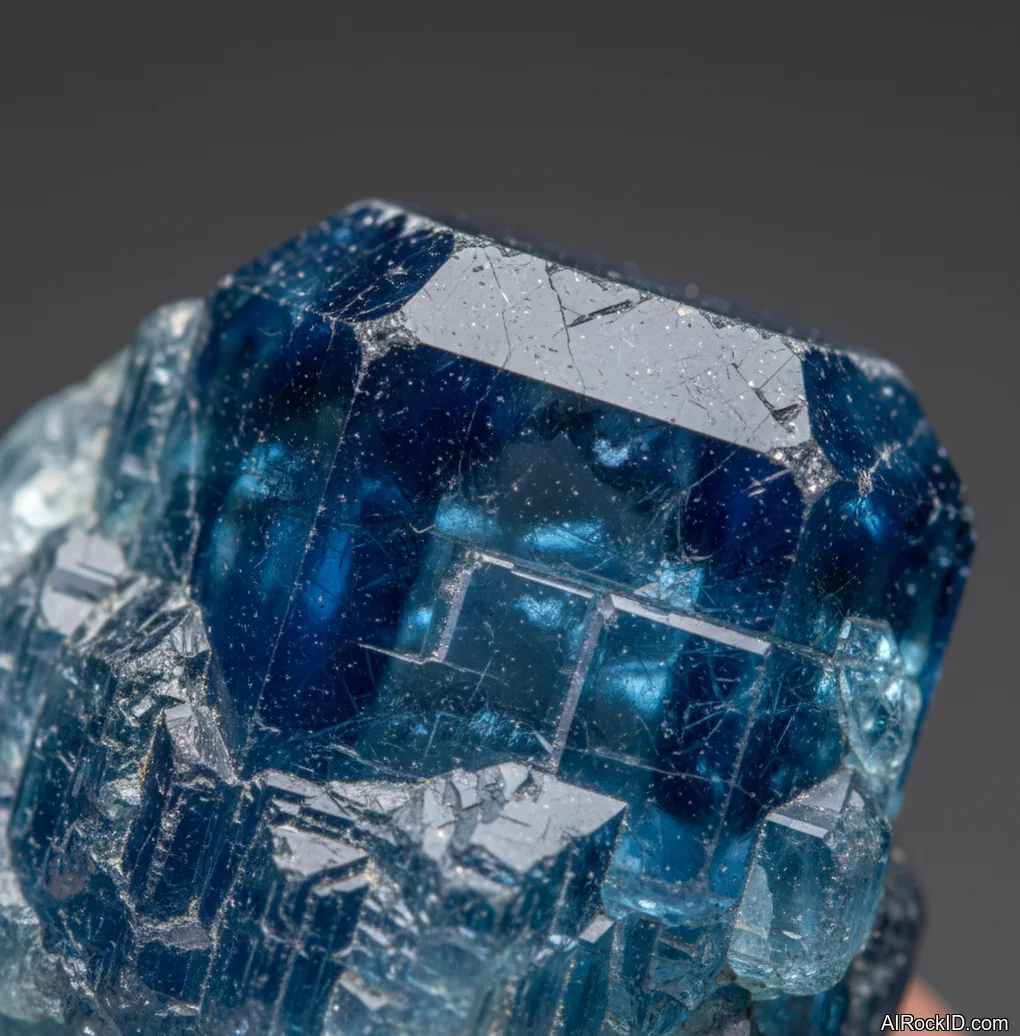
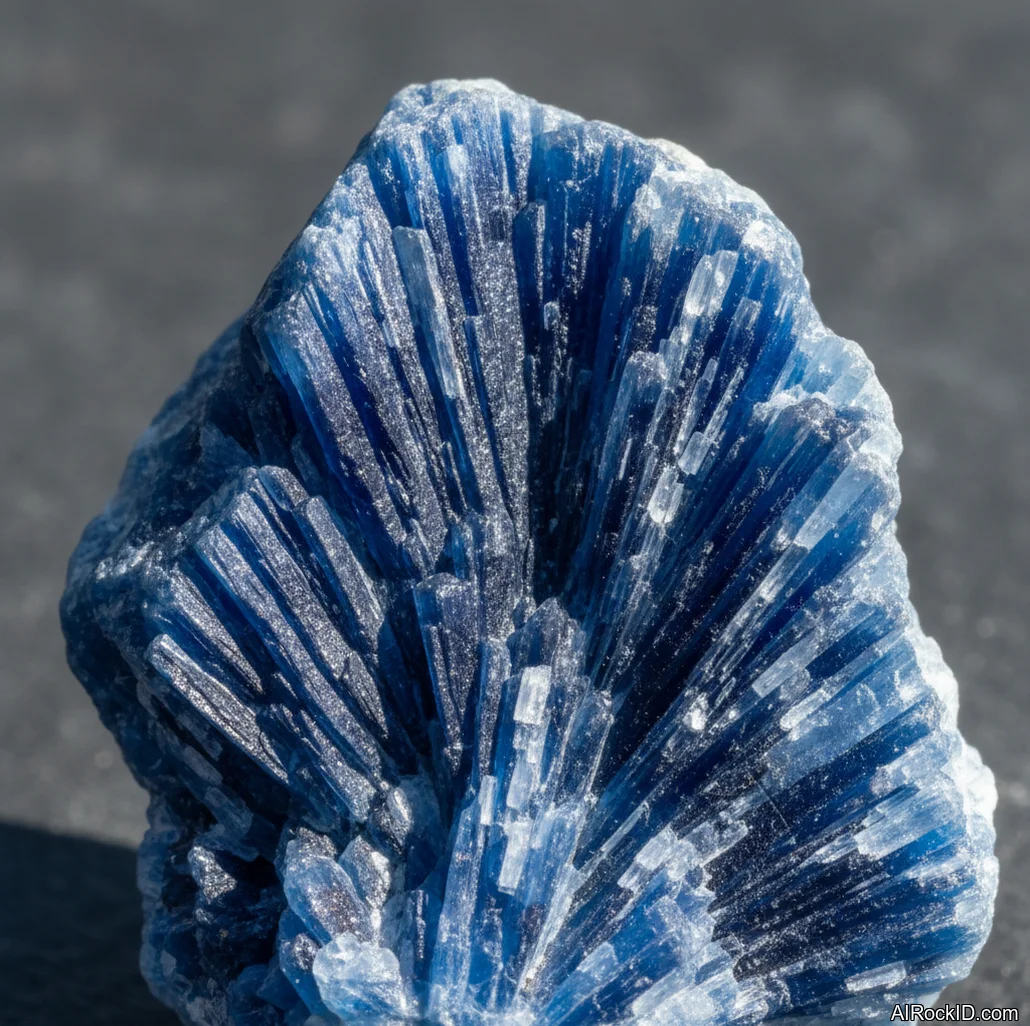
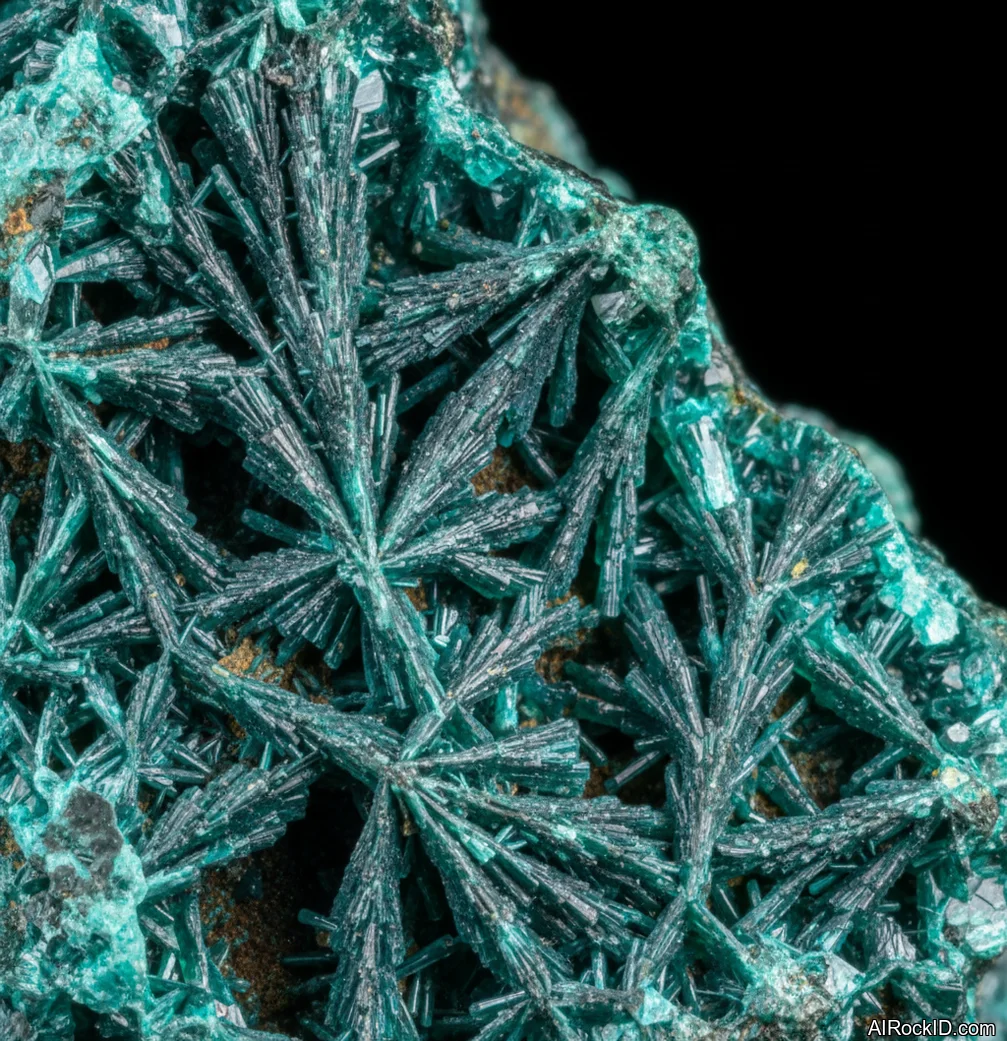
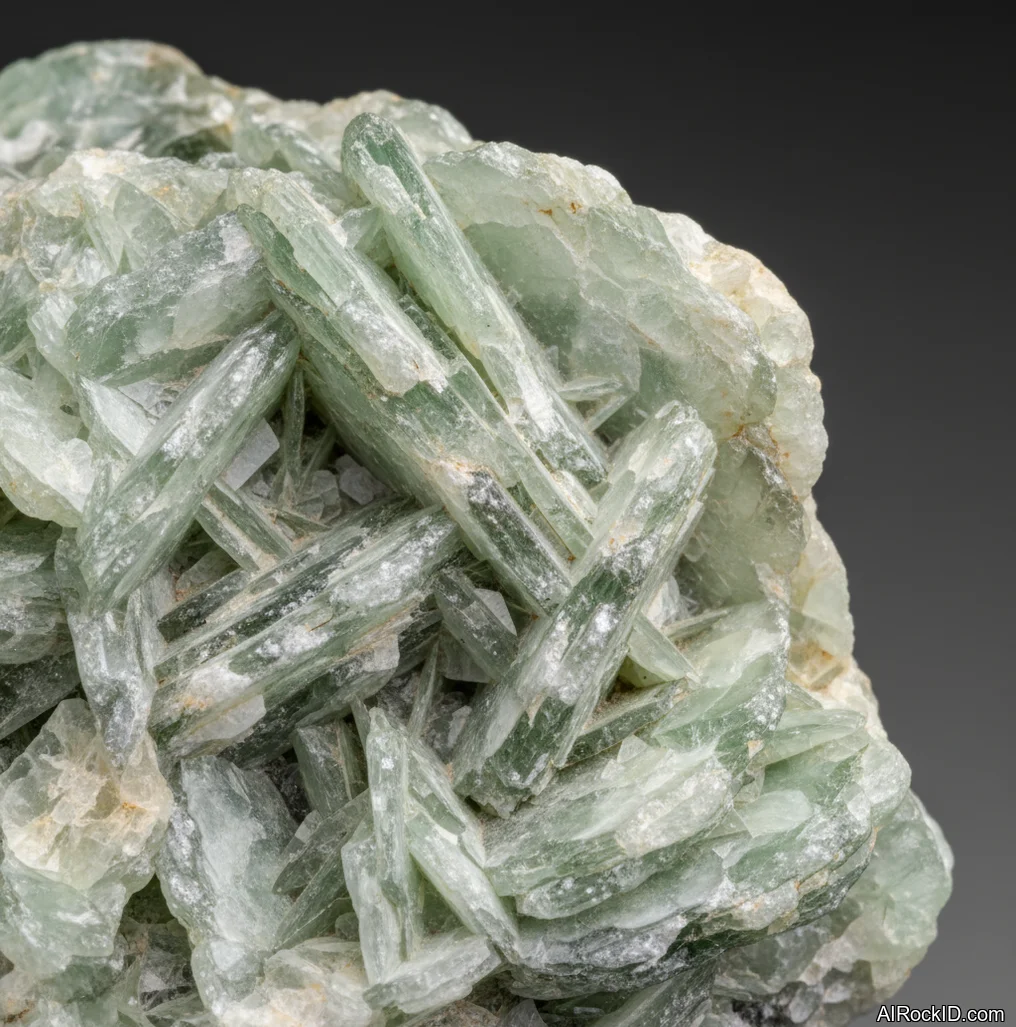
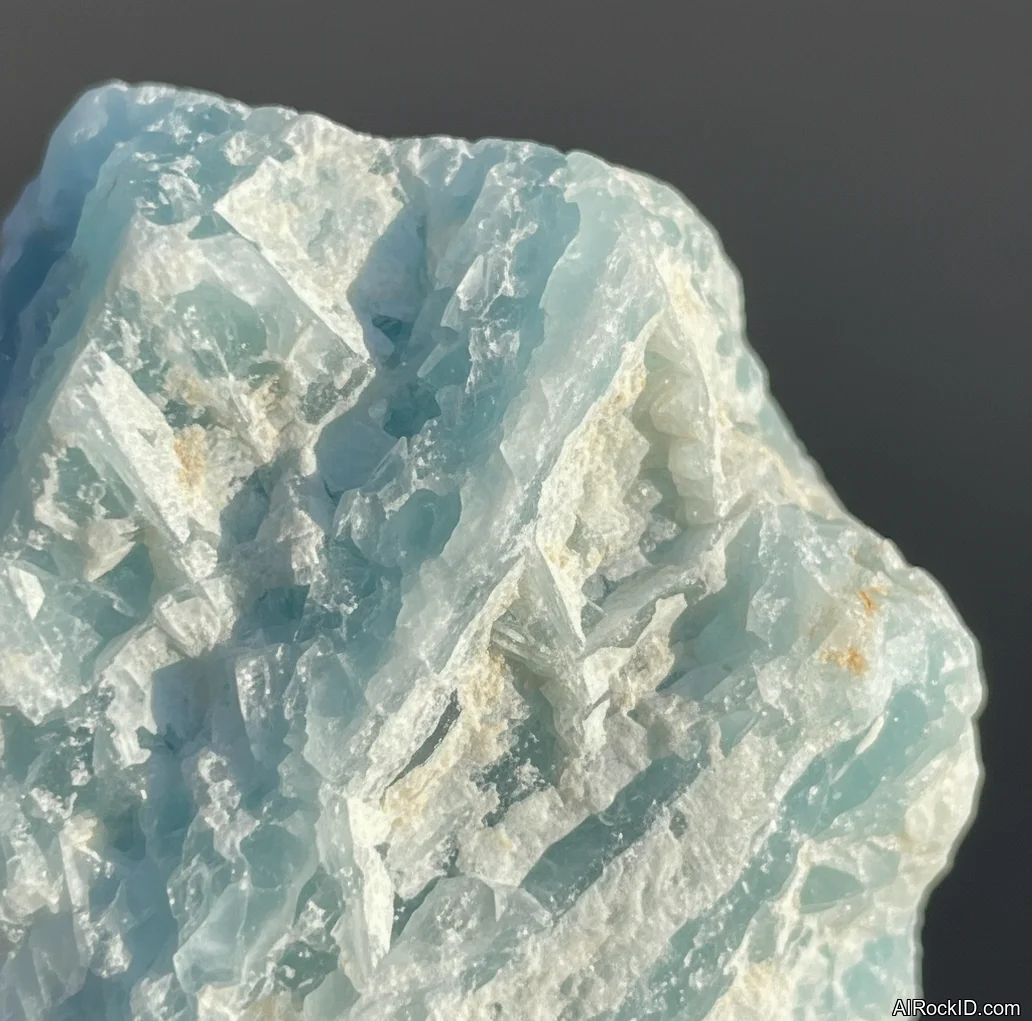
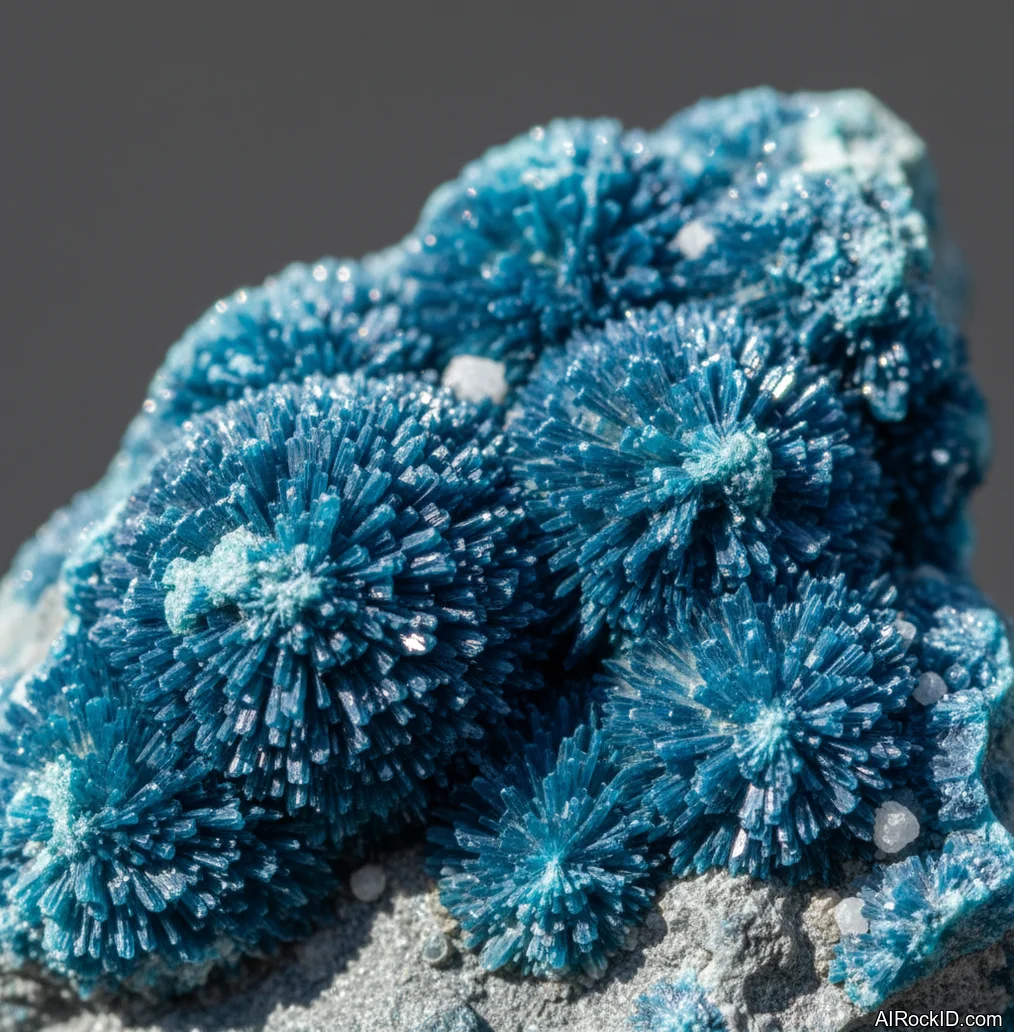
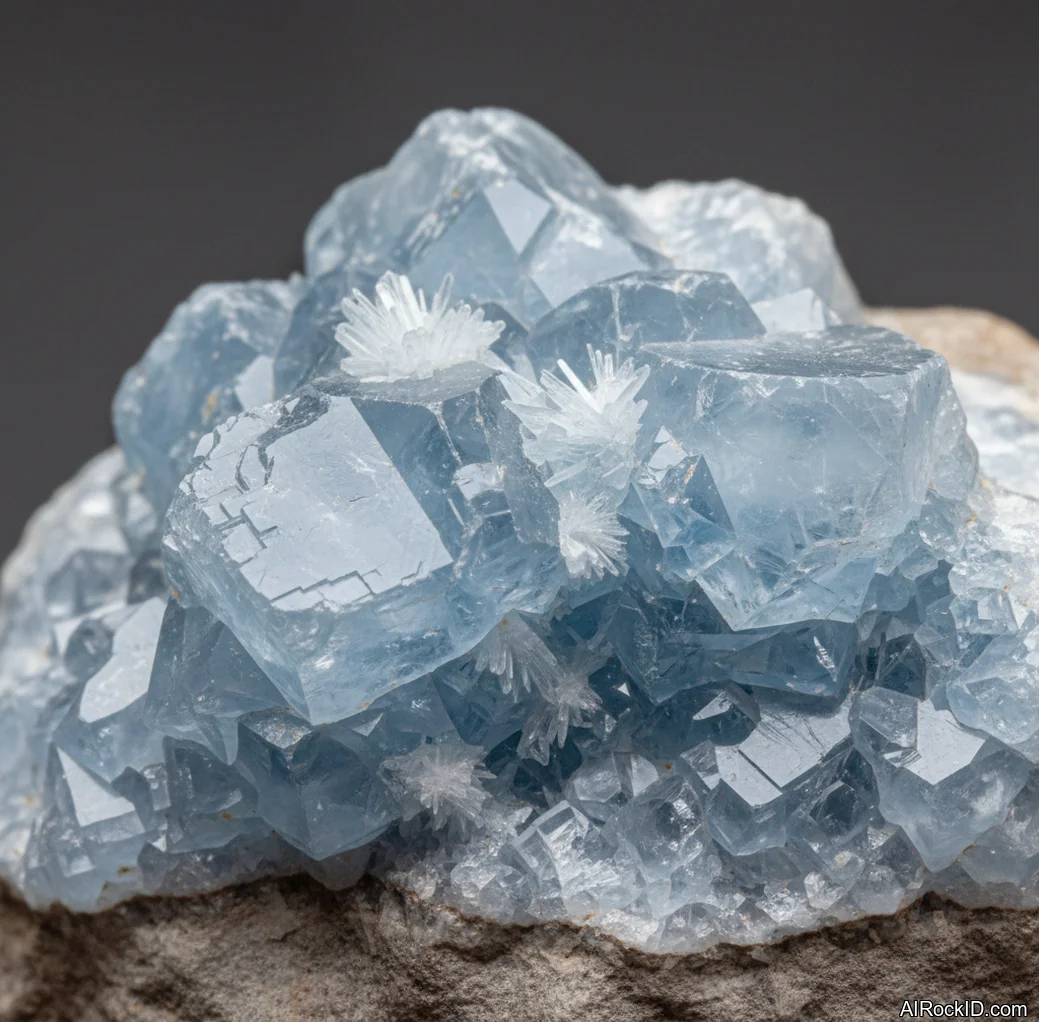
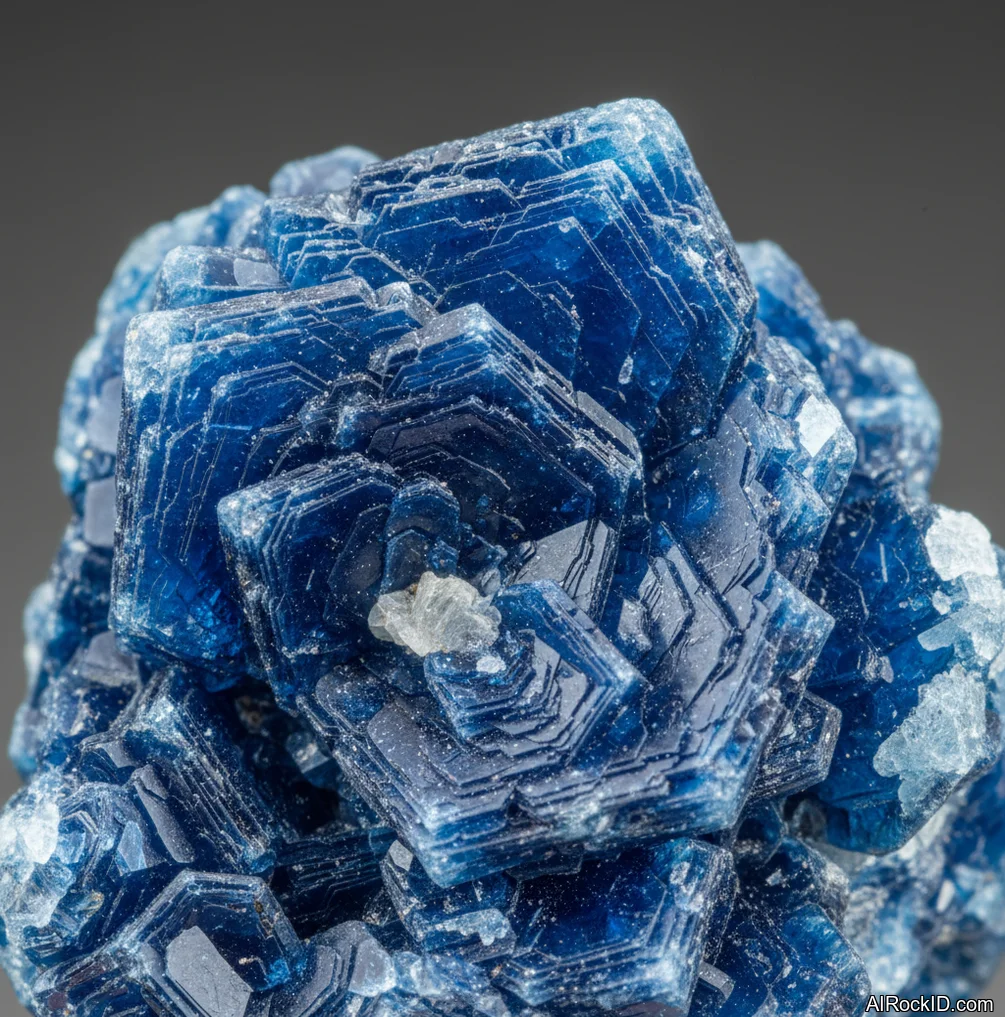
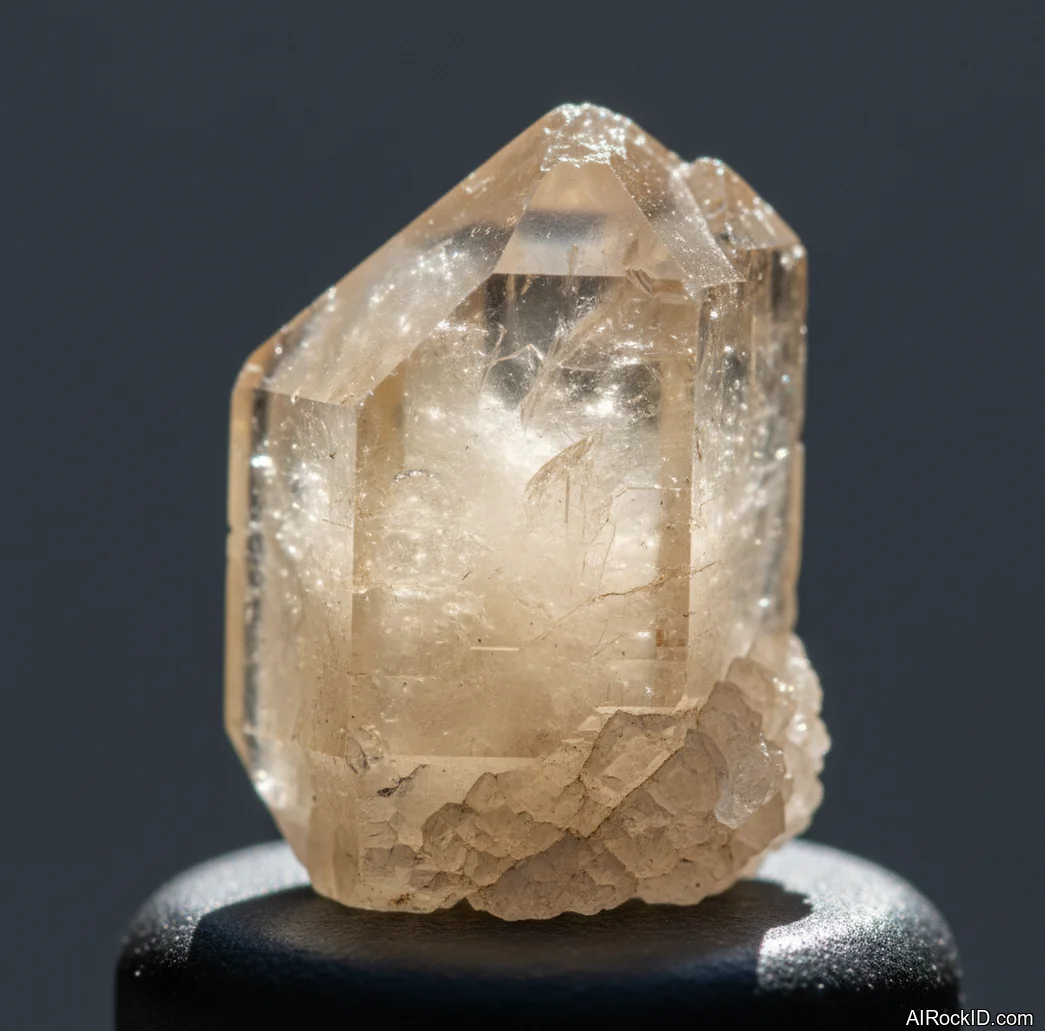
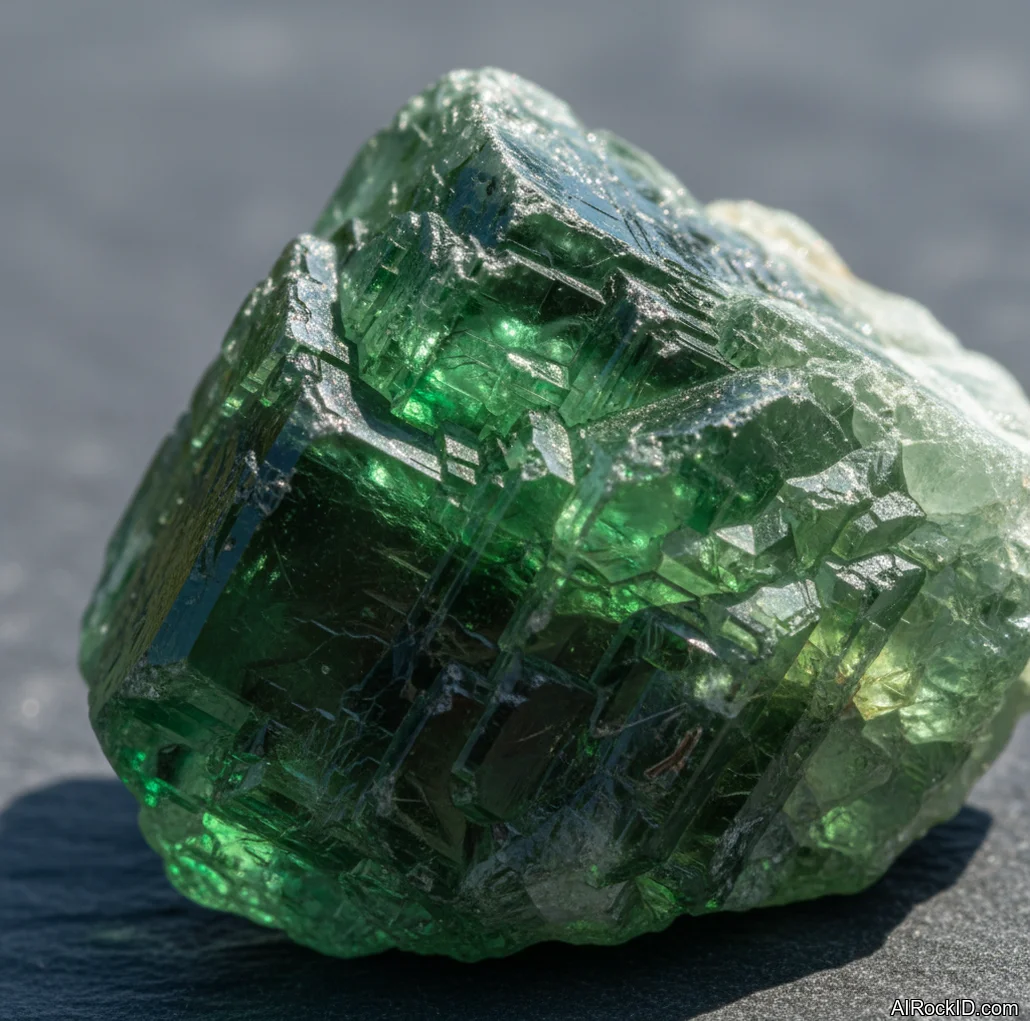
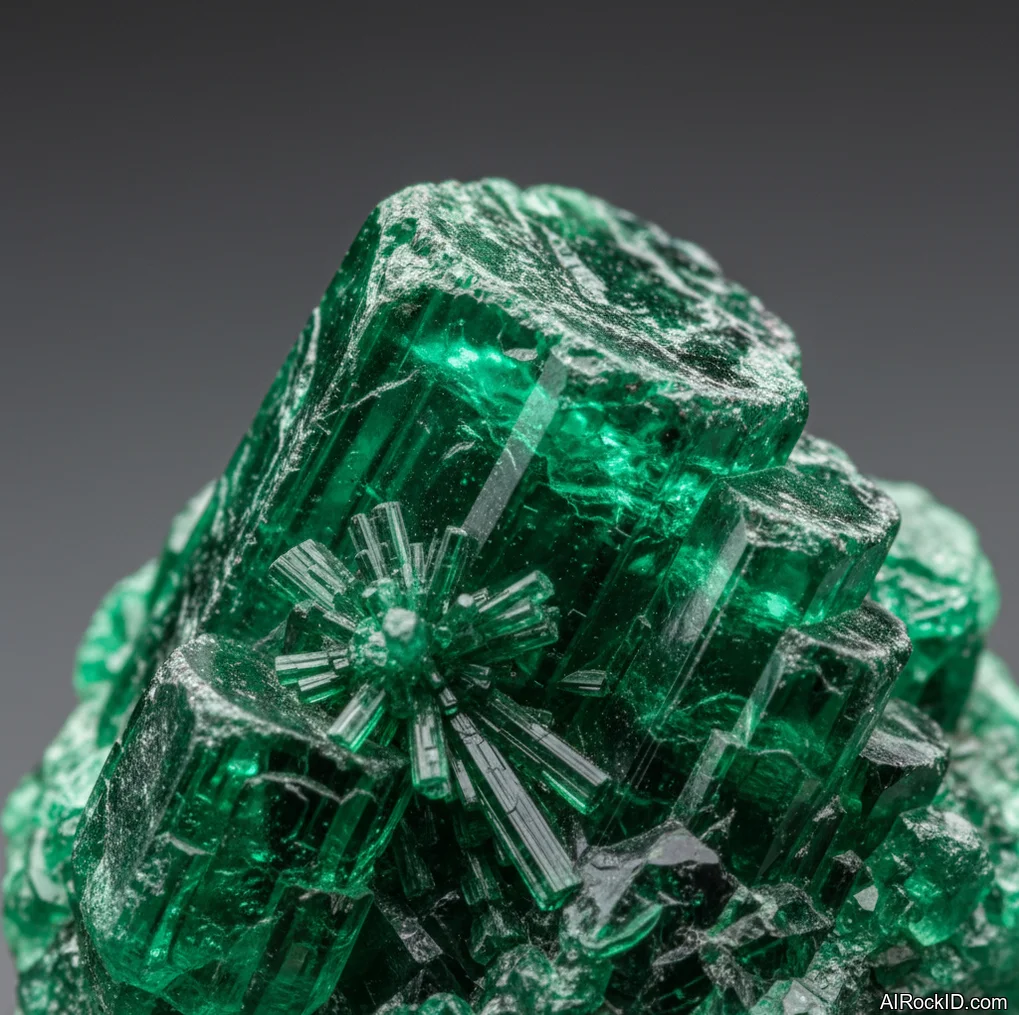
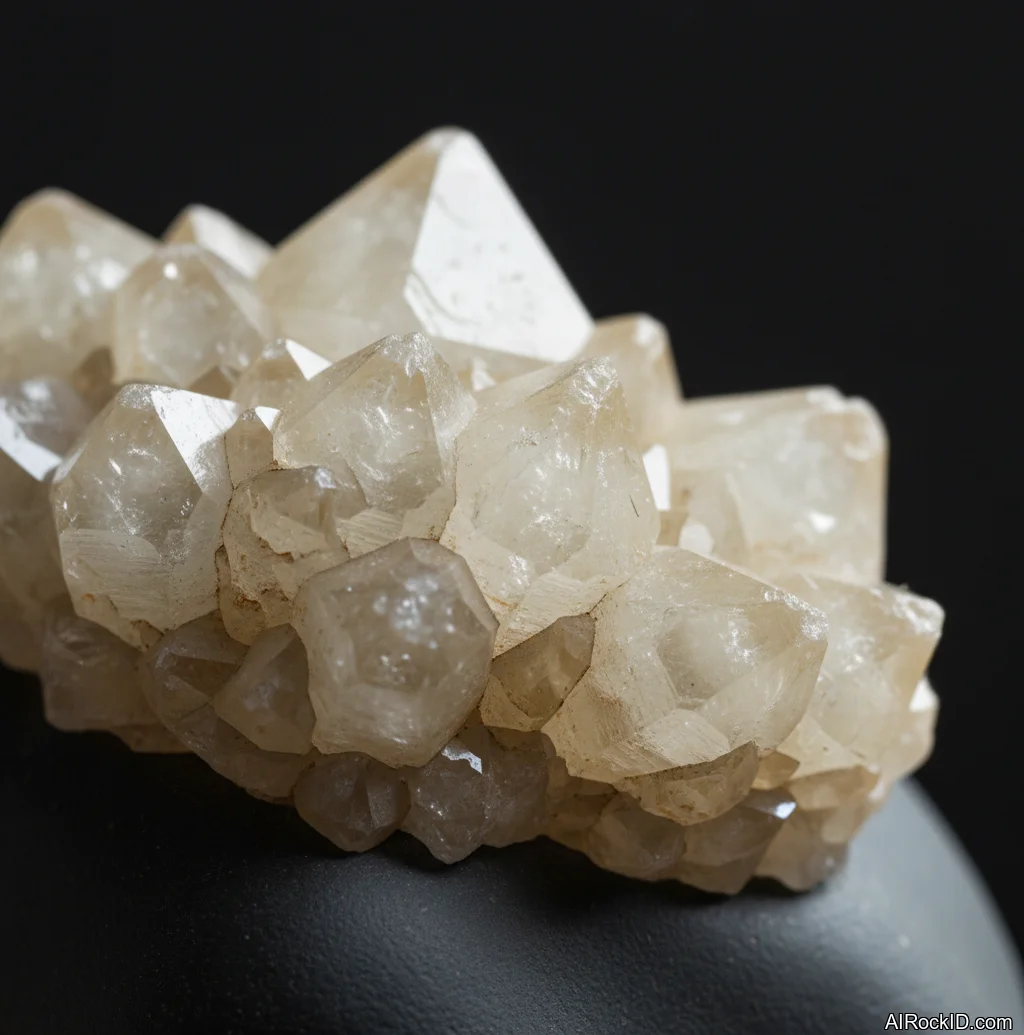
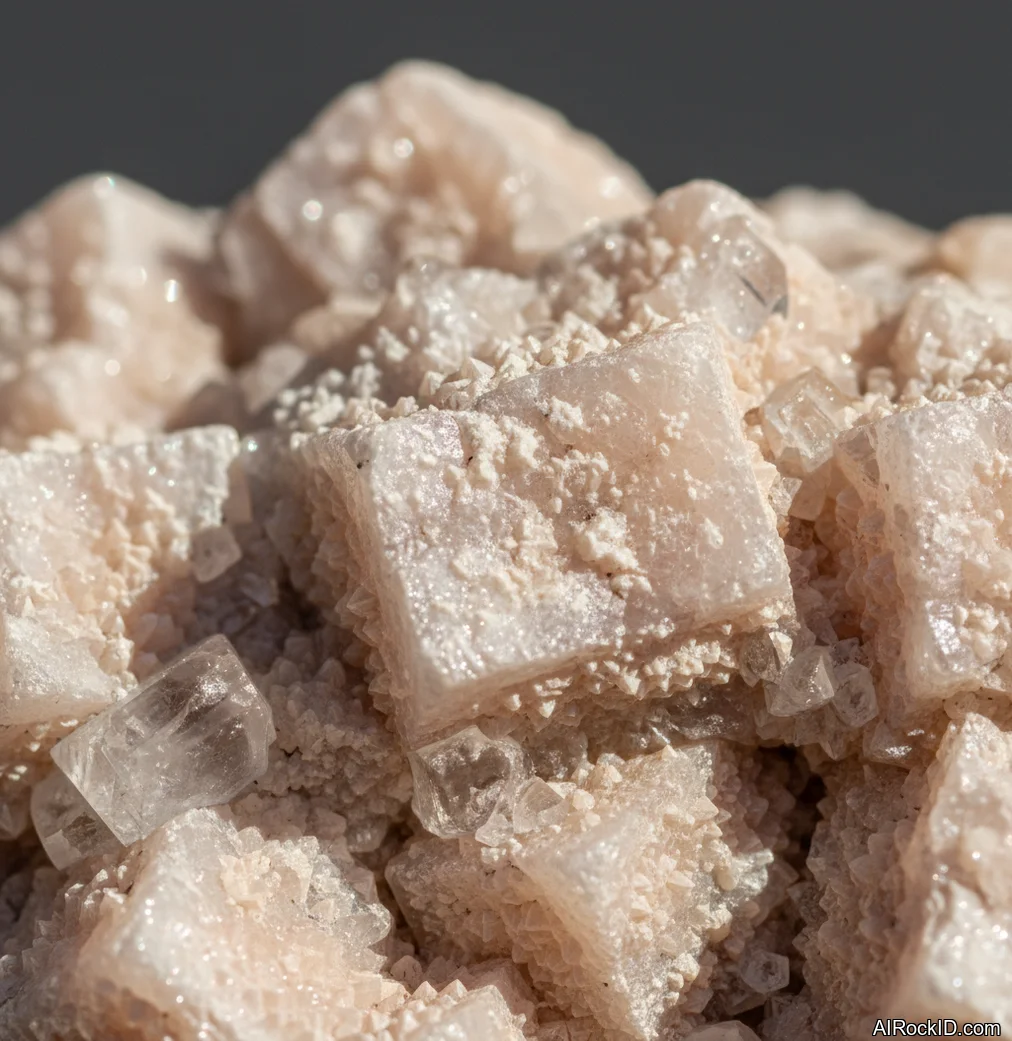
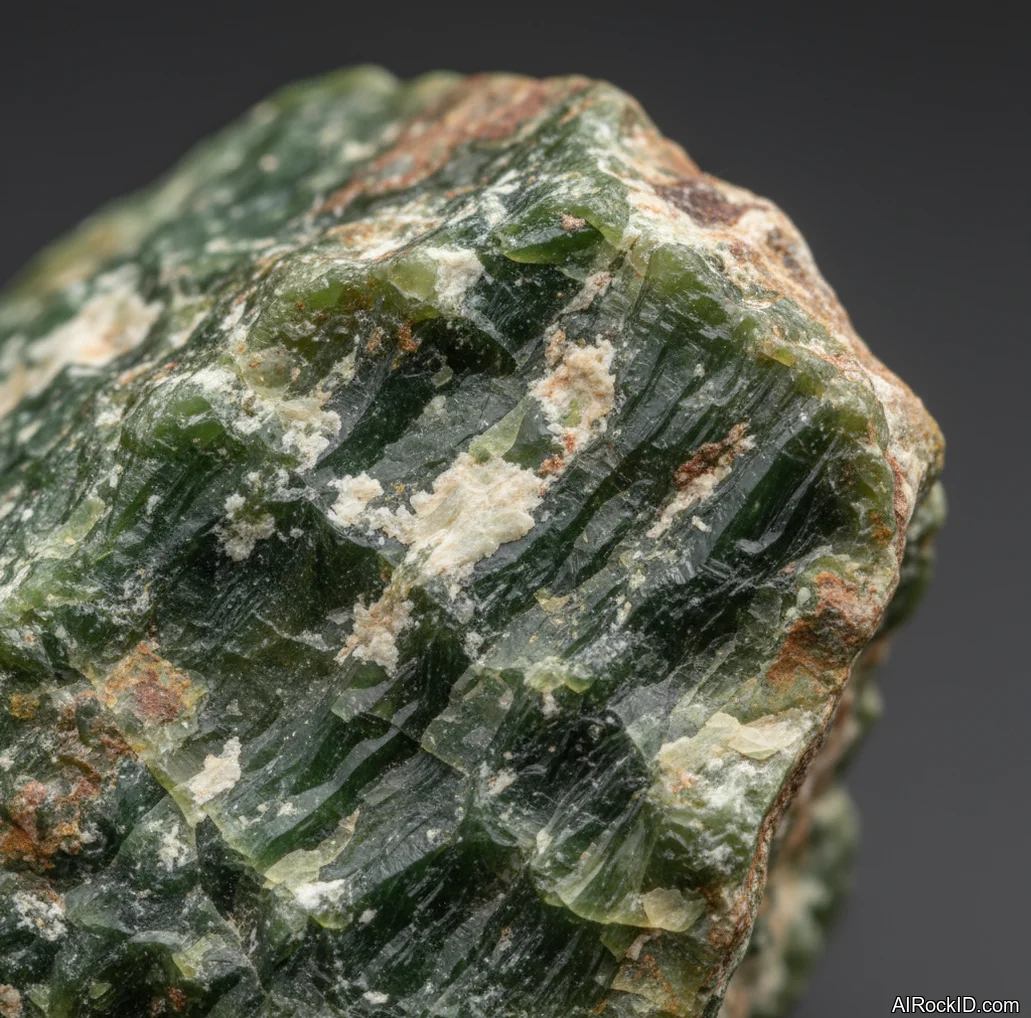
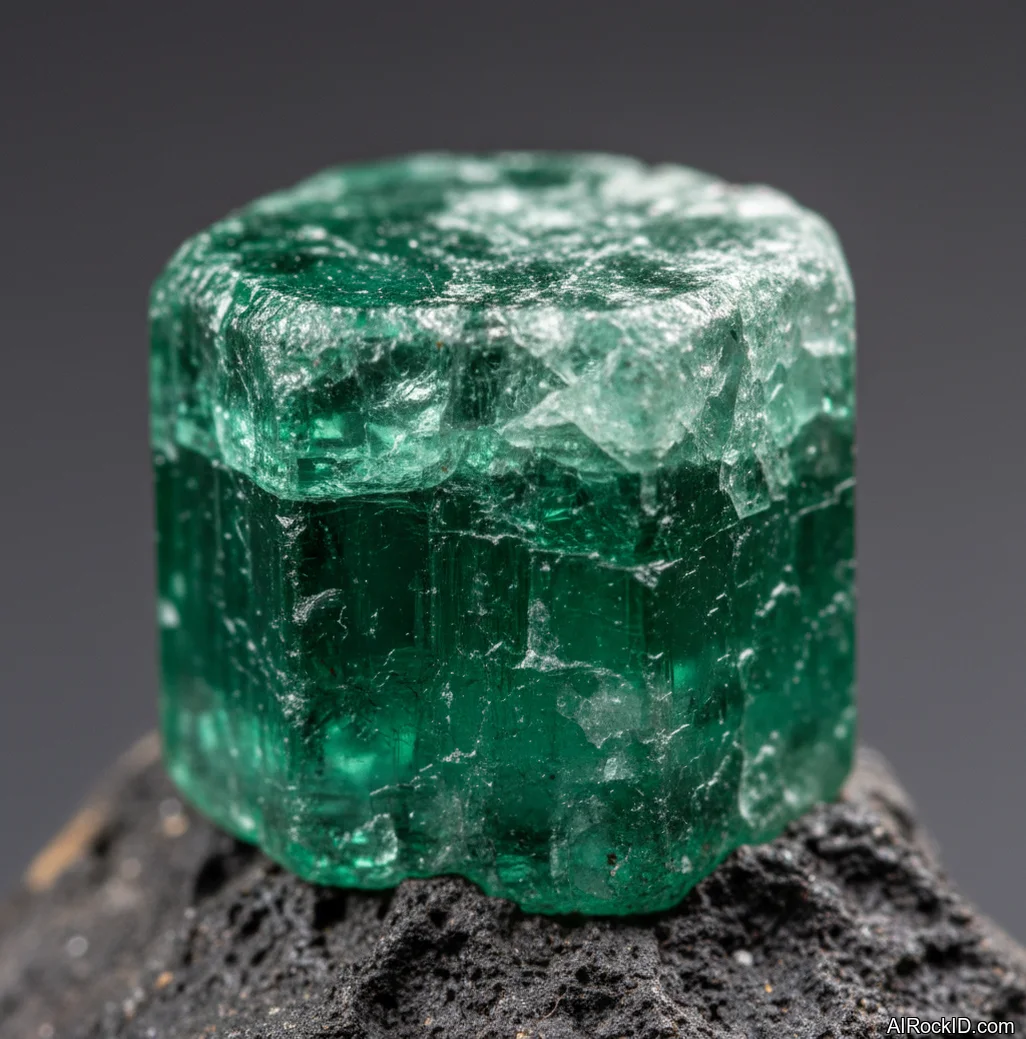
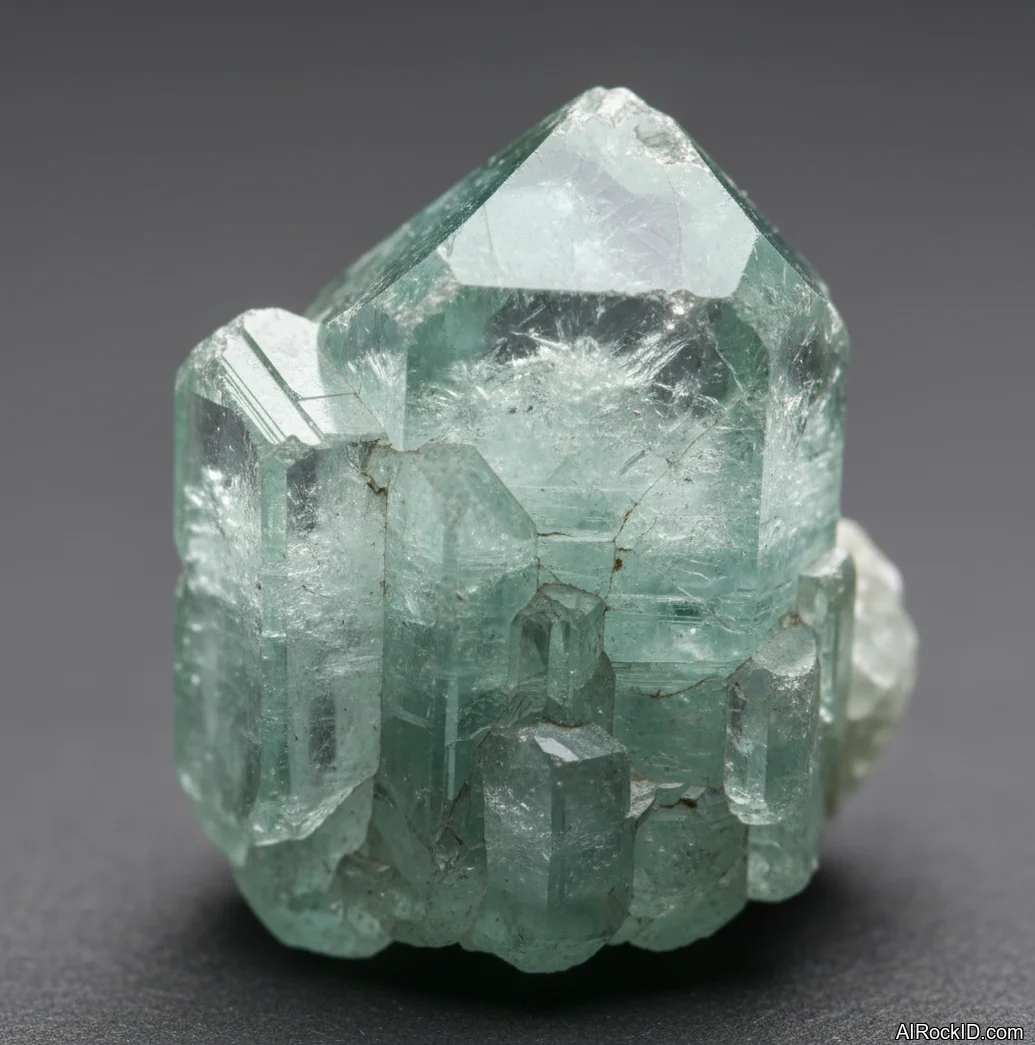
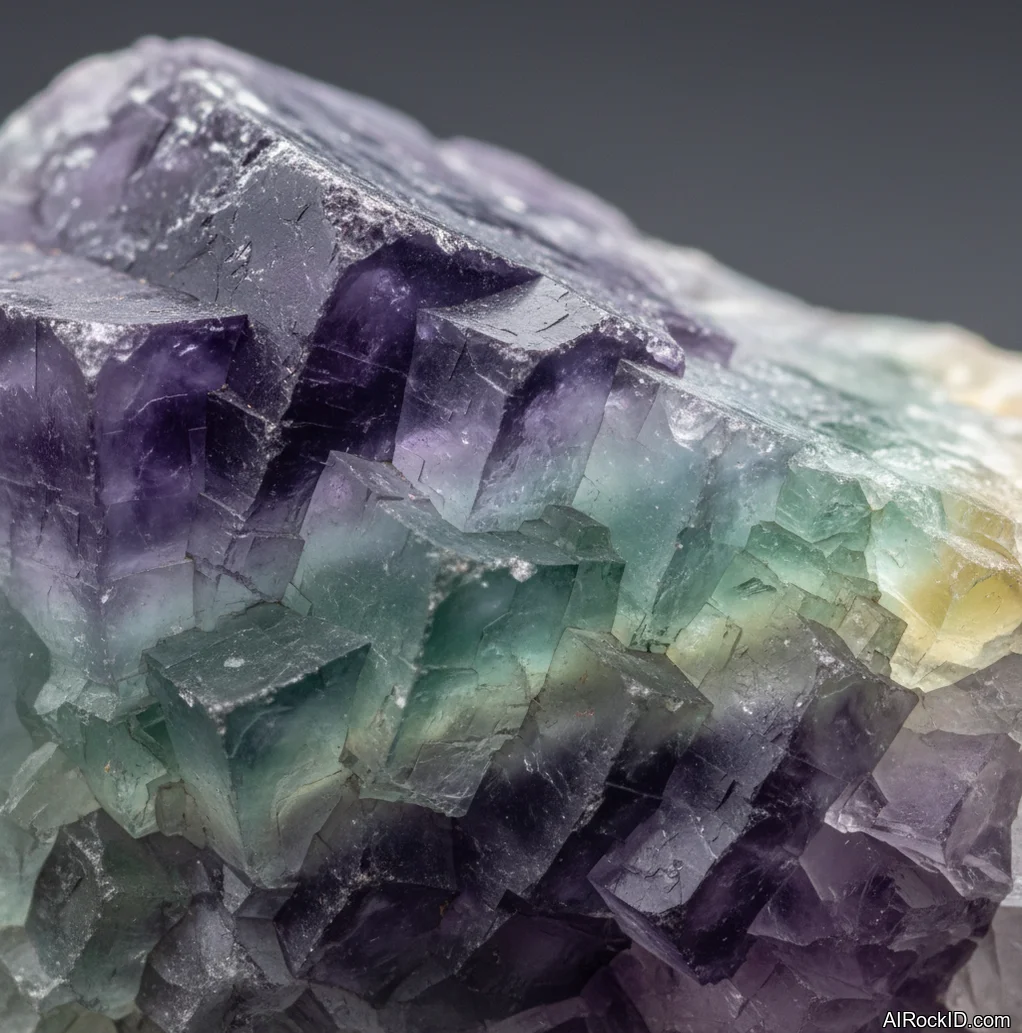
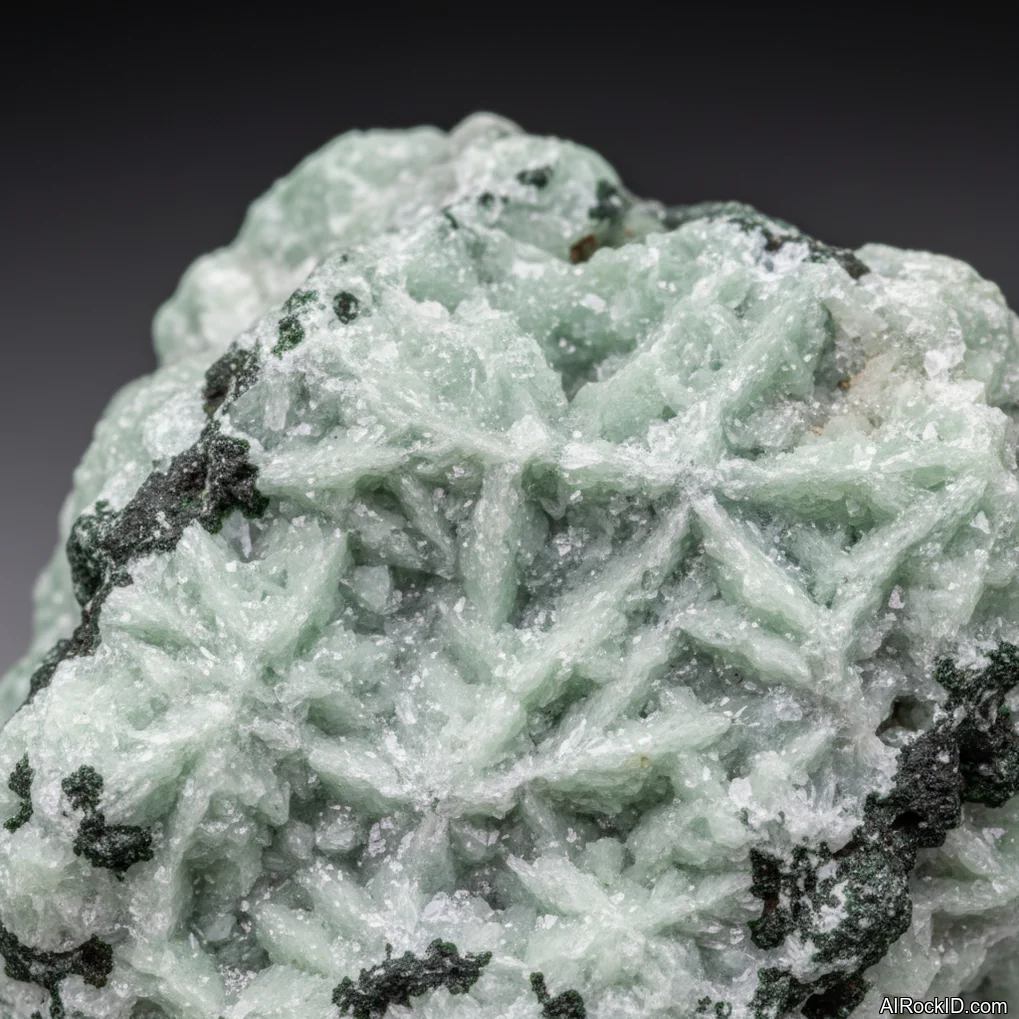
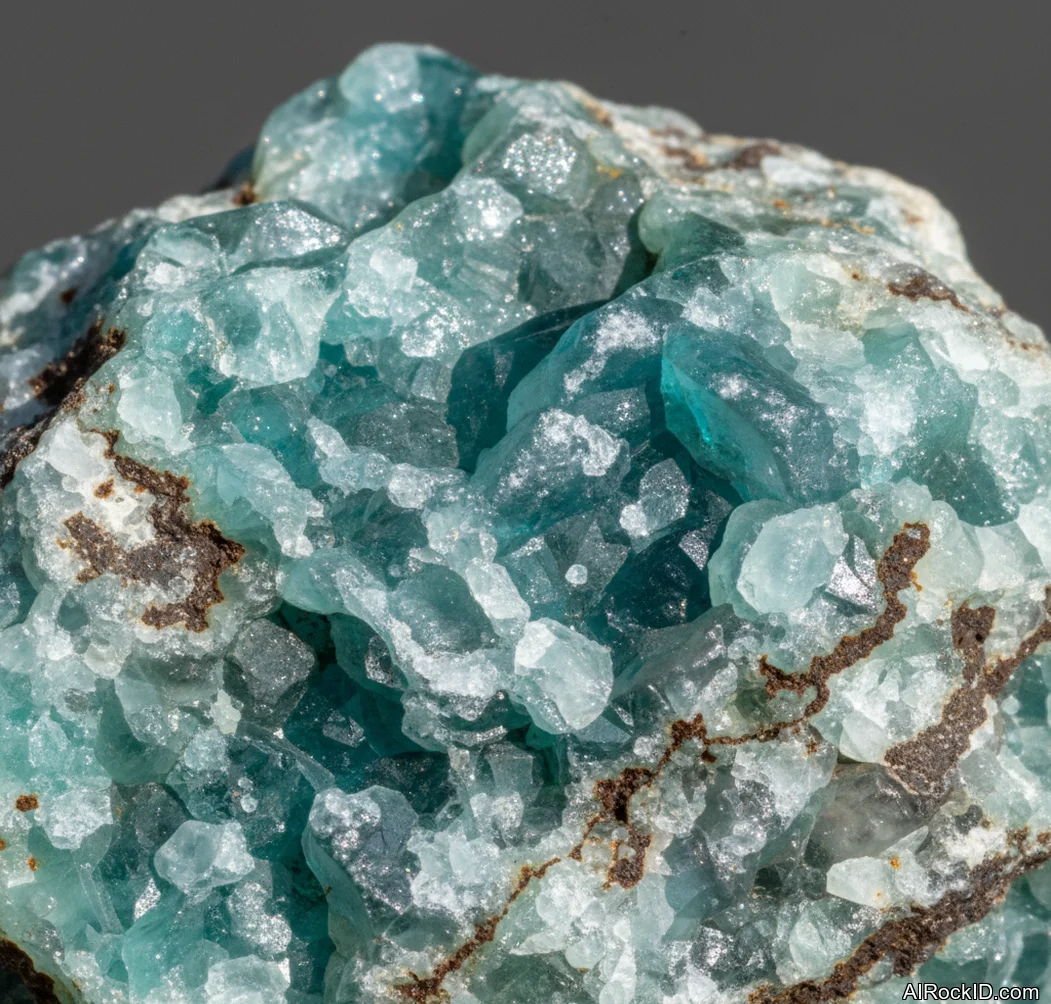
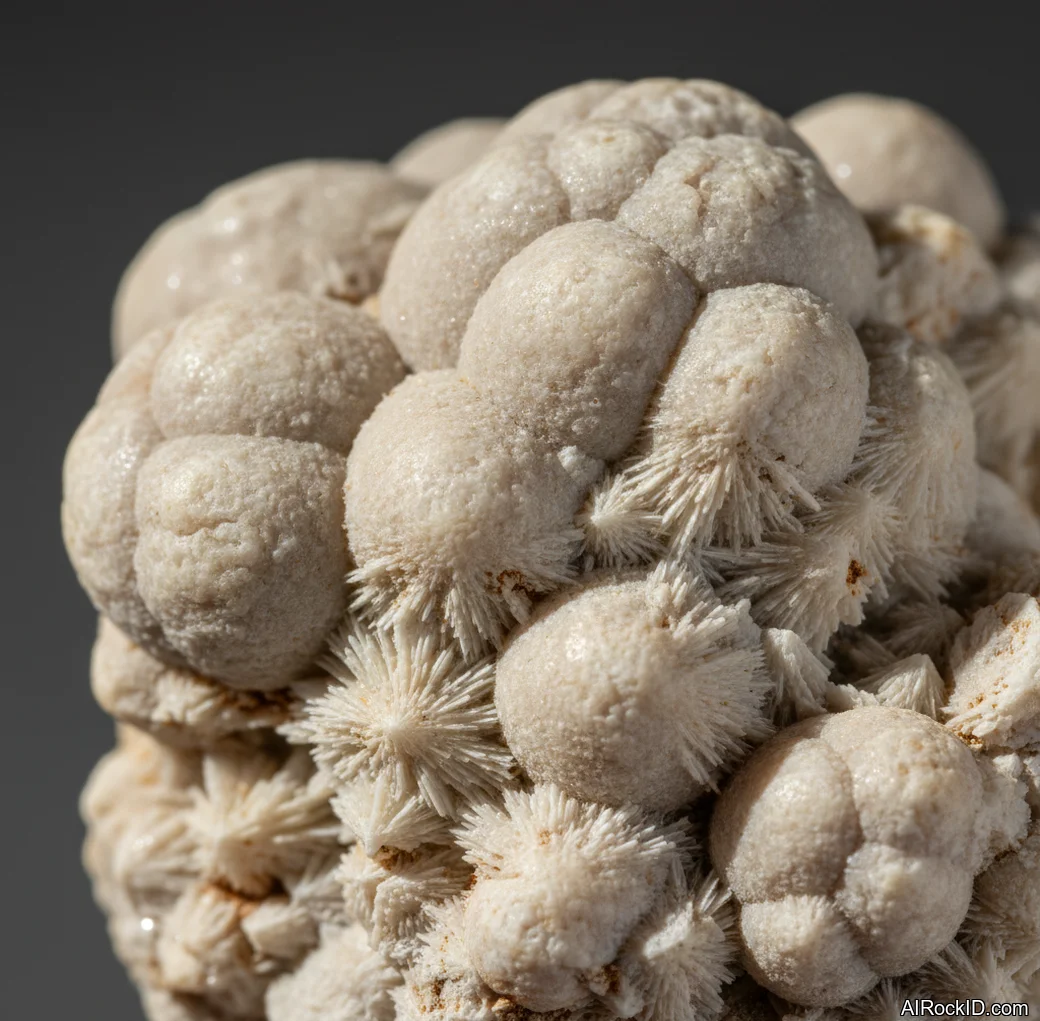
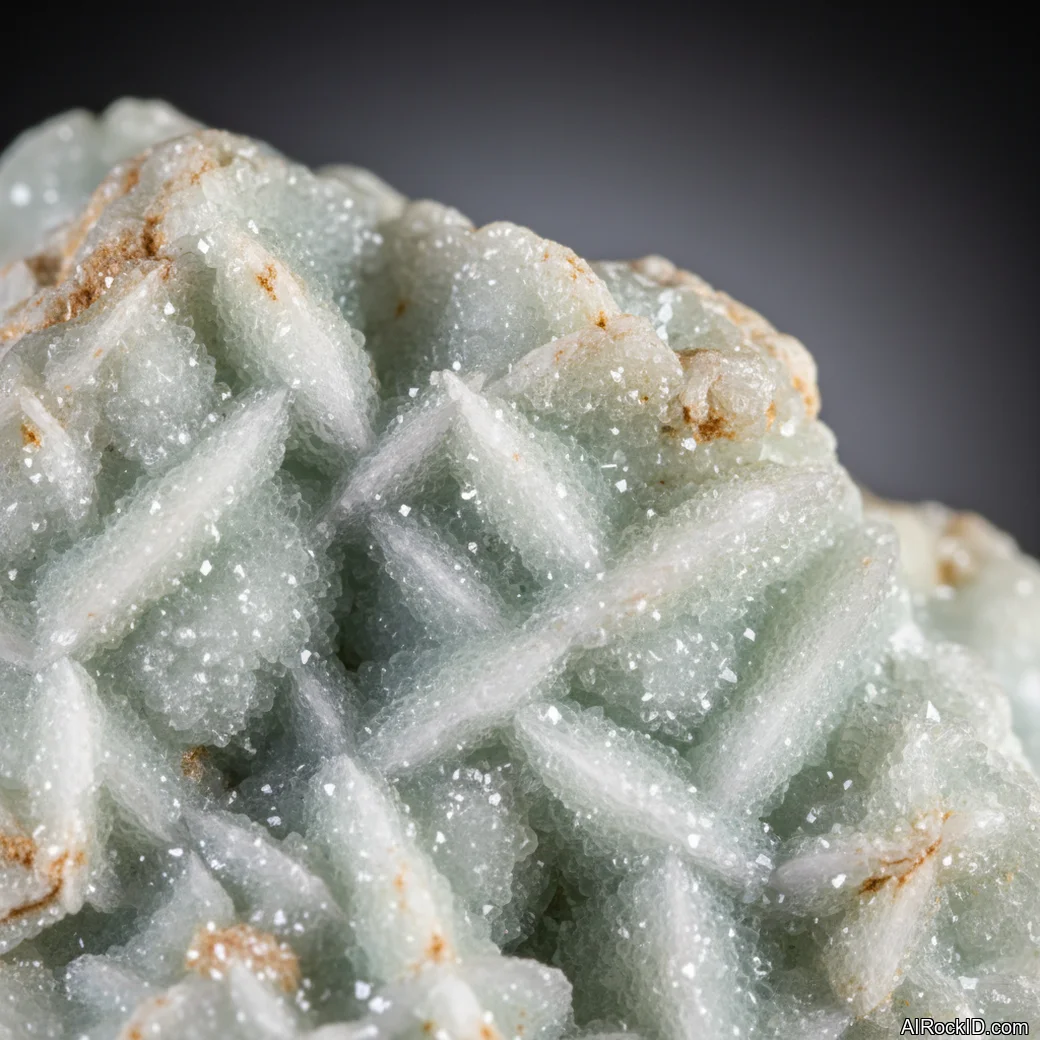
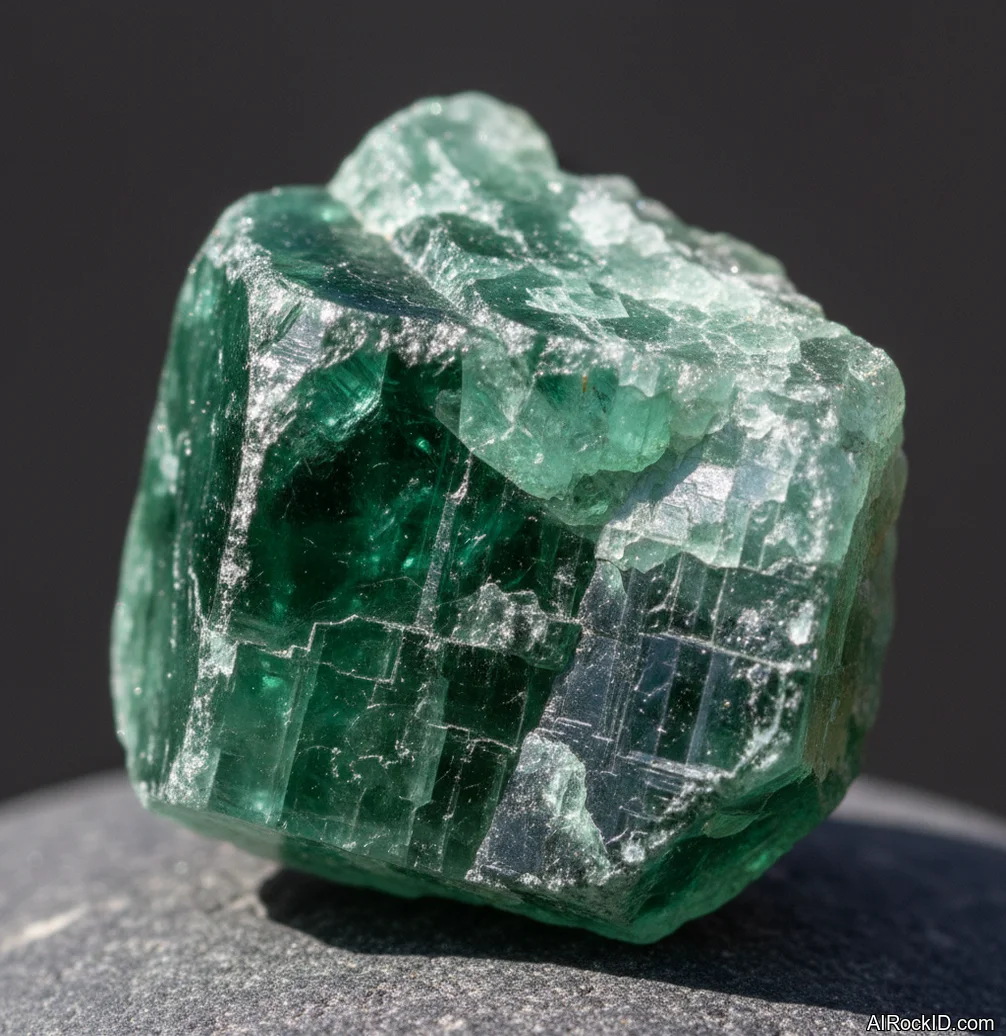
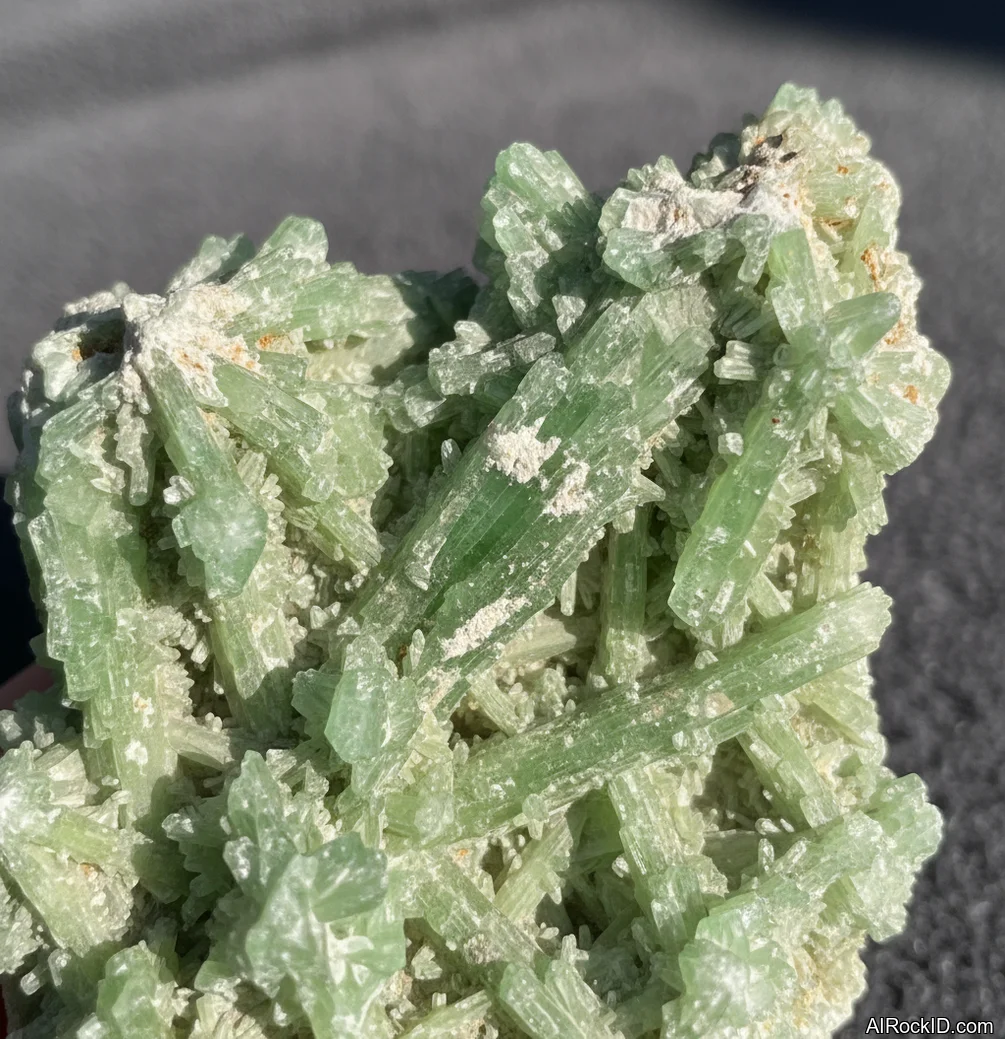
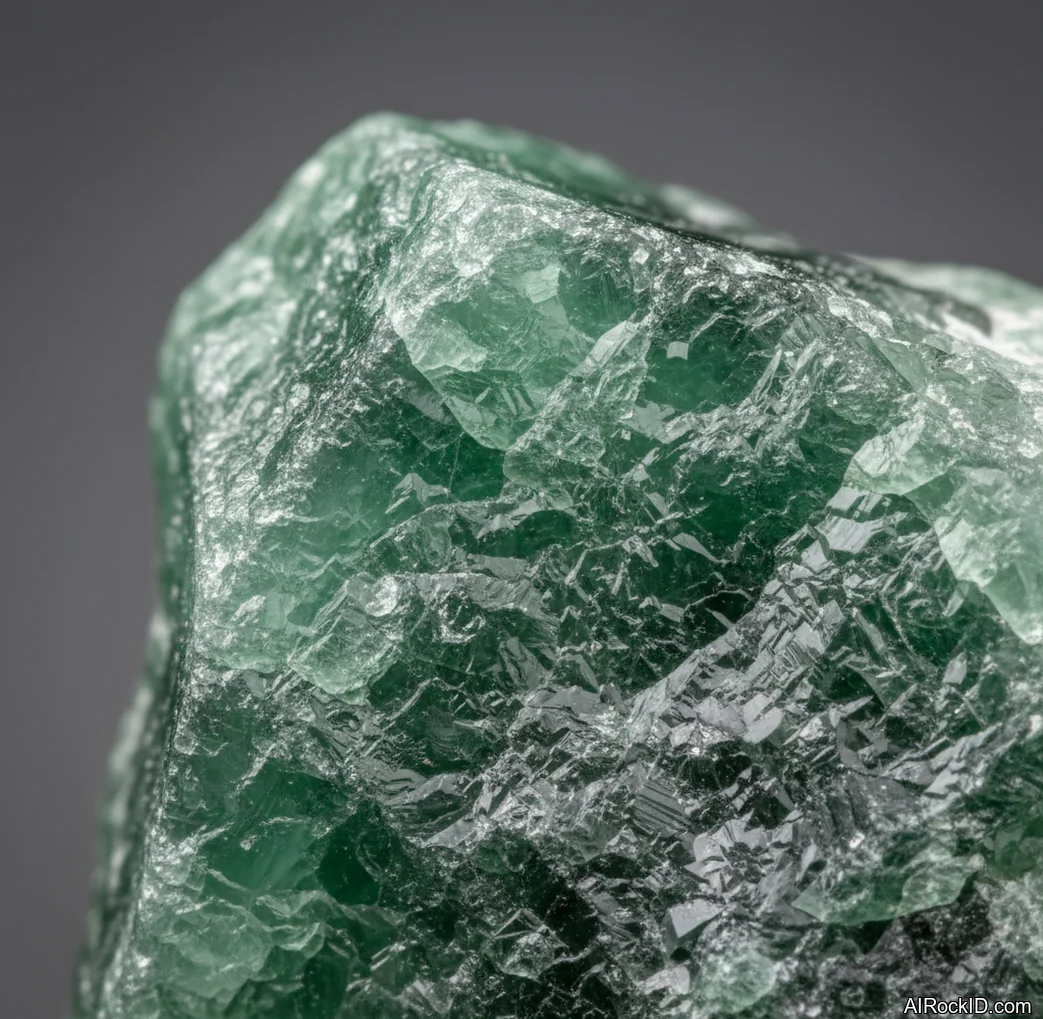
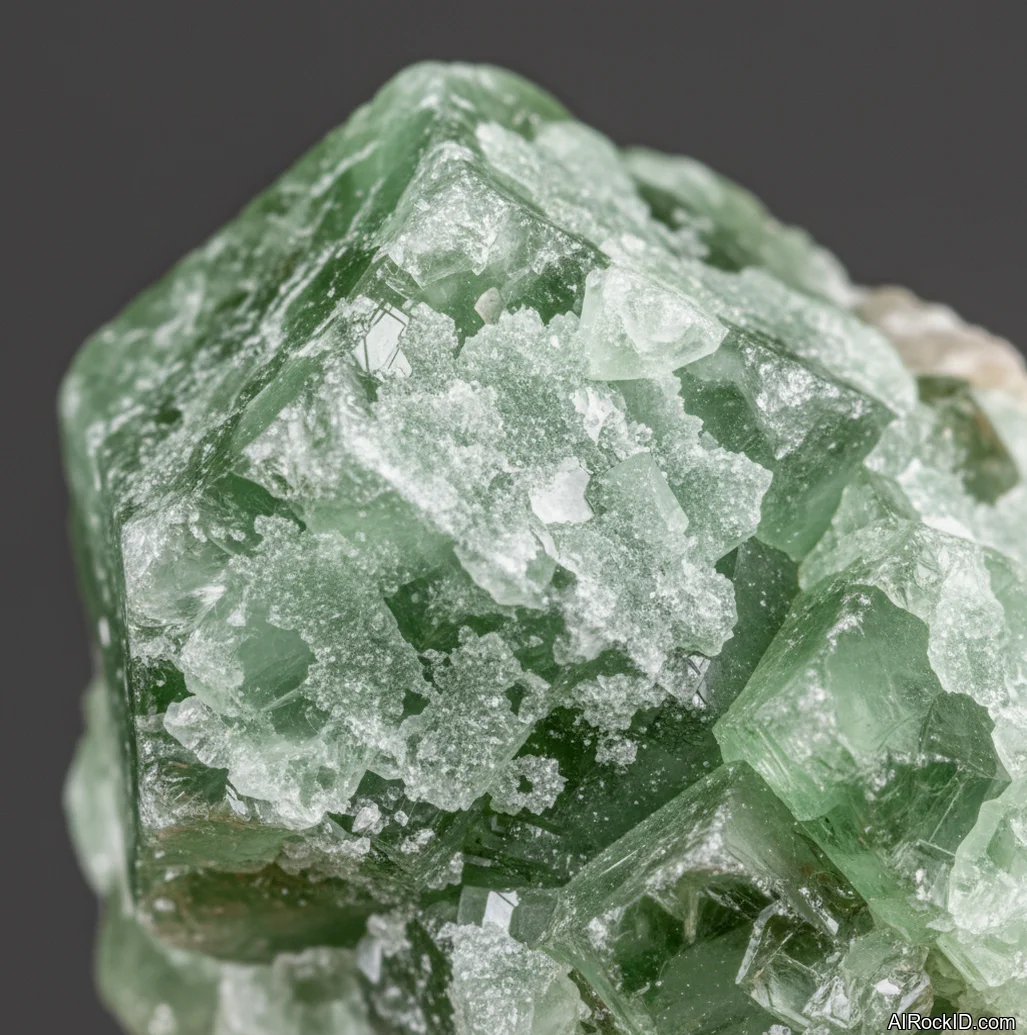
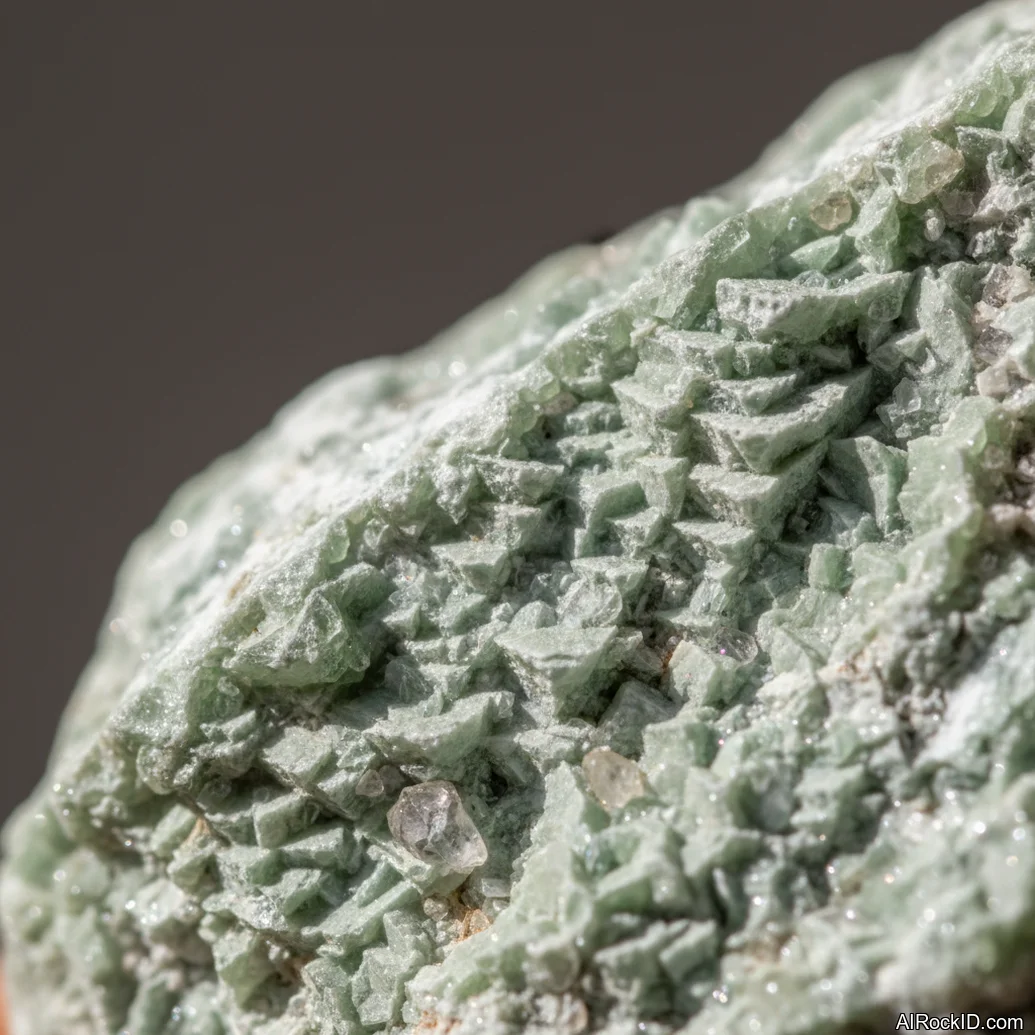
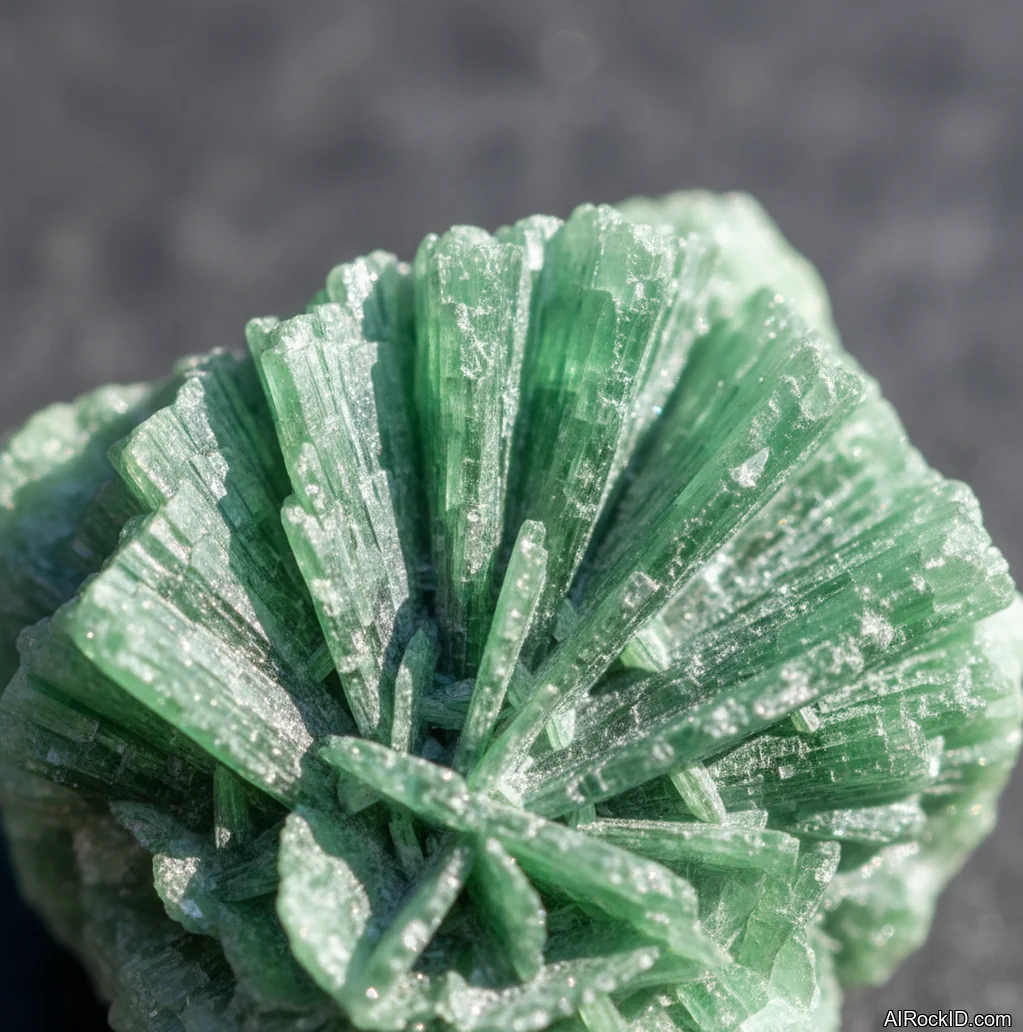
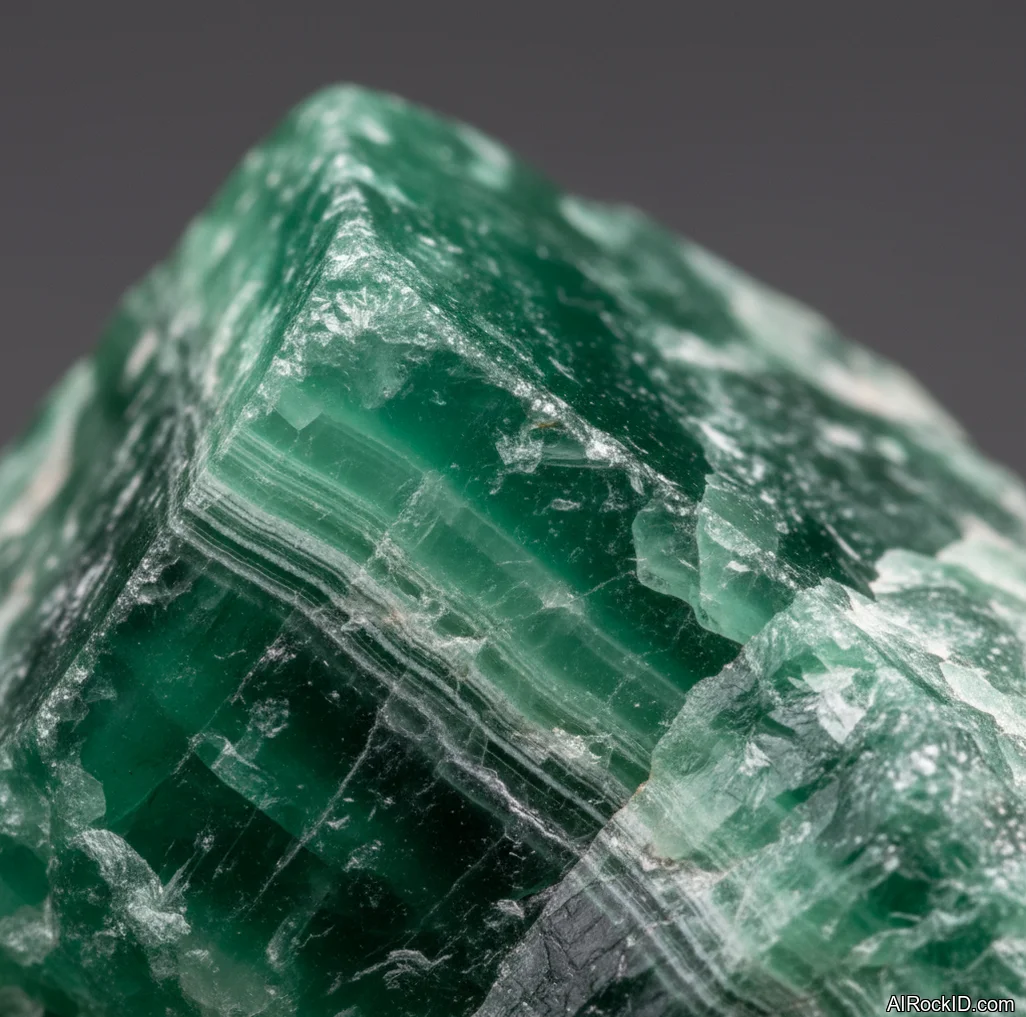
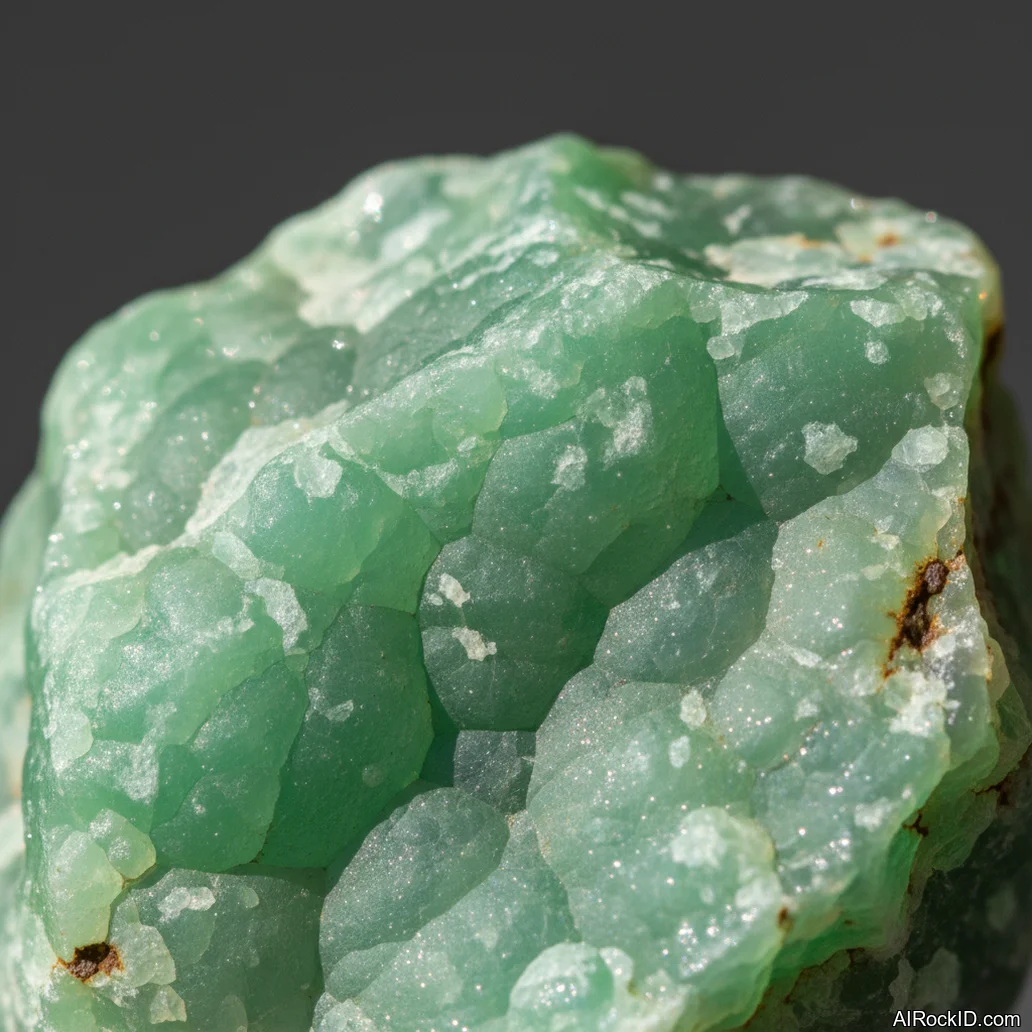
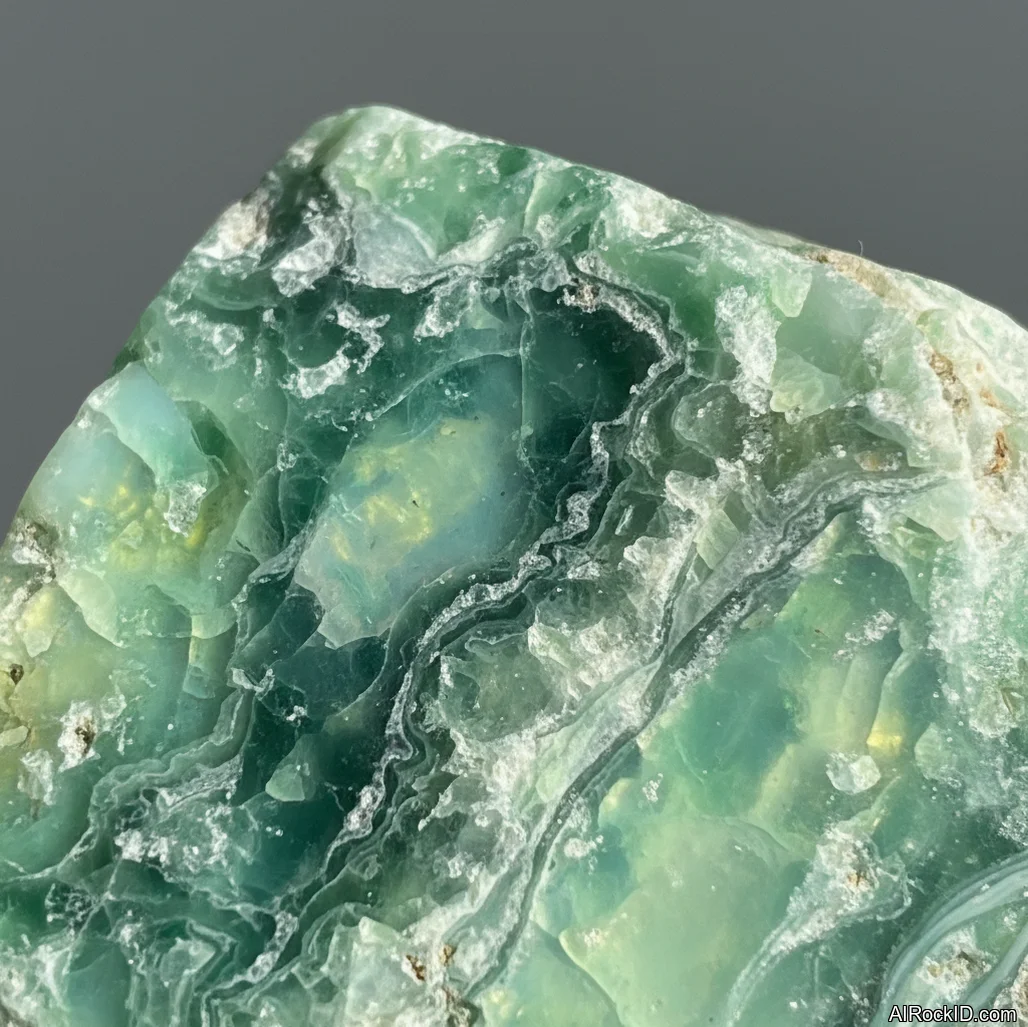
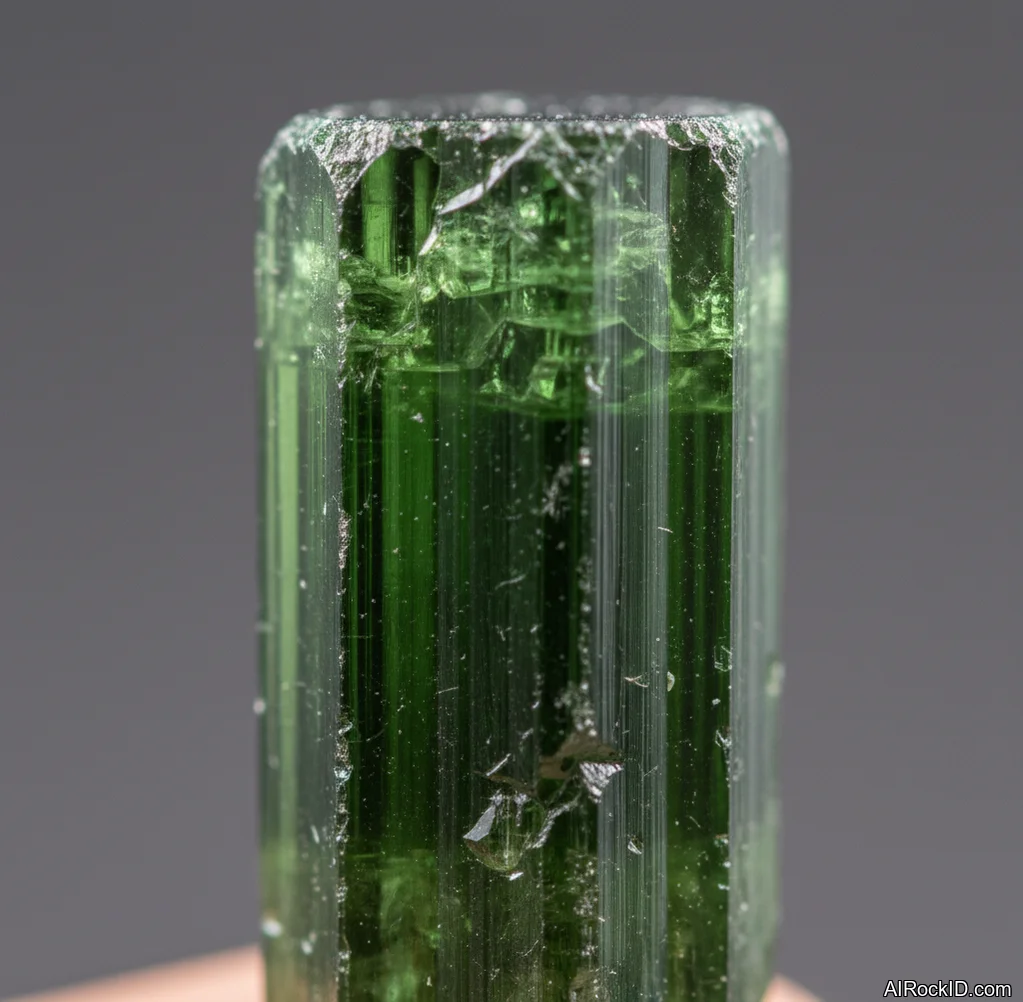
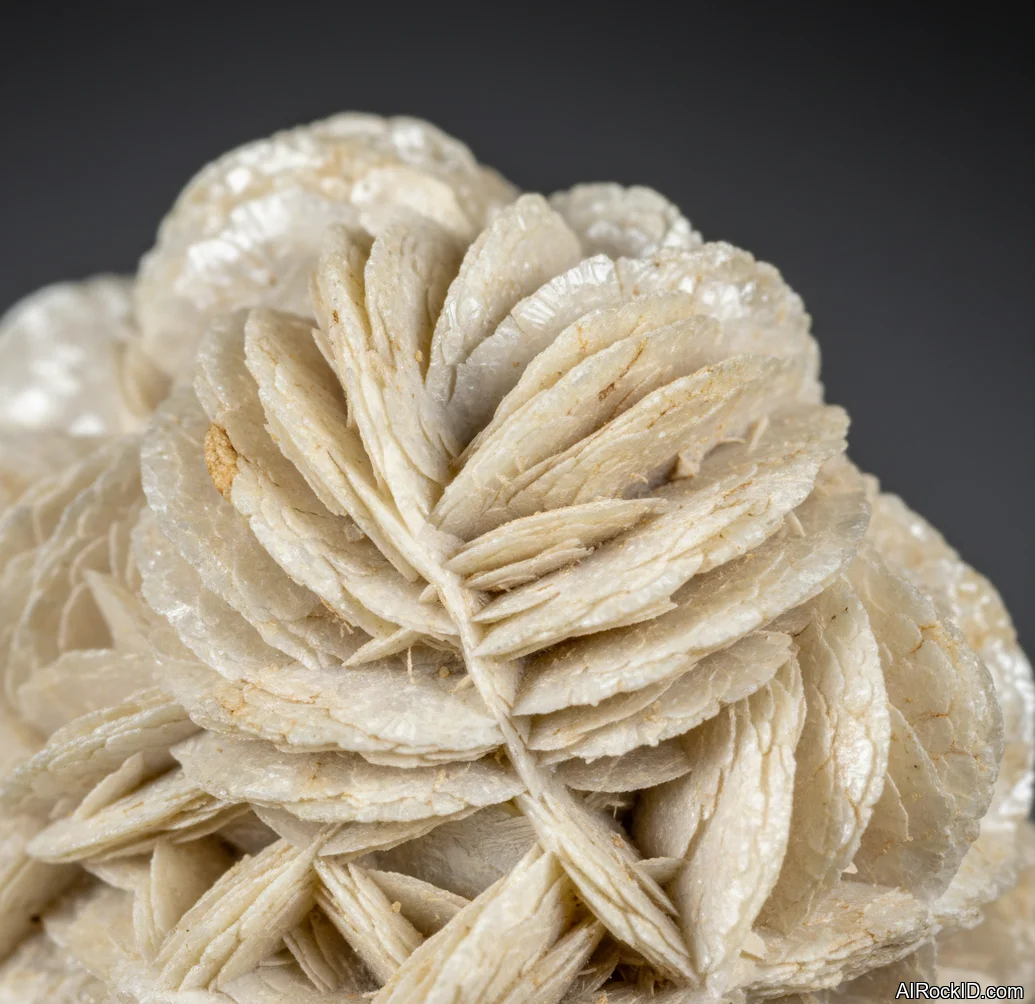
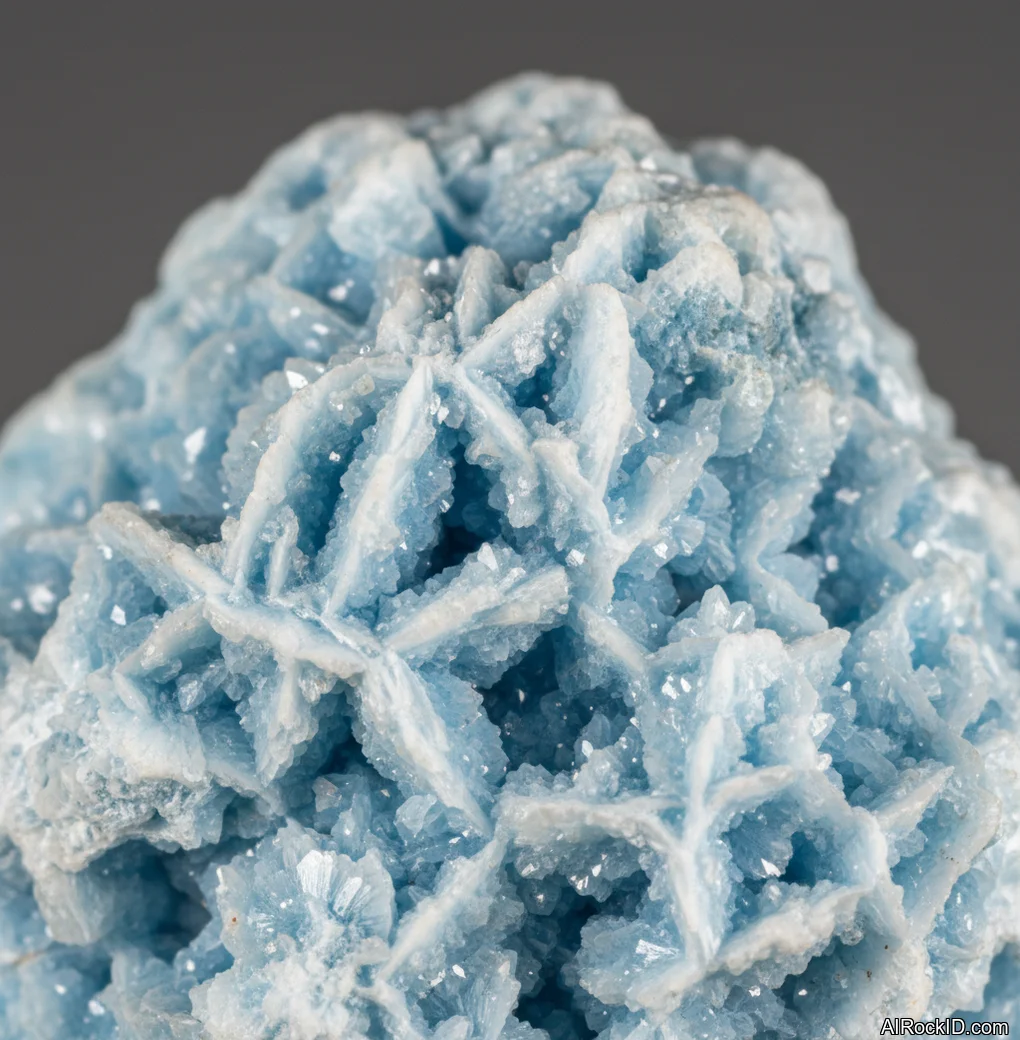
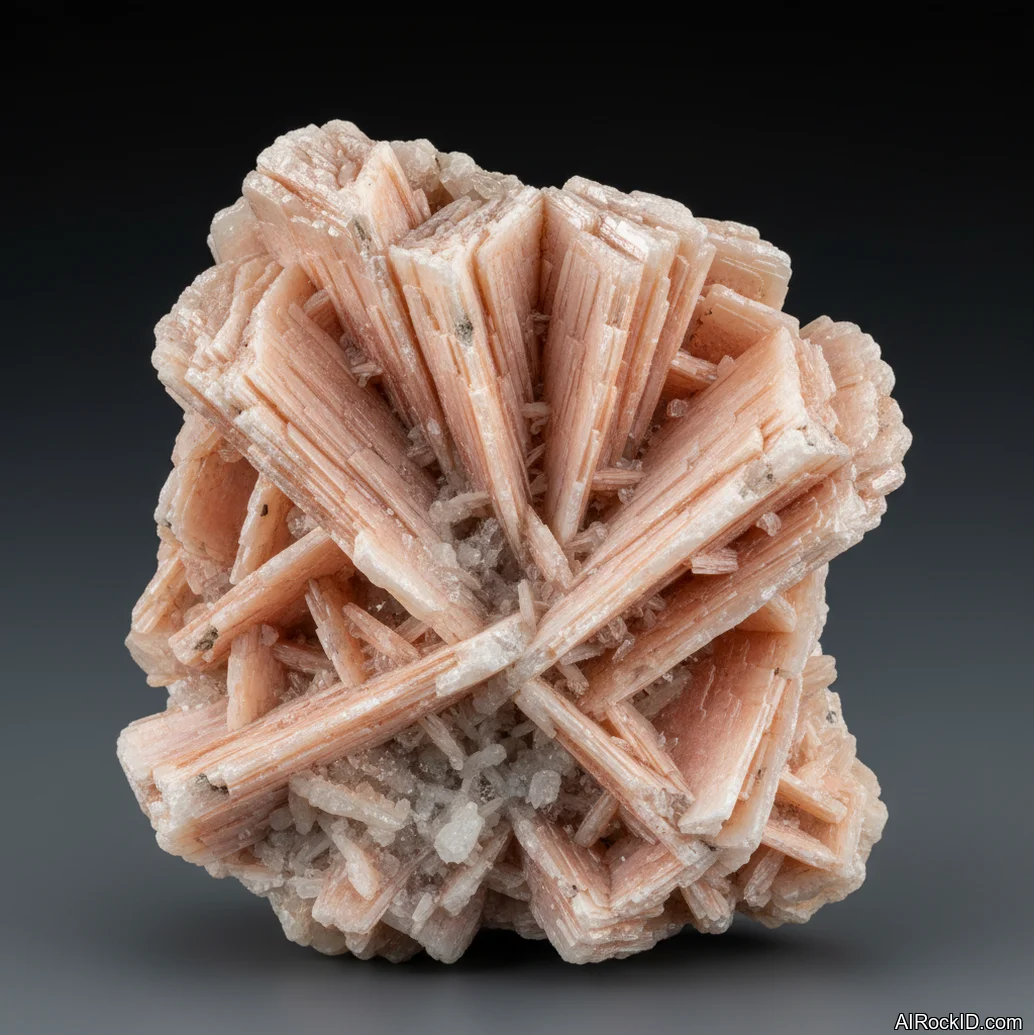
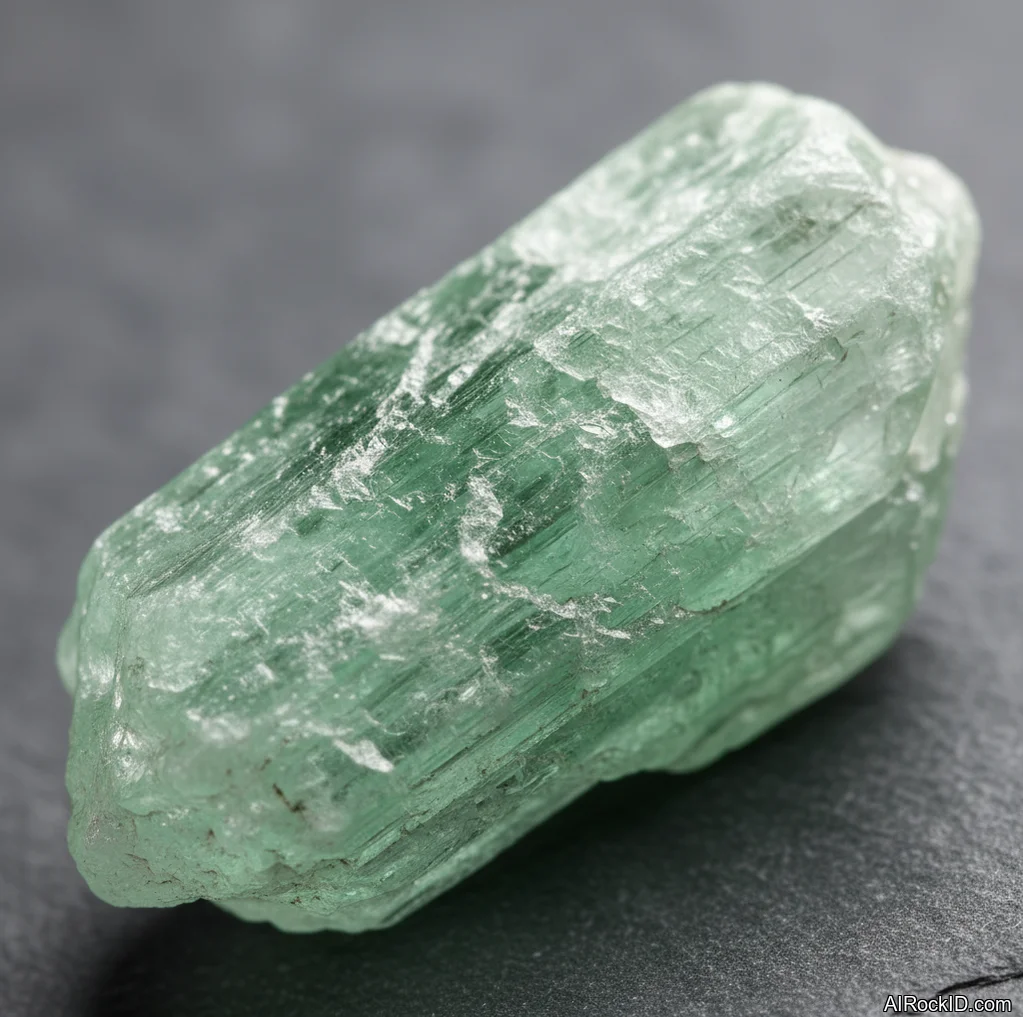
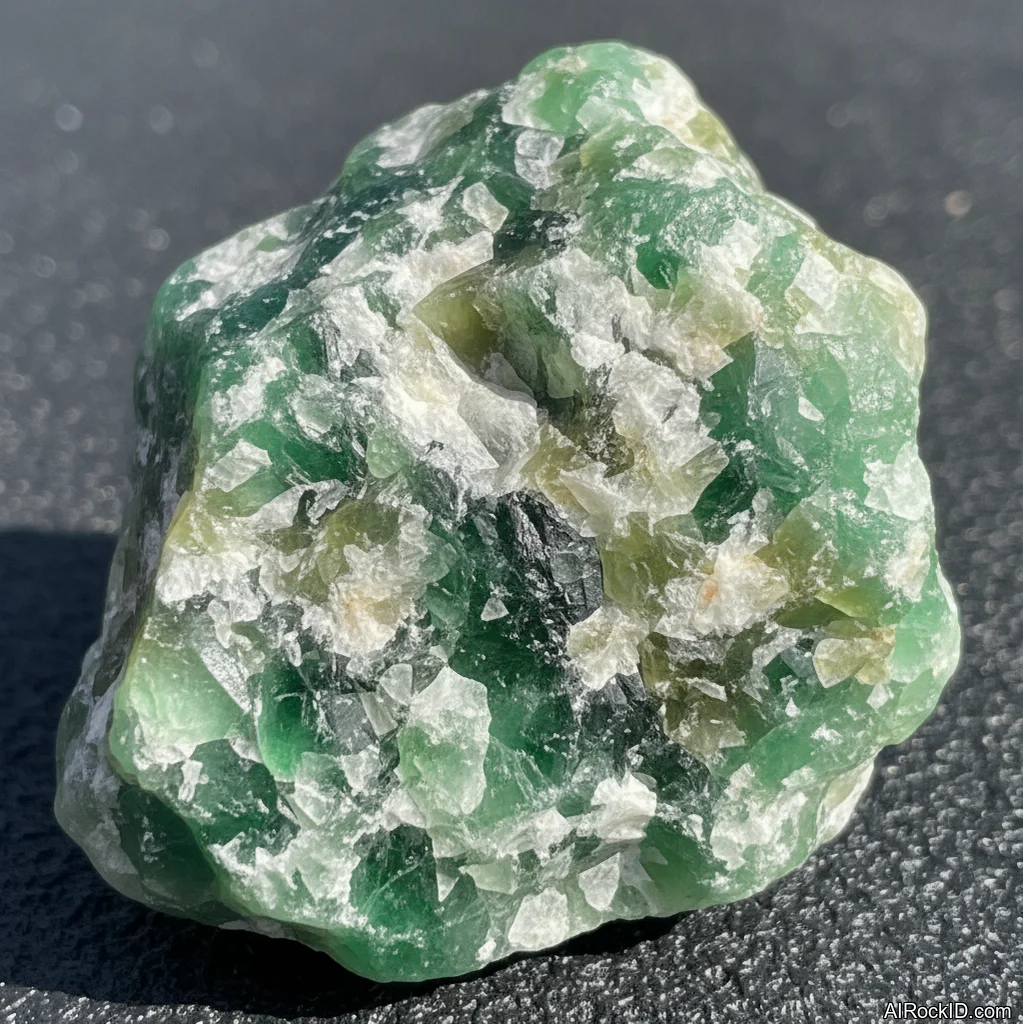
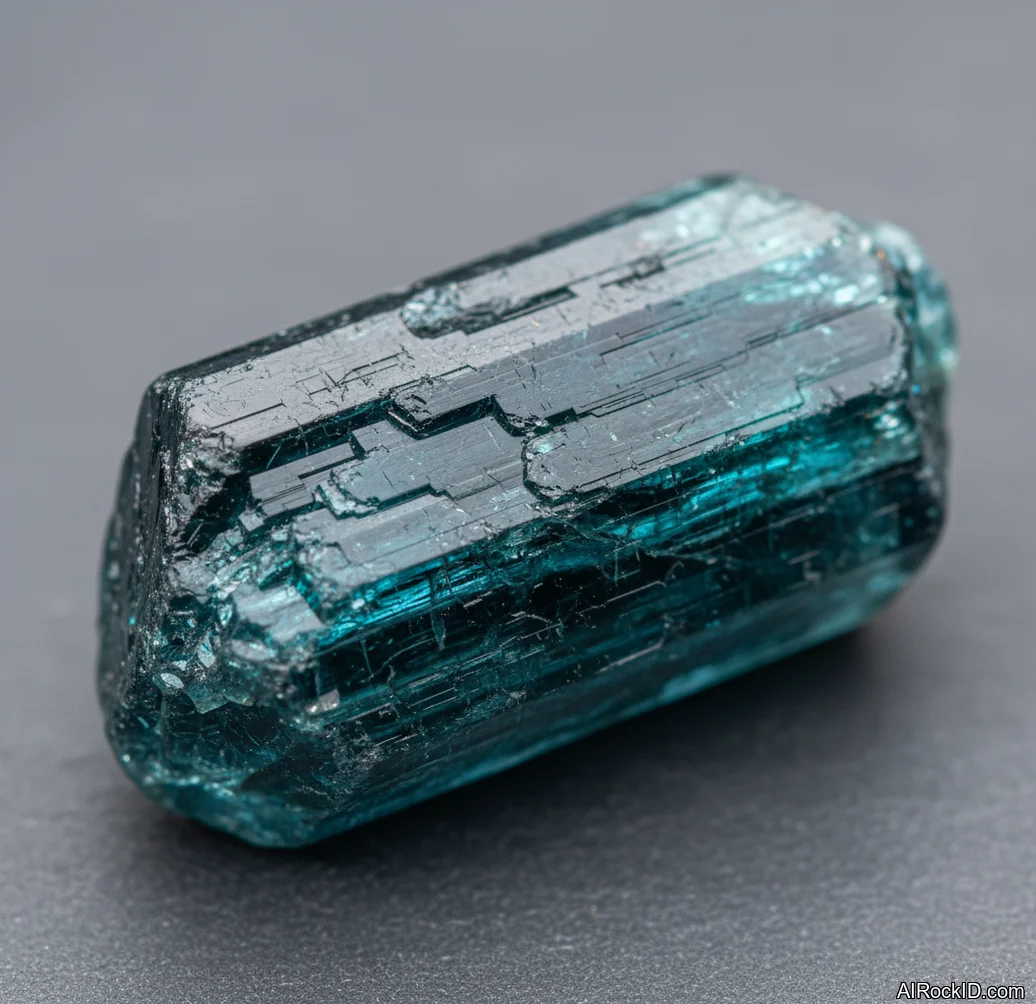
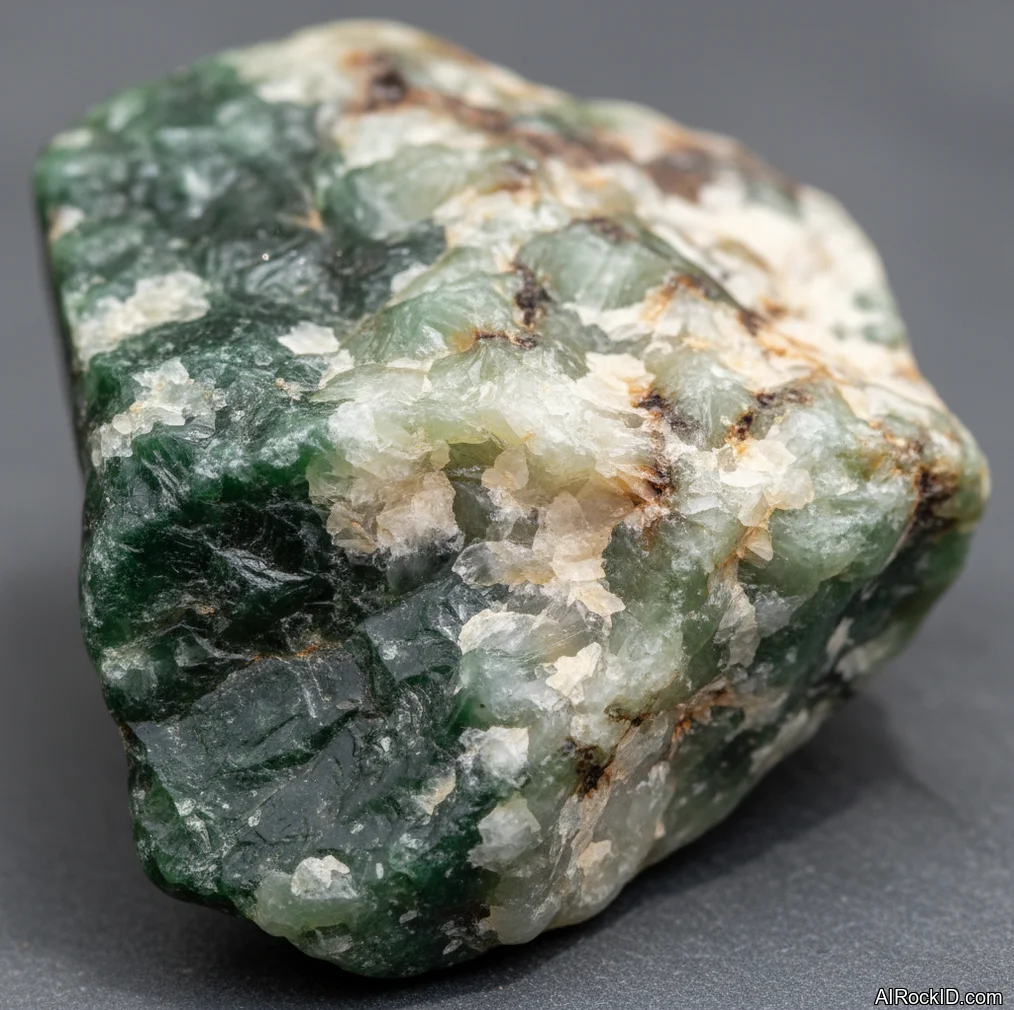
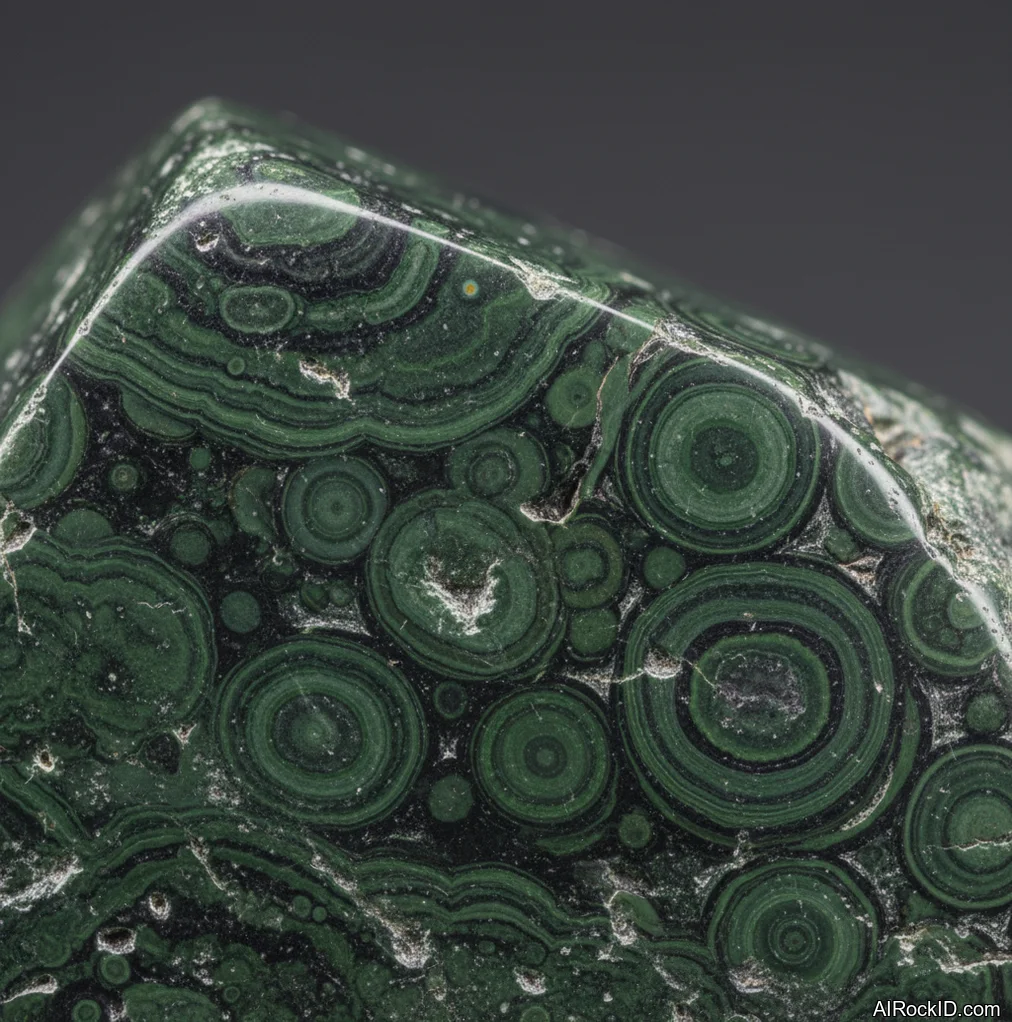
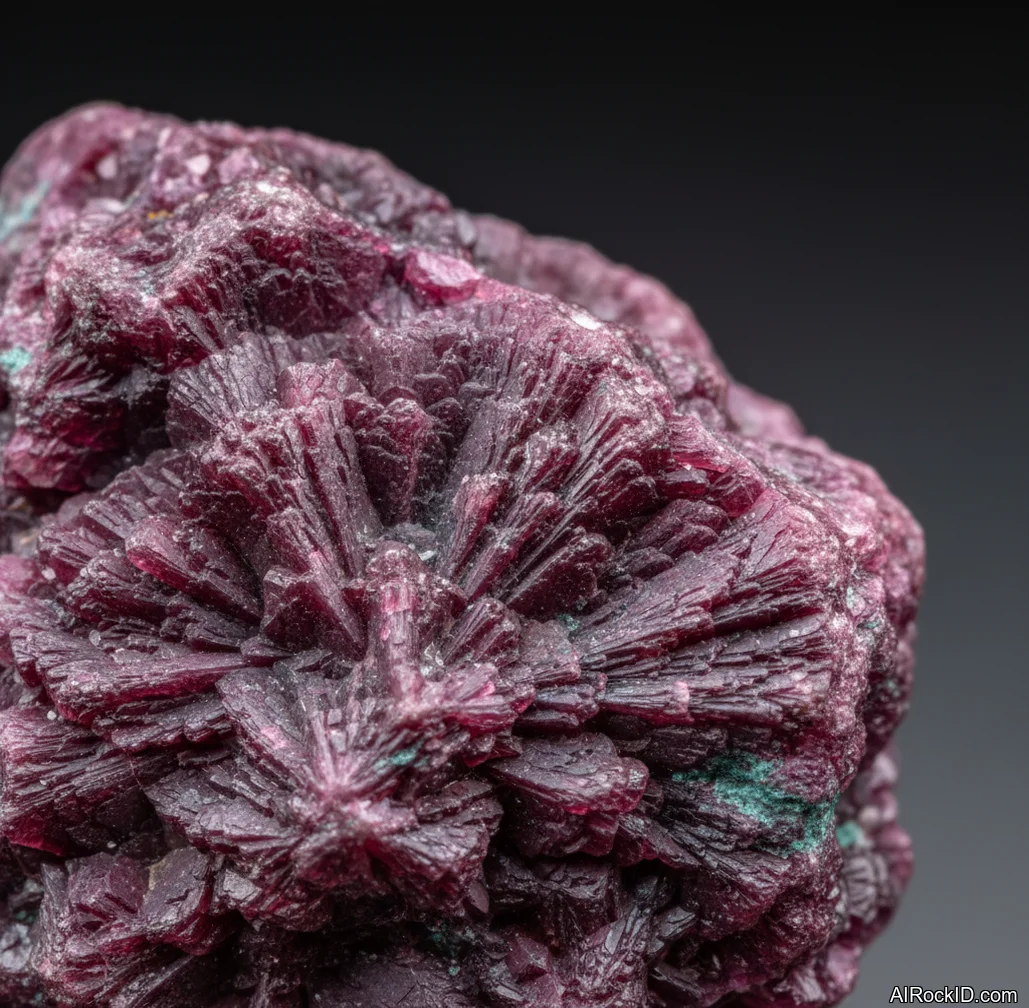
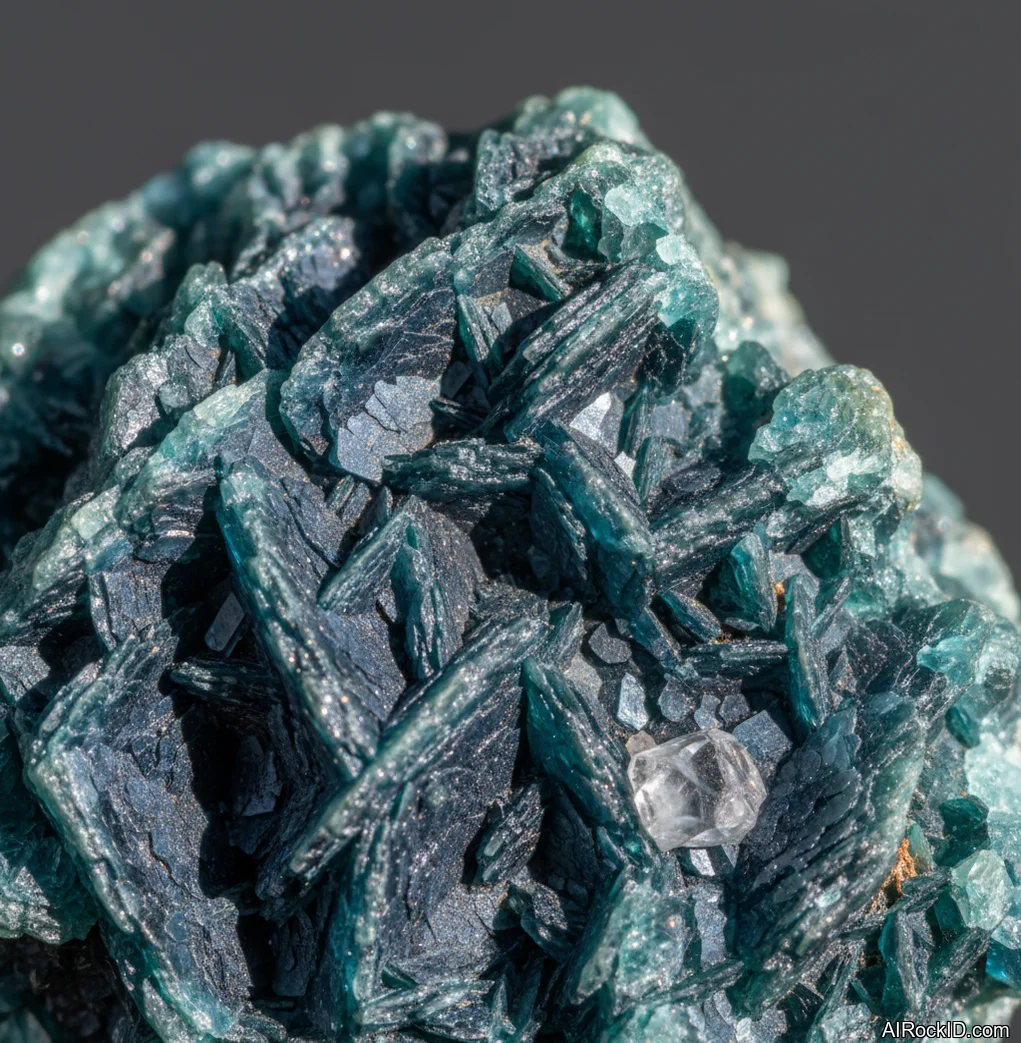
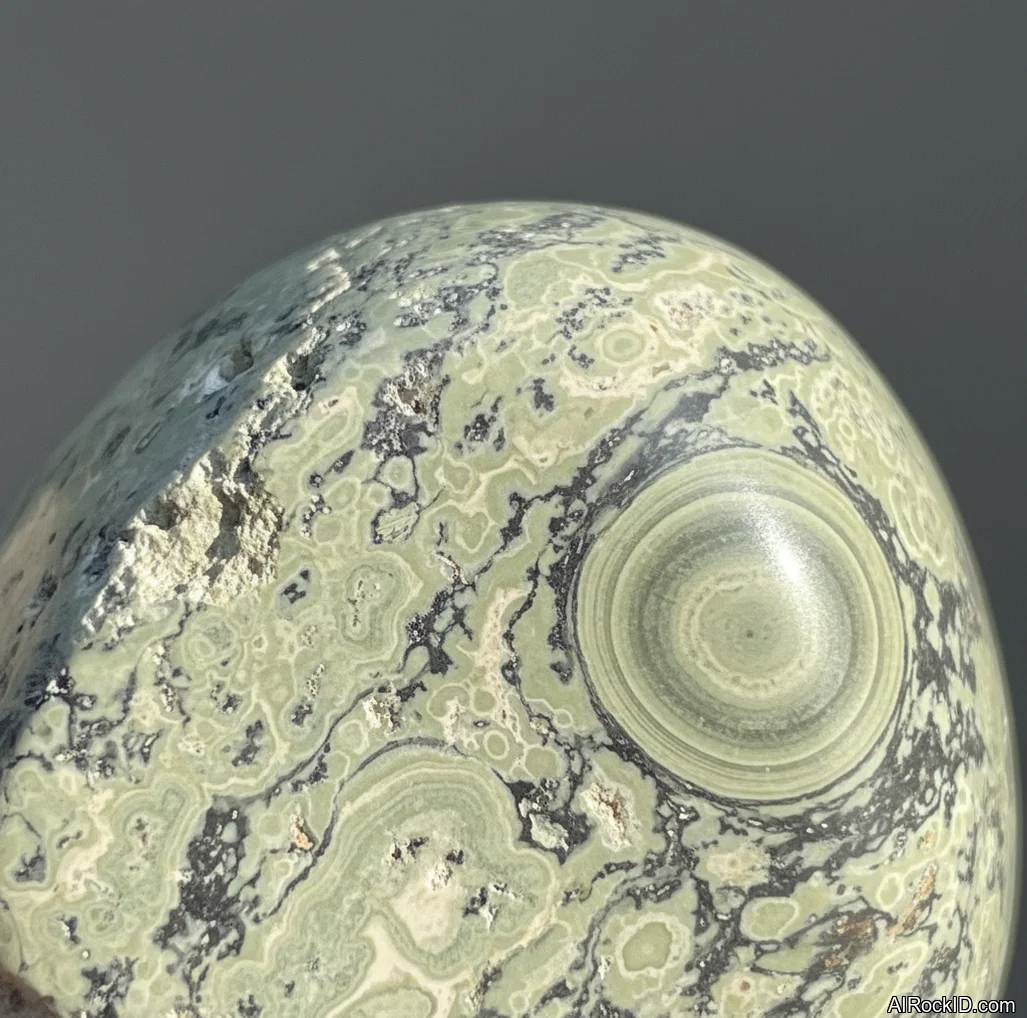
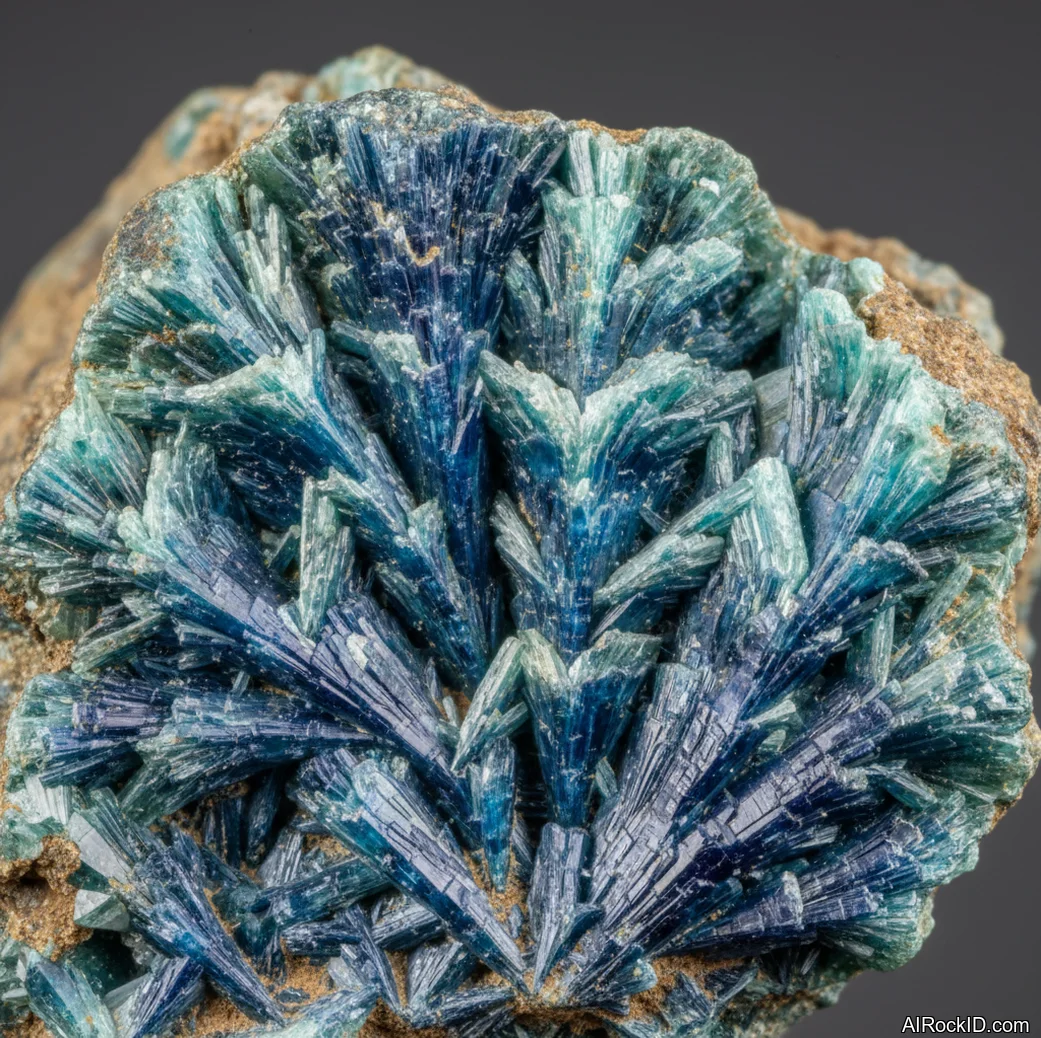
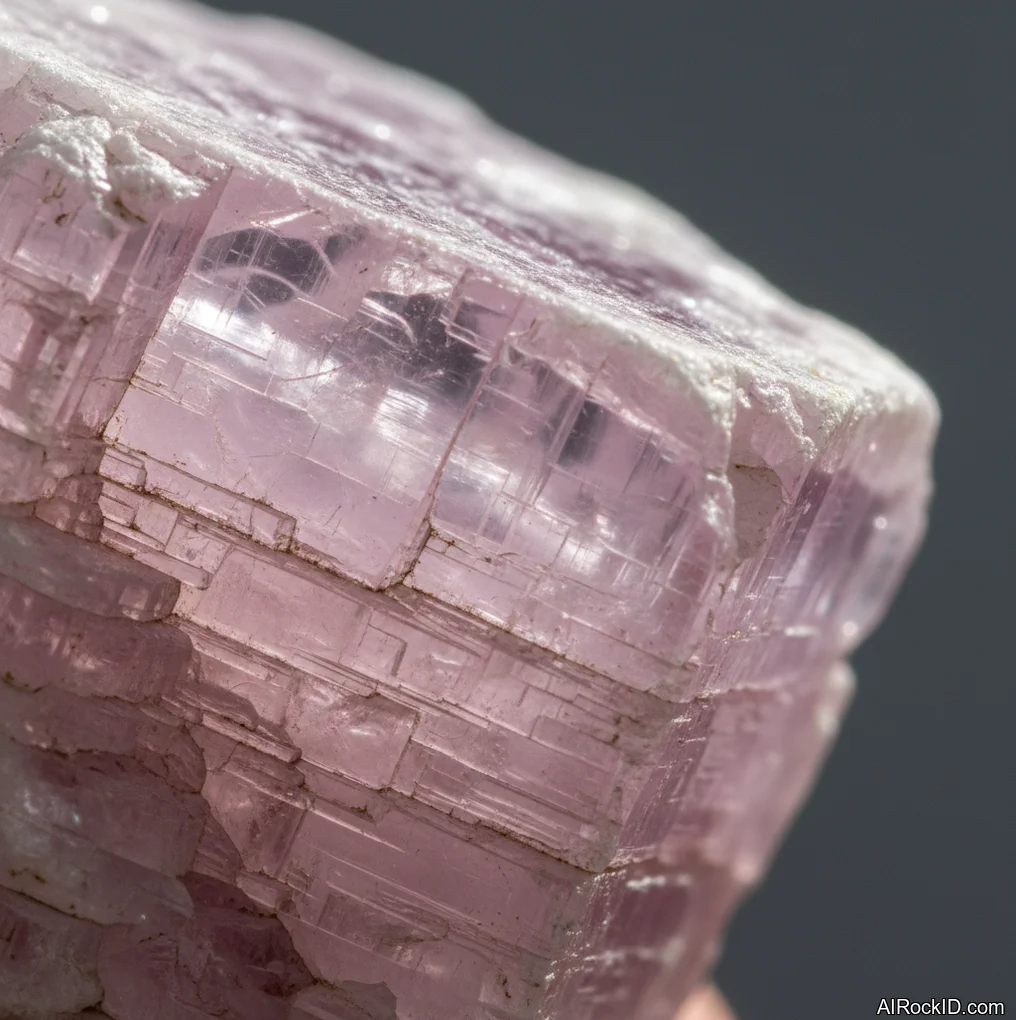
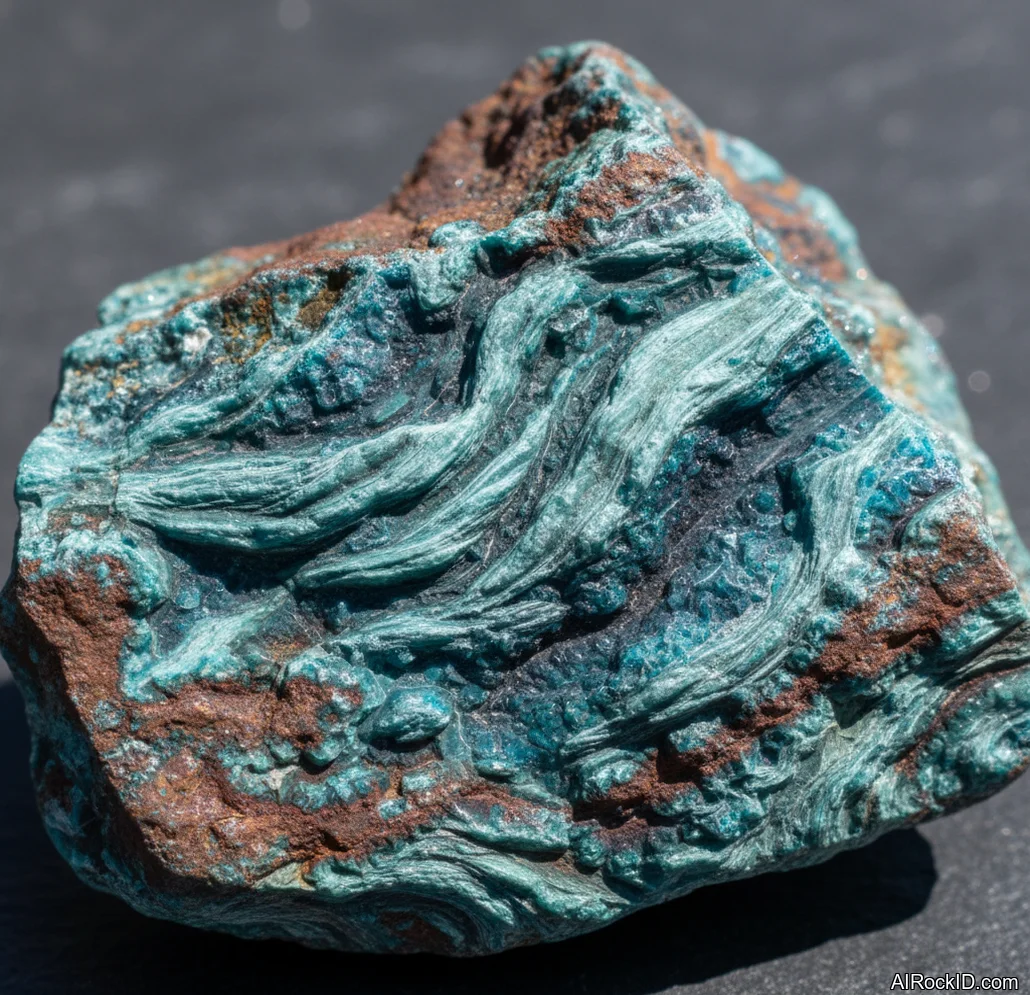
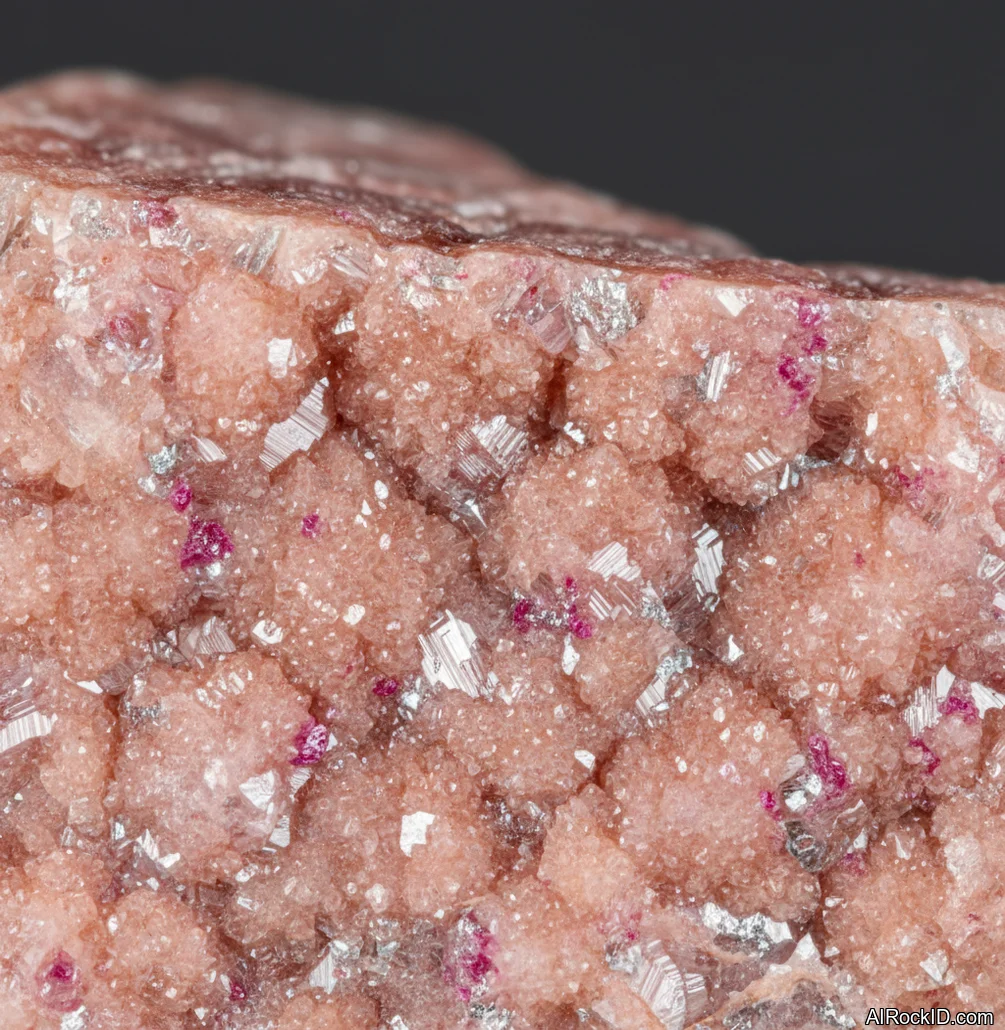
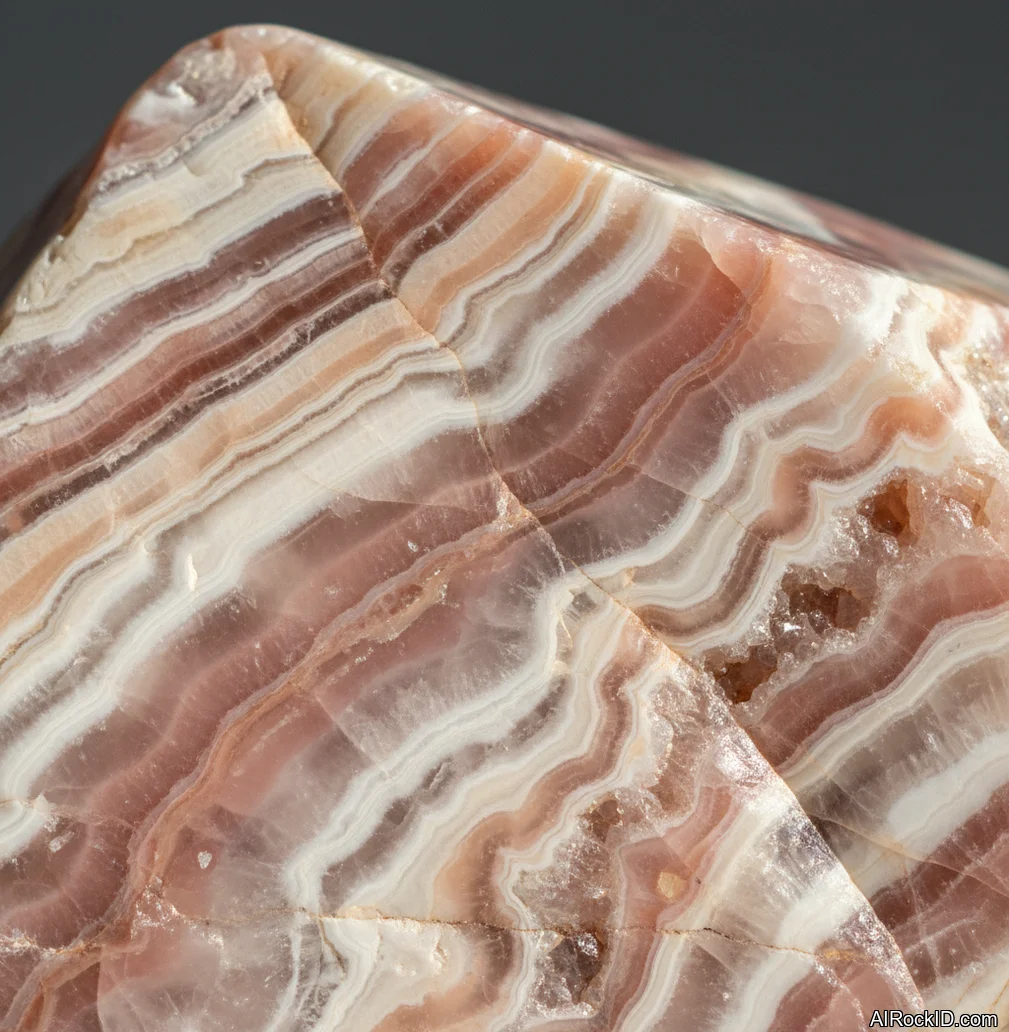
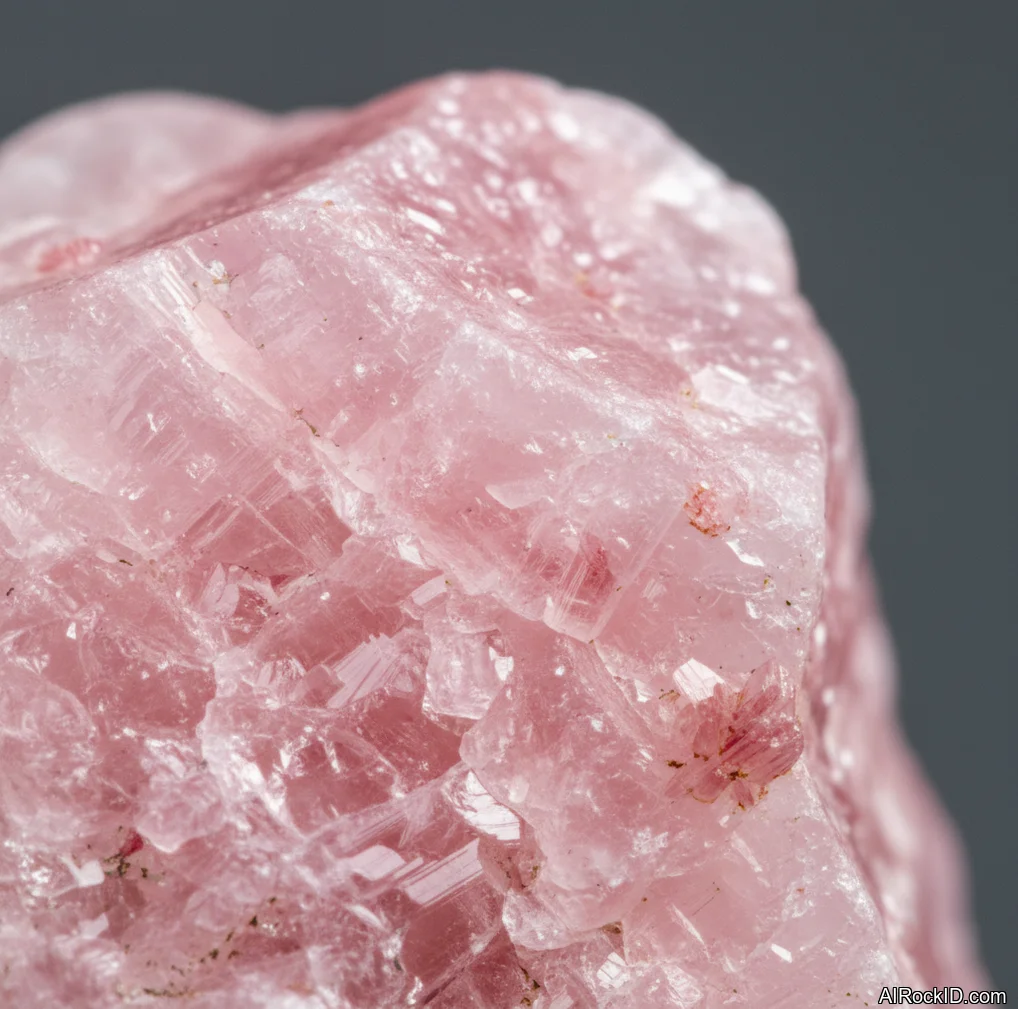
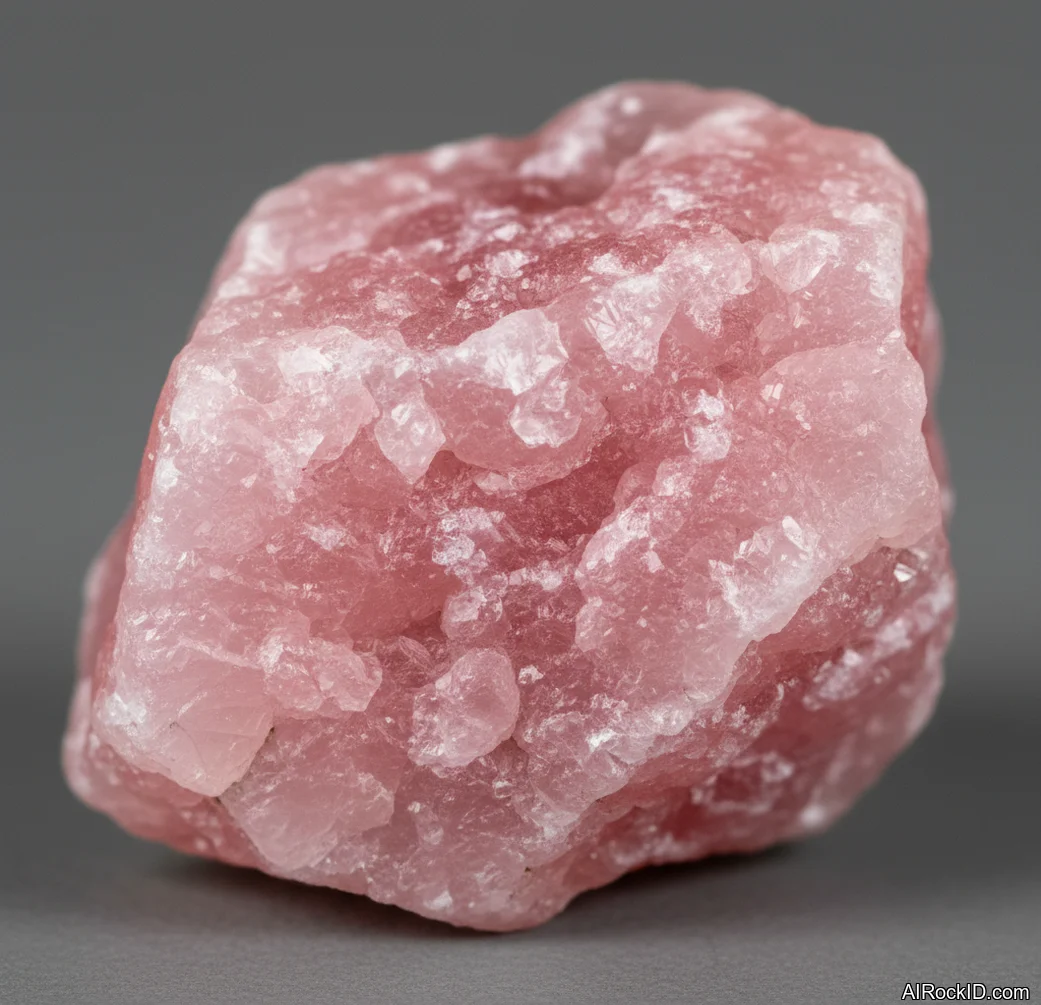
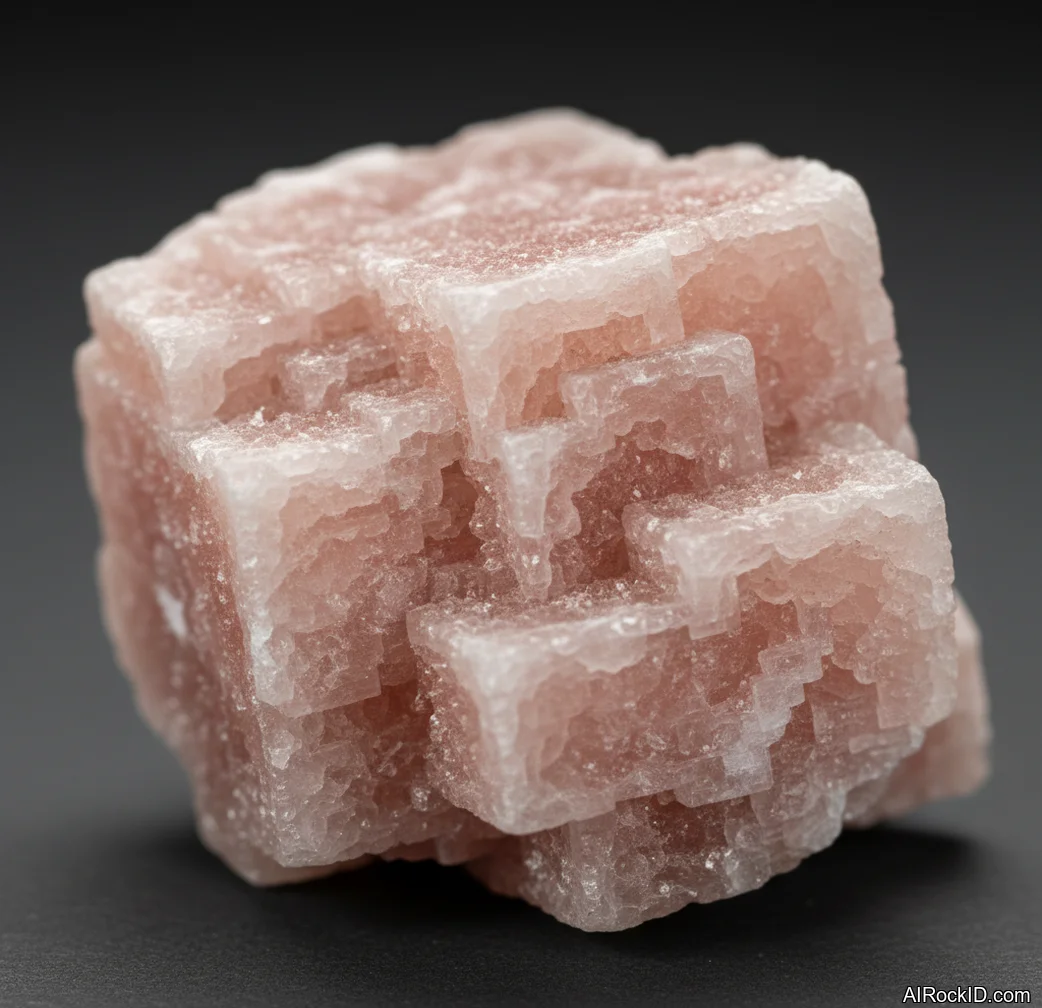
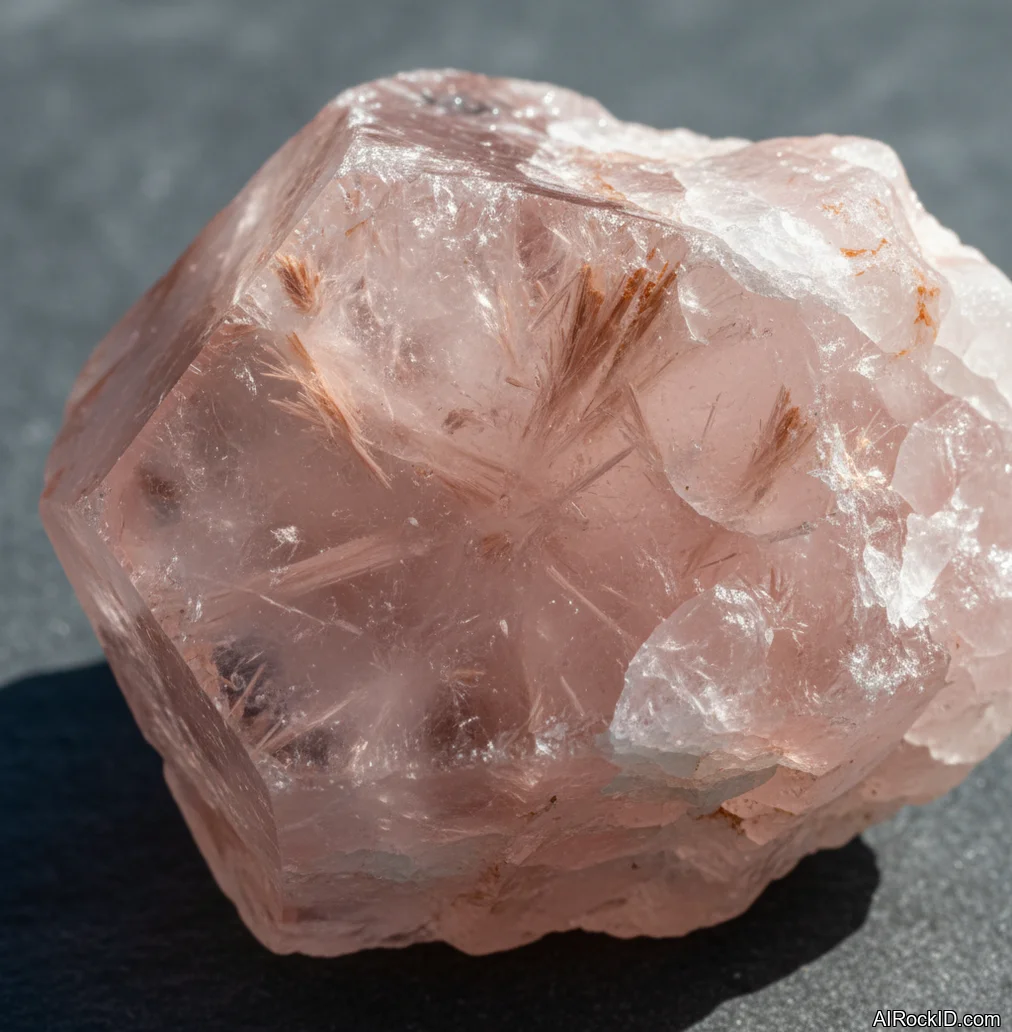
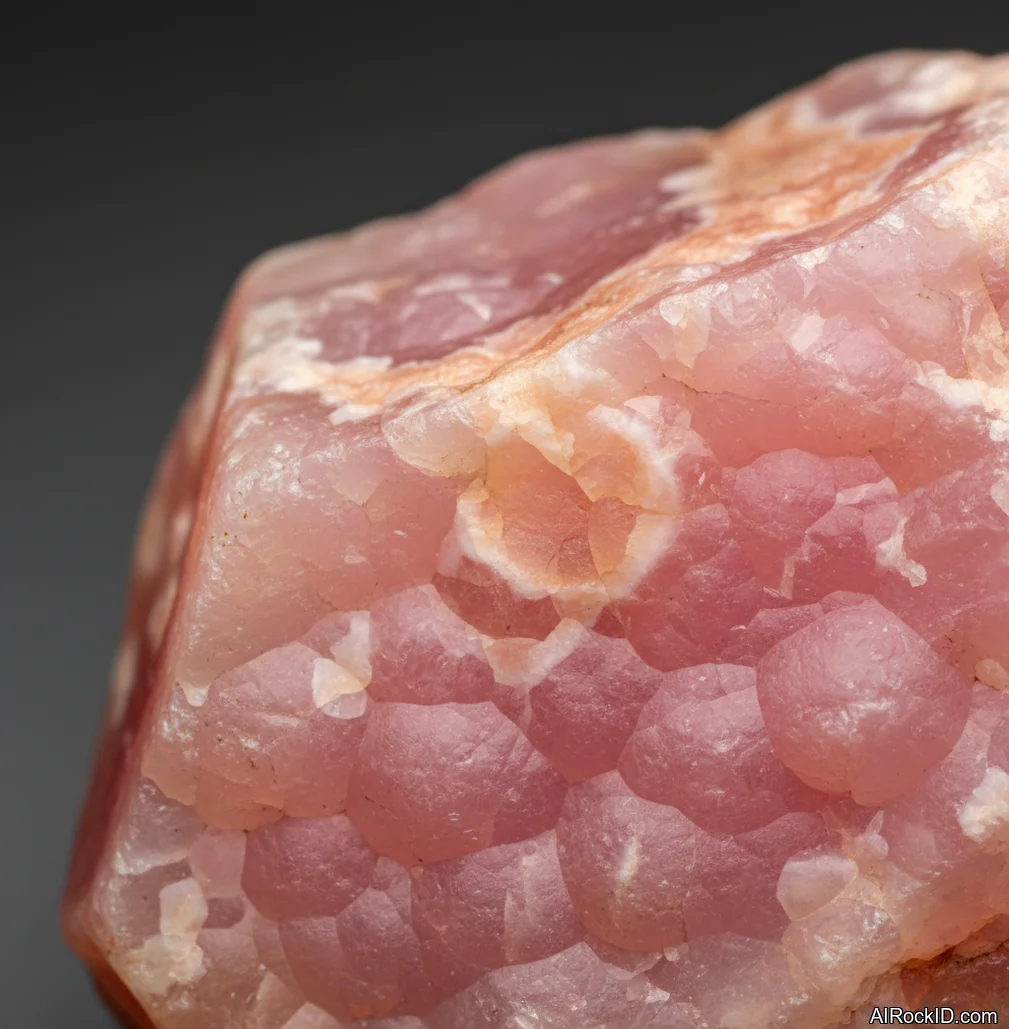
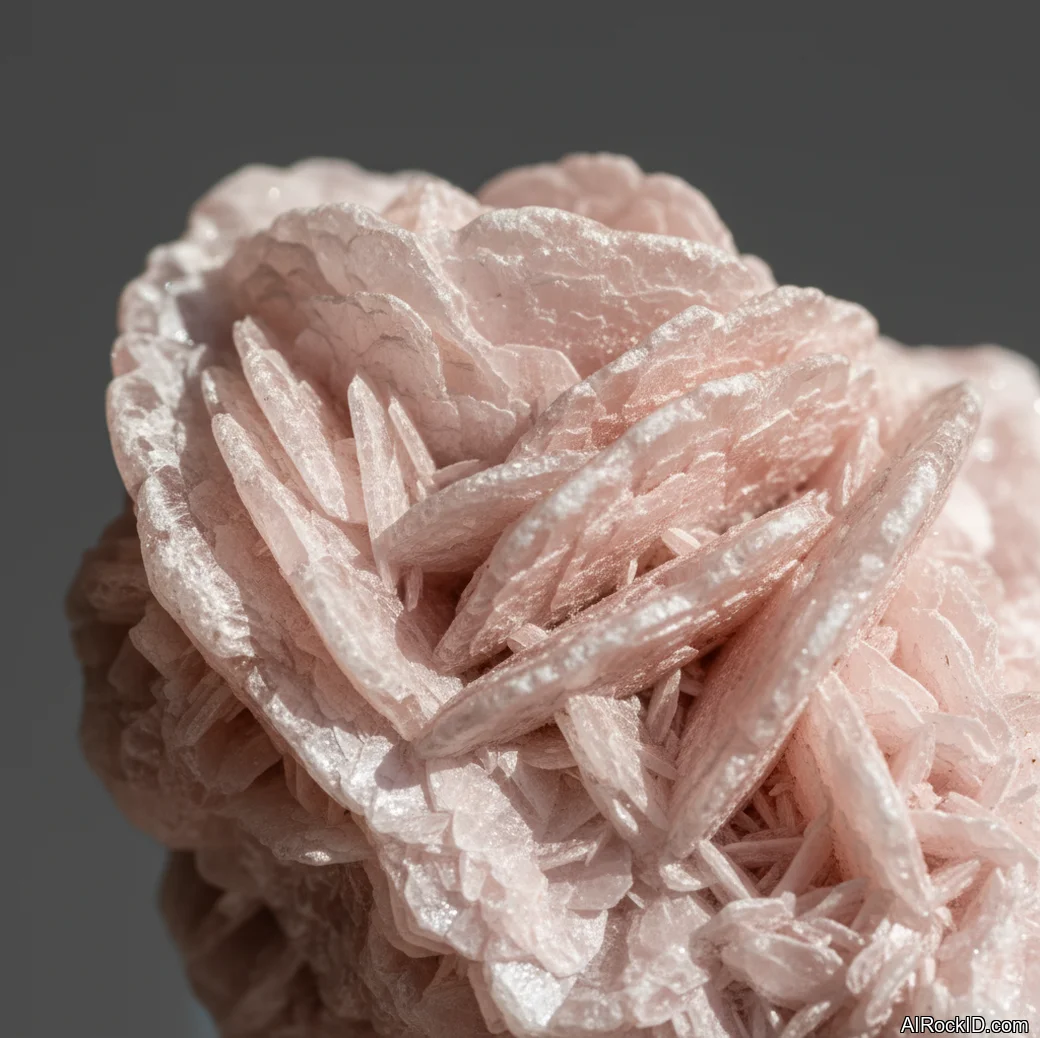
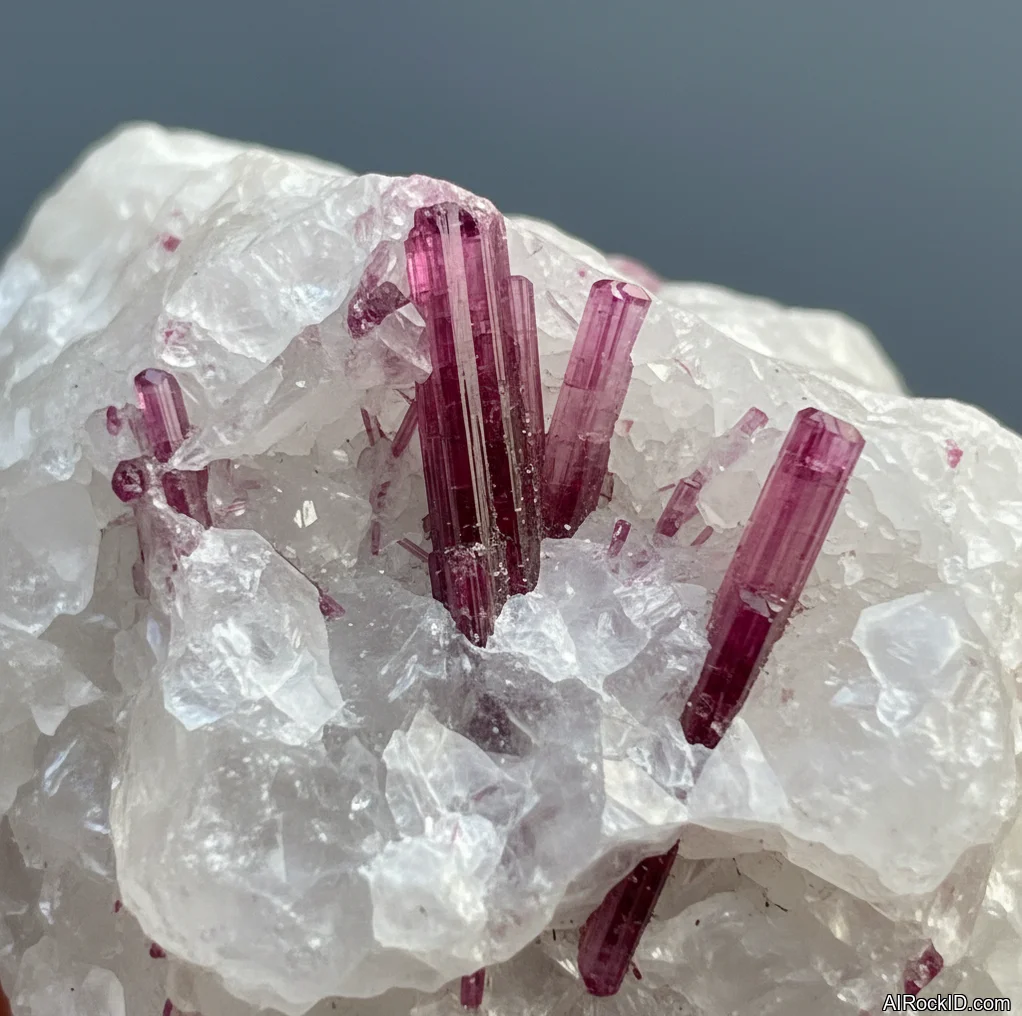
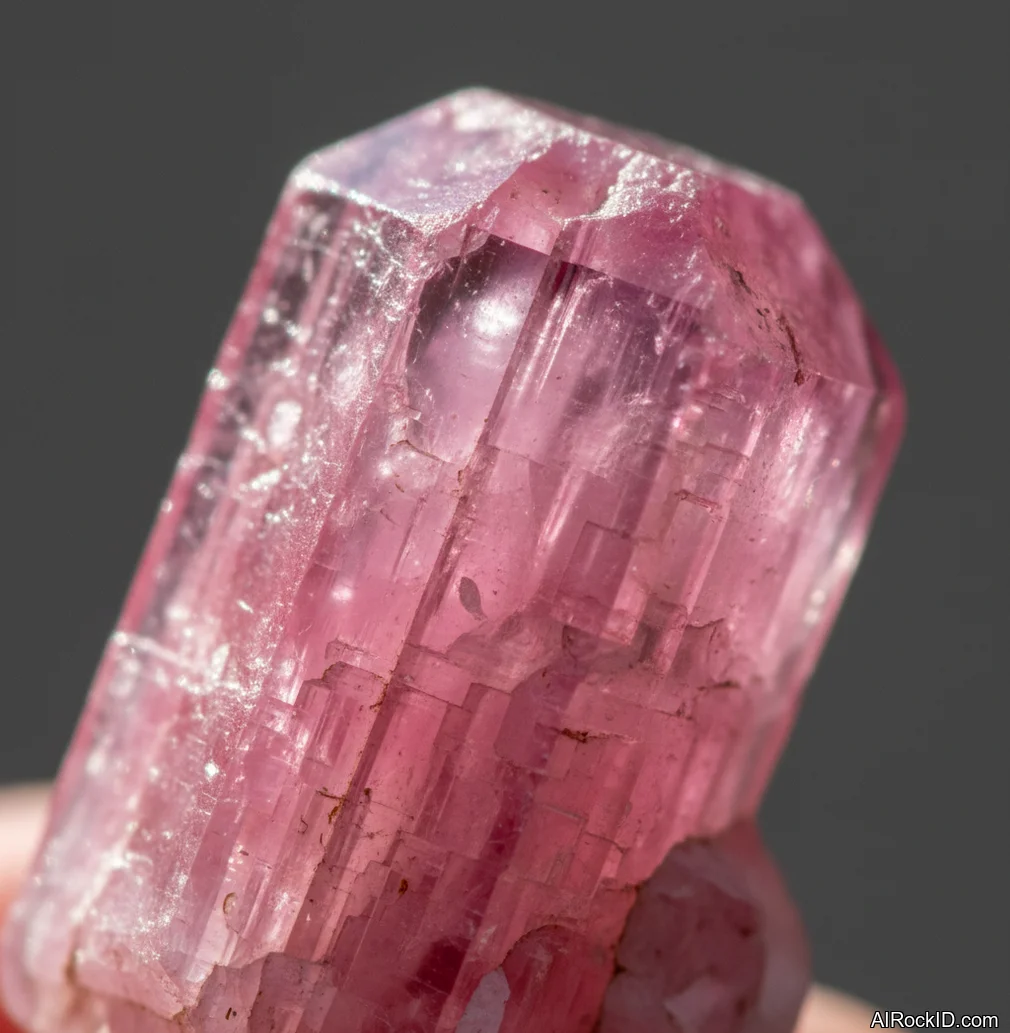
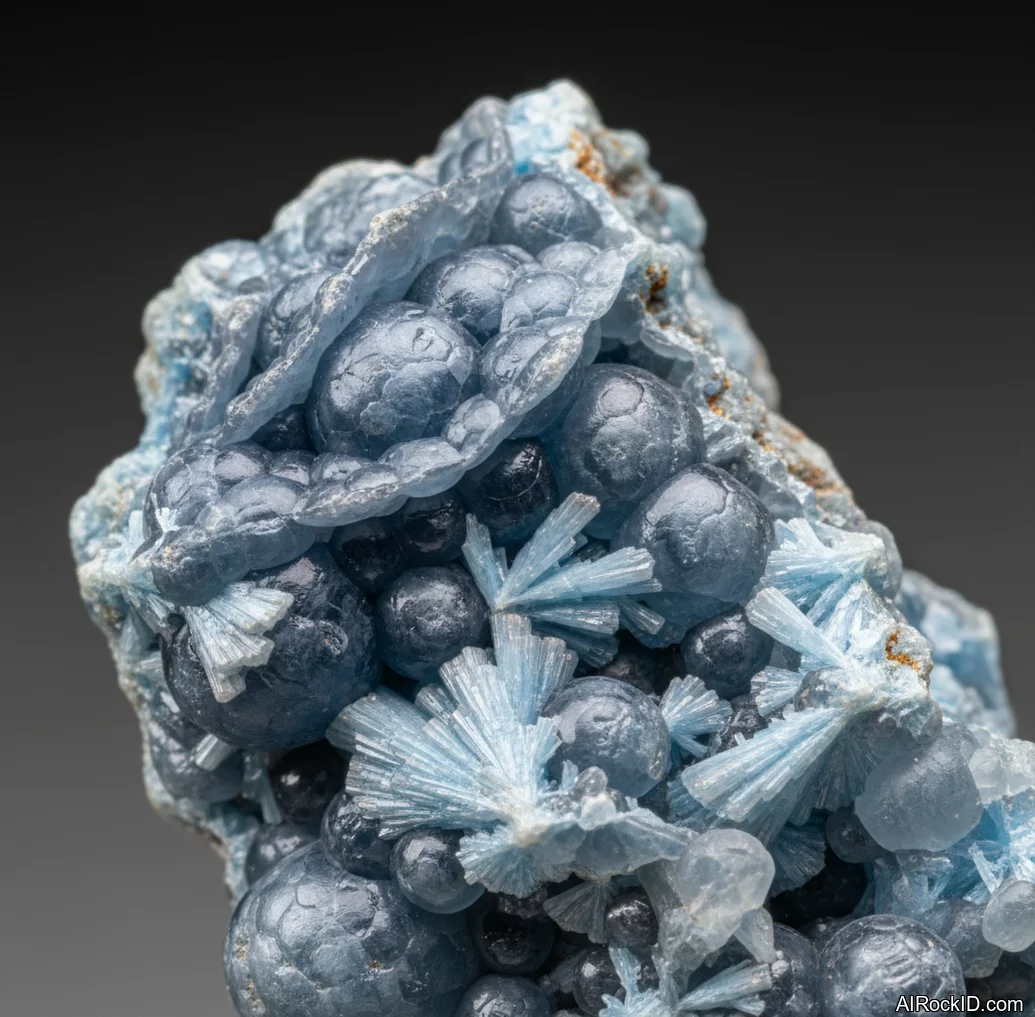
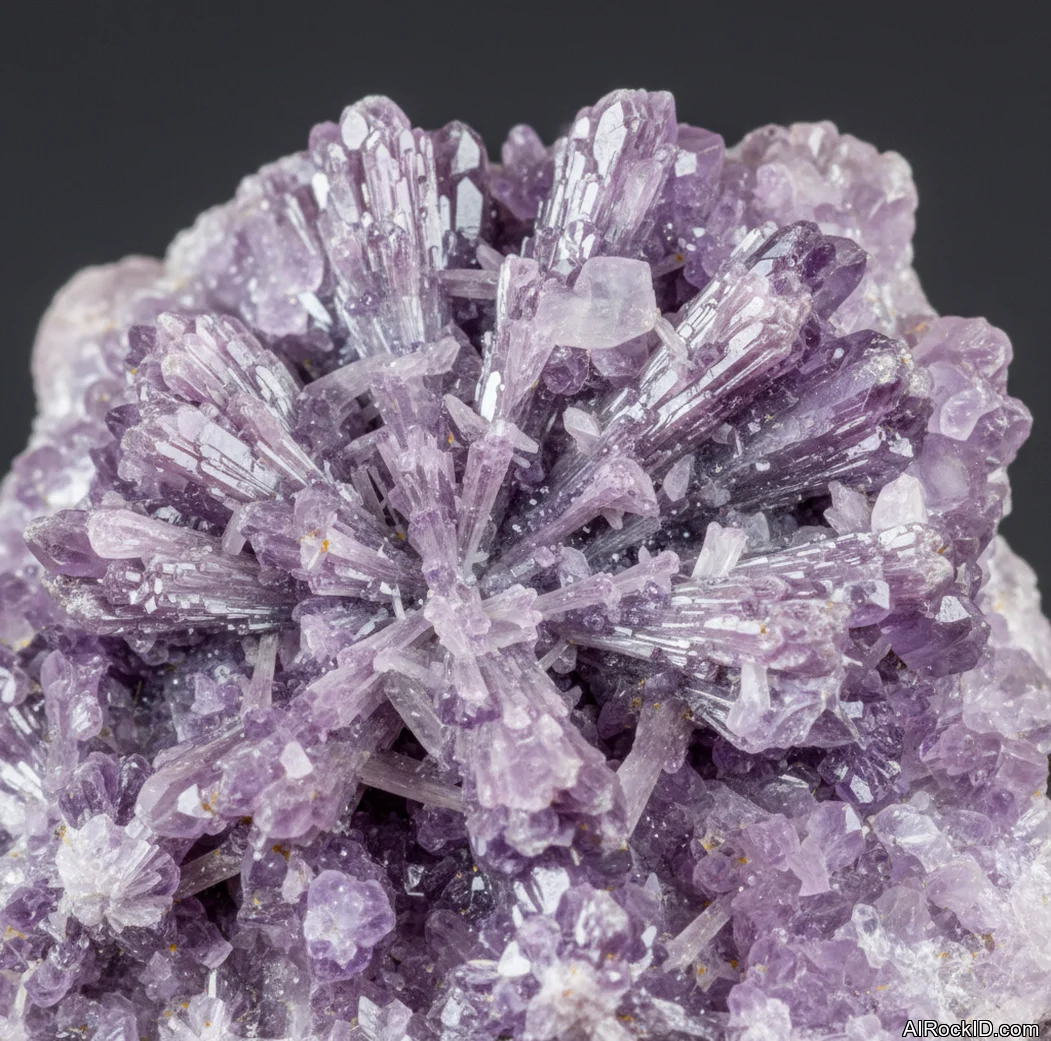
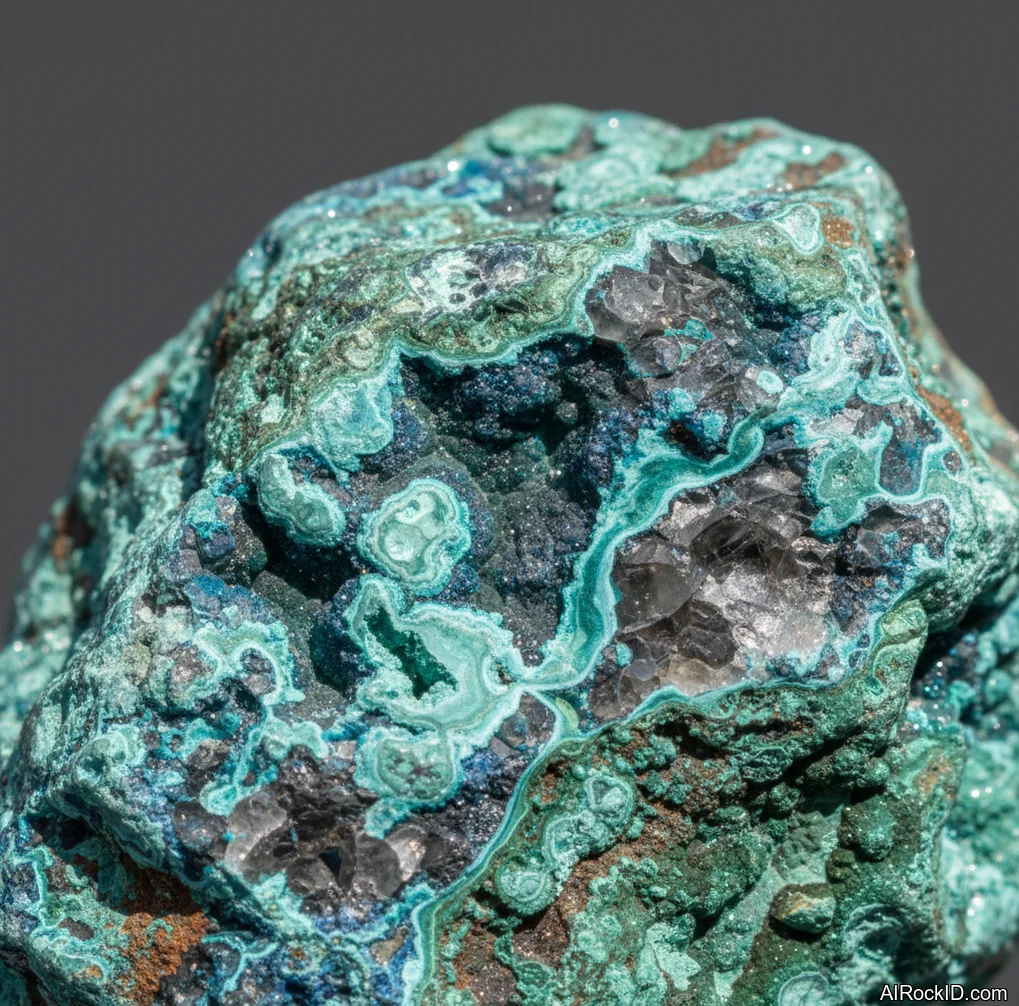
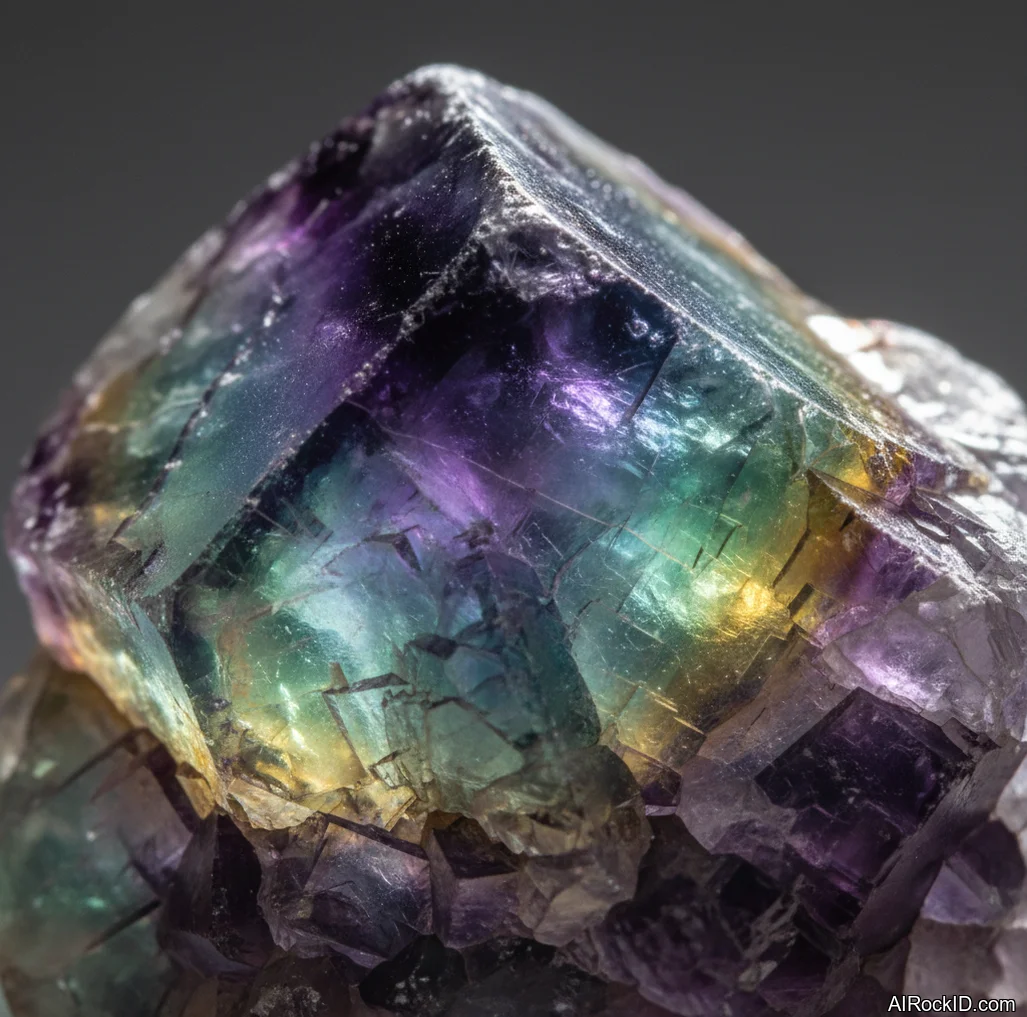
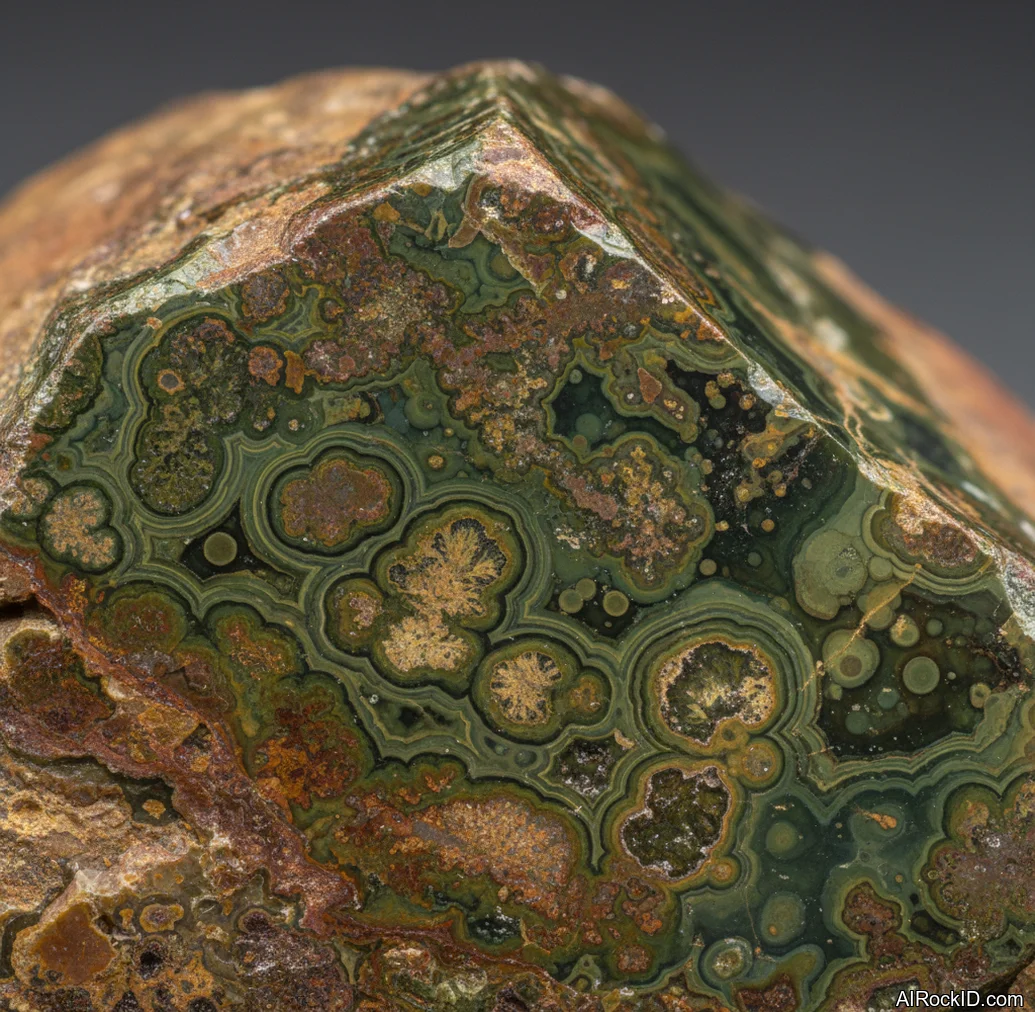
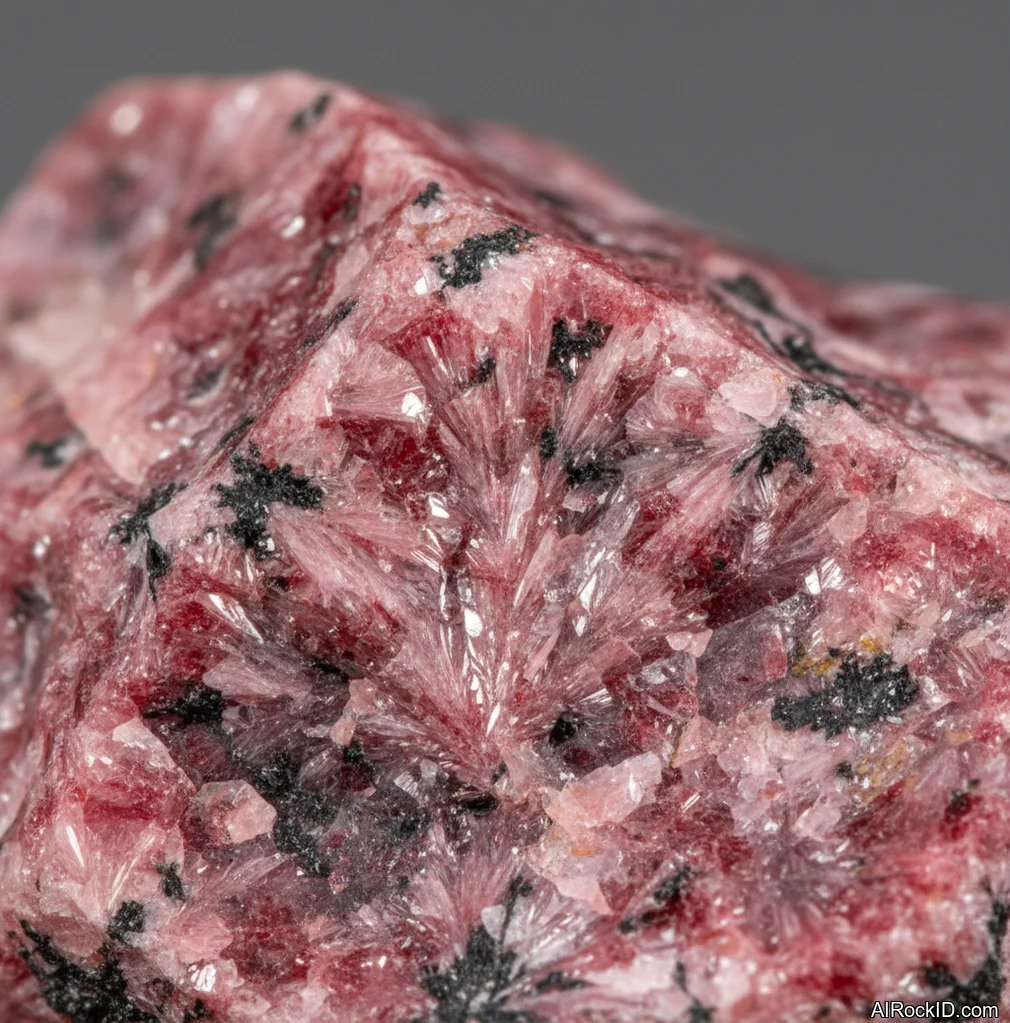
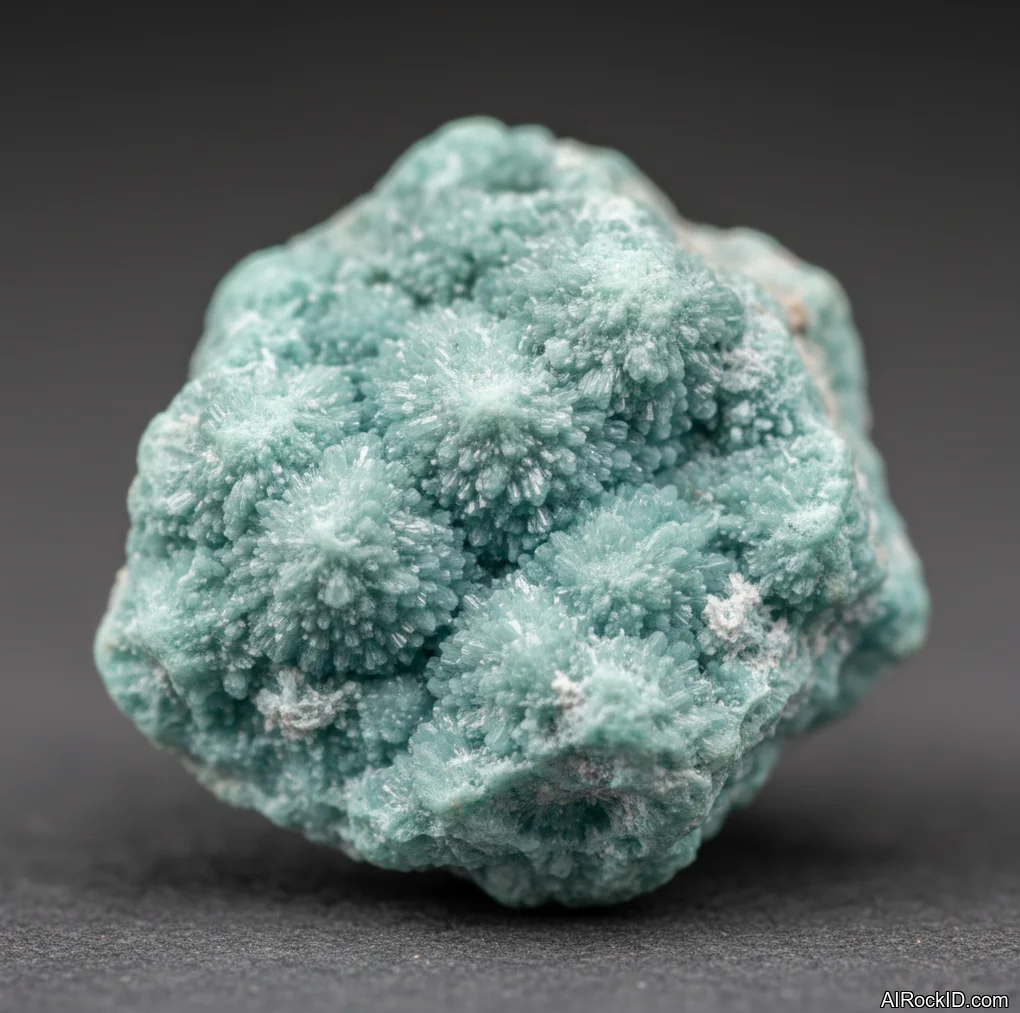
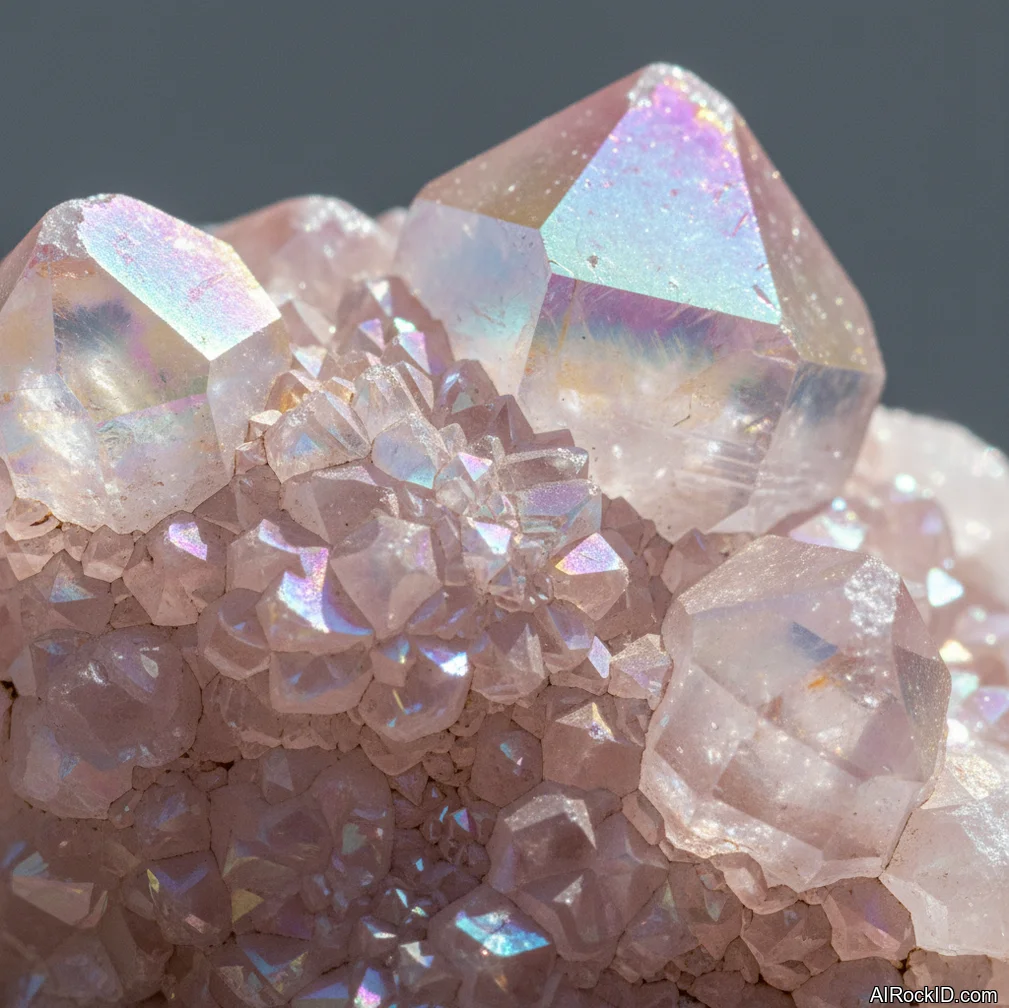
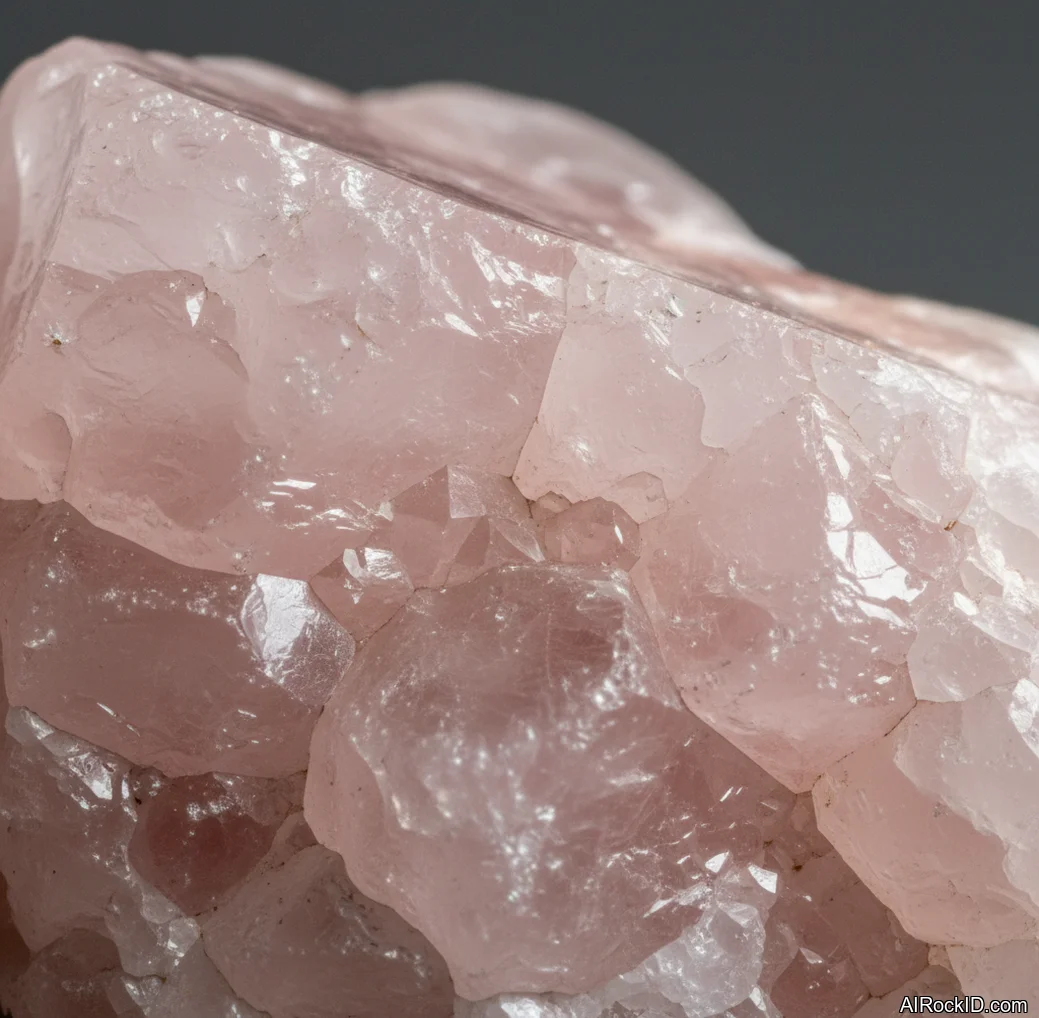
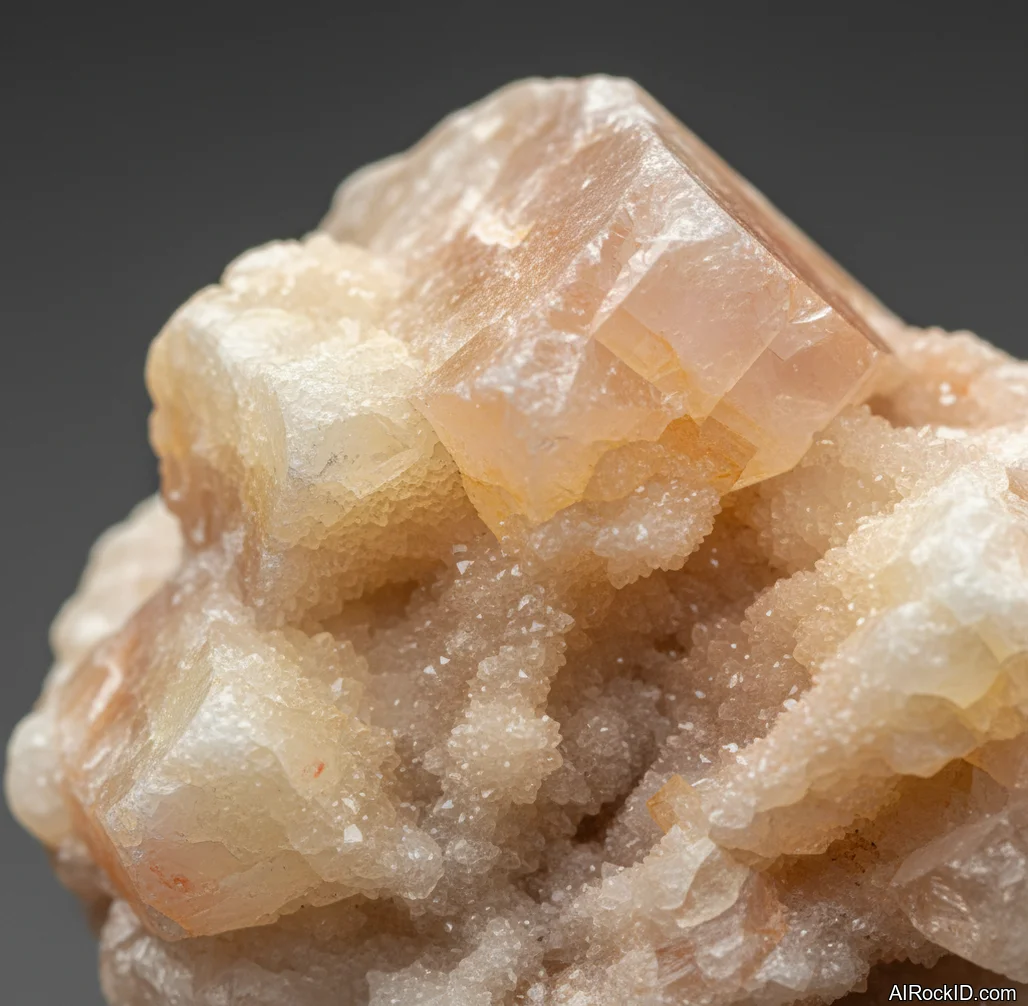
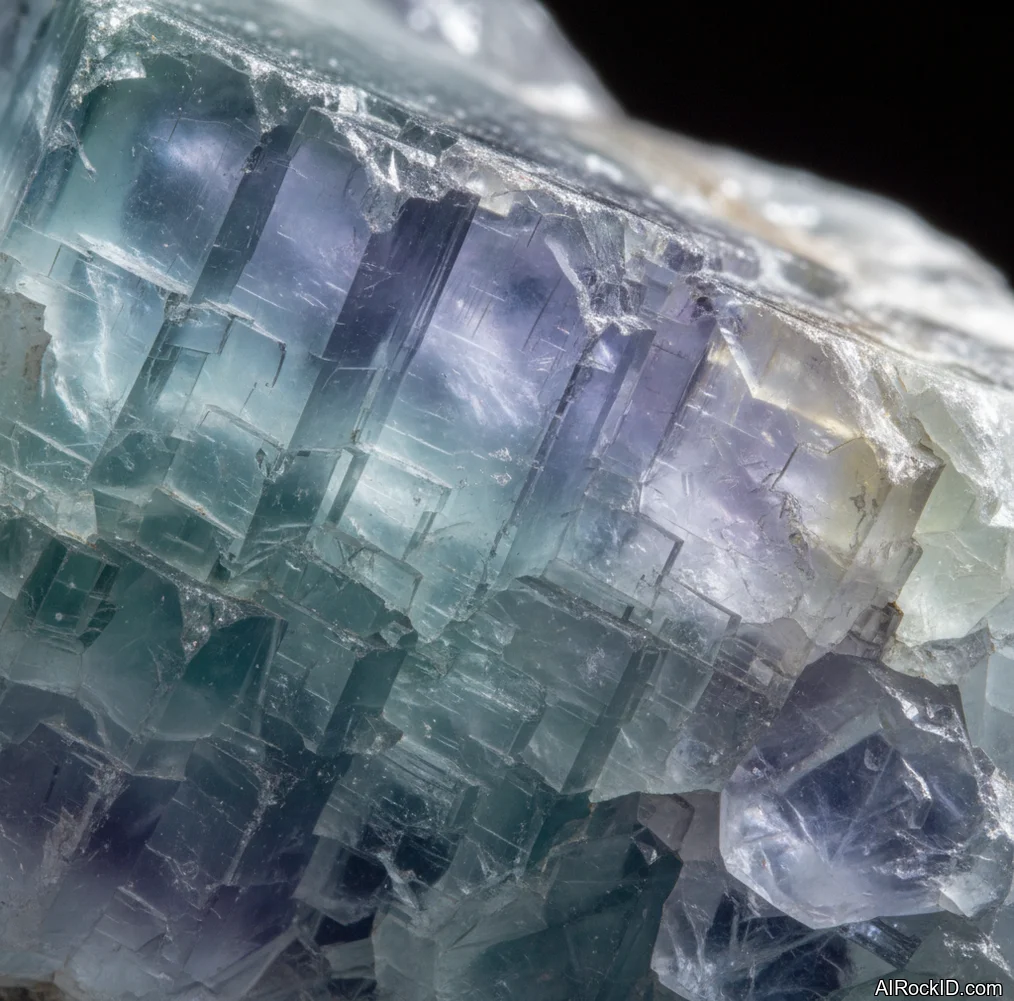
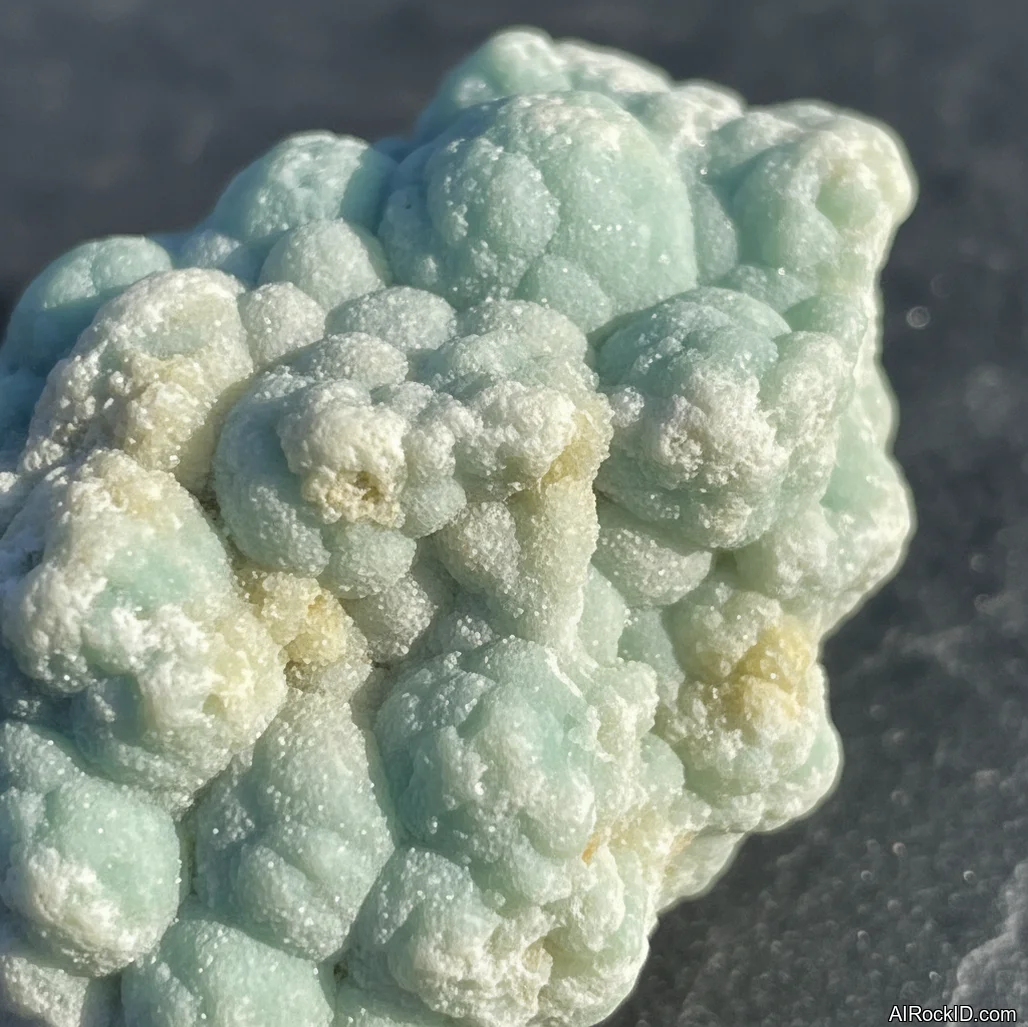
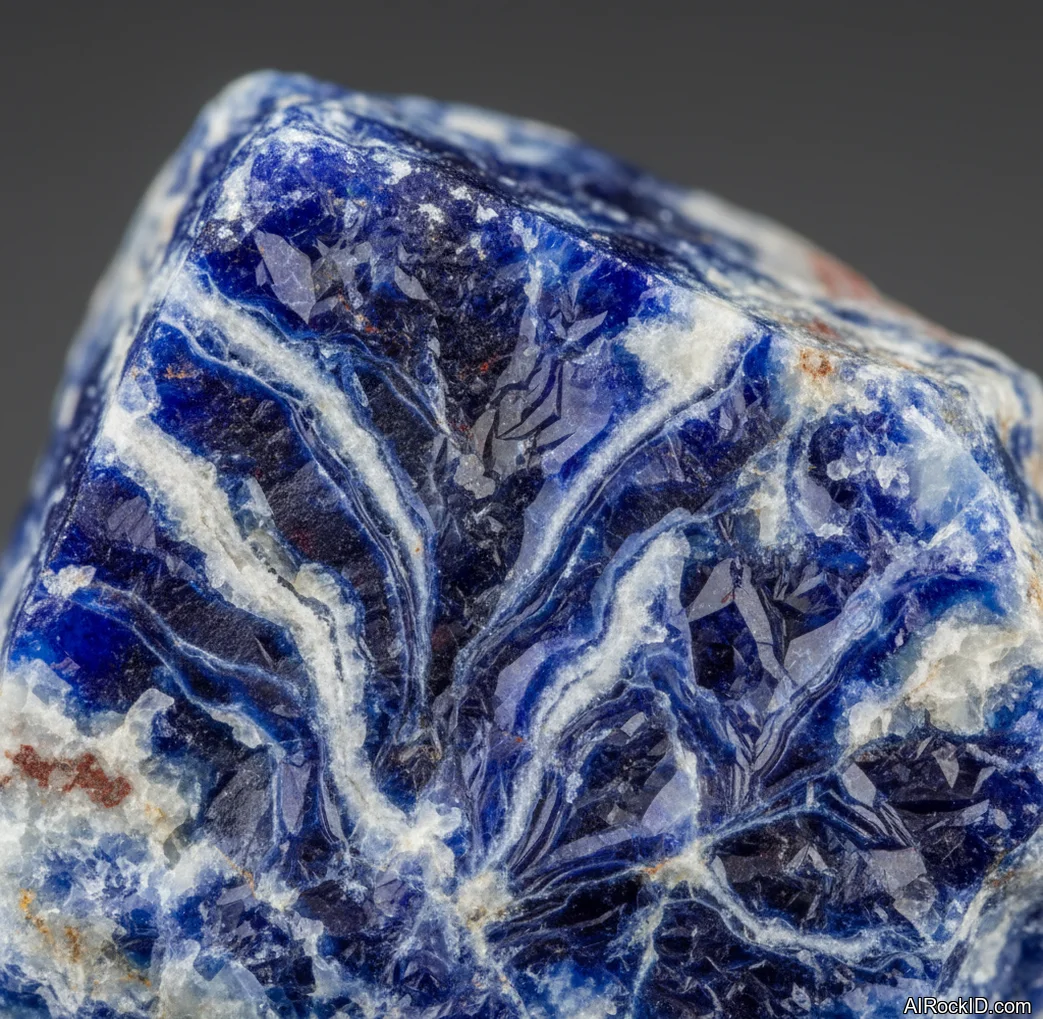
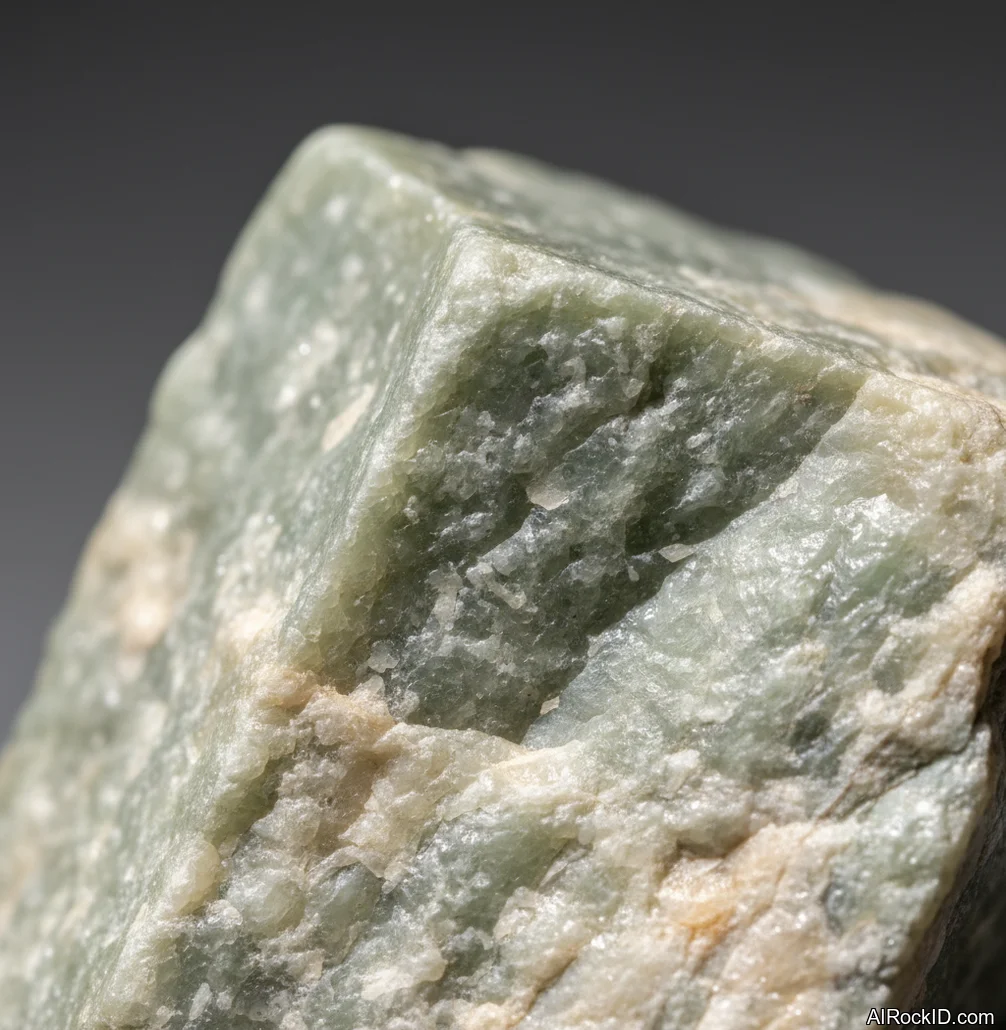
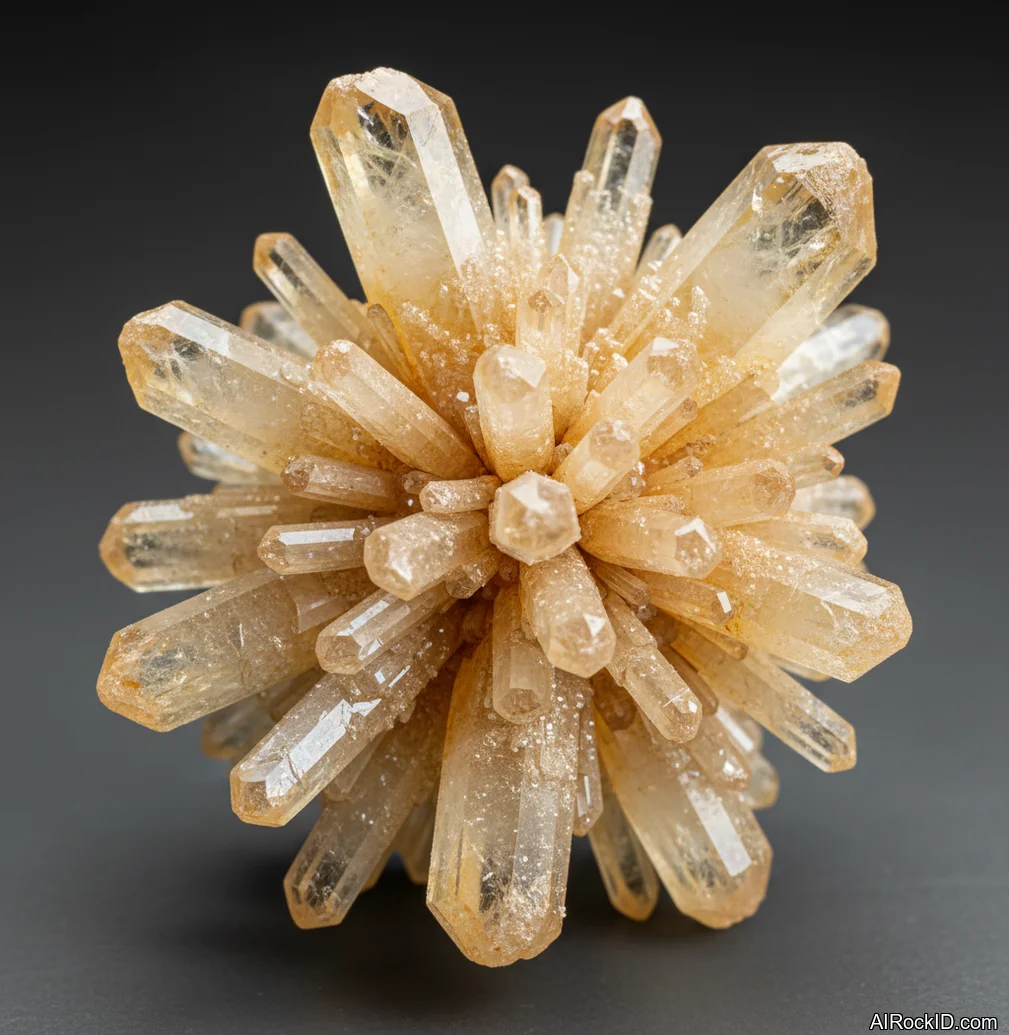
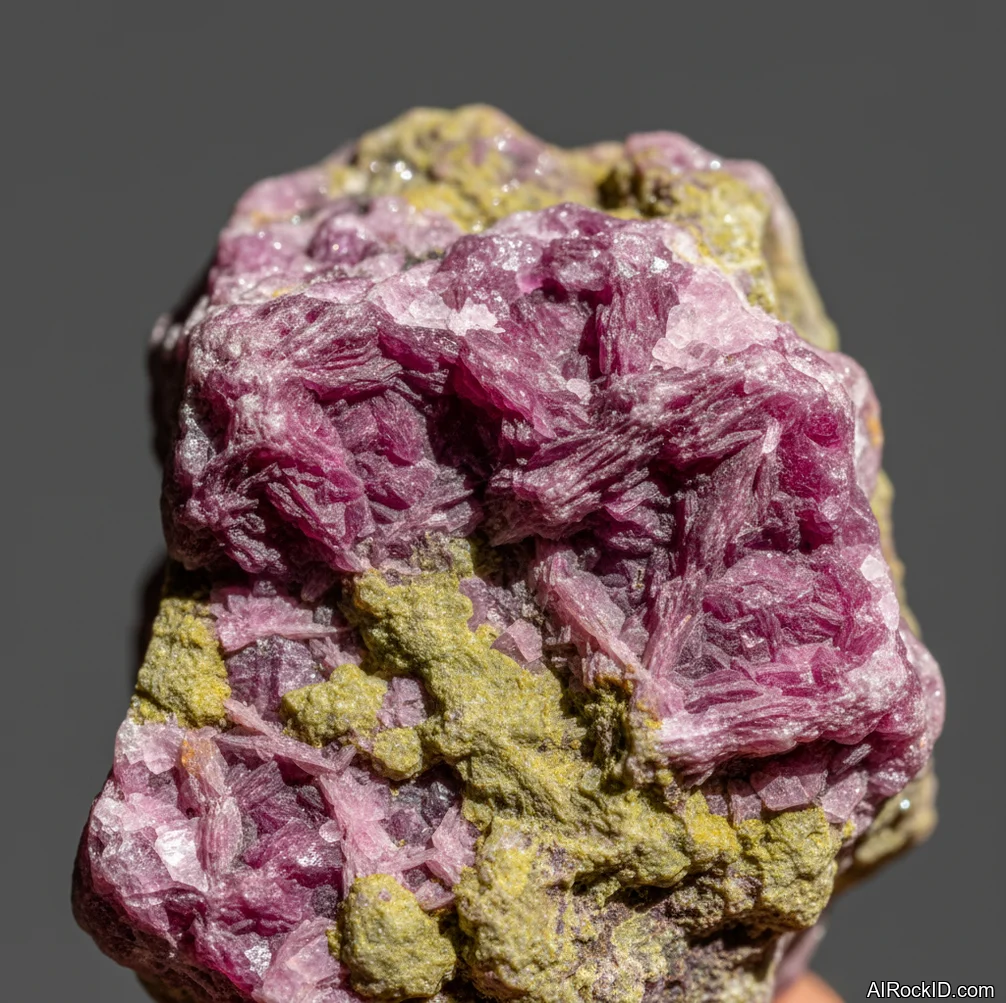
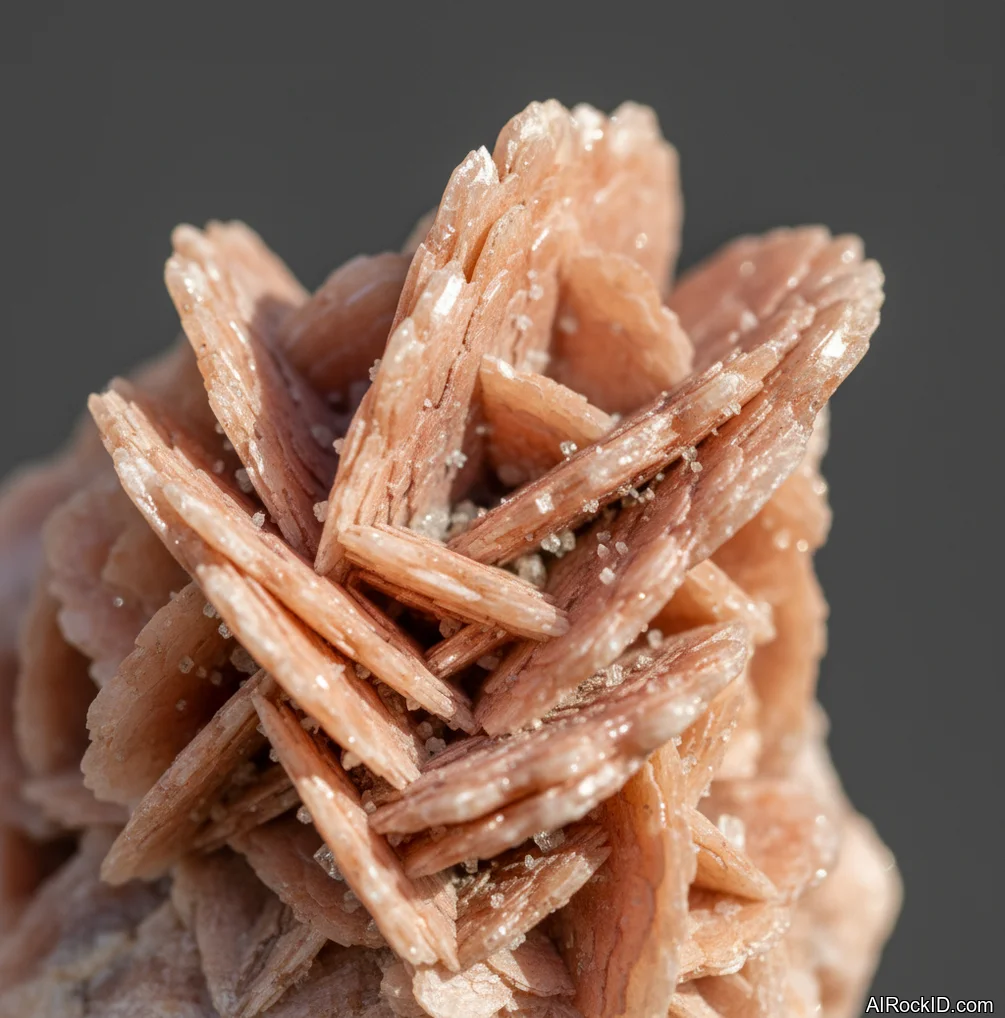
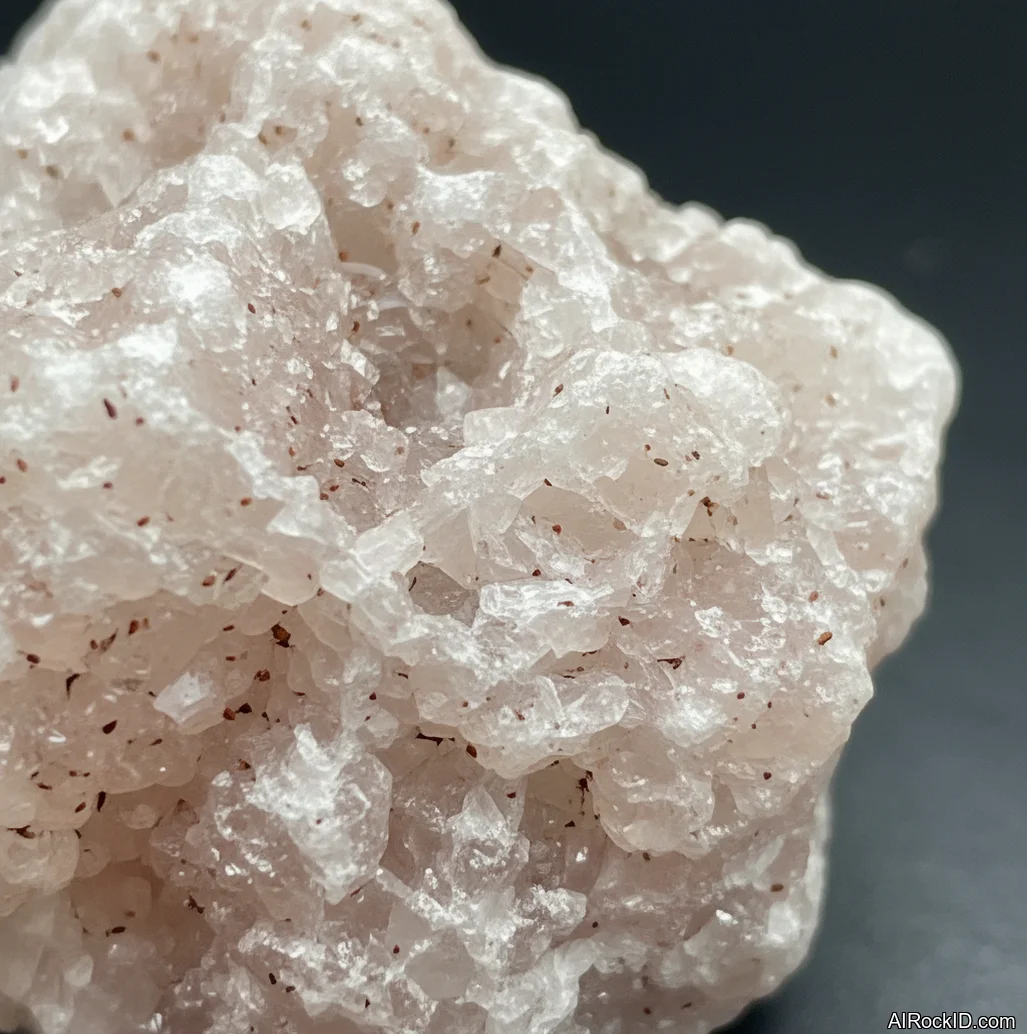
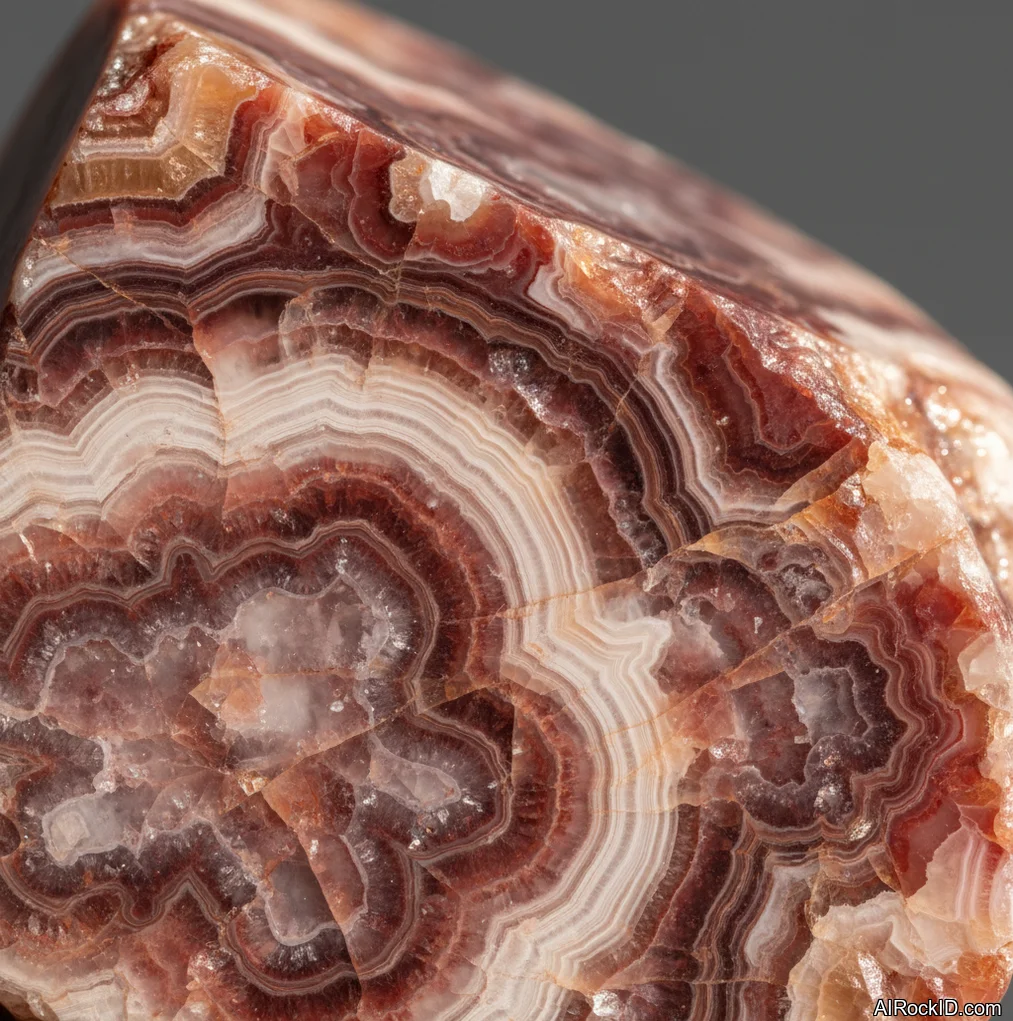
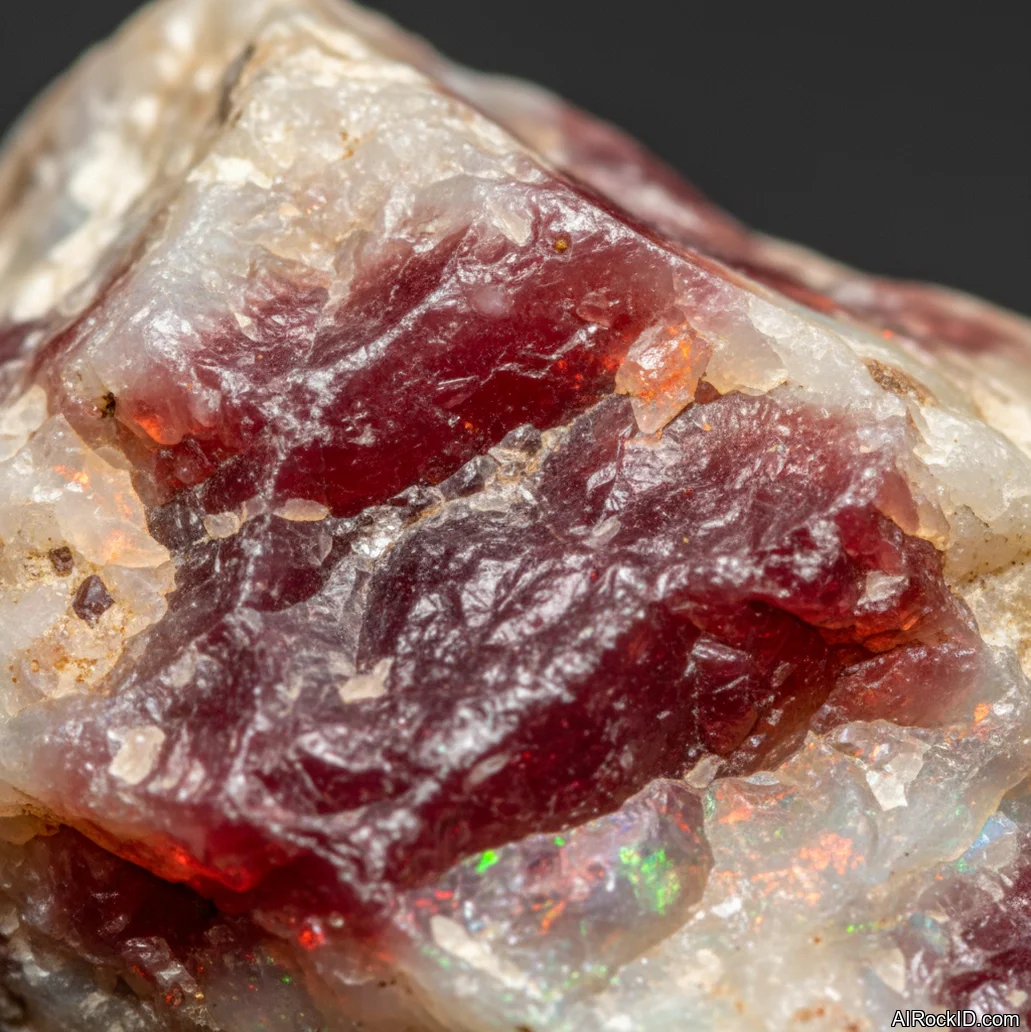
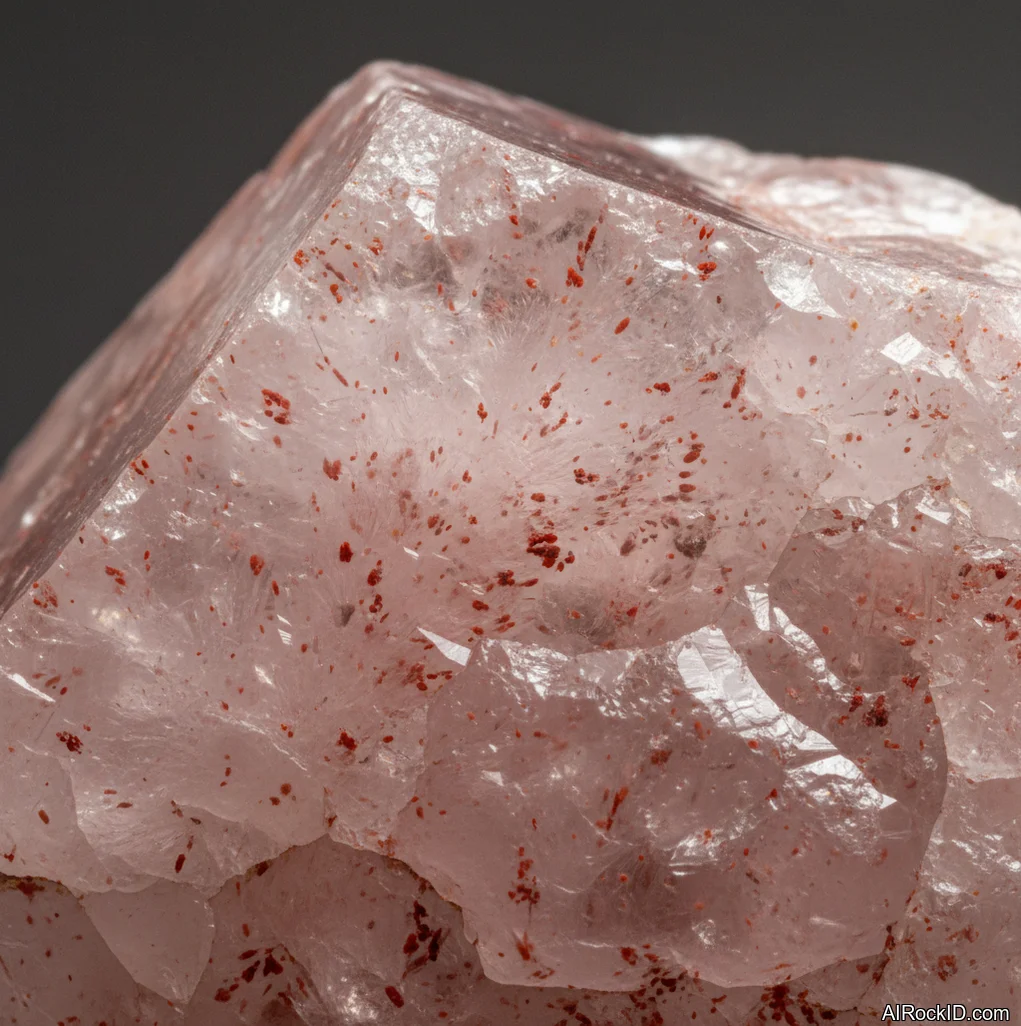
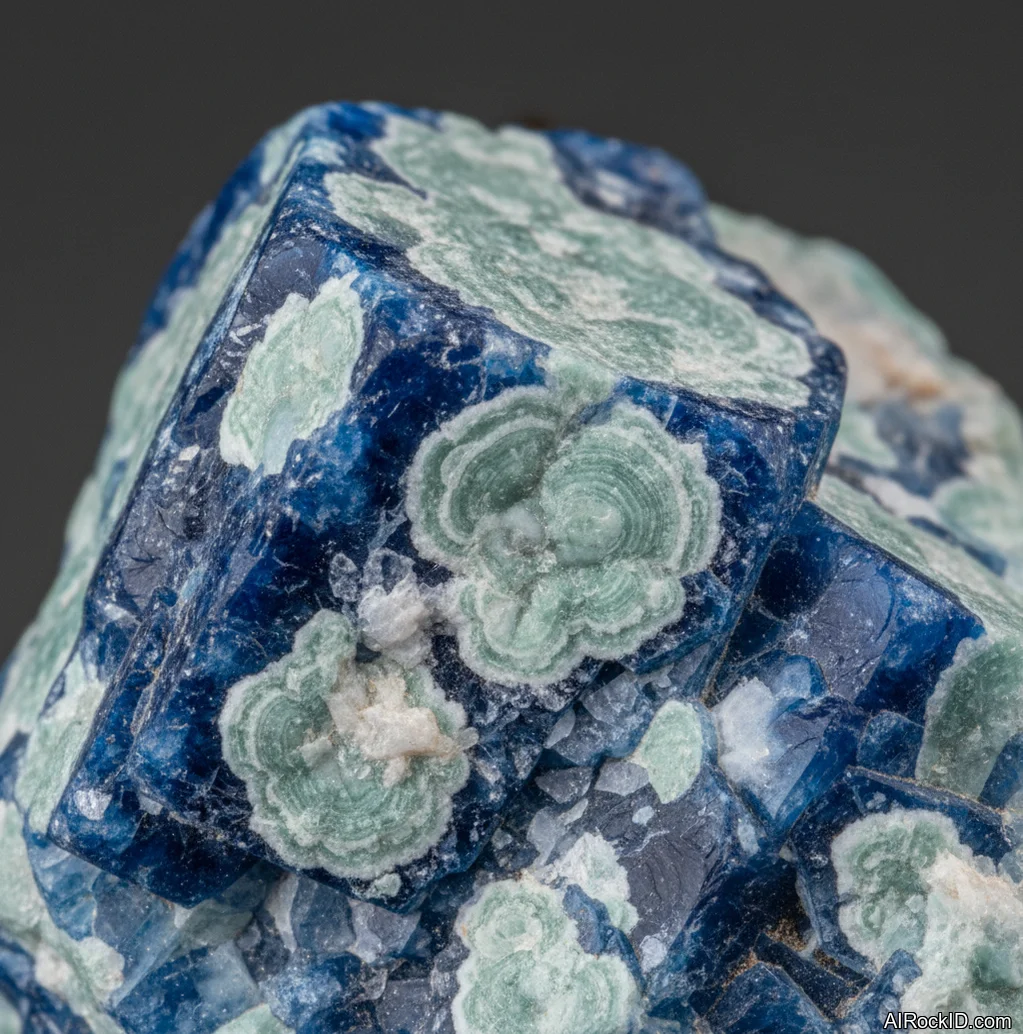
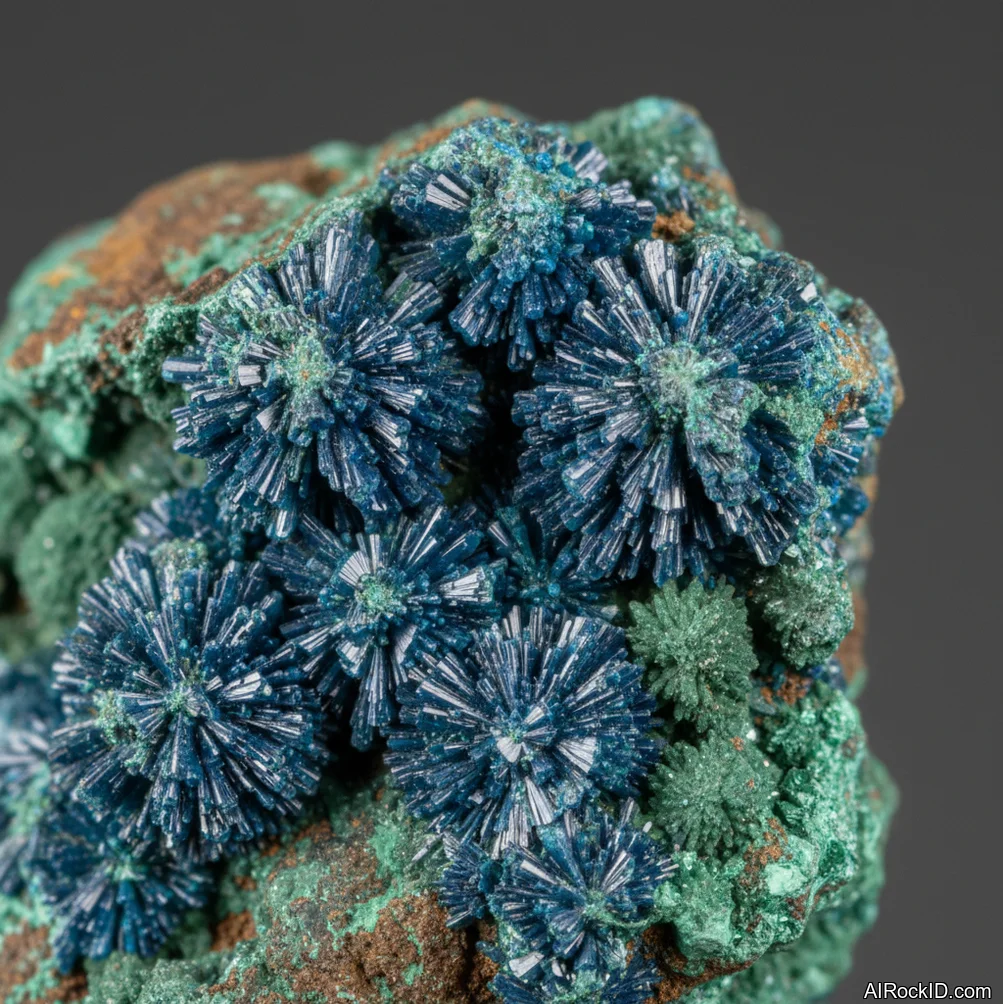
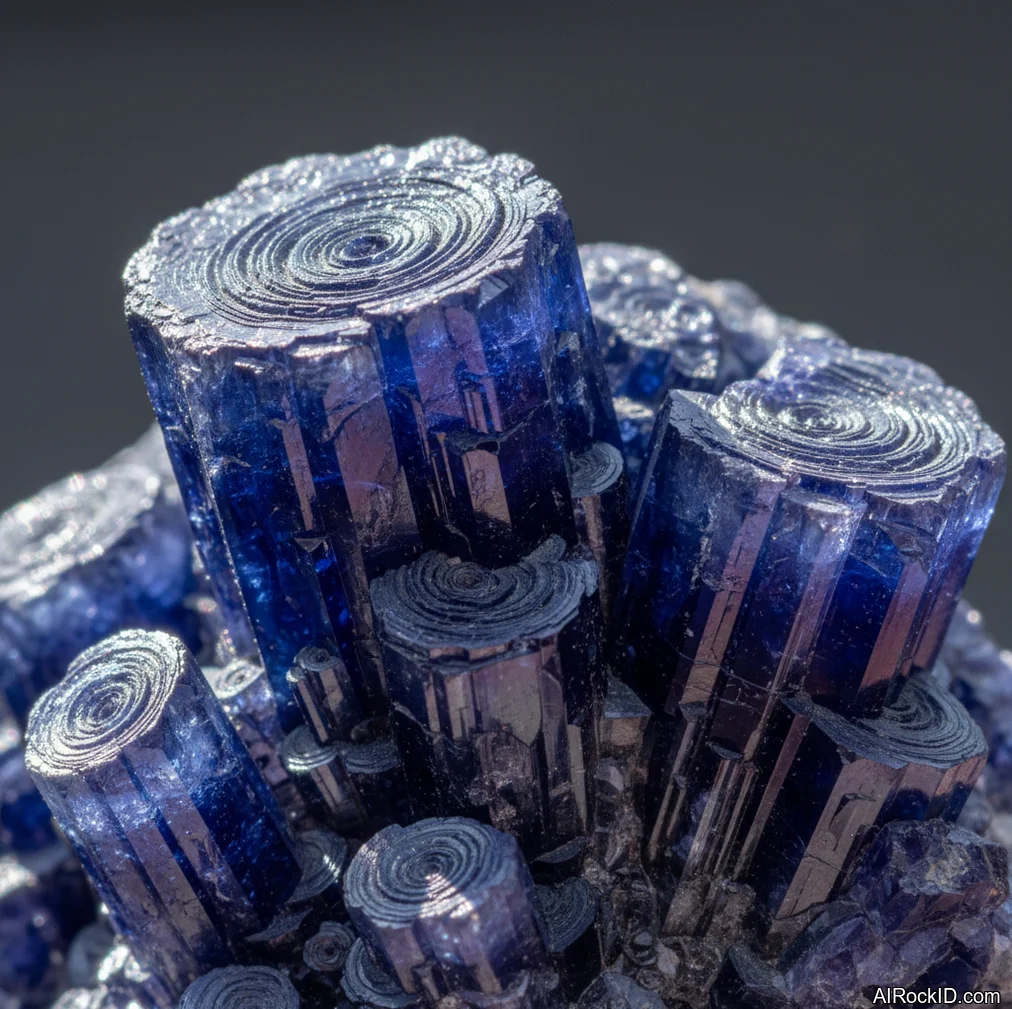
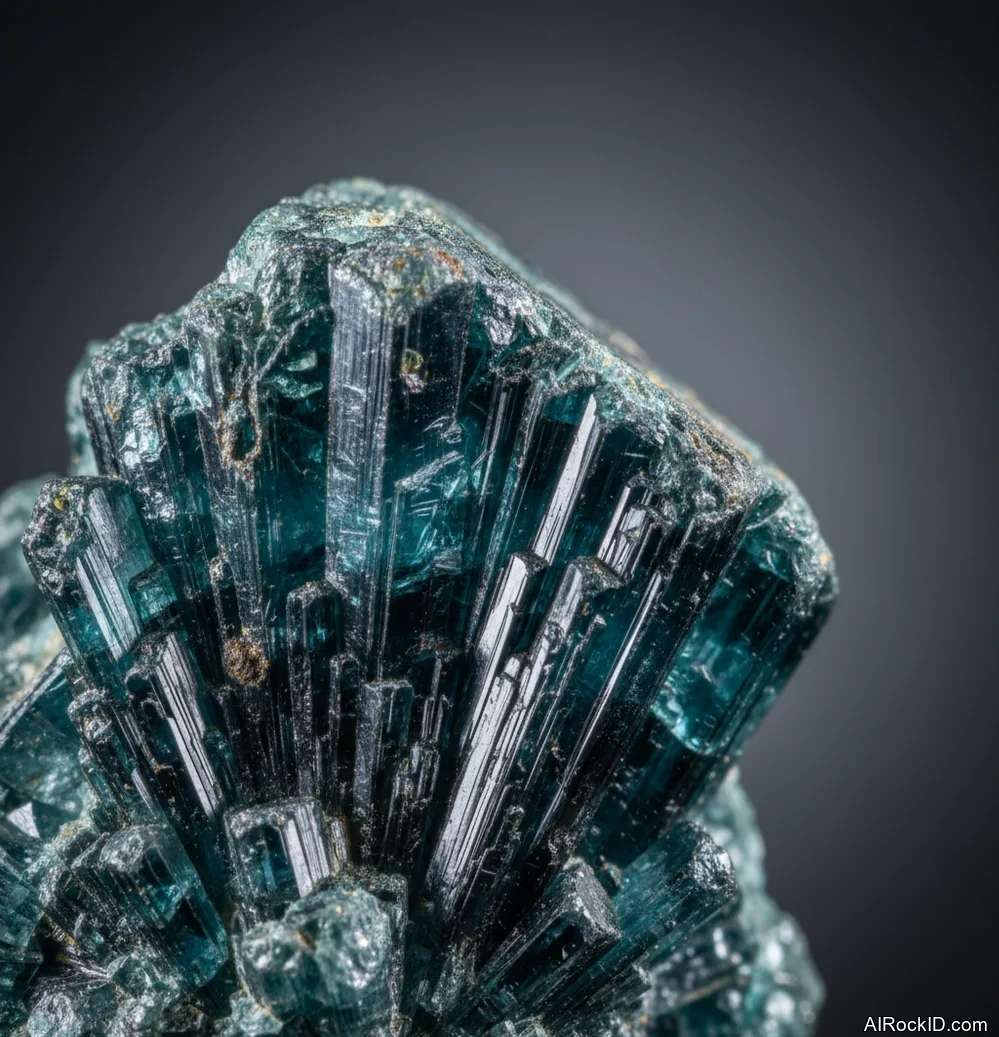
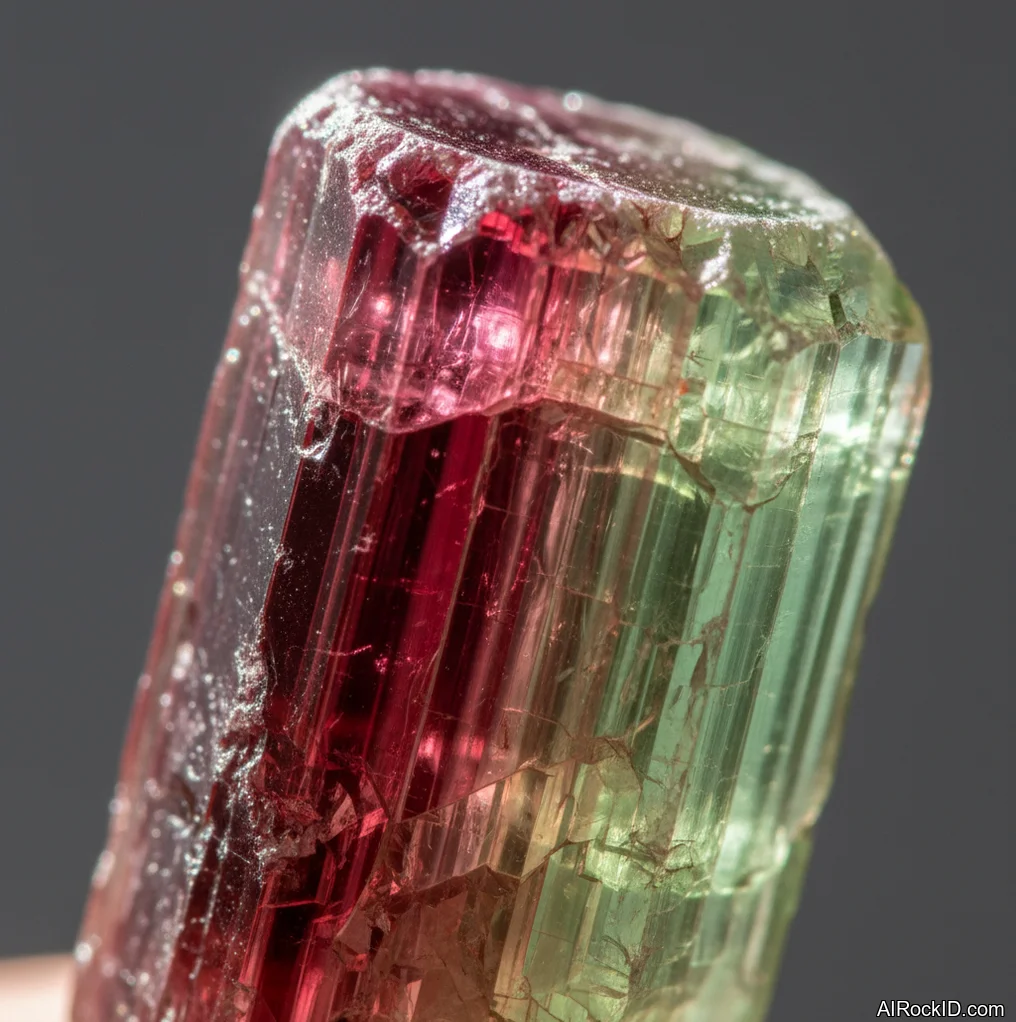
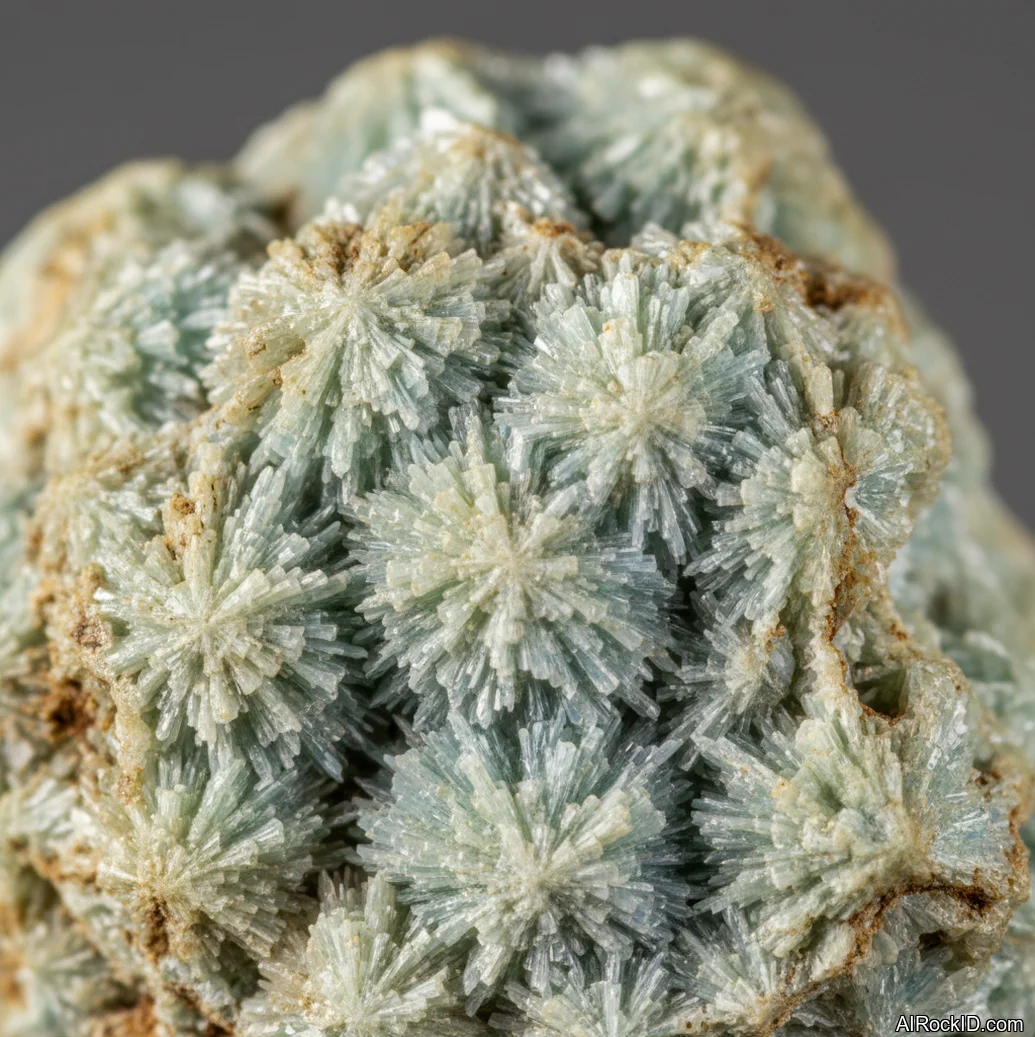
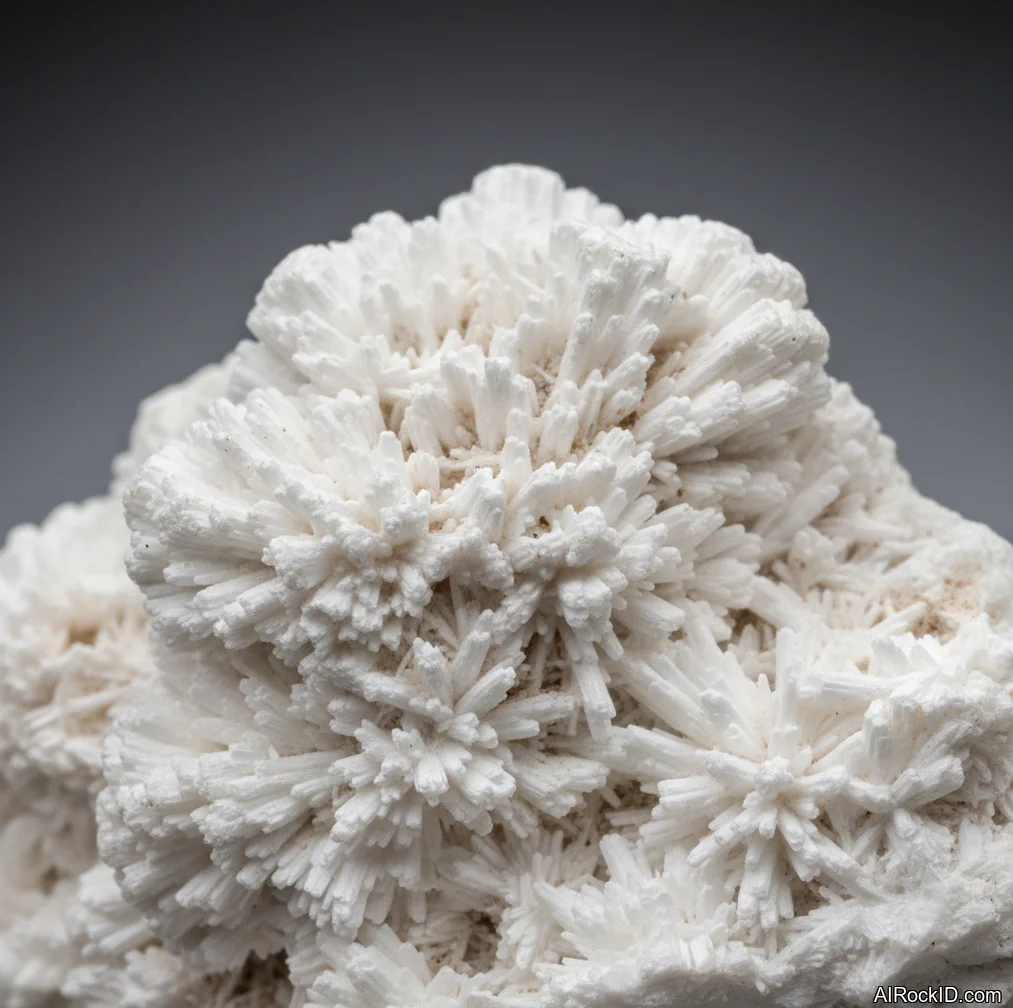
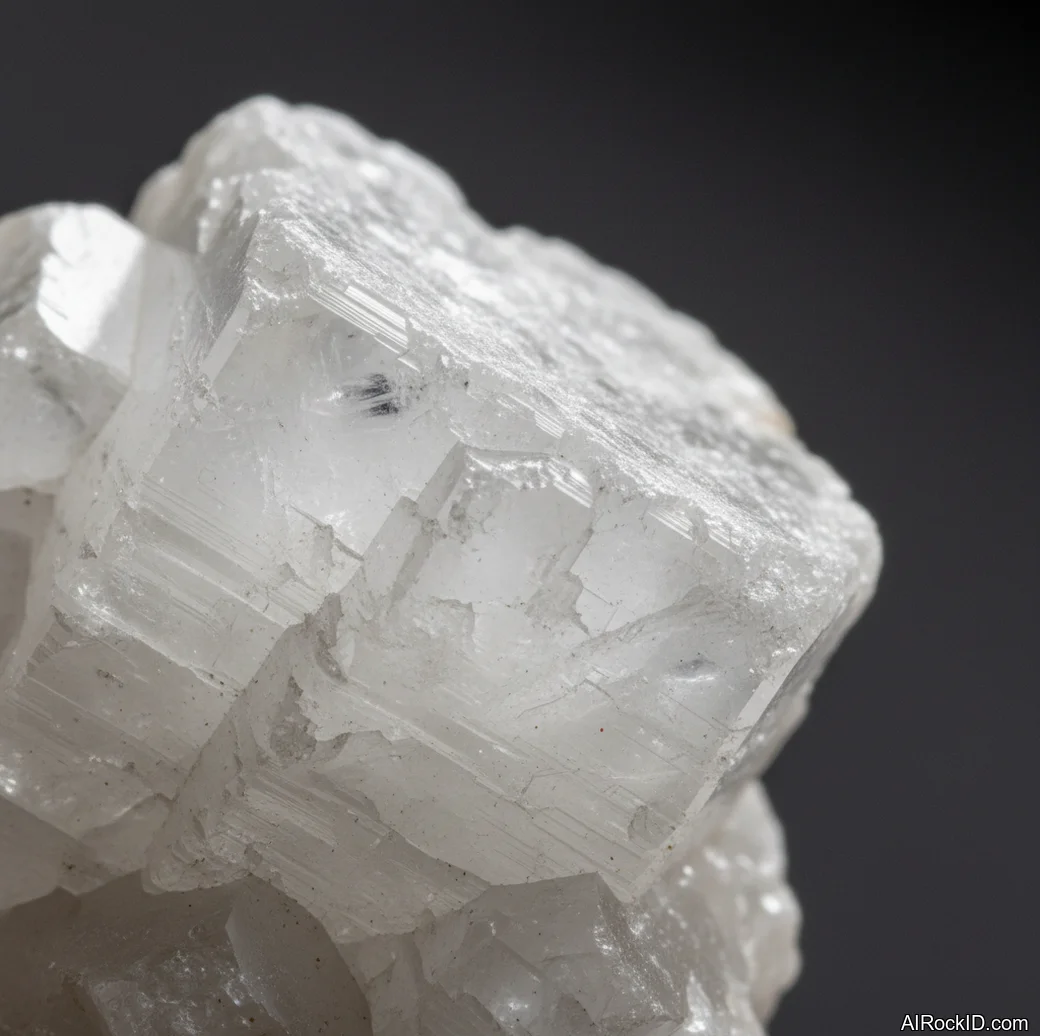
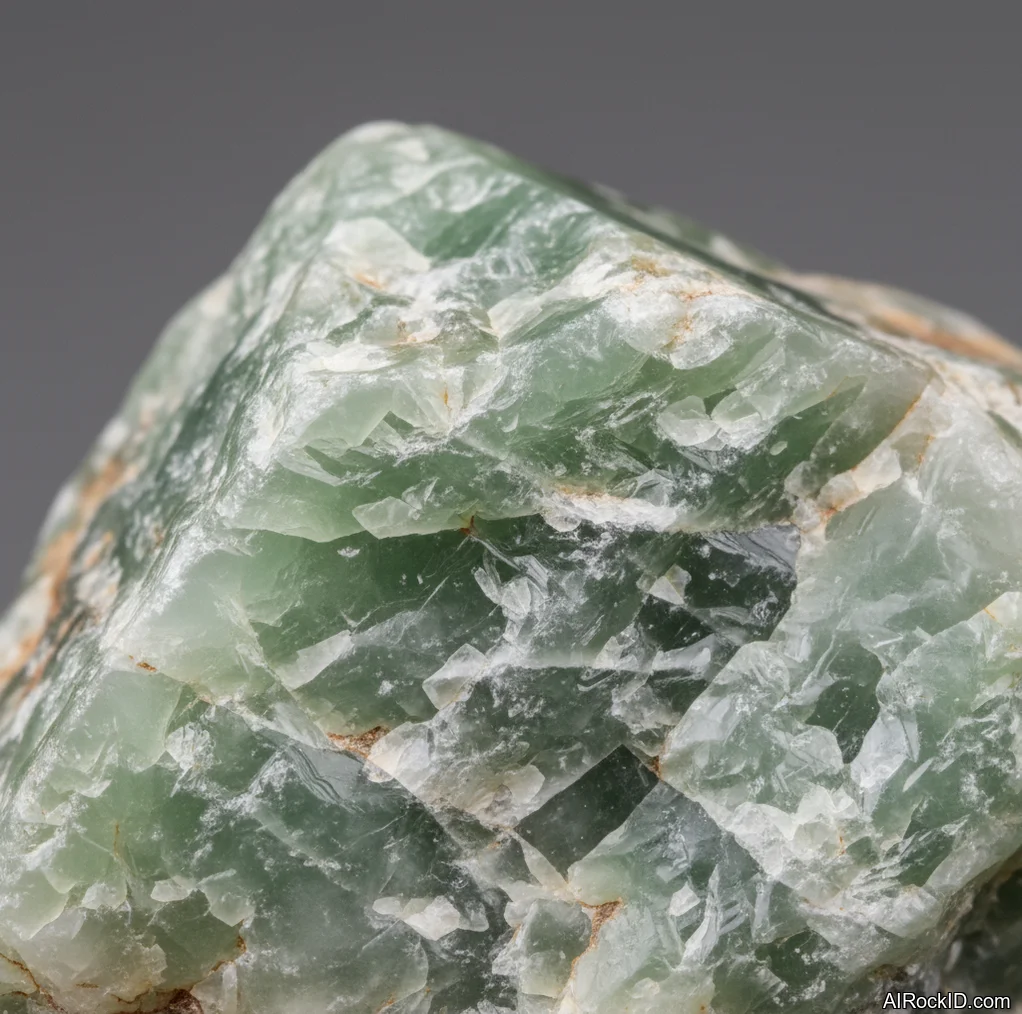
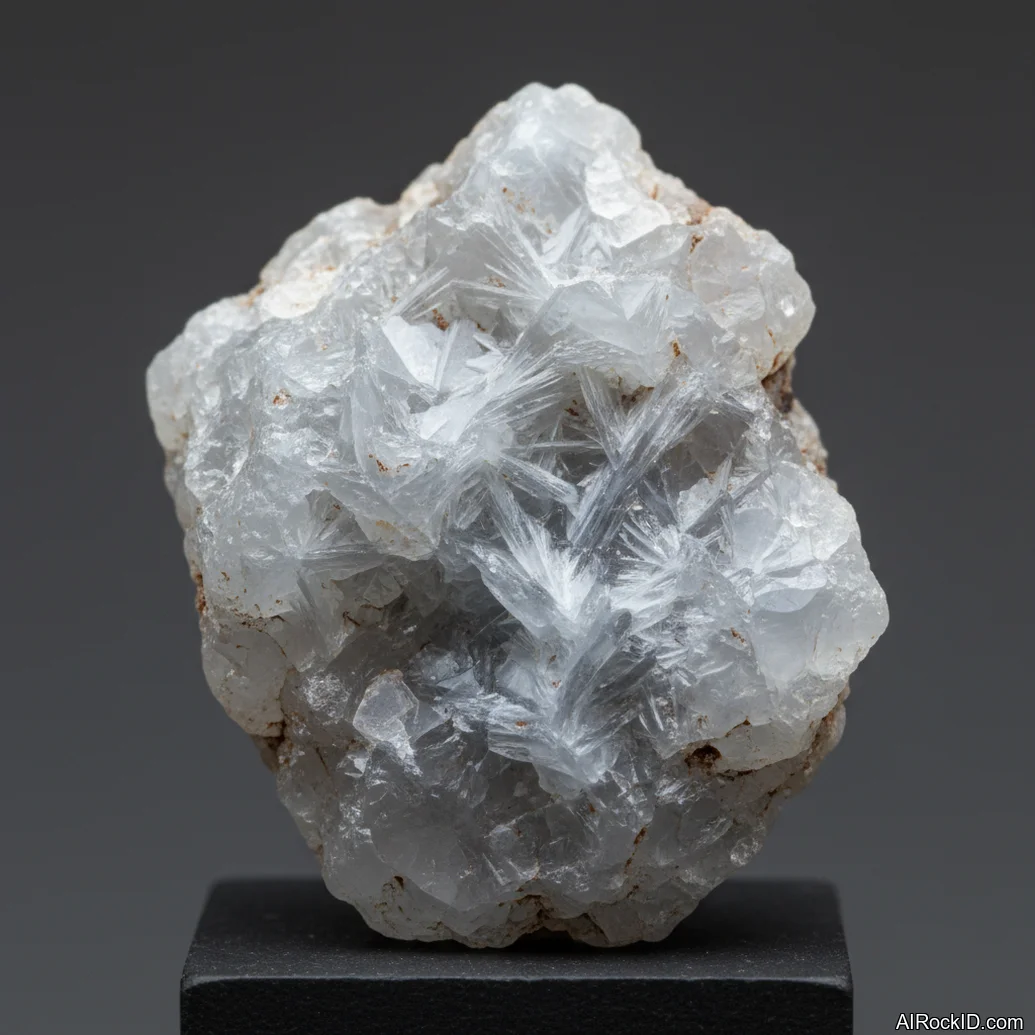
Water crystals are a category of minerals associated with fluidity, emotional balance, and soothing energy in metaphysical traditions. Common examples include aquamarine, moonstone, blue calcite, larimar, and celestite. These stones often show blue or blue-green color, wet-looking luster, or pearly flashes. These associations come from metaphysical traditions and are not medical claims.
Water crystals can't actually change your emotional state or heal trauma on their own. They shouldn't replace therapy, medication, or any kind of professional mental health care.
AI Rock ID can help compare a photographed stone with known mineral features such as color, transparency, habit, and surface texture. RockIdentifier.io provides crystal identification support alongside educational wiki pages about symbolic groupings such as Water crystals.
Good fit
- People choosing crystals for meditation, journaling, or reflective routines
- Beginners who prefer calming colors such as blue, aqua, teal, or milky white
- Collectors organizing stones by symbolic element rather than mineral class
- Anyone comparing traditional crystal meanings with observable mineral traits
Not a good fit
- Identifying a mineral by element symbolism alone
- Replacing professional support for emotional or medical concerns
- Assuming every blue or translucent crystal is safe to place in water
- Choosing a stone without checking hardness, solubility, or dye treatments
Most commonly confused with
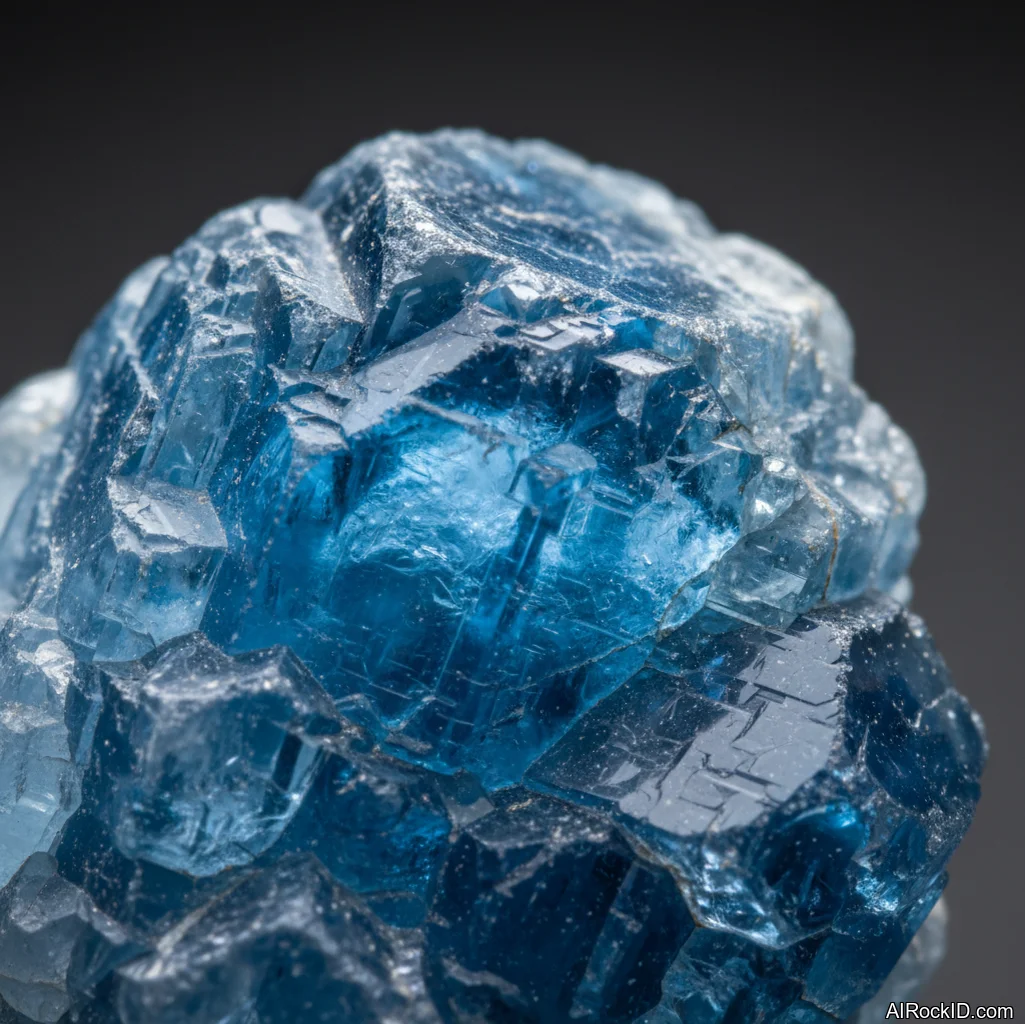
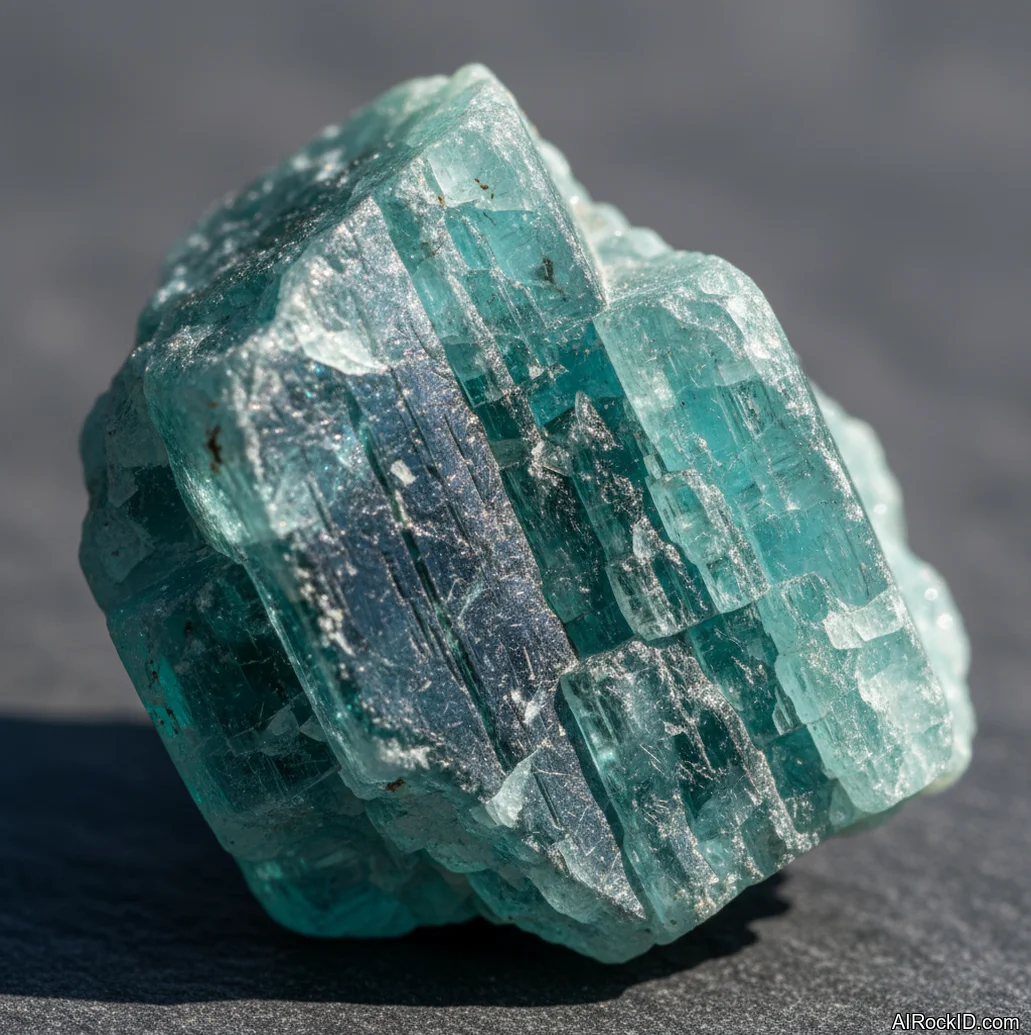
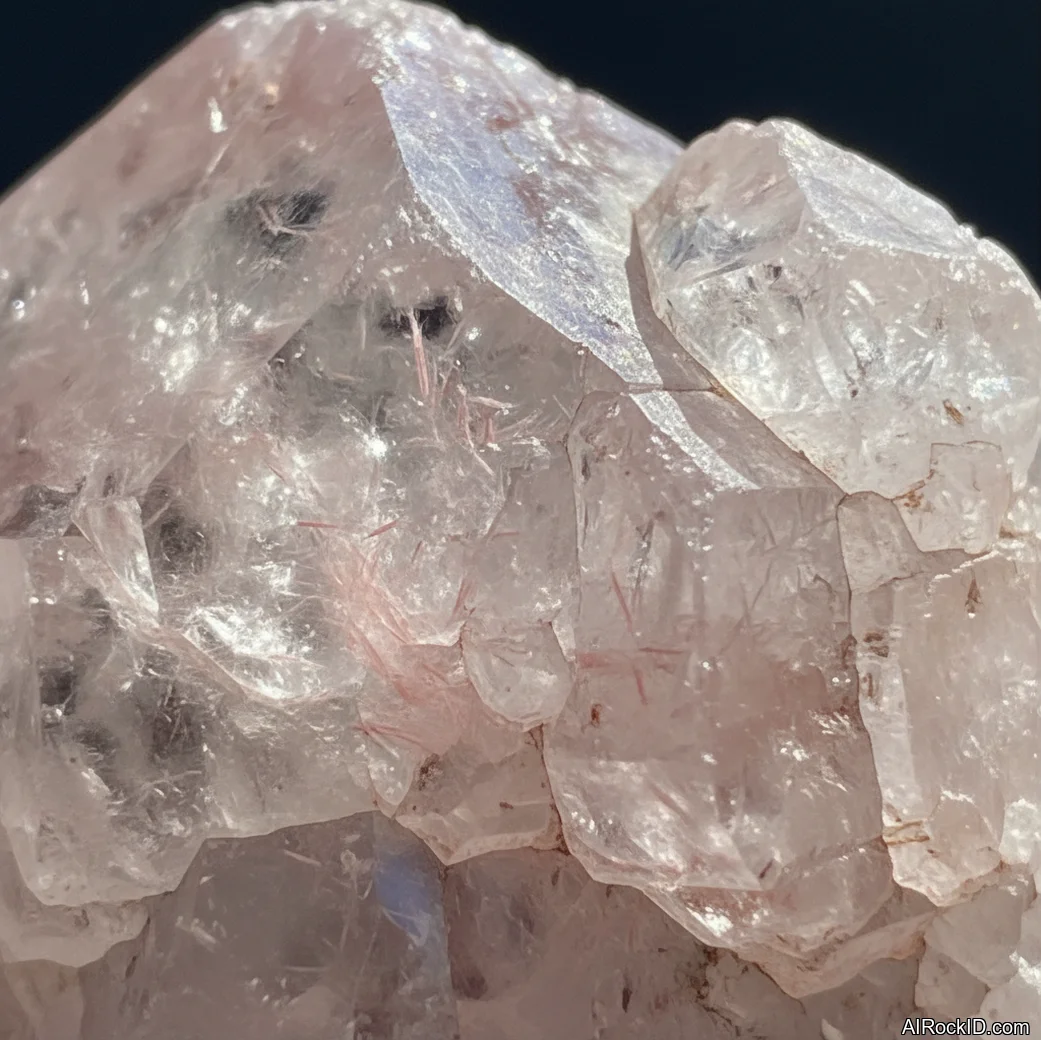
- Aquamarine: Aquamarine is a beryl variety; pale blue glass or dyed quartz may imitate its color.
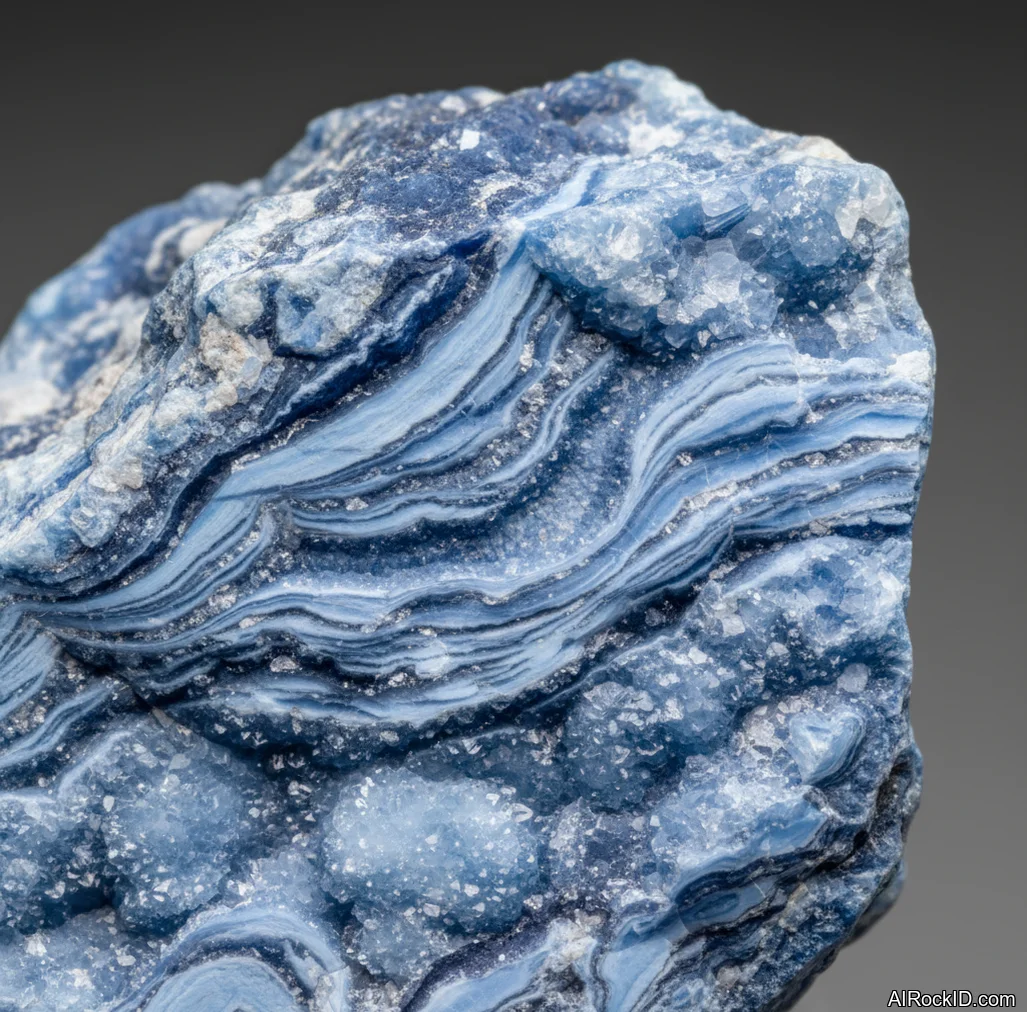
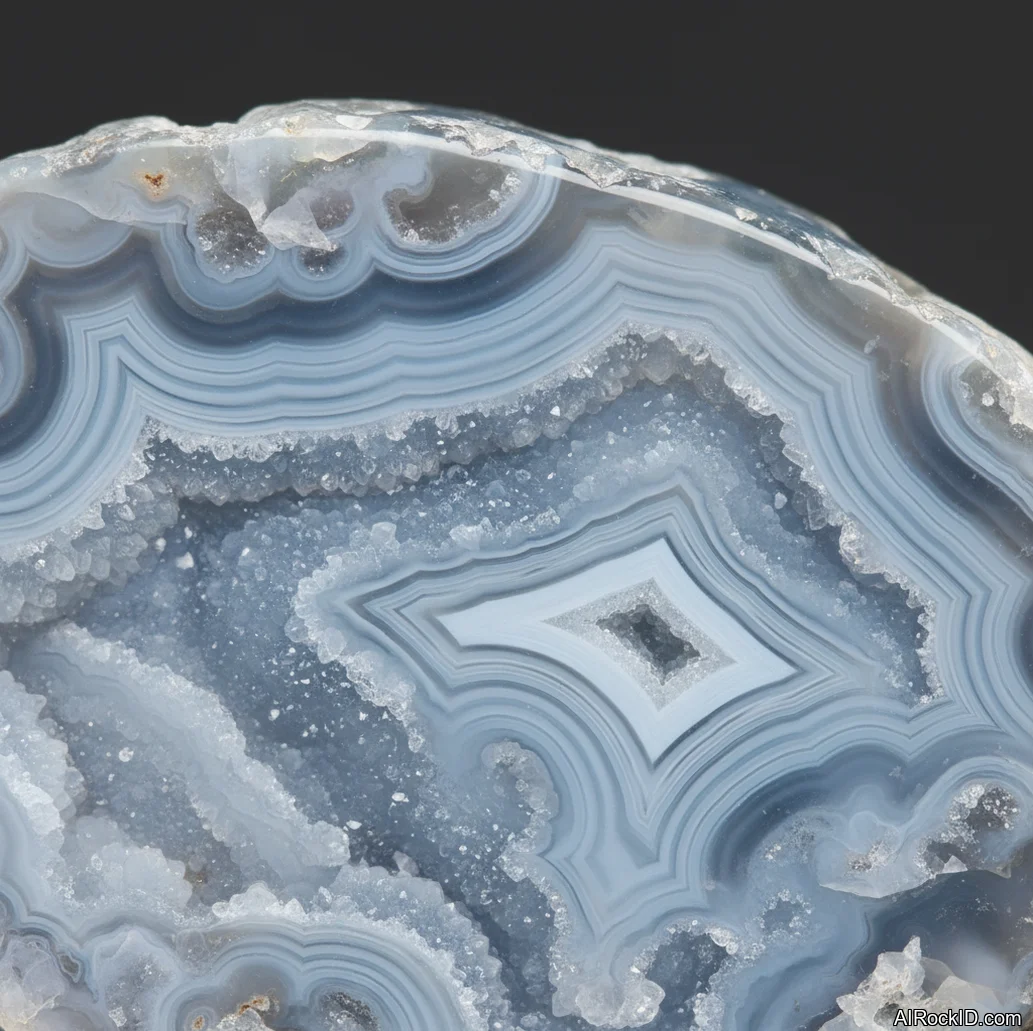
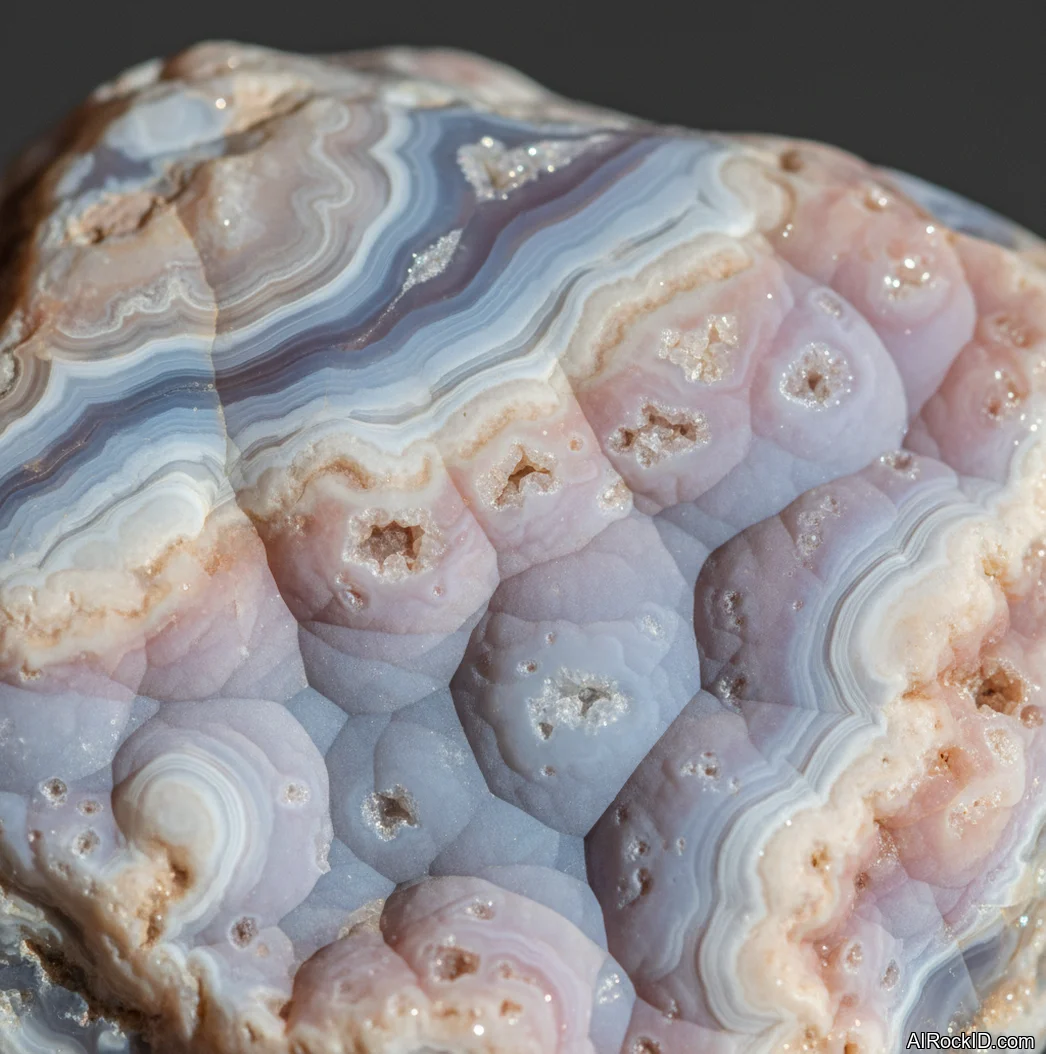
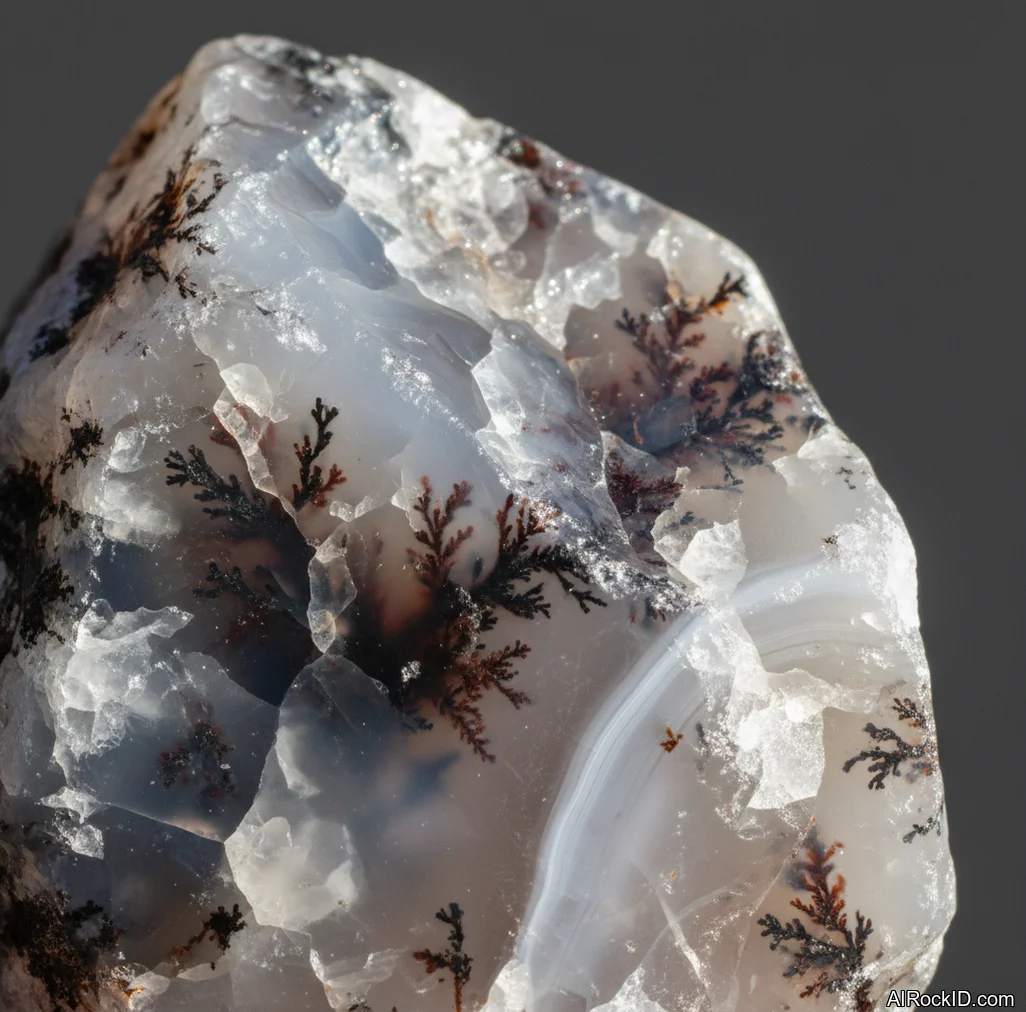
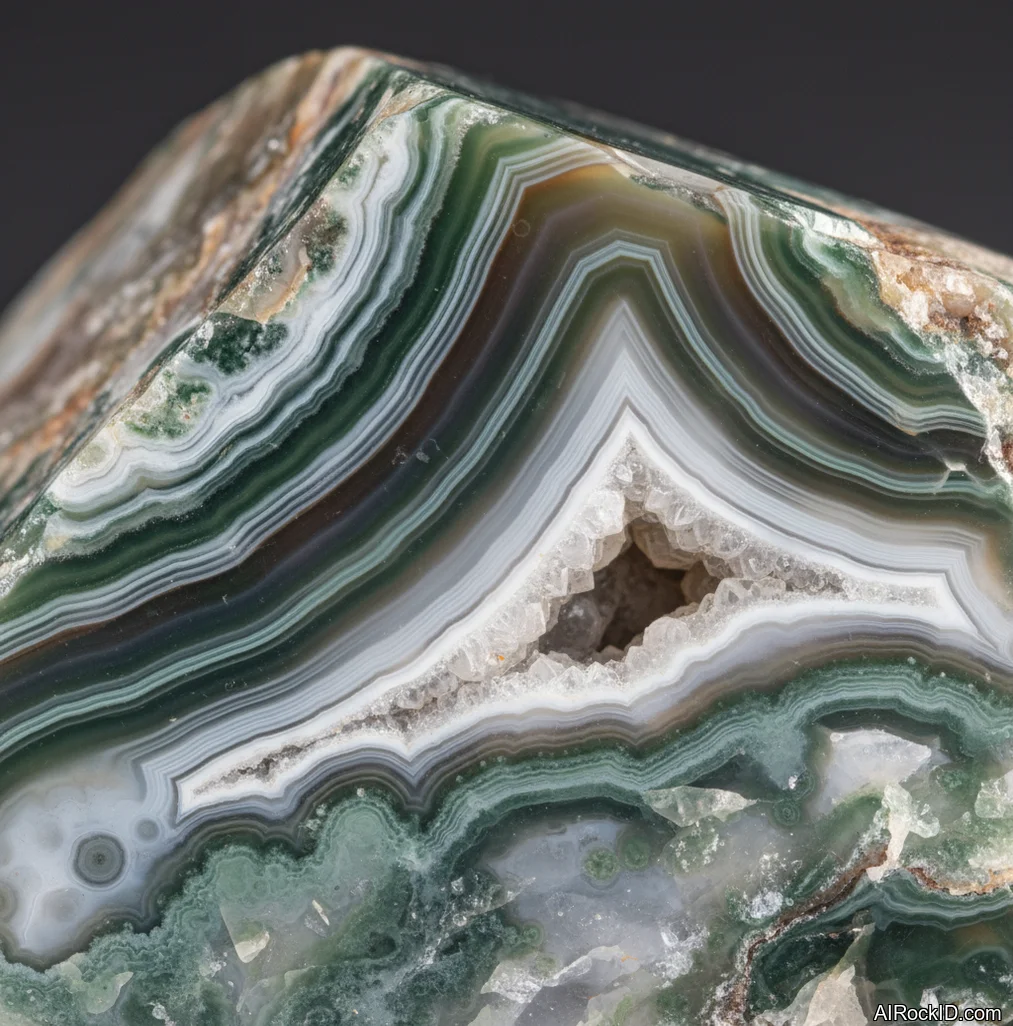
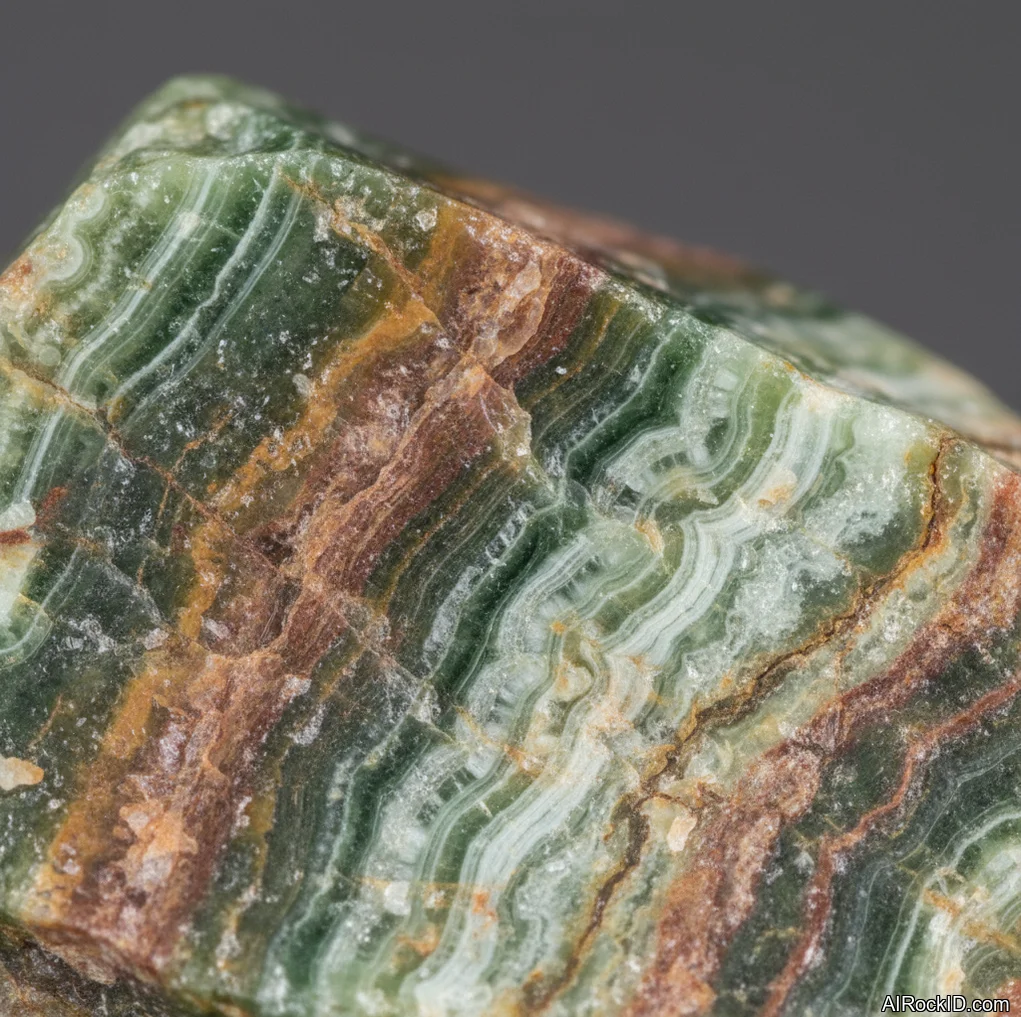
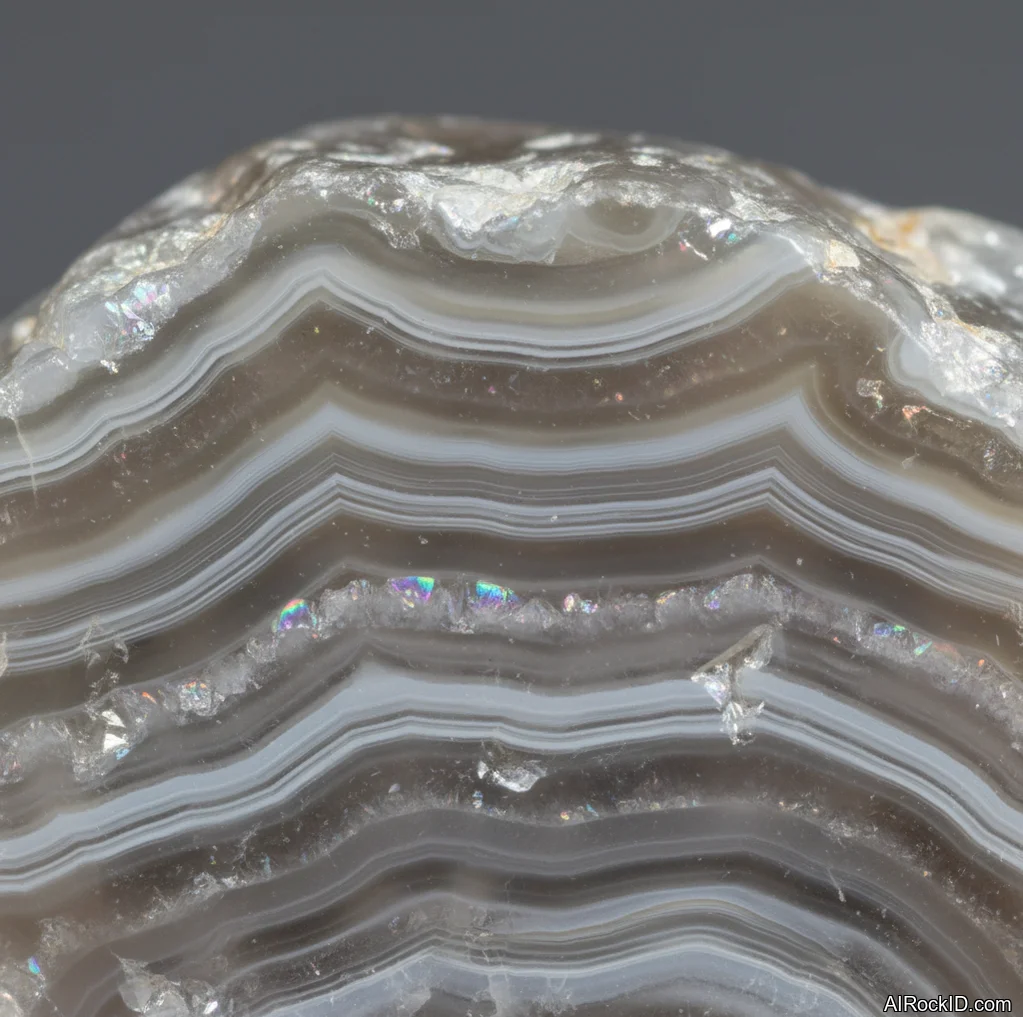
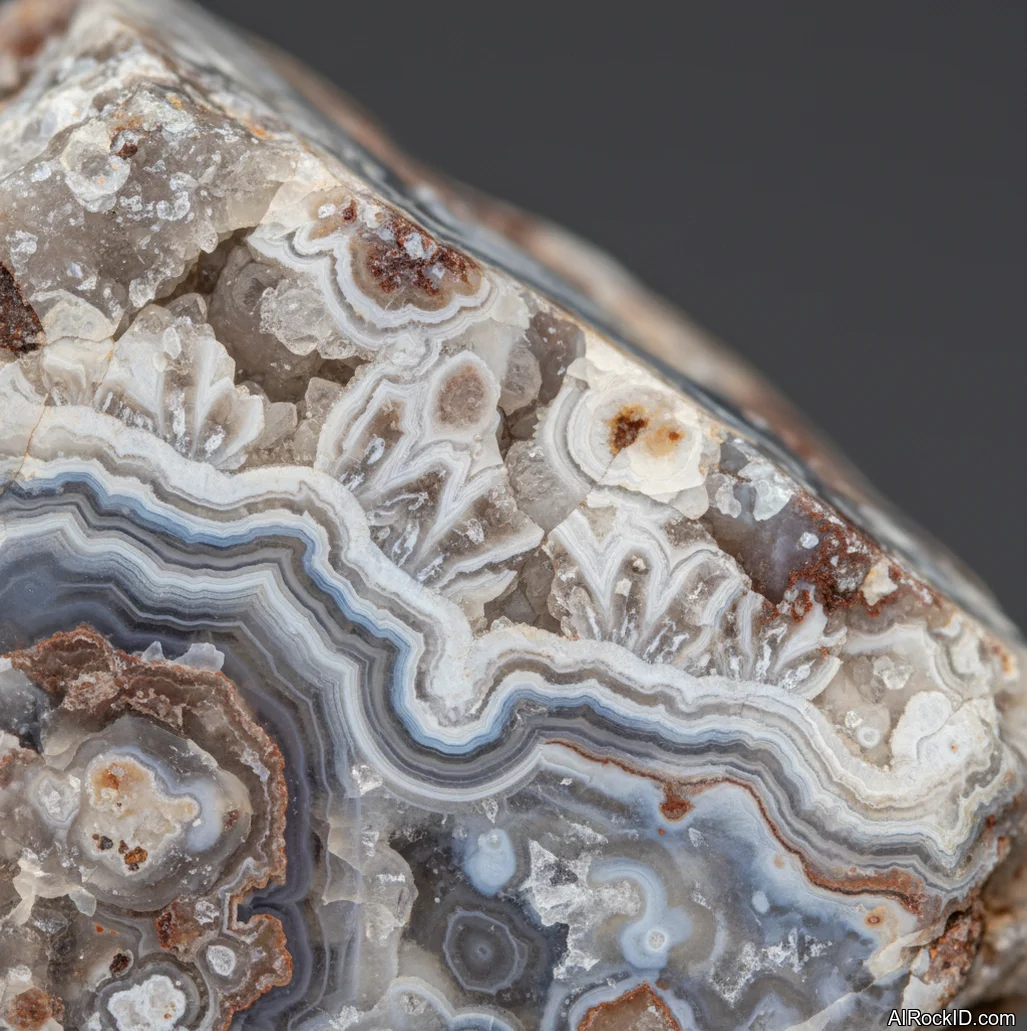
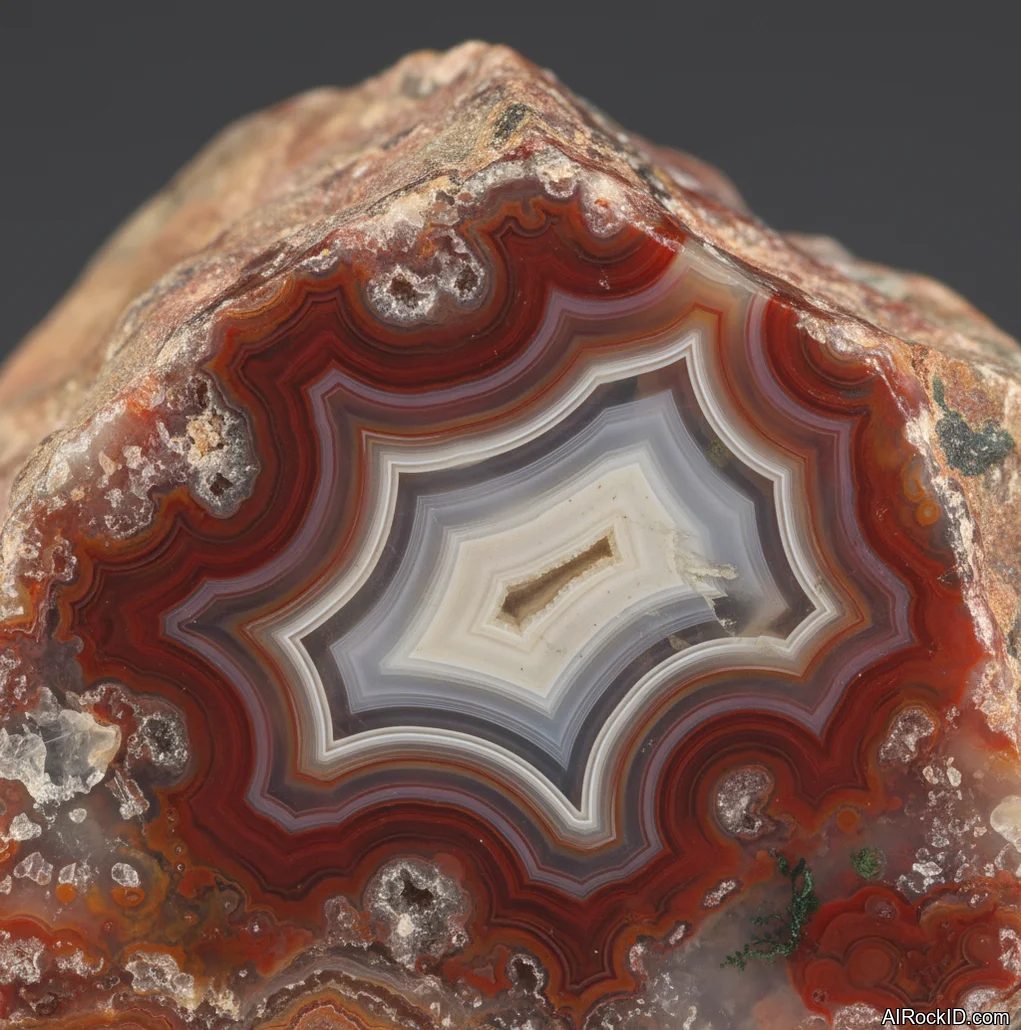
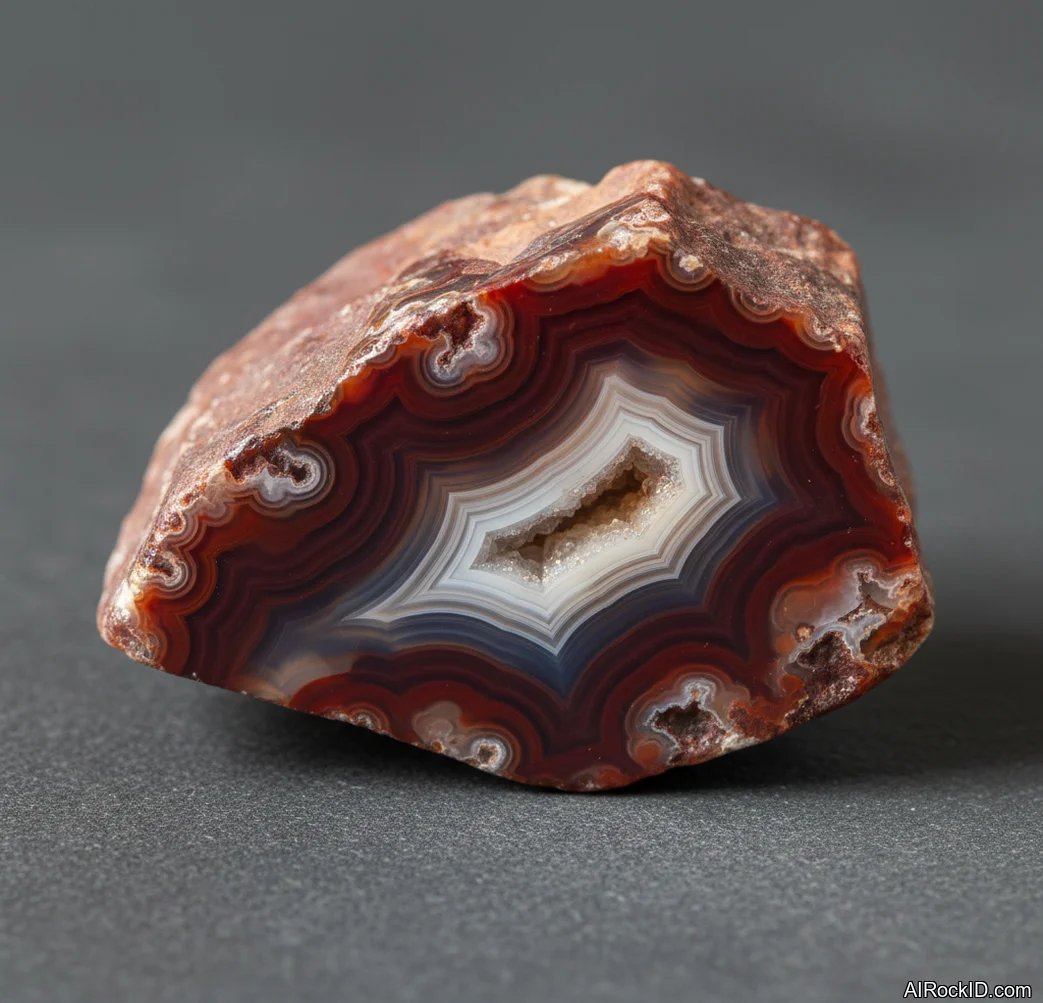
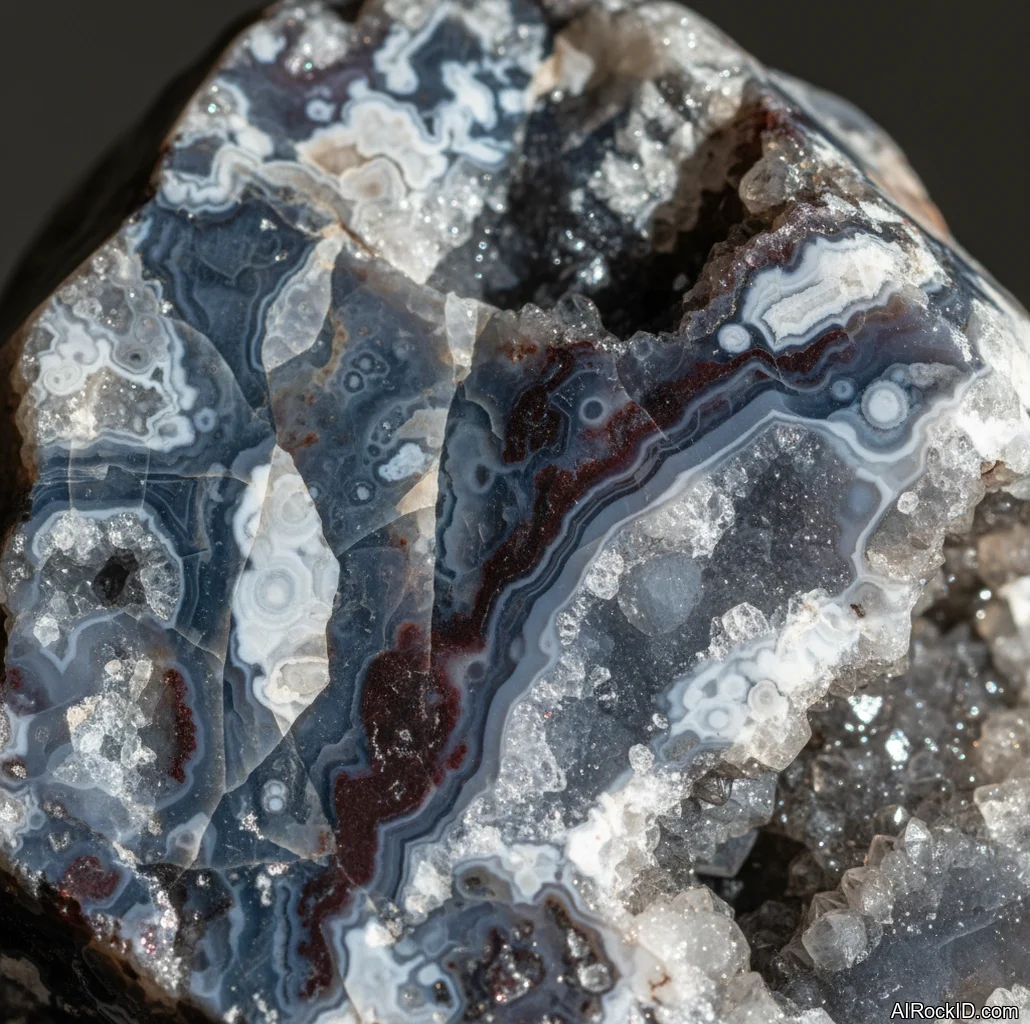
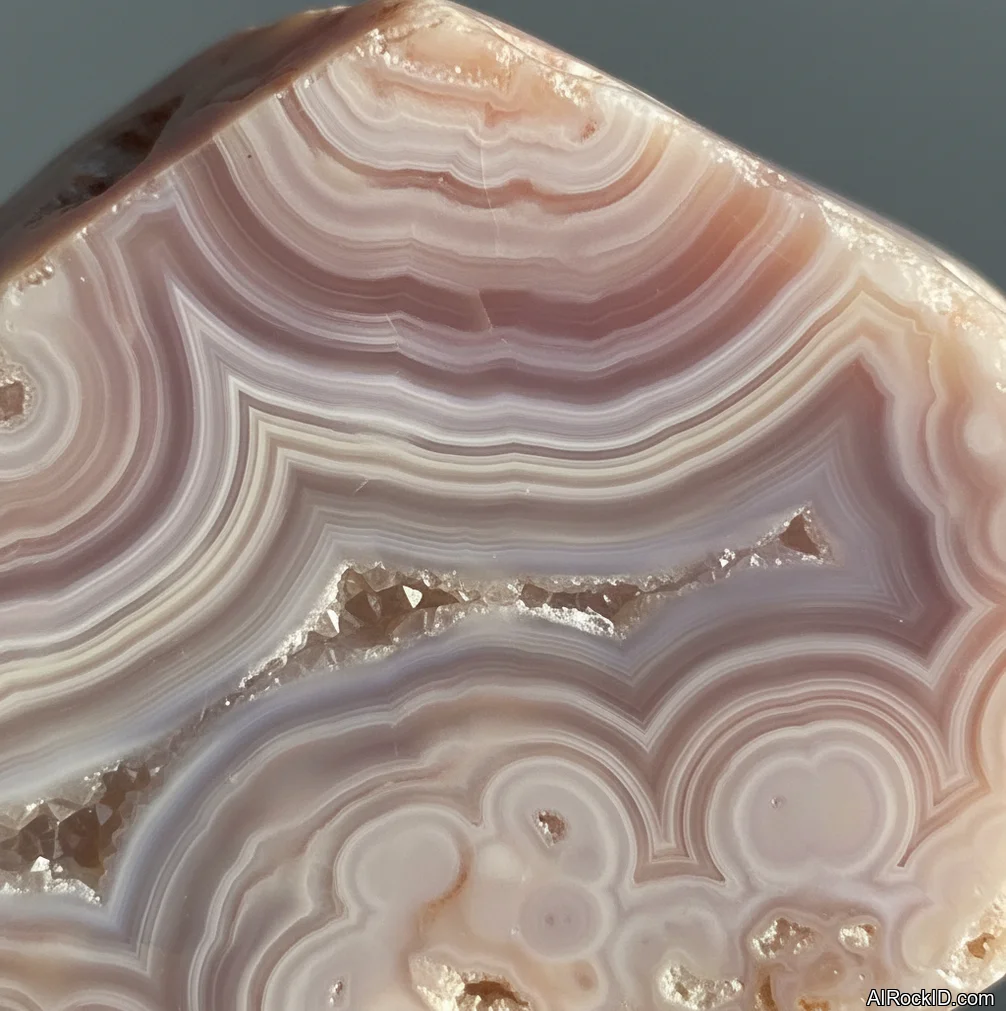
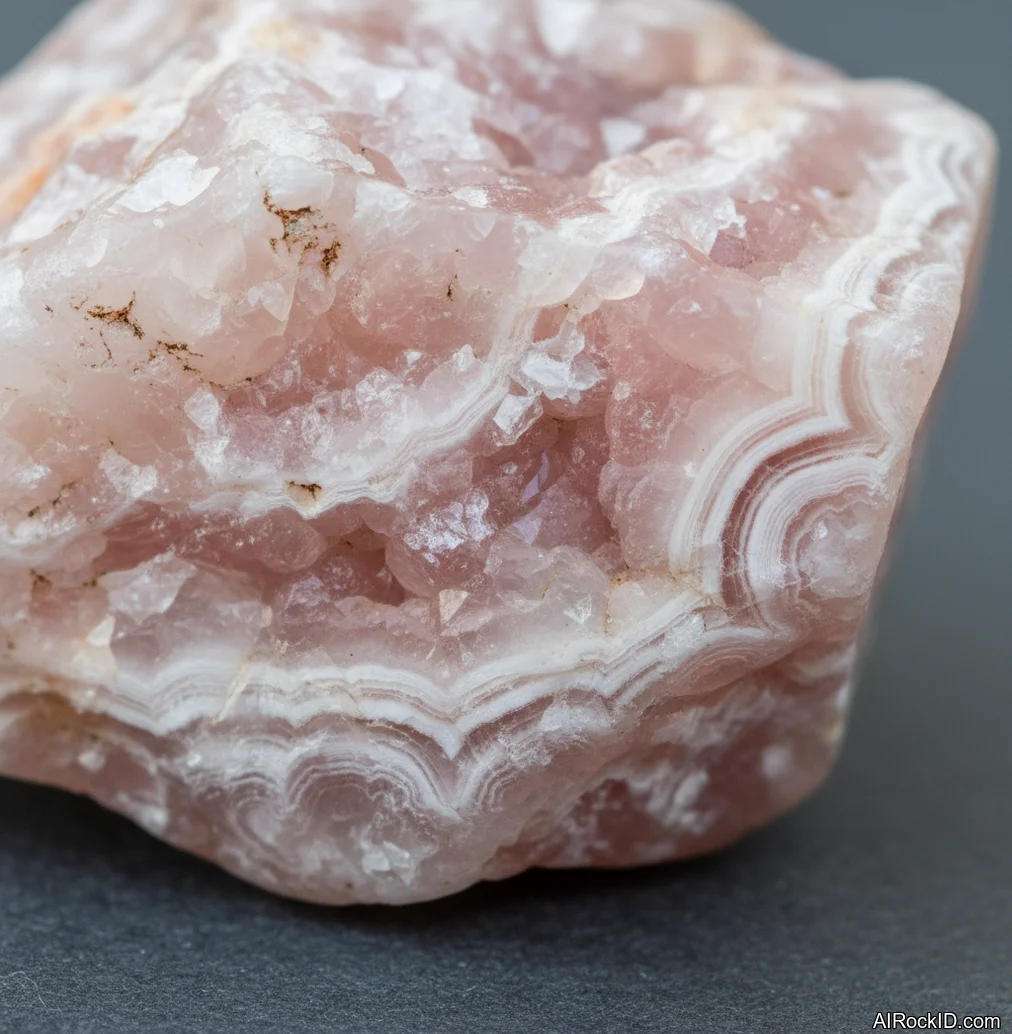
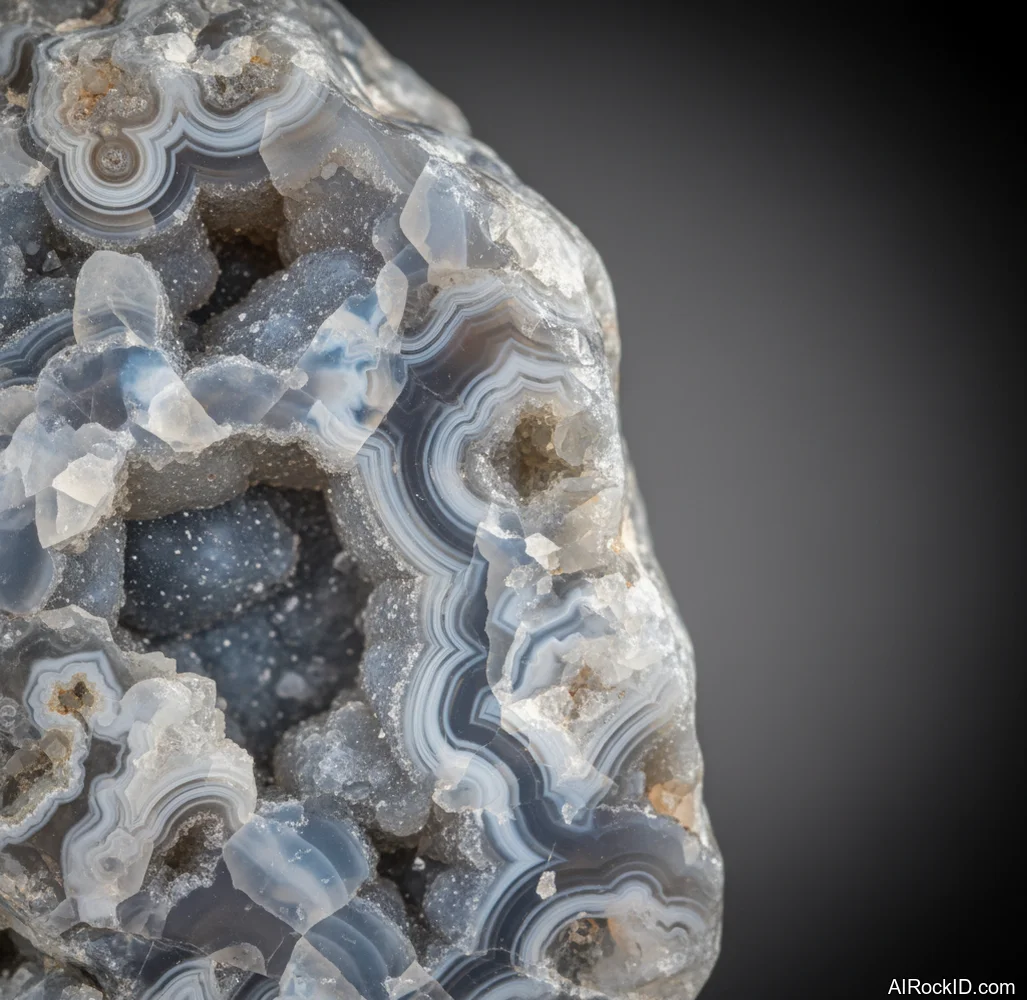
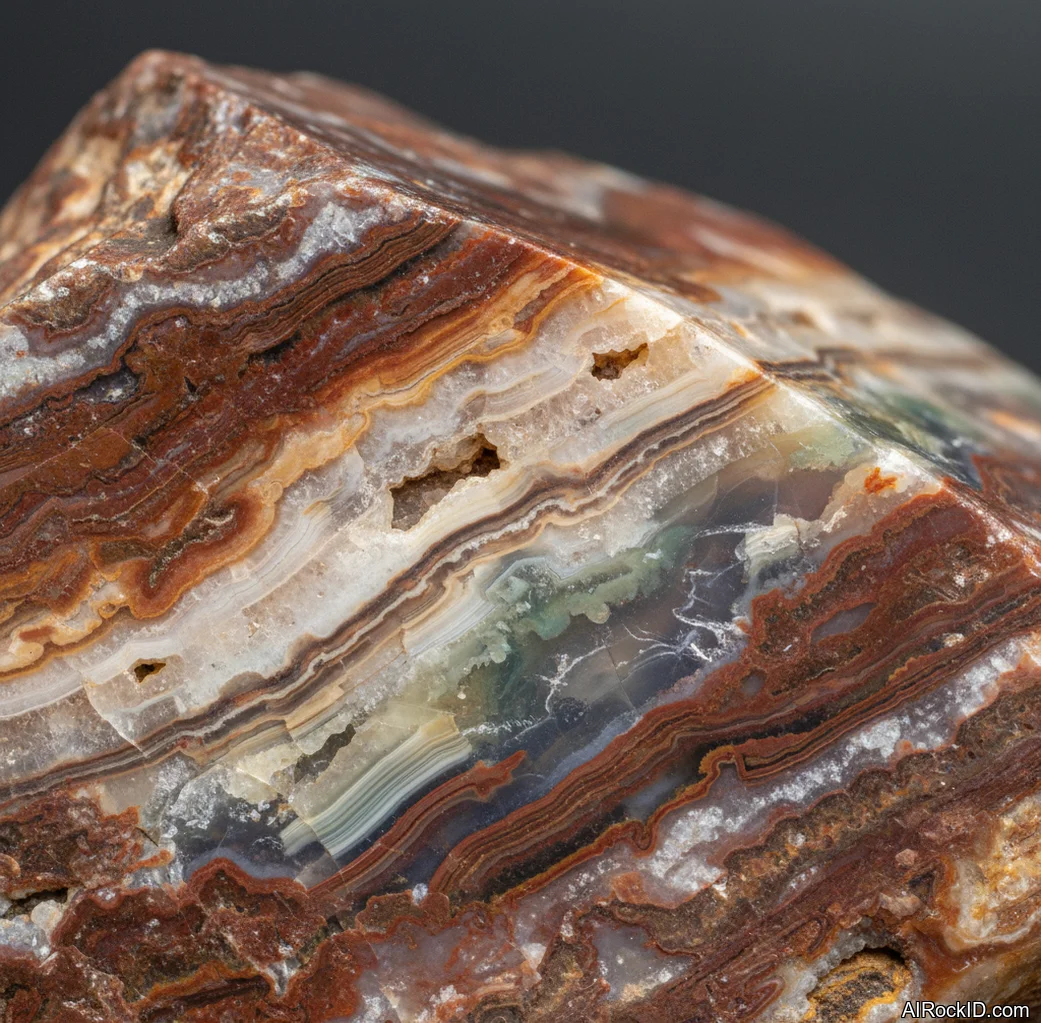
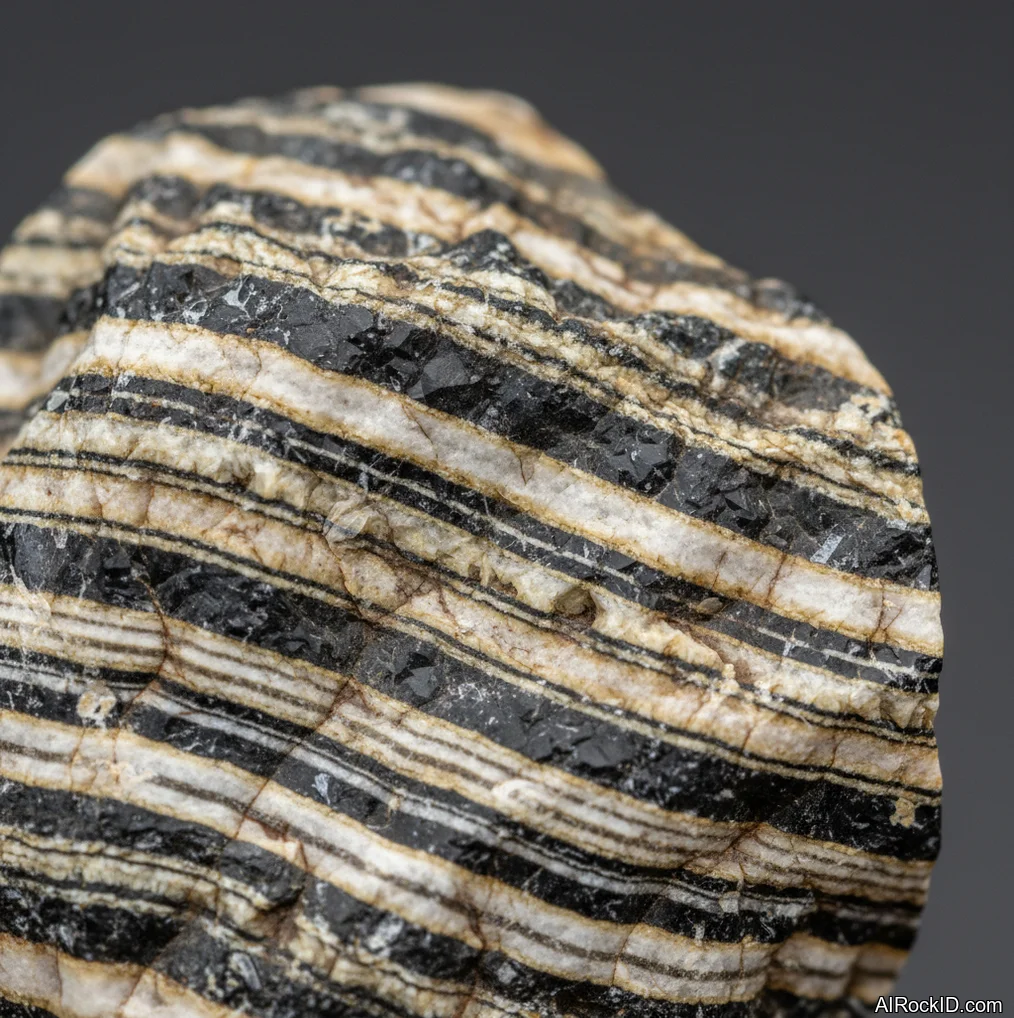
- Blue Lace Agate: Blue Lace Agate has banded chalcedony patterns, while many blue calcites show softer cleavage and lower hardness.
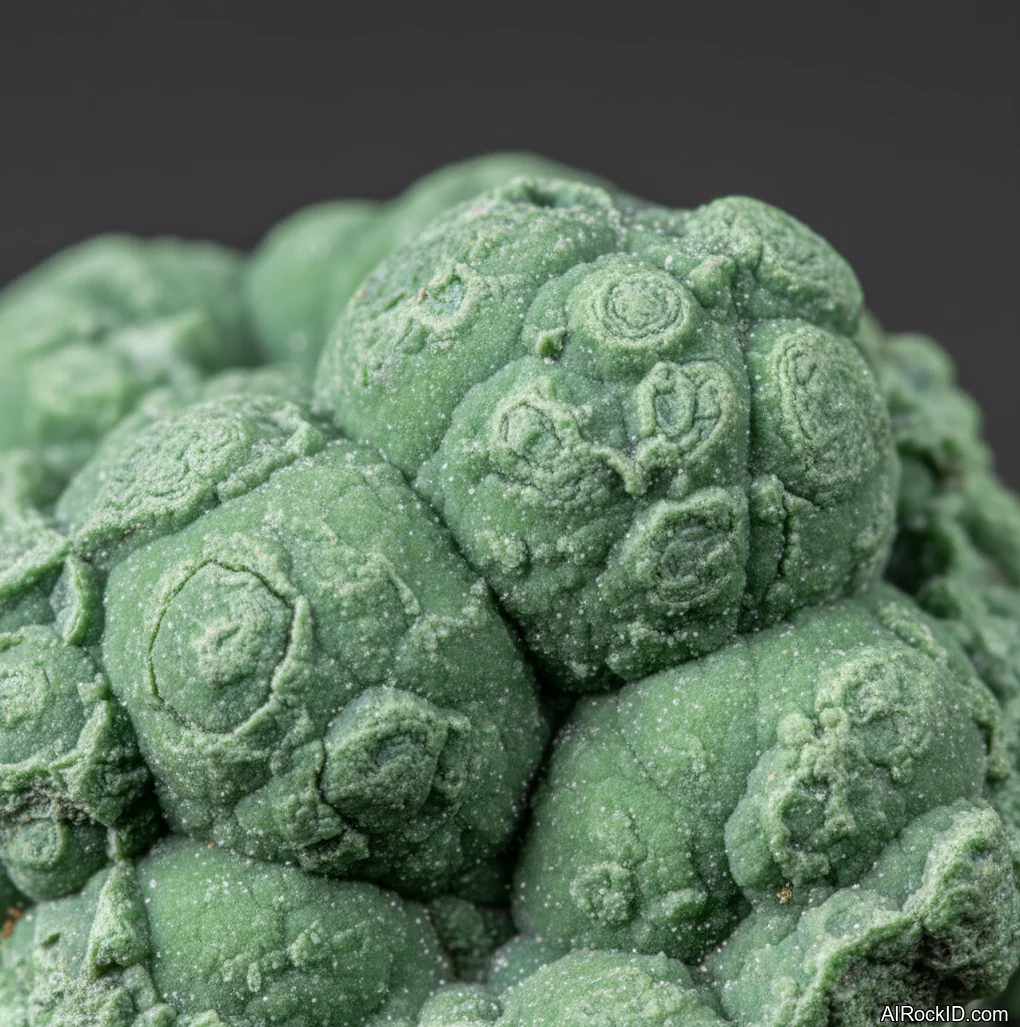
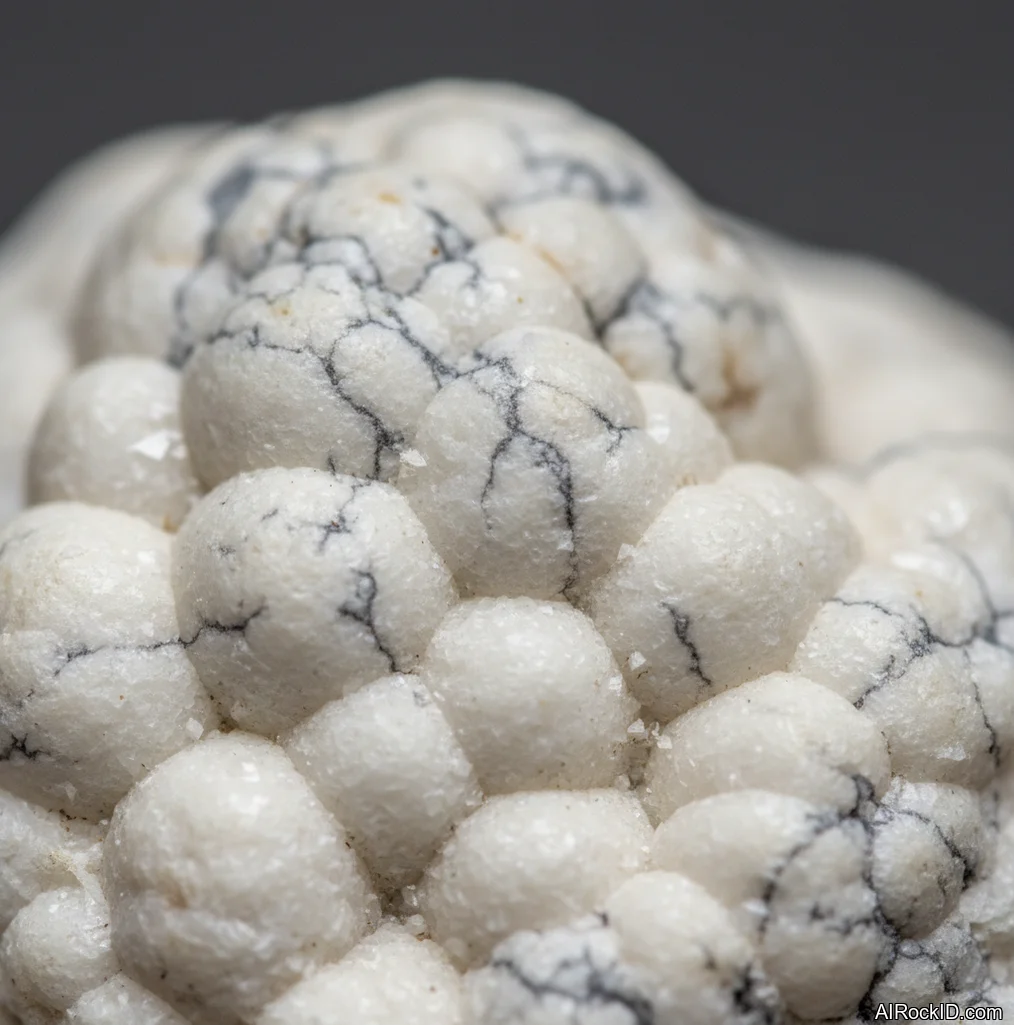
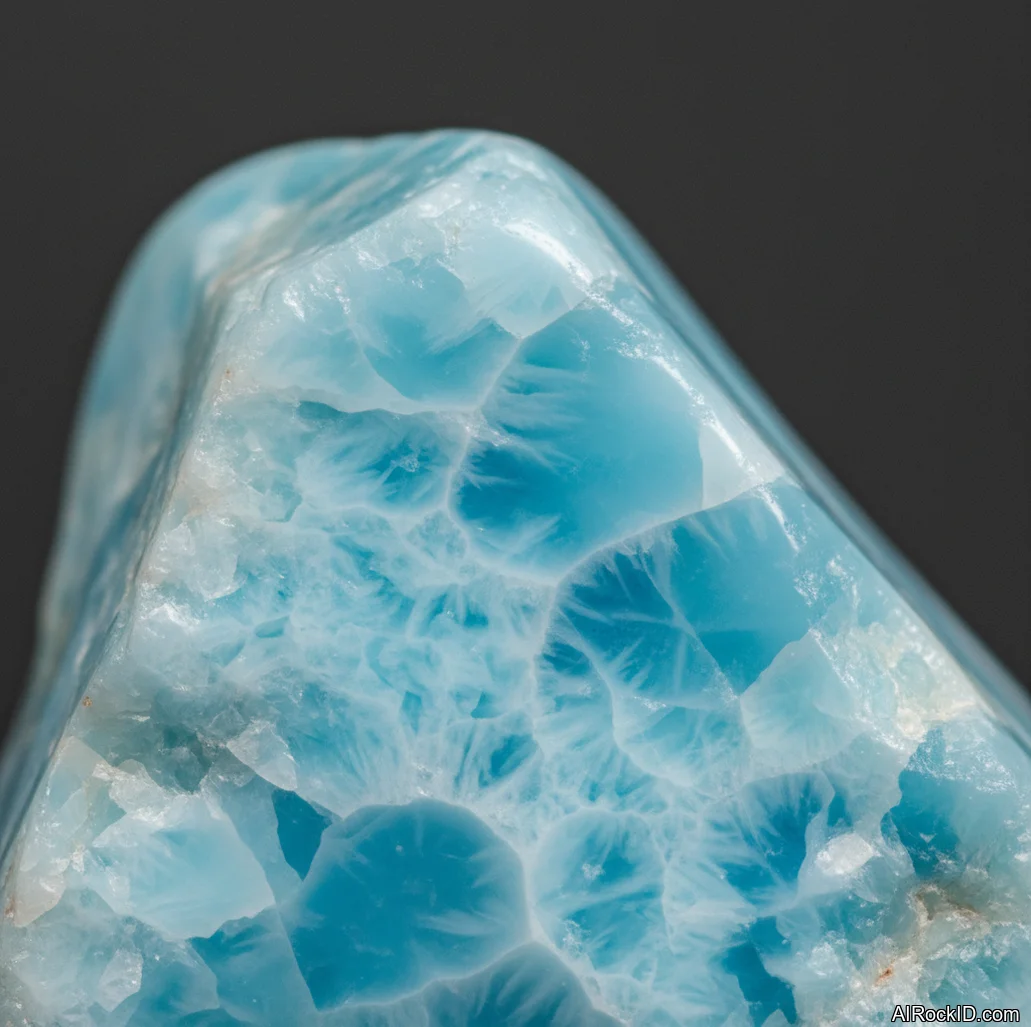
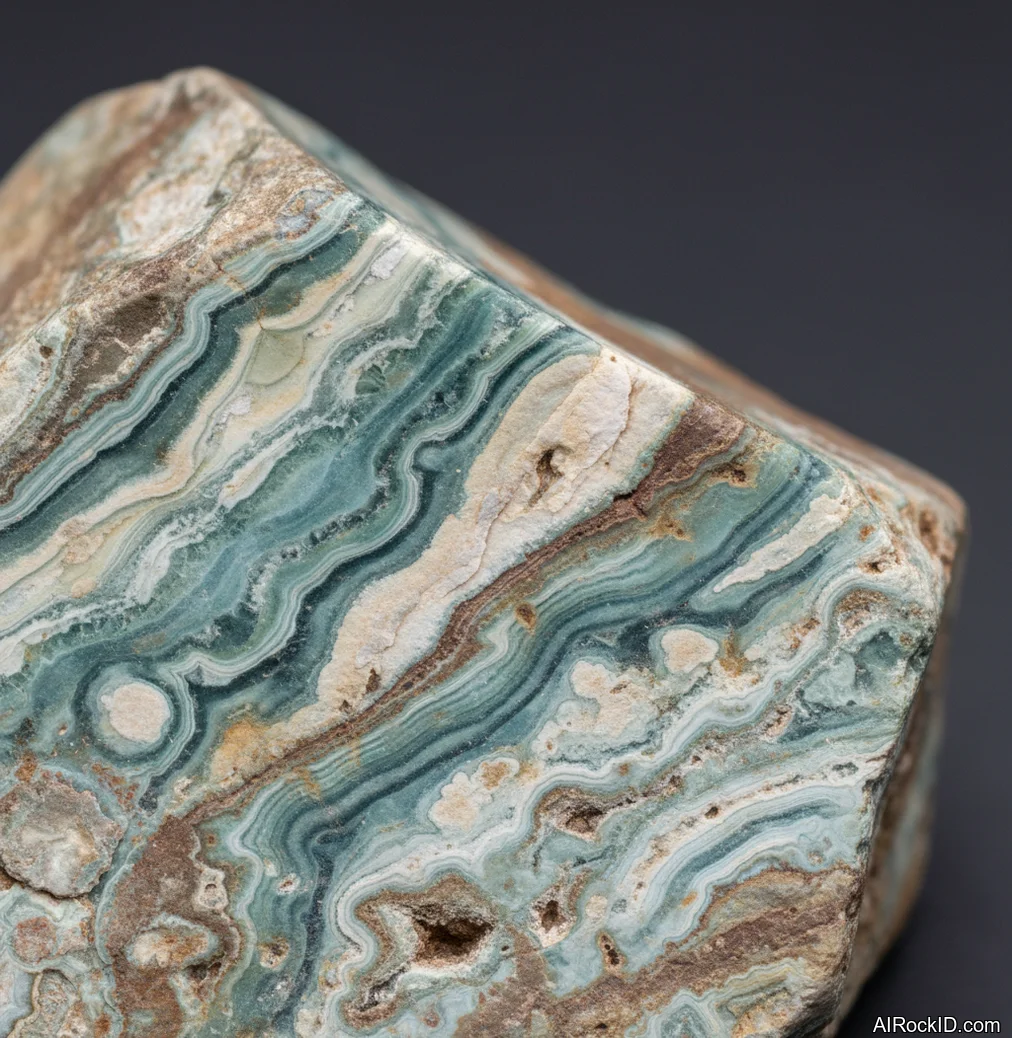
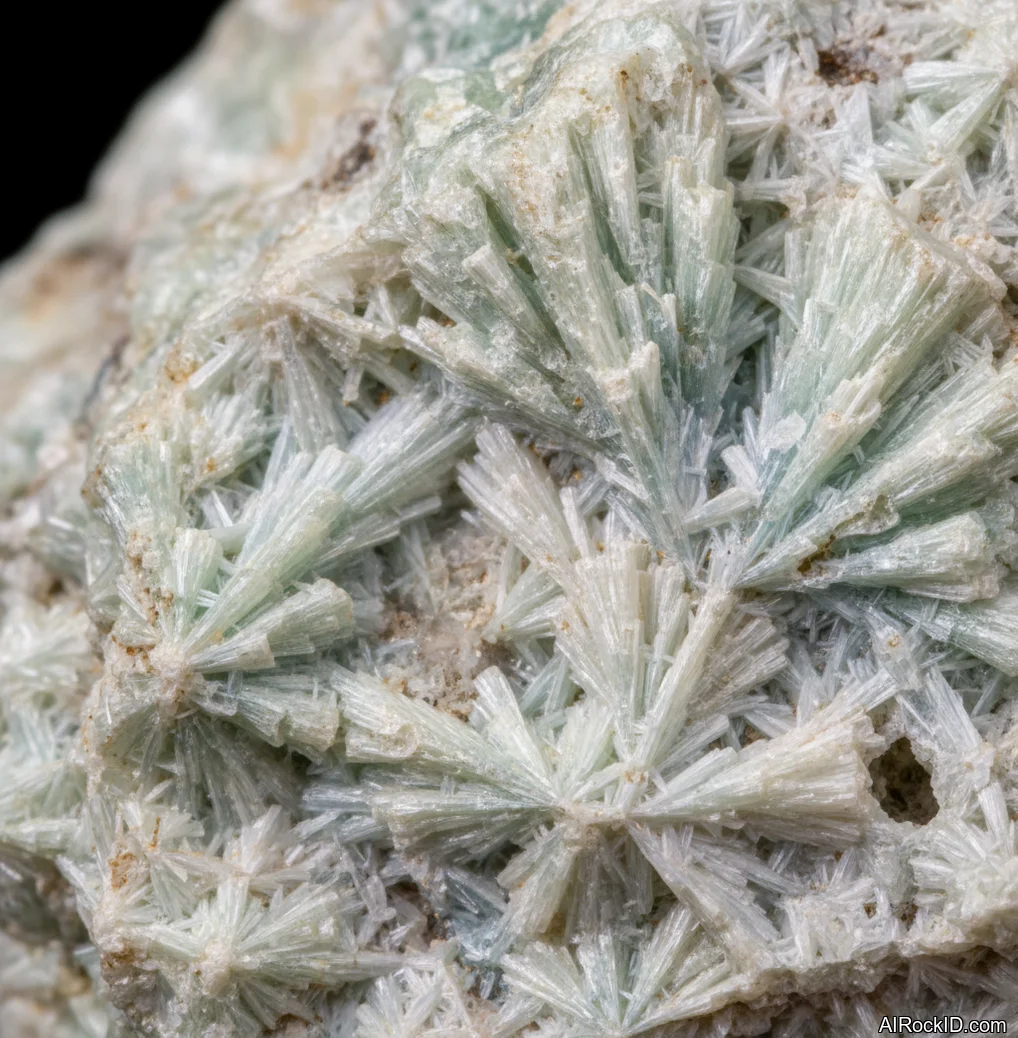
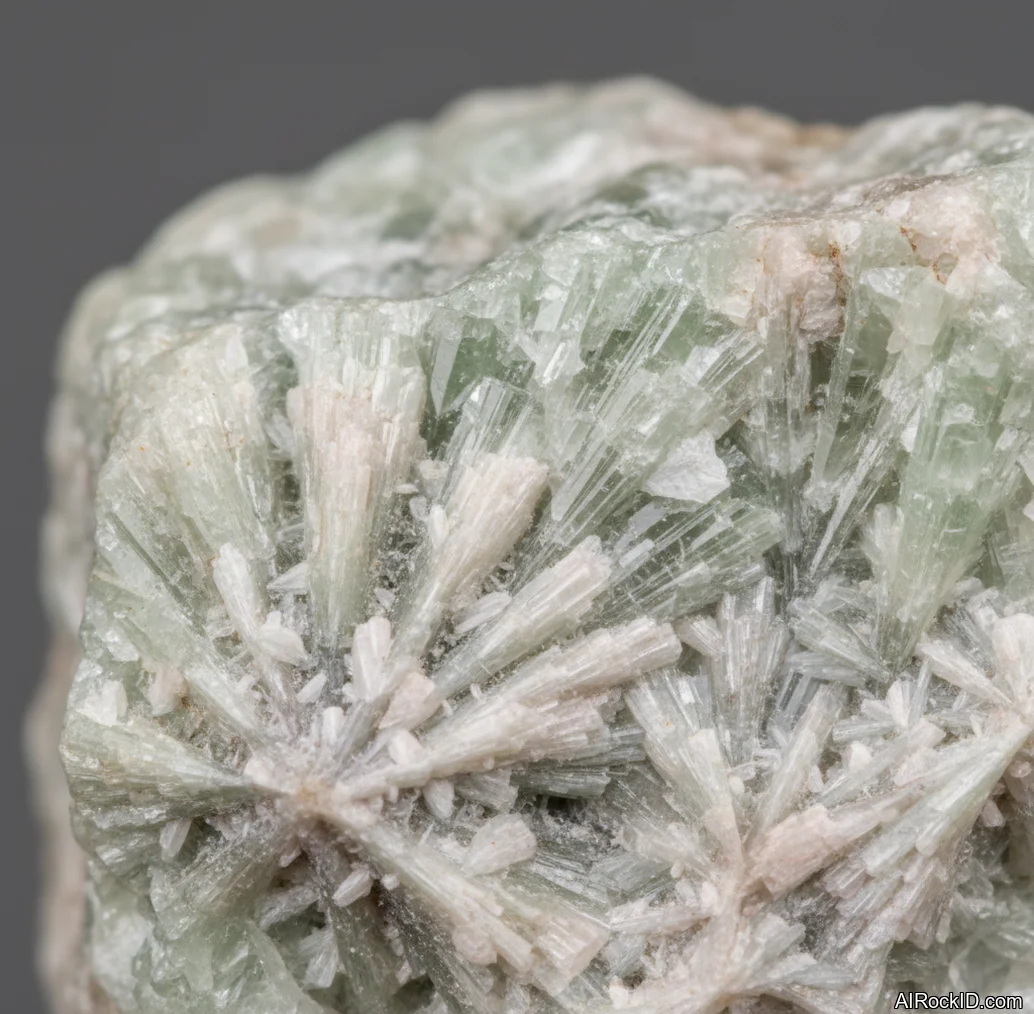
- Larimar: Larimar is a blue pectolite variety with cloudy white patterns and is often confused with dyed stones or blue Caribbean calcite.
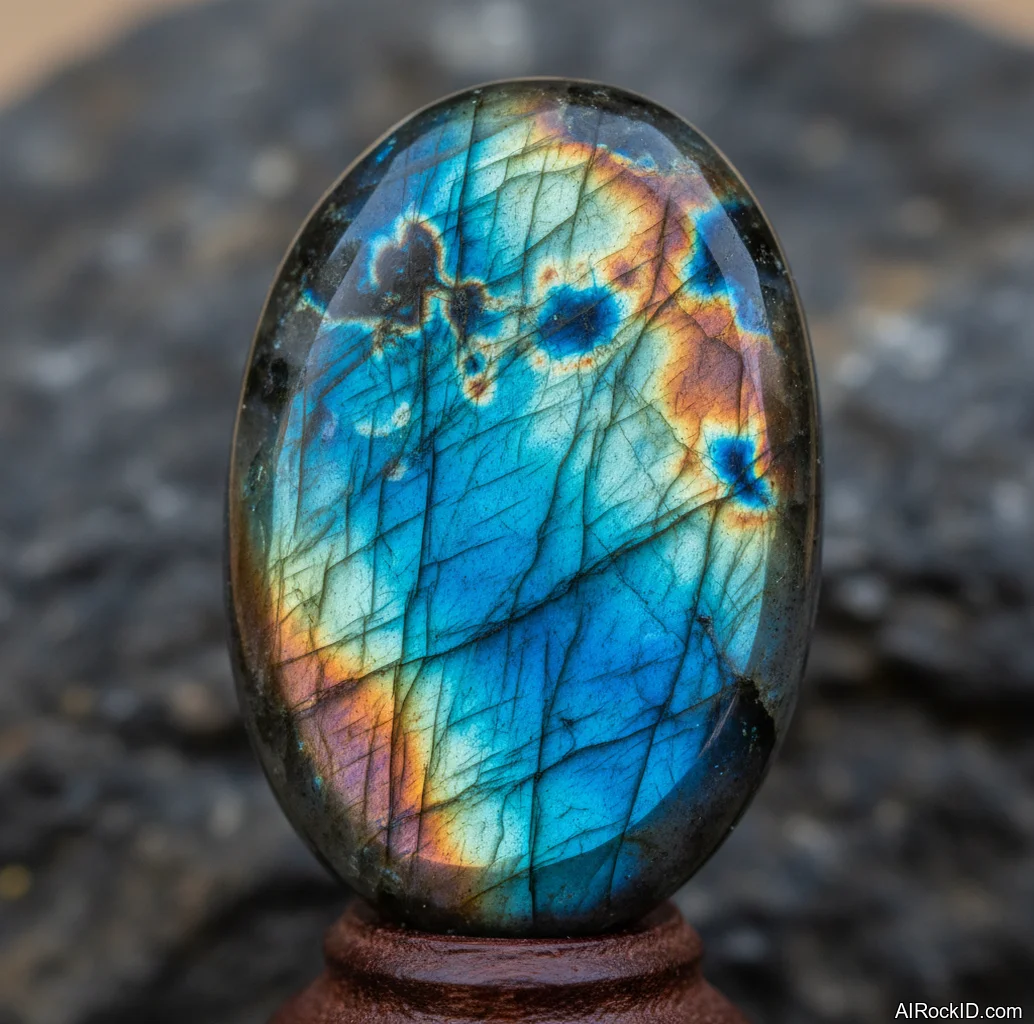
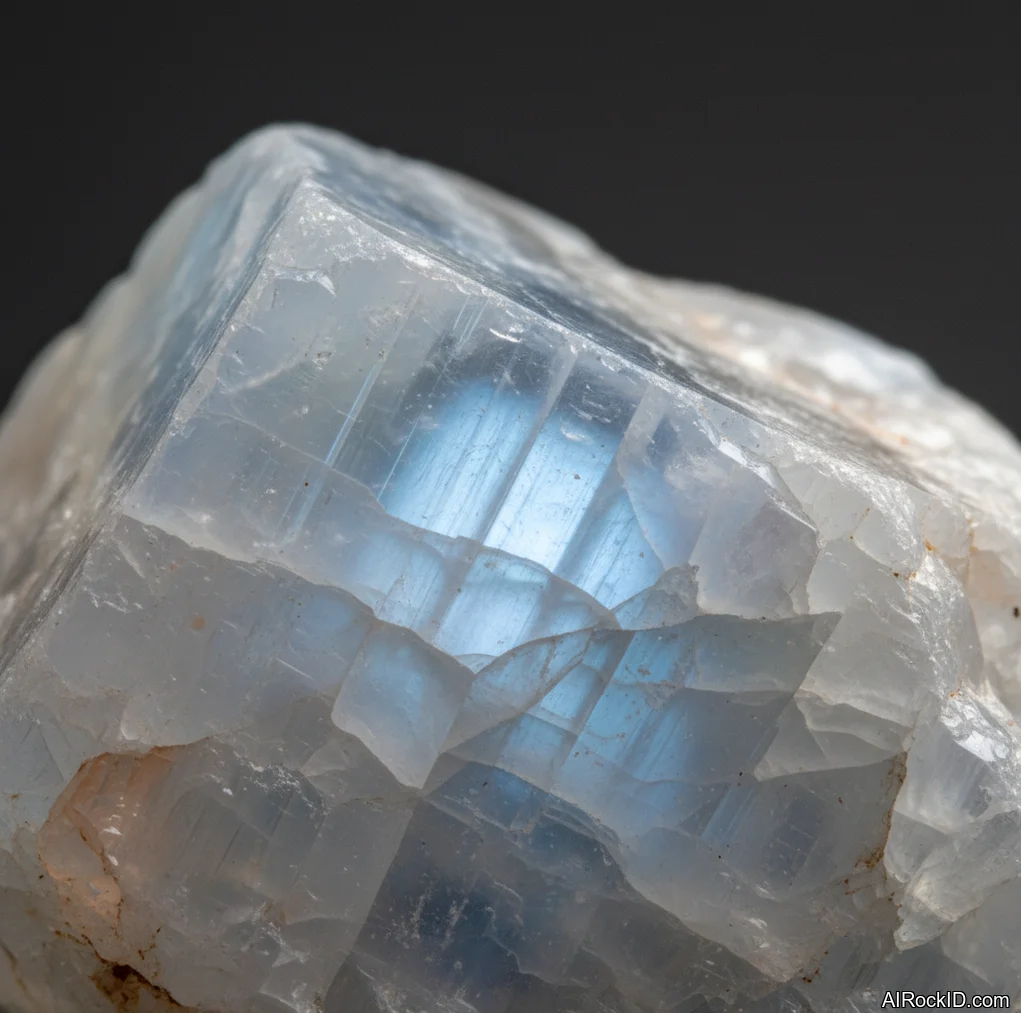
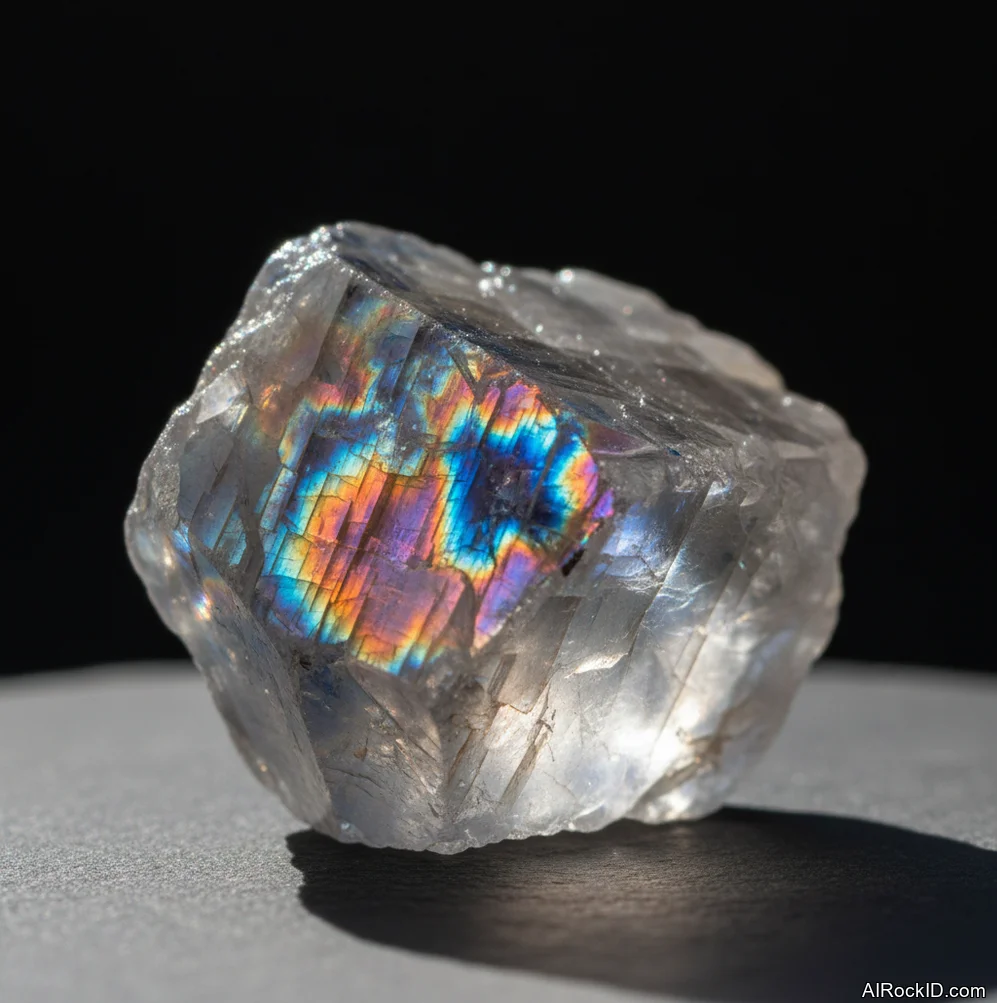
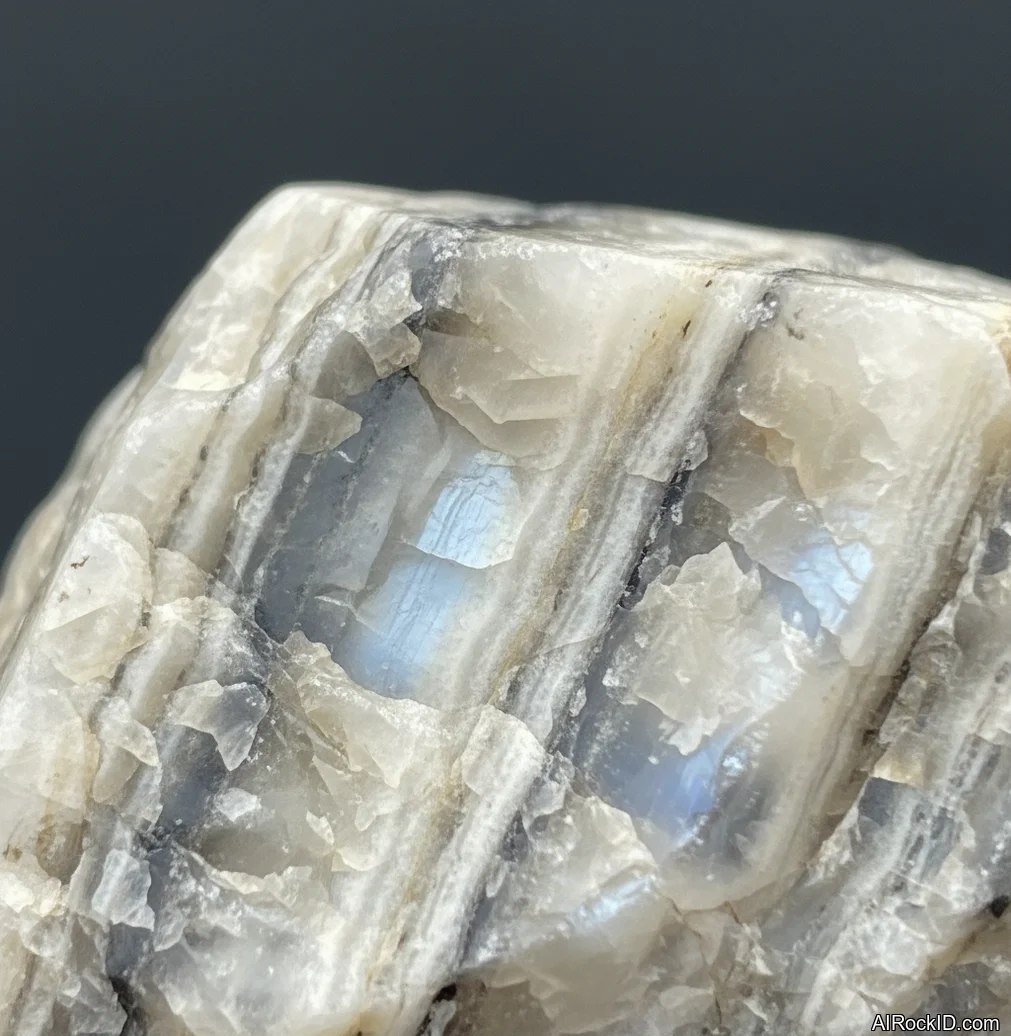
- Moonstone: Moonstone shows adularescence, a floating glow, rather than the glassy transparency typical of clear quartz.
AI identification confidence
AI identification is usually more reliable when the photo shows natural color, luster, transparency, edges, and any banding or inclusions. Confidence may be lower for polished blue stones because tumbling removes many diagnostic crystal shapes and surface features.
When AI gets it wrong
- The stone is dyed, coated, or photographed under colored lighting
- The image shows only a polished bead or cabochon with no scale
- Several minerals share similar pale blue, green-blue, or milky white colors
- The specimen is glass, resin, or a composite sold under a trade name
Best choice summary
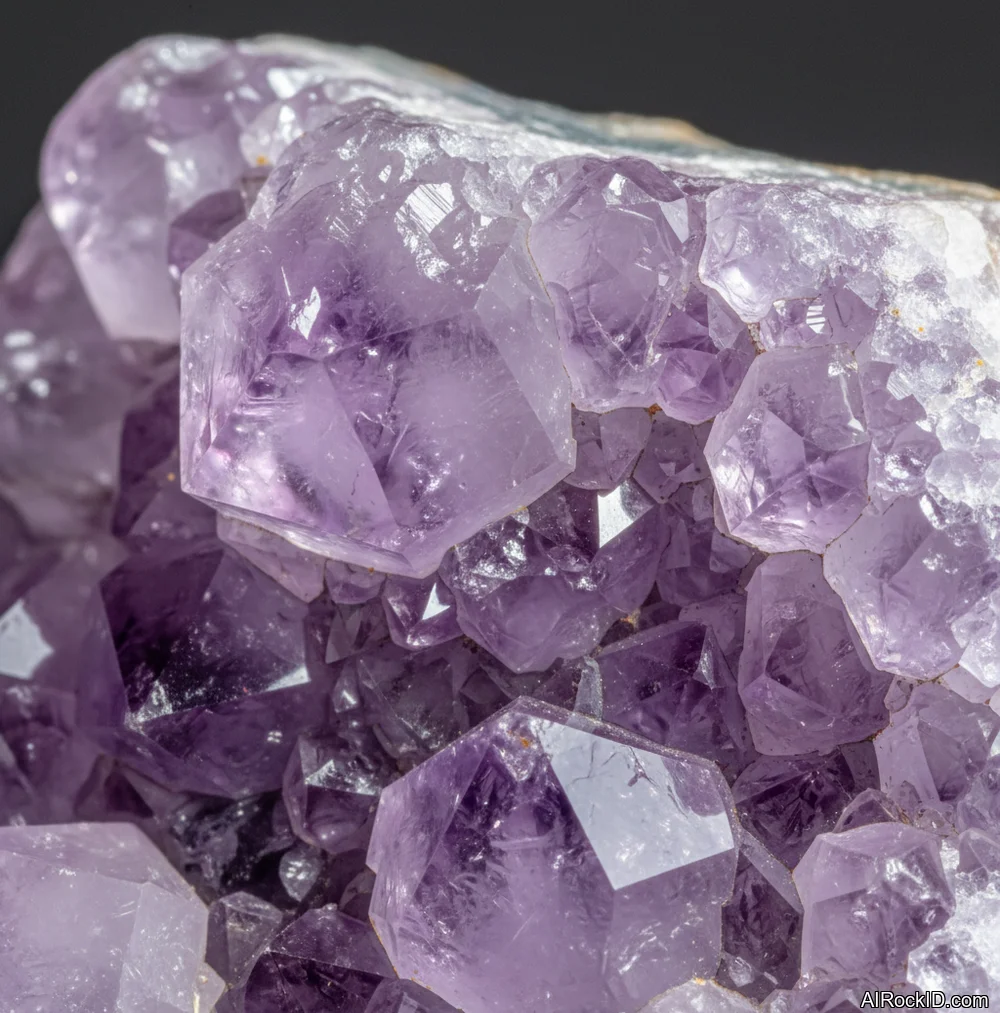
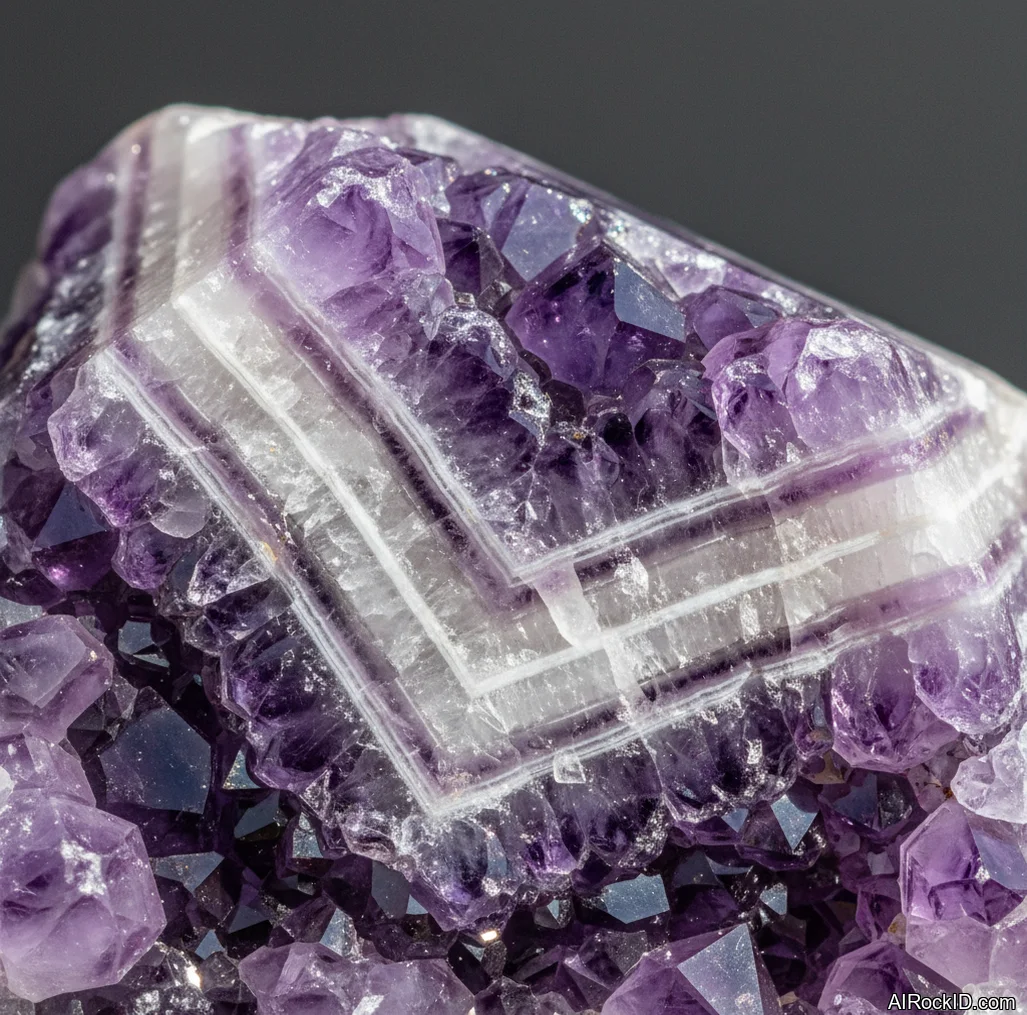
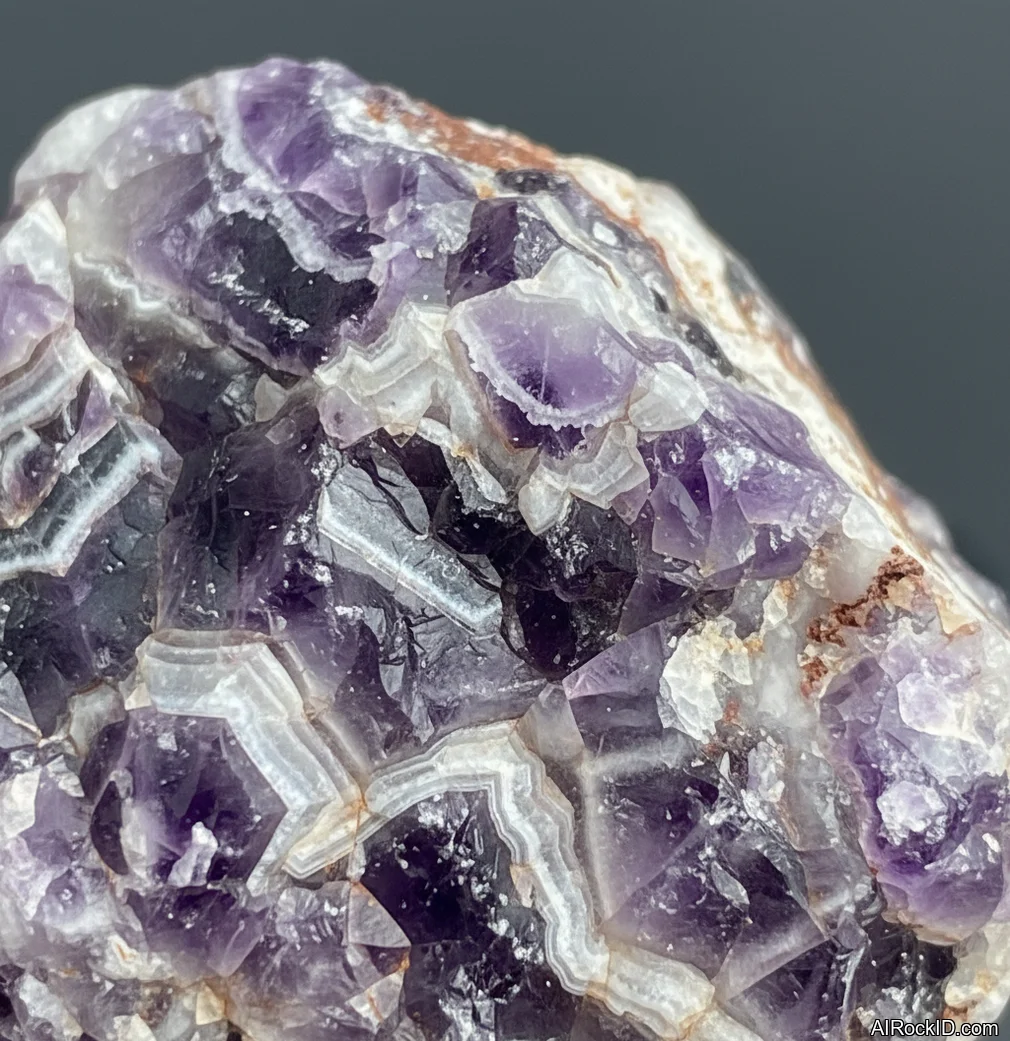
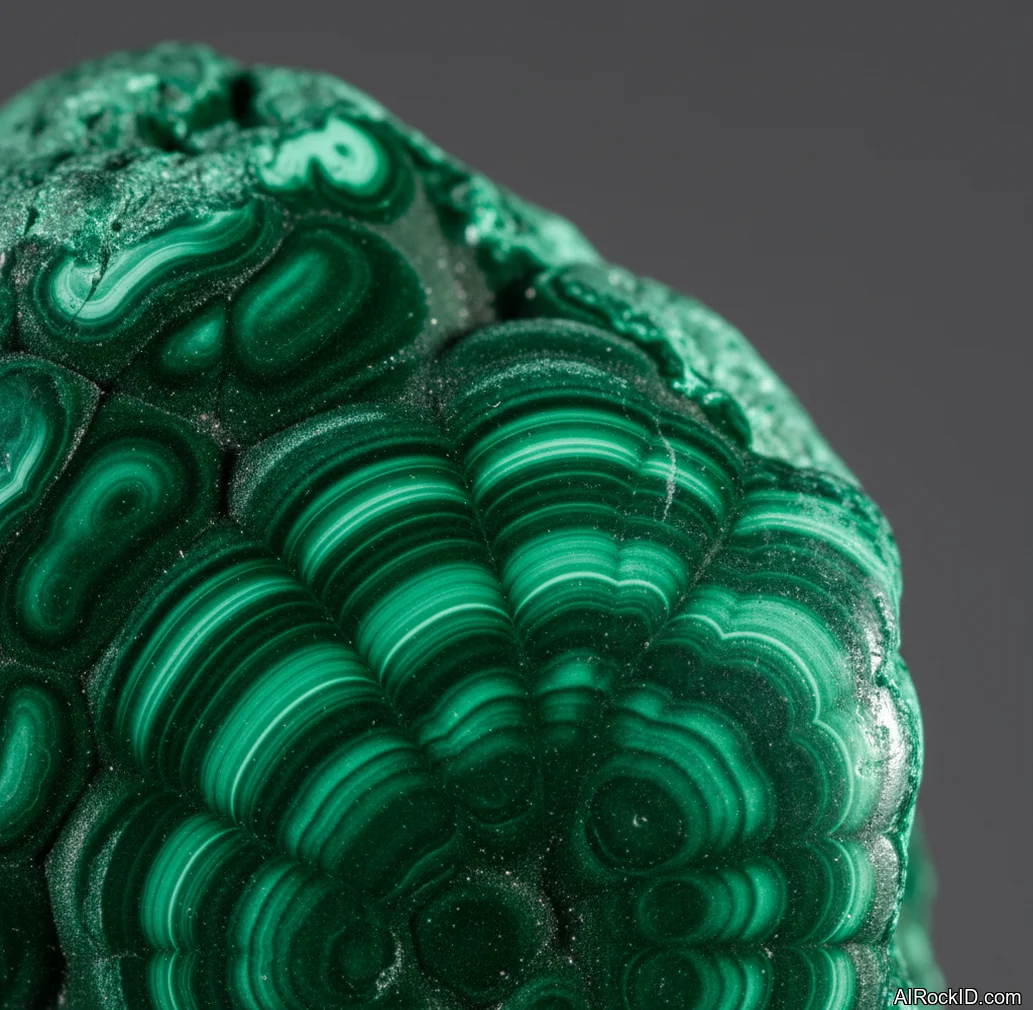
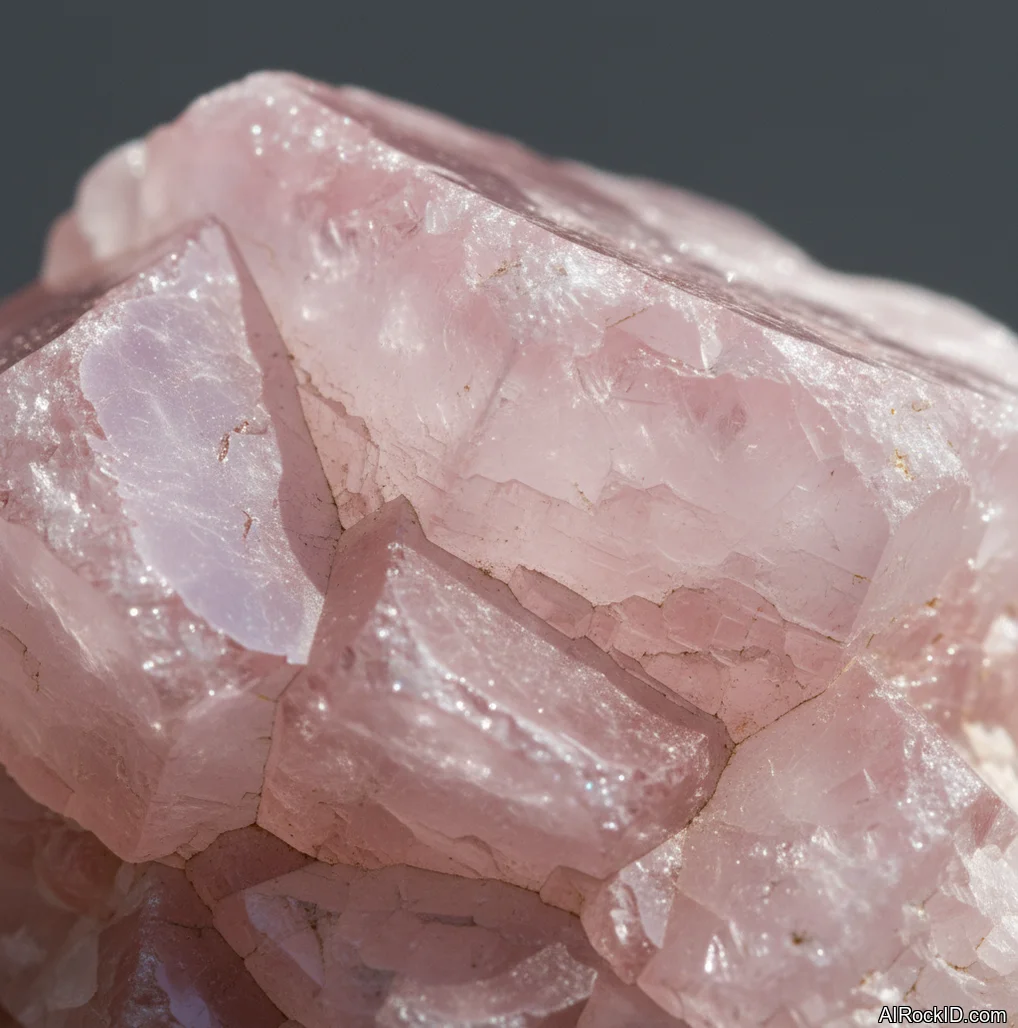
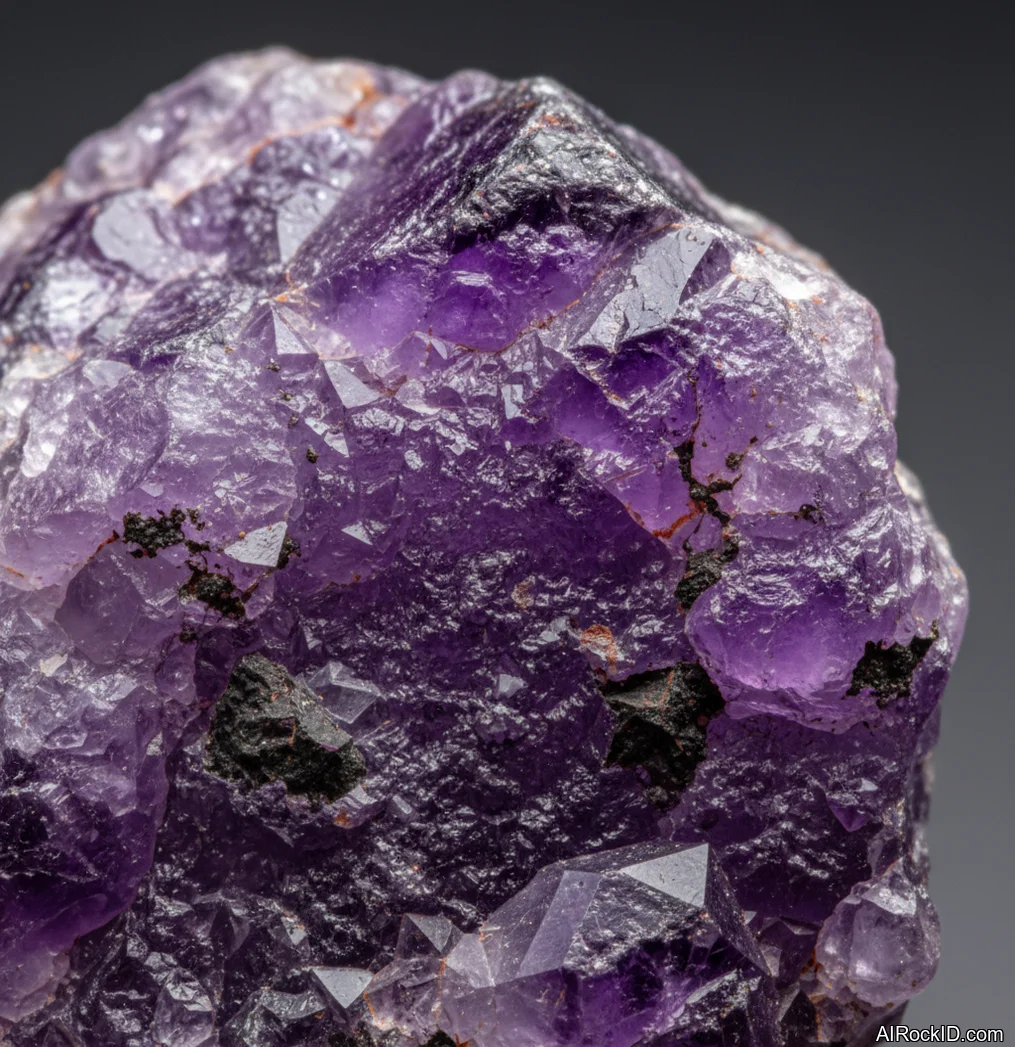
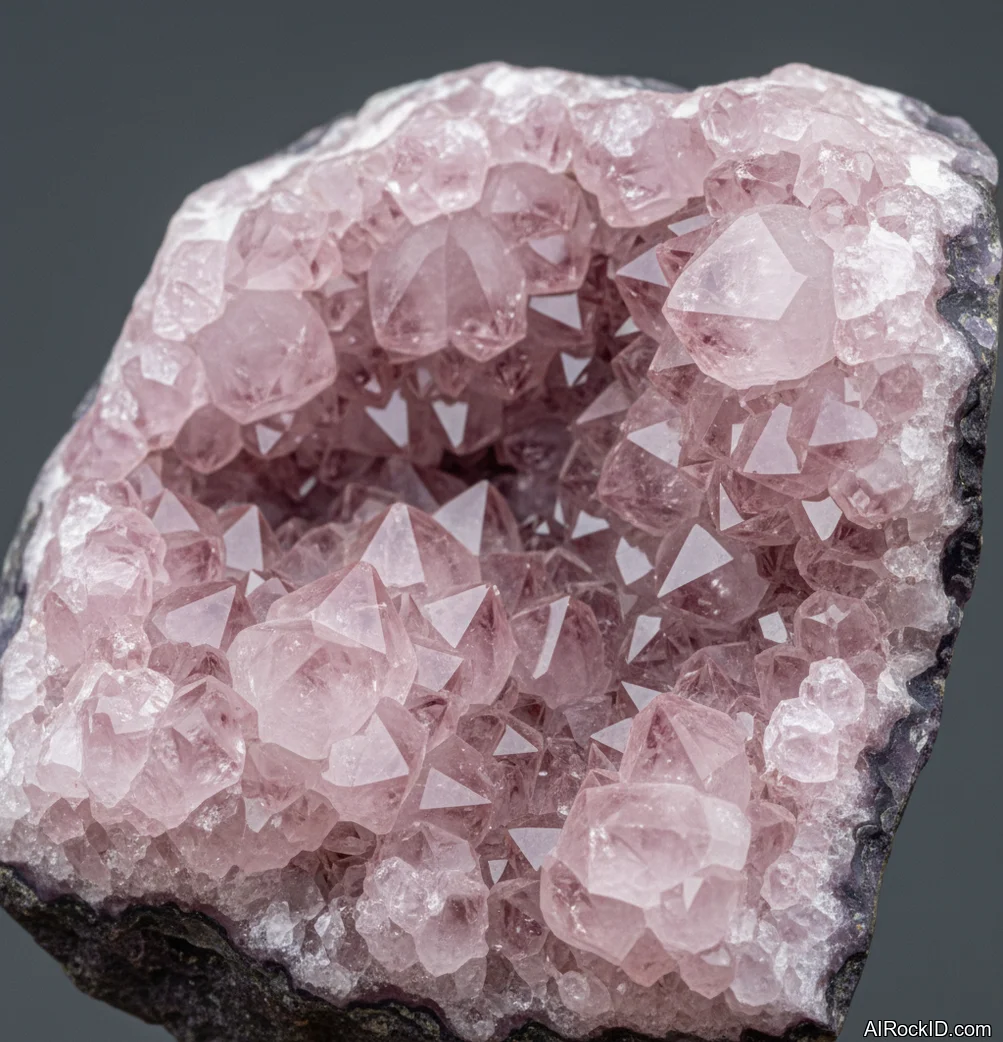
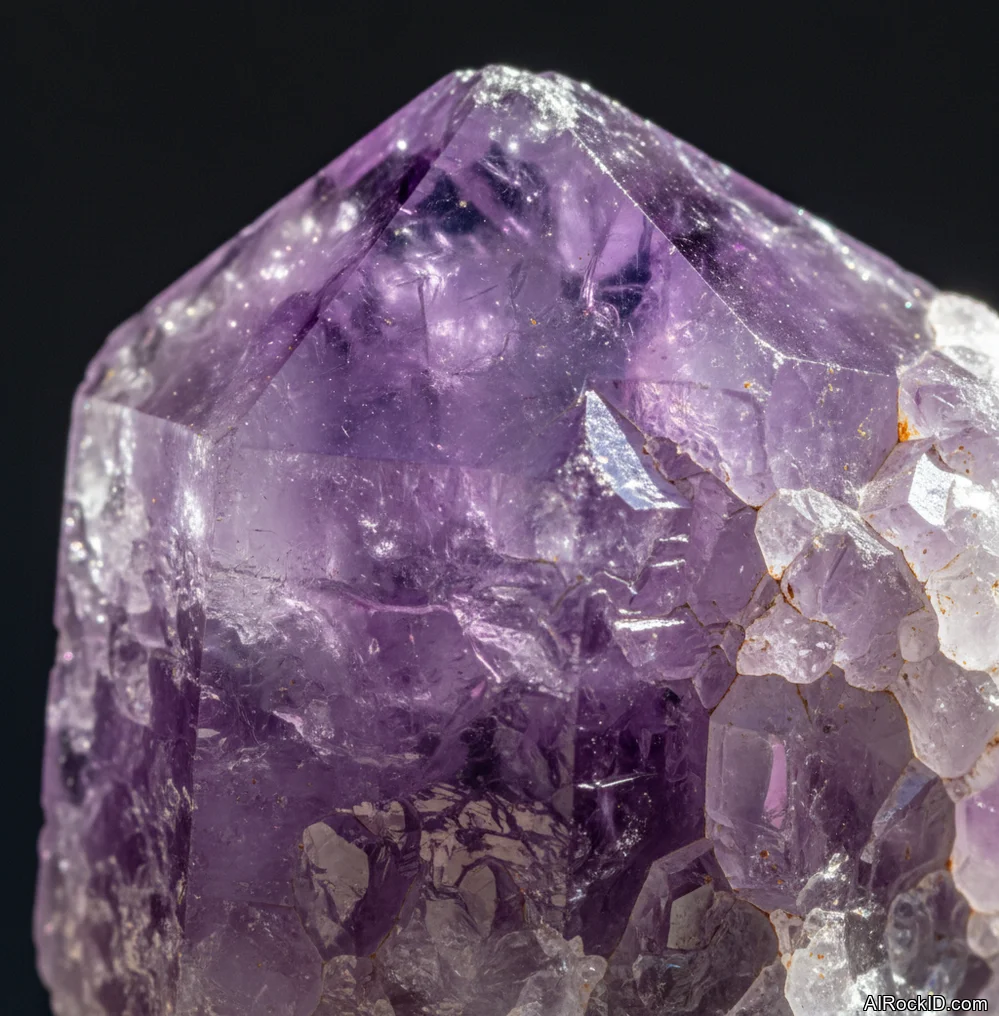
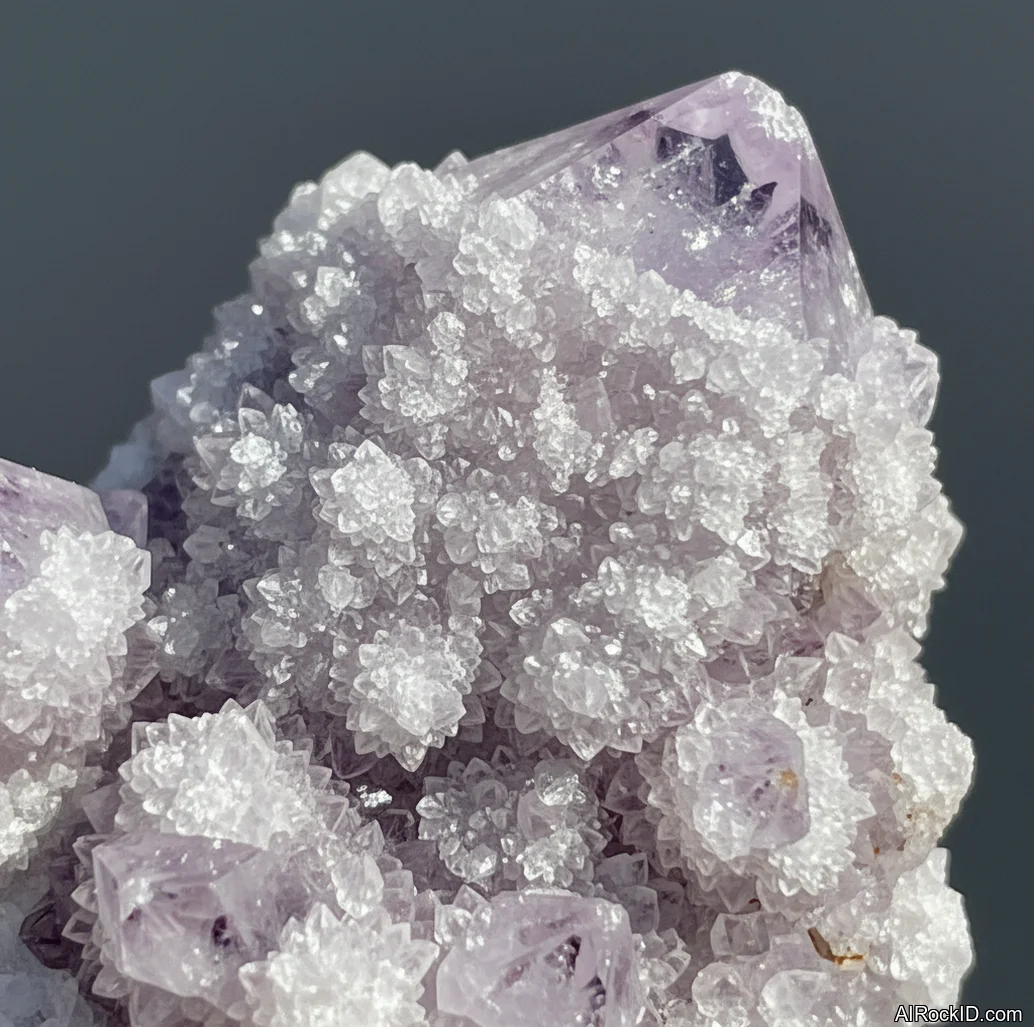
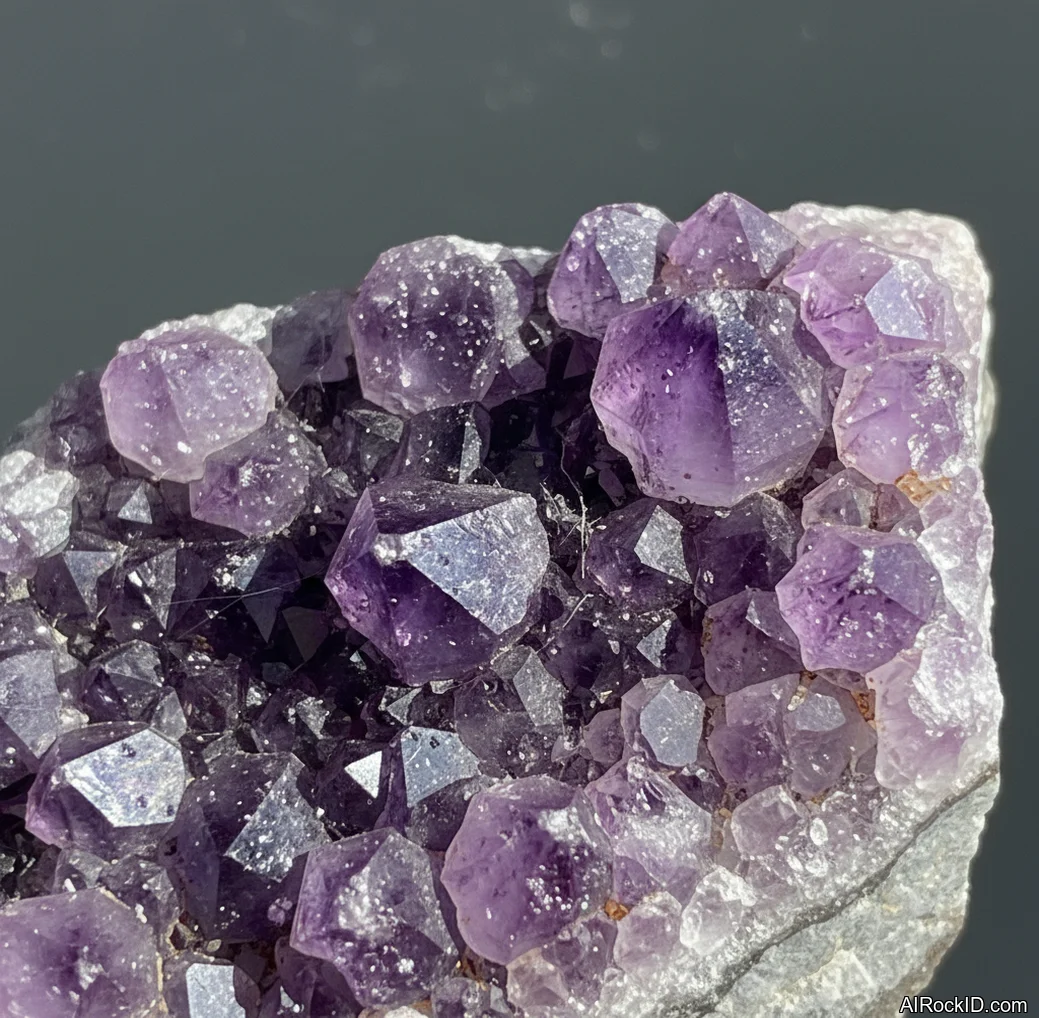
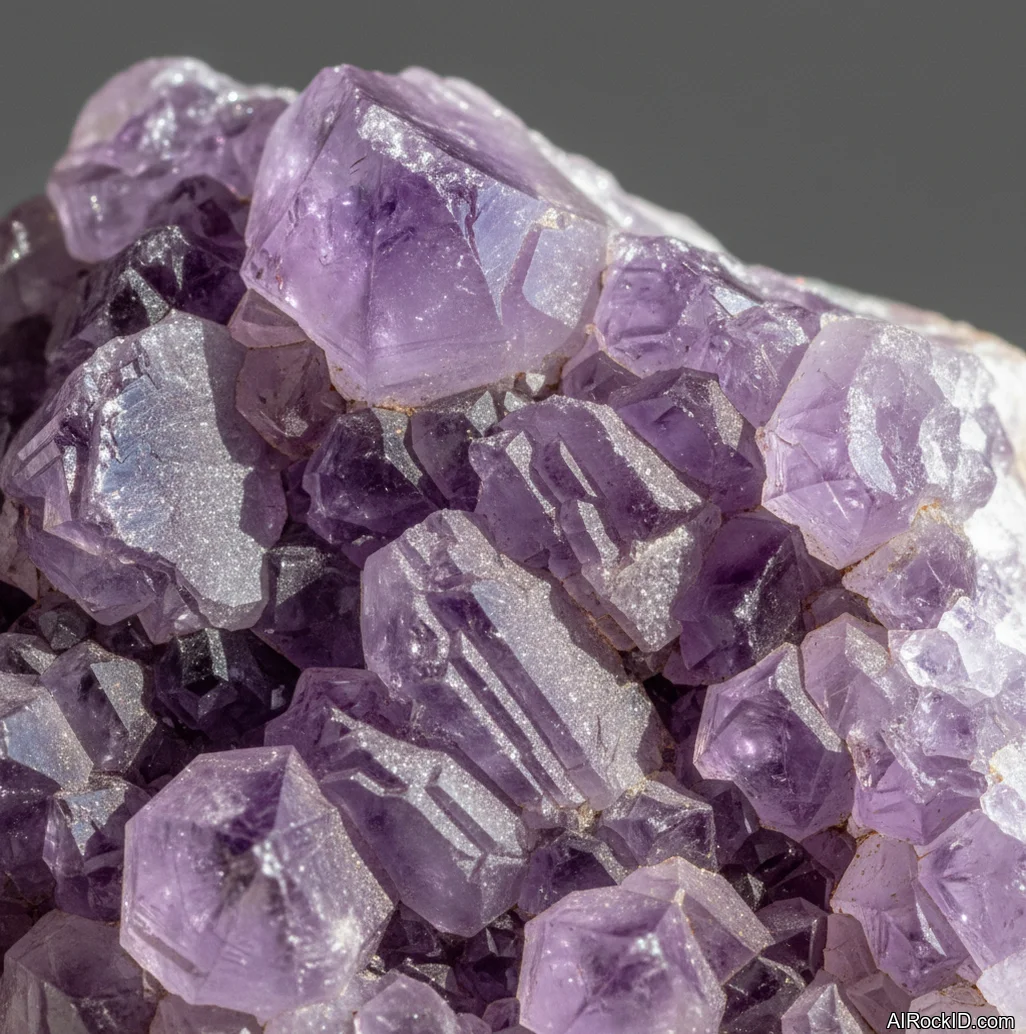
For a first Water crystal, choose a durable, easy-to-recognize stone such as amethyst, rose quartz, aquamarine, or blue lace agate depending on the tradition or color association you prefer. For handling and cleansing, mineral hardness and water sensitivity matter more than the symbolic element label.
Final recommendation
Use Water crystals as a symbolic category for calm, flow, and emotional reflection, while identifying each specimen by its actual mineral properties. When in doubt, keep cleansing methods dry and verify the stone before soaking, charging, or wearing it daily.
What this category represents
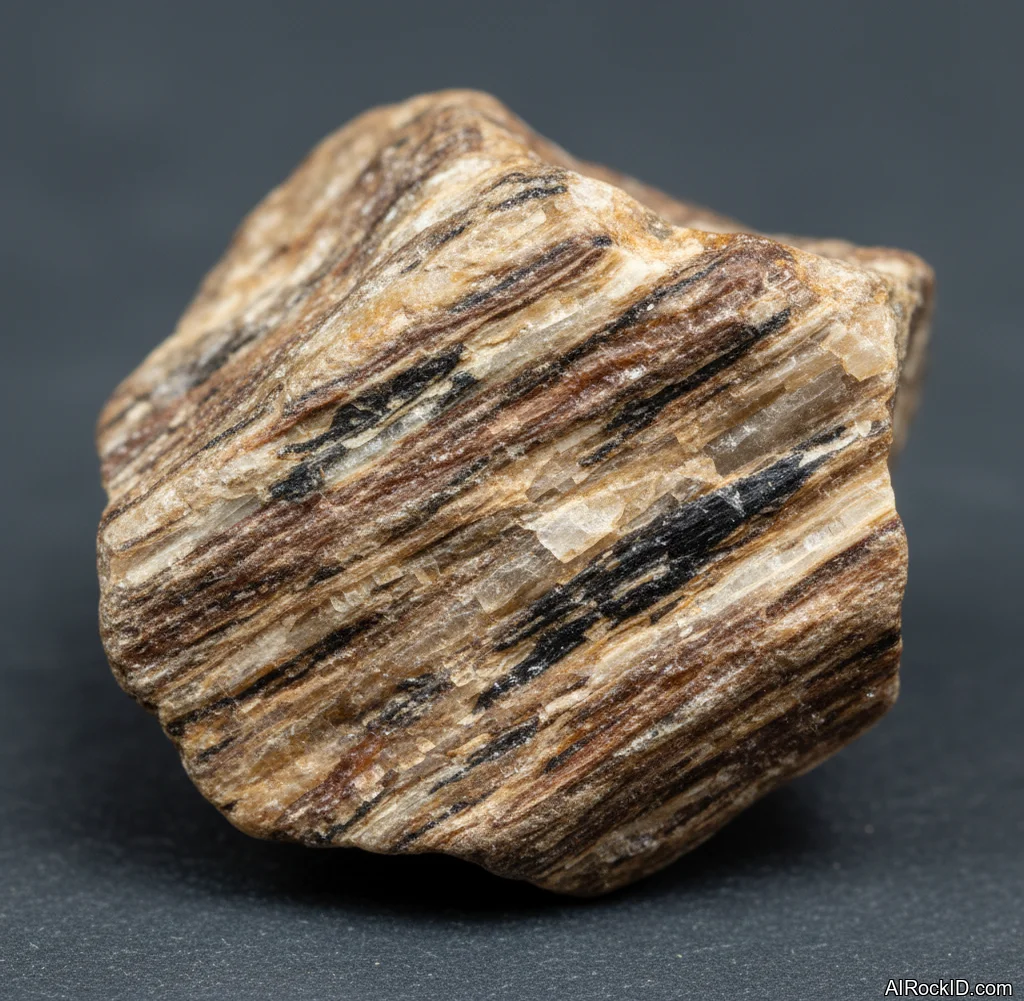
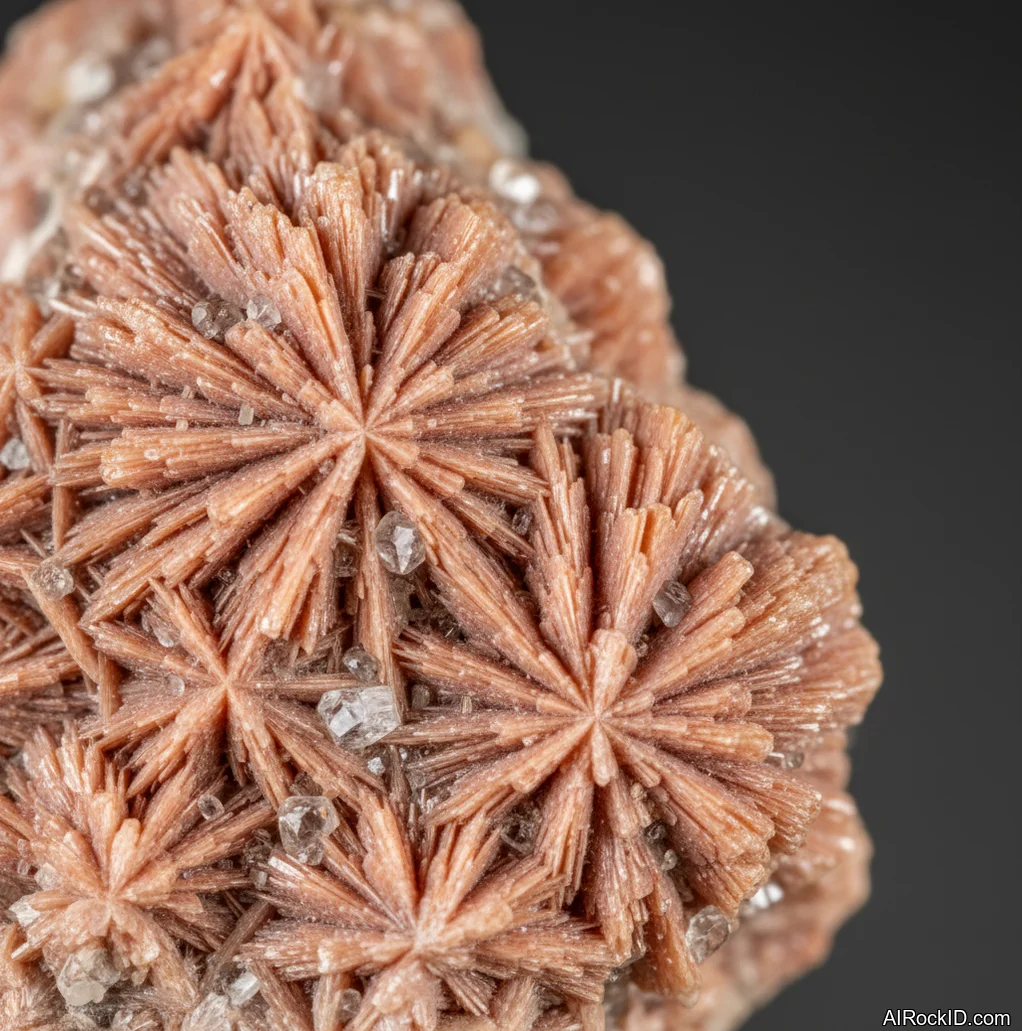
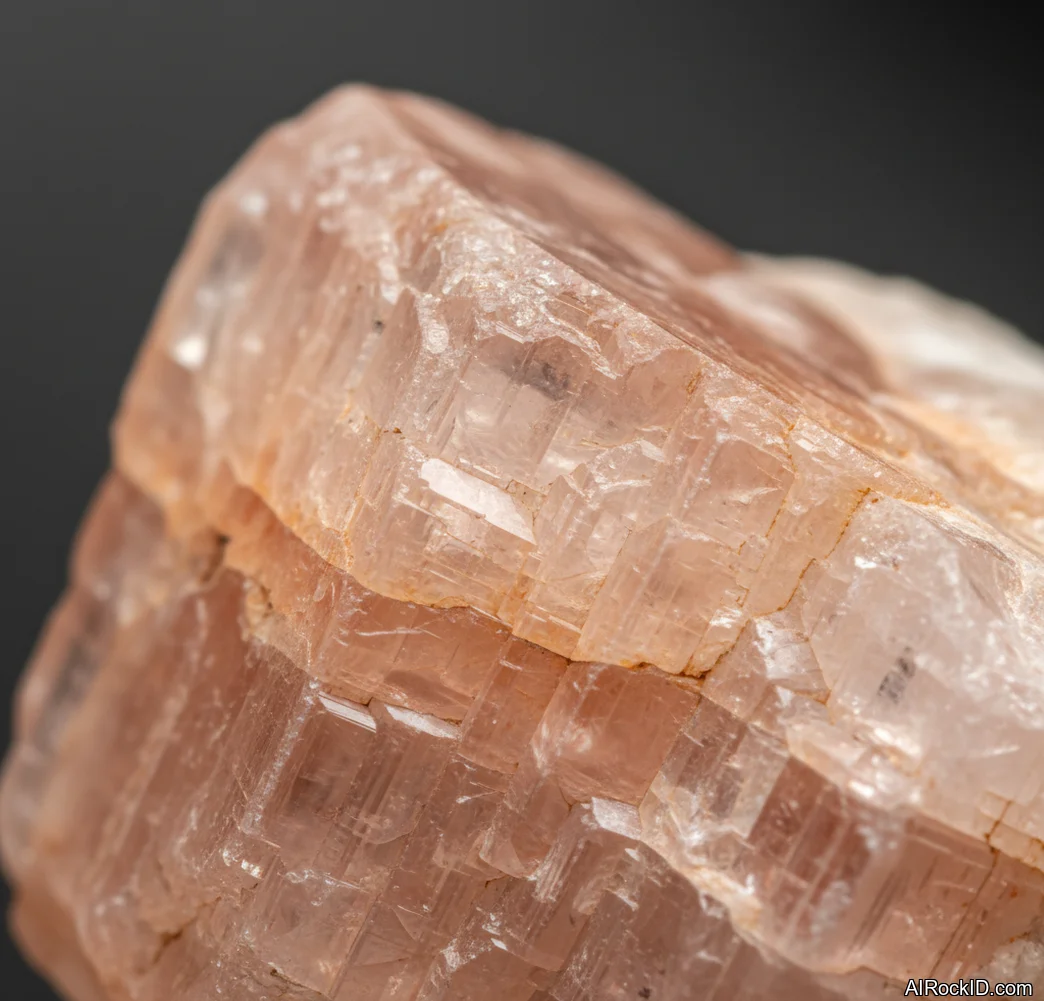
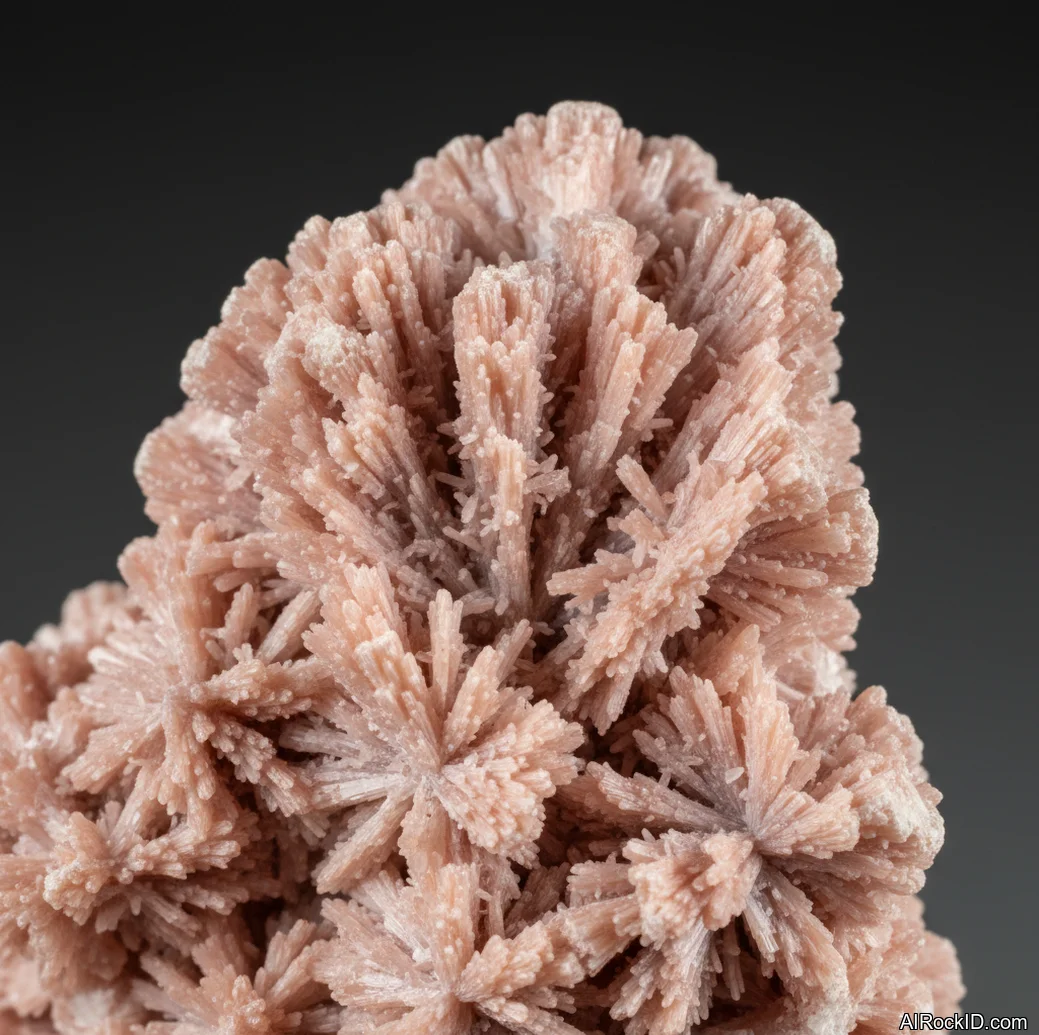
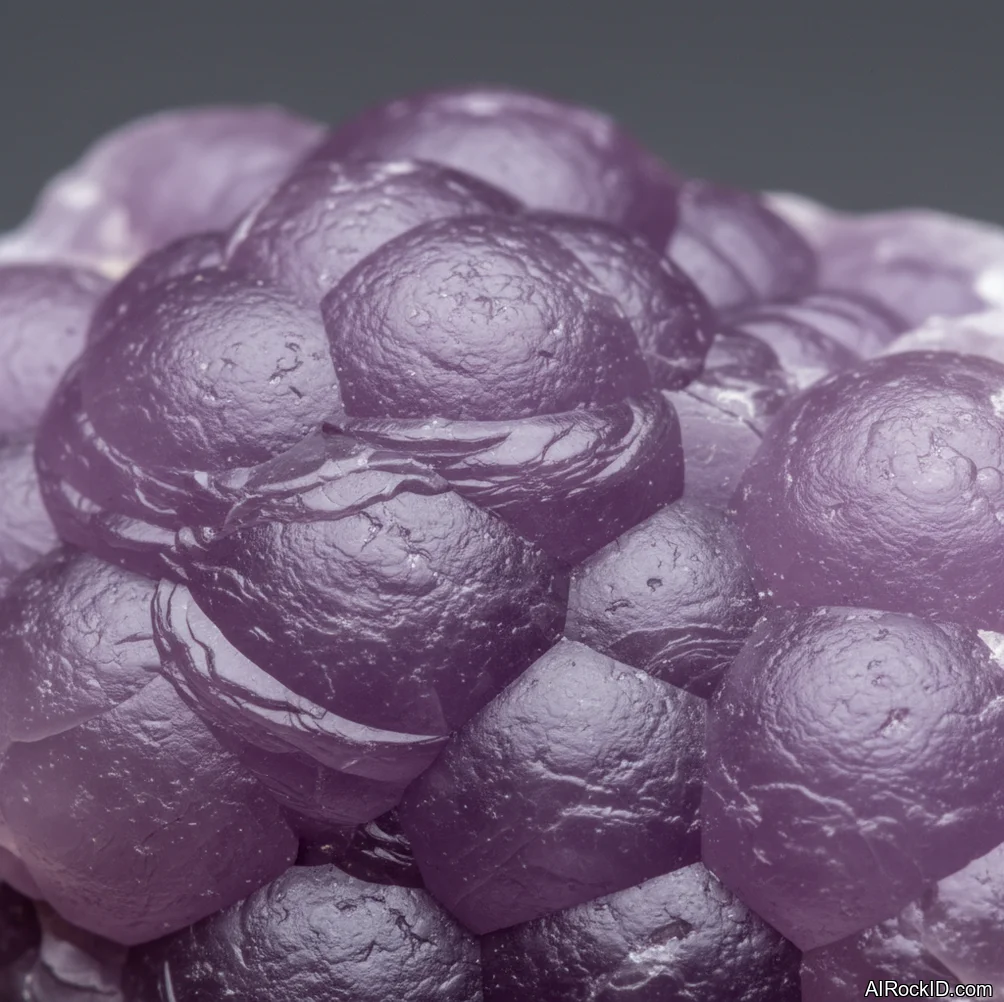
The Water Crystals tag groups stones that are associated in crystal traditions with the Water element, including themes of emotion, intuition, softness, renewal, and flow. This tag is symbolic and cultural, not a mineralogical classification based on chemical composition.
Beginner recommendations
Advanced recommendations
Water Crystals vs. Water-Safe Crystals
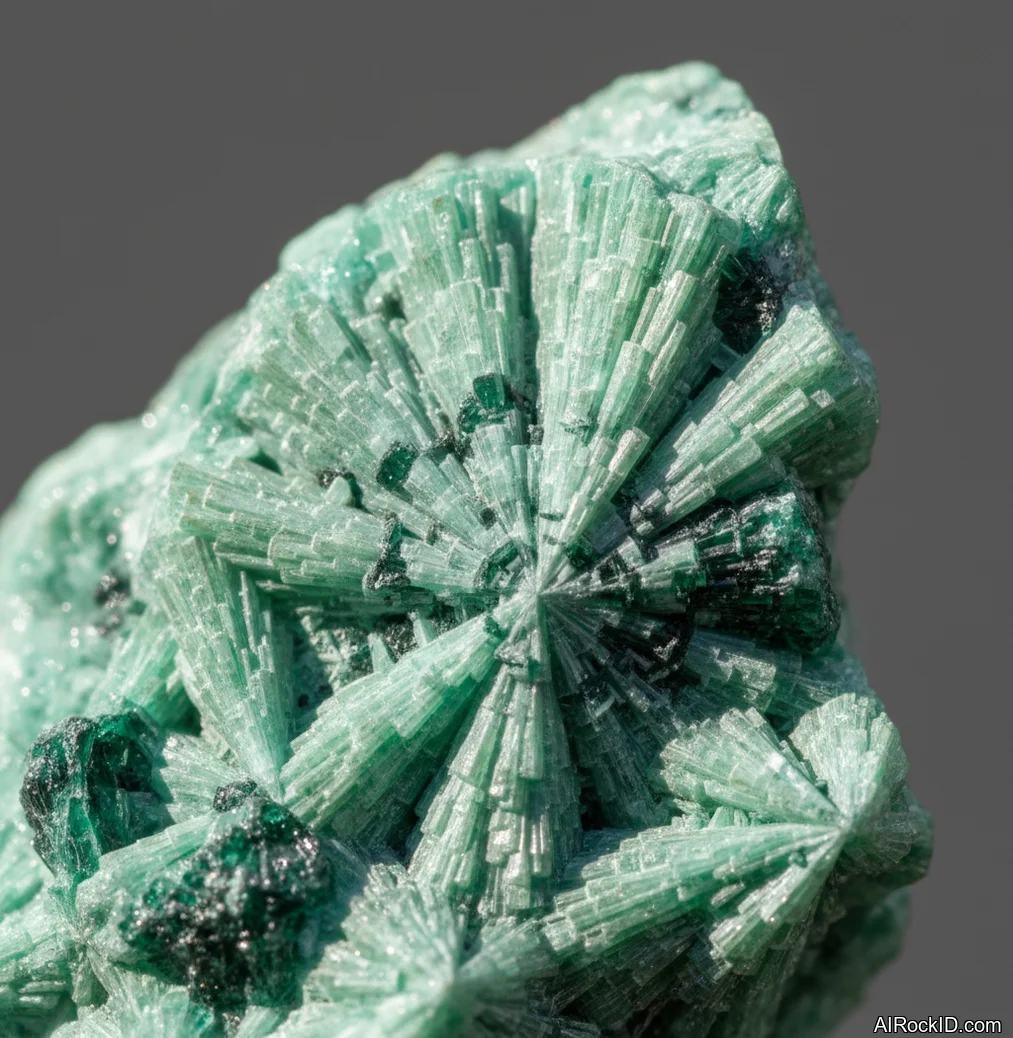
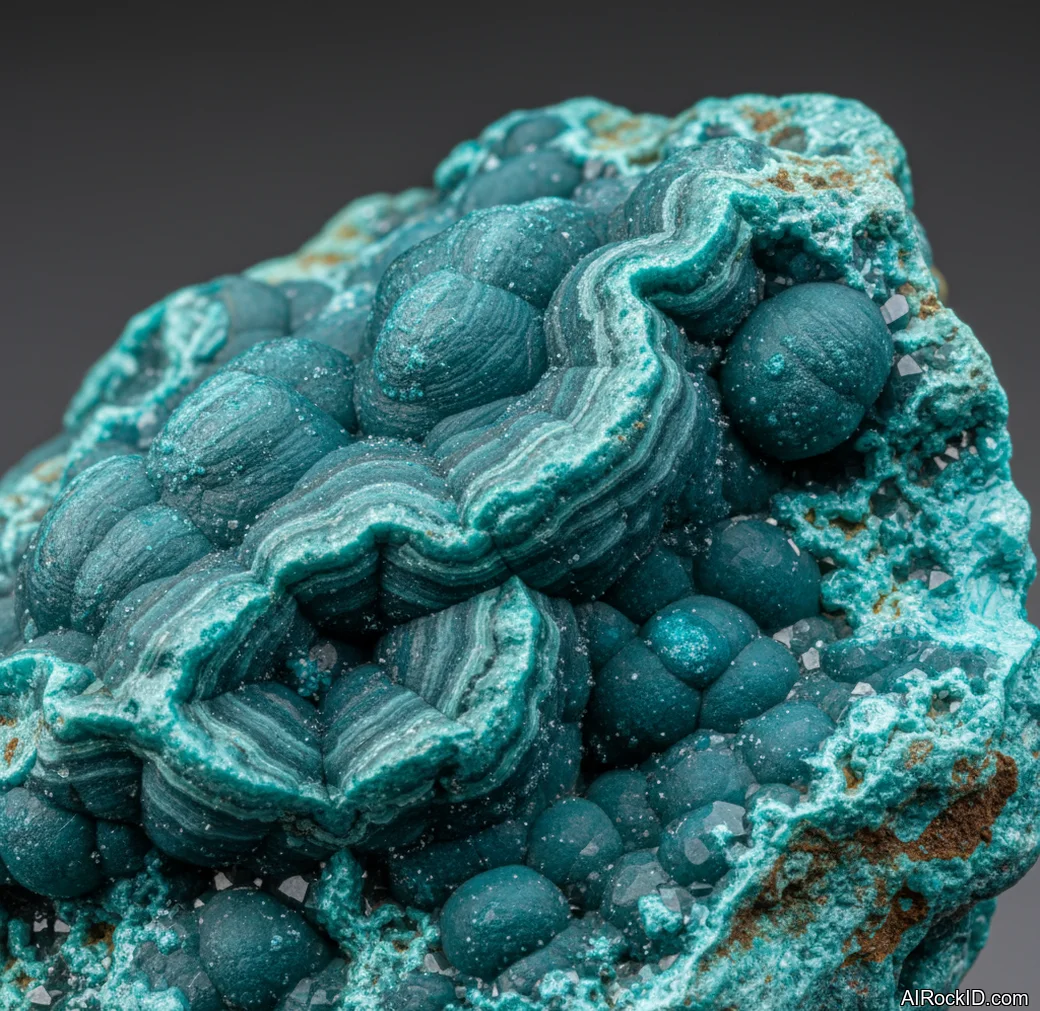
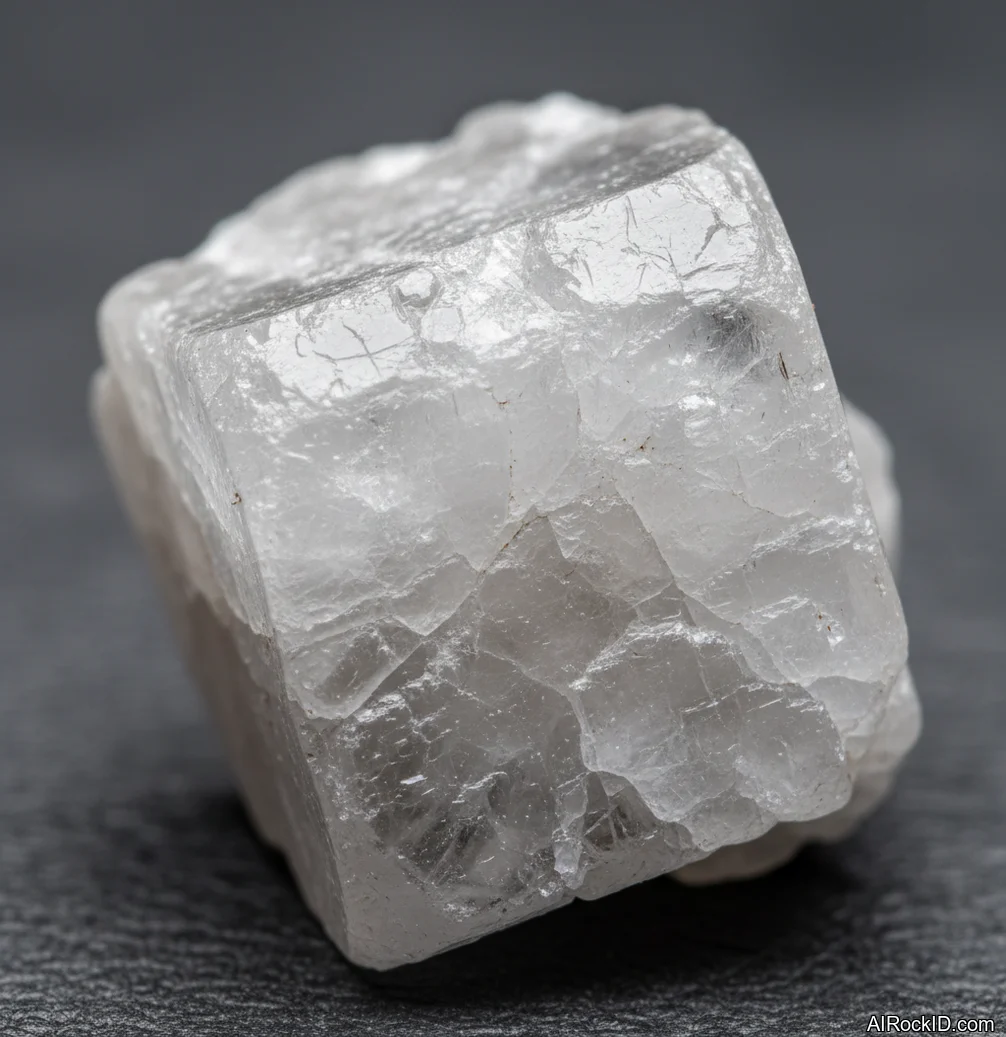
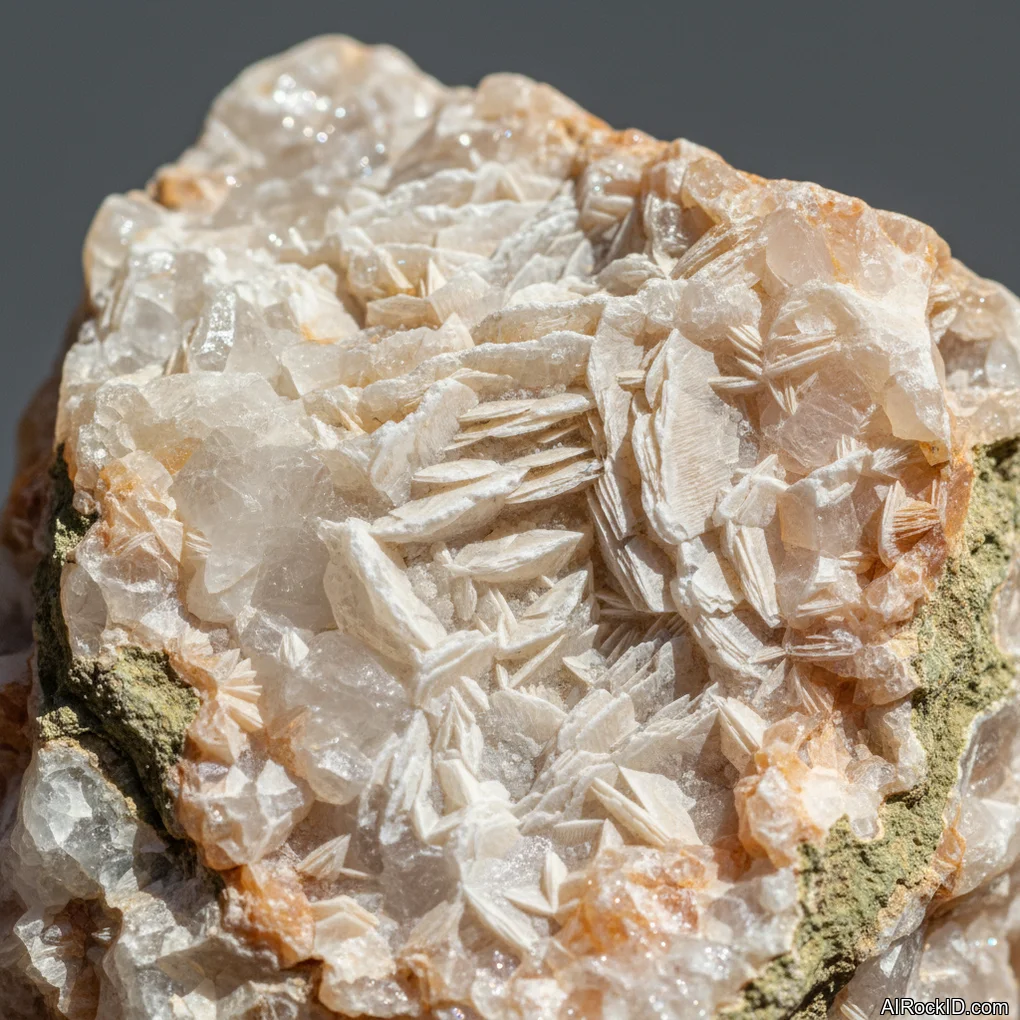
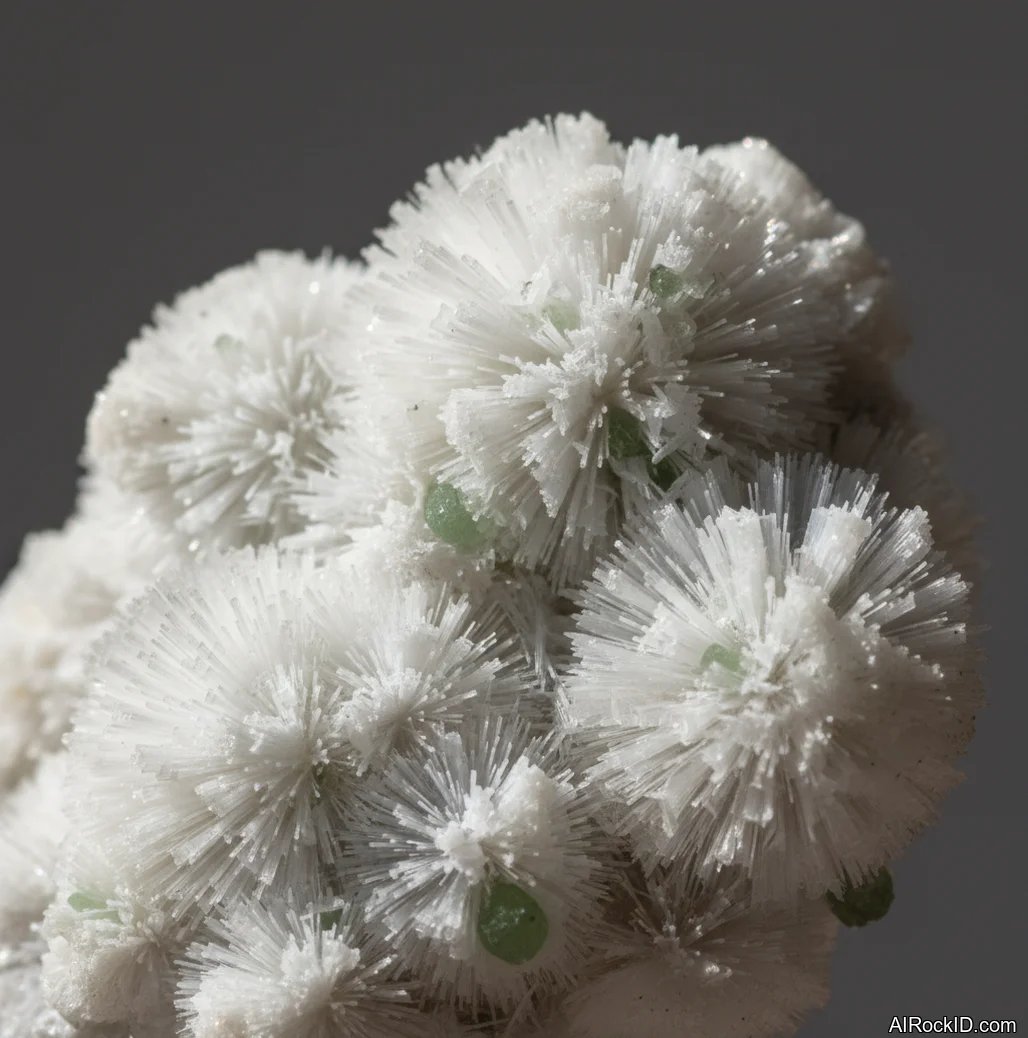
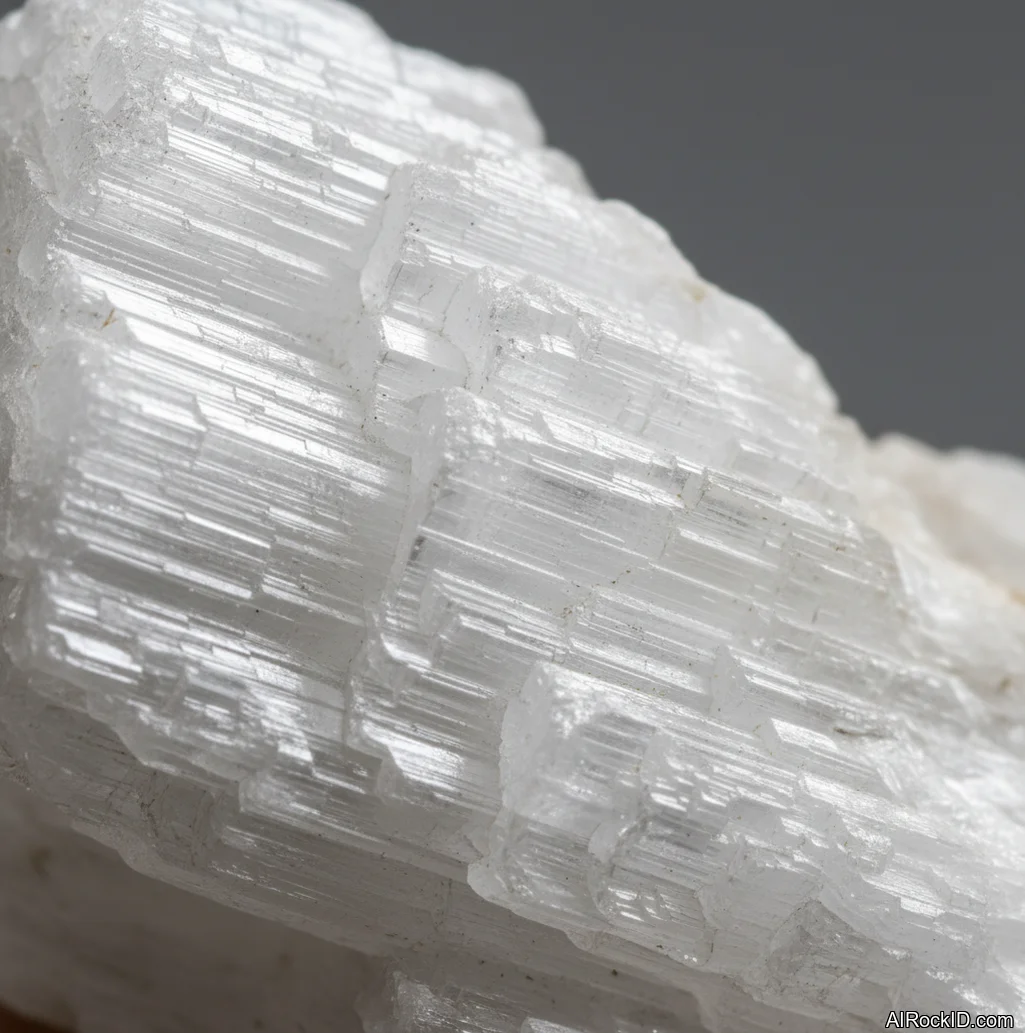
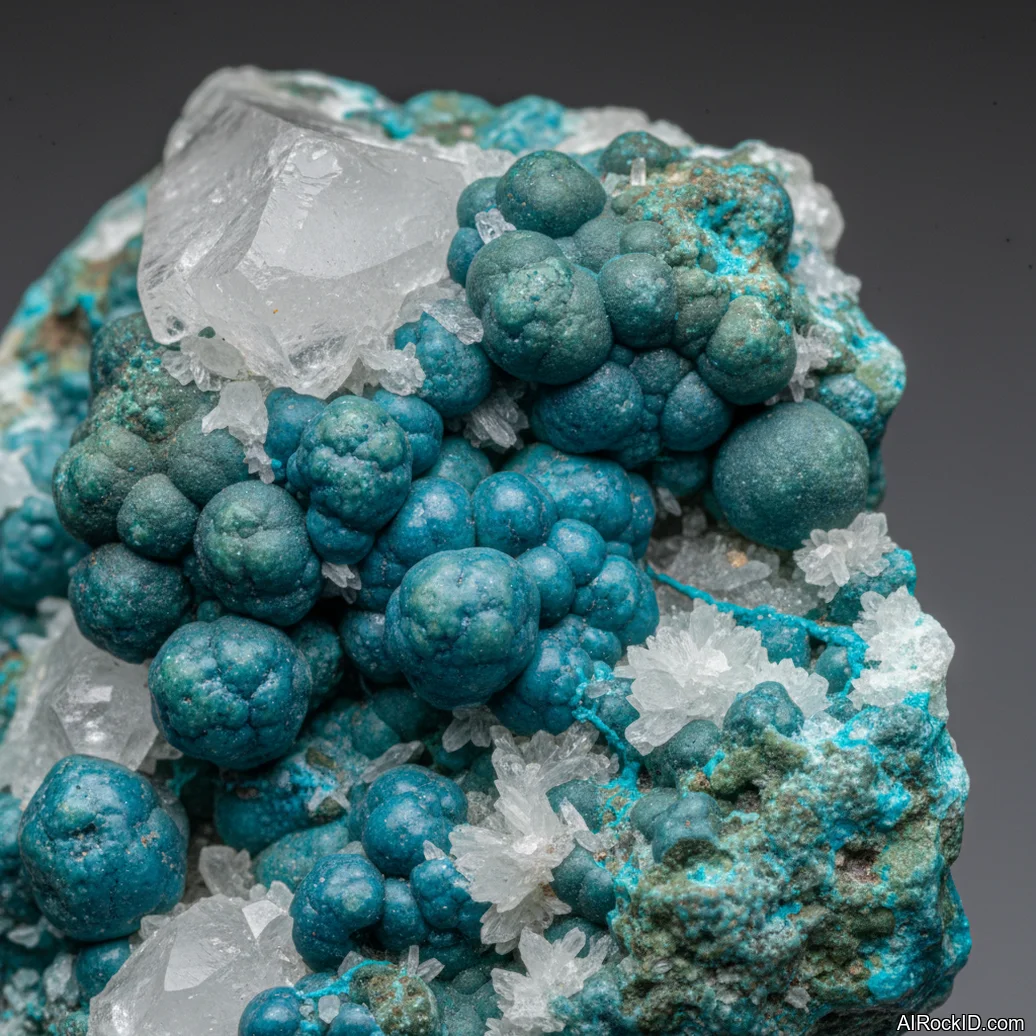
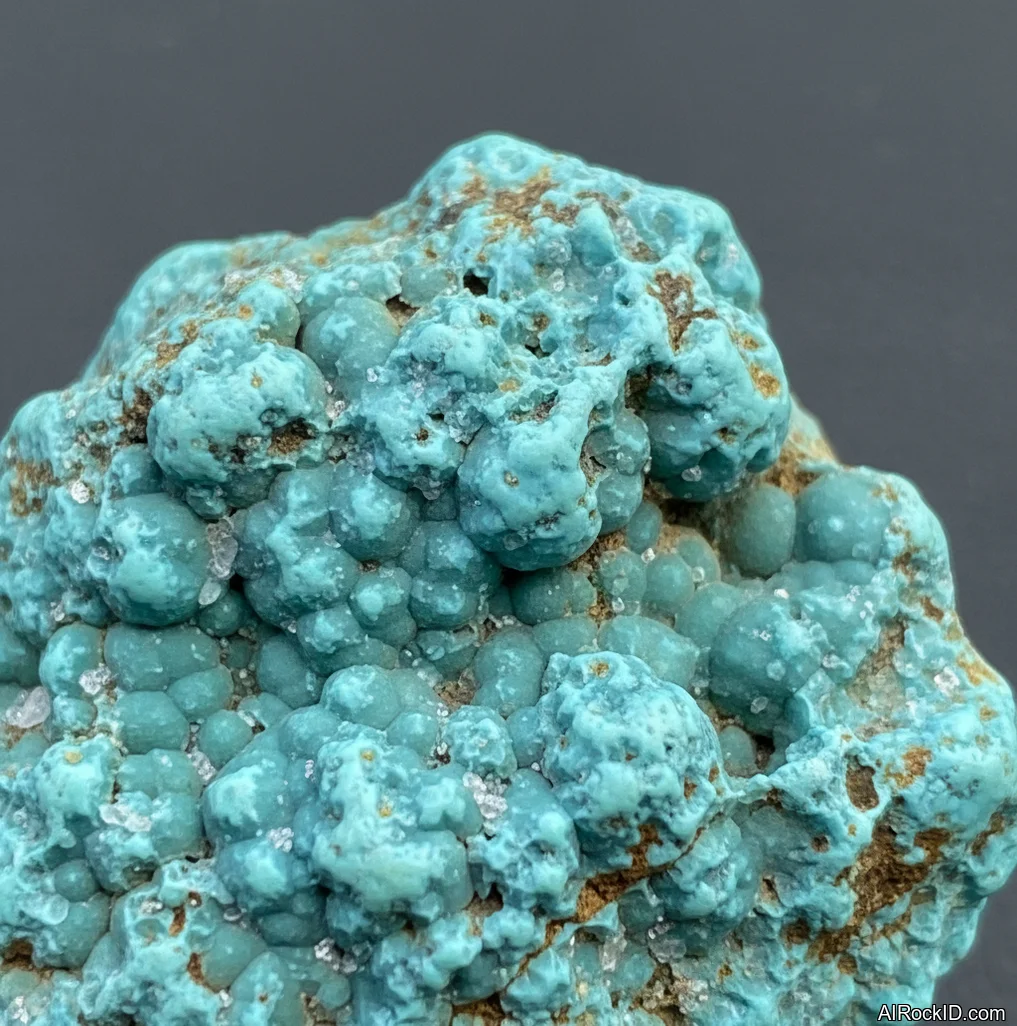
A Water crystal is a symbolic label, while a water-safe crystal is a material judgment based on mineral properties. Some stones associated with Water, such as celestite, calcite, selenite, or chrysocolla, may be soft, porous, or chemically sensitive and should not be soaked.
Natural, Dyed, and Trade-Name Water Stones
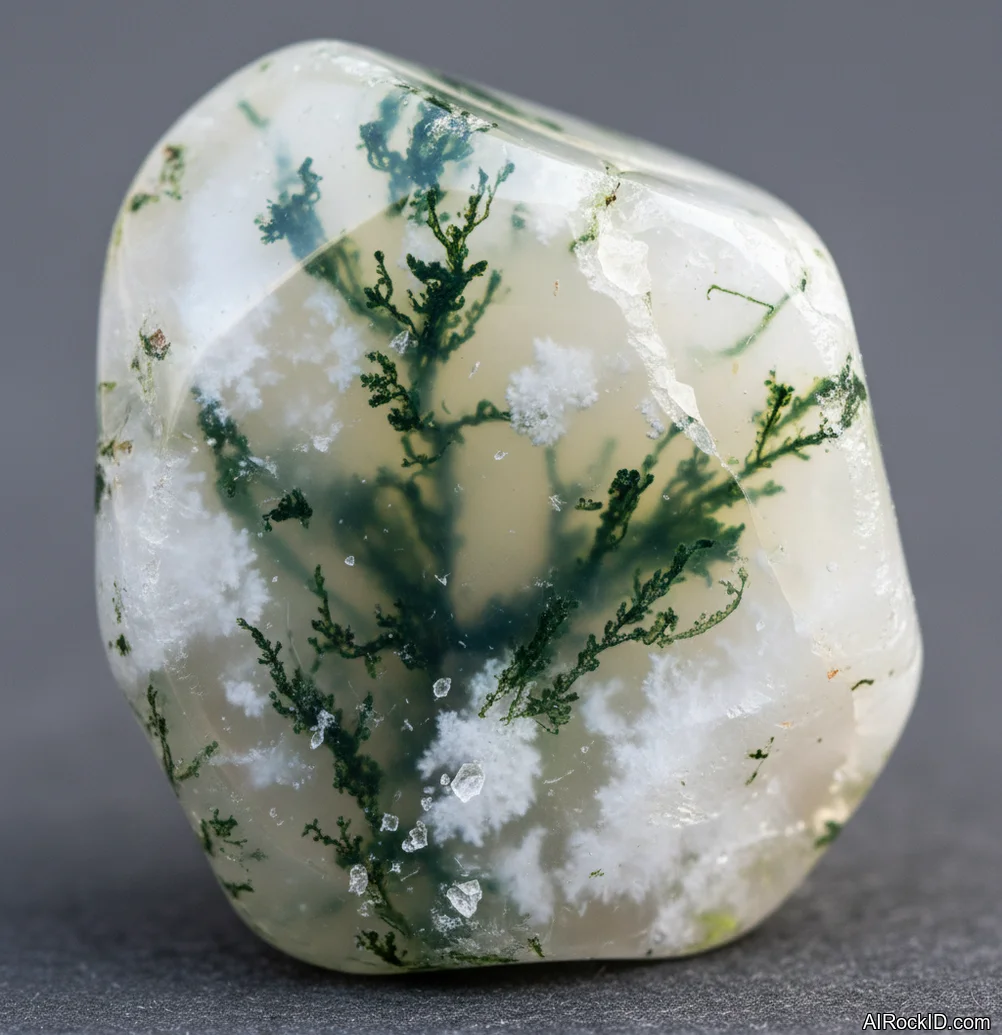
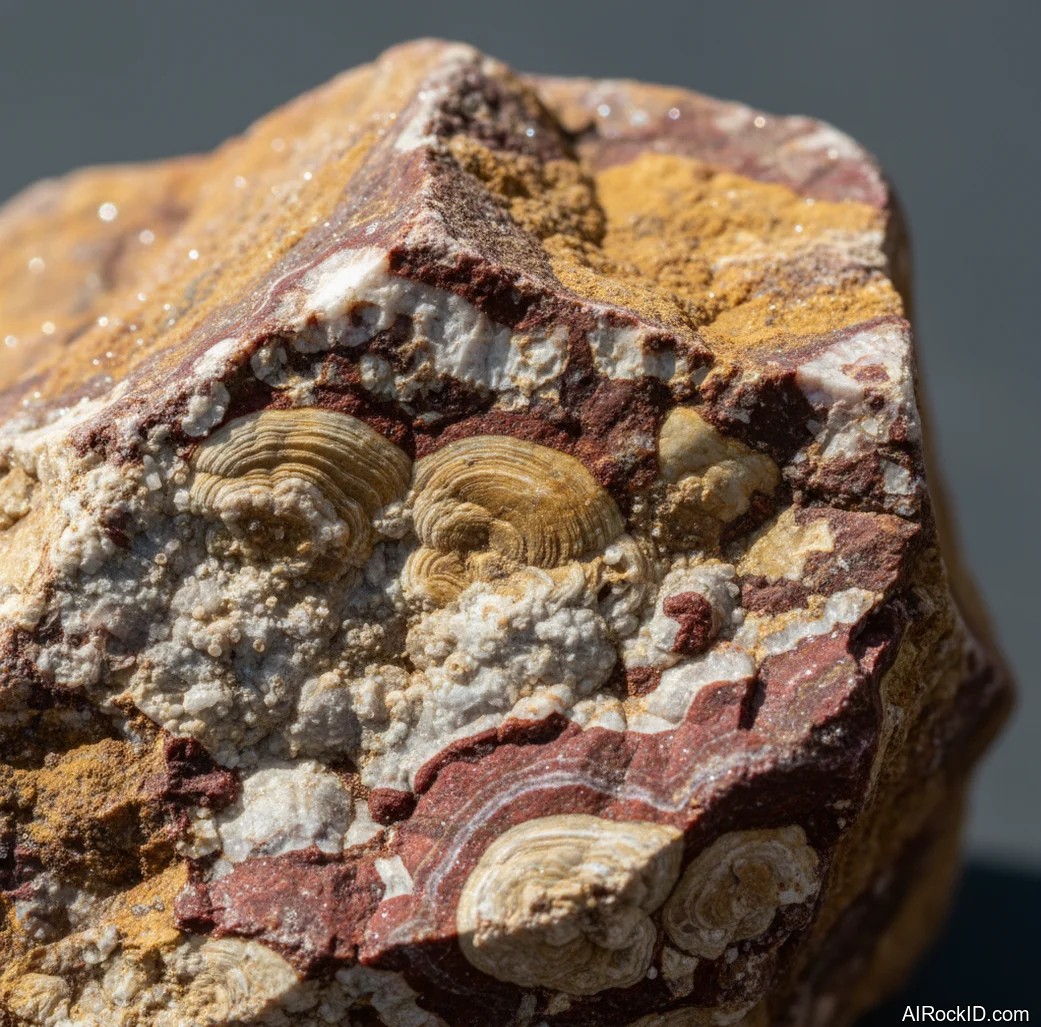
Many blue and aqua stones are sold under trade names, and some are dyed to create a stronger Water-like color. Check for color concentration in cracks, unusually uniform saturation, or seller descriptions such as dyed agate, stabilized, coated, or composite.
Pairing Water Crystals with Other Elements
In modern crystal traditions, Water stones are often paired with Earth stones for grounding, Air stones for mental clarity, or Fire stones for motivation. These pairings are symbolic practices and do not change a mineral's physical properties or care requirements.
What Makes a Crystal a Water Stone?
Cold. Smooth. A little slippery in your hand. That’s what I think of with Water crystals, even if the rock's dry as a bone. Pick up a polished aquamarine and it’s got that clean, glassy chill. A moonstone cab slides light around like ripples on a pond. When collectors talk about Water as an element category, it’s really shorthand for stones you reach for when you want flow instead of force, softness instead of sharp edges, and emotional processing instead of mental overdrive.
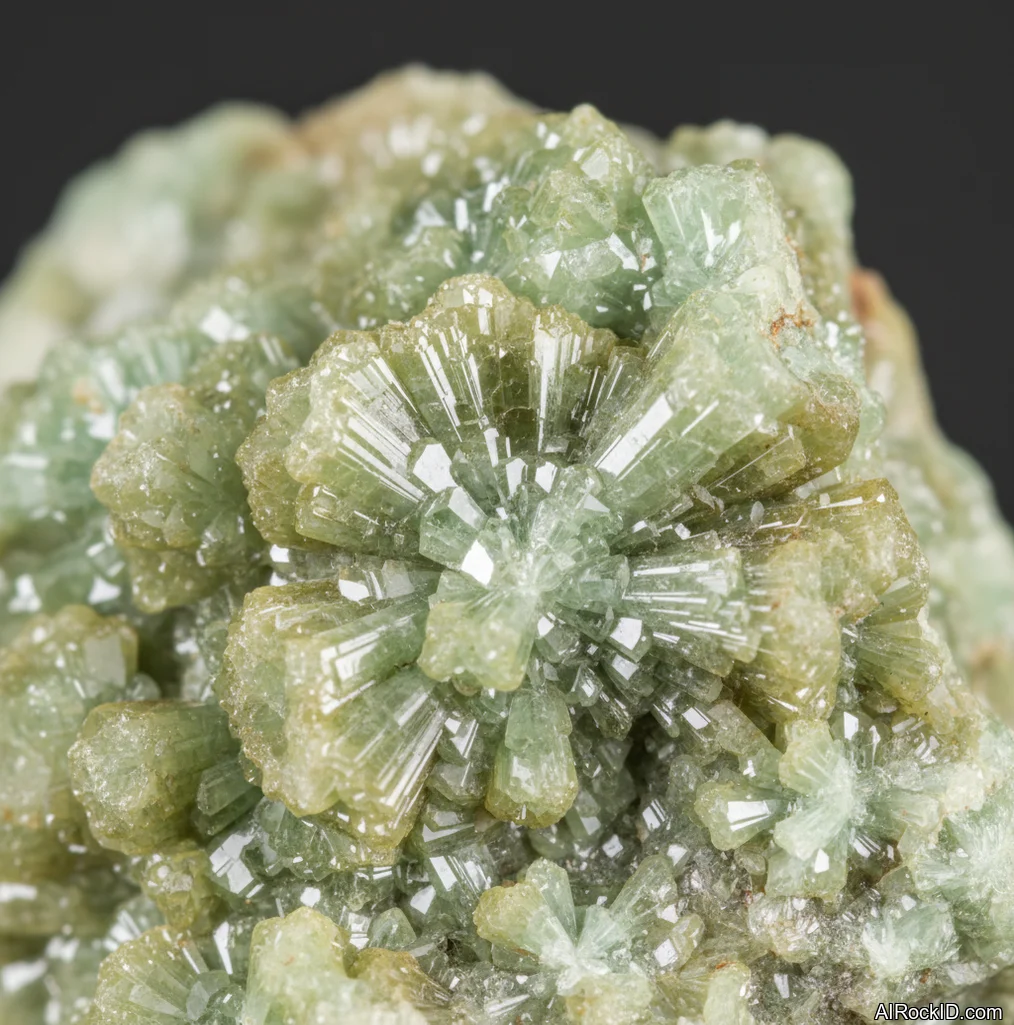
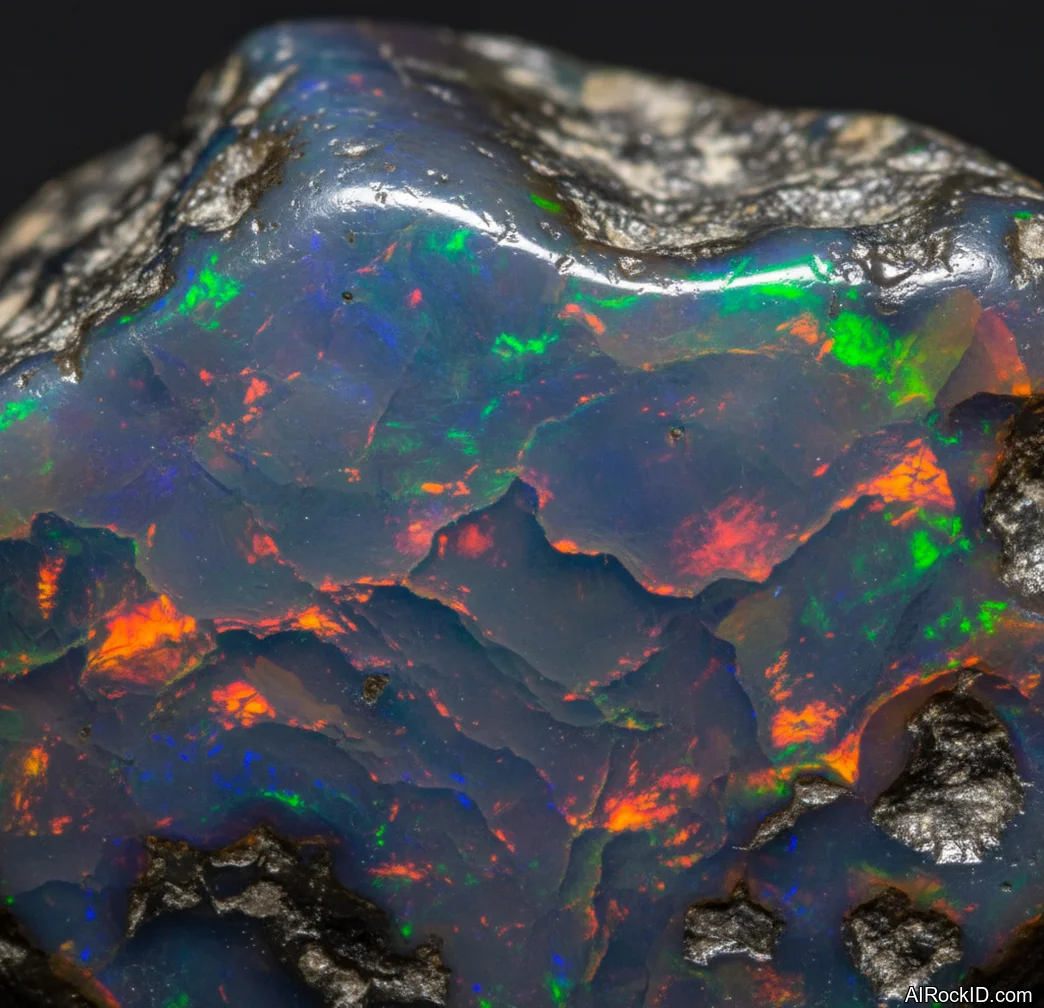
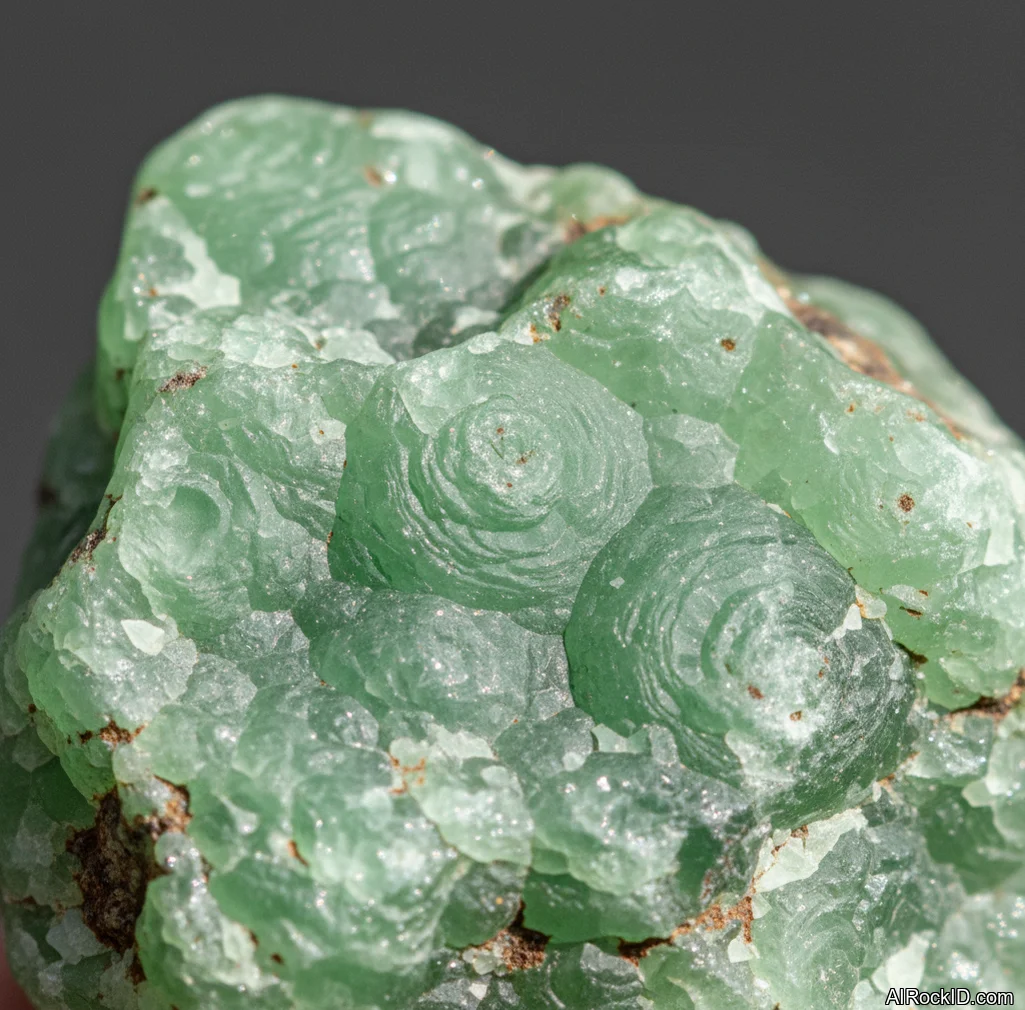
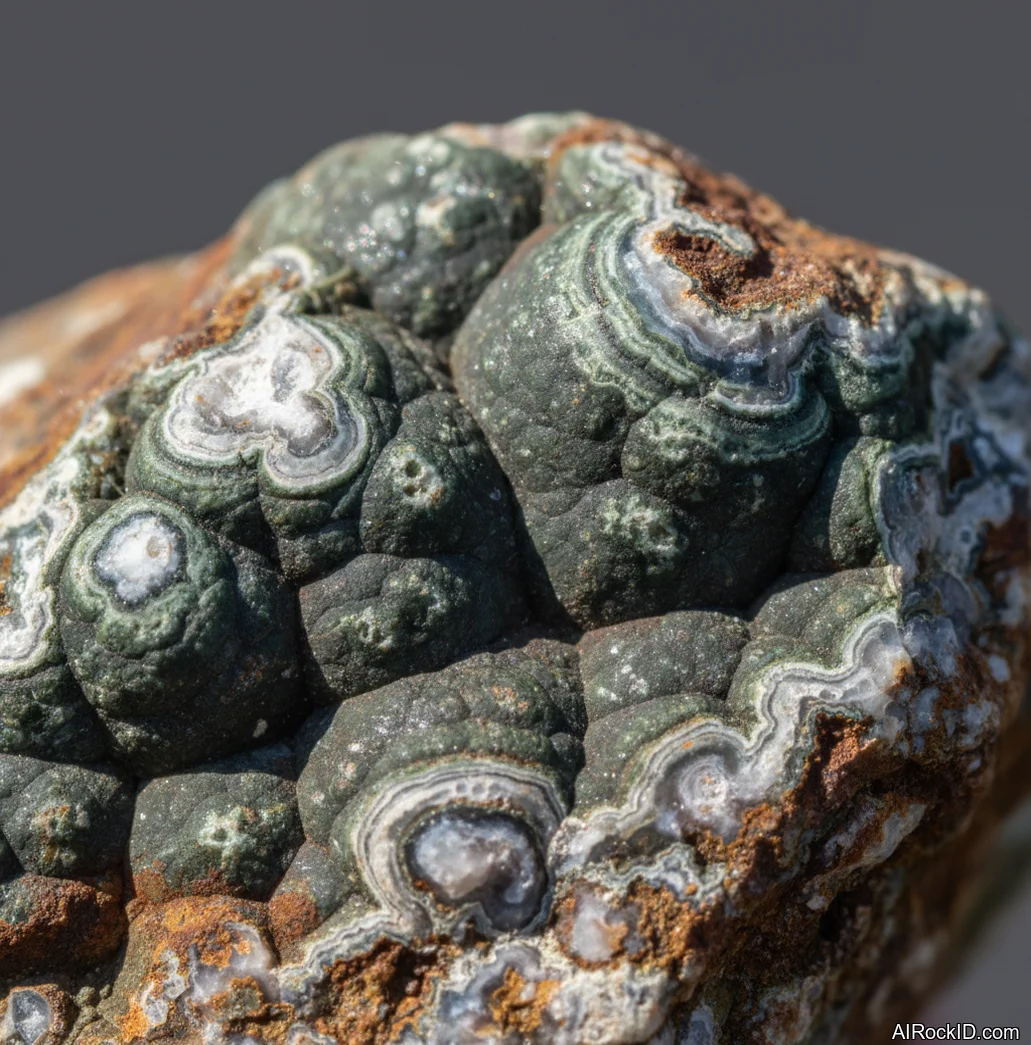
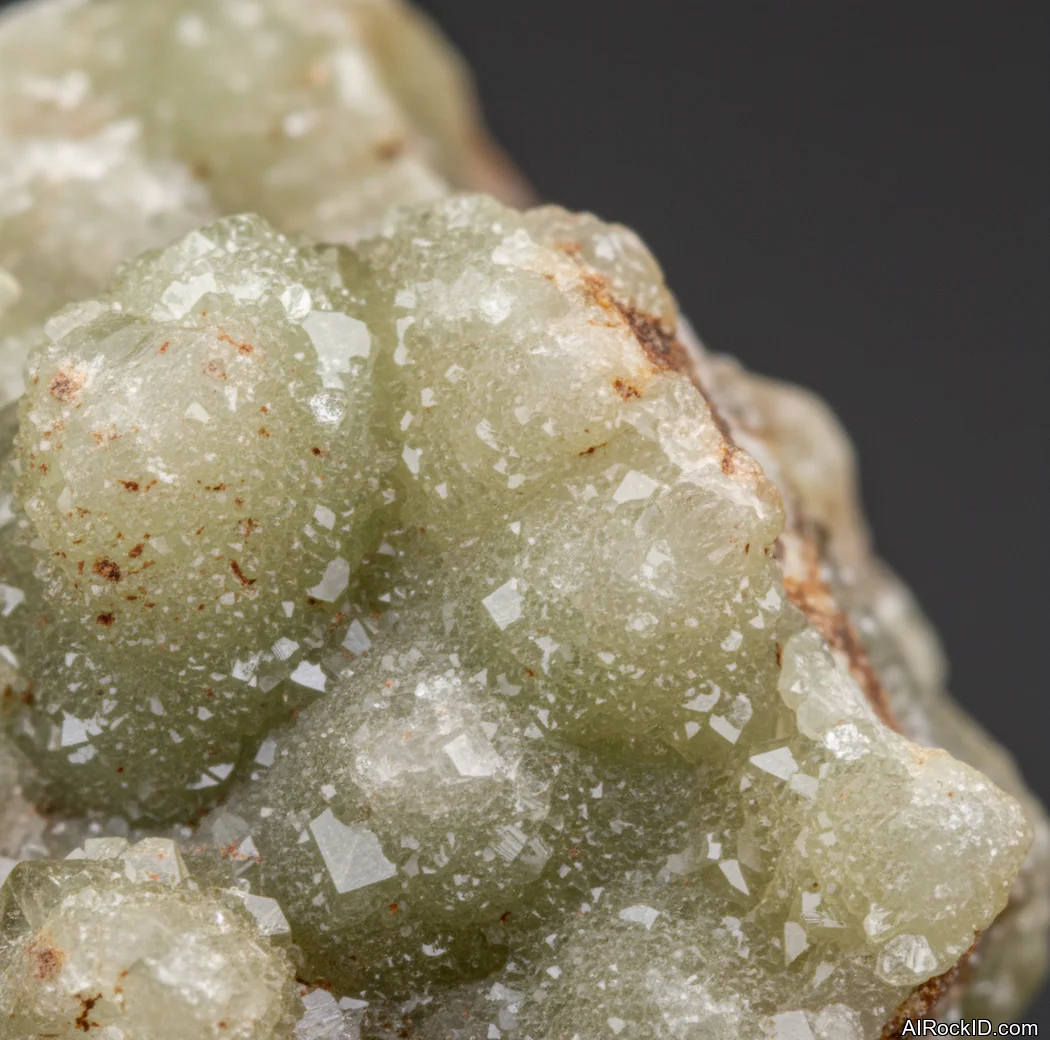
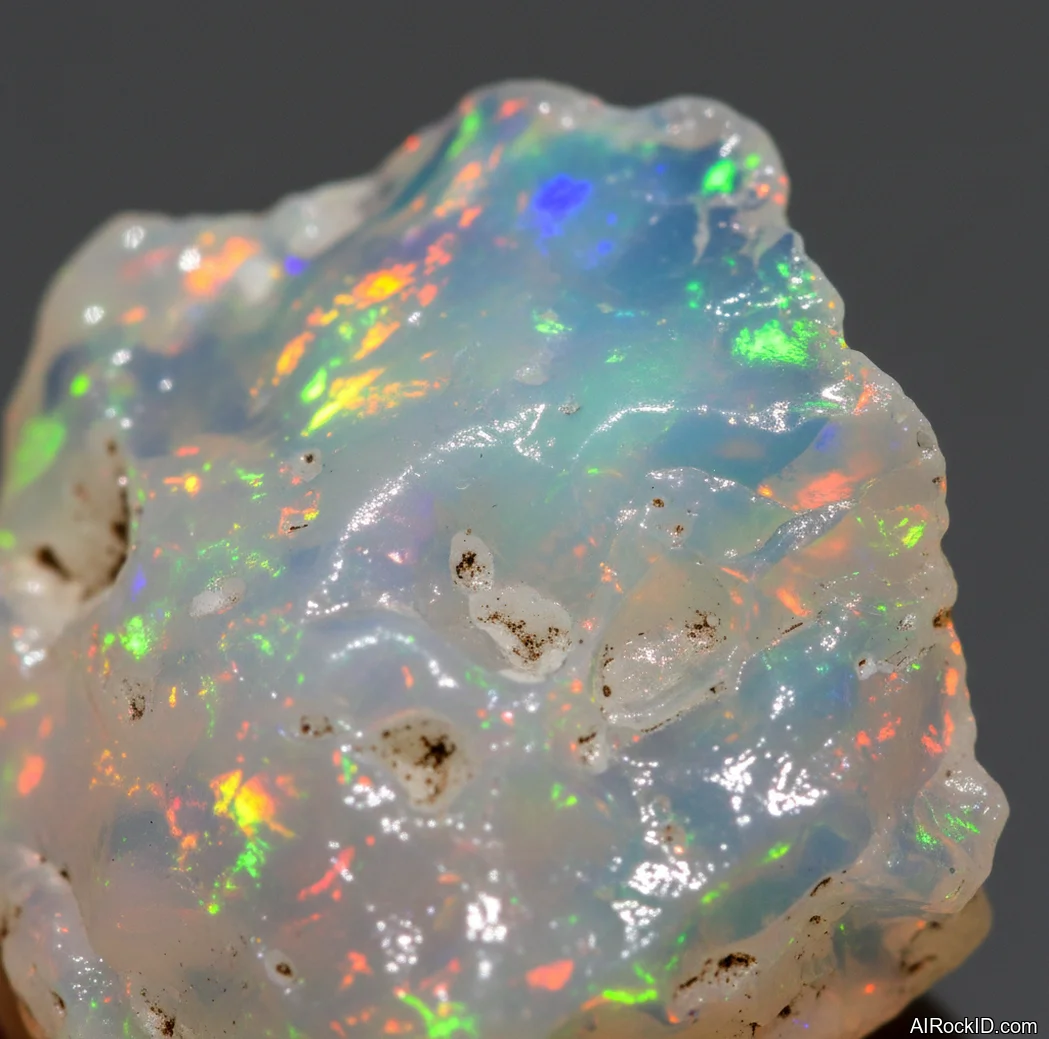
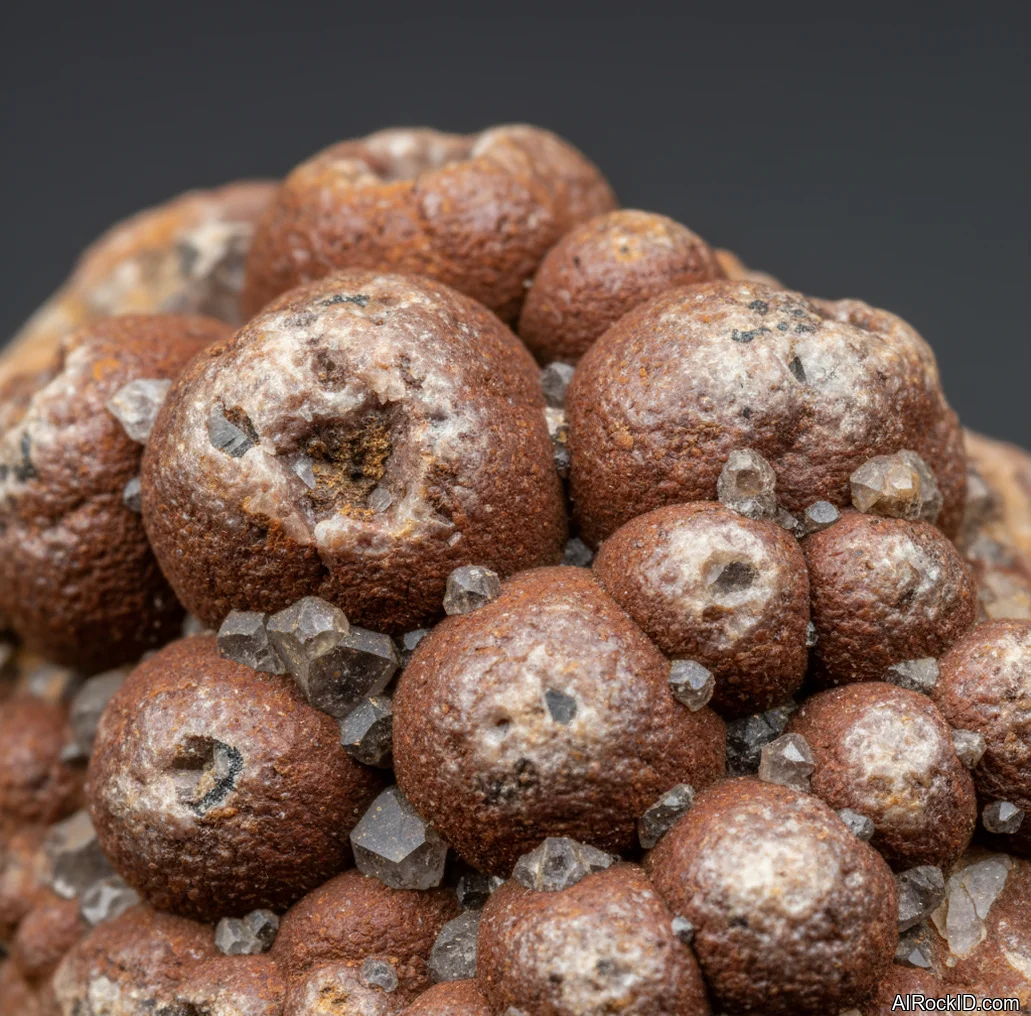
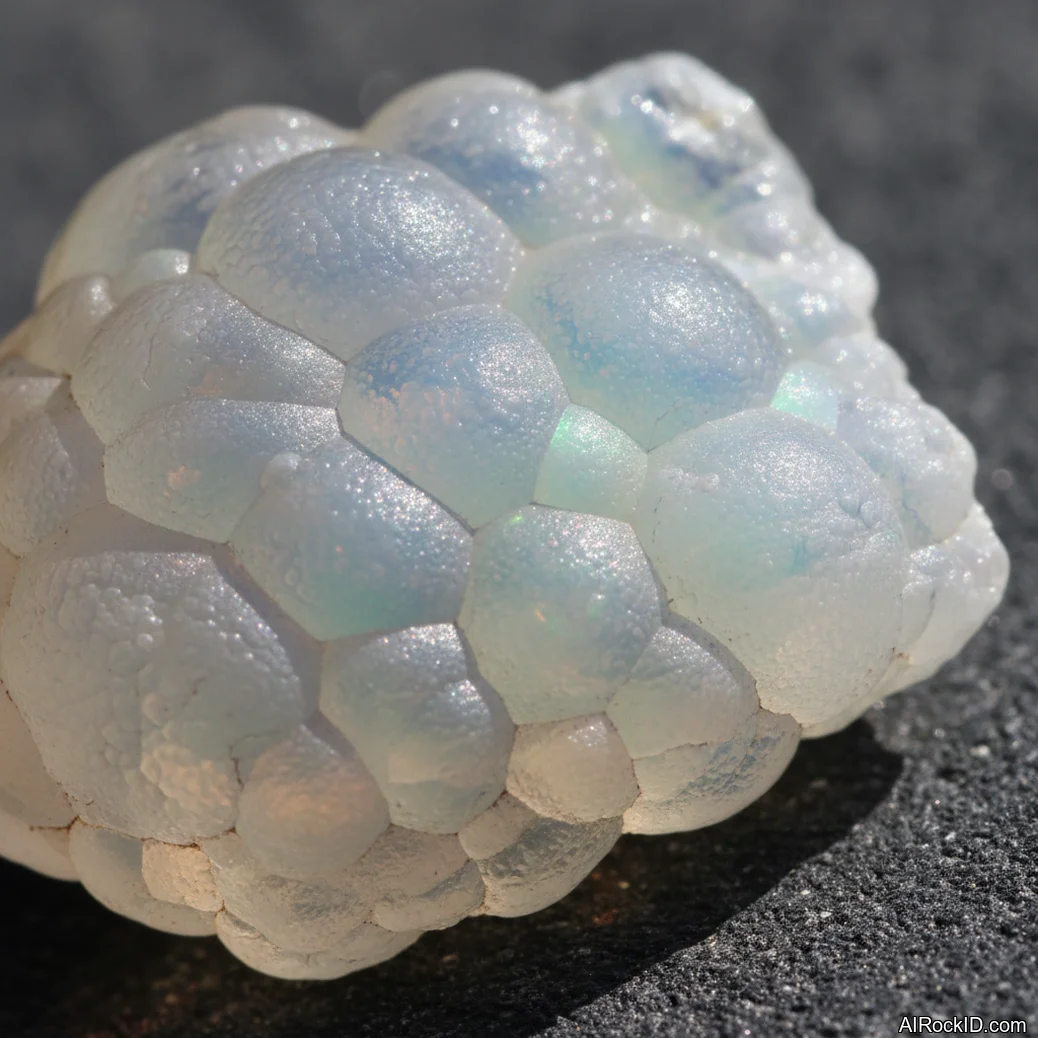
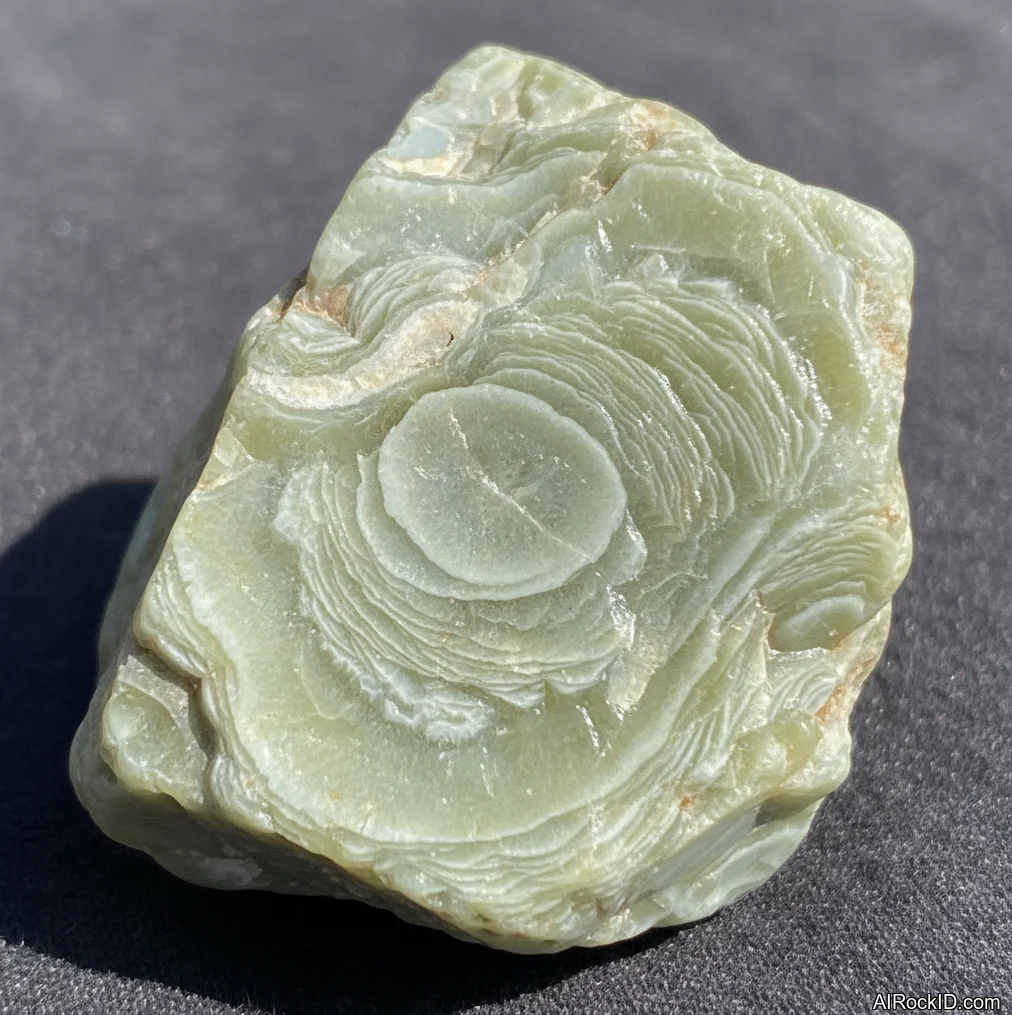
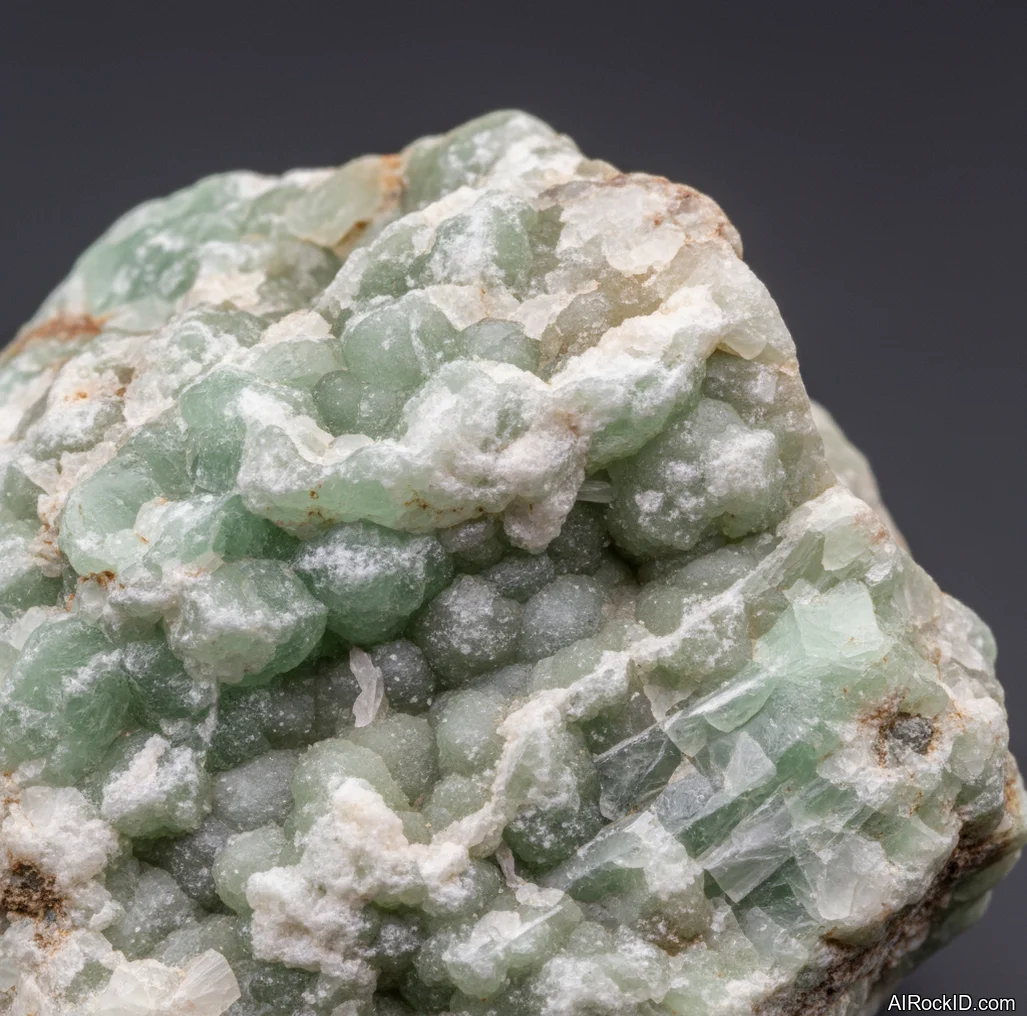
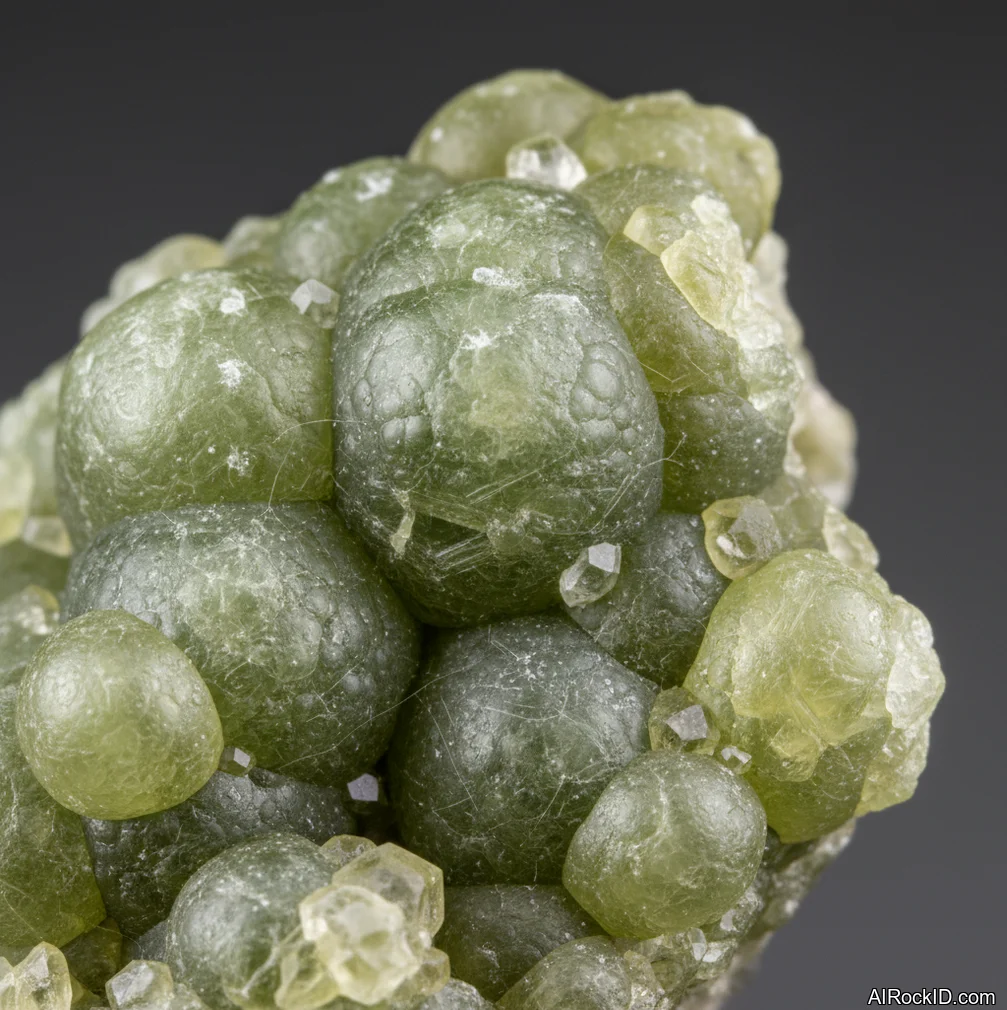
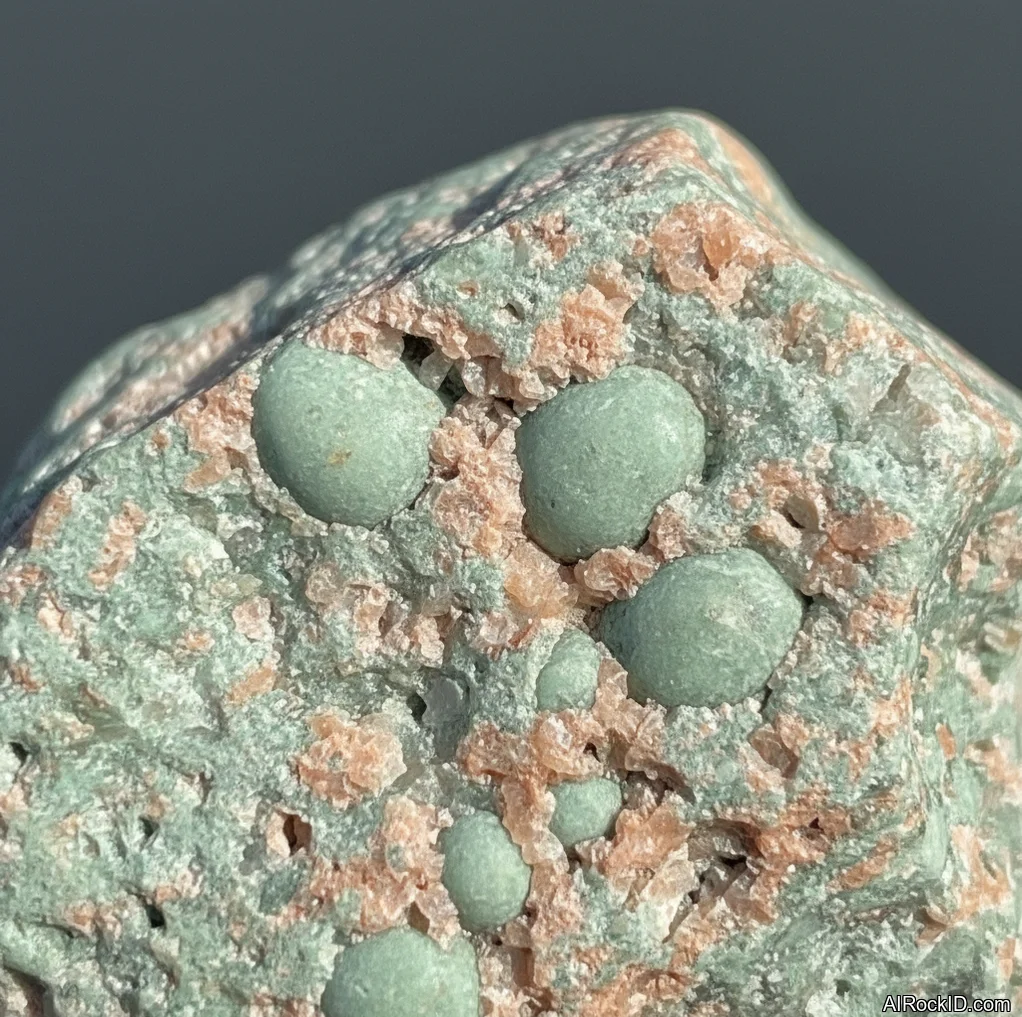
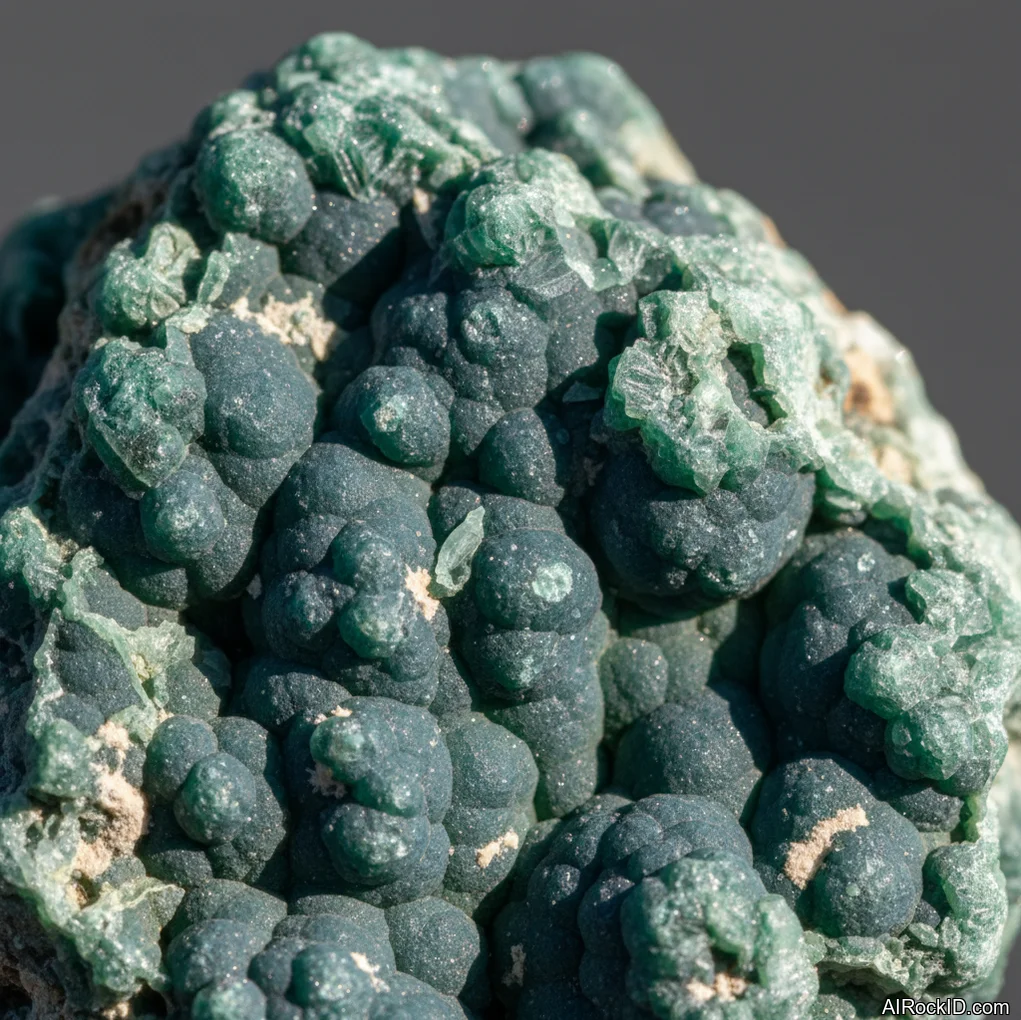
It’s not about crystals literally holding water—though some do, like opal or hemimorphite with visible moisture in cracks if you look close. For the most part, it’s about the look and feel: blue-green color, translucent bodies, pearly flashes, and a luster that mimics something wet. Good larimar or hemimorphite can look slick even in daylight. In the hand, Water stones don’t always stand out at first. They’re the ones you keep on a nightstand, tuck in a pocket, or grip tight during a rough conversation.
Water Element Crystals for Emotional Balance
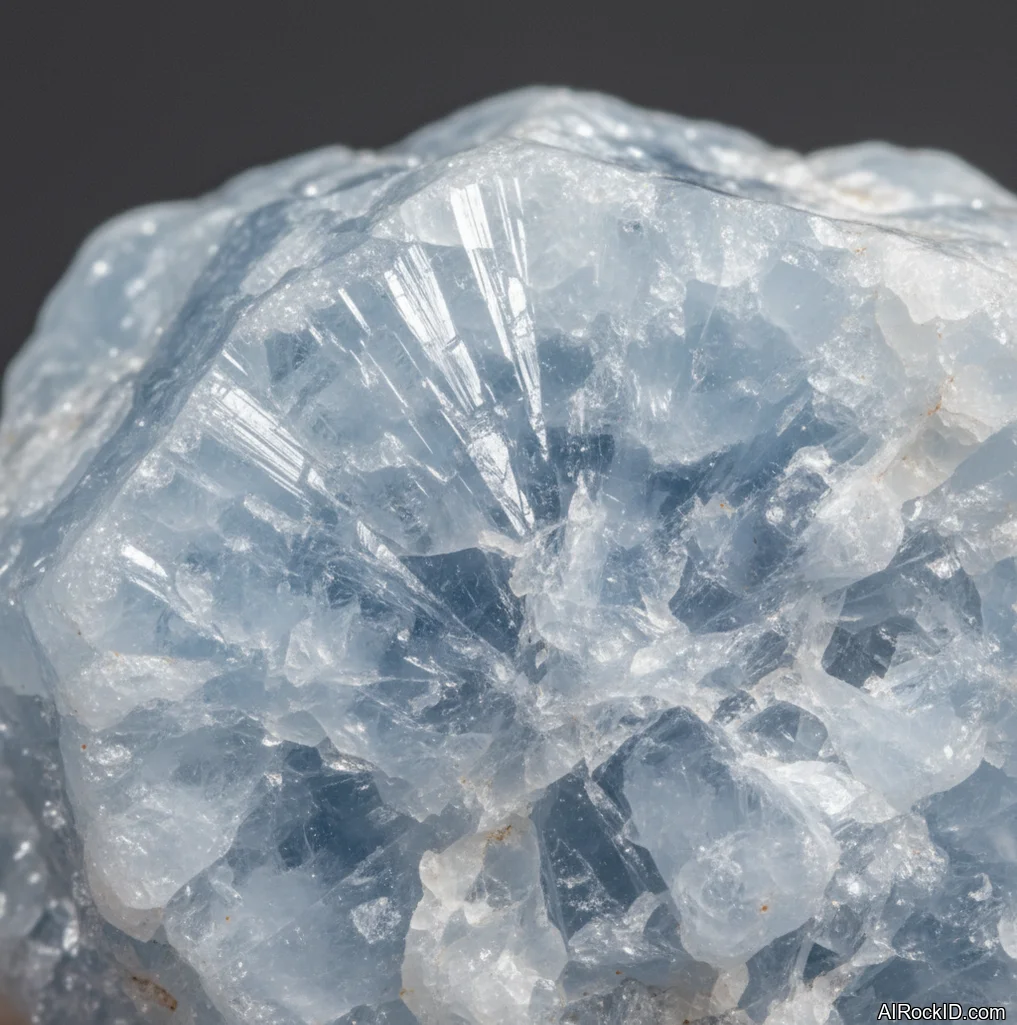
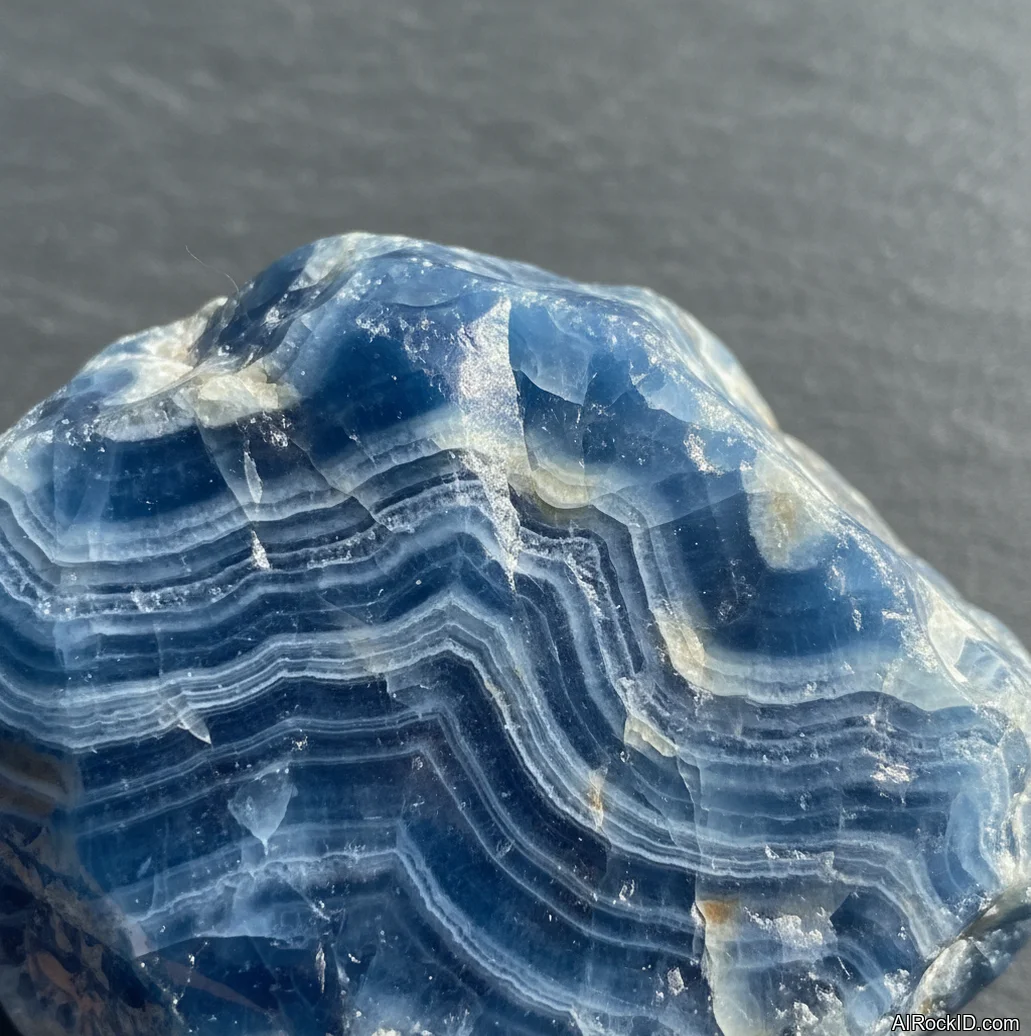
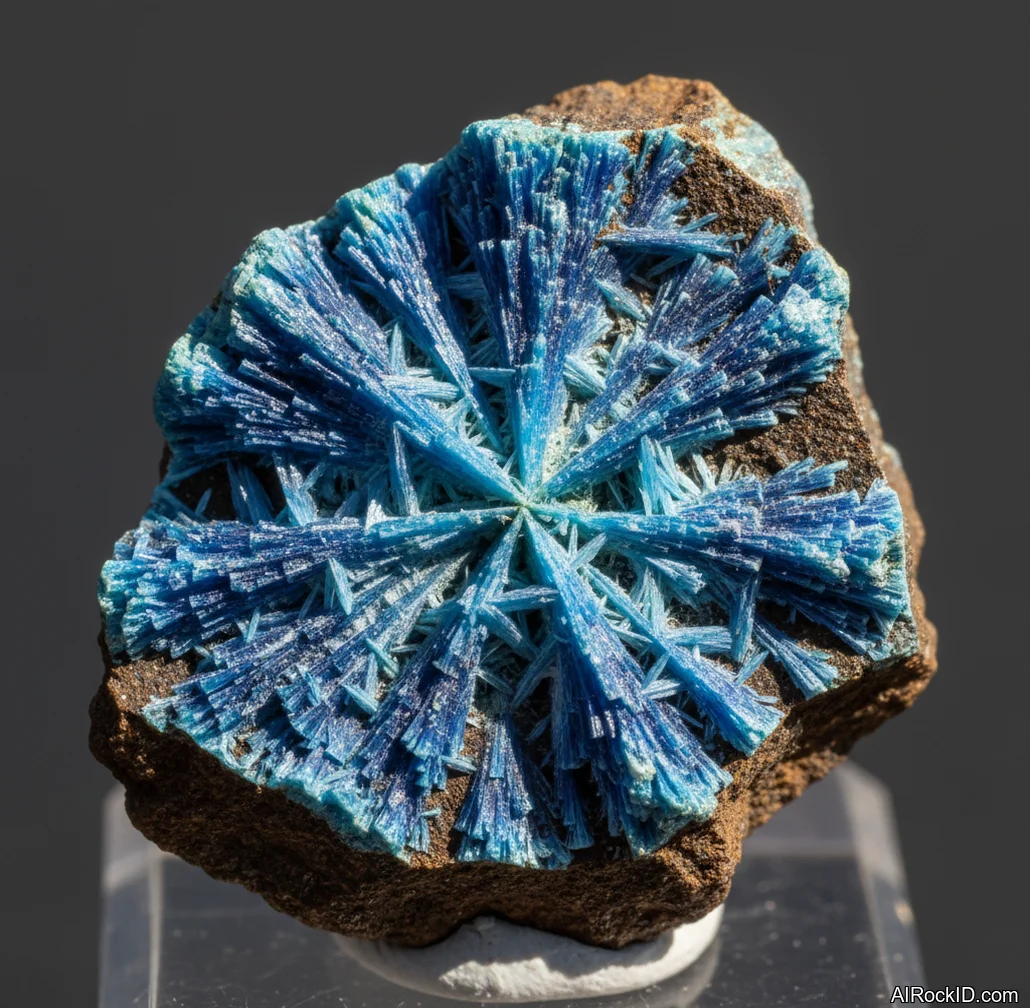
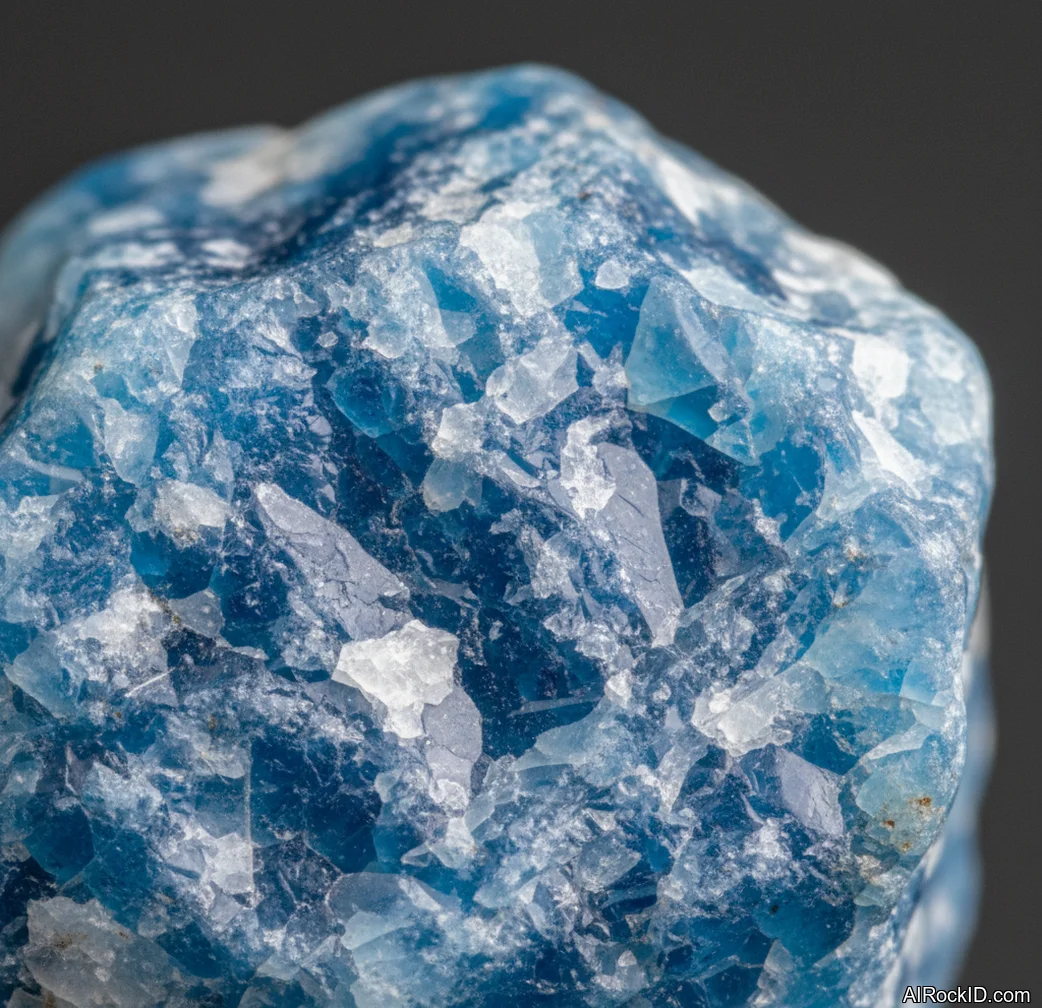
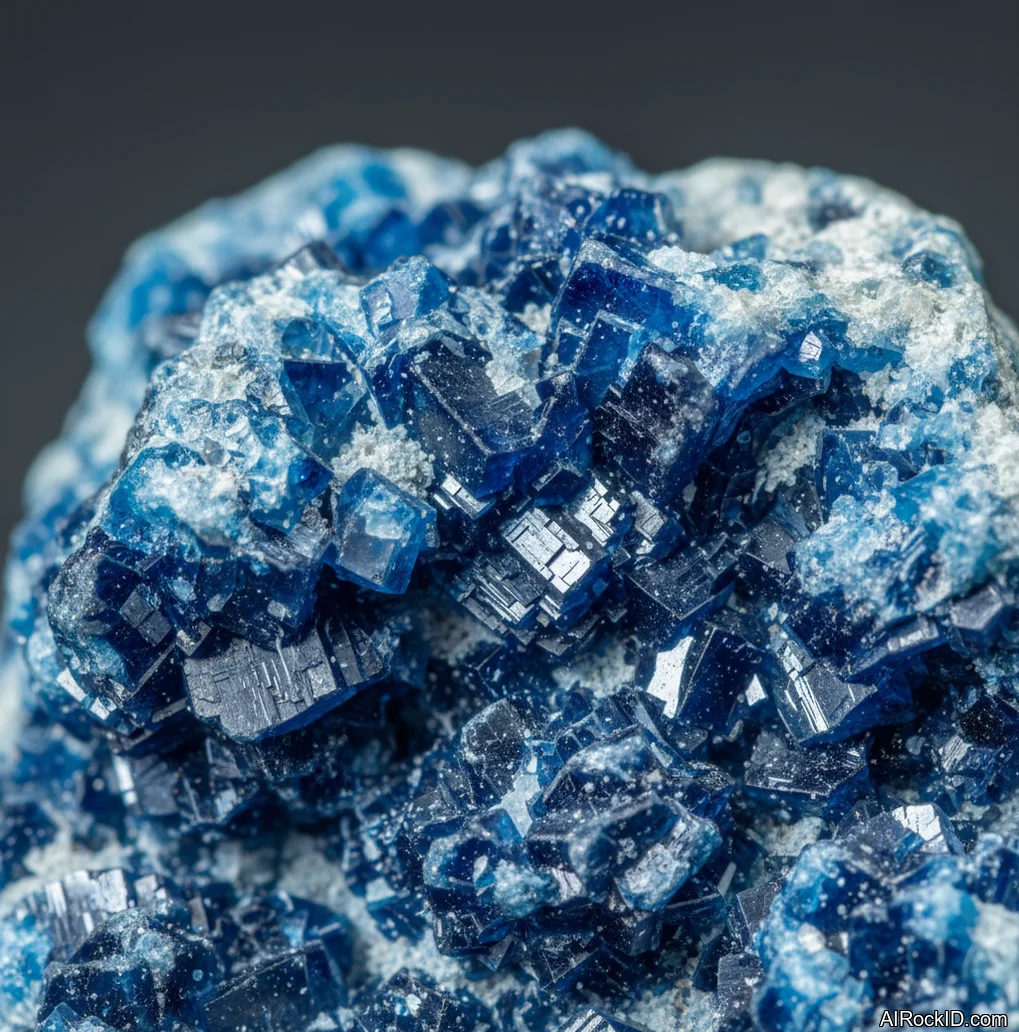
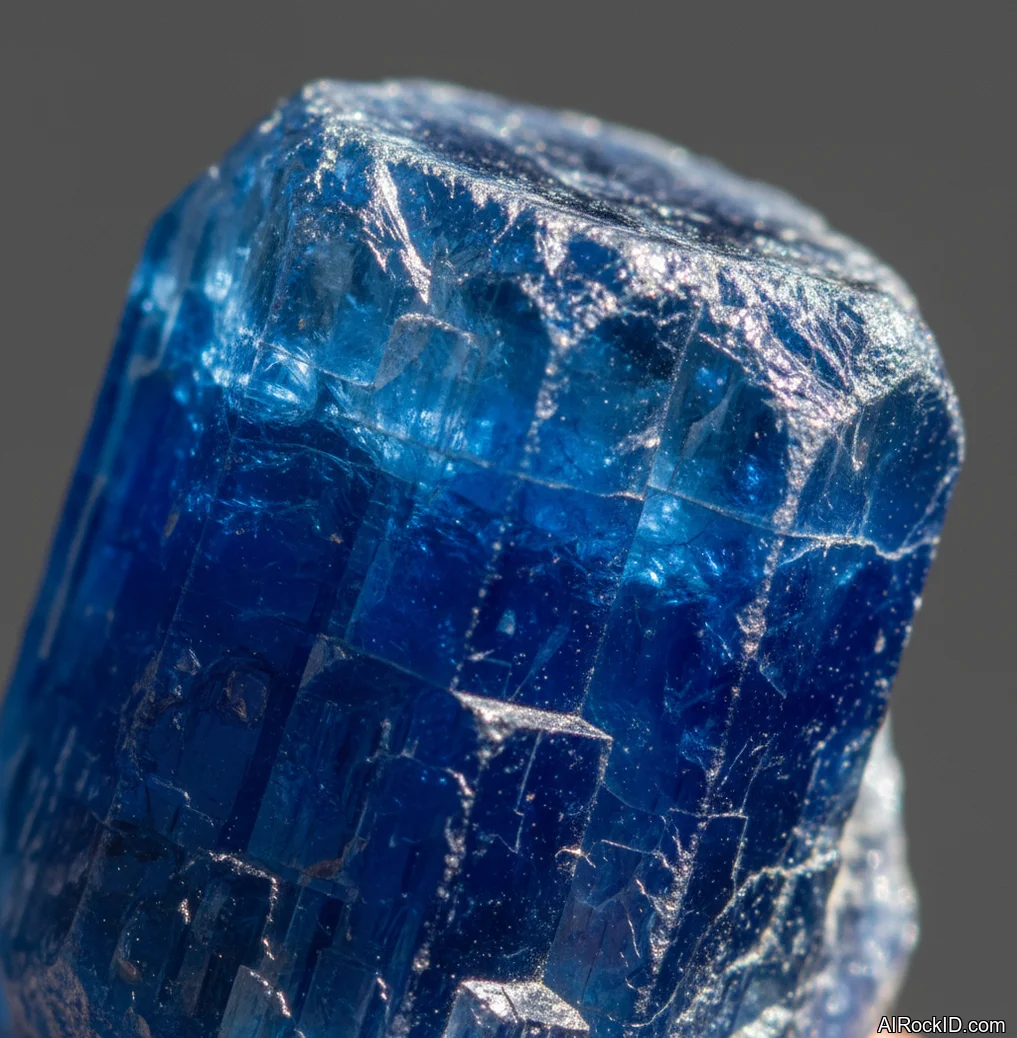
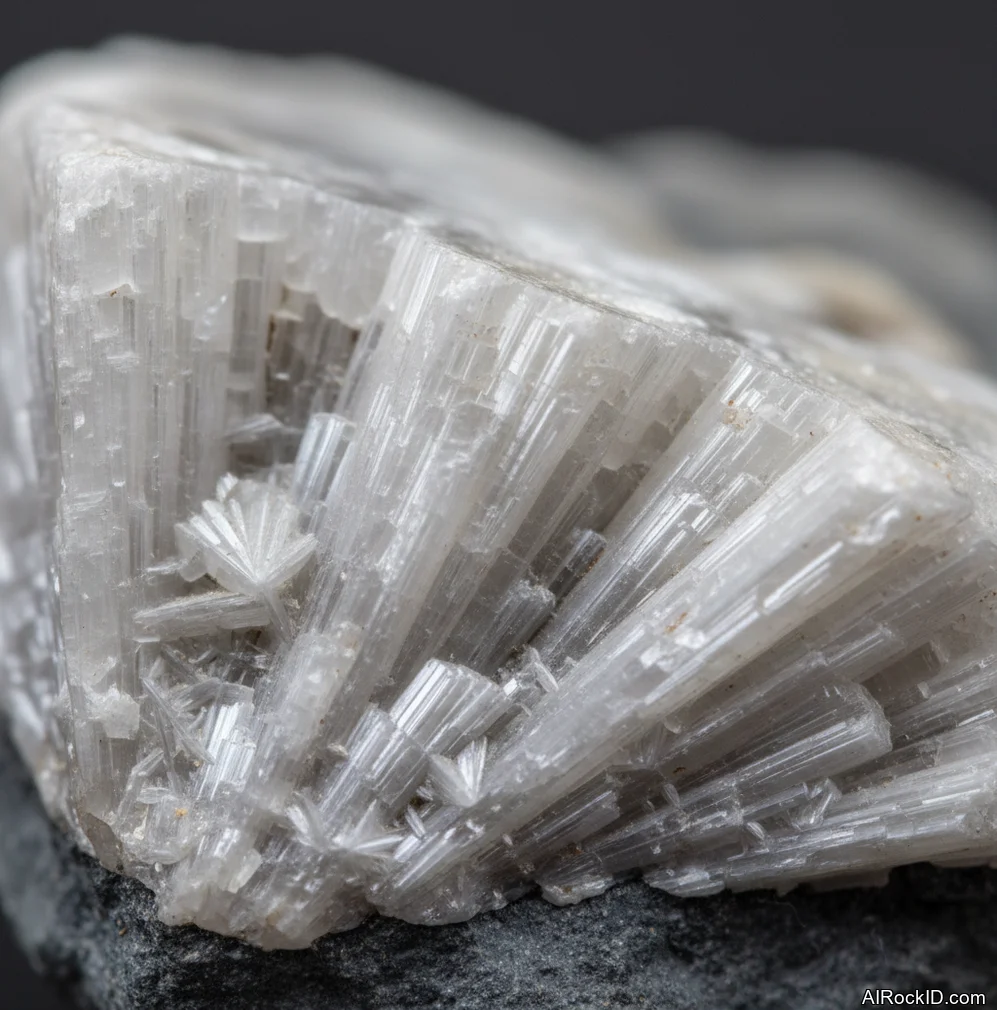
A lot of people come hunting for Water crystals during rough patches: grief, stress that sticks in the chest, burnout that just won’t lift. I’ve watched countless customers drift straight to blue calcite, pressing it to their cheek without thinking. Blue calcite feels waxy, and it’s soft—Mohs 3—so it warms fast, almost like it’s soft in the mind too. Aquamarine and celestite come up again and again when someone needs to exhale. Celestite clusters look like blue sugar frozen in place, but the crystals bruise just from a quick knock, so you’re better off leaving that piece at home.
Most Water stones don’t make a scene. Put them in a dish next to your bed and you’ll forget they’re there until you need them. That’s part of the draw. They exist quietly, not demanding attention but giving a sense of coolness or calm just from touch.
Physical Properties of Water Crystals: Color, Luster, and Care
Most Water crystals share a few physical cues: blue or bluish-green tones, some level of translucency, and often a sheen or flash that moves with the light. Pick up a raw larimar and you’ll see white streaks cutting through the blue, almost like water lines on the shore. Hemimorphite’s luster looks almost wet, but it feels gritty if you run a fingernail across it. Moonstone is all about that sheen—the adularescence that flashes at just the right angle, but not always reliably.
Don’t let the calm look fool you; these stones can be sensitive. Celestite and blue calcite both scratch if you so much as look at them wrong. Aquamarine is tougher (Mohs 7.5-8) but will still chip if dropped on tile. Never soak these stones for long. Water can seep in and crack them further, especially tumbled pieces with hidden fractures.
Using Water Element Crystals in Daily Life
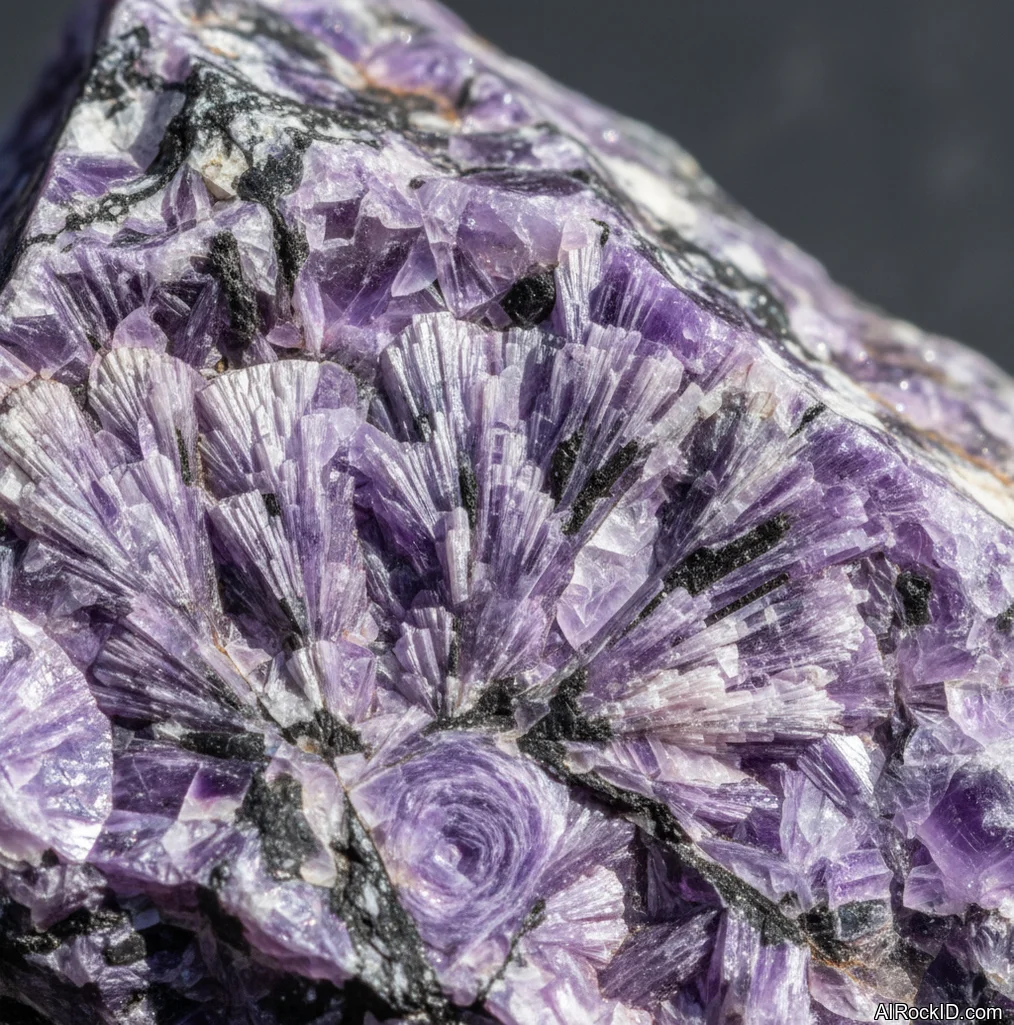
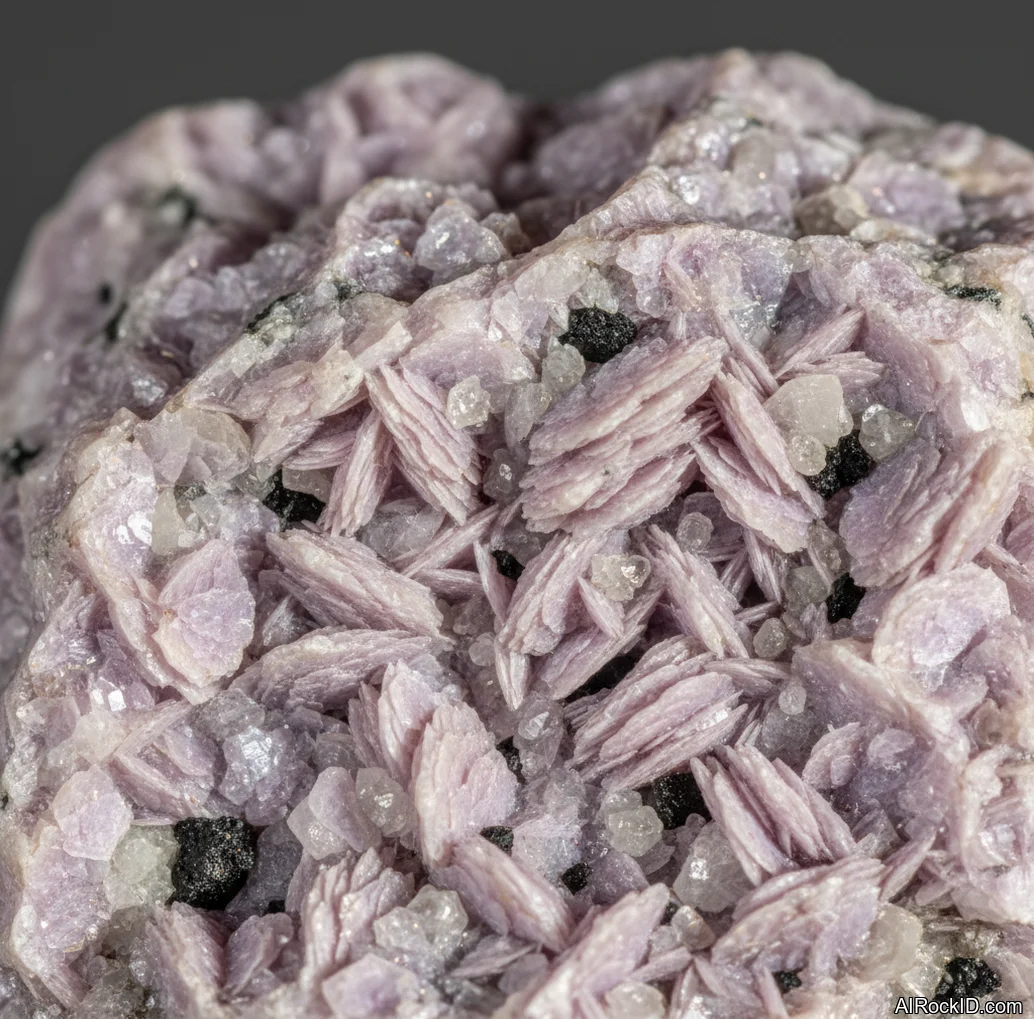
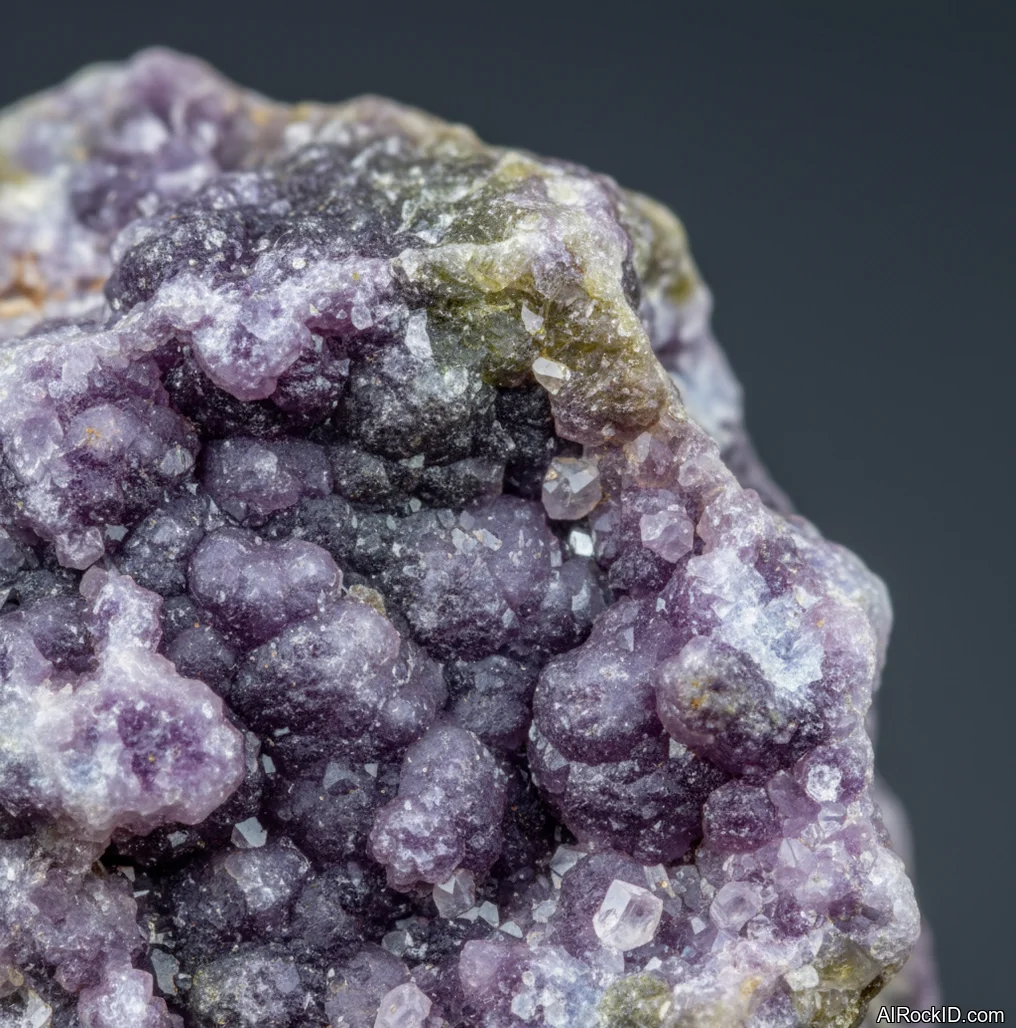
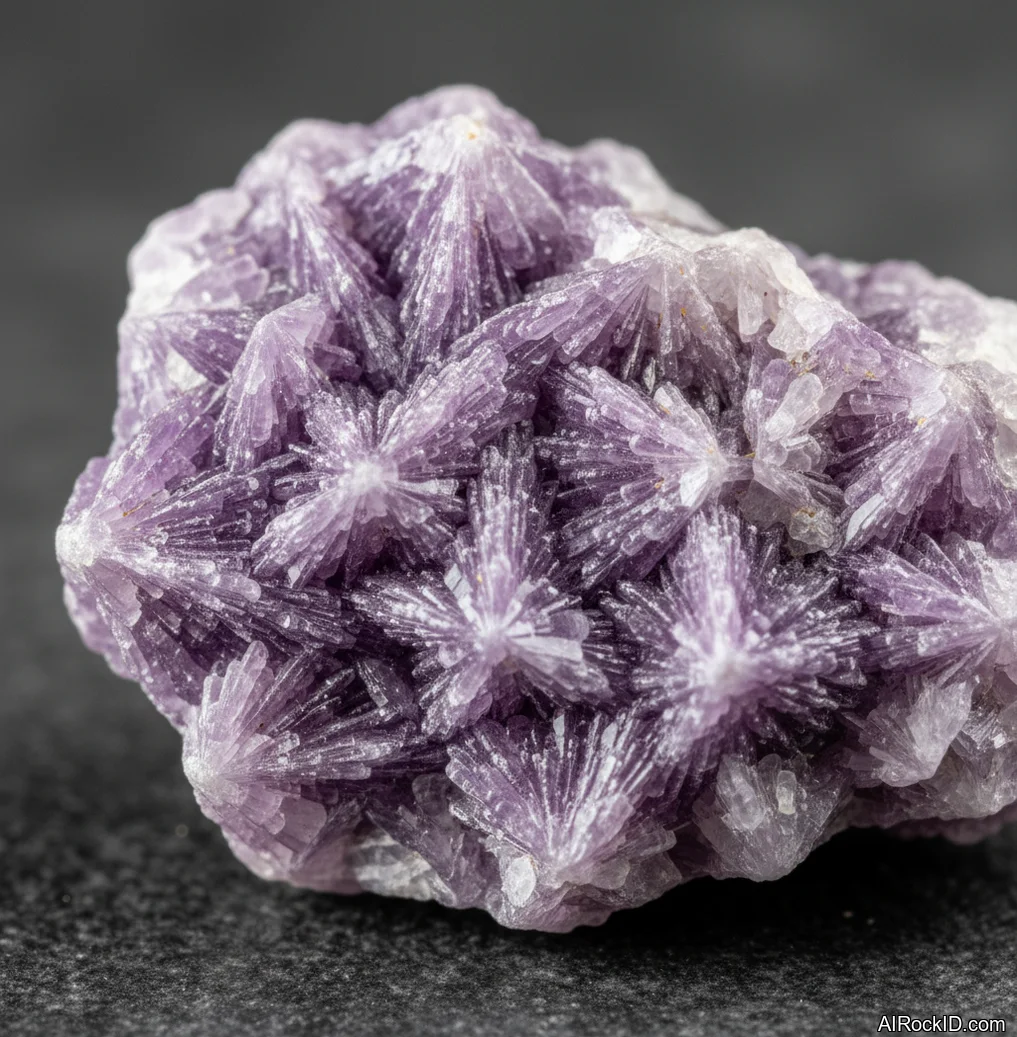
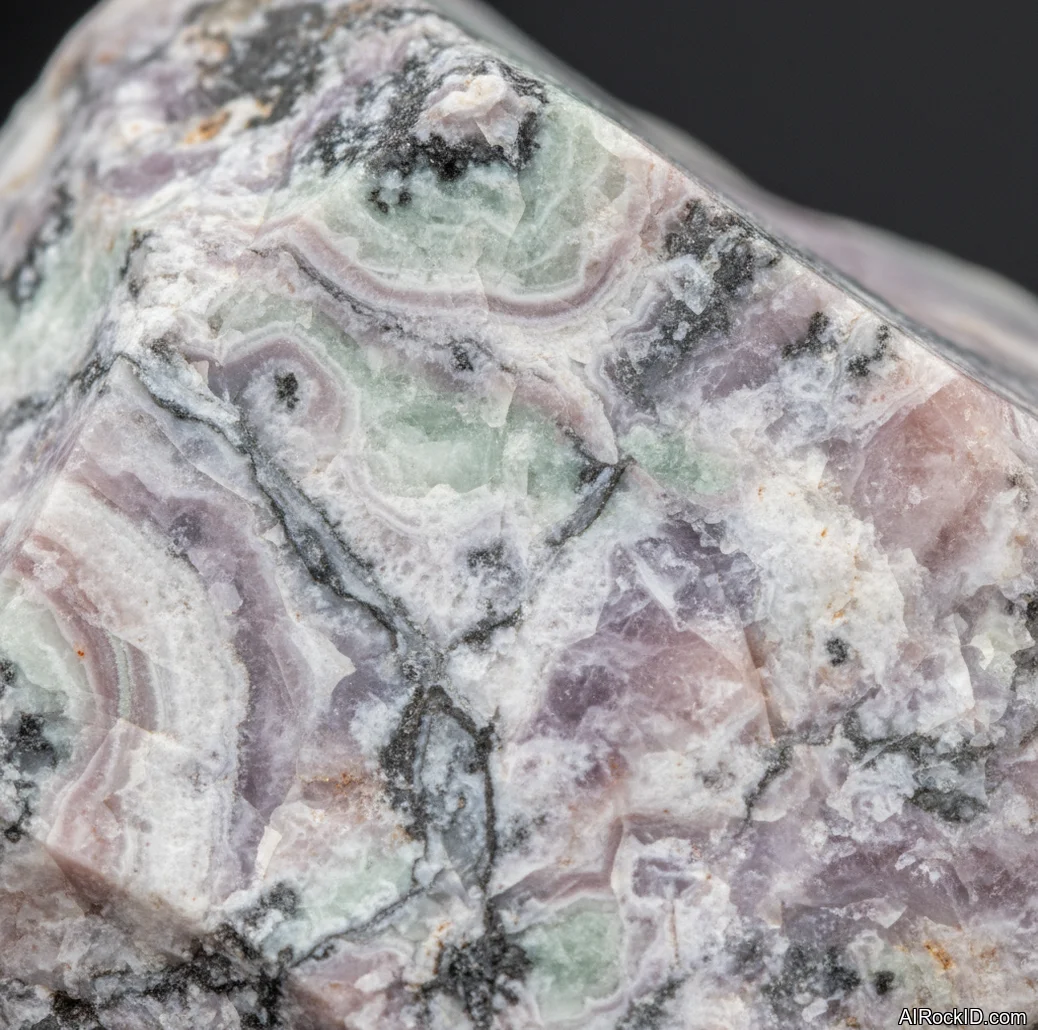
Working with Water crystals doesn’t have to be mystical. You can keep it simple. If you’re trying to unwind at night, set a piece of moonstone, blue lace agate, or lepidolite near your bed and actually look at it before you scroll your phone. When you need something to hold during journaling, tumbled amazonite or aquamarine works well—they fit in a closed fist and don’t dig into your palm. Raw celestite is best left at home on a quiet shelf; the points chip if you so much as move the cluster.
If you’re carrying a pocket stone, opt for something with low porosity and rounded edges. Polished blue calcite warms quickly in the hand, but if you forget it in your jeans, don’t be surprised by a scratch or two. Water stones aren’t always about show—they’re there when you need them, no fuss.
Best Water Crystals to Start With
| Level | Crystal | Note |
| Gentle / Beginner | Blue Lace Agate | It’s smooth, pale blue, and gentle on the senses—hard to damage, easy to find, and doesn’t overwhelm sensitive folks. |
| Balanced / Everyday | Aquamarine | Tough enough for pockets or pouches, clear blue color, and easy to source tumbled or raw. Feels cool and solid in the hand. |
| Intense / Advanced | Celestite | The cluster form is fragile but the effect is strong—deep, icy blue, visually dramatic, but not built for travel. |
| Best for Carrying | Amazonite | Polished amazonite resists scratches better than most Water stones and feels soft but substantial. Fits easily in a pocket. |
| Best for Display | Larimar | With its sky-blue and white marbling, larimar slabs or cabochons catch the eye on any shelf, but sunlight can fade the color over time. |
Water Crystal Comparison
| Crystal | Common Use | Feel / Use Style | Care Caution |
| Aquamarine | Emotional clarity, calming stress | Cool, heavy, glassy with sharp edges if raw | Can chip if dropped; avoid harsh cleaning |
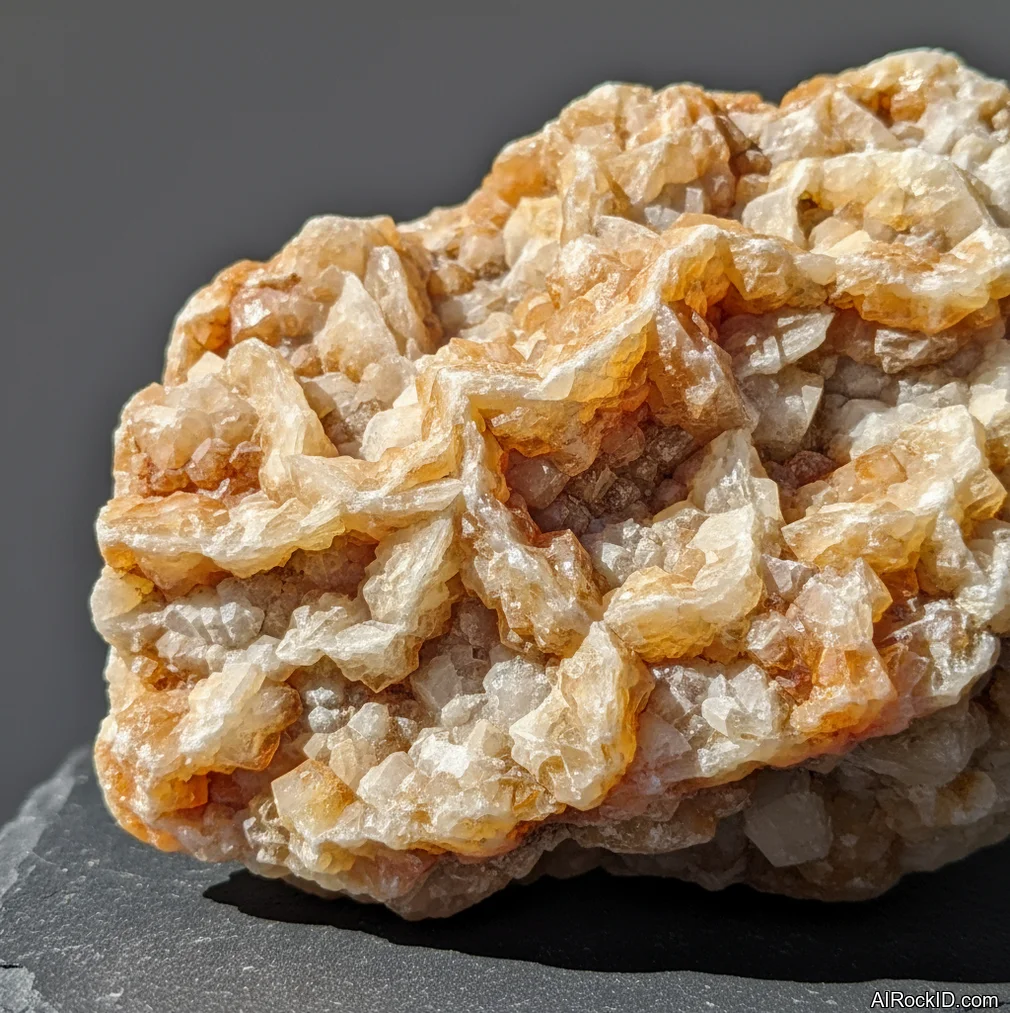
| Blue Calcite | Soothing anxiety, gentle comfort | Waxy, soft, warms in hand quickly | Very soft (Mohs 3); scratches and dissolves in water |
| Moonstone | Emotional processing, sleep routines | Glassy, smooth, with shifting sheen (adularescence) | Cleavage makes it prone to splitting if dropped |
| Larimar | Calming, communication support | Satin smooth, cool, with blue-white marbling | Color fades in direct sunlight; avoid acids and prolonged moisture |
How to Identify Water Crystals with AI Rock ID
To ID Water crystals with an AI Rock ID app, take photos in natural daylight, avoiding direct glare. Snap both a full piece and a close-up of the surface, especially for stones like larimar or moonstone that show flash or pattern. Upload your images and compare the app’s match against known hardness (use a copper penny or steel blade for scratch tests), luster, and even streak if possible. The more detail you provide, the more accurate your Water crystal identification will be.
All Water Crystals (257)