Moon Crystals
Quick answer: Moon crystals are a themed group of stones associated with lunar symbolism, including intuition, cycles, reflection, and nighttime practices in many crystal traditions. The category commonly includes Moonstone, Selenite, Labradorite, and other pale, iridescent, or glow-like minerals, but it is not a formal mineral family.
Learn how Moon crystals like Moonstone, Selenite, and Labradorite are used, what they mean, and how to choose real pieces with confidence.


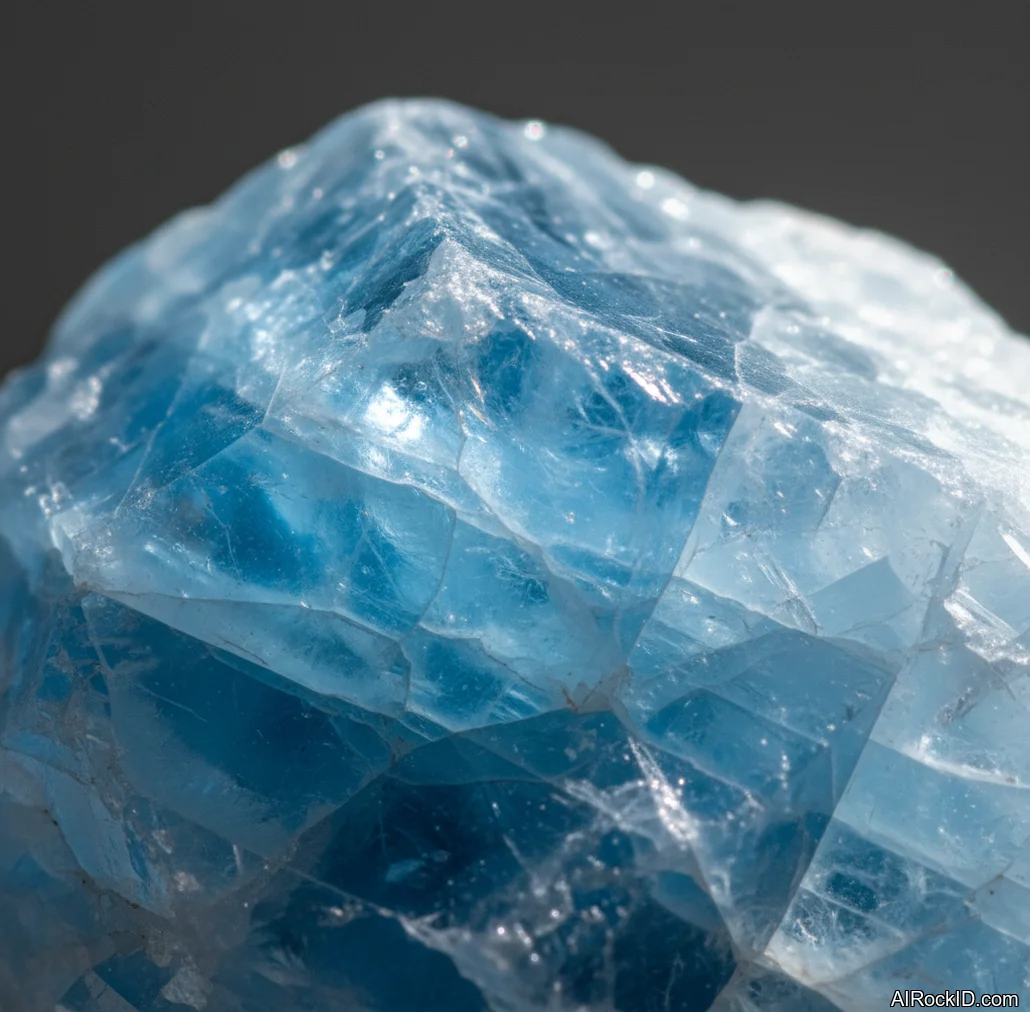
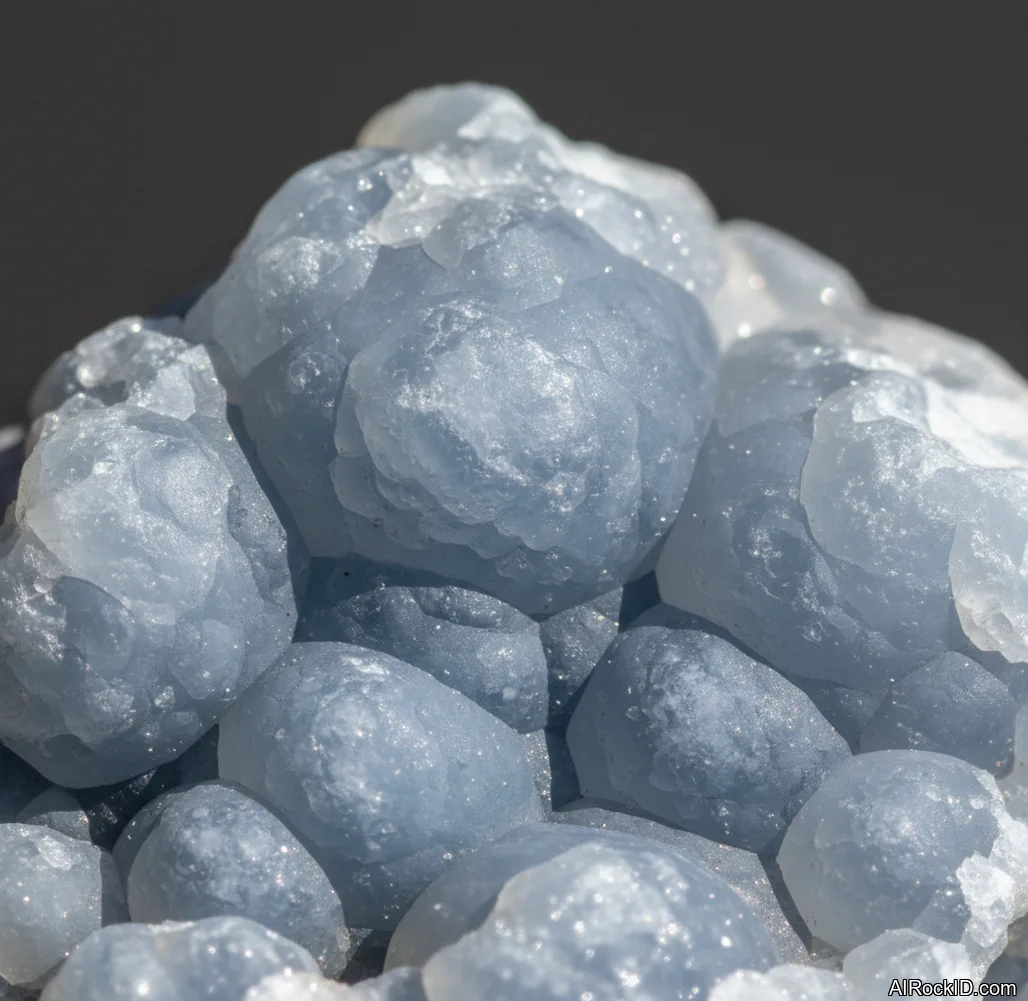
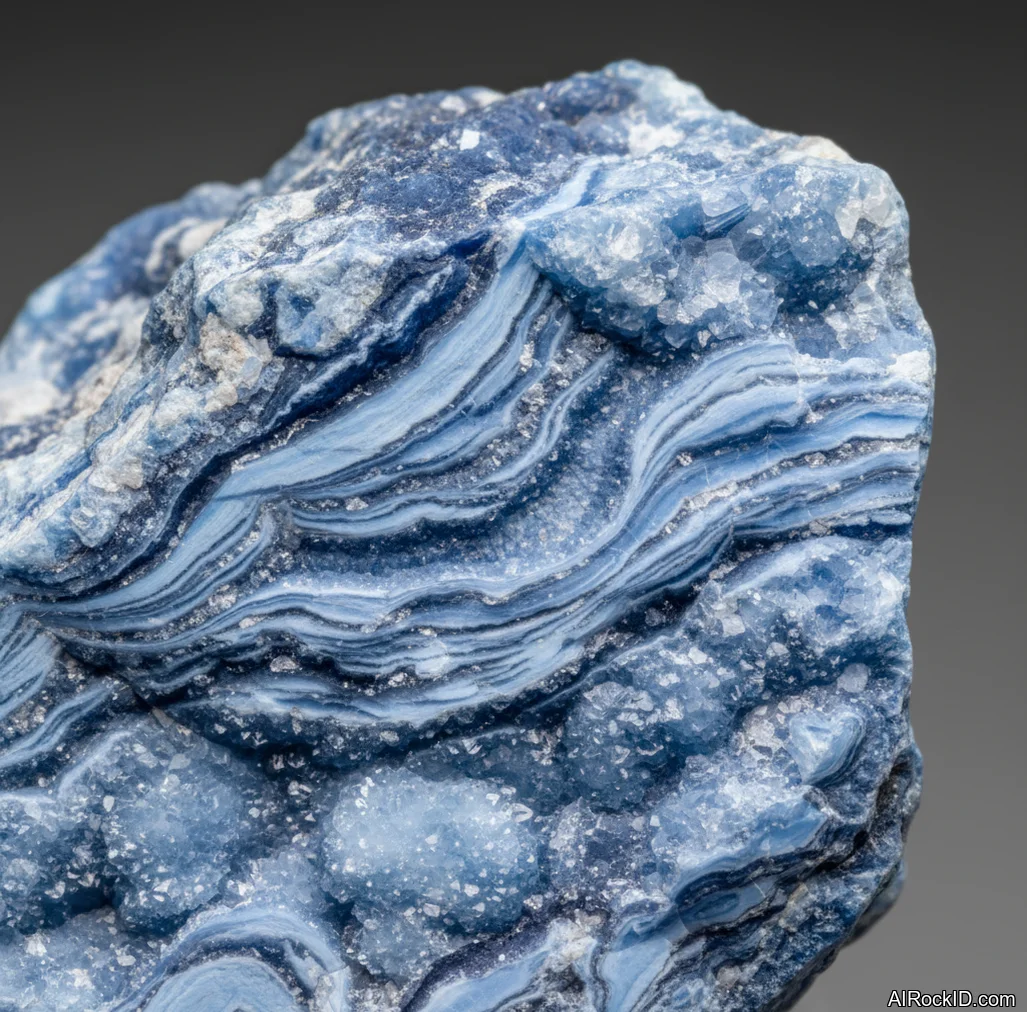
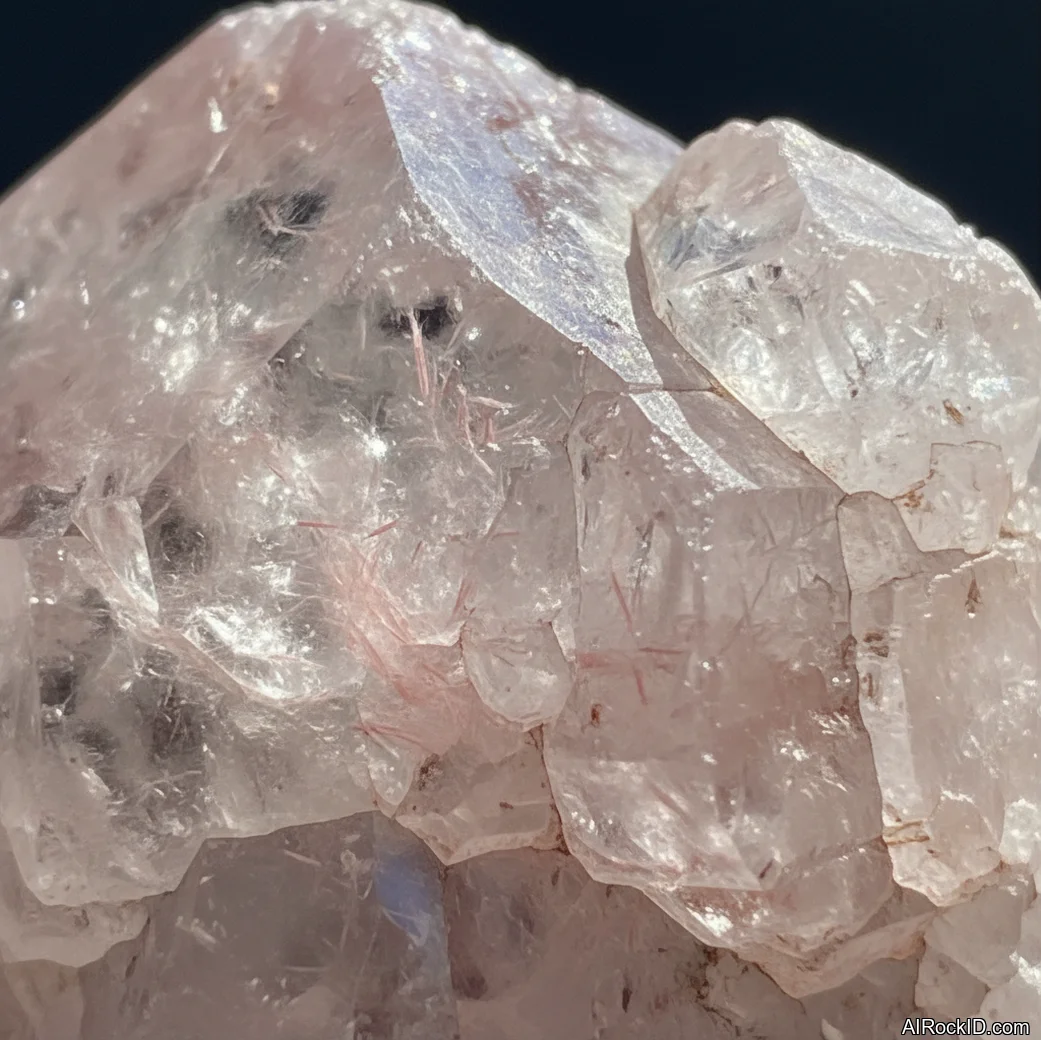
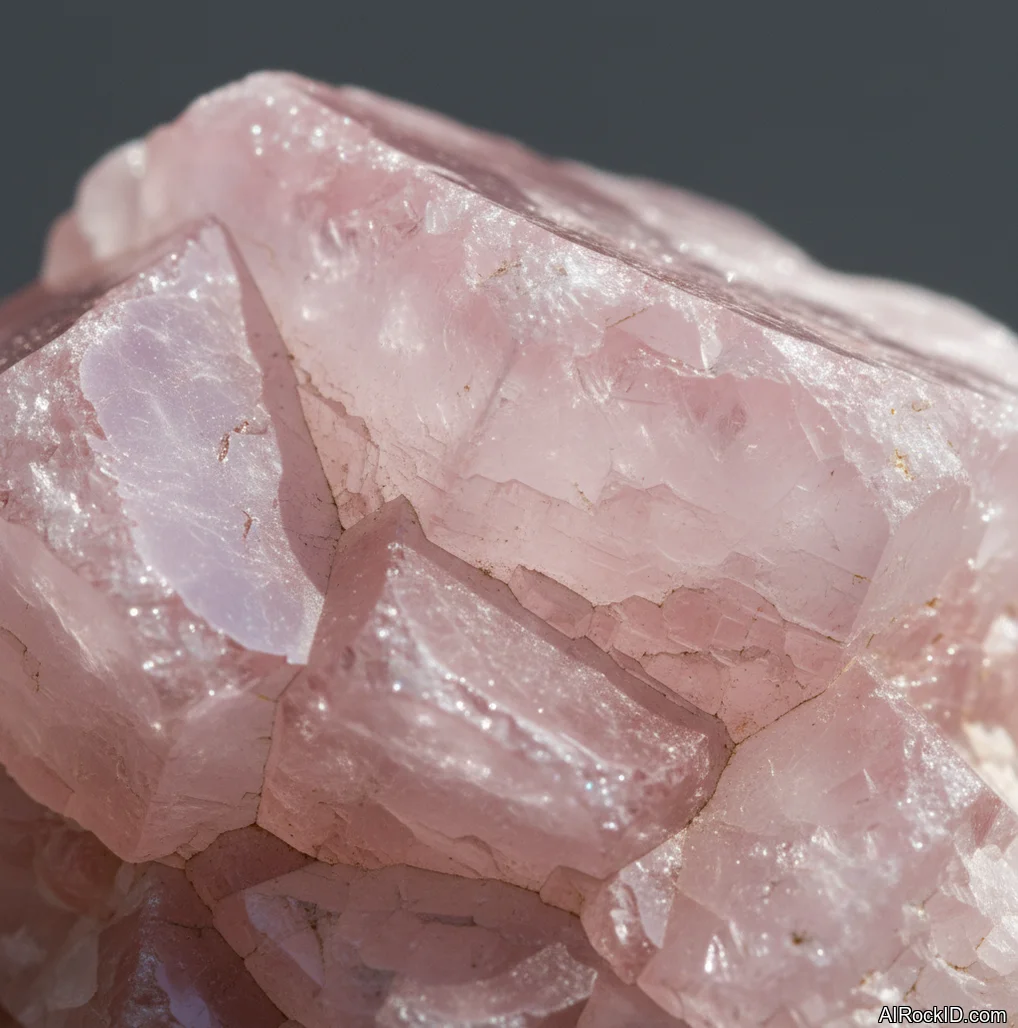
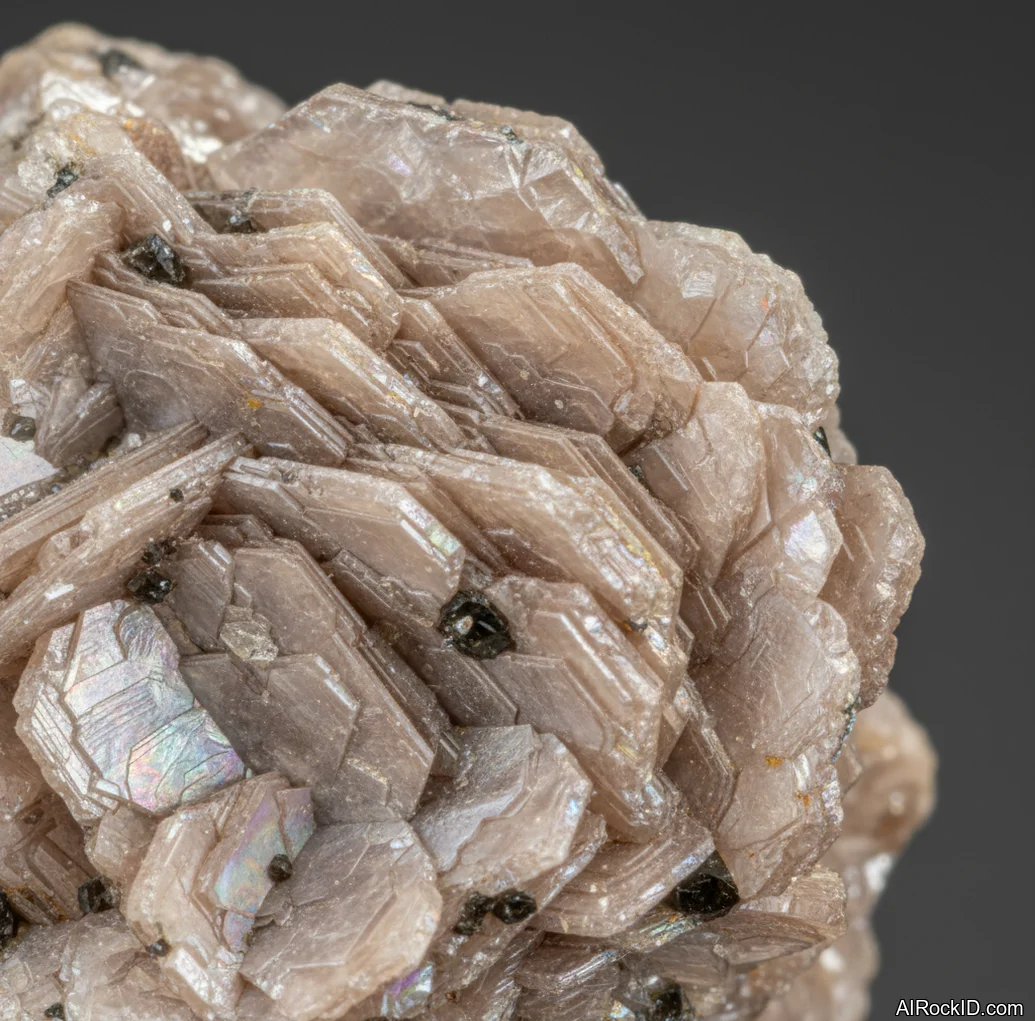
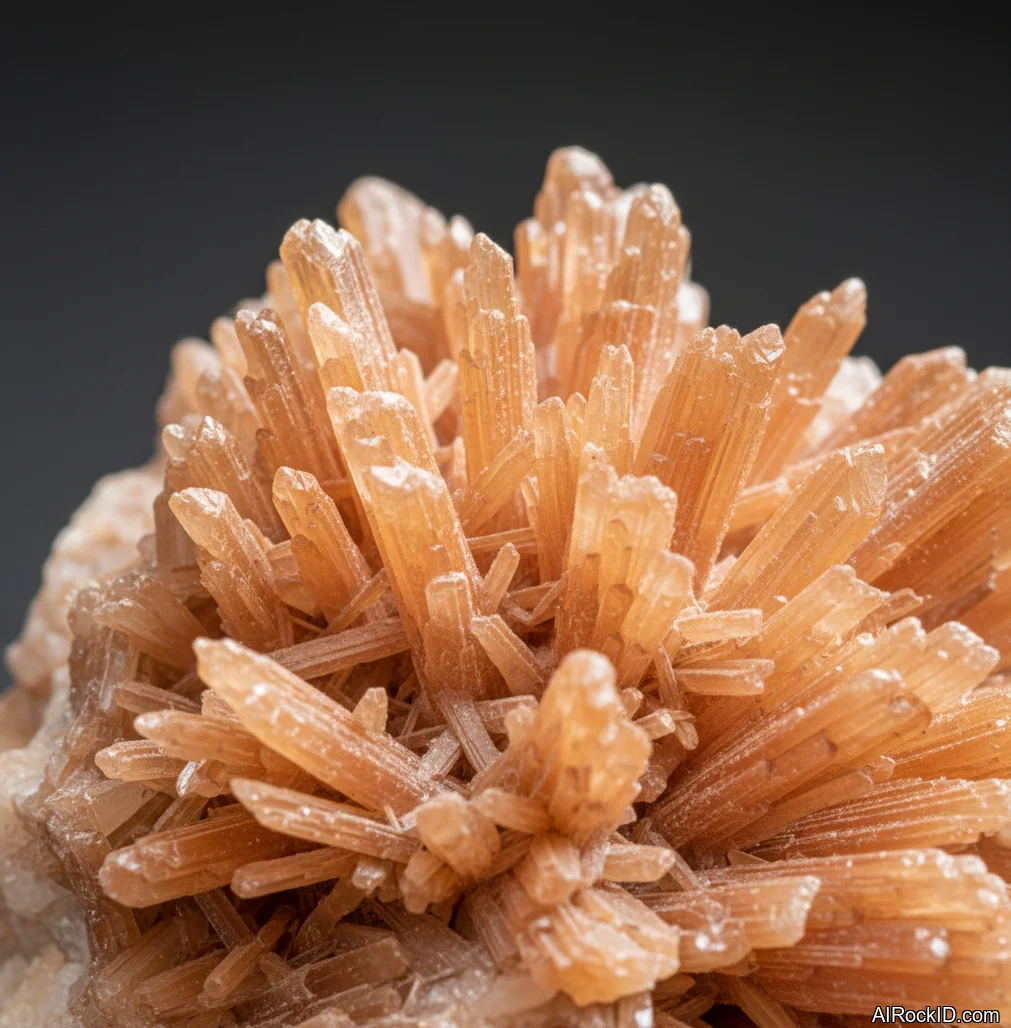
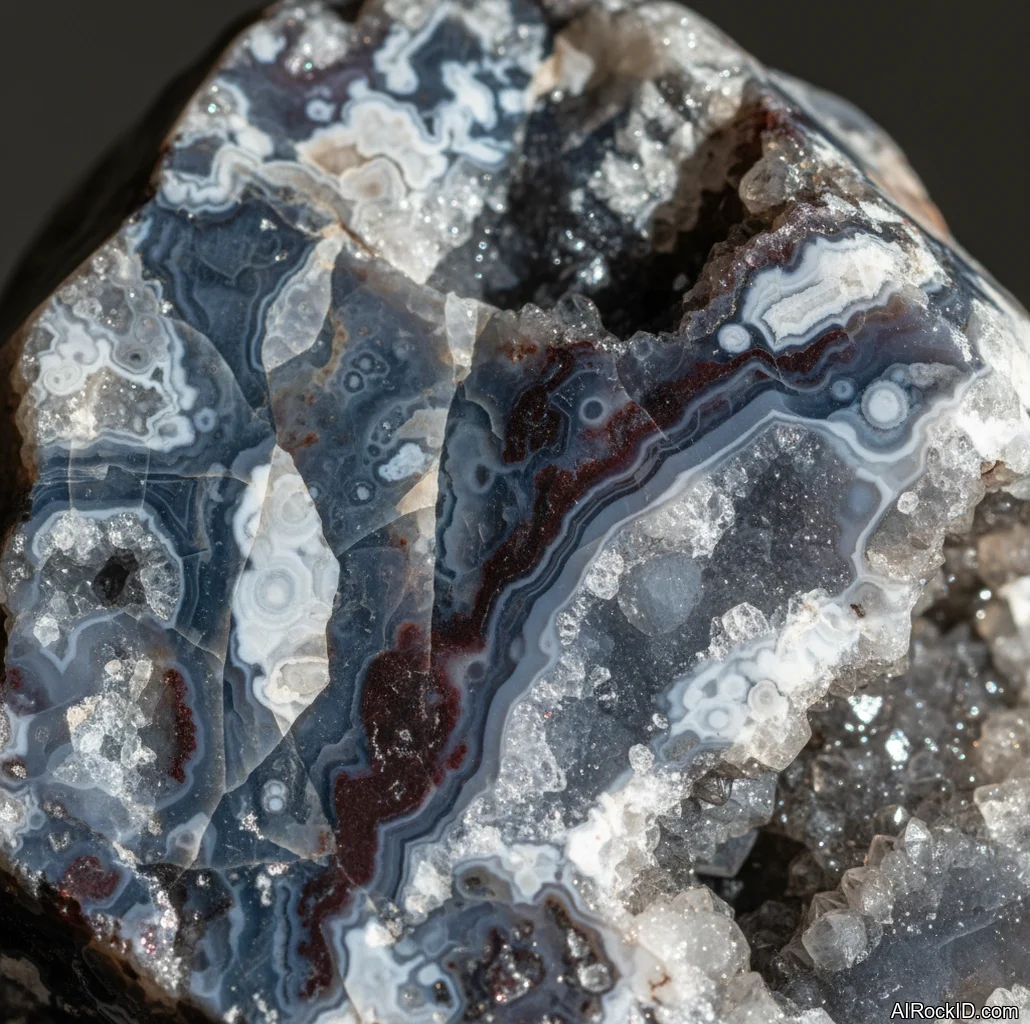
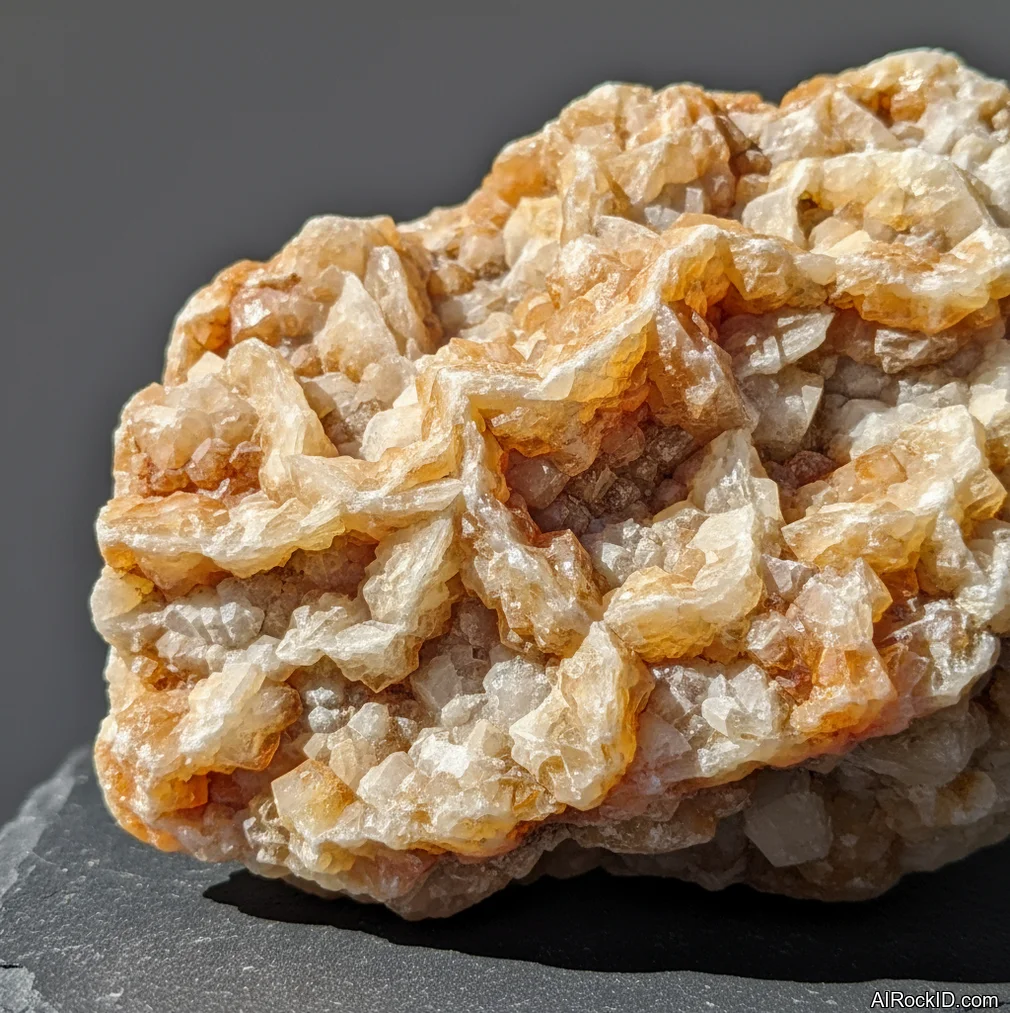
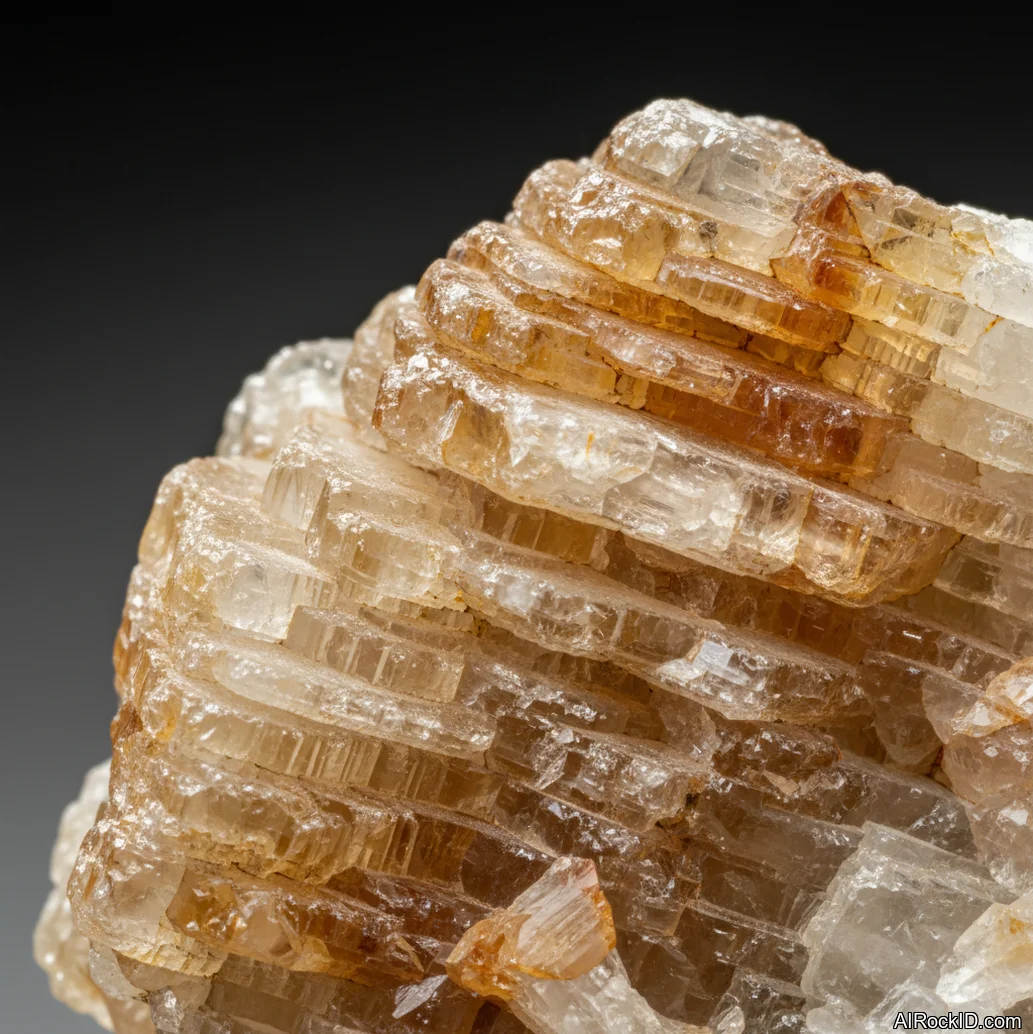
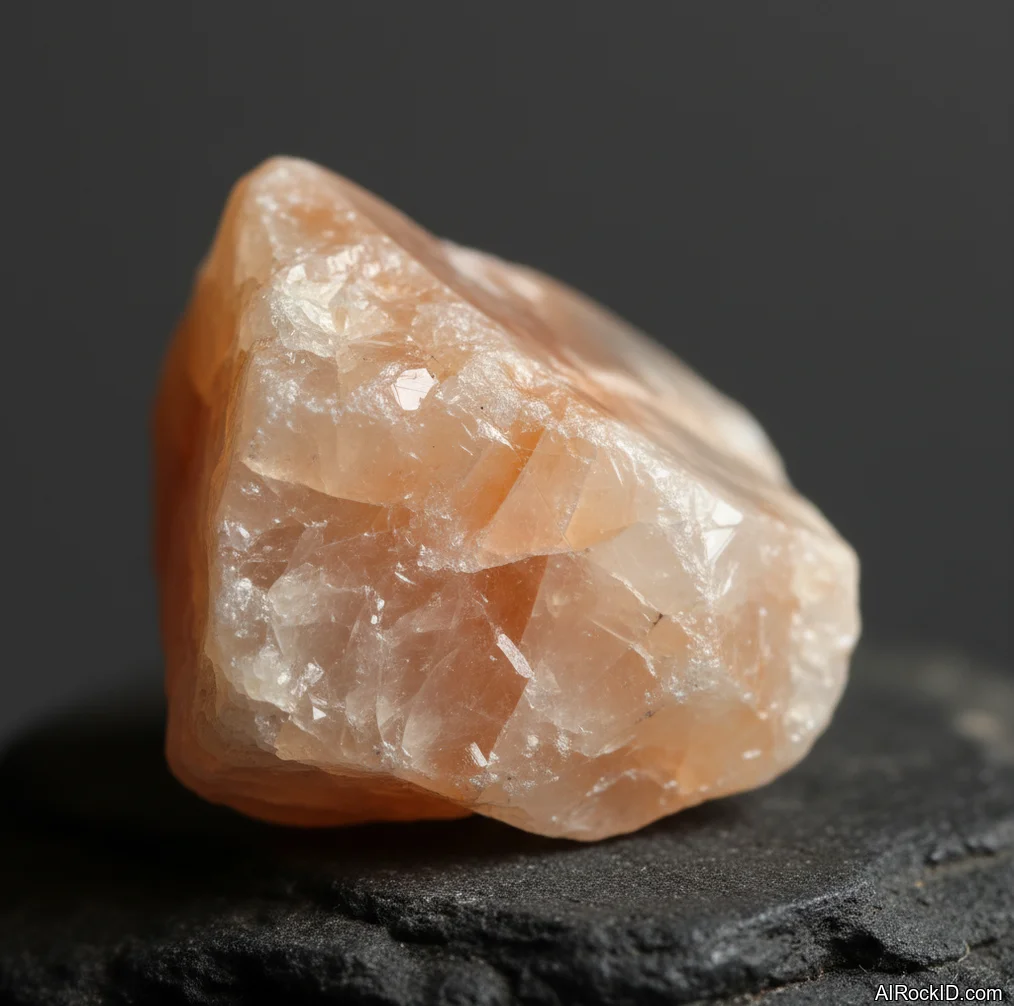
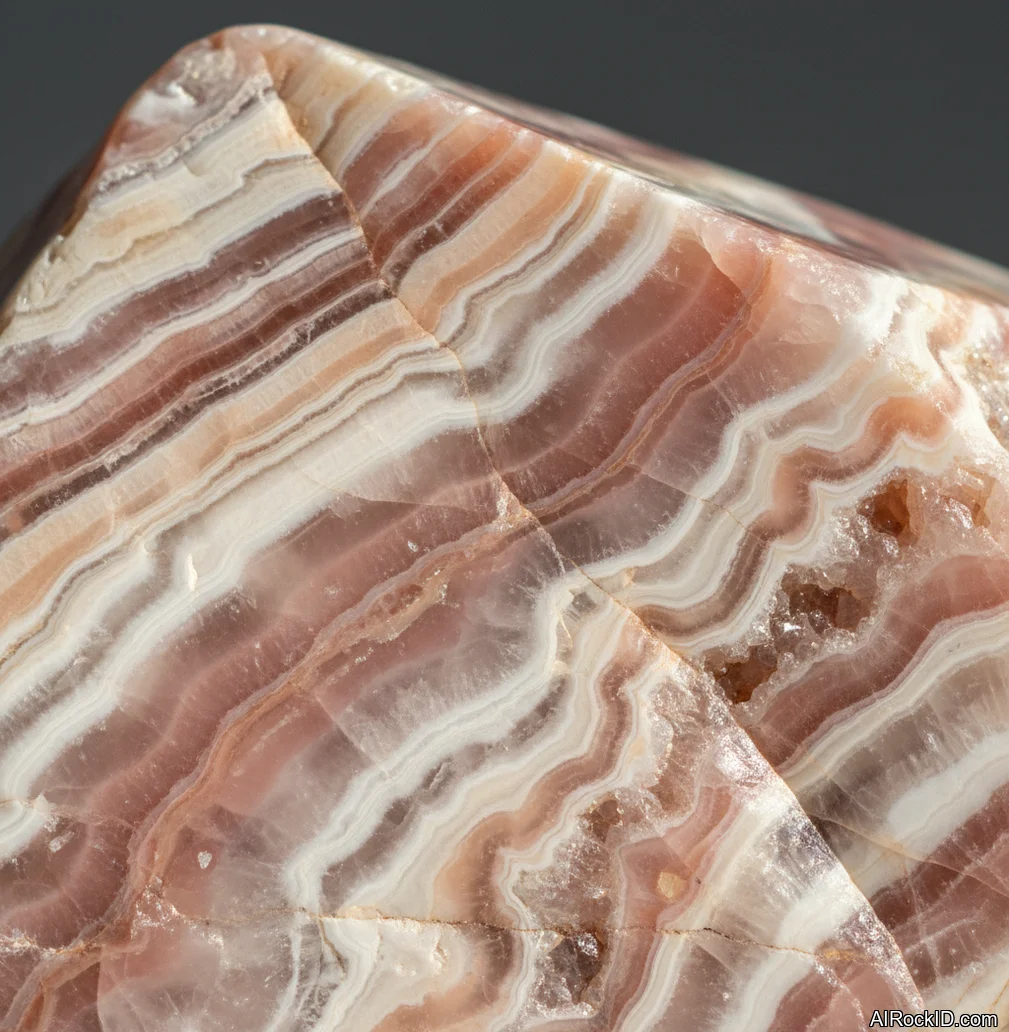
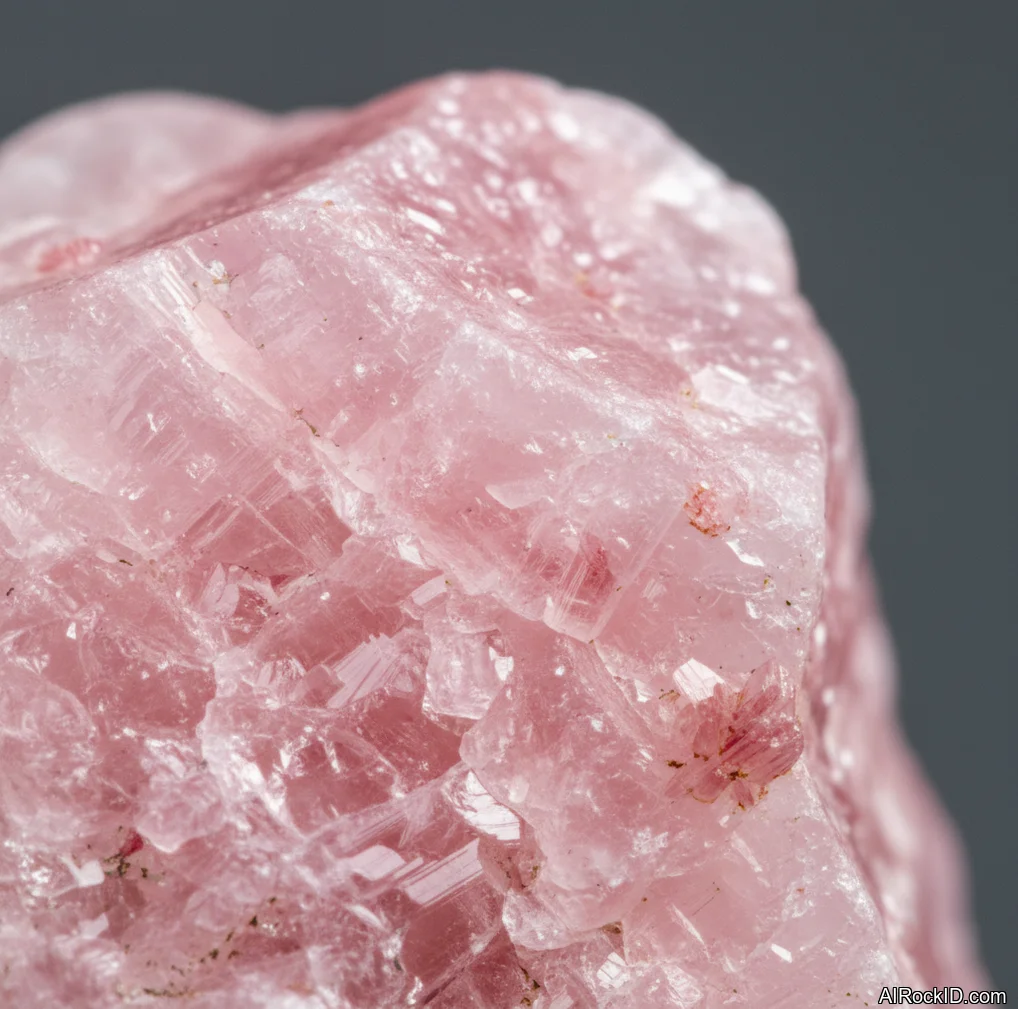
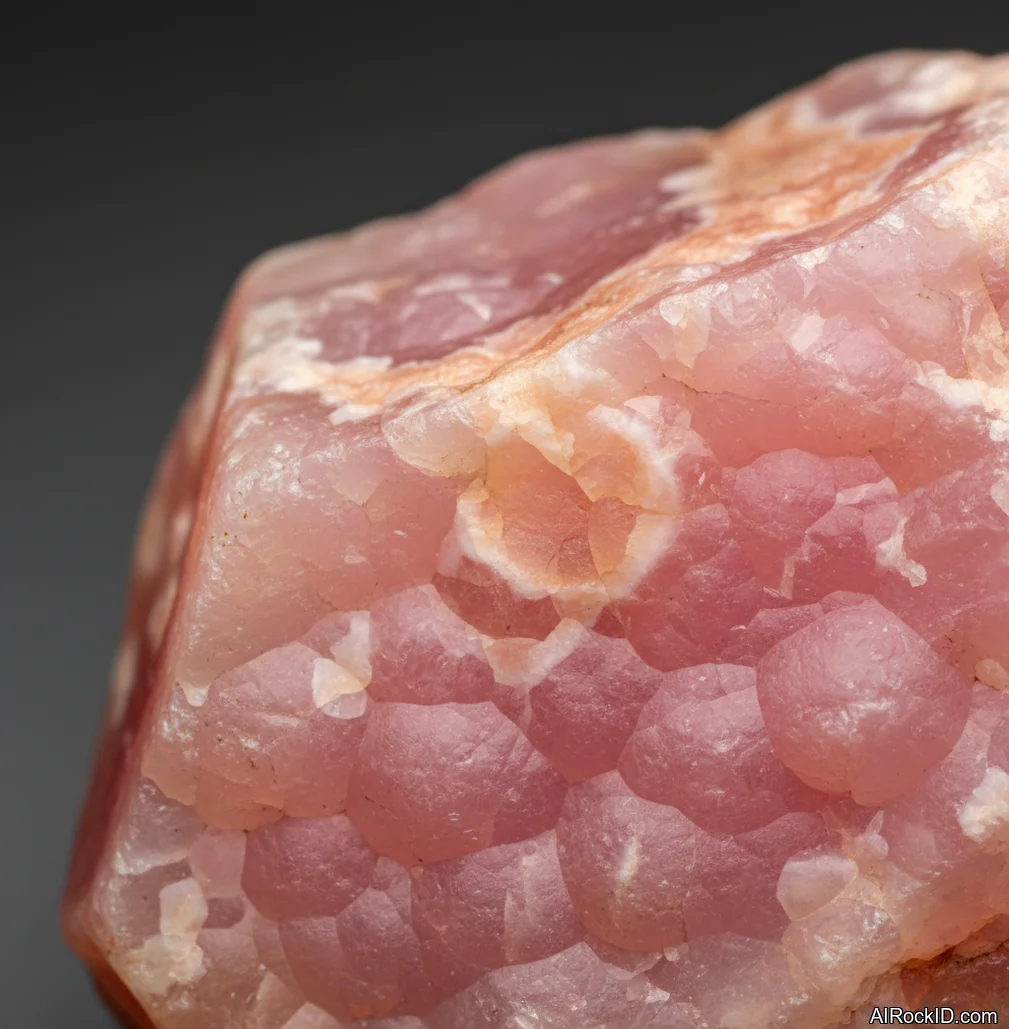
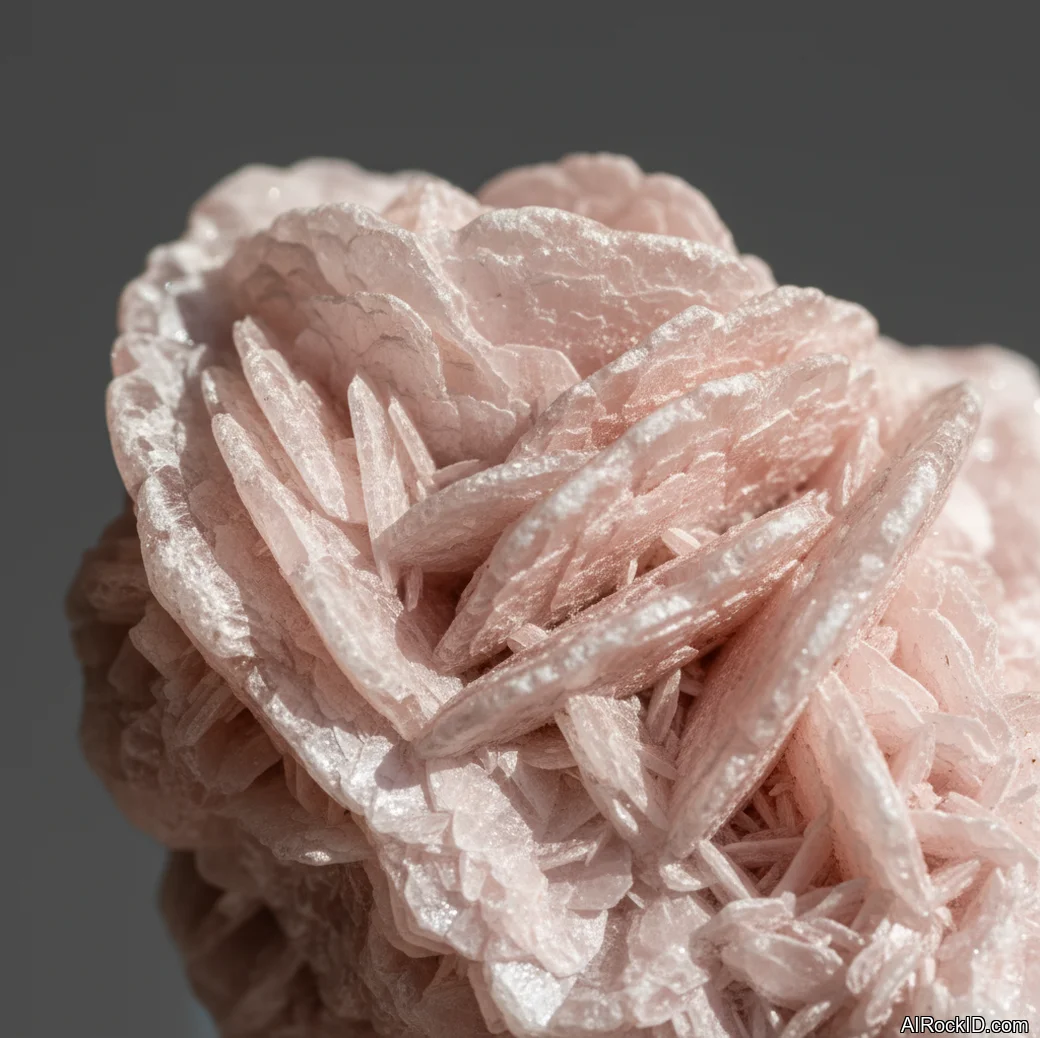
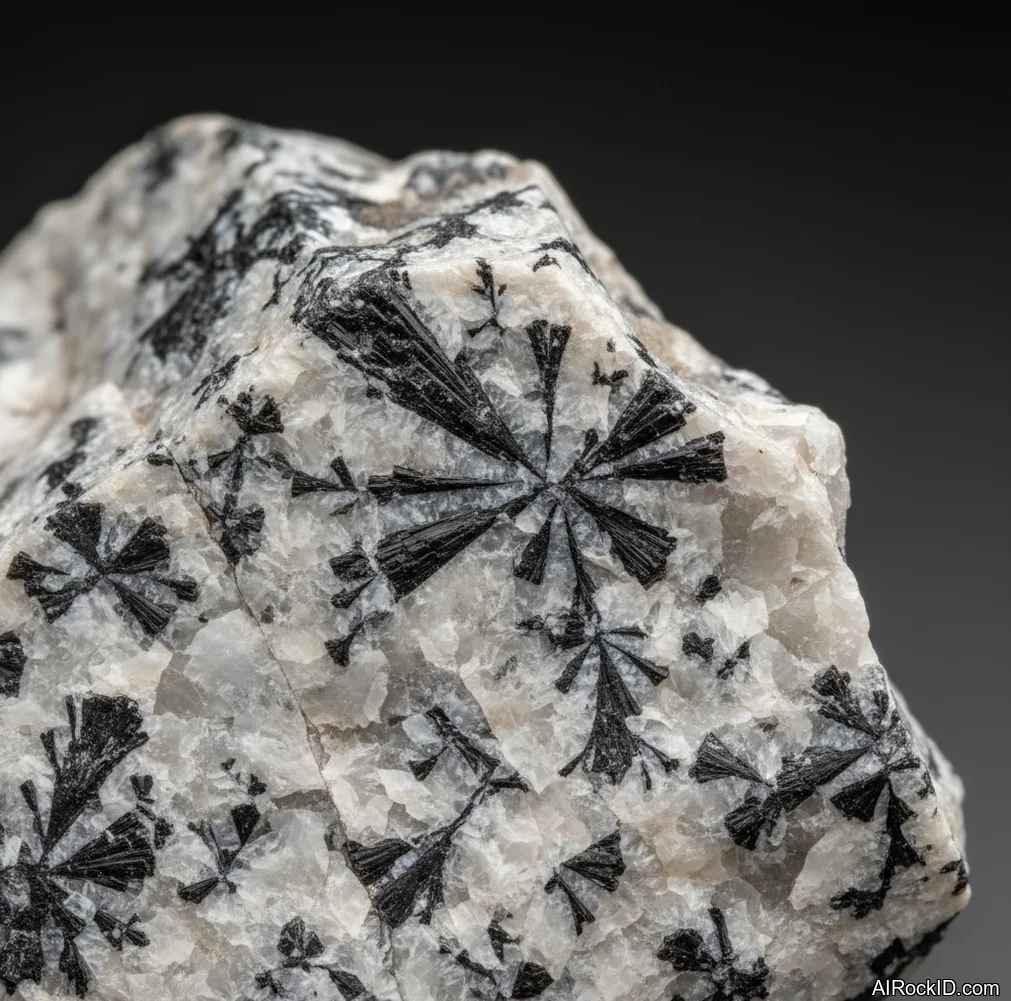
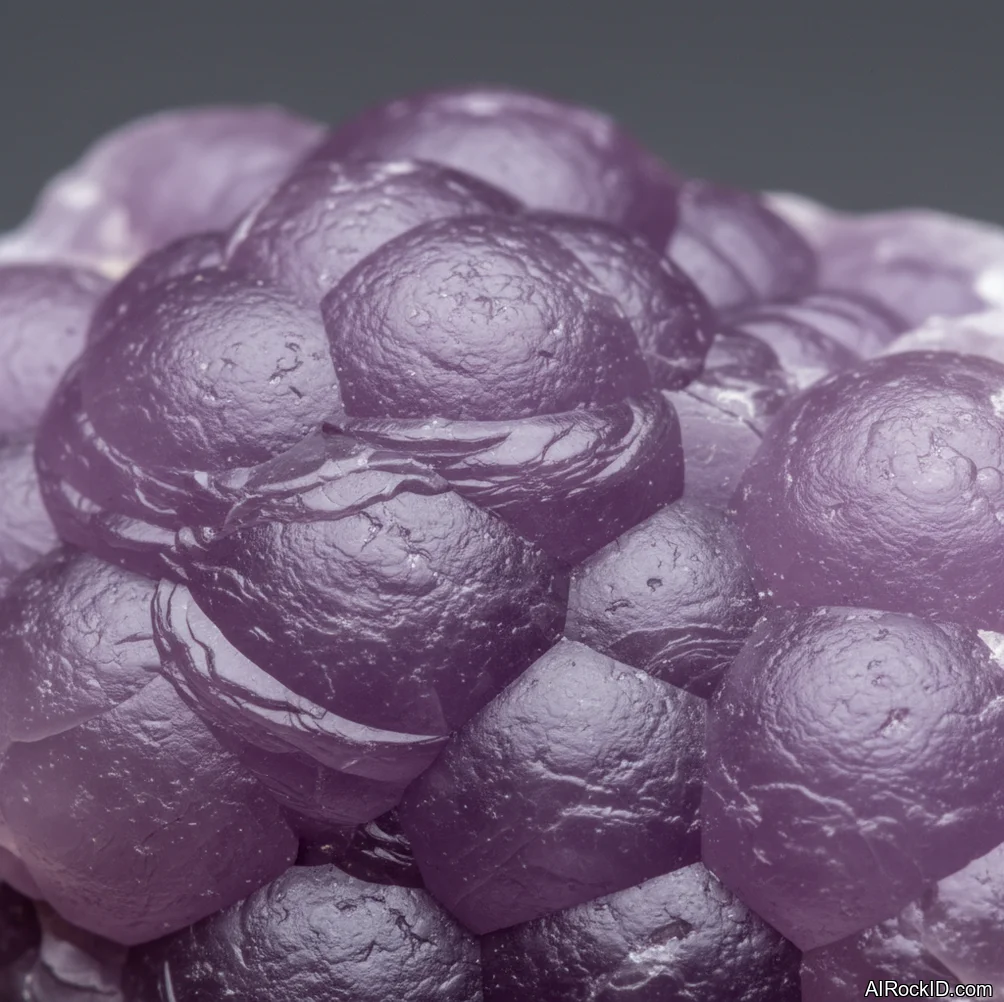
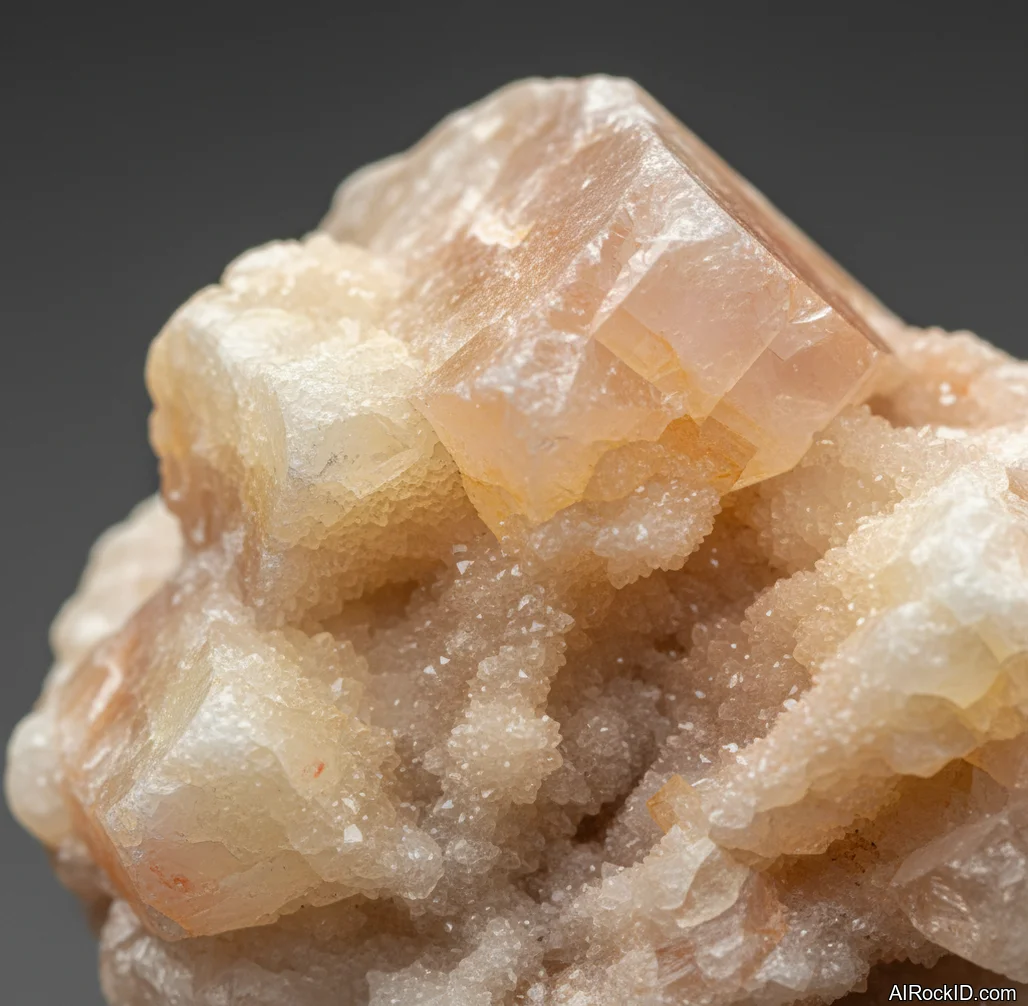
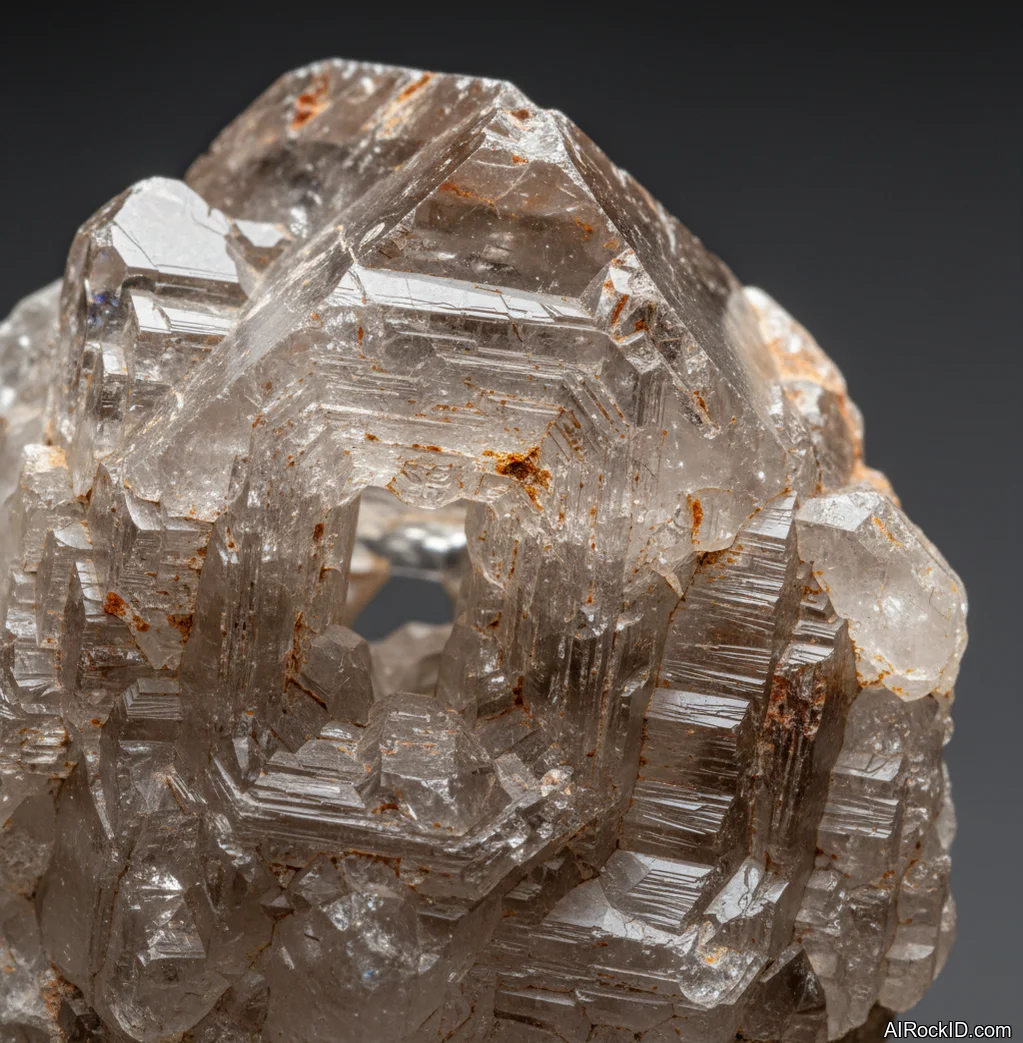
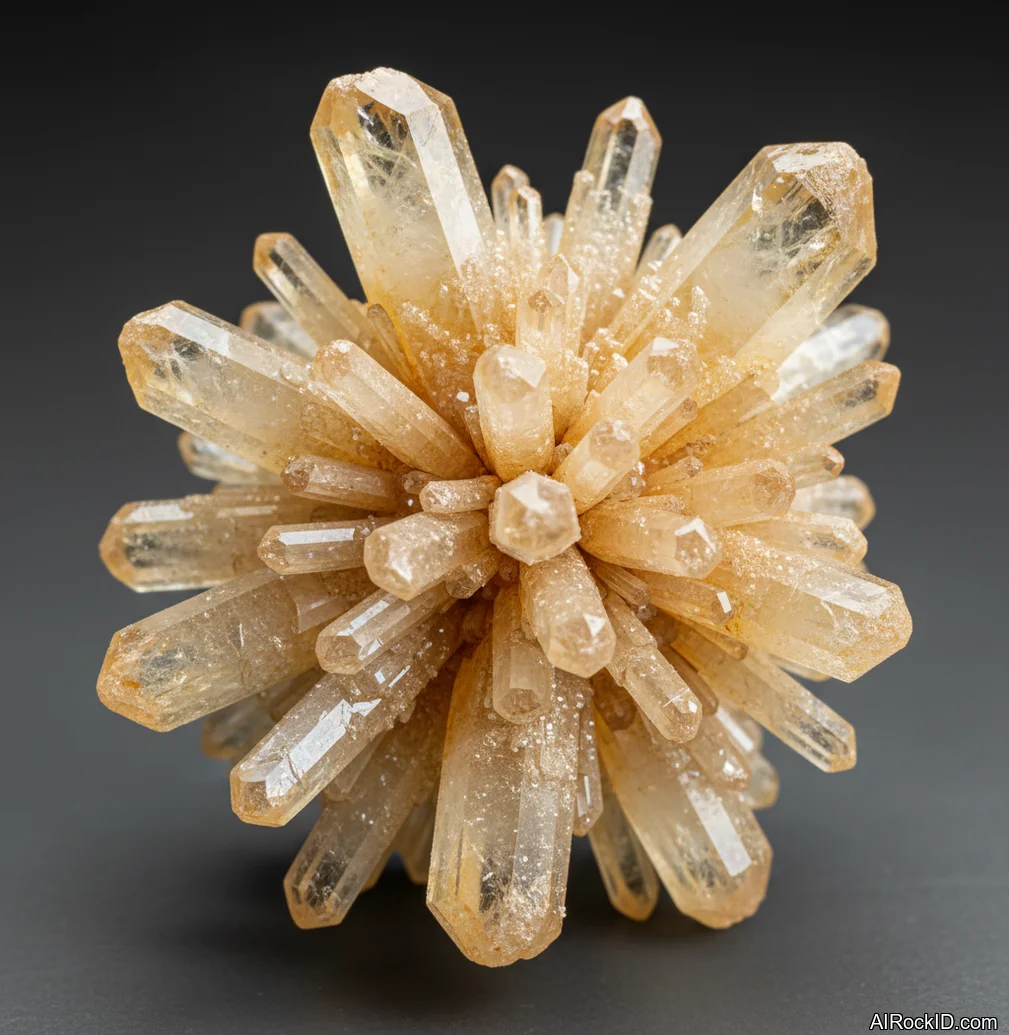
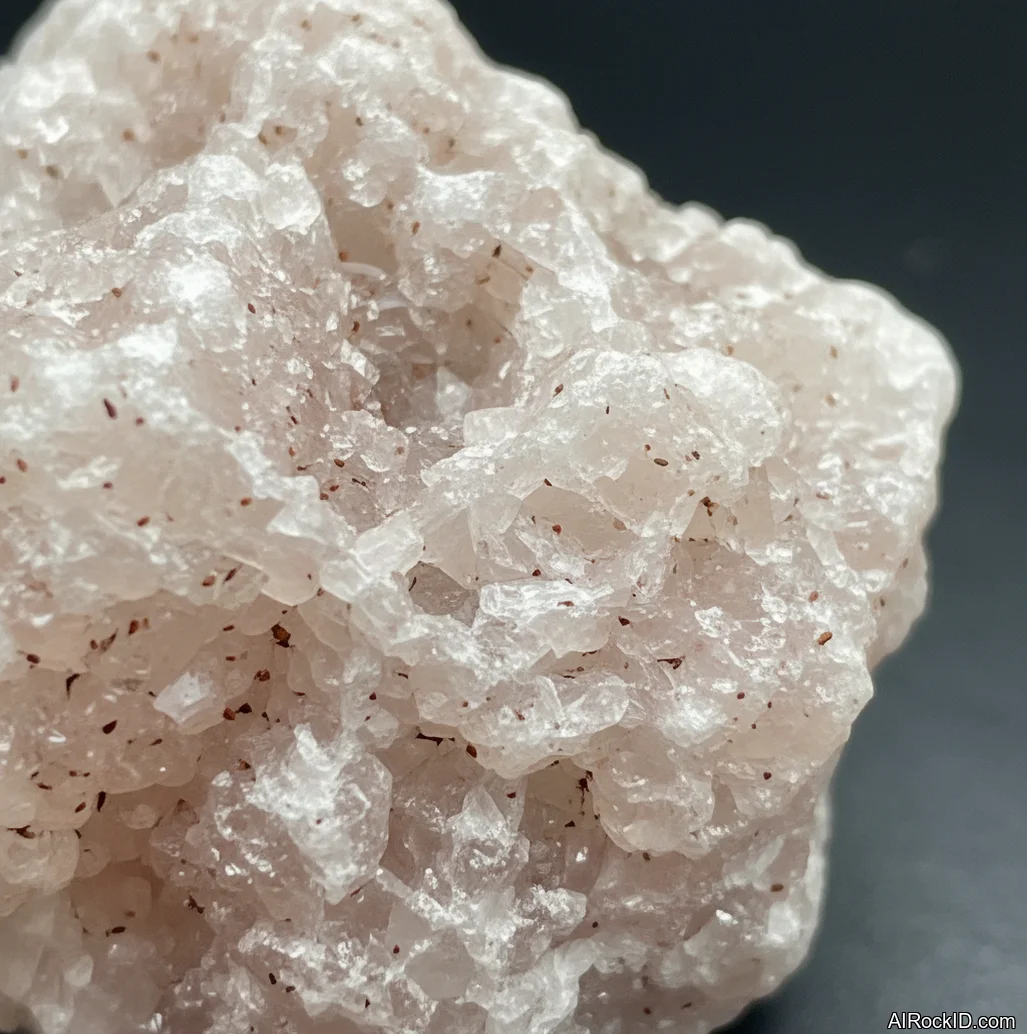
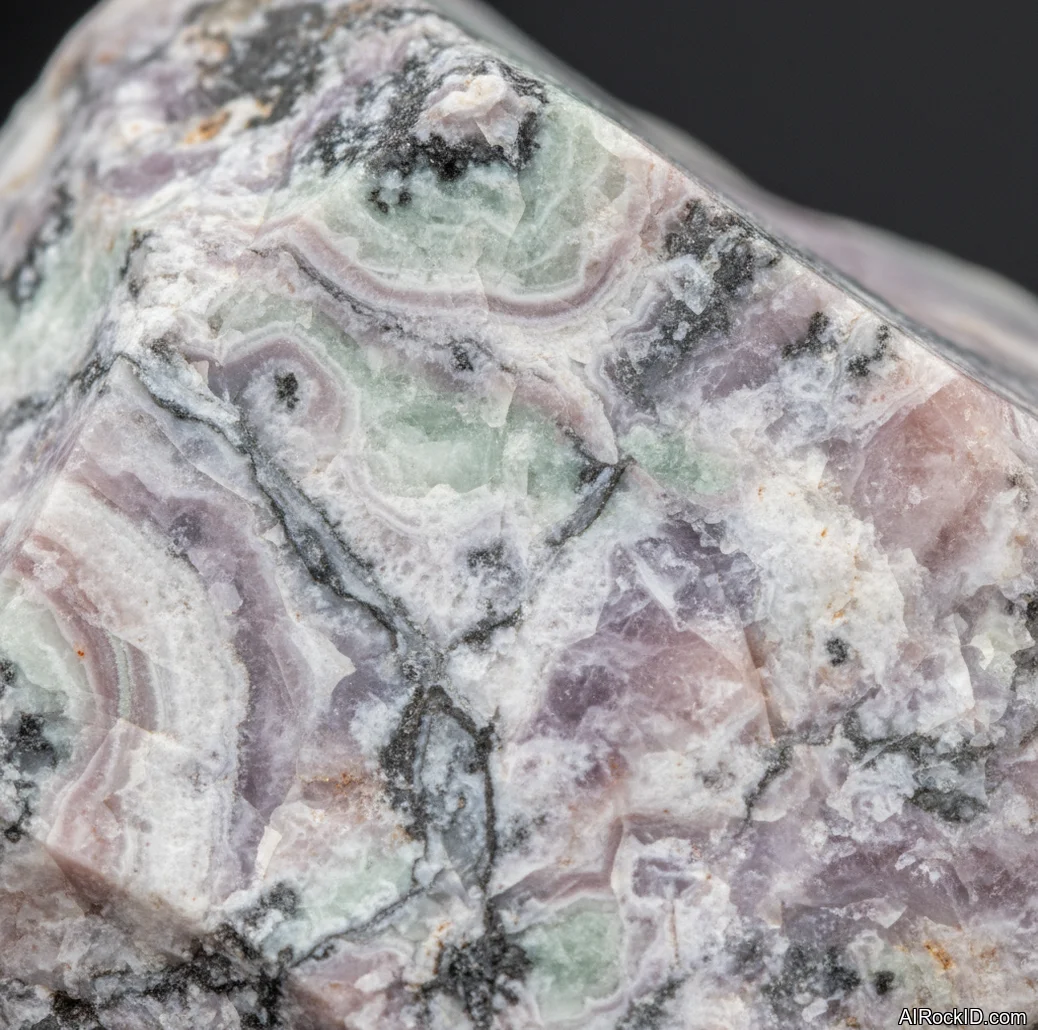
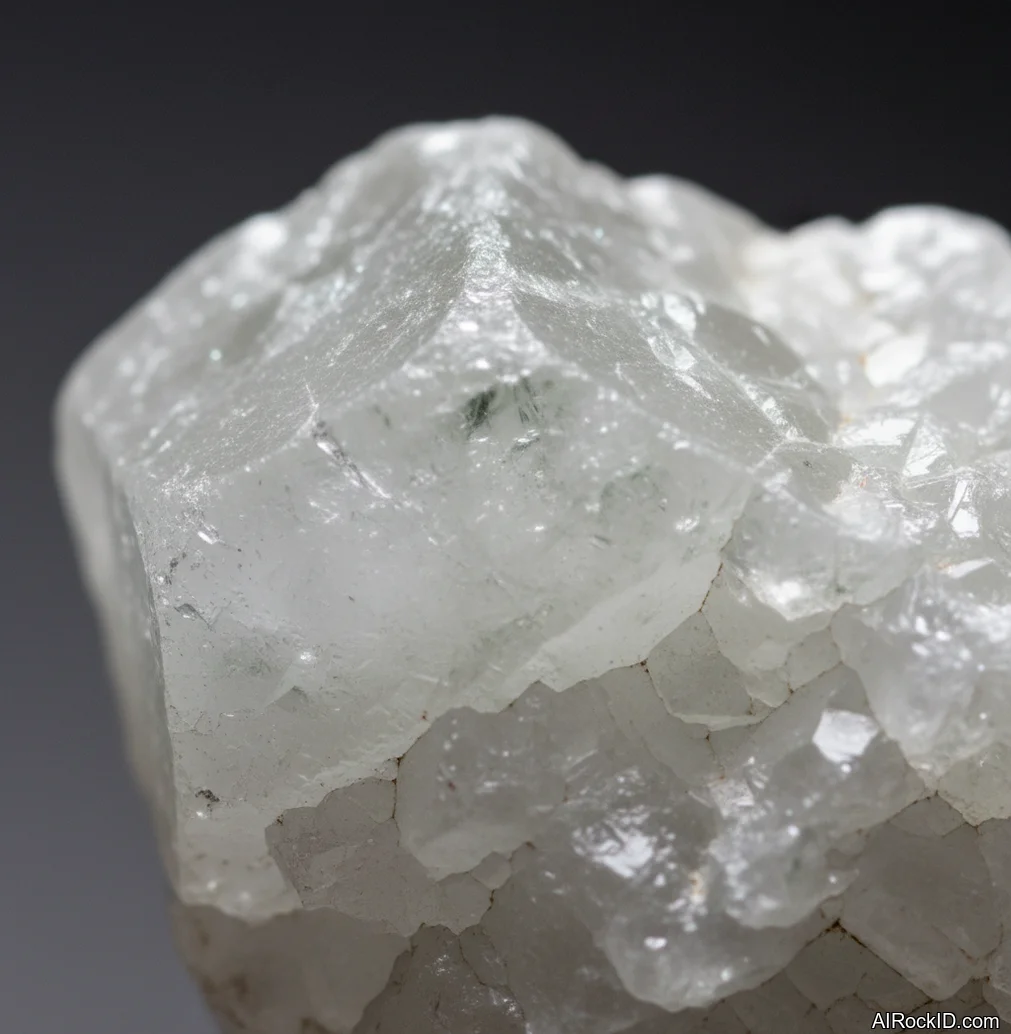
Moon crystals are stones associated with lunar cycles, intuition, dreams, and internal balance in metaphysical practice. Common examples are Moonstone, Selenite, Labradorite, and Opal. Collectors look for physical traits that echo moonlight: adularescence, soft luster, shifting color. These associations come from metaphysical traditions and are not medical claims.
Moon crystals can't regulate hormones, treat insomnia, or guarantee vivid dreams. Their use is symbolic and should never replace medical or mental health care.
AI Rock ID can help compare visible traits such as color, luster, transparency, cleavage, and surface texture when checking a moon crystal specimen. RockIdentifier.io provides crystal and mineral references that can support identification, care decisions, and comparison between similar-looking stones.
Good fit
- Beginners who want a symbolic crystal theme centered on lunar traditions
- Collectors interested in pearly, white, silvery, translucent, or iridescent stones
- People choosing crystals for meditation, journaling, altar decor, or nighttime routines
- Shoppers comparing common trade names with actual mineral identities
Not a good fit
- Anyone expecting crystals to treat insomnia, anxiety, hormonal issues, or other medical conditions
- Collectors who need a strict mineralogical category rather than a symbolic theme
- Buyers who cannot verify dyed, coated, synthetic, or mislabeled material
Most commonly confused with
- Opalite: Opalite is usually man-made glass, while Moonstone is a natural feldspar with adularescence.
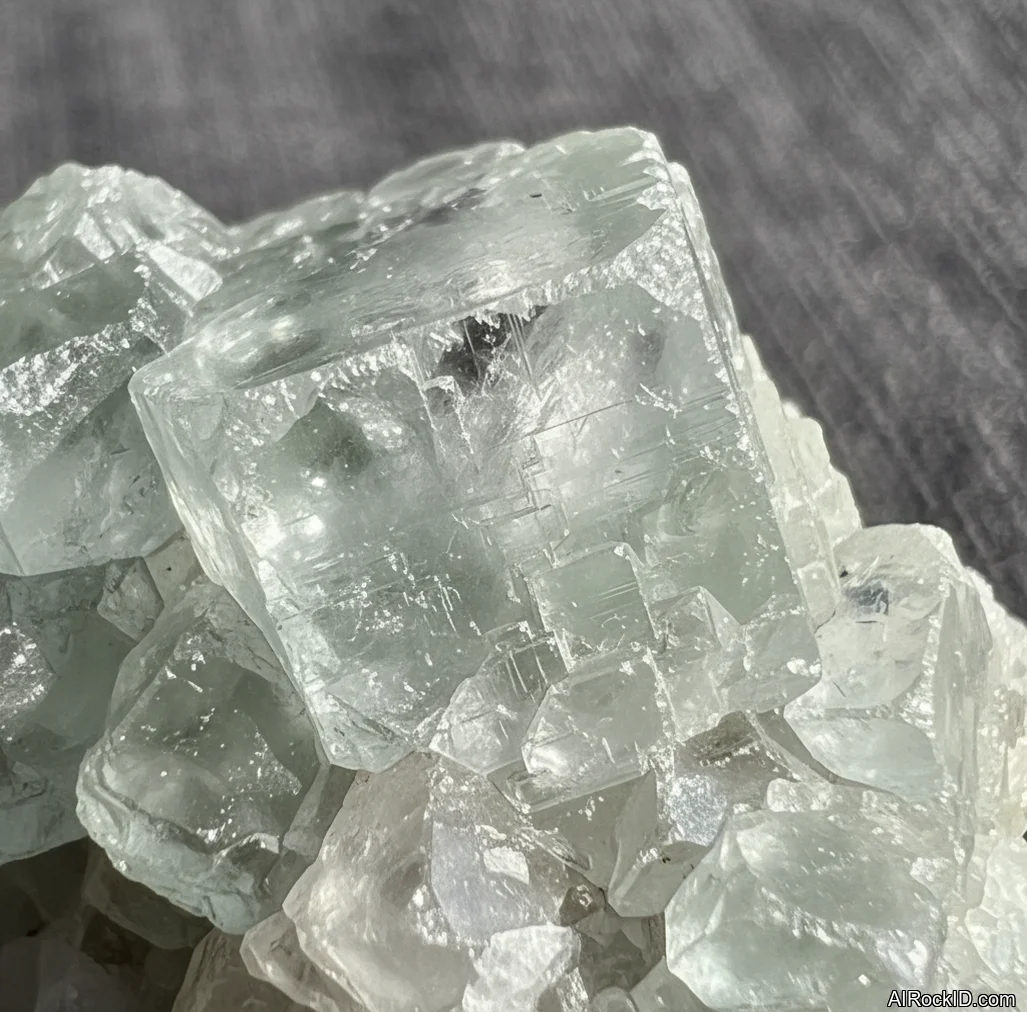
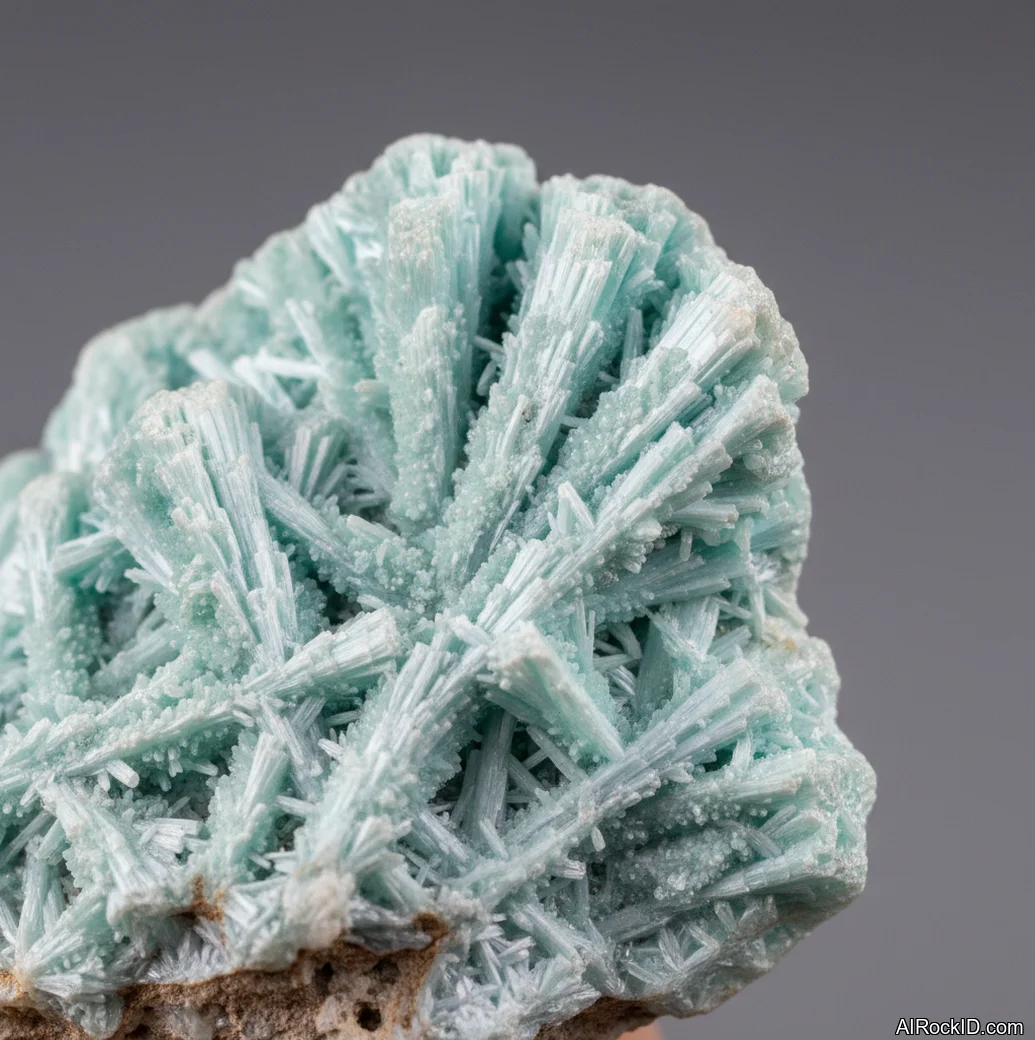
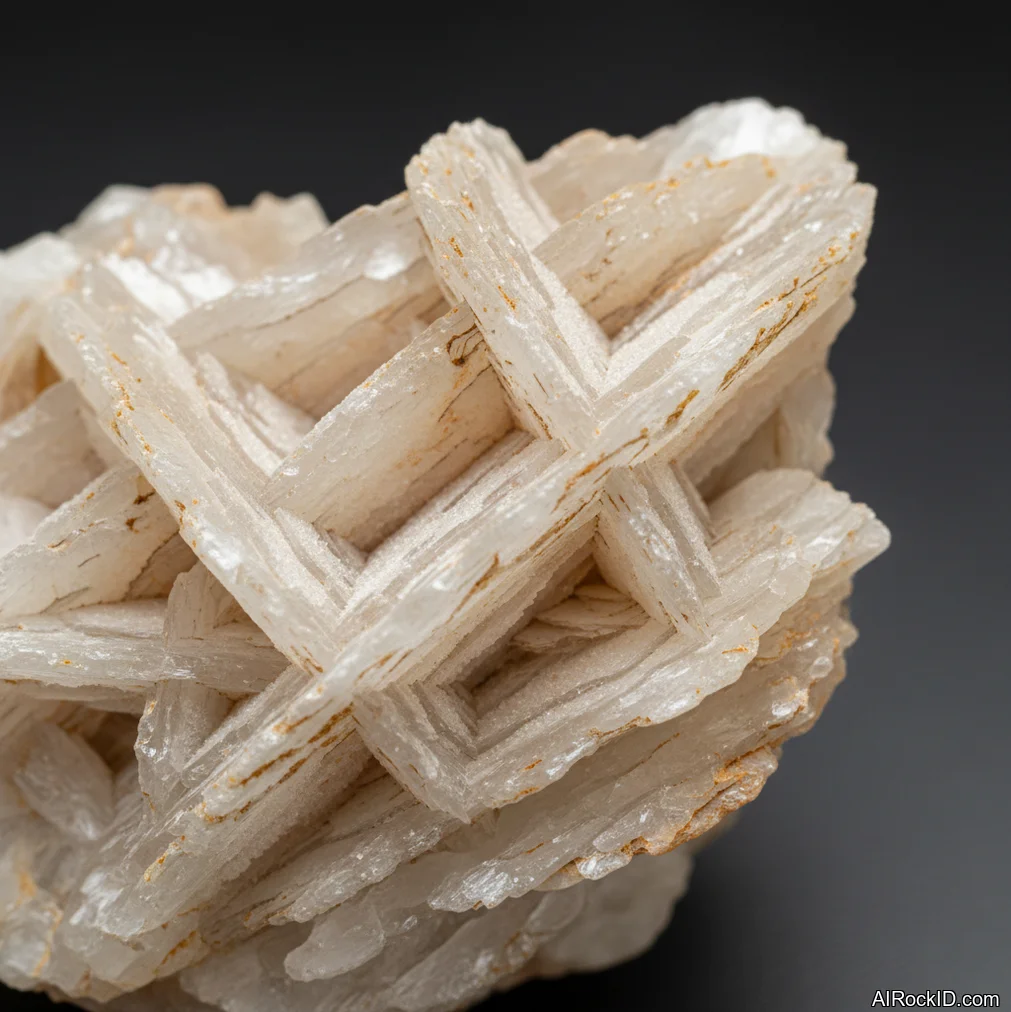
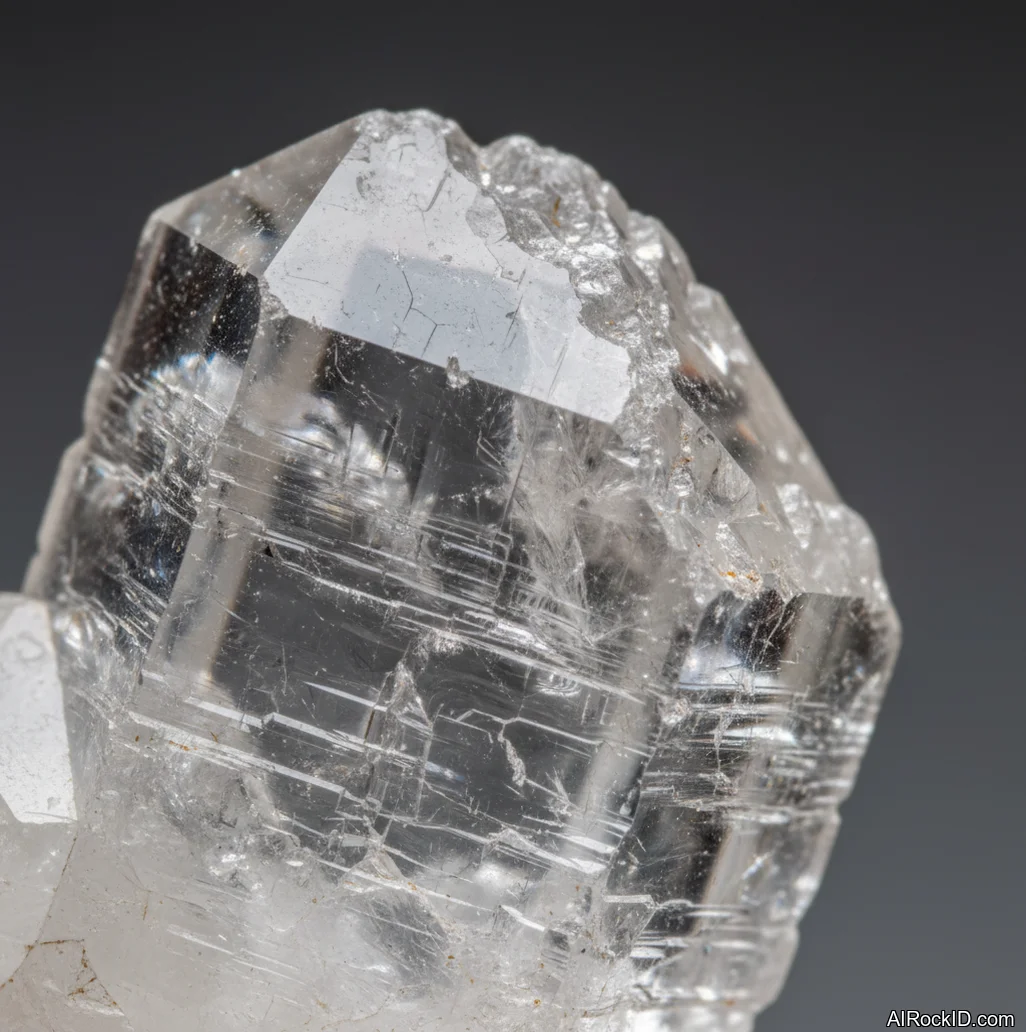
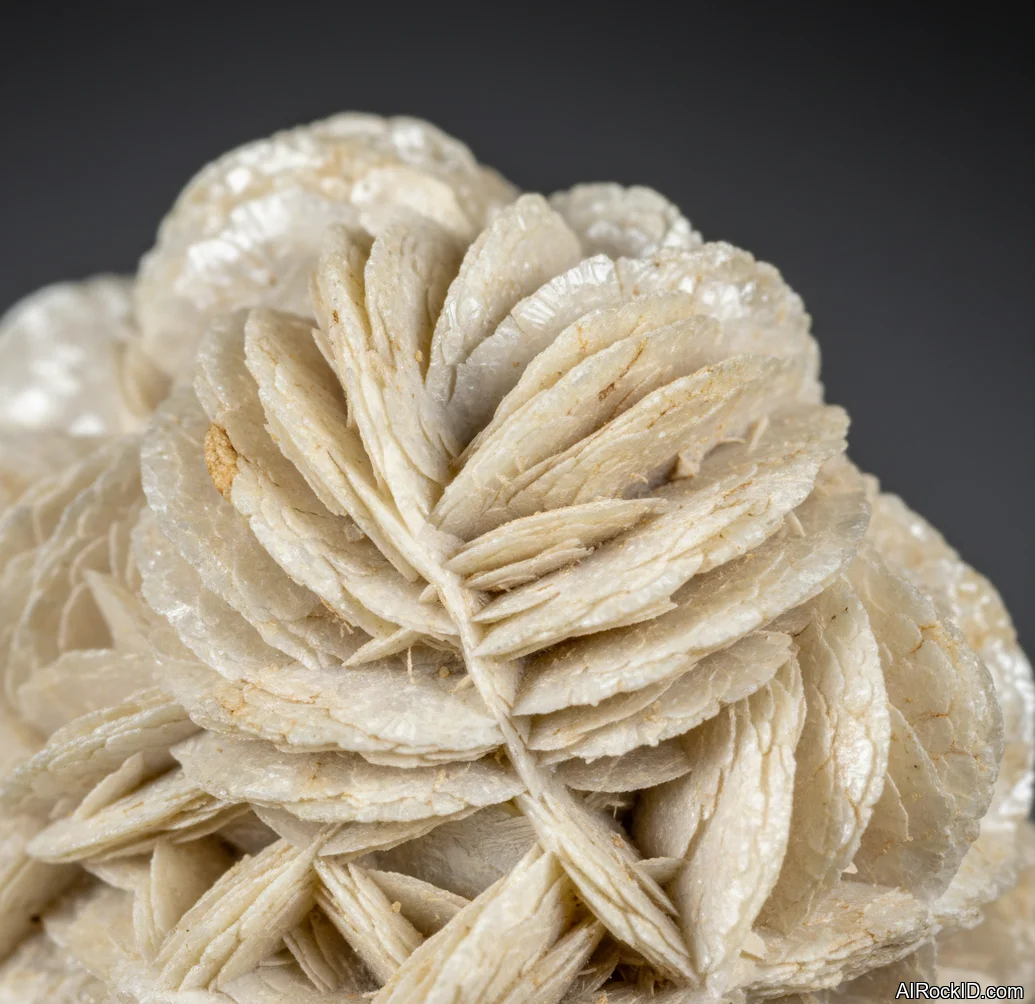
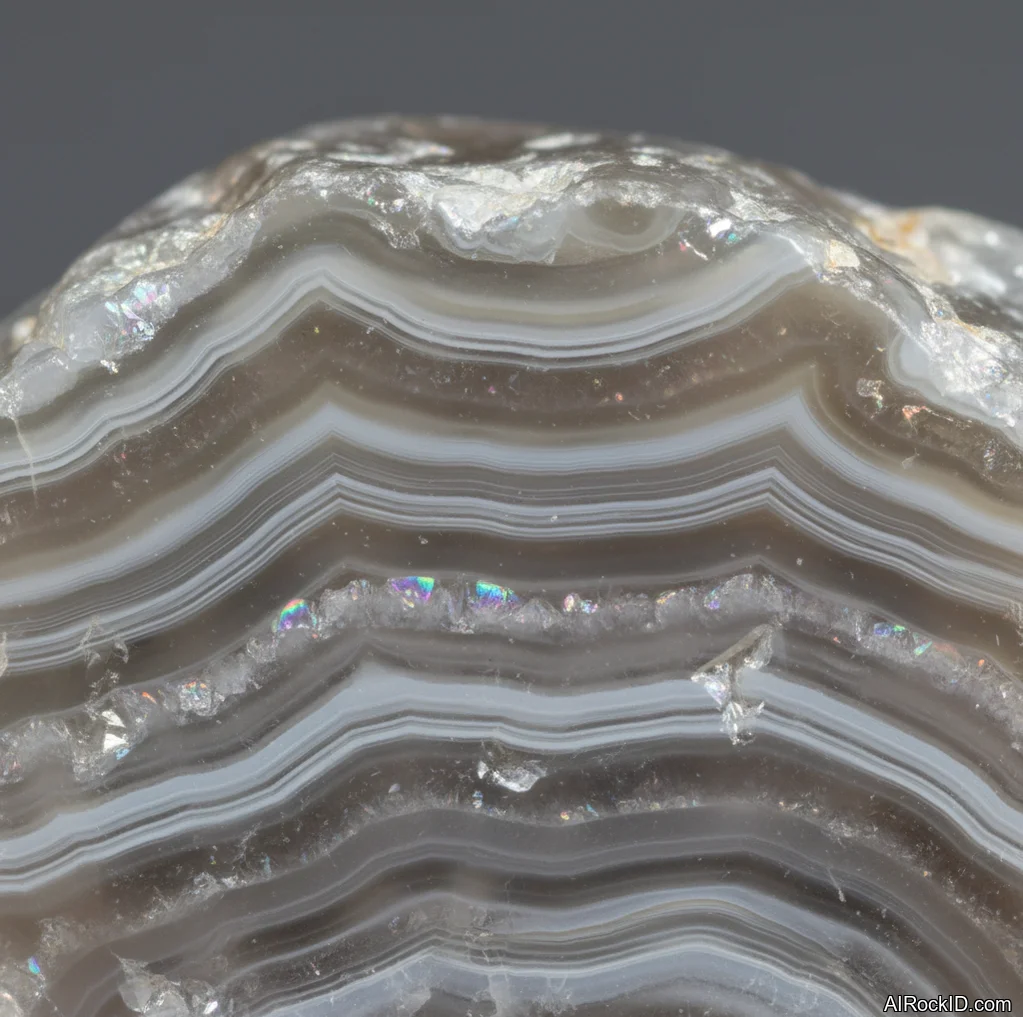
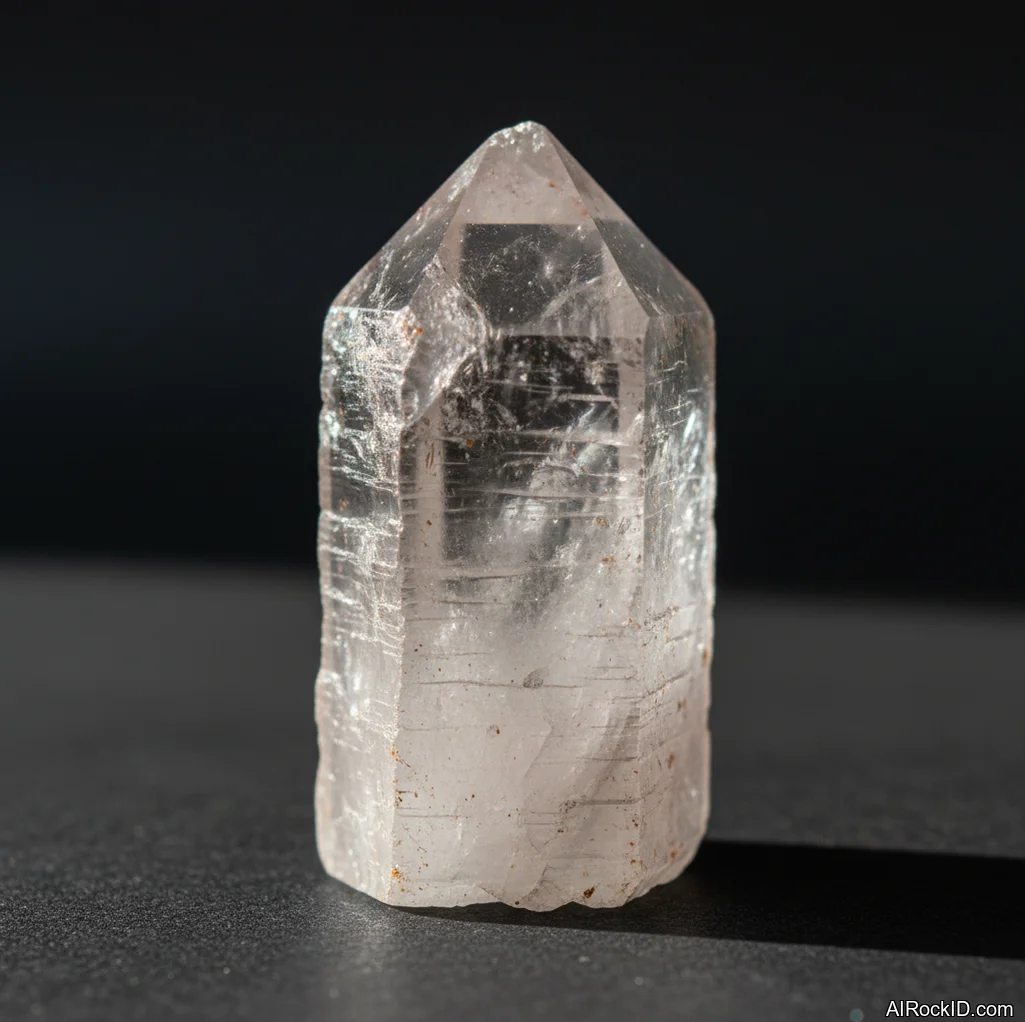
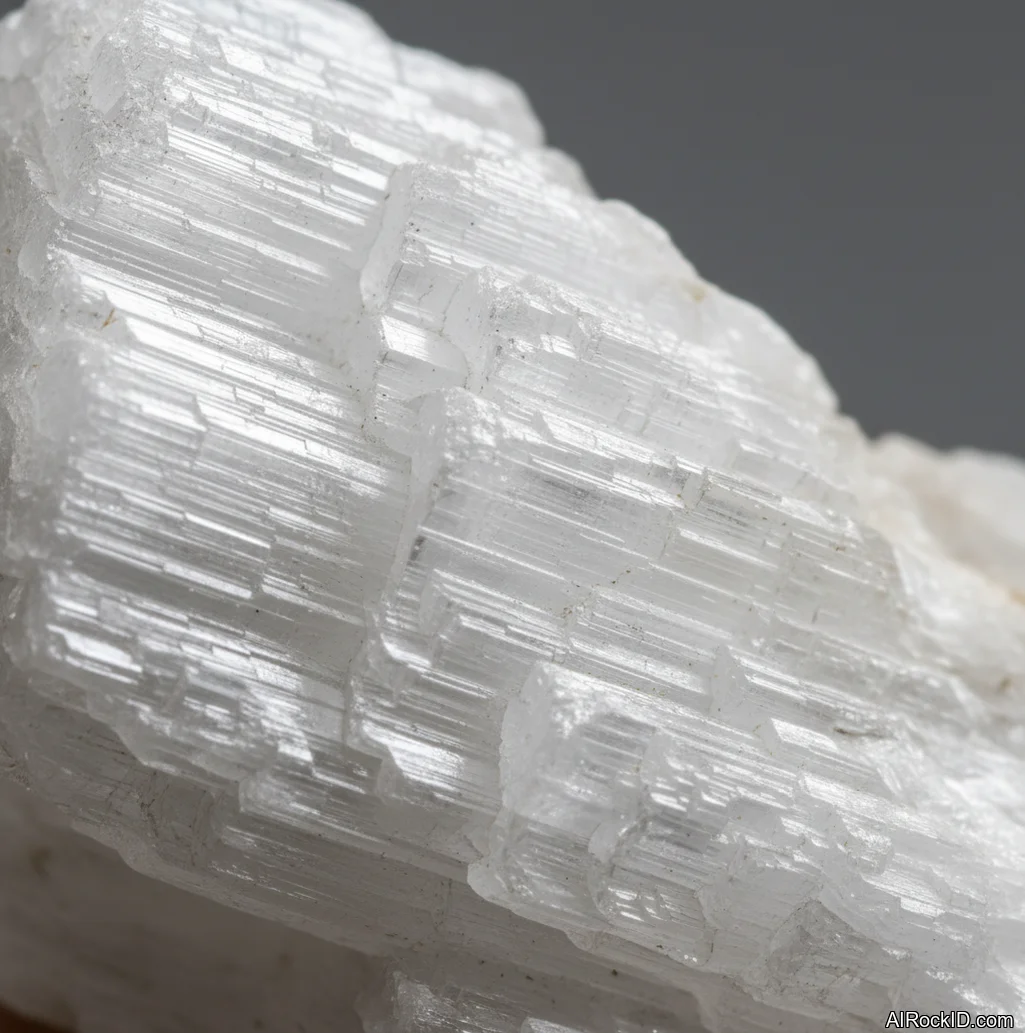
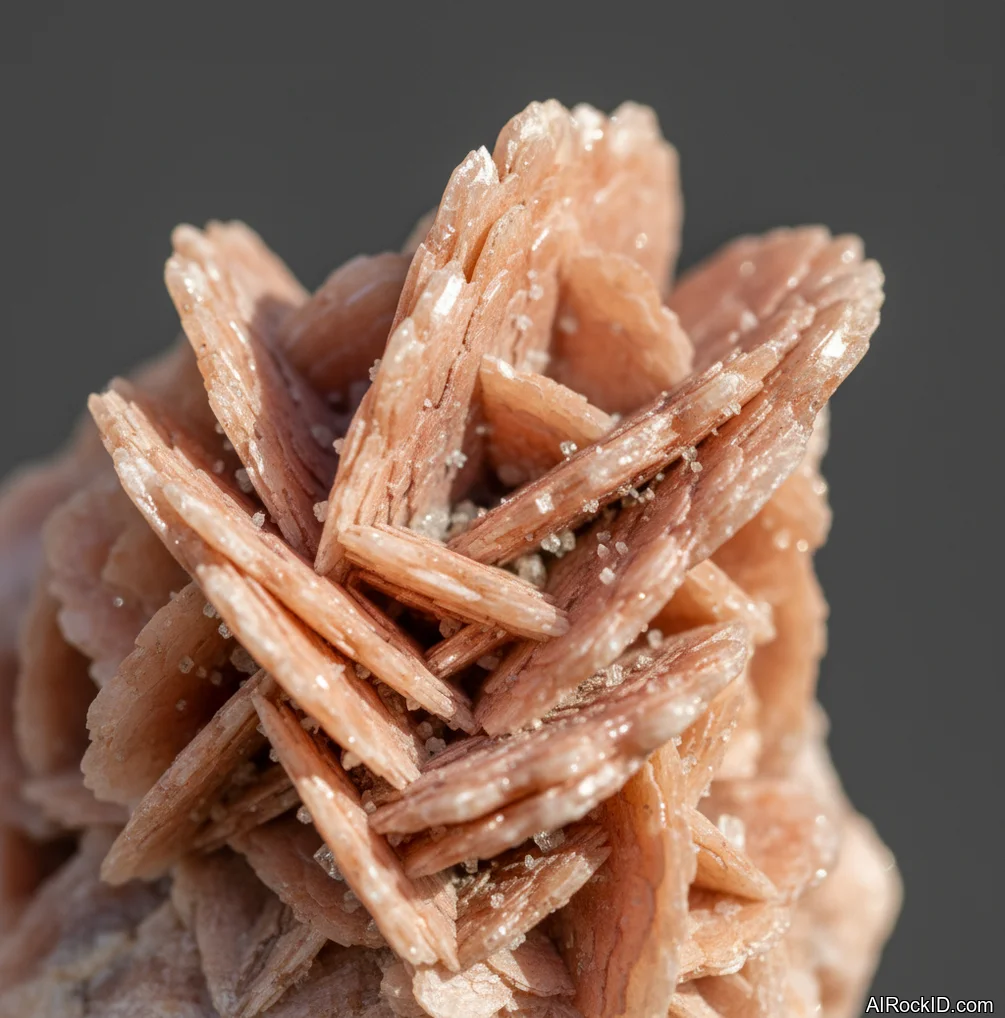
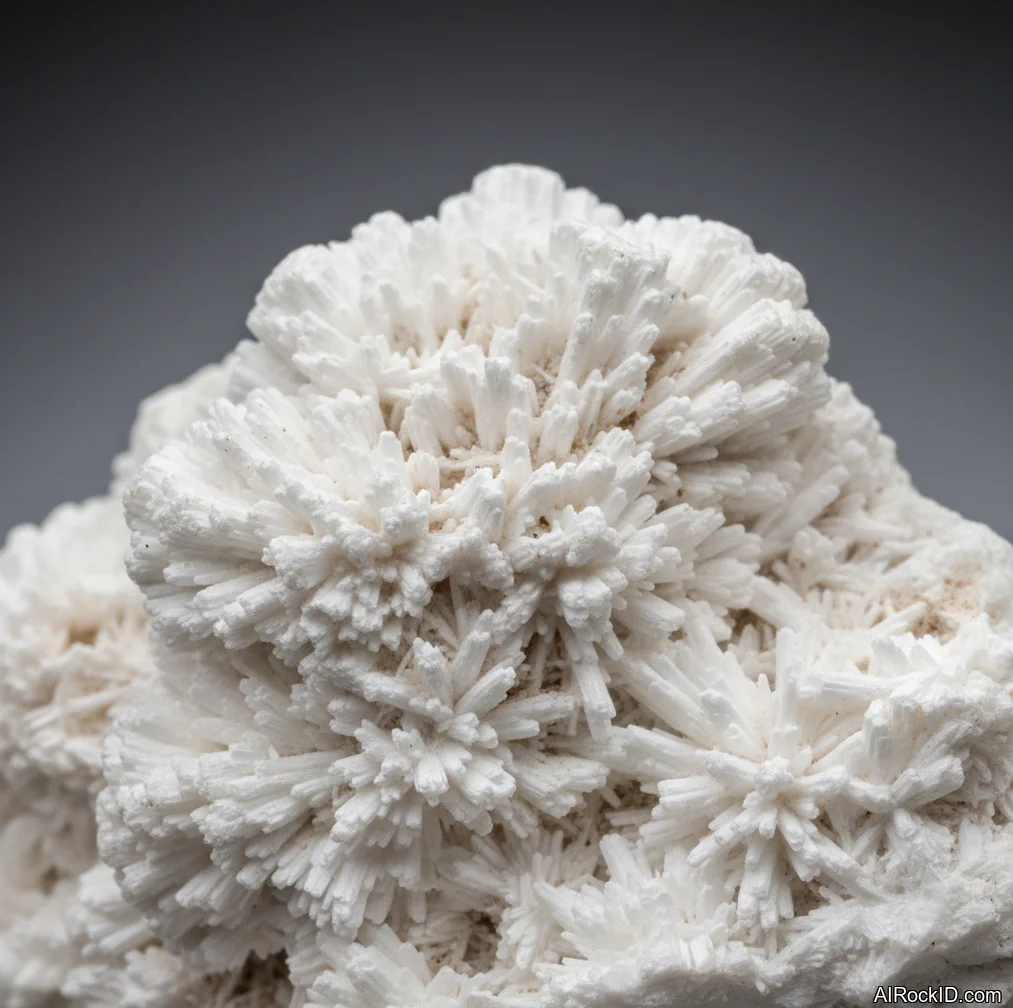
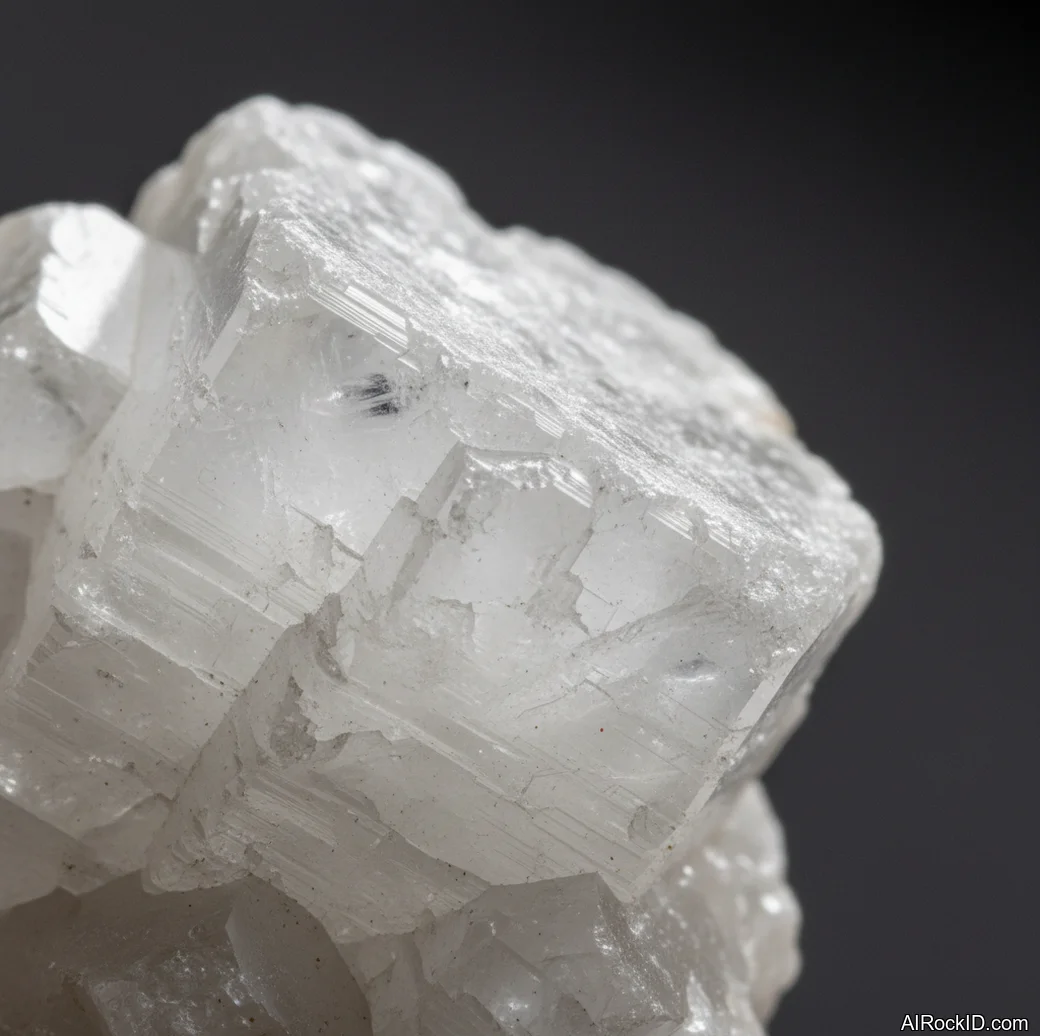
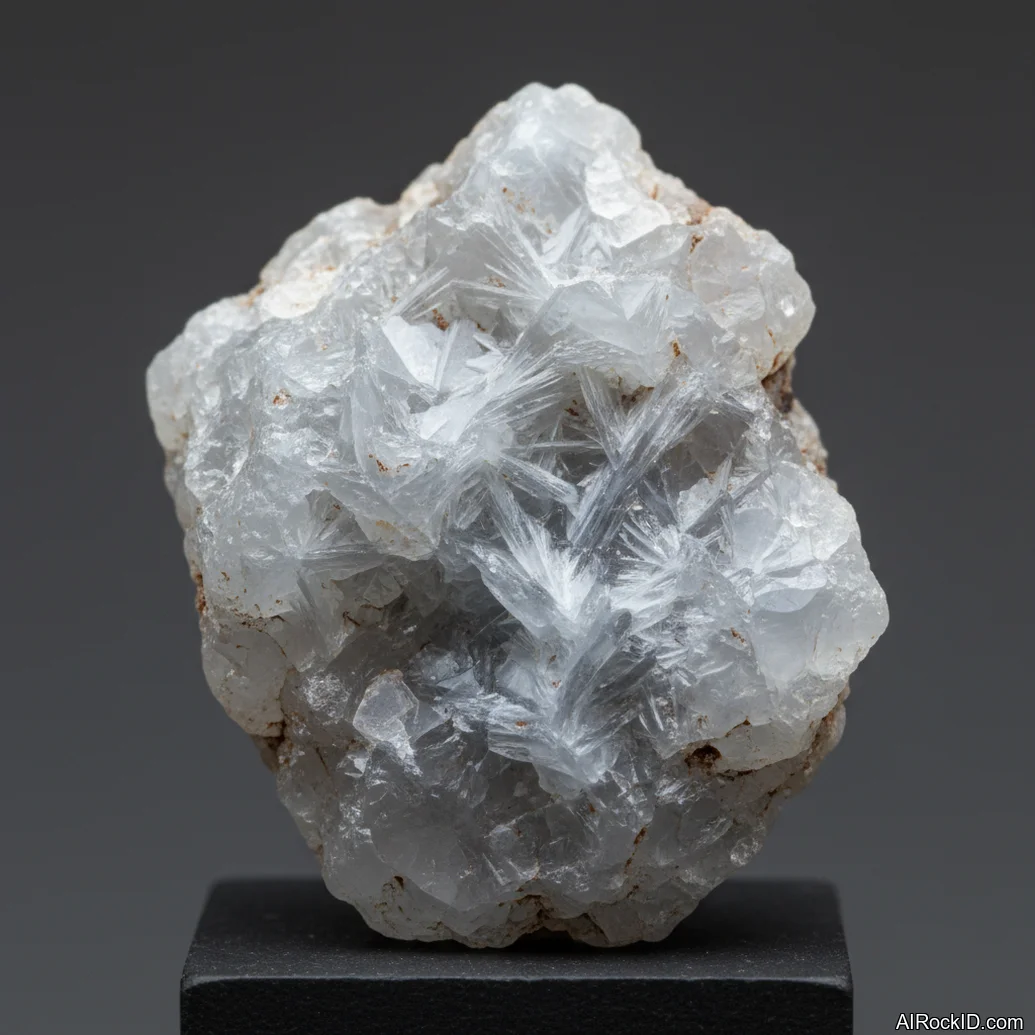
- Selenite: Selenite is a soft gypsum variety with a silky or glassy look, not a feldspar like Moonstone.
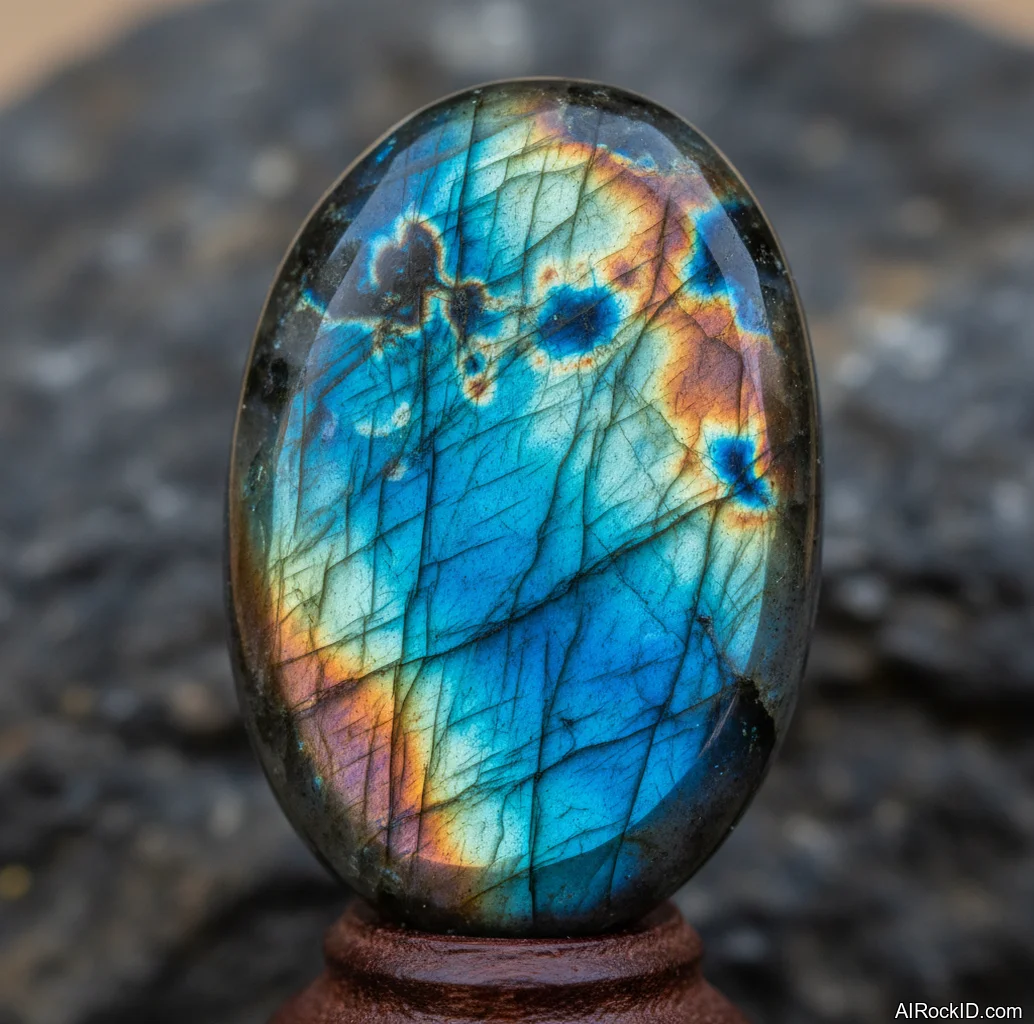
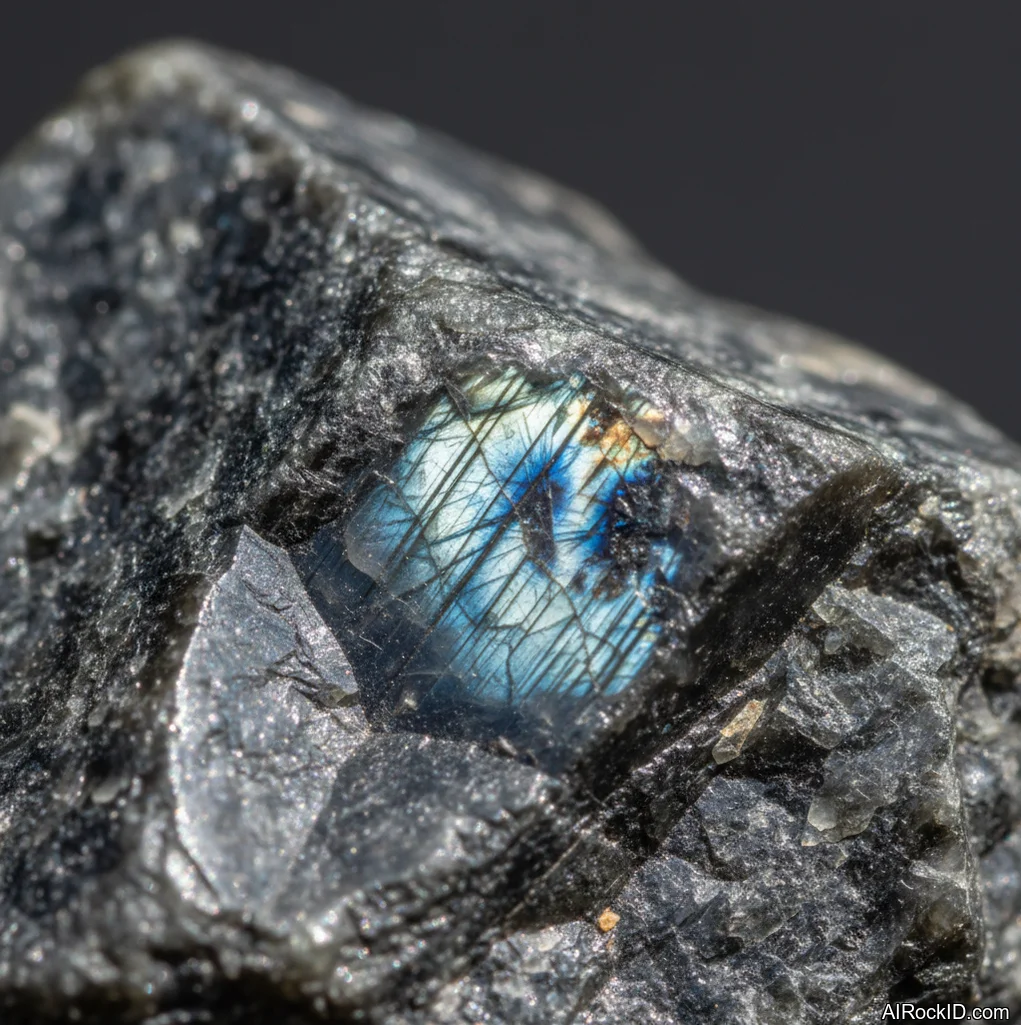
- Labradorite: Labradorite is a feldspar known for labradorescence, which is typically stronger and more colorful than Moonstone’s glow.
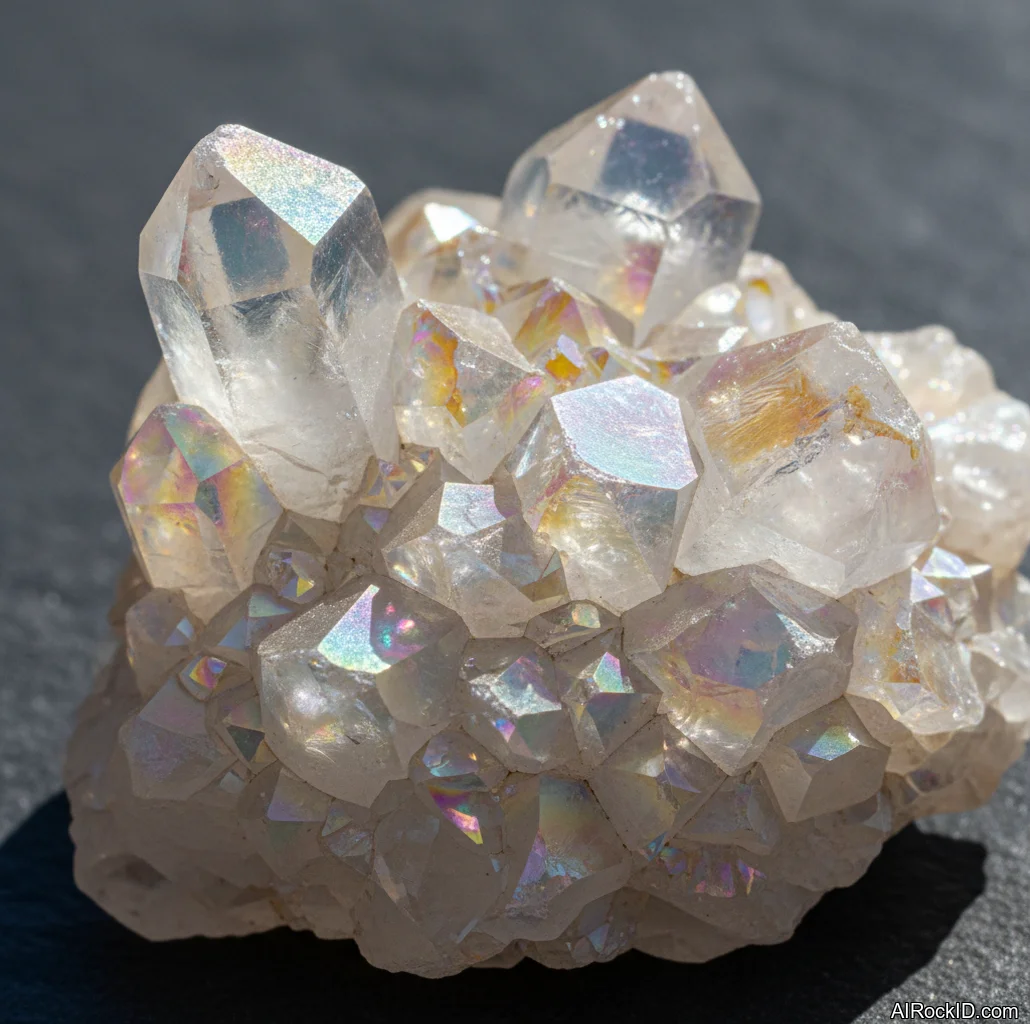
- Rainbow Moonstone: Rainbow Moonstone is commonly a trade name for white Labradorite rather than true orthoclase Moonstone.
AI identification confidence
AI identification is more reliable when photos show the stone in natural light, include multiple angles, and capture features such as sheen, cleavage, and inclusions. It is less certain for tumbled stones, beads, coated pieces, and trade-name crystals that lack diagnostic structure.
When AI gets it wrong
- A polished stone hides cleavage, crystal habit, or natural surface texture
- The specimen is glass, resin, coated material, or dyed stone sold under a lunar trade name
- Lighting creates artificial blue, white, or rainbow flashes that mimic adularescence
- Several feldspar varieties look similar in small cabochons or beads
Best choice summary
For most beginners, Moonstone, Selenite, and Labradorite offer a clear introduction to the moon crystal theme because they are widely available and easy to compare visually. Choose a piece based on confirmed material, durability needs, and whether the intended use is collecting, display, jewelry, or symbolic practice.
Final recommendation
Select moon crystals by combining visual preference with basic mineral facts such as hardness, water sensitivity, and whether the name is a trade label. When buying online, request clear photos and avoid listings that make medical promises or do not identify the actual material.
What this category represents
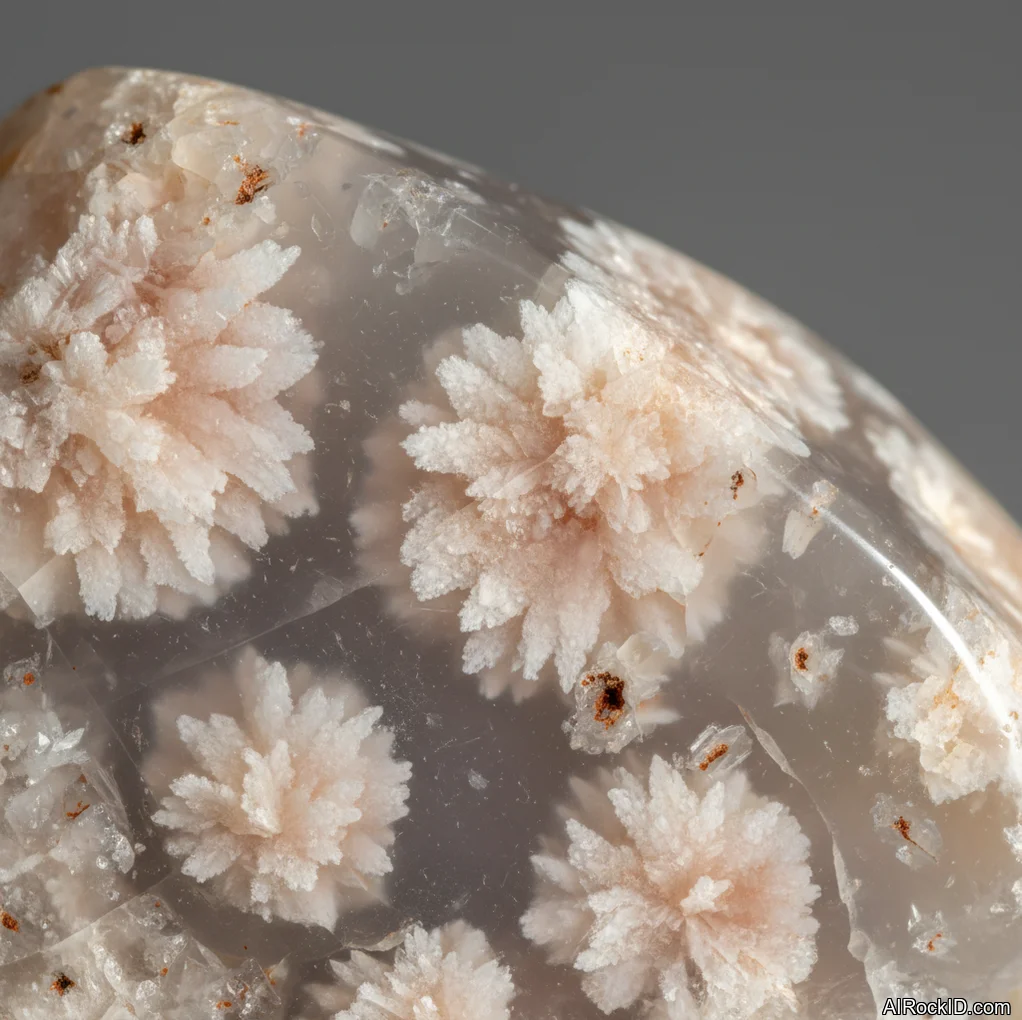
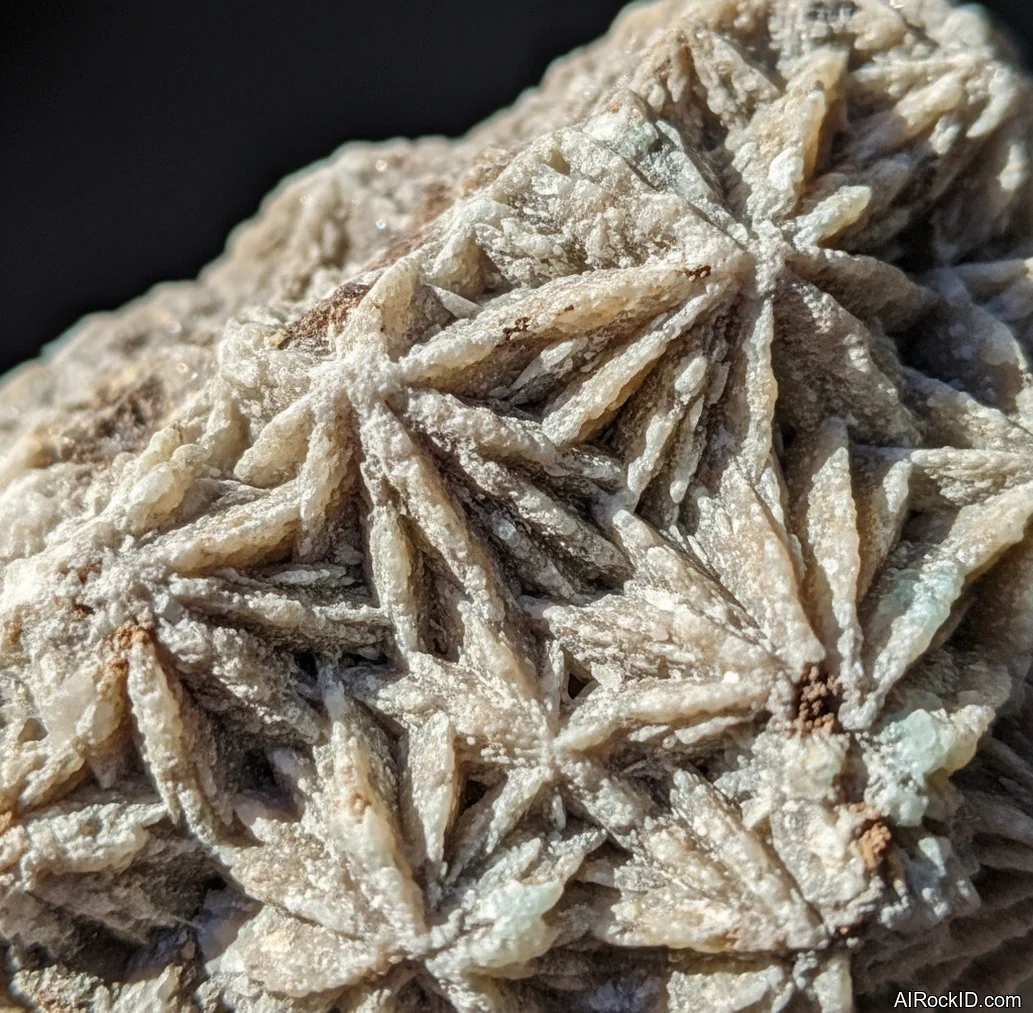
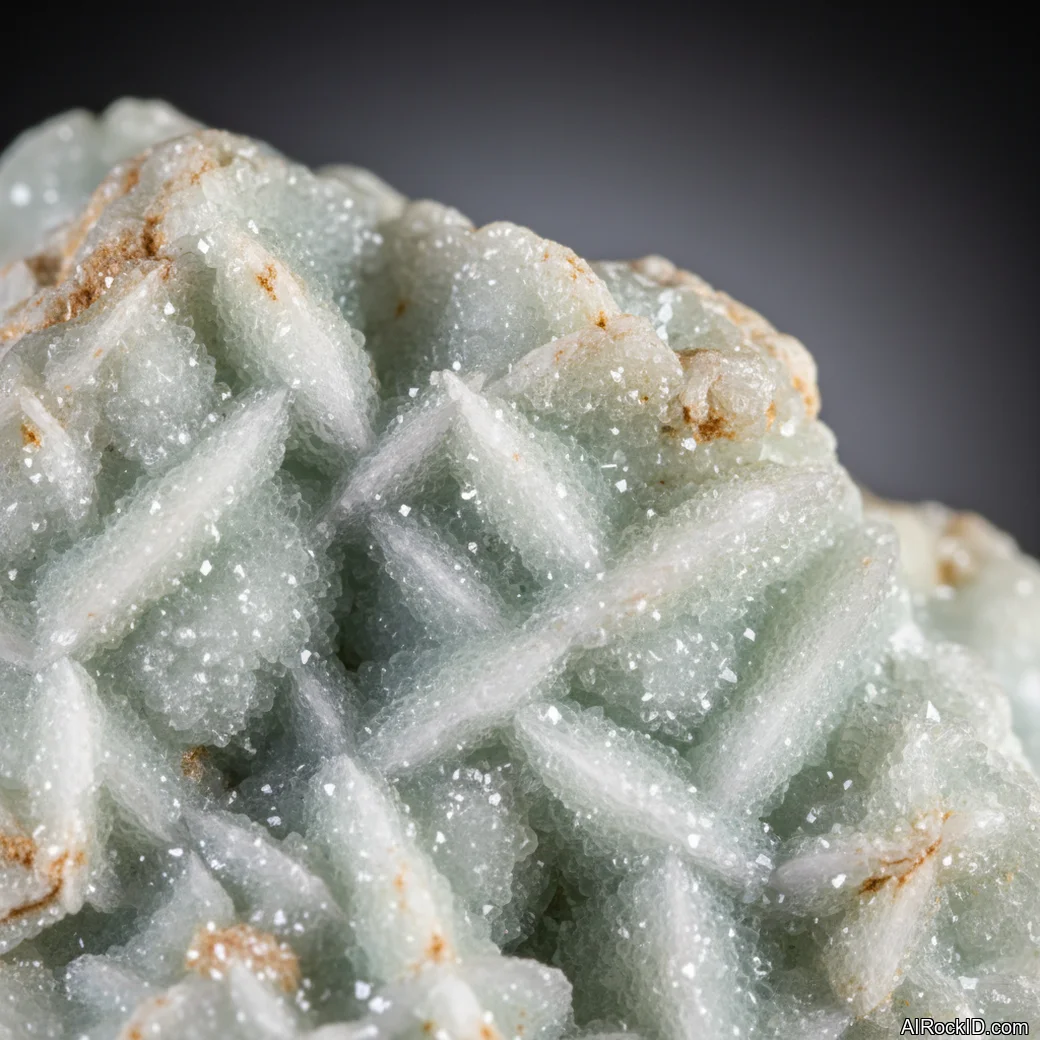
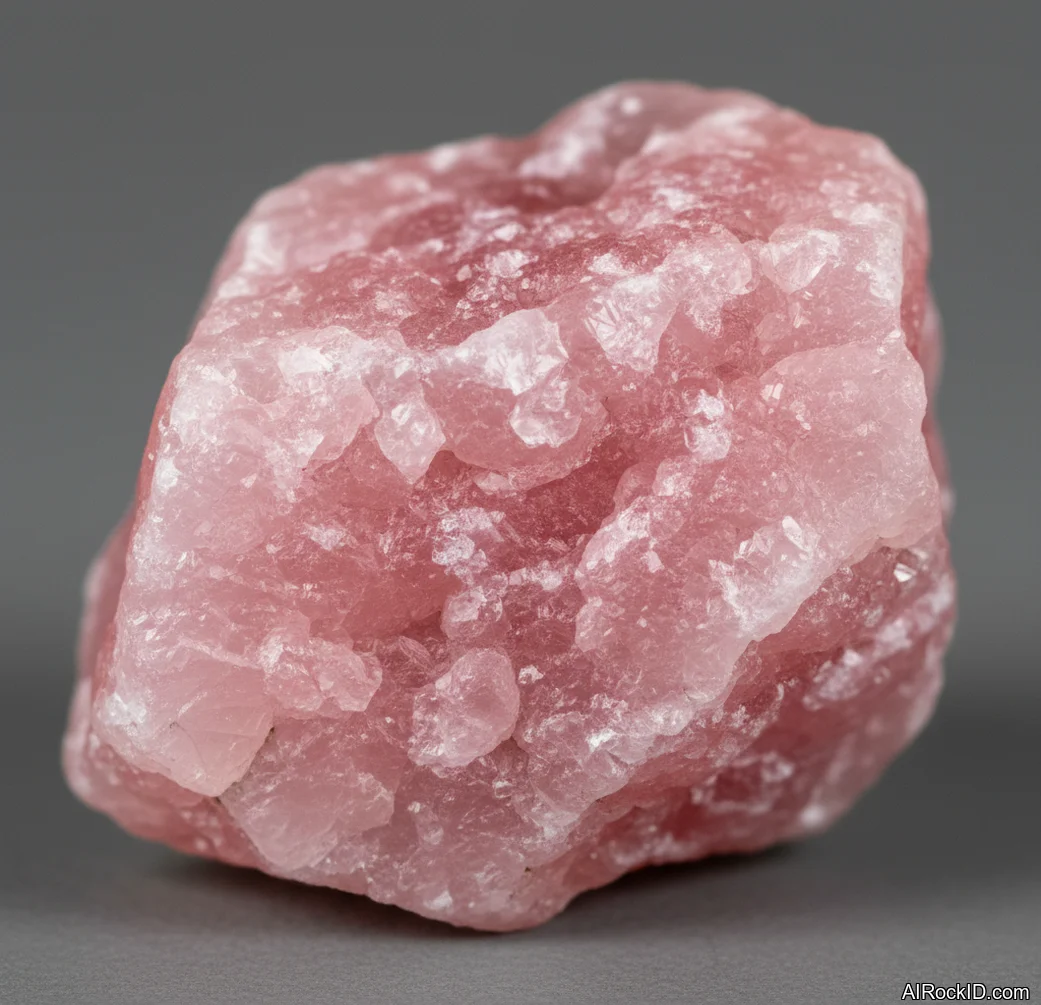
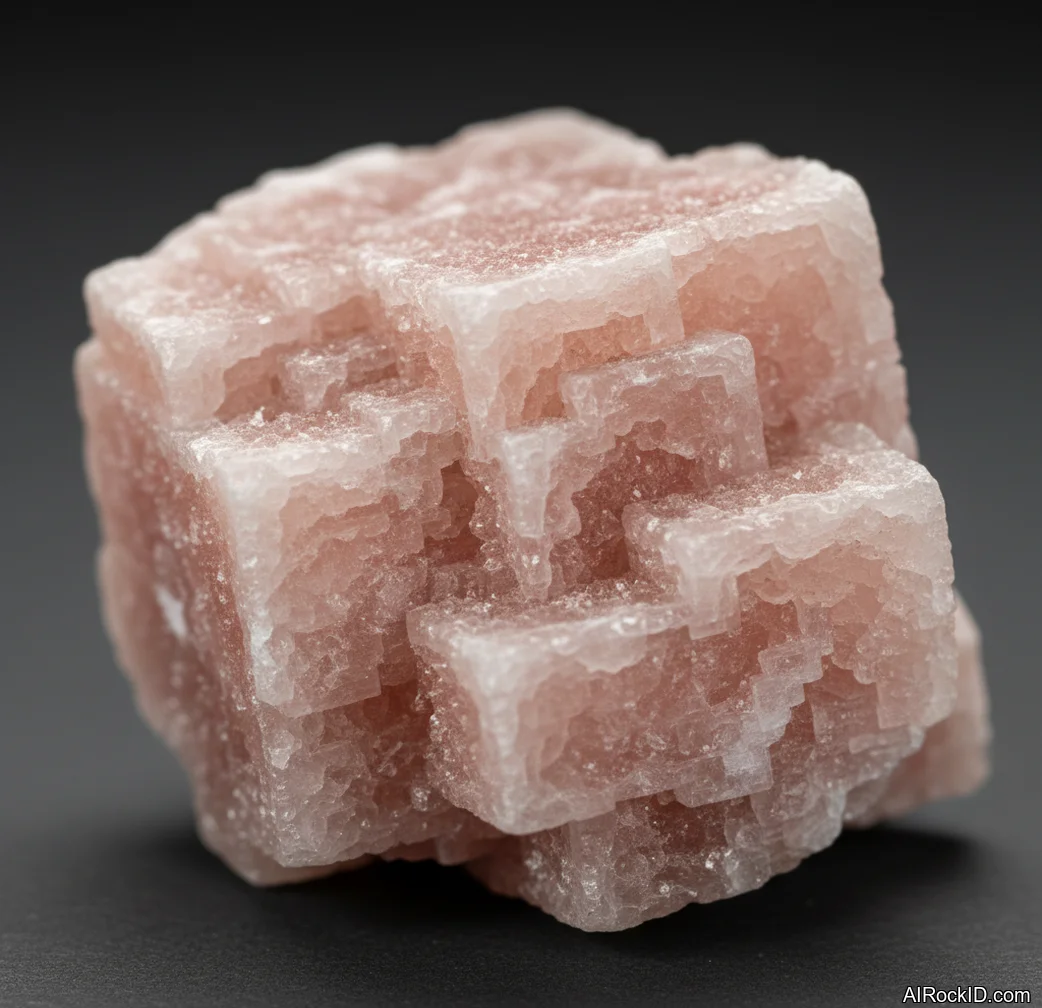
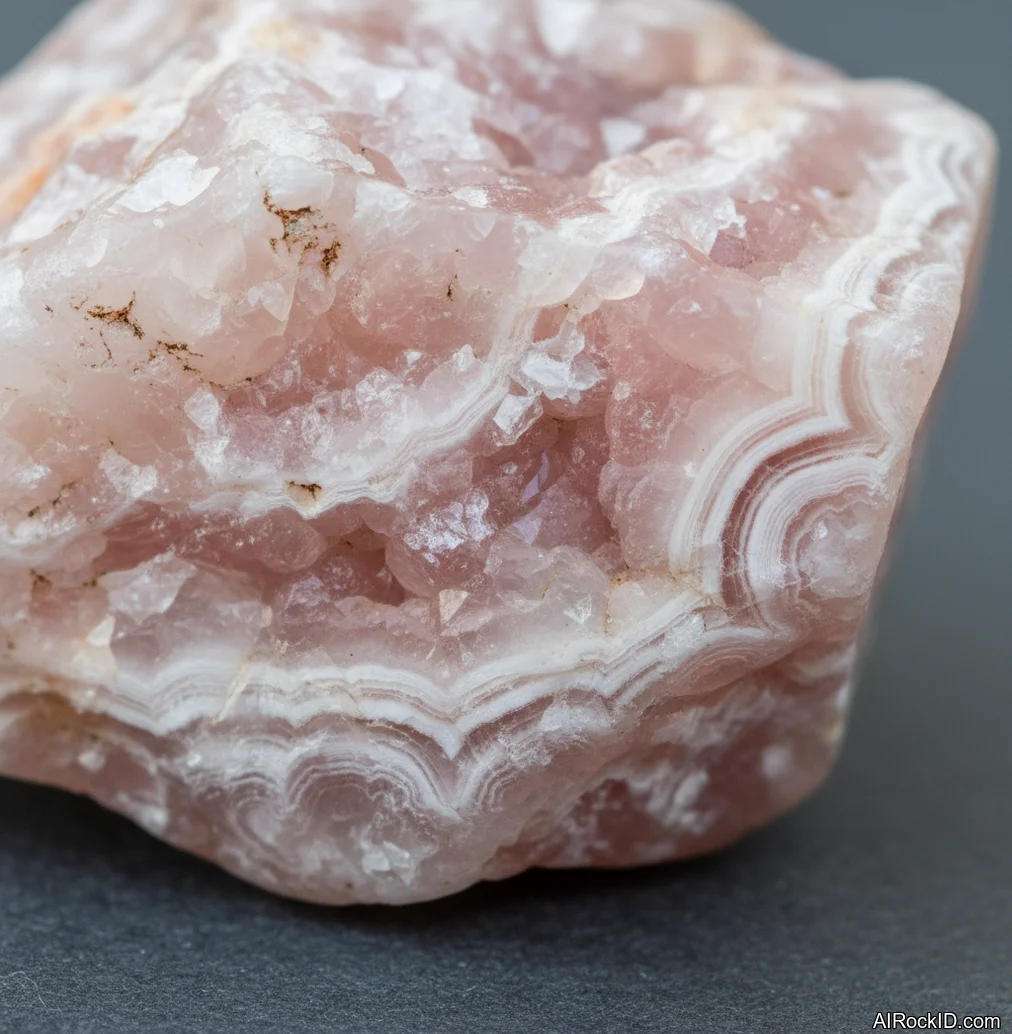
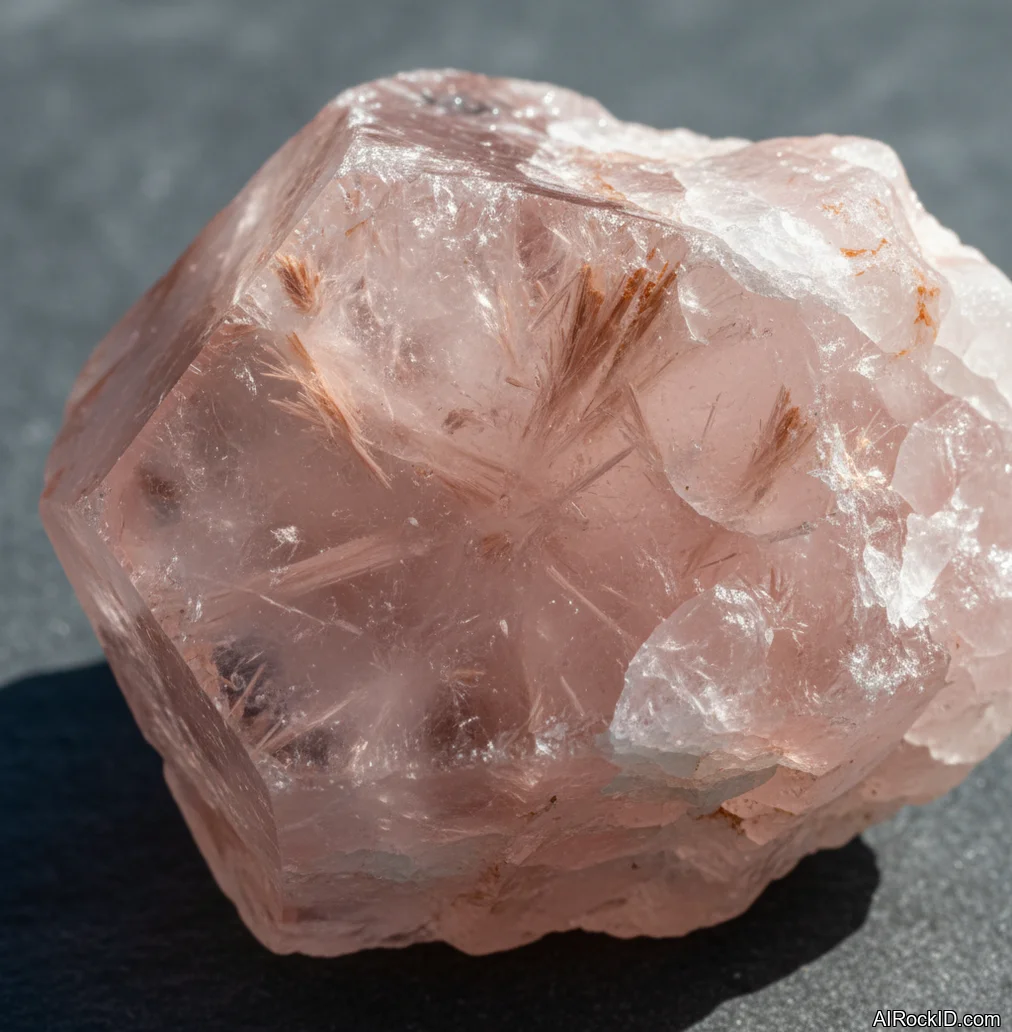
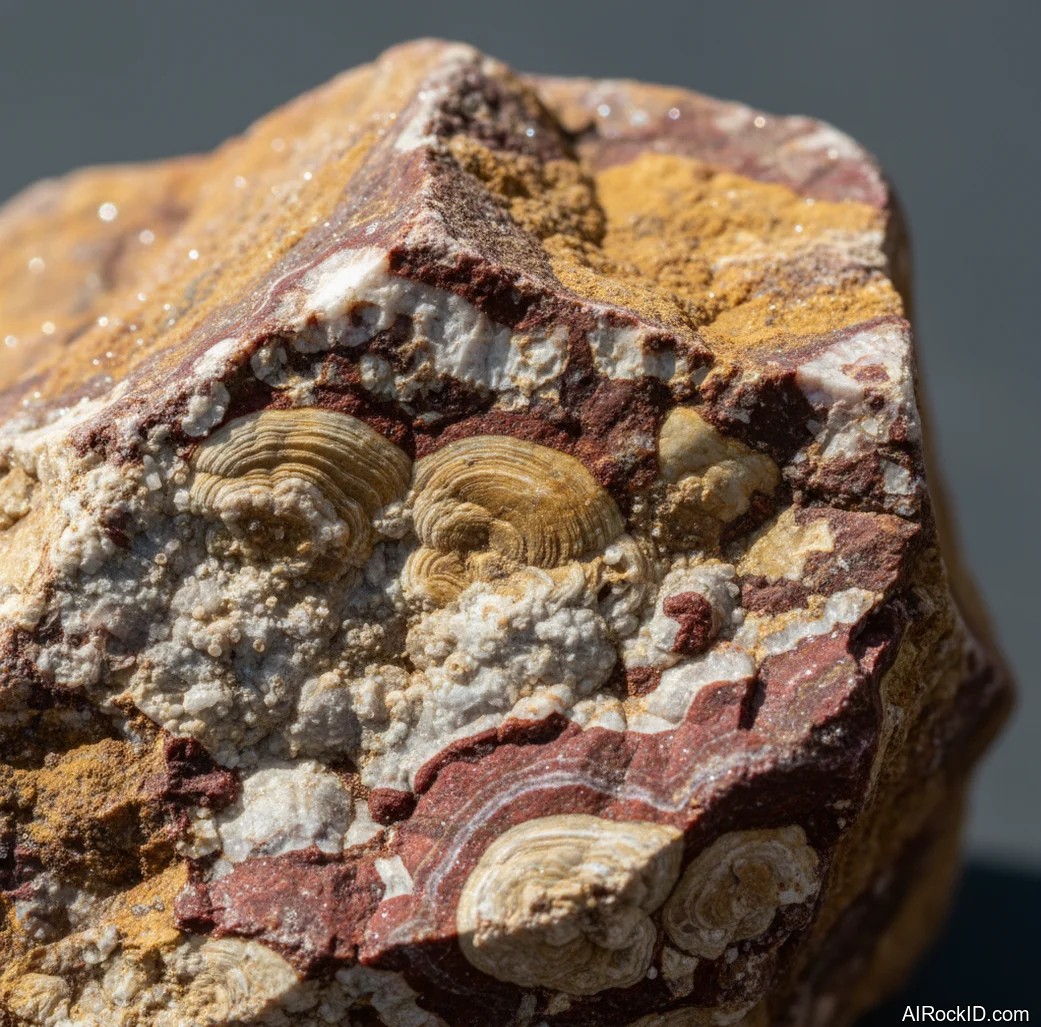
The Moon Crystals tag groups stones connected by lunar symbolism, appearance, and common crystal-practice associations rather than by a single mineral classification. It includes natural minerals and trade-name stones that are often linked with moonlight, reflection, dreams, emotional cycles, and feminine or intuitive symbolism in metaphysical traditions.
Beginner recommendations
Advanced recommendations
- Adularia
- White Labradorite
- Cat's Eye Moonstone
Natural, Treated, and Trade-Name Moon Crystals
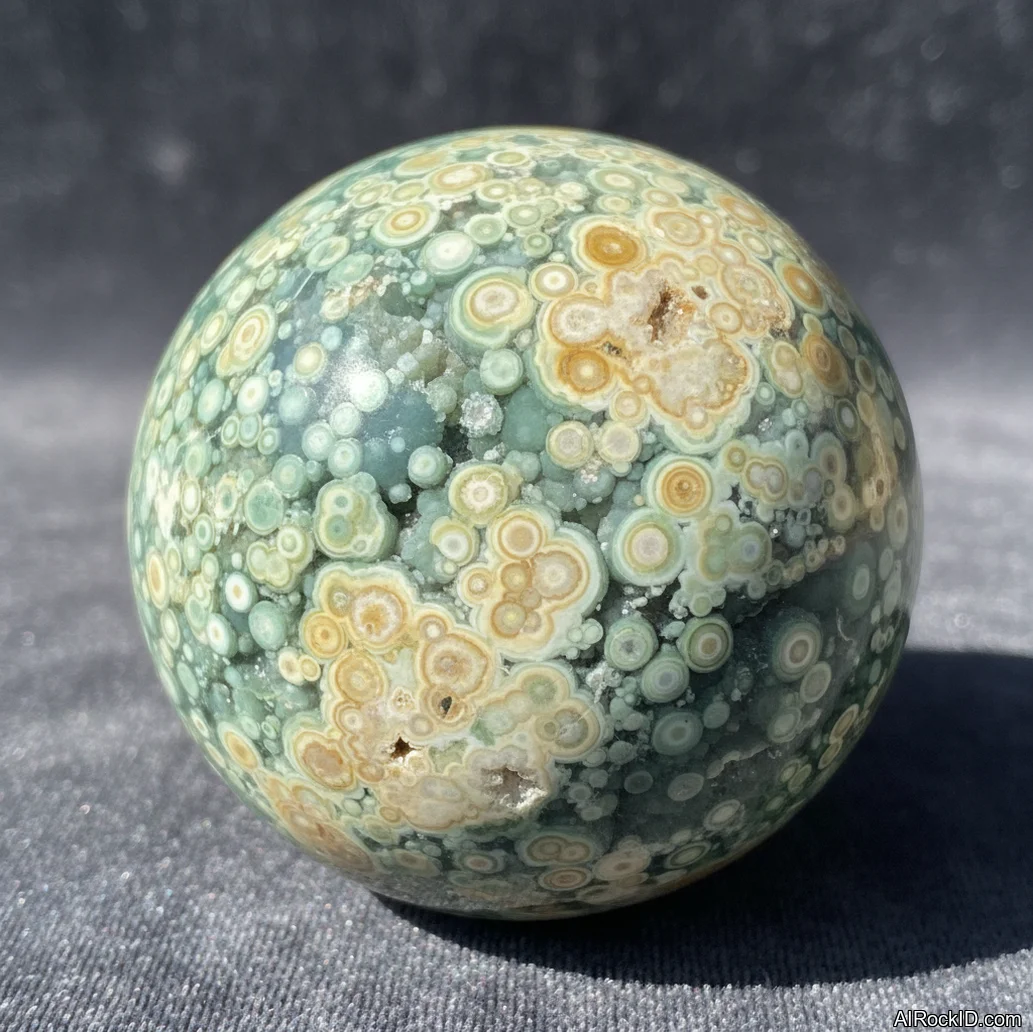
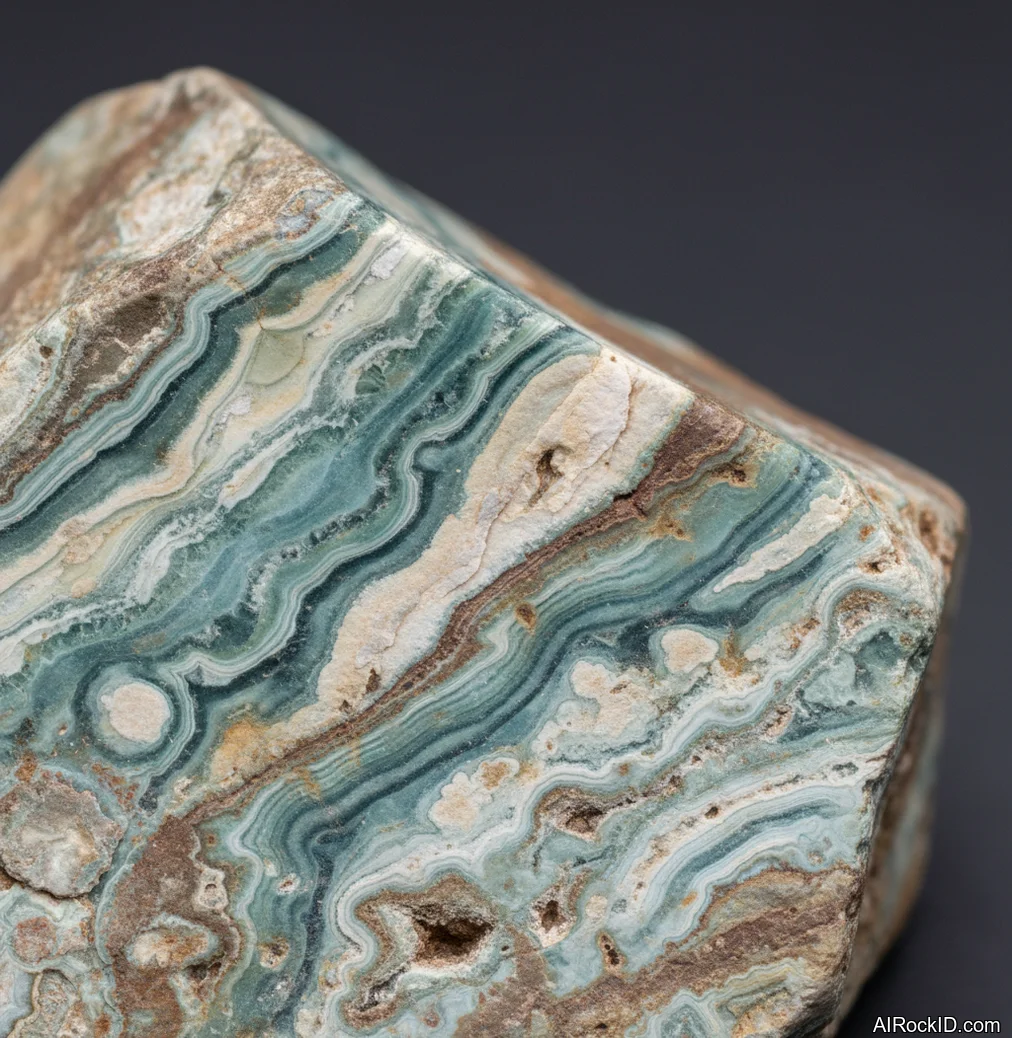
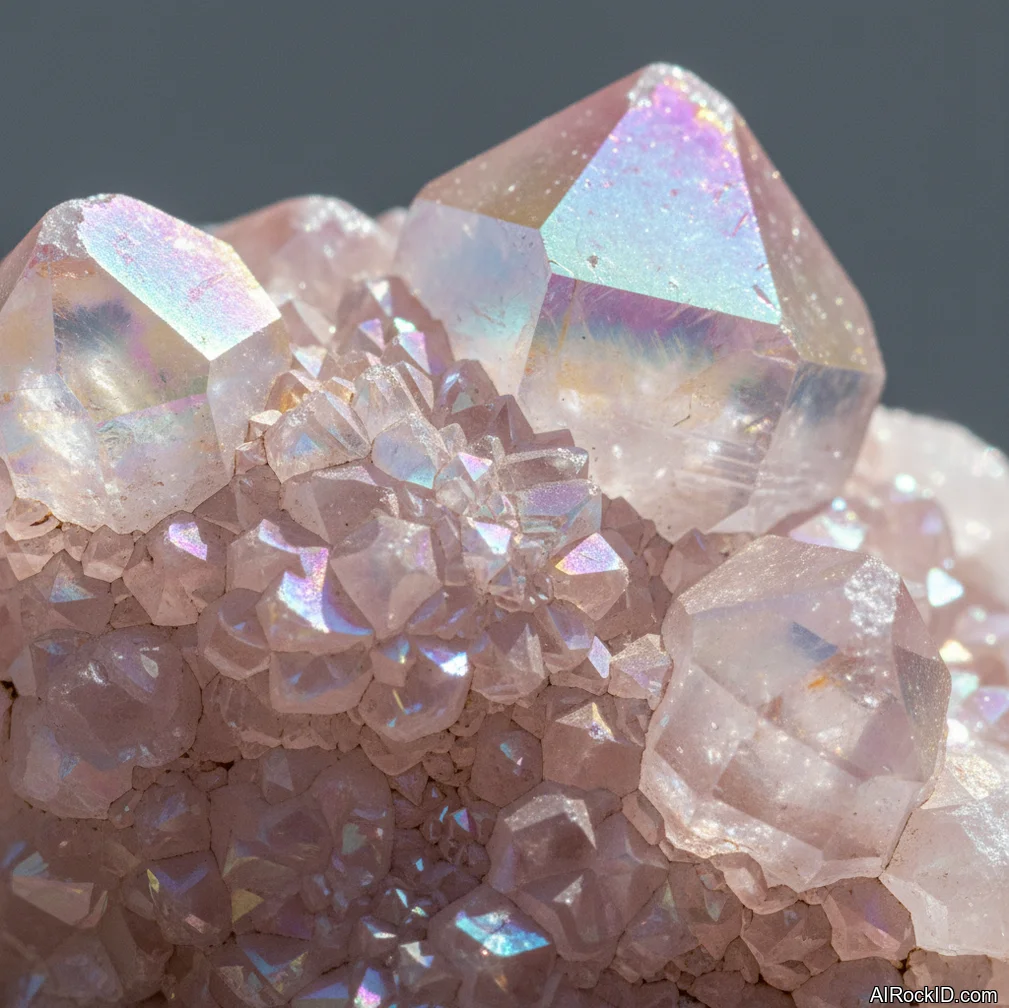
Some moon crystals are natural mineral varieties, while others are trade names based on color, optical effect, or spiritual theme. Rainbow Moonstone, Opalite, and Aura-coated stones are common examples where the selling name may not describe the exact mineral identity. Checking the material name helps buyers understand durability, care needs, and value.
Jewelry Considerations for Moon Crystals
Moonstone and Labradorite can be used in jewelry, but they are feldspars with cleavage and may chip if struck. Selenite is too soft and water-sensitive for rings, bracelets, or pieces exposed to daily wear. Protective settings, occasional wear, and dry storage are better choices for delicate lunar-themed stones.
Ethical and Practical Buying Notes
Clear labeling, realistic pricing, and photos taken in normal lighting are useful signs when buying moon crystals. Sellers should identify whether a stone is natural, treated, synthetic, coated, or glass. Metaphysical descriptions reflect traditions and personal beliefs, but they should not replace mineral identification or health guidance.
Understanding Moon Crystals: Lunar Energy and Physical Characteristics
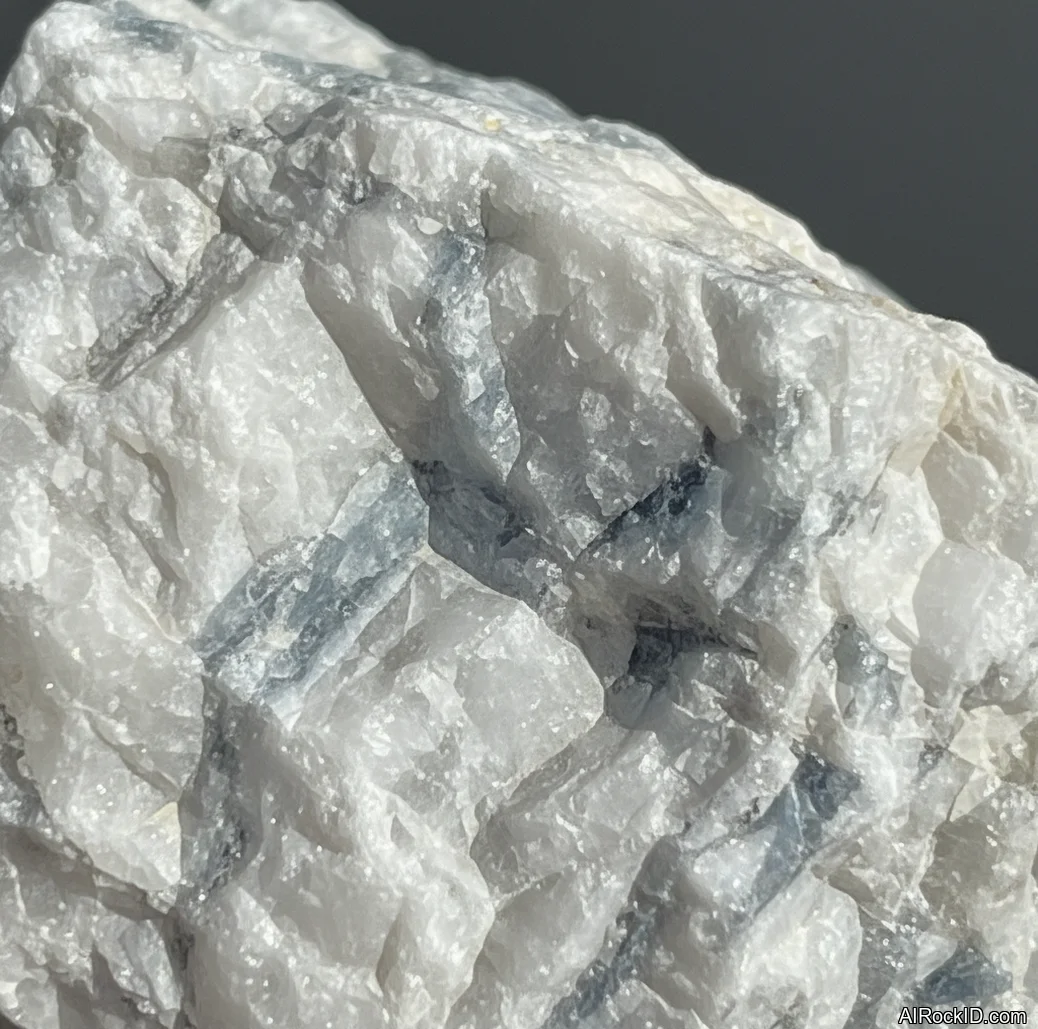
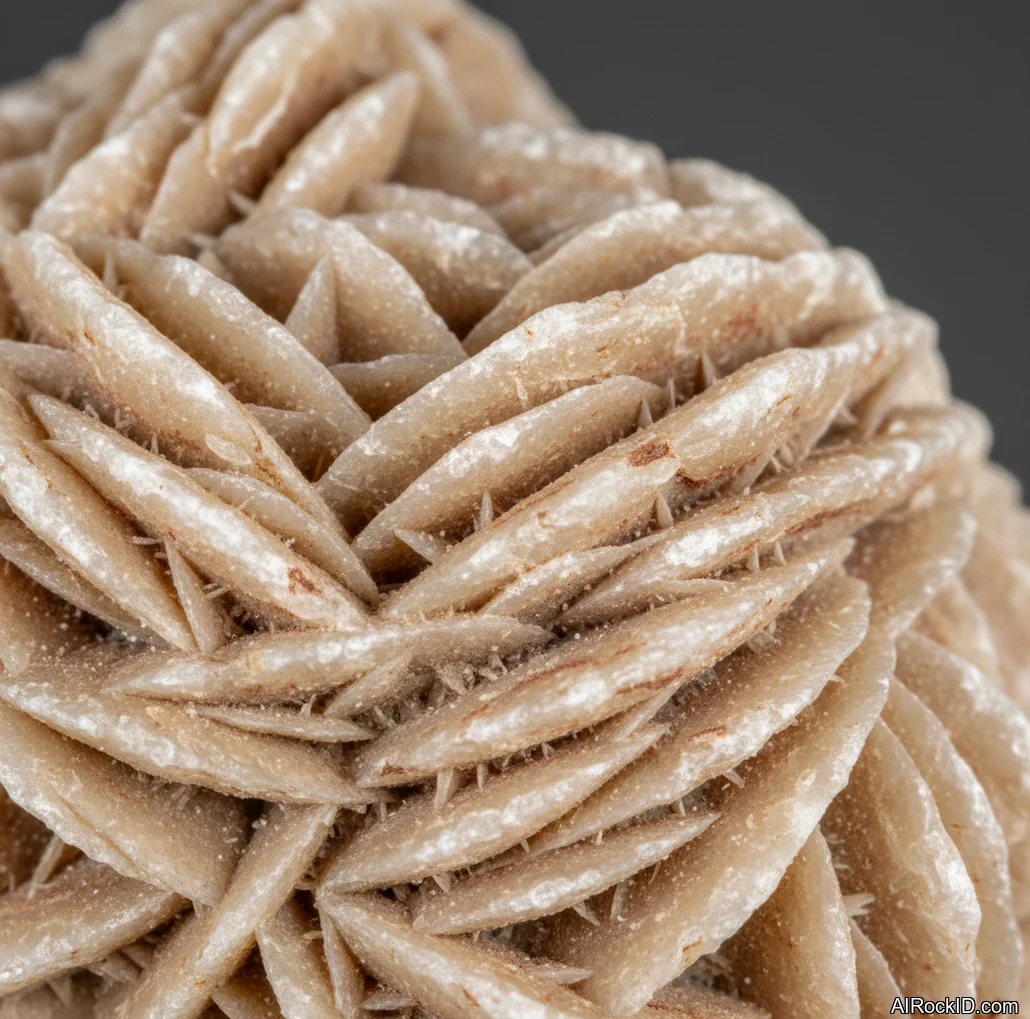
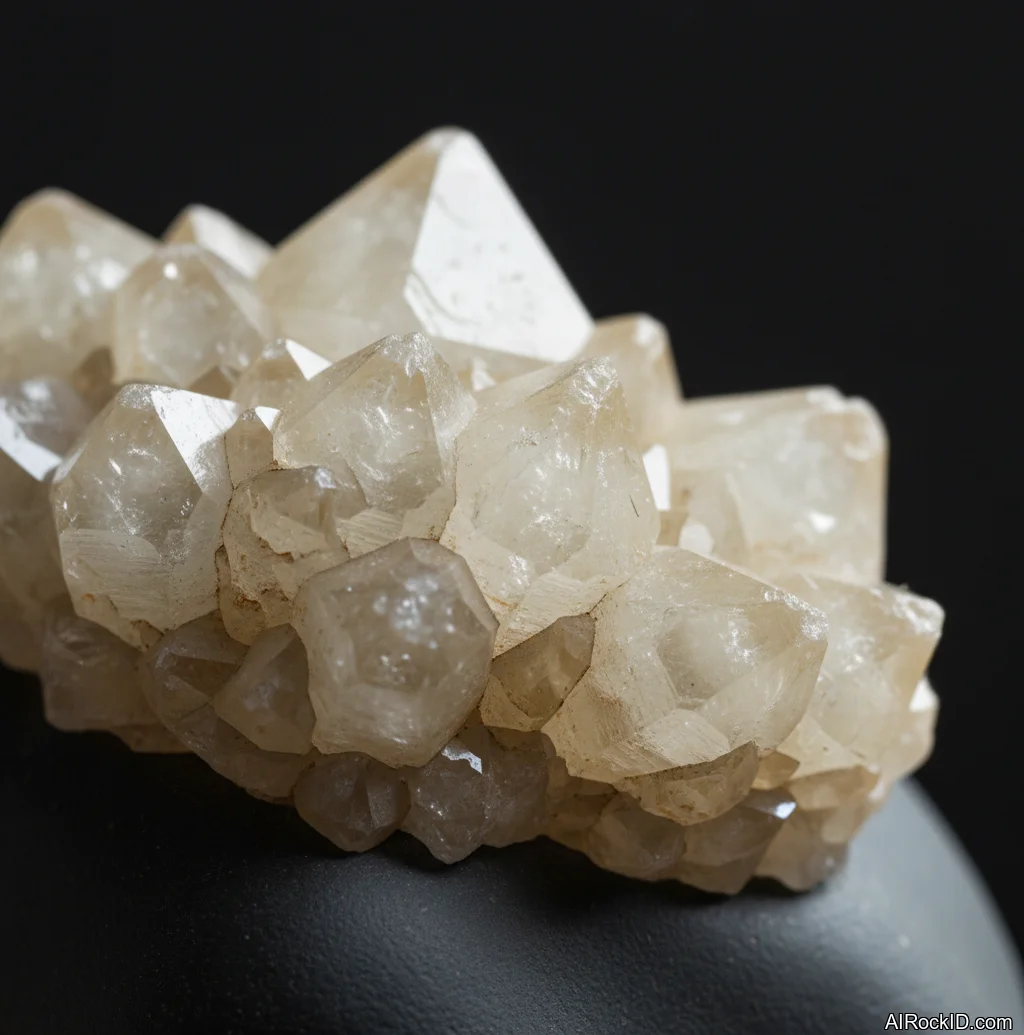
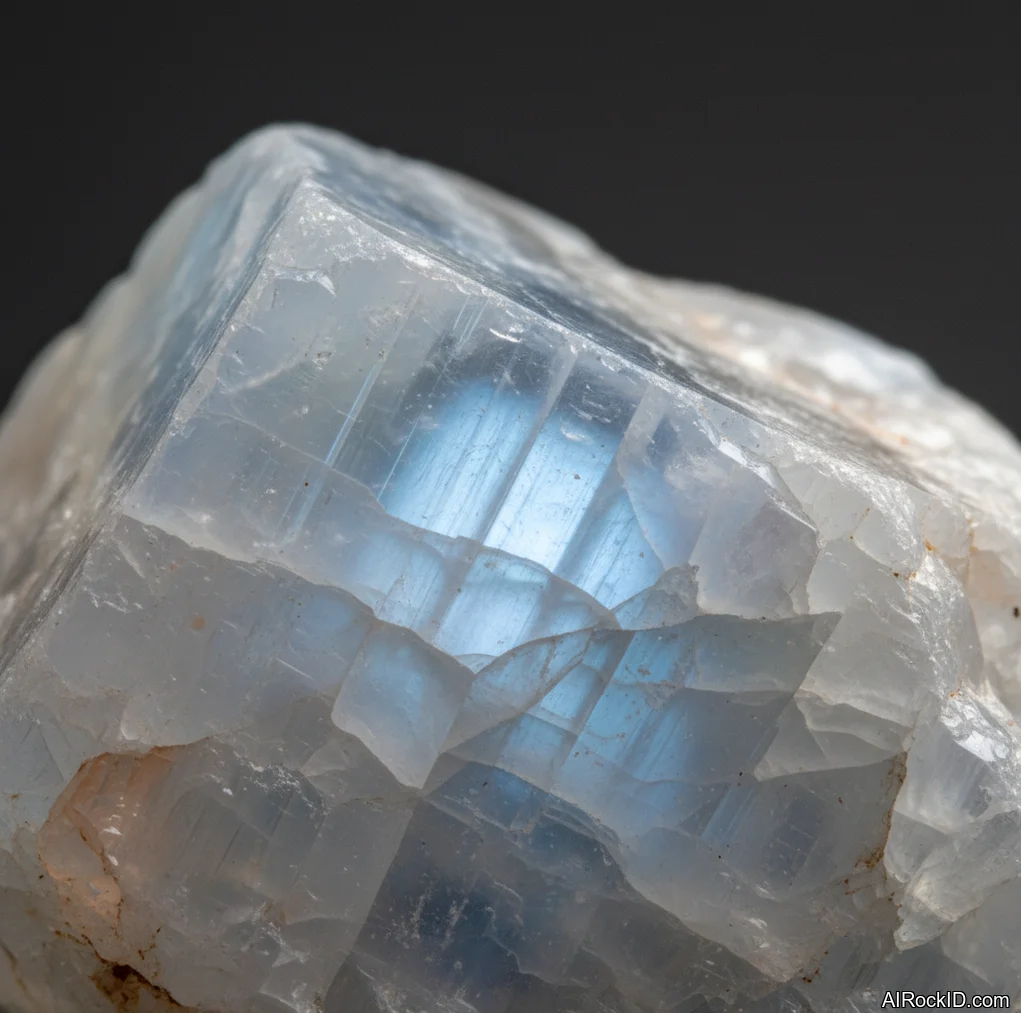
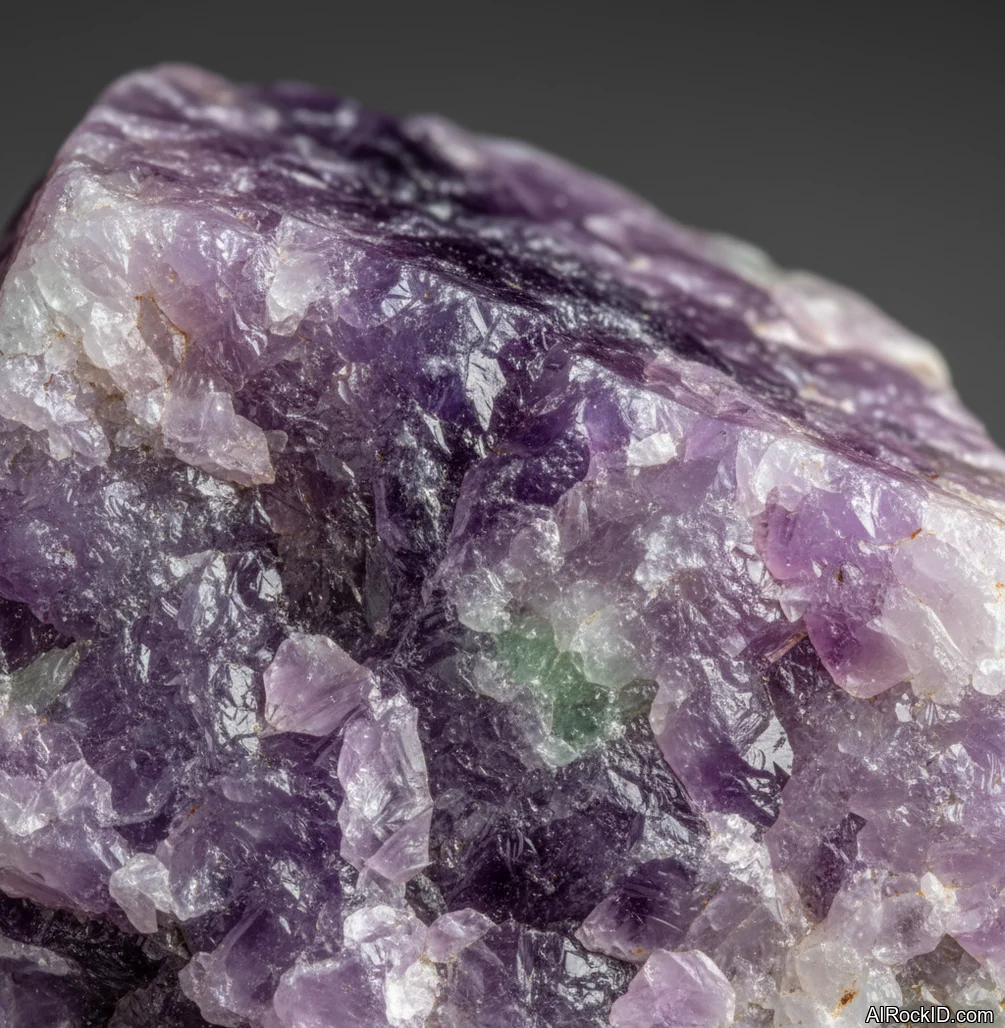
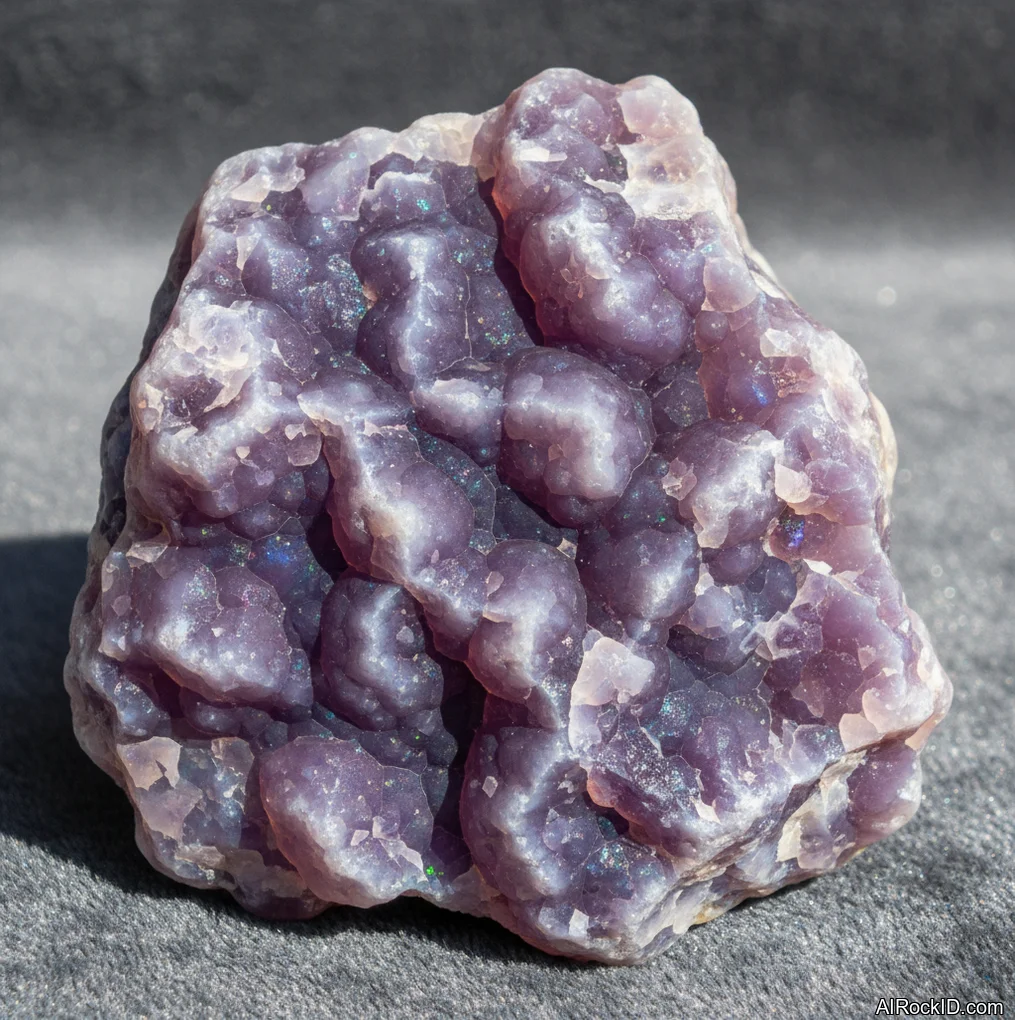
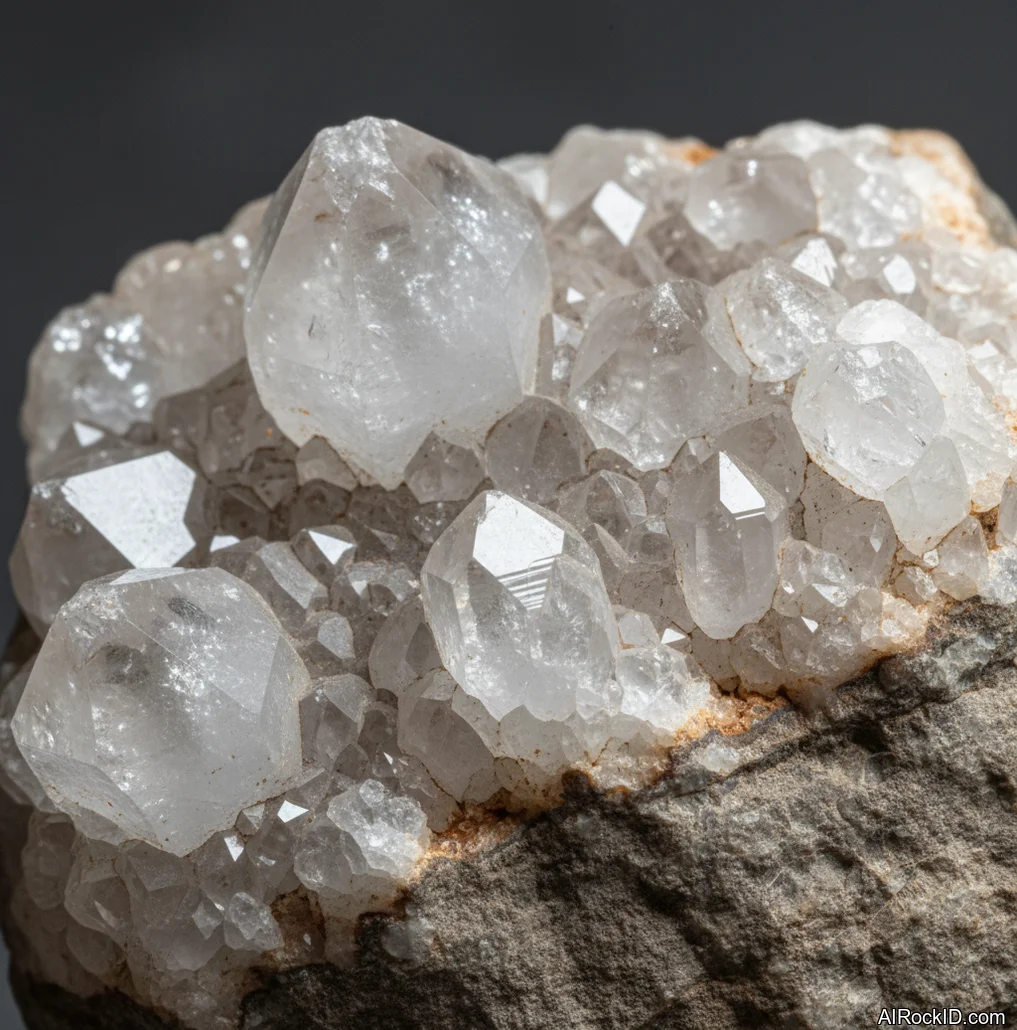
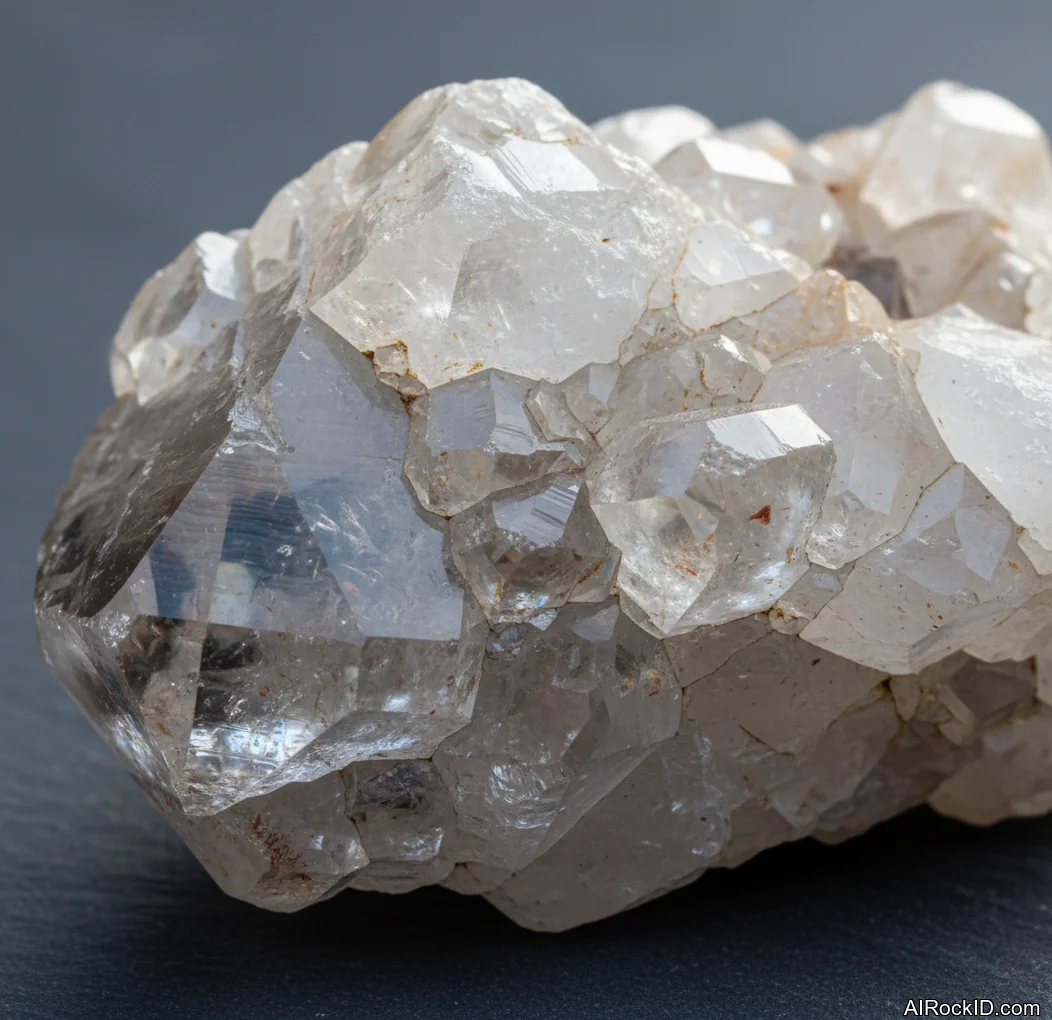
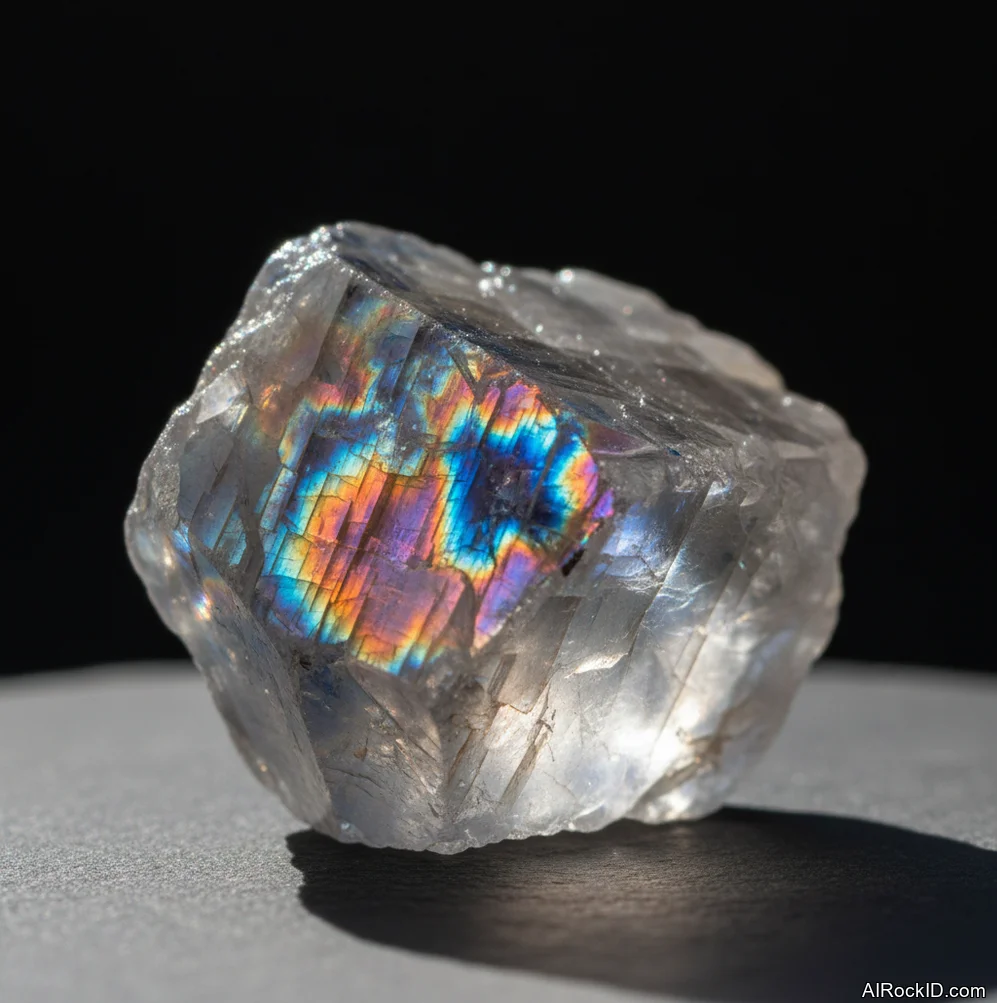
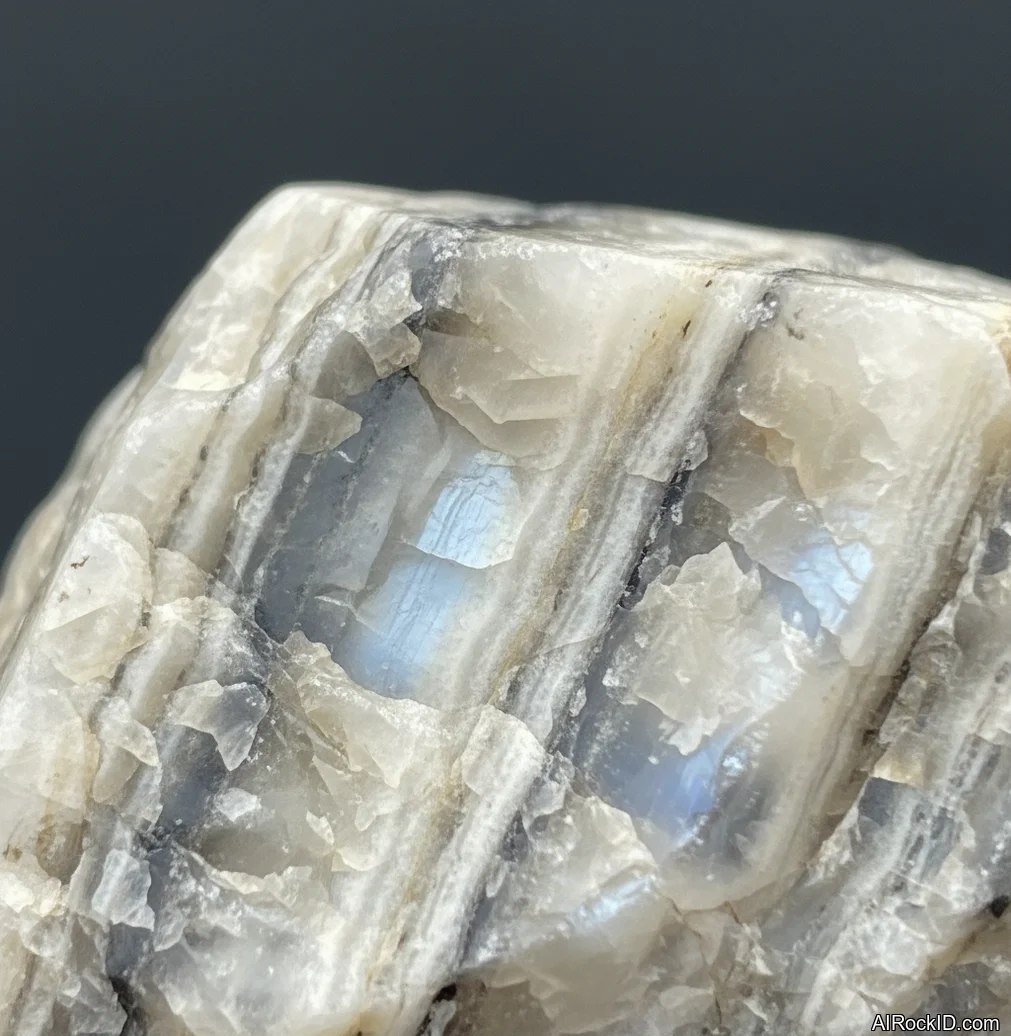
Moon energy in crystal collecting is all about subtlety. It's quieter than the sparkle of a flashy Quartz cluster. People reach for Moon crystals when they want to settle nerves, get better sleep, or figure out why their moods keep flipping. It's about tracking cycles, not chasing intensity. Pick up a Moonstone cabochon and you'll see the famous adularescence—a blue or white sheen that slides across the surface only when you tilt it under the right light. The glow looks like it’s under the surface, not on top. Real Moonstone can look dull head-on but suddenly flashes when you move it. That’s a big tip-off if you’re buying. If the shine stays put or looks painted on, you’re probably looking at a fake or lower-grade rainbow moonstone. Moon crystals usually feel smooth and cool in the palm. Stones like Selenite, though, are soft and will scuff if you run a fingernail over them. Collectors know to keep selenite out of water and away from harder stones or keys, since it’ll scratch and pit fast.
Popular Moon Crystals: What Makes Them Lunar
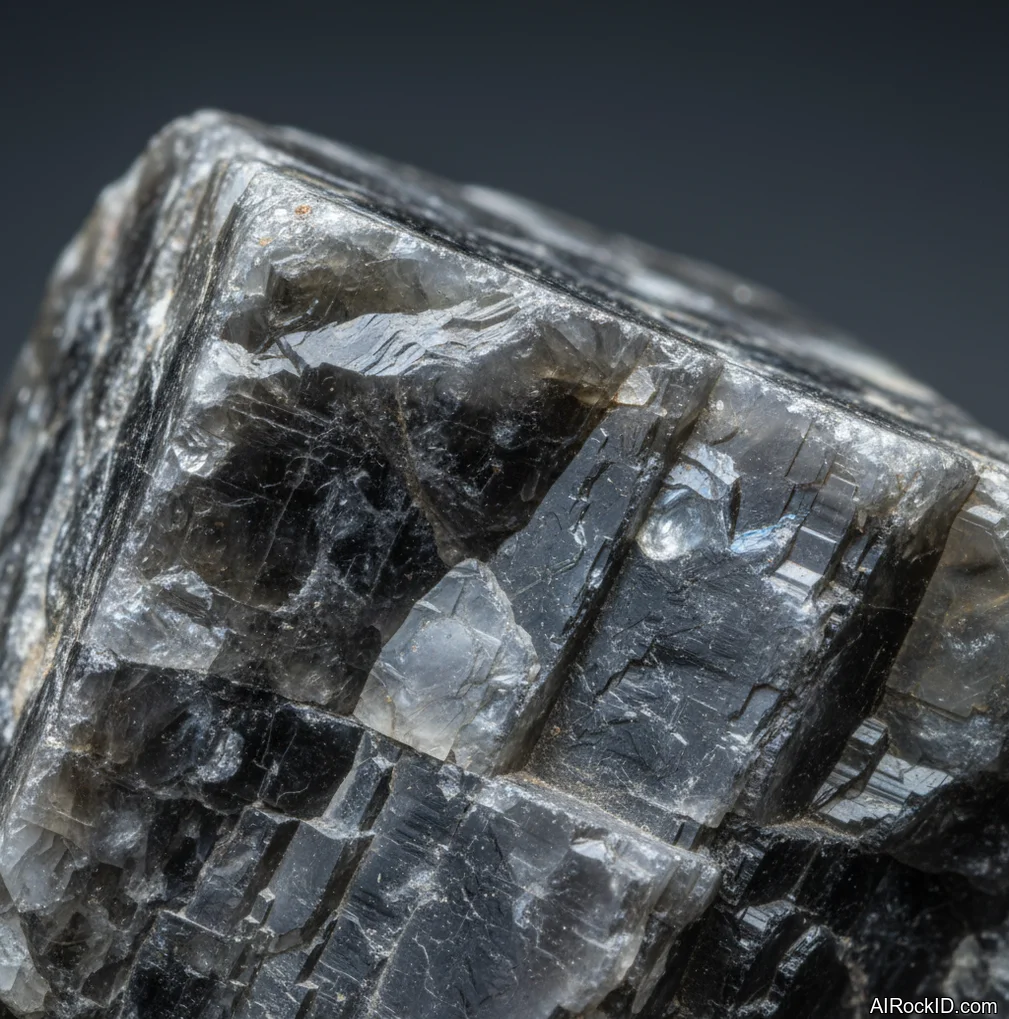
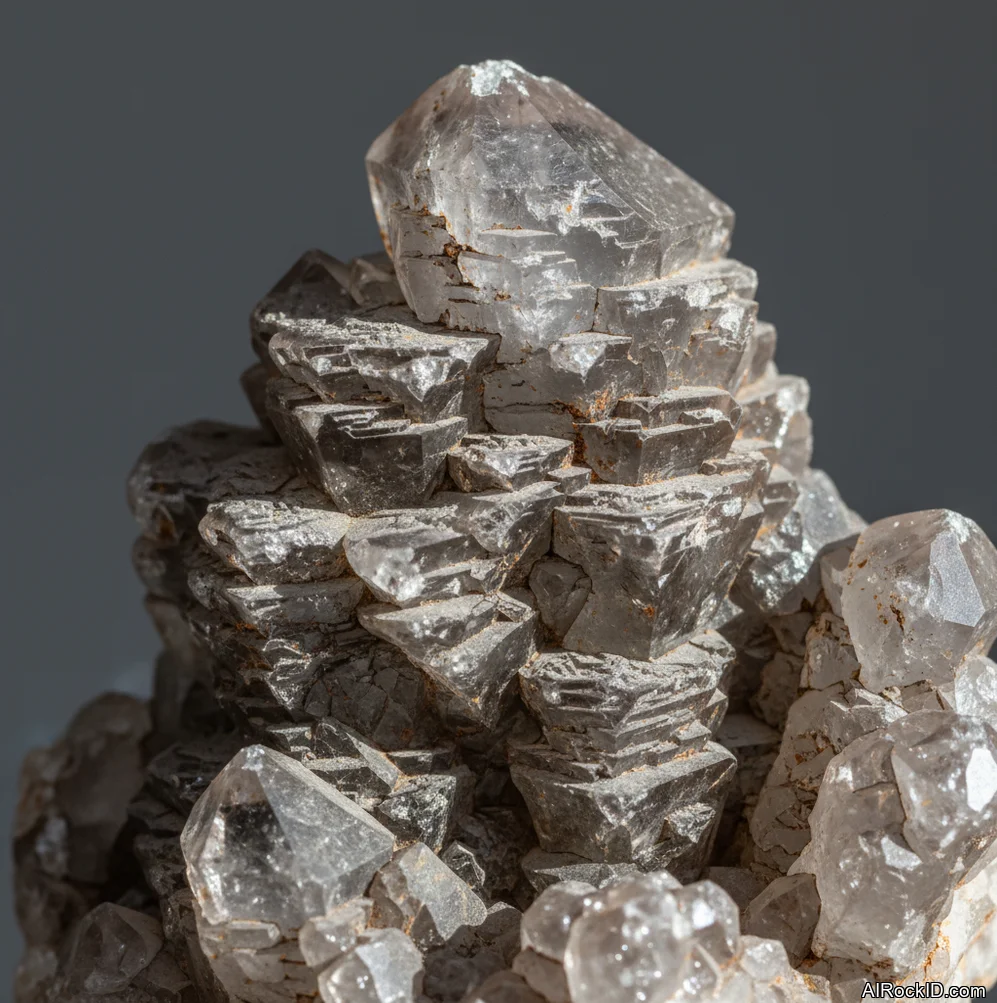
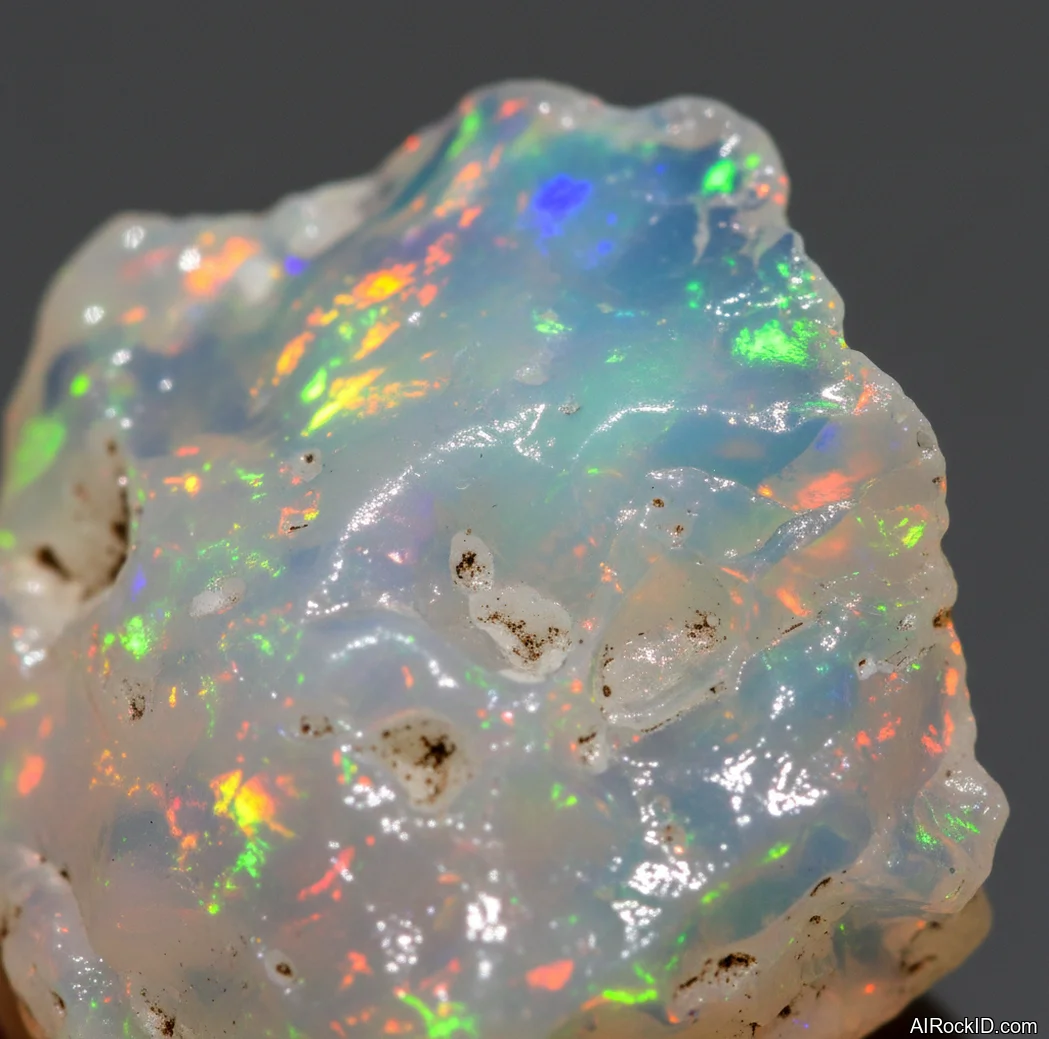
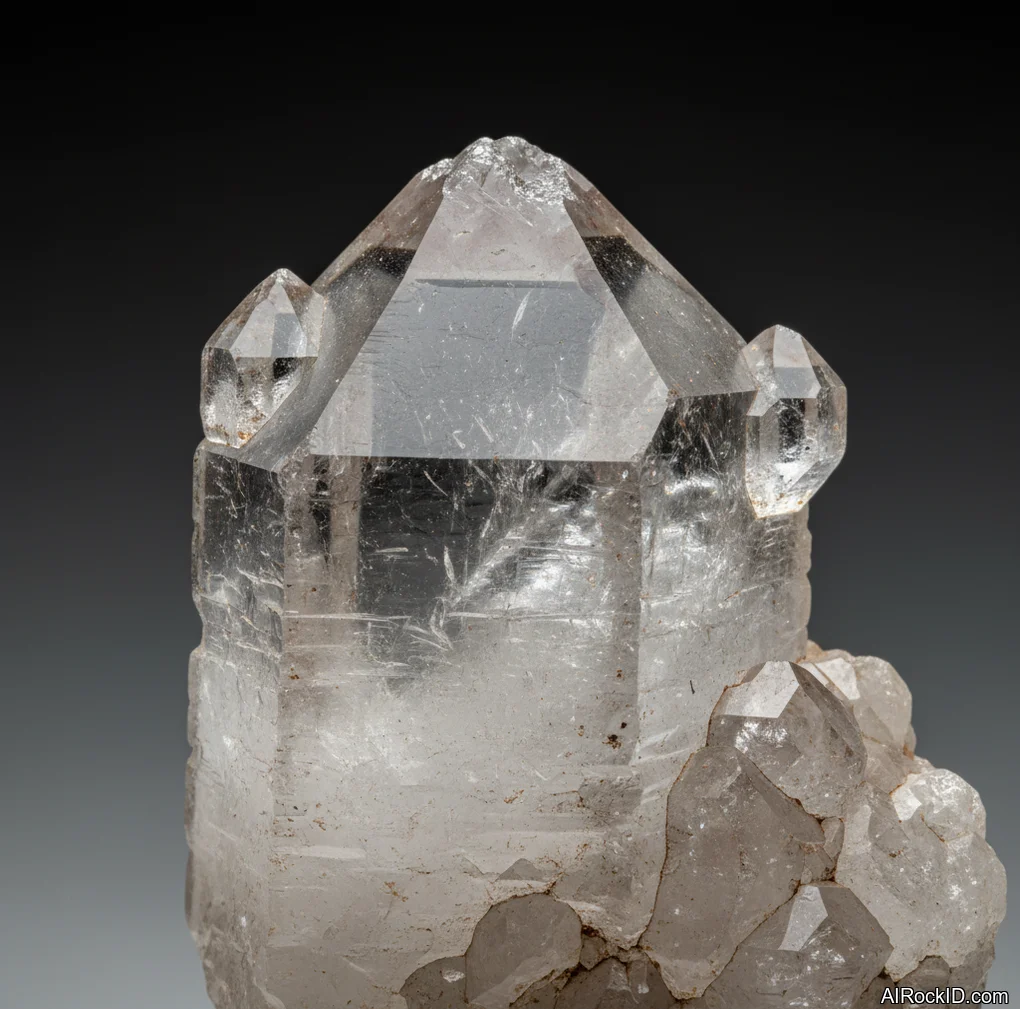
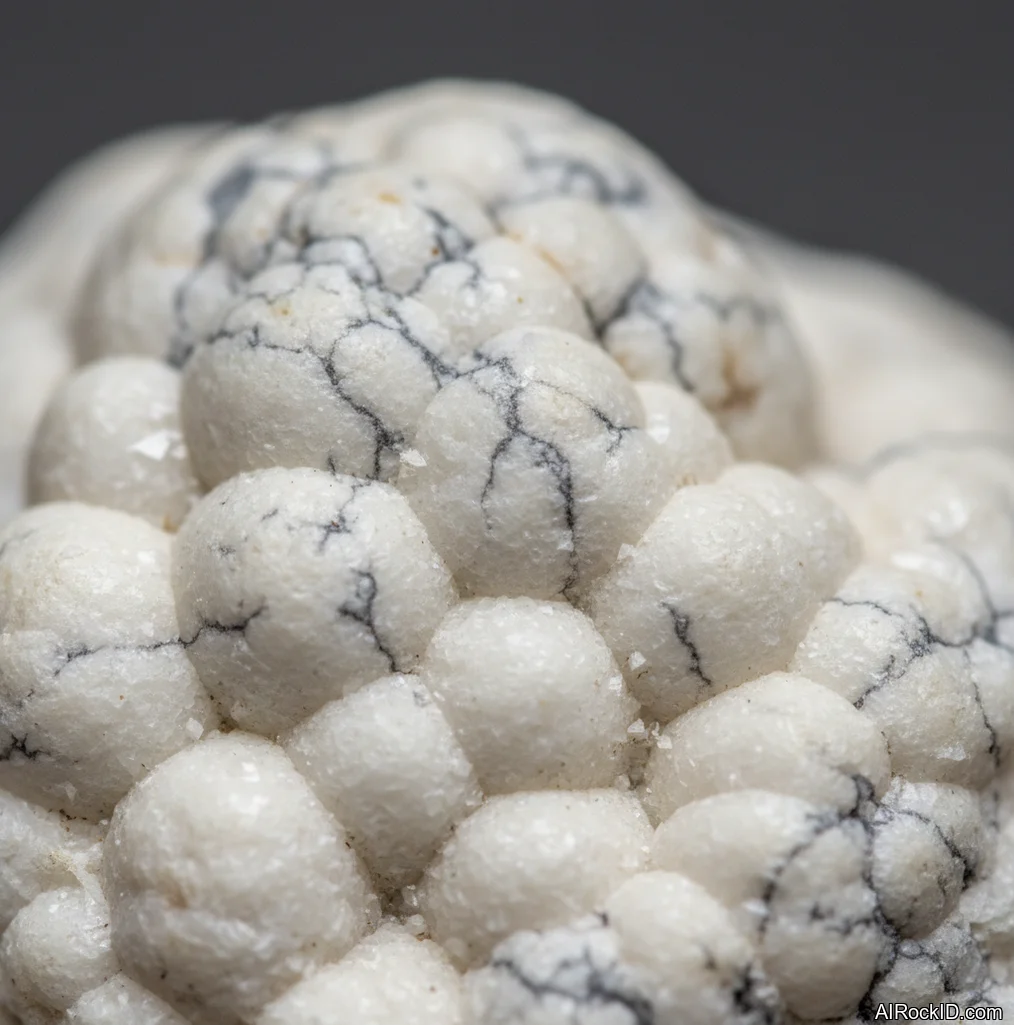
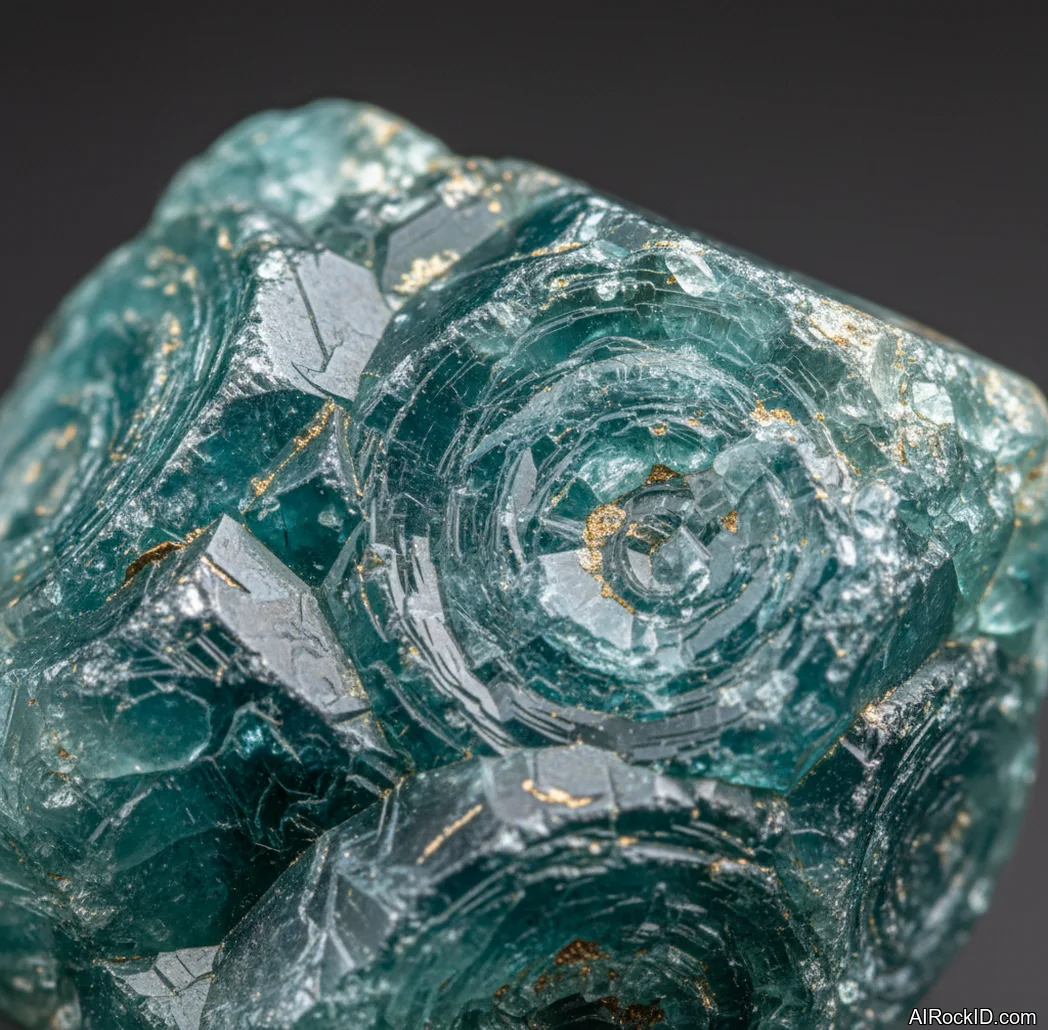
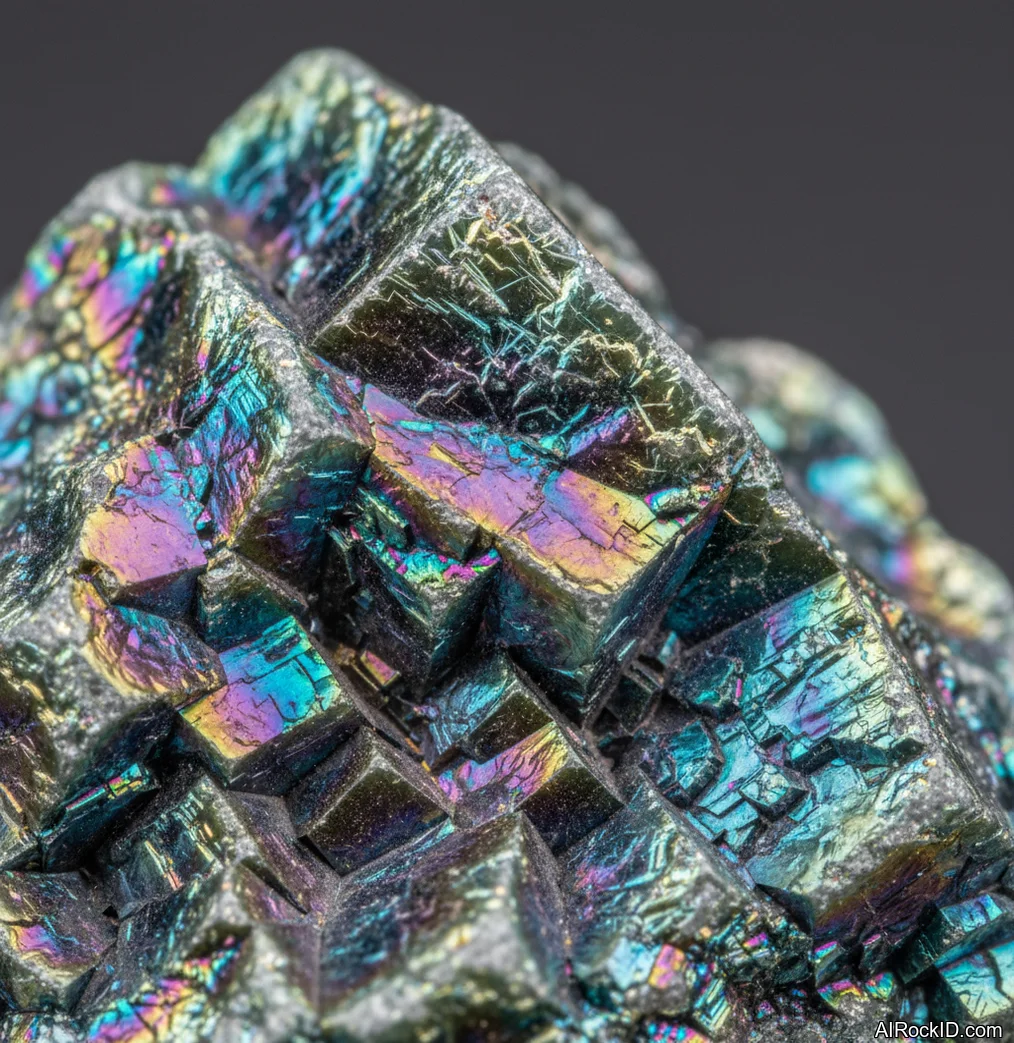
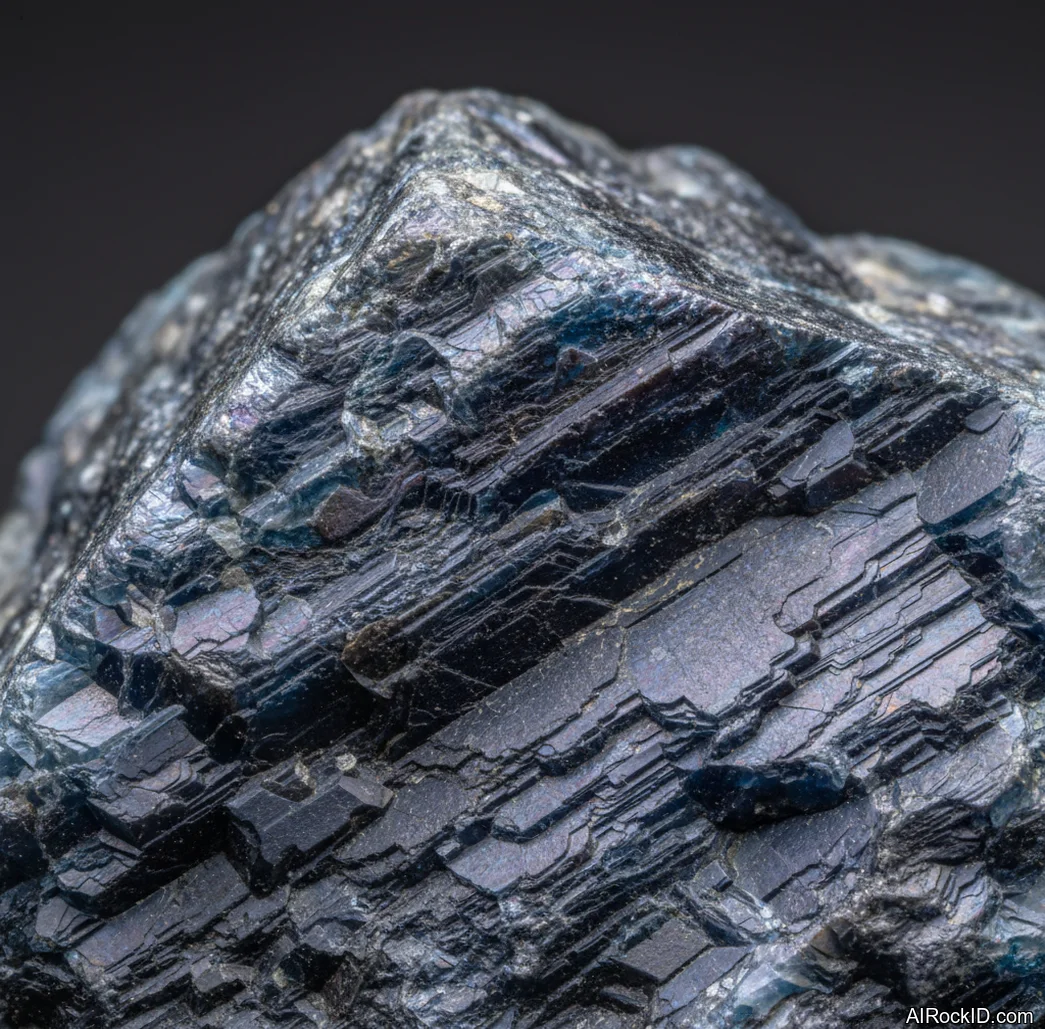
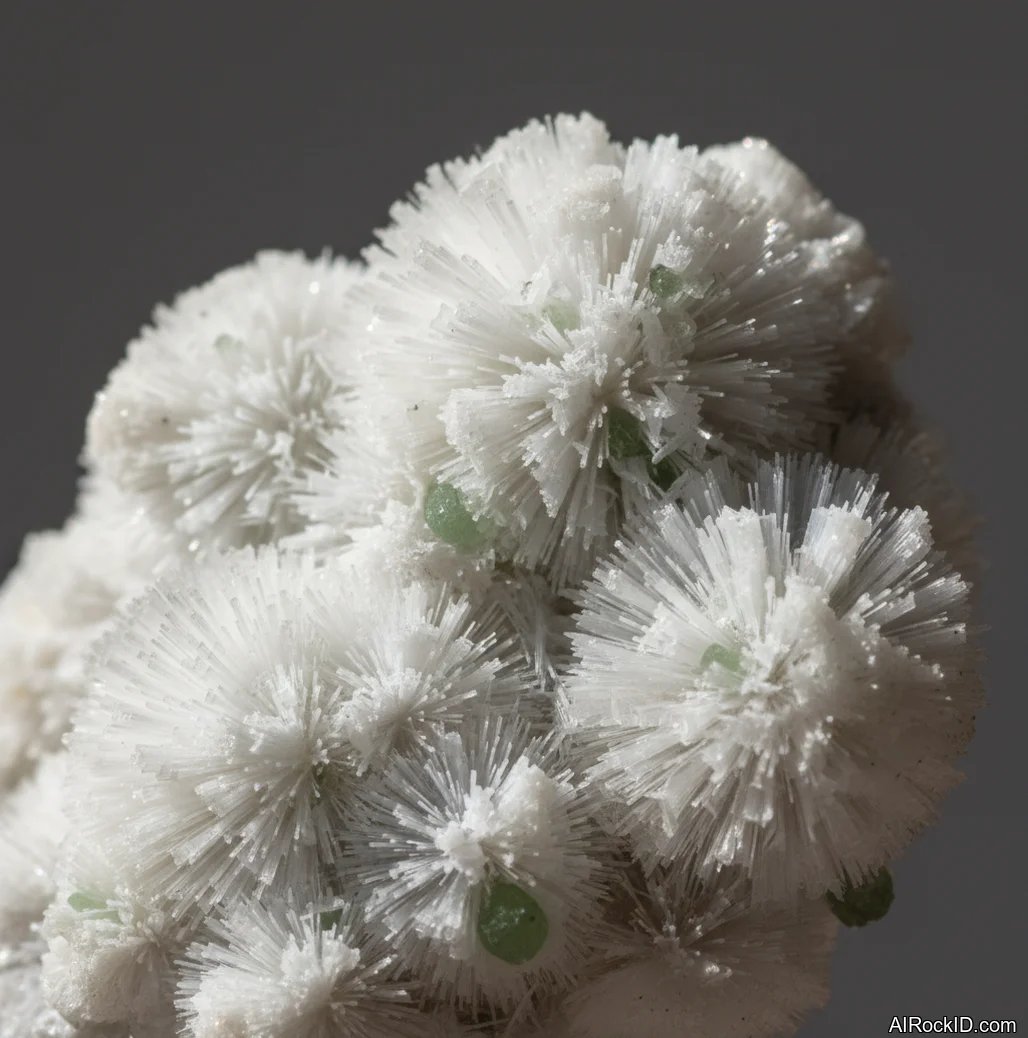
Moonstone dominates the lunar category for good reason. Its shimmer really does echo moonlight on water. The best material comes from Sri Lanka or southern India, cut high-domed for maximum flash. Selenite is another classic, but it’s not just about the look. It feels chalky, almost like soap, and leaves streaks if you rub two pieces together. That’s why you rarely see it tumbled. Labradorite brings a different moon energy: sudden, surprising flashes of blue, green, or gold that appear just for a moment. It feels dense and cold, with a surface that can look almost gray or brown until the light hits it. Opal sometimes gets included with Moon stones, mostly for its play of color and watery feel. But most collectors don’t reach for it unless they want both lunar and emotional themes. The main thing with all of these is movement—color or light that shifts. That’s what ties them back to the idea of cycles and phases.
Moon Crystal Uses: Sleep, Dreams, and Emotional Cycles
Most folks keep Moon crystals on a nightstand or under a pillow, hoping for smoother sleep or clearer dreams. Selenite wands are a go-to for bedroom calm, but if you drop one on a hard floor, it'll chip. I’ve seen Moonstone worry stones left in pockets, only to come out with the sheen dulled from rubbing against coins and keys. Labradorite works differently—it’s more for times you want to shift awareness or see patterns you’ve missed. Some people lay labradorite on the third eye or carry a palm stone during new or full moons. Nobody’s promising miracle results, but there’s a reason these stones end up near journals and bedside lamps. They’re not about blasting energy; they’re about giving your mind a place to slow down. If you line them up under moonlight, you’ll see the difference: Moonstone glows, selenite picks up every bit of ambient light, and labradorite might not do much unless you move it.
Physical Care of Moon Crystals: What Collectors Need to Know
Moon crystals demand specific care. Selenite dissolves or pits if it sits in water for even a few minutes. Keep it dry and away from humidity, or you’ll end up with a fuzzy, etched surface. Moonstone is tougher but still softer than quartz, sitting at about 6 on the Mohs scale. If you toss one in a bag with loose change, the surface sheen can scuff off. Labradorite’s polish can flake at the edges if you drop it on tile. Opal has a reputation for cracking if it dries out too much or gets hit with sudden temperature changes. Most real collectors keep their lunar stones wrapped in soft cloth, out of direct sun, and definitely not in pockets with keys or grit. If you see a crystal labeled ‘selenite’ that feels almost plastic or doesn’t scratch easily, it’s probably satin spar or even glass. Always check the feel—real selenite is cold, powdery, and surprisingly light.
Best Moon Crystals to Start With
| Level | Crystal | Note |
| Gentle / Beginner | Selenite | Feels calming to hold, easy to find, but soft enough that beginners learn to handle crystals gently. |
| Balanced / Everyday | Moonstone | Classic blue flash, durable enough for daily use if you keep it away from grit. |
| Intense / Advanced | Labradorite | The bold color shifts engage advanced users, and the energy feels more activating than soothing. |
| Best for Carrying | Rainbow Moonstone | Holds up better in a pocket than selenite, and the flash stays visible even in small polished pieces. |
| Best for Display | Large Satin Spar Selenite Tower | Gives off a soft glow under ambient light, but you need to keep it out of high-traffic areas to avoid scratches. |
Moon Crystal Comparison
| Crystal | Common Use | Feel / Use Style | Care Caution |
| Moonstone | Intuition, sleep, cycles | Cool, smooth, with blue-white sheen that moves under light | Prone to surface scratching; don’t keep loose with hard objects |
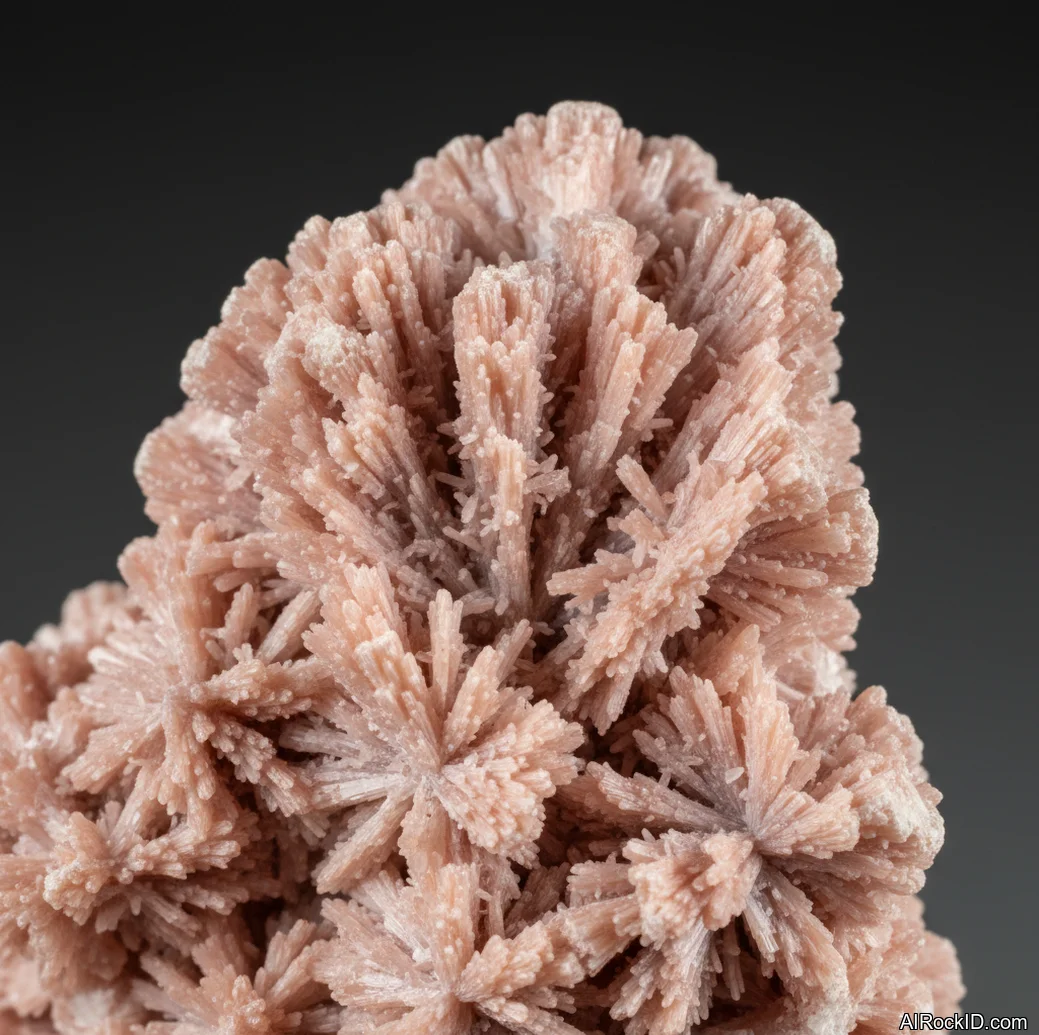
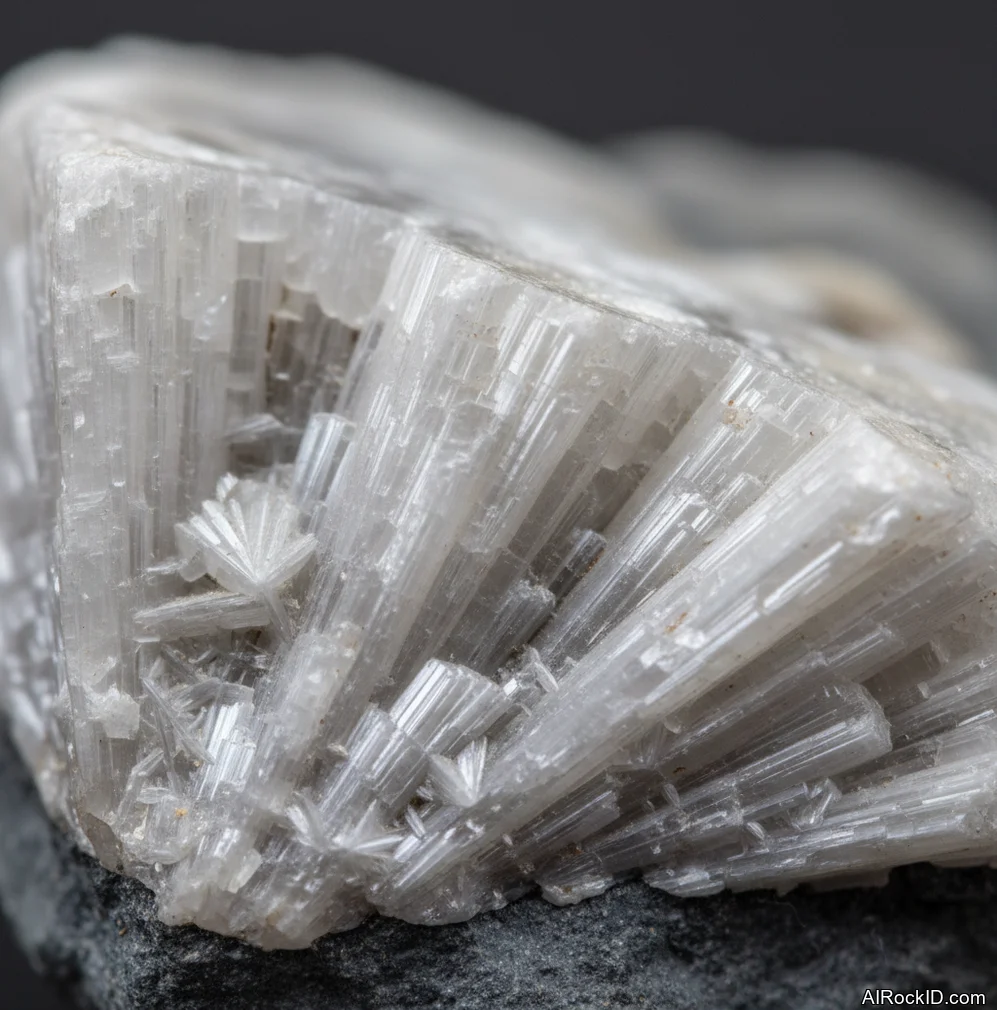
| Selenite | Calm, cleansing, sleep support | Chalky, soft, leaves streaks if scratched; almost silky | Dissolves in water; keep dry and away from humidity |
| Labradorite | Awareness shifts, dream work | Heavy, cold, gray base with flashes of color that vanish at wrong angles | Edges can chip; polish flakes if dropped or knocked |
| Opal | Emotional balance, dream recall | Light, waxy, with internal color play; sometimes sticky to the touch | Prone to cracking if dried out or hit by temperature swings |
How to Identify Moon Crystals with AI Rock ID
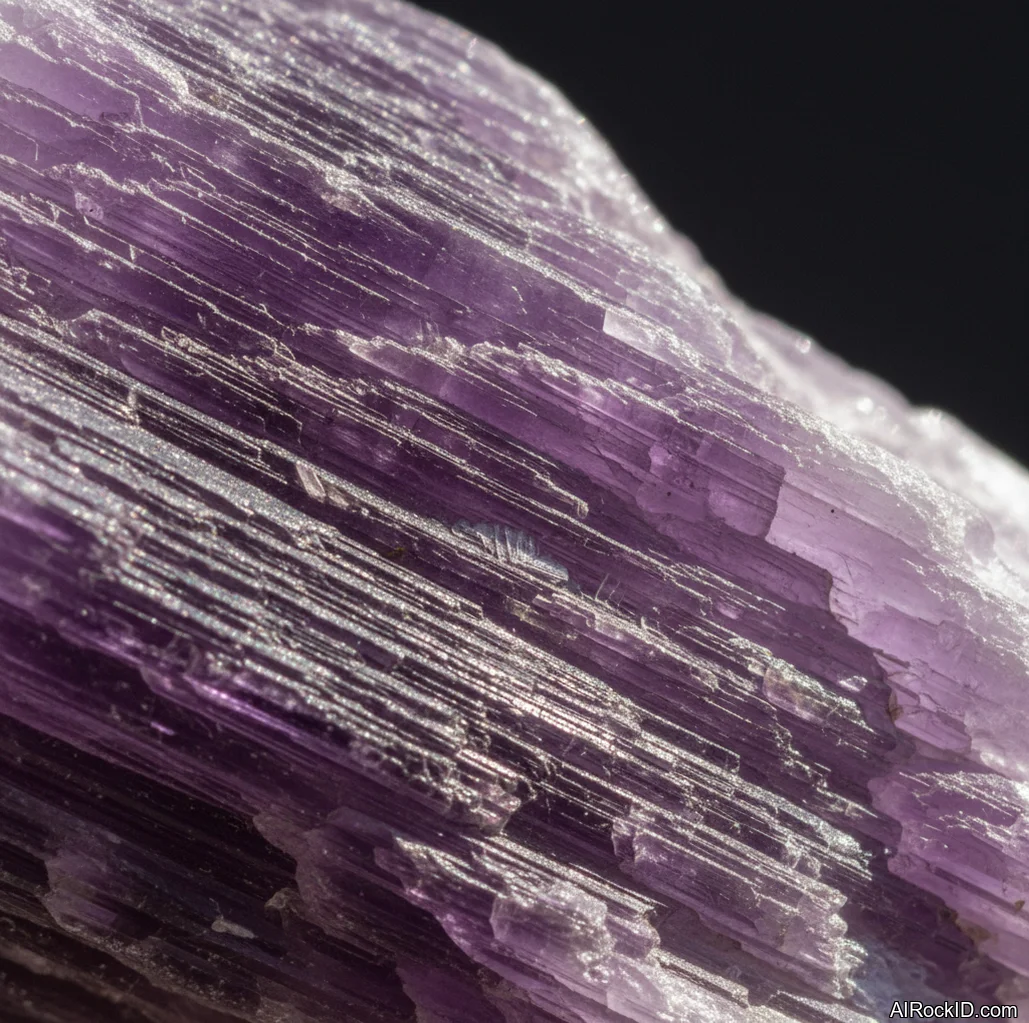
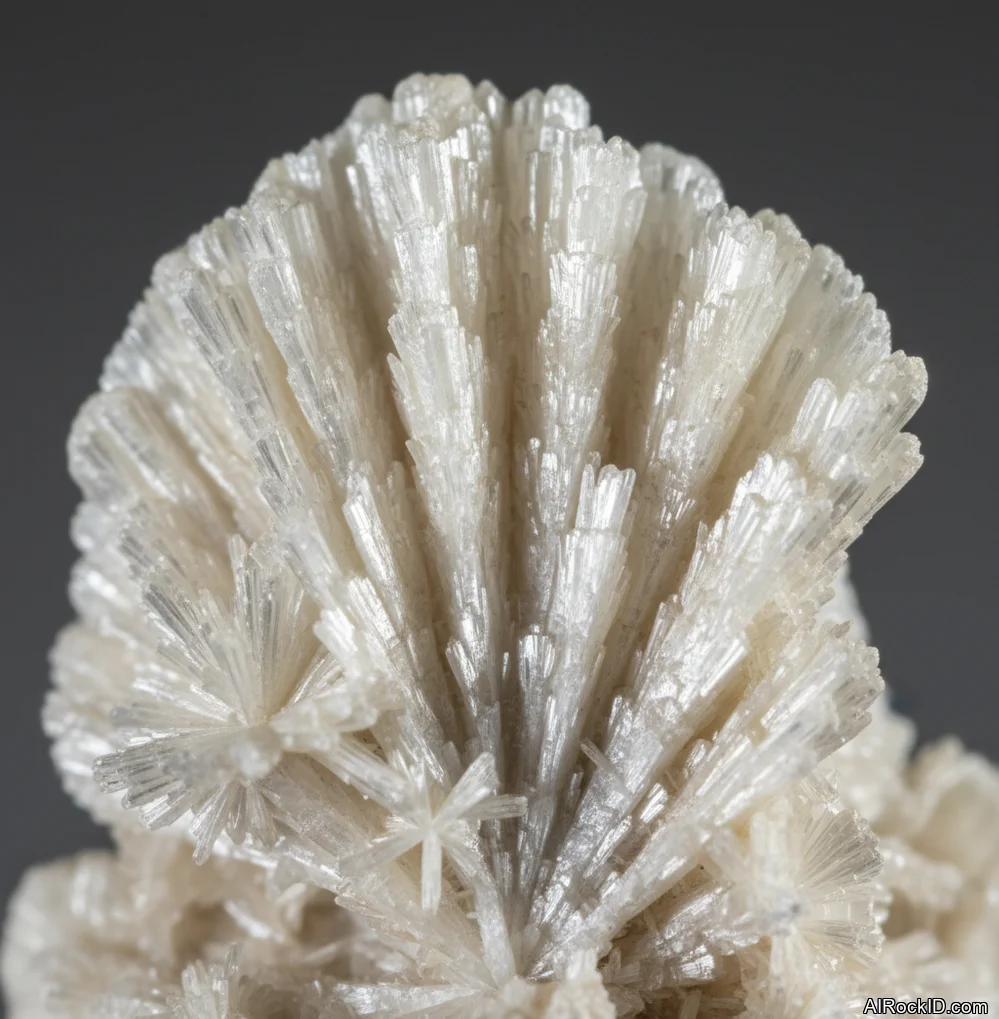
To identify Moon crystals with an AI Rock ID app, take photos in natural indirect daylight and upload both a full specimen shot and a close-up of the surface. Check the app’s results against real-world tests like hardness (will it scratch glass?) and luster (is the sheen internal or surface?). Compare the app’s images for features like adularescence in moonstone or fibrous texture for selenite. Always double-check when a result looks too perfect, since lighting tricks can fool even good AI.
All Moon Crystals (92)