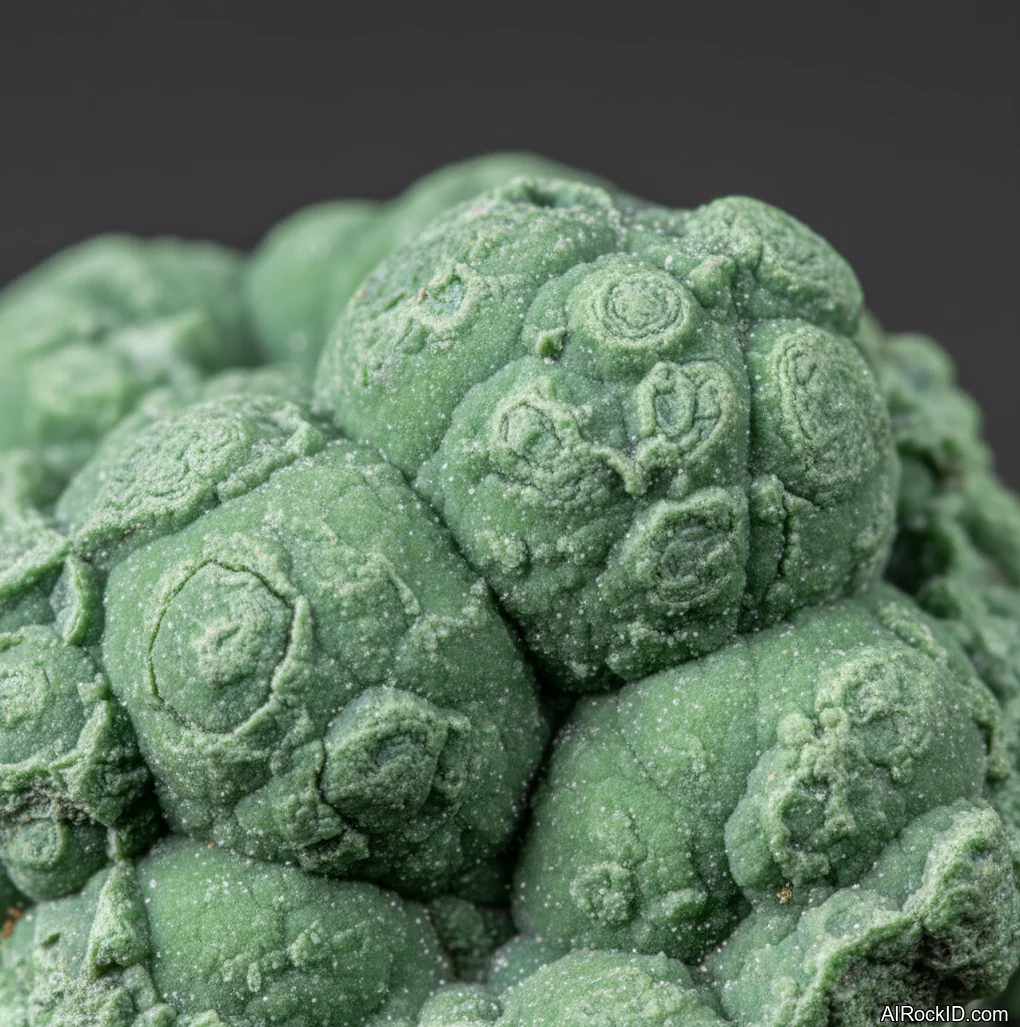
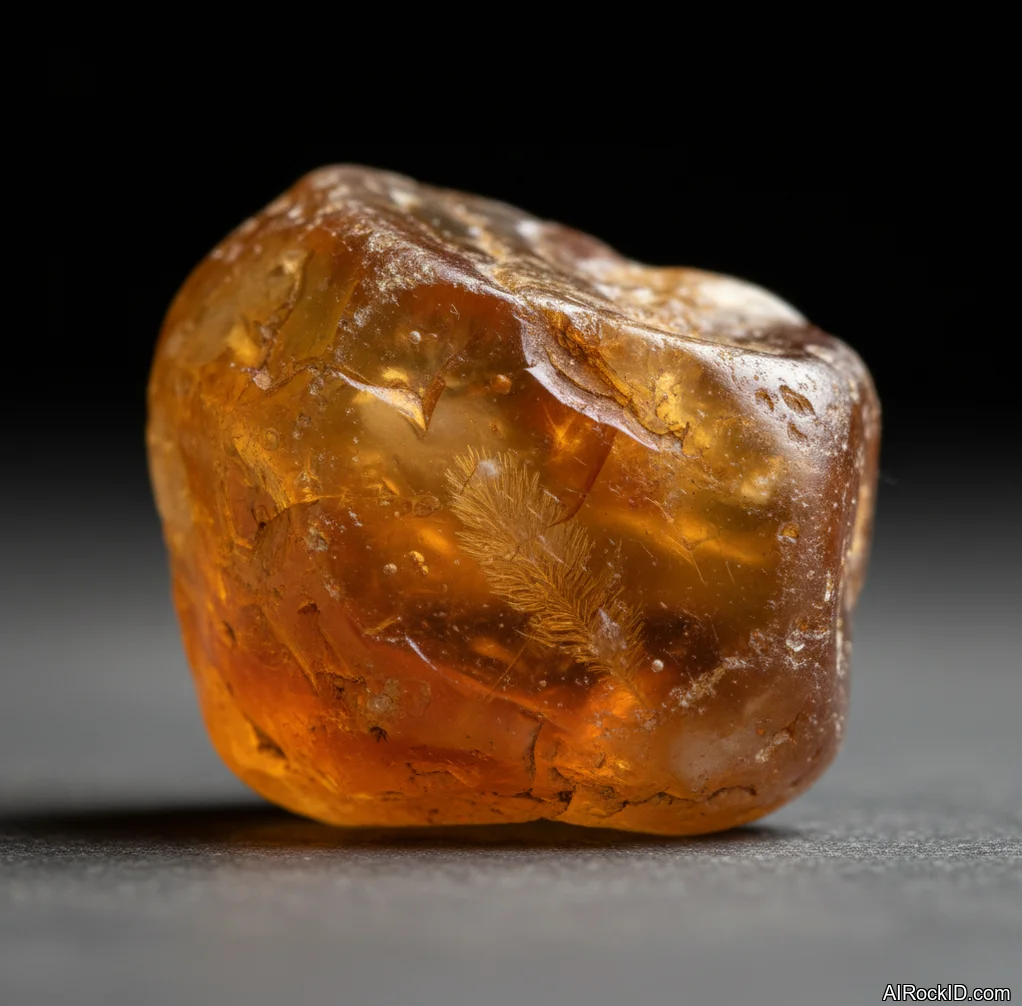
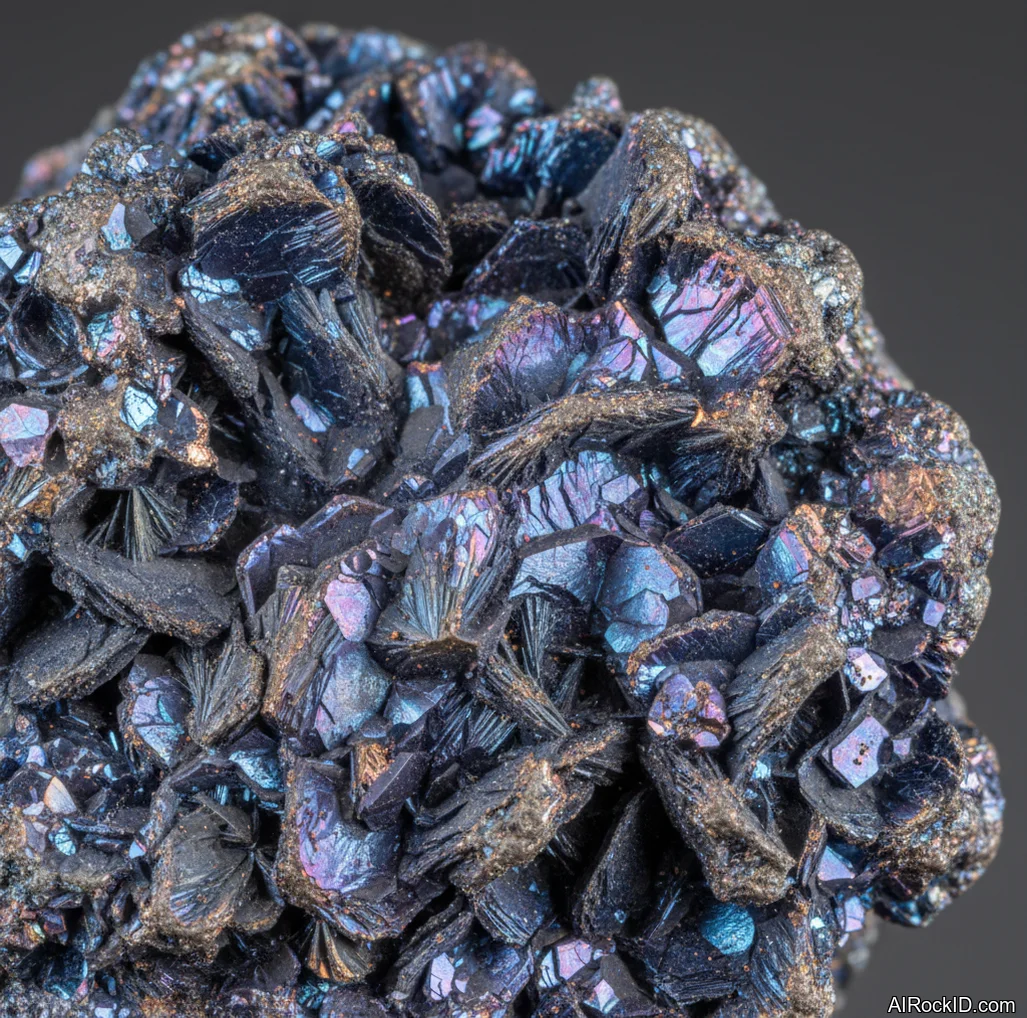
Emotional Healing Crystals
Quick answer: Emotional healing crystals are stones that people use in meditation, reflection, jewelry, or personal rituals for symbolic support during periods of stress, grief, transition, or self-work. Their meanings come from crystal healing traditions and should not be treated as a substitute for professional mental health care.
Explore Emotional Healing crystals like rose quartz, rhodonite, and amethyst, plus tips for choosing, using, and caring for supportive stones.


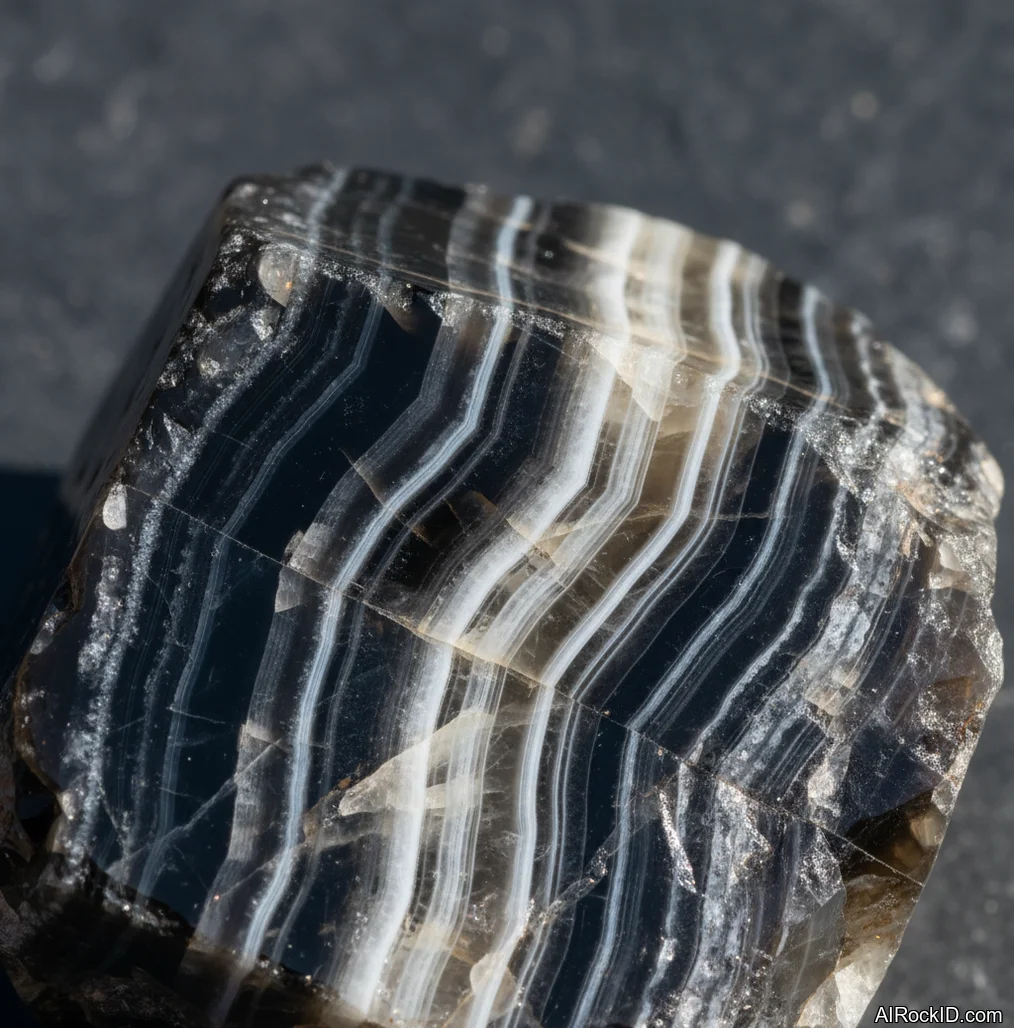
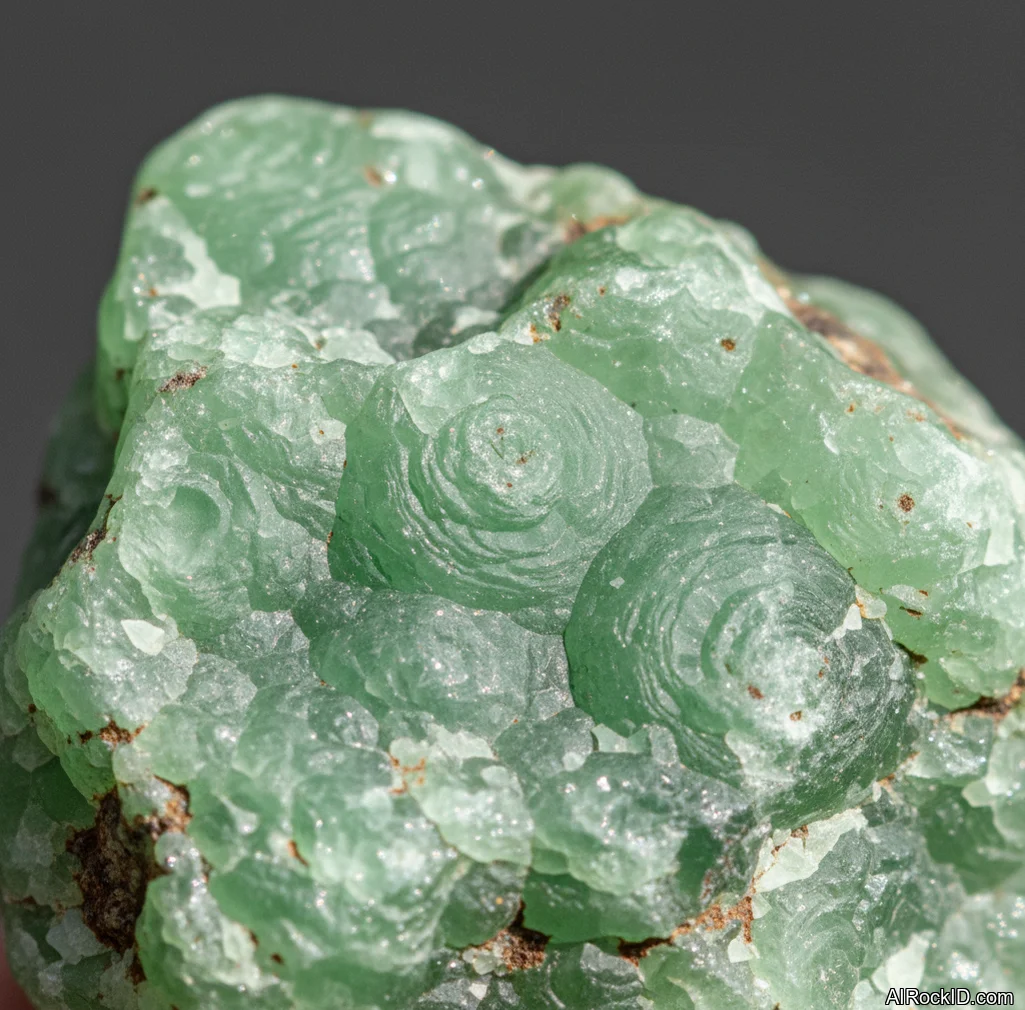
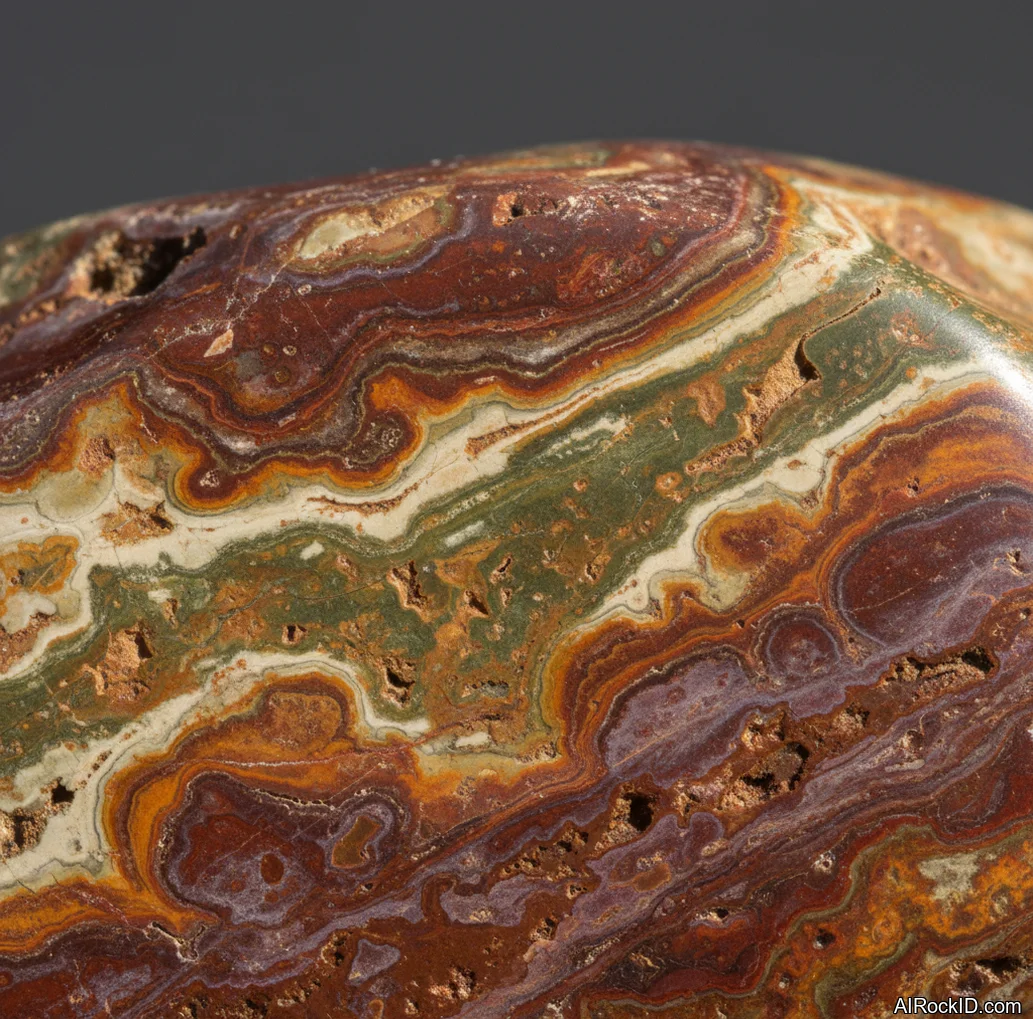
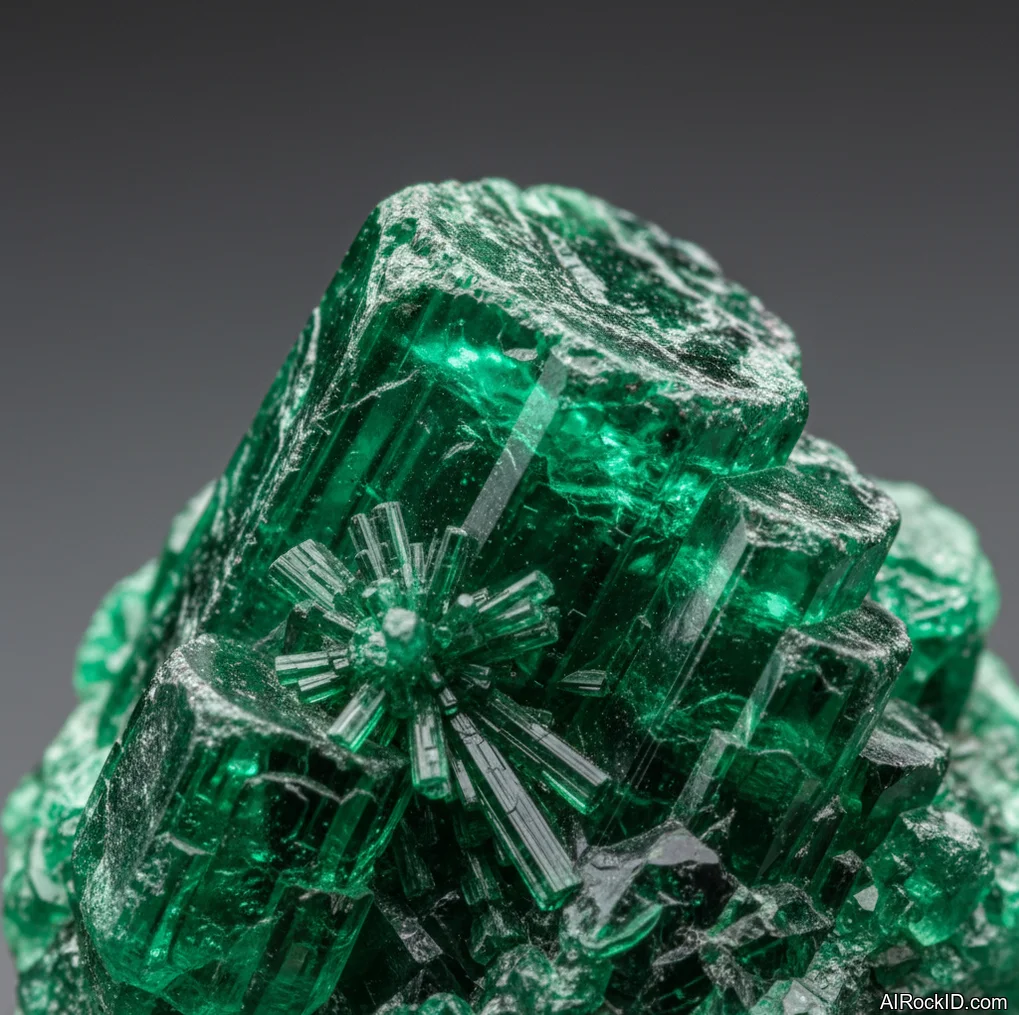
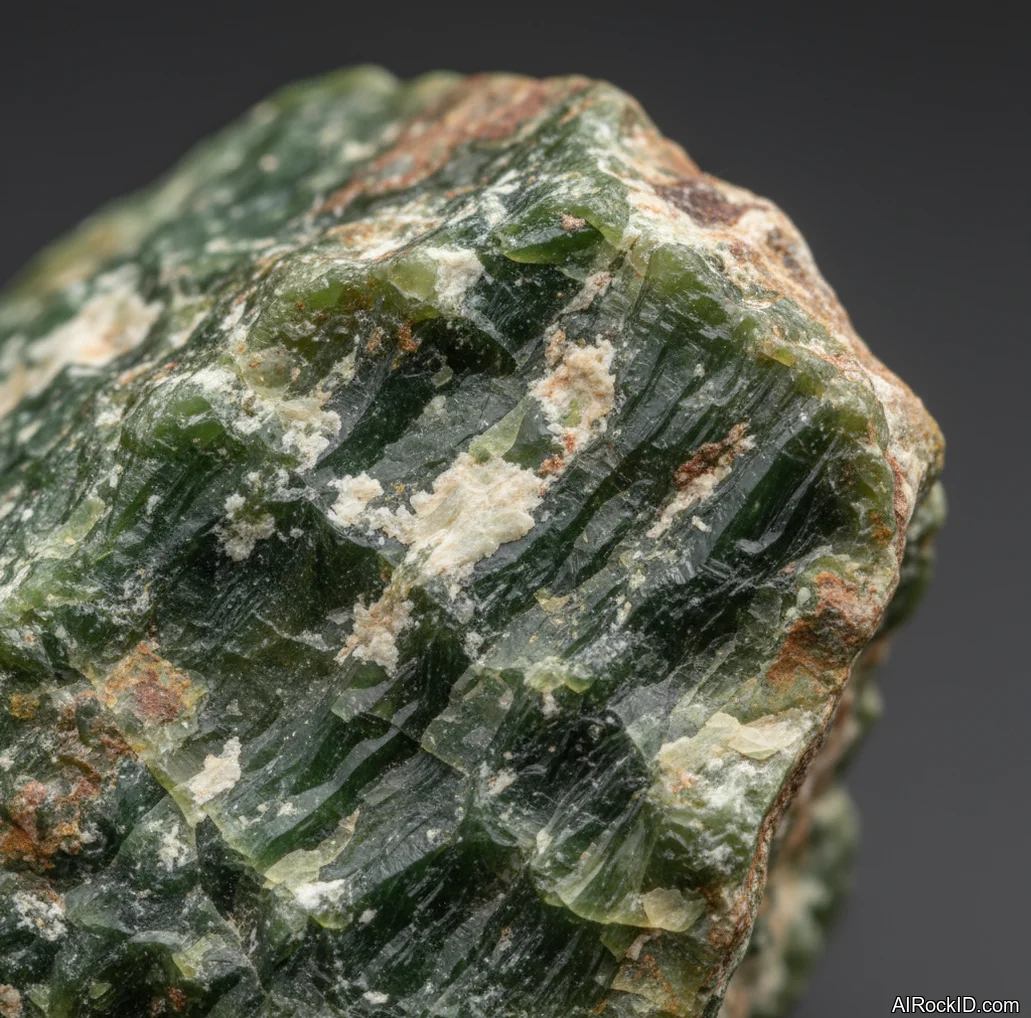
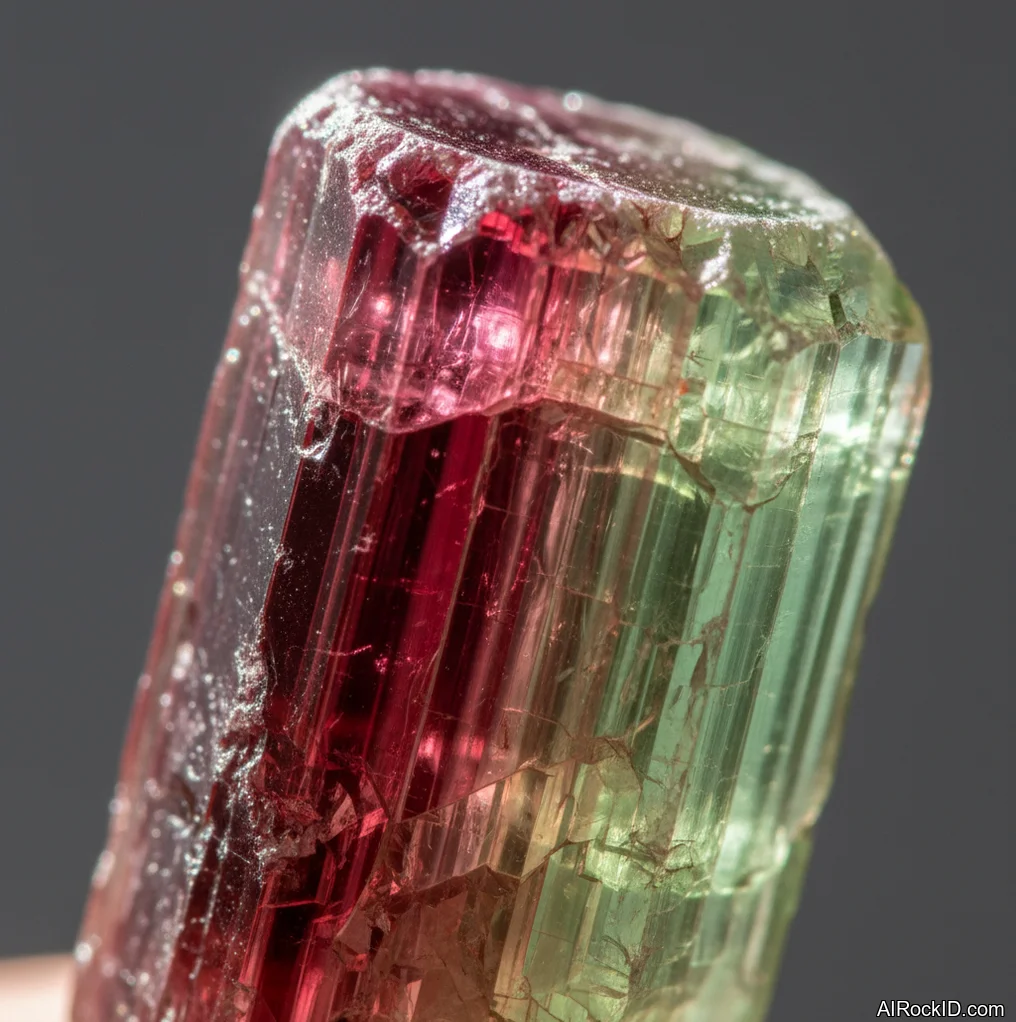
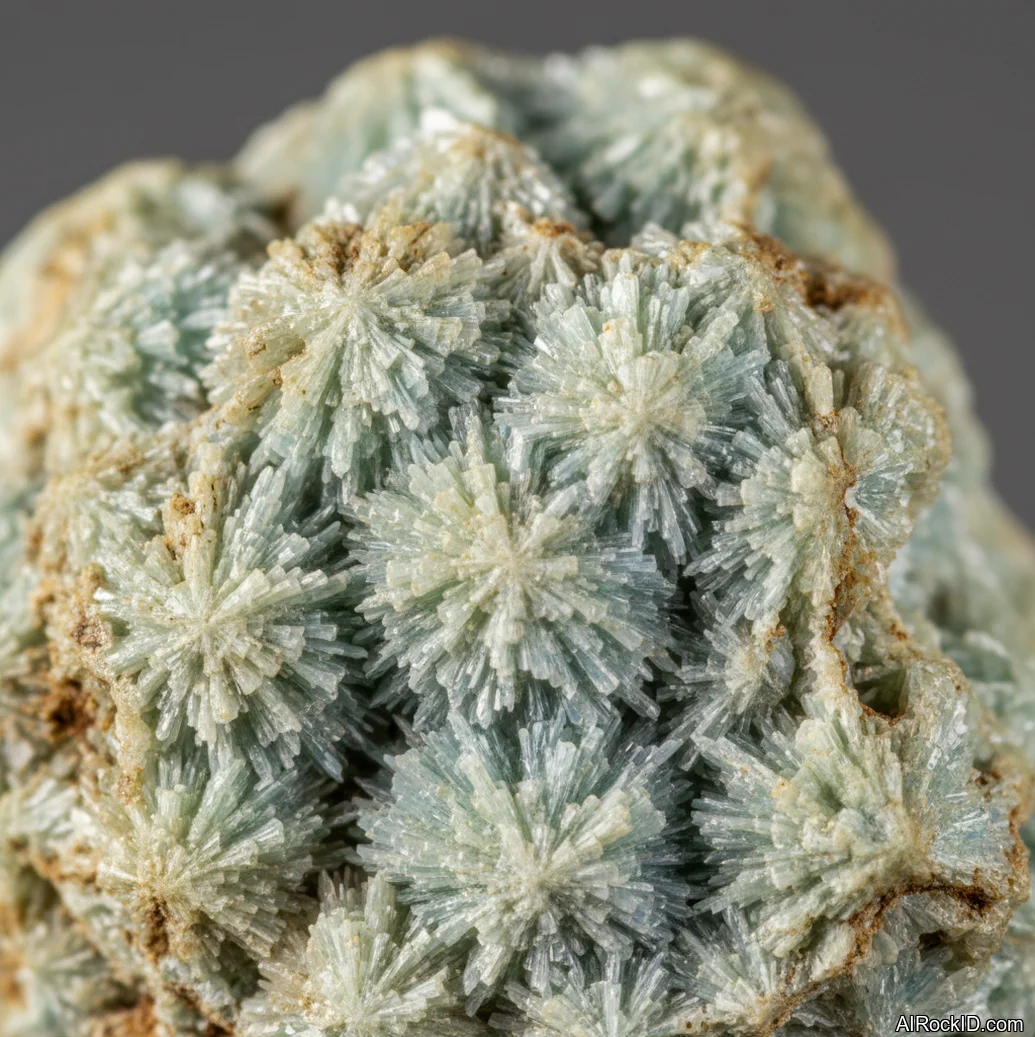
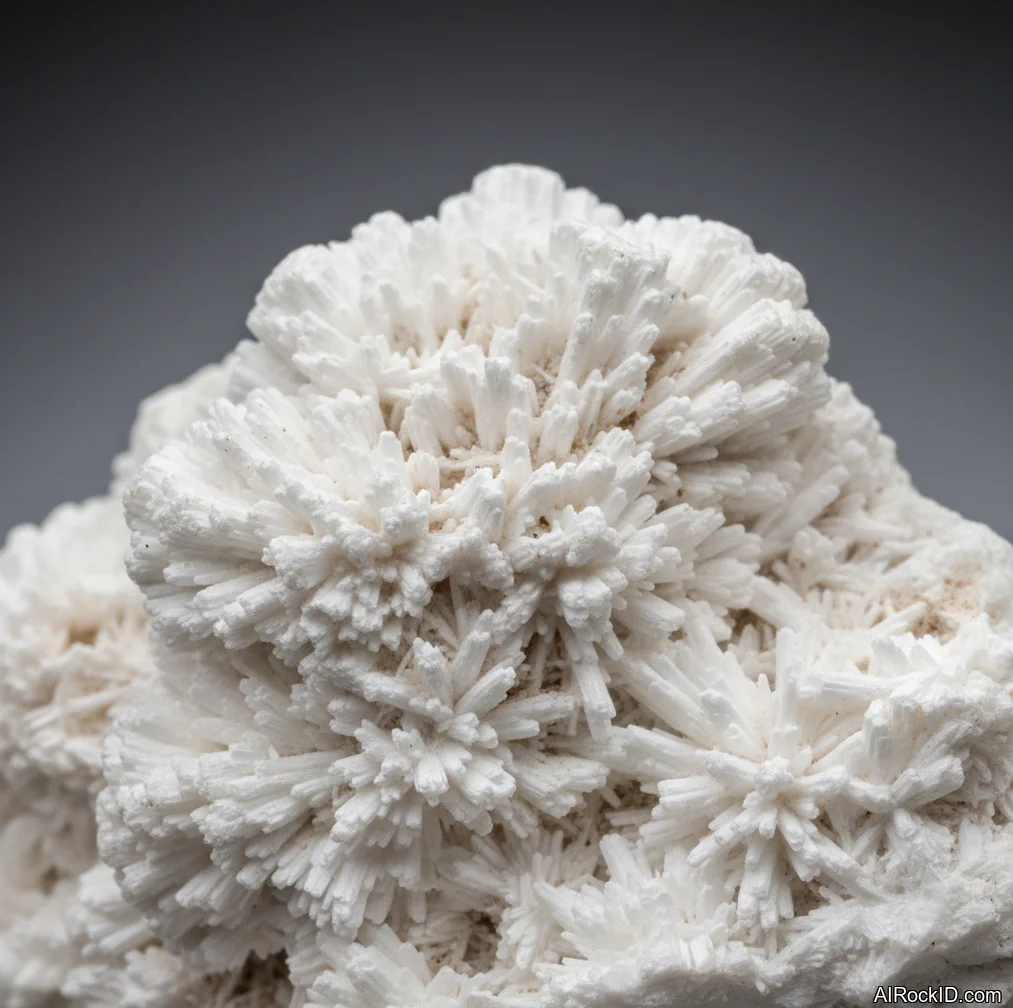
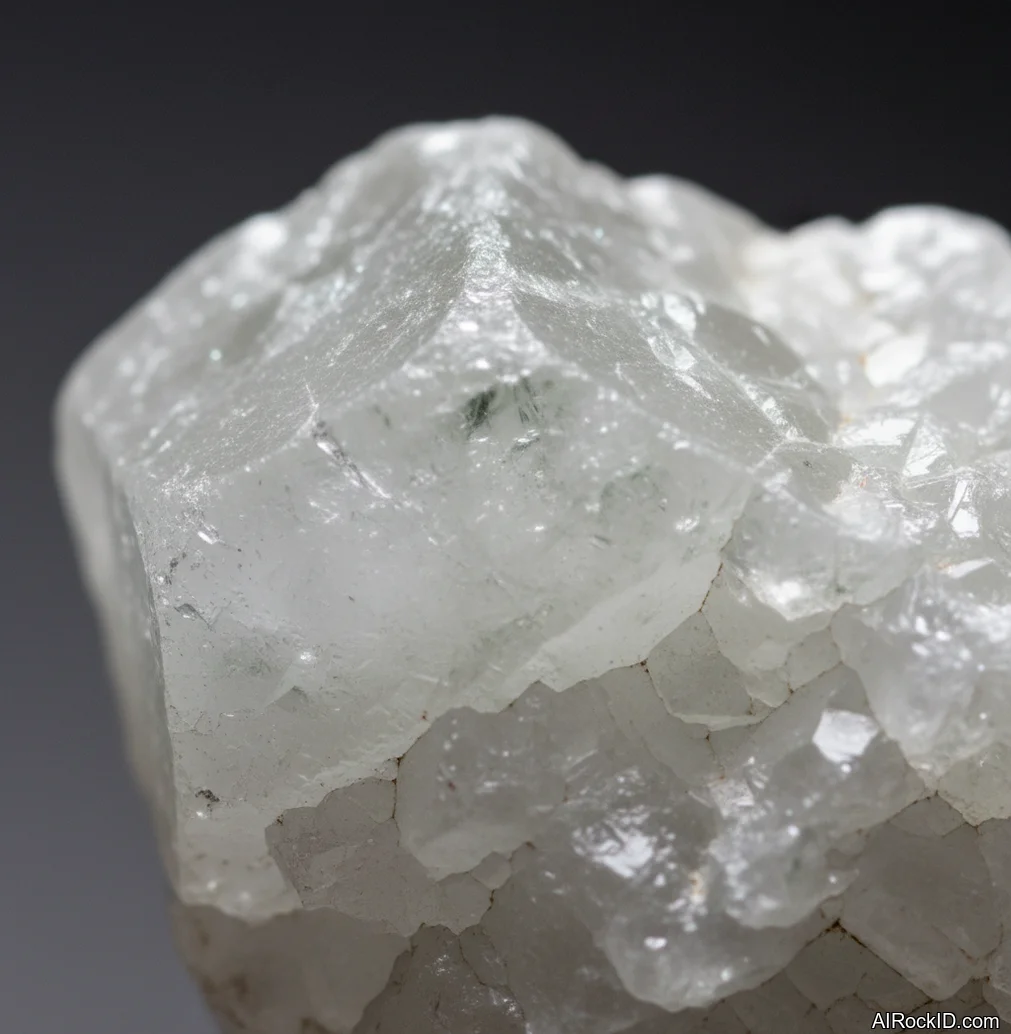
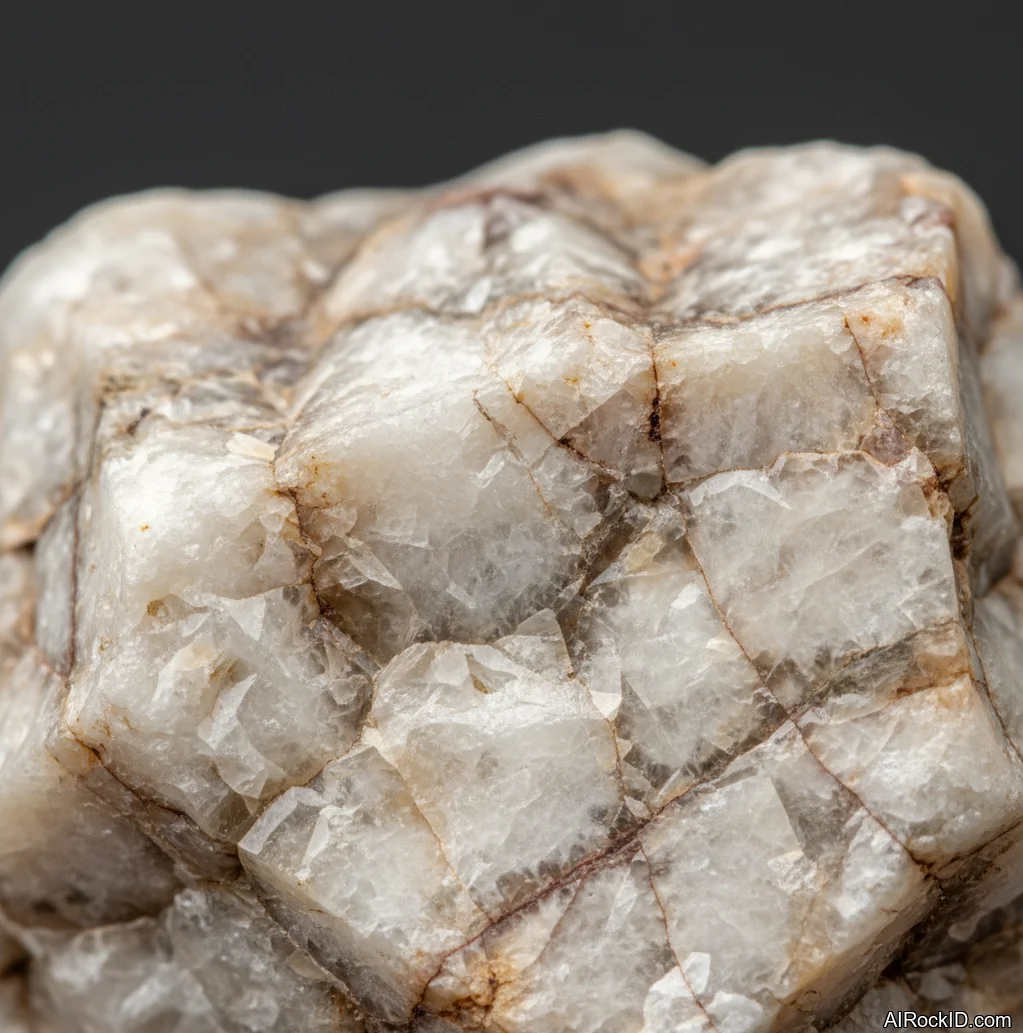
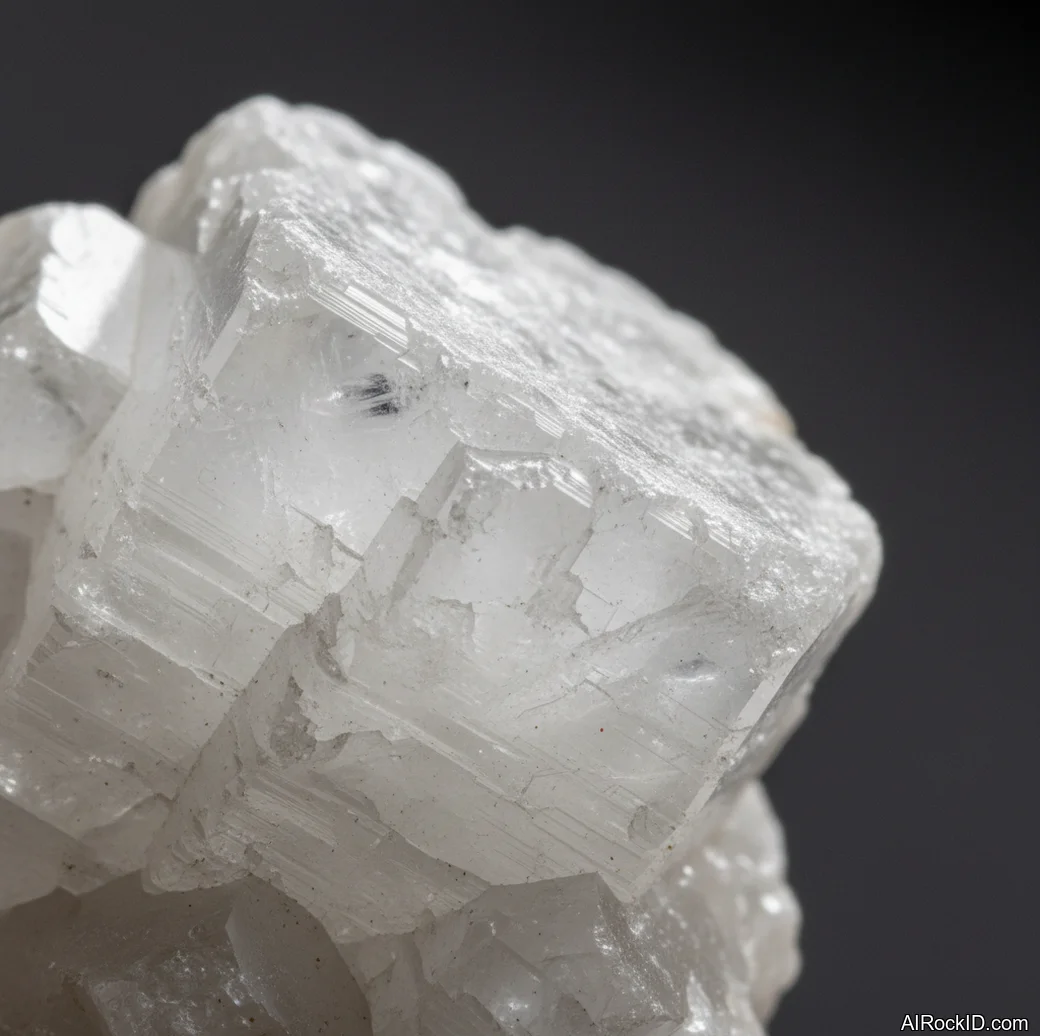
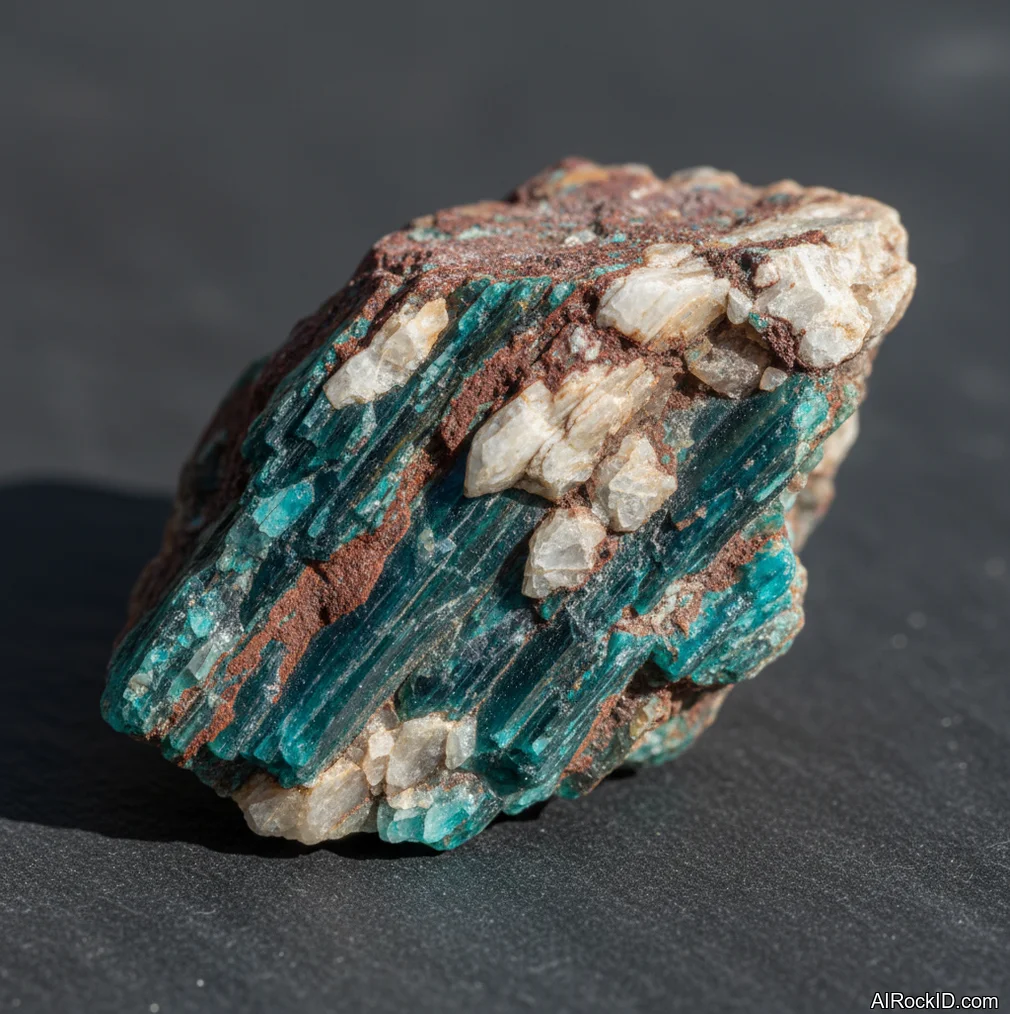
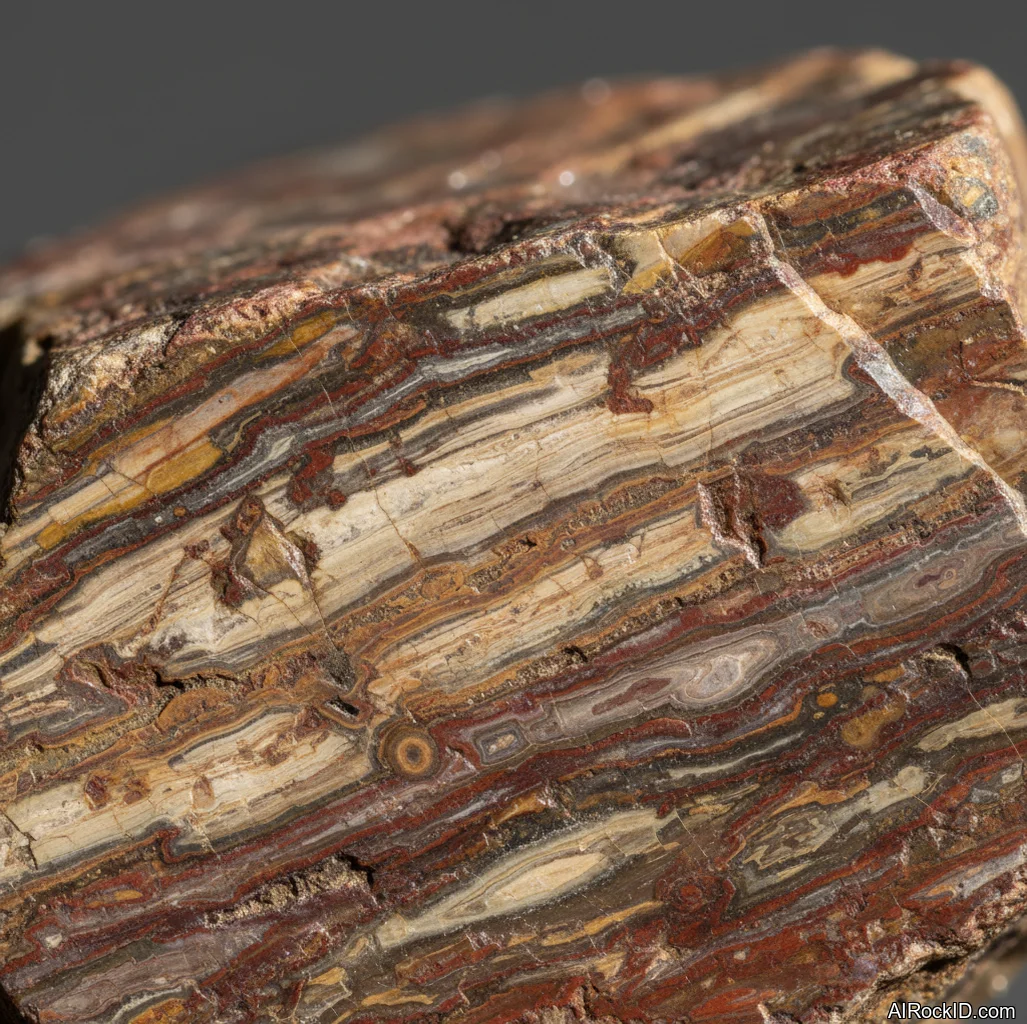
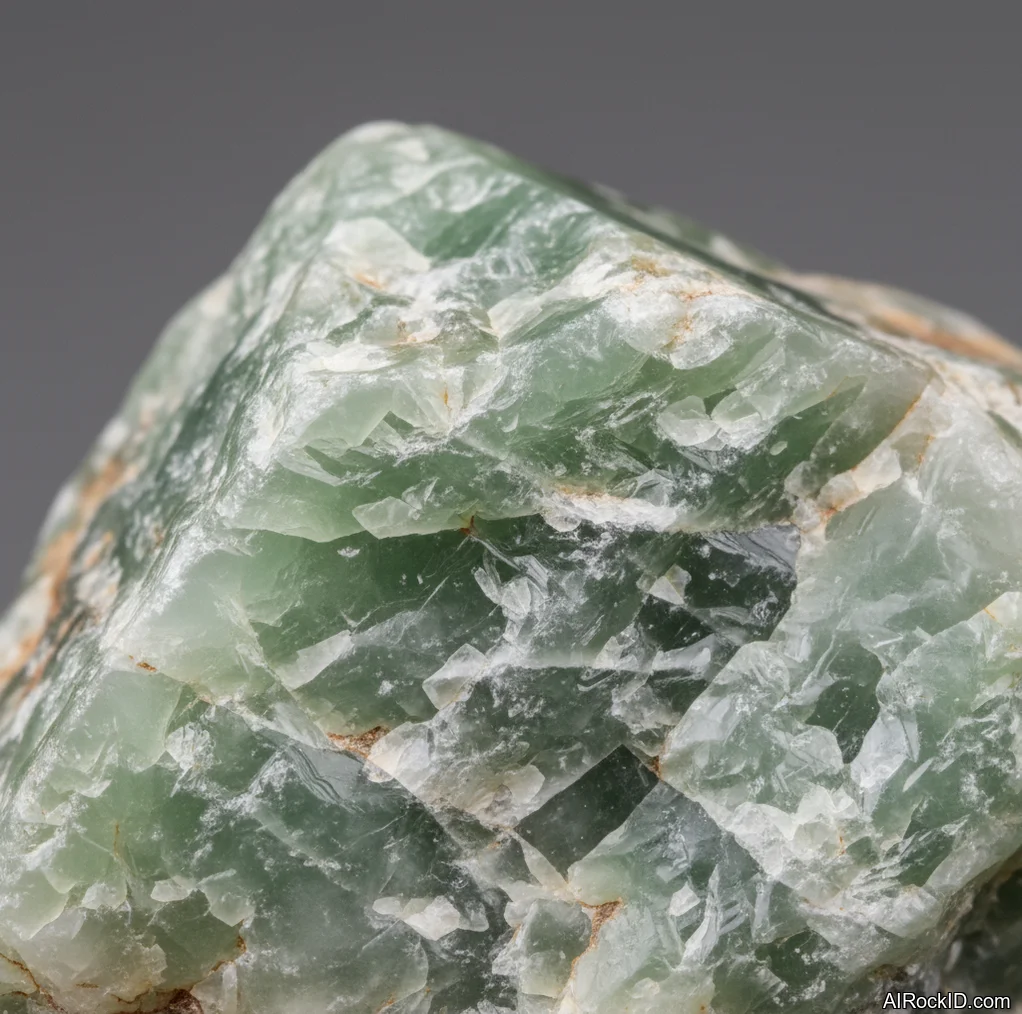
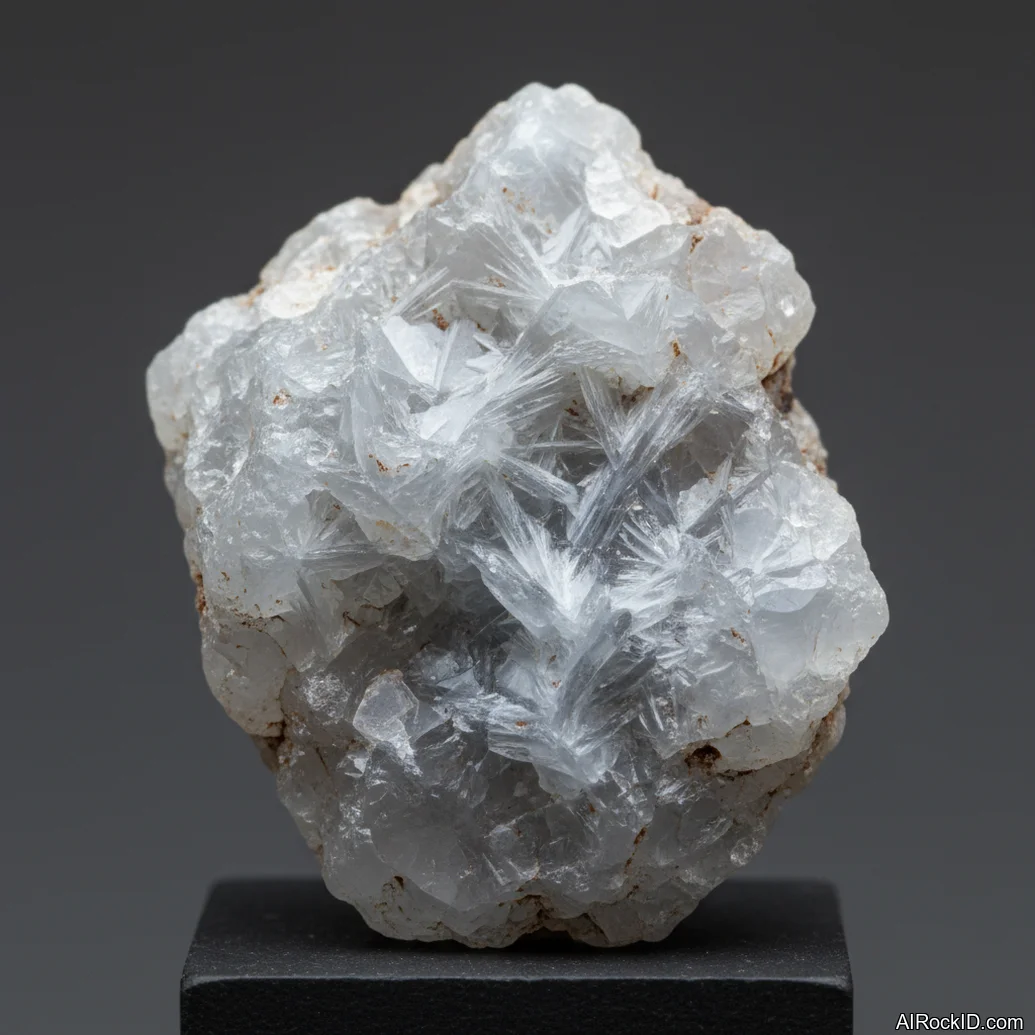
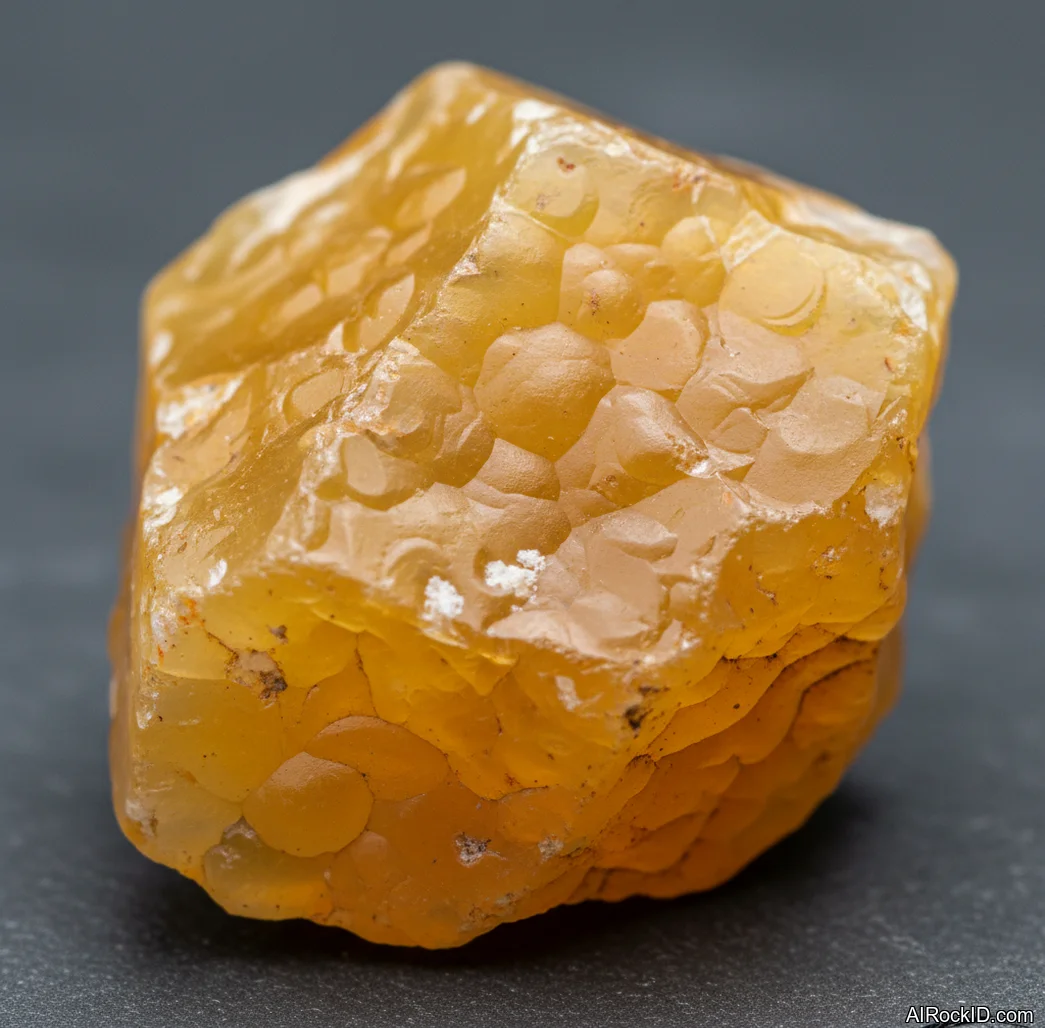
Emotional Healing crystals are minerals people use as physical anchors during periods of emotional distress, like grief, anxiety, or heartbreak. Common examples include rose quartz, rhodonite, rhodochrosite, amethyst, lepidolite, and blue lace agate. These stones are picked for their tactile qualities and visual comfort, not as substitutes for medical or psychological treatment. These associations come from metaphysical traditions and are not medical claims.
Emotional Healing crystals can't treat, diagnose, or cure any mental health condition. They should never be used in place of therapy, medication, or crisis help.
AI Rock ID can help users compare color, luster, crystal habit, and other visible traits when identifying a stone associated with emotional healing traditions. RockIdentifier.io provides reference pages that connect mineral identification details with common crystal meanings and collecting notes.
Good fit
- People building a small starter set of calming or heart-centered crystals
- Collectors who want to compare appearance, durability, and traditional meanings
- Users looking for stones commonly used in meditation, journaling, or intention-setting
- Beginners who want recognizable crystals such as rose quartz, amethyst, or rhodonite
Not a good fit
- Replacing therapy, medical treatment, or crisis support
- Identifying a stone by meaning alone without checking physical properties
- Assuming every pink, purple, or blue stone has the same composition or value
- Using fragile or soluble stones in water, salt, or rough handling without checking care guidance
Most commonly confused with
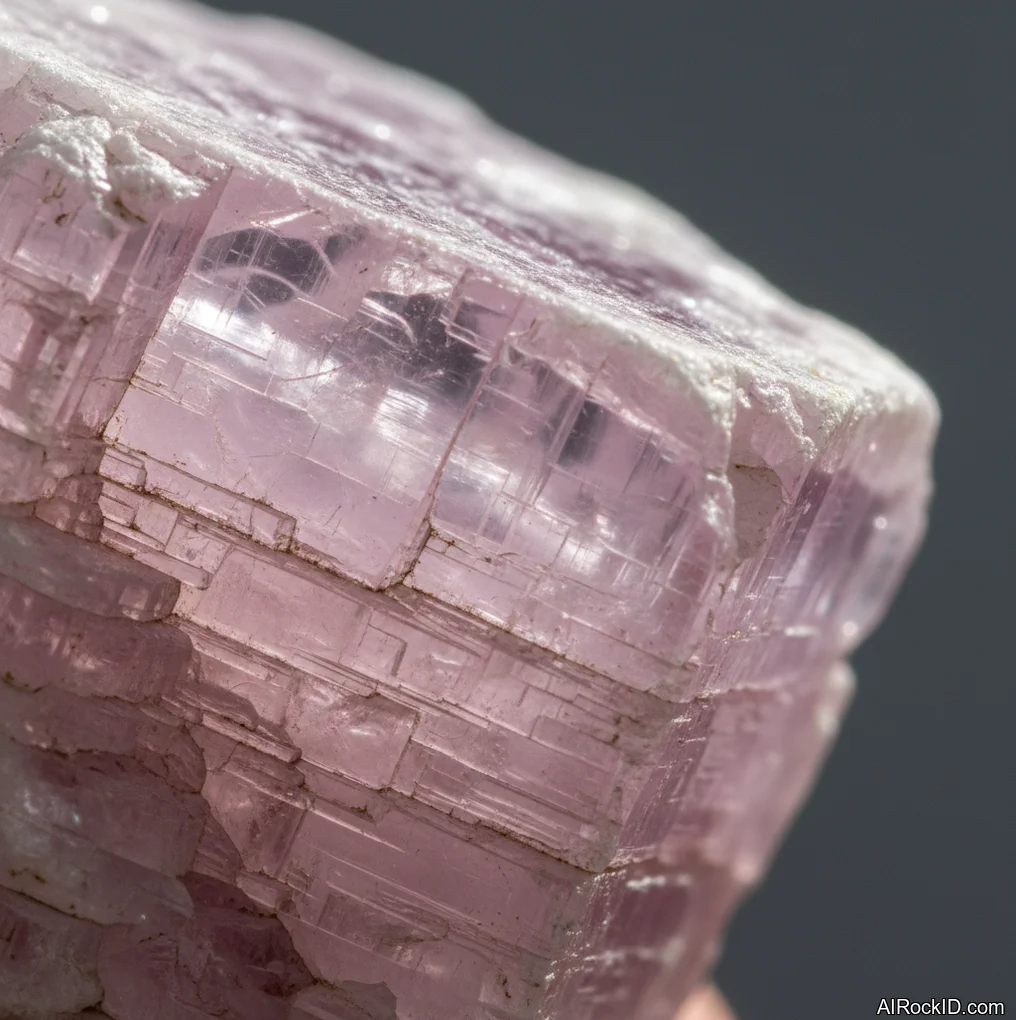
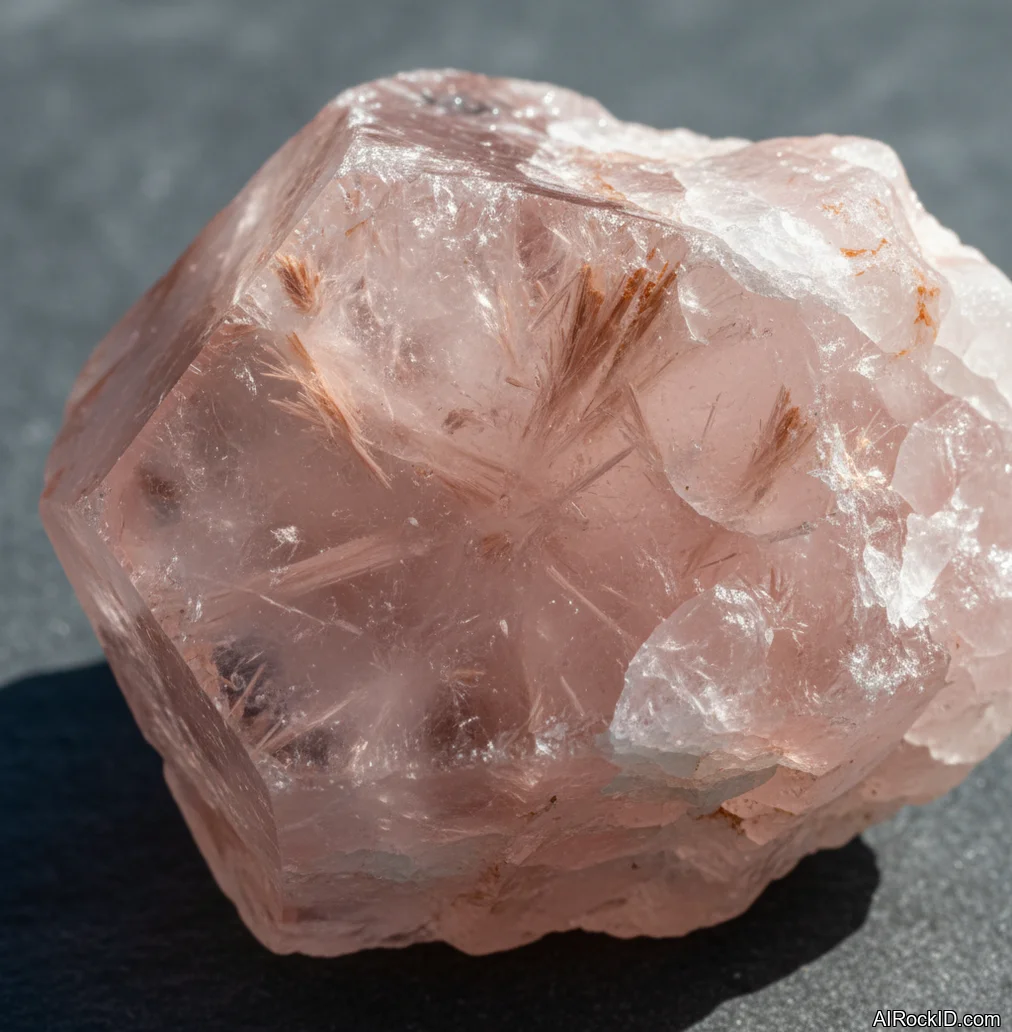
- Rose Quartz: Usually pale to medium pink quartz; often confused with dyed quartz or pink glass.
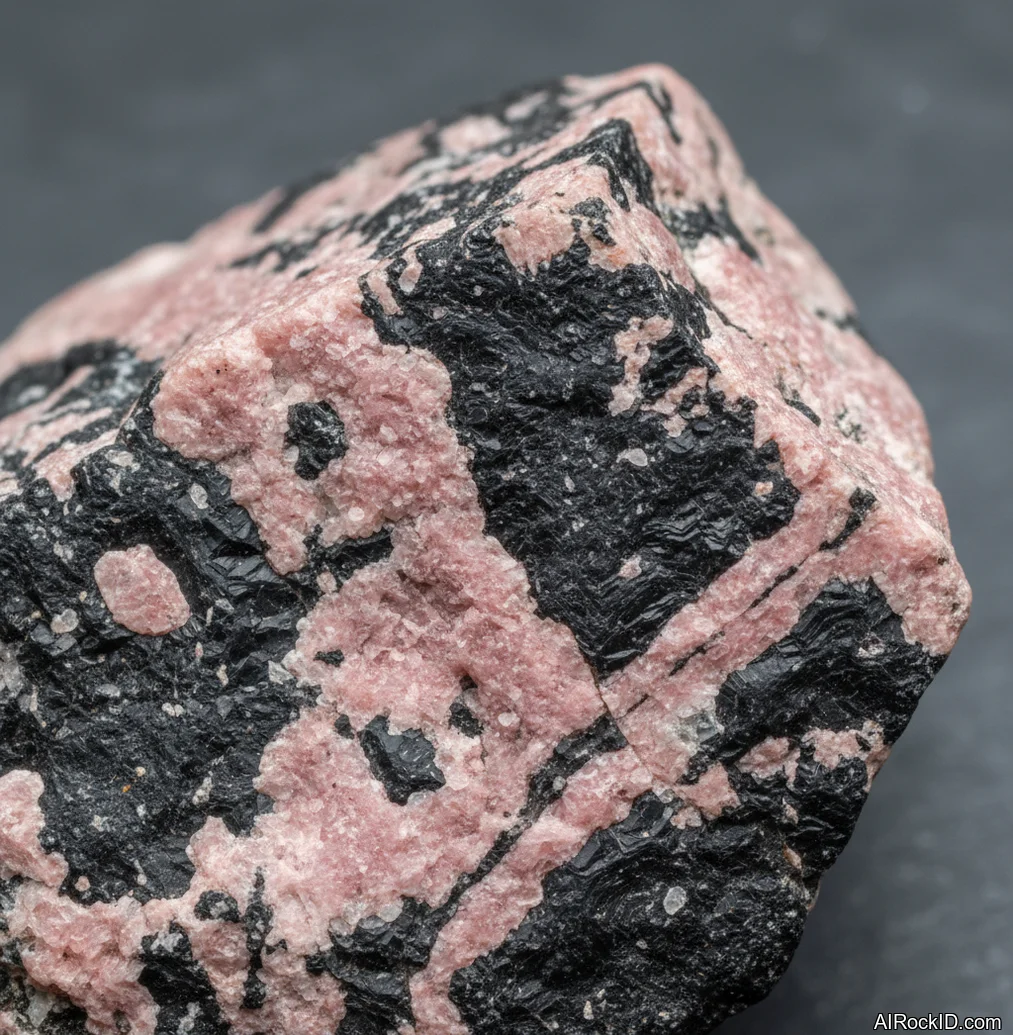
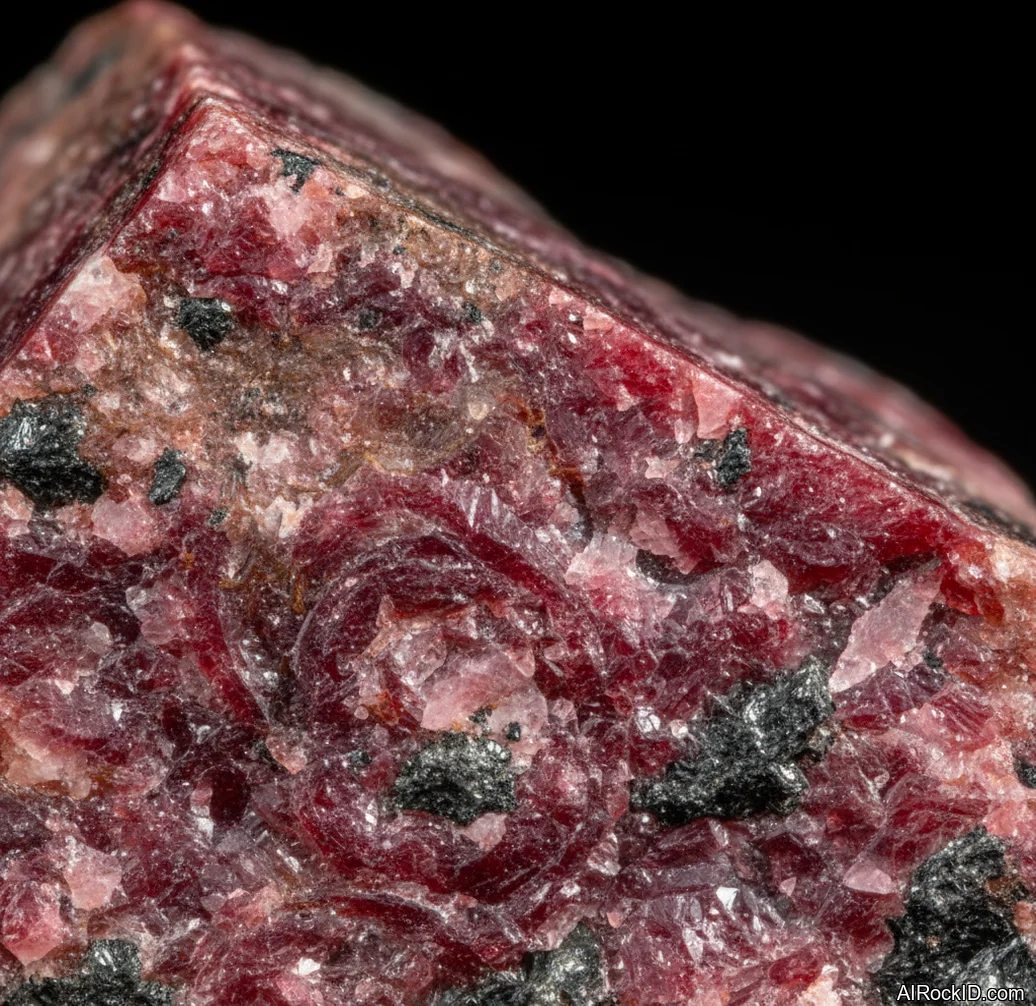
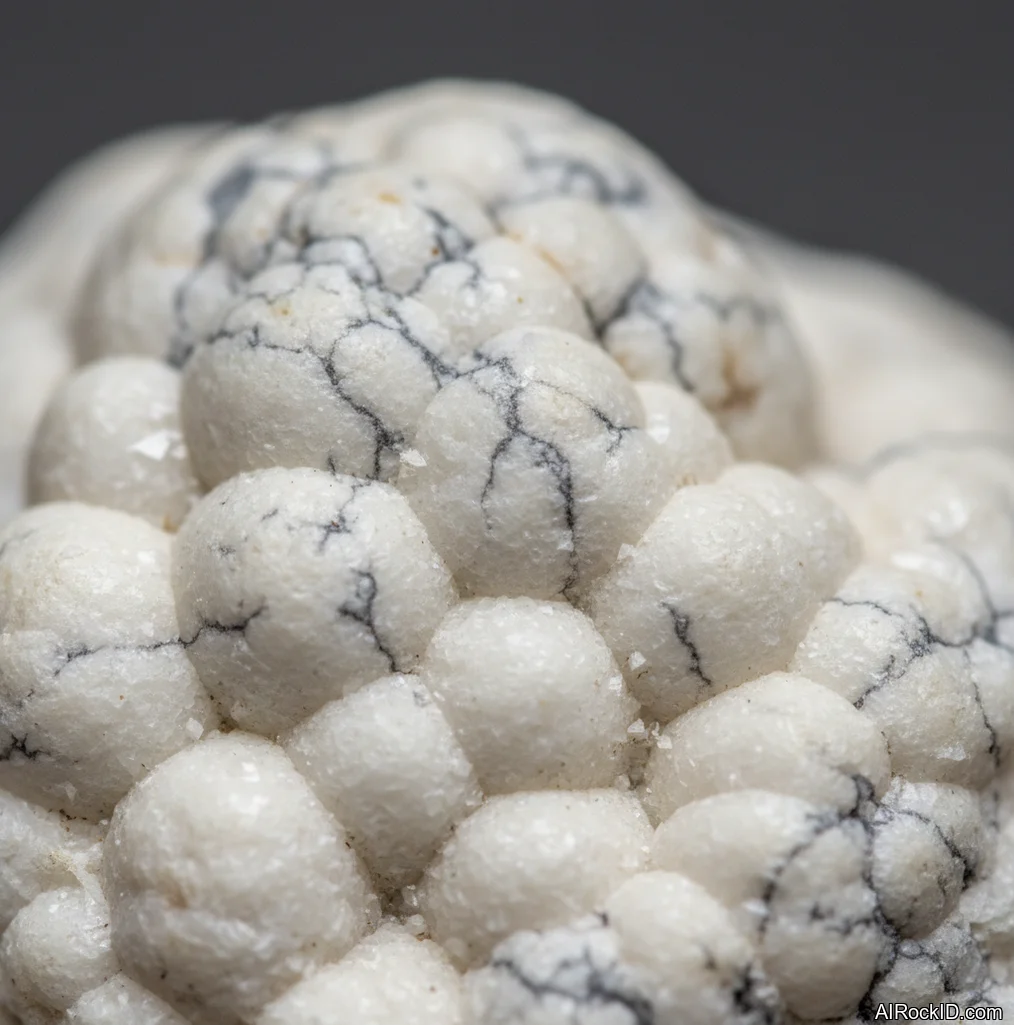
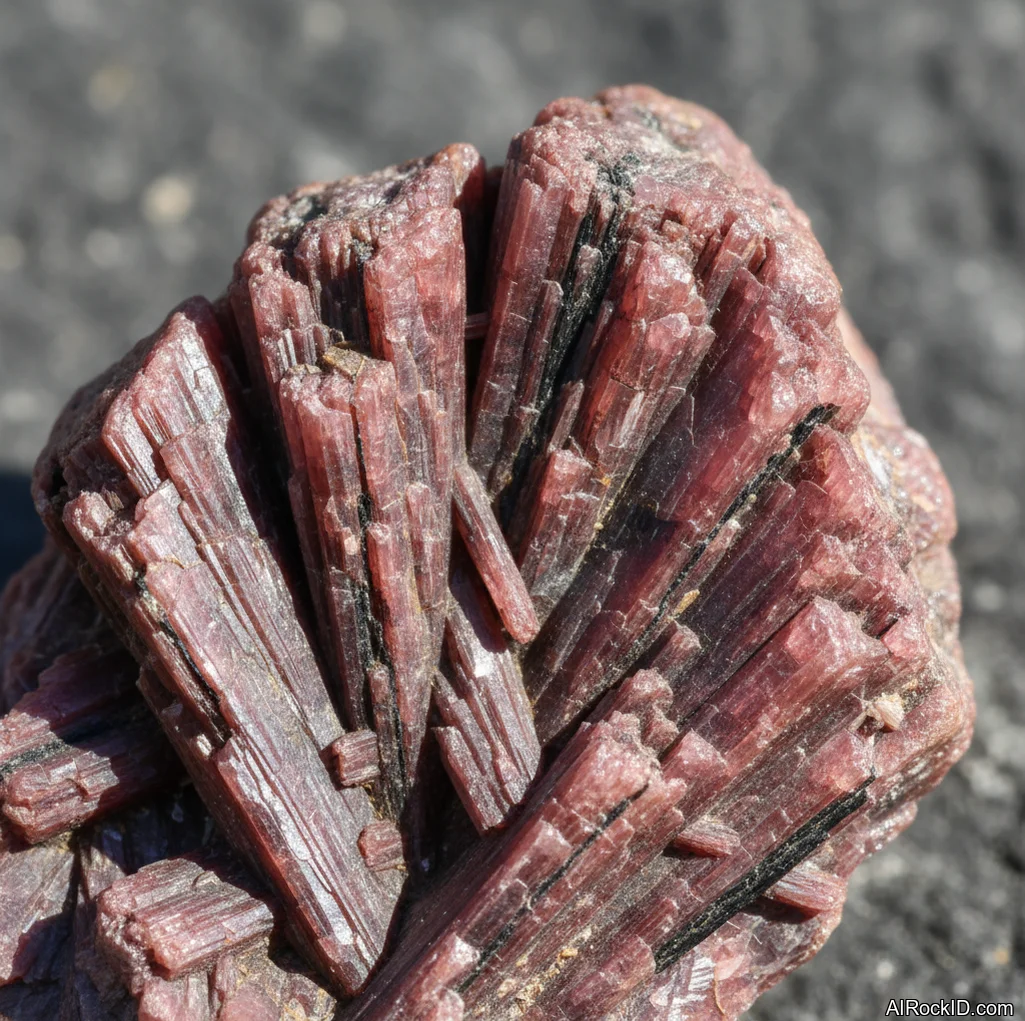
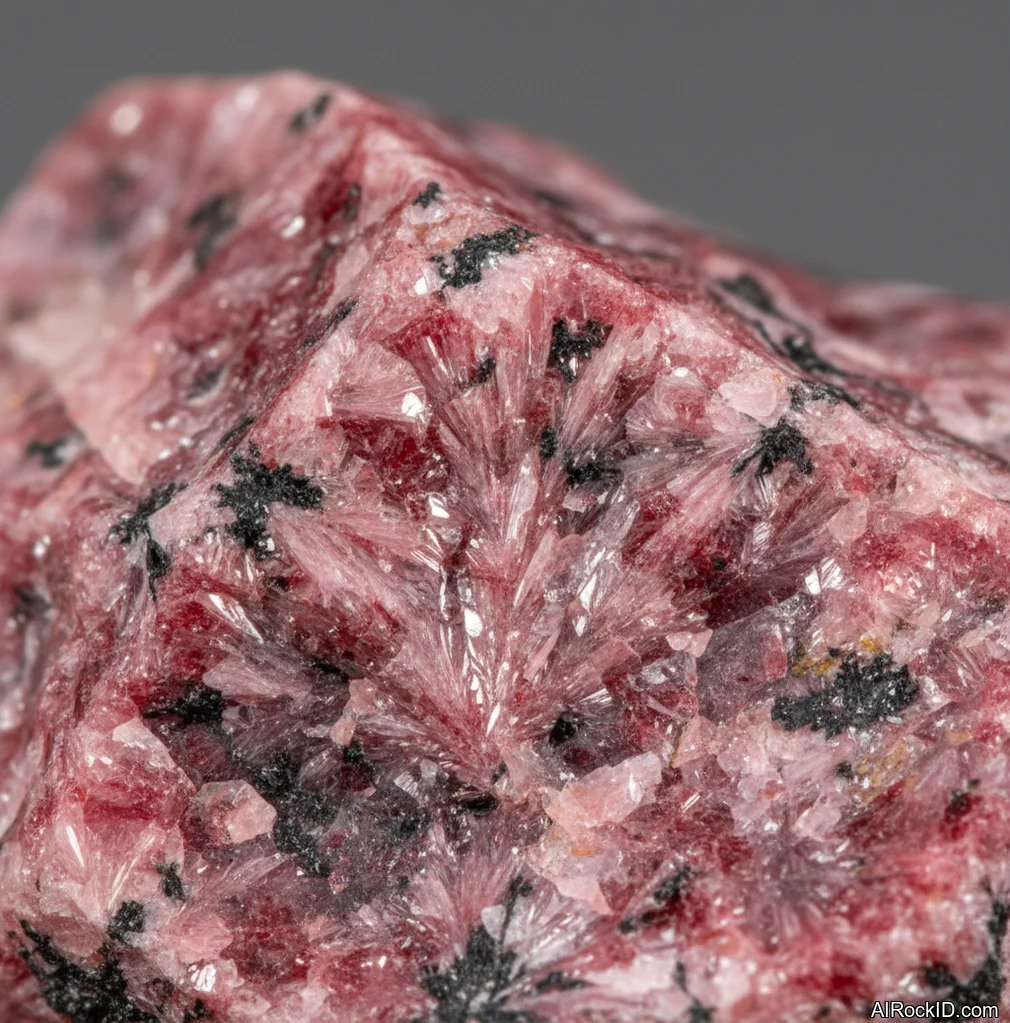
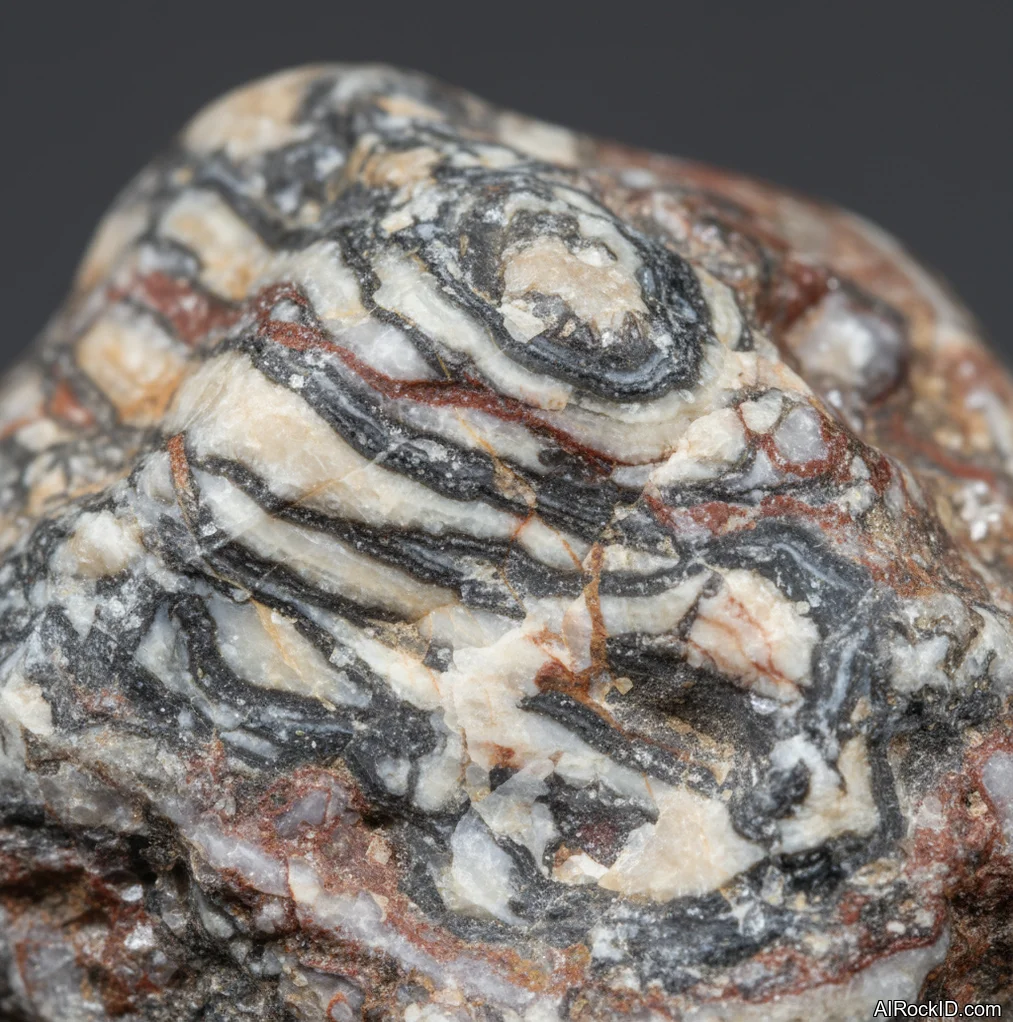
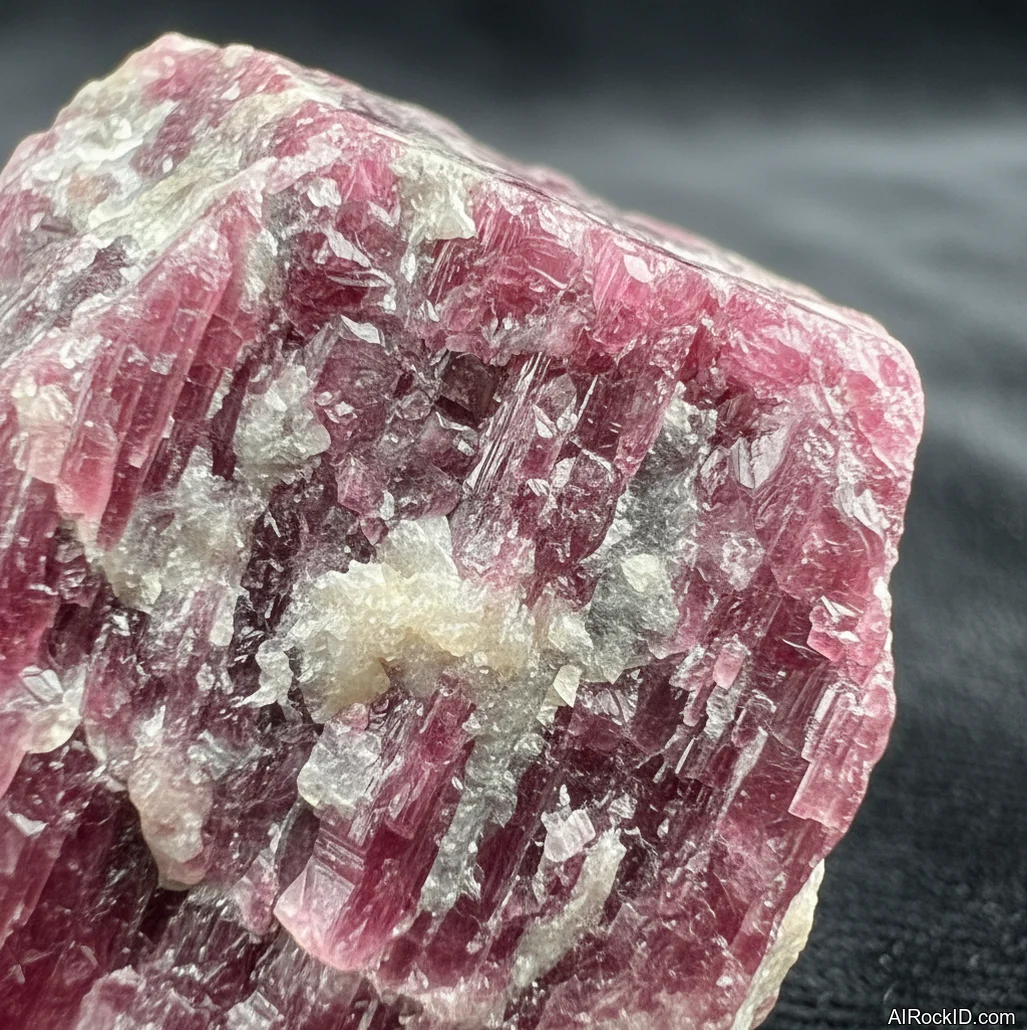
- Rhodonite: Typically pink to red with black manganese veining, unlike more translucent rose quartz.
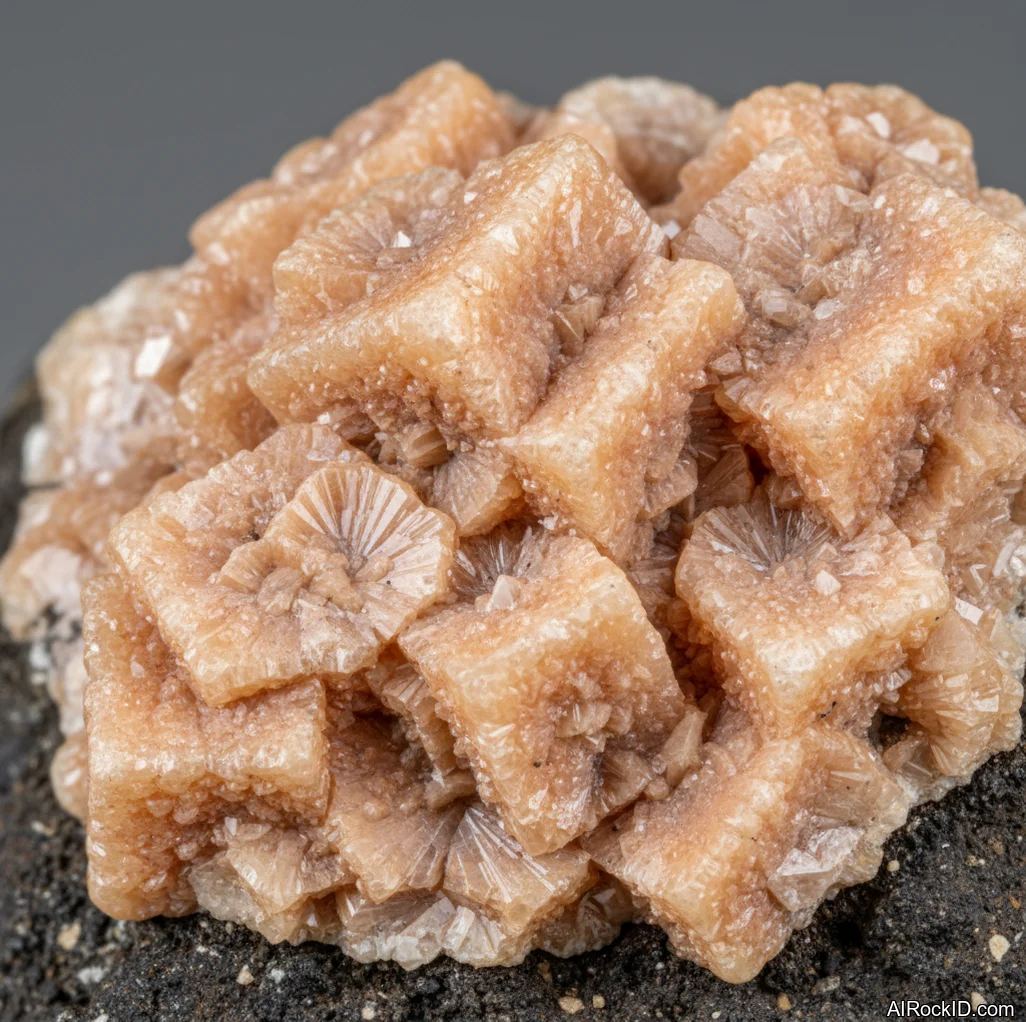
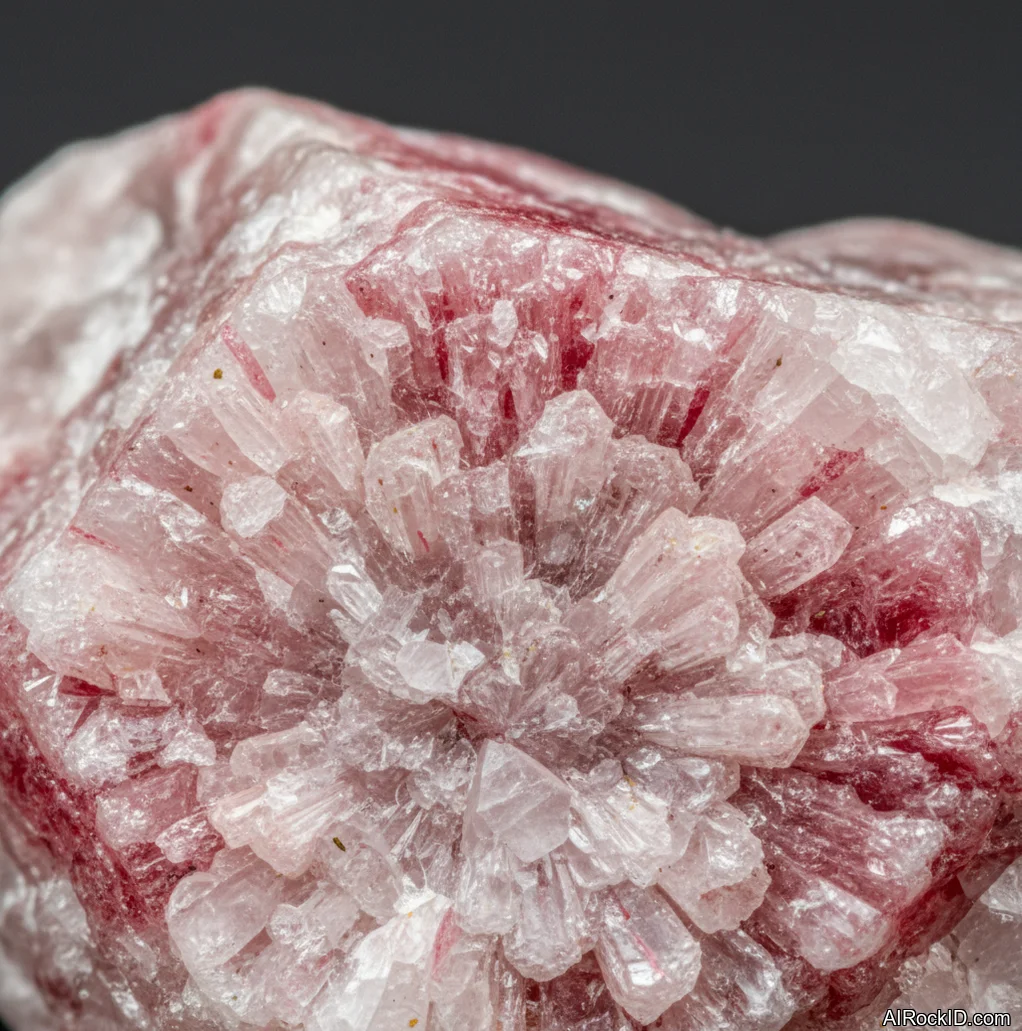
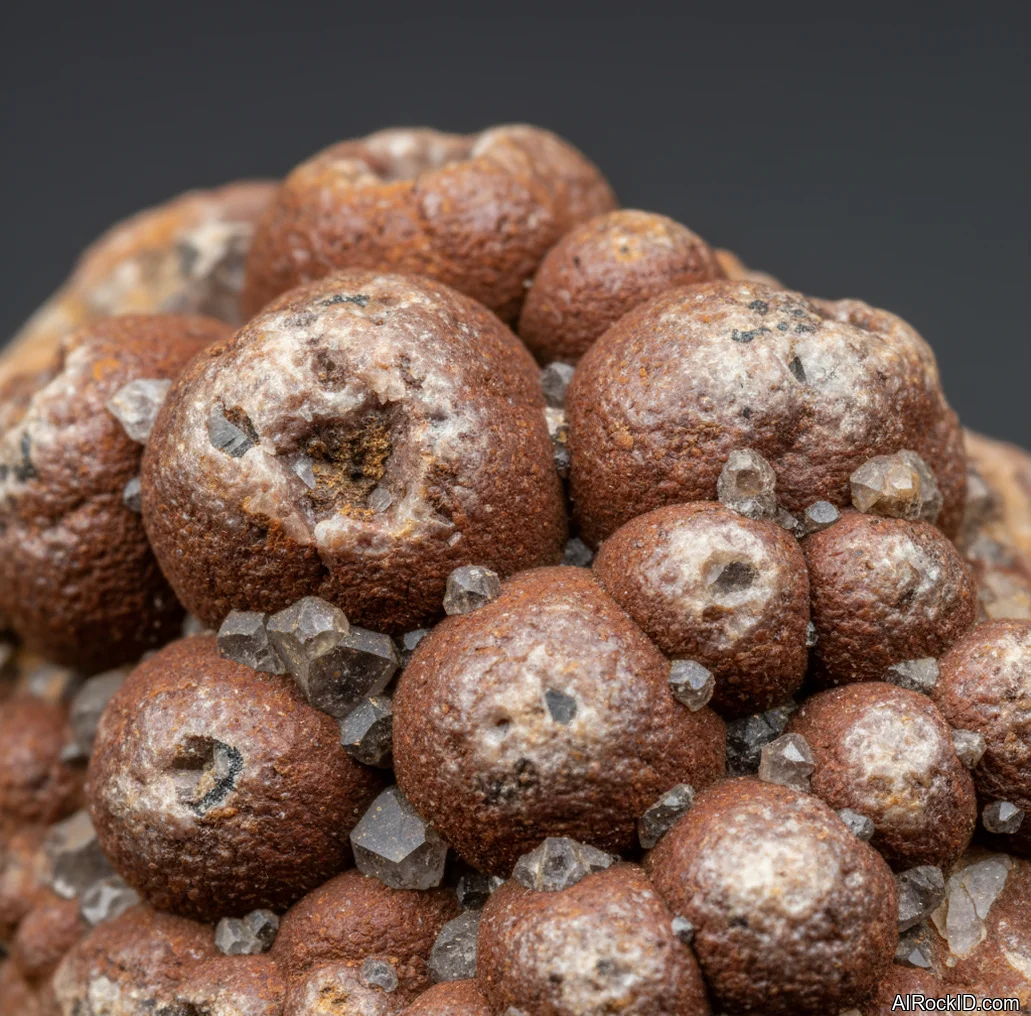
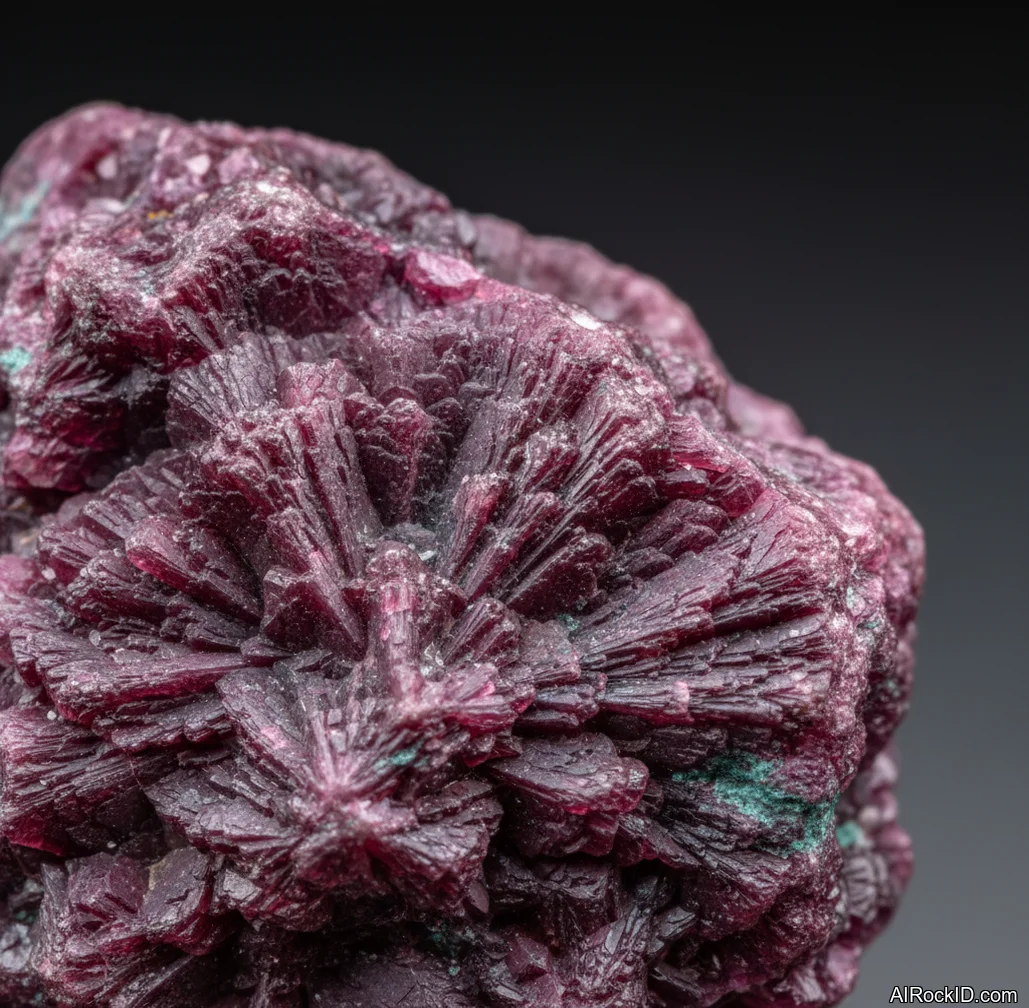
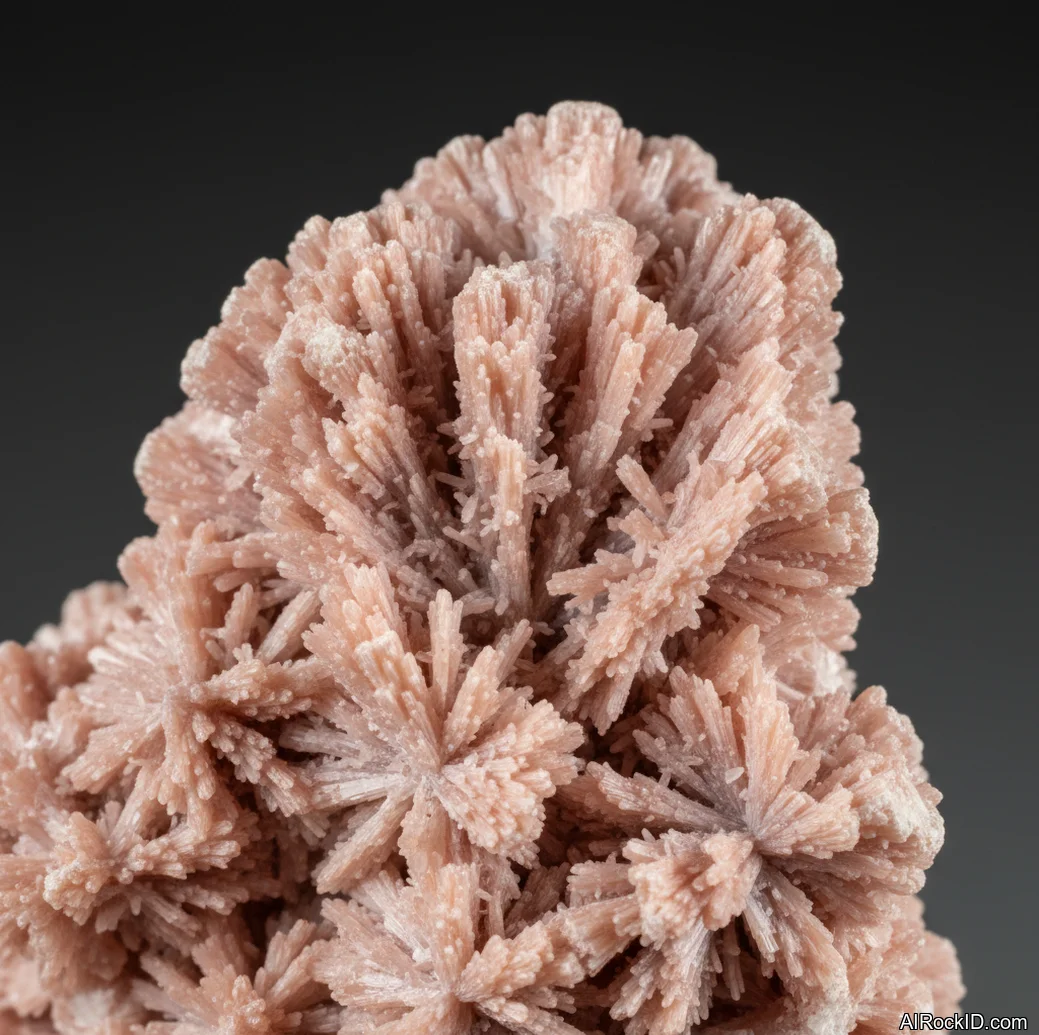
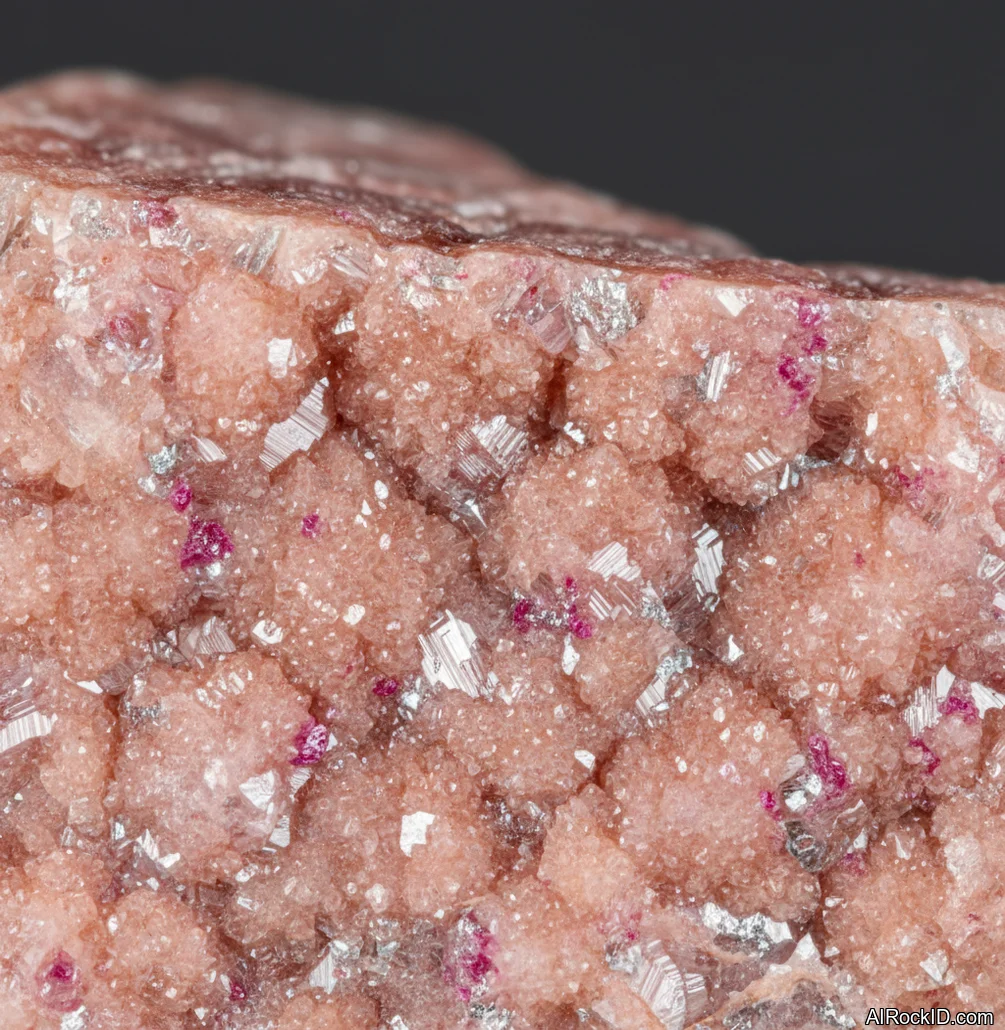
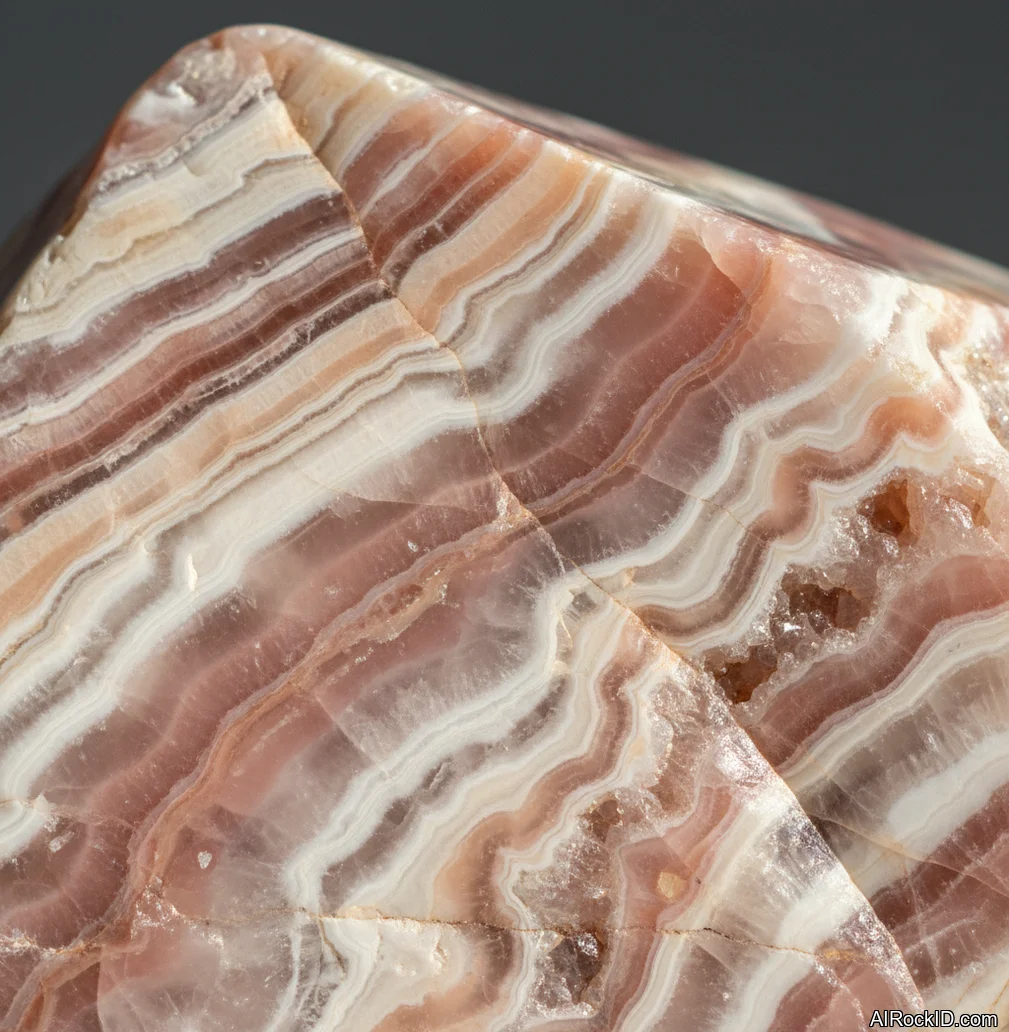
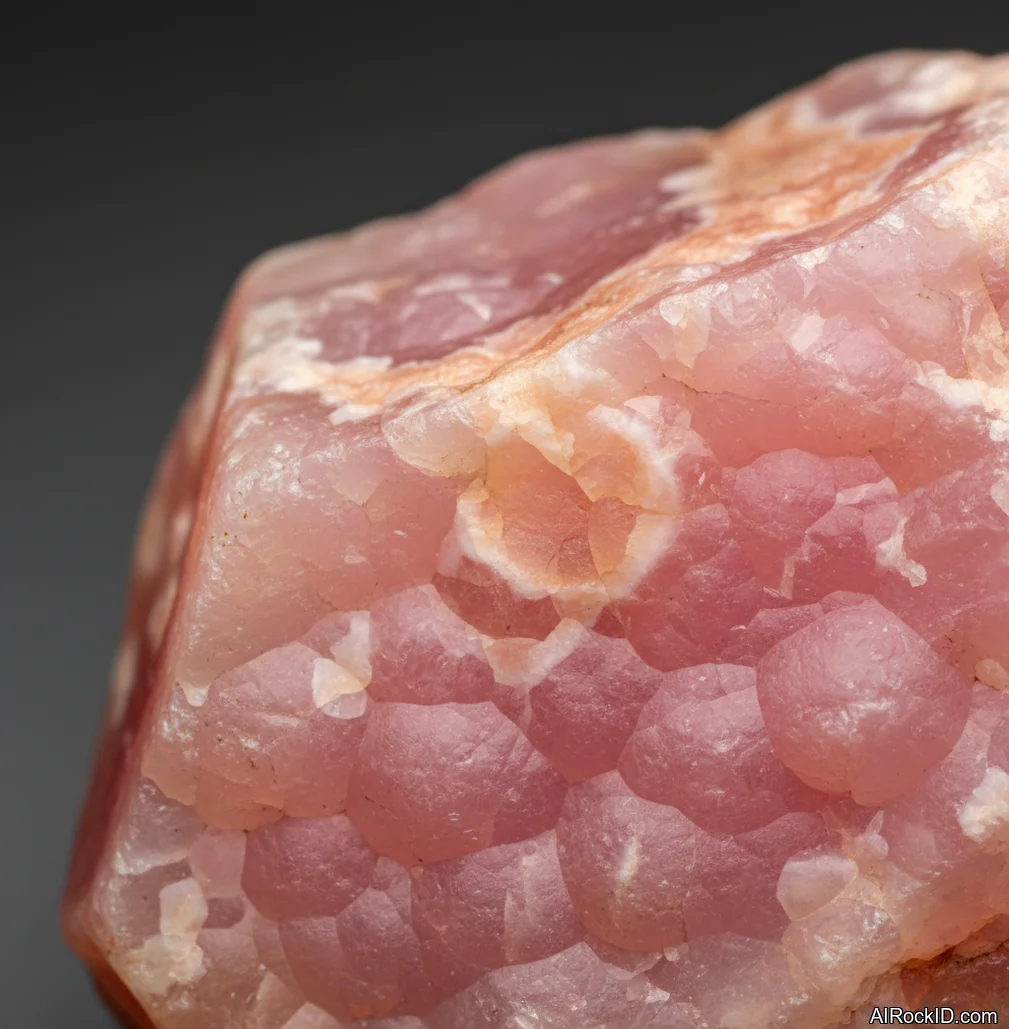
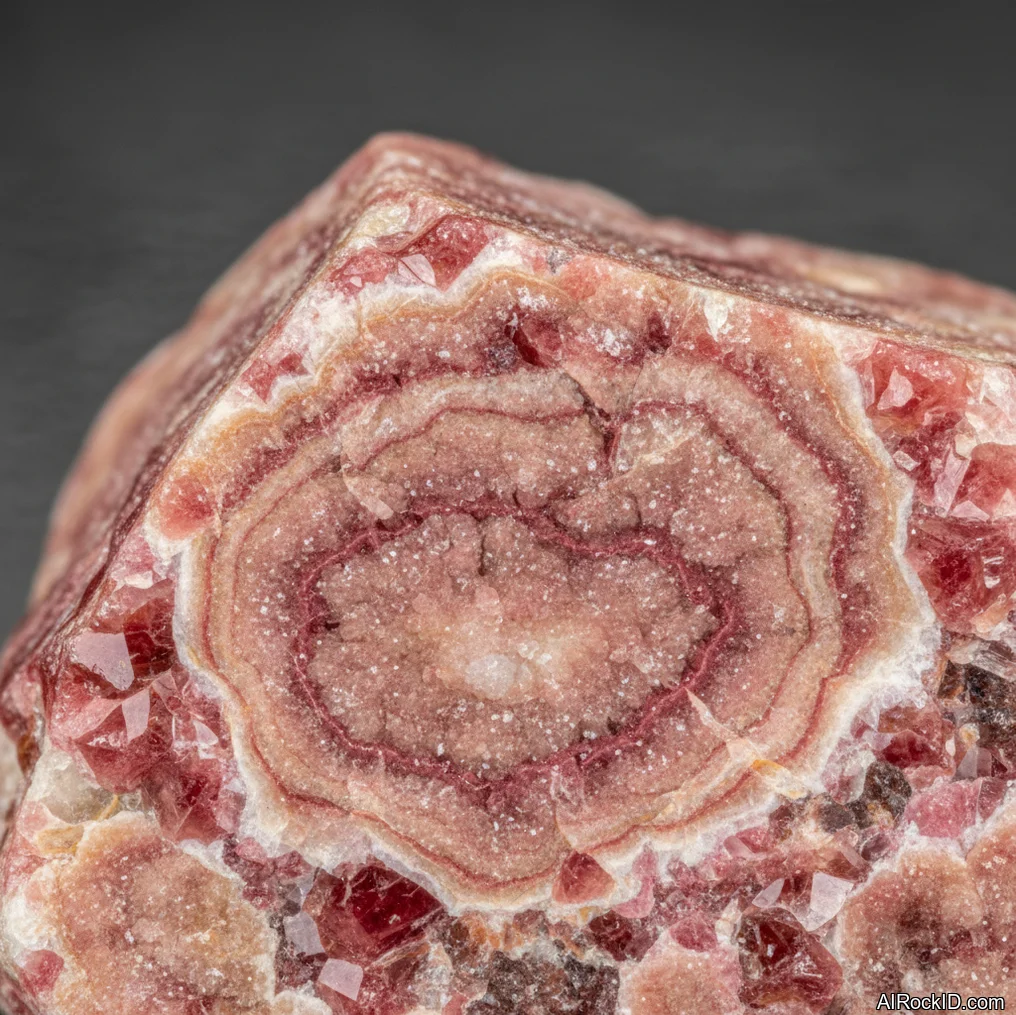
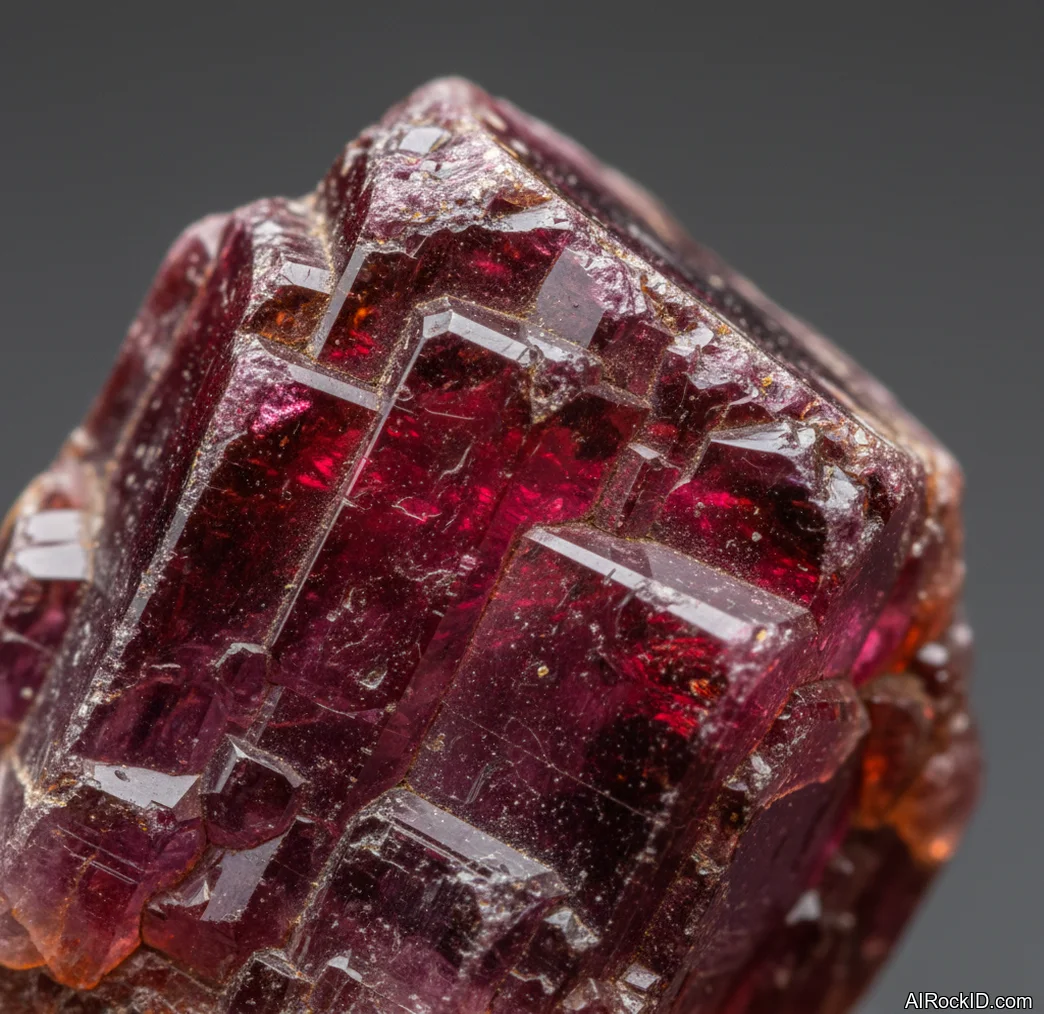
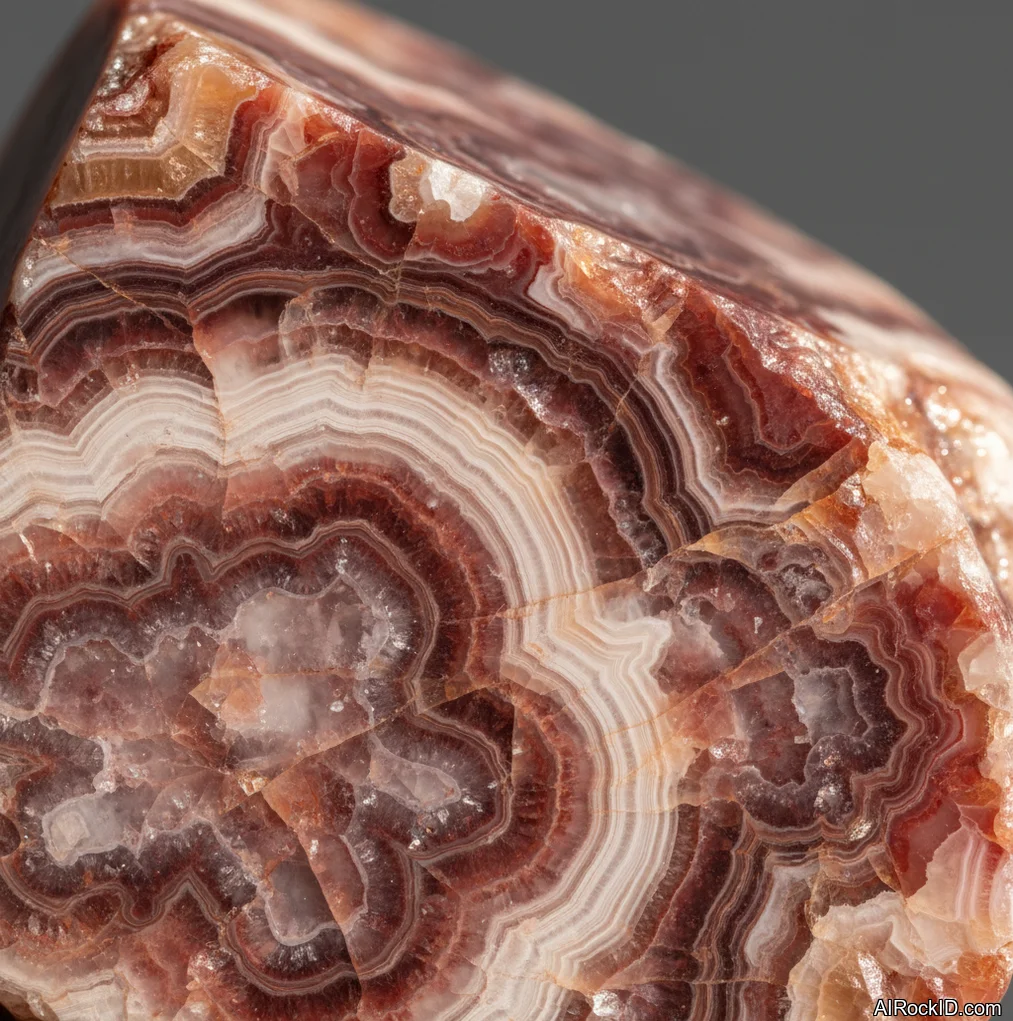
- Rhodochrosite: Often shows pink and white banding and is softer than quartz-based stones.
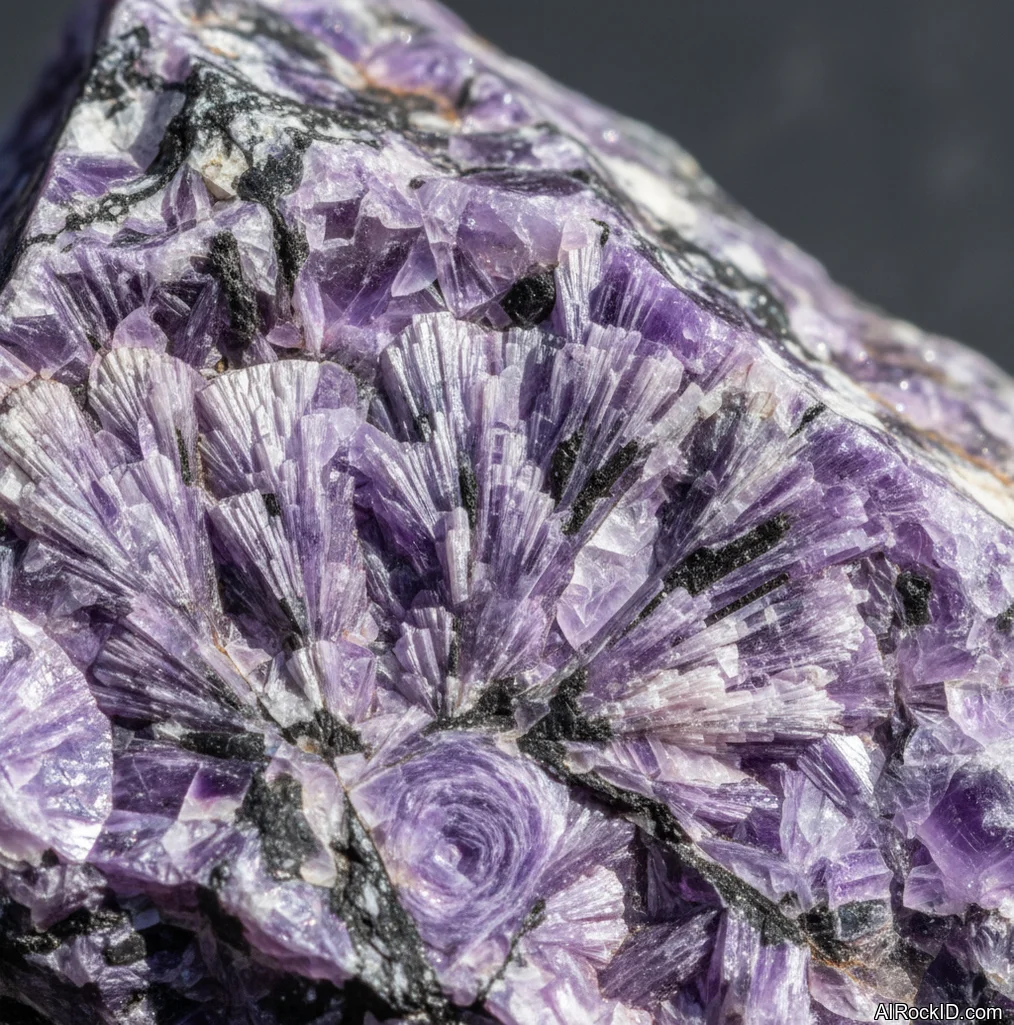
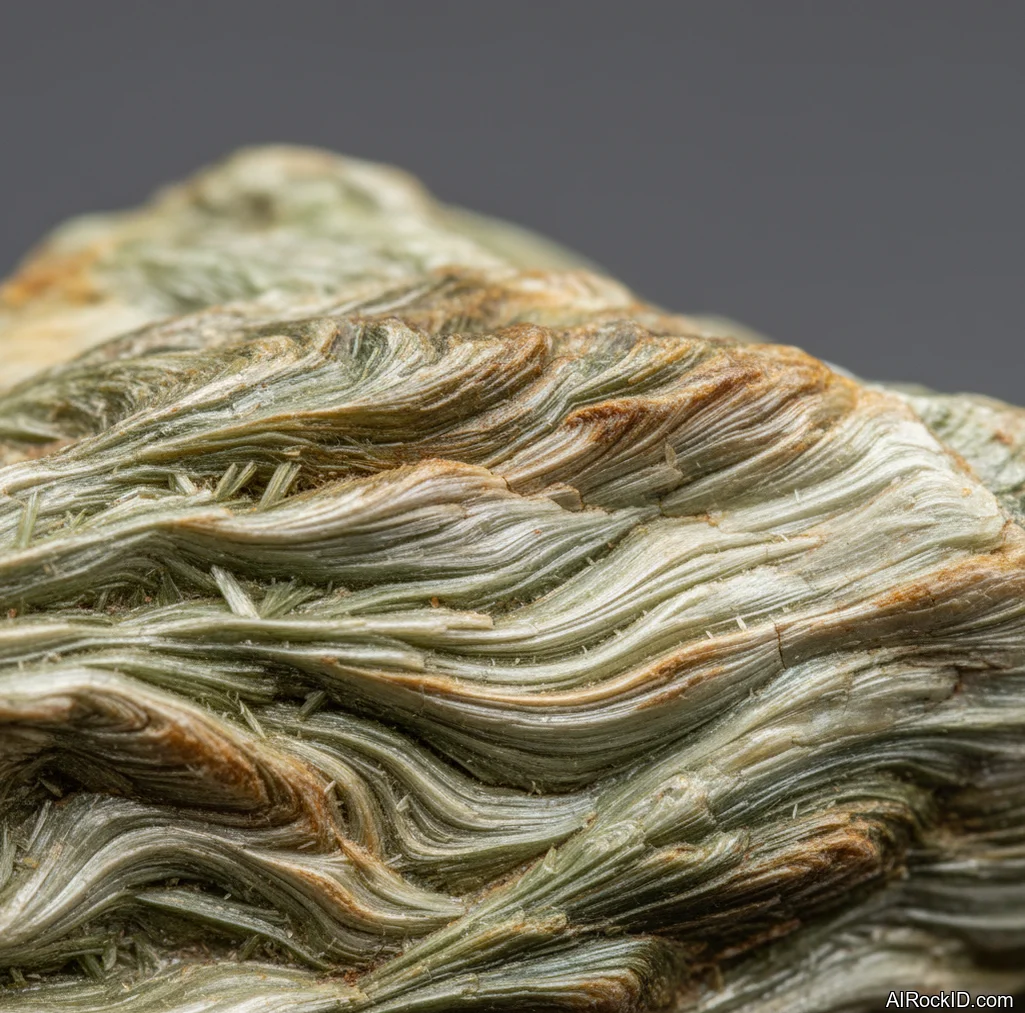
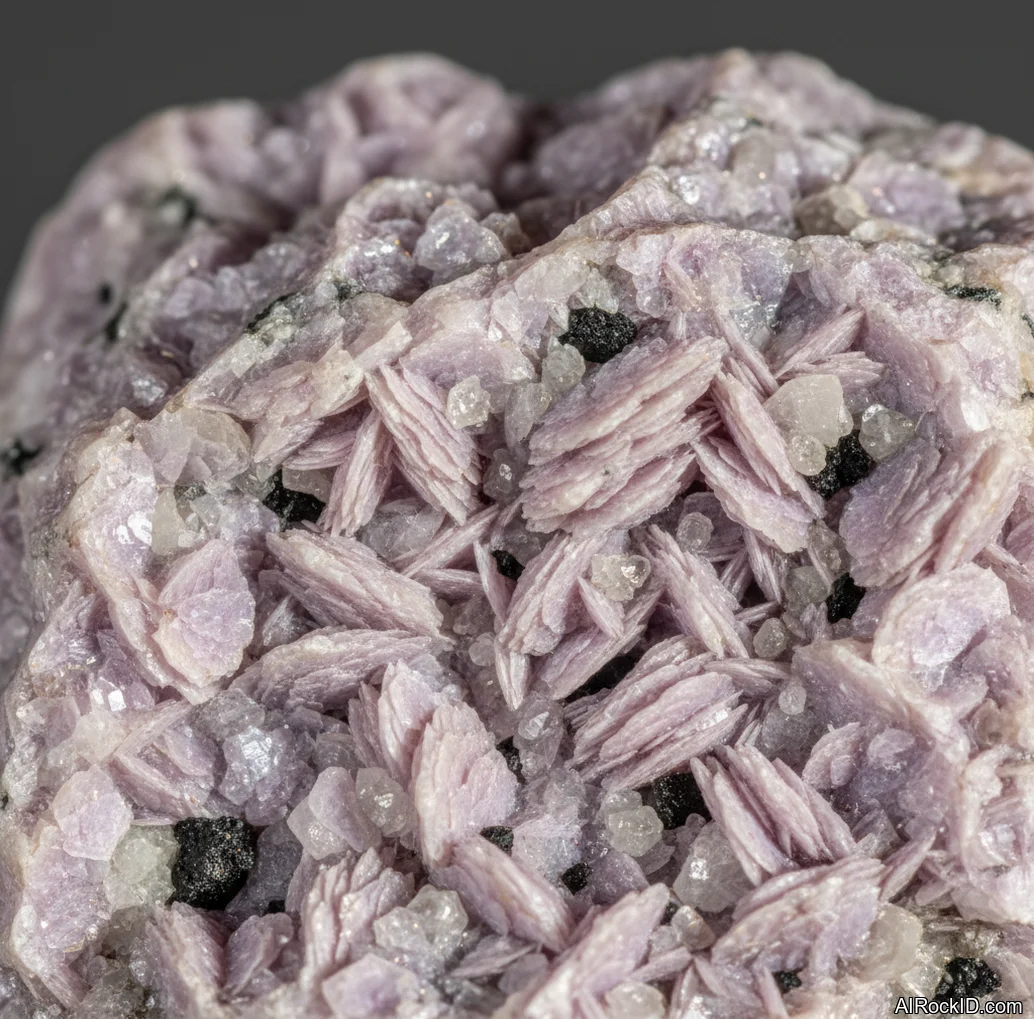
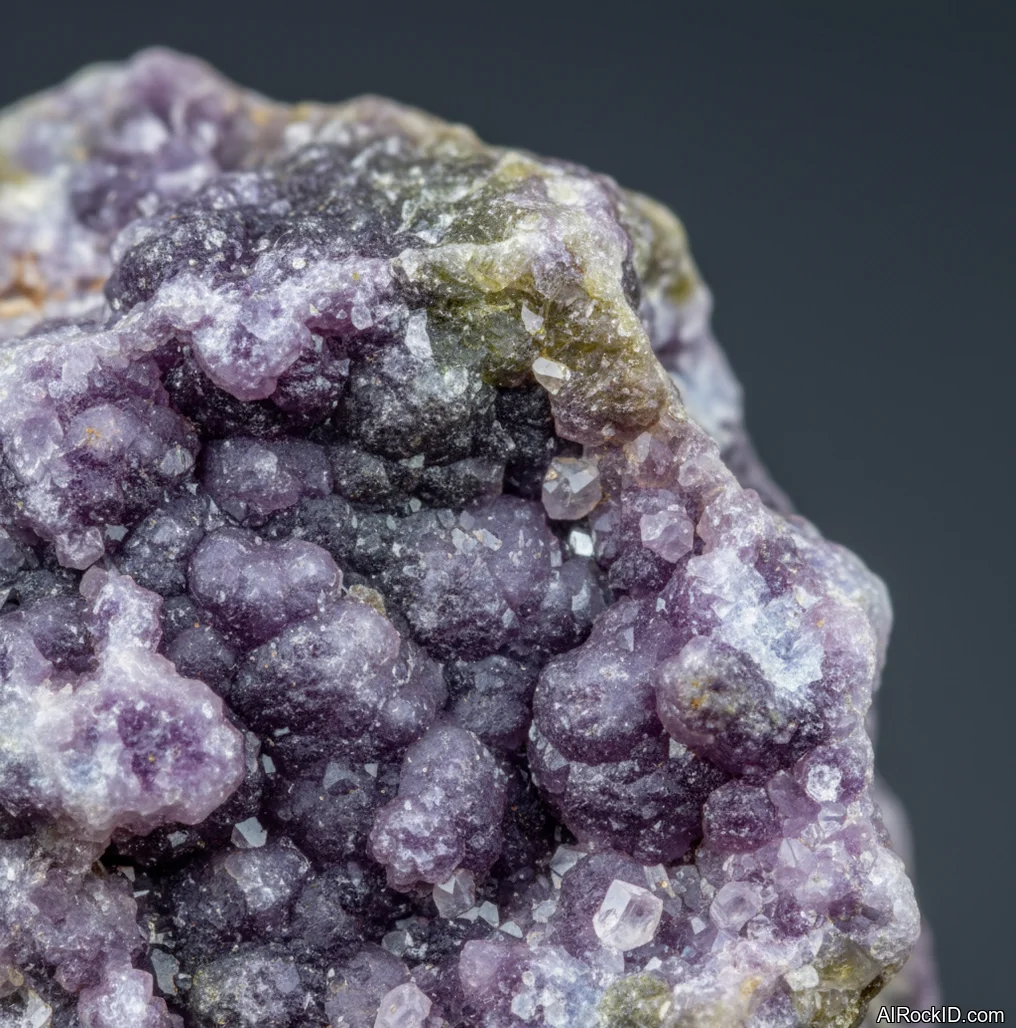
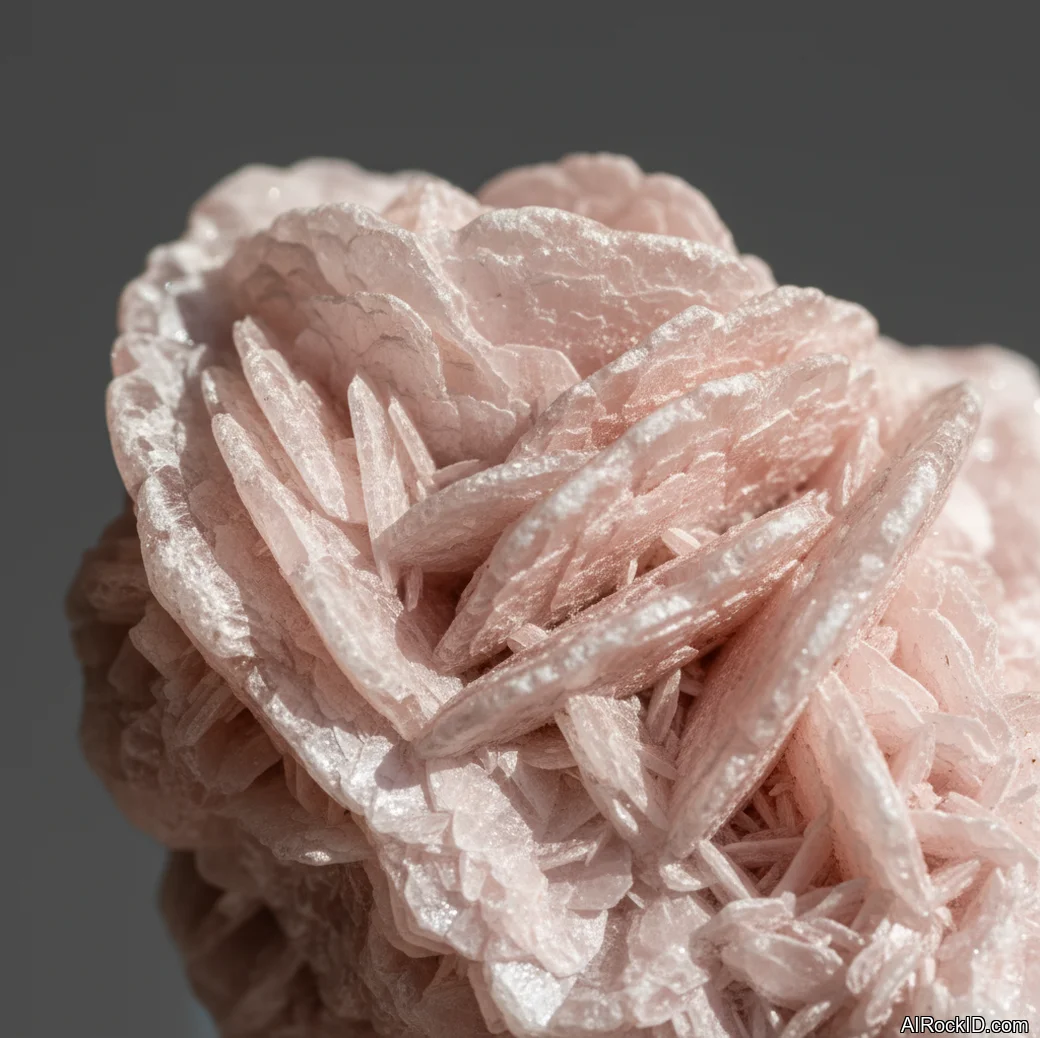
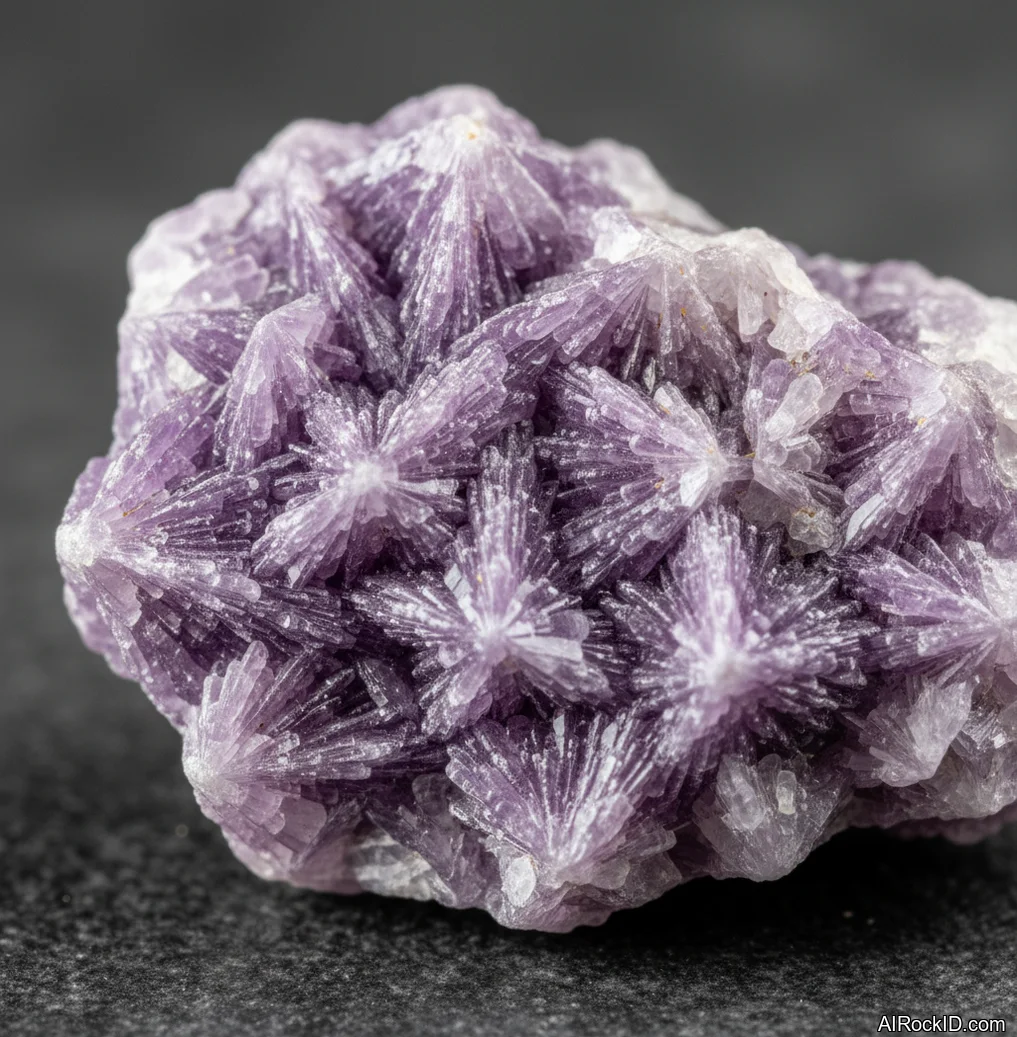
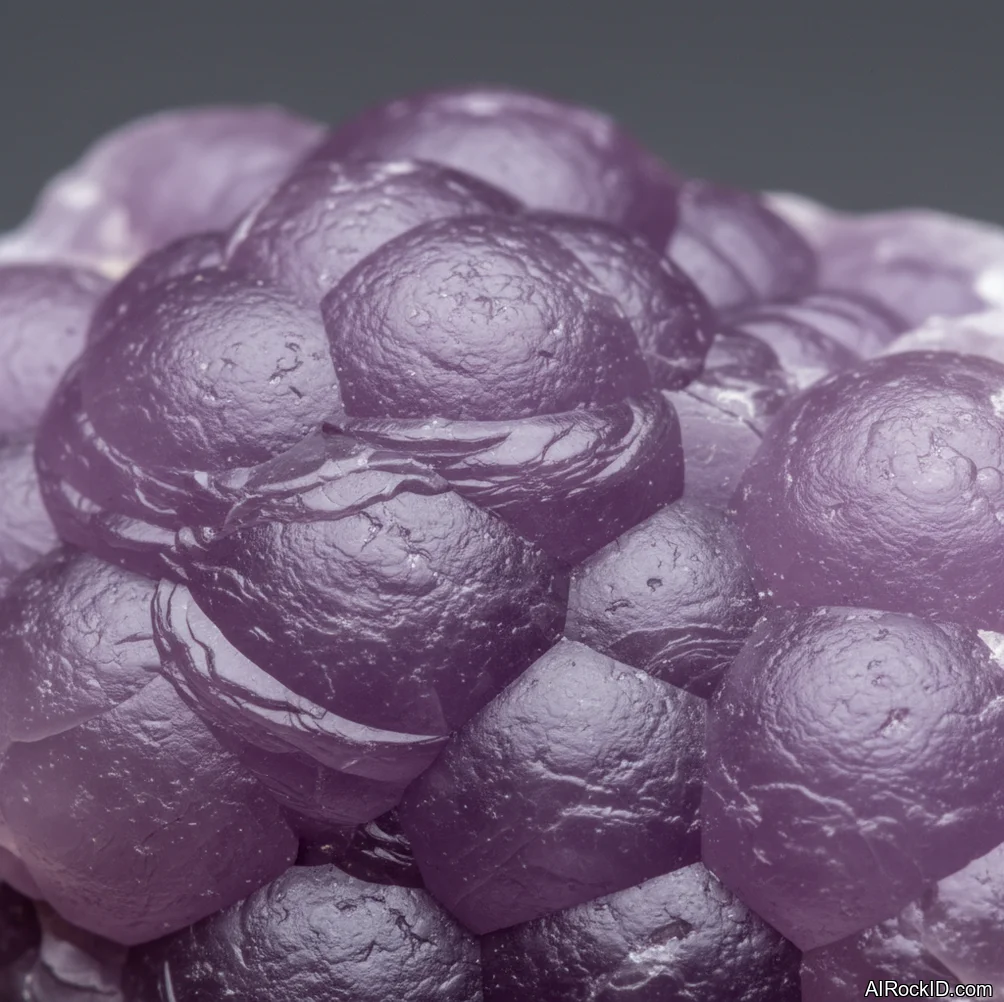
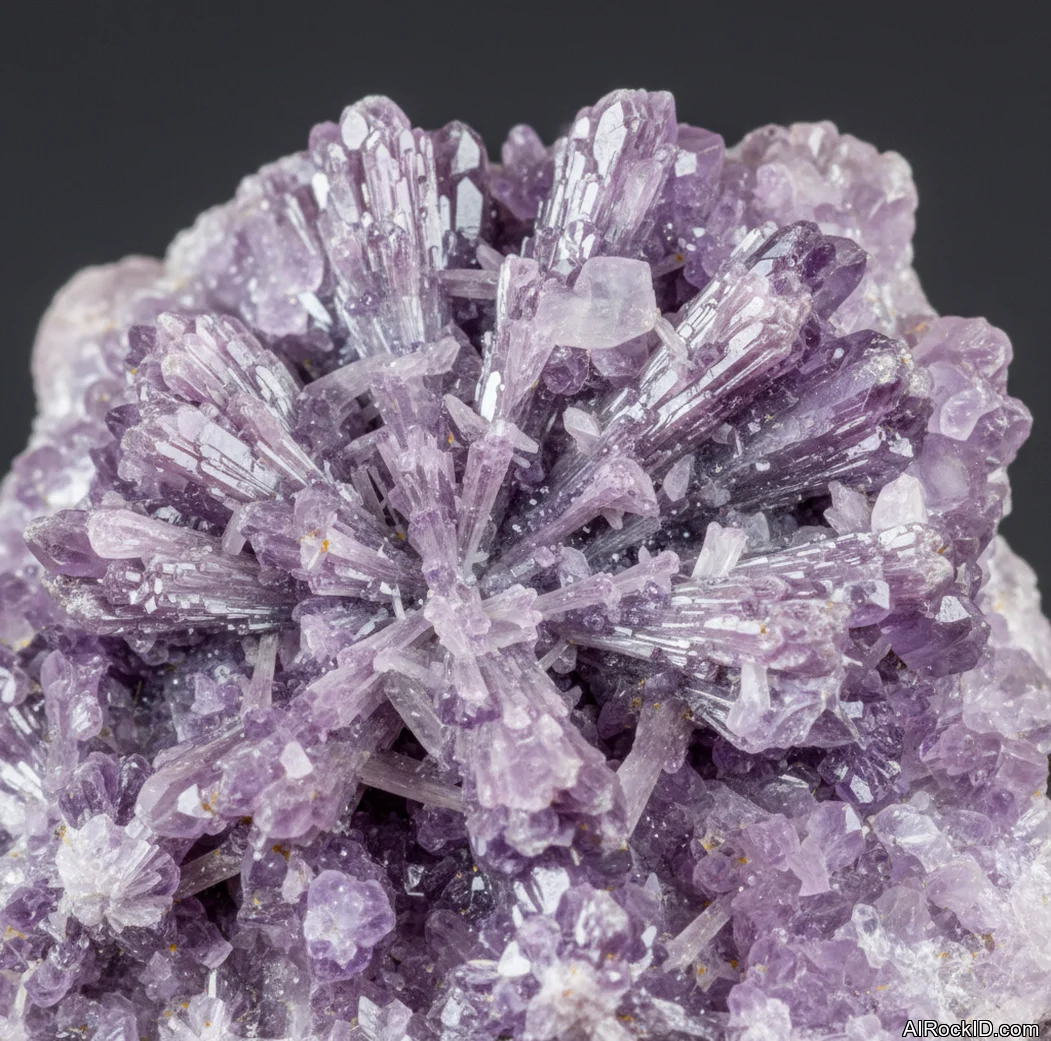
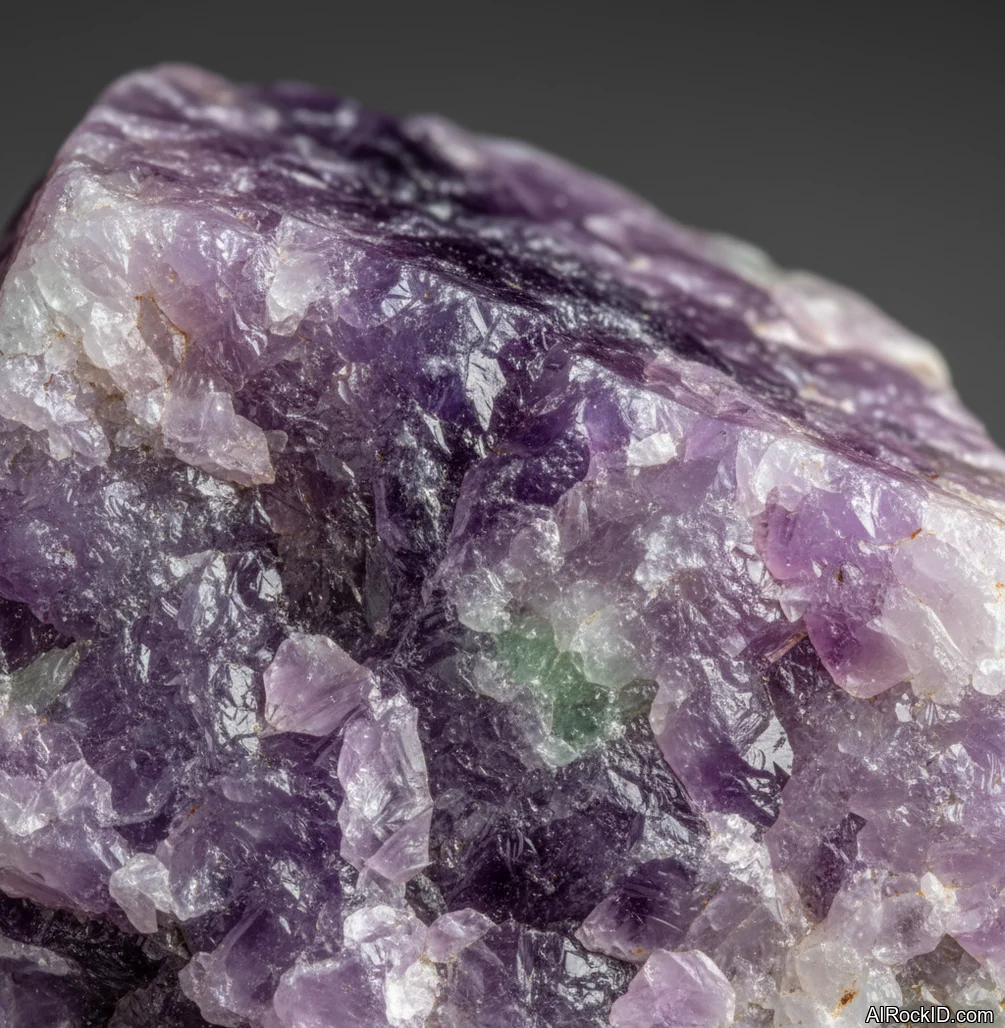
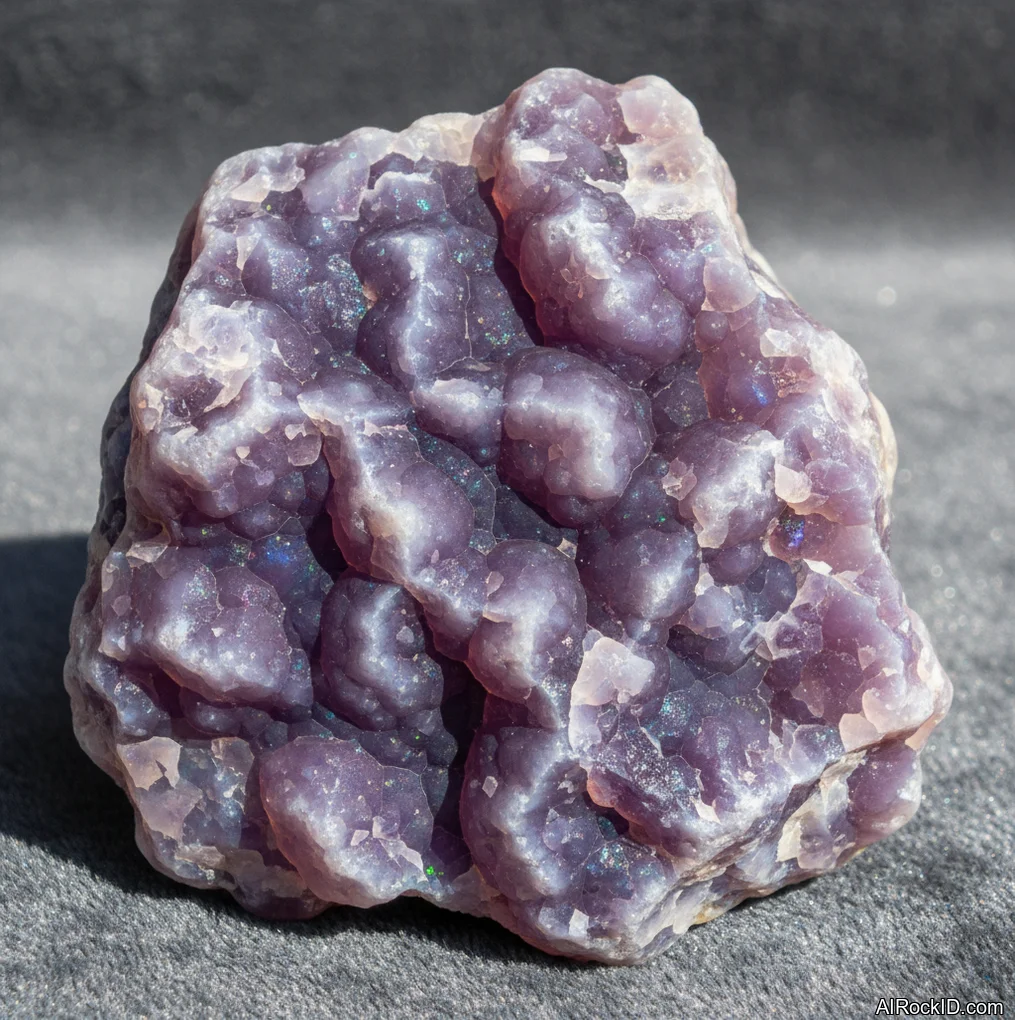
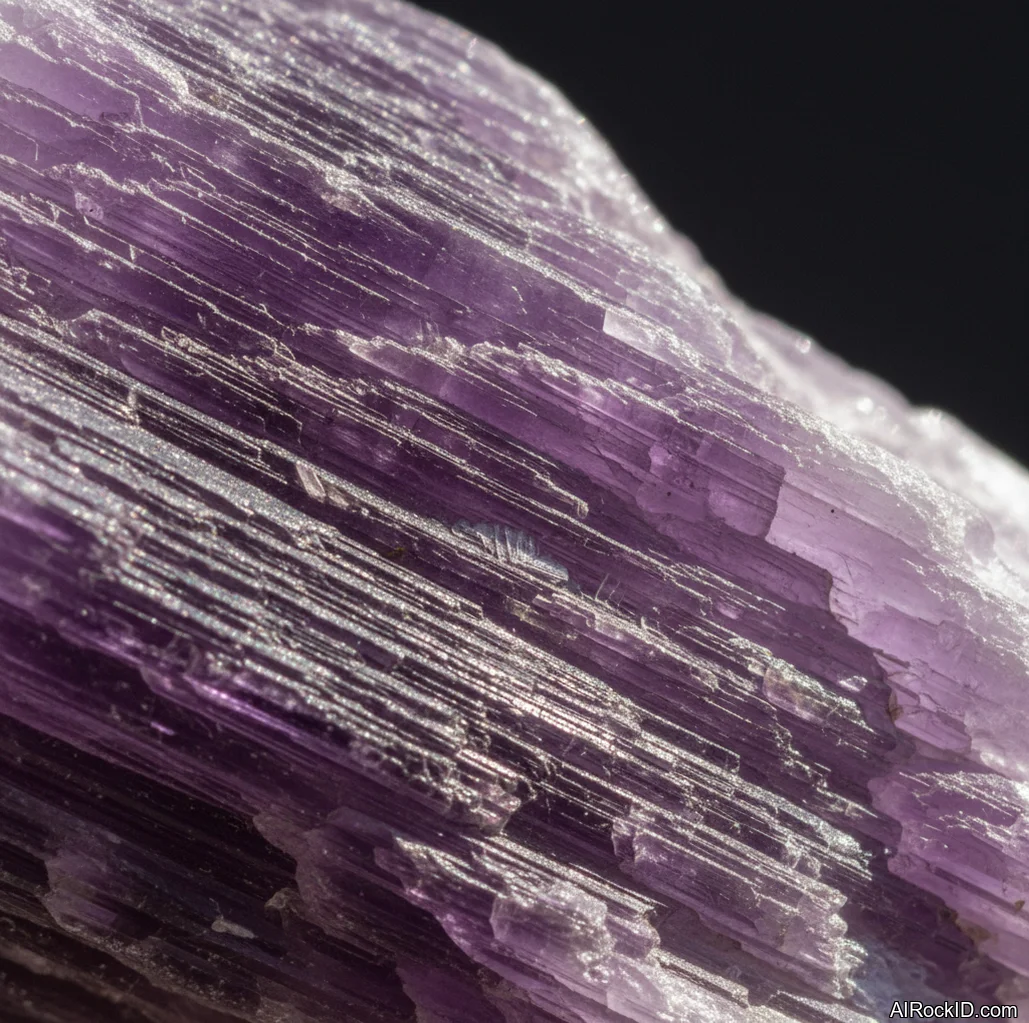
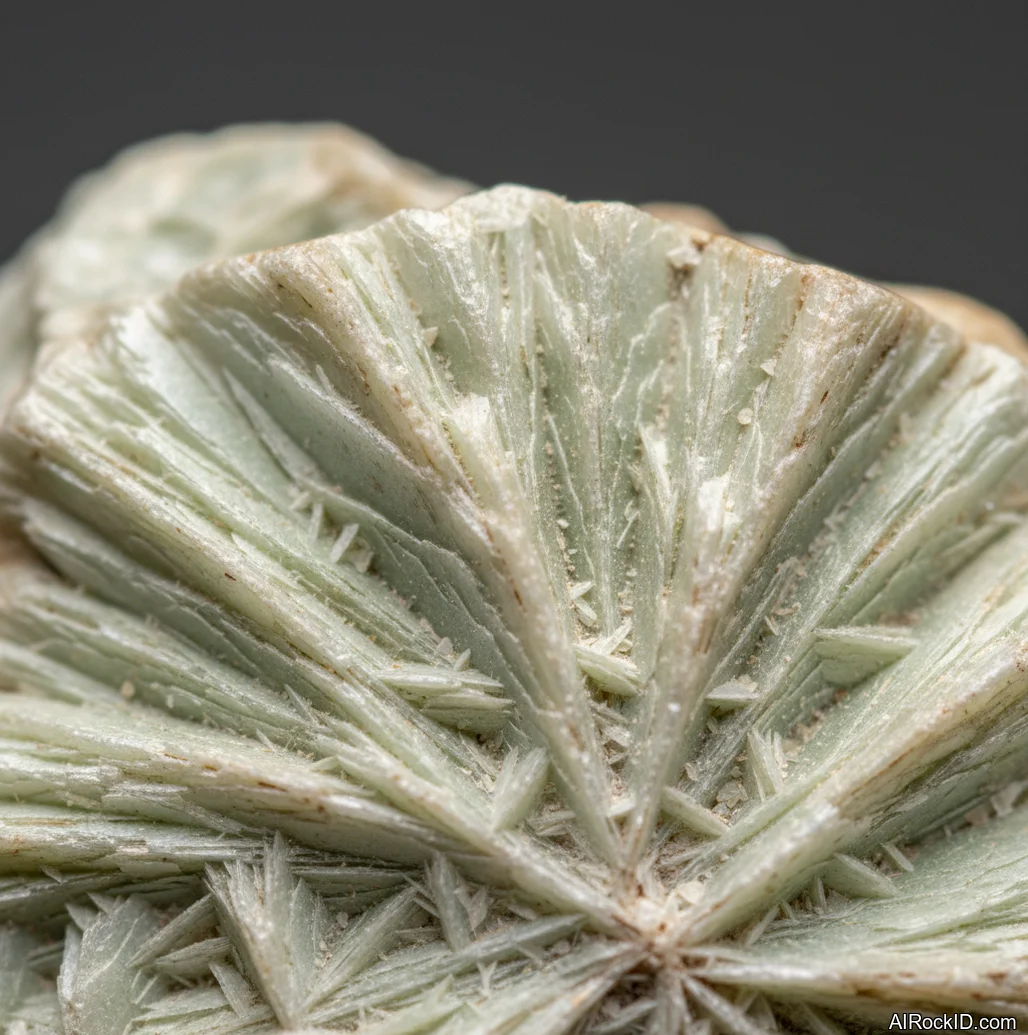
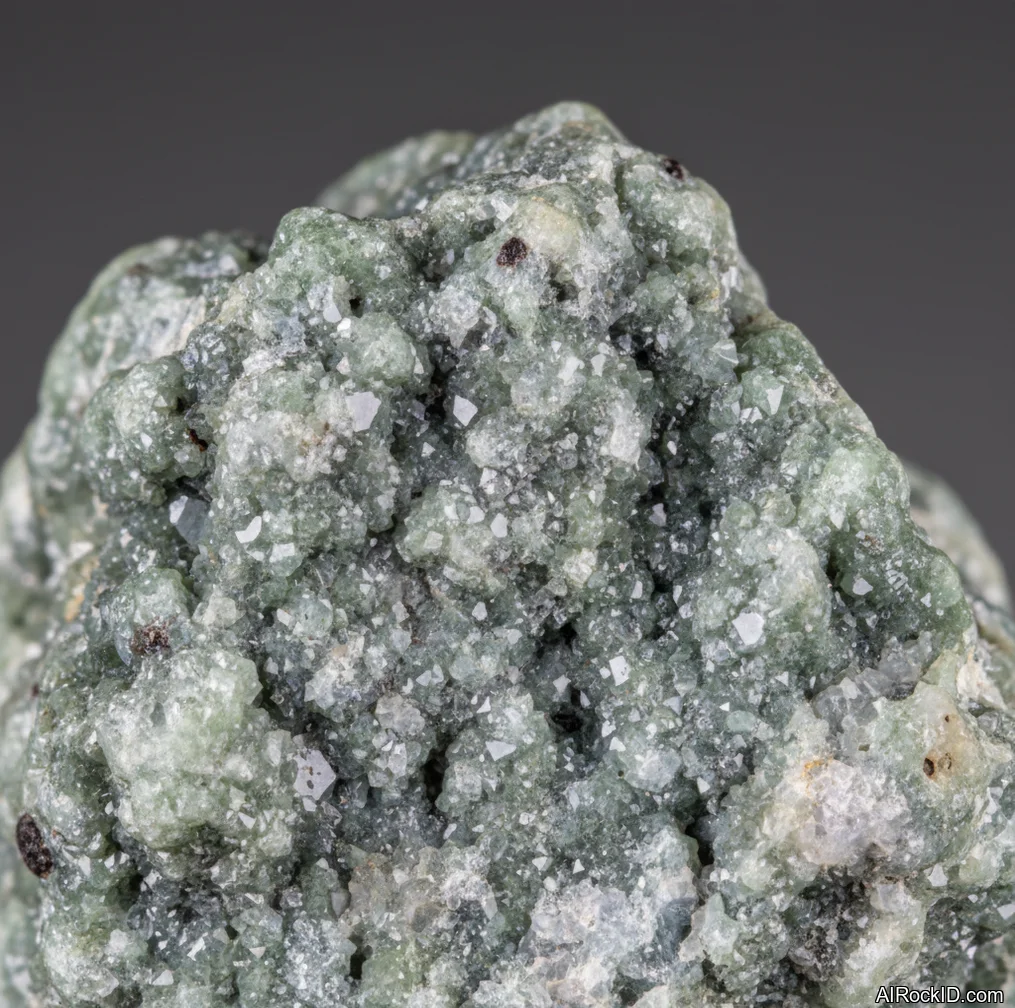
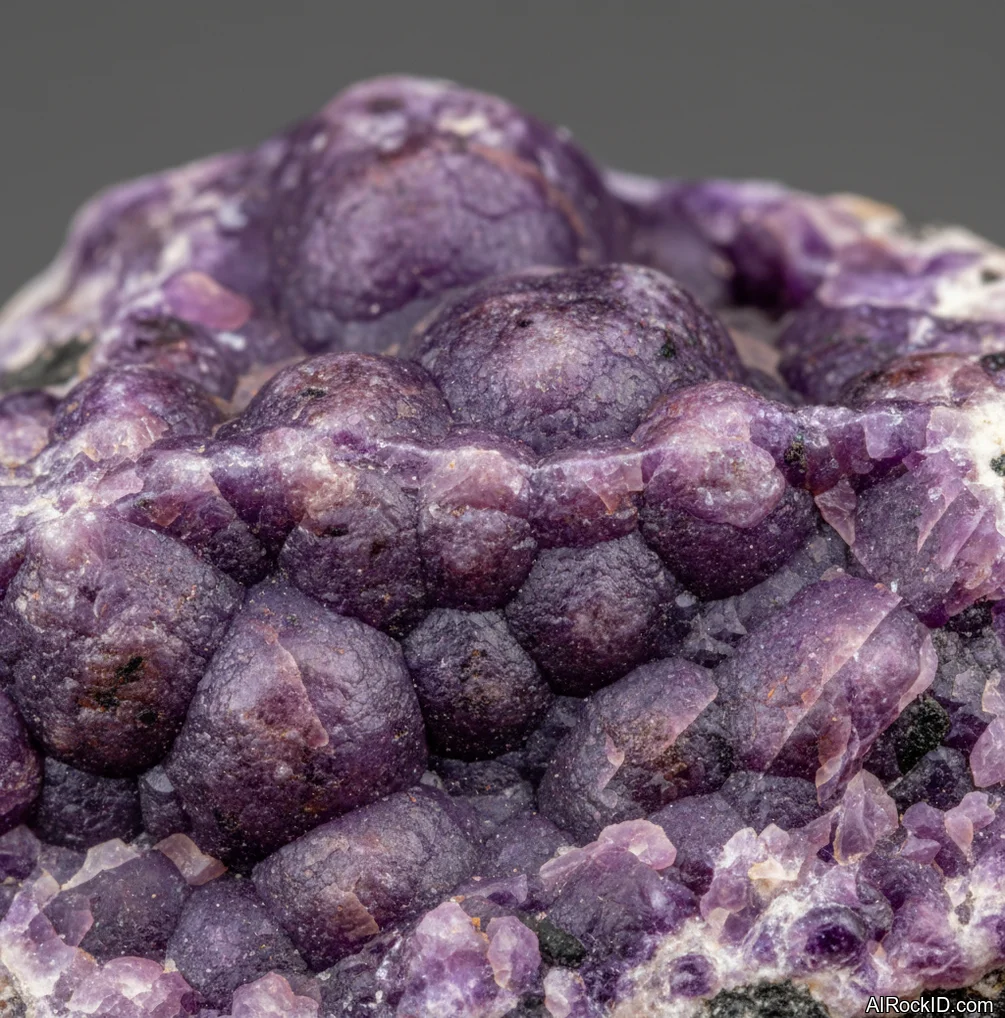
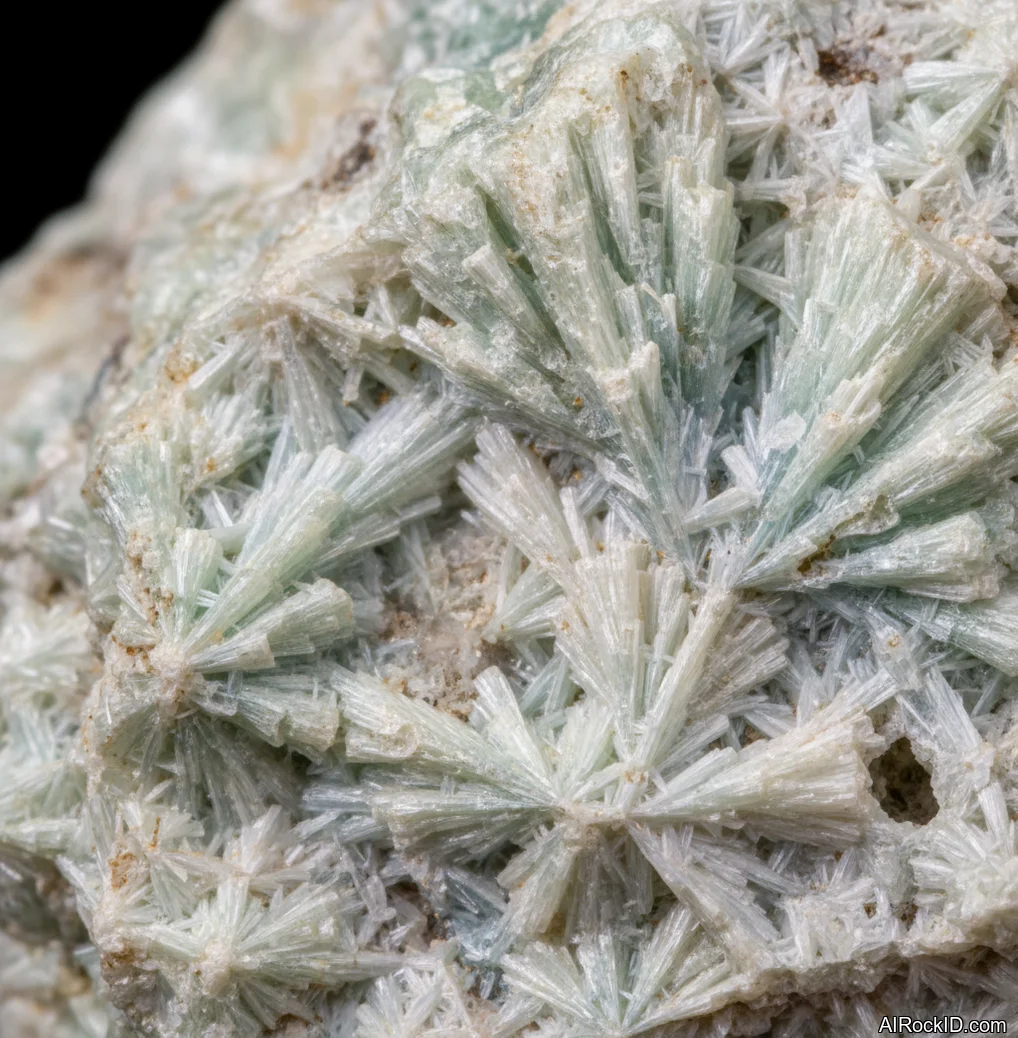
- Lepidolite: A lithium-bearing mica with pearly cleavage, not a hard purple quartz like amethyst.
AI identification confidence
AI identification is often more reliable when the photo shows natural color, surface texture, transparency, cleavage, and multiple angles. Confidence may be lower for tumbled stones, dyed material, polished beads, or crystals with similar color families.
When AI gets it wrong
- A polished stone has lost natural crystal faces, cleavage, or matrix clues
- Lighting makes pale pink, lavender, gray, or blue stones appear more saturated than they are
- The specimen is dyed, heat-treated, coated, or made of glass
- Several minerals share the same color and need hardness, streak, or density checks
What this category represents
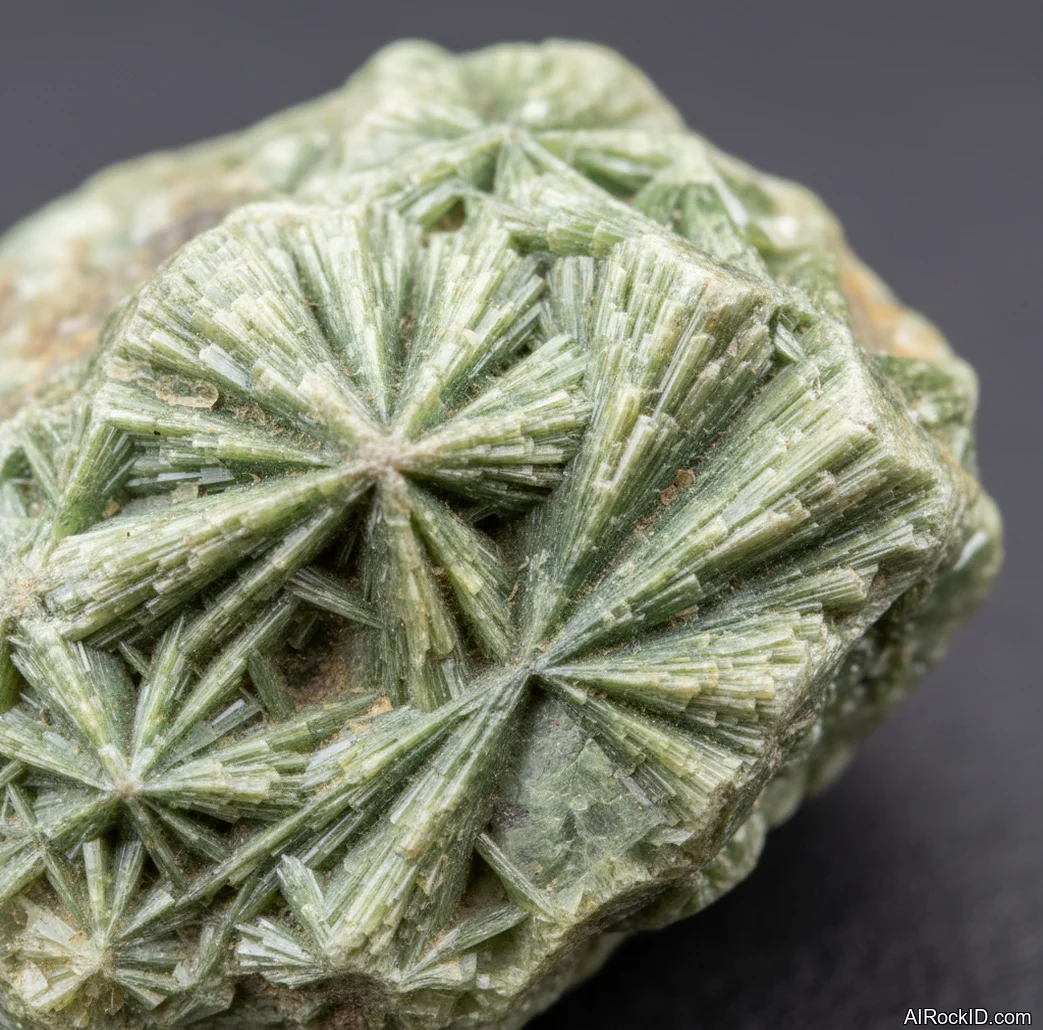
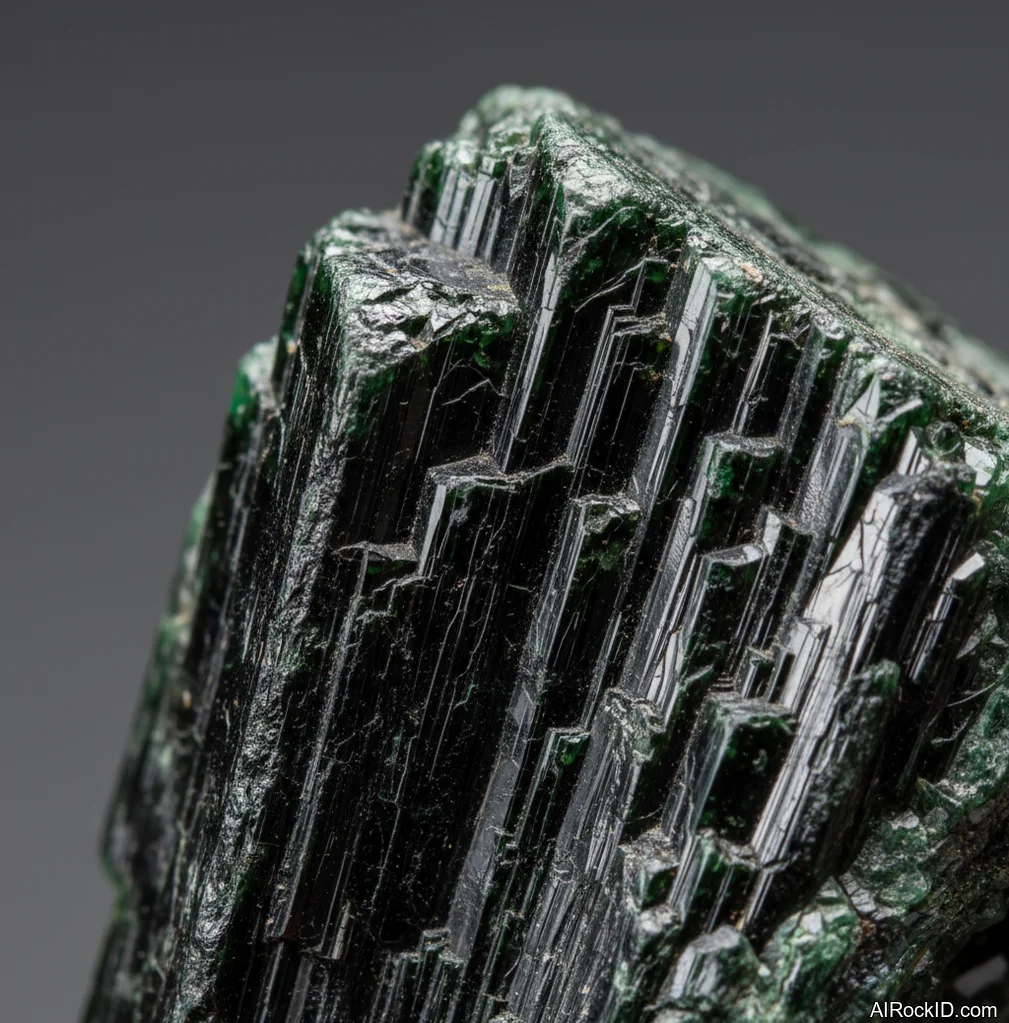
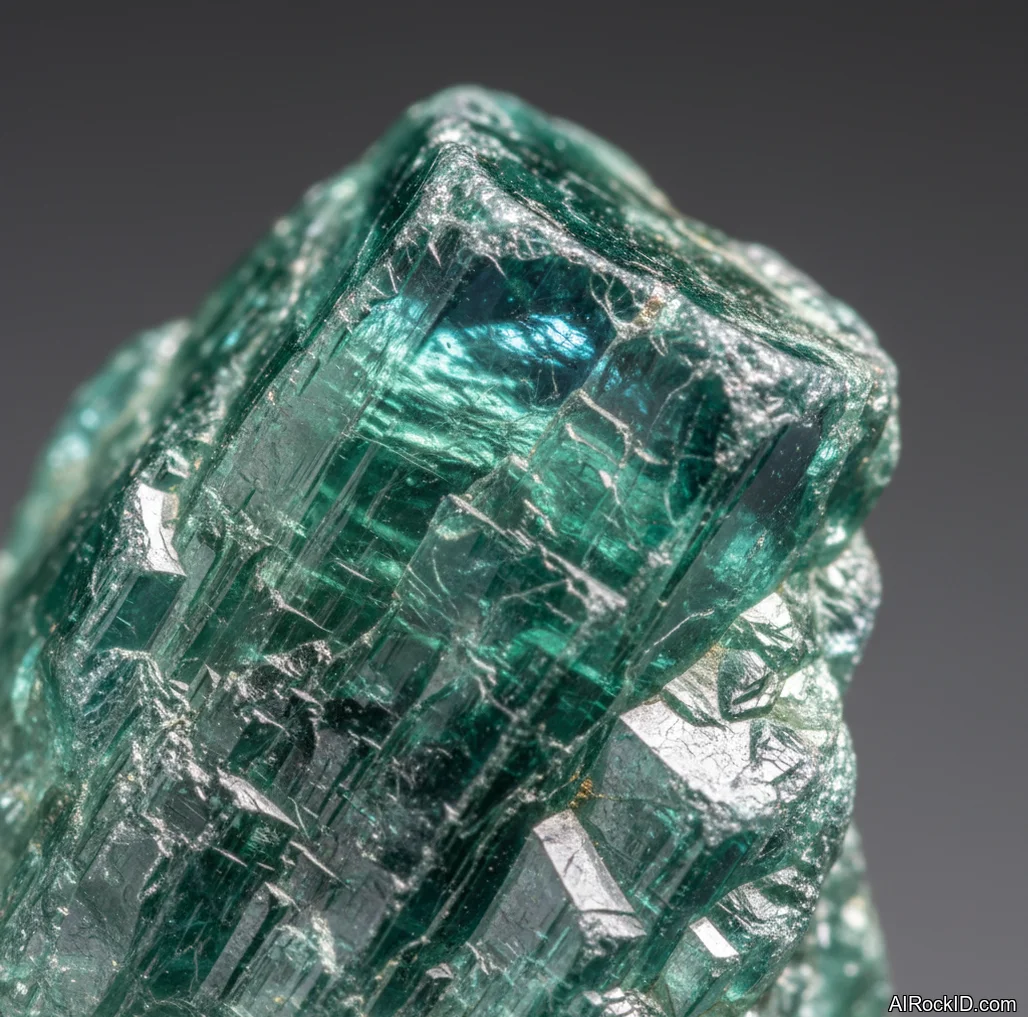
The Emotional Healing Crystals tag groups minerals and rocks that are traditionally associated with comfort, compassion, calm, release, or emotional balance in crystal healing practices. The tag is based on cultural and metaphysical associations, while each stone should still be identified by observable mineral properties such as color, hardness, luster, and structure.
Beginner recommendations
Advanced recommendations
Emotional Healing Crystals by Color Family
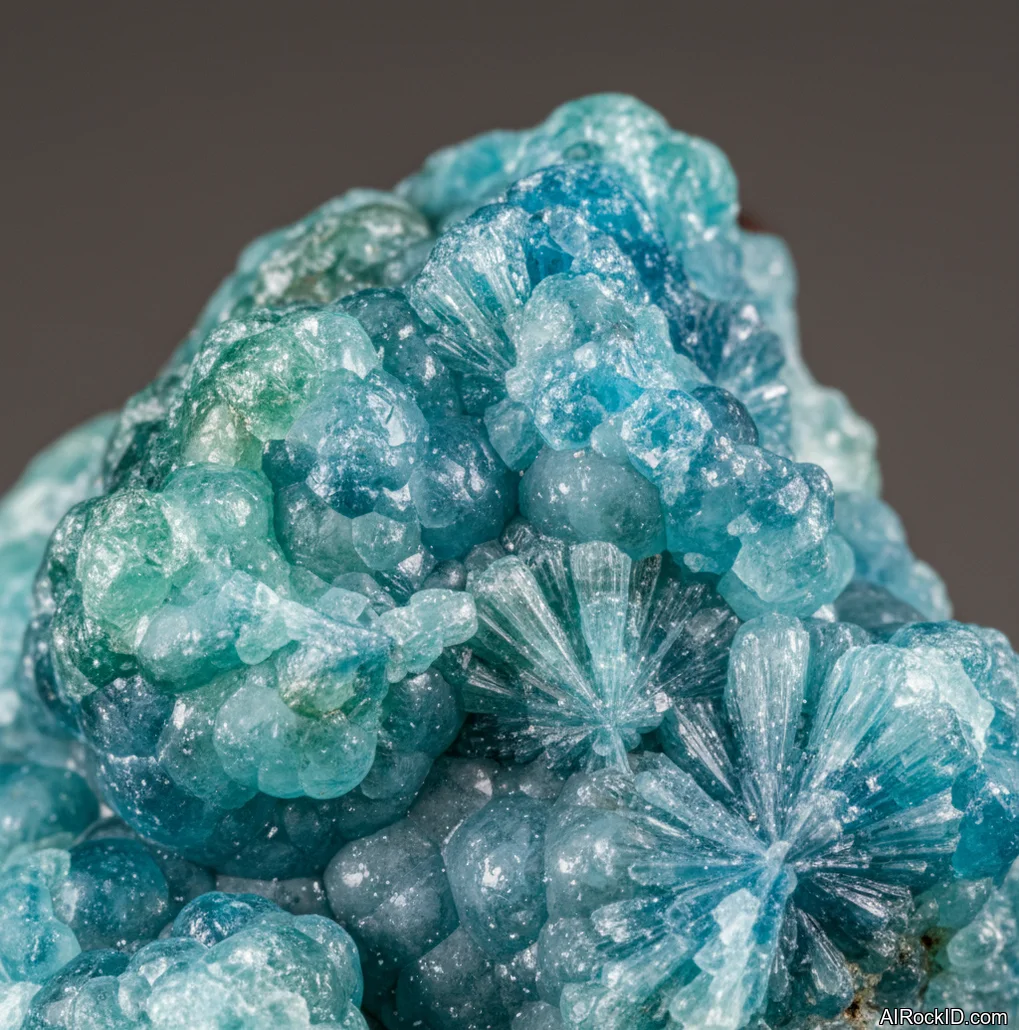
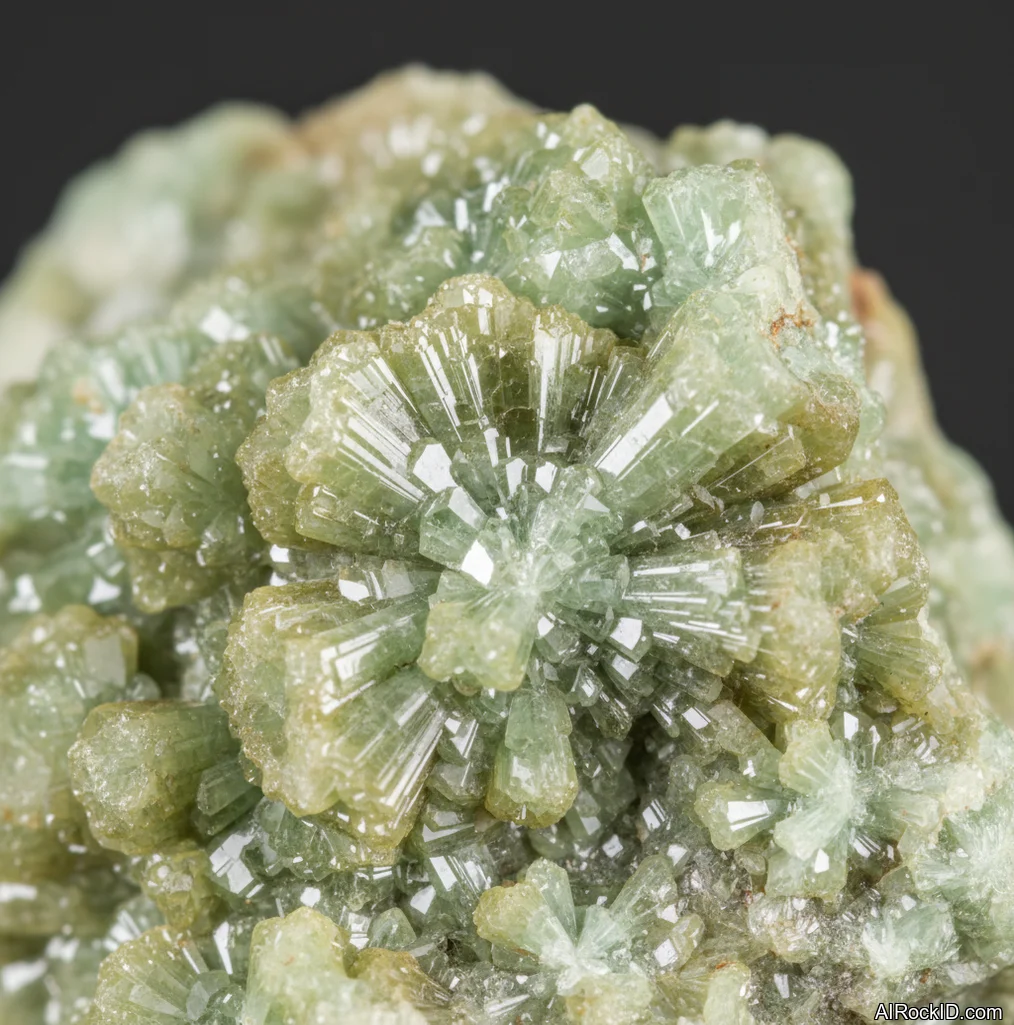
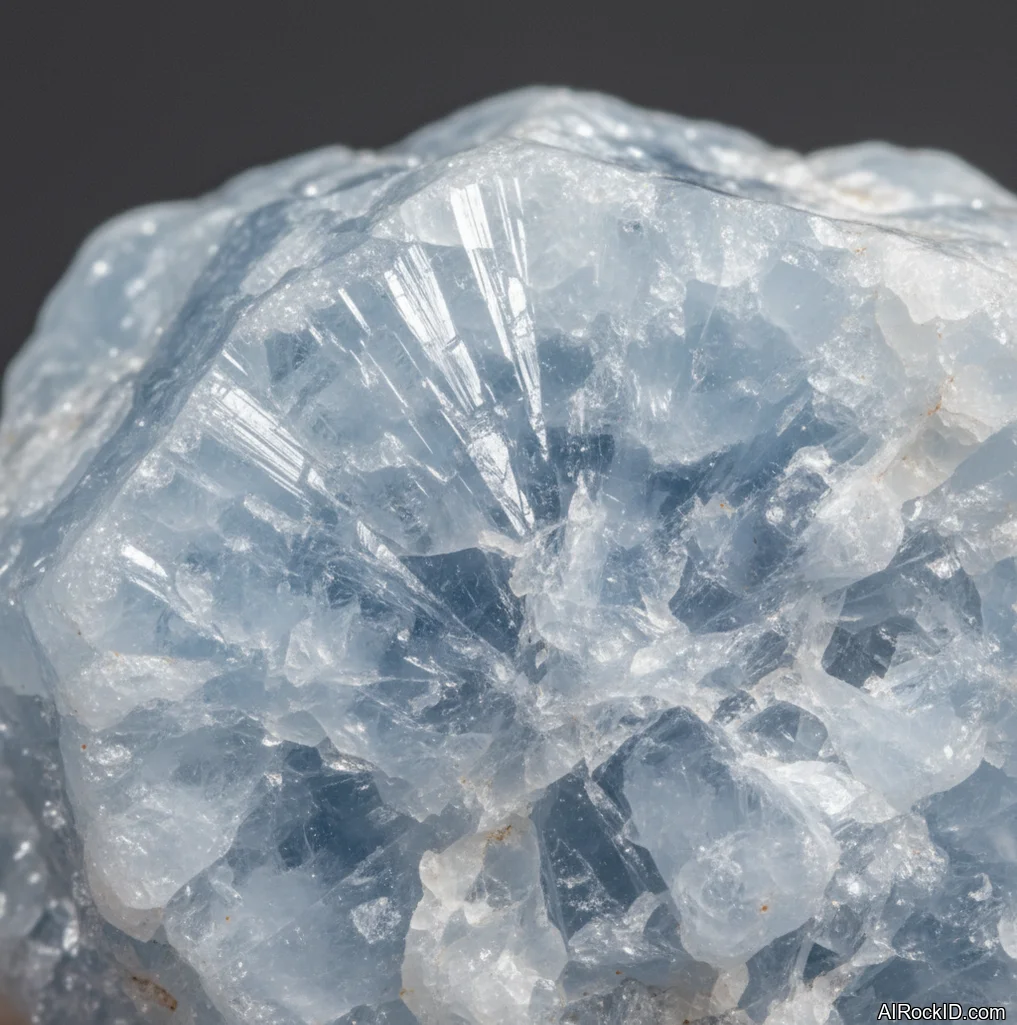
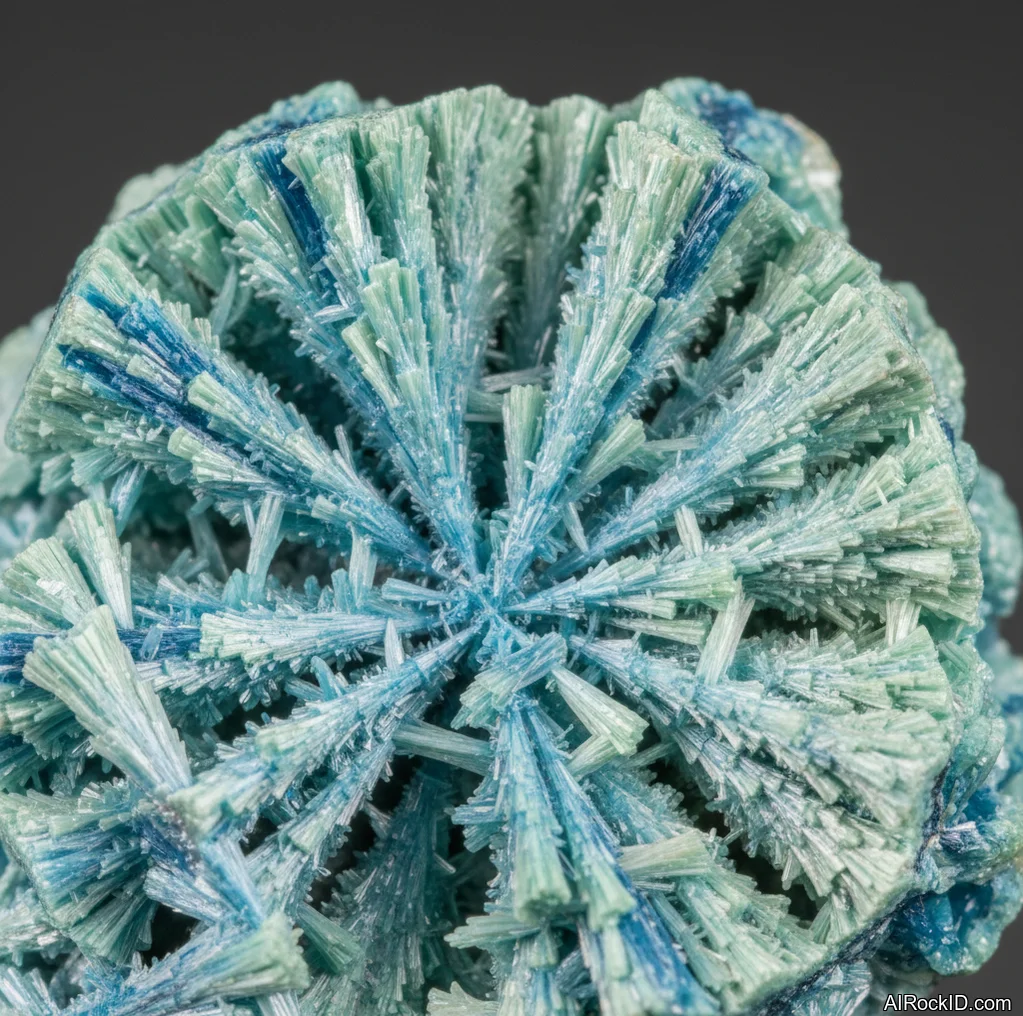
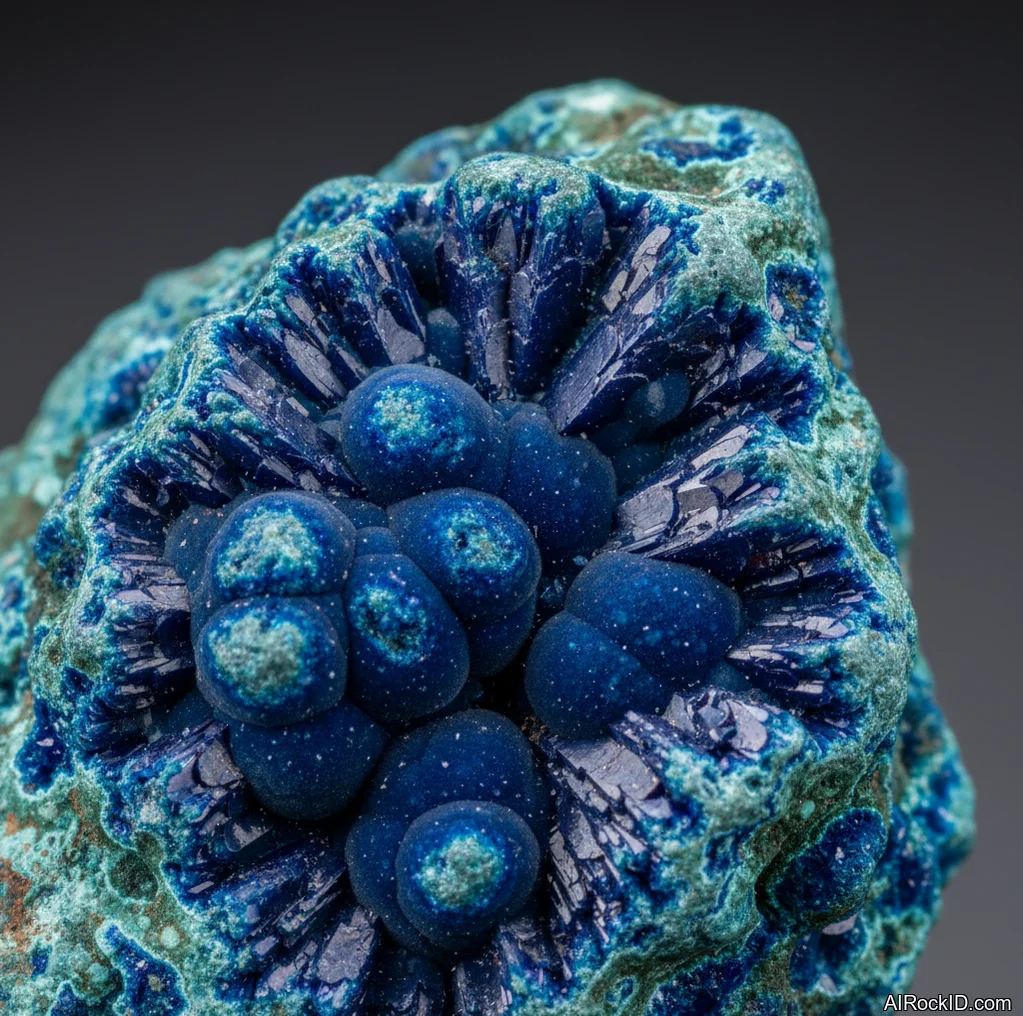
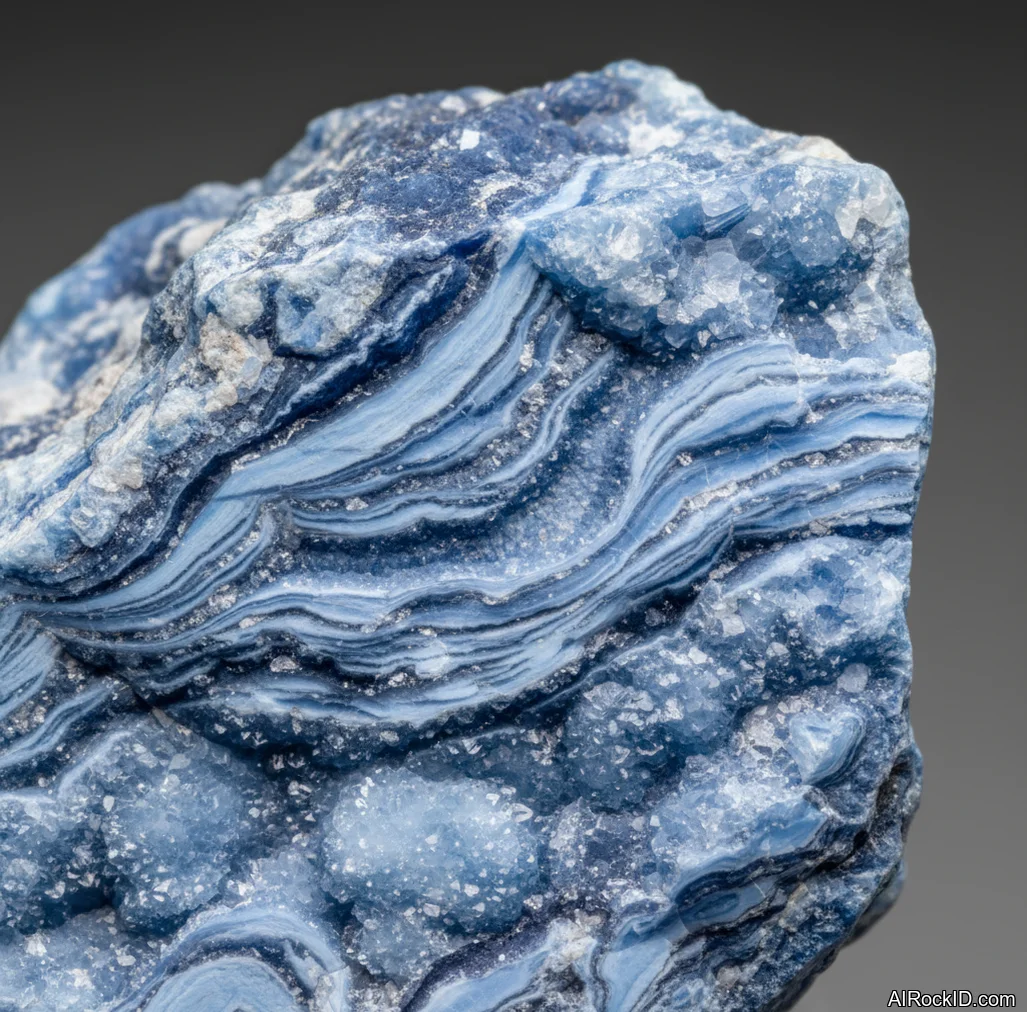
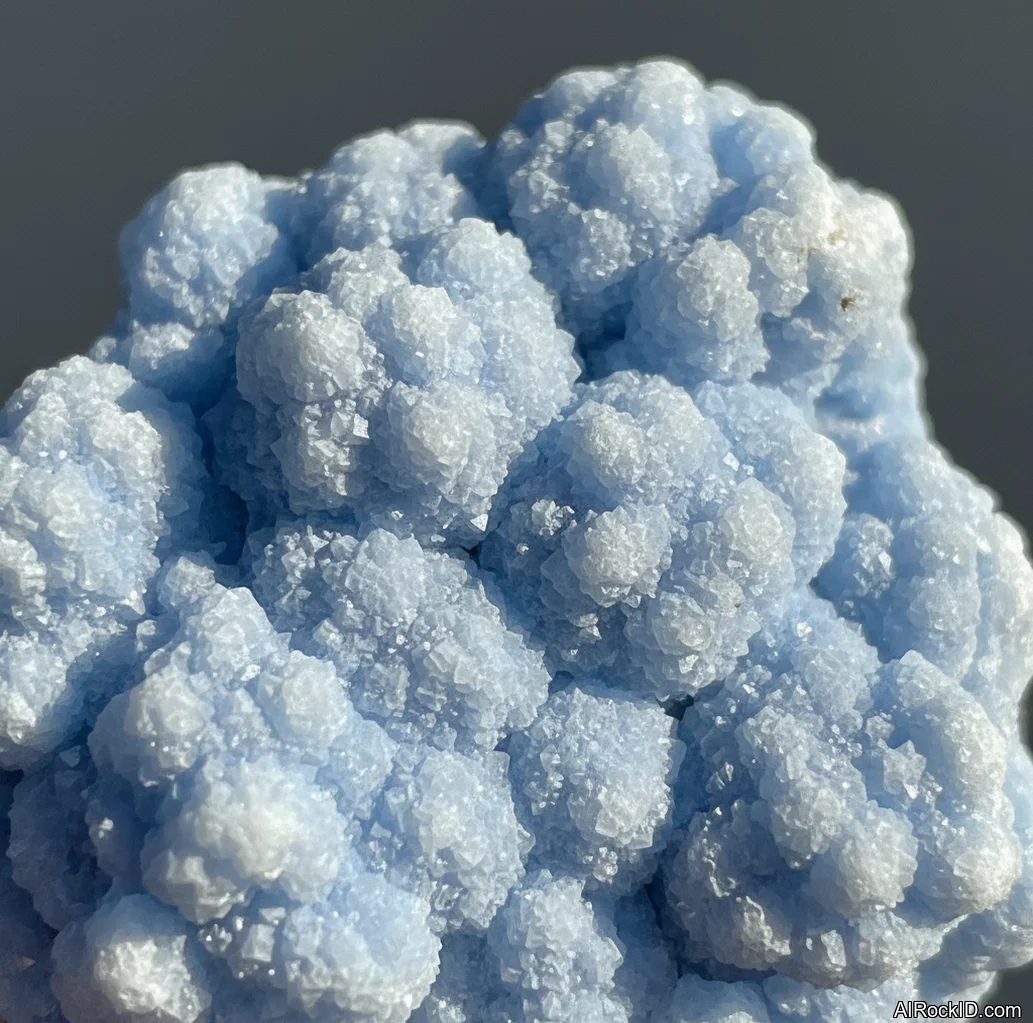
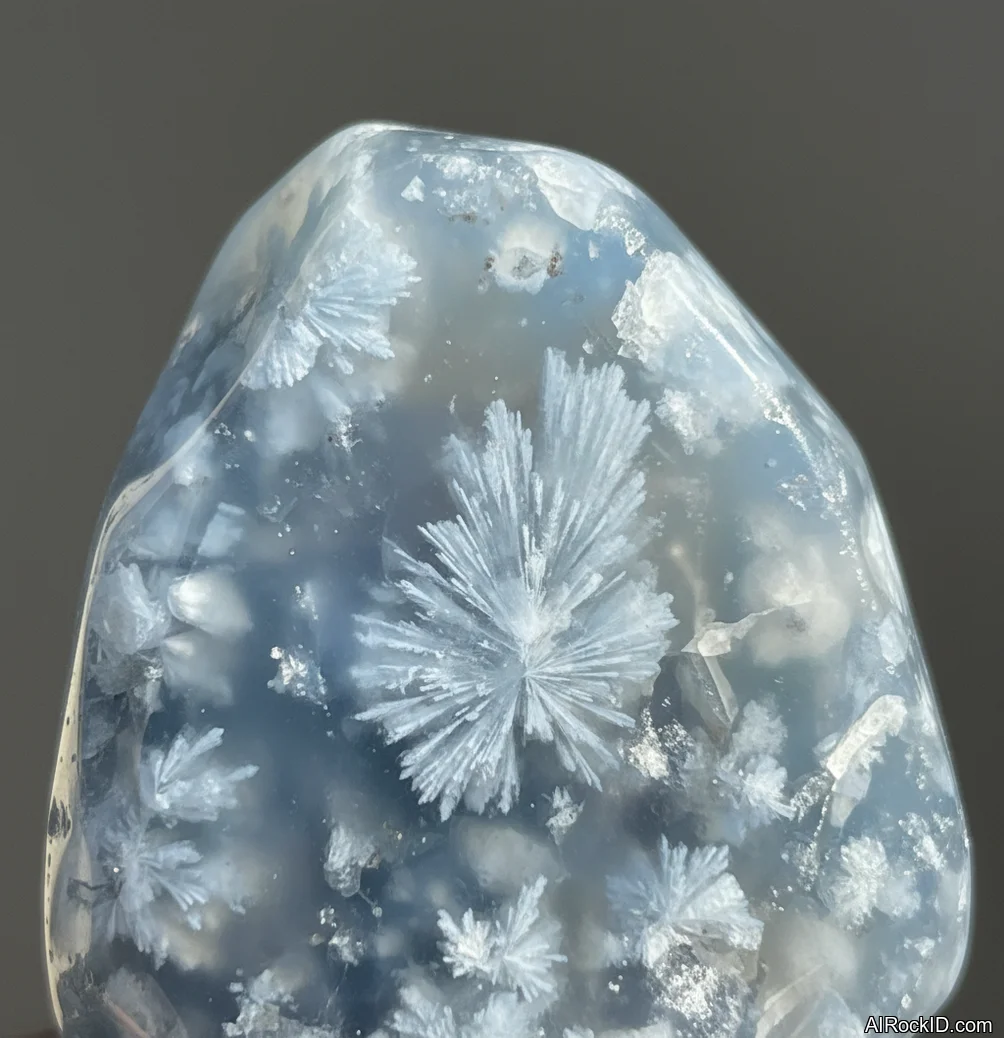
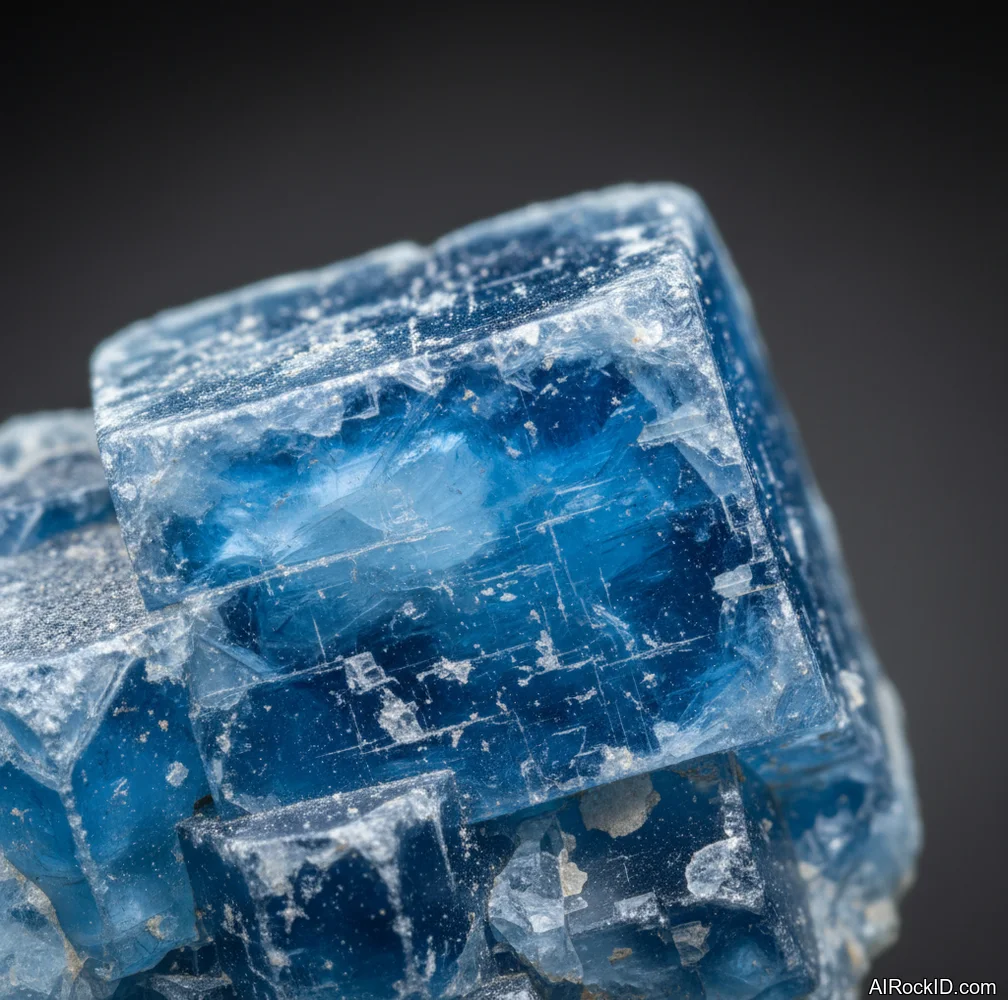
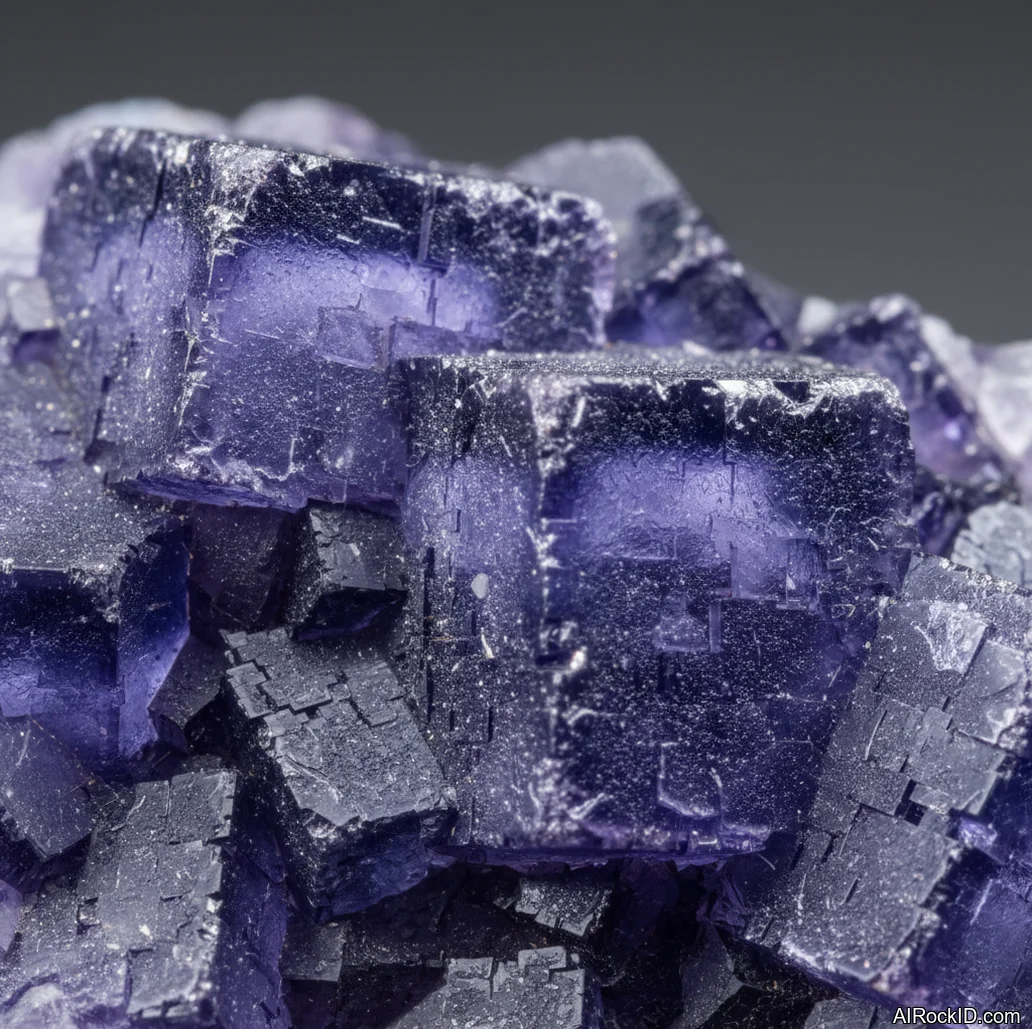
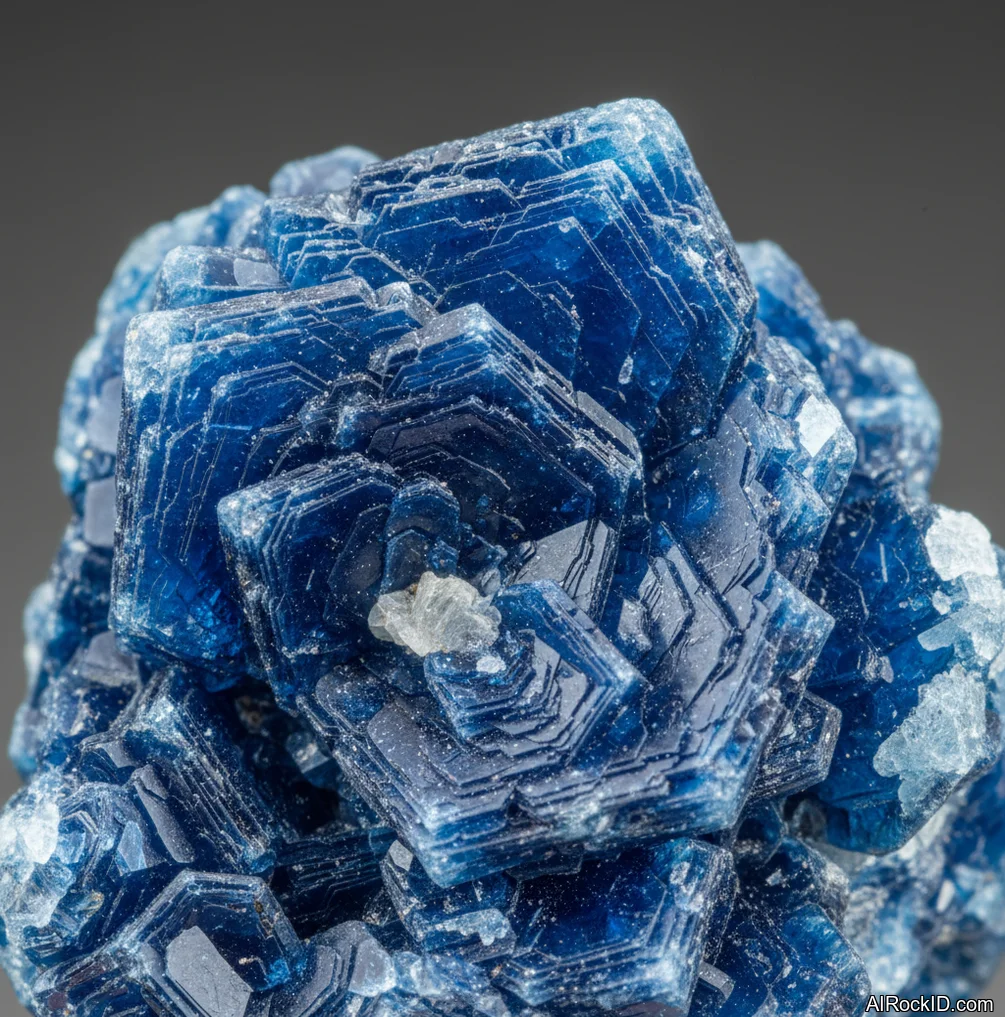
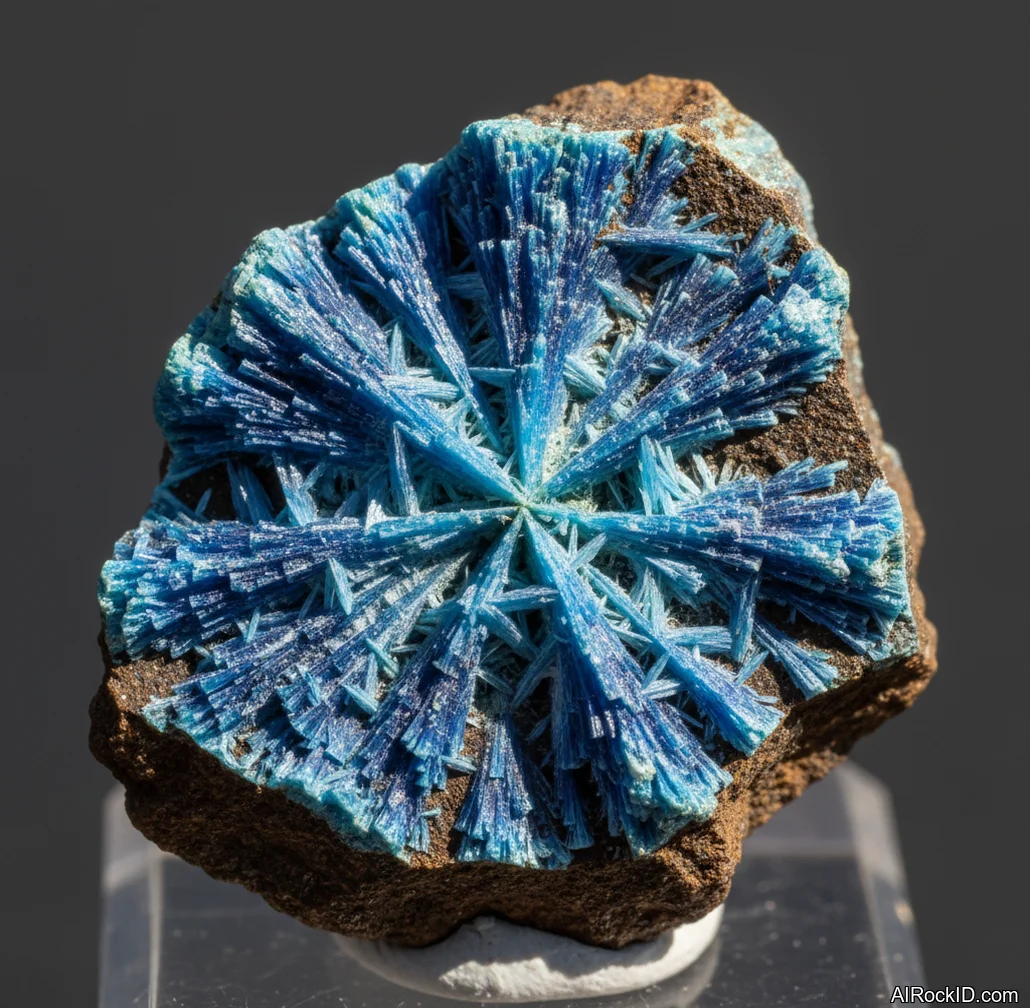
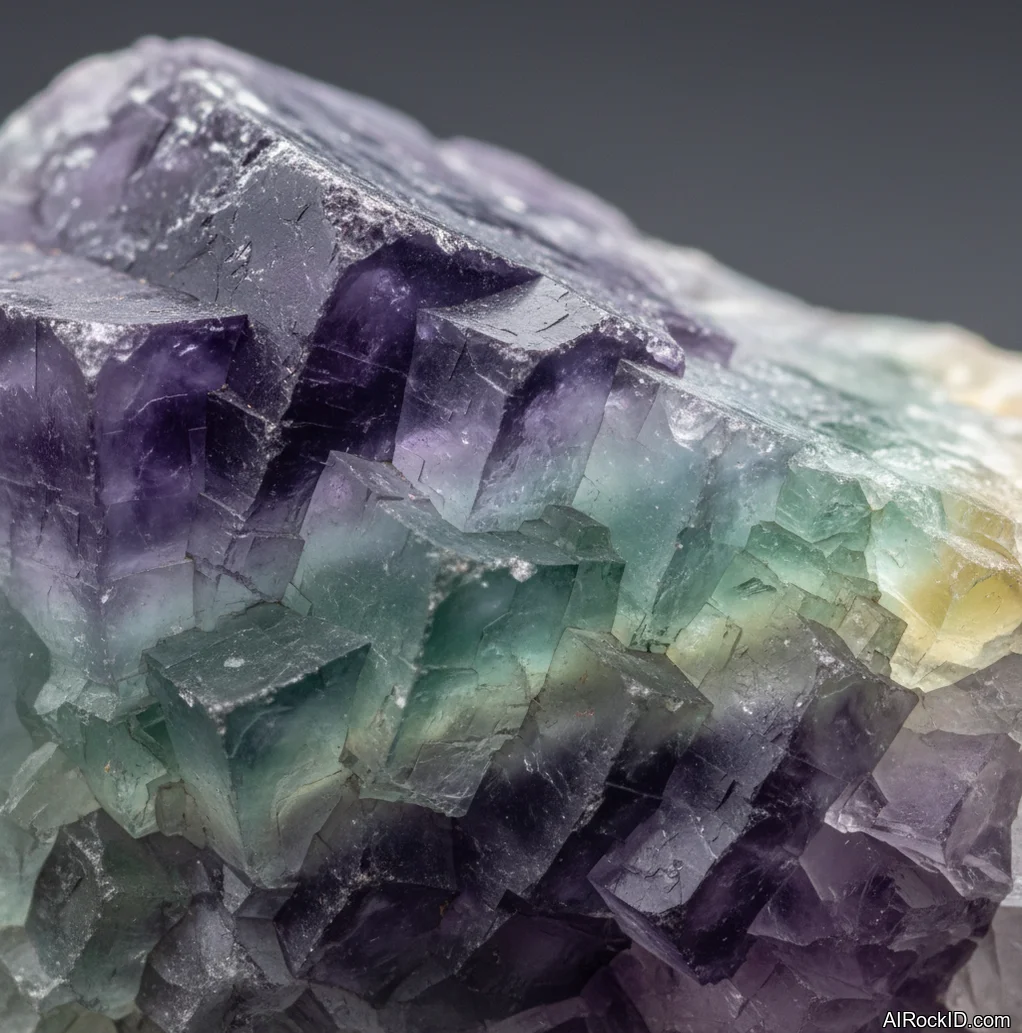
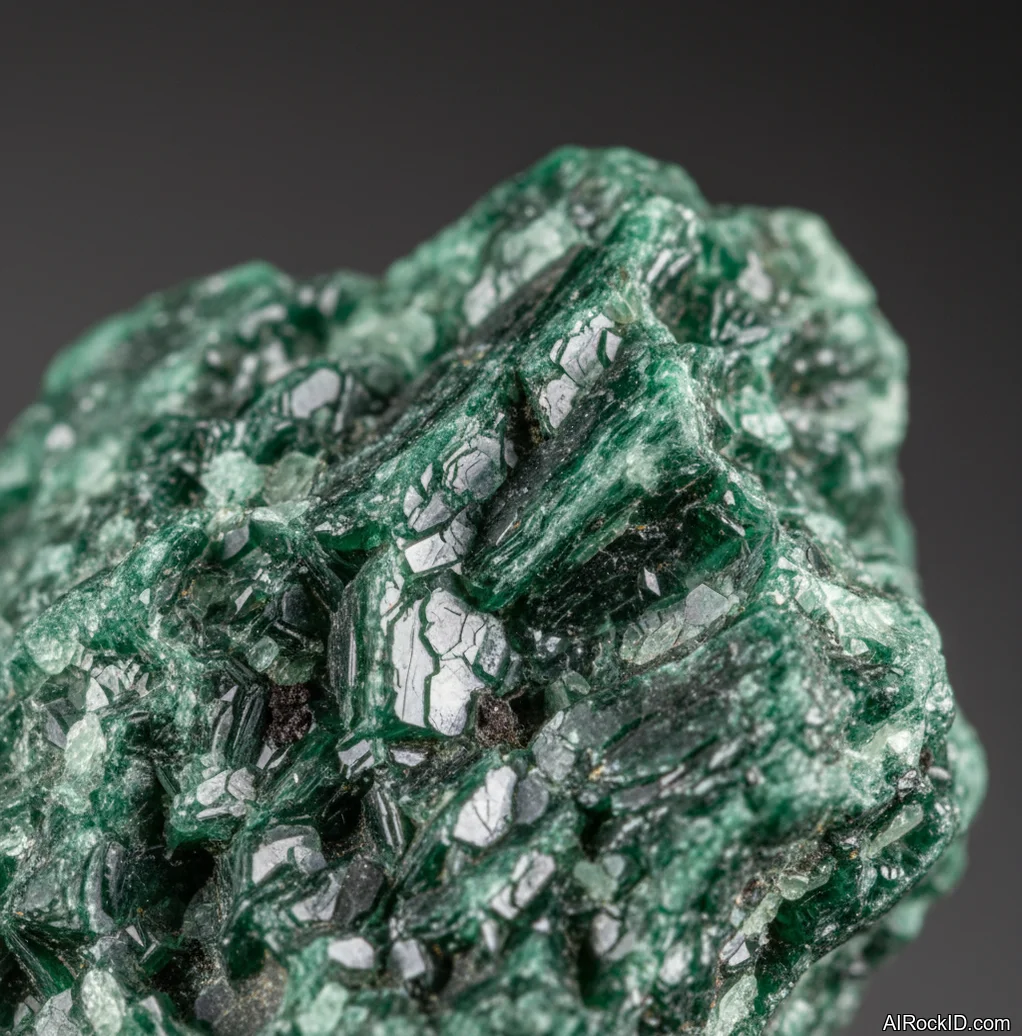
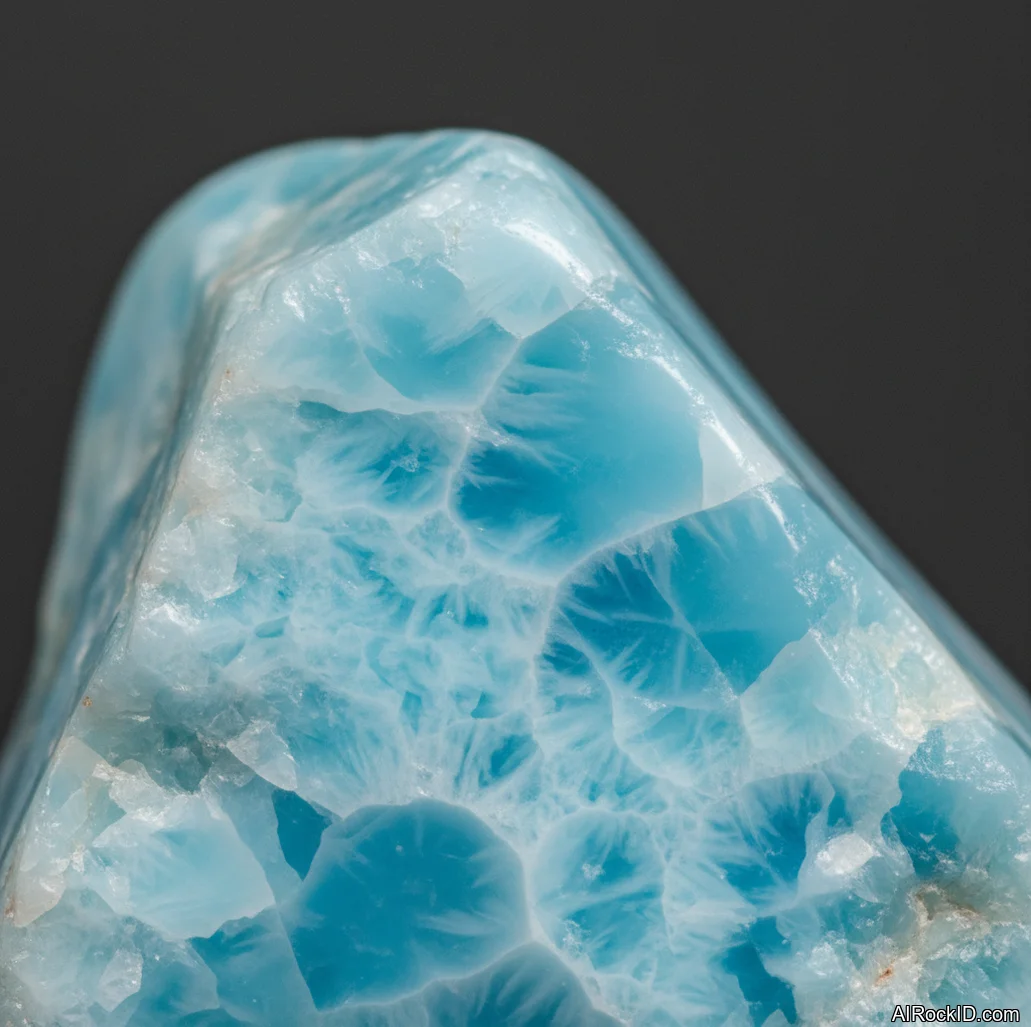
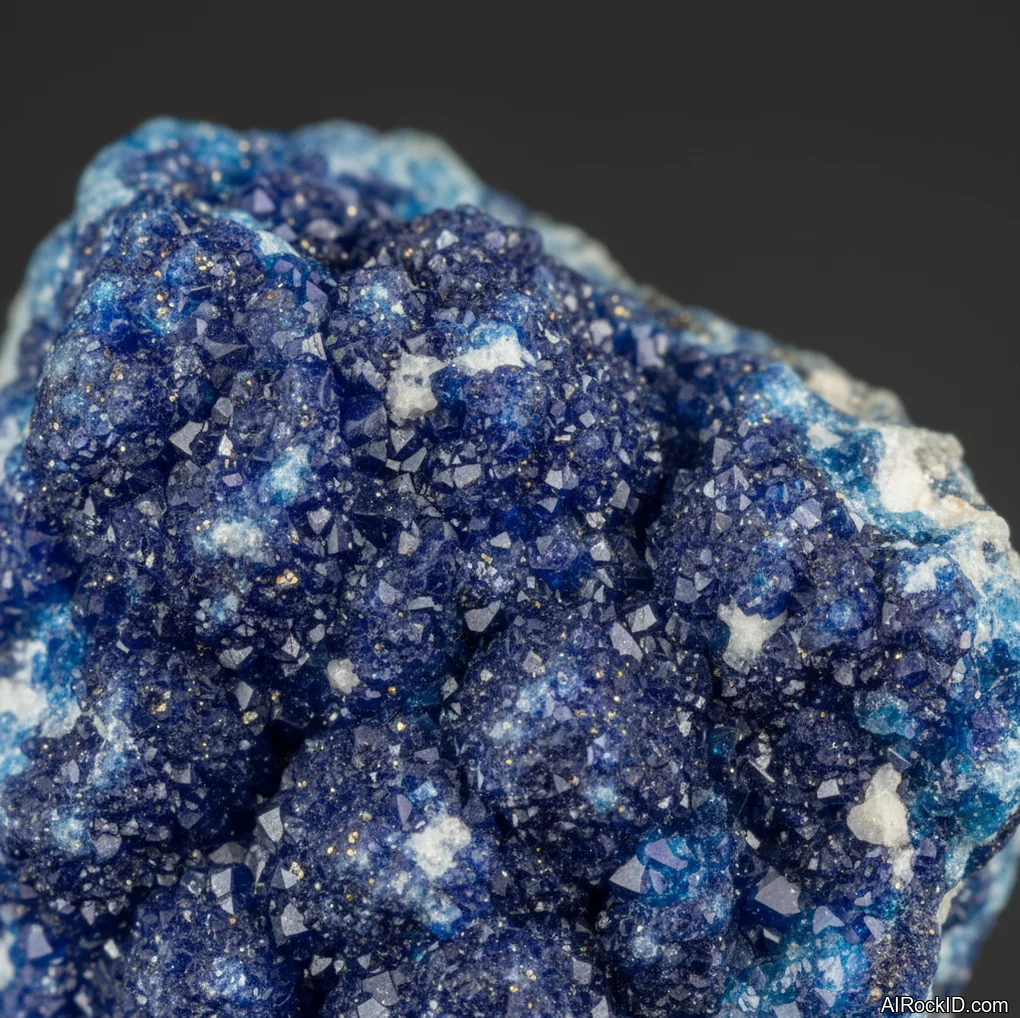
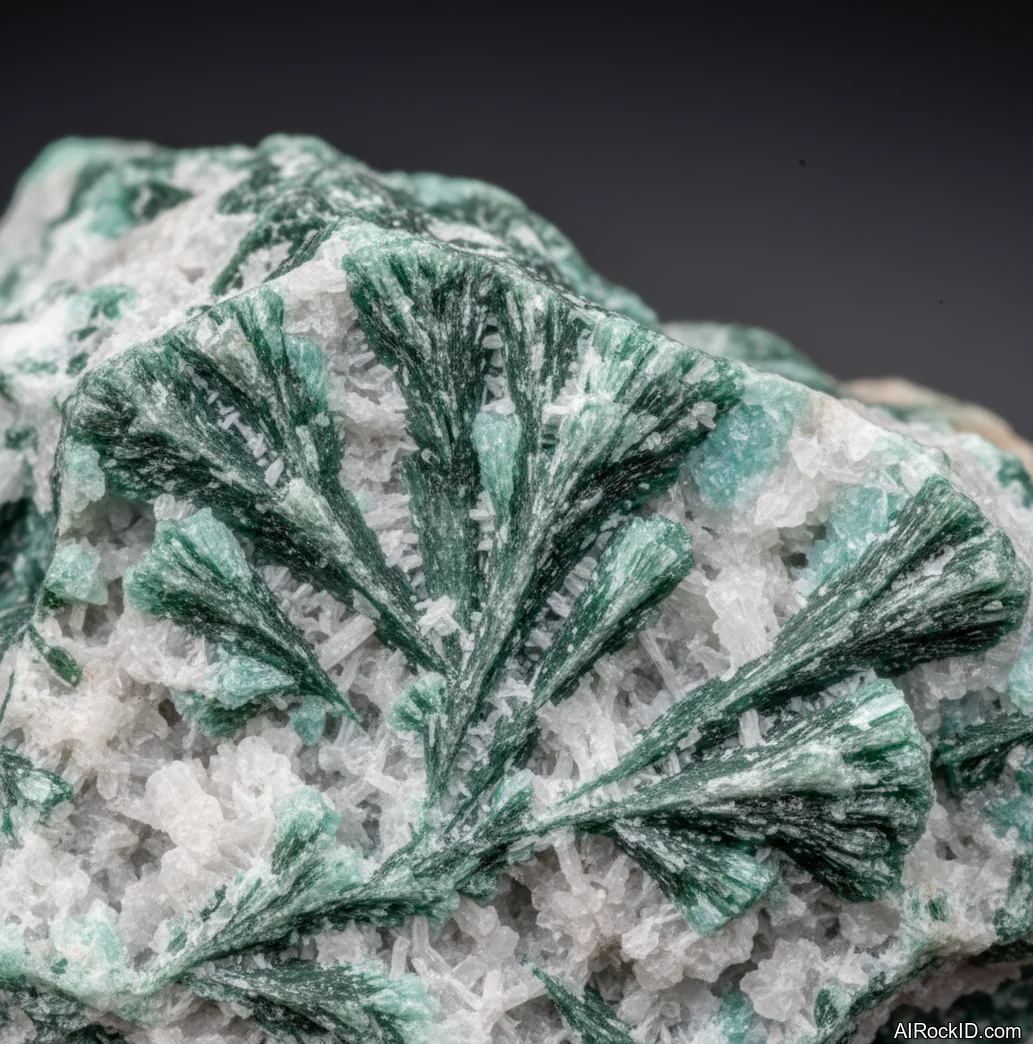
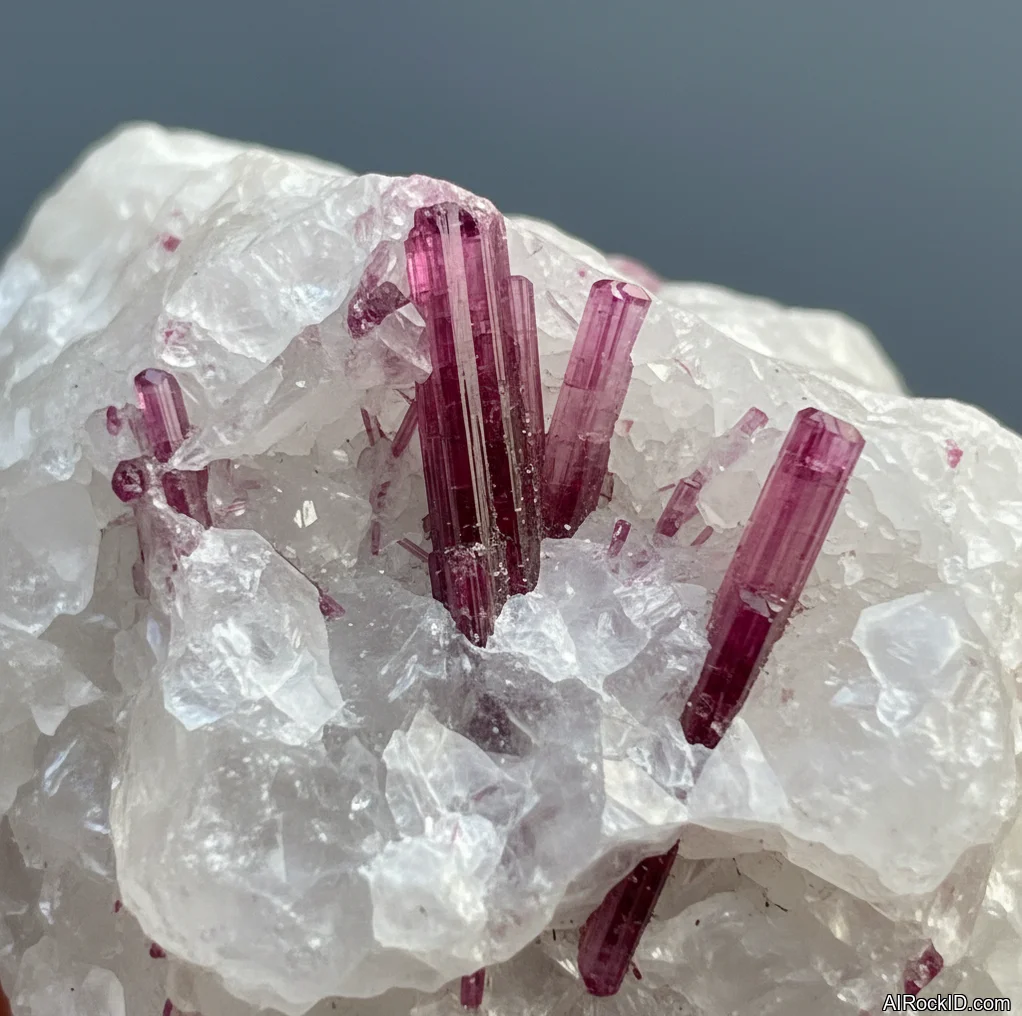
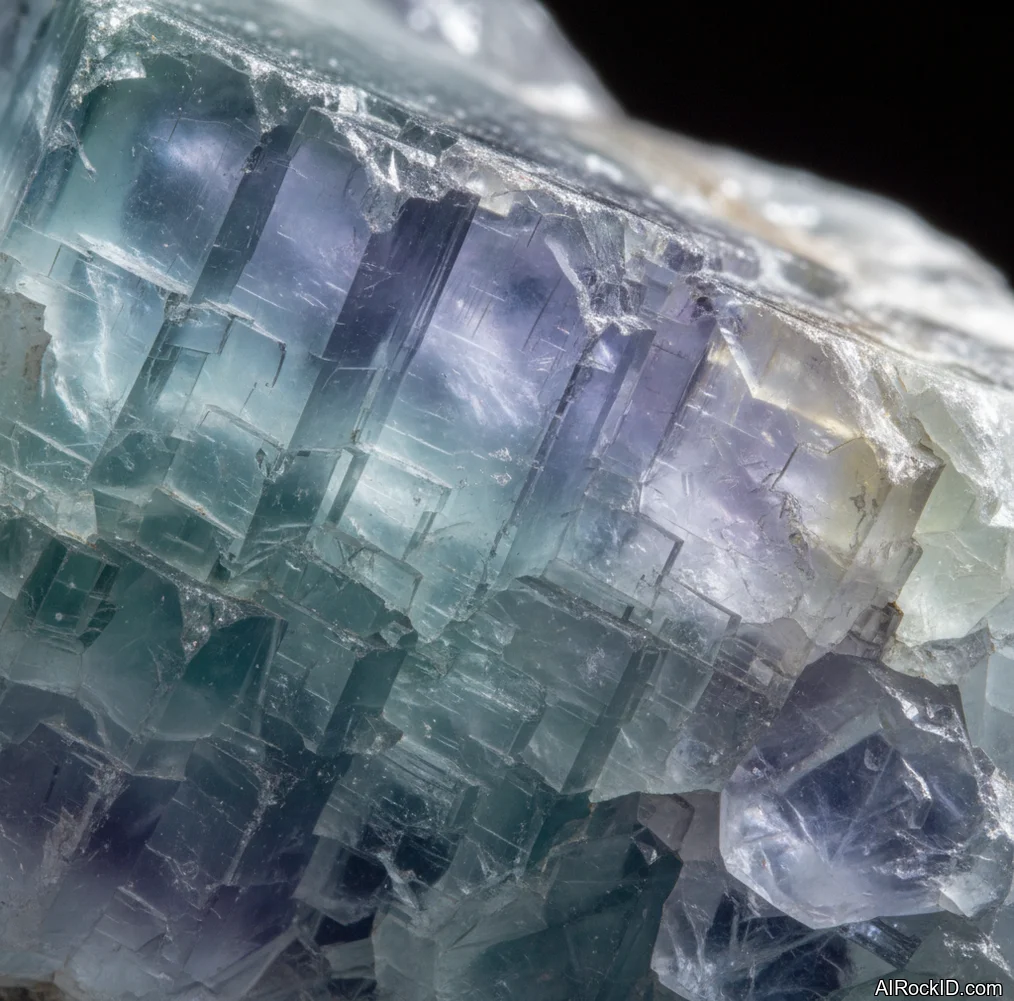
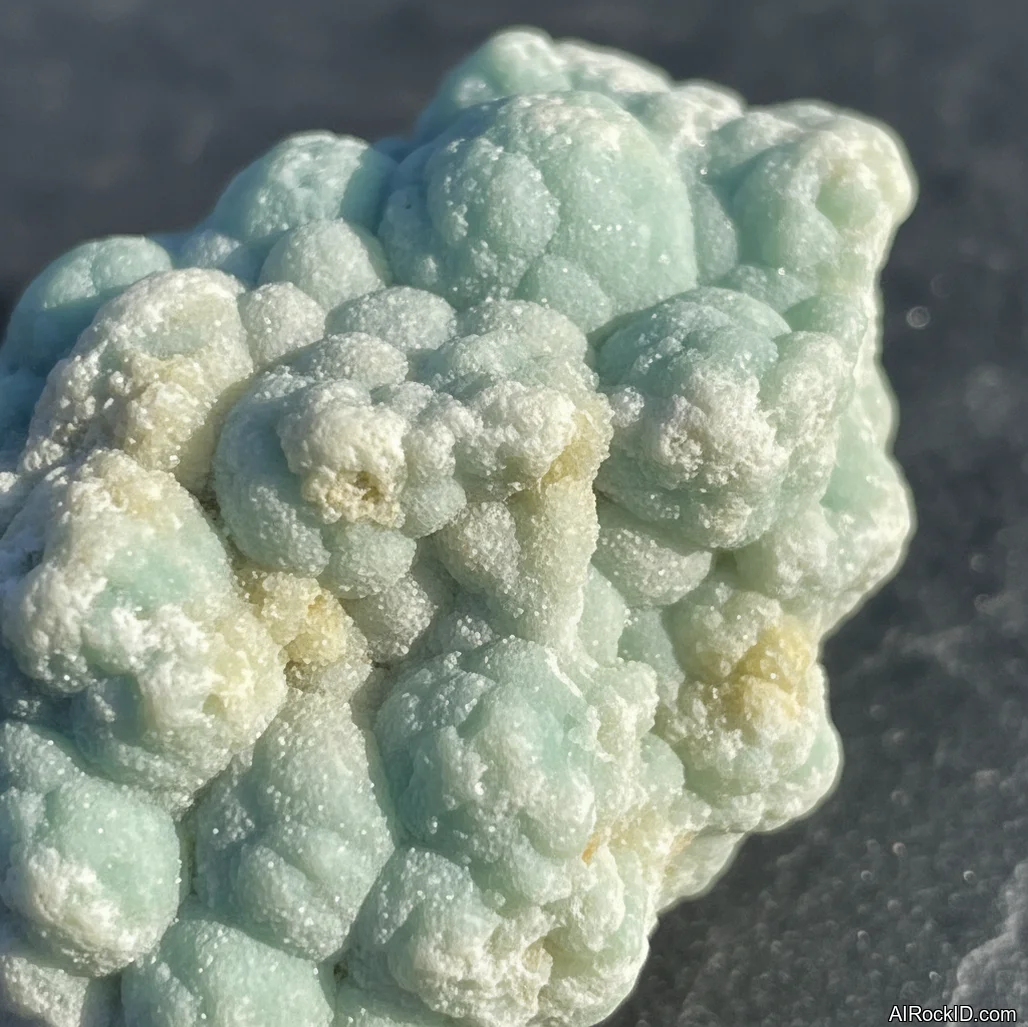
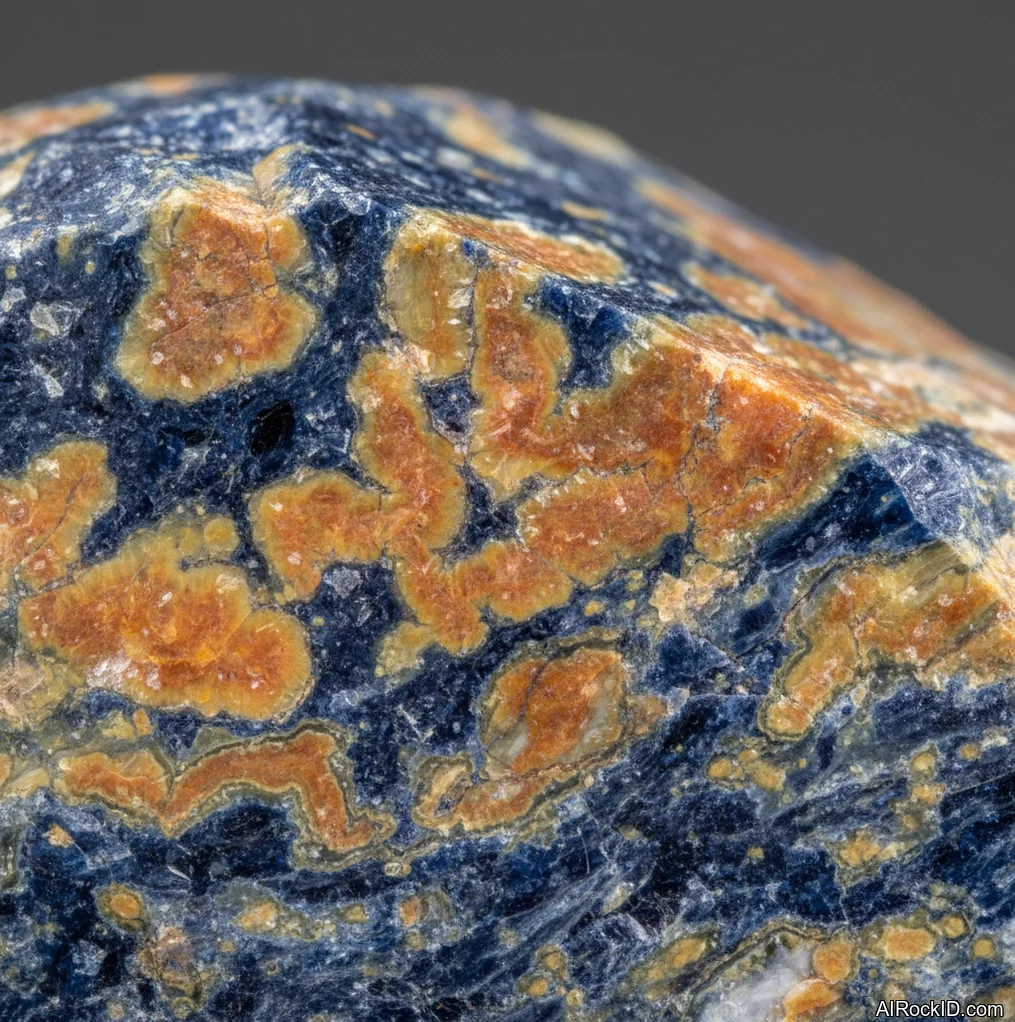
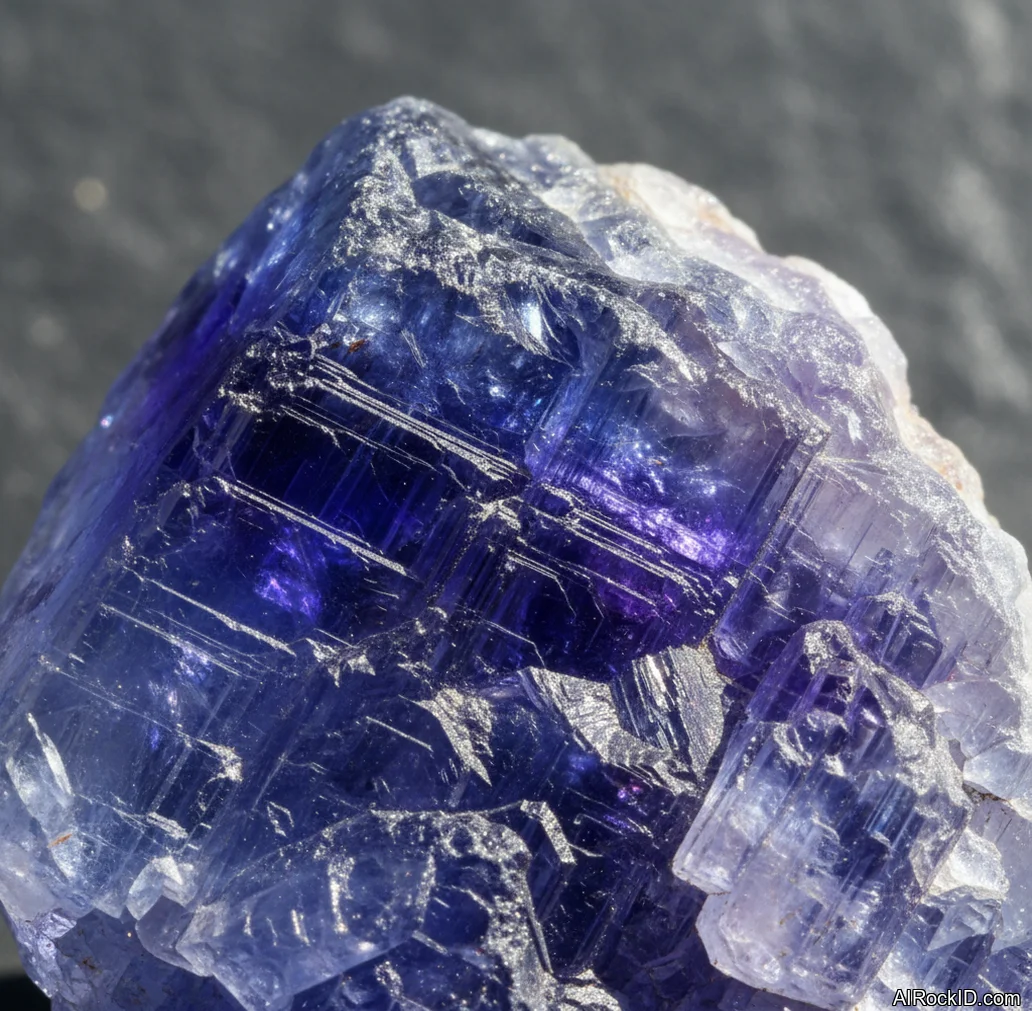
Pink stones such as rose quartz, rhodonite, and rhodochrosite are commonly linked with compassion, self-acceptance, and heart-centered symbolism in crystal traditions. Purple stones such as amethyst, lepidolite, and charoite are often associated with reflection, rest, and emotional processing. Blue stones such as blue lace agate, celestite, and larimar are traditionally connected with calm communication and soothing energy.
Natural, Treated, and Imitation Emotional Healing Stones
Many crystals sold for emotional healing are natural minerals, but some are dyed, heat-treated, resin-filled, or made of glass. Treatment does not always make a stone unsuitable for decorative or symbolic use, but it can affect value, durability, and identification. Checking color concentration, bubbles, unusually even color, and seller disclosure can help separate natural specimens from altered material.
Using Emotional Healing Crystals Responsibly
Crystal healing meanings are part of spiritual, cultural, and personal traditions rather than verified medical treatment. Emotional healing crystals can be used as reminders for reflection, breathing exercises, journaling, or meditation. Anyone experiencing persistent distress, trauma symptoms, or thoughts of self-harm should seek support from a qualified professional or emergency service.
What Are Emotional Healing Crystals? Physical Qualities and Collector Insights
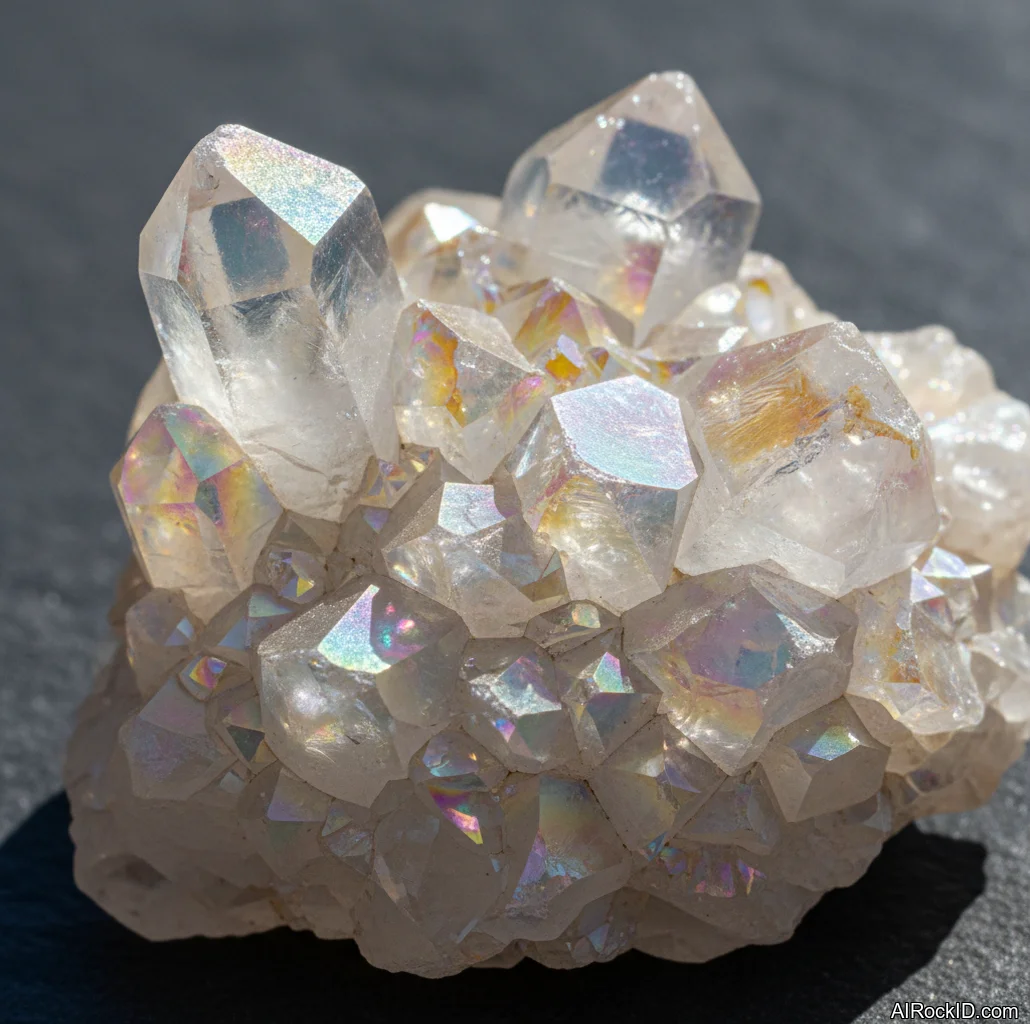
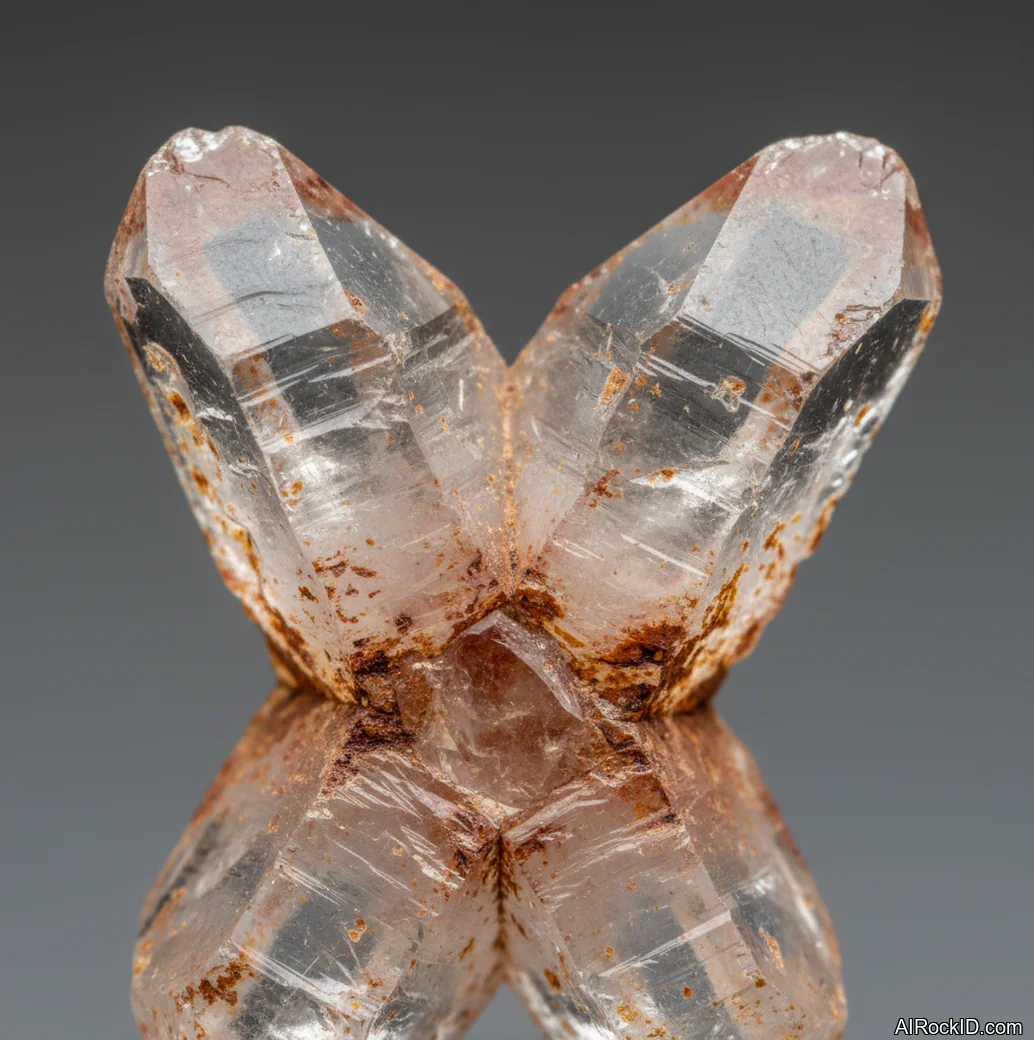
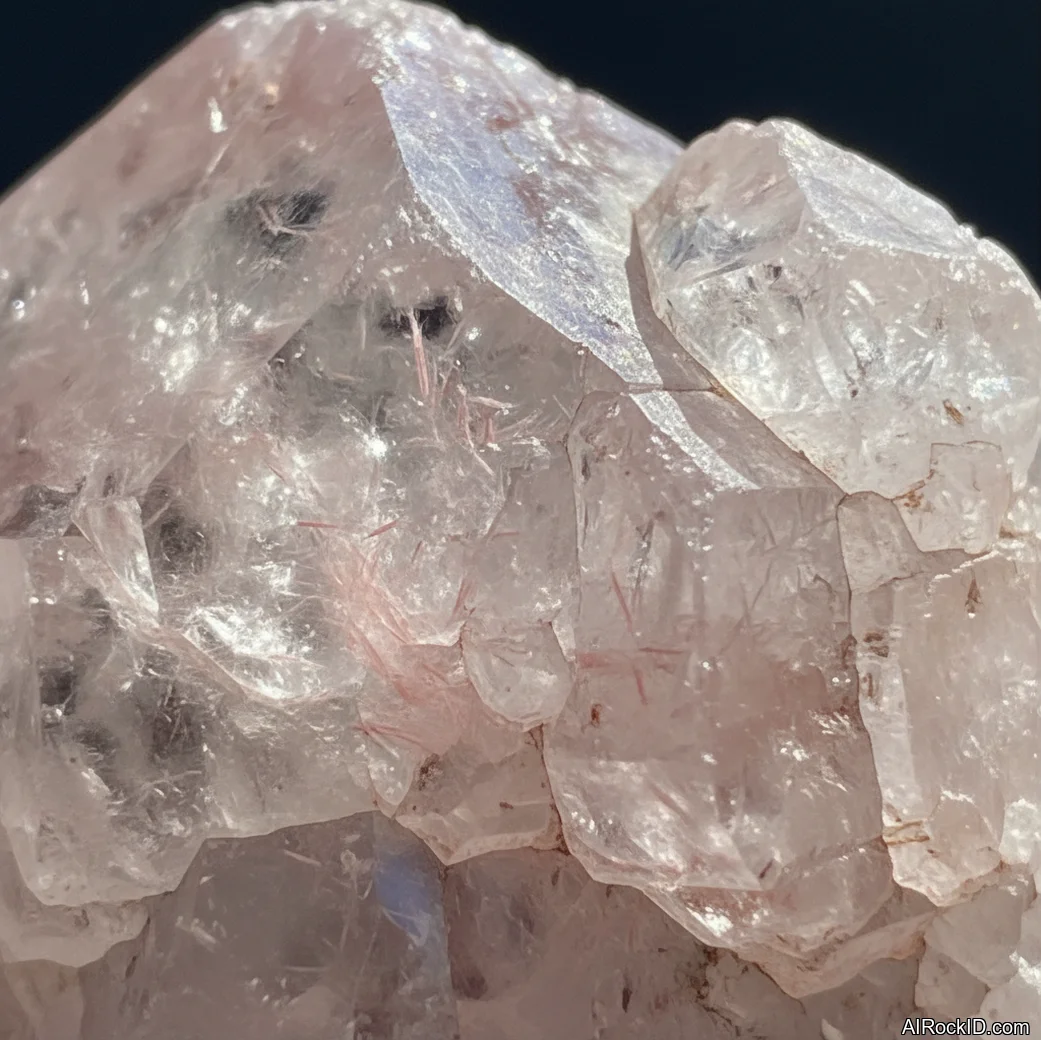
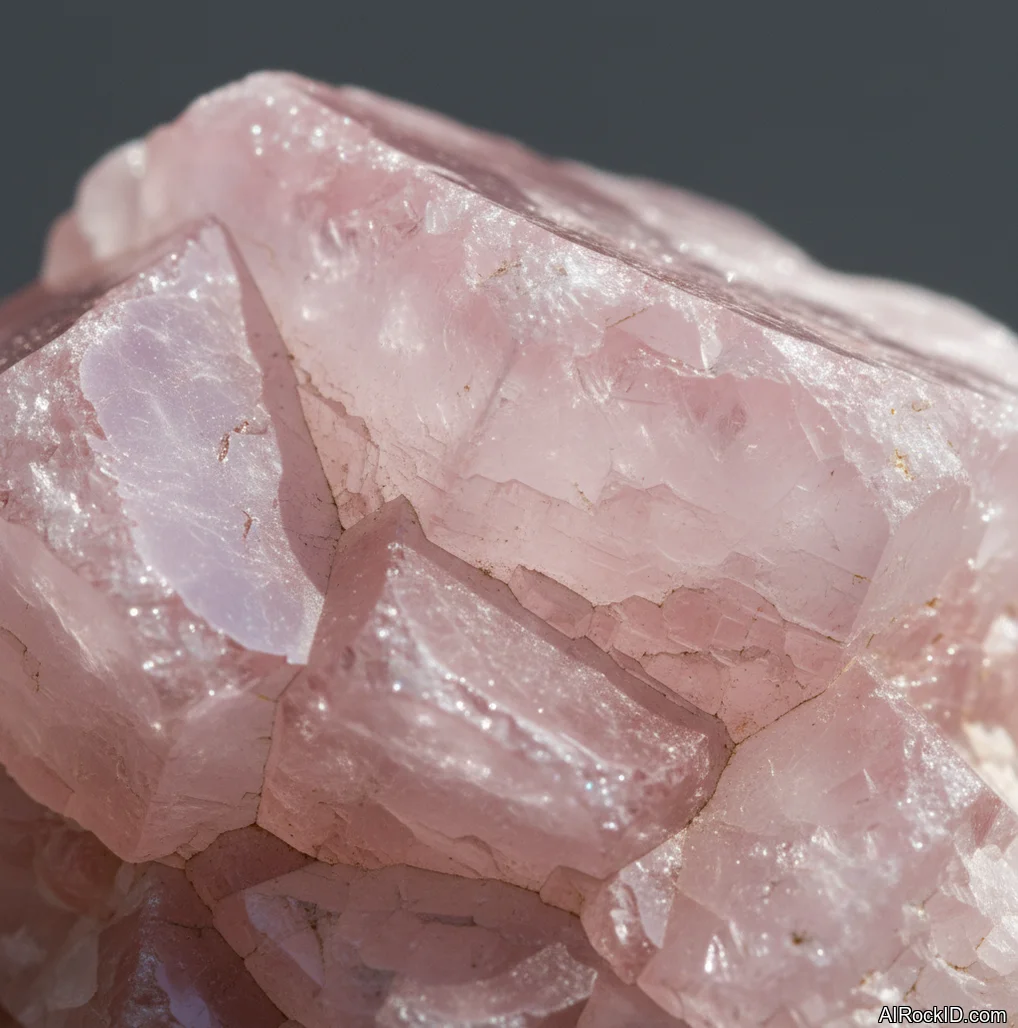
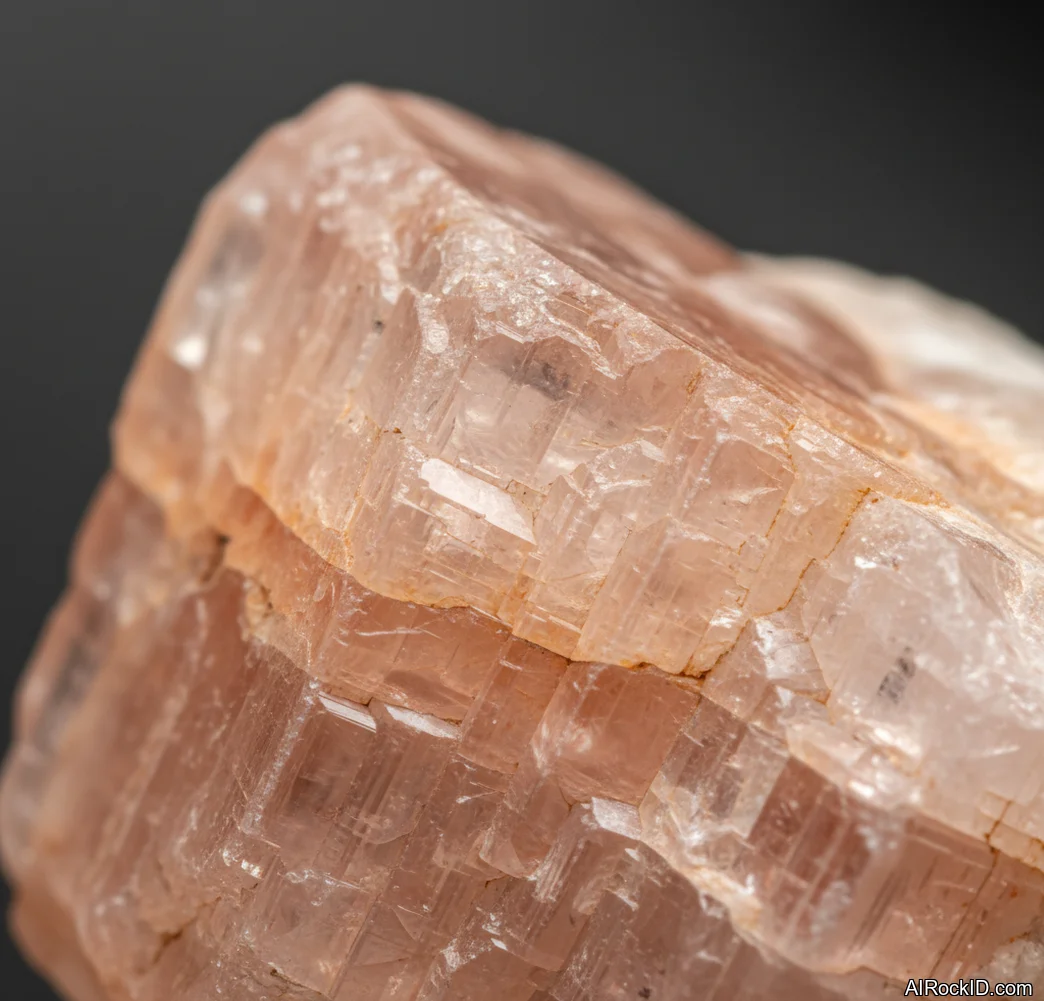
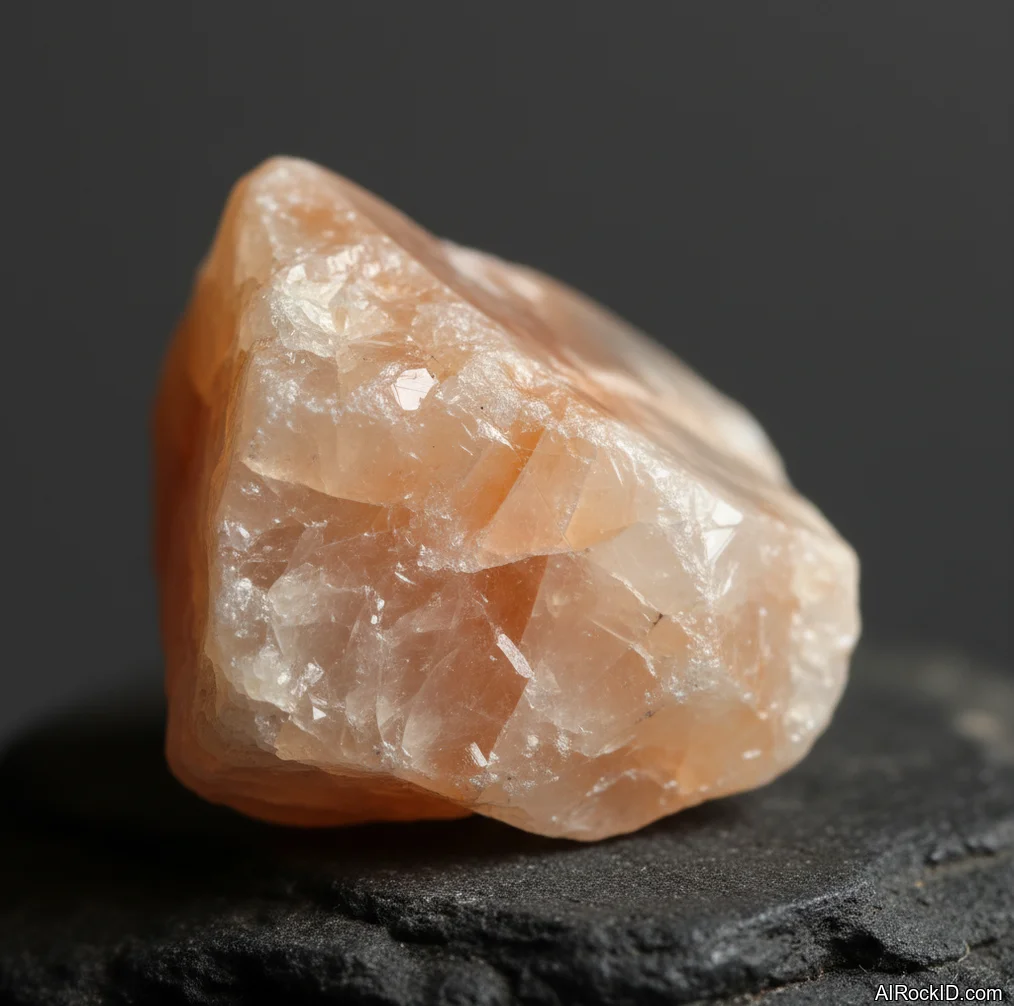
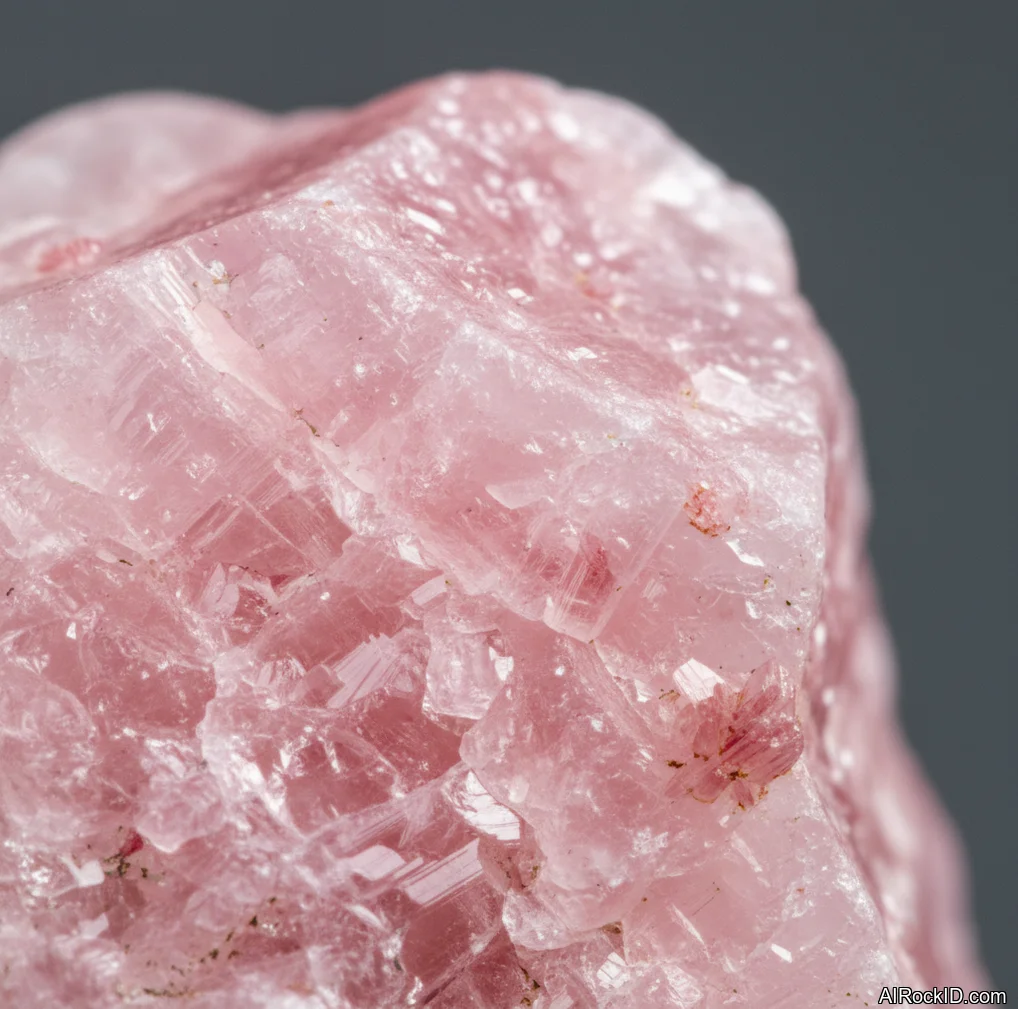
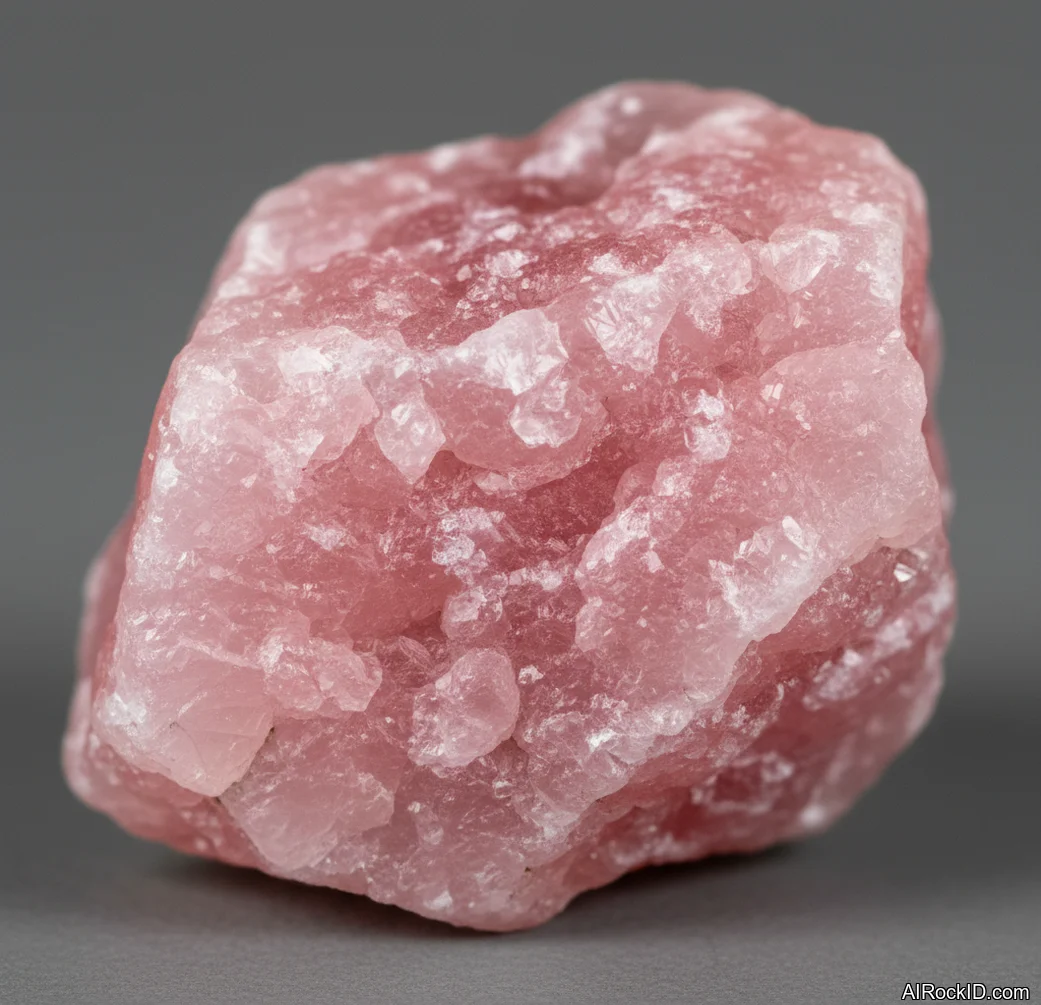
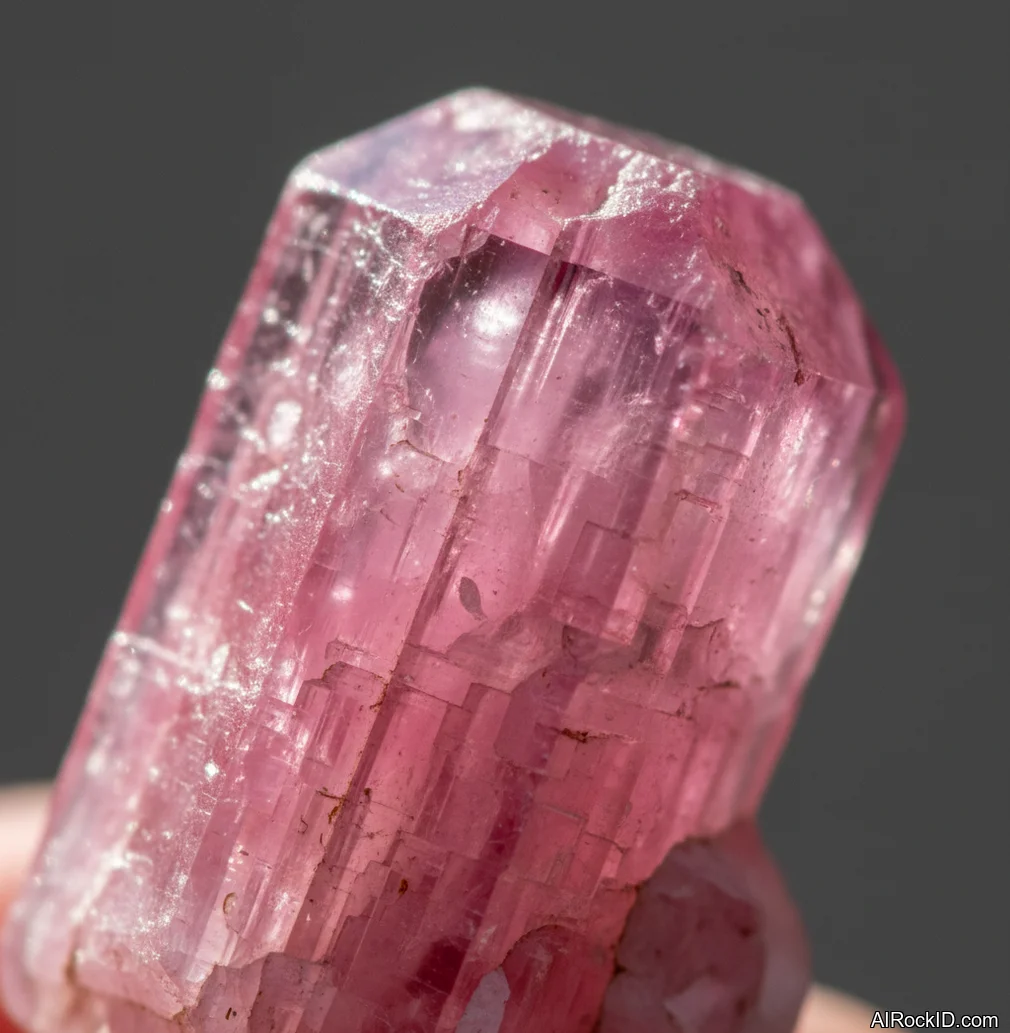
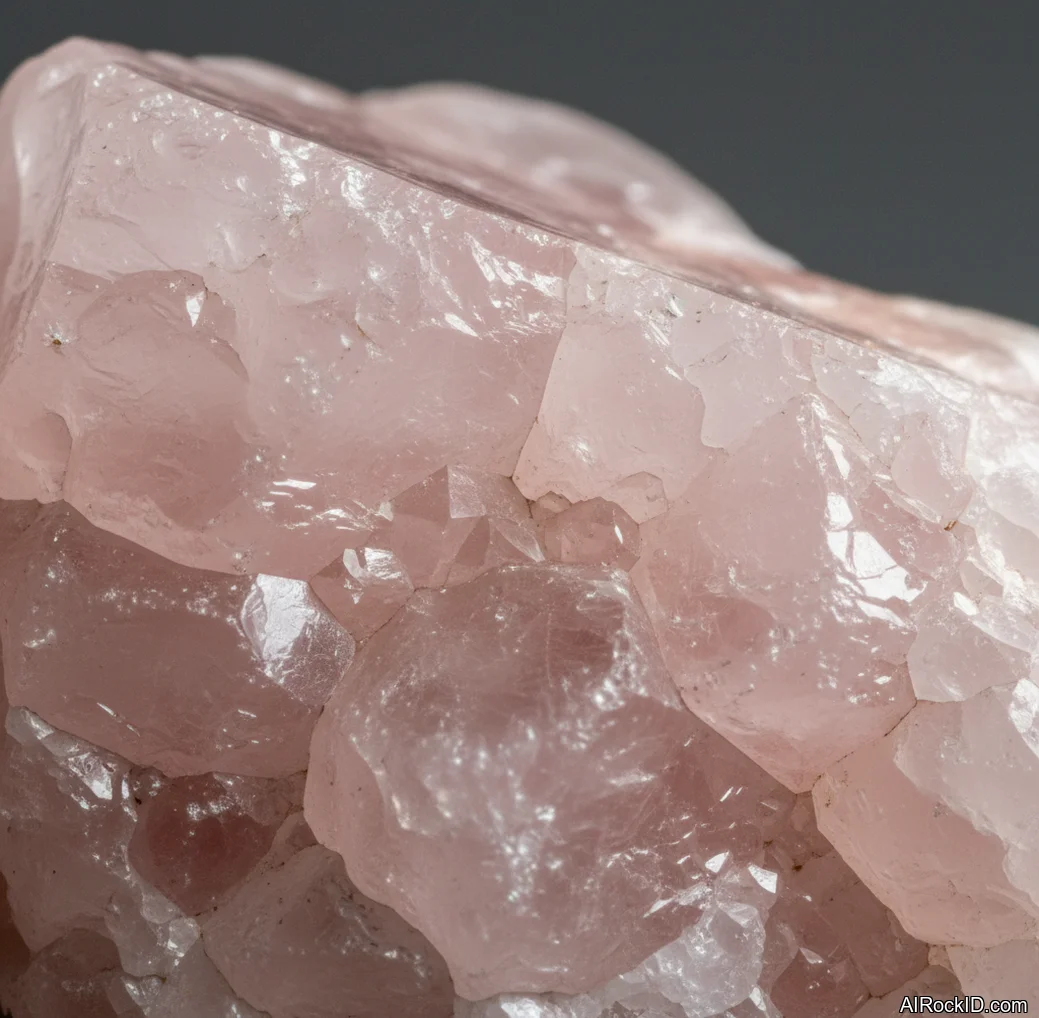
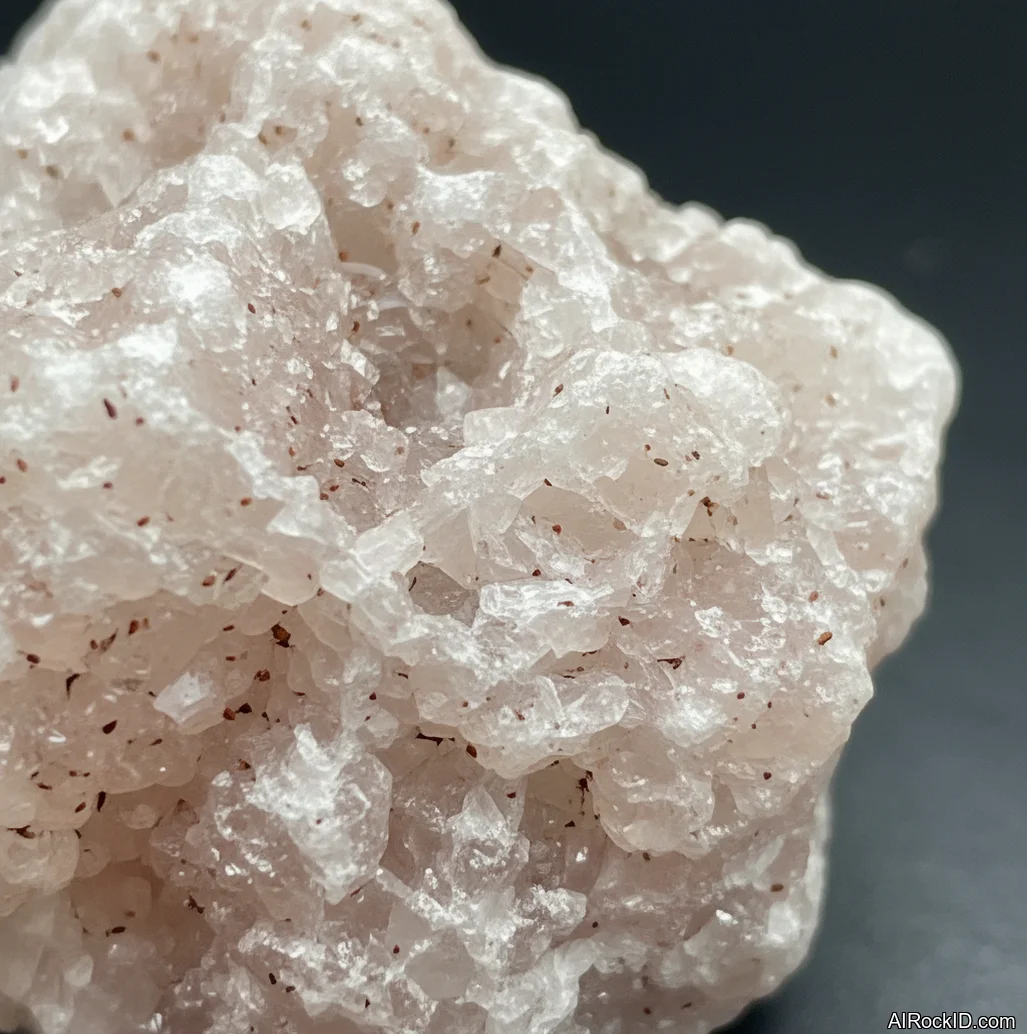
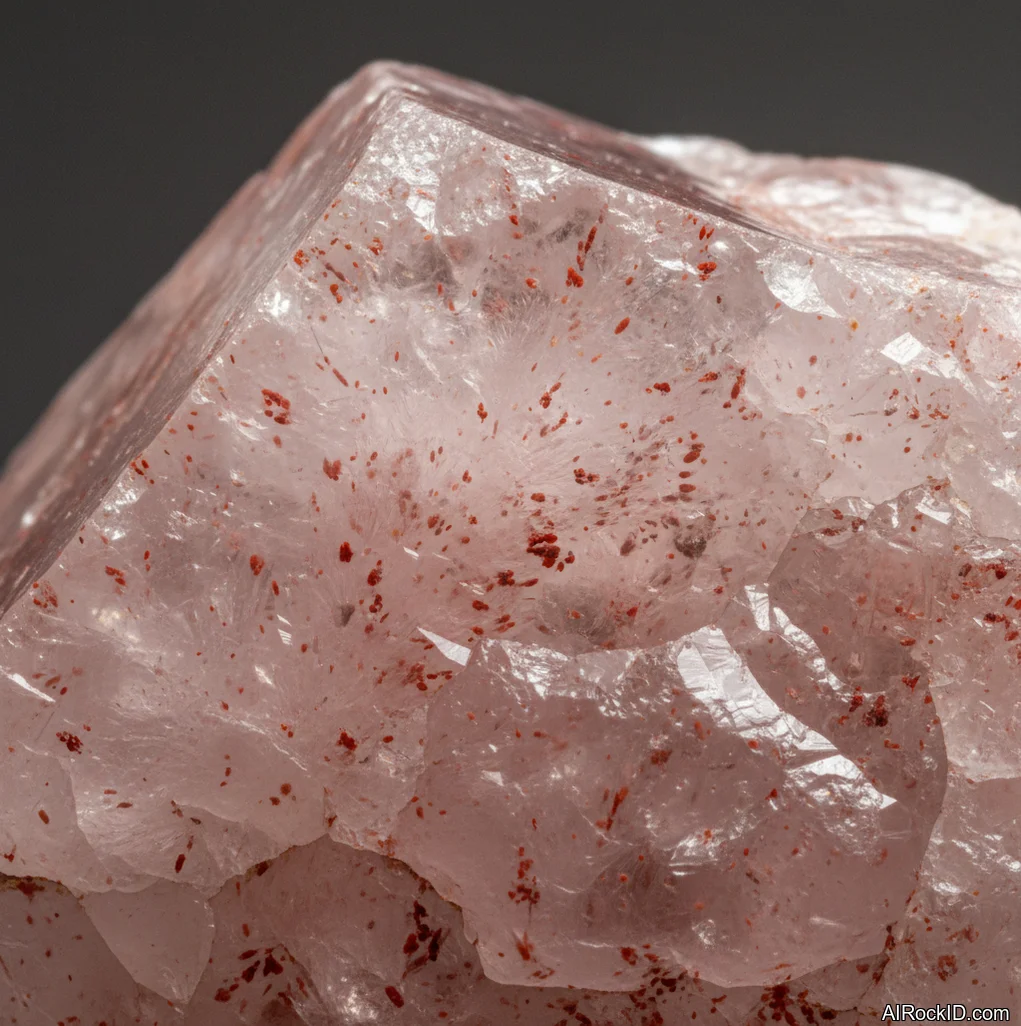
Emotional Healing, when you break it down in crystal terms, isn’t some magical fix. It’s about grabbing a stone that grounds you—something you can actually feel in your palm when the inside of your head gets noisy. Rose quartz is the classic pick. It’s got that milky, almost lit-from-within look. Hold a decent chunk of Brazilian rose quartz and it’ll stay cool long after your hand starts to sweat. That cold, steady weight pulls your attention out of your spiraling thoughts and into the present moment, even if just for a minute. That’s the real point: sensation. Texture. A flash of color that distracts your brain just enough. The pale, frosted stuff you see in bins at tourist shops is pretty, sure, but the deeper pinks with a soft wet shine are what collectors watch for. They don’t lose their color in the shade. The best pieces almost look like solid clouds. No two chunks feel quite the same, and if you tumble a handful in your pocket, you’ll start noticing which ones you reach for on the rough days.
Common Emotional Healing Crystals: Rhodonite, Rhodochrosite, and Real-World Use
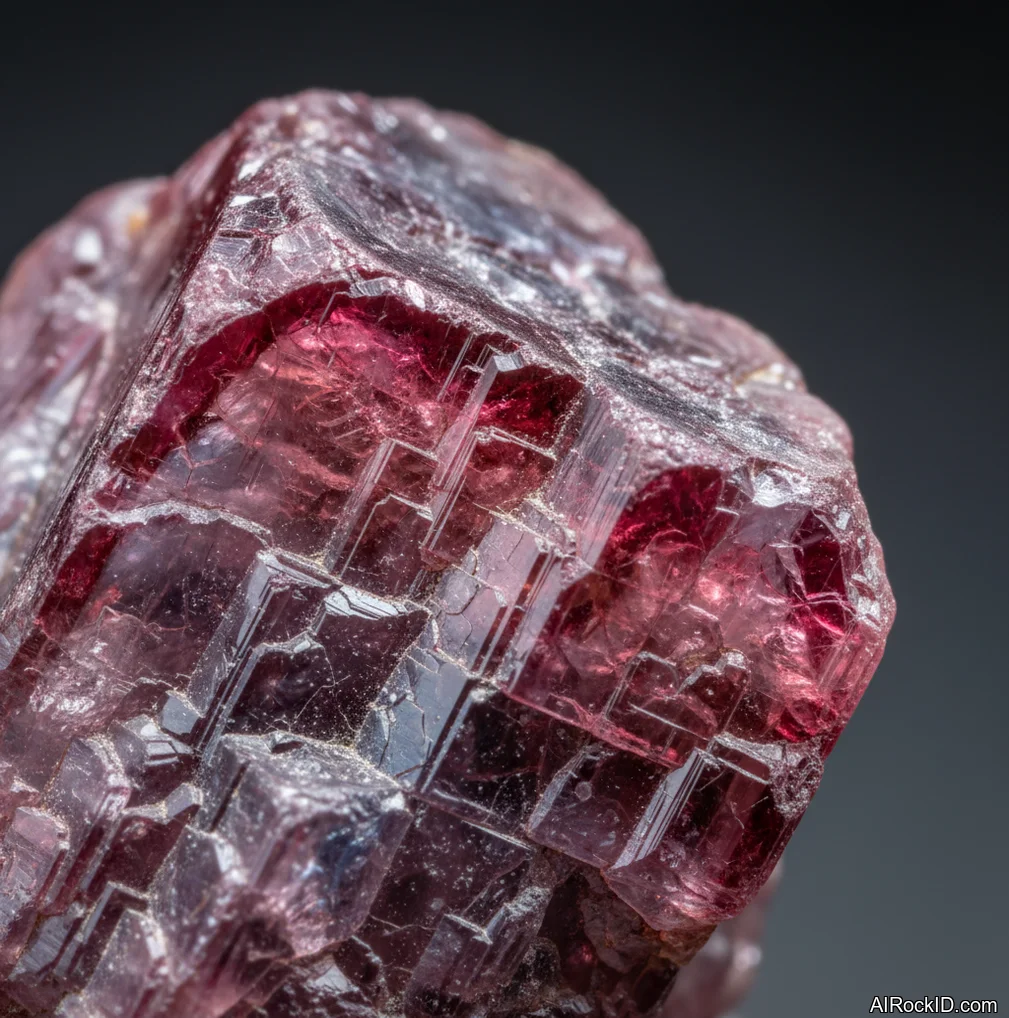
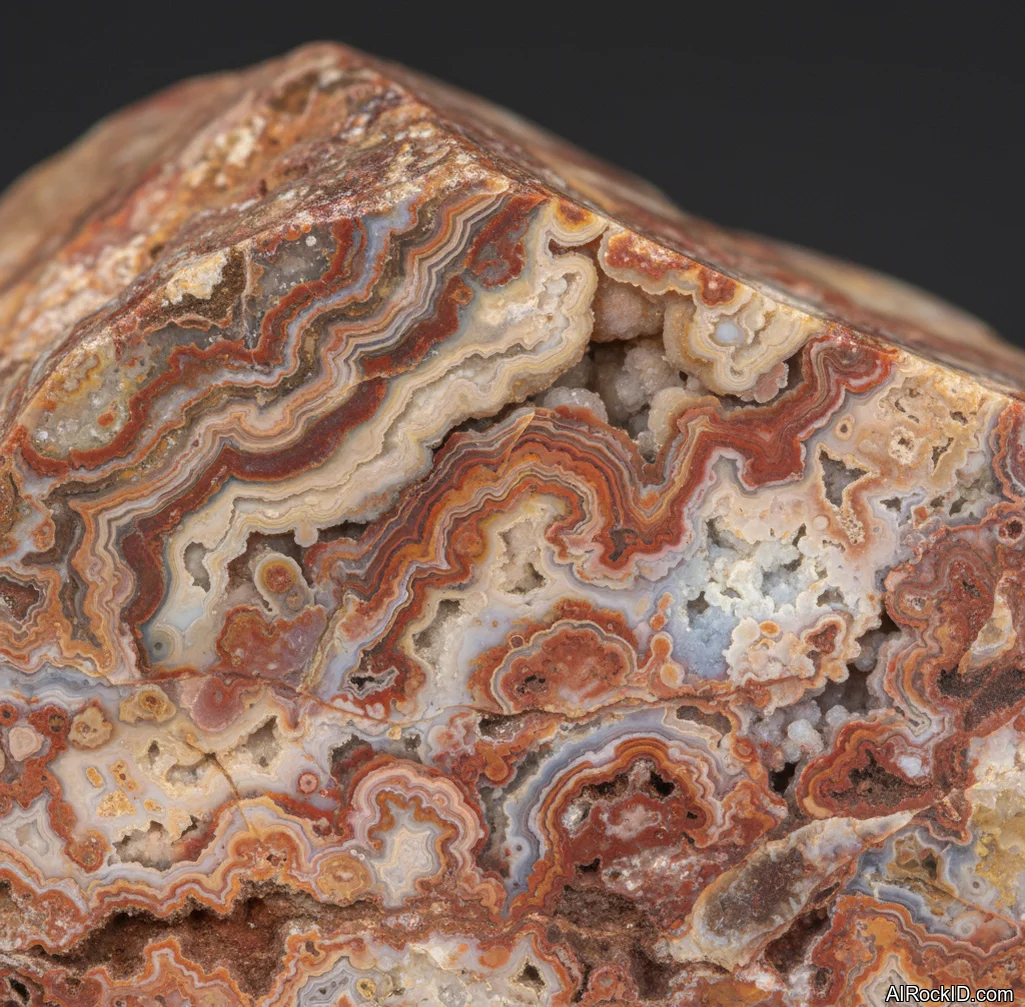
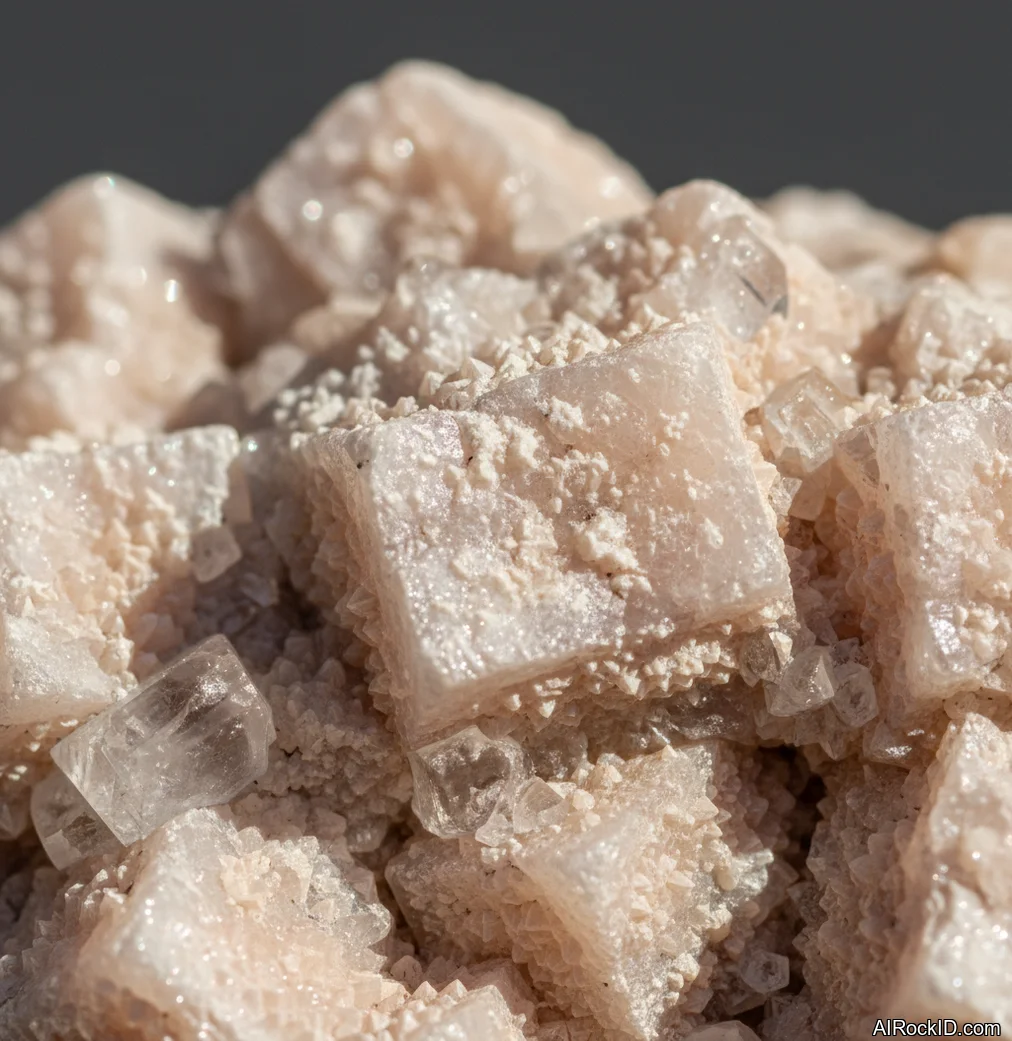
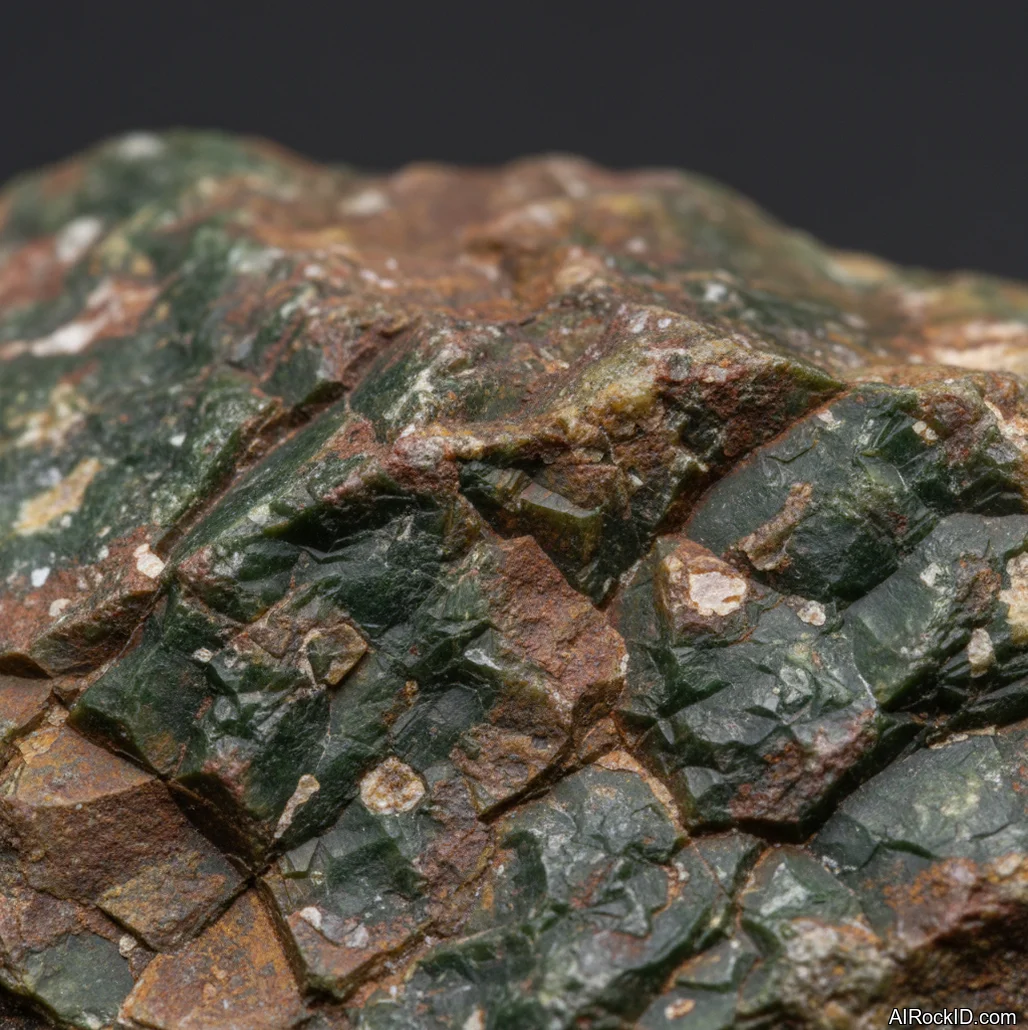
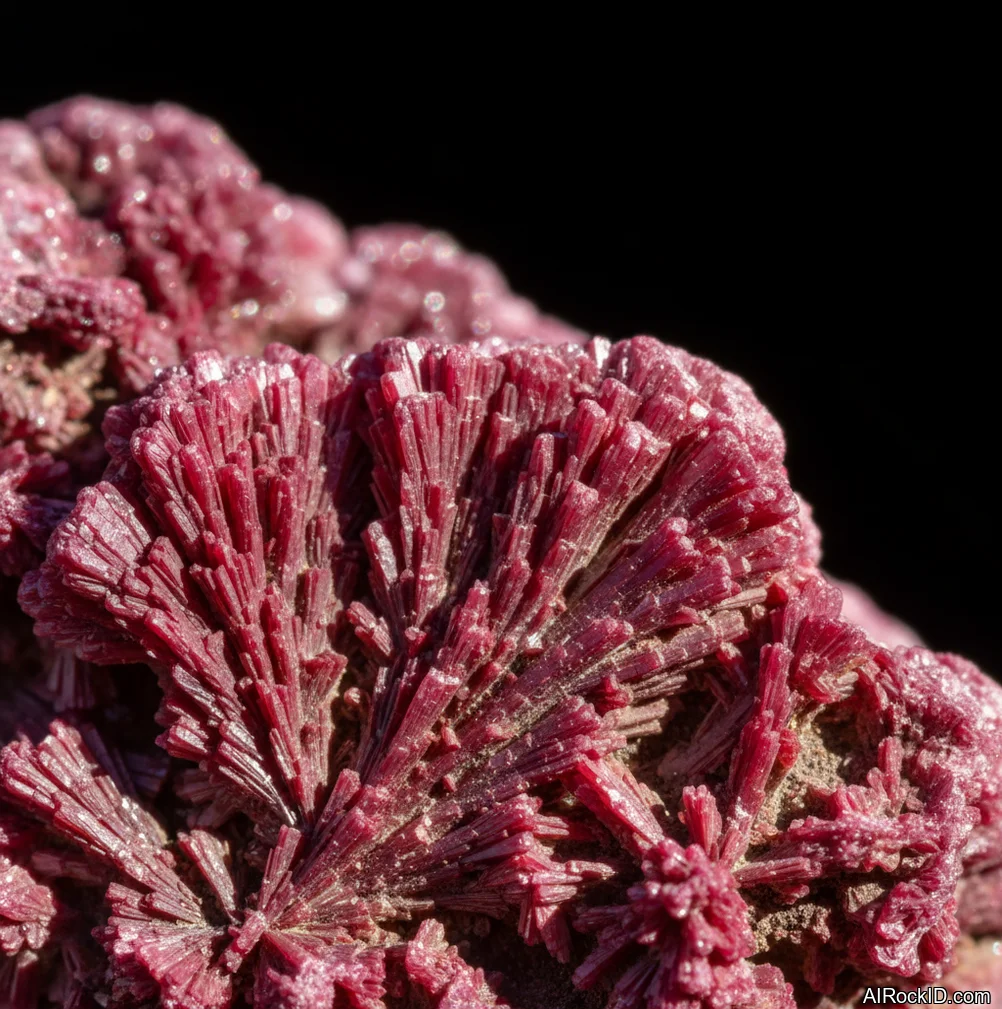
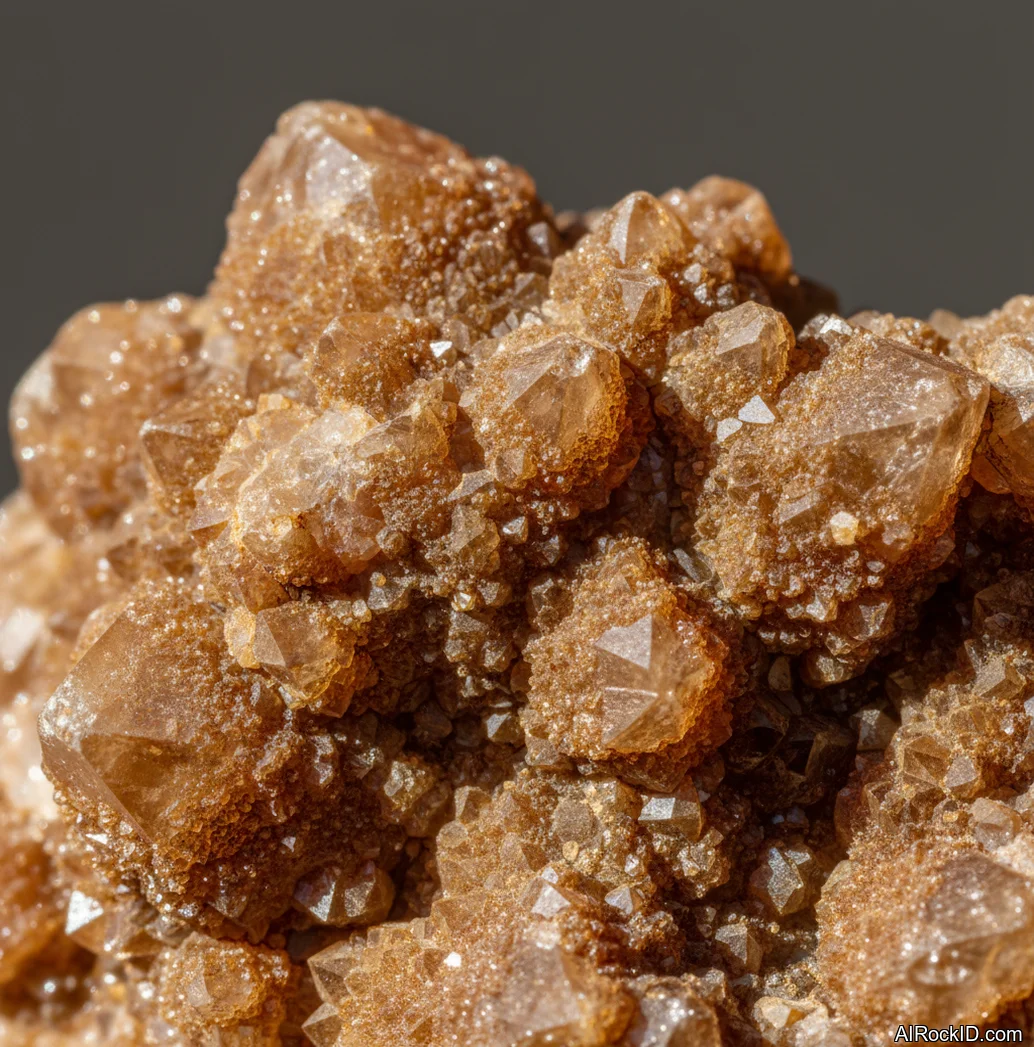
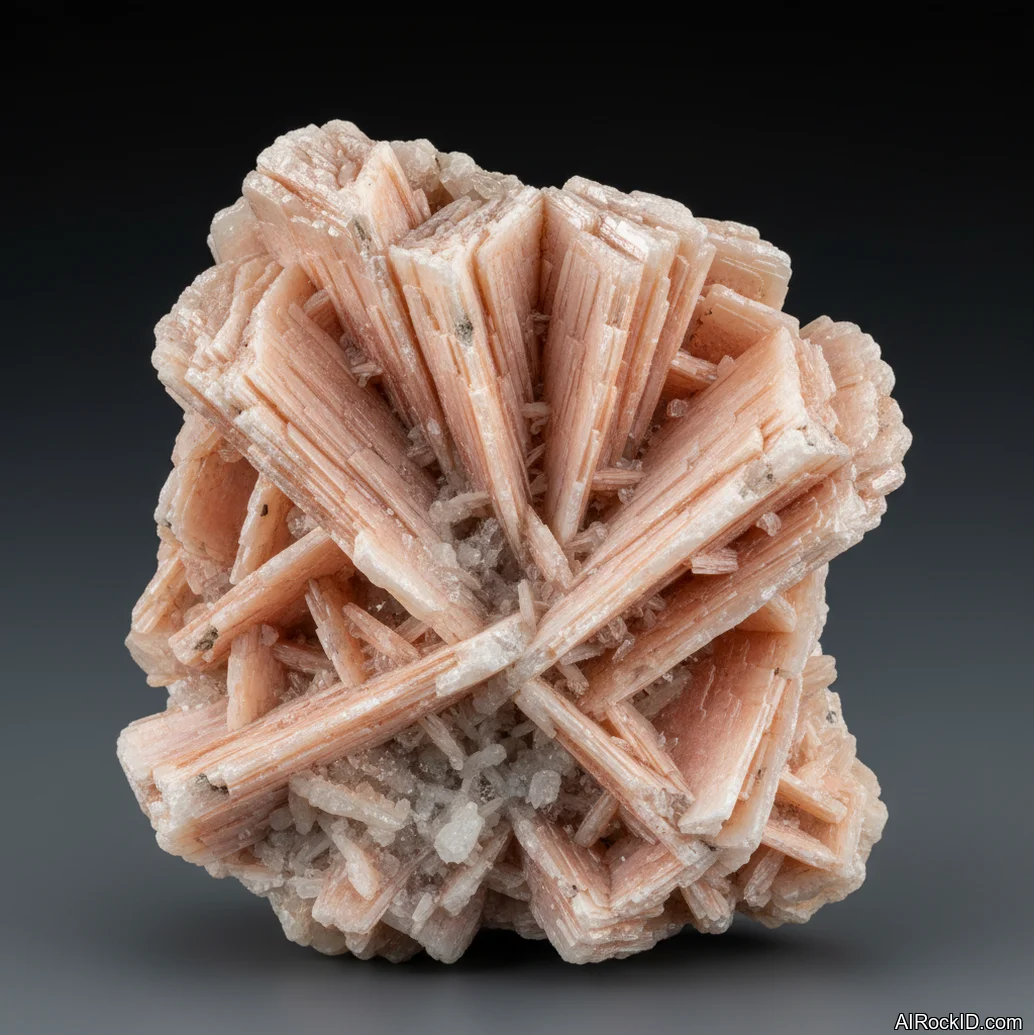
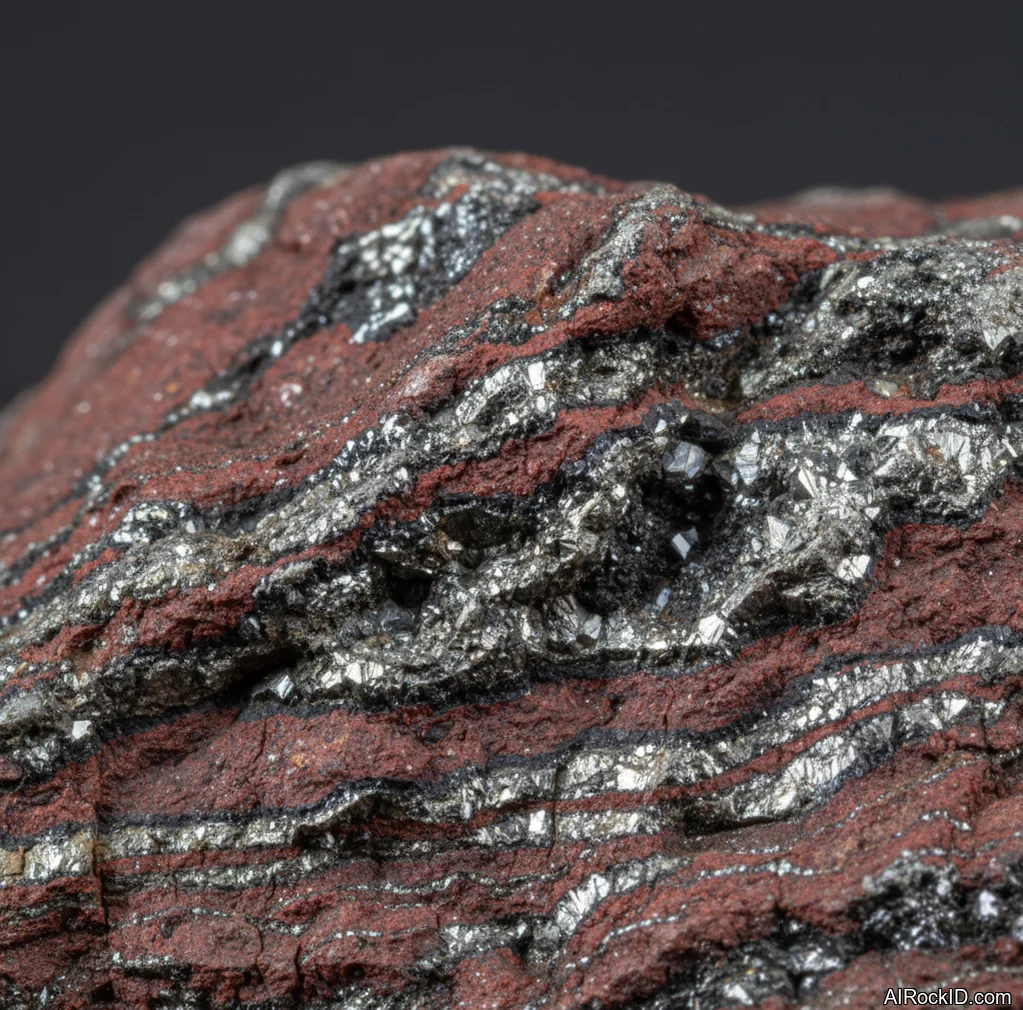
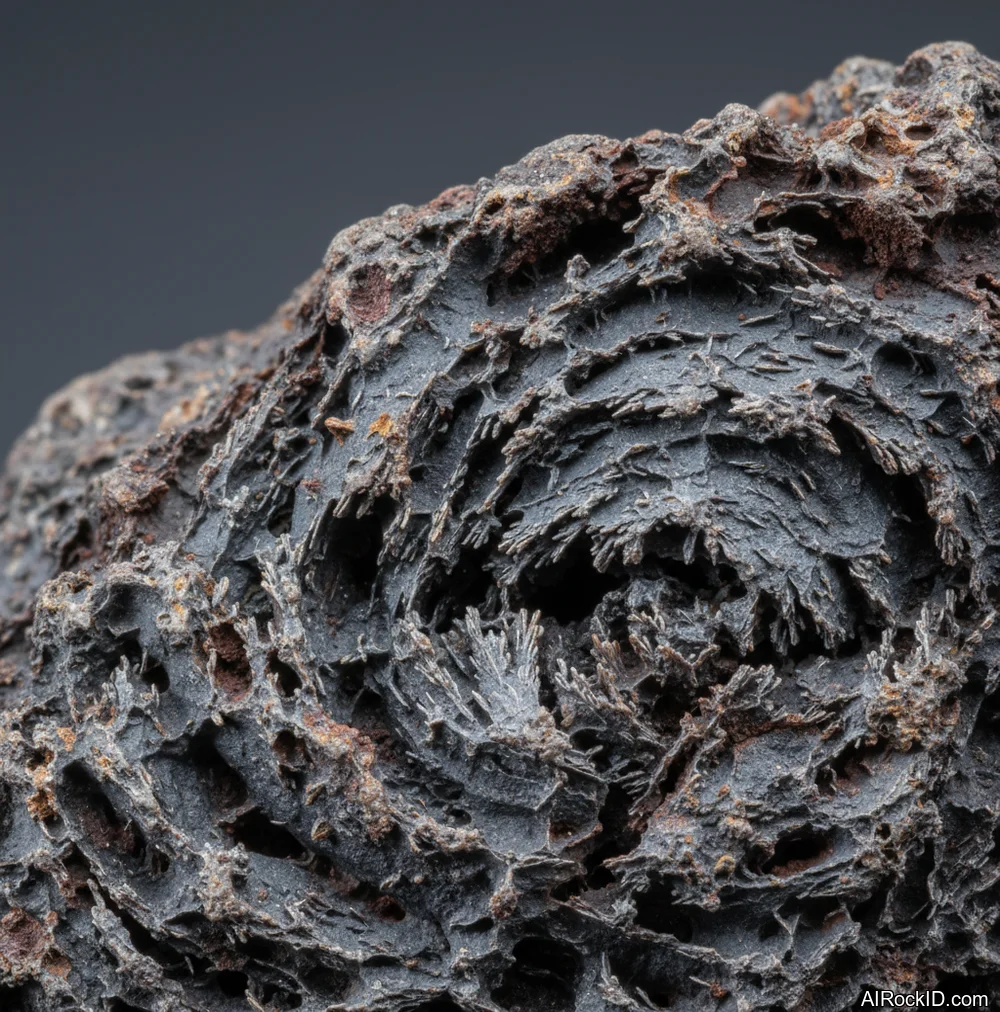
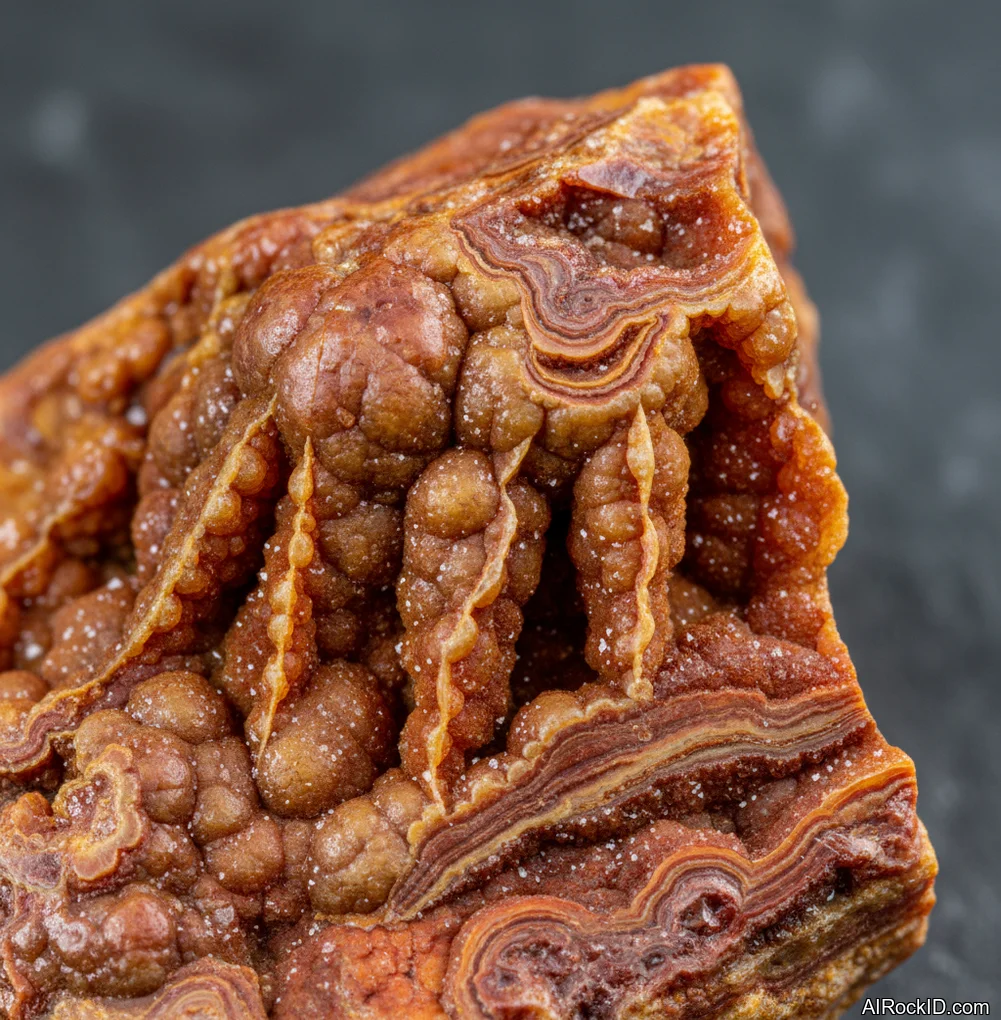
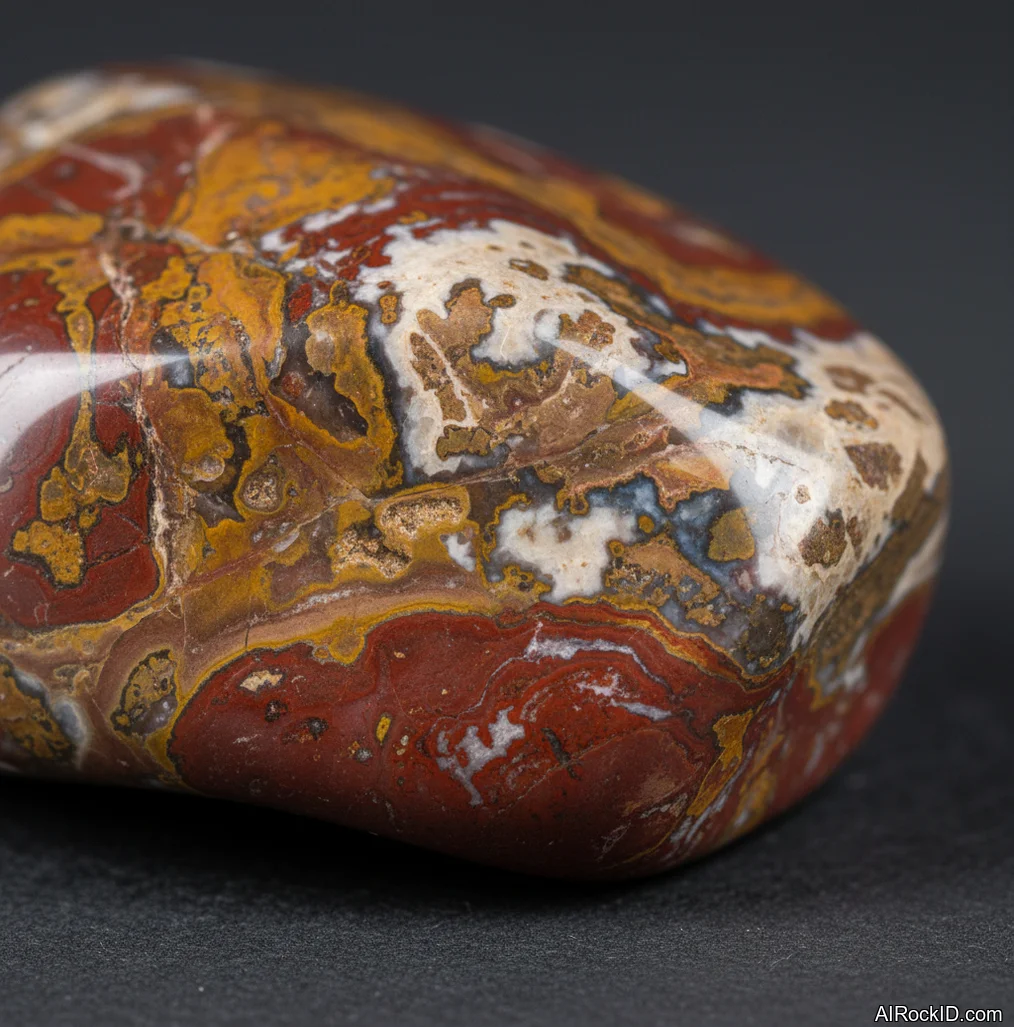
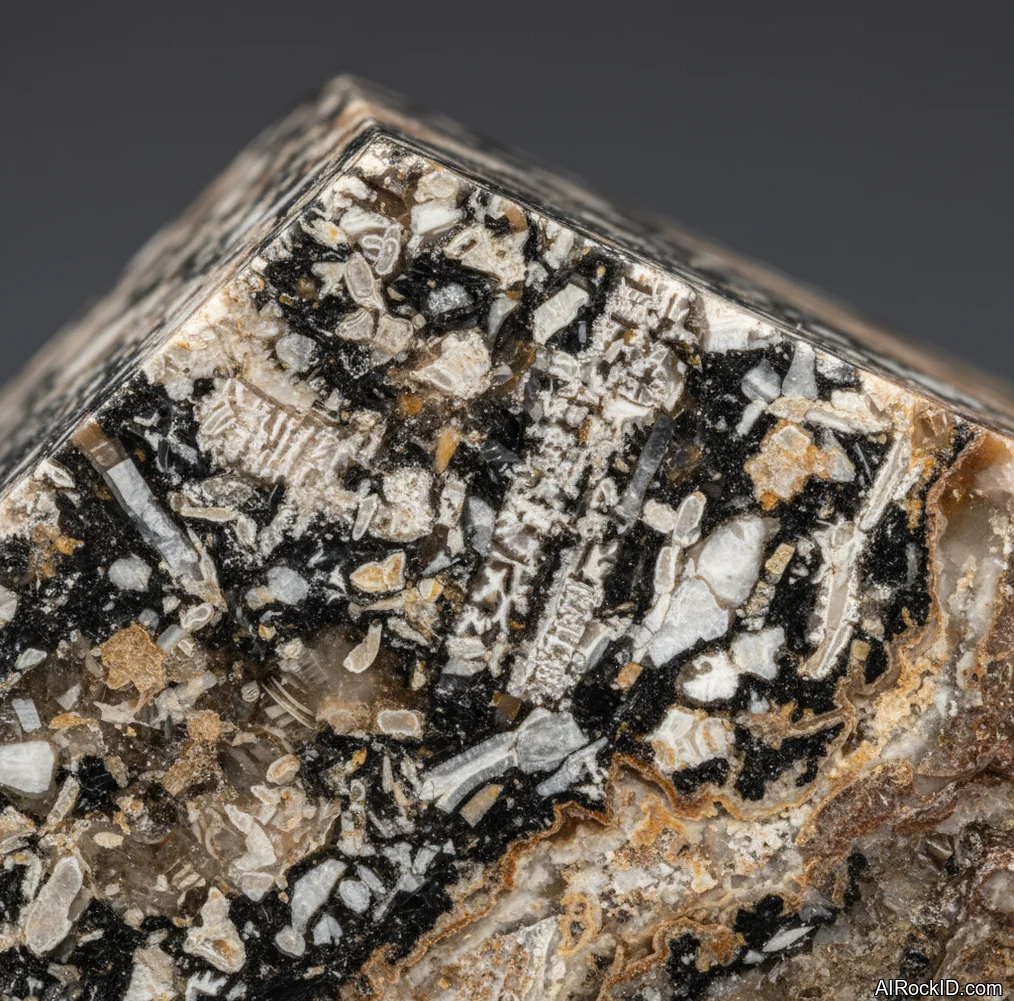
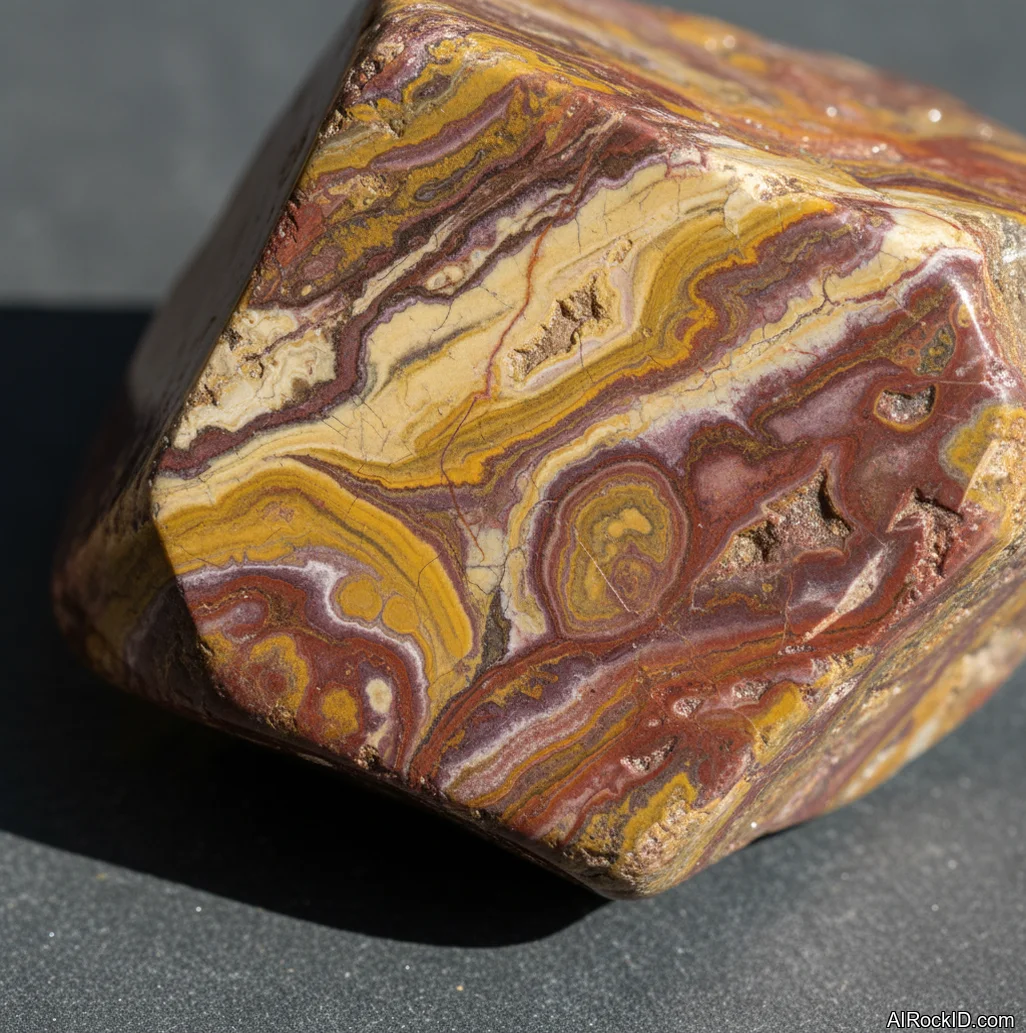
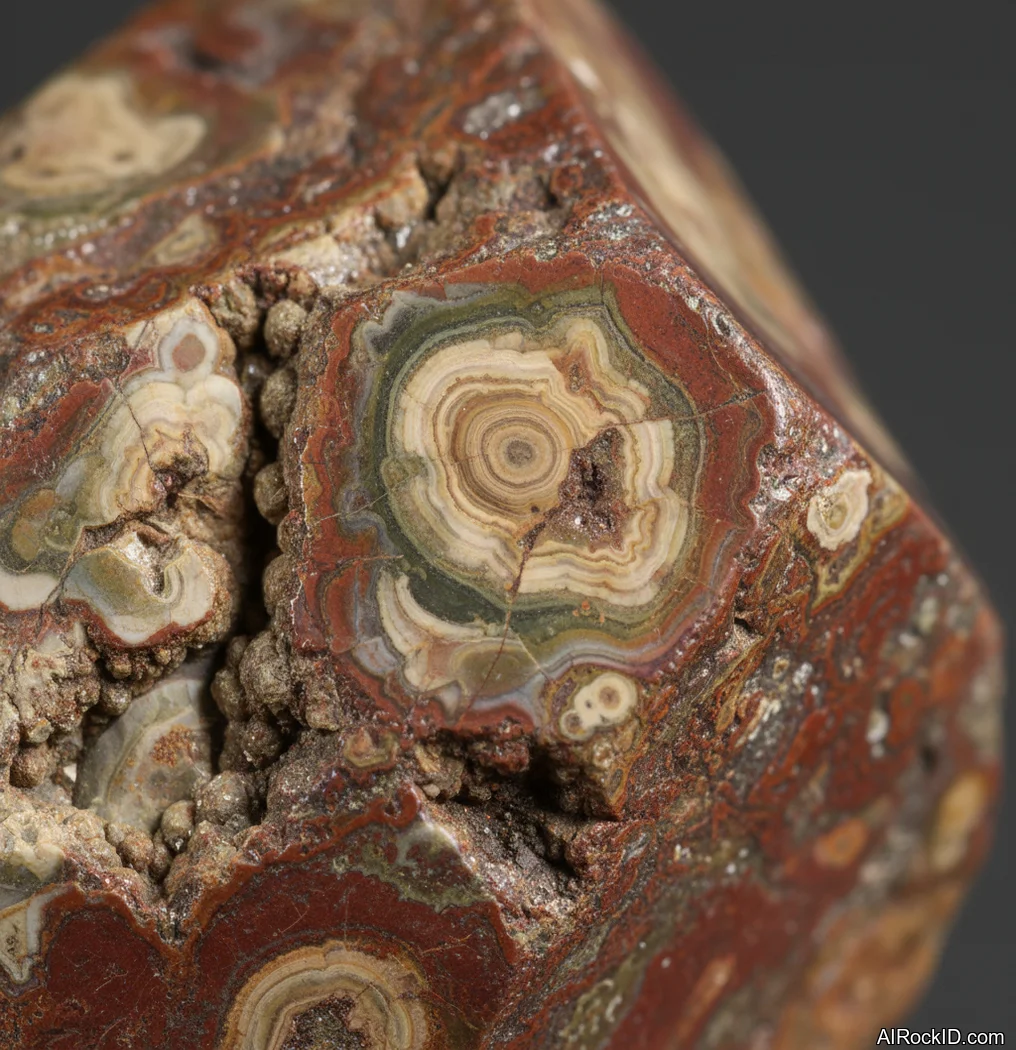
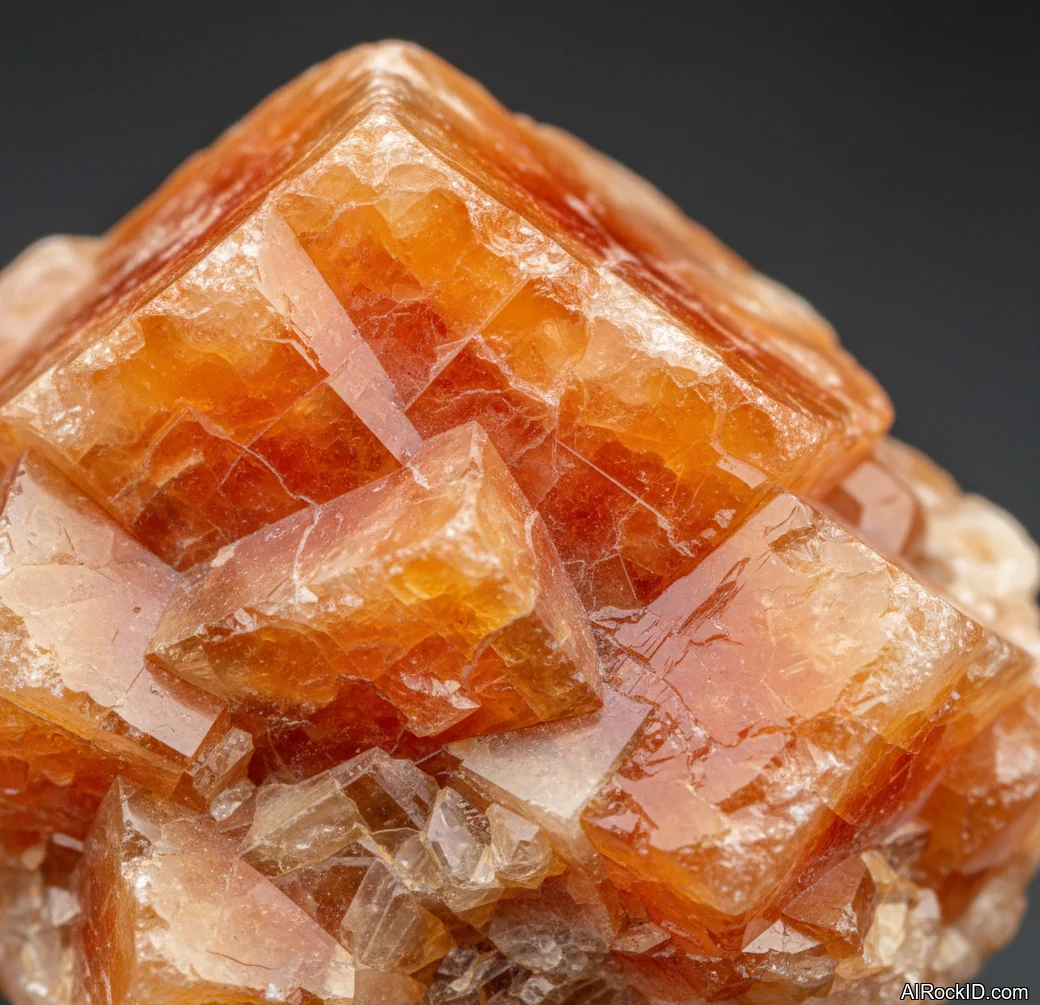
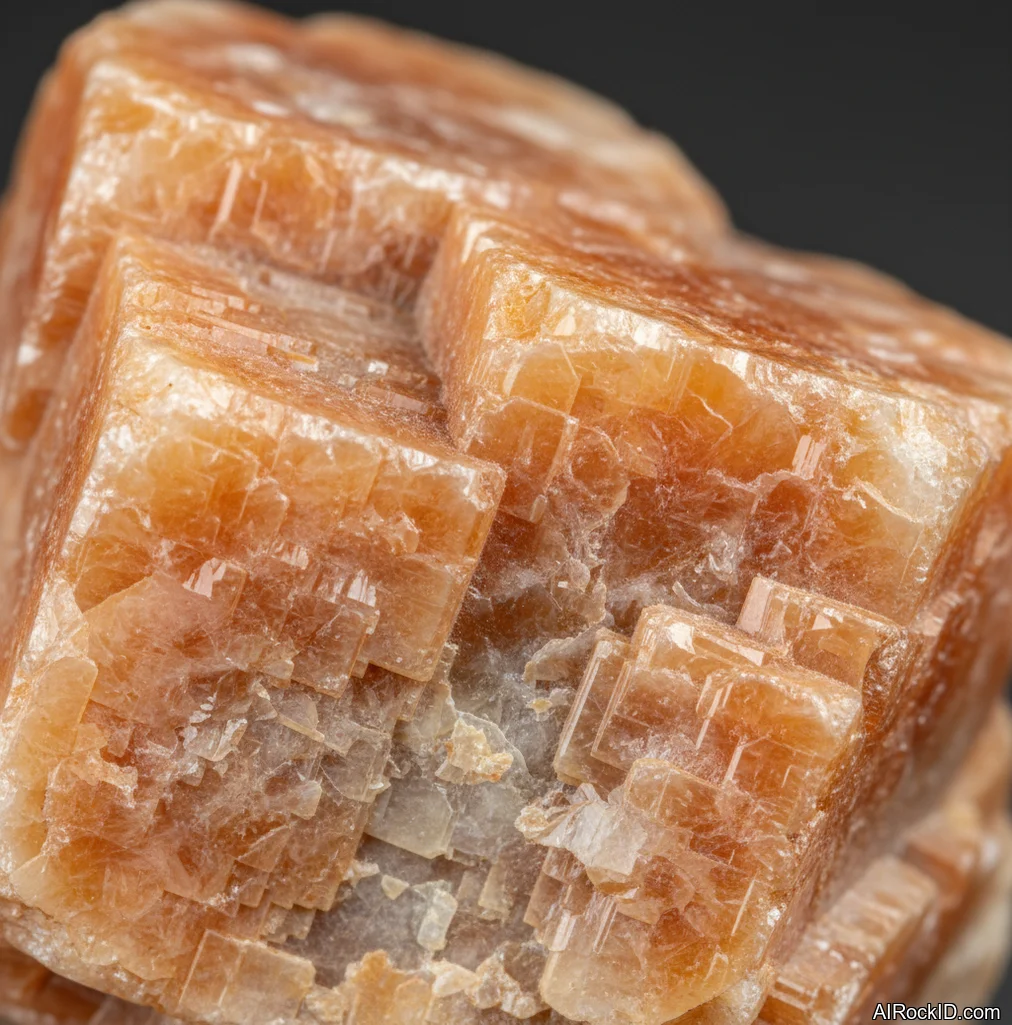
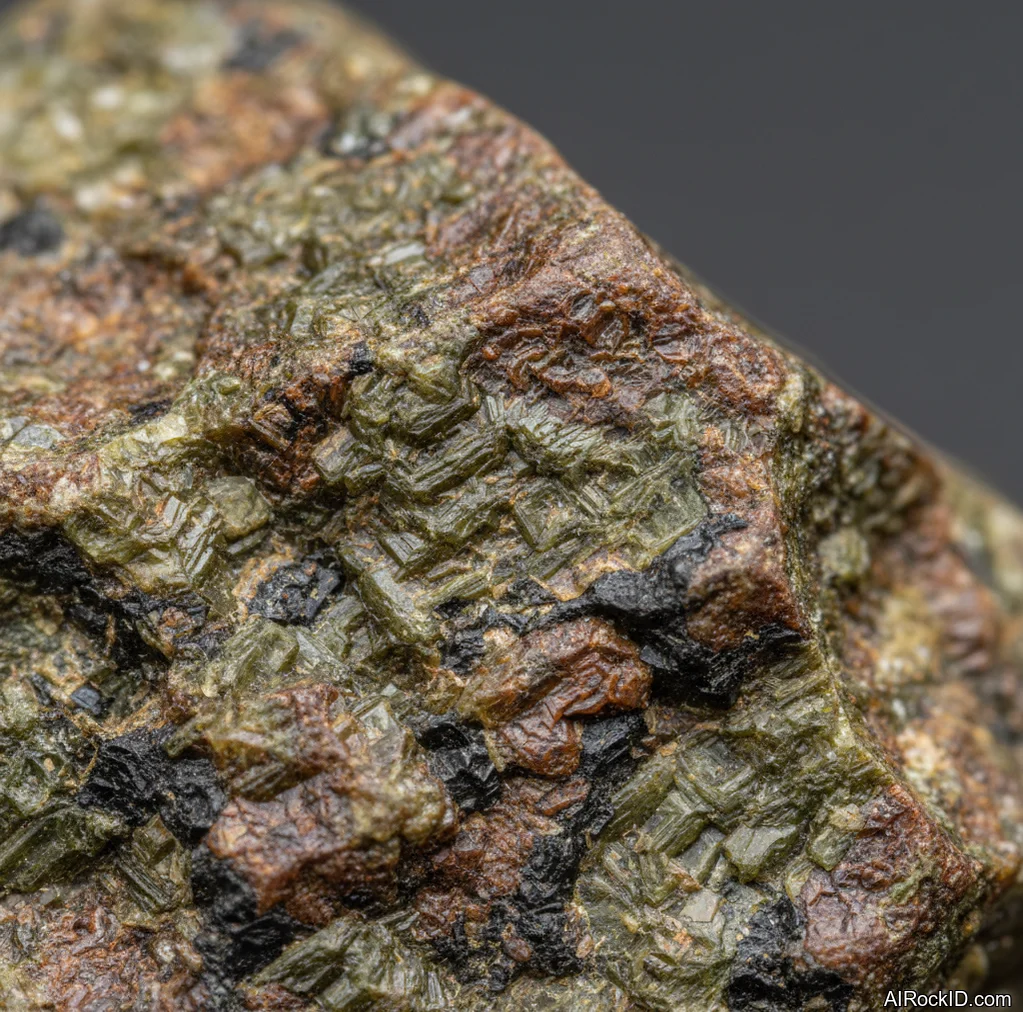
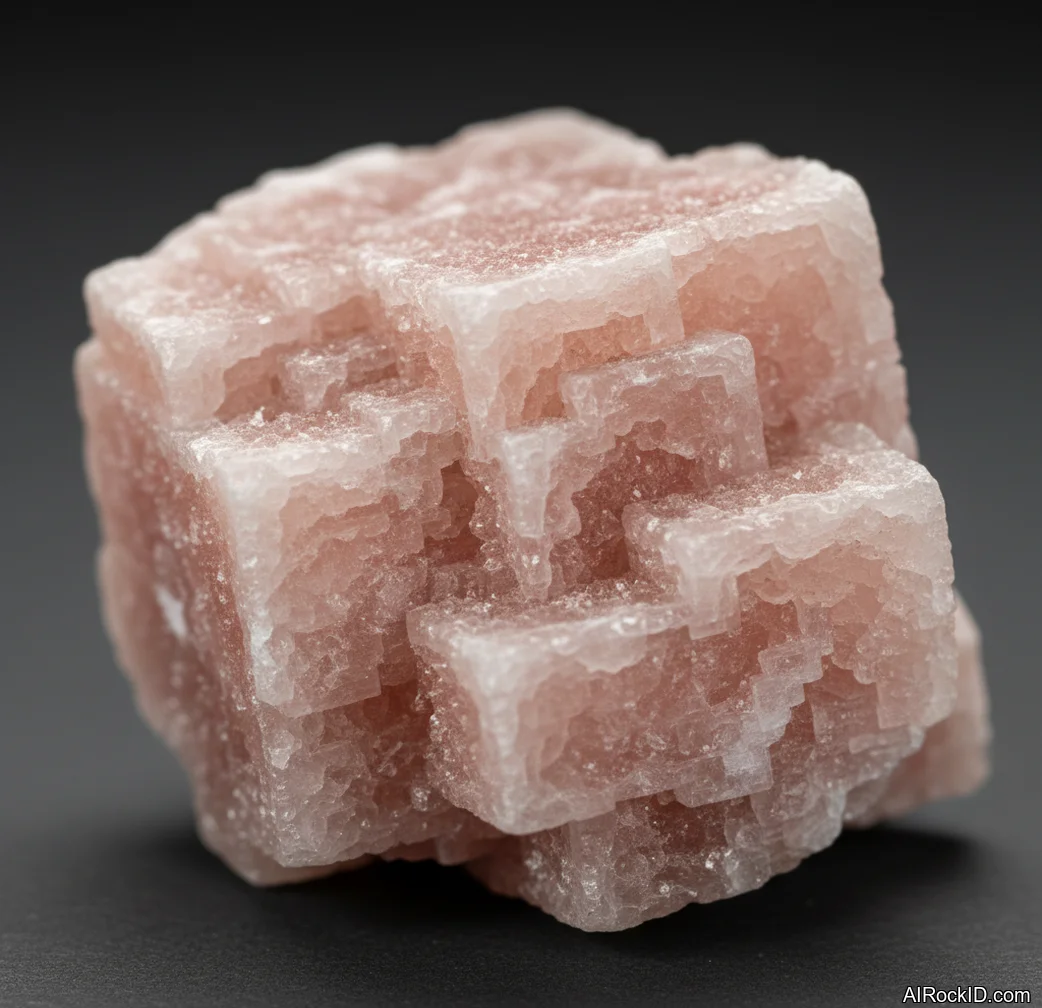
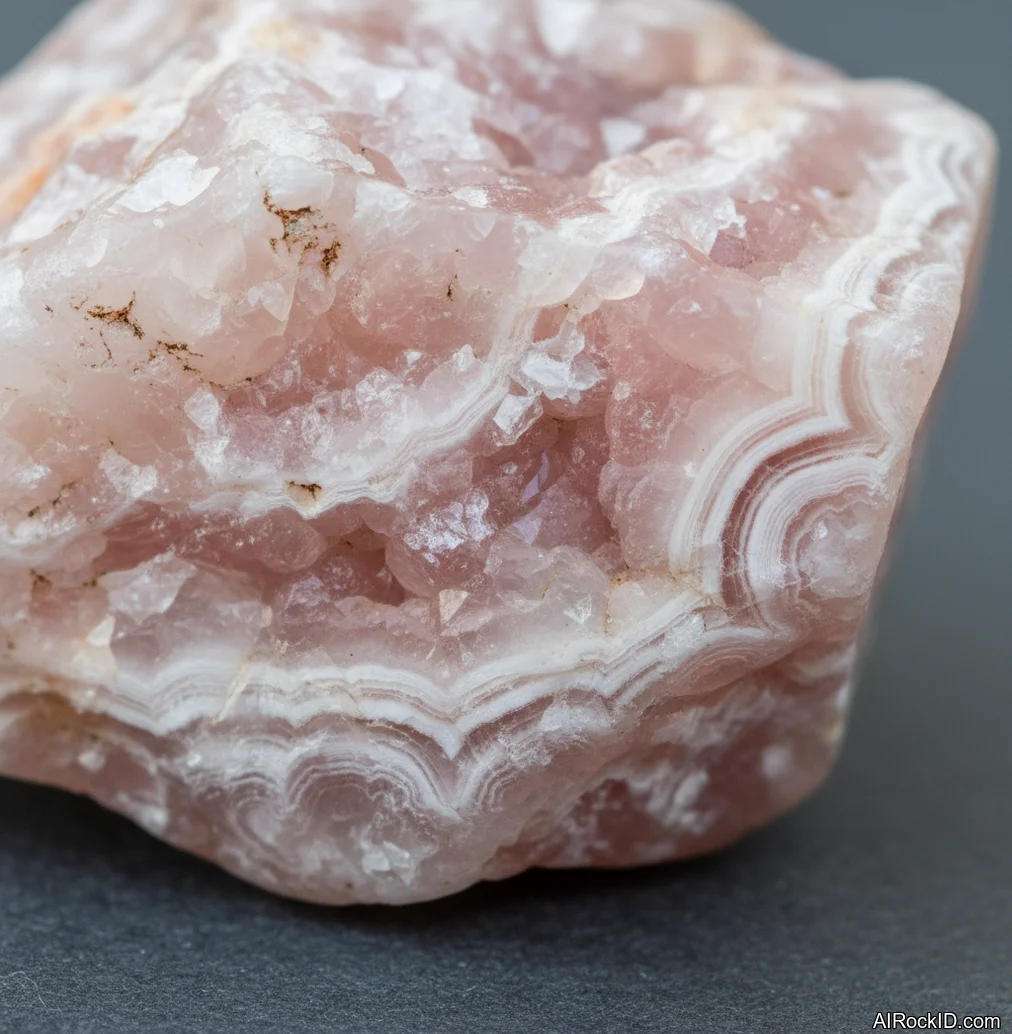
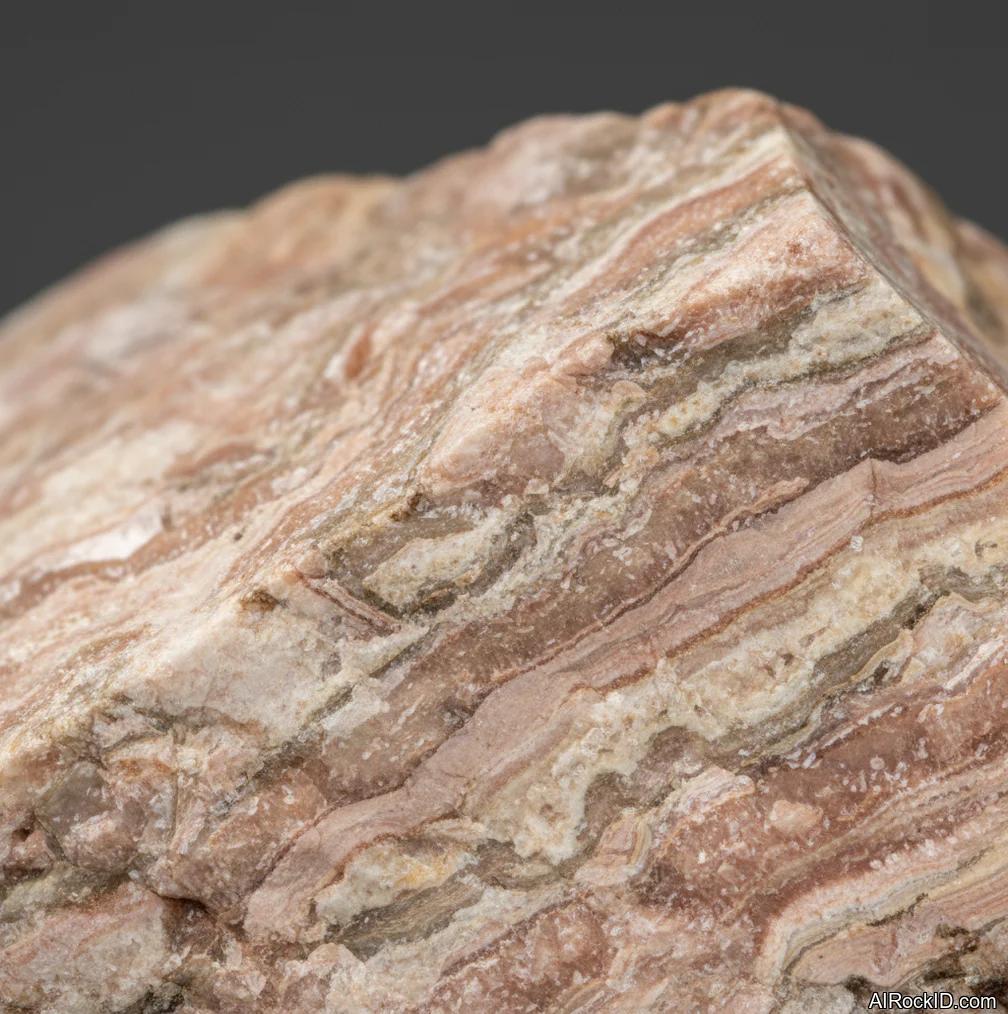
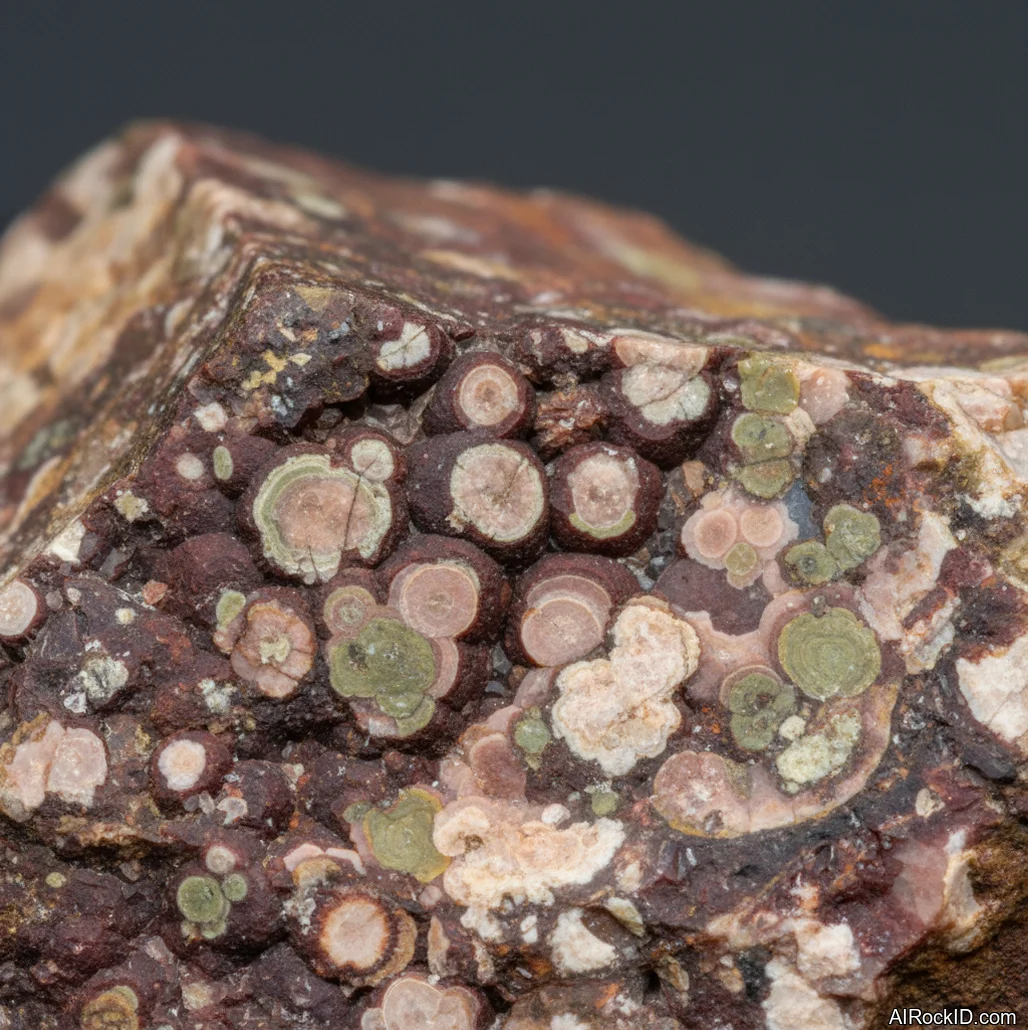
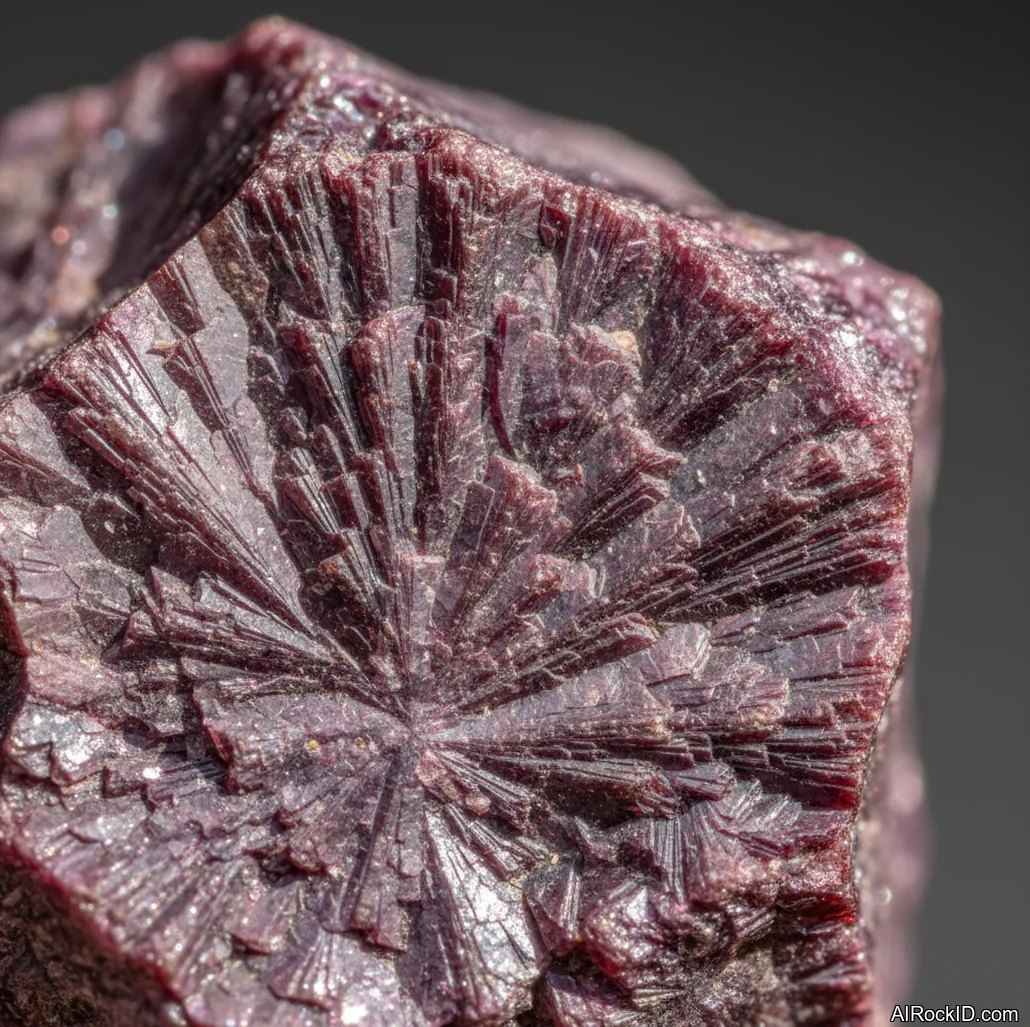
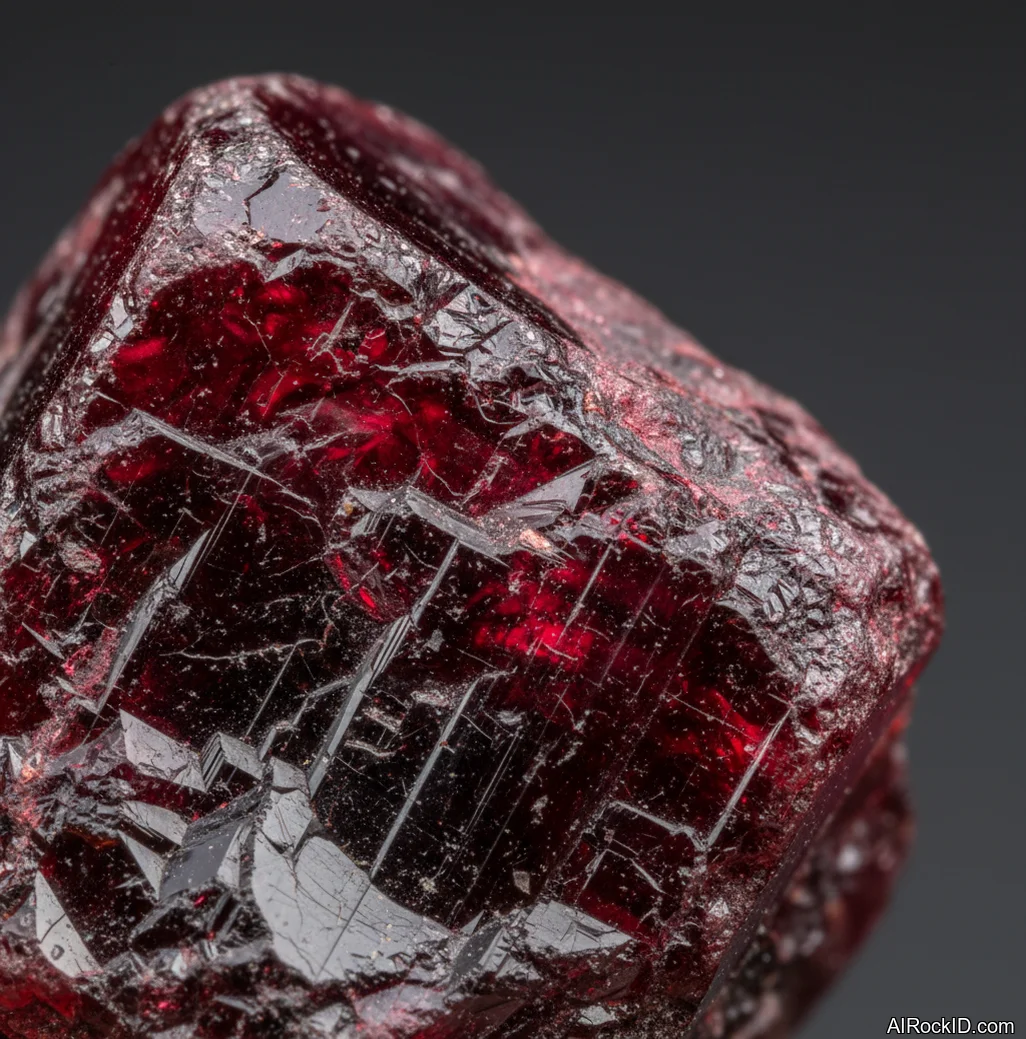
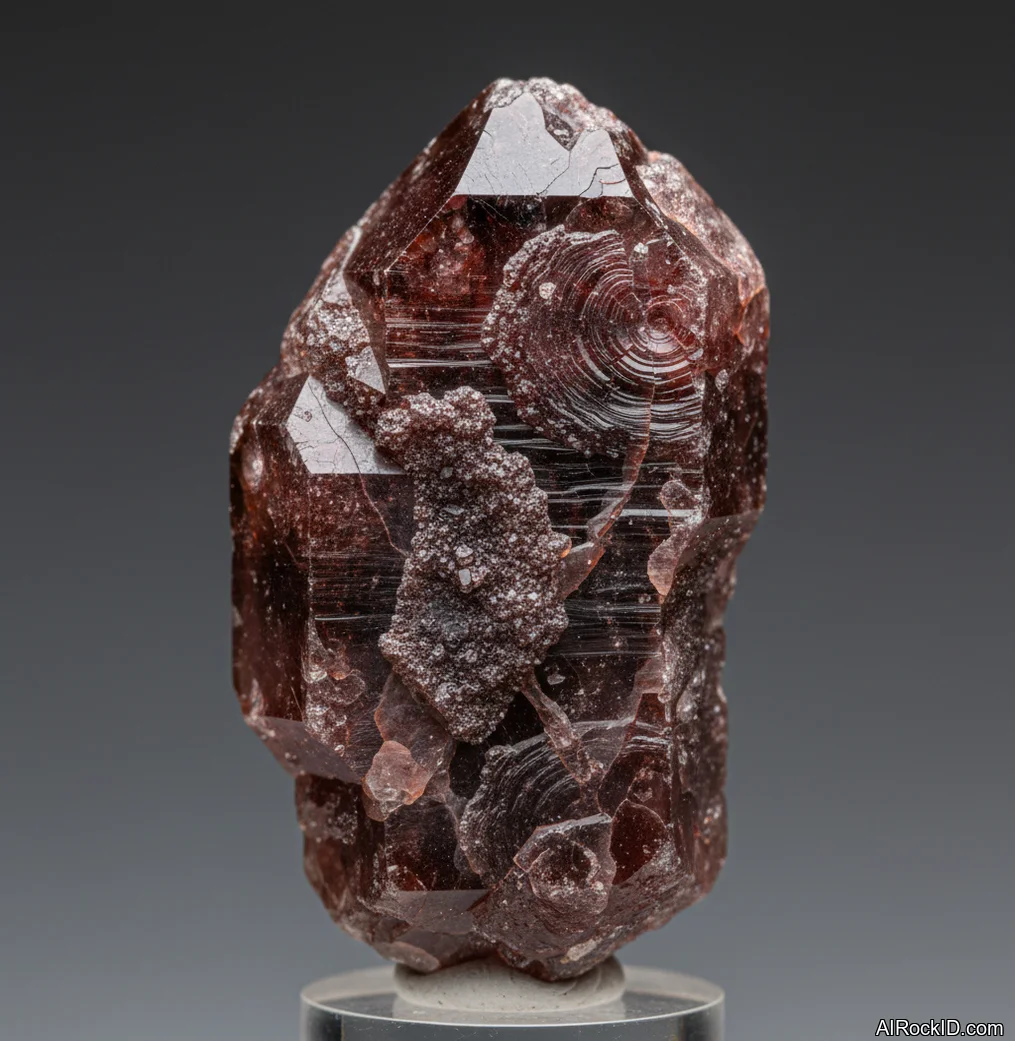
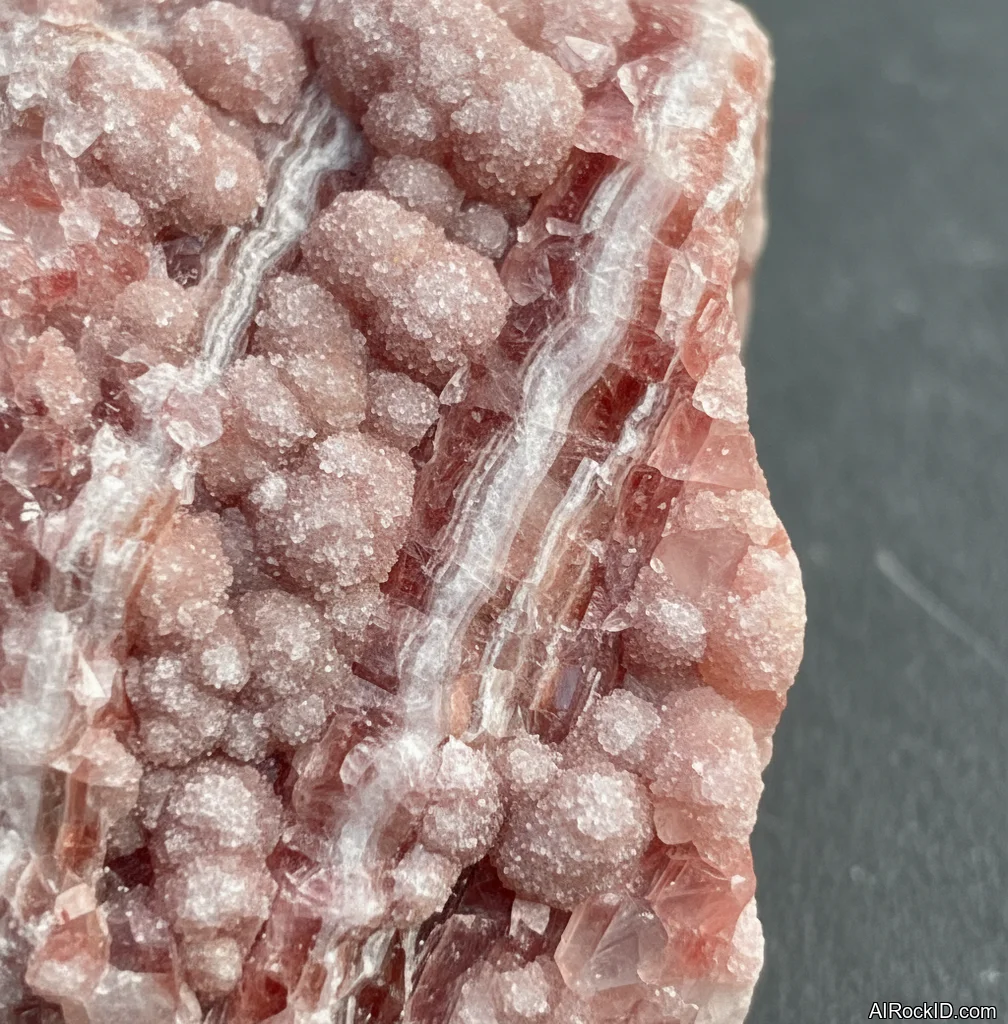
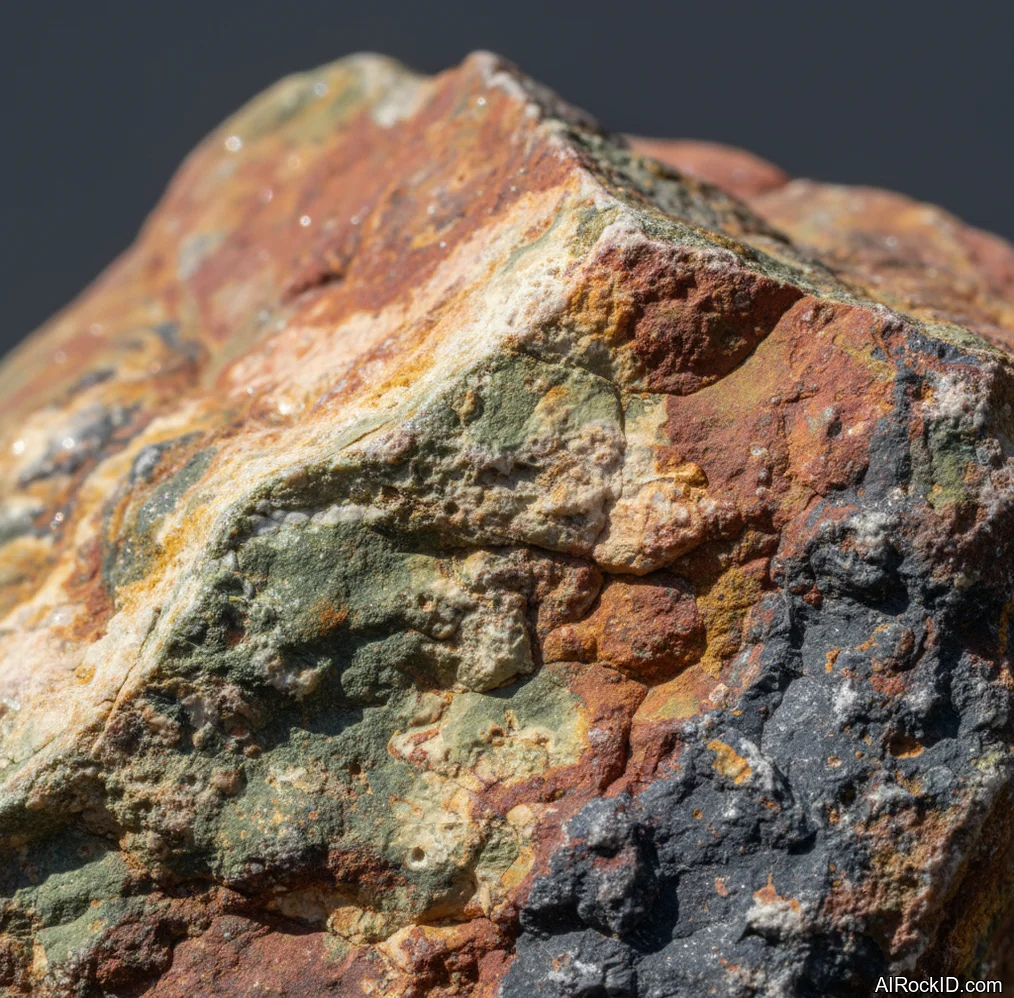
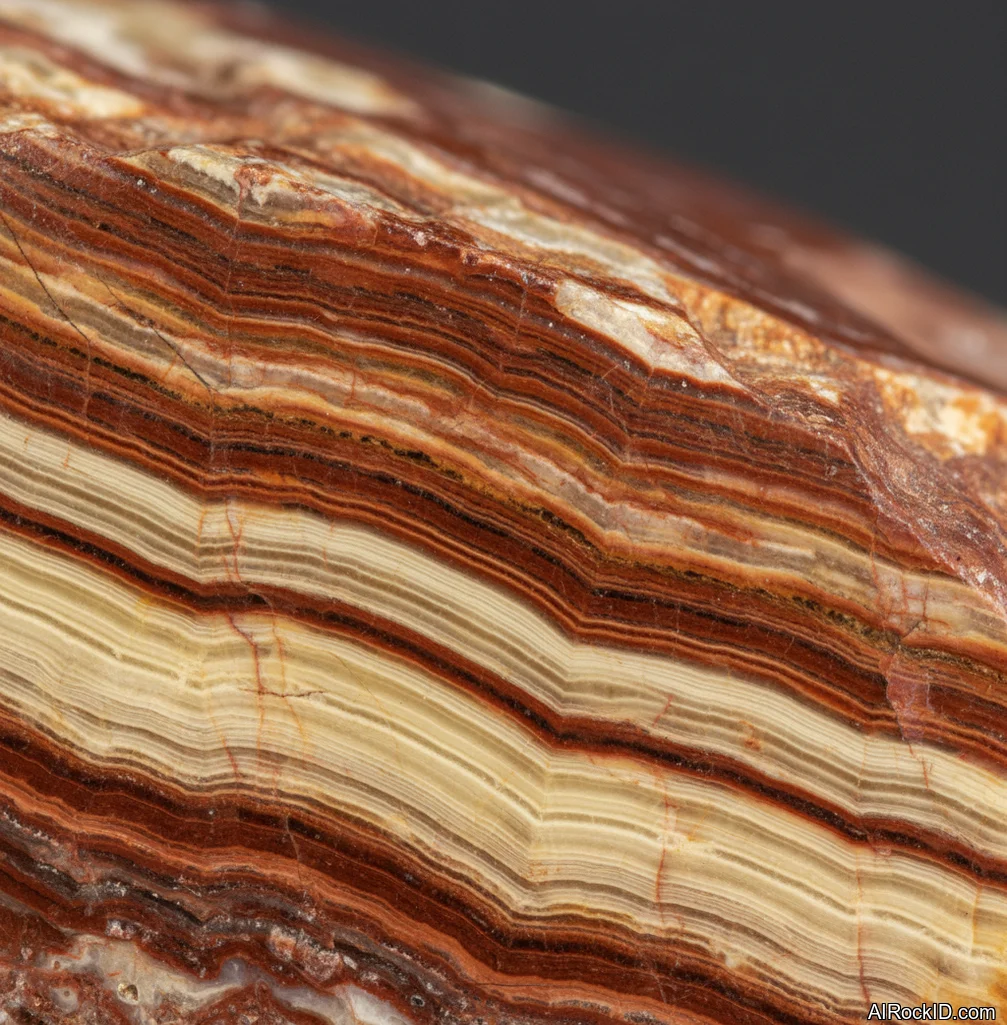
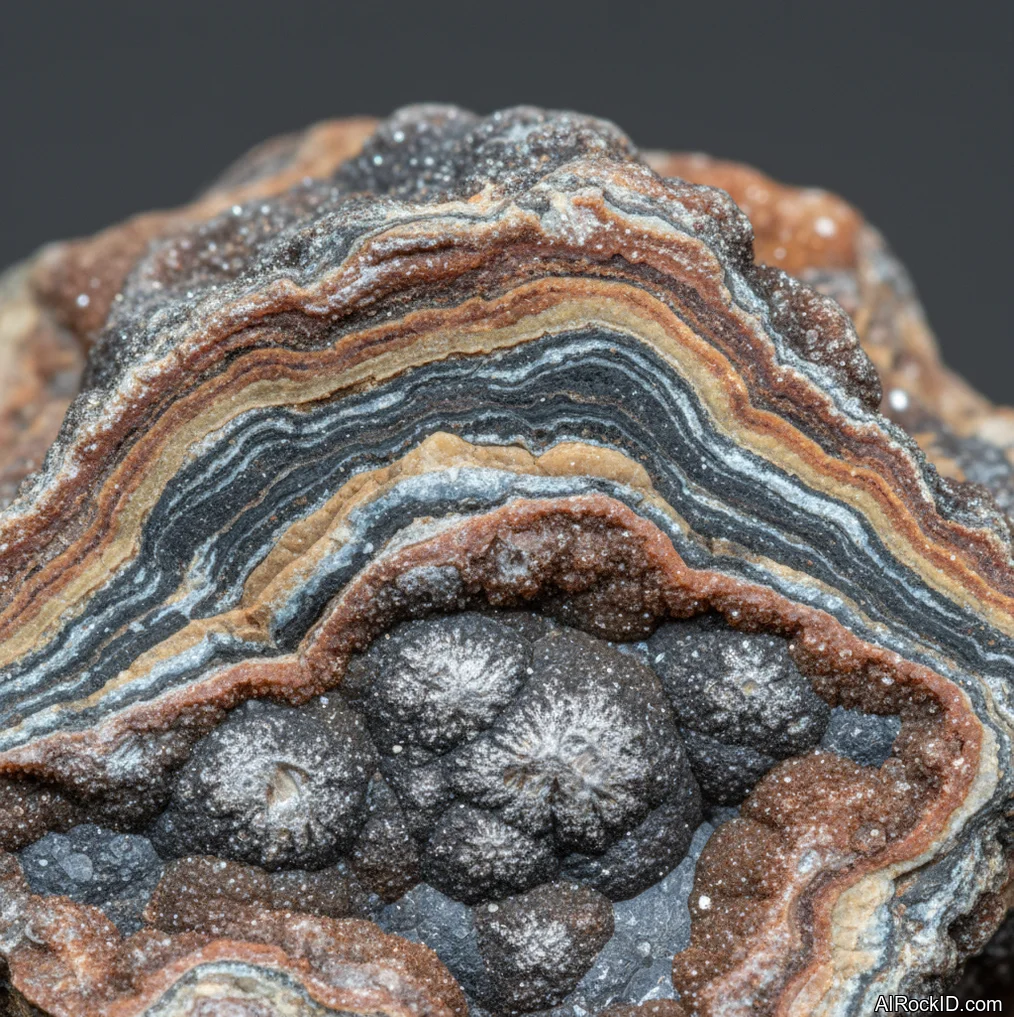
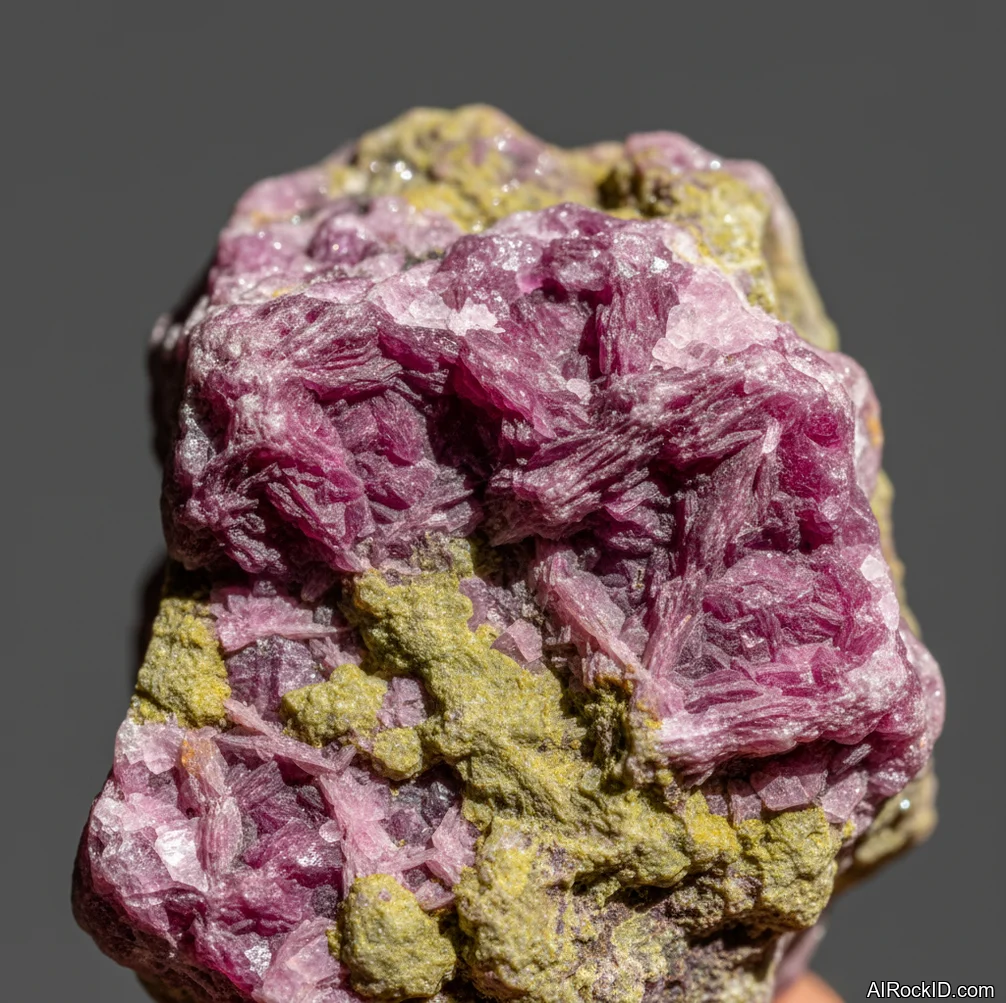
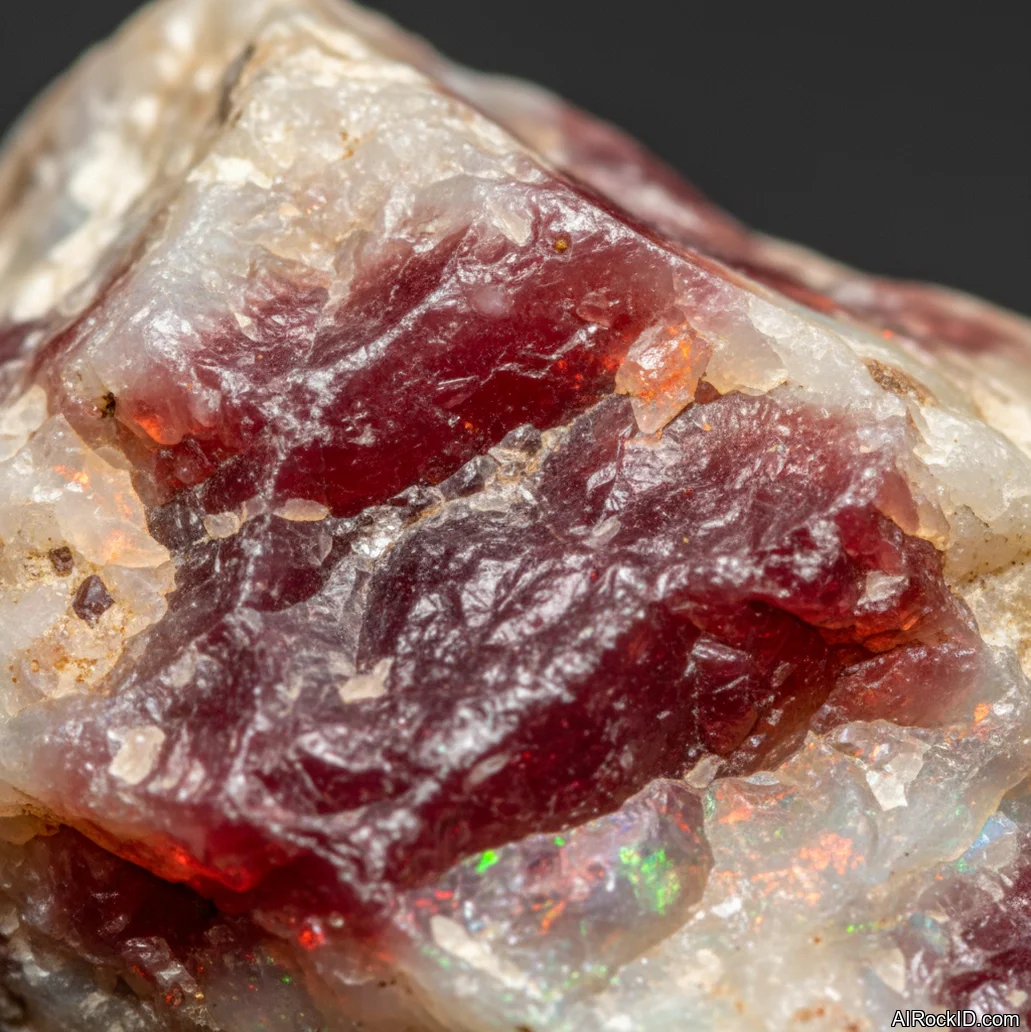
When it’s not just about gentle comfort, but about patching up the parts that feel cracked, rhodonite and rhodochrosite get pulled out fast. Rhodonite stands out with those black manganese veins slicing through the pink—almost like ink lines showing the damage but also the repair. Polished rhodonite feels heavy and a bit waxy, which makes it easy to fidget with. You’ll see the jagged black lines even in tumbled pieces, and they don’t pretend everything’s perfect. Rhodochrosite, though, comes in bands of pink and cream, sometimes with a sugary sparkle on a broken edge, especially if it’s straight from Argentina. It’s a softer mineral than most people think—the surface scratches with a fingernail, and if you throw it in your bag with keys, expect bruises and dents. A lot of people don’t realize that real rhodochrosite is fragile and can even dissolve if you soak it in water for too long. That impermanence is part of the appeal for some collectors. You handle it carefully, and it rewards you with color that looks like blush under the right light.
Soothing Anxiety with Emotional Healing Crystals: Amethyst, Lepidolite, and Blue Lace Agate
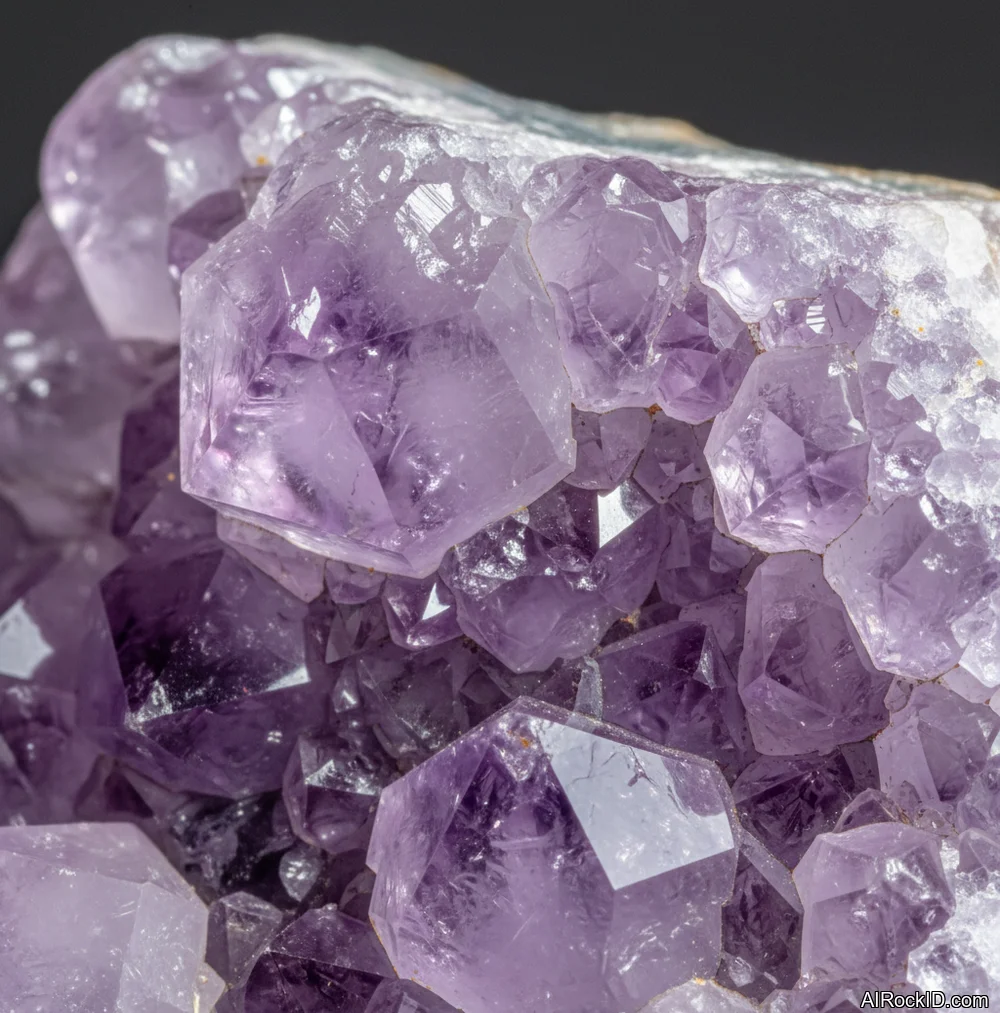
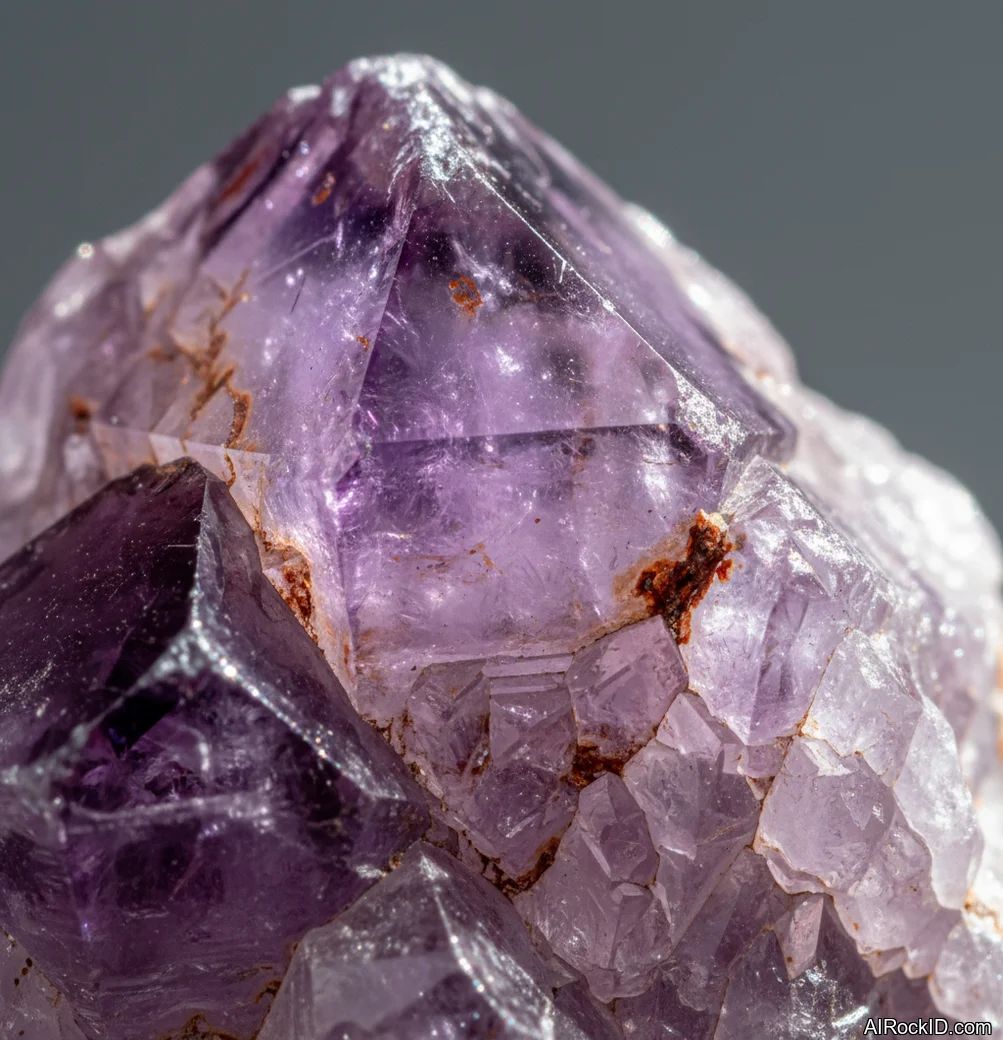
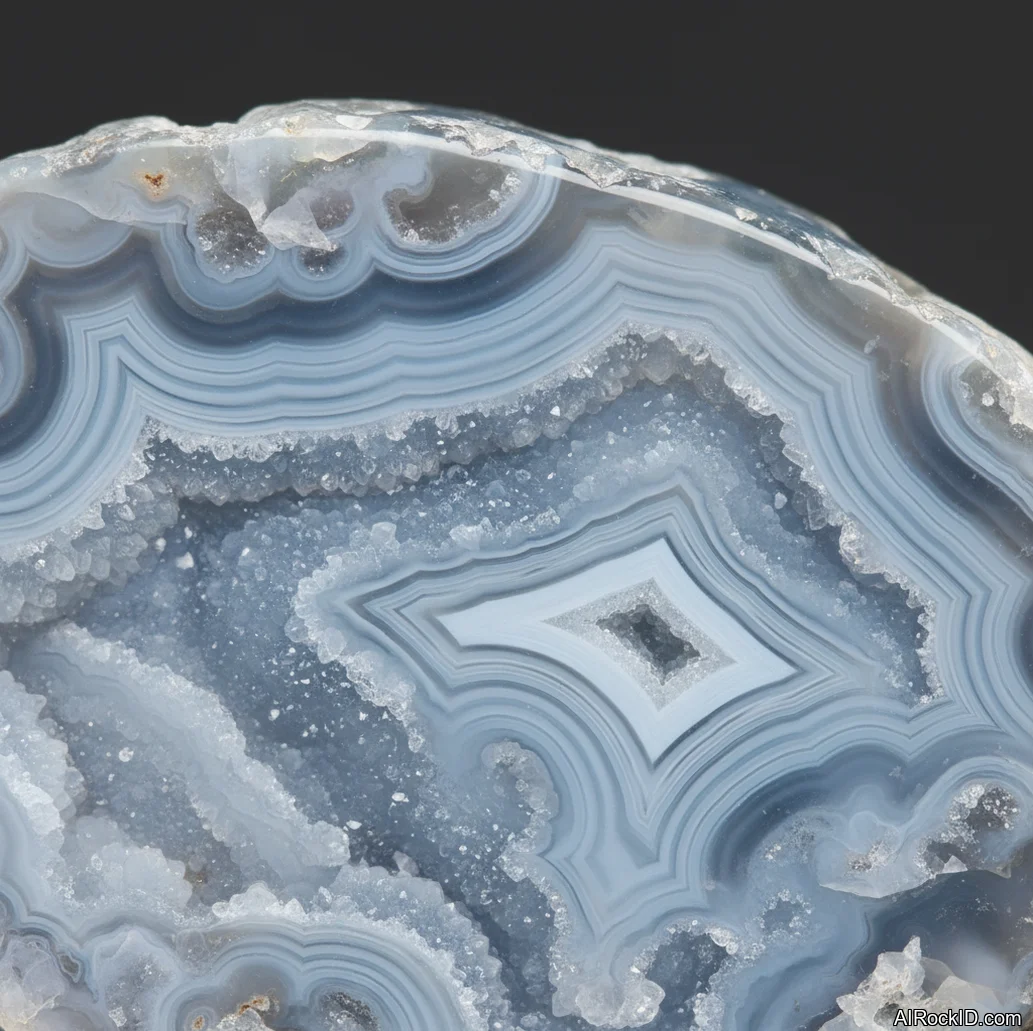
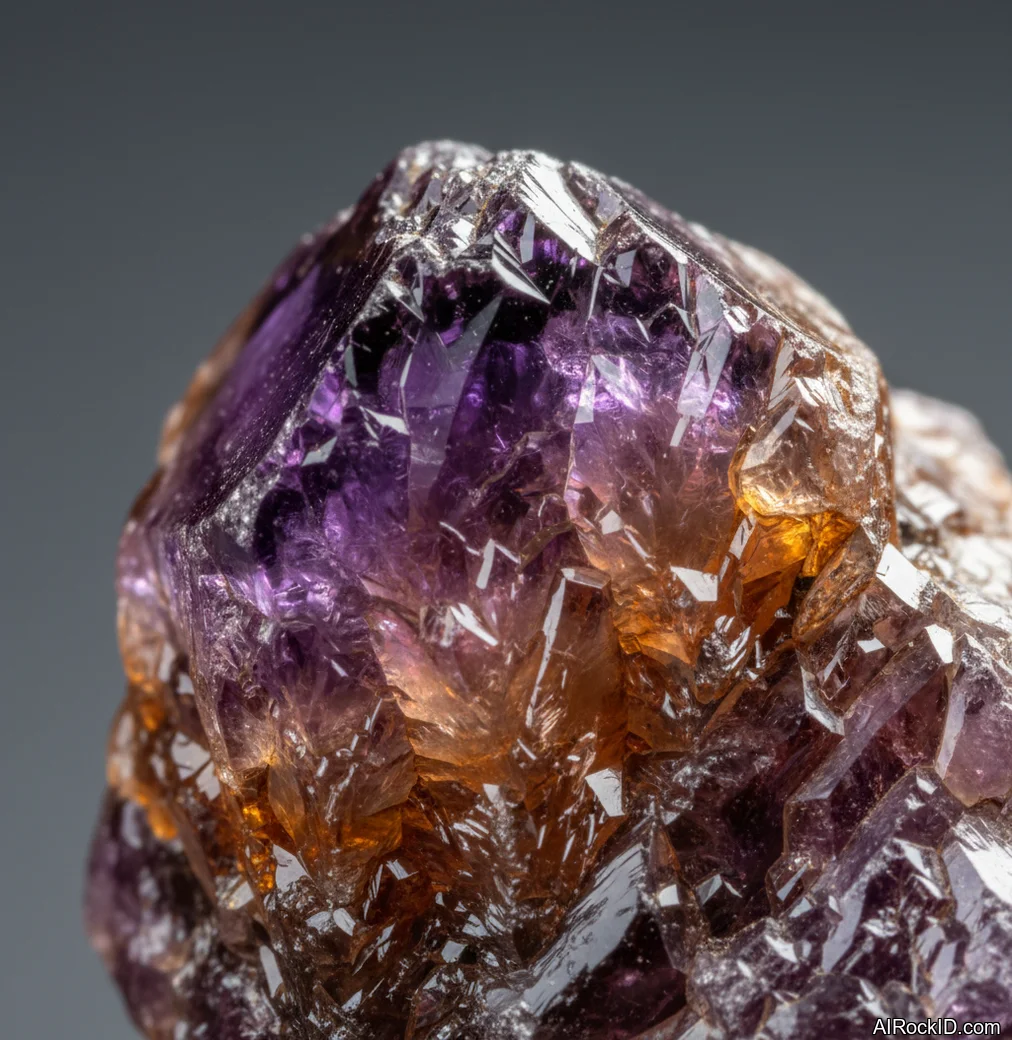
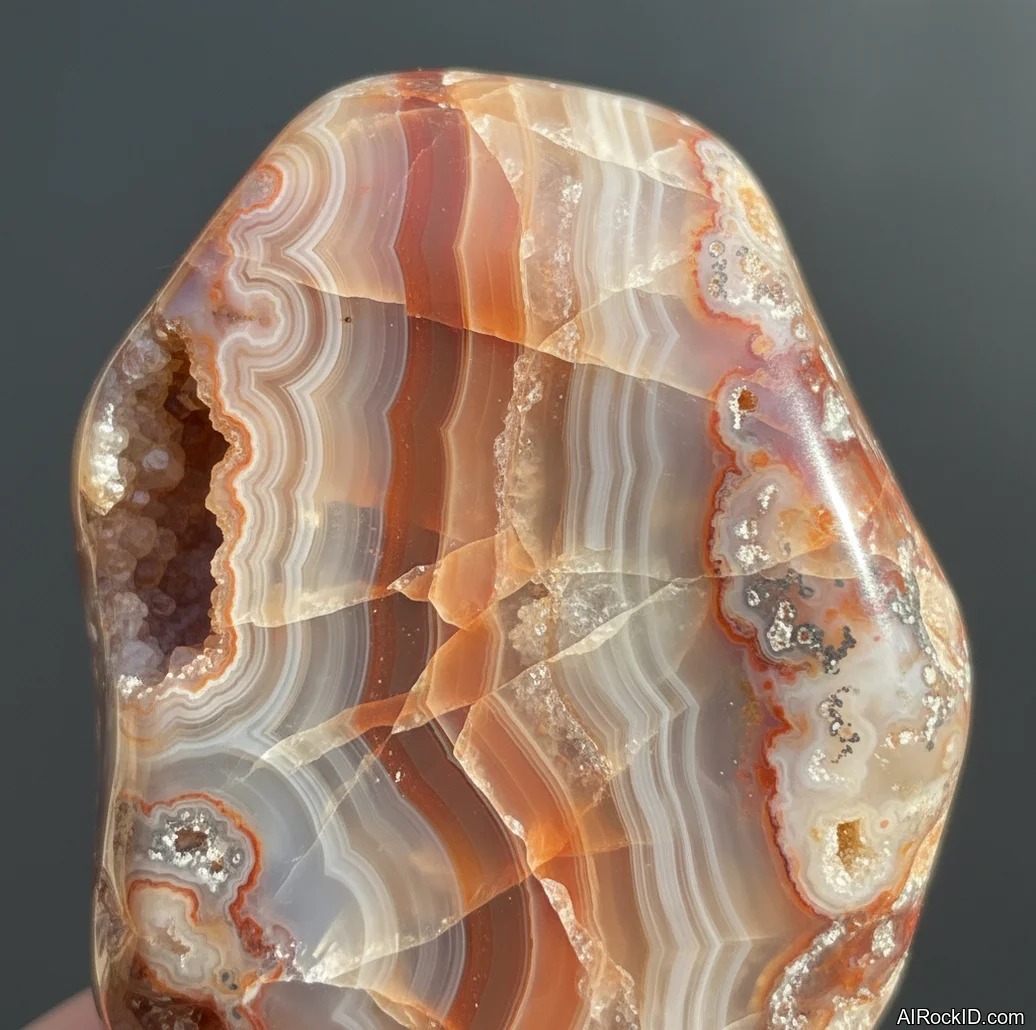
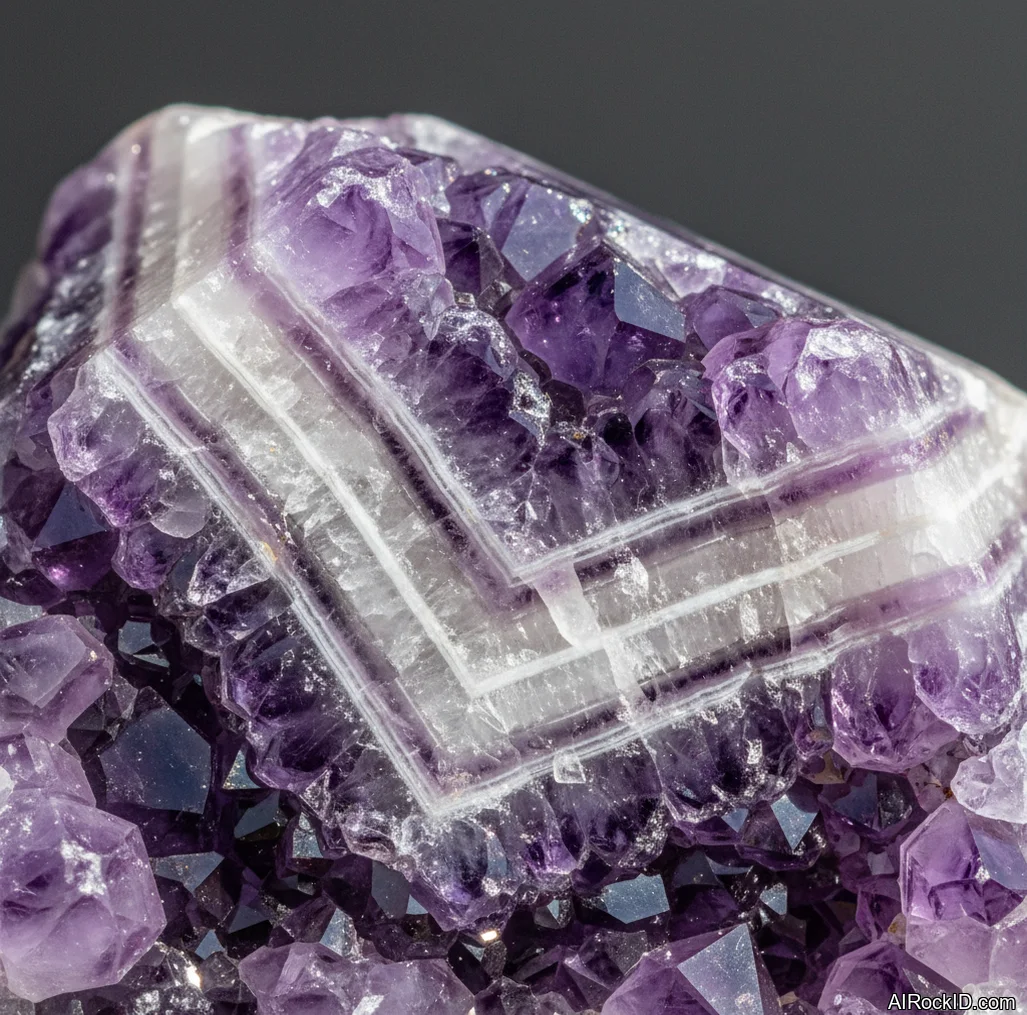
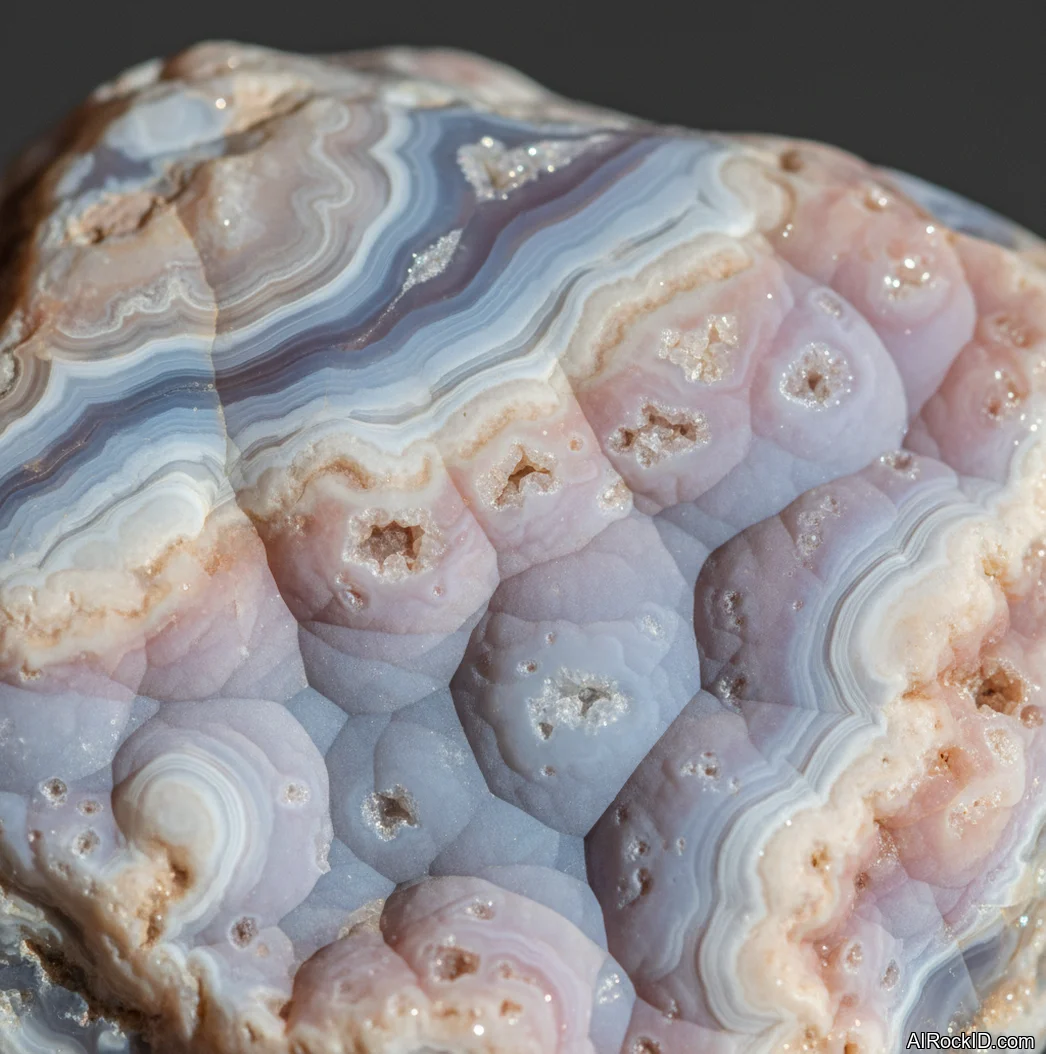
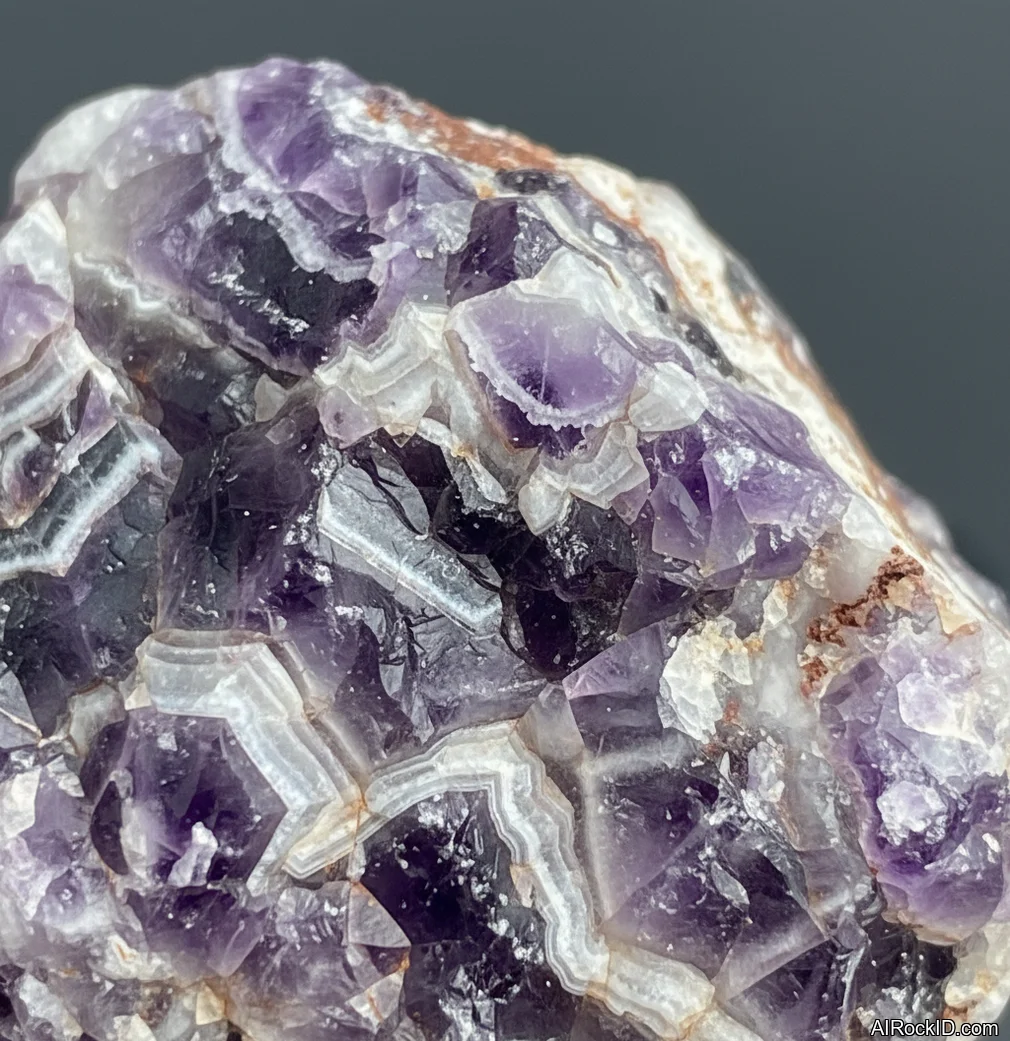
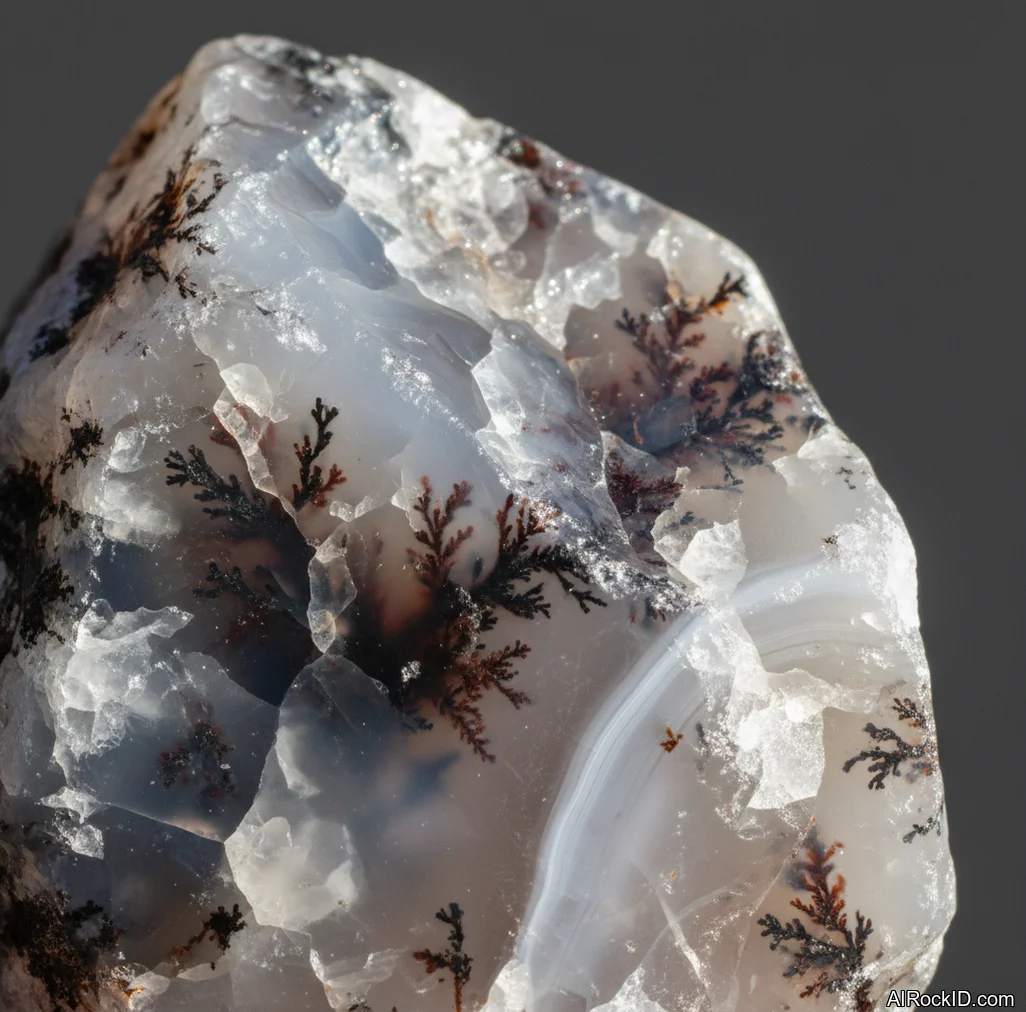
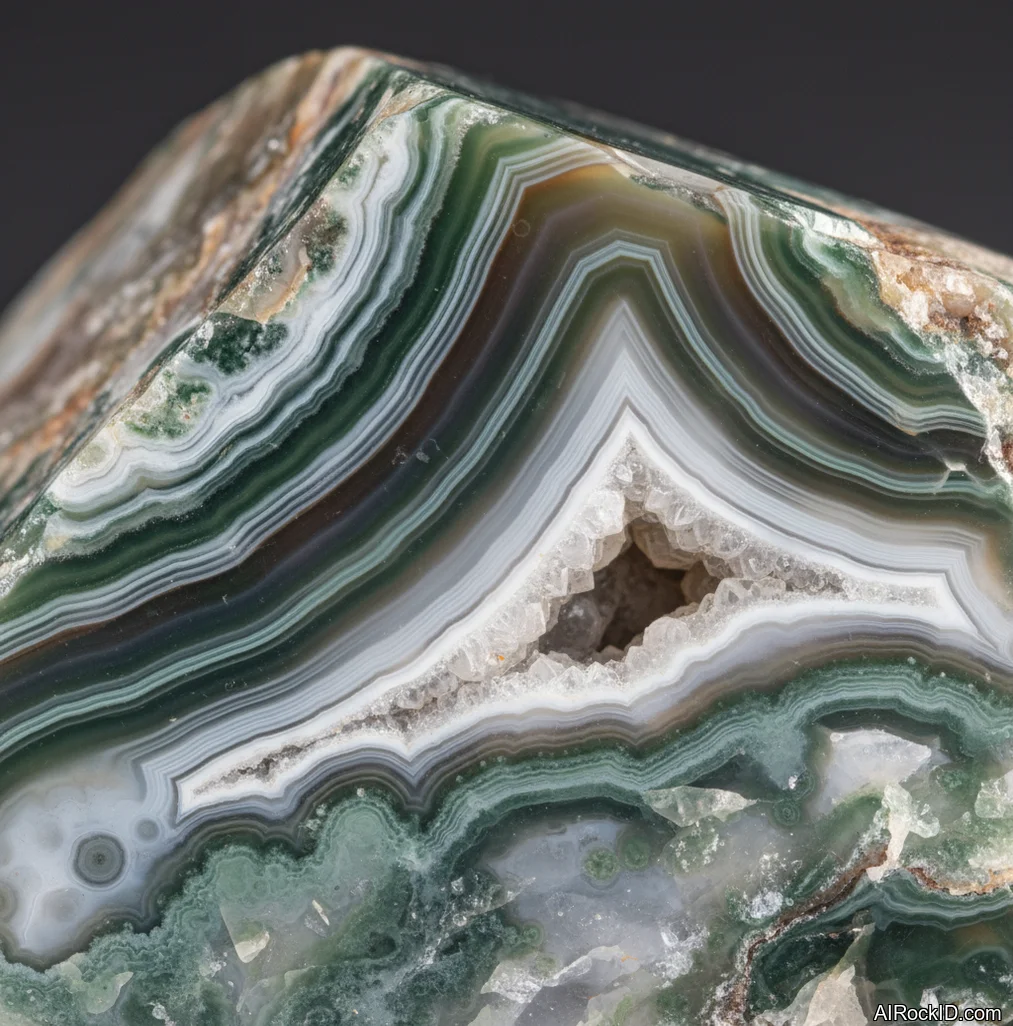
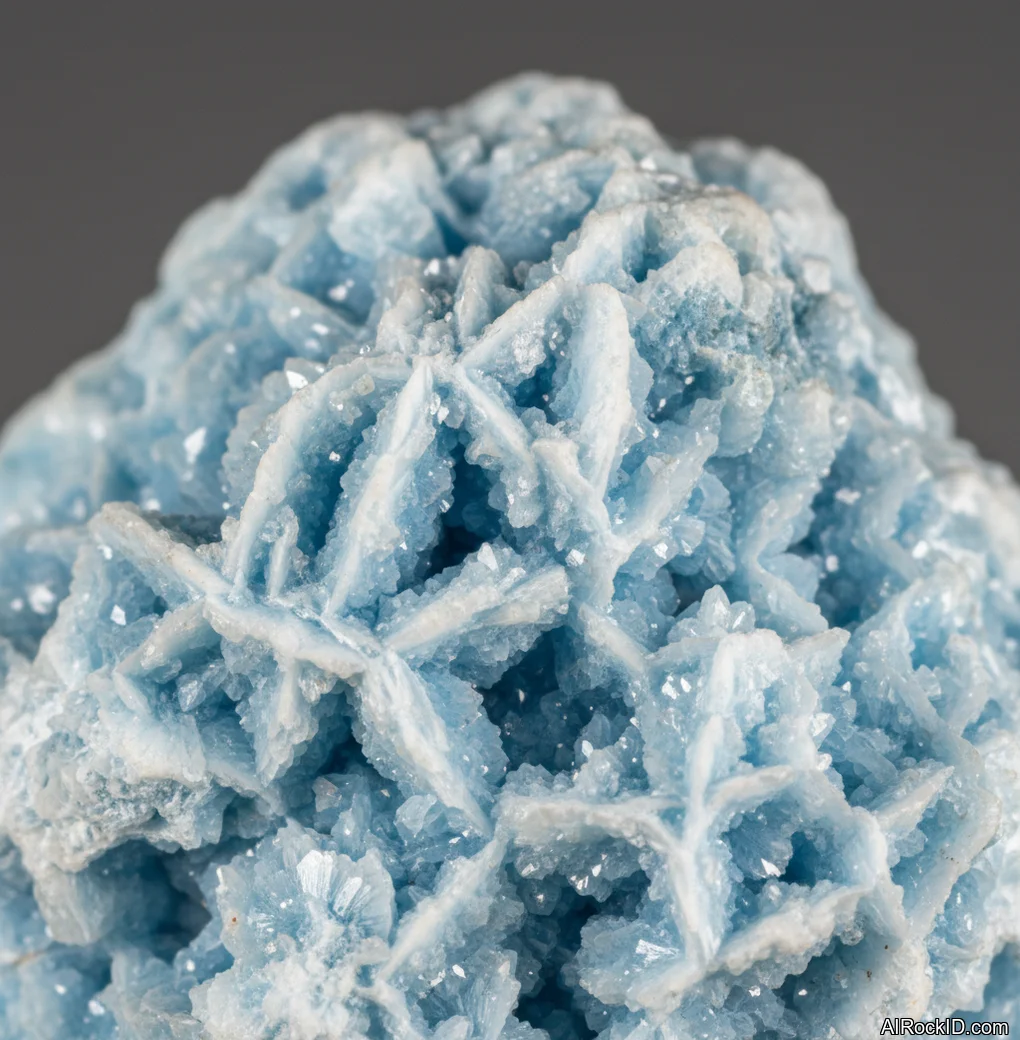
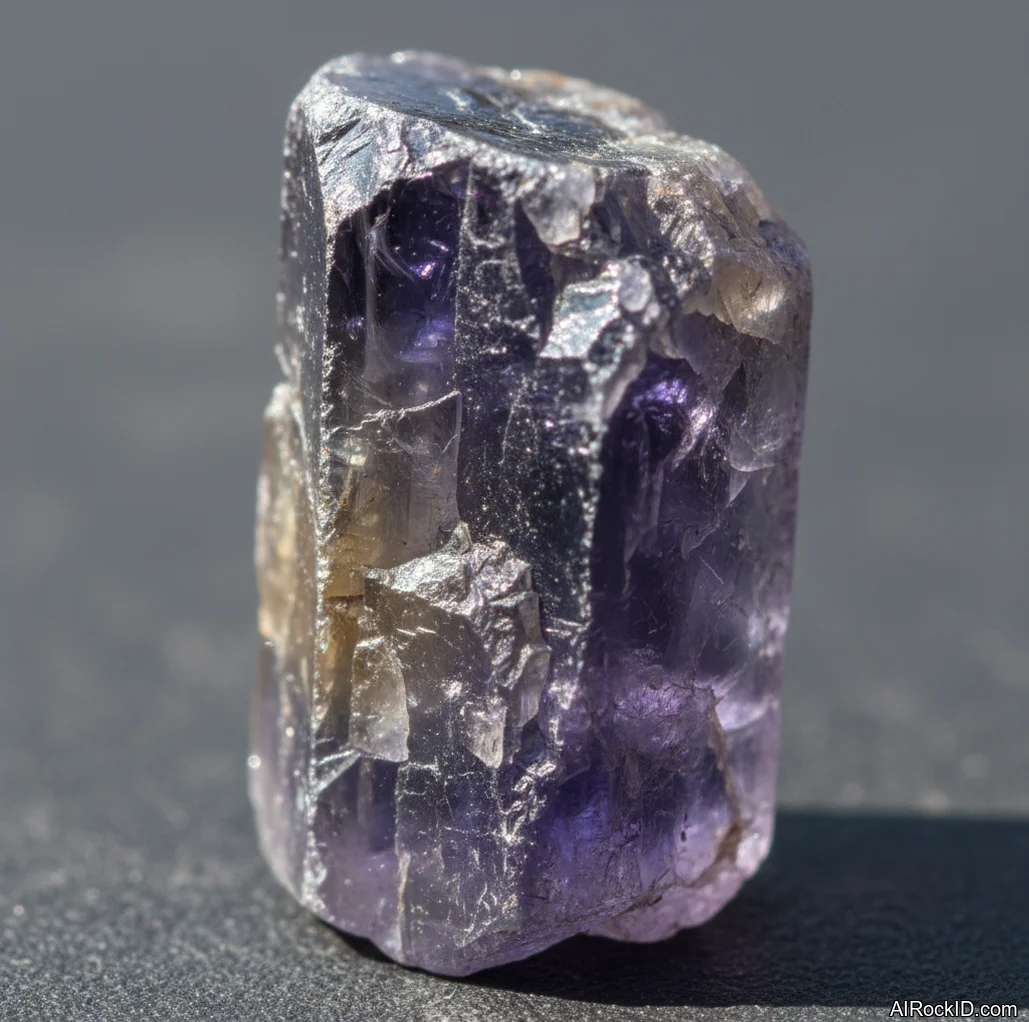
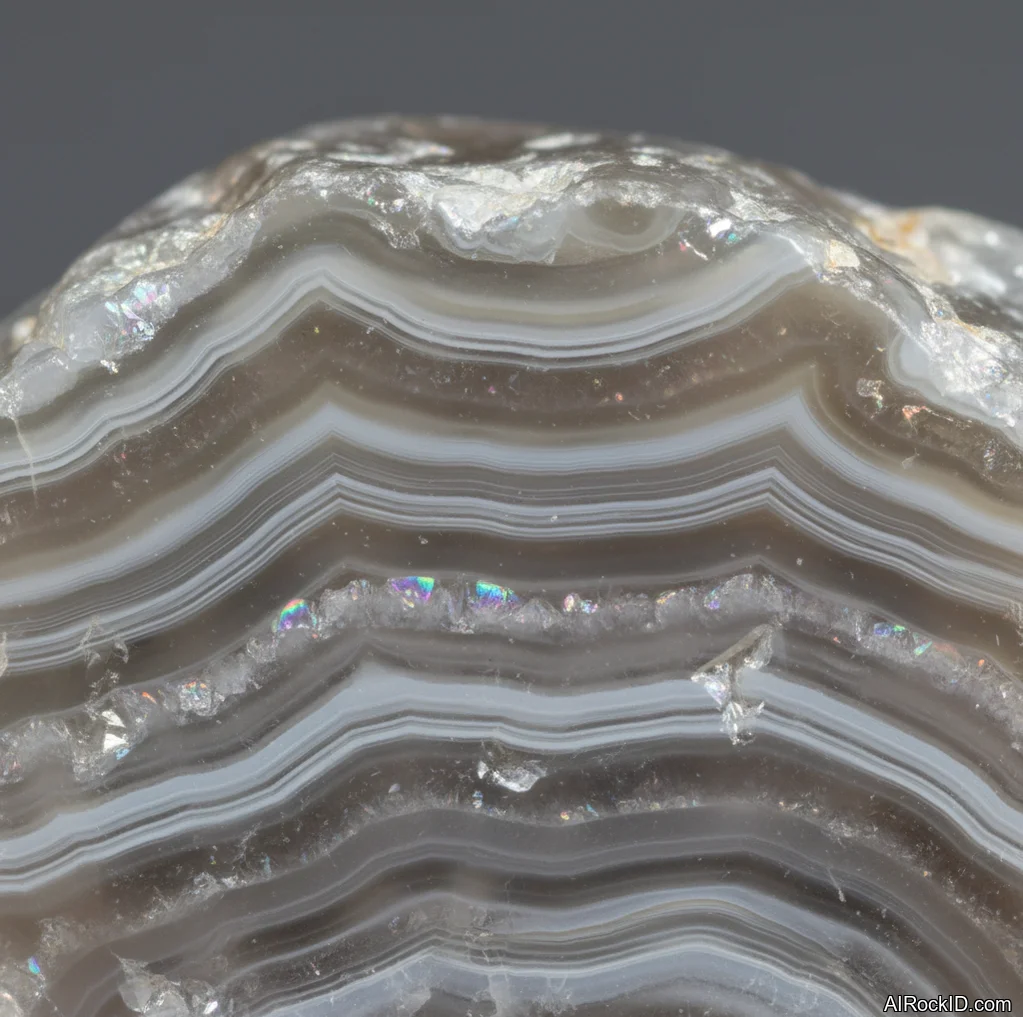
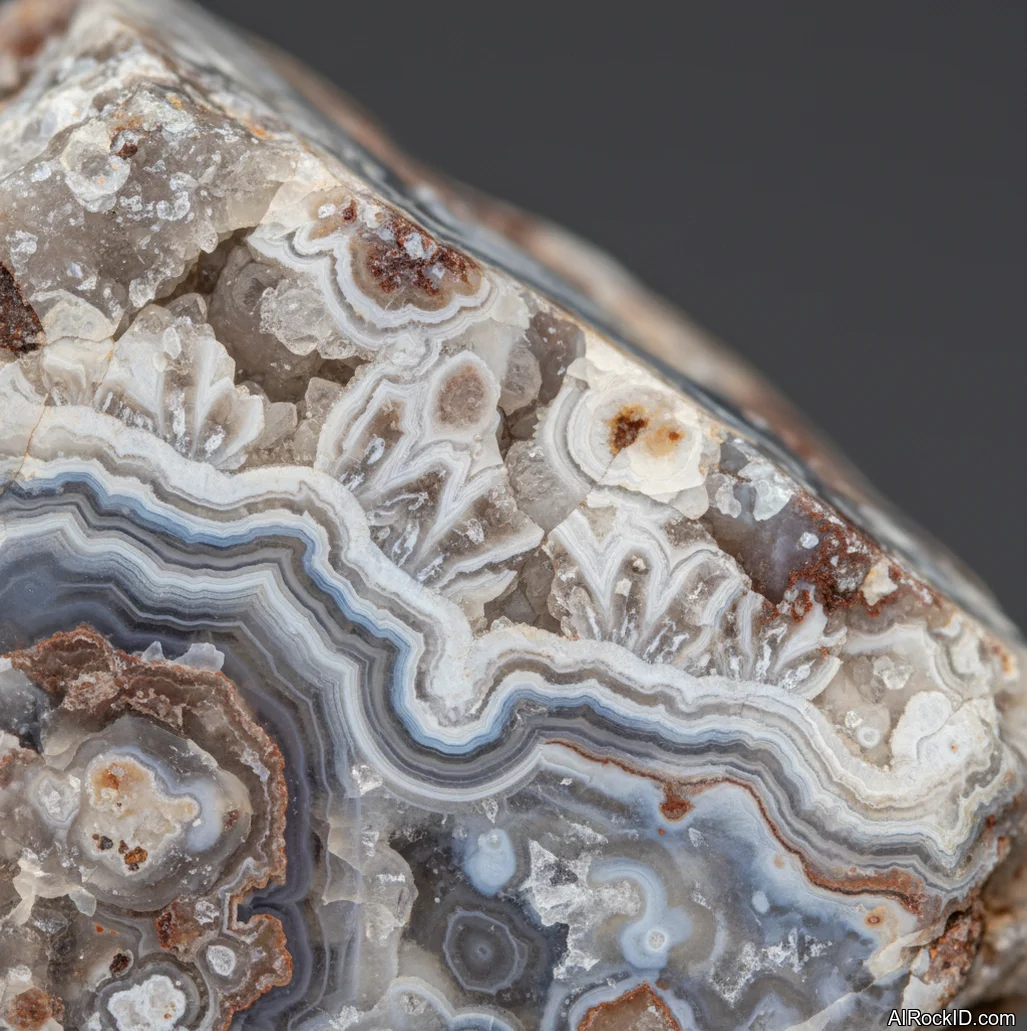
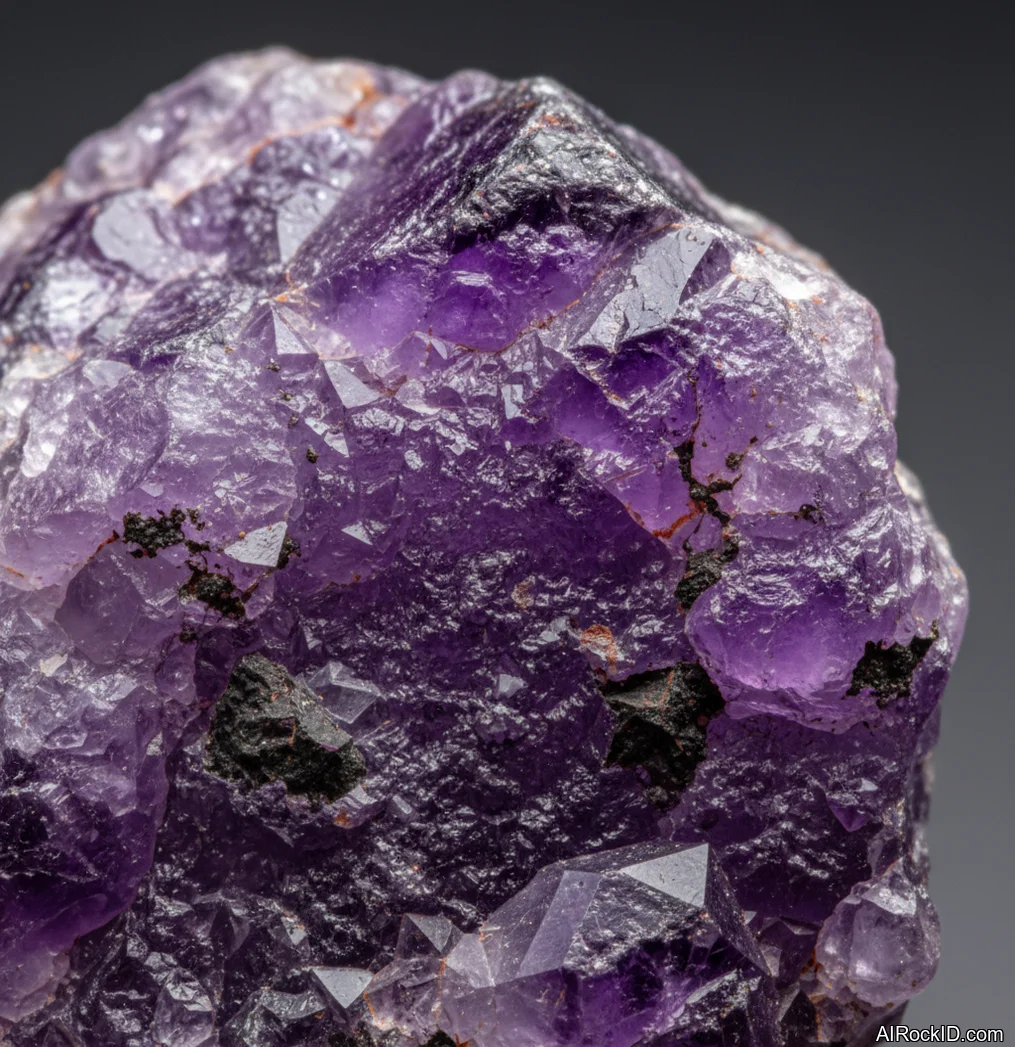
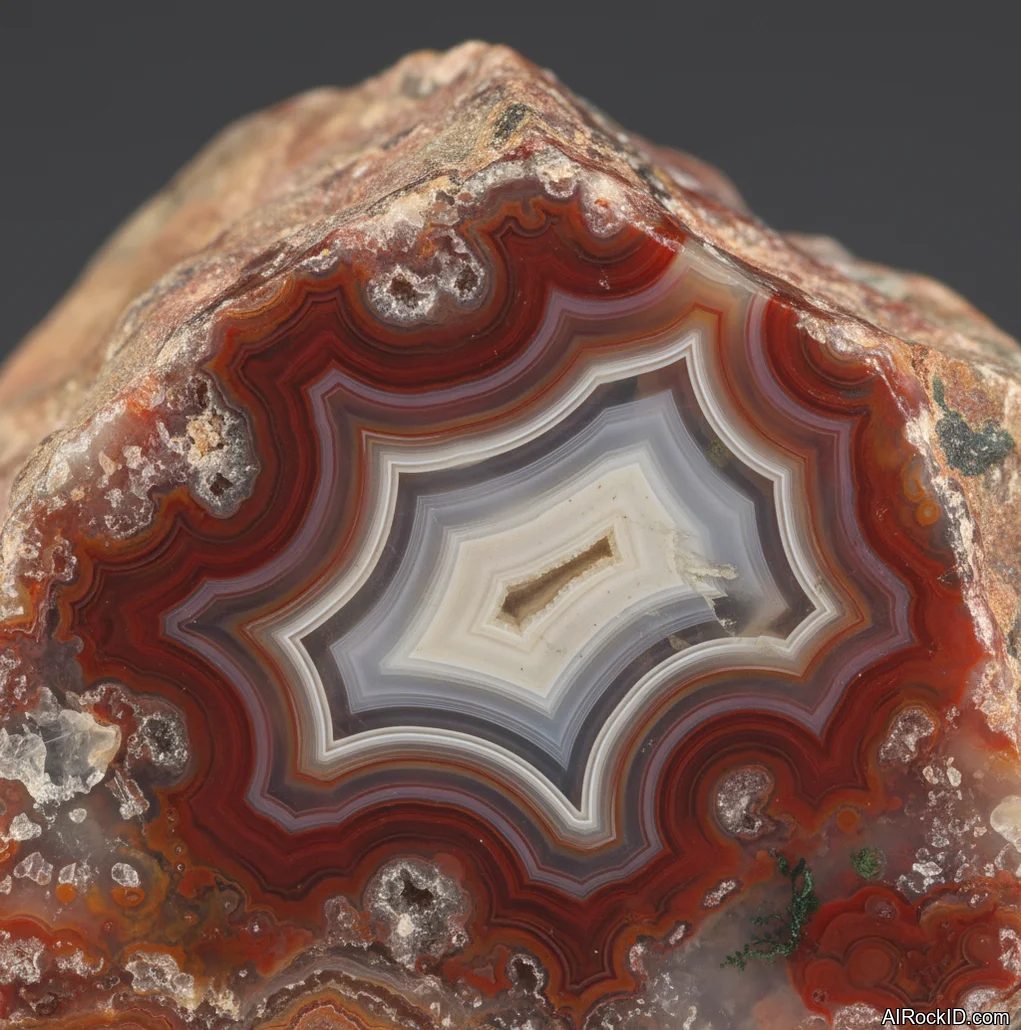
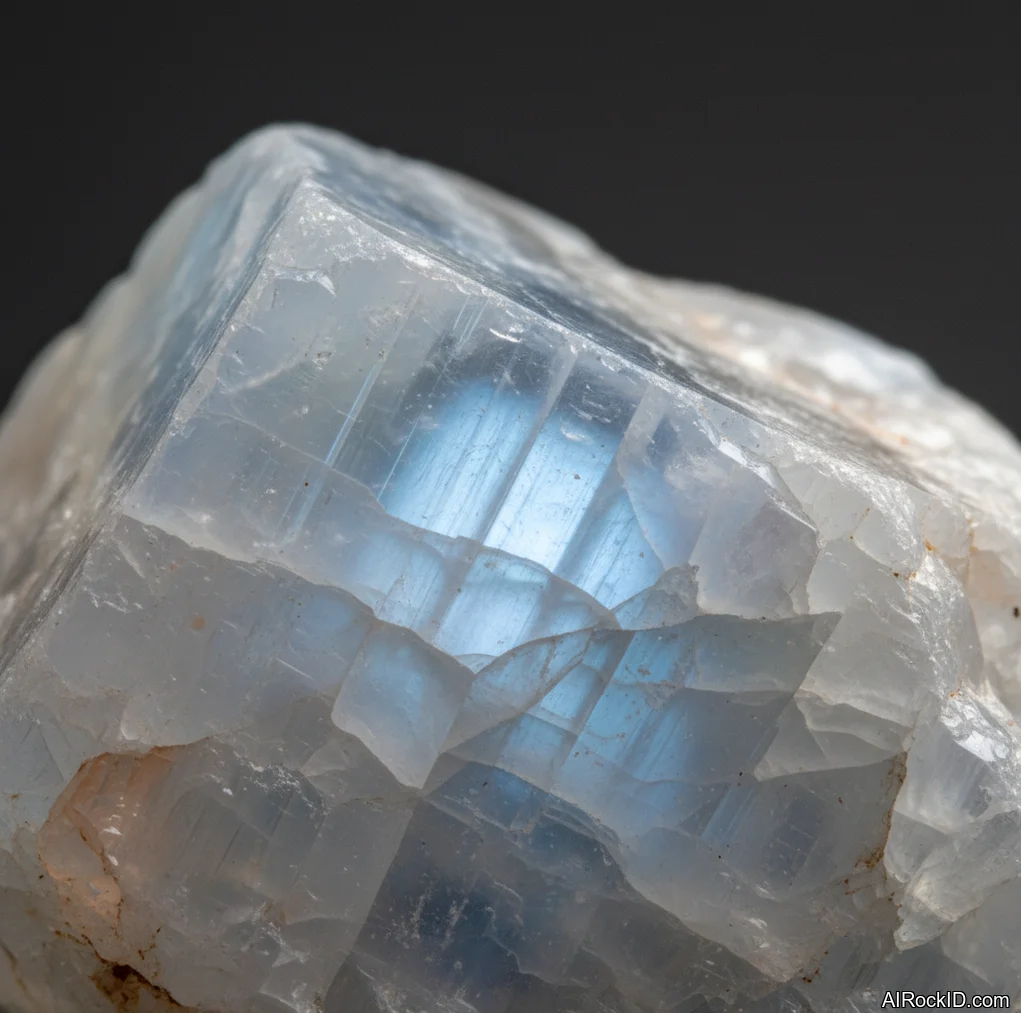
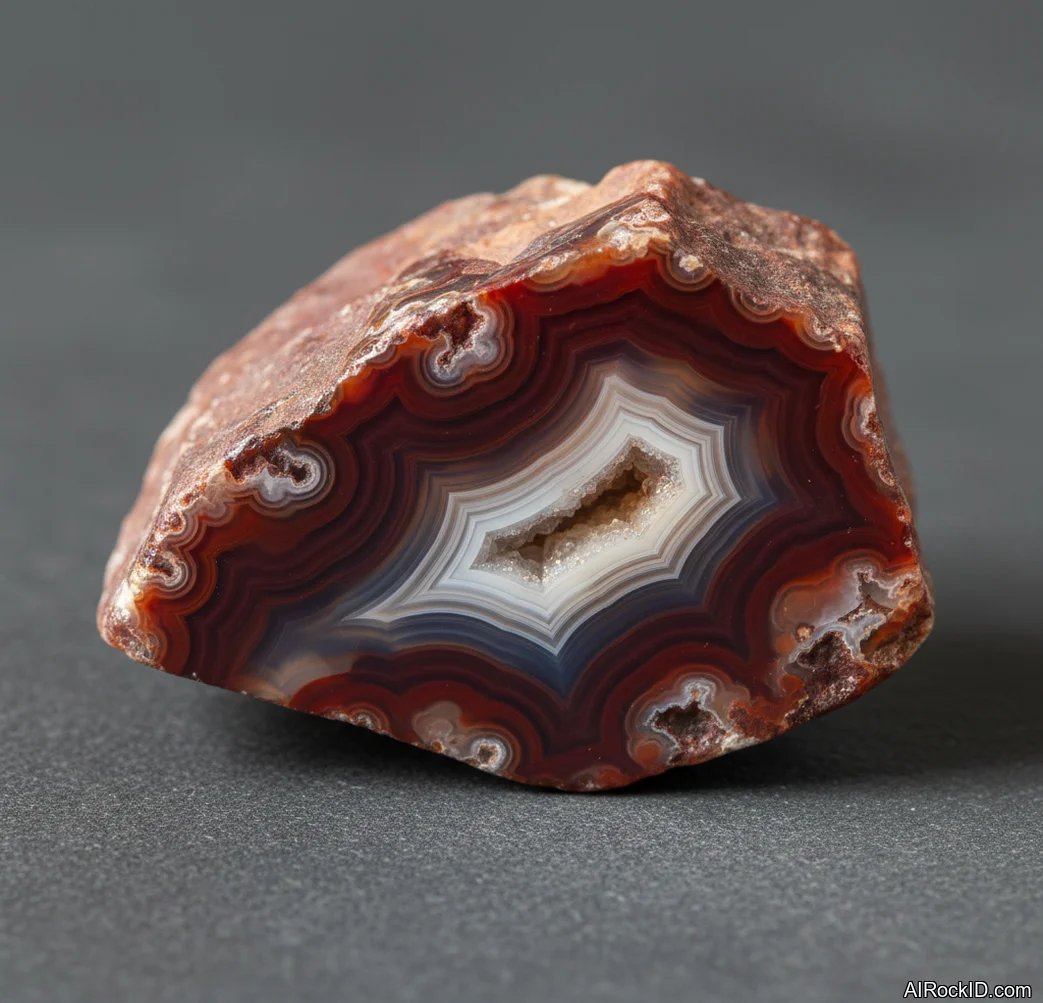
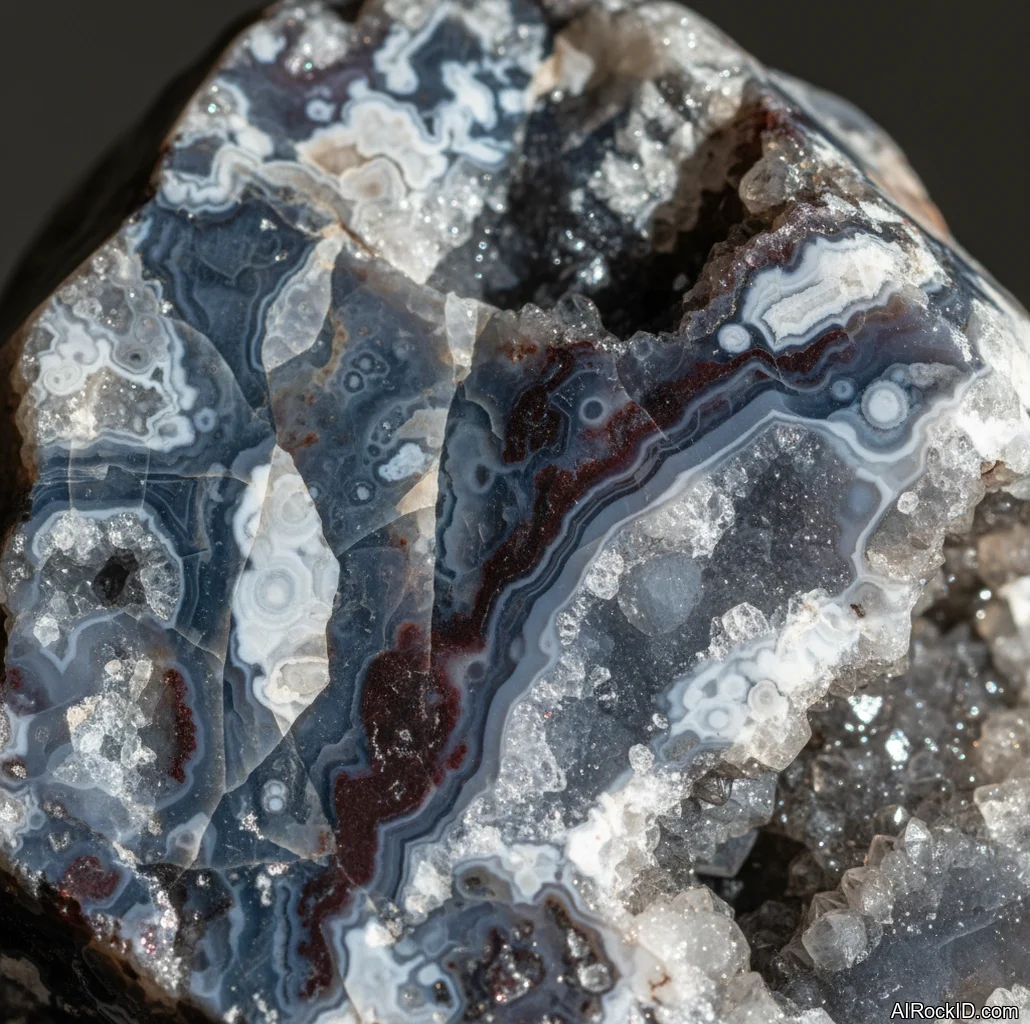
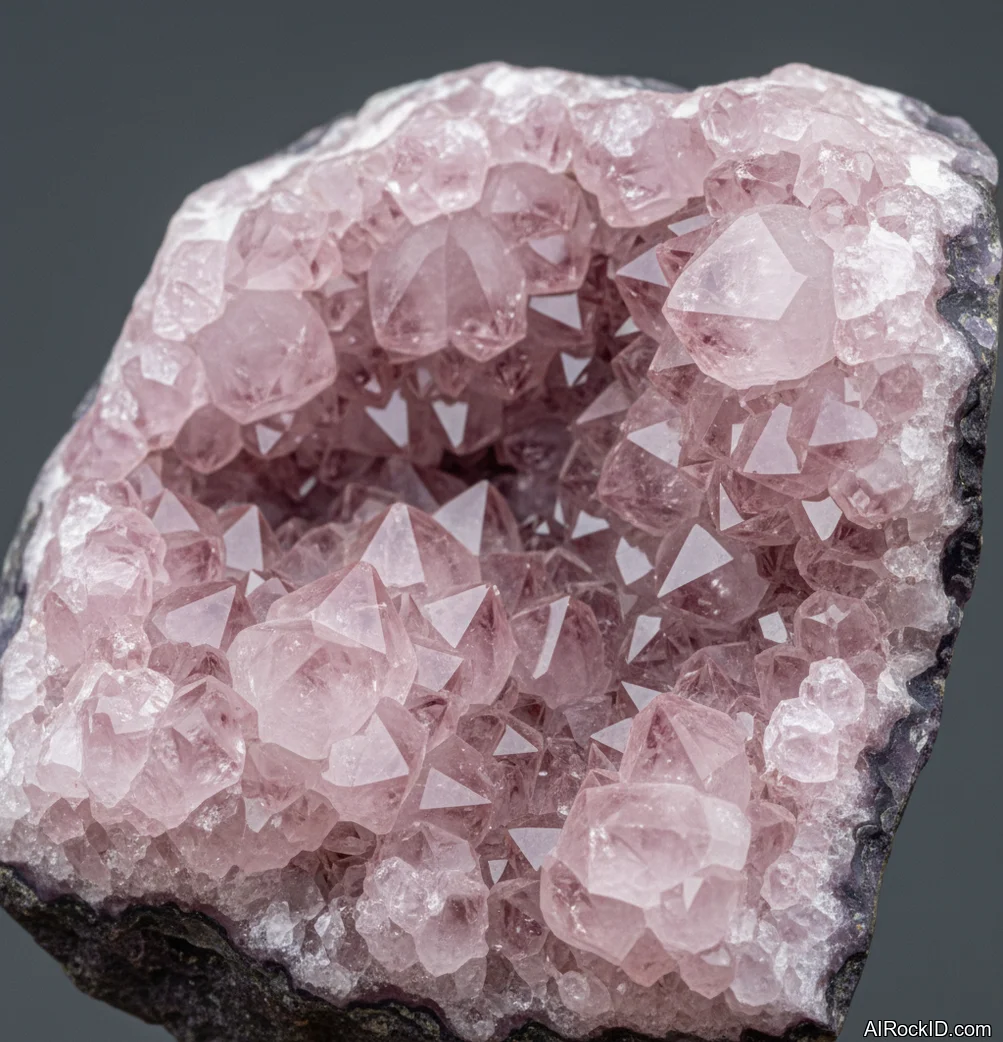
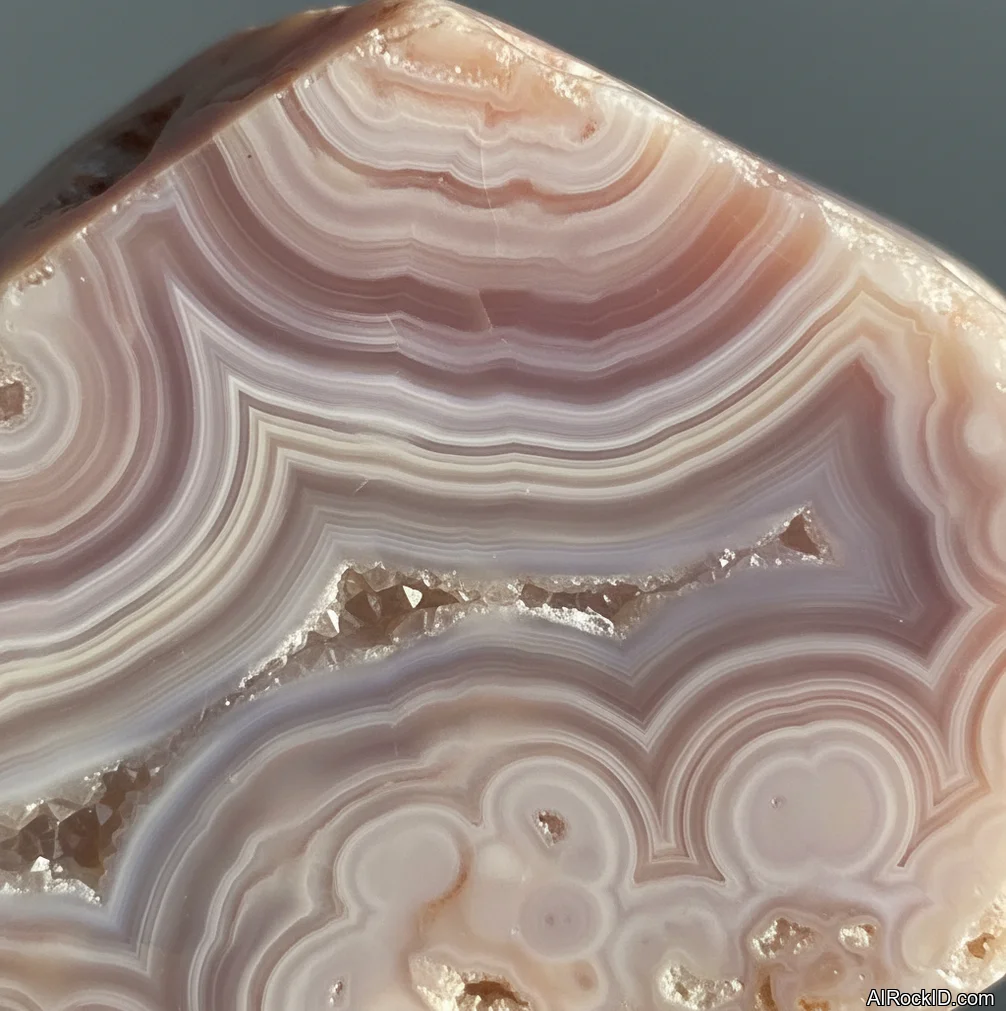
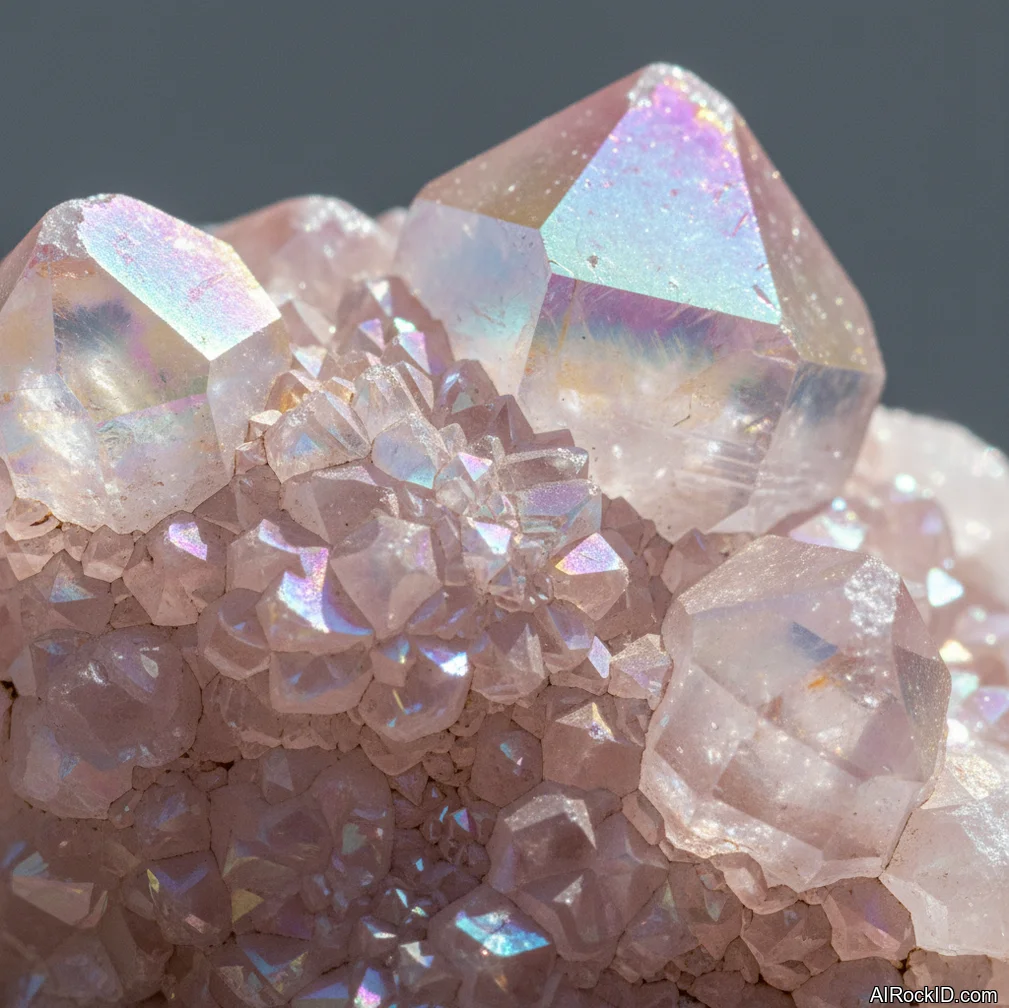
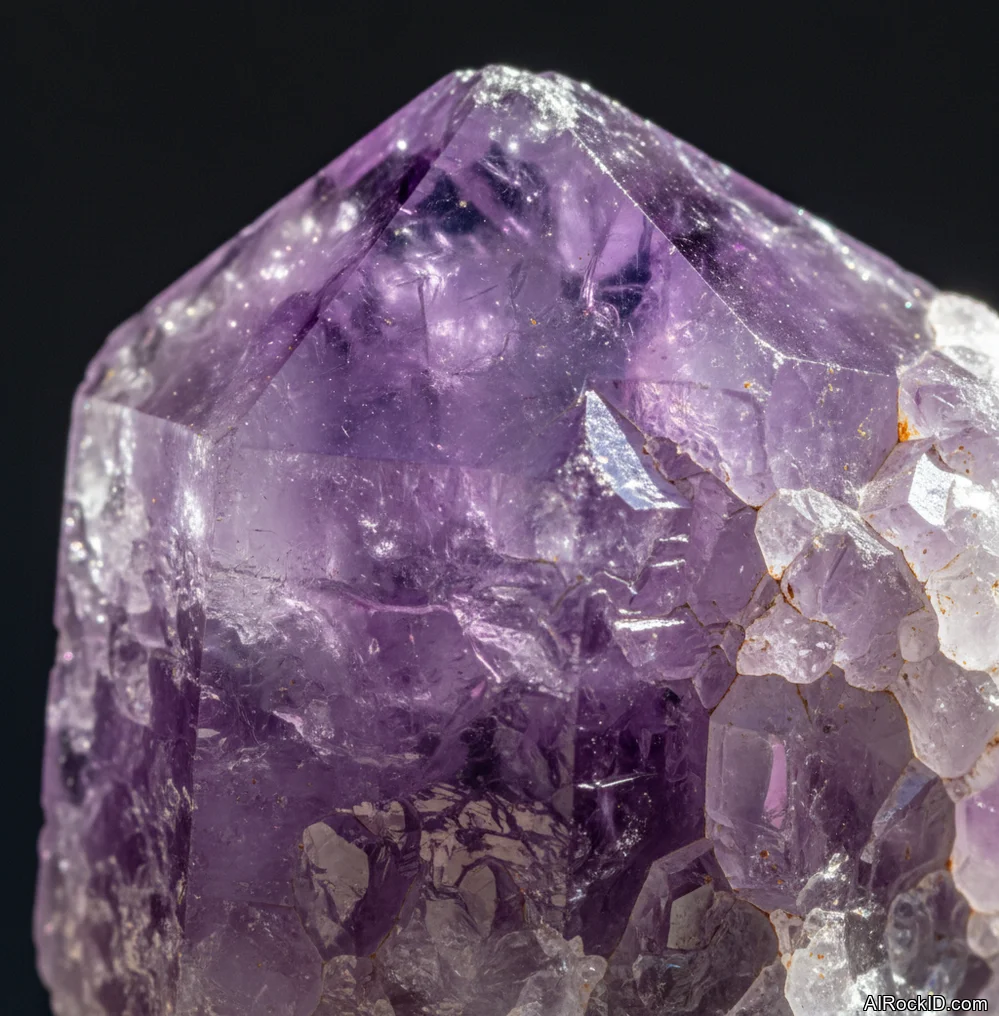
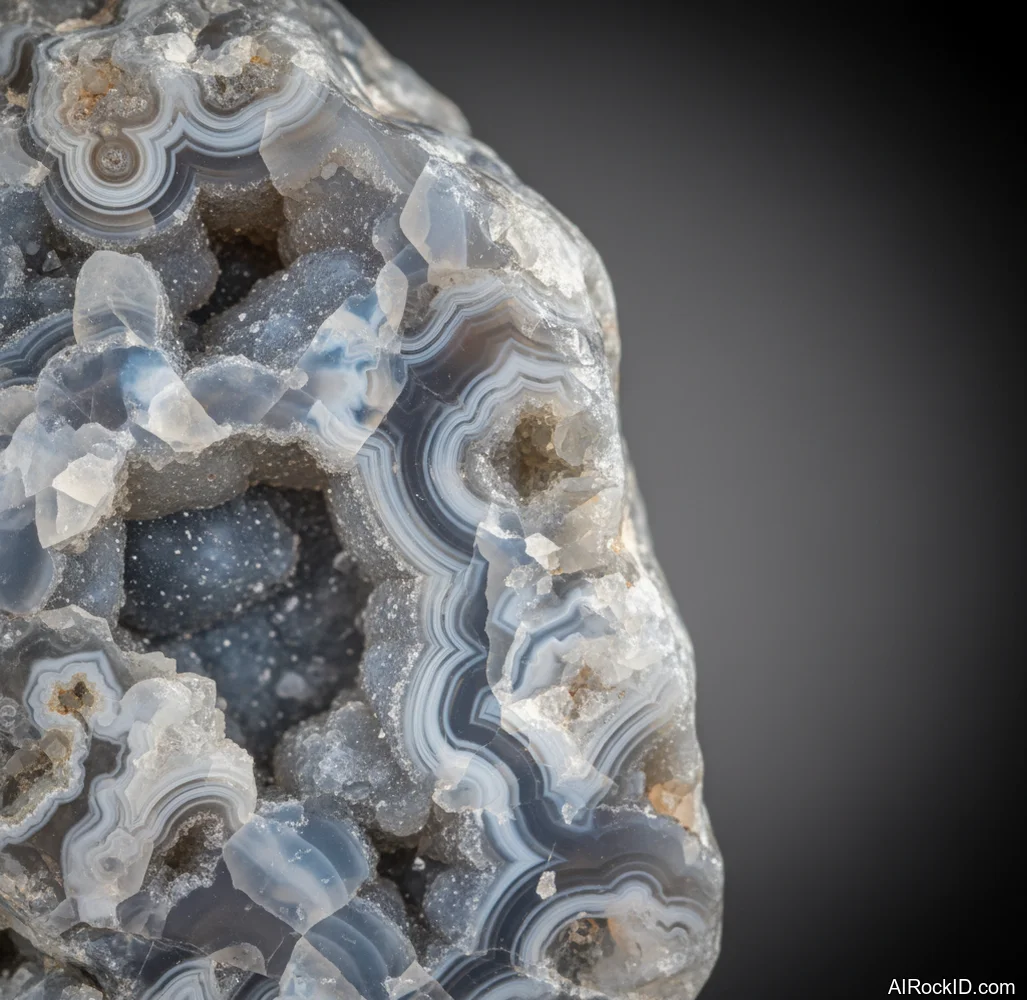
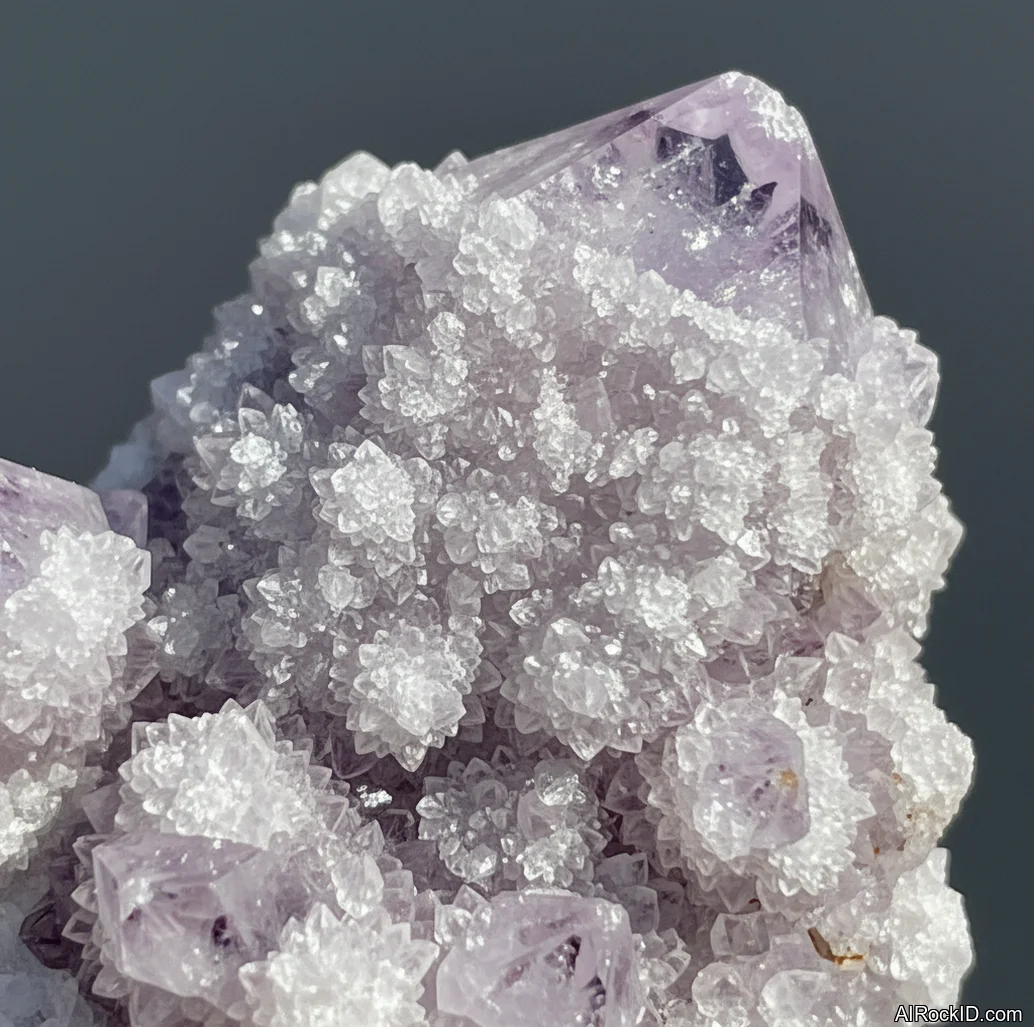
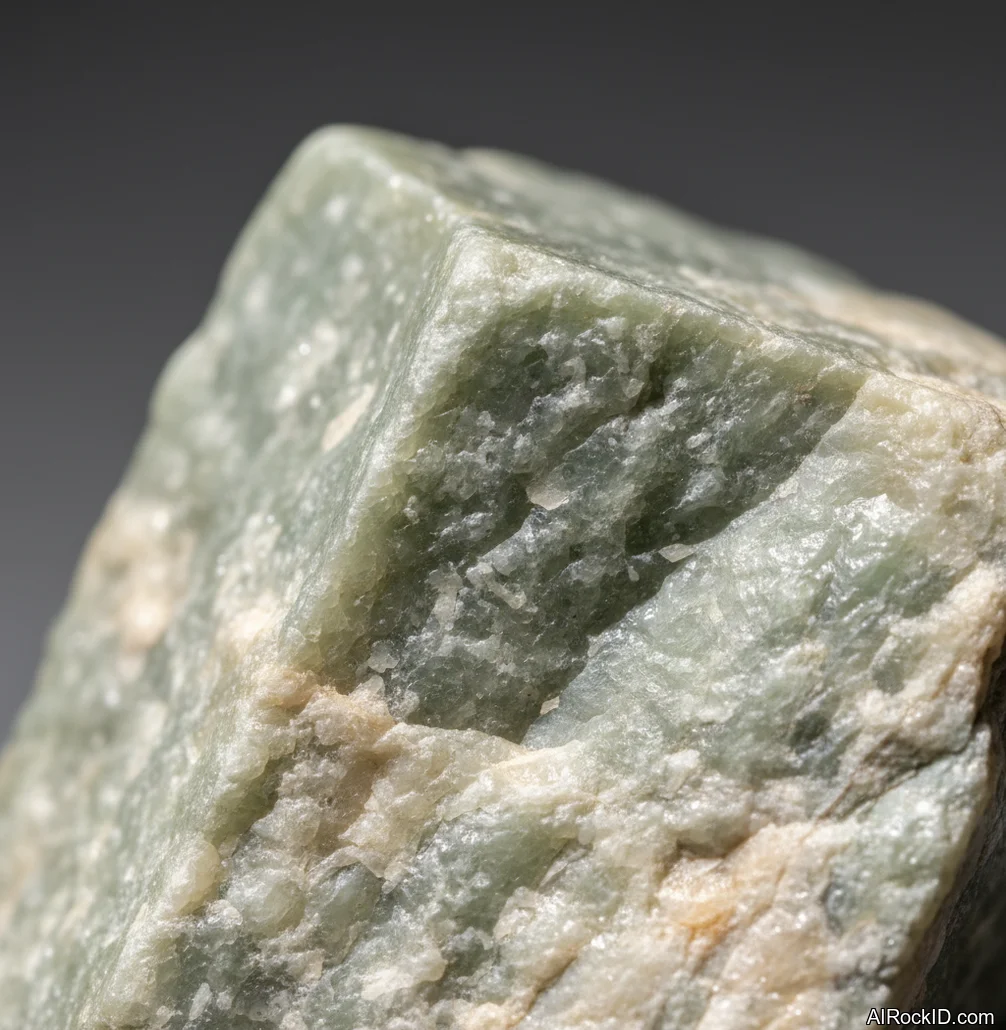
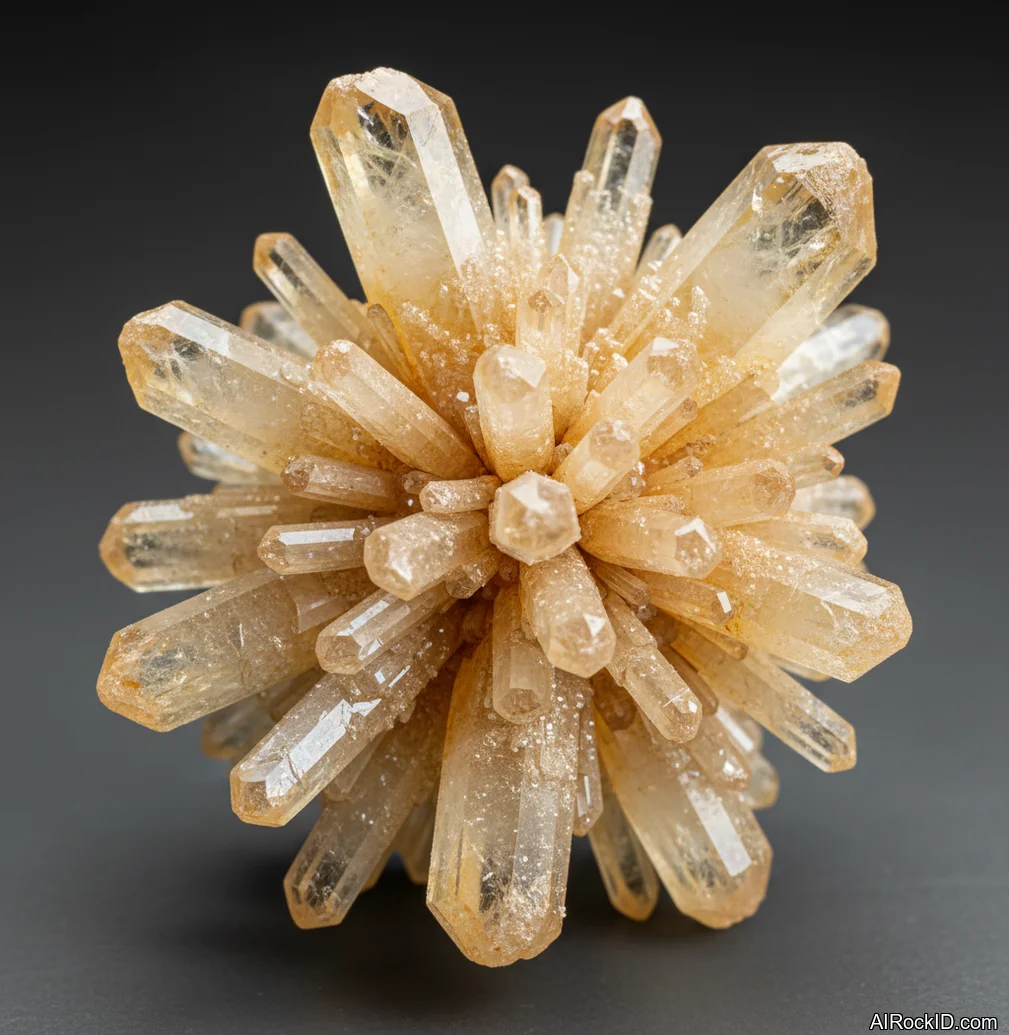
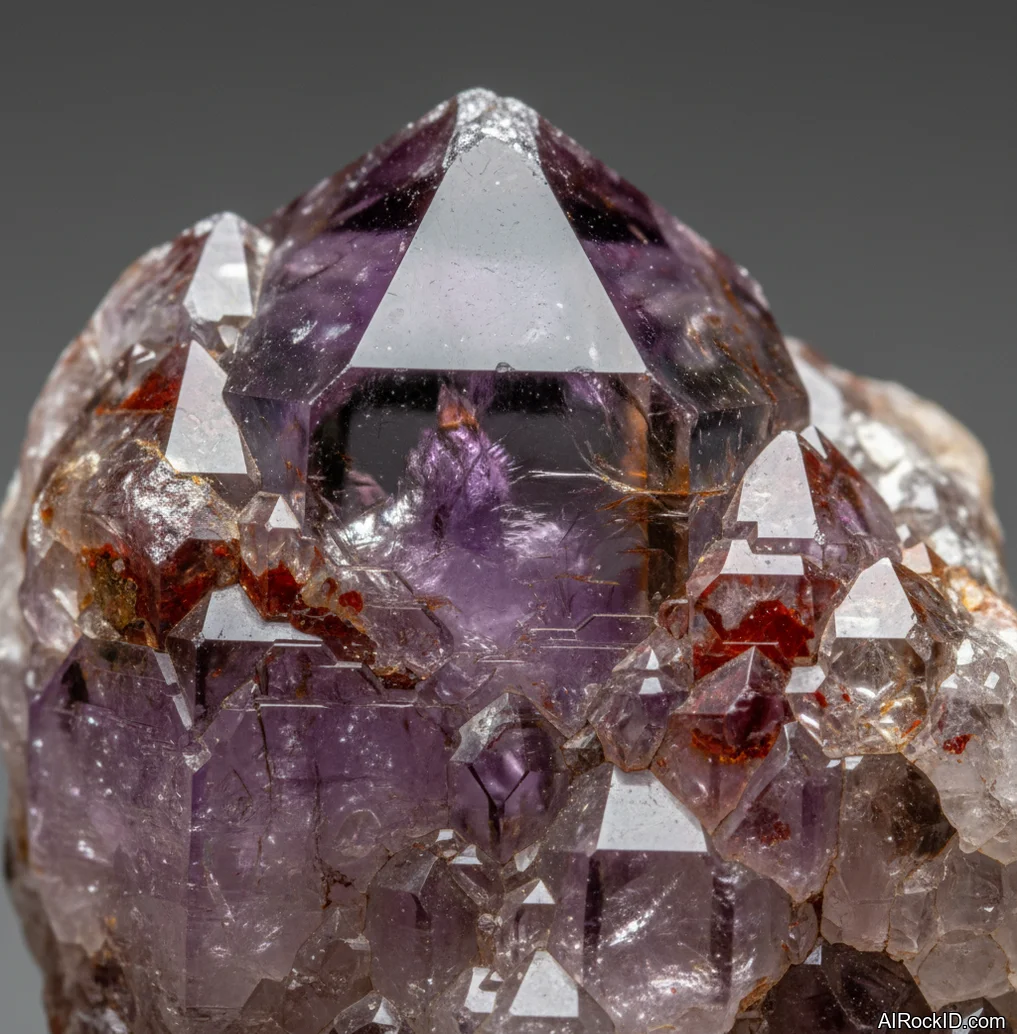
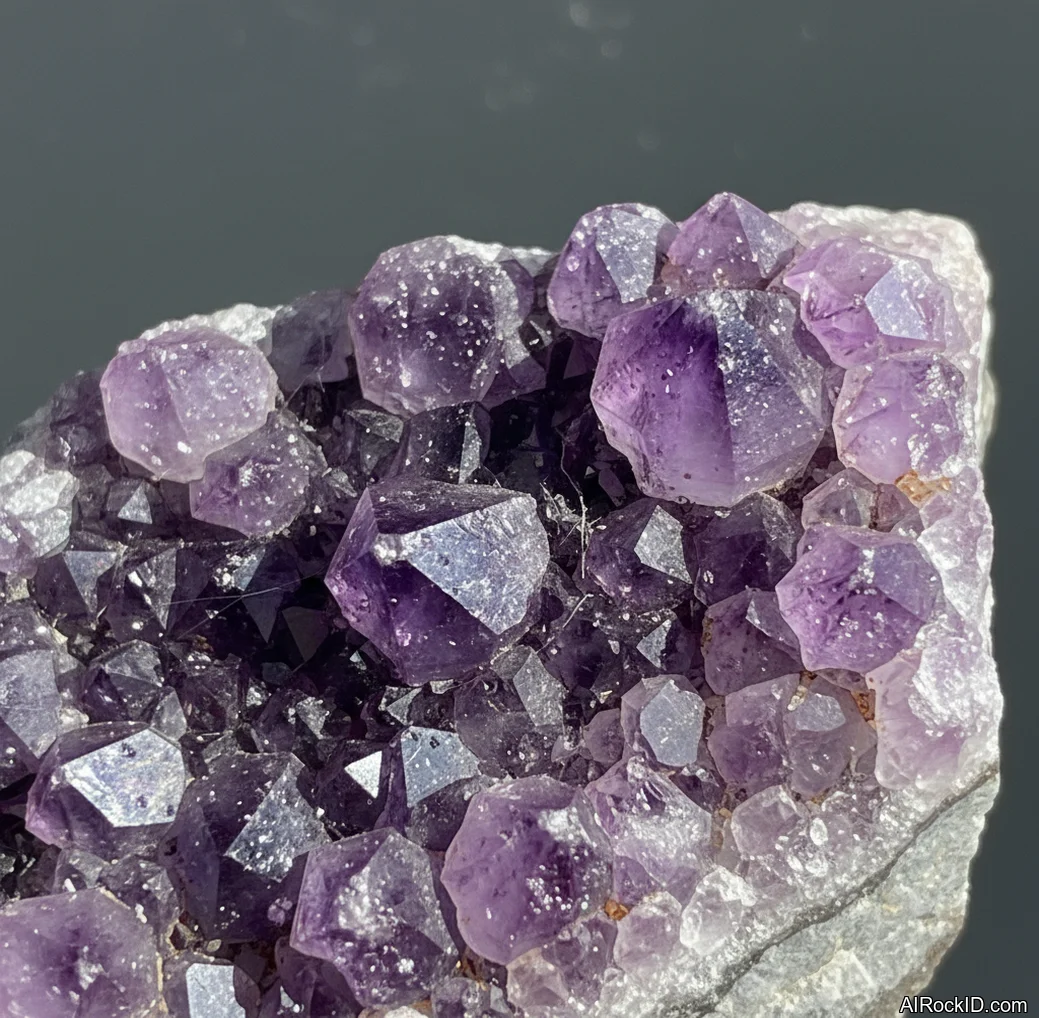
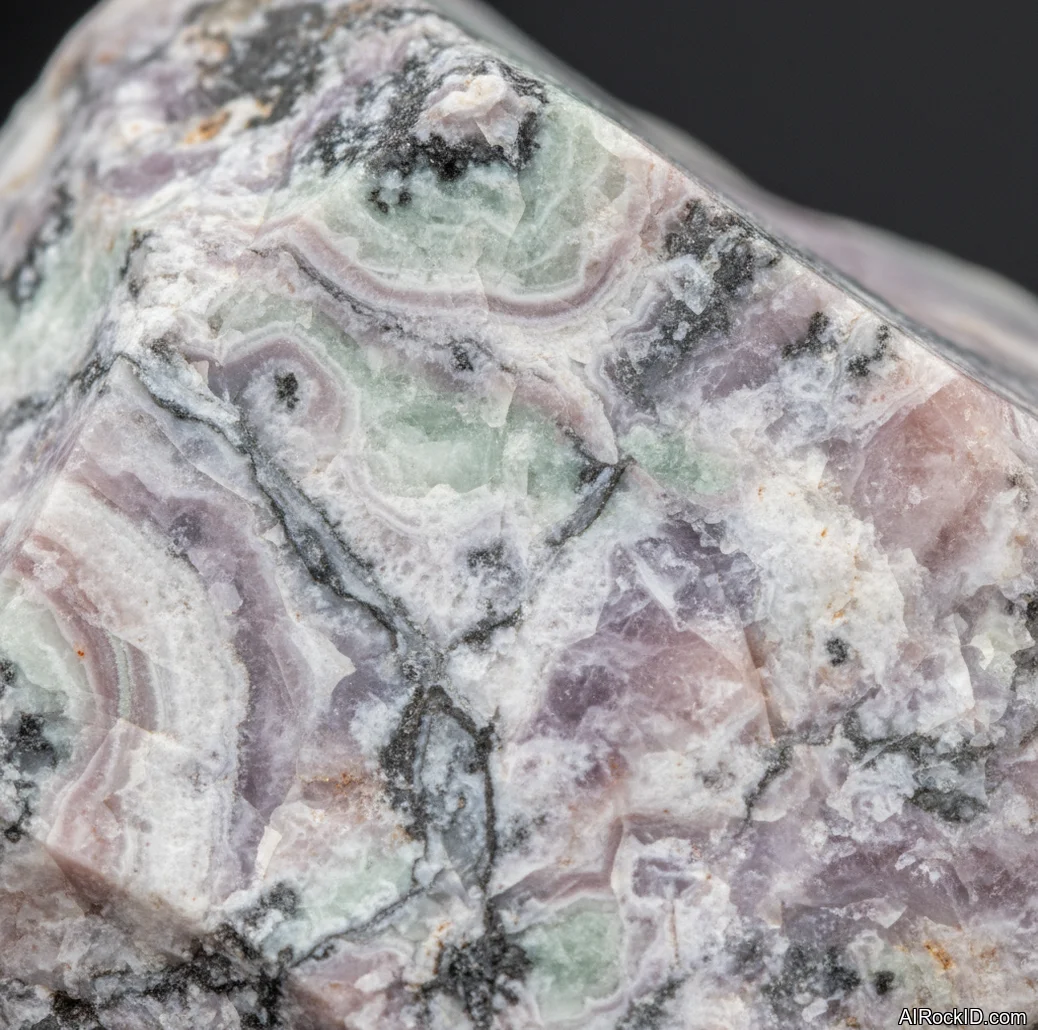
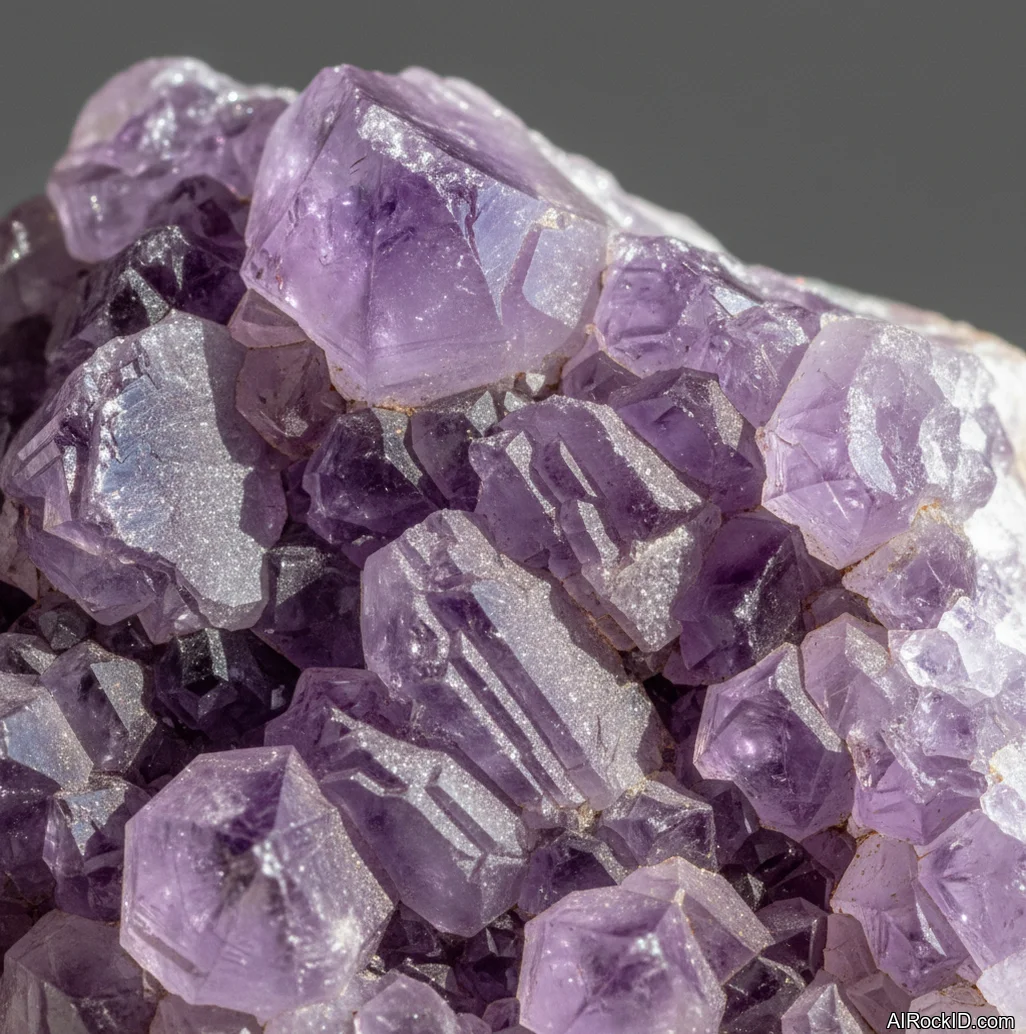
Some people can’t even start working through the tough stuff until things get quieter inside. That’s where amethyst, lepidolite, and blue lace agate come into play. Look at amethyst from Uruguay: the color is deep, almost grape soda, and the points are small and tight together, which makes the surface sparkle like sugar when you move it under a lamp. Brazilian amethyst usually runs lighter—think lavender—and if you tilt it under regular bulbs, it flashes a bit of red. Lepidolite is another favorite for calm, but you’ll need to watch out for the flaky mica layers. If you rub a rough piece, you’ll get glittery bits on your hands. That’s not everyone’s thing, but it does catch the light in a way that feels distracting and soothing at the same time. Blue lace agate, on the other hand, is all about cool, wavy bands. Even tumbled, it feels silky and light, never heavy. Pieces from Namibia show the best patterns, with white and blue layers that almost look painted. Most collectors keep these close when they need a gentle push back to baseline before they can process what’s actually wrong.
How to Choose and Care for Emotional Healing Crystals: Practical Collector Advice
Picking an Emotional Healing crystal isn’t about chasing the rarest specimen. It’s about what feels right when you actually hold it. Some people prefer the heavy chill of rose quartz; others want the soft, almost sugary texture of rhodochrosite. Just know that not all stones can take a beating. Rhodochrosite gets scratched and dented if you keep it in your pocket with change. Lepidolite sheds tiny flakes—if you’re someone who hates mess, stick to polished pieces. Amethyst clusters drop points if you drop them on a hard floor. Even blue lace agate, though tougher, will chip along the banding if you’re rough with it. For display, pick stones that can handle dusting and sunlight without fading: rose quartz loses color in direct sun, but most amethyst and blue lace agate are stable behind glass. Storage matters, too. Keep softer minerals apart from harder ones to avoid scratches. The real test is which piece you end up reaching for when things get hard. It’s about connection, not just color or pattern.
Best Emotional Healing Crystals to Start With
| Level | Crystal | Note |
| Gentle / Beginner | Rose Quartz | It’s tough enough for everyday handling, stays cool in your palm, and has a soft color that isn’t overwhelming. Most people find it easy to connect with during stressful moments. |
| Balanced / Everyday | Amethyst | Good for daily use because it’s hard, doesn’t scratch easily, and comes in calming purples. You can keep a small tumbled piece in your pocket or bag without worrying about damage. |
| Intense / Advanced | Rhodochrosite | More fragile and high-maintenance, but collectors reach for it when they want to process deeper grief or heartbreak. Its color and banding feel more raw and emotional, but it needs careful handling. |
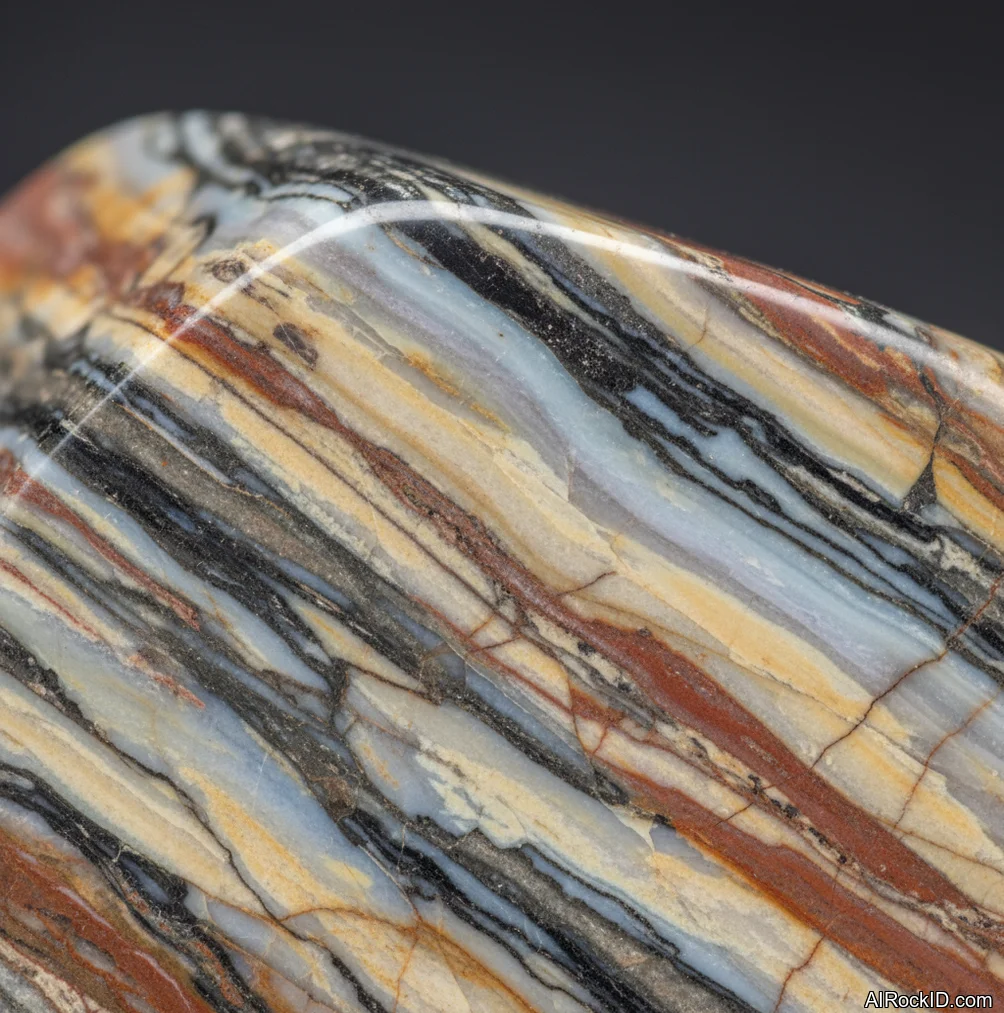
| Best for Carrying | Blue Lace Agate | Smooth, light, and strong enough to ride in a pocket without chipping. The bands stay visible even after months of handling. |
| Best for Display | Rhodonite | The bold black veins and coverage of pink make for eye-catching pieces. Polished slabs or freeforms show the dramatic patterns best, and they’re durable enough to keep on a shelf. |
Emotional Healing Crystal Comparison
| Crystal | Common Use | Feel / Use Style | Care Caution |
| Rose Quartz | Gentle comfort, self-kindness, and softening grief | Heavy, cool, cloudy pink with a smooth polished surface | Color fades if left in sunlight for weeks |
| Amethyst | Calming anxiety, steadying emotions, and sleep support | Hard, glassy, often with small sparkly crystal points or smooth tumbled pieces | Points break off if dropped on hard surfaces |
| Rhodonite | Processing tough emotions, repairing after emotional shock | Waxy, solid, pink with black lines that are visible even in small tumbled stones | Can chip if handled roughly or knocked against hard objects |
| Rhodochrosite | Deeper heartbreak, releasing old wounds | Soft, banded pink and cream, sometimes with sparkling edges on broken pieces | Scratches and dents easily; avoid water and rough handling |
How to Identify Emotional Healing Crystals with AI Rock ID
To identify Emotional Healing crystals with the AI Rock ID app, use natural daylight and take both a full stone photo and a close-up showing texture or banding. Upload images so the app can compare color, luster, and crystal structure to its database. Use the results to cross-check details like hardness and common inclusions, especially for stones like rhodonite or lepidolite, which can look similar at first glance. The app helps rule out dyed or synthetic versions by matching fine details real collectors notice.
All Emotional Healing Crystals (380)