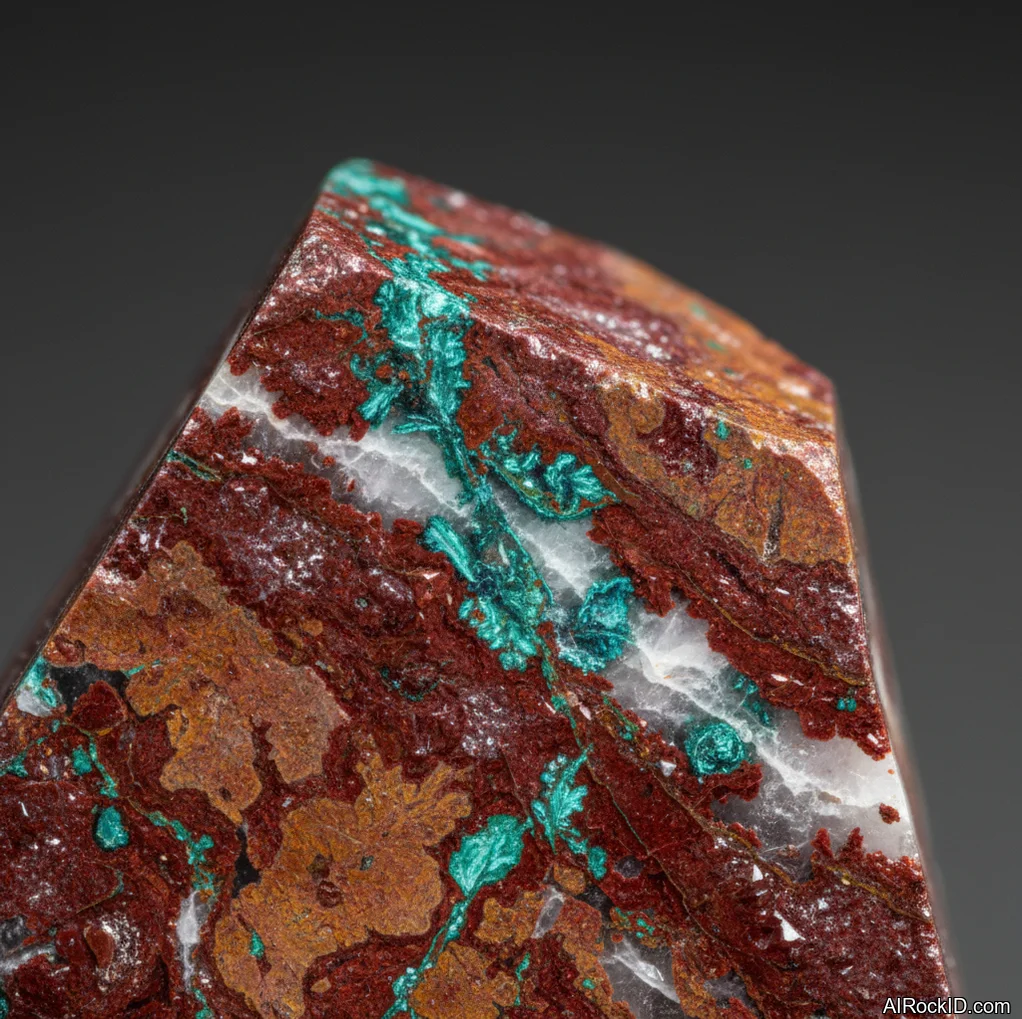
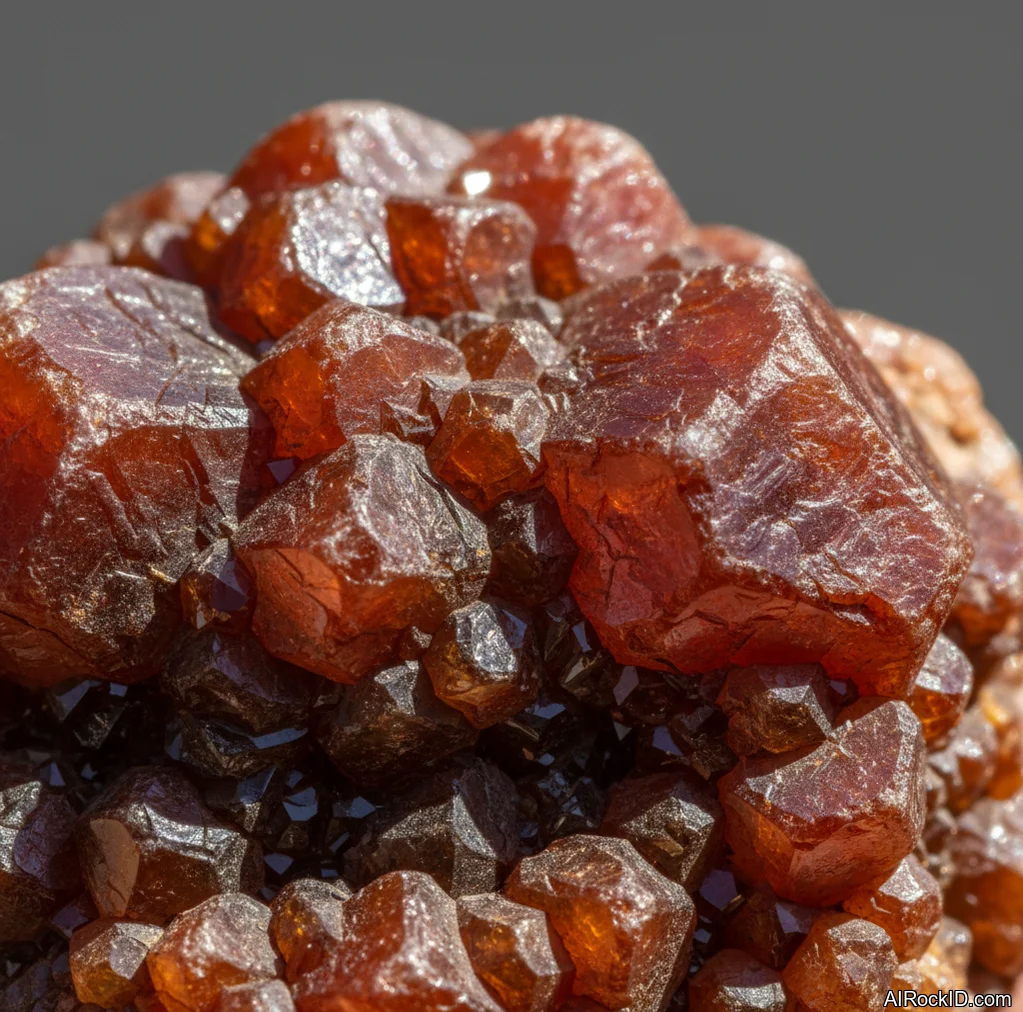
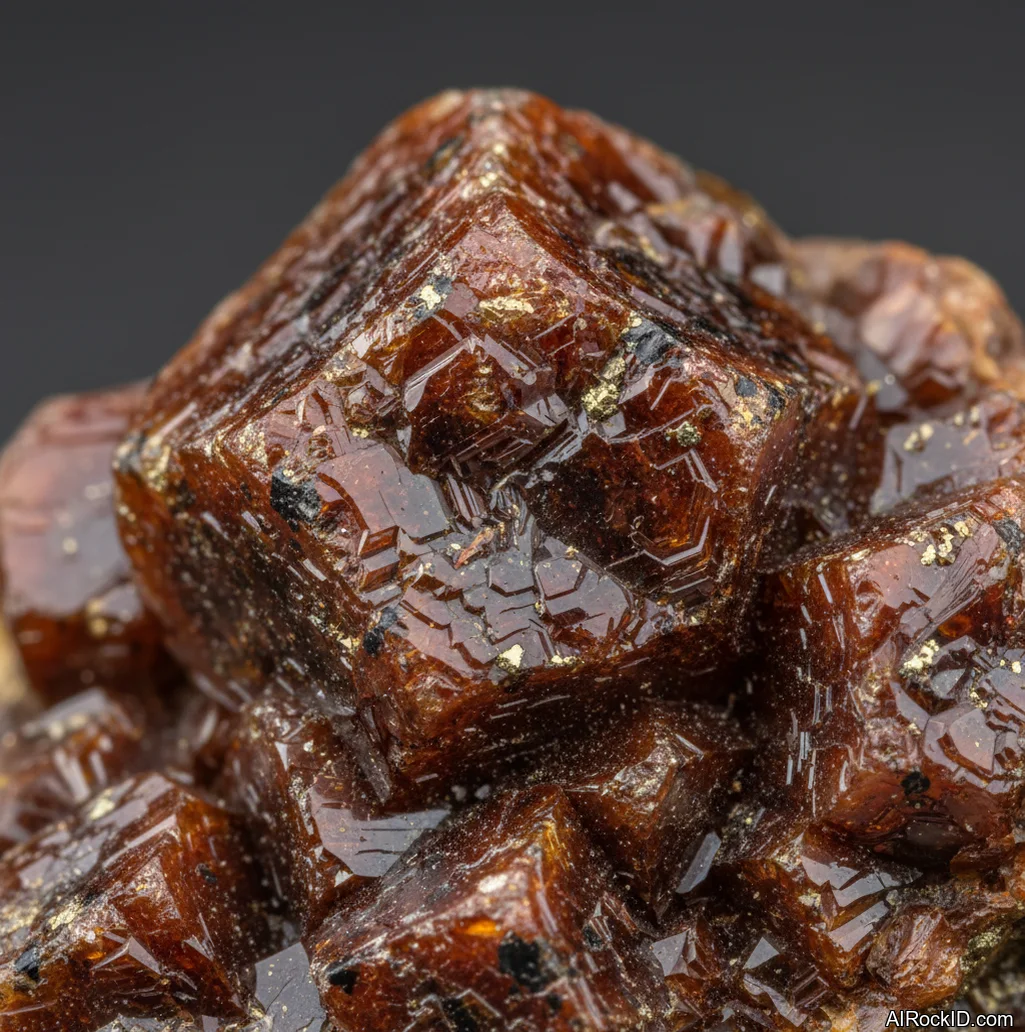
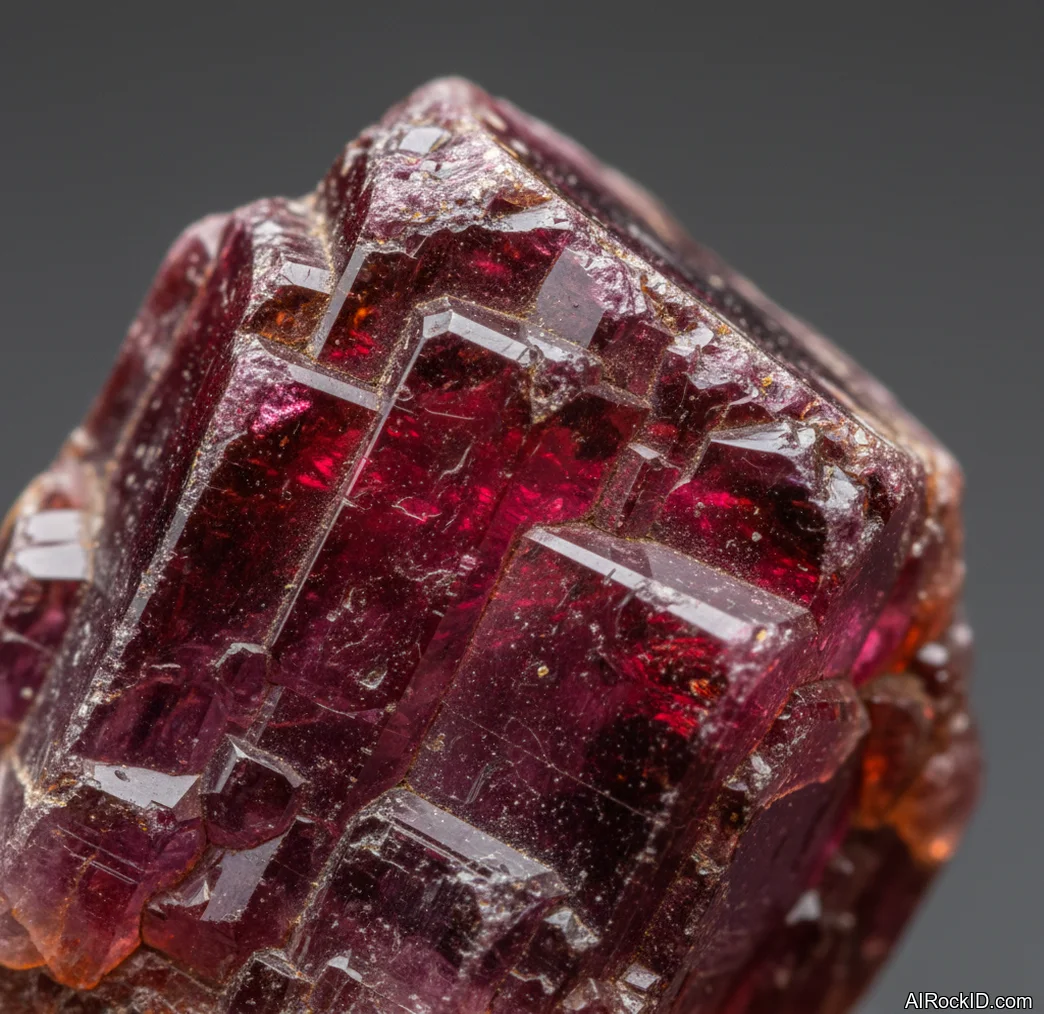
Creativity Crystals
Quick answer: Creativity crystals are stones commonly associated in modern crystal traditions with imagination, expression, focus, and idea generation. They are typically chosen for symbolic meaning, color, texture, and personal preference rather than any proven effect.
Explore Creativity crystals, what they’re associated with, how to use them in daily practice, and tips for choosing real stones with good color and cut.


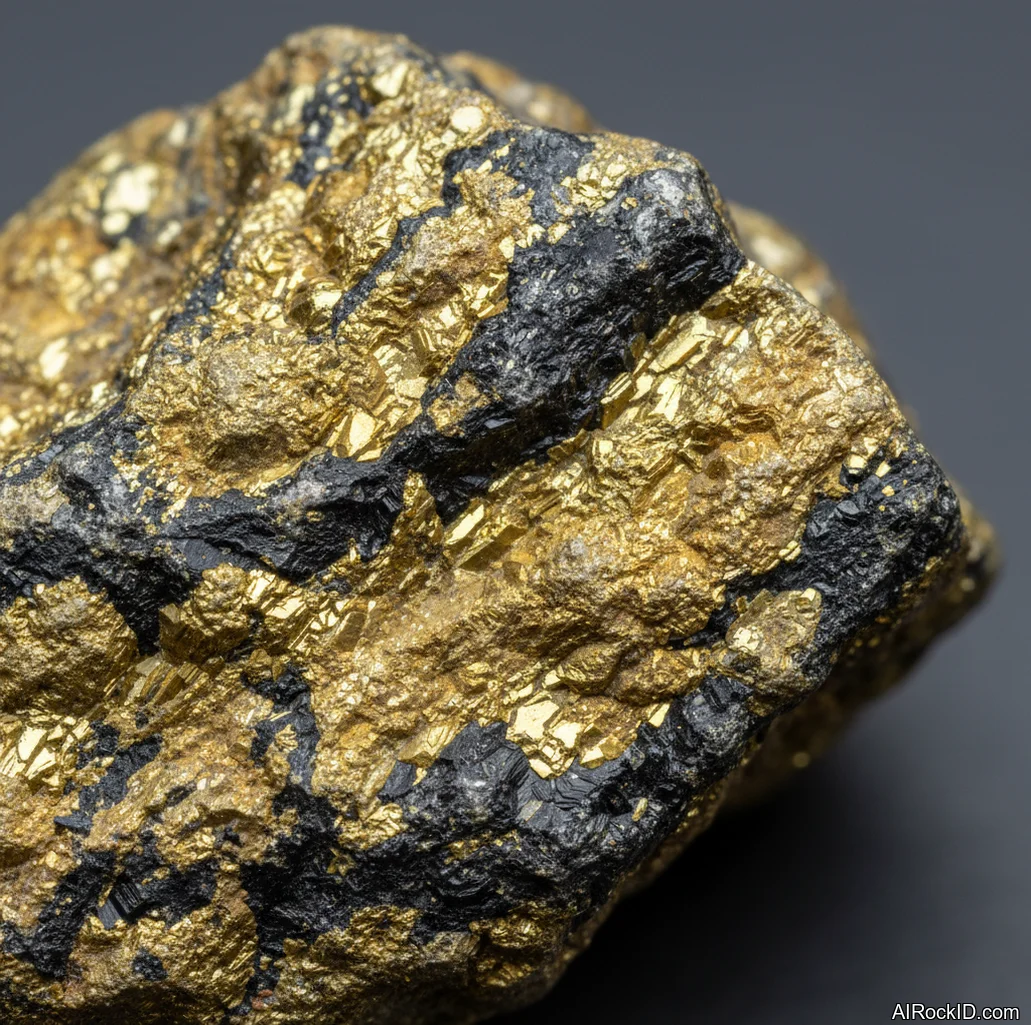
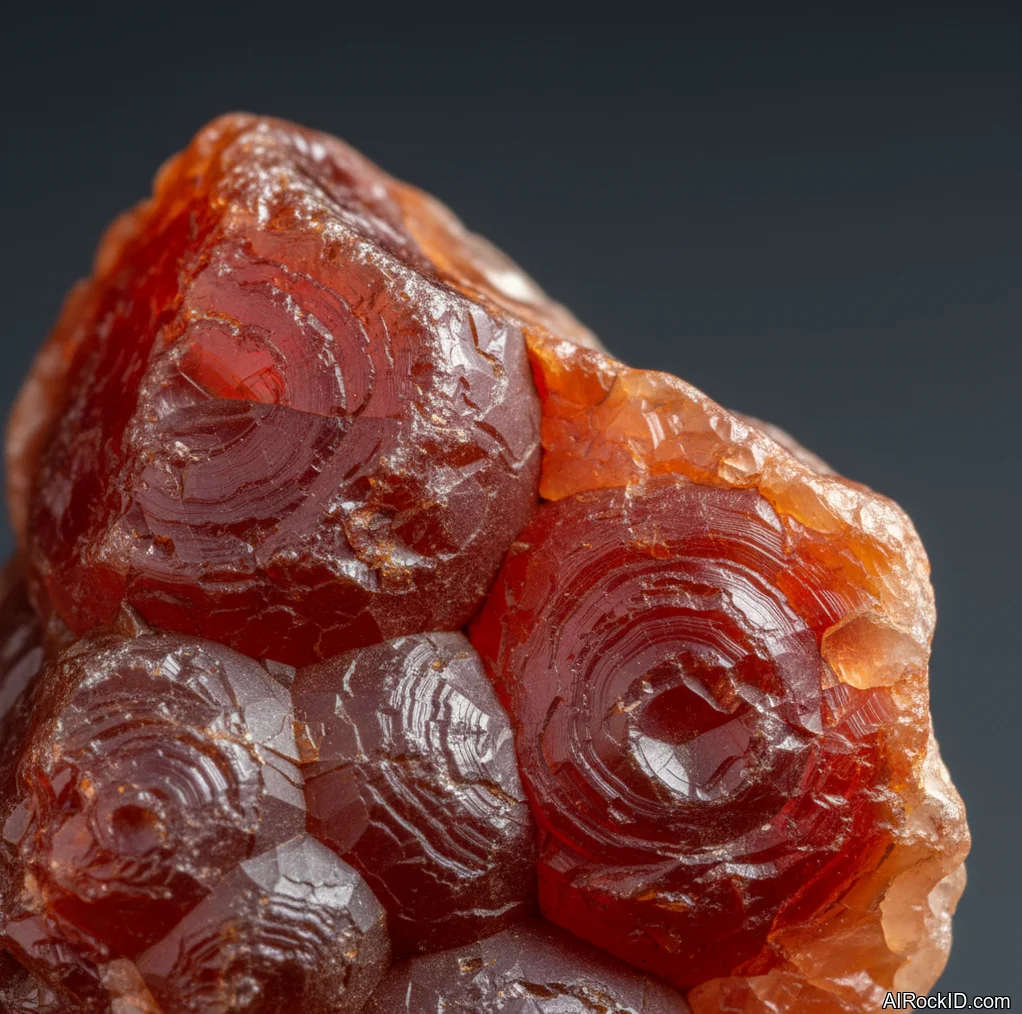
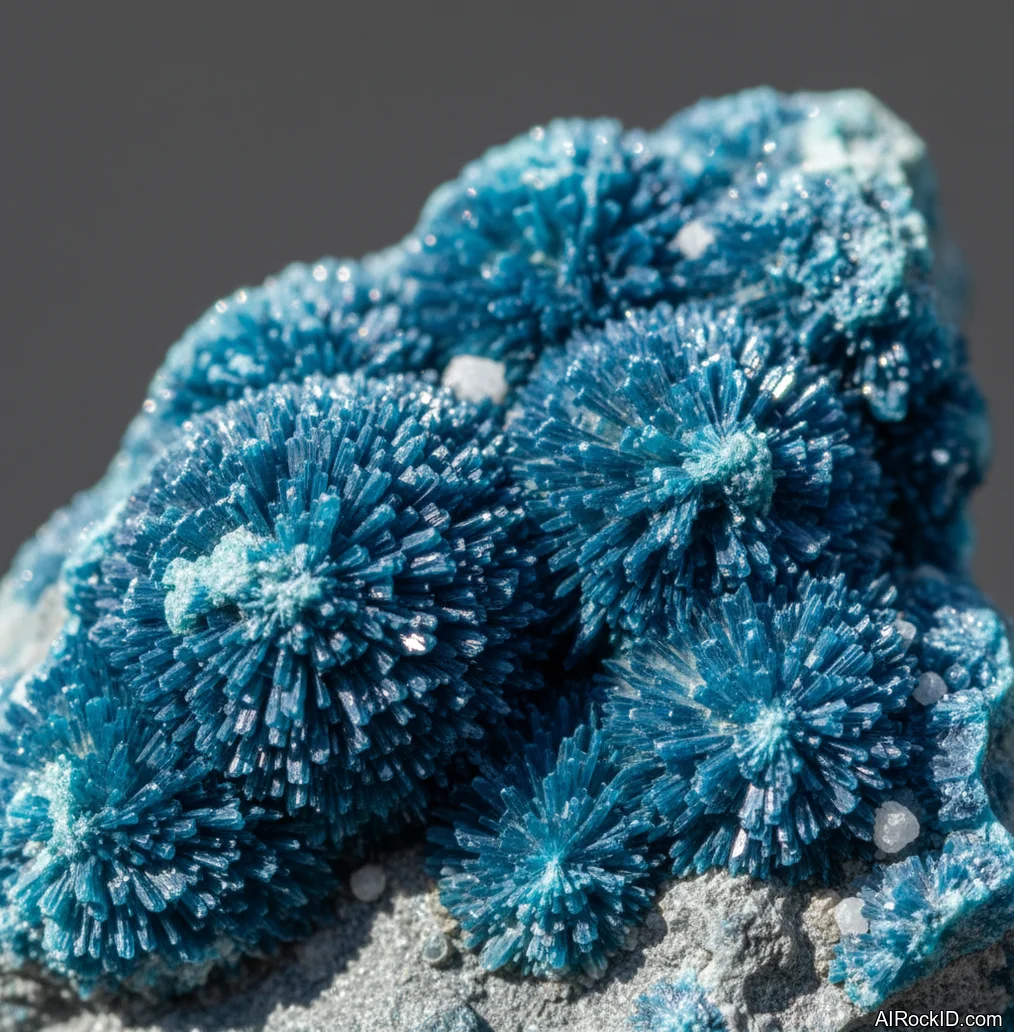
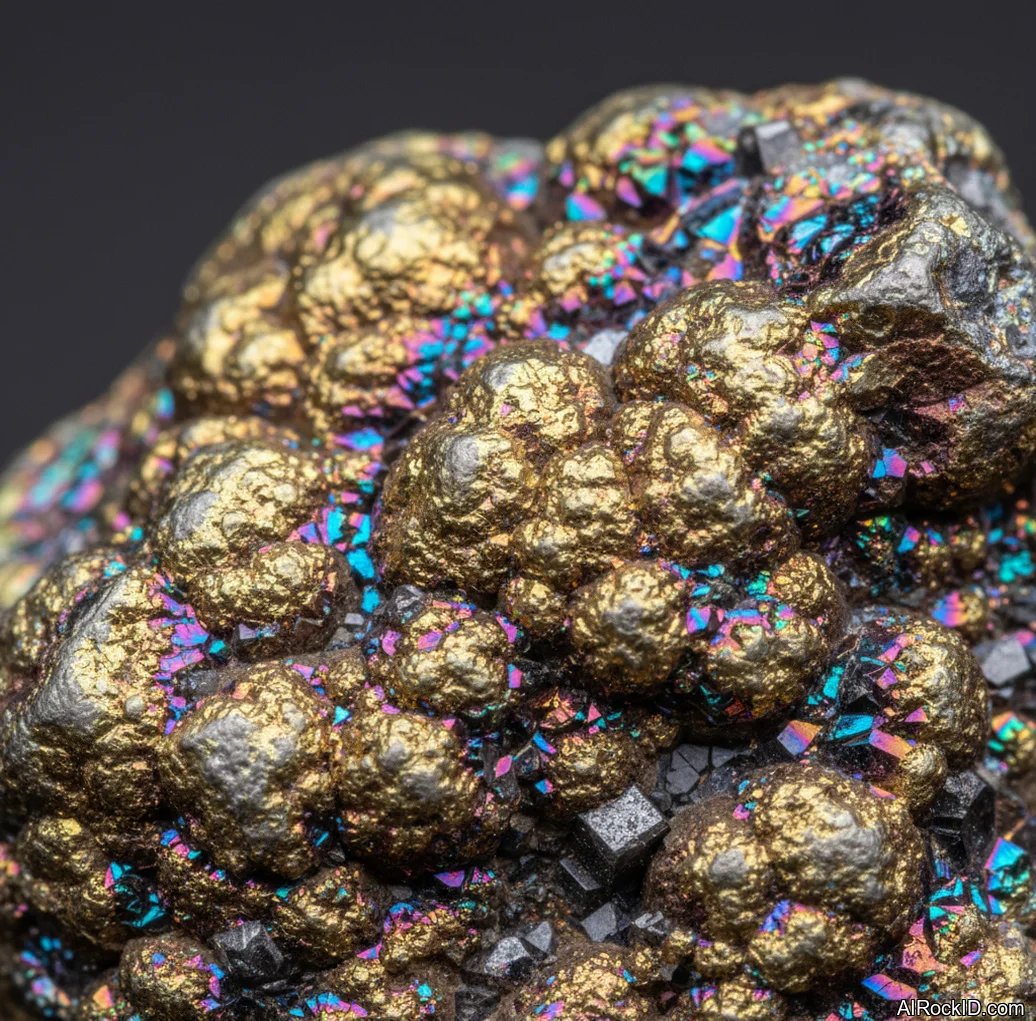
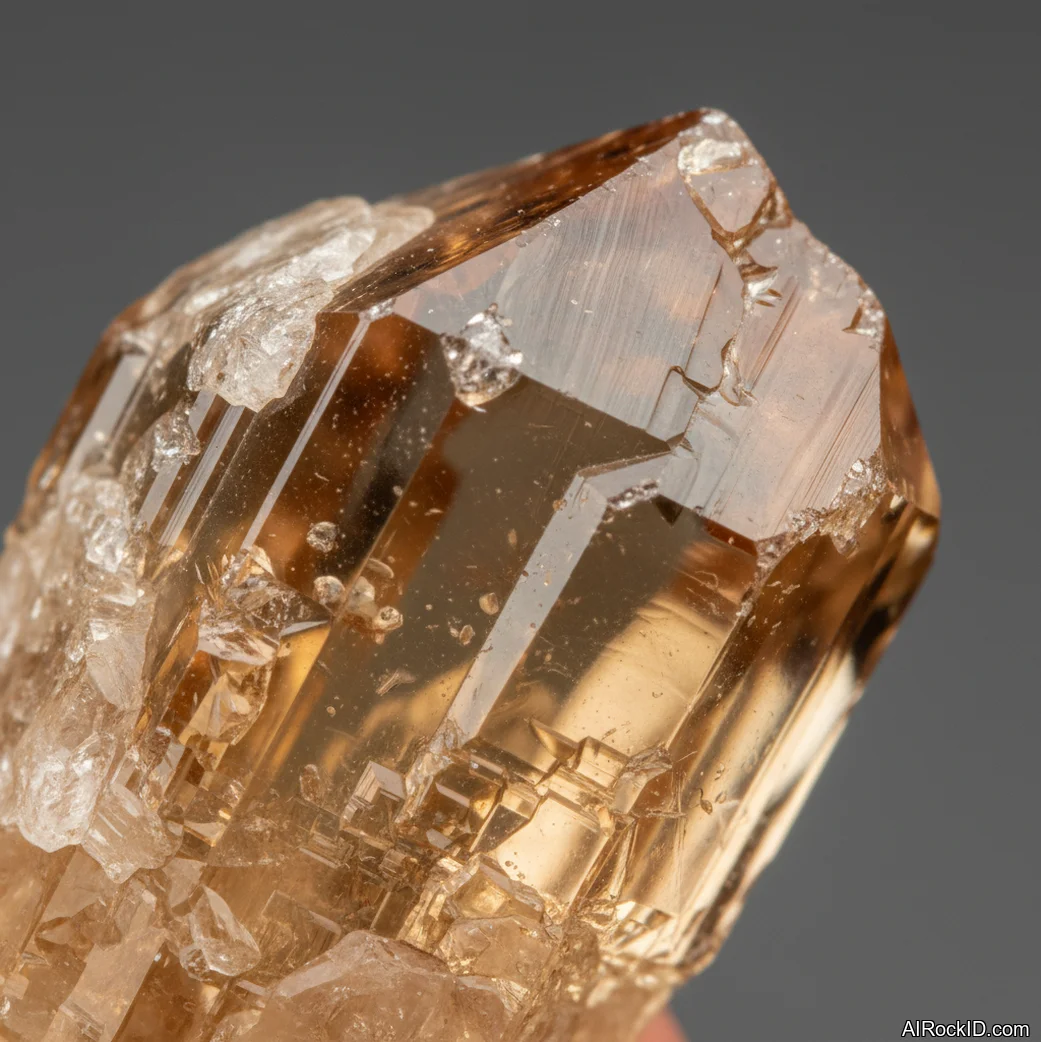
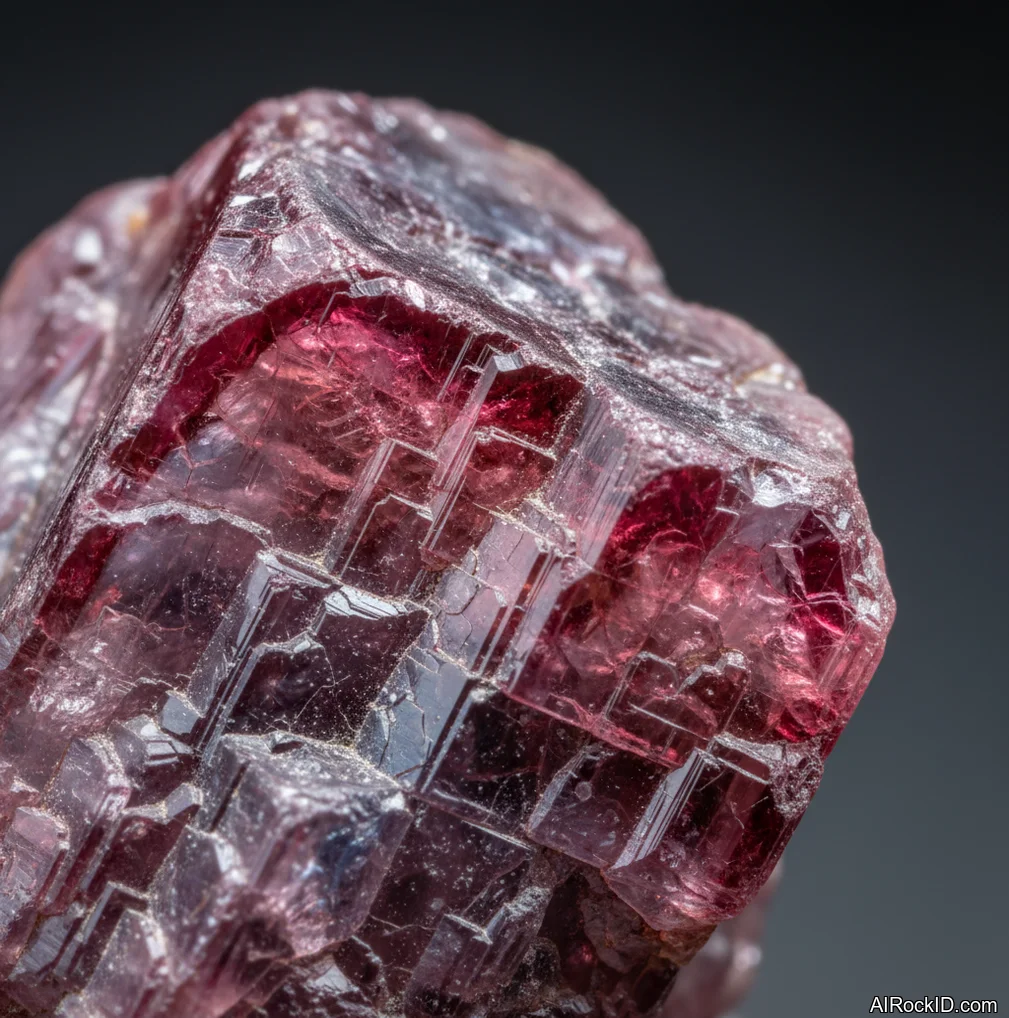
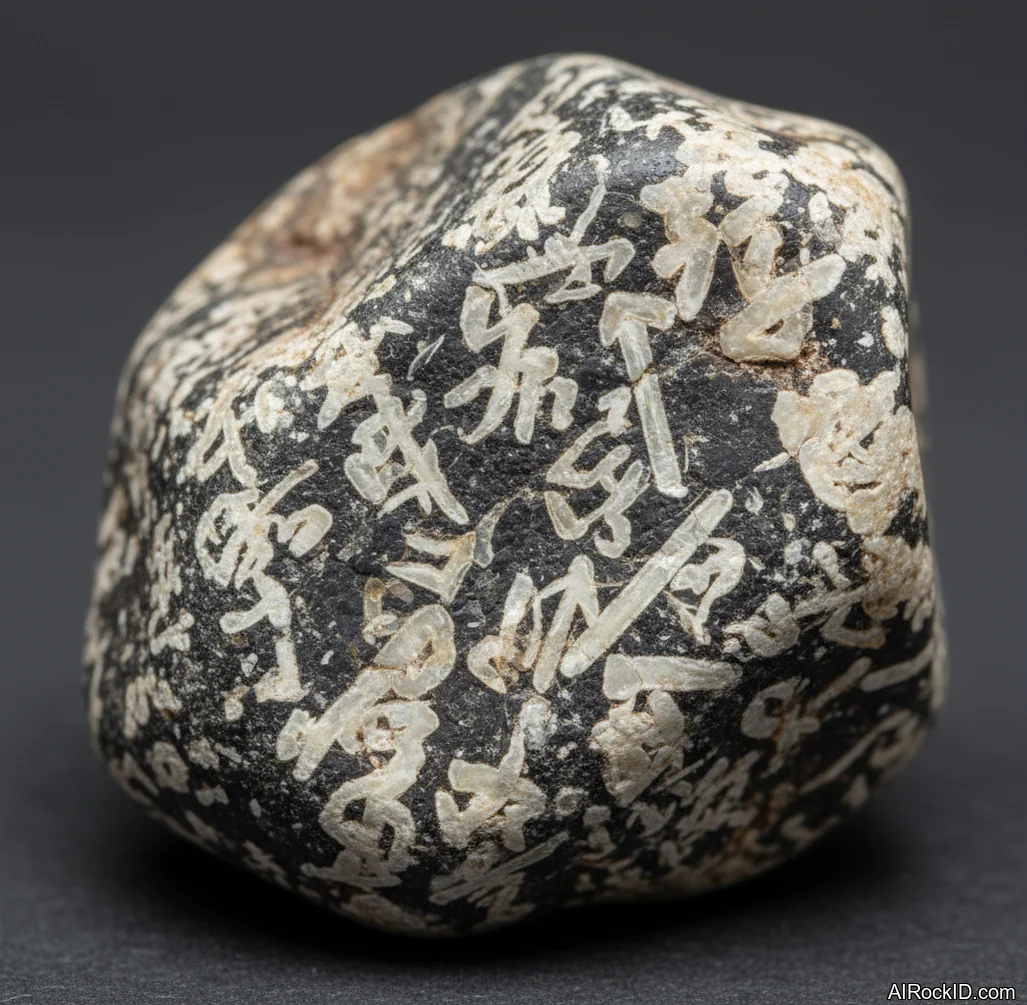
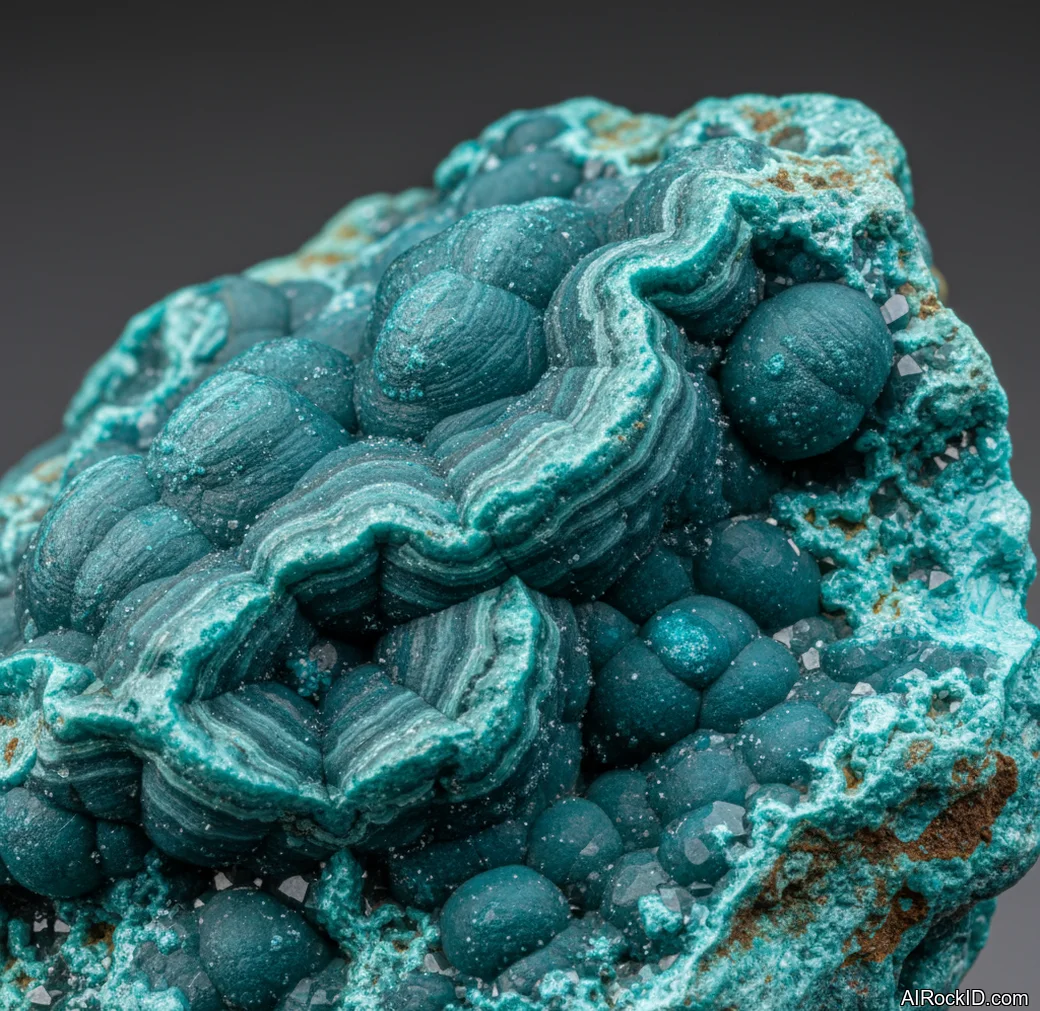
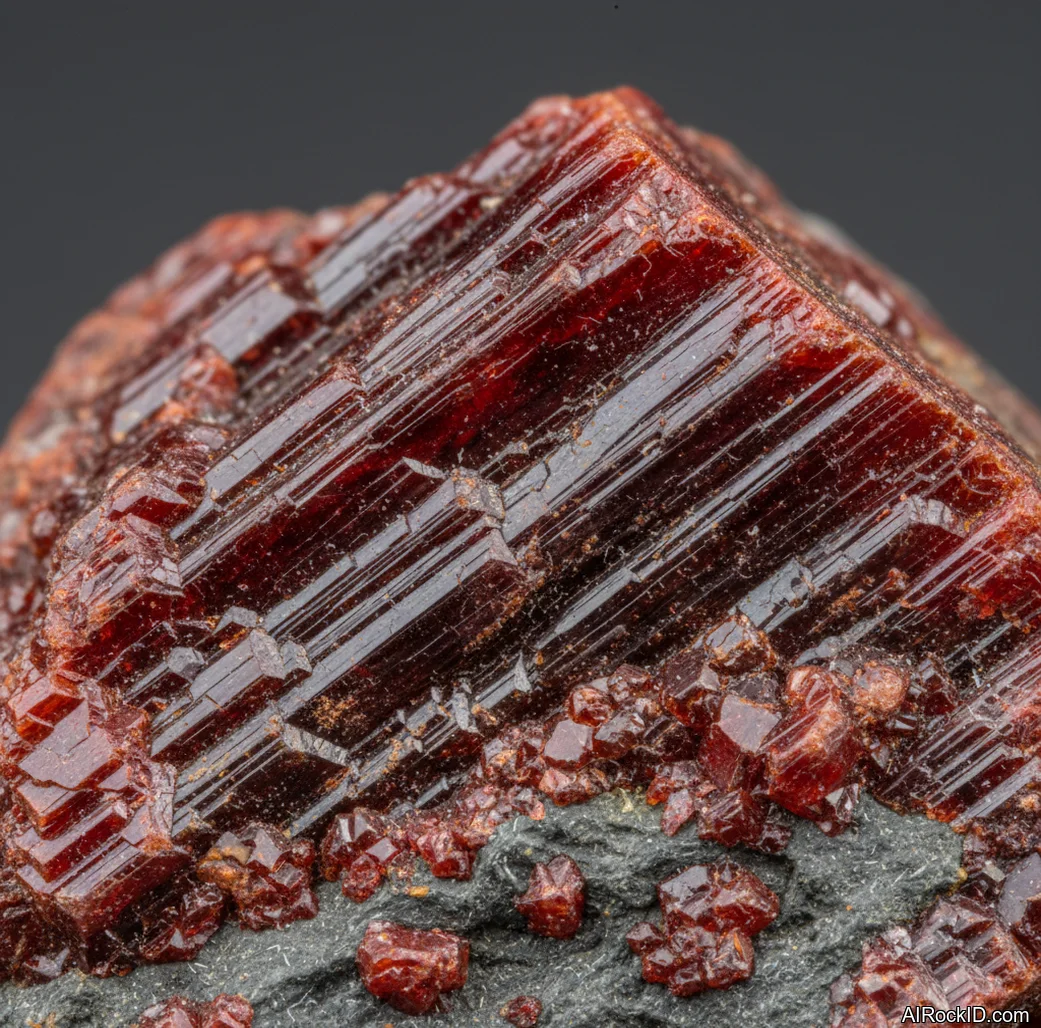
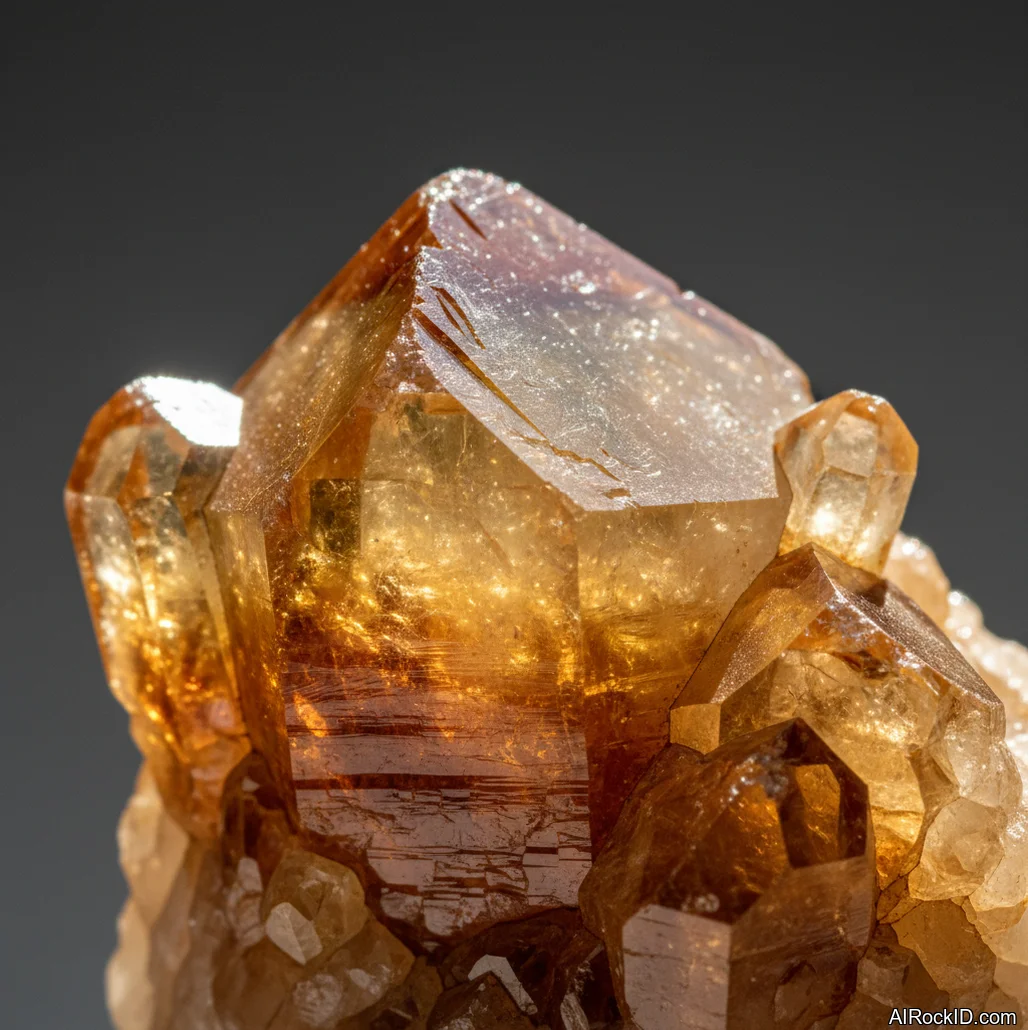
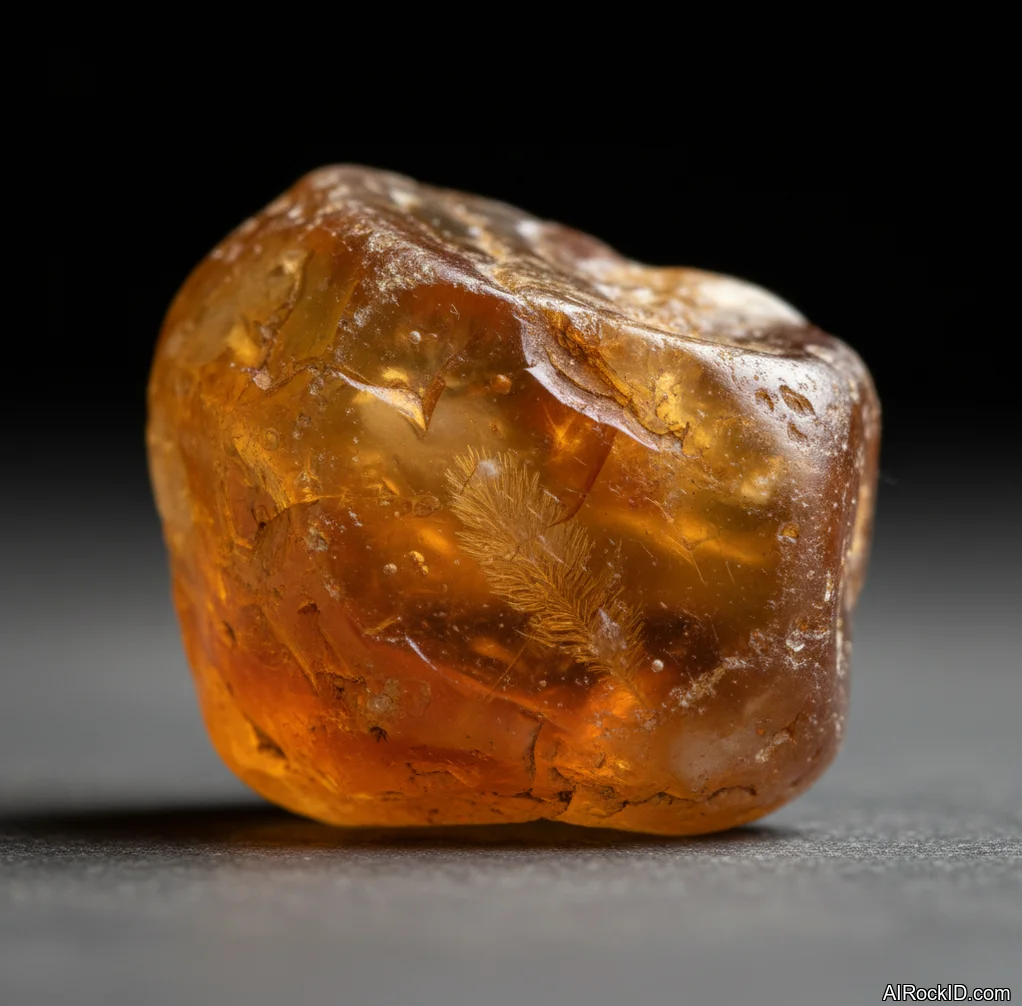
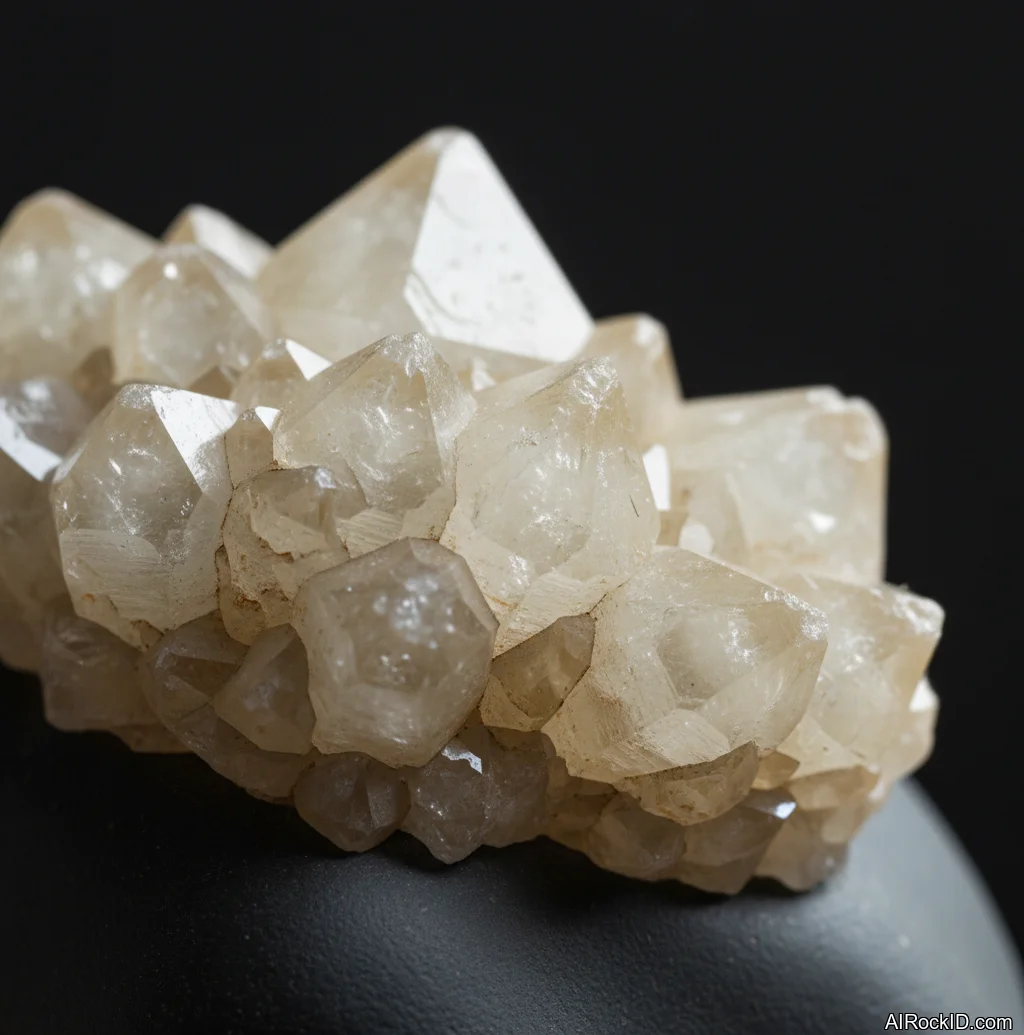
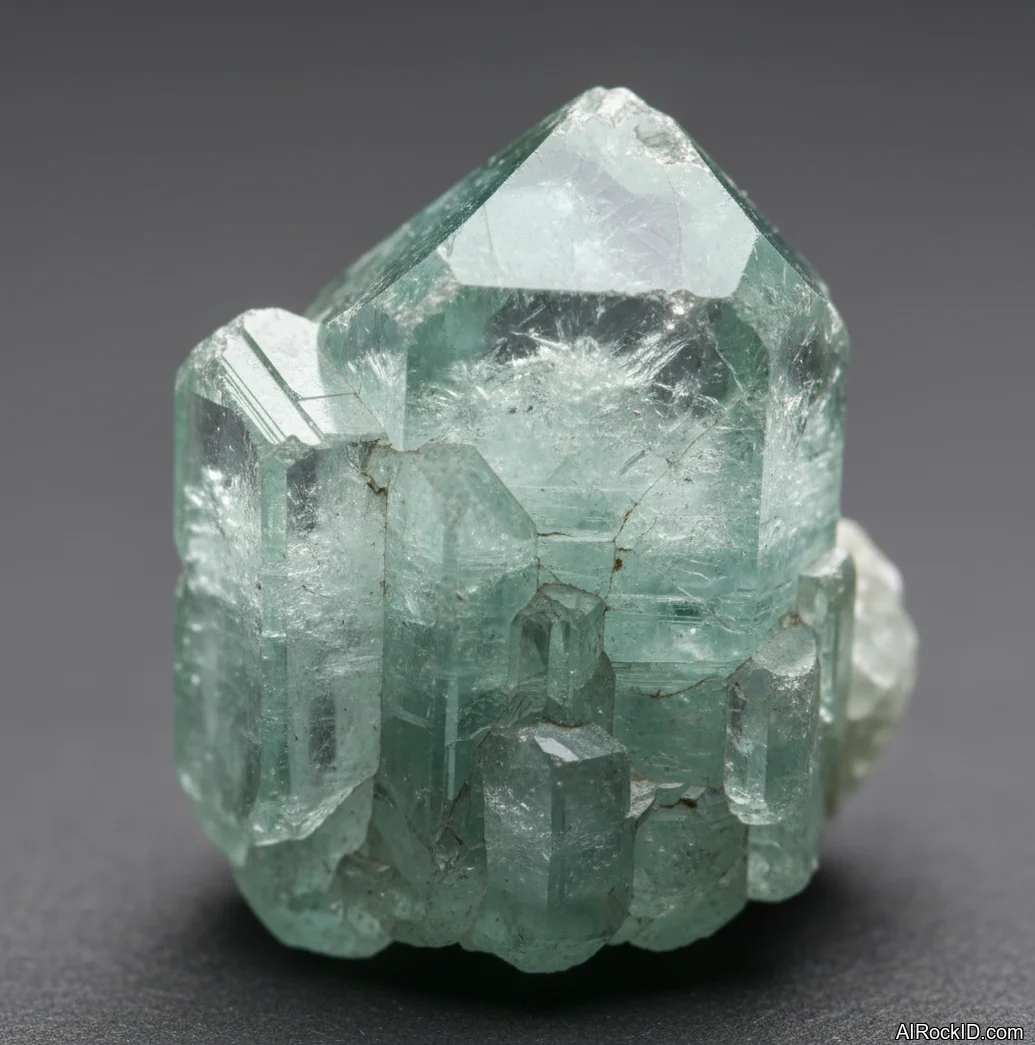
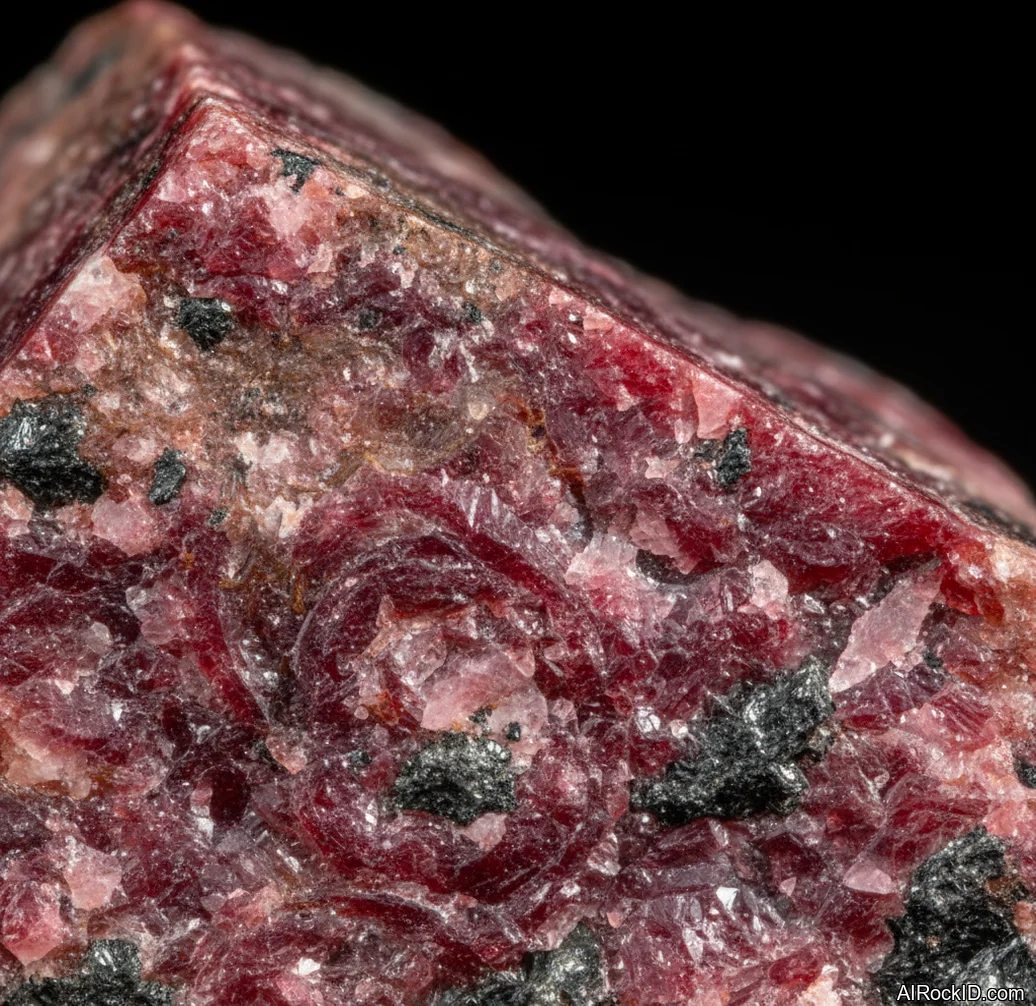
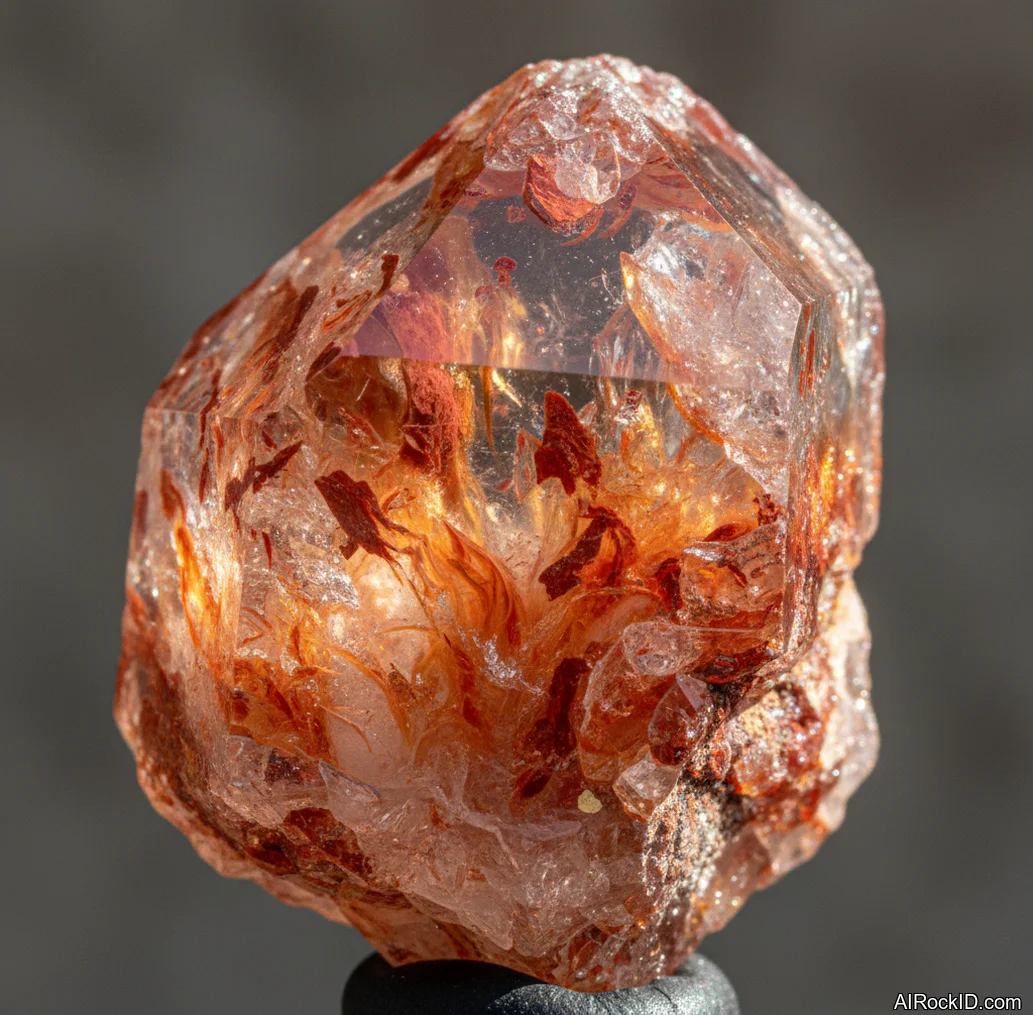
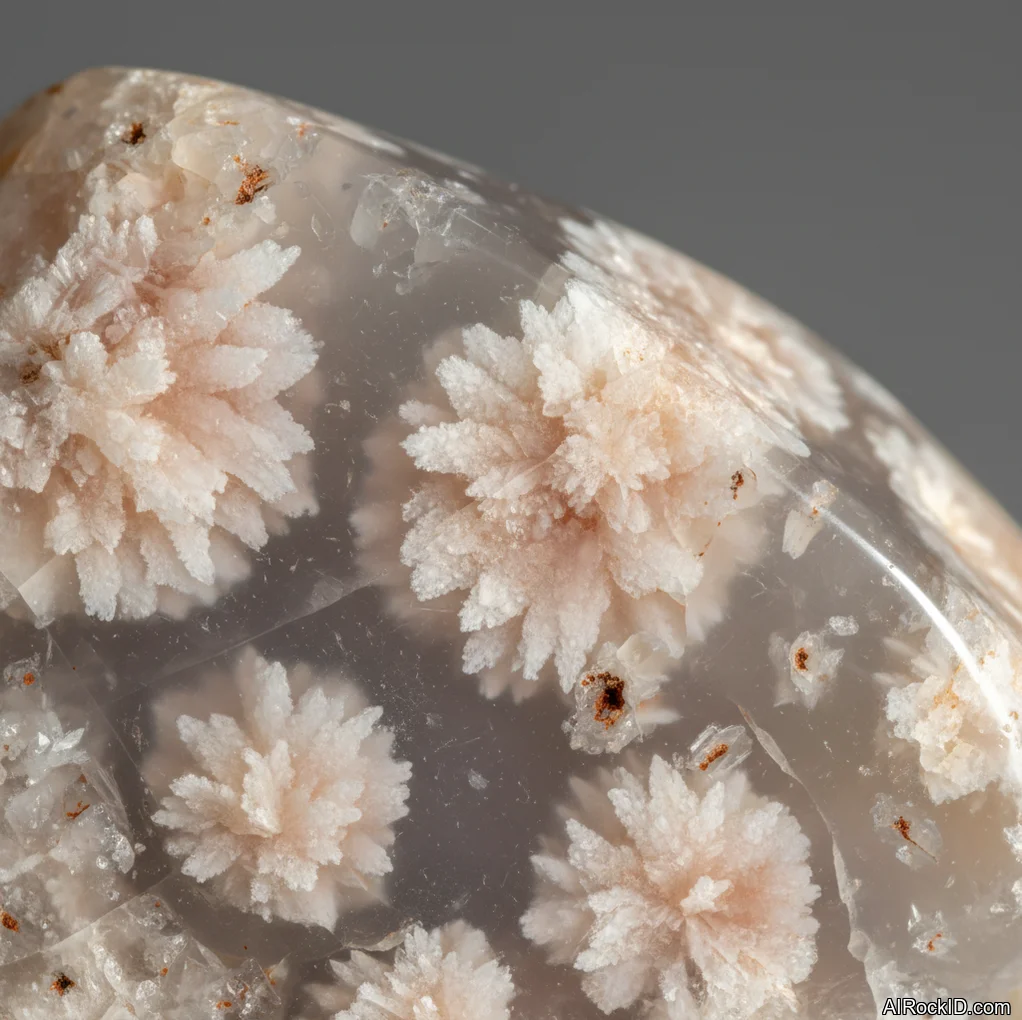
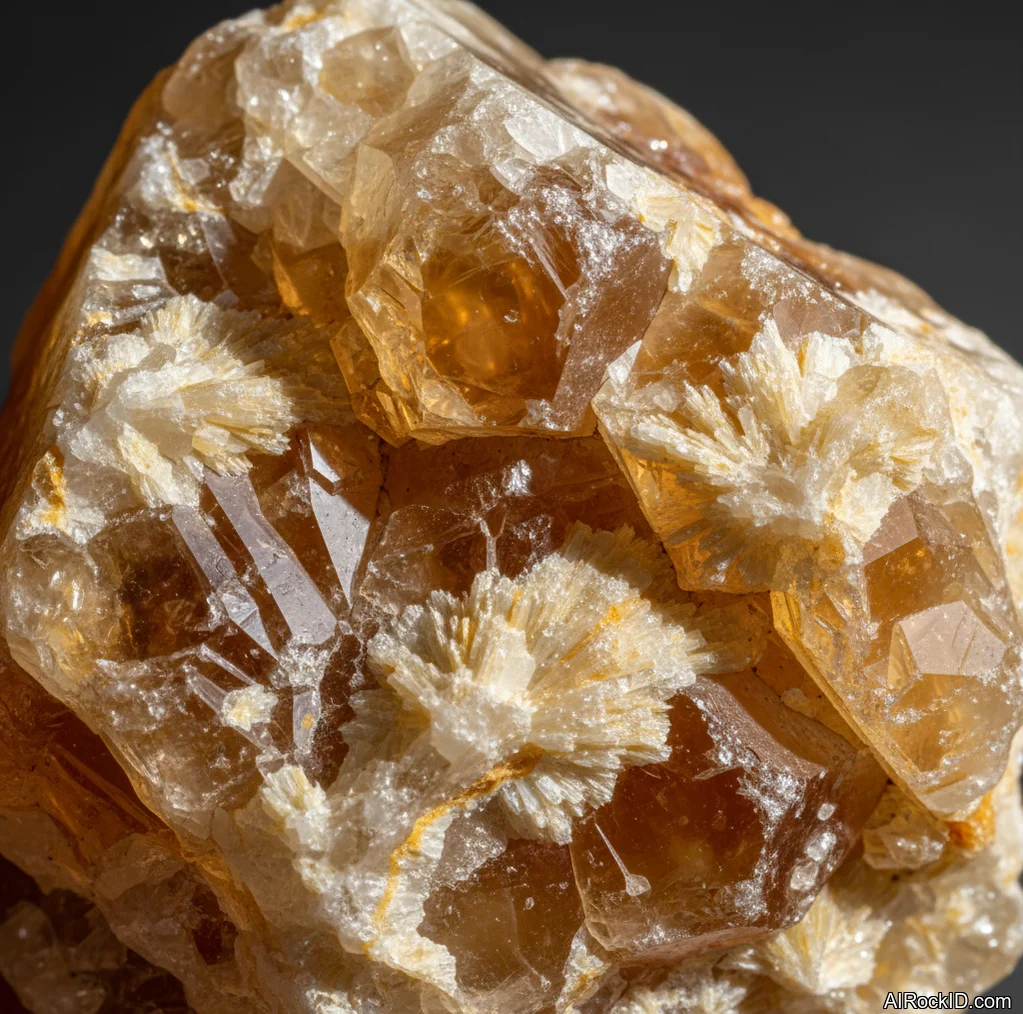
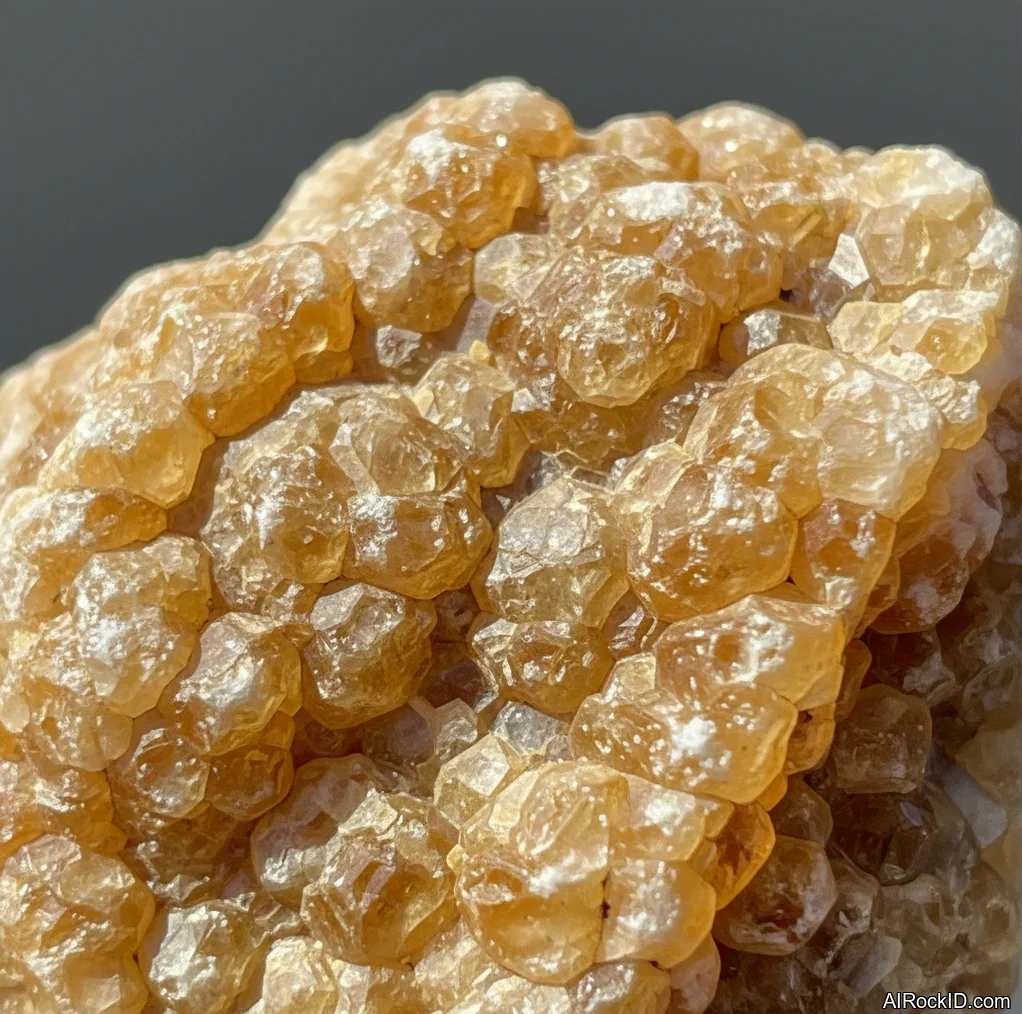
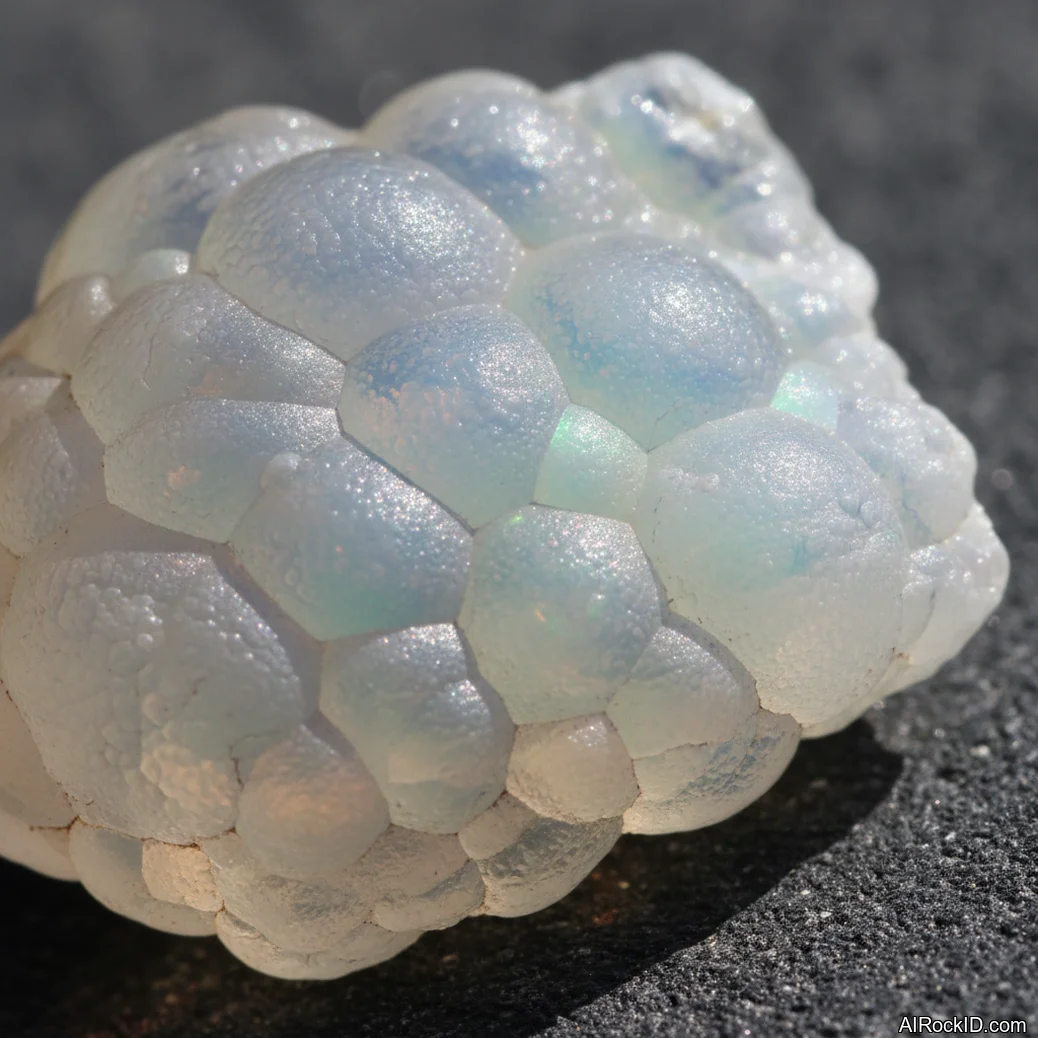
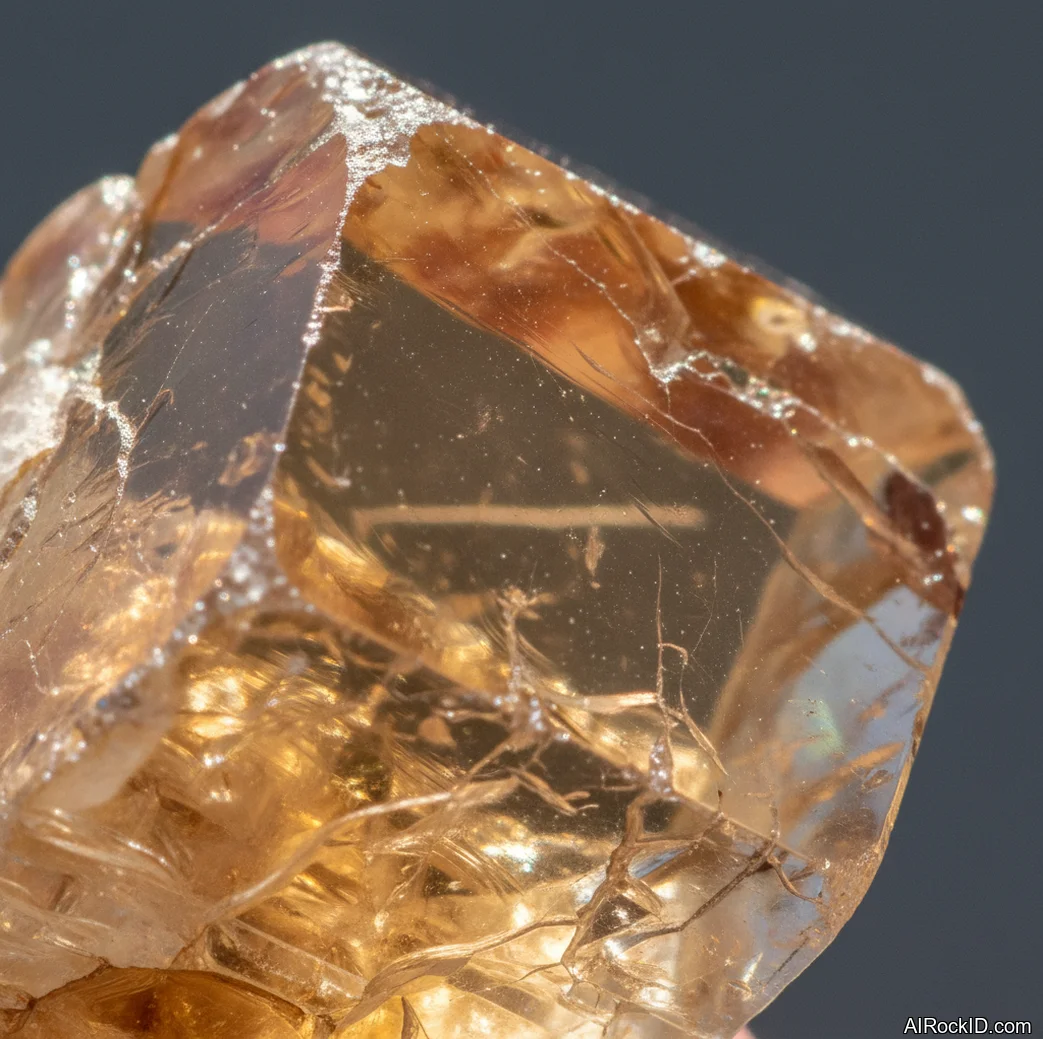
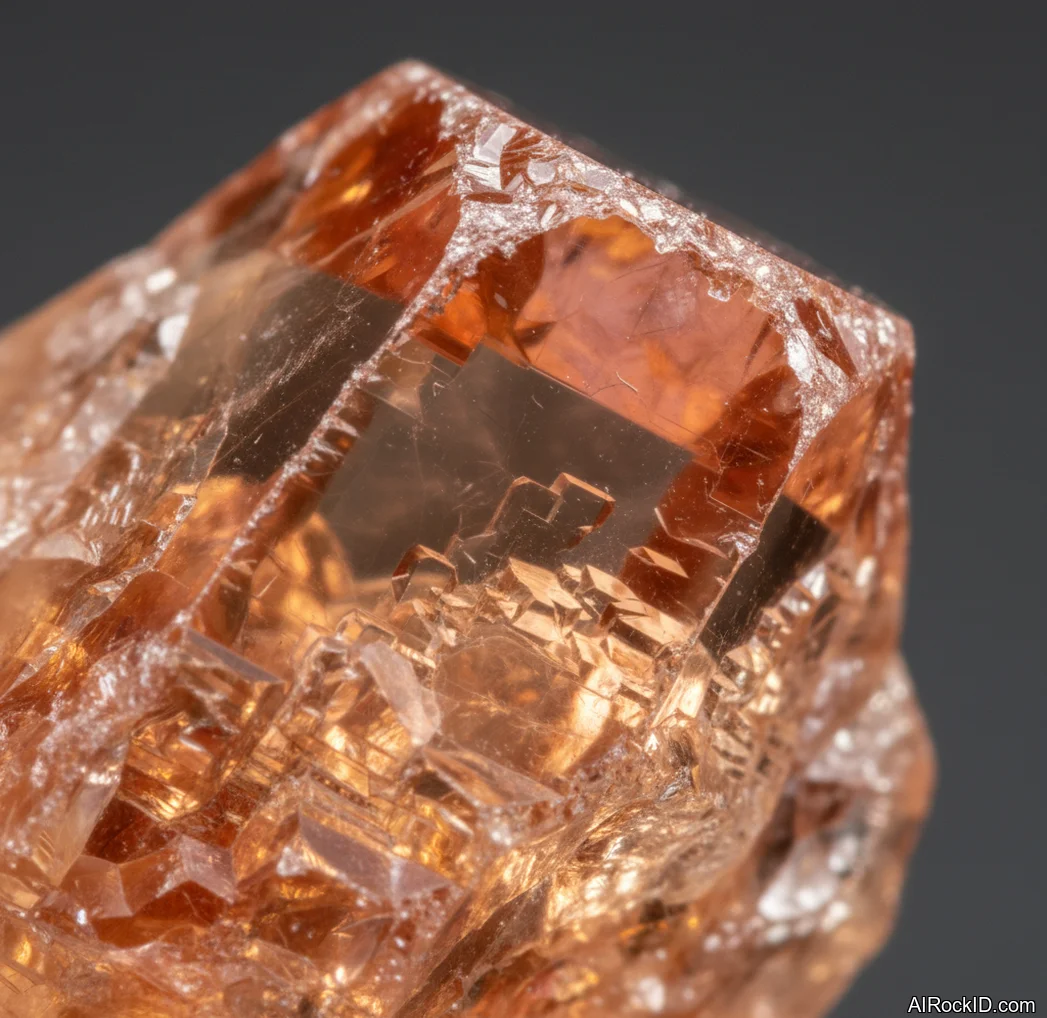
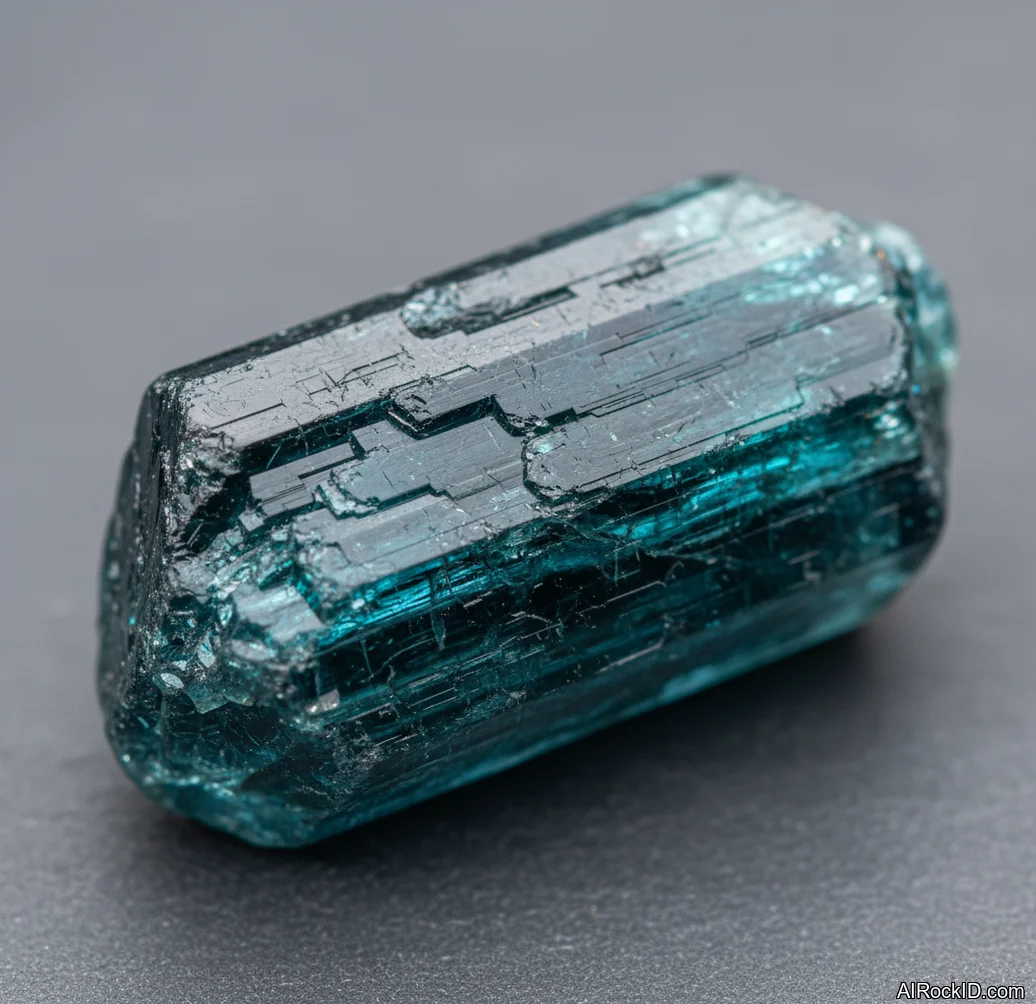
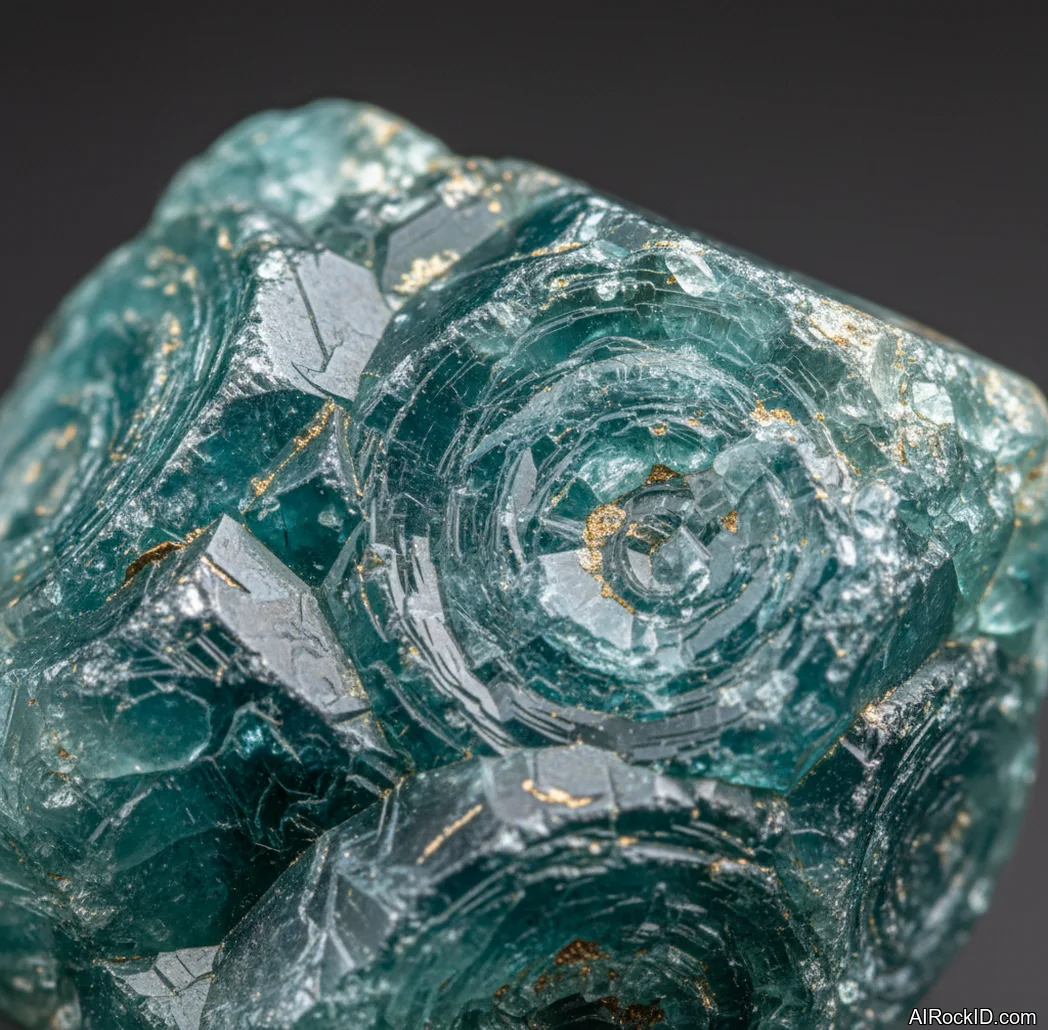
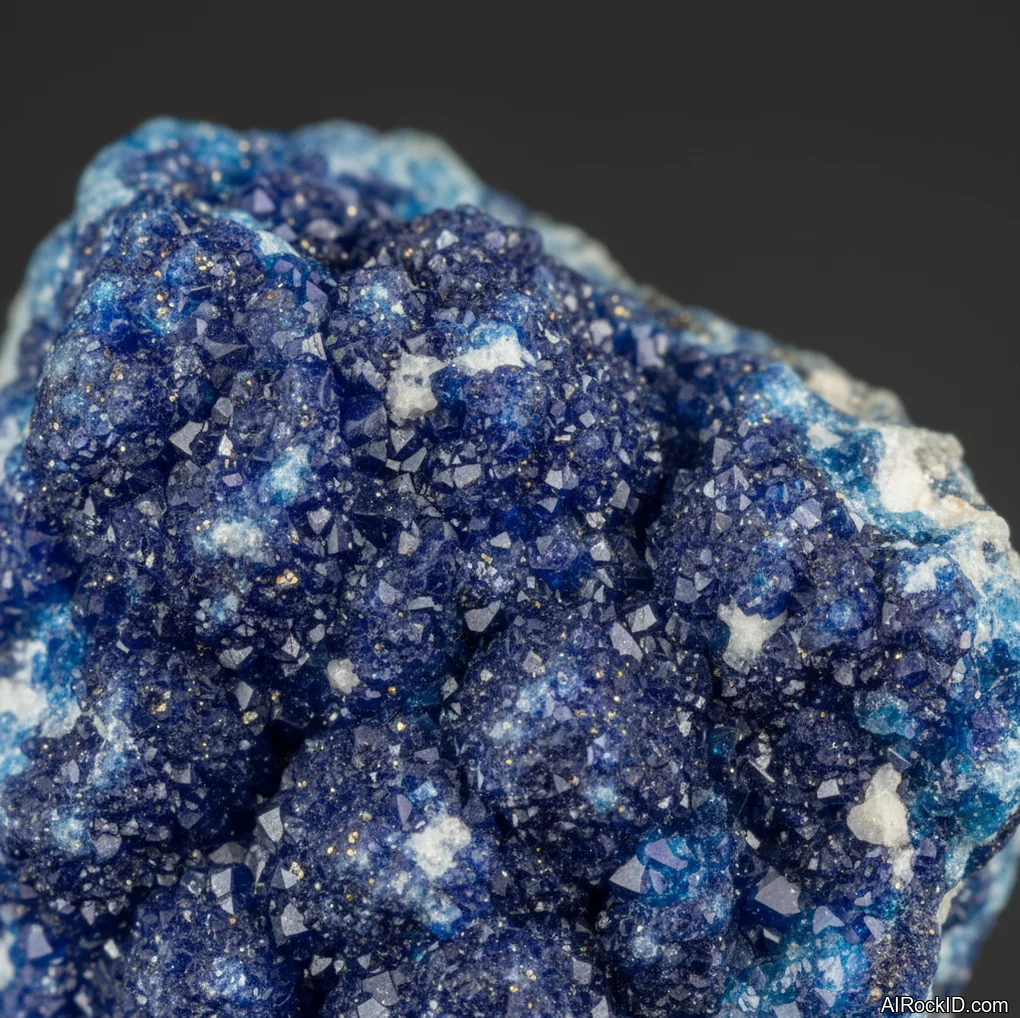
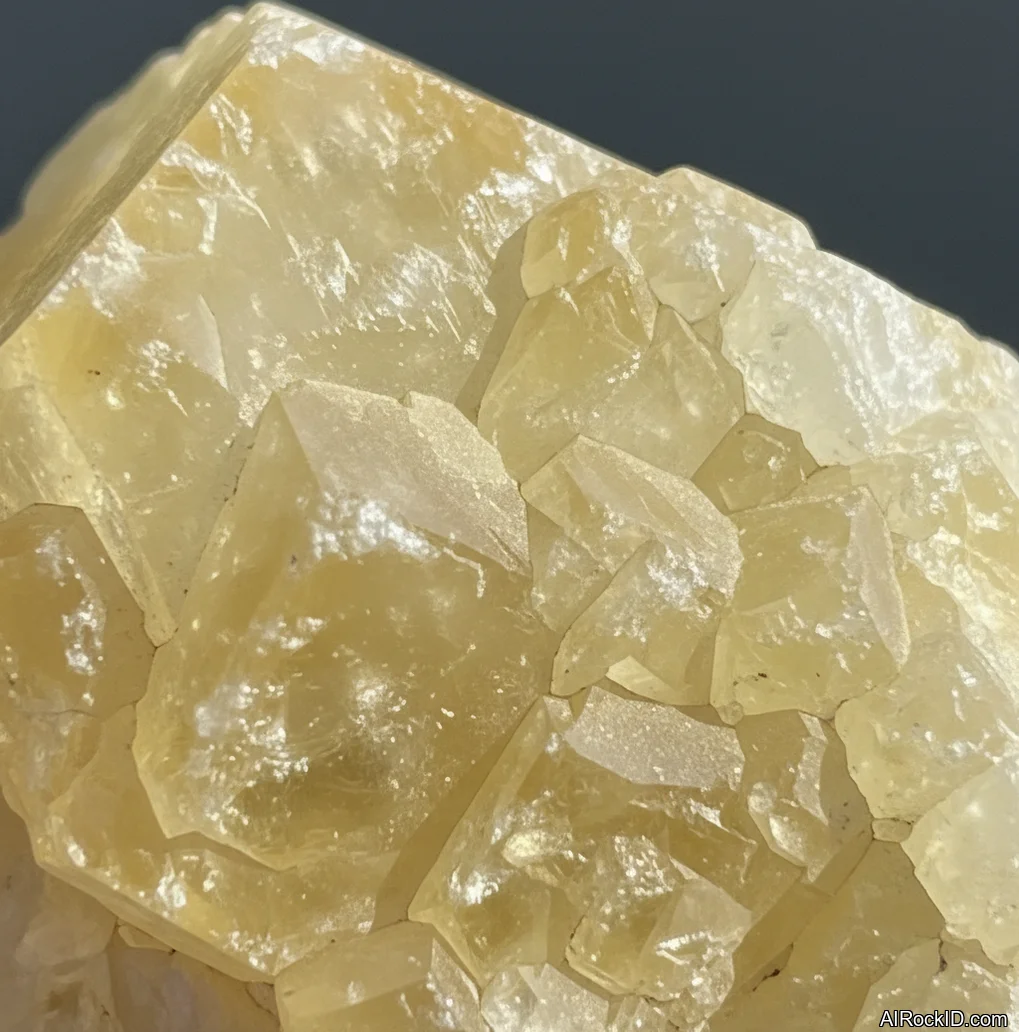
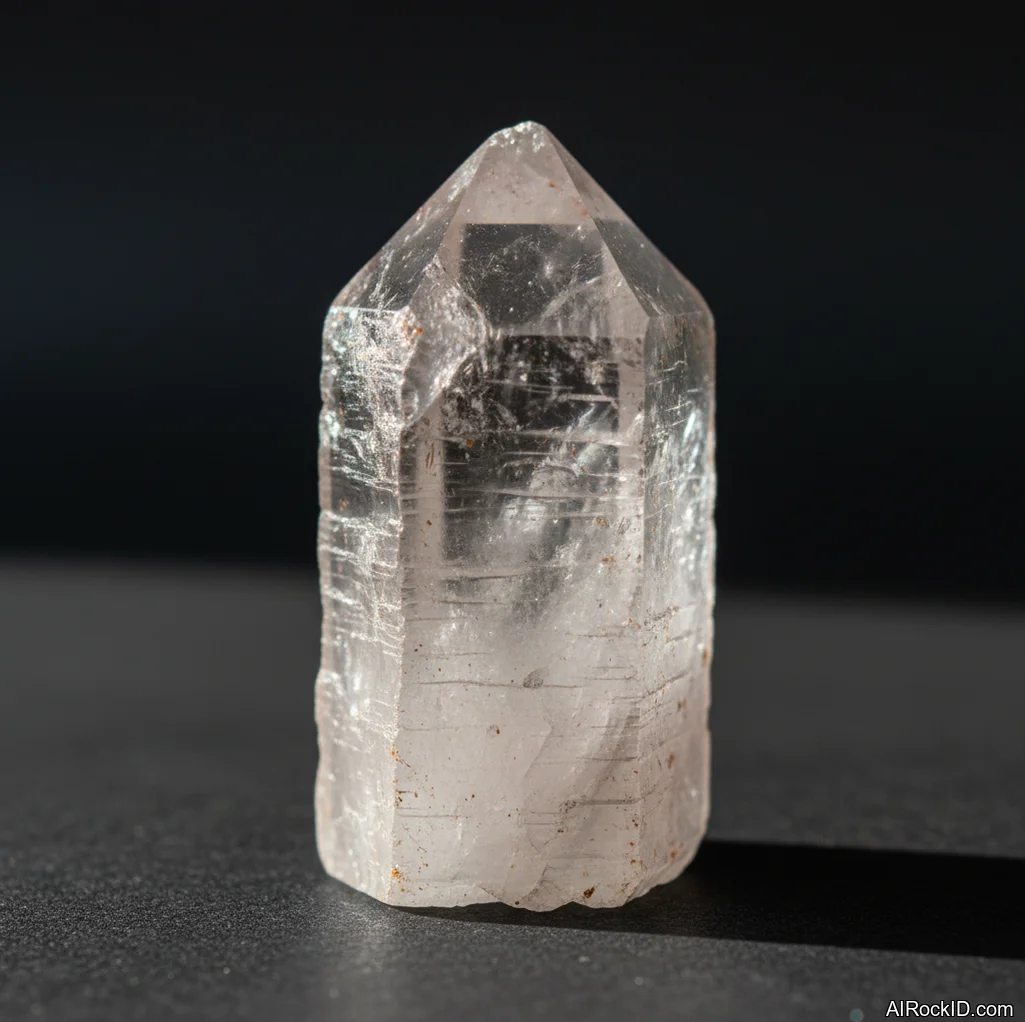
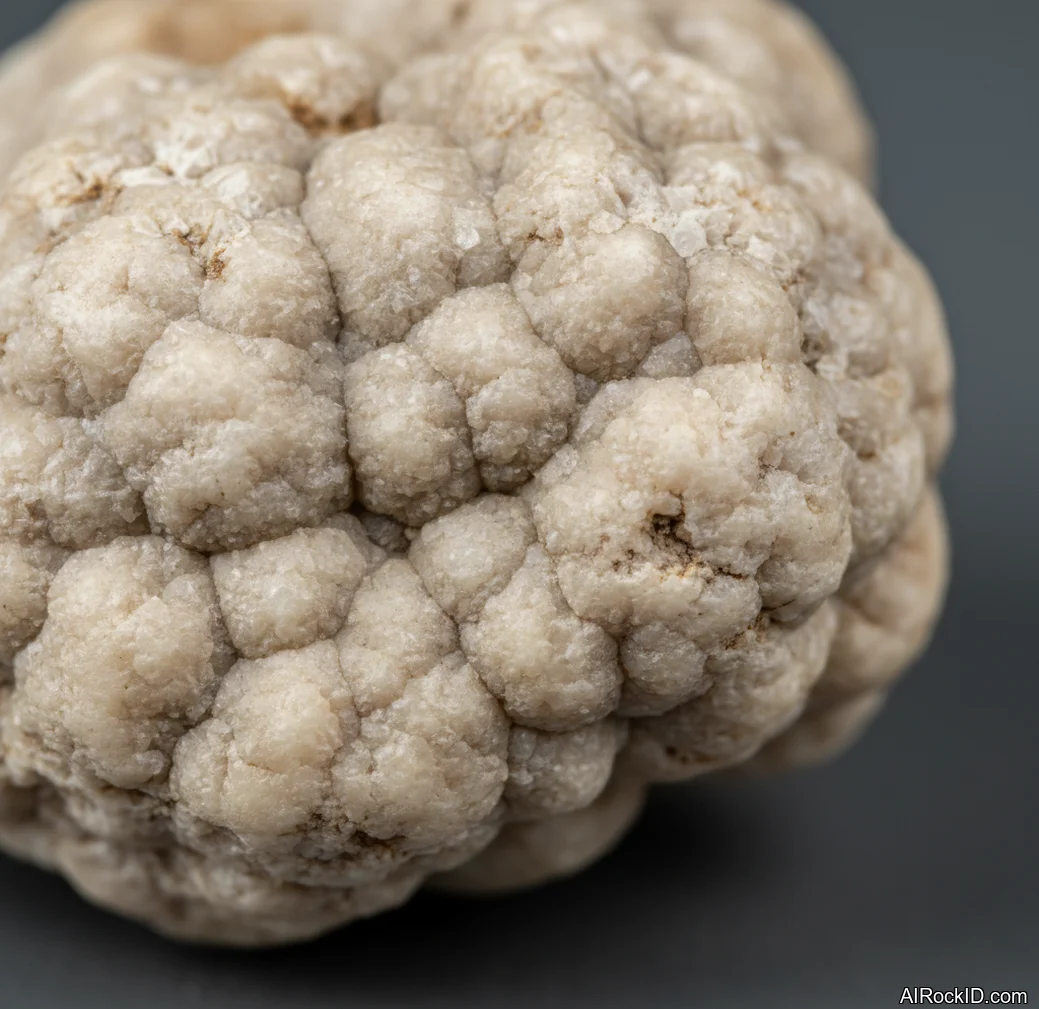
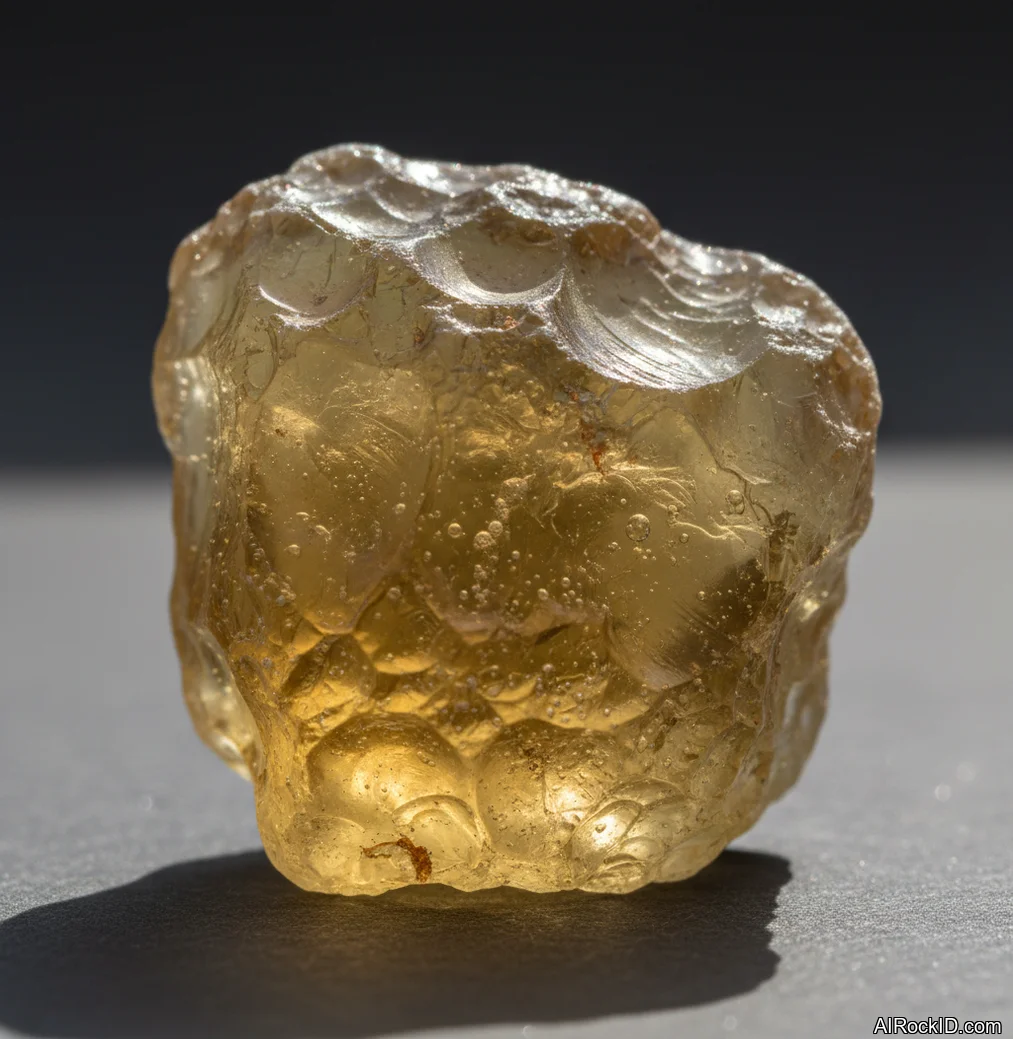
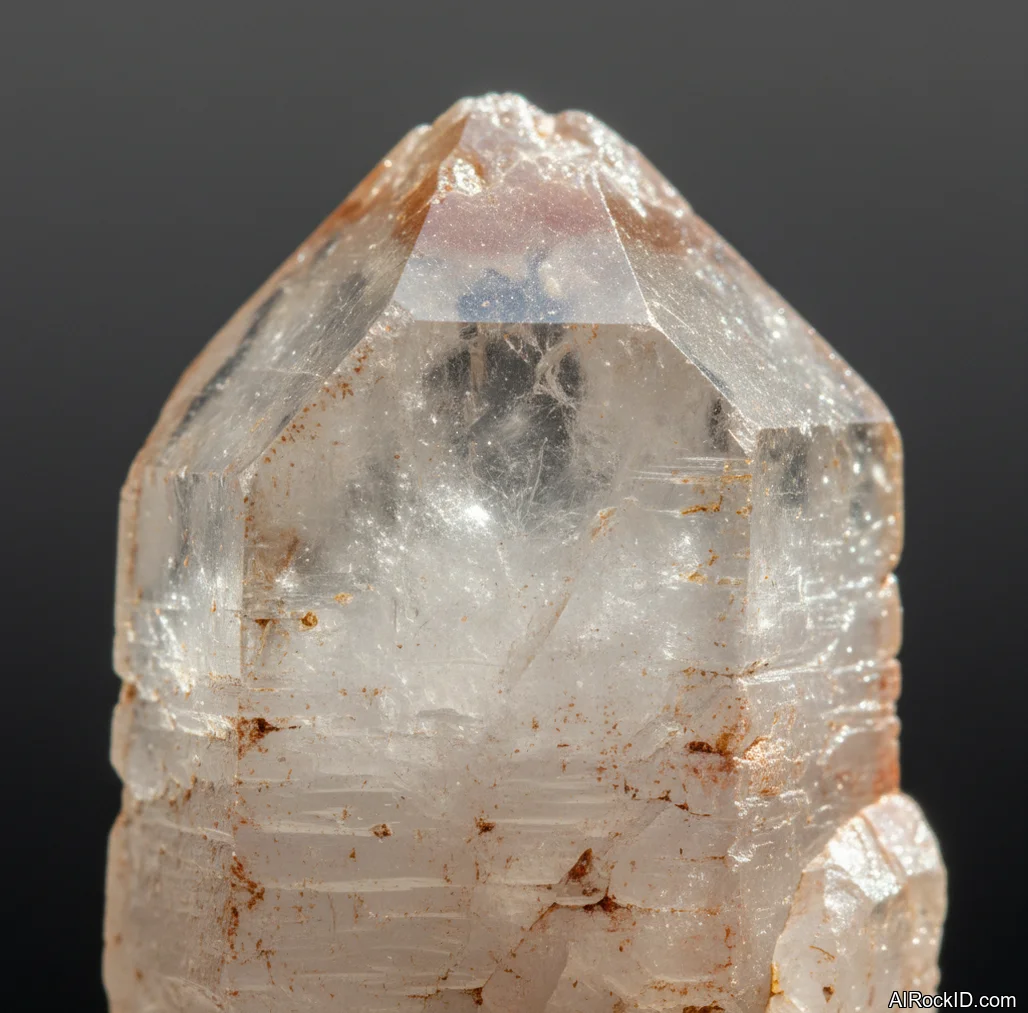
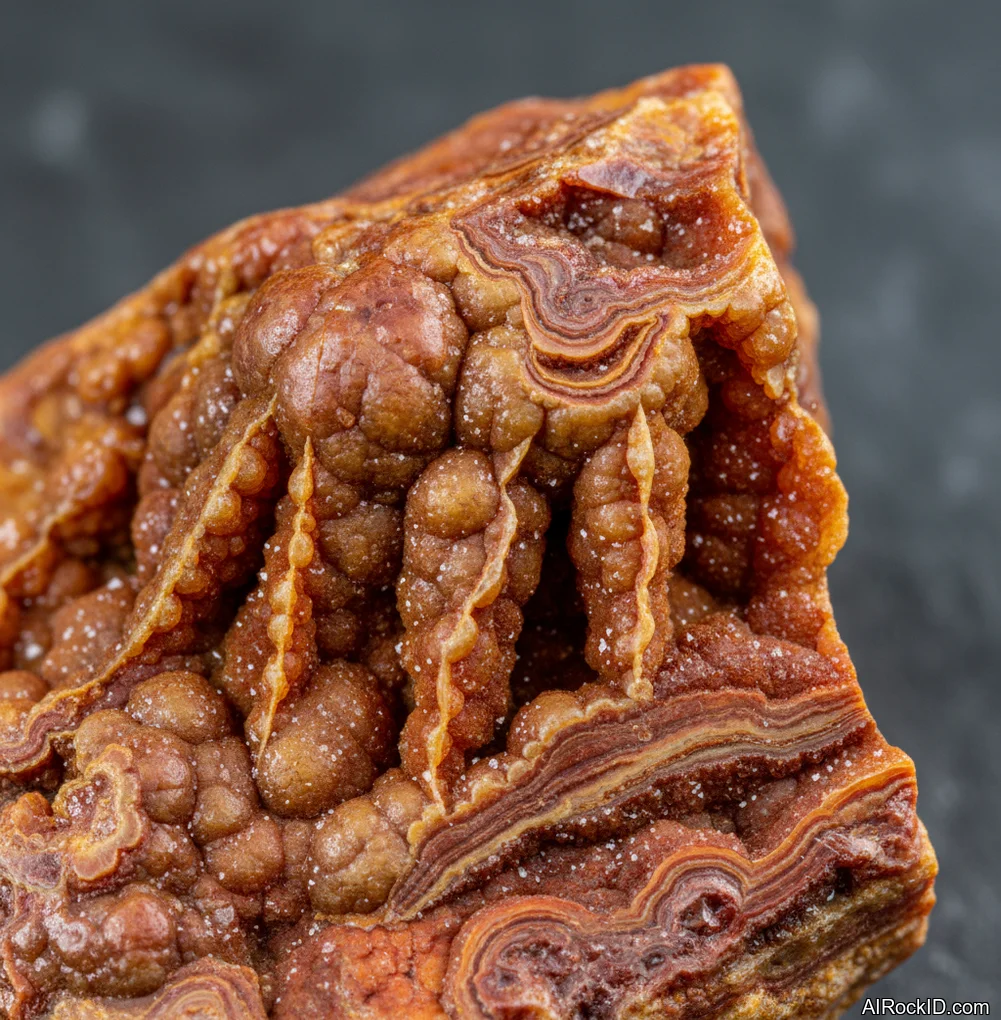
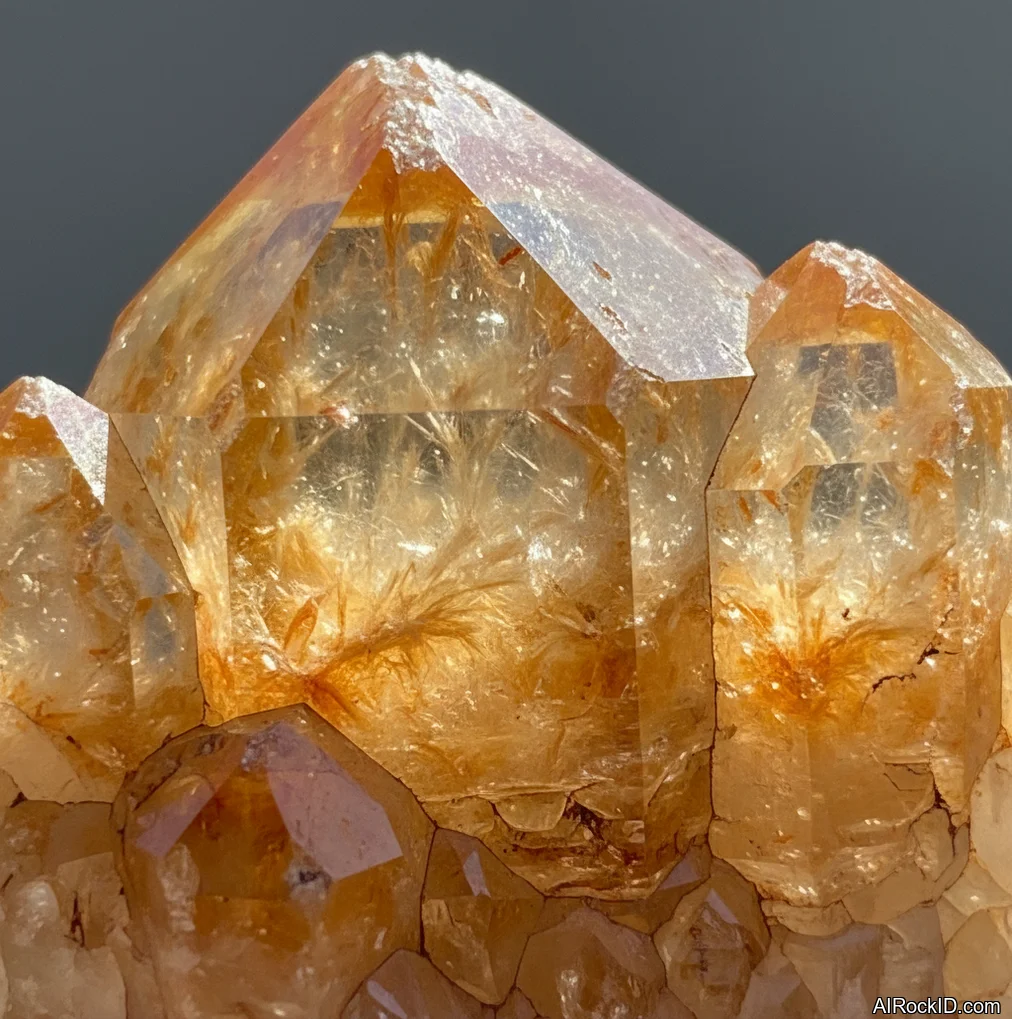
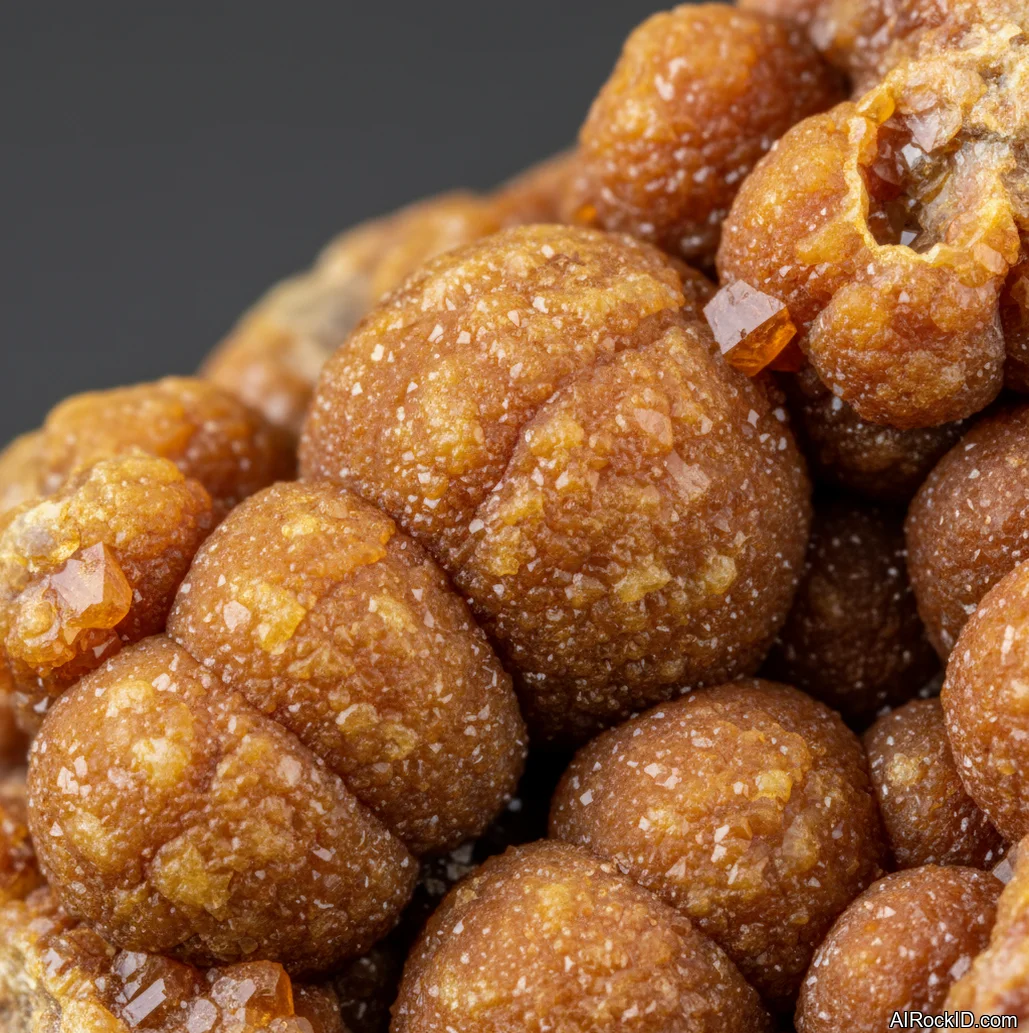
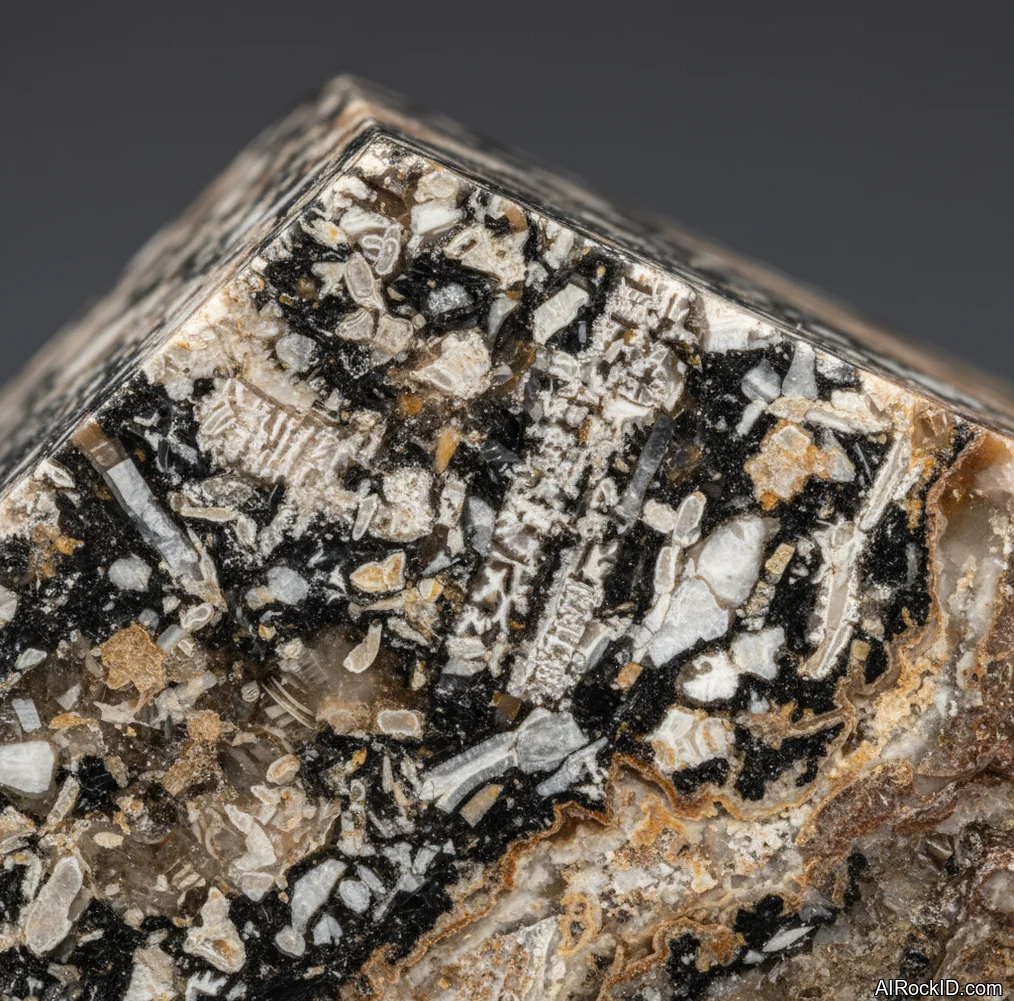
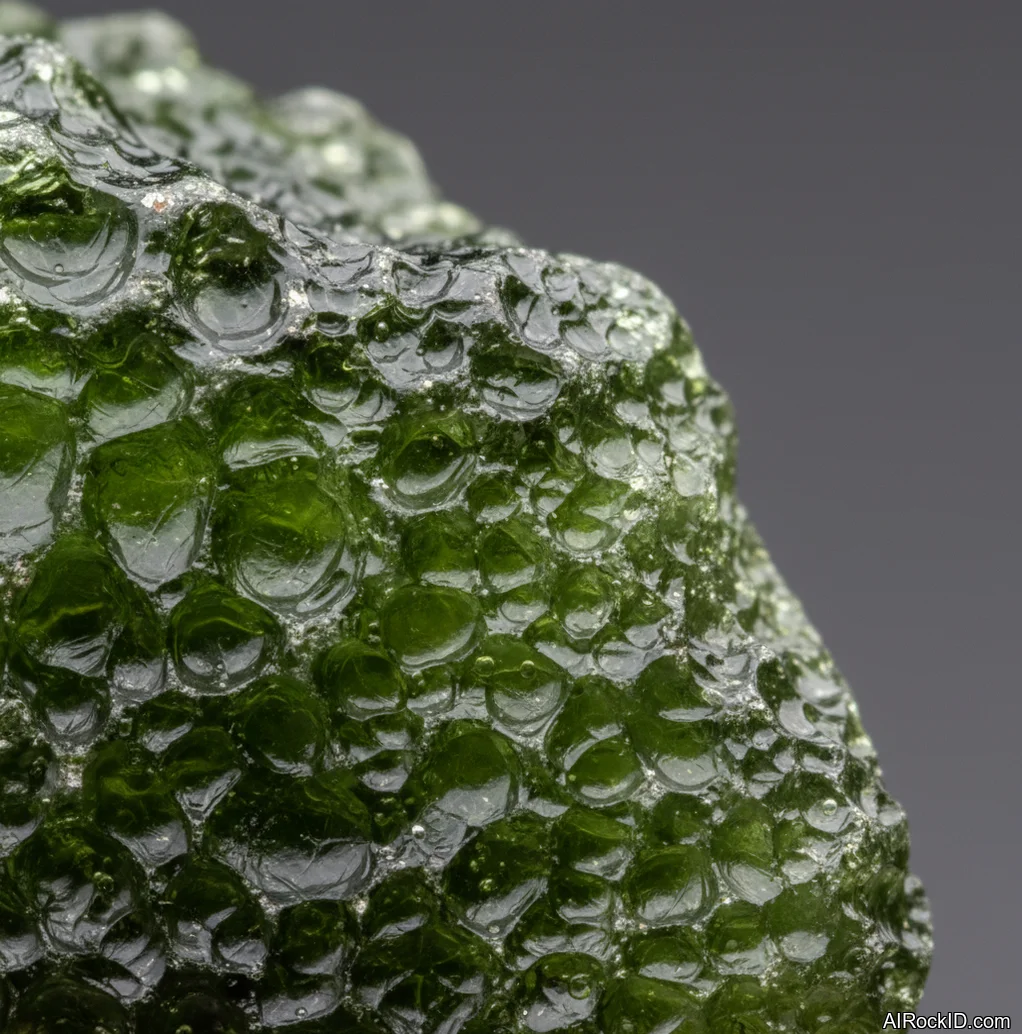
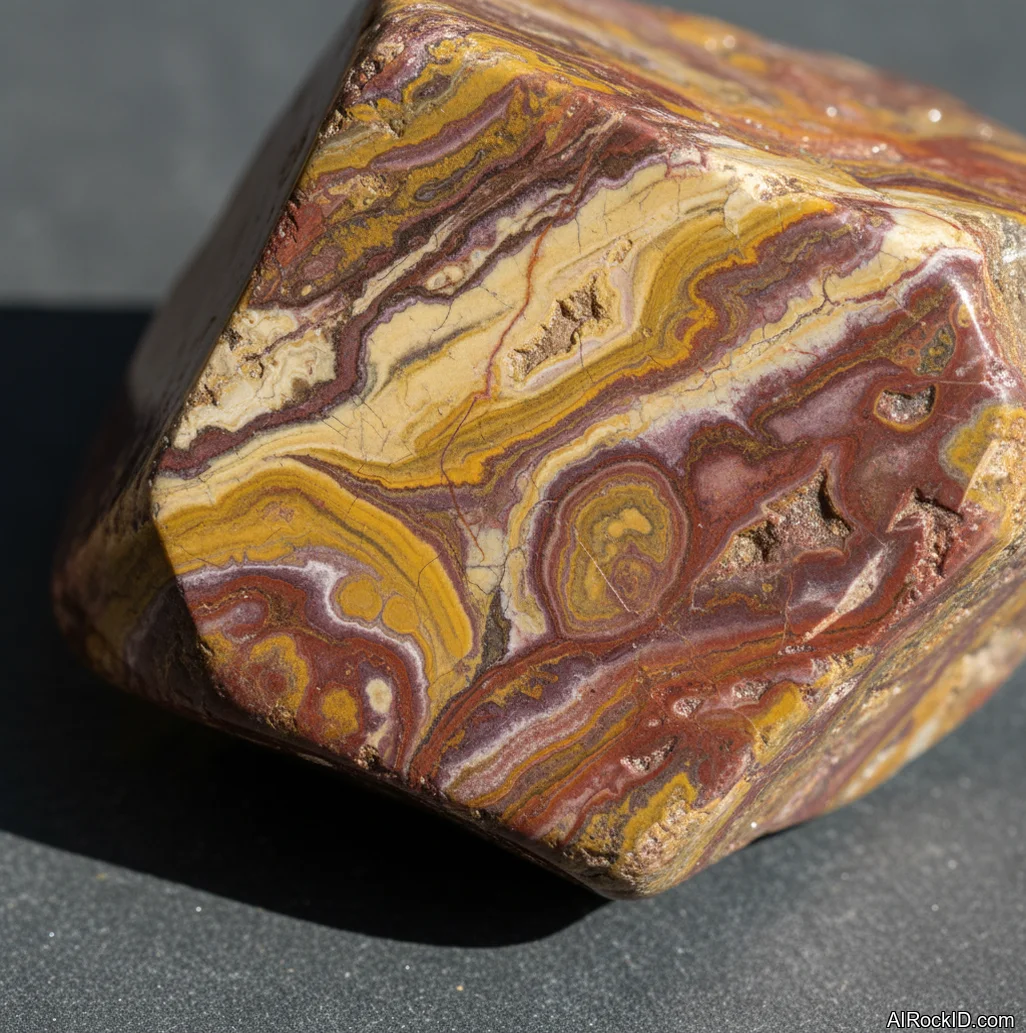
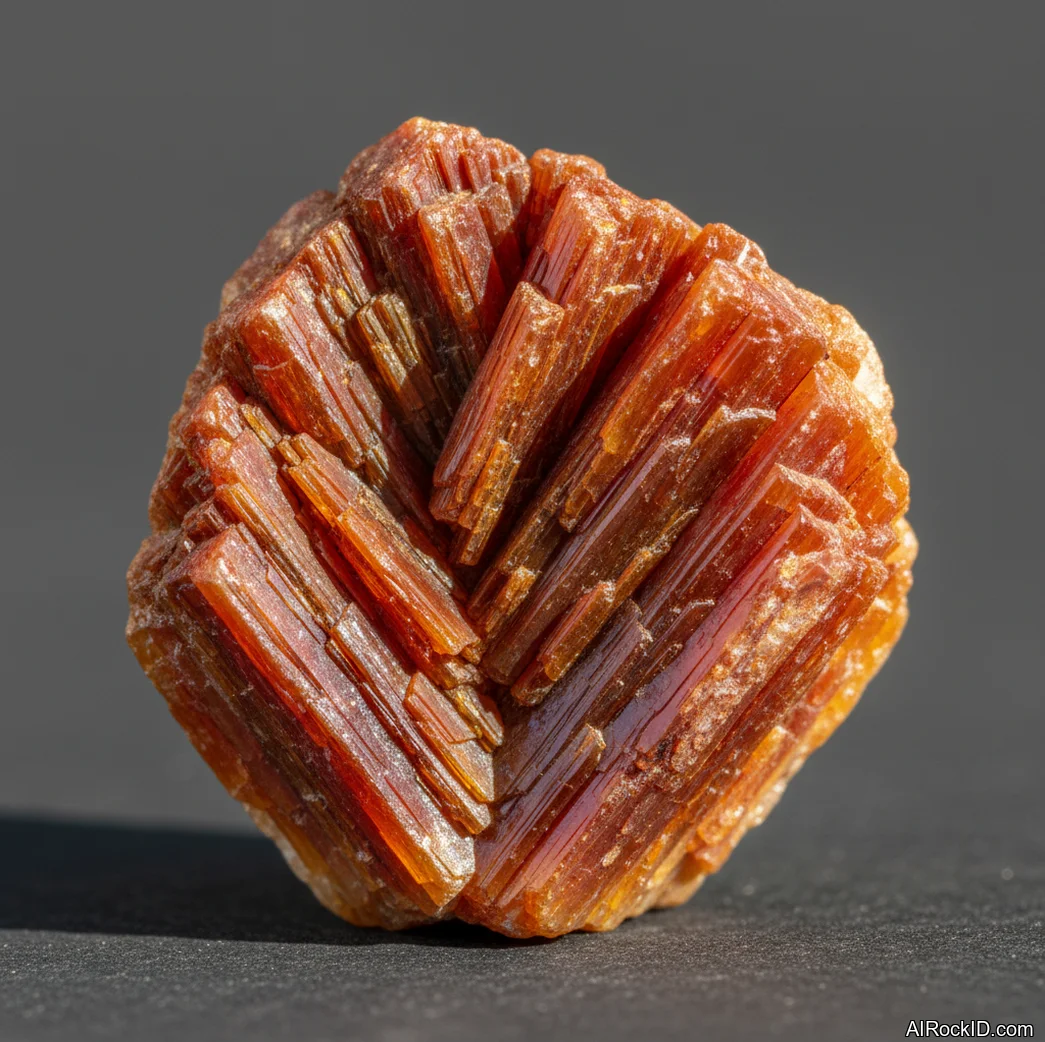
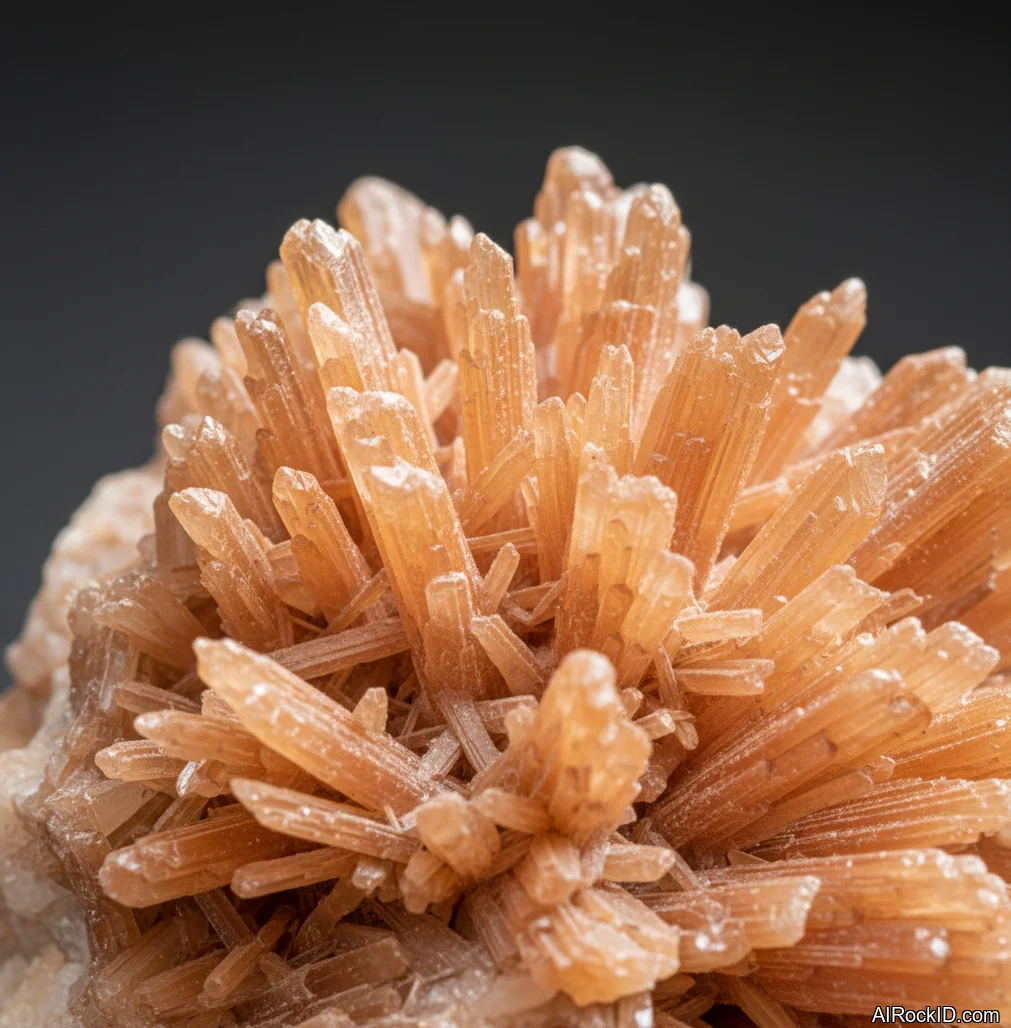
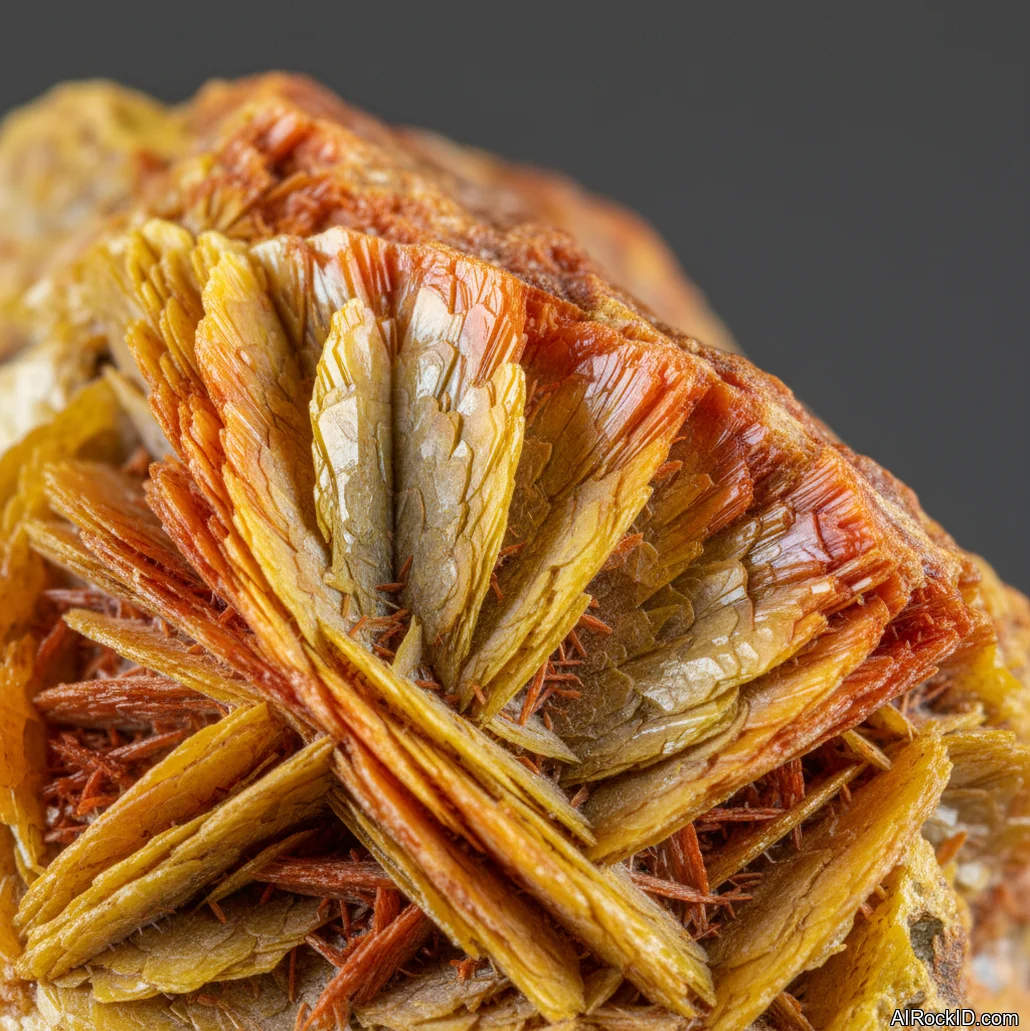
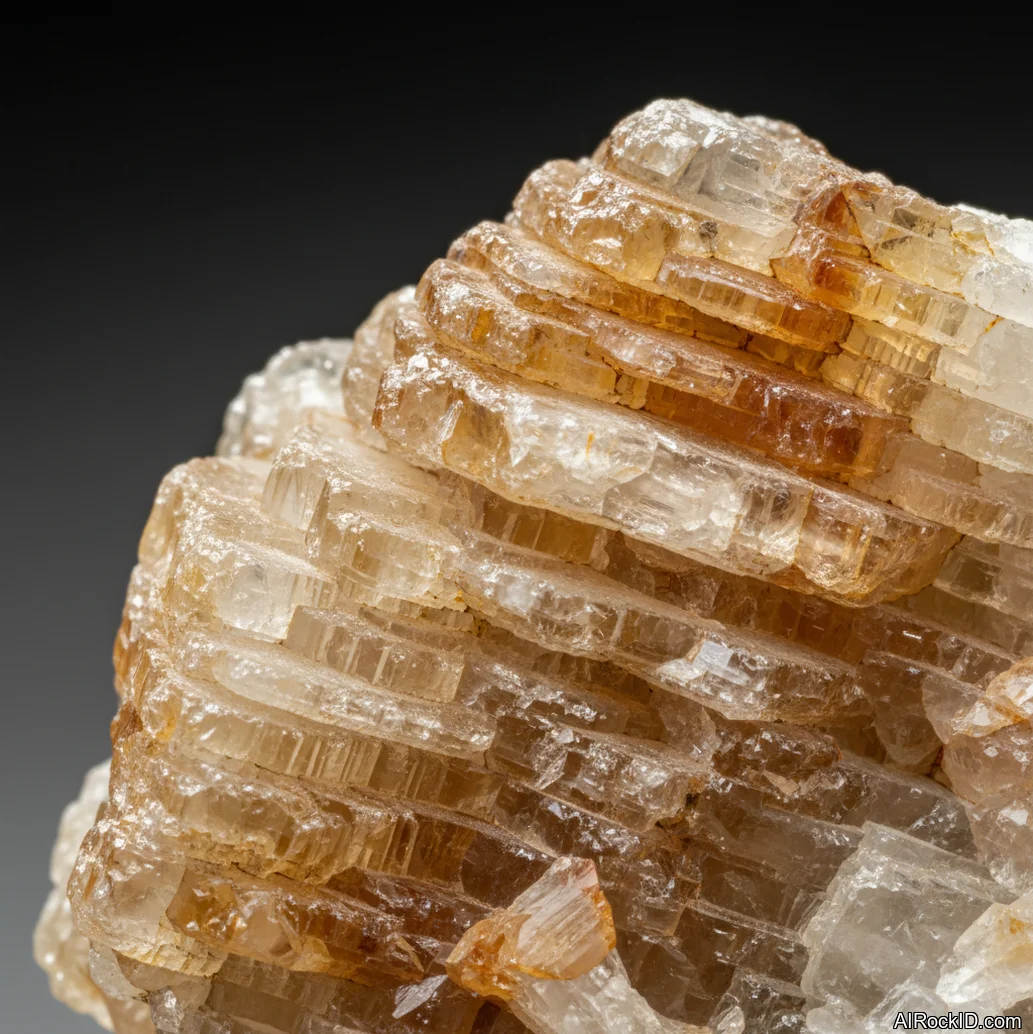
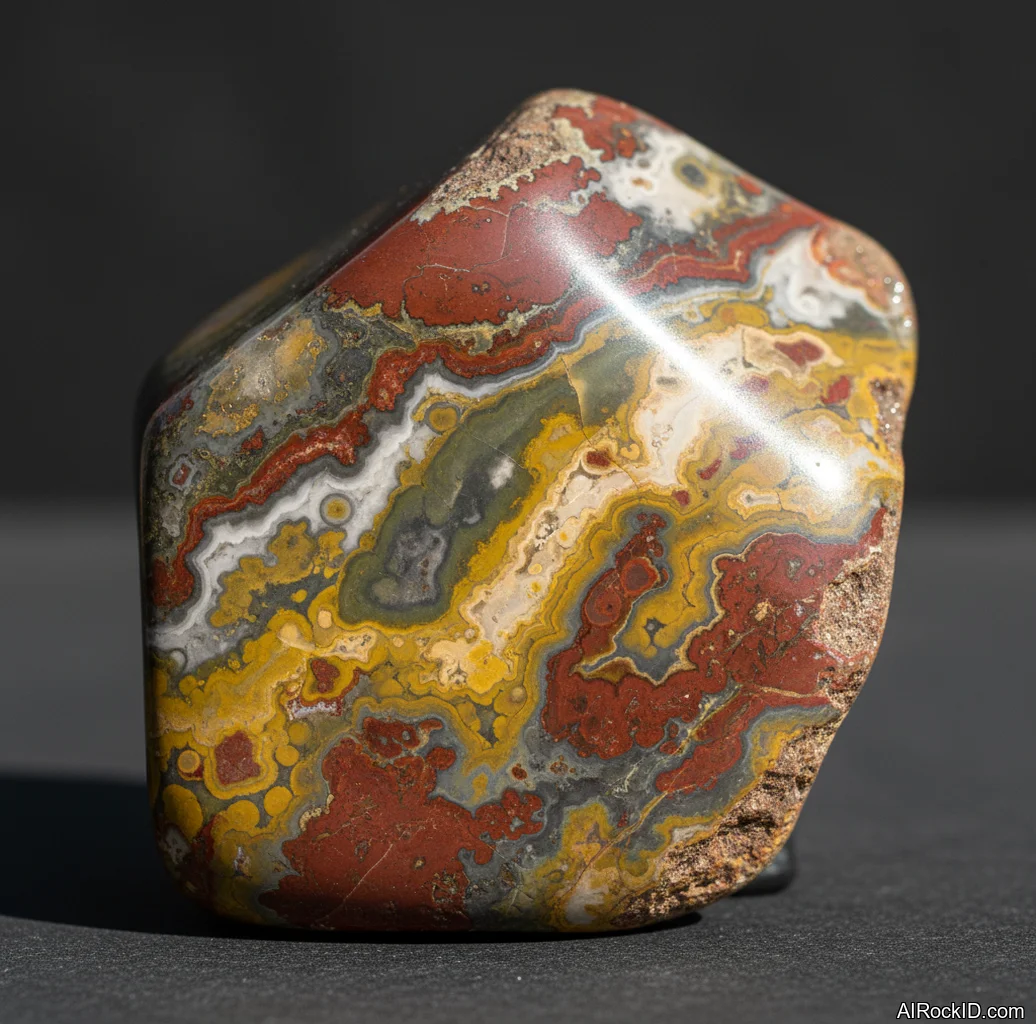
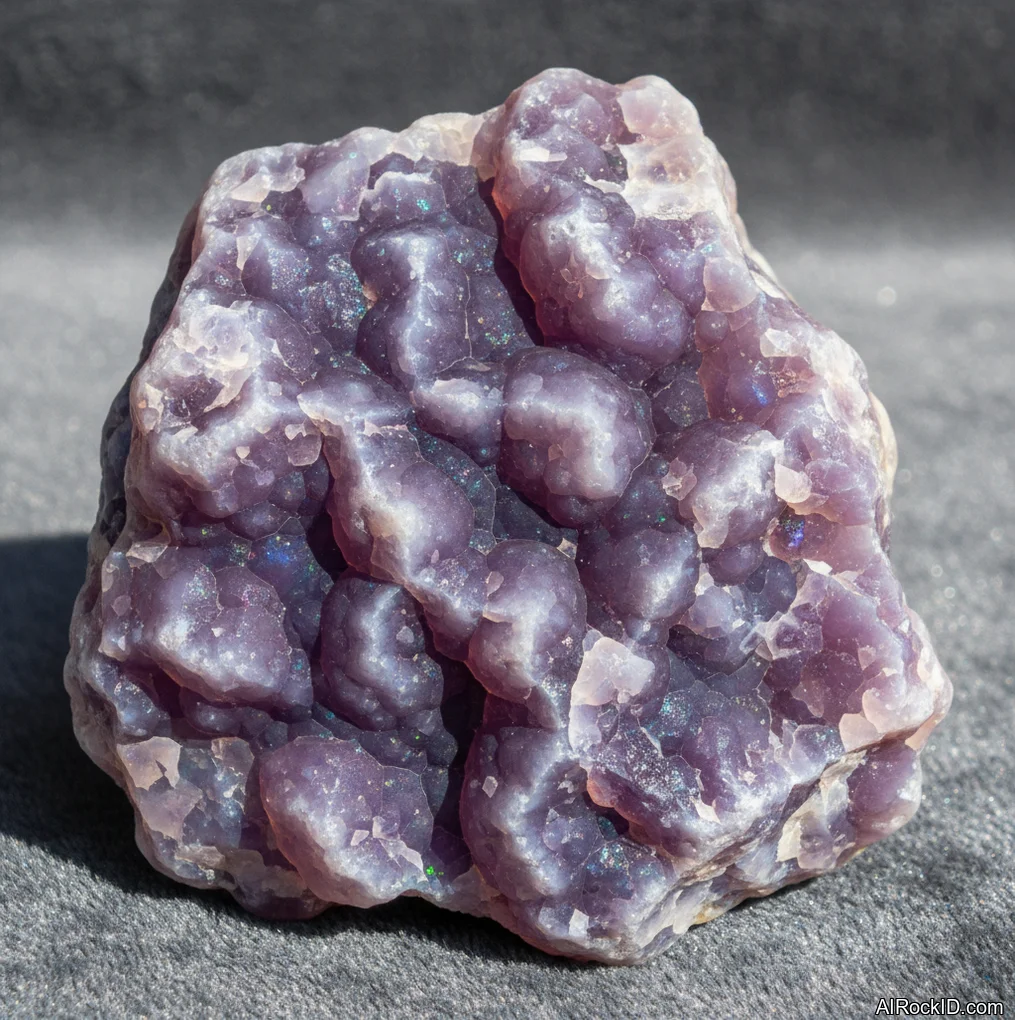
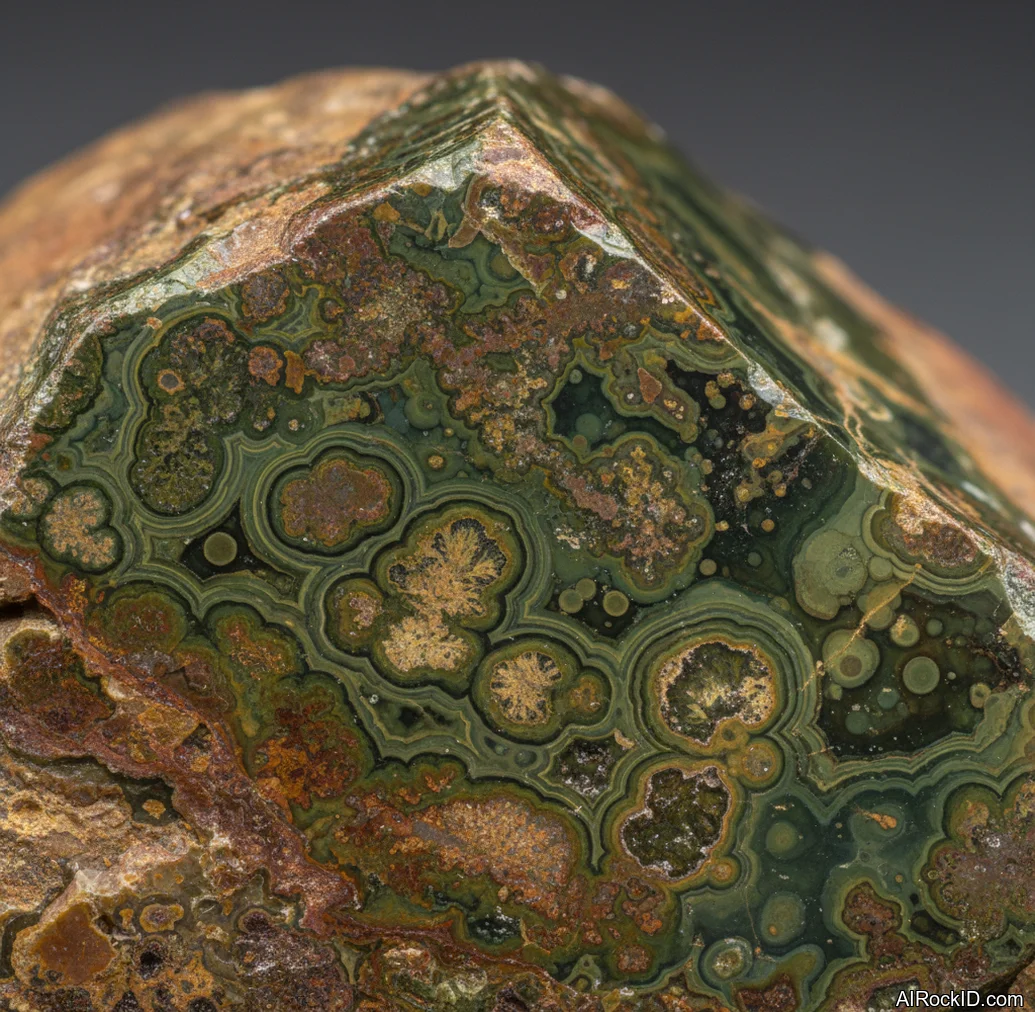
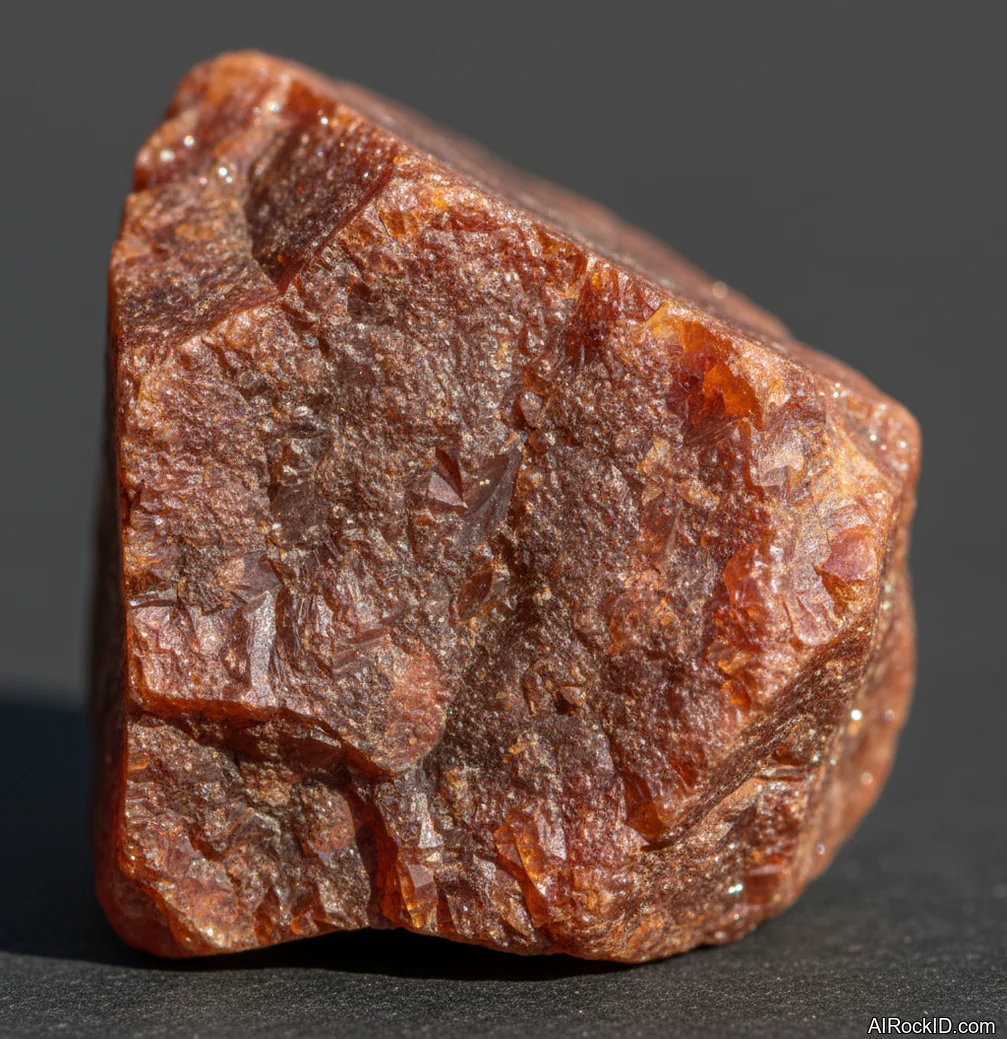
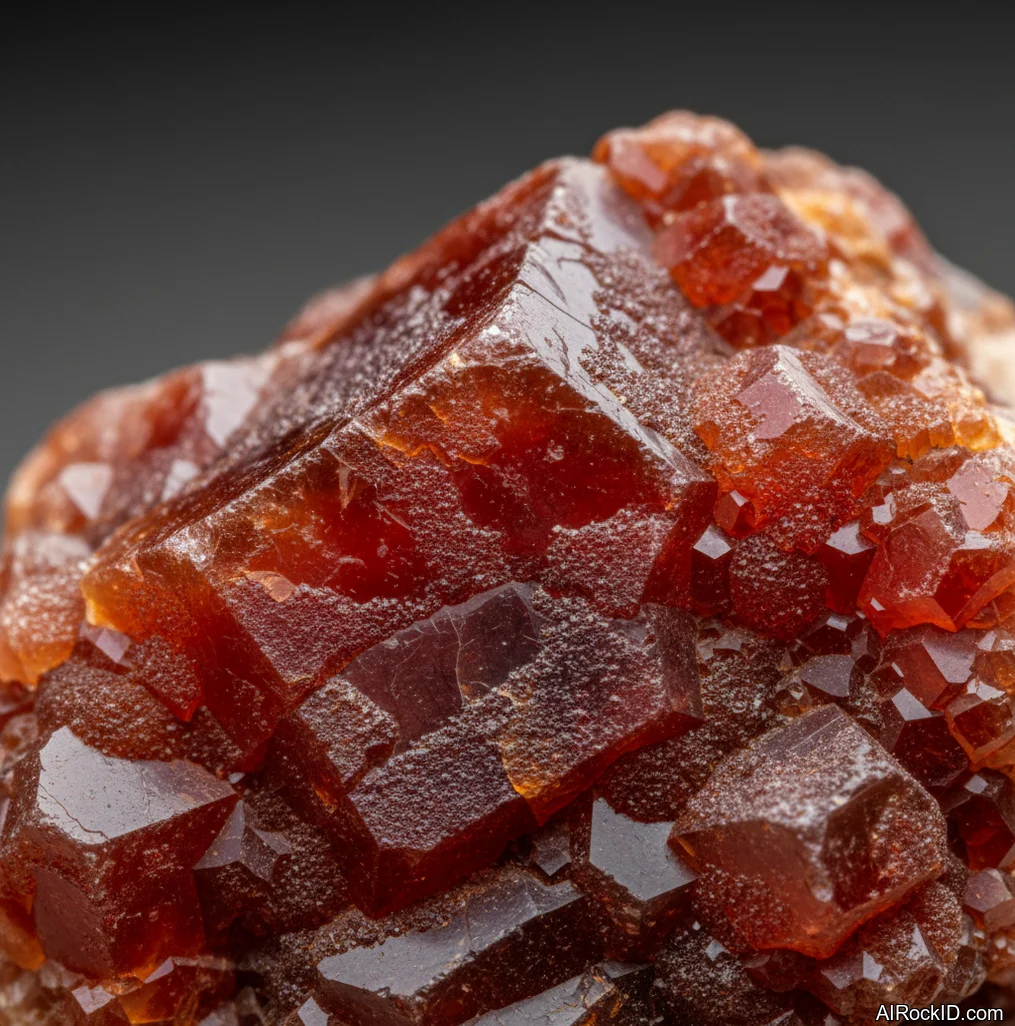
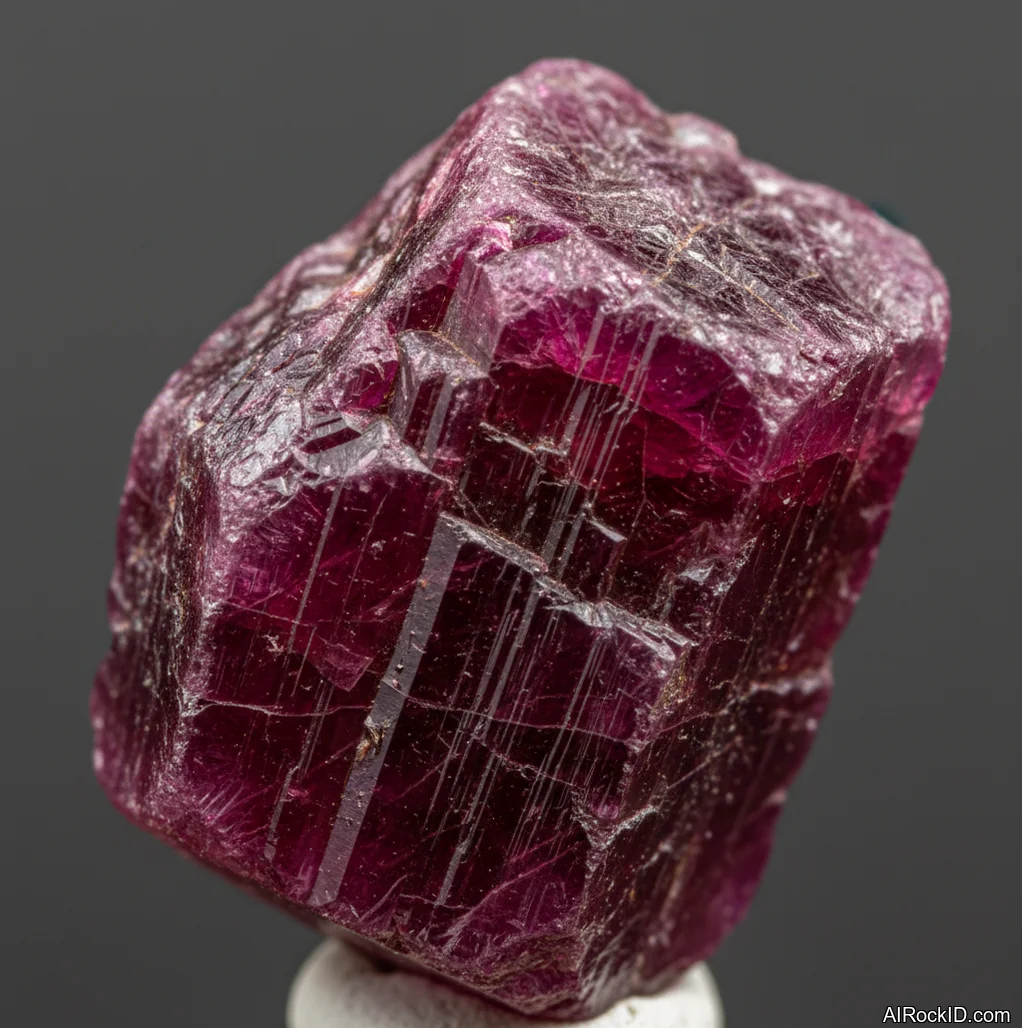
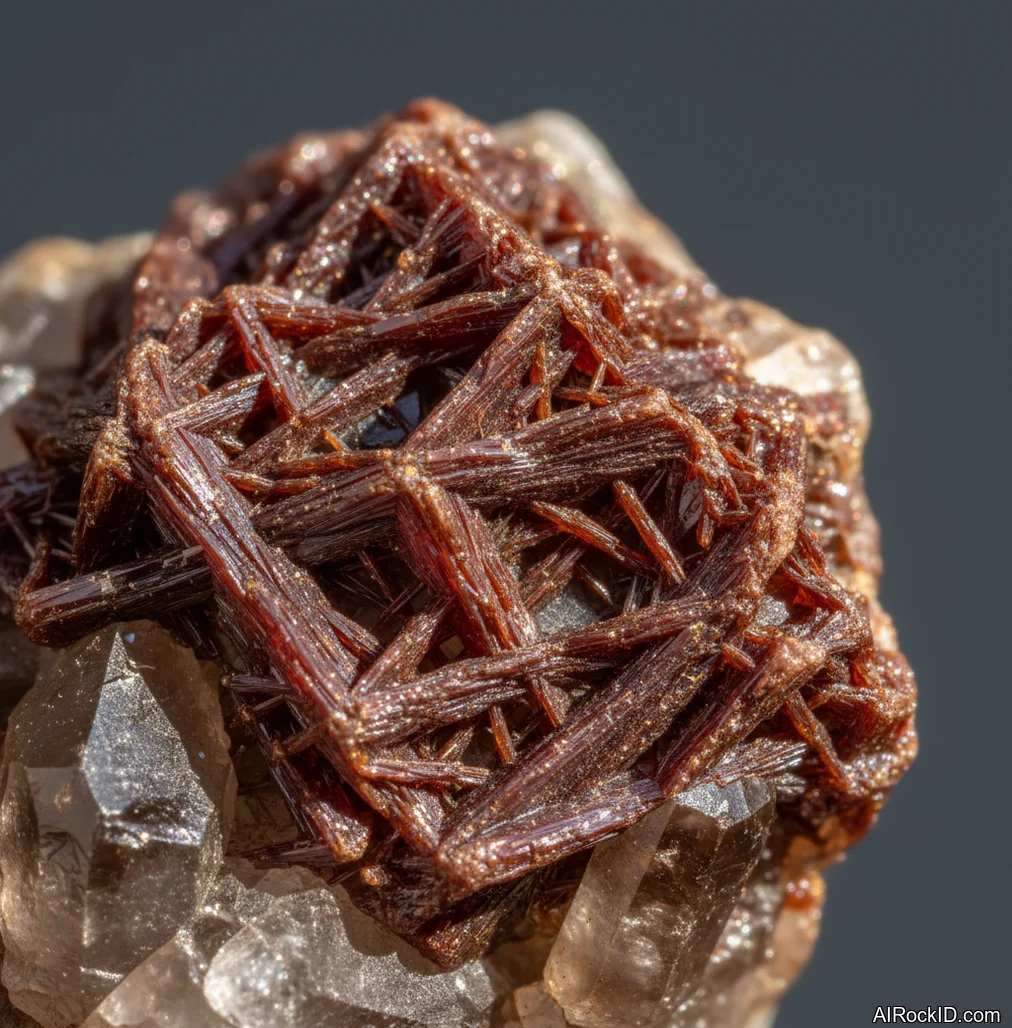
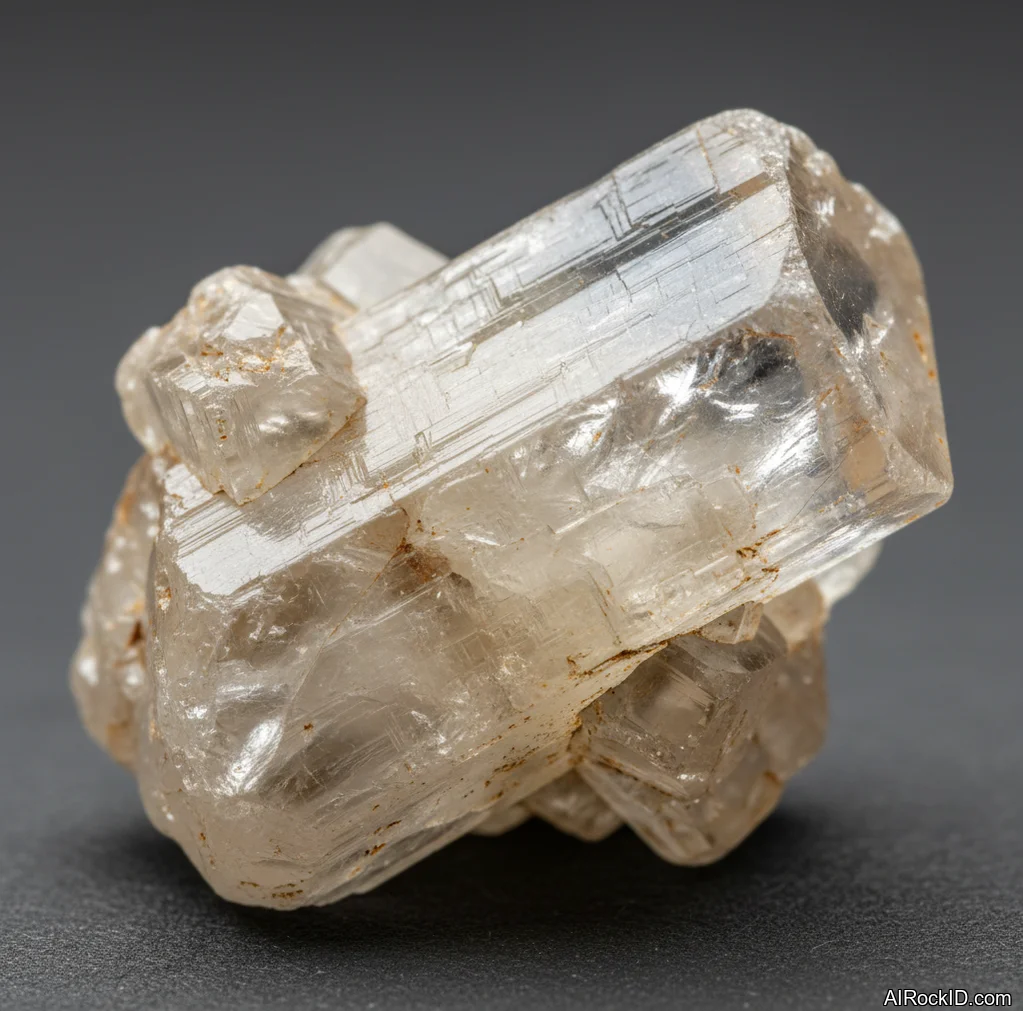
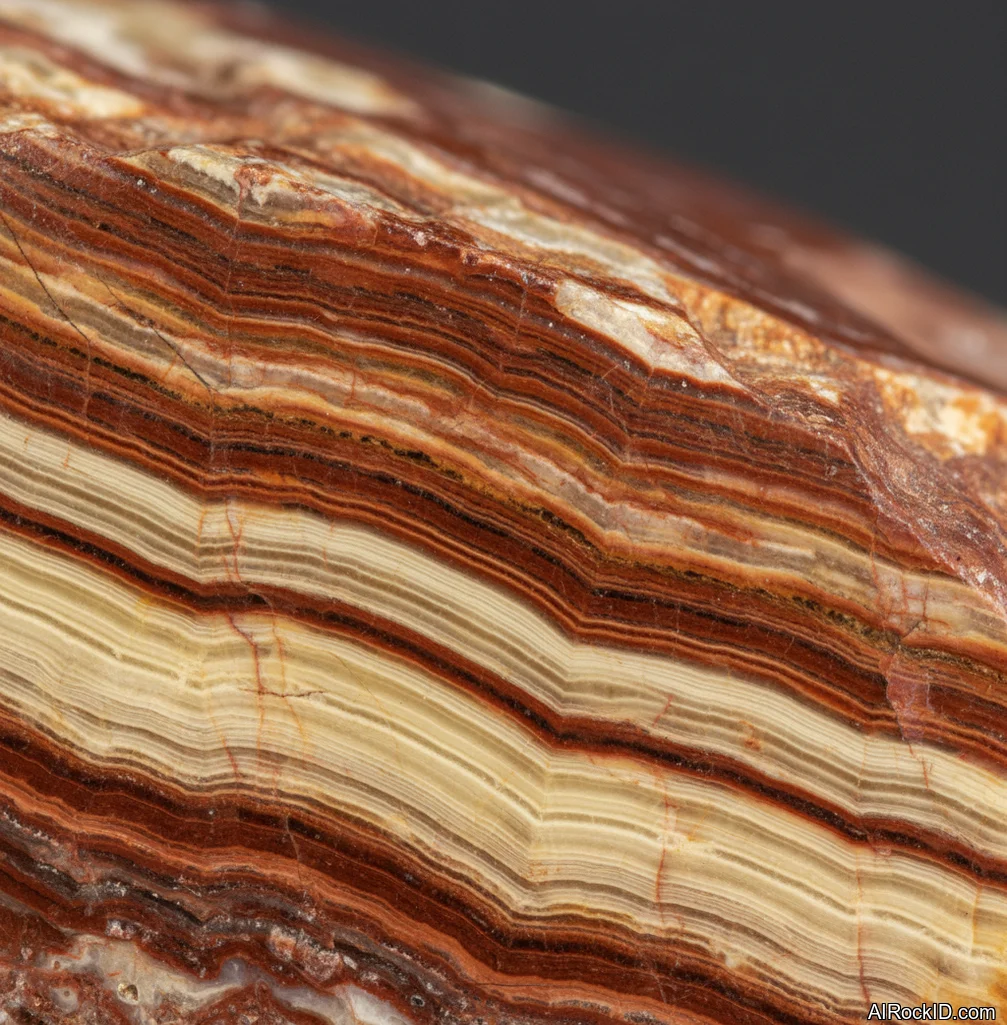
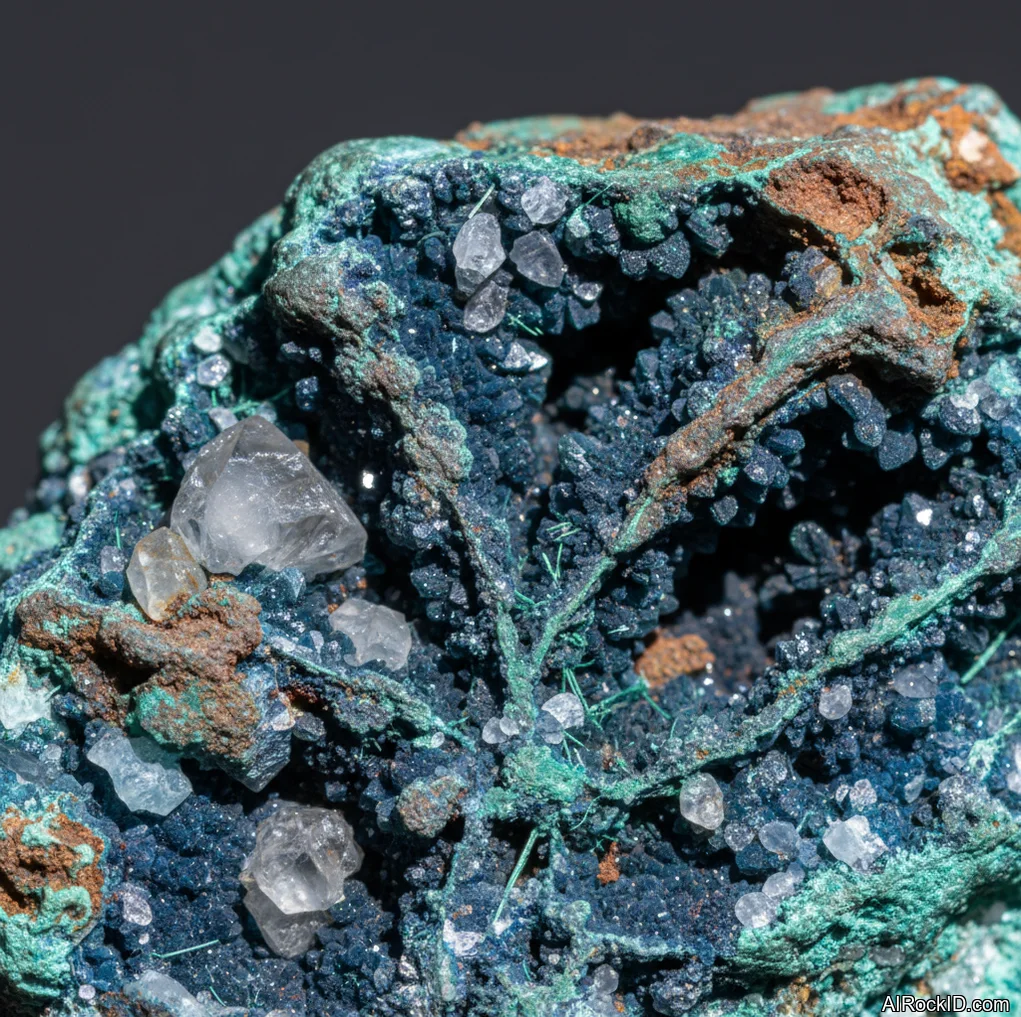
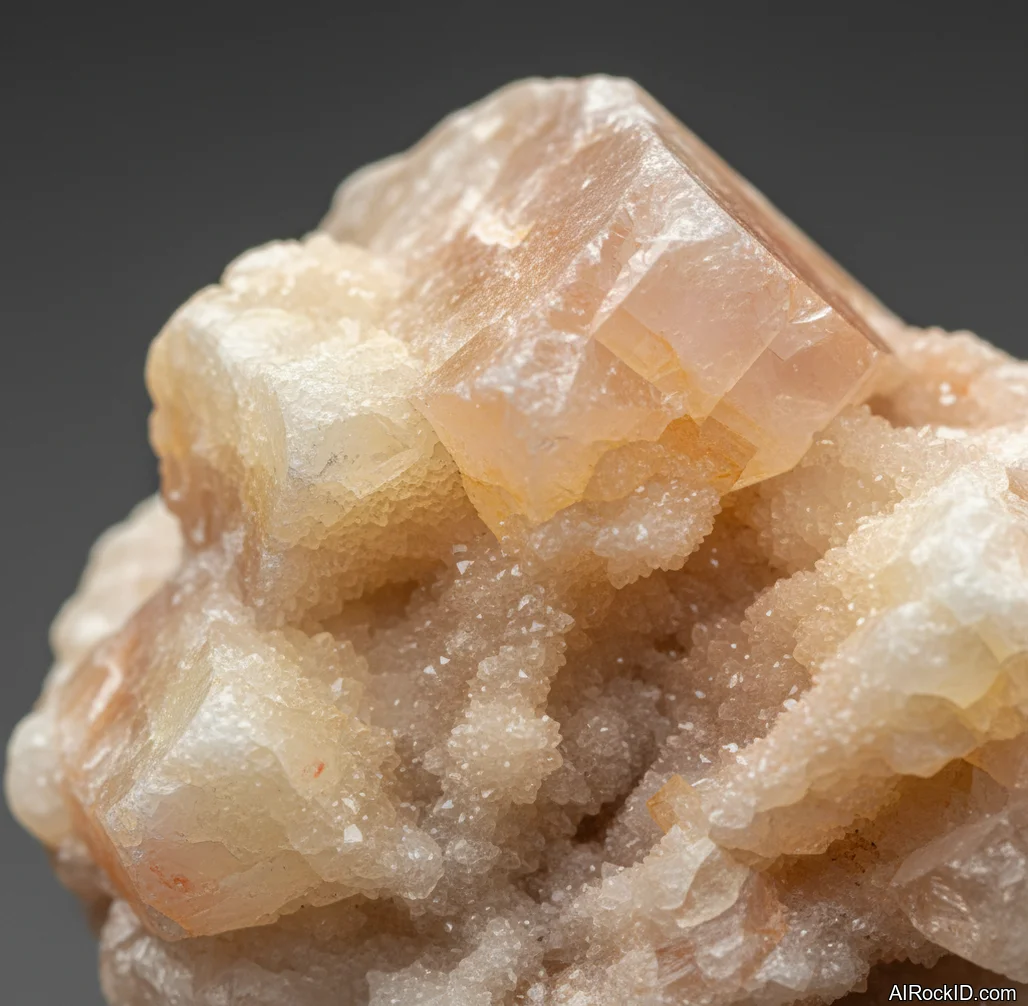
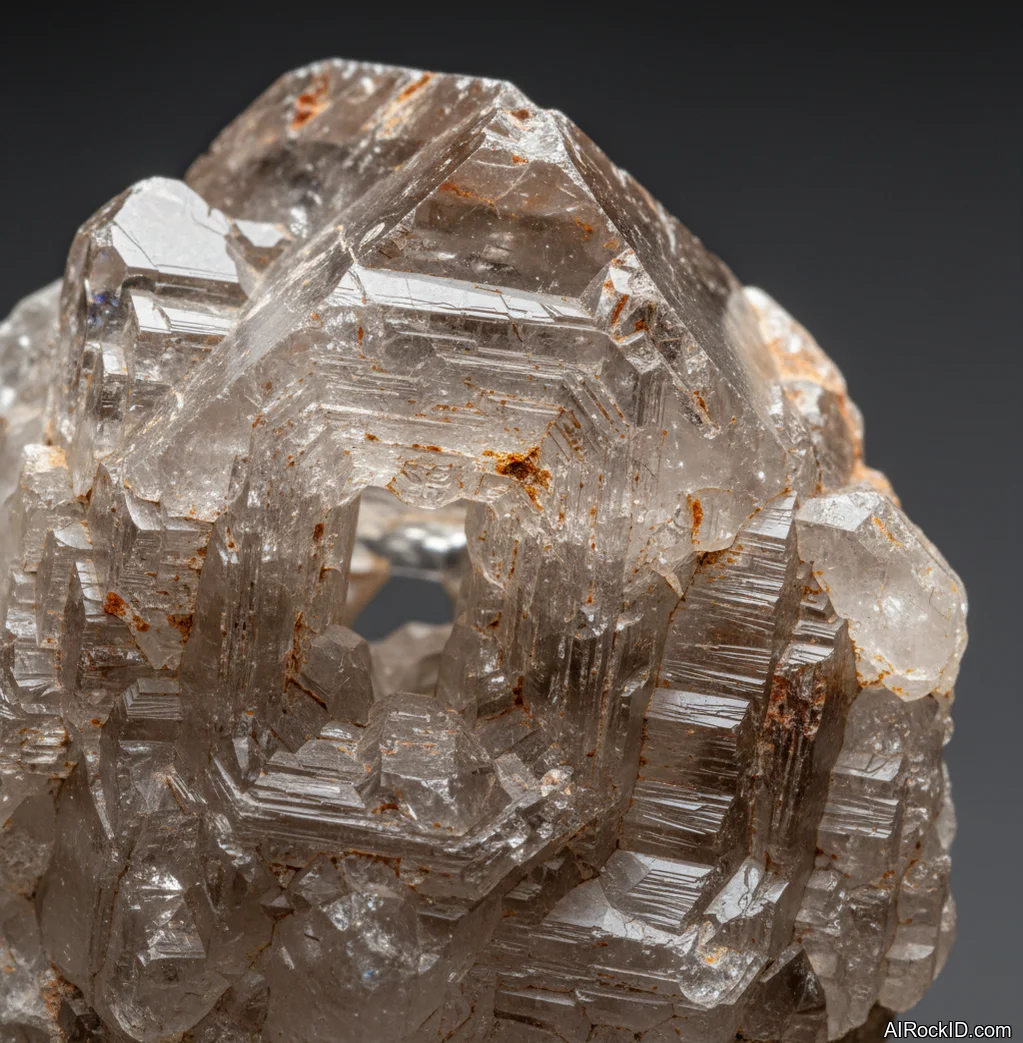
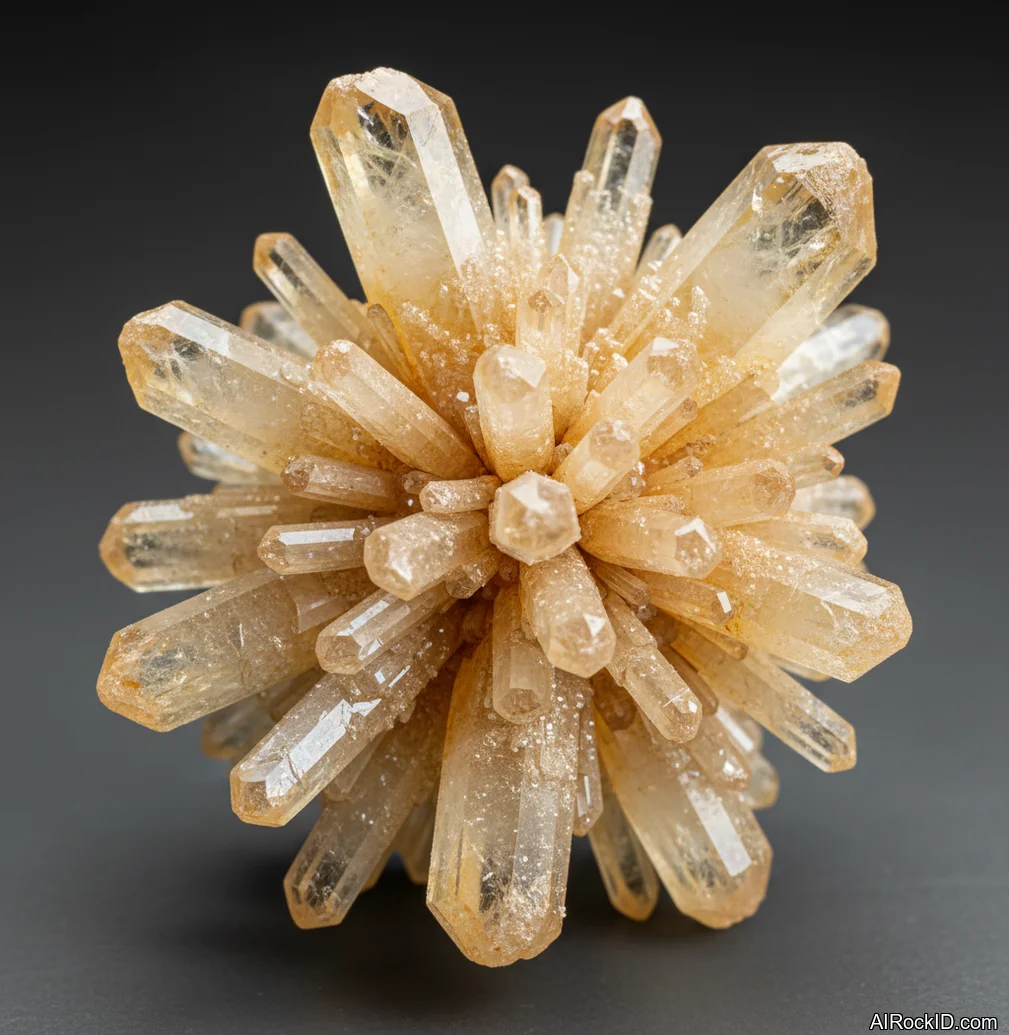
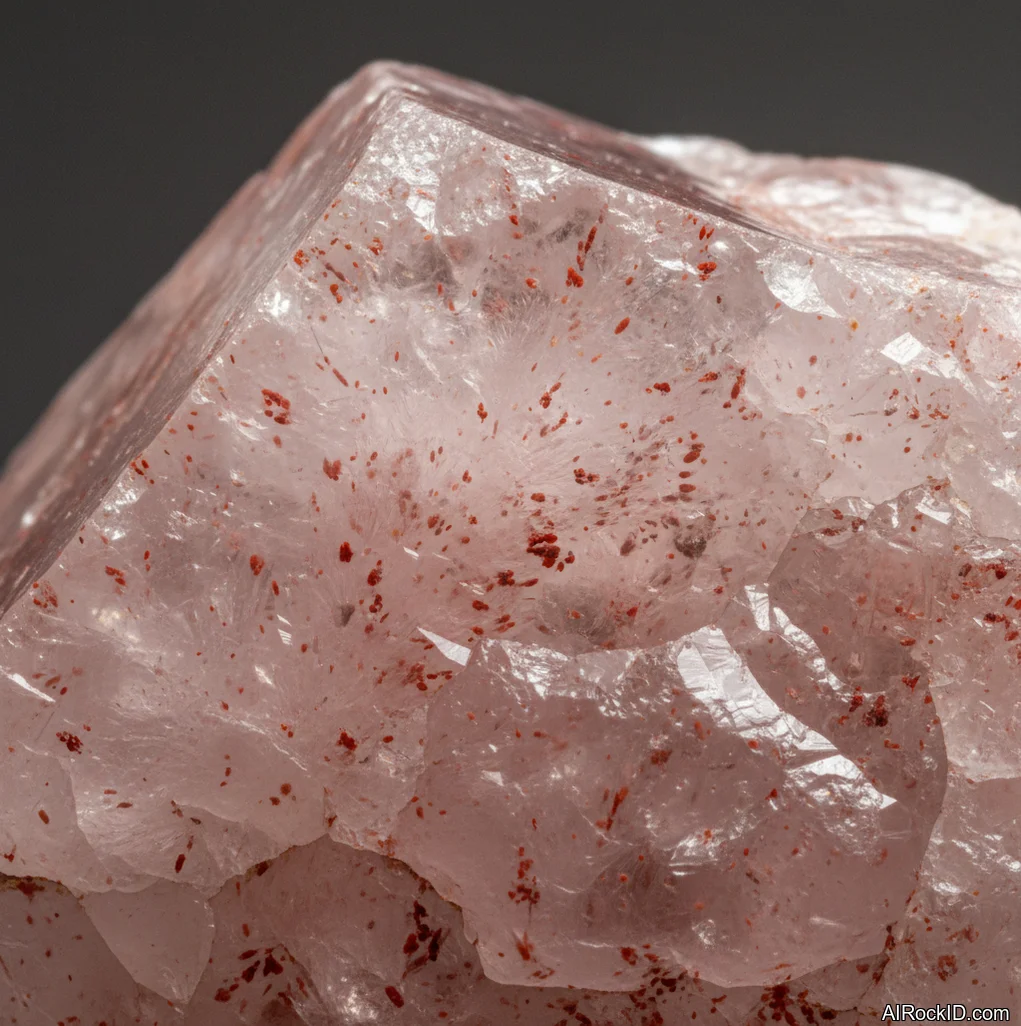
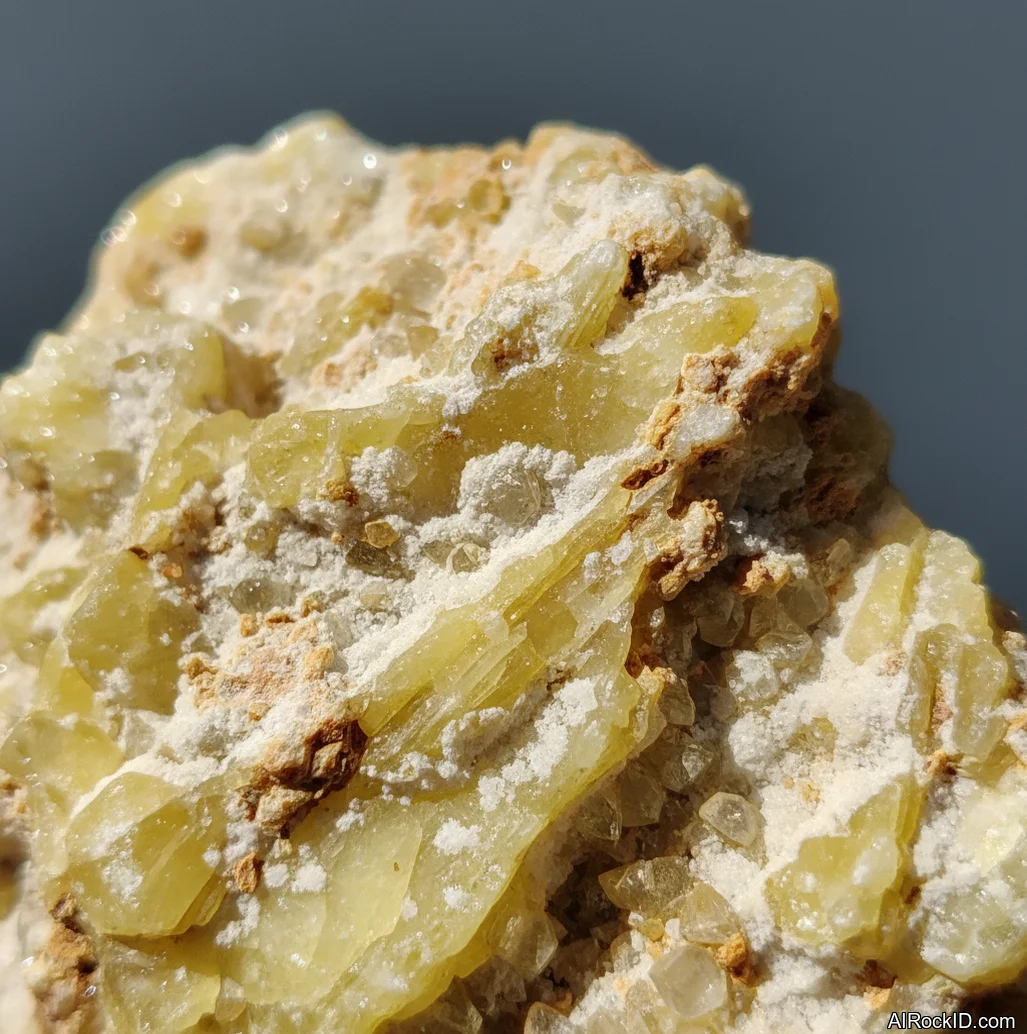
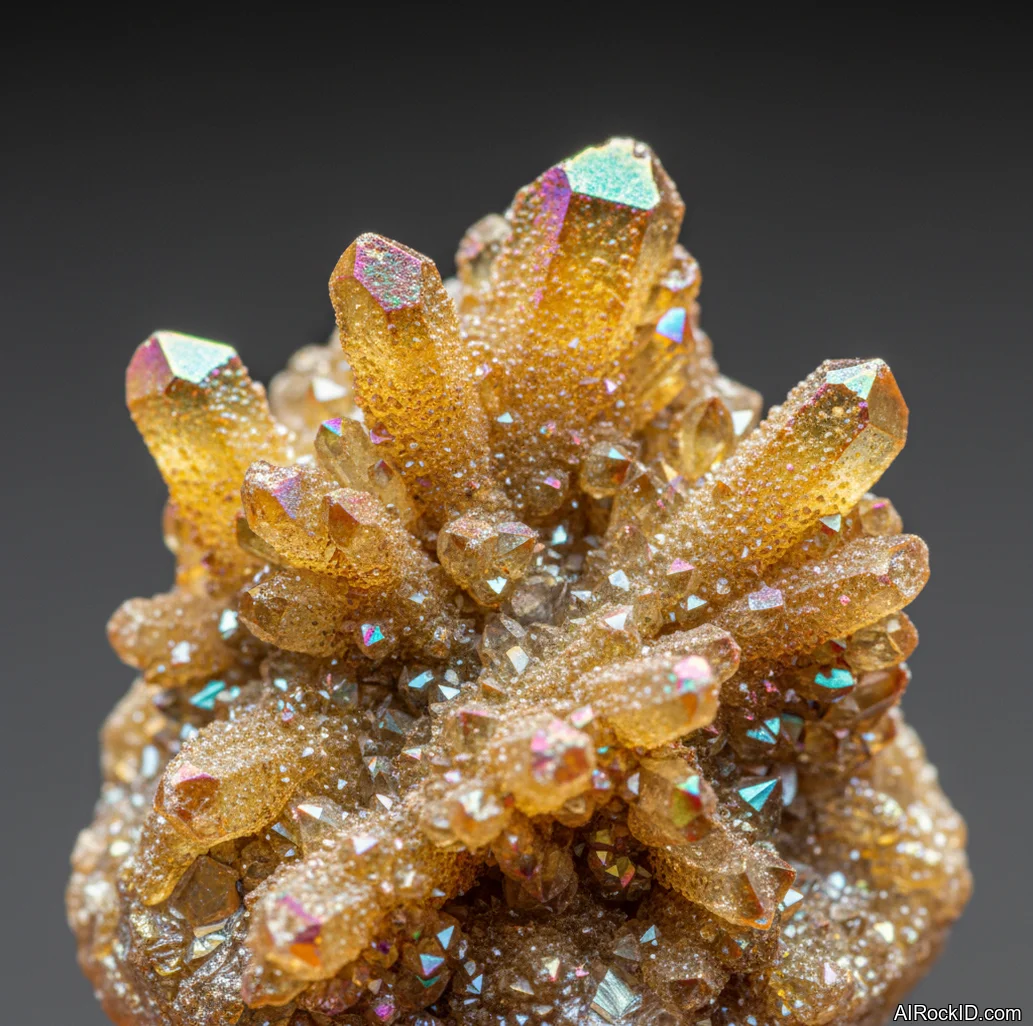
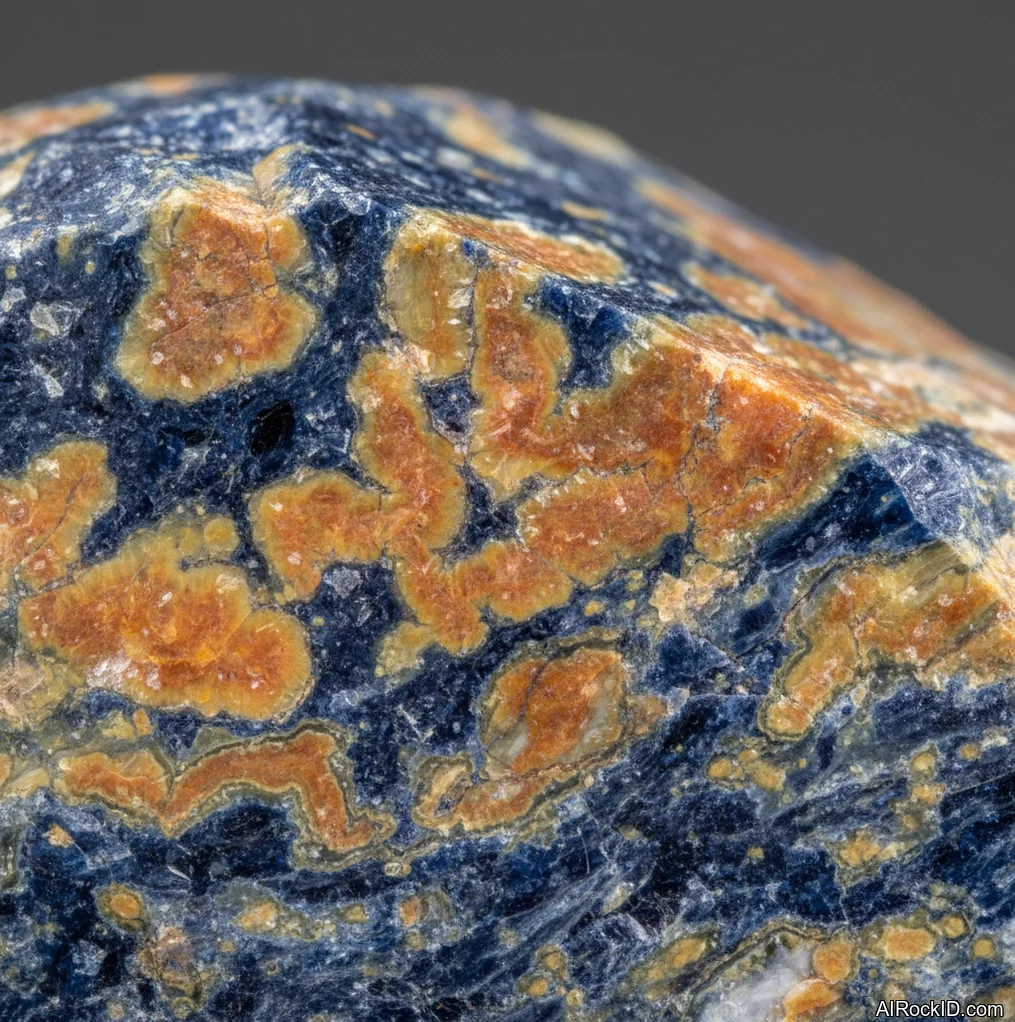
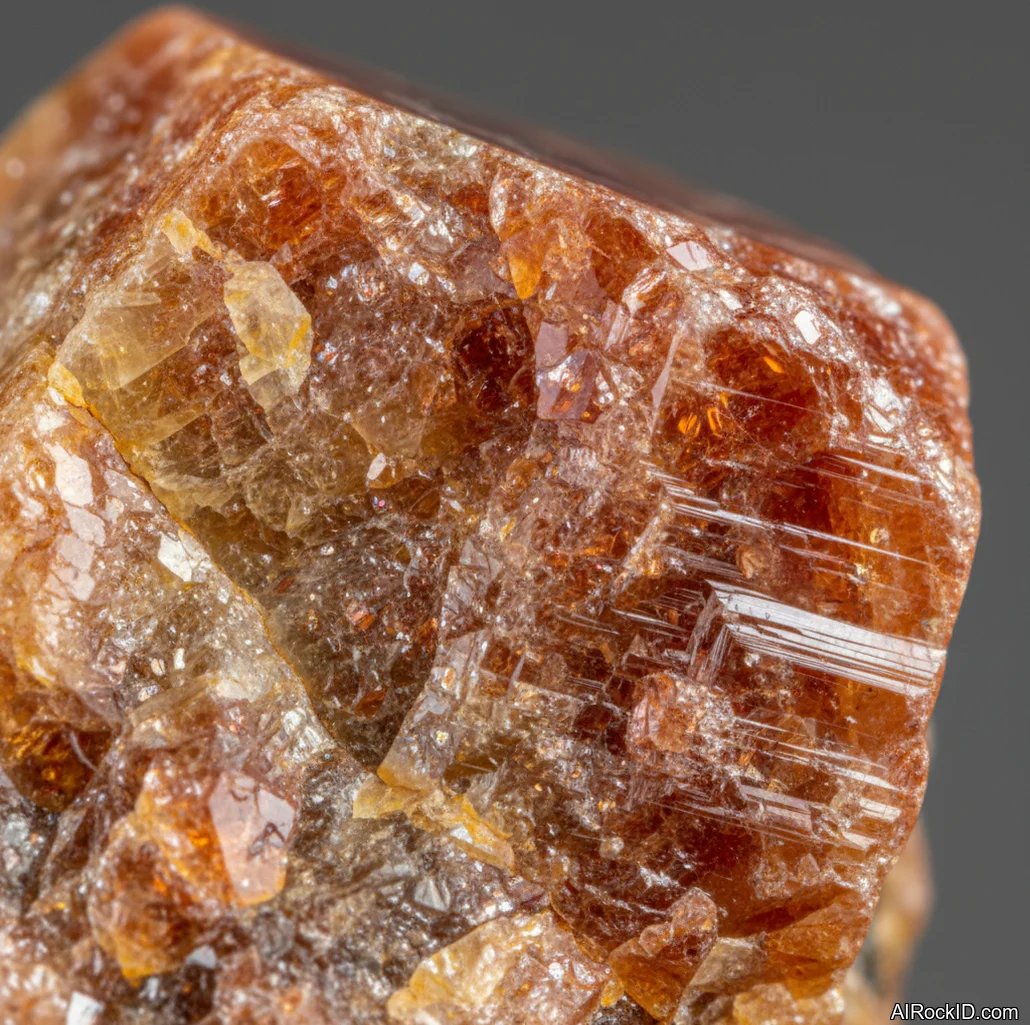
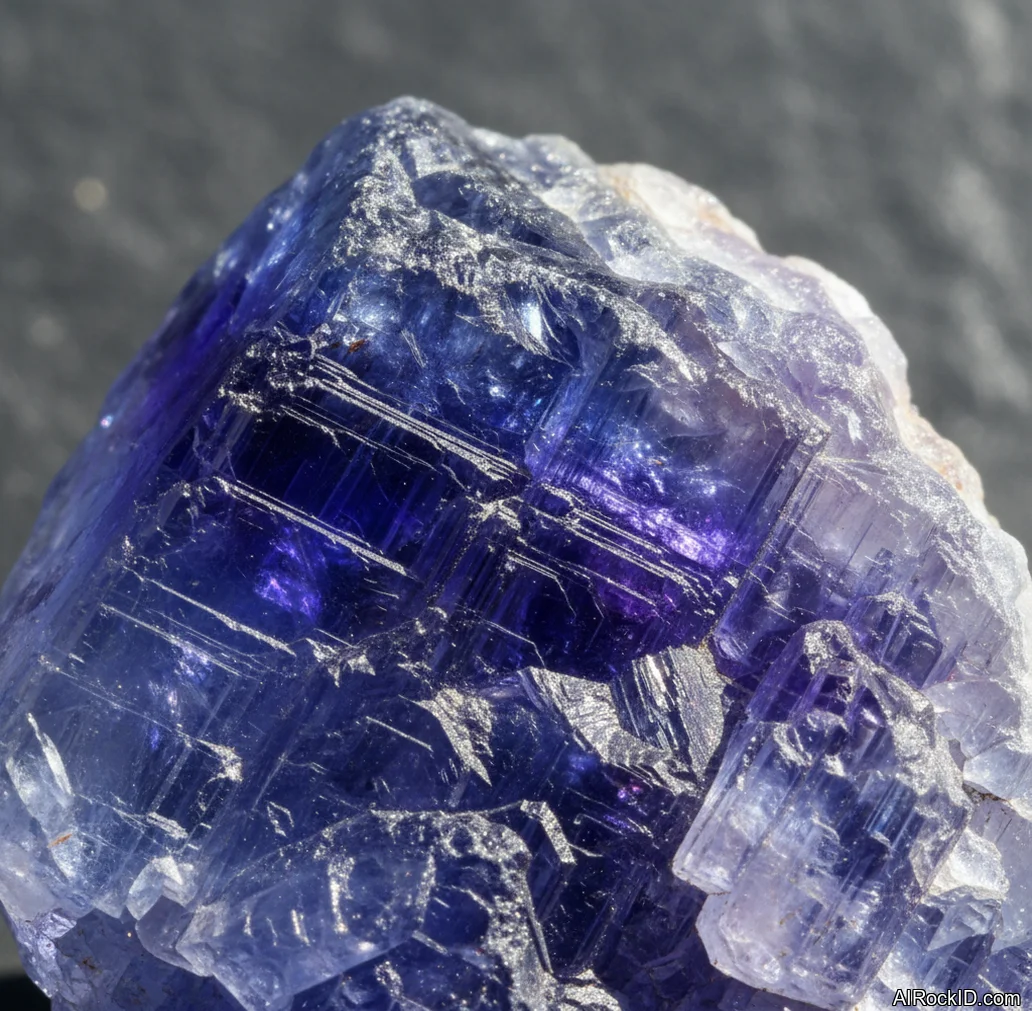
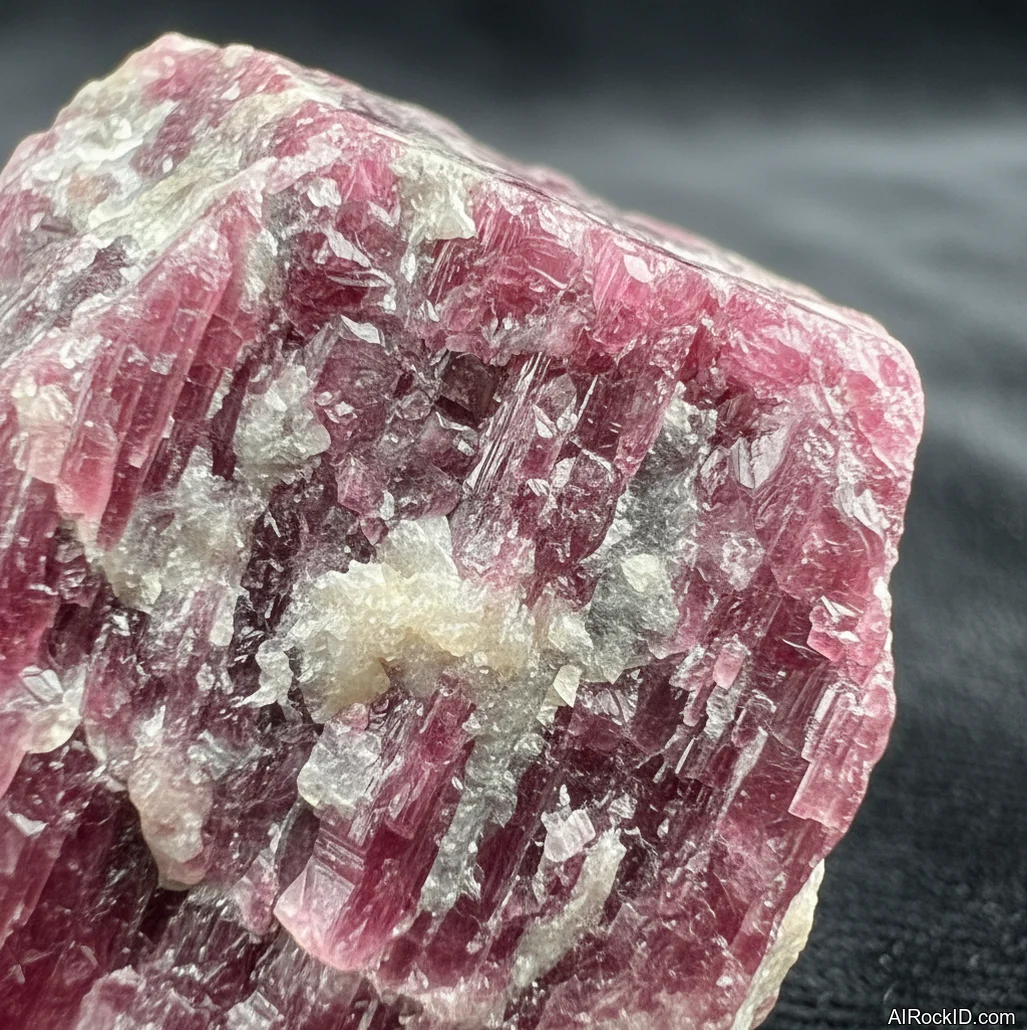
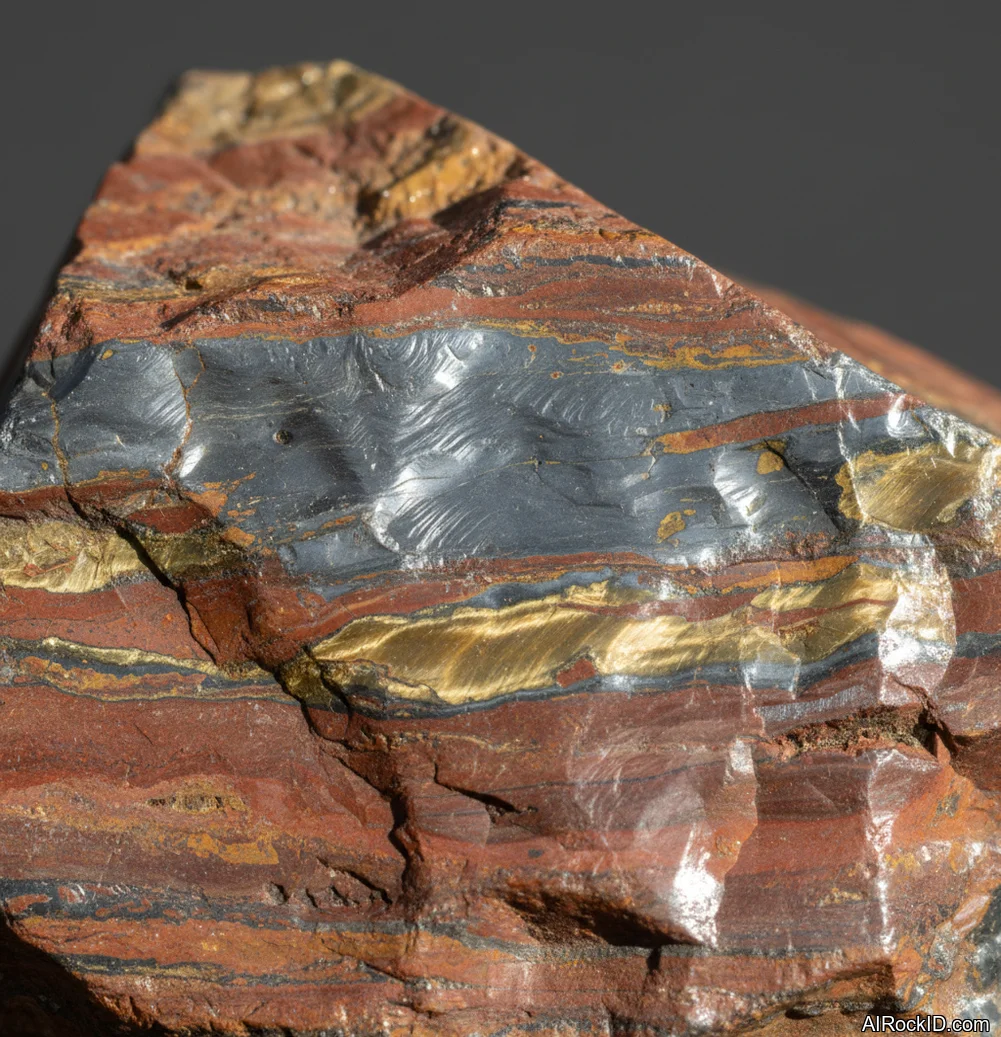
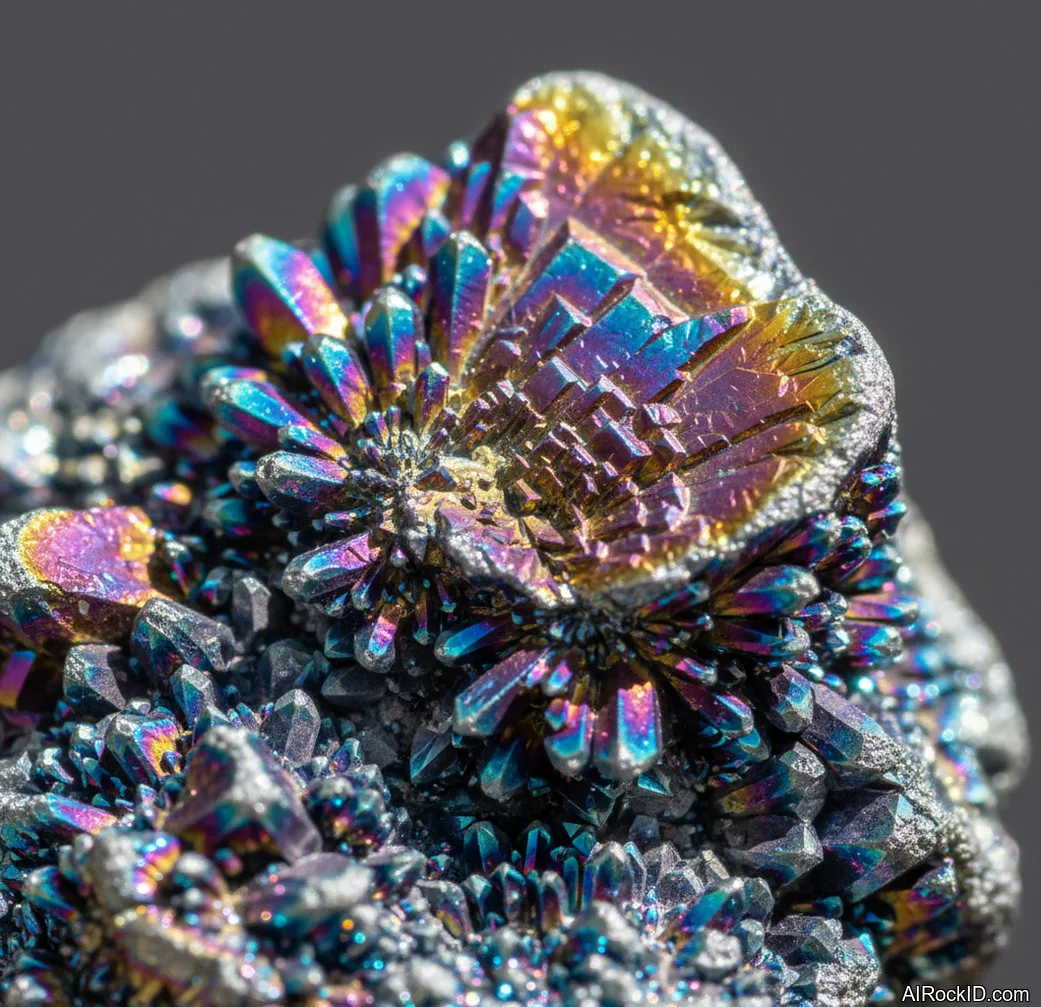
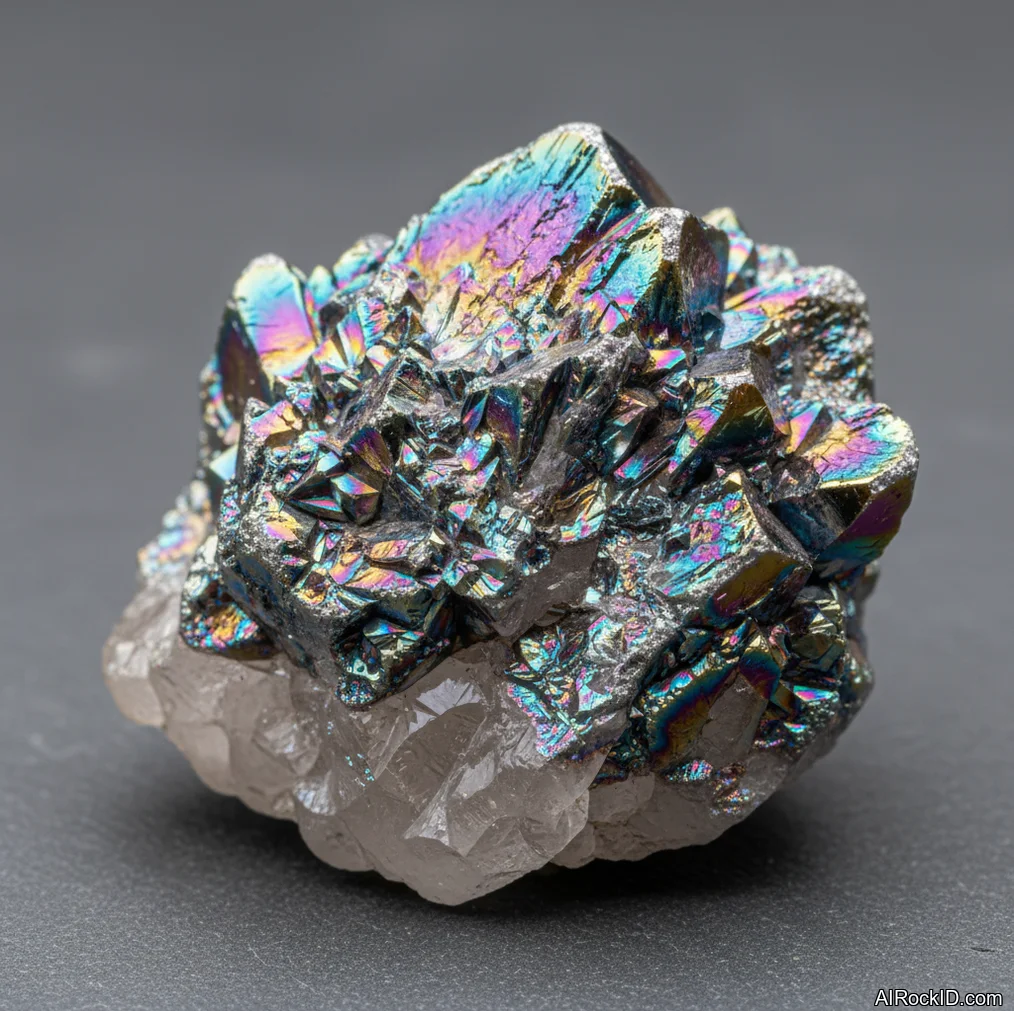
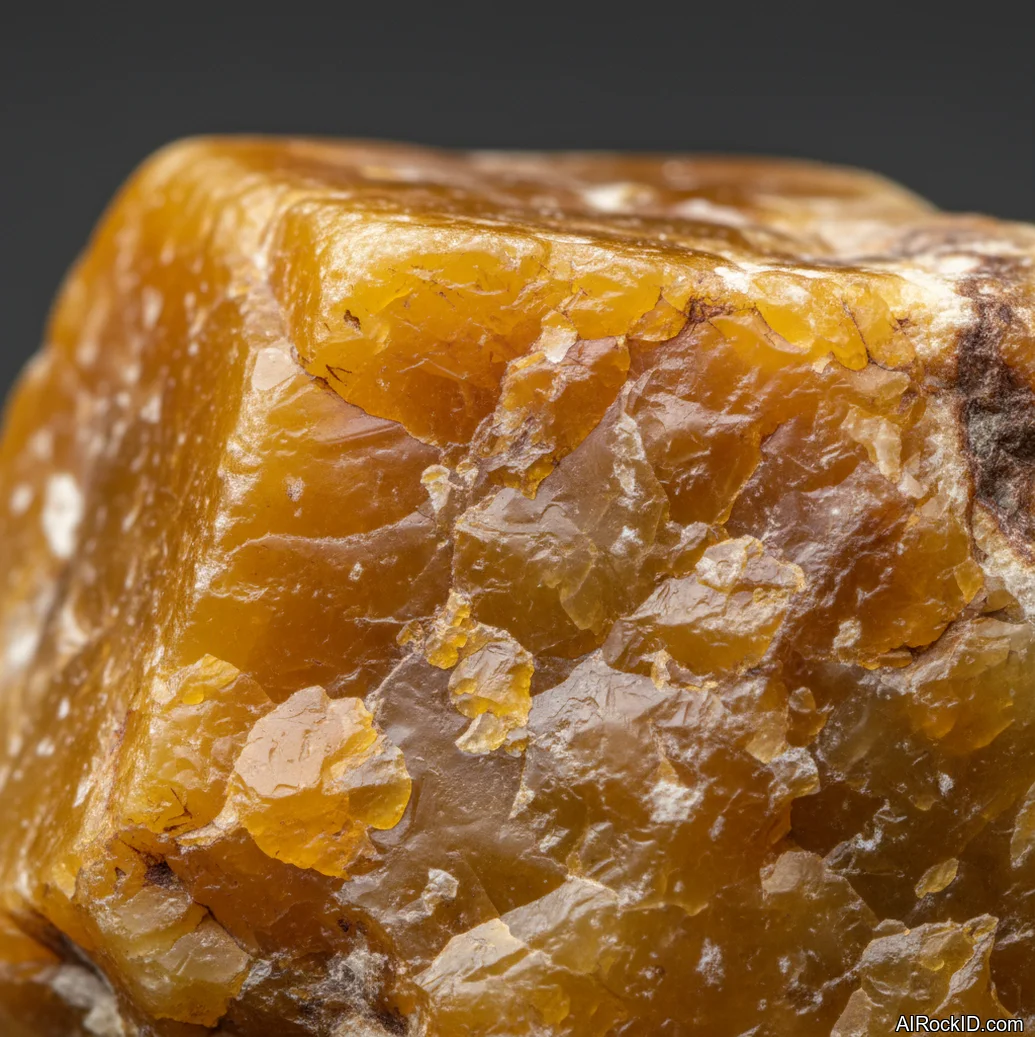
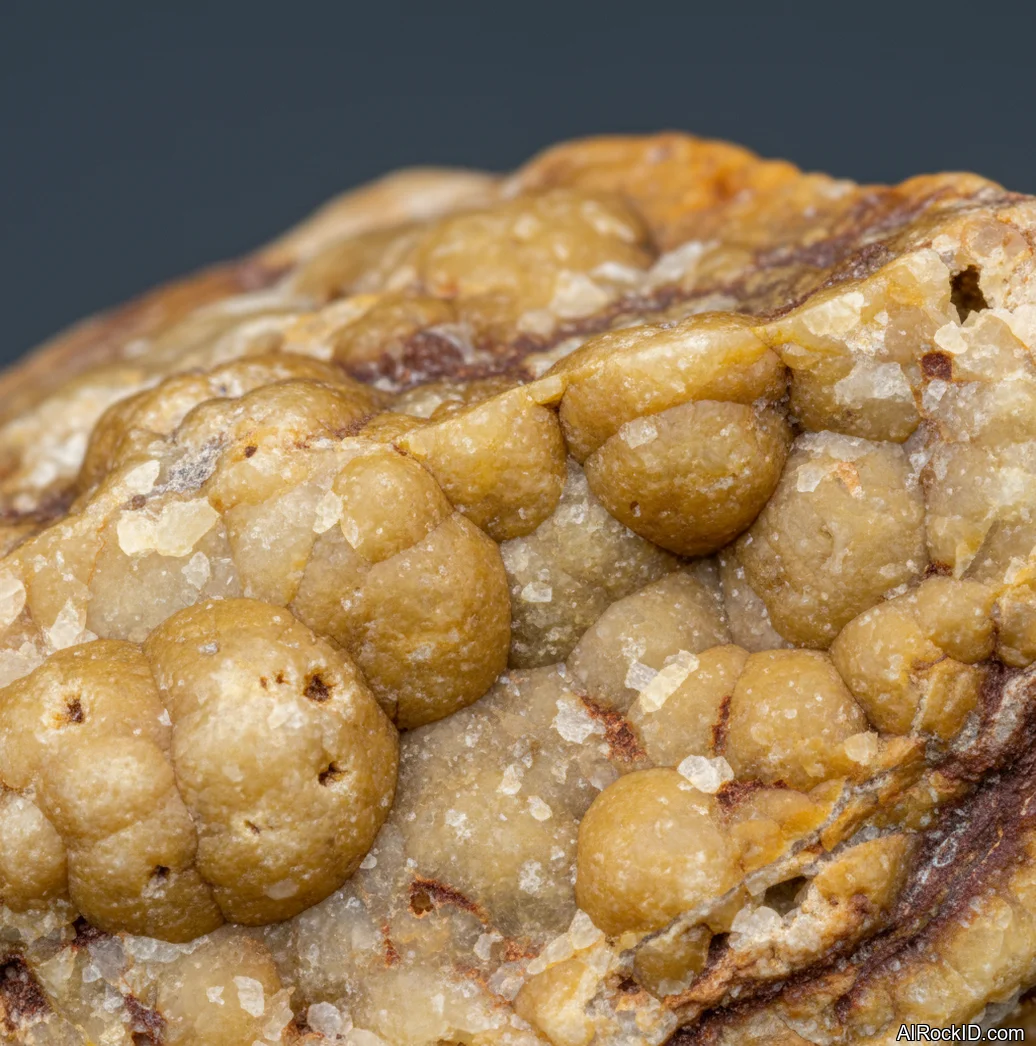
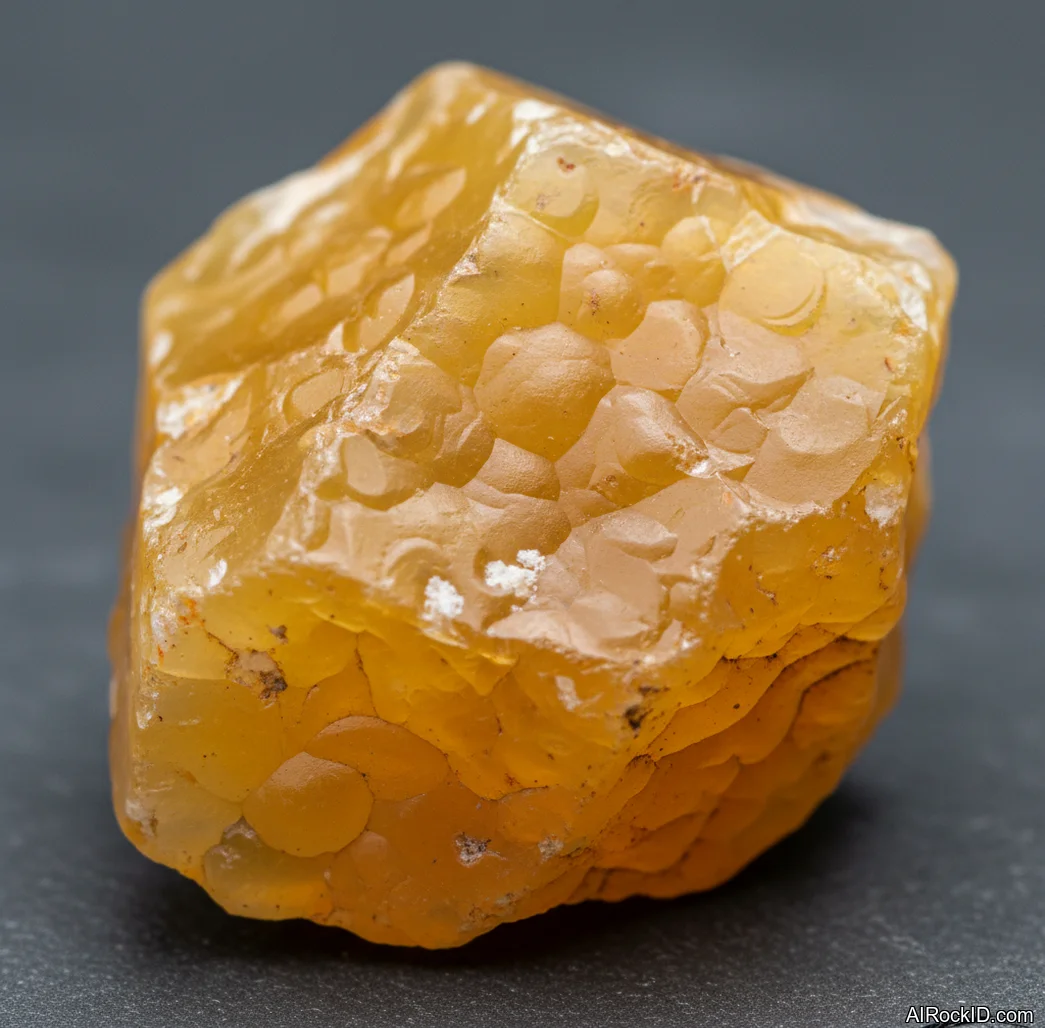
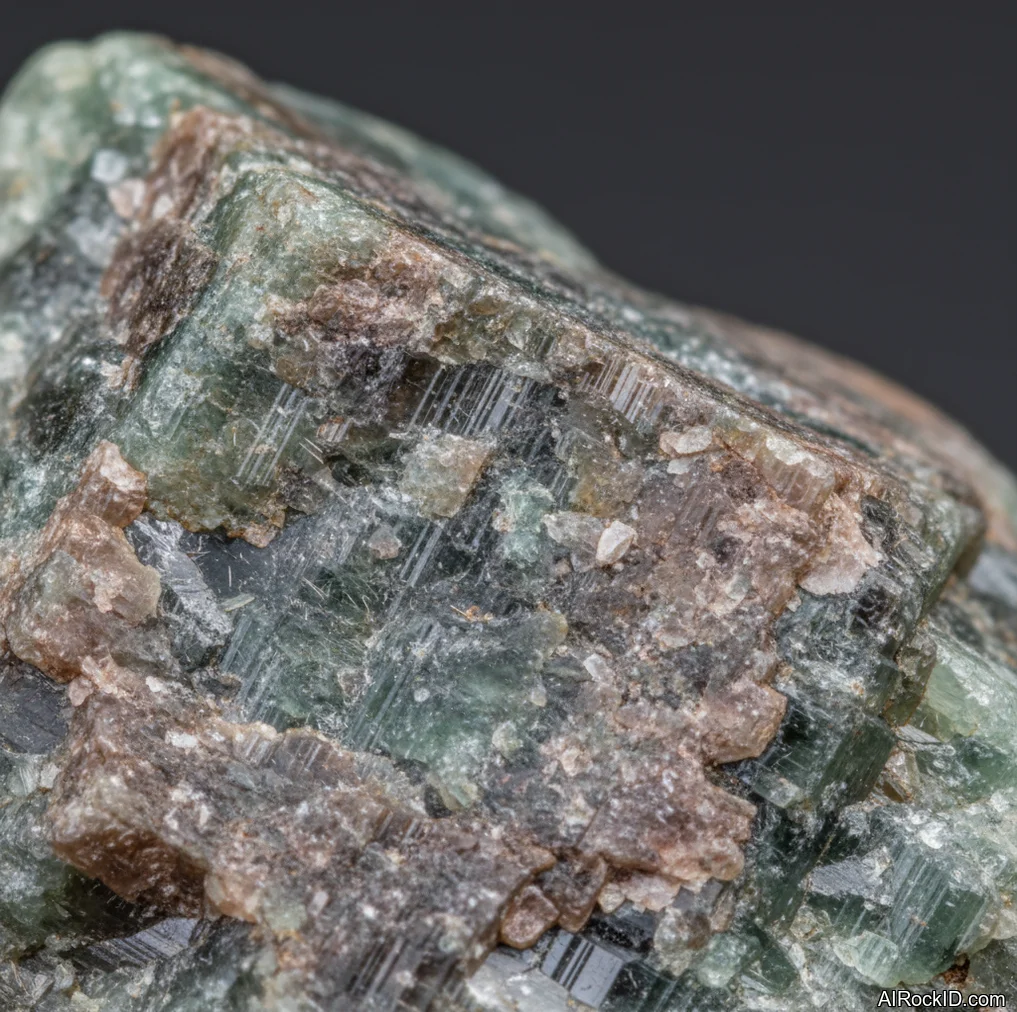
Creativity crystals are stones that collectors, artists, and energy workers pick when they're looking to break out of mental ruts, spark new ideas, or see problems from a different angle. Common examples include Carnelian, Labradorite, Fluorite, Citrine, and Orange Calcite. These crystals are chosen for their traditional metaphysical associations with inspiration, mental flexibility, and playful curiosity. These associations come from metaphysical traditions and are not medical claims.
Creativity crystals can't guarantee inspiration or replace real mental health support. They don't force creative breakthroughs—they're a tool, not a fix.
AI Rock ID can help compare a photographed stone’s visible color, banding, luster, and crystal habit with likely mineral matches. RockIdentifier.io provides identification support for collectors who want to separate common lookalikes before researching a stone’s traditional associations.
Good fit
- People building a small crystal set around writing, art, music, design, or brainstorming rituals
- Collectors who like bright, warm, or visually distinctive stones such as carnelian, citrine, and sunstone
- Beginners who want stones that are widely available and easy to recognize with basic observation
- Anyone interested in symbolic or meditative use without treating crystals as a substitute for professional care
Not a good fit
- Anyone expecting a crystal to guarantee artistic output or solve creative blocks on its own
- Buyers who cannot verify whether a stone is natural, dyed, heated, or synthetic
- Collectors seeking only rare mineral specimens rather than commonly used tumbled stones or jewelry pieces
Most commonly confused with
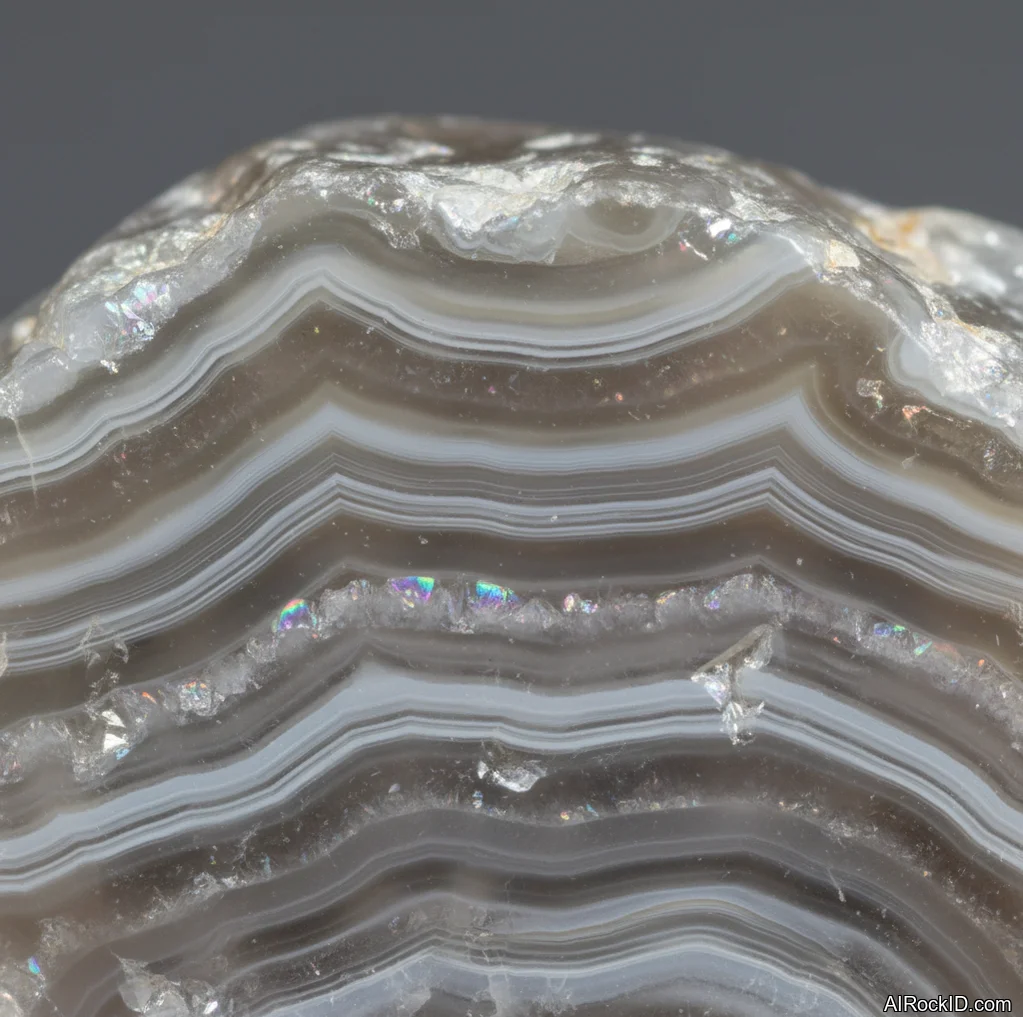
- Carnelian: Often confused with dyed agate; natural carnelian usually has warm orange-red translucency and softer color zoning.
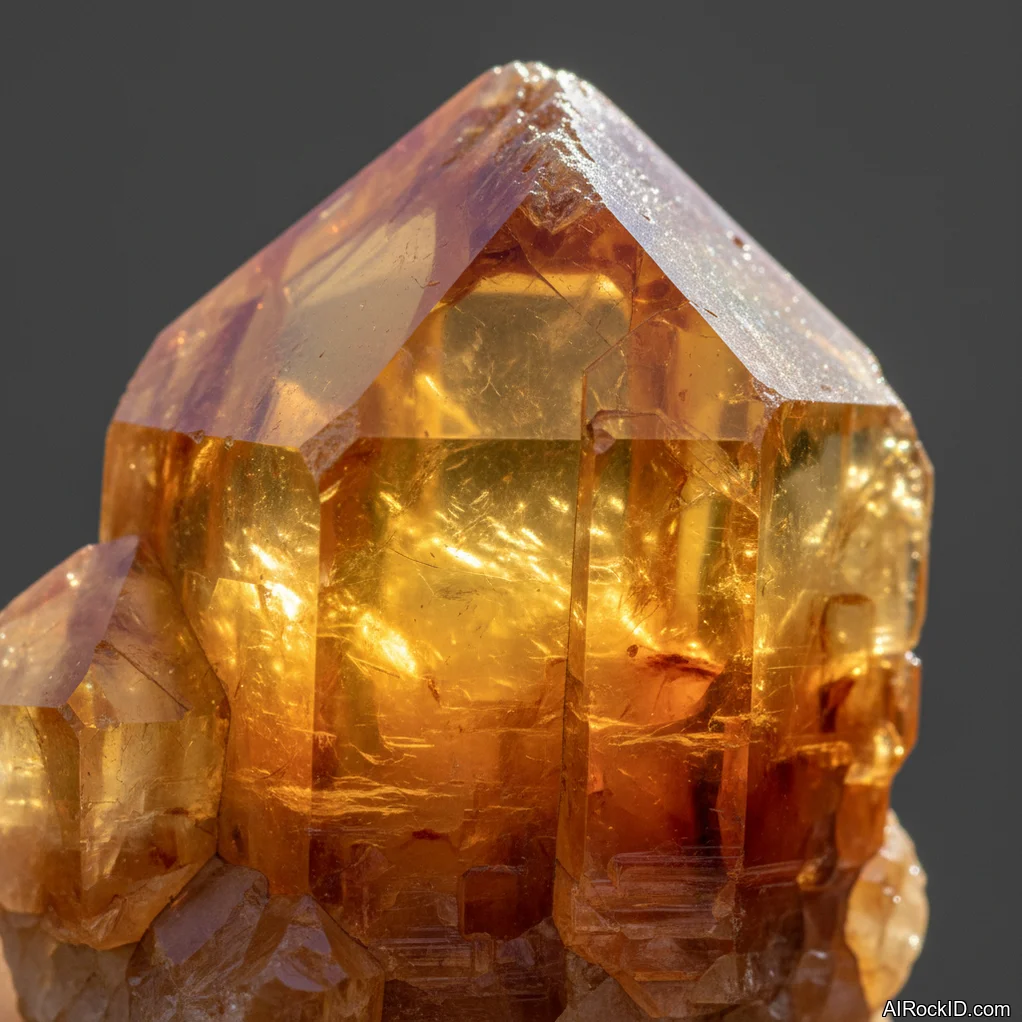
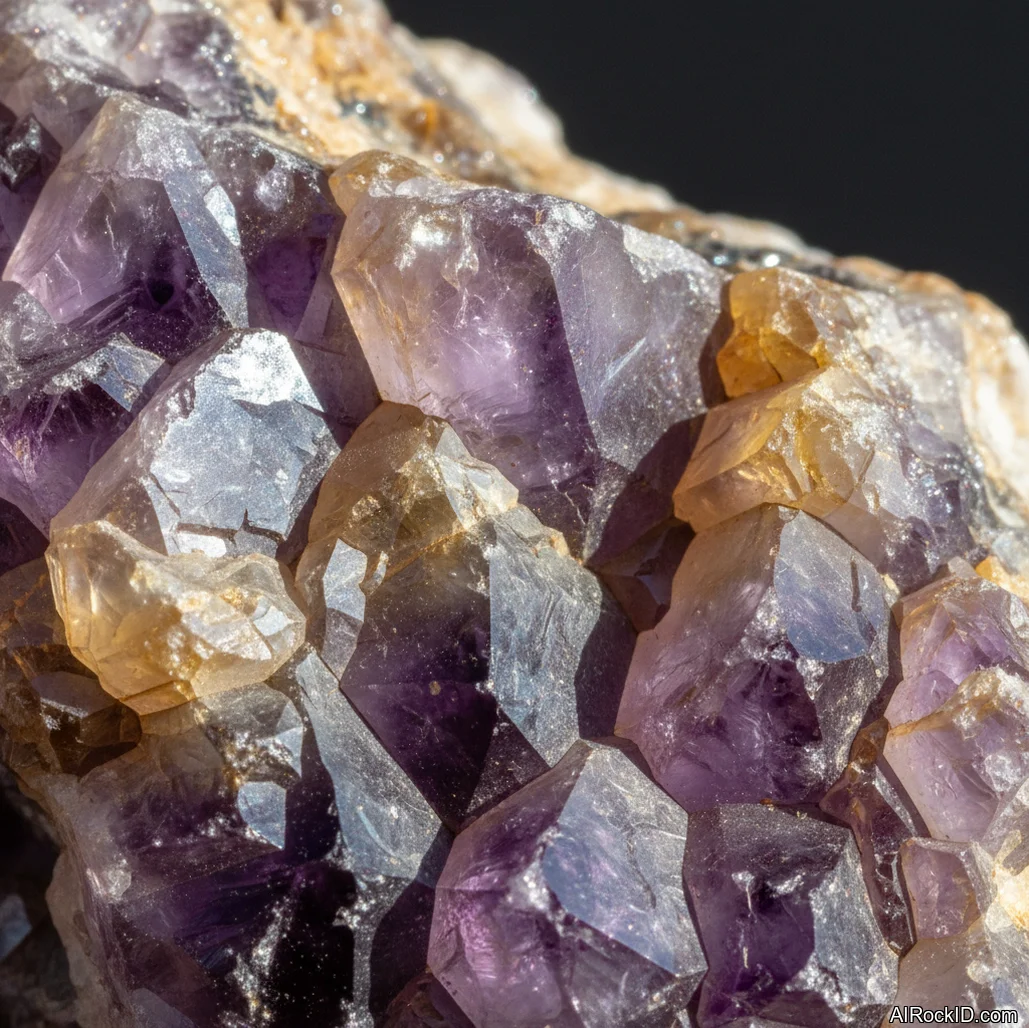
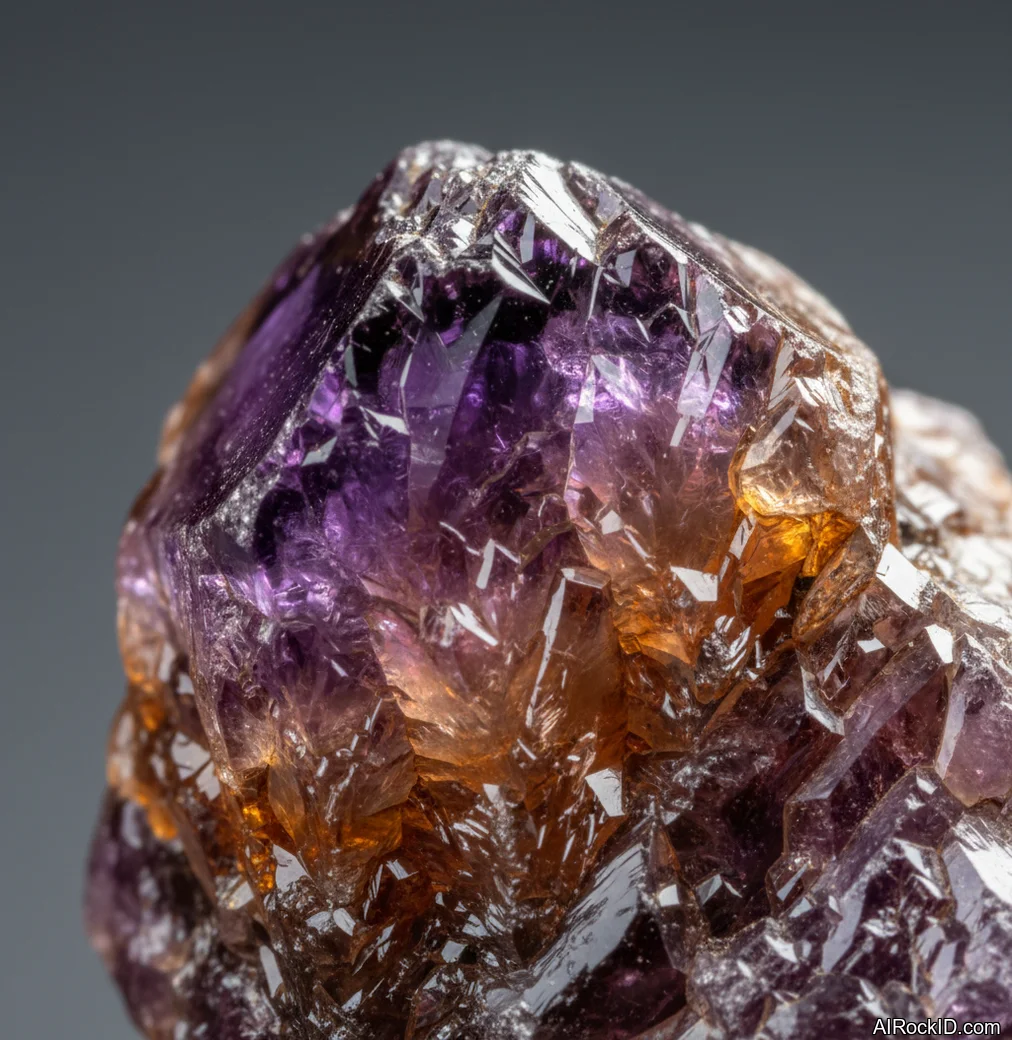
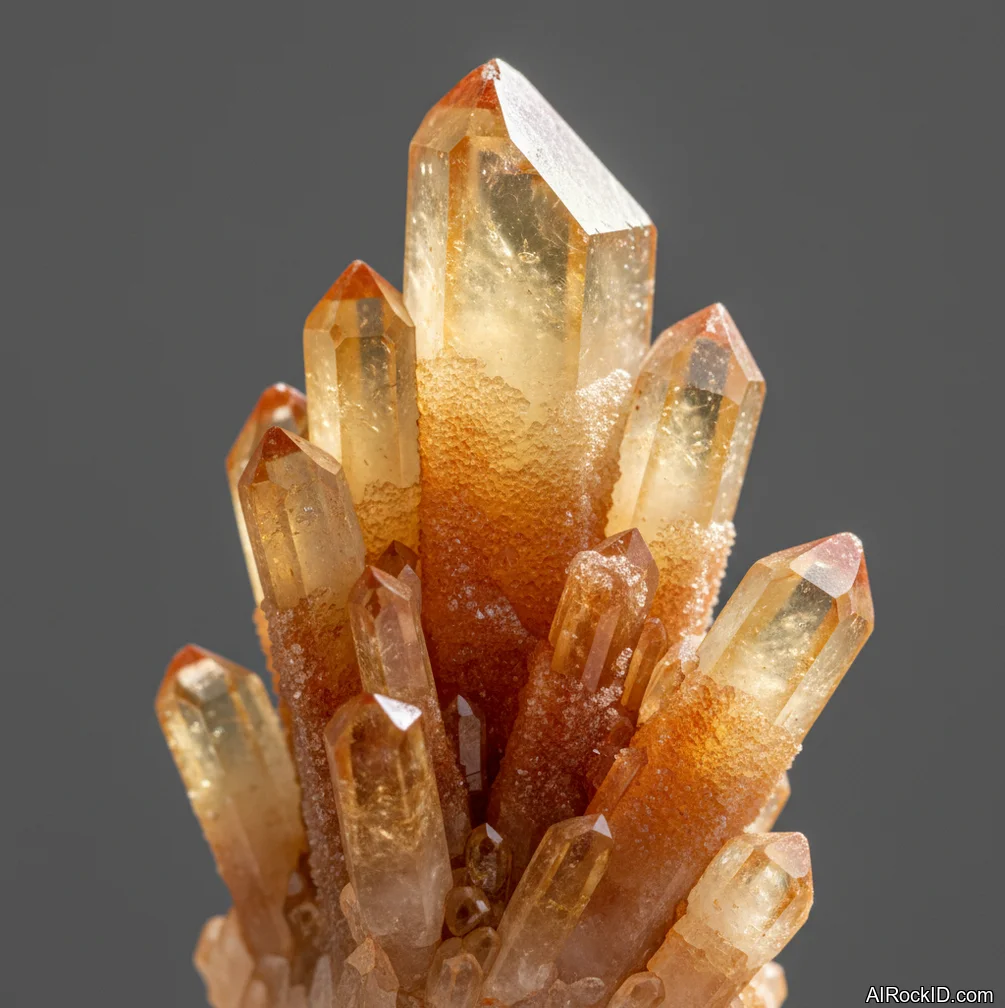
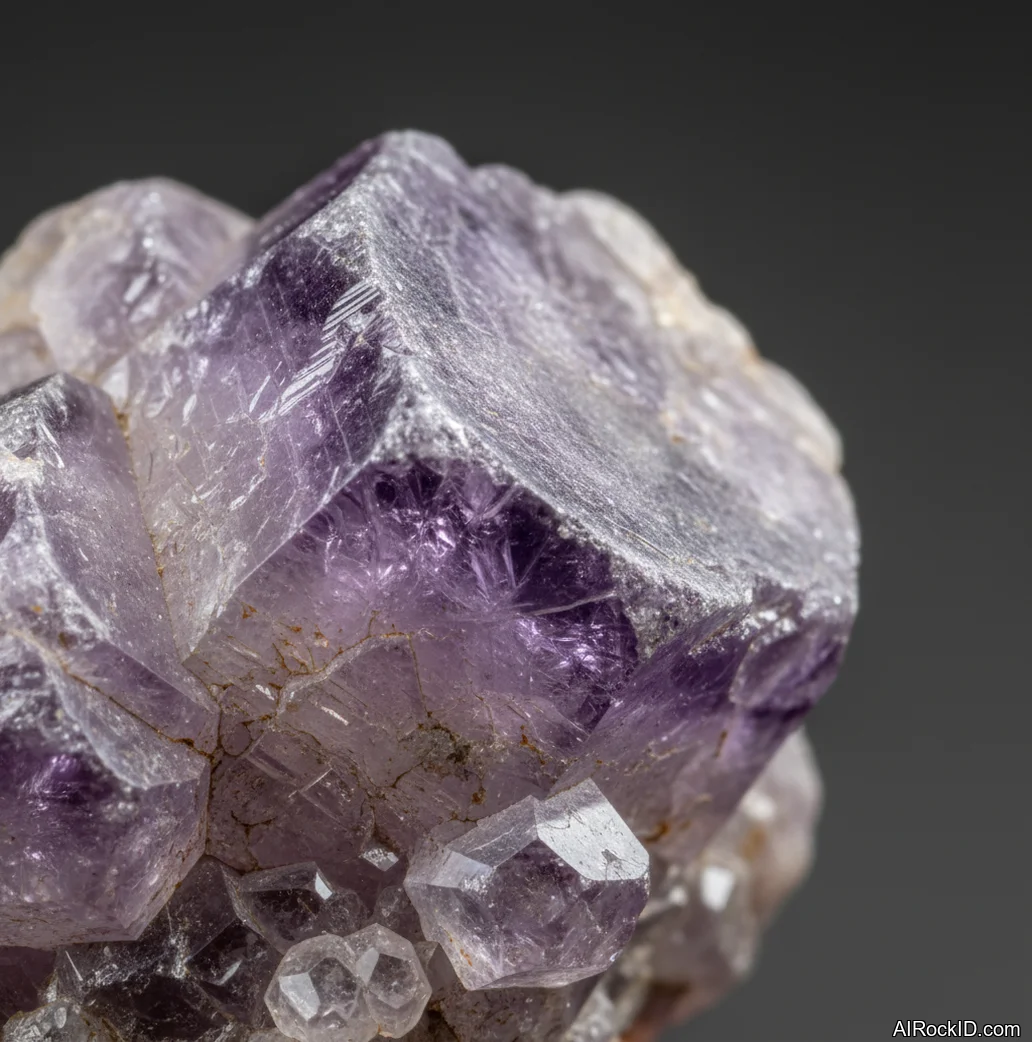
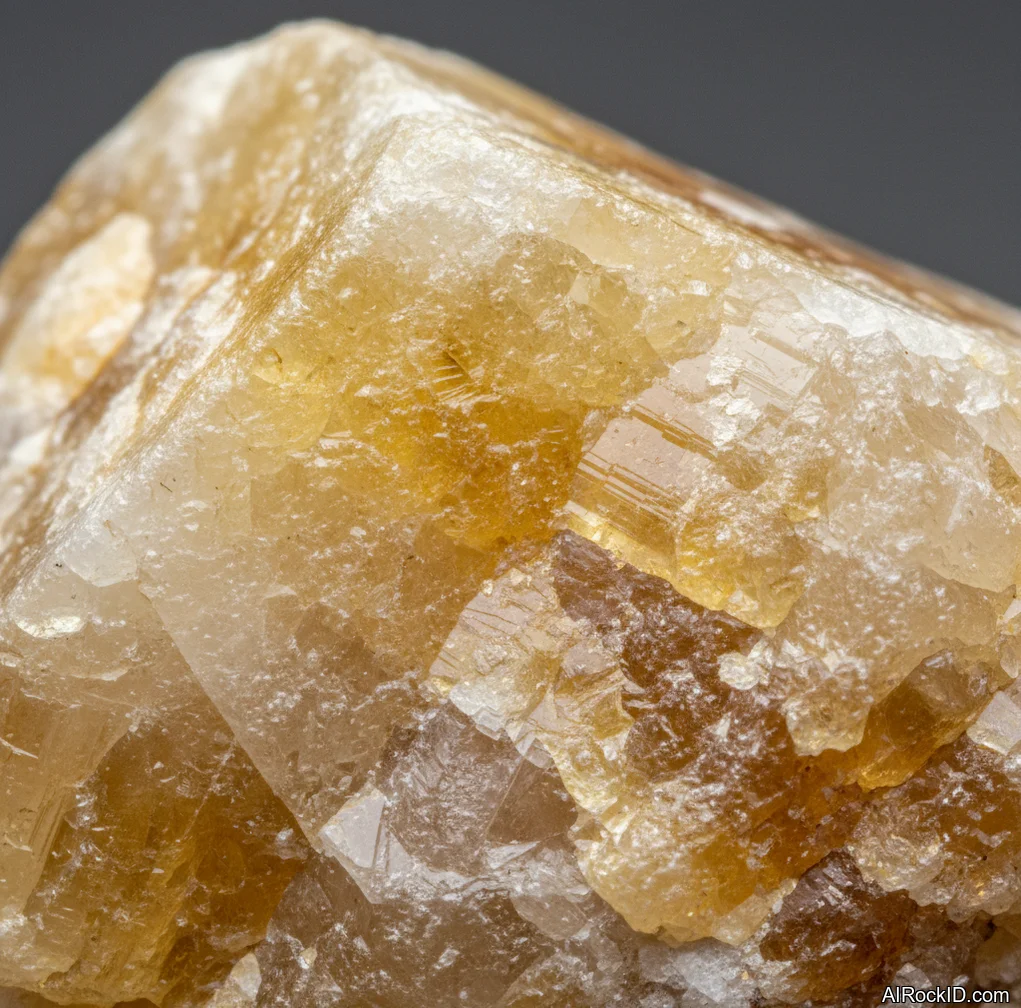
- Citrine: Frequently confused with heat-treated amethyst, which often appears darker orange with a white base.
- Sunstone: Can be mistaken for orange feldspar; true sunstone may show sparkling aventurescence from tiny inclusions.
- Tiger's Eye: Recognized by its silky chatoyancy, while similar brown stones usually lack the moving light band.
AI identification confidence
AI identification is usually more reliable when the photo shows the stone in natural light, with a neutral background and more than one angle. Polished, dyed, or heat-treated stones can reduce confidence because surface appearance may not reflect the original mineral clearly.
When AI gets it wrong
- The stone is tumbled or carved, removing crystal shape and other natural features.
- The color has been enhanced by dyeing, heating, coating, or irradiation.
- The photo has strong glare, shadows, filters, or inaccurate white balance.
- Several minerals share the same trade name or similar orange, yellow, or blue coloration.
What this category represents
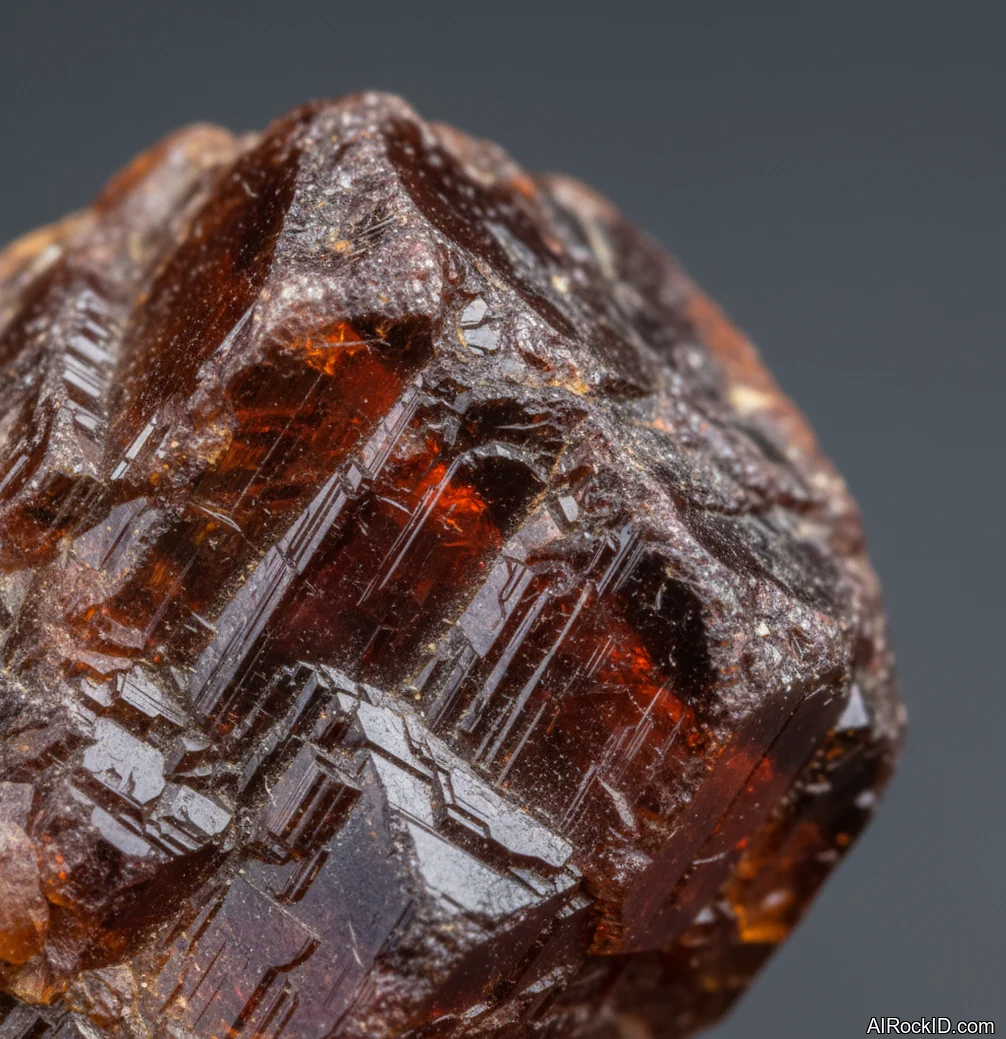
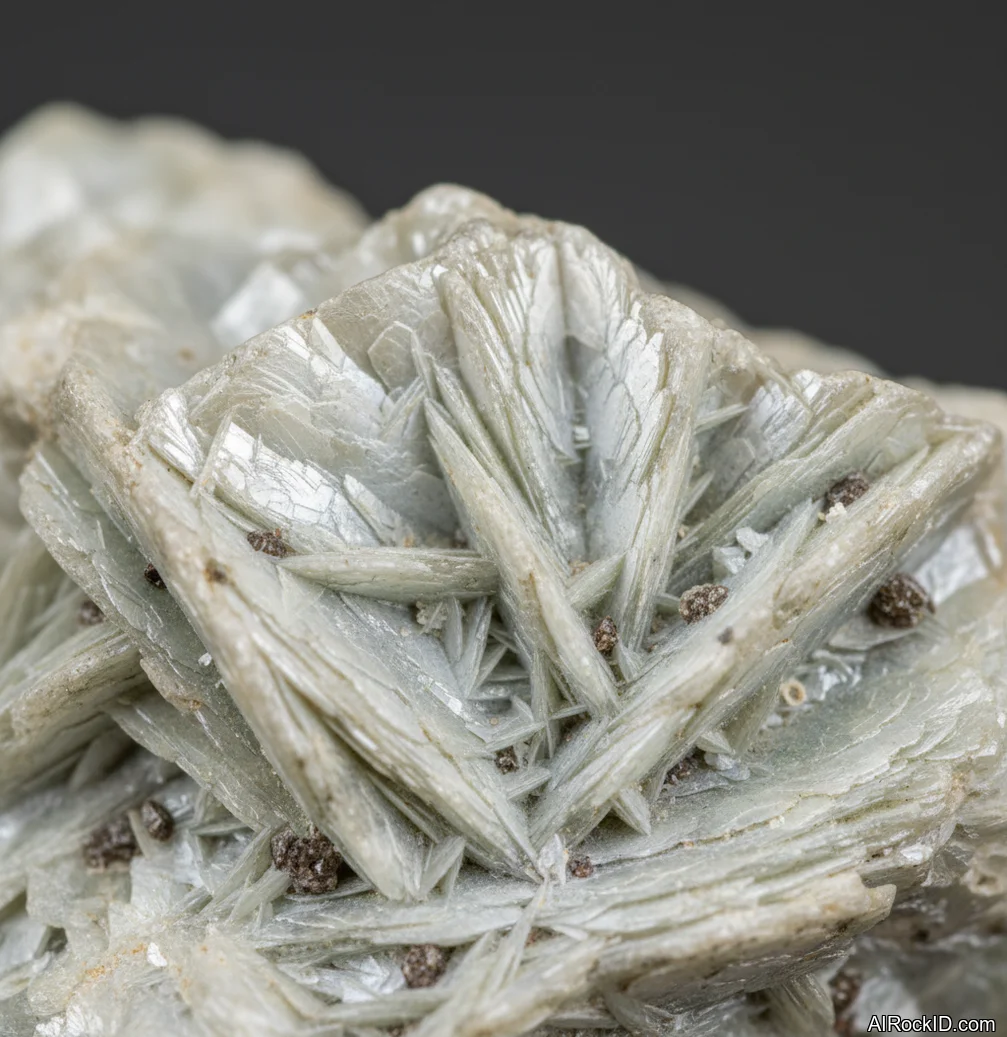
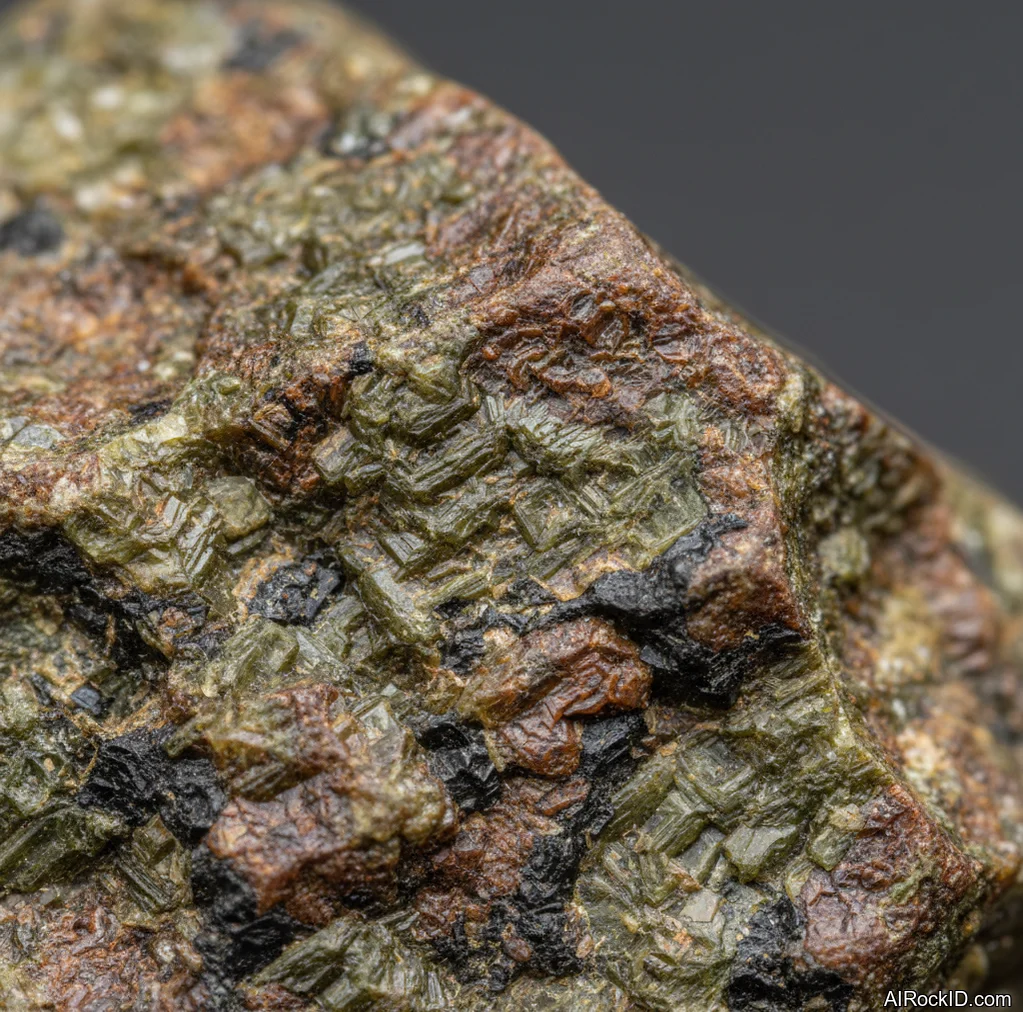
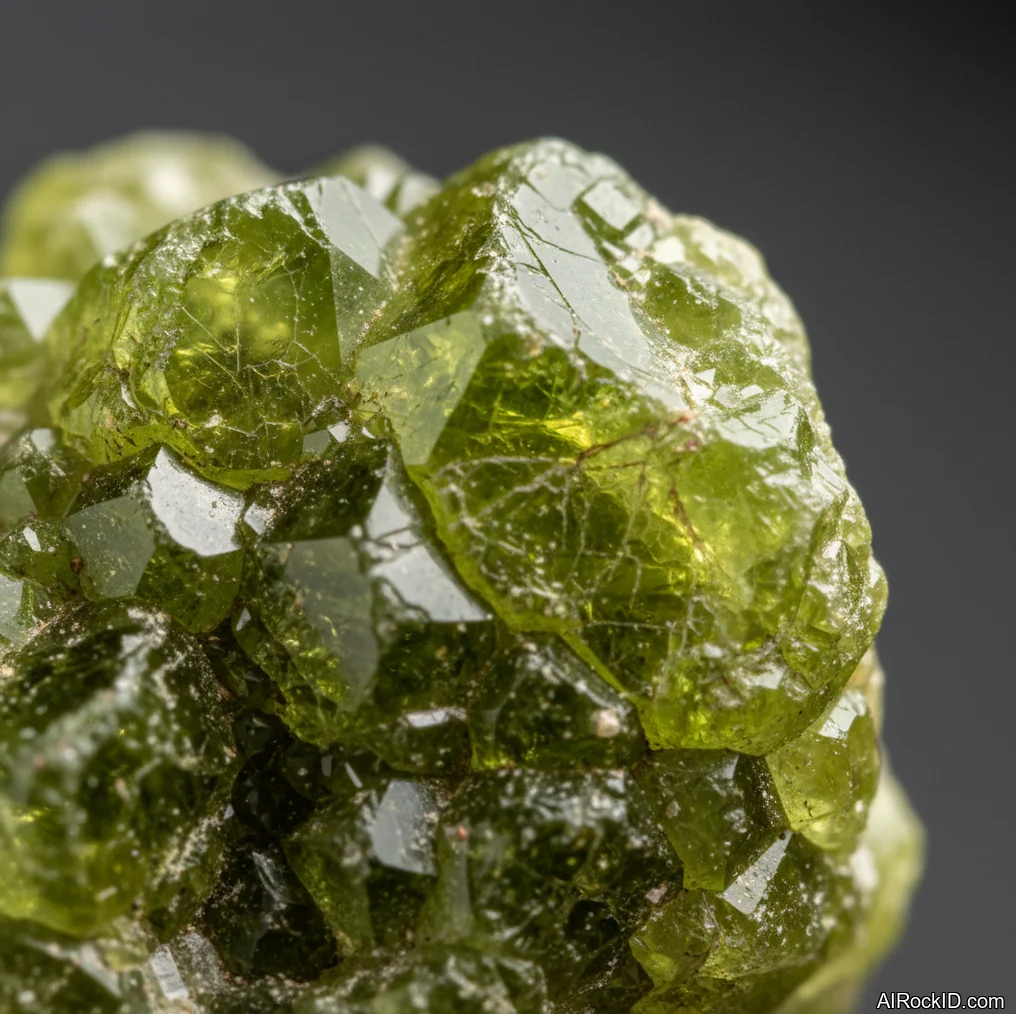
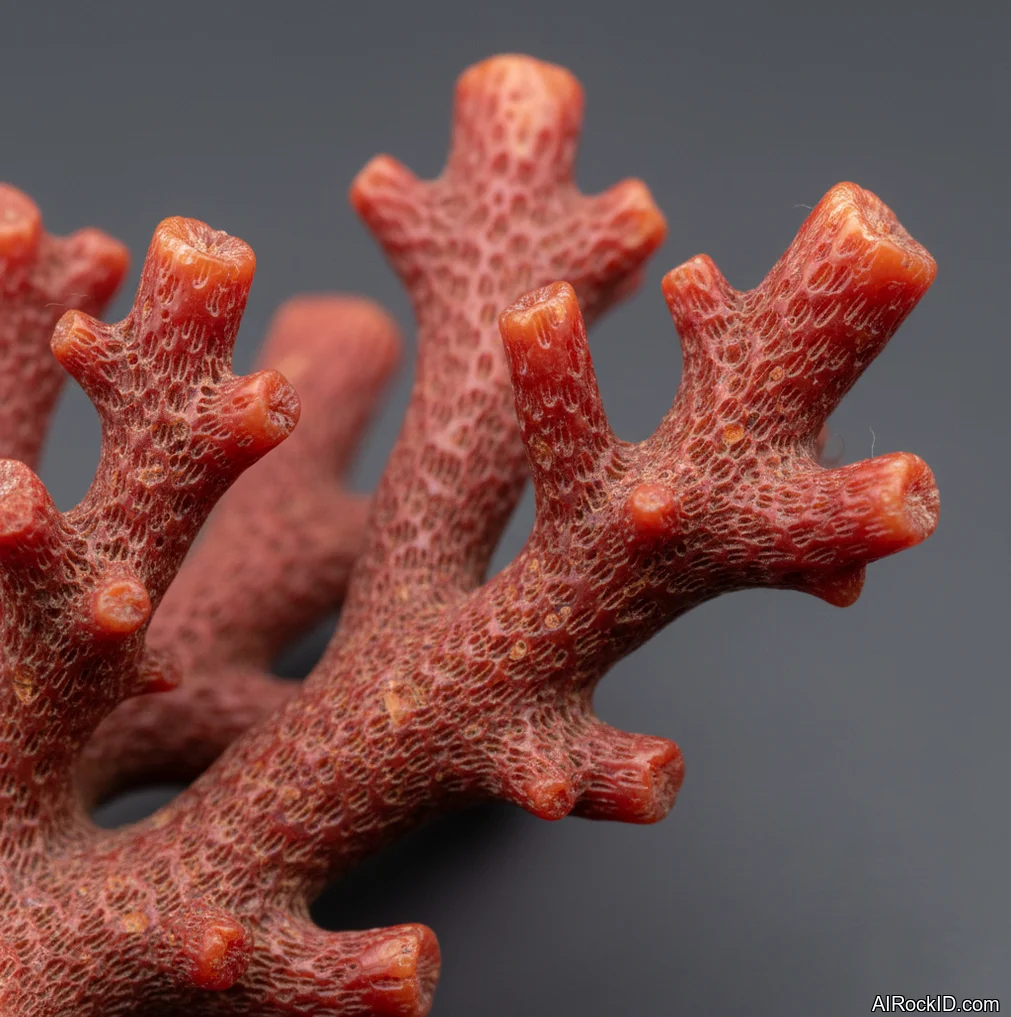
The Creativity tag groups crystals that are traditionally linked with inspiration, self-expression, motivation, imagination, and creative confidence. On a crystal wiki, this tag is a thematic association rather than a scientific mineral category, so stones may vary widely in chemistry, hardness, rarity, and appearance.
Beginner recommendations
Advanced recommendations
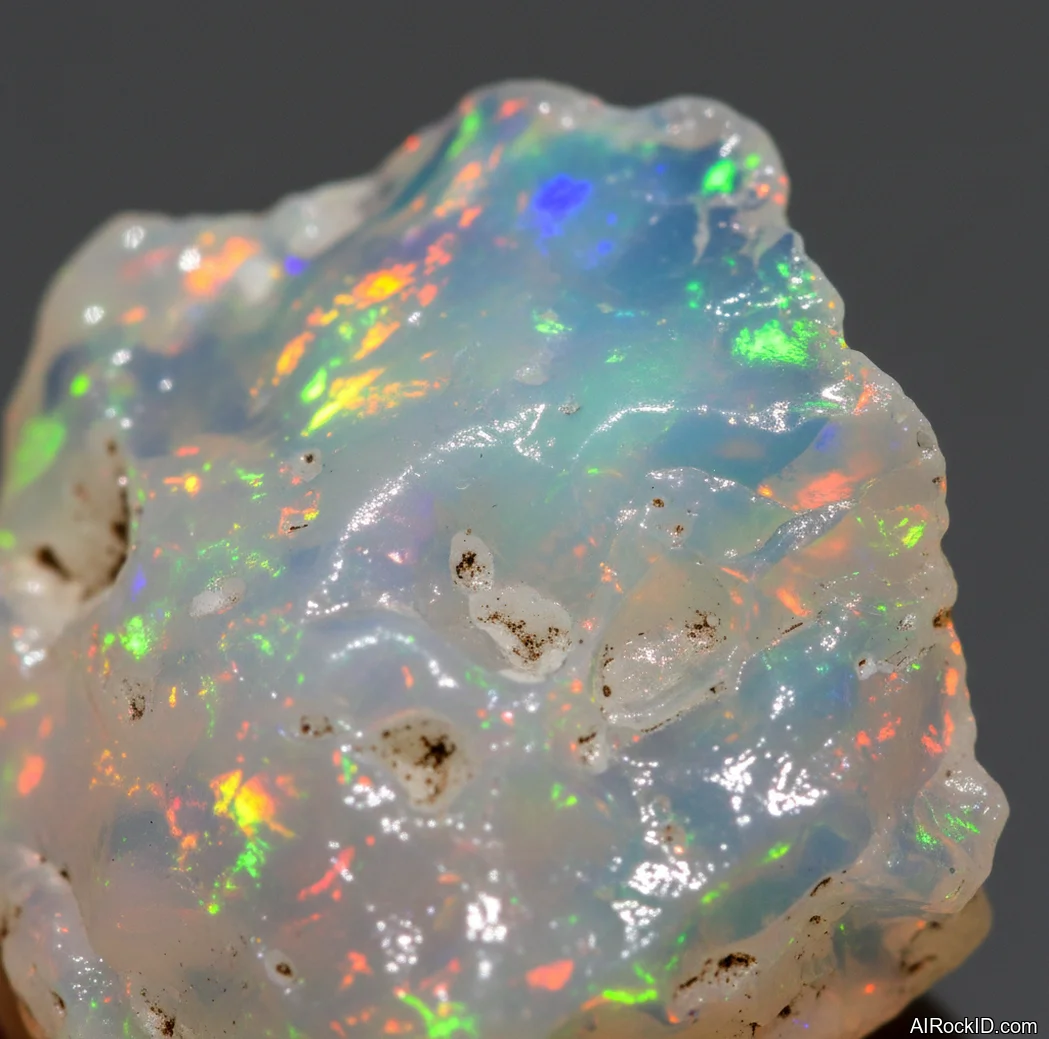
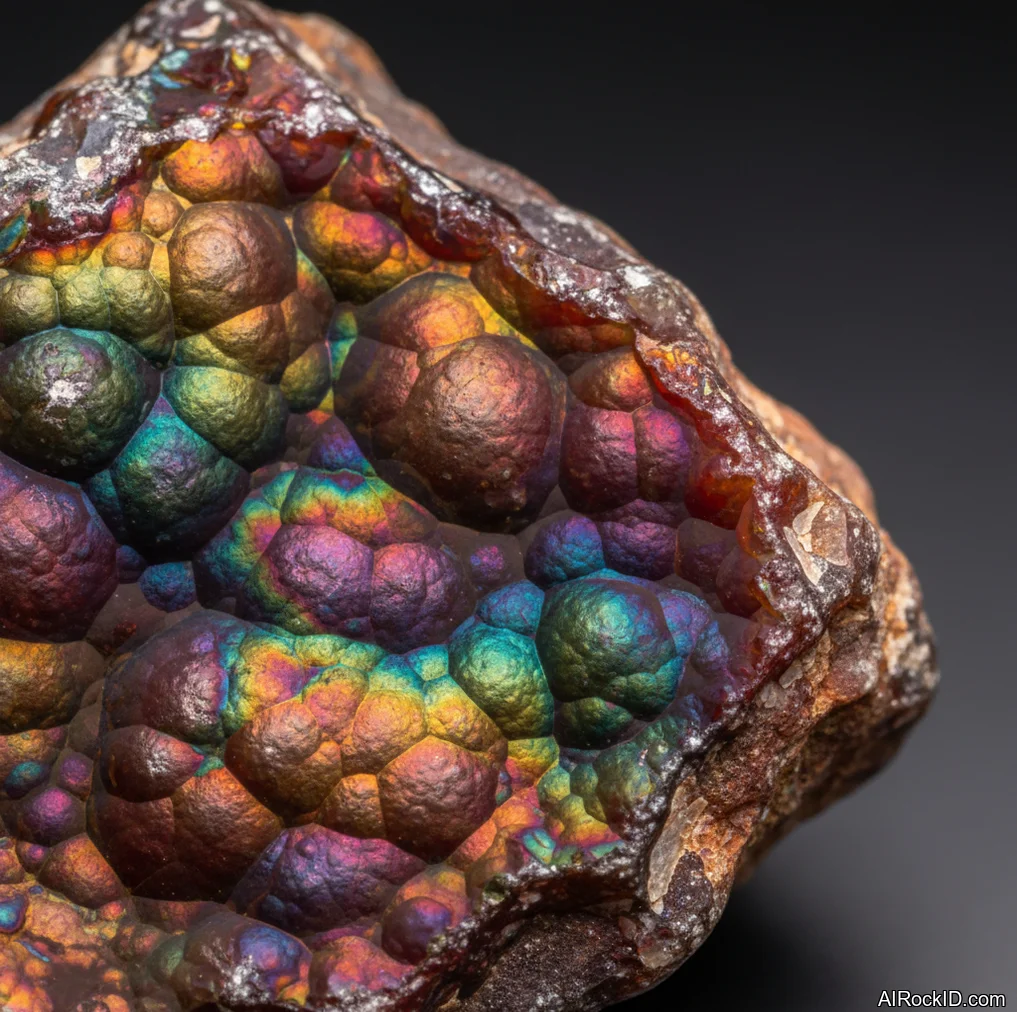
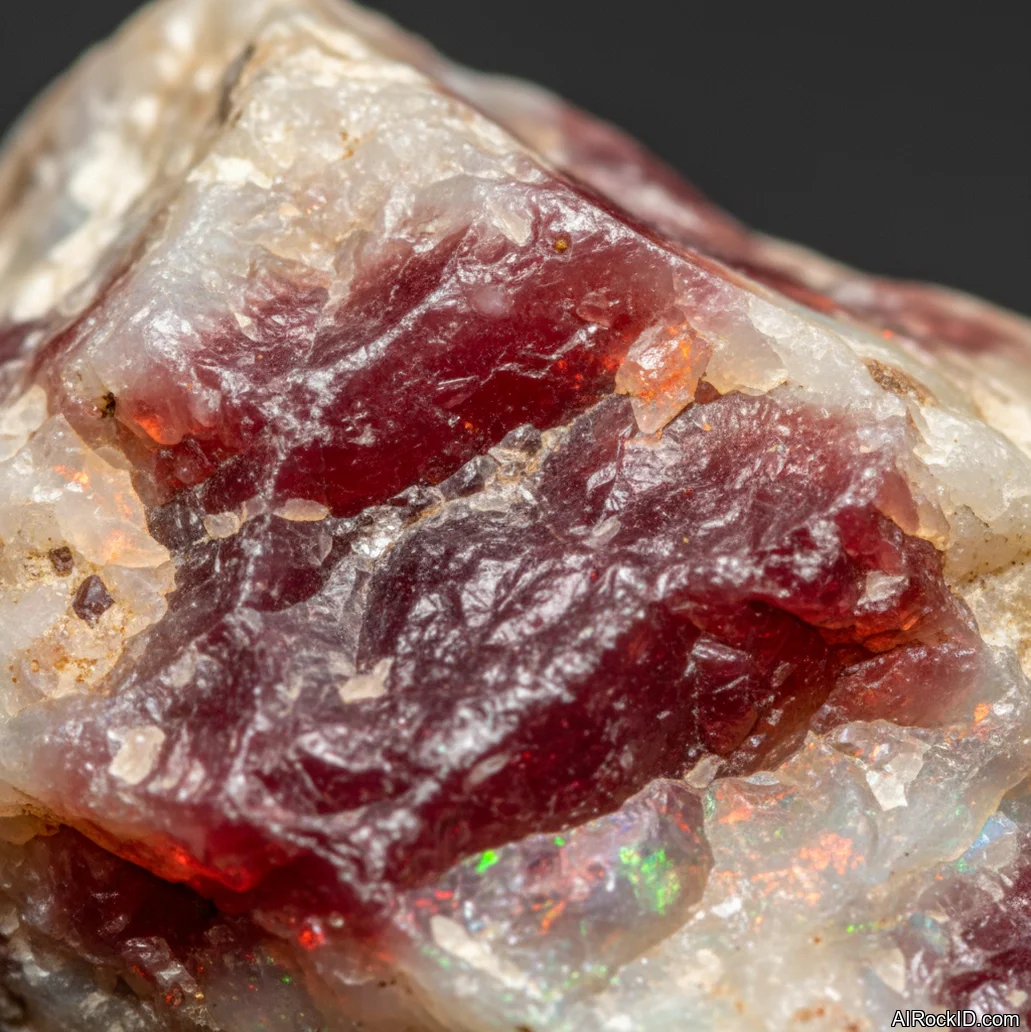
- Fire Opal
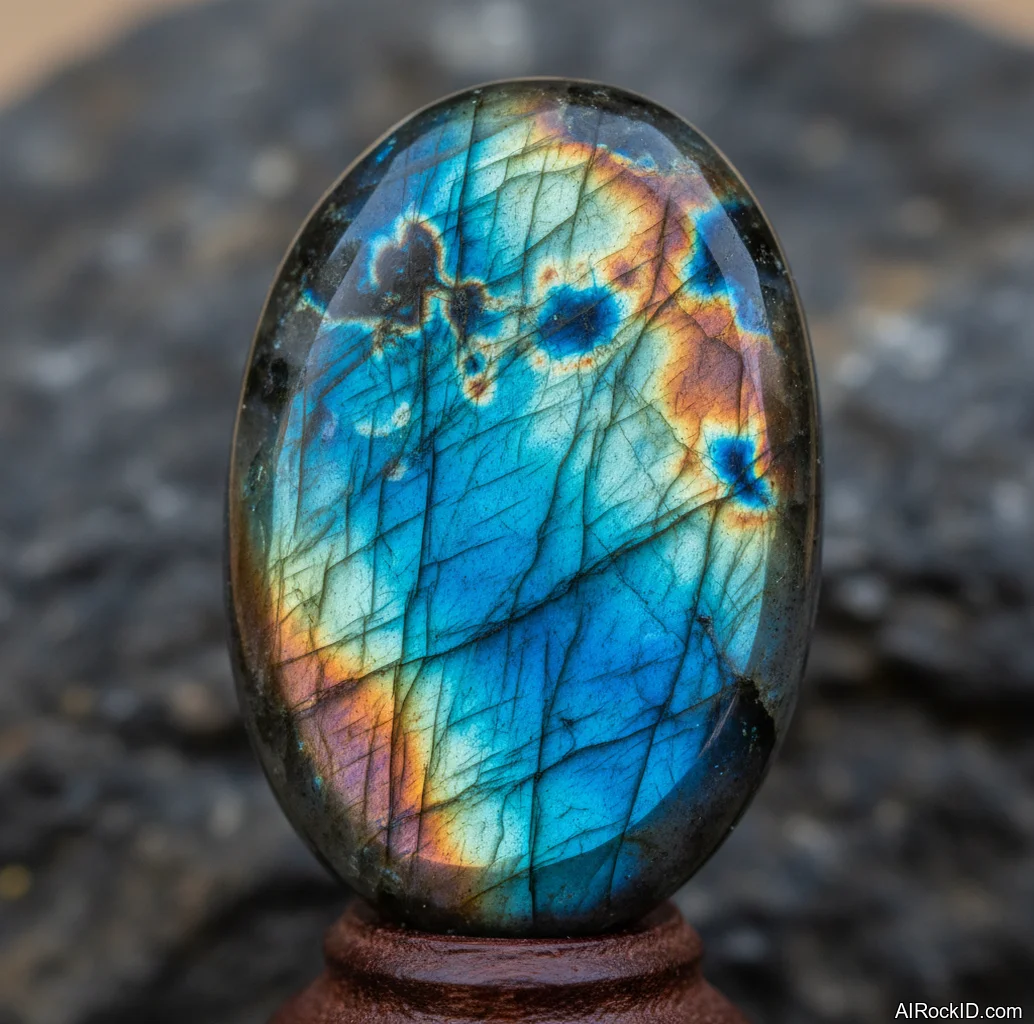
- Labradorite
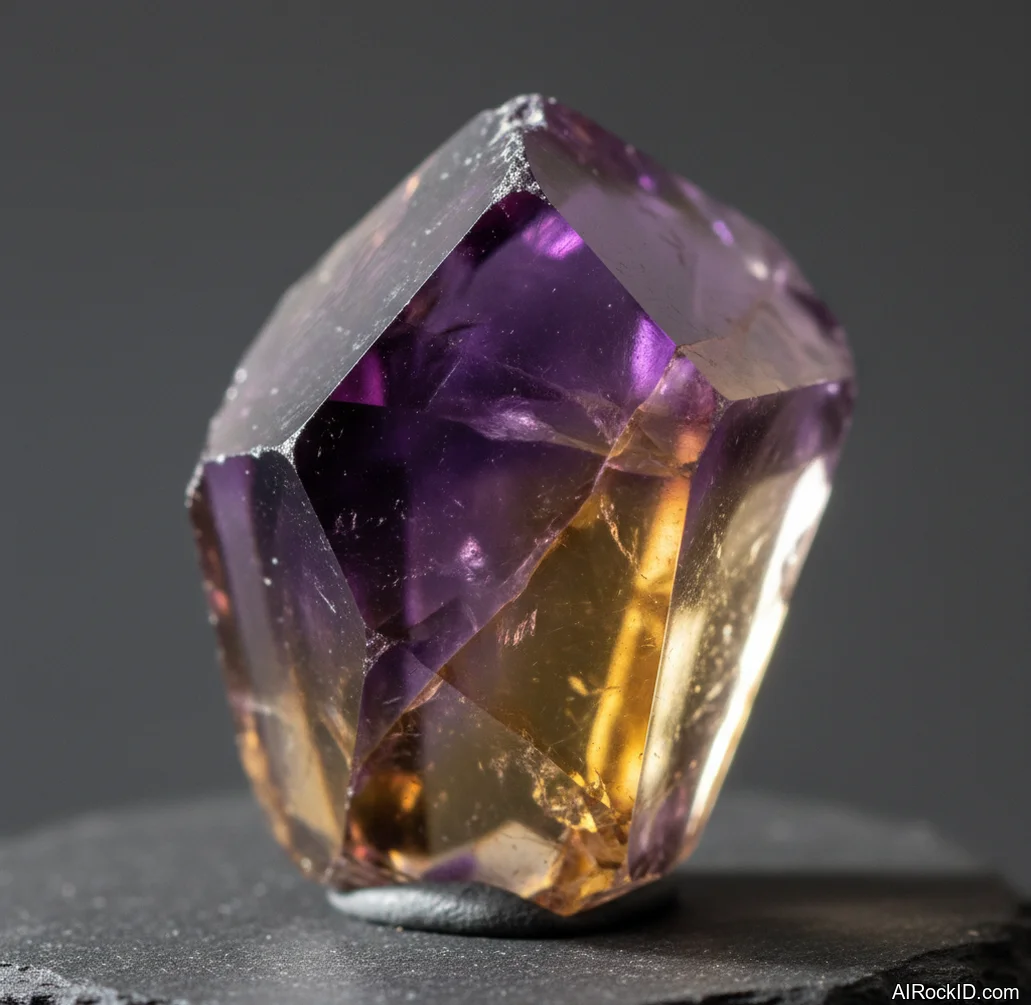
- Ametrine
Natural, Treated, and Trade-Name Stones
Many creativity-associated stones are sold under trade names or may be treated to improve color. Citrine, carnelian, agate, quartz, and some colorful beads should be checked for signs of dye, heating, coating, or misleading labeling before purchase.
Color Themes in Creativity Crystal Traditions
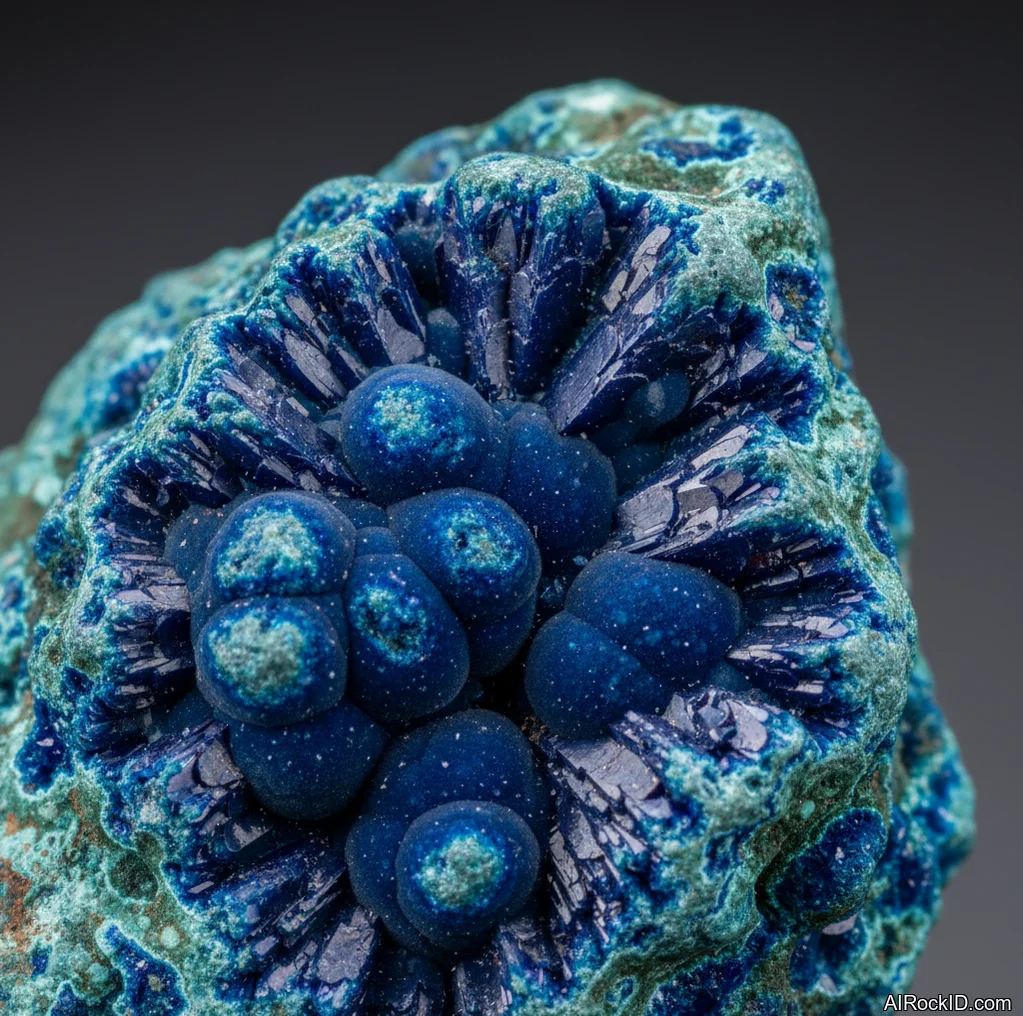
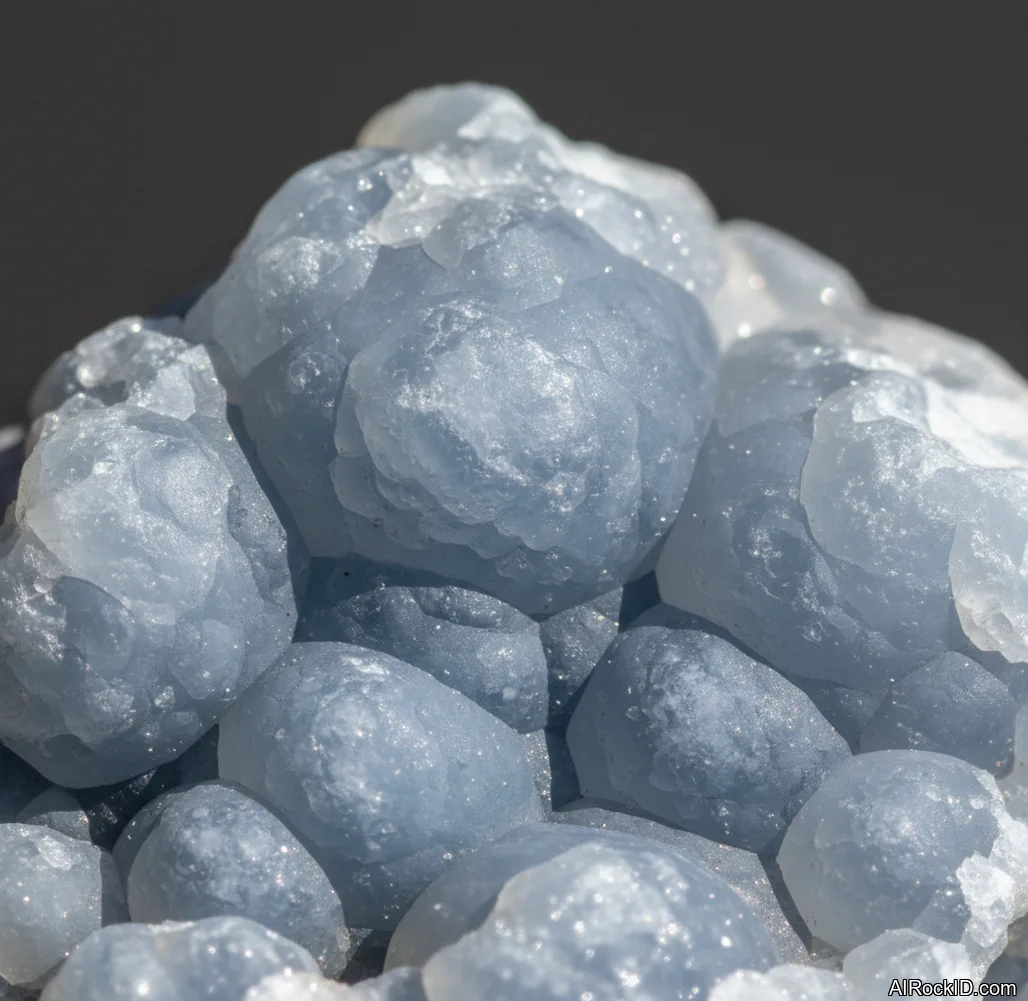
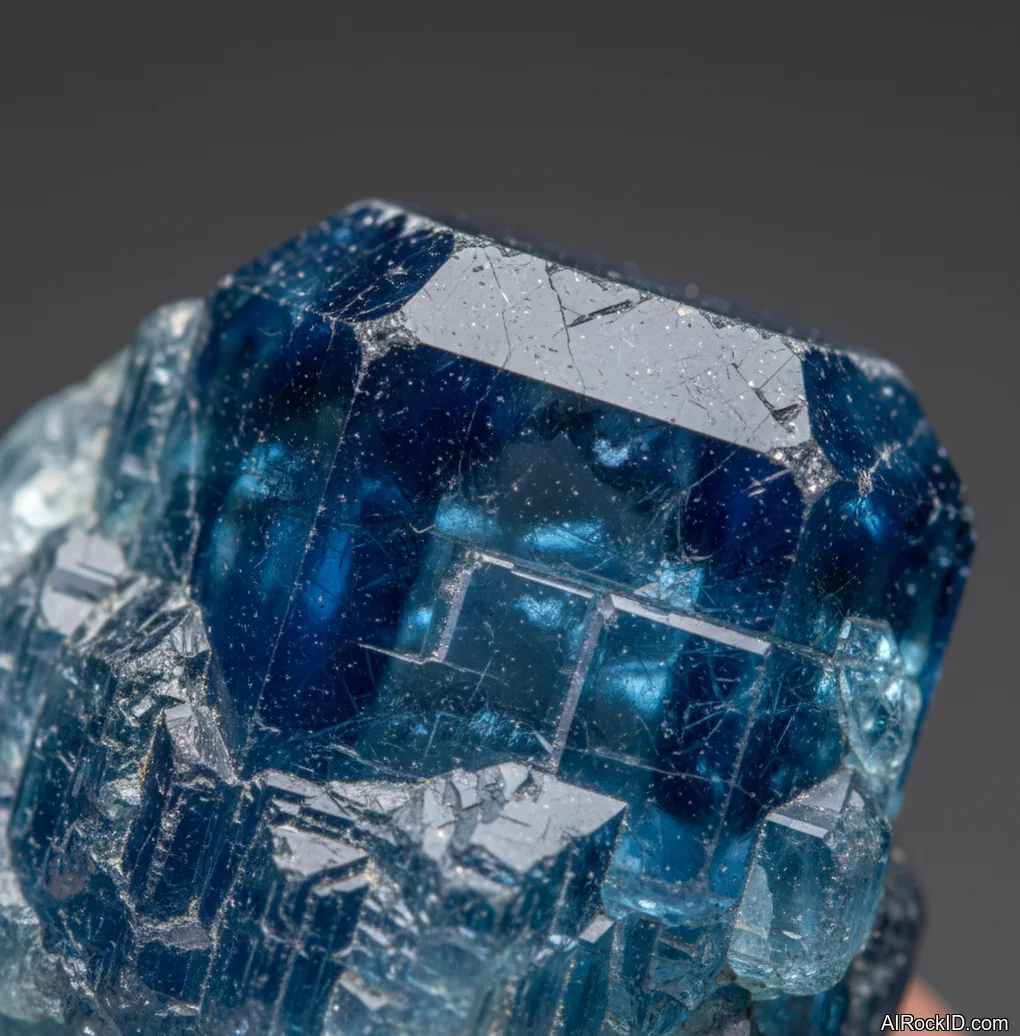
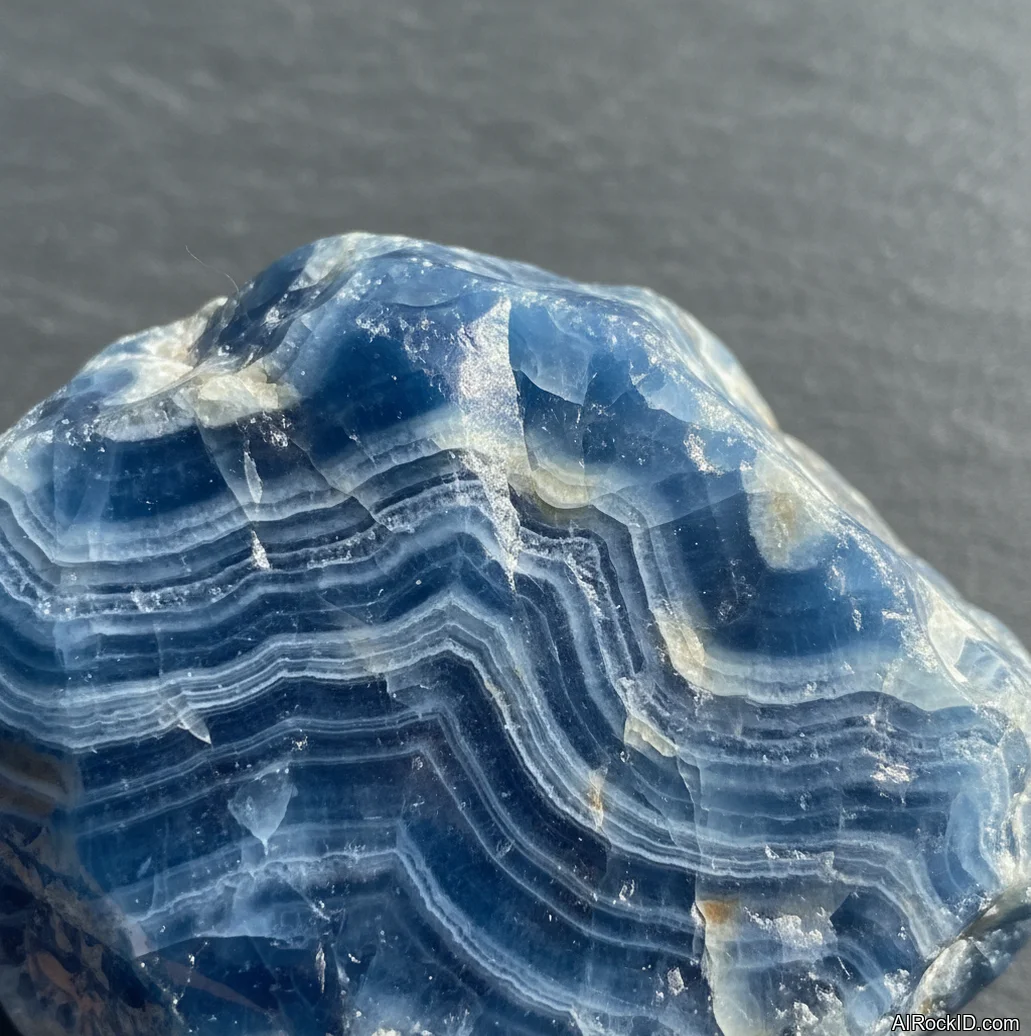
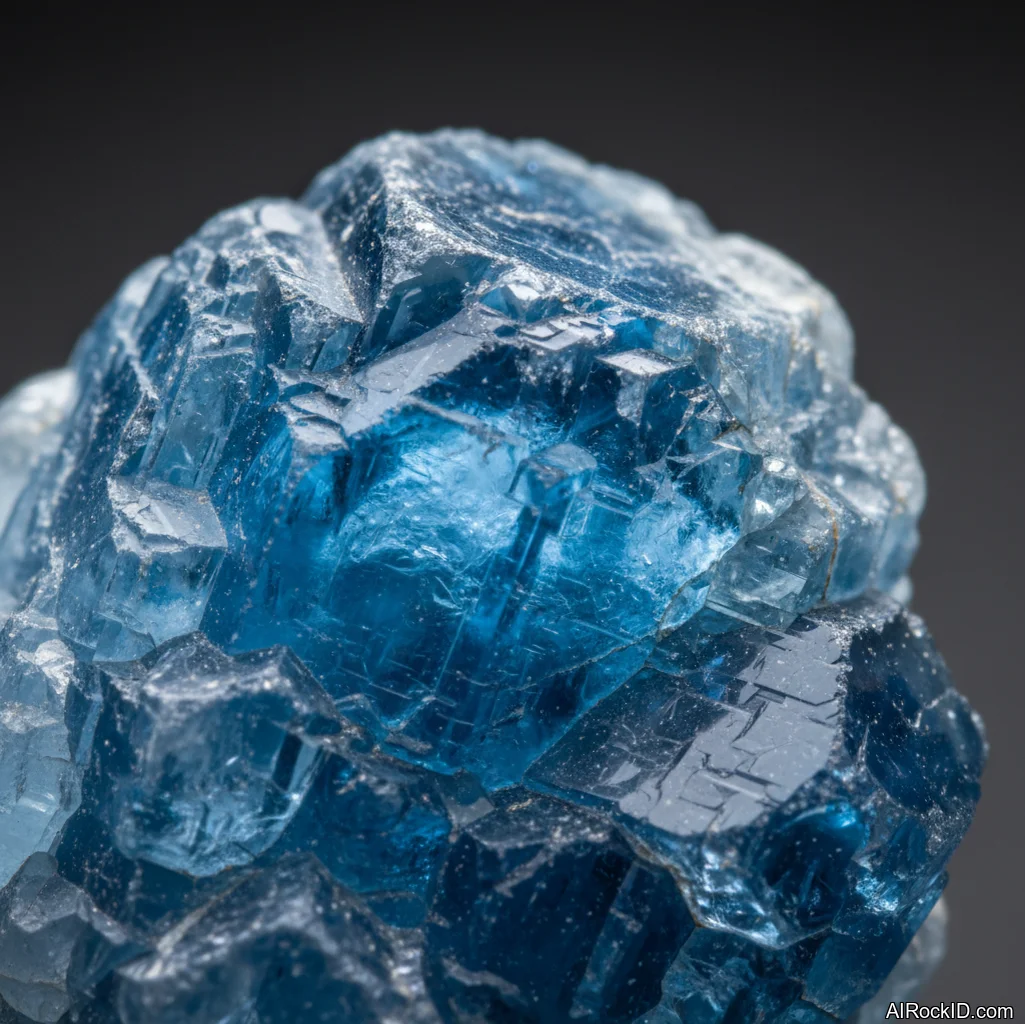
Orange, yellow, gold, and red stones are often linked with energy, confidence, and expression in contemporary crystal traditions. Blue and purple stones may also appear in creativity collections when the focus is communication, imagination, or artistic insight.
Care Notes for Common Creativity Stones
Quartz varieties are generally durable for regular handling, while calcite, opal, and some feldspars need gentler care. Avoid harsh cleaners, long sun exposure for color-sensitive stones, and storage that allows harder minerals to scratch softer ones.
What Are Creativity Crystals? My Real-World Take
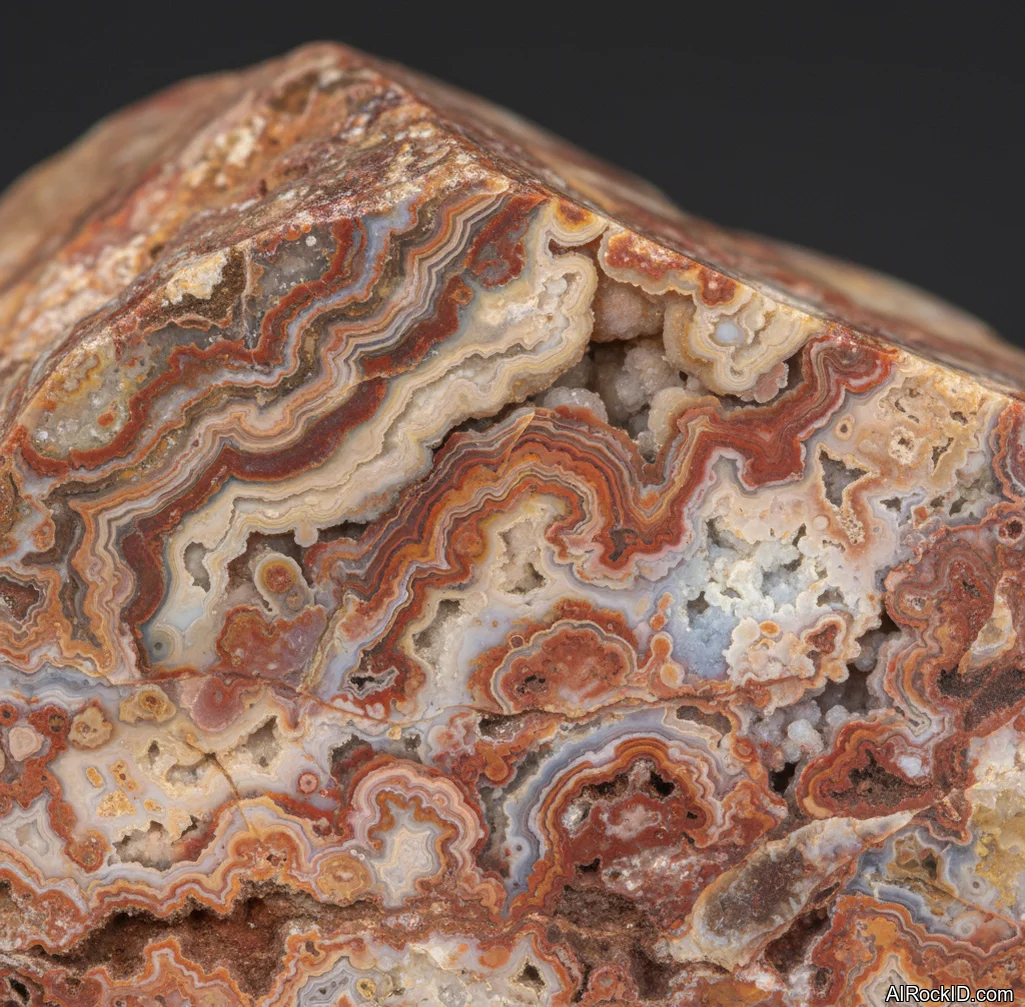
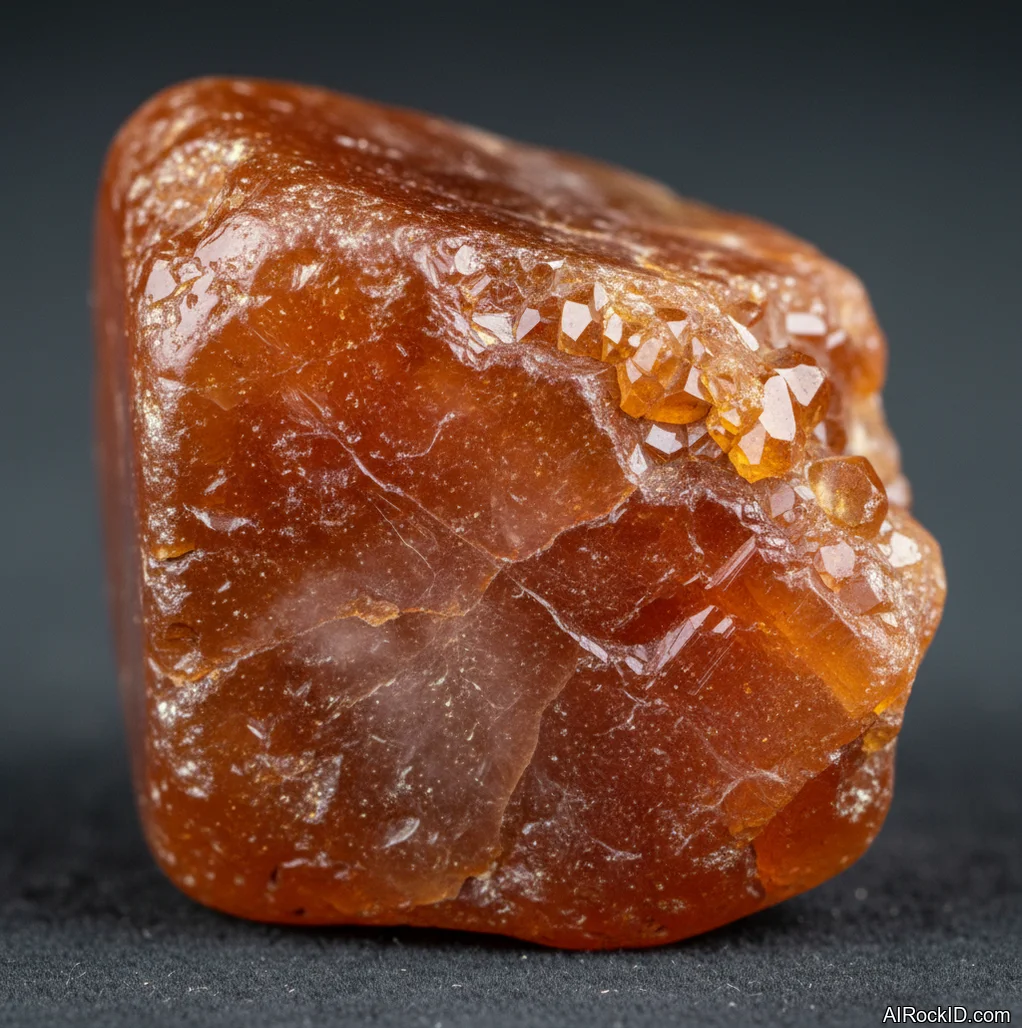
Creativity, when people talk about it with crystals, isn't about painting a masterpiece or writing a novel. It's more like that snap in your brain when you finally see a way around a stubborn problem. Sometimes it's a color combination you wouldn't have dared last week. Sometimes it's just breaking your daily mental loop. I see most people grab for Creativity stones when they're stuck, burned out, or bored by their own habits. It's not about squeezing out genius on command—it's about getting your hands and mind loose again. Carnelian is what I hand over first because it's blunt and simple. Feel it: cool, waxy edges, and when you hold it up to the light, real Carnelian isn't just flat orange. There's depth, from pale peach to rusty red. It's easy to live with, too. Toss it in a pocket. Let it bump around a backpack. You don't need to treat it like museum glass.
Best Crystals for Sparking Creativity and New Ideas
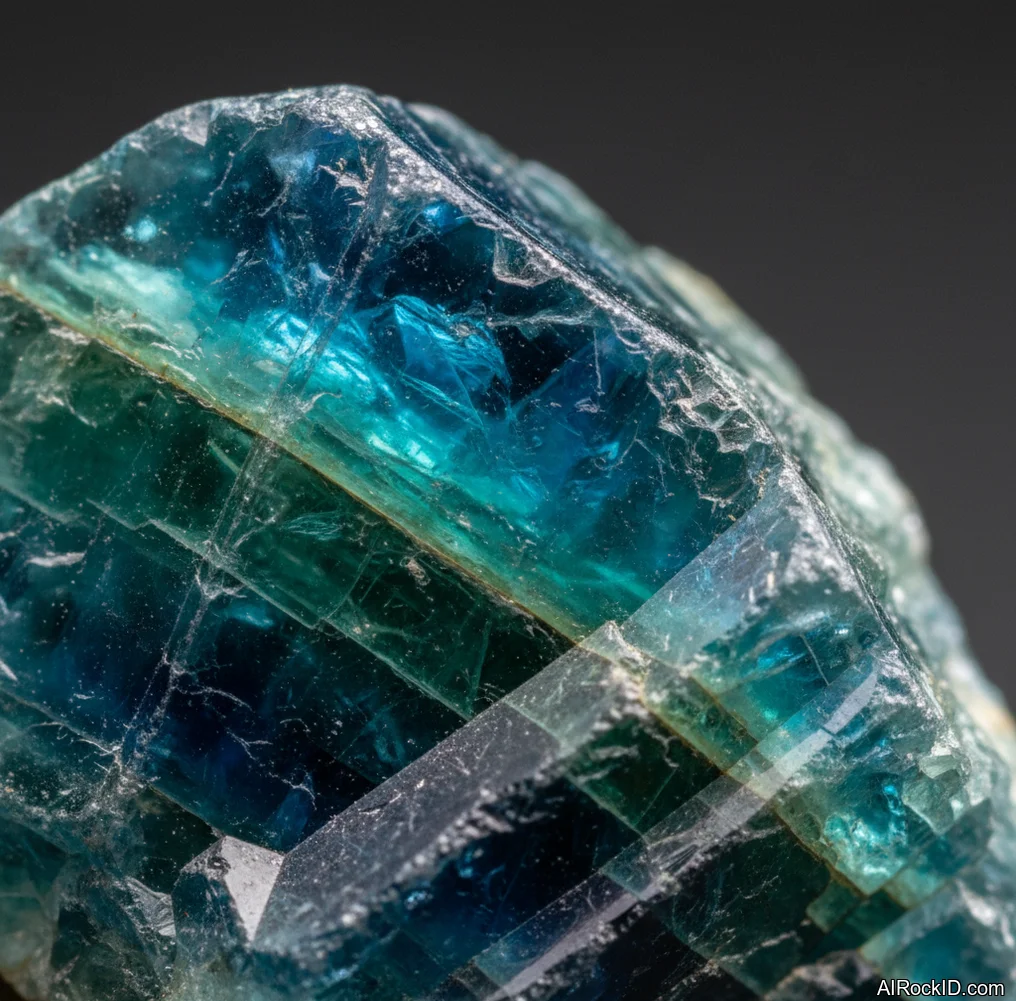
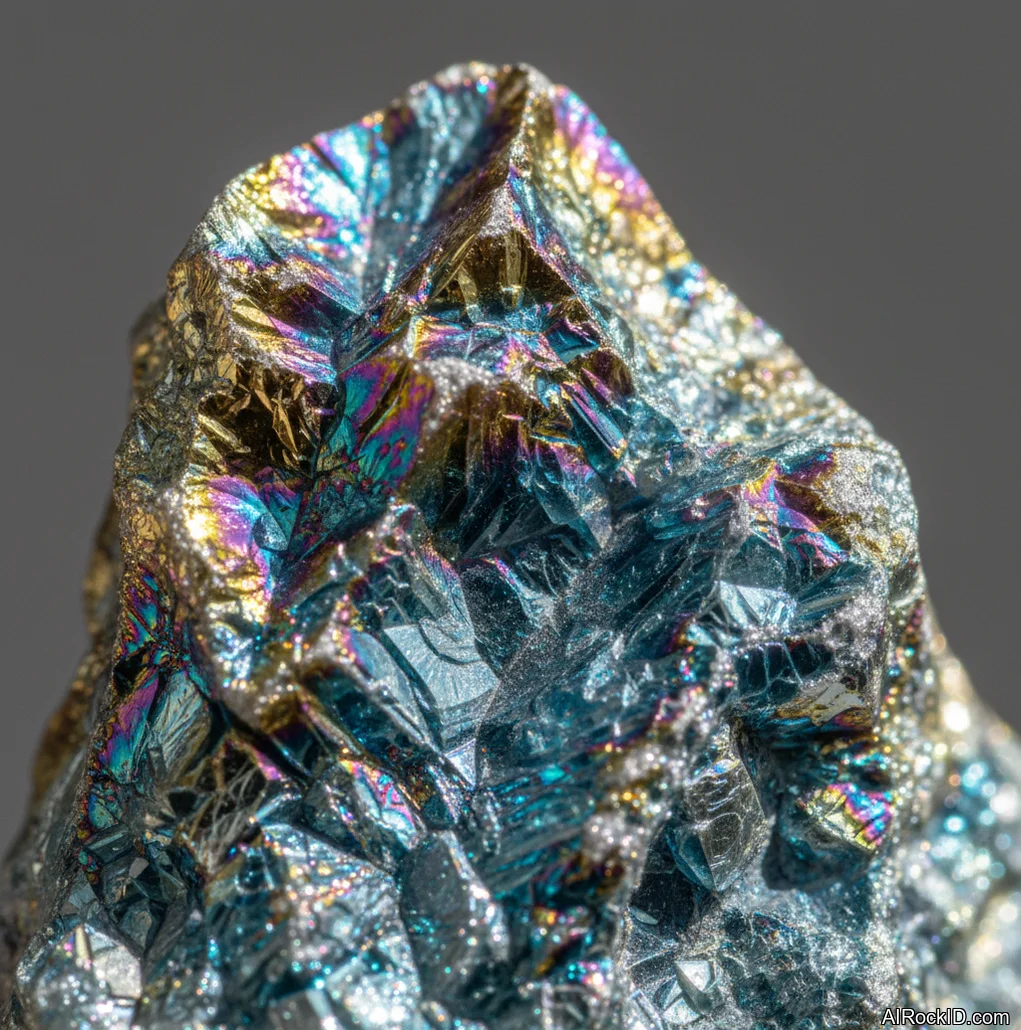
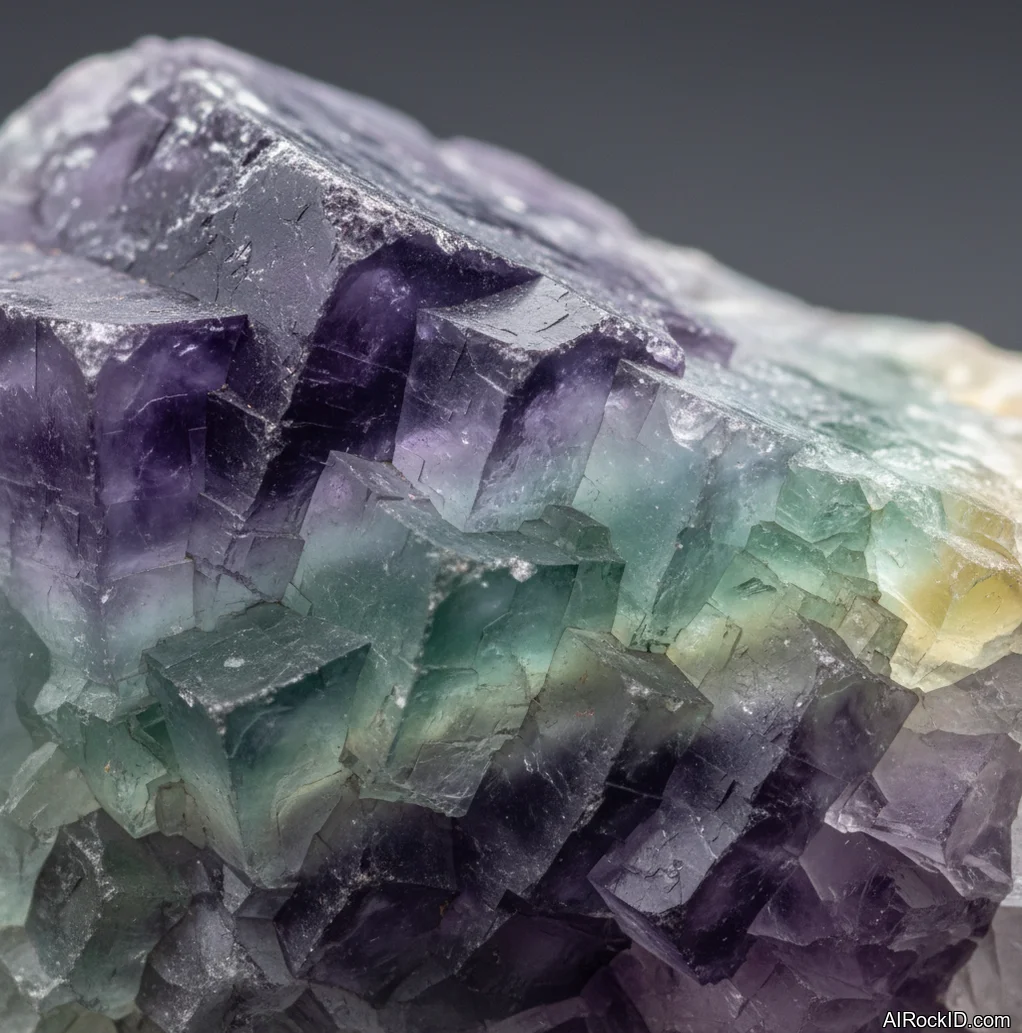
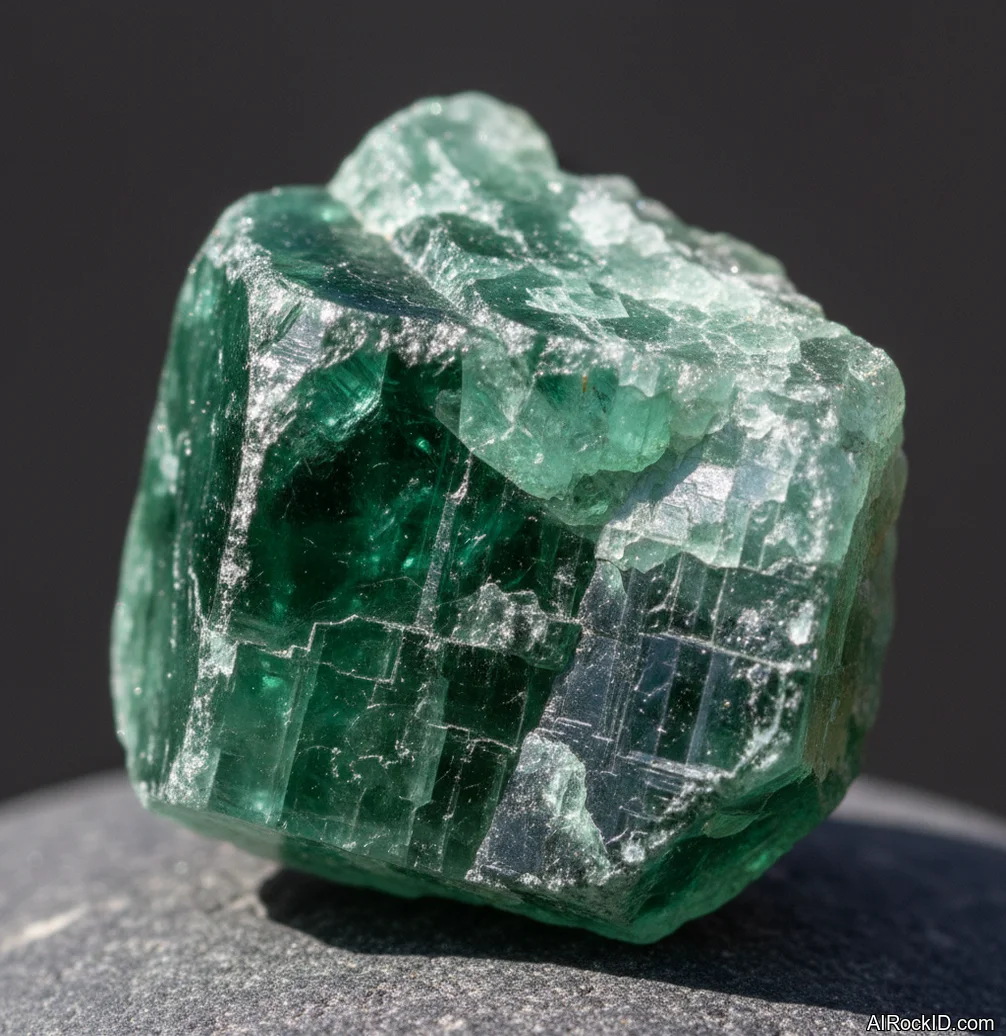
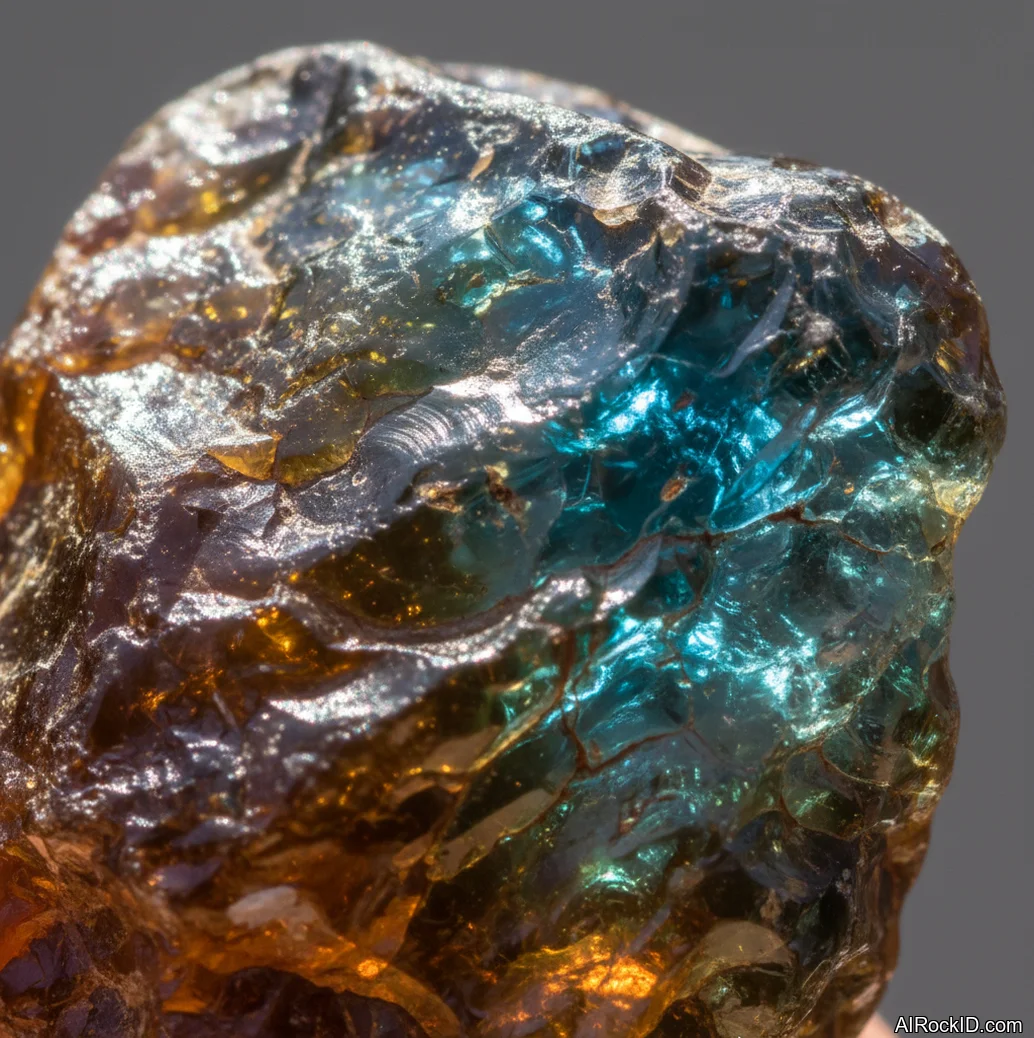
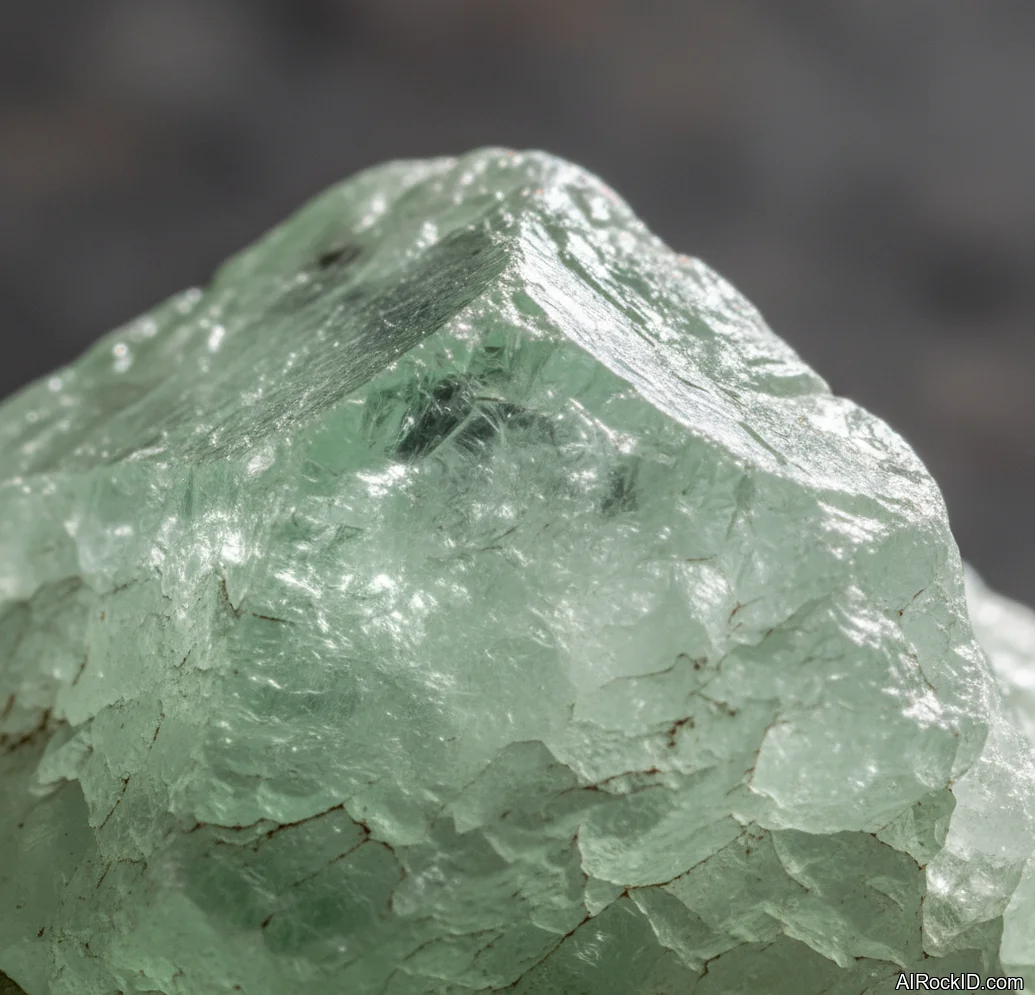
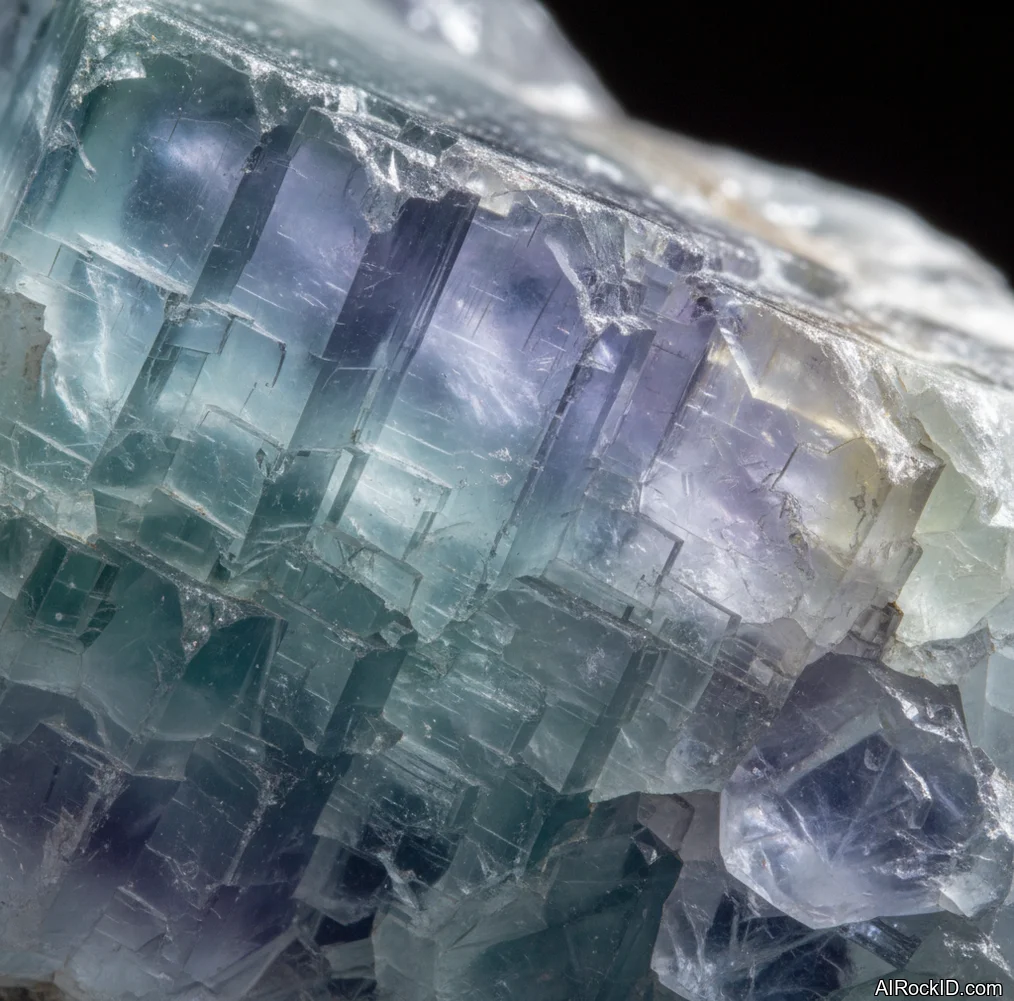
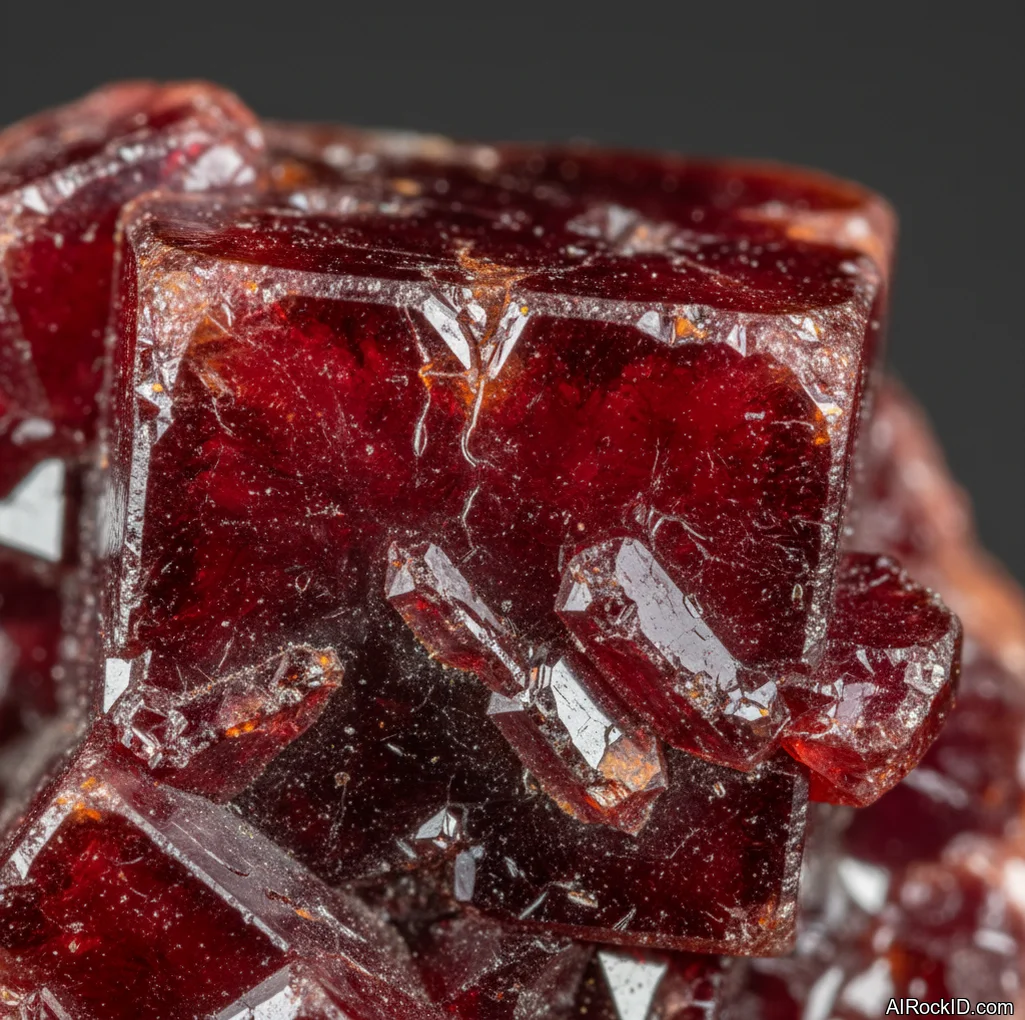
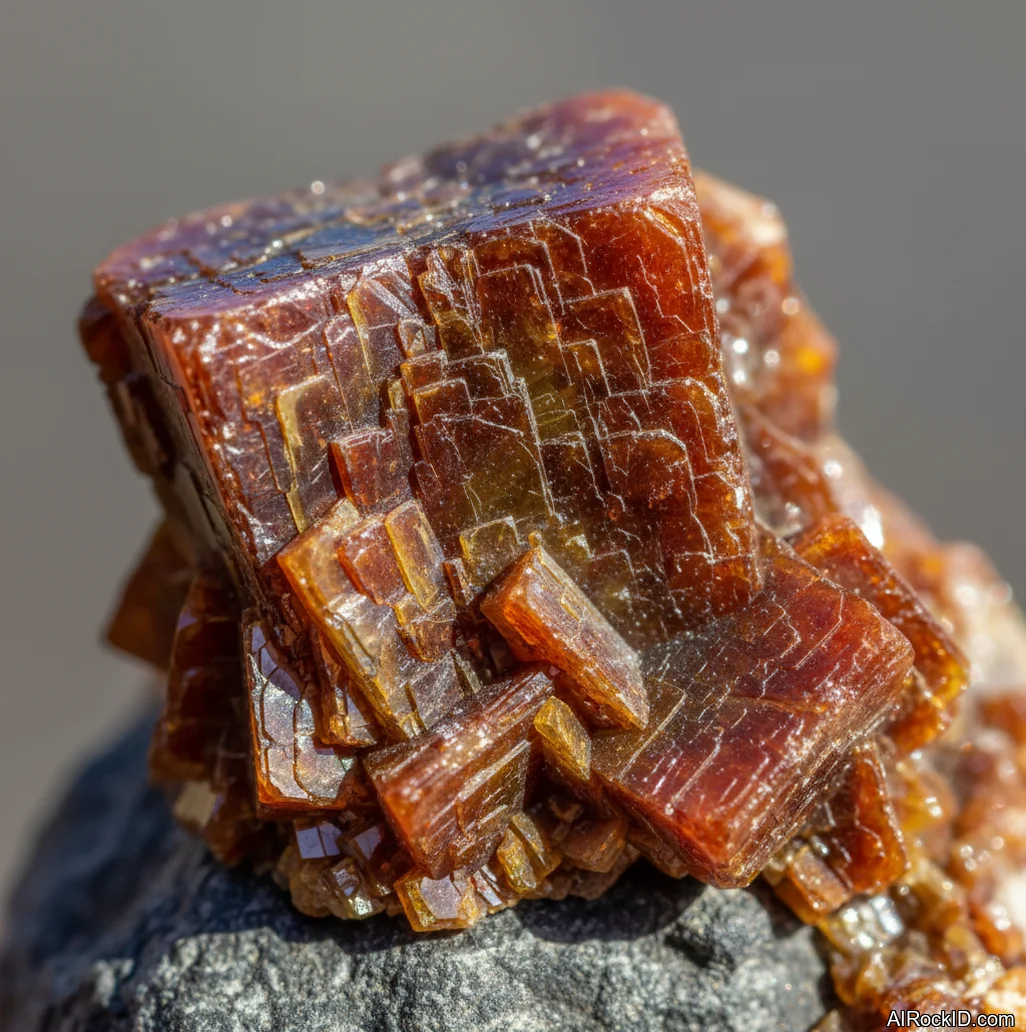
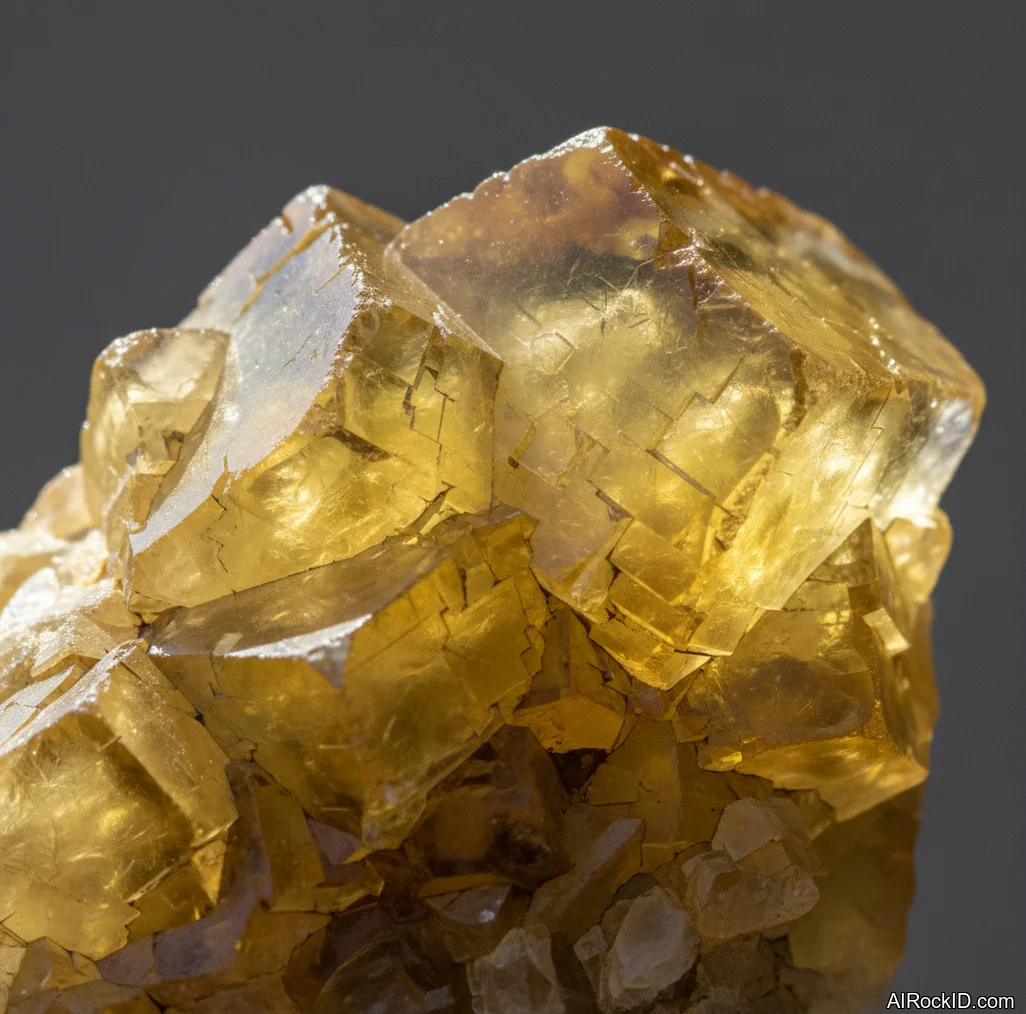
If you want a different spark, try Labradorite. The stuff looks plain at first—just gray, maybe a hint of blue in the right spot. But roll it in your fingers under an overhead light and you get these sudden flashes: blue, green, sometimes gold if you're lucky. That's the magic. Real Labradorite lights up from more than one angle. I've seen slabs that only flash if you hold them just-so, and those always feel dead fast. I use Labradorite when I'm brainstorming, working on stories, or need to look at a problem from a few sides. It sort of reminds you not to trust your first impression. Then there’s Fluorite, for people who want clarity, not chaos. Especially the banded green and purple stuff. It’s softer than you’d think—drop it and the points chip. Good pieces have sharp bands and crisp edges, not muddy color. On my work table, Fluorite feels like a reset button. It’s for those times when you want inspiration to stay organized.
Physical Properties and Collector Tips for Creativity Crystals
Real Carnelian holds a cool temperature at first, and the edges look almost waxy once you get it under a lamp. It's tough—unlike softer stones, it won't chip from casual handling. Labradorite is another story. The polish can hide surface pits, and the best pieces have flash that moves as you turn the stone. If it only lights up at one angle, put it back. Fluorite looks sharp on a desk, but every collector I know warns: don’t let it drop on tile. Even a little bump can leave a nick. The bands in quality Fluorite are crisp, not blurred. Citrine, especially the natural stuff, is usually pale yellow and won't have that burnt orange you see in heat-treated amethyst. I keep mine wrapped up if it's not on display, since both Fluorite and some Carnelian can fade in sunlight. Always ask your dealer where the material came from. Brazilian Fluorite is usually paler than Chinese or Mexican.
How People Actually Use Creativity Crystals in Everyday Life
Most people I know carry a tumbled Carnelian in their pocket or bag—it's sturdy, doesn't scratch easily, and you can fidget with it during meetings. For desk work, a slab of Fluorite or a chunk of raw Citrine sits near the keyboard as a sort of visual prompt to break routine. Labradorite gets used more during actual creative work: writing, art, design. People like to roll it in their hand when they're stuck. If you want something subtle, Orange Calcite is a good call. The color is cheerful and the stone is light, but it scratches easier than most. I've met designers who use crystals as color reference, literally lining up orange and blue stones to spark new palettes. Just remember, none of these stones will do the work for you—they're reminders, tactile cues, and sometimes just good distractions for fidgety hands.
Best Creativity Crystals to Start With
| Level | Crystal | Note |
| Gentle / Beginner | Orange Calcite | It’s cheap, cheerful, and brings a playful energy without feeling overwhelming. Easy to find in tumbled form for pocket carrying. |
| Balanced / Everyday | Carnelian | Tough enough for daily handling, won’t chip or scratch easily, and brings in that bold, direct creative kick most people want. |
| Intense / Advanced | Labradorite | The shifting flashes demand attention and work best for people who want dramatic mental change or brainstorming help. |
| Best for Carrying | Tumbled Carnelian | Rugged enough for pockets, bags, or worry stone use. Doesn’t fade fast and survives everyday bumps. |
| Best for Display | Banded Fluorite Tower | The sharp bands and stacked colors draw the eye and it looks organized on a desk, but handle with care since points chip easily. |
Creativity Crystal Comparison
| Crystal | Common Use | Feel / Use Style | Care Caution |
| Carnelian | Breaking creative ruts, confidence, energy boost | Waxy, cool at first, weighty for its size | Can fade in strong sun, but tough against drops |
| Labradorite | Brainstorming, seeing new perspectives, story work | Smooth, flashes color with movement, cool to touch | Surface can pit; check for cracks around flash zones |
| Fluorite | Mental clarity, organized ideas, study aid | Glass-smooth when polished, lightweight, cool | Very brittle; chips and cracks with rough handling |
| Orange Calcite | Playfulness, positive attitude, gentle creativity | Matte, lighter than it looks, soft to the nail | Scratches and dissolves with acids or prolonged water contact |
How to Identify Creativity Crystals with AI Rock ID
If you want to ID a Creativity crystal with an AI Rock ID app, start by photographing the stone in natural daylight—window light works best, not flash. Upload shots from multiple angles, both a full view and a close-up of any banding, flash, or unique texture. The app does best when you add details about hardness or feel, like whether it scratches glass or feels cold. Comparing color, luster, and the way light moves across the surface helps you sort Carnelian from dyed agate or spot a real Labradorite flash. Always cross-check with collector tips for the most accurate match.
All Creativity Crystals (168)