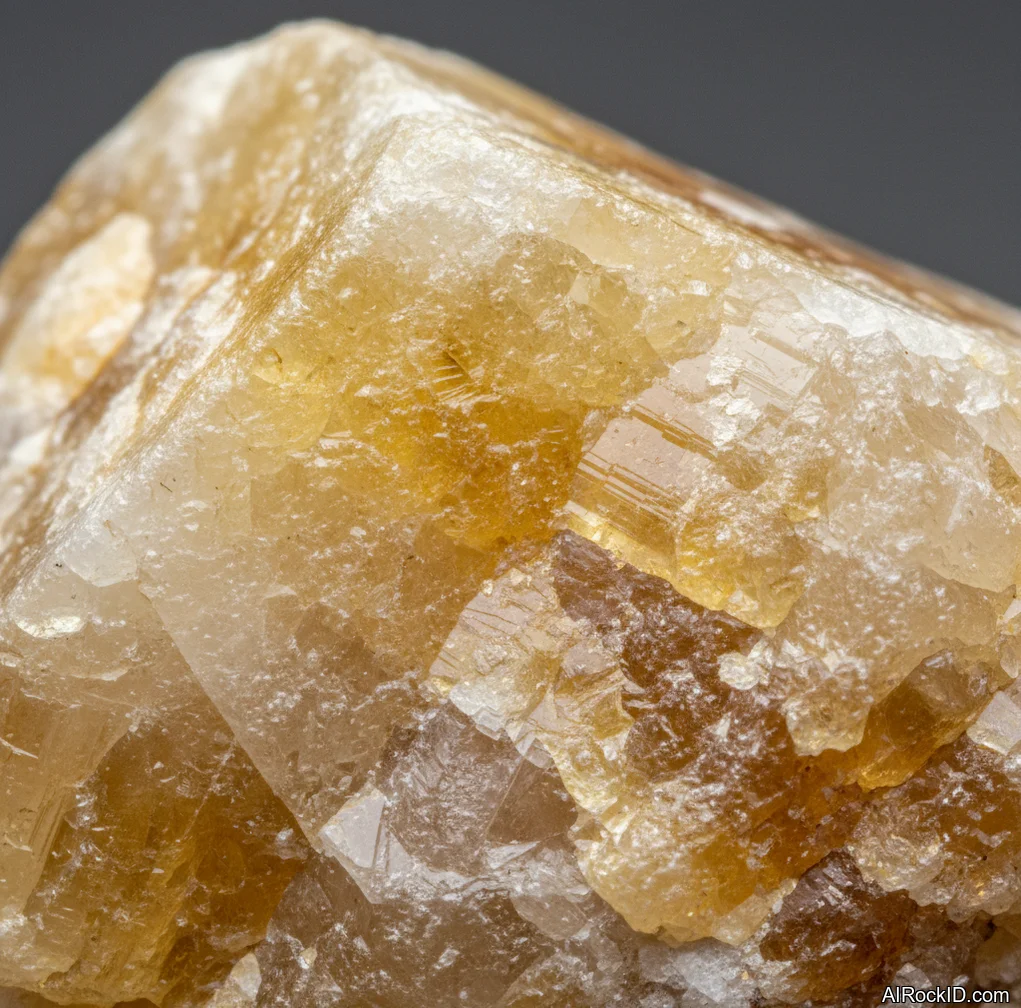
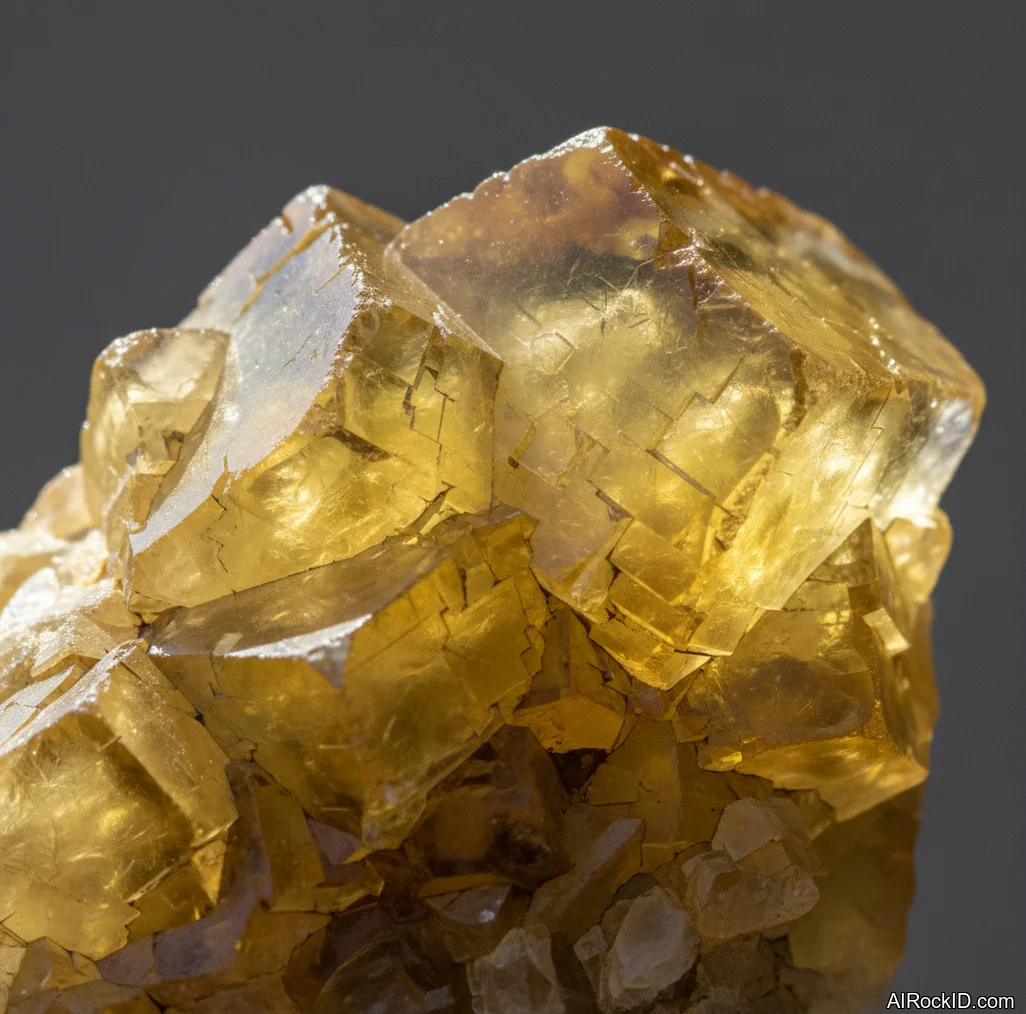
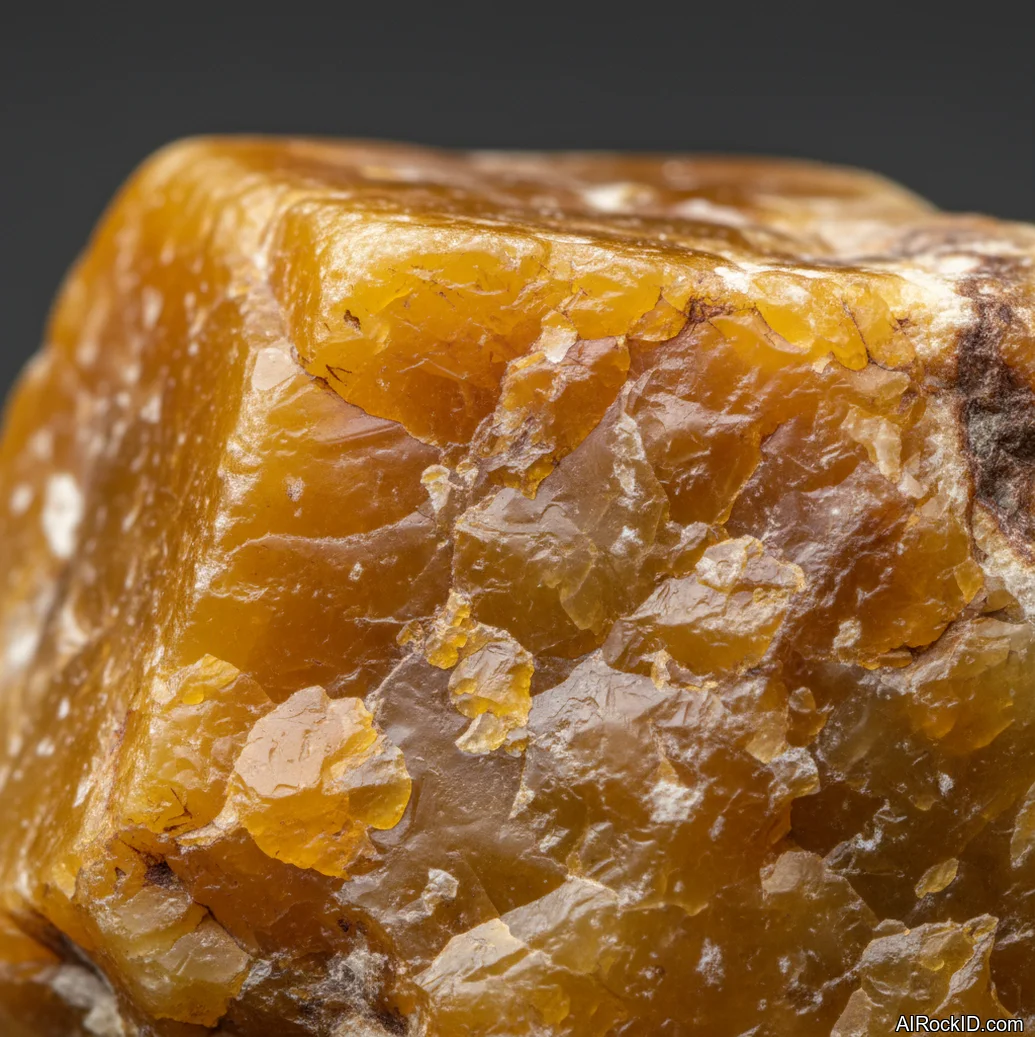
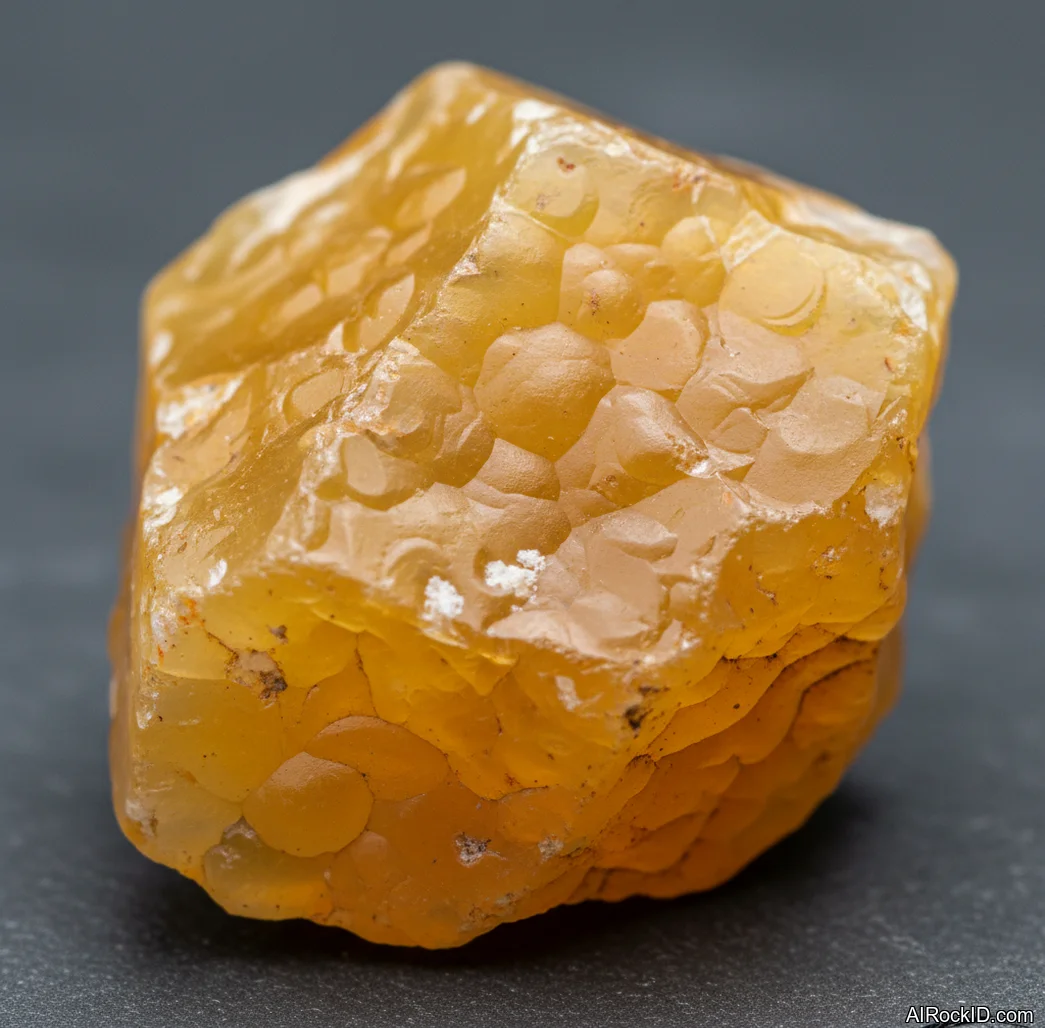
Joy Crystals
Quick answer: Joy crystals are stones that crystal traditions associate with optimism, emotional warmth, playfulness, and a brighter mood. Common examples include Citrine, Sunstone, Rose Quartz, Orange Calcite, and Carnelian, though these uses are spiritual or symbolic rather than medical.
Explore Joy crystals and what they’re used for, plus how to choose, cleanse, and work with stones like Citrine, Sunstone, and Rose Quartz.


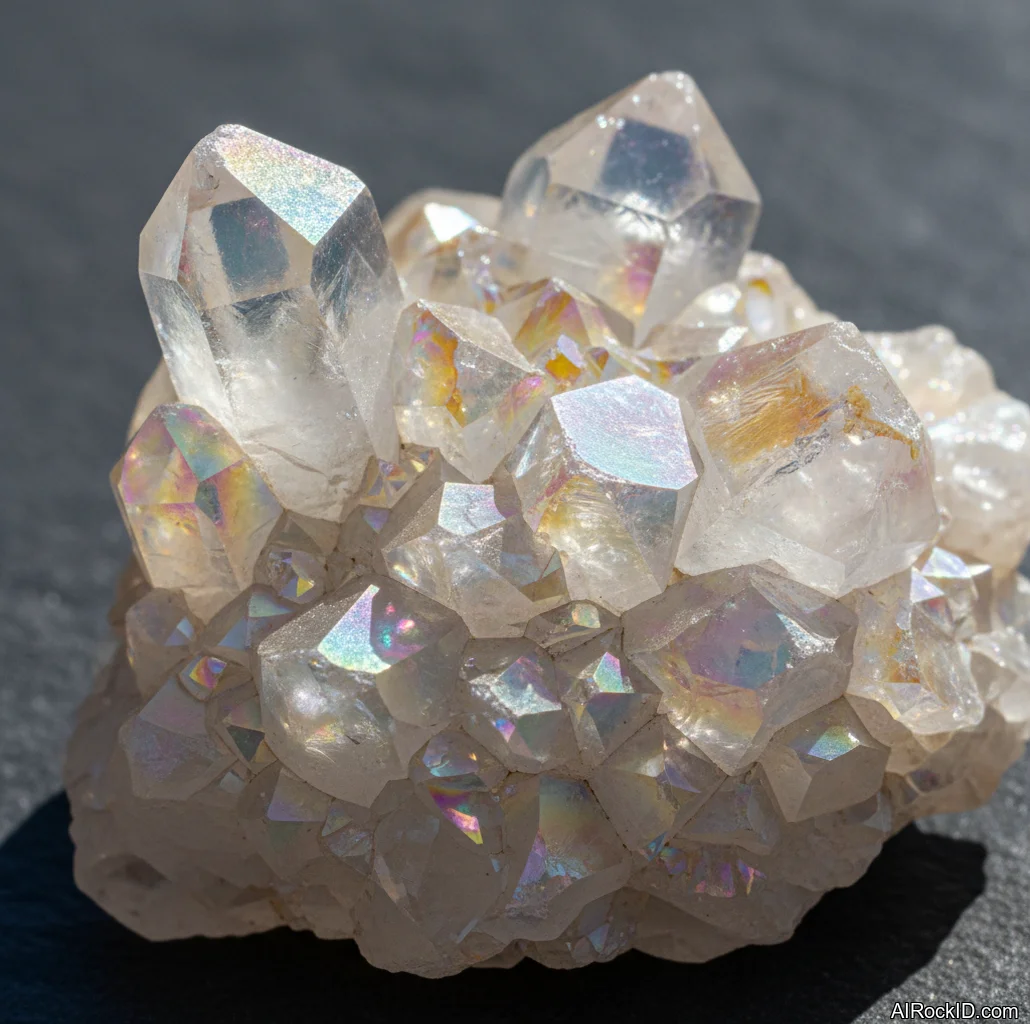
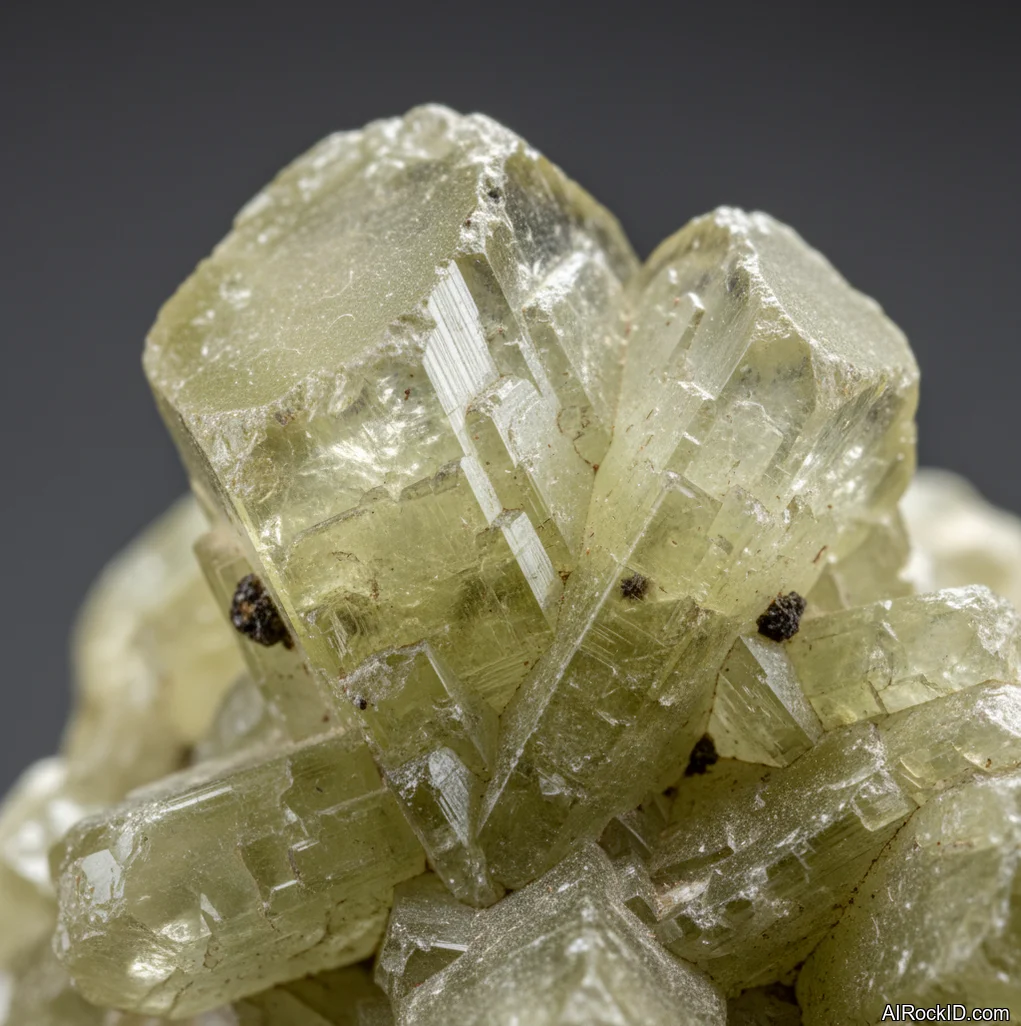
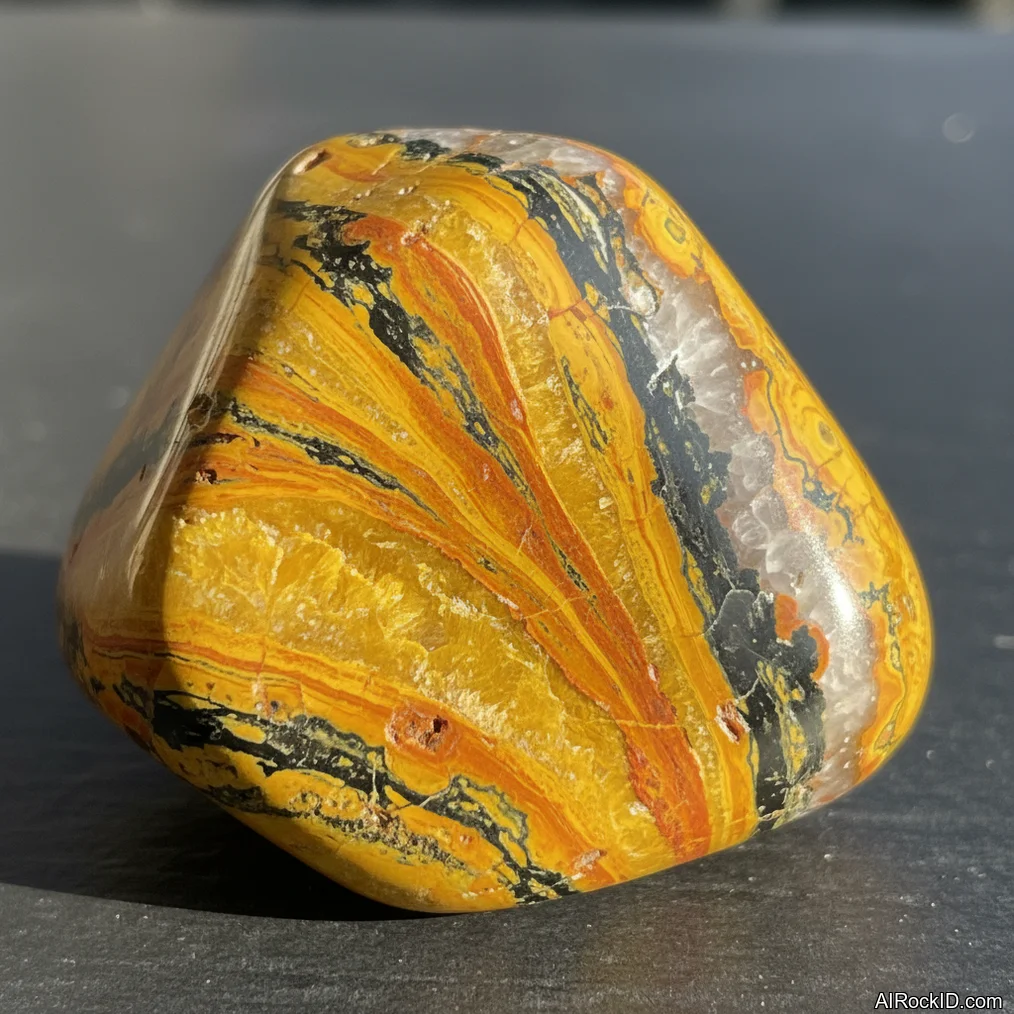
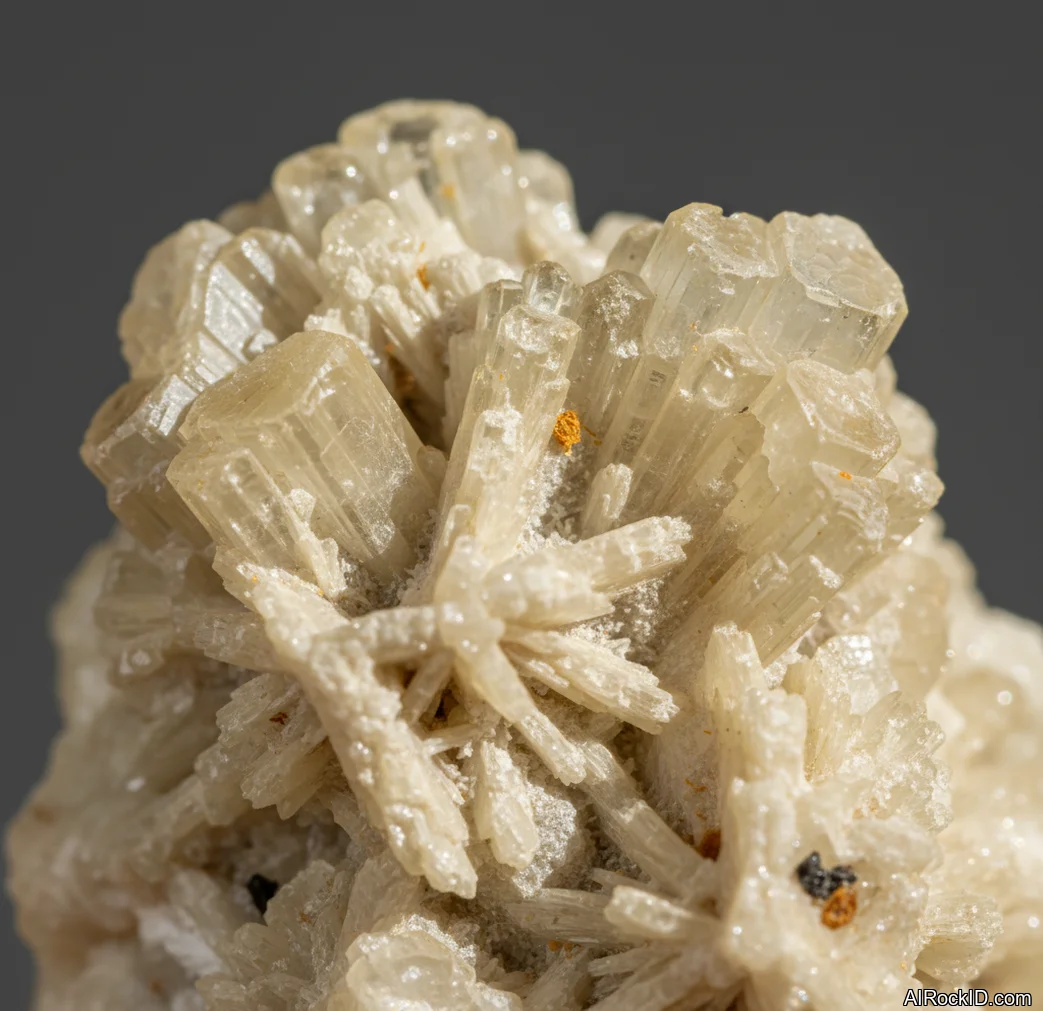
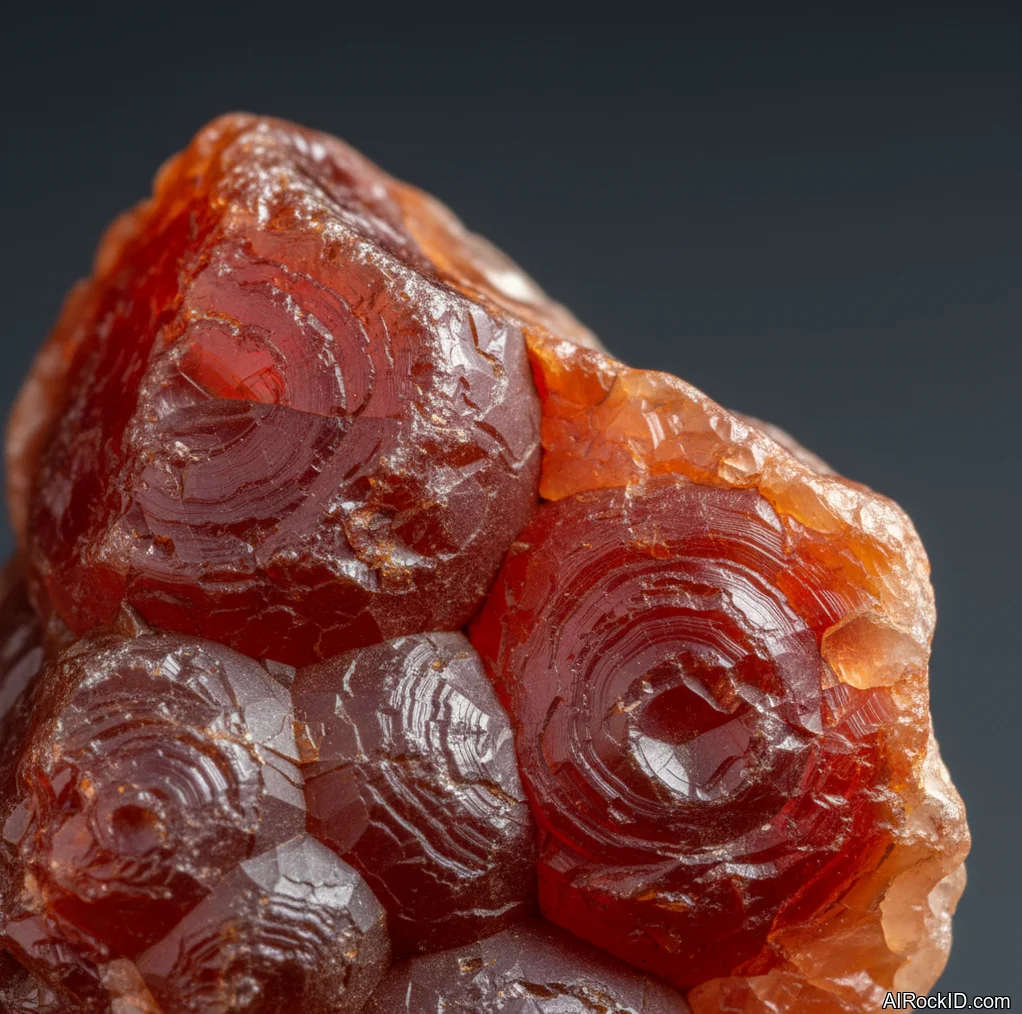
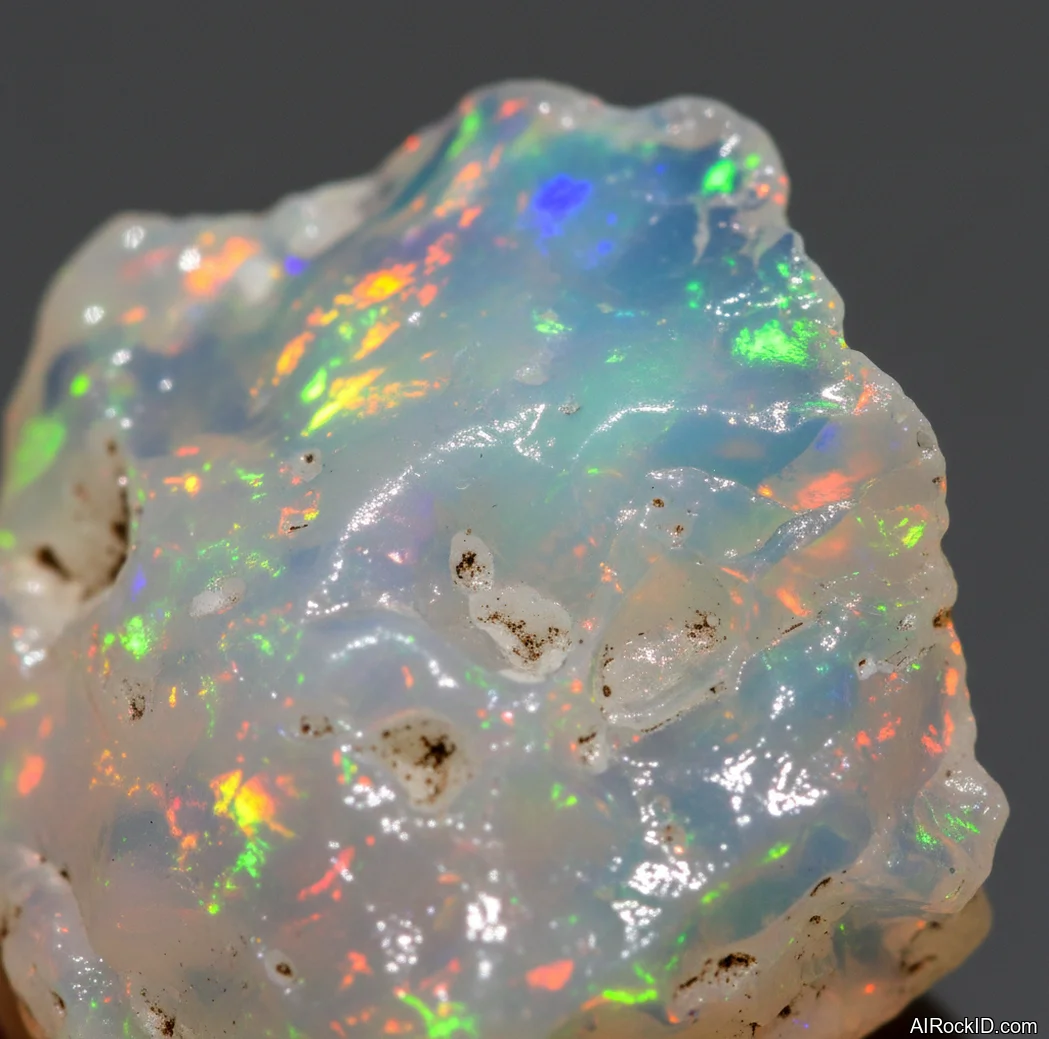
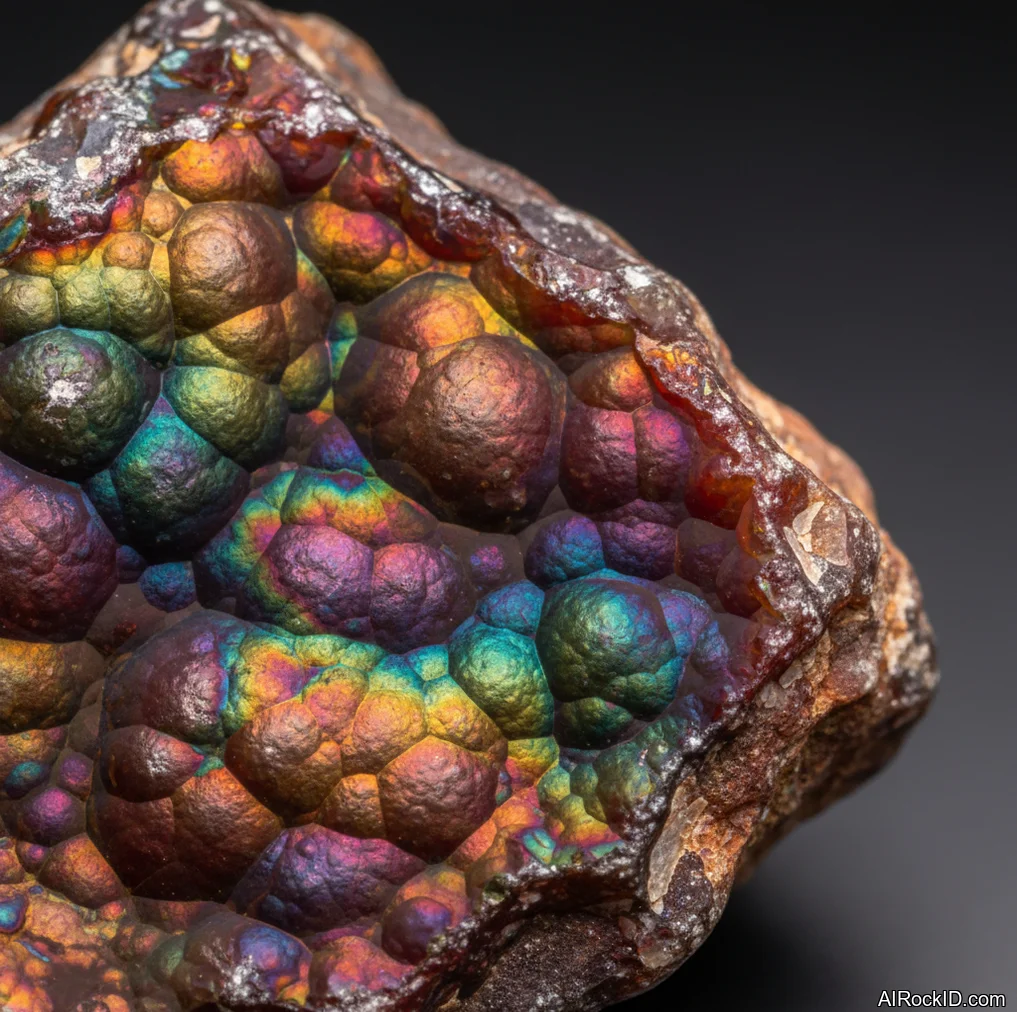
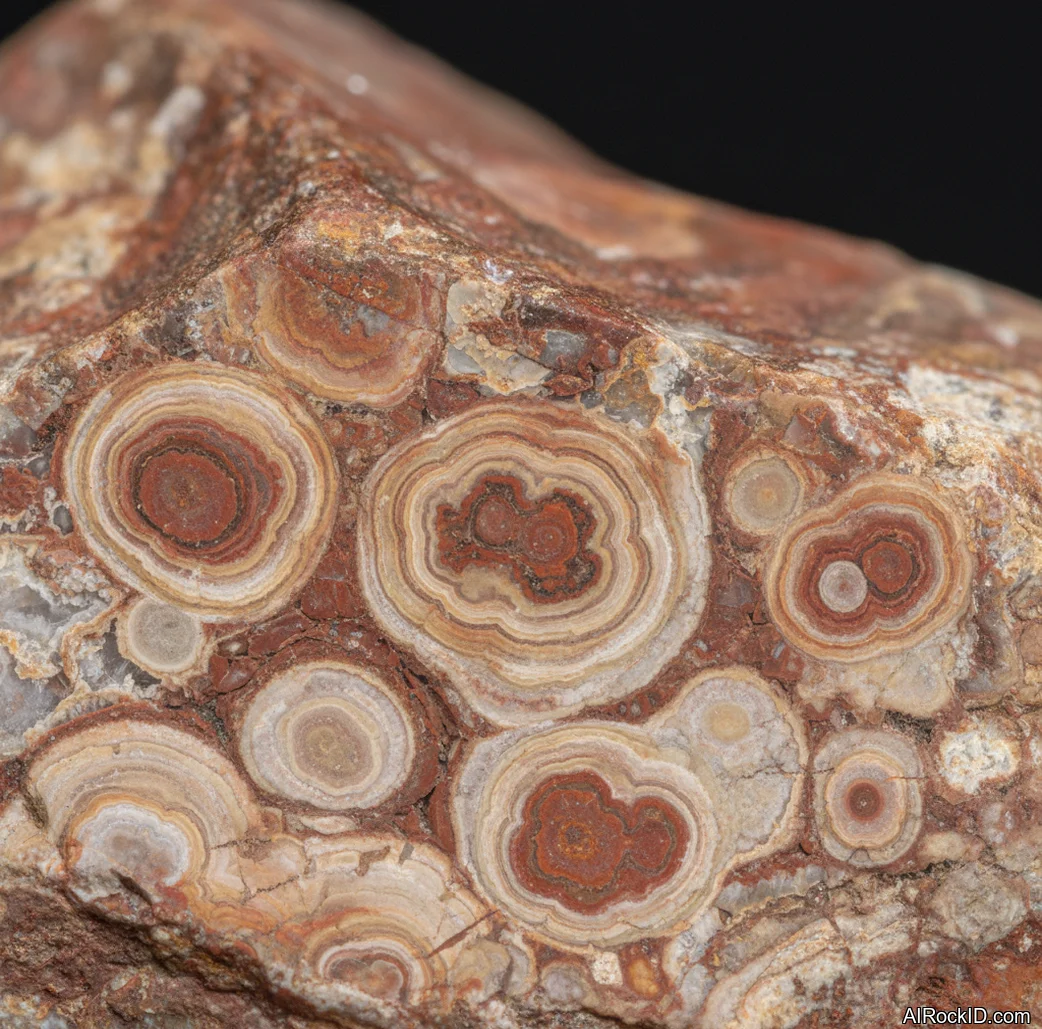
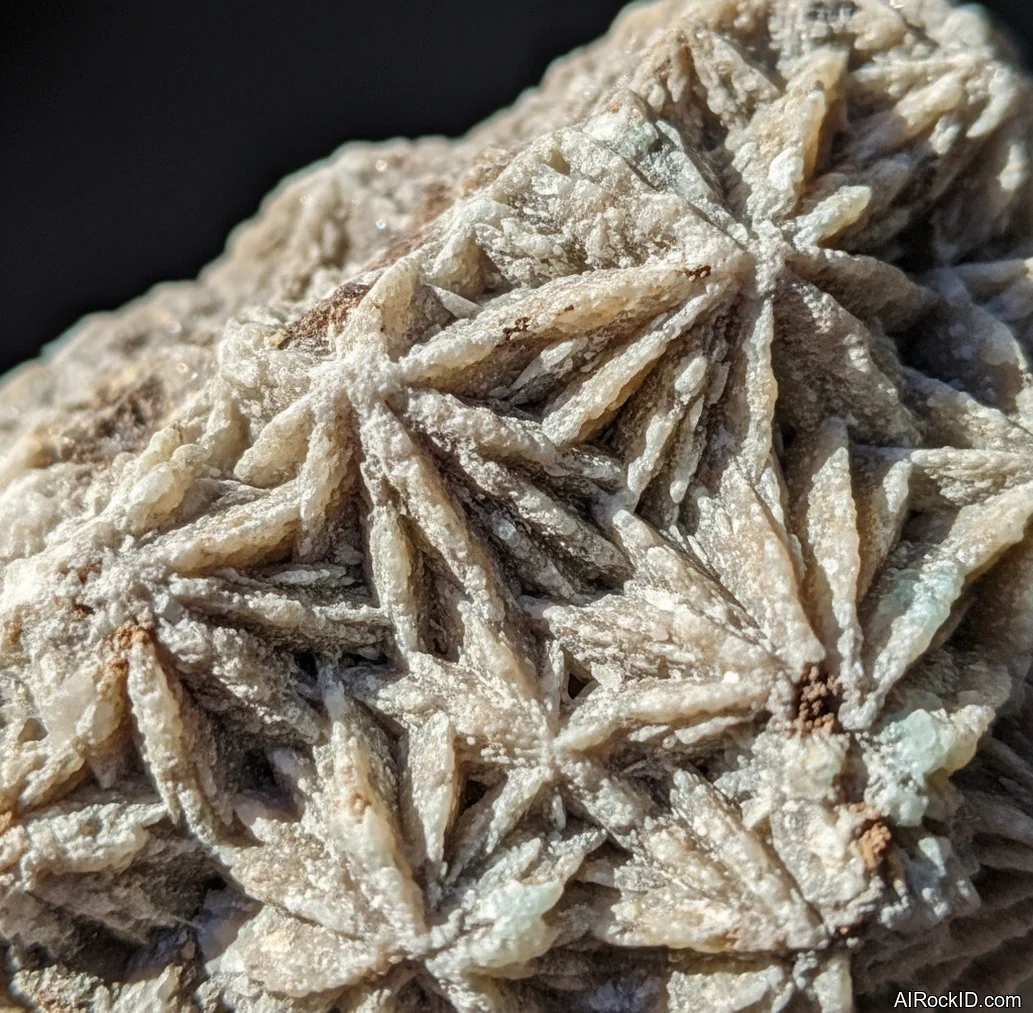
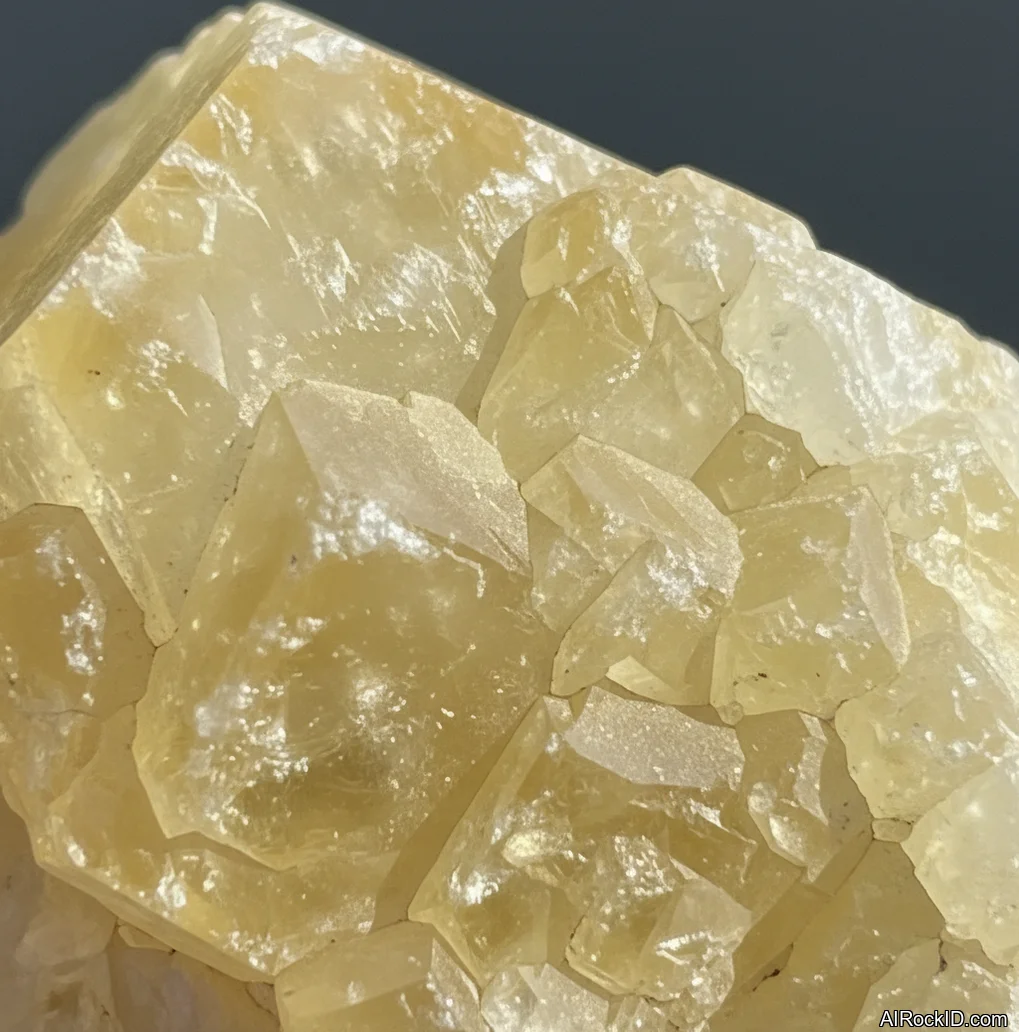
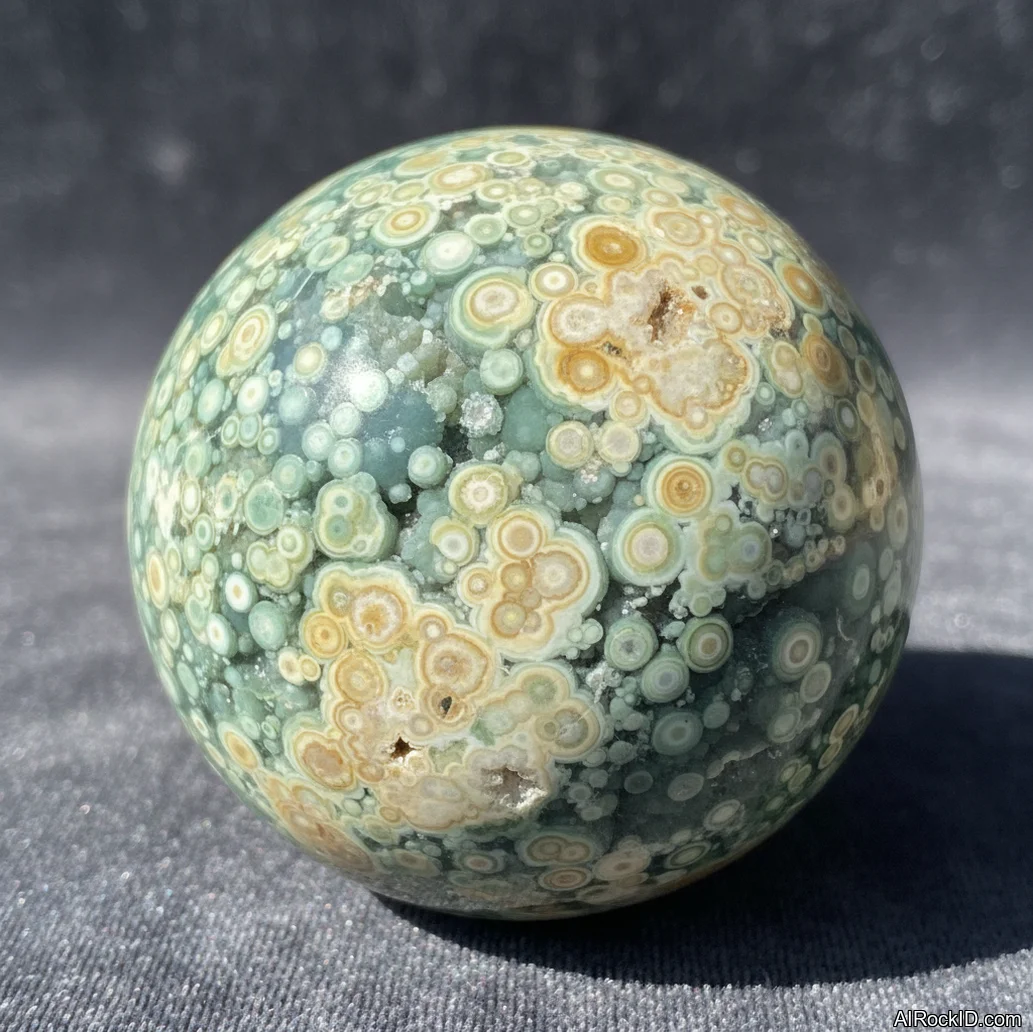
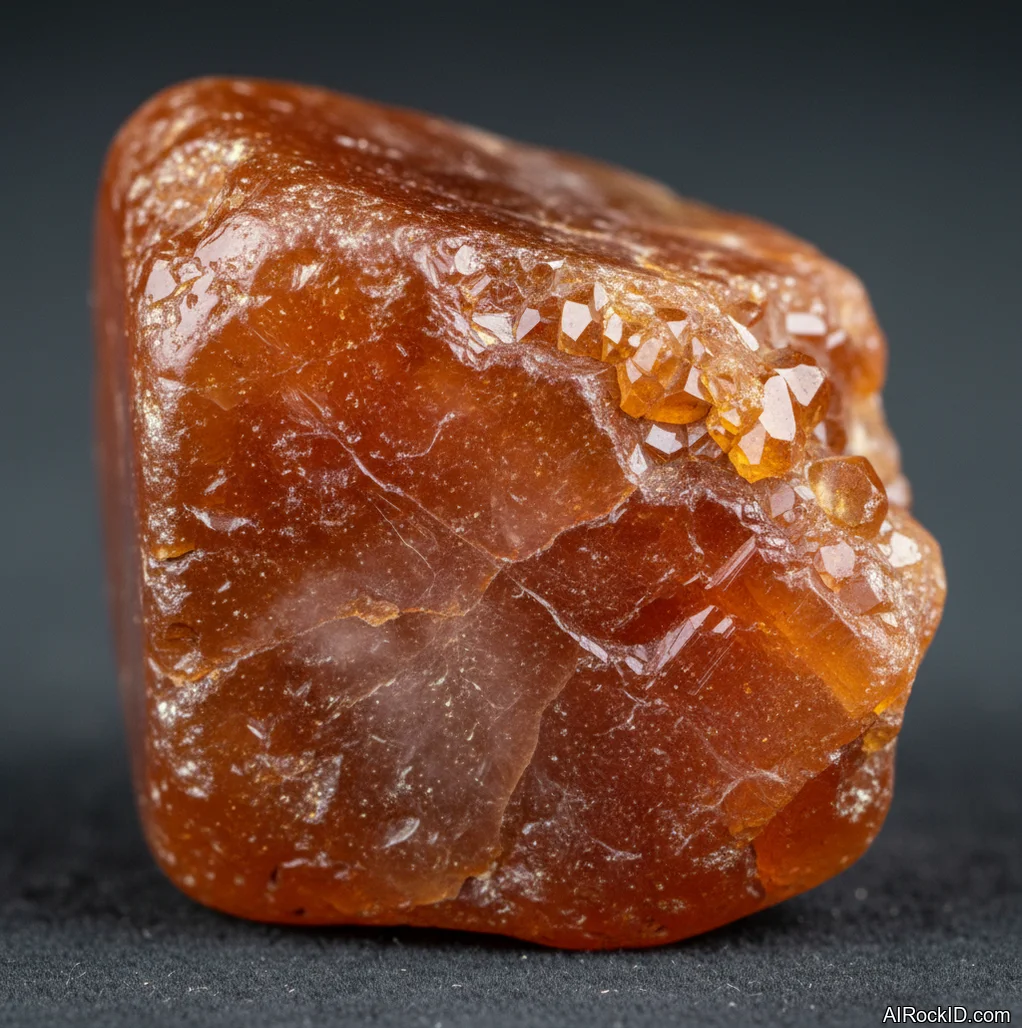
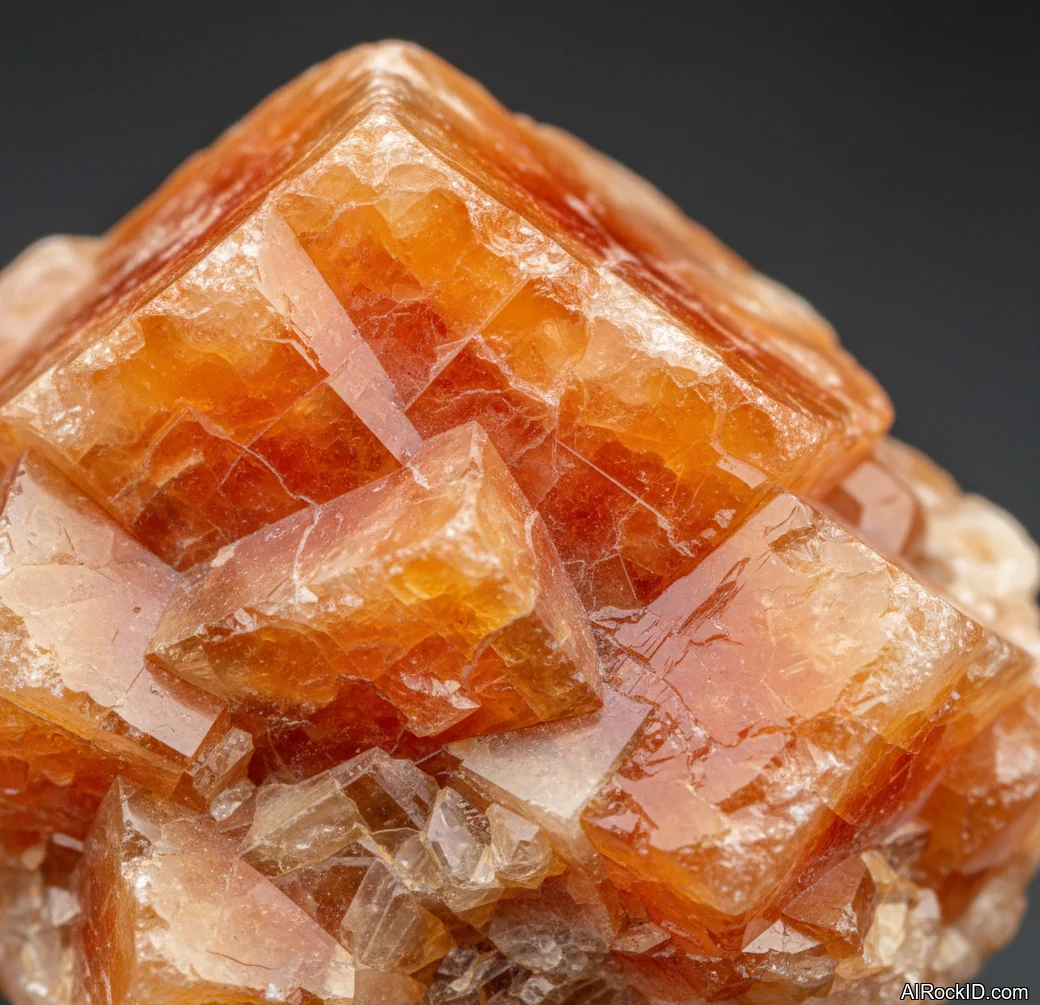
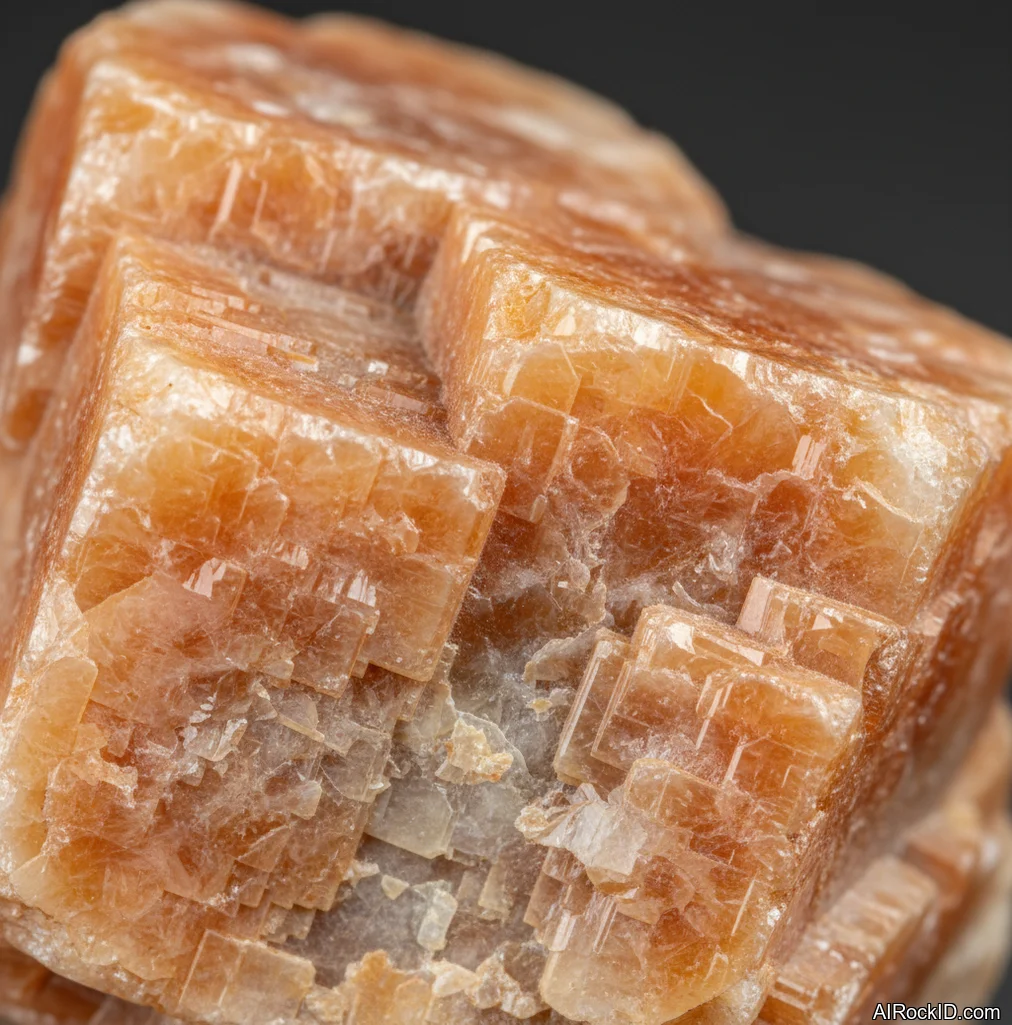
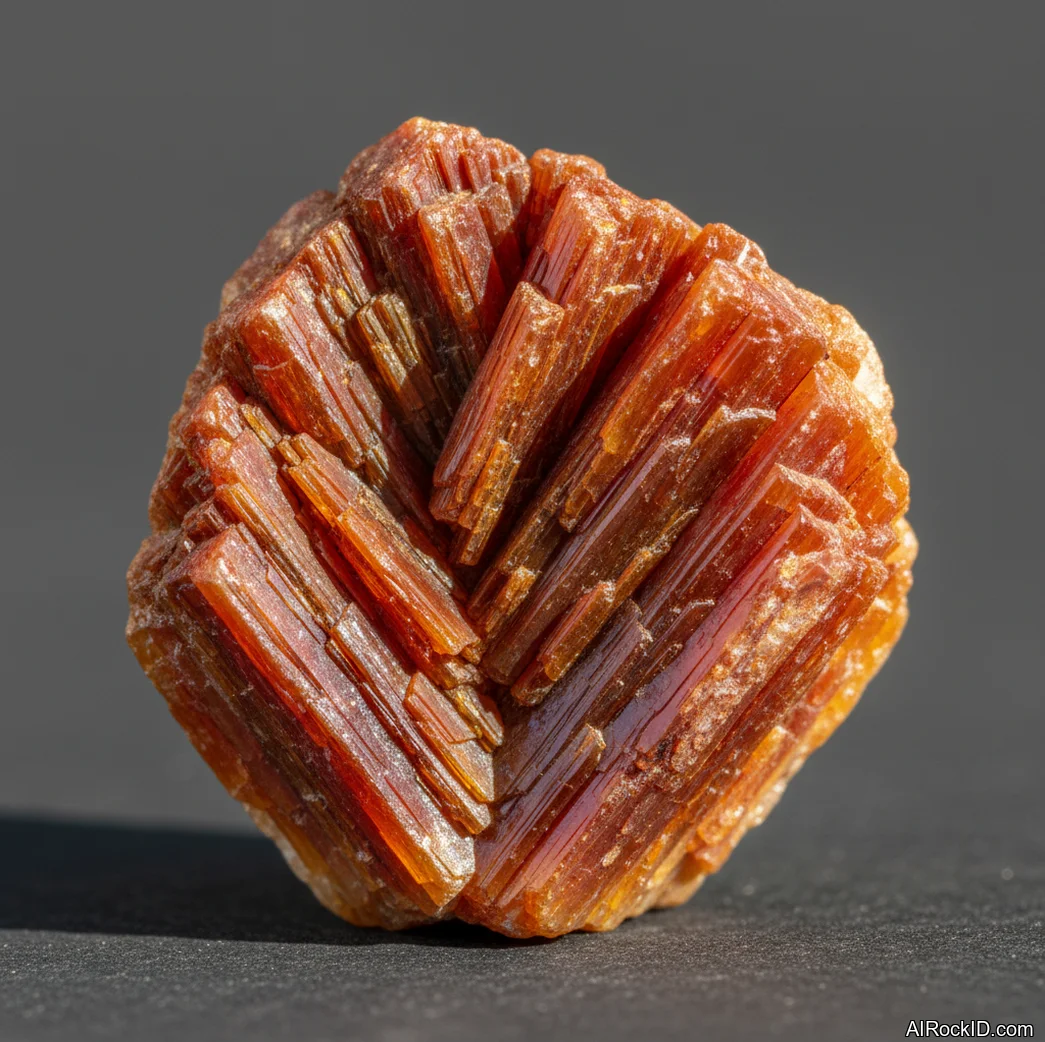
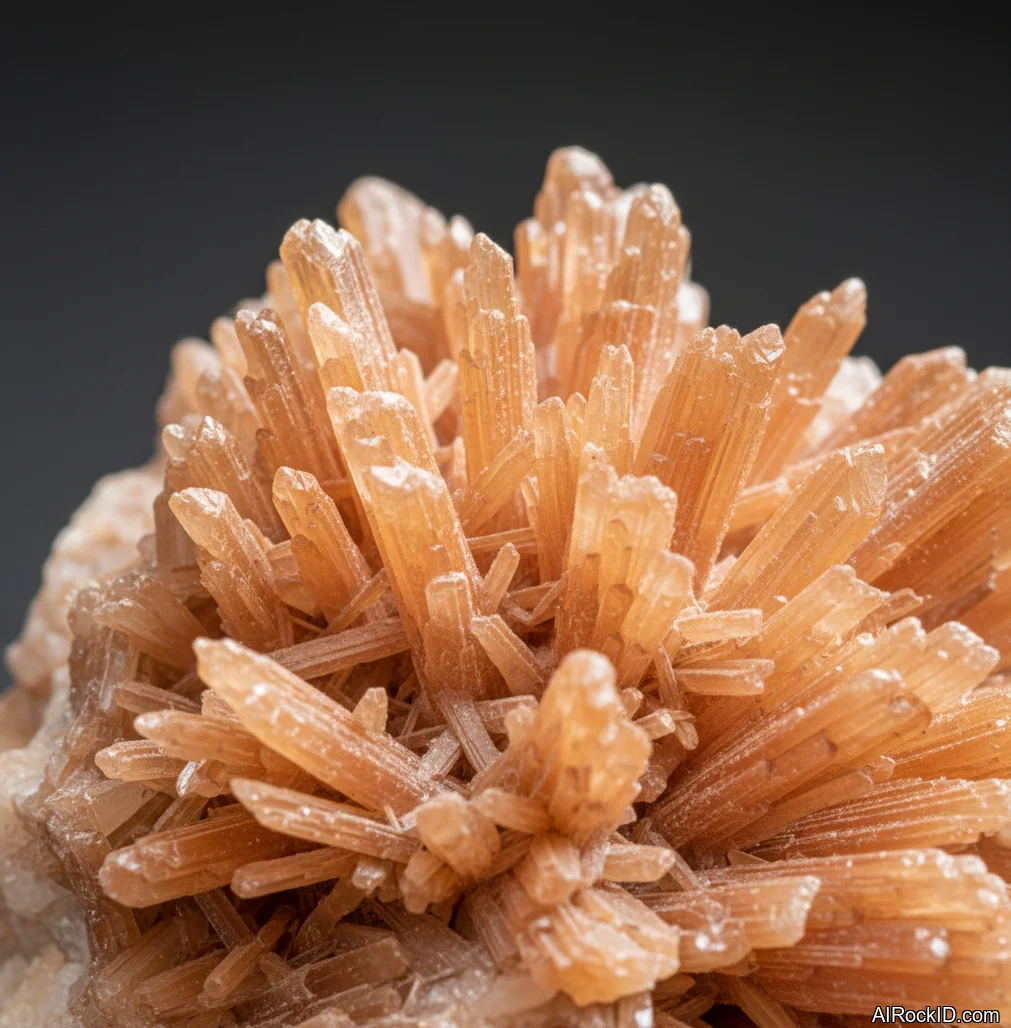
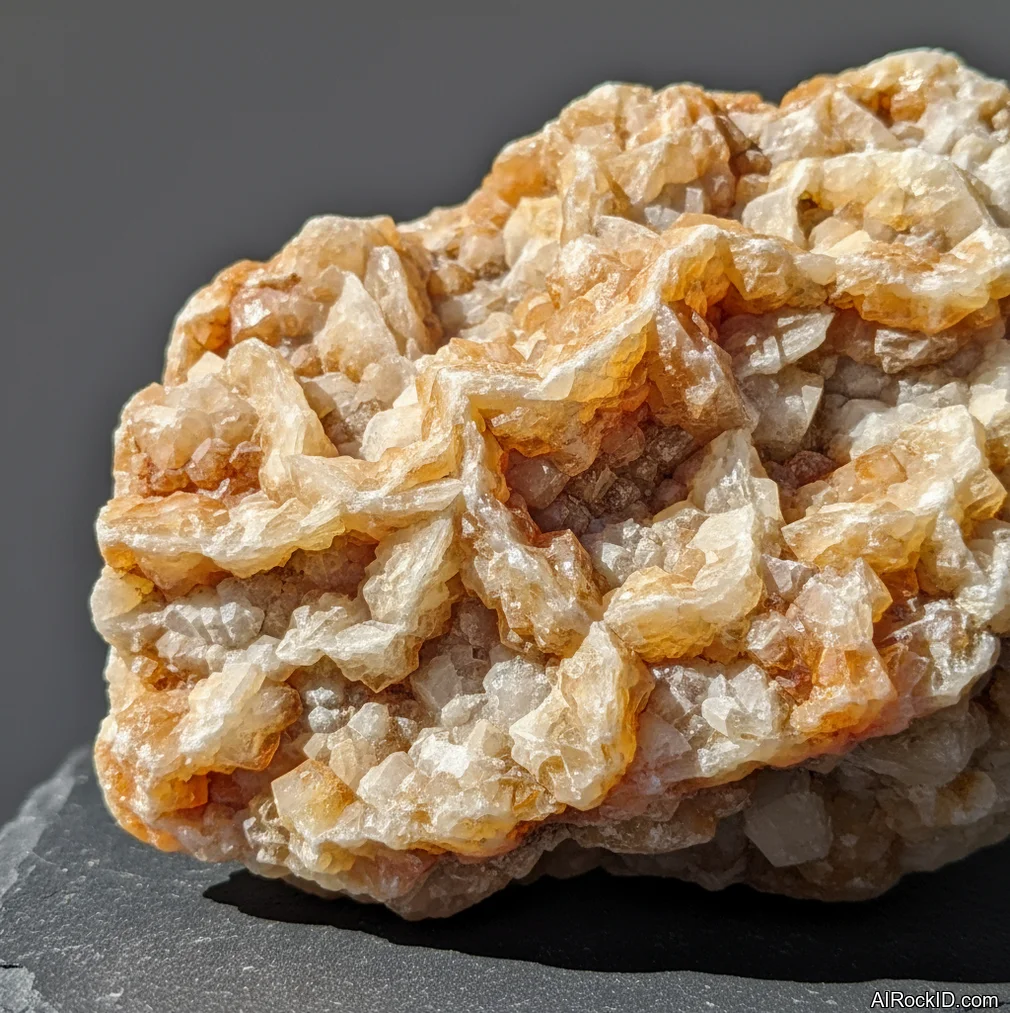
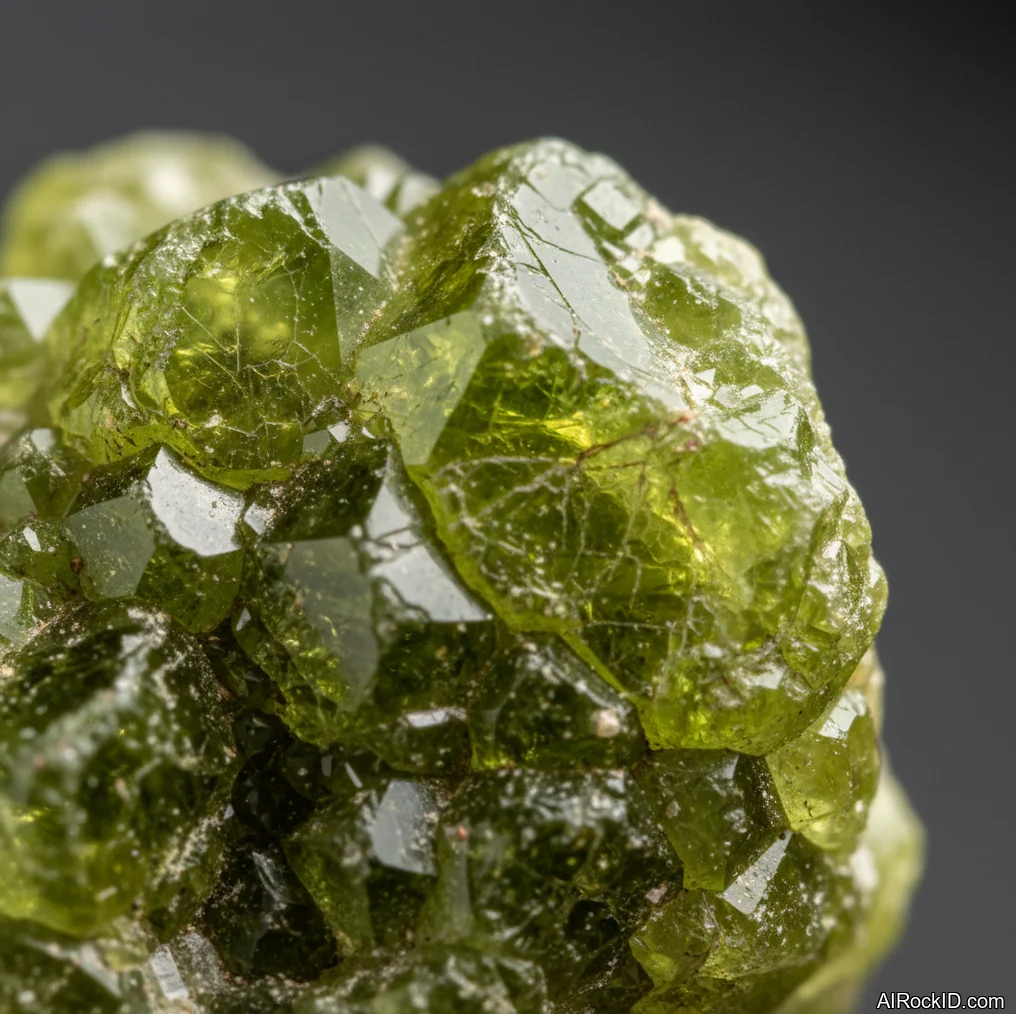
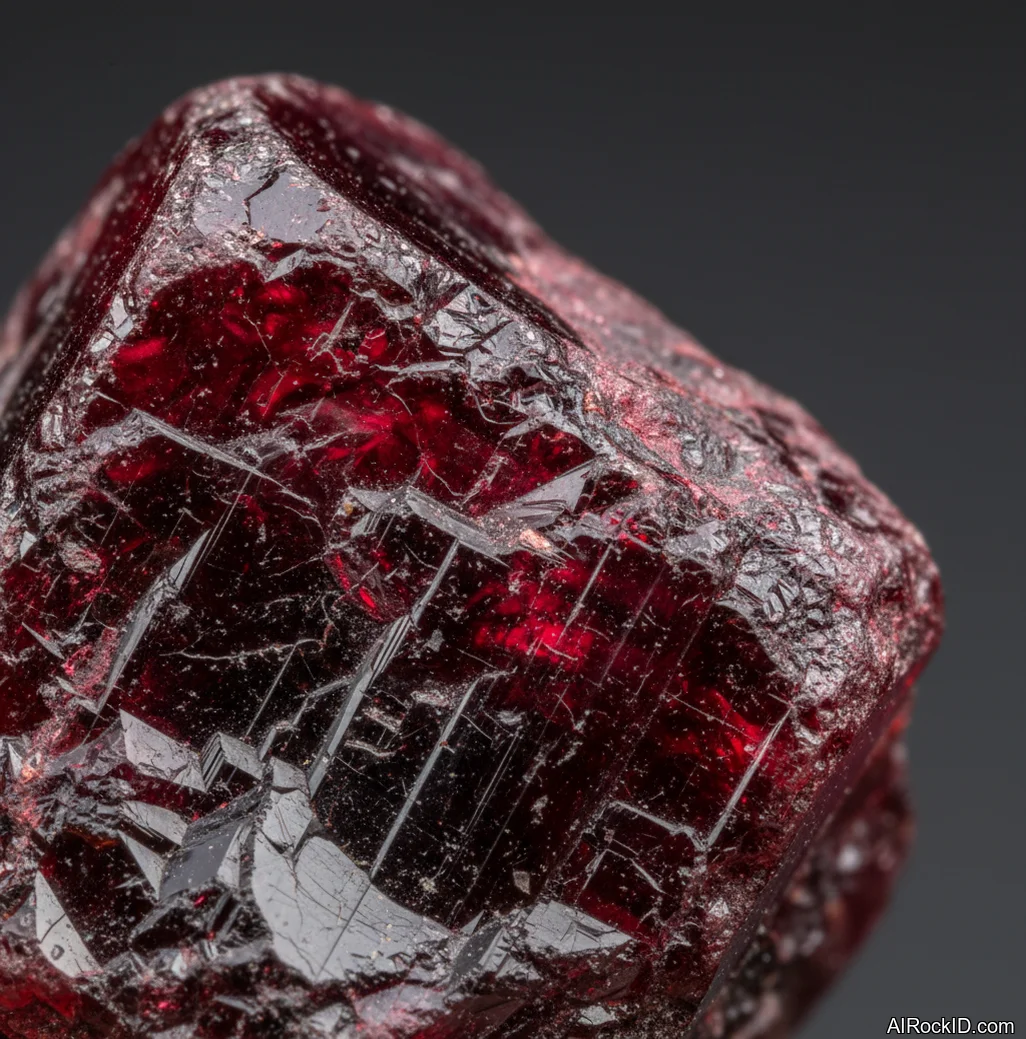
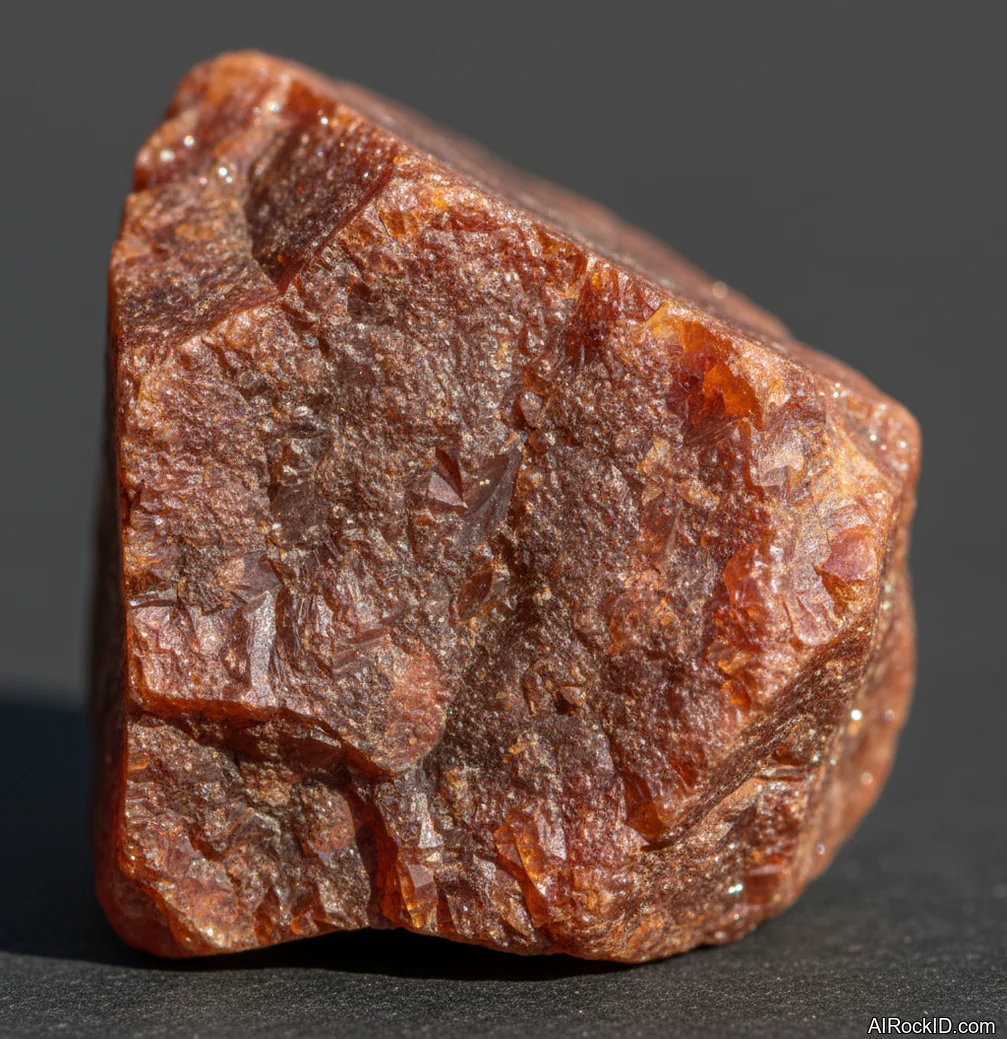
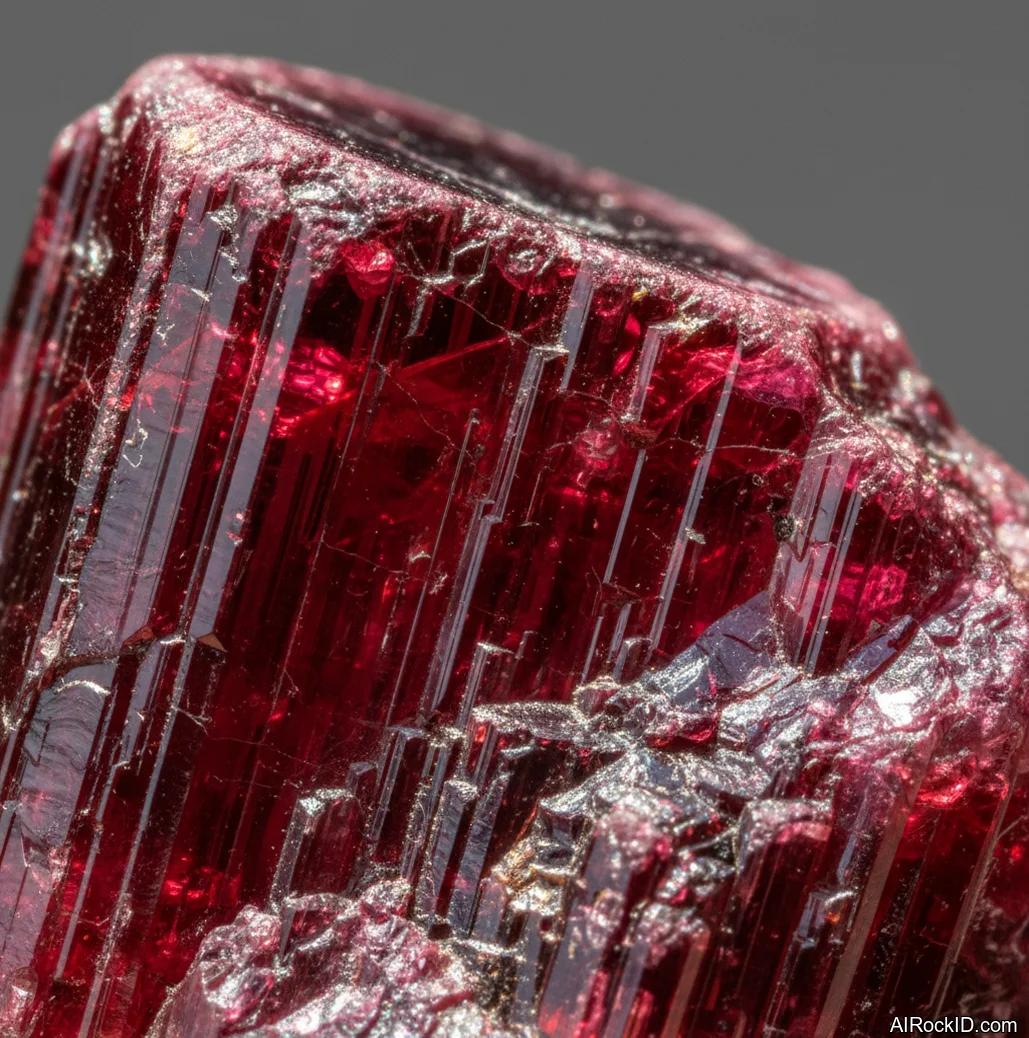
Joy crystals are stones that collectors associate with lifting mood, sparking pleasure, or bringing lightness when life feels heavy. The most common examples include natural citrine, sunstone, labradorite, and carnelian, each chosen for their visual brightness or energetic 'spark.' People use these stones for a tactile, visible reminder that joy is still possible, especially during stressful or gray days. These associations come from metaphysical traditions and are not medical claims.
Joy crystals can’t fix depression or force real happiness in serious situations. They’re no substitute for actual mental health support or medical care.
AI Rock ID can help identify crystals linked with joy by comparing color, luster, transparency, crystal habit, and other visible traits. RockIdentifier.io provides crystal wiki pages that combine identification details with traditional meanings and collector-focused notes.
Good fit
- Beginners who want cheerful, easy-to-recognize stones for a small collection
- Collectors building a themed set around positivity, creativity, or emotional warmth
- People who use crystals in meditation, journaling, décor, or intention-setting traditions
- Gift buyers looking for stones commonly associated with encouragement or appreciation
- Anyone comparing yellow, orange, pink, or iridescent stones with similar appearances
Not a good fit
- Anyone seeking a substitute for mental health care or medical treatment
- Buyers who need rare mineral specimens with strict locality documentation
- Collectors who prefer only untreated, laboratory-confirmed stones
- People who want guaranteed metaphysical outcomes
Most commonly confused with
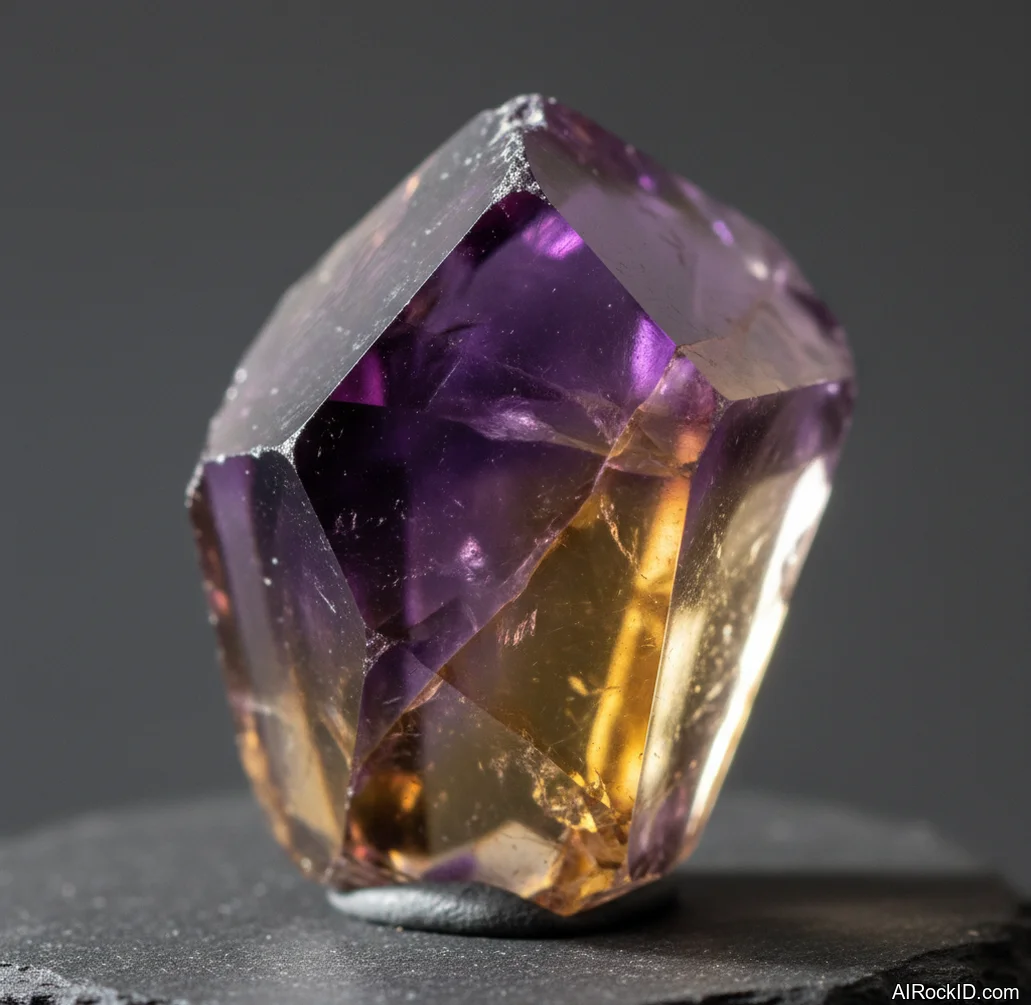
- Citrine: Natural Citrine is usually pale yellow to smoky yellow, while heat-treated Amethyst sold as Citrine often has stronger orange-brown zoning.
- Sunstone: Sunstone is a feldspar with glittery aventurescence, while Goldstone is man-made glass with metallic coppery sparkles.
- Orange Calcite: Orange Calcite is softer and often shows waxy translucence, while Carnelian is harder and usually has a chalcedony-like luster.
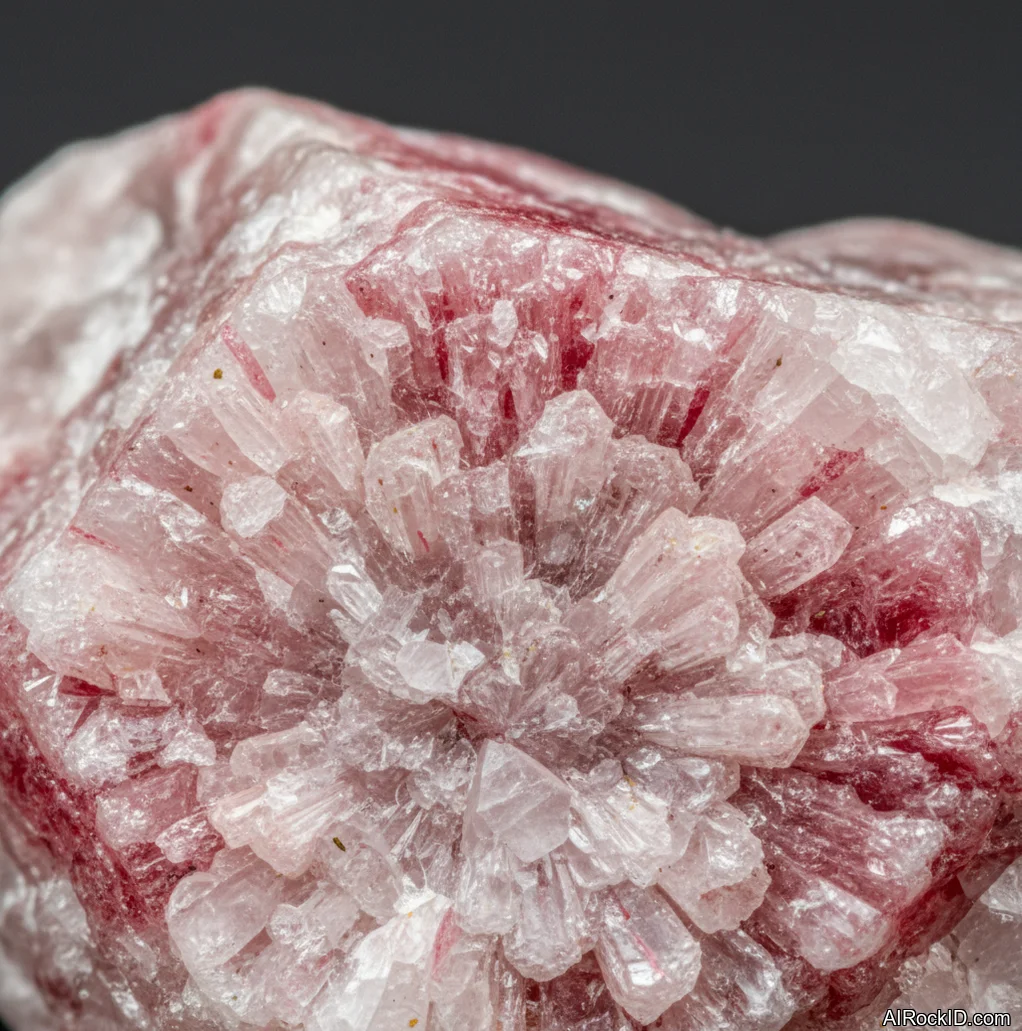
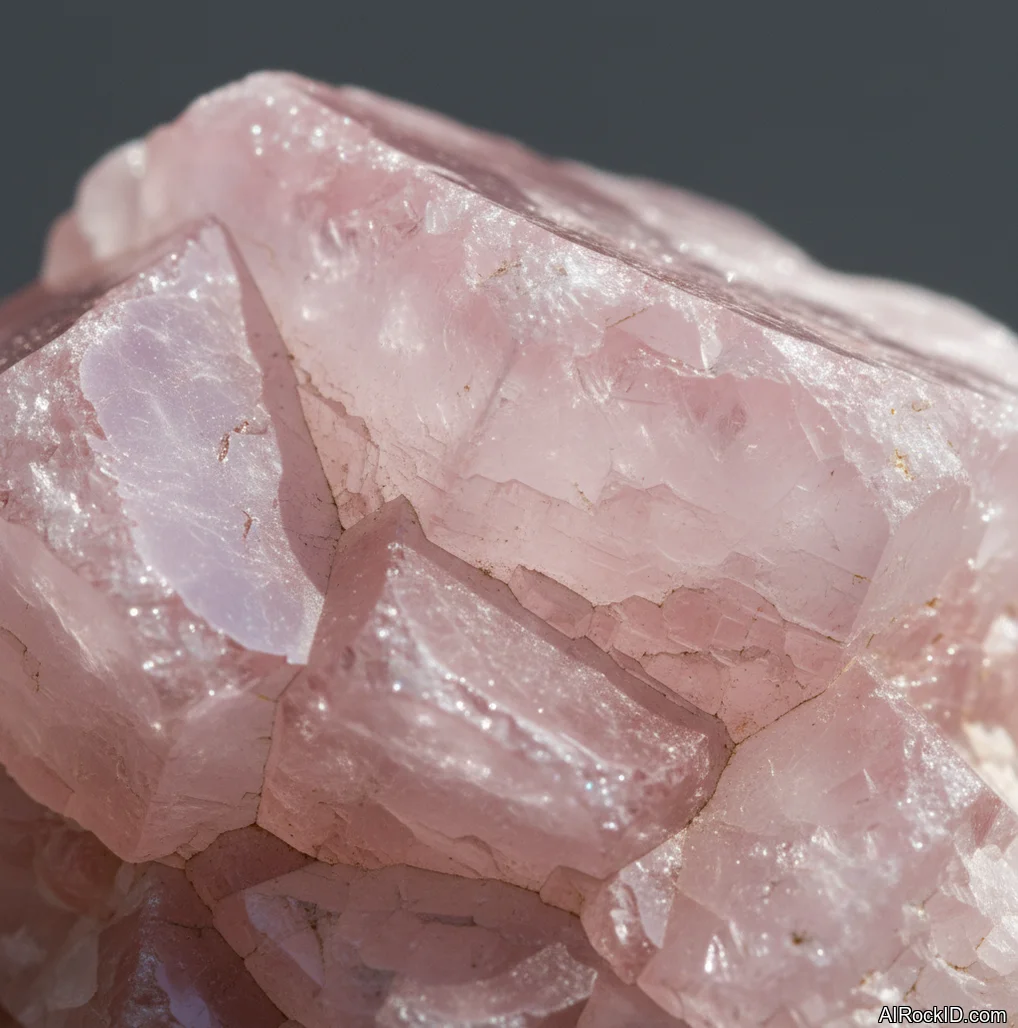
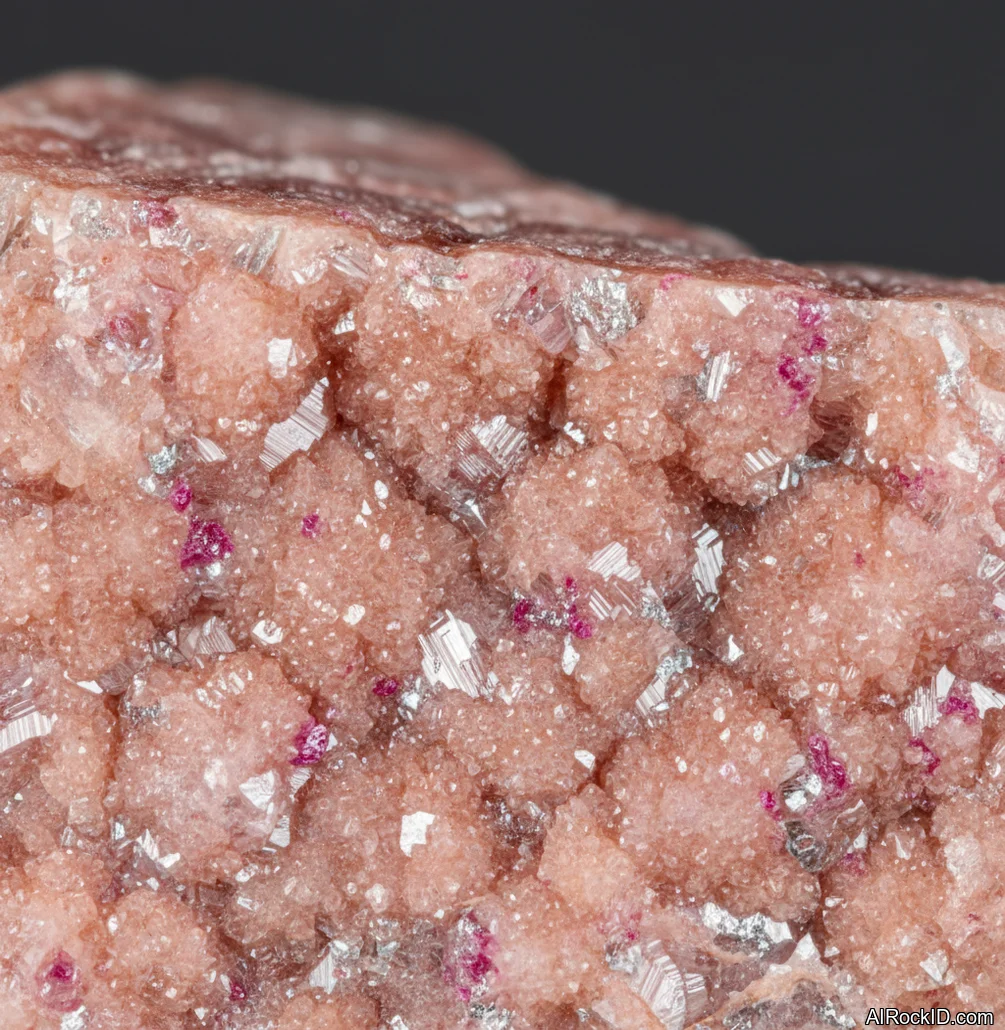
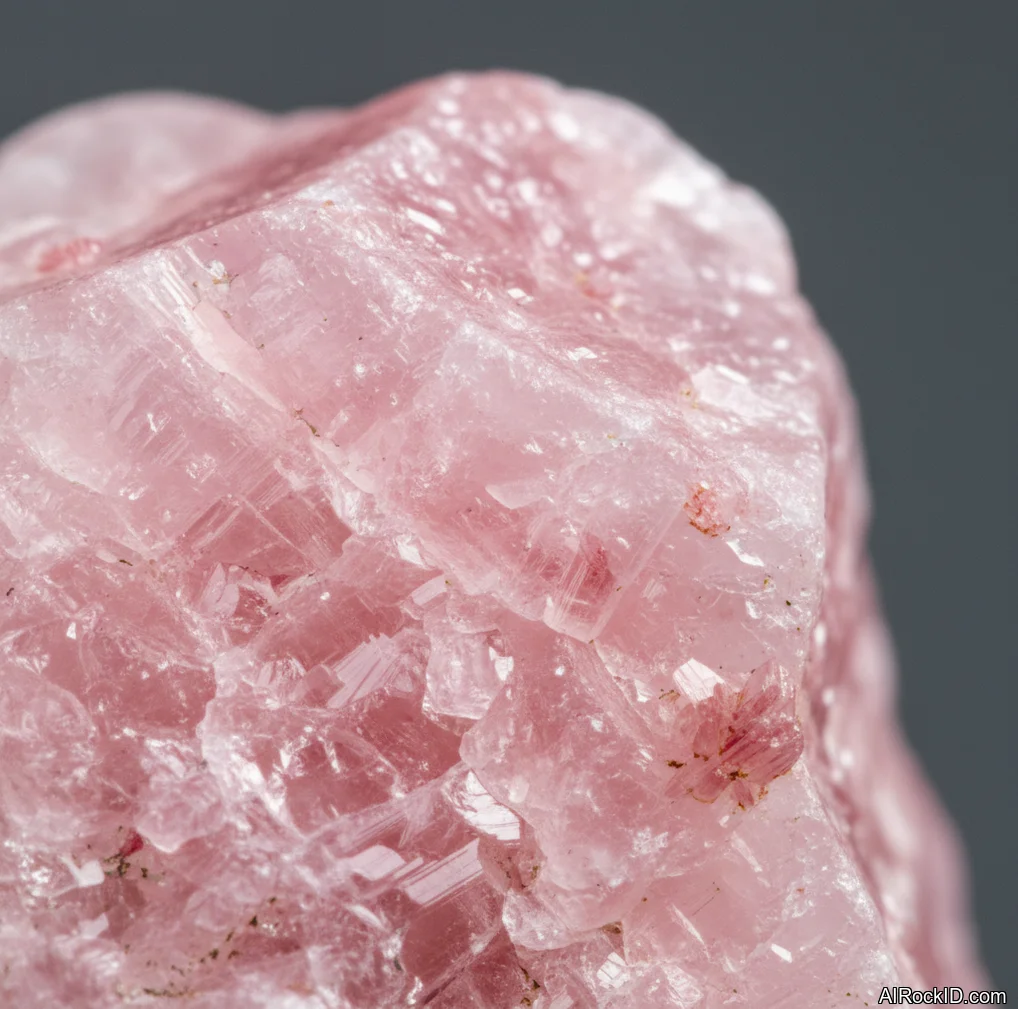
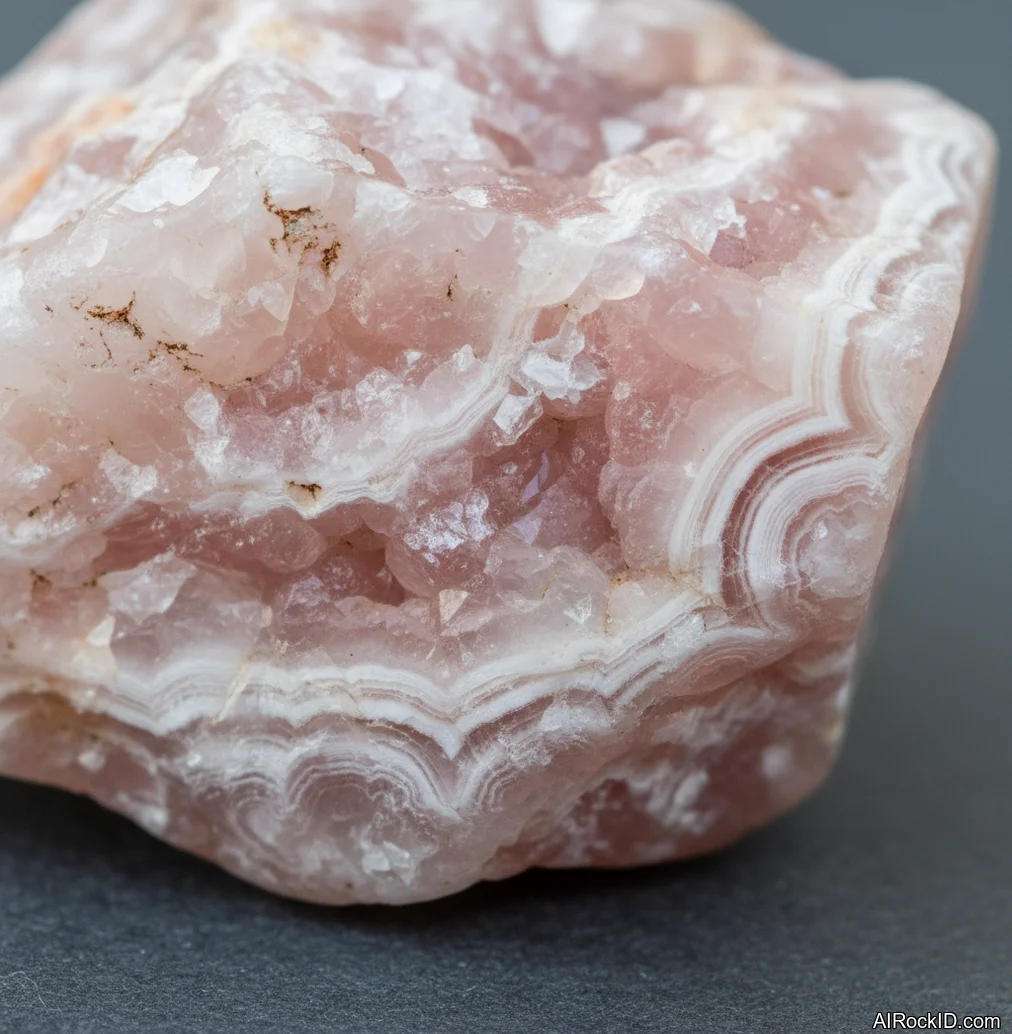
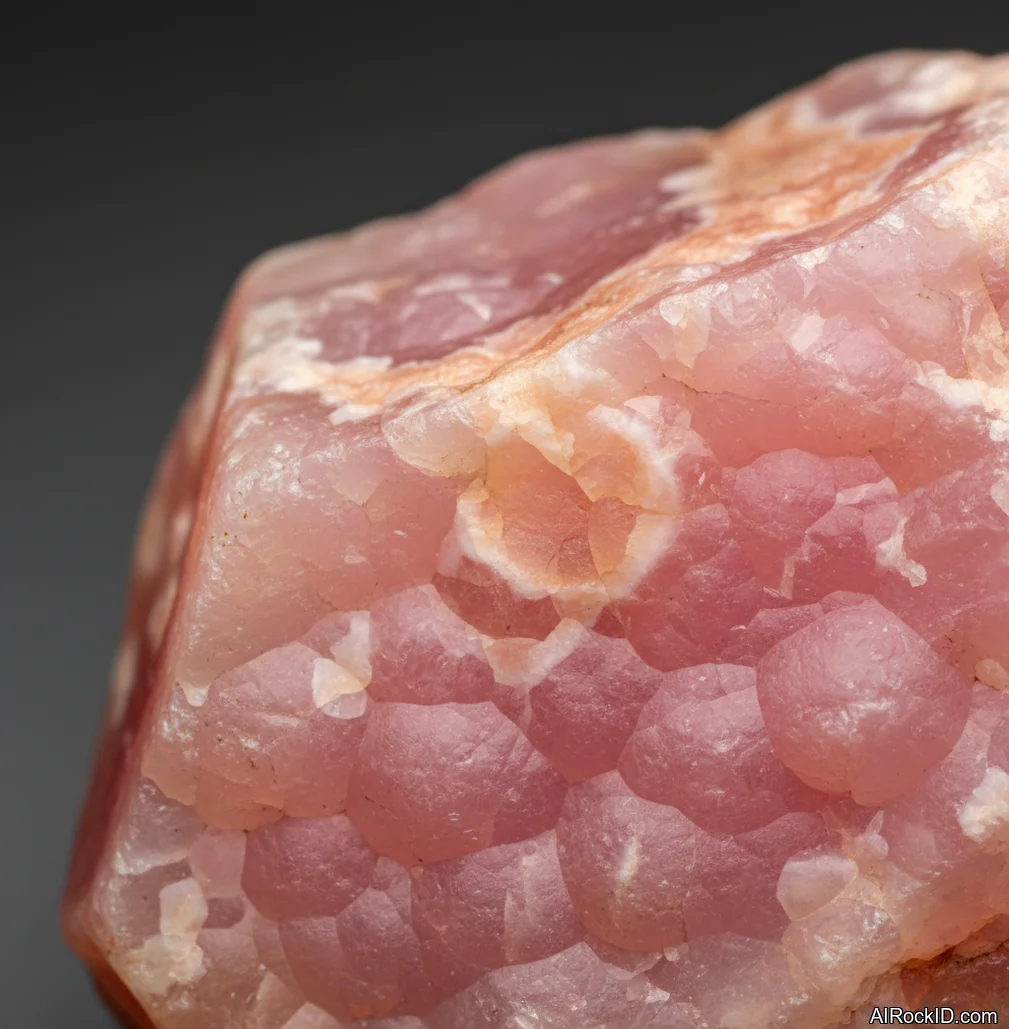
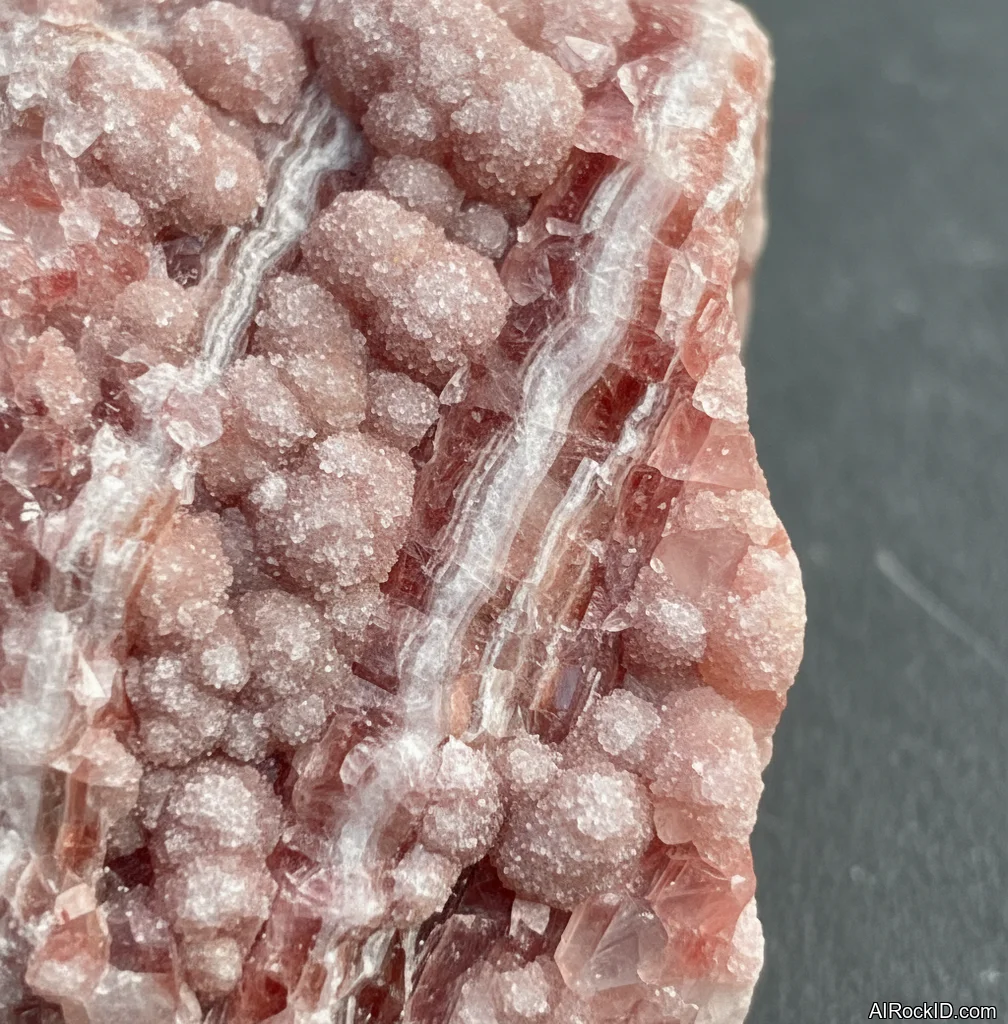
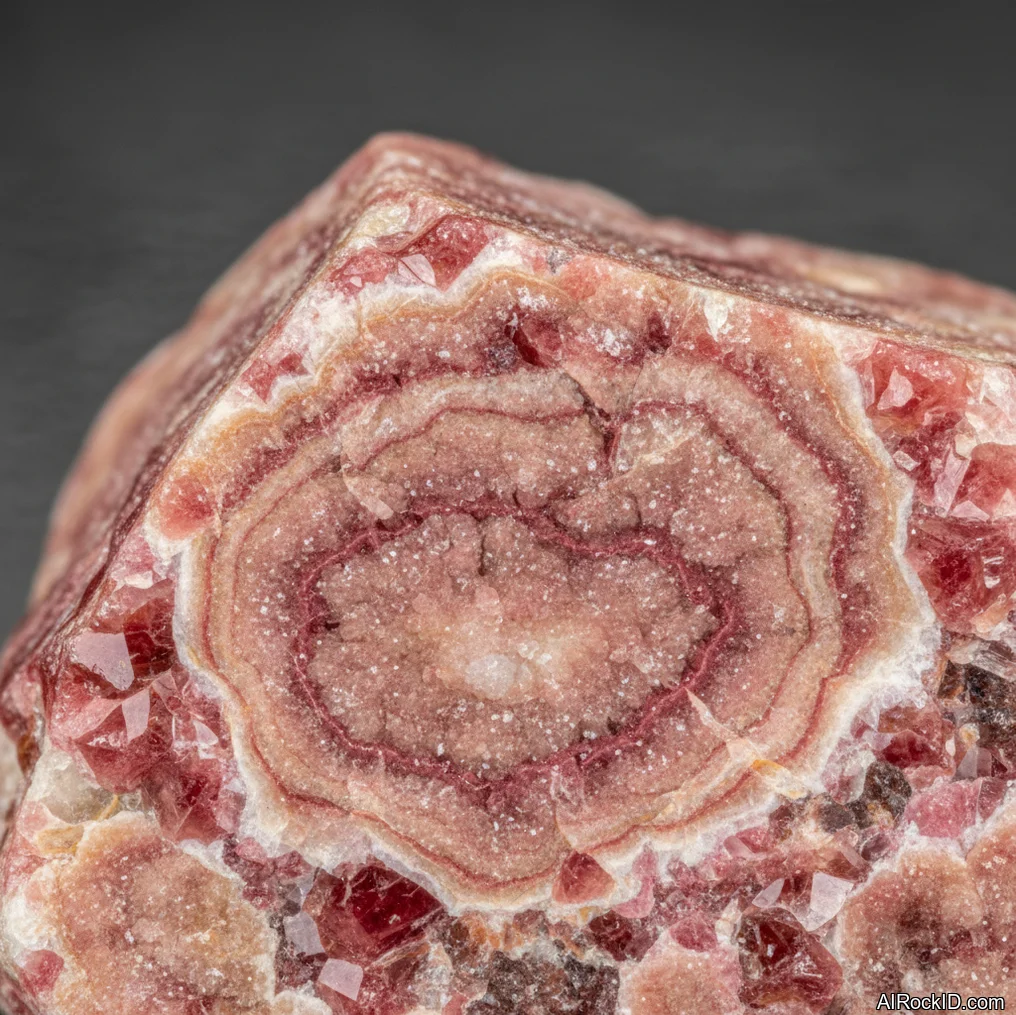
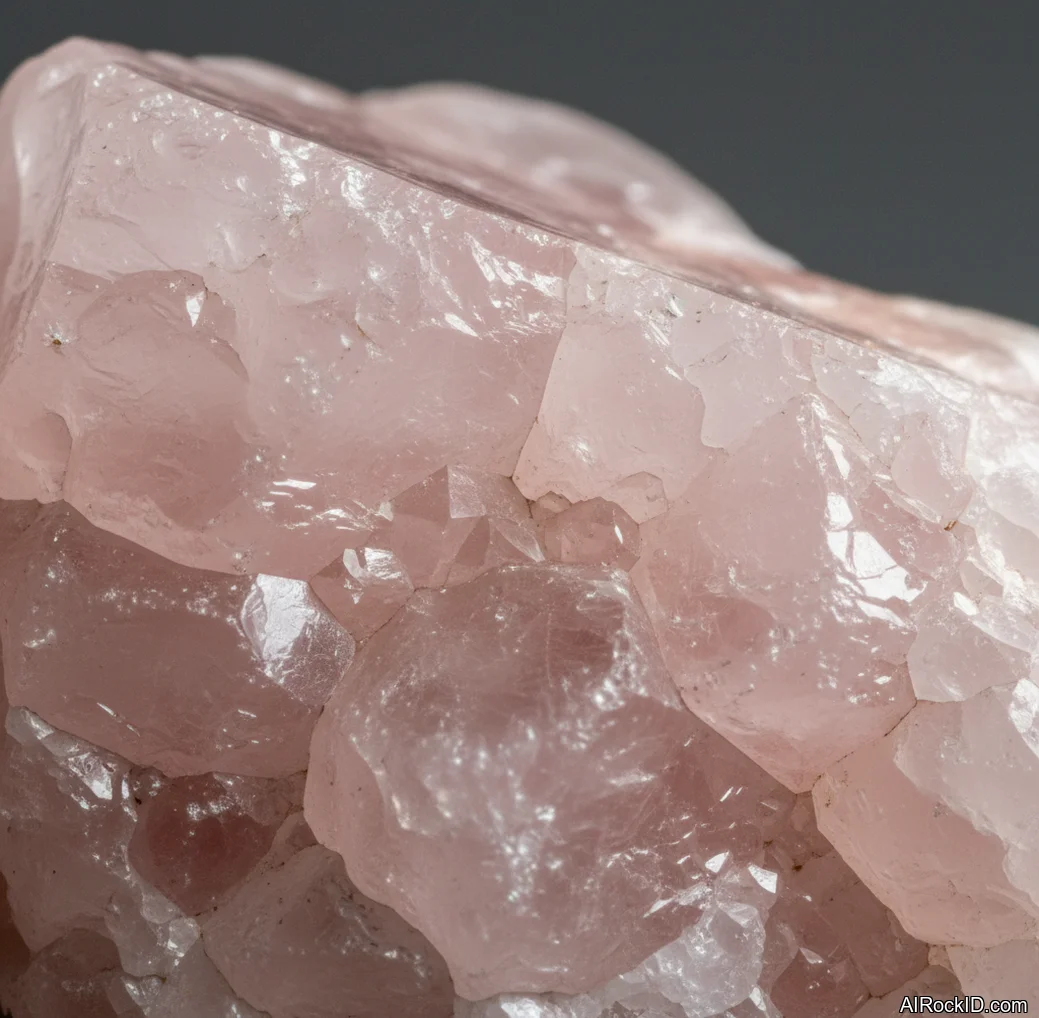
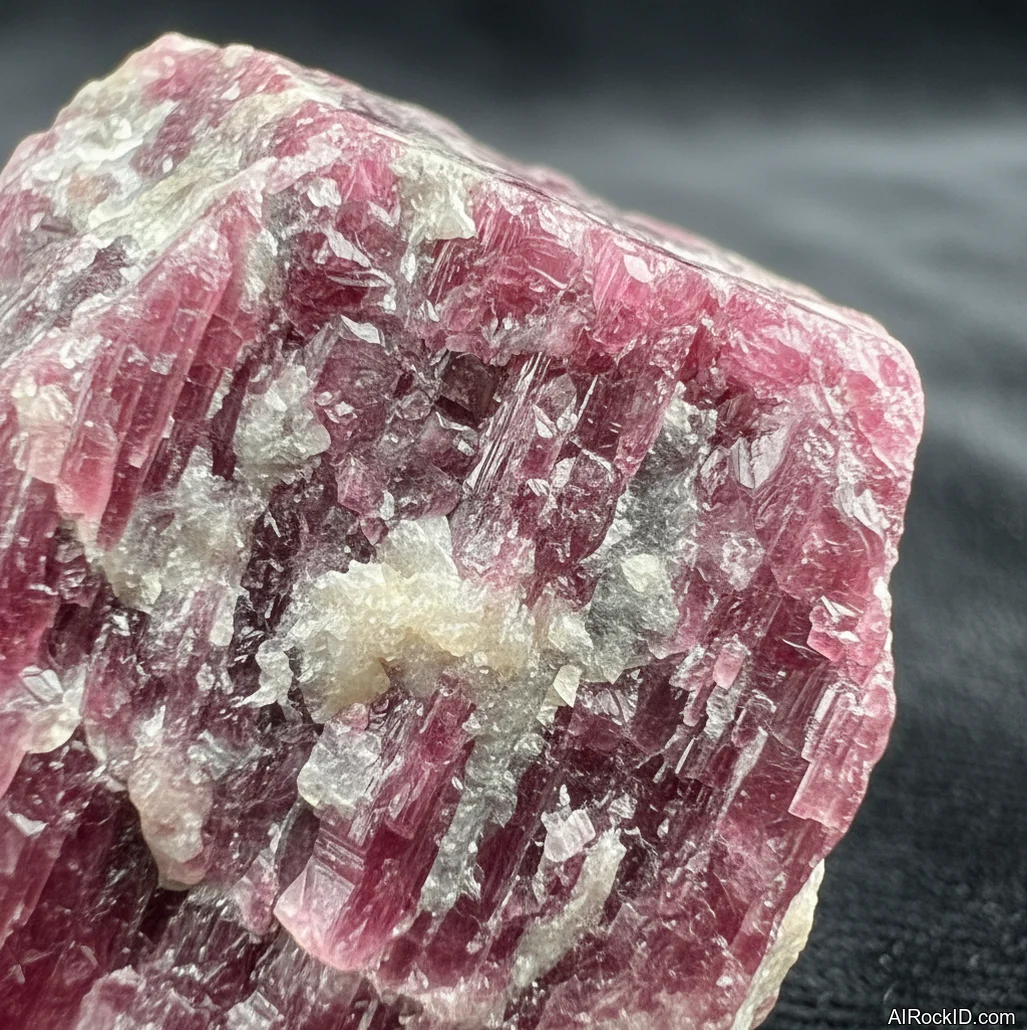
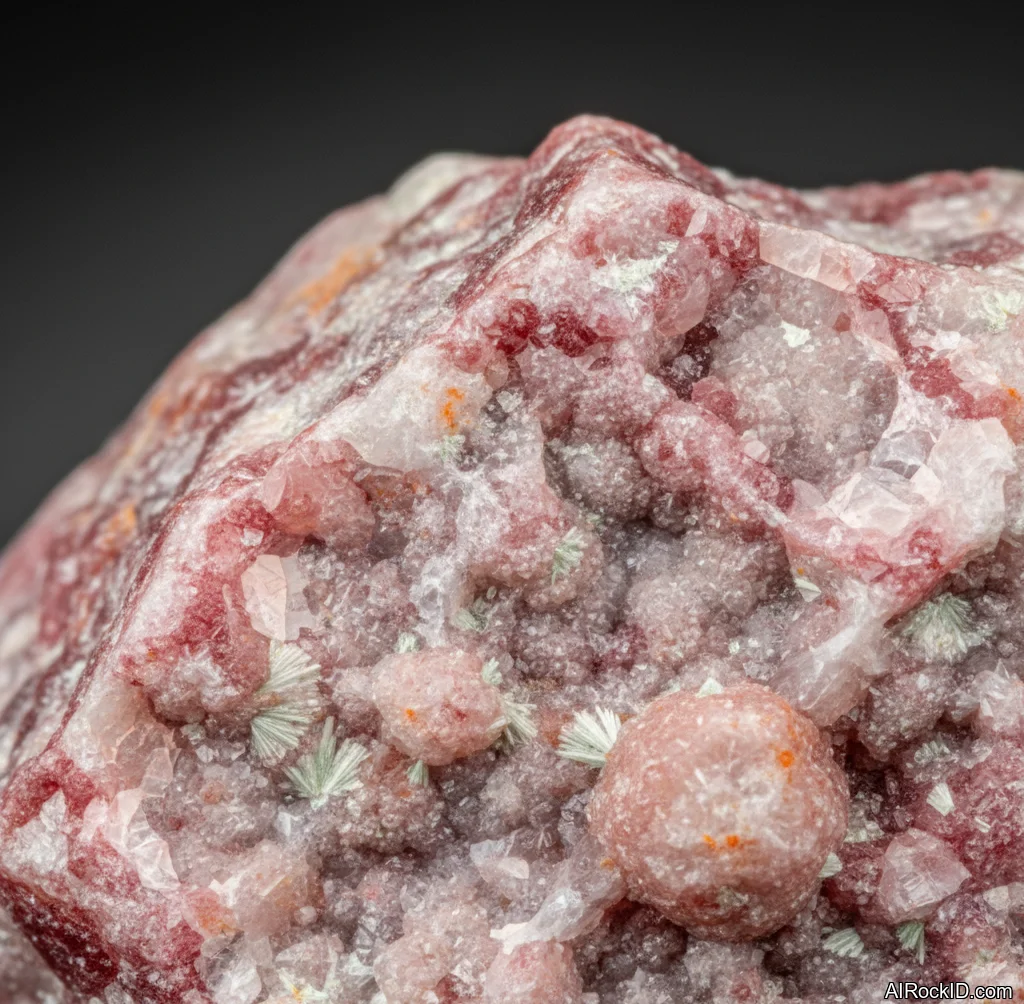
- Rose Quartz: Rose Quartz is typically cloudy to translucent pink, while Rhodochrosite often shows banding and a stronger raspberry-pink color.
AI identification confidence
AI identification is usually more reliable when the photo shows the stone in natural light, with a plain background and multiple angles. Confidence can be lower for tumbled stones because polishing removes many natural crystal shapes and surface clues.
When AI gets it wrong
- Dyed or heat-treated stones may resemble naturally colored crystals.
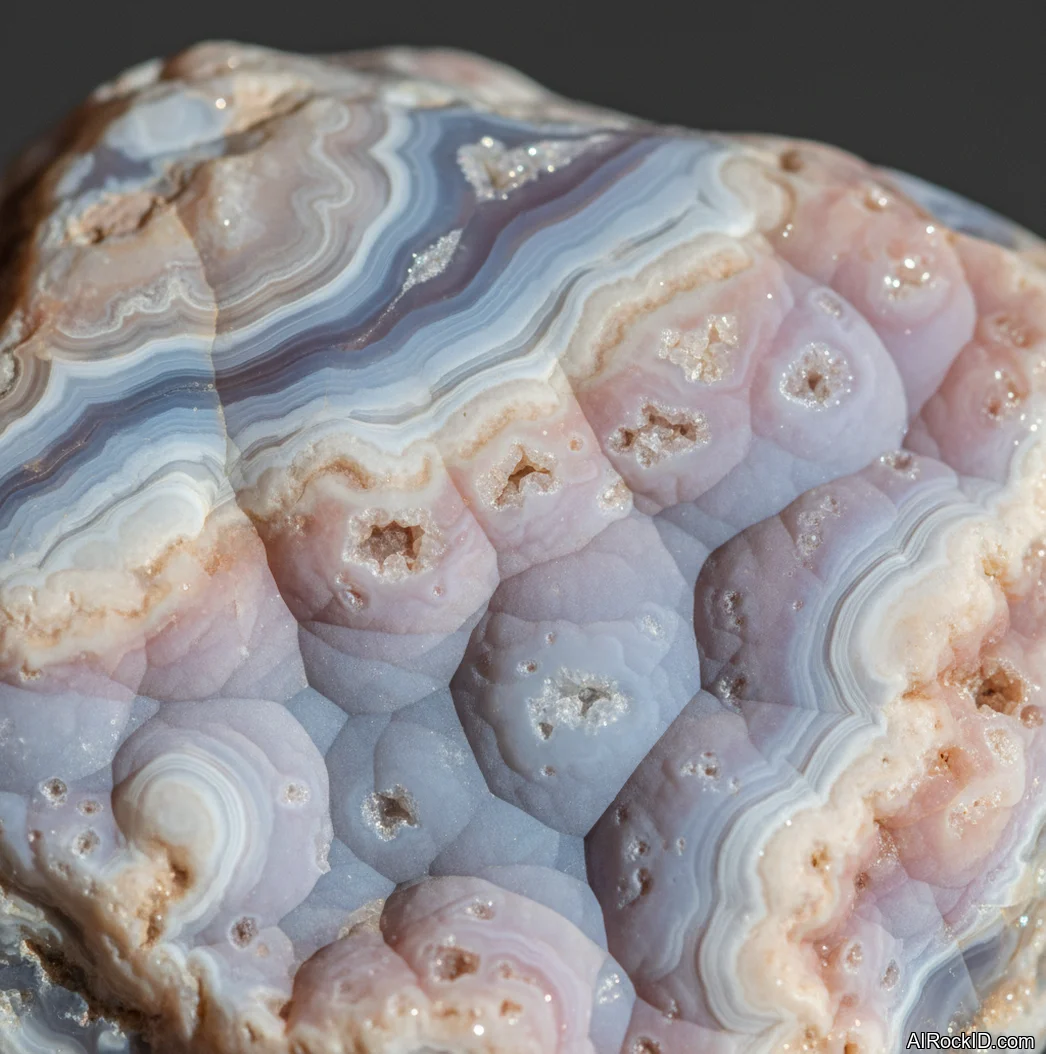
- Tumbled quartz, calcite, agate, and feldspar can look similar in a single photo.
- Glittery man-made materials such as Goldstone may be mistaken for natural Sunstone.
- Poor lighting can make pale yellow, peach, orange, and pink stones appear more saturated than they are.
What this category represents
The Joy Crystals tag groups stones that crystal traditions commonly associate with happiness, optimism, emotional lightness, creativity, gratitude, or heart-centered warmth. This category is symbolic and cultural, so it is best used as a browsing theme rather than as a scientific mineral classification.
Beginner recommendations
Advanced recommendations
Color Themes in Joy Crystals
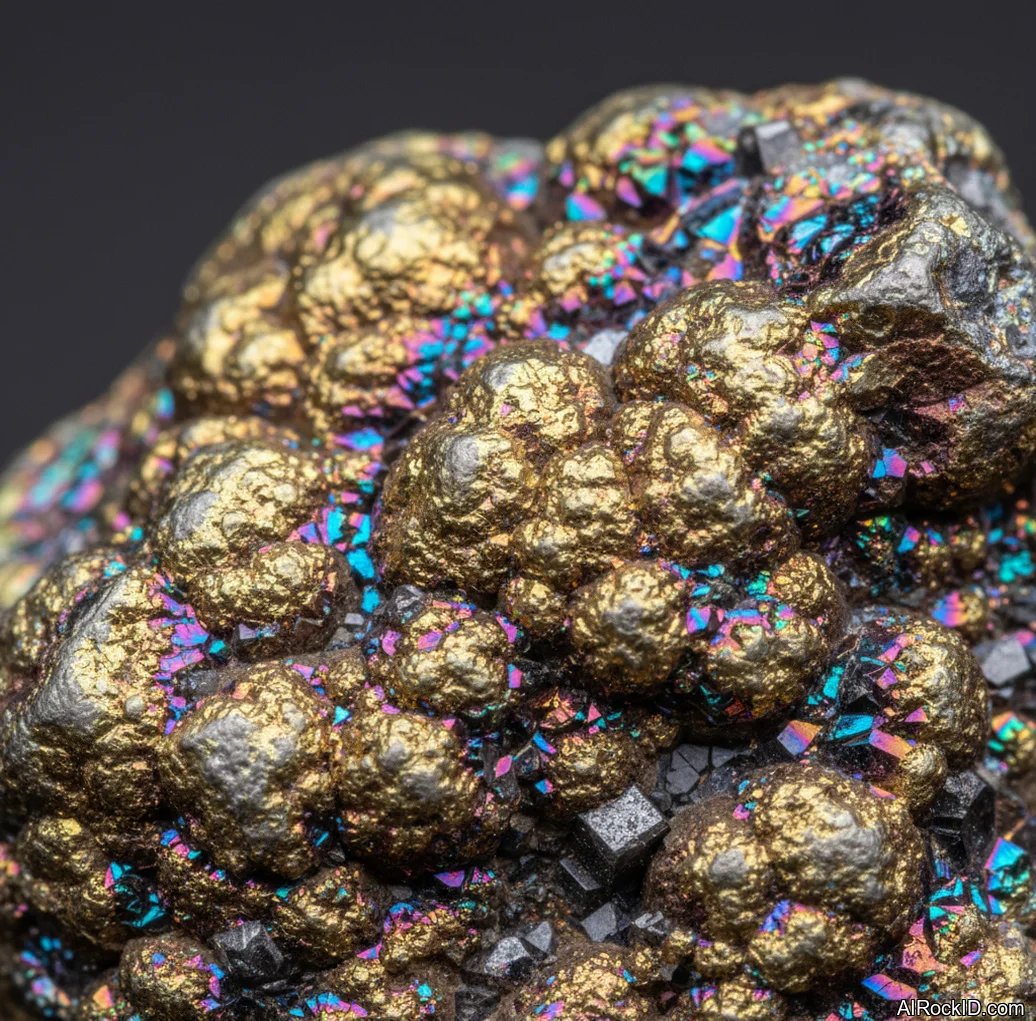
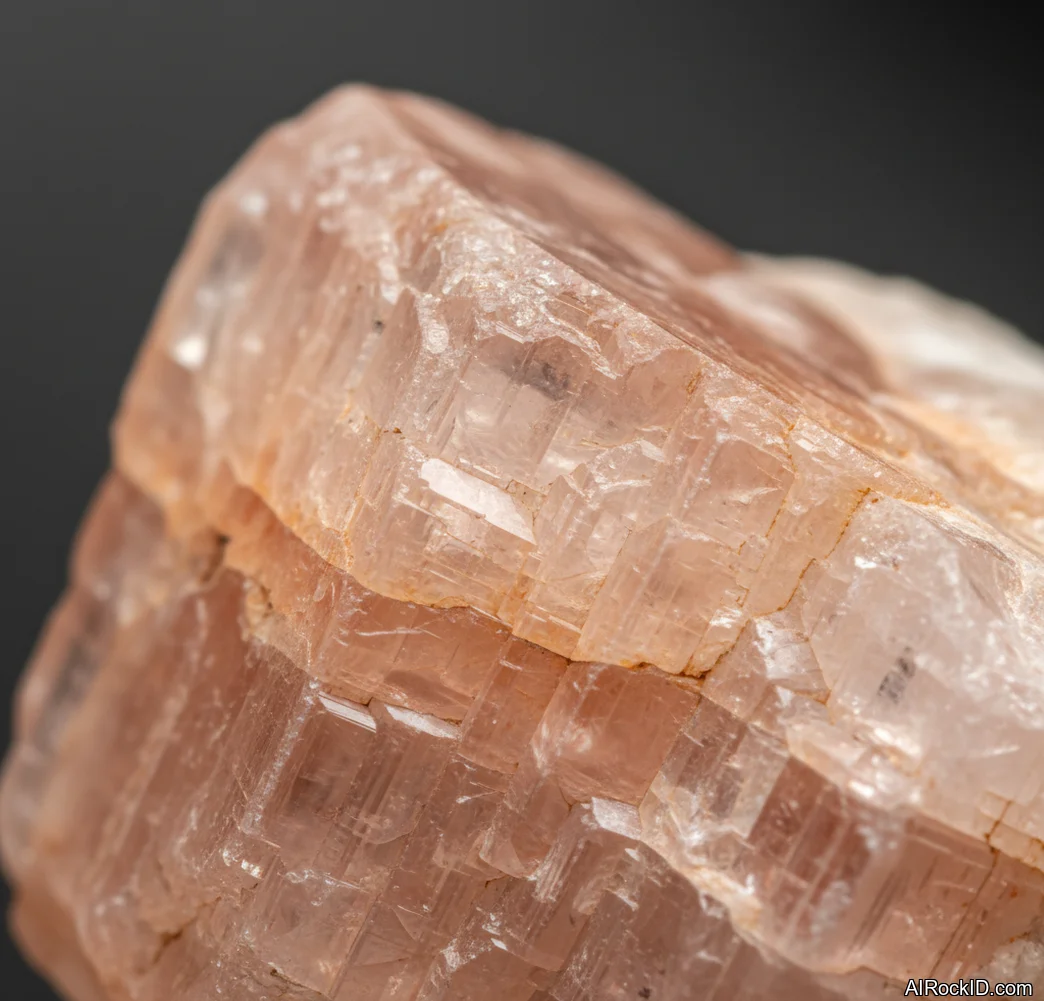
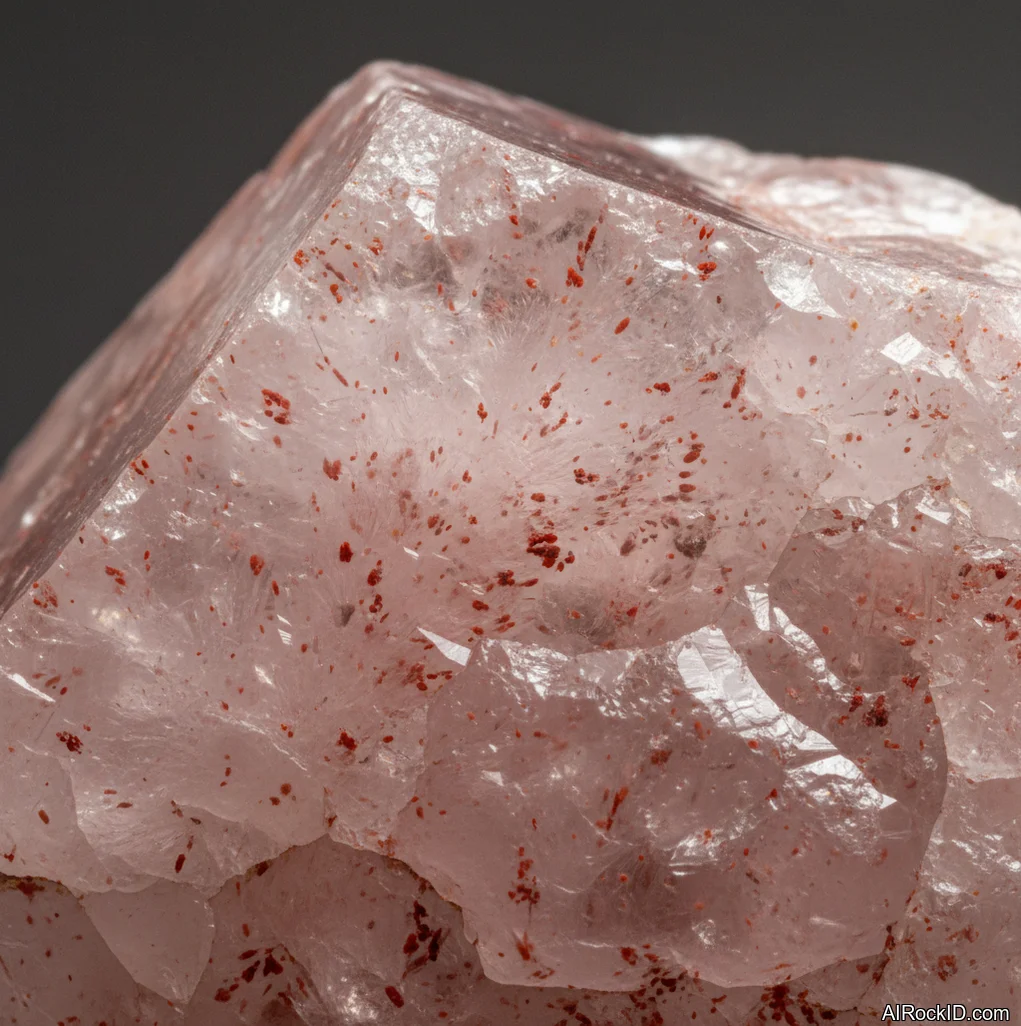
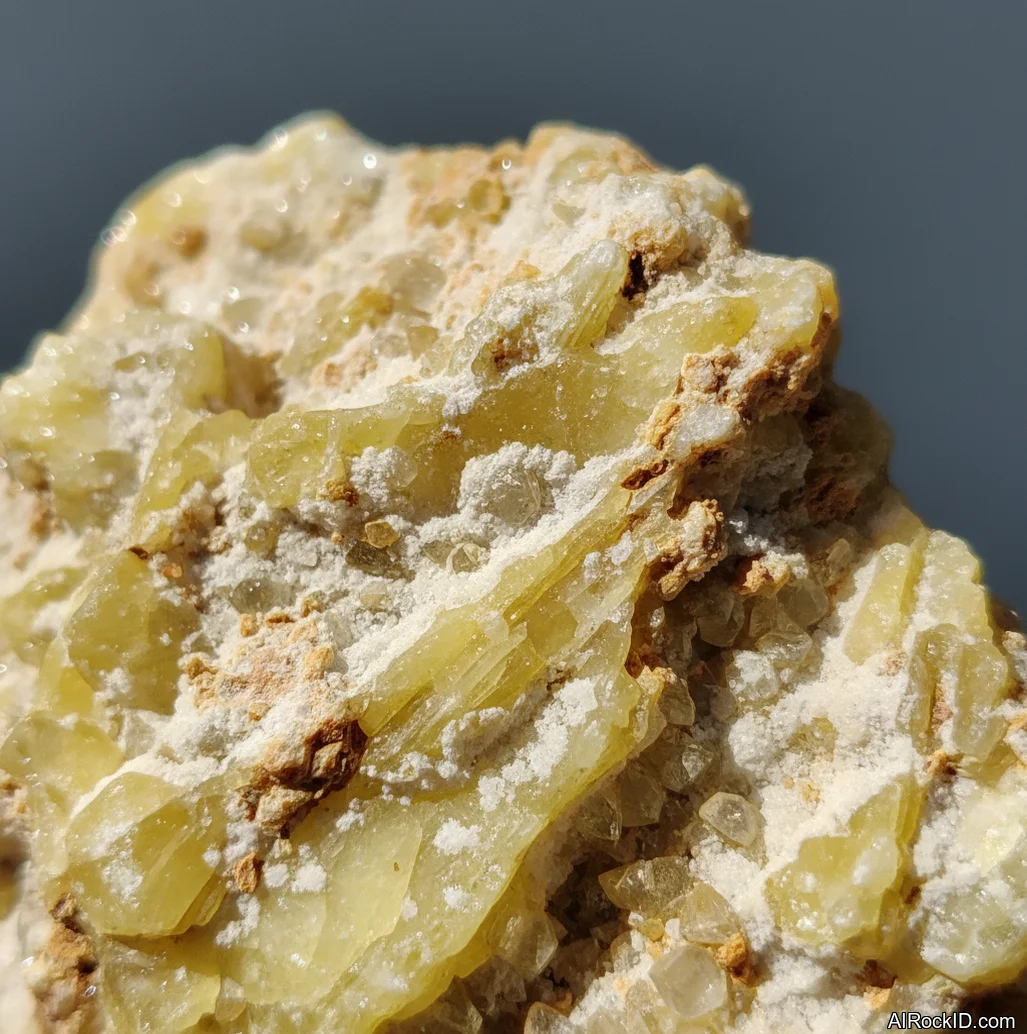
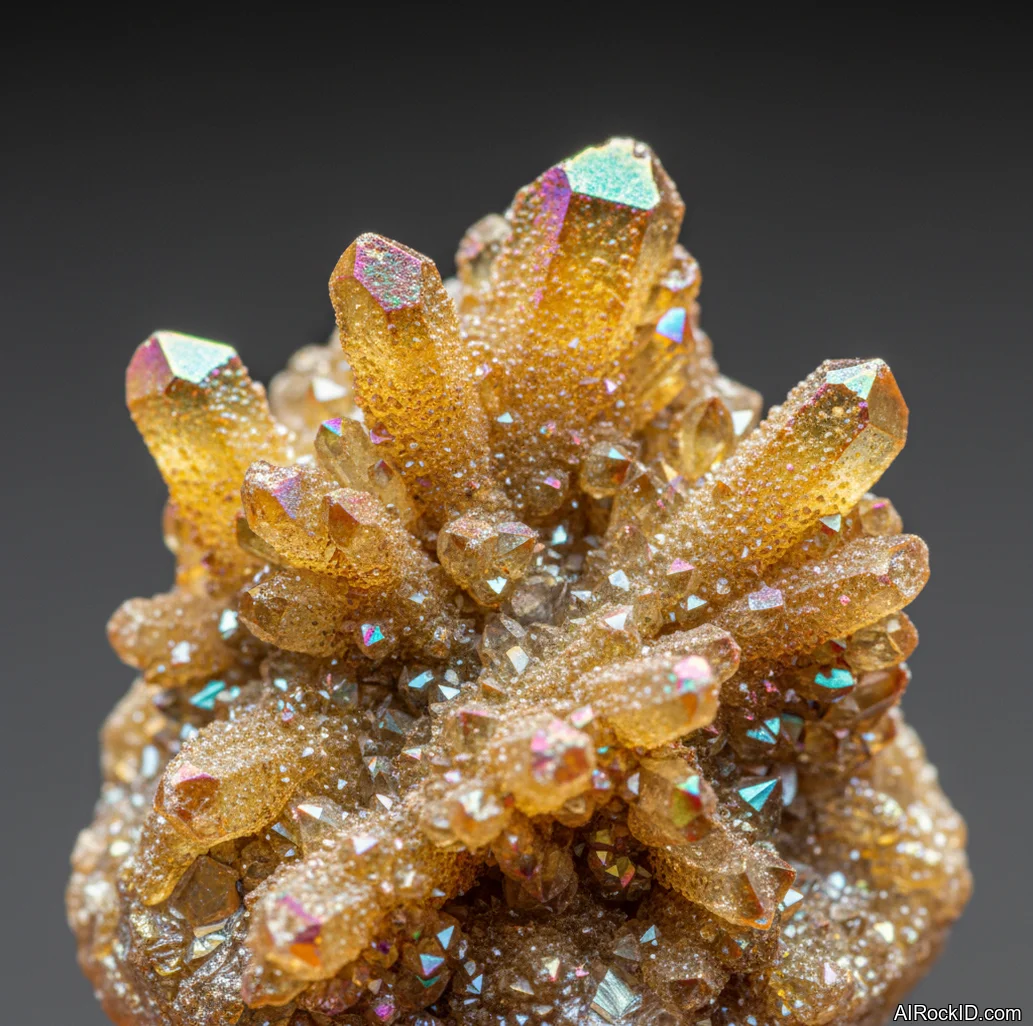
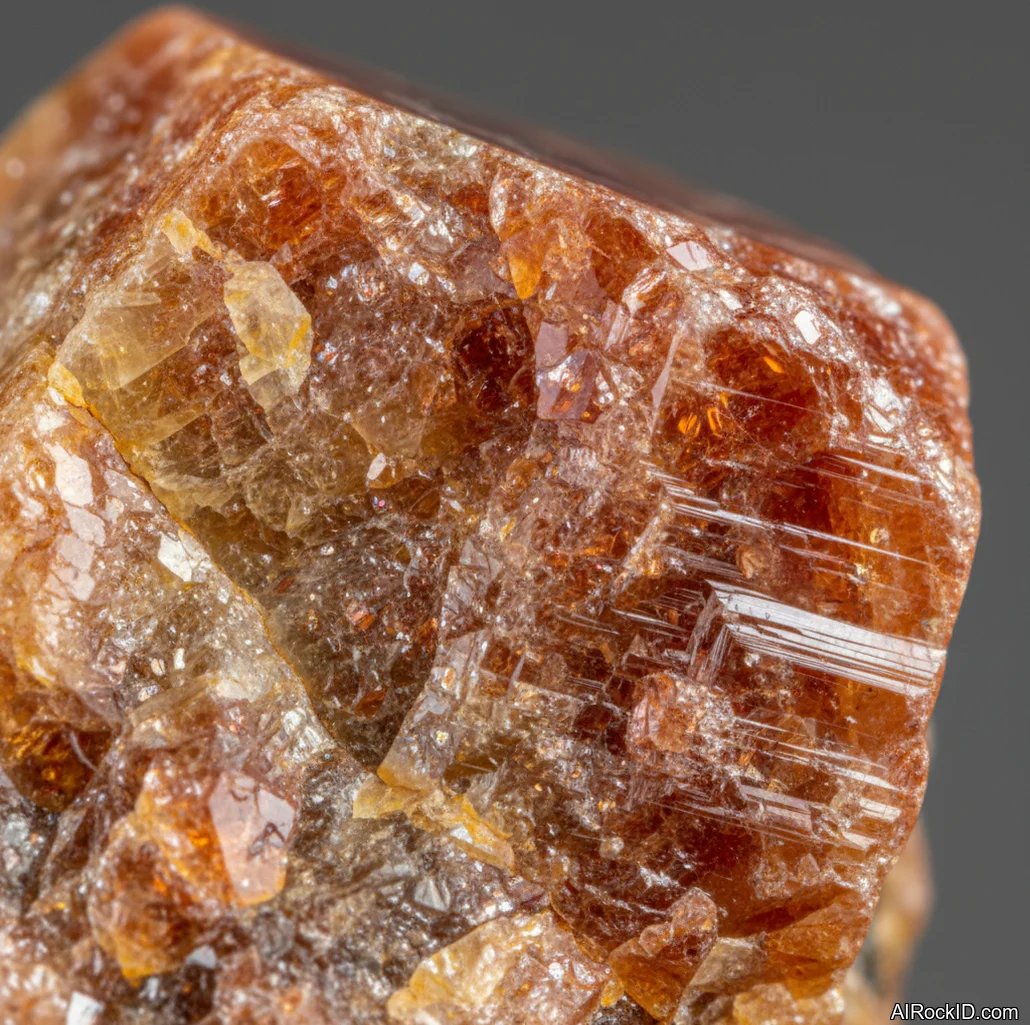
Many joy-associated crystals are yellow, orange, peach, pink, or golden because these colors are traditionally linked with warmth, vitality, affection, and confidence. Color is not enough for identification, since different minerals can share the same hue and treatments can change a stone’s appearance.
Tumbled vs. Raw Joy Crystals
Tumbled stones are popular for carrying, display bowls, and beginner collections because they are smooth and easy to handle. Raw specimens may preserve crystal form, cleavage, matrix, or natural surface texture, which can be more useful for identification and mineral study.
Care Notes for Joy Stones
Some joy crystals, such as Calcite and Fluorite, are softer than quartz and can scratch or react poorly to acids. Bright sunlight may fade some colored stones over time, so storage away from prolonged direct light is a practical precaution.
What Are Joy Crystals? Real Collector’s Guide
Joy, in the context of crystals, isn’t about chasing constant euphoria or pretending to be happy. It’s that moment your shoulders drop and you breathe a little easier, almost like catching sunlight after weeks of rain. Collectors reach for Joy stones when everything feels flat, or when stress has taken up permanent residence. A lot of us put them in the rotation with heavier stones—grief, grounding, shadow work—because you can’t live in the deep end forever. Sometimes you need a reset you can touch.
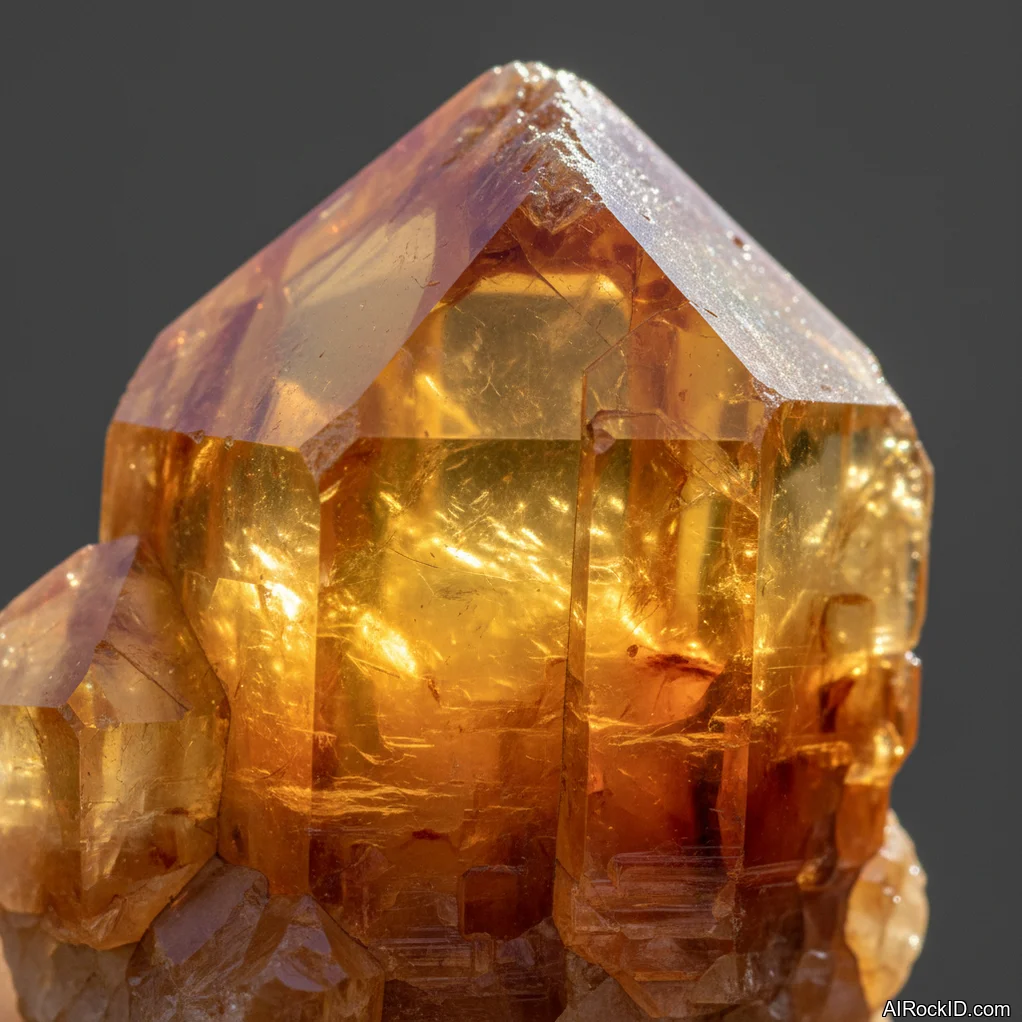
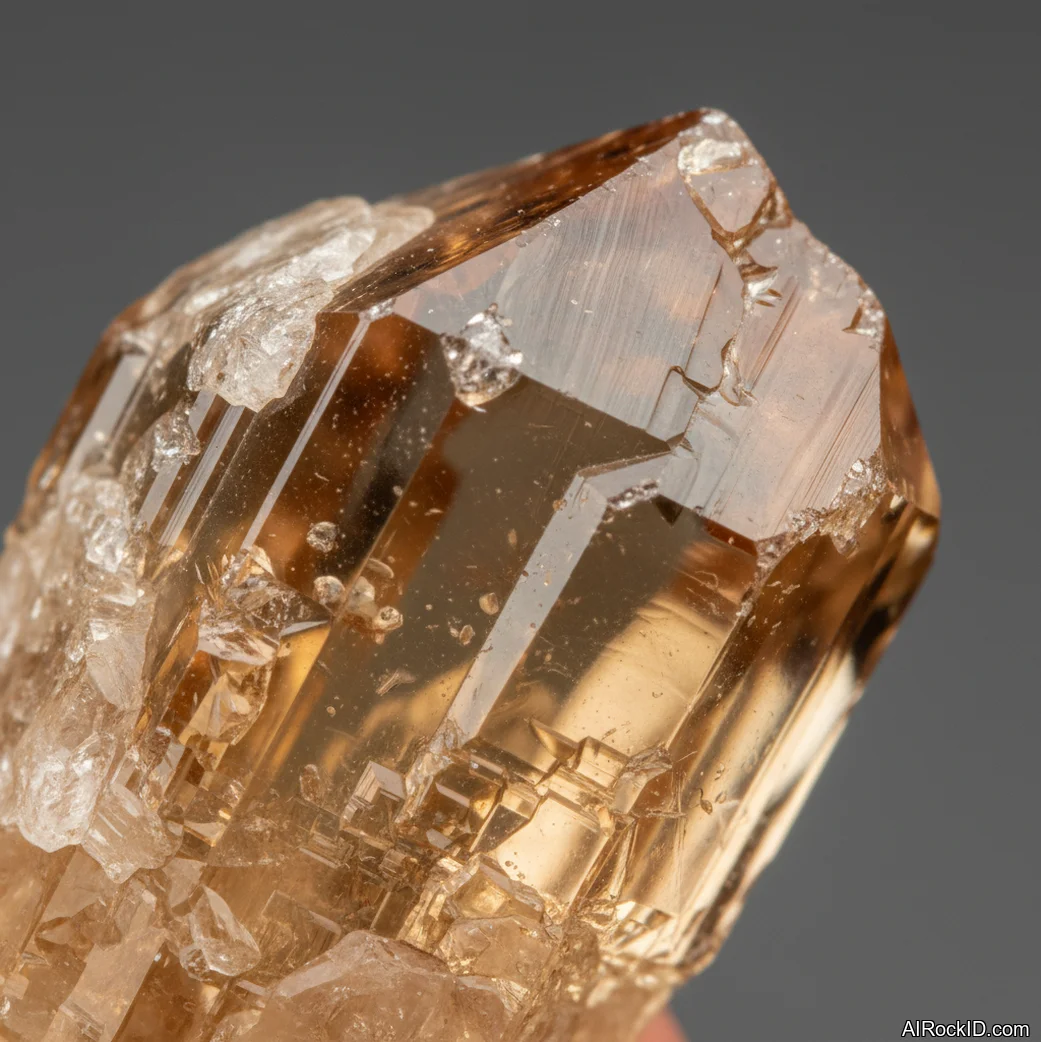
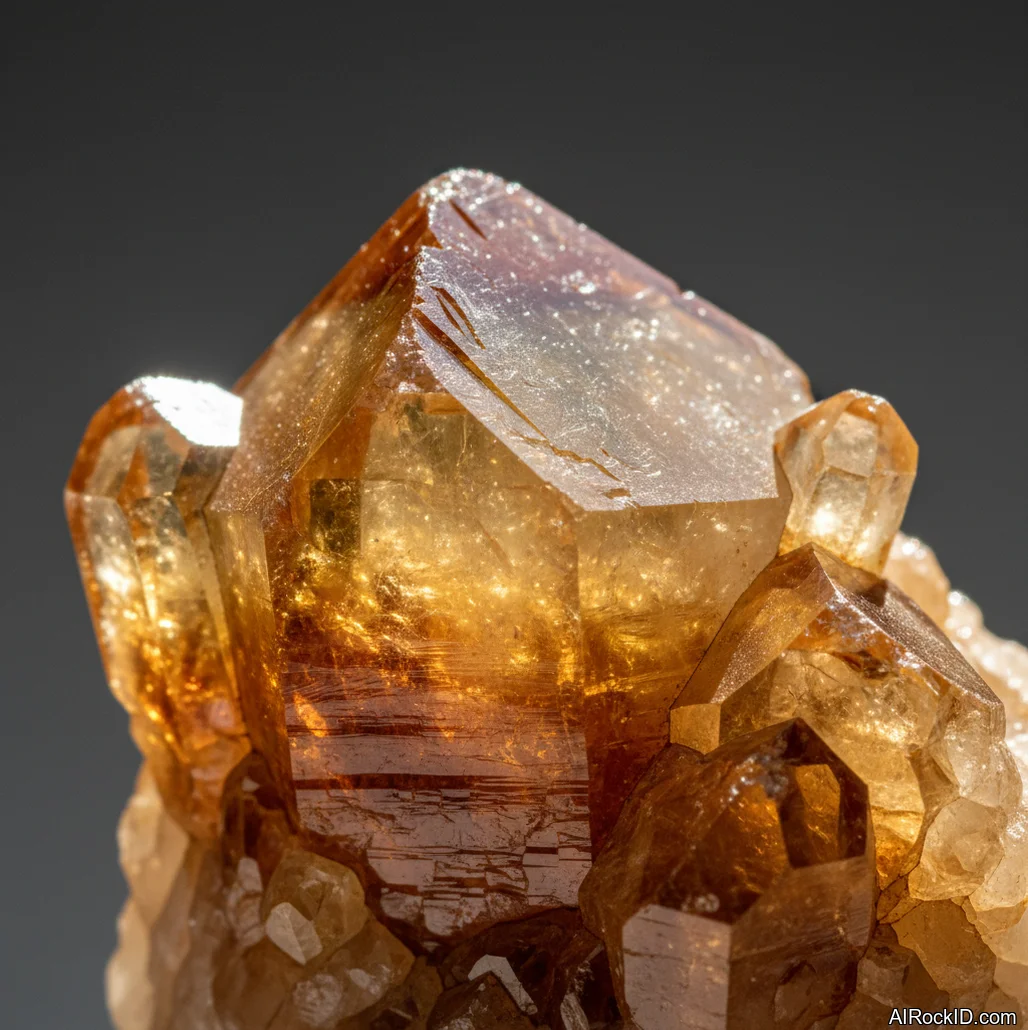
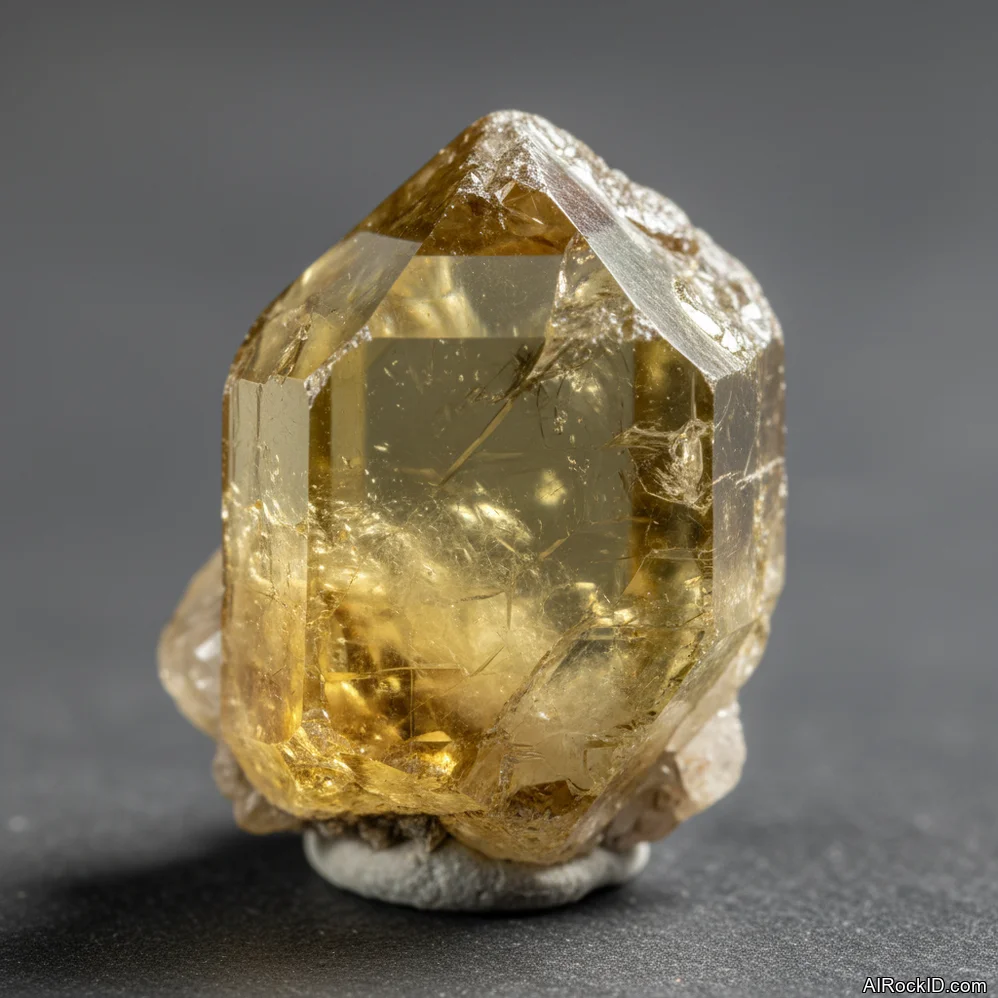
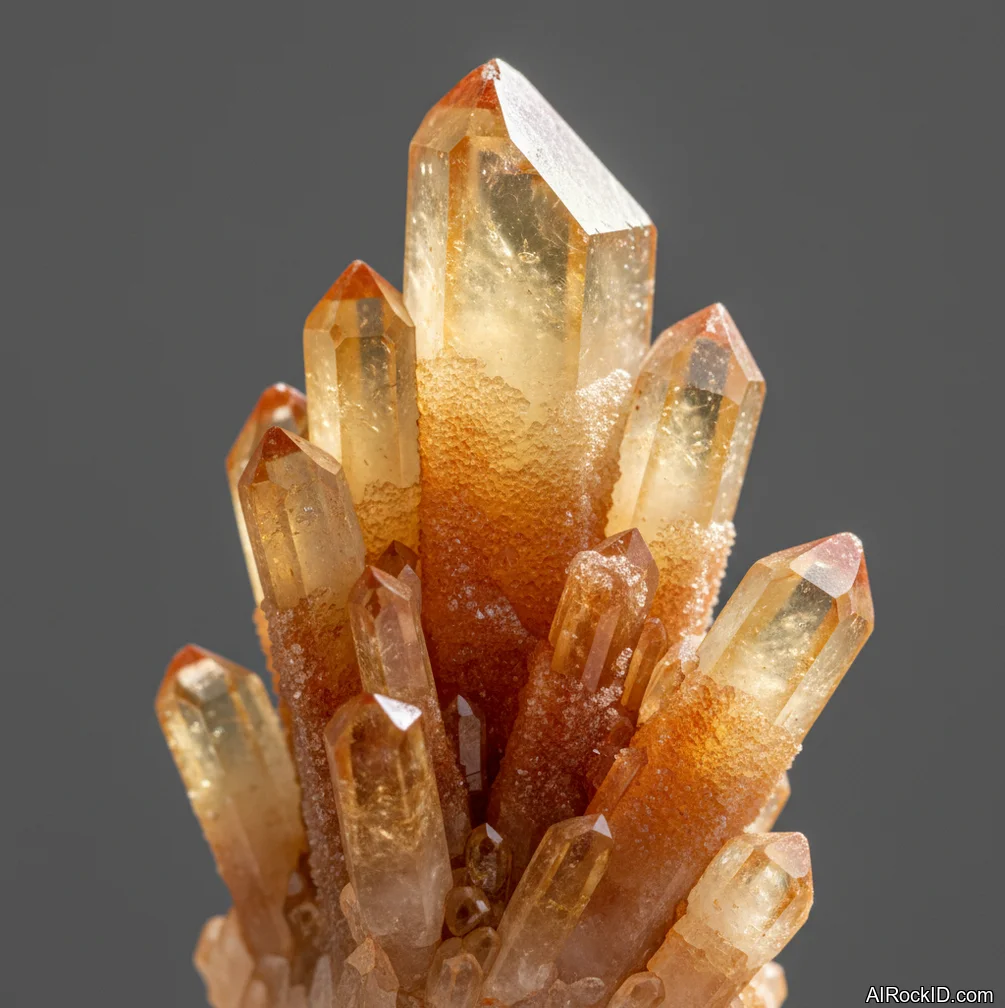
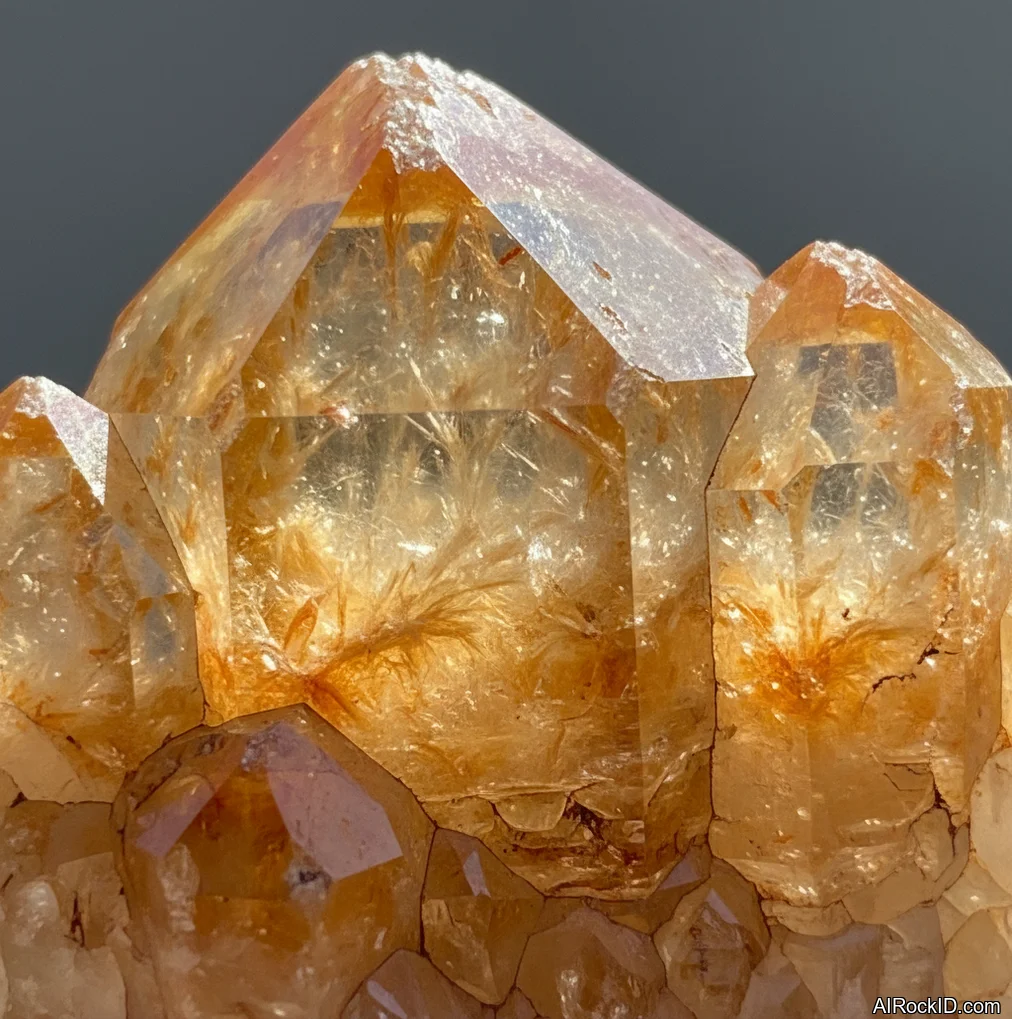
Citrine sits at the top of the Joy pile, if you ask dealers who care about authenticity. Natural citrine, the smoky pale kind, feels cool and dry when you hold it. There’s a subtle, almost cloudy glow to it that never looks fake. But here’s the catch: maybe 90% of “citrine” out there is heat-treated amethyst. That fake stuff turns a loud orange-brown, usually with a bright white base that looks baked. Real natural citrine is honestly harder to find and it’s expensive, but you can always spot the difference once you’ve held both.
Top Crystals for Joy: Citrine, Sunstone, and Labradorite
Pick up sunstone and you’ll feel why it’s called a Joy stone. Unlike citrine, sunstone has this cheeky copper sparkle—schiller—that blinks into view when you tilt it under a lamp. If you run your thumb across a polished palm stone, the little flashes seem to jump in and out of the surface. Oregon sunstone can go from soft peach to deep red, with the sparkle jumping out strongest in the darker colors. Lighter Indian or African sunstone tends to show a more pale, diffuse glimmer, especially in tumbled stones.
Labradorite throws a curveball. Most of the time it looks dull gray, even stormy, but shift a slab in your hand and the blue or gold fire suddenly bursts across the face. I’ve used thick, rough pieces from Madagascar where the flash only lights up if you hit the right angle—off by ten degrees and it looks like any old rock. That surprise factor, that quick color shot, is why labradorite gets lumped in with Joy stones. Joy isn’t always loud. Sometimes it hides until you notice it.
How to Spot Real Joy Crystals (And Avoid Fakes)
Most first-timers get burned buying fake or treated Joy stones. For citrine, the biggest giveaway is color. Natural citrine runs pale yellow to light smoky, with a brownish haze and no harsh orange. The burned orange stuff? That’s treated amethyst. If you see a bright, uniform point with a snow-white base, walk away. Sunstone is trickier to fake, but cheap glass sometimes gets passed off as sunstone—real sunstone always has tiny, plate-like inclusions that flash at the right angle, not glitter chunks sitting on the surface.
Labradorite is less often faked, but there’s tons of low-grade material that barely flashes at all. Always ask for rough or slabbed pieces if you want to see the full effect, and avoid heavily polished stones where the flash only shows in tiny windows. Carnelian is sometimes dyed, so rub it with a cotton swab and acetone—if the color comes off, it’s fake. Real carnelian feels heavier and shows layered bands under strong light.
Using Joy Crystals: Real Results and Collector Tips
A lot of collectors keep Joy stones on their desks, in jacket pockets, or tucked in a bag for stressy days. The physical feel matters. Citrine feels dry, sometimes almost chalky, compared to the slippery surface of tumbled quartz. Sunstone palm stones are great for rolling between your fingers when you’re stuck in a meeting and need a sensory reset. Labradorite slabs are more for admiring on a windowsill, watching the flash as the daylight changes. Carnelian does best as a pocket stone because it’s tough and won’t chip easily.
The real test is whether you notice a mood shift after handling them. Not everyone will. But for a lot of us, it’s the simple act of holding something with color, weight, or a little unexpected sparkle that makes the difference after a heavy week. Just don’t expect a stone to do your emotional heavy lifting for you.
Best Joy Crystals to Start With
| Level | Crystal | Note |
| Gentle / Beginner | Carnelian | Reliable, tough, and the orange bands look cheerful without being overwhelming. It’s affordable and hard to fake. |
| Balanced / Everyday | Sunstone | Feels light, with that coppery flash people associate with little sparks of joy. Easy to carry or keep on a desk. |
| Intense / Advanced | Natural Citrine | Rare and expensive, but the real stuff has a subtle, deep brightness. Collectors like it for its true clarity and dryness. |
| Best for Carrying | Tumbled Carnelian | Won’t chip or scratch in a pocket. Keeps its color and feels grounding, even with rough handling. |
| Best for Display | Large Labradorite Slab | The full flash only appears at the right angle, making it fun to move around and watch under changing light. |
Joy Crystal Comparison
| Crystal | Common Use | Feel / Use Style | Care Caution |
| Natural Citrine | Mood lift, mental clarity, confidence | Cool, dry, pale yellow to smoky with subtle glow | Rare; most 'citrine' is heat-treated amethyst |
| Sunstone | Light-heartedness, motivation, playfulness | Smooth with coppery flashes that shift in direct light | Can lose sparkle if over-polished |
| Labradorite | Surprise joy, inspiration, creativity | Heavy, gray base with sudden blue/gold flash | Flash fades if slabbed too thin or over-polished |
| Carnelian | Steady mood, grounded energy, gentle joy | Dense, waxy, orange with banded layers visible under strong light | Often dyed; test with acetone for fakes |
How to Identify Joy Crystals with AI Rock ID
To ID a Joy crystal with the AI Rock ID app, snap photos in indirect natural light—one full stone, one close-up for details. Upload both, then check what the app finds for color, luster, and surface pattern. Compare the app’s results with physical clues: is the yellow too bright for real citrine? Does sunstone show true plate-like sparkle, or just glitter? Checking hardness and streak with the app’s guide helps weed out fakes.
All Joy Crystals (92)