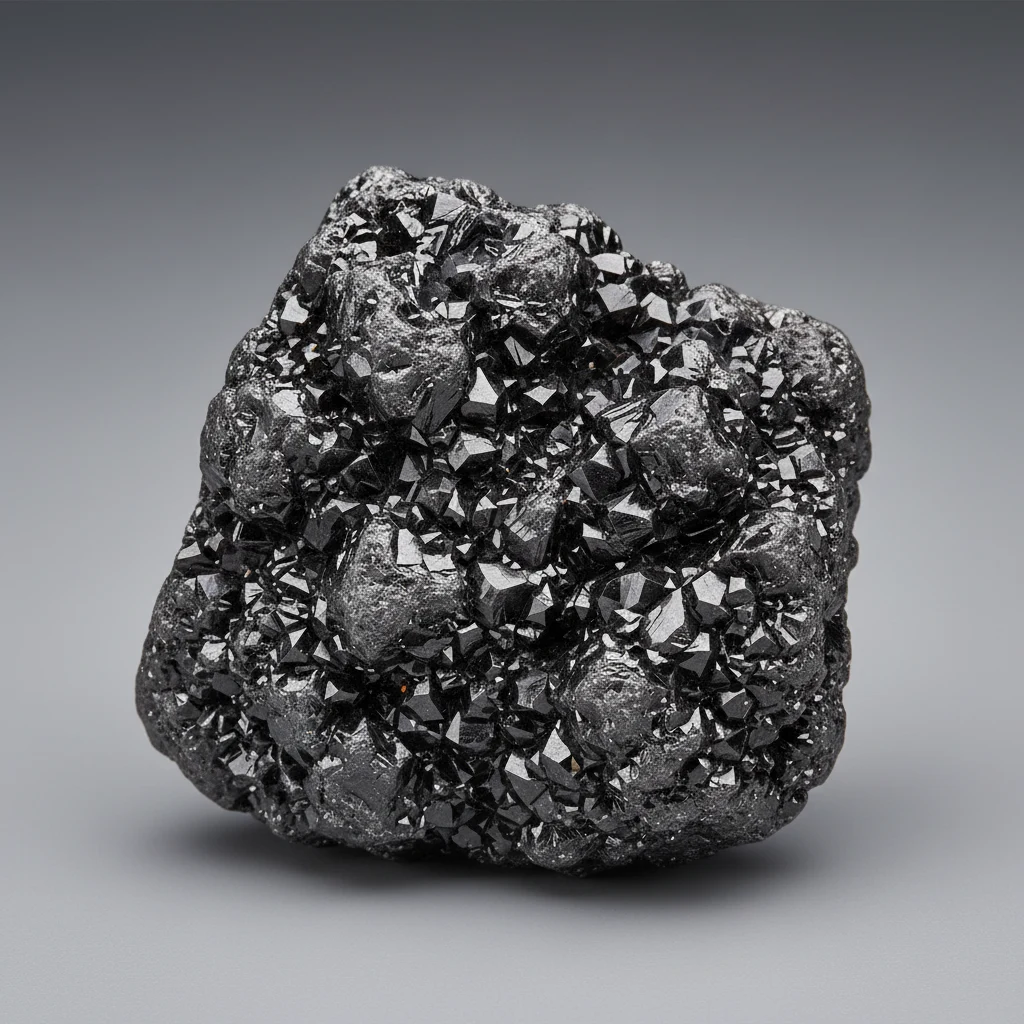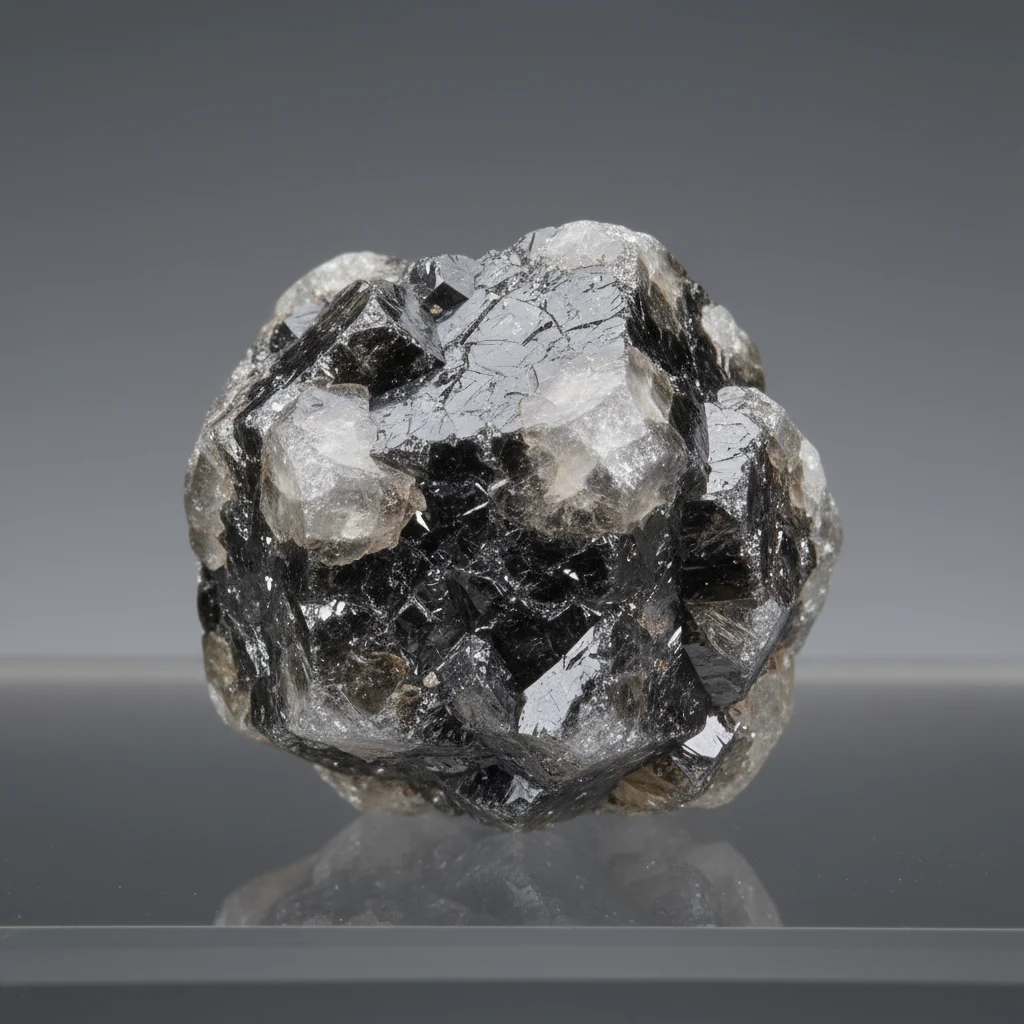
Grey Diamond


Quick answer: Grey diamond is natural diamond with a gray body color, typically caused by structural defects, inclusions, or trace impurities. It has the same 10 Mohs hardness and cubic crystal structure as other diamonds, but its color, transparency, treatment status, and grading report strongly affect identification and value.
AI Rock ID can help screen a suspected grey diamond by comparing visible traits such as luster, color zoning, transparency, and crystal habit. RockIdentifier.io should be used as a visual aid, while confirmed diamond identification still requires gemological testing such as thermal conductivity, spectroscopy, and professional grading.
Good fit
- Collectors comparing gray, salt-and-pepper, or included diamonds
- Buyers who want a neutral-colored diamond with a documented report
- Jewelry owners checking whether a gray stone may be diamond or a simulant
- Gem enthusiasts studying natural diamond color varieties
Not a good fit
- Anyone needing a confirmed ID from a photo alone
- Buyers who cannot verify treatment status or grading documentation
- People comparing stones only by color without testing hardness, conductivity, and refractive behavior
Most commonly confused with
- Moissanite: Moissanite can show strong fire and diamond-like brilliance, but it has different double refraction and conductivity test behavior.
- Cubic Zirconia: Cubic zirconia is a diamond simulant with lower hardness, higher density, and a different type of luster.
- Grey Spinel: Grey spinel can appear similarly subdued in jewelry, but it is softer and has different refractive and optical properties.
- Hematite: Polished hematite may look metallic gray, but it has metallic luster, much lower hardness, and a reddish-brown streak.
Grey Diamond vs Common Lookalikes
| Material | Typical Hardness | Key Difference | Common Check |
|---|---|---|---|
| Grey diamond | 10 | Natural or lab-grown diamond with adamantine luster | Diamond tester plus grading report |
| Moissanite | 9.25 | Often shows stronger rainbow fire than diamond | Moissanite-specific tester |
| Cubic zirconia | 8–8.5 | Usually heavier than diamond of similar size | Specific gravity and wear inspection |
| Grey spinel | 7.5–8 | Durable gem but not as hard or refractive as diamond | Refractive index test |
| Smoky quartz | 7 | Gray-brown appearance with lower brilliance | Hardness and optical testing |
AI identification confidence
AI identification confidence for grey diamond is usually moderate from photos because many gray gems and simulants share a similar face-up color. Confidence improves when images show multiple angles, scale, luster, inclusions, crystal form, and any grading report details.
When AI gets it wrong
- A gray moissanite or cubic zirconia is photographed under jewelry lighting and appears diamond-like.
- A heavily included salt-and-pepper diamond is mistaken for quartz, spinel, or another gray mineral.
- A treated, coated, or lab-grown diamond is labeled as natural from appearance alone.
- A mounted stone cannot be evaluated for pavilion features, wear, density, or complete optical behavior.
Final recommendation
For buying grey diamond, prioritize a recognized grading report that states whether the stone is natural or lab-grown and whether color treatment is present. For identification, use photos only as a first step and confirm with gemological instruments or a qualified gemologist.
How to Verify a Grey Diamond Before Buying
A grey diamond should be accompanied by a grading report from a recognized gemological laboratory when sold as natural, fancy color, or untreated. The report should identify whether the diamond is natural or lab-grown and may note color origin, clarity, carat weight, cut, and any treatments. Sellers should provide clear photos or videos in neutral lighting, not only high-contrast glamour images.
Natural, Lab-Grown, and Treated Grey Diamonds
Grey diamonds may be natural, lab-grown, or treated to alter color appearance. Lab-grown diamonds have the same basic chemical composition as natural diamonds but a different growth origin. Treatments such as irradiation, high pressure high temperature processing, coating, or fracture filling can affect disclosure requirements and market value.
Photo Clues for Grey Diamond Identification
Useful photo clues include adamantine surface luster, sharp facet reflections, inclusion patterns, transparency, and how the stone reacts under different lighting. A gray body color alone is not diagnostic because quartz, spinel, moissanite, cubic zirconia, and coated stones can appear similar in images. Photos of the stone loose, face-up, side-on, and next to a scale are more useful than a single mounted jewelry image.
What Is Grey Diamond?
Grey Diamond is a rare diamond variety recognized by its grey color, strong brilliance, and very high durability. It is a precious gemstone and a native element with the chemical formula C. In the hand, a grey diamond feels compact and serious: cool-toned rather than flashy, but still sharp with the adamantine sparkle collectors expect from diamond.
Its grey tones can range from light to dark, sometimes appearing alongside black or white color impressions. The color is often linked to impurities or structural defects, with boron and nitrogen listed as common impurities. Grey diamond is transparent to translucent, non-magnetic, and rated 10 on the Mohs scale, making its scratch resistance excellent under normal handling.
Origin & History
The word diamond comes from the Greek “adamas,” meaning unbreakable, a fitting name for a mineral rated Mohs 10. Grey diamonds were first described in the 18th century, and they have since held a quieter place beside white, black, and brown diamonds: less conventional, but prized for a subdued metallic-grey character and rarity.
For collectors, the appeal is not only hardness but mood. A grey diamond can look smoky, steely, or storm-colored while still returning the crisp brilliance of diamond. When checking historical or locality notes, many mineral collectors compare specimen records with mindat.org, especially when separating named mines, country listings, and gem-trade descriptions.
Where Is Grey Diamond Found?
Grey diamonds are found in Australia, South Africa, and Russia, with notable localities including the Argyle Mine in Australia, Jwaneng Mine in Botswana, and Mirny Mine in Russia. They are most commonly recovered from alluvial deposits and volcanic pipes, so specimens may enter collections as rough stones or as cut gems selected for color, clarity, and carat weight.
Formation
Grey diamonds form deep within the Earth’s mantle under high-pressure, high-temperature conditions. Their grey color is commonly associated with impurities or structural defects, while the mineral itself remains diamond: a cubic, native-element form of carbon with formula C. The result is a stone that can look muted in color but exceptionally lively in reflected light.
After formation, grey diamonds are most commonly found in volcanic pipes and alluvial deposits. For practical identification and locality research, USGS materials on diamond-bearing volcanic settings are often used alongside specimen records, while the stone itself is assessed by its grey tone, brilliance, luster, and Mohs 10 hardness.
How to Identify Grey Diamond
Identify Grey Diamond by its grey body color, adamantine to vitreous luster, brilliance, and Mohs hardness of 10. It belongs to the cubic crystal system, is isotropic, has no birefringence, and shows no pleochroism. Its refractive index is listed as 2.42, and it may appear transparent to translucent depending on the individual stone.
A collector’s checklist is simple but strict: look for light to dark grey tones, bright diamond-like luster, white streak, conchoidal fracture, non-magnetic response, and excellent scratch resistance. Density is listed as 3.5 g/cm3. Because diamond is valuable, finished stones should be assessed carefully, with color intensity, clarity, and carat weight noted before any value judgment.
Properties of Grey Diamond
Physical Properties
| Crystal System | Cubic |
| Hardness (Mohs) | 10 (Very Hard) |
| Density | 3.5 g/cm3 |
| Luster | Adamantine |
| Diaphaneity | Transparent to translucent |
| Fracture | Conchoidal |
| Streak | White |
| Magnetism | Non-magnetic |
| Colors | Grey, Black, White |
Chemical Properties
| Classification | Native element |
| Formula | C |
| Elements | C |
| Common Impurities | B, N |
Optical Properties
| Refractive Index | 2.42 |
| Birefringence | None |
| Pleochroism | None |
| Optical Character | Isotropic |
Grey Diamond Health & Safety
There are no significant health risks associated with handling grey diamonds.
Grey Diamond Value & Price
Price Range
Rough/Tumbled: $300 - $1000 per specimen
Cut/Polished: $1500 - $5000 per carat
Price is influenced by color intensity, clarity, and carat weight.
Durability
Very Durable — Scratch resistance: Excellent, Toughness: Excellent
Grey diamonds are stable under normal conditions.
How to Care for Grey Diamond
Use & Storage
Store in a soft cloth or a dedicated jewelry box to prevent scratches.
Cleaning
Clean with warm soapy water and a soft brush. Rinse thoroughly and dry with a soft cloth.
Cleanse & Charge
Place under moonlight to cleanse and recharge.
Placement
Keep in a cool, dry place away from direct sunlight.
Caution
Avoid exposing to harsh chemicals.
Works Well With
Grey Diamond Meaning & Healing Properties
In crystal healing traditions, Grey Diamond is associated with strength, resilience, protection, clarity, grounding, meditation, love, inner peace, emotional healing, creativity, trust, and transformation. It is linked with the Root and Crown chakras, the zodiac signs Taurus and Libra, the planet Venus, and the Earth element.
Practitioners often treat grey diamond as a steadying luxury stone: cool in tone, bright in light, and symbolic of endurance. It is believed to support emotional healing and resilience, but it is not a substitute for medical treatment. For care, clean it with warm soapy water and a soft brush, rinse well, dry with a soft cloth, and avoid harsh chemicals.
Identify Grey Diamond from a photo
Compare Grey Diamond traits, care tips, value clues, and common lookalikes with a clear photo.
Common mistakes
- Assuming every gray diamond is natural without a grading report.
- Confusing salt-and-pepper inclusions with a separate mineral species.
- Relying on a basic diamond tester without checking for moissanite or lab-grown disclosure.
- Judging value by gray color alone instead of considering cut, clarity, carat weight, origin, and treatment status.
- Calling a coated or color-enhanced stone untreated based only on seller photos.
- Using hardness claims to test mounted jewelry in a way that may damage metal settings or other stones.