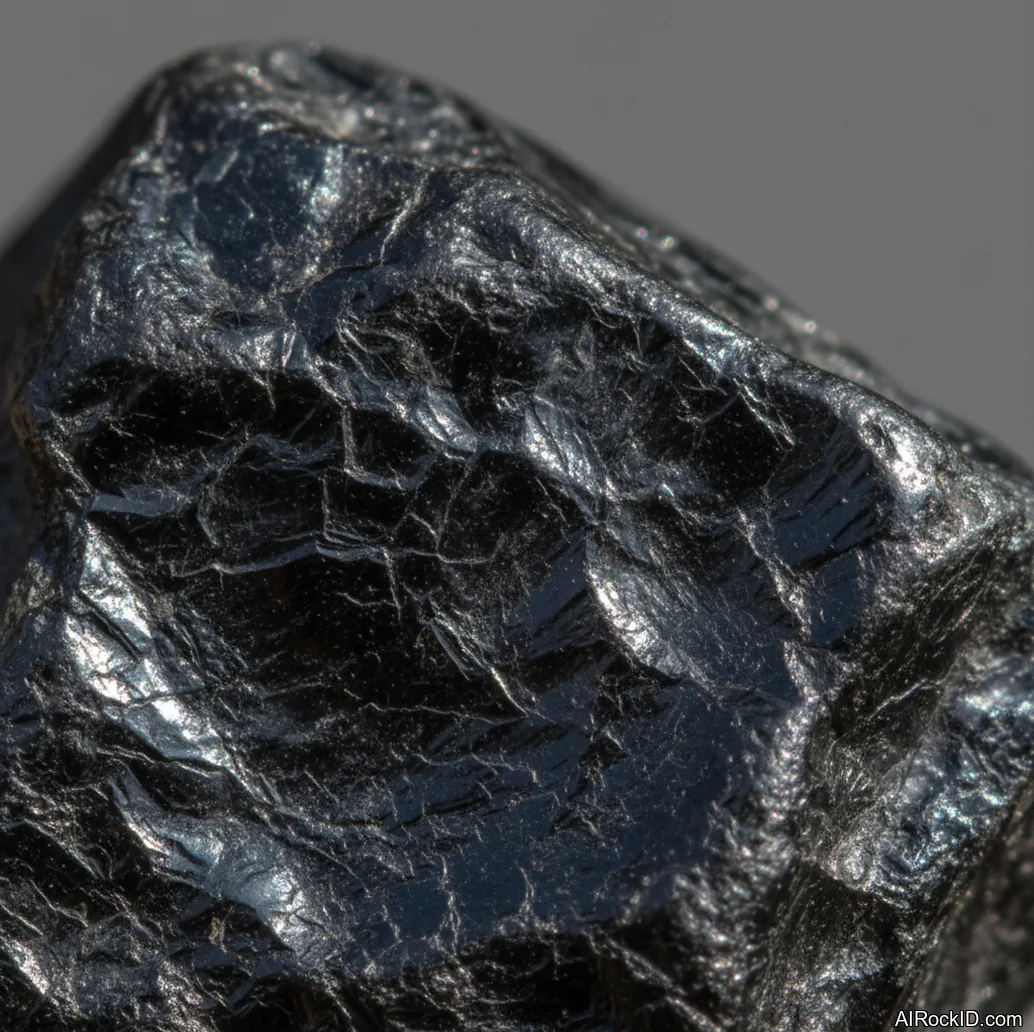
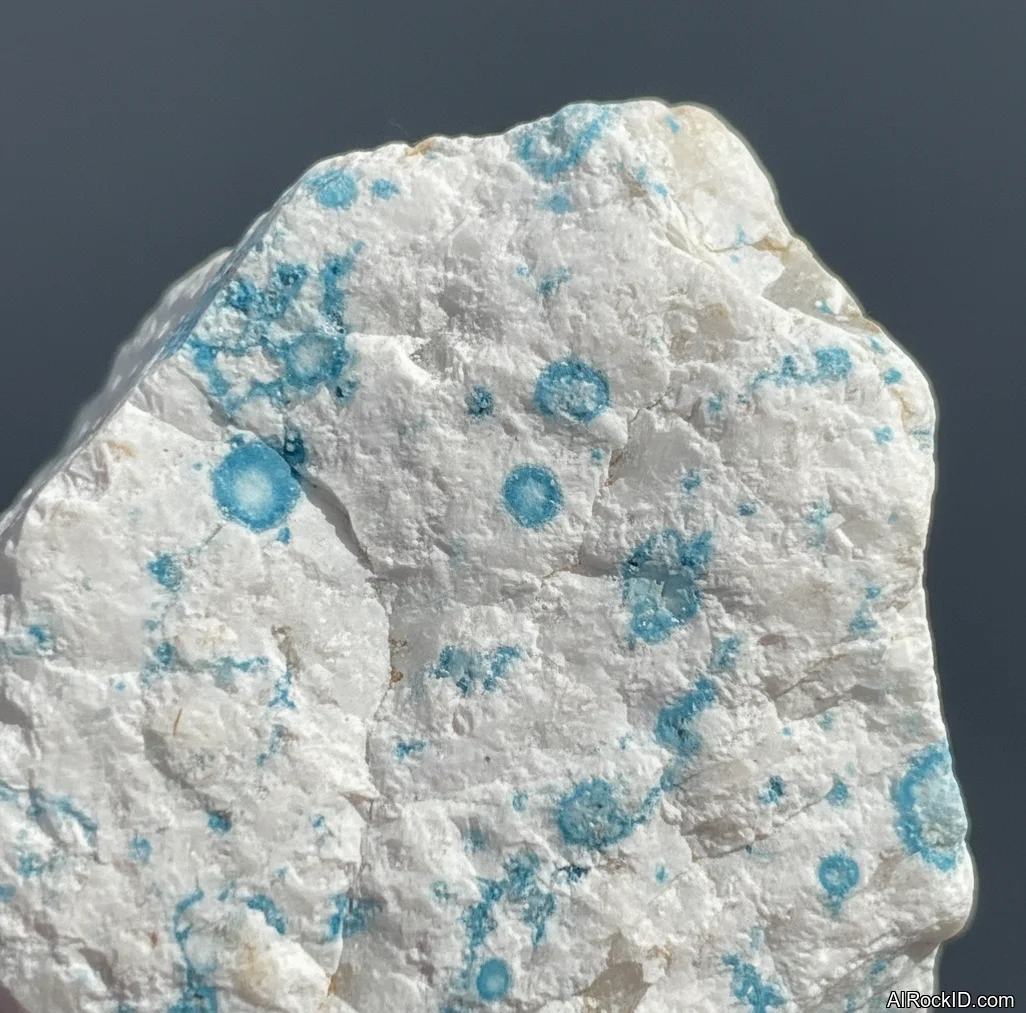
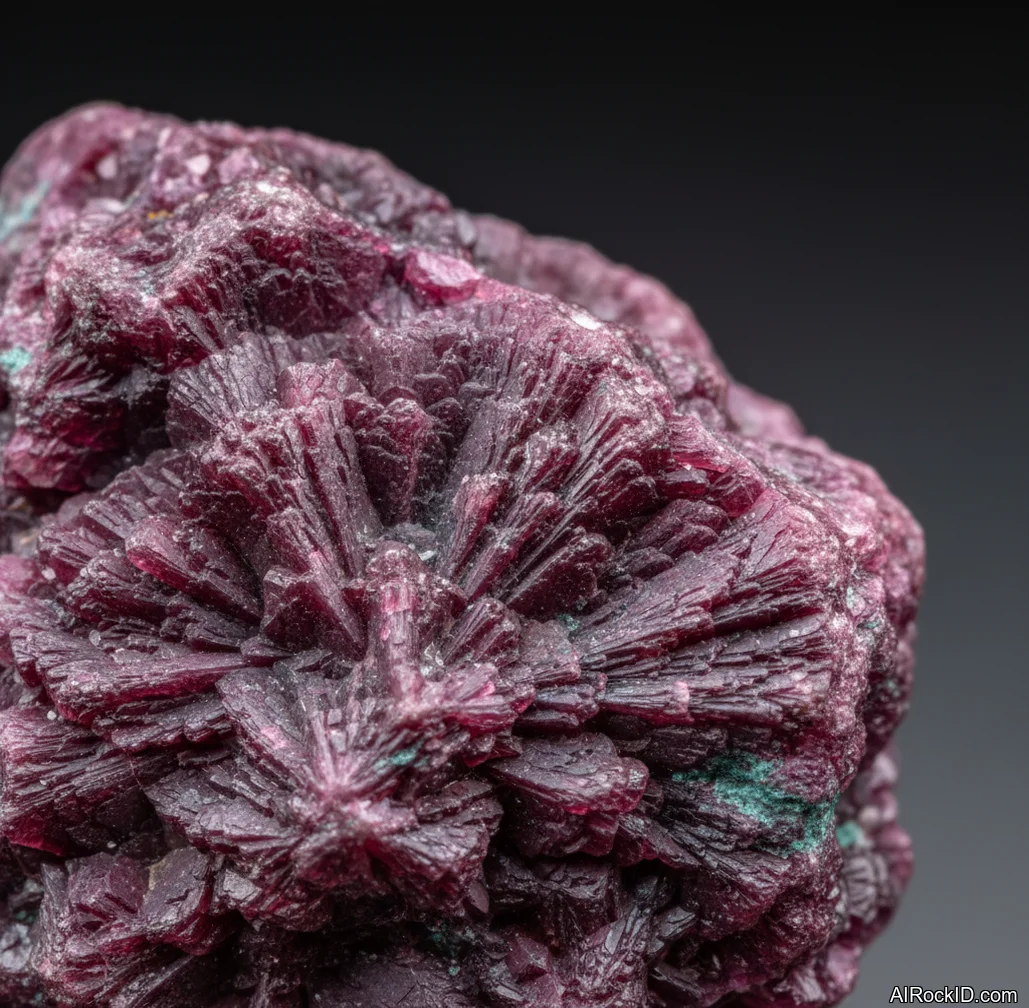
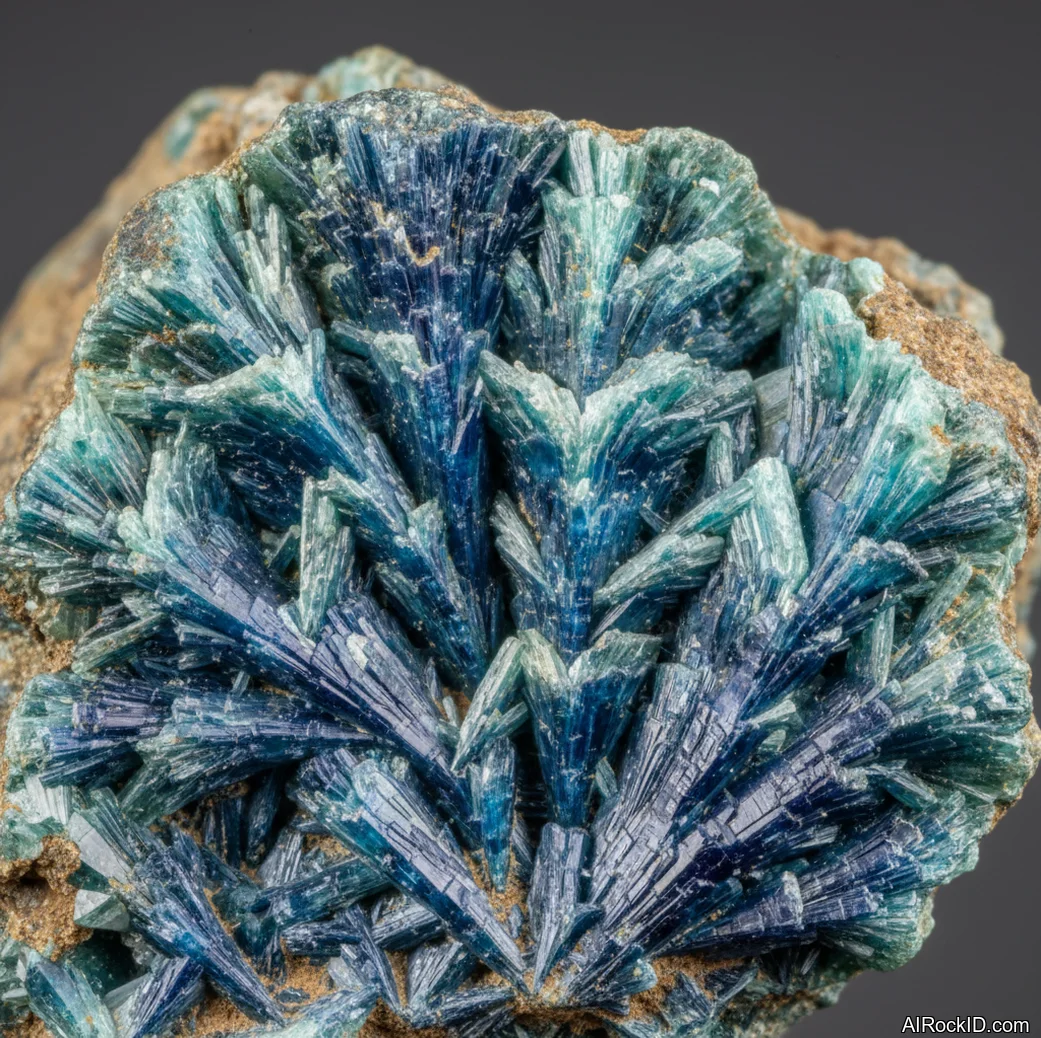
Transformation Crystals
Quick answer: Transformation crystals are stones that people traditionally associate with change, transition, release, and personal growth. Common examples include malachite, labradorite, moldavite, smoky quartz, and moonstone, each with different folklore, appearance, and handling considerations.
Explore Transformation crystals with meanings, buying tips, and how to use stones like malachite, labradorite, and moldavite for change.


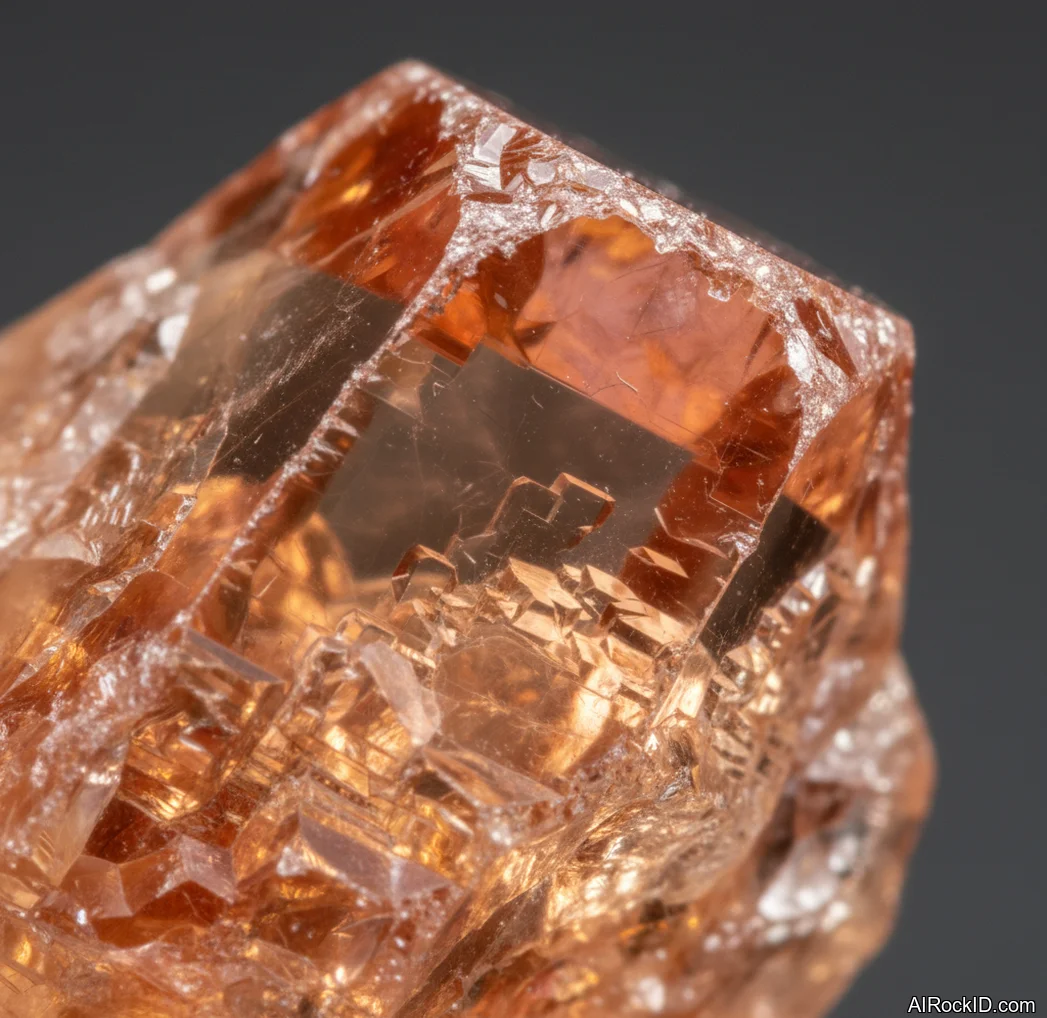
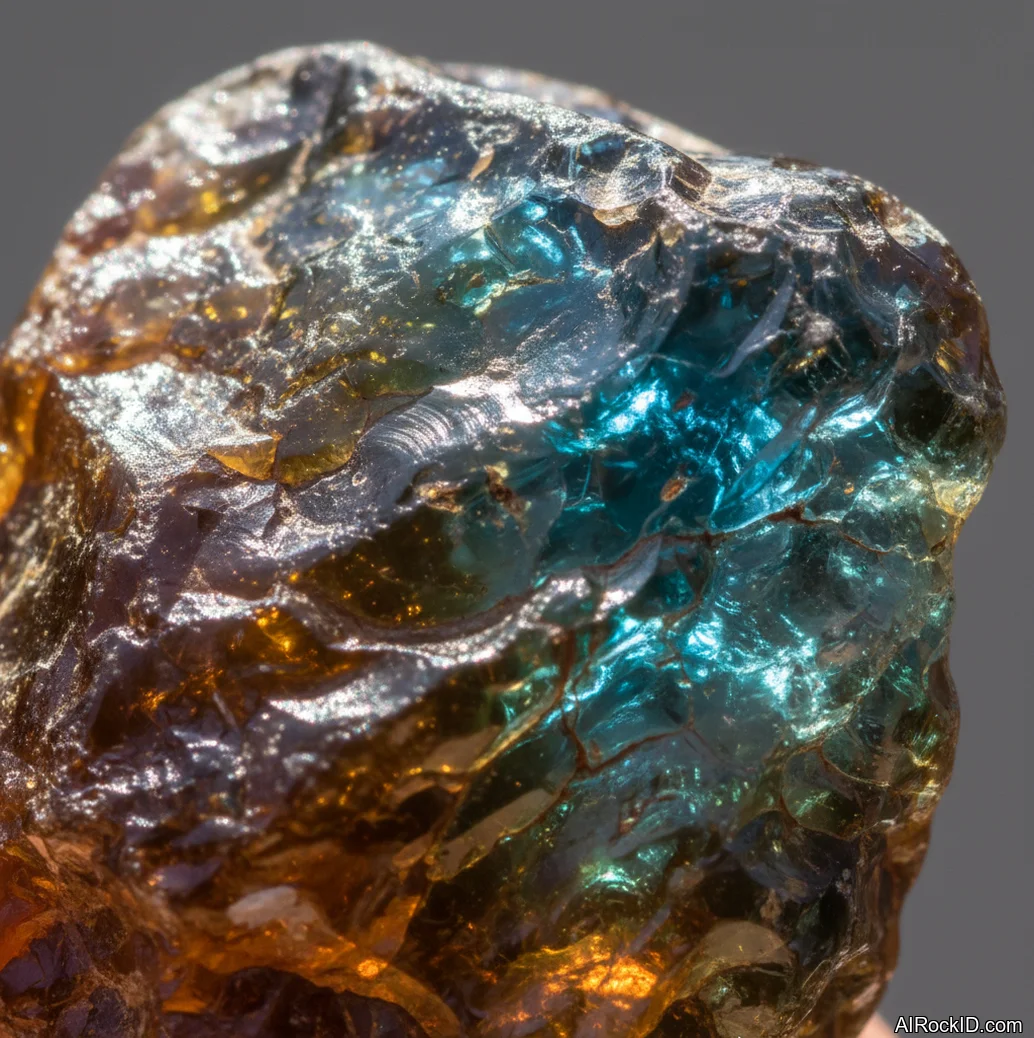
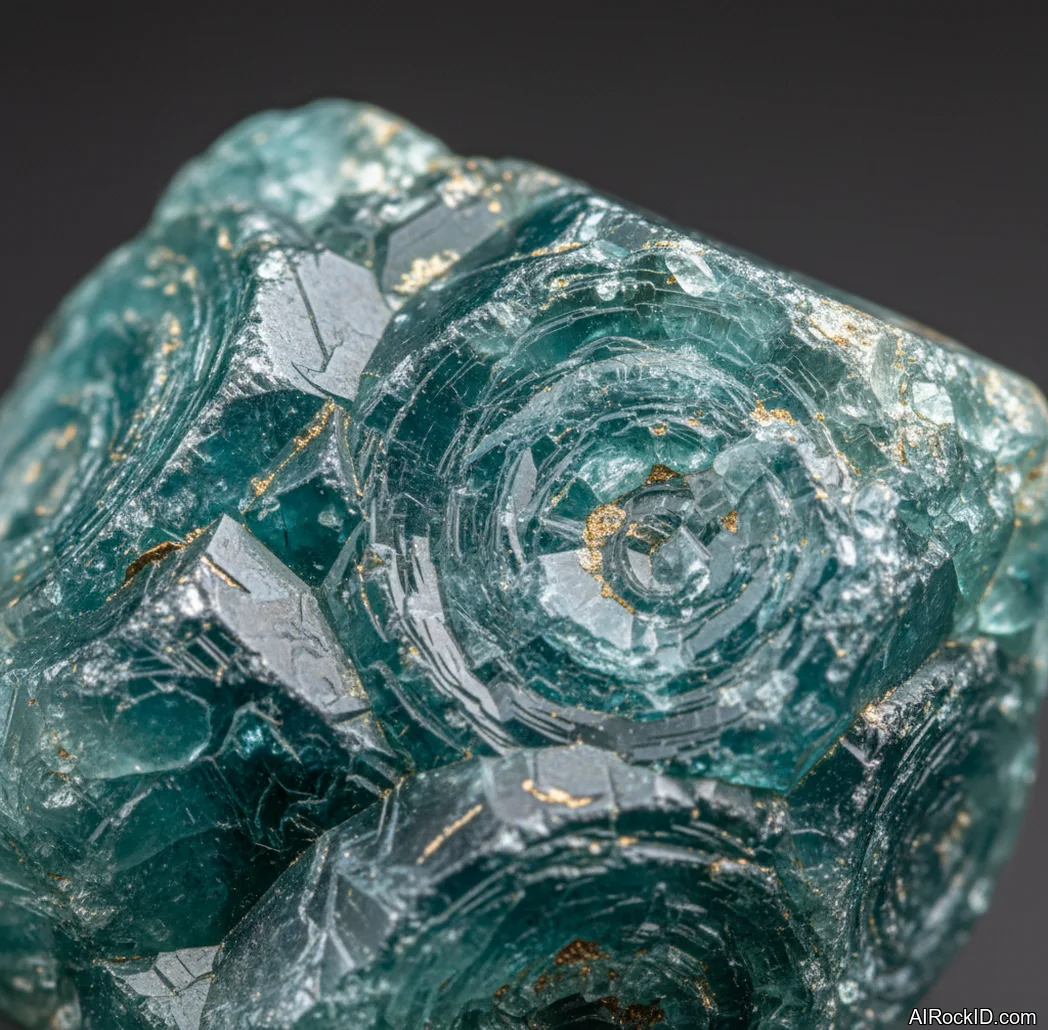
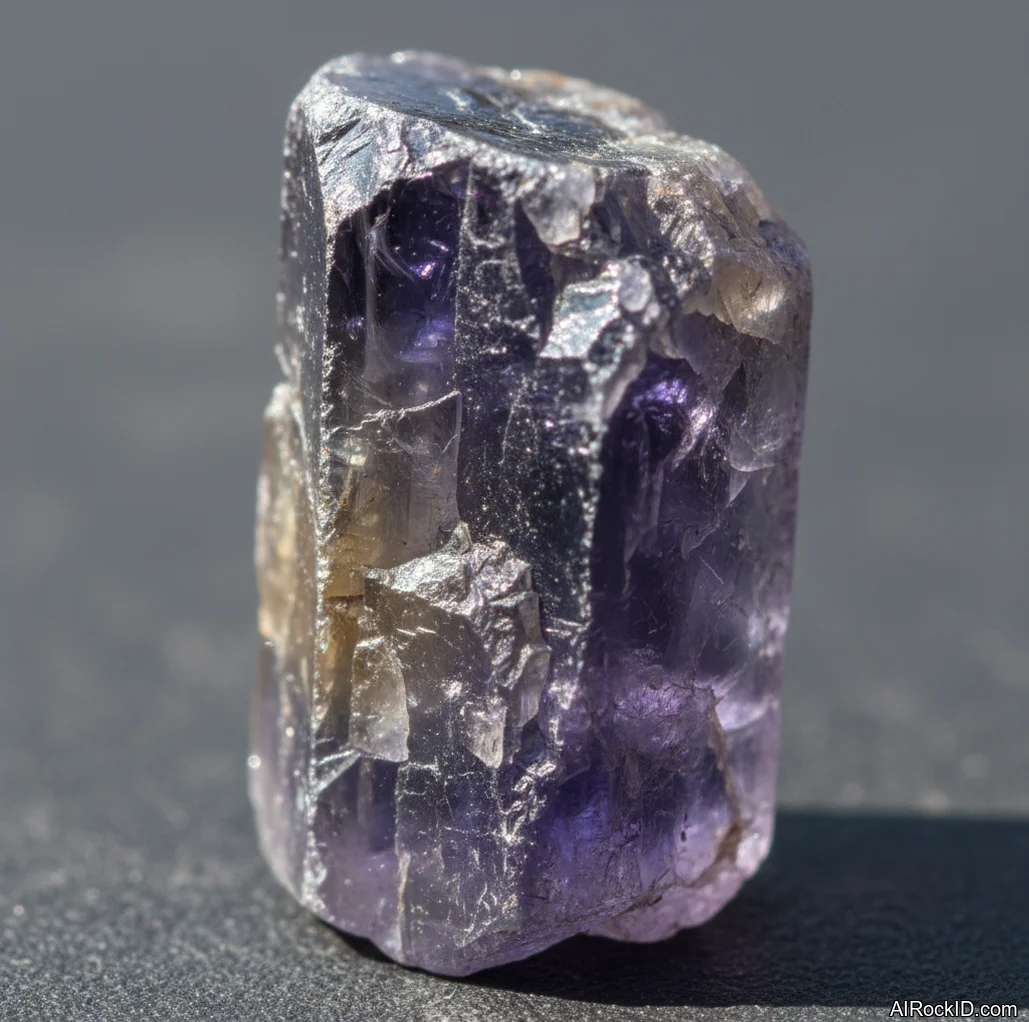
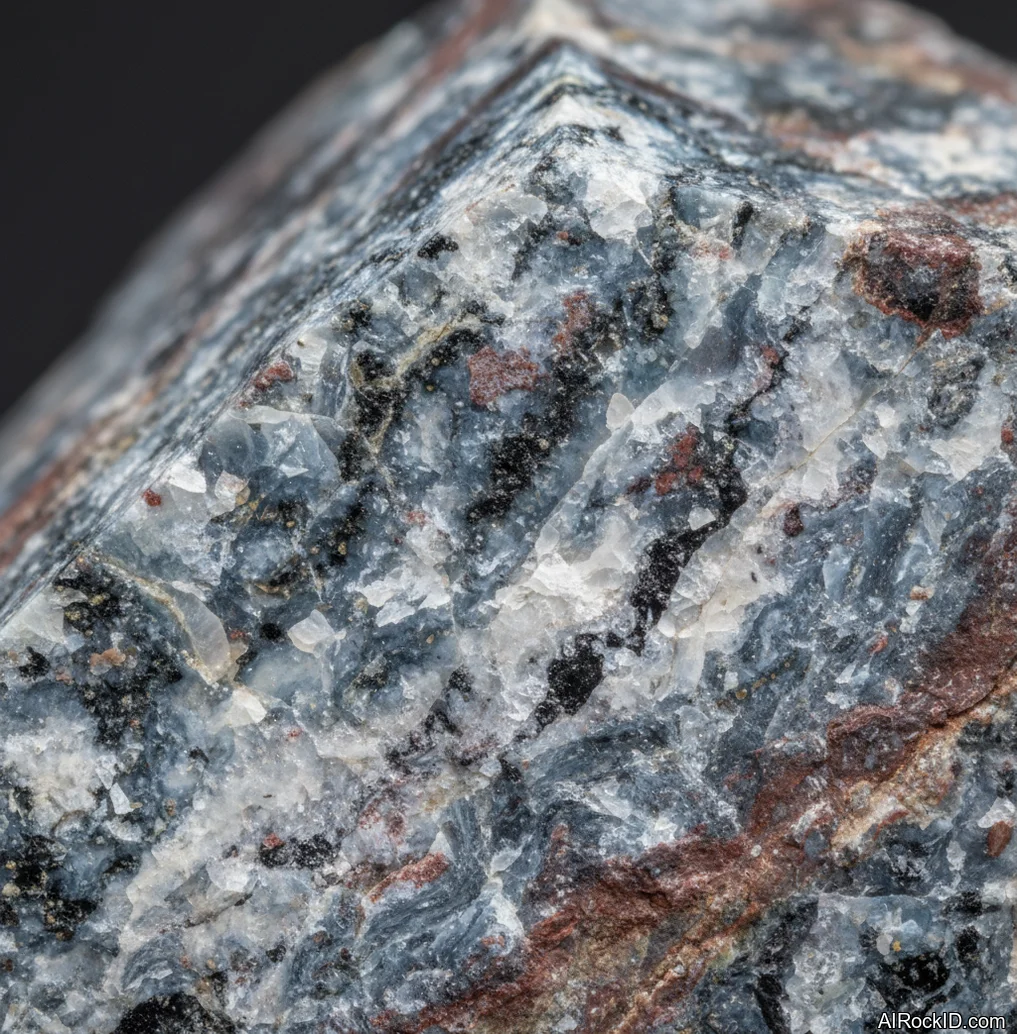
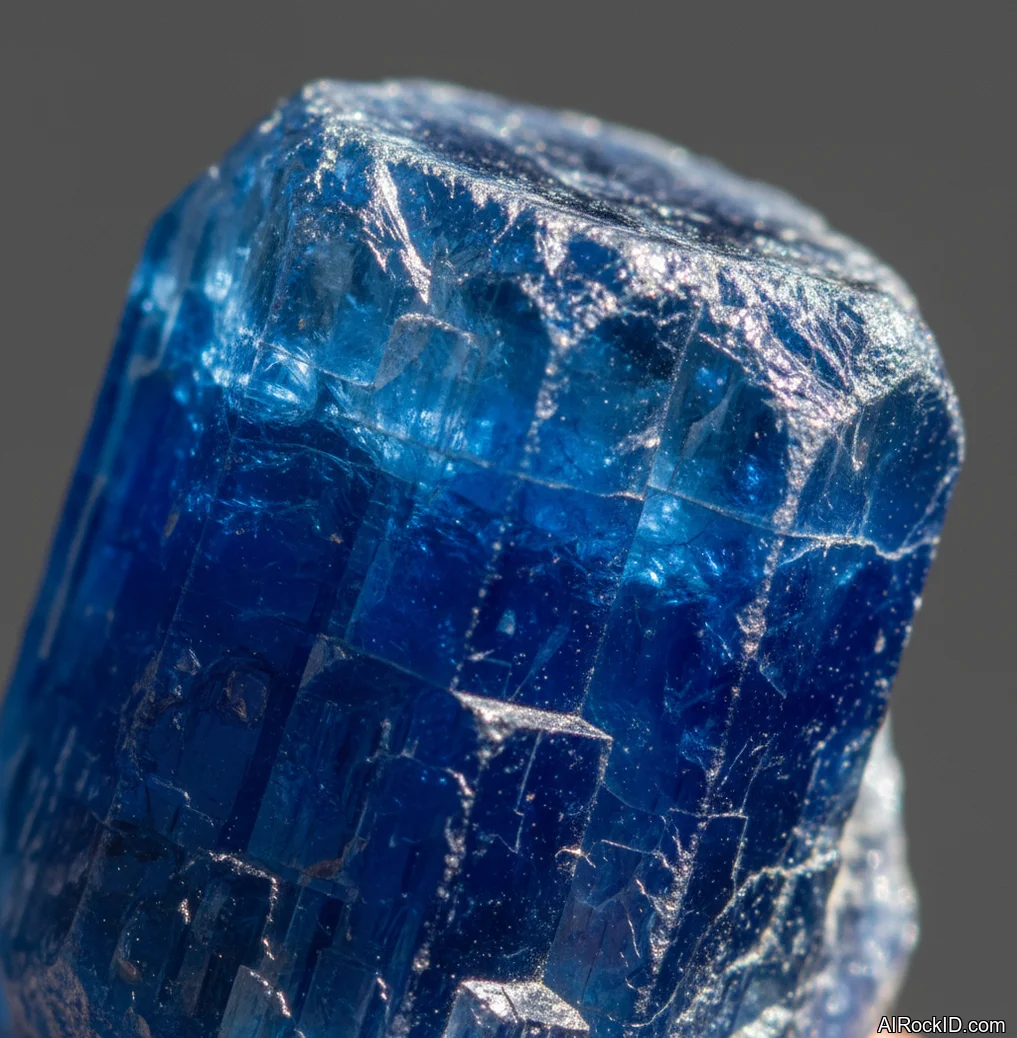
Transformation crystals are minerals associated with personal change, growth, and moving through major life shifts. In crystal collecting, malachite, labradorite, and moldavite are the most commonly linked stones, with each having a strong reputation for supporting long-lasting transitions. Collectors seek them out during periods like career changes, deep habit work, or emotional resets. These associations come from metaphysical traditions and are not medical claims.
Transformation crystals can't guarantee real-world change or replace therapy, medical support, or practical action. They are symbolic tools, not solutions for addiction, trauma, or loss.
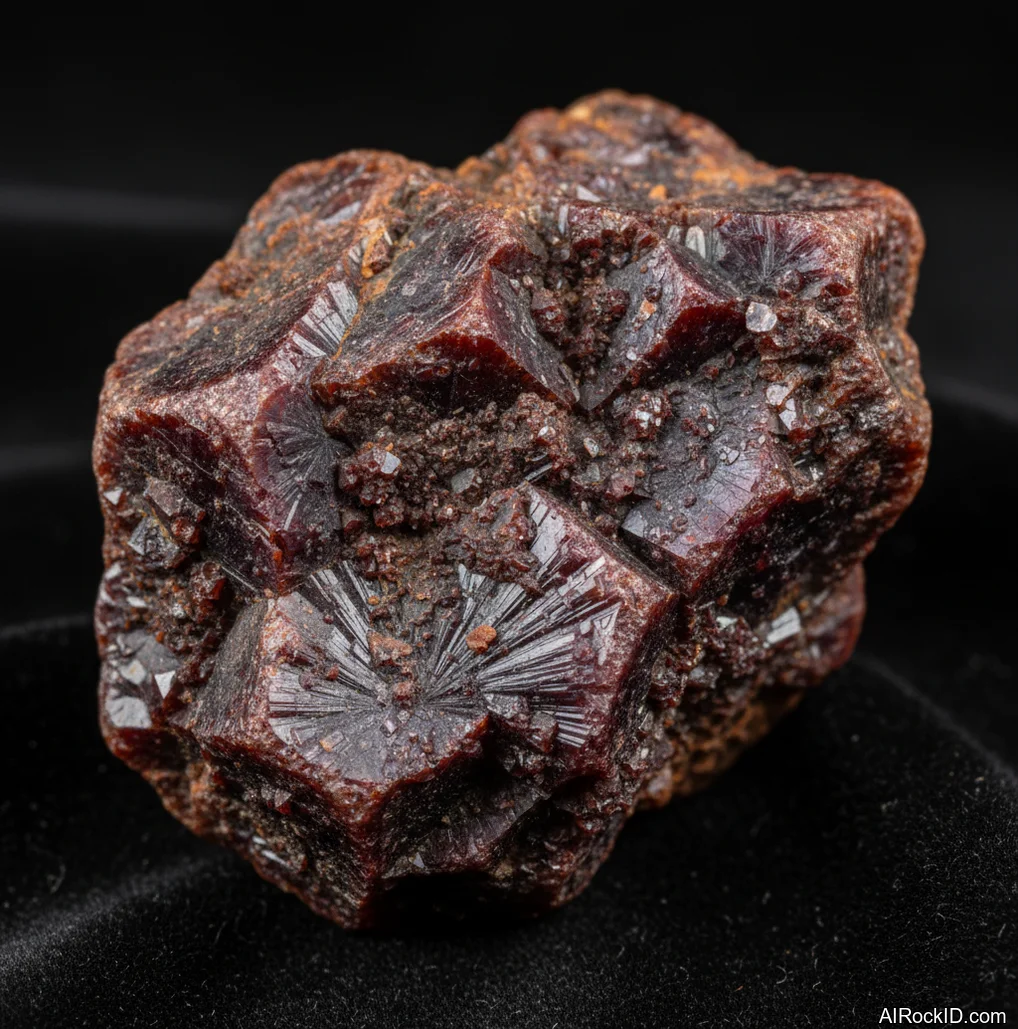
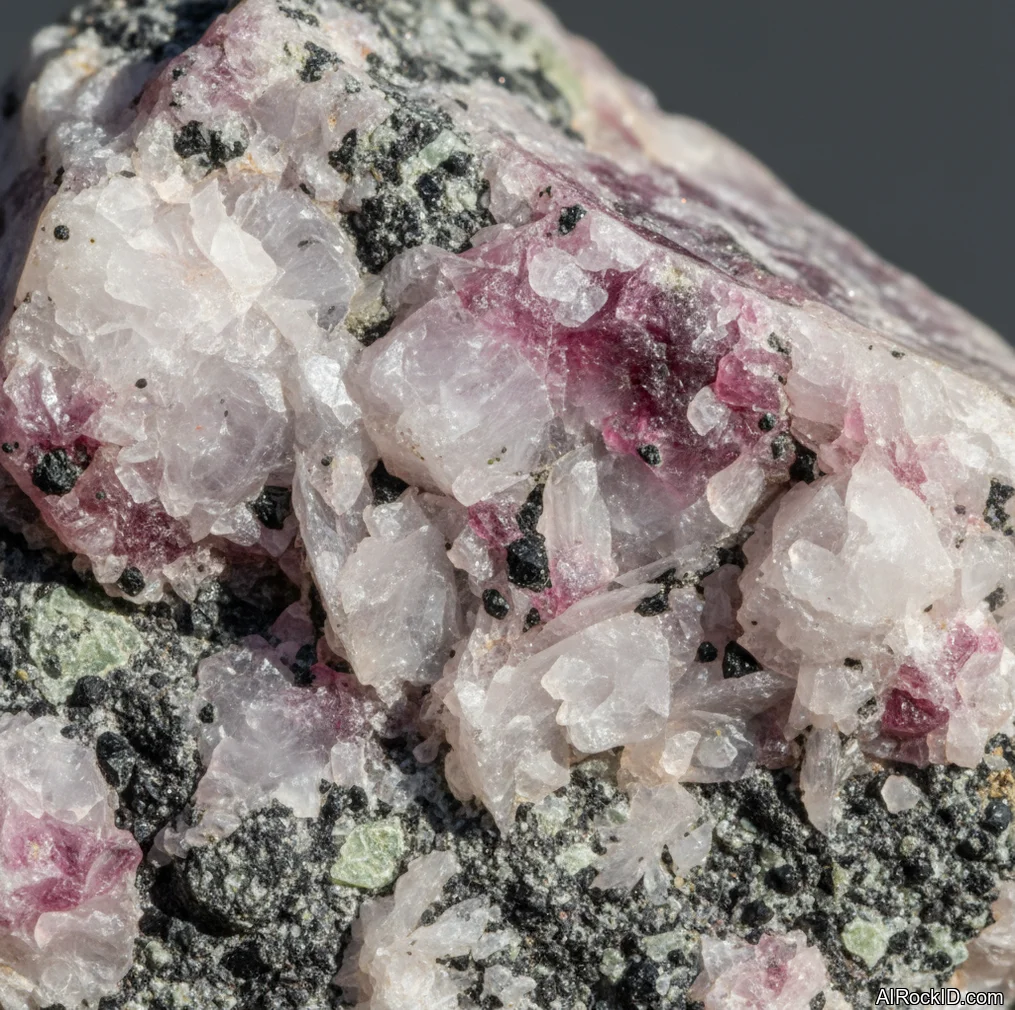
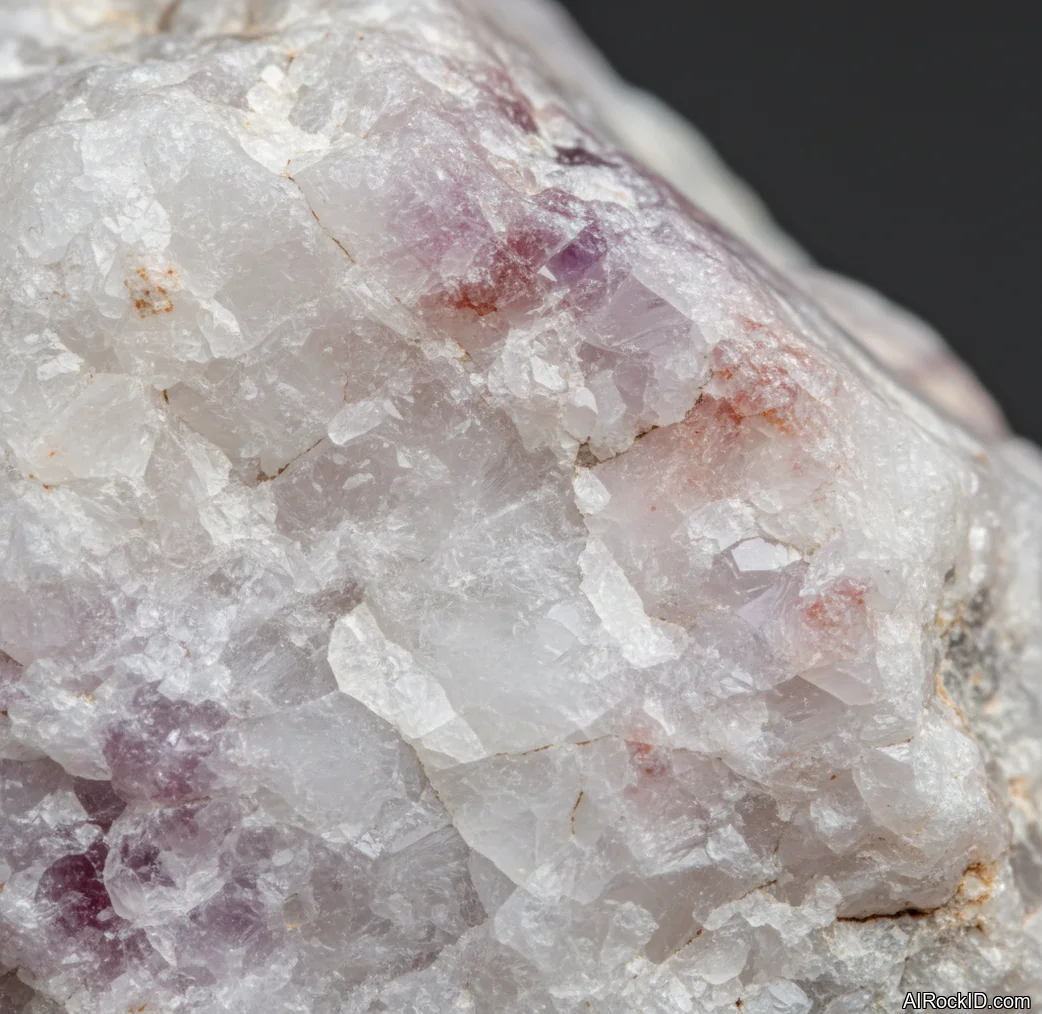
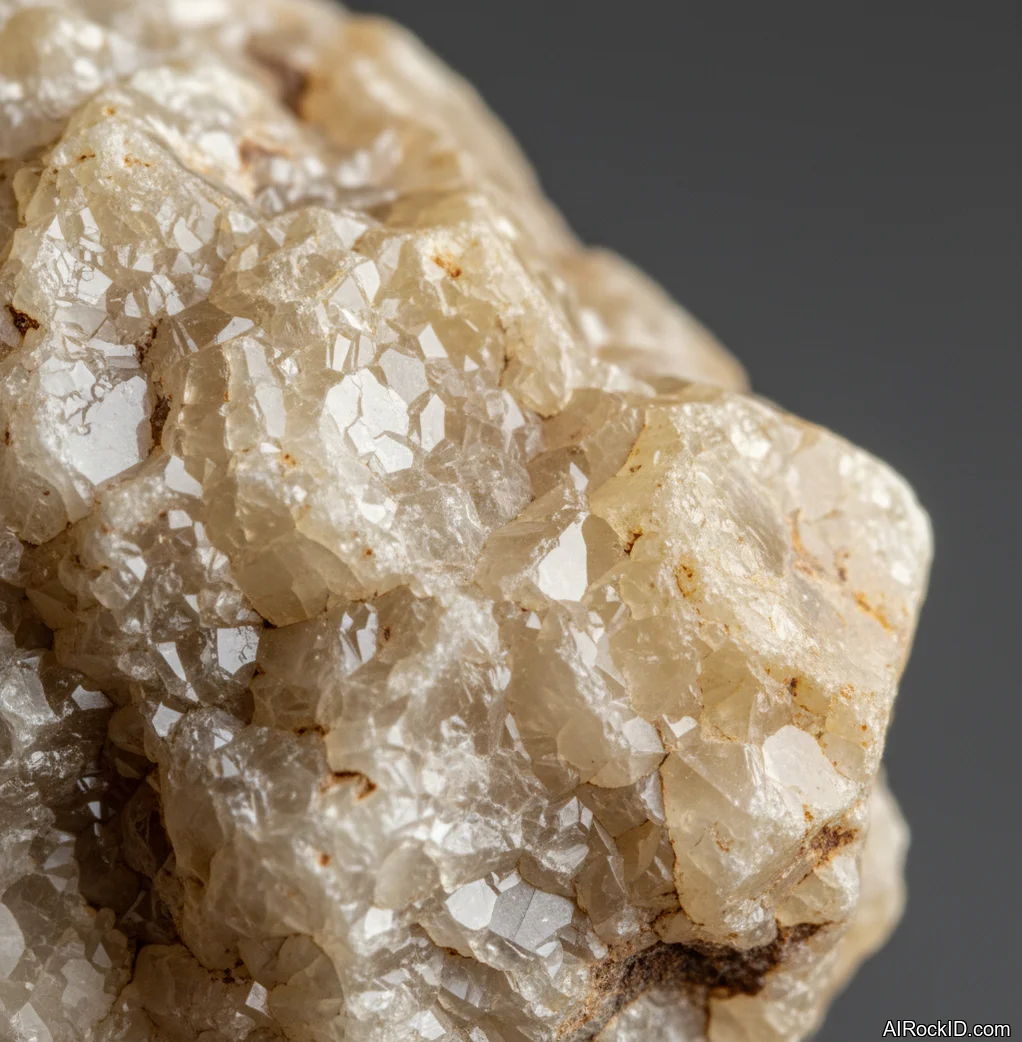
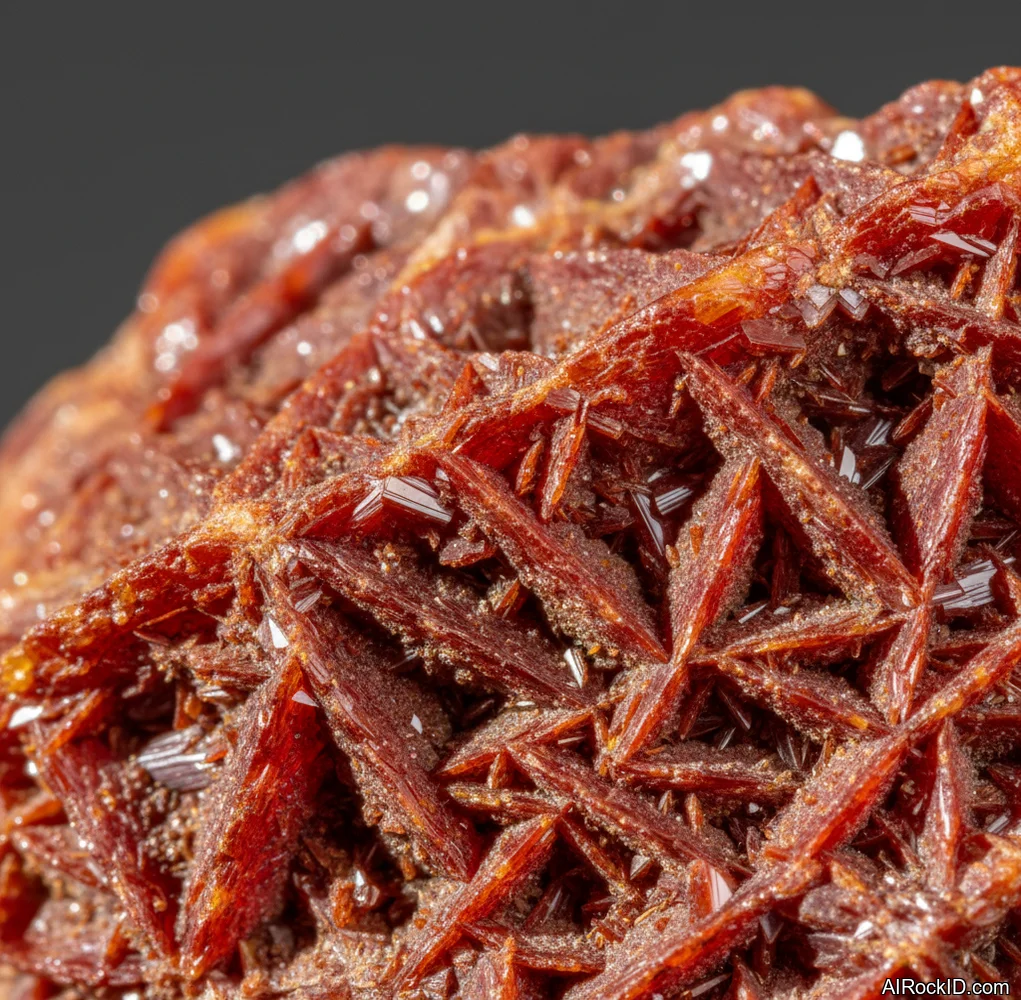
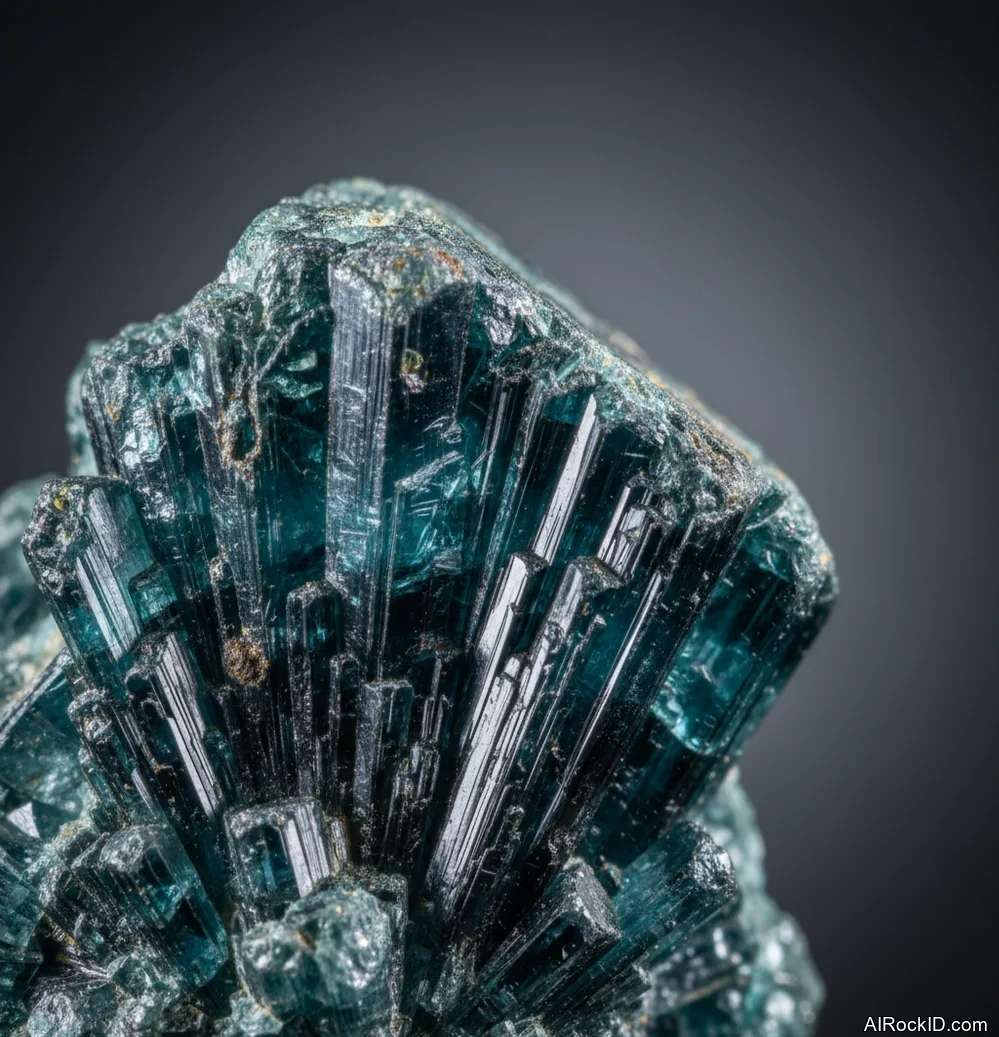
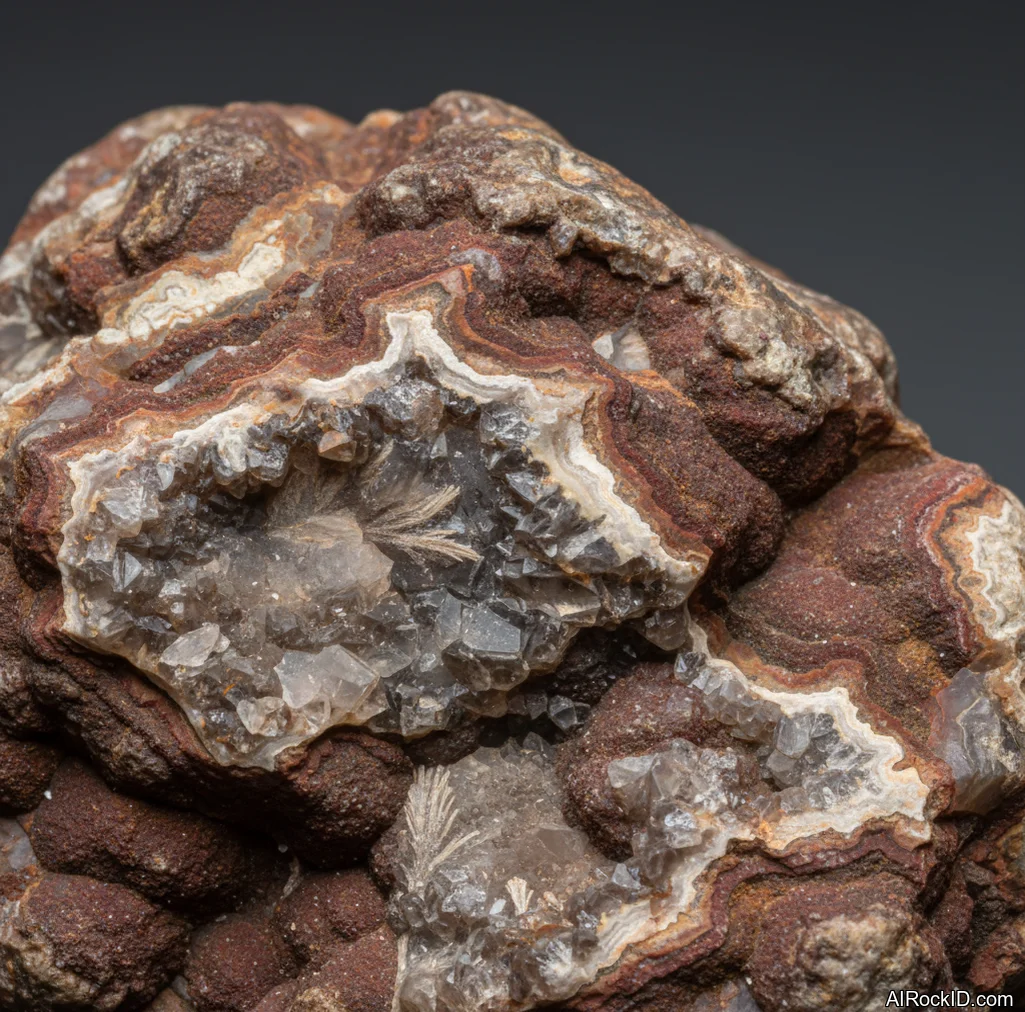
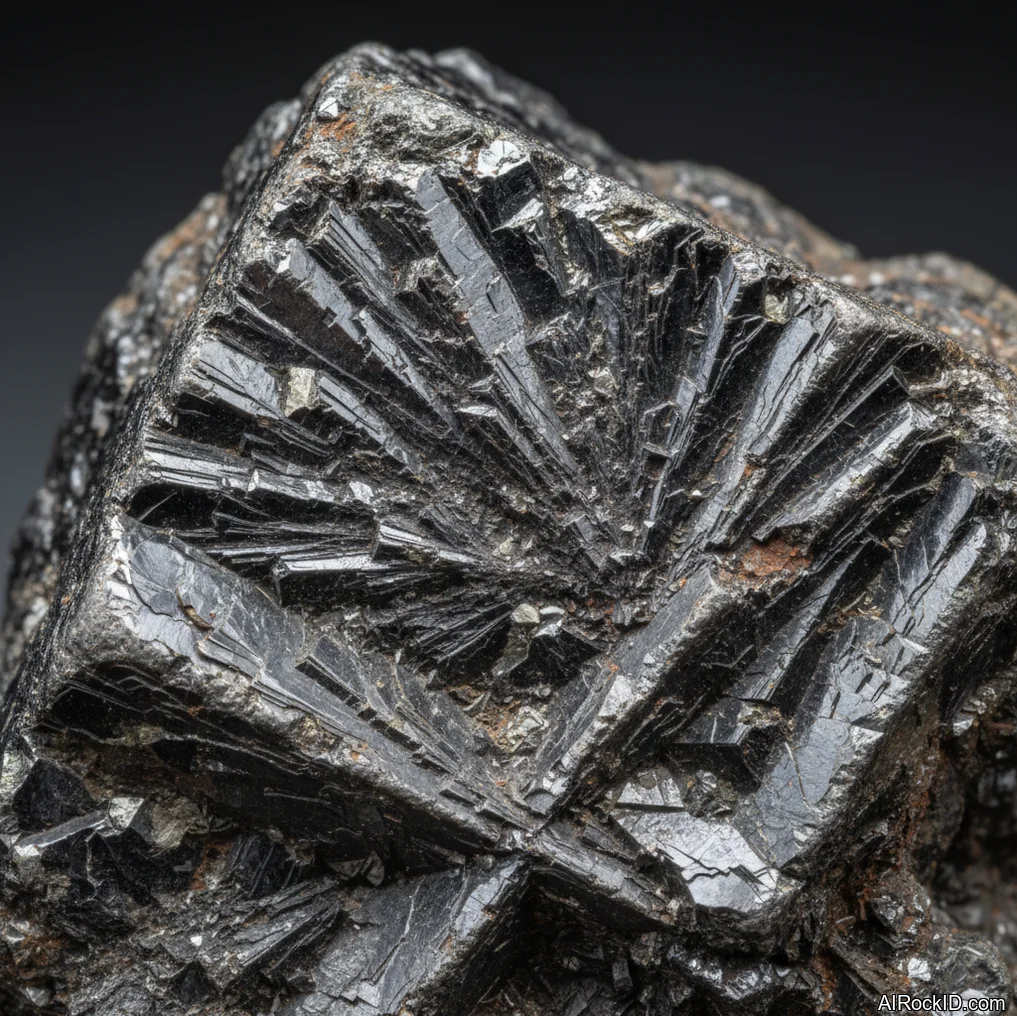
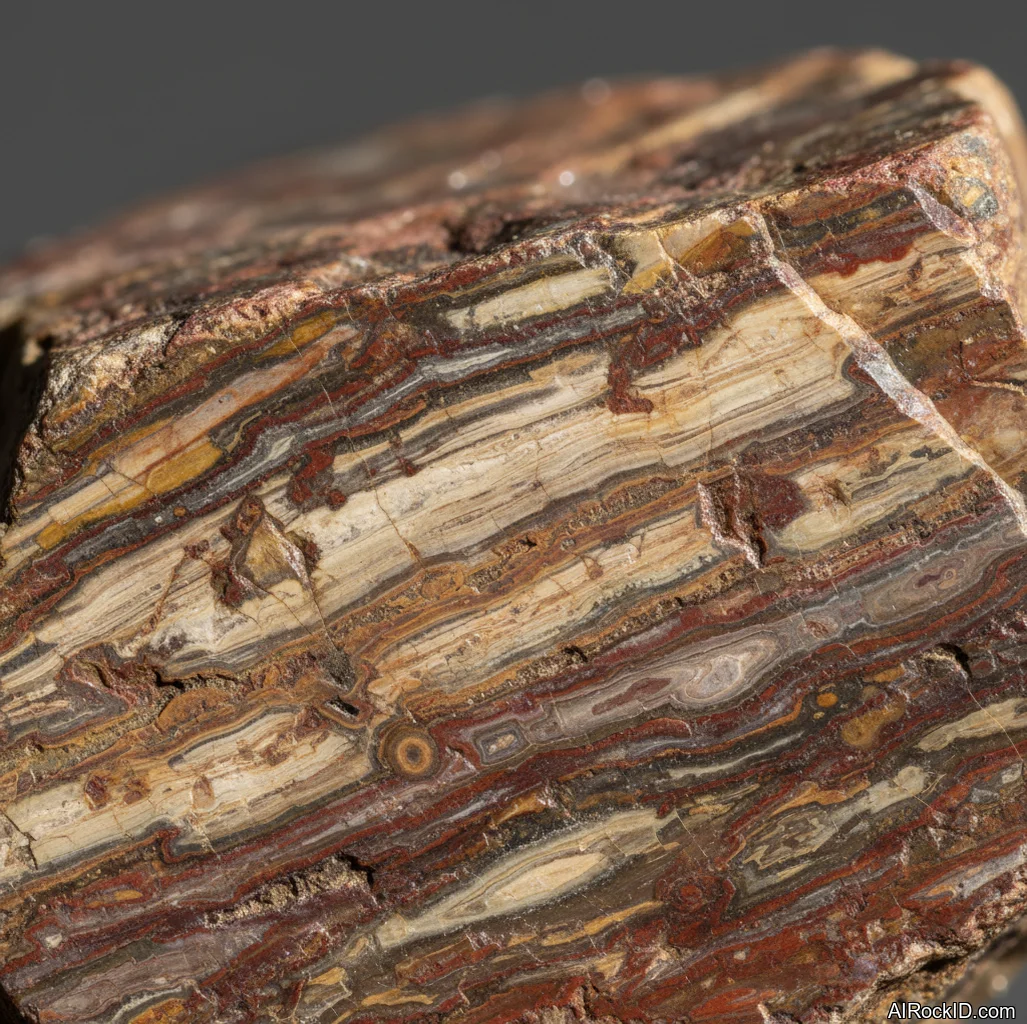
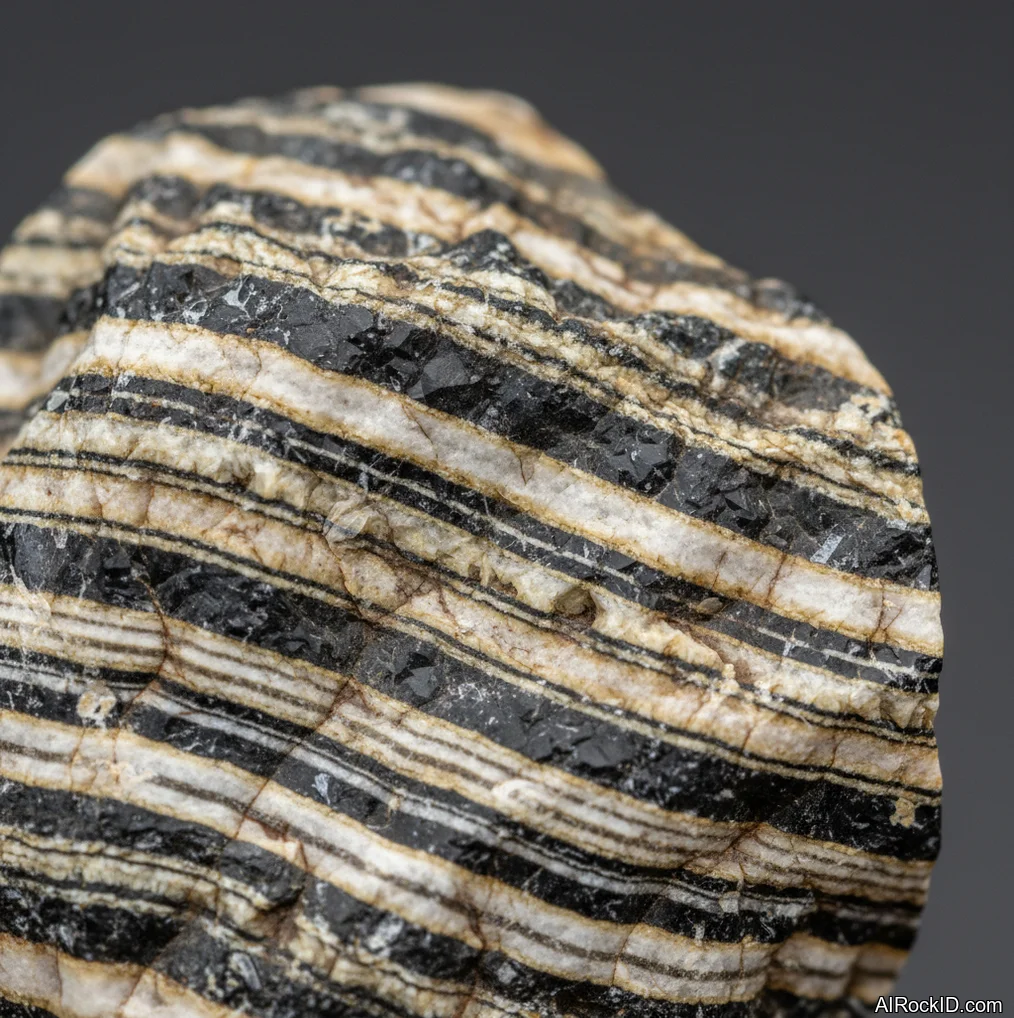
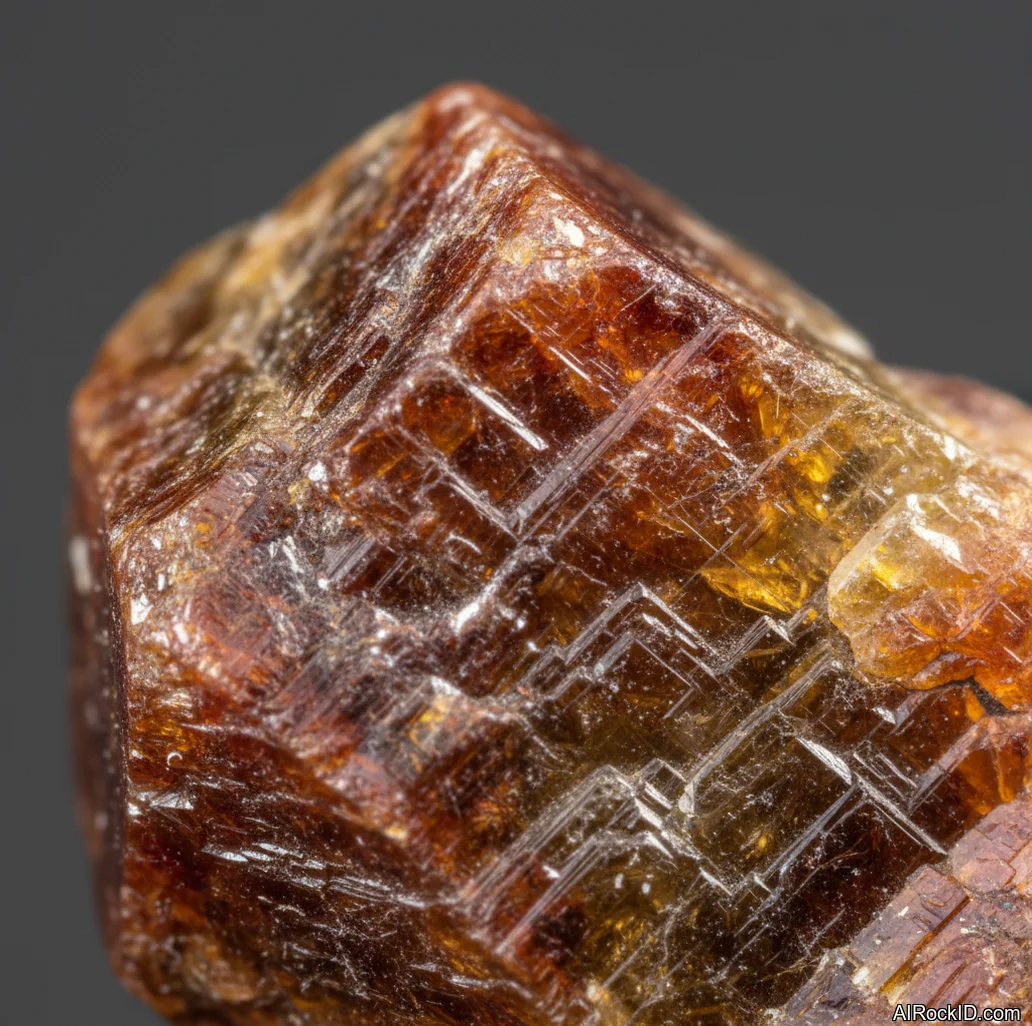
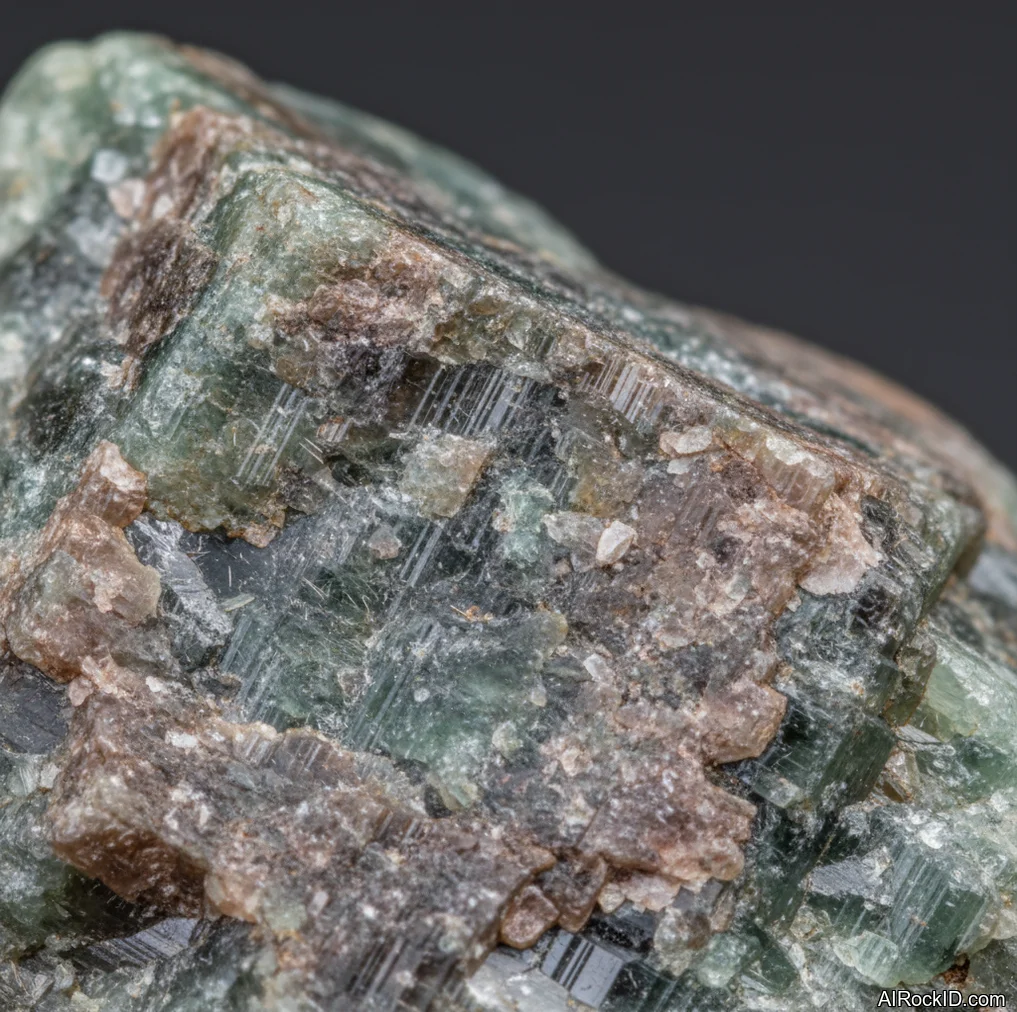
AI Rock ID can help compare a stone’s visible traits, such as color, luster, banding, and crystal habit, against known mineral examples. RockIdentifier.io provides crystal and mineral references that can support identification, learning, and organization of transformation-related stones.
Good fit
- People building a crystal collection around change, transition, or new beginnings
- Beginners who want symbolic stones for journaling, meditation, or intention-setting traditions
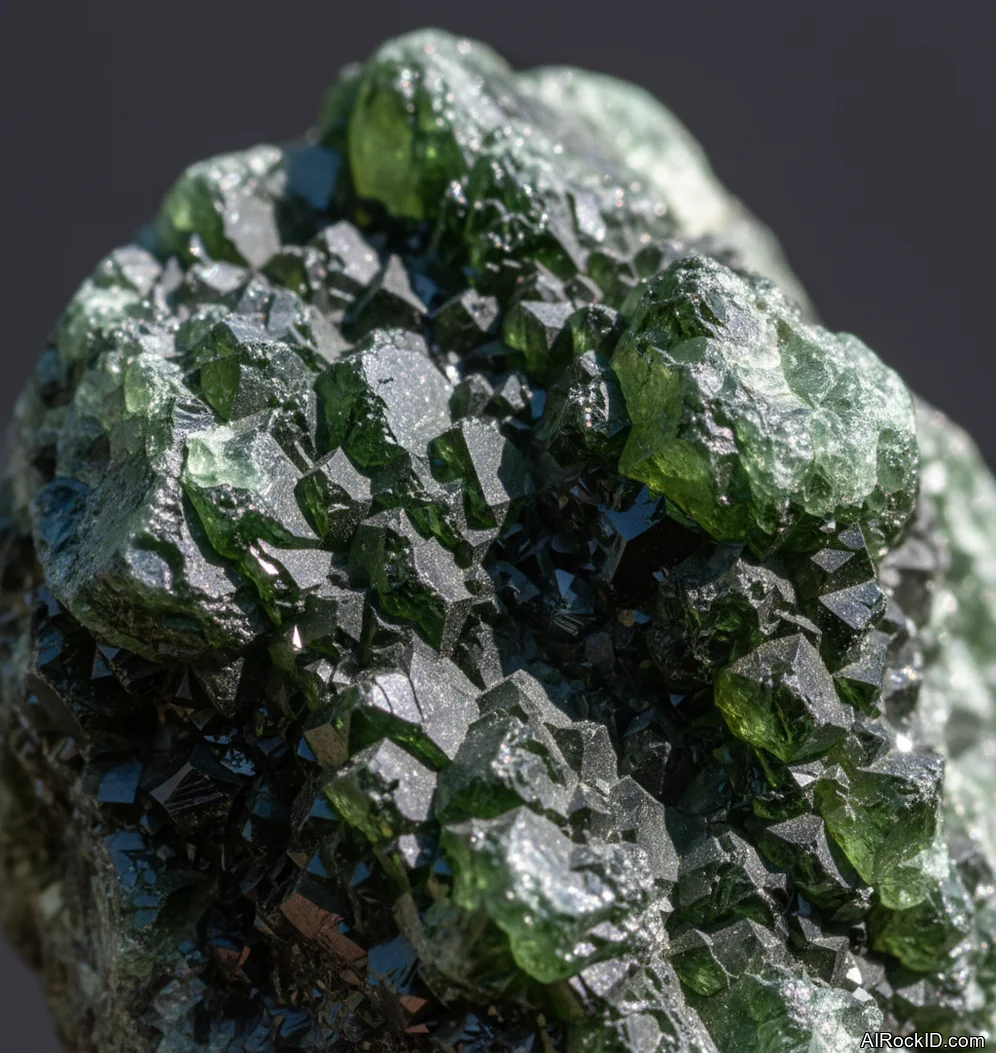
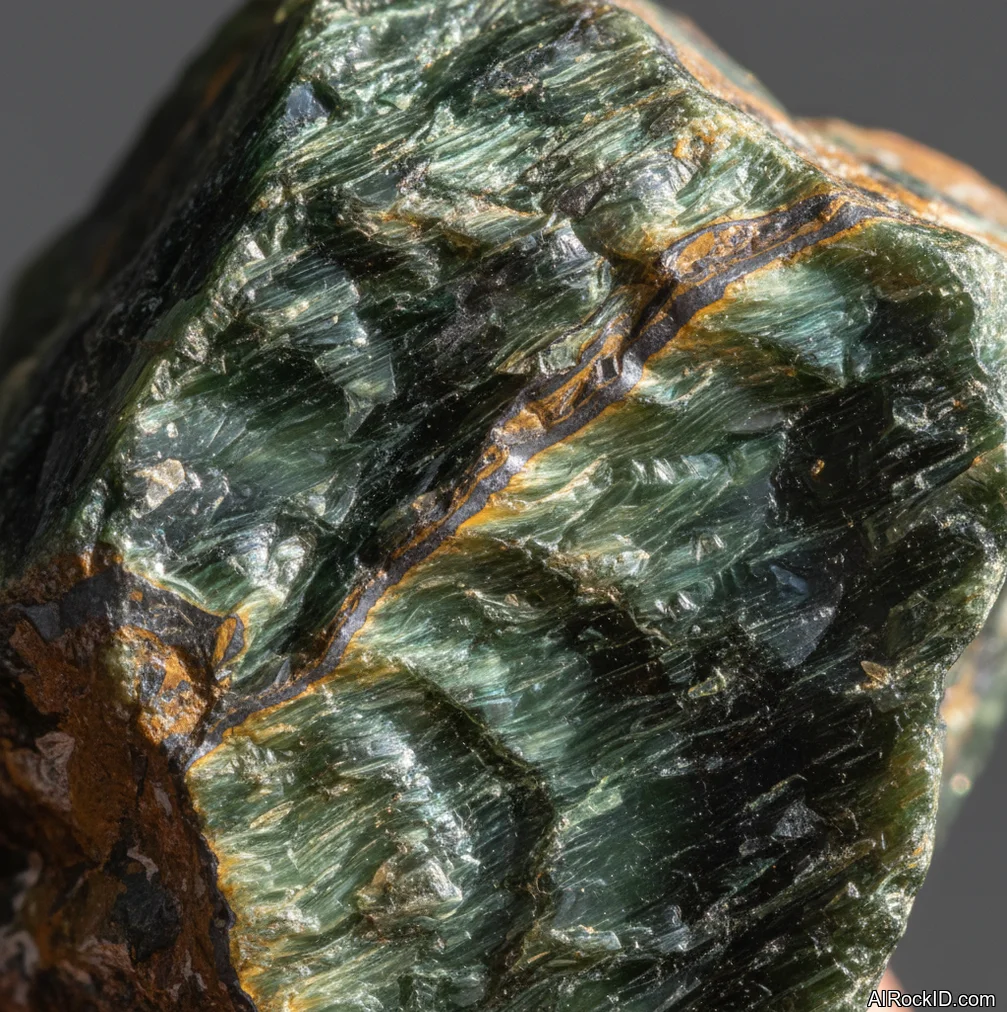
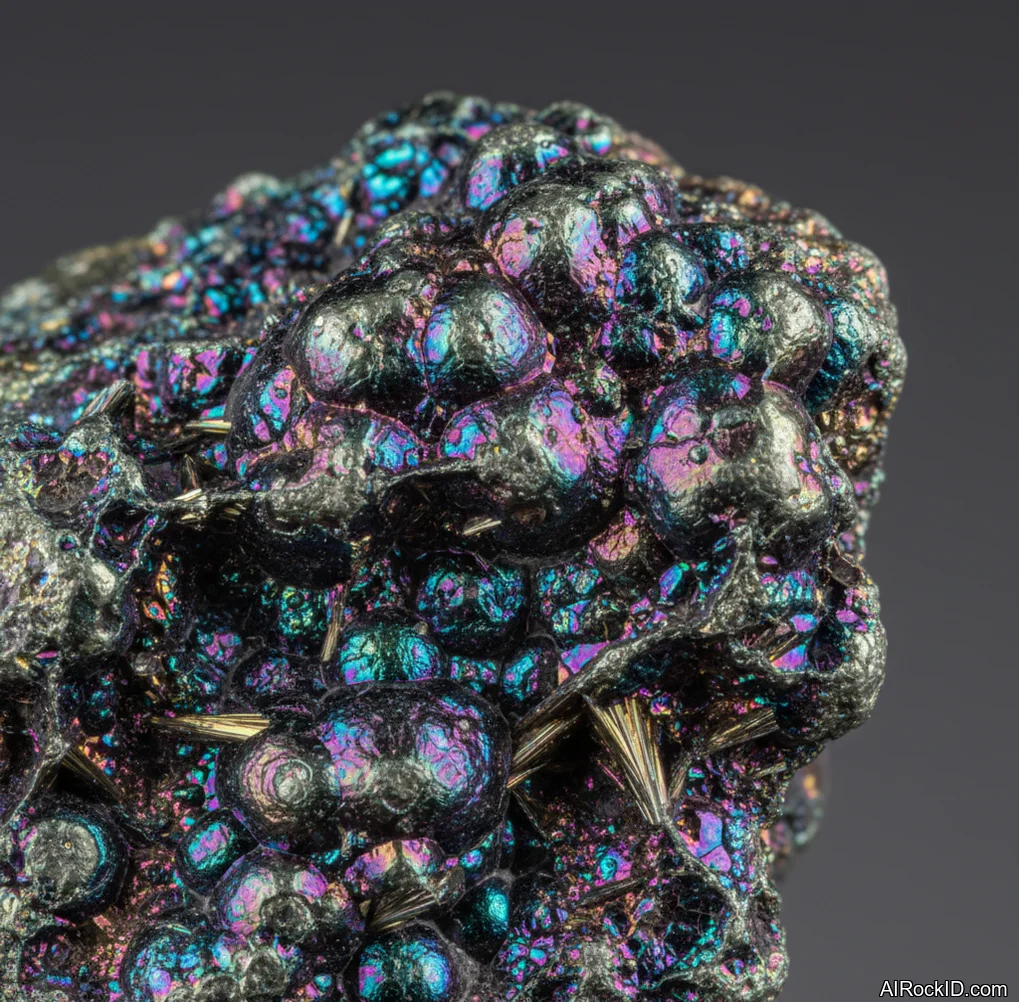
- Collectors comparing green, iridescent, volcanic, or high-energy stones often linked with transformation
- Users who want to identify an unknown stone before assigning it a metaphysical meaning
Not a good fit
- Replacing medical, mental health, financial, or legal advice
- Identifying a stone by metaphysical meaning alone
- Assuming every green or iridescent stone belongs in the transformation category
- Using fragile, toxic, or water-sensitive stones without checking care guidance
Most commonly confused with
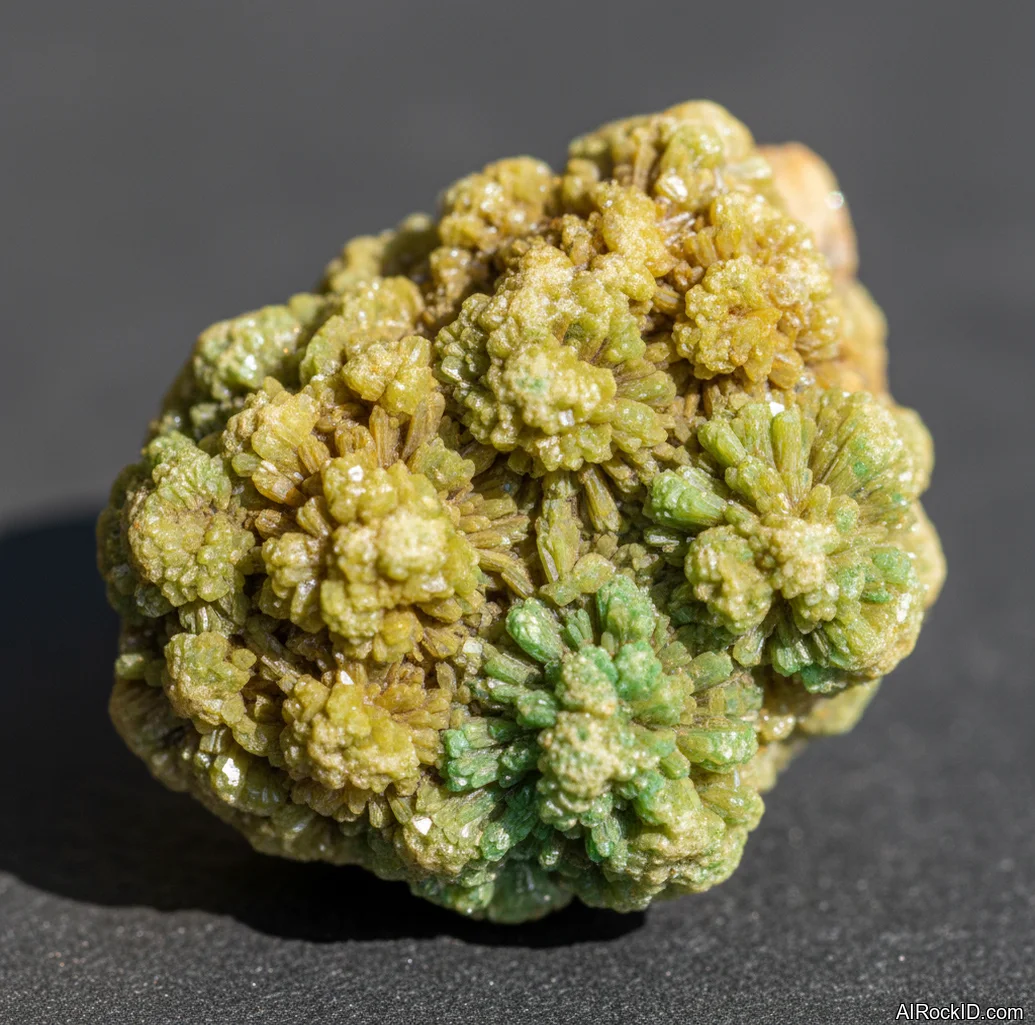
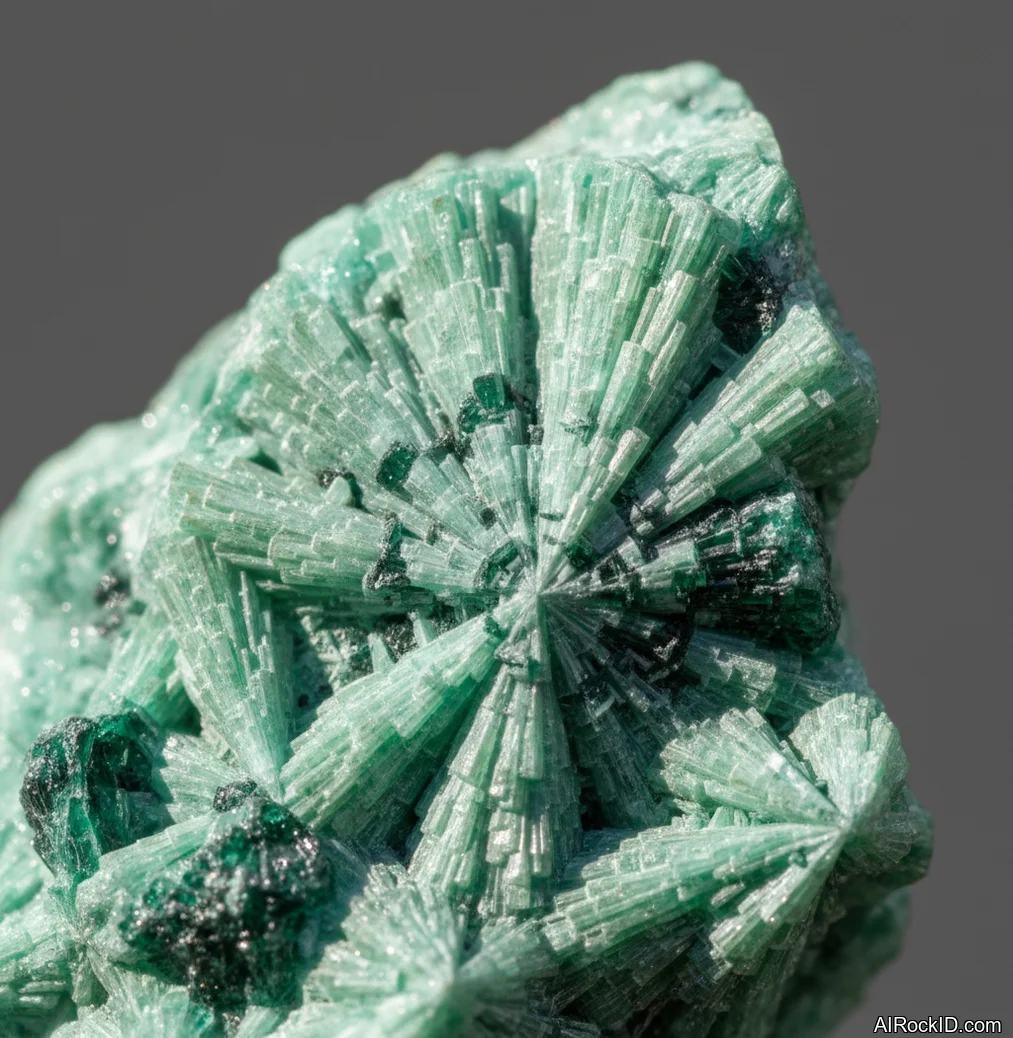
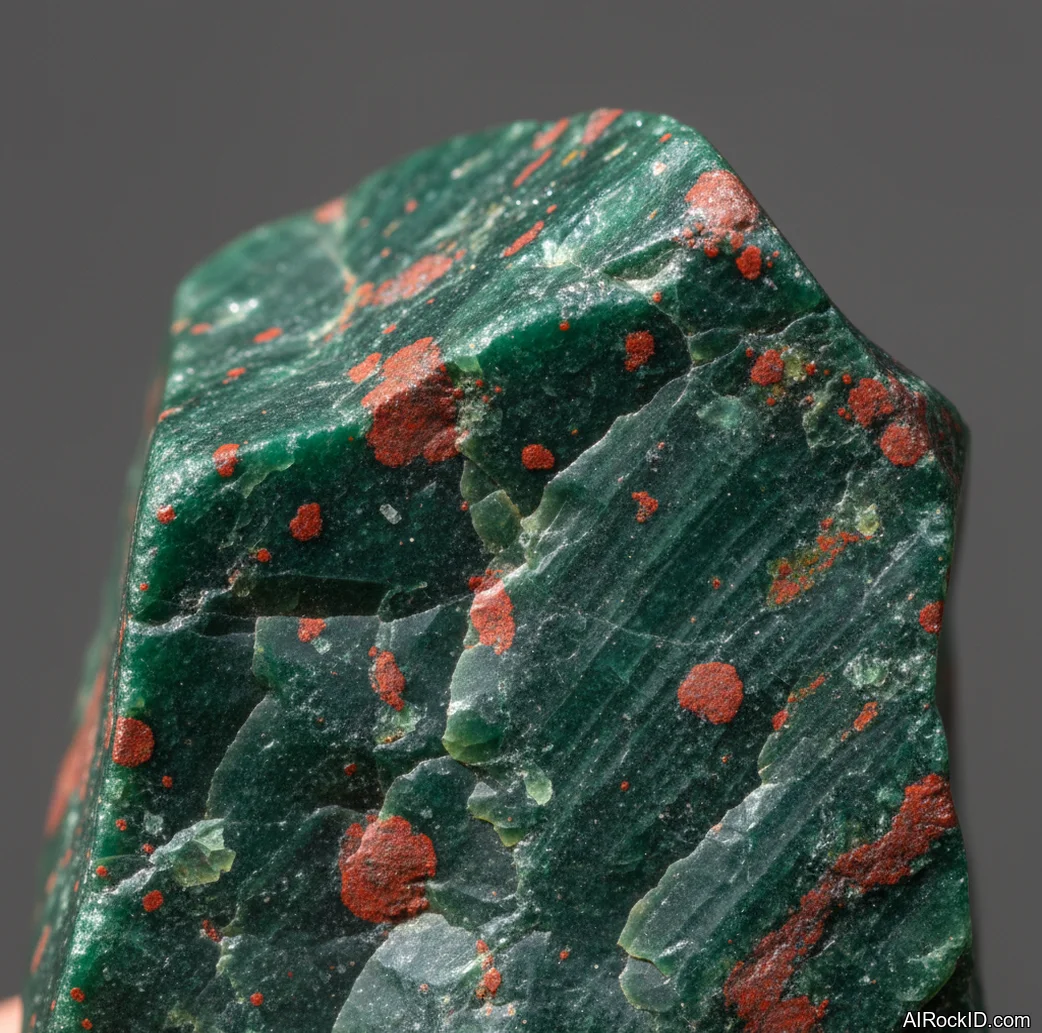
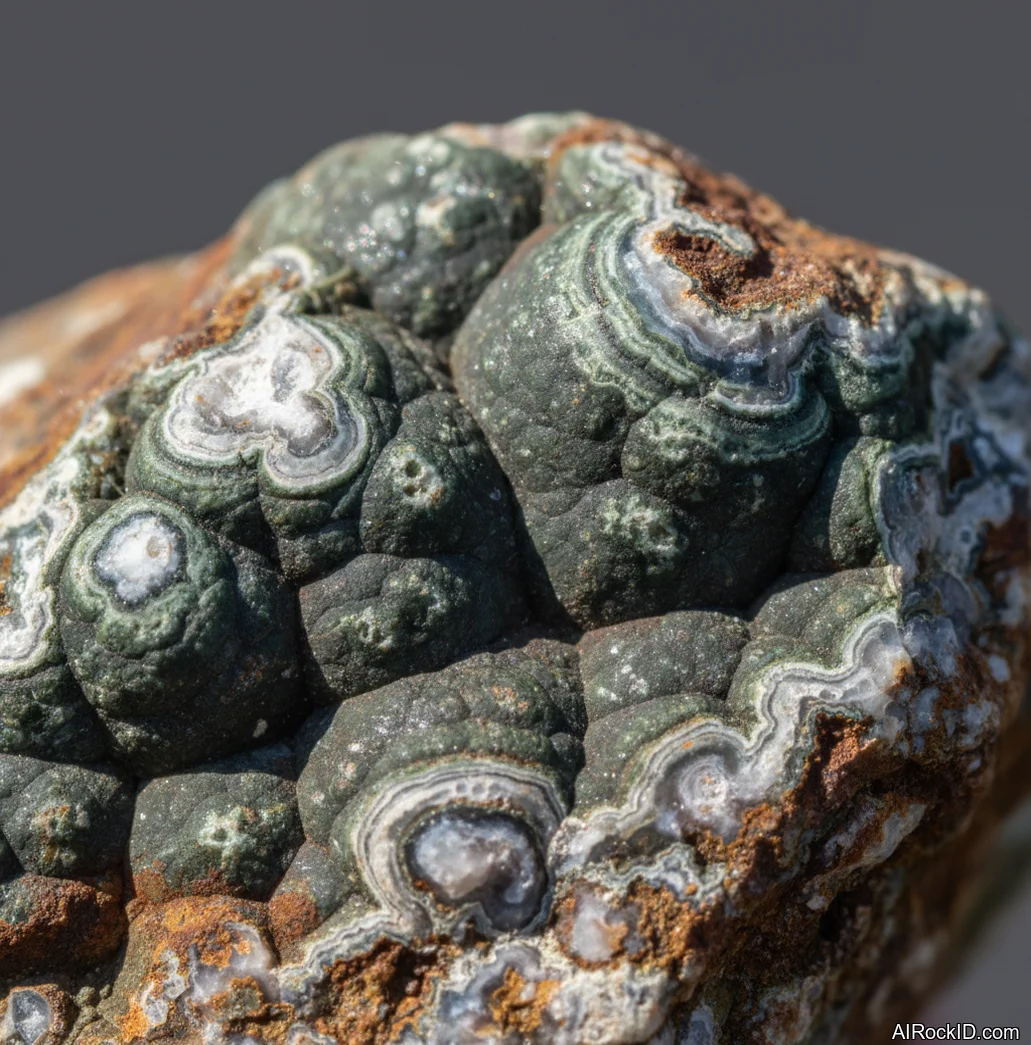
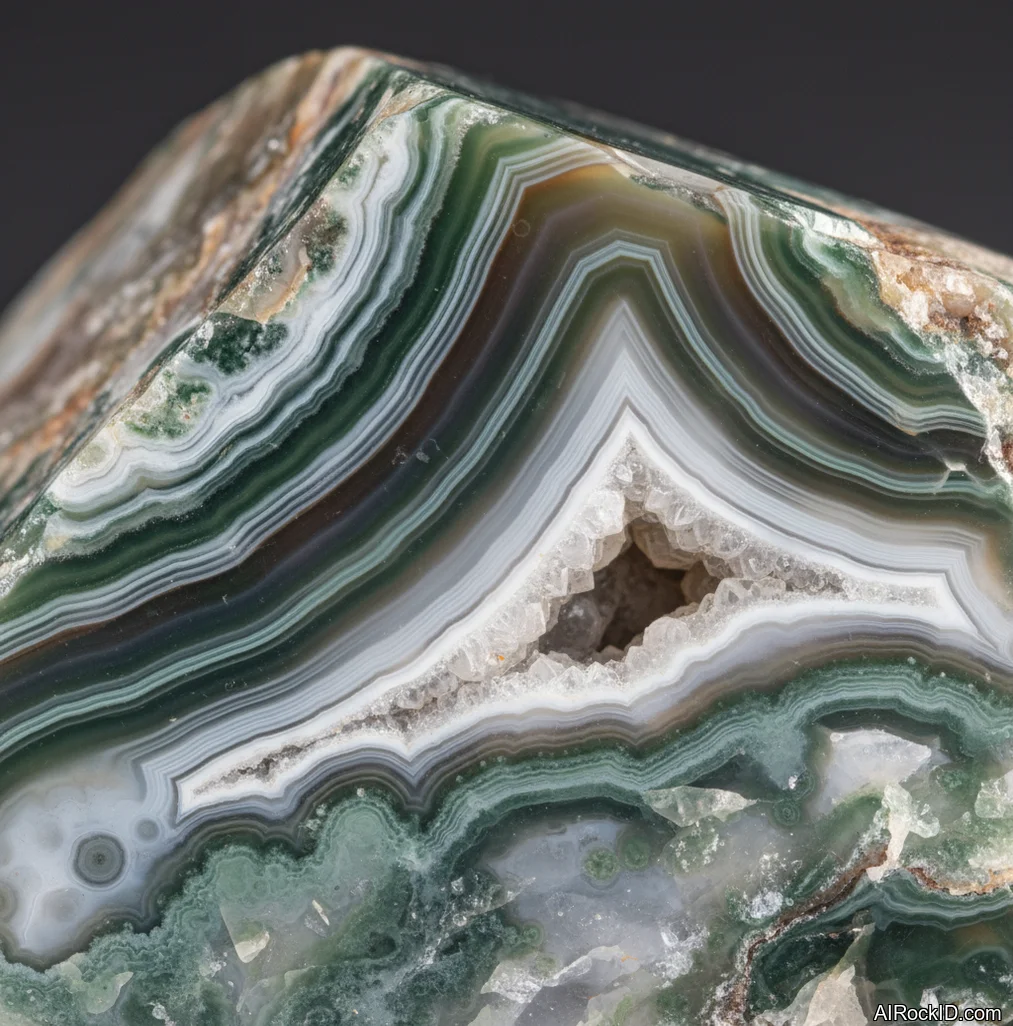
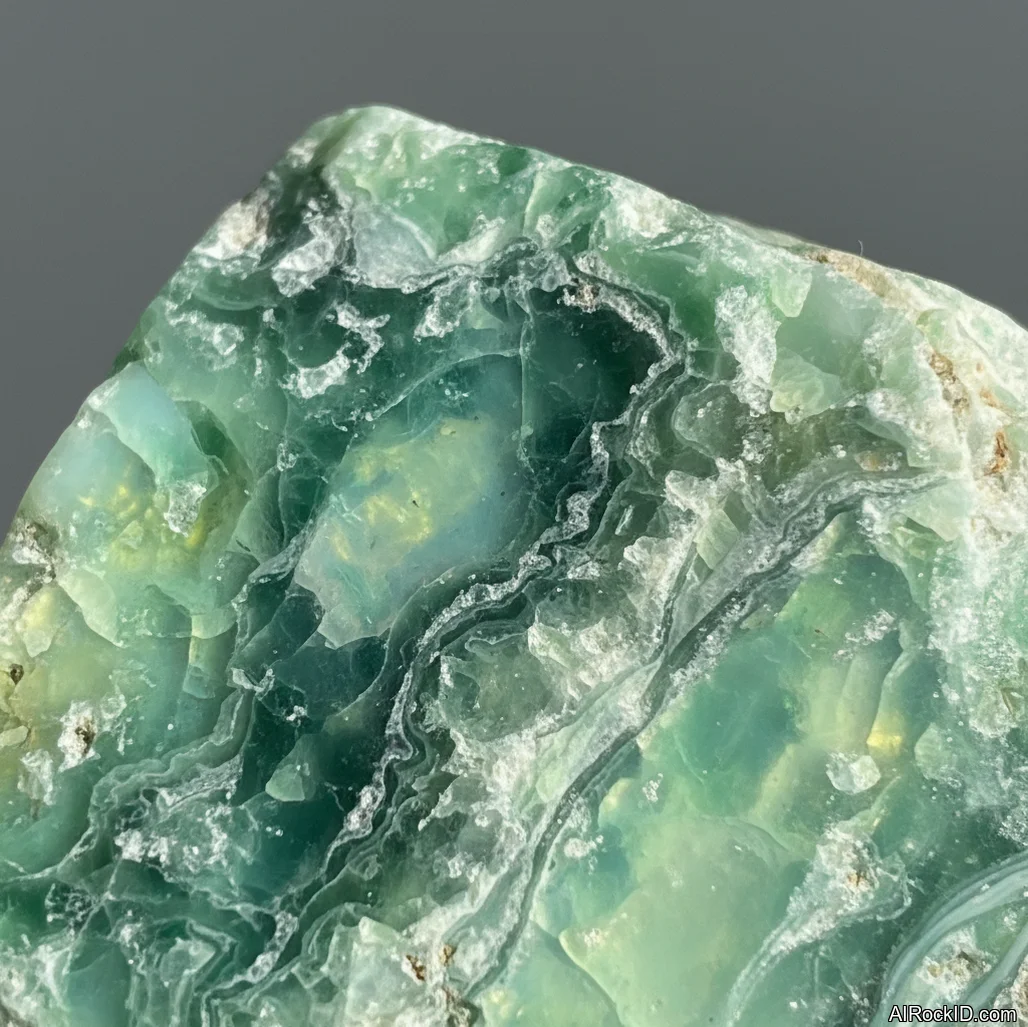
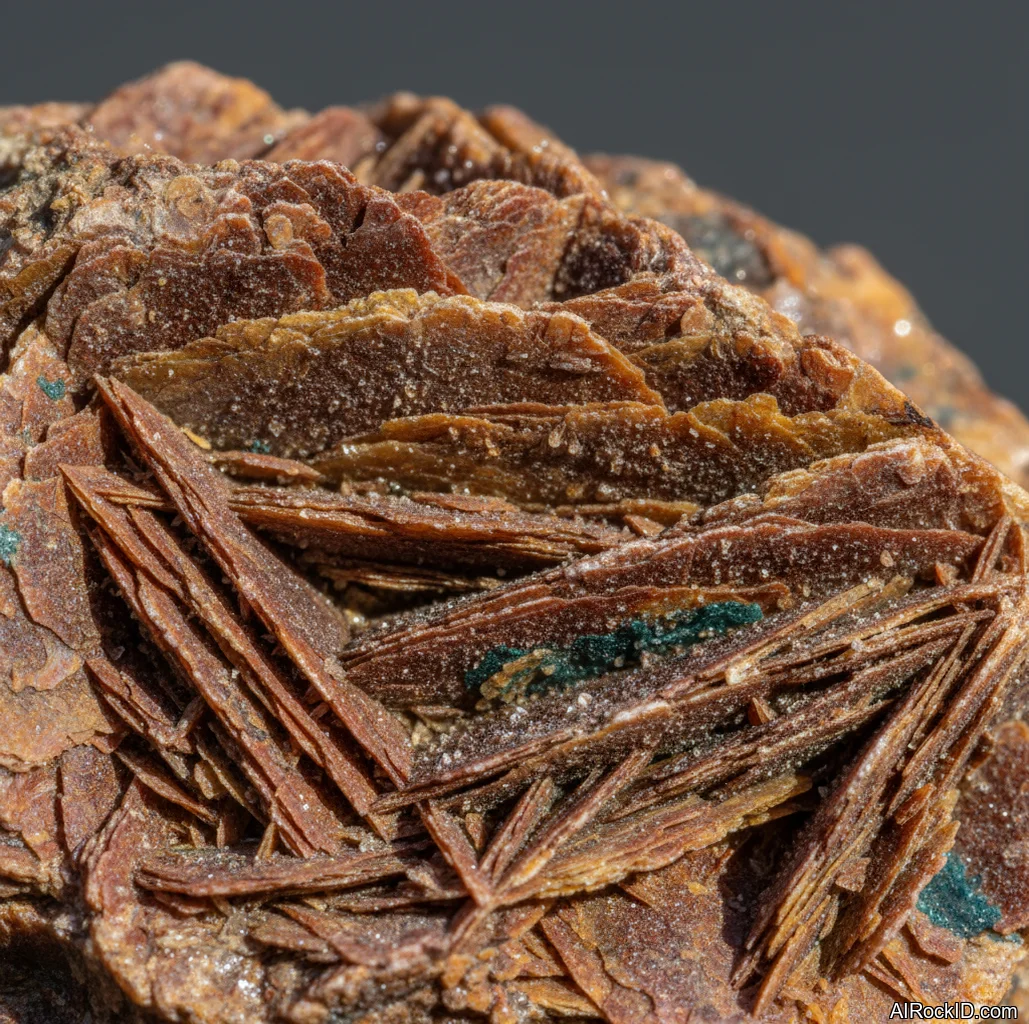
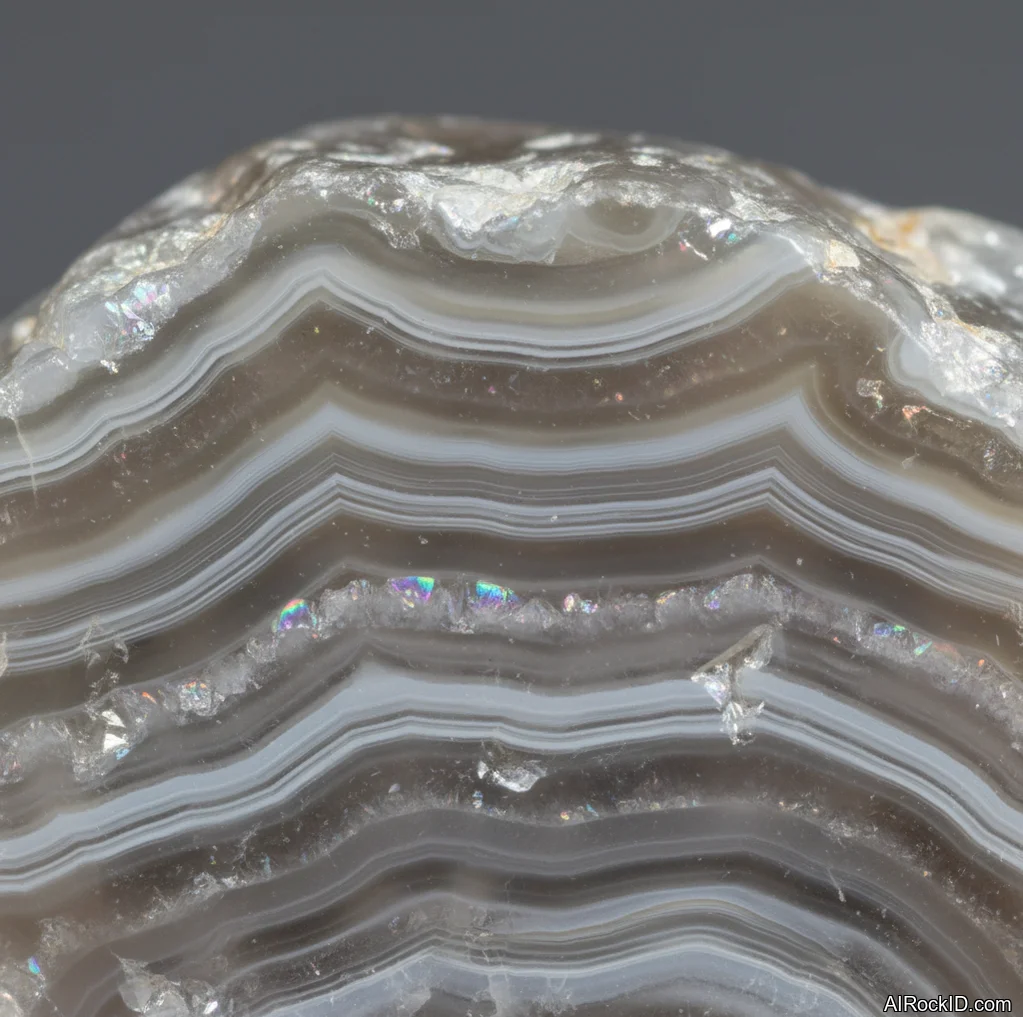
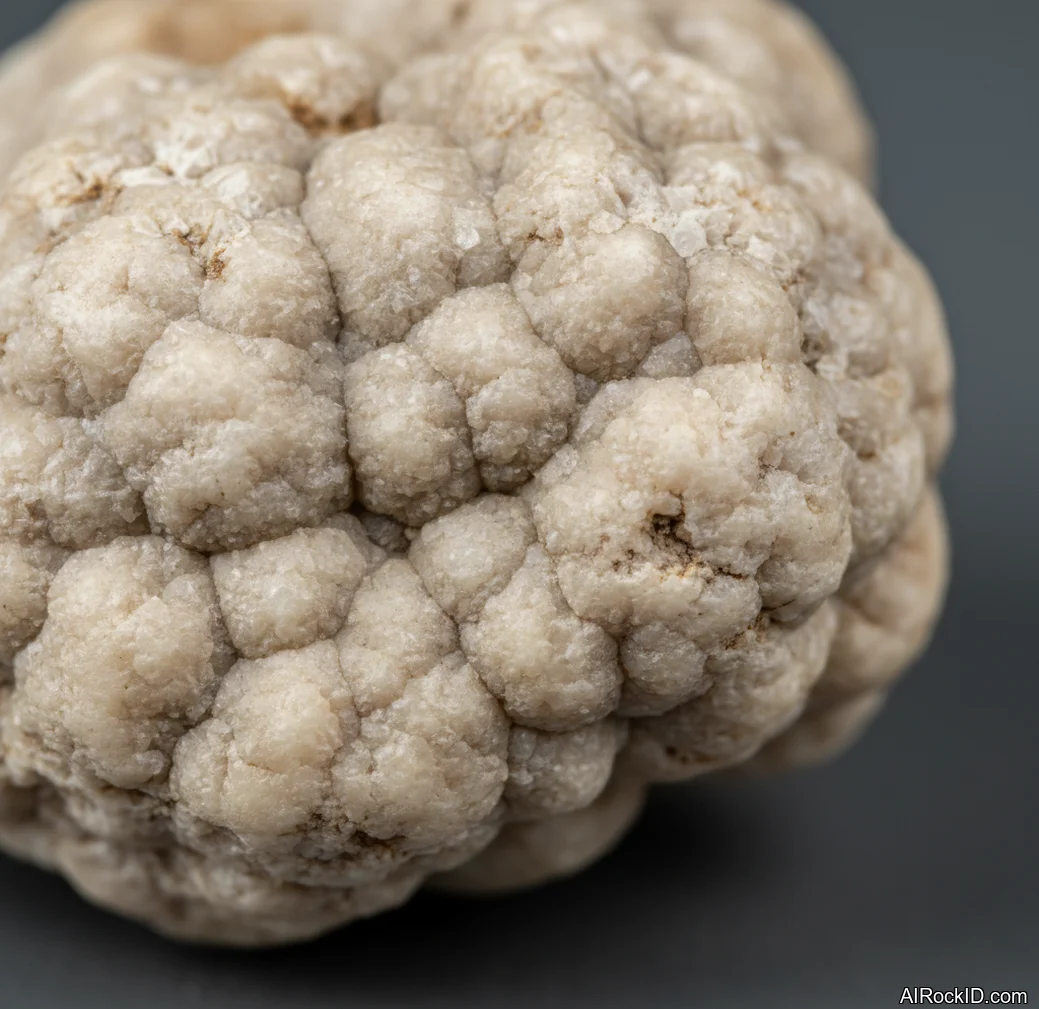
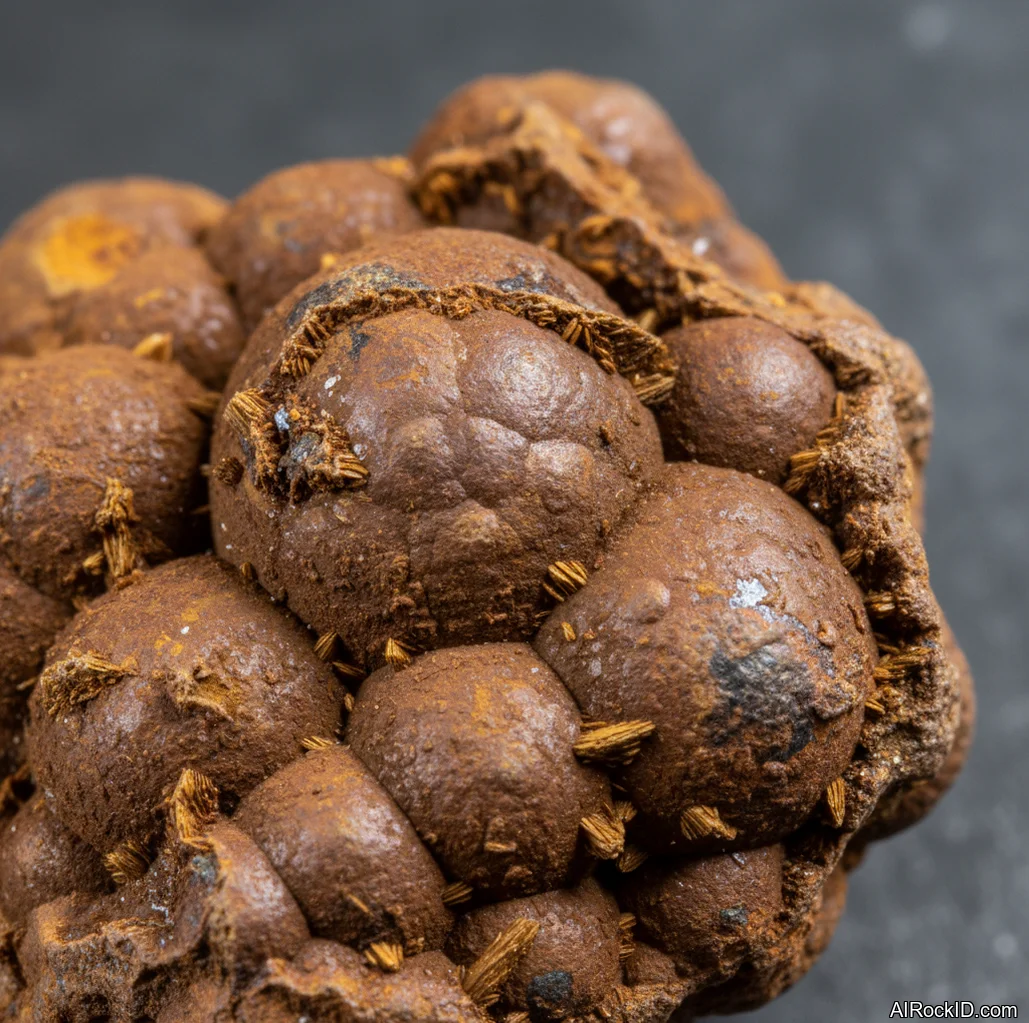
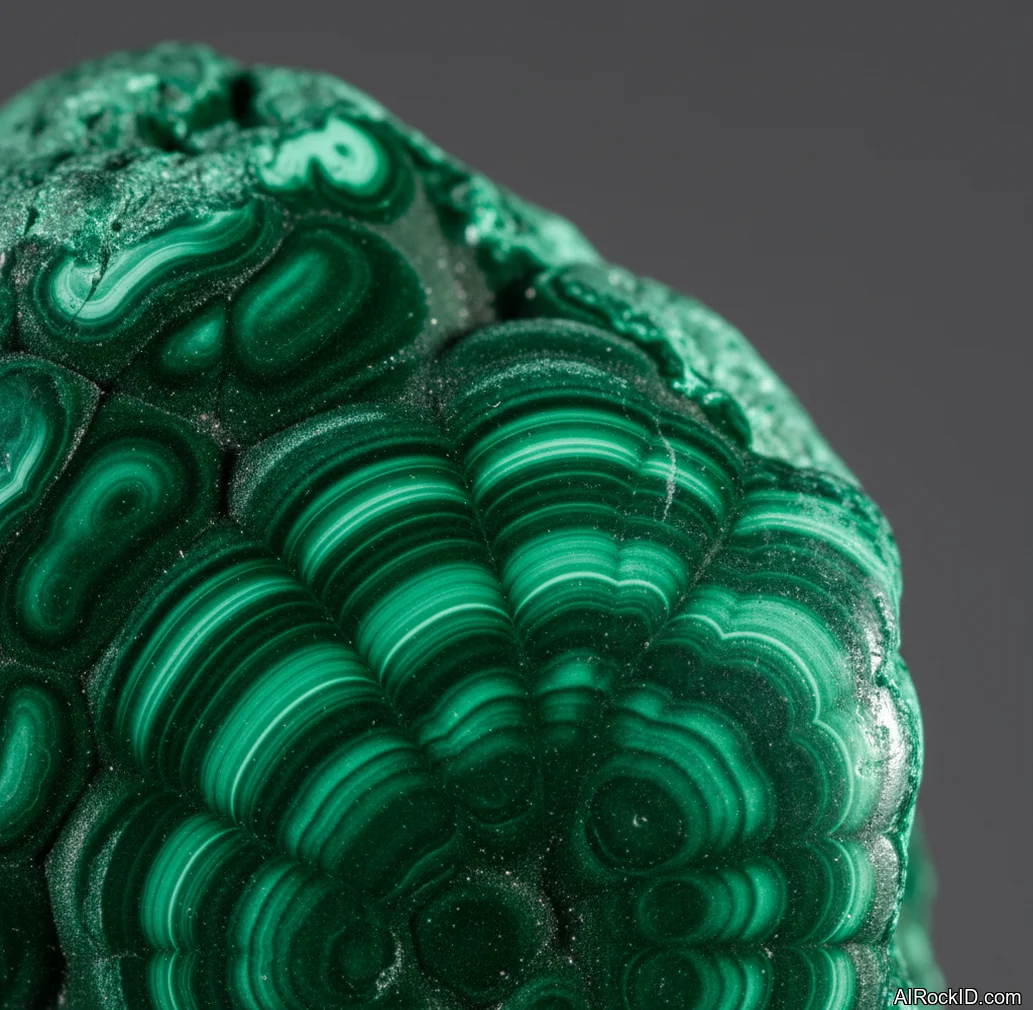
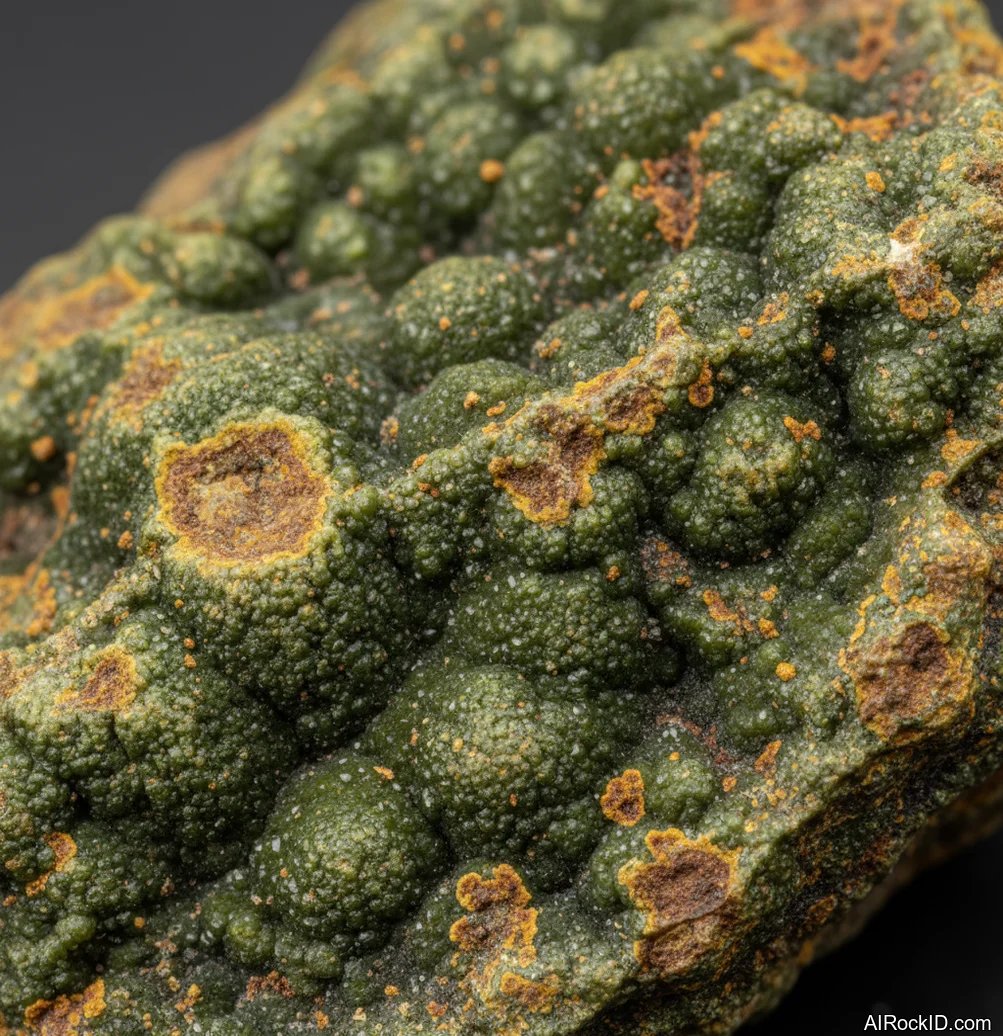
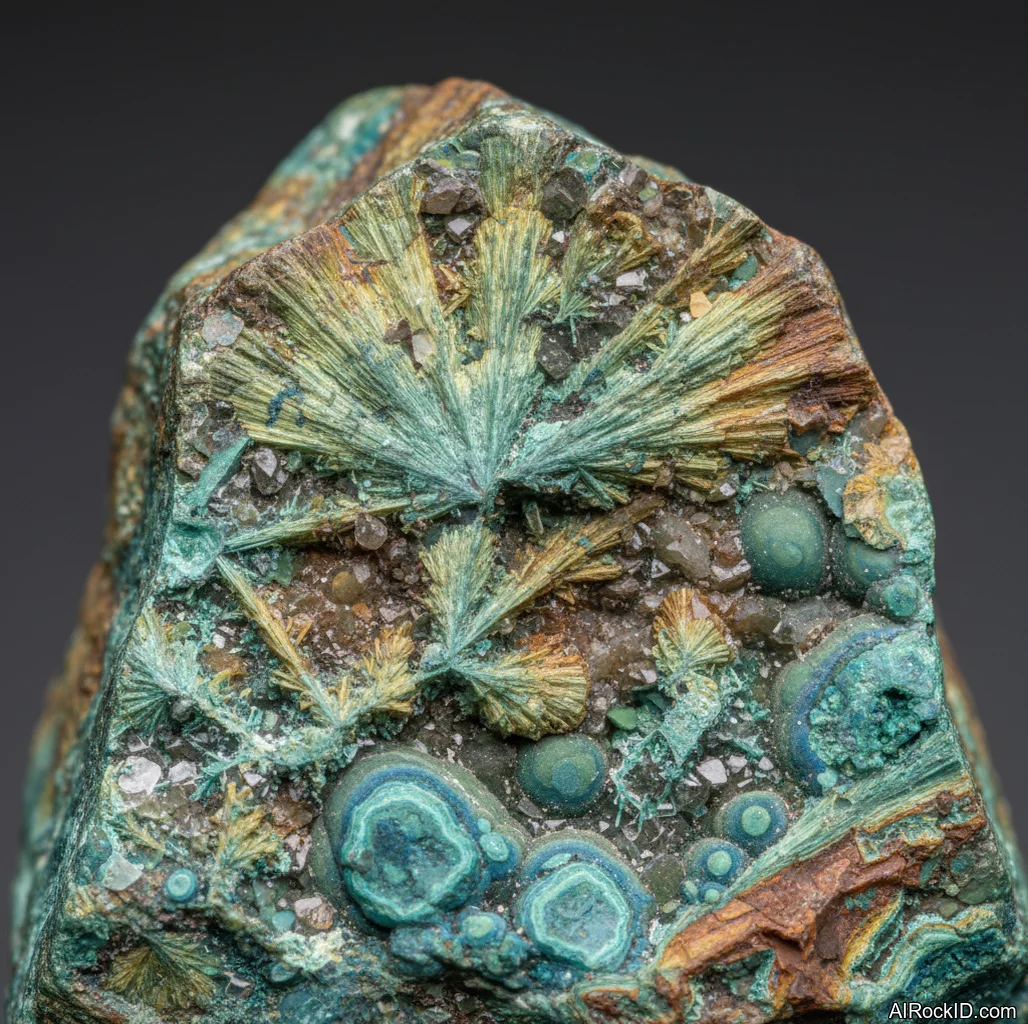
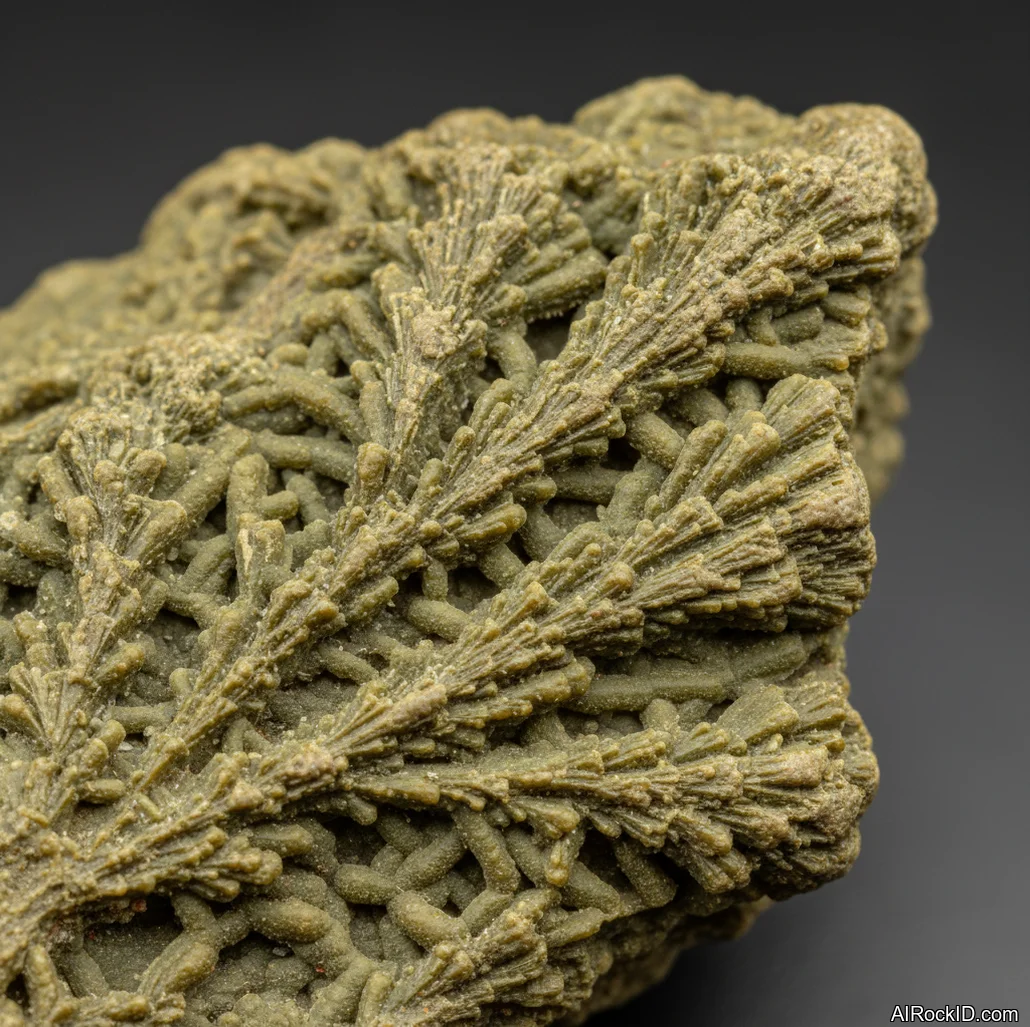
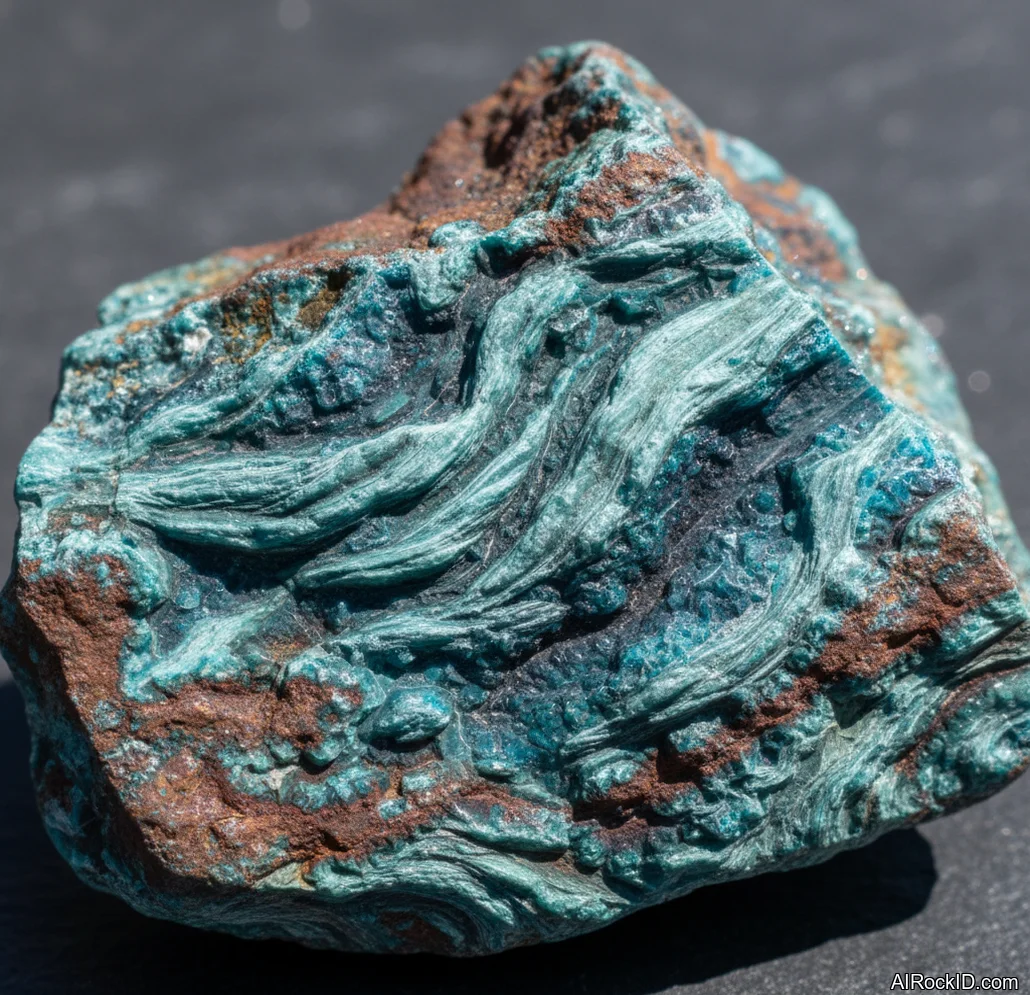
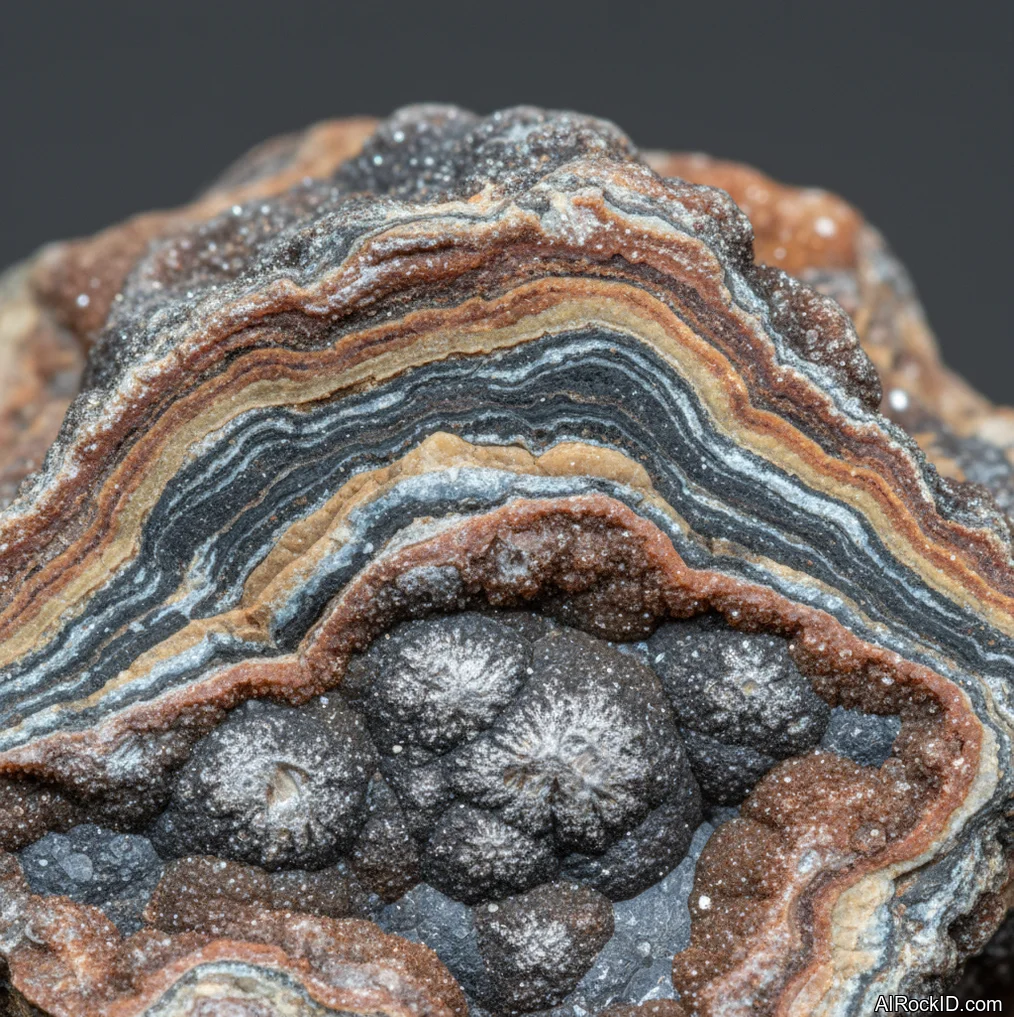
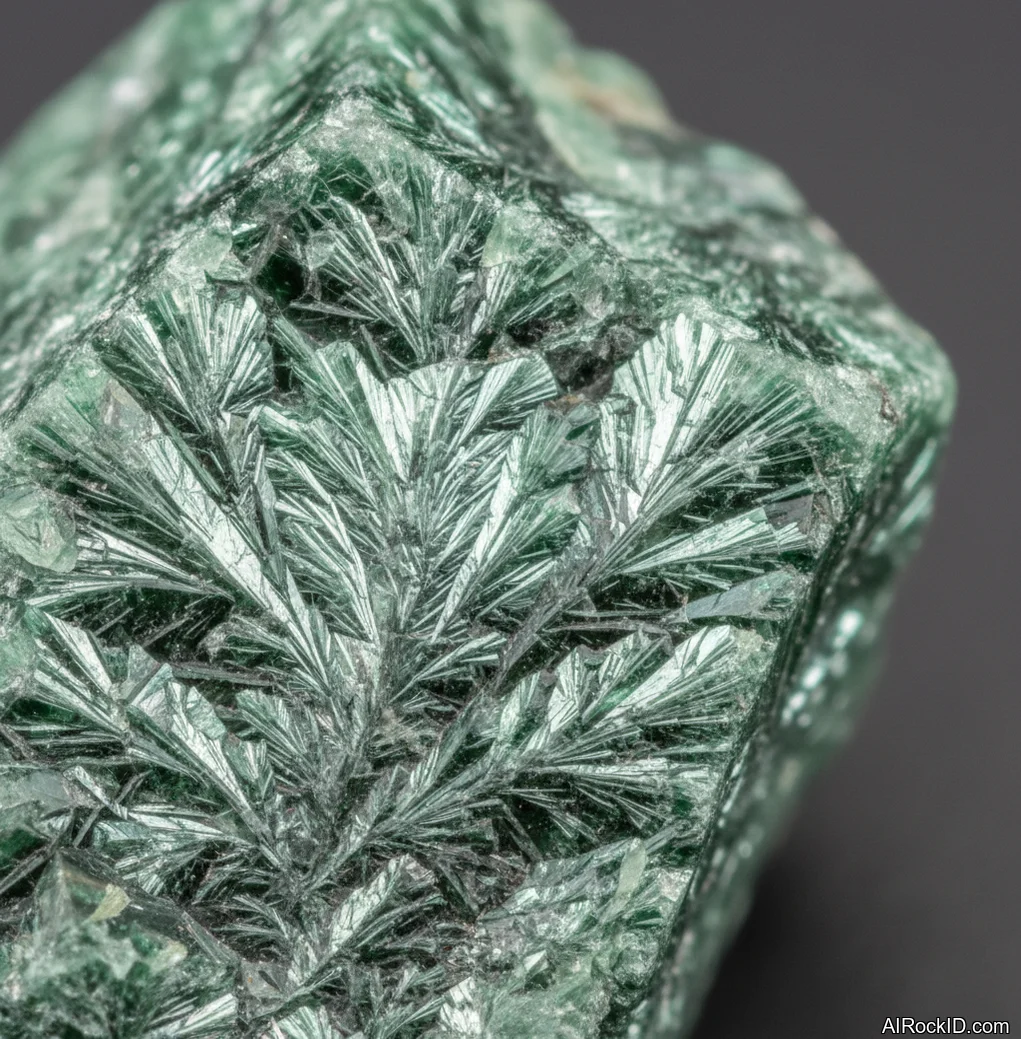
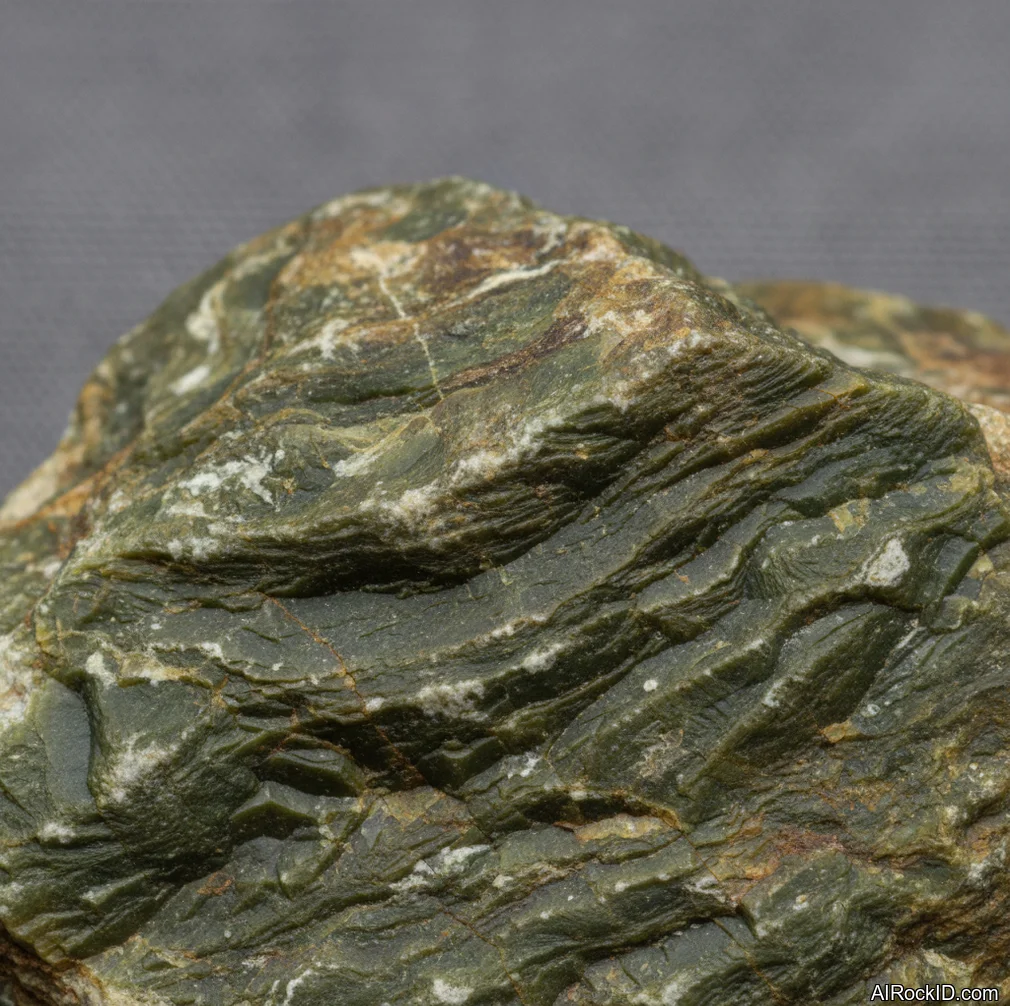
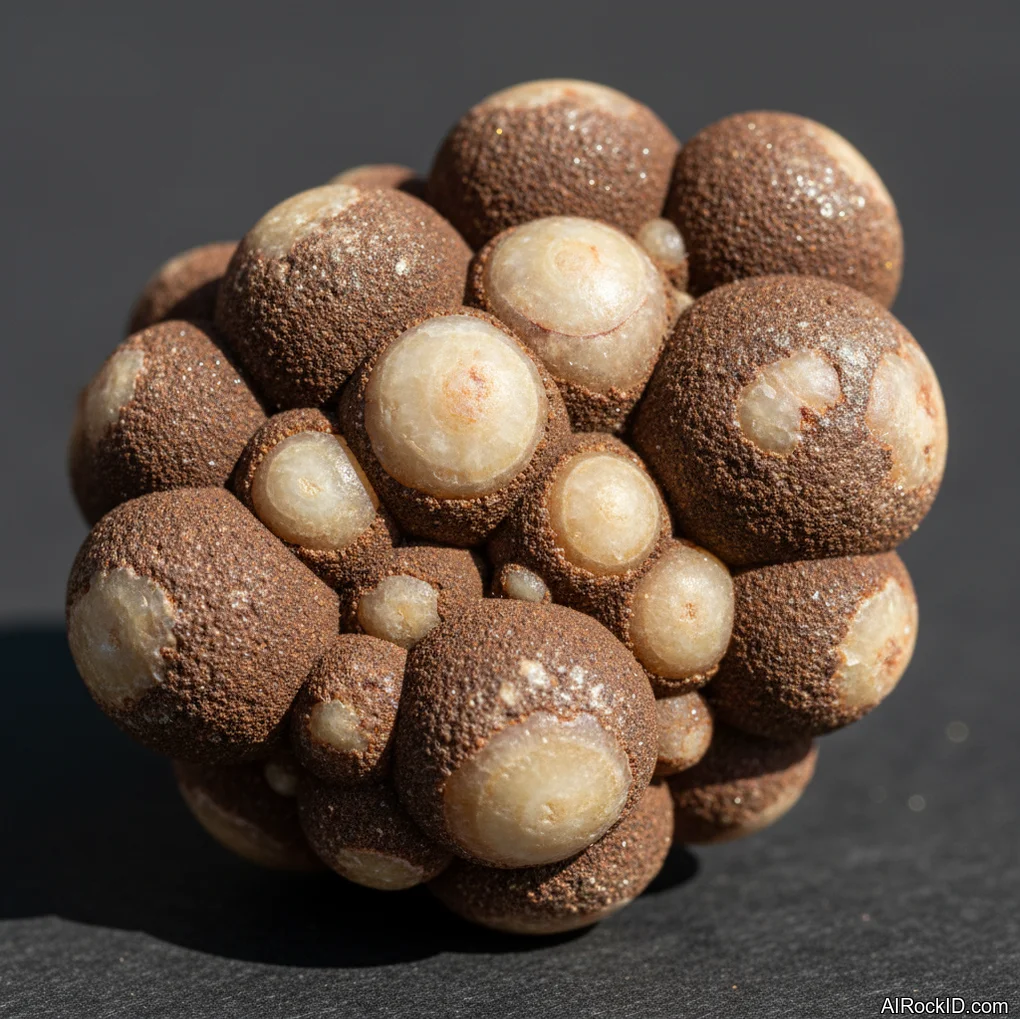
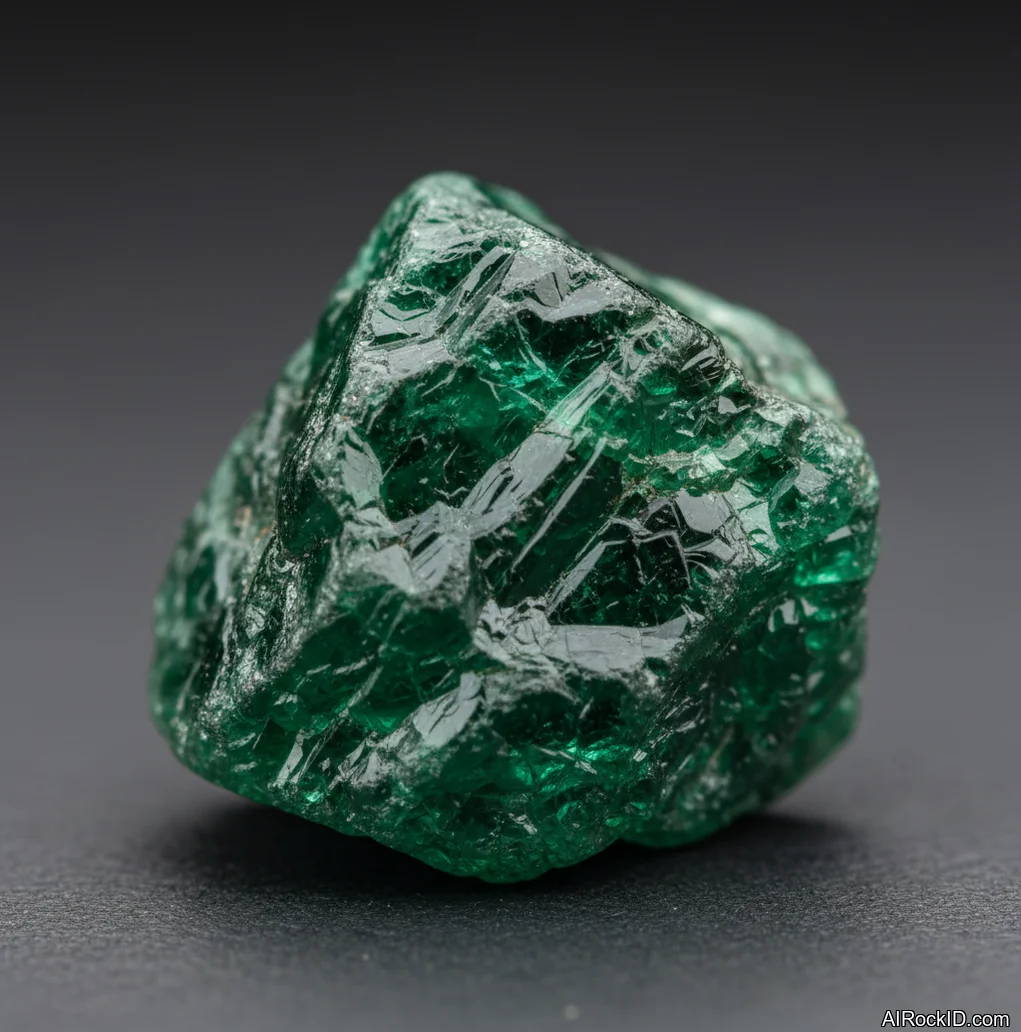
- Malachite: Often confused with dyed howlite or green jasper; real malachite usually has distinctive curved banding and a relatively soft surface.
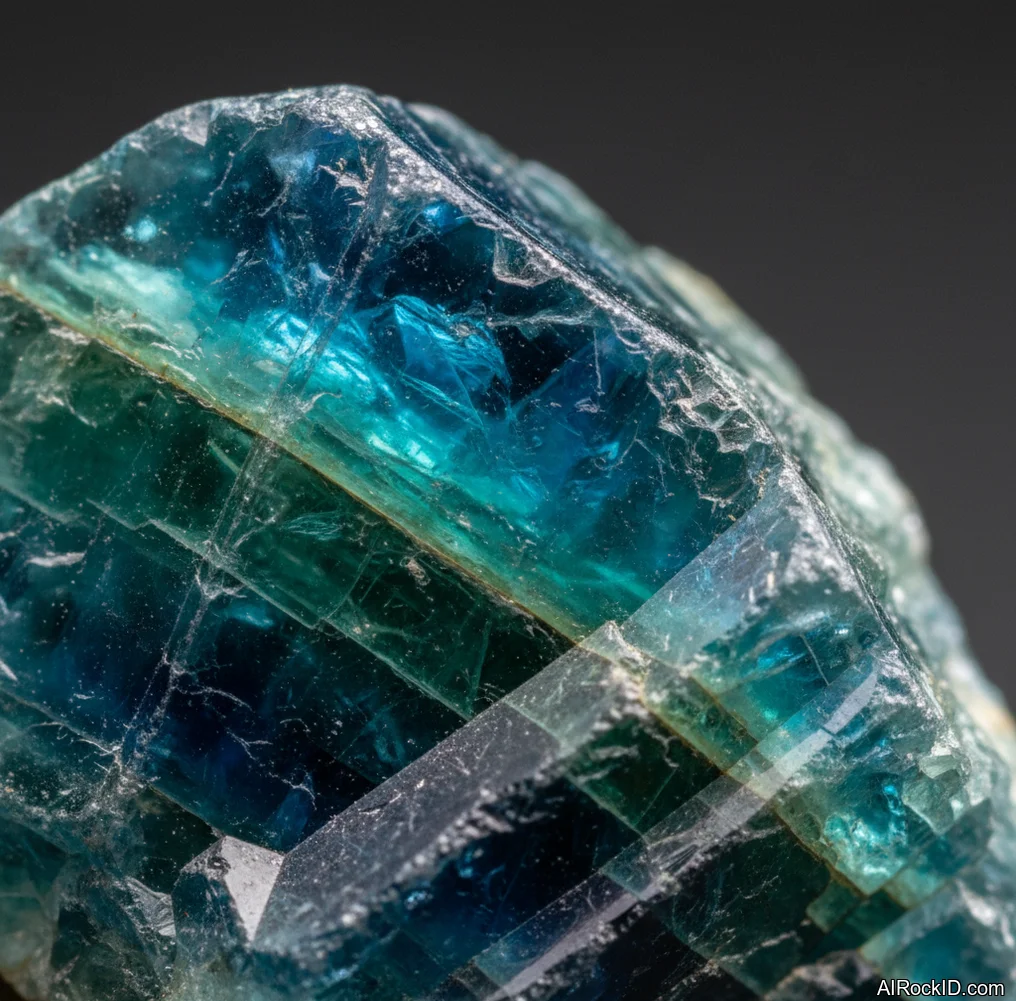
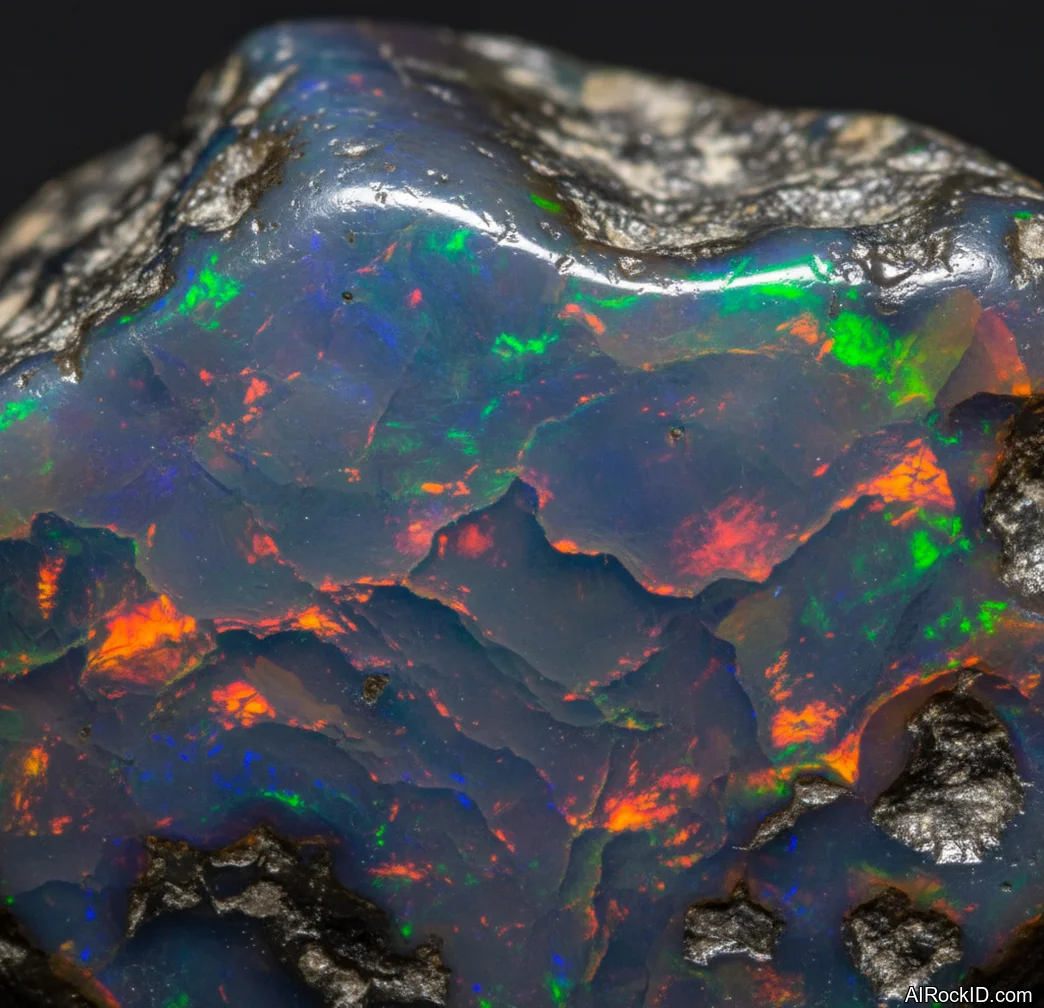
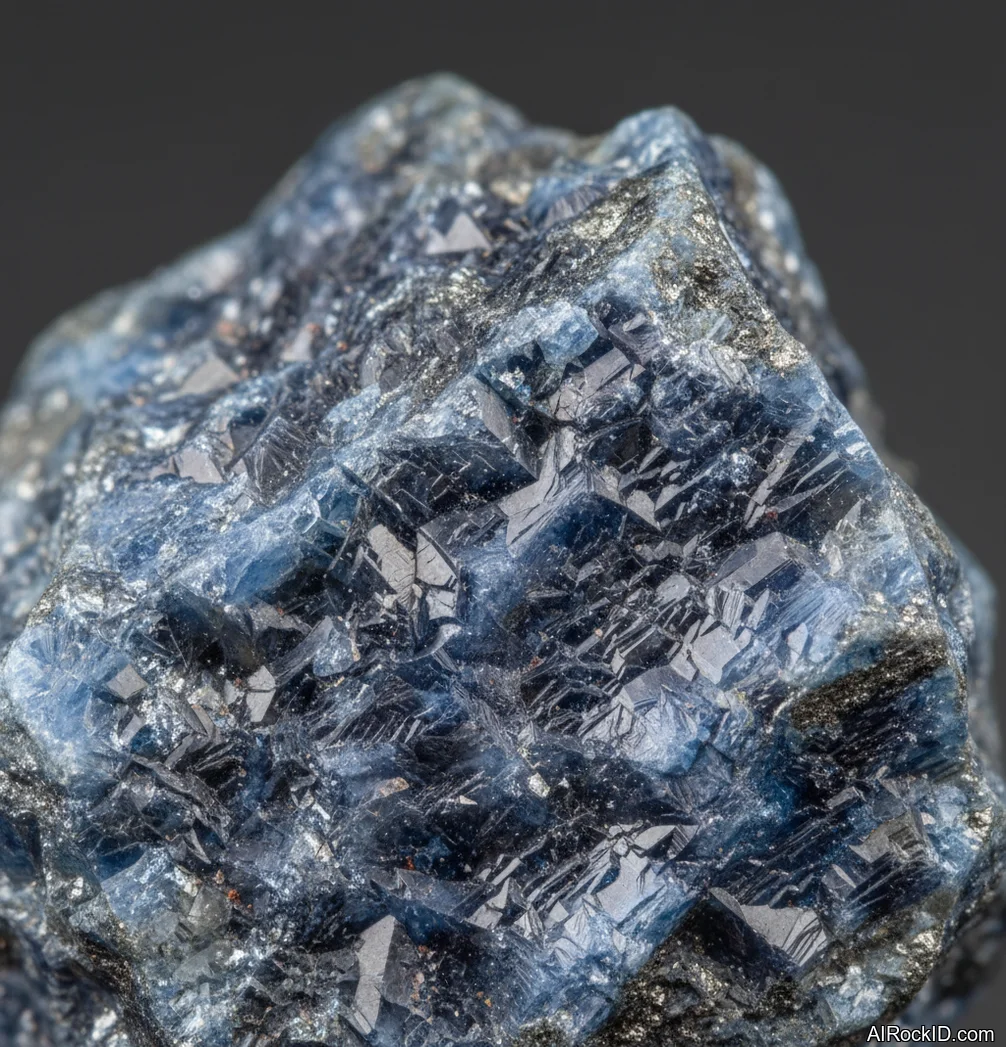
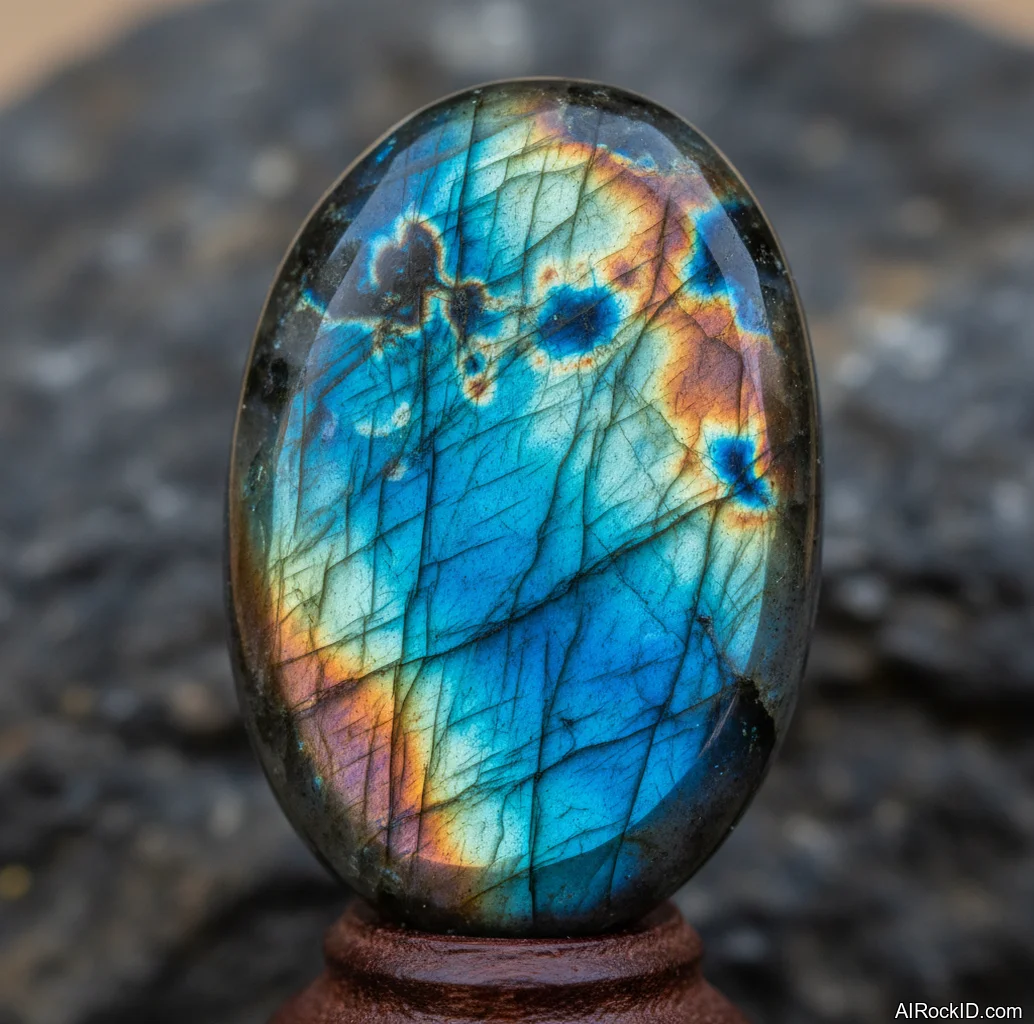
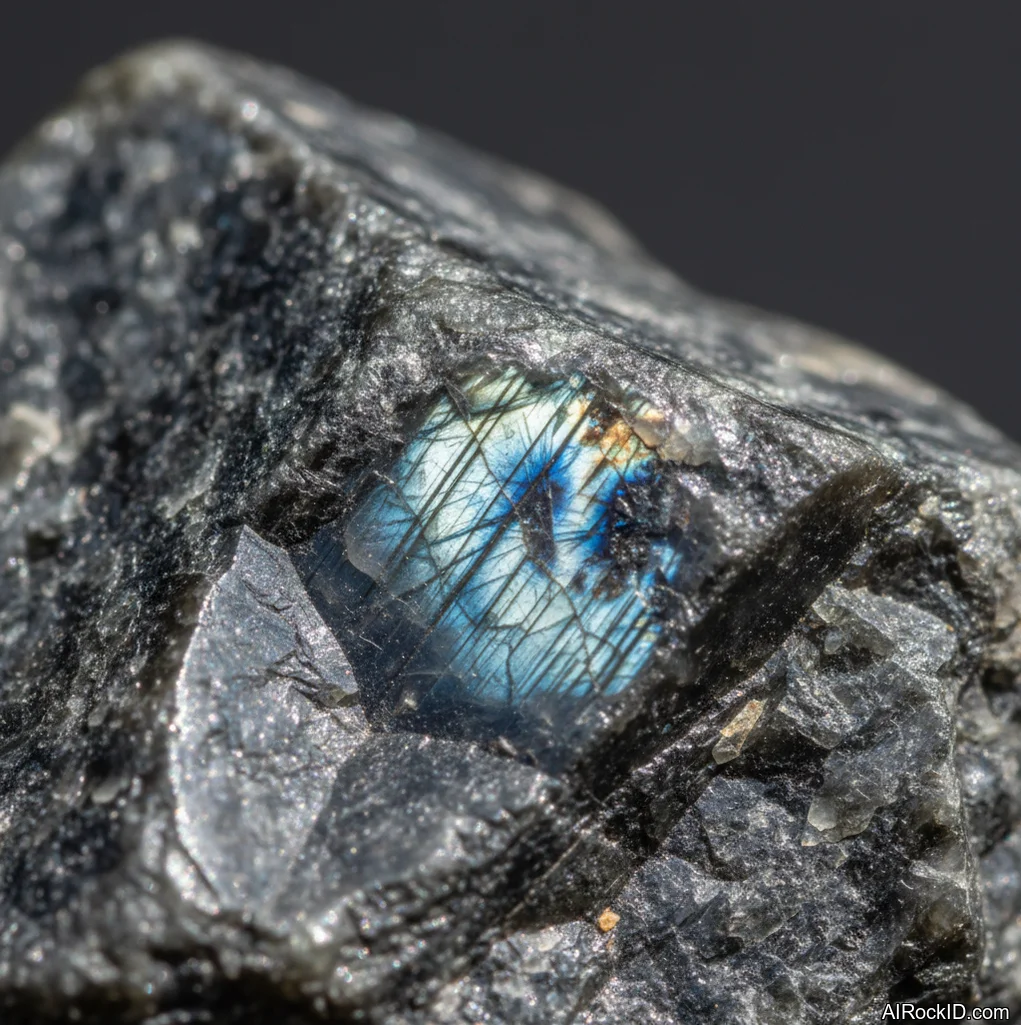
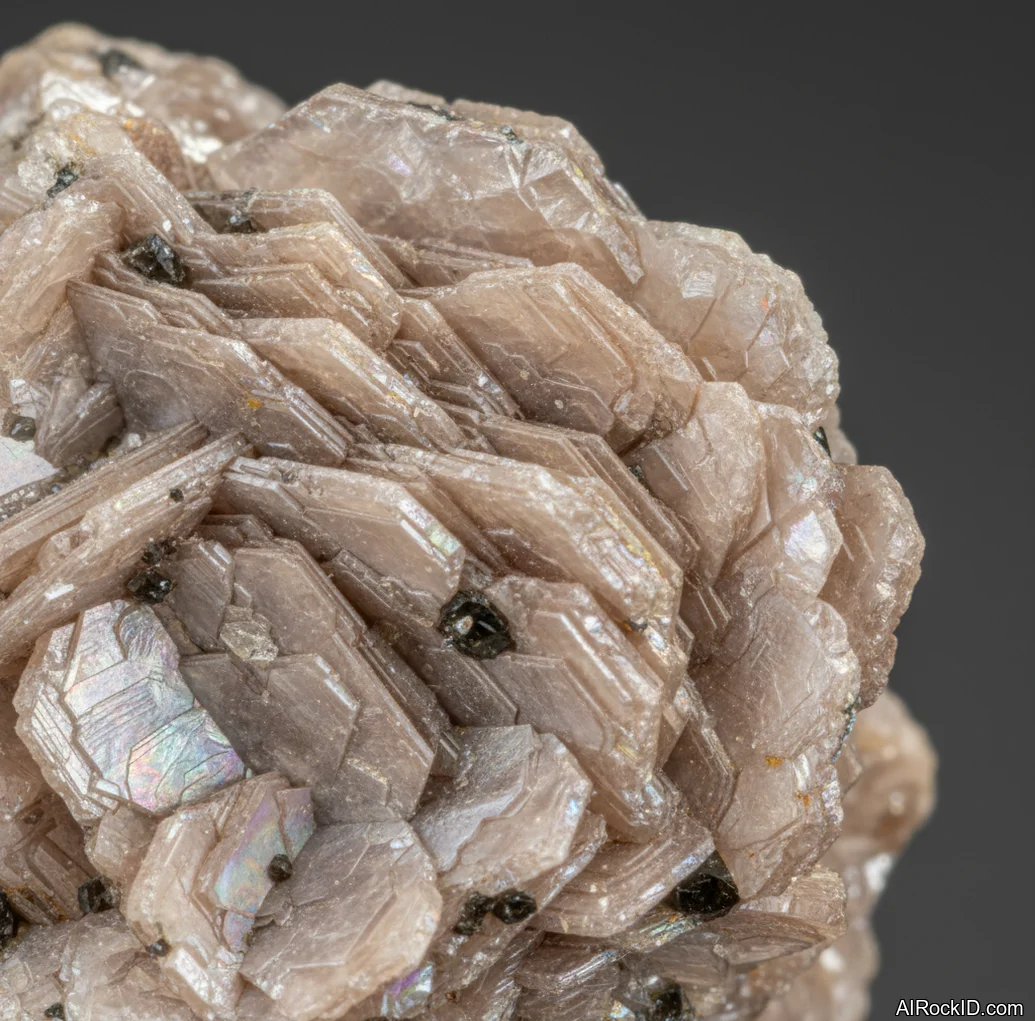
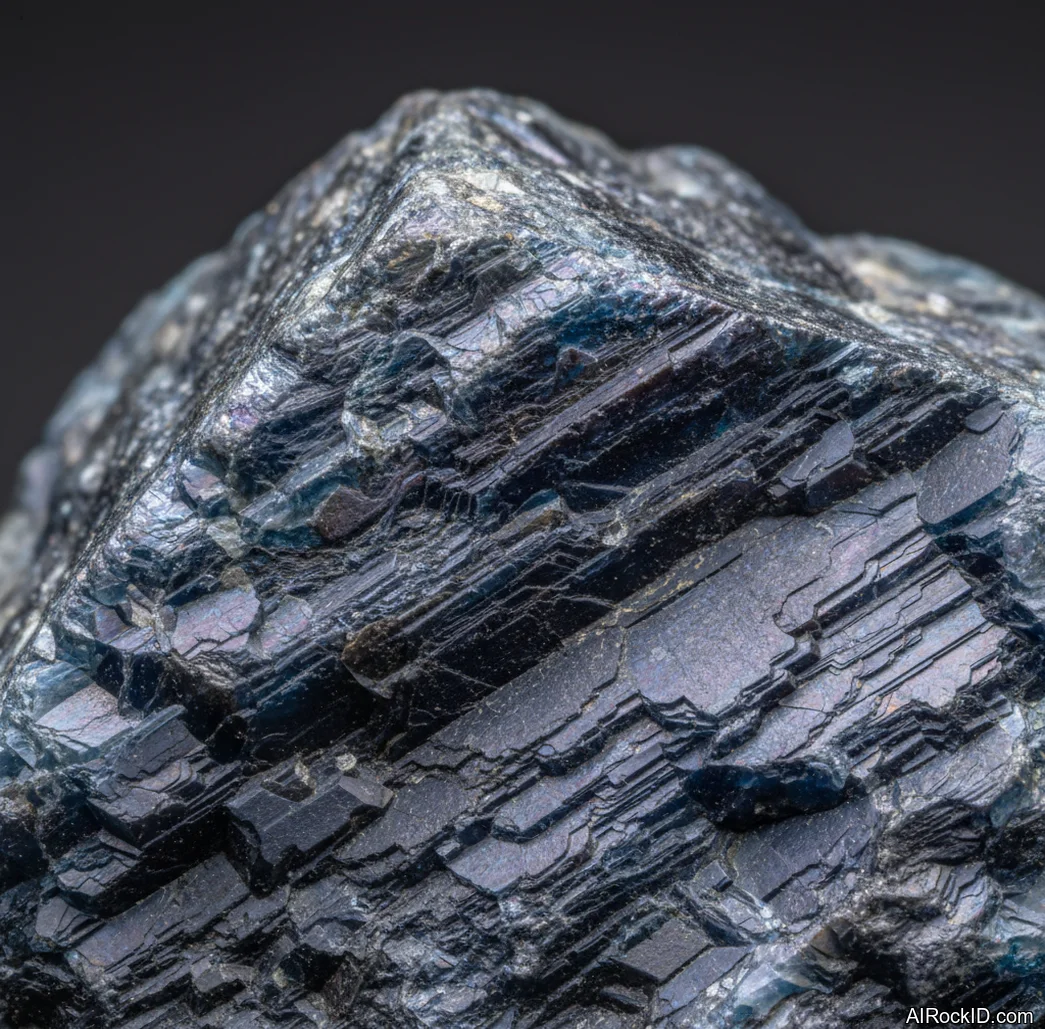
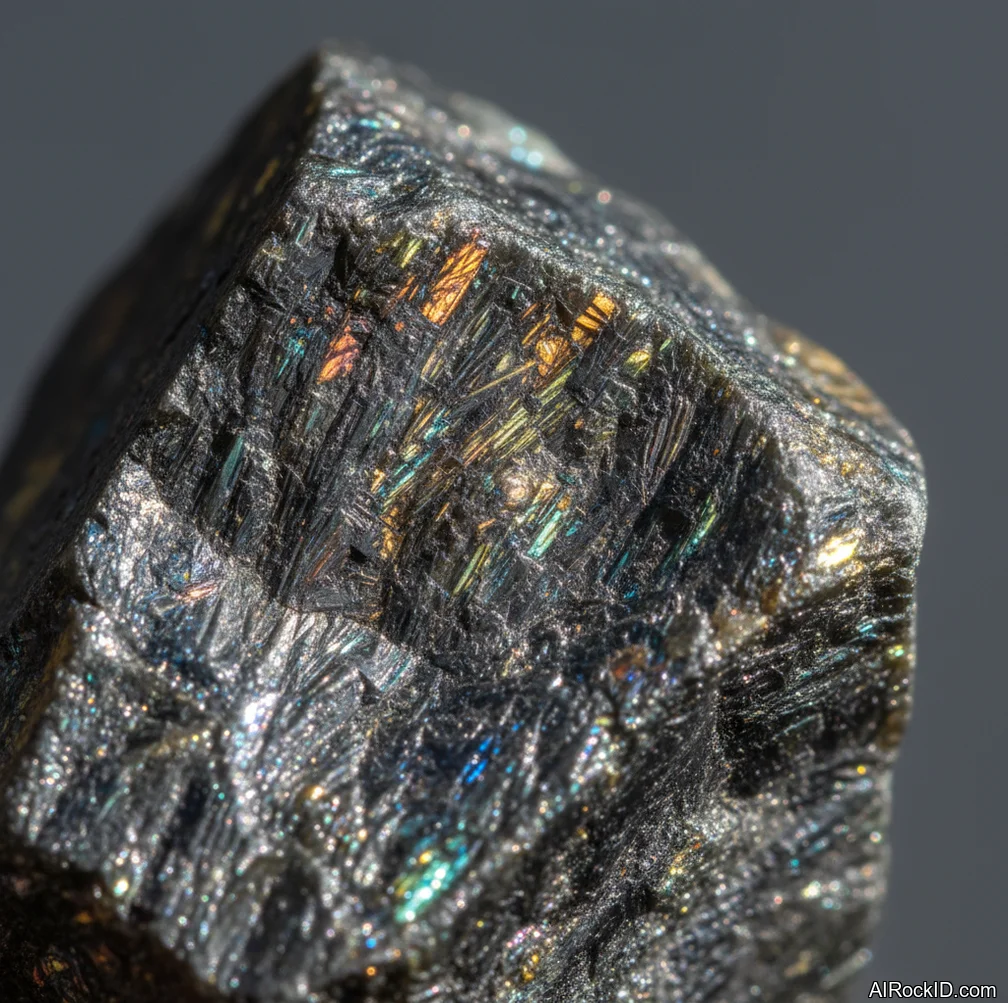
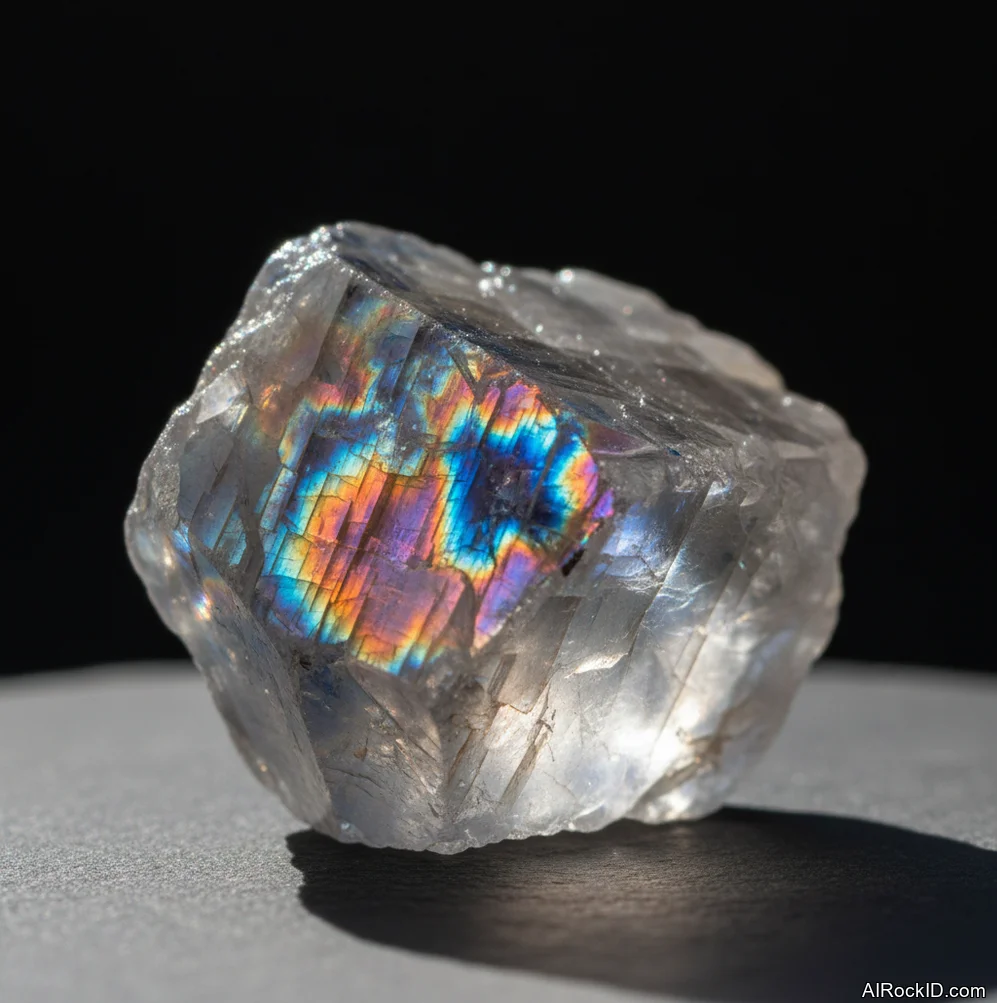
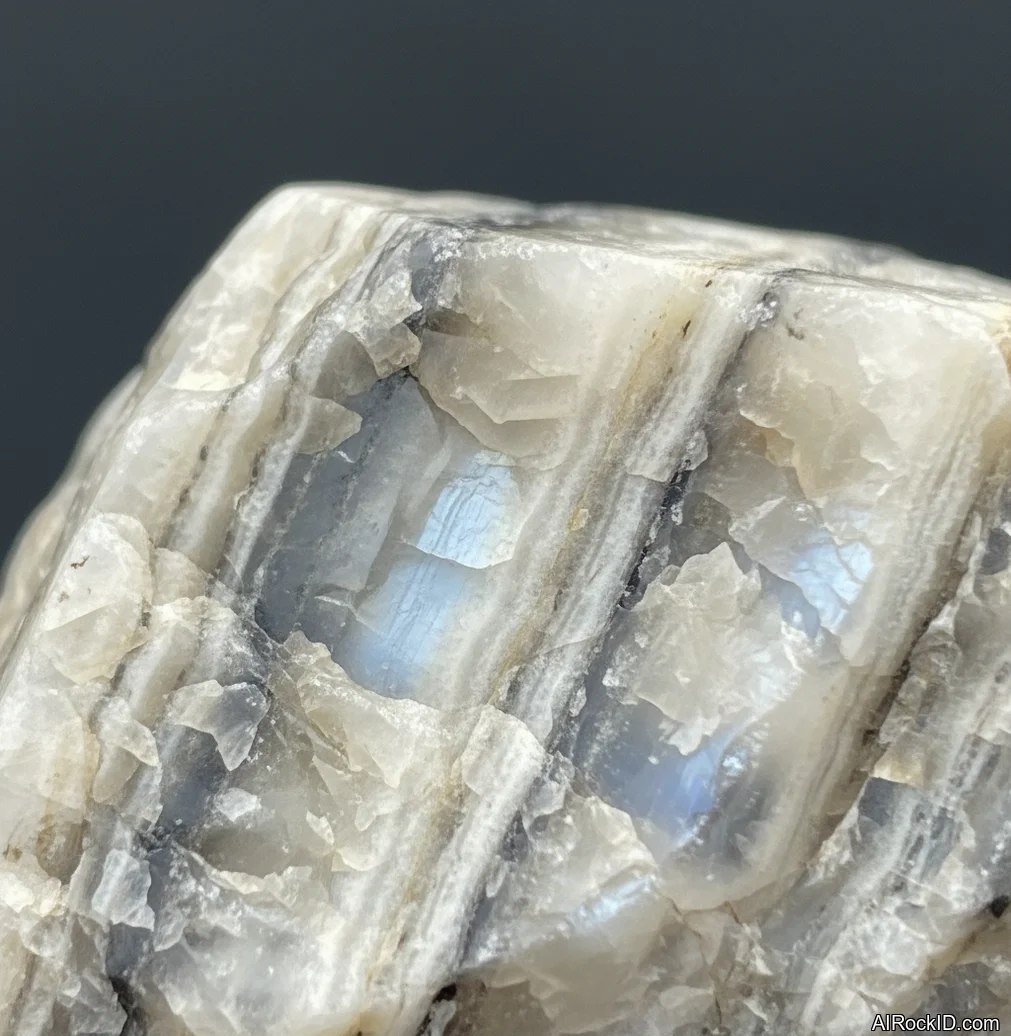
- Labradorite: Often confused with moonstone; labradorite commonly shows stronger blue, green, or gold labradorescence from certain angles.
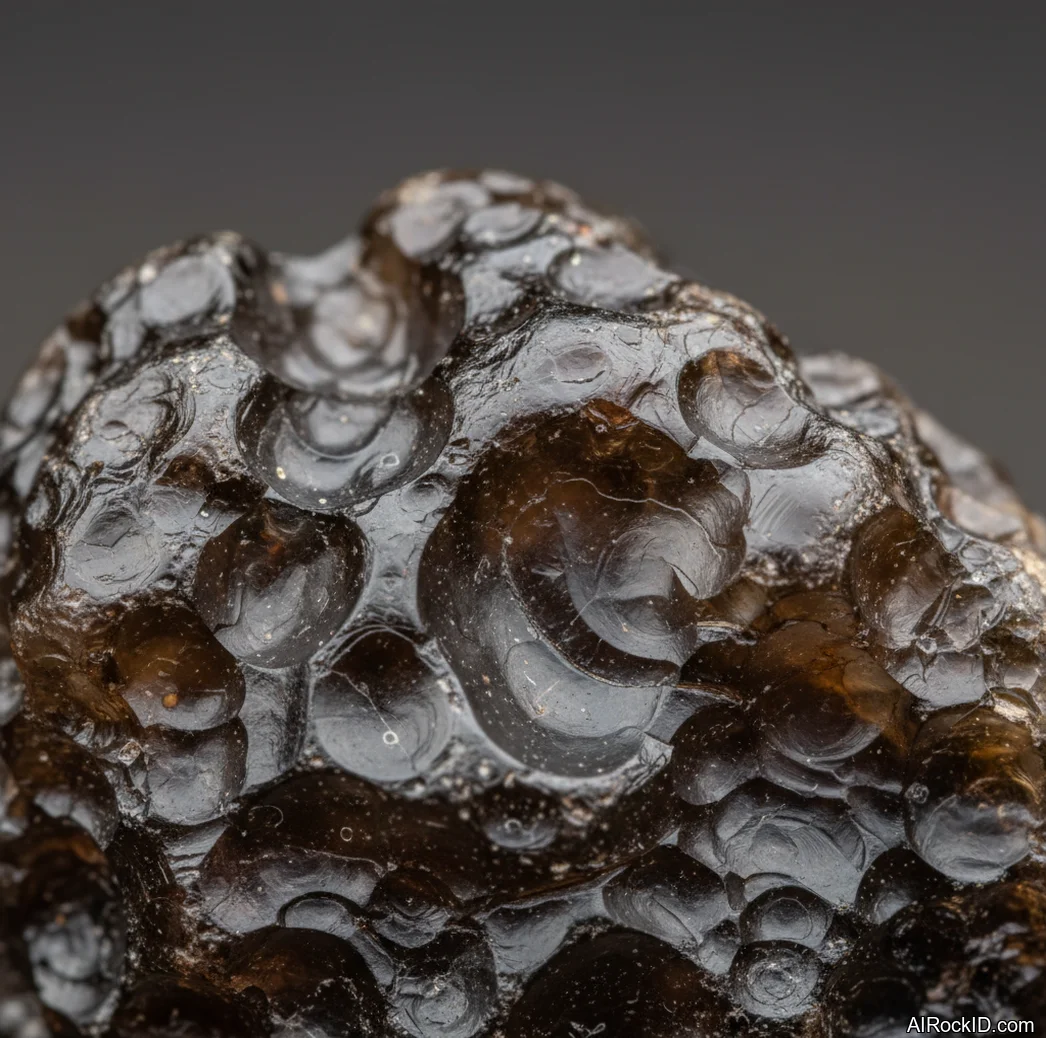
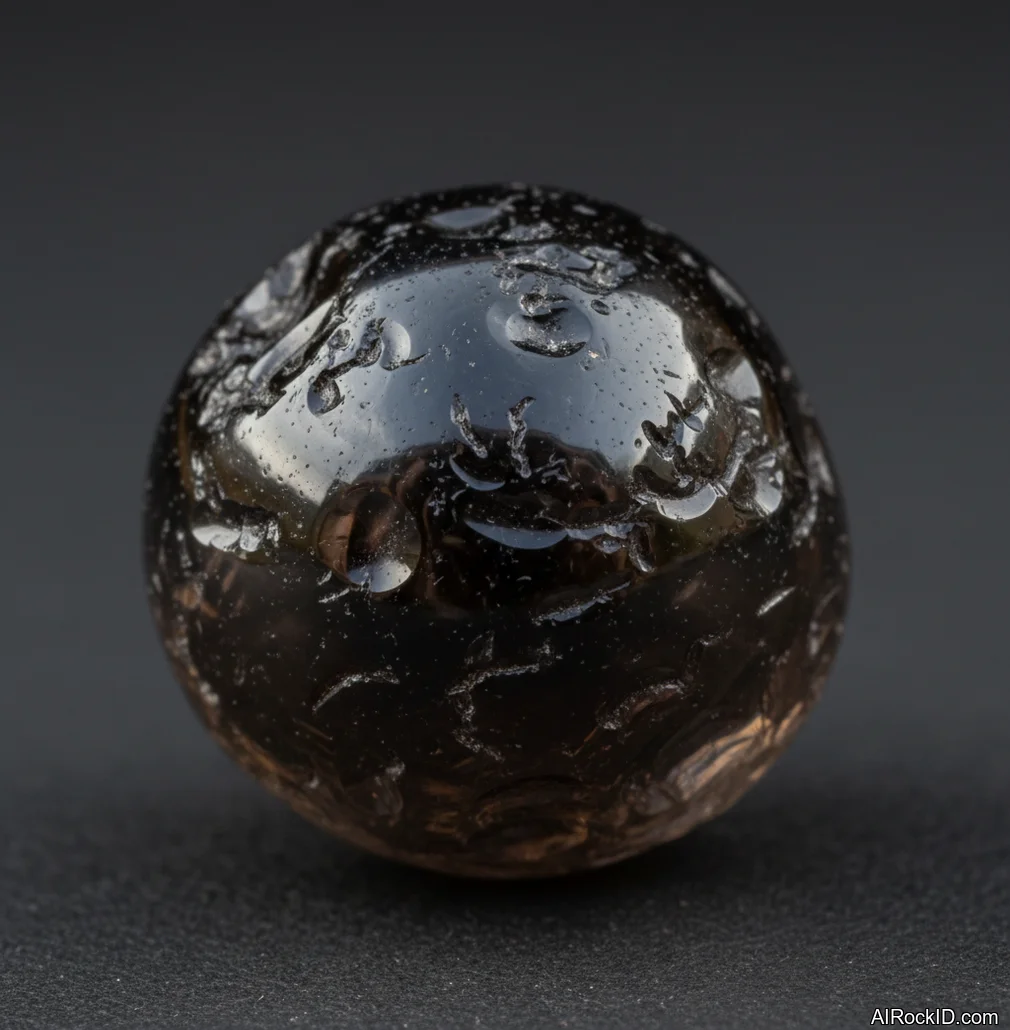
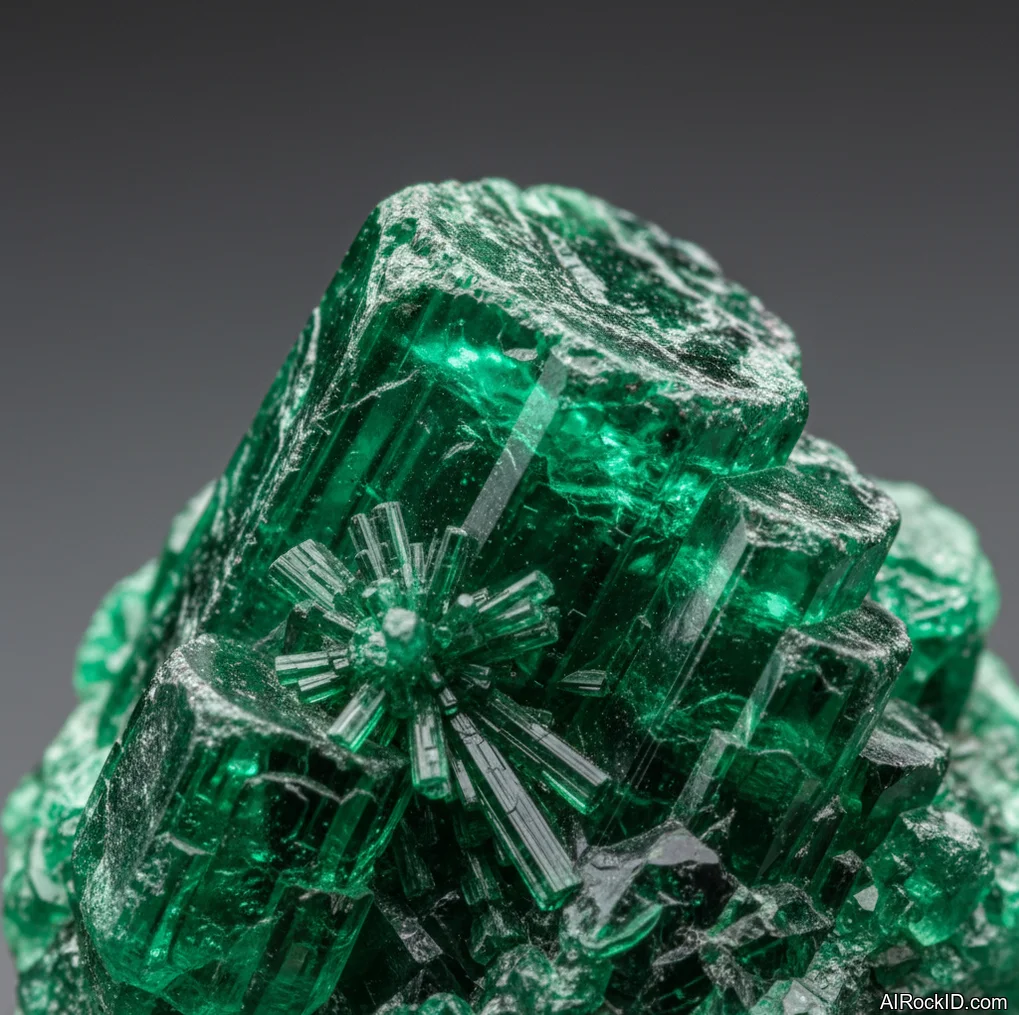
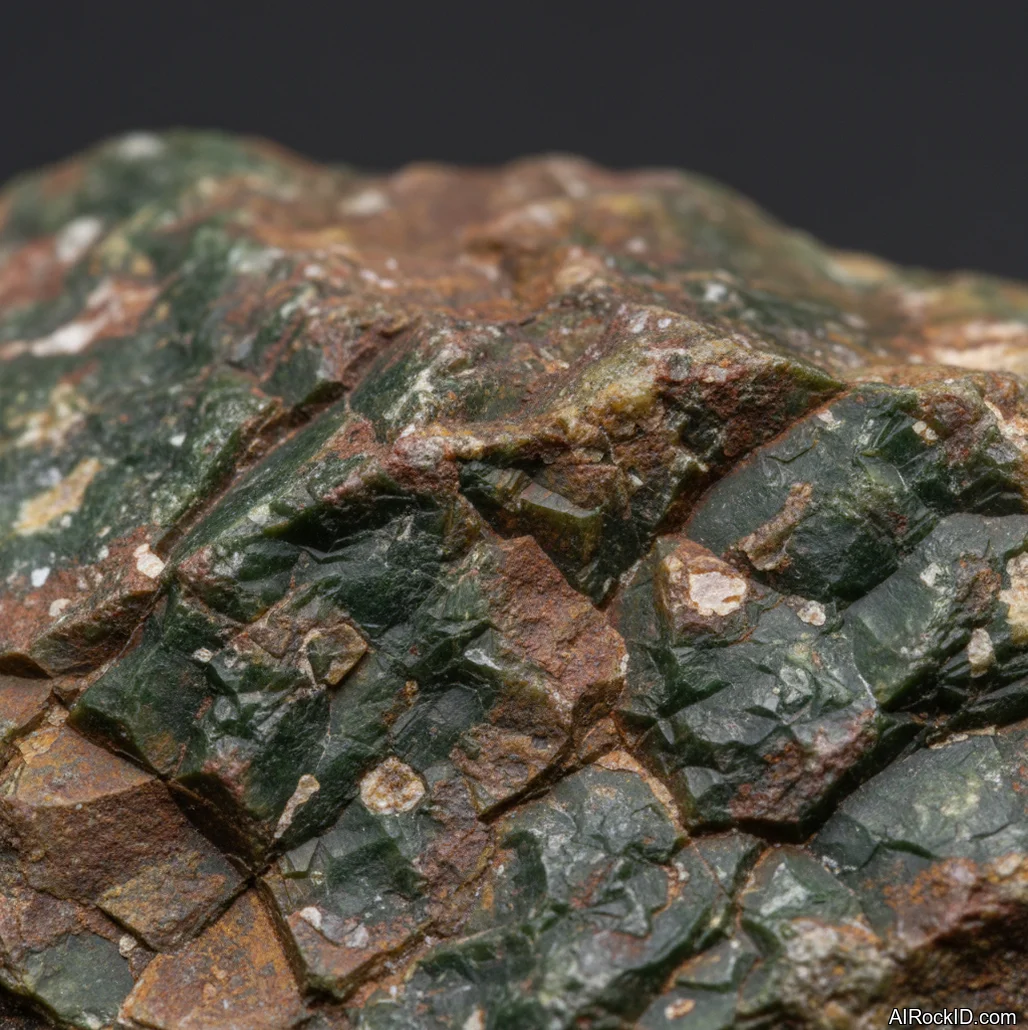
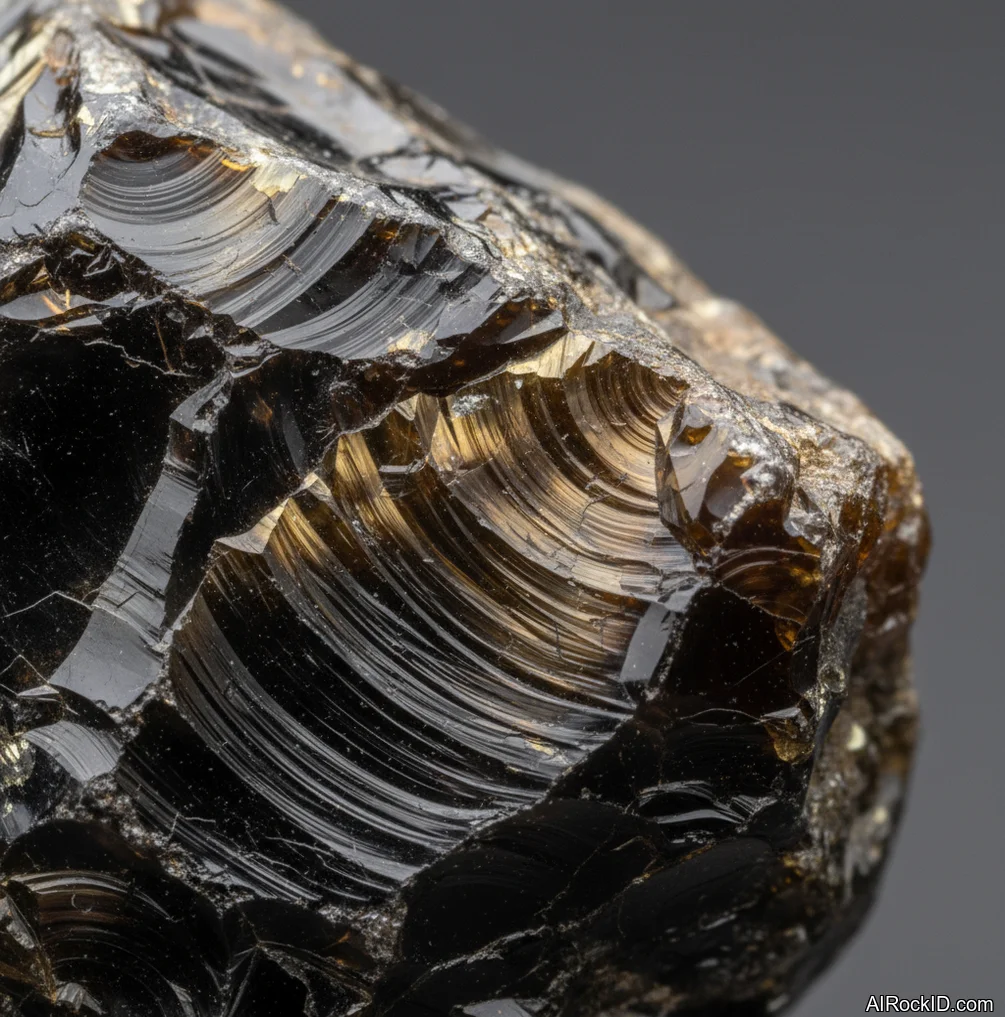
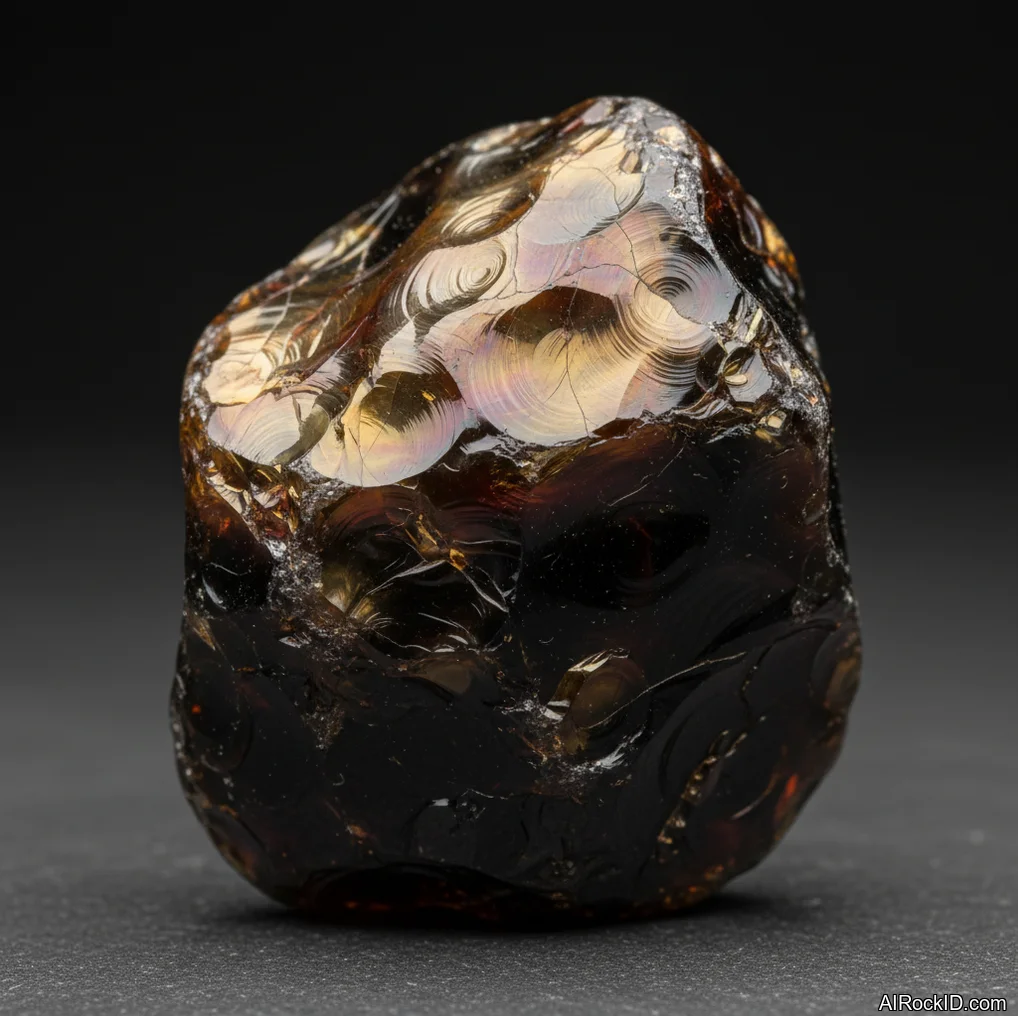
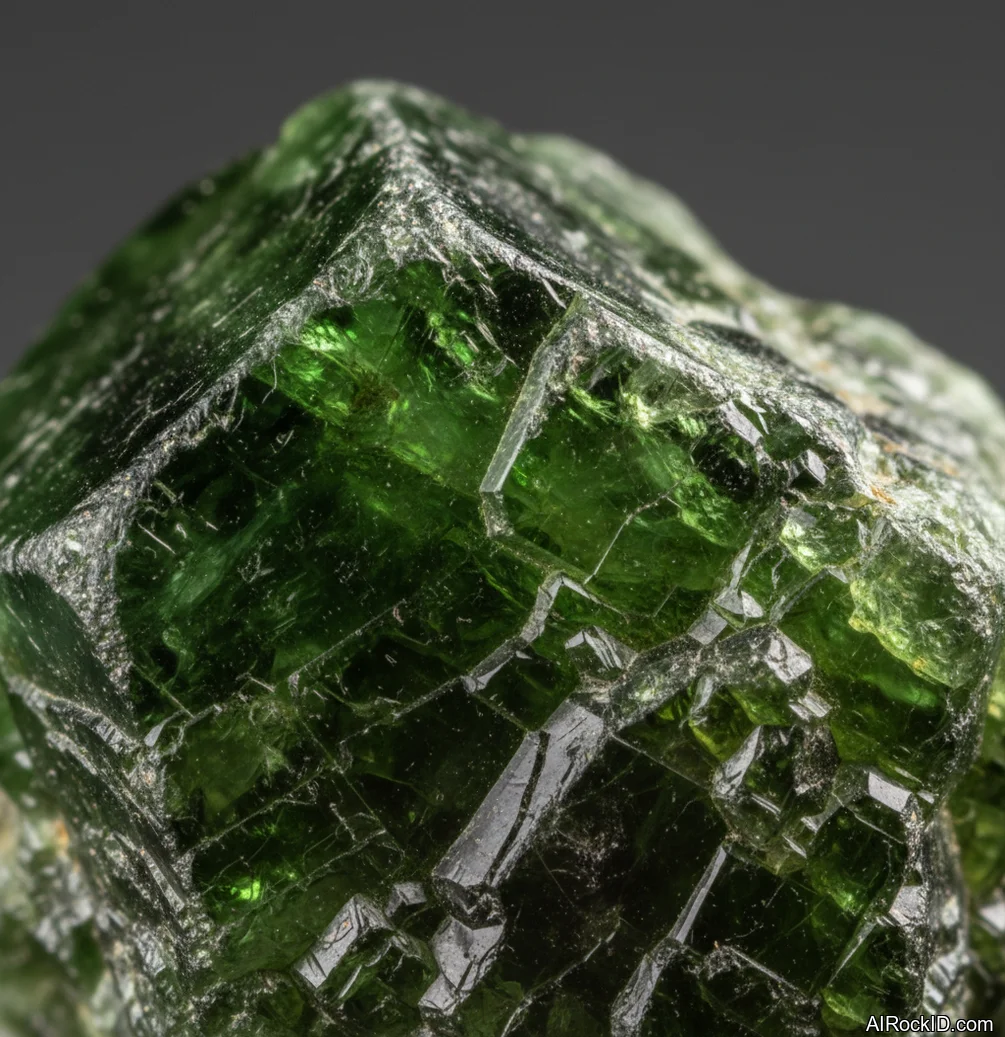
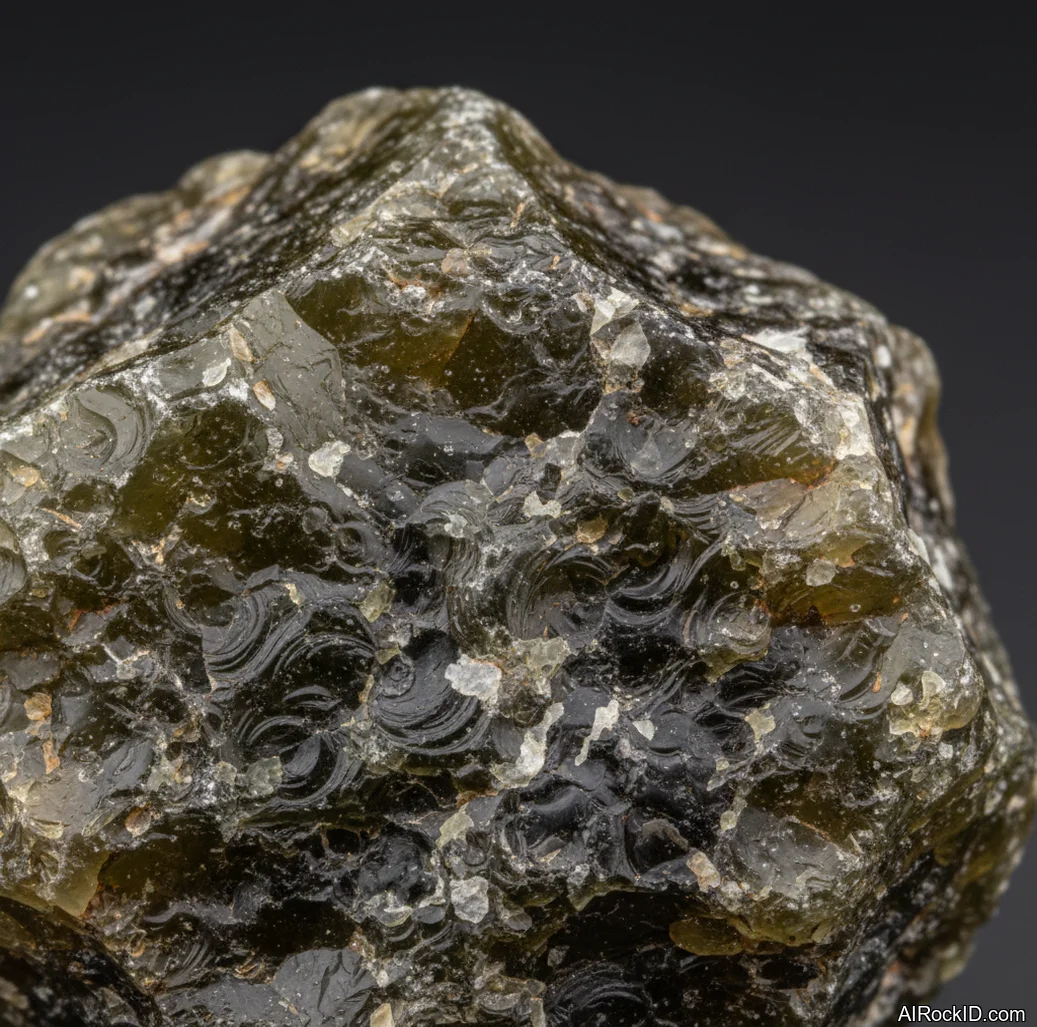
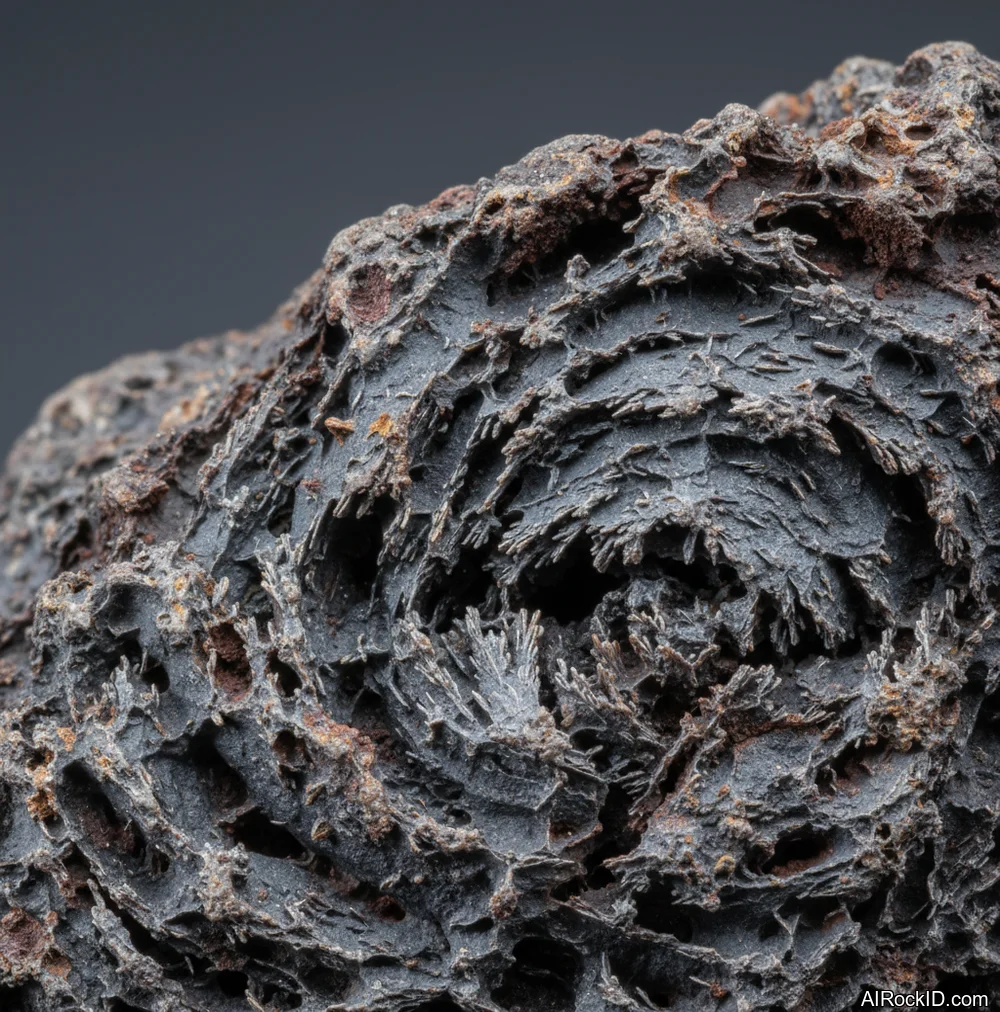
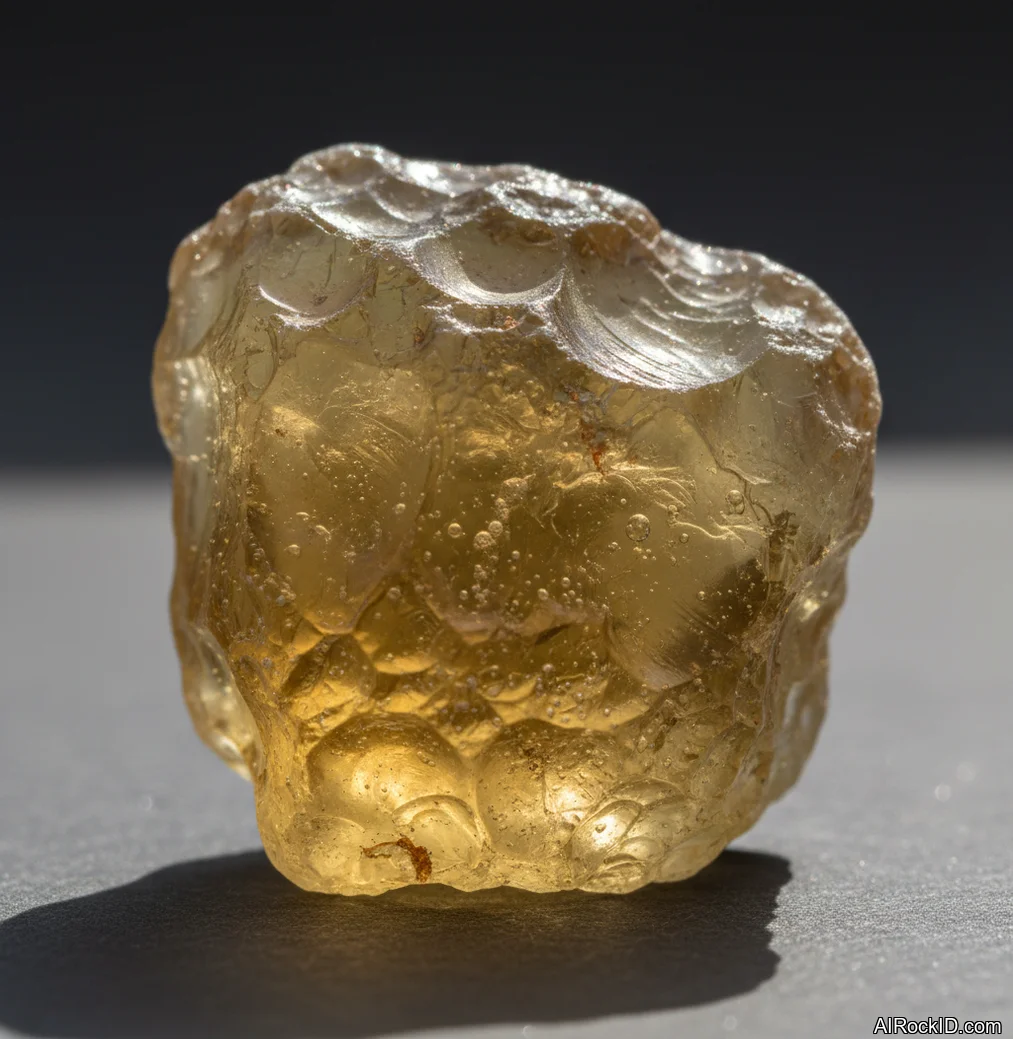
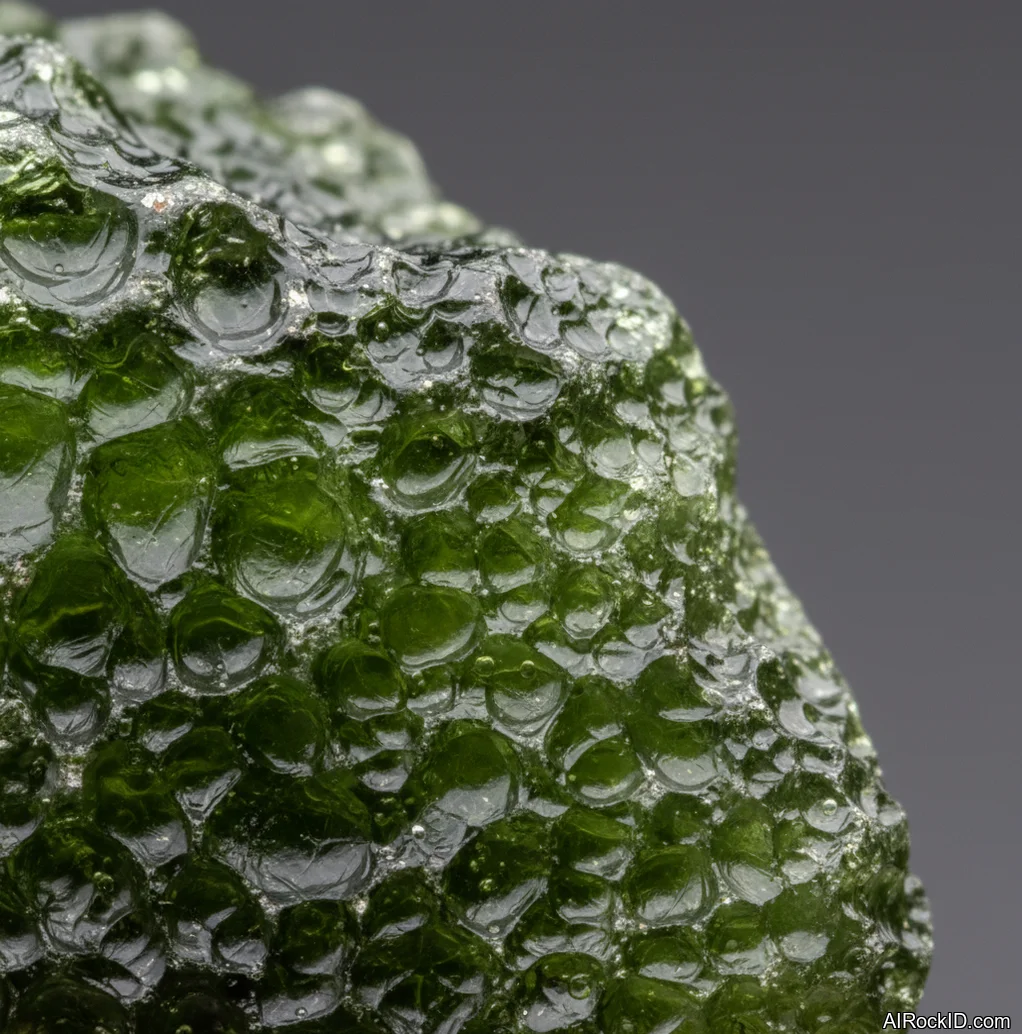
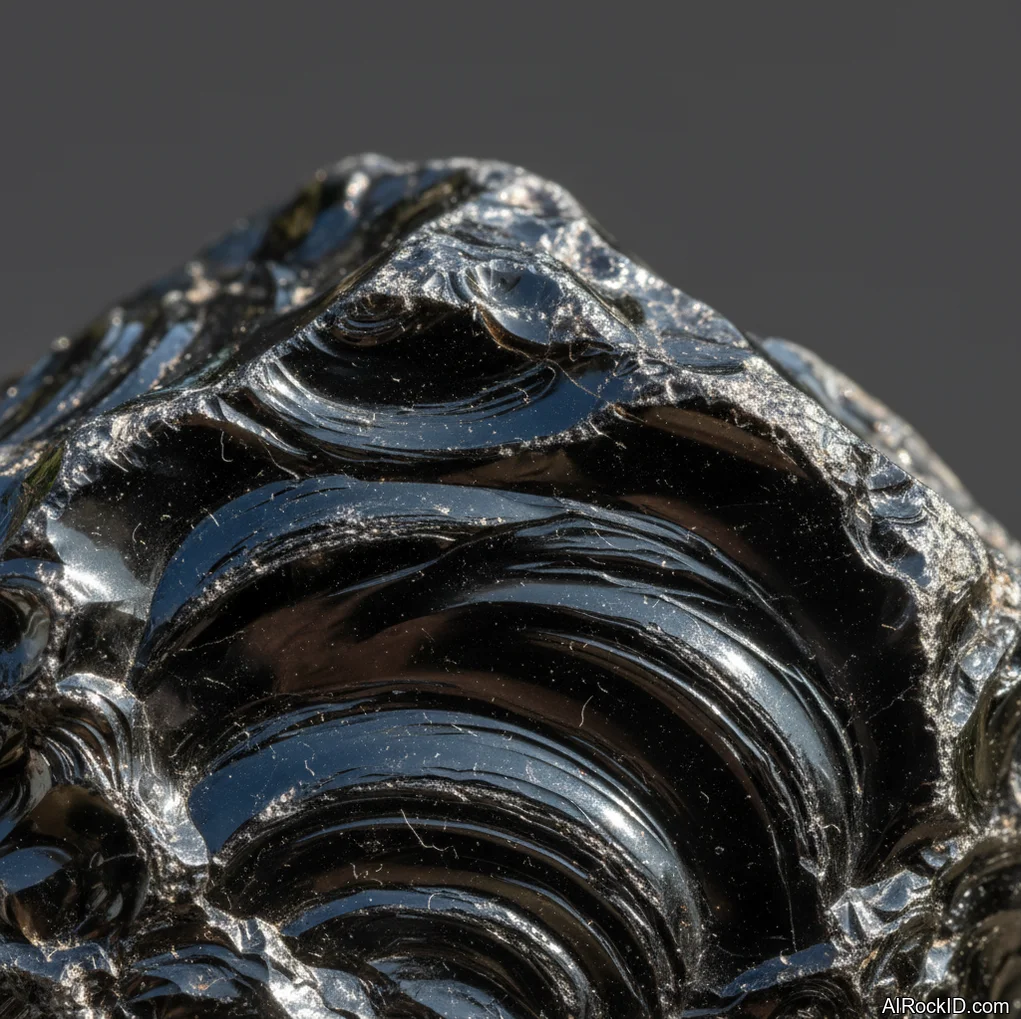
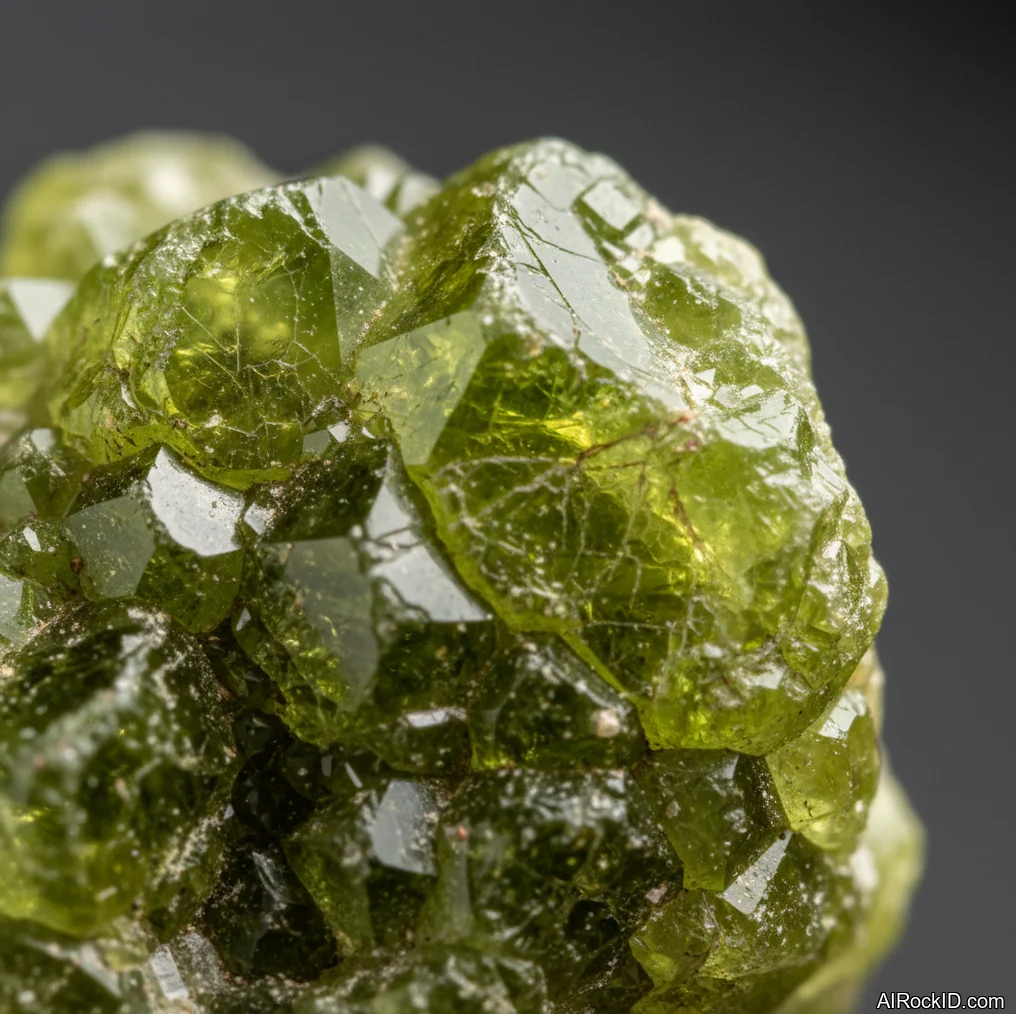
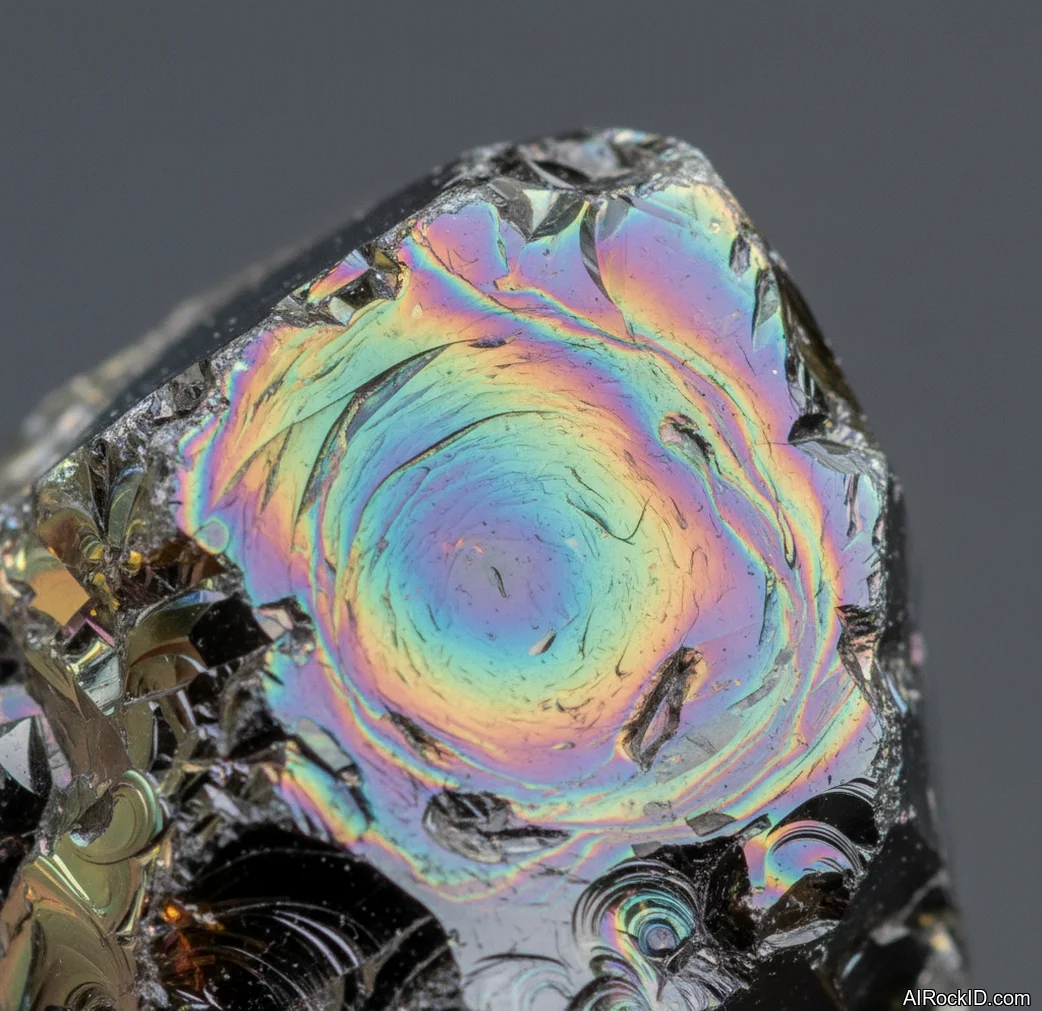
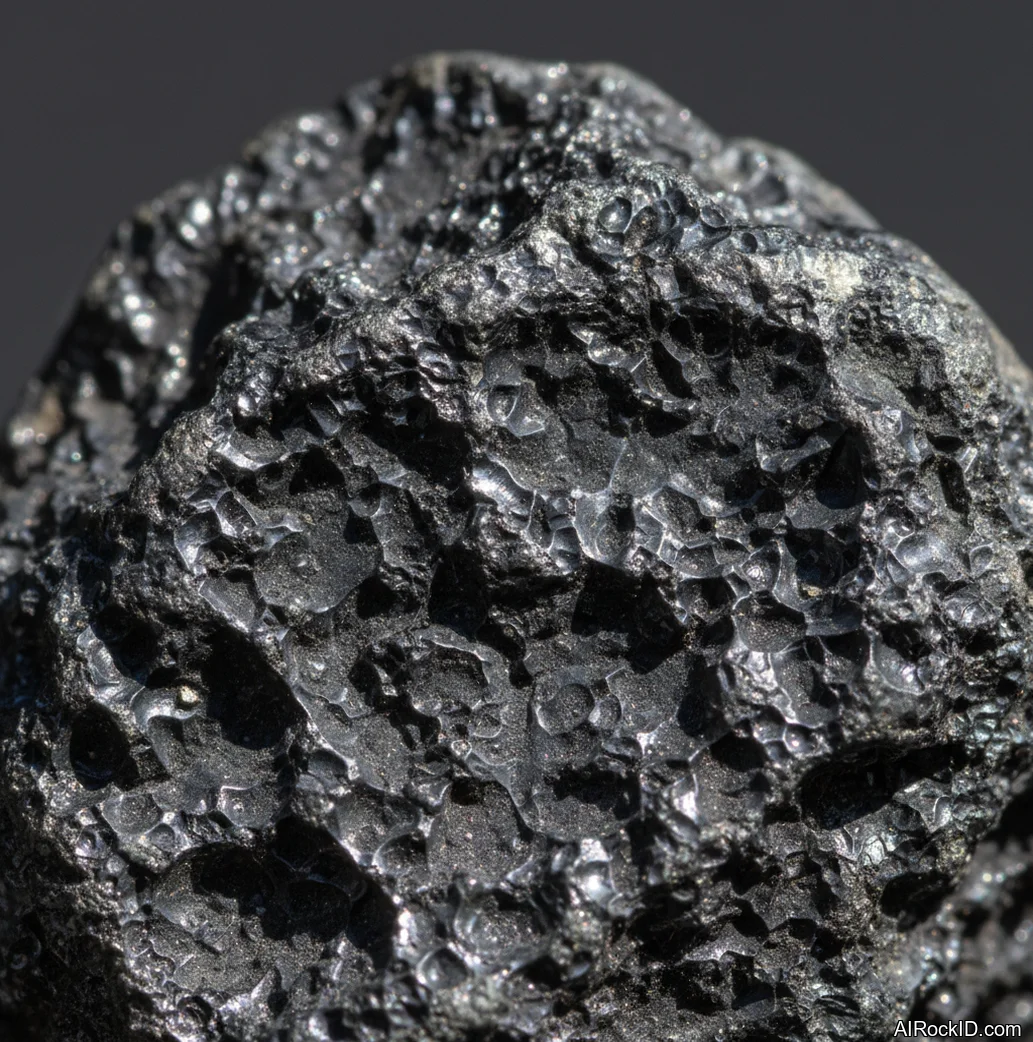
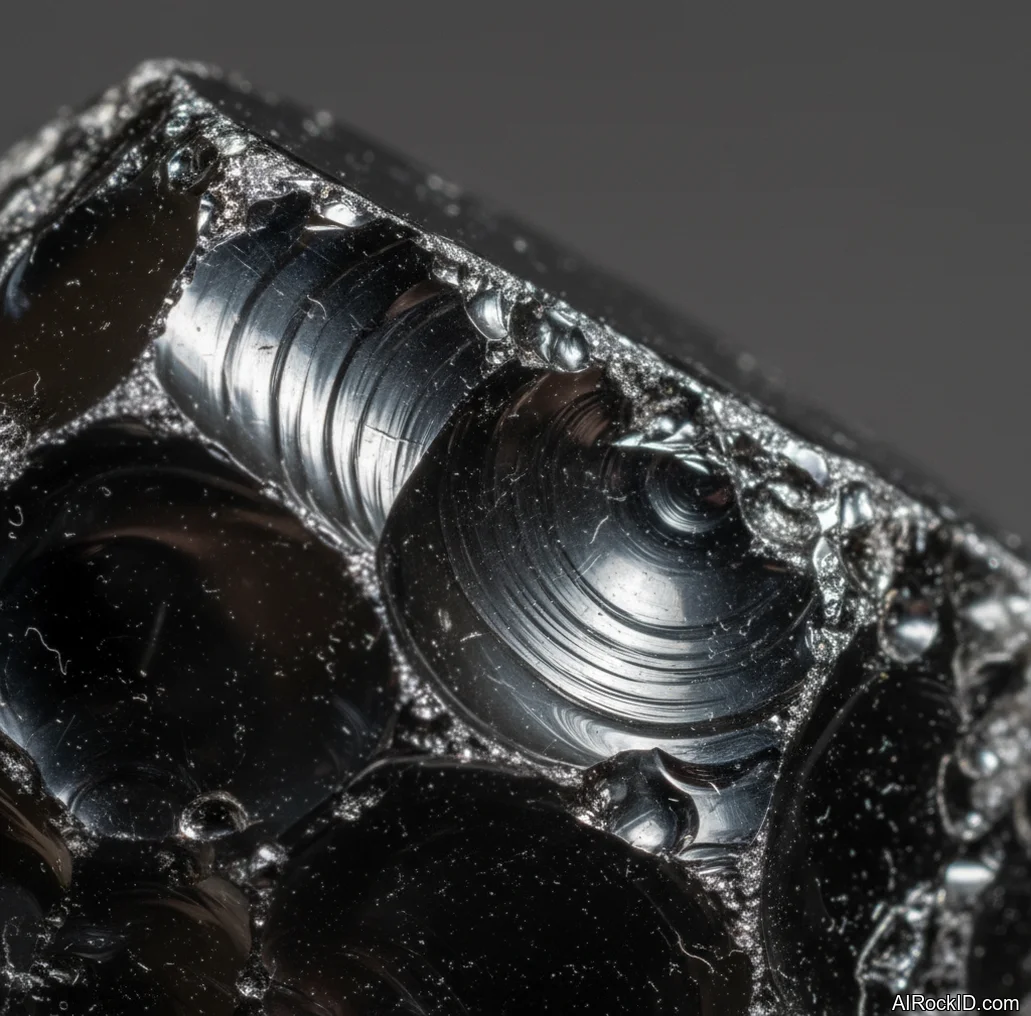
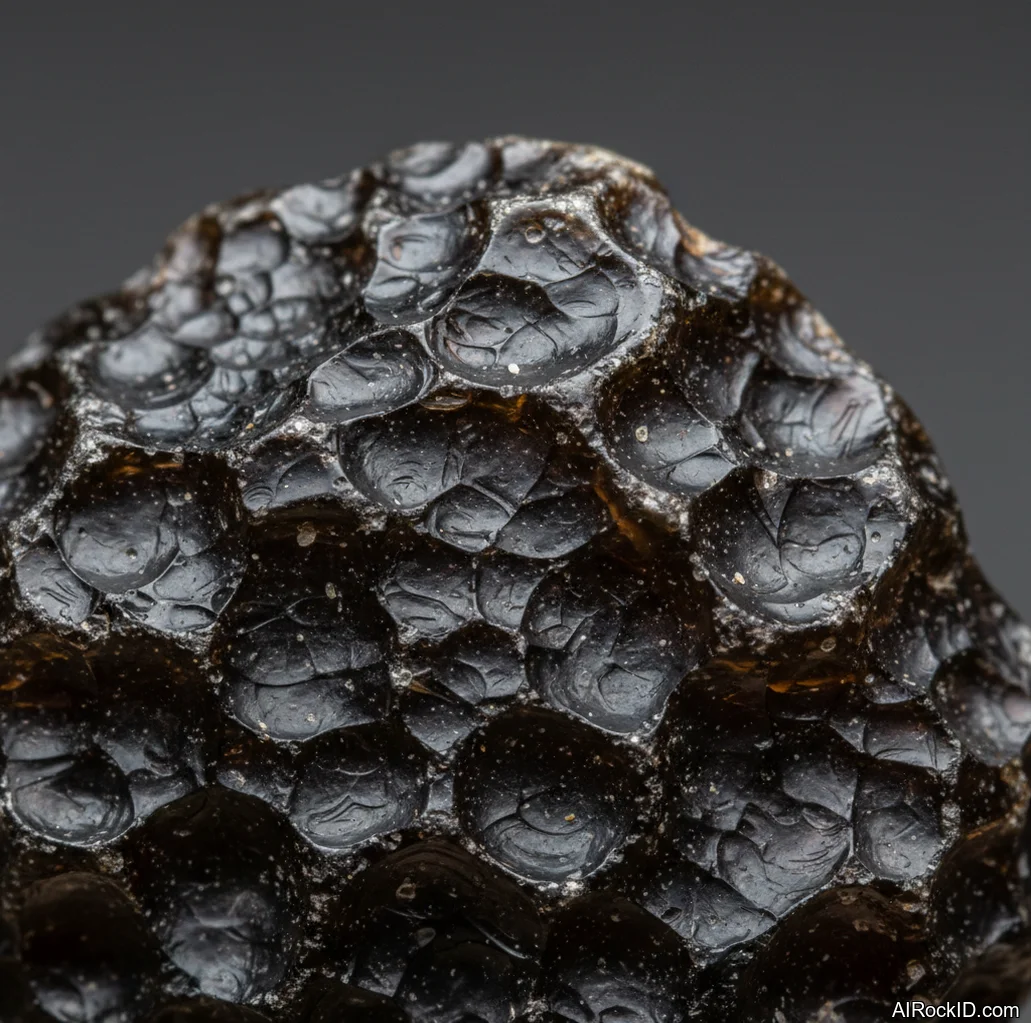
- Moldavite: Often confused with green glass; natural moldavite usually has irregular etched textures, bubbles, and a lightweight tektite feel.
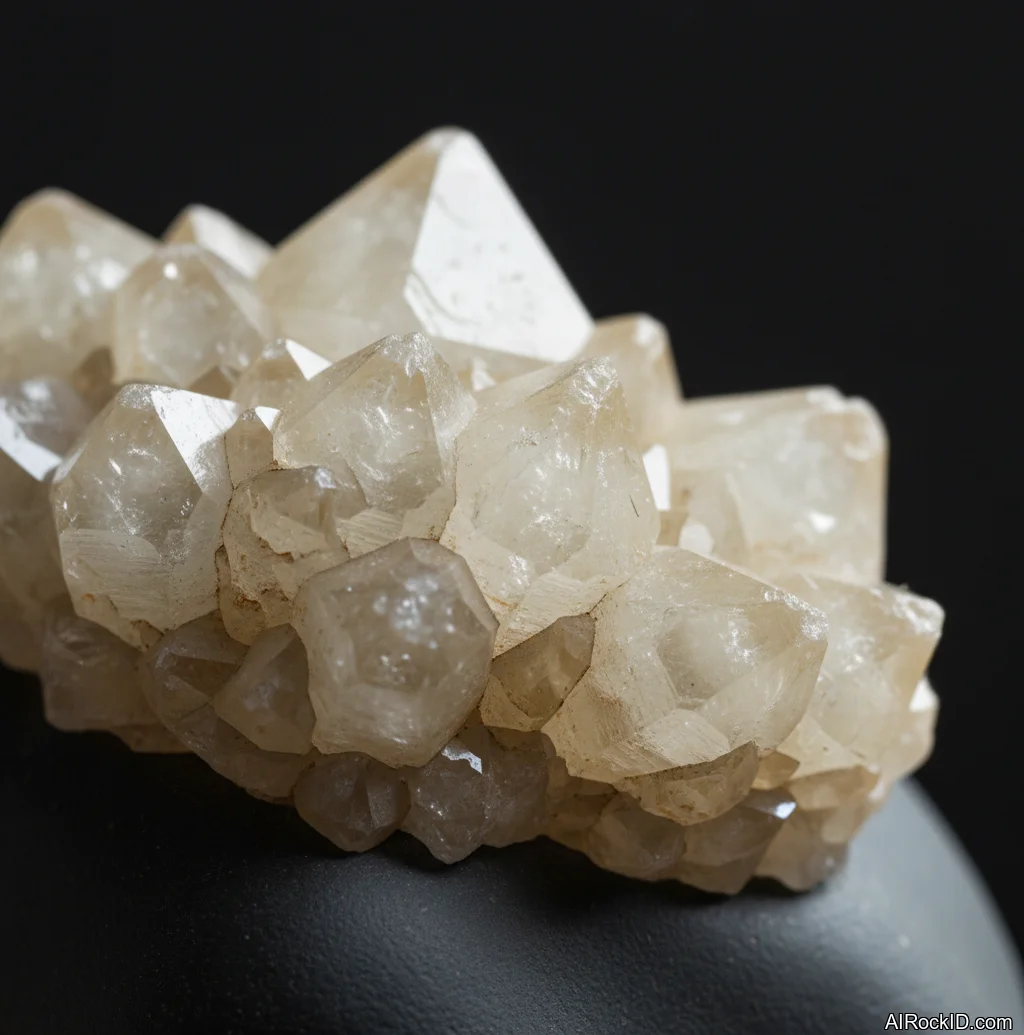
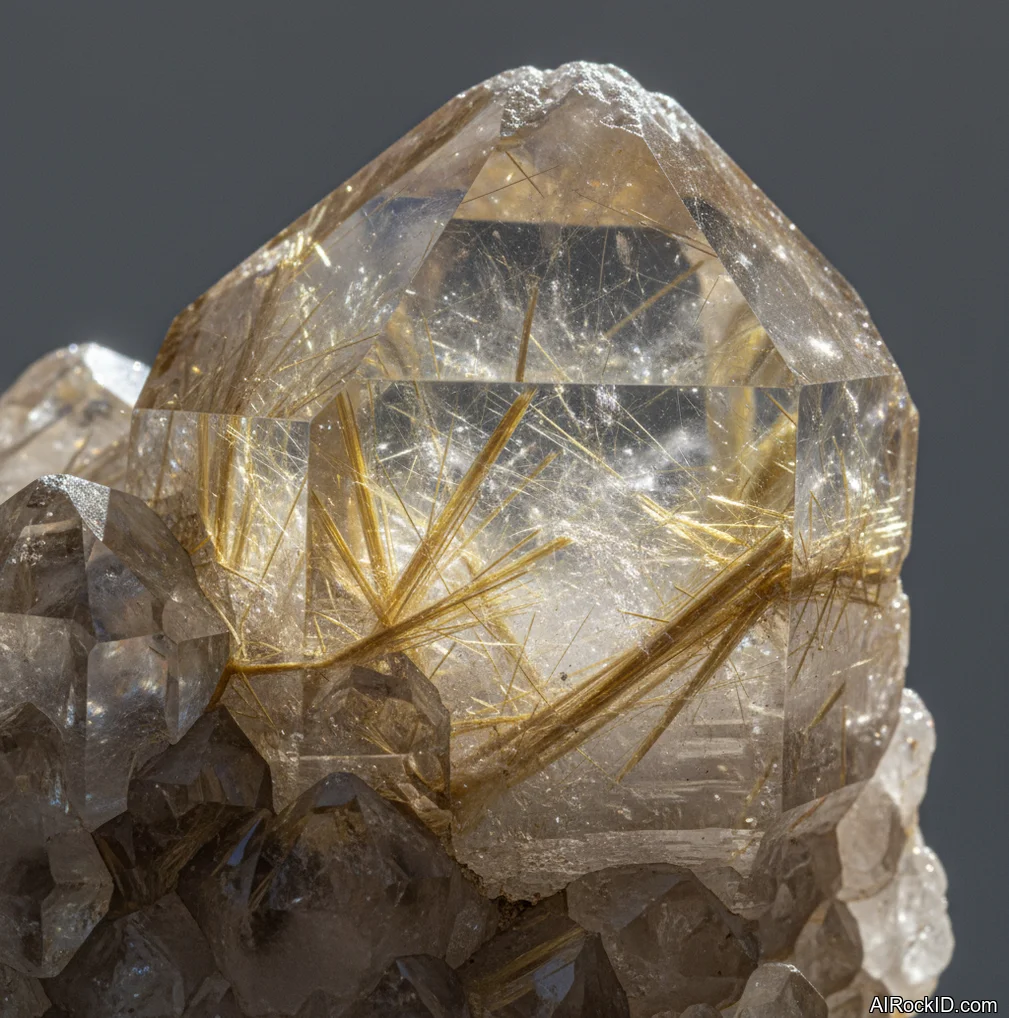
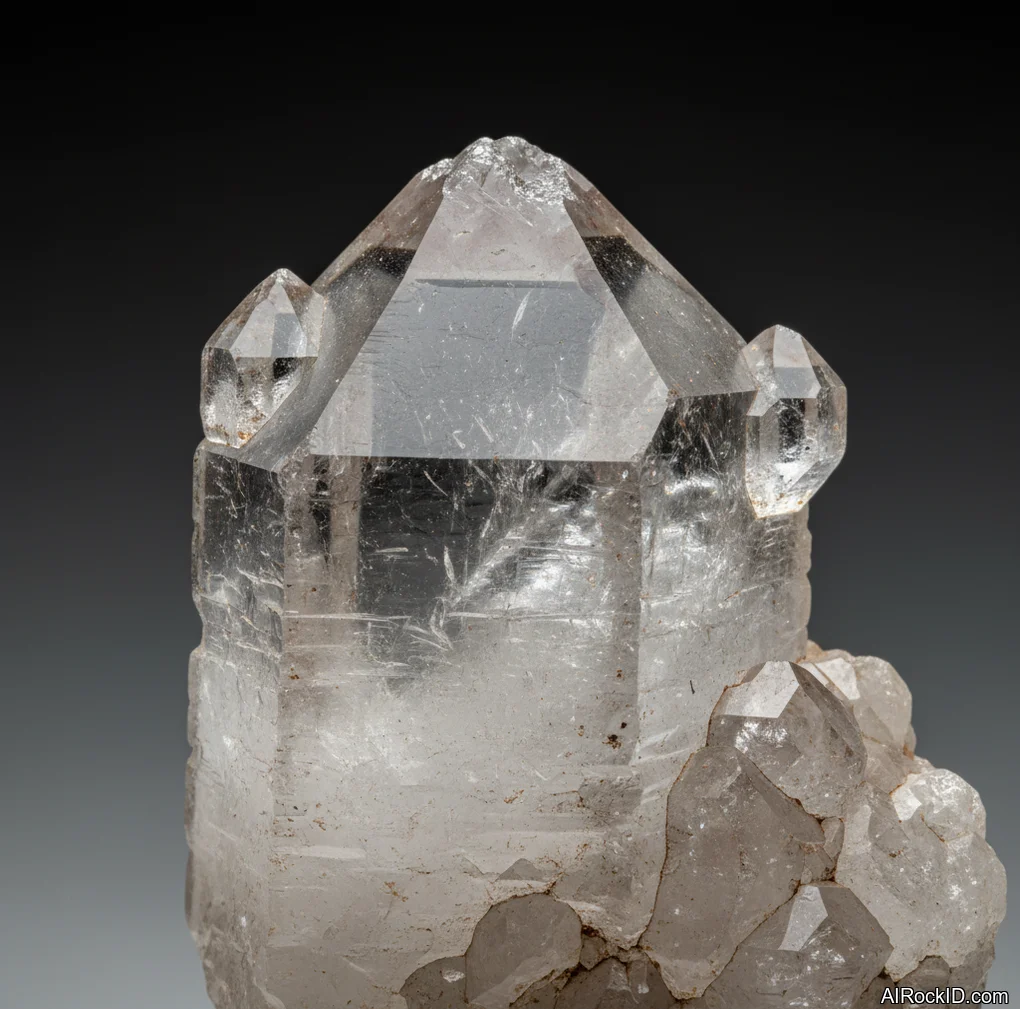
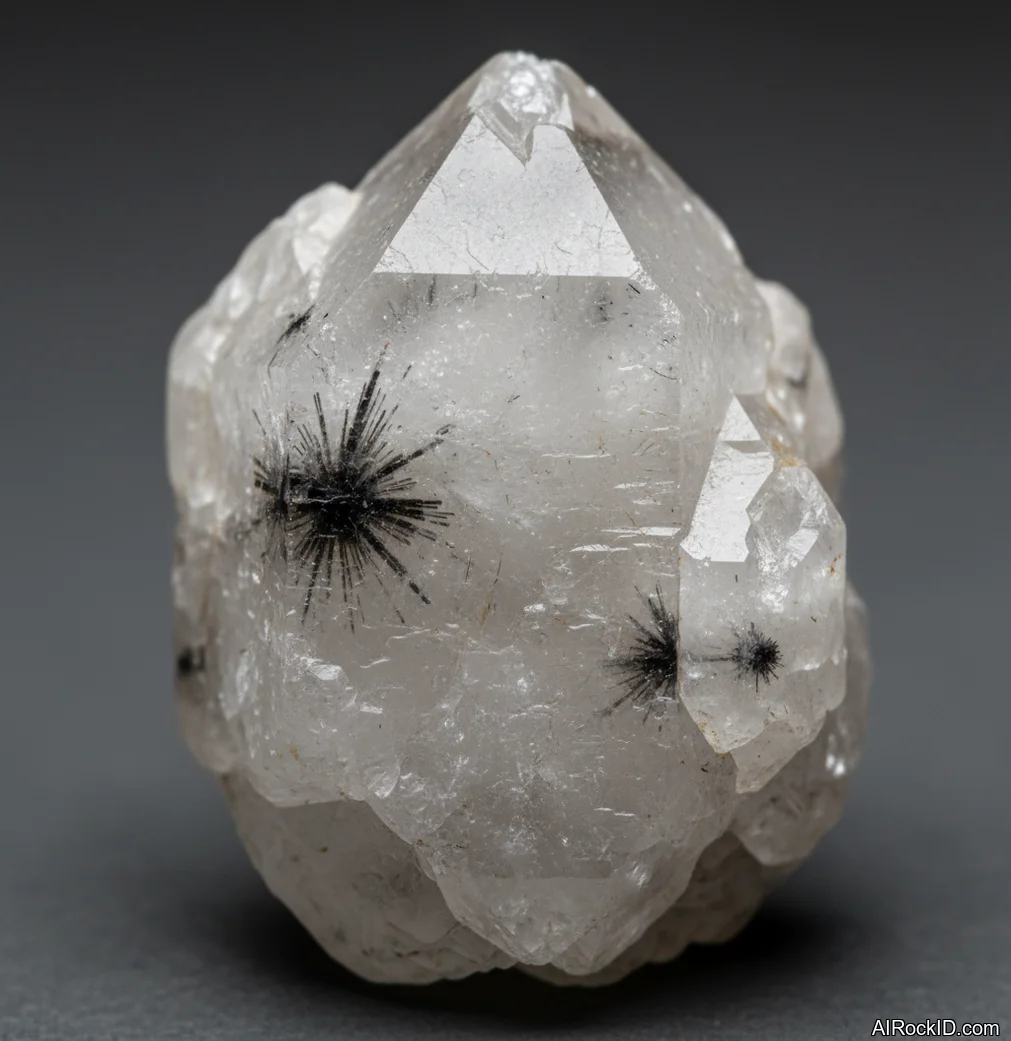
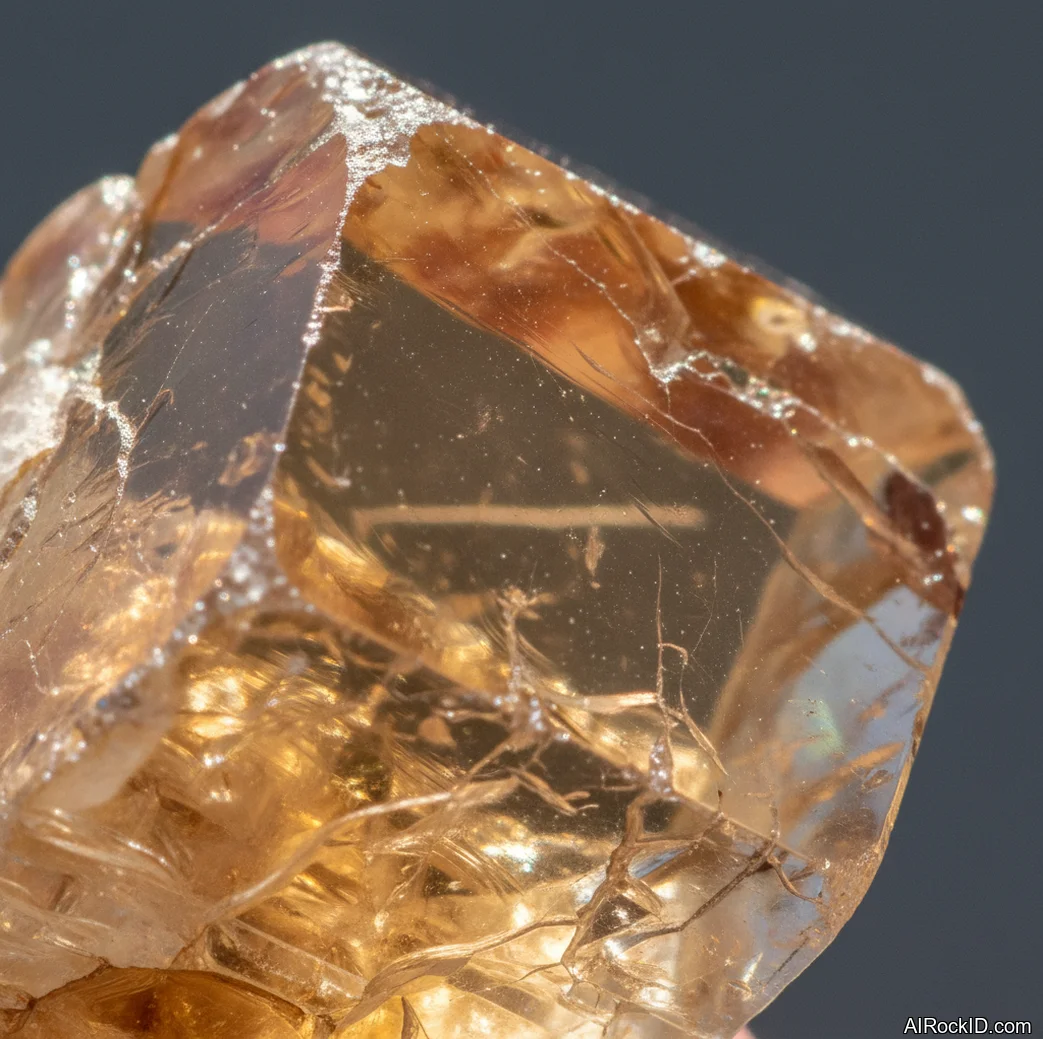
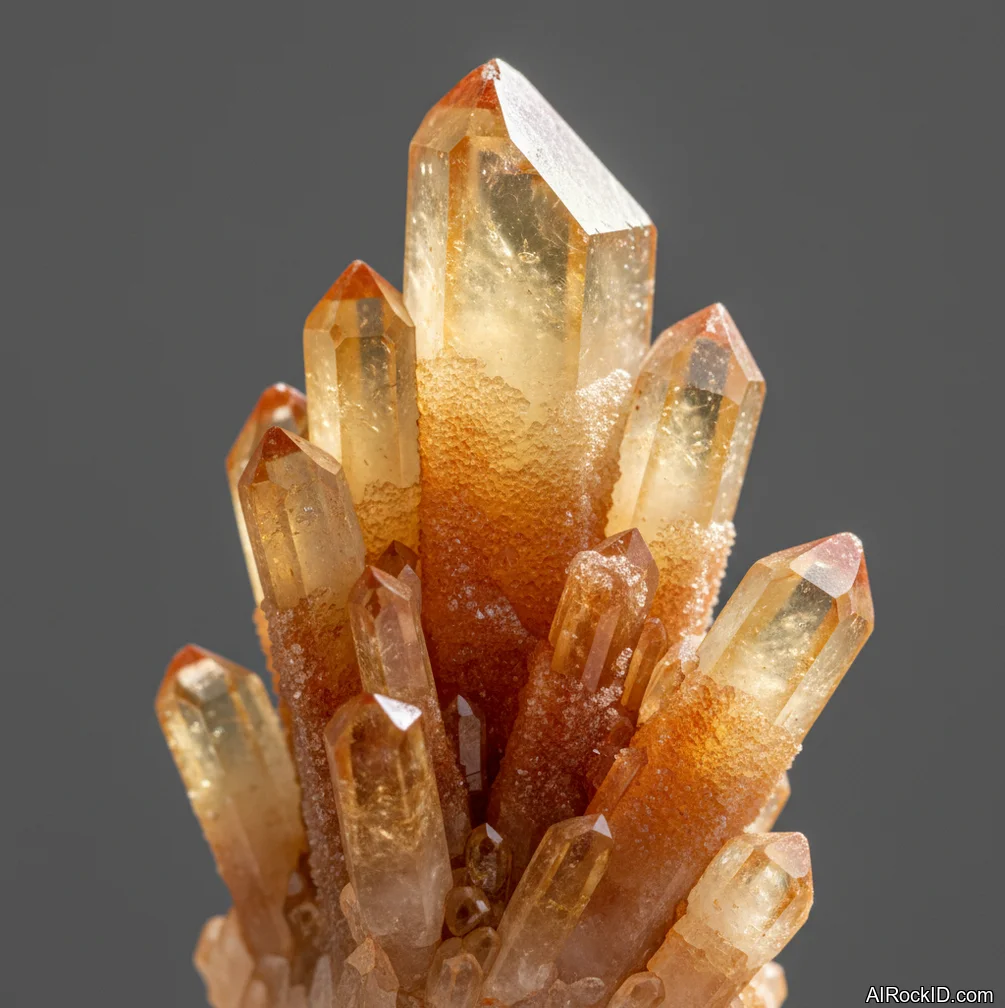
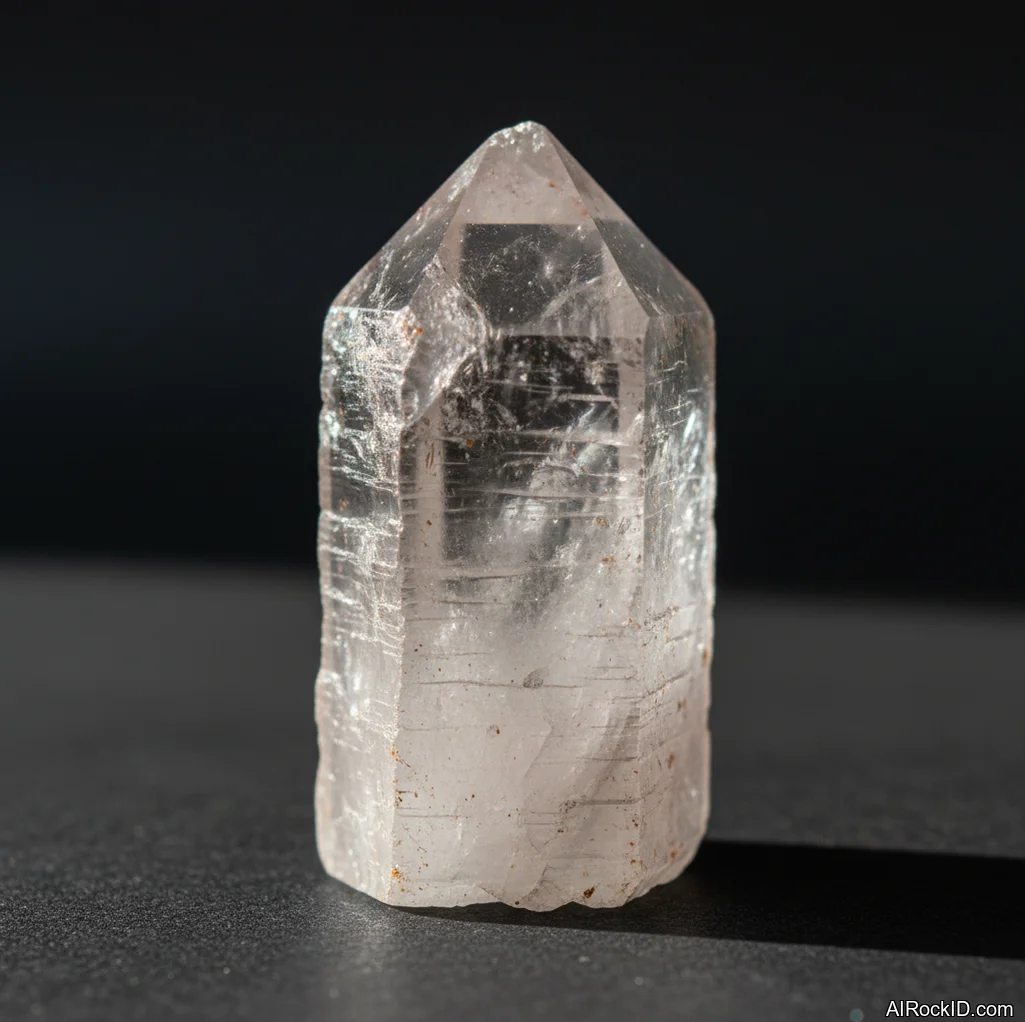
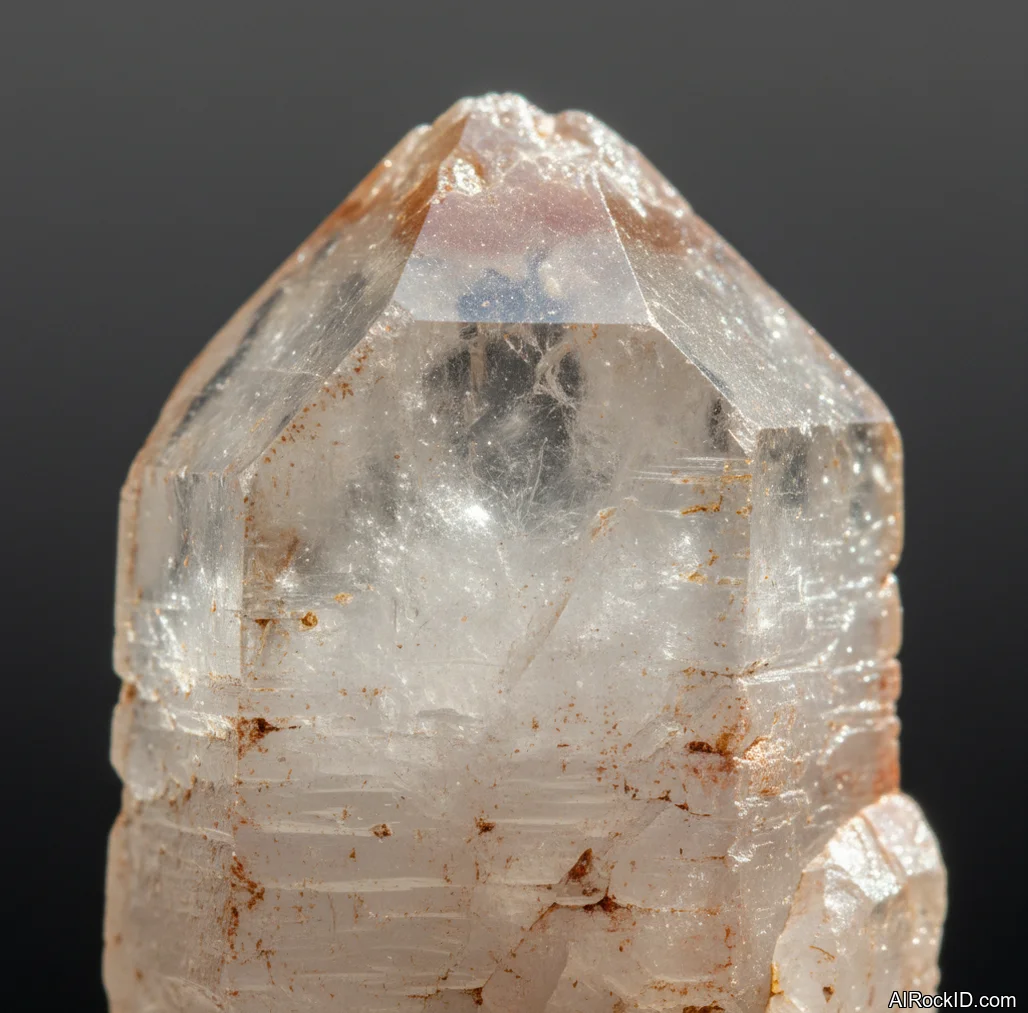
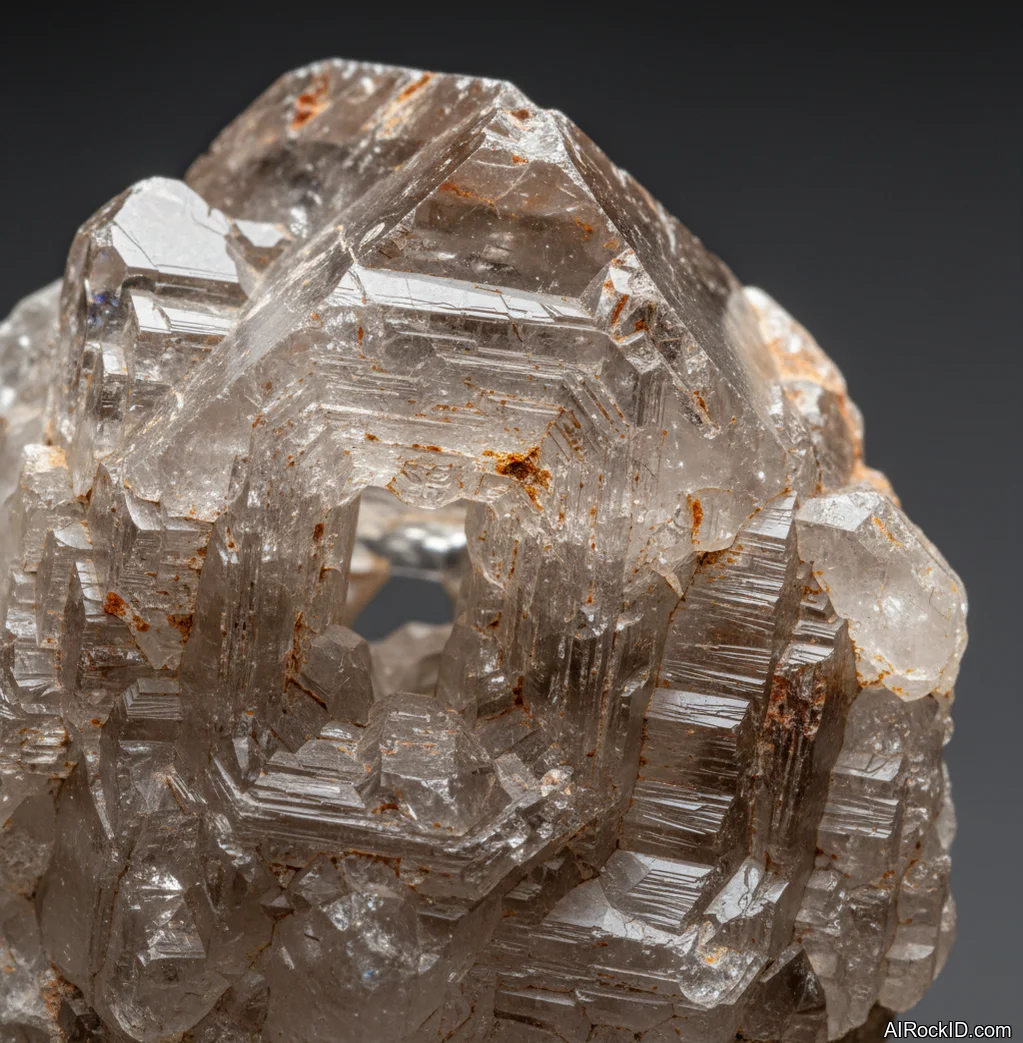
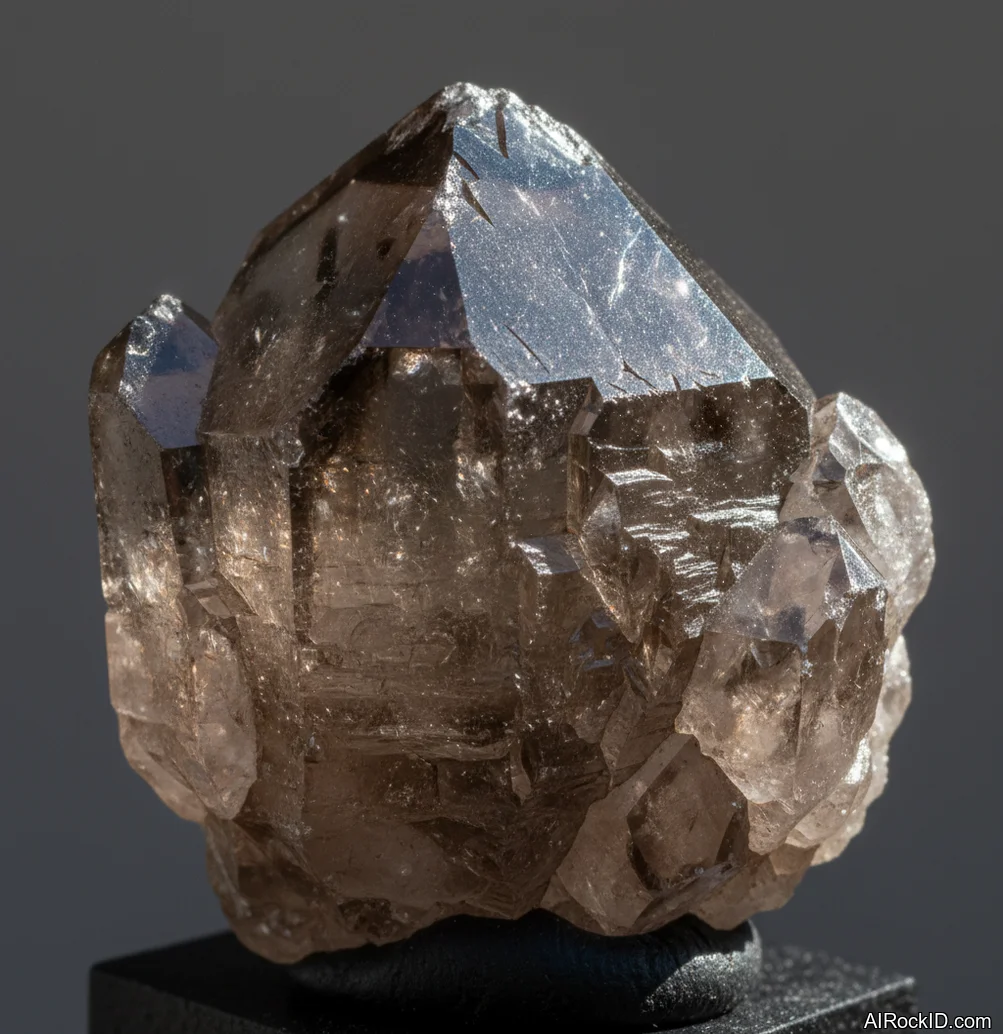
- Smoky Quartz: Often confused with irradiated or heat-treated quartz; color zoning and seller disclosure can help clarify origin.
AI identification confidence
AI identification is most useful when the photo shows natural color, texture, crystal shape, and multiple angles. Confidence may be lower for polished tumbles, dyed stones, imitation moldavite, and minerals with similar green or iridescent appearances.
When AI gets it wrong
- The stone is photographed under colored lighting or heavy filters
- Only one side of a polished tumble is visible
- The mineral has been dyed, coated, heat-treated, or resin-filled
- Several look-alike stones share the same color and general texture
Best choice summary
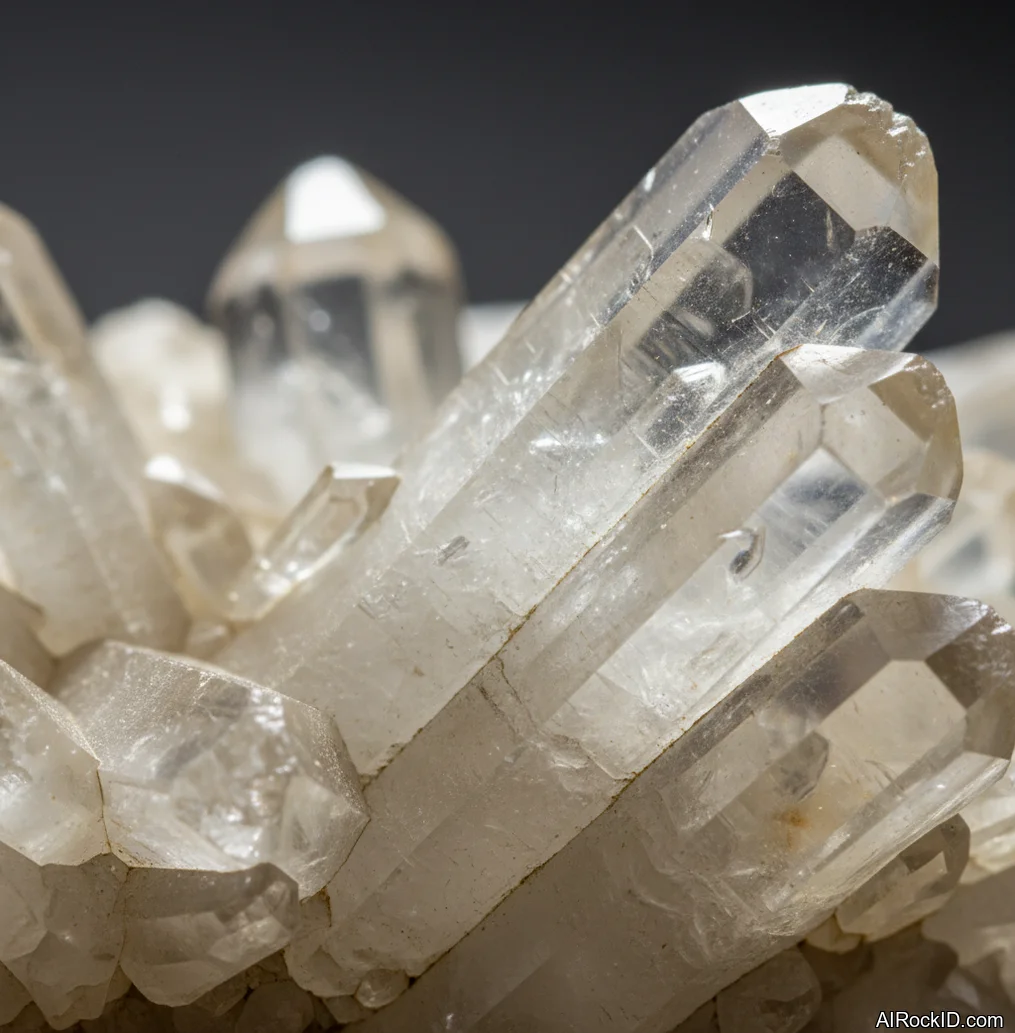
For a first transformation crystal, many beginners choose labradorite, smoky quartz, moonstone, or clear quartz because they are widely available and easier to handle than rare or delicate stones. Malachite and moldavite are popular but require more attention to authenticity, care, and personal preference.
Final recommendation
Choose a transformation crystal based on identification, durability, budget, and the symbolic tradition that feels relevant to the change you are marking. Confirm the stone type before purchase, especially for commonly imitated materials such as moldavite, malachite, and turquoise-colored stones.
Why people search for this
People often search for transformation crystals during life changes such as moving, career shifts, recovery periods, creative resets, or relationship transitions. In crystal traditions, these stones are used as reminders of release, adaptation, and growth rather than as guaranteed causes of change.
What this category represents
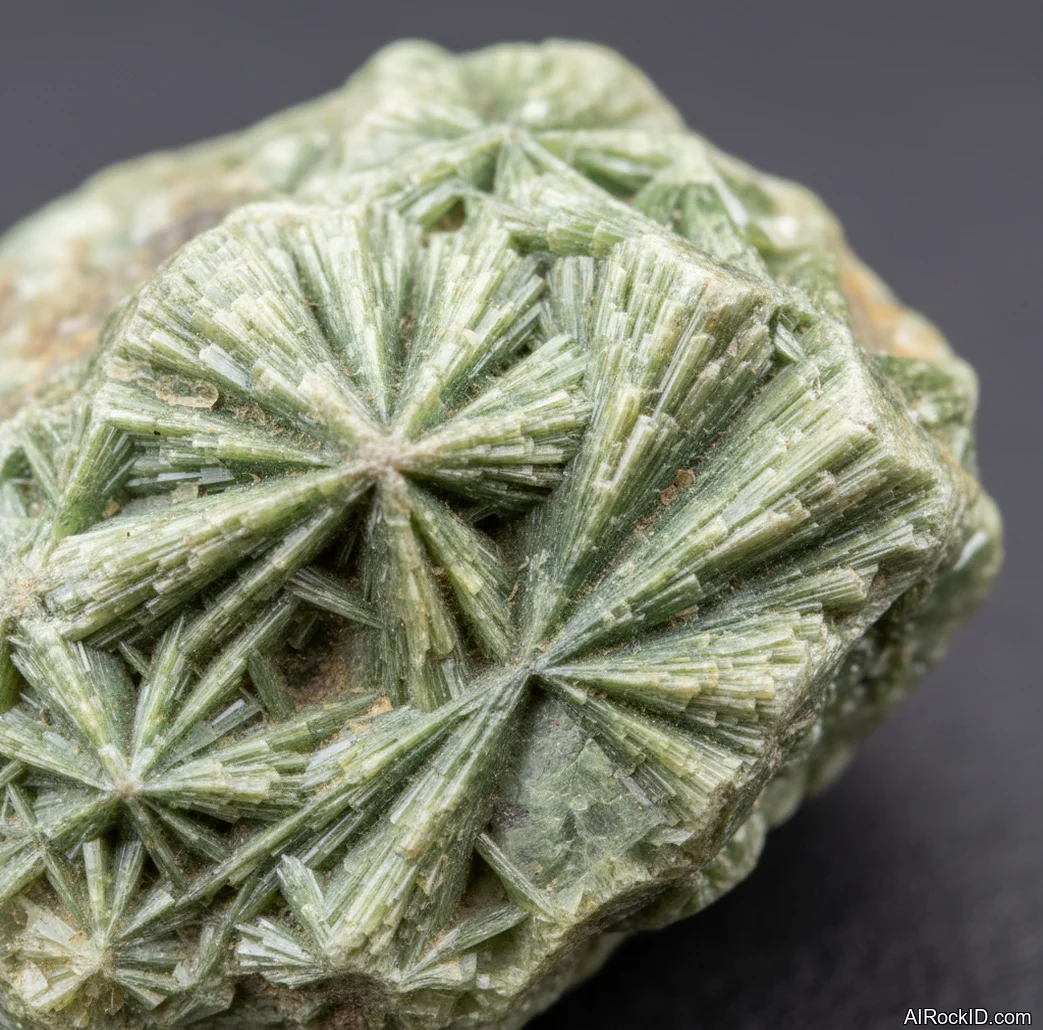
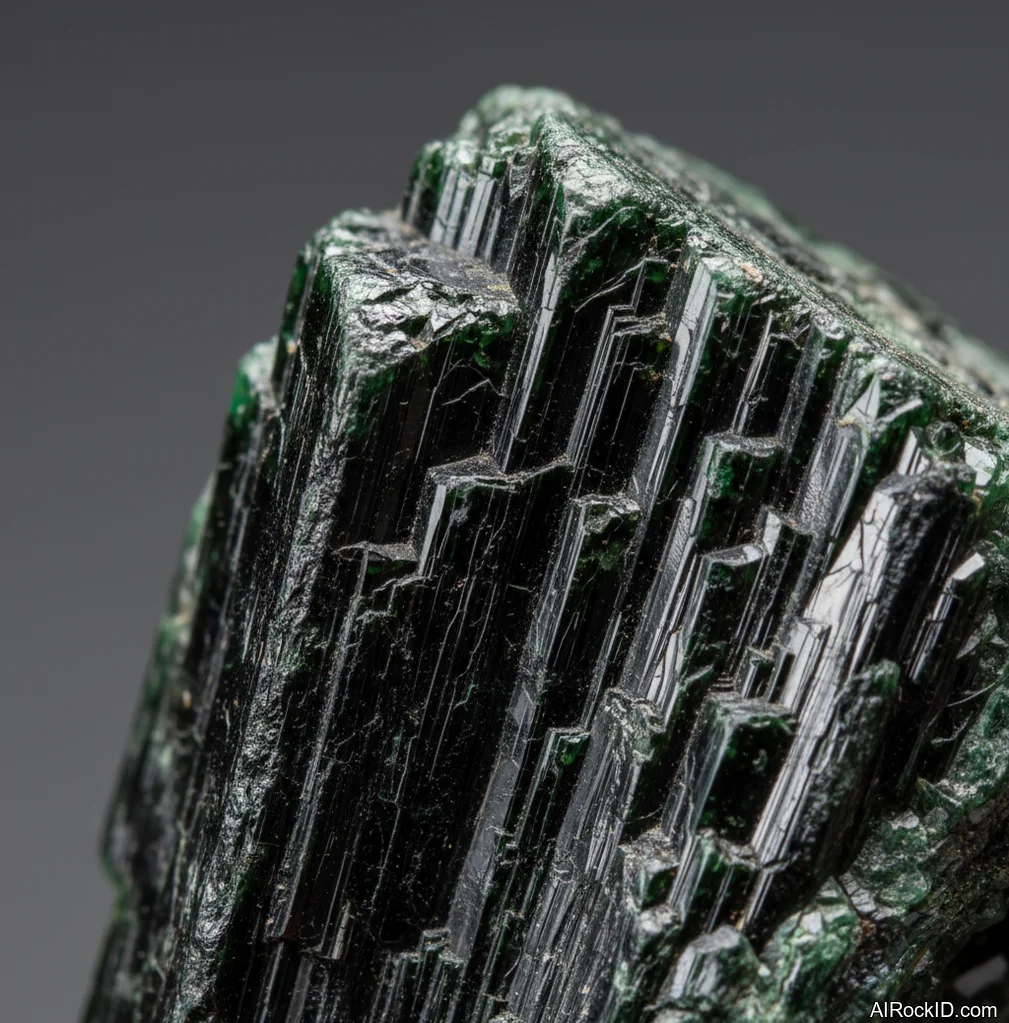
The Transformation tag groups crystals and minerals that are commonly associated in metaphysical traditions with change, release, transition, renewal, and personal growth. This category is symbolic and cultural, not a scientific mineral classification.
Beginner recommendations
Advanced recommendations
Transformation Crystals by Life Theme
Different traditions connect transformation stones with different types of change. Labradorite is often linked with self-discovery and transition, smoky quartz with release and grounding, moonstone with cycles and renewal, and malachite with patterns, boundaries, and emotional change.
Natural vs. Treated Transformation Stones
Some stones sold for transformation work may be dyed, coated, irradiated, or represented by look-alike materials. Treatment does not always make a stone unsuitable for decorative or symbolic use, but accurate labeling matters for value, care, and collector confidence.
Using Transformation Stones in a Collection
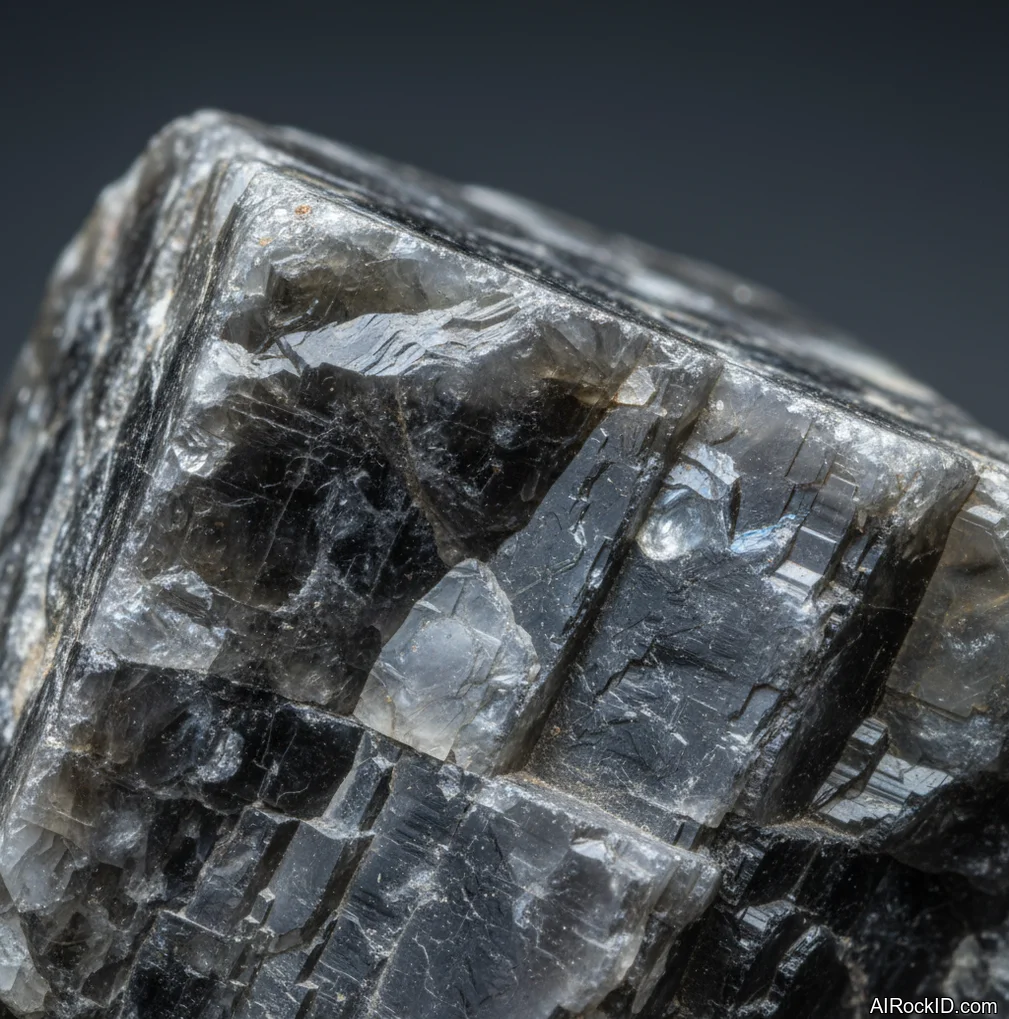
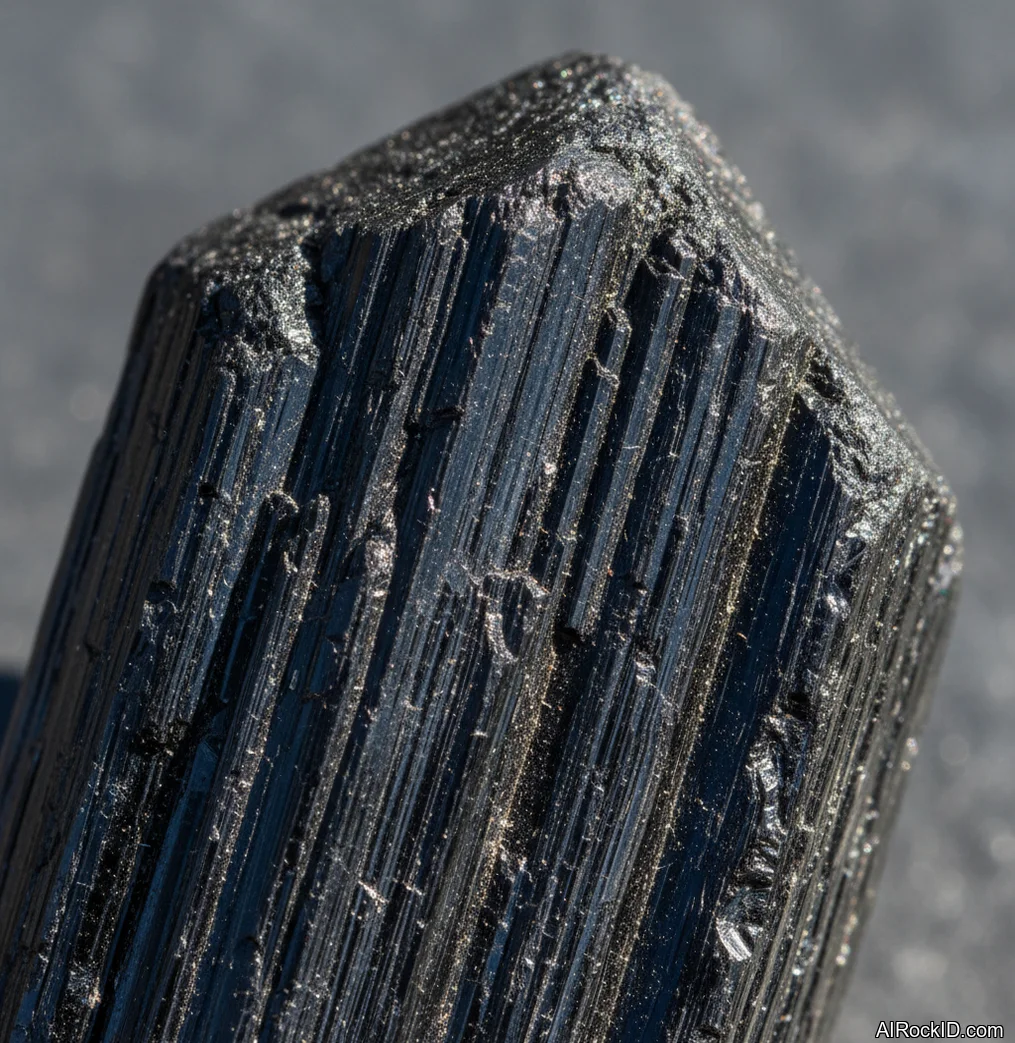
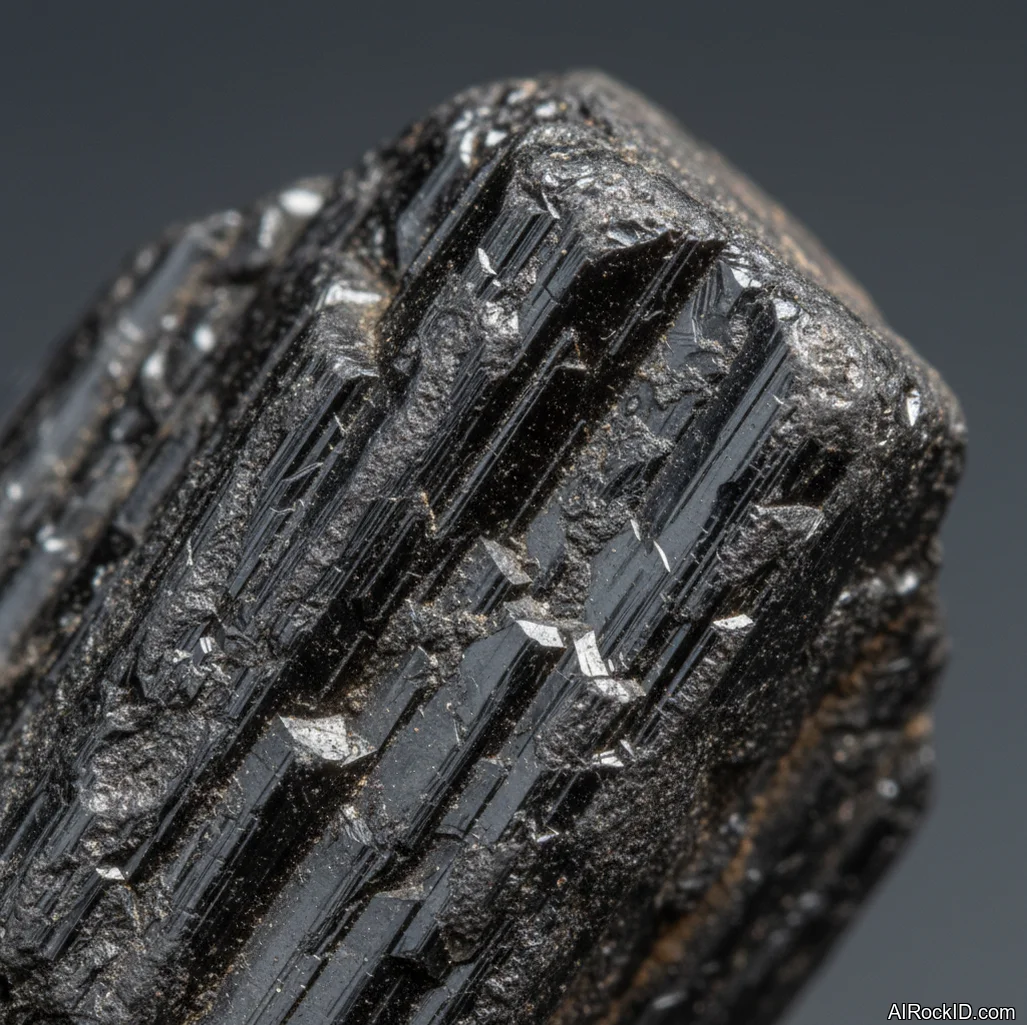
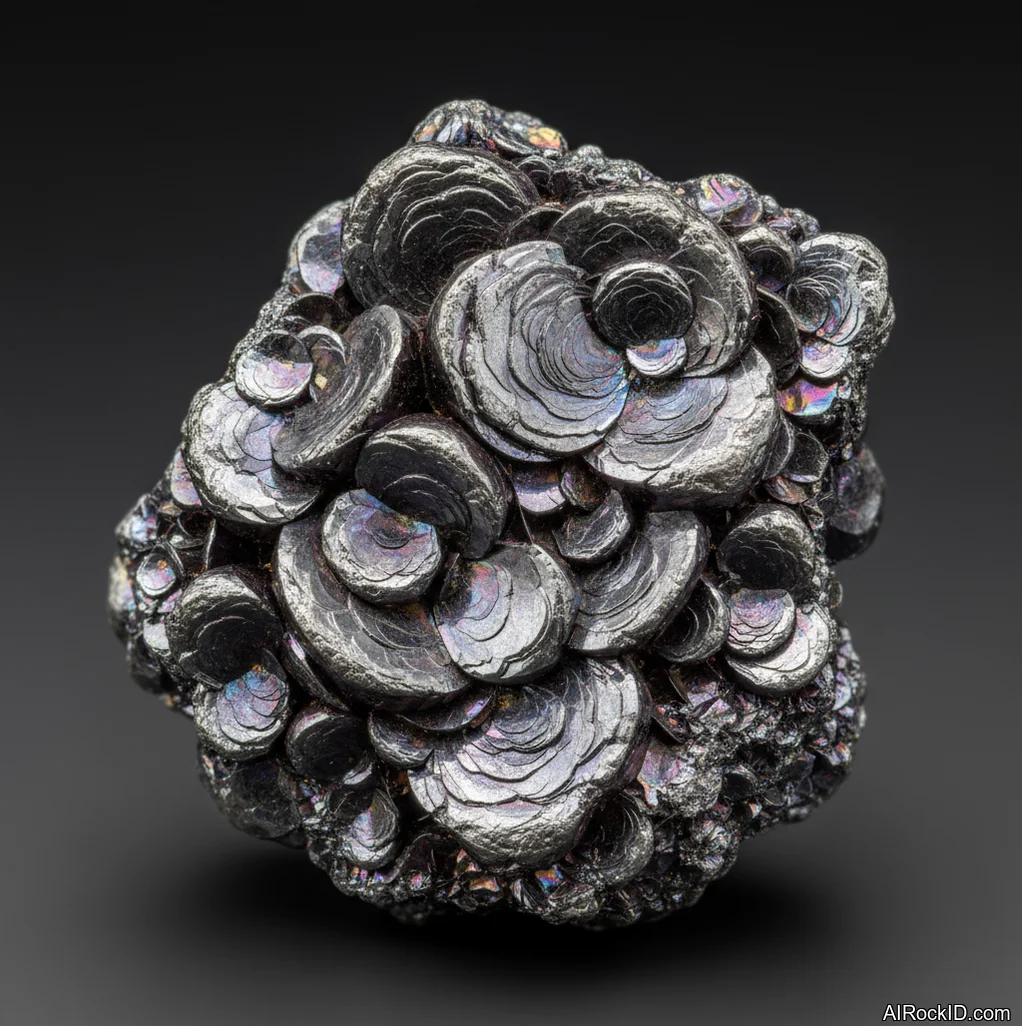
A transformation-themed collection can include one anchor stone, one grounding stone, and one reflective stone for balance. Many people pair moldavite or malachite with smoky quartz, black tourmaline, or hematite in metaphysical traditions to create a more grounded symbolic setup.
What Are Transformation Crystals? Uses and Real-World Details
Transformation, when you talk crystals, means change that actually sticks around. Not just a burst of motivation that fizzles out in a week, but the slow, real shift in what you do, how you think, and even who you think you are. People grab for stones like these during breakups, new jobs, or when they're finally letting go of a version of themselves that doesn't fit. It's the kind of change you feel in your bones—uncomfortable, honest, maybe even overdue.
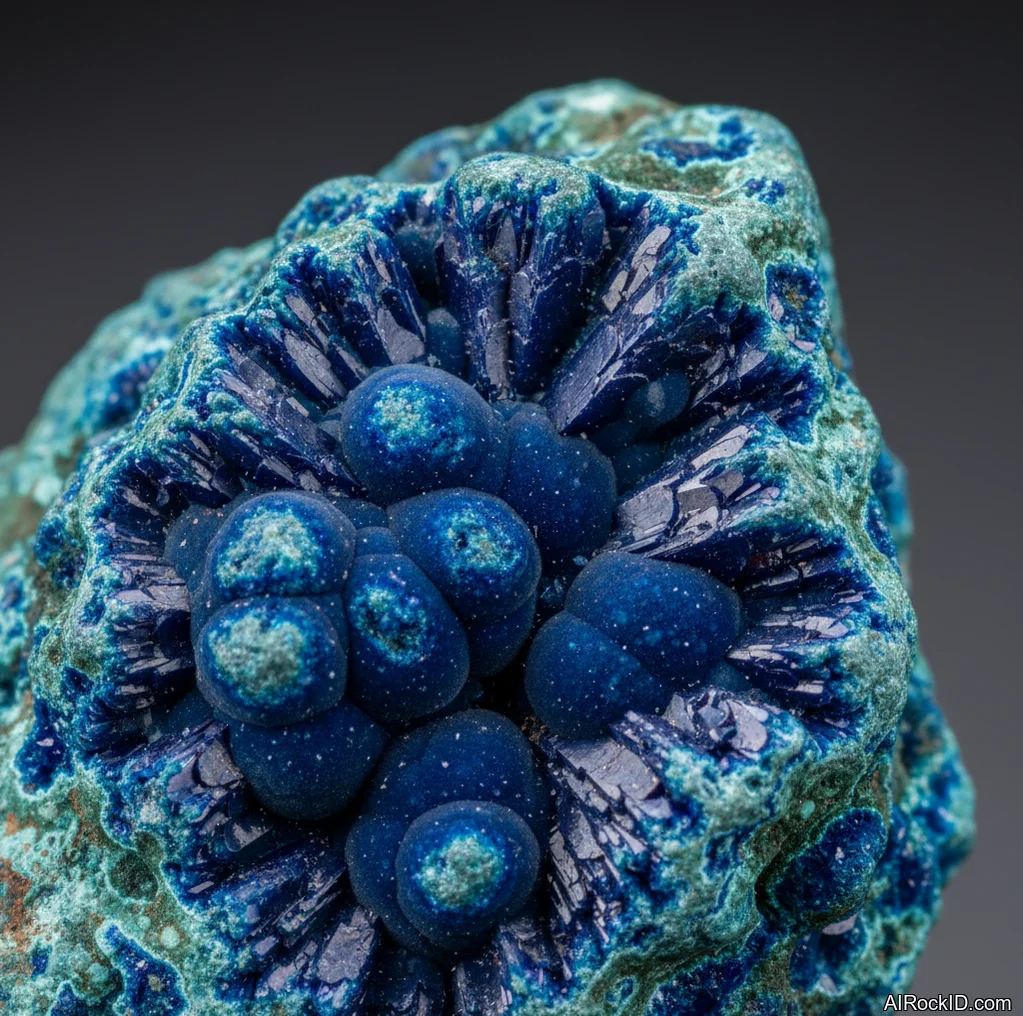
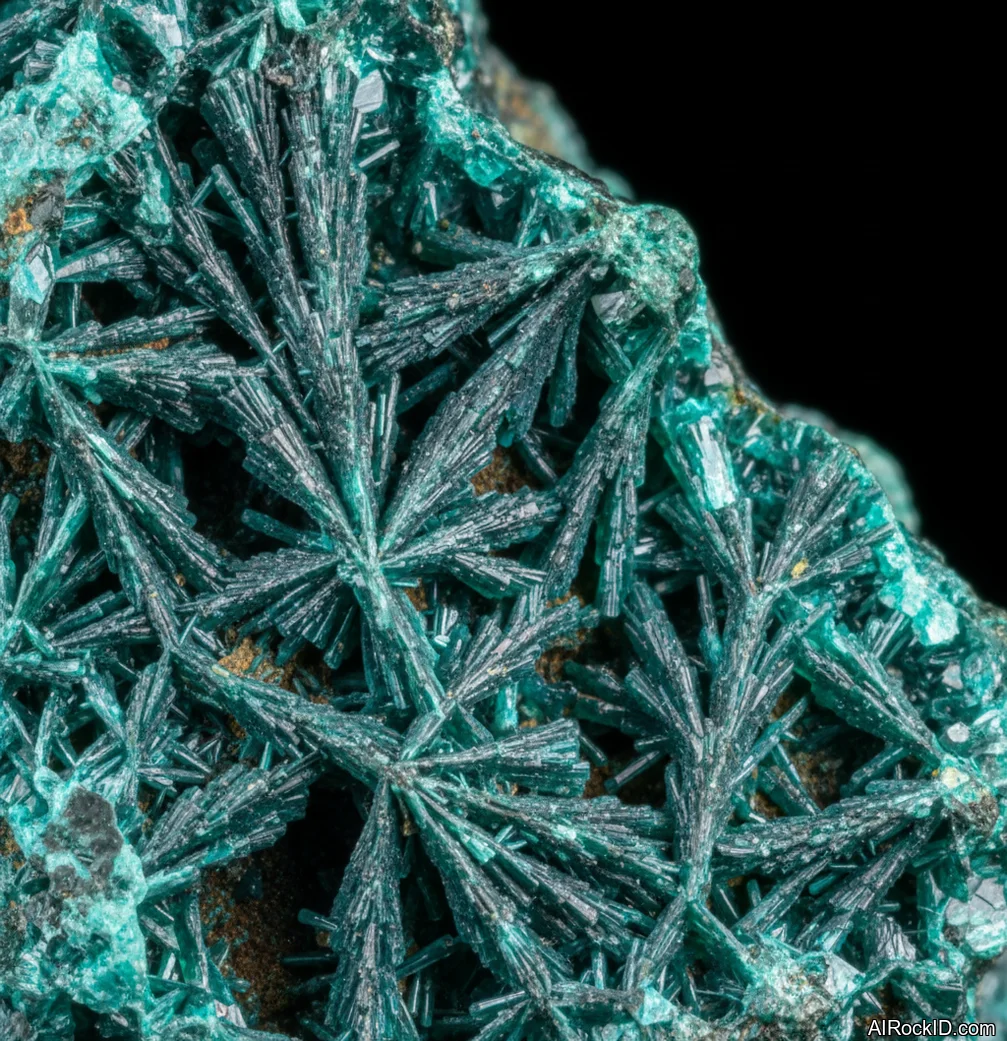
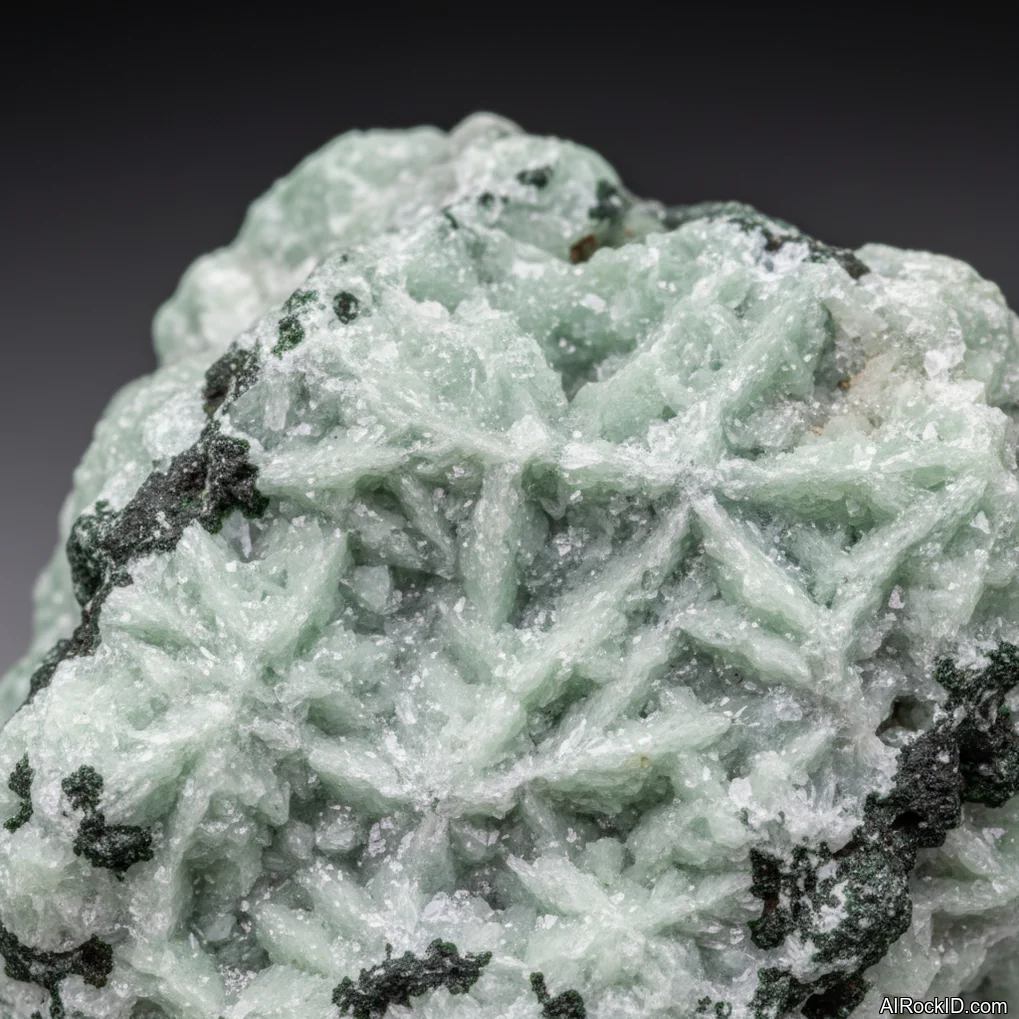
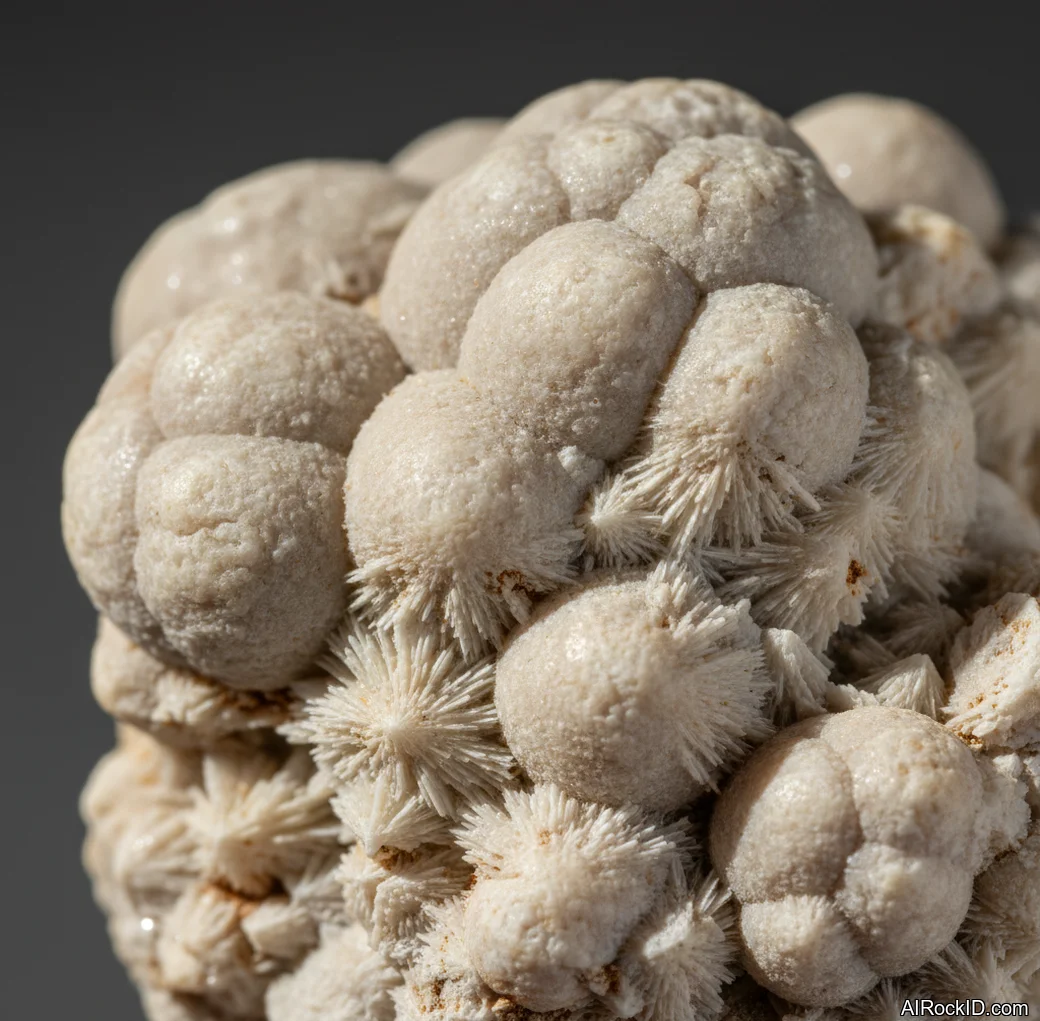
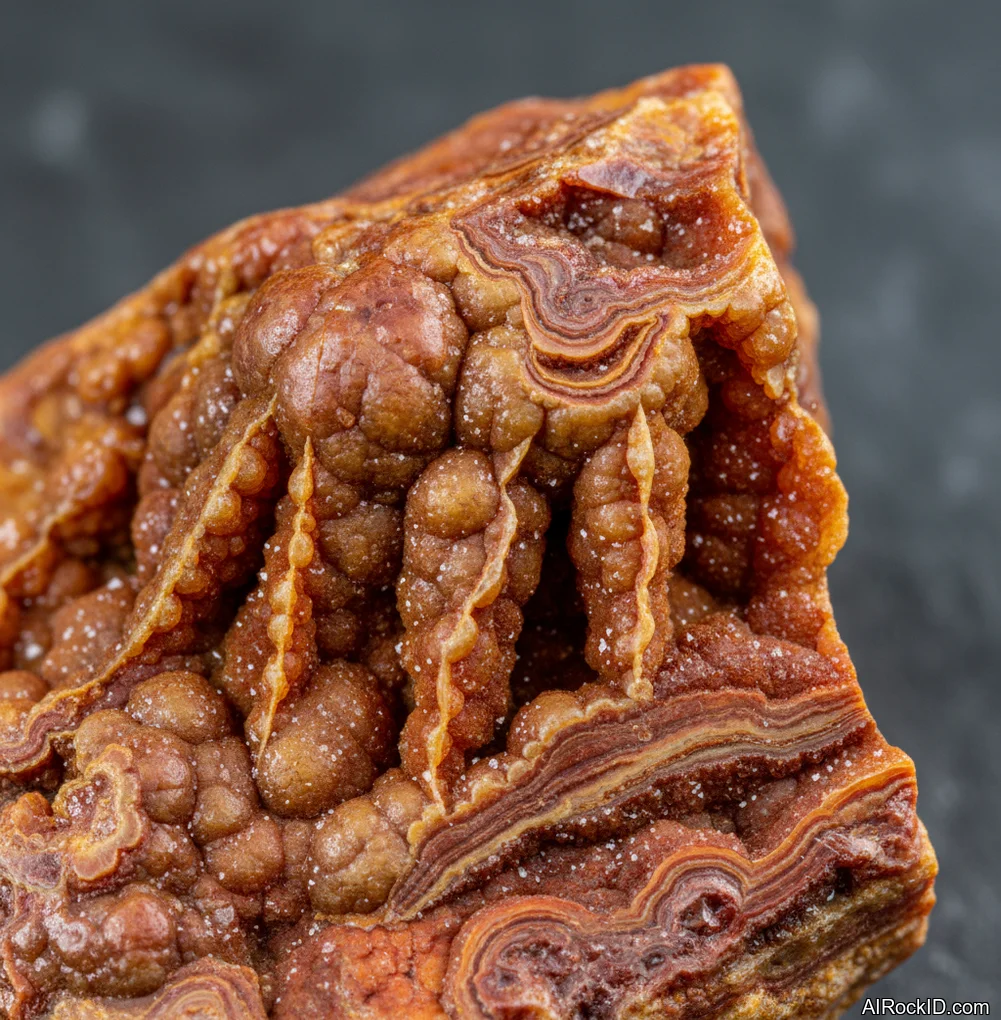
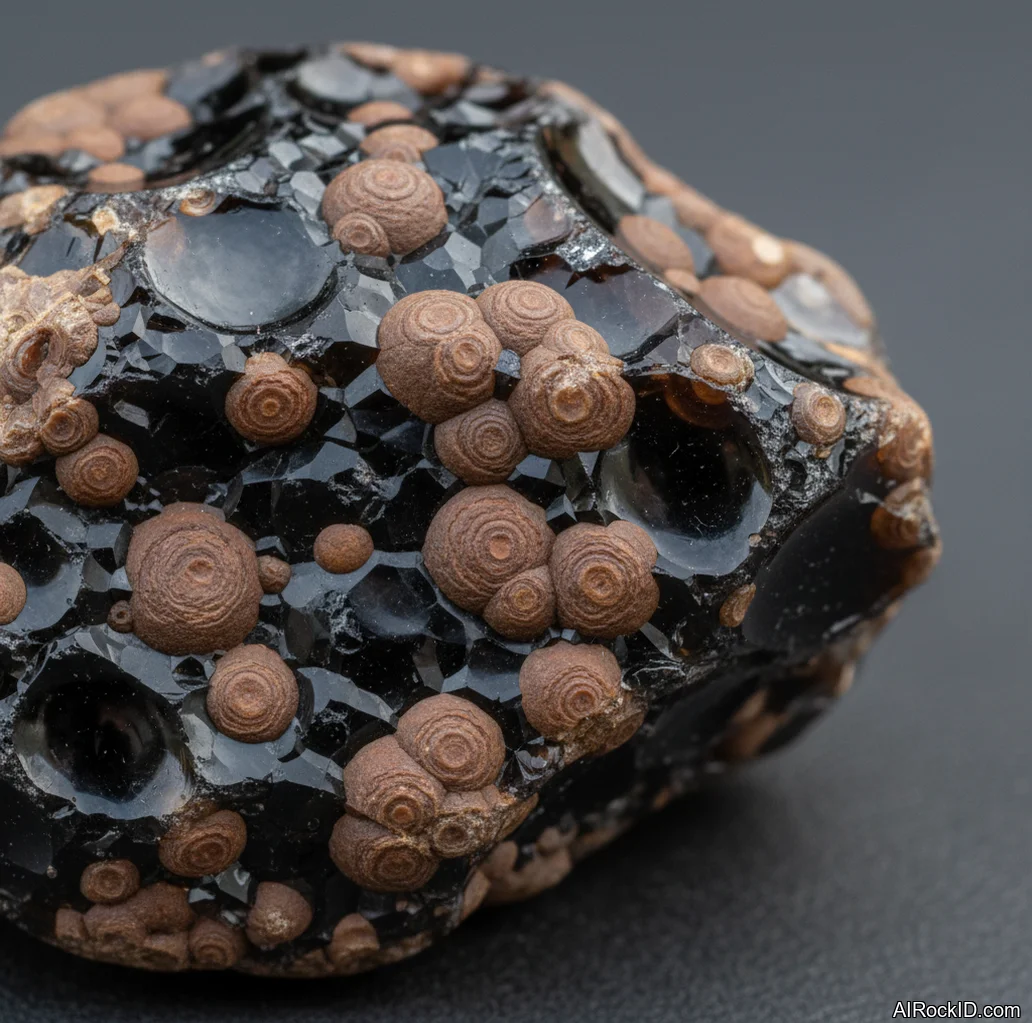
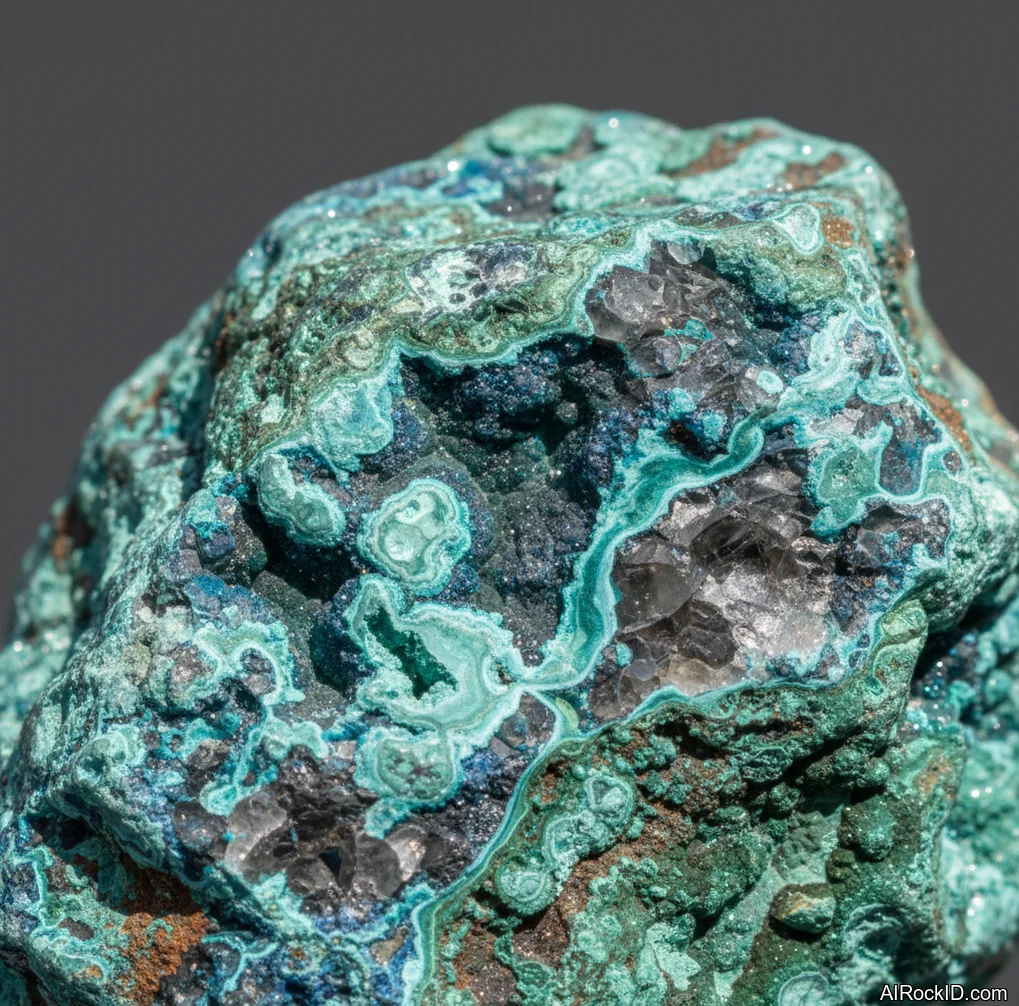
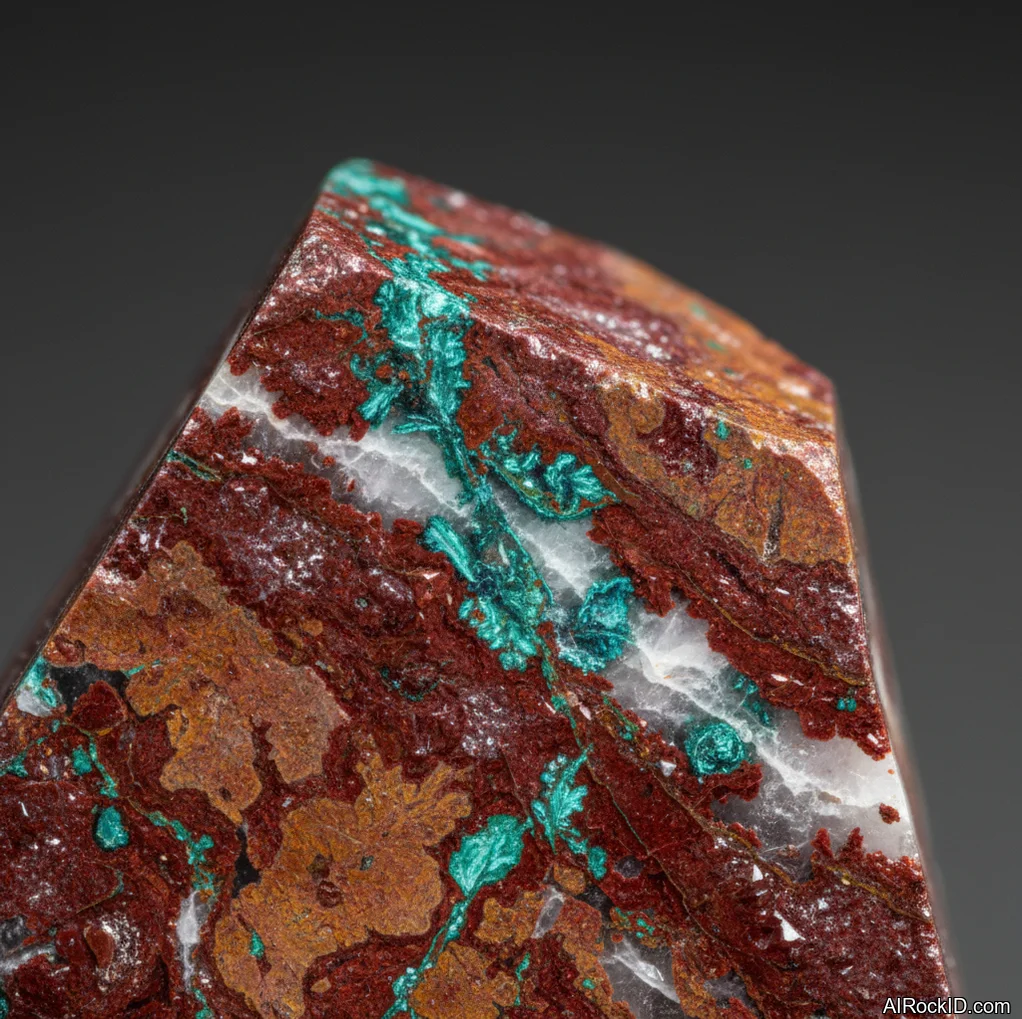
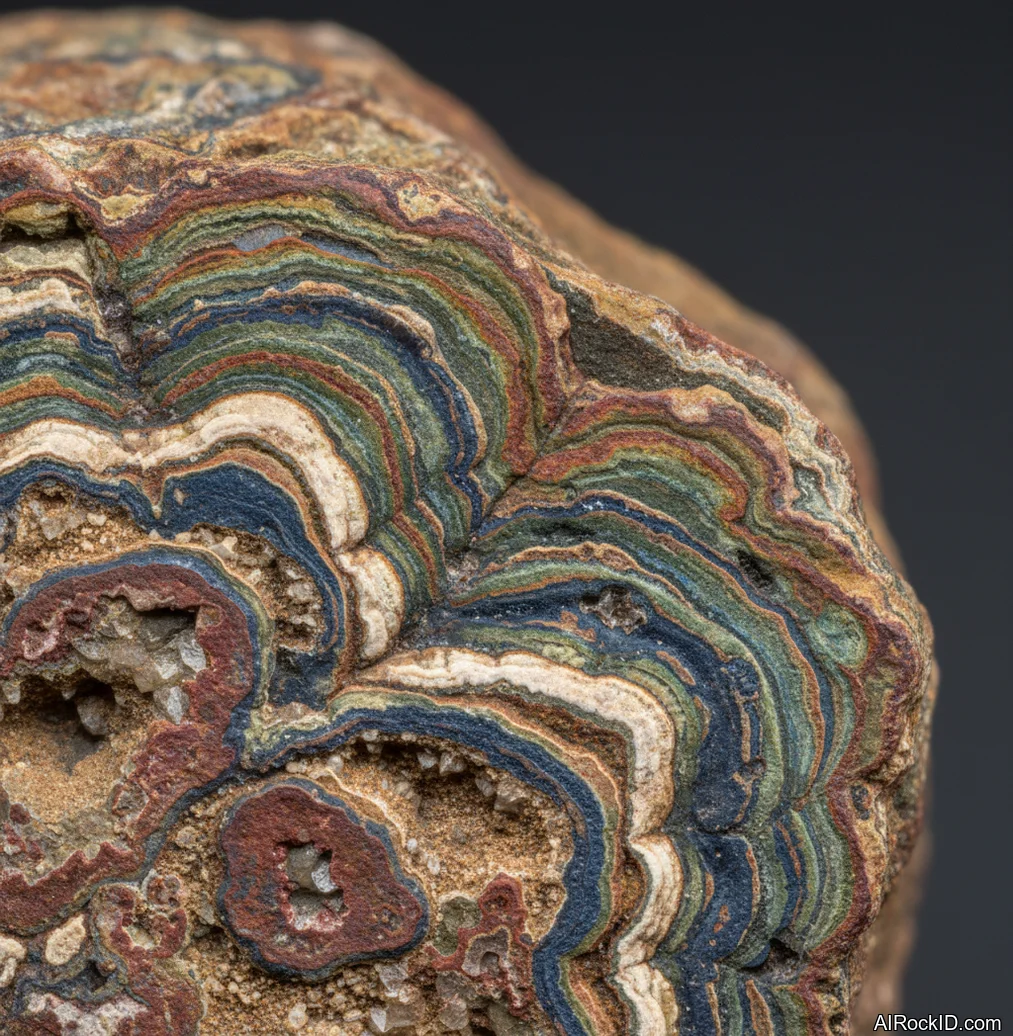
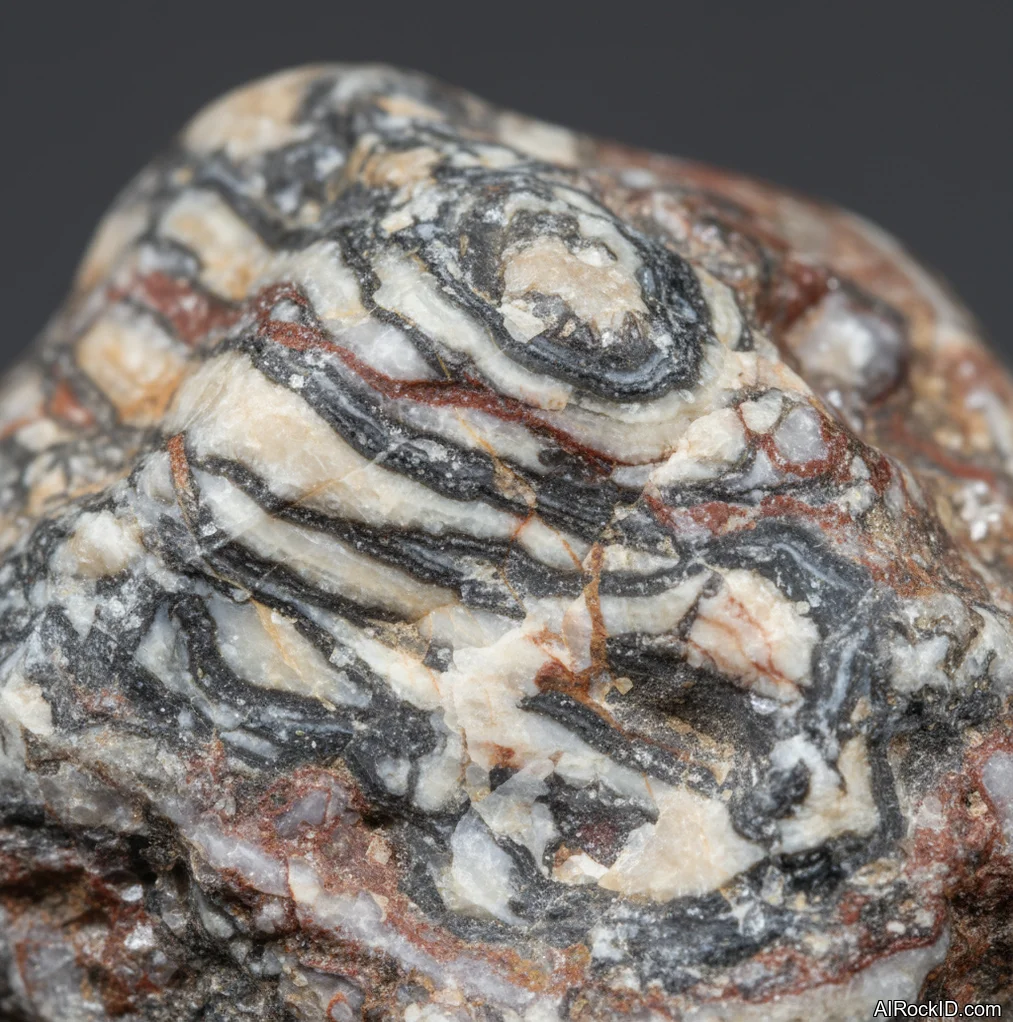
Malachite comes up on every list for a reason. Hold a chunky piece and you'll notice the heft right away. The polish has a waxy, almost greasy shine when you tilt it under a desk lamp, especially across the light and dark banding. But here's the catch: malachite is soft (Mohs 3.5 to 4). Scratches show up fast. Get it wet or near anything acidic, and you'll see damage. In a way, that's fitting. Real transformation isn't gentle and neither is malachite. If you keep it in a pocket, check it for new dings every few weeks.
How Transformation Crystals Work: Subtle vs. Obvious Shifts
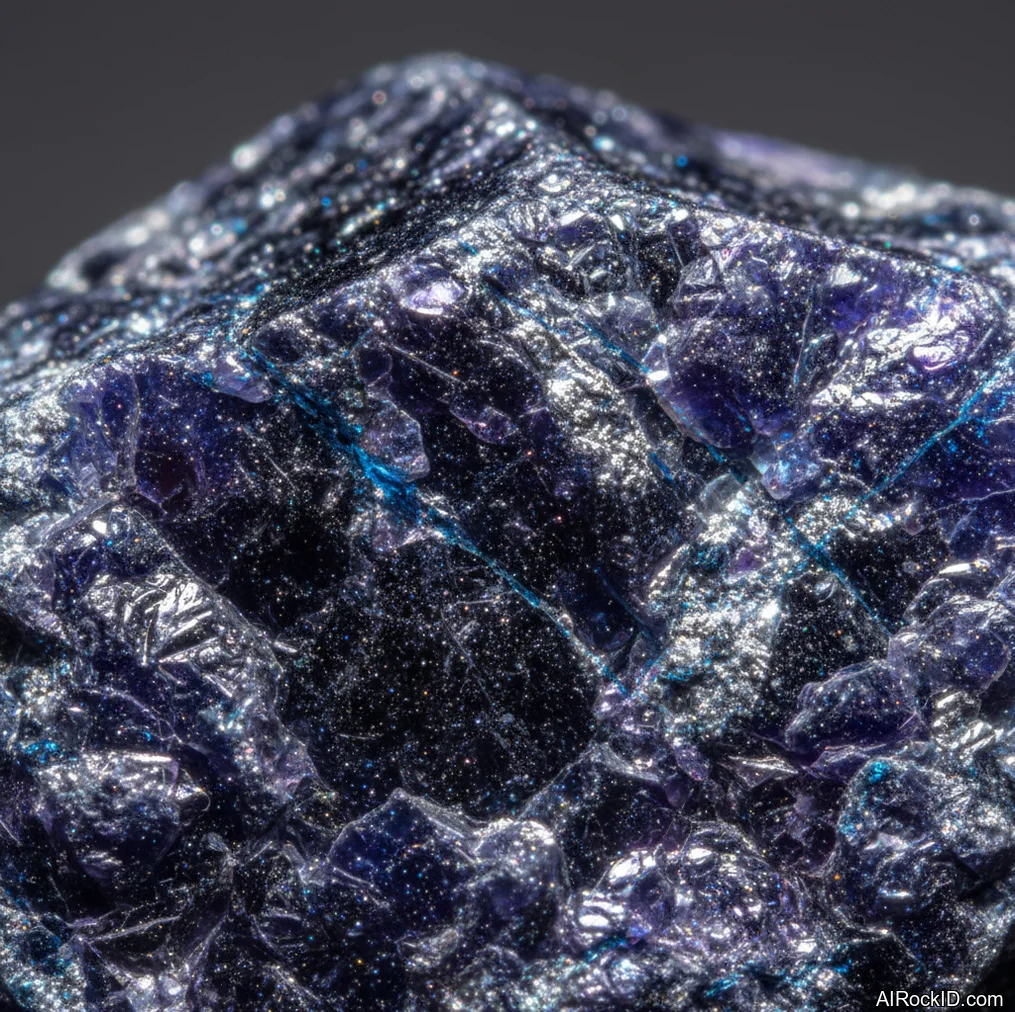
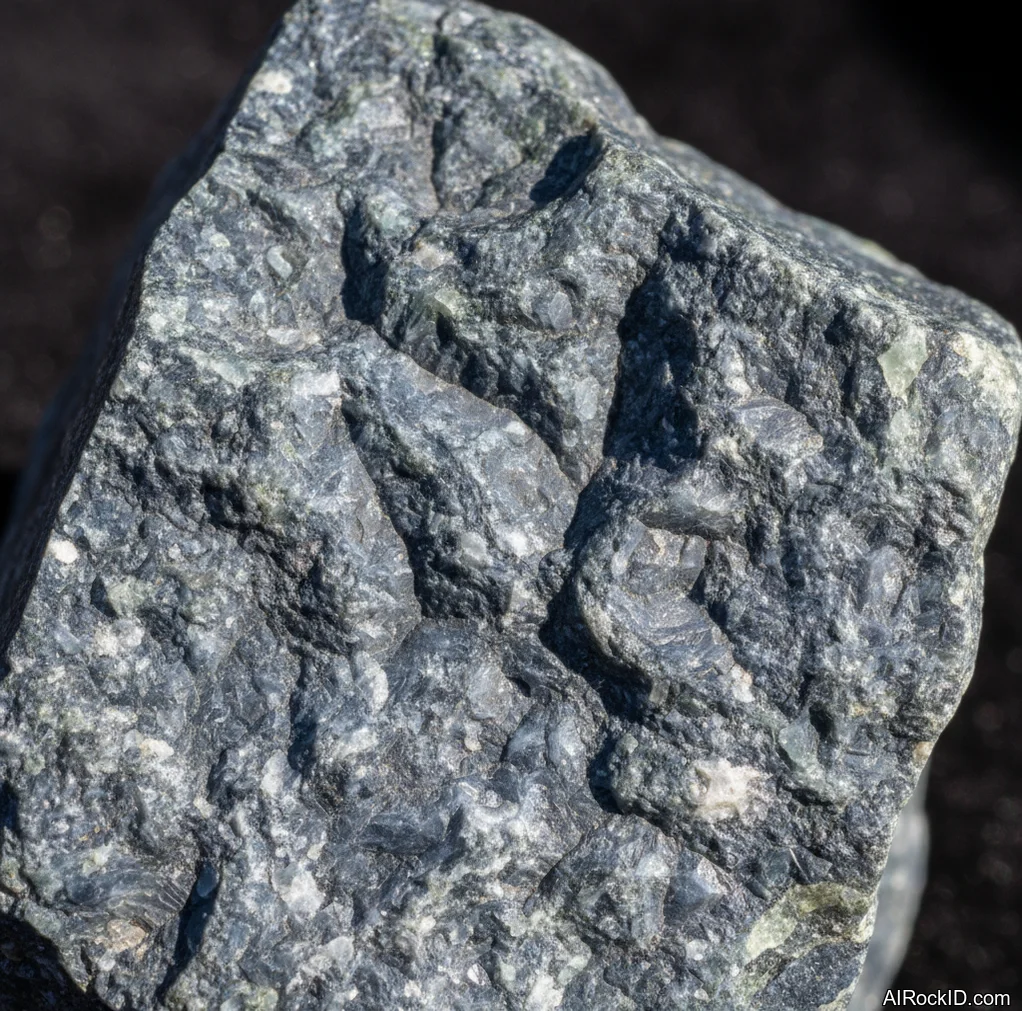
Some Transformation stones hit you over the head. Others sneak in sideways. Labradorite is the sneaky type. At first, most pieces just look like forgettable gray feldspar. But if you catch it in the right light—usually under a single overhead bulb—you'll see that flash, blue or gold, pop out and vanish just as fast. That's the magic. I once saw a slab from Madagascar where the fire only showed if you tilted it at exactly the right angle, almost like a secret.
People use labradorite when they're stepping into new roles or learning to see themselves differently, but don't want to lose their old self completely. If you're buying, don't trust the photo alone. Rotate the piece under light before deciding. Some sellers use video tricks or polish tricks to make the flash look constant. Real labradorite is always a little mysterious.
Moldavite and Other Intense Transformation Stones: What Makes Them Different
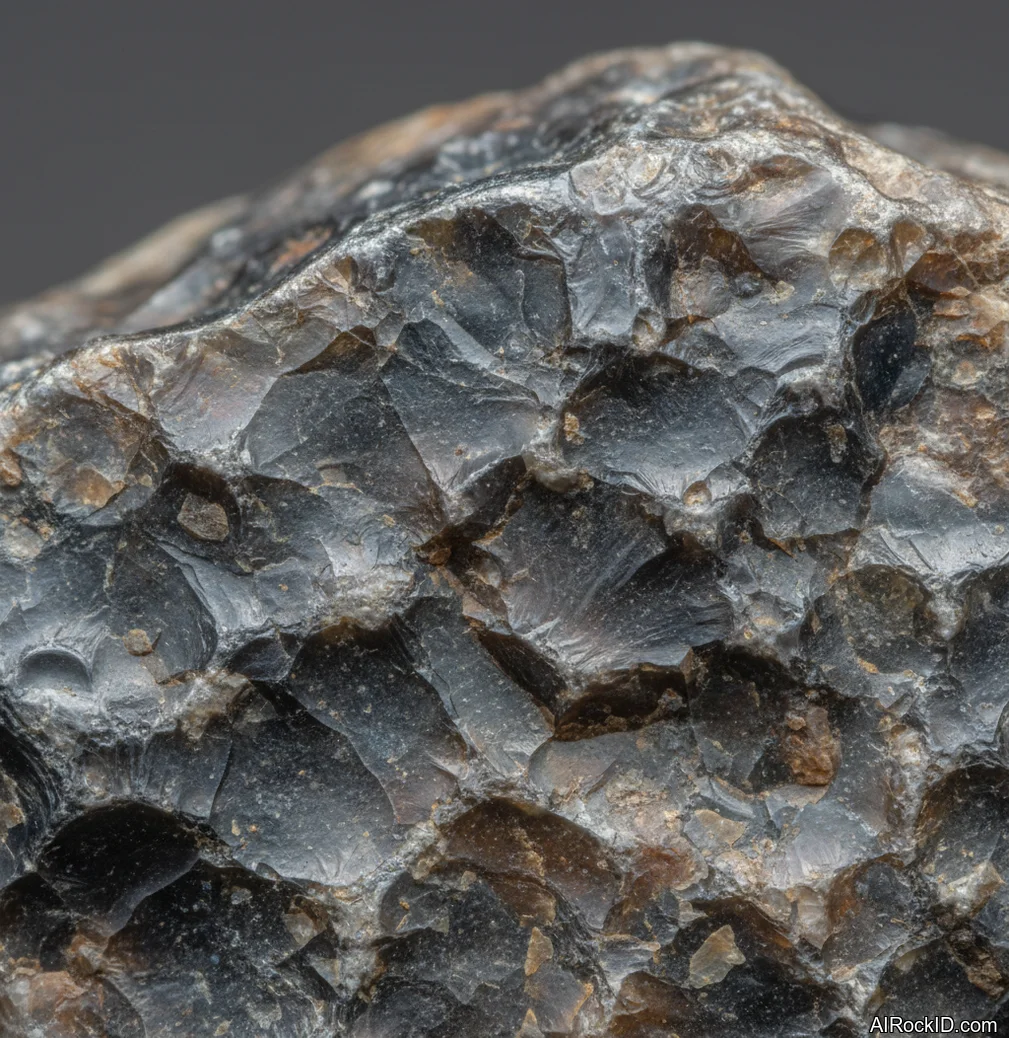
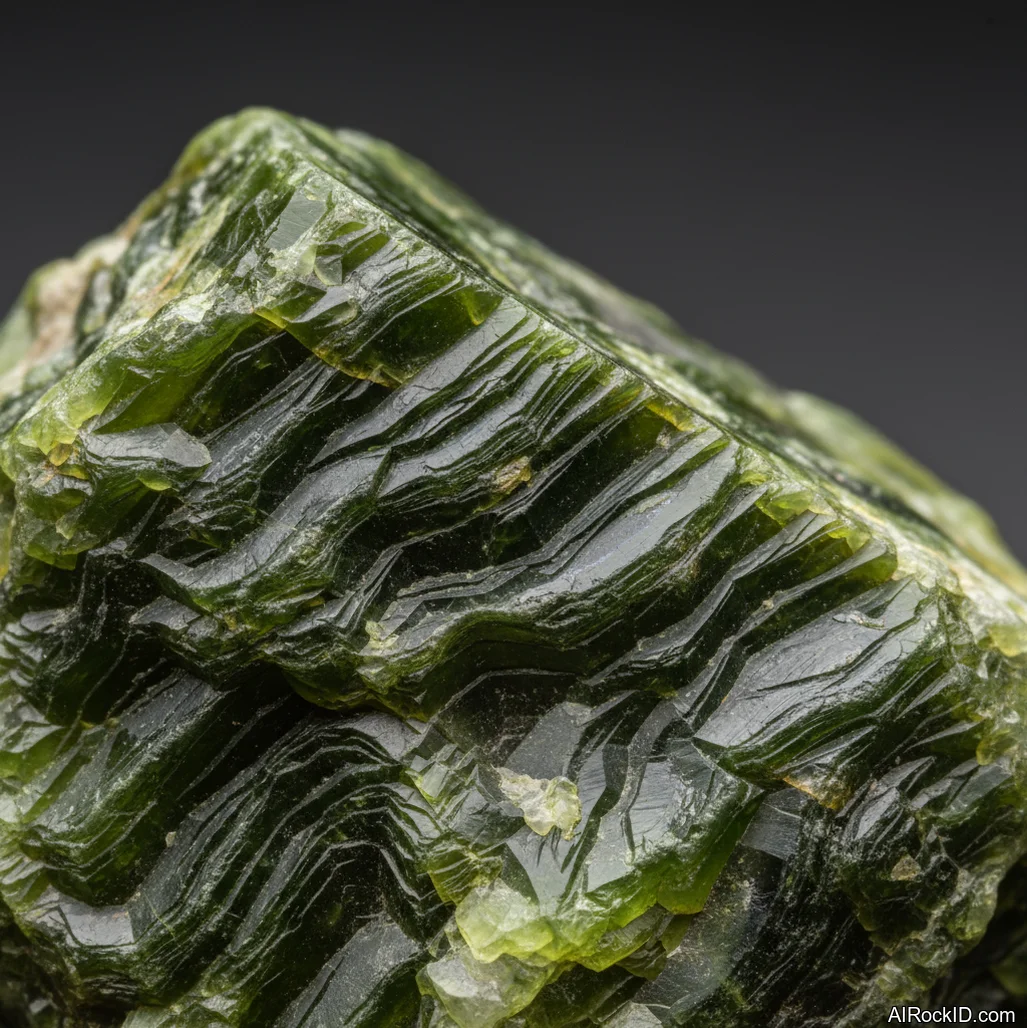
Then there are the stones that draw a hard line—before and after. Moldavite is the classic, and the market is full of drama. Real moldavite feels light for its size but has a sand-pitted, wrinkled skin. If you run a fingernail over it, you'll pick up lint from your pocket. Fakes, especially ones made from melted bottle glass, are too smooth and too shiny. I once saw a batch from a flea market where every piece was perfectly see-through and just felt wrong—almost warm in the hand, not cool like the real stuff.
Moldavite is used by people who want transformation fast, but it can feel overwhelming. Some collectors say it makes their skin tingle or gives them vivid dreams. If you're sensitive, or just starting out, maybe look at gentler stones first. The jump from "thinking about changing" to "life just flipped" can be rough.
Choosing and Caring for Transformation Crystals: Practical Tips
Picking a Transformation stone isn't just about what you read online. It's also about how it feels in your hand and how much maintenance you're willing to do. Malachite needs careful storage—never soak it, and keep it away from salt or even sweat if you carry it in your pocket. Labradorite slabs can lose their flash if you drop them or grind the surface too much. Moldavite is fragile and should never be tumbled with other stones. Even beginner options like moonstone can crack from temperature shock.
Always check a crystal's Mohs hardness before you toss it in a bag. For display, keep pieces out of direct sun so they don't fade. If you're gifting a Transformation stone, include a care note. Most people ruin their first malachite by mistake. It's all part of the process—handling change, and handling the tools that help you go through it.
Best Transformation Crystals to Start With
| Level | Crystal | Note |
| Gentle / Beginner | Moonstone | The soft glow and calming energy make moonstone an approachable choice for those easing into change. Tumbled pieces are affordable and not too fragile. |
| Balanced / Everyday | Labradorite | You get visible transformation energy with labradorite’s flash, but it’s sturdy enough for pockets or daily handling if you avoid dropping it. |
| Intense / Advanced | Moldavite | Moldavite’s quick, almost jarring energy suits people ready for dramatic shifts. Real pieces are fragile and expensive, so it’s not for casual use. |
| Best for Carrying | Tumbled Malachite | Tumbled malachite fits easily in a pocket or bag, but you’ll want to wrap it in cloth to avoid scratches and damage. |
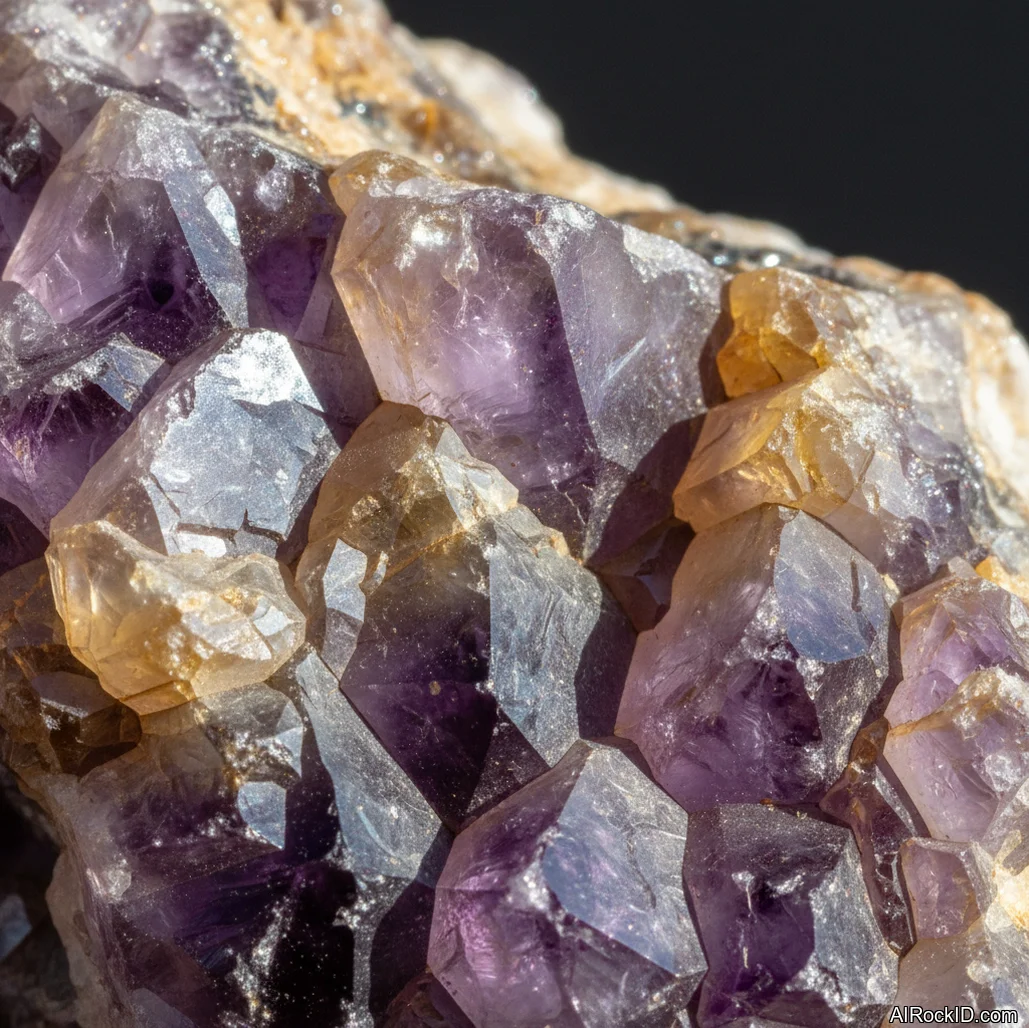
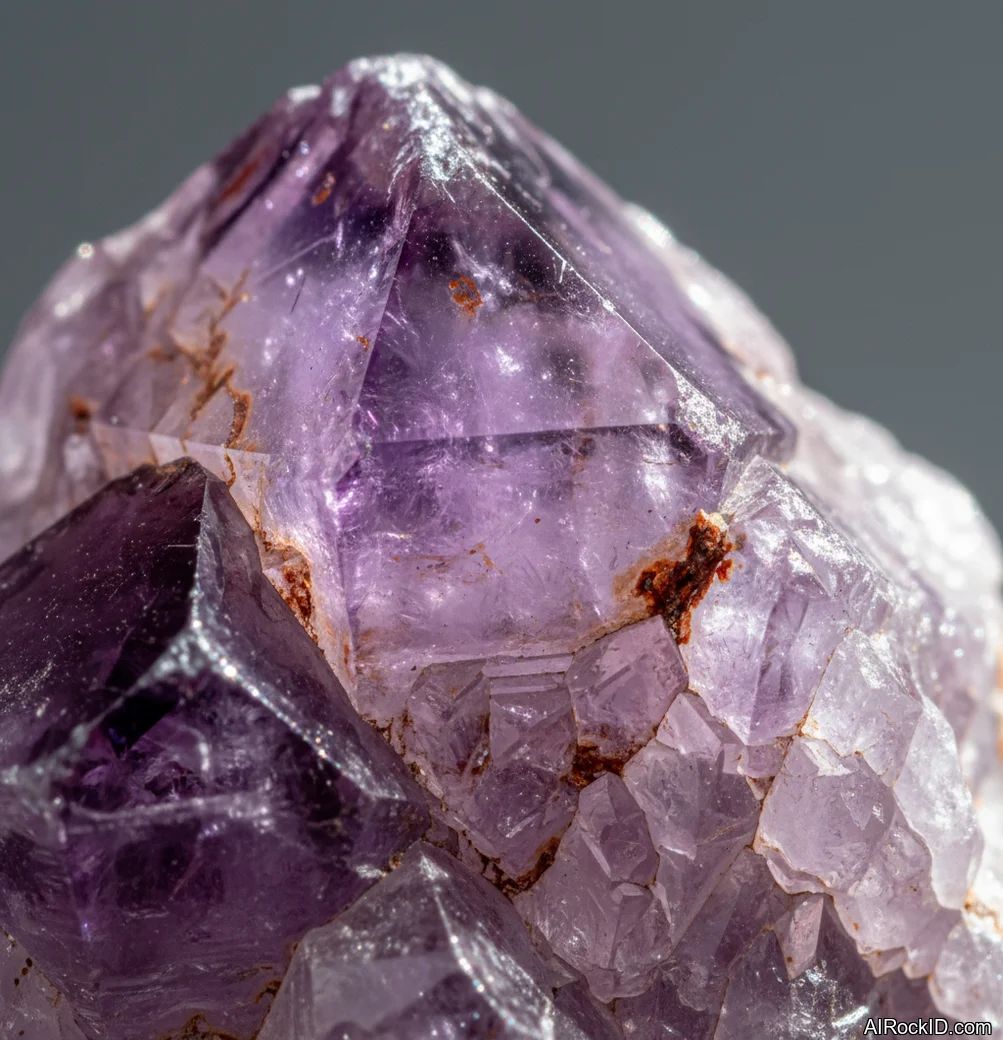
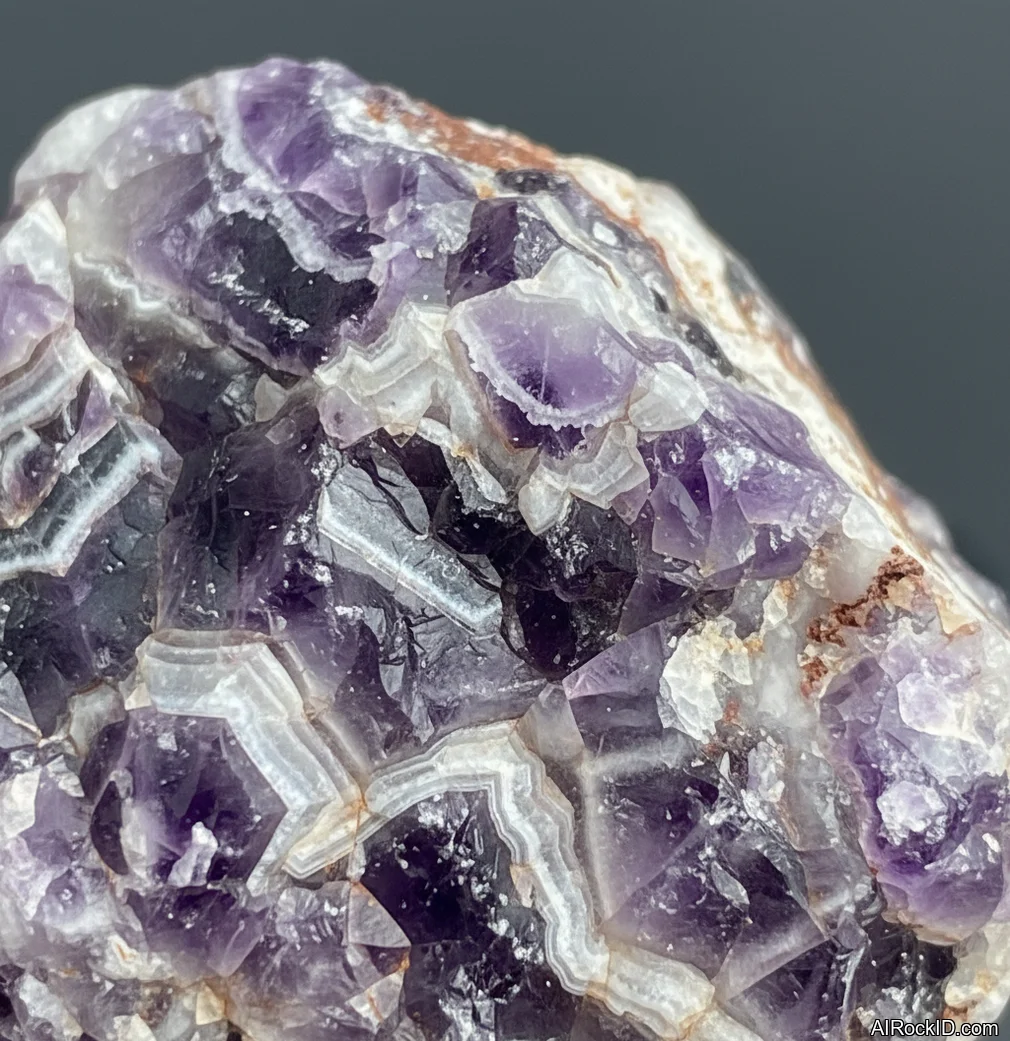
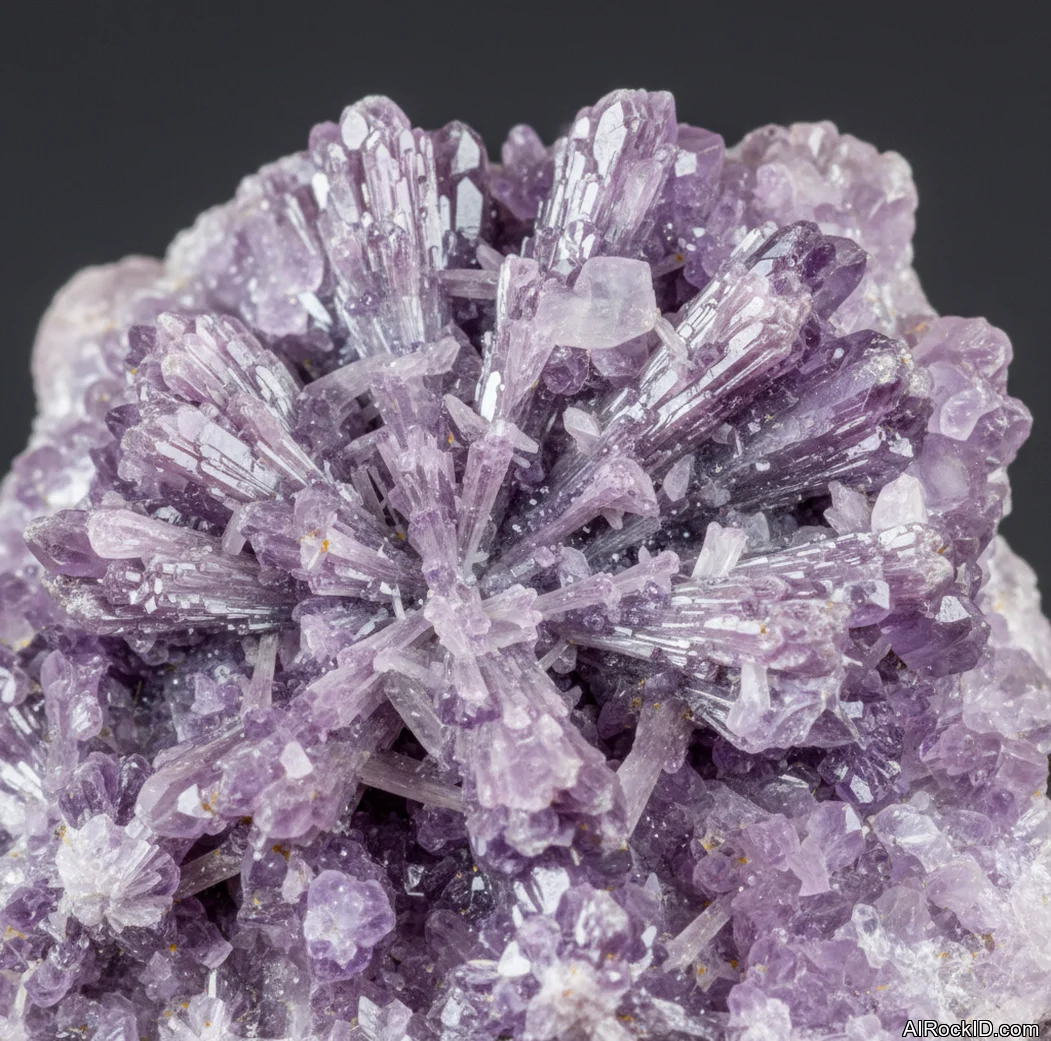
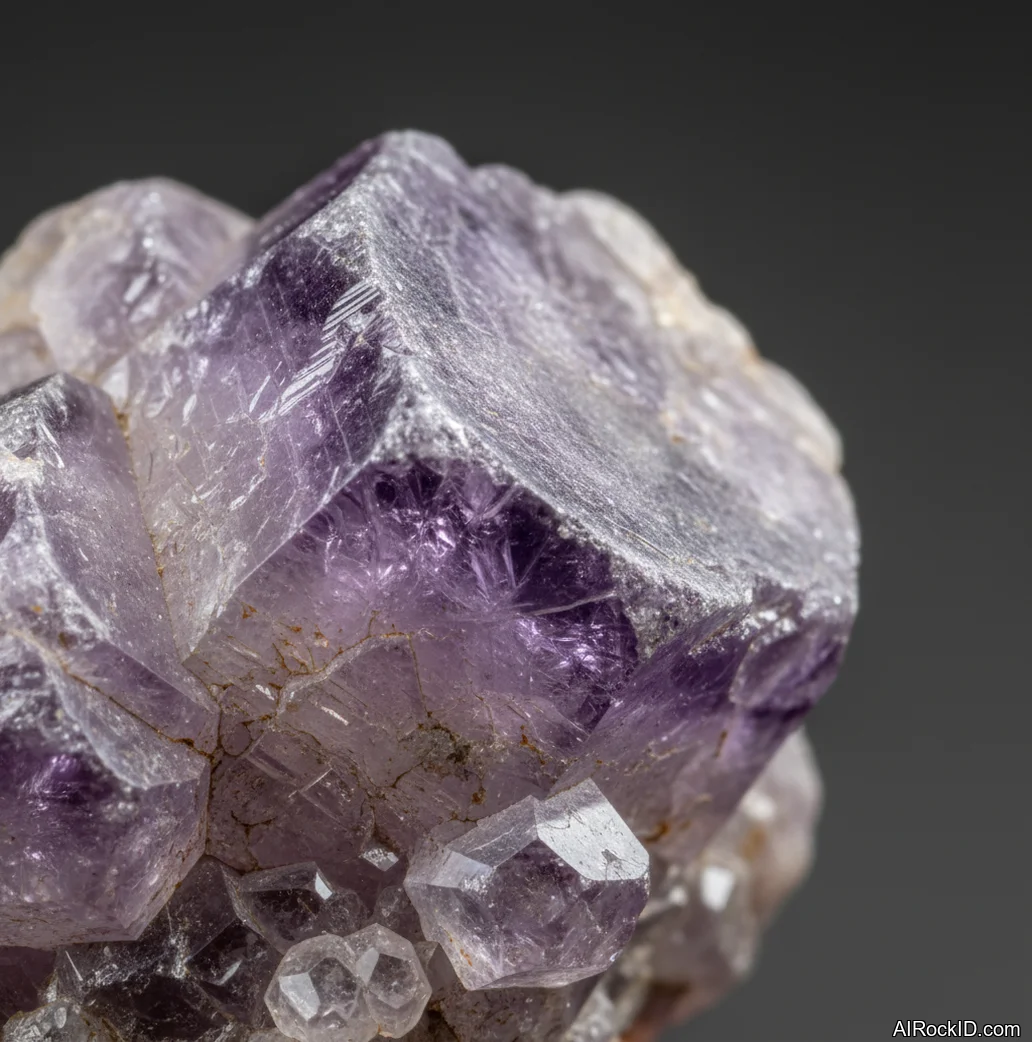
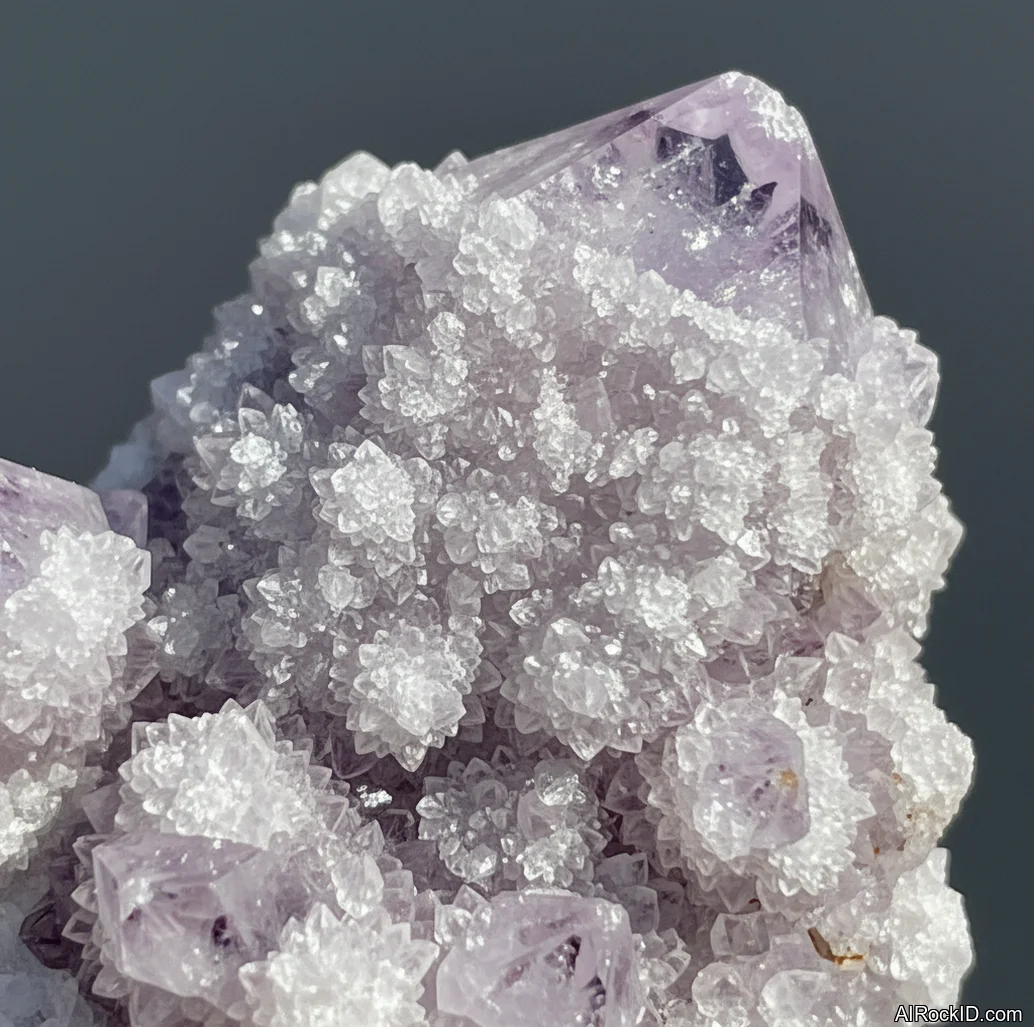
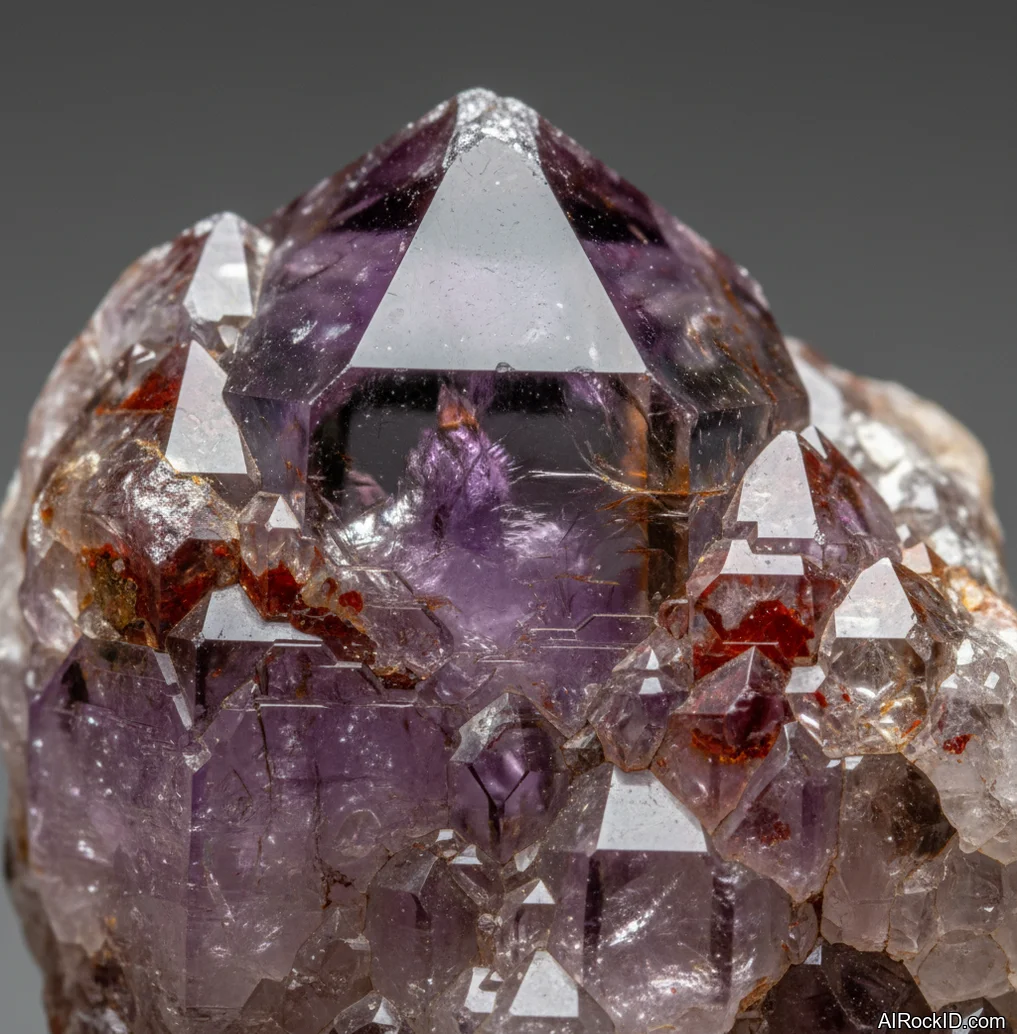
| Best for Display | Amethyst Geode | Amethyst geodes look striking on a shelf, and larger ones invite reflection during big life changes. They’re hardy if left undisturbed. |
Transformation Crystal Comparison
| Crystal | Common Use | Feel / Use Style | Care Caution |
| Malachite | Long-term habit change, breaking old cycles | Dense and heavy, with cool banding and a waxy polish | Very soft; scratches and reacts badly to acids, salt, or water |
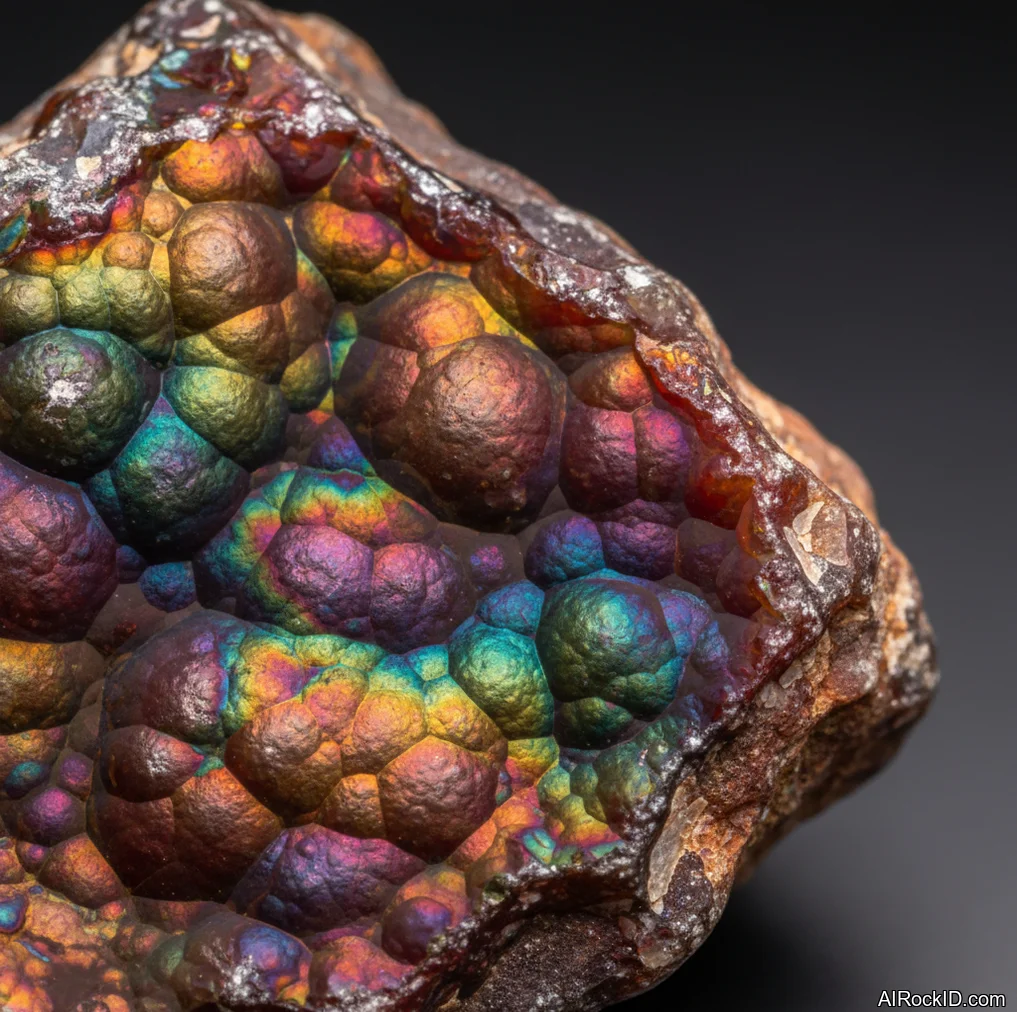
| Labradorite | Stepping into new roles, subtle personal growth | Smooth gray surface; flashes blue or gold when tilted under light | Can lose flash if abraded; avoid dropping or grinding |
| Moldavite | Rapid, intense transformation or life upheaval | Light, sand-textured, with a natural wrinkled surface | Fragile; never tumble or clean with abrasive methods, watch for fakes |
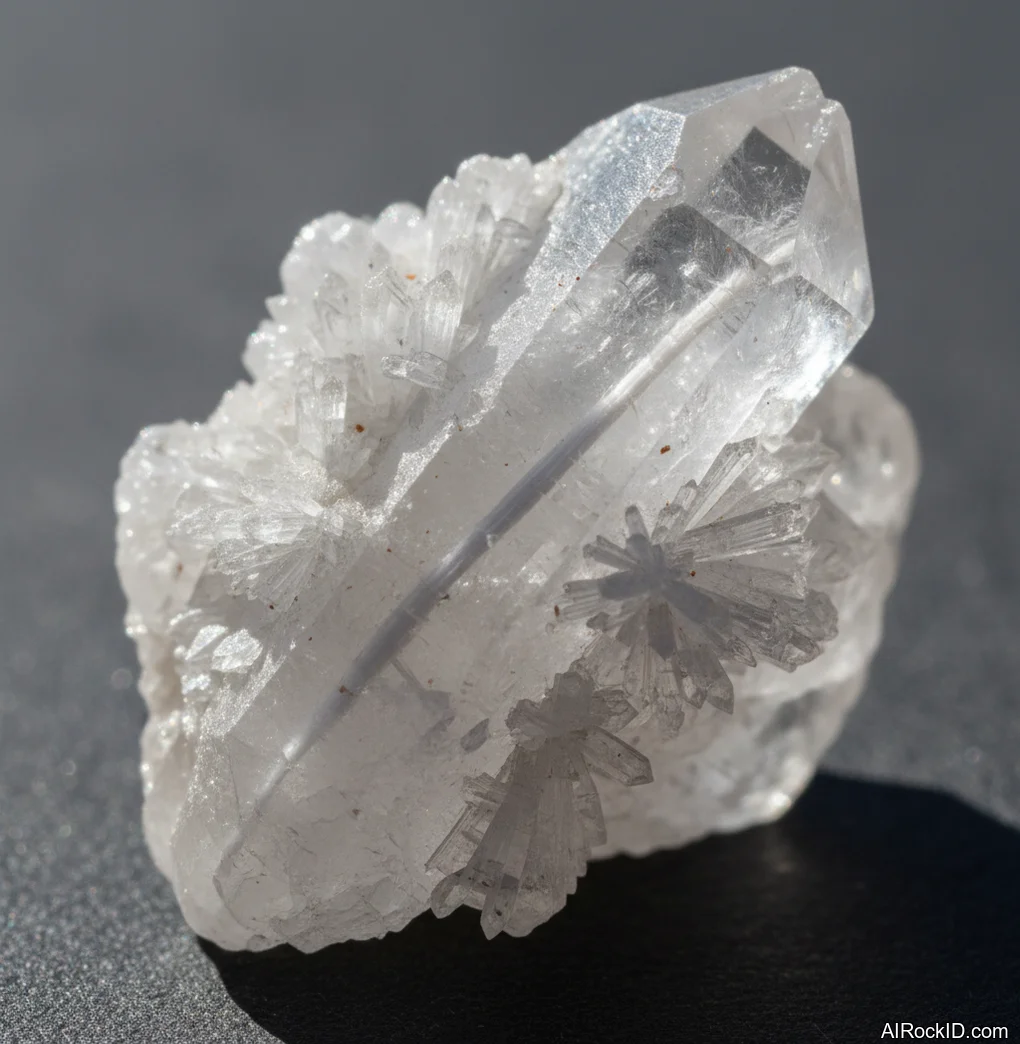
| Moonstone | Gentle support for transitions or emotional shifts | Smooth, cool, with a milky or blue glow when moved | Can crack from sudden temperature changes; avoid ultrasonic cleaners |
How to Identify Transformation Crystals with AI Rock ID
To use an AI Rock ID app for Transformation crystals, start by taking photos in natural daylight—one showing the whole specimen, another close up on texture or flash. Upload both angles so the app can check banding, luster, and color play. Compare its suggestions against details like Mohs hardness or streak, which you can test with a simple kit at home. Checking for features like malachite’s waxy shine or moldavite’s wrinkled surface will help the app narrow it down accurately.
All Transformation Crystals (268)