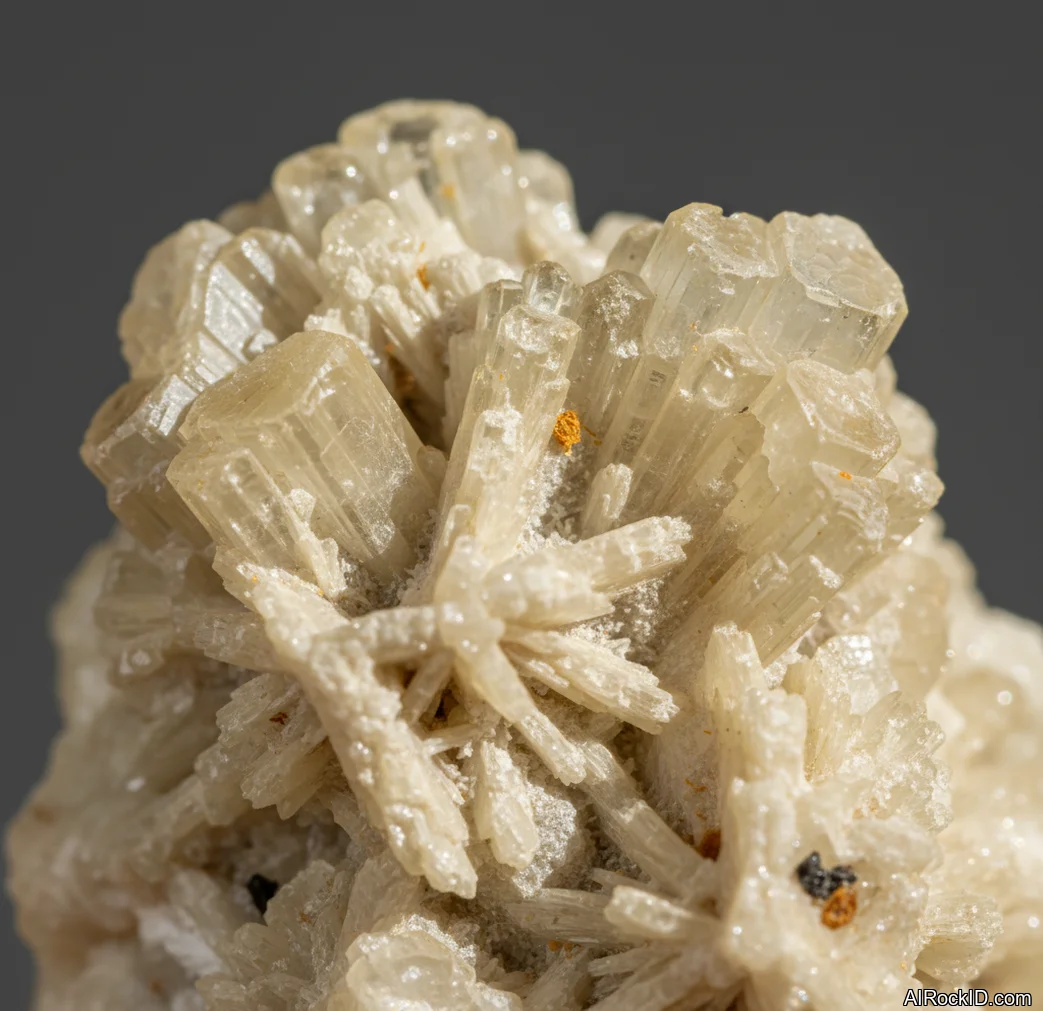
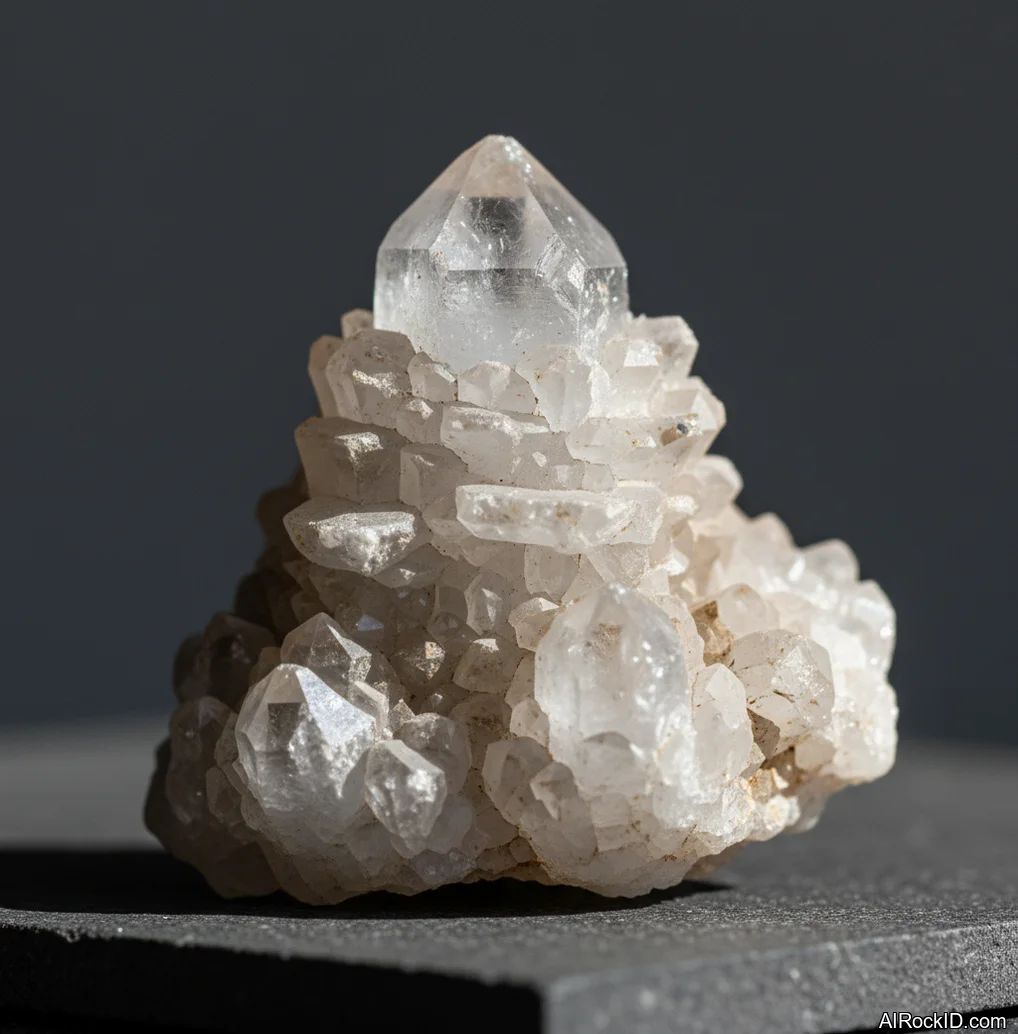
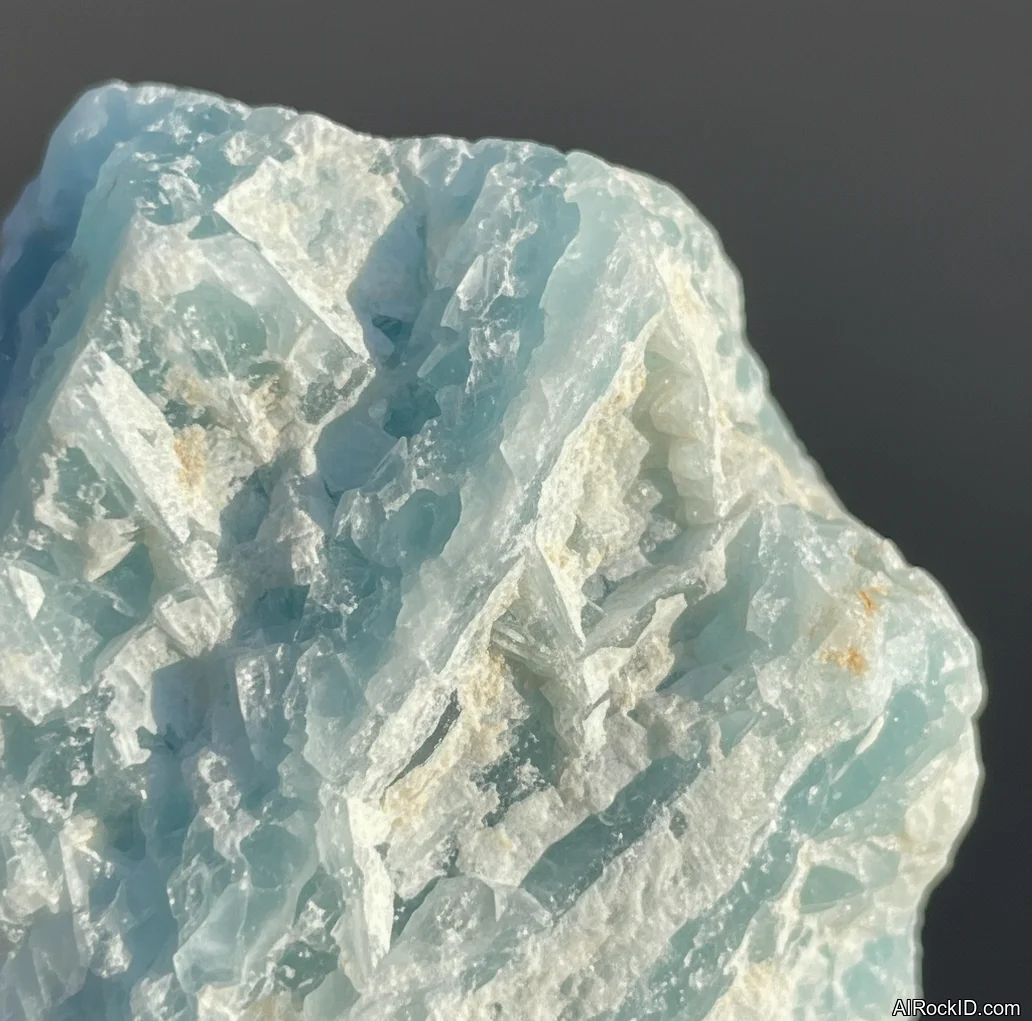
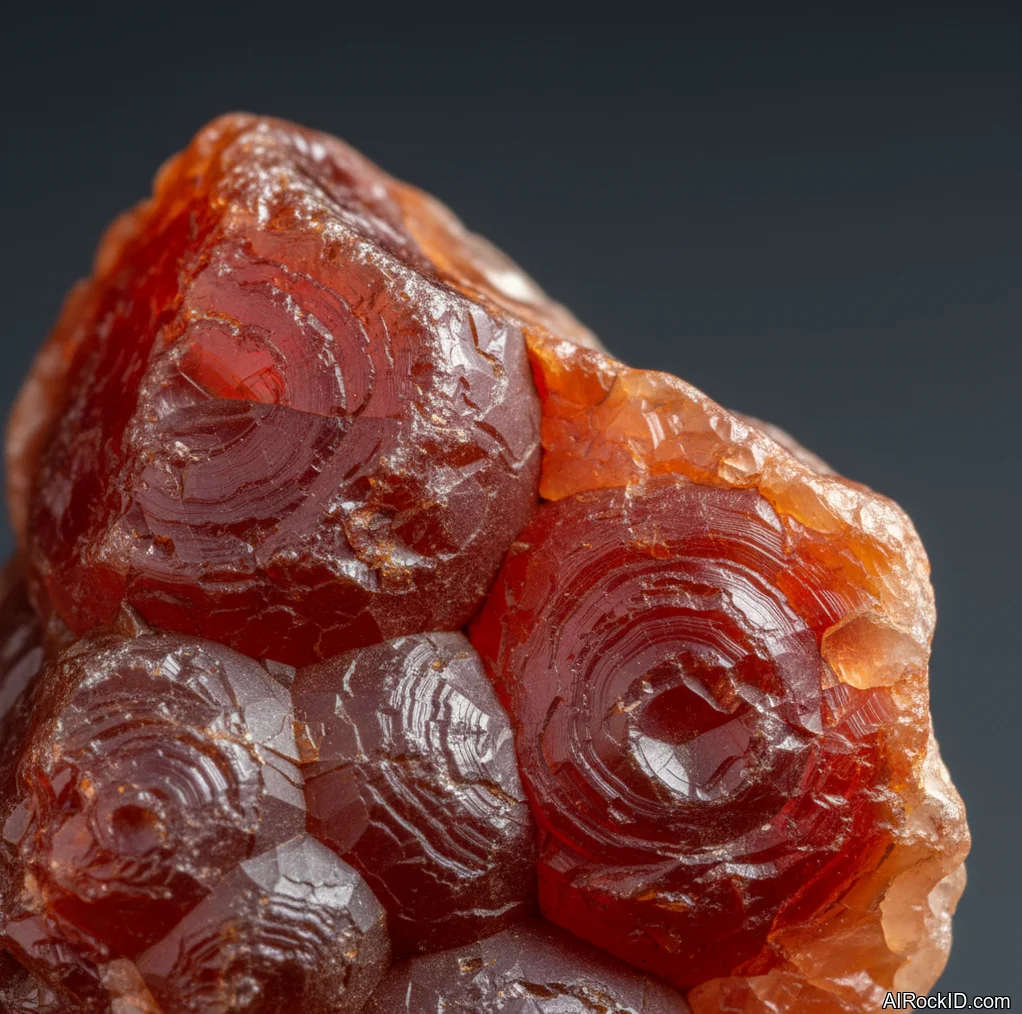
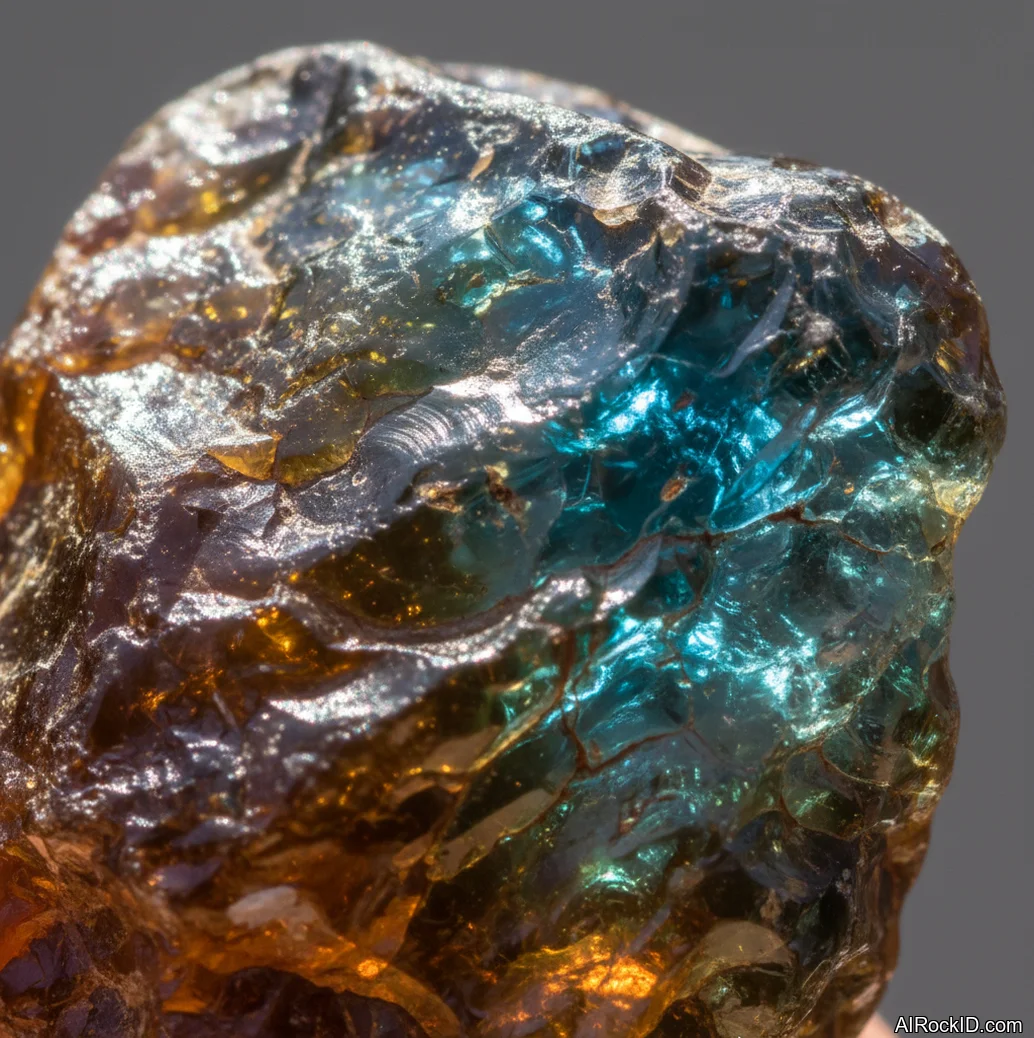
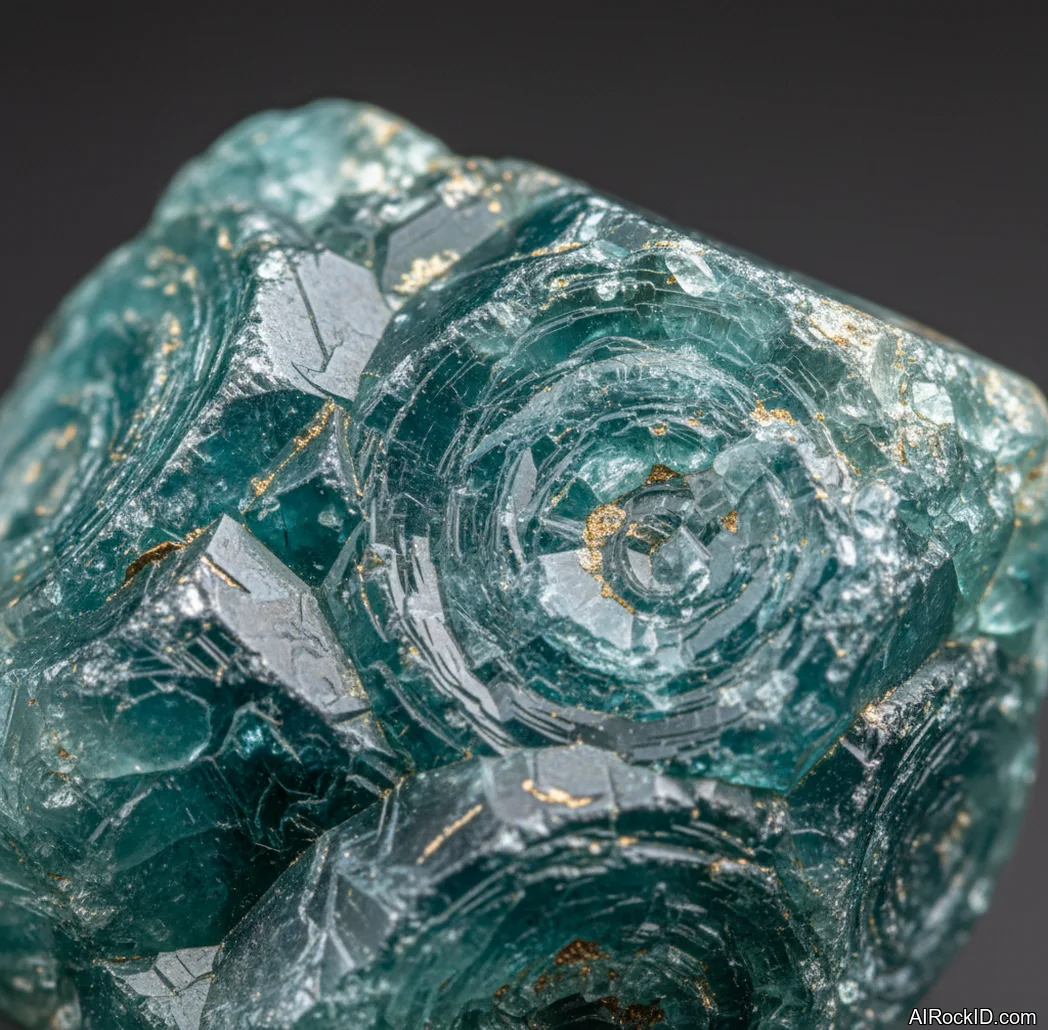
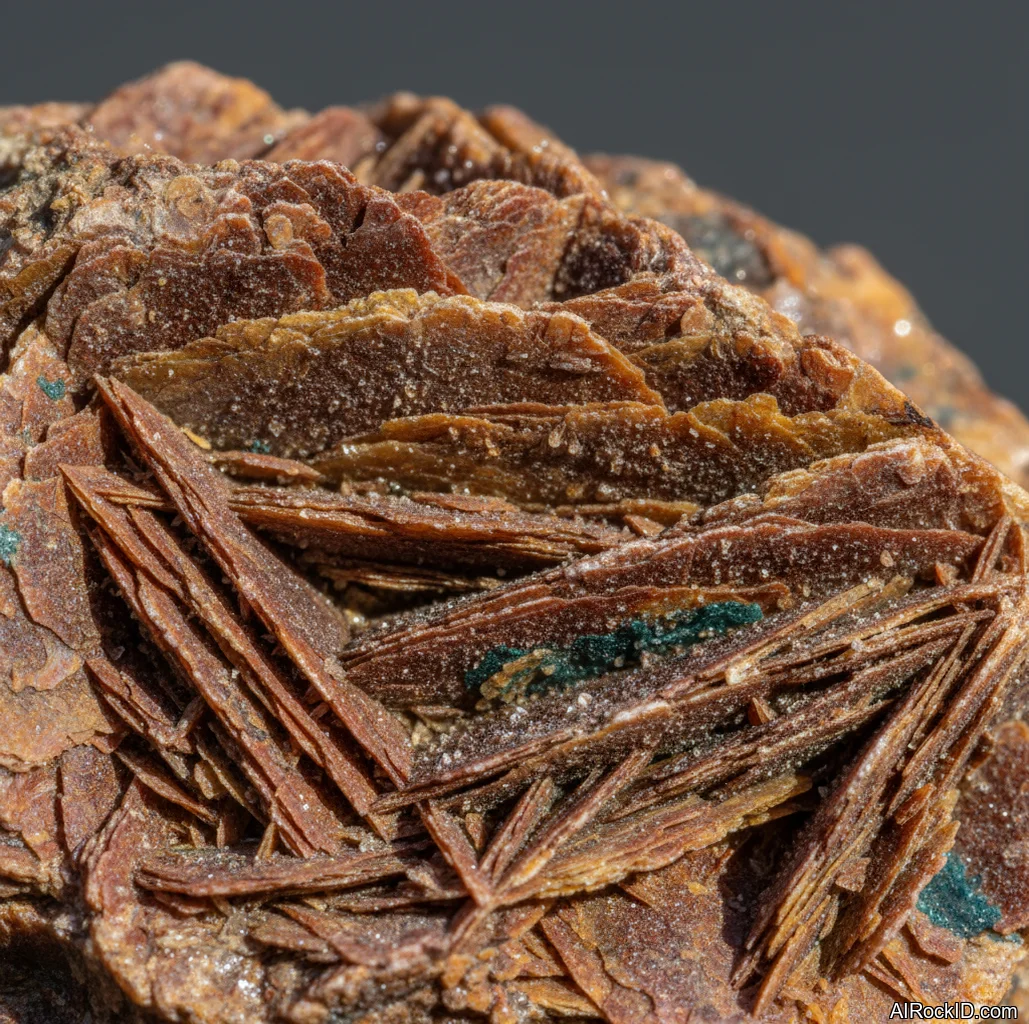
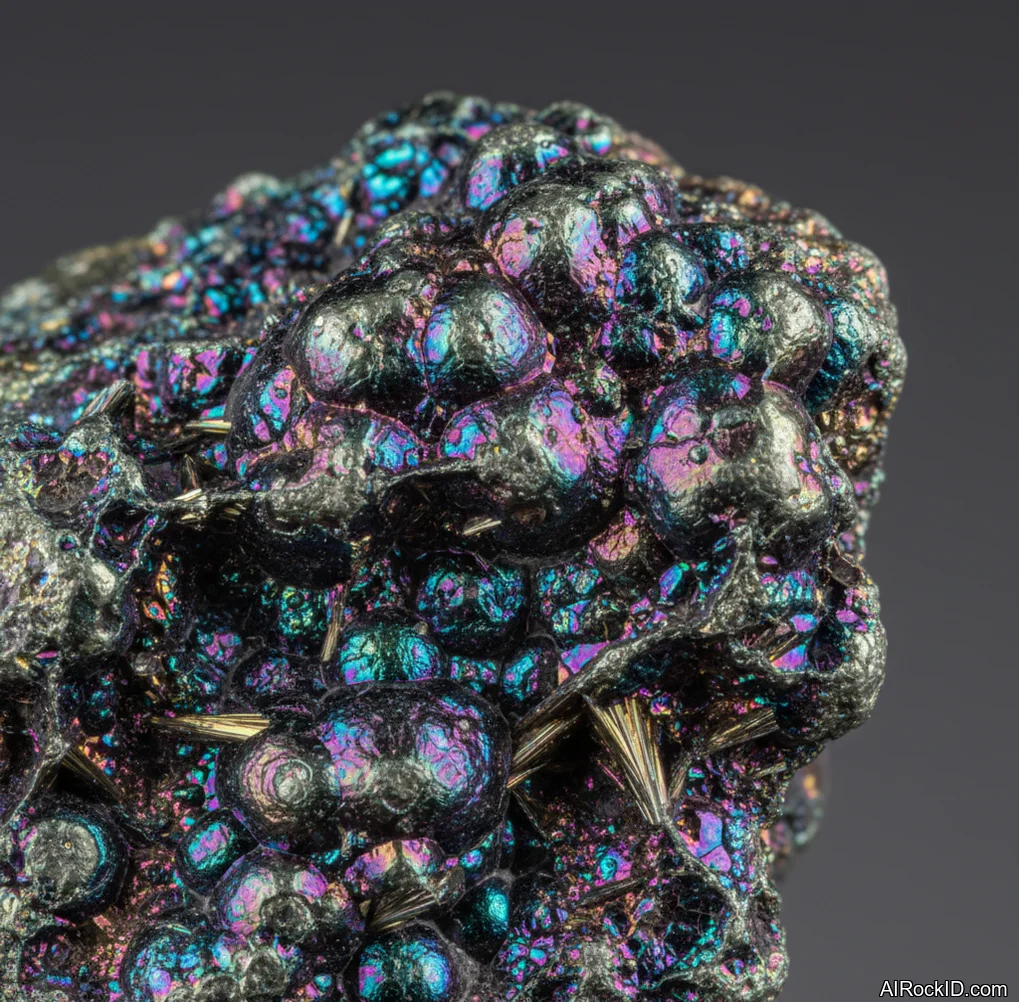
Grounding Crystals
Quick answer: Grounding crystals are stones that crystal traditions associate with steadiness, focus, and a stronger sense of connection to the physical world. They are often dark, earthy, metallic, or iron-rich minerals, though the meaning comes from cultural and metaphysical use rather than proven medical effect.
Learn what Grounding means in crystal work, which crystals are linked to Grounding, and how to choose, use, and care for grounding crystals.


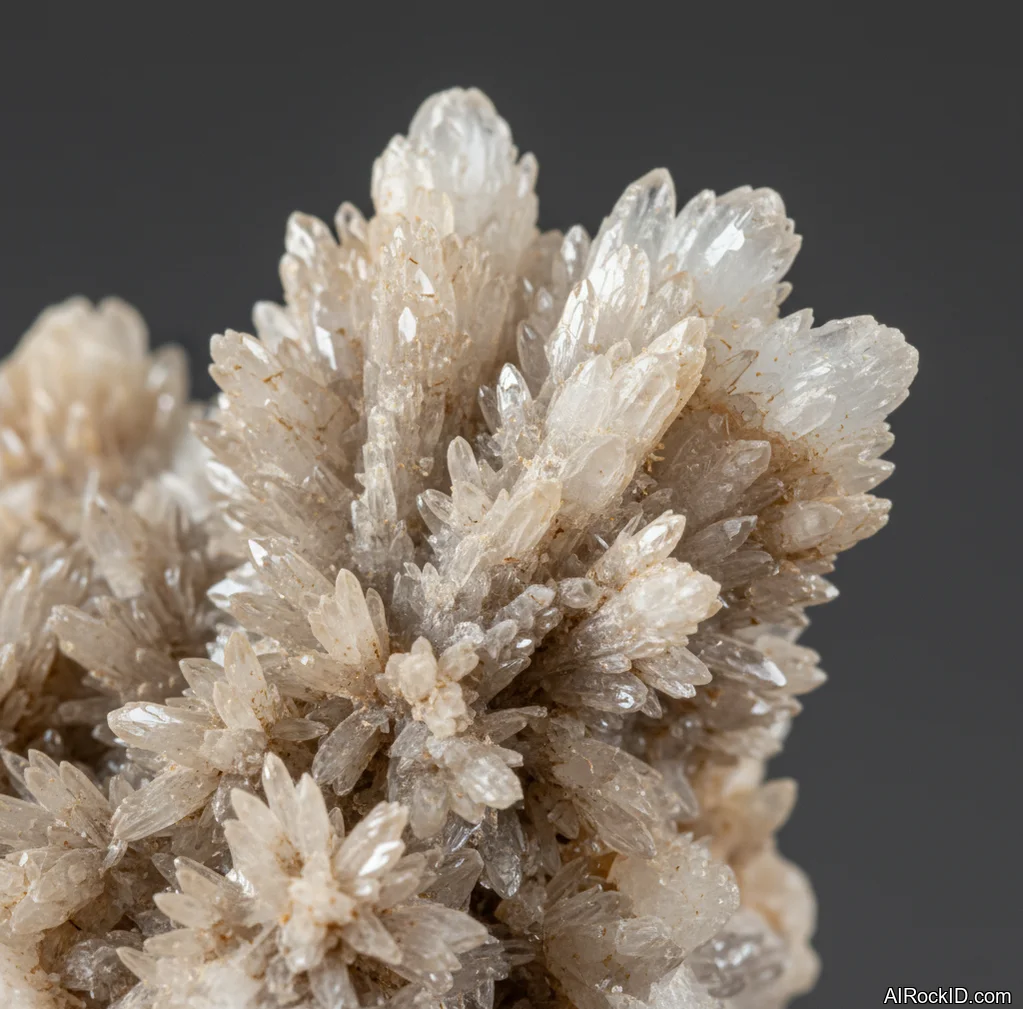
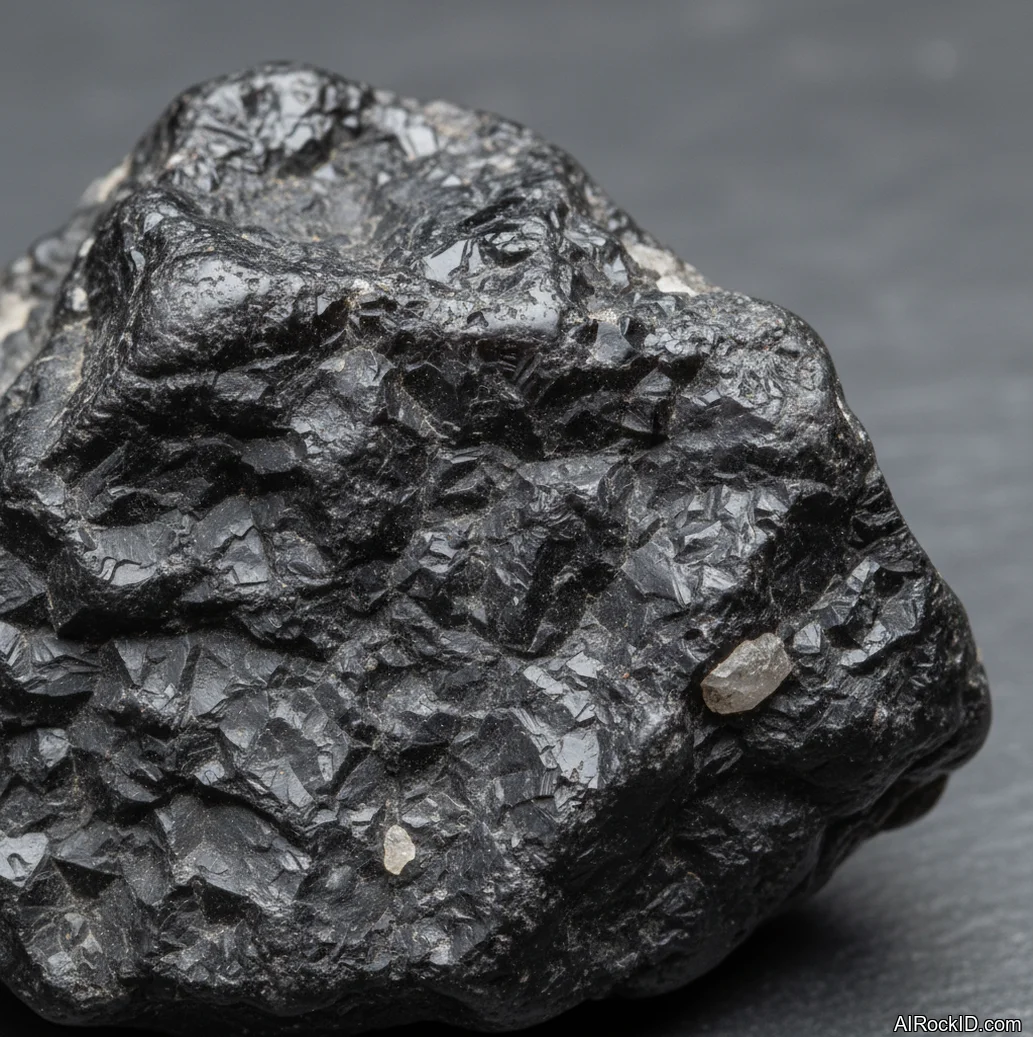
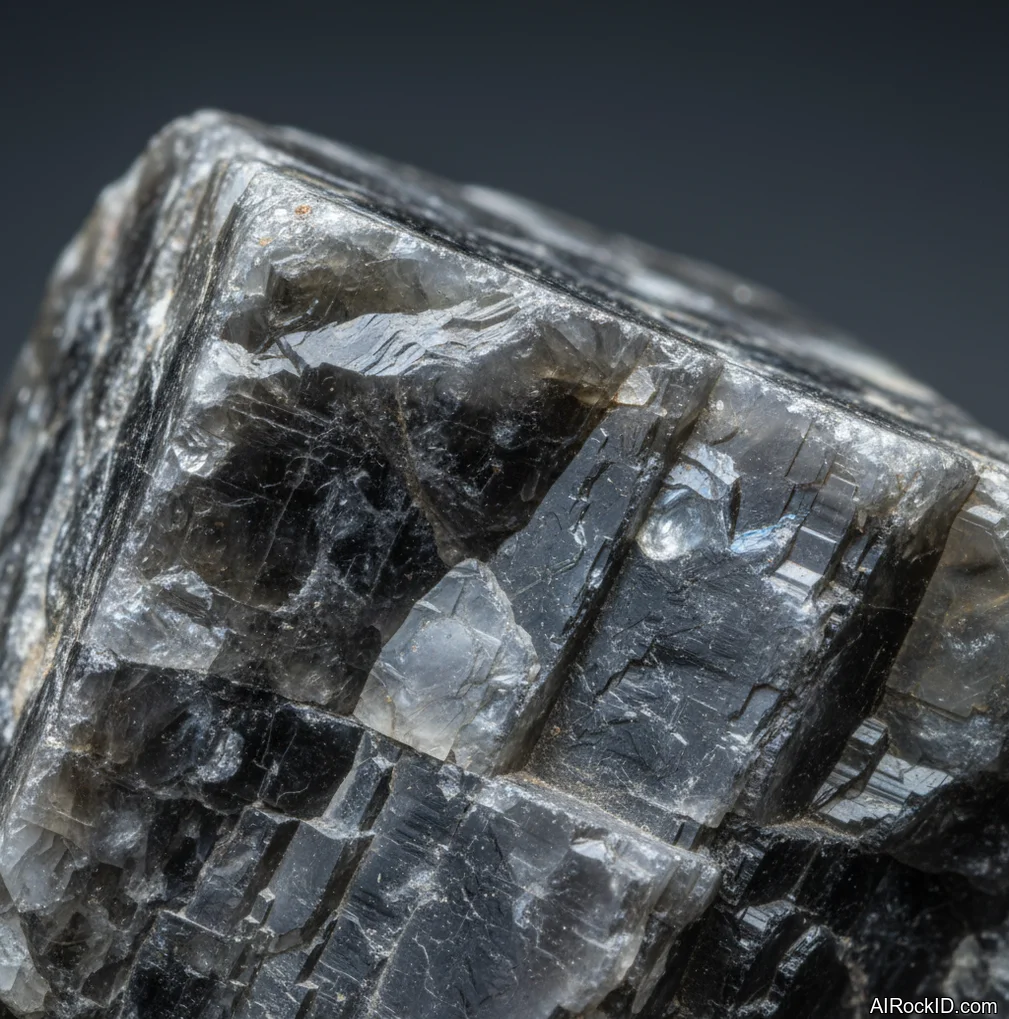
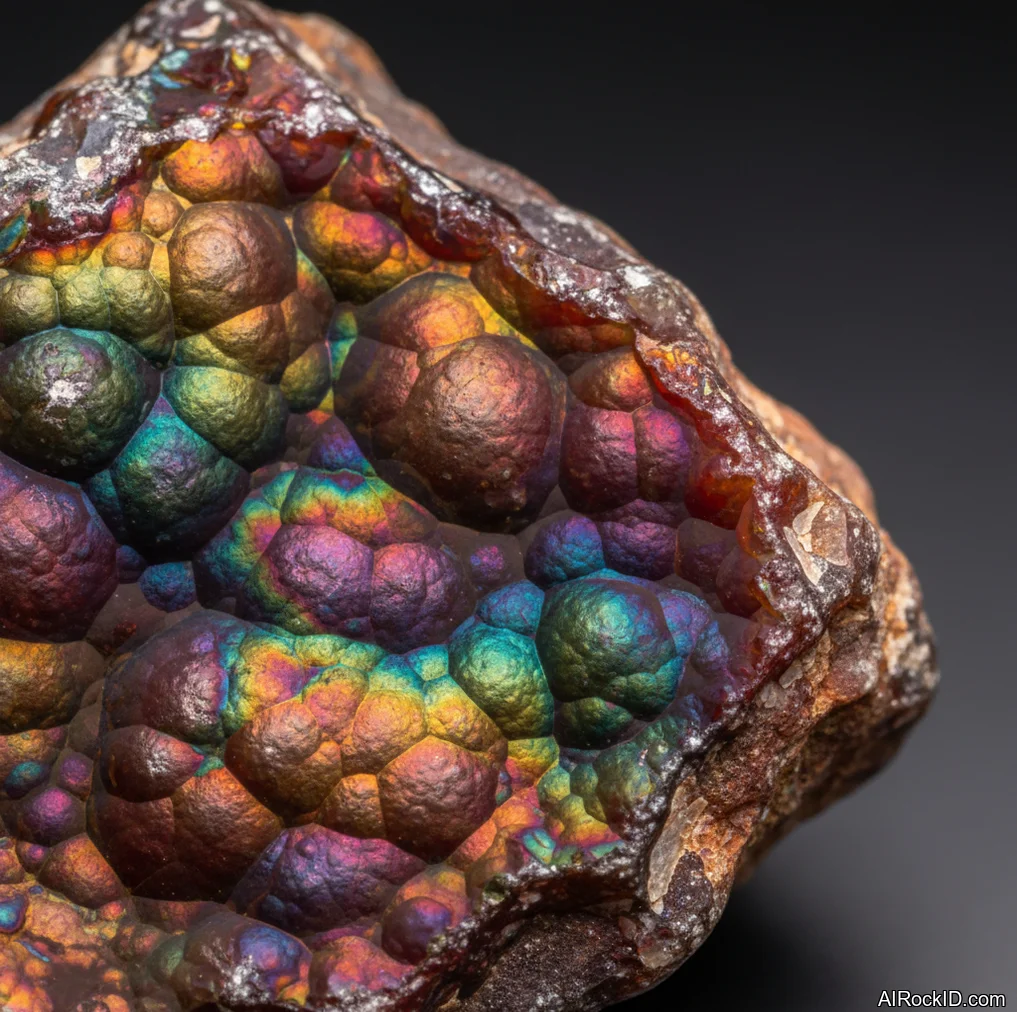
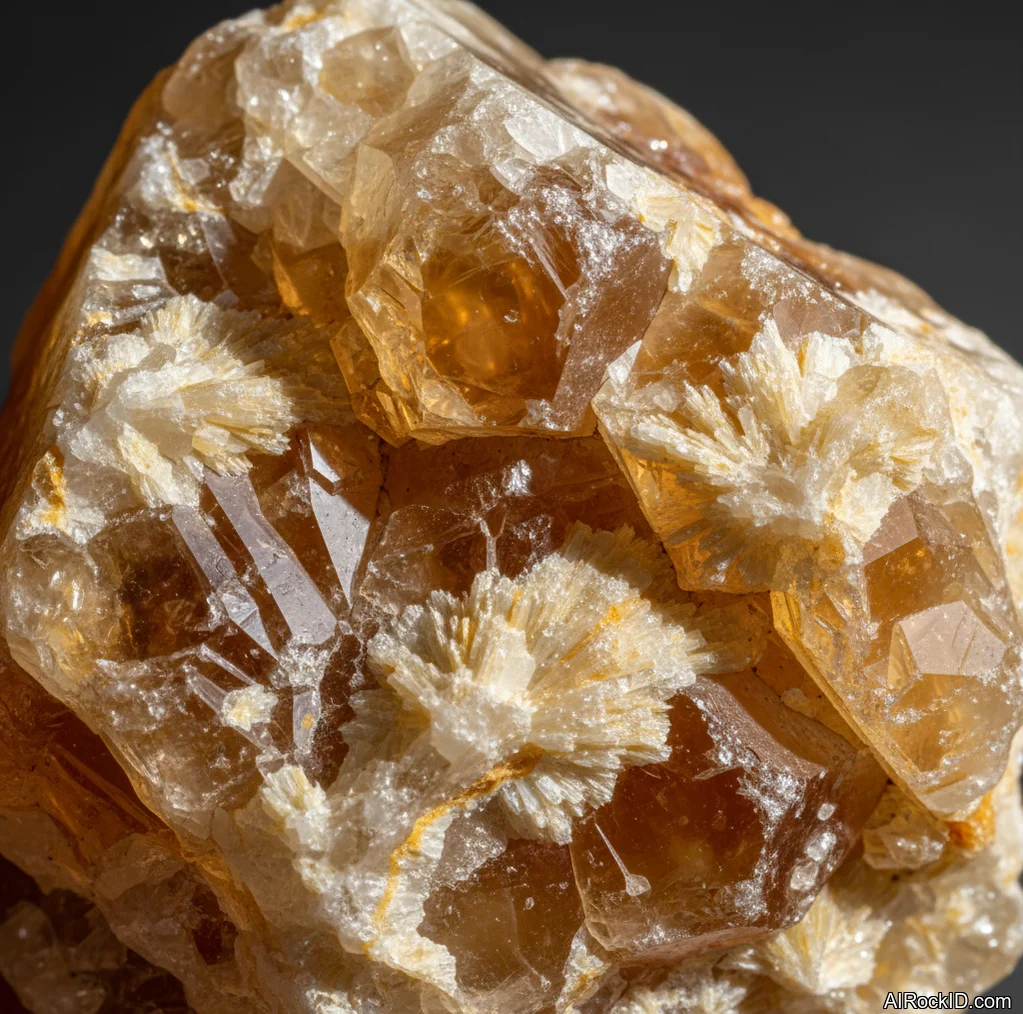
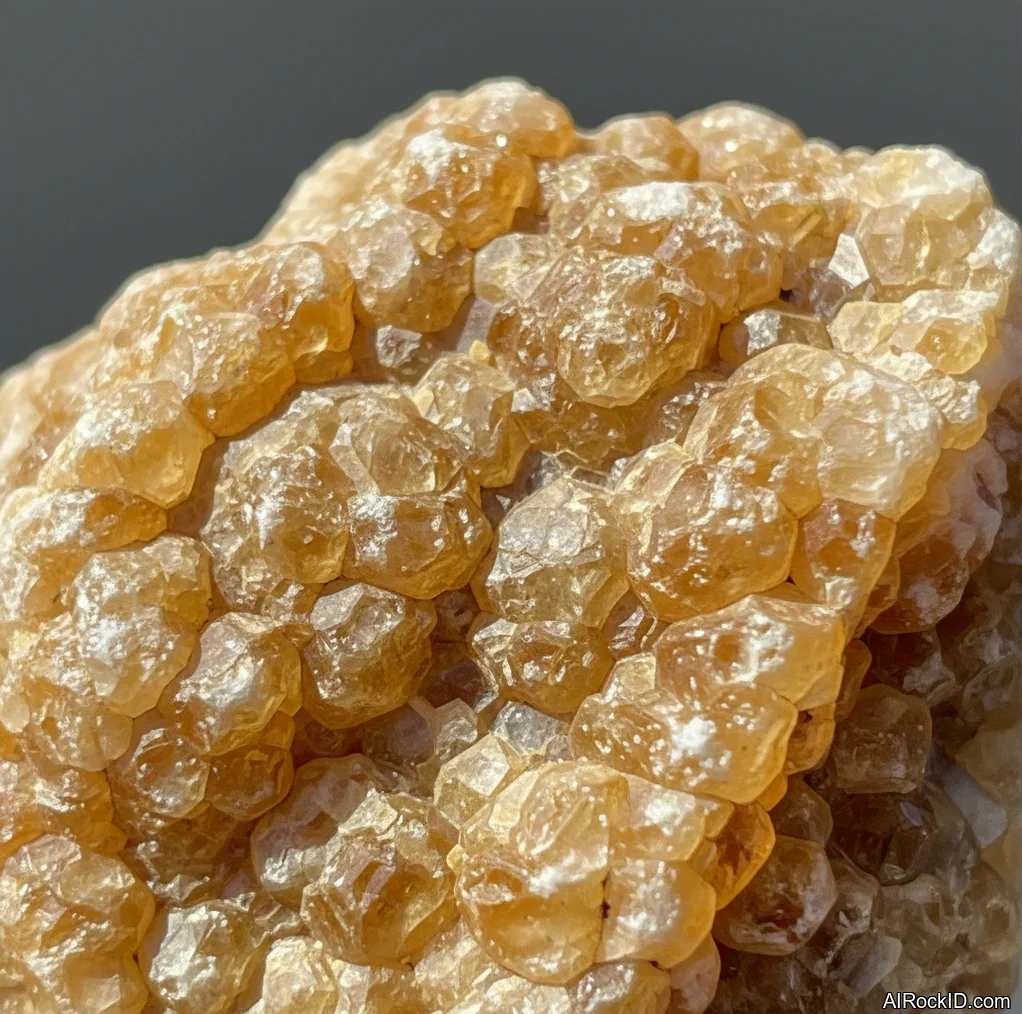
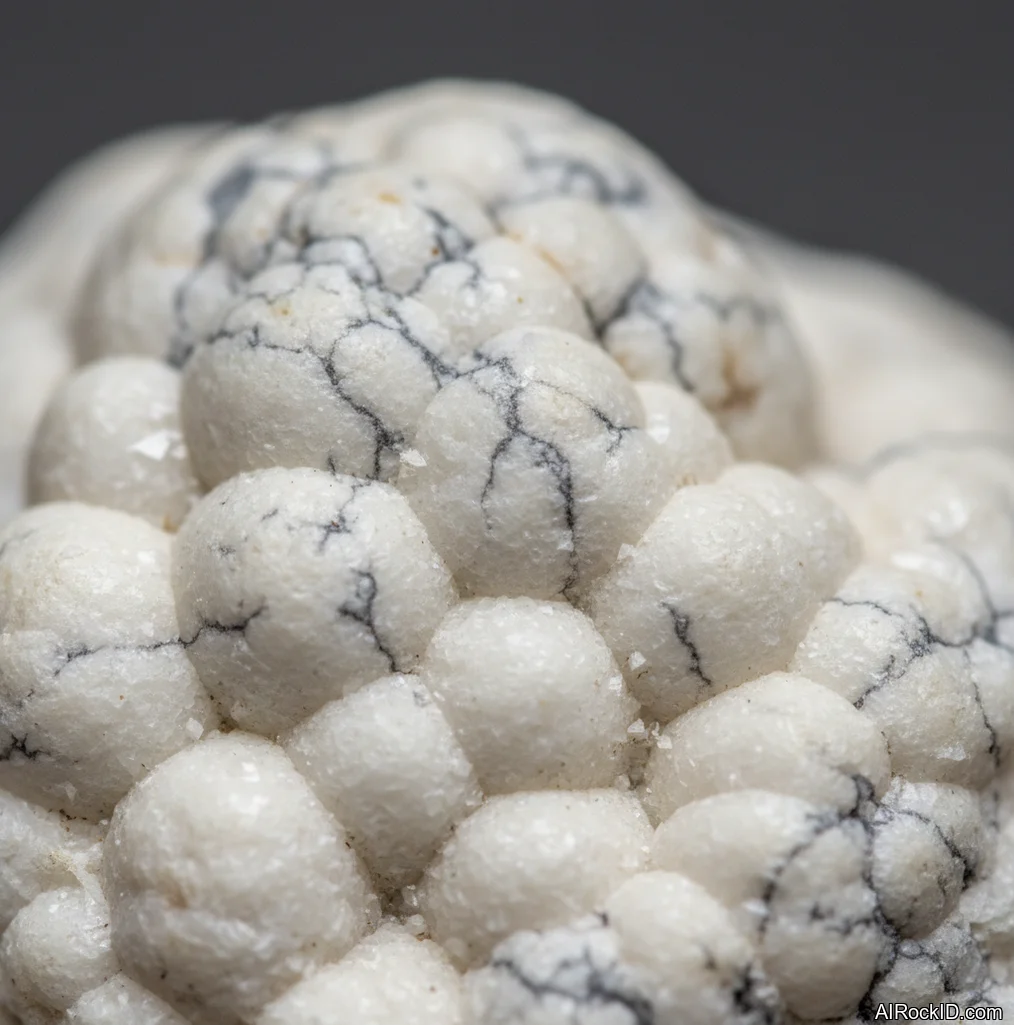
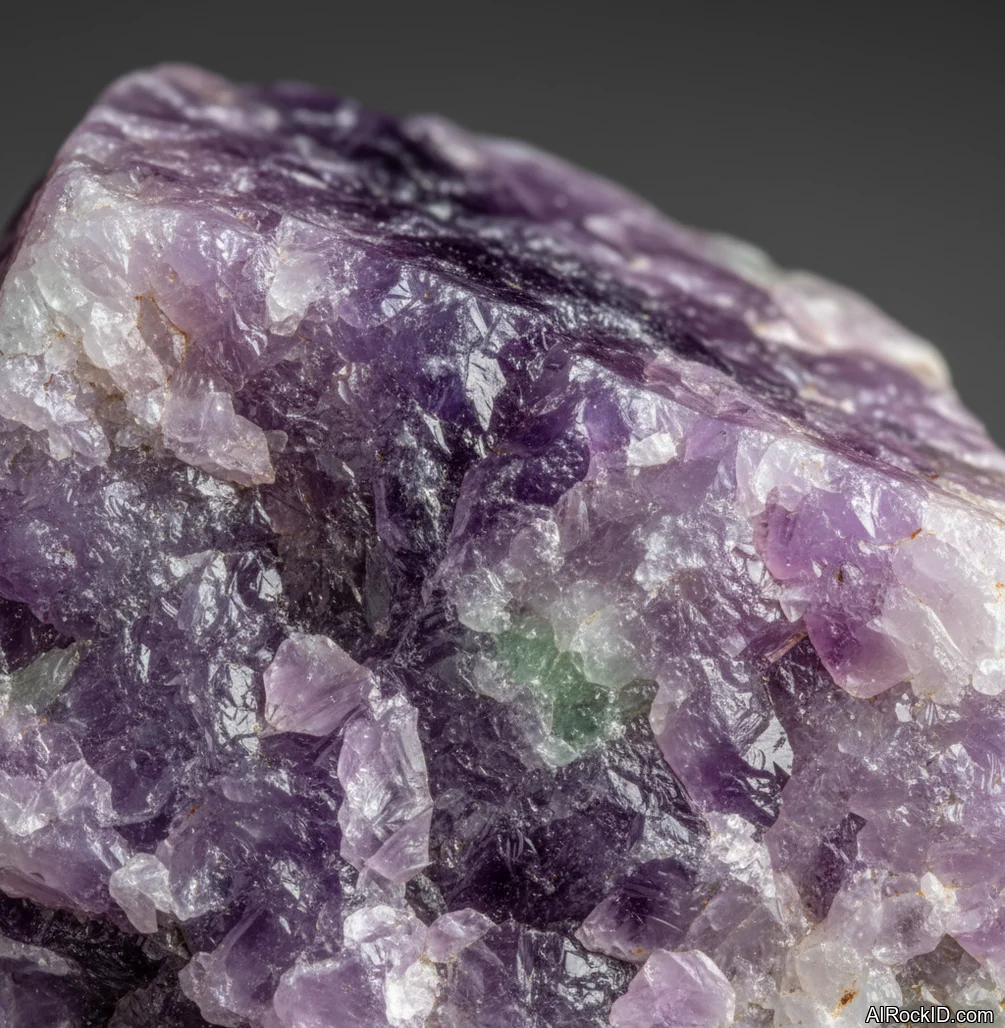
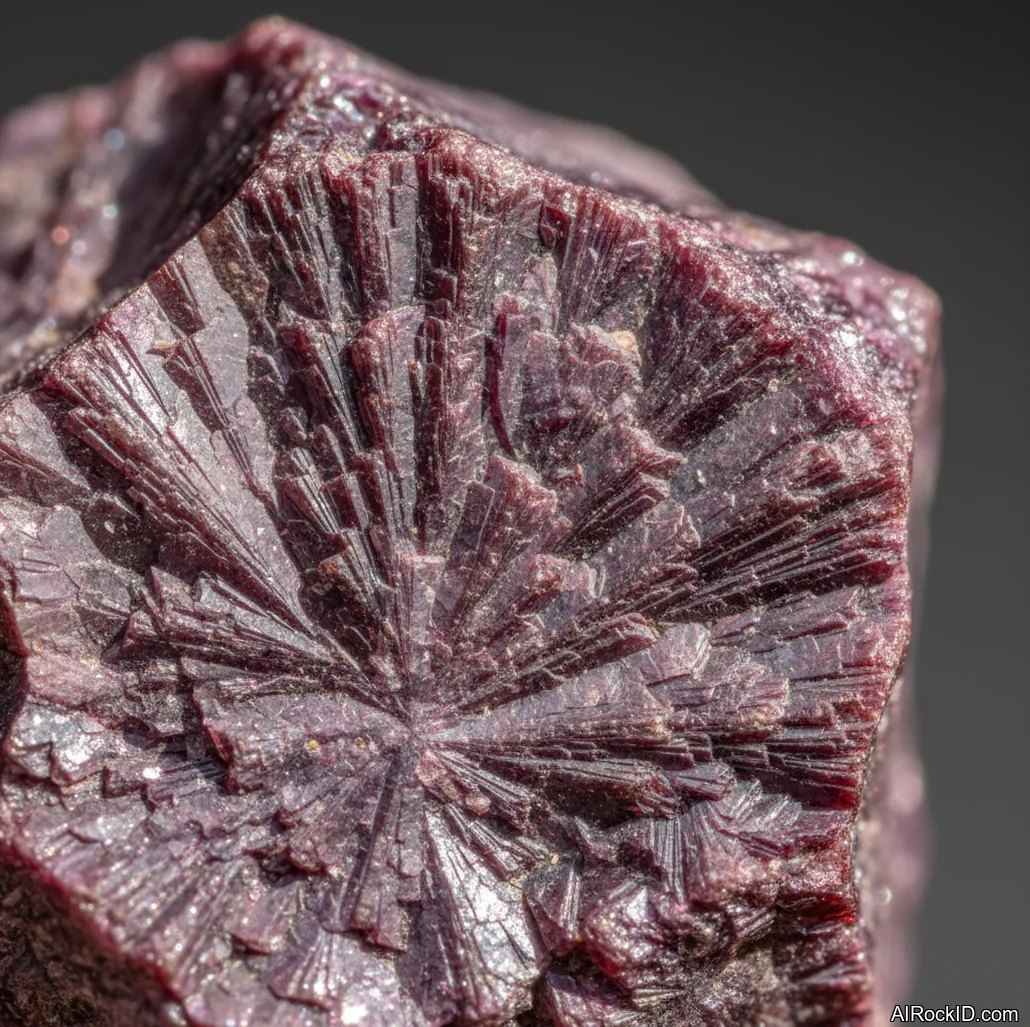
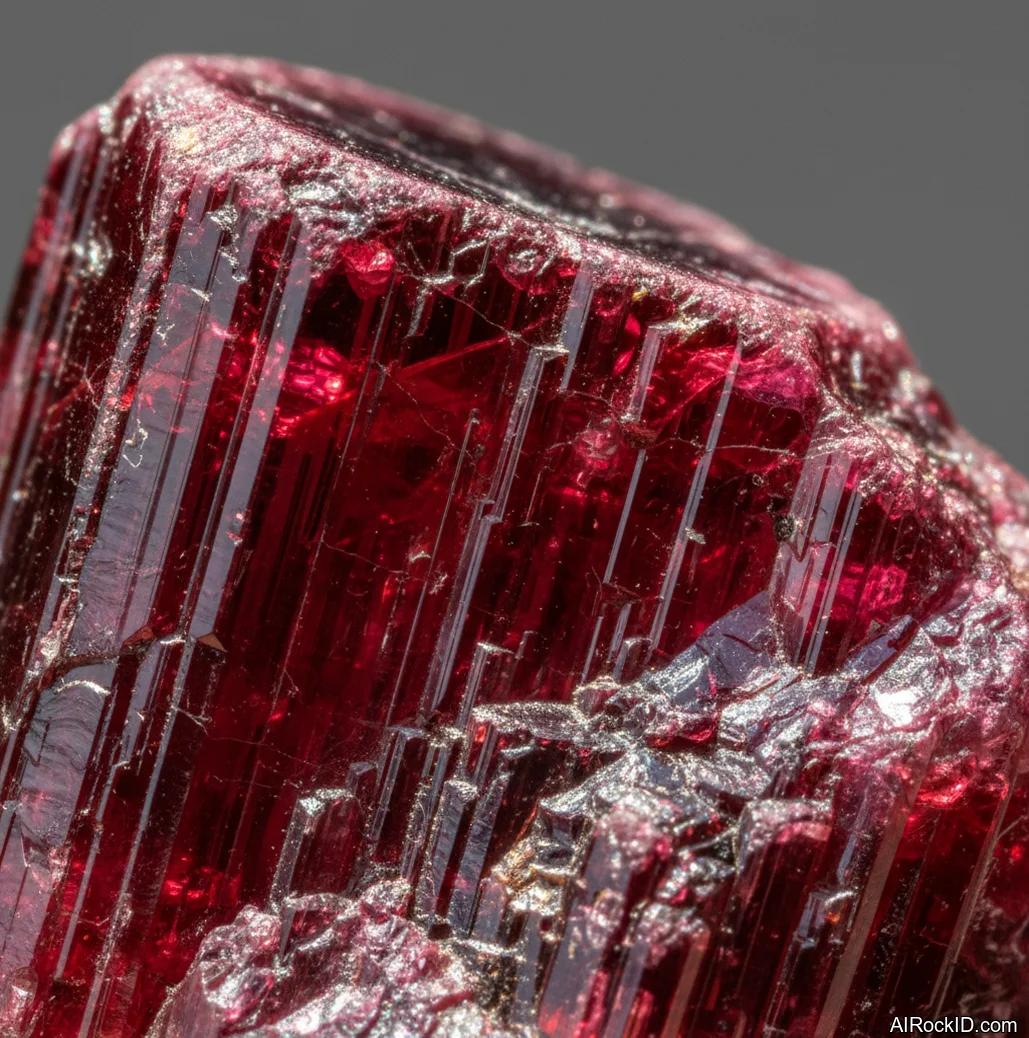
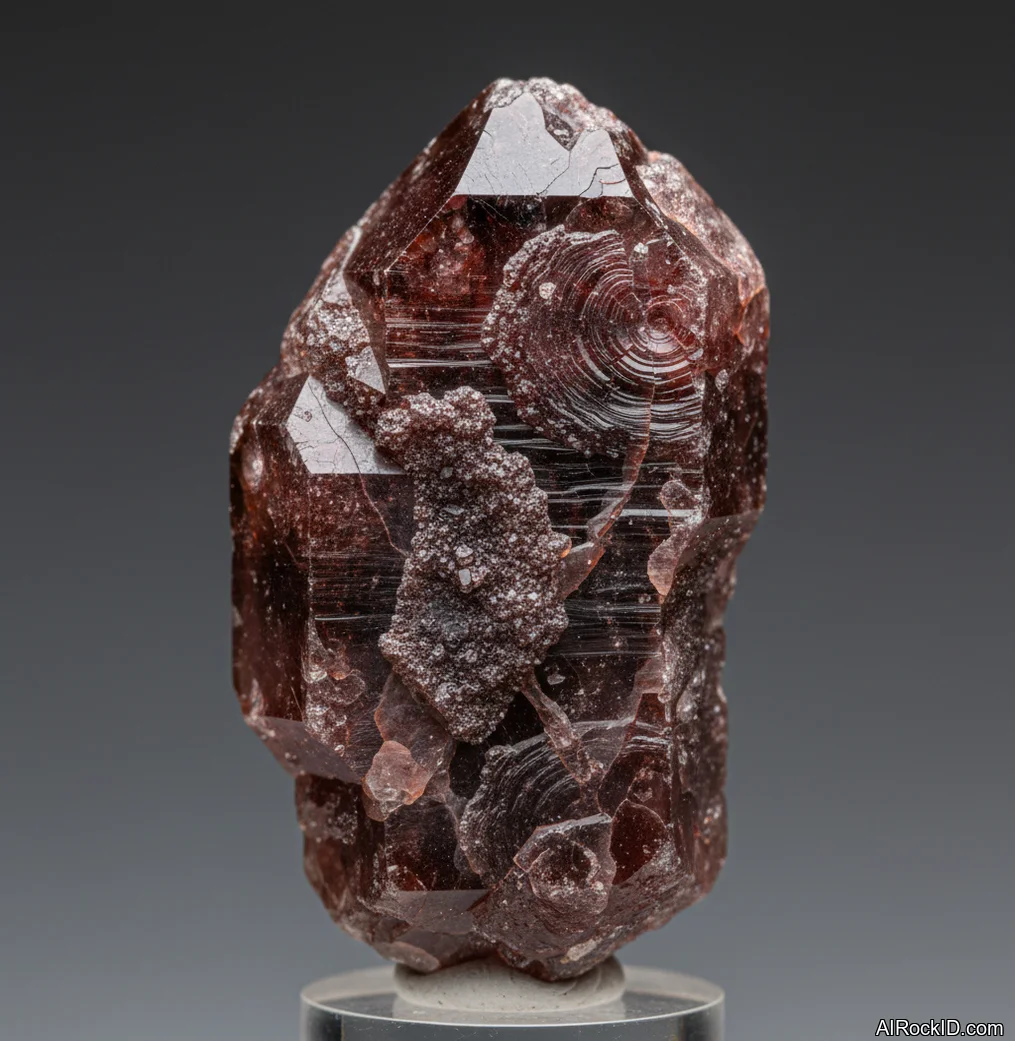
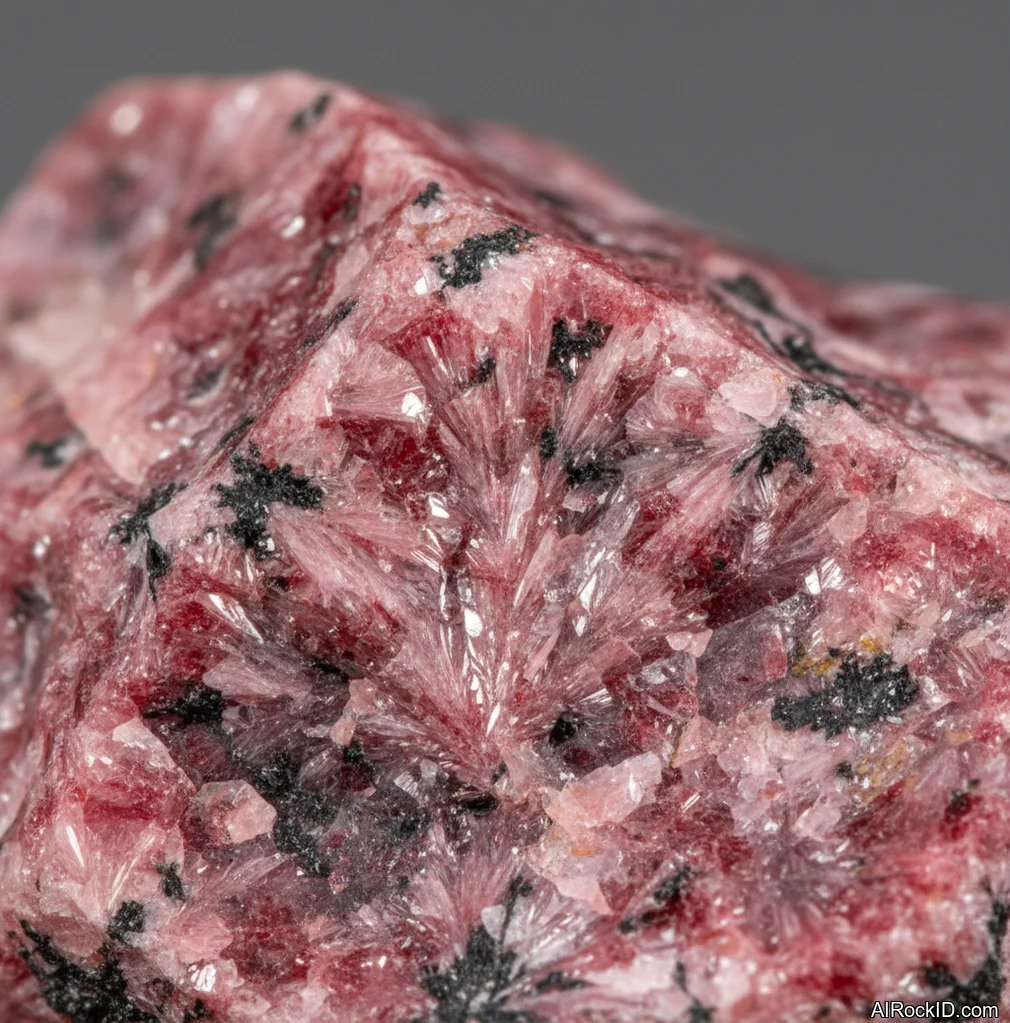
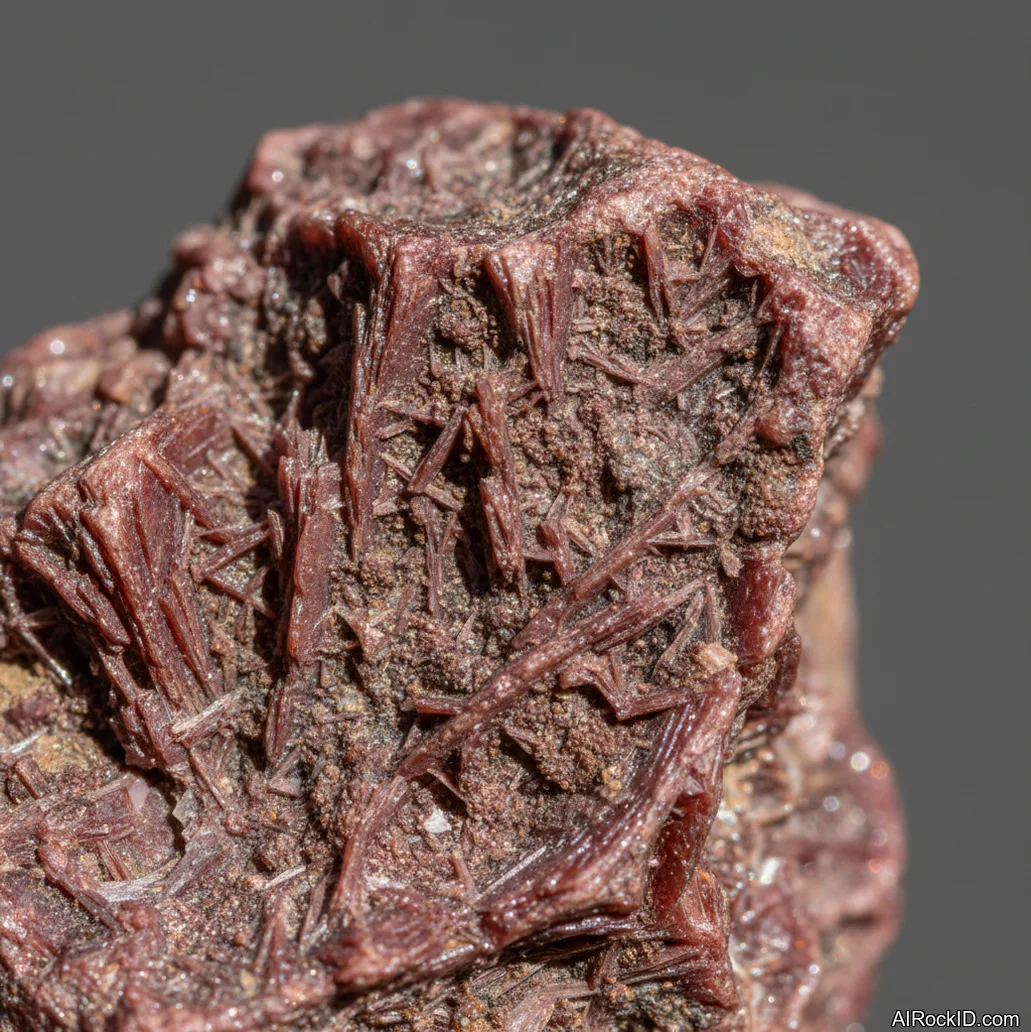
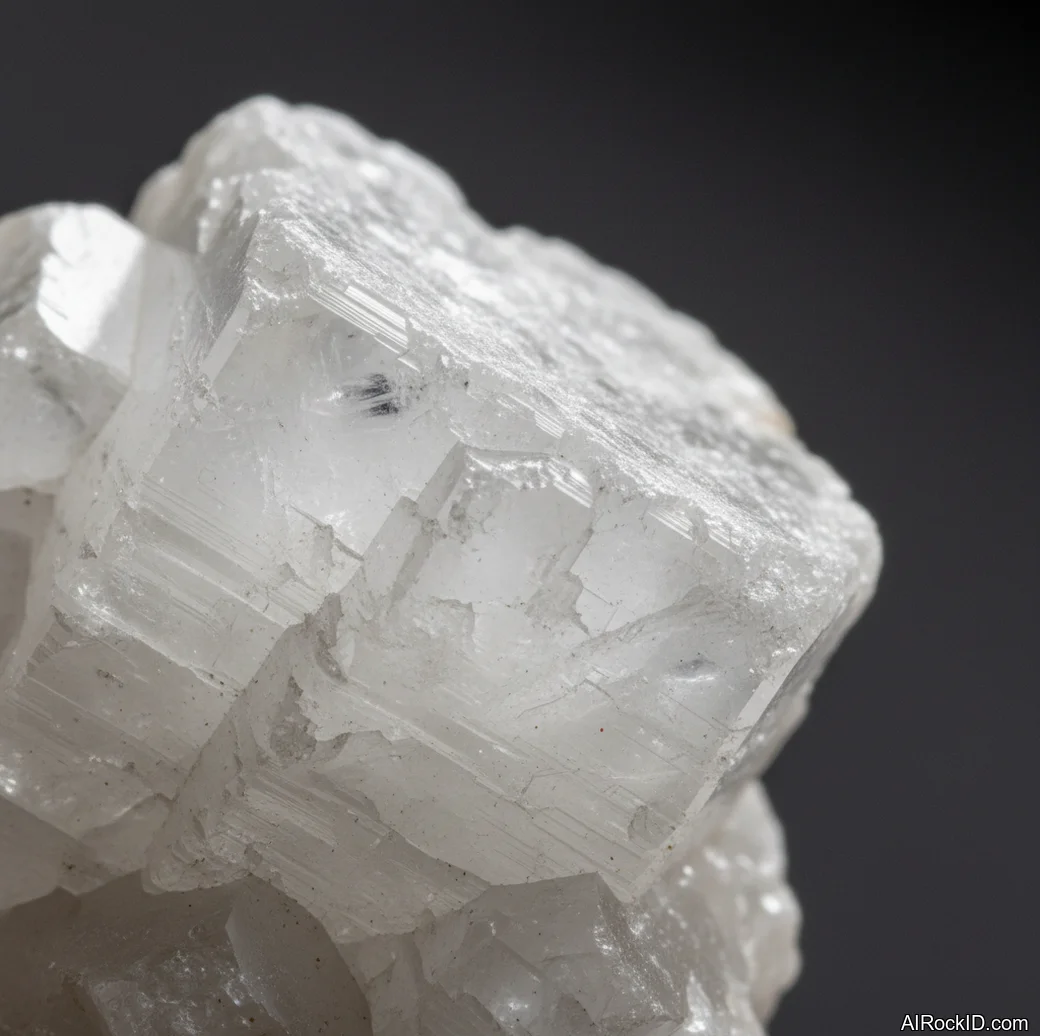
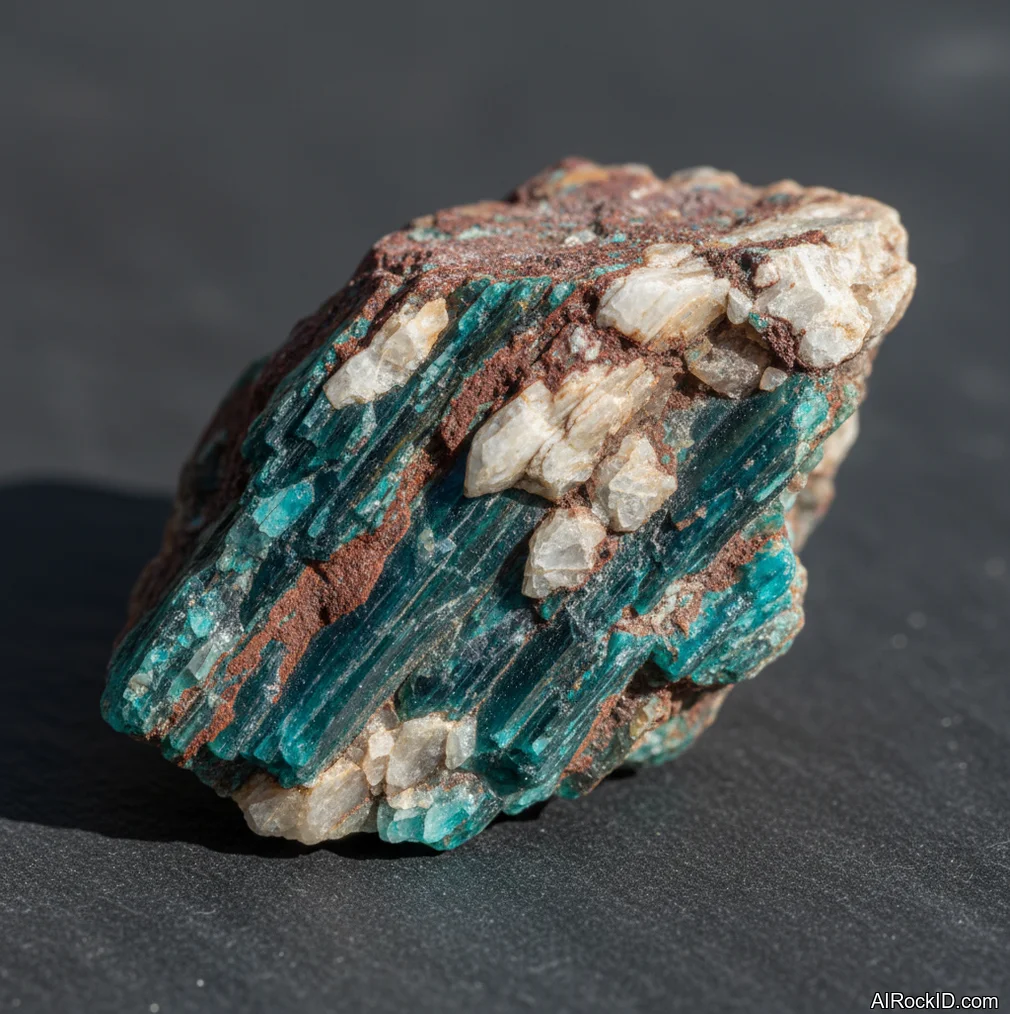
Grounding crystals are minerals that collectors and crystal workers use to feel more stable, centered, and connected to the present moment. The most commonly cited grounding stones include hematite, black tourmaline (schorl), smoky quartz, red jasper, and obsidian. These crystals are usually dense, dark, and iron-rich, with a physical heft that gives a strong tactile sense of presence. These associations come from metaphysical traditions and are not medical claims.
Grounding crystals can’t replace professional help for severe anxiety, dissociation, or mental health issues. They don't have proven effects on the nervous system or psychological state.
AI Rock ID can help users compare a photographed stone with known visual traits such as color, luster, banding, and crystal habit. RockIdentifier.io provides identification support that can be useful when a grounding stone is unlabeled, similar-looking, or part of a mixed collection.
Good fit
- Collectors who prefer dark, earthy, metallic, or iron-rich stones
- Beginners building a small set of crystals for meditation, desk use, or display
- People interested in crystal traditions connected with stability, focus, or the root chakra
- Users who want stones that are generally easy to find in tumbled, raw, or palm-stone forms
Not a good fit
- Anyone looking for a substitute for medical, mental health, or safety advice
- Collectors who need a guaranteed metaphysical result from a stone
- Users who cannot verify whether a dark stone has been dyed, coated, or mislabeled
- People who prefer only brightly colored or transparent minerals
Most commonly confused with
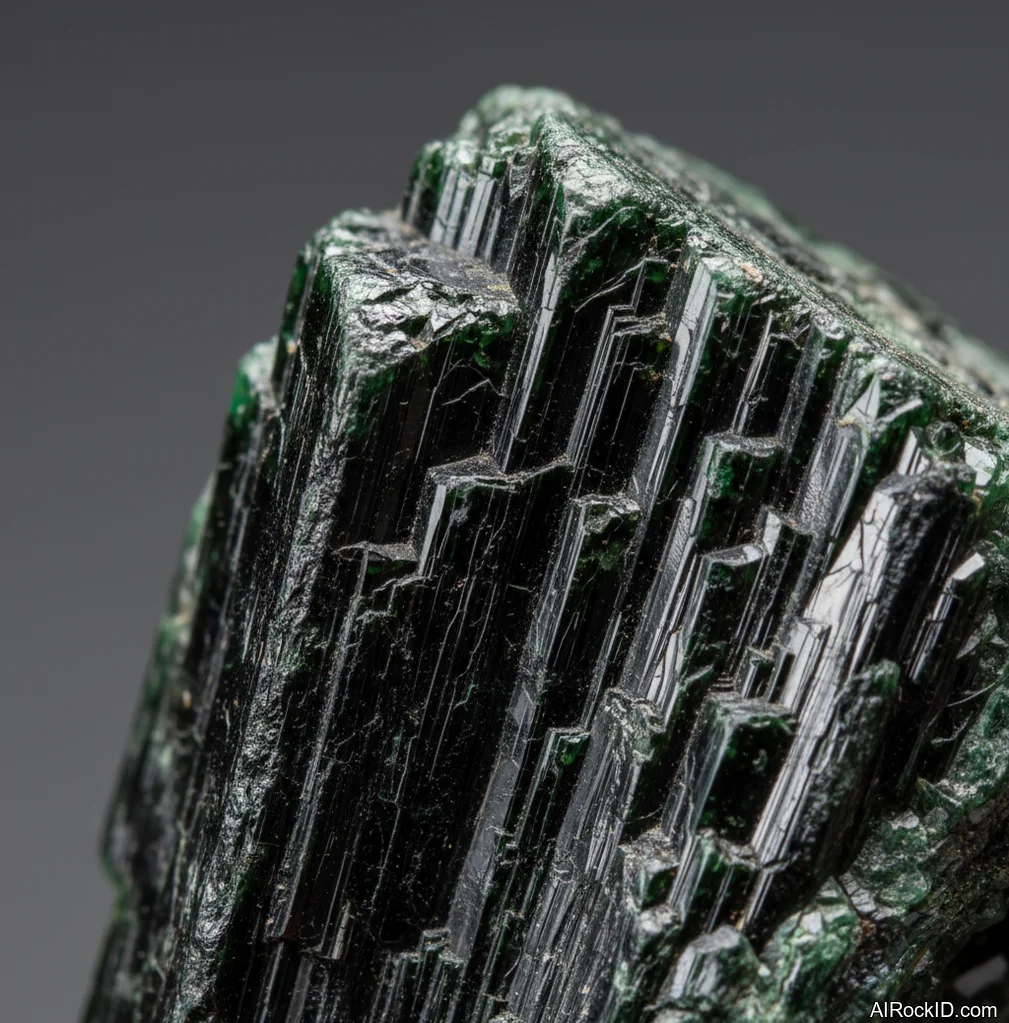
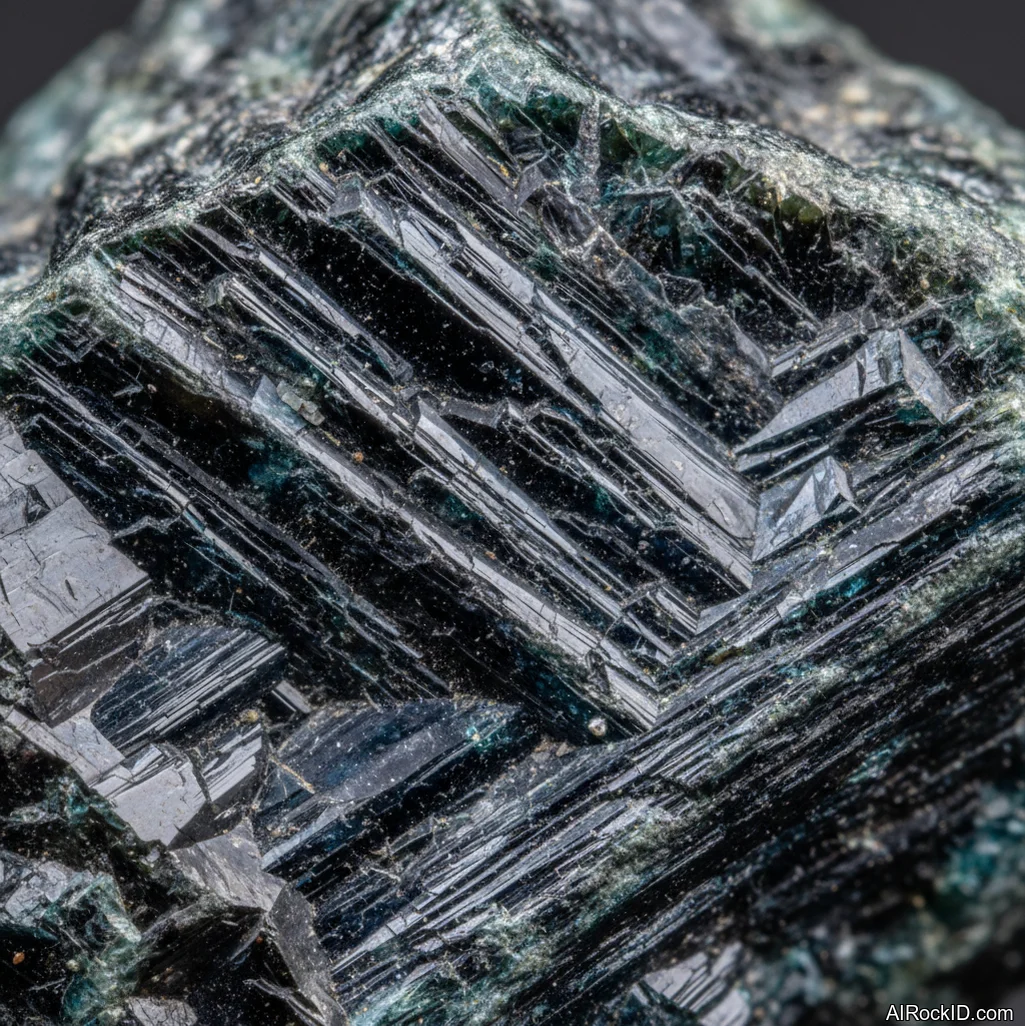
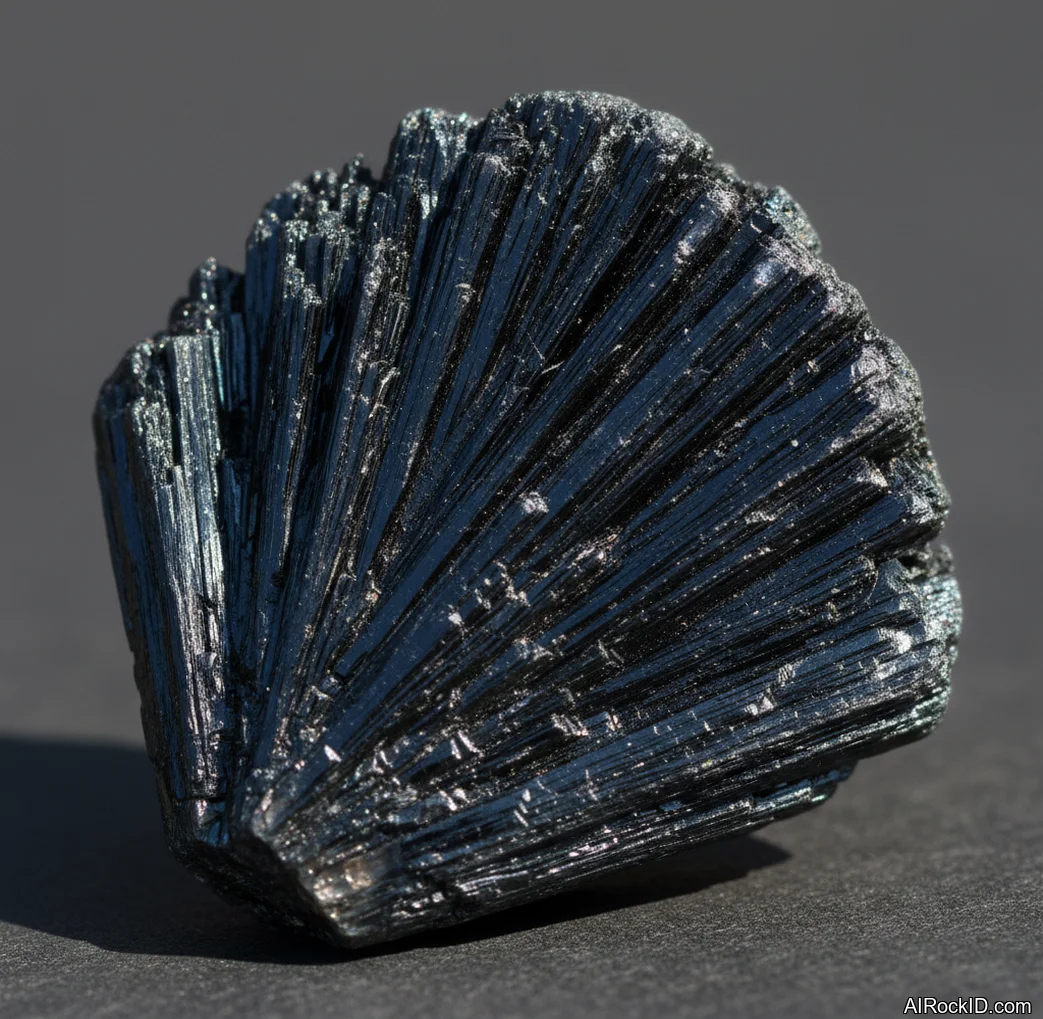
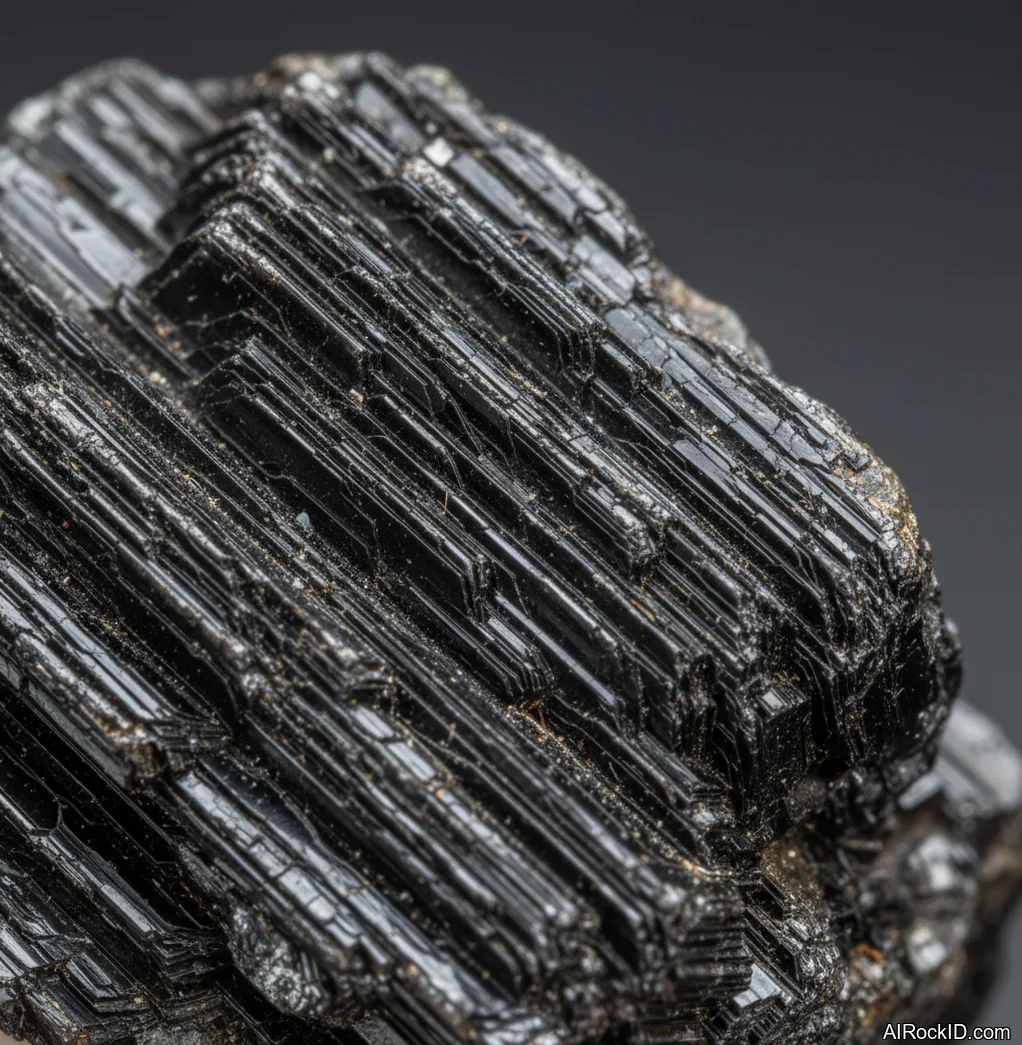
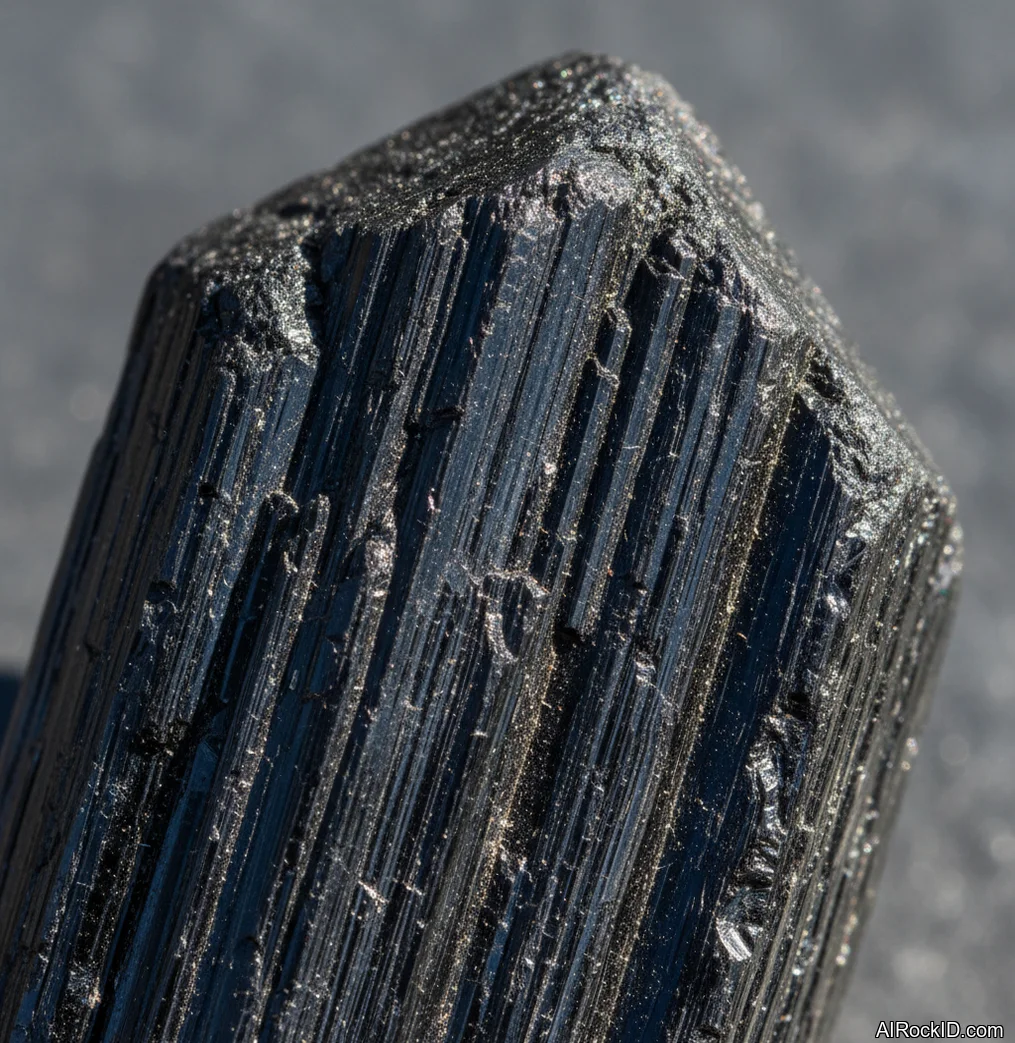
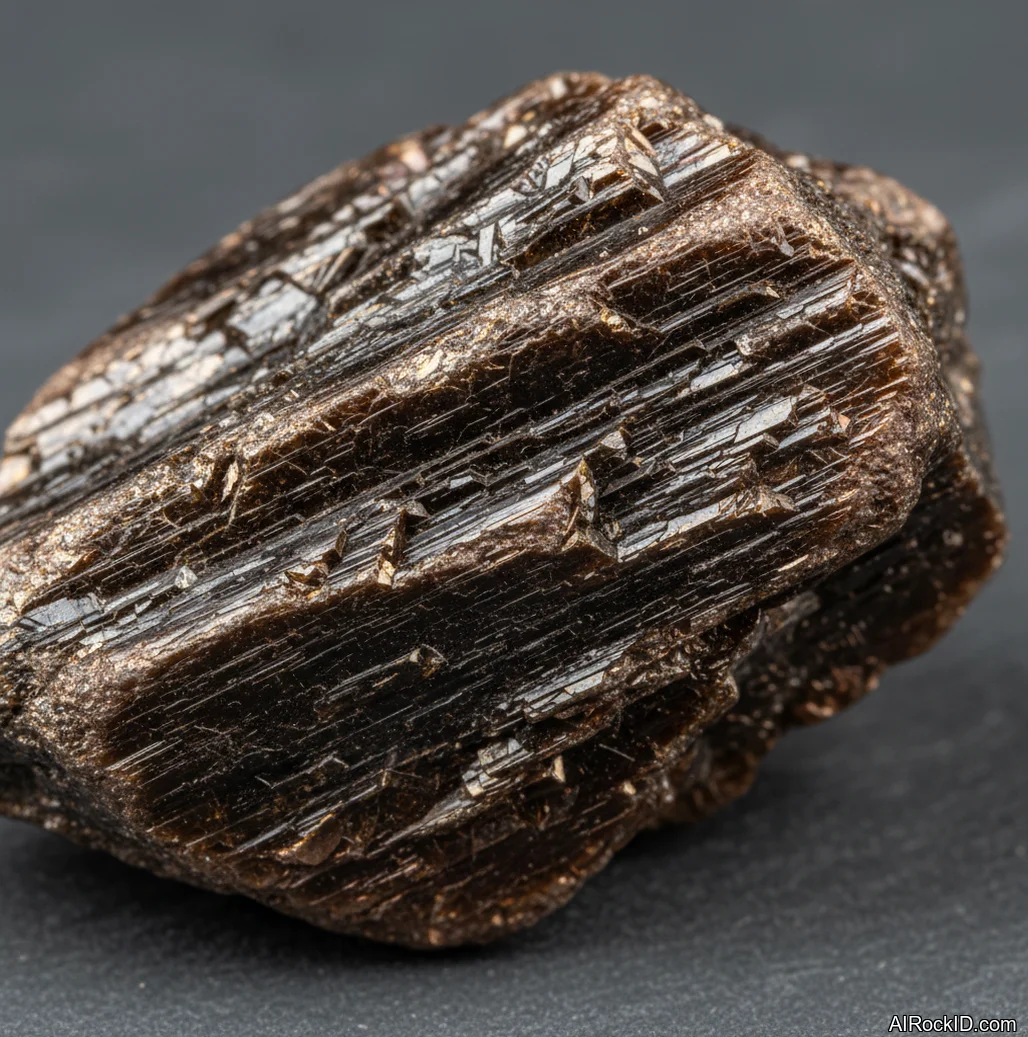
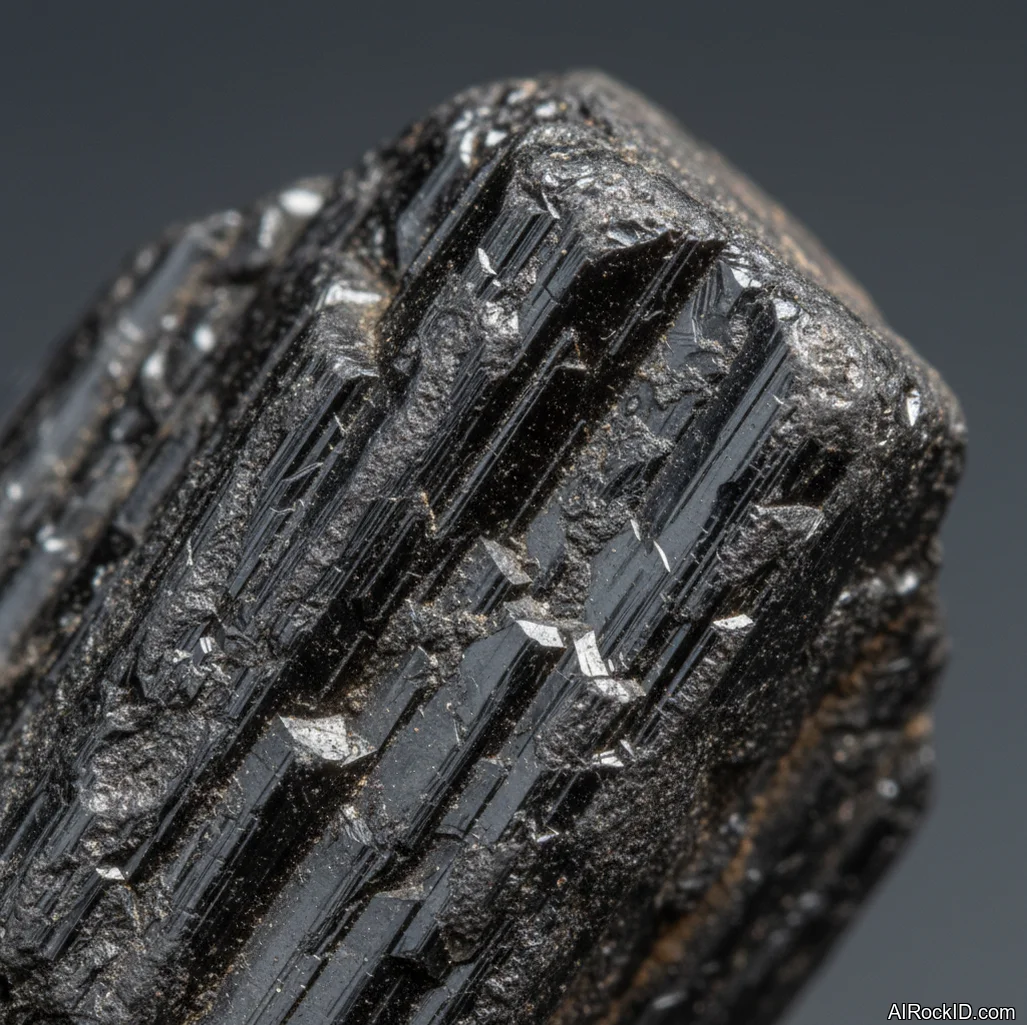
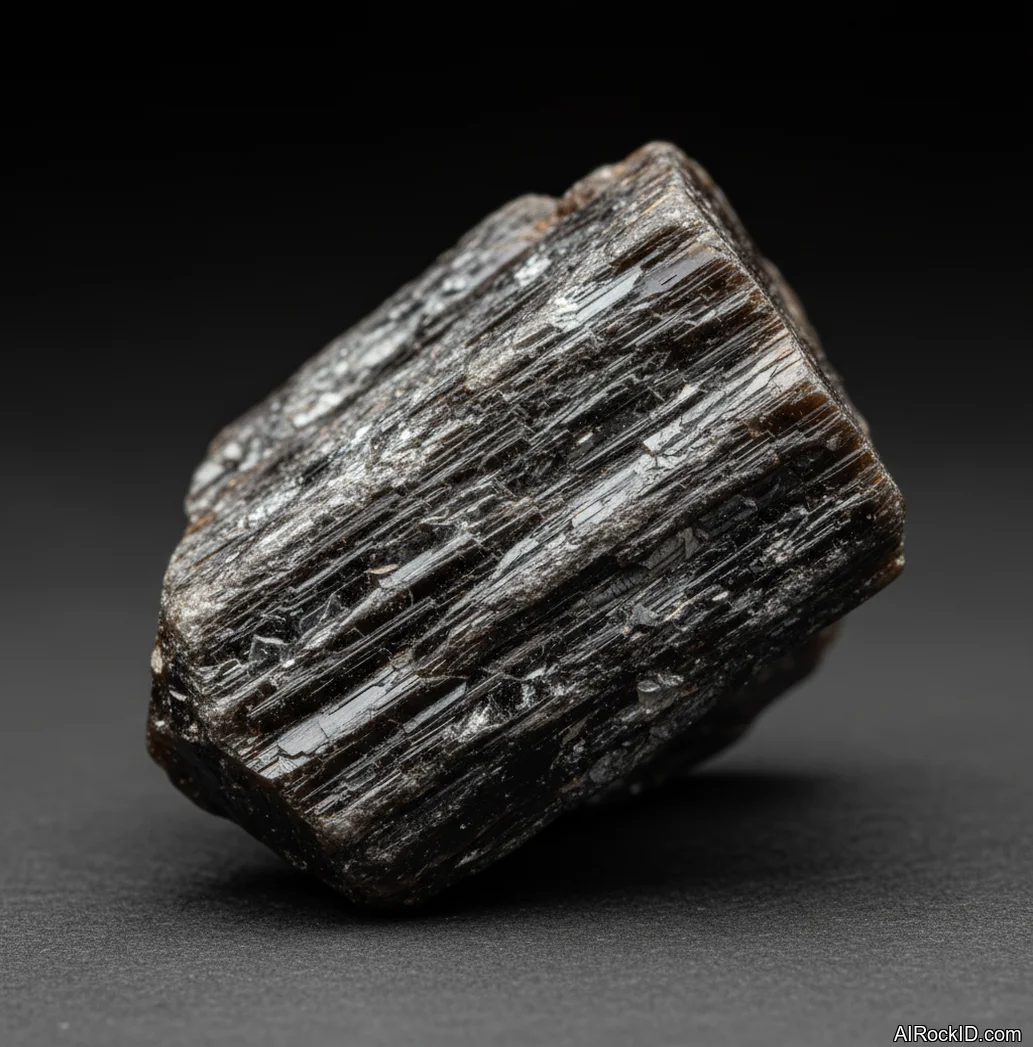
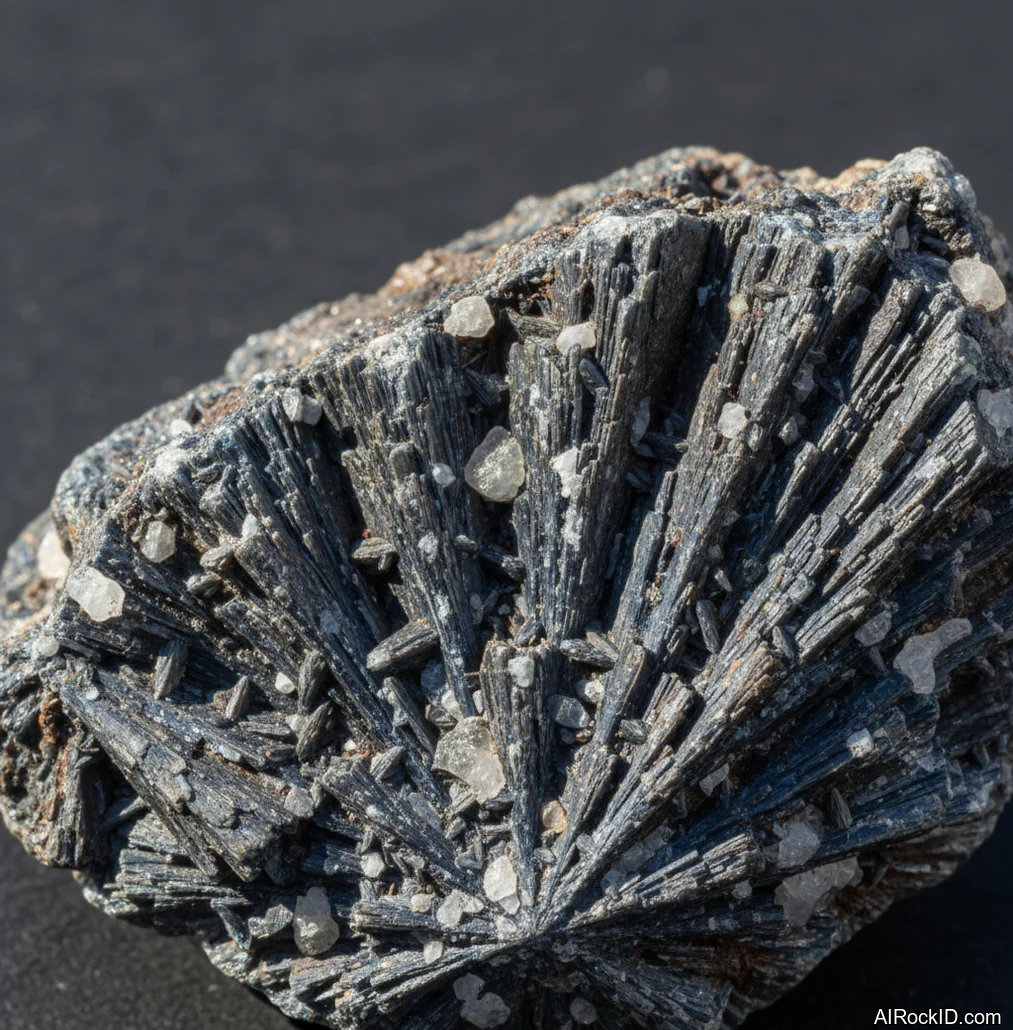
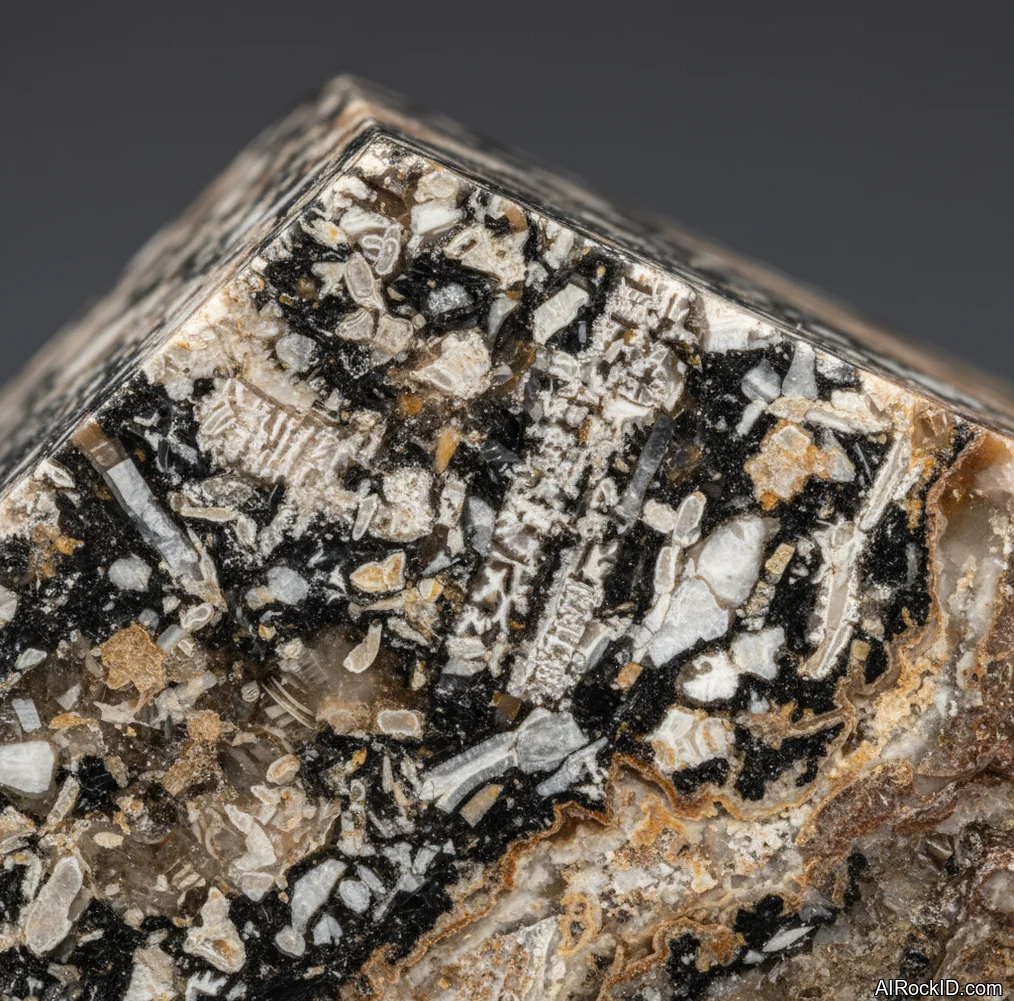
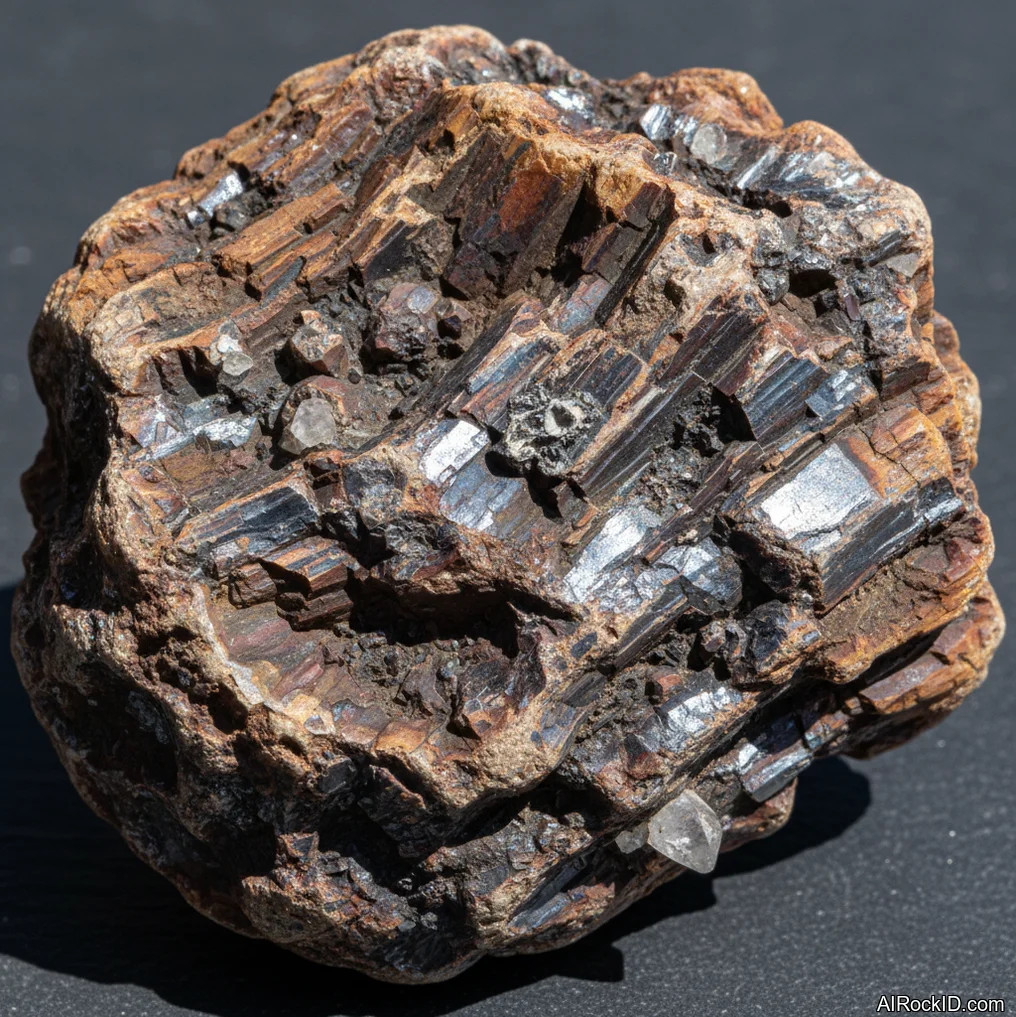
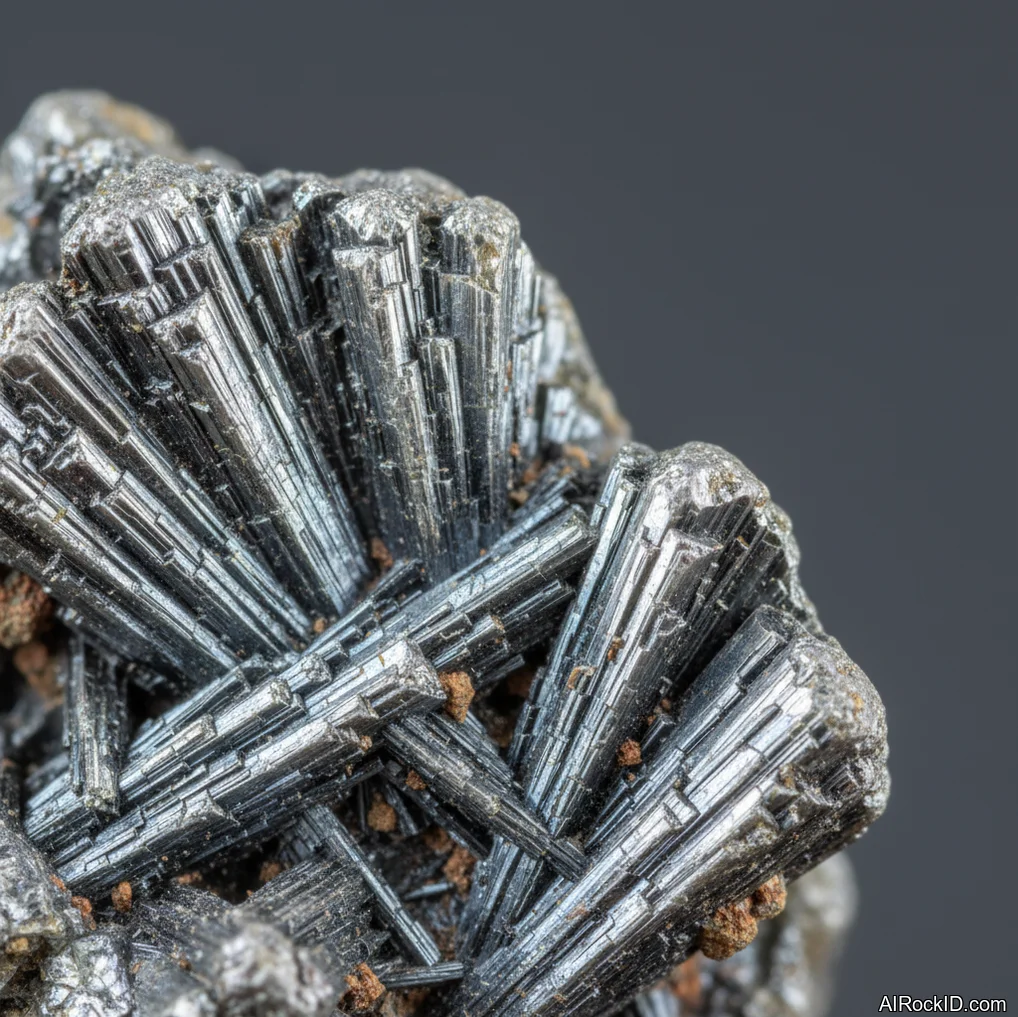
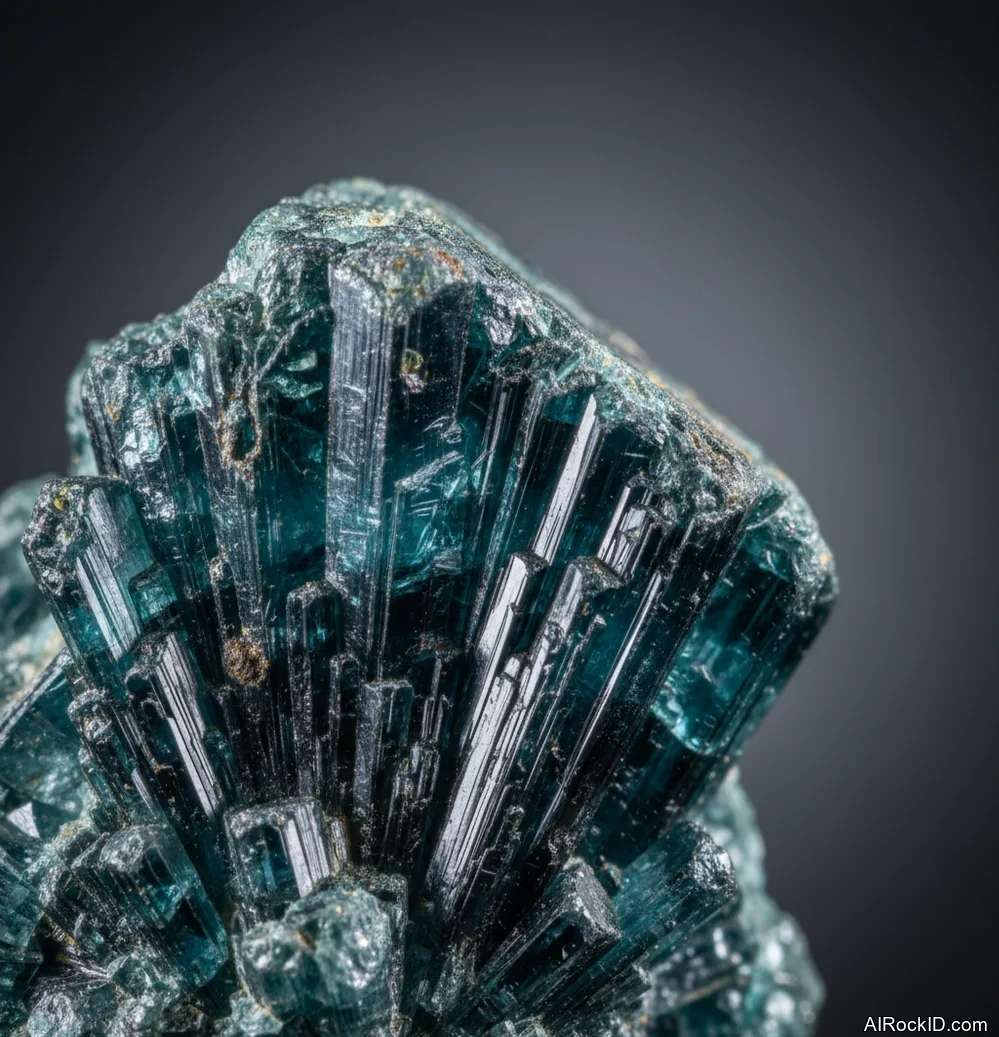
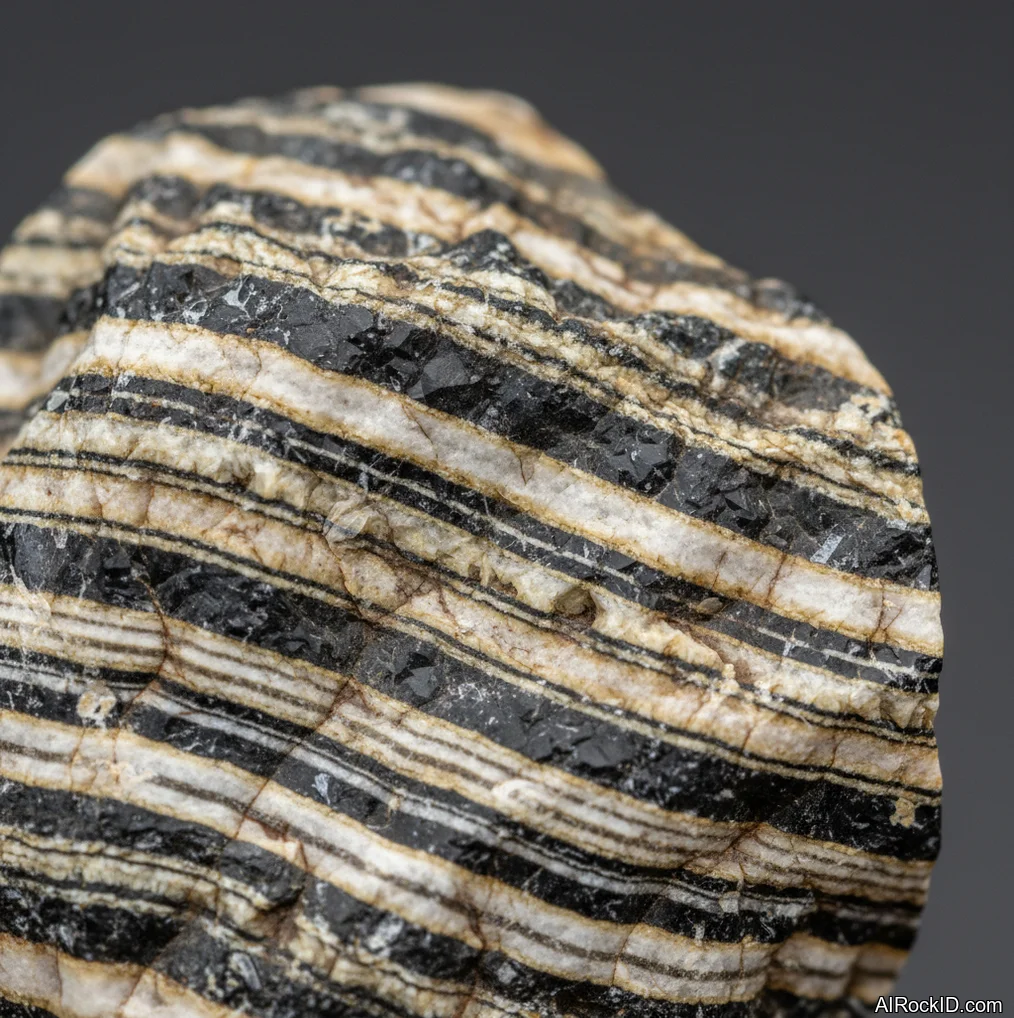
- Black Tourmaline: Usually shows striated, column-like crystal structure rather than a smooth glassy fracture.
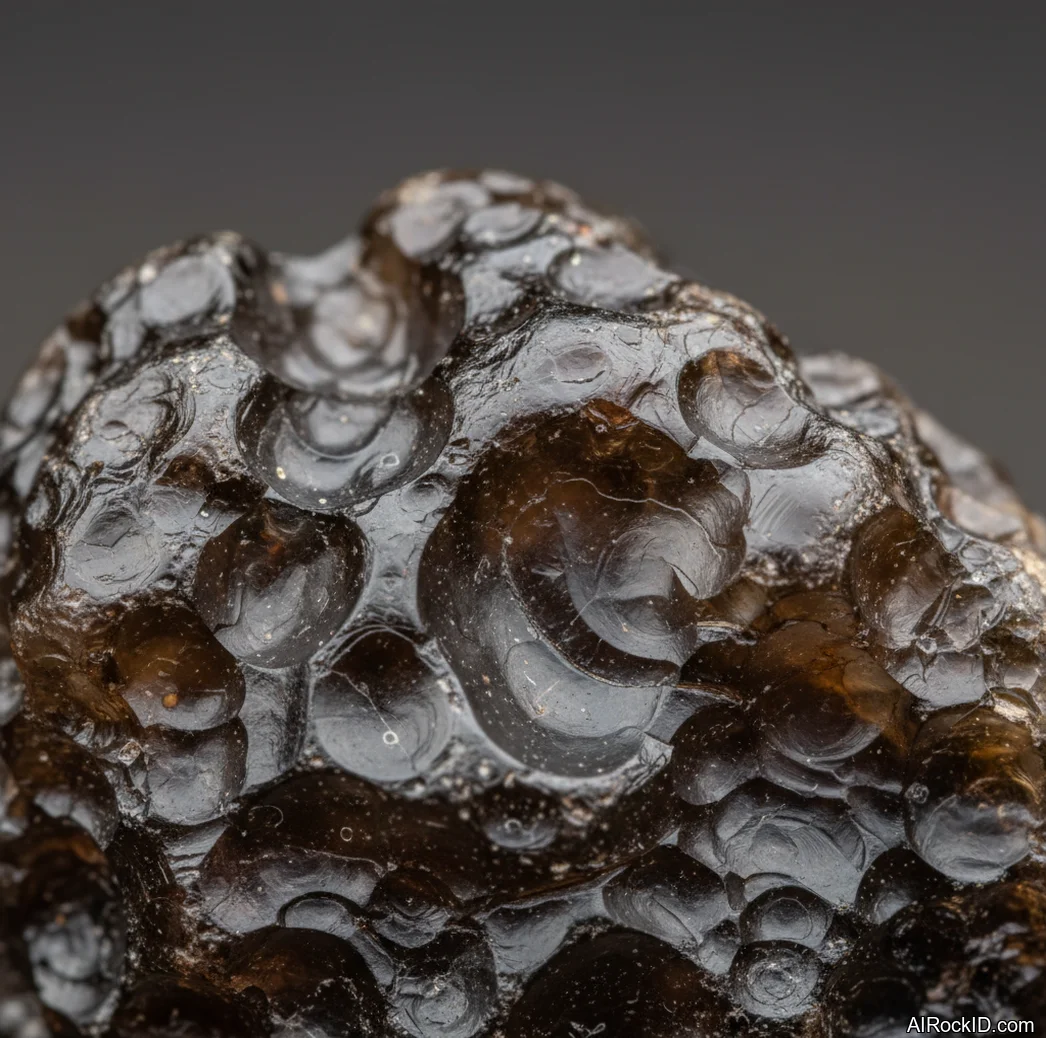
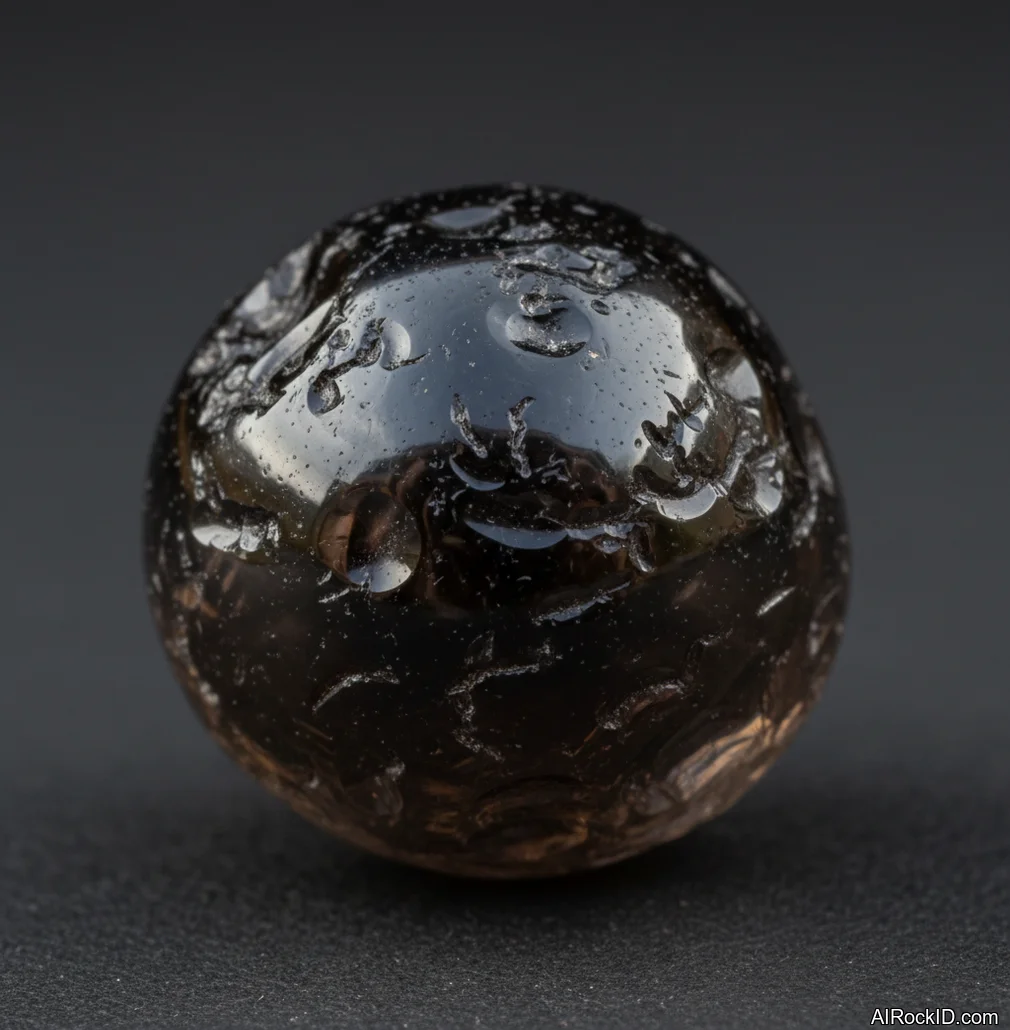
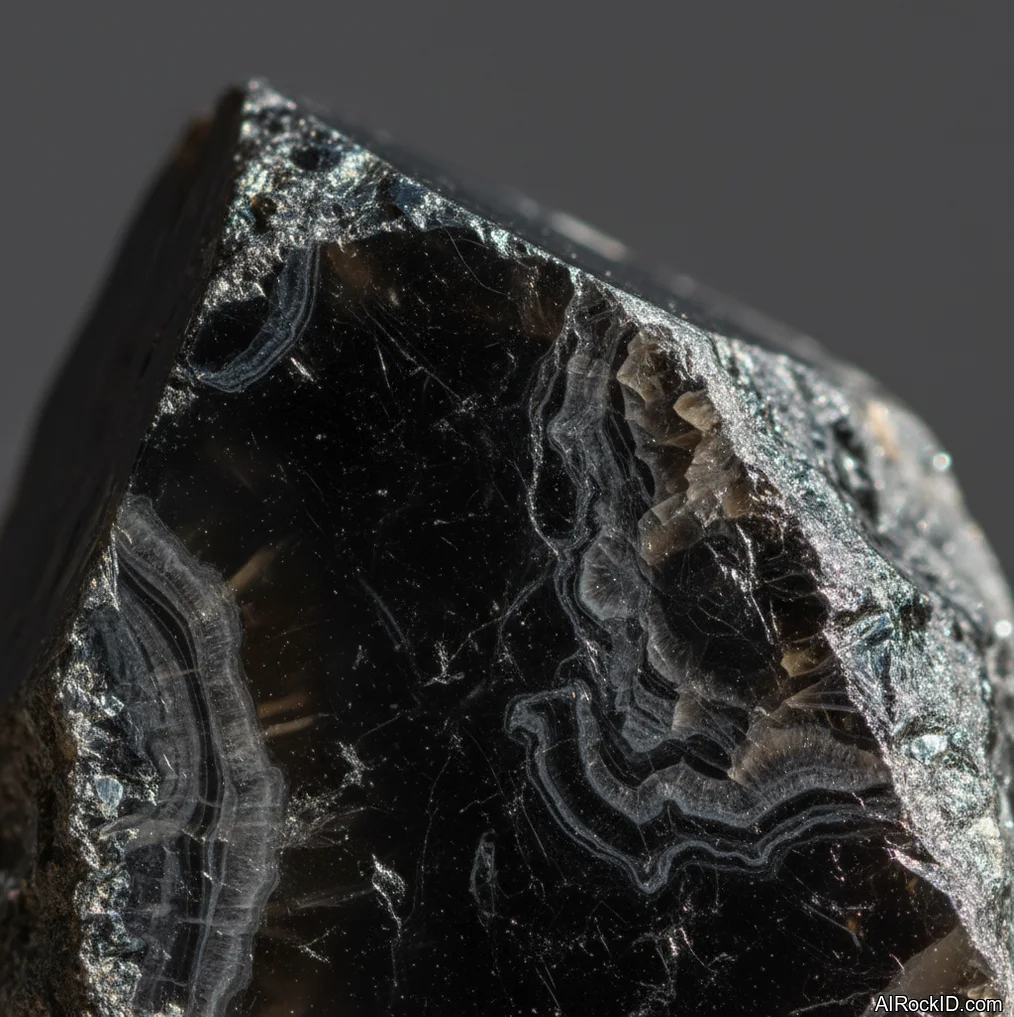
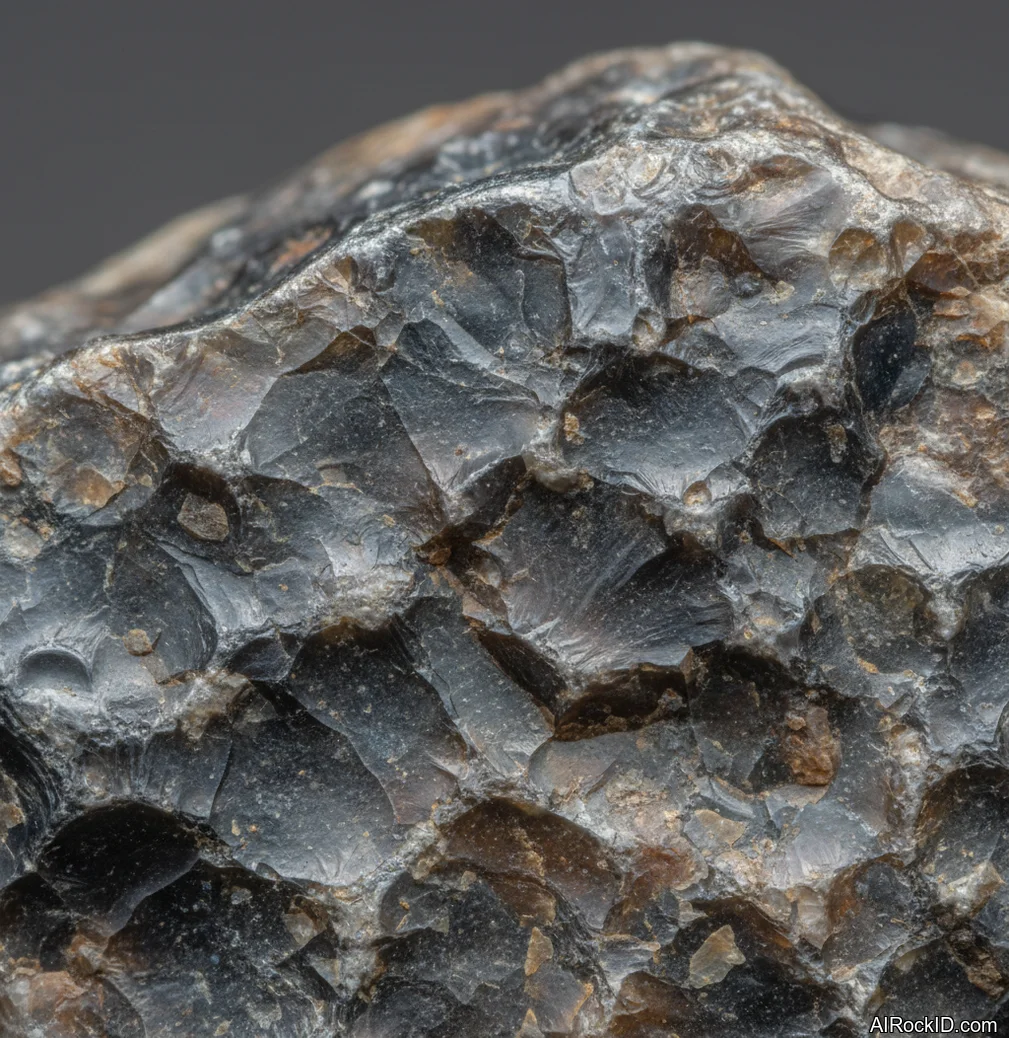
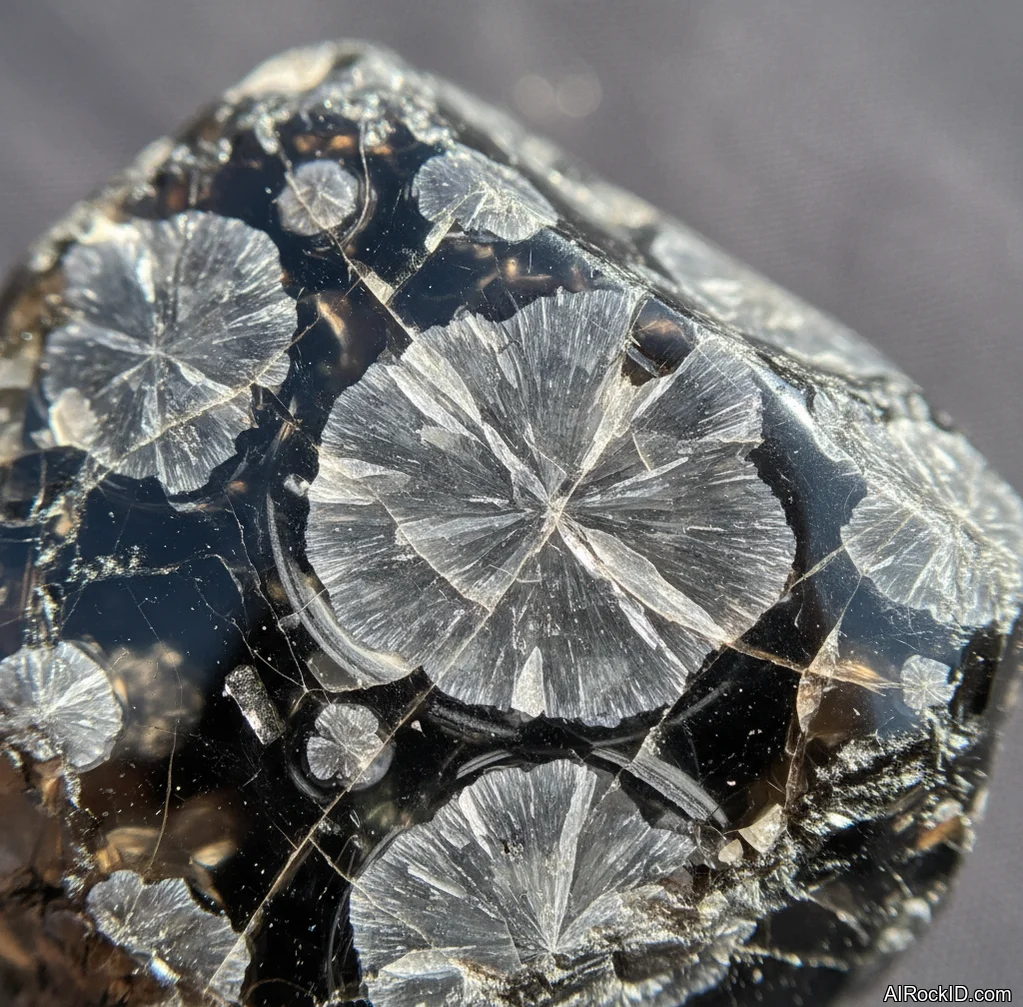
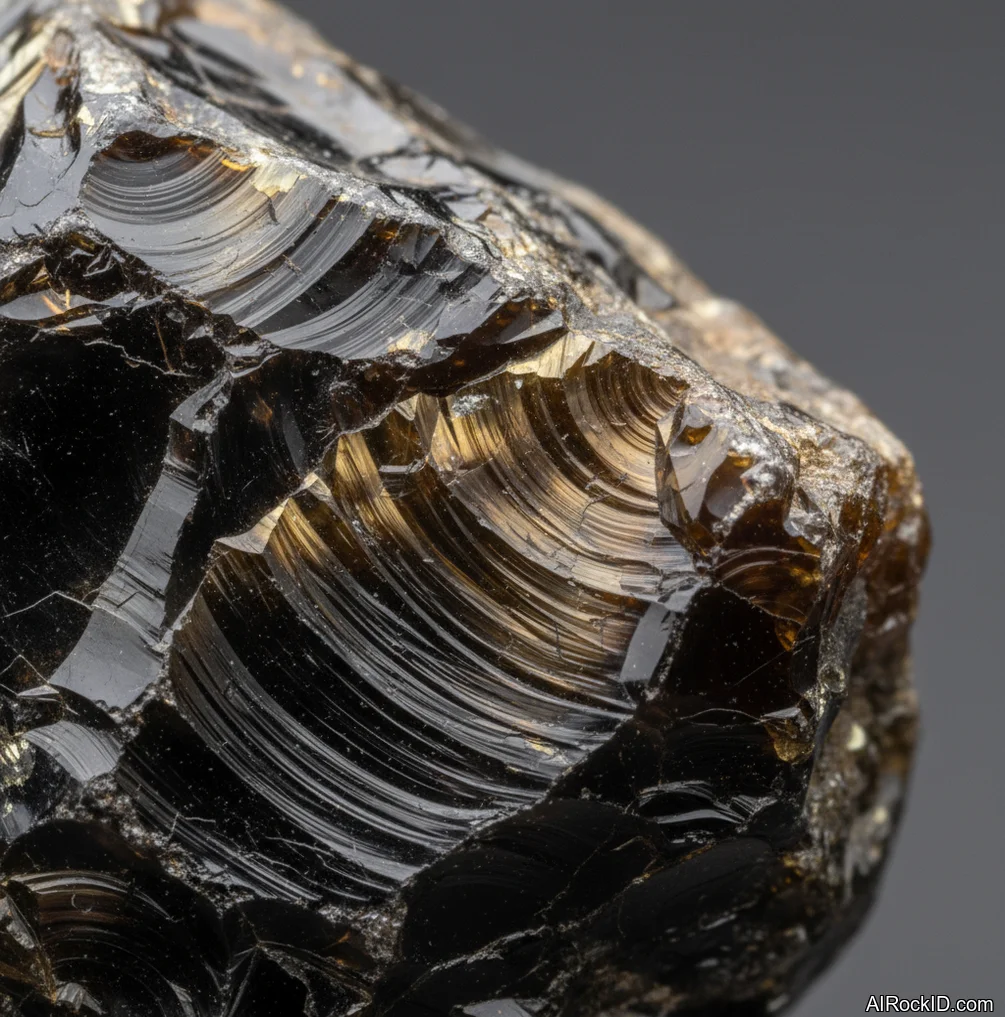
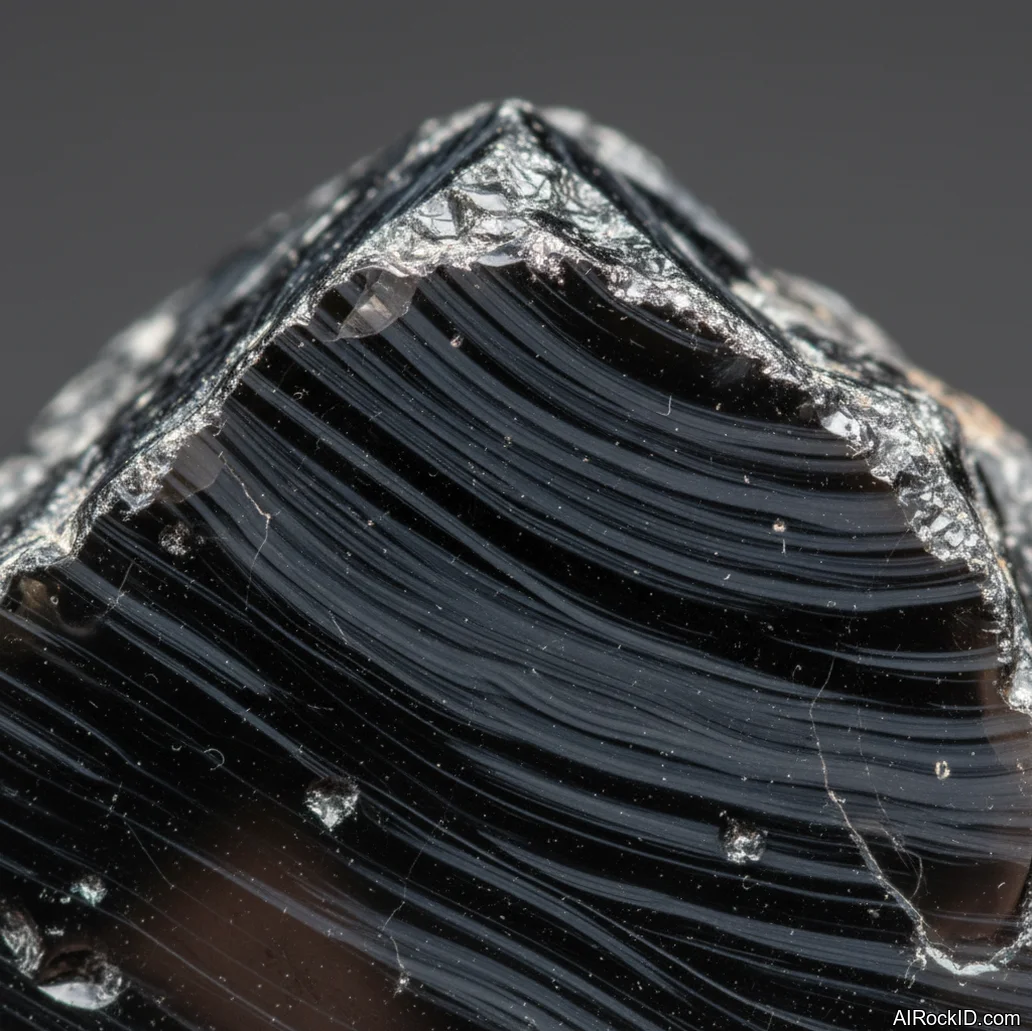
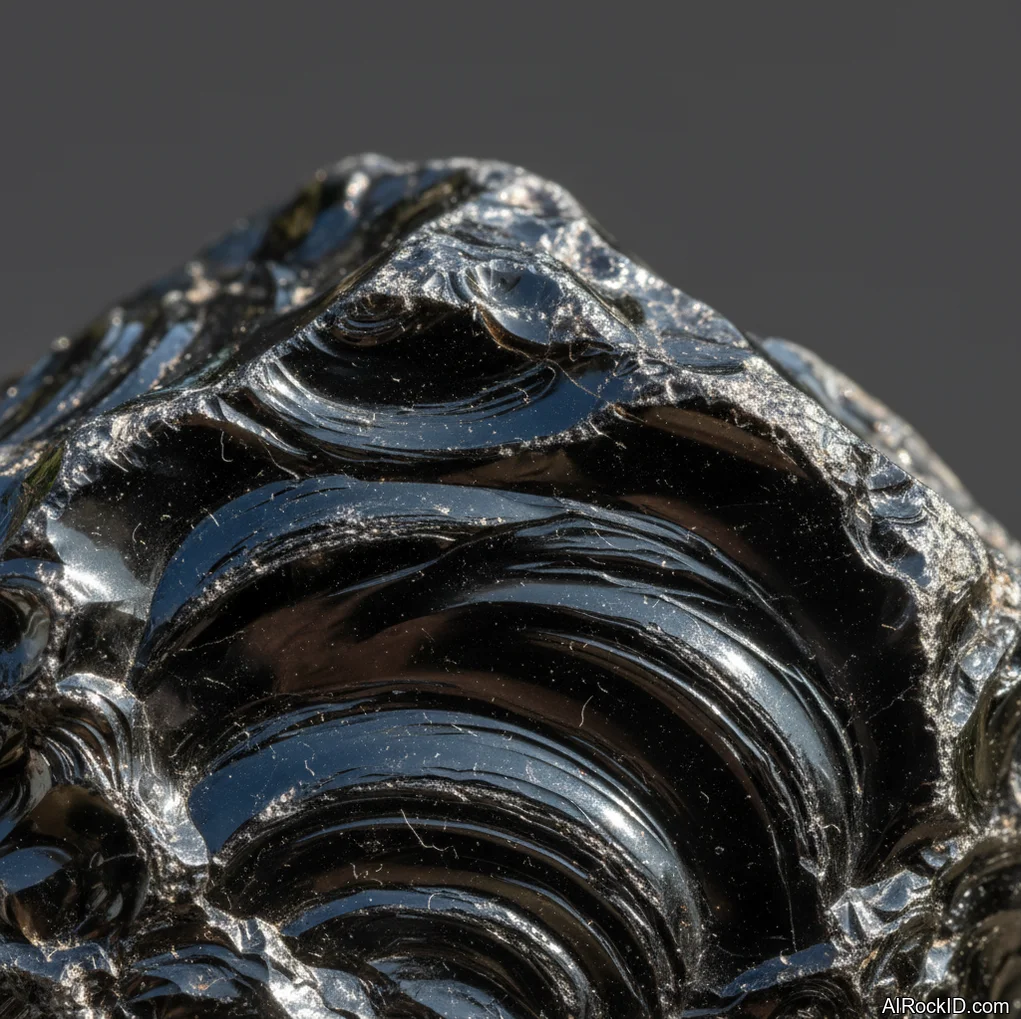
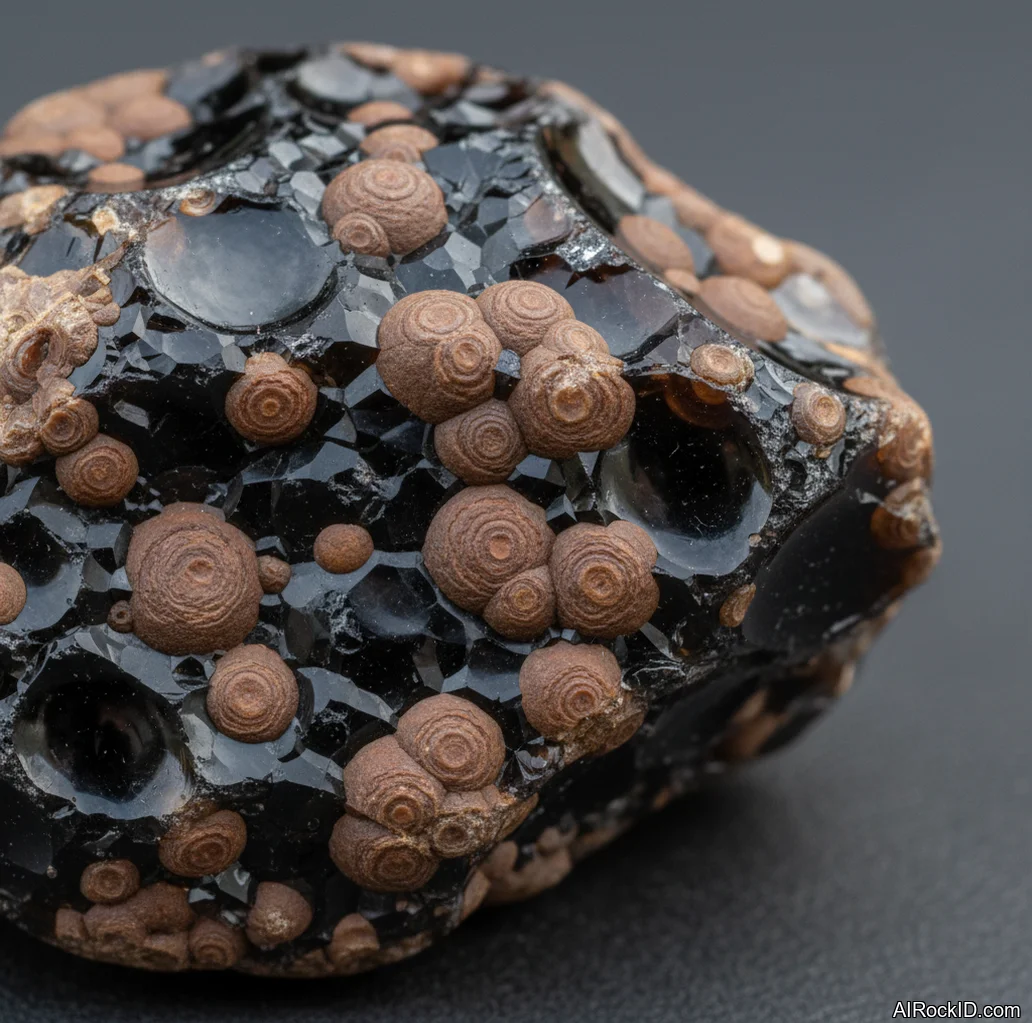
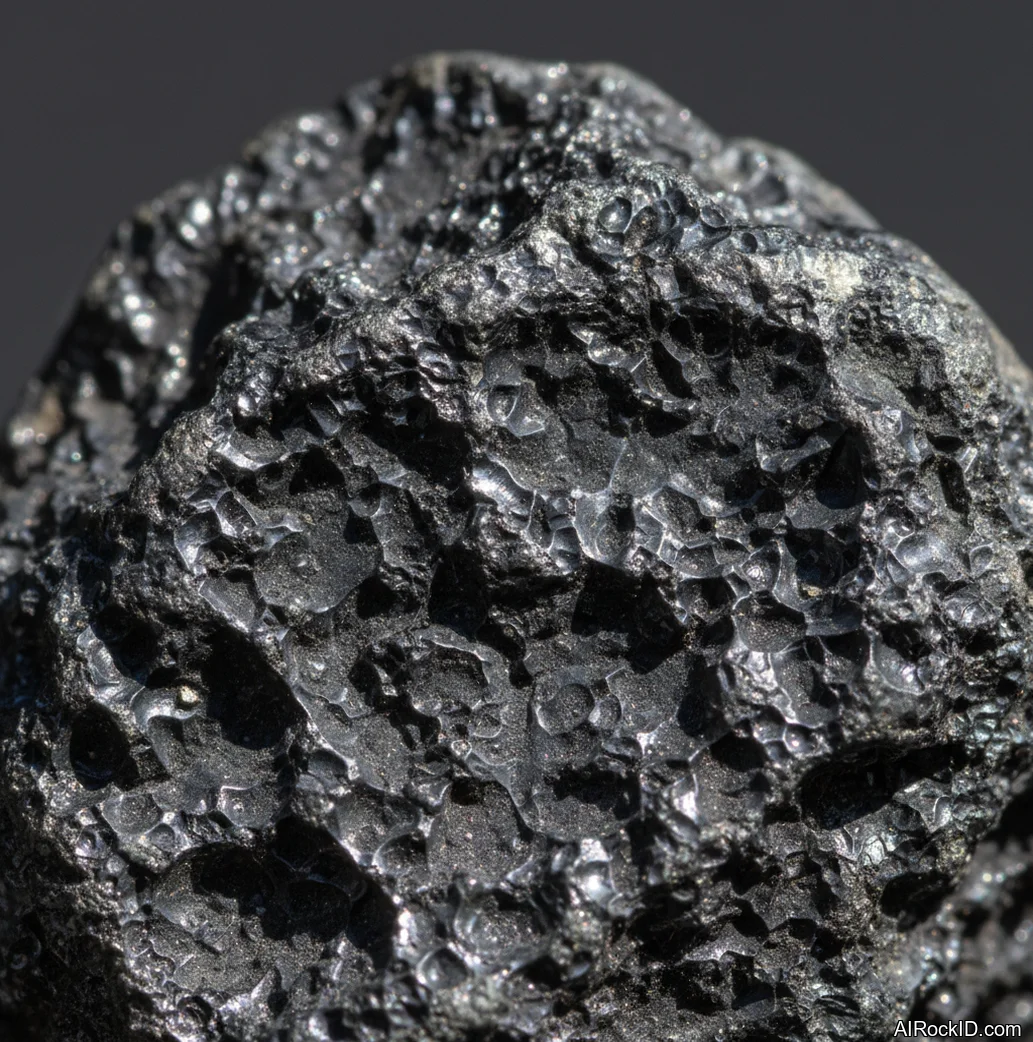
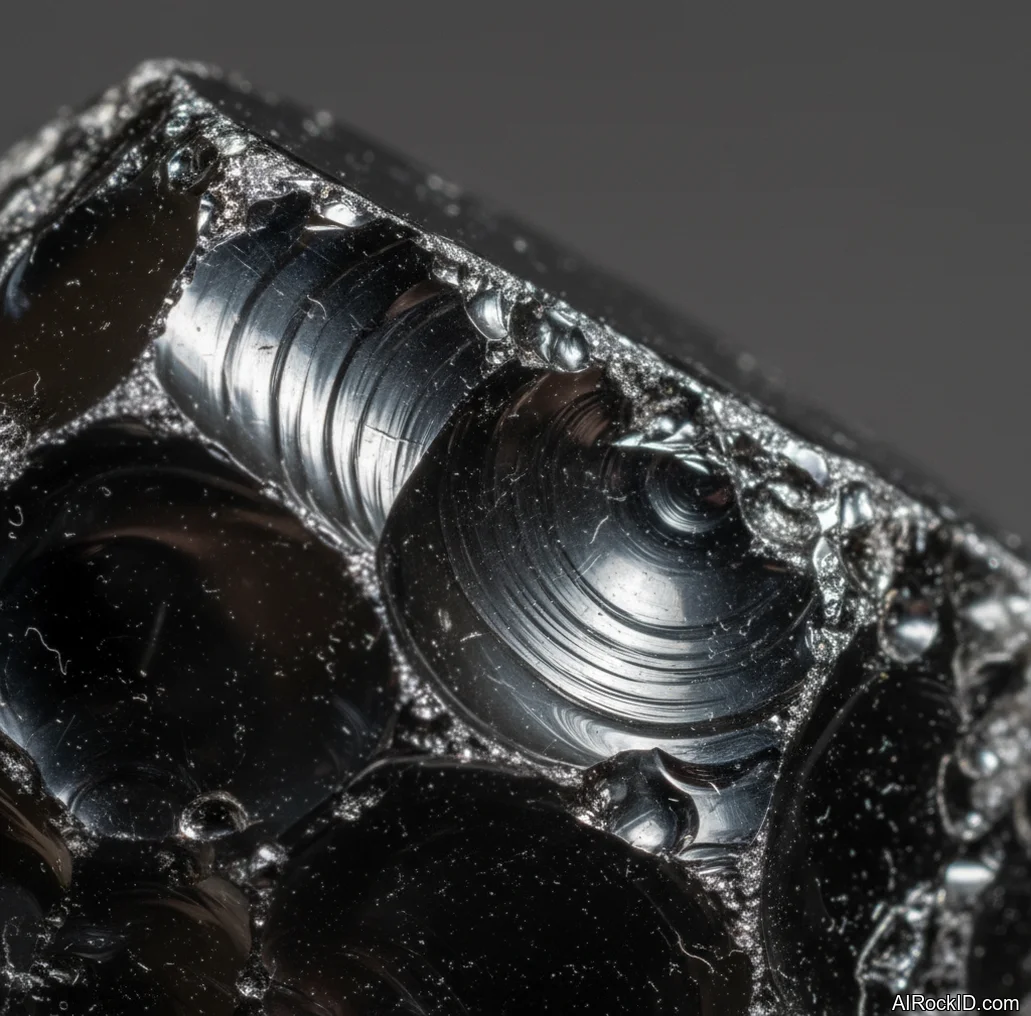
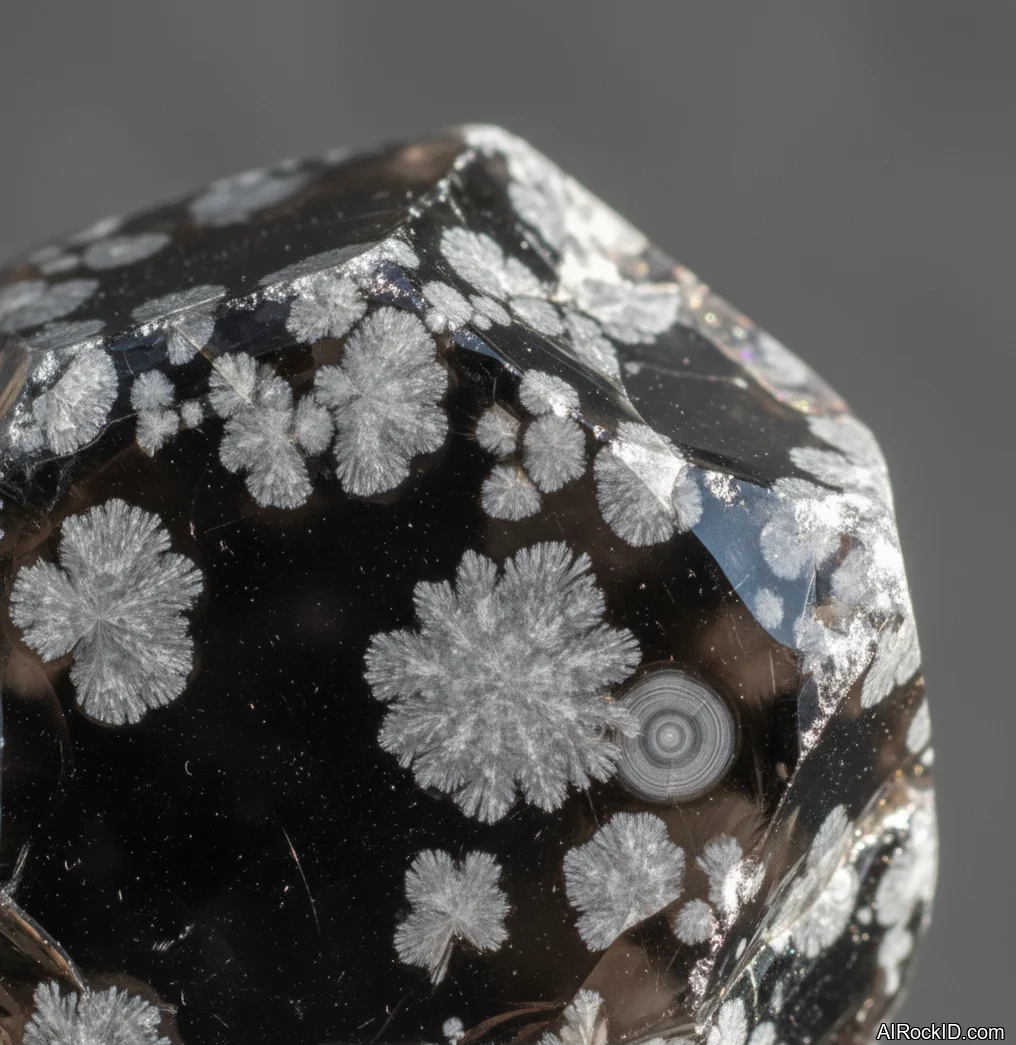
- Obsidian: A volcanic glass with a glassy luster and conchoidal fracture, not a crystalline mineral.
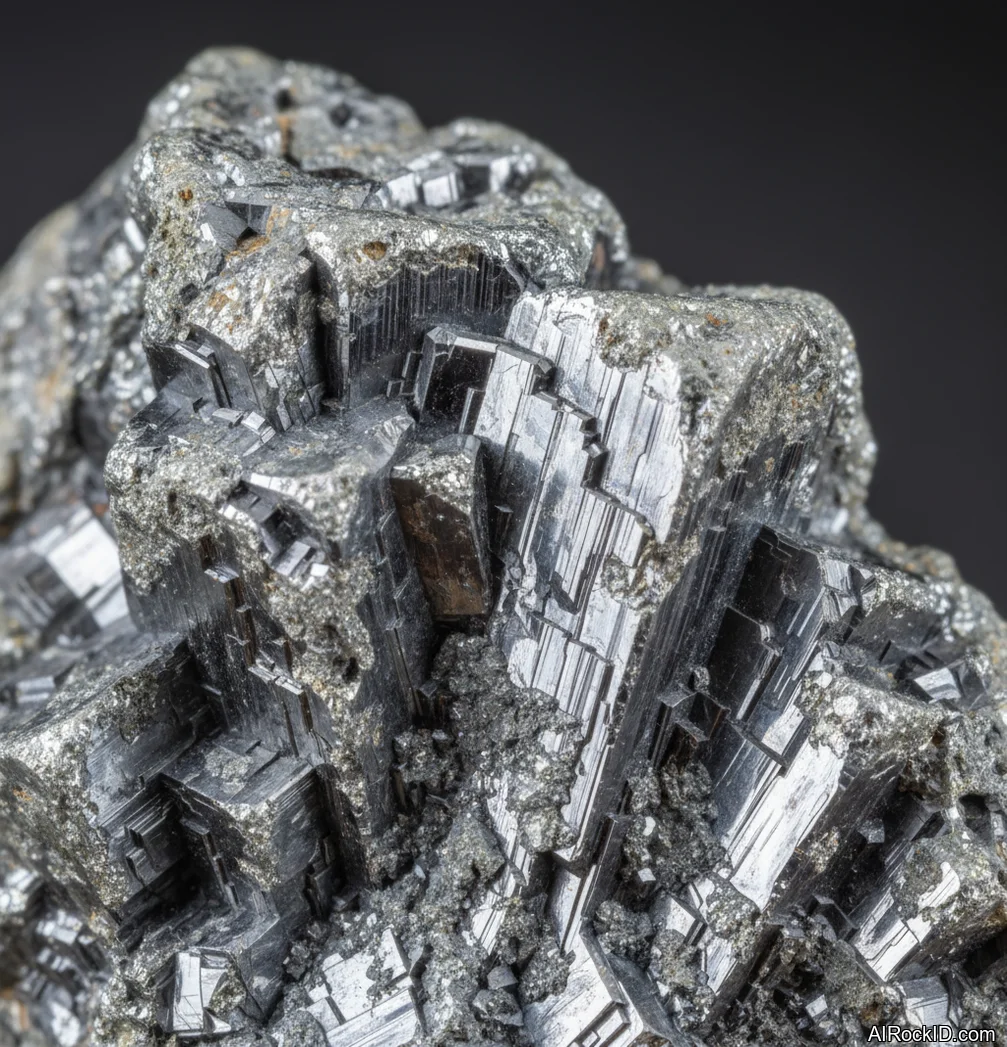
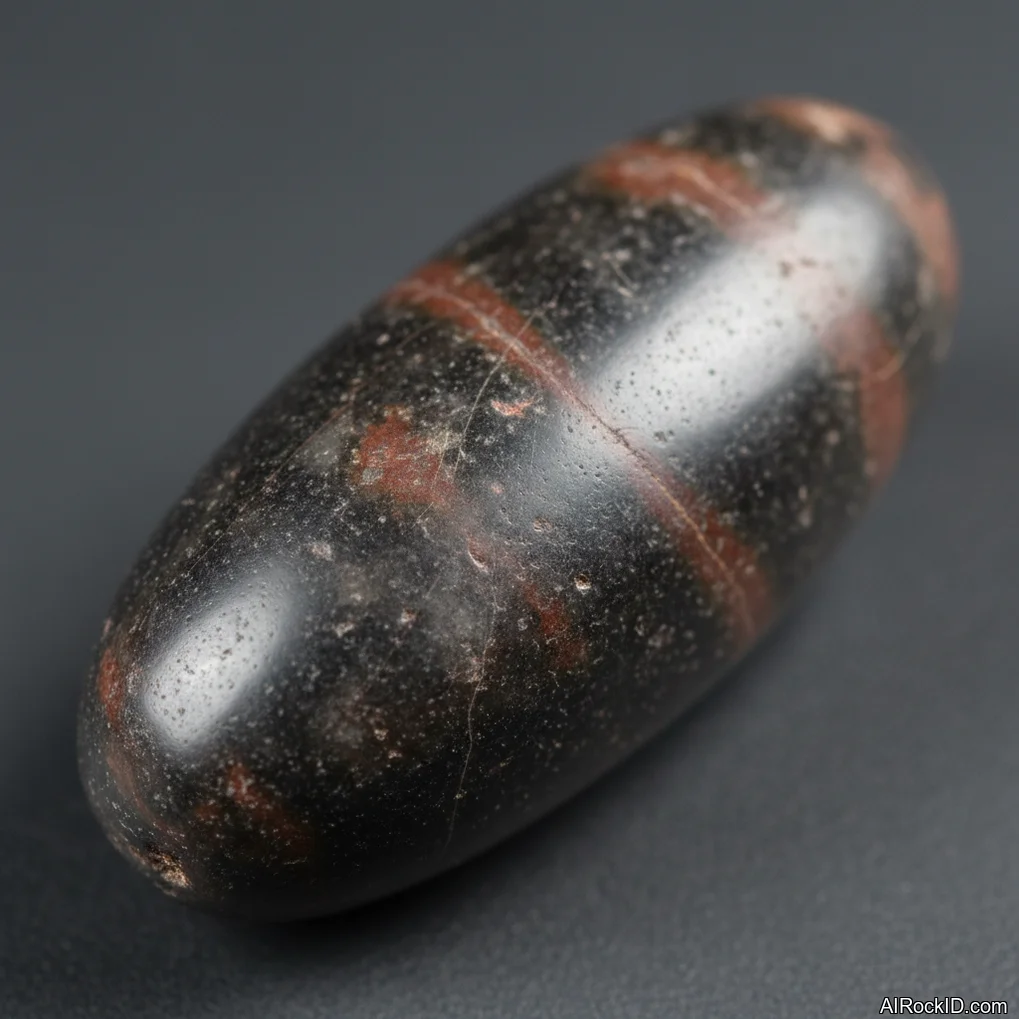
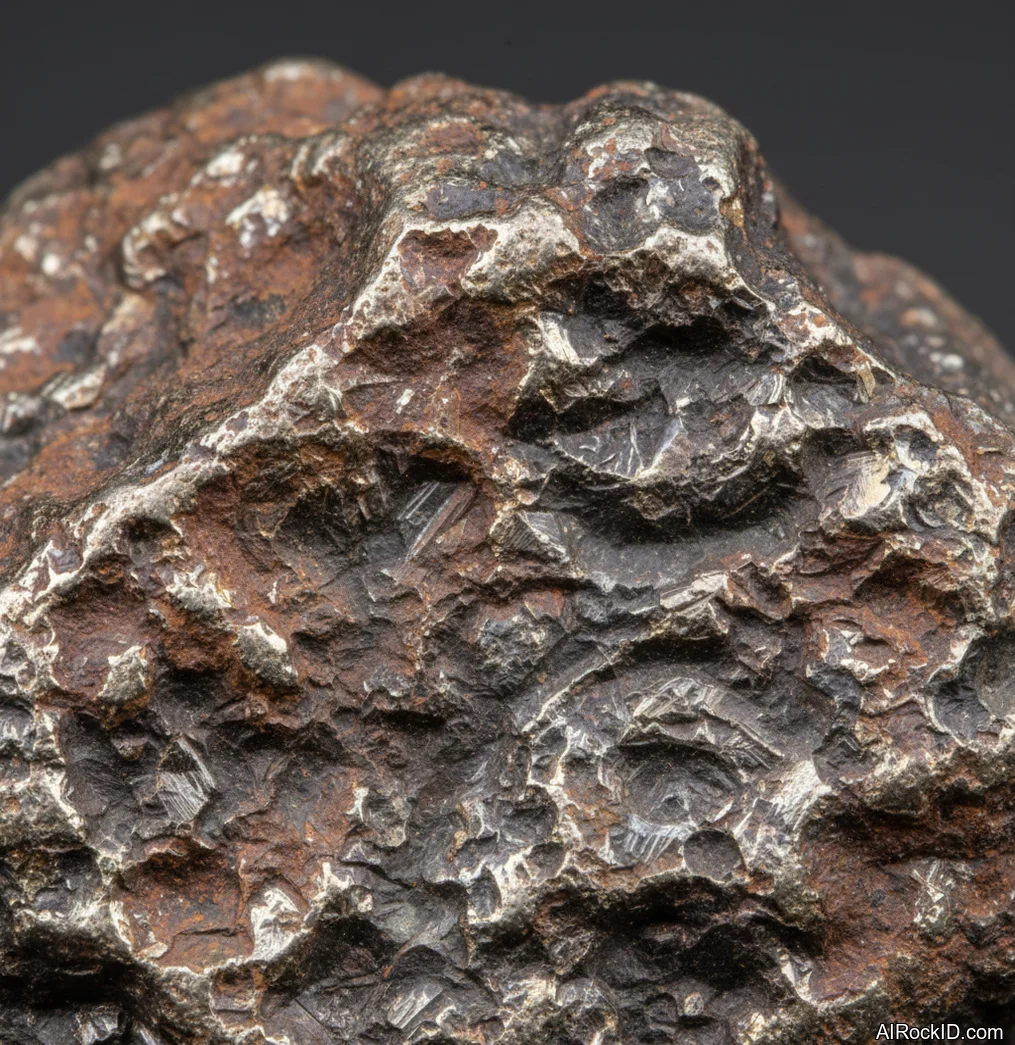
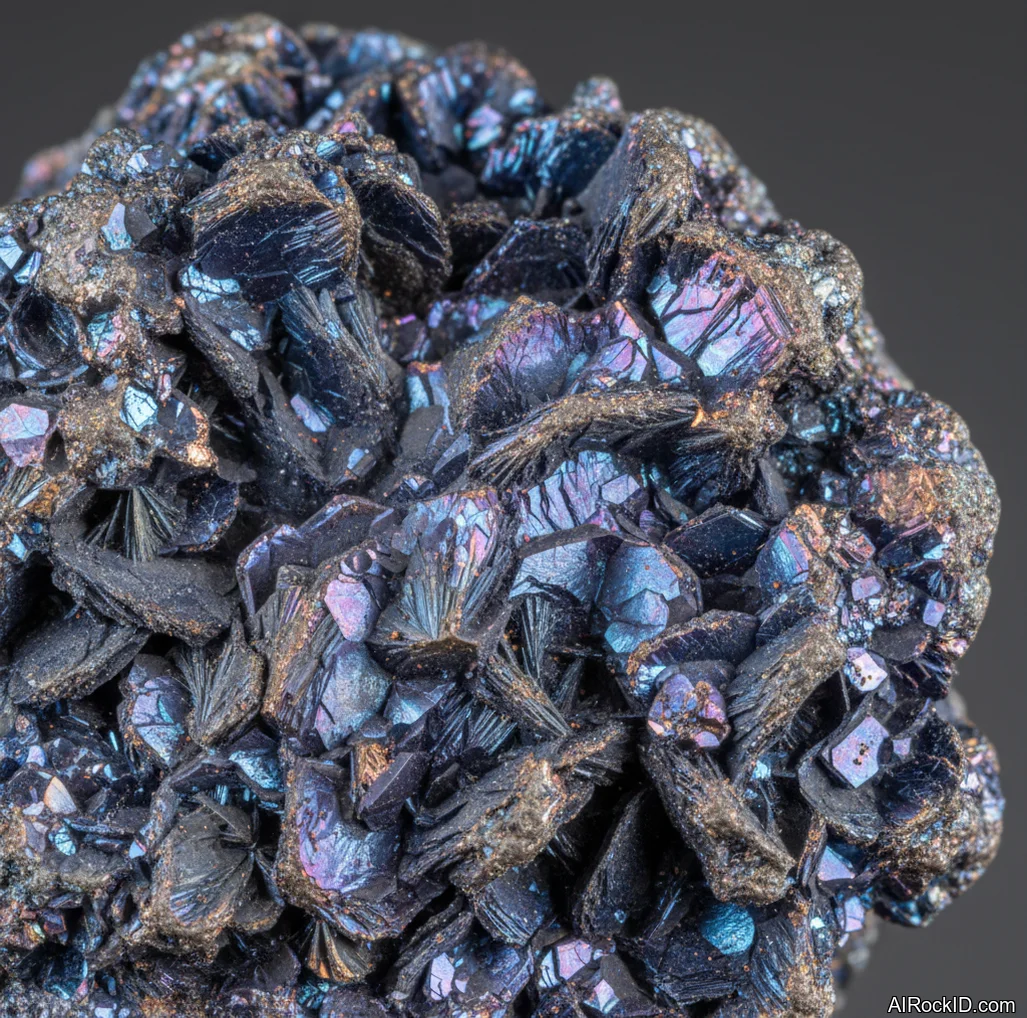
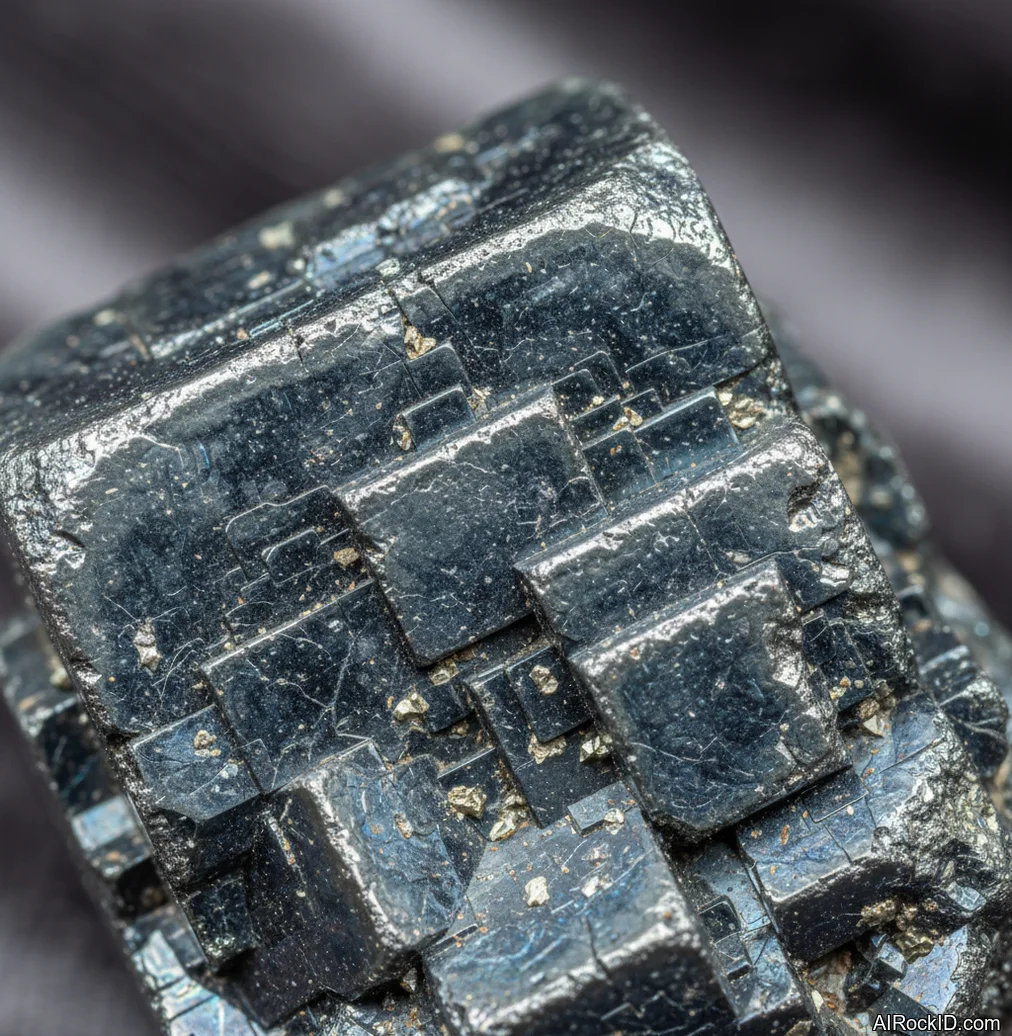
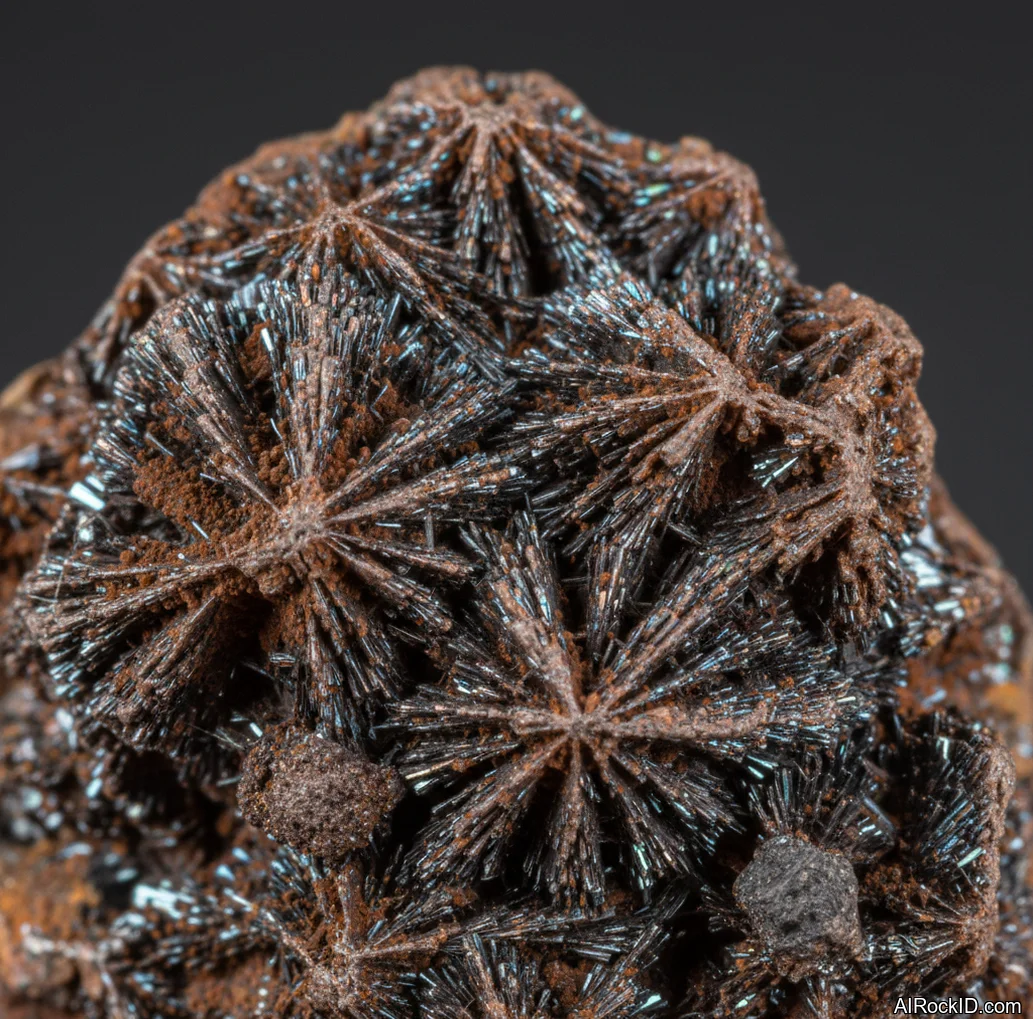
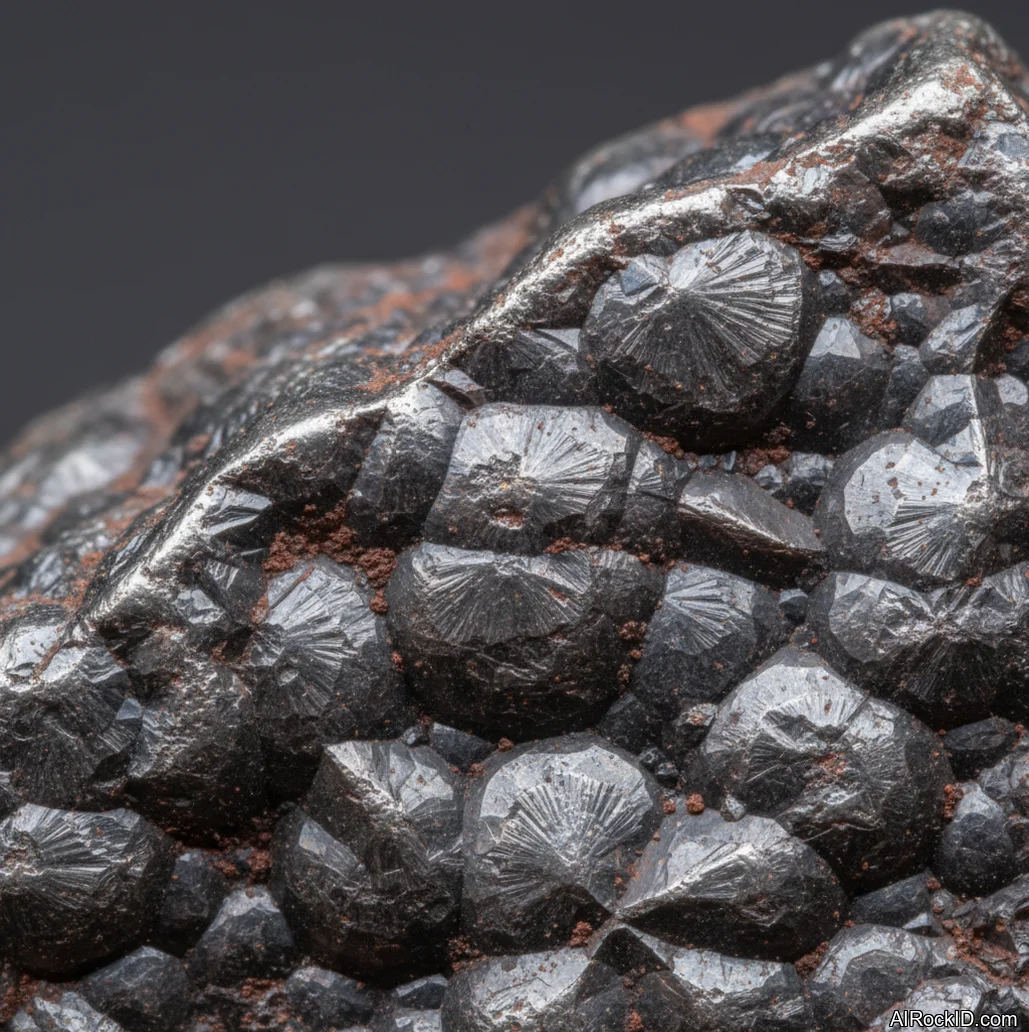
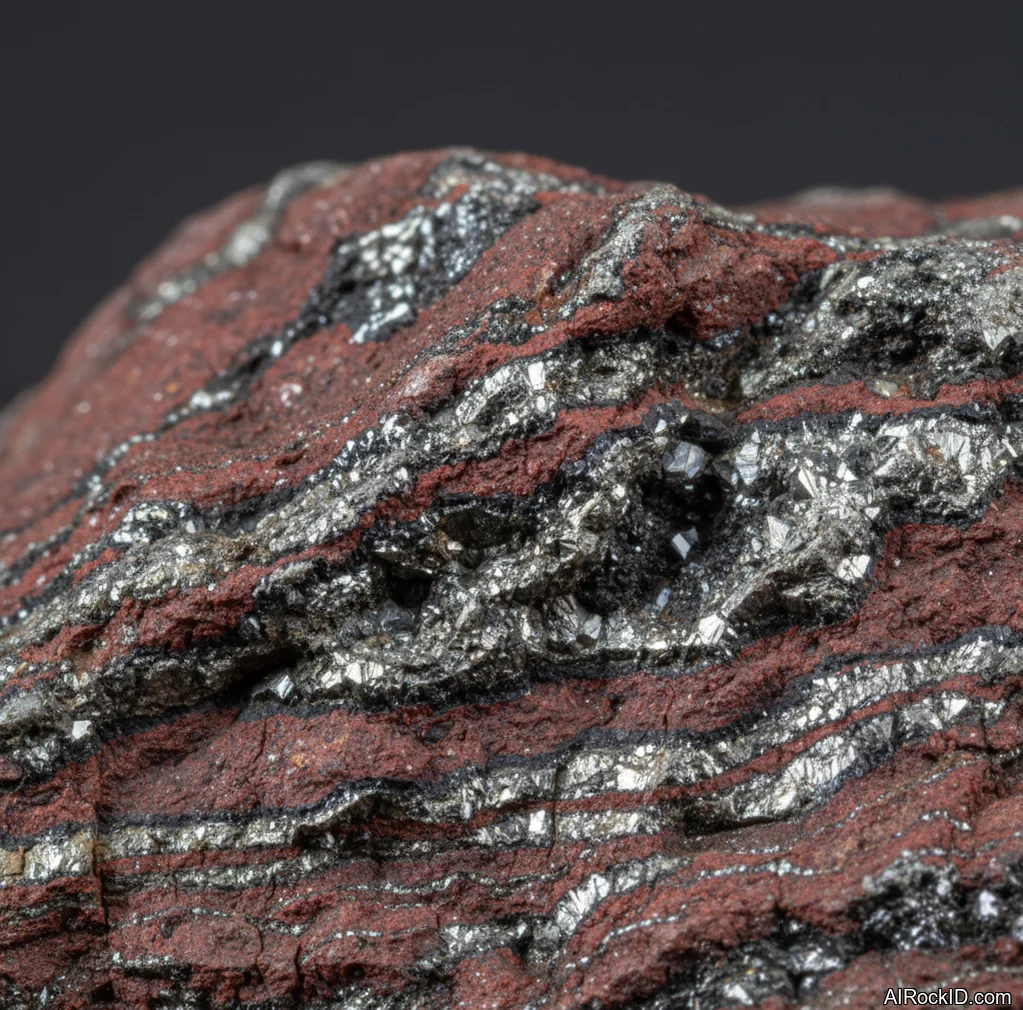
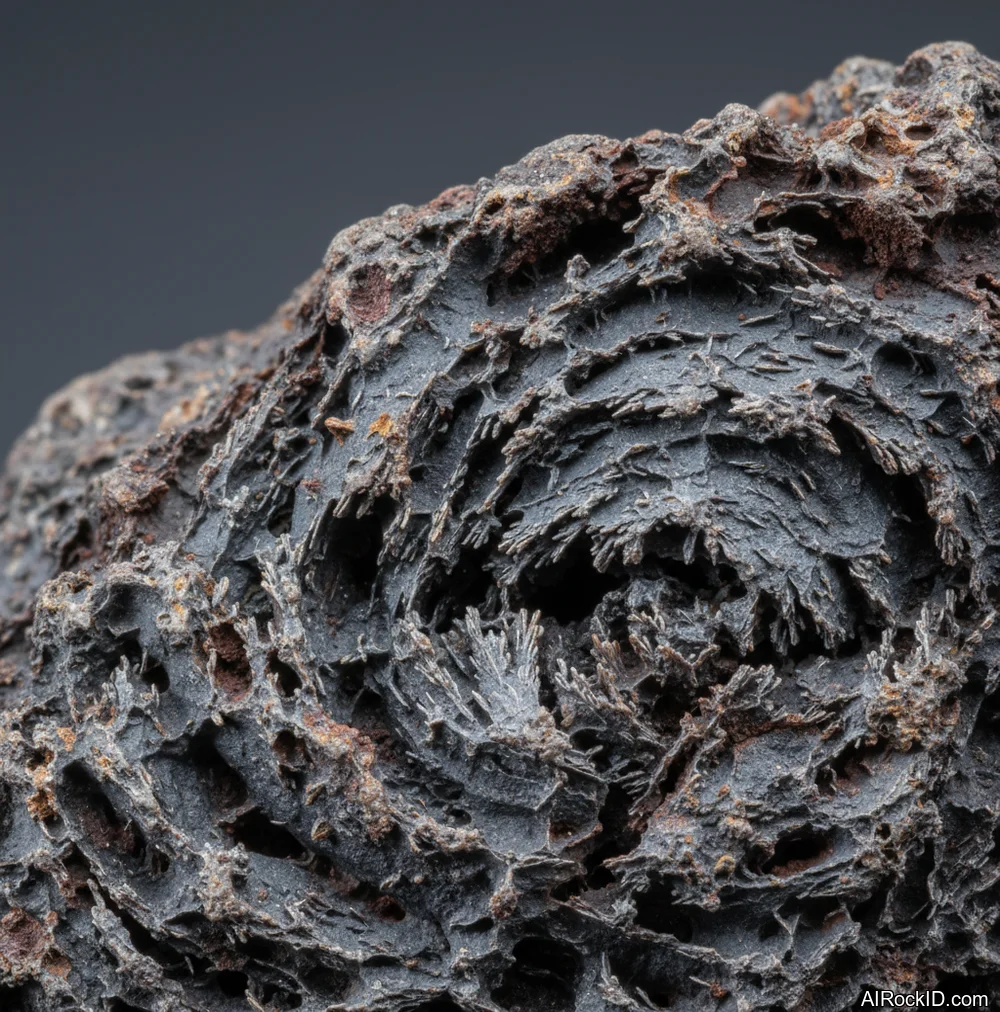
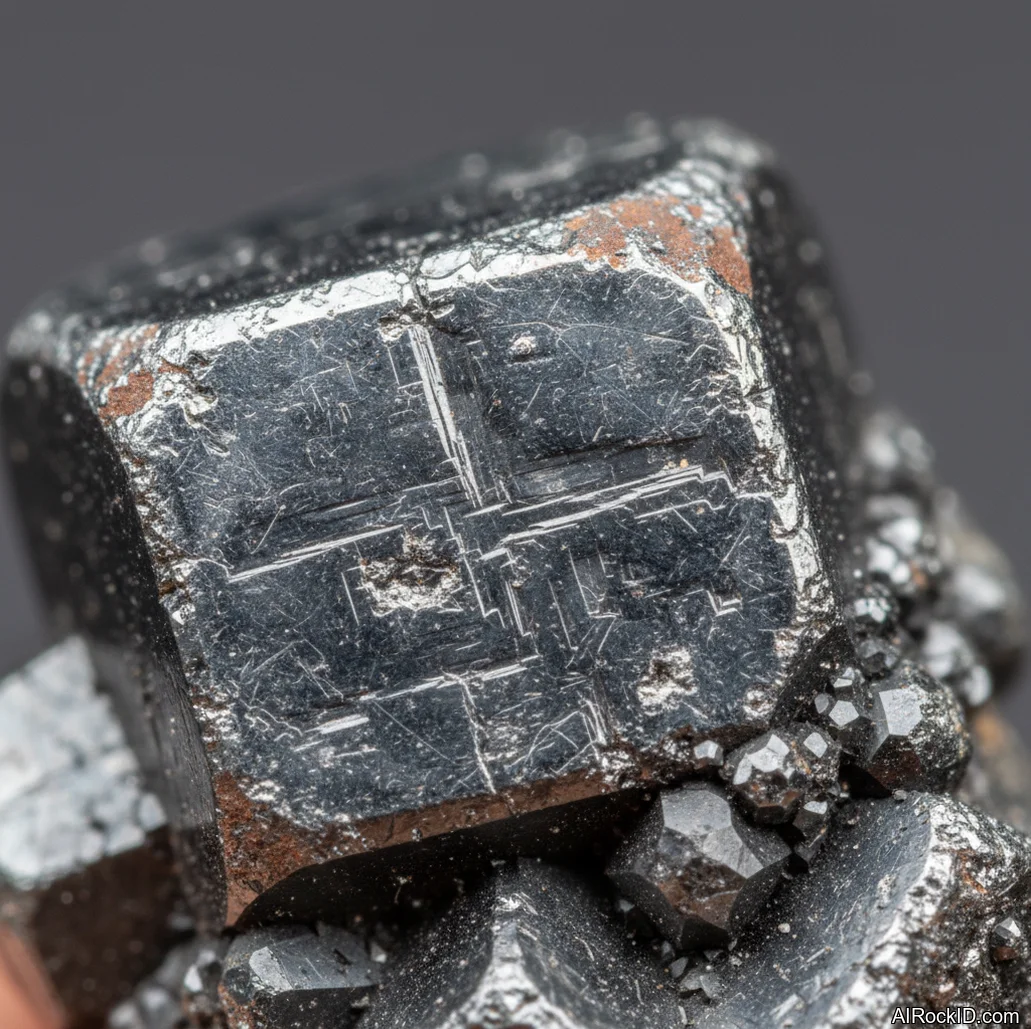
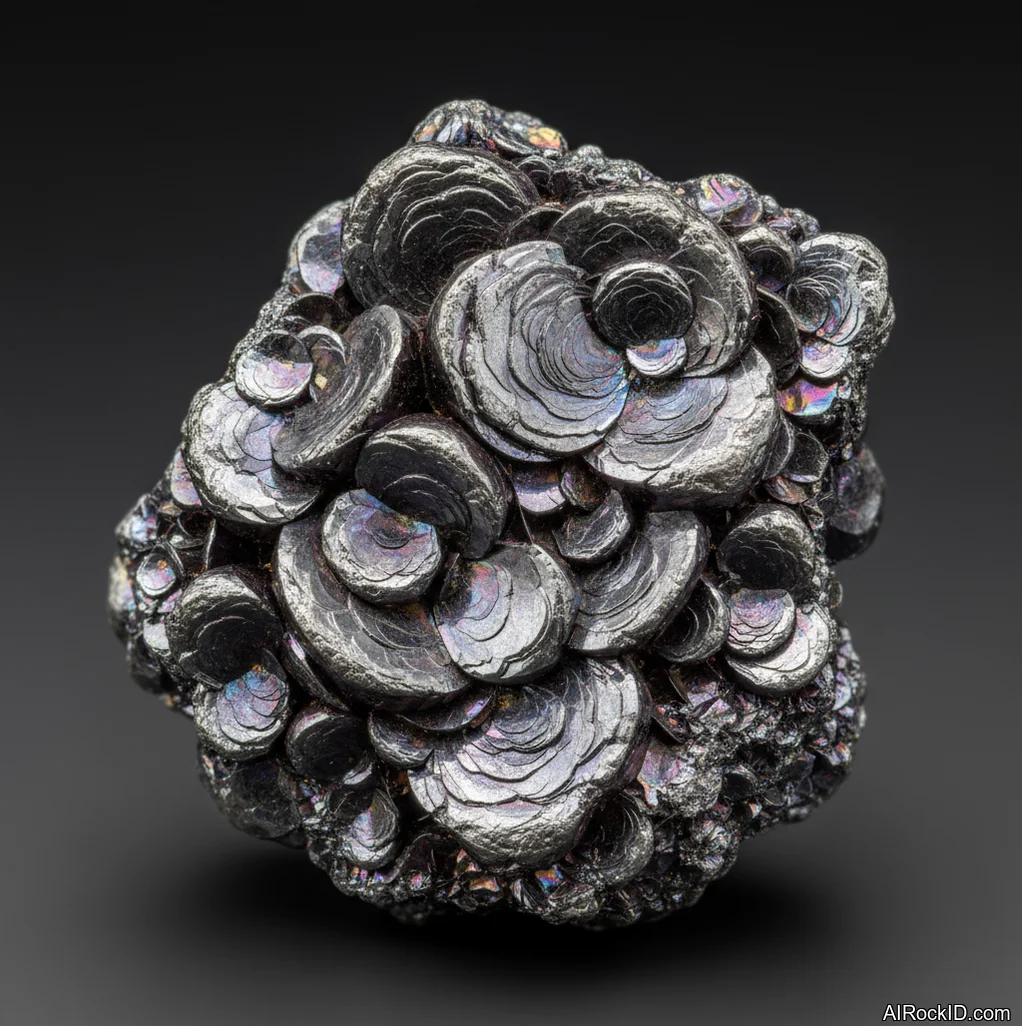
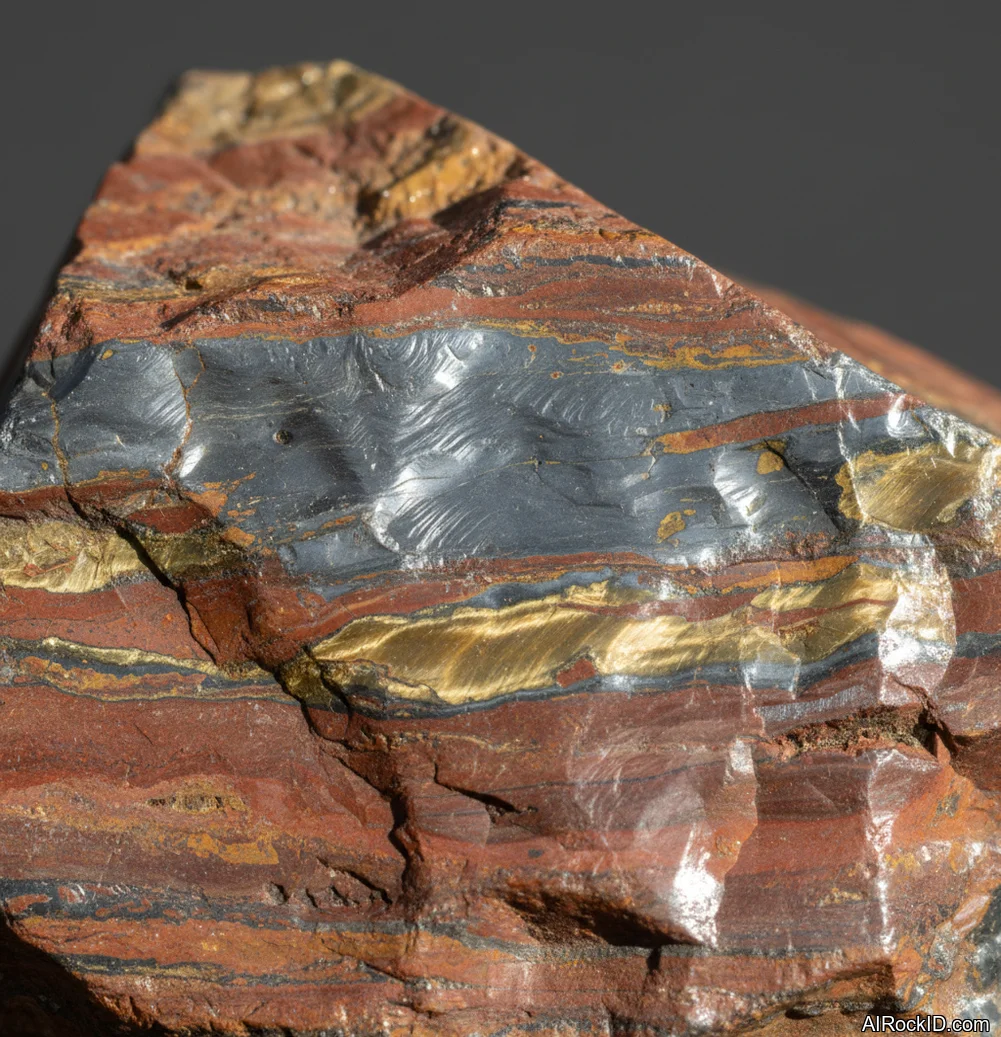
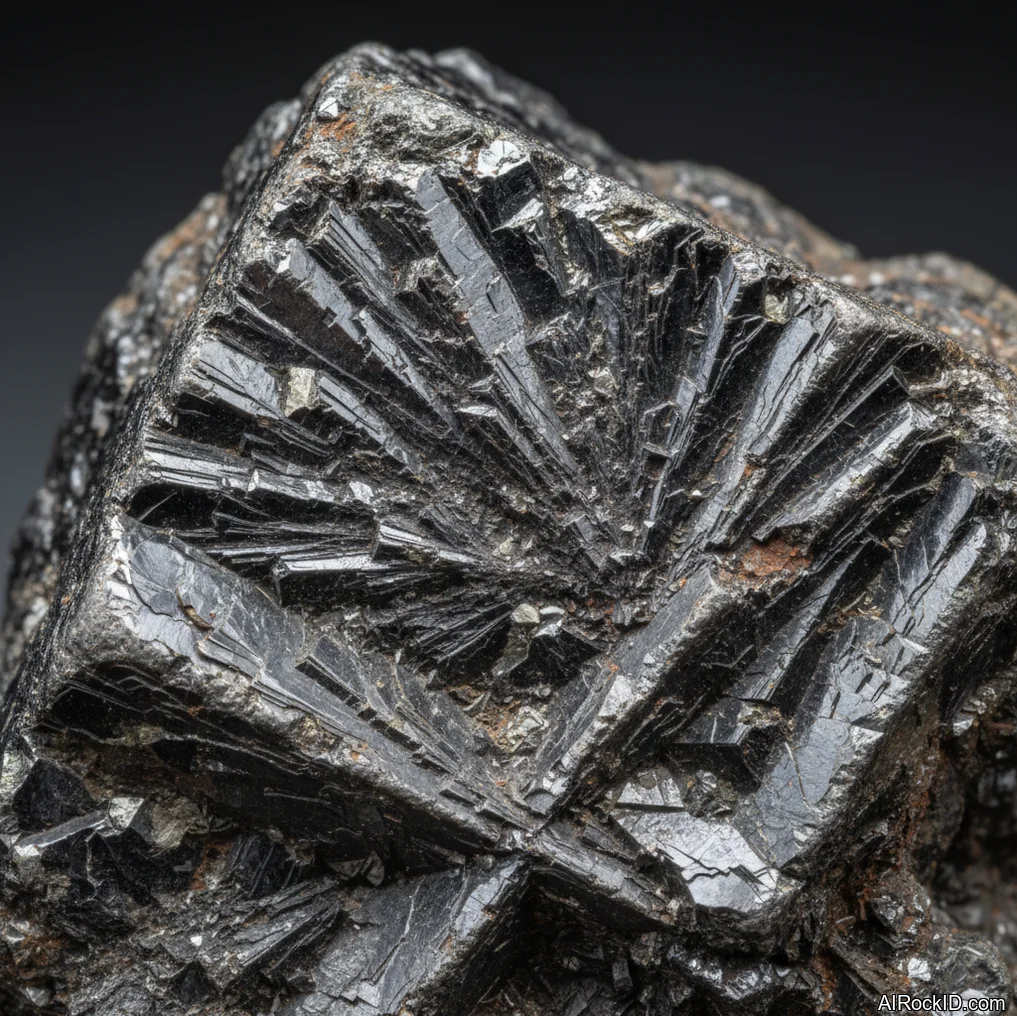
- Hematite: Often metallic gray with a reddish-brown streak, even when the surface looks black or silver.
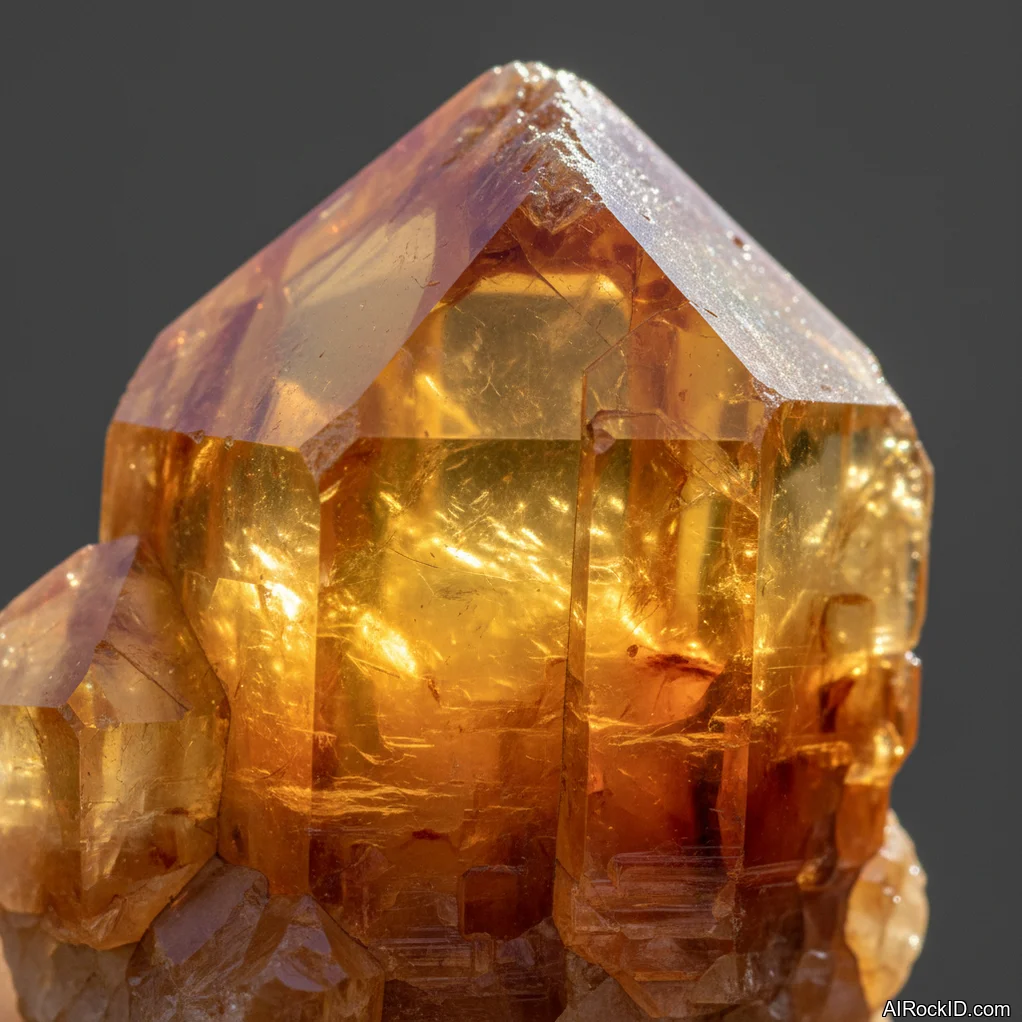
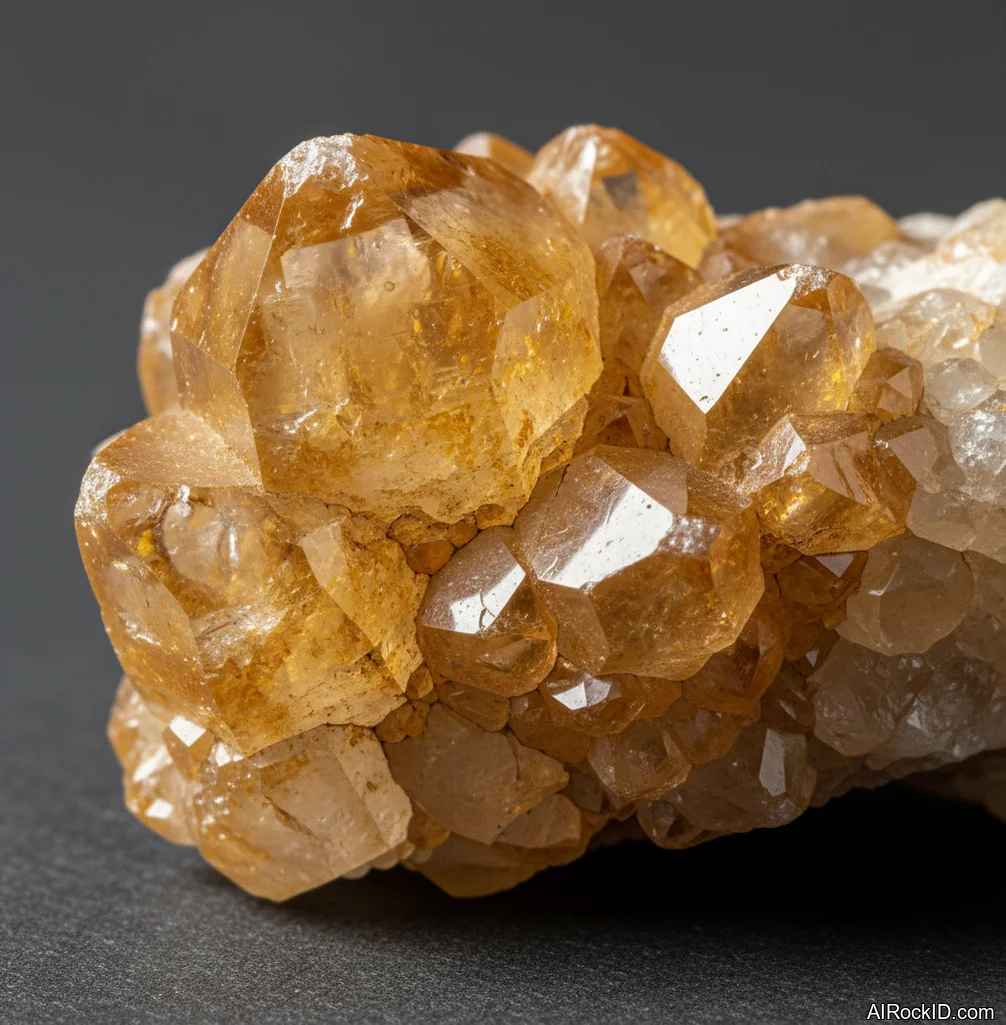
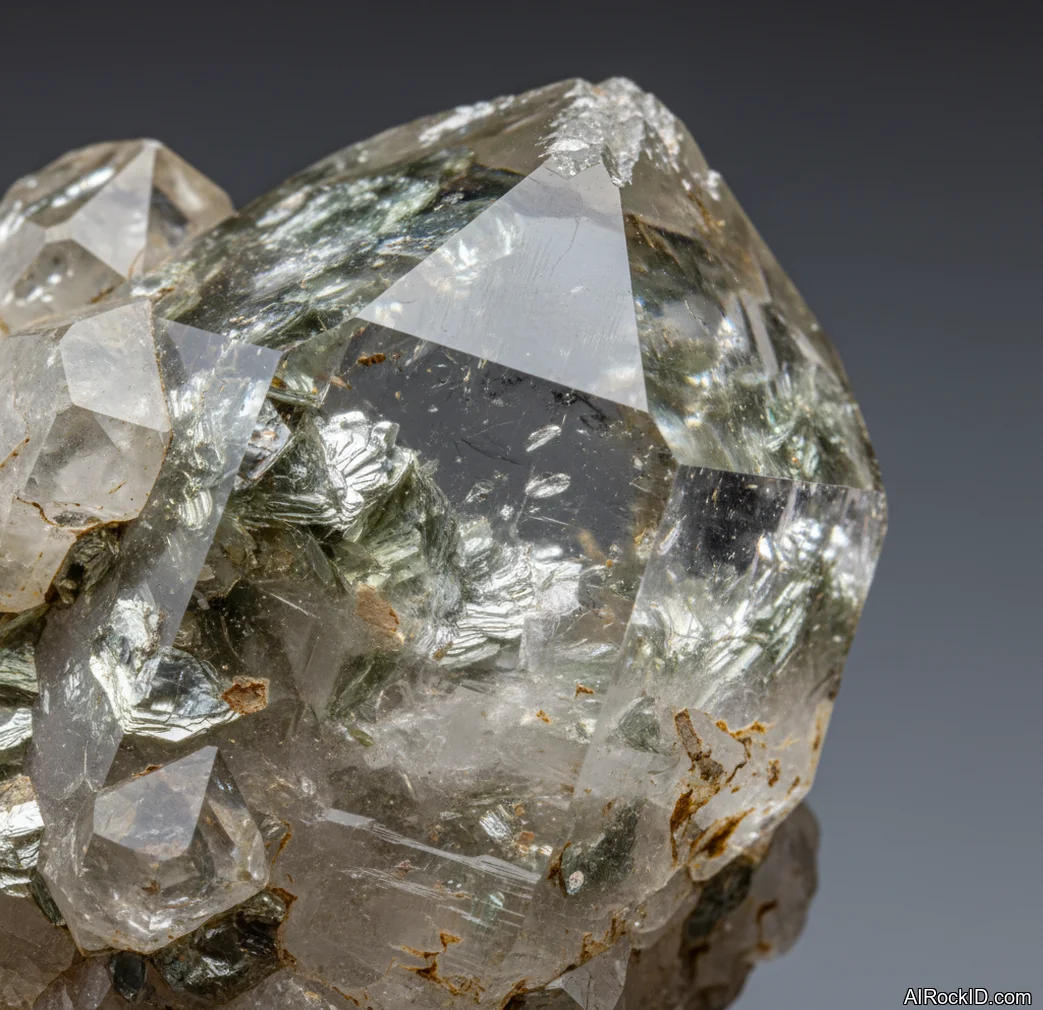
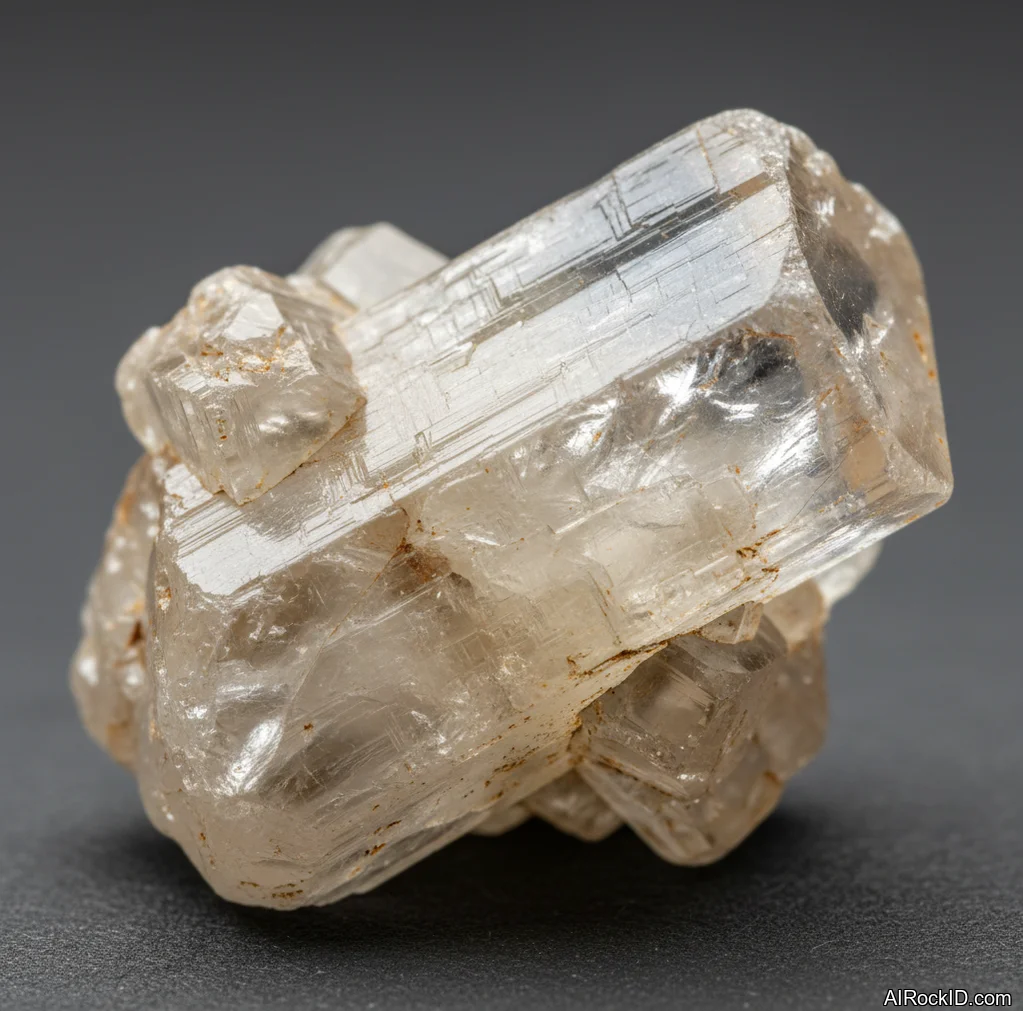
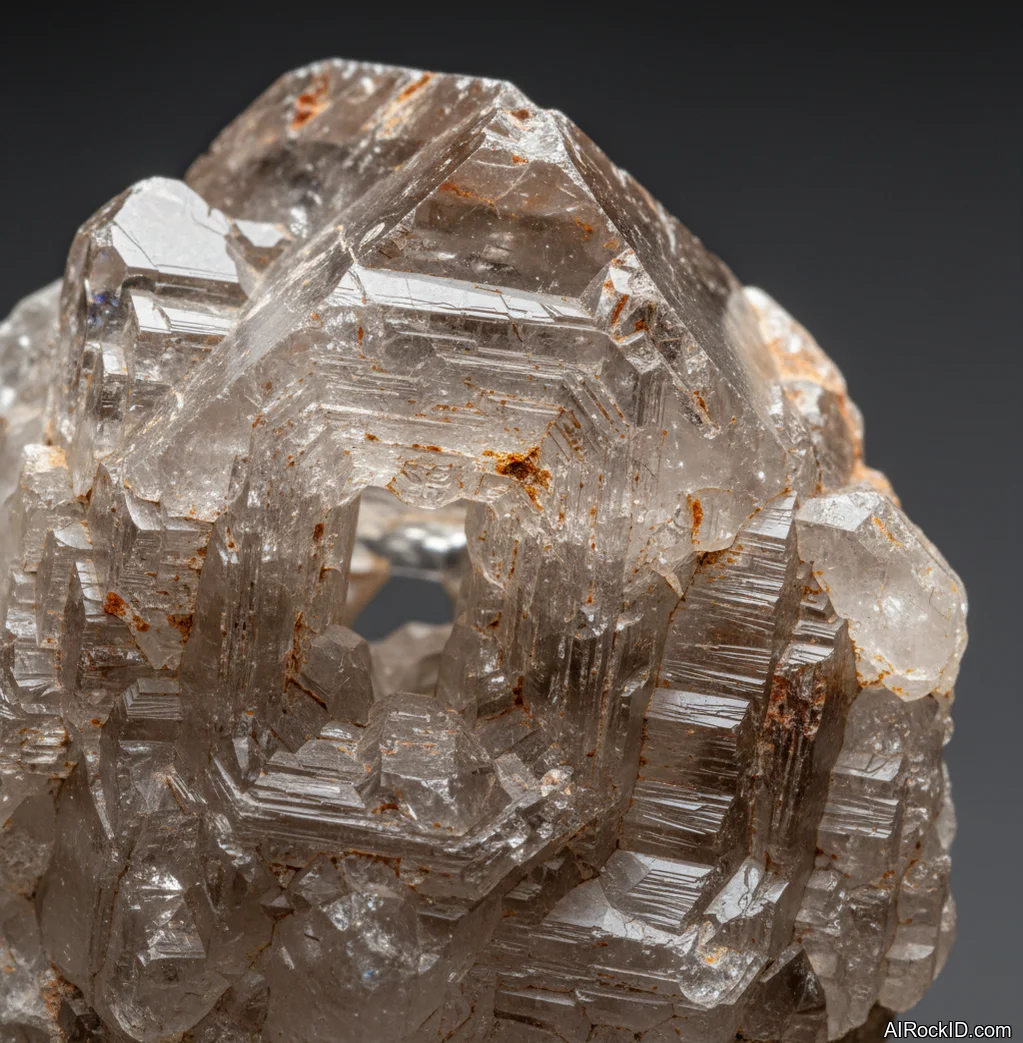
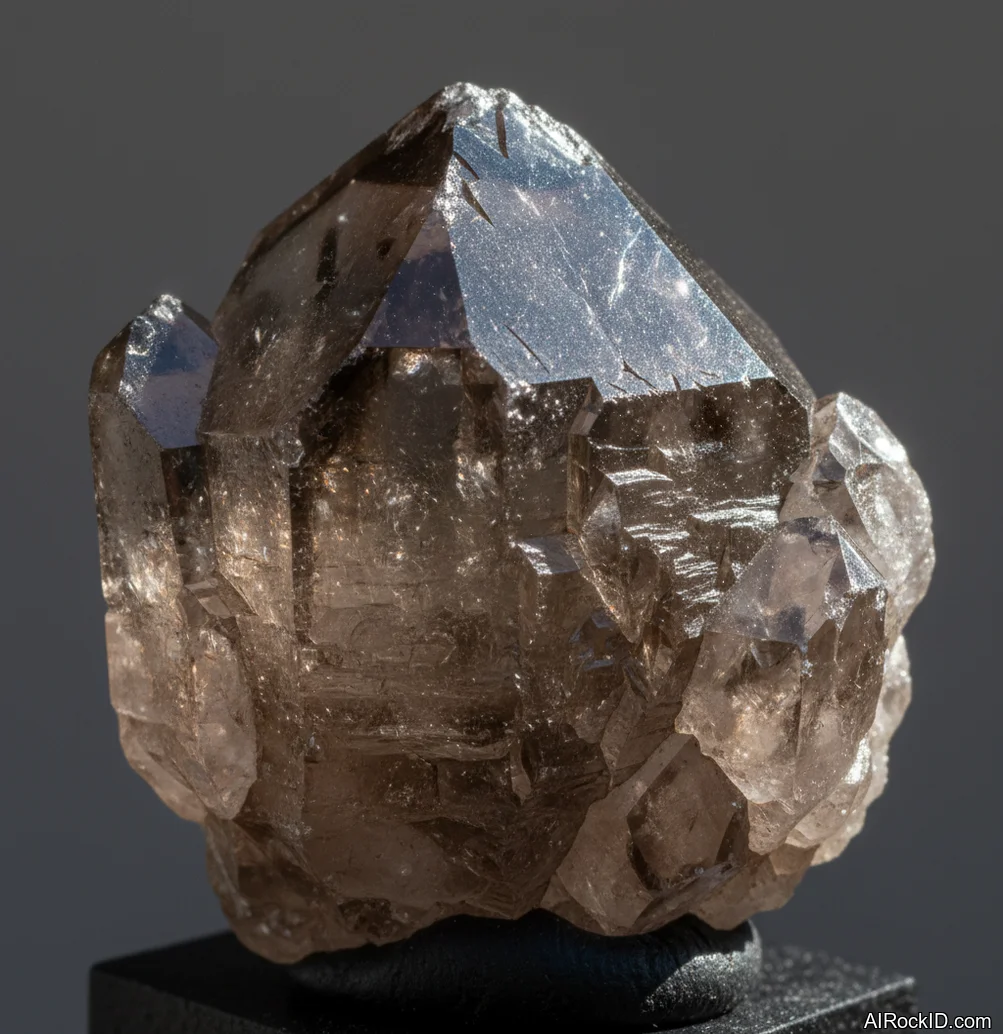
- Smoky Quartz: A transparent to translucent brown or gray quartz, different from opaque black grounding stones.
AI identification confidence
AI identification is usually more reliable when the photo shows the stone in natural light, includes multiple angles, and captures texture, luster, and any visible streak or banding. Results should be treated as a visual match rather than a final mineral test, especially for polished black stones.
When AI gets it wrong
- Polished black stones can hide crystal habit, fracture, and natural surface texture.
- Dyed agate, coated quartz, or glass may resemble naturally dark grounding stones.
- Lighting can make smoky, brown, green, or gray stones appear black.
- Heavy metallic-looking stones may require a streak test, magnet check, or density comparison for better separation.
Final recommendation
Choose grounding crystals by combining identification clues, personal preference, and safe handling rather than relying only on a label. For metaphysical use, treat grounding meanings as part of crystal traditions and not as a replacement for professional care or practical support.
What this category represents
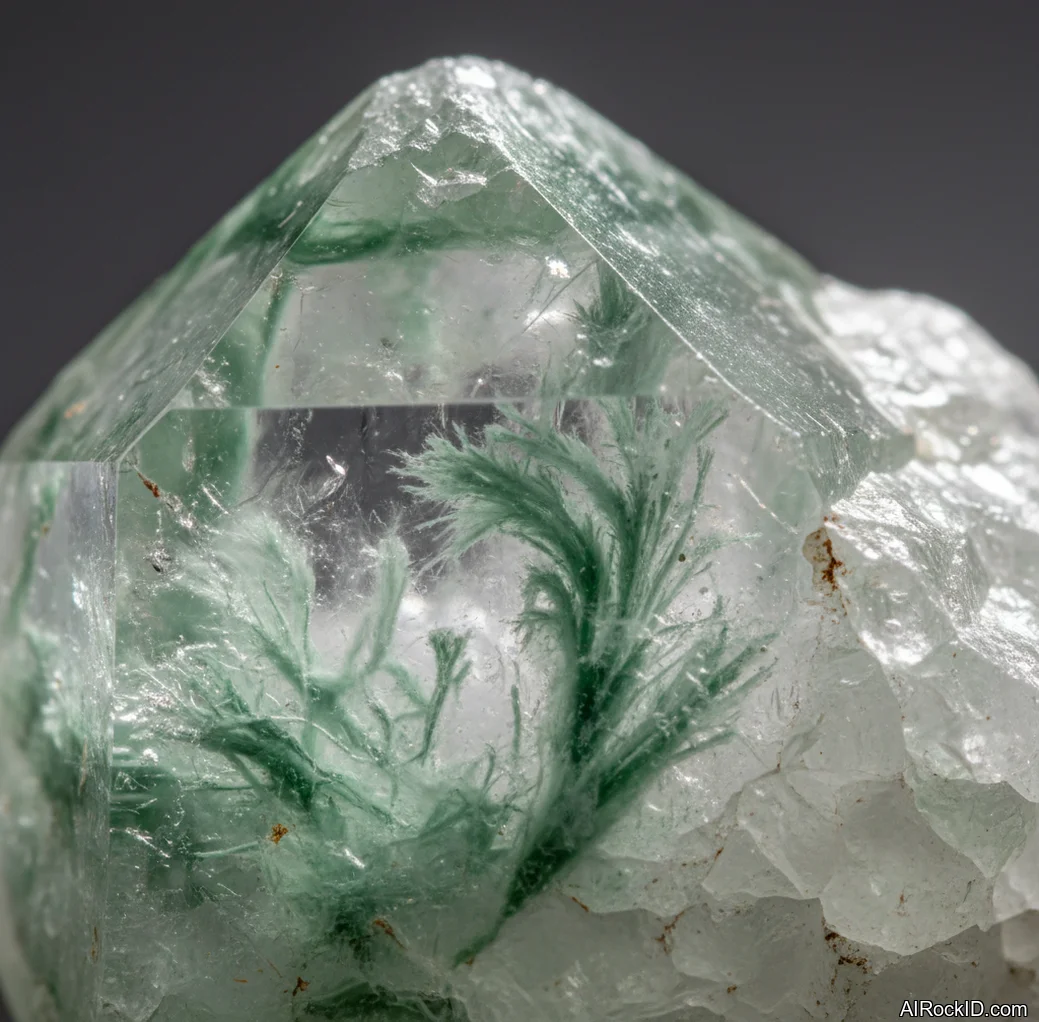
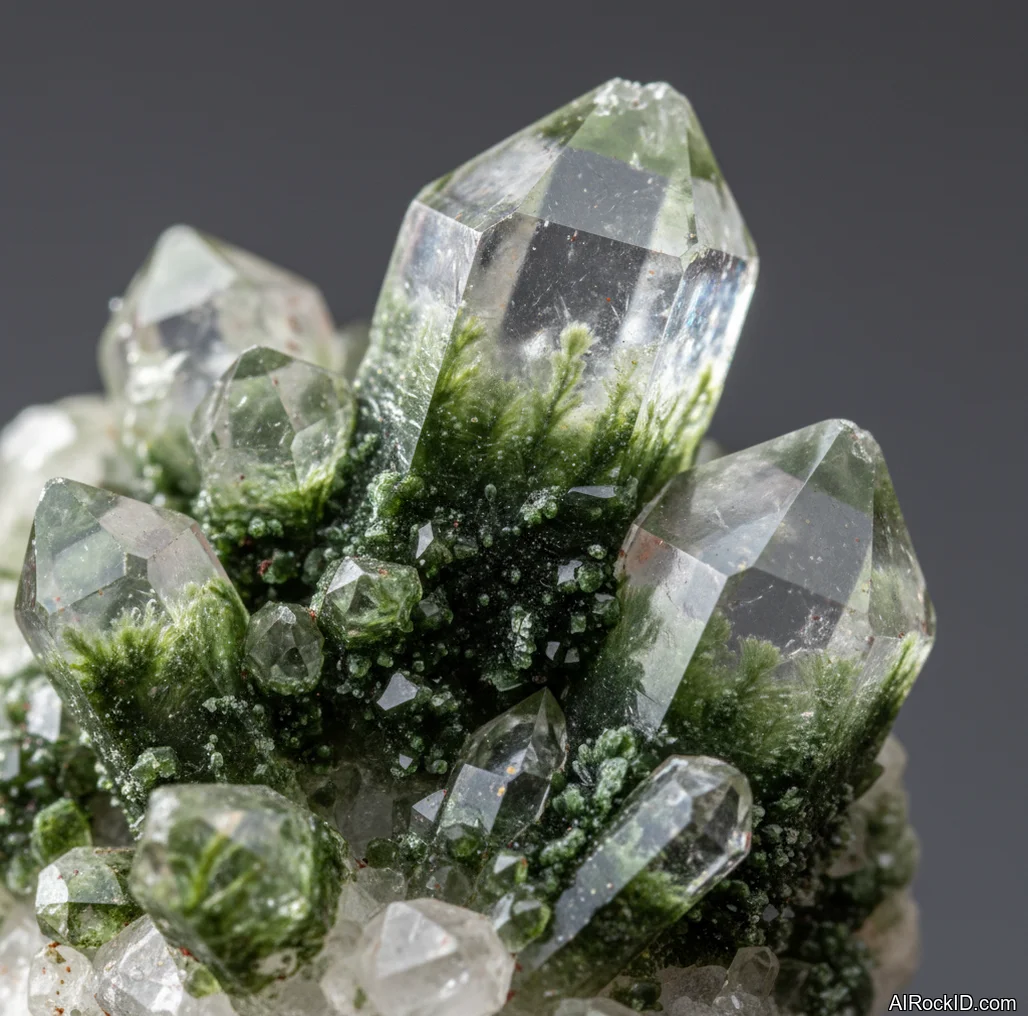
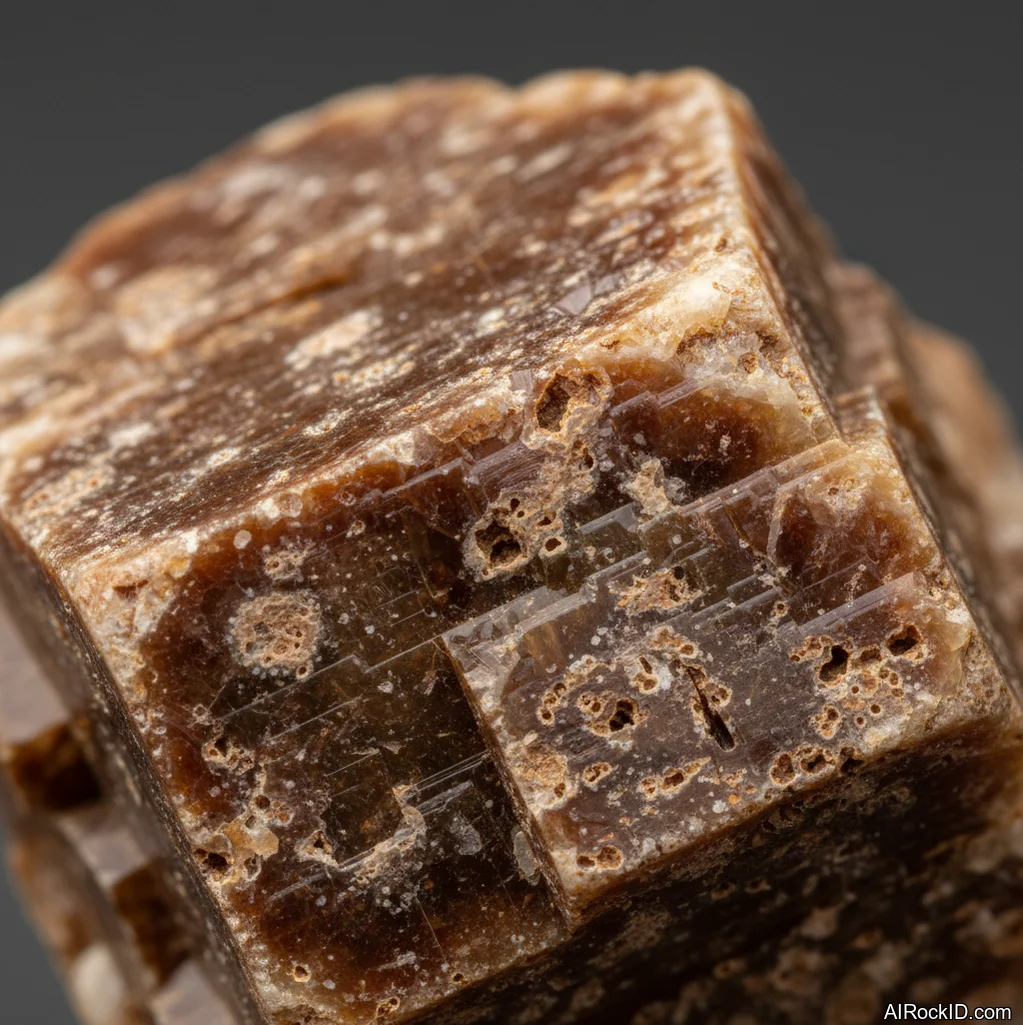
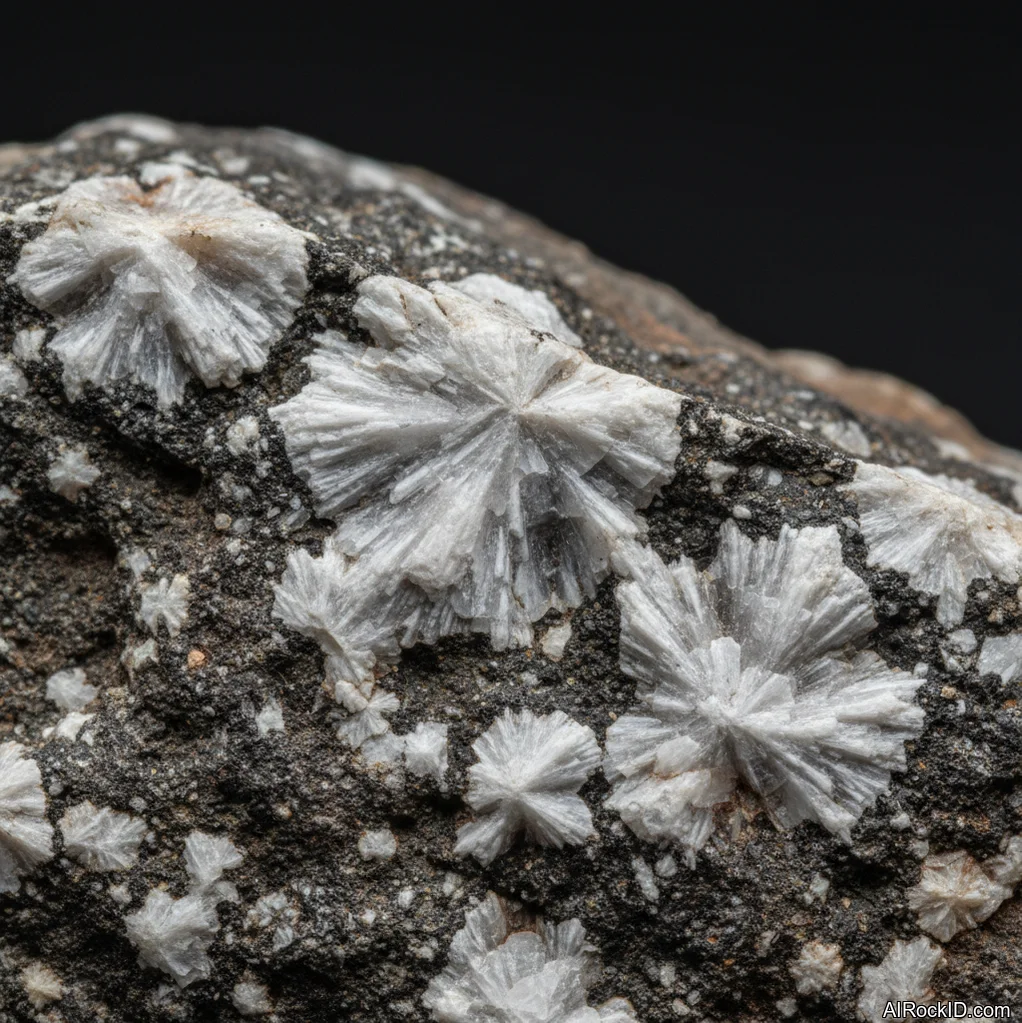
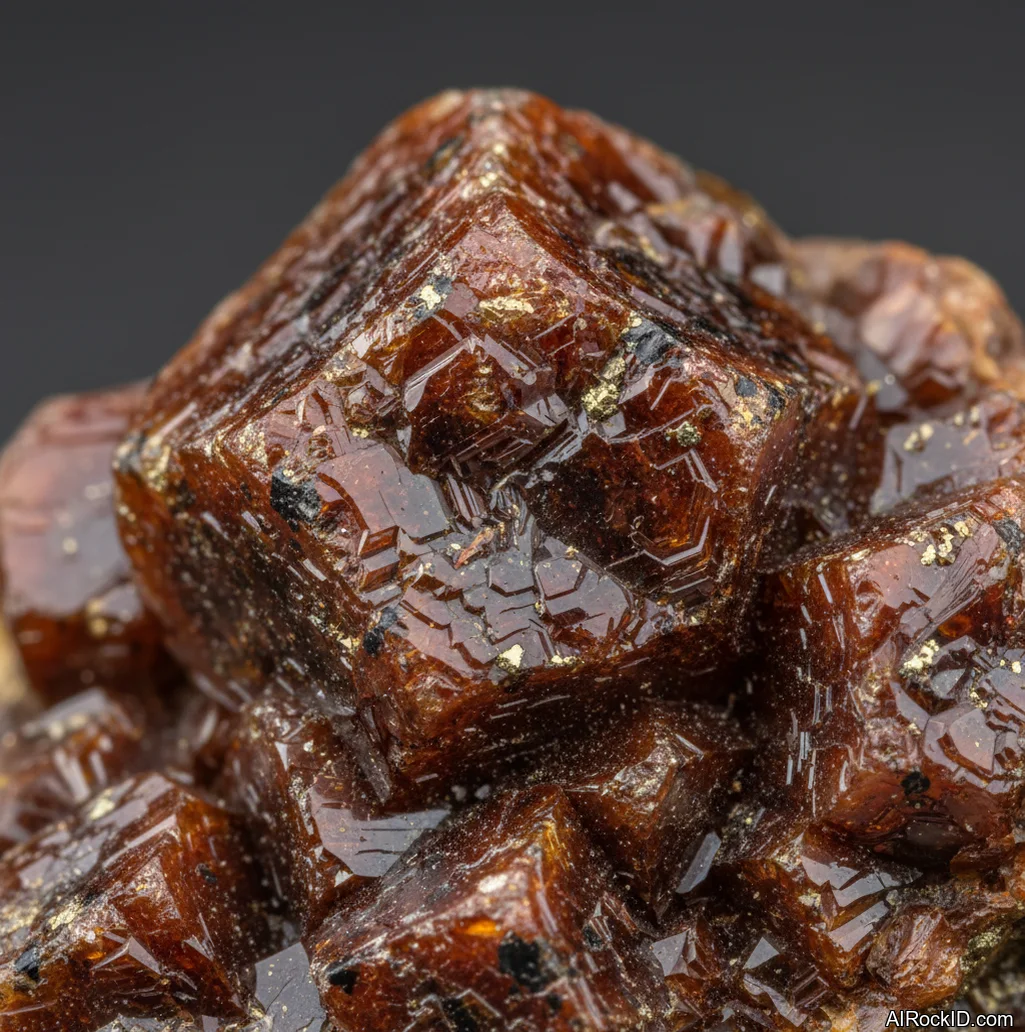
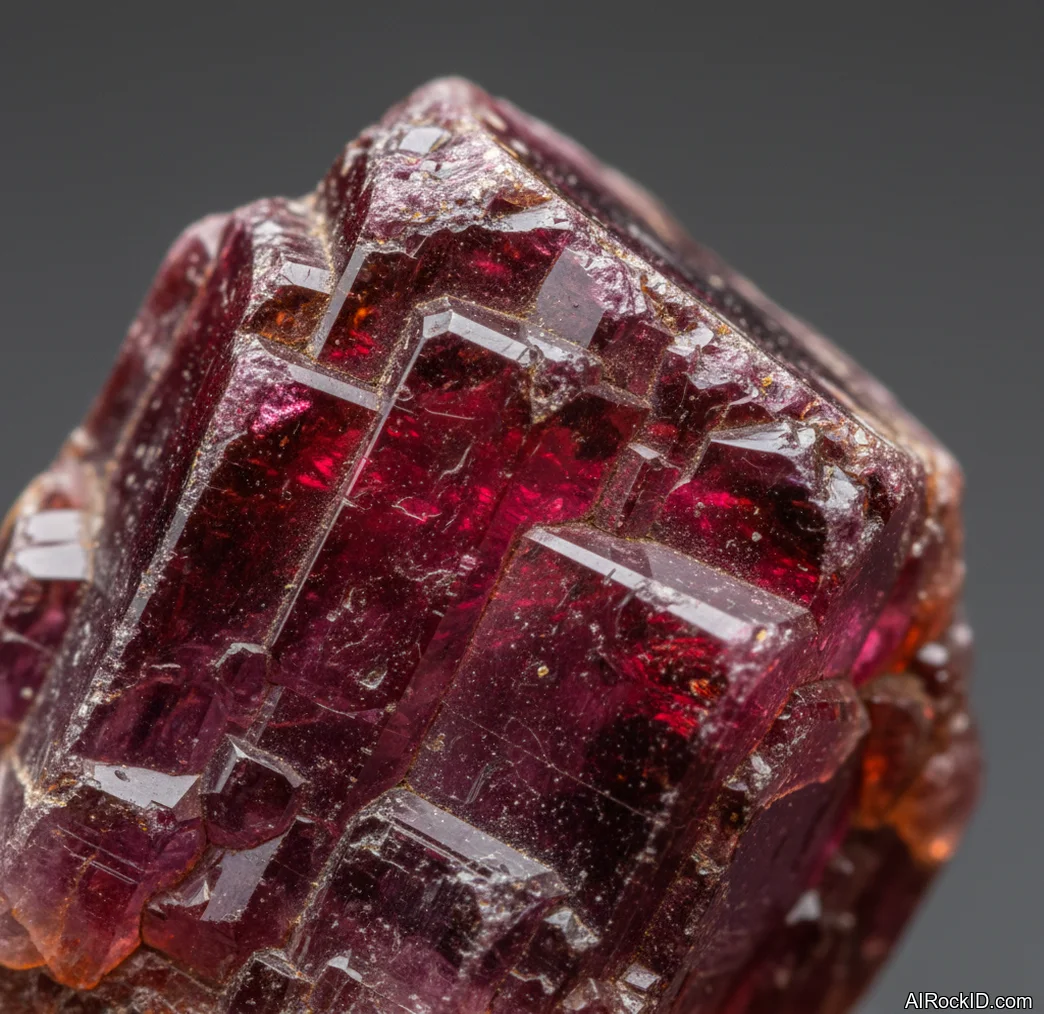
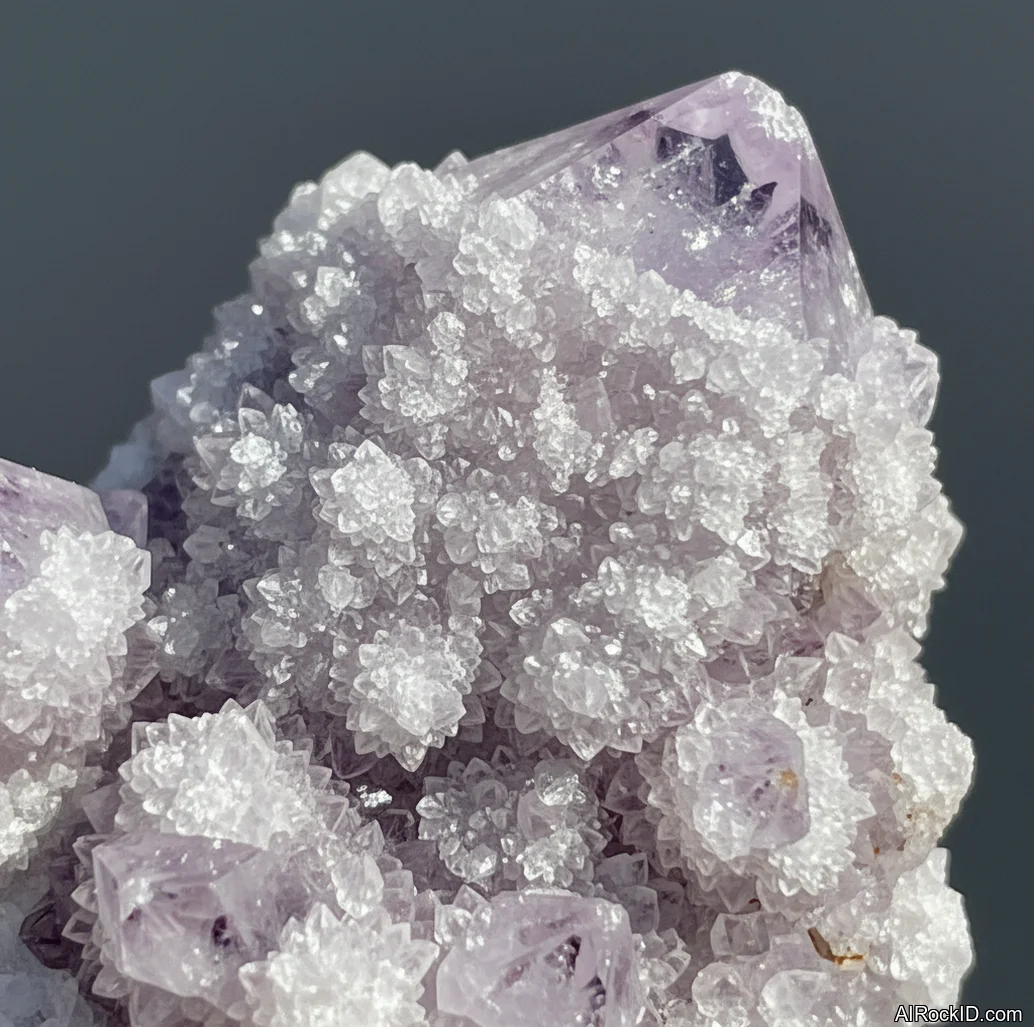
The Grounding tag groups crystals that are commonly associated in crystal traditions with steadiness, presence, protection, and connection to the earth or body. On a tag page, this label helps users browse stones by symbolic use rather than by mineral family, color, or chemical composition.
Beginner recommendations
Advanced recommendations
Grounding Crystals by Color and Texture
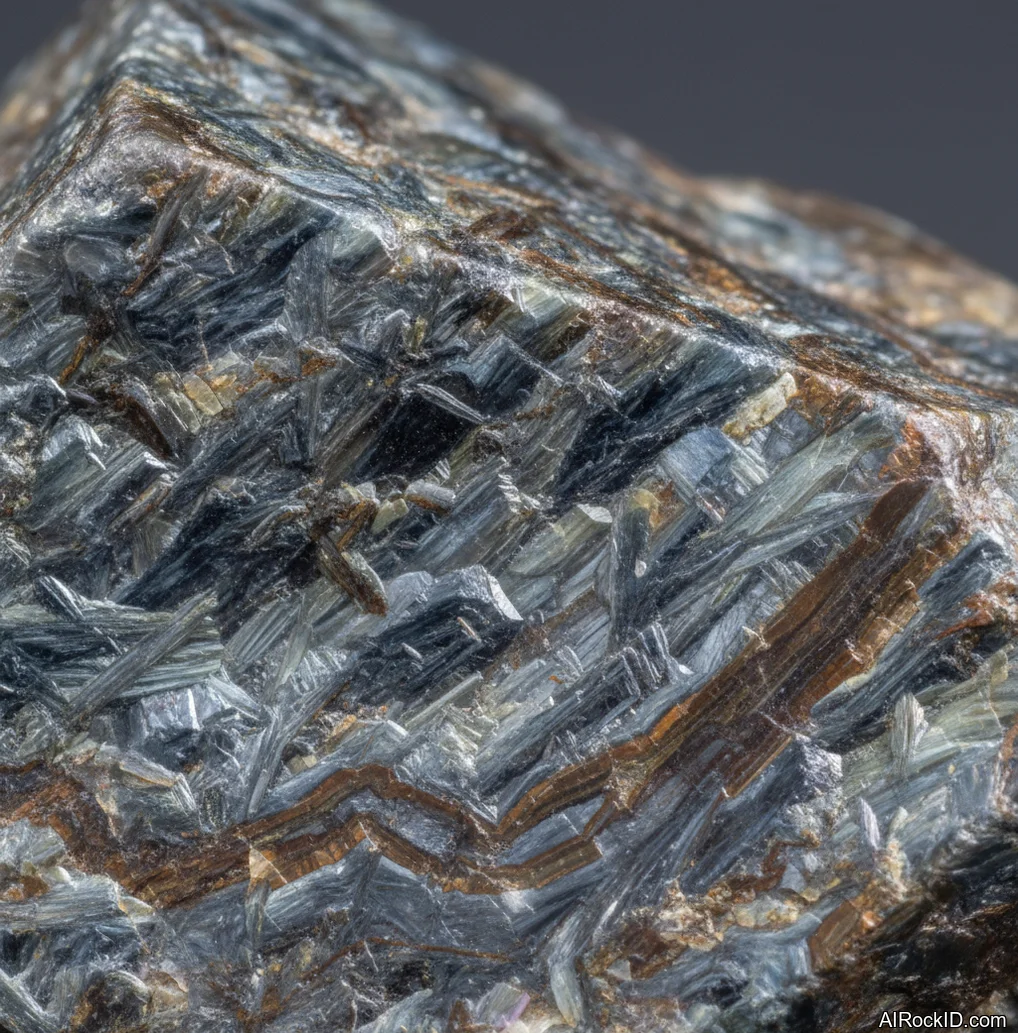
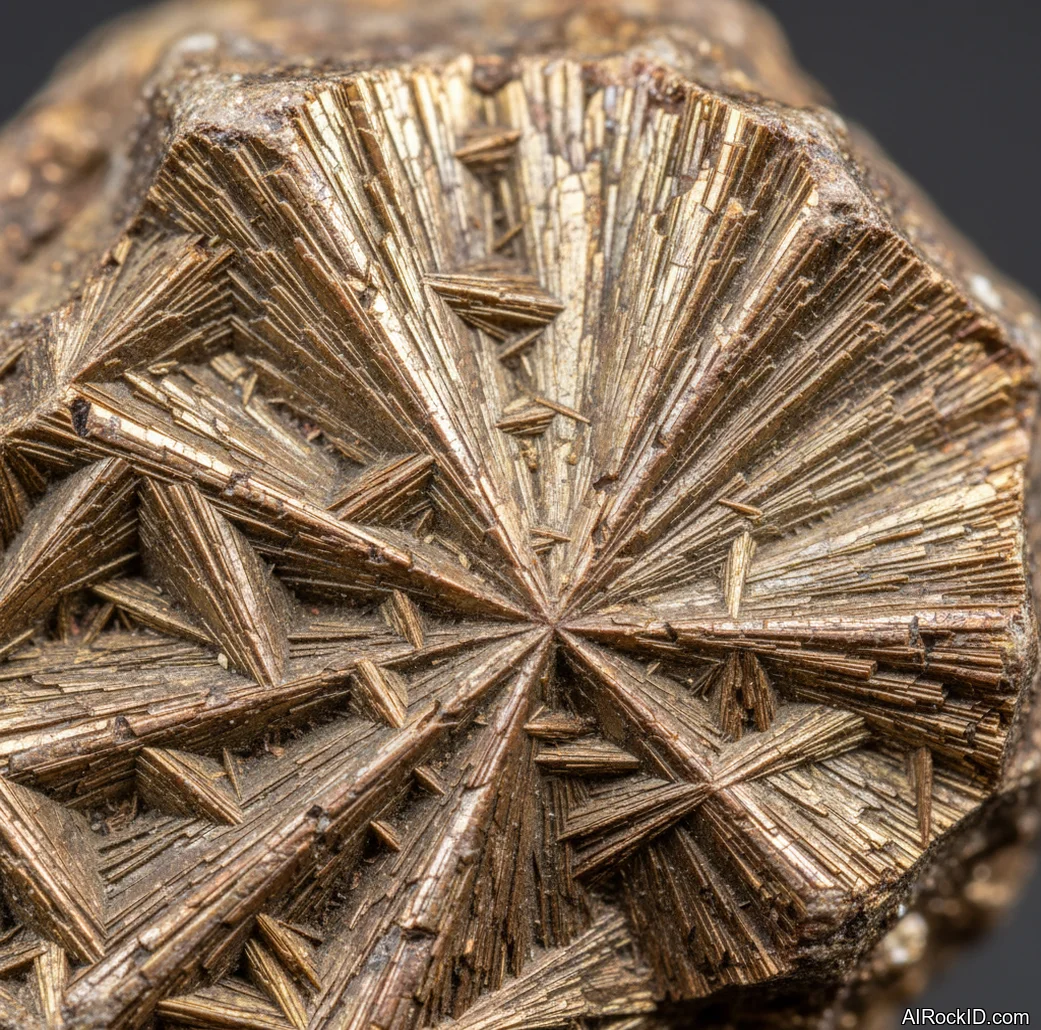
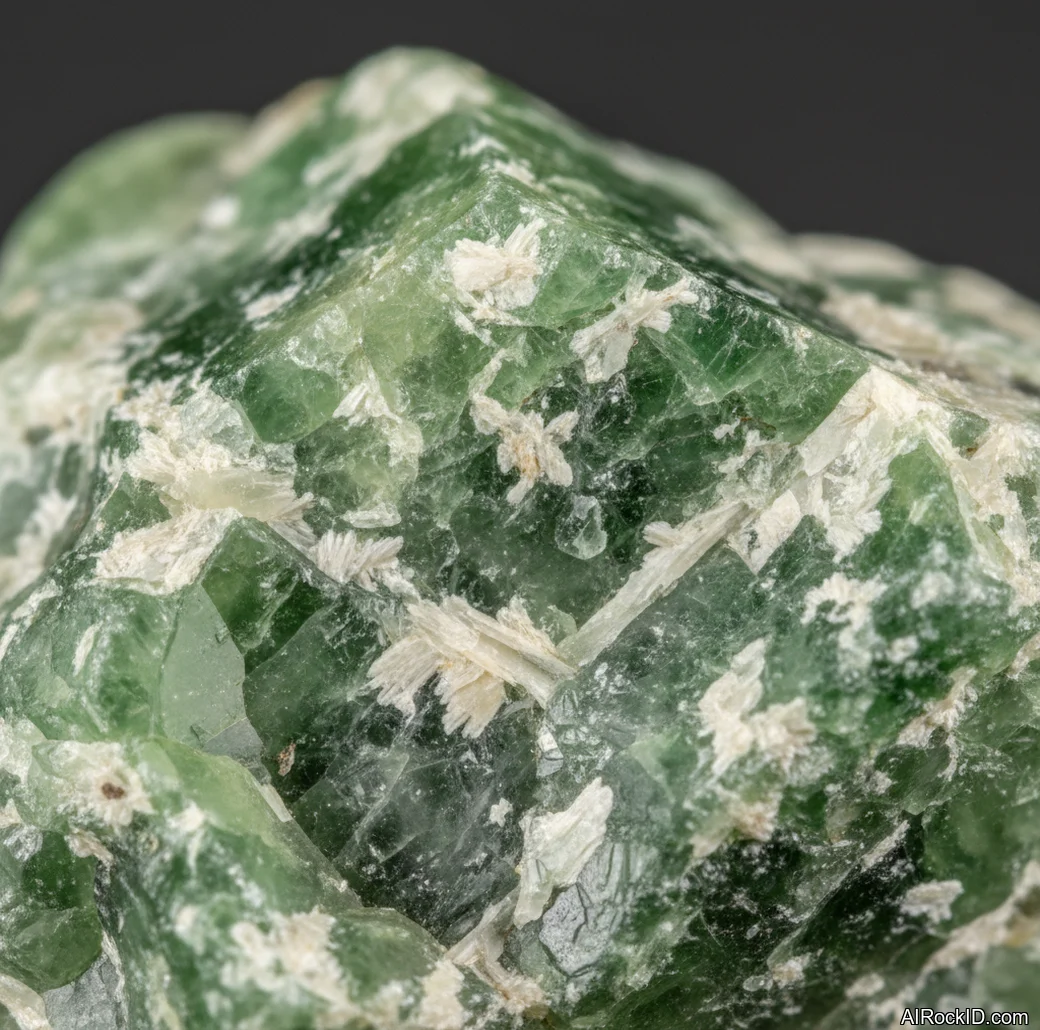
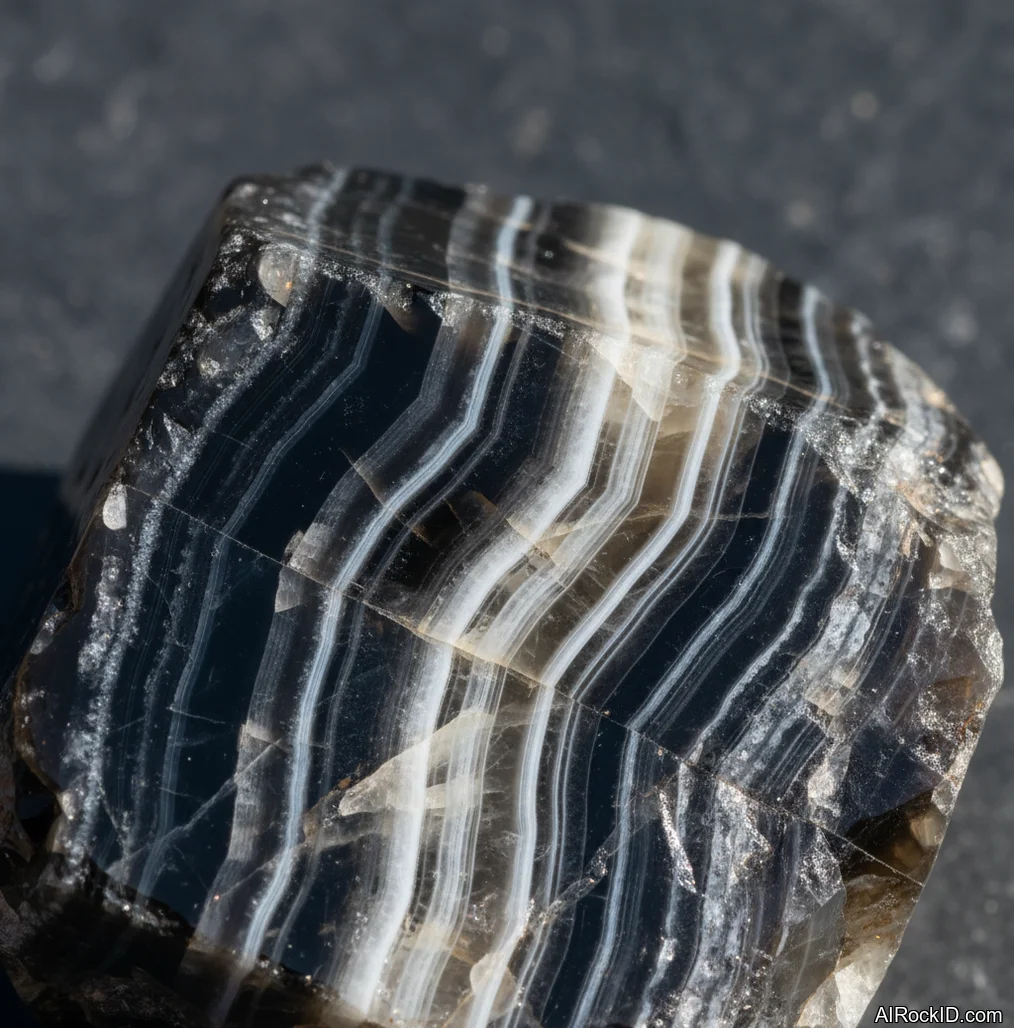
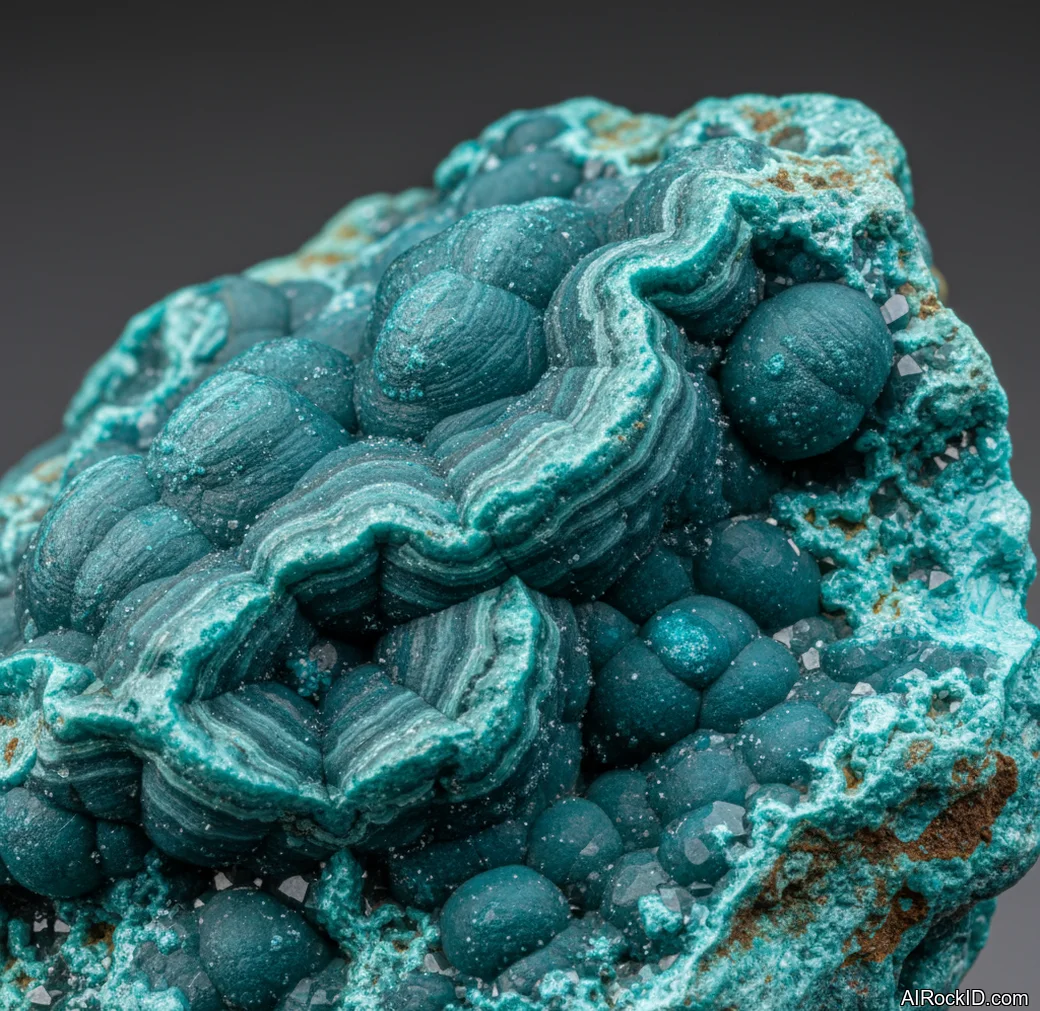
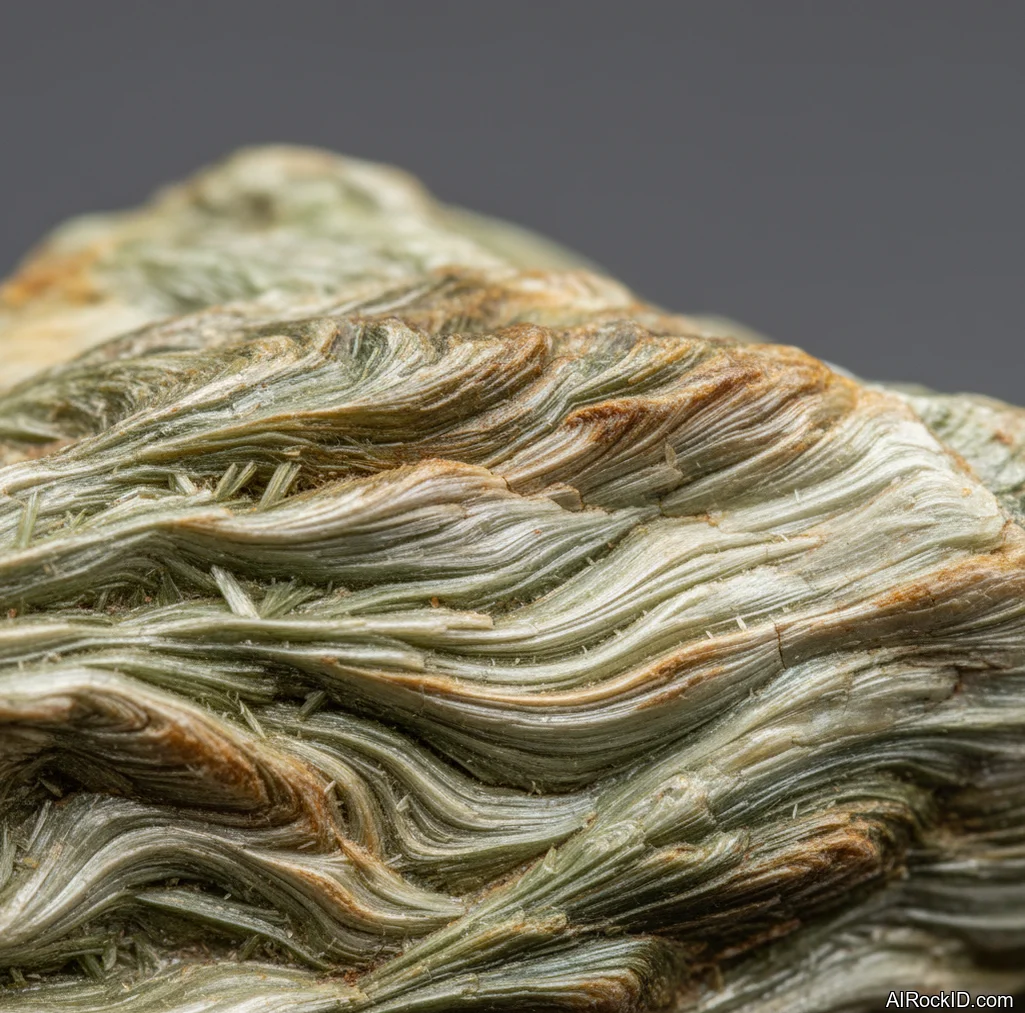
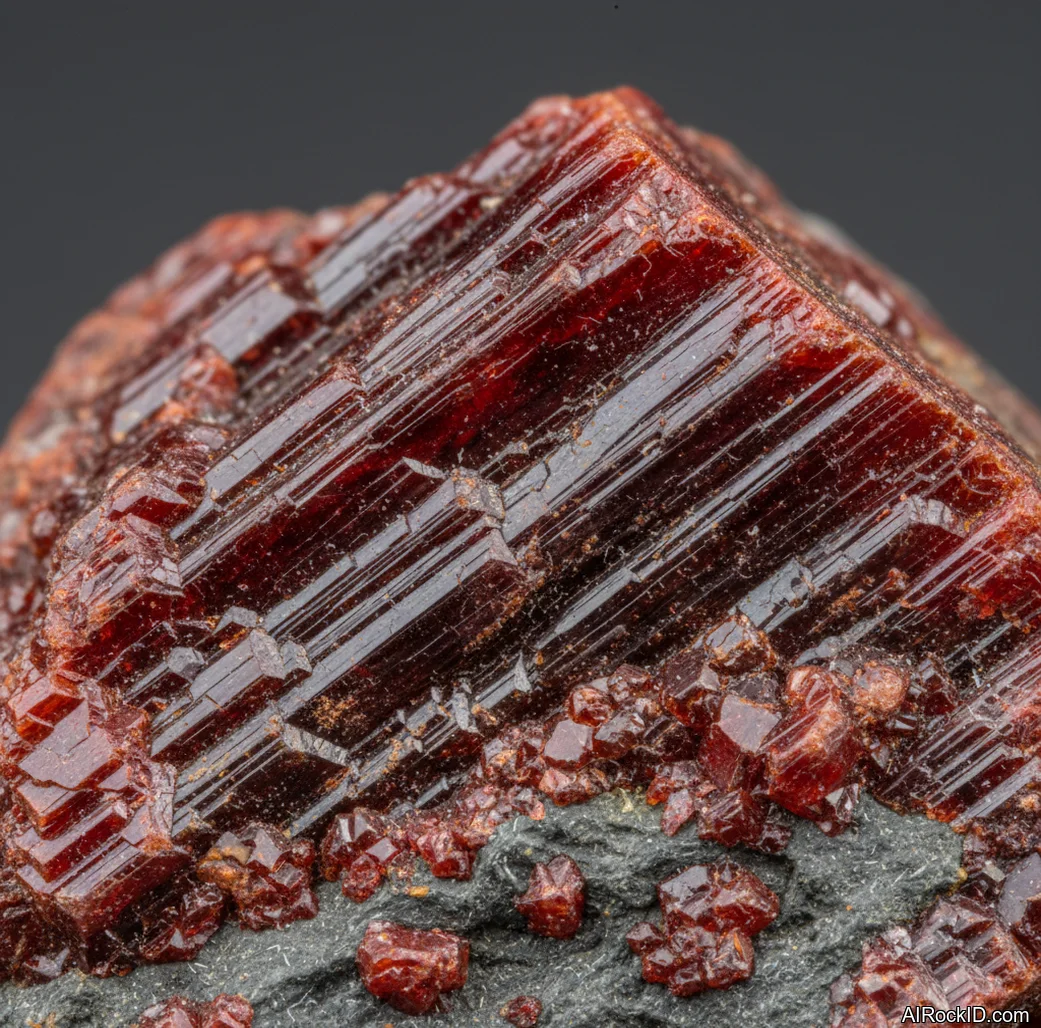
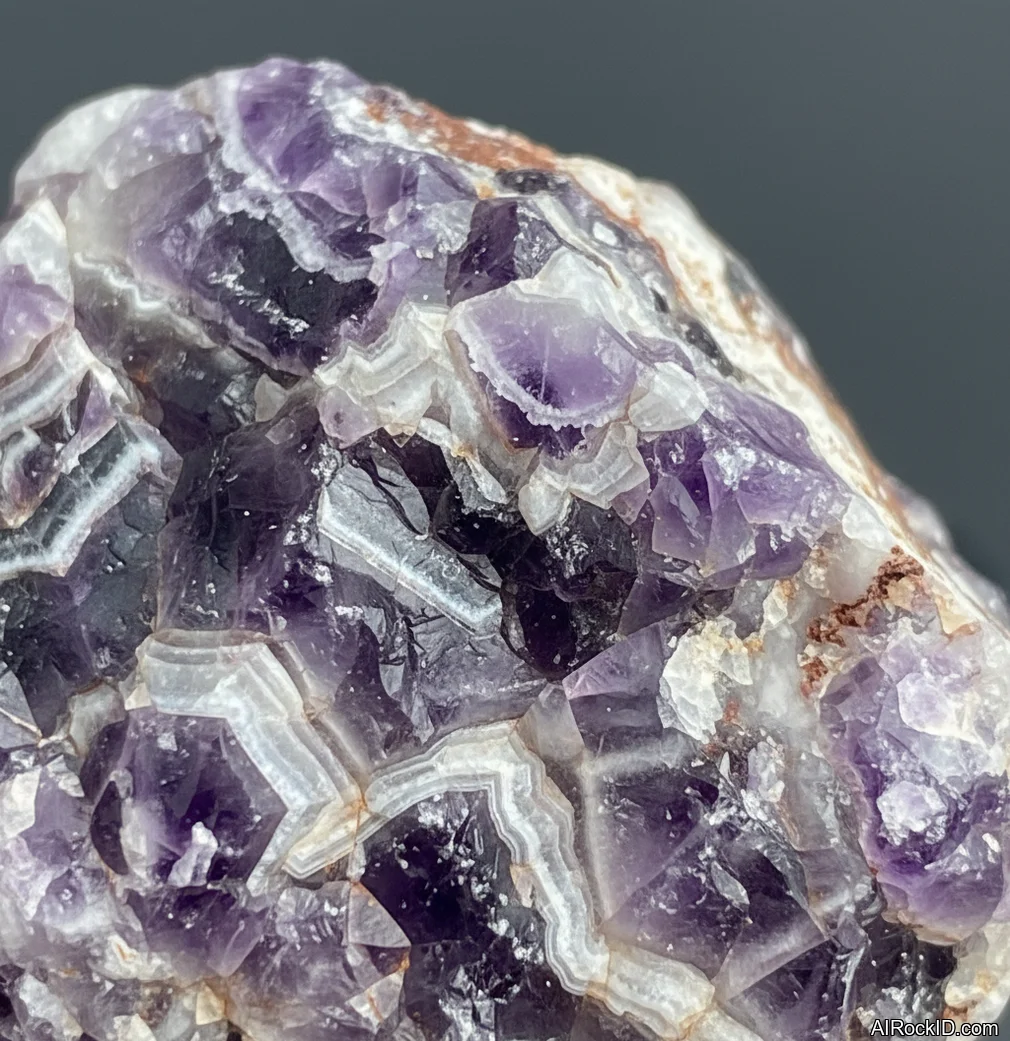
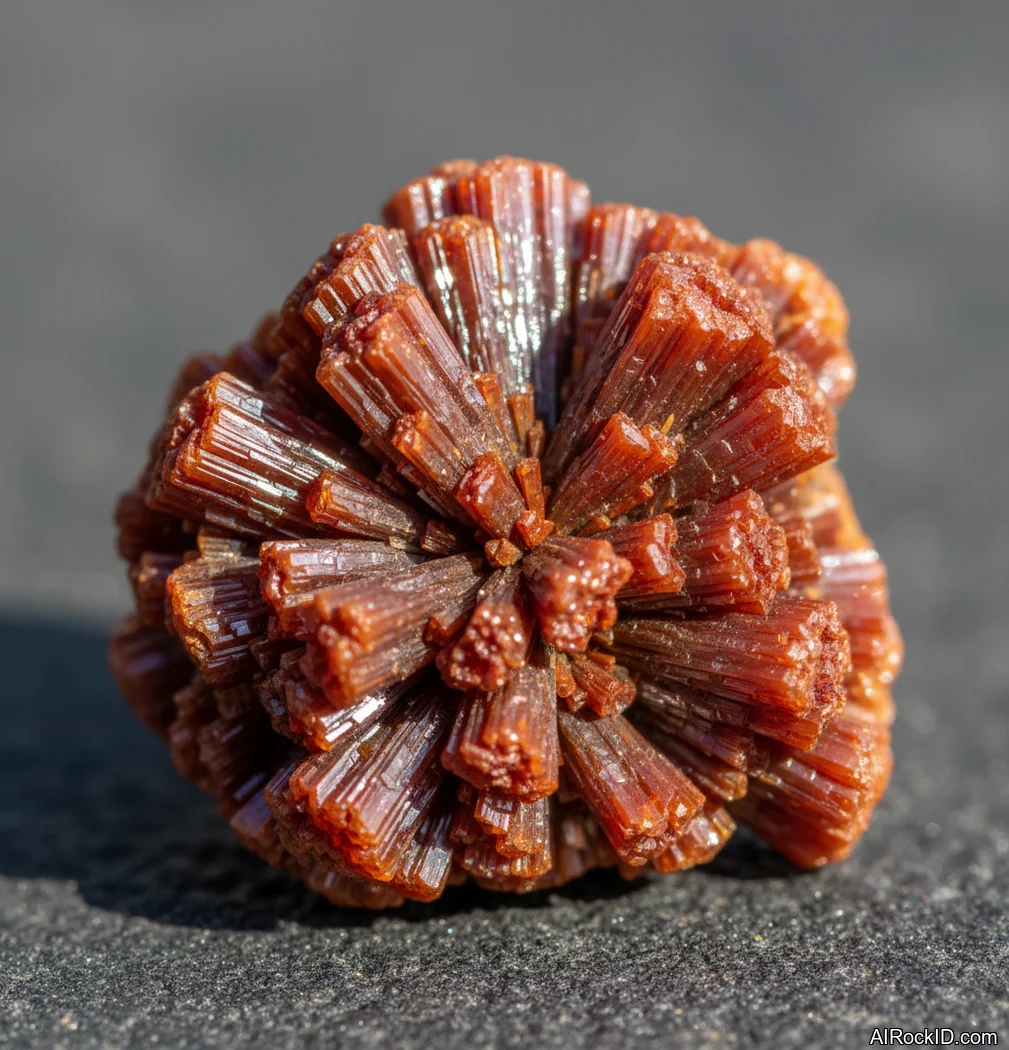
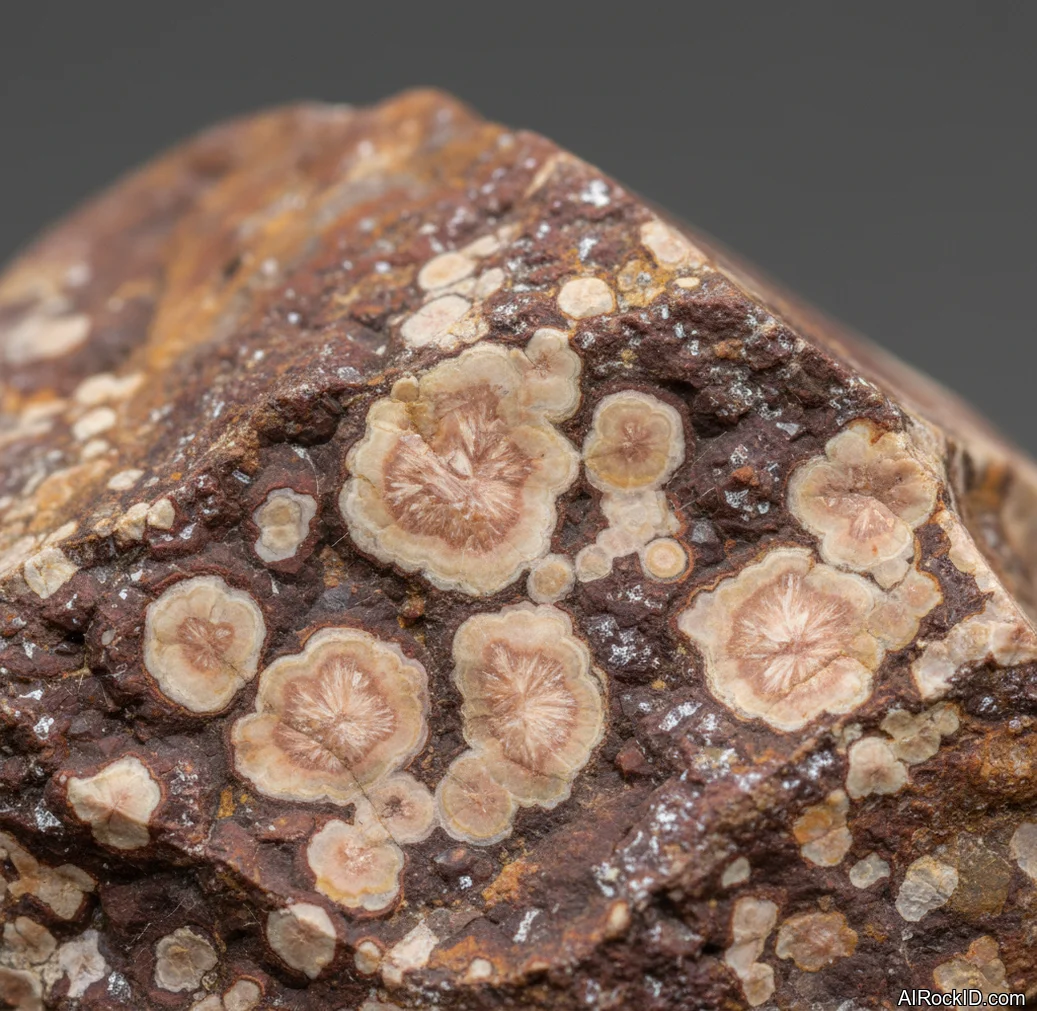
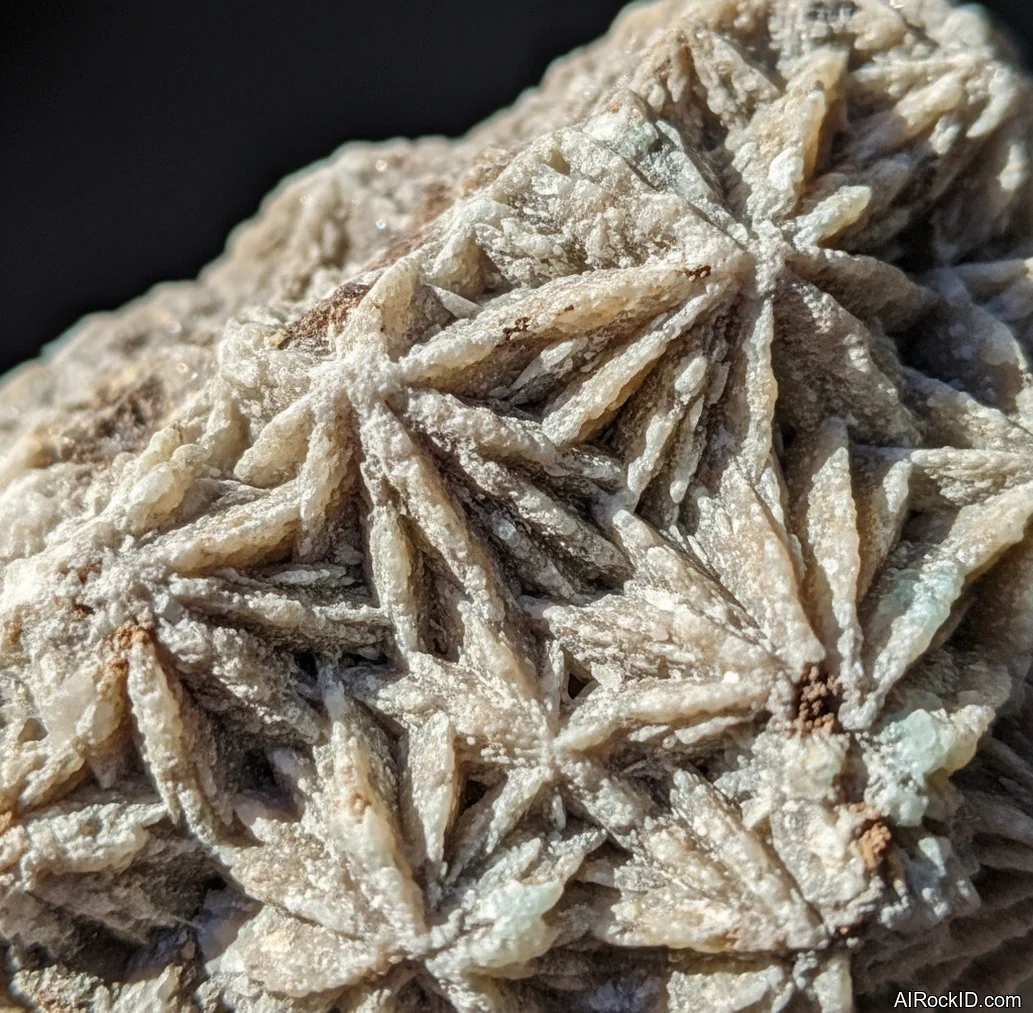
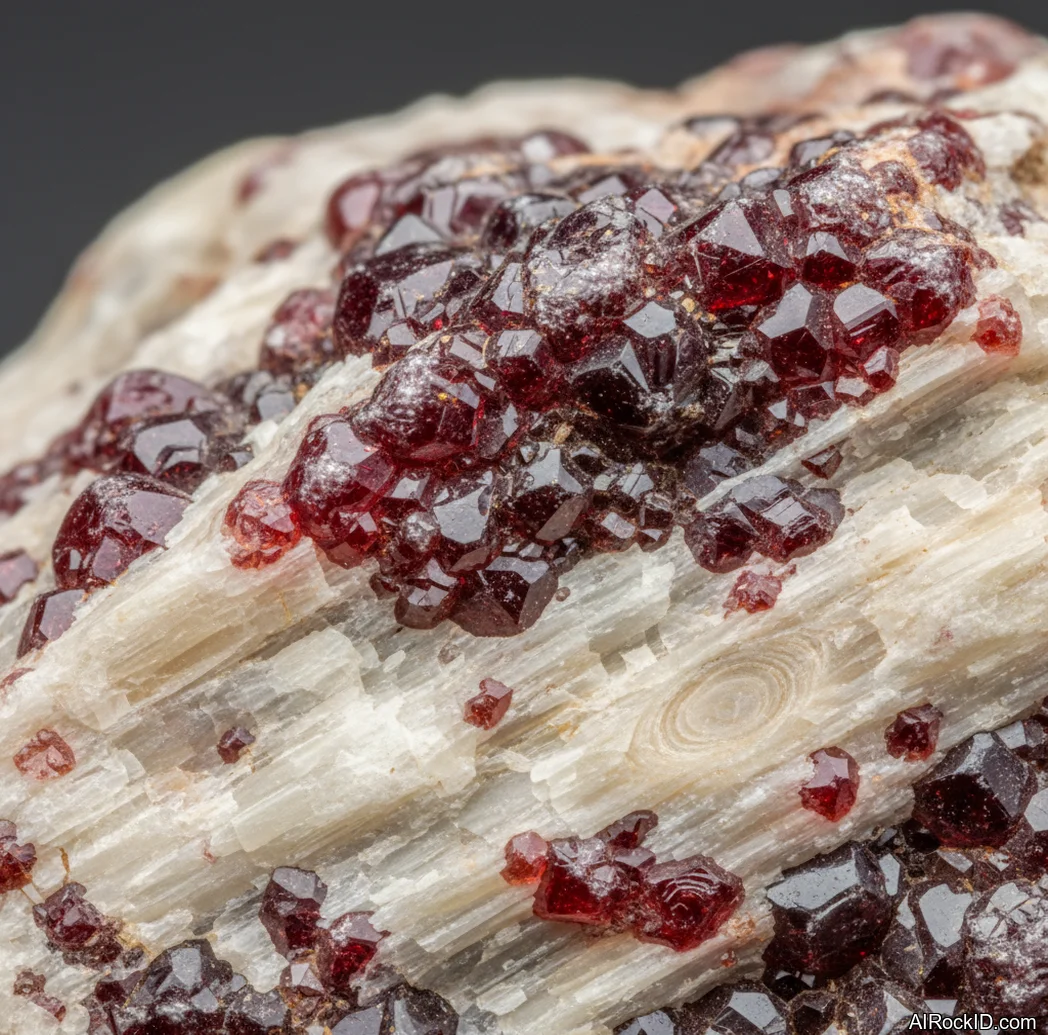
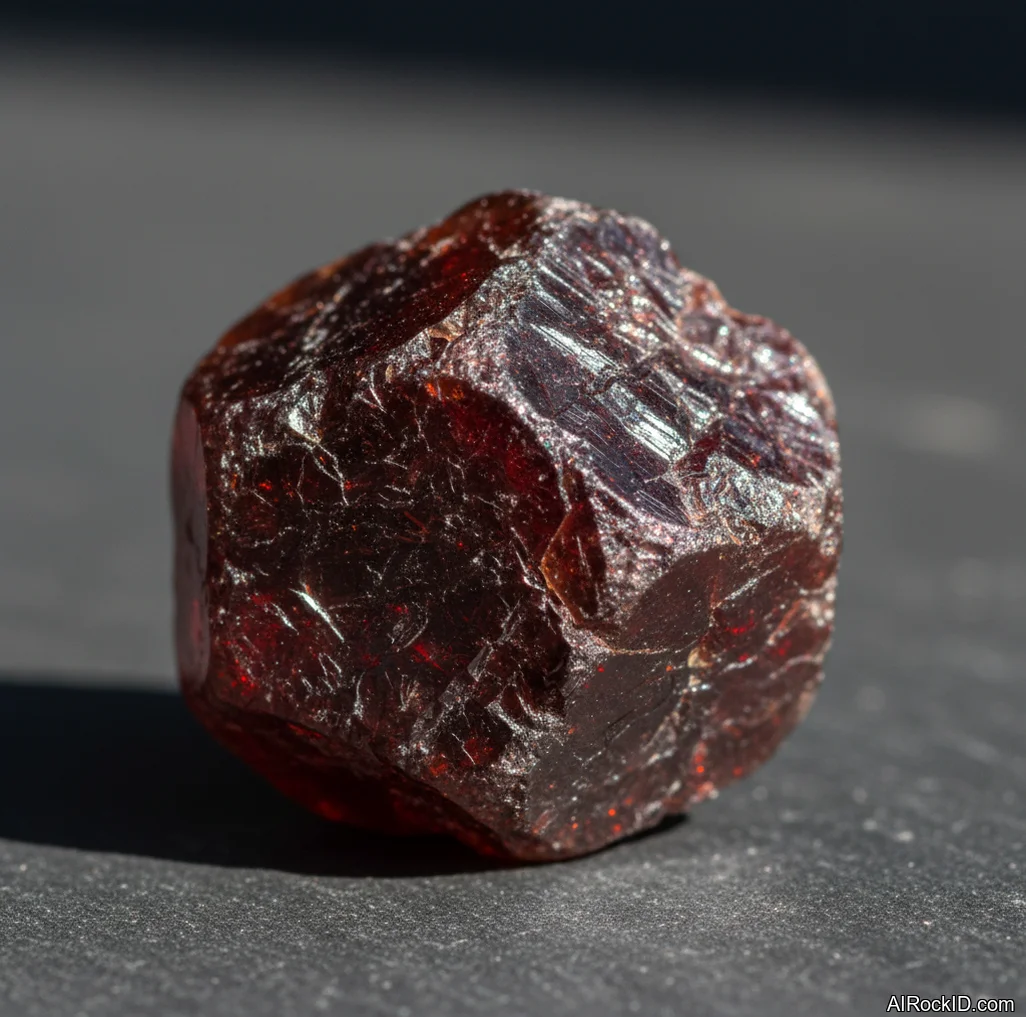
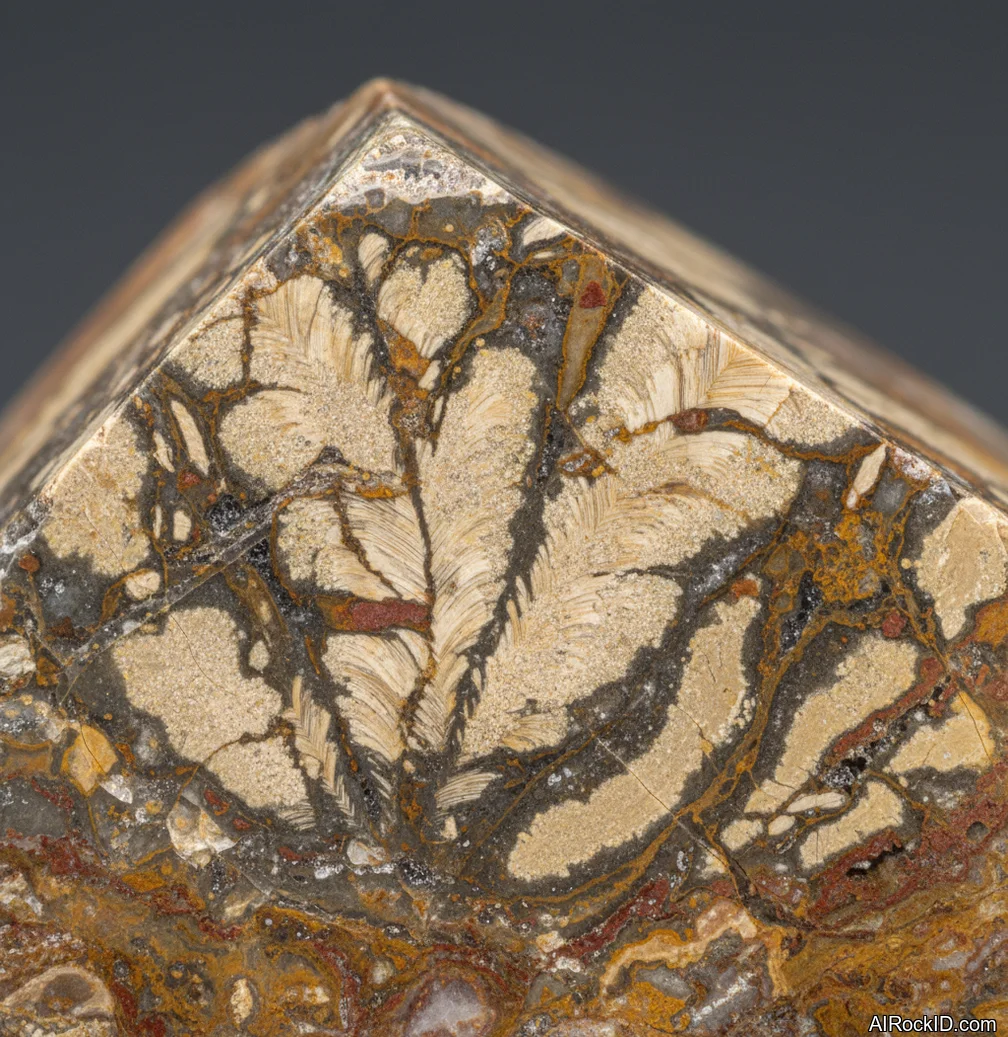
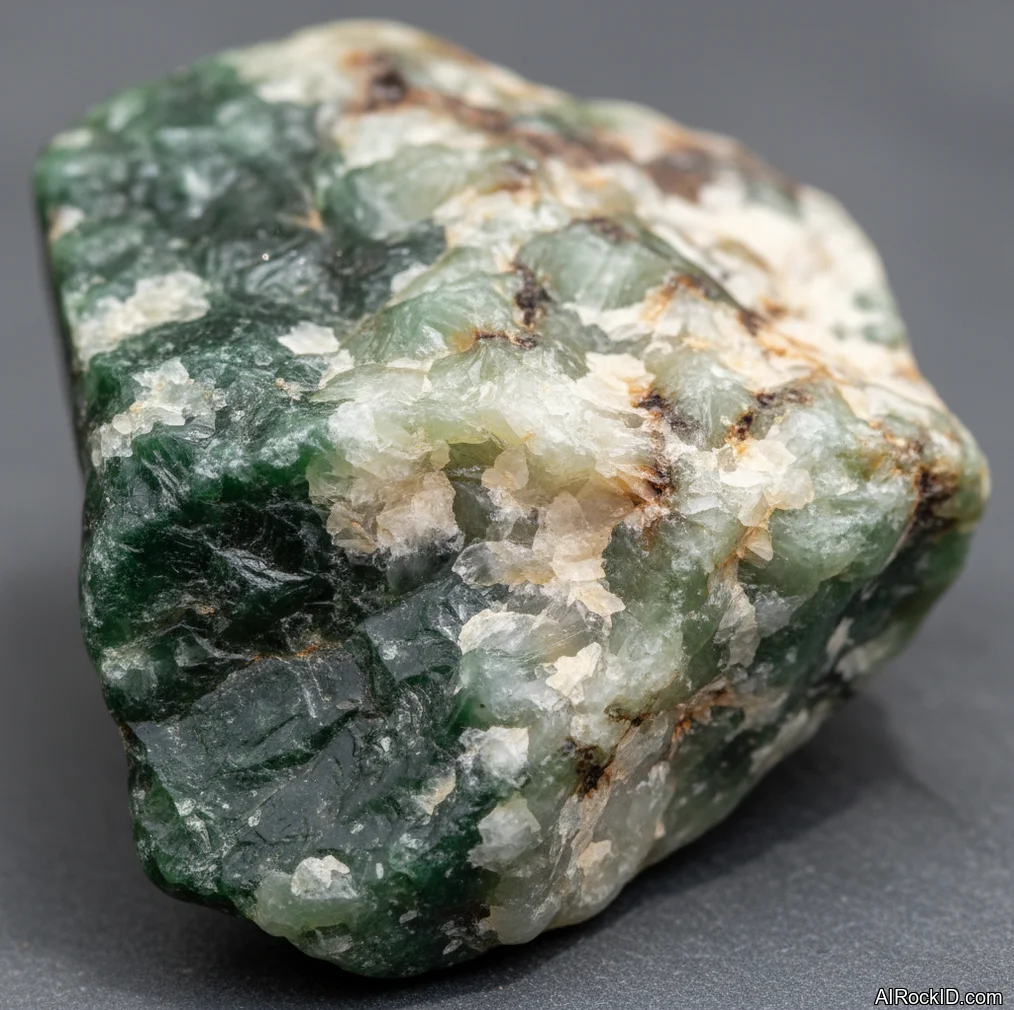
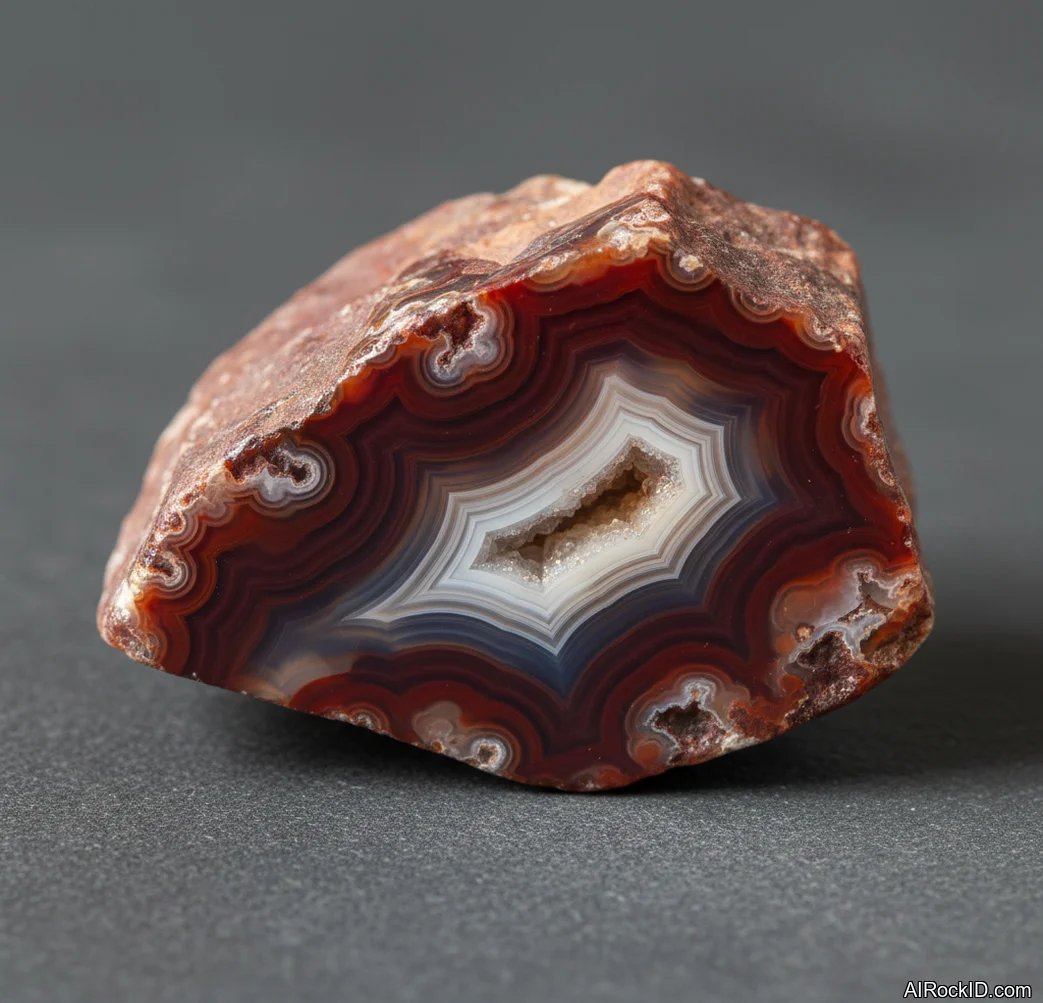
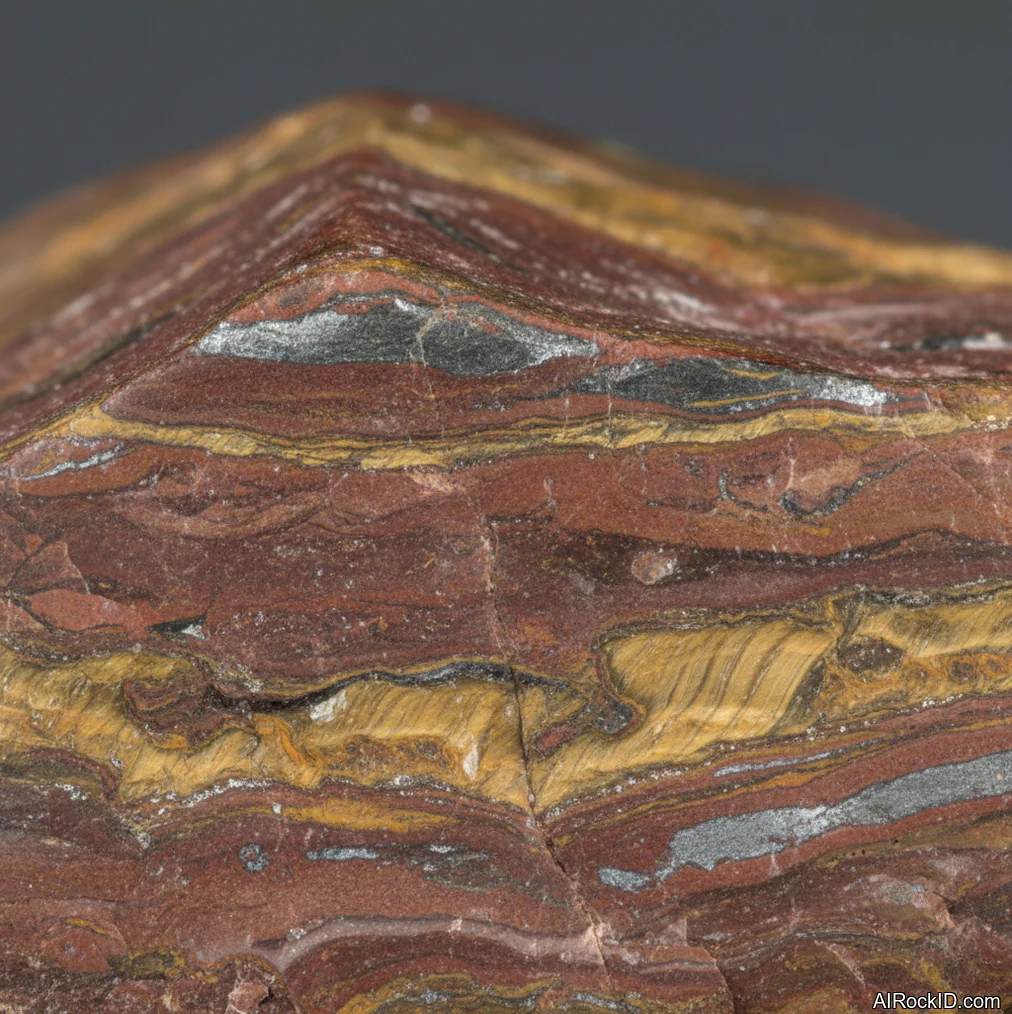
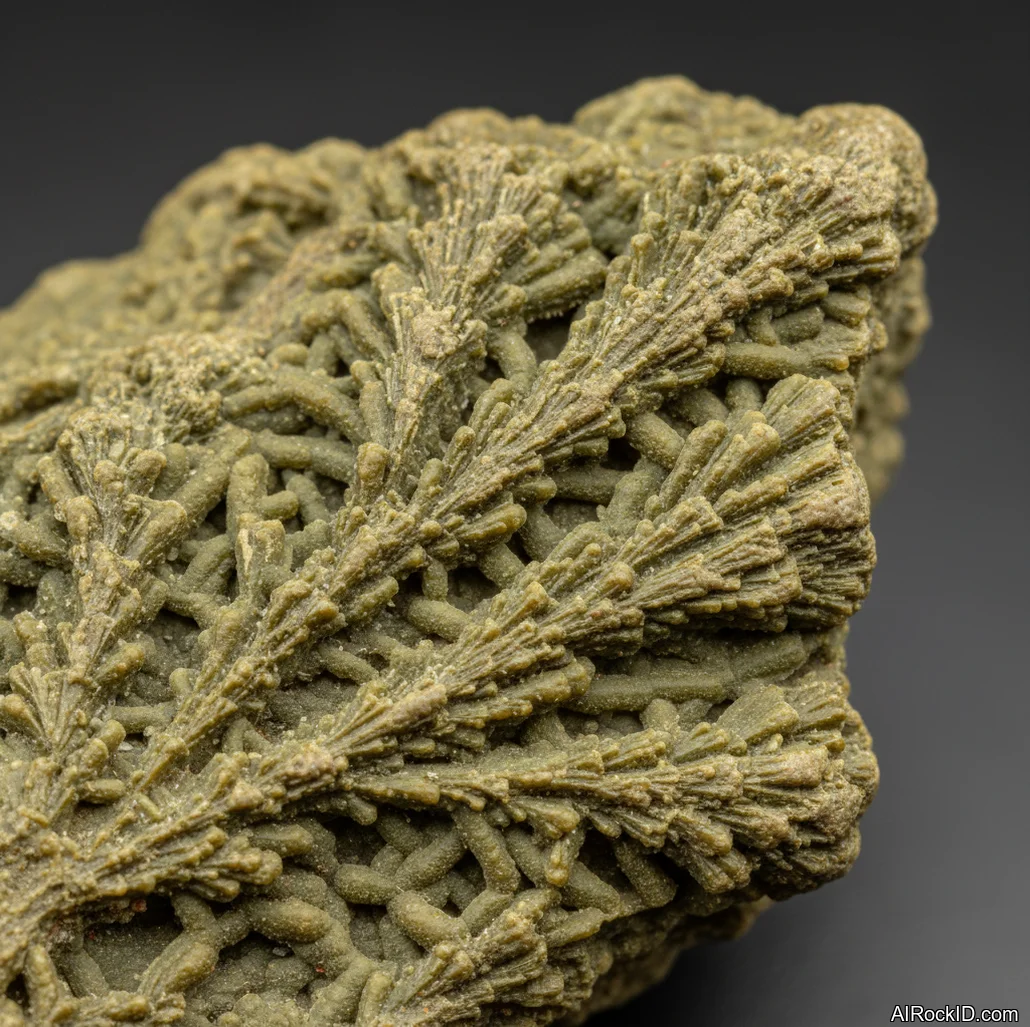
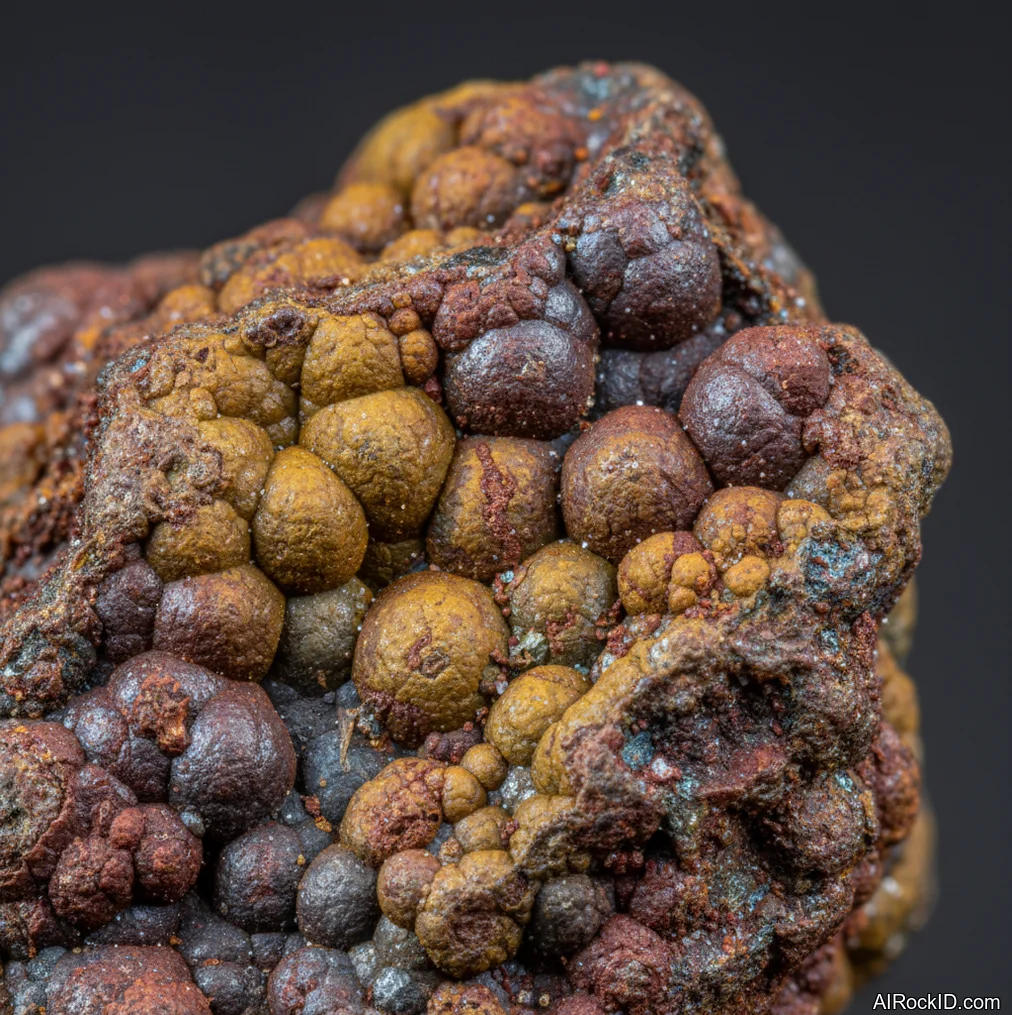
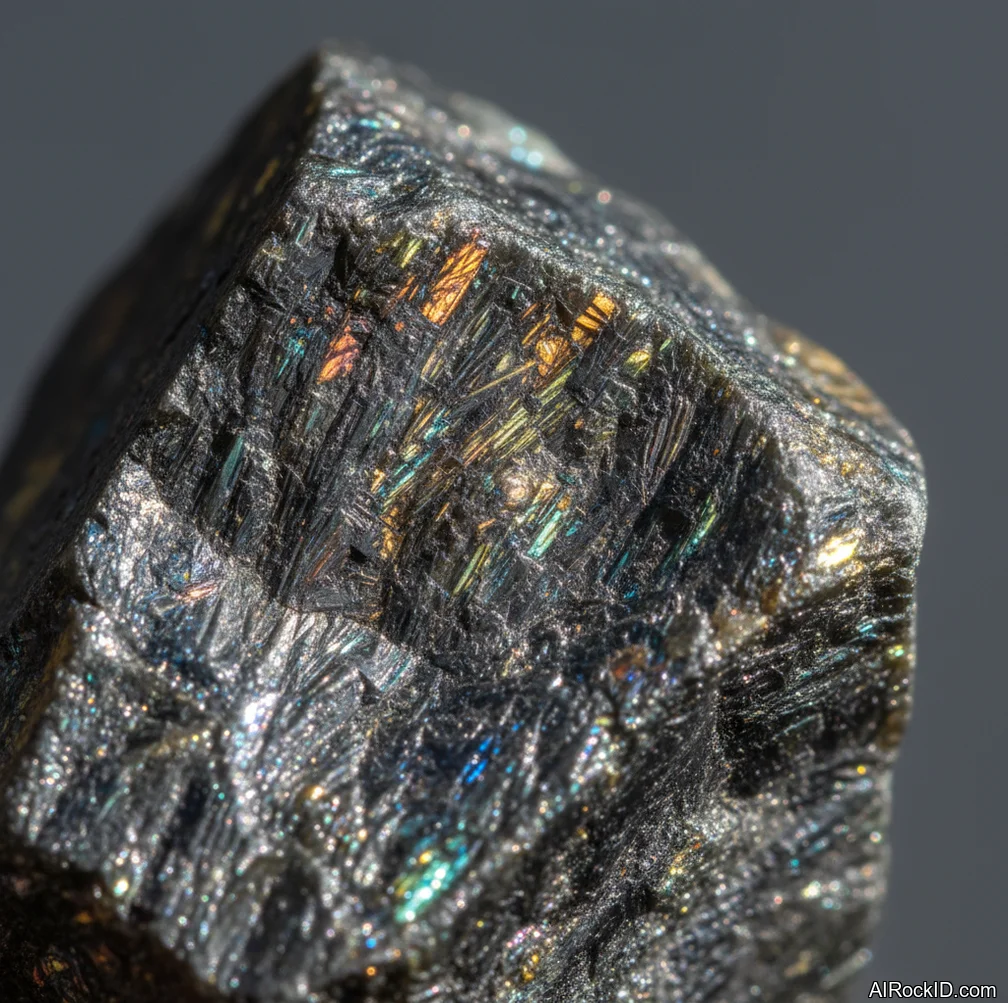
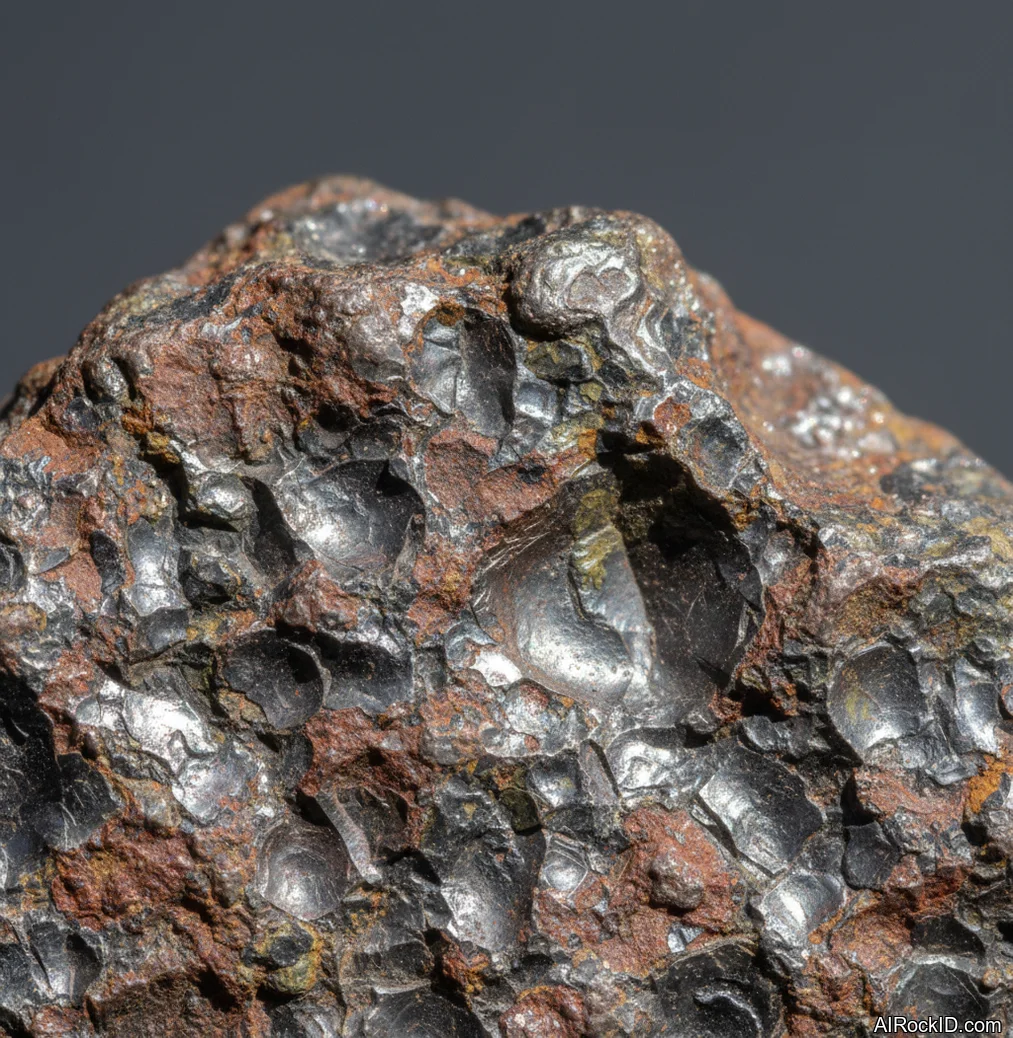
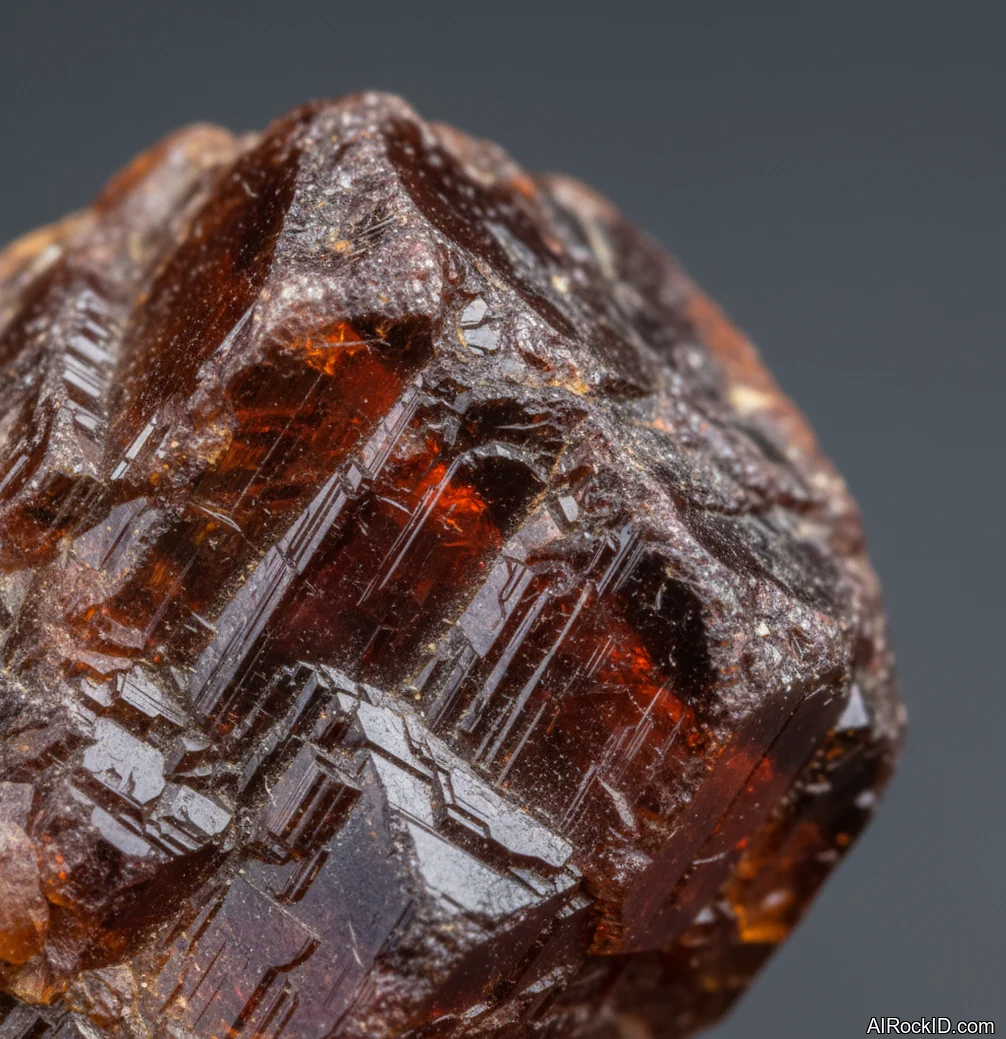
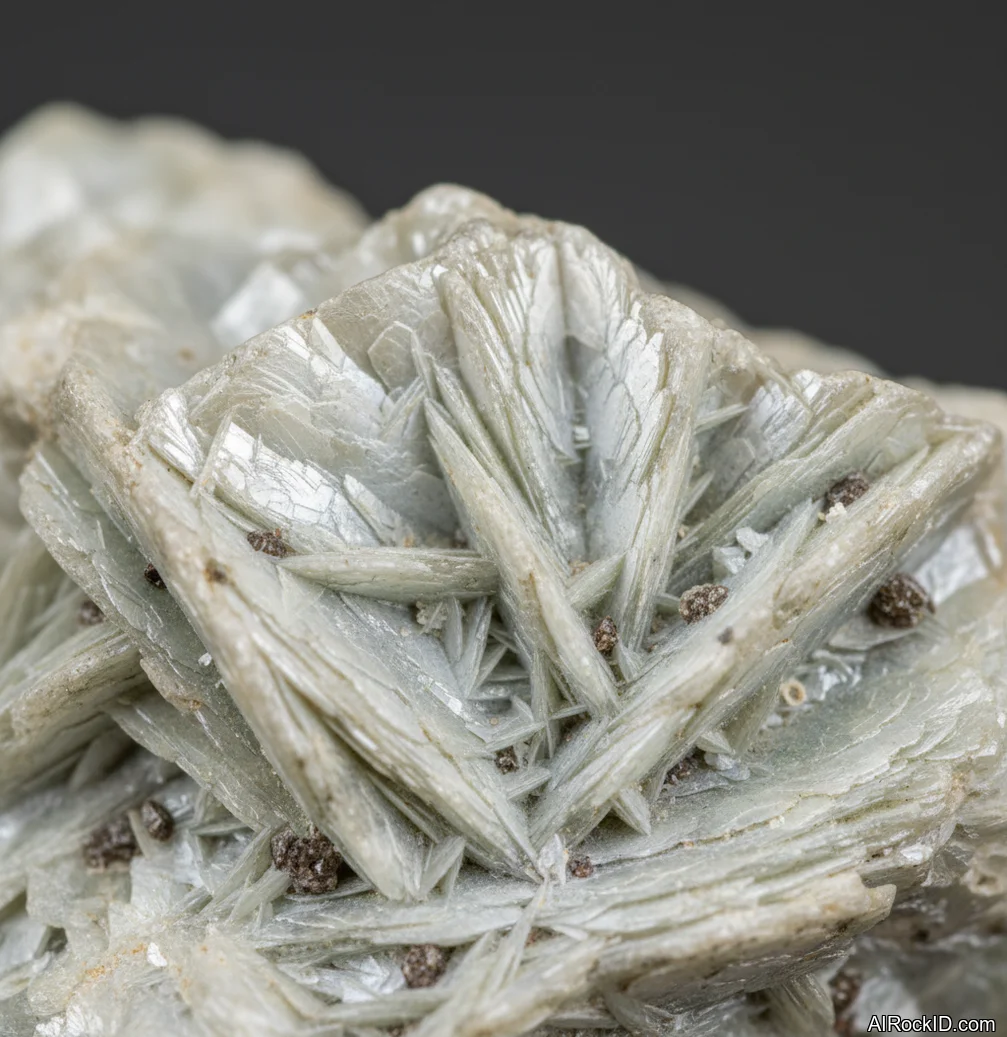
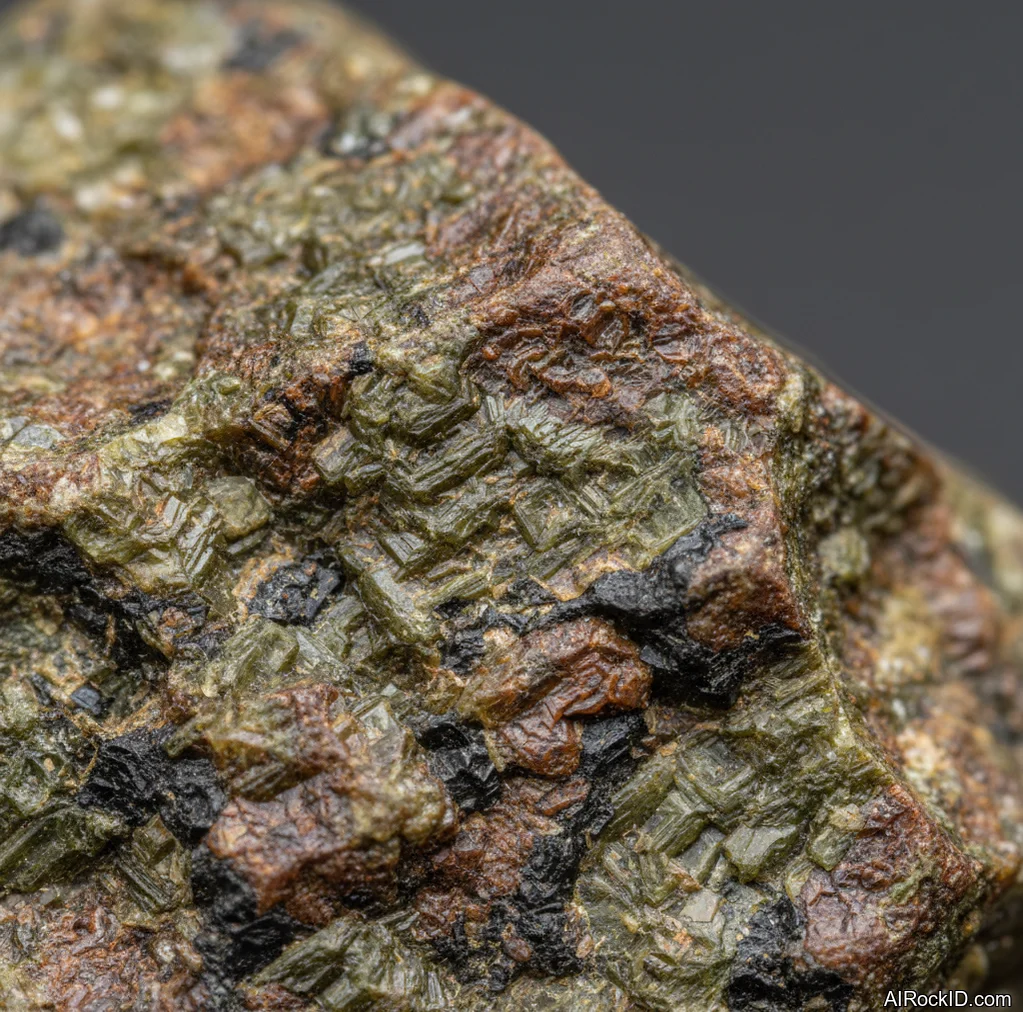
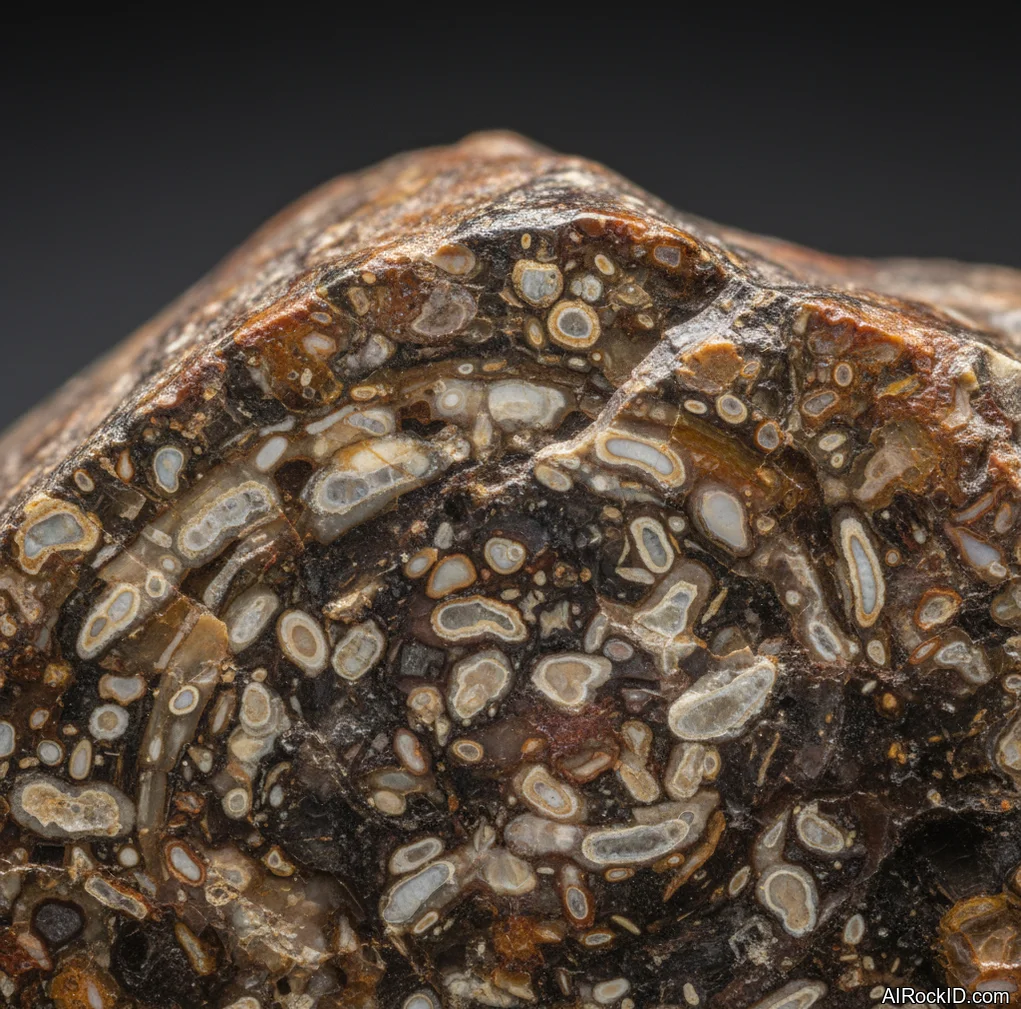
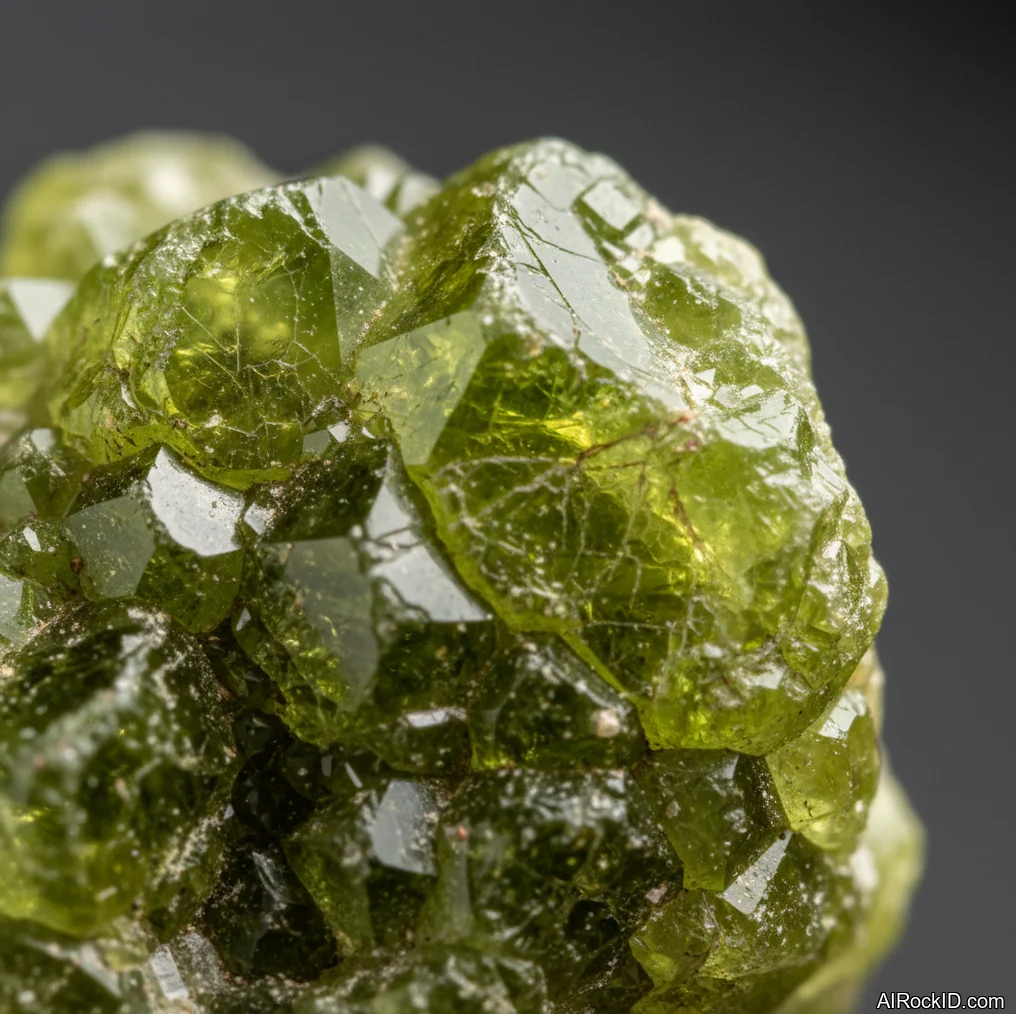
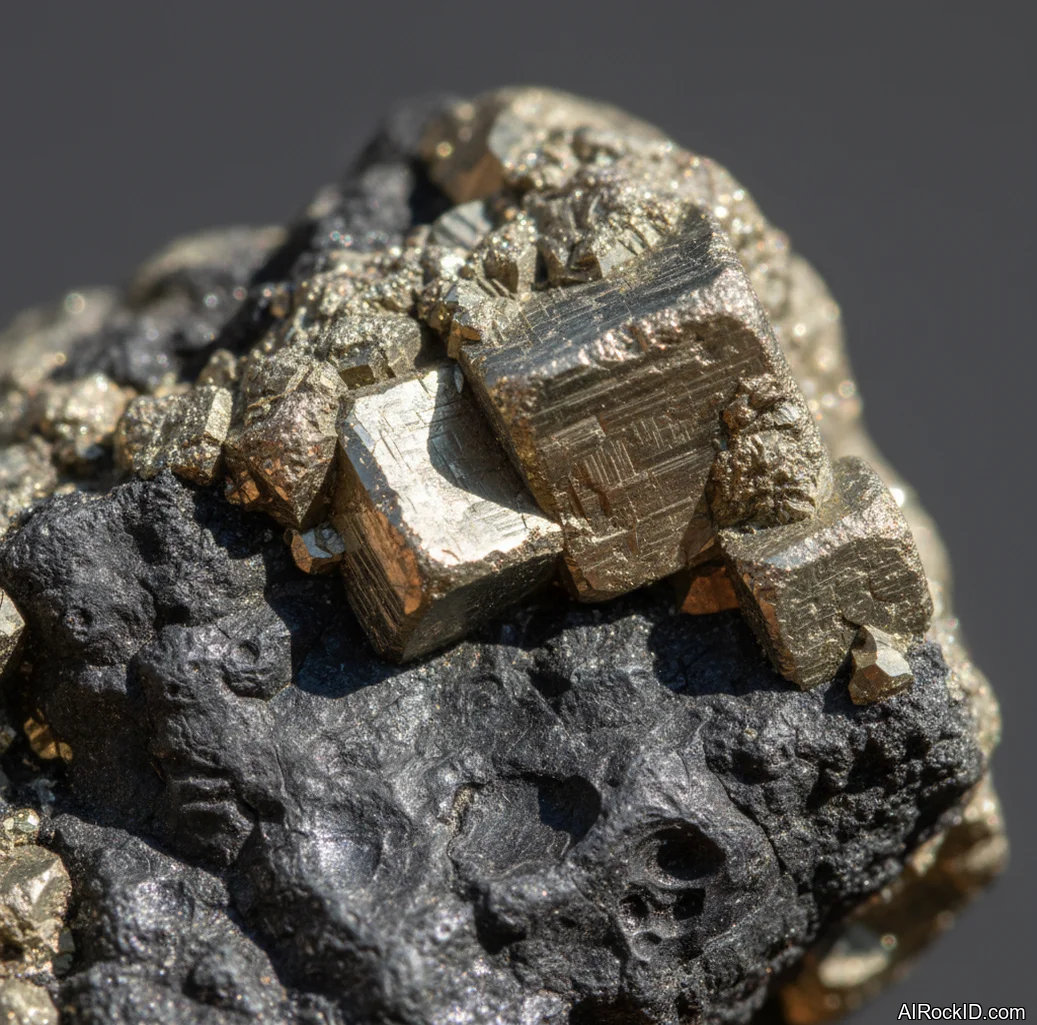
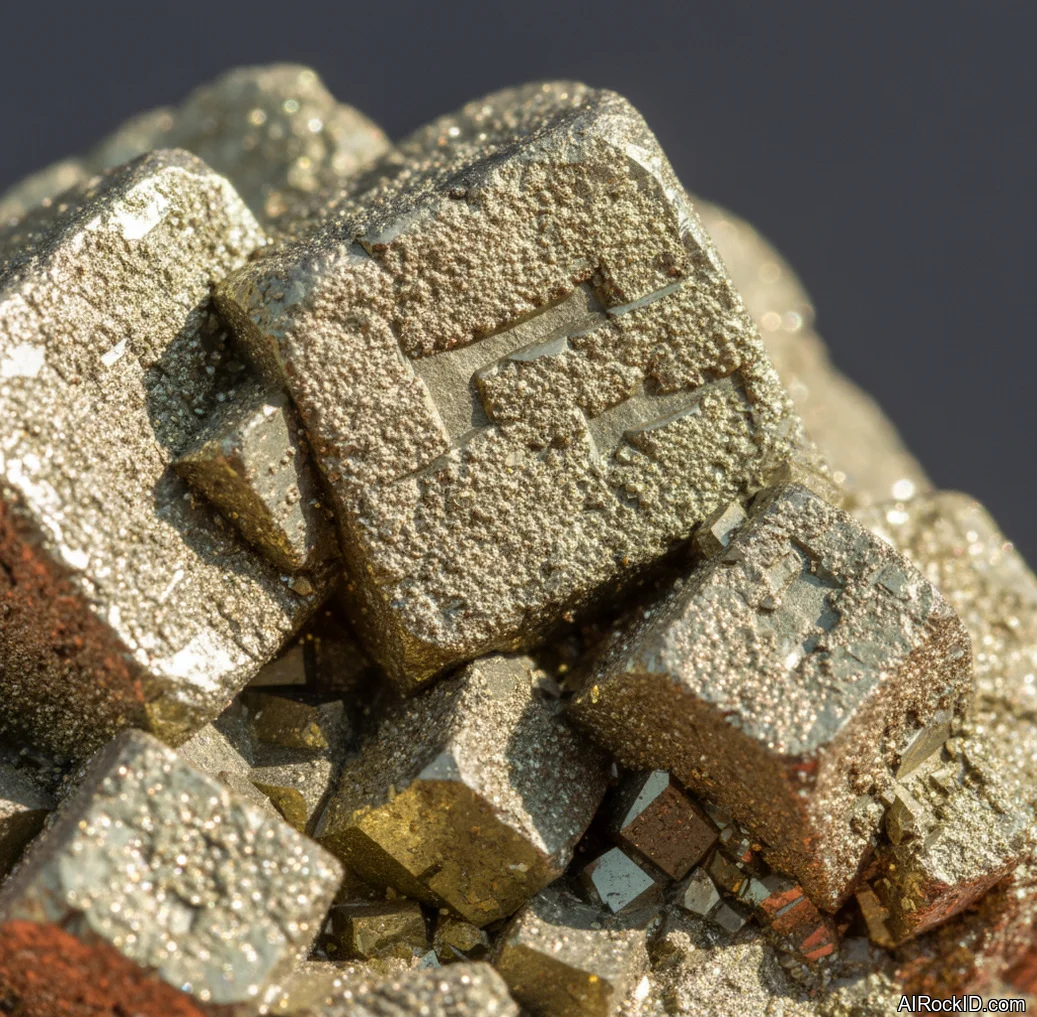
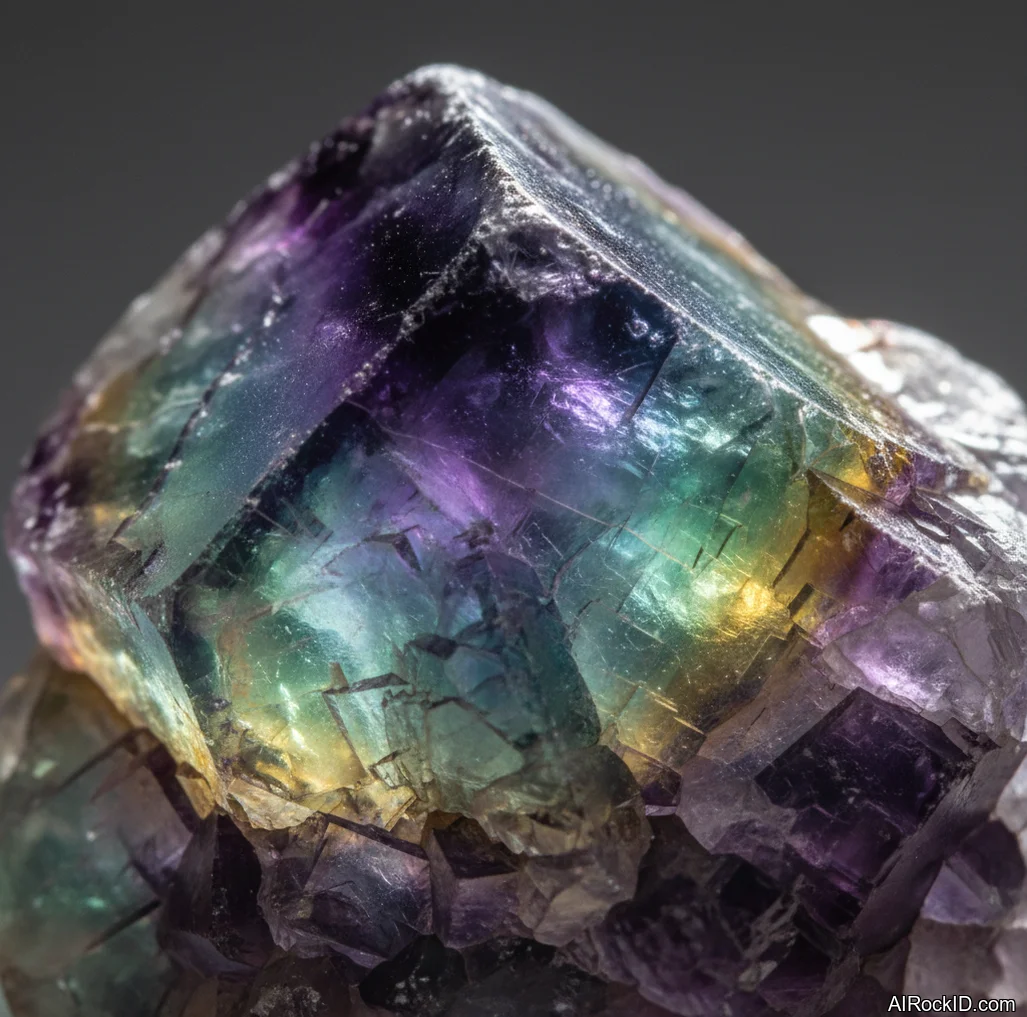
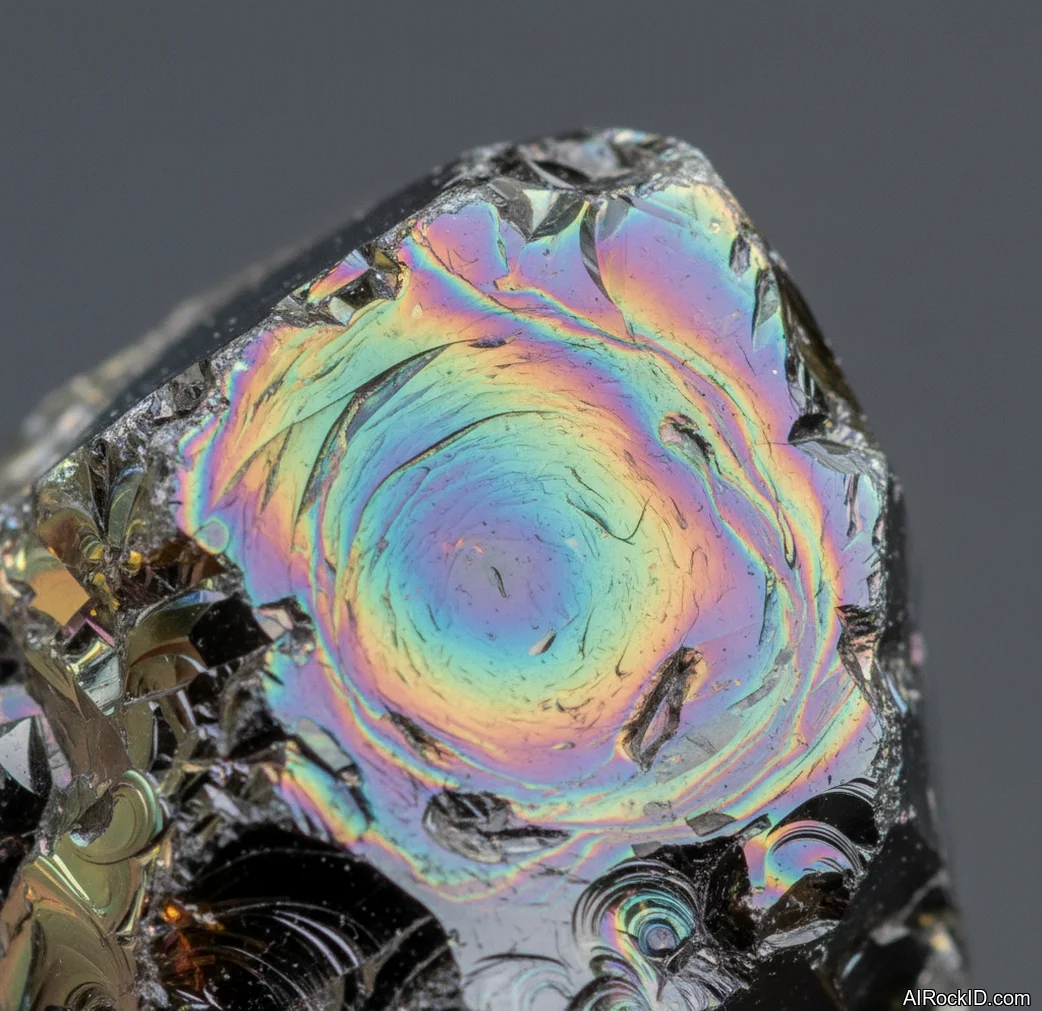
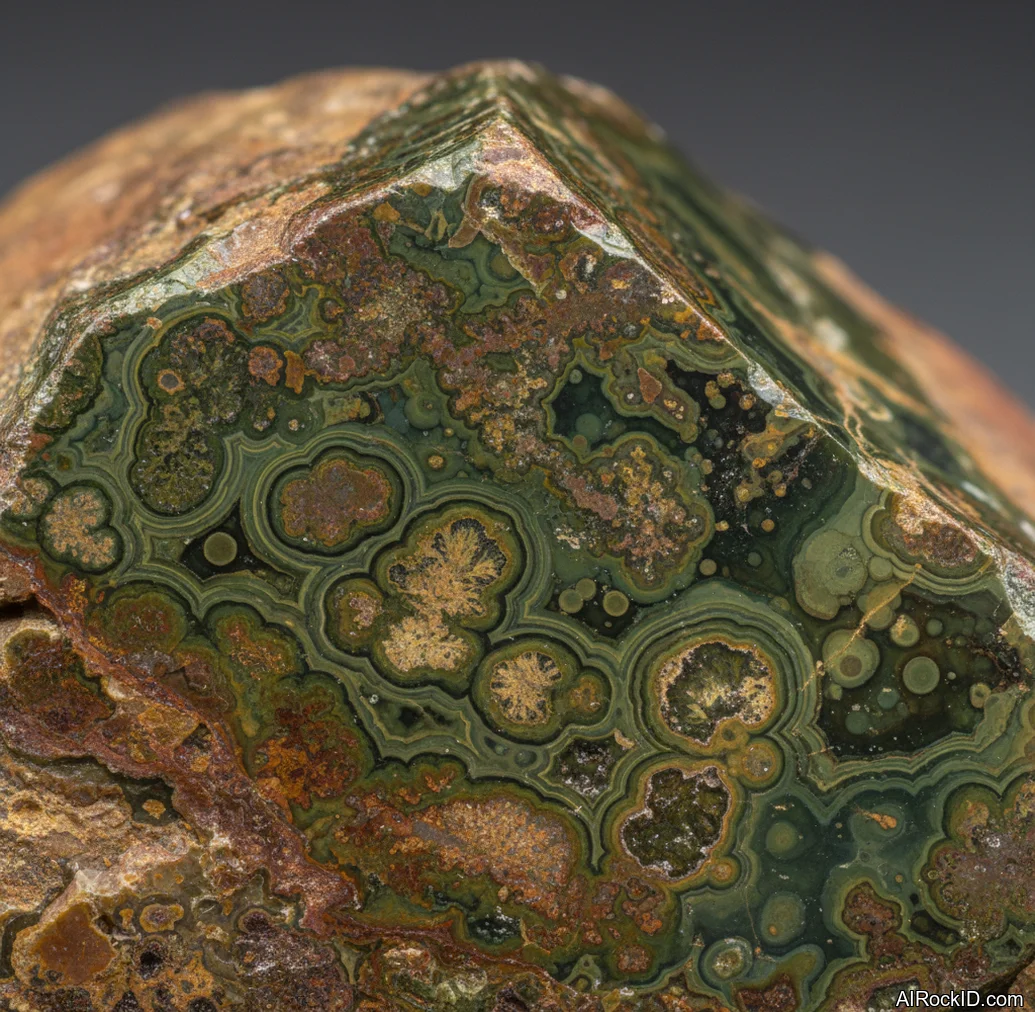
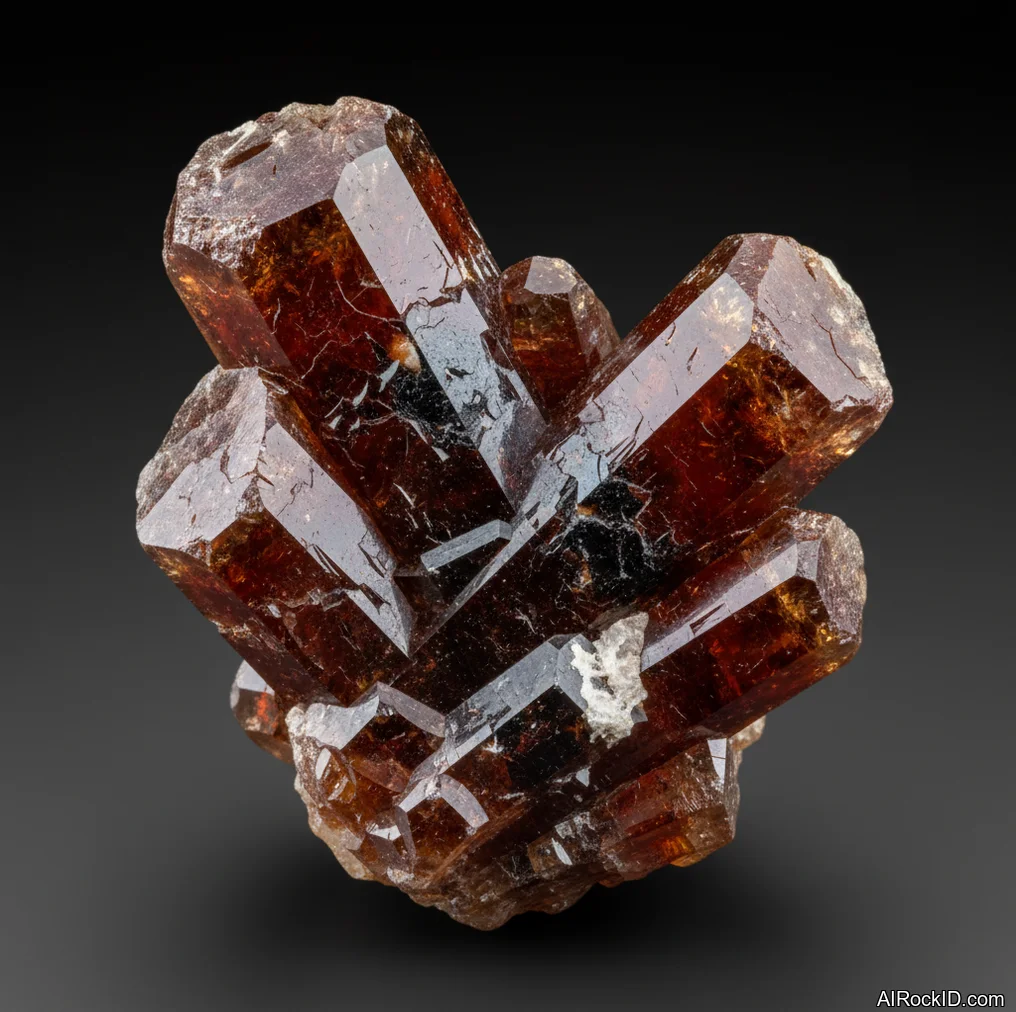
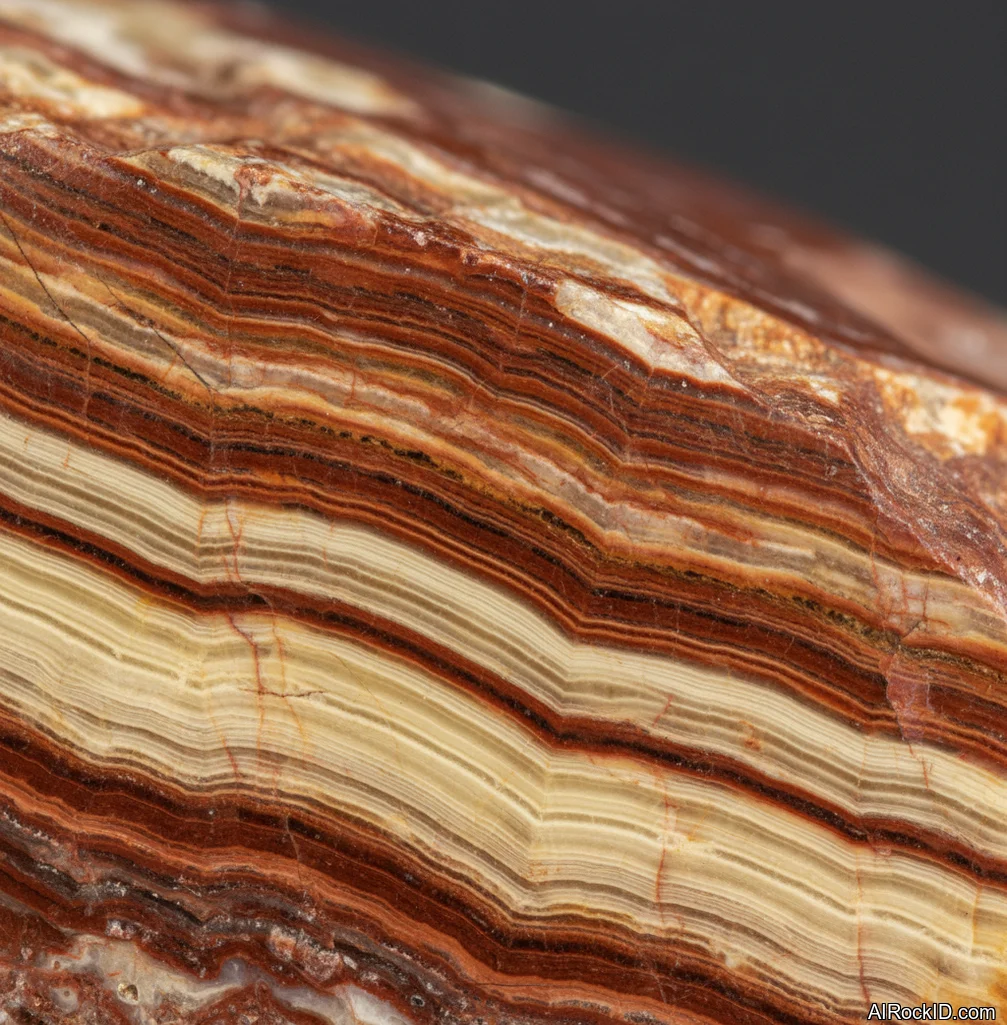
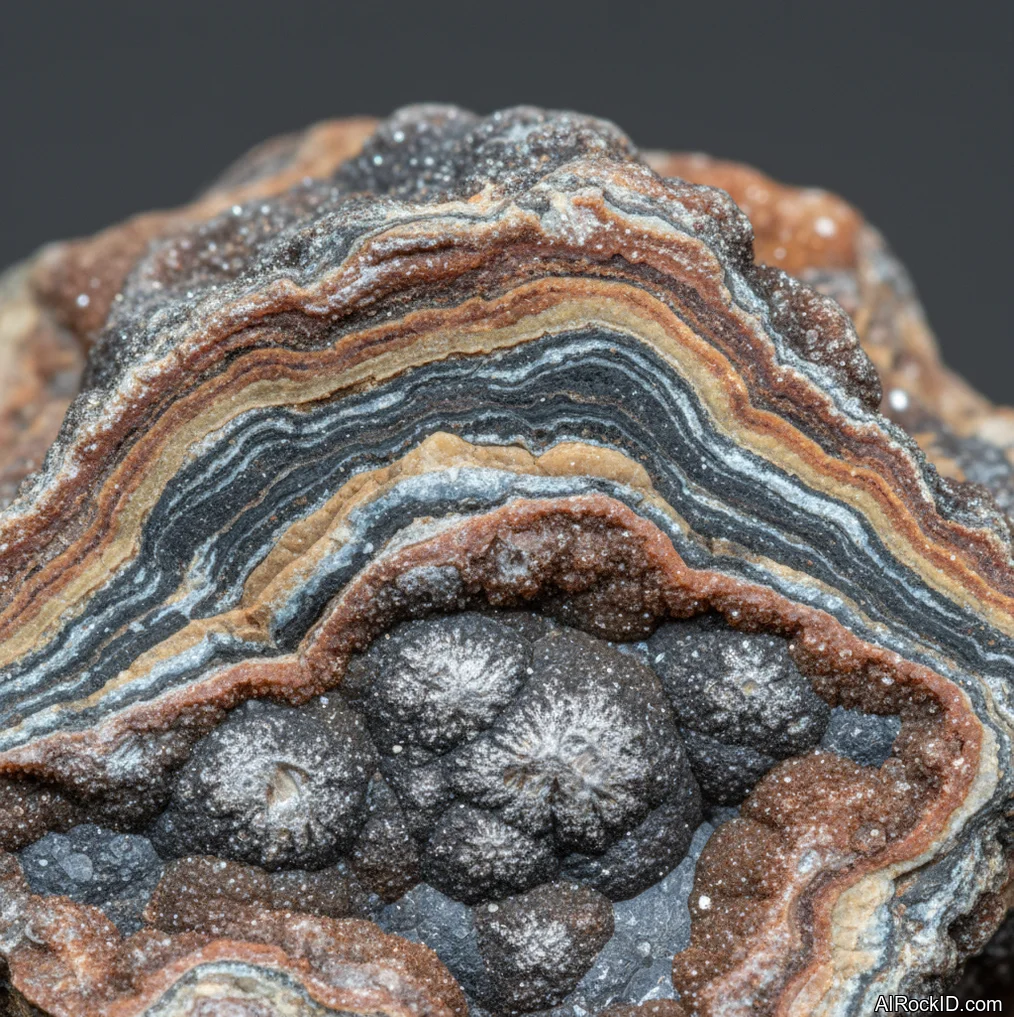
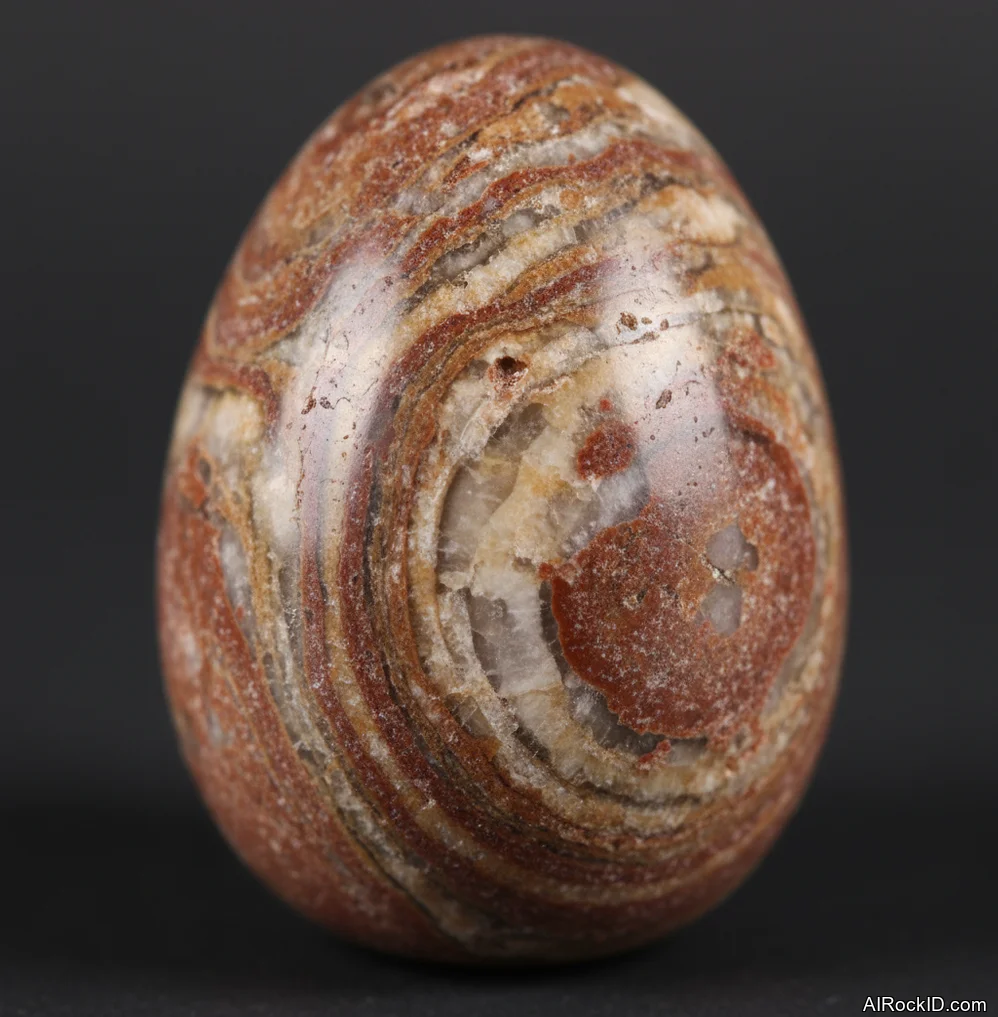
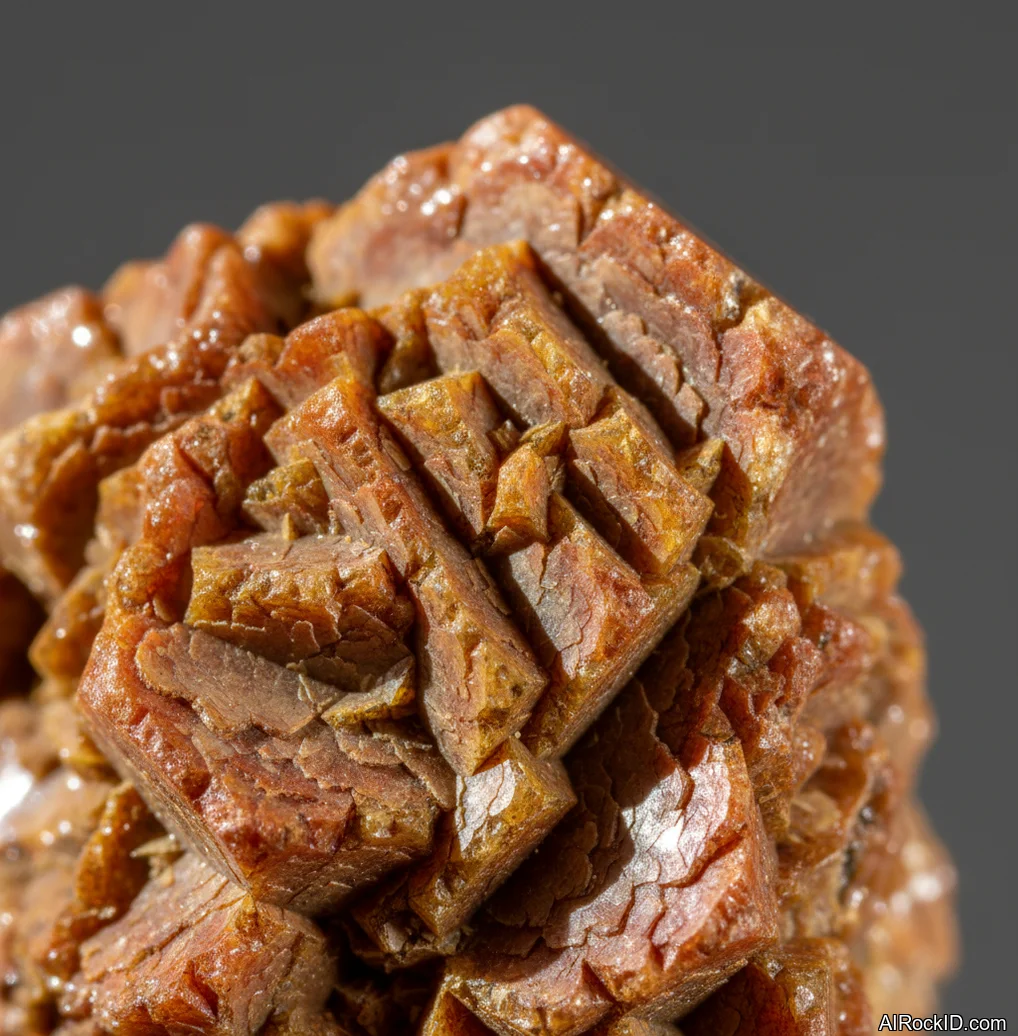
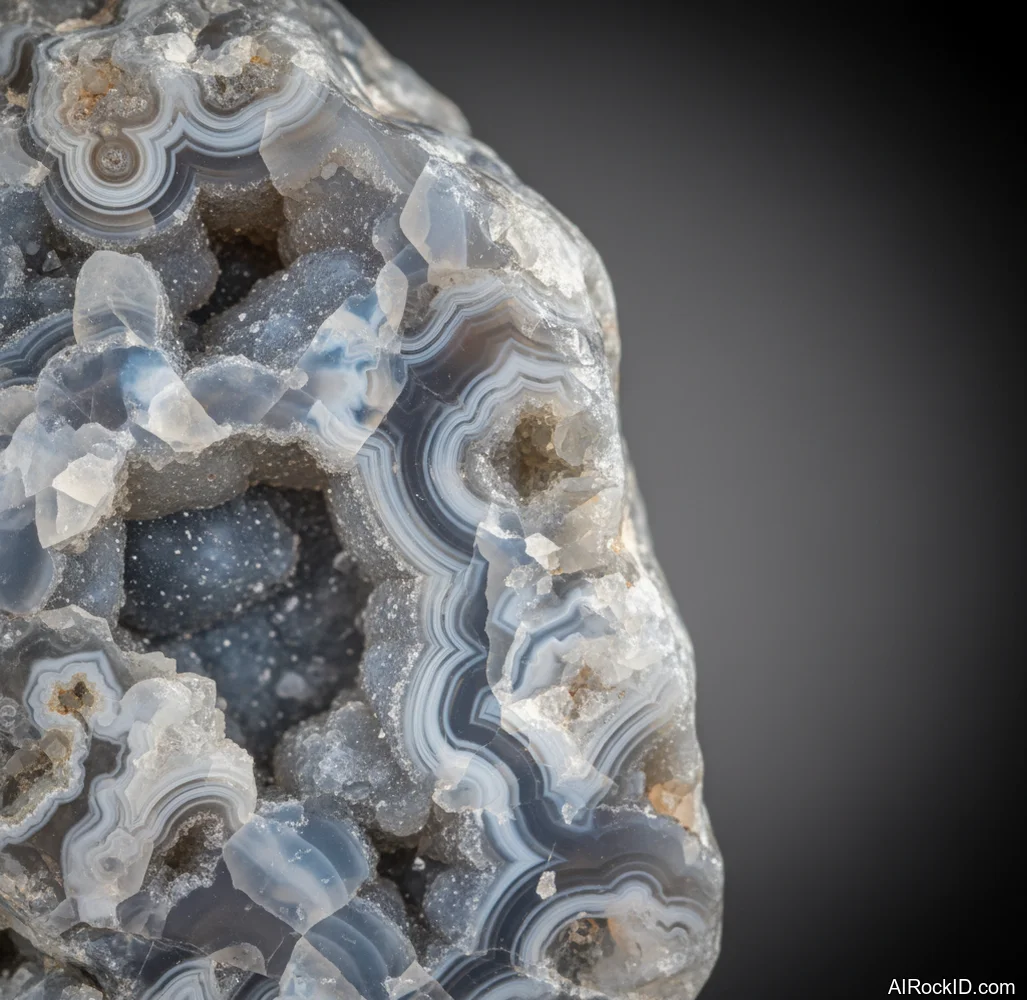
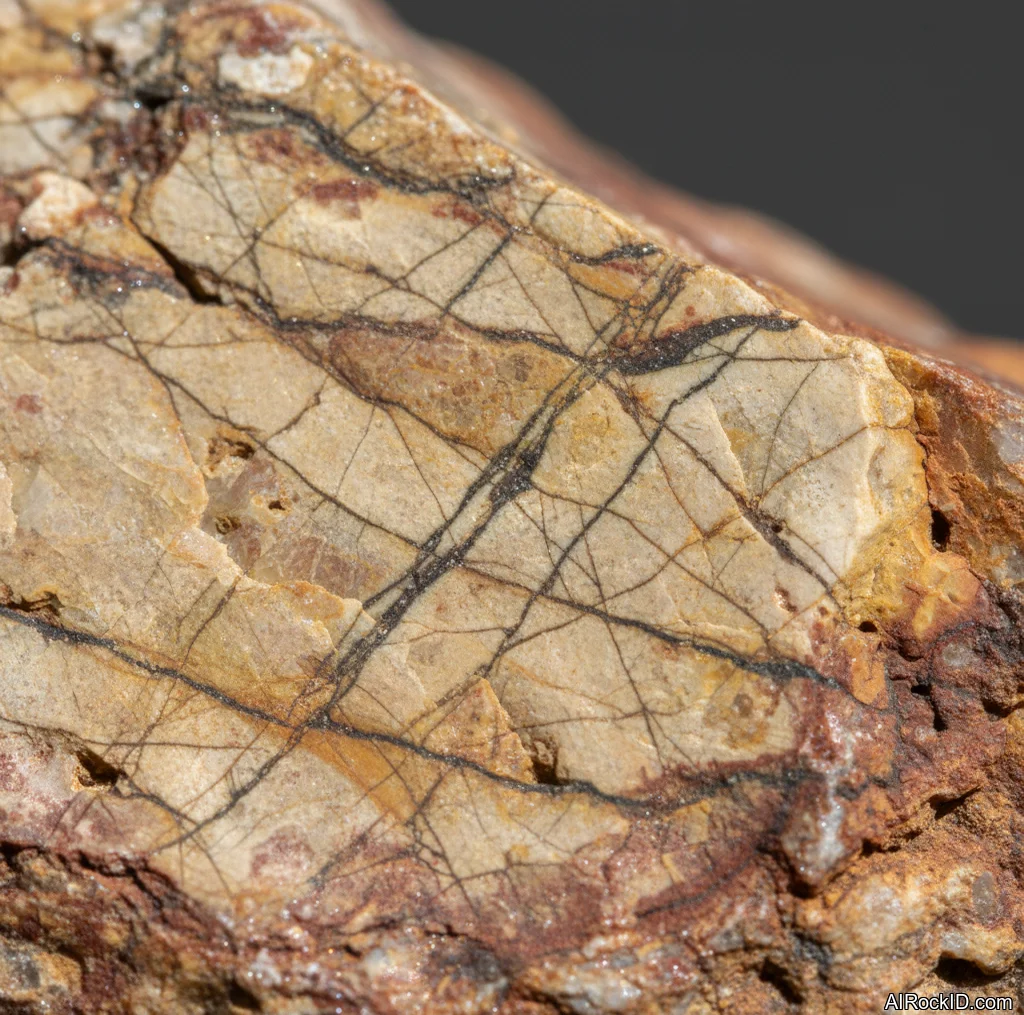
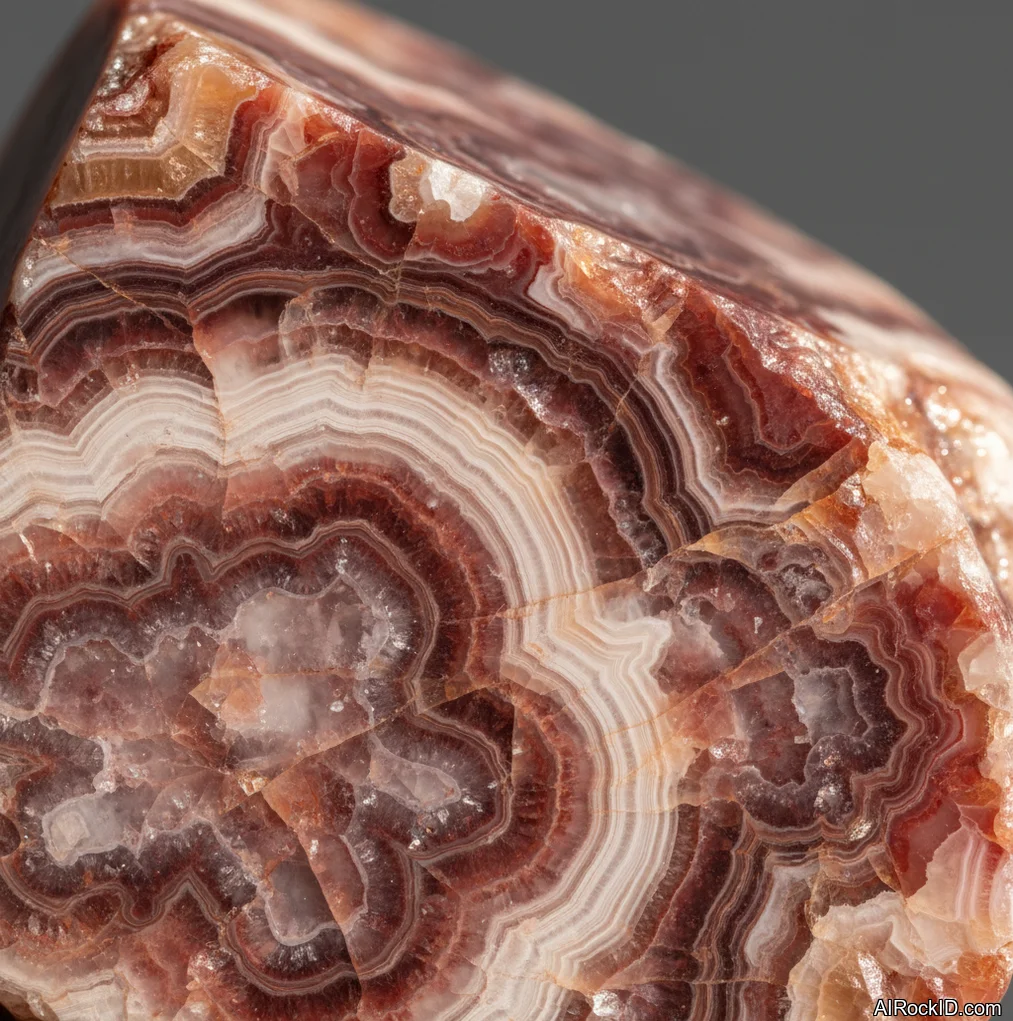
Many stones linked with grounding are black, brown, red, gray, or metallic, which gives them an earthy visual character. Texture also matters for identification: glassy obsidian, fibrous tourmaline, granular jasper, and metallic hematite can all be associated with grounding while looking very different from one another.
Safe Handling and Placement Notes
Most grounding crystals are fine for display, meditation, or carrying when they are intact and clean. Some stones may be brittle, magnetic, sharp-edged, or prone to leaving residue, so avoid placing unknown specimens in water, salt, aquariums, or direct contact with food.
Natural, Treated, and Imitation Grounding Stones
Grounding stones are commonly sold as tumbled pieces, beads, carvings, and raw specimens, and some may be dyed, coated, heat-treated, or made of glass. A trade name or metaphysical label does not always confirm the mineral identity, so visual checks and basic mineral tests can help clarify what the stone is.
What Are Grounding Crystals? Physical and Energetic Properties
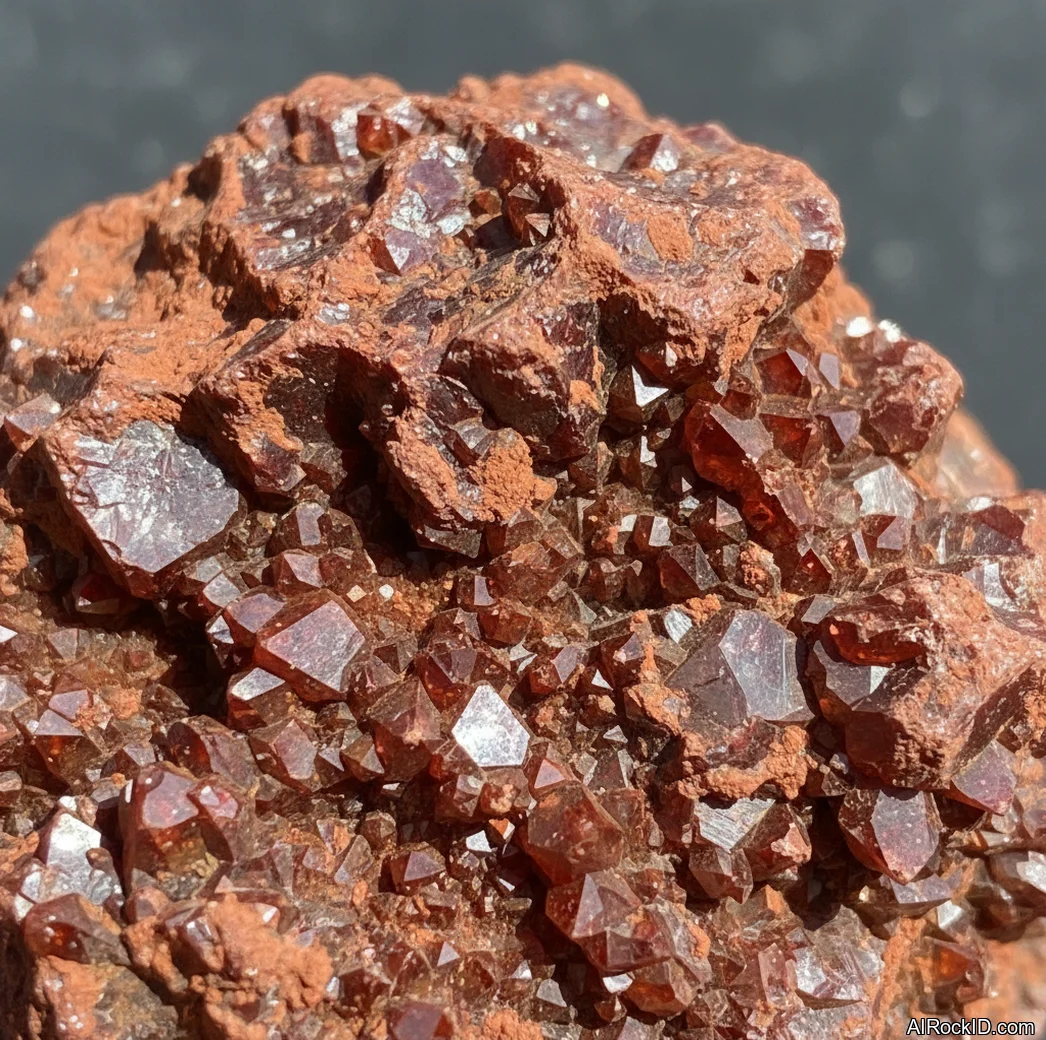
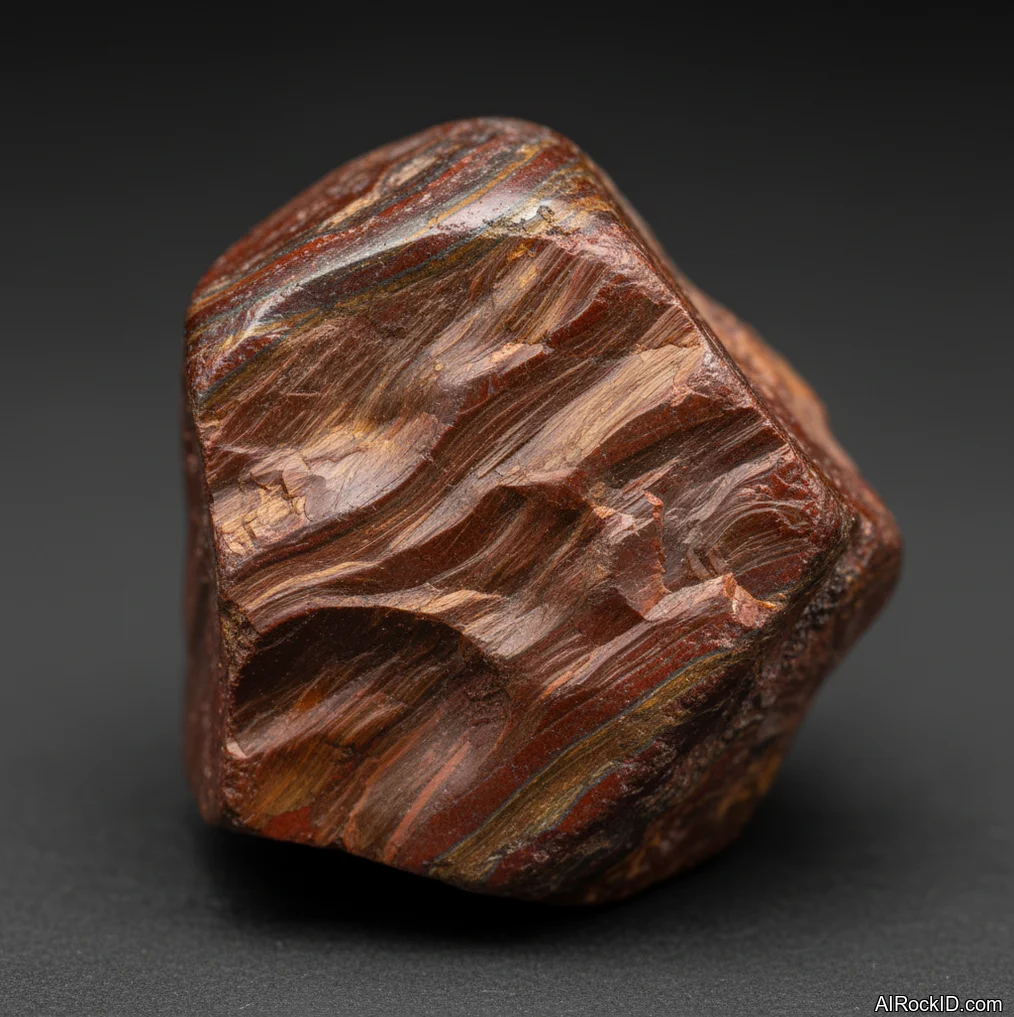
Pick up a chunk of hematite and you feel it right away. Not the shine. The weight. A good piece sits heavy in the palm, colder than you expect, like it’s pulling your attention down out of your head and into your hands. That’s the vibe people are chasing when they talk about grounding in crystal terms: getting back into the body, settling the nervous system, and feeling steady when everything else feels loud.
Grounding, the way most crystal folks mean it, is about stability and presence. Less spinning thoughts. Less scattered energy. More “I’m here, I can deal with today.” So yeah, grounding crystals end up in pockets, on desks, by the front door, and at the bottom of crystal grids. People reach for them during anxiety, after intense emotional work, when they’re overstimulated from screens, or when they’ve been doing a lot of spiritual practices and feel a little floaty afterward.
Common Grounding Stones: Black Tourmaline, Smoky Quartz, and Hematite
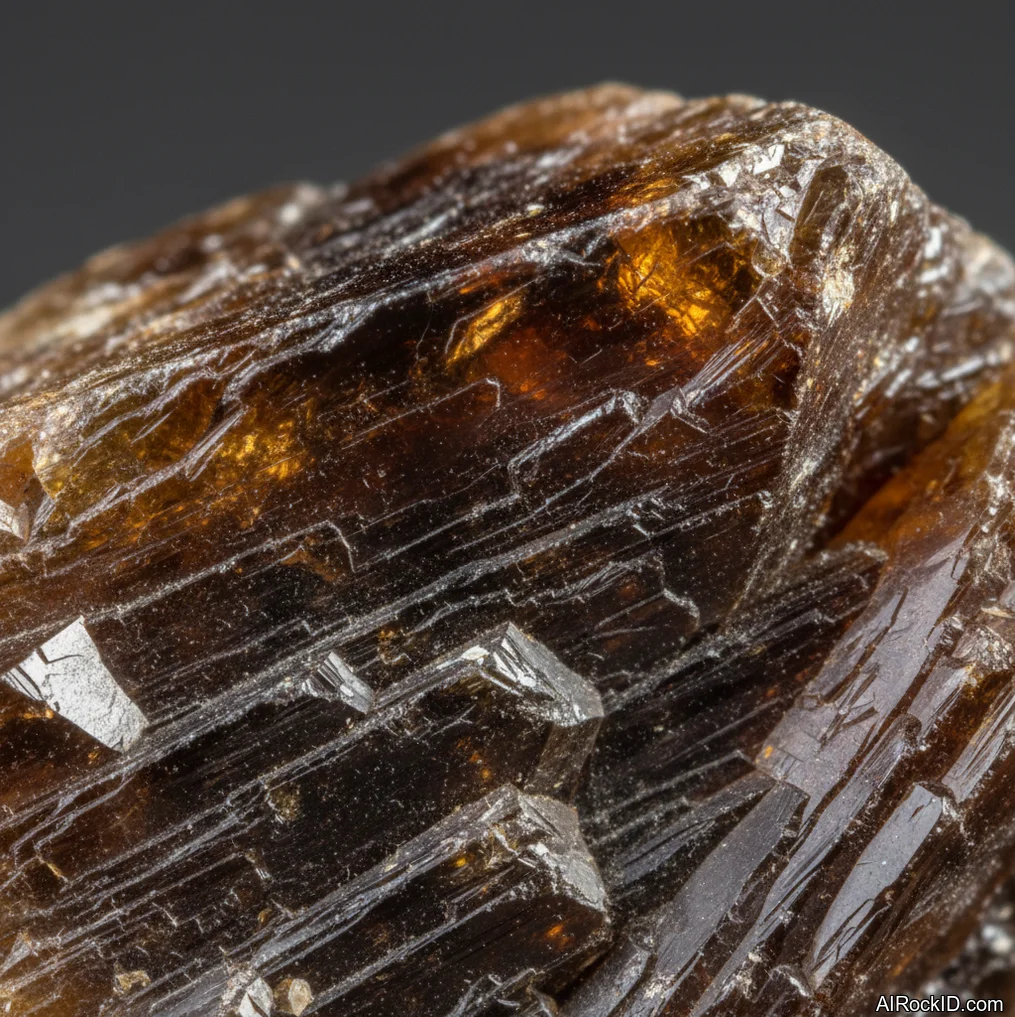
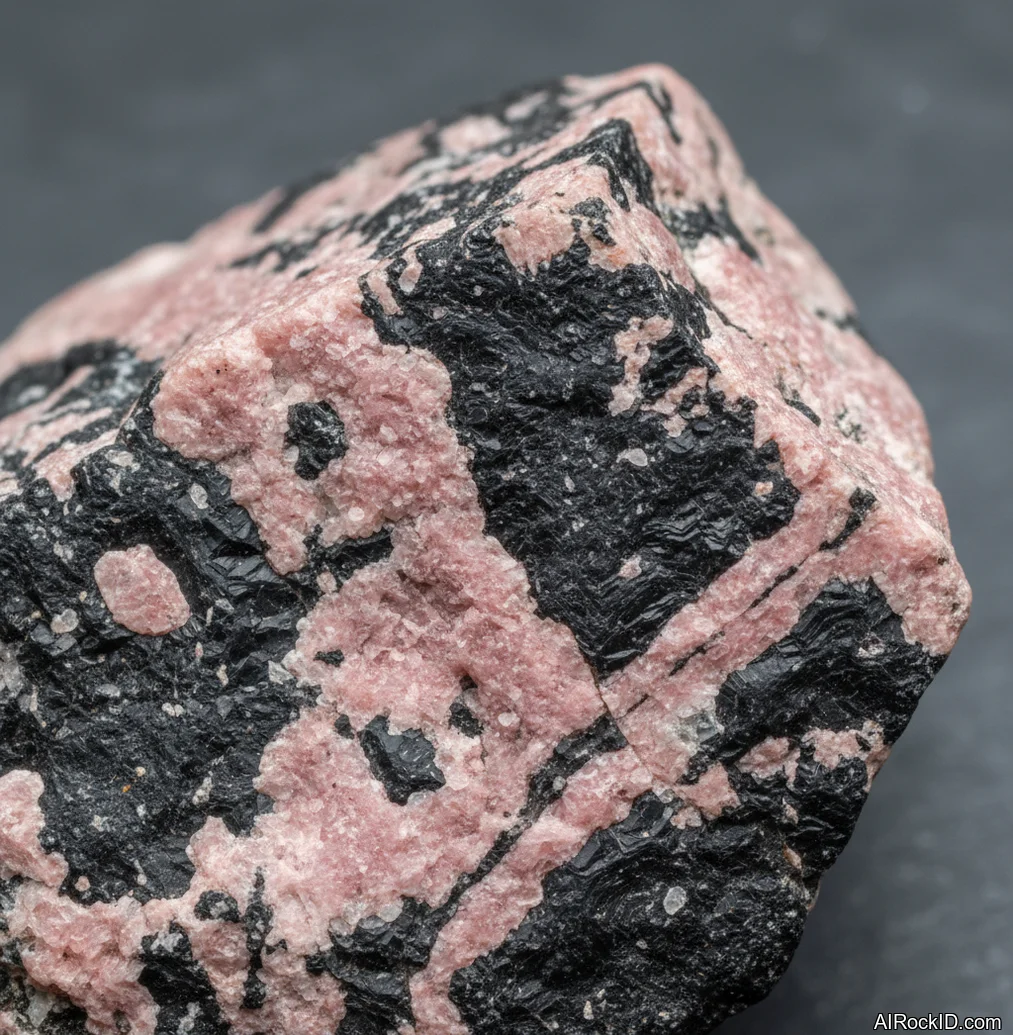
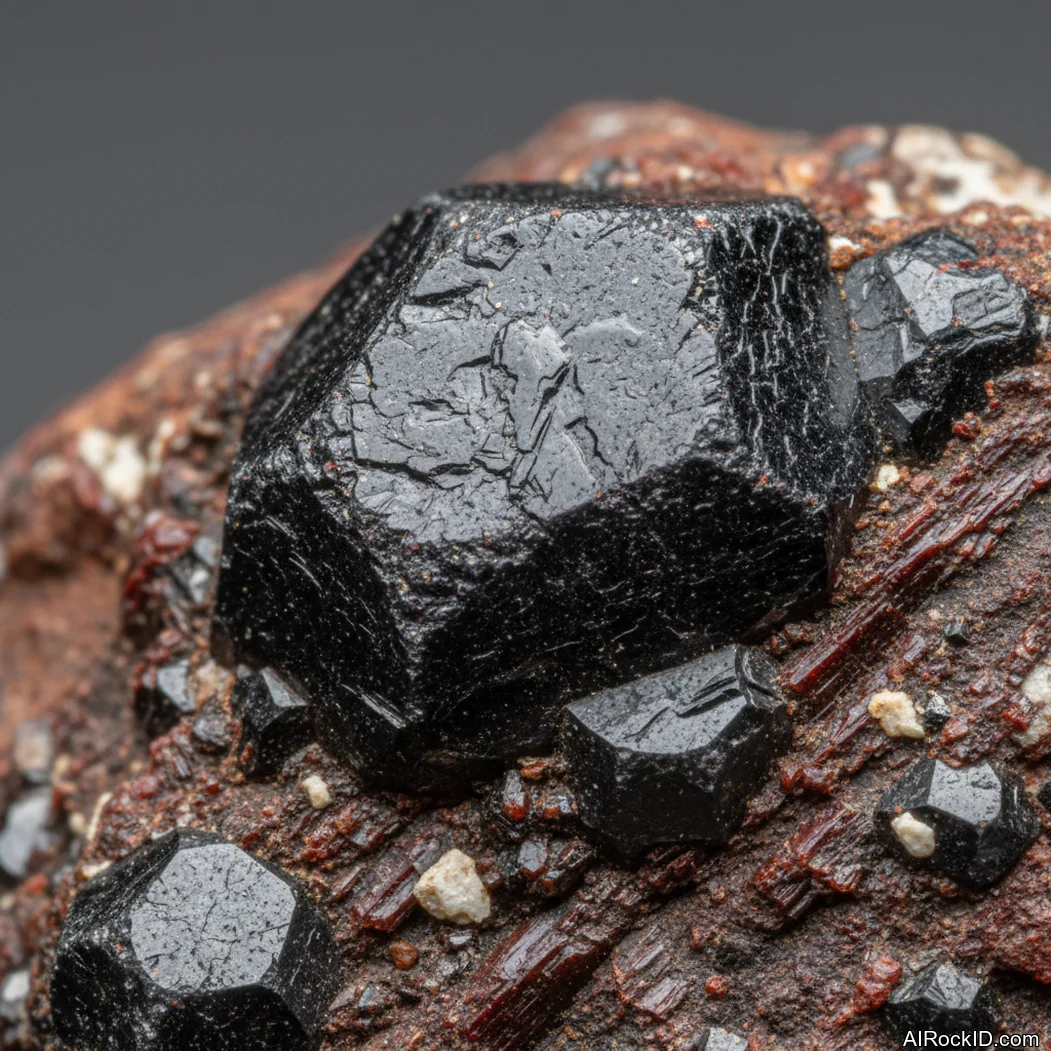
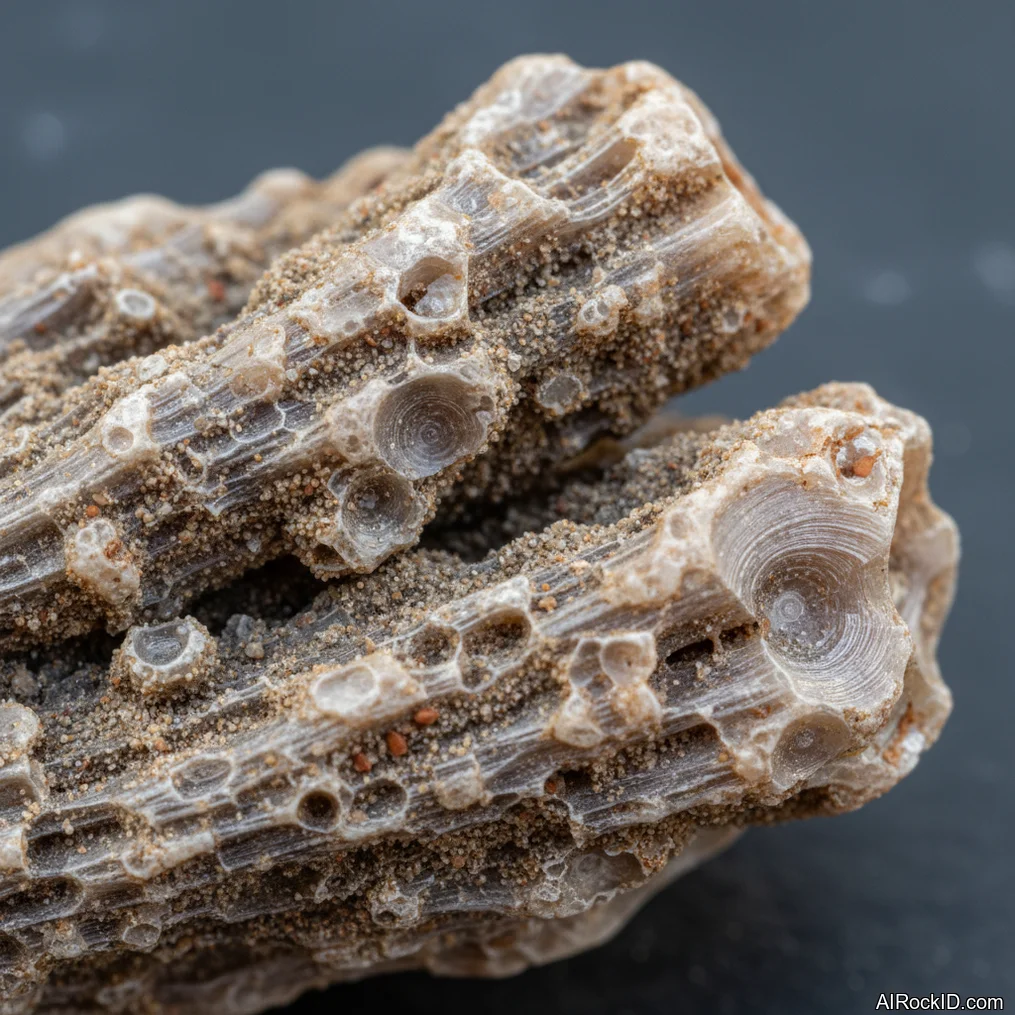
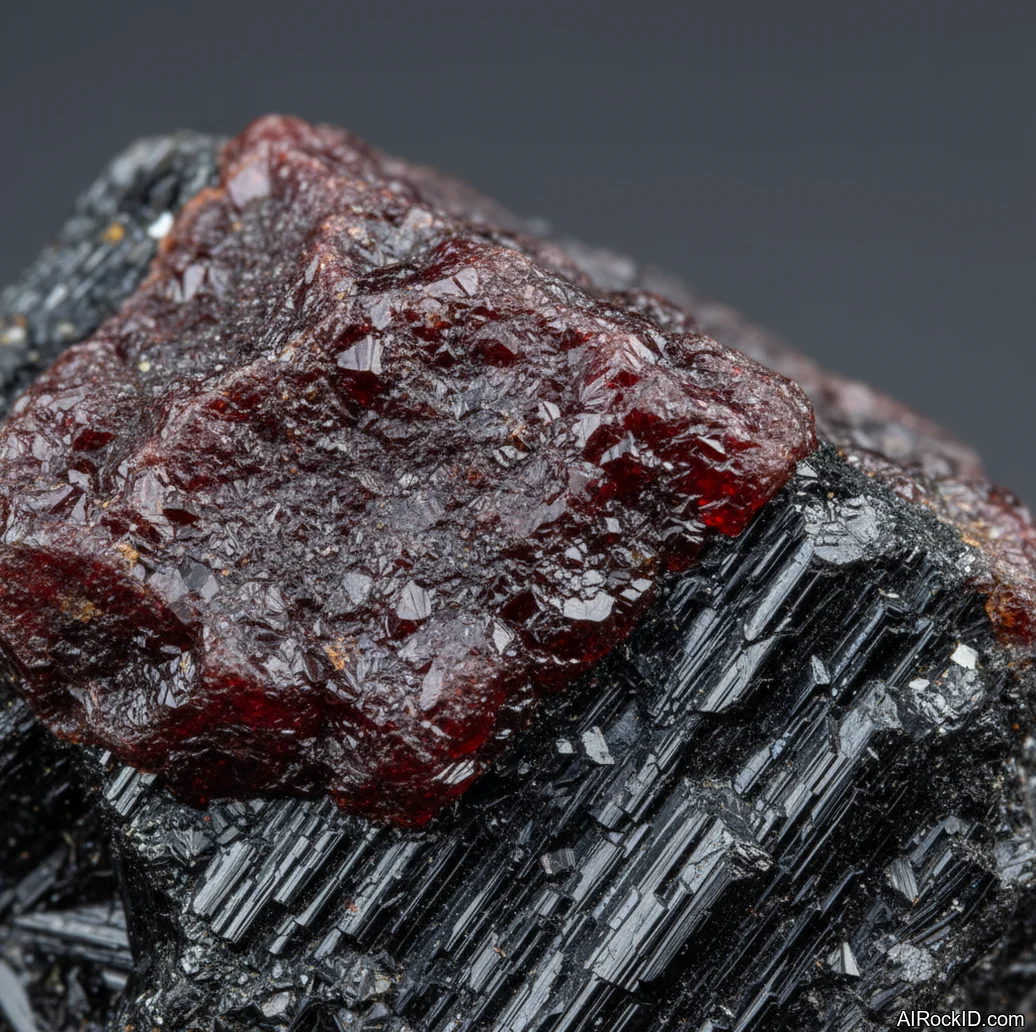
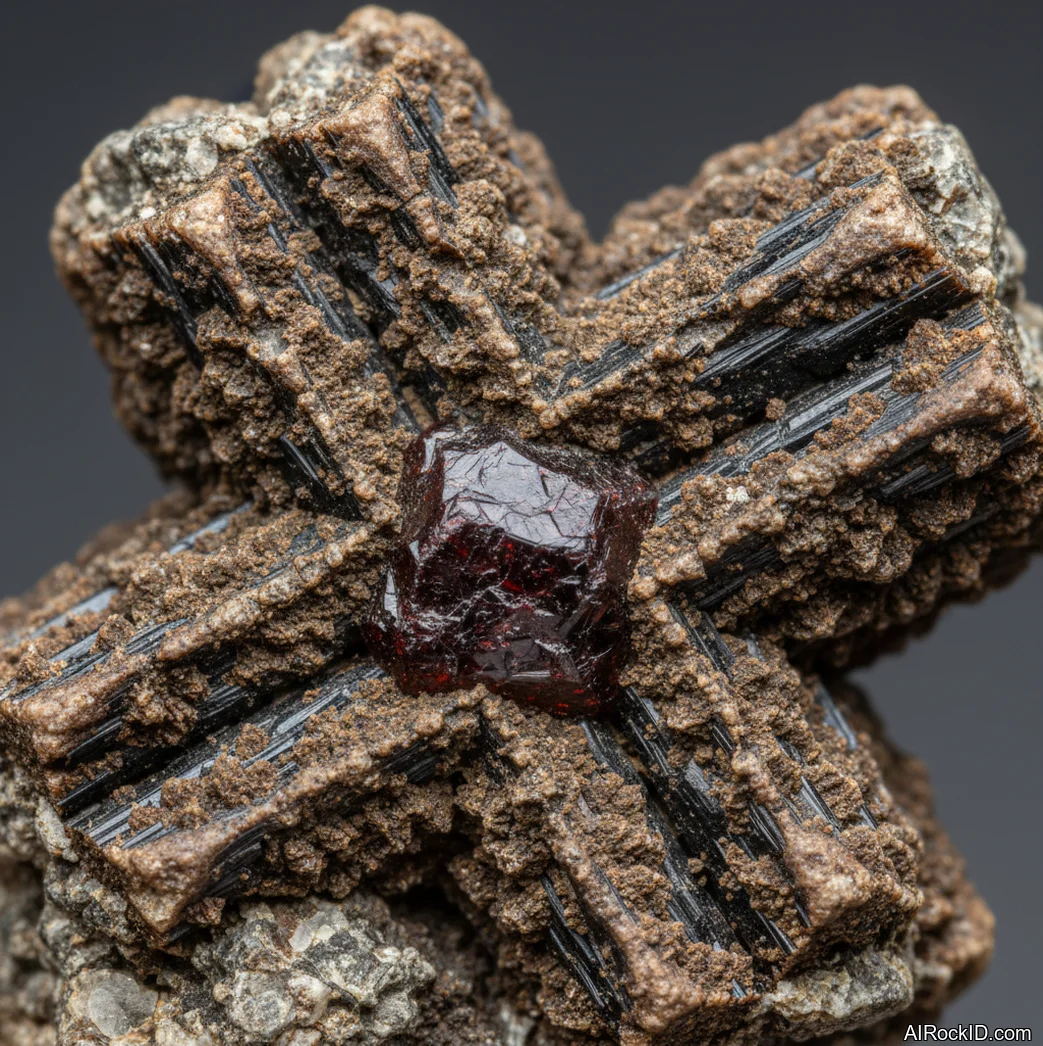
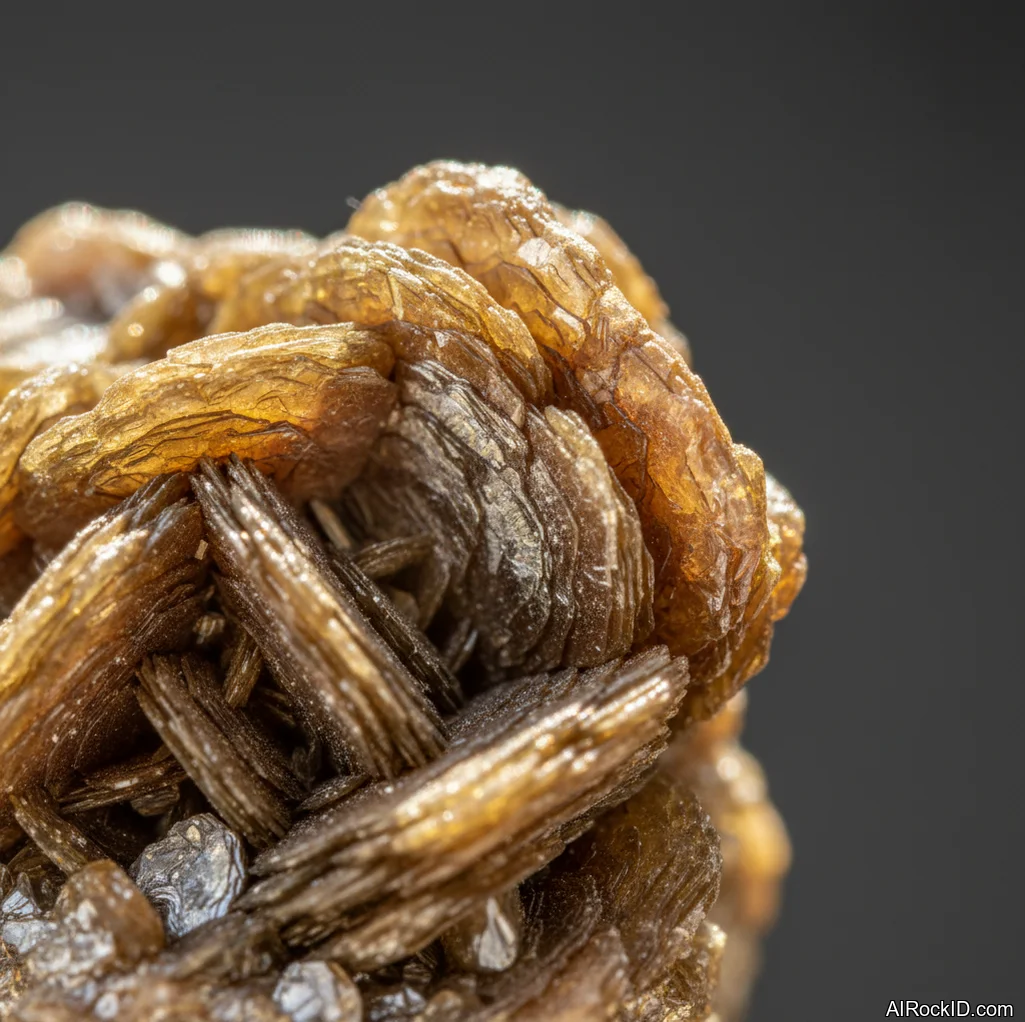
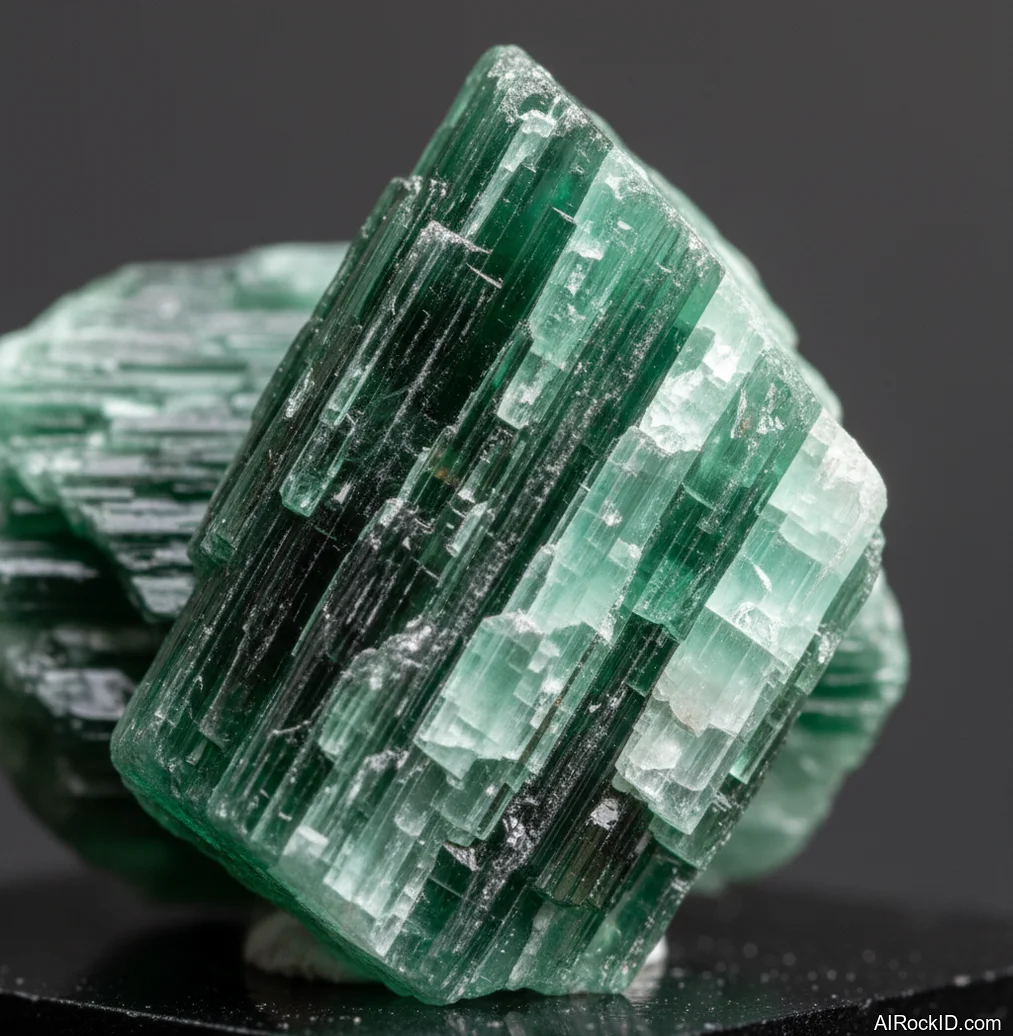
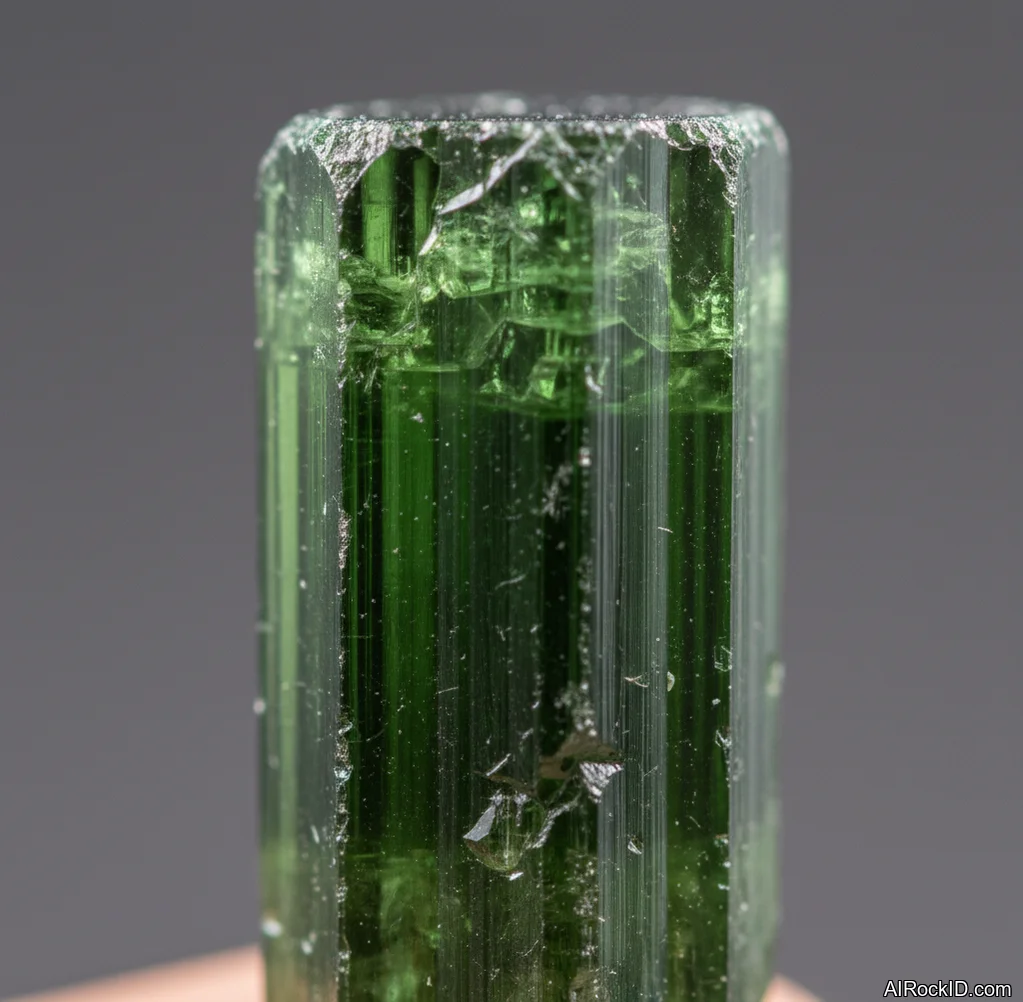
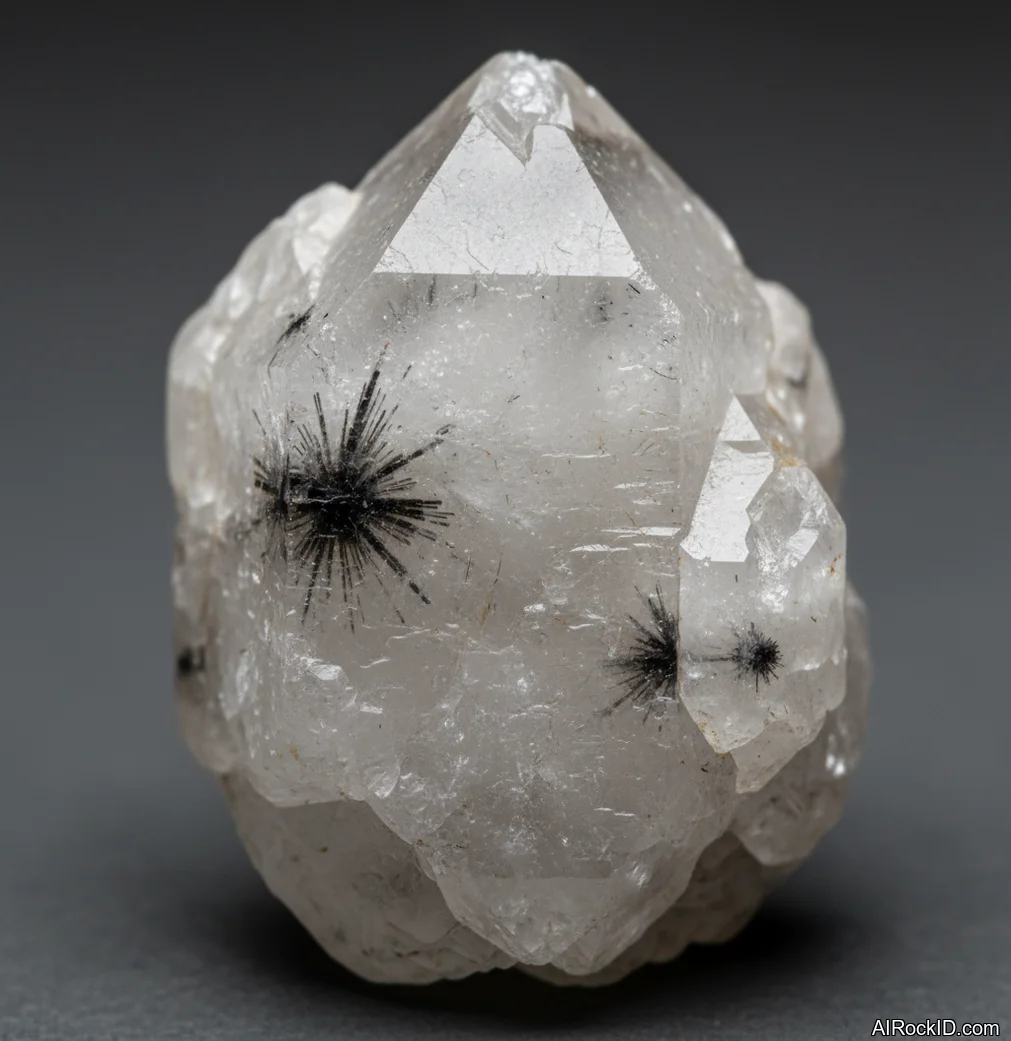
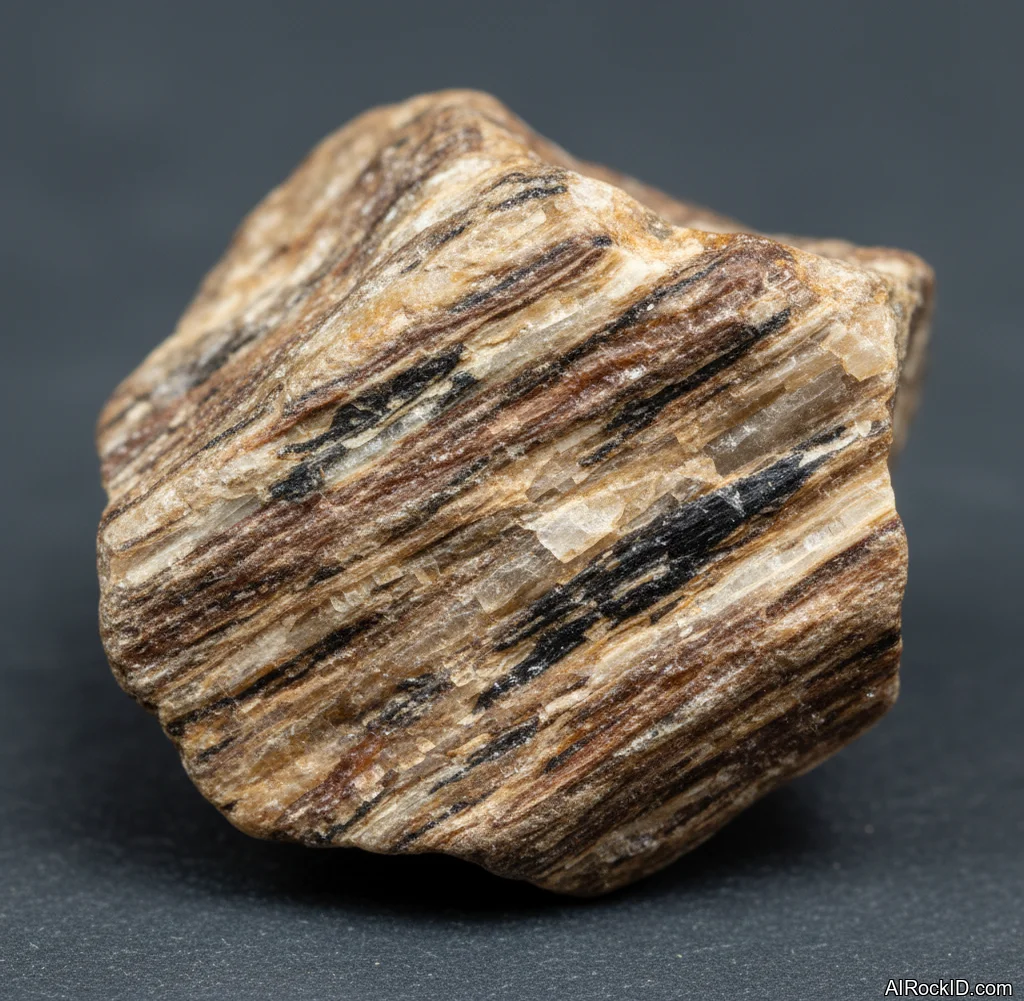
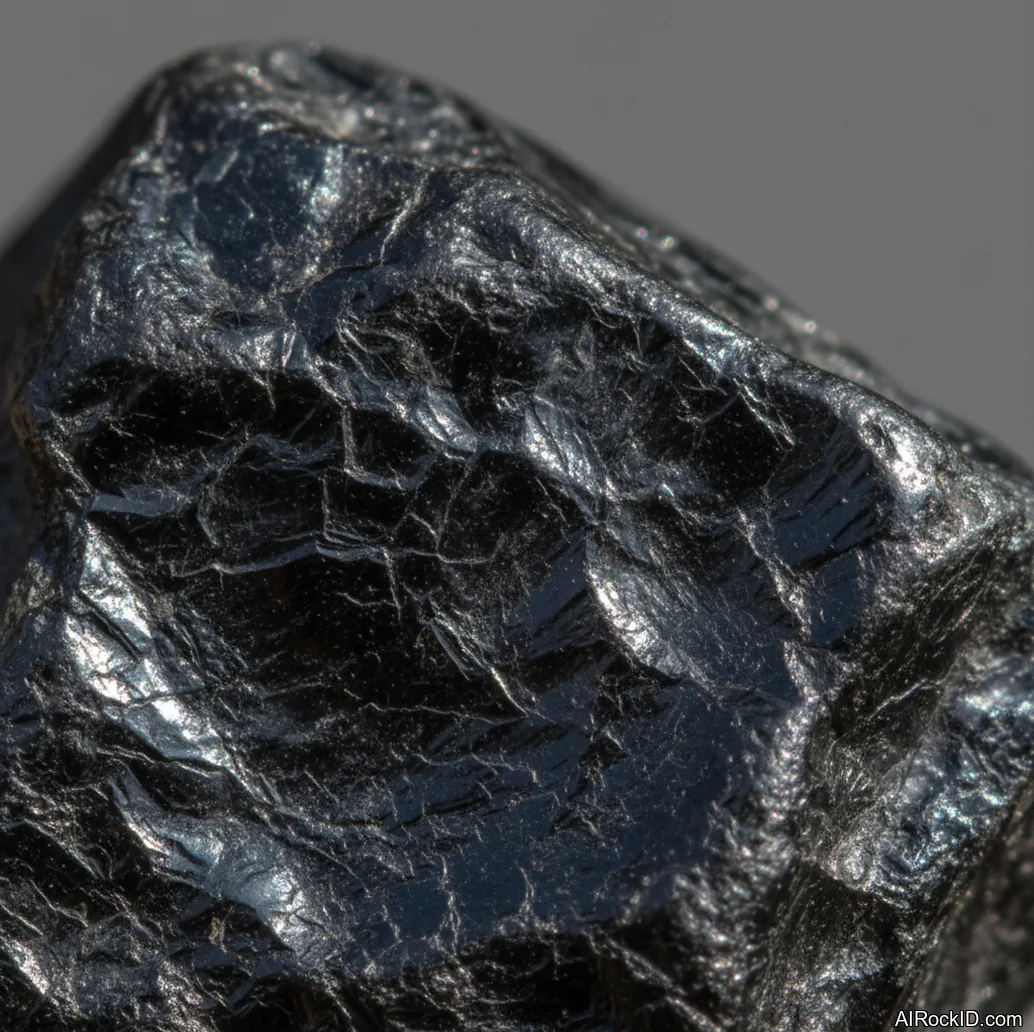
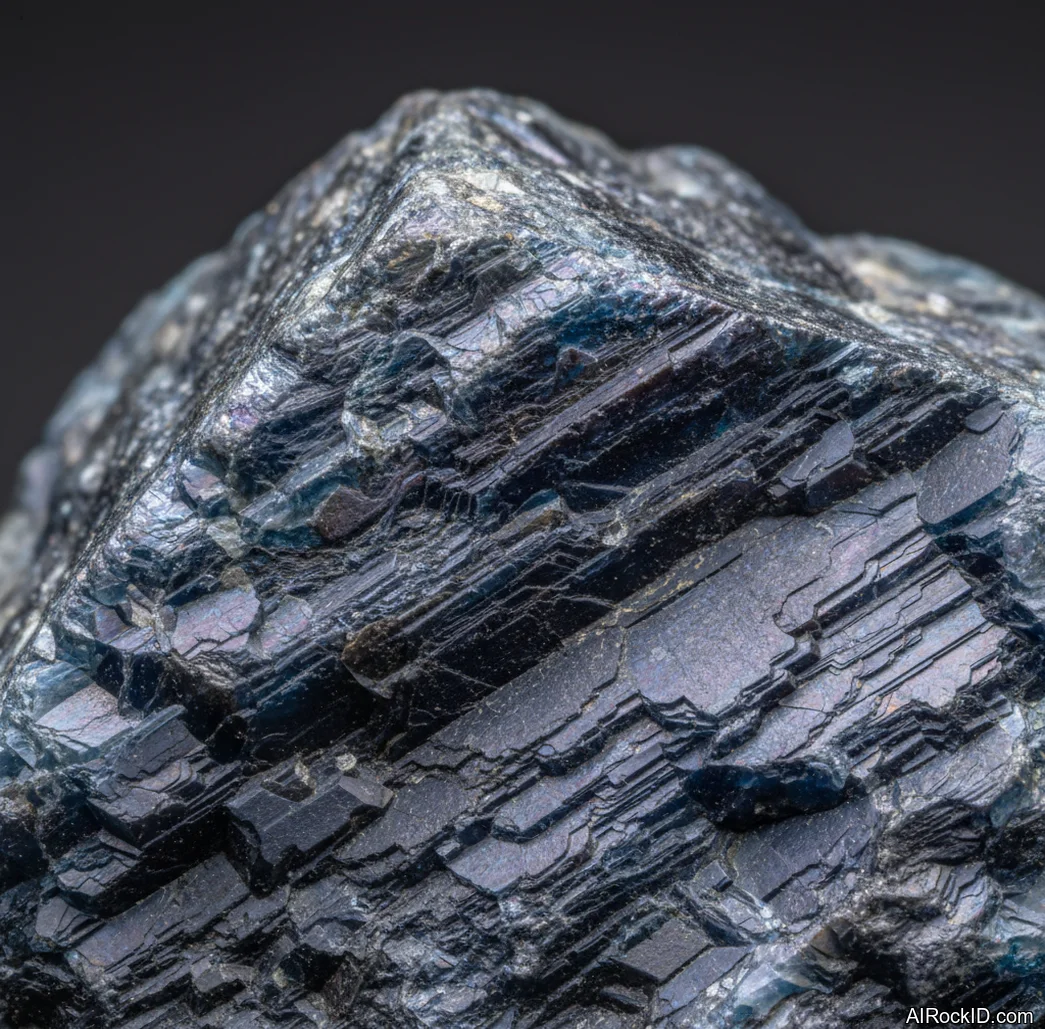
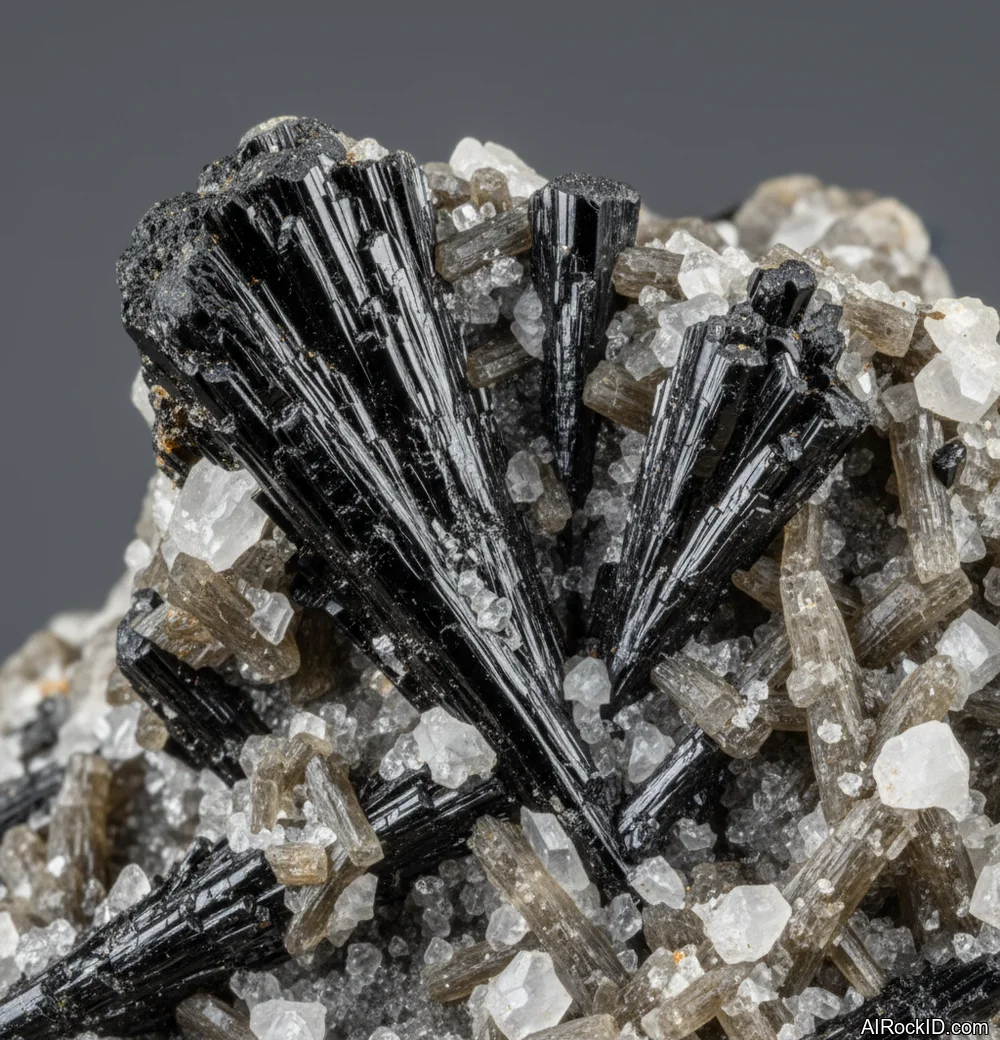
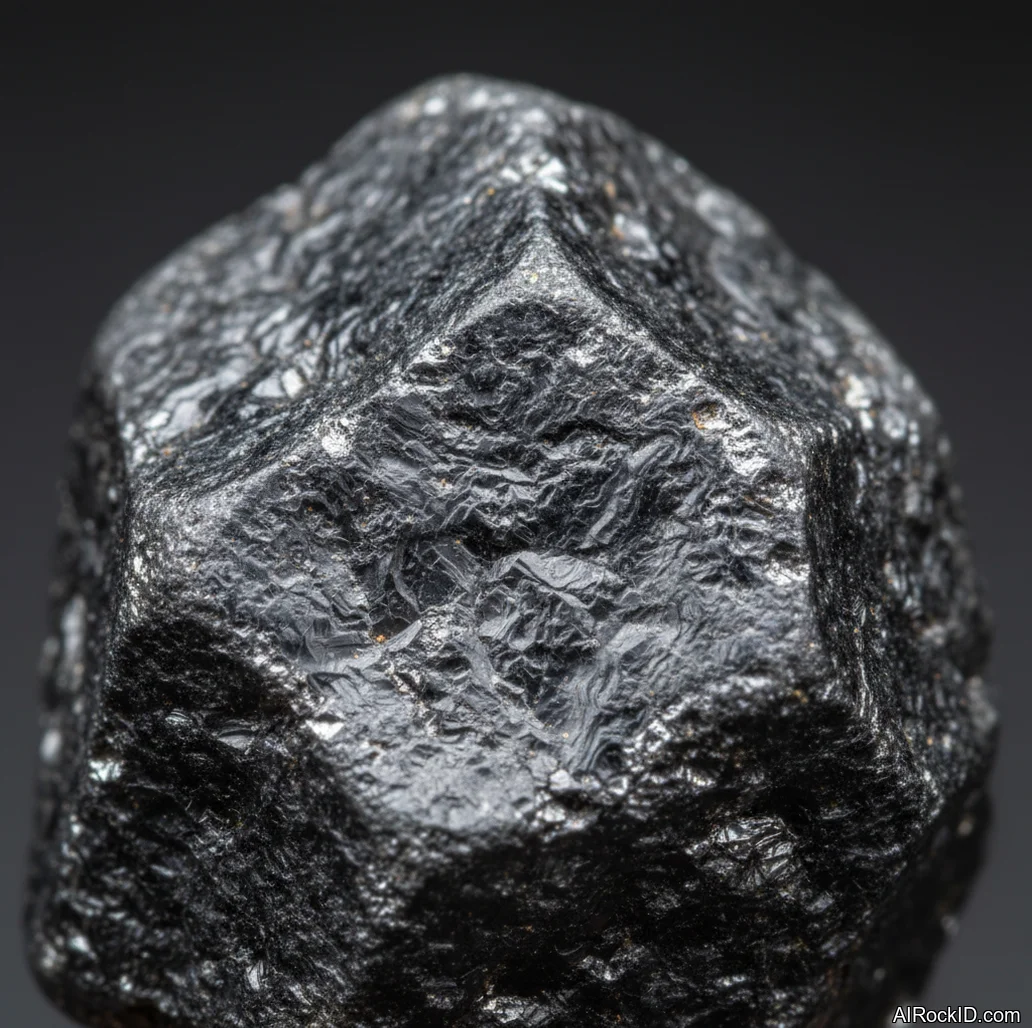
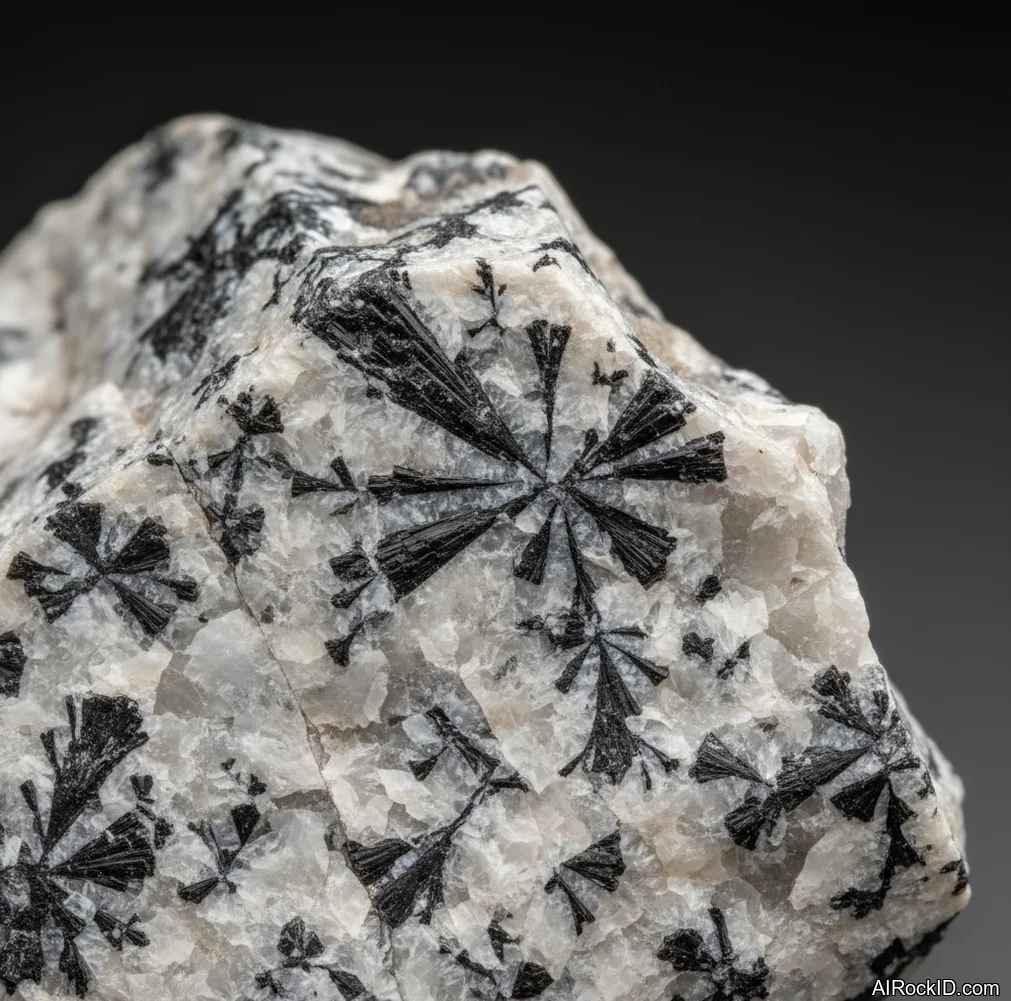
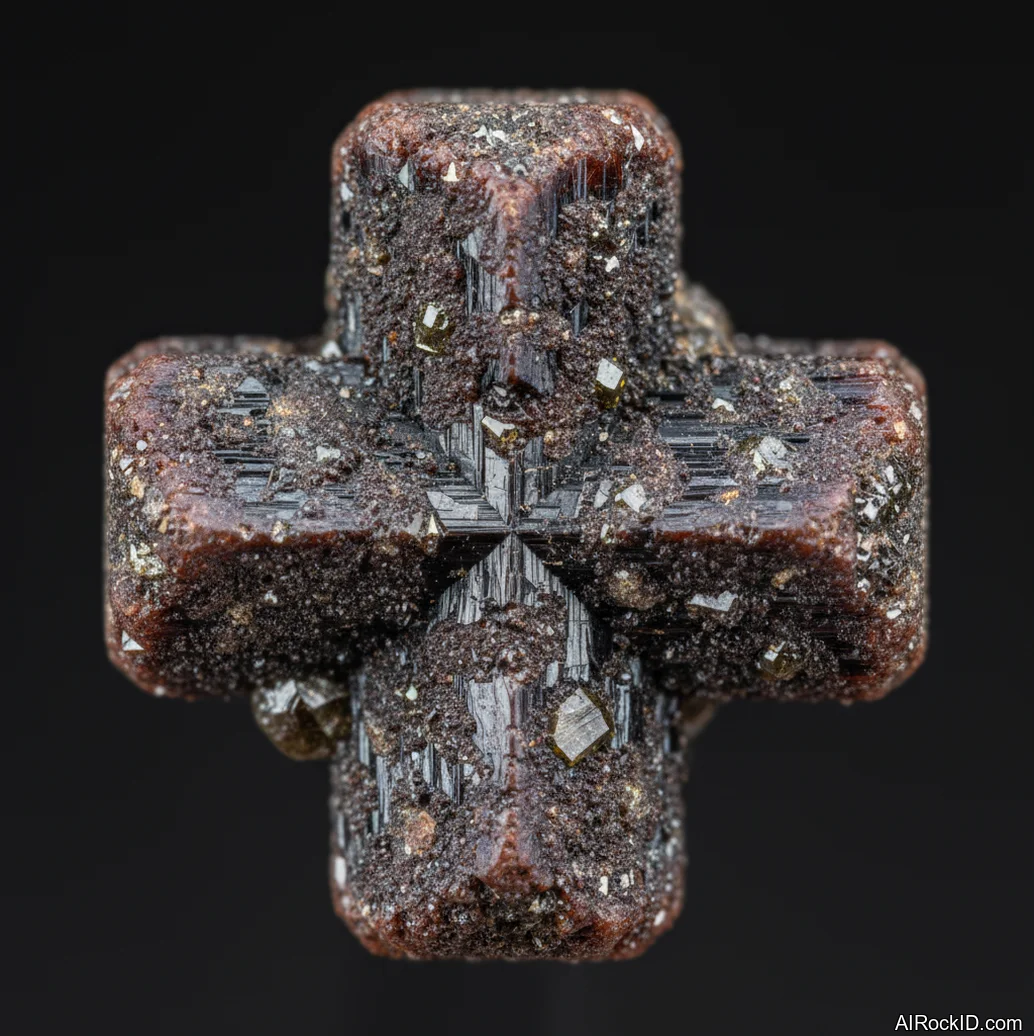
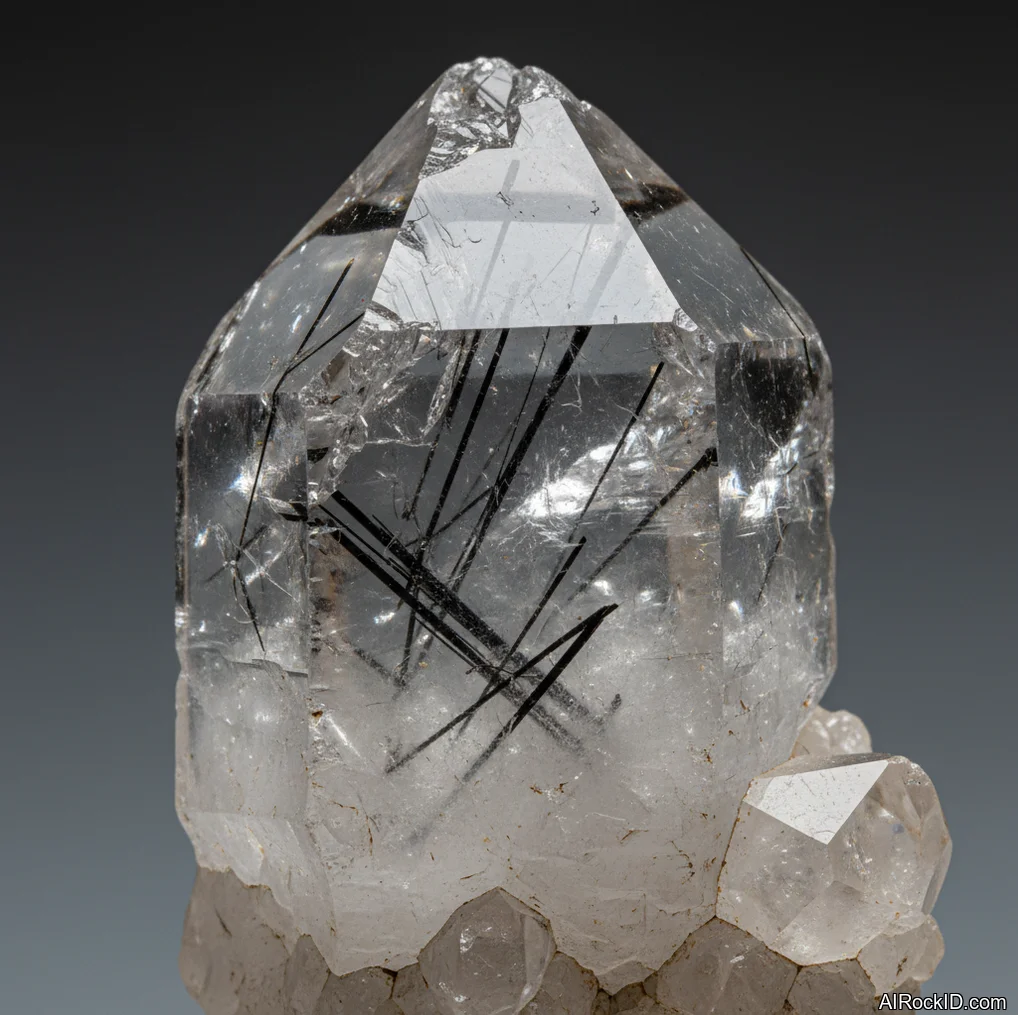
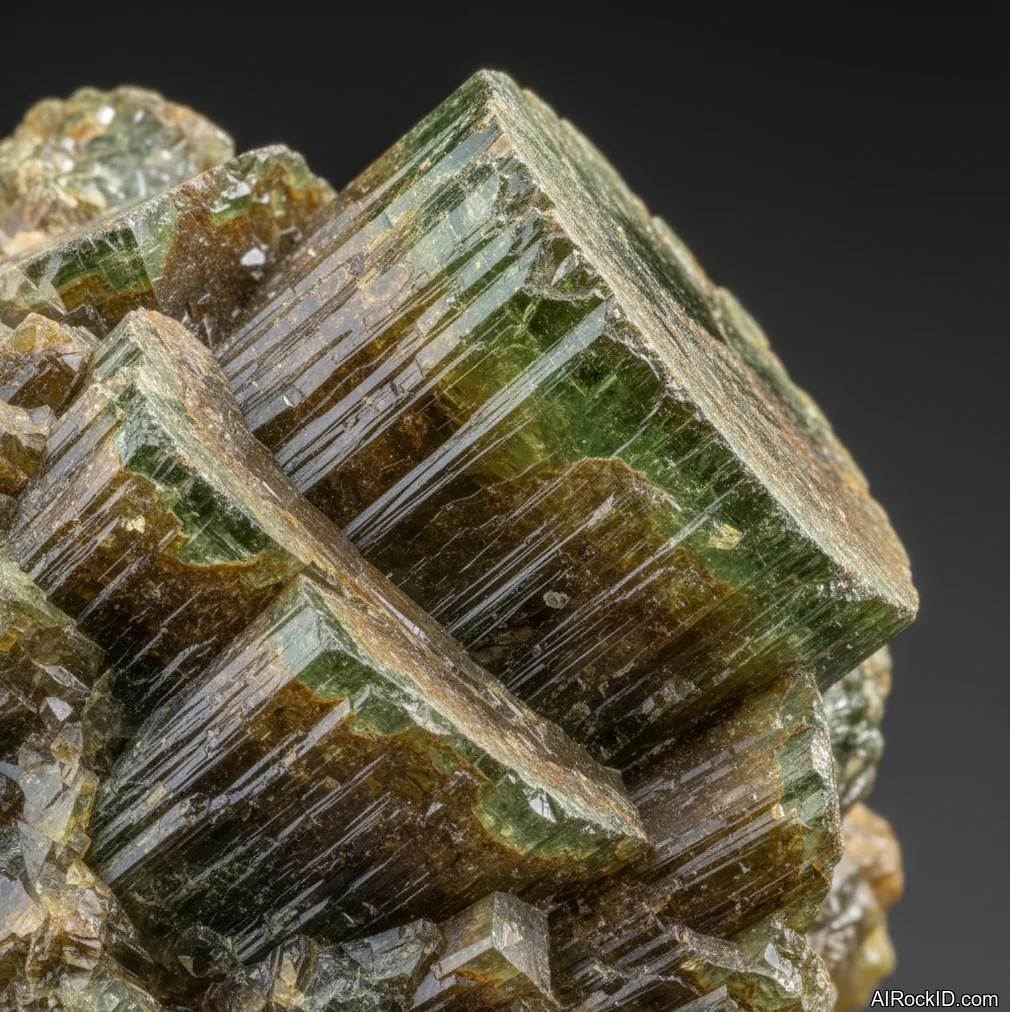
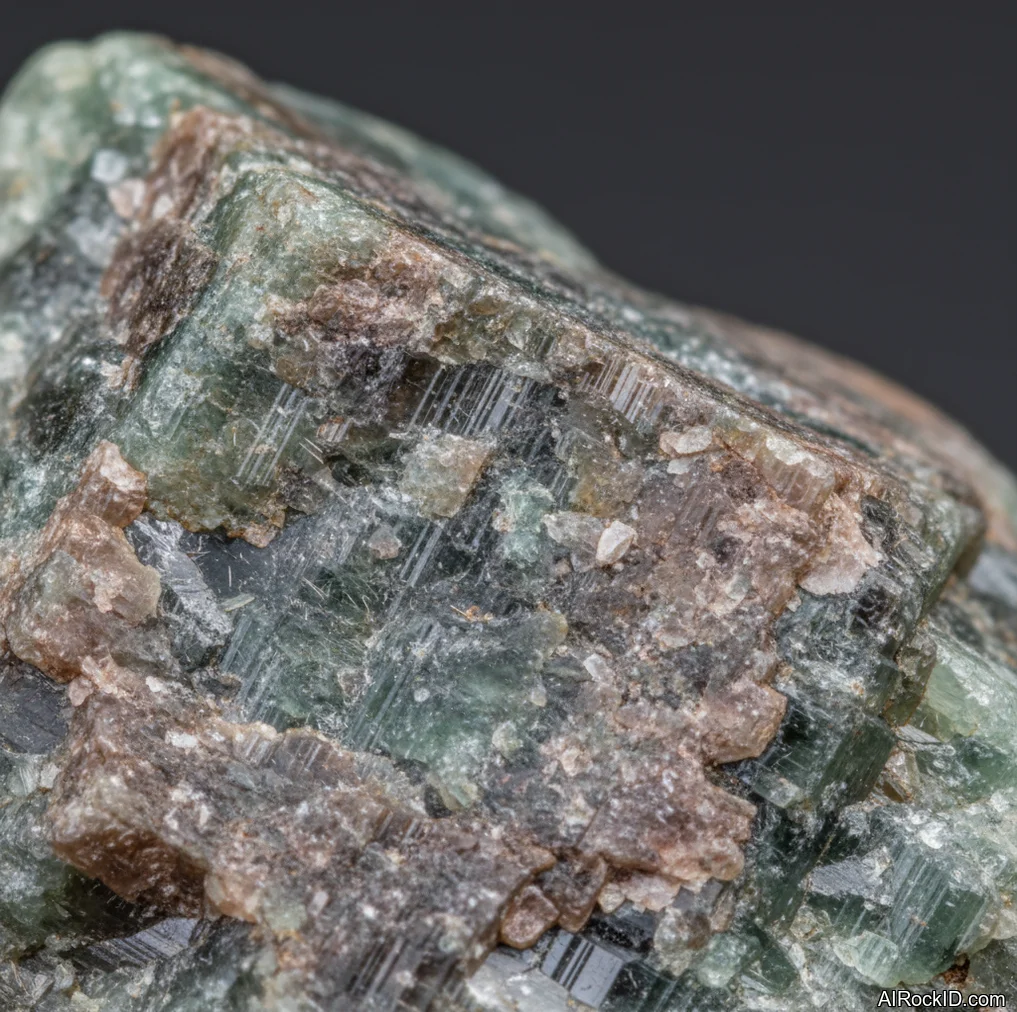
Look closely at the stones that get labeled 'grounding' and there’s a pattern. They’re often dark, iron-rich, or earthy, and they tend to feel dense for their size. Black tourmaline (schorl) is the classic. Raw pieces have long triangular striations running down the length, and the ends are usually chipped because tourmaline doesn’t like being knocked around. And it’s brittle, so if you drop a big wand on tile it can snap or shed little splinters. That physical 'nope, I’m staying solid' quality is part of why people like it.
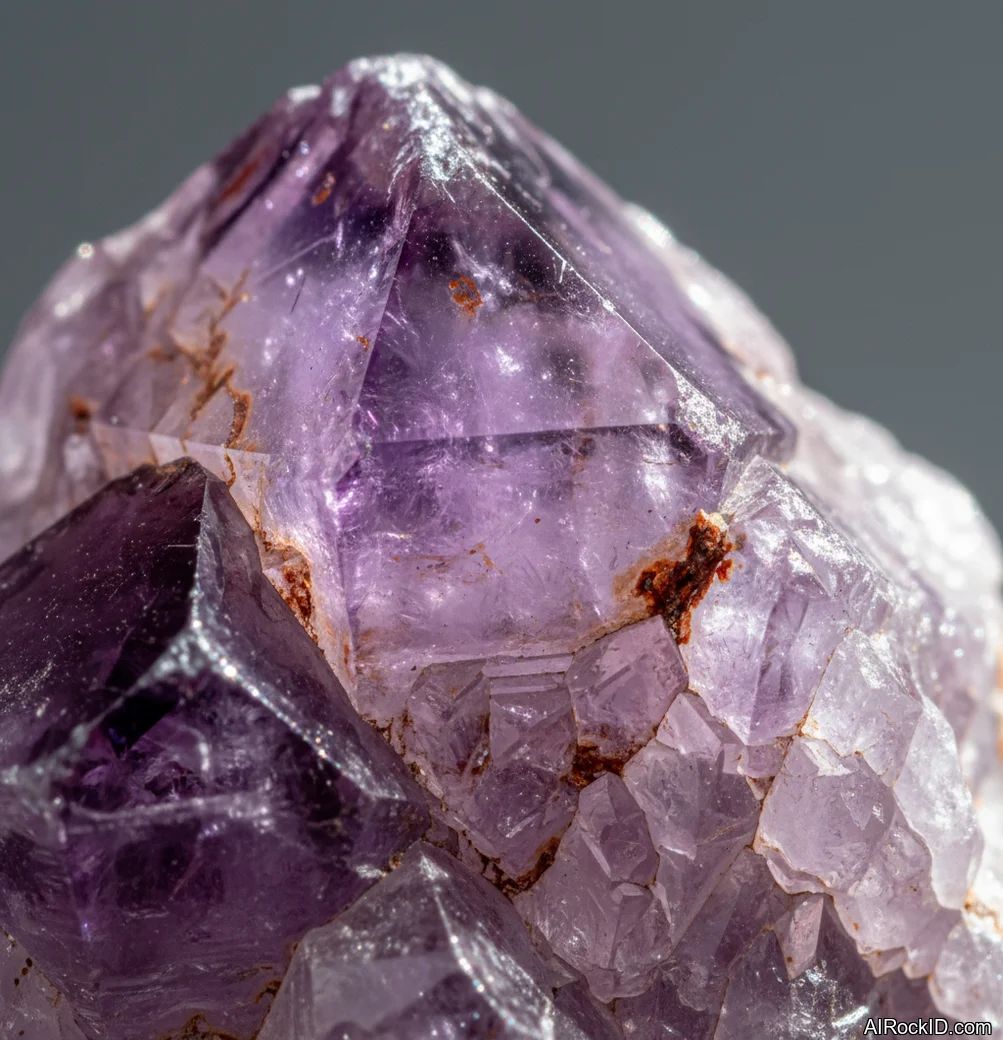
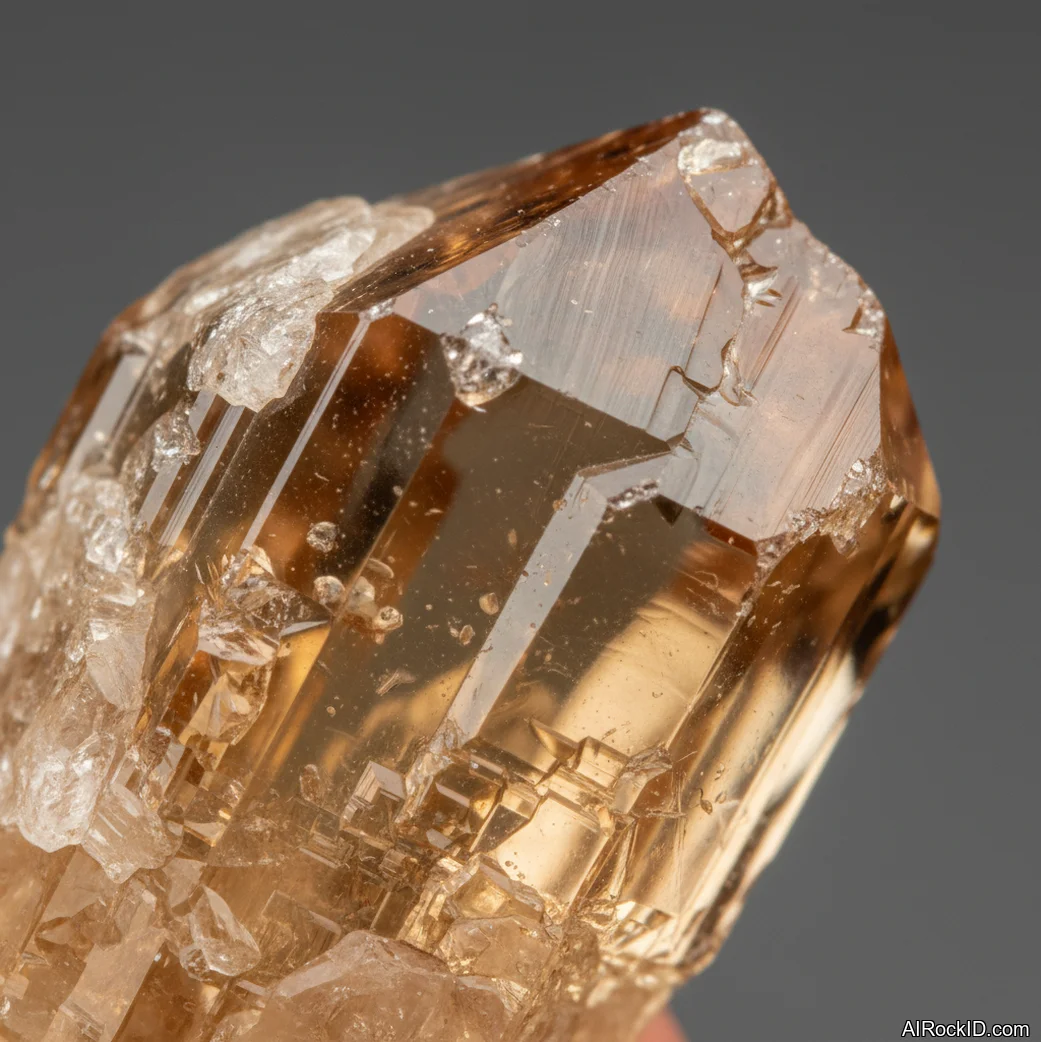
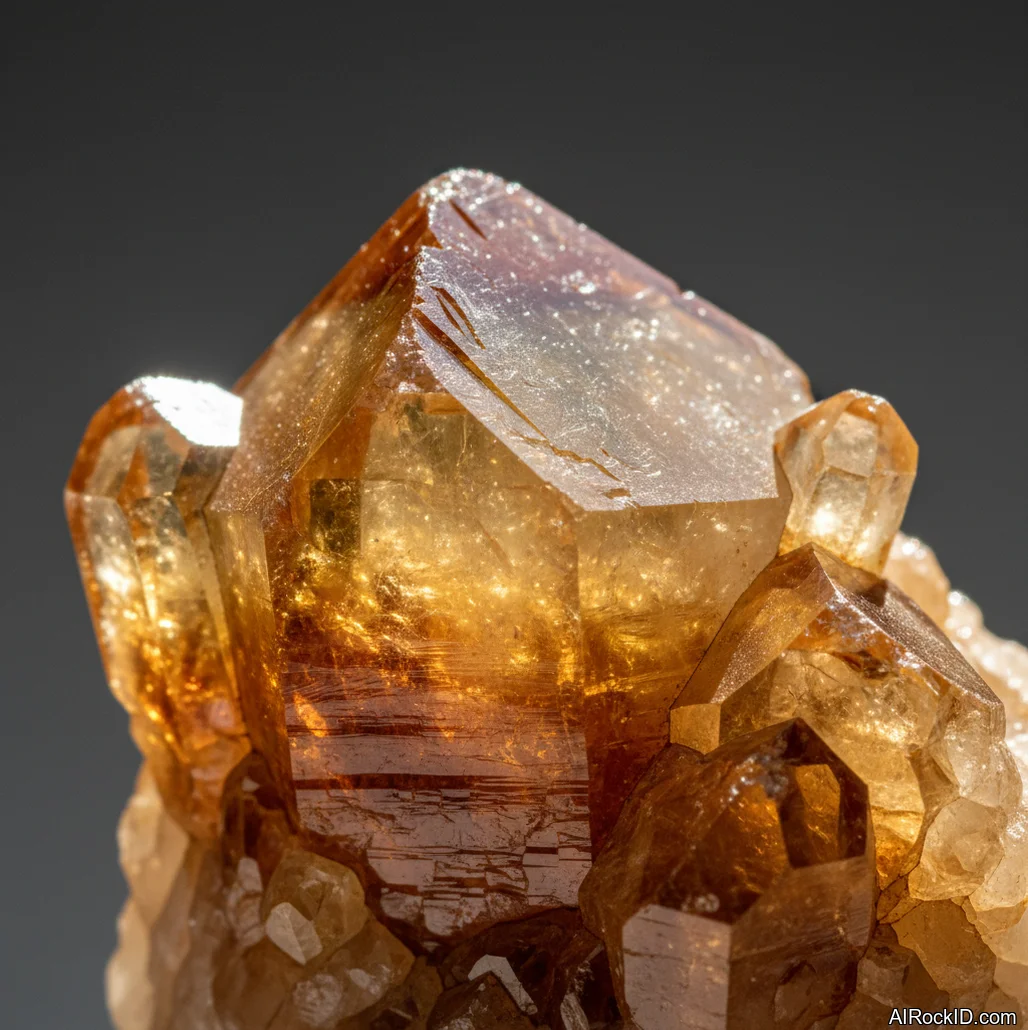
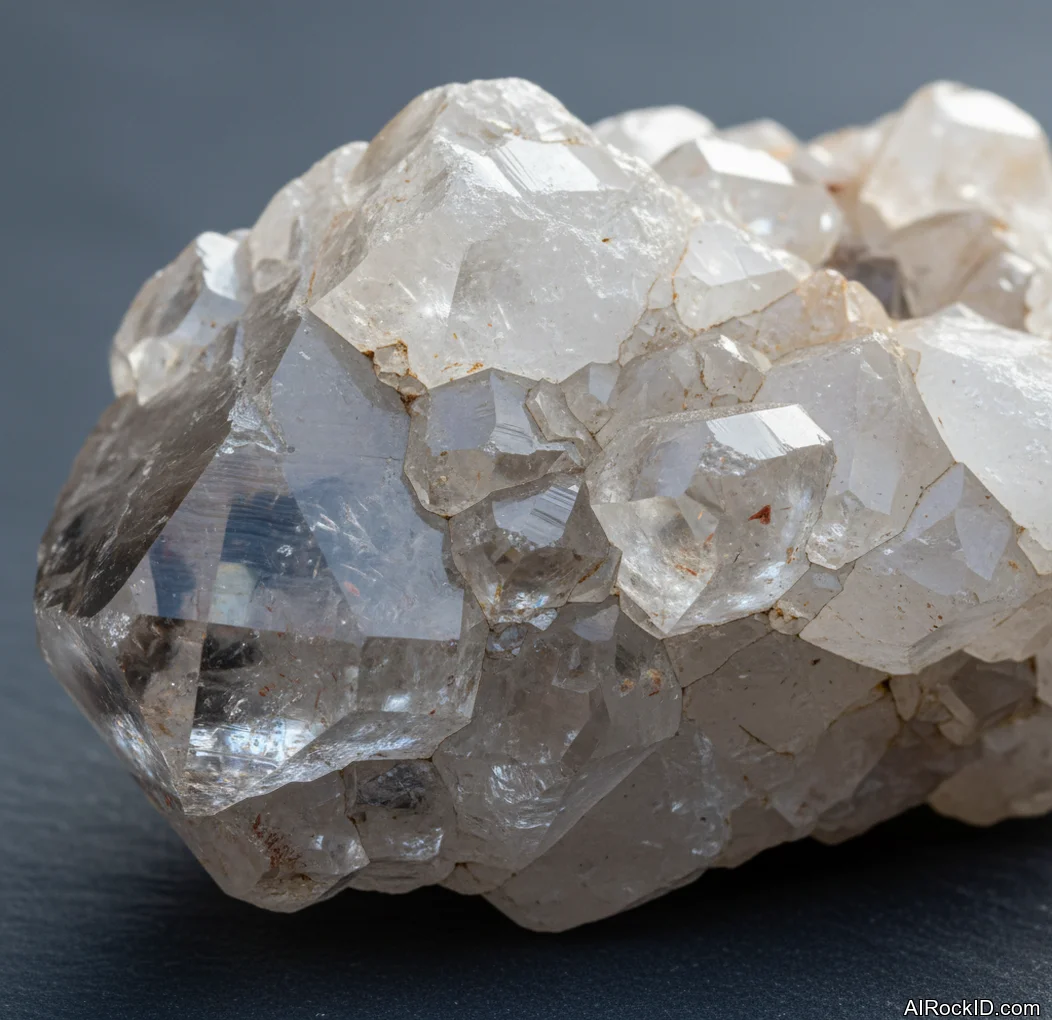
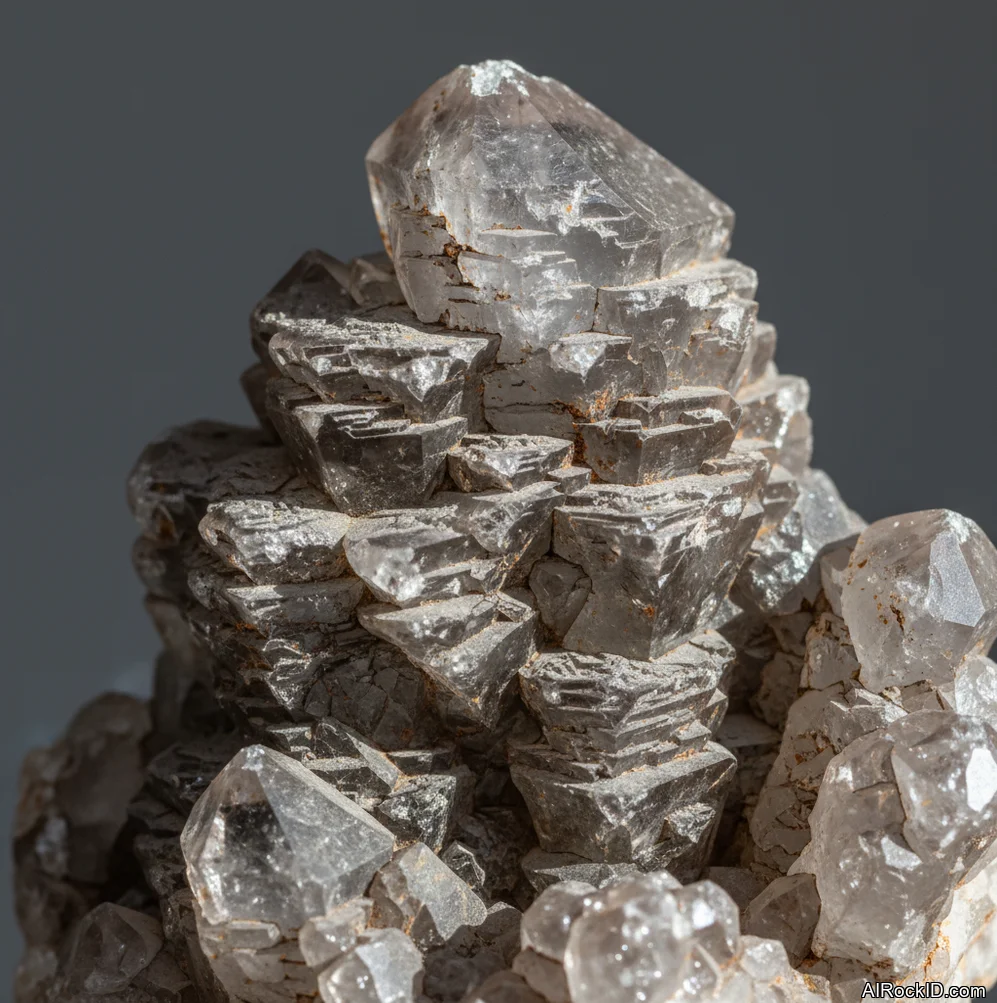
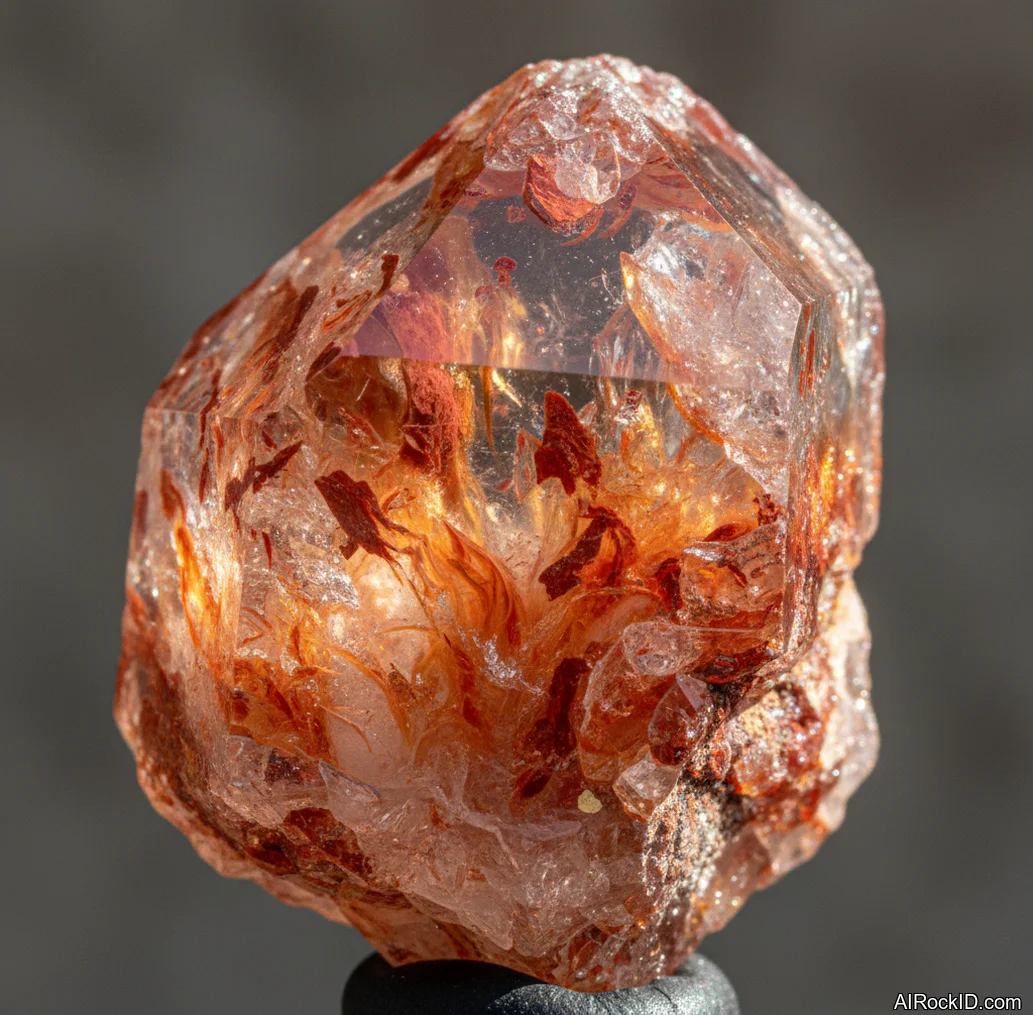
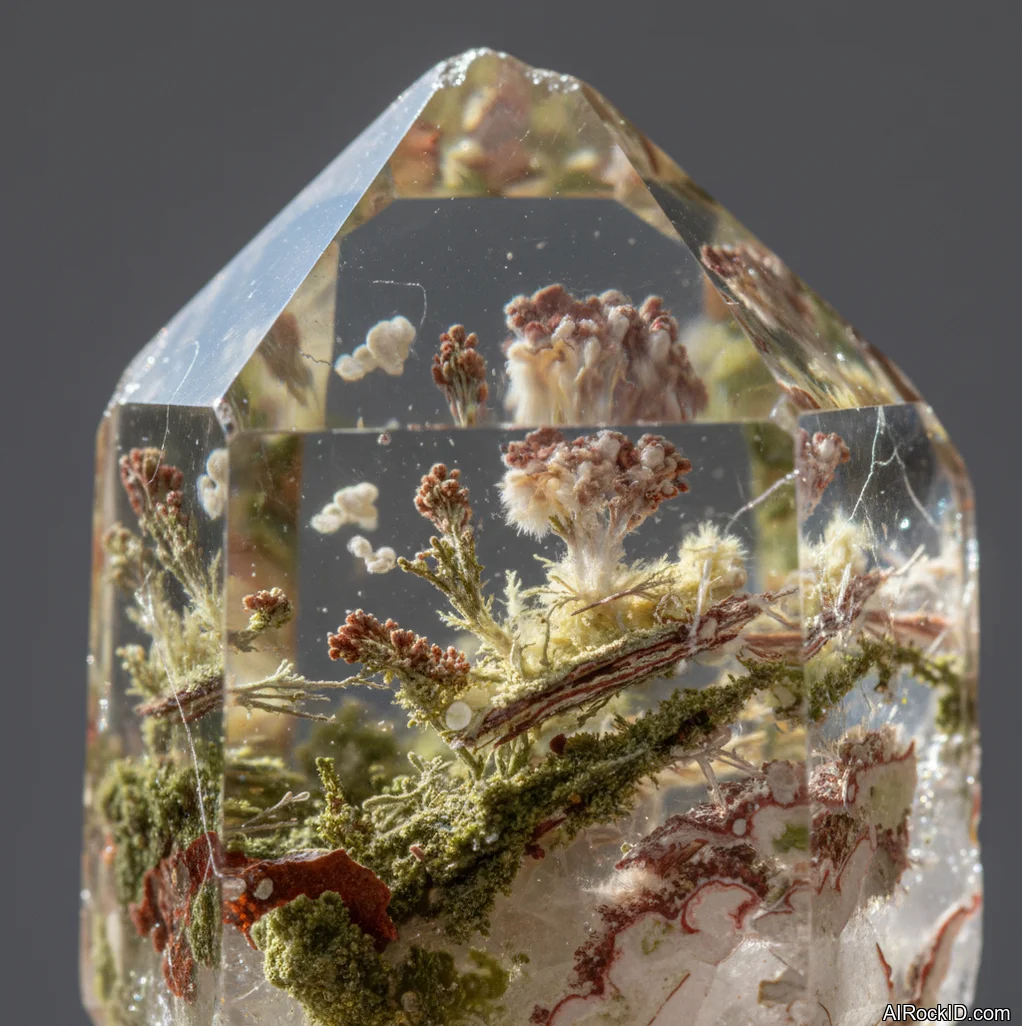
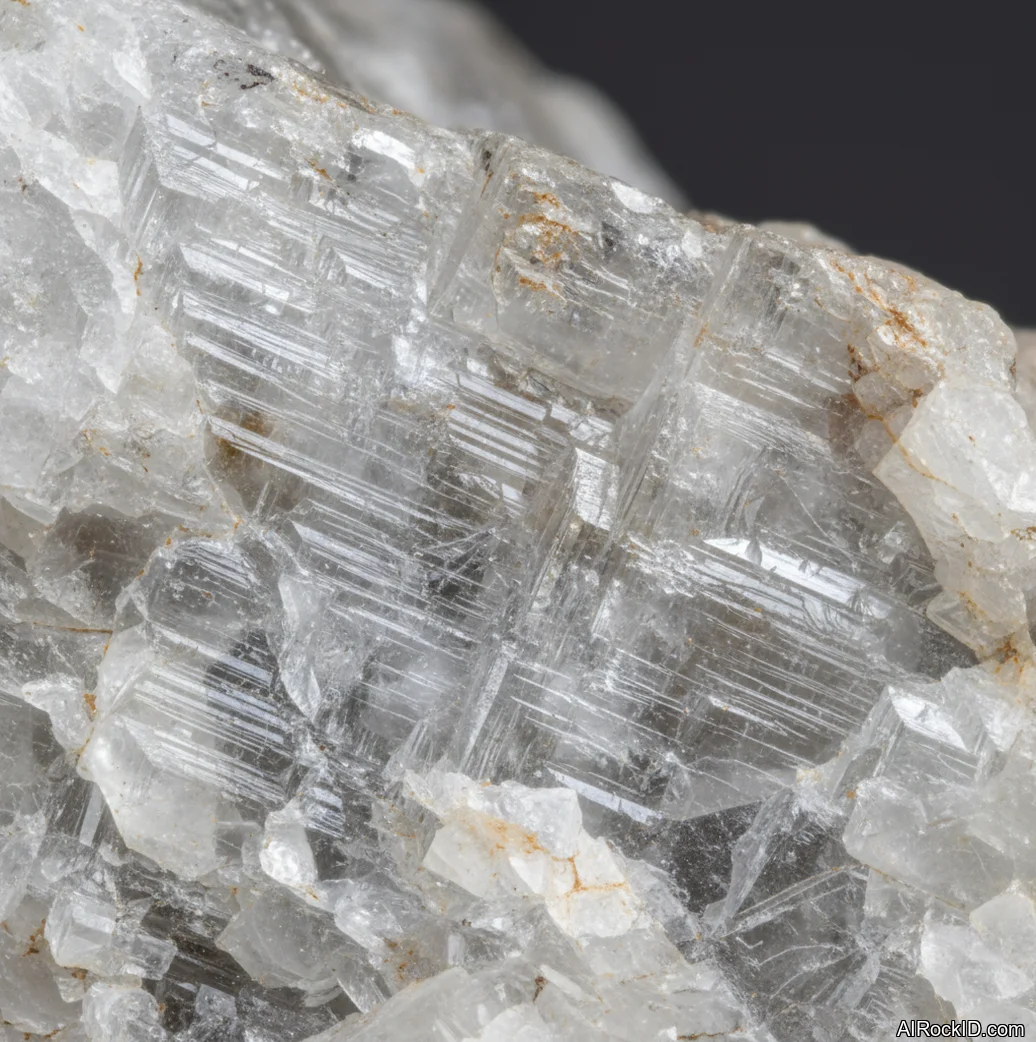
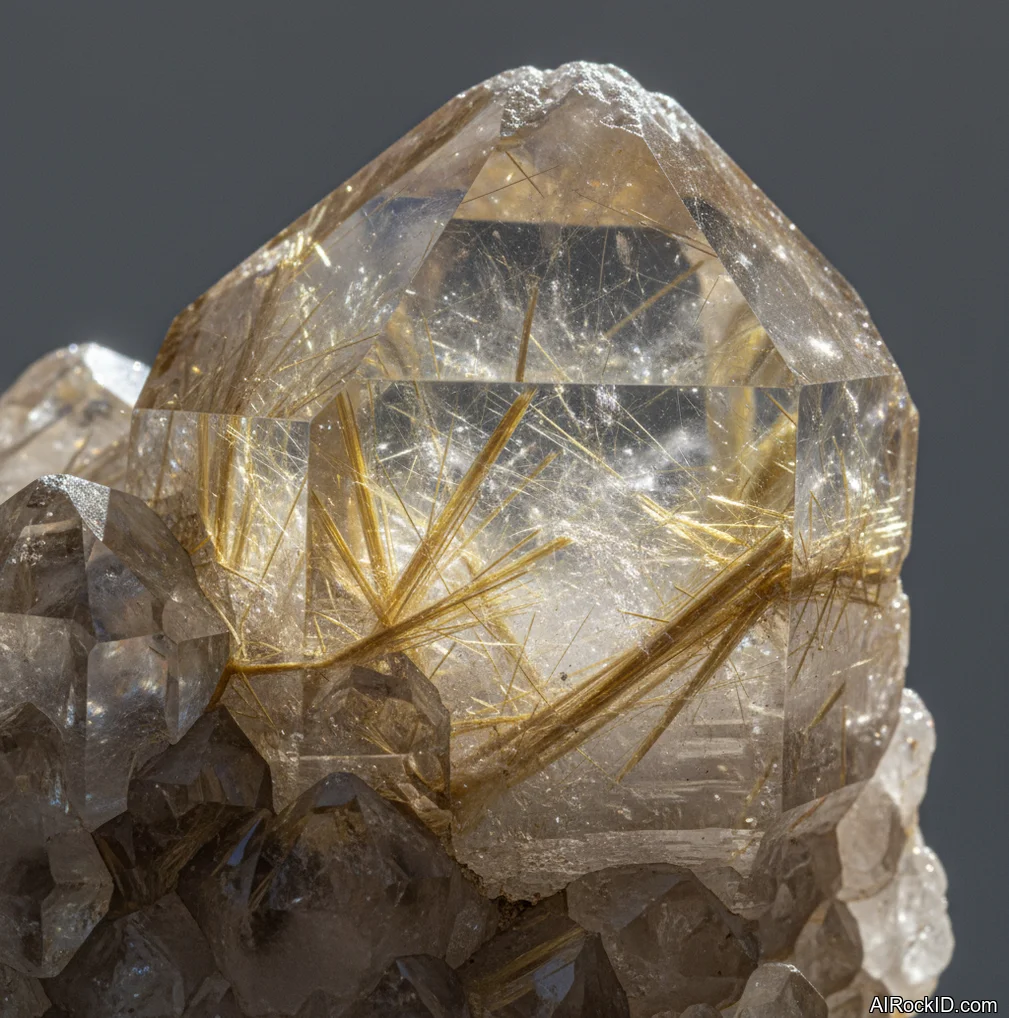
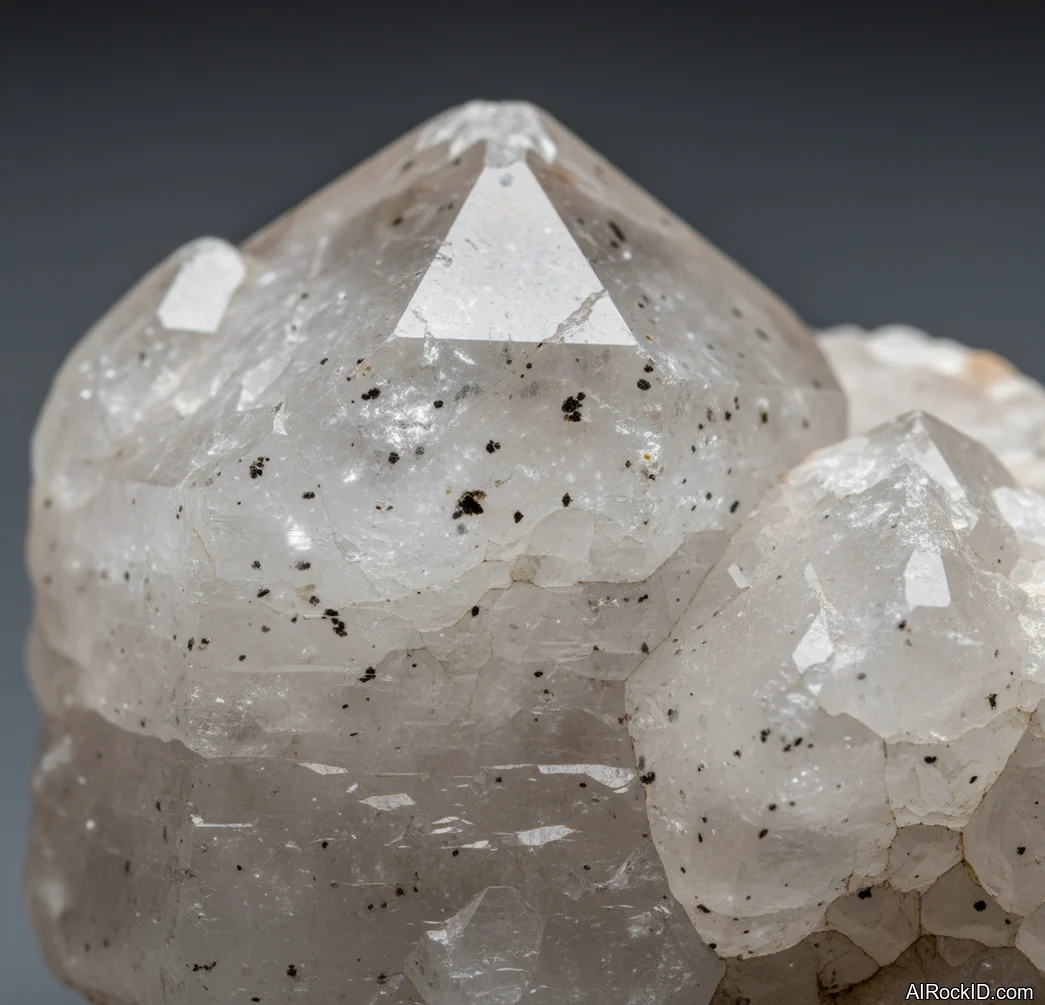
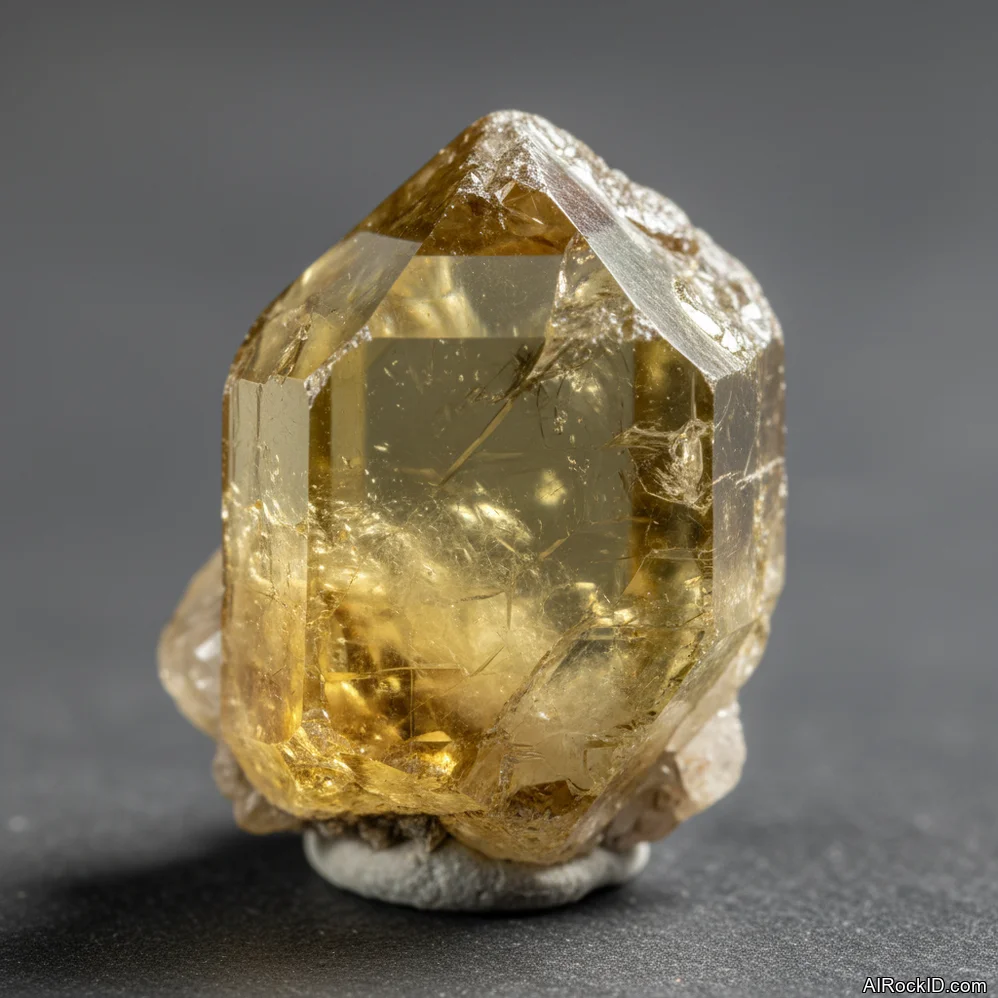
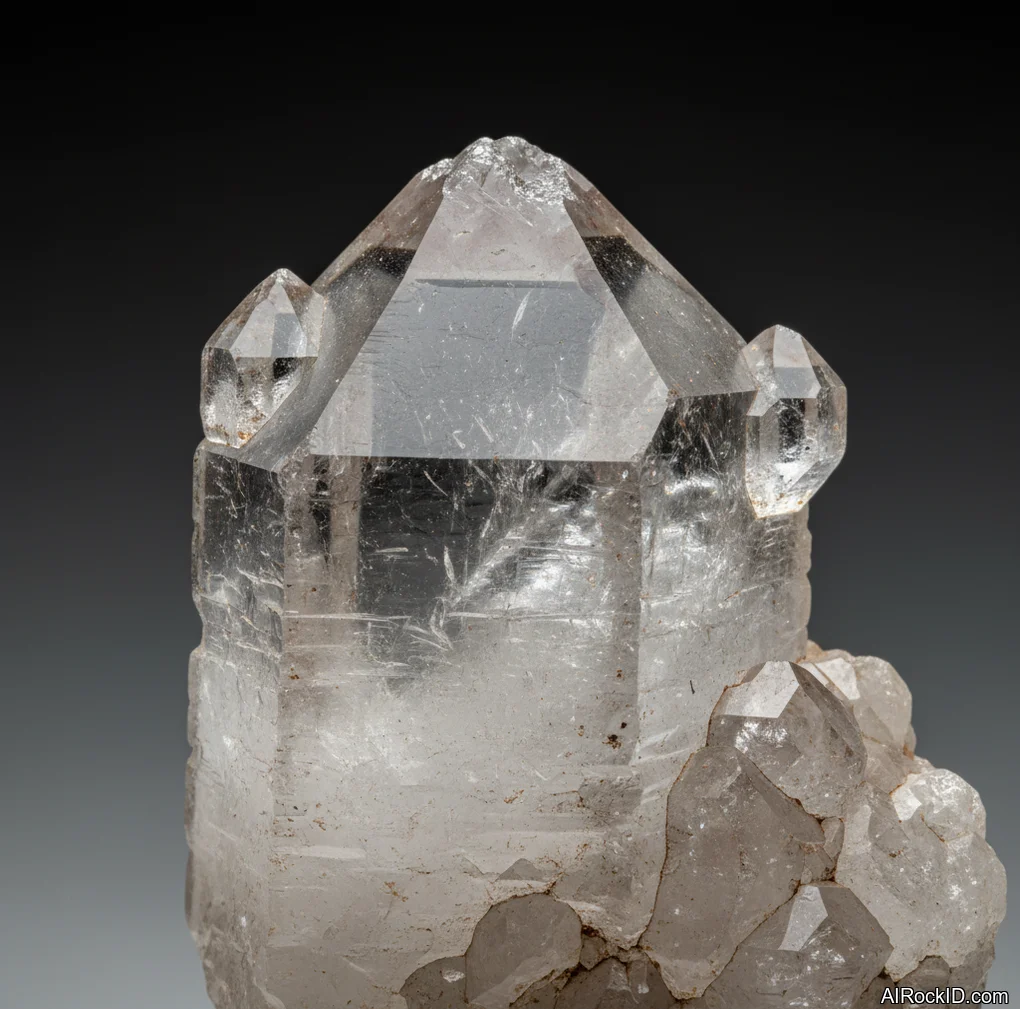
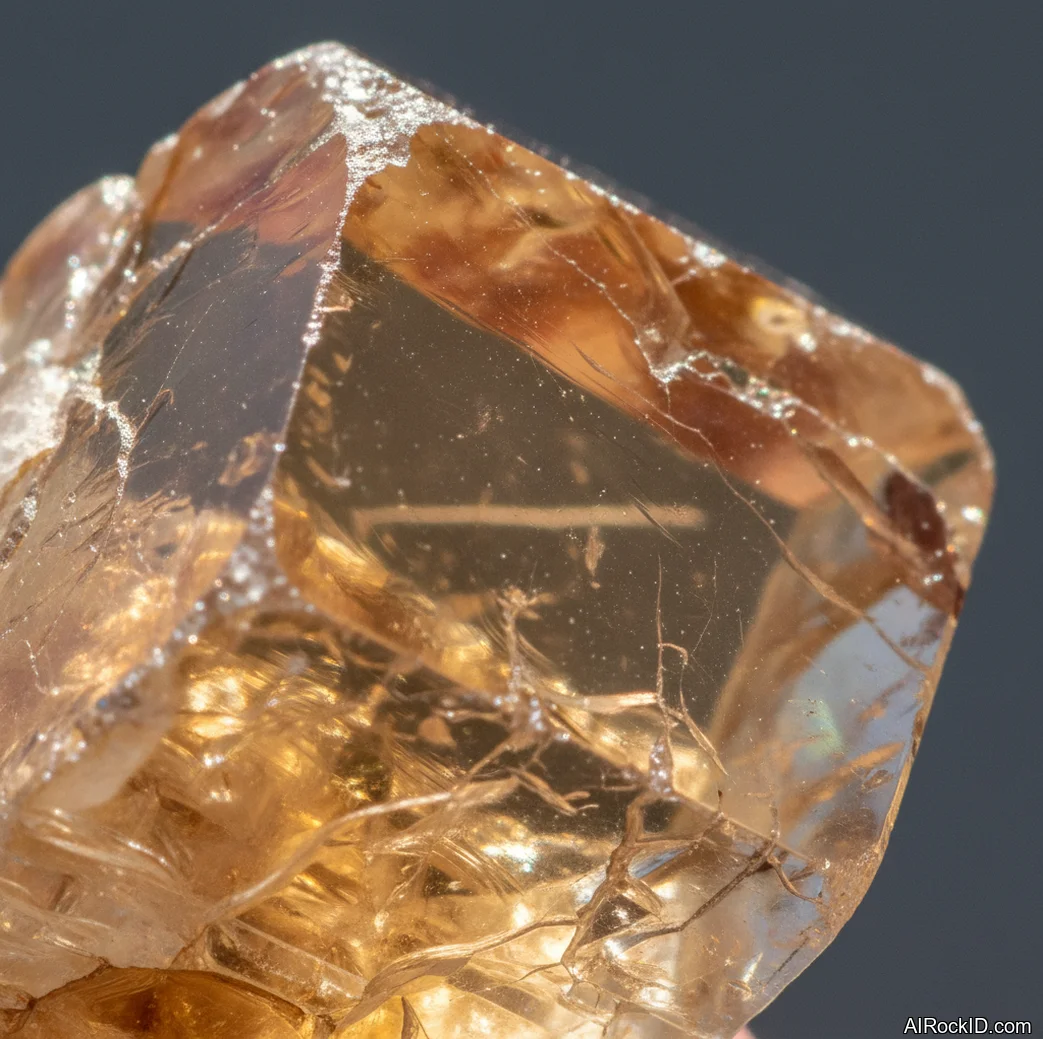
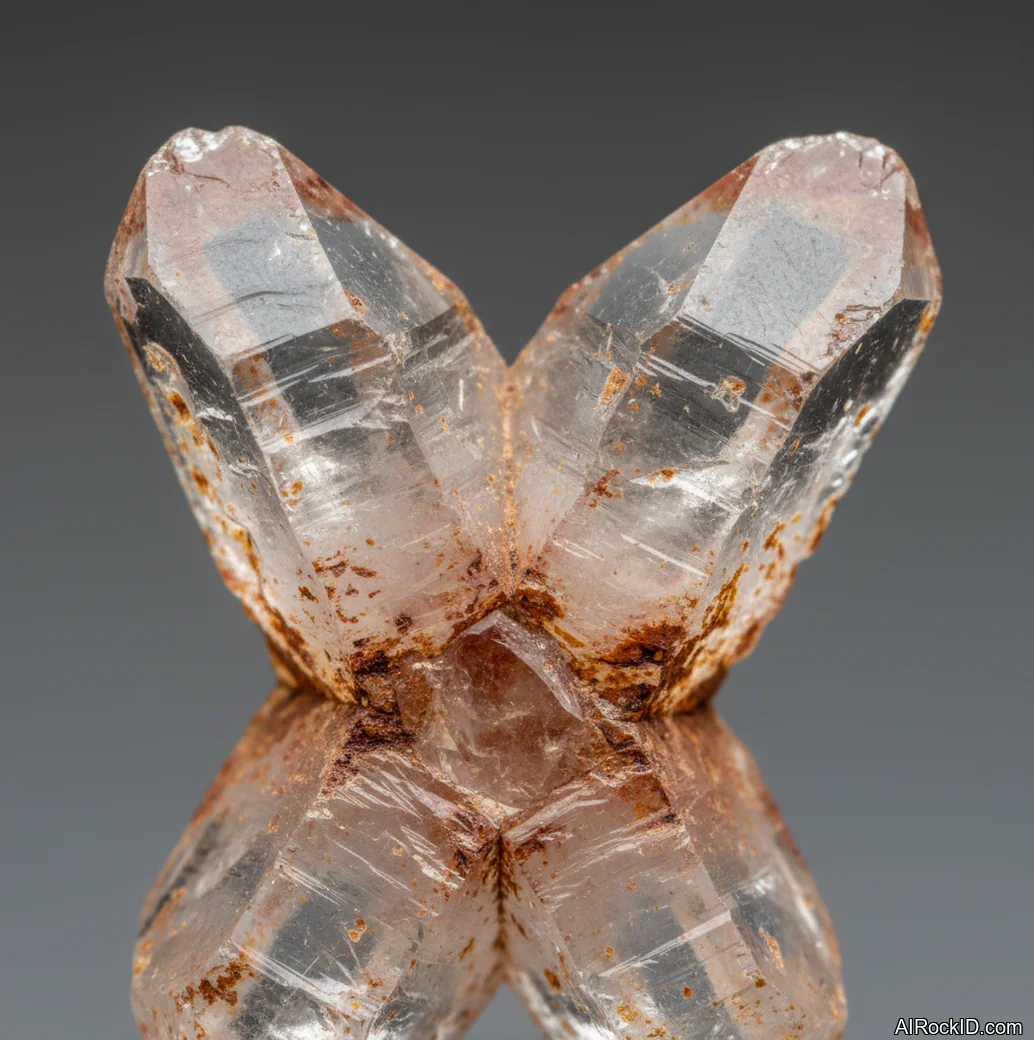
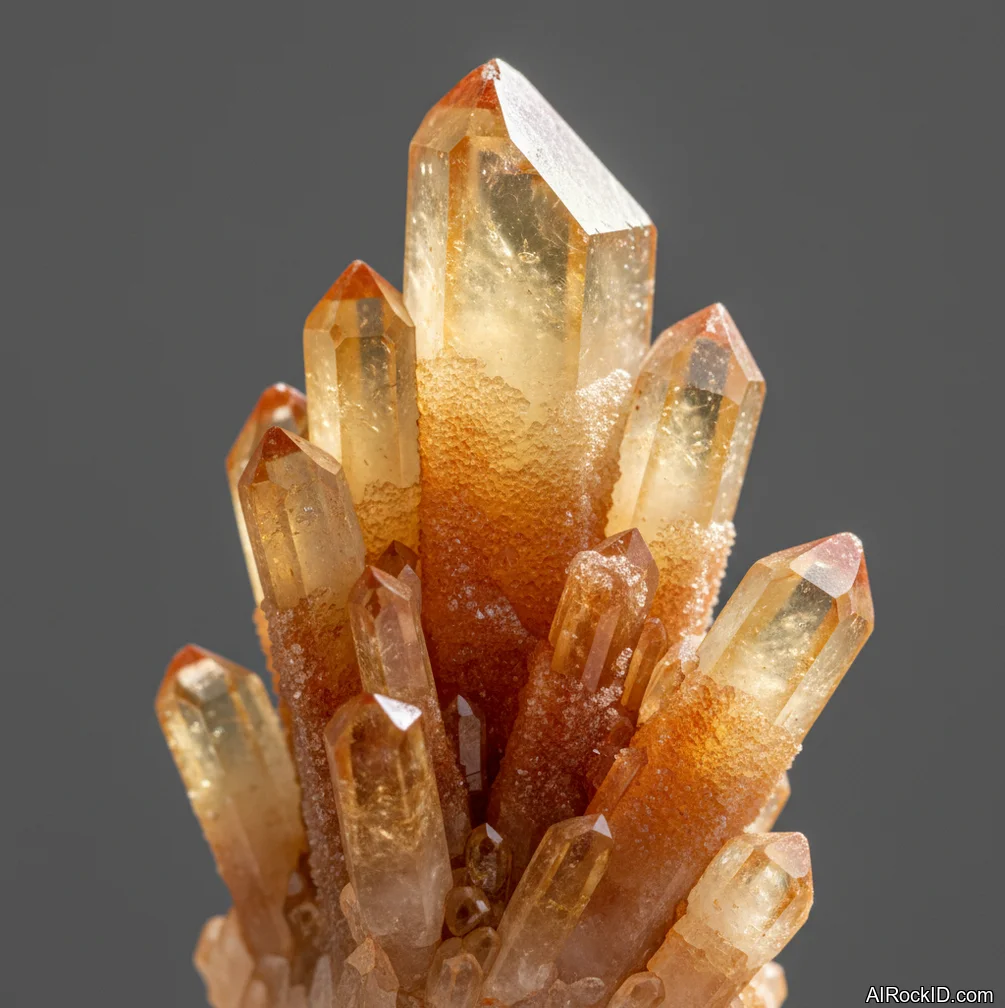
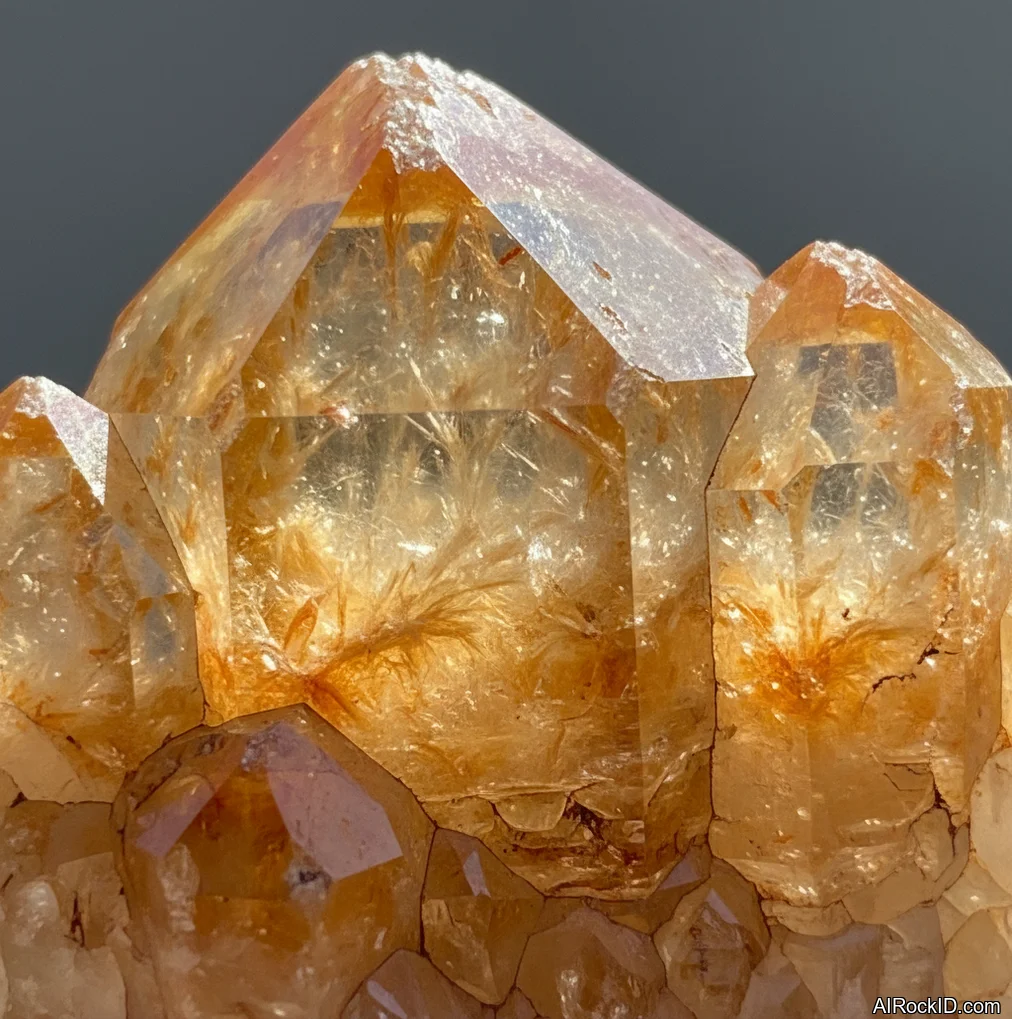
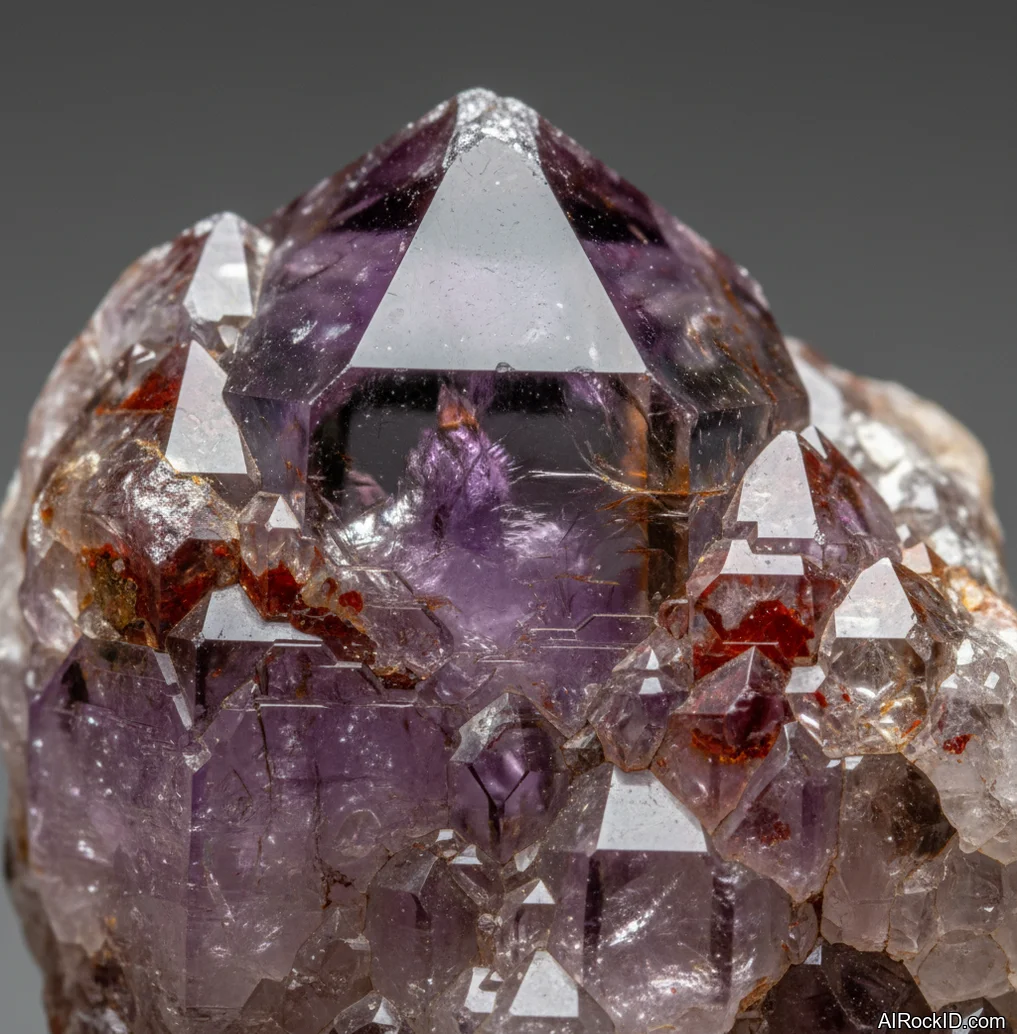
Smoky quartz comes up constantly too, and it’s a different kind of grounding. It’s still quartz, still glassy, but the color can sit like smoke trapped in ice, especially in cleaner pieces from places like Brazil or the Alps. I’ve handled smoky quartz points that look almost black until you hold them up to a window, and then you catch the brown transparency. Those are great for grounding that doesn’t feel heavy or blunt. More like clearing mental static while keeping you functional.
Other Grounding Crystals: Red Jasper, Tiger’s Eye, and Obsidian
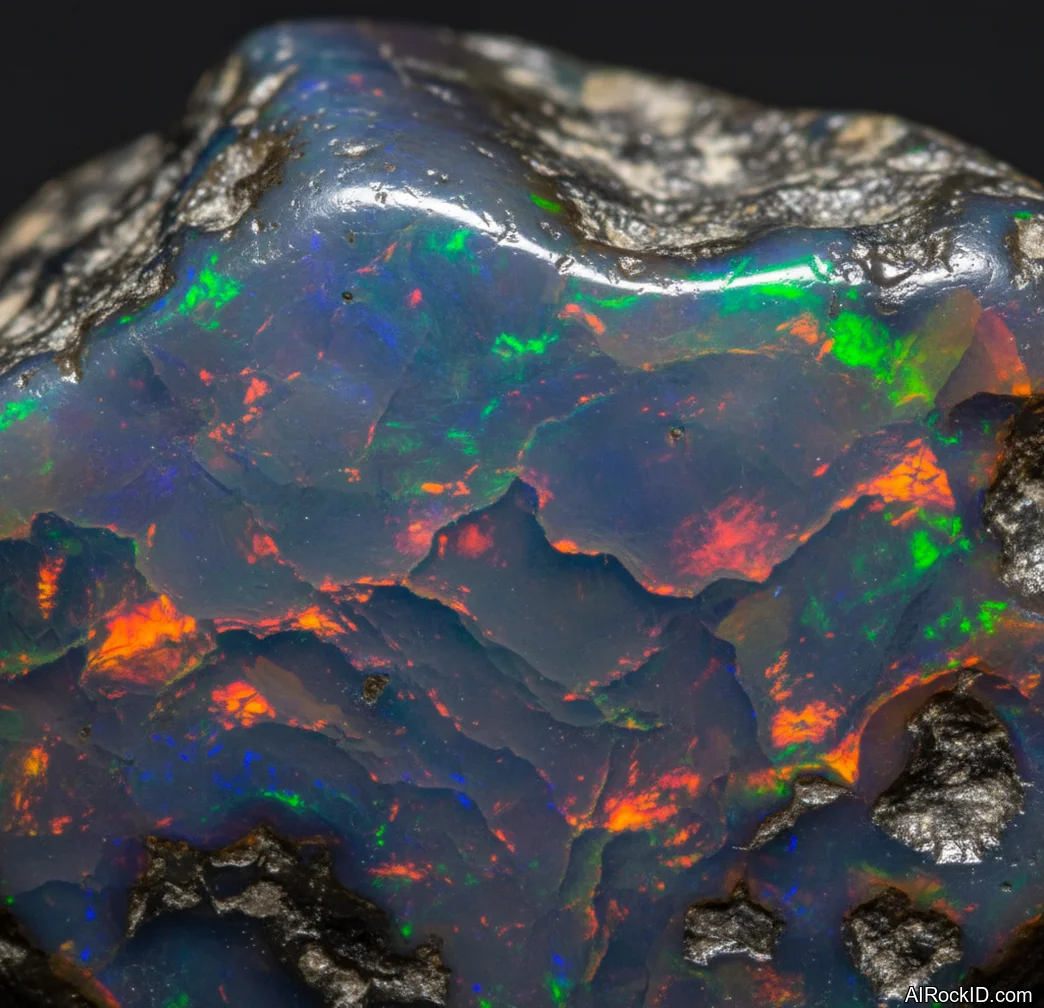
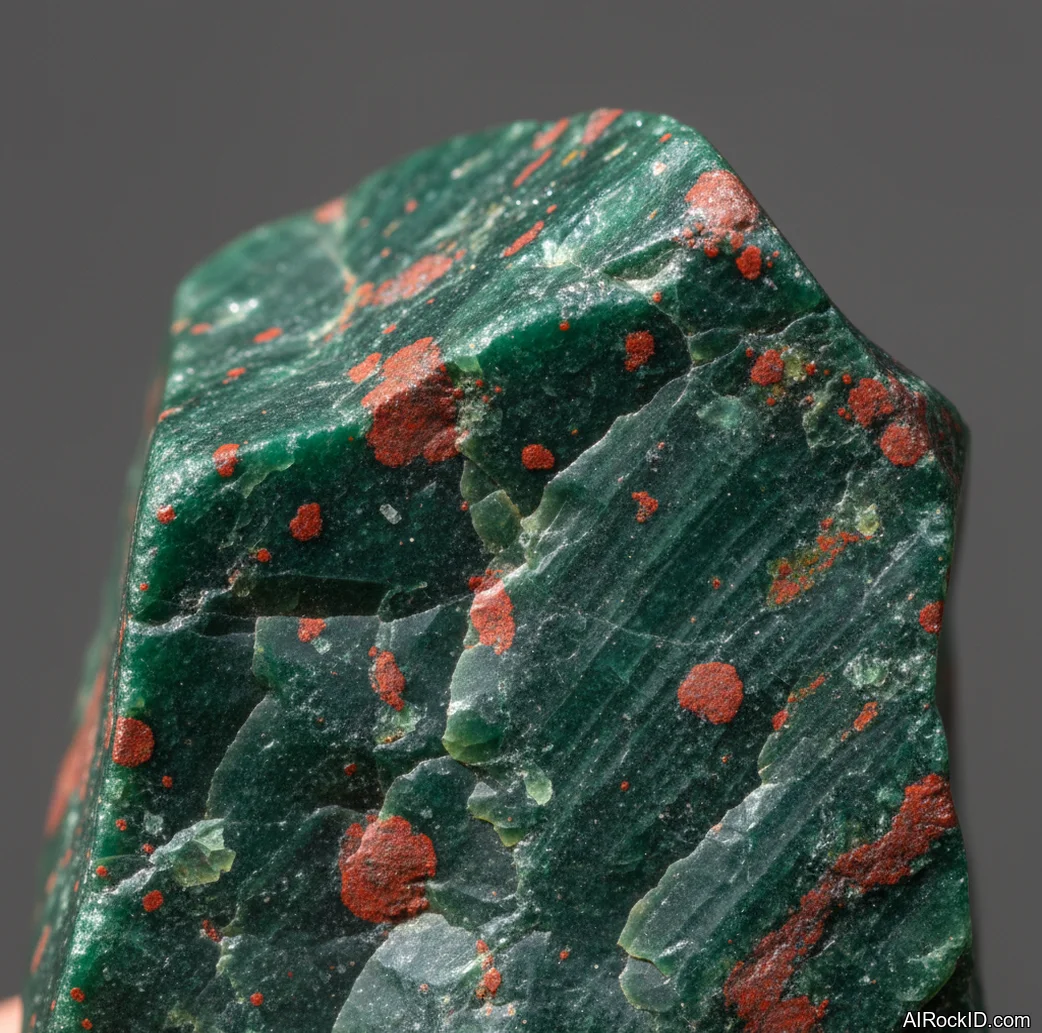
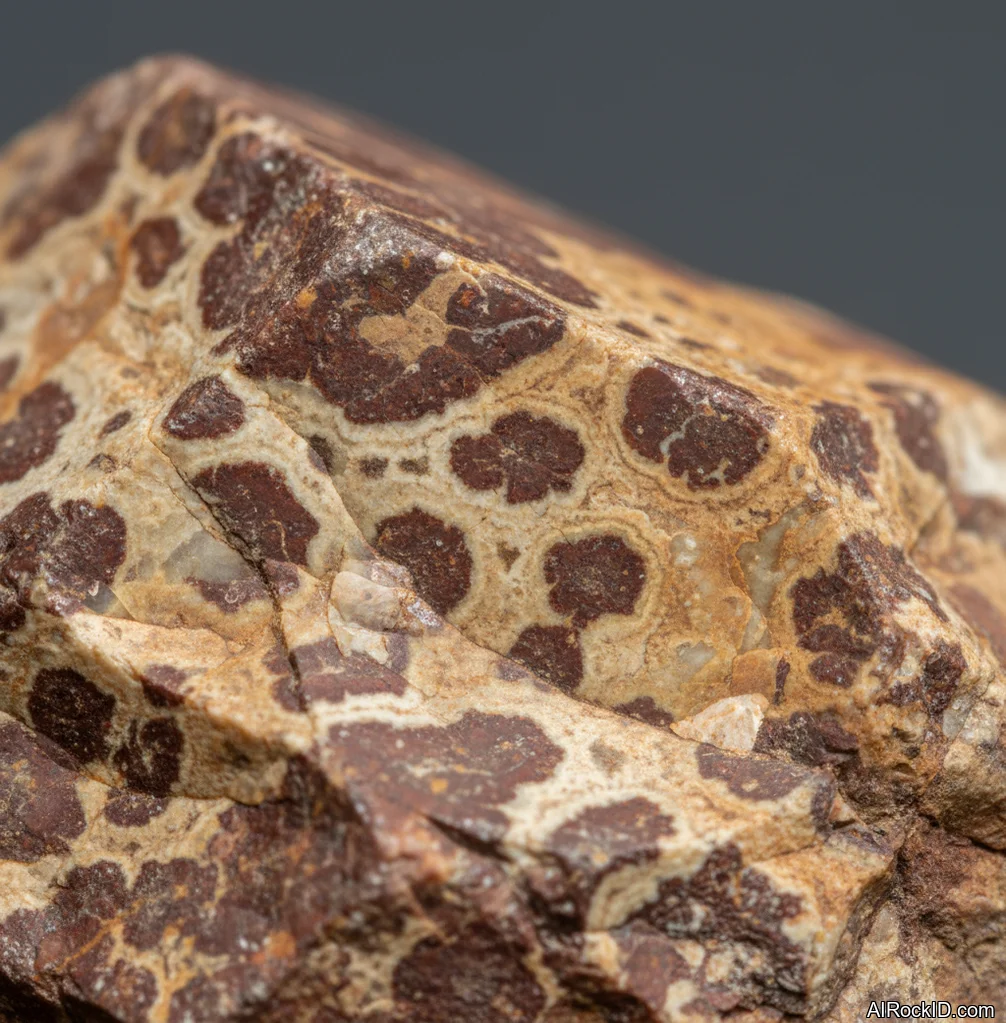
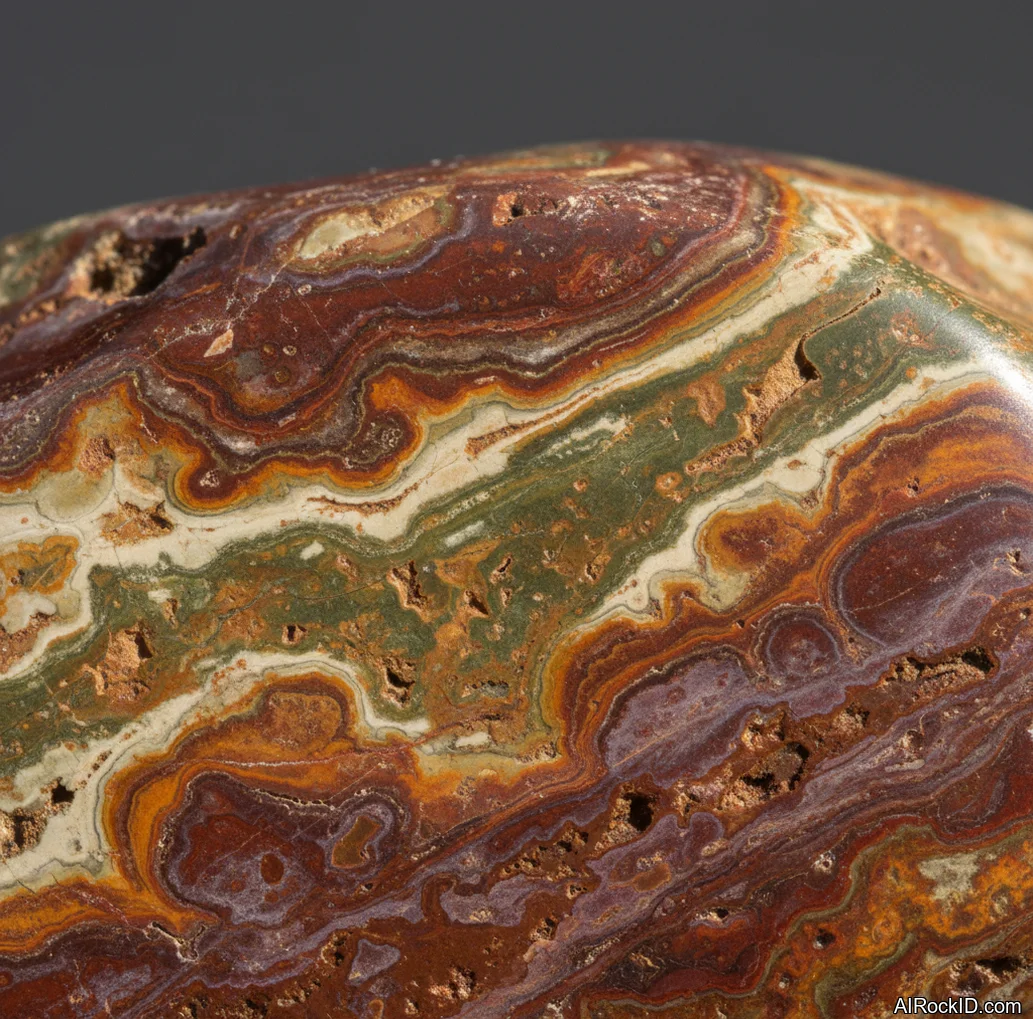
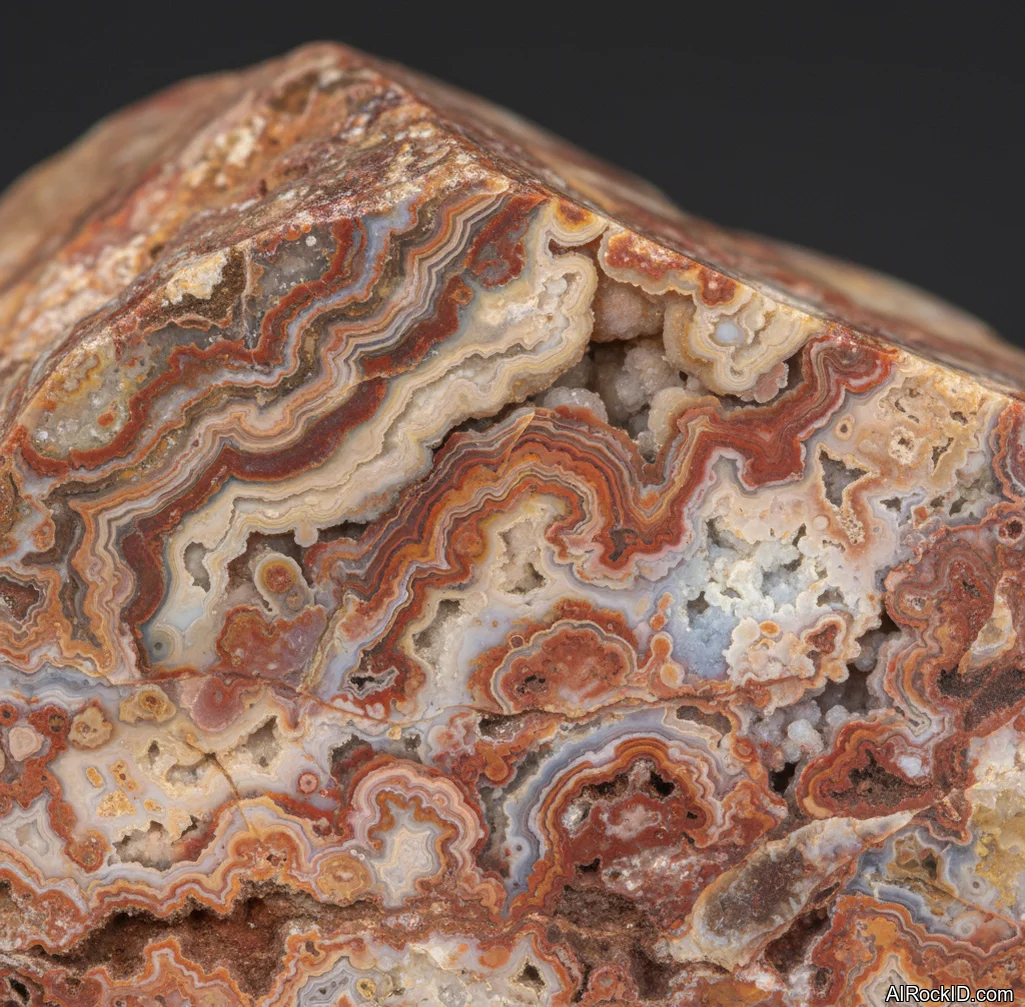
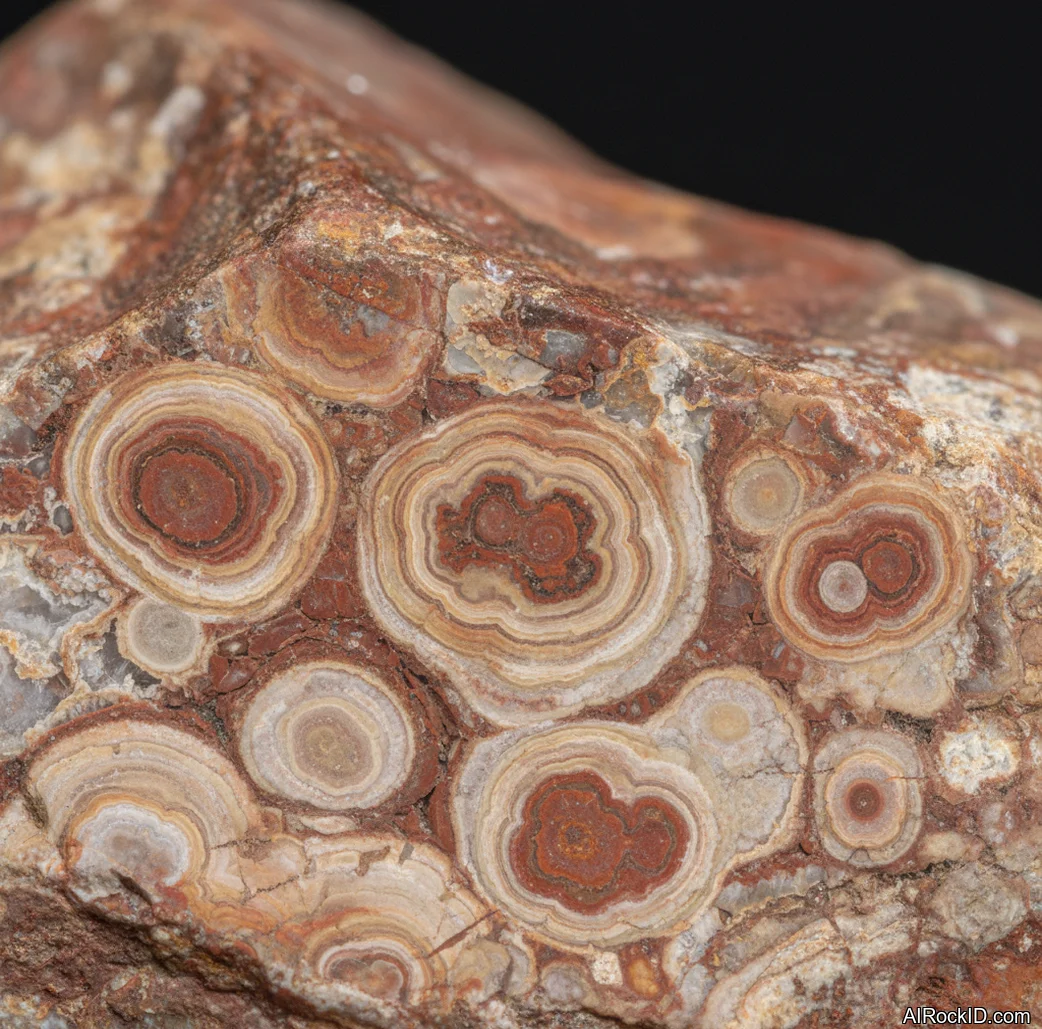
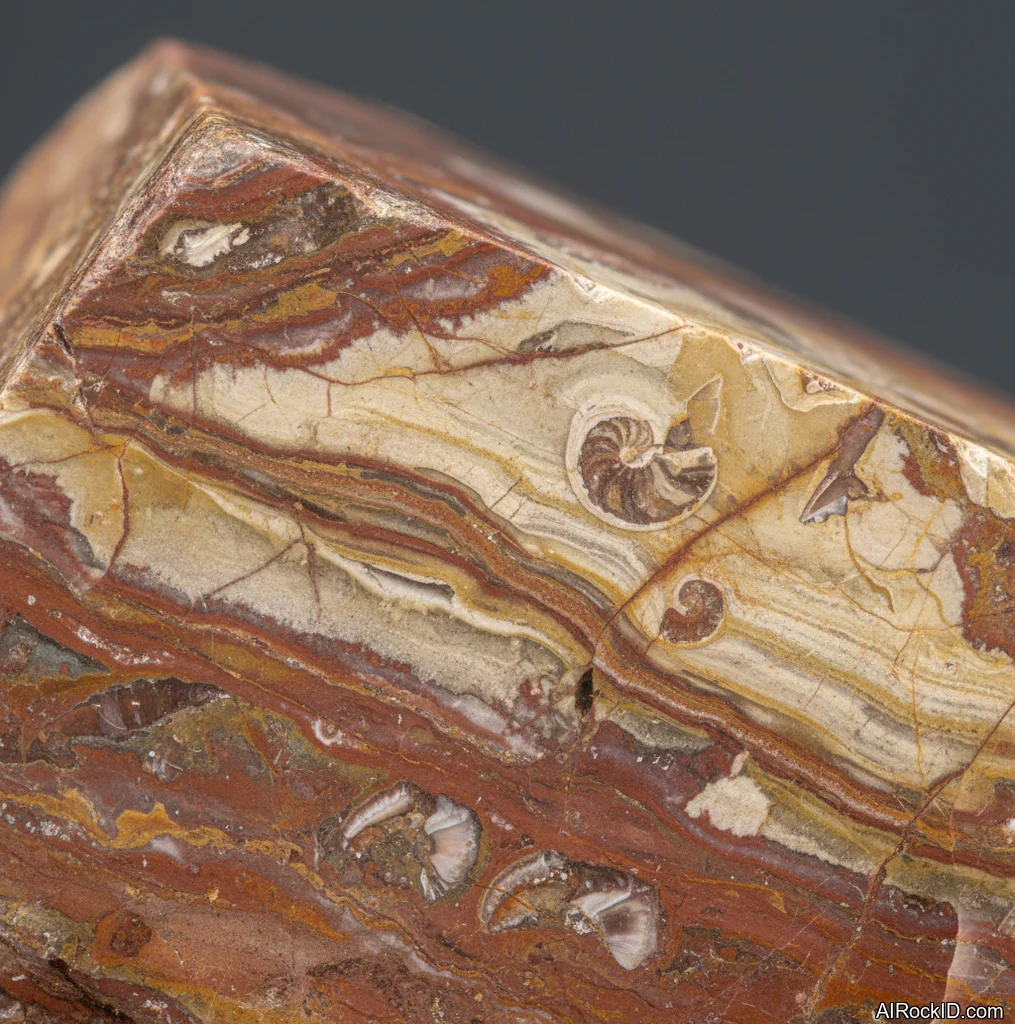
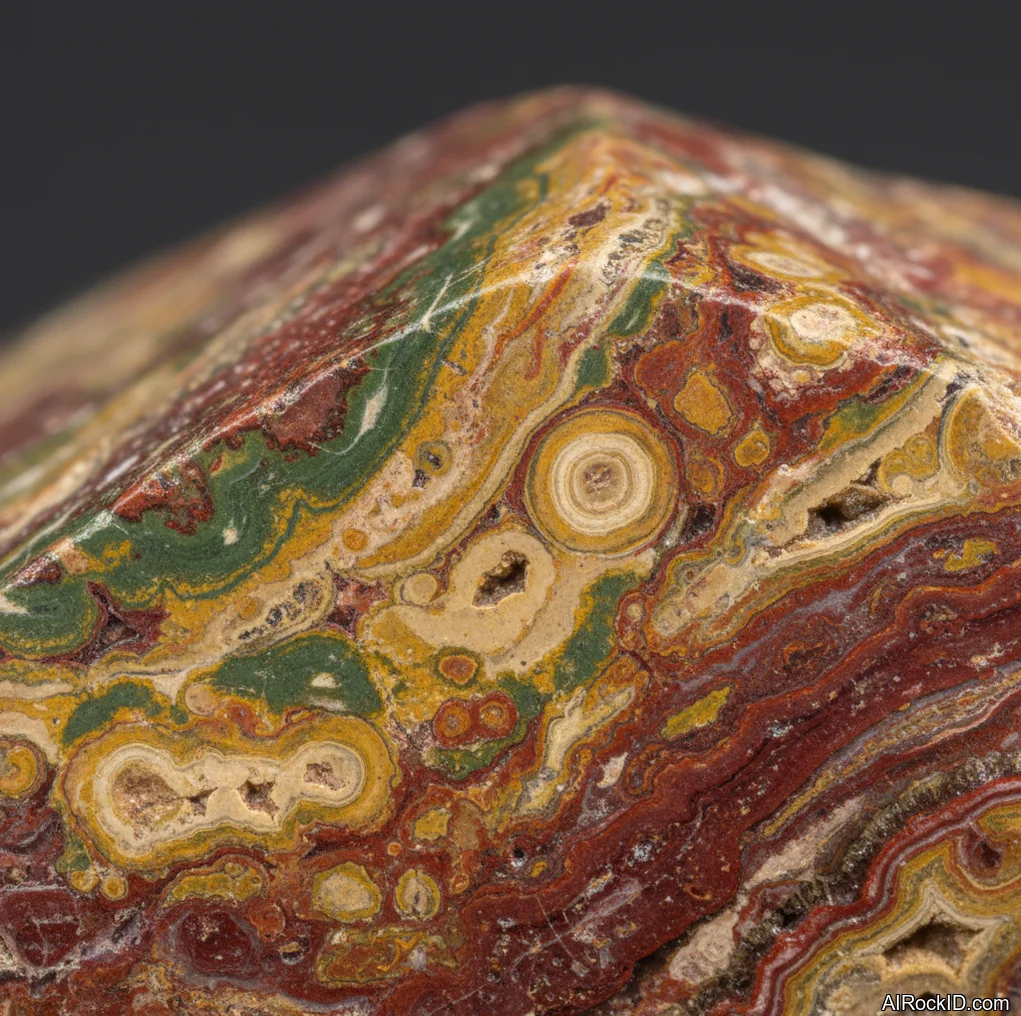
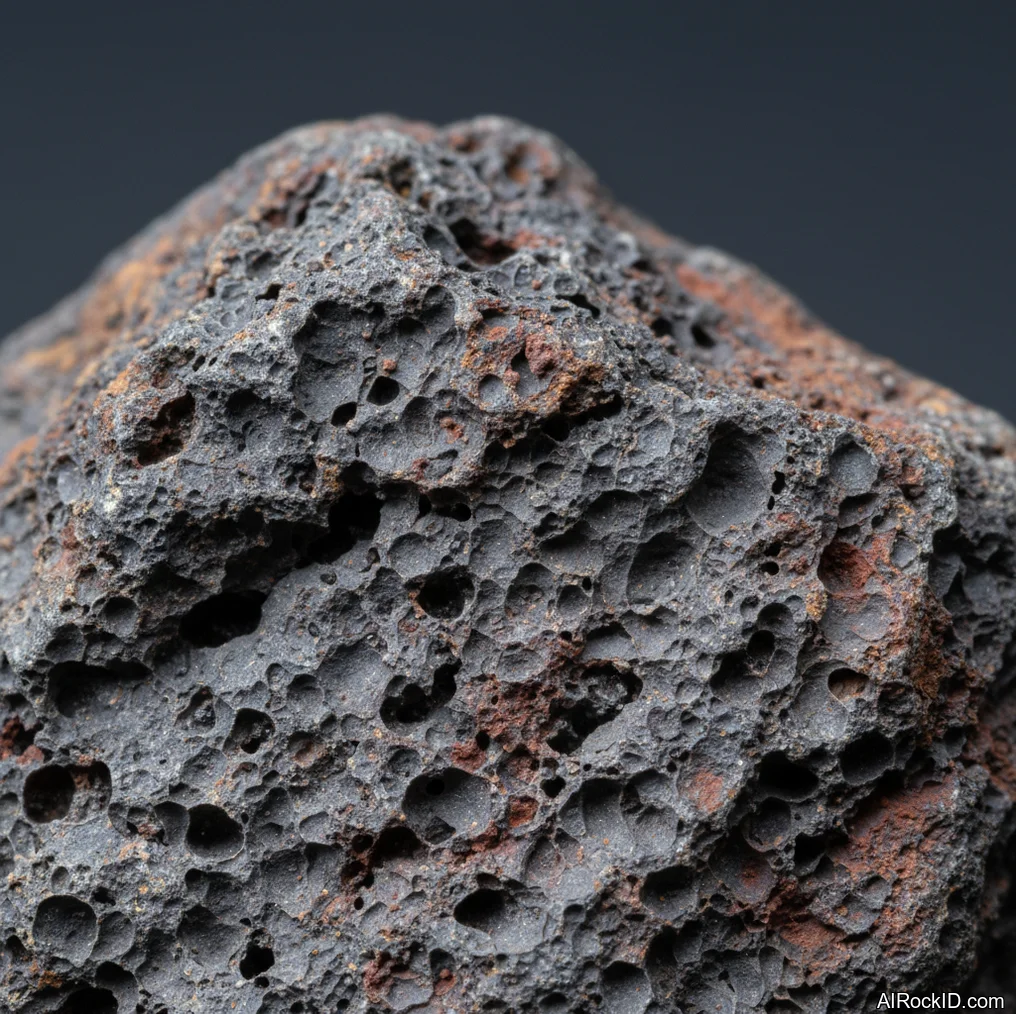
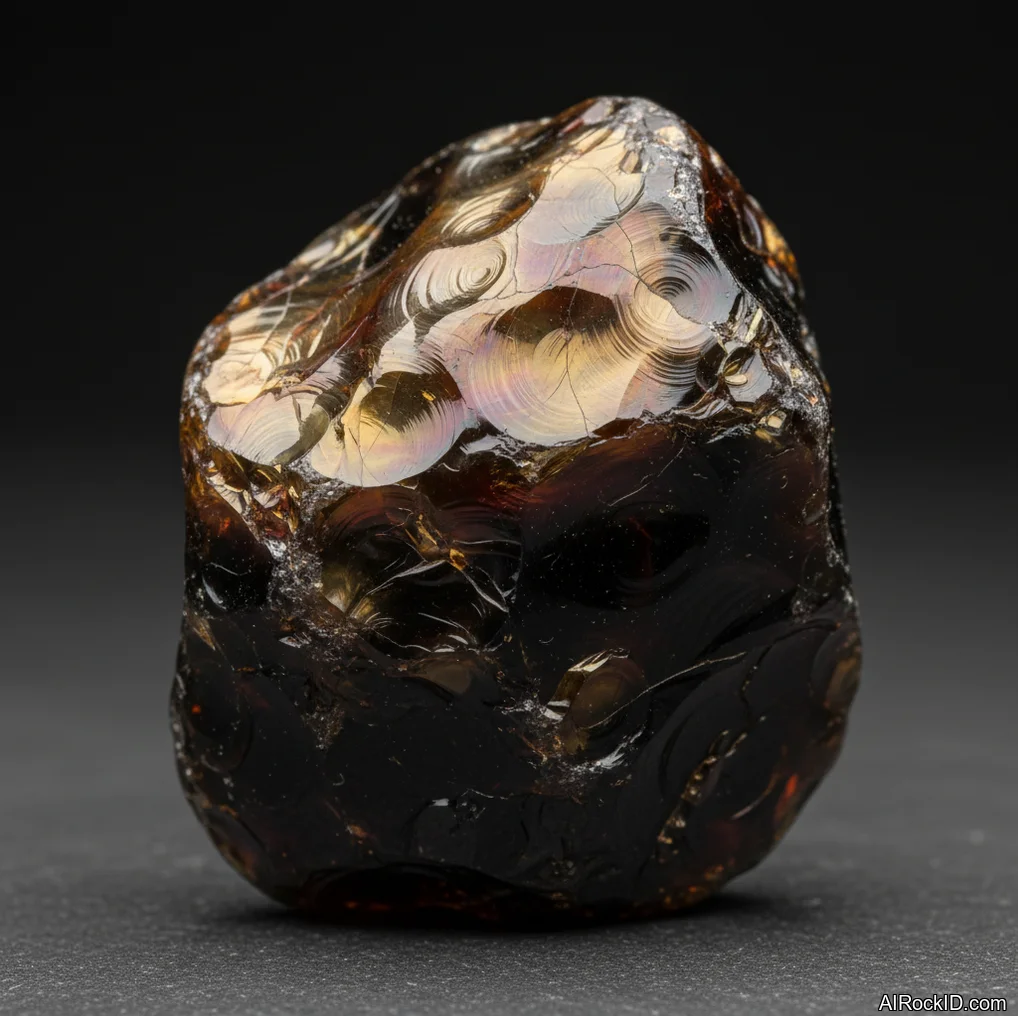
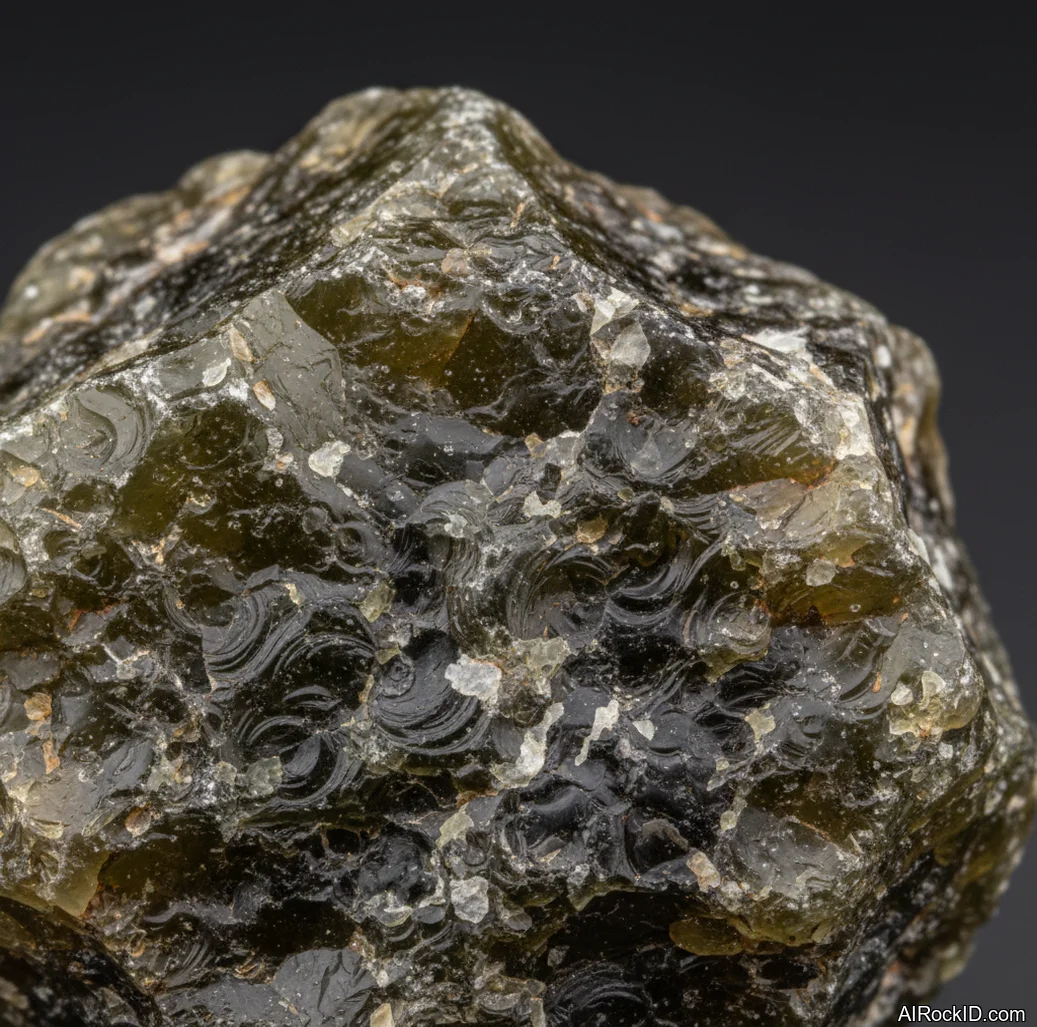
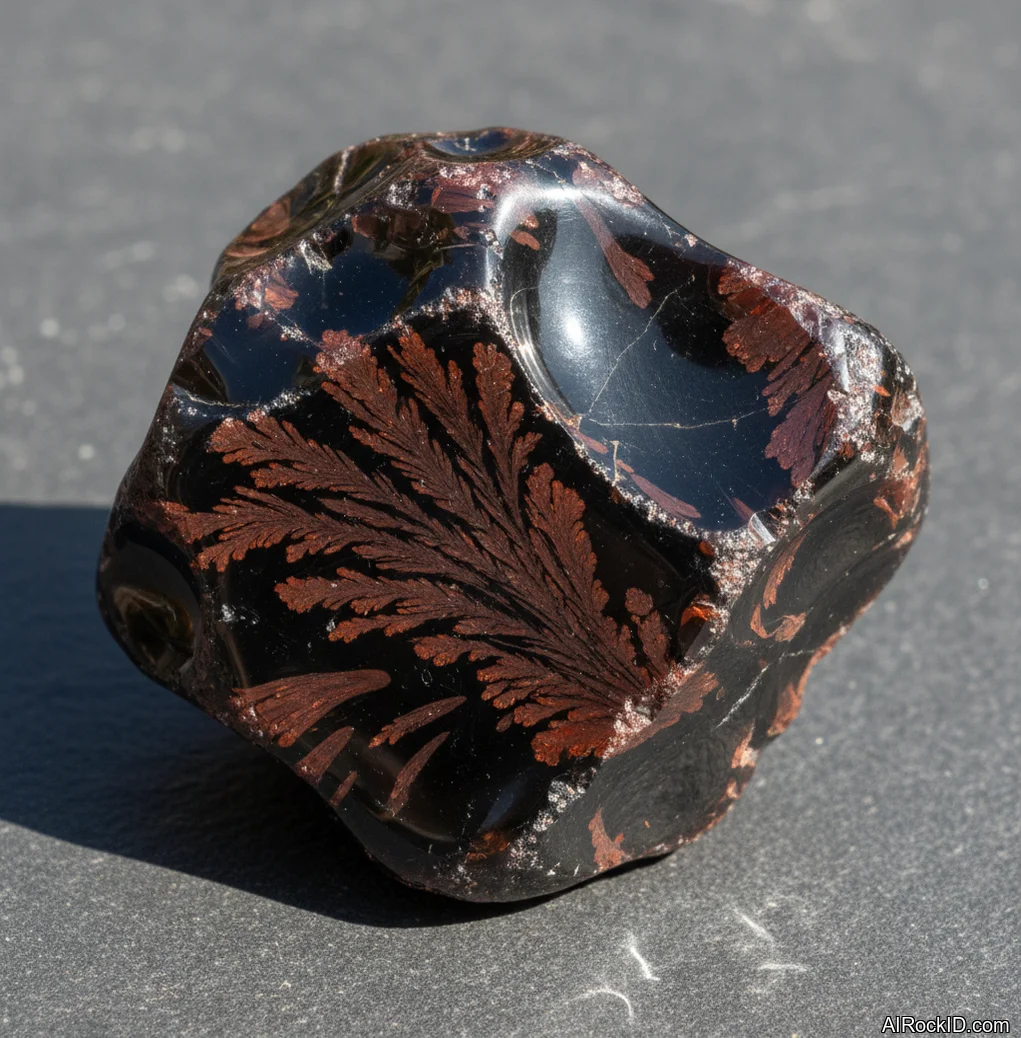
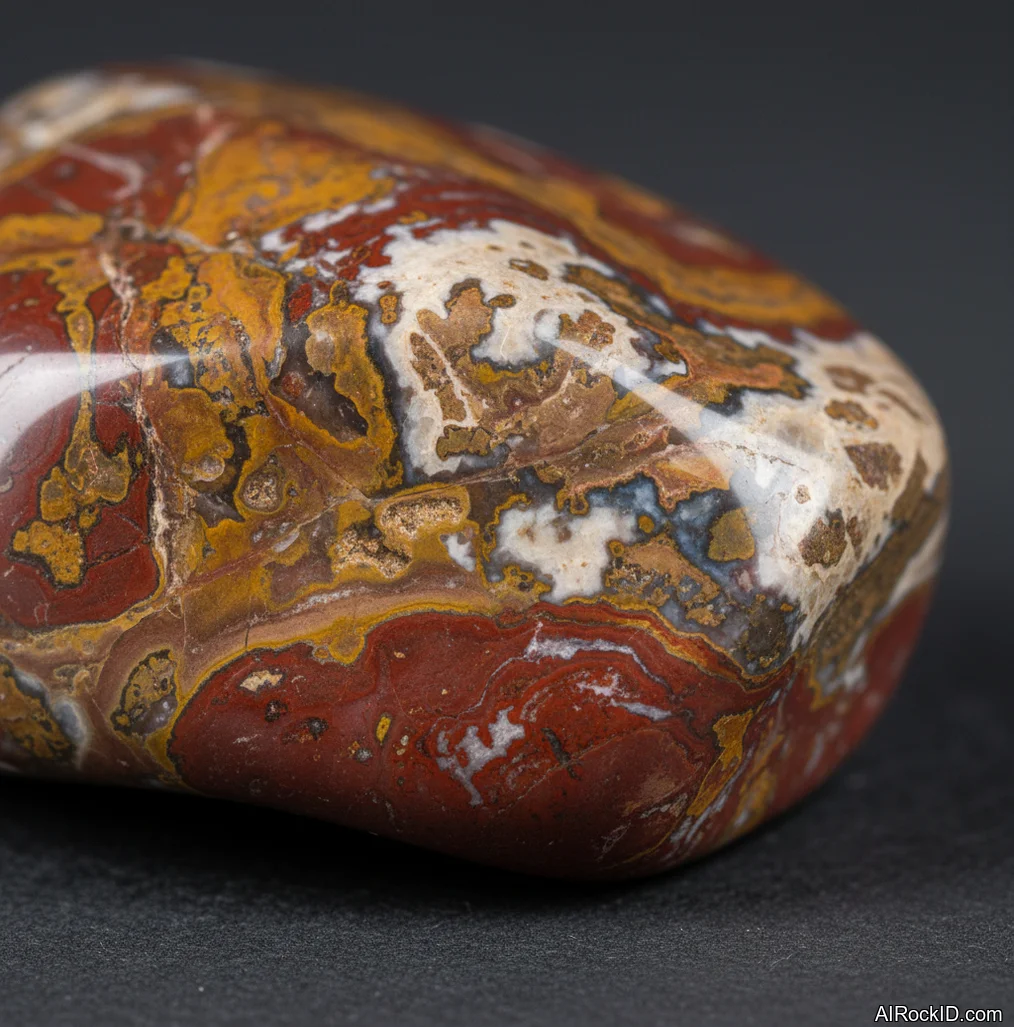
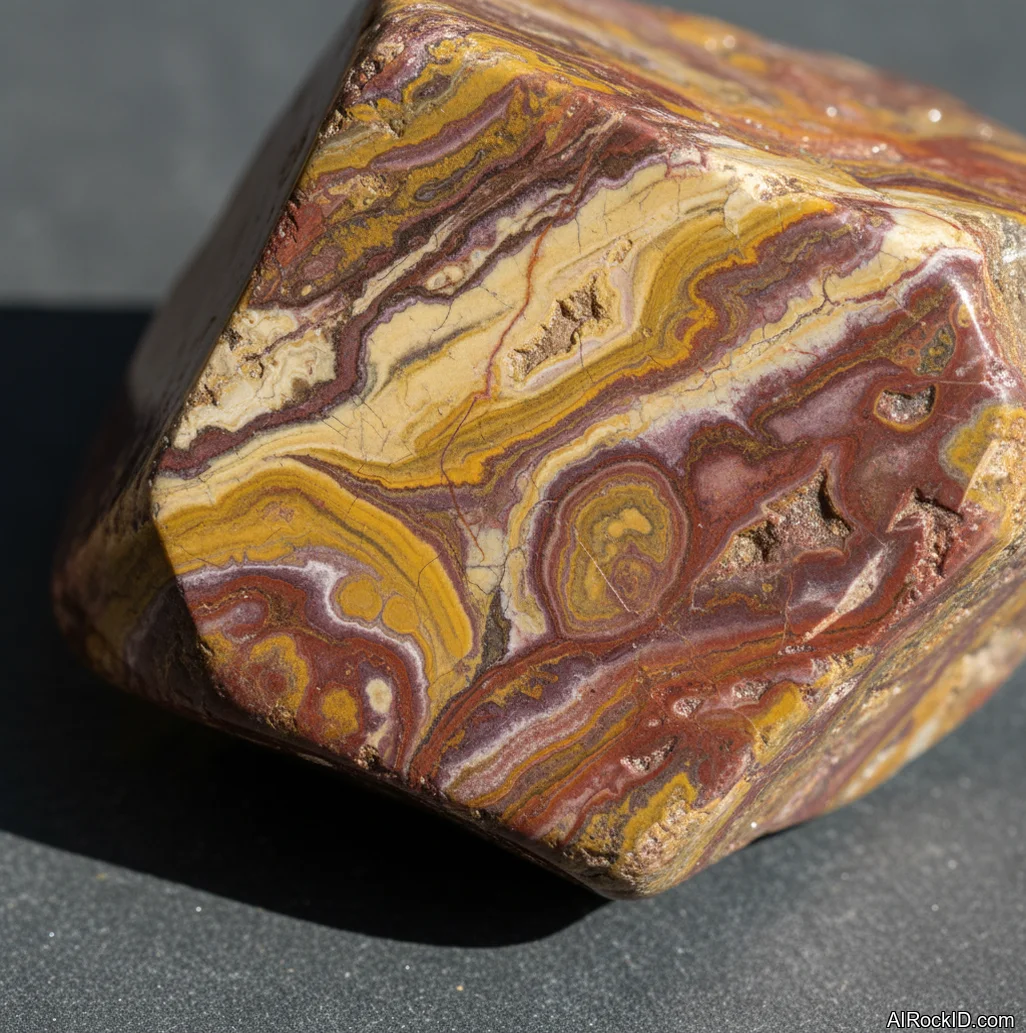
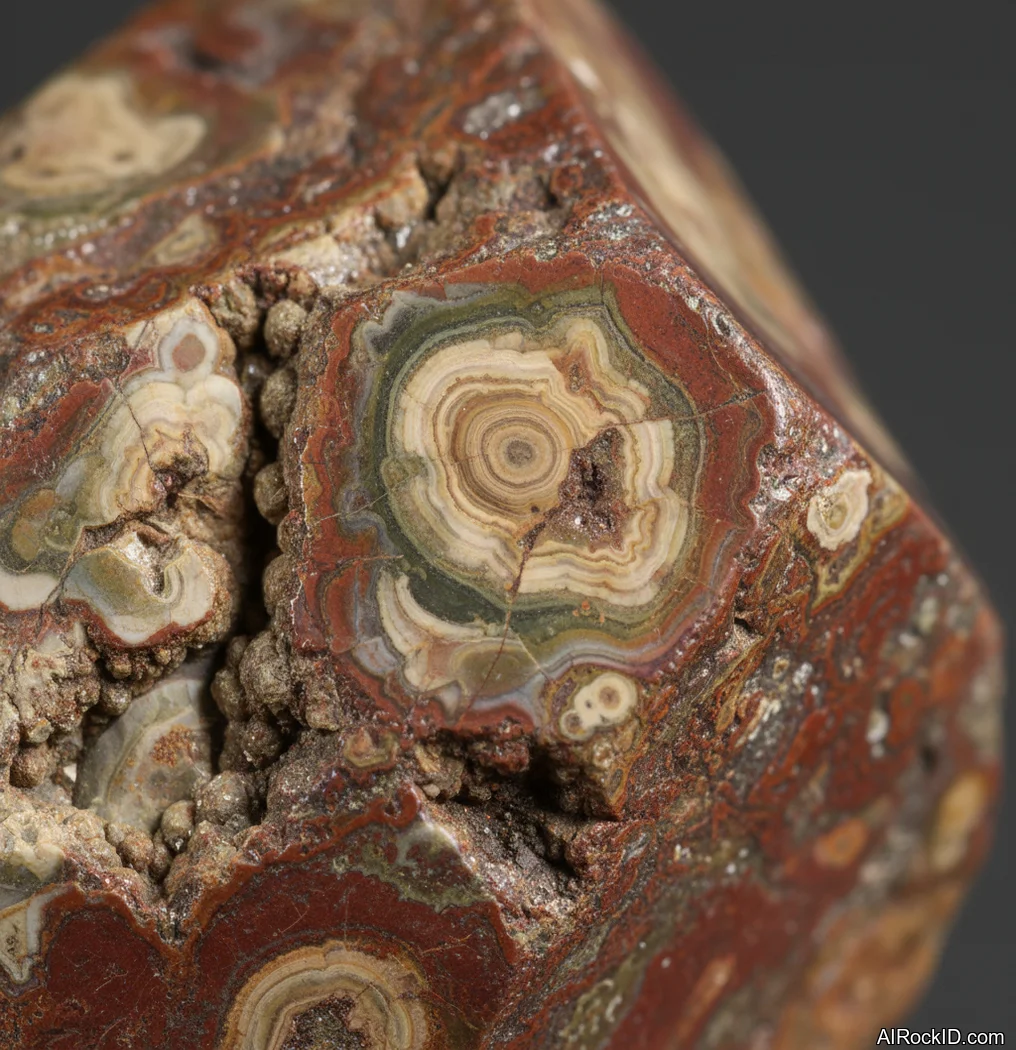
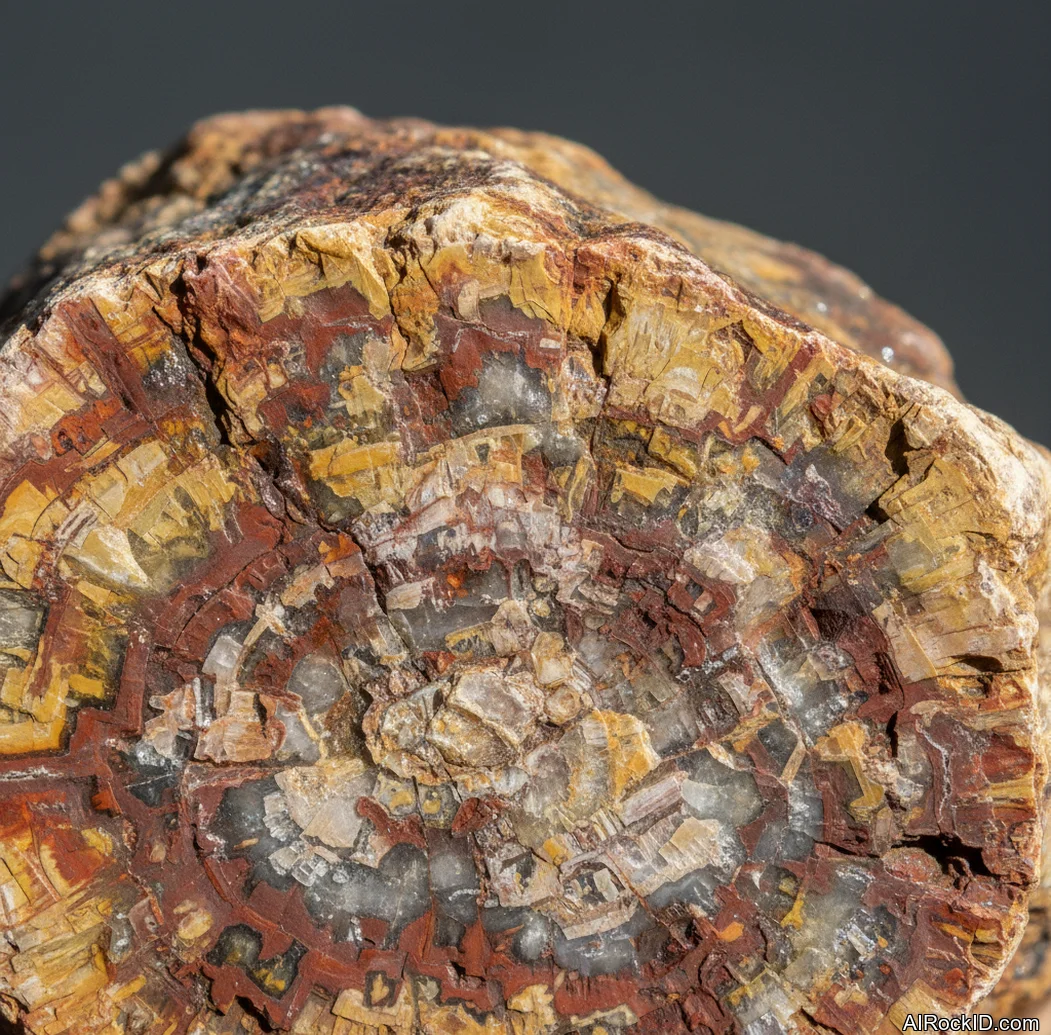
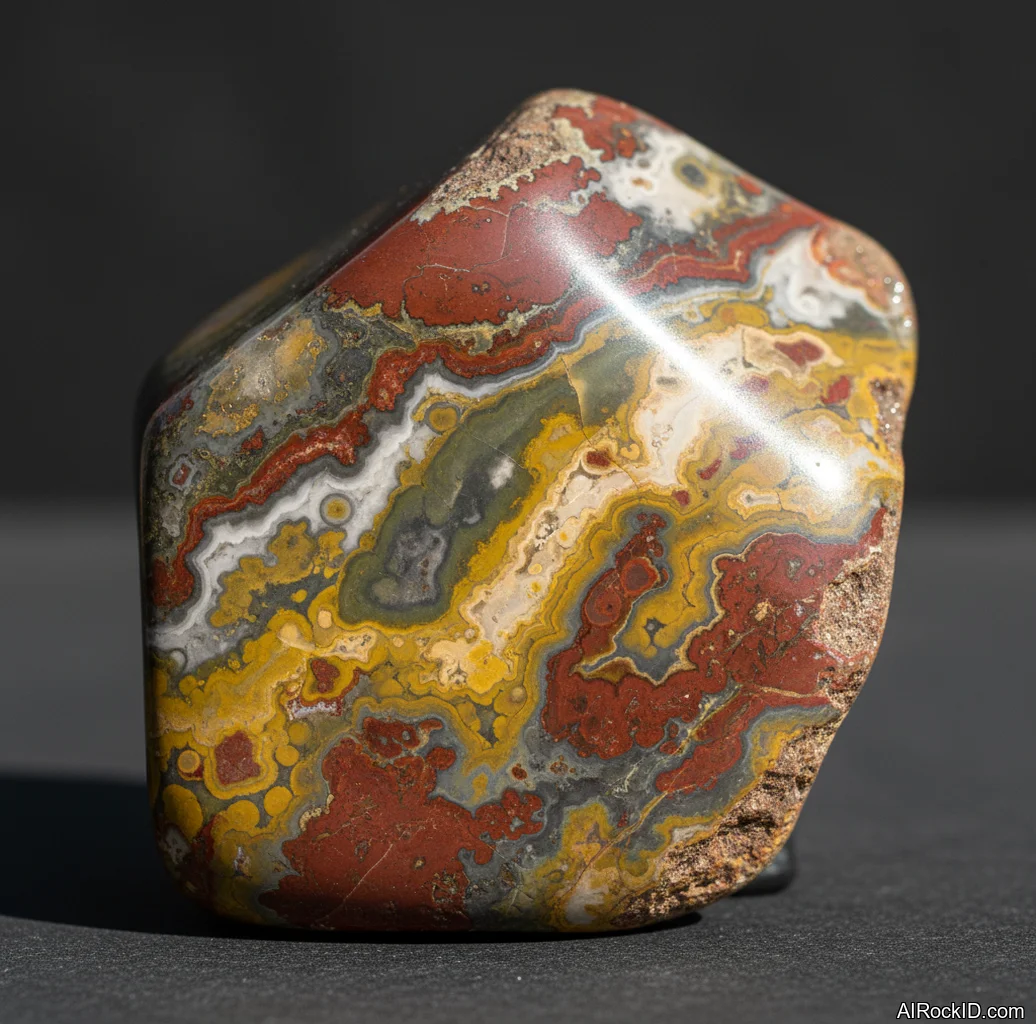
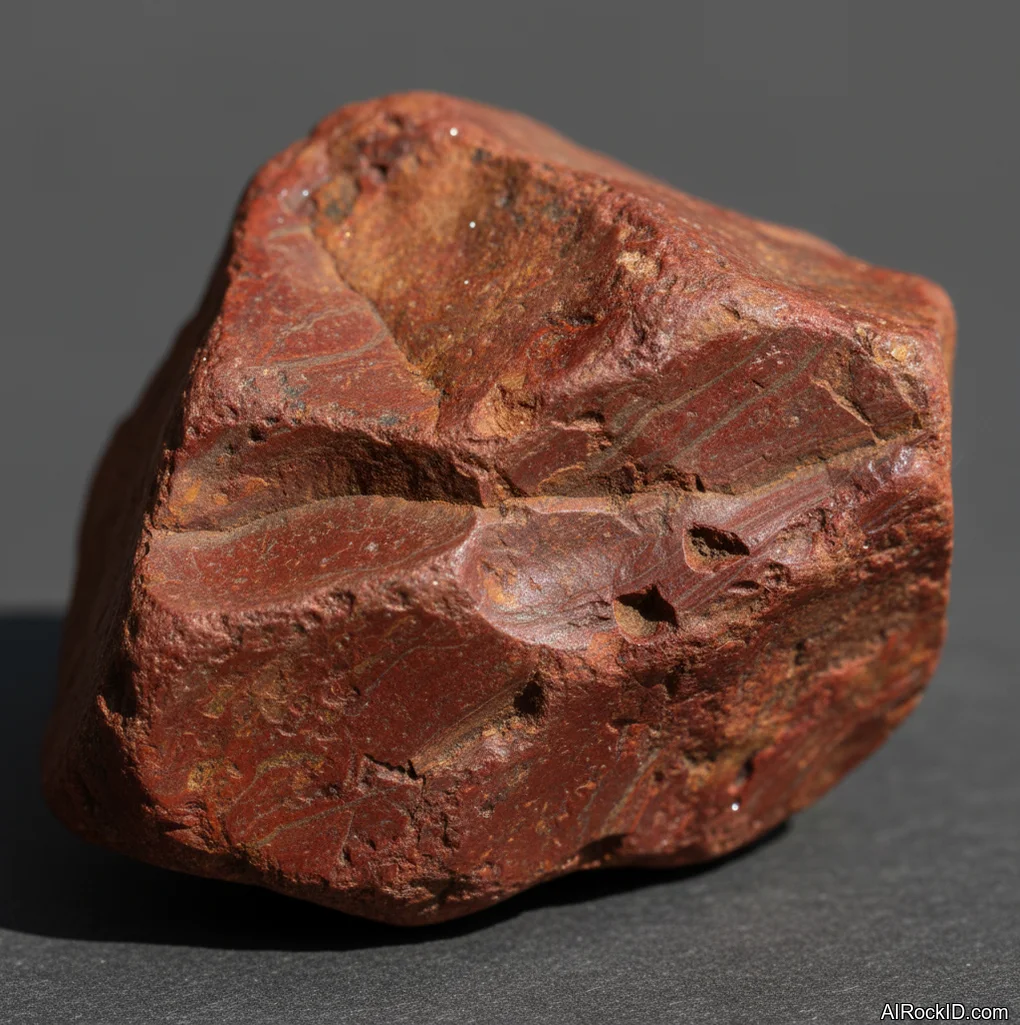
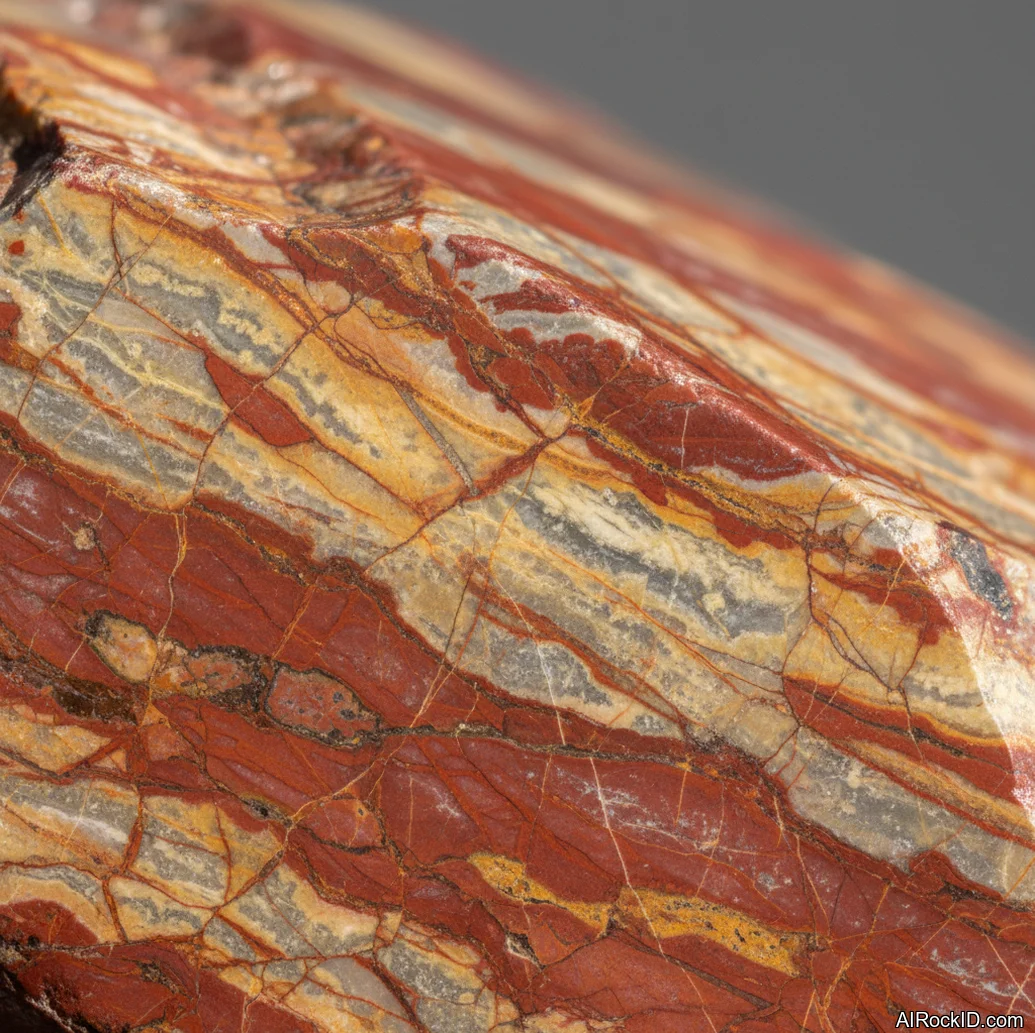
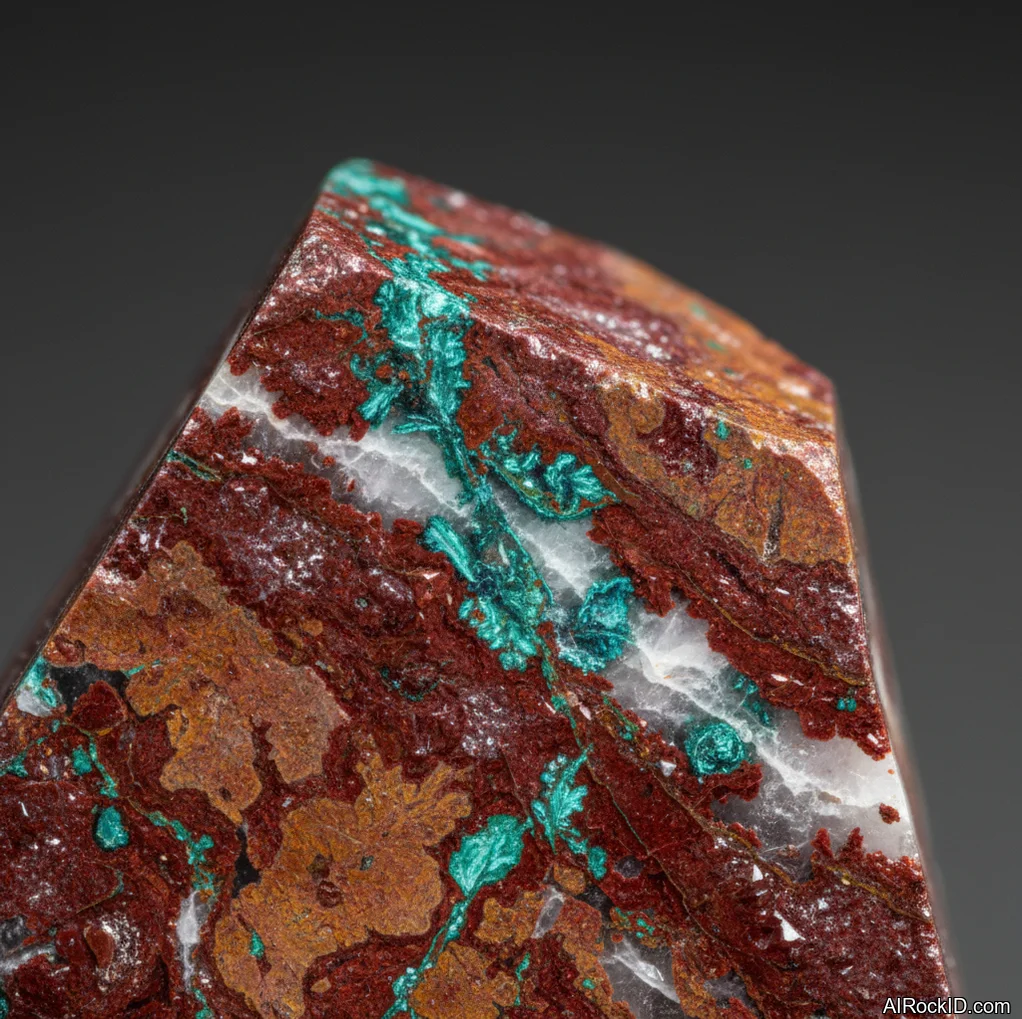
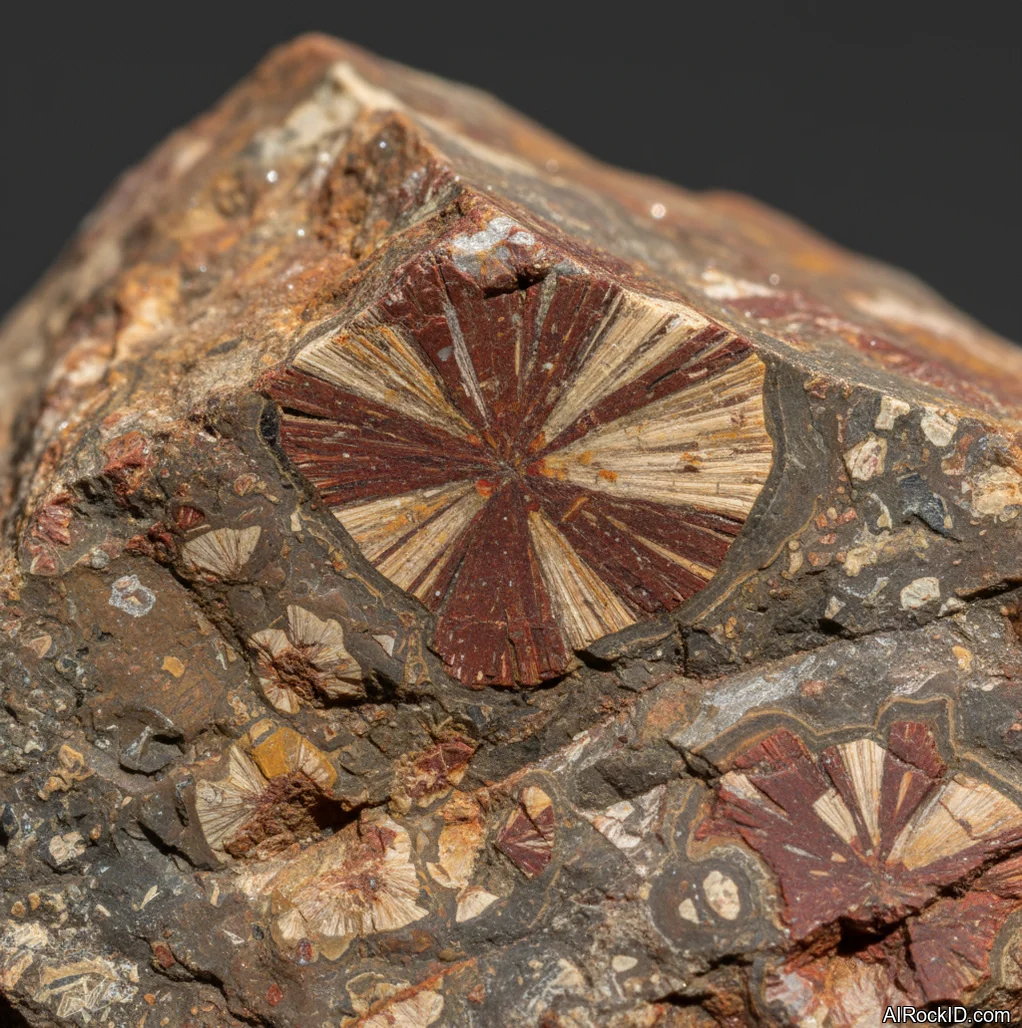
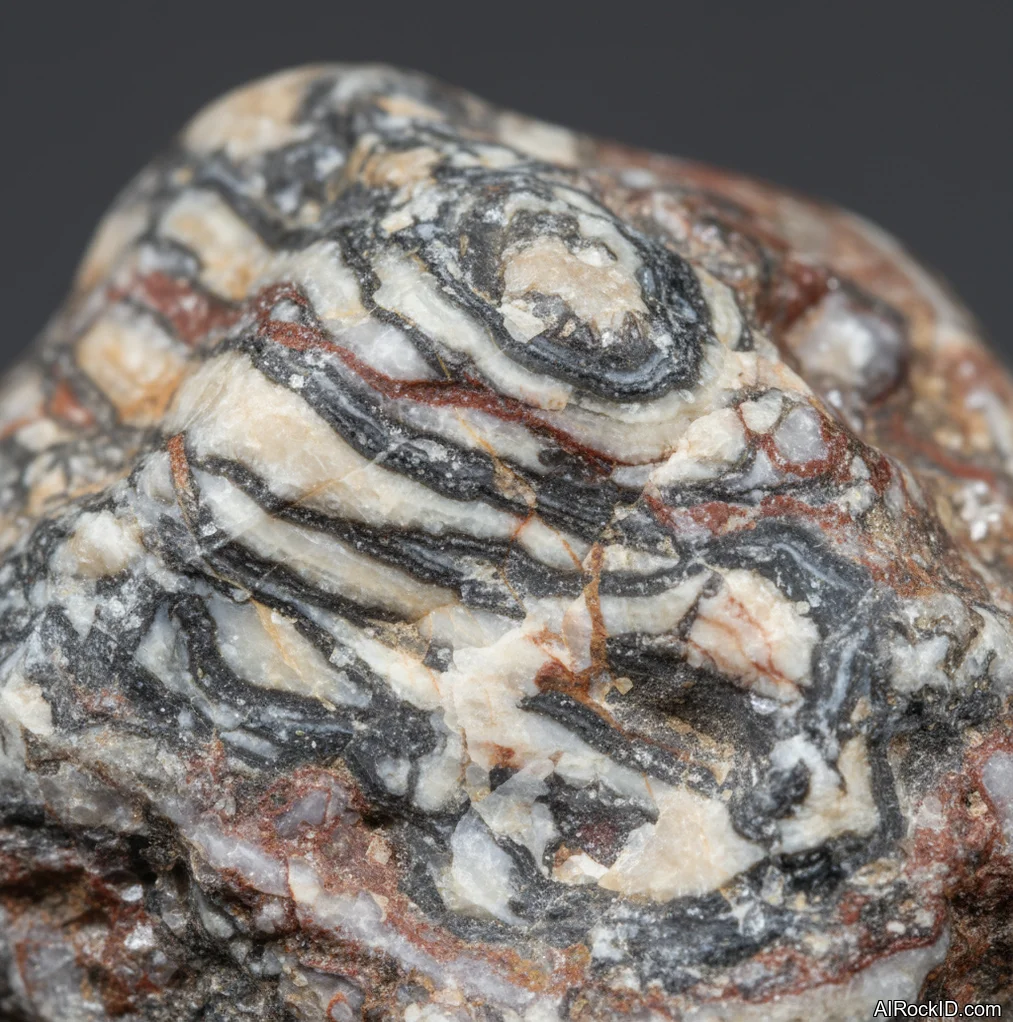
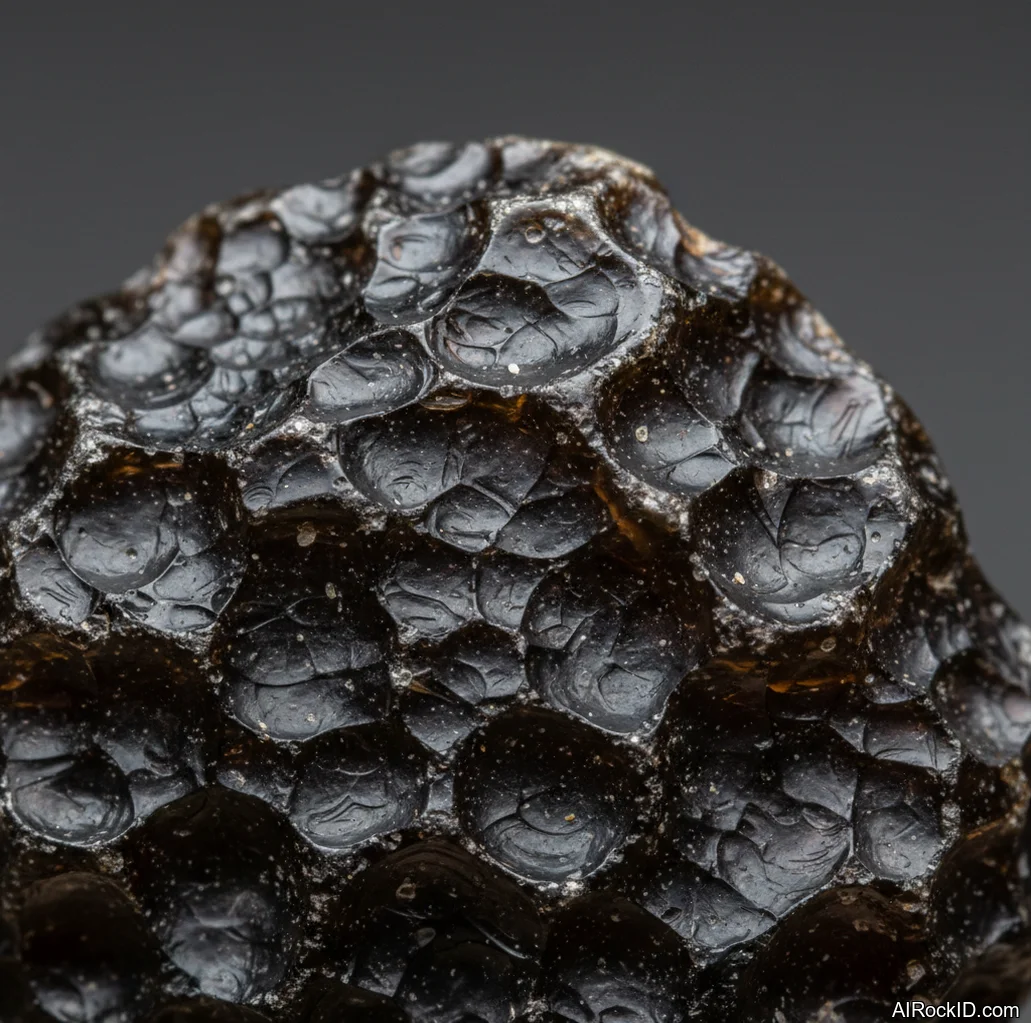
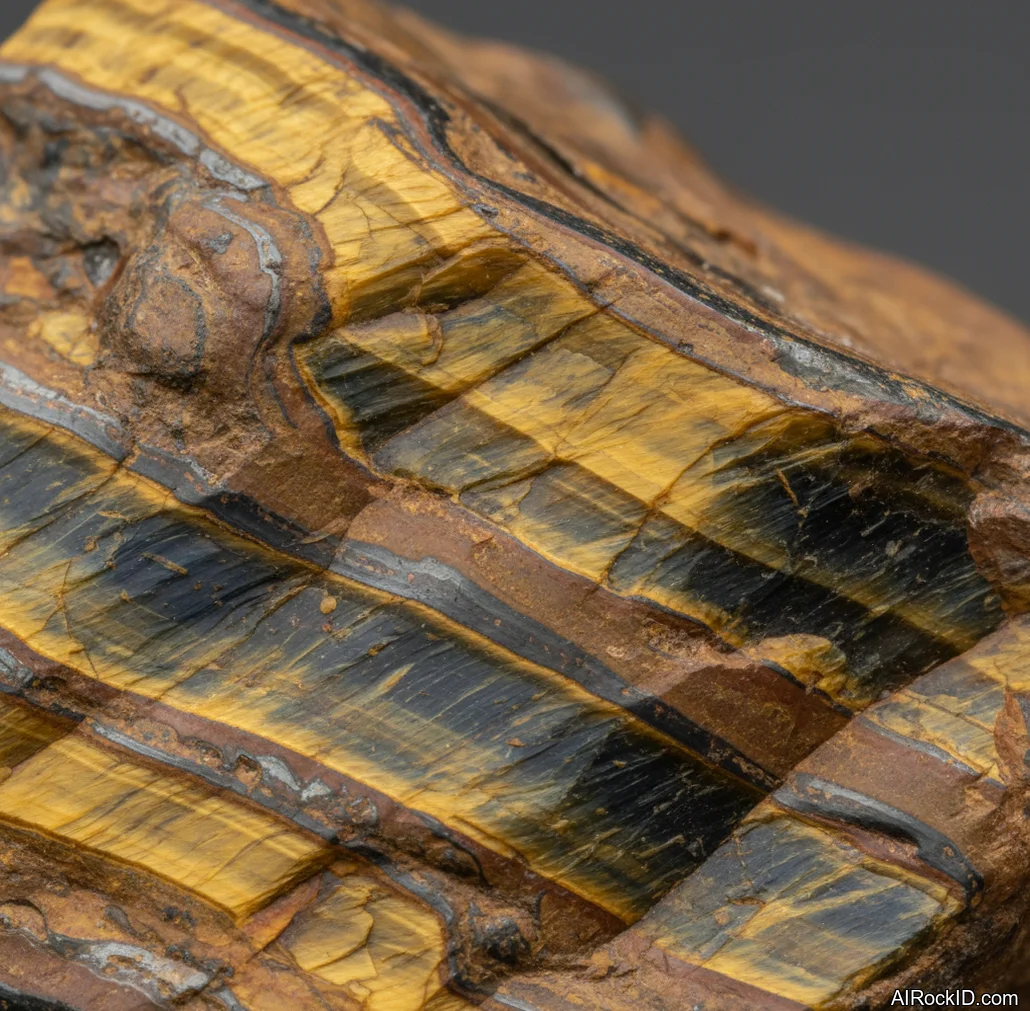
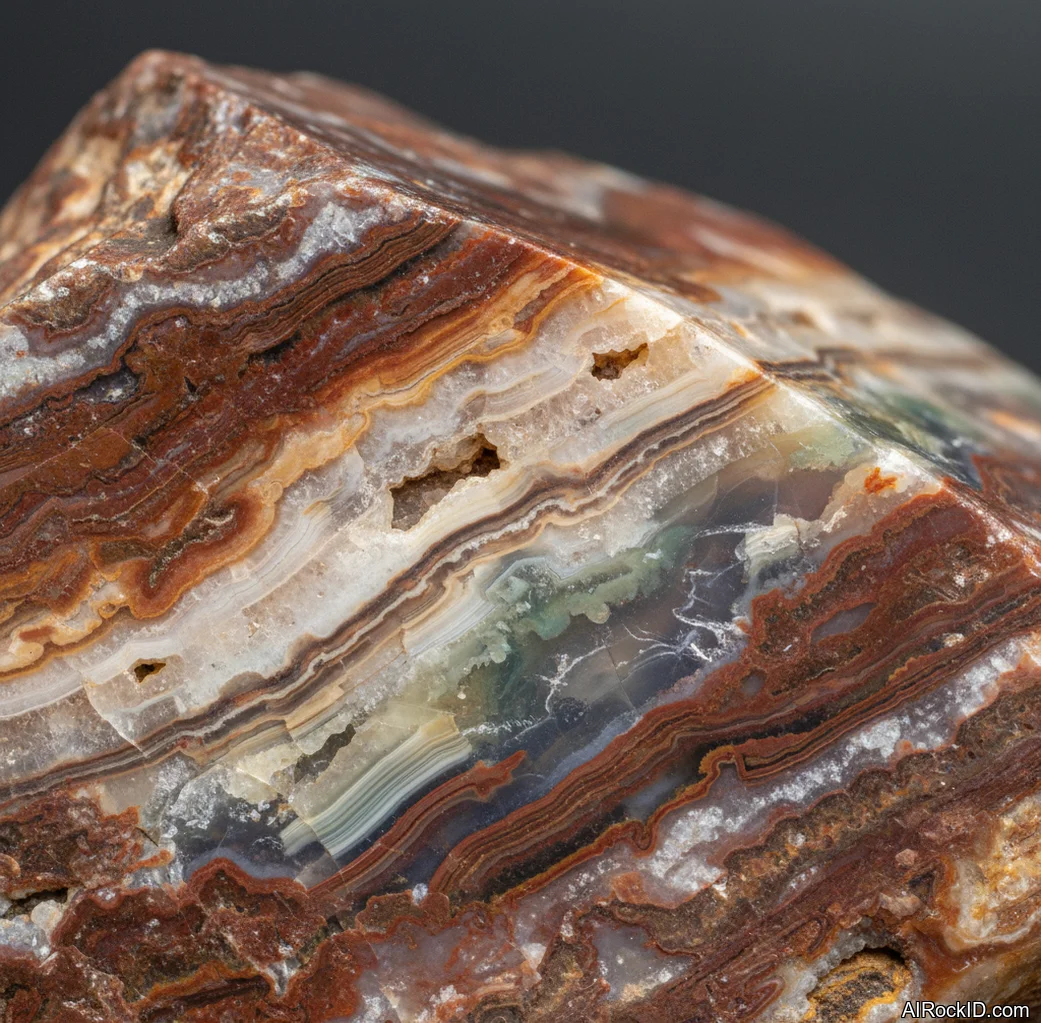
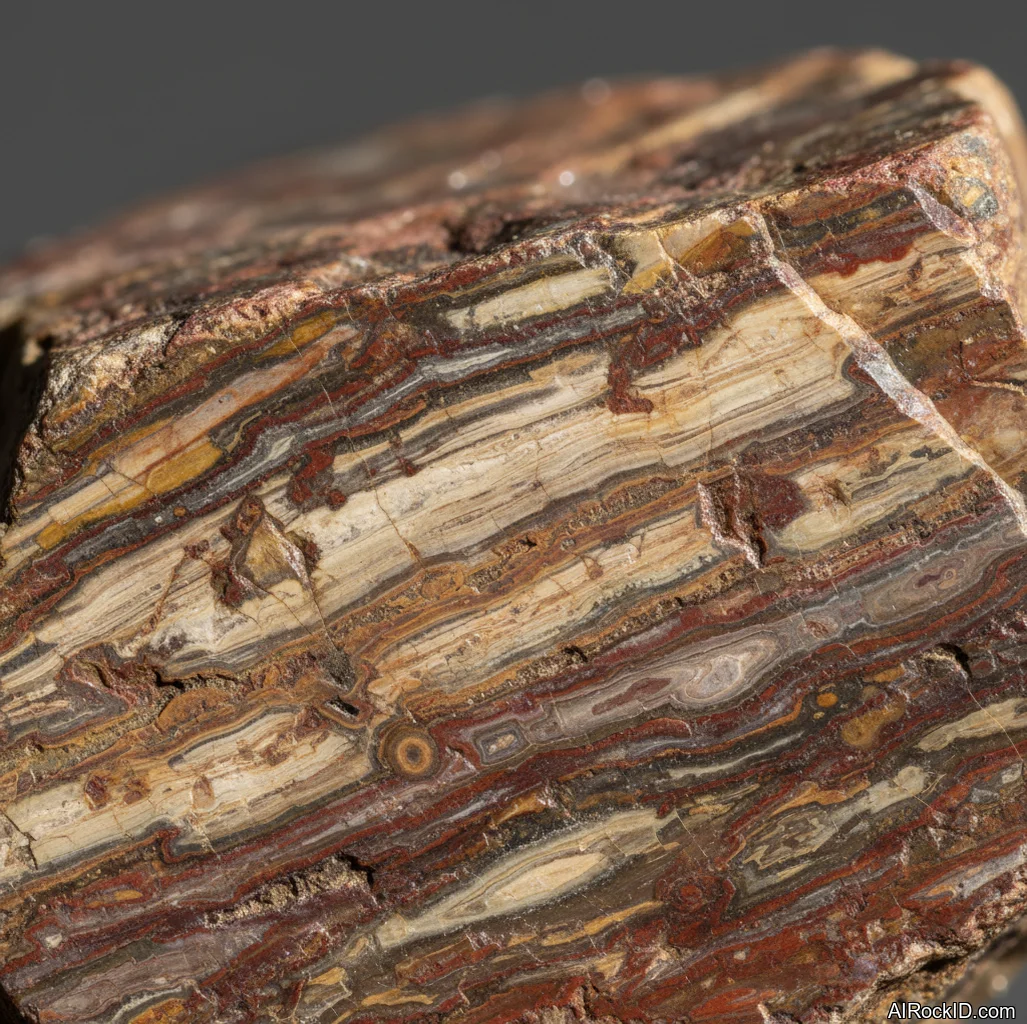
Then you’ve got the 'boots on the ground' stones: red jasper, tiger’s eye, and obsidian. Red jasper feels like an old brick, not flashy, just dependable. It’s dense and opaque, and raw pieces will leave a red streak if you rub them on the back of a ceramic tile. Tiger’s eye is a little showier, with a chatoyant flash that moves under light—think brown and gold stripes if you roll it in your hand. Obsidian isn’t really a mineral, but volcanic glass, and when you hold a chunk, it feels colder than anything else in the same room.
All of these are easy to find polished or raw. Red jasper and tiger’s eye are hard enough to go in your pocket or bag, but obsidian can chip or cut if you aren't careful. Grounding crystals aren’t about looks. People want them for that physical reminder to come back to their senses.
How Collectors Use Grounding Stones and Common Misconceptions
Most dealers keep a bowl of grounding stones near the register—usually tumbled black tourmaline, smoky quartz chunks, or palm-sized hematite. They go fast, especially when people are stressed or looking for something 'protective.' Tumbled stones are better for carrying around, but a rough smoky quartz point or a natural chunk of hematite holds its own on a desk. Some folks put them at the front door as a kind of threshold reminder.
There’s a common misconception that grounding stones will instantly fix anxiety or stop panic attacks. That’s not how it works. At best, having something tangible in hand can help shift focus away from racing thoughts. But if you drop a raw tourmaline on tile, it’ll shatter, and no amount of intention will glue it back together. Treat them like a tool, not a cure.
Best Grounding Crystals to Start With
| Level | Crystal | Note |
| Gentle / Beginner | Smoky Quartz | This one feels familiar in the hand, isn’t too dense or sharp, and the color is never harsh. It’s easy to find affordable, polished pieces with good transparency. |
| Balanced / Everyday | Red Jasper | Tough enough to stand up to pockets and bags, and doesn’t scratch easily. The weight and earthy color work for daily use without being overwhelming. |
| Intense / Advanced | Black Tourmaline (Schorl) | Feels almost magnetic, and raw pieces have a solid, heavy energy. It’s brittle, so you have to handle it with care. |
| Best for Carrying | Hematite (tumbled) | Small tumbled stones are slick, cool, and dense. They hold up in a pocket and you notice the heft every time you grab it. |
| Best for Display | Obsidian (natural chunk) | Larger pieces look dramatic on a shelf, stay cool to the touch, and catch just a hint of reflection. Real obsidian cuts glass, but it chips easily. |
Grounding Crystal Comparison
| Crystal | Common Use | Feel / Use Style | Care Caution |
| Black Tourmaline | Carried for energetic protection and grounding during stressful times | Heavy, brittle, raw pieces have striations and often splinter at the ends | Don’t drop it; breaks easily, sharp splinters |
| Smoky Quartz | Used for mental clarity and gentle grounding | Glassy, cool, transparent to nearly opaque brown or grey | Can fade in sunlight over time |
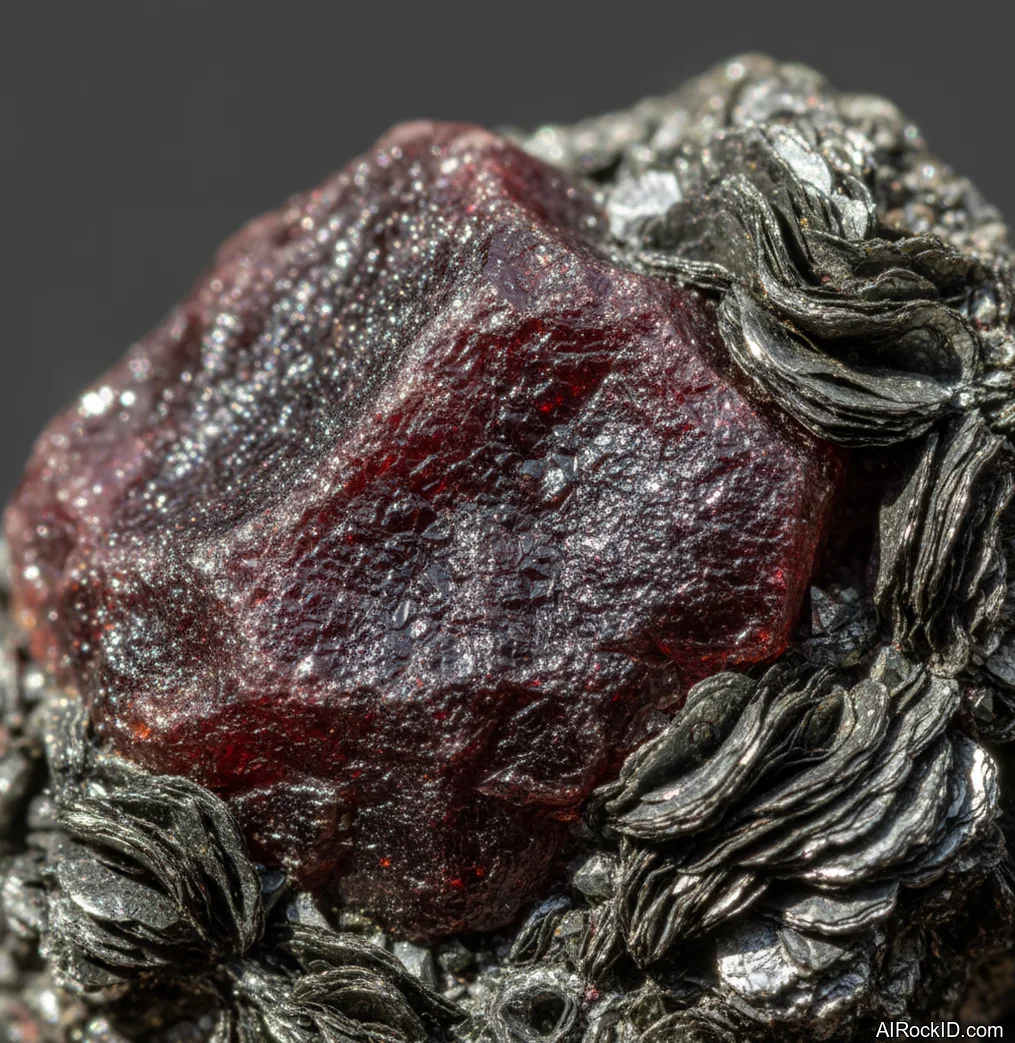
| Hematite | Held to feel solid and centered, sometimes for EMF concerns | Dense, metallic, cold, leaves a reddish streak if scratched | Rusts if left wet or in humid places |
| Red Jasper | Good for day-to-day steadiness and stamina | Brick-red, opaque, feels grounded and solid, not flashy | Surface can dull if tumbled with harder stones |
How to Identify Grounding Crystals with AI Rock ID
To identify grounding crystals using the AI Rock ID app, take a clear photo of the whole specimen in natural light, then close-ups of the texture and edges. Upload both photos and enter any physical details like weight and coolness to the touch. Compare the app’s suggestions against traits like hardness (for example, hematite scratches easily but feels heavy), luster, and streak color. Real collector tips—like checking for black tourmaline’s striations or hematite’s metallic feel—help the app zero in on the right ID.
All Grounding Crystals (428)