Trust Crystals
Quick answer: Trust crystals are stones that people associate with honesty, steadiness, communication, and confidence in relationships or personal decisions. These meanings come from crystal-healing traditions and symbolic use, not from medical or scientific proof.
Learn about Trust crystals, what they mean, how to use them, and what to look for when buying. Explore top crystals linked with Trust.


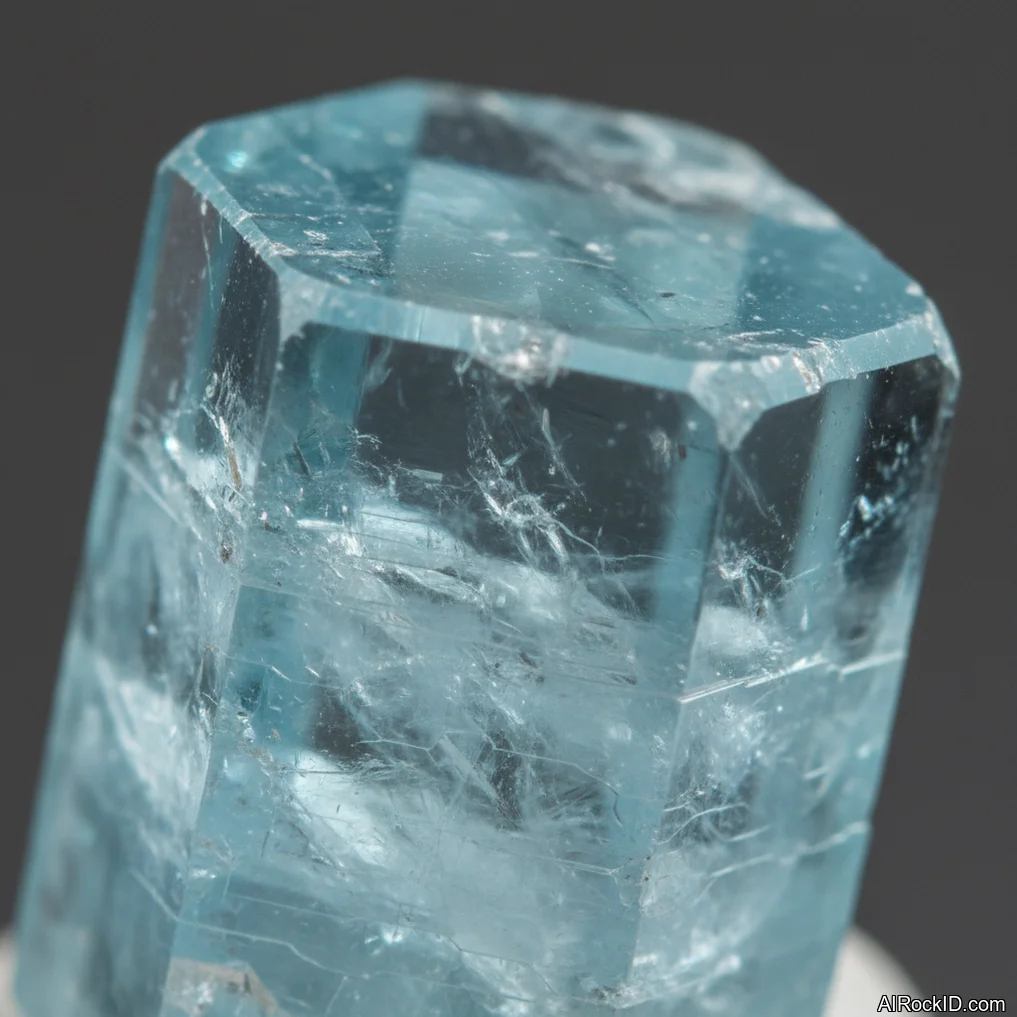
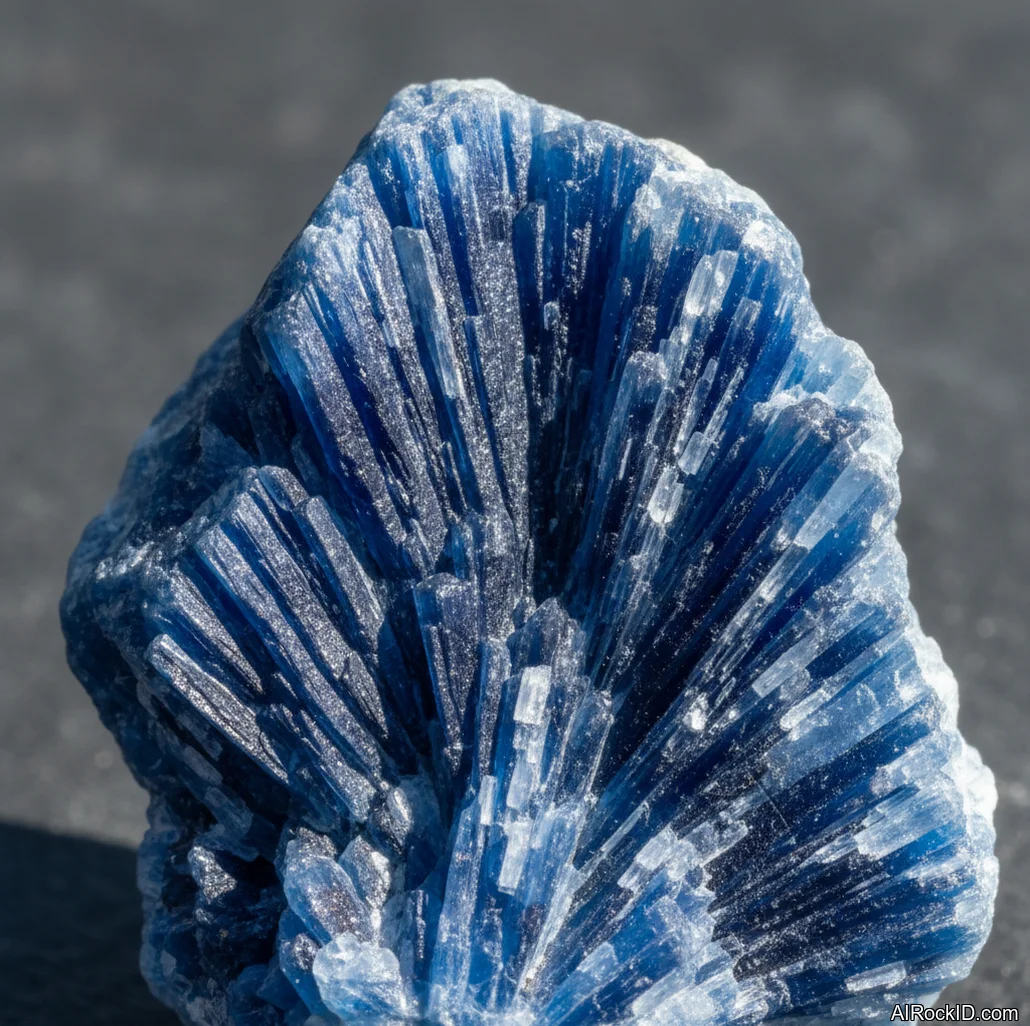
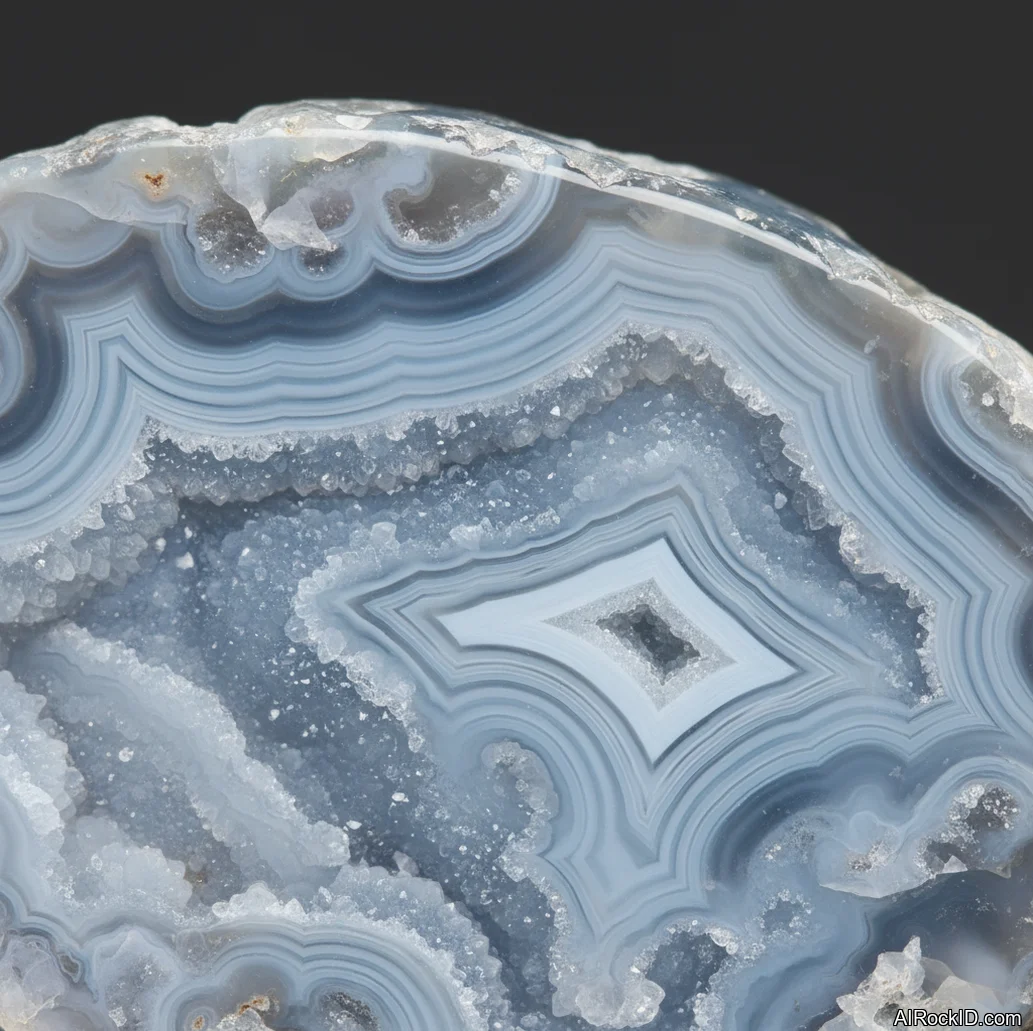
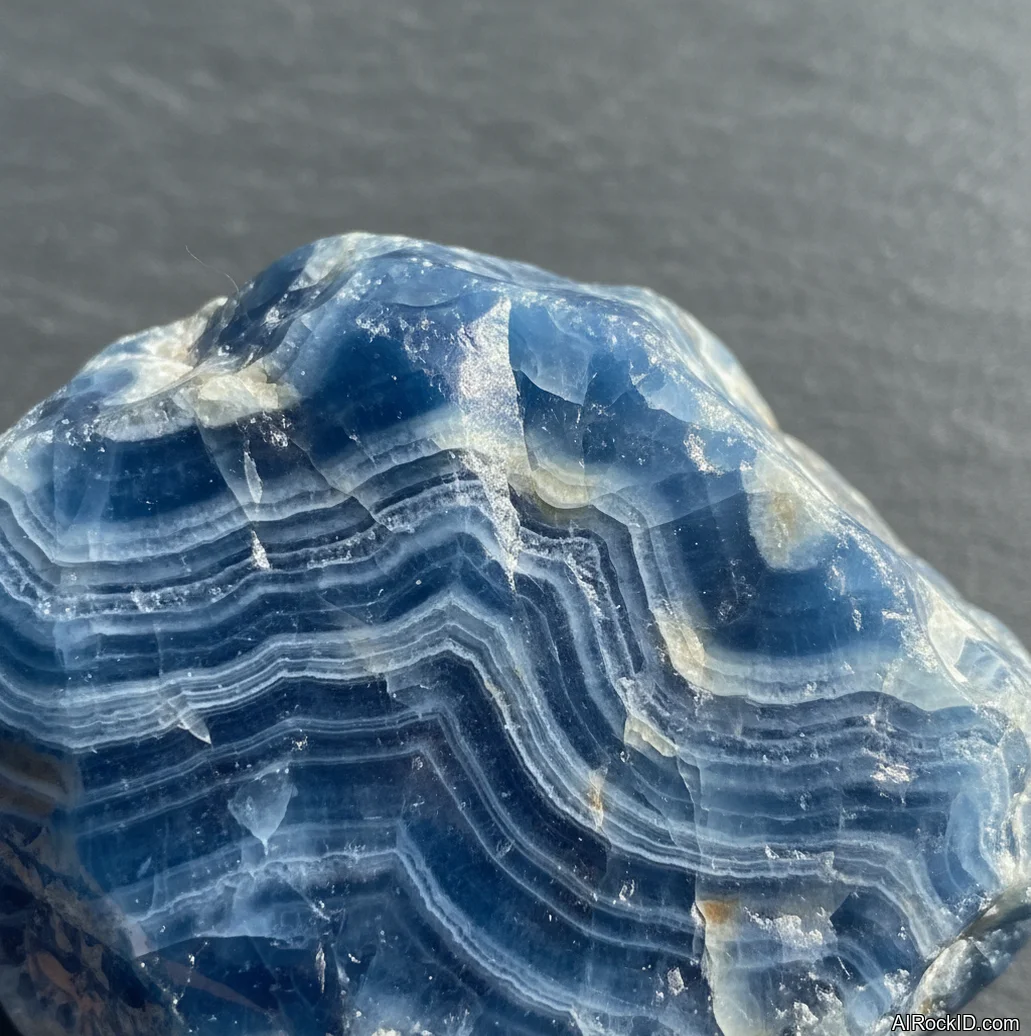
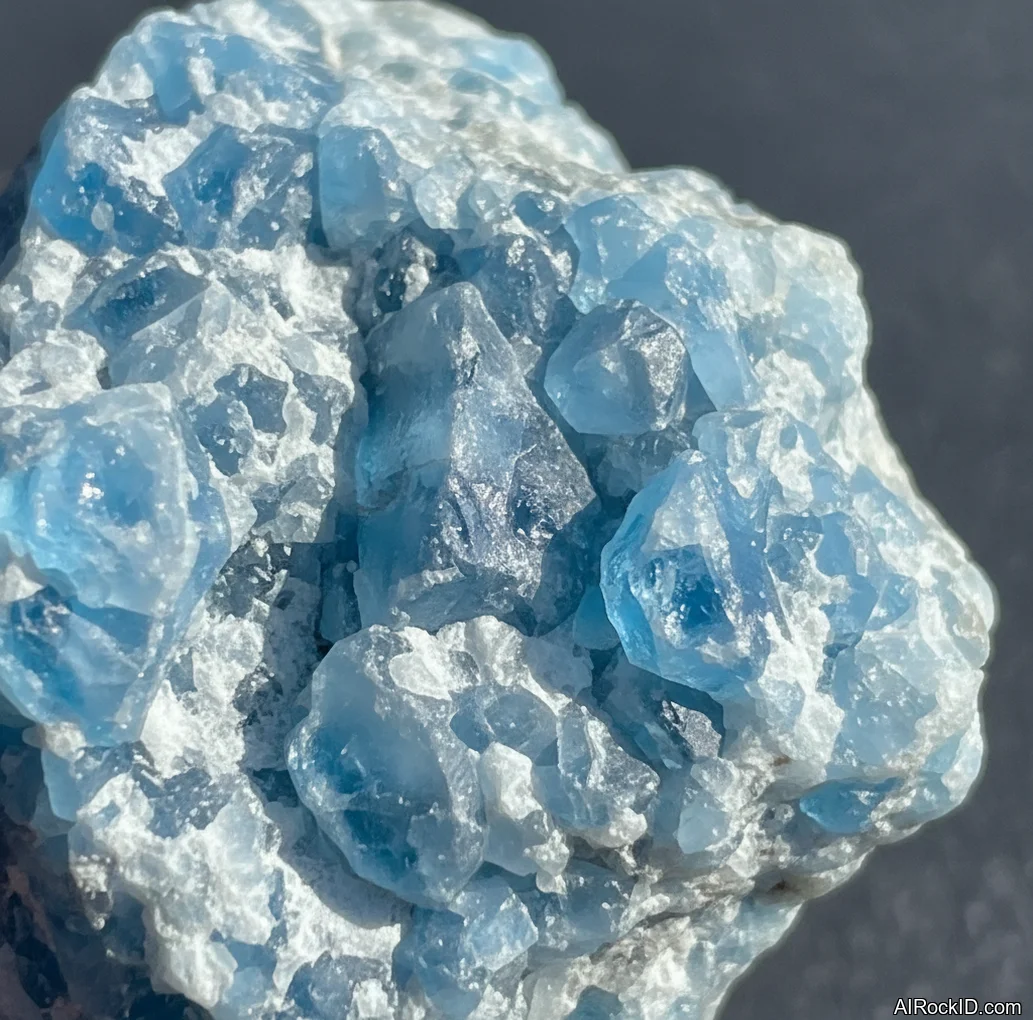
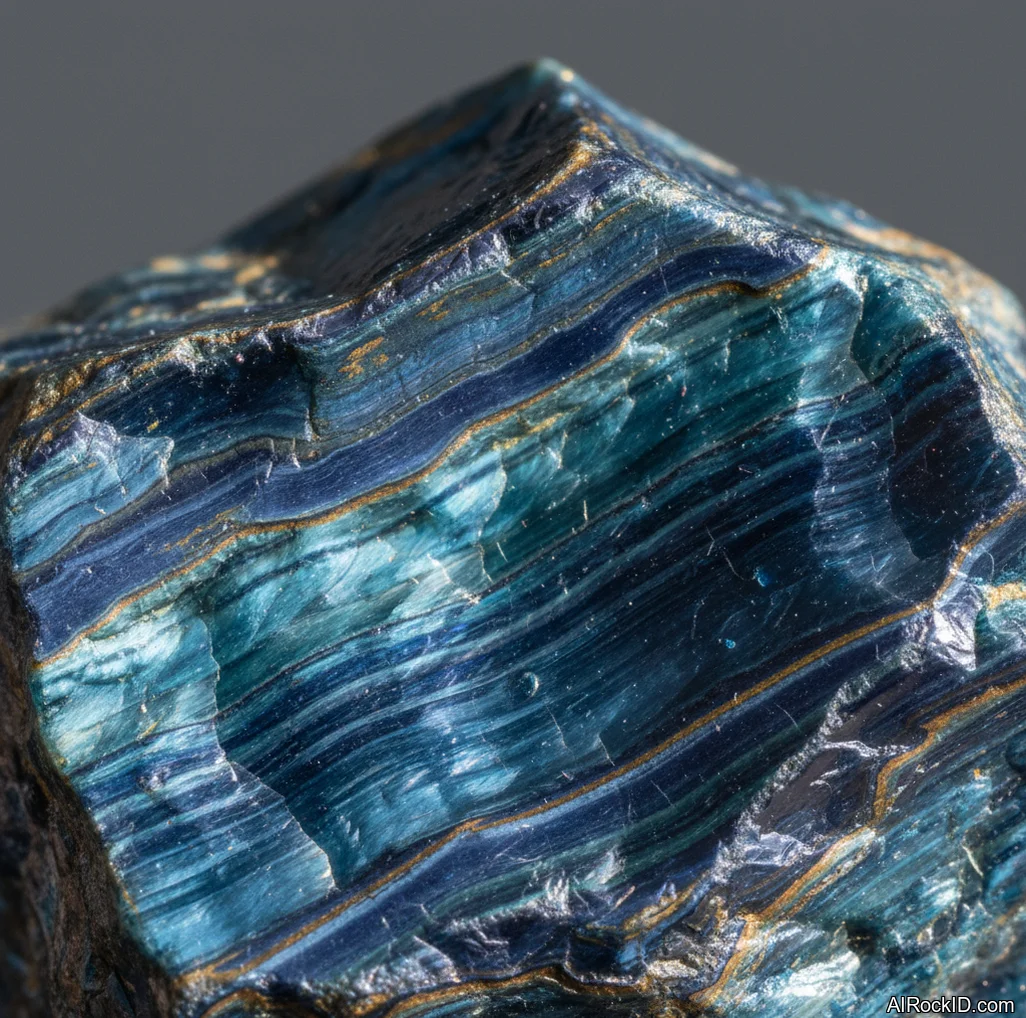
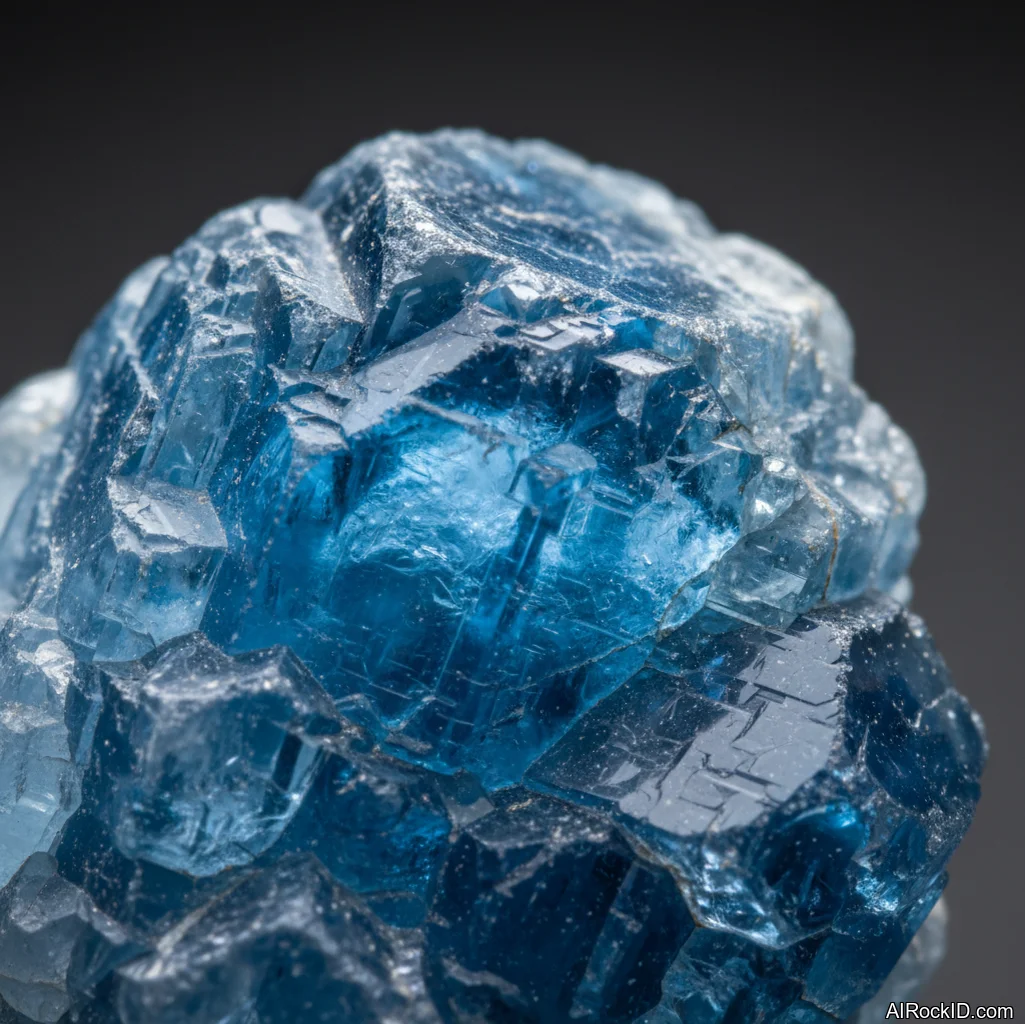
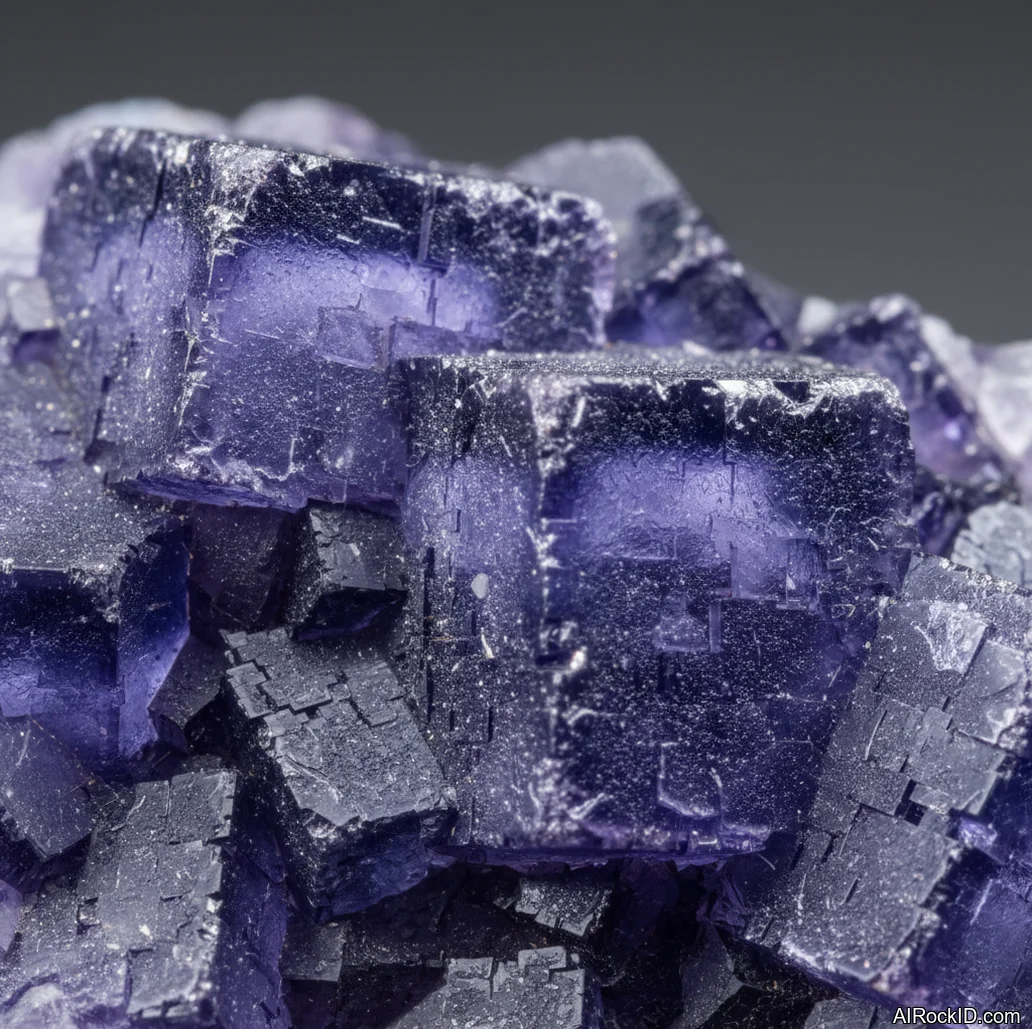
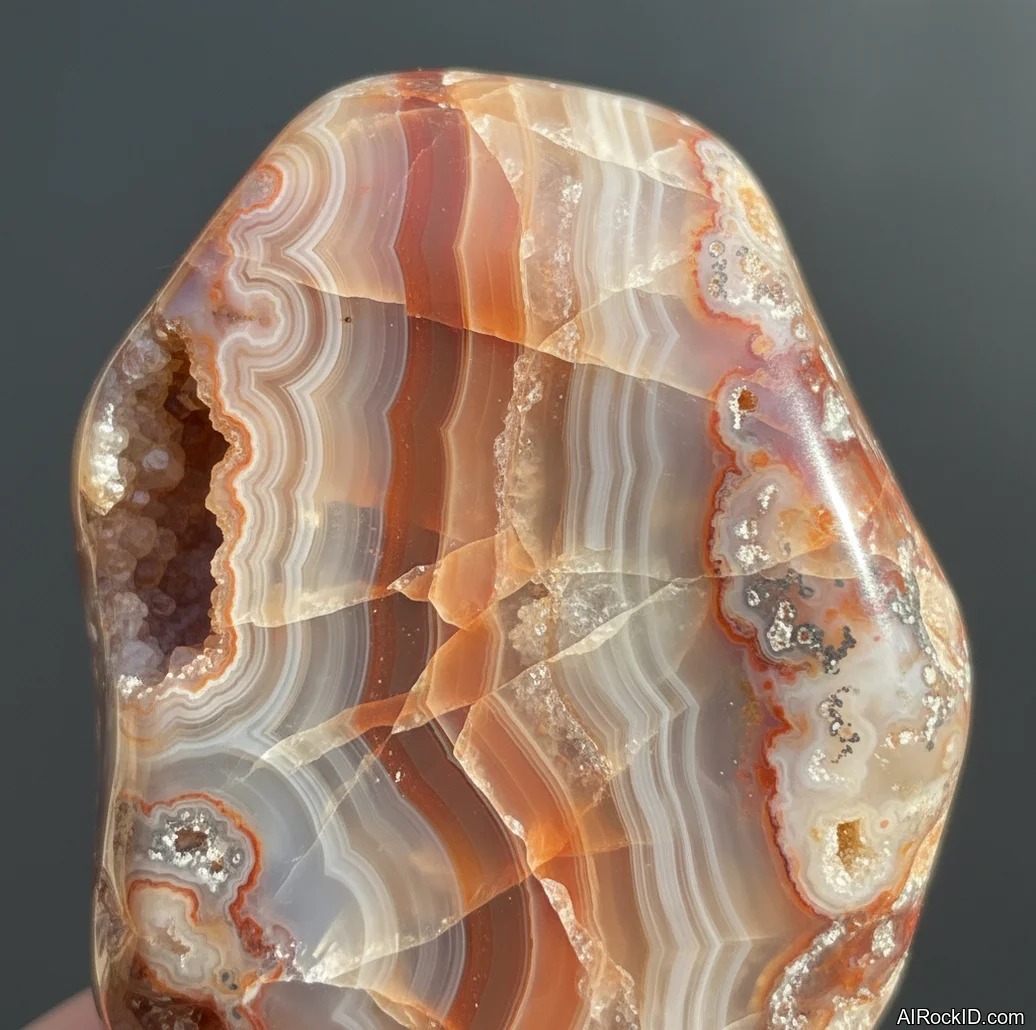
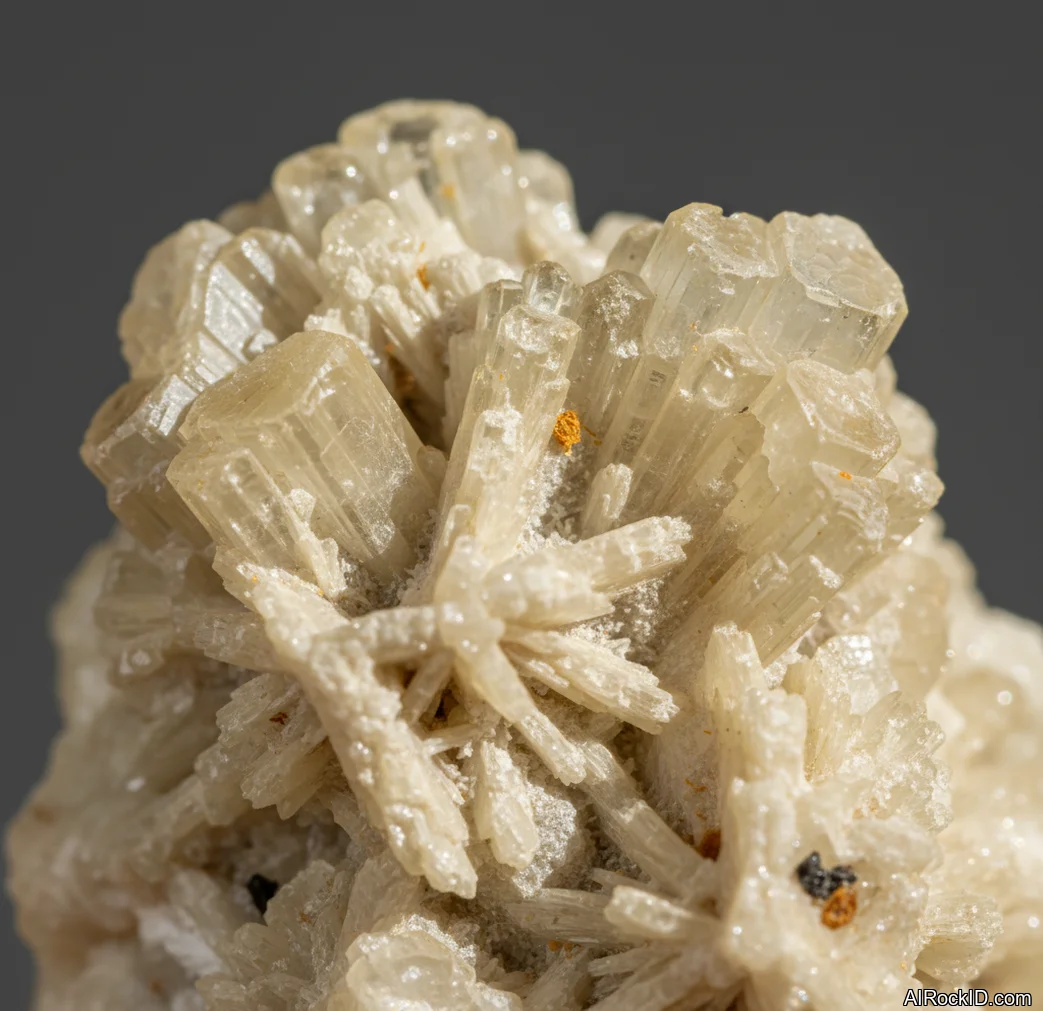
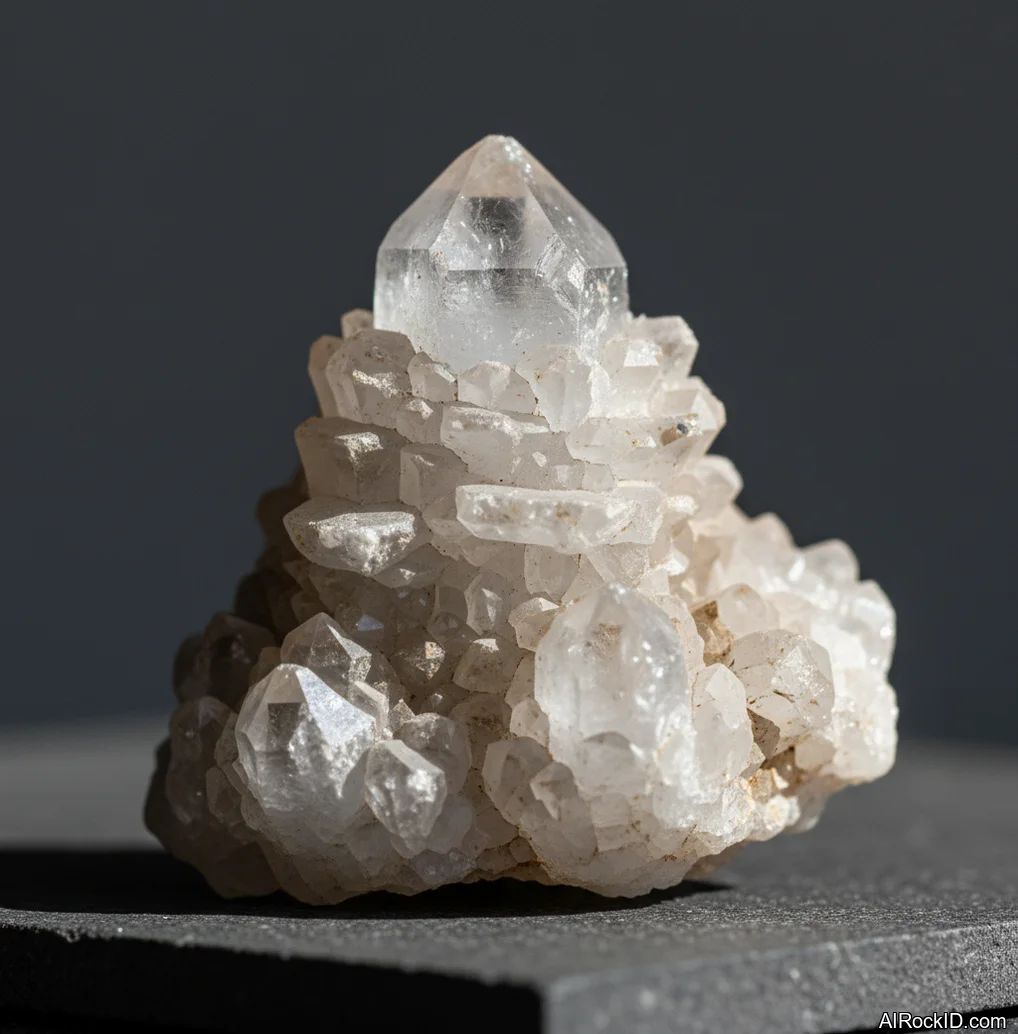
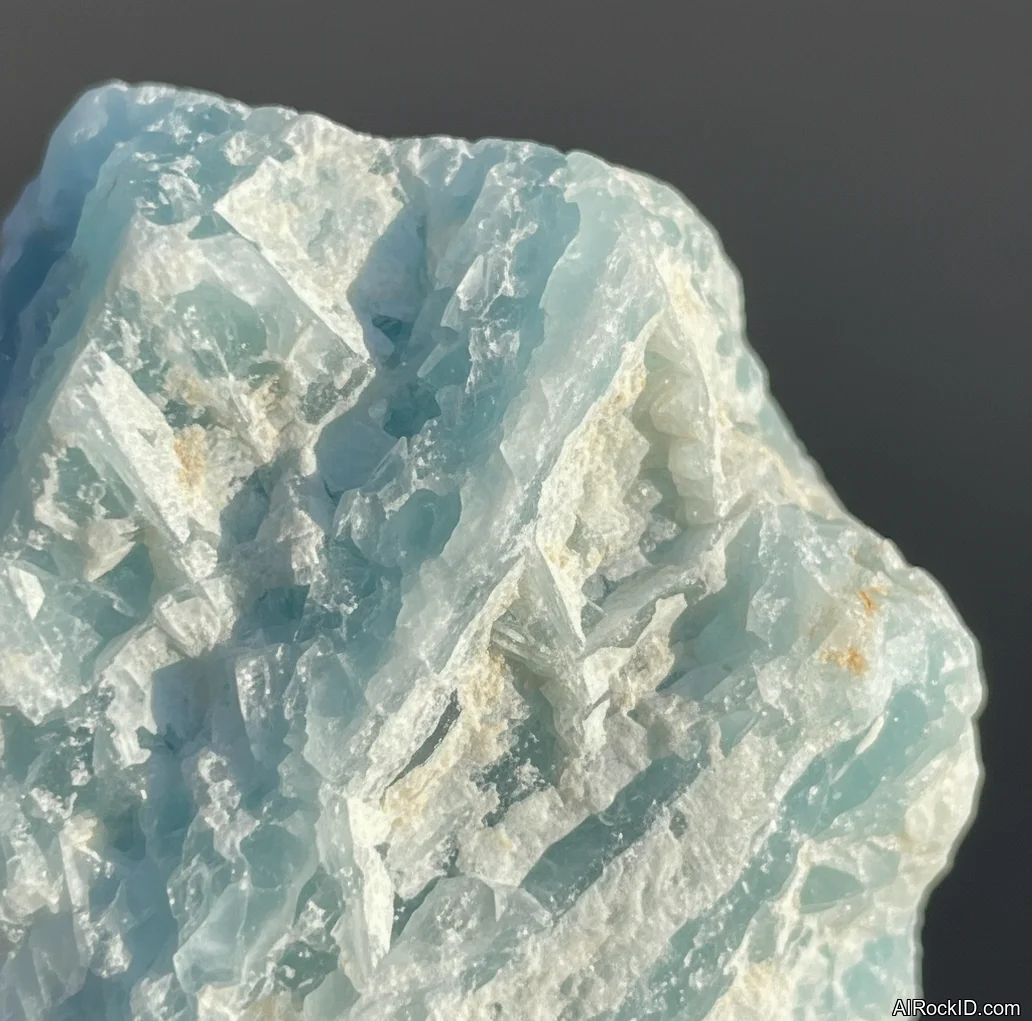
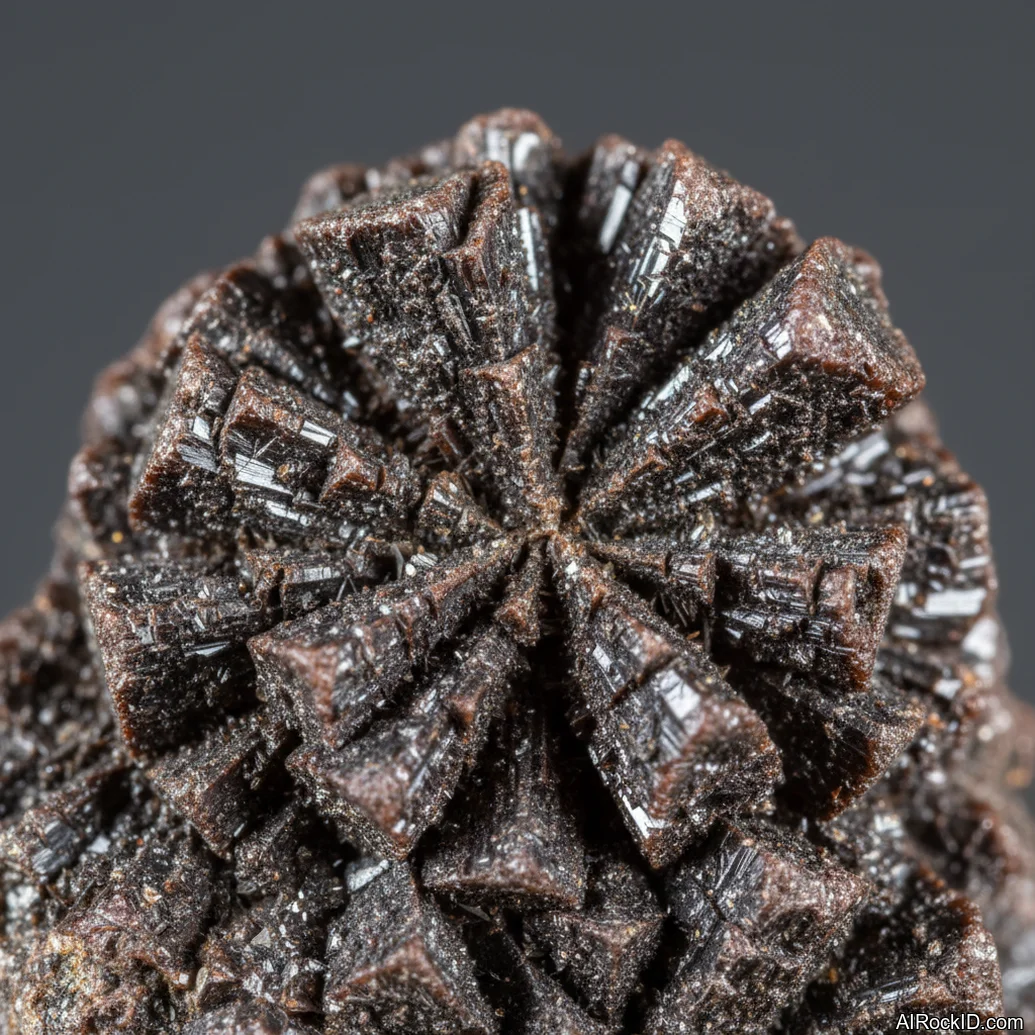
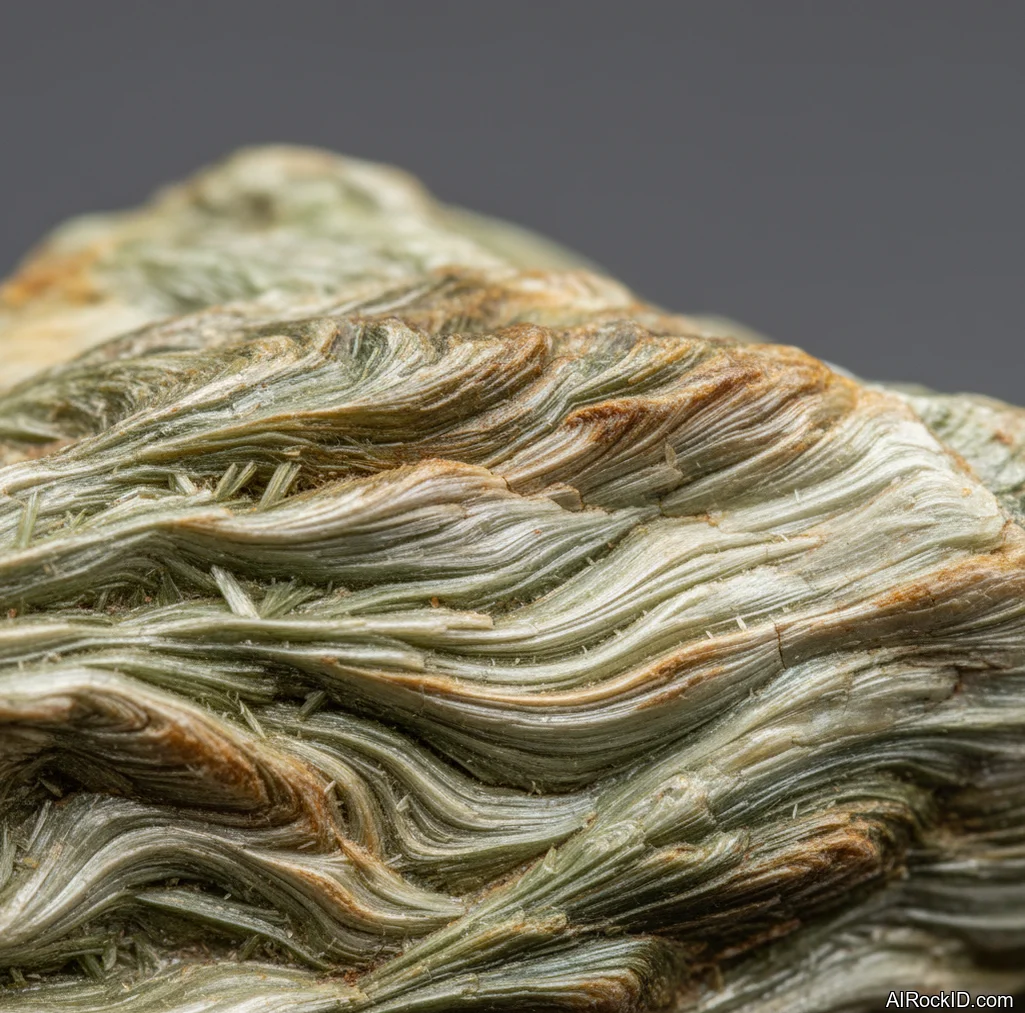
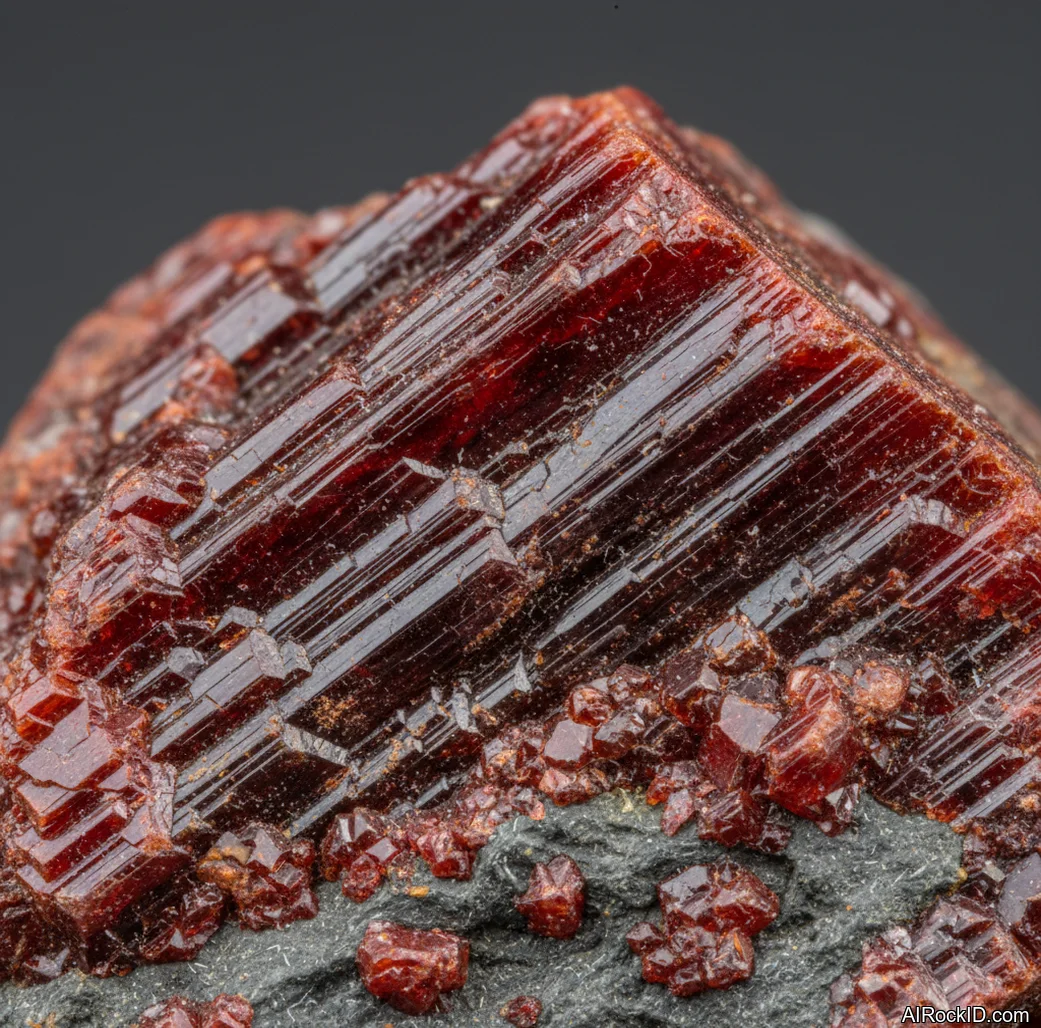
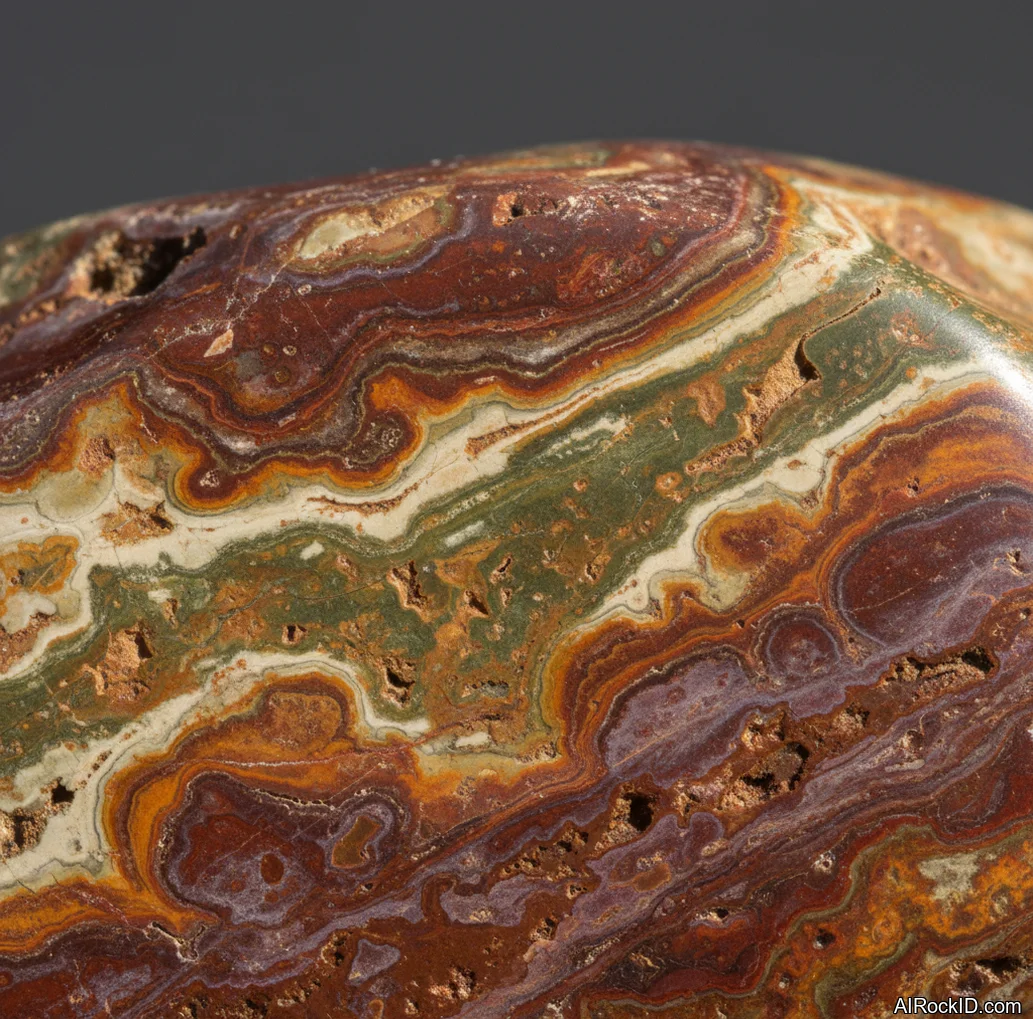
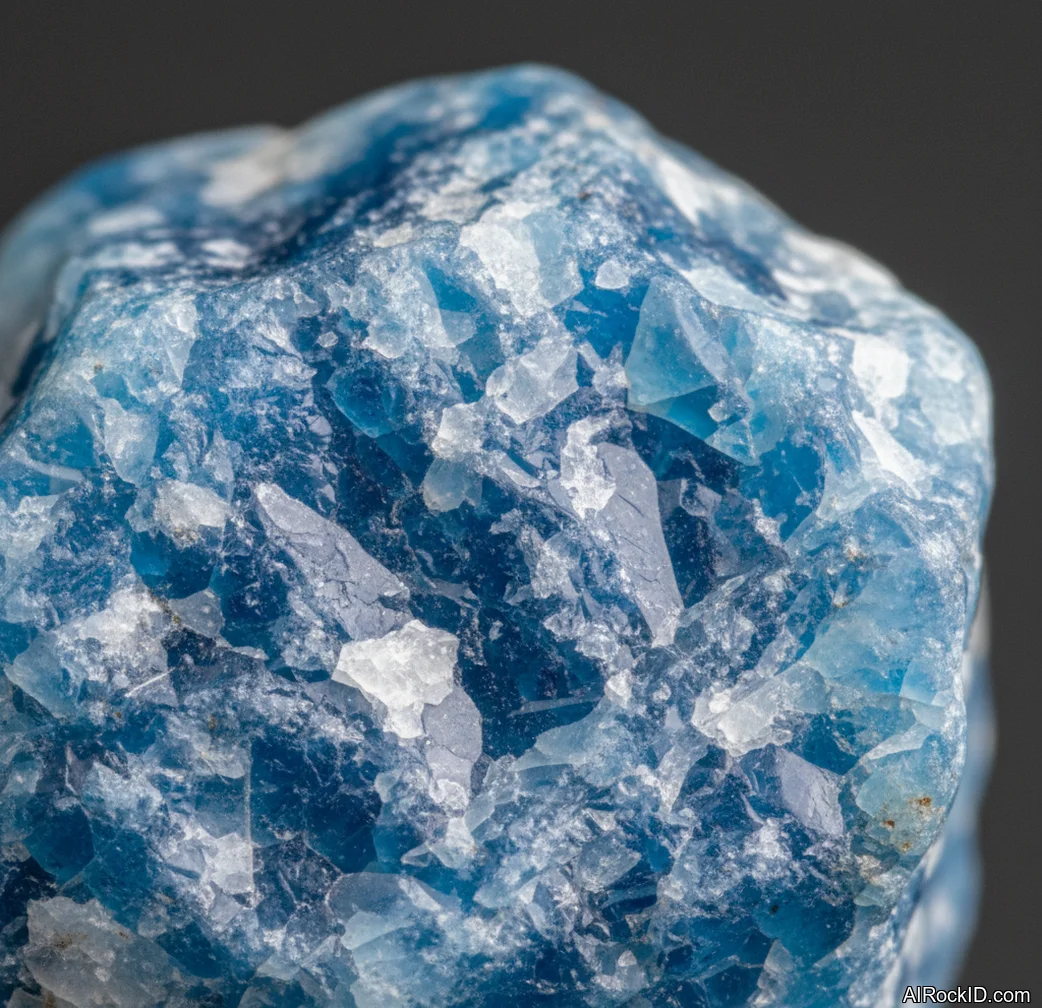
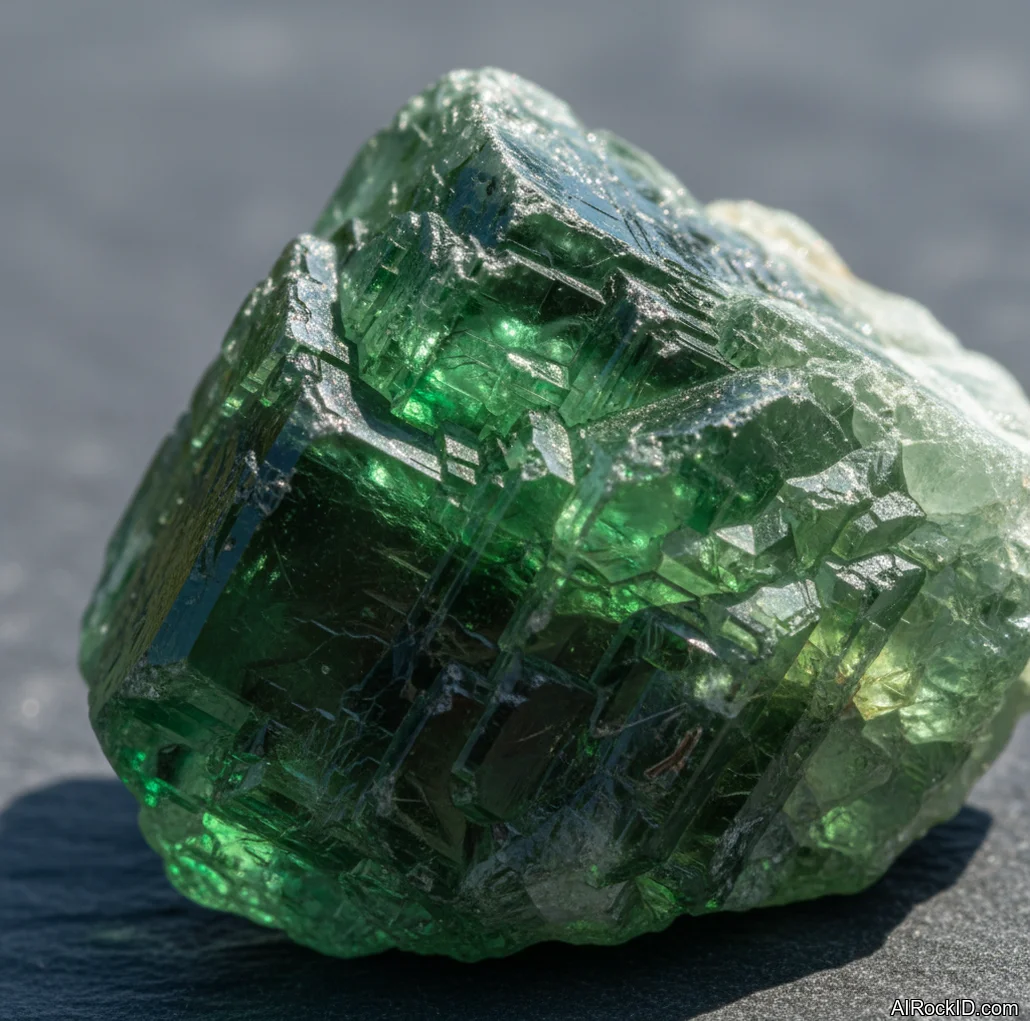
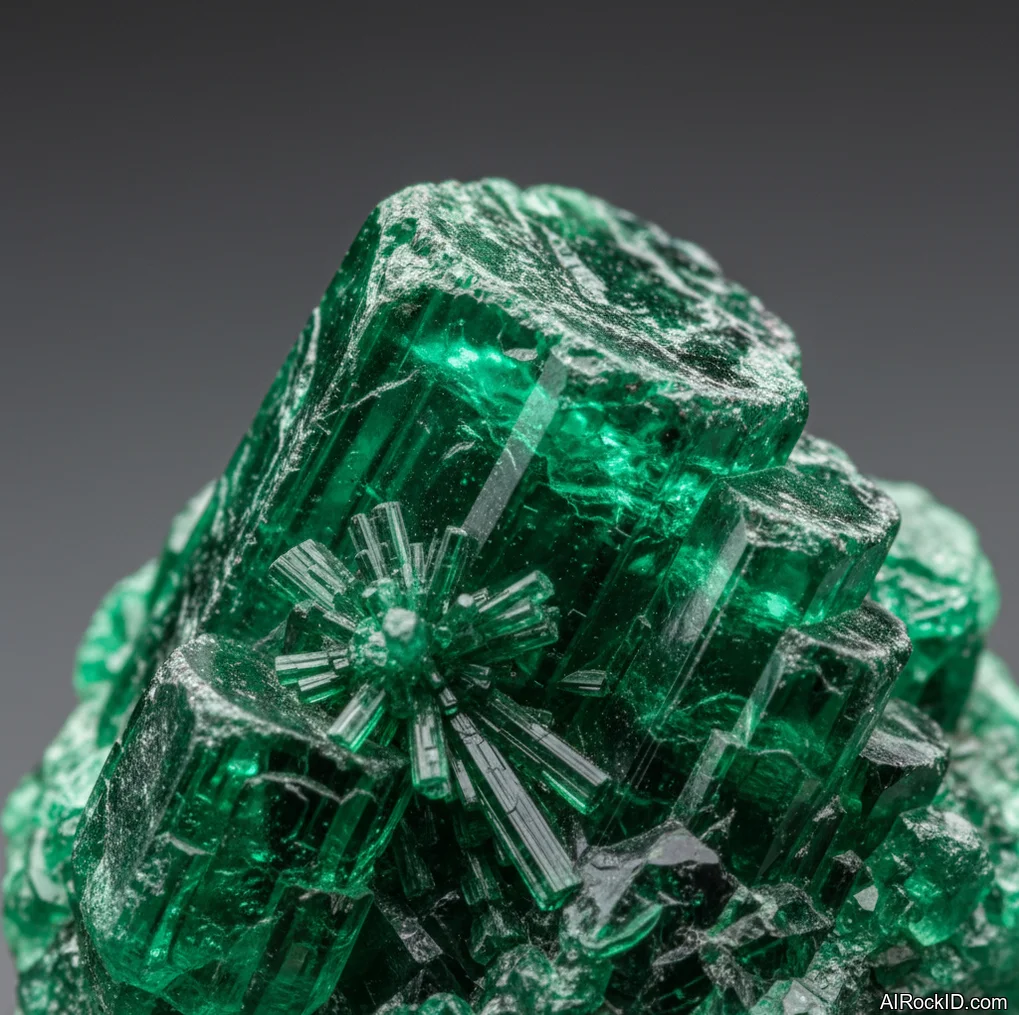
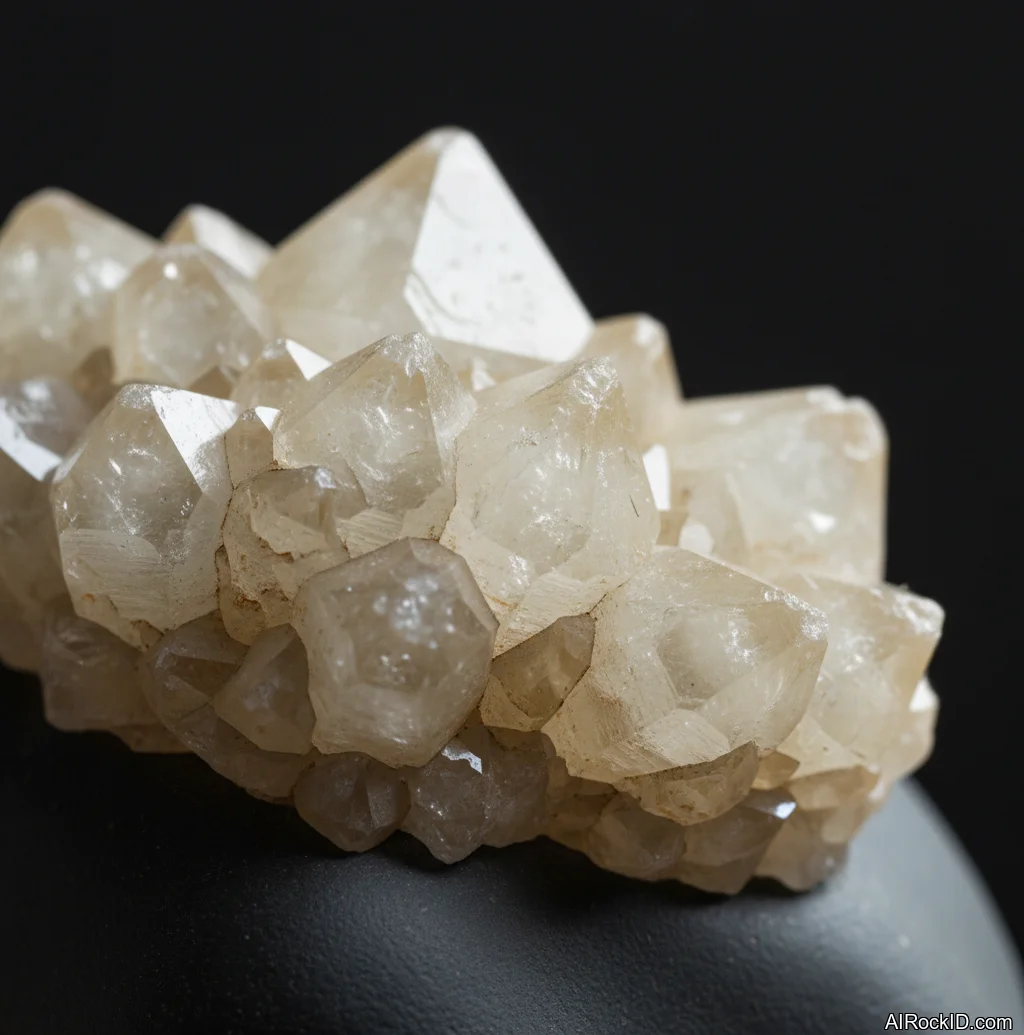
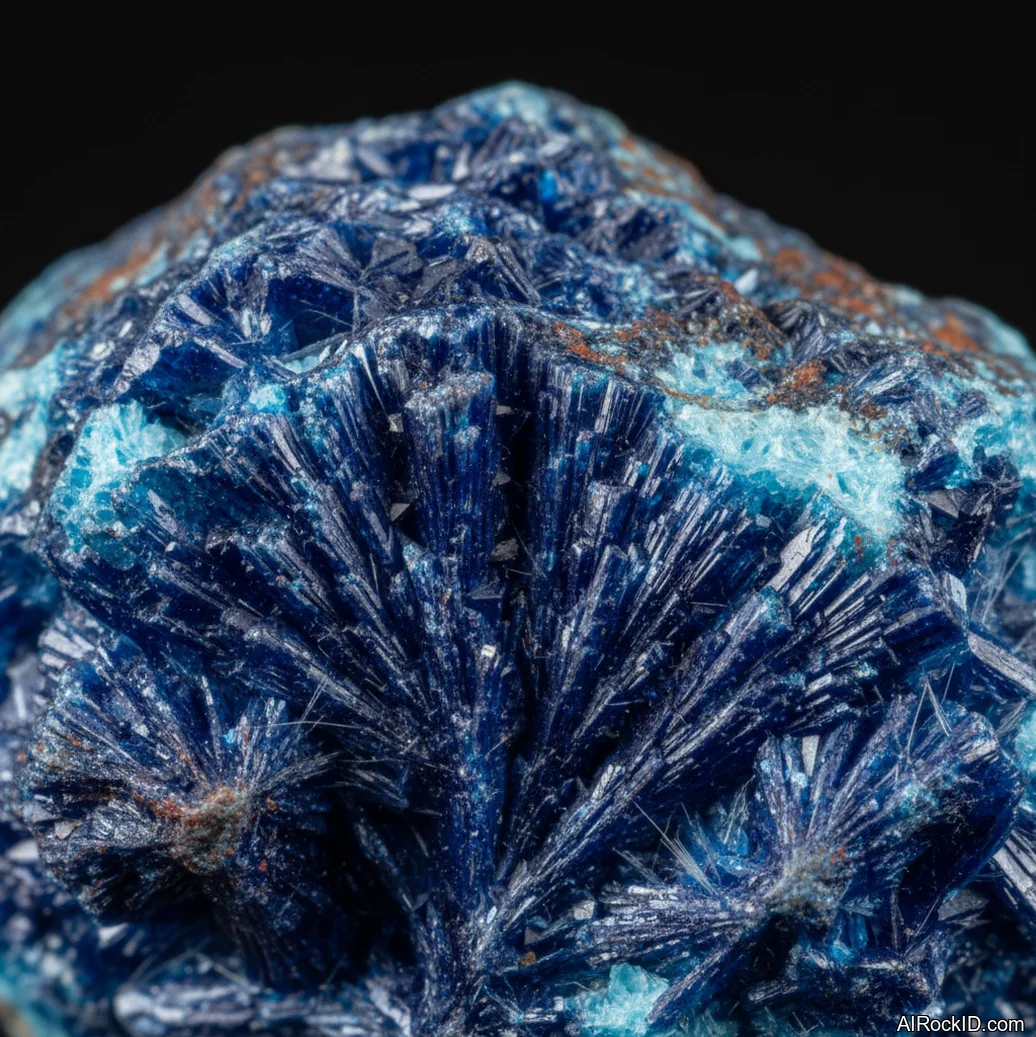
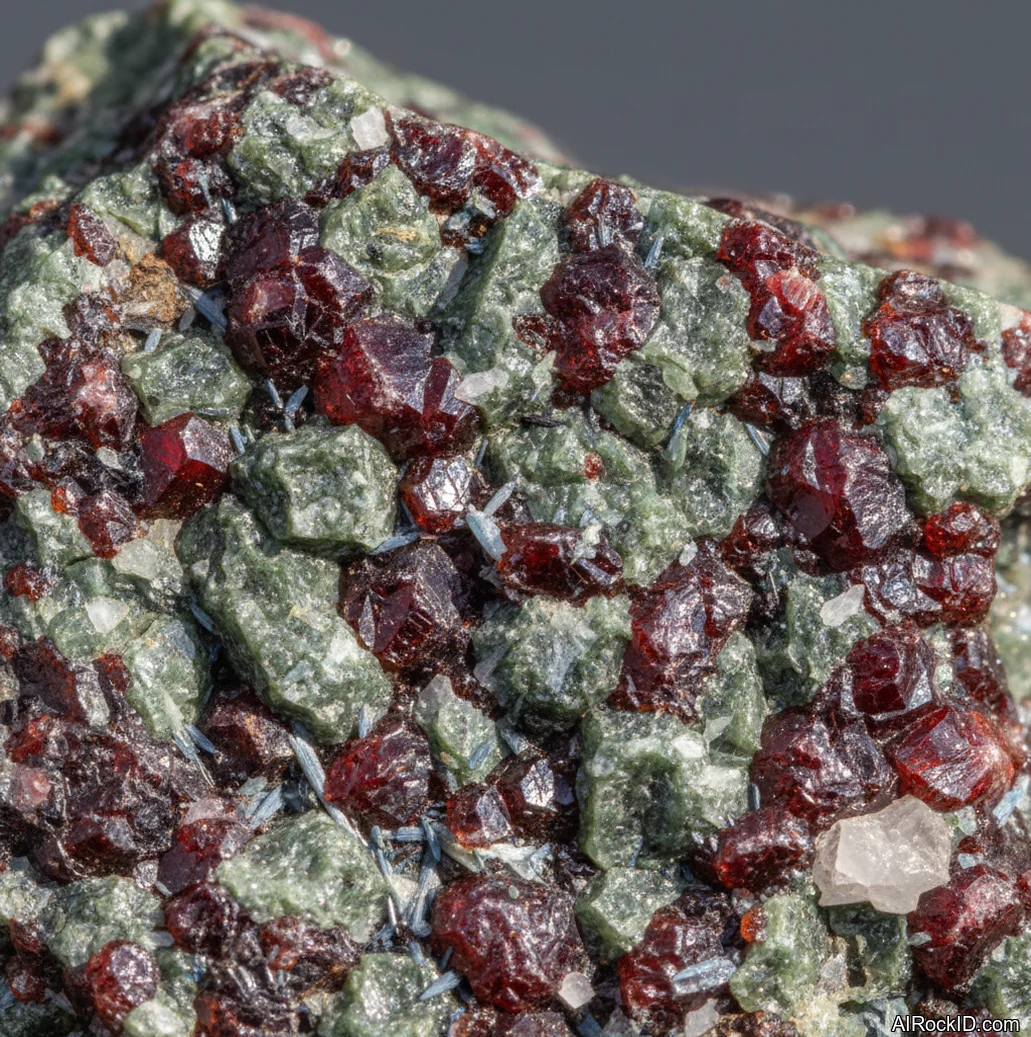
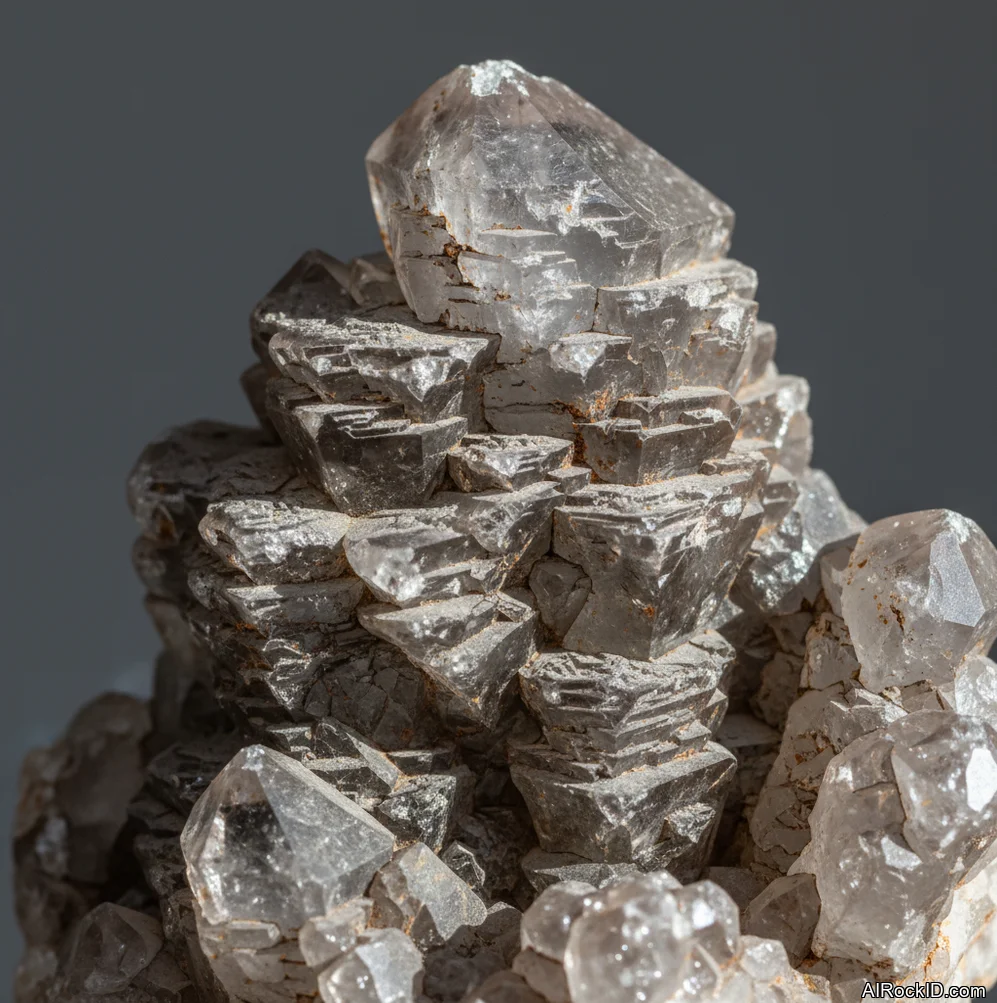
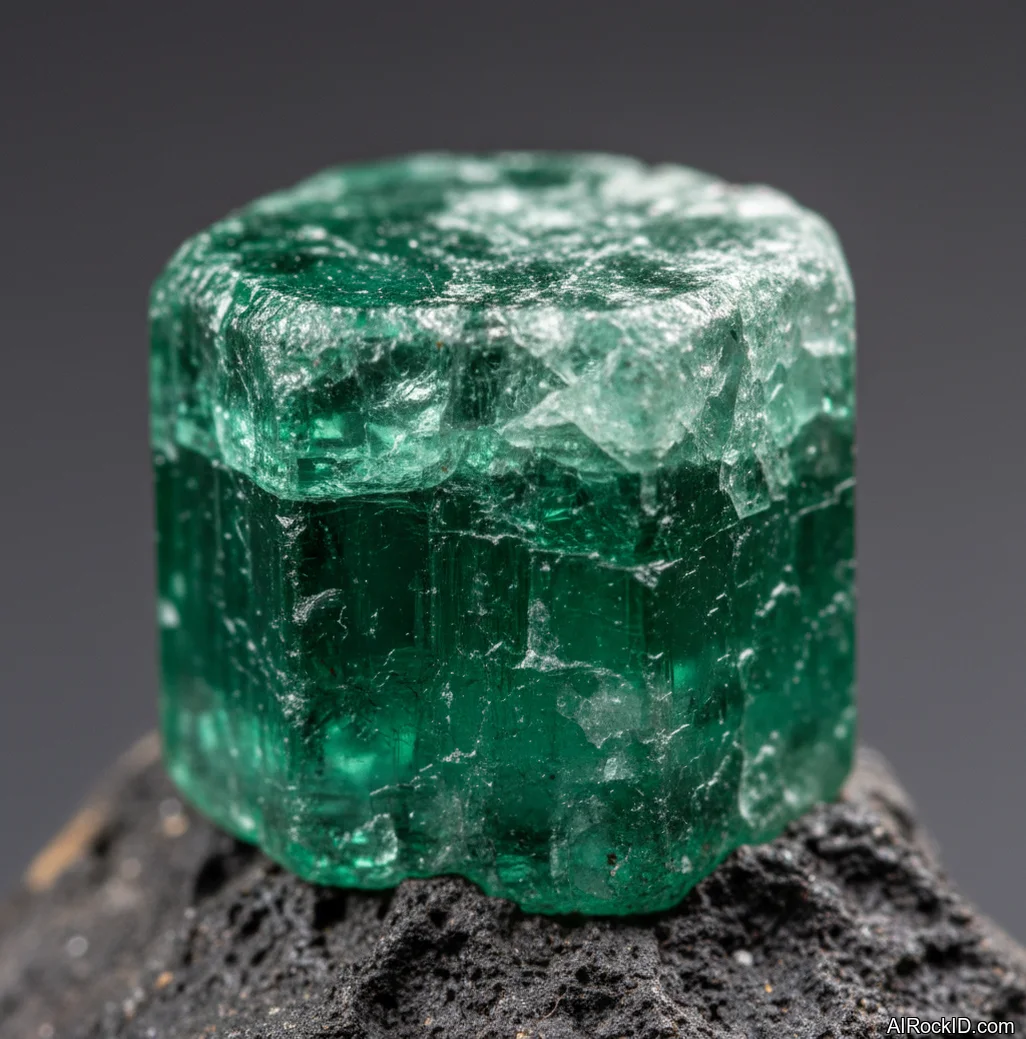
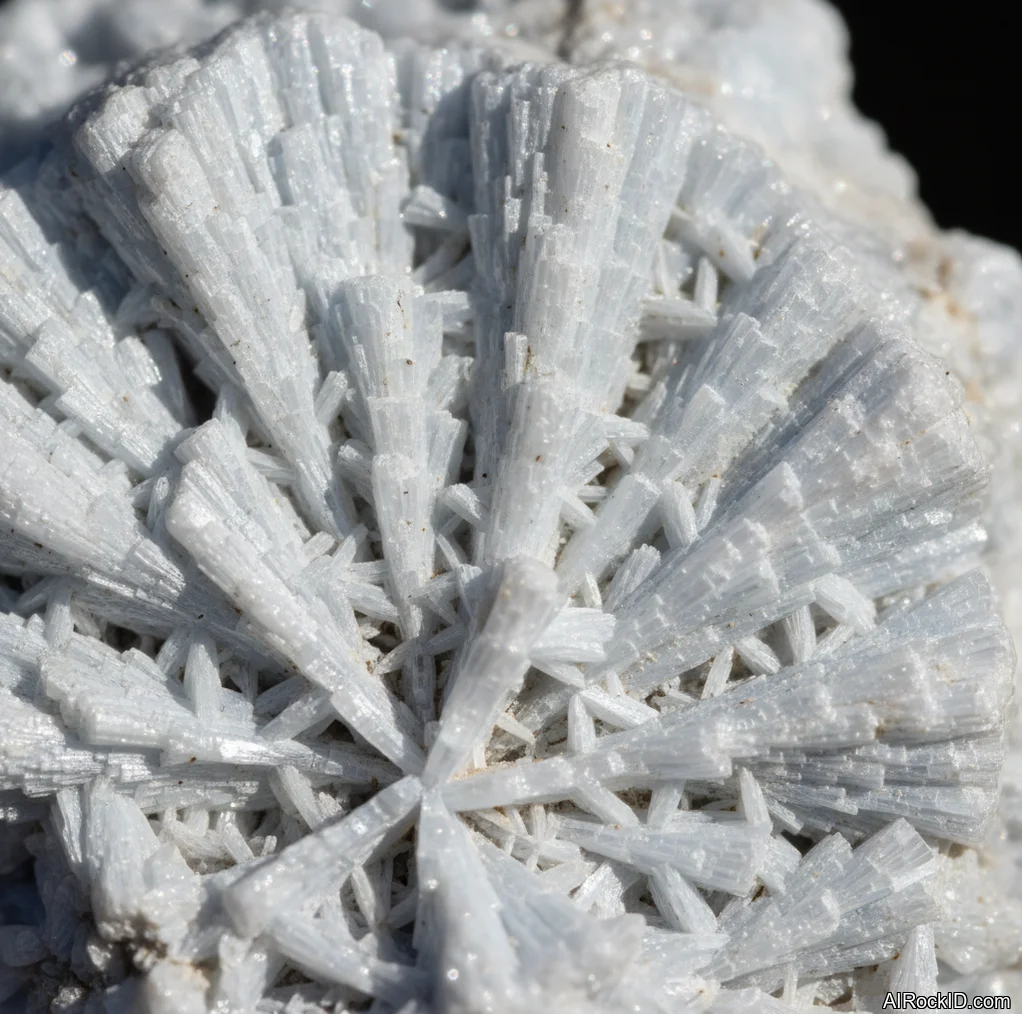
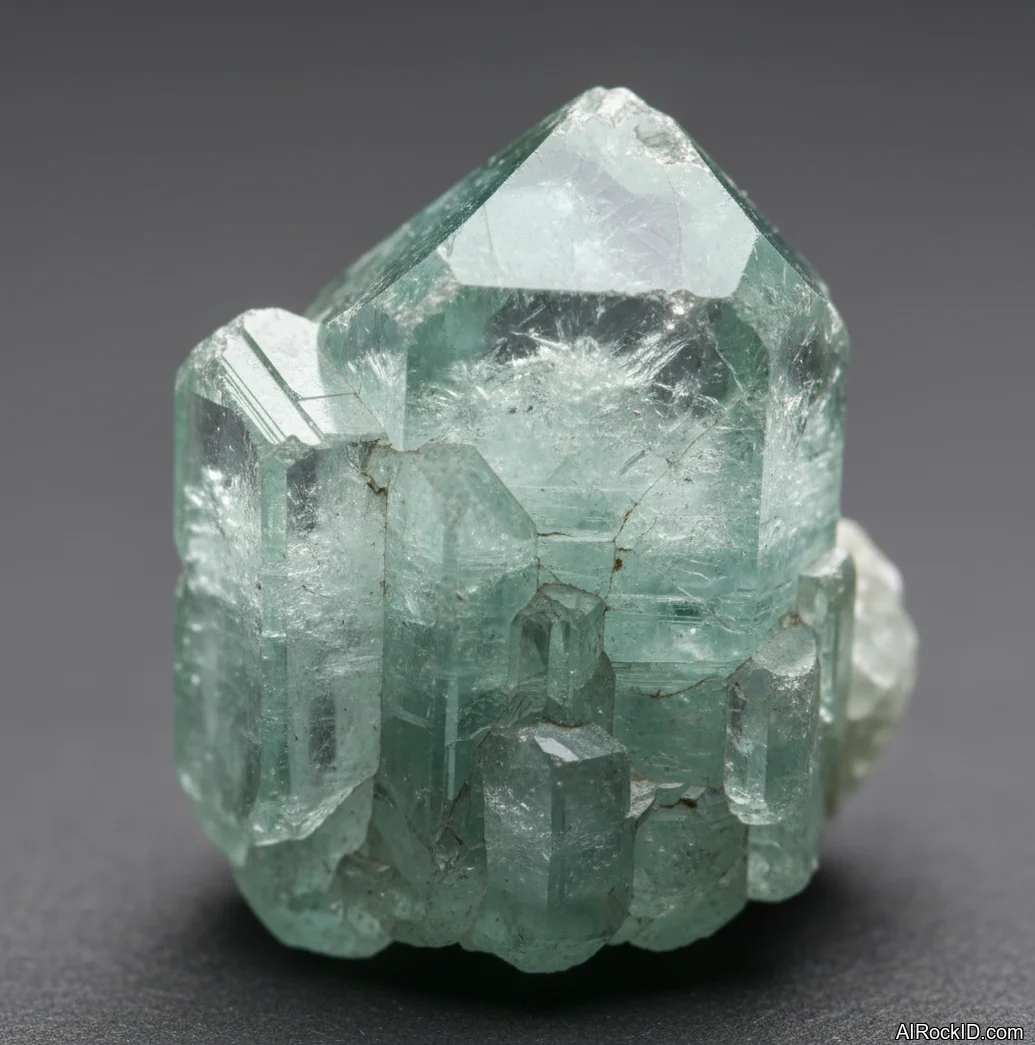
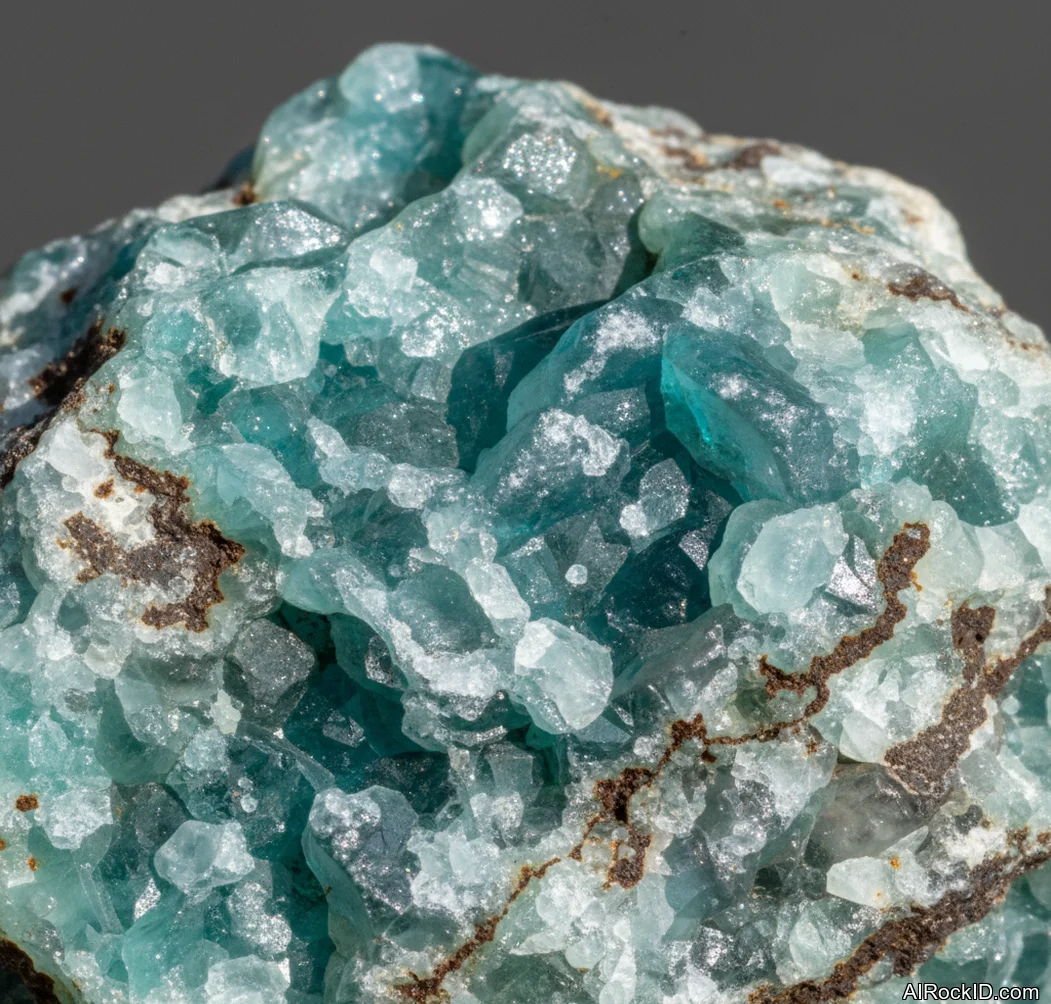
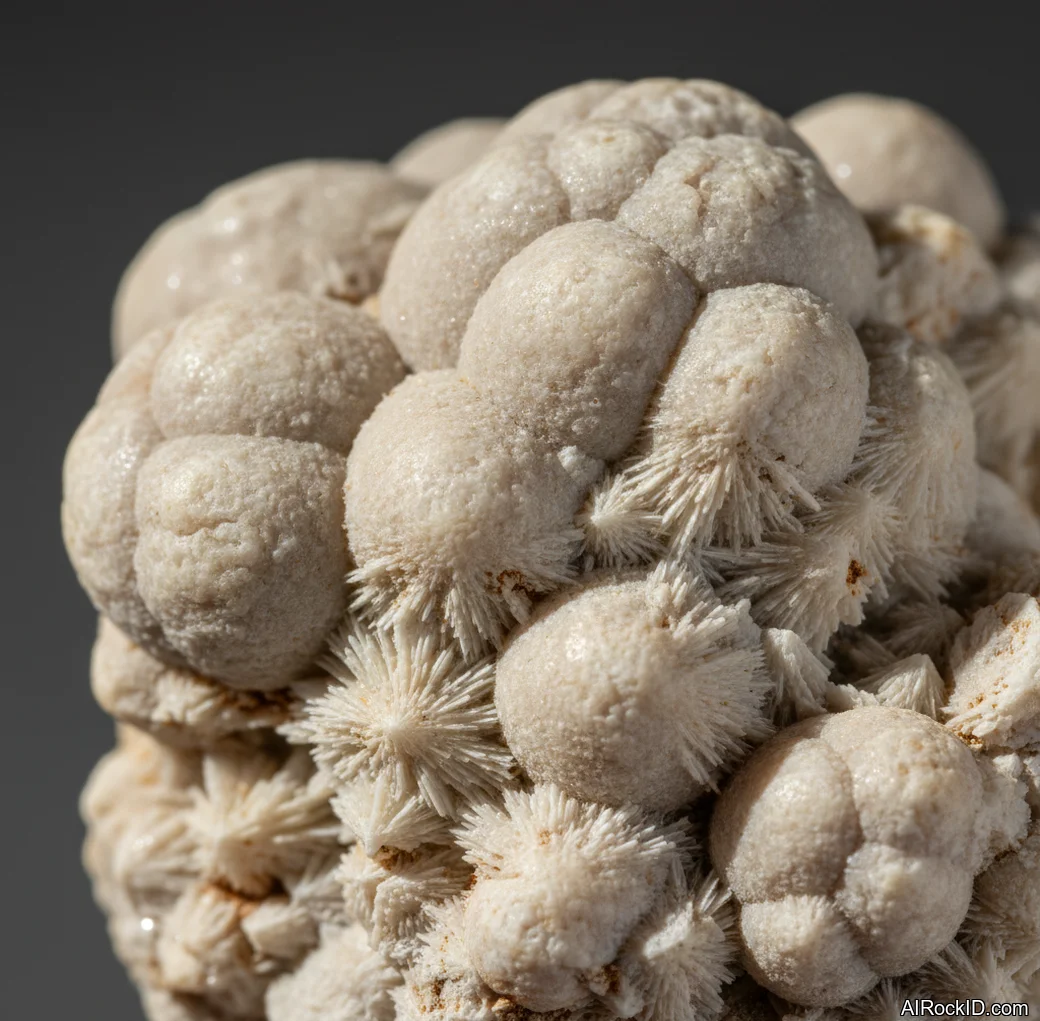
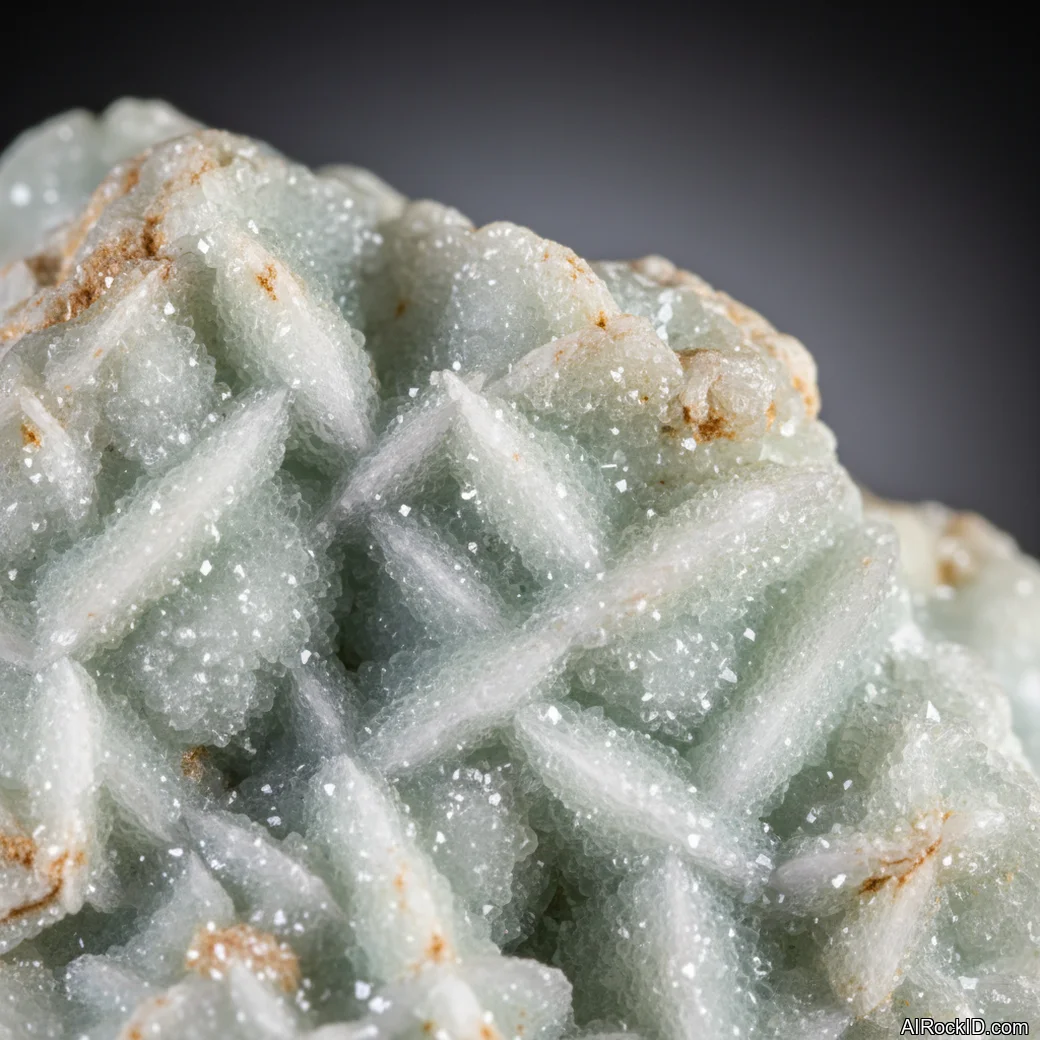
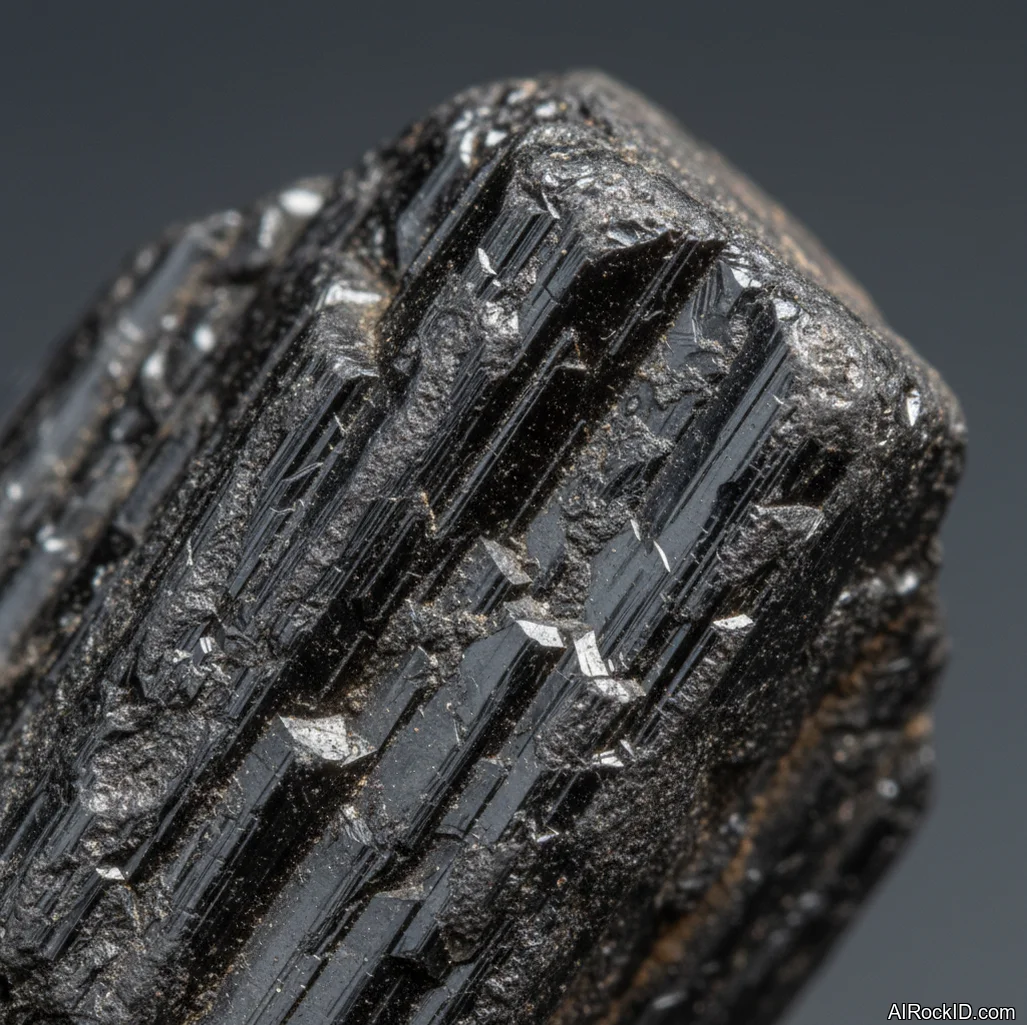
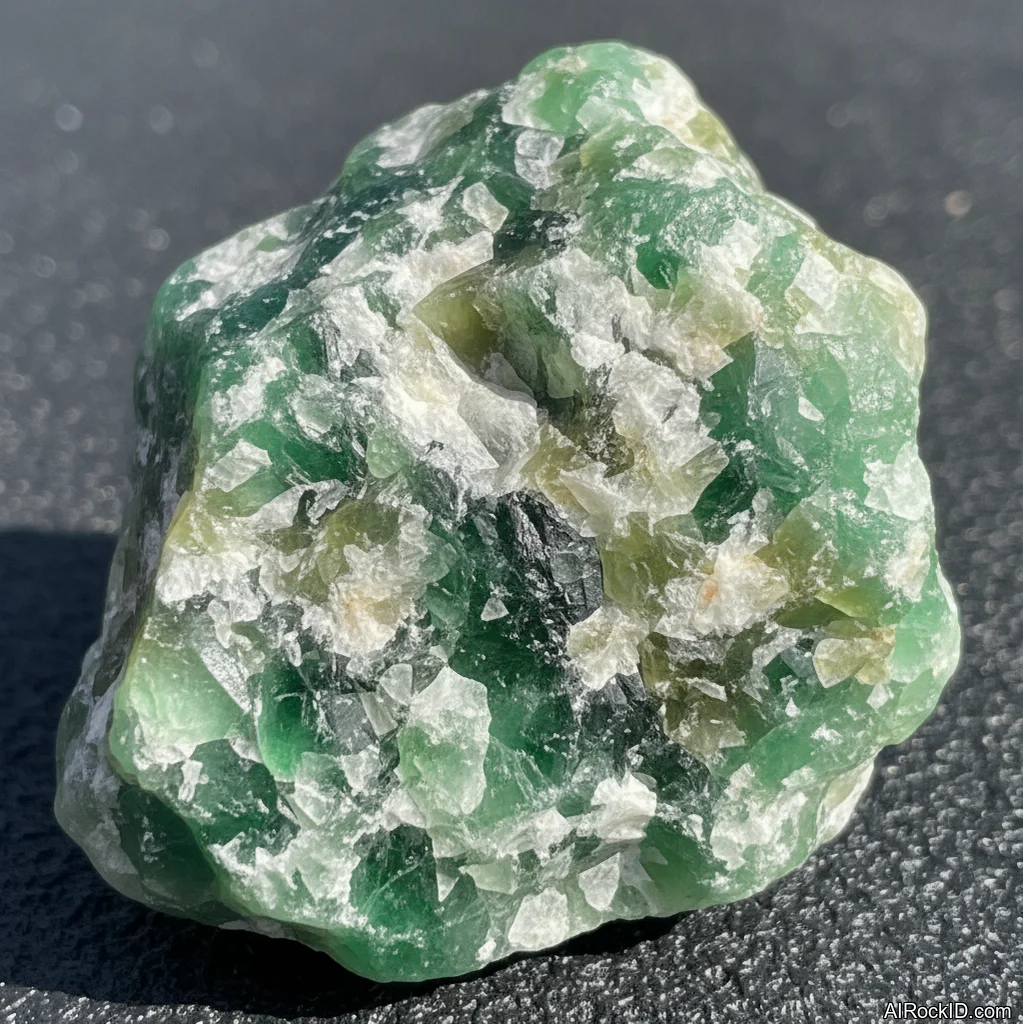
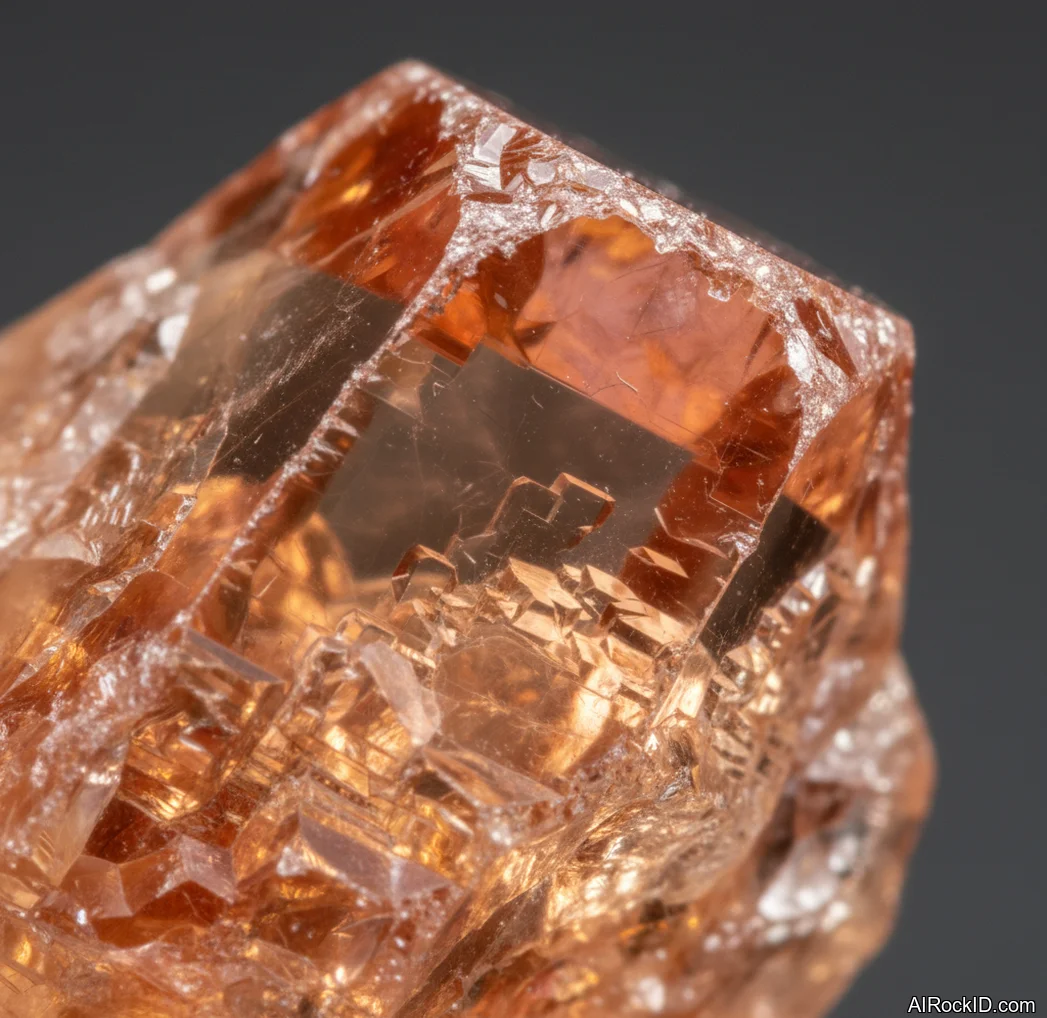
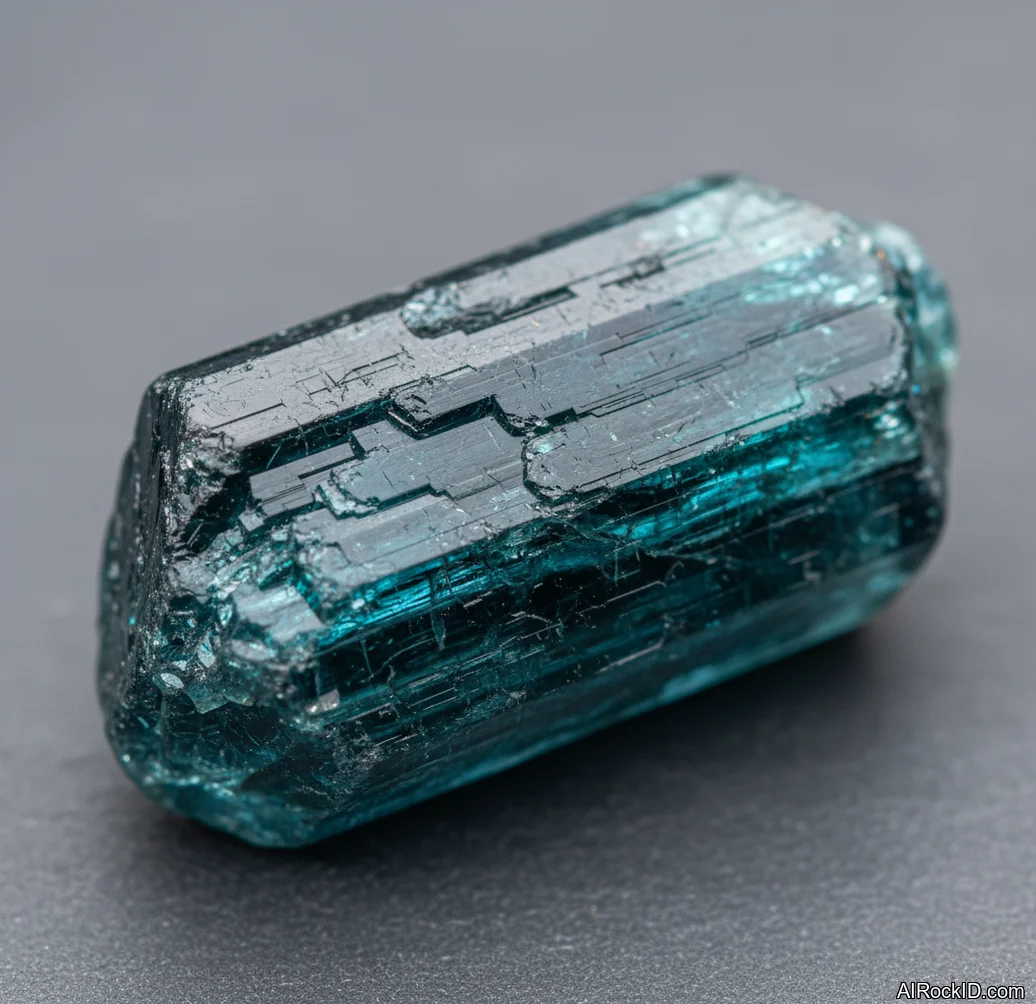
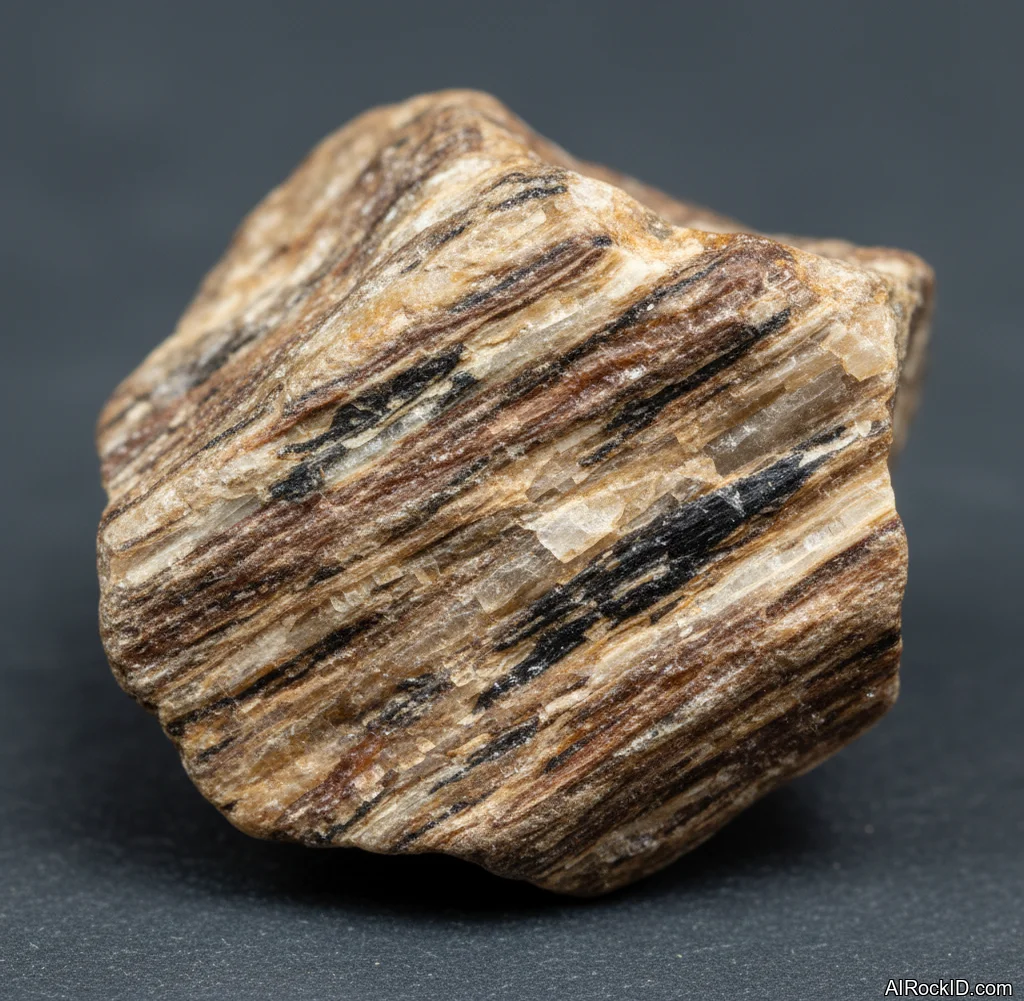
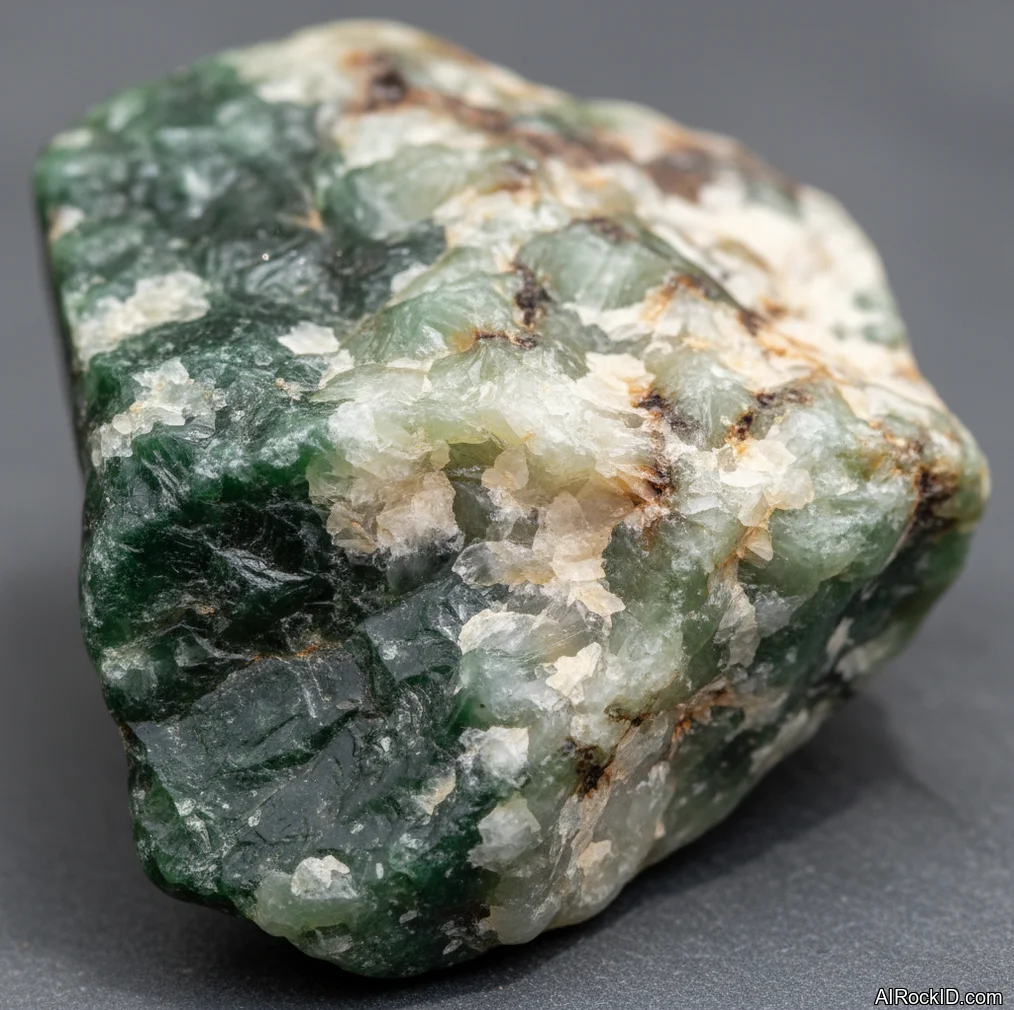
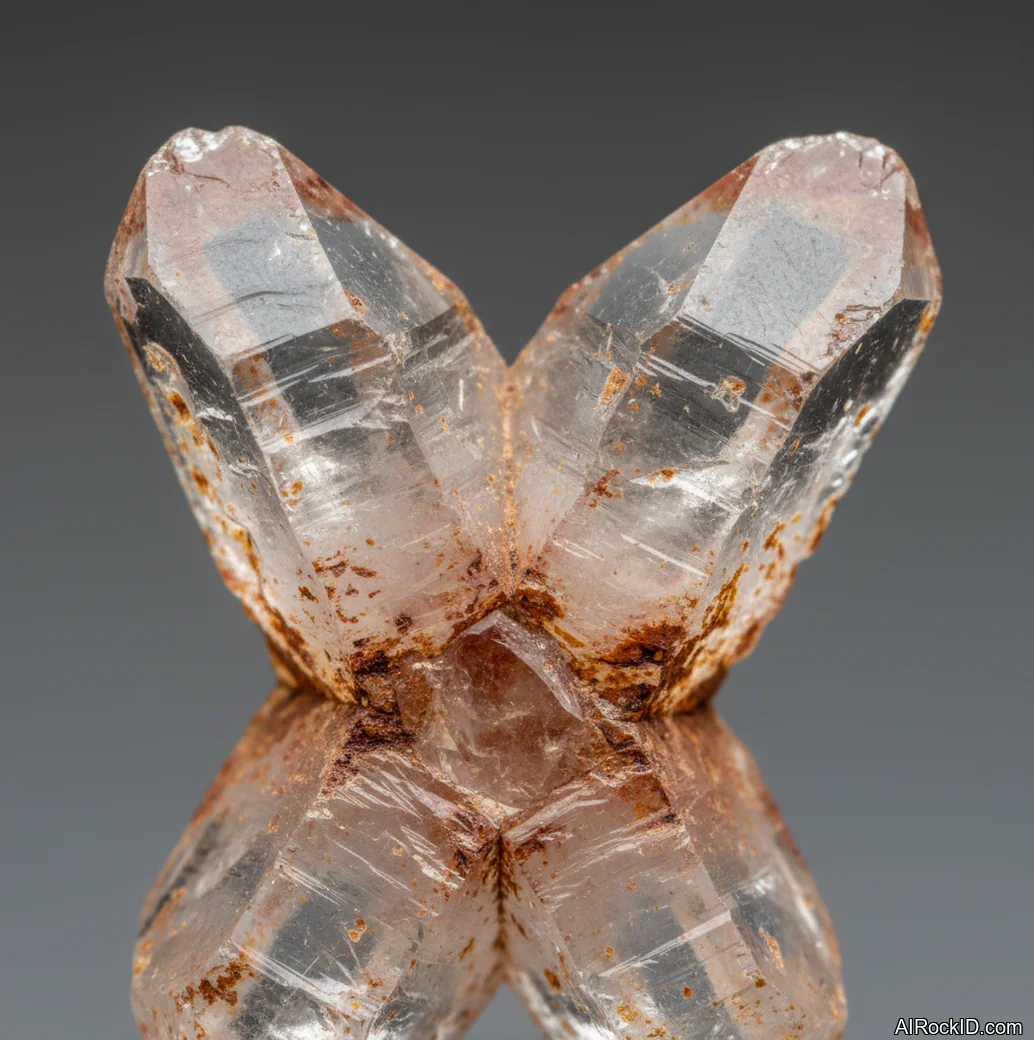
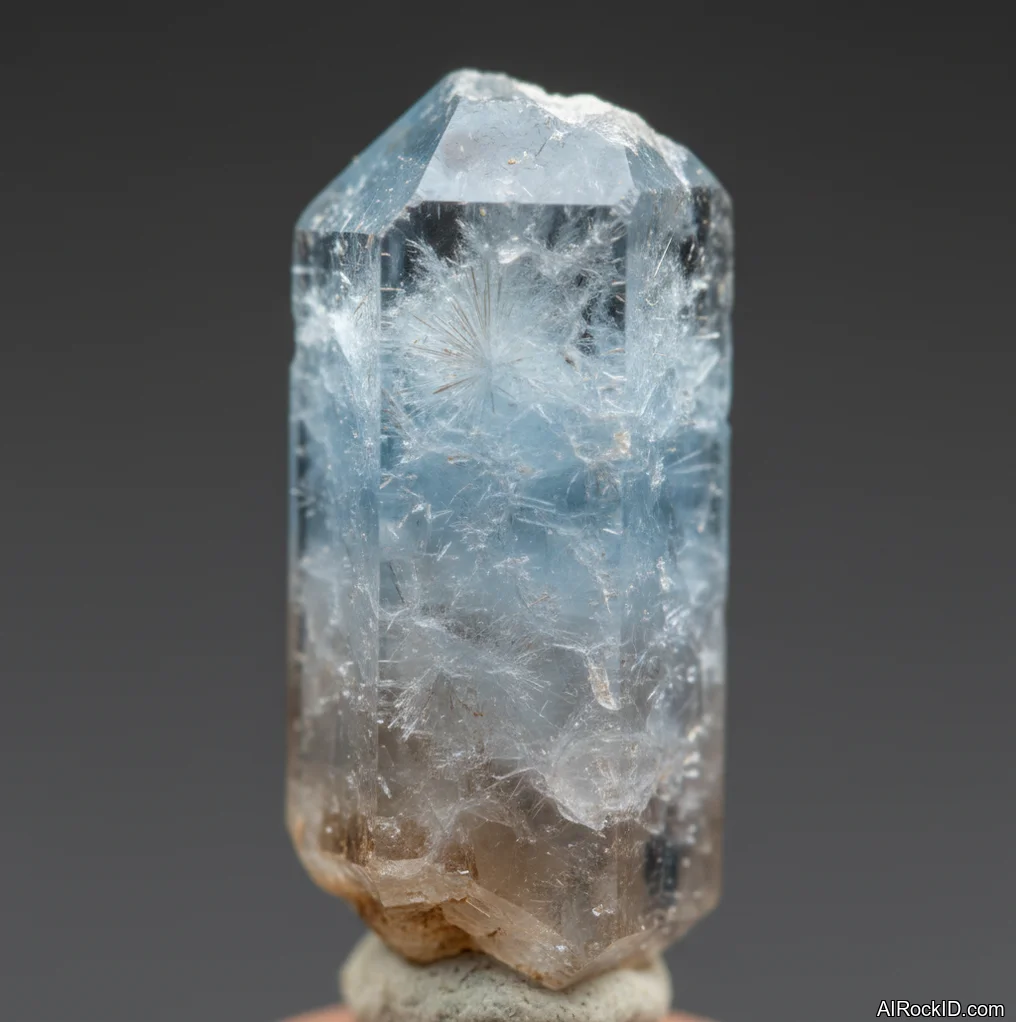
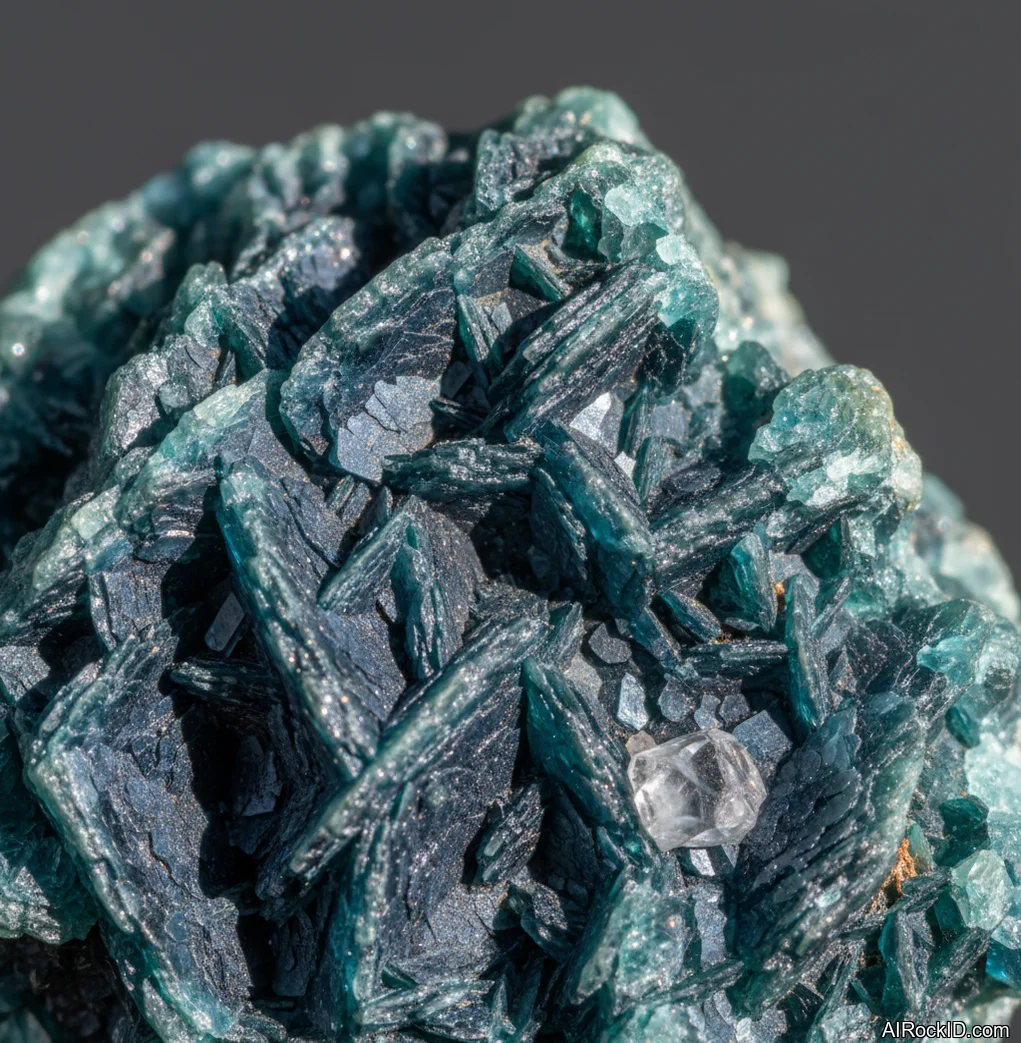
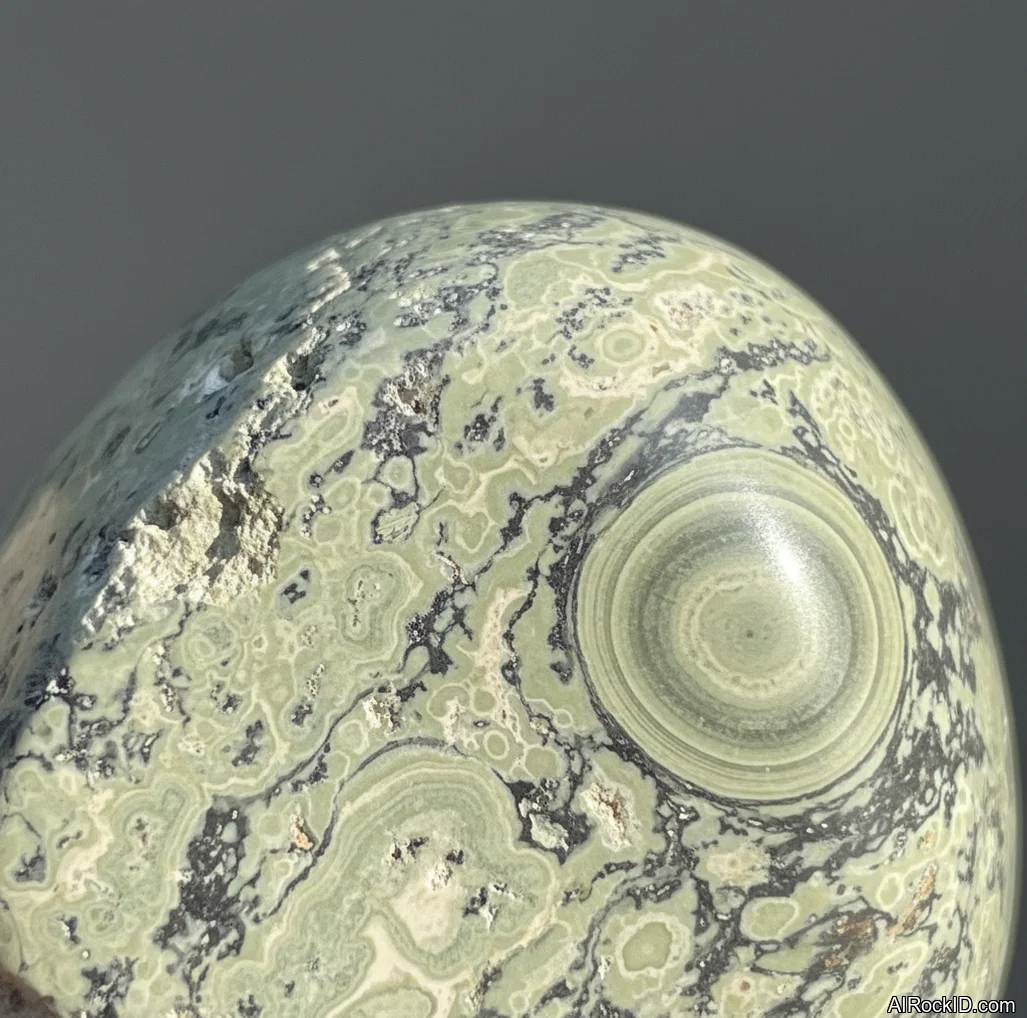
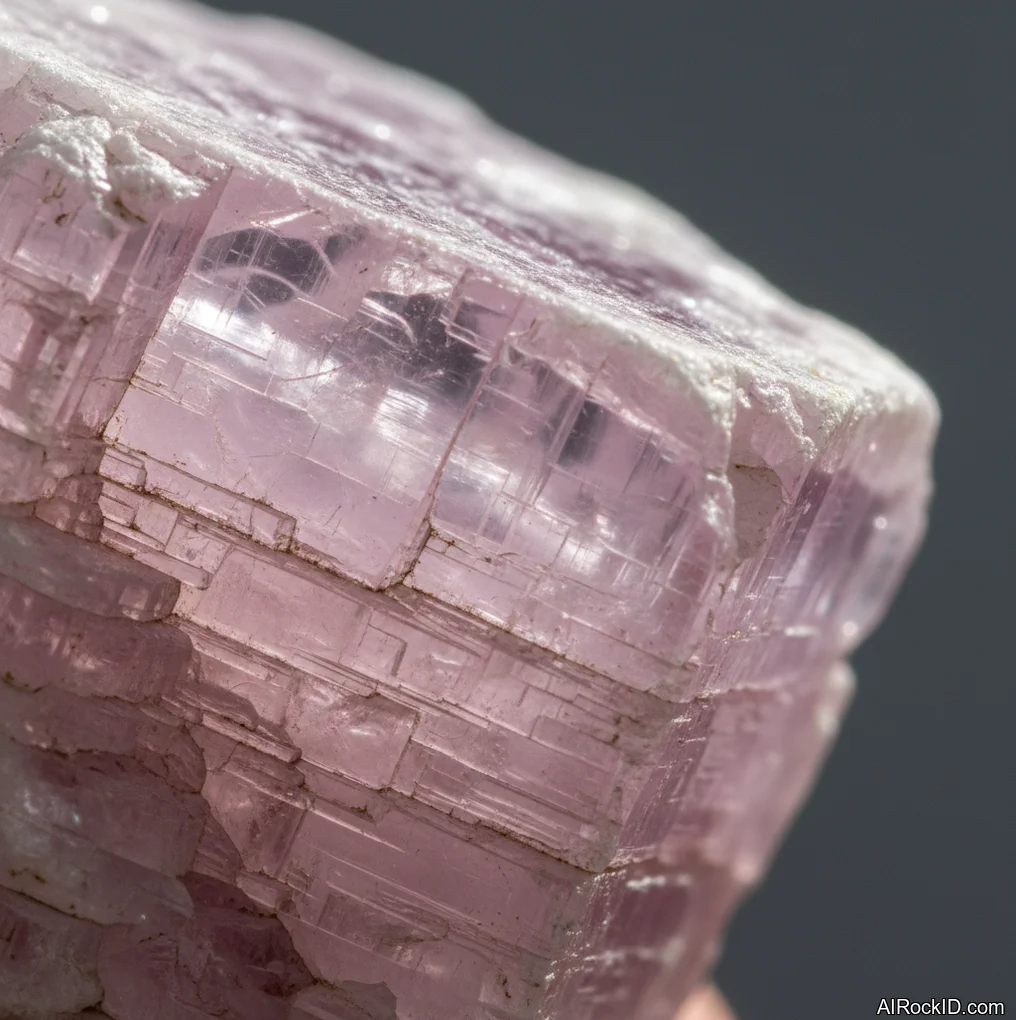
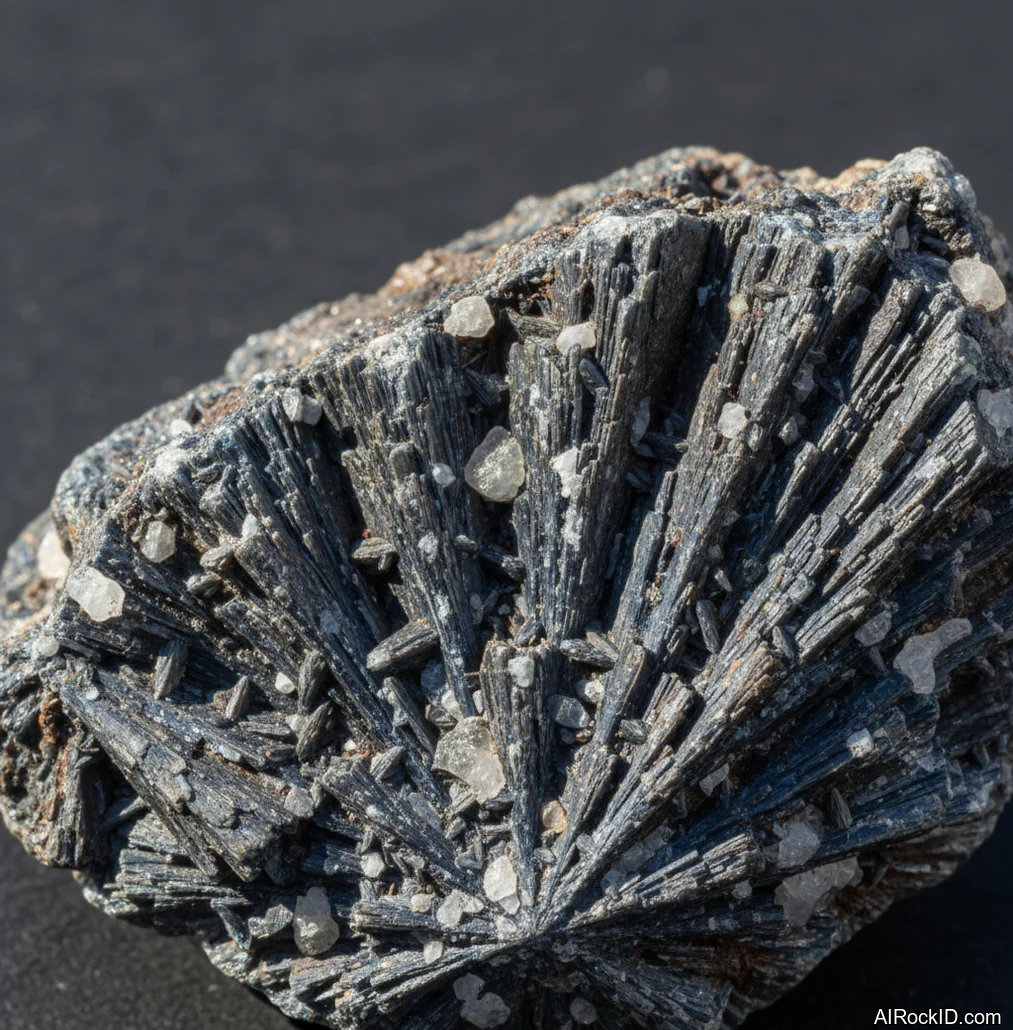
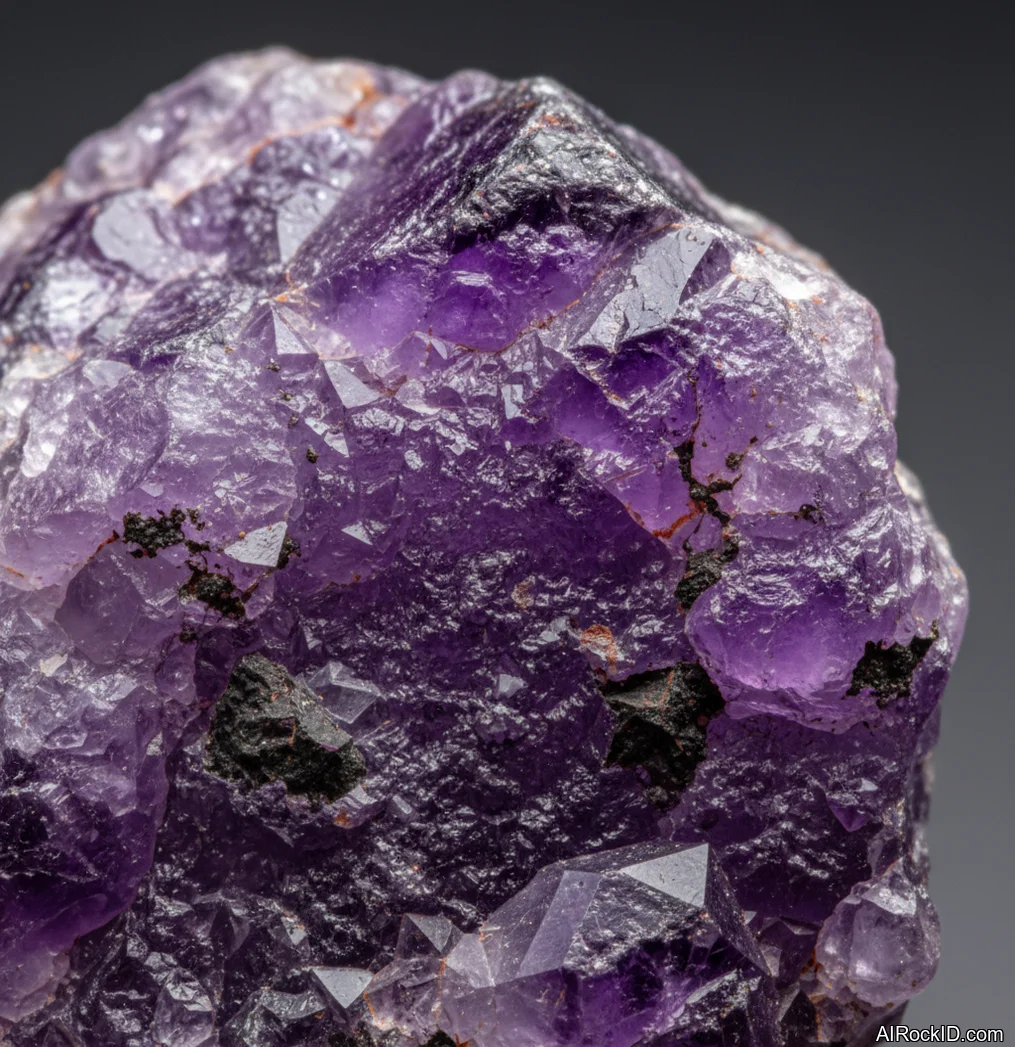
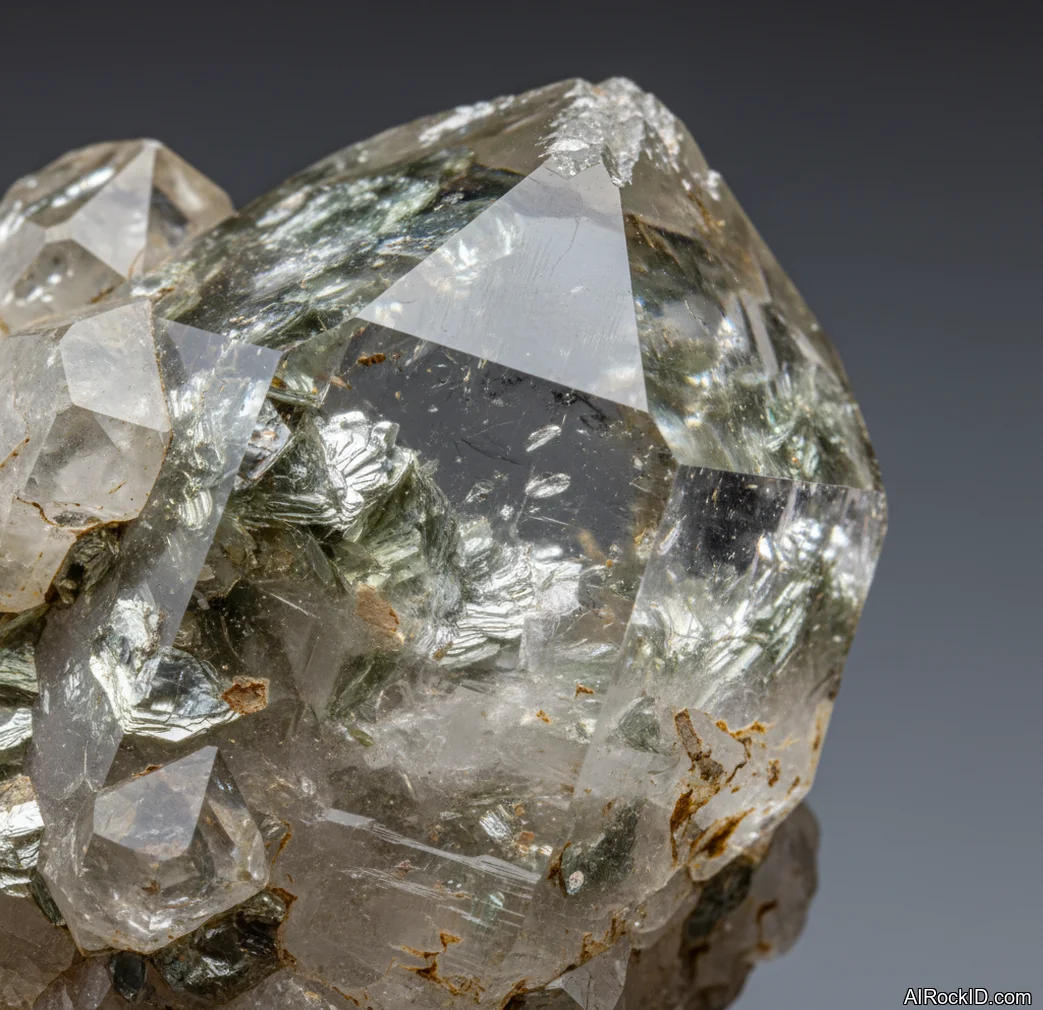
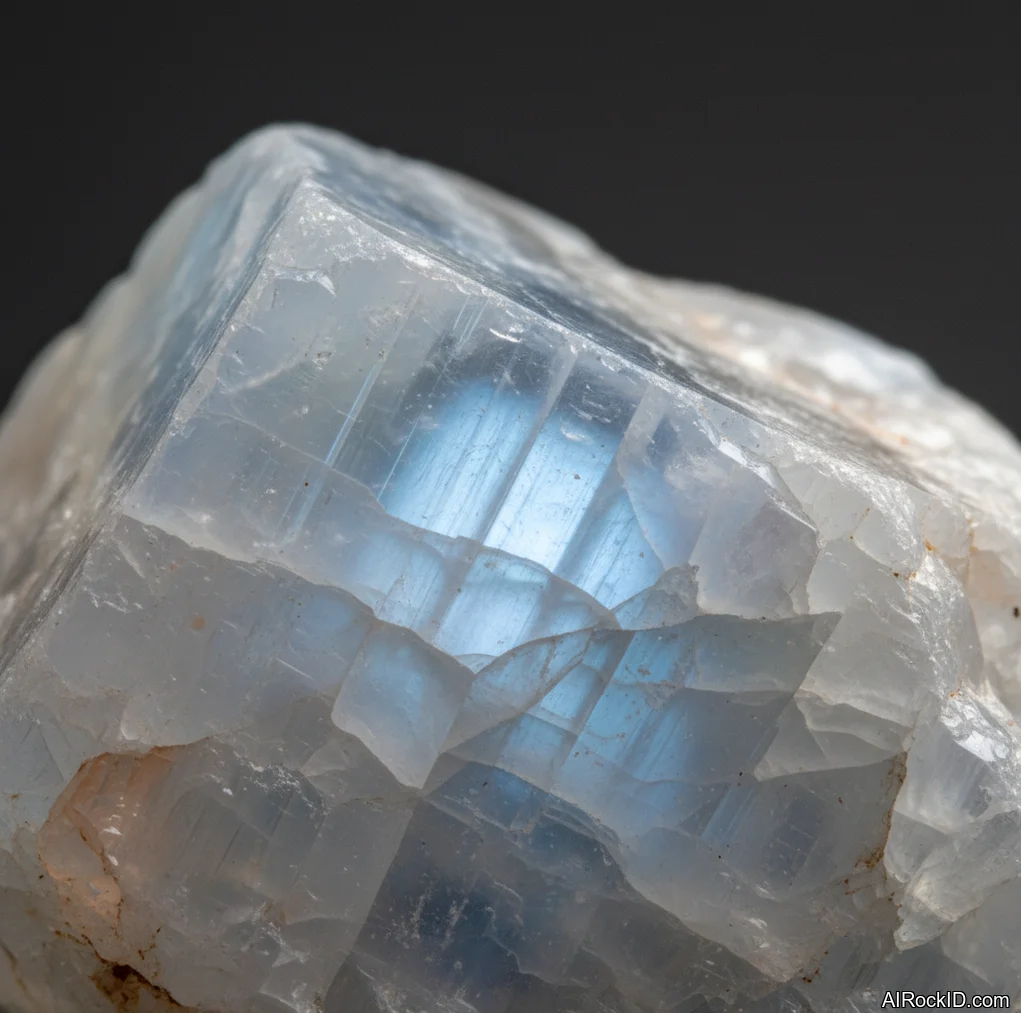
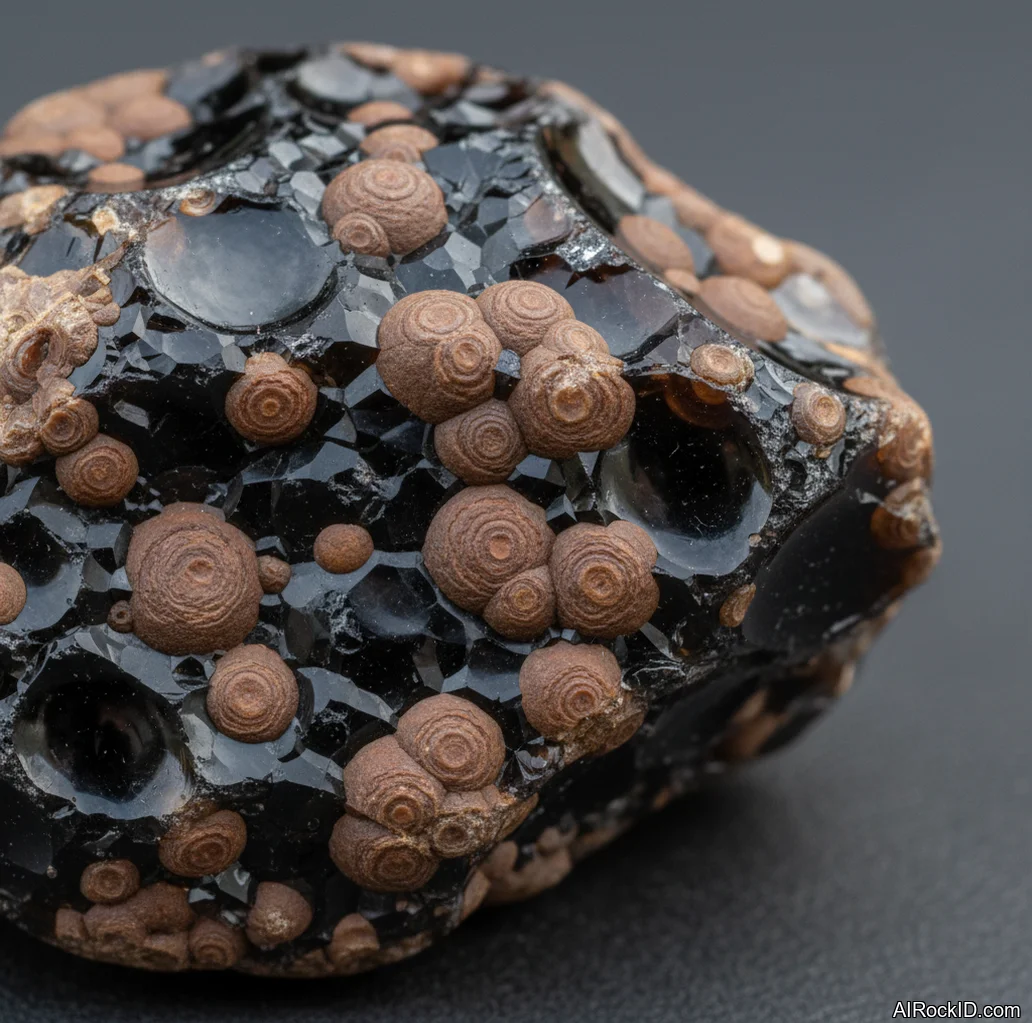
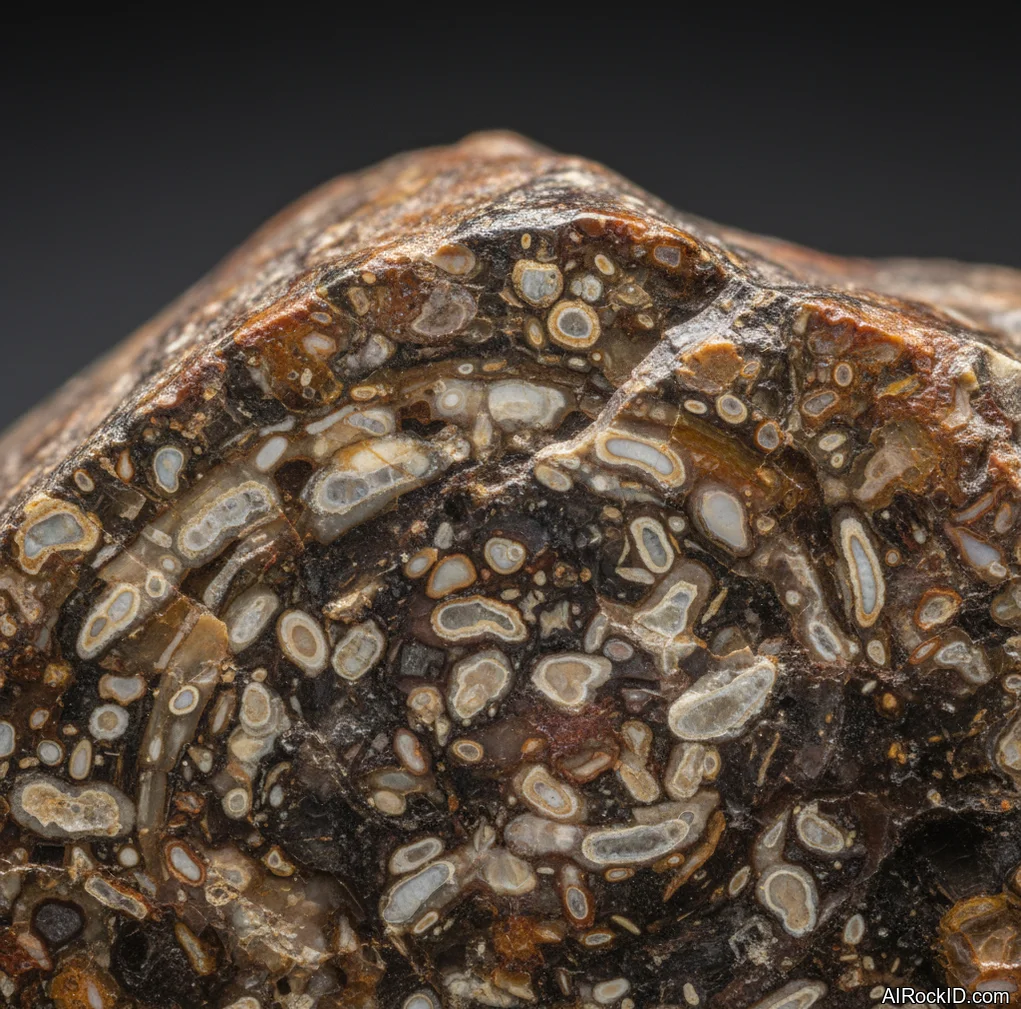
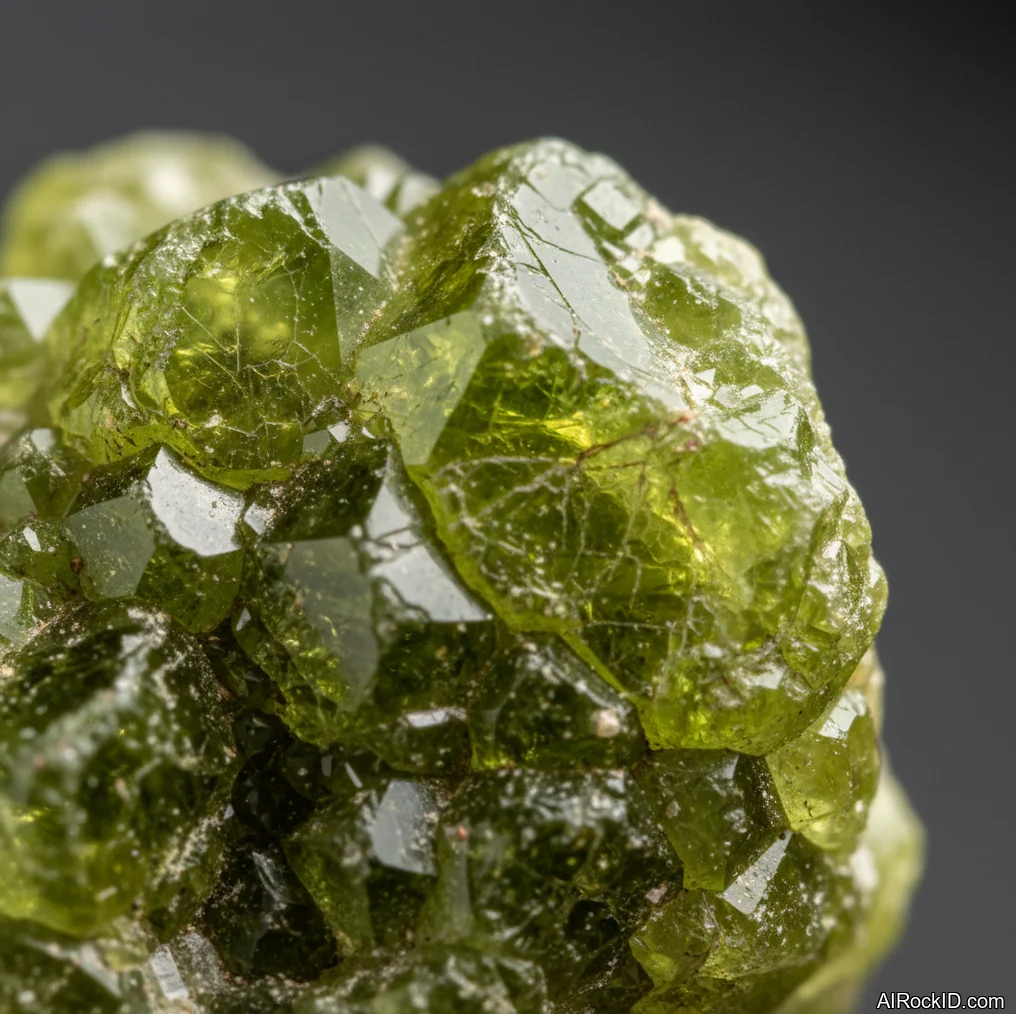
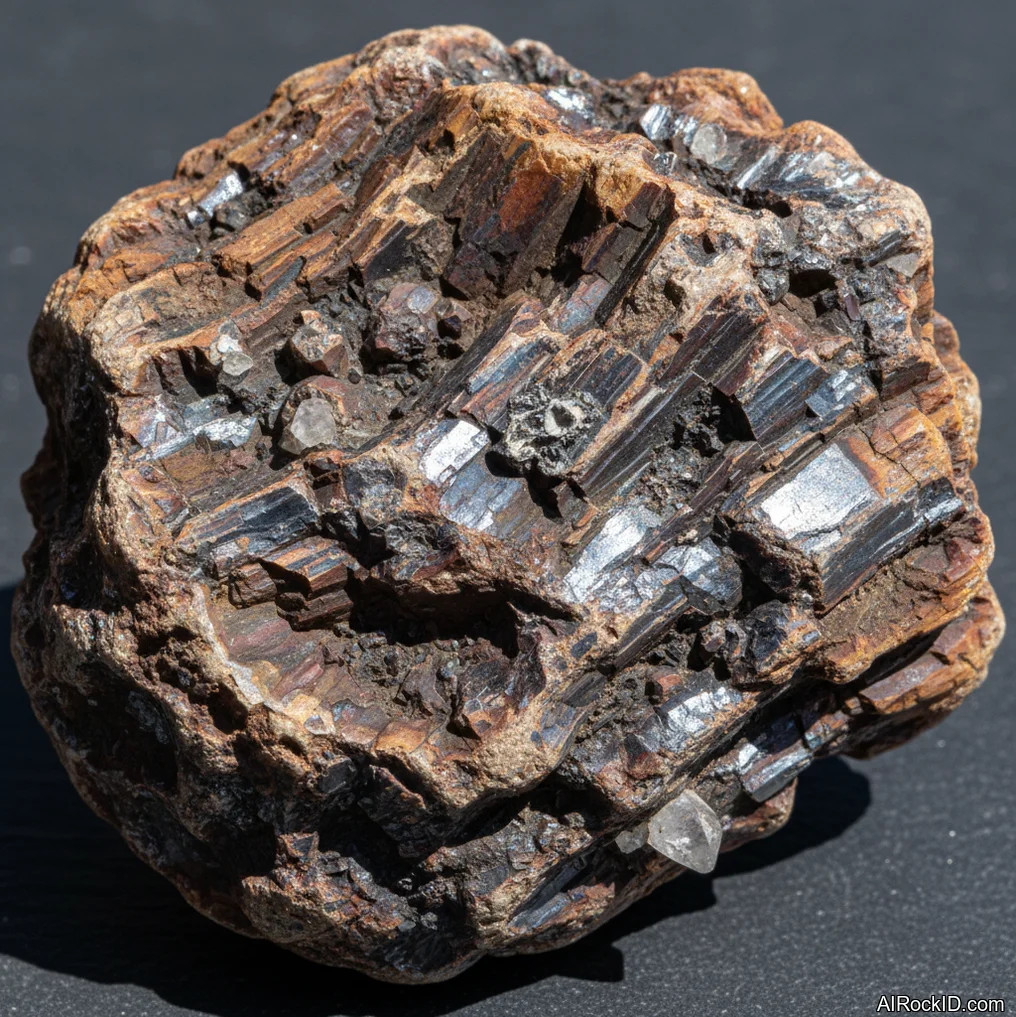
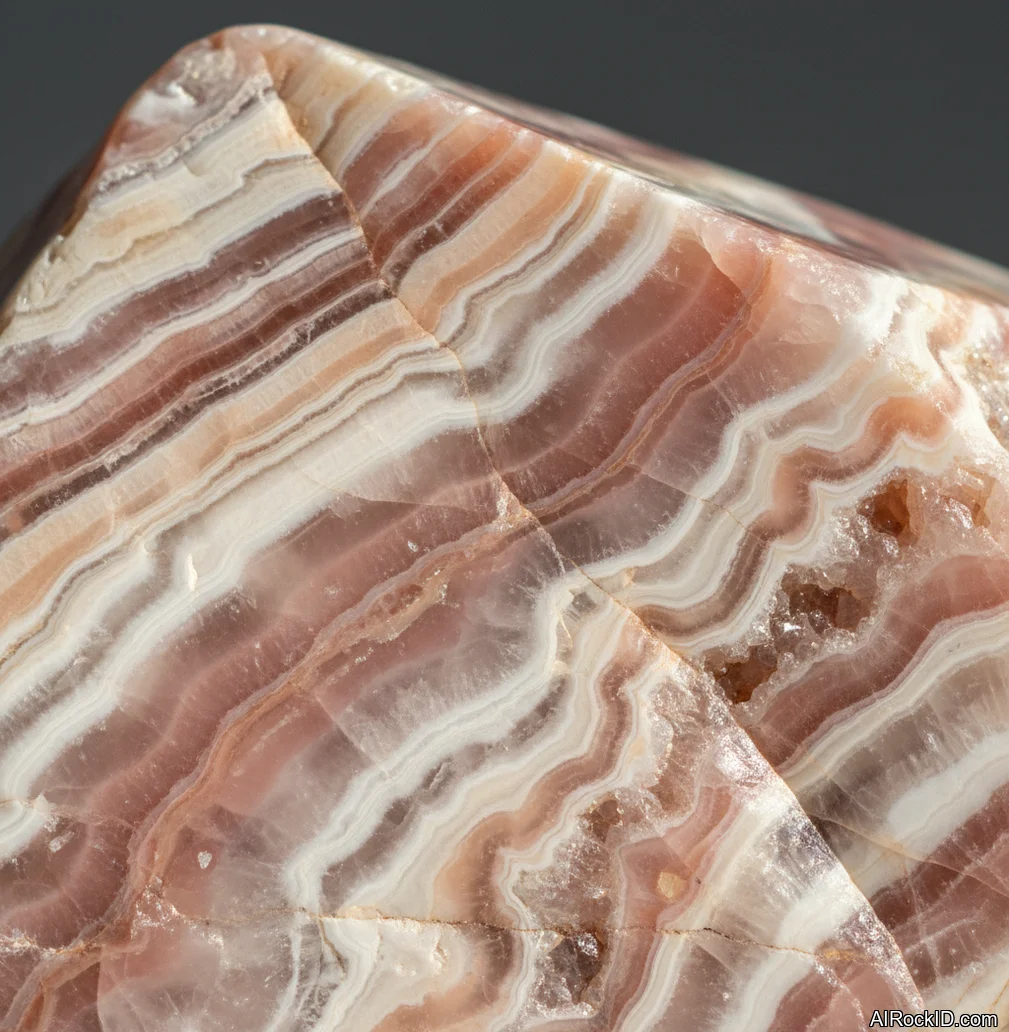
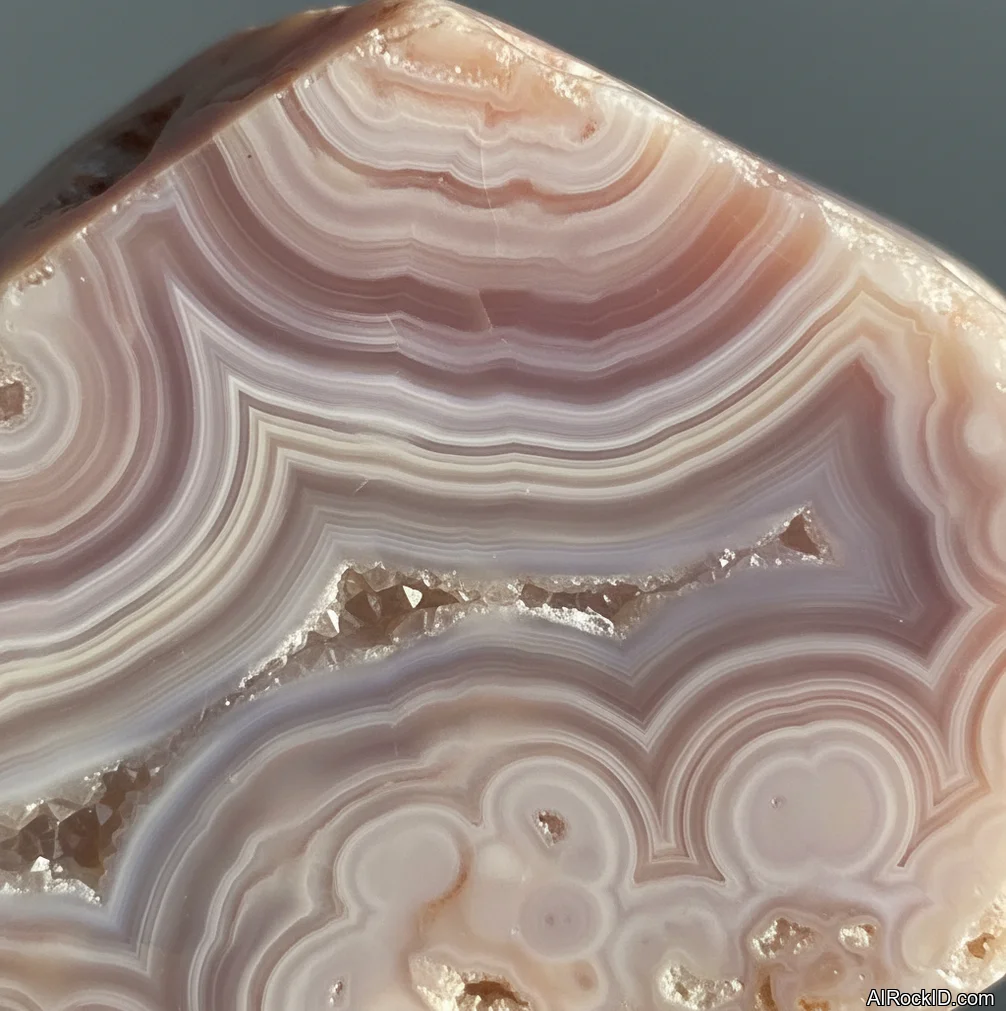
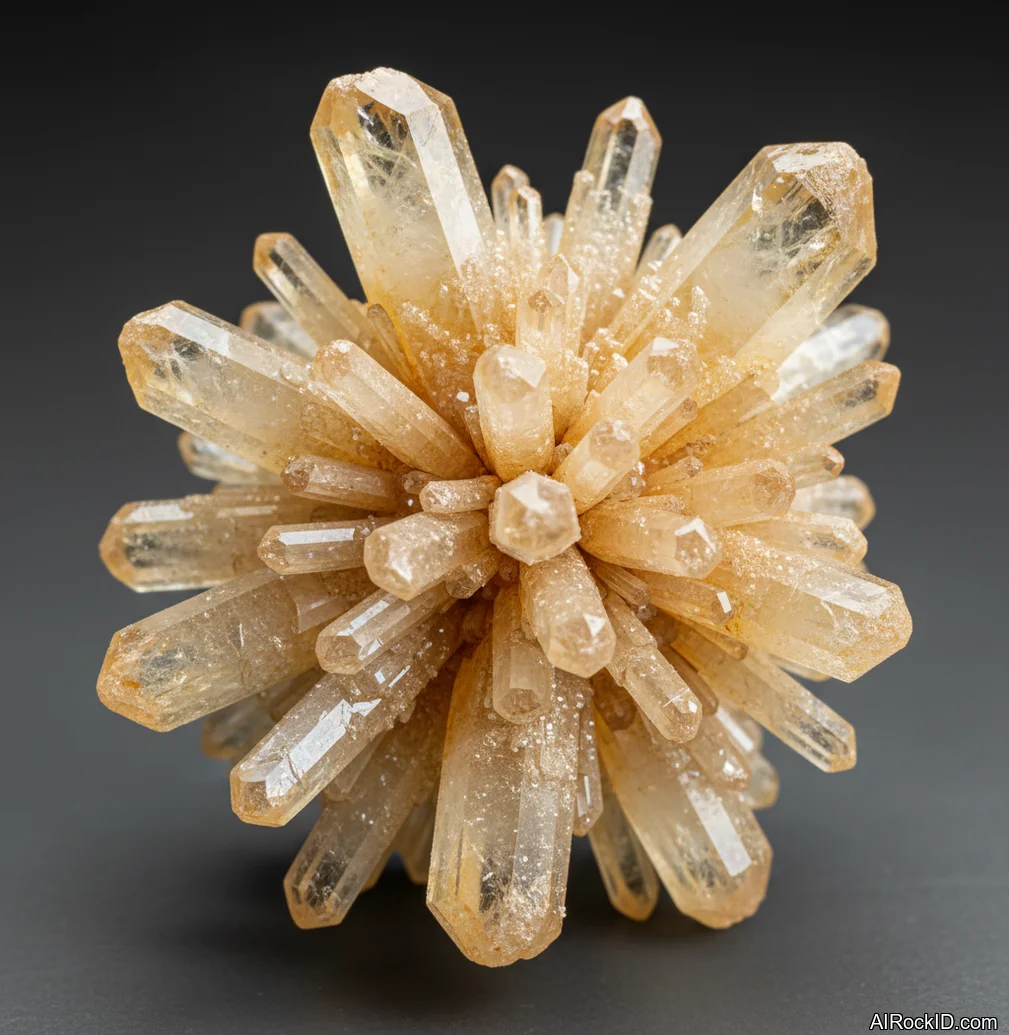
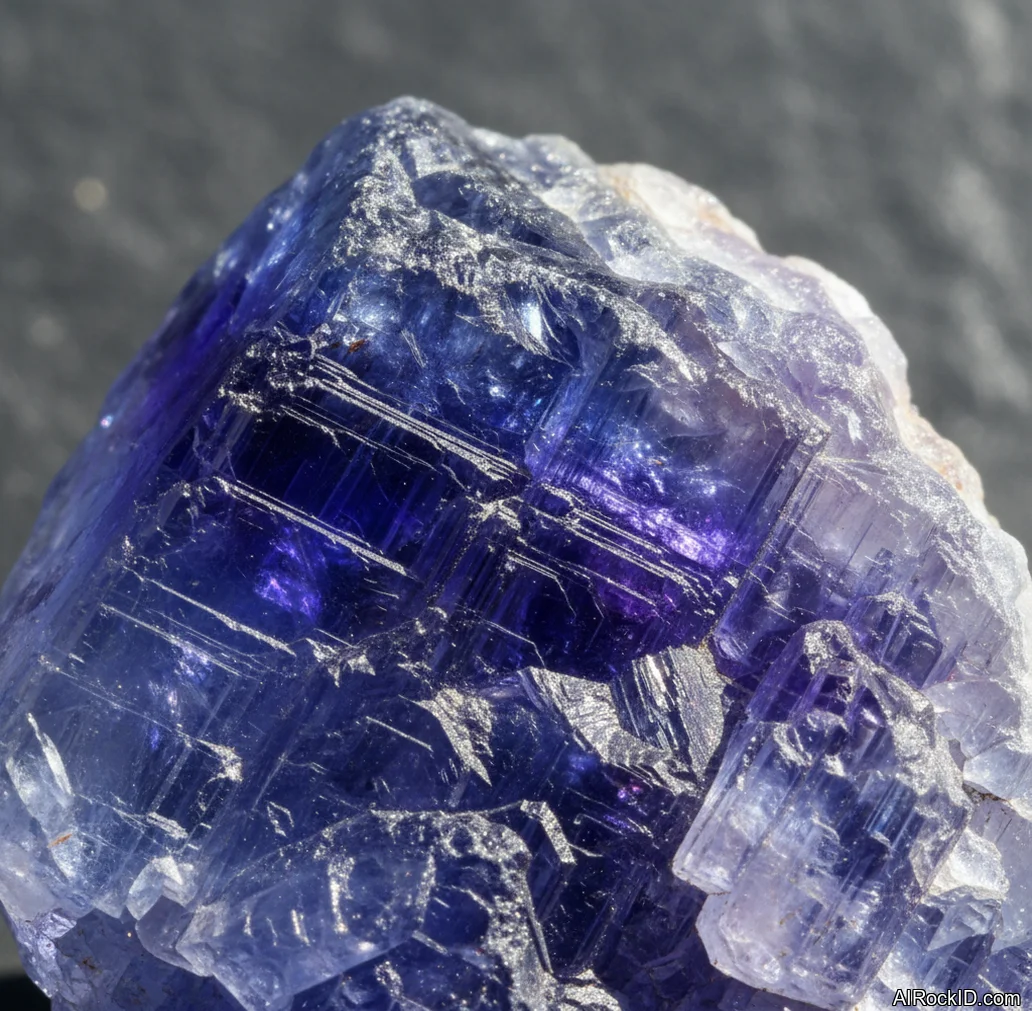
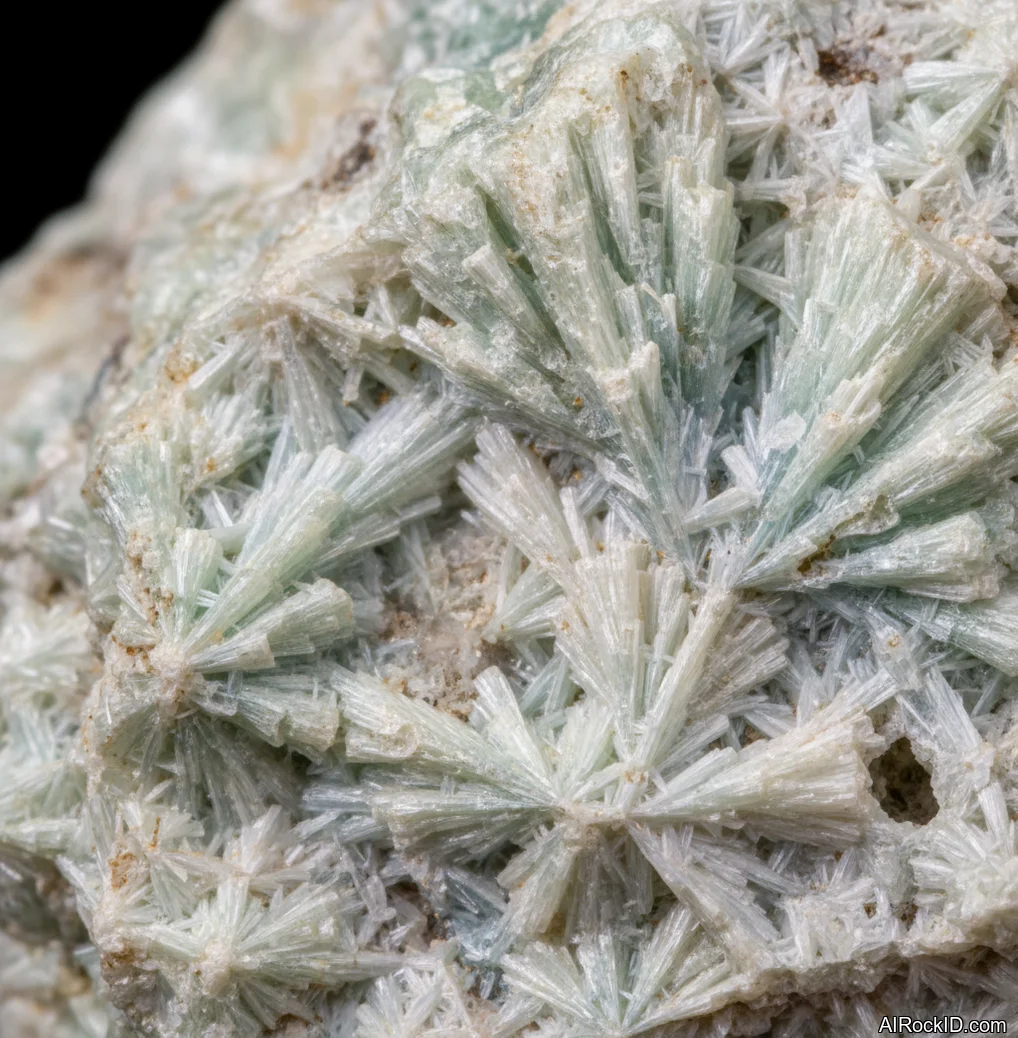
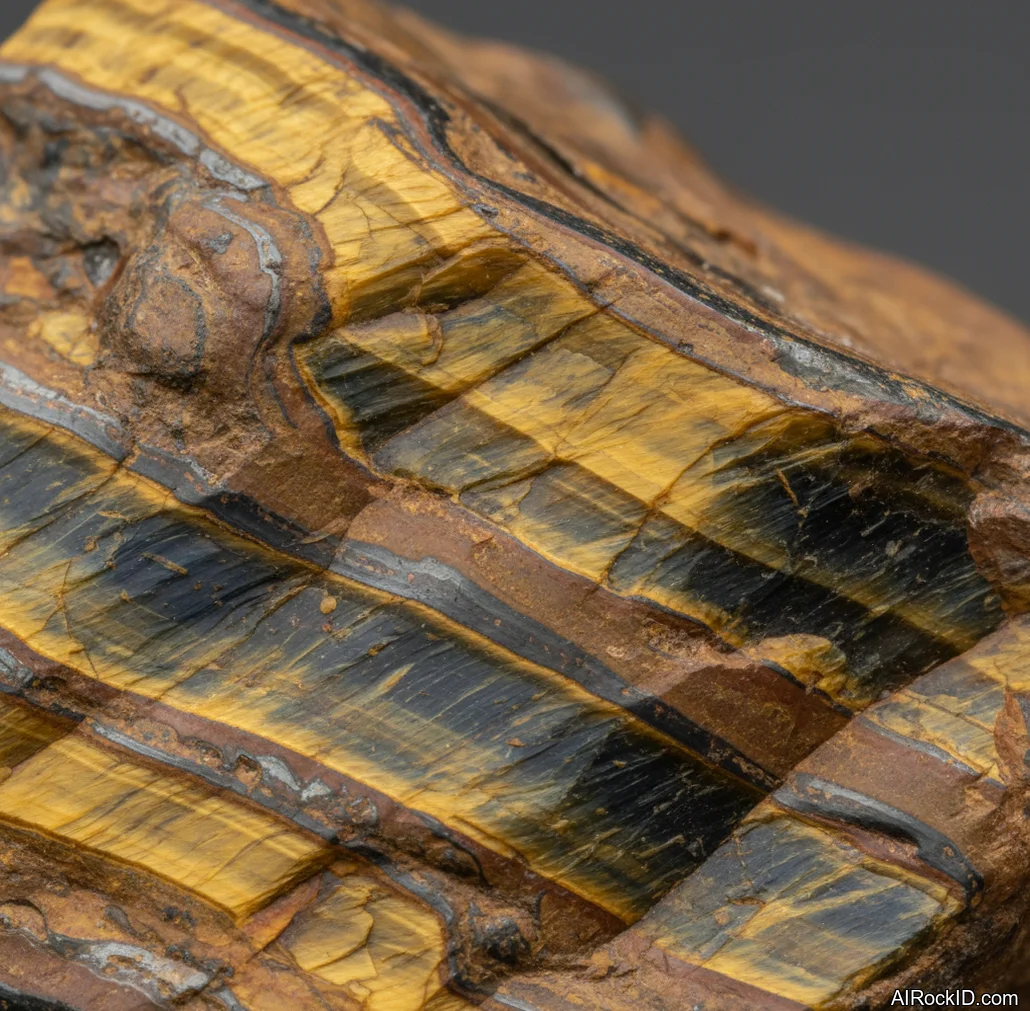
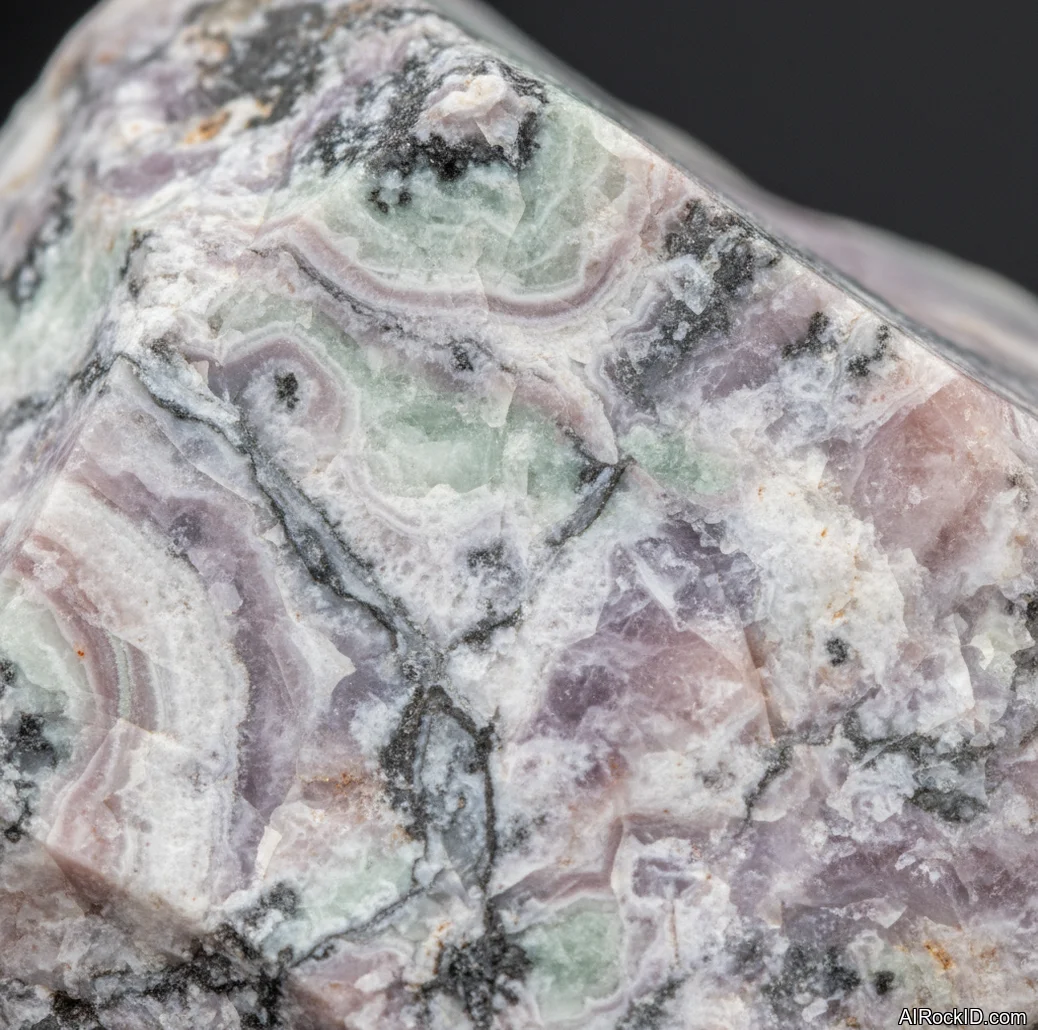
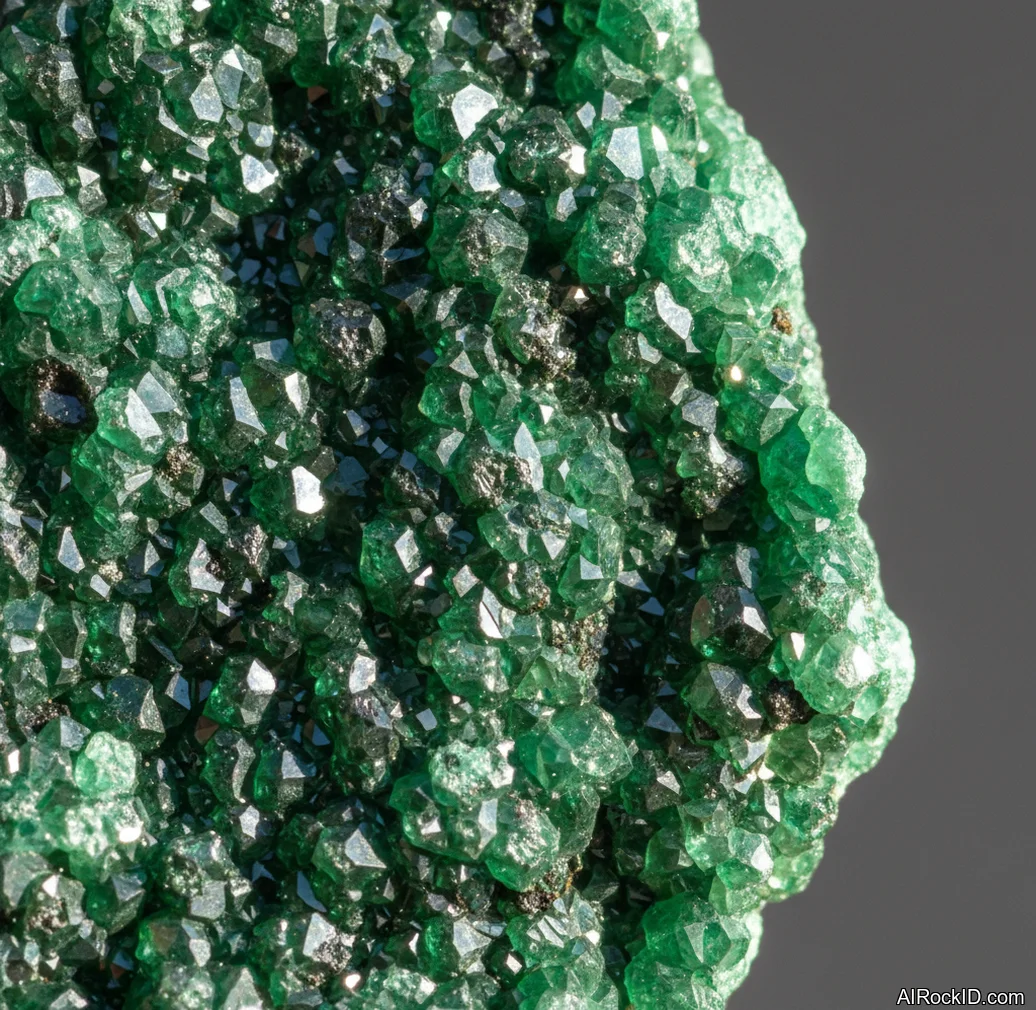
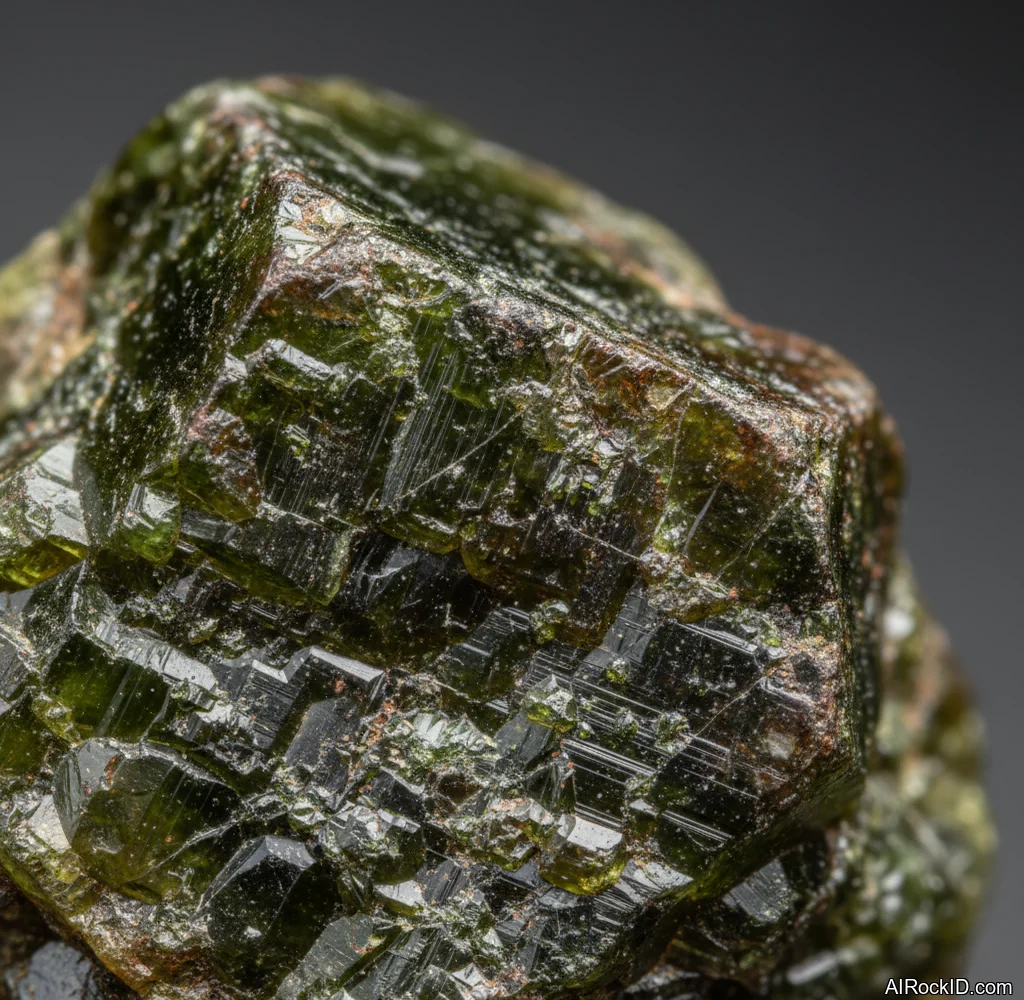
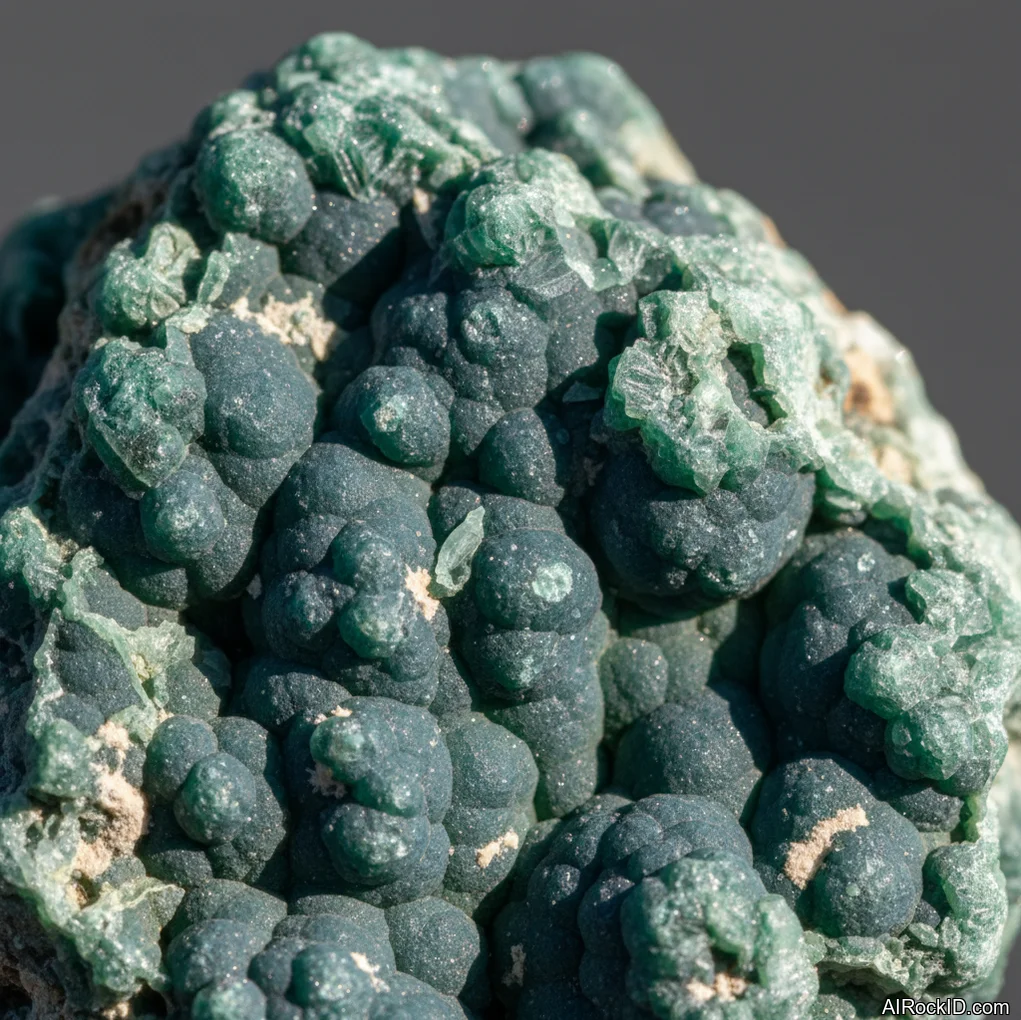
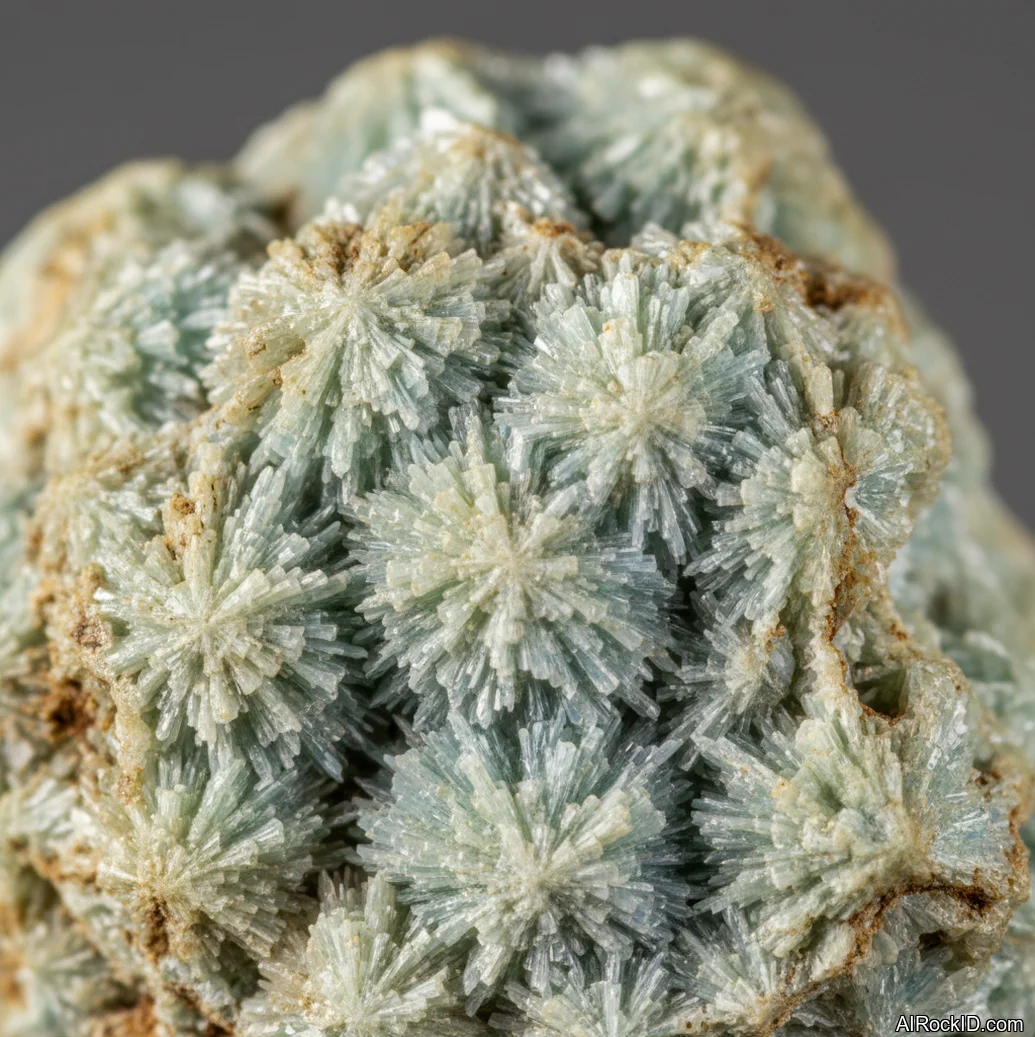
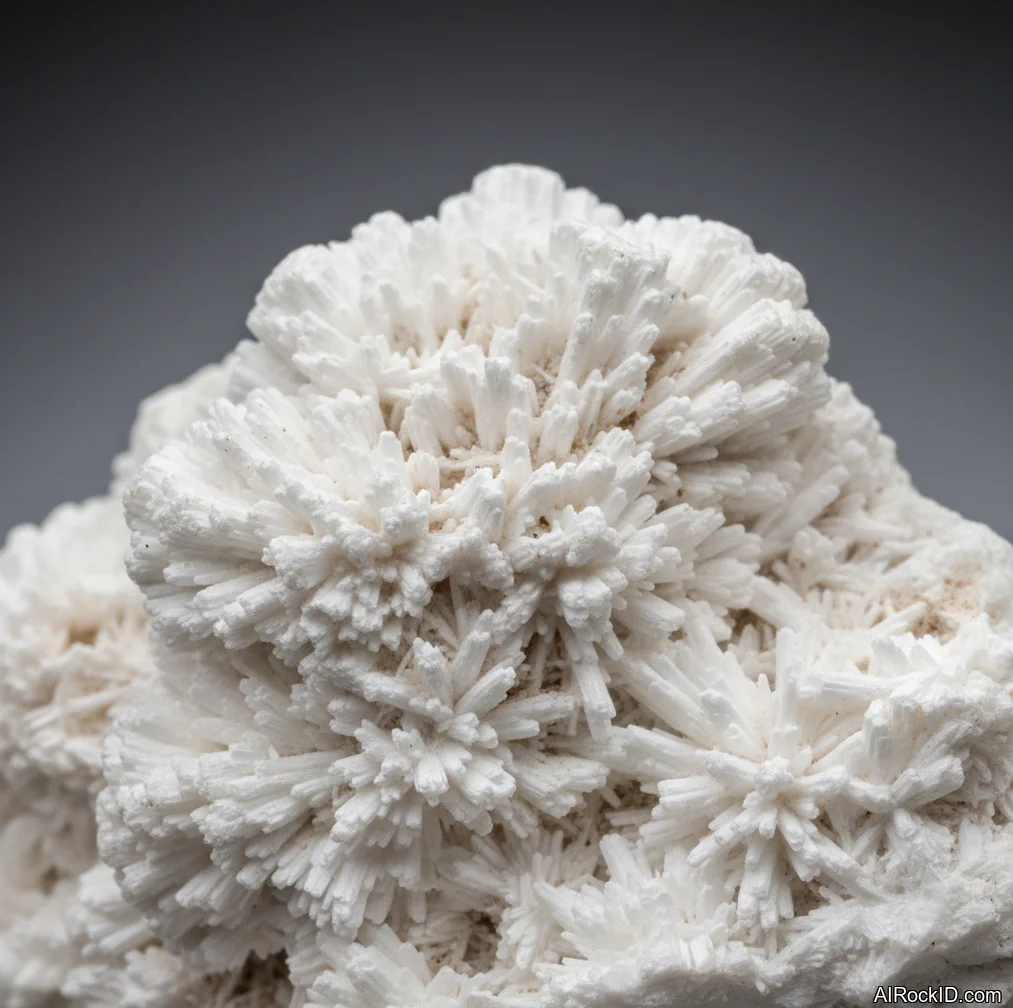
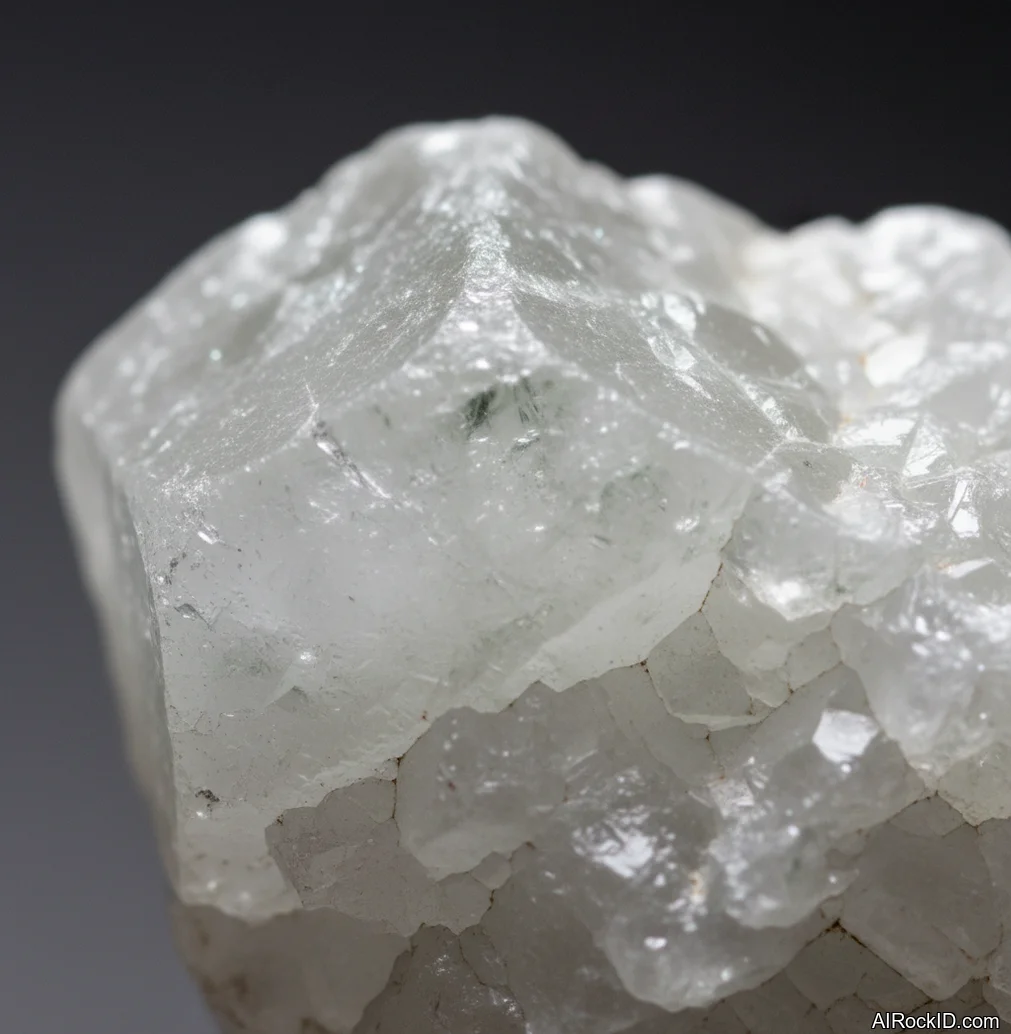
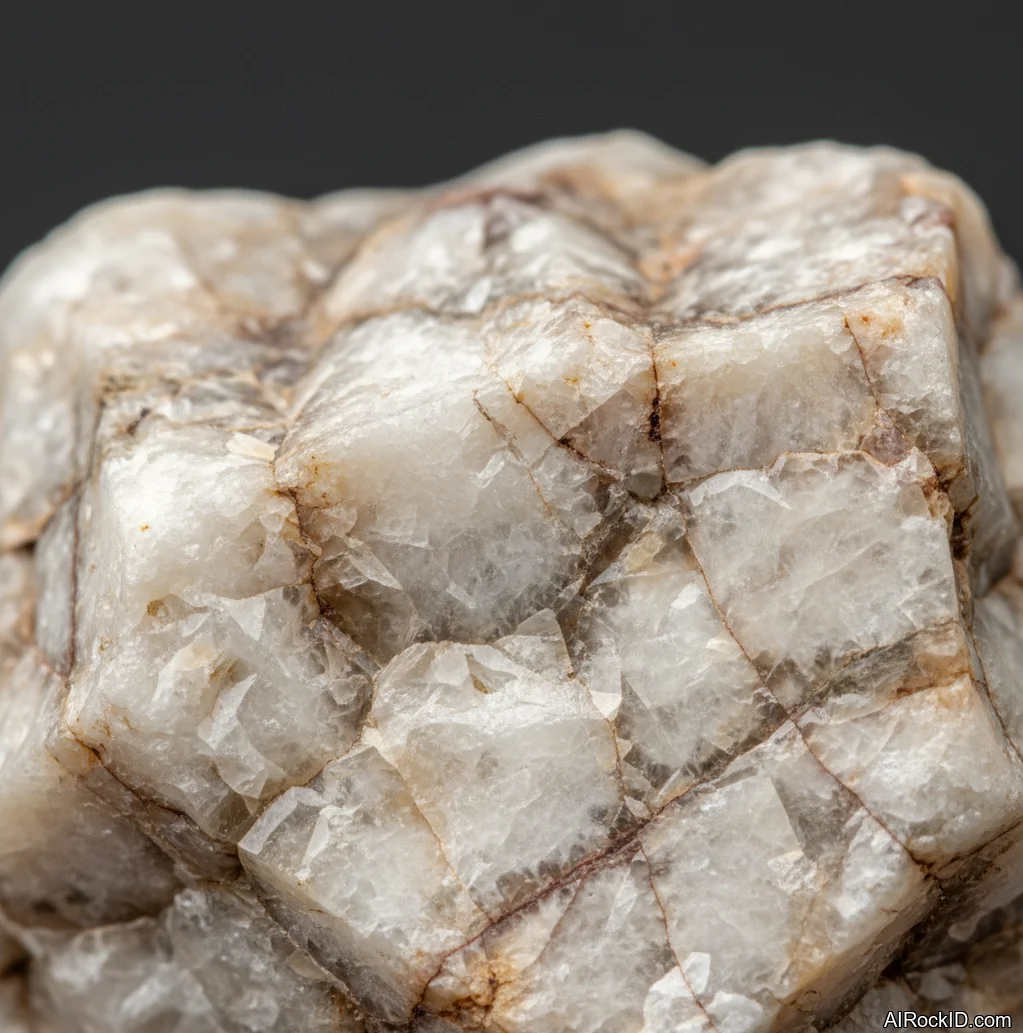
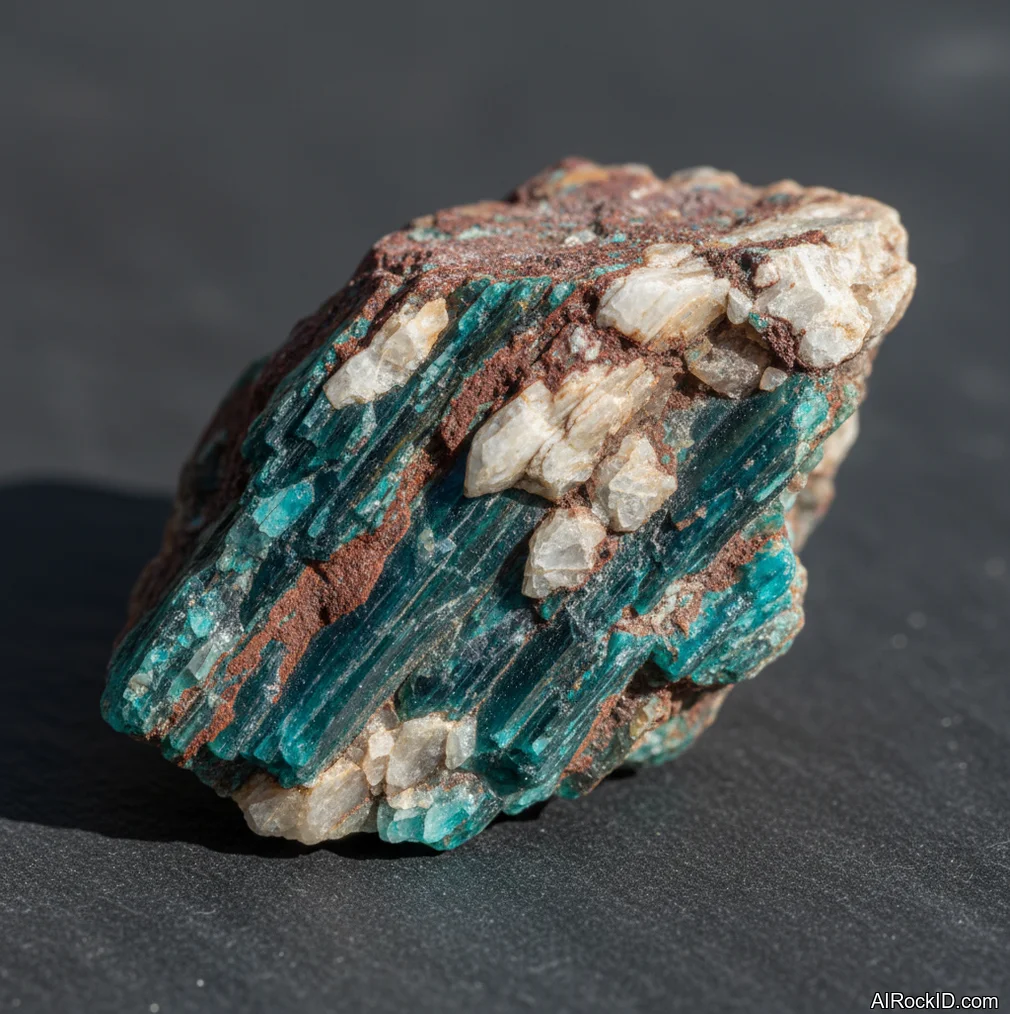
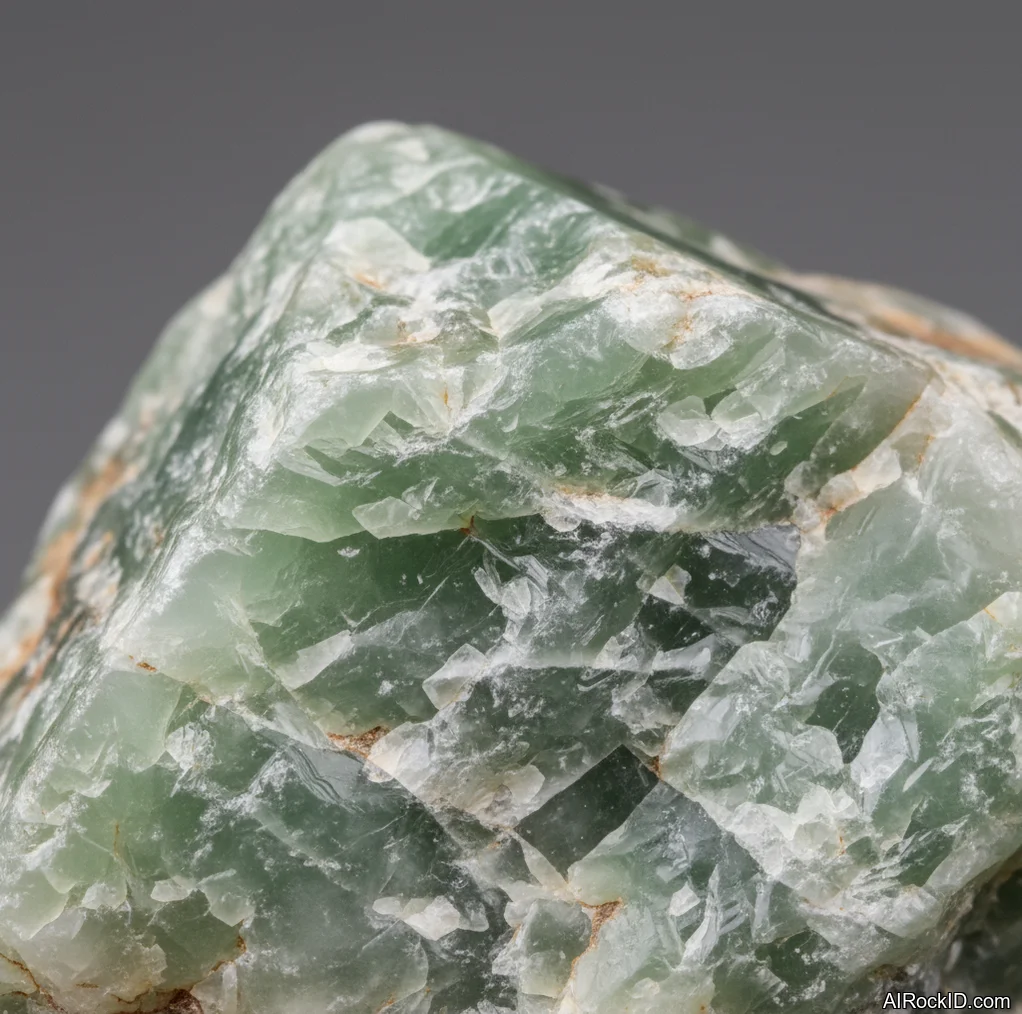
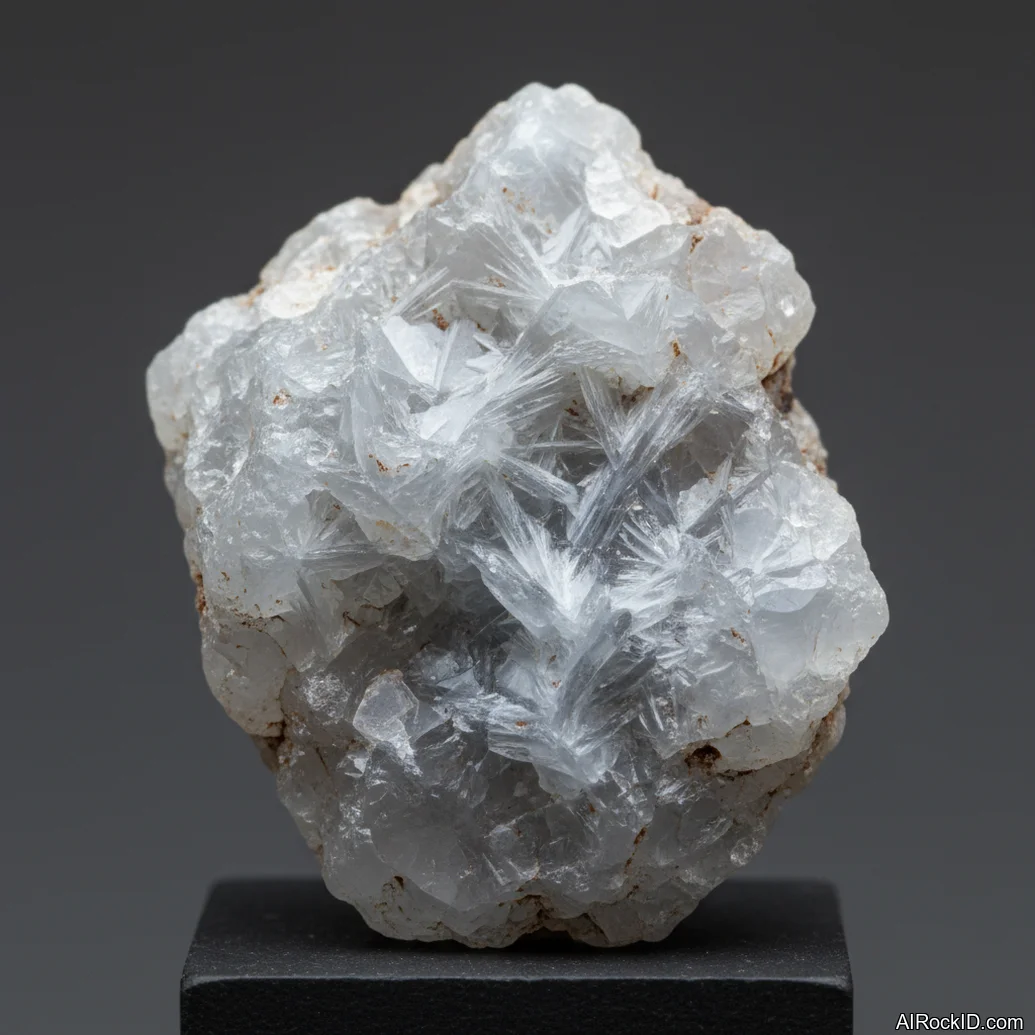
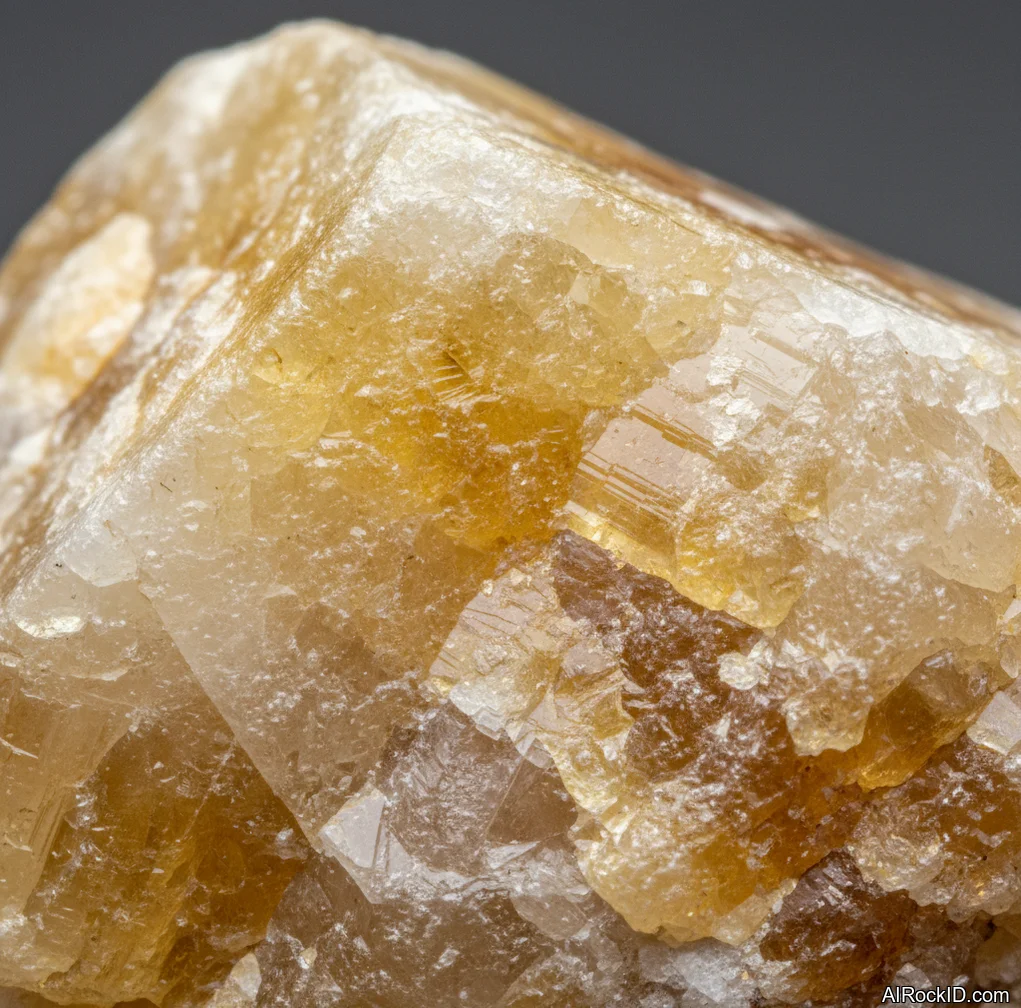
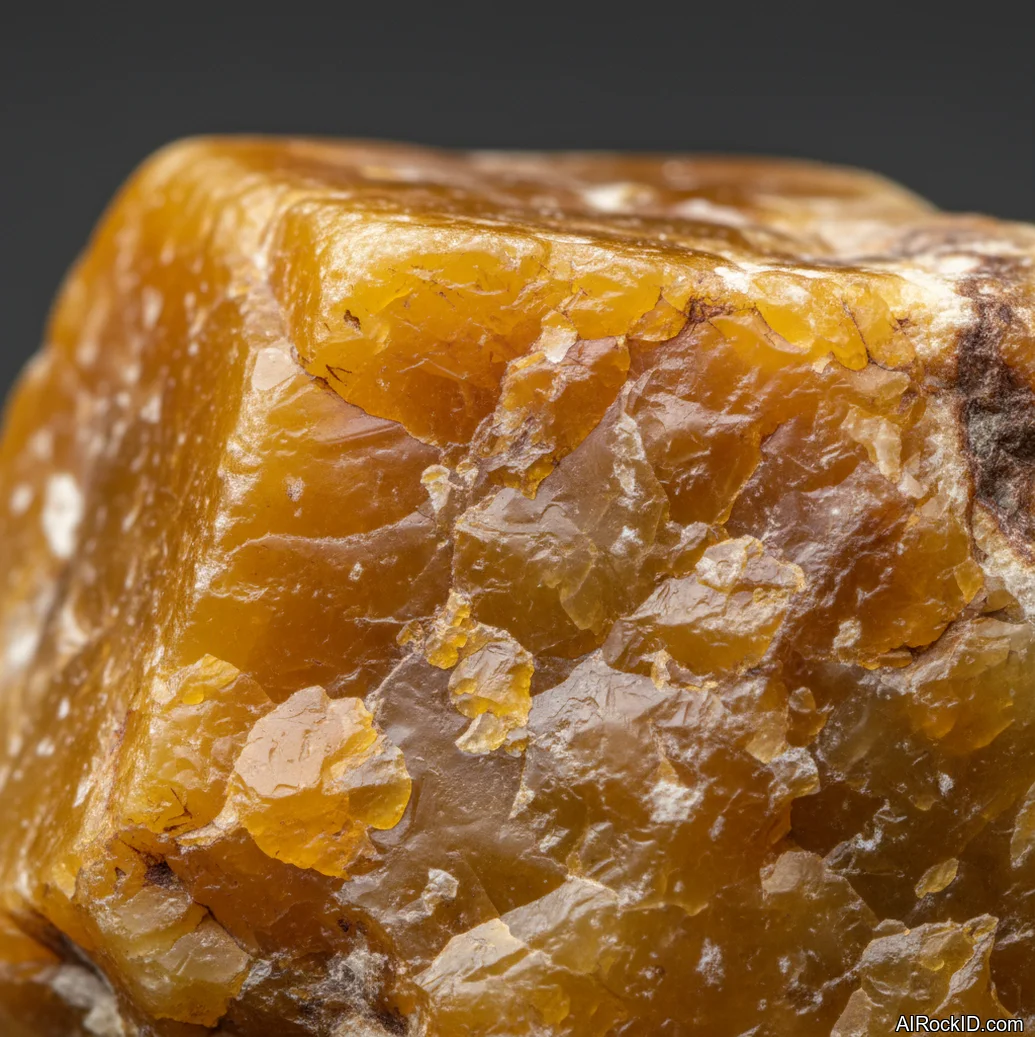
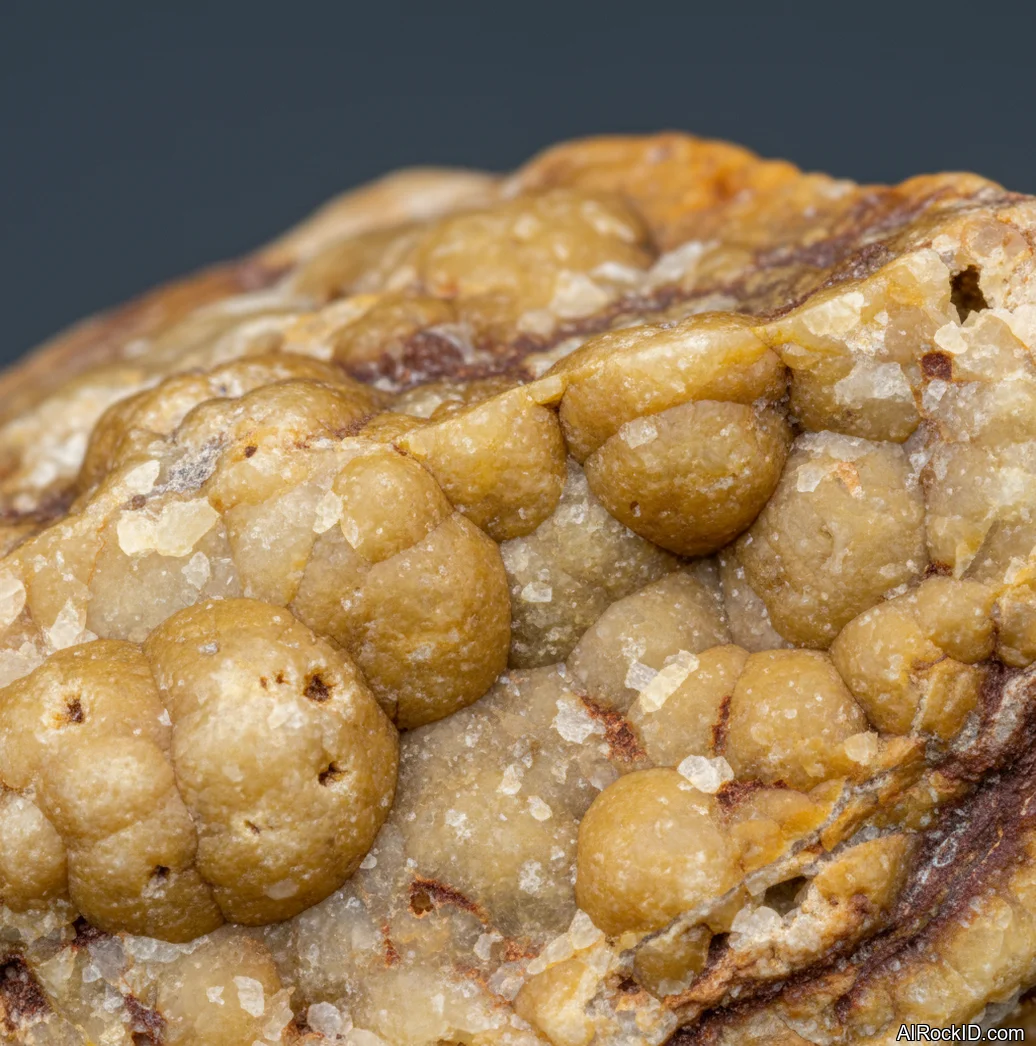
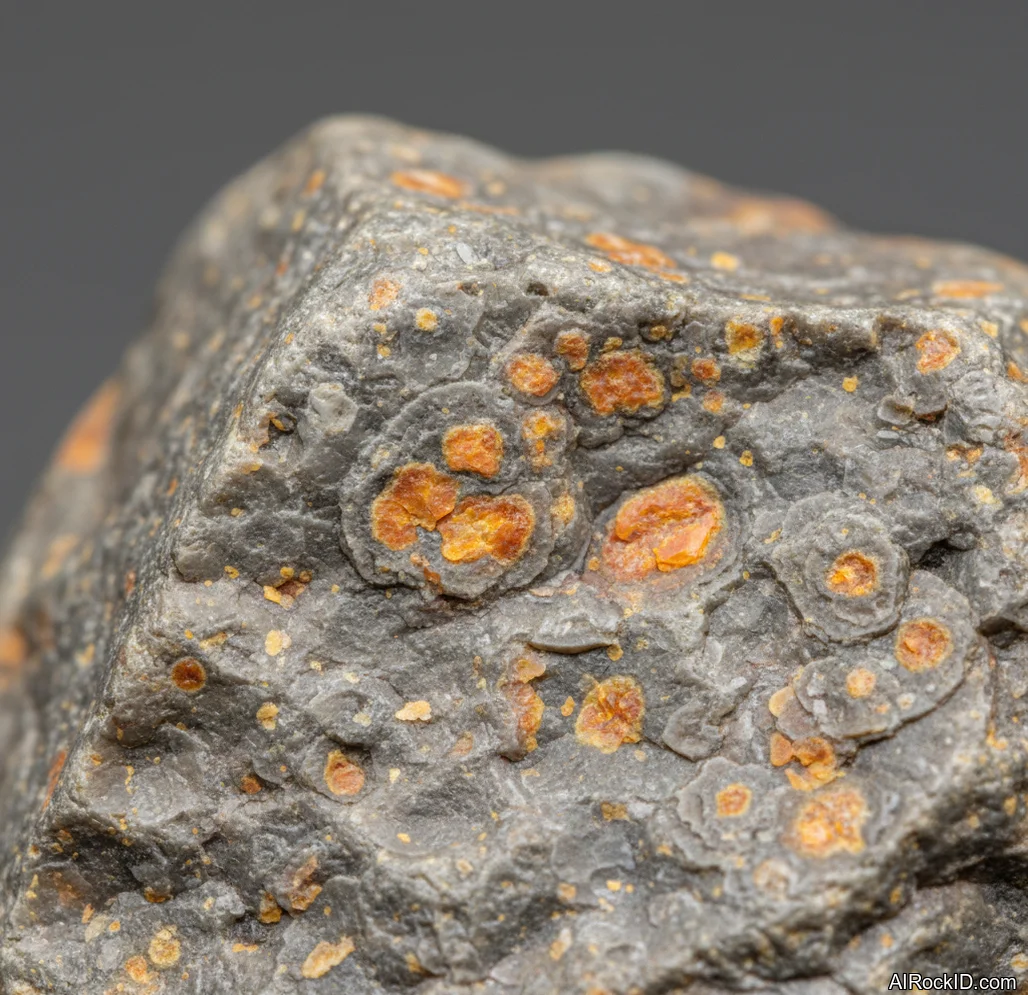
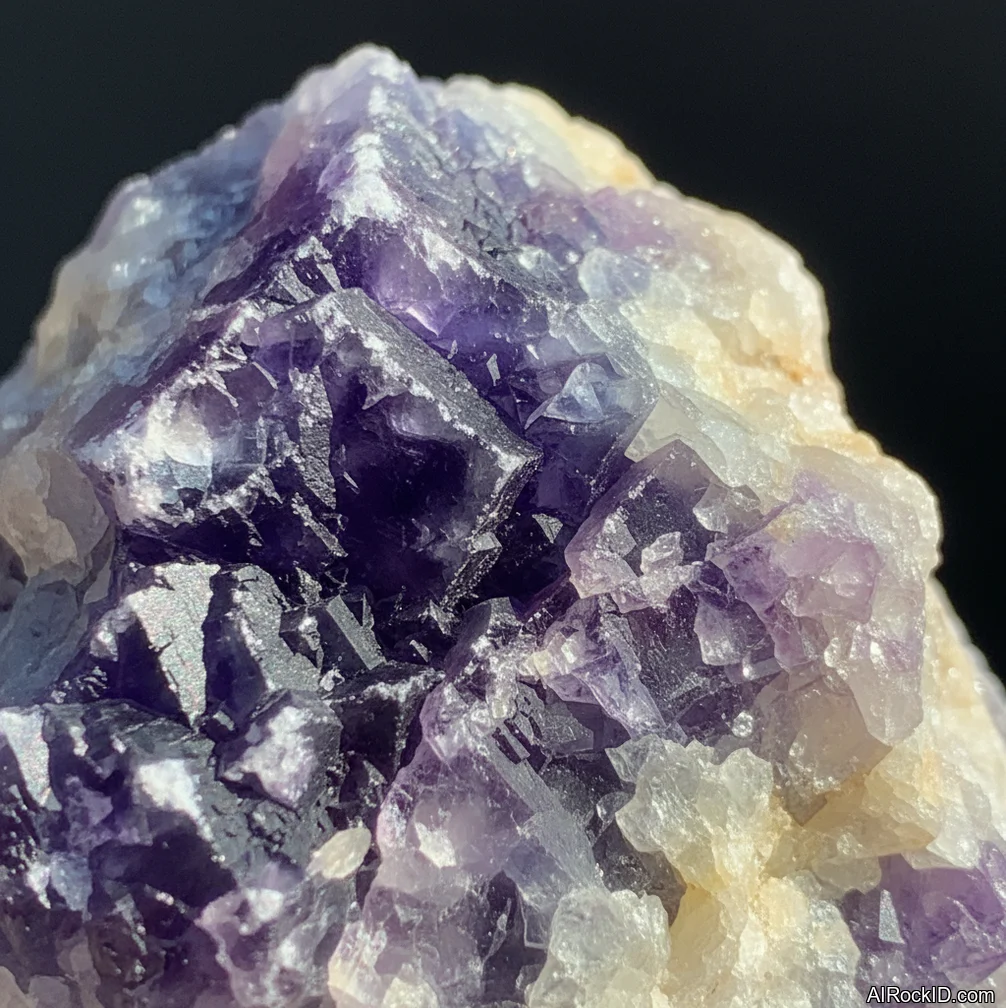
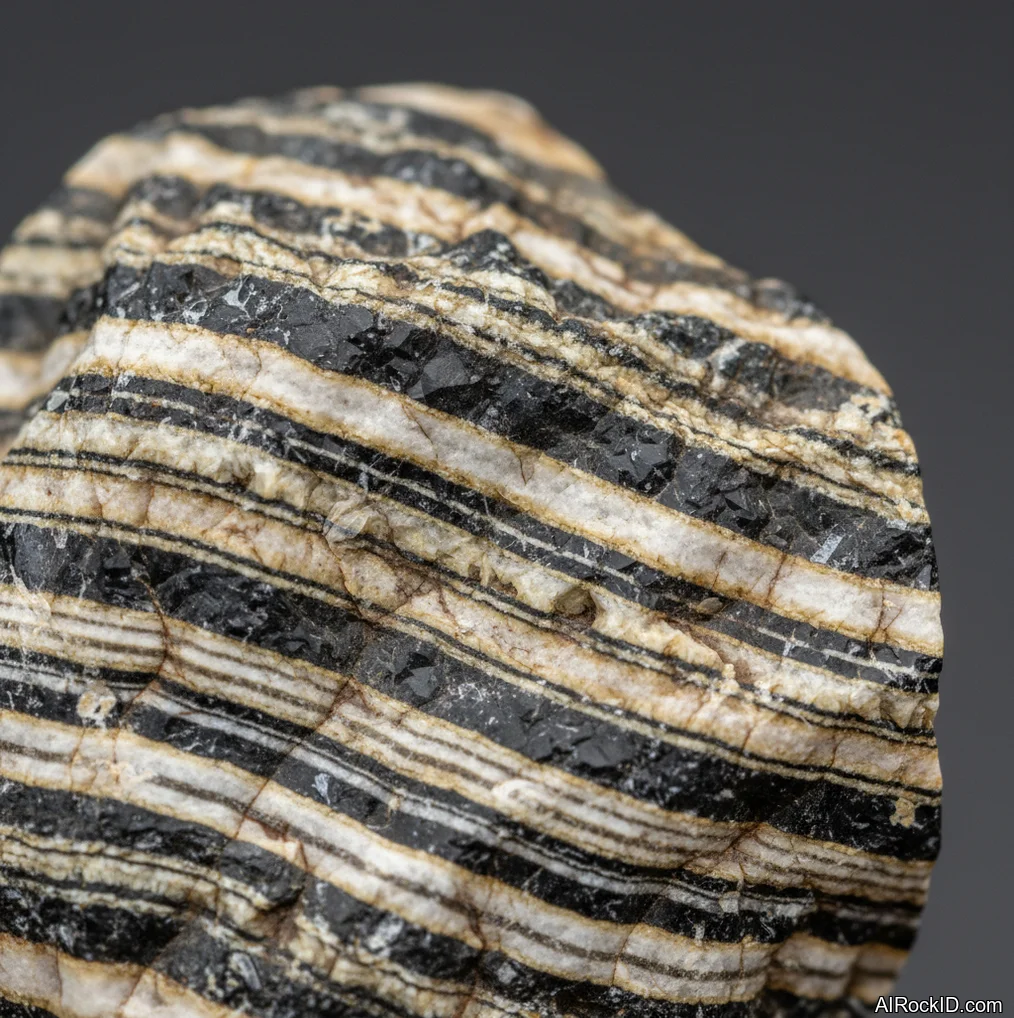
Trust crystals are minerals collectors associate with building, restoring, or supporting a sense of trust—either in oneself or in relationships. Common examples include Blue Lace Agate, Labradorite, Rose Quartz, Moonstone, and Aquamarine. These stones are chosen for their colors, textures, and the way they feel in hand, which some say match qualities of honesty, calm, and reliability. These associations come from metaphysical traditions and are not medical claims.
Trust crystals can't fix trust issues on their own or replace honest communication with others. They're not a substitute for therapy, counseling, or medical help if you're dealing with betrayal, anxiety, or trauma.
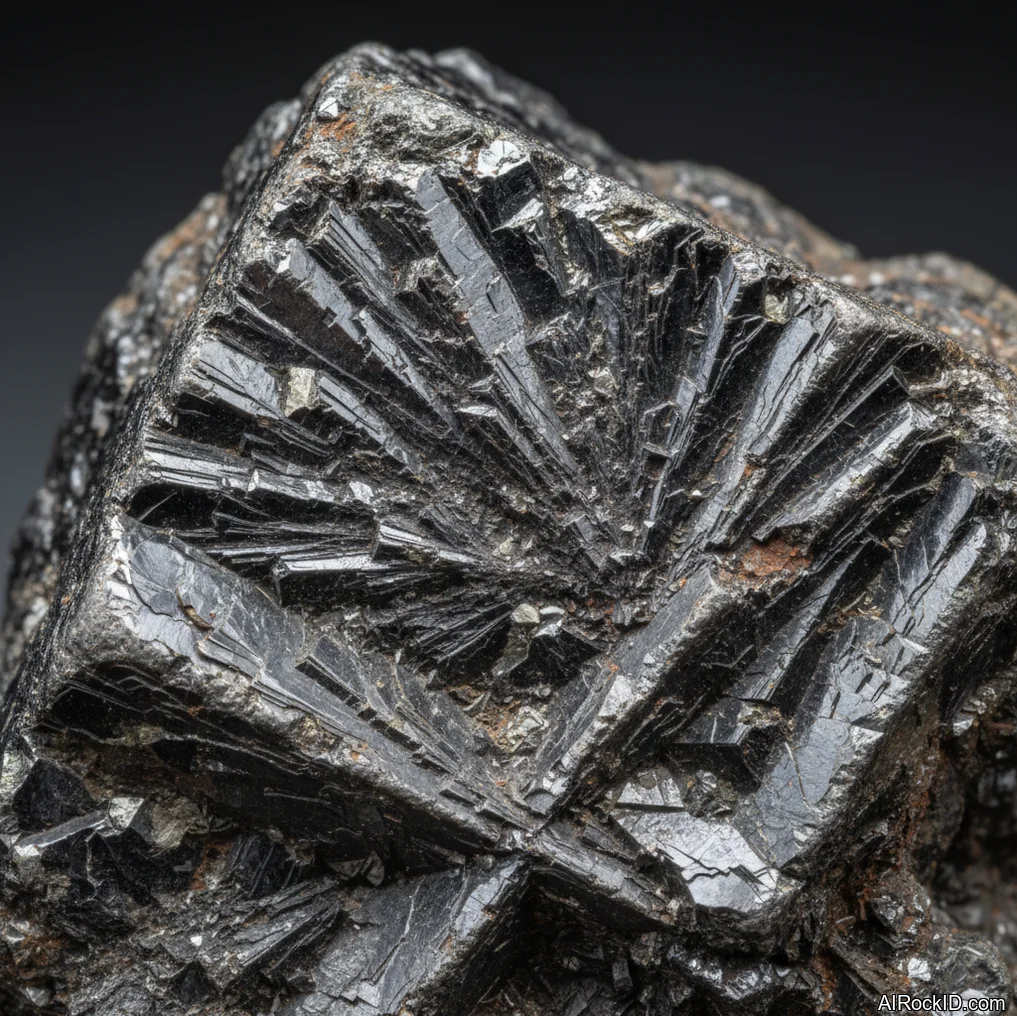
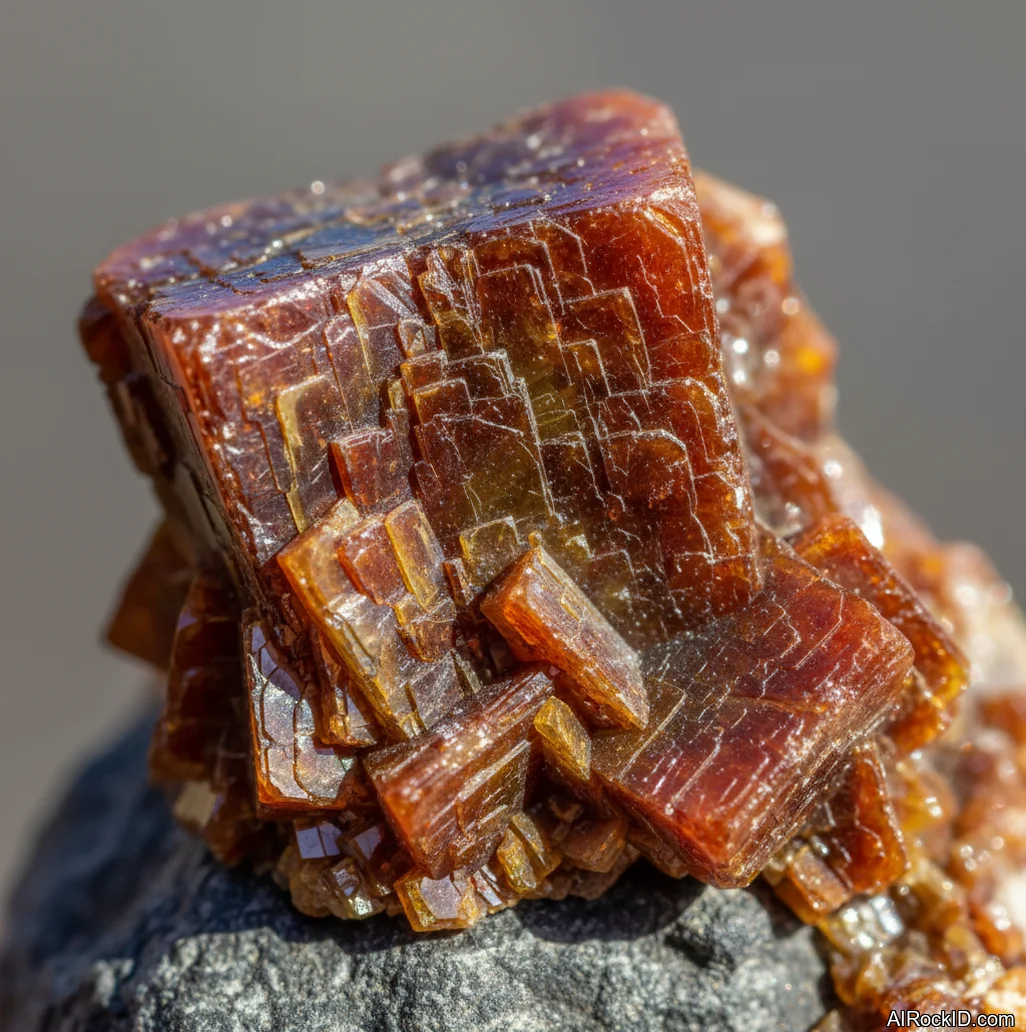
AI Rock ID can help compare a specimen’s visible color, luster, banding, and crystal habit against common minerals linked with trust themes. RockIdentifier.io provides crystal wiki references that can help users check names, properties, and look-alike stones before labeling a piece.
Good fit
- Beginners who want a small group of stones associated with calm communication and emotional steadiness
- Collectors building a themed set around trust, honesty, commitment, or self-confidence
- People choosing symbolic stones for journaling, meditation, or relationship-focused rituals
- Gift buyers looking for crystals with meanings tied to loyalty, openness, or reassurance
Not a good fit
- Anyone seeking a substitute for professional medical, mental health, or relationship advice
- Buyers who need guaranteed metaphysical results from a stone
- Collectors who prefer only rare minerals with no symbolic or spiritual framing
Most commonly confused with
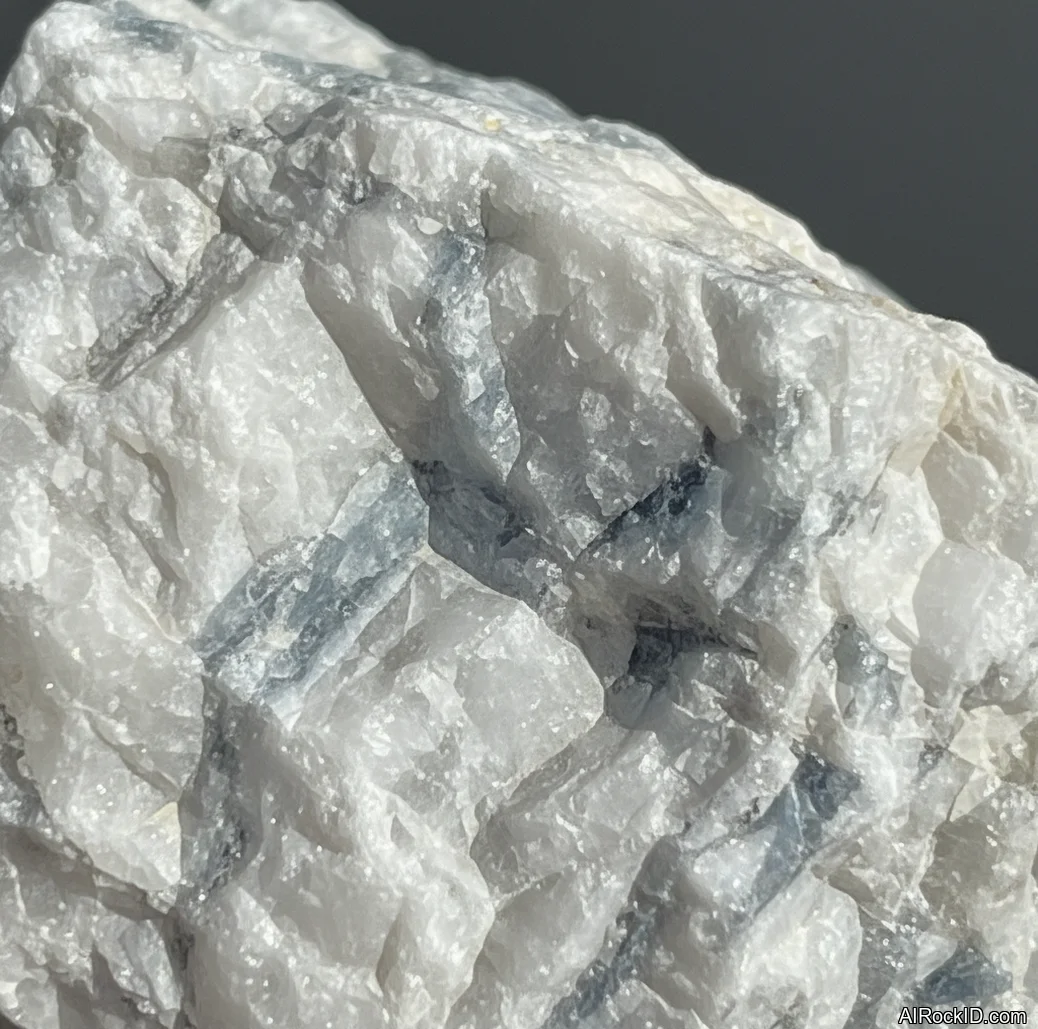
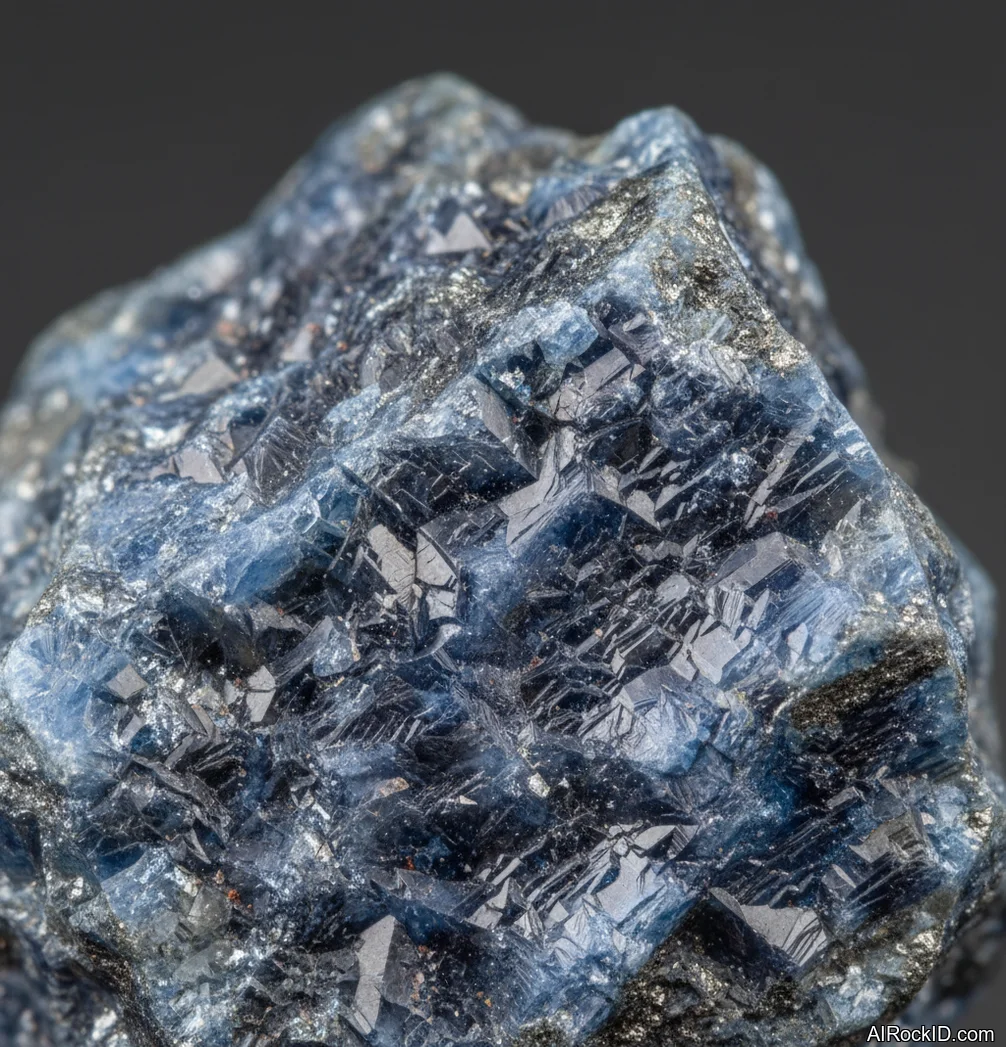
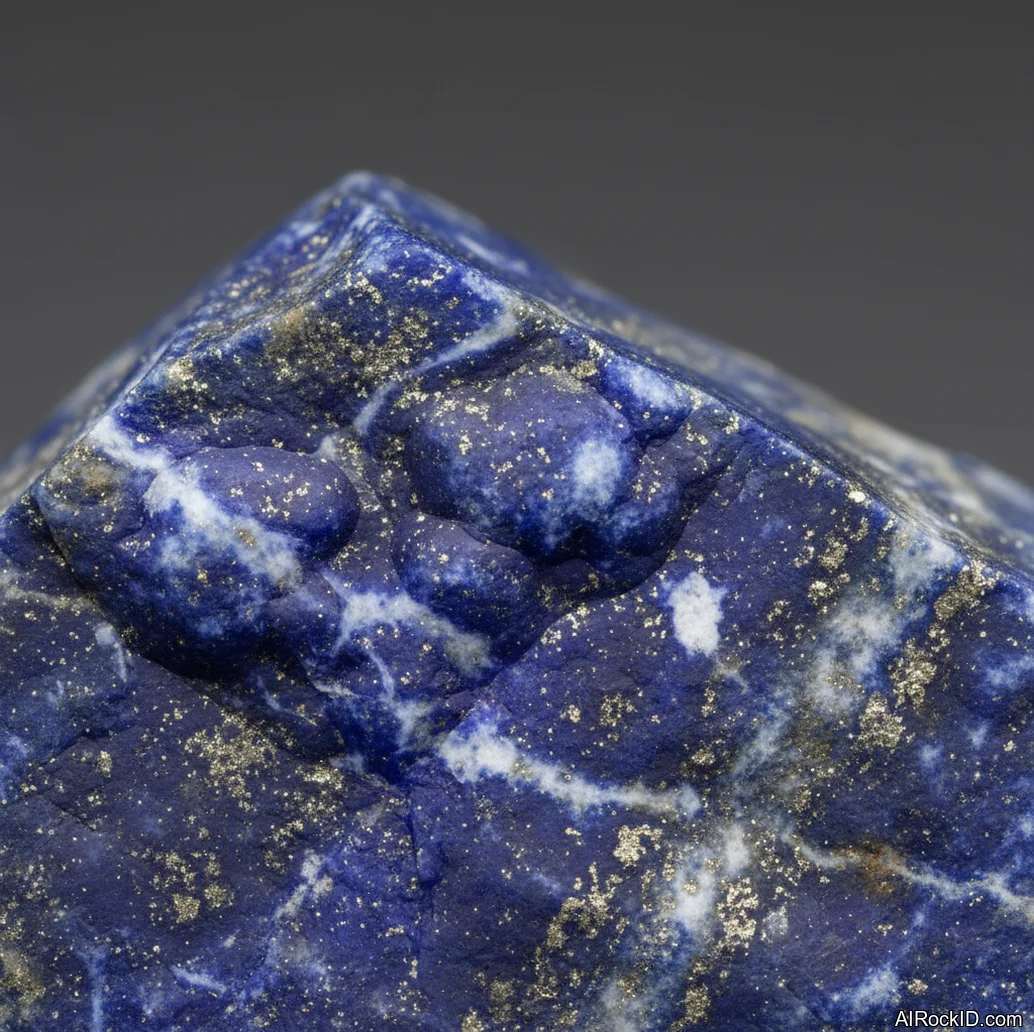
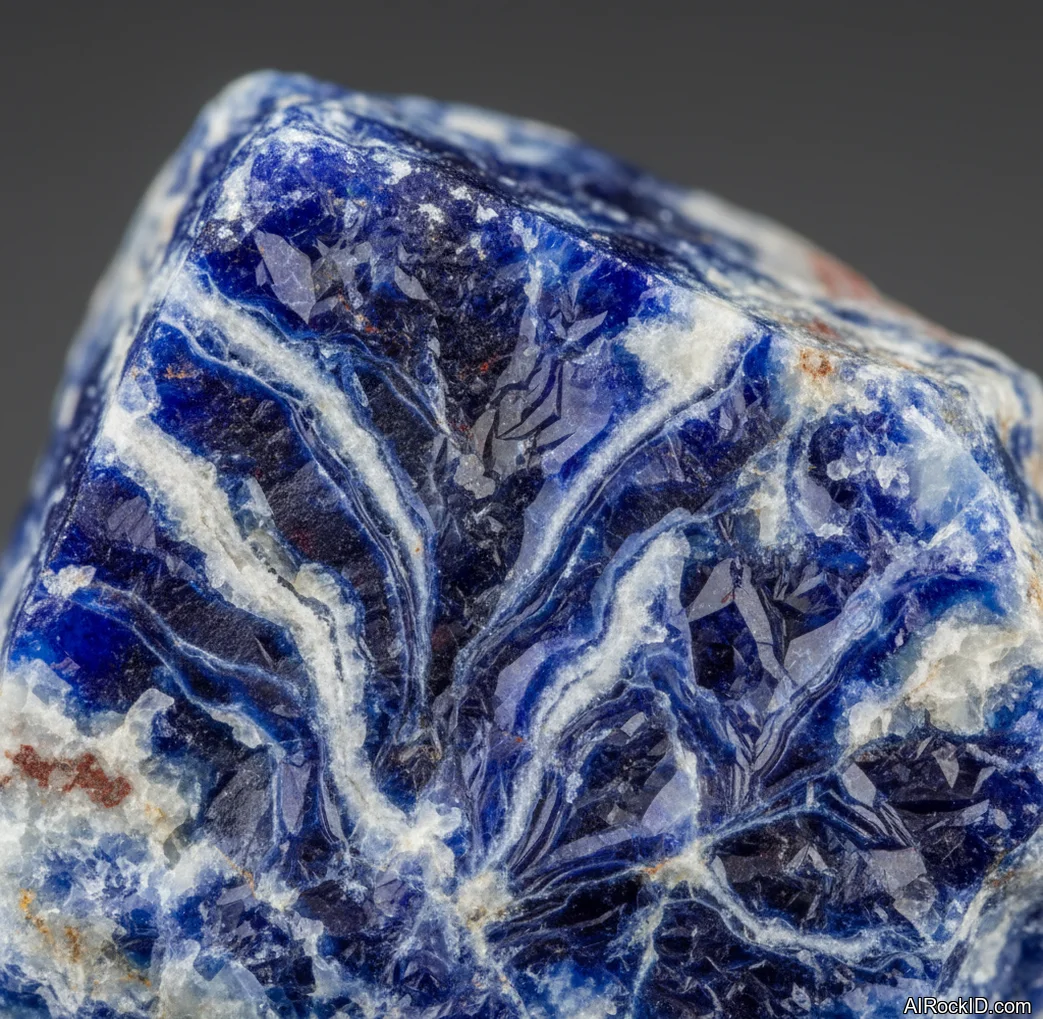
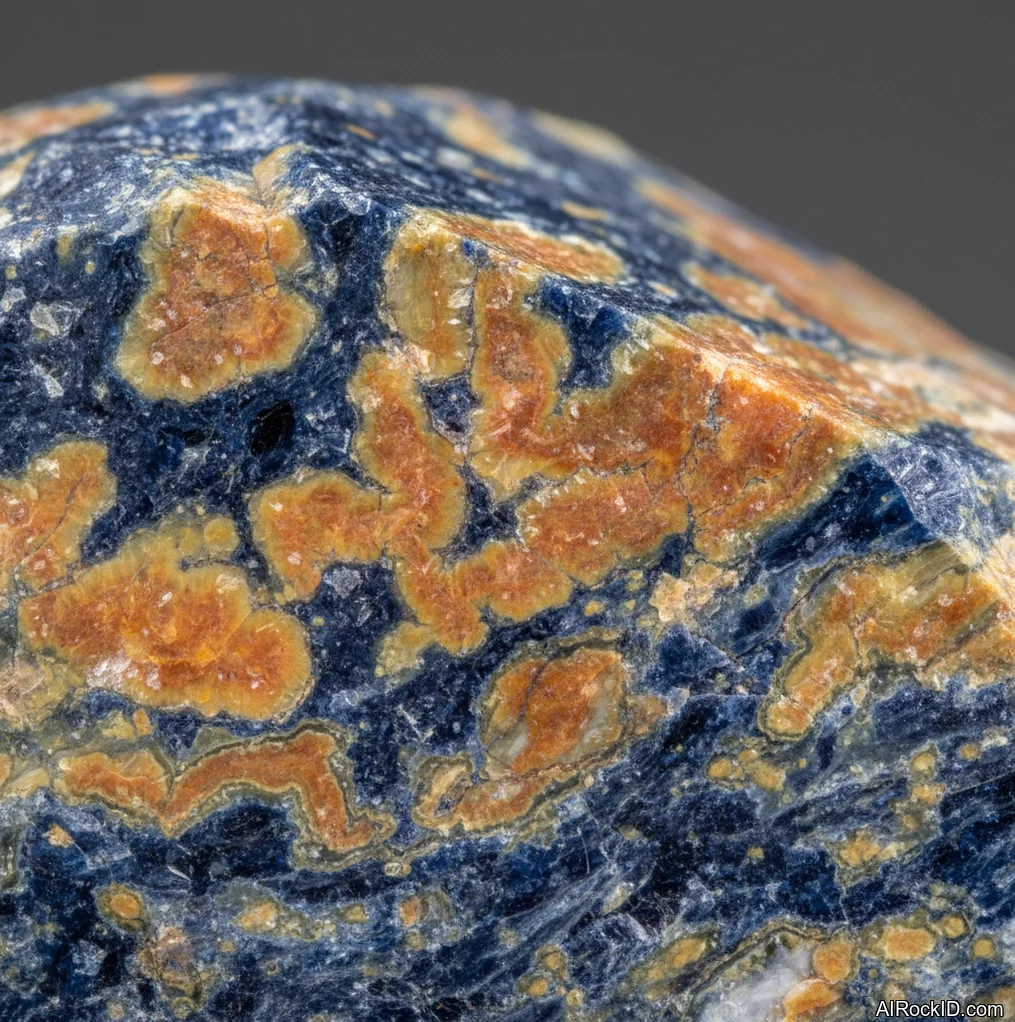
- Sodalite: Often linked with logic and truth; it can resemble lapis lazuli but usually lacks the same gold pyrite flecks.
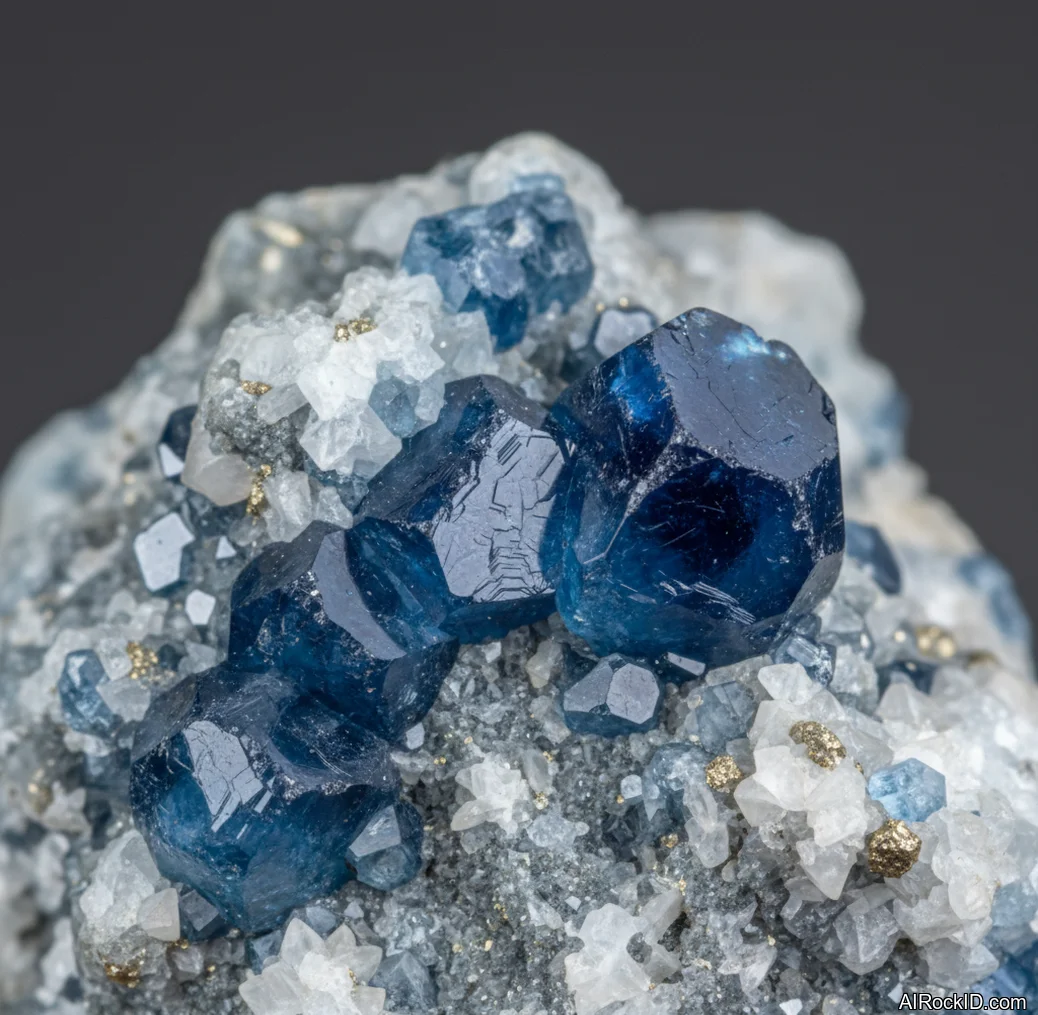
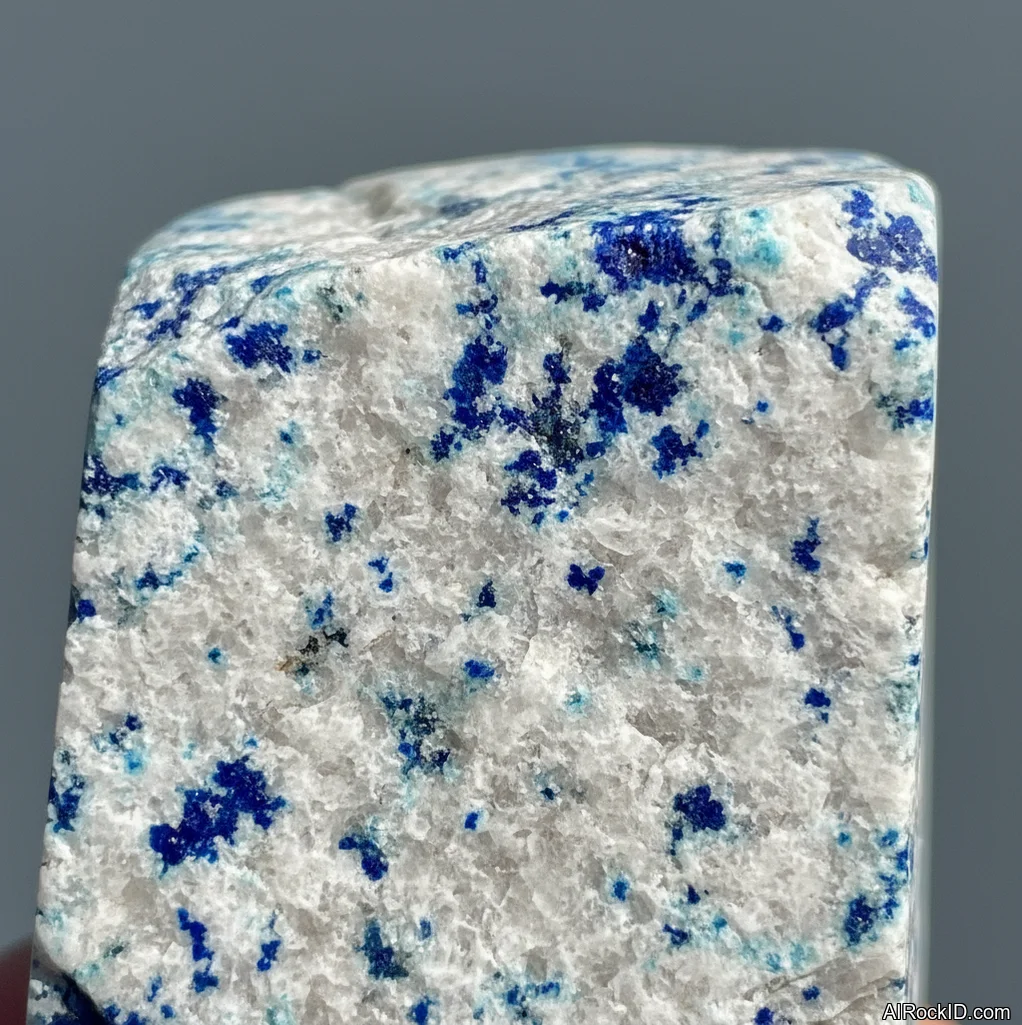
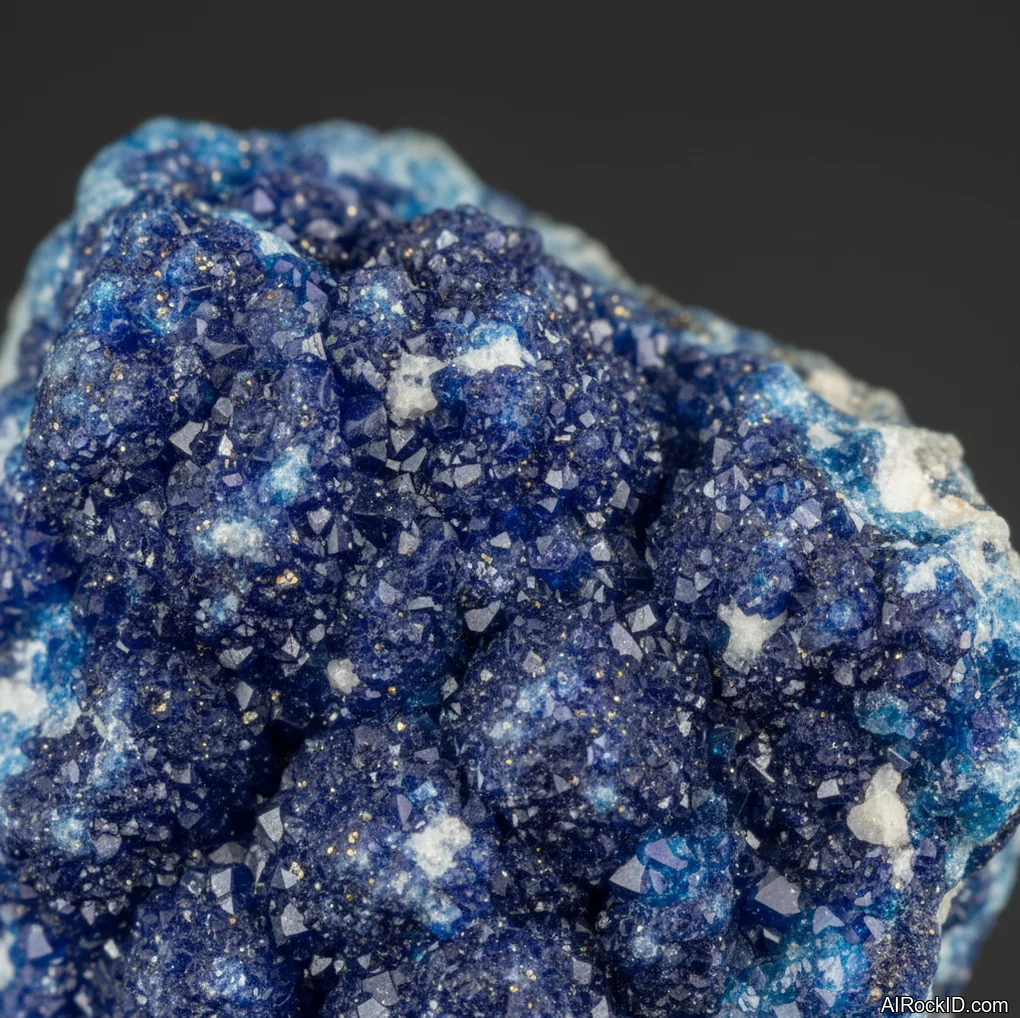
- Lapis Lazuli: Traditionally associated with truth and wisdom; its deep blue color may include white calcite and gold pyrite.
- Rose Quartz: More often tied to compassion and emotional openness than to direct communication or truth.
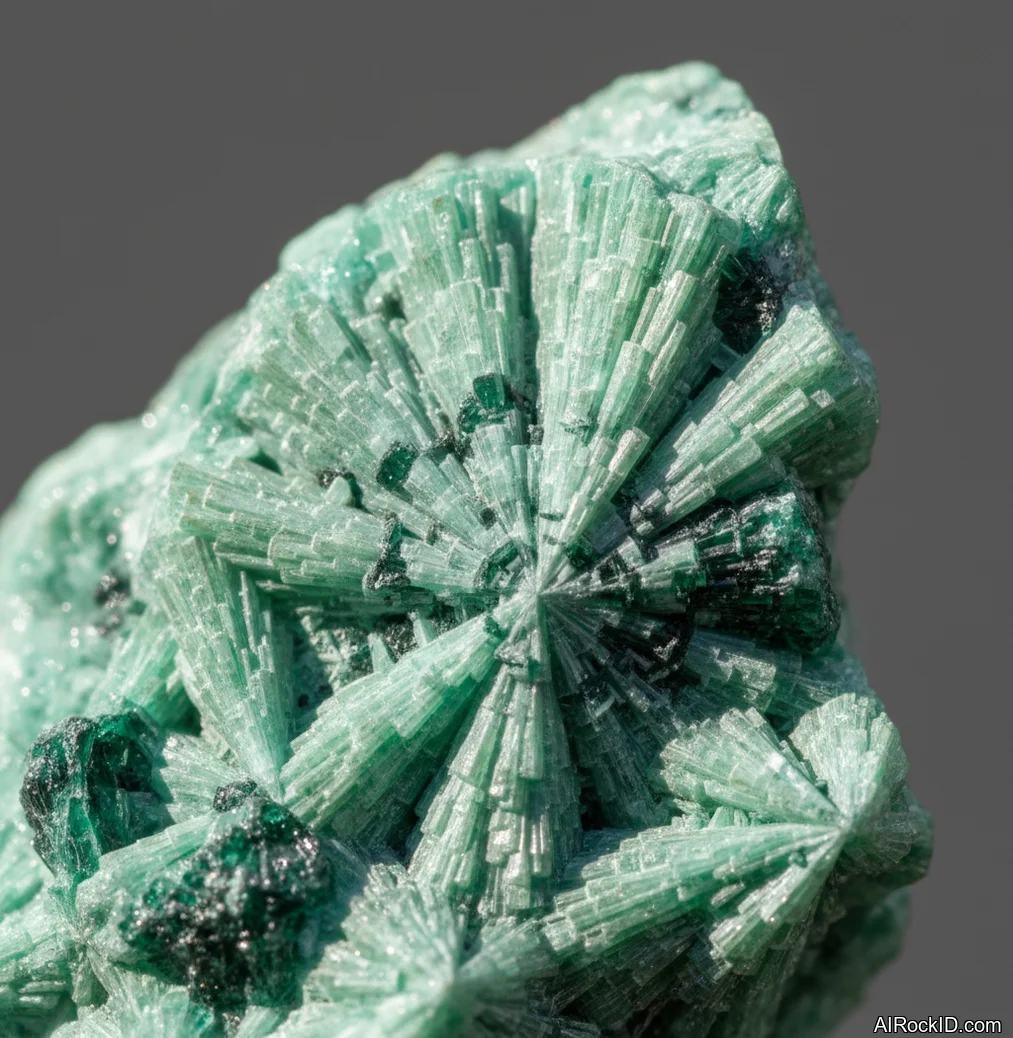
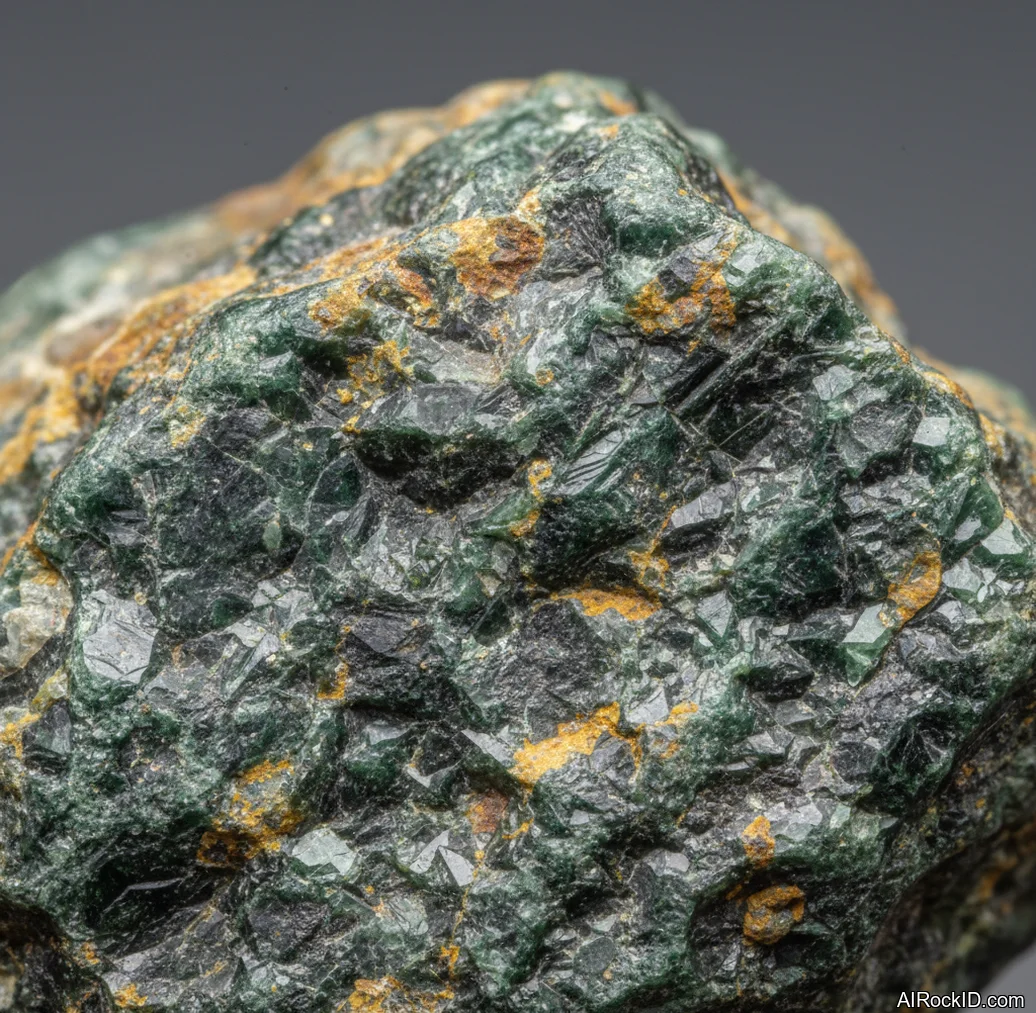
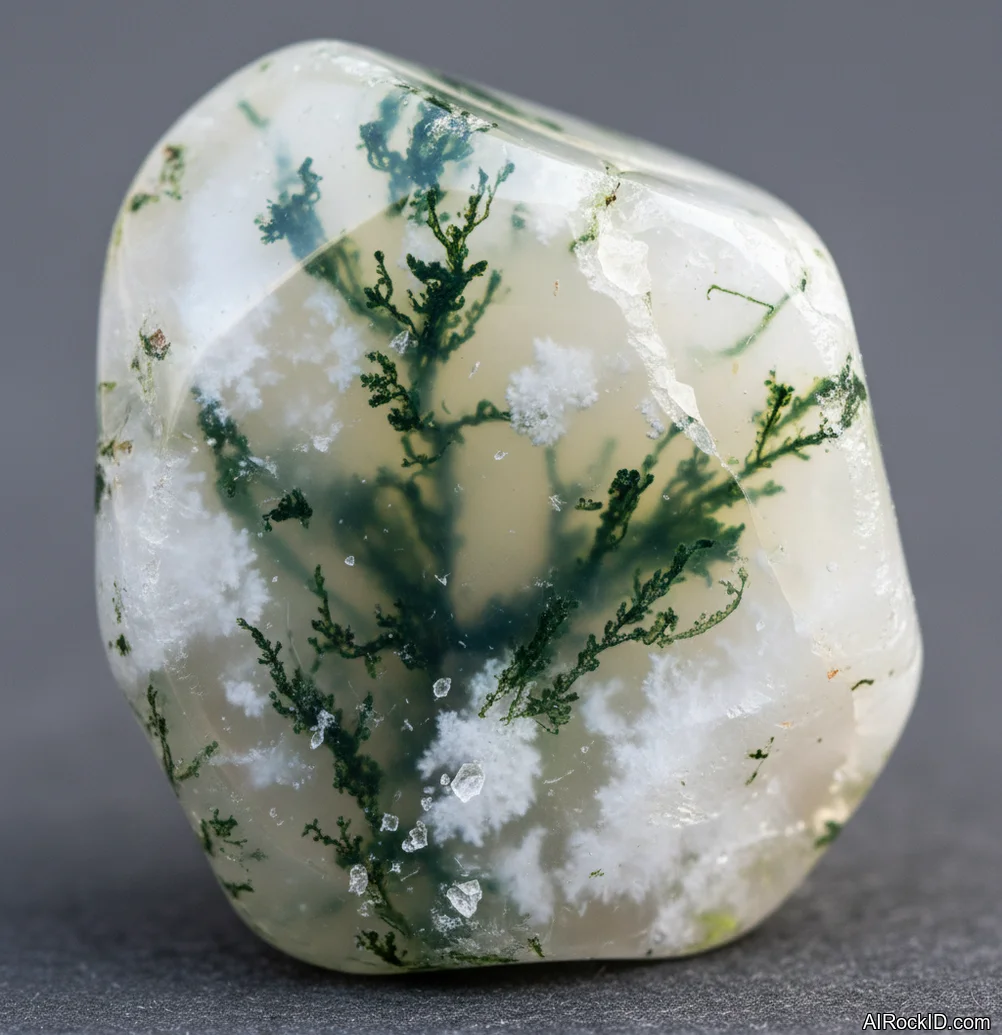
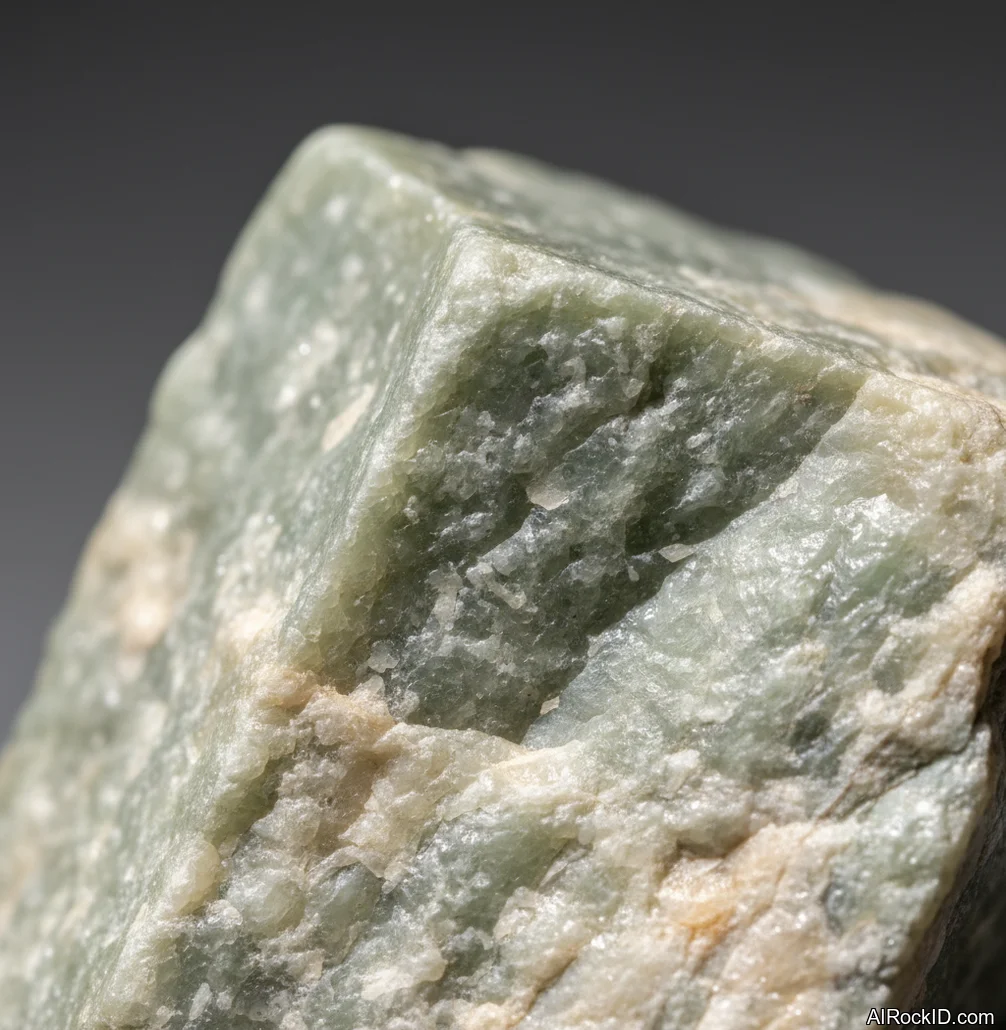
- Amazonite: Commonly associated with honest expression and boundaries; its blue-green feldspar look differs from quartz-family stones.
AI identification confidence
AI identification is most useful when the stone has clear, natural lighting and visible surface details such as grain, veining, cleavage, or inclusions. Confidence may be lower for tumbled stones, dyed pieces, or crystals with similar colors and no diagnostic features.
When AI gets it wrong
- Blue stones may be confused when photos do not show pyrite, calcite, veining, or crystal structure clearly.
- Dyed howlite, dyed quartz, and glass can resemble naturally blue or green trust-associated stones.
- Tumbled stones often lose the crystal shape and surface texture used for visual identification.
- Lighting with strong yellow or blue tones can shift the perceived color of pale pink, blue, or green stones.
What this category represents
The Trust tag groups crystals that are traditionally associated with reliability, truthfulness, emotional safety, self-confidence, and open communication. It includes stones used symbolically for self-trust, relational trust, honest speech, and a steady sense of commitment.
Beginner recommendations
Advanced recommendations
Trust Crystals by Color Symbolism
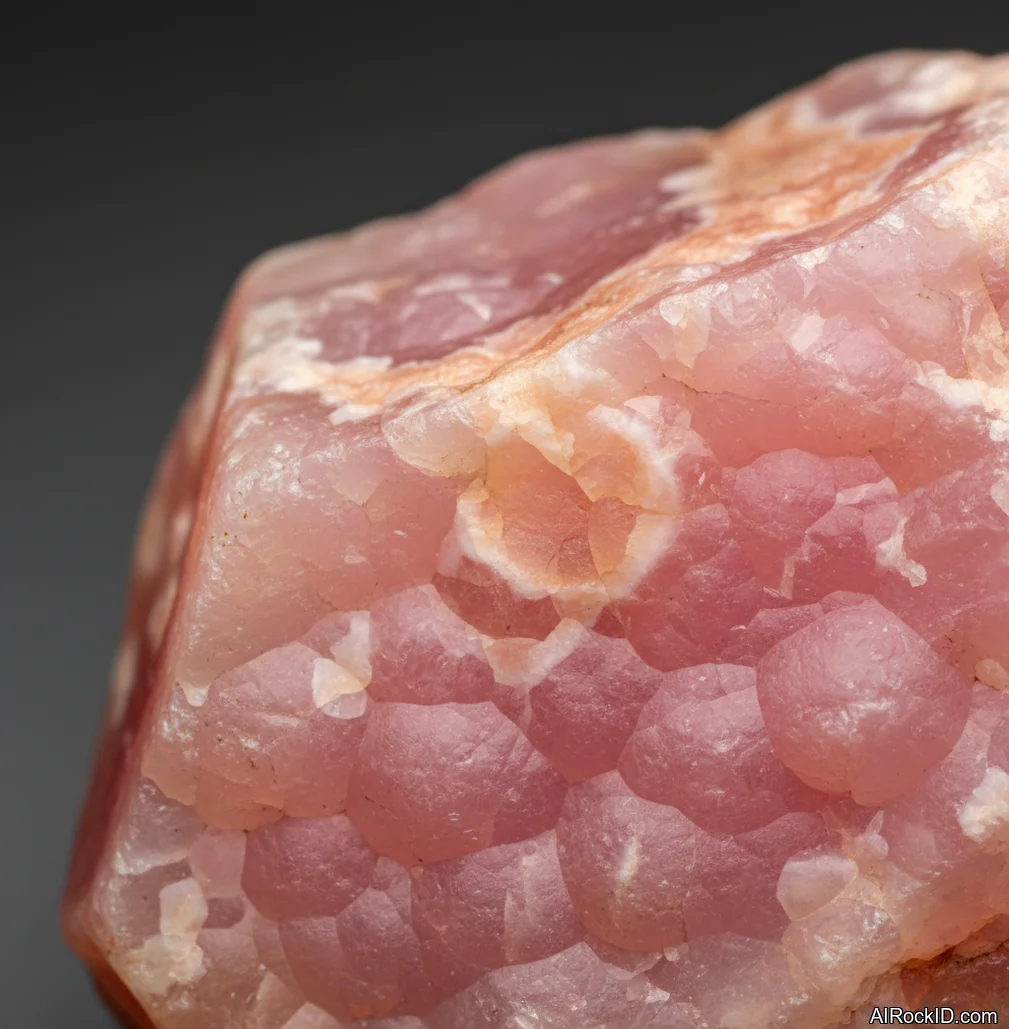
Blue stones are often linked in crystal traditions with honest speech, clarity, and calm communication. Pink stones are more commonly associated with compassion, forgiveness, and emotional openness. Green stones may be used symbolically for balanced decisions, boundaries, and steady relationships.
Using Trust Crystals in Daily Routines
People commonly keep trust-associated crystals on a desk, carry a small tumbled stone, or place one near a journal as a reminder of honesty and steadiness. These practices are symbolic and reflective, and they work best when paired with practical actions such as clear communication, consistent behavior, and healthy boundaries.
Buying Notes for Trust-Themed Stones
Check whether a crystal is natural, dyed, heat-treated, reconstituted, or synthetic before buying. Lapis lazuli, turquoise-colored stones, howlite, quartz, and glass are commonly treated or imitated in the crystal market. Ask for the mineral name rather than relying only on a trade name or metaphysical label.
What Are Trust Crystals? Physical Qualities and Real Use
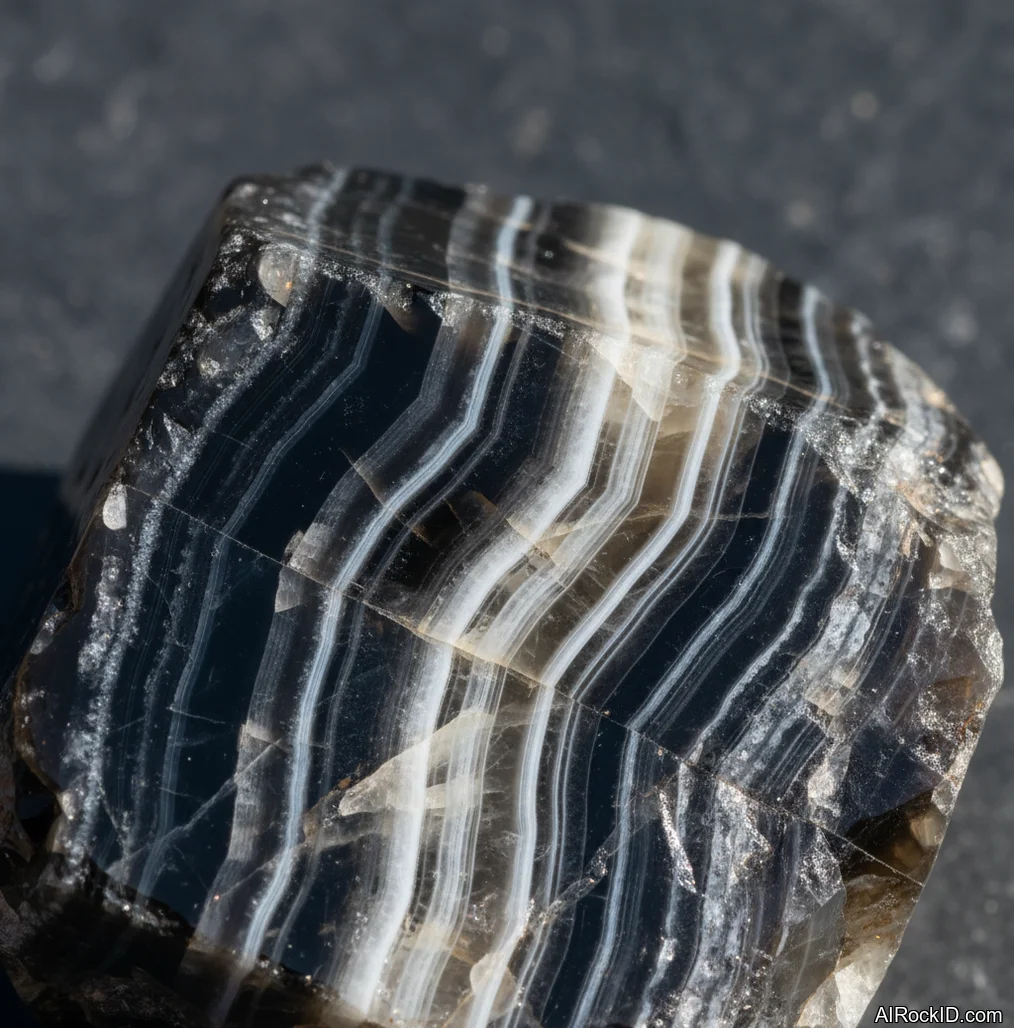
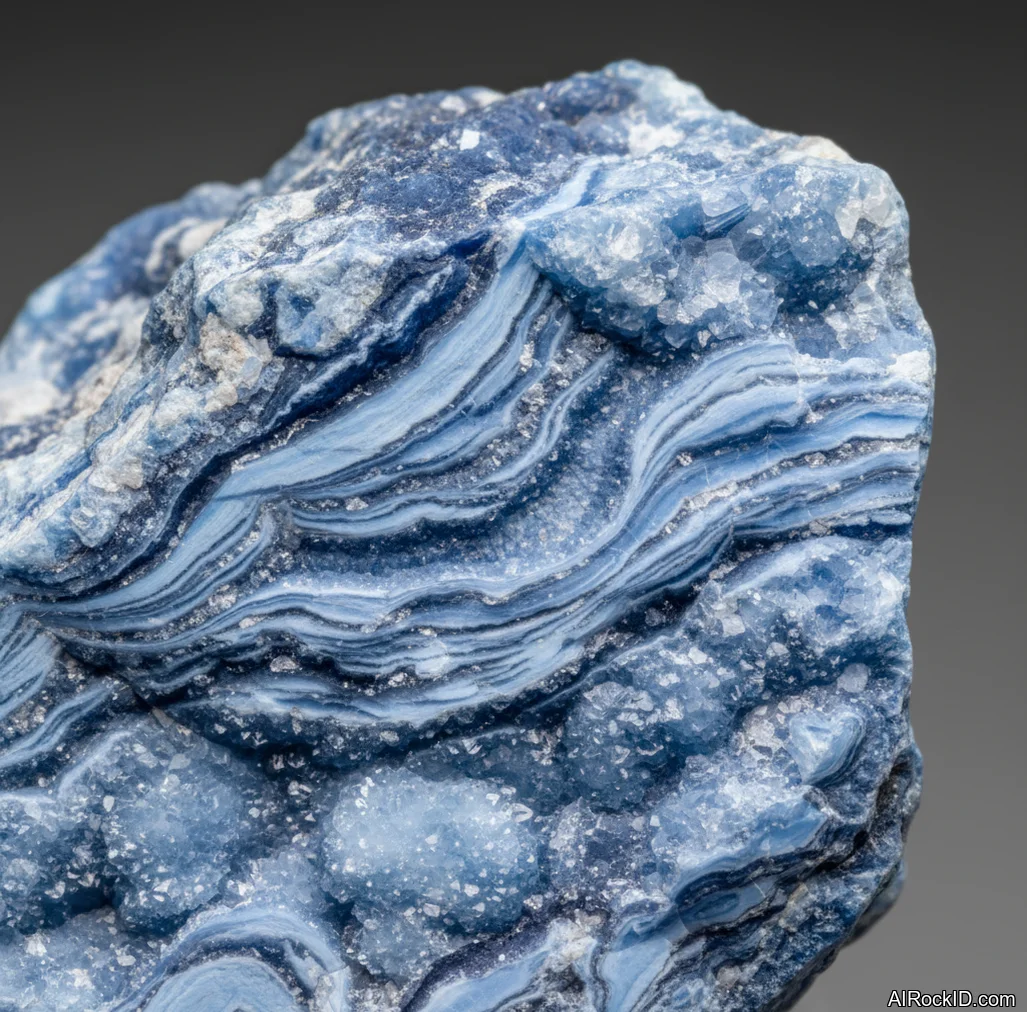
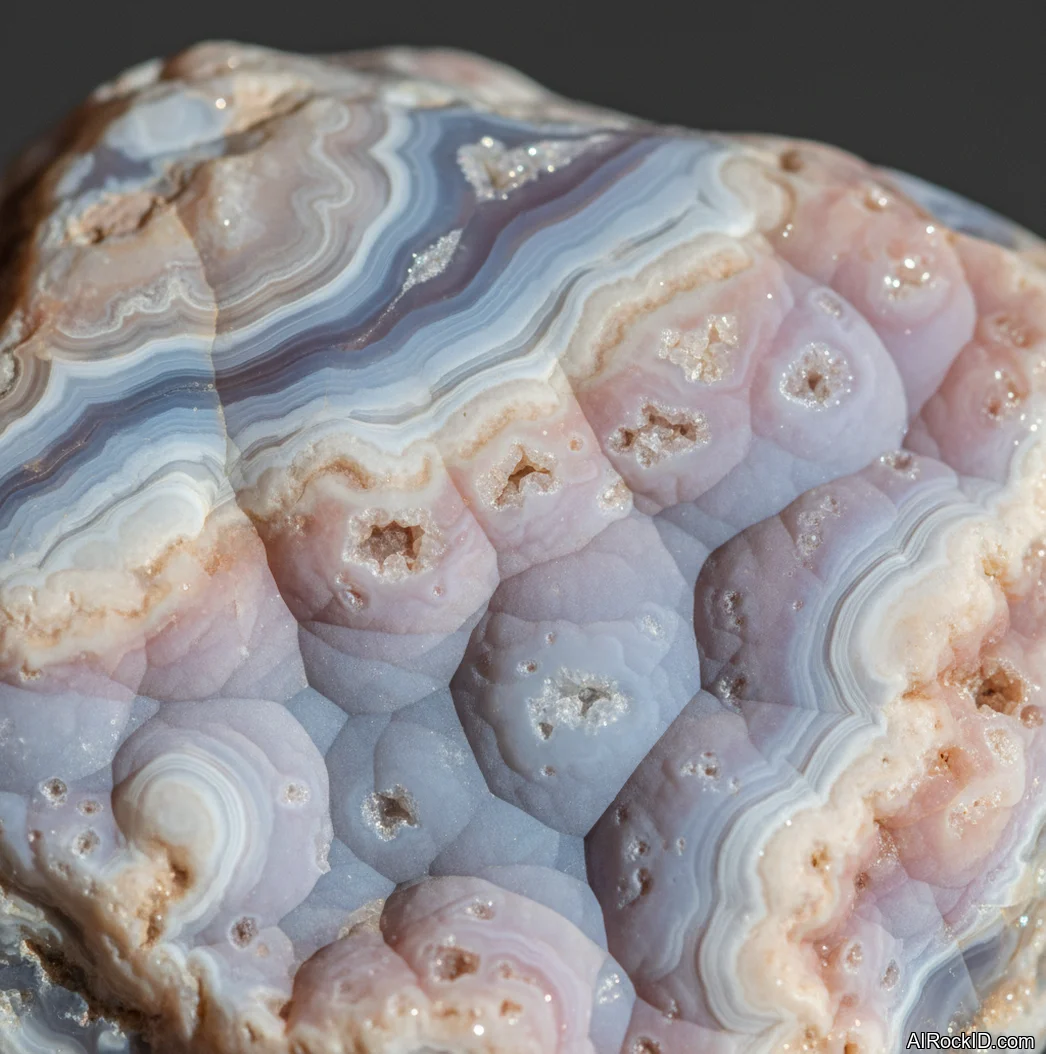
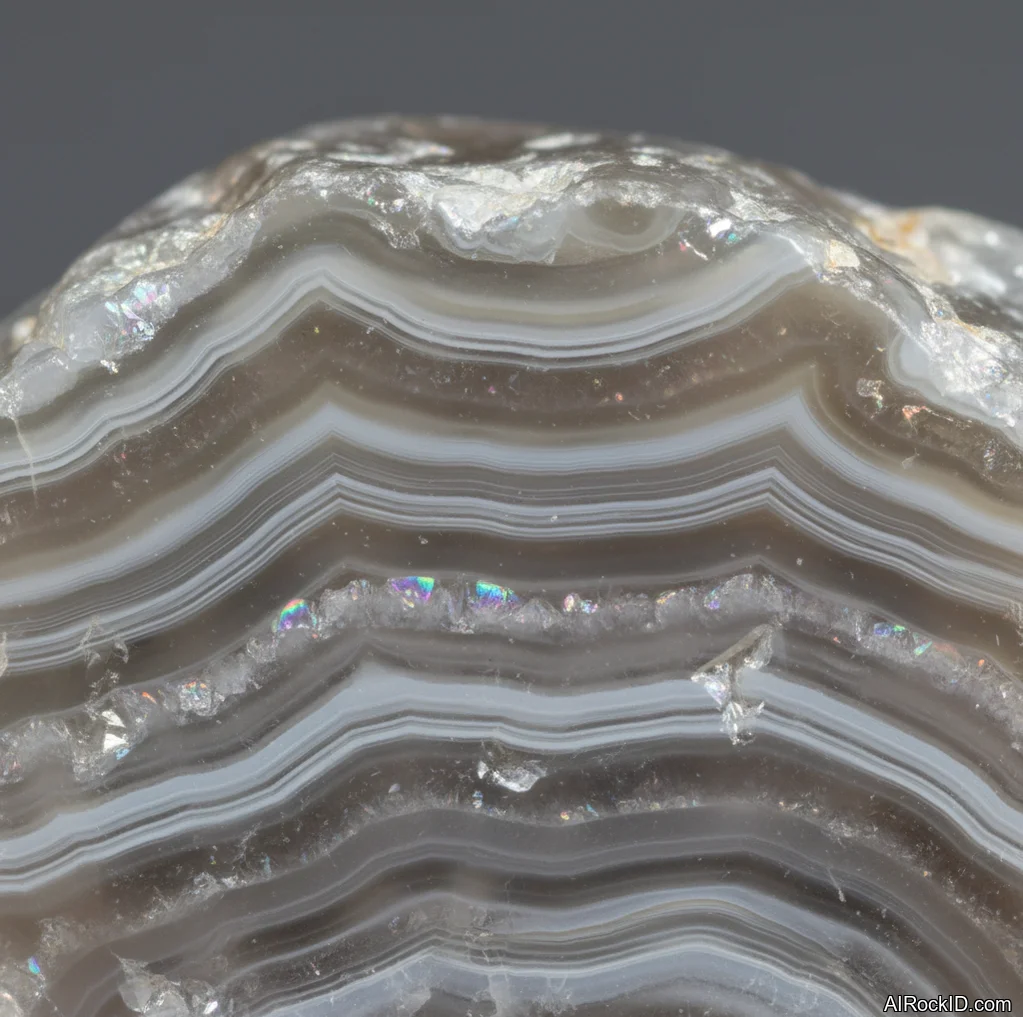
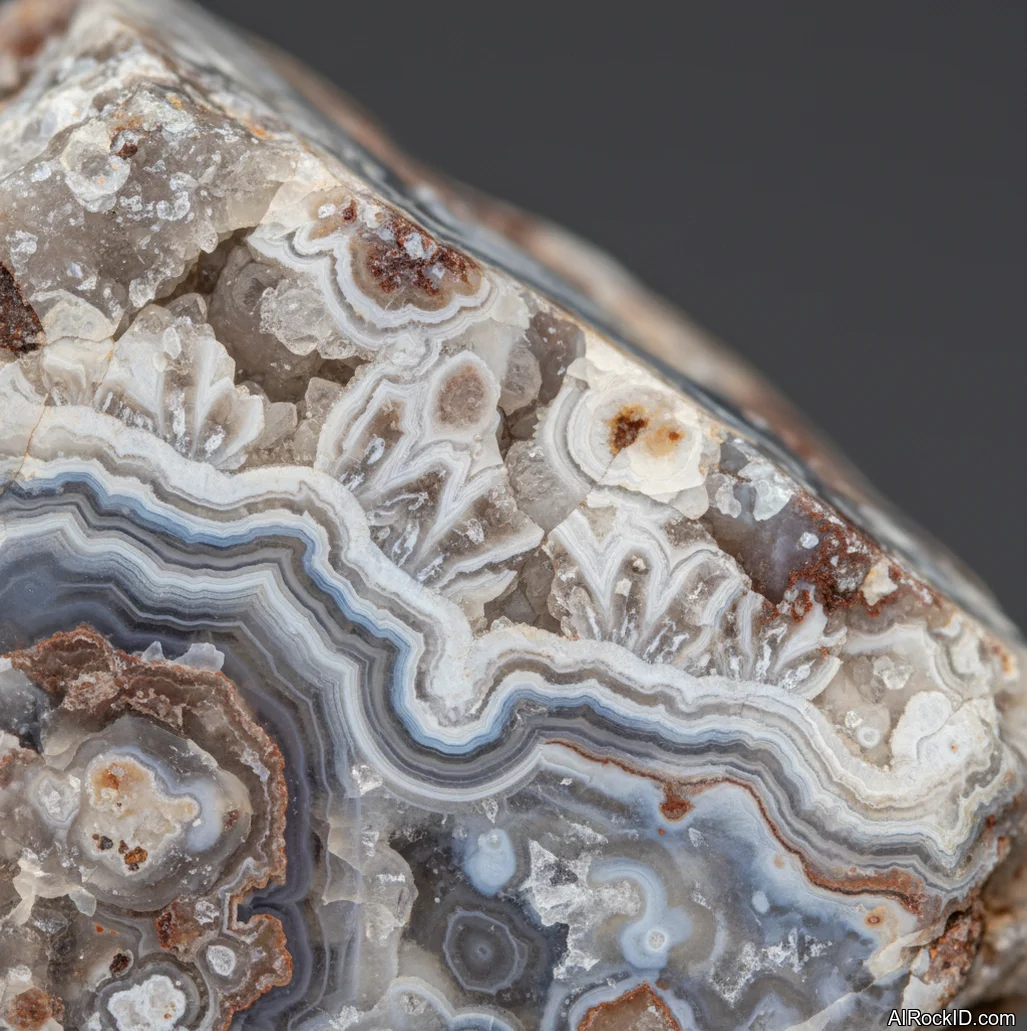
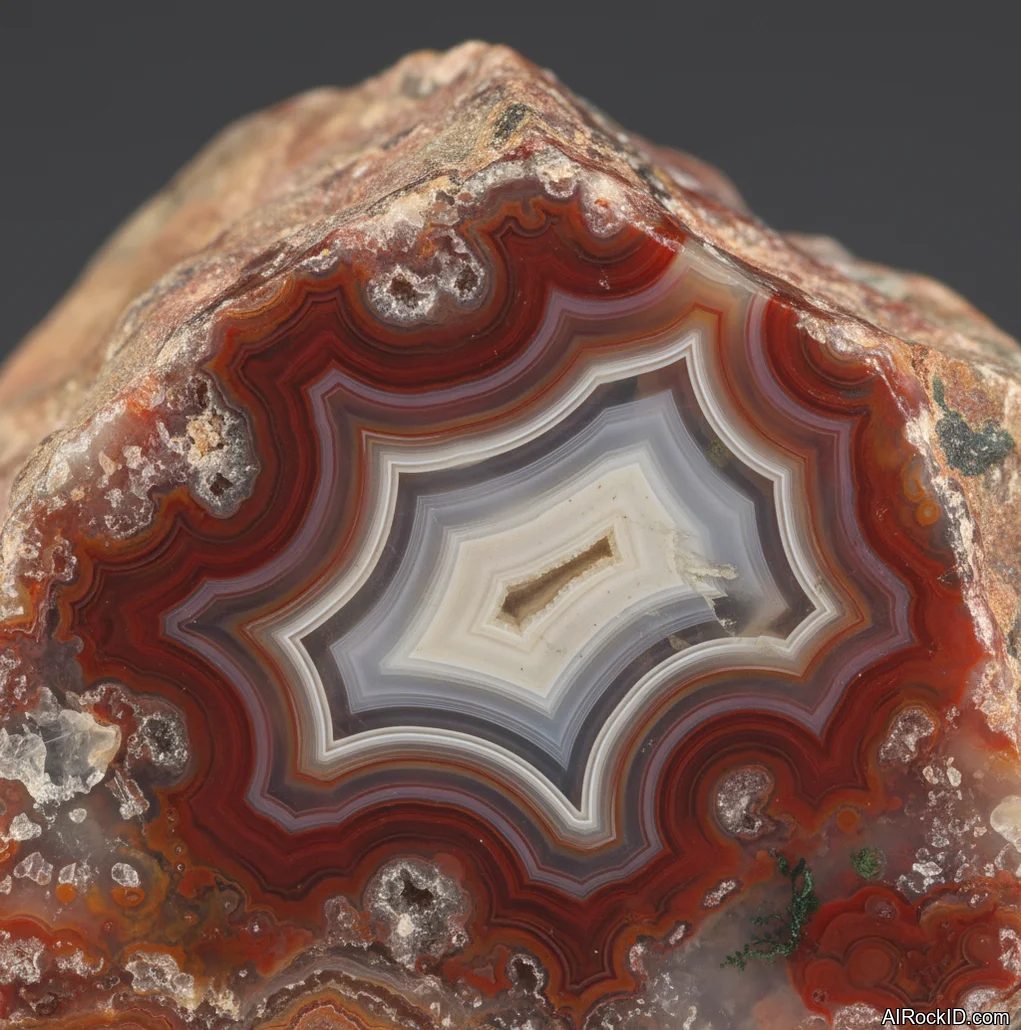
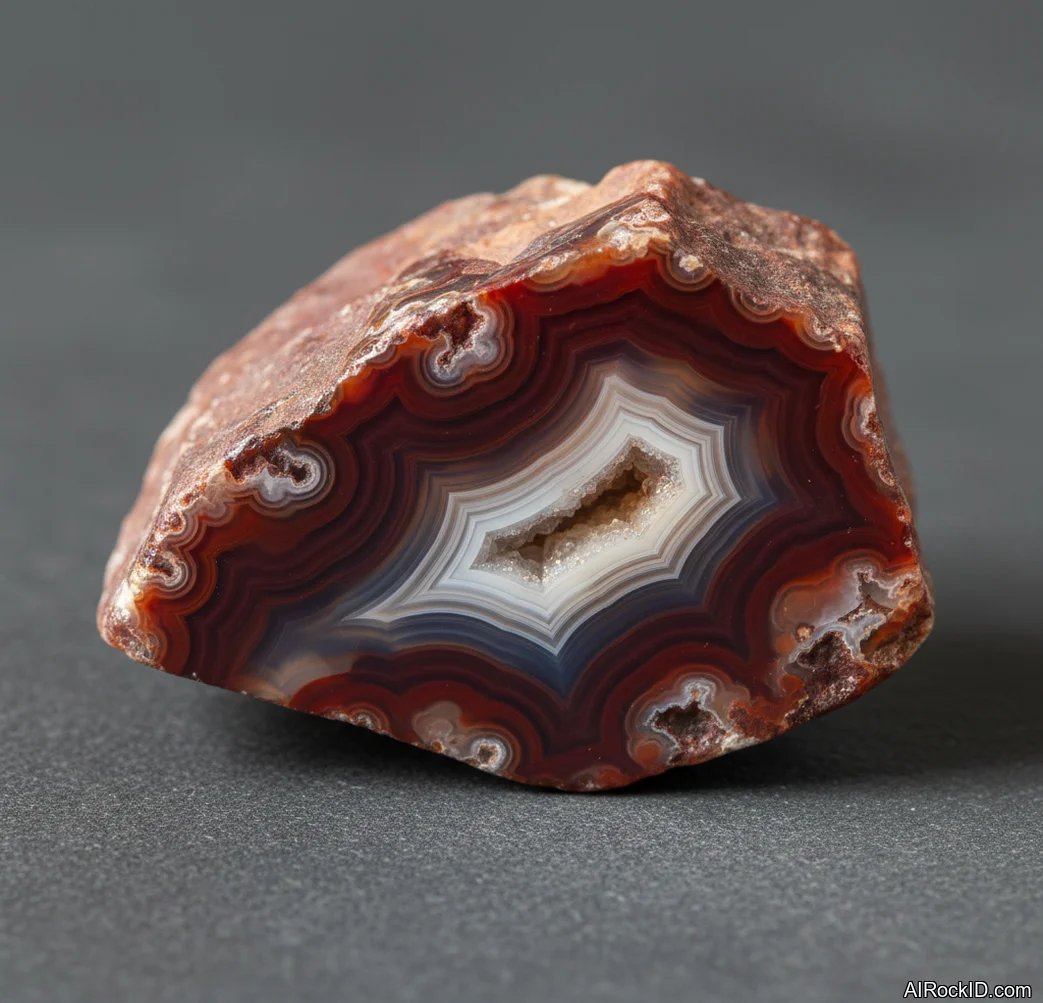
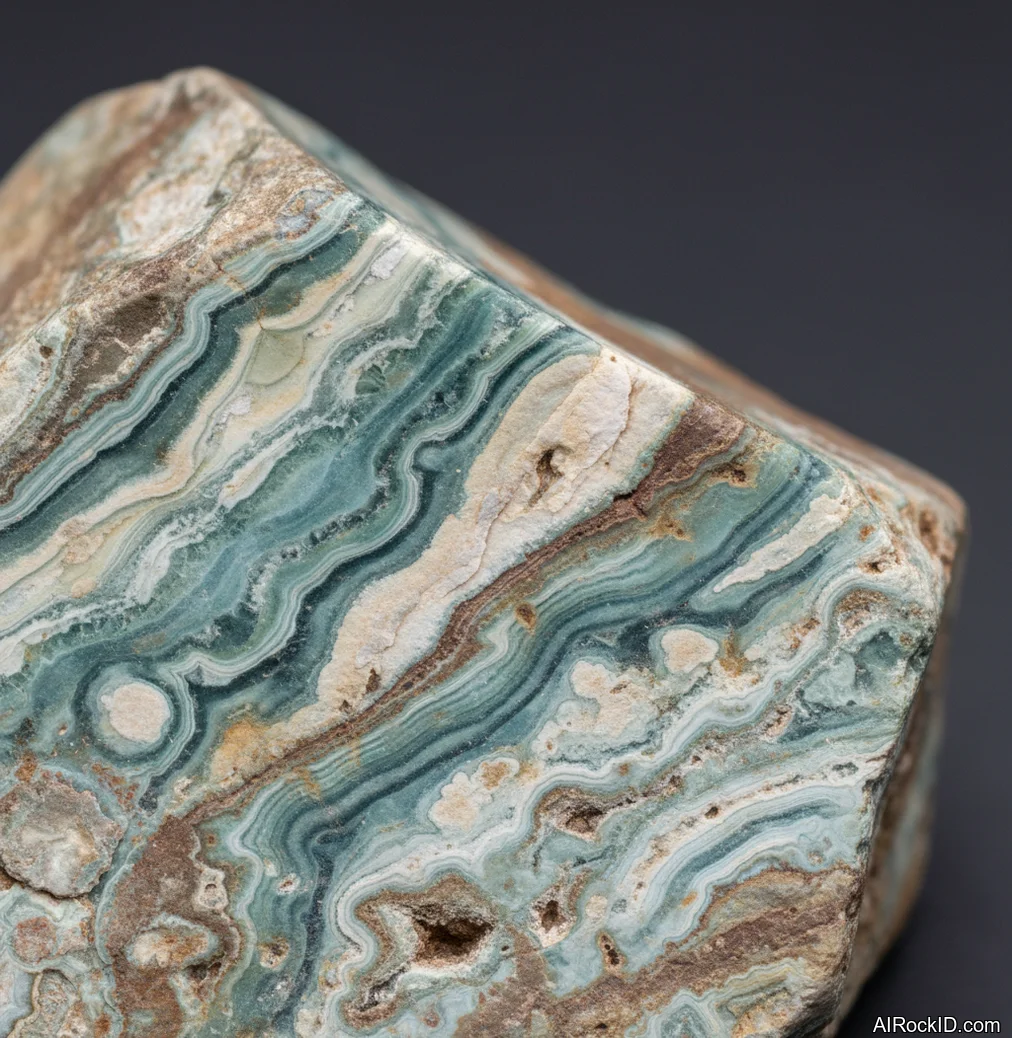
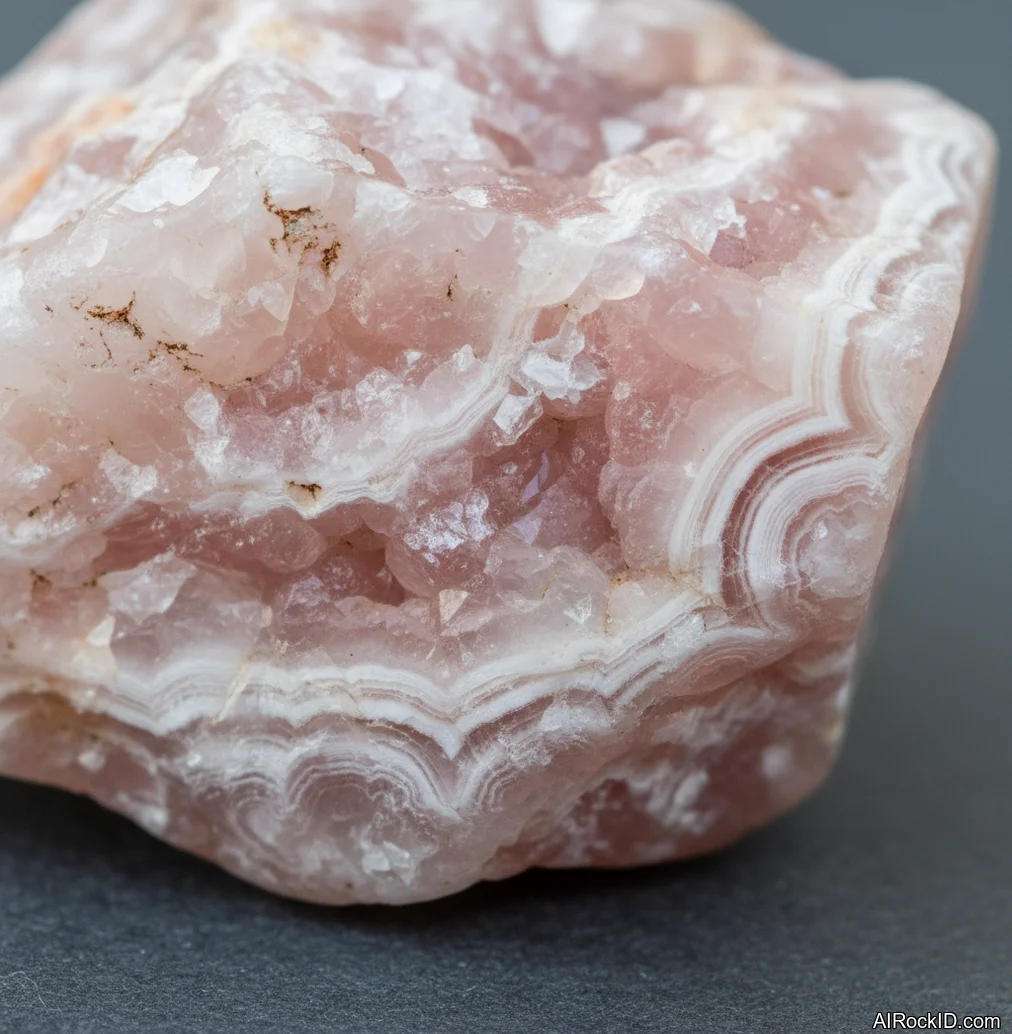
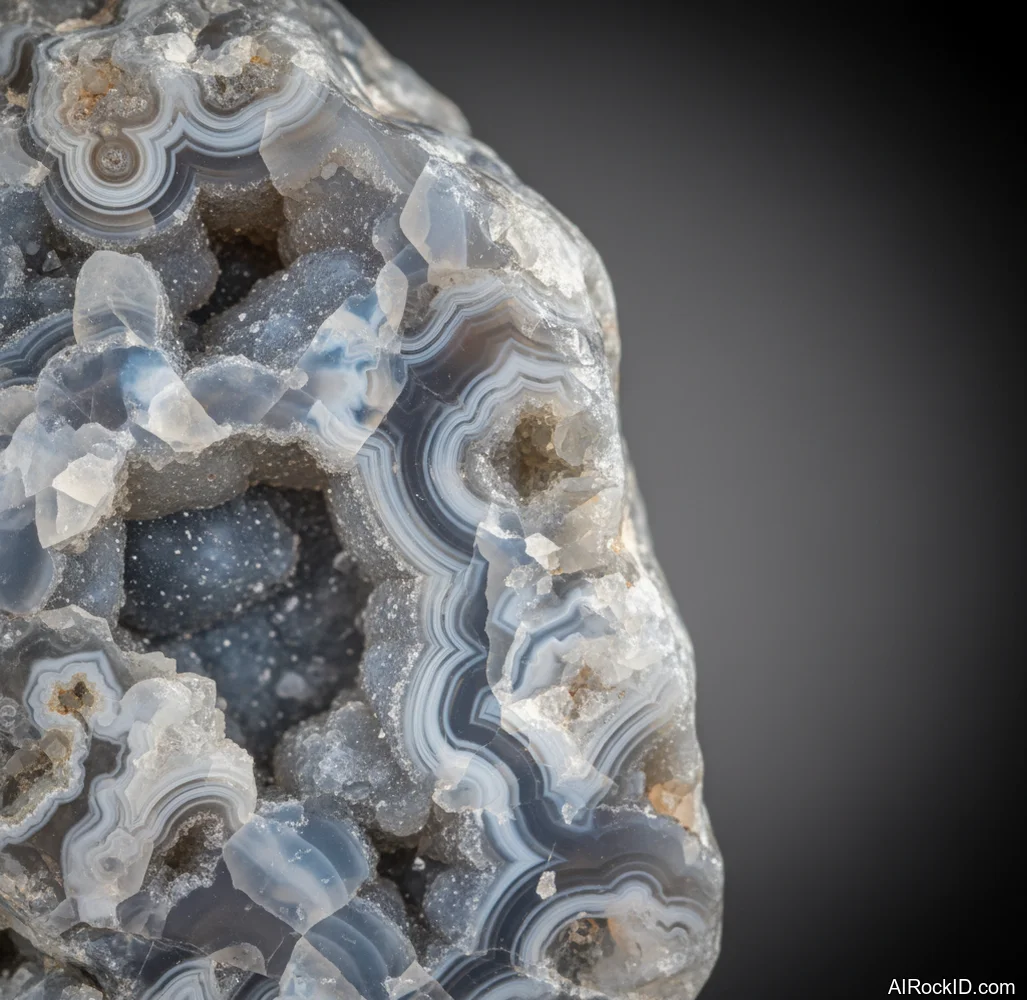
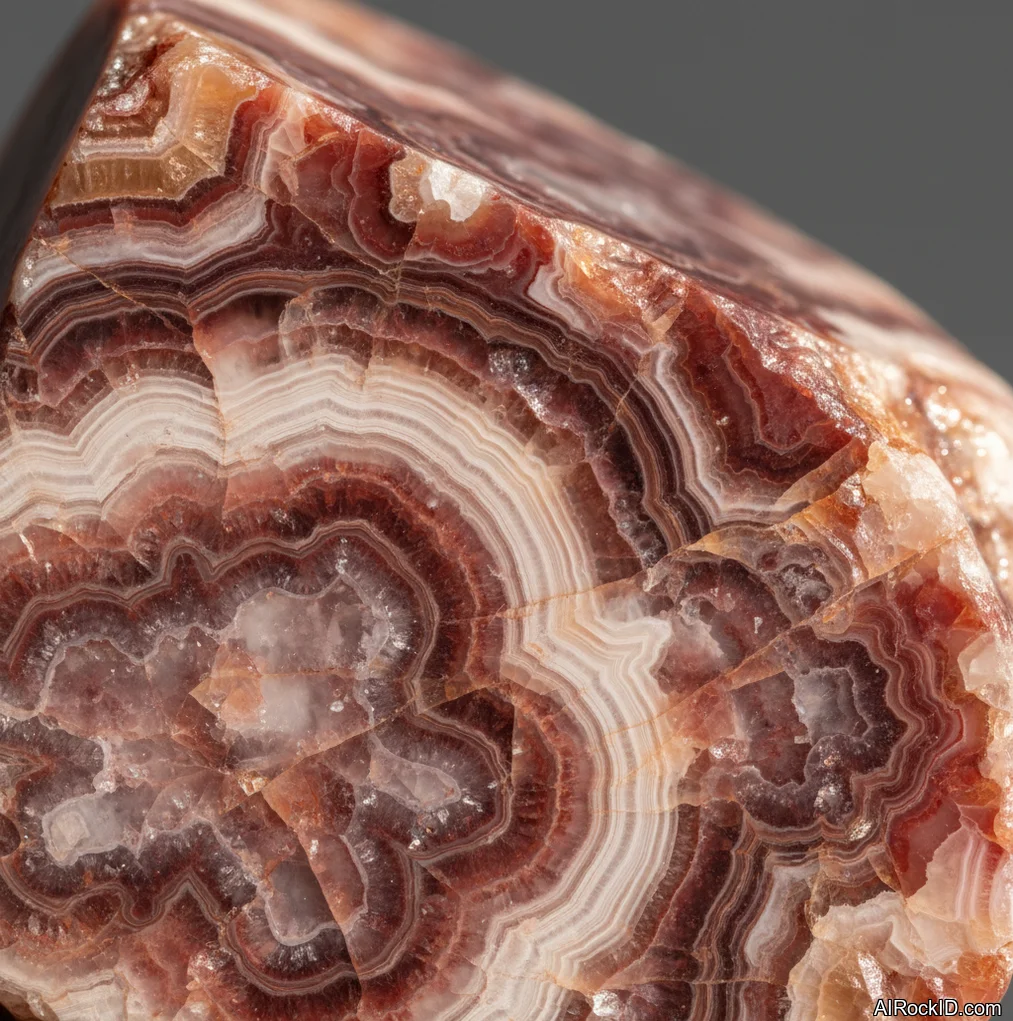
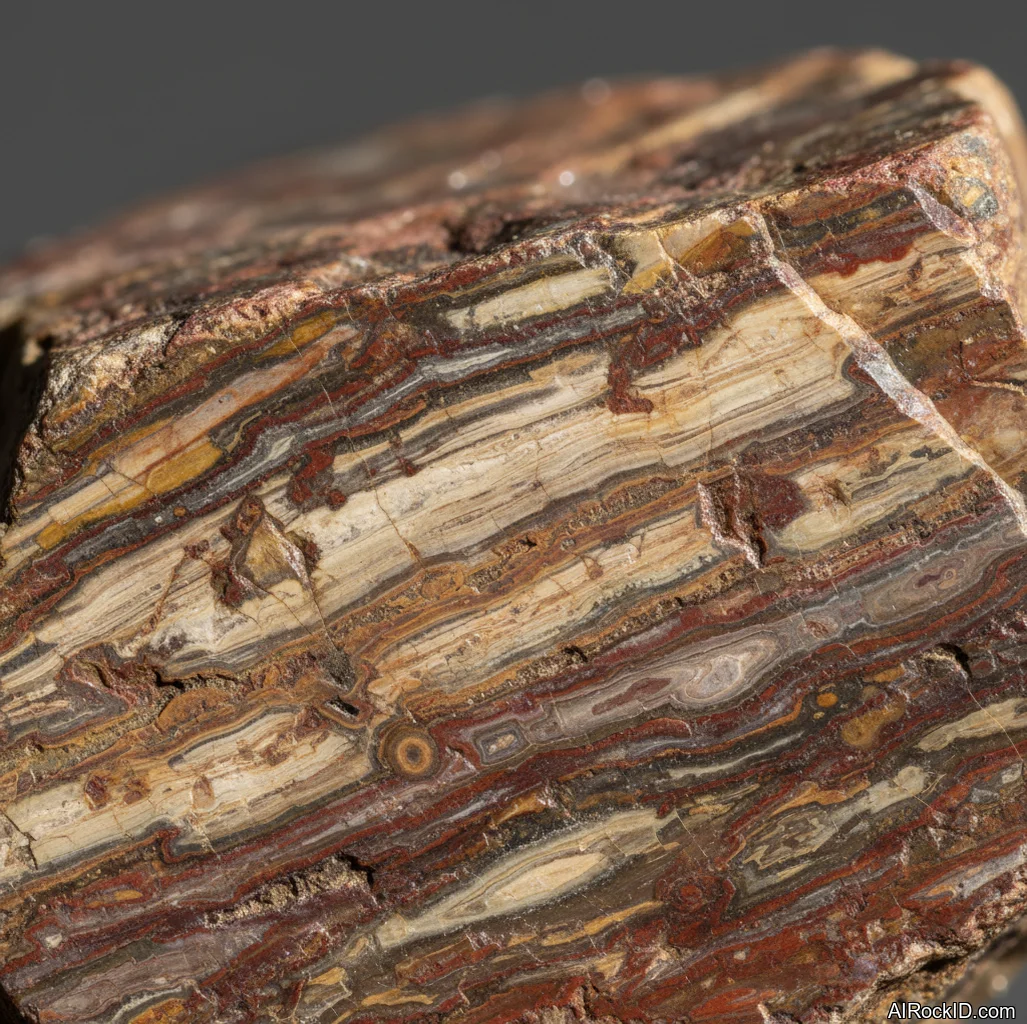
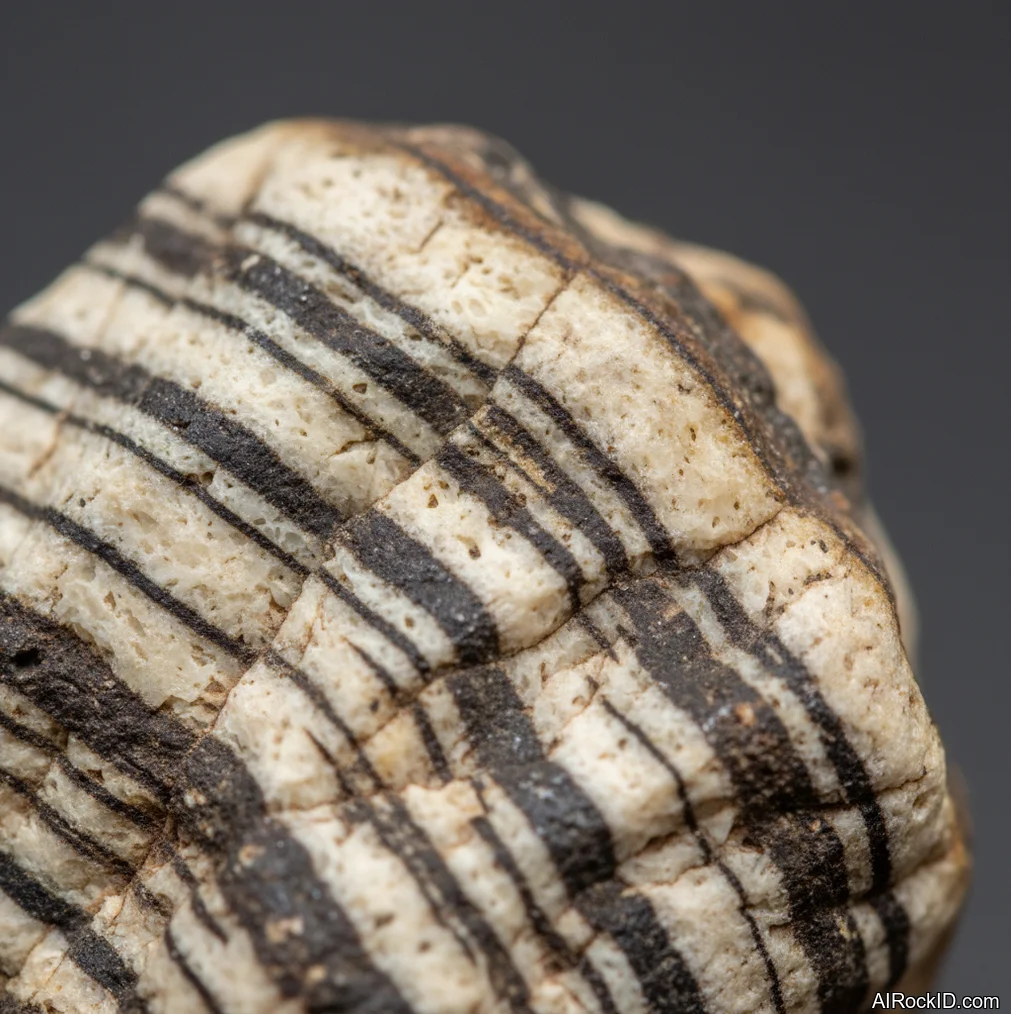
Trust, when it comes to crystals, isn't just about wanting to believe in something or someone. It's the solid ground under your feet when everything else feels like shifting sand. You're looking for crystals that give you that steady, anchored feeling—stones that have weight, coolness, and sometimes a banded or cloudy look that pulls your mind out of a spiral. Blue Lace Agate is a prime example. It feels smooth, almost waxy, and when you hold a piece in your palm, it's like pressing pause on a nervous thought. The banding in Blue Lace Agate looks like sky streaks or smoke trapped in rock, and collectors often mention how the color alone seems to slow breathing. People reach for trust crystals during transition points: after a breakup, while rebuilding self-confidence, or when trying to stop second-guessing every decision. Sometimes, the simple act of rolling a tumbled stone in your hand is enough to cut through mental noise and remind you to stay honest with yourself.
Types of Trust Crystals: Self-Trust vs. Relational Trust
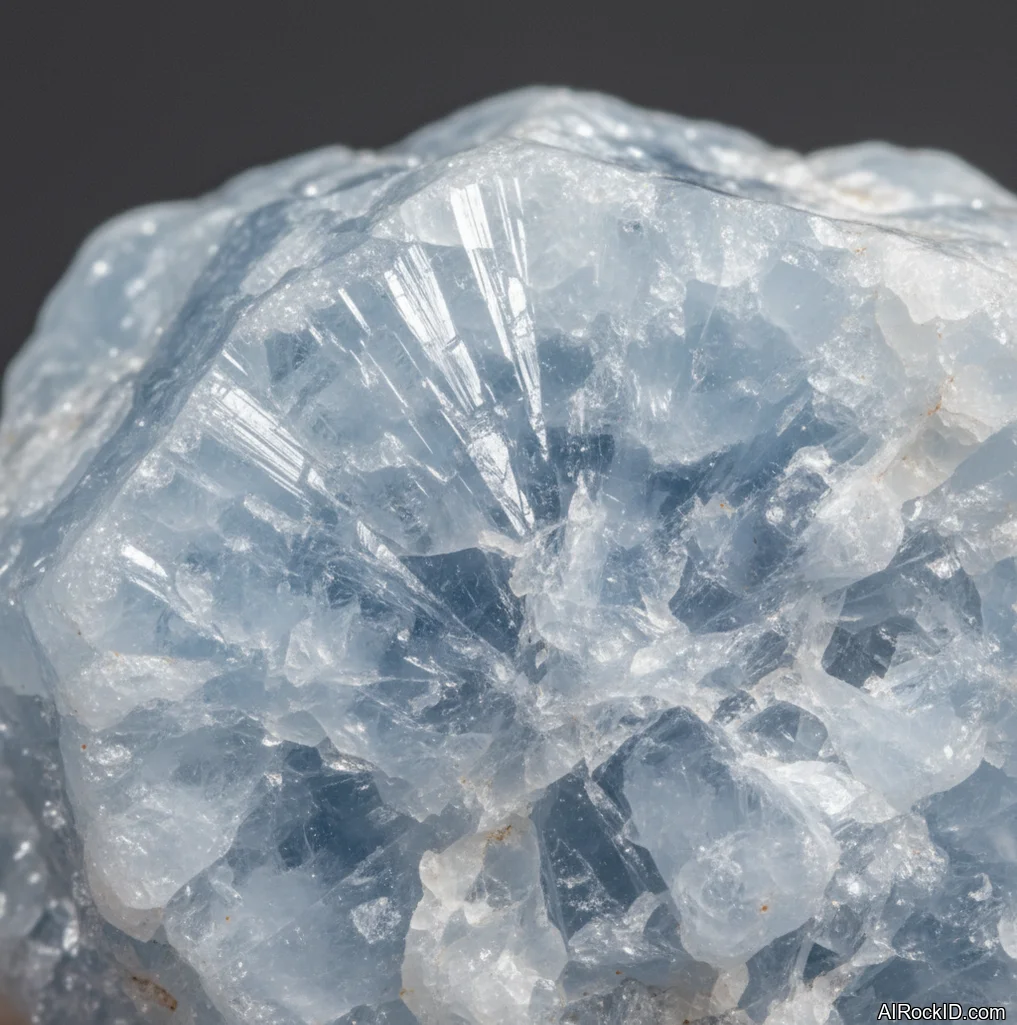
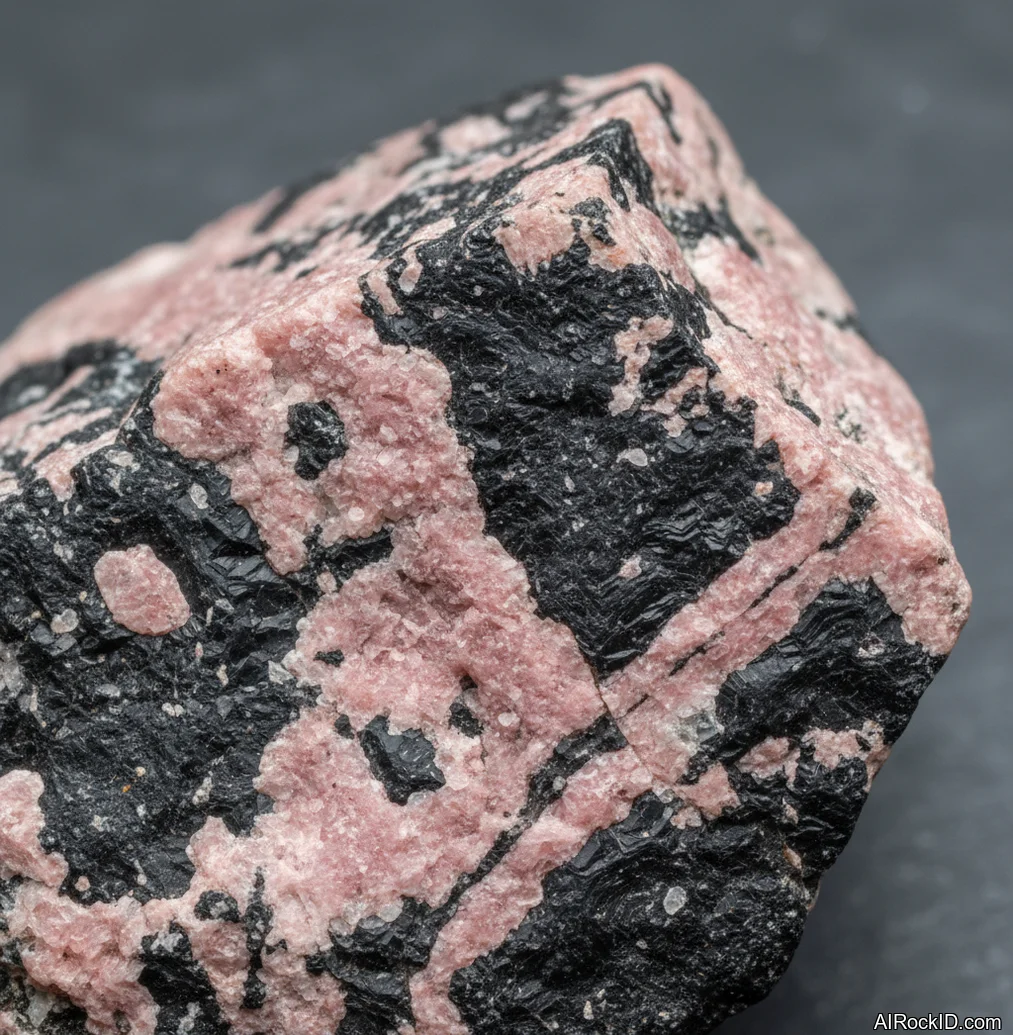
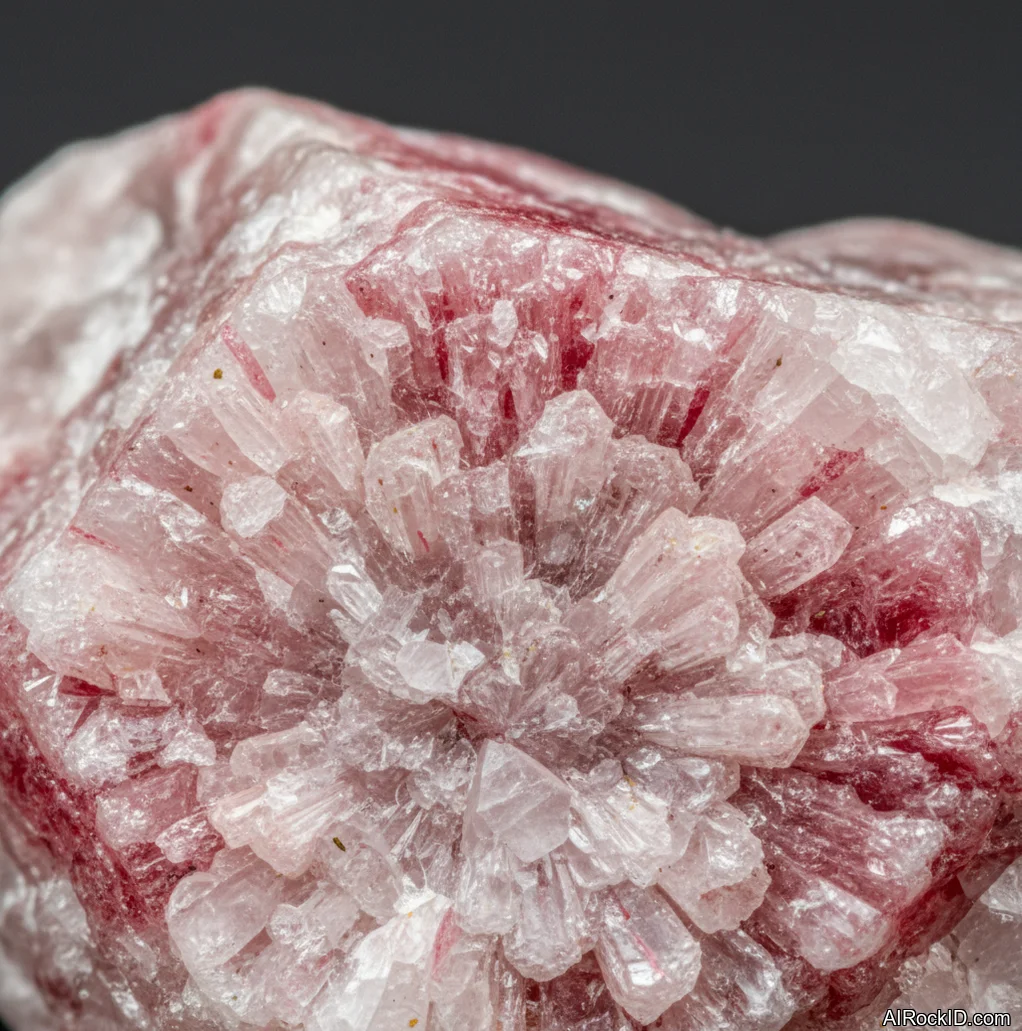
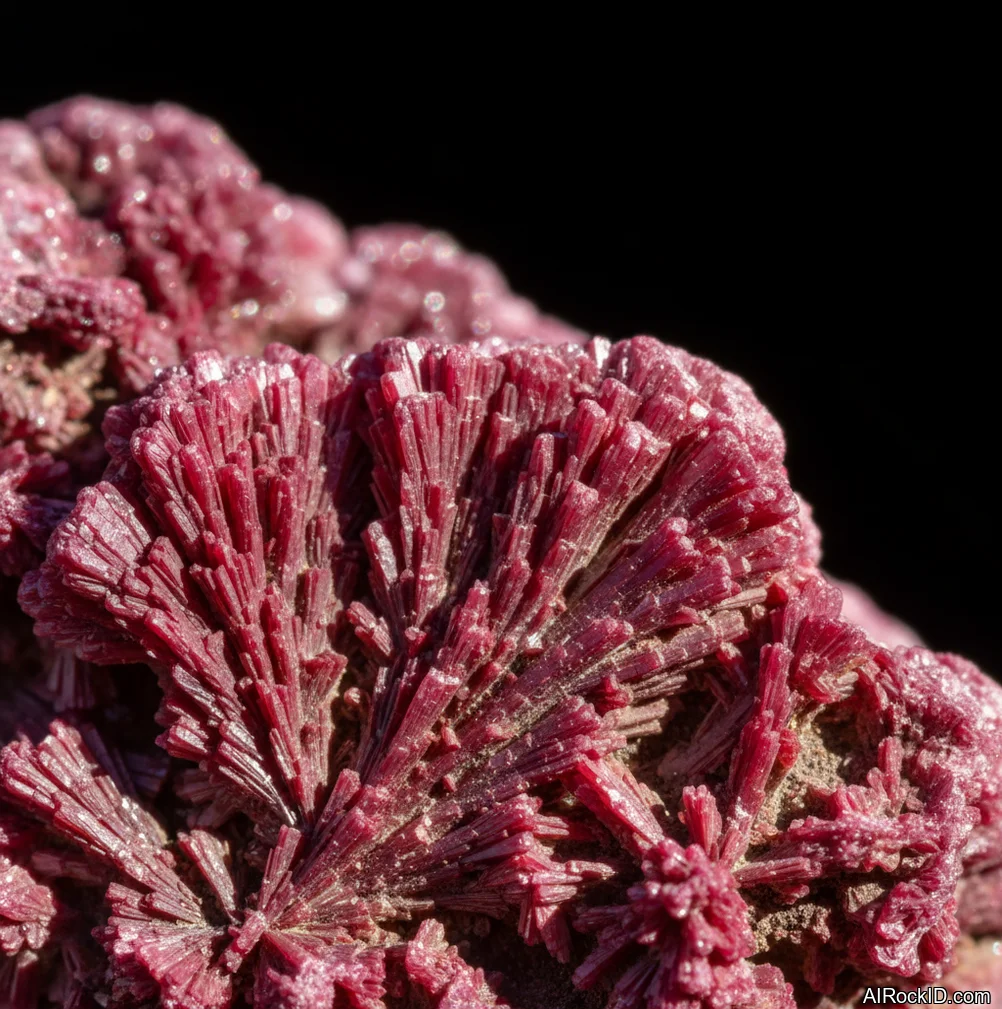
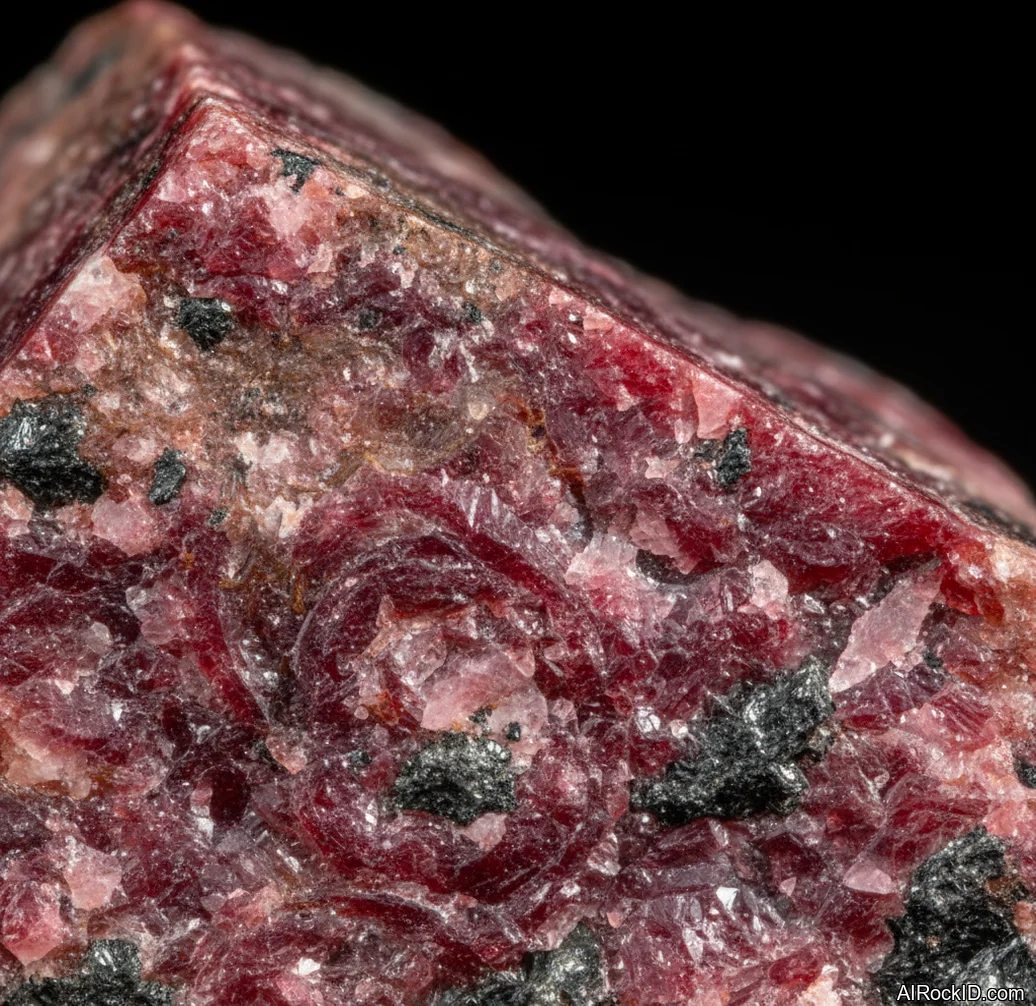
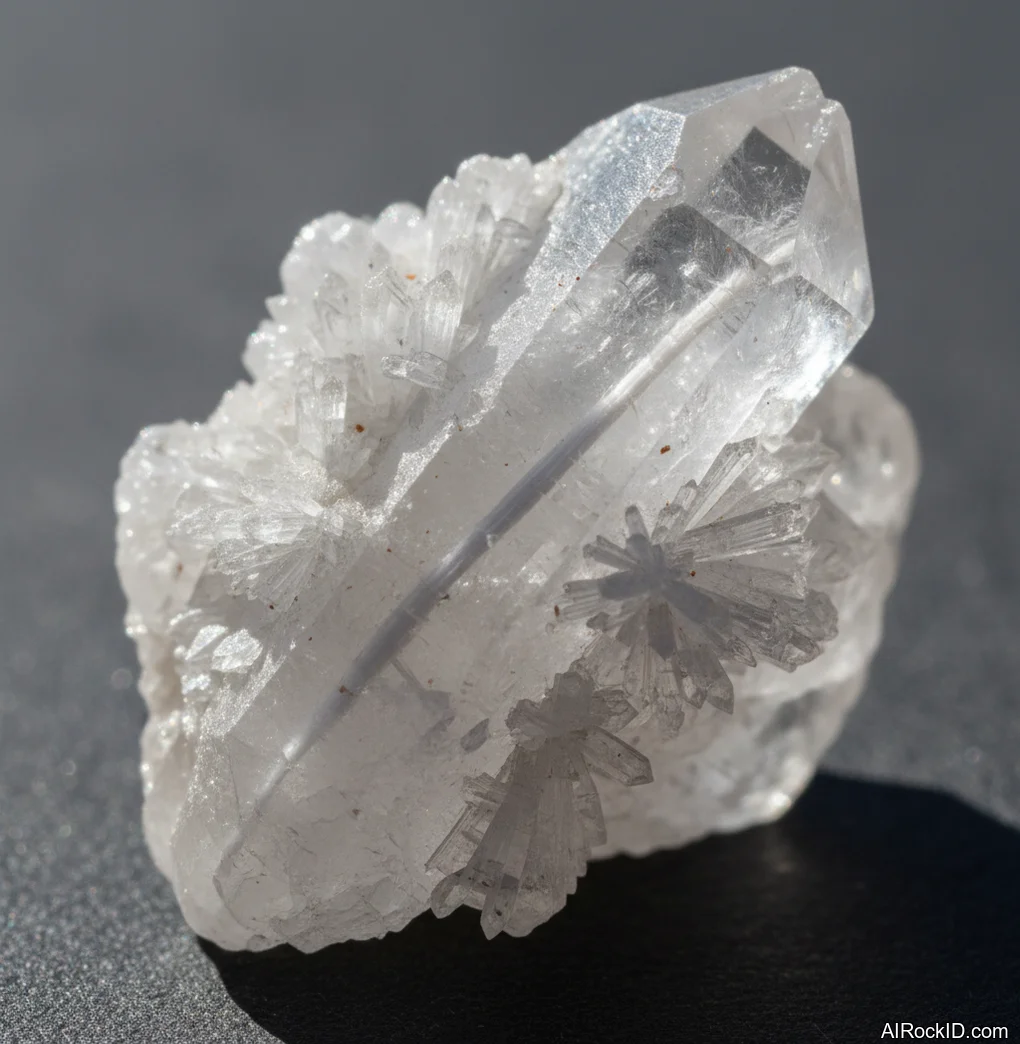
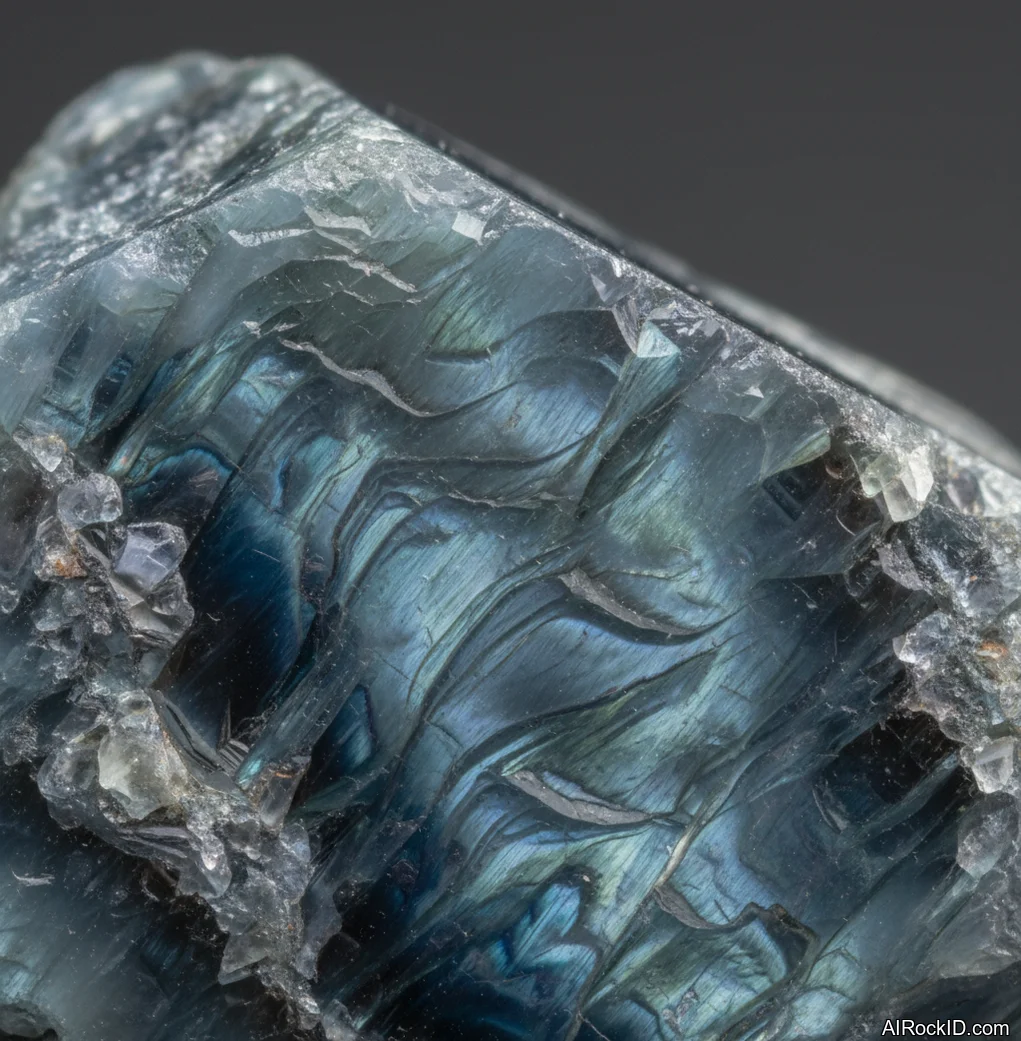
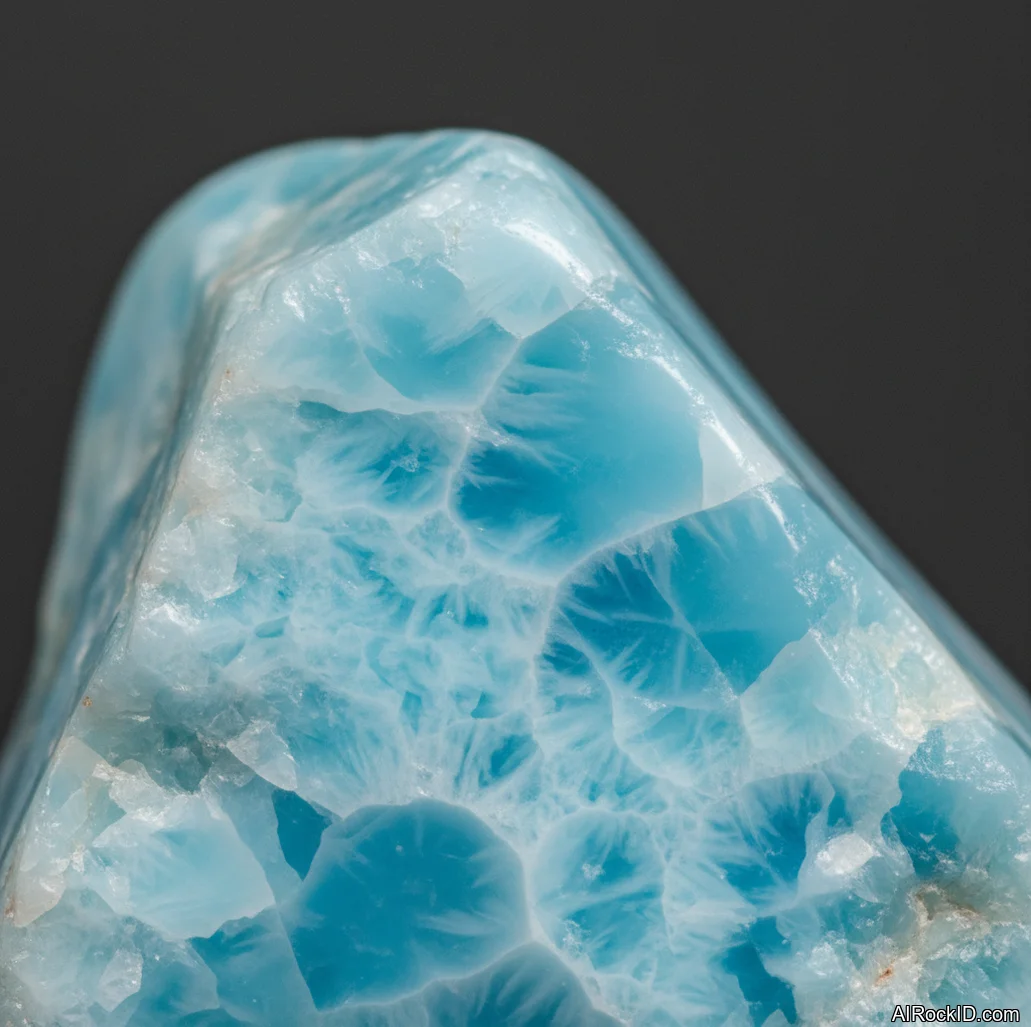
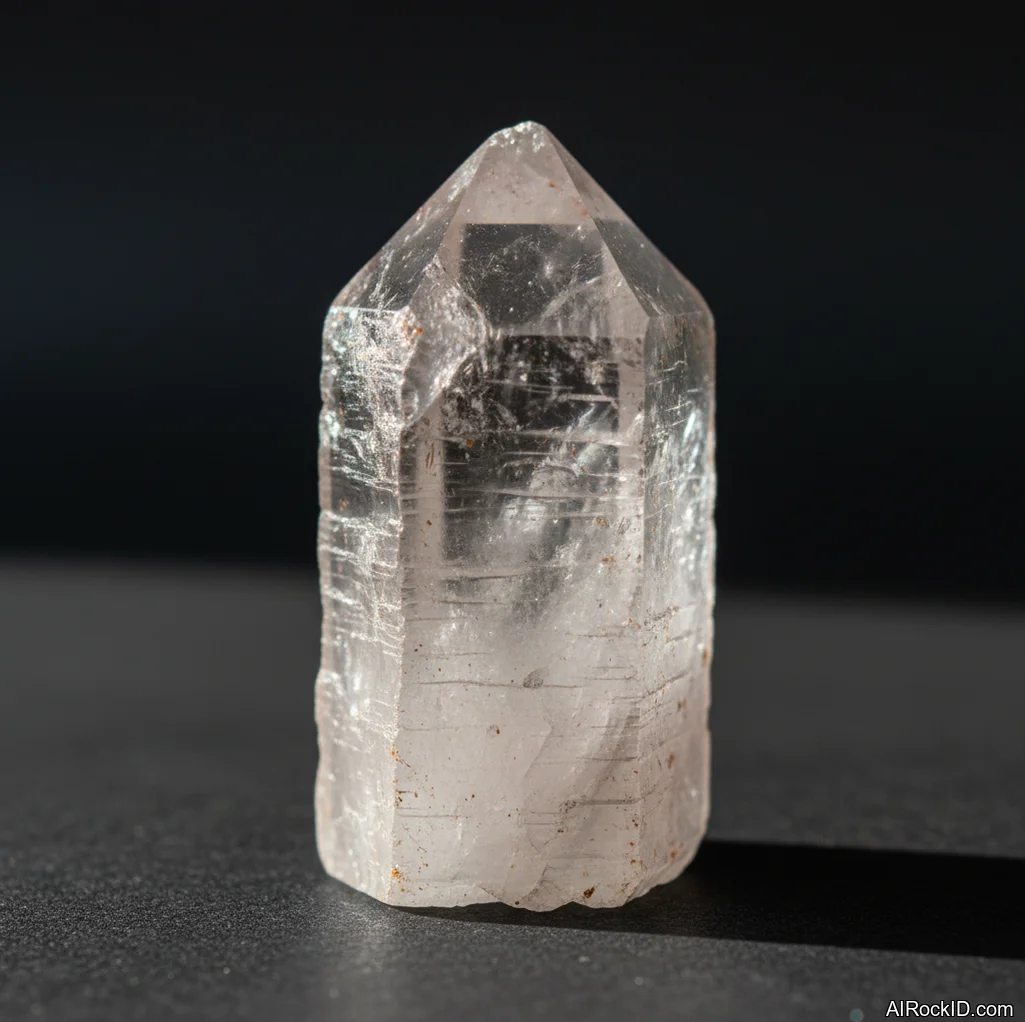
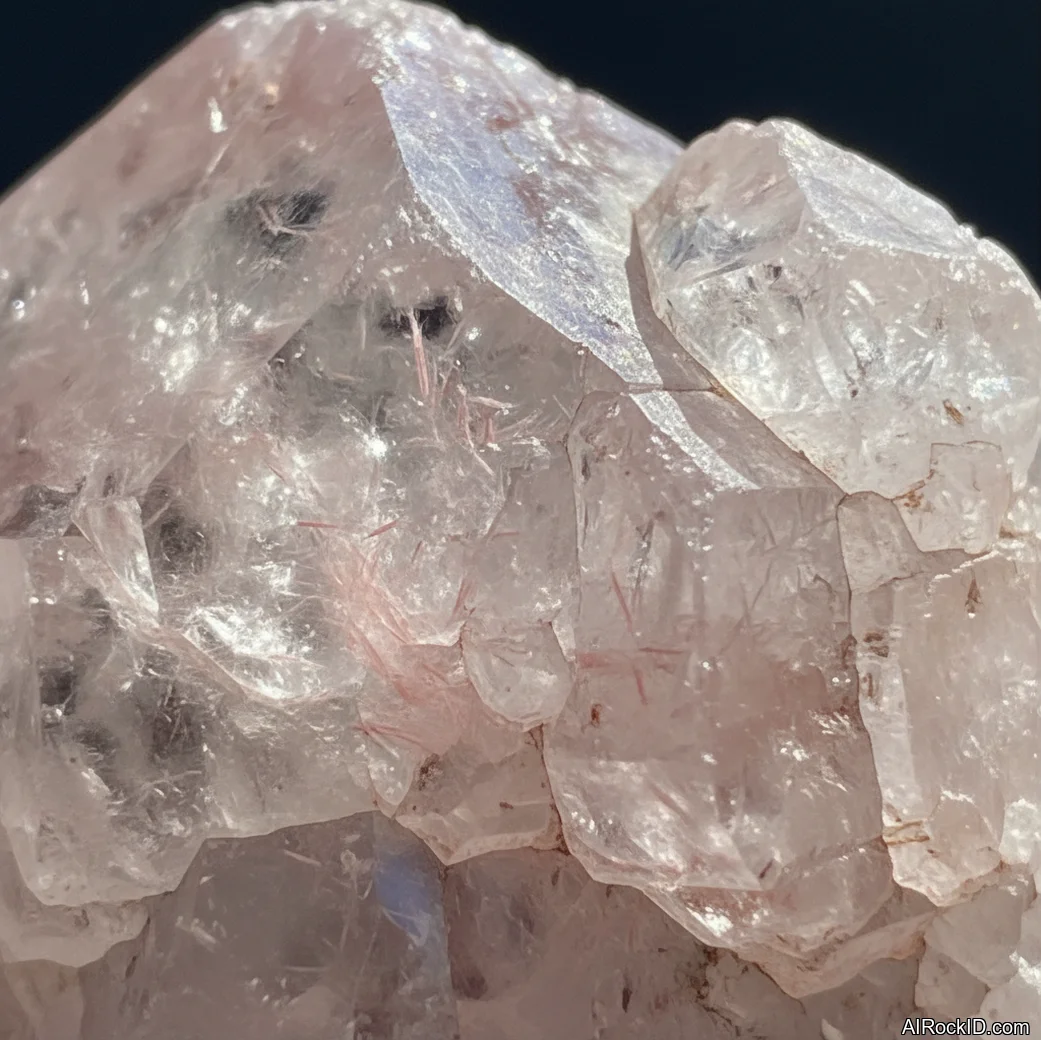
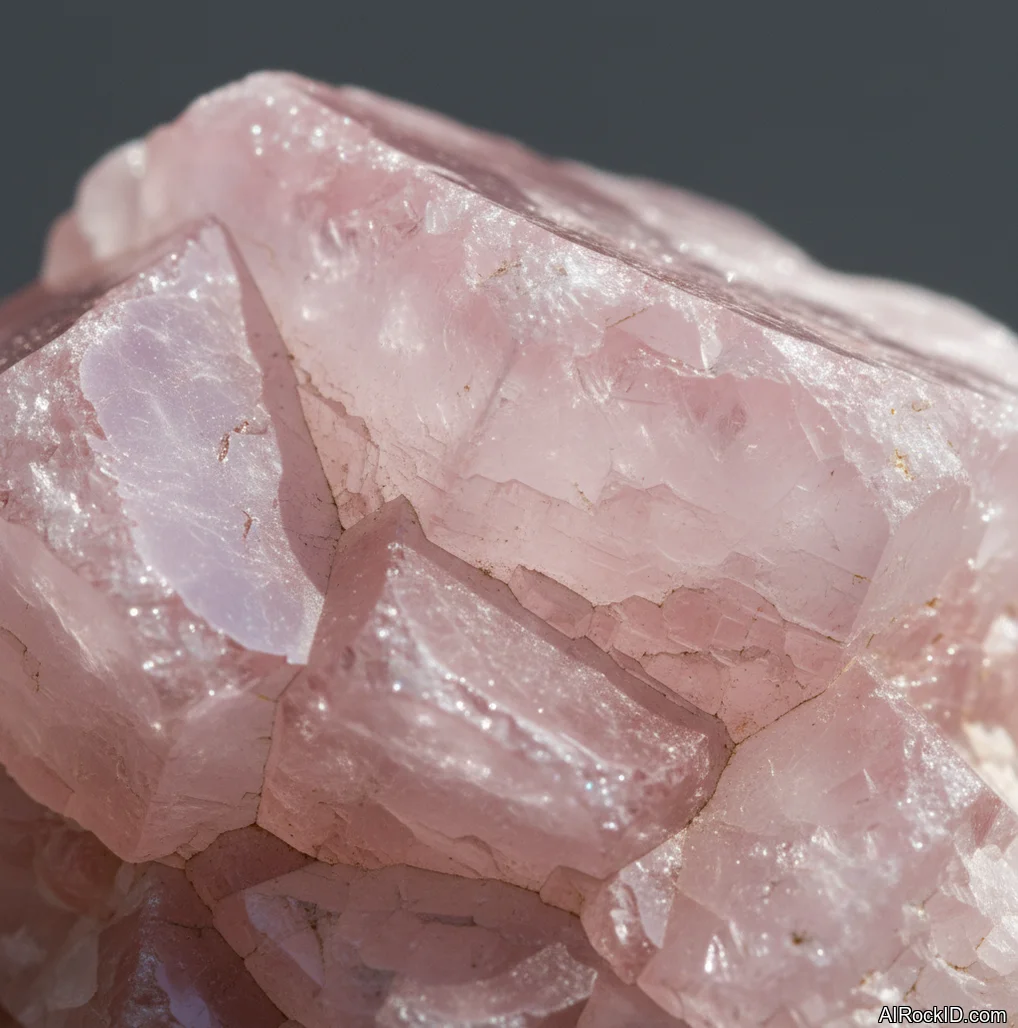
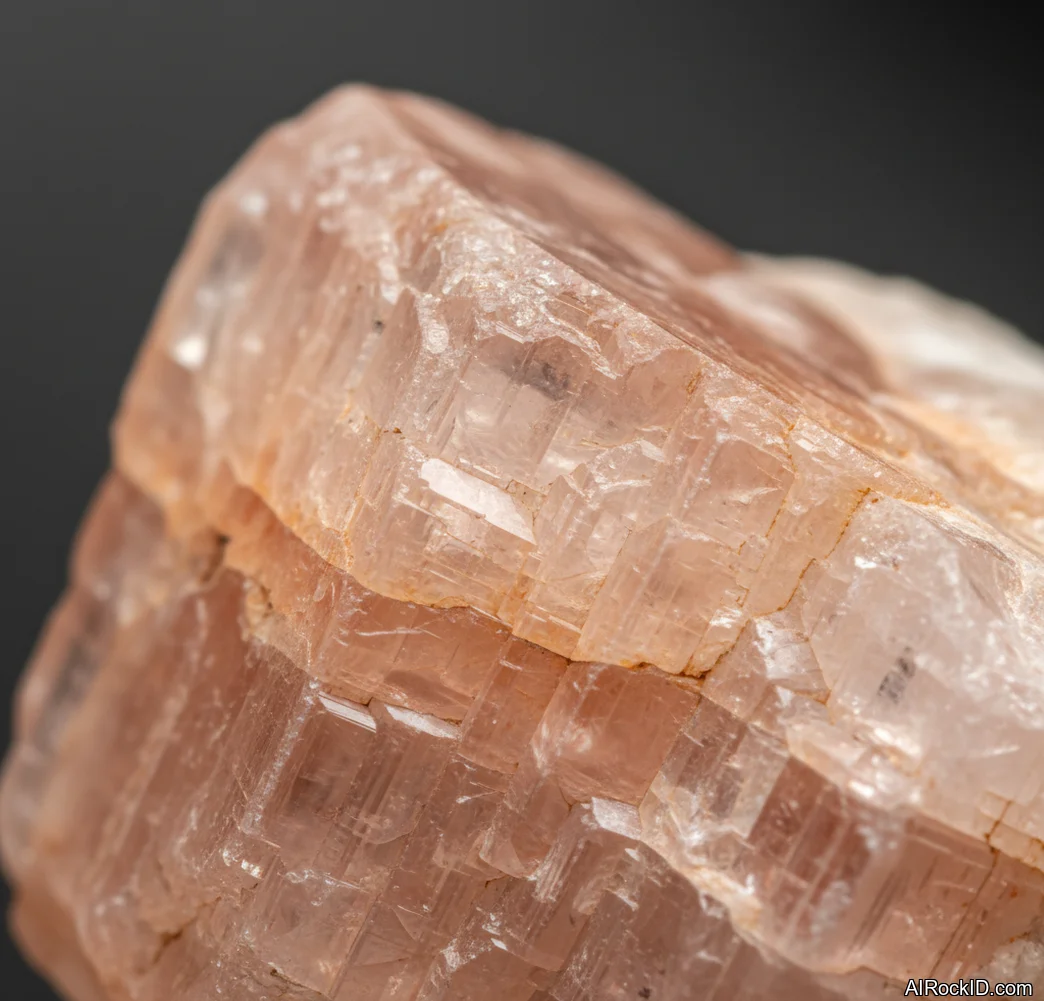
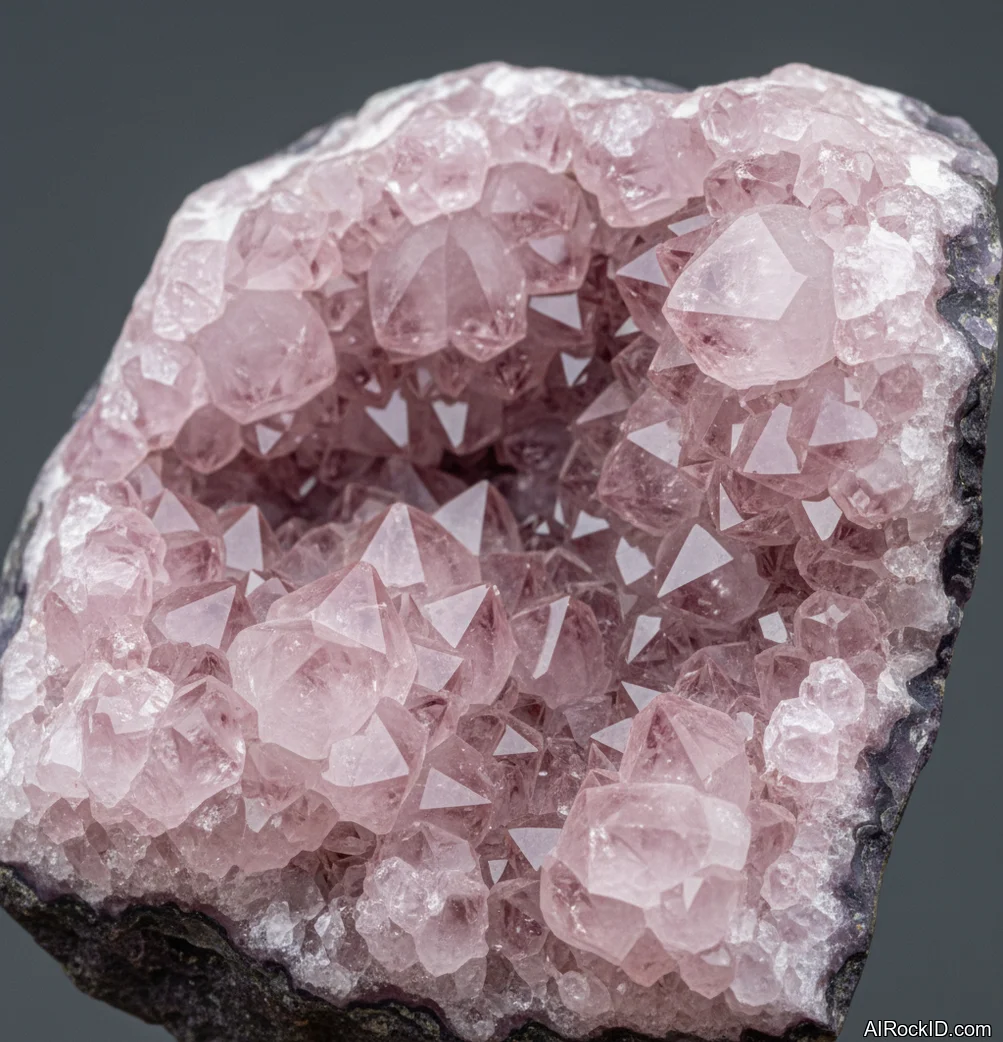
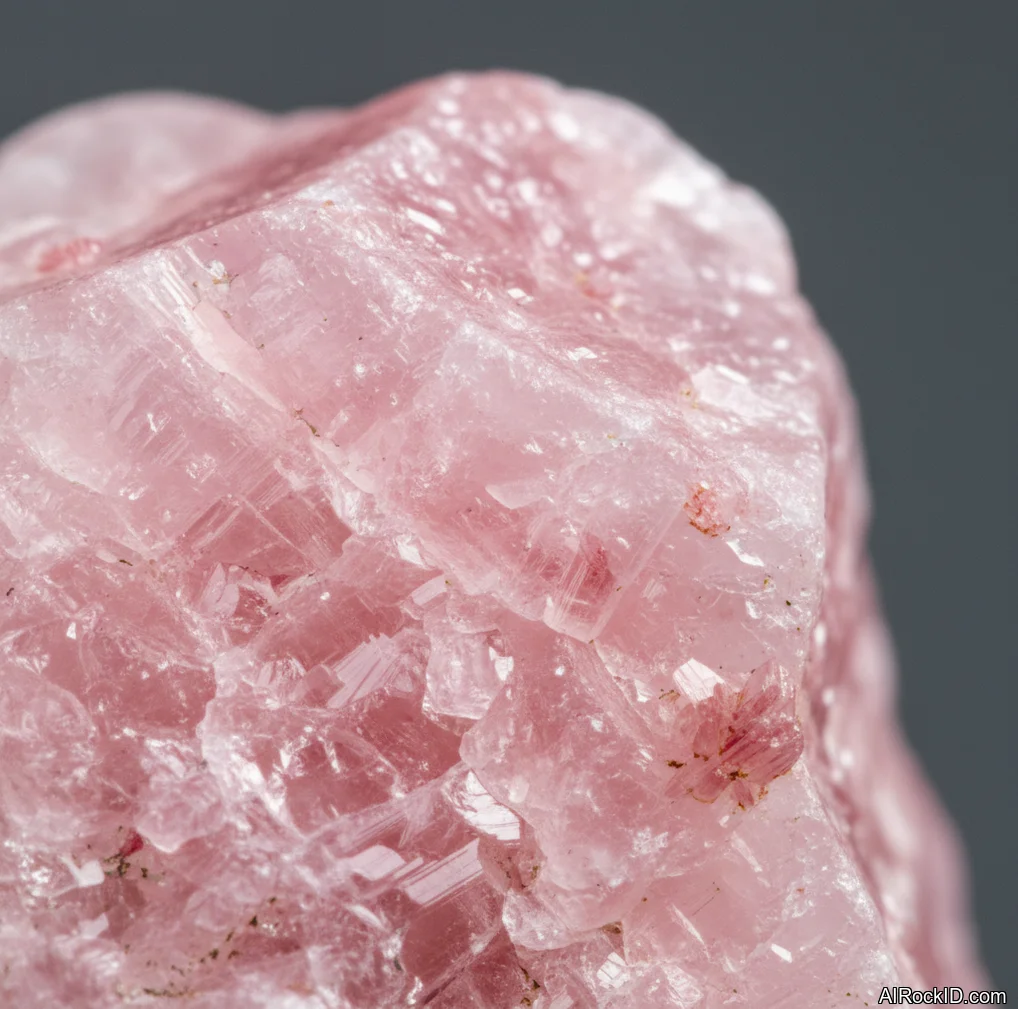
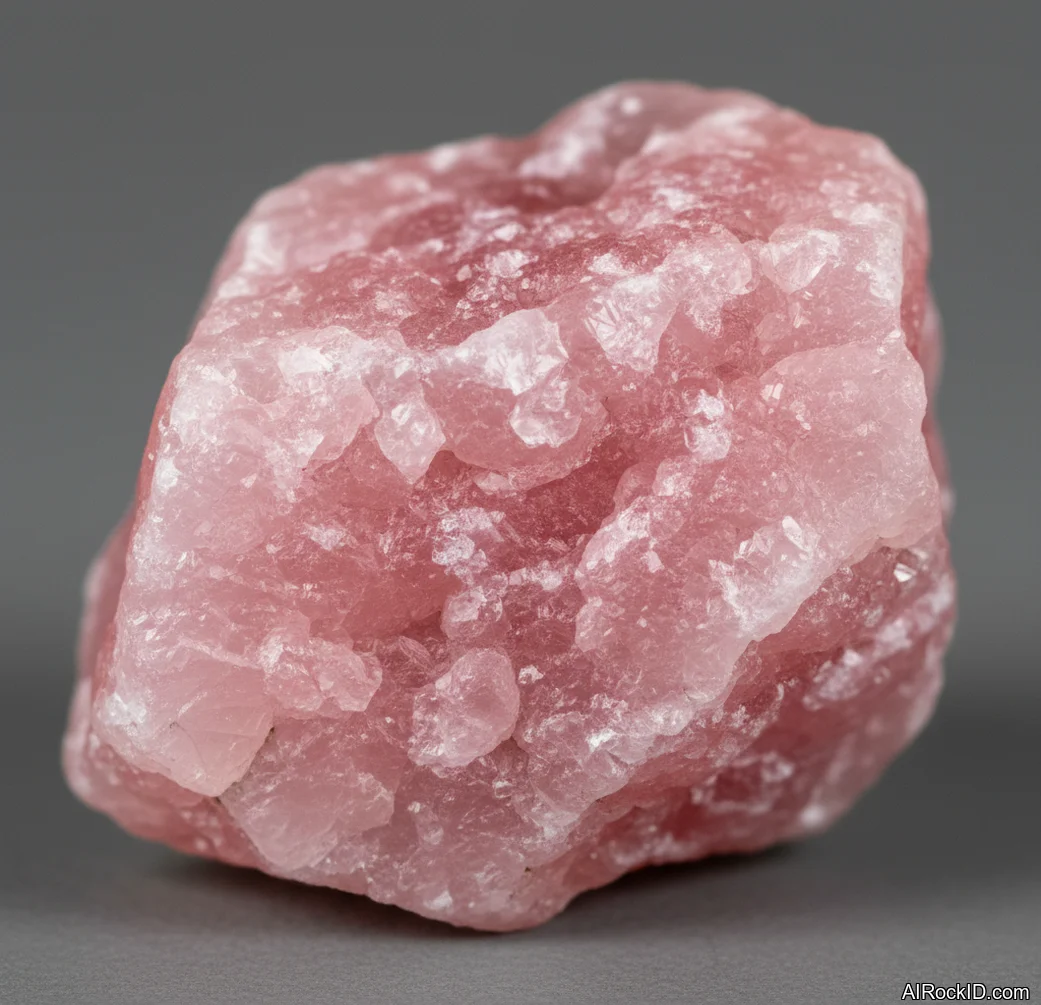
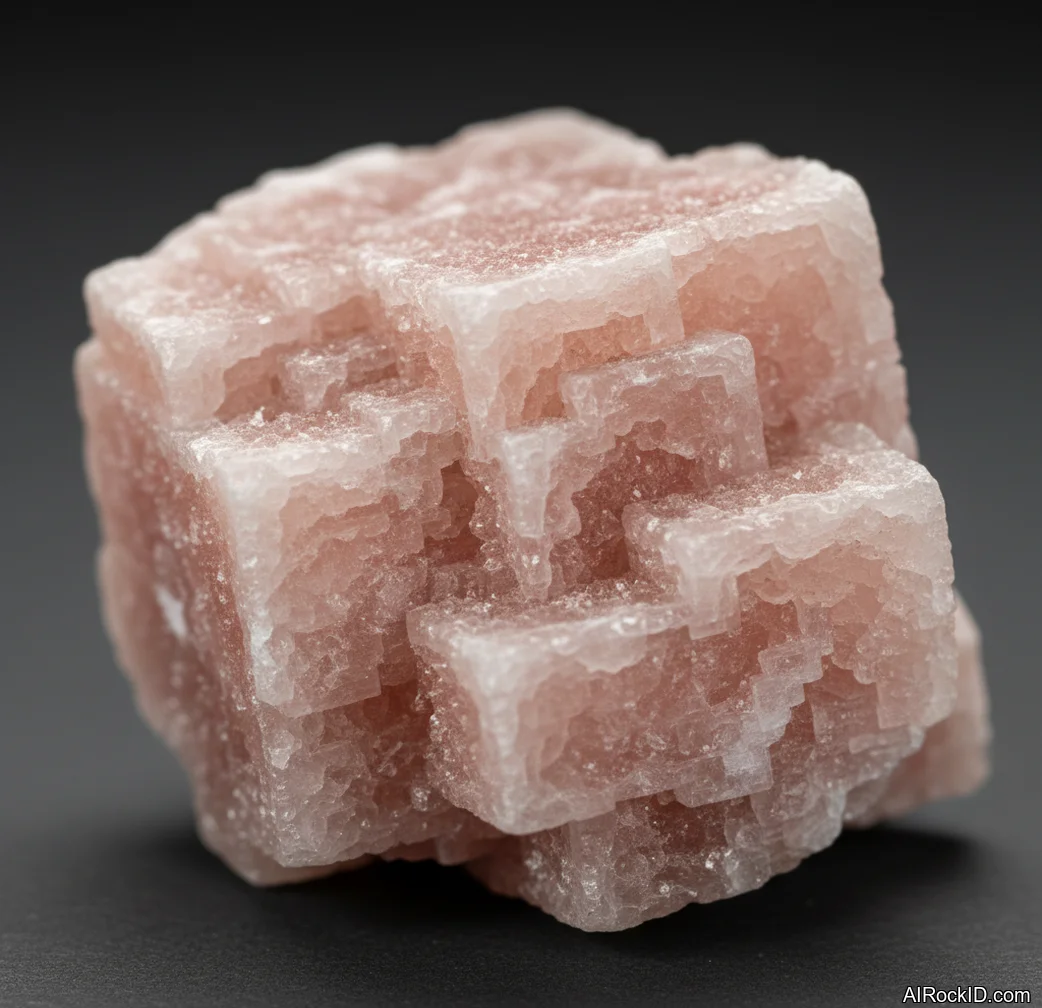
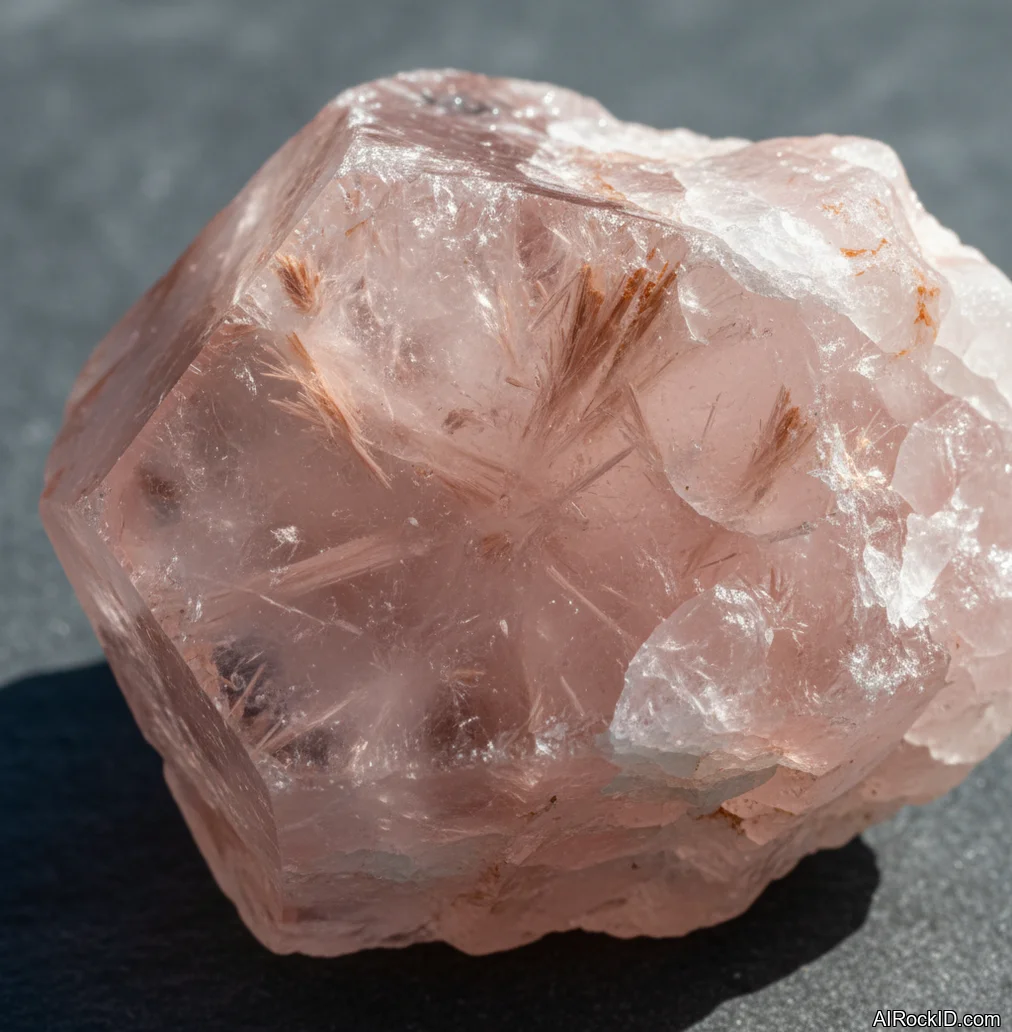
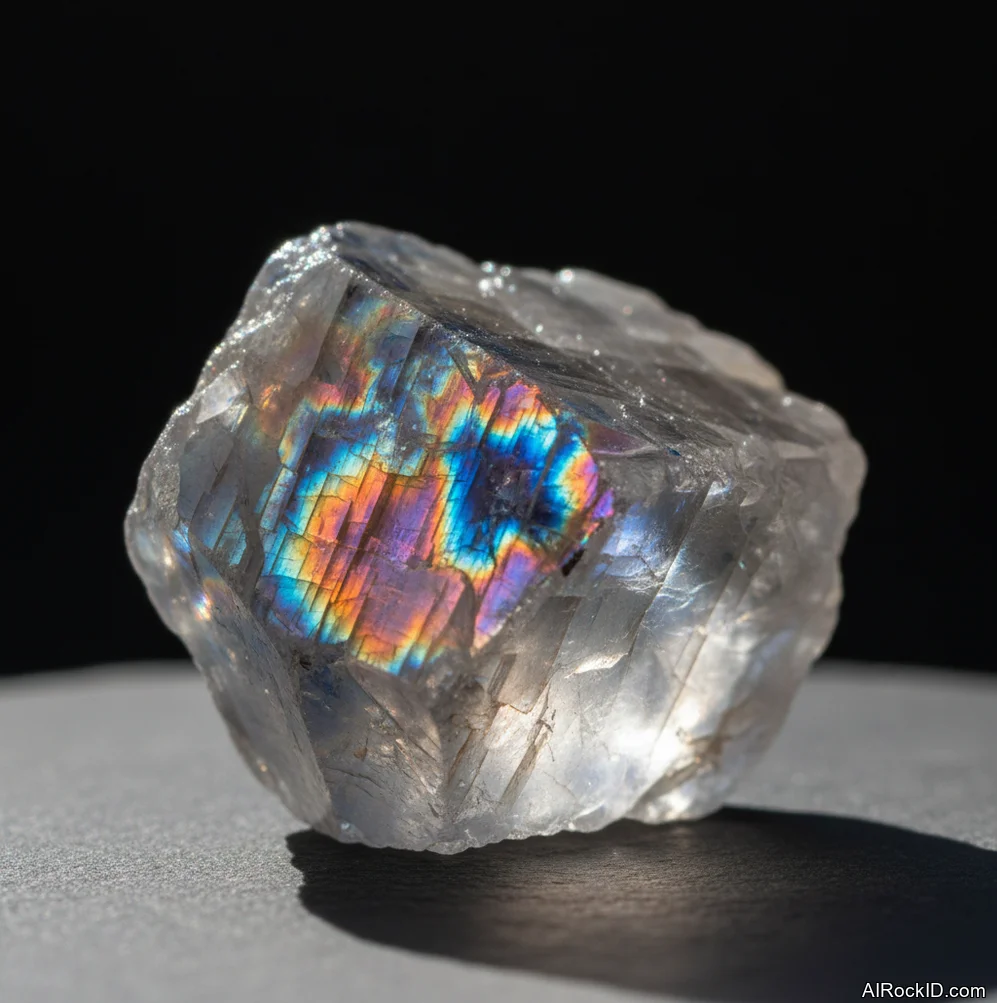
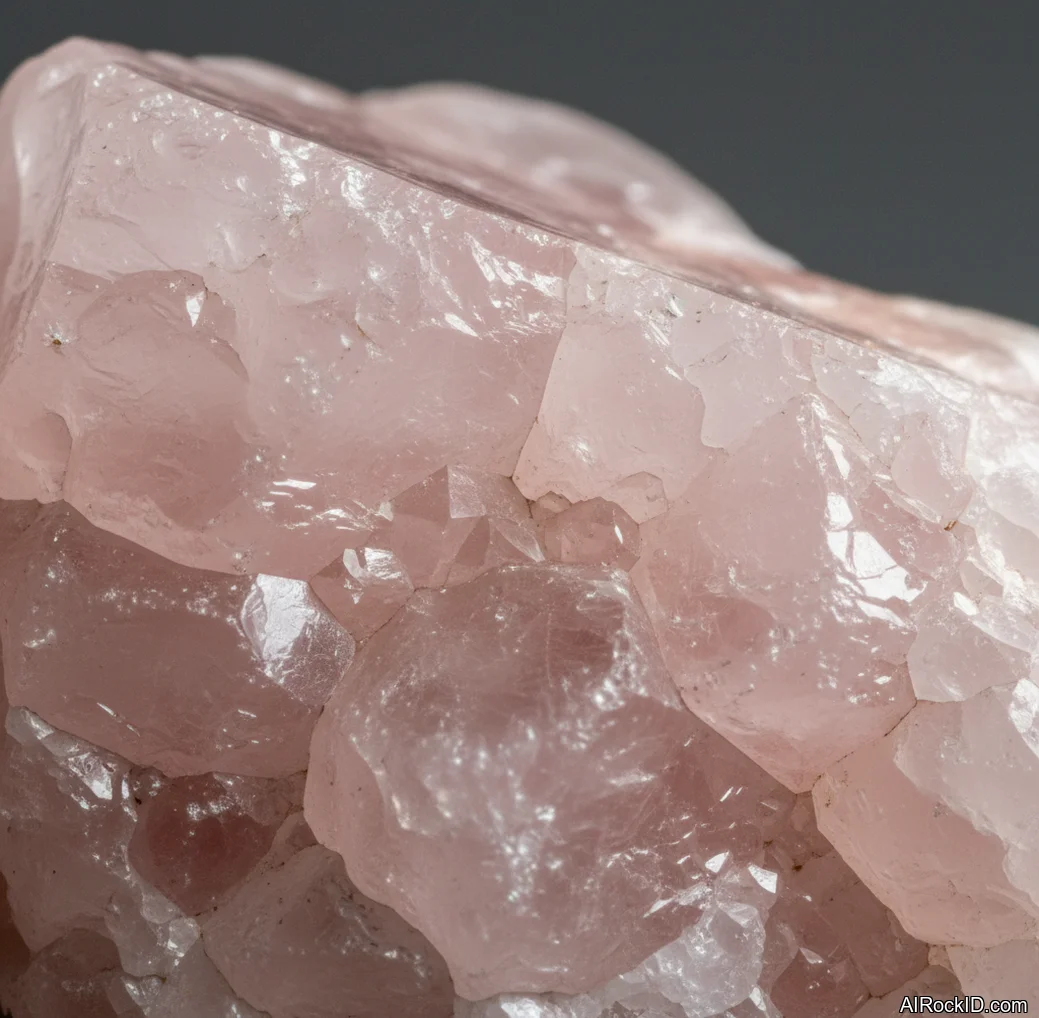
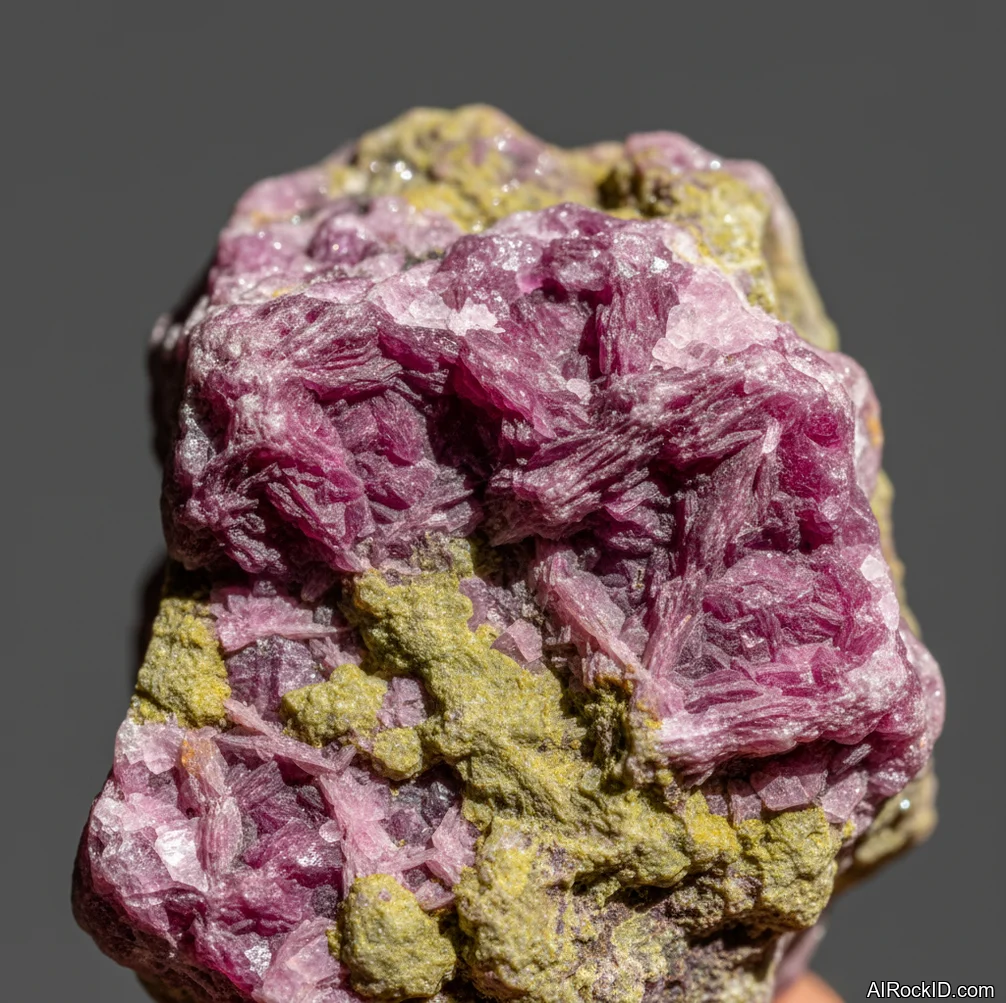
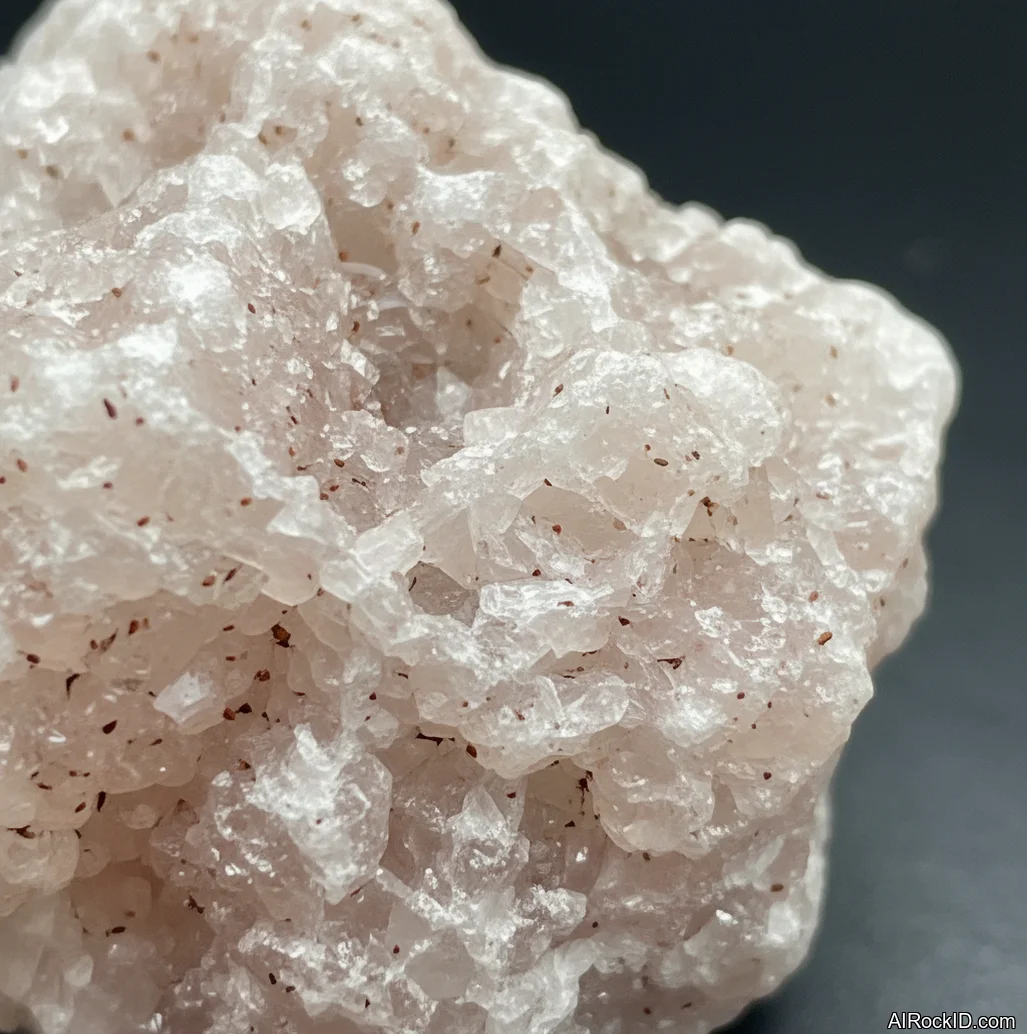
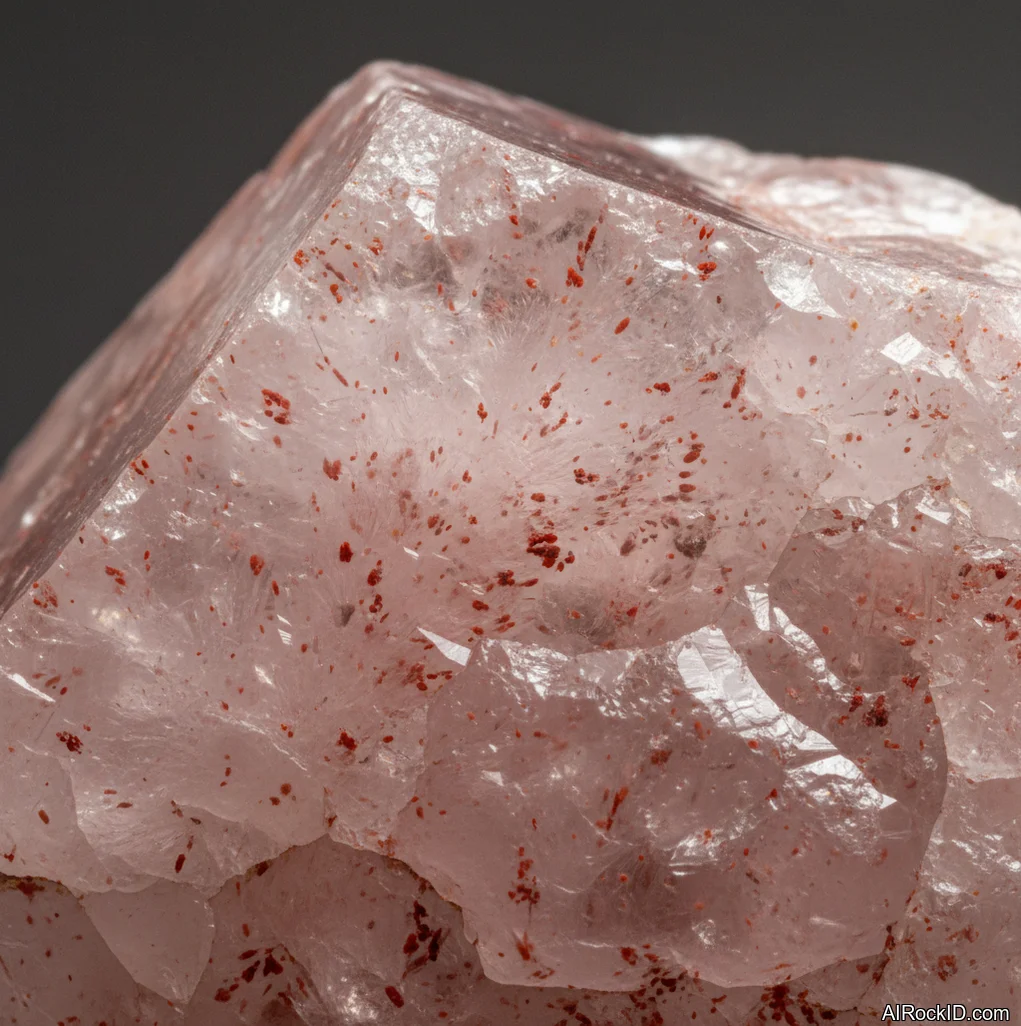
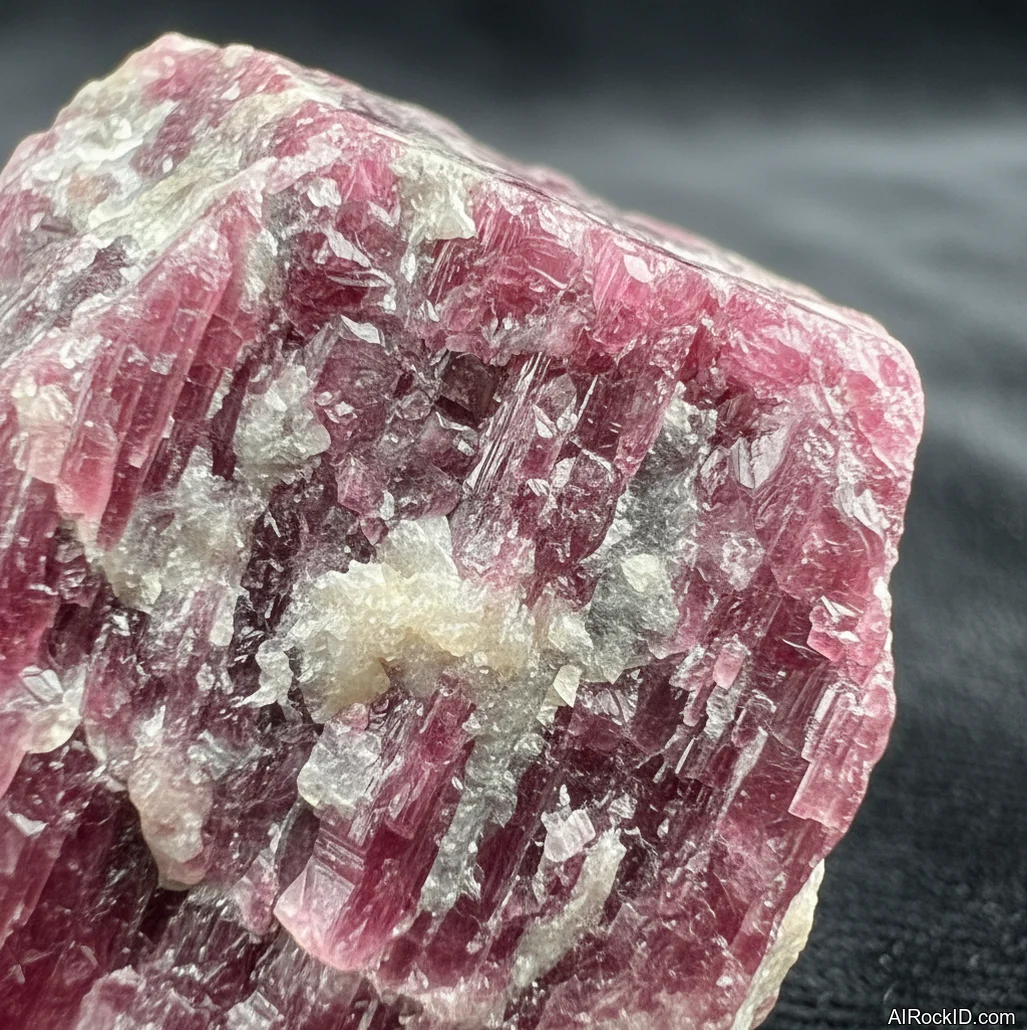
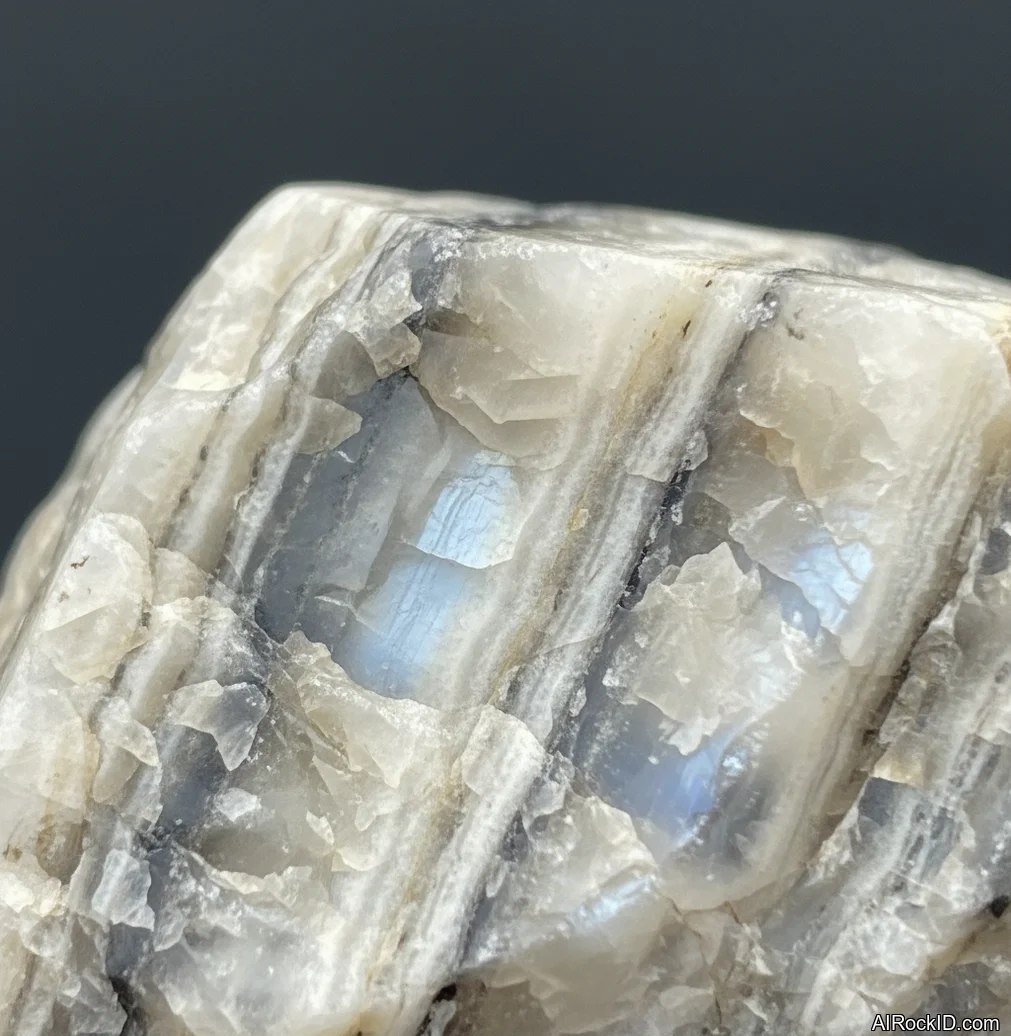
The trust category in crystal collecting usually splits into two lanes: self-trust and trust in others. If you're after self-trust, you're looking at stones like Moonstone, Labradorite, and sometimes Amazonite. These don't coddle. Labradorite is a good example—when you tilt it under a lamp, the flash goes from blue to green to gold, then disappears. That shifting light feels like getting a sudden, clear answer from your gut, just long enough to act before doubt creeps in. On the other hand, if you're working on trust in relationships, softer stones come up: Rose Quartz, Rhodonite, Aquamarine, and Celestite. Rose Quartz in rough form has a cloudy, almost milky body with little ice-like fractures that catch sunlight. Good Madagascar pieces are deeper pink, while Brazilian ones look paler and more frosted. These are the stones people put under their pillow after a fight or keep on their desk as a reminder to trust, but not to forget their own boundaries. The texture, the way light bounces inside, and even the sound when you tap a piece on glass—these are all clues real collectors tune into.
Choosing and Working with Trust Crystals: What Collectors Notice
Pick up a dozen pieces of Blue Lace Agate and you'll get why not all trust crystals are equal. Some are chalky, too faded, or have rough edges from cheap tumbling. The best ones are cool and hefty for their size, with pale blue bands and almost no dye smell. Labradorite, meanwhile, can fool you with a dull gray chunk until you hit the right angle and the labradorescence jumps out. These flashes aren't just pretty—they're why people use labradorite for self-trust. It's about catching the truth for a moment, then letting it go. With Rose Quartz, look for pieces with a cloudy core and a solid weight. Light, glassy fakes show up at bead shows and usually feel warmer in the hand. When you're working with these stones, it's not just about holding them. Some tape a cabochon to their wrist, others put a palm stone under the mattress. A collector trick: keep your trust stones out of sunlight, especially celestite and rose quartz, or the color washes out in a few months.
Common Trust Crystal Pitfalls and How to Avoid Them
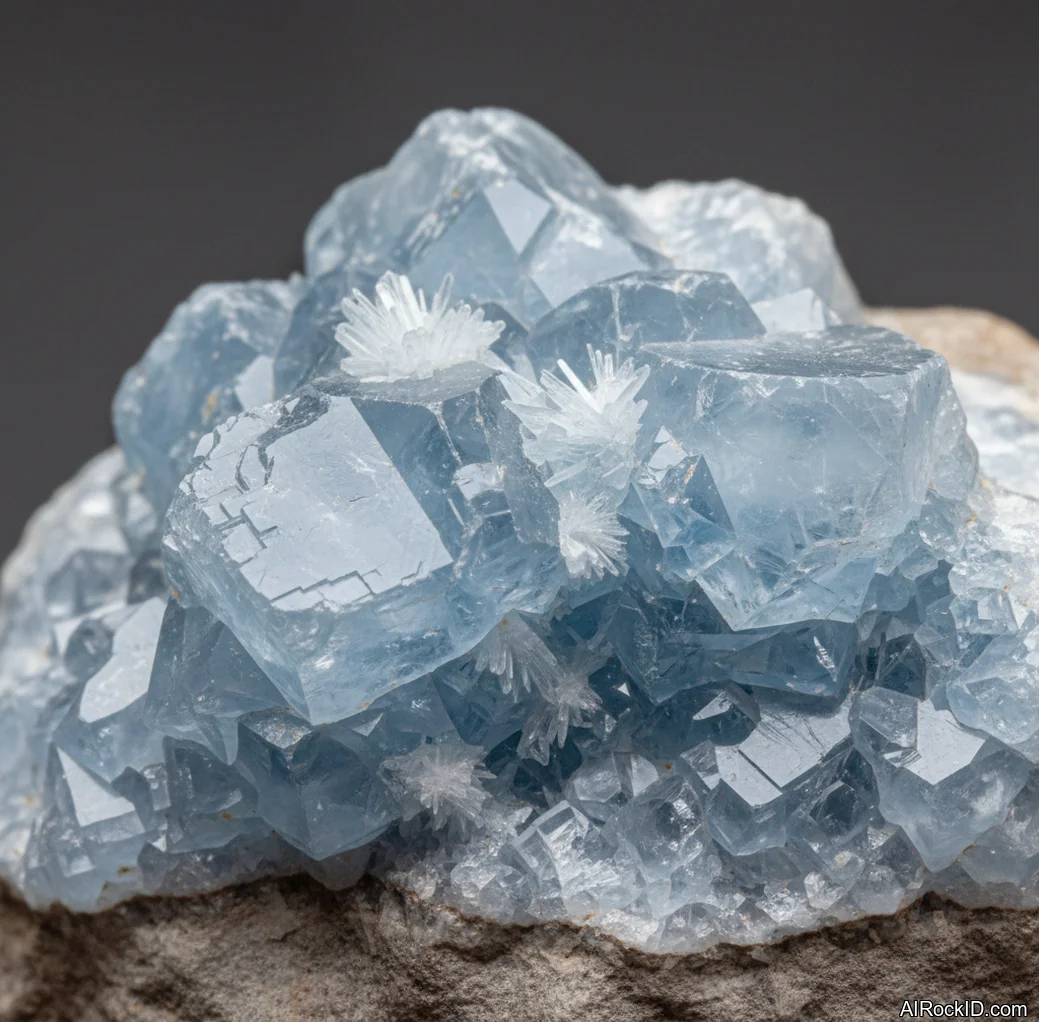
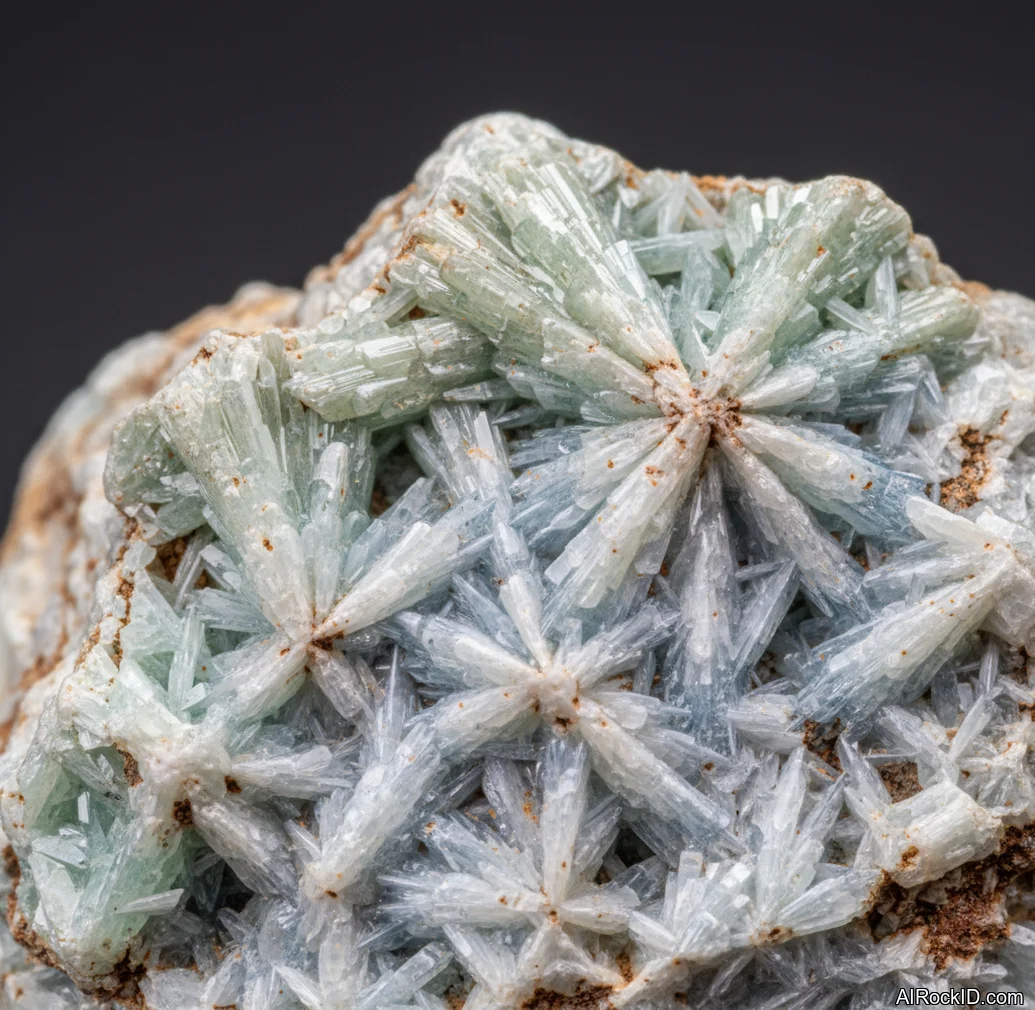
Plenty of sellers will slap a 'trust' label on anything blue or pink, but not every stone backs it up. Dyed agate can bleed color if you wipe it with a wet cloth—real Blue Lace Agate won't. Labradorite's flash is the test: if a piece doesn't show color at any angle, it's either a poor specimen or sometimes even feldspar masquerading as labradorite. Rose Quartz gets heat-treated to deepen the color; the giveaway is an unnatural, almost neon pink that doesn't match the cloudy, soft look of real rough pieces. Celestite looks delicate and sky-blue, but it shatters if you drop it and loses color left near a sunny window. If you're collecting for trust work, buy from dealers who show the rough and the polished side by side. Real trust crystals have quirks: a chipped edge, a cloudy patch, or the cool weight in your hand that doesn't go away after a minute.
Best Trust Crystals to Start With
| Level | Crystal | Note |
| Gentle / Beginner | Blue Lace Agate | Cool to the touch, soft blue bands, gentle calming feel. Easy to find tumbled and rarely faked. |
| Balanced / Everyday | Rose Quartz | The classic for heart and trust work, especially in relationships. Feels solid and cloudy, not overwhelming to carry daily. |
| Intense / Advanced | Labradorite | Flashy, unpredictable, pushes you to face truths directly. Raw pieces are especially strong in hand. |
| Best for Carrying | Amazonite | Flat, smooth, and light enough for a pocket. Raw pieces can chip, but tumbled ones hold up. |
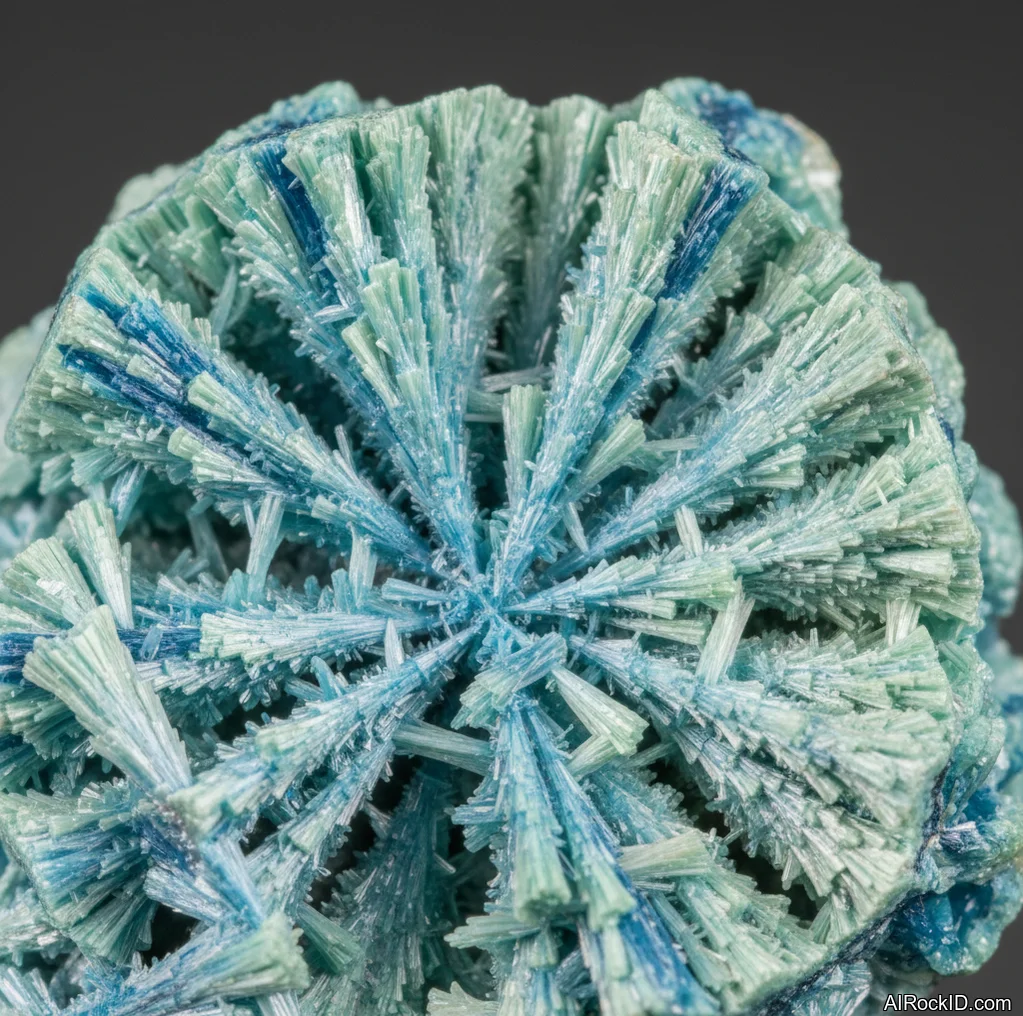
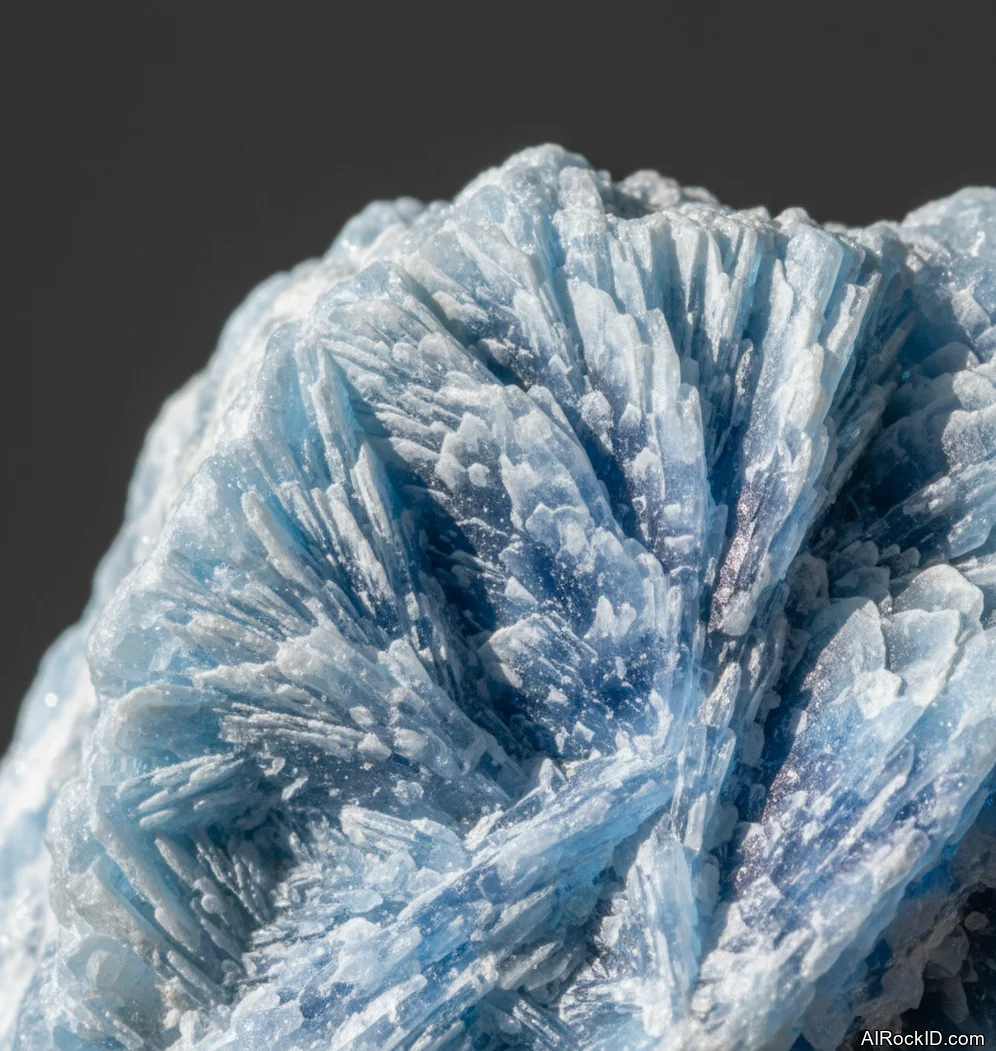
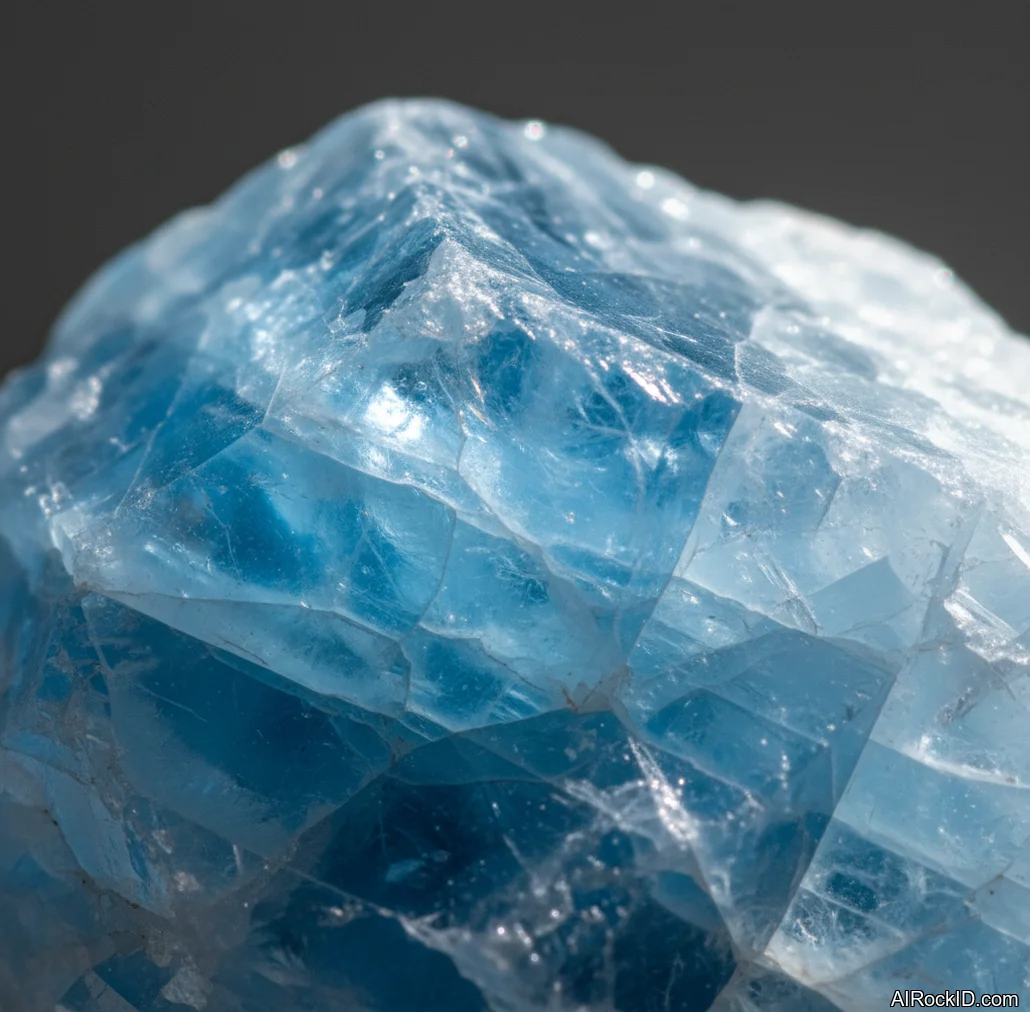
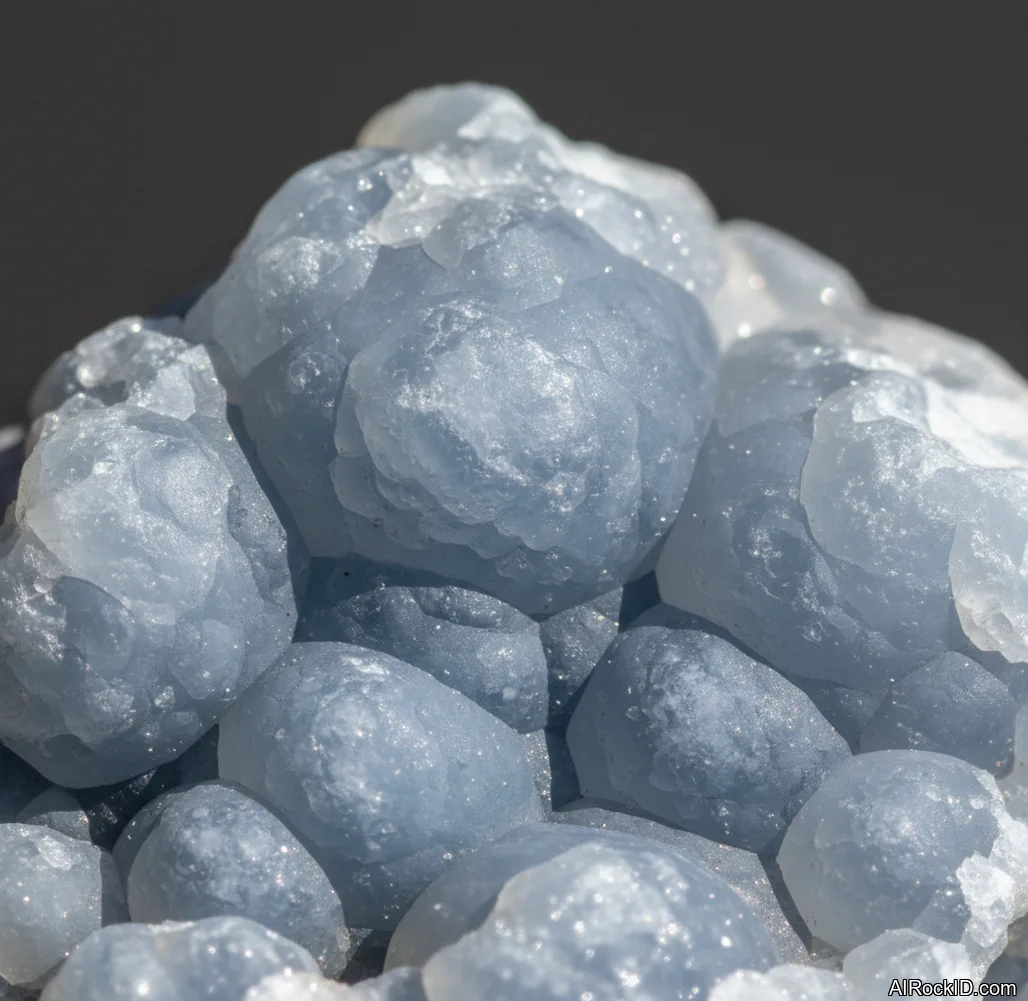
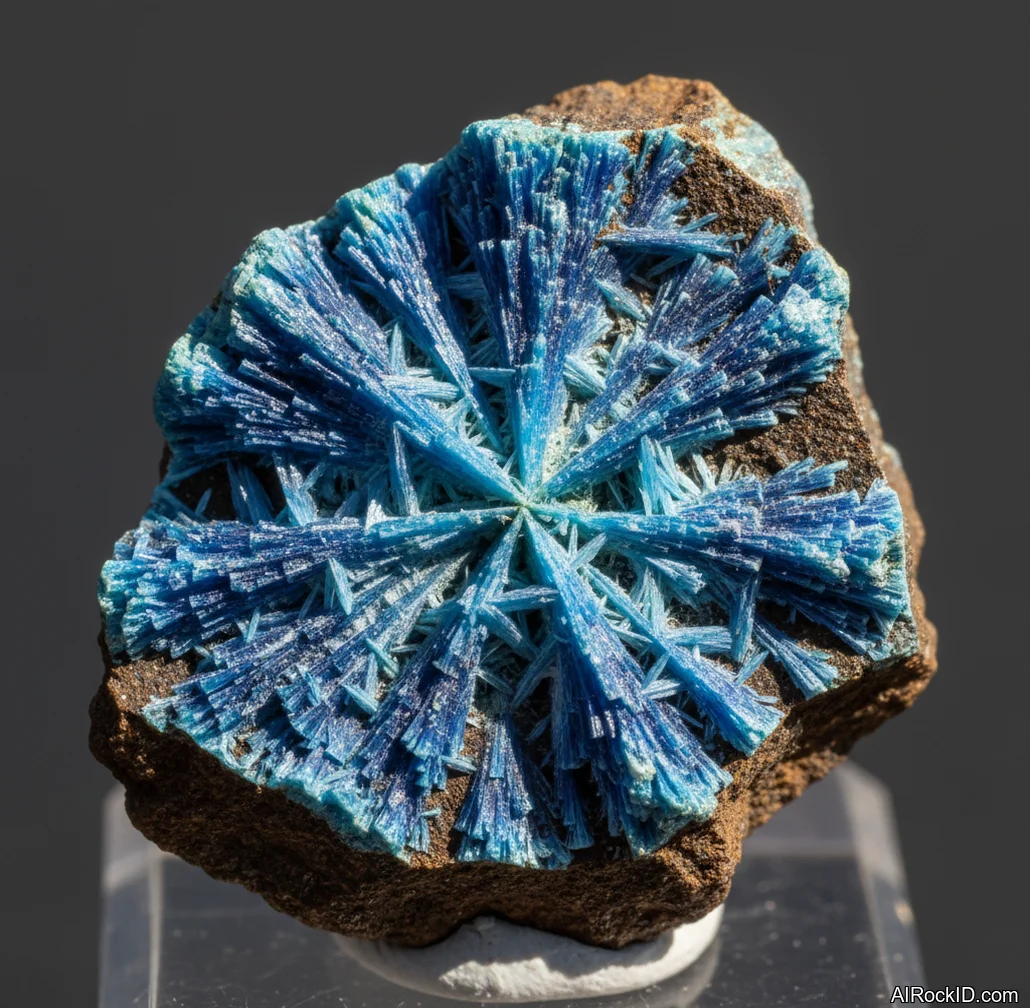
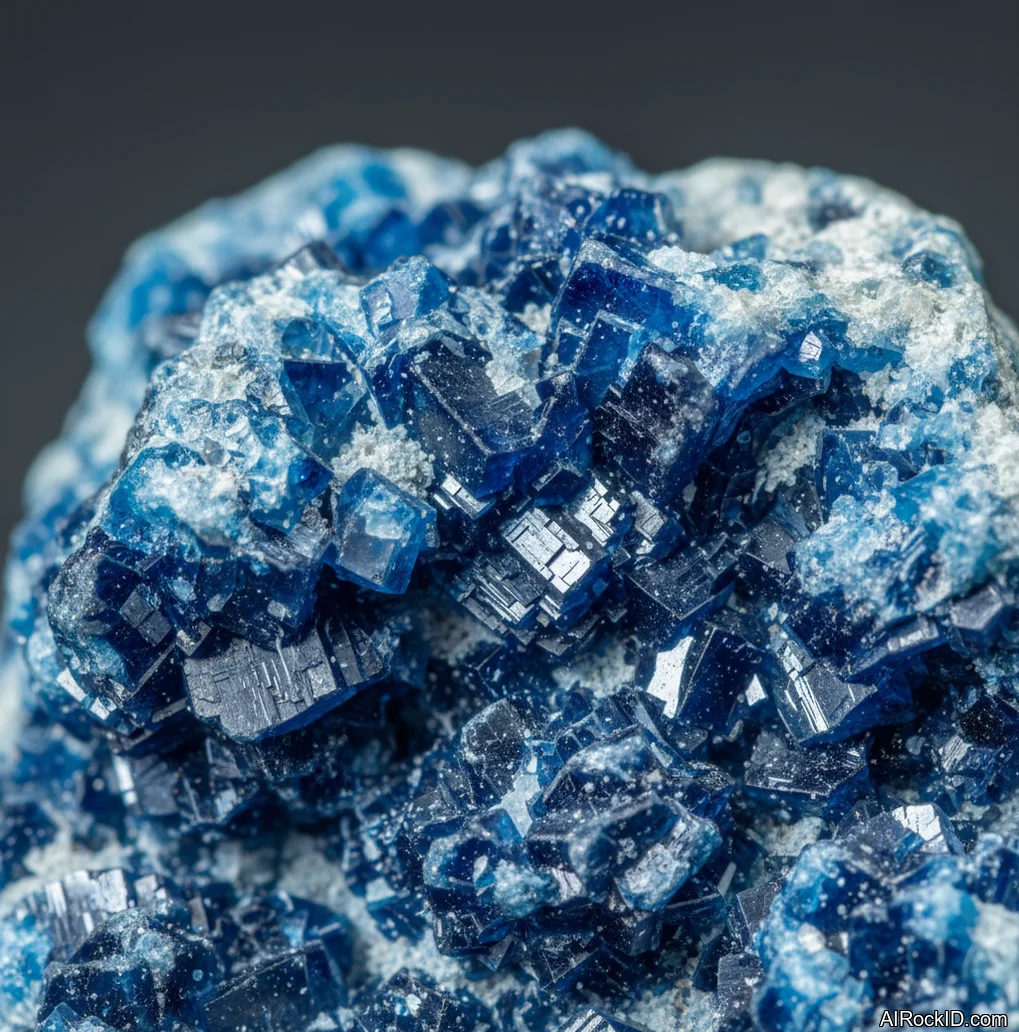
| Best for Display | Celestite | Sky-blue clusters look striking on a shelf. Needs to be kept out of sunlight and dusted gently. |
Trust Crystal Comparison
| Crystal | Common Use | Feel / Use Style | Care Caution |
| Blue Lace Agate | Calming self-doubt, easing conversation | Cool, waxy, banded with white and blue lines | Avoid harsh chemicals; some dyed fakes on market |
| Rose Quartz | Trust in relationships, emotional safety | Cloudy, milky, heavier than it looks | Color fades in direct sunlight over time |
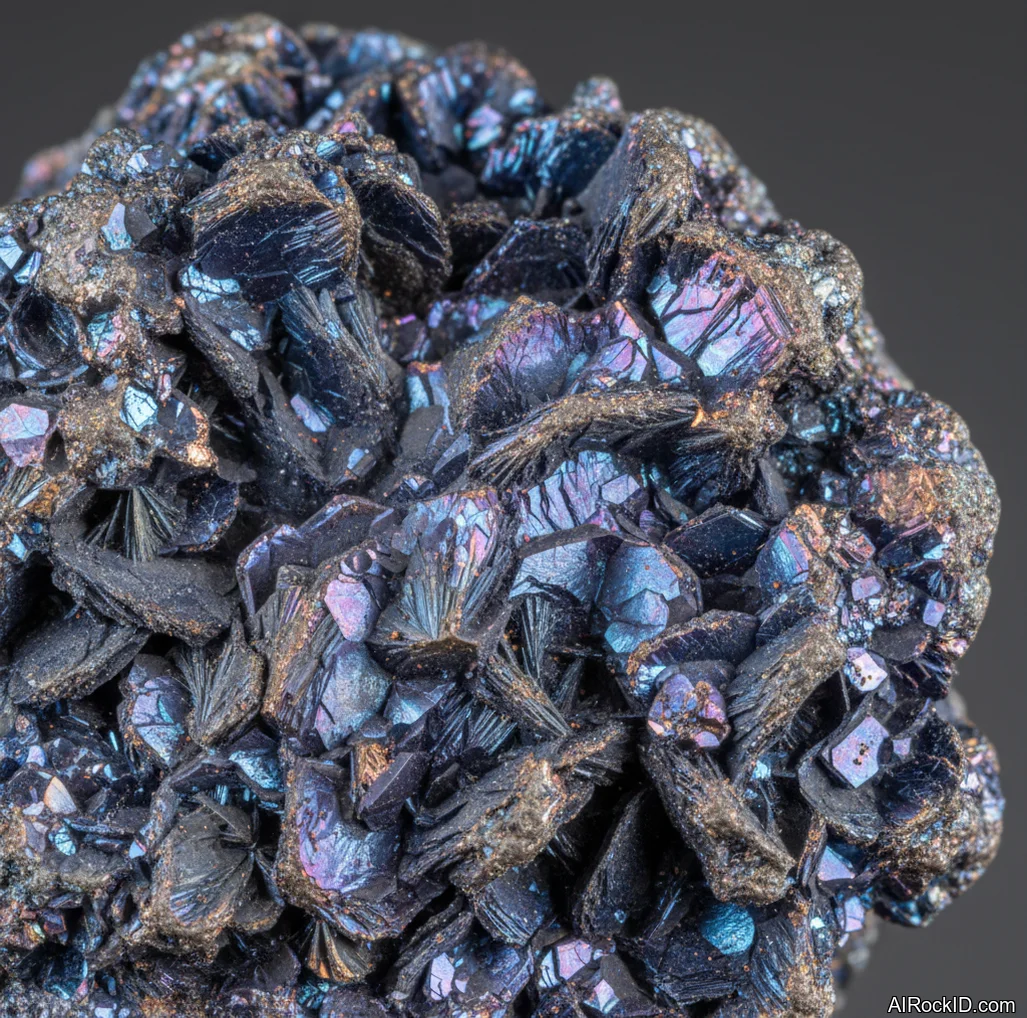
| Labradorite | Building self-trust, decision clarity | Grey base with flashes of blue/gold; cool and slick | Edges chip easily; don't drop on hard surfaces |
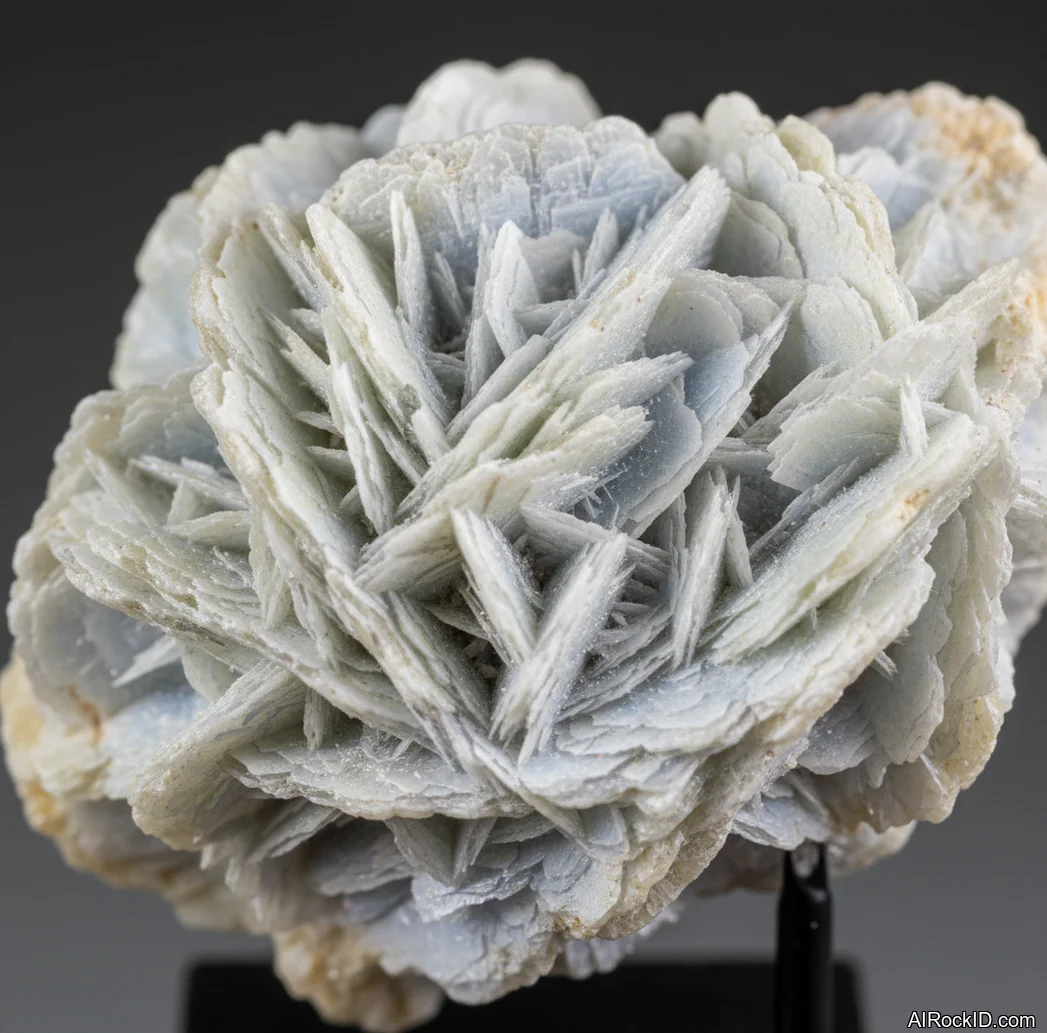
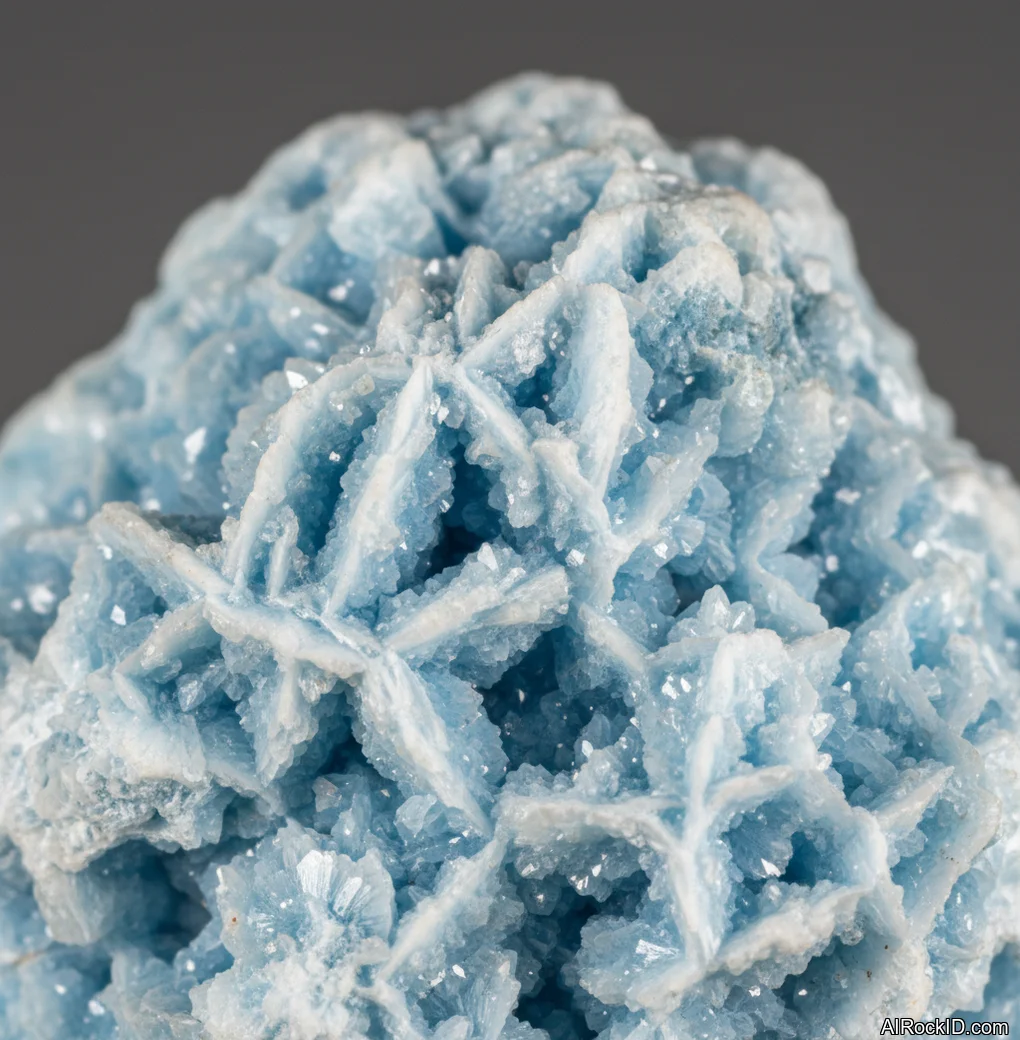
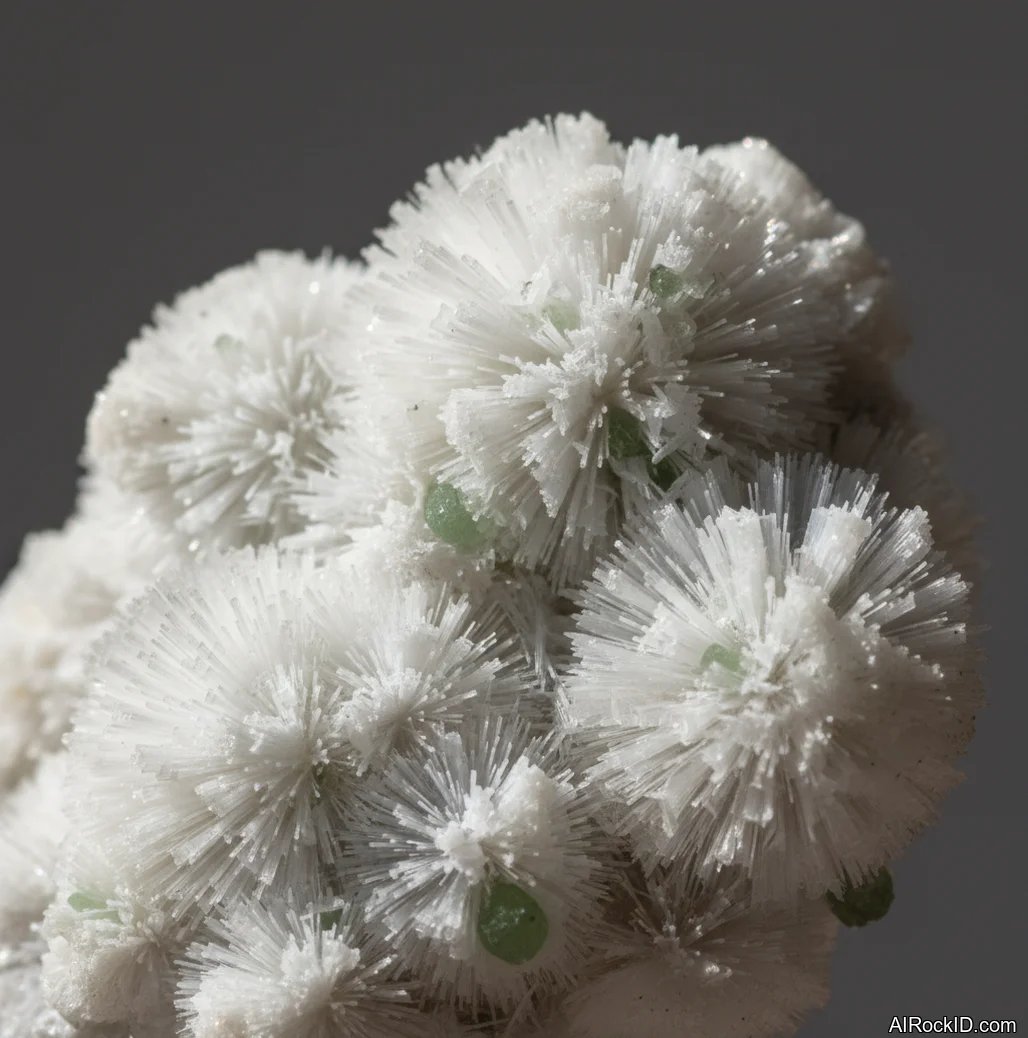
| Celestite | Sense of trust in bigger-picture or spiritual context | Delicate, sky-blue clusters; brittle and lightweight | Very fragile; keep out of sunlight and away from moisture |
How to Identify Trust Crystals with AI Rock ID
To identify trust crystals using an AI Rock ID app, take a clear photo of your stone in natural daylight. Upload both a full specimen shot and a close-up of texture or banding to help the app match details. Compare the app's ID against what you know about the crystal’s hardness (try a fingernail or copper coin test), luster, and streak. The app's results work best if you check your stone’s physical traits against database examples, not just color alone.
All Trust Crystals (424)