Crown Chakra Crystals
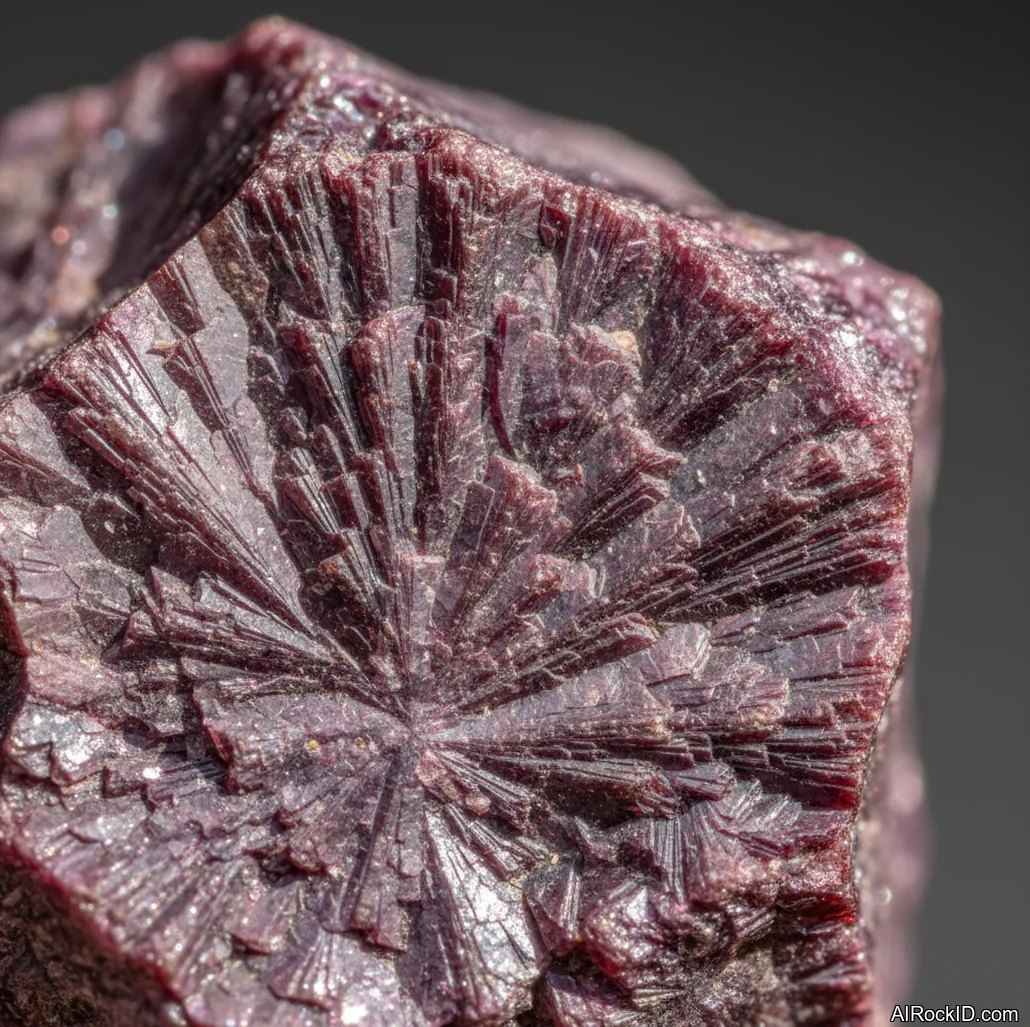
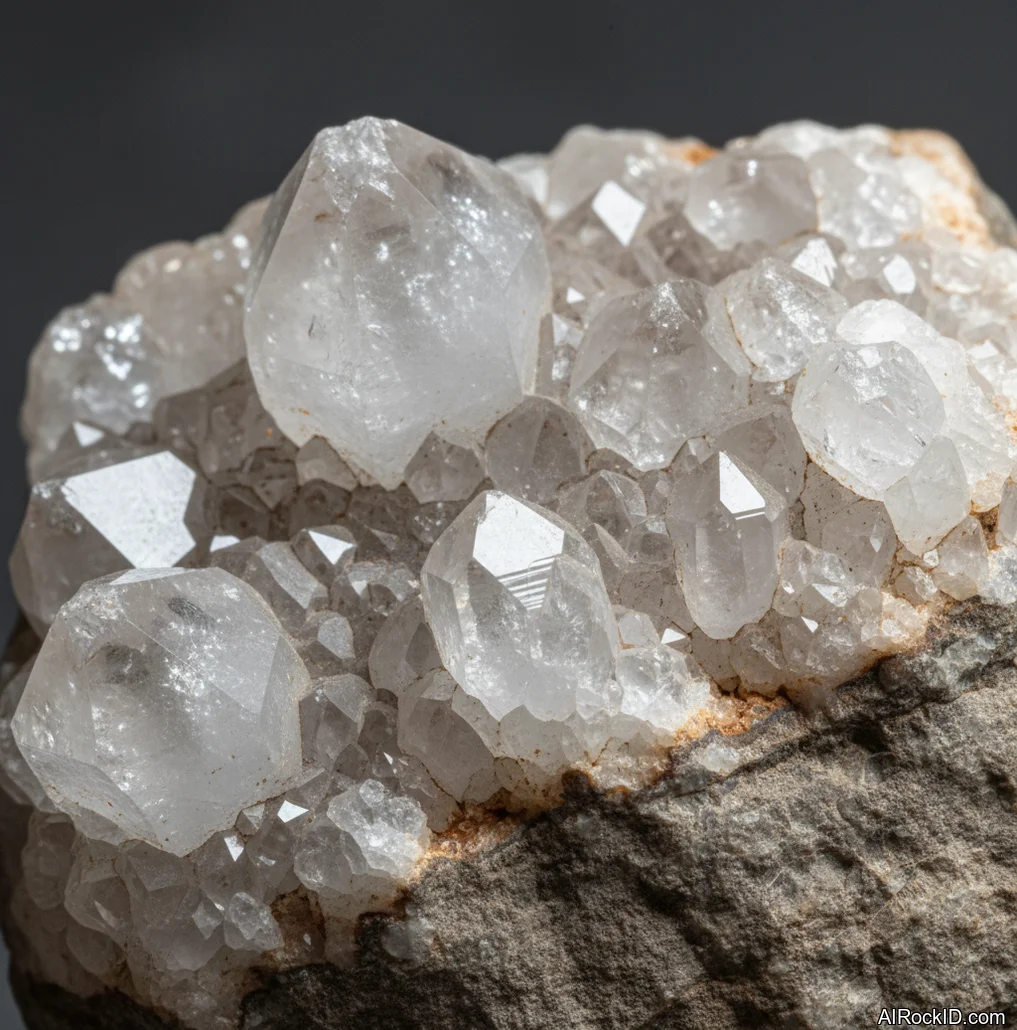
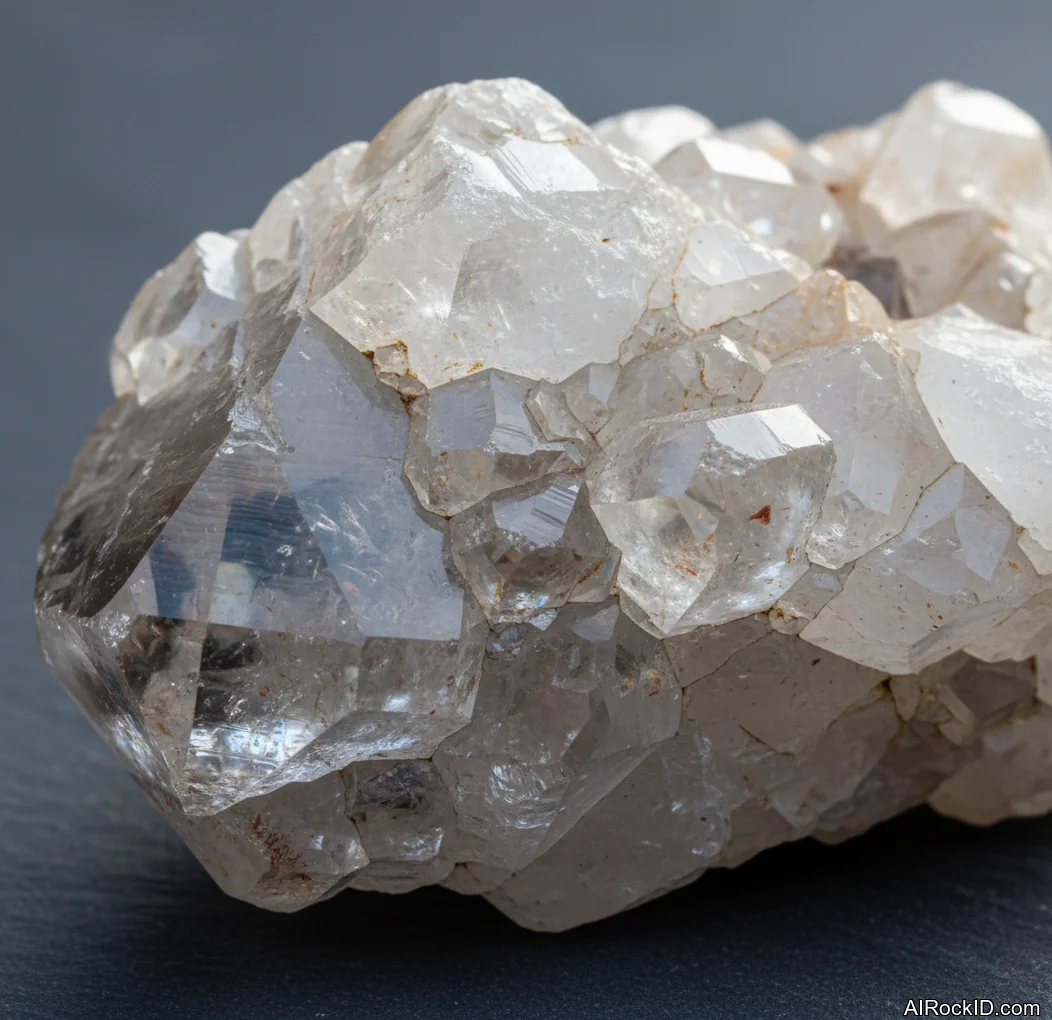
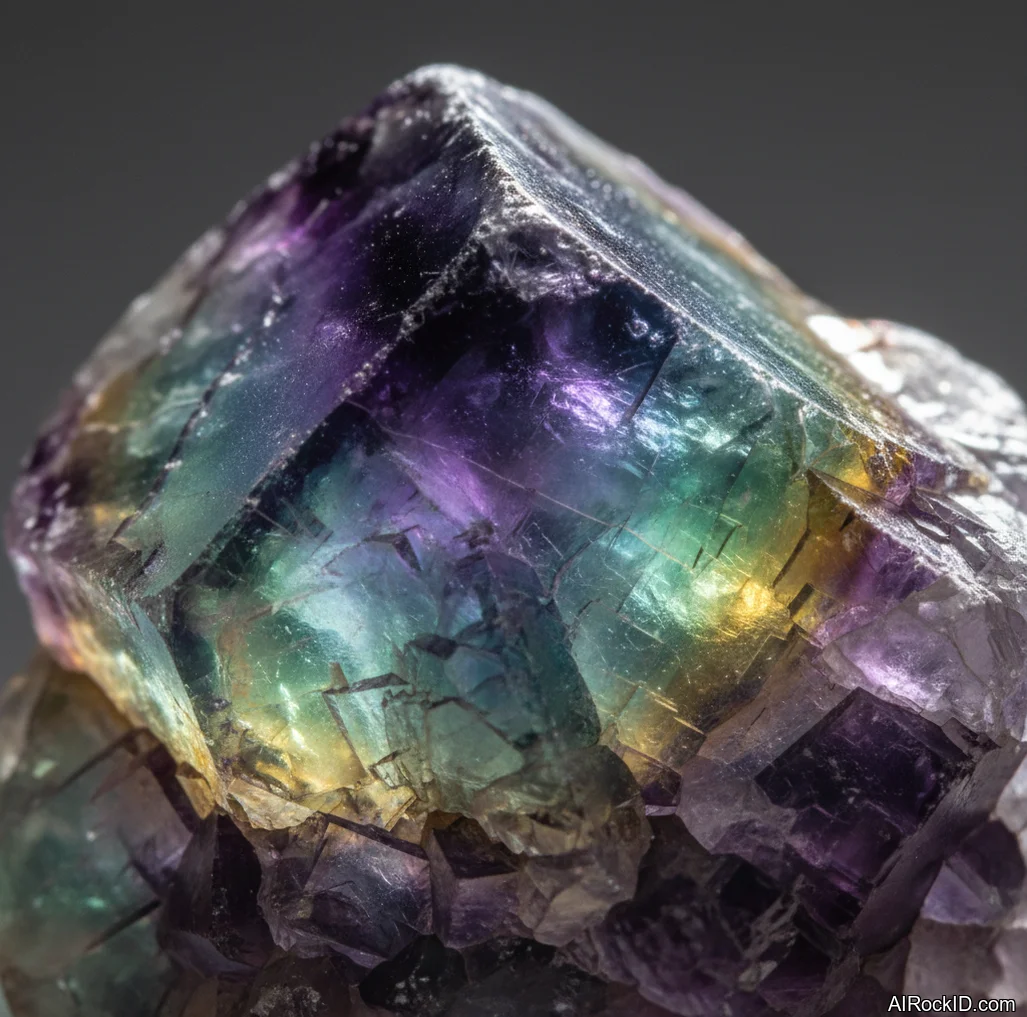
Quick answer: Crown Chakra crystals are stones commonly associated in chakra traditions with clarity, spiritual awareness, meditation, and connection to the upper energy center at the top of the head. Common examples include amethyst, selenite, clear quartz, lepidolite, howlite, and purple or white fluorite.
Learn about Crown Chakra crystals, how to choose them, and practical ways to use stones like amethyst, selenite, clear quartz, and lepidolite.


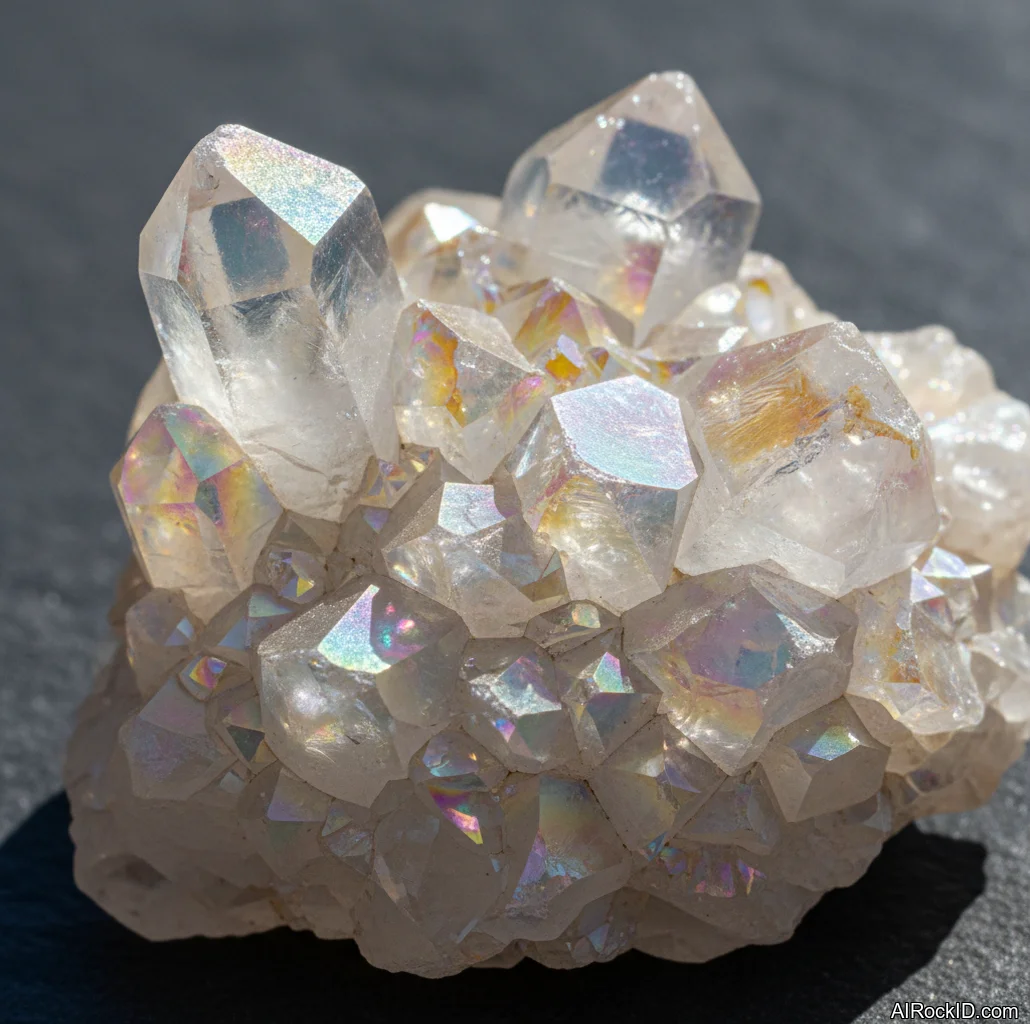
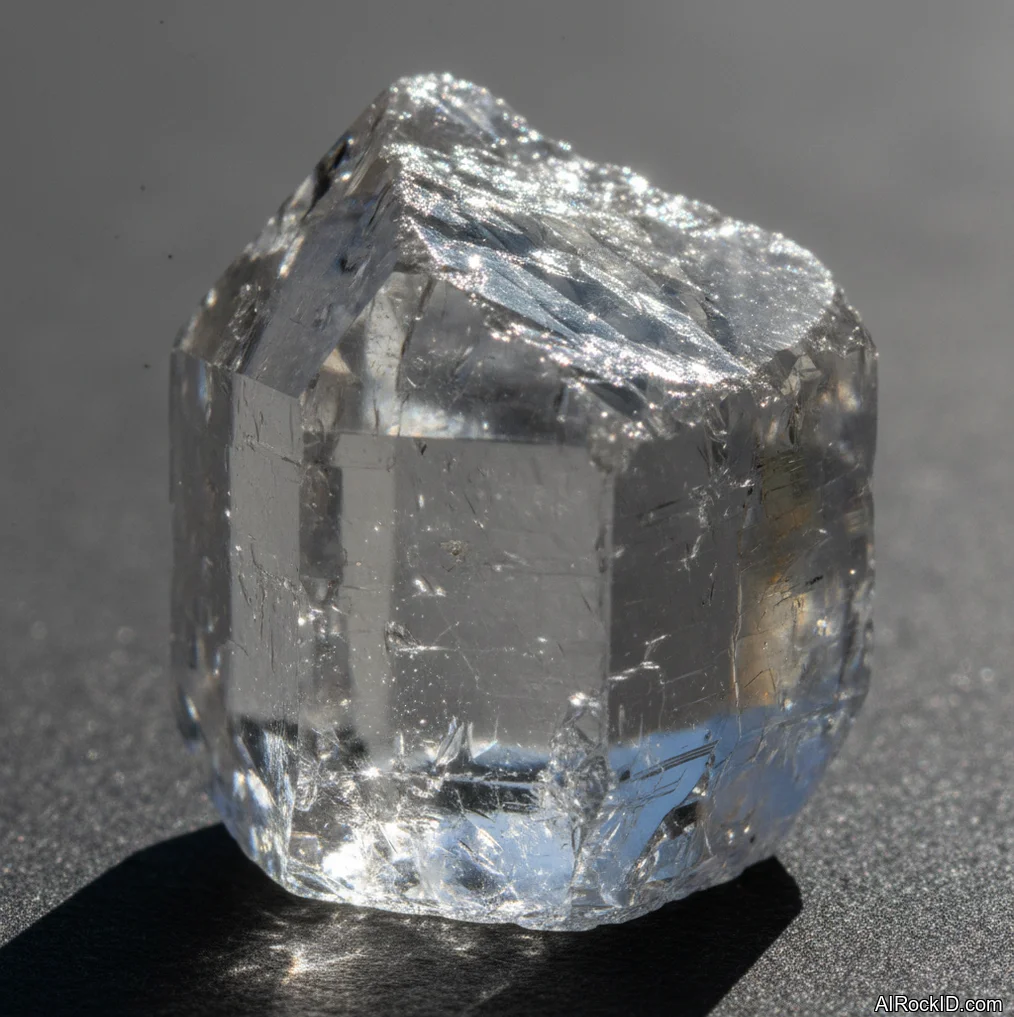
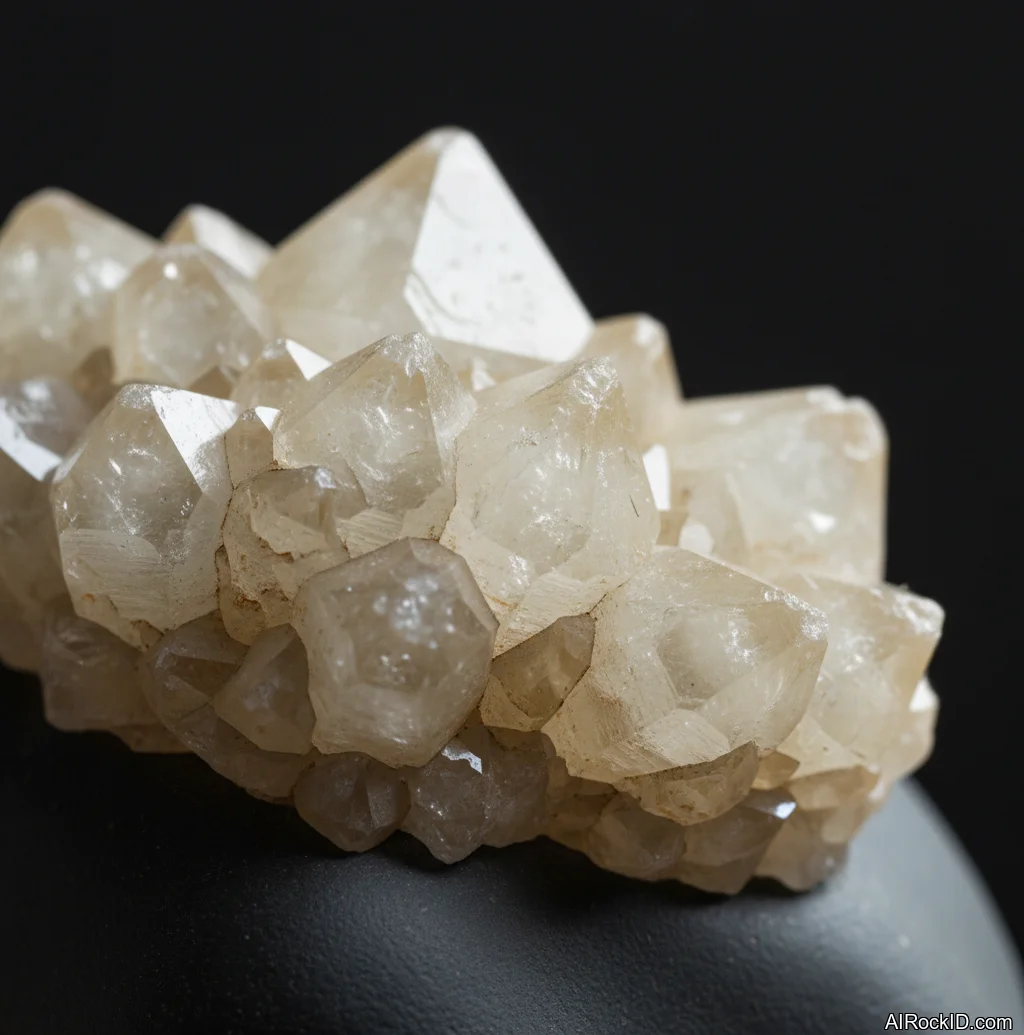
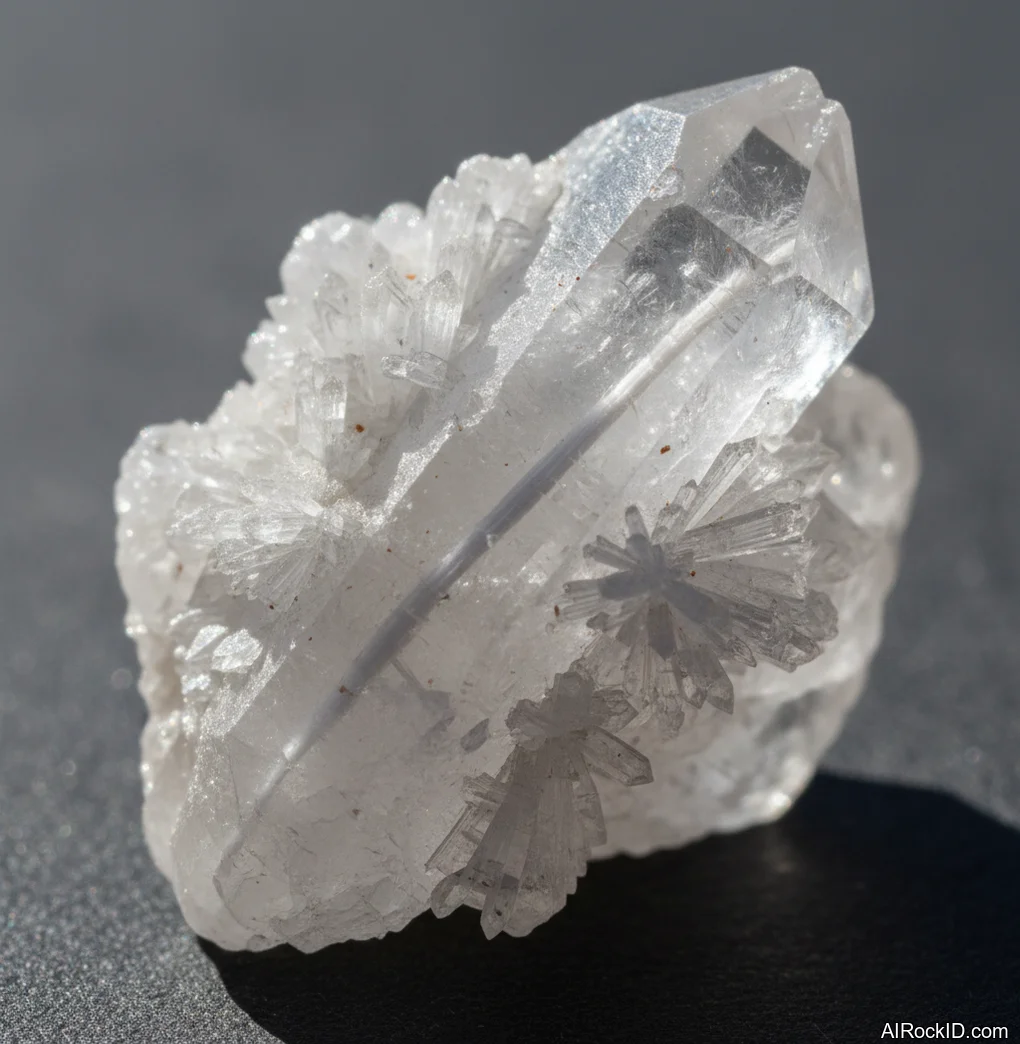
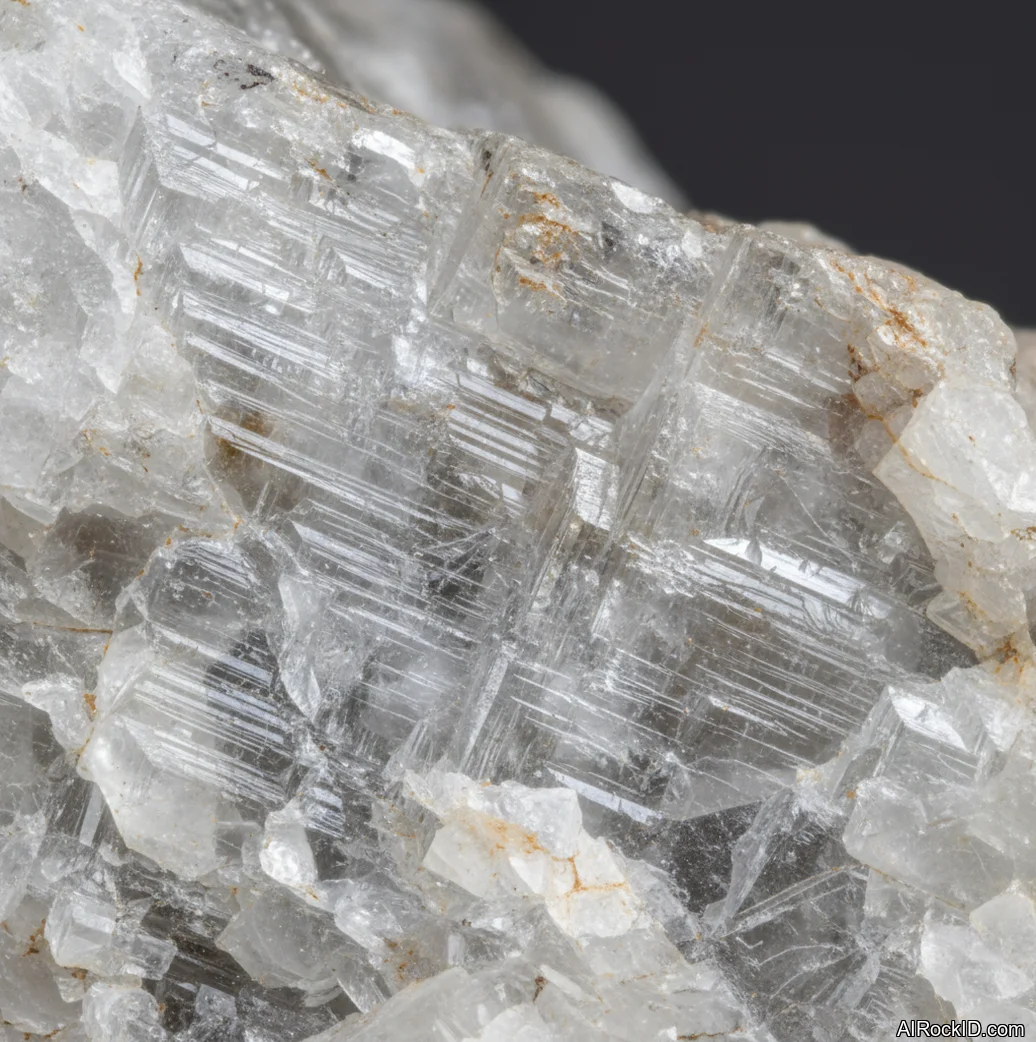
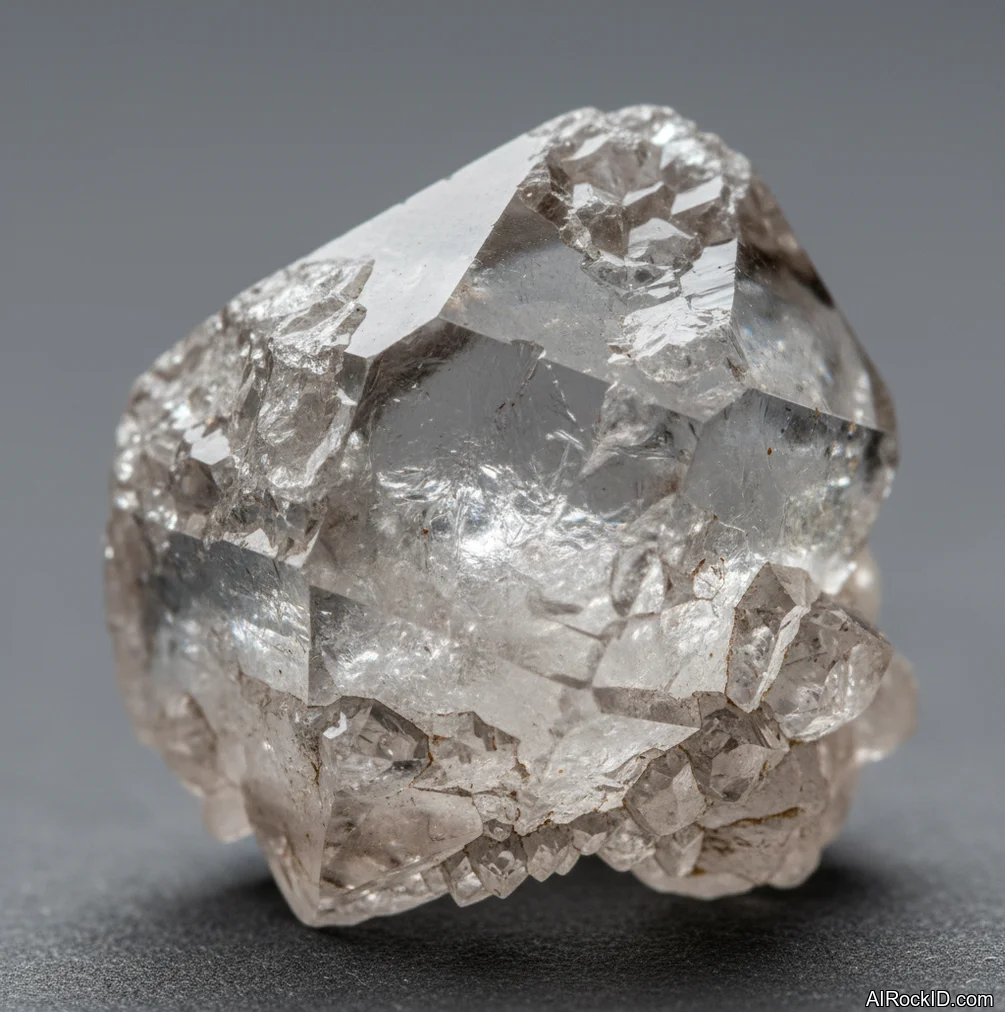
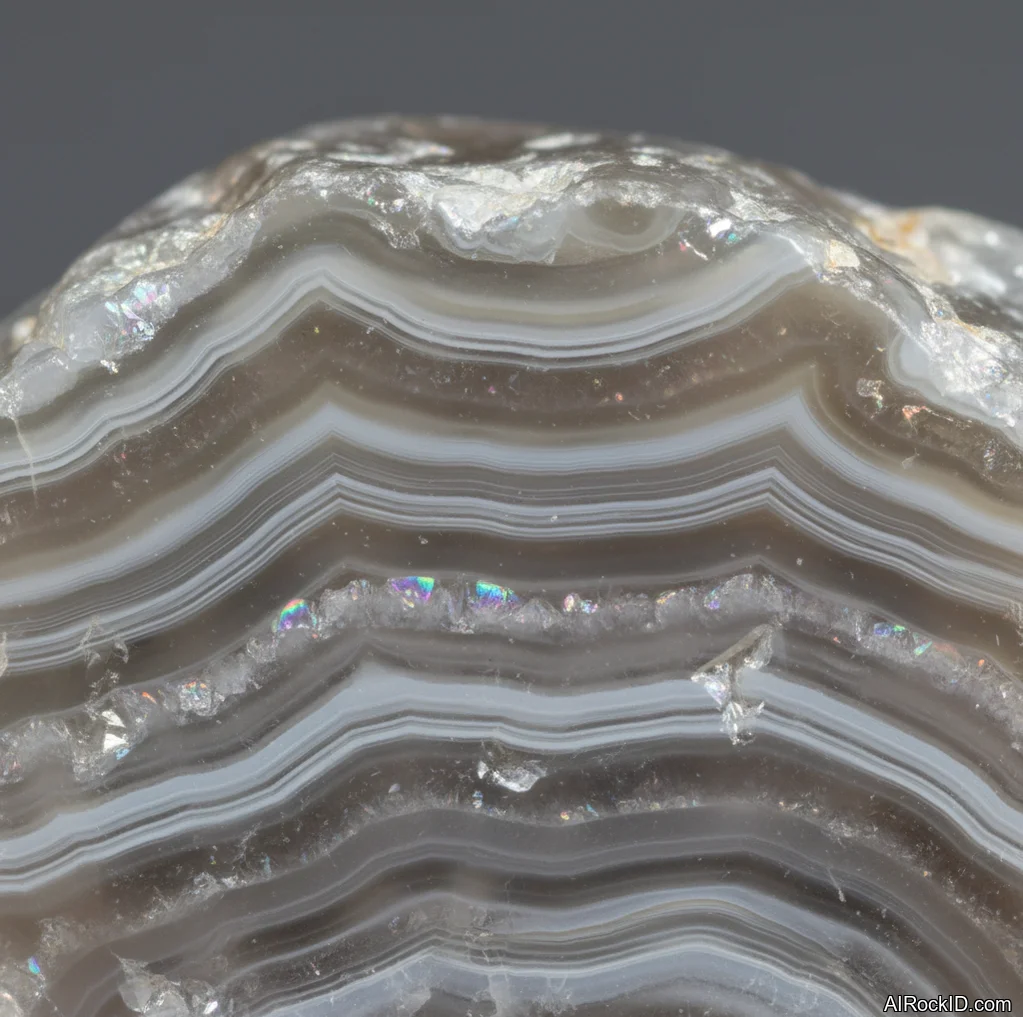
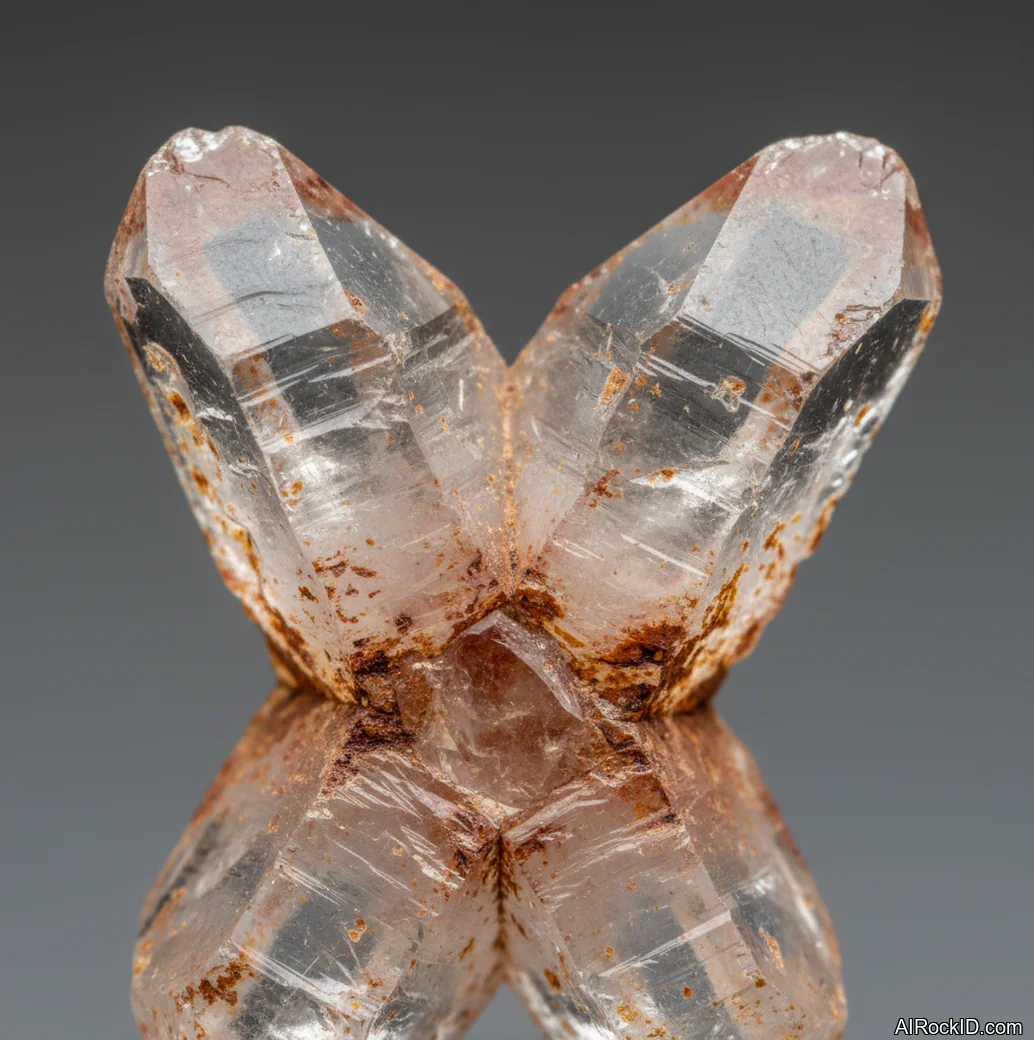
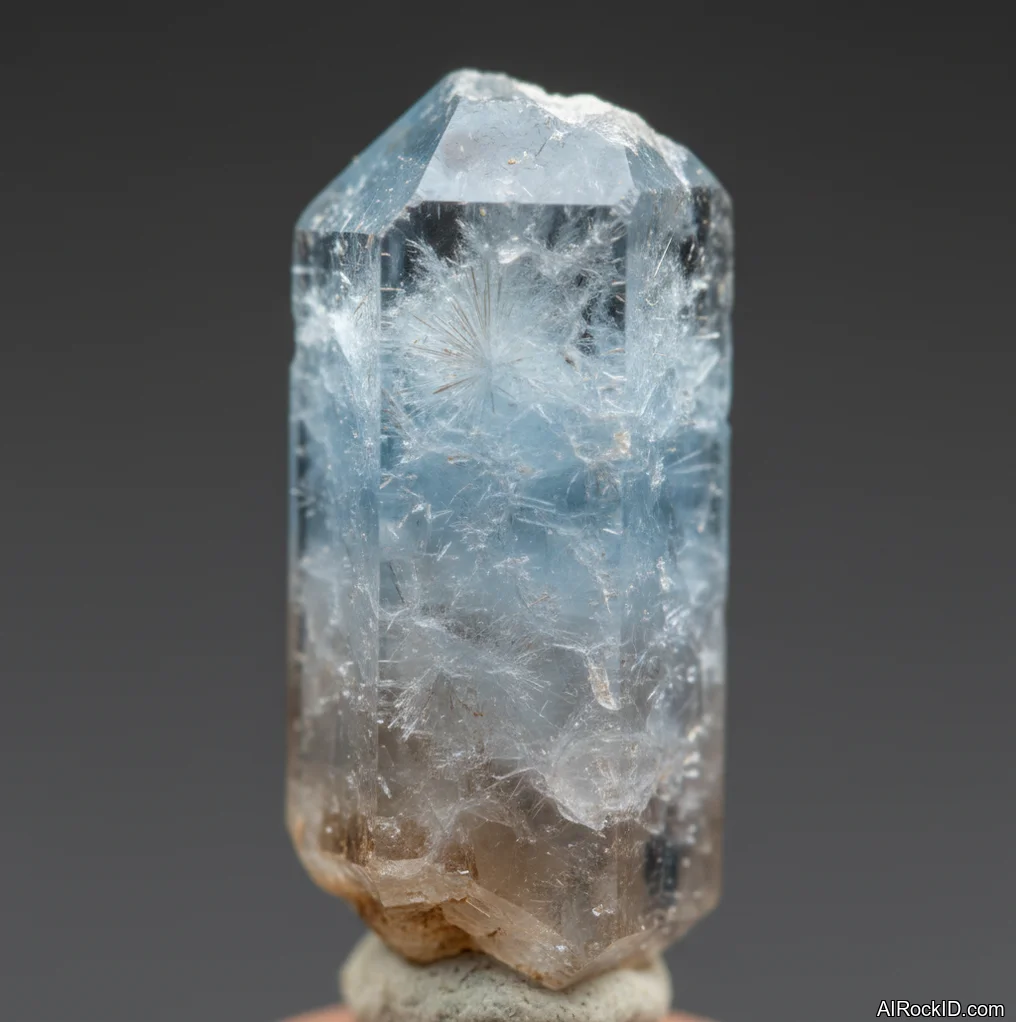
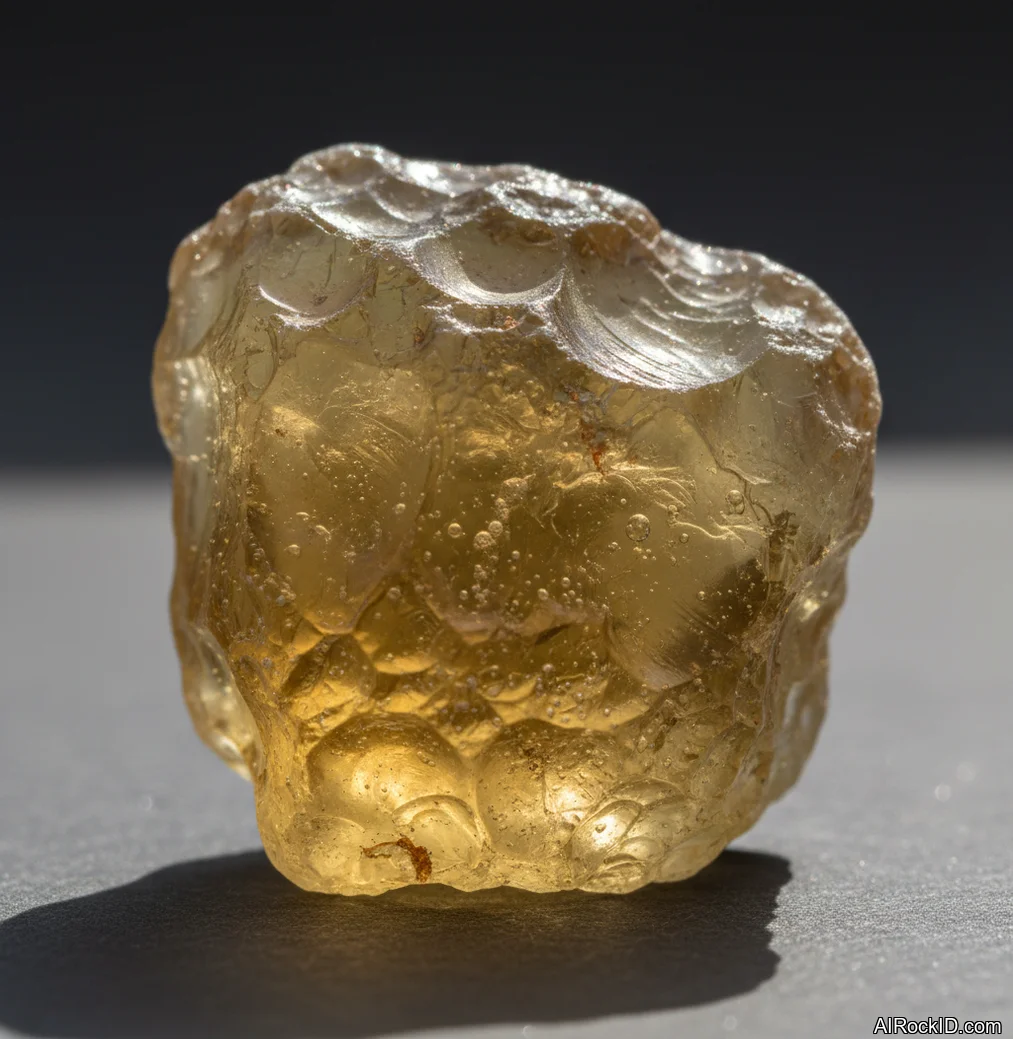
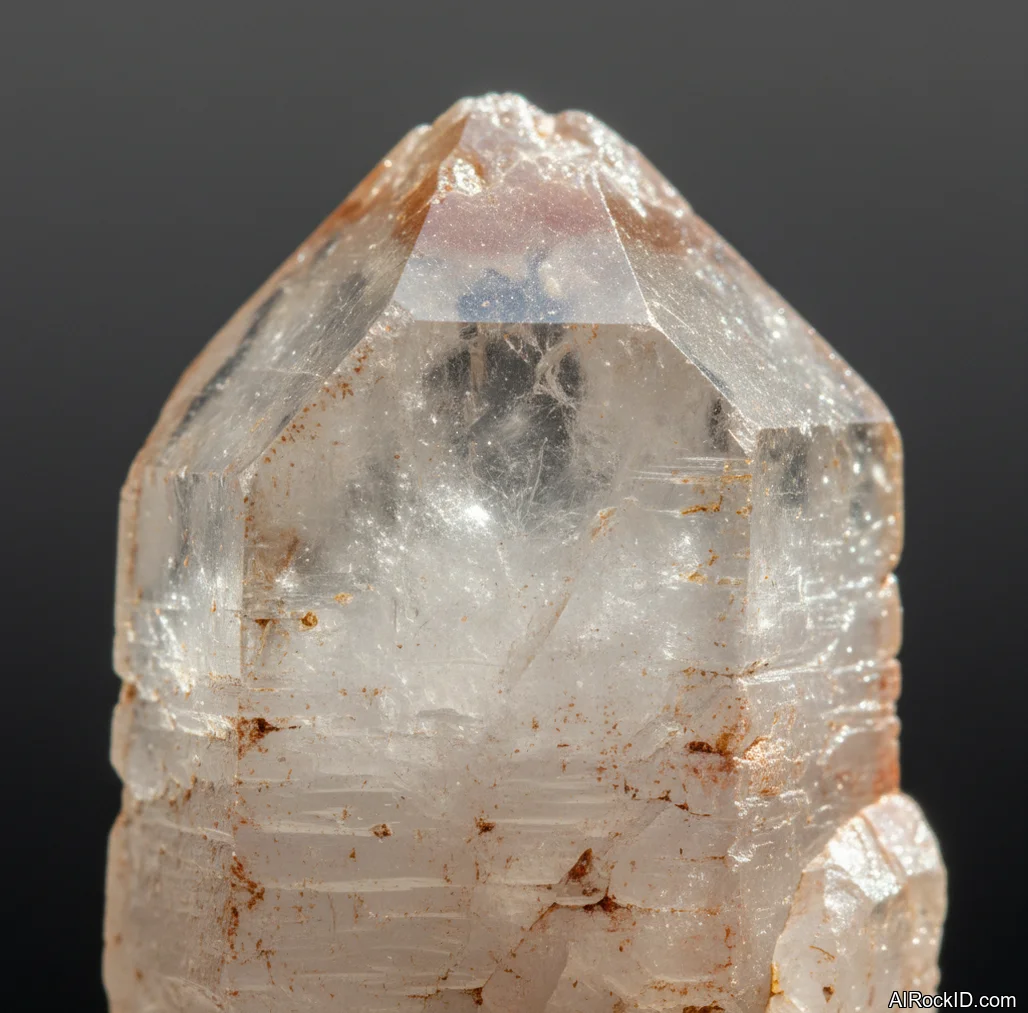
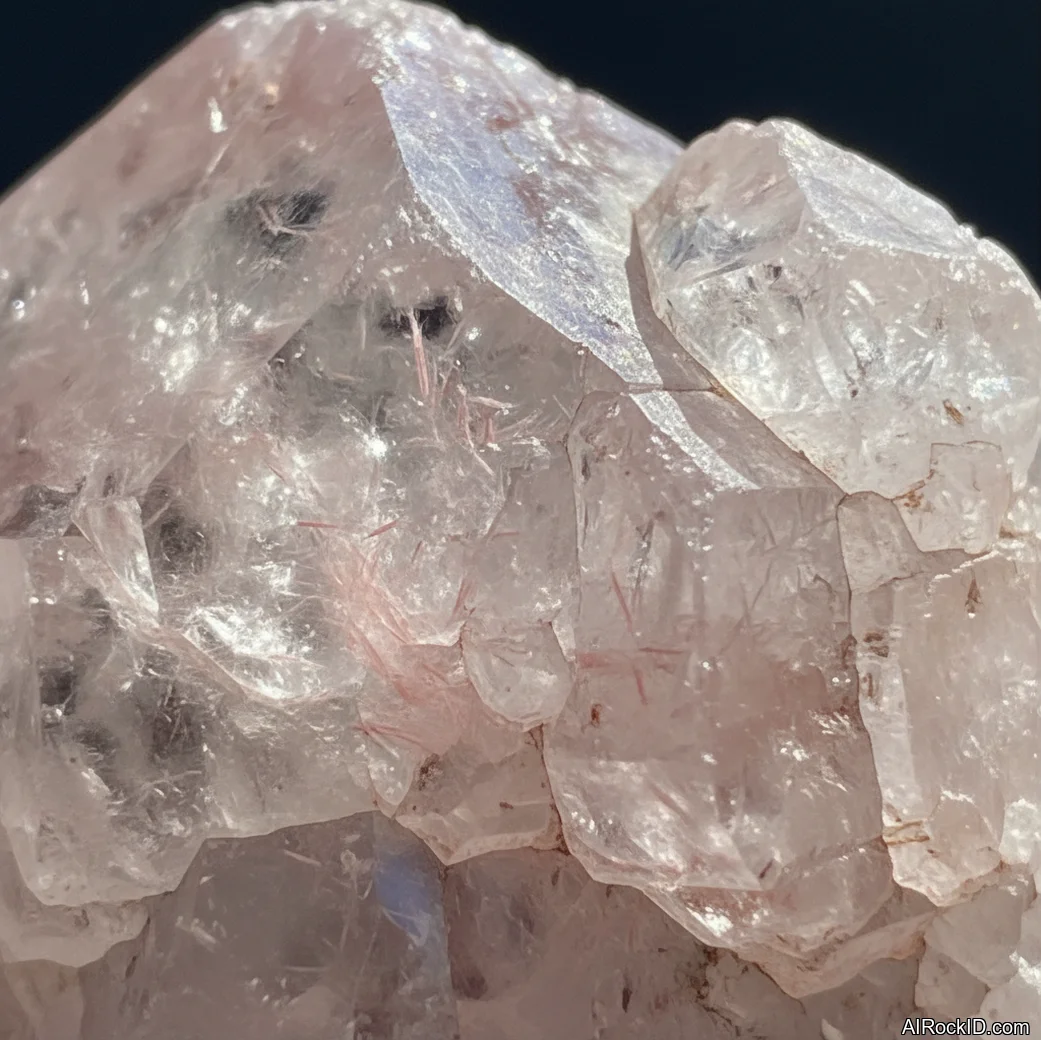
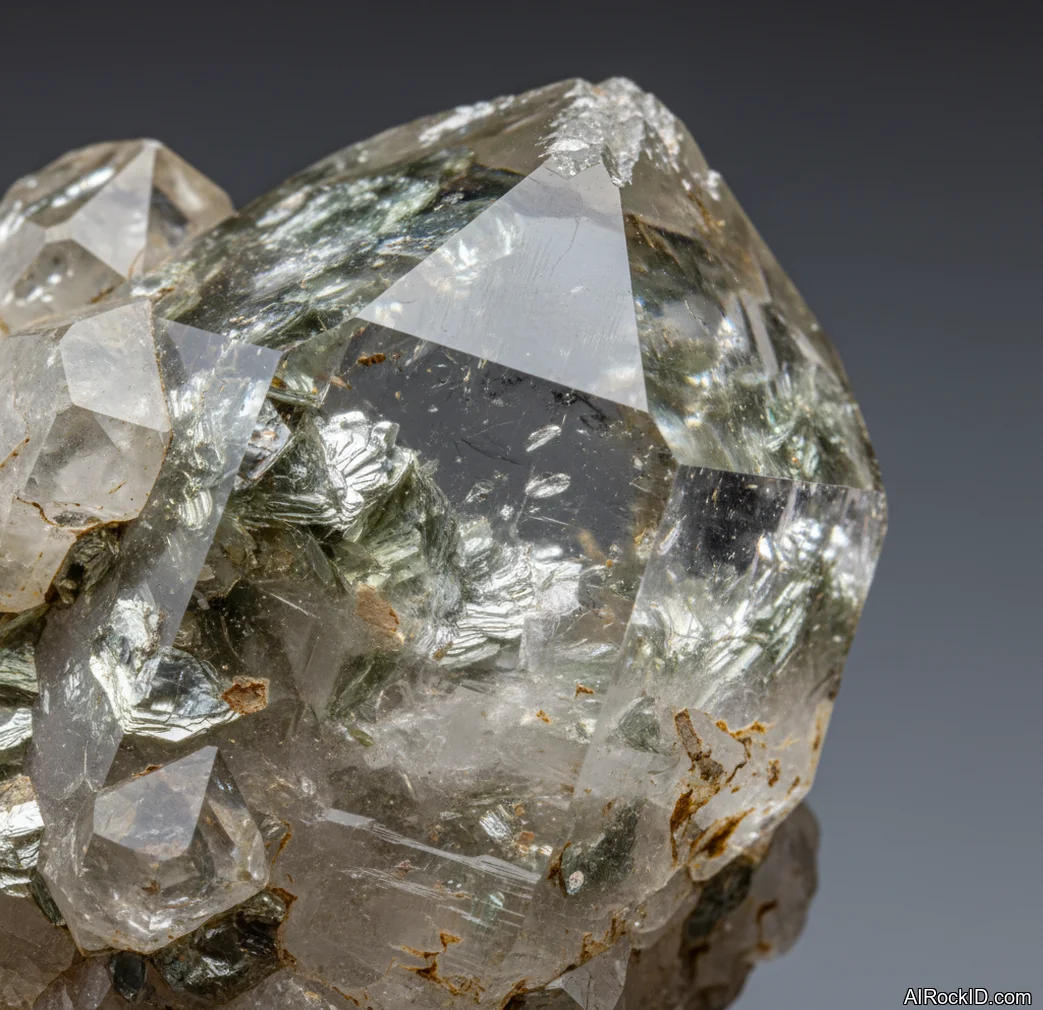
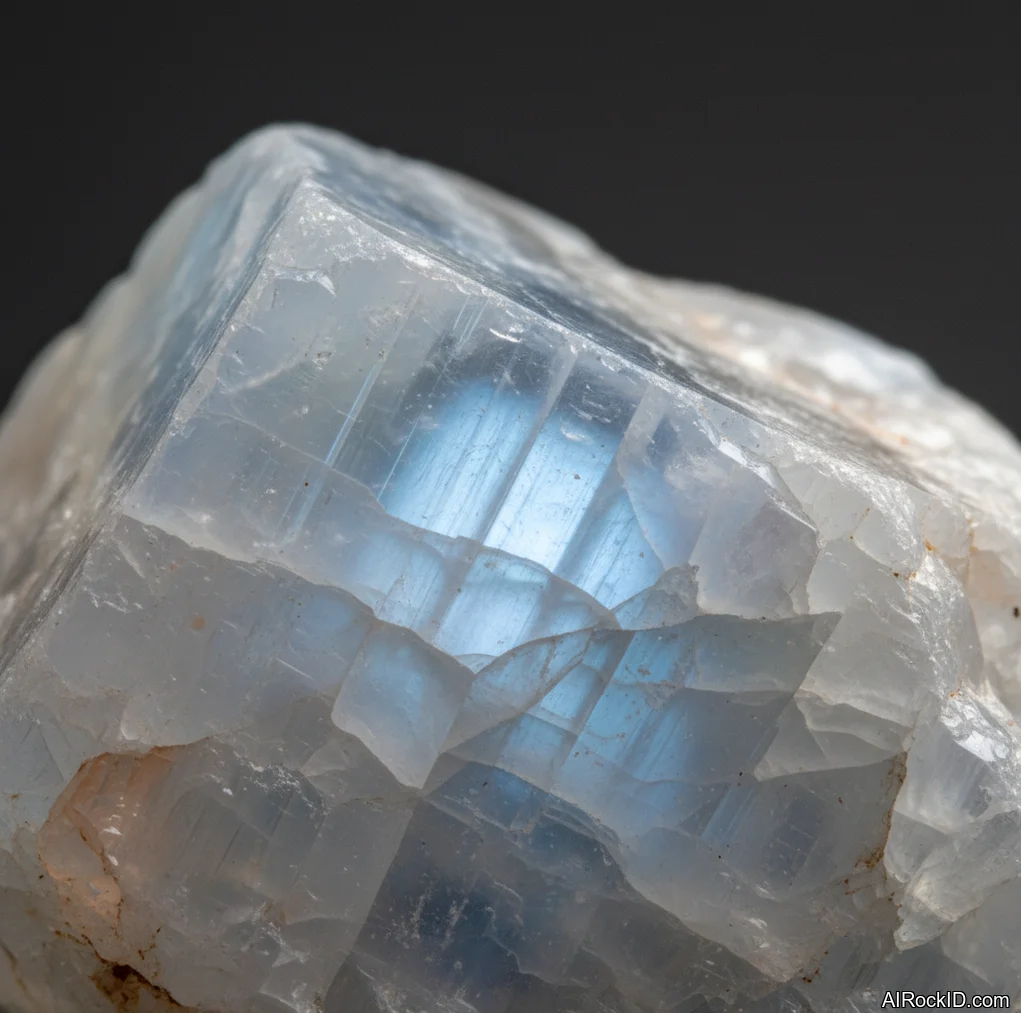
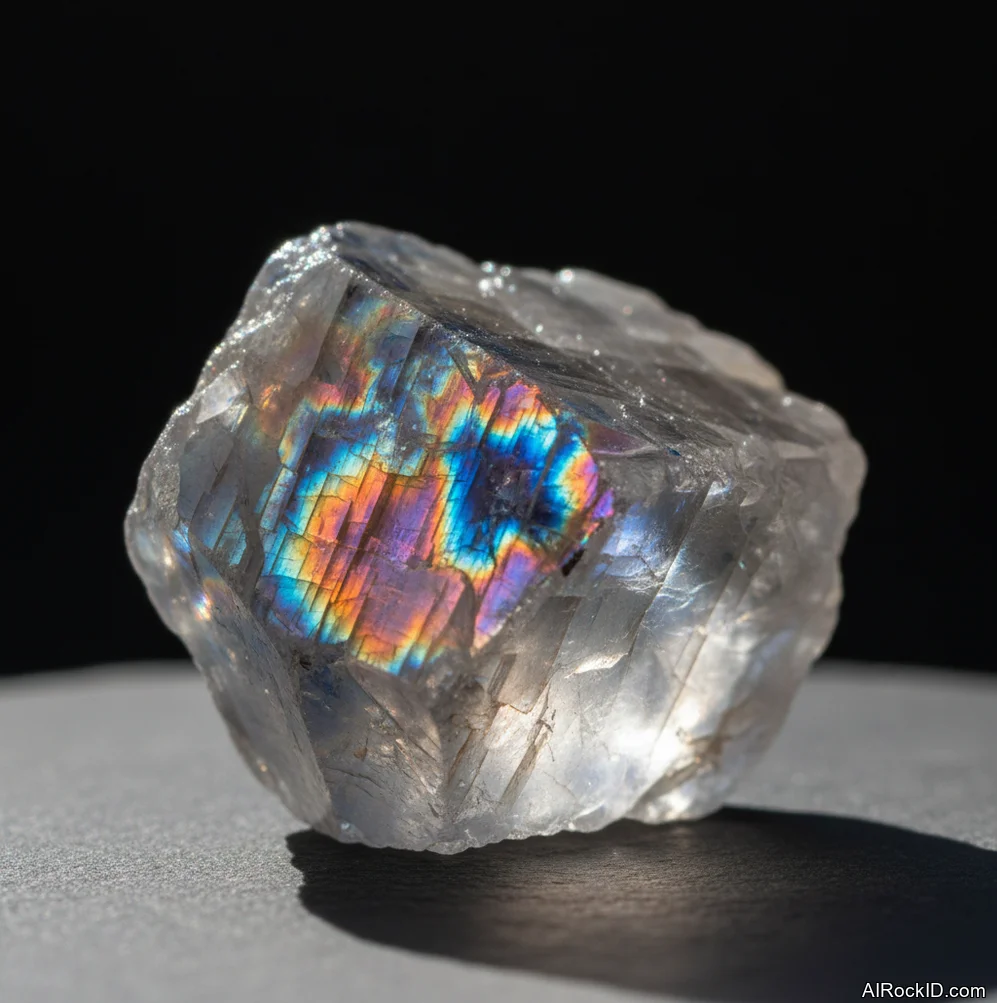
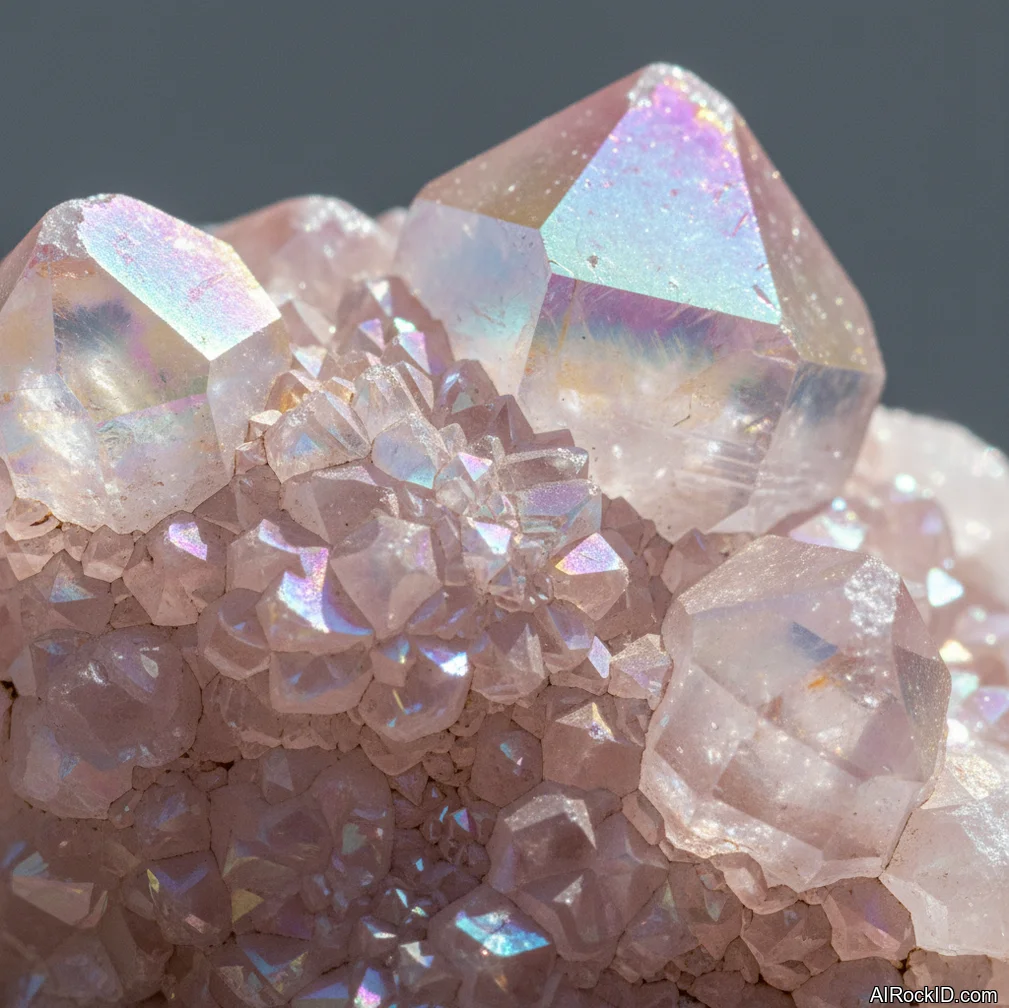
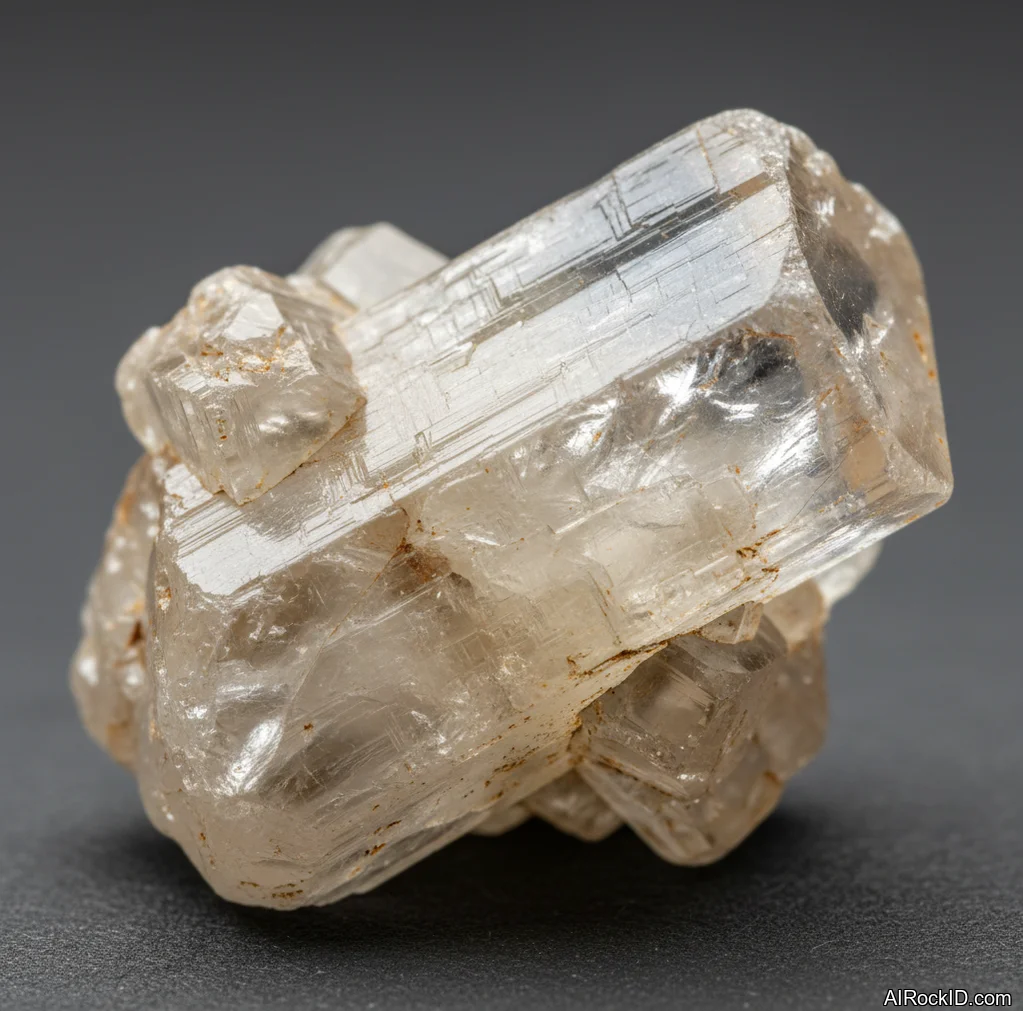
Crown Chakra crystals are minerals linked to the top-of-head energy center, used for clarity, quiet mind, and a sense of mental 'airiness.' Common examples include clear quartz, amethyst, selenite (satin spar gypsum), danburite, and lepidolite. These stones are chosen for their light color, cooling feel in the hand, and clean surfaces that collectors associate with a 'clear head' sensation. These associations come from metaphysical traditions and are not medical claims.
Crown Chakra crystals are not proven to treat anxiety, depression, or any neurological conditions. Chakra crystal associations come from spiritual traditions, not clinical evidence, and they should never replace professional medical or mental health care.
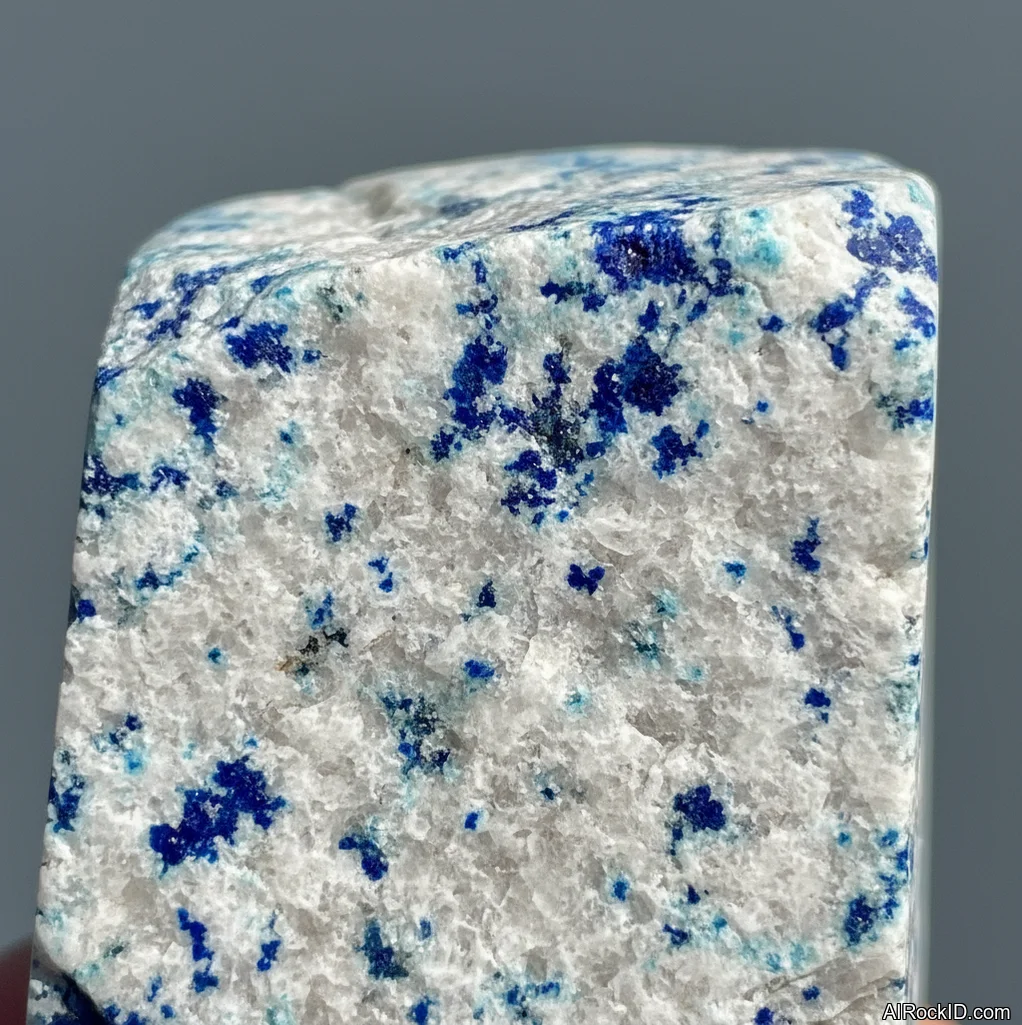
AI Rock ID can help users compare a photographed stone with known visual traits such as color, luster, crystal habit, and transparency. RockIdentifier.io provides identification support for crystals often grouped with the Crown Chakra, including purple, white, and clear stones.
Good fit
- Beginners building a chakra-themed crystal collection
- Collectors interested in purple, white, or clear minerals
- People using crystals in meditation or mindfulness traditions
- Users comparing similar-looking stones such as selenite, satin spar, and clear quartz
- Anyone organizing stones by symbolic or spiritual associations rather than mineral family
Not a good fit
- Anyone seeking medical treatment or guaranteed health outcomes
- Collectors who want only mineralogical categories with no metaphysical context
- Users who need professional gem appraisal or lab certification
- Anyone handling delicate stones without considering hardness, cleavage, or water sensitivity
Most commonly confused with
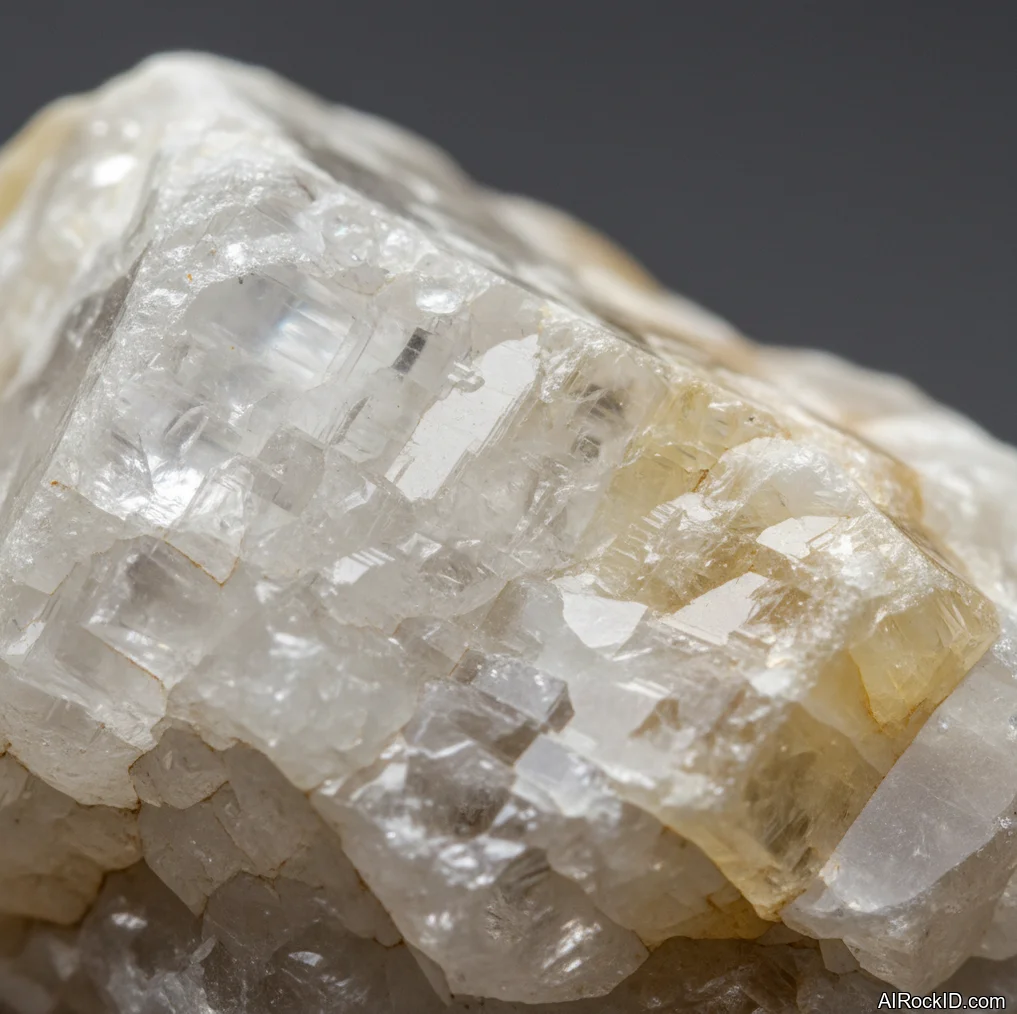
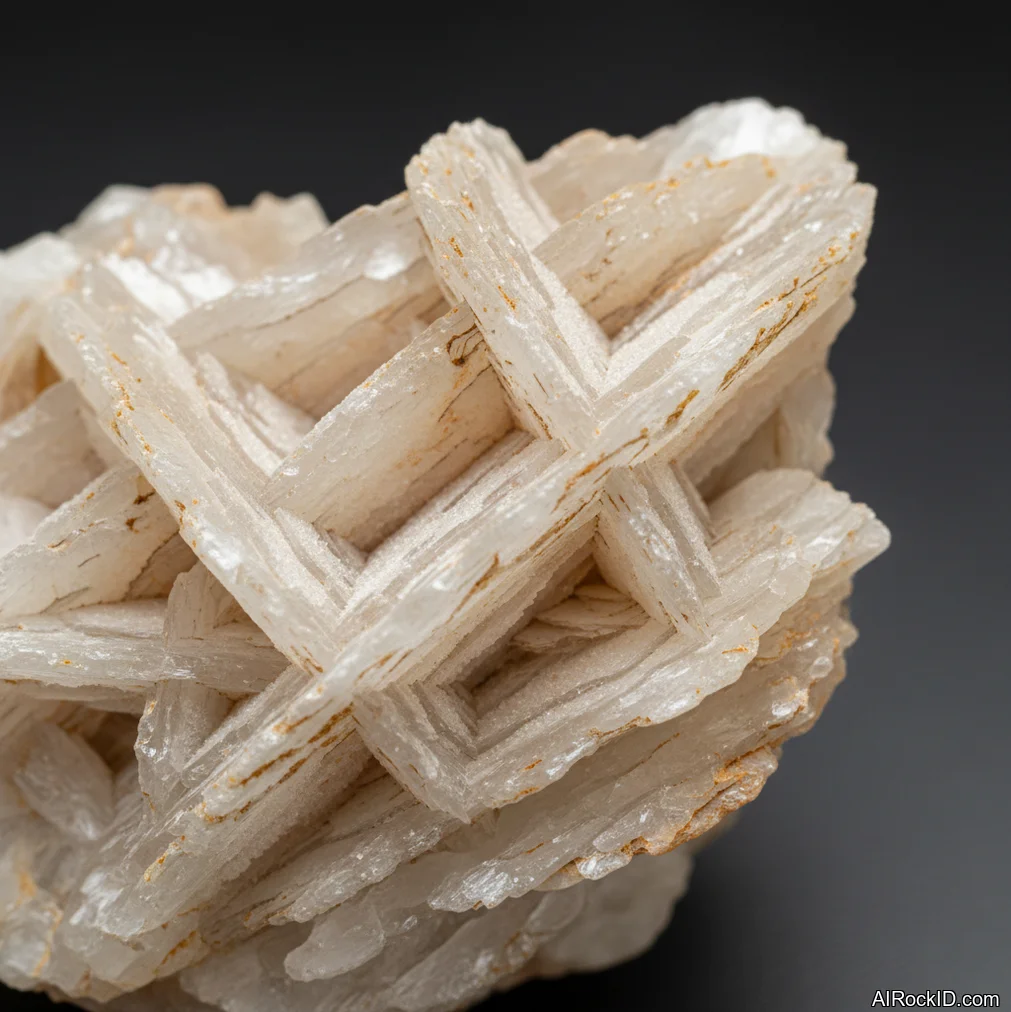
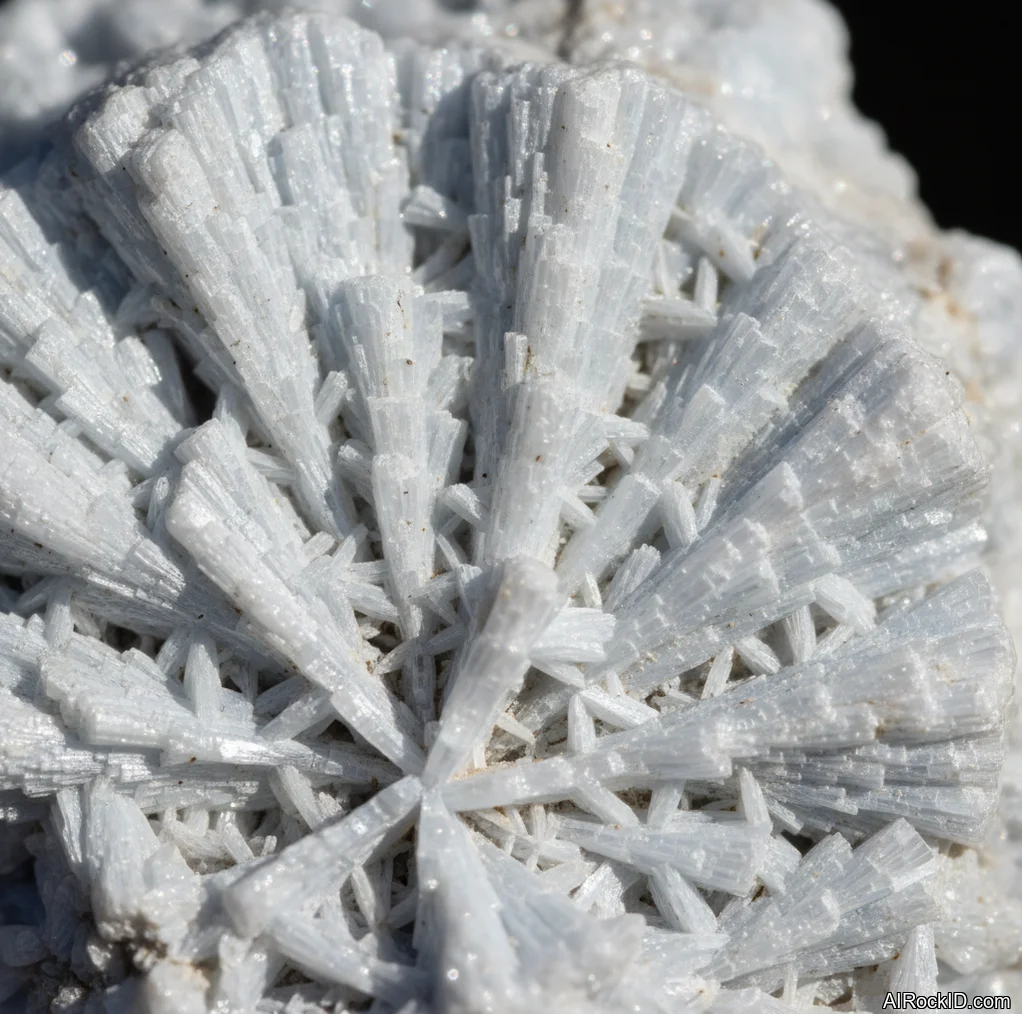
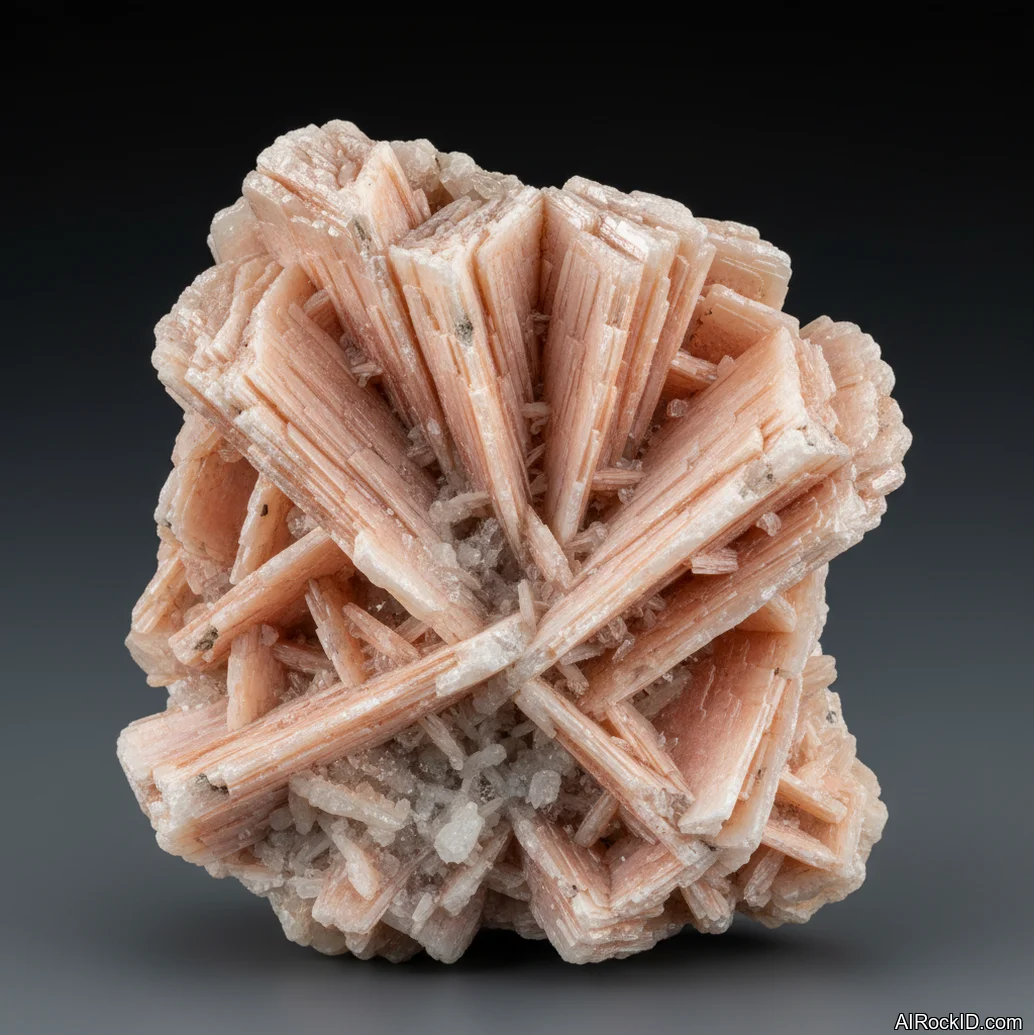
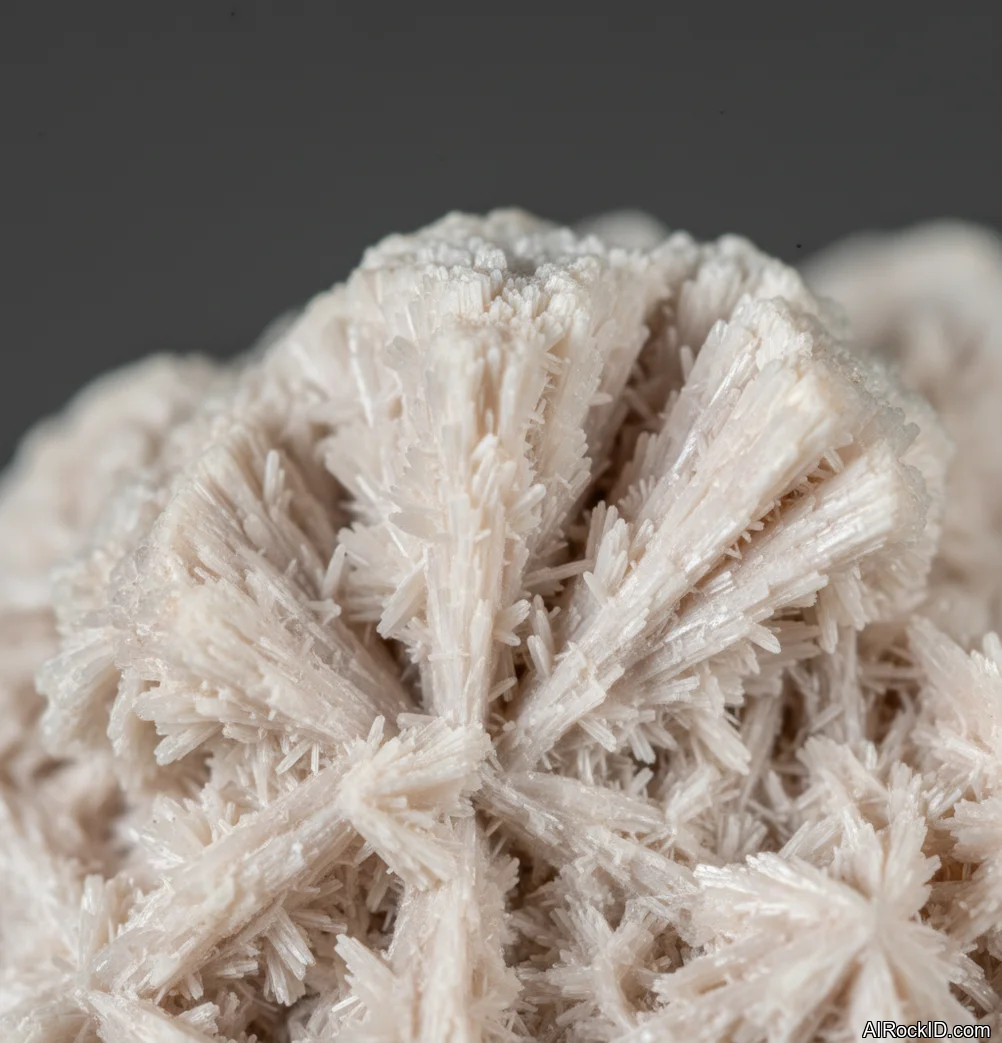
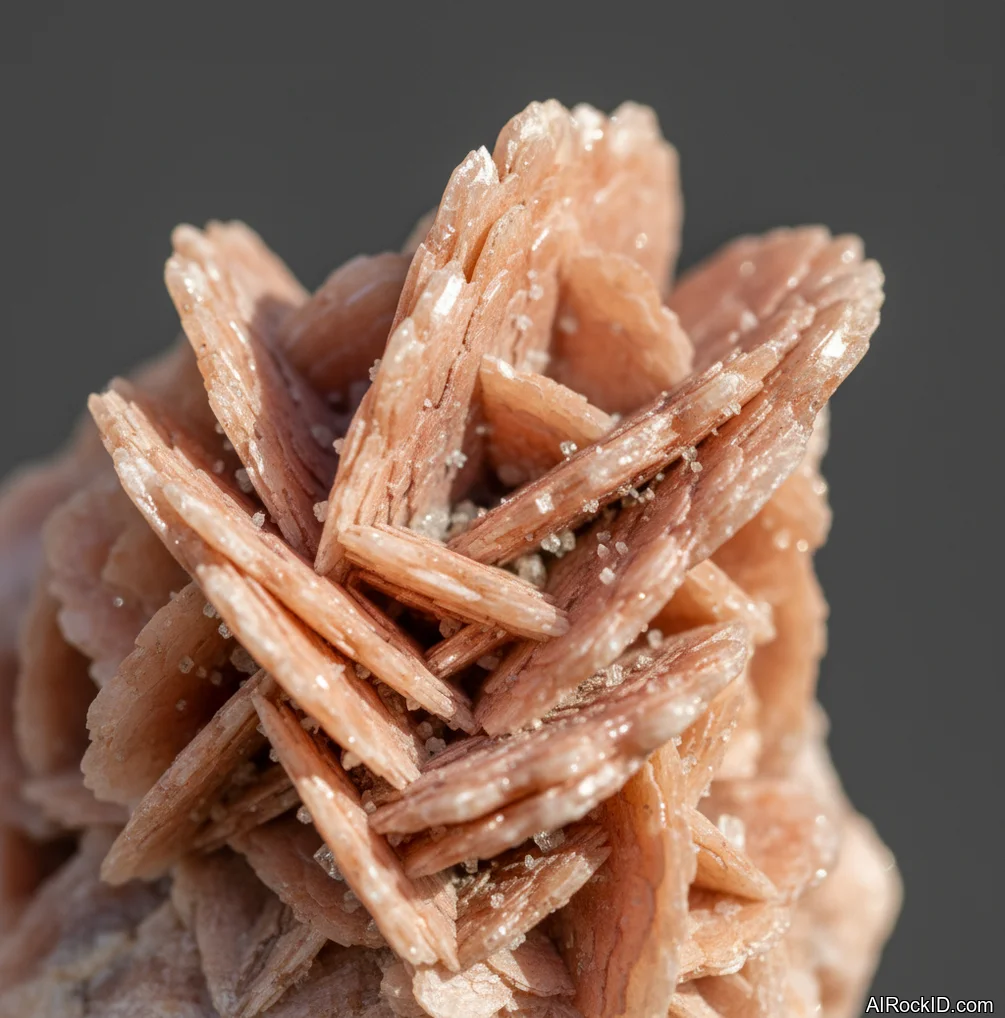
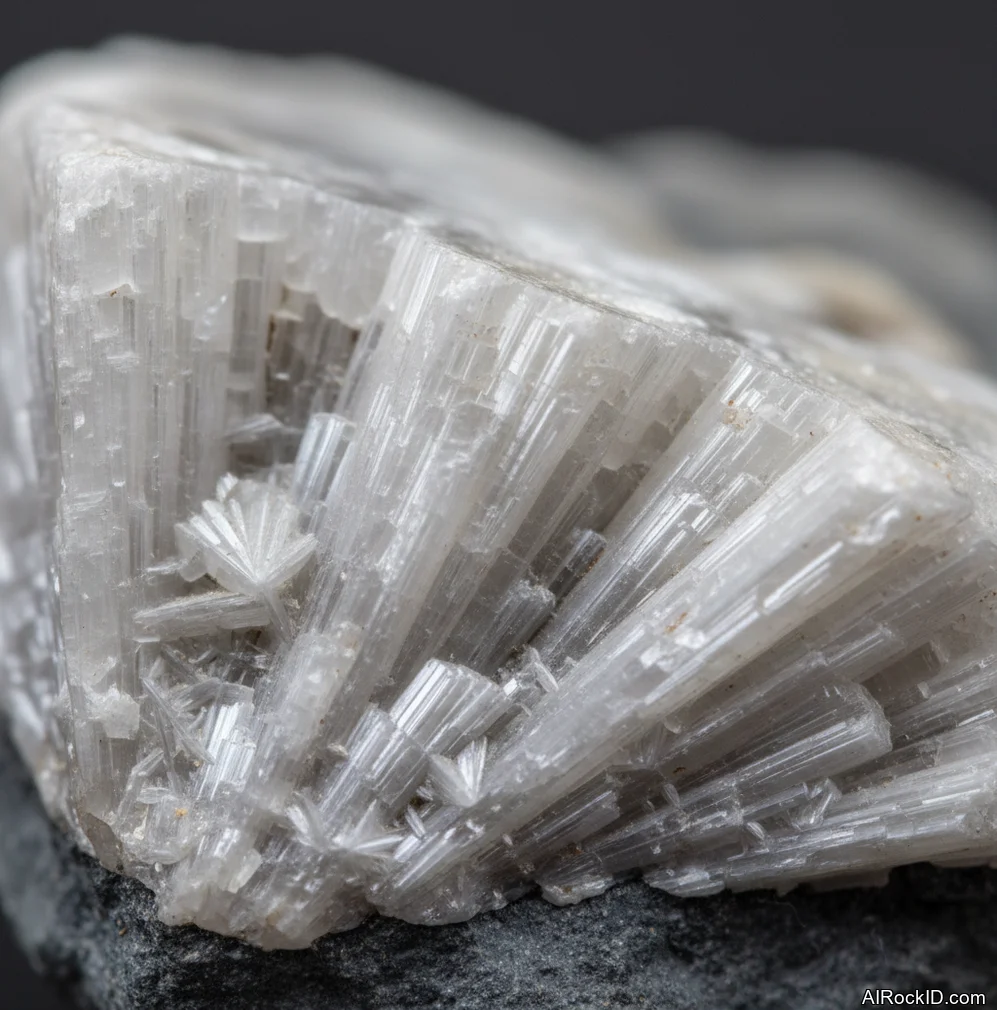
- Selenite: Selenite is often confused with satin spar; both are gypsum varieties, but satin spar is fibrous and commonly sold as wands or towers.
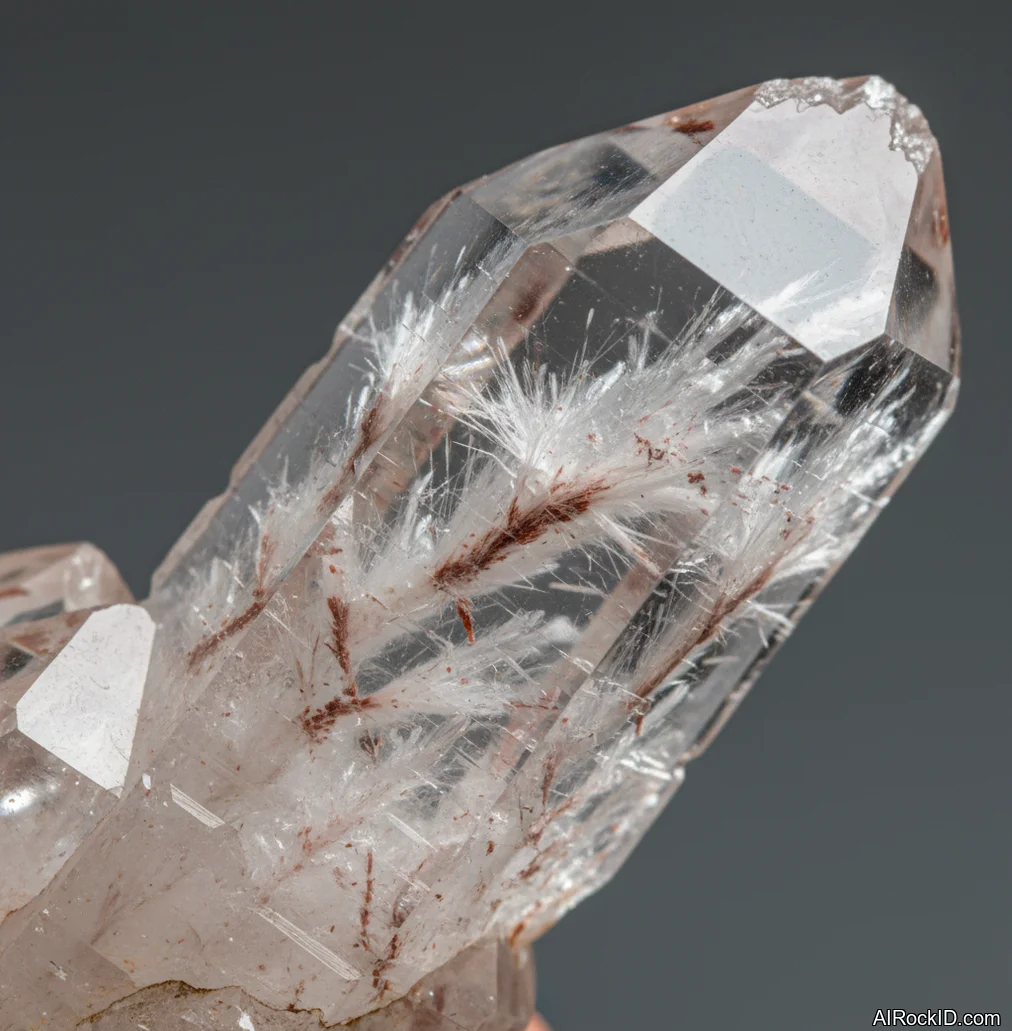
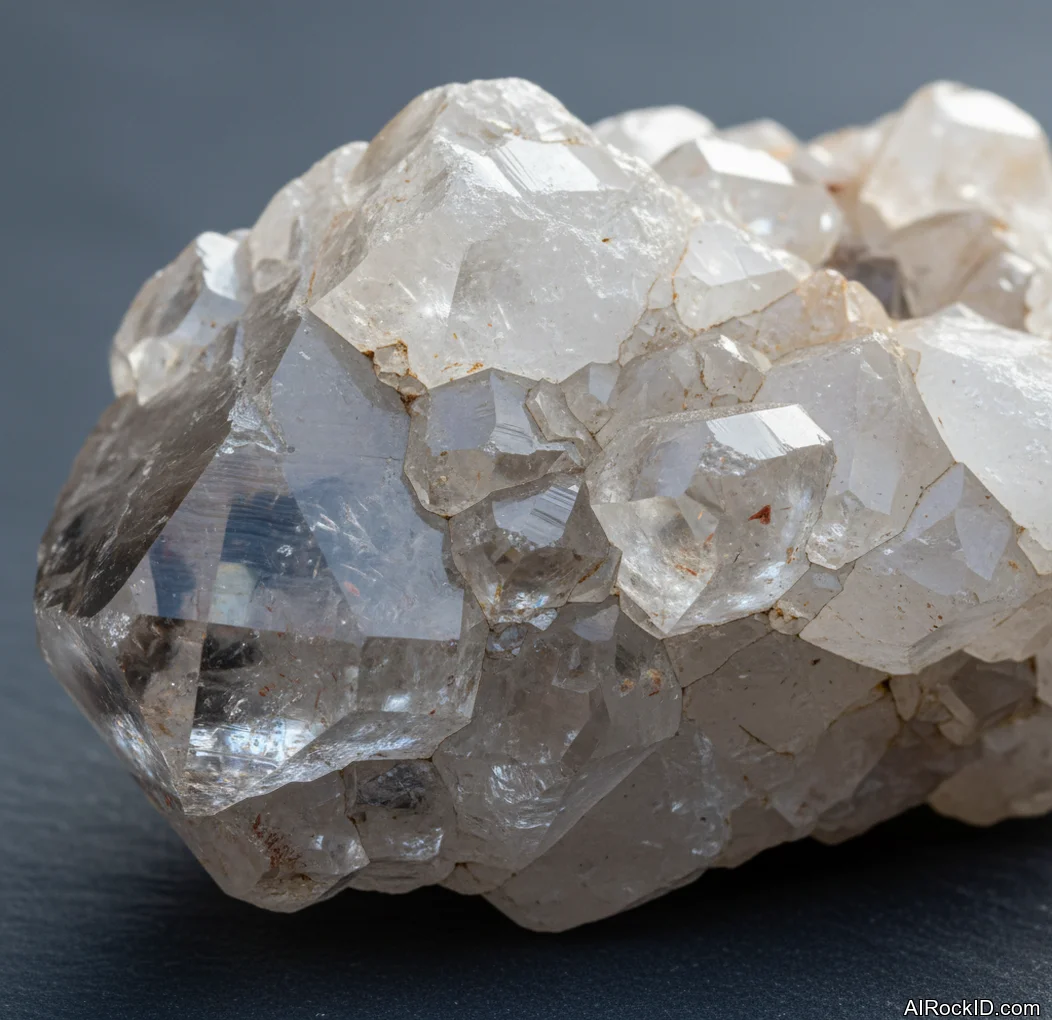
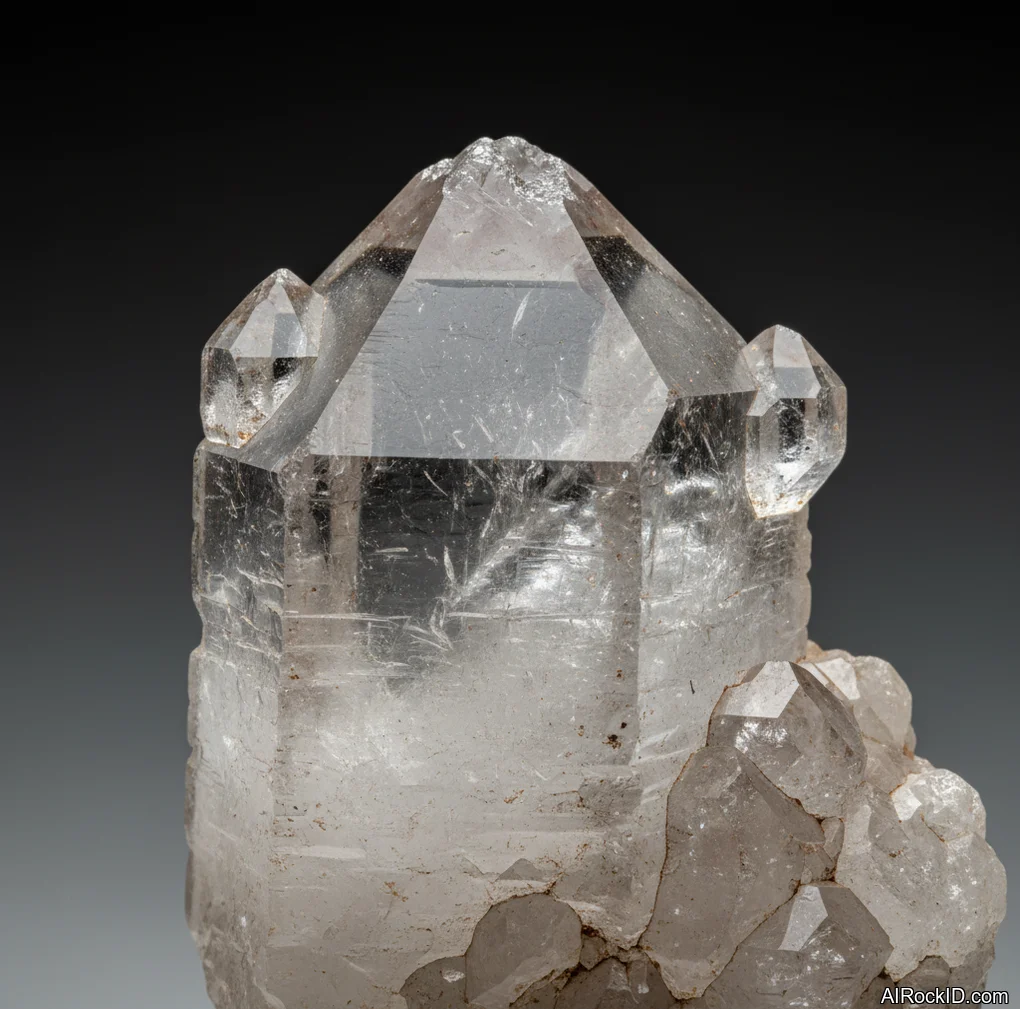
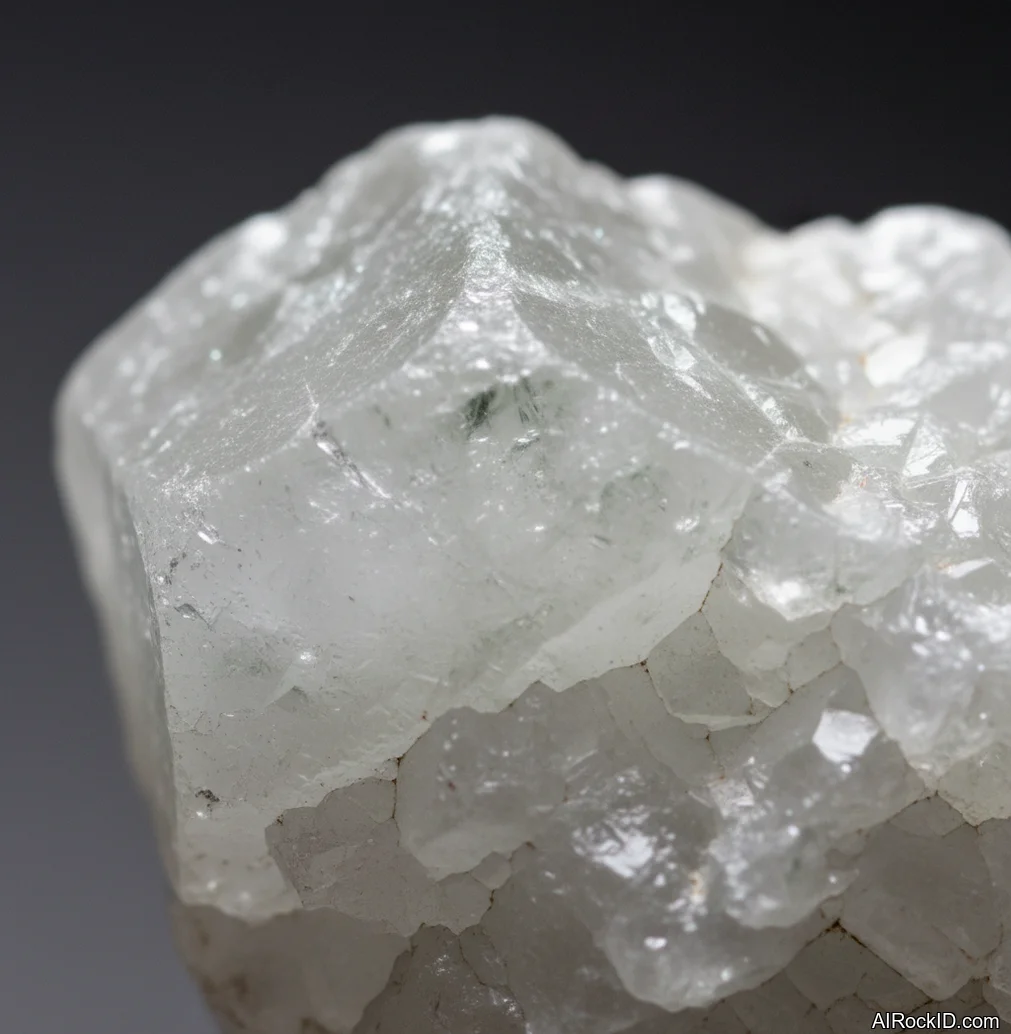
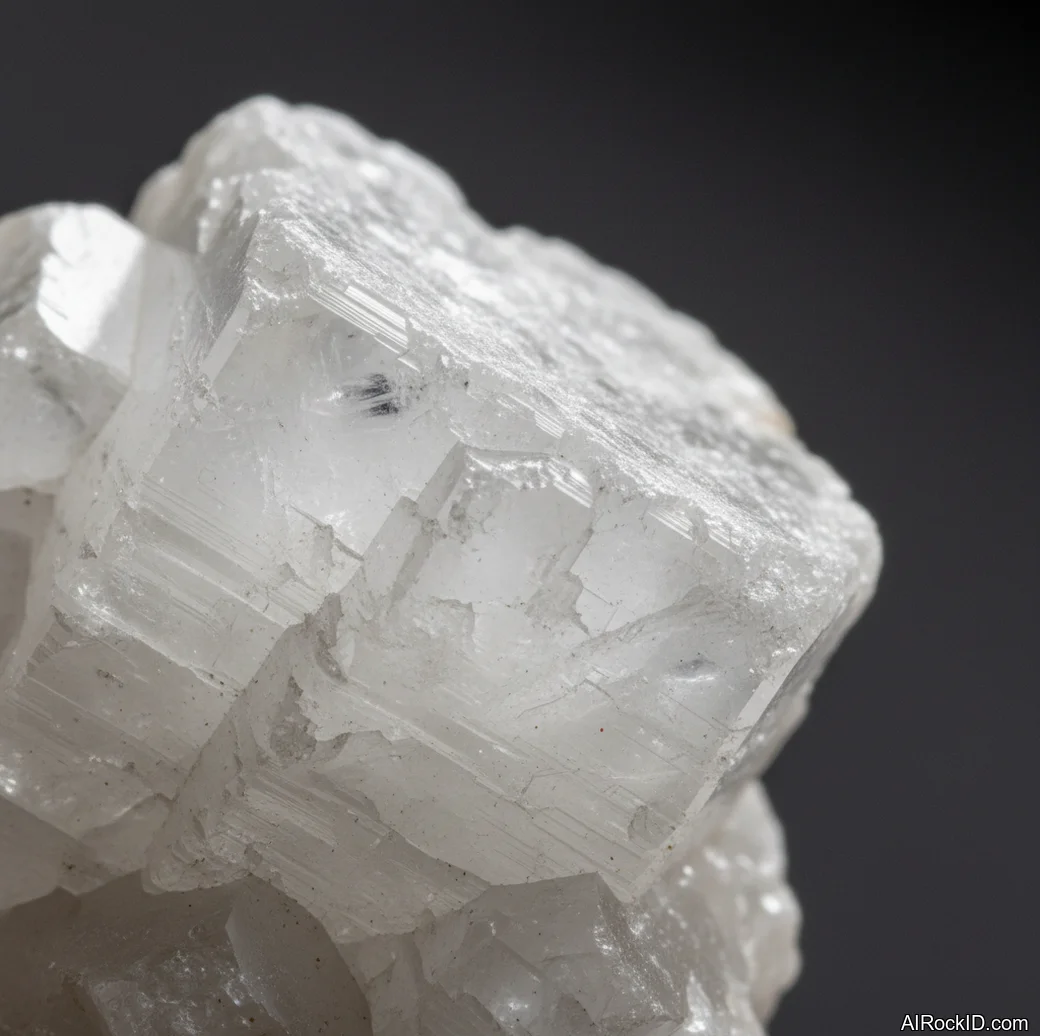
- Clear Quartz: Clear quartz is harder and glassier than gypsum-based stones such as selenite or satin spar.
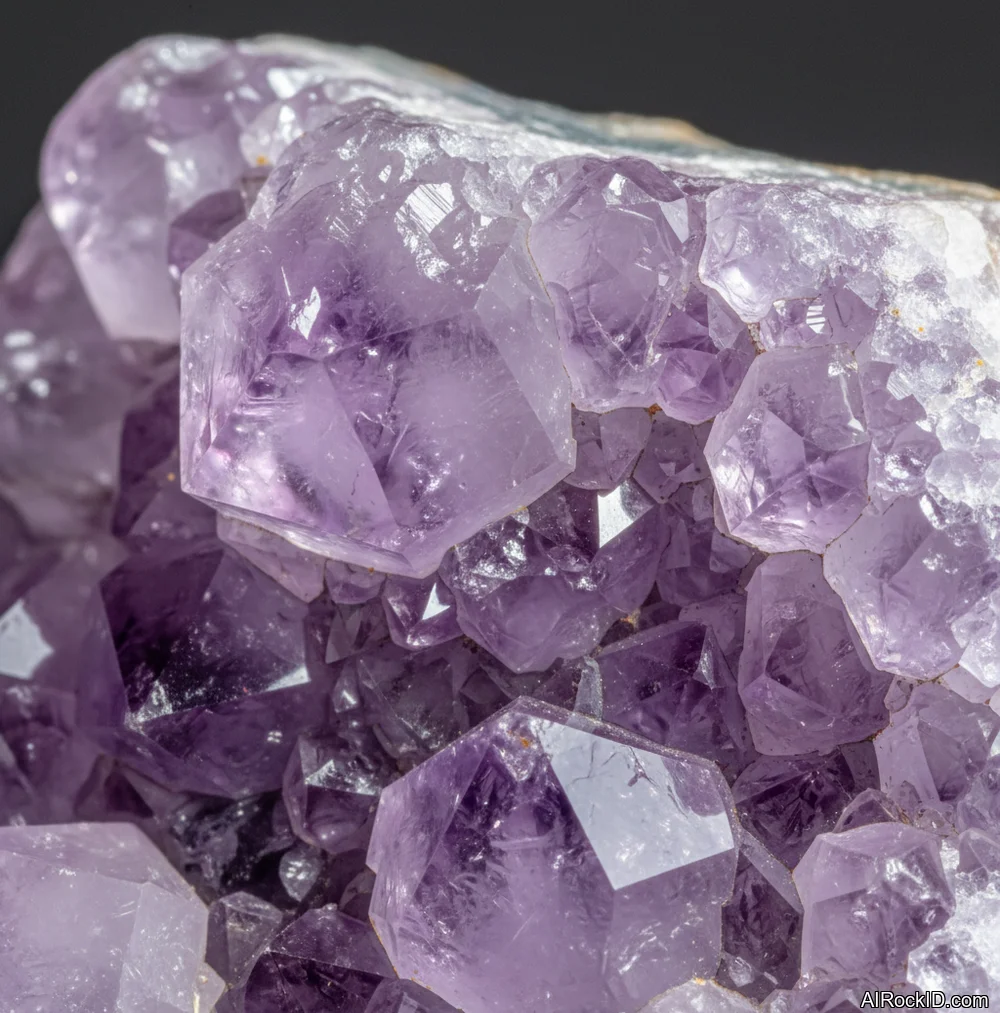
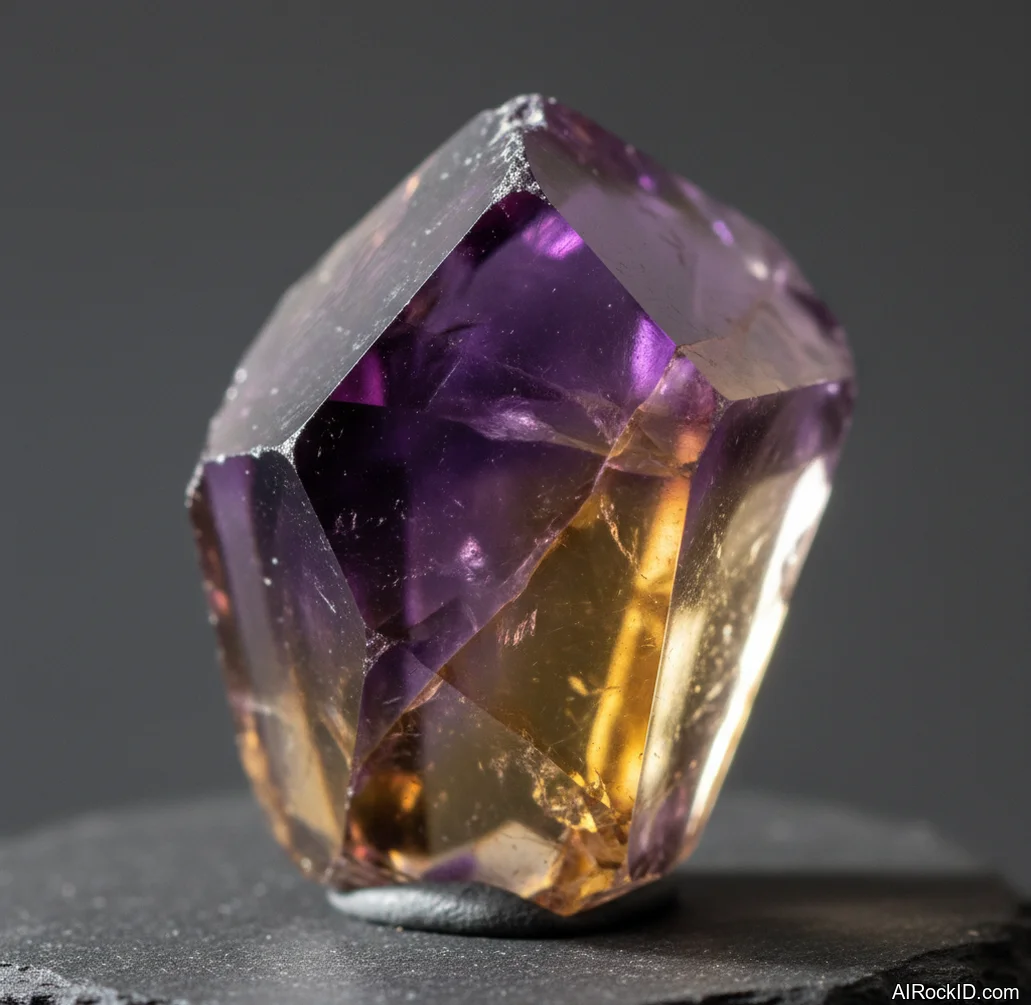
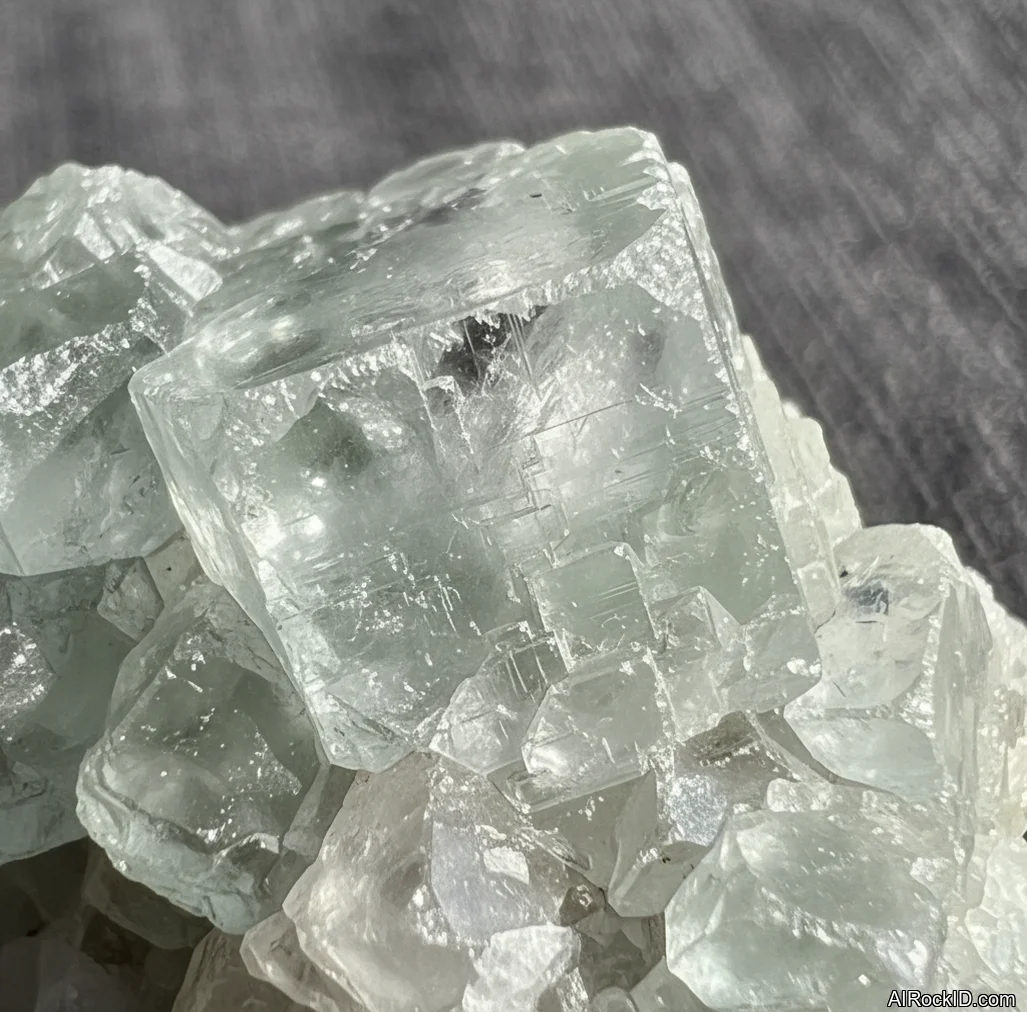
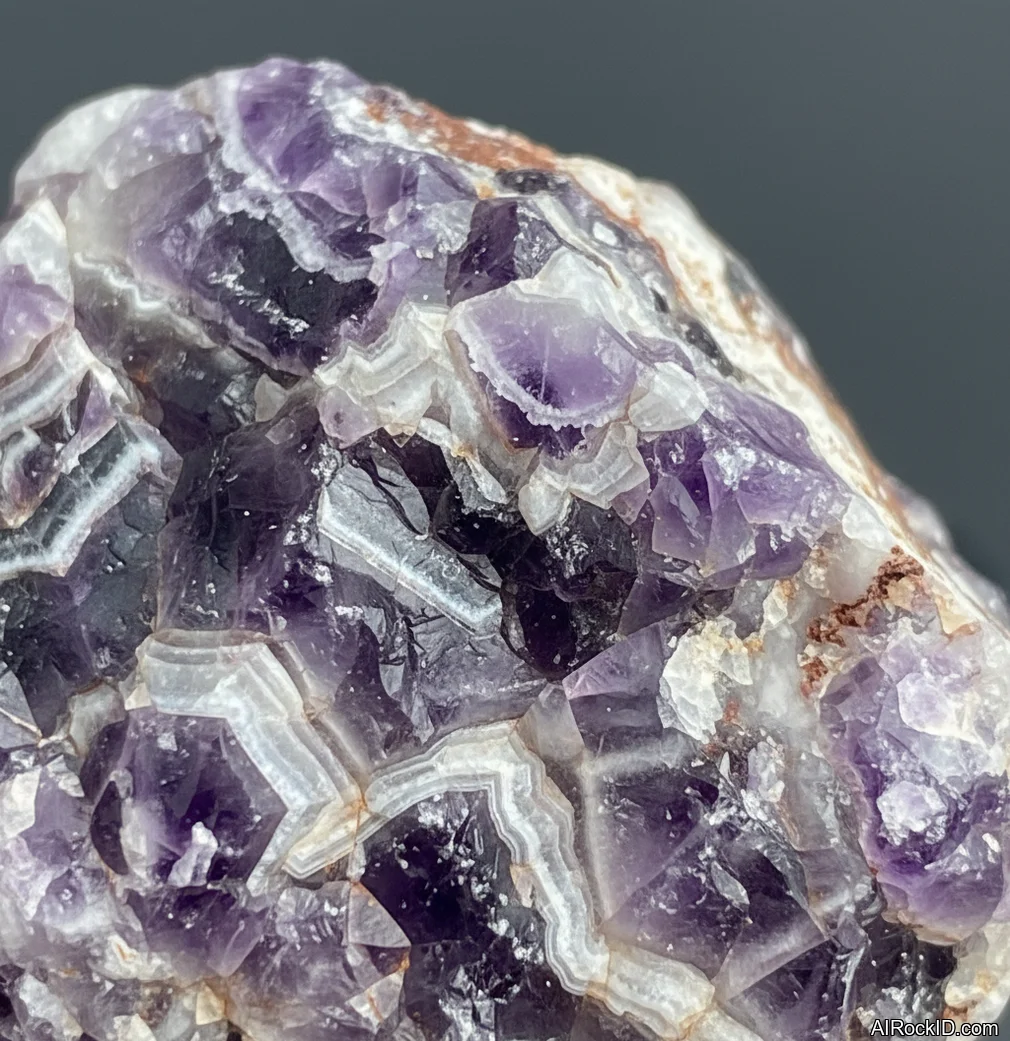
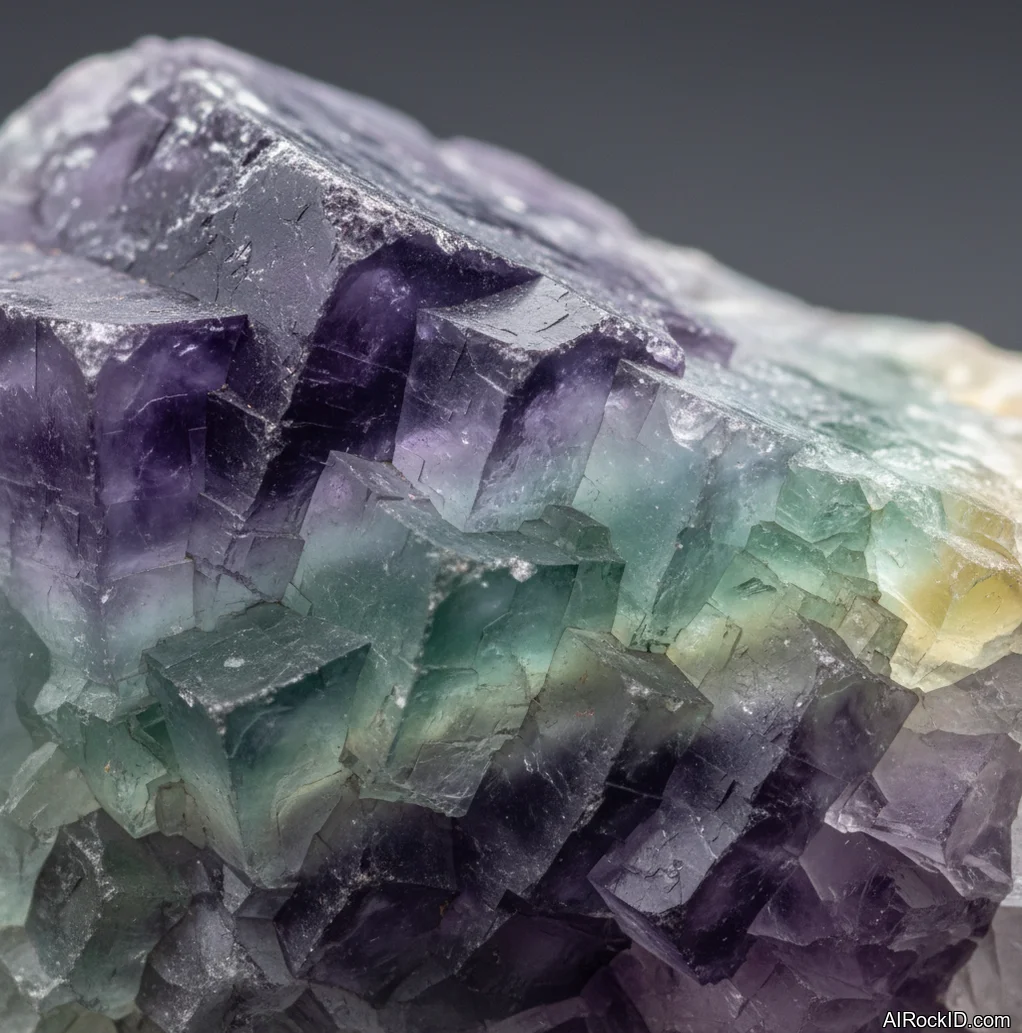
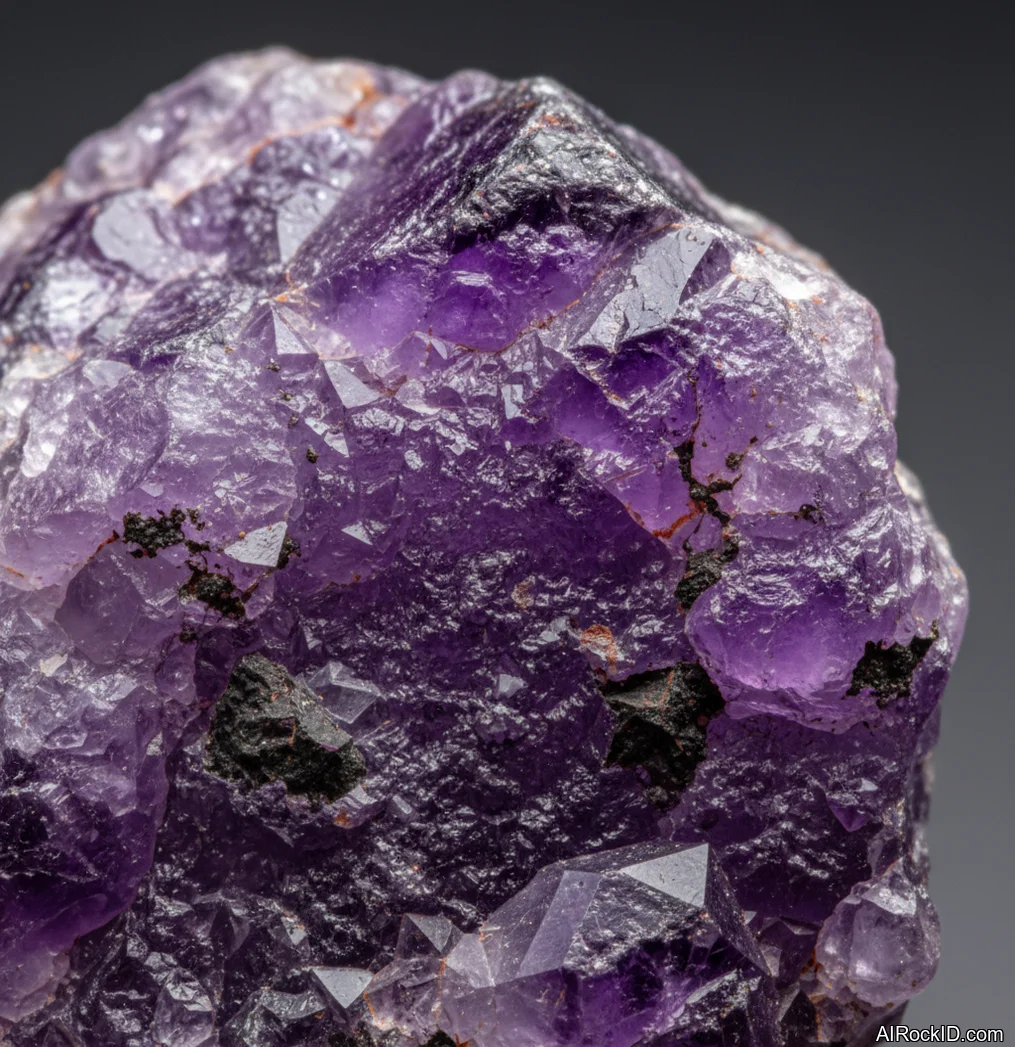
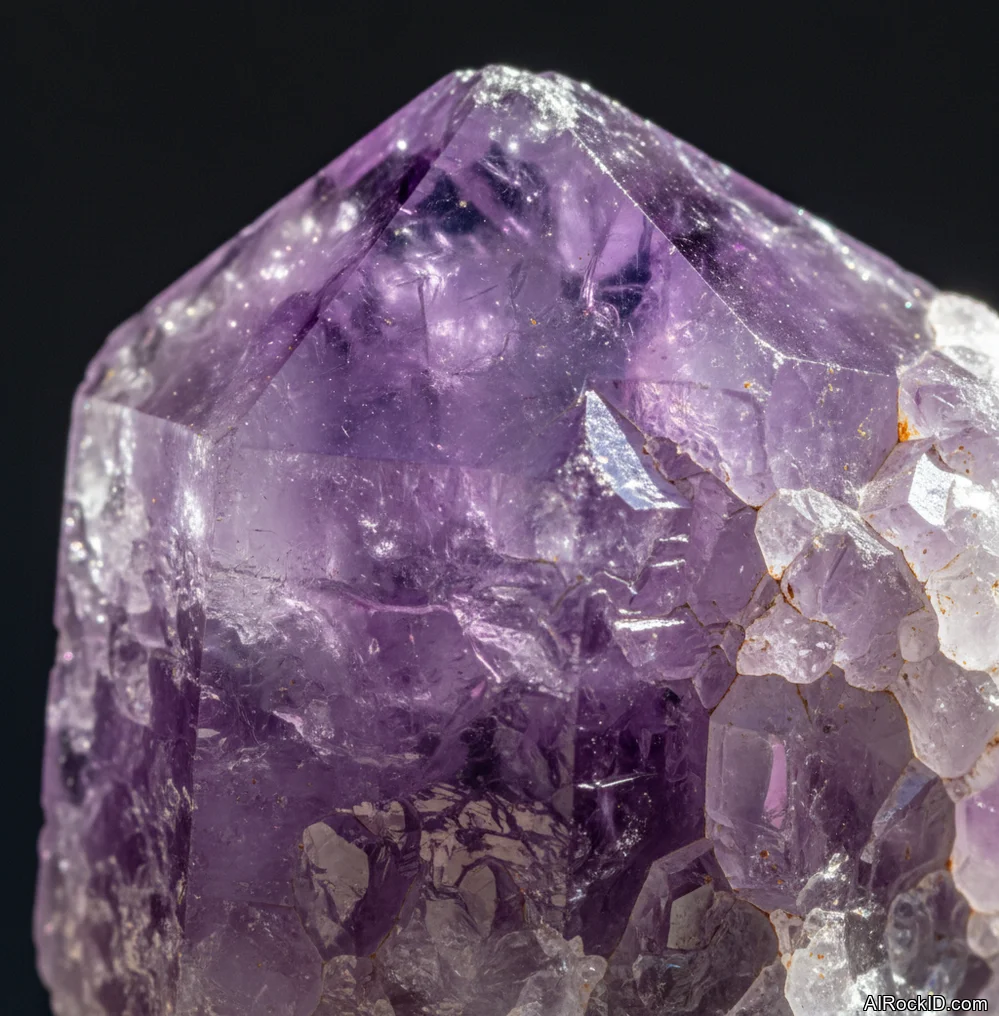
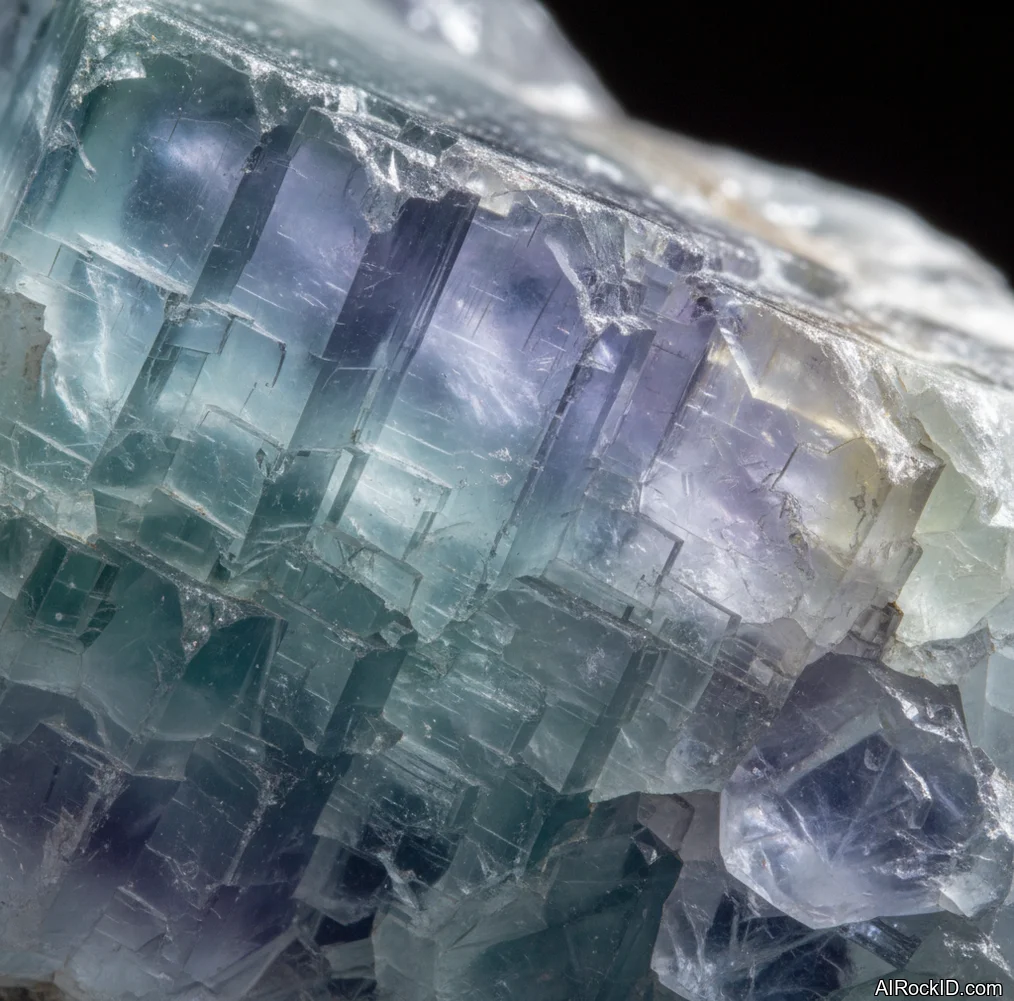
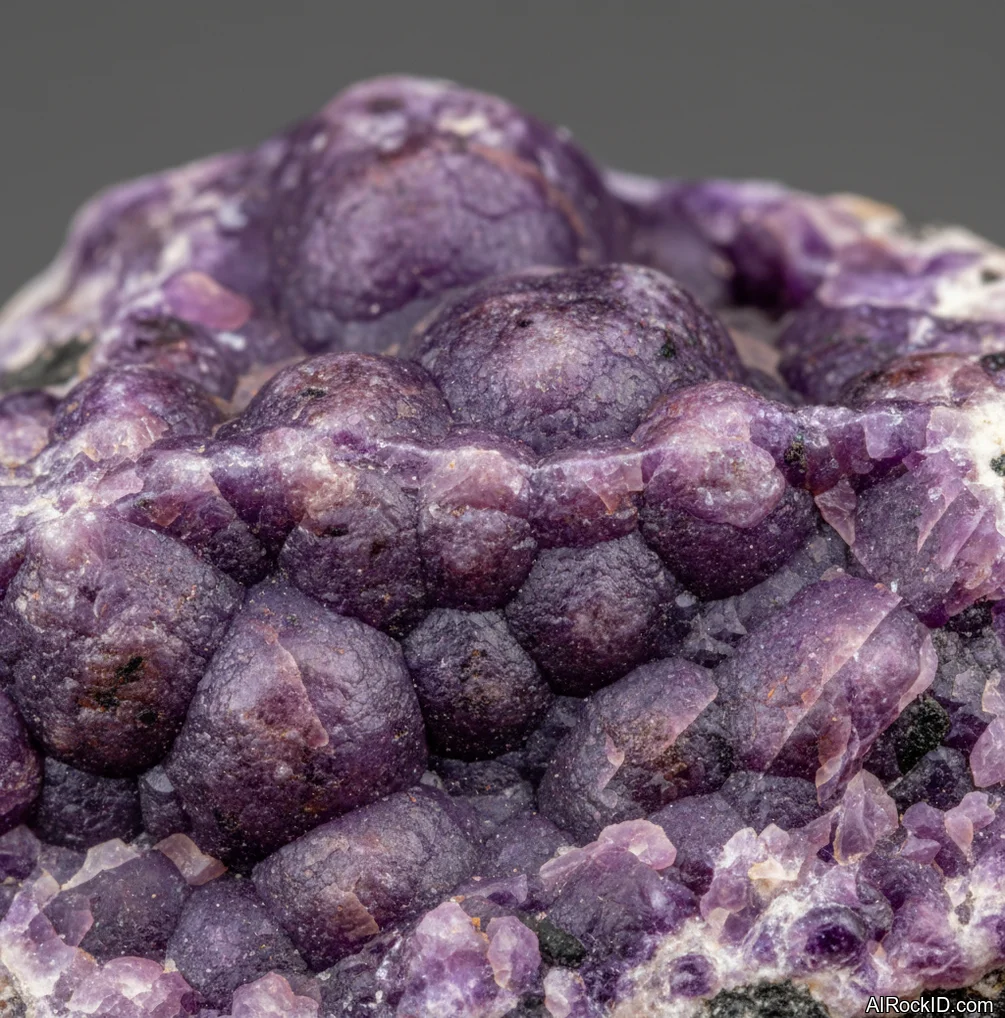
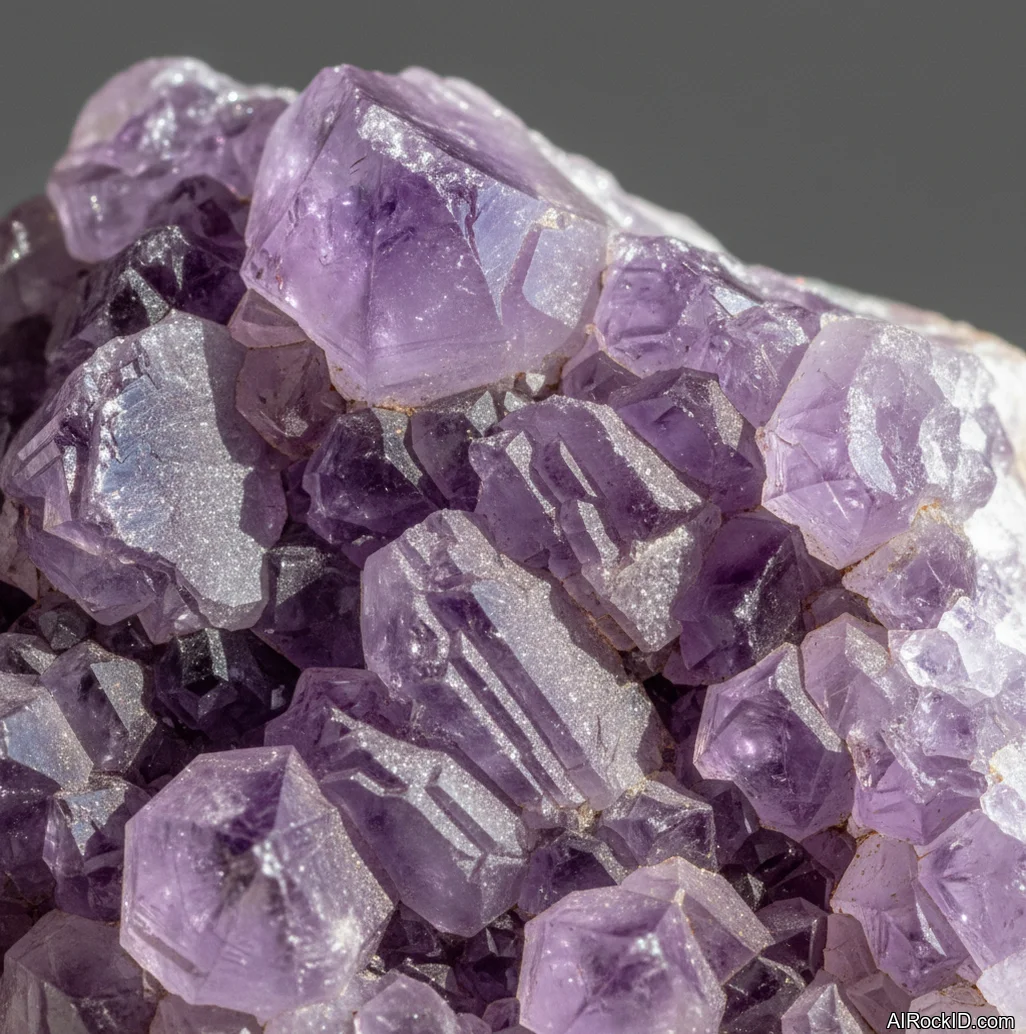
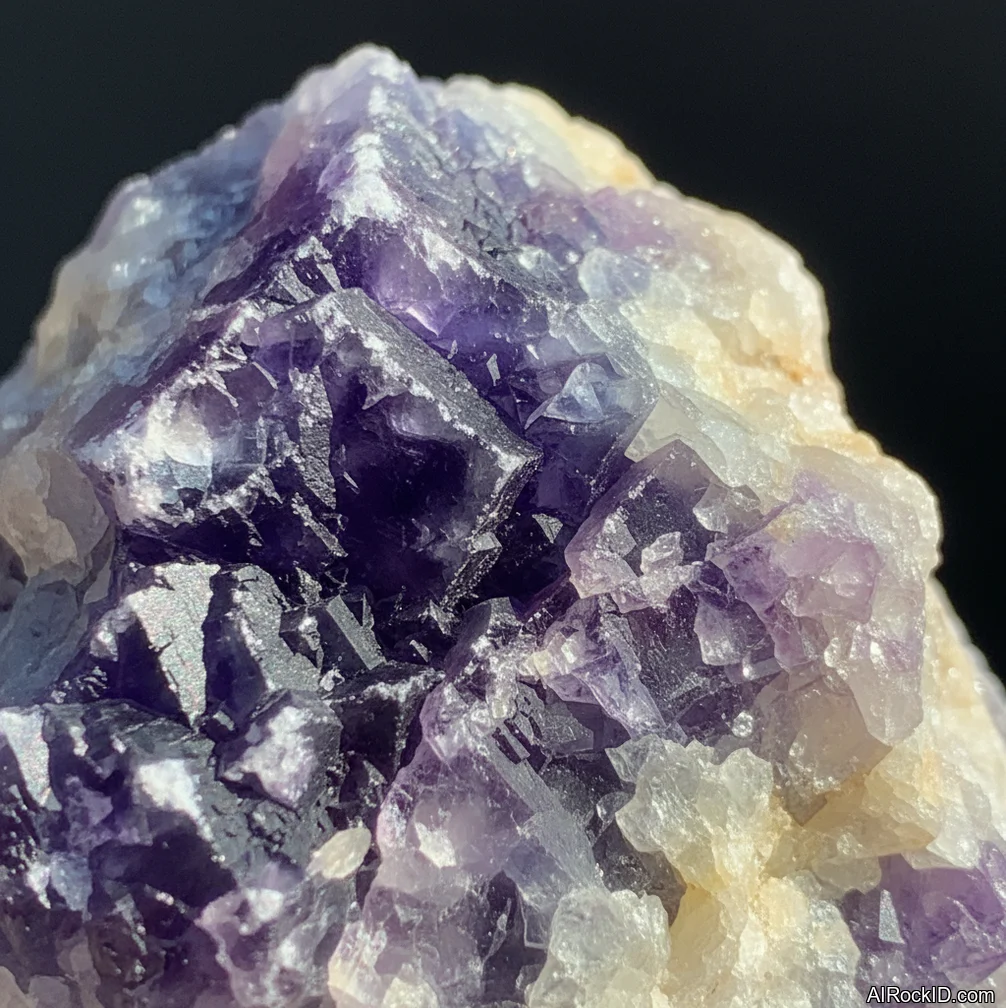
- Amethyst: Amethyst is purple quartz, while purple fluorite is softer and may show cubic cleavage or banding.
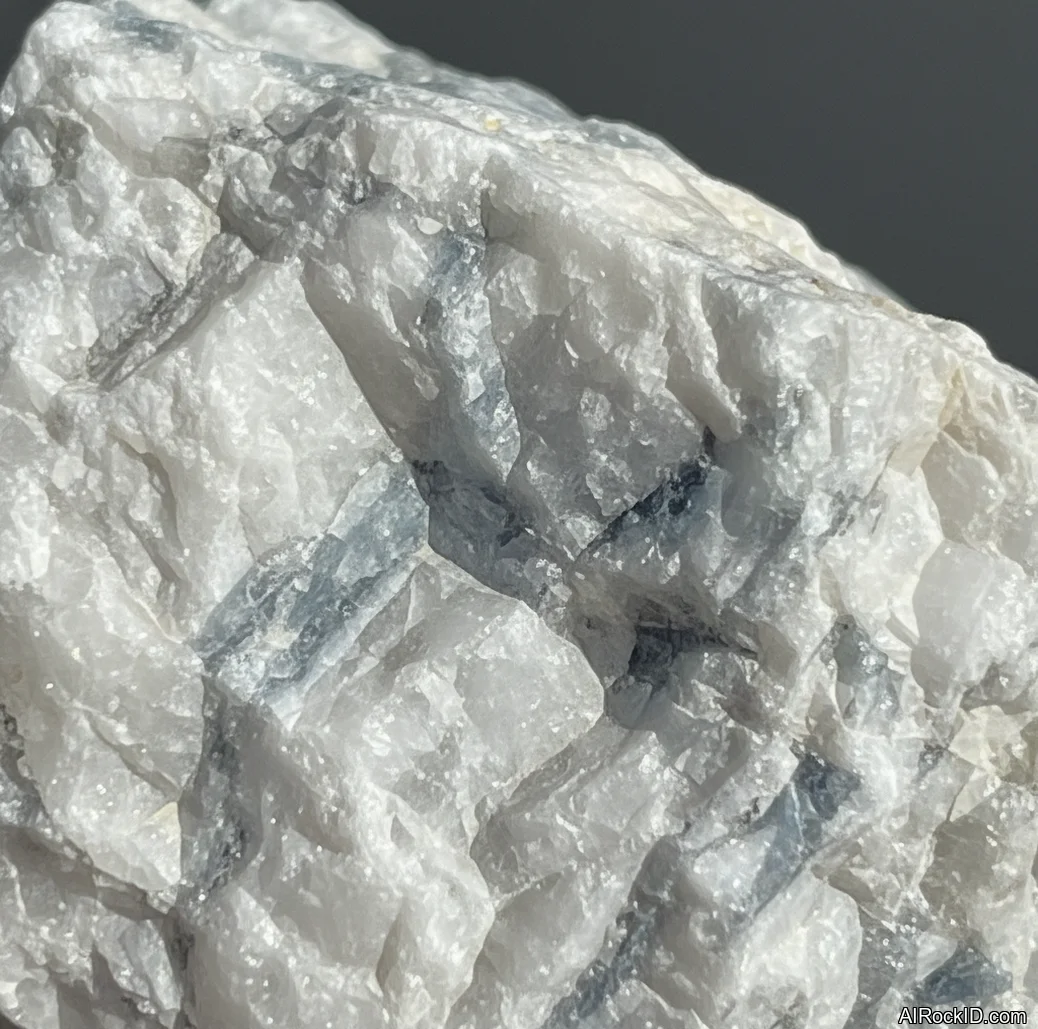
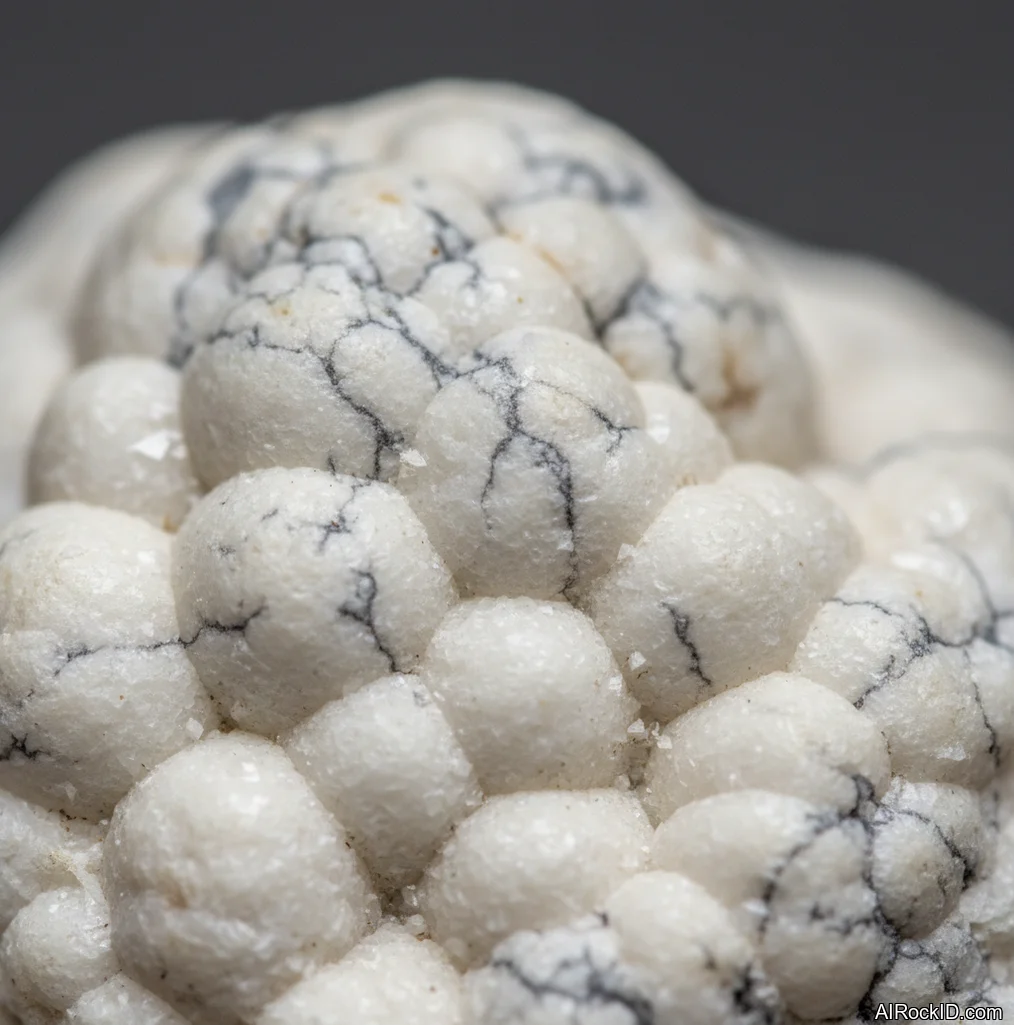
- Howlite: Howlite is typically white with gray veining and is sometimes dyed, while natural Crown Chakra stones are not always color-treated.
AI identification confidence
AI identification is often more reliable when the photo shows the stone in natural light with close-up detail, scale, and multiple angles. Confidence may be lower for polished, dyed, tumbled, or trade-name stones because surface appearance can hide mineral structure.
When AI gets it wrong
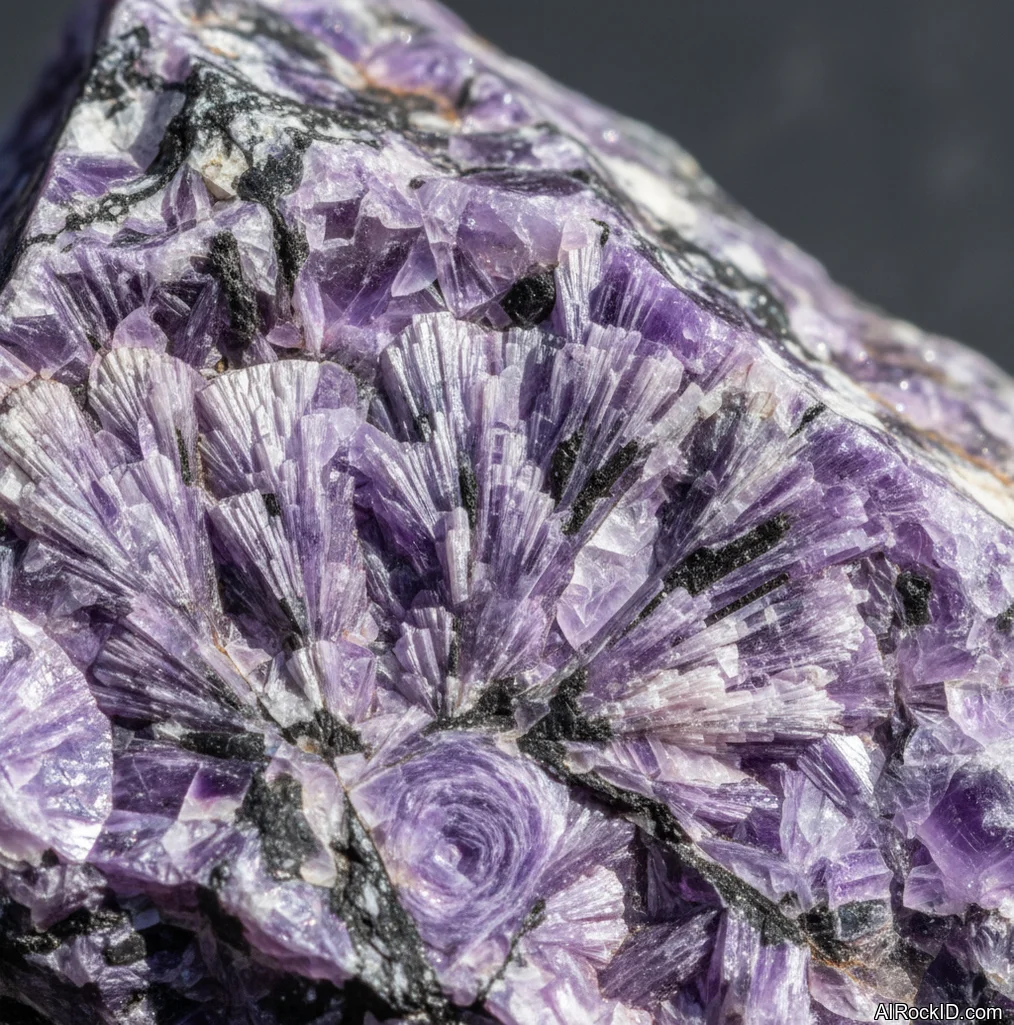
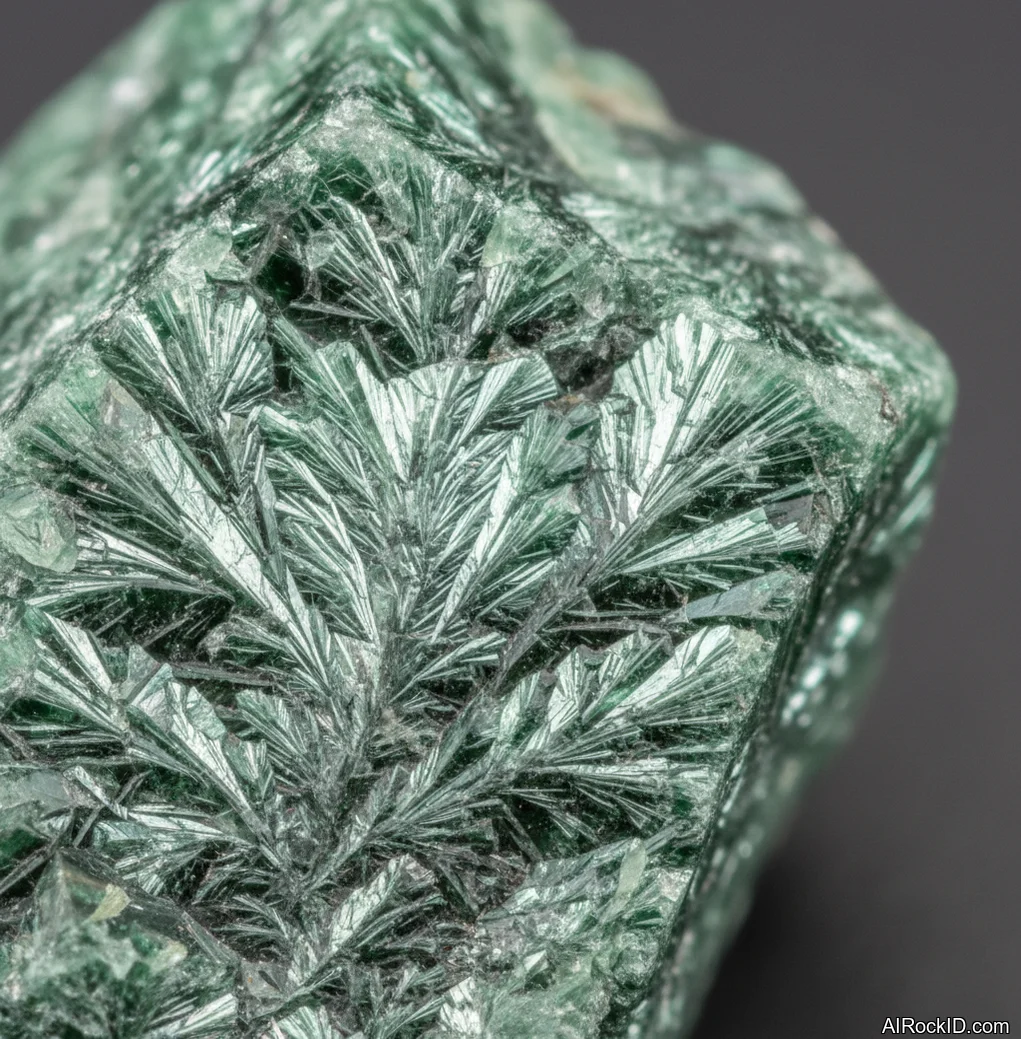
- Polished purple stones may obscure differences between amethyst, fluorite, charoite, and dyed agate.
- White fibrous stones sold as selenite may actually be satin spar, another gypsum variety.
- Clear stones can be difficult to separate from glass, quartz, calcite, or synthetic material without hardness and optical tests.
- Trade names may describe appearance or spiritual use rather than a single mineral species.
Final recommendation
For a simple Crown Chakra set, many beginners choose one purple stone, one clear stone, and one white stone, such as amethyst, clear quartz, and selenite or satin spar. For accurate identification, combine visual inspection with basic properties such as hardness, cleavage, luster, and known source information.
What this category represents
The Crown Chakra crystal tag groups minerals, rocks, and trade-name stones commonly linked in chakra traditions to the seventh chakra, also called Sahasrara. This tag is symbolic and organizational; it does not mean the stones share one mineral family, chemical formula, or verified medical effect.
Beginner recommendations
Advanced recommendations
Crown Chakra Crystal Colors and Symbolism
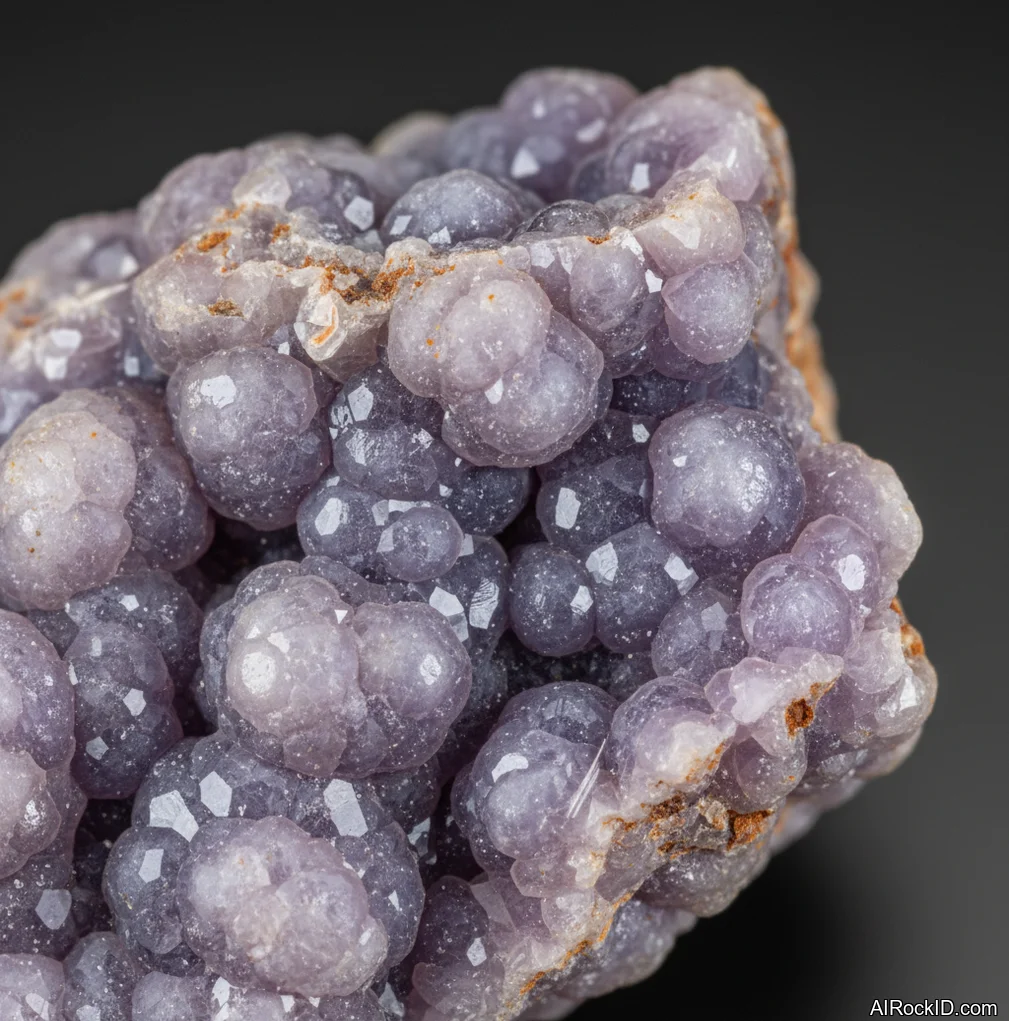
Crown Chakra stones are often white, clear, violet, lavender, or pale gray in chakra traditions. These colors are symbolically linked with clarity, stillness, reflection, and spiritual awareness rather than with a single mineral property.
Natural, Treated, and Trade-Name Stones
Some stones sold for Crown Chakra use may be dyed, heat-treated, coated, or marketed under trade names. A trade name can be useful for shopping, but it may not identify the exact mineral species, so checking hardness, streak, structure, and seller information is important.
Safe Placement and Display Ideas
Delicate Crown Chakra stones such as selenite, satin spar, and lepidolite should be kept away from water, heavy impact, and rough handling. Displaying them on a dry shelf, padded tray, or separate compartment can reduce scratching and breakage.
Understanding Crown Chakra Crystals: What Sets Them Apart
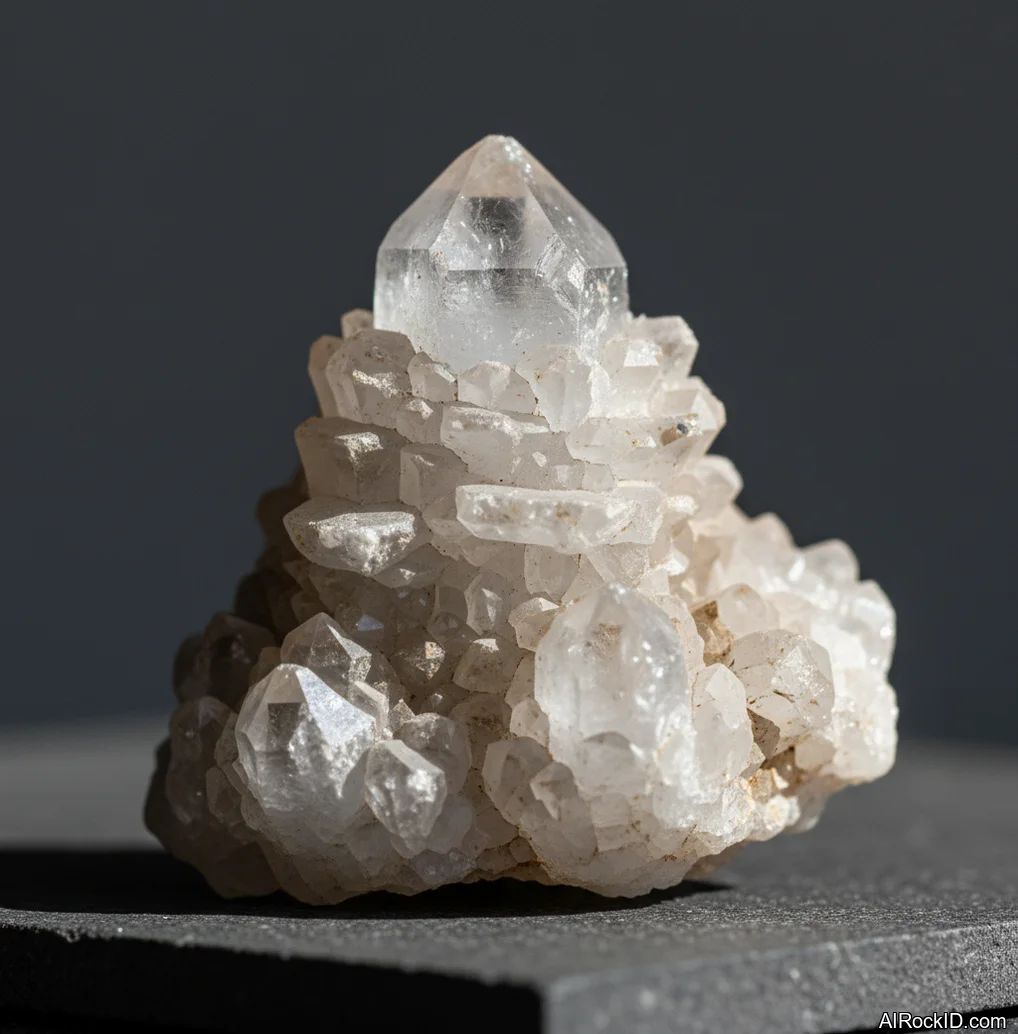
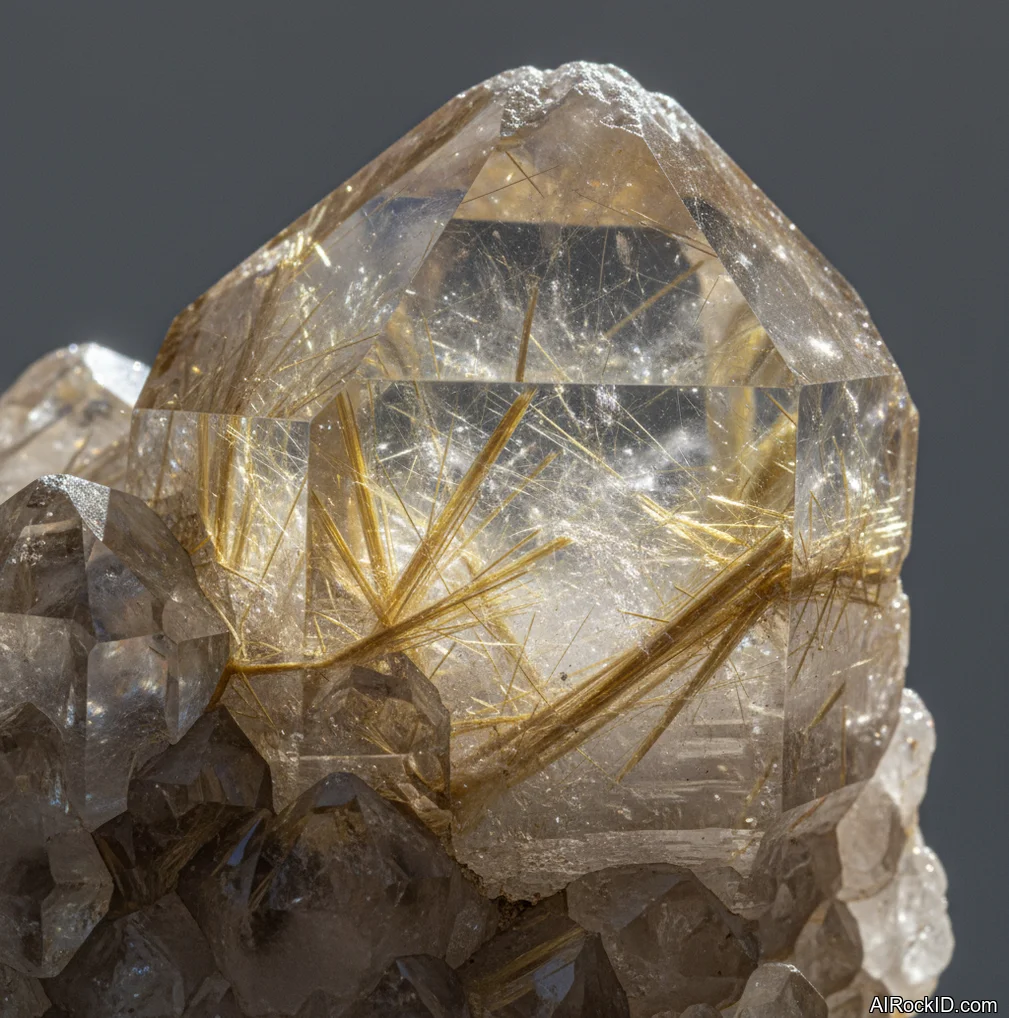
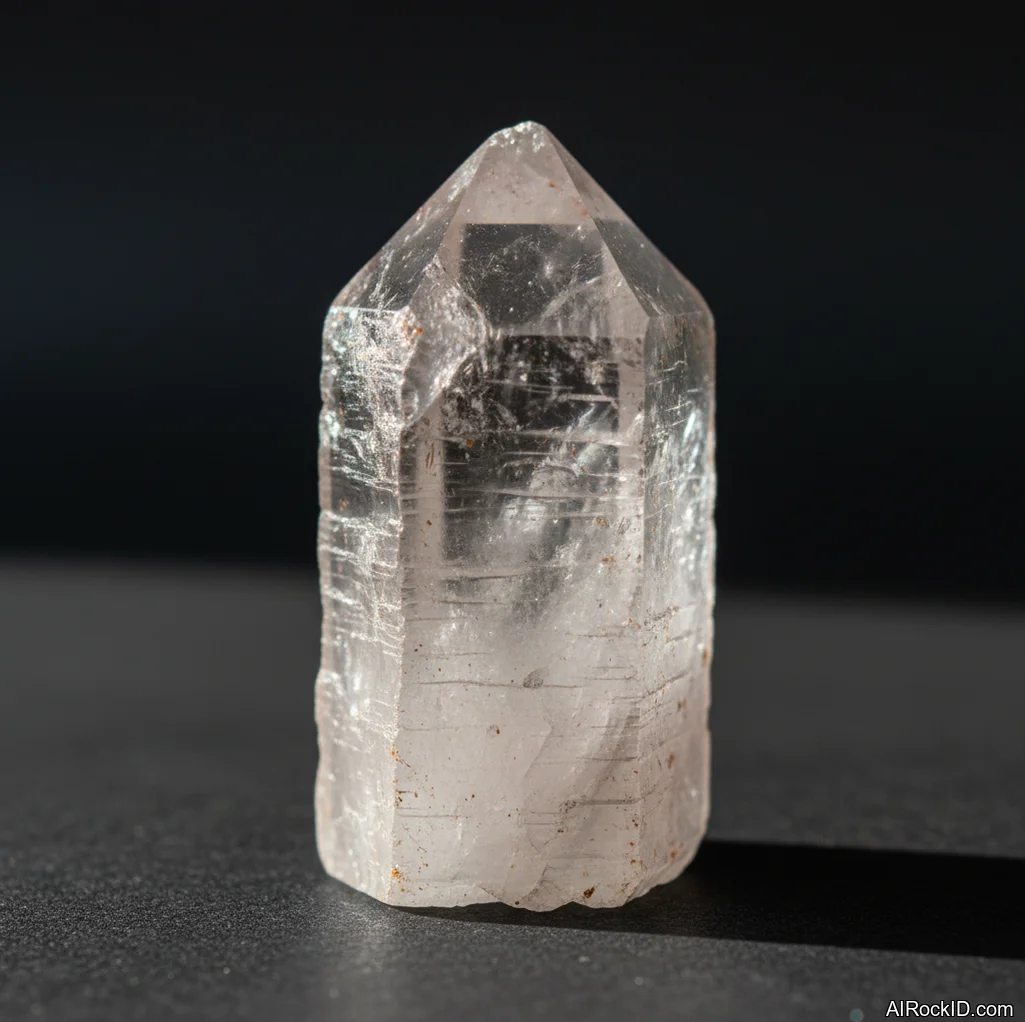
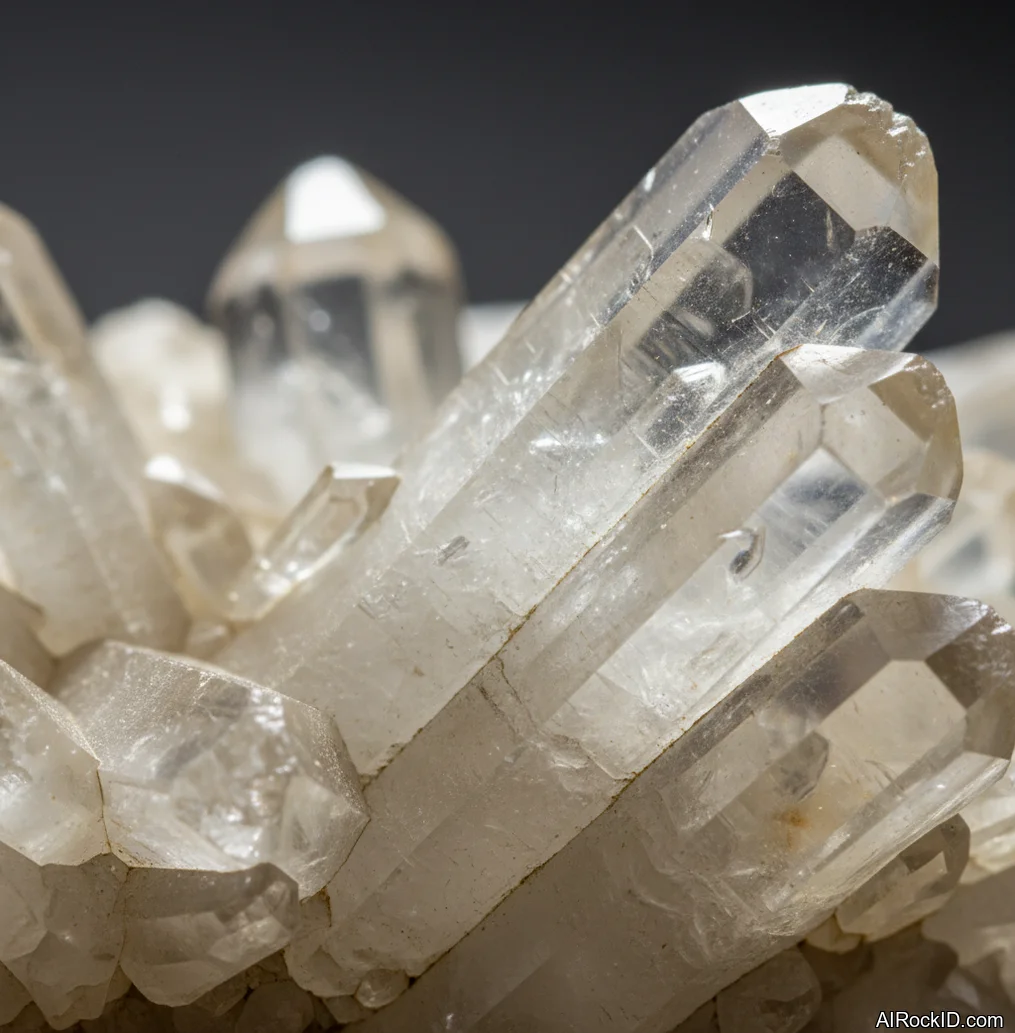
Crown Chakra crystals are the 'headspace' stones. People sort them by how they feel in the hand—light, cool, often clear or pale in color. After a long meditation, when thoughts go quiet and you’re not pulled in five directions, that’s the feeling people want from these stones. In the shop, you’ll hear short descriptions like 'airy,' 'bright,' or 'mentally cooling,' instead of drawn-out spiritual jargon. Clear quartz, amethyst, selenite (really satin spar gypsum in most shops), danburite, and lepidolite all show up together in this category. Pick up a quartz point and you’ll notice it keeps a chill even after a minute in your palm. It’s hard, glassy, and when you clack it against a softer fake, you can hear the difference. Quartz sets the standard for Crown work because it’s neutral and pairs easily with other minerals. Polished pieces don’t look plasticky if they’re done right. When someone asks for a stone to help with 'connection' or 'higher mind,' they’re usually looking to turn down mental noise. Quartz is their baseline.
Physical Characteristics of Crown Chakra Stones: A Collector’s View
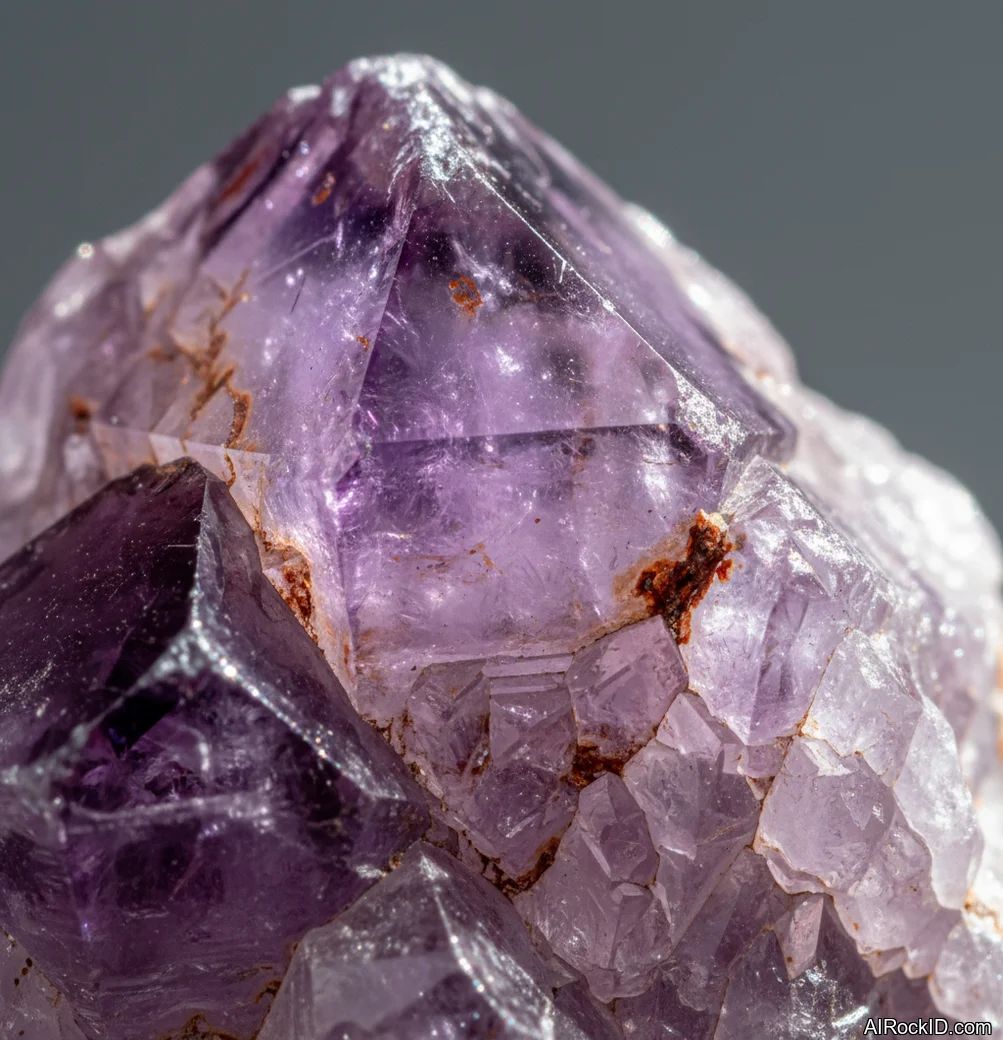
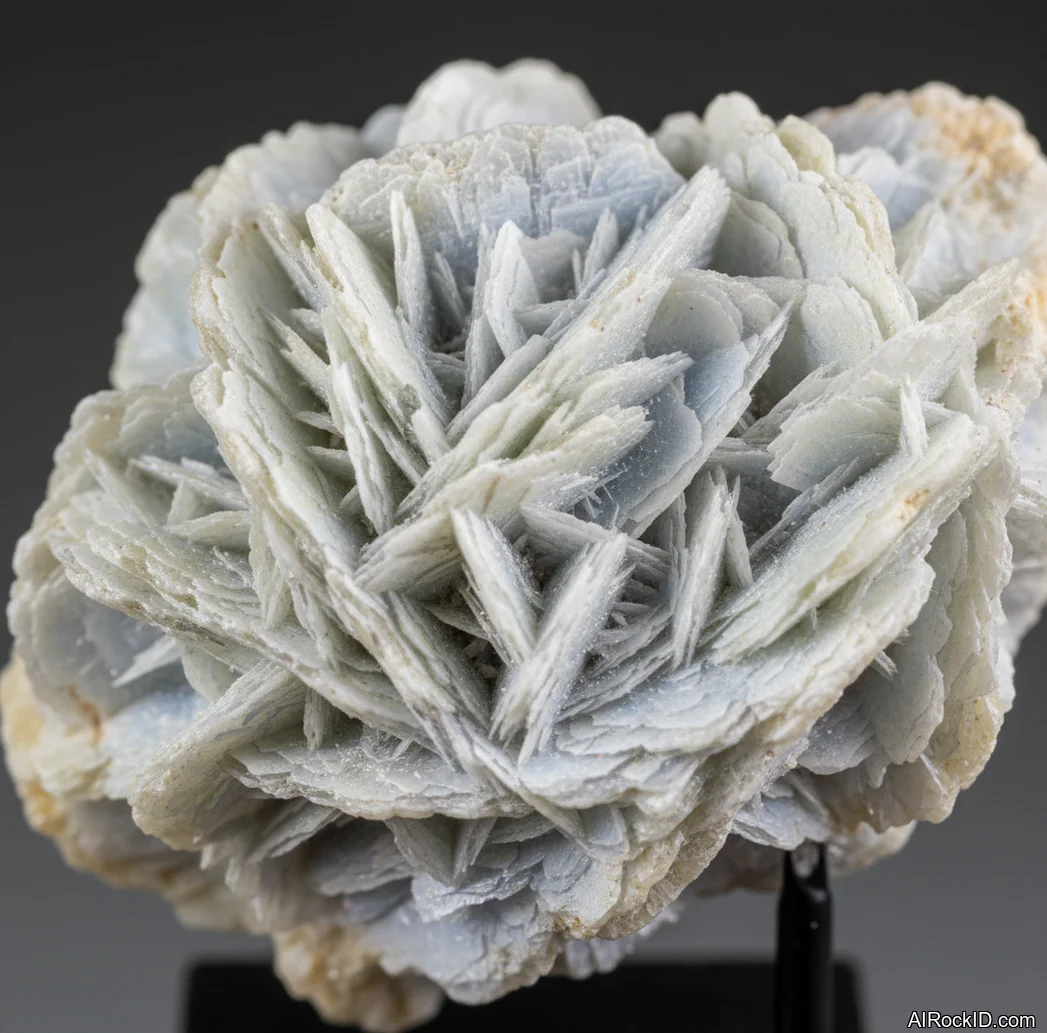
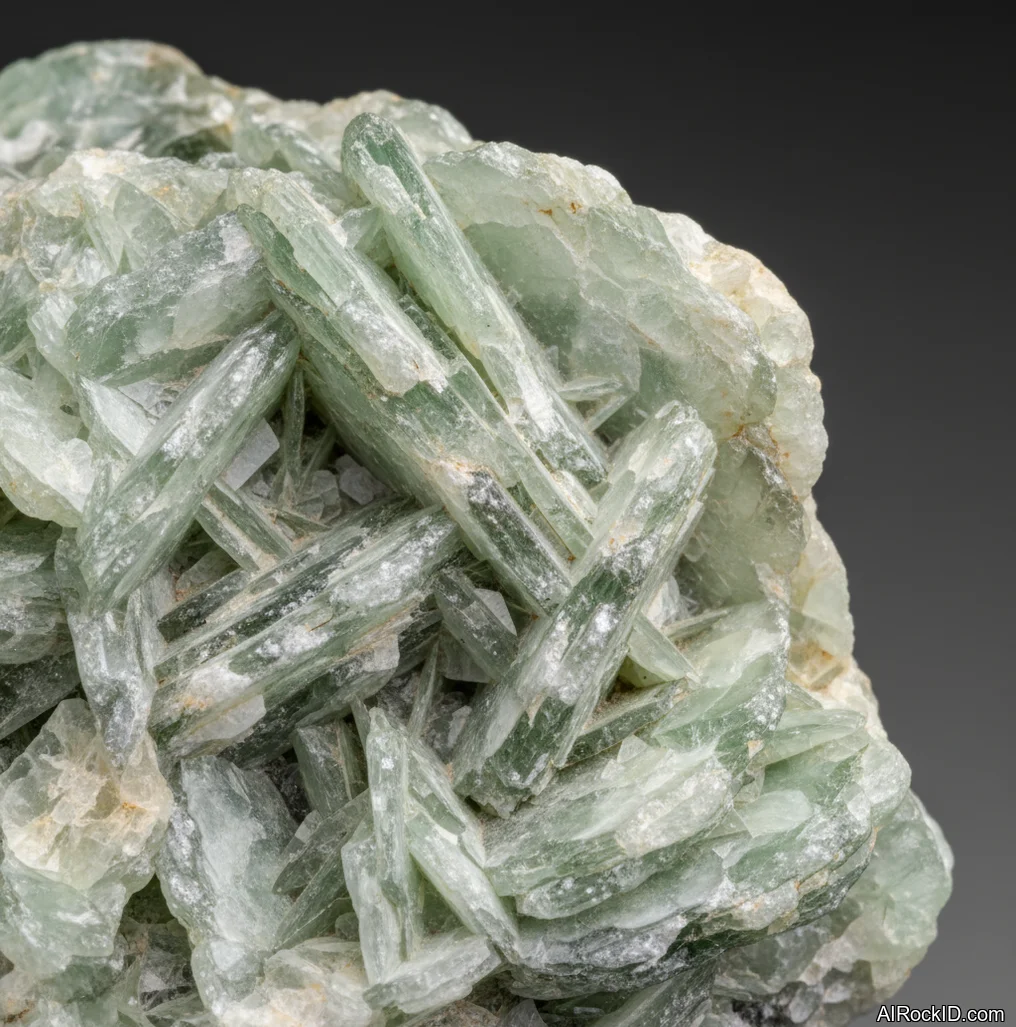
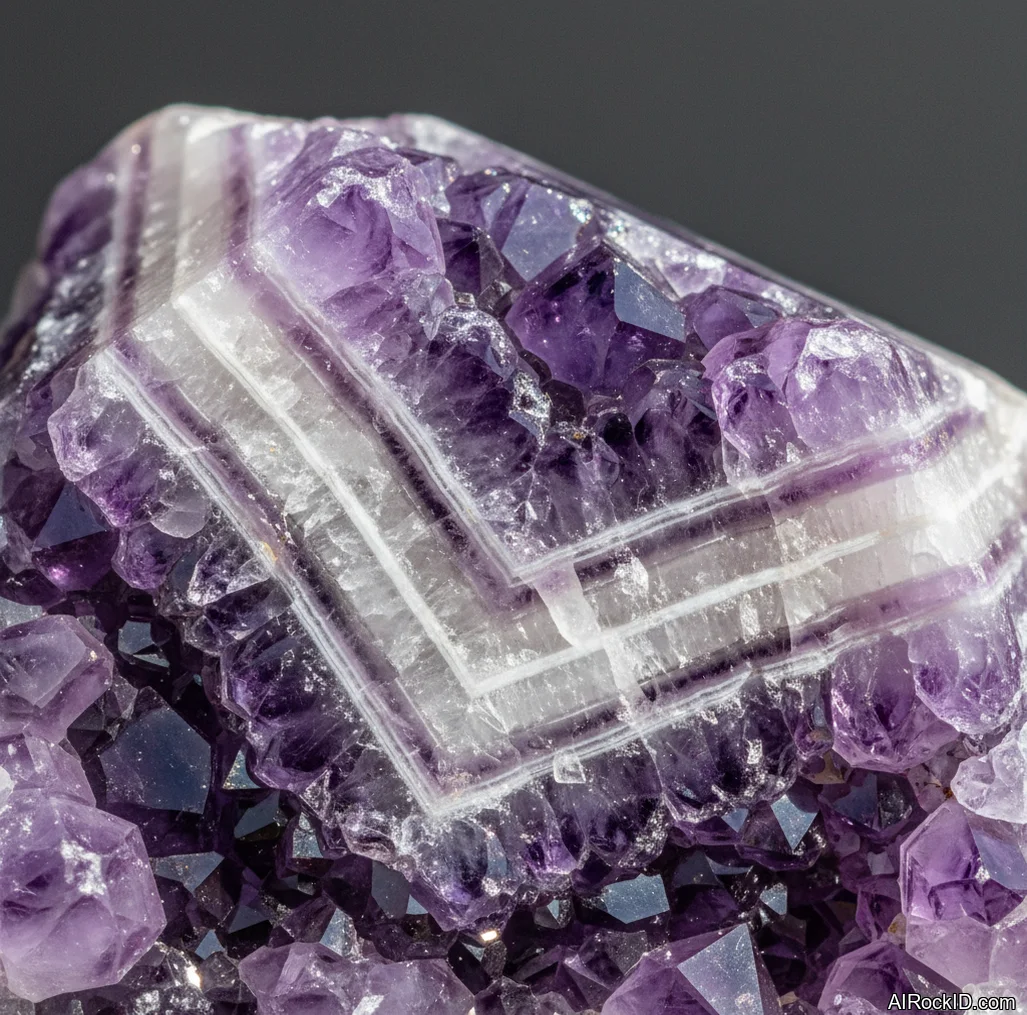
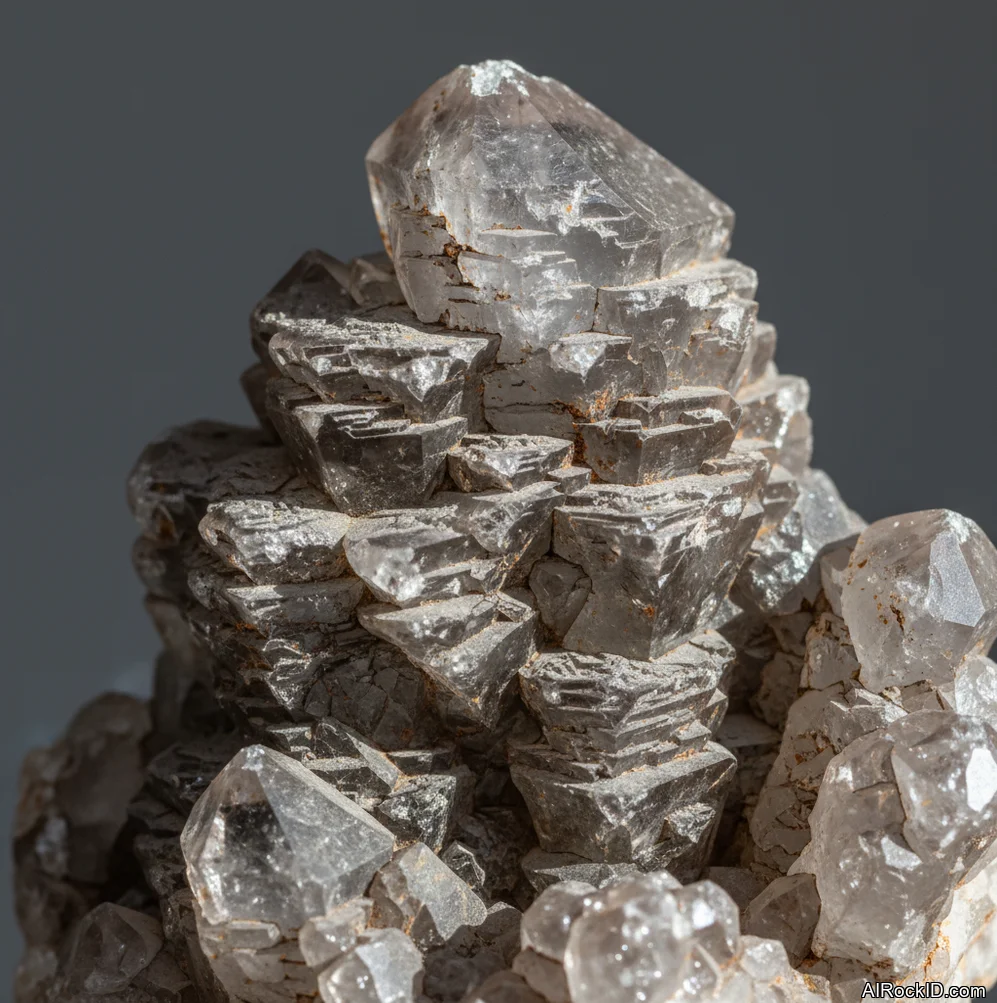
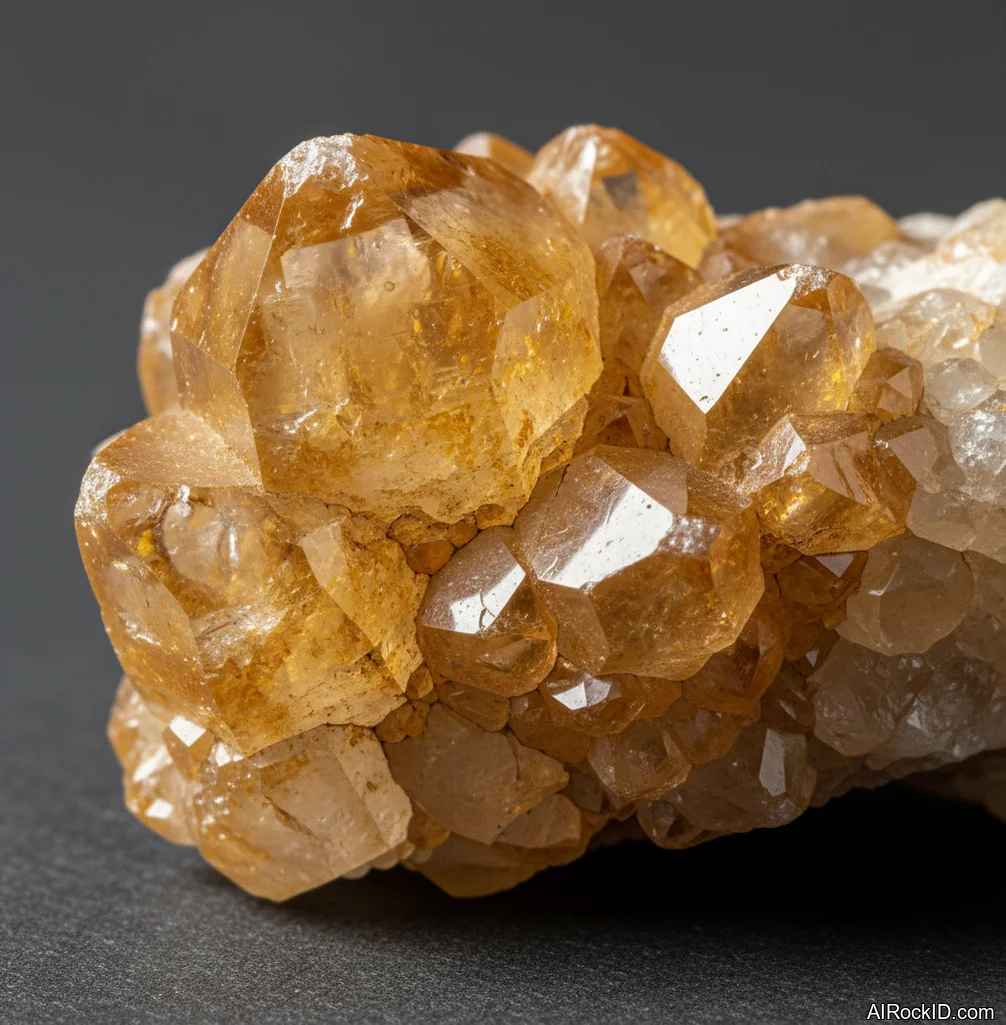
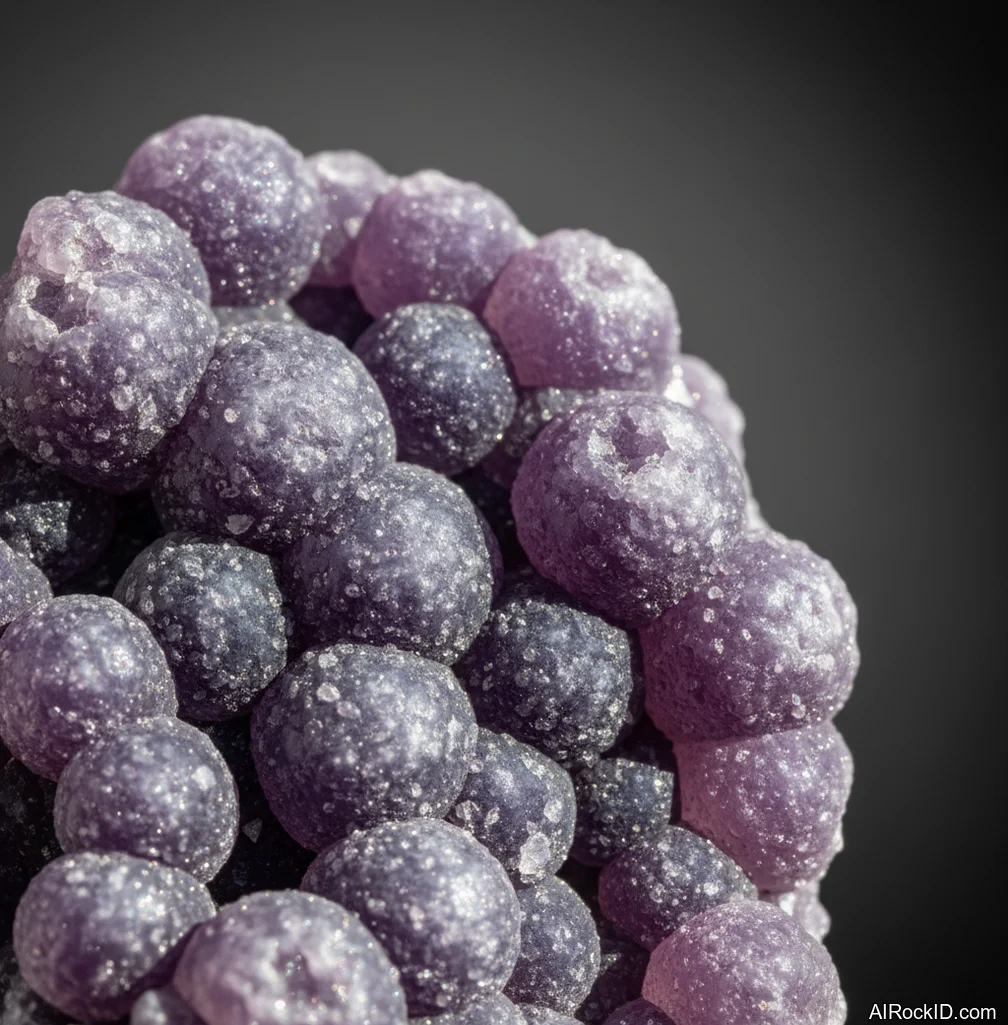
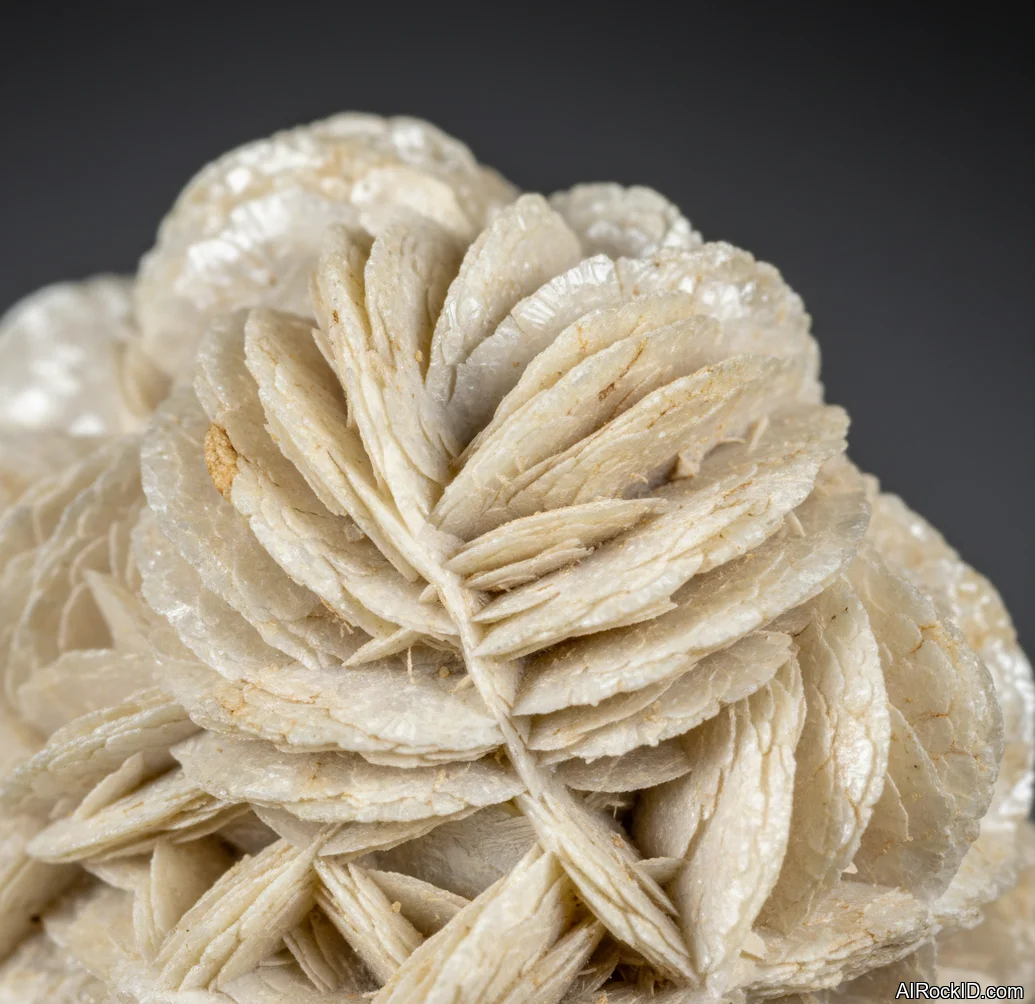
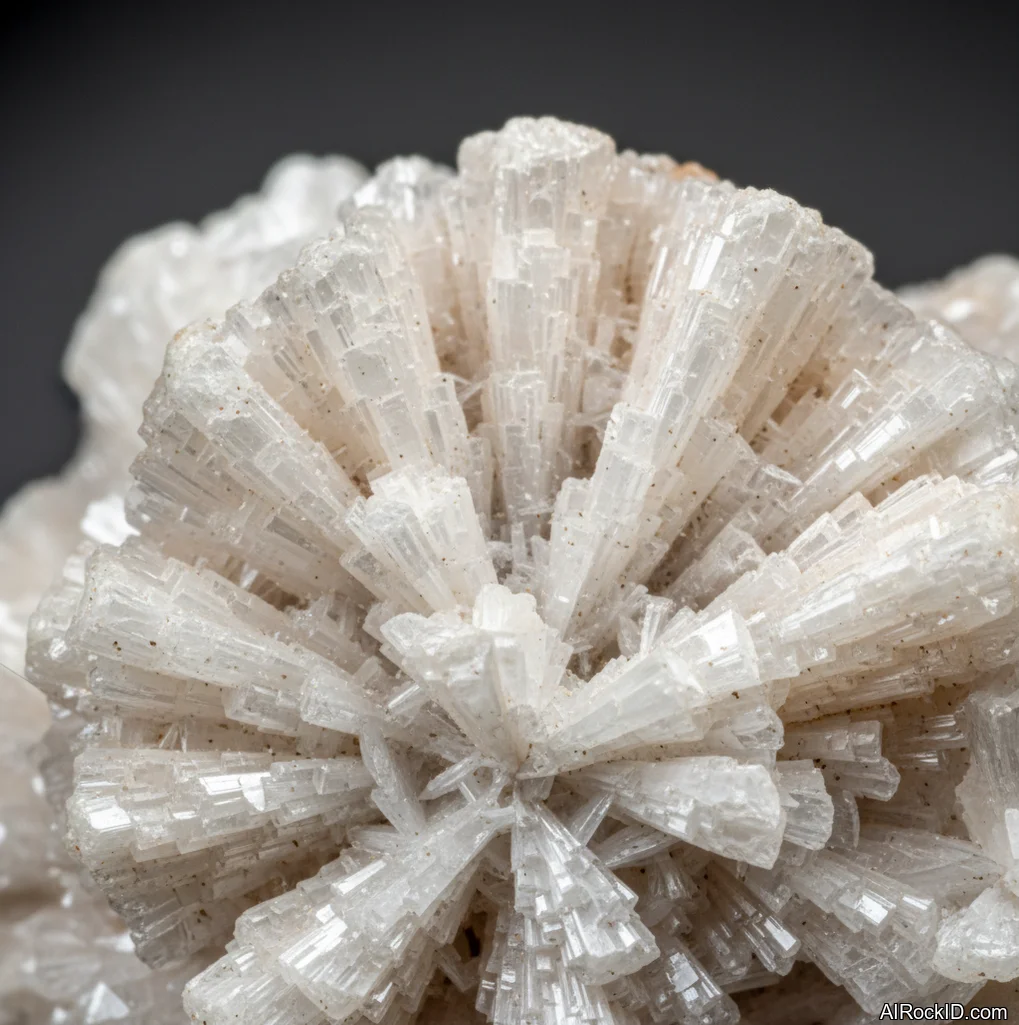
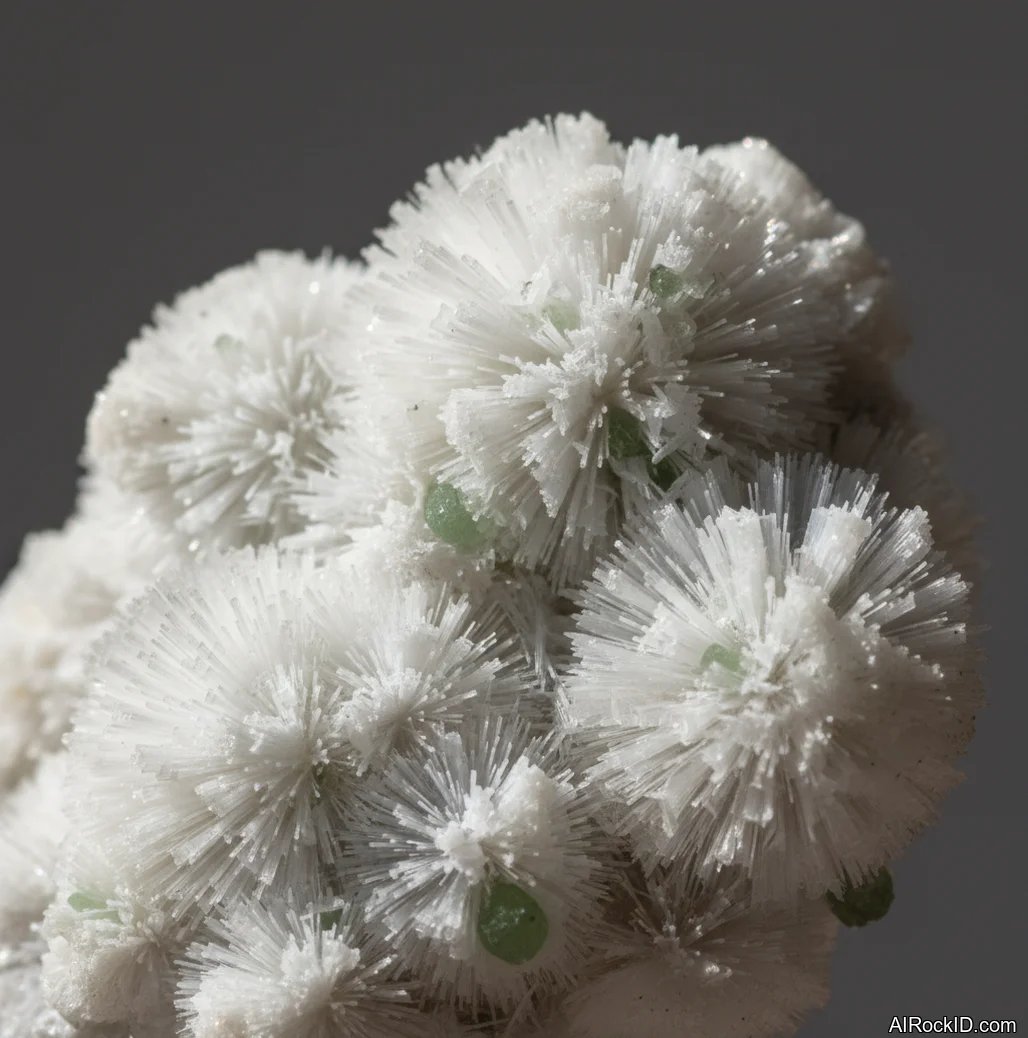
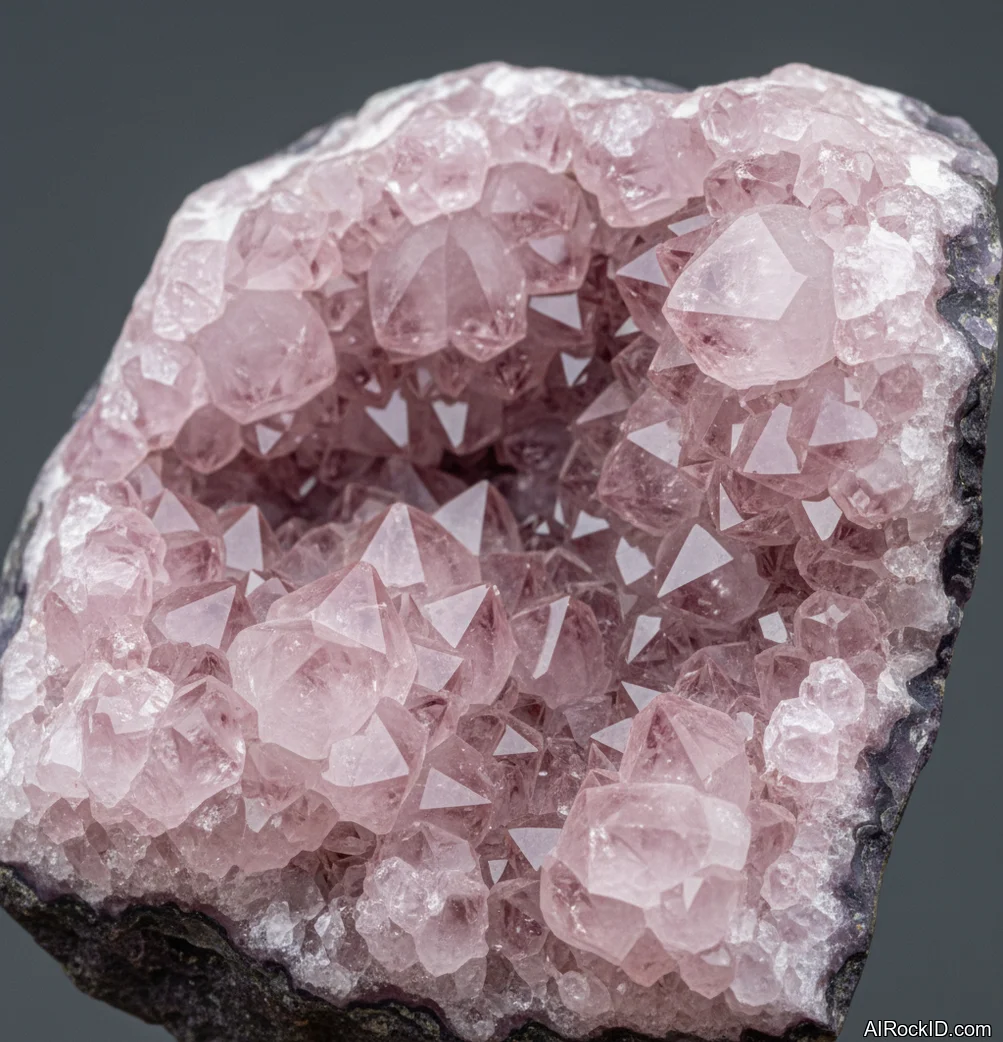
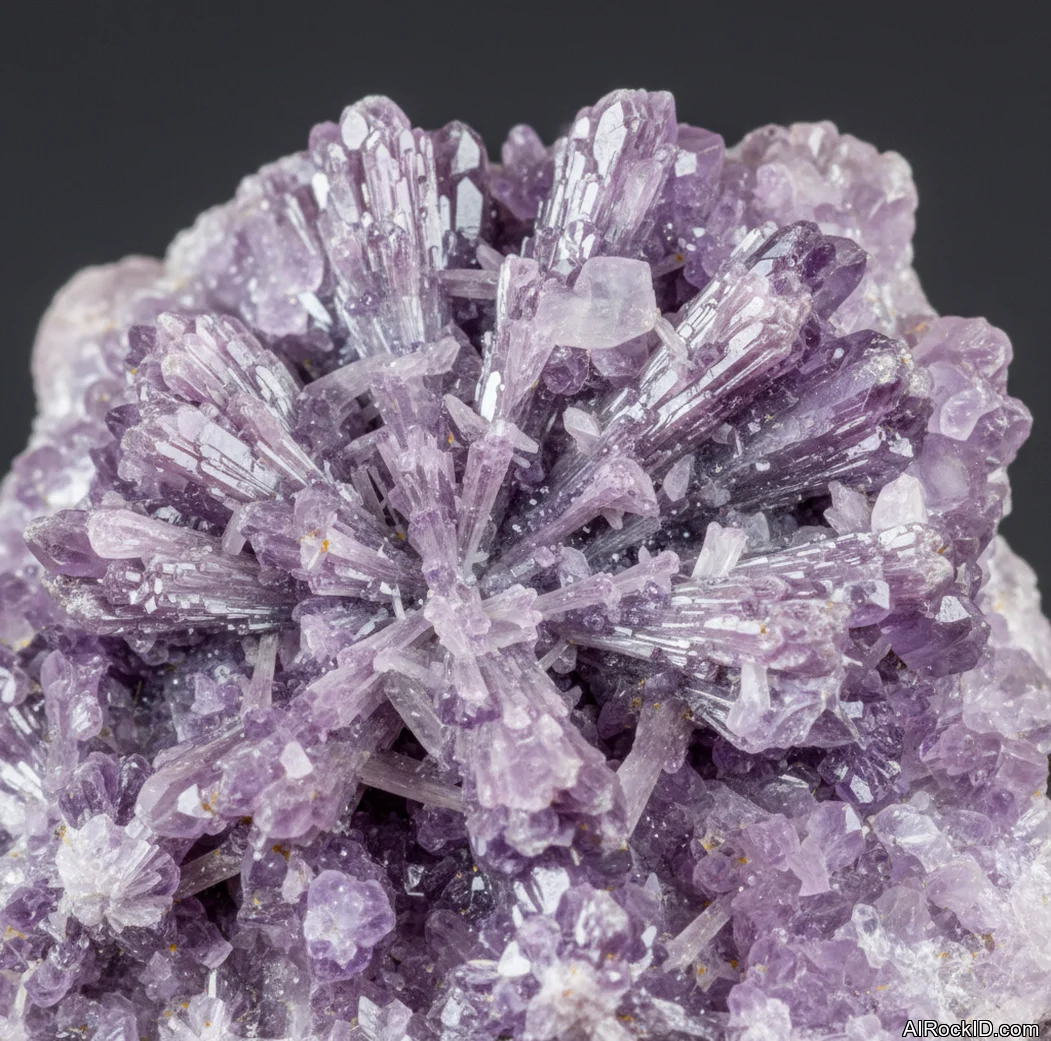
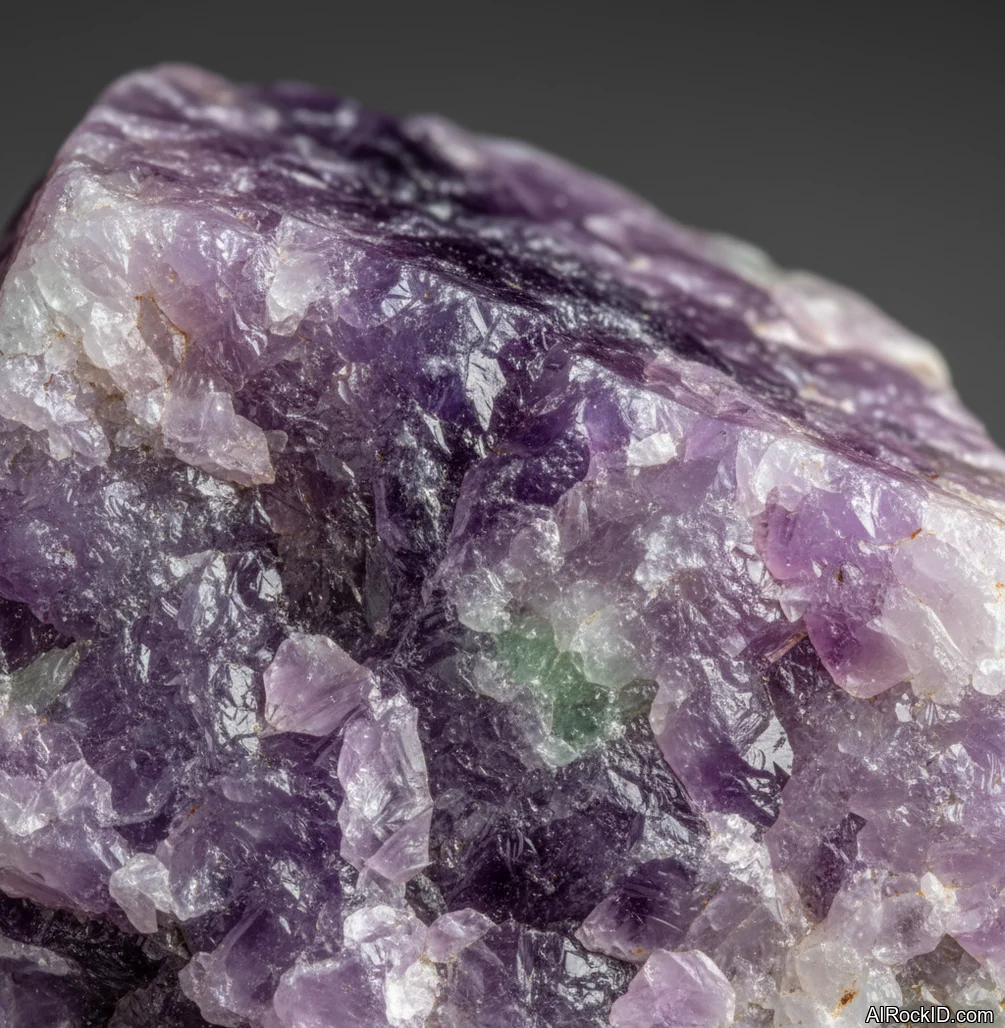
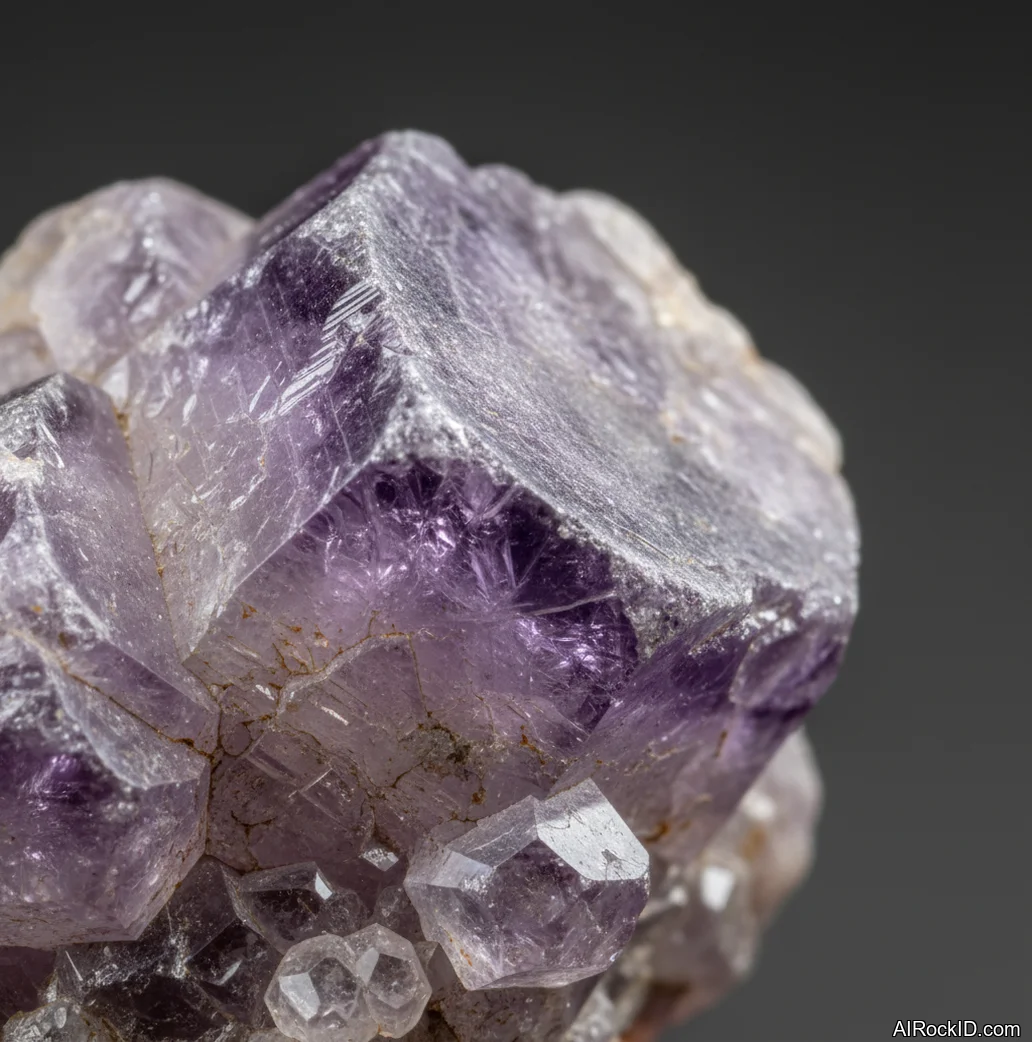
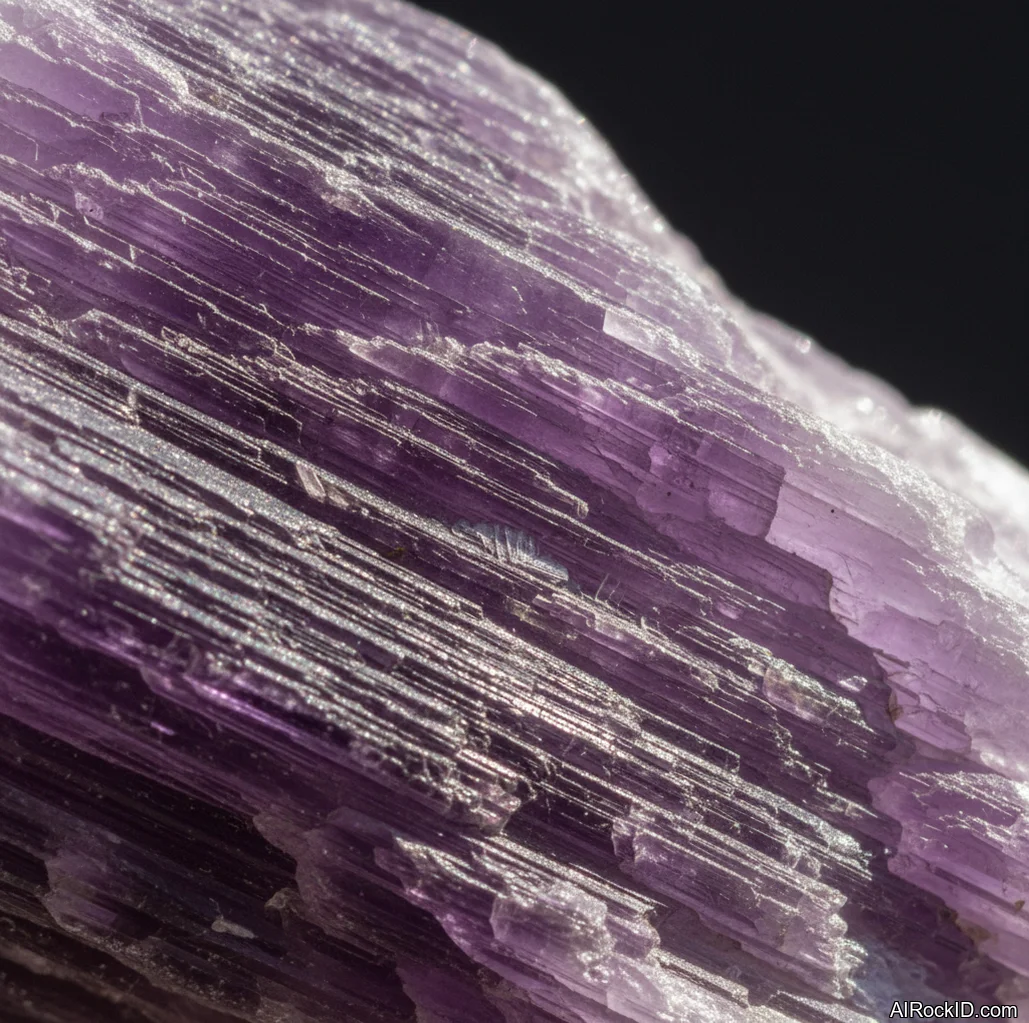
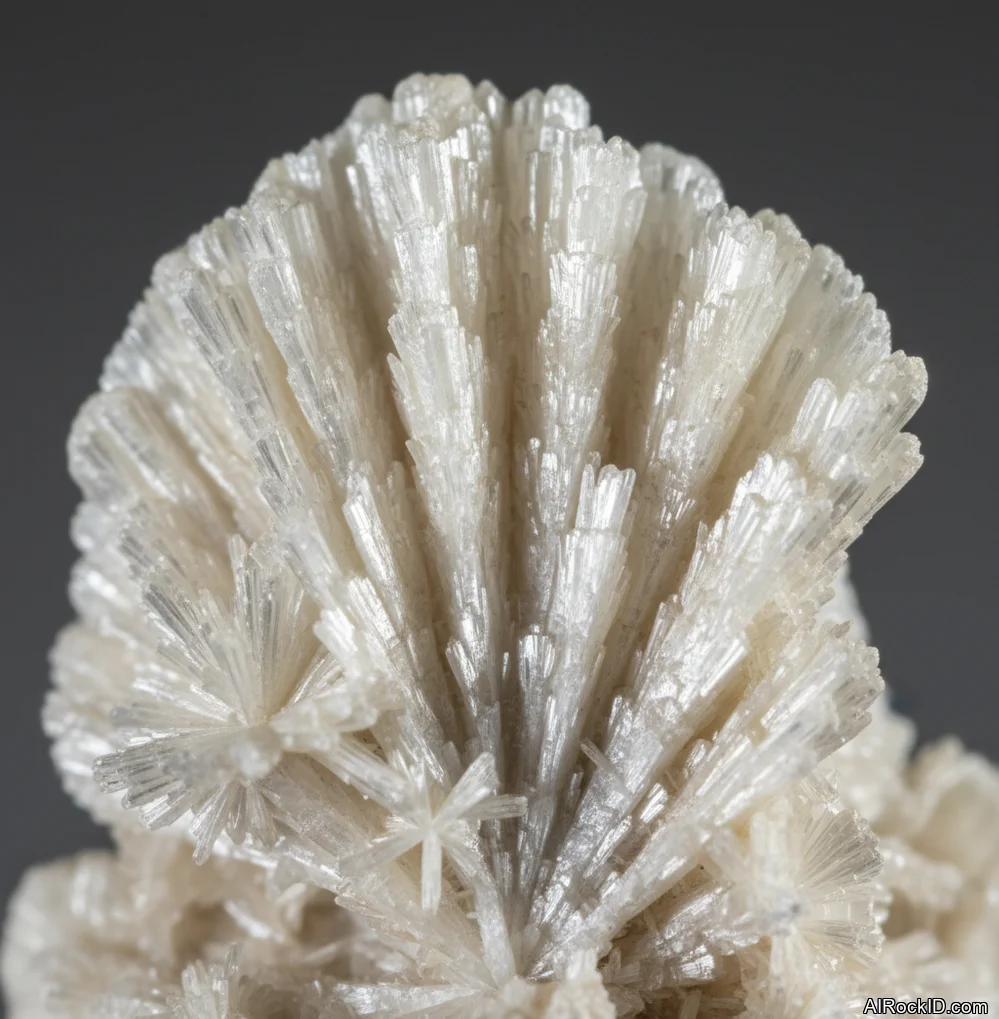
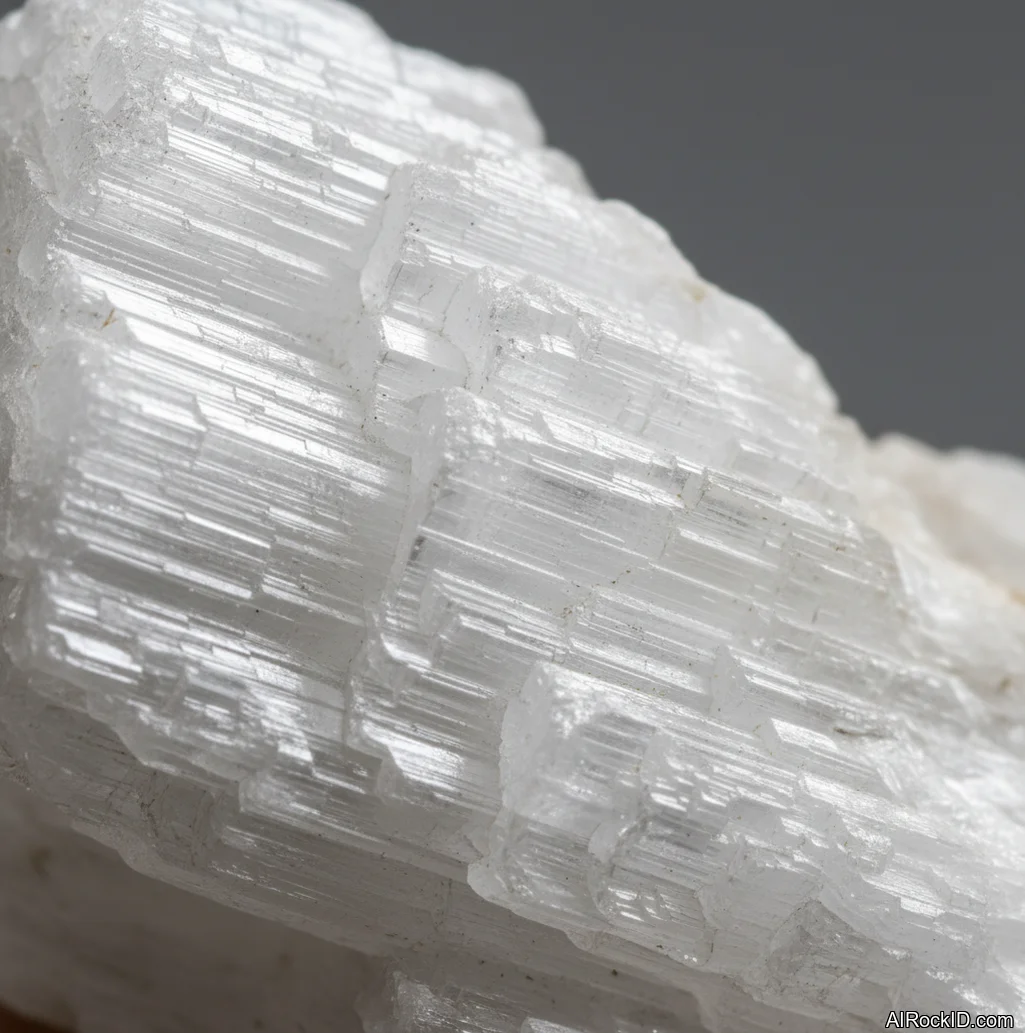
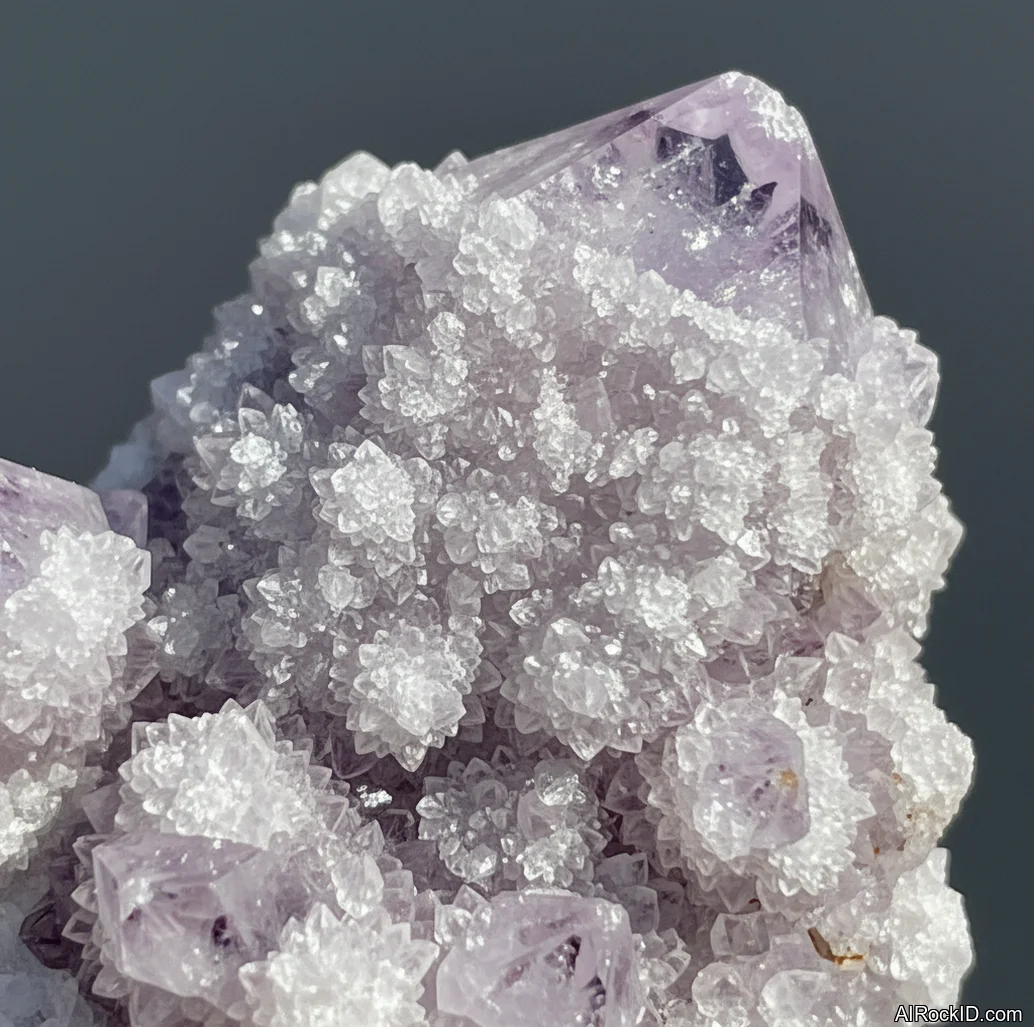
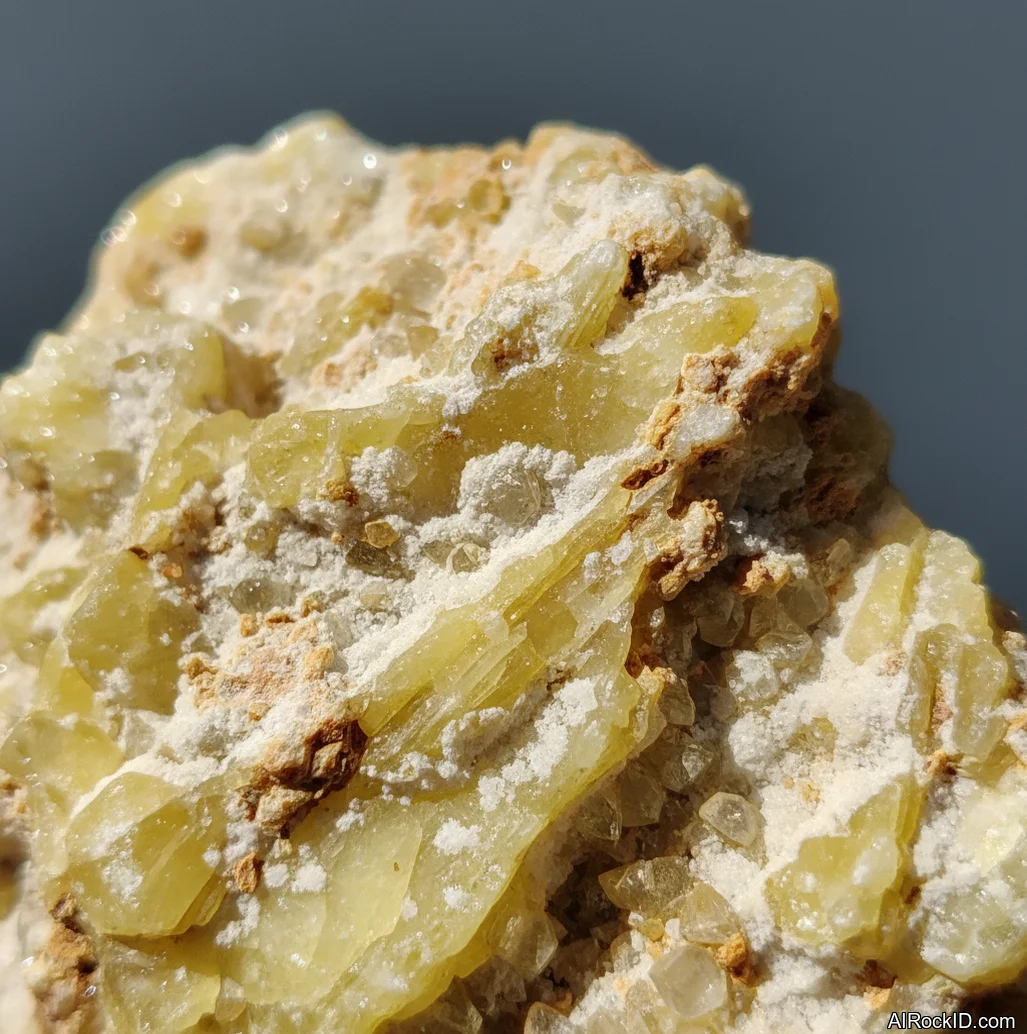
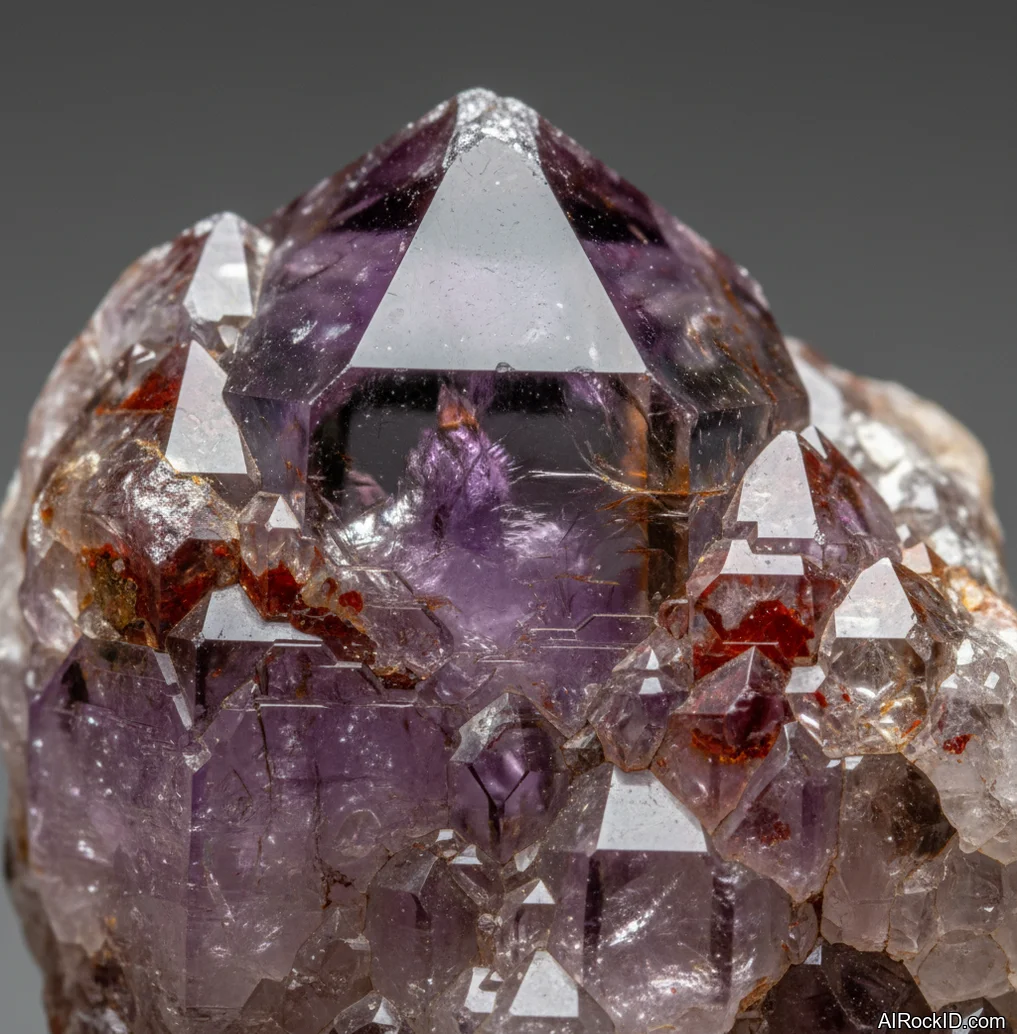
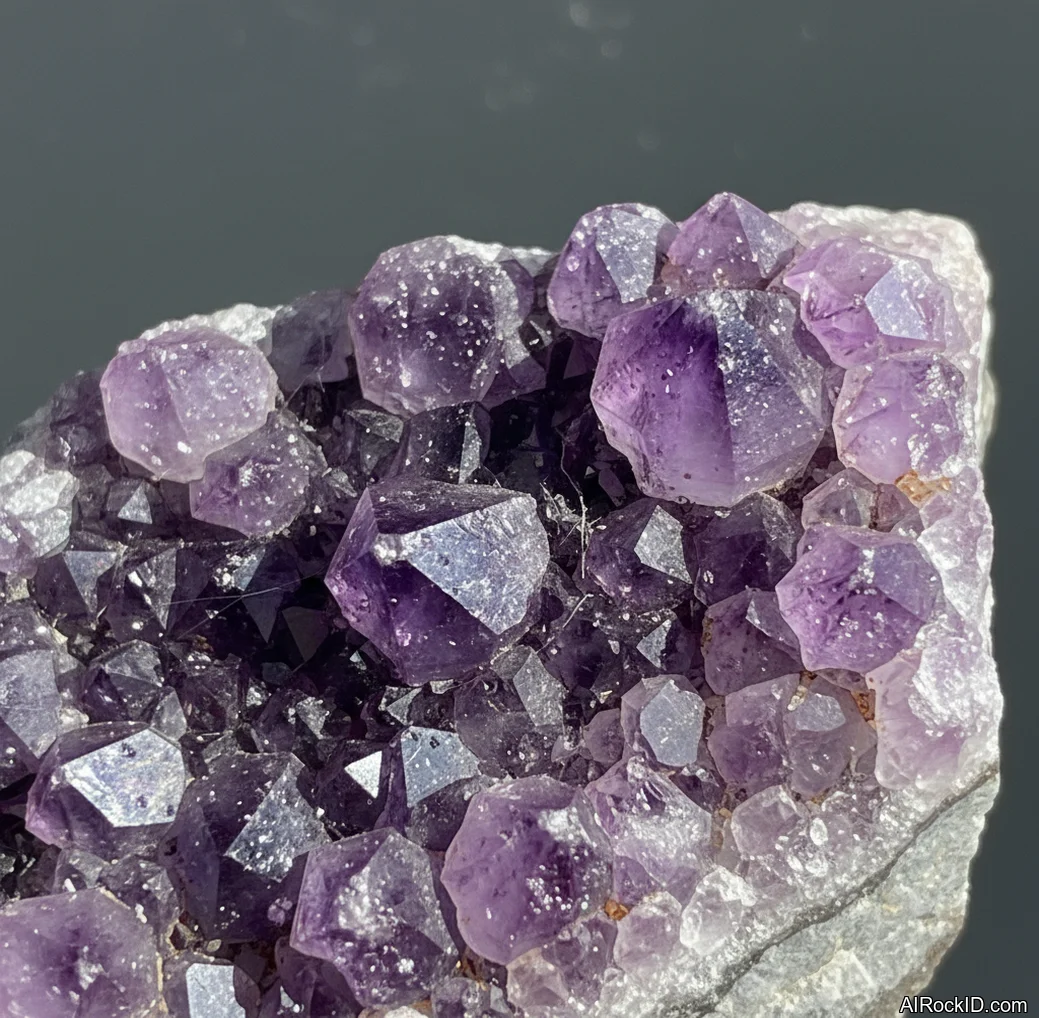
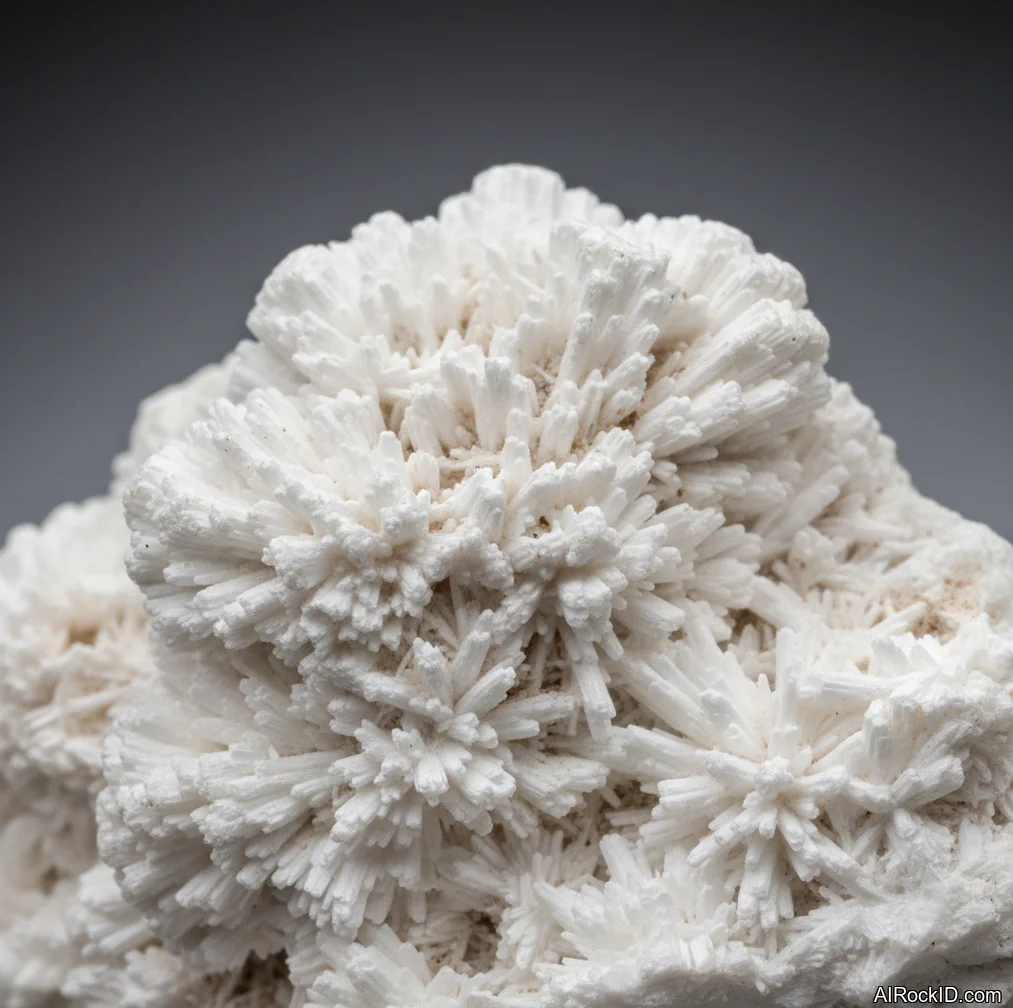
Amethyst stands out next, but the variety is huge. Uruguayan amethyst runs deep purple, almost black at the tips, and forms tight clusters of small points—hold one under a desk lamp and check how each point casts its own tiny shadow. Brazilian amethyst leans toward lavender, sometimes with grayish undertones, and the points grow bigger with more visible zoning. Color isn’t the whole story though. I’ve picked up pale, nearly colorless amethyst that felt calmer and less 'busy' than the flashy dark stuff. Clean, sharp terminations and minimal iron stains are what I look for if I want that 'clear head' effect visually and energetically. On the fragile end, selenite is everywhere for Crown sets. Satin spar is the retail name for those white, fibrous wands you see in bins. It feels much lighter than quartz and gives a satiny shimmer when you tilt it under direct light, like silk thread catching the sun. But forget to keep it dry and you’ll end up with flakes and fuzzy edges—gypsum and humidity do not mix. If you need something with the same crisp, white vibe but more durability, I often swap in danburite or even a chunk of snowy quartz.
Choosing the Right Crown Chakra Crystal: Practical Tips
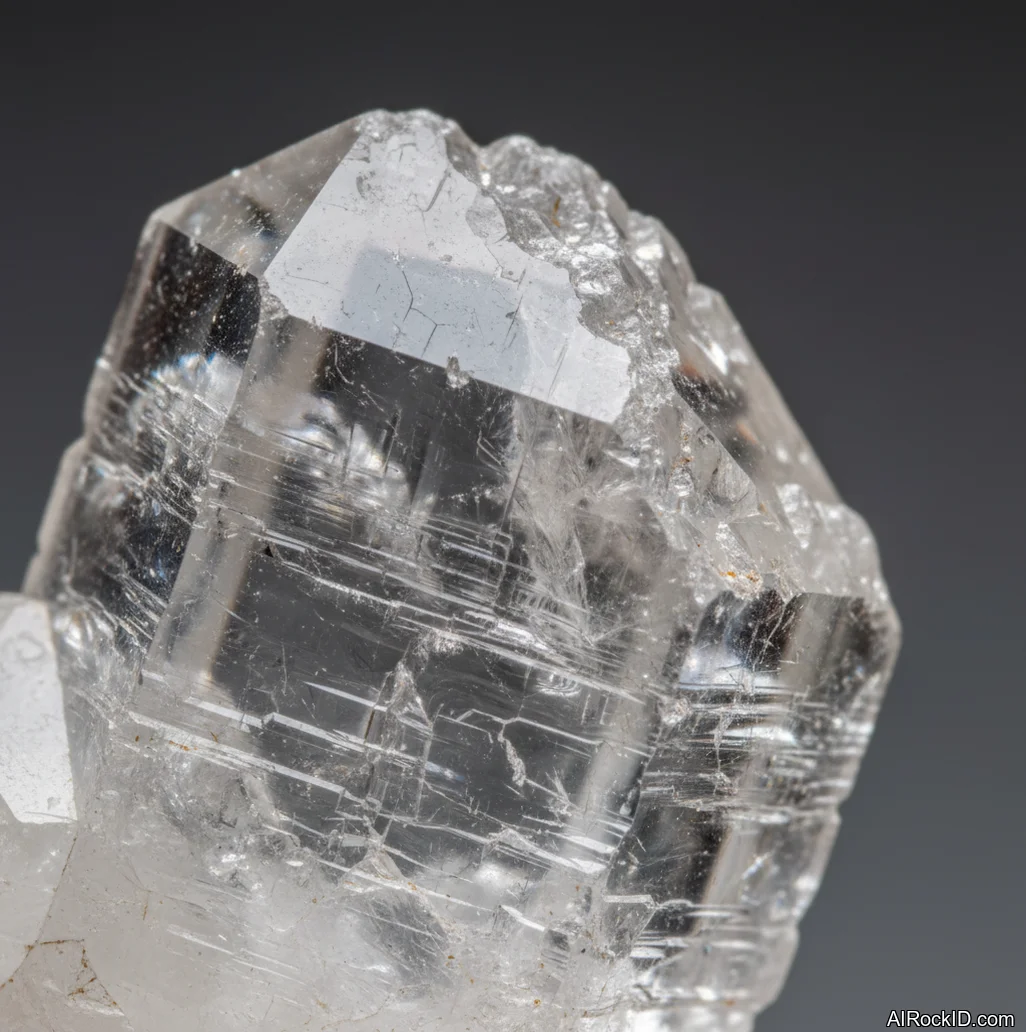
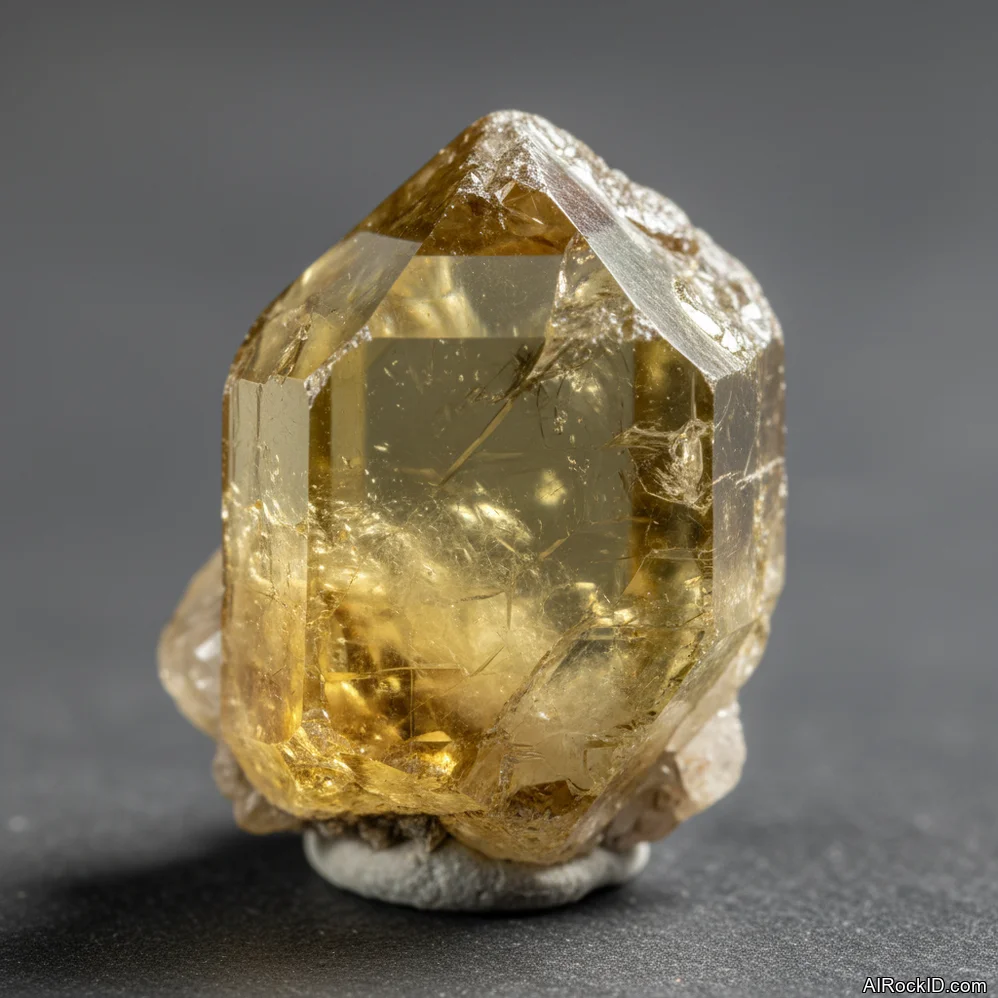
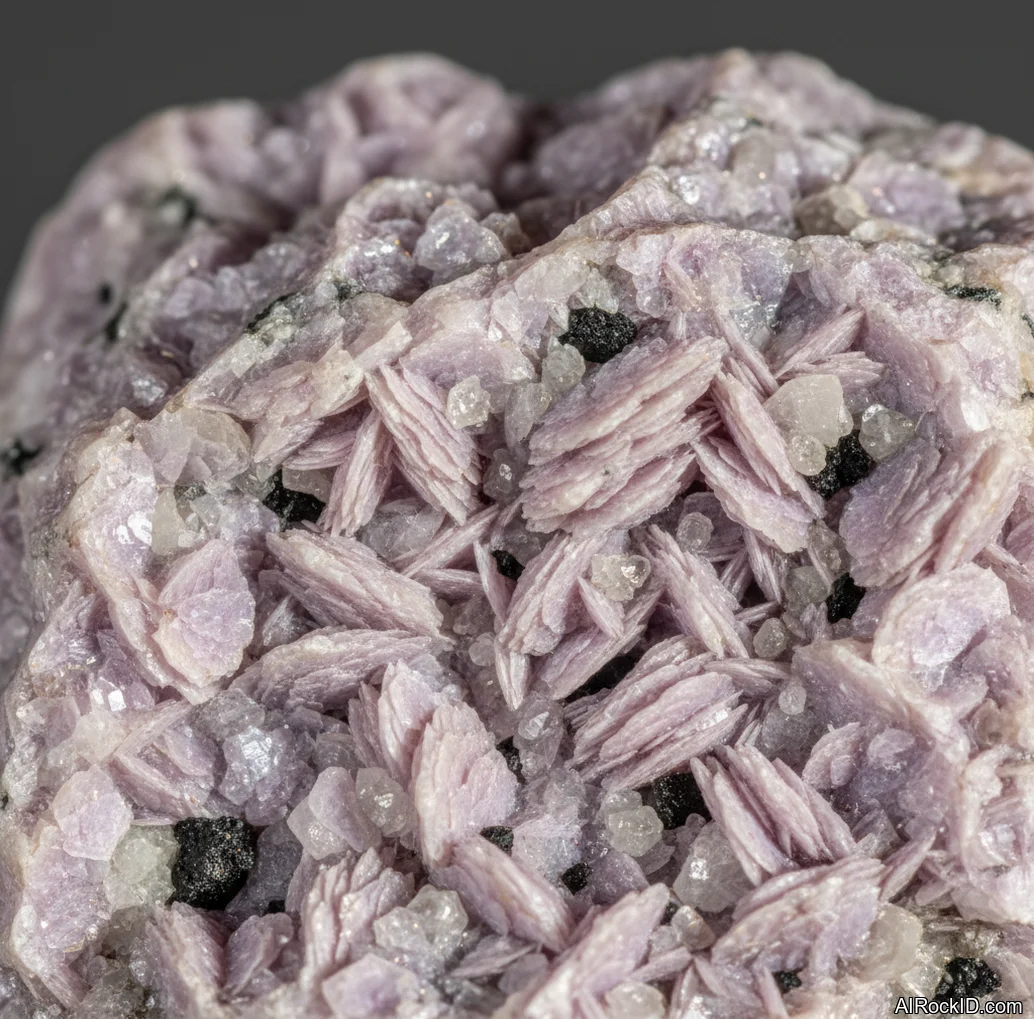
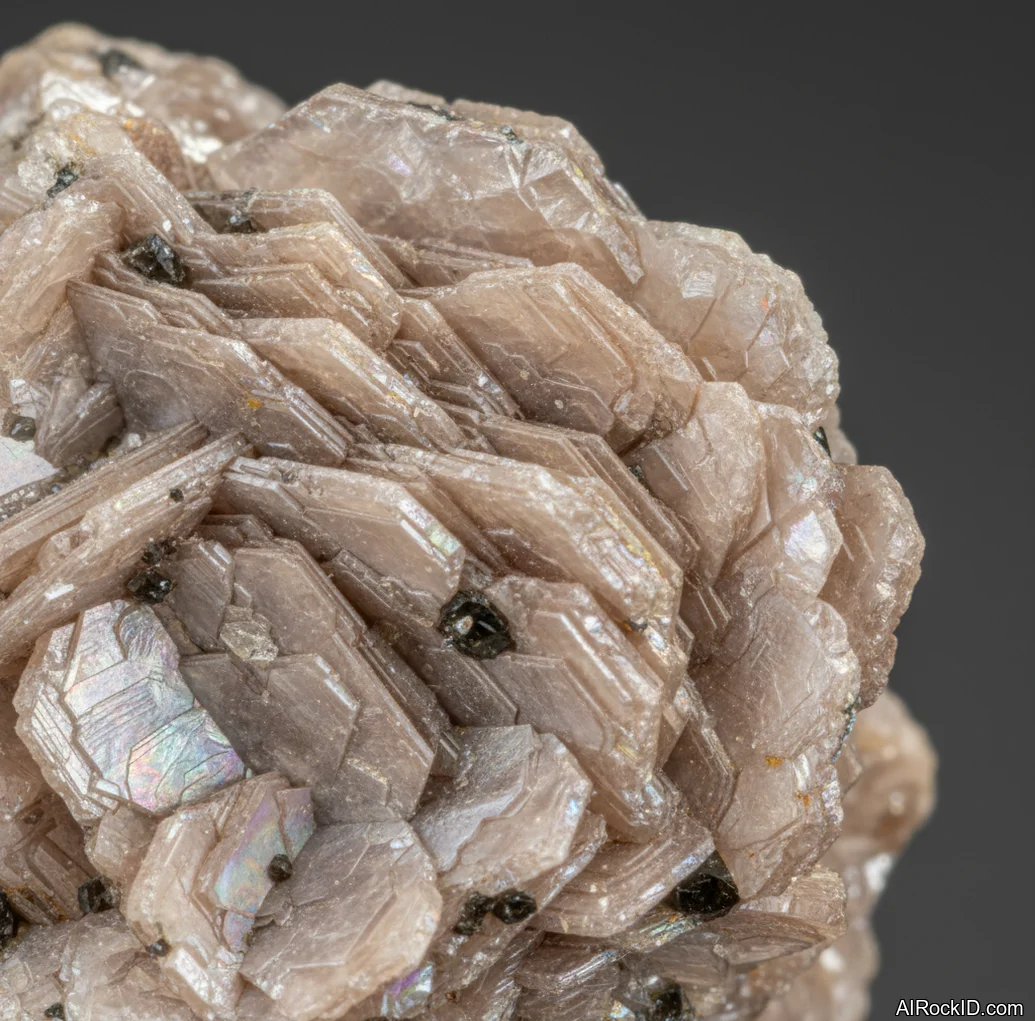
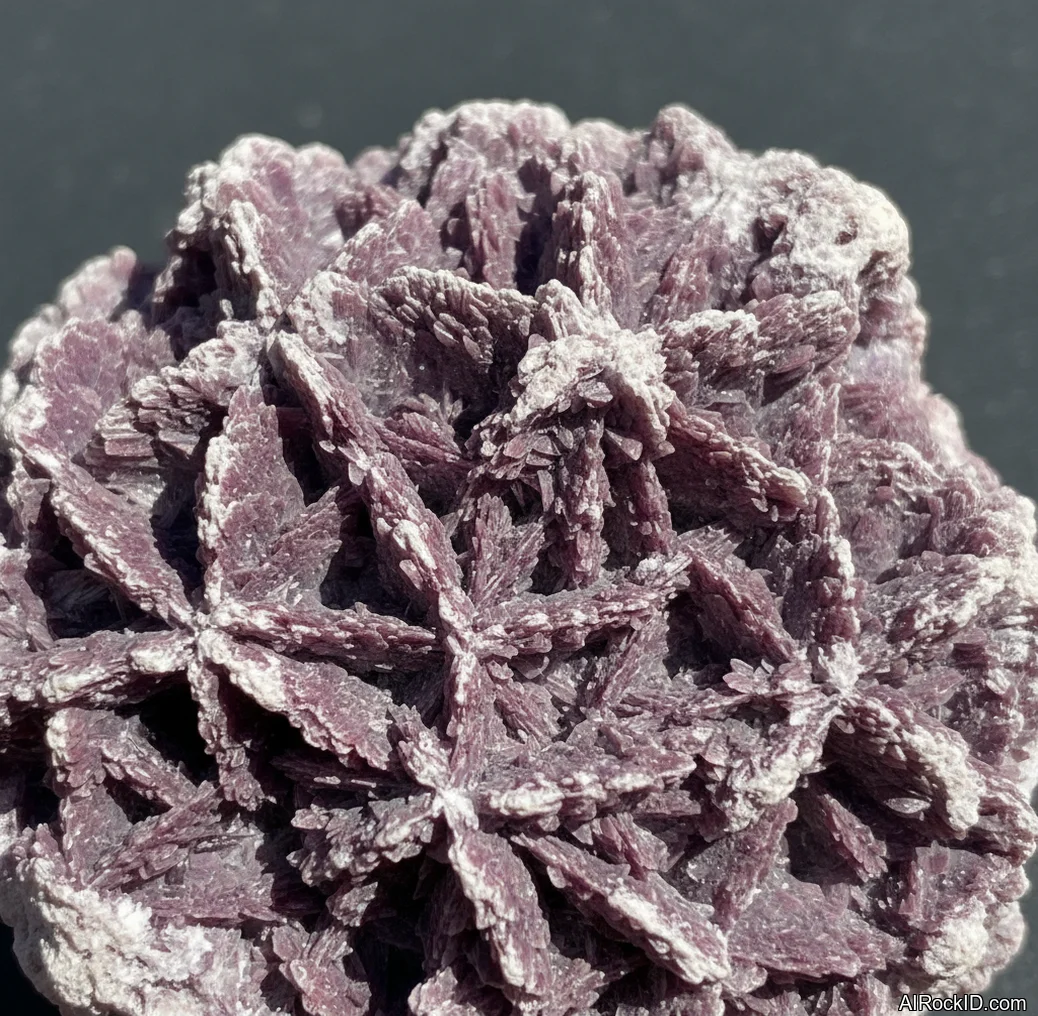
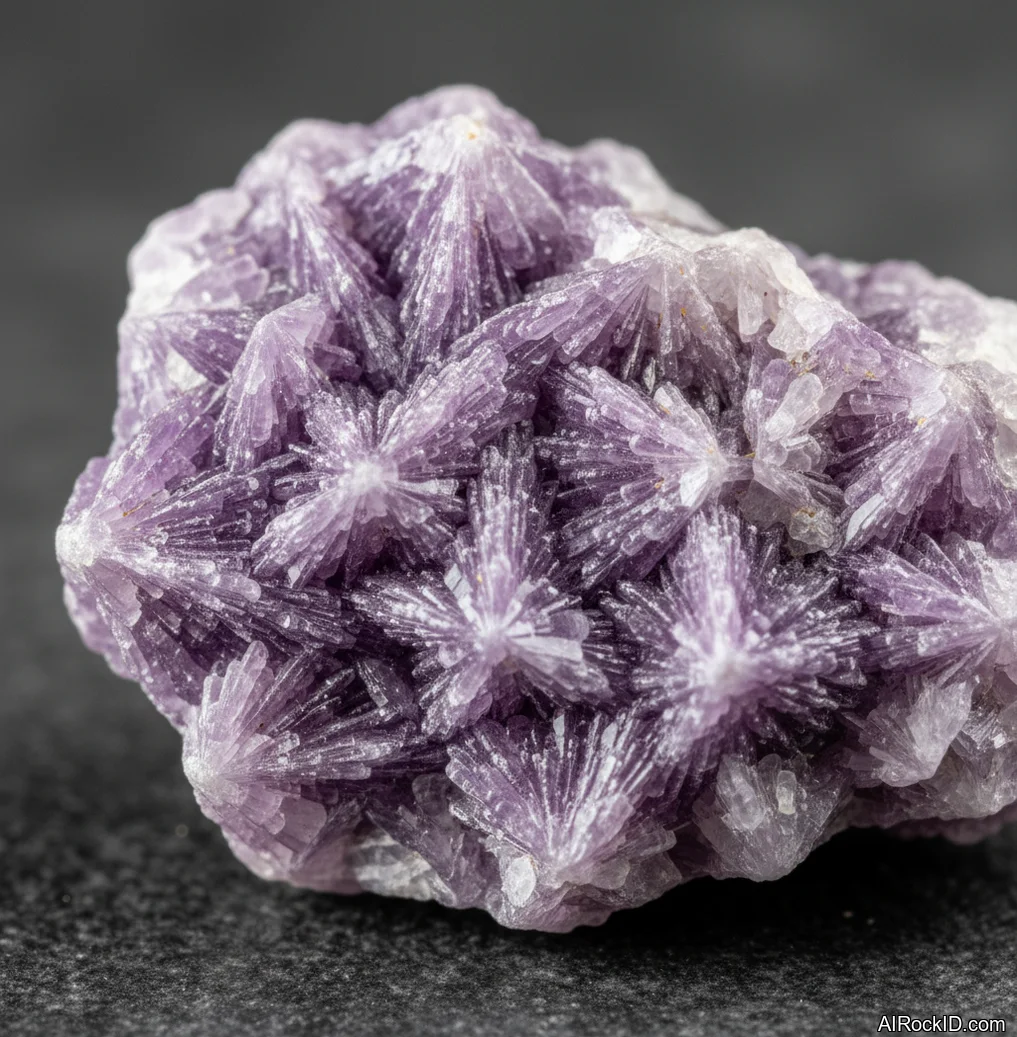
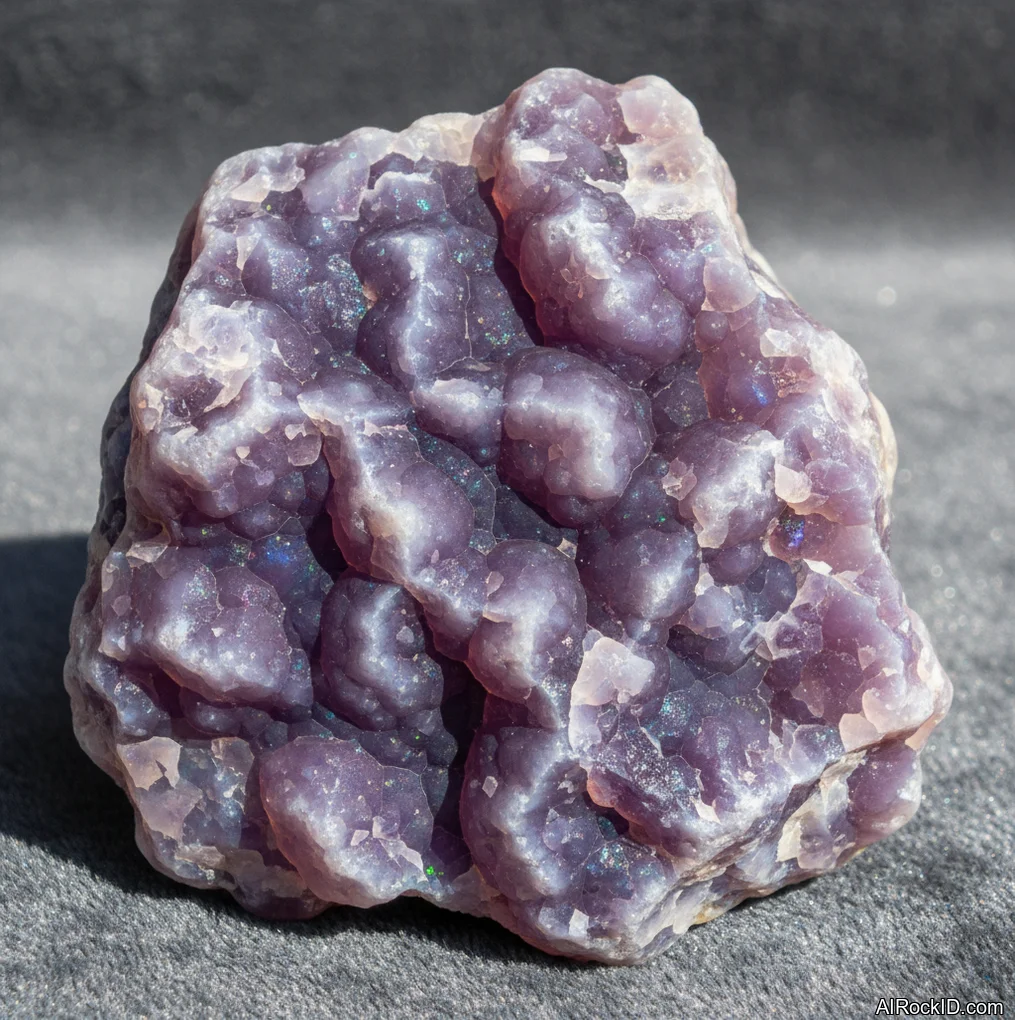
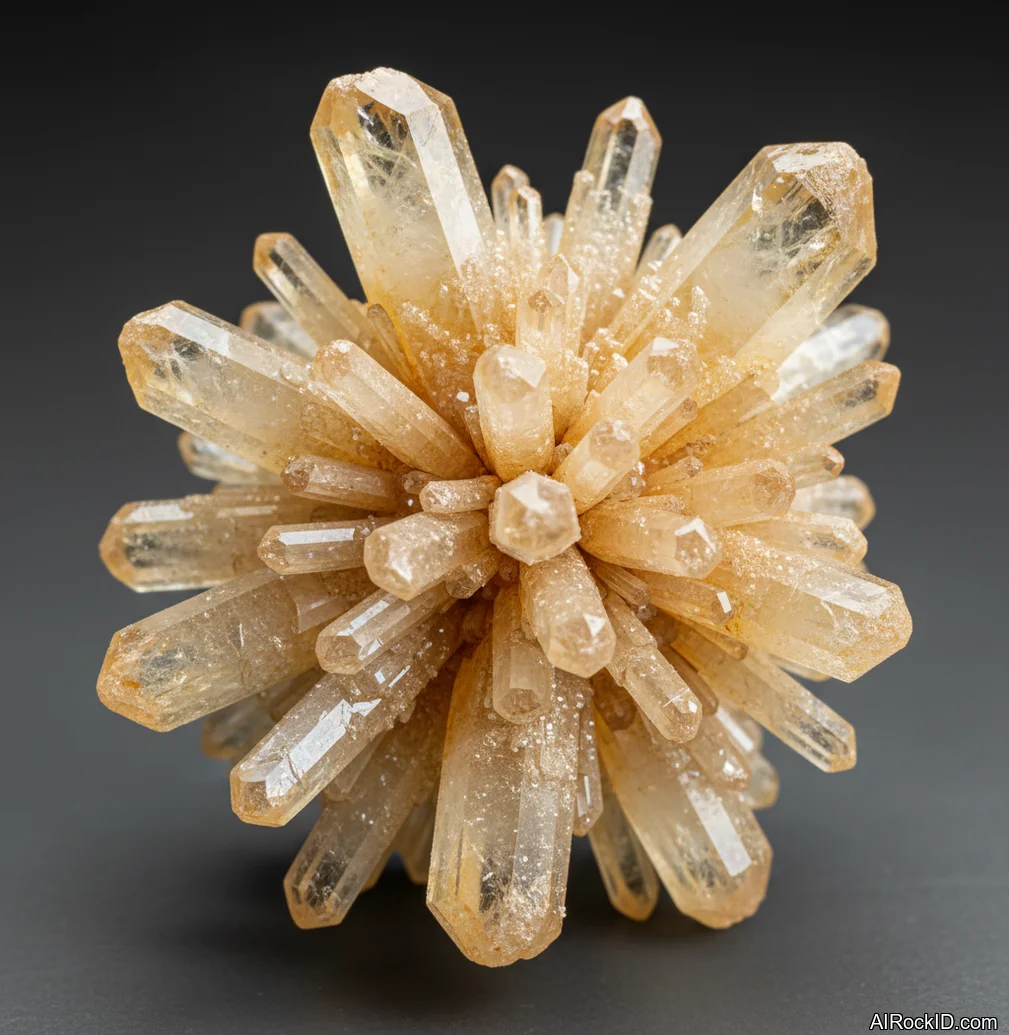
For Crown Chakra work, it’s rarely about the deepest color or the flashiest polish. You want stones that feel 'quiet' in the hand. Lepidolite, for example, is lavender-gray and sometimes sparkles with tiny mica flecks. It’s soft—scratch it with a copper coin and you’ll see a mark—but it’s the gentle, steady energy people like. Danburite is another one I keep around. It’s harder than selenite, almost always clear to pale pink, and has wedge-shaped terminations. If you run your thumb along the edge, it feels sharp but never brittle. You’ll see it priced higher because clean crystals are getting harder to find, especially ones longer than a finger. Collectors often chase the 'big five'—quartz, amethyst, selenite, lepidolite, danburite—but most people end up picking by vibe or palm feel. That’s fine. Trust your hand more than the label. If a stone feels clammy or dead, it probably won’t do the trick for you, no matter what the tag says.
Caring for Crown Chakra Crystals: Handling Tips from Experience
Different stones in this group need totally different care. Selenite (gypsum) is the most fragile—don’t leave it in the bathroom or anywhere damp. It’ll fuzz up, flake, or dissolve along the edges. Amethyst can fade if you keep it in direct sun too long—leave a geode in a south-facing window for a month and you’ll see the color lighten, especially on the tips. Quartz is tough but will scratch softer stones if you throw them in a pouch together. Lepidolite crumbles easily if you drop it on tile. When cleaning, skip water on selenite and lepidolite. I use a soft dry brush or microfiber cloth. If you want to display these stones, consider keeping selenite and lepidolite away from high-traffic spots. For carrying, tumbled quartz or a small amethyst point work best. They’ll handle pocket life without turning to dust.
Best Crown Chakra Crystals to Start With
| Level | Crystal | Note |
| Gentle / Beginner | Lepidolite | Soft, calming, and usually inexpensive. Its fine-grained texture feels gentle in the hand, and it’s hard to overdo. |
| Balanced / Everyday | Amethyst | Widely available and sturdy enough for pocket or desk. A clear point or small cluster gives a steady, 'quiet mind' effect. |
| Intense / Advanced | Danburite | Strong, high-frequency feel. Sharp wedge terminations stand out and the clarity makes it a favorite for meditative work. |
| Best for Carrying | Clear Quartz | Tough and neutral, handles daily bumps without chipping. Keeps cool in the pocket and doesn’t pick up fingerprints. |
| Best for Display | Selenite (Satin Spar Gypsum) | Fibrous wands or standing towers catch light beautifully. Needs a dry spot but draws attention with its silky glow. |
Crown Chakra Crystal Comparison
| Crystal | Common Use | Feel / Use Style | Care Caution |
| Clear Quartz | Clarity, mental focus, amplifying other stones in sets. | Hard, glassy, cool to the touch even after handling. Heavy for its size. | Very durable but can scratch softer stones if stored together. |
| Amethyst | Quieting the mind, calming mood, sleep support. | Slightly lighter than quartz. Cluster points can feel spiky. Color ranges from deep grape to pale lavender. | Fades in direct sunlight; clusters collect dust in crevices. |
| Selenite (Satin Spar Gypsum) | Cleansing, meditation, 'clearing energy', room display. | Lightweight, silky, and fibrous. Satiny sheen shifts with the angle. | Very sensitive to water and humidity. Edges flake easily. |
| Lepidolite | Stress support, emotional soothing, gentle energy work. | Powdery or slightly waxy, sometimes sparkles in sunlight. Flakes under pressure. | Soft and crumbly; avoid water and rough handling. |
How to Identify Crown Chakra Crystals with AI Rock ID
To identify Crown Chakra crystals with the AI Rock ID app, take clear photos in natural daylight—one full specimen shot and one close-up of the surface or crystal faces. Upload both and let the app analyze features like luster, hardness clues (such as scratches or chips), and color zoning. Compare the results to the app’s database, focusing on details like fibrous structure for selenite or point shape for quartz and amethyst. Always double-check the identification with hardness or streak tests if you’re not sure.
All Crown Chakra Crystals (127)