Earth Crystals
Quick answer: Earth crystals are stones commonly associated with grounding, steadiness, protection, and physical-world focus in crystal traditions. Typical examples include smoky quartz, hematite, red jasper, moss agate, and other dense, dark, brown, red, green, or iron-rich minerals.
Learn what Earth means in crystal work and explore Earth crystals like smoky quartz, hematite, and jasper, plus buying tips and care.


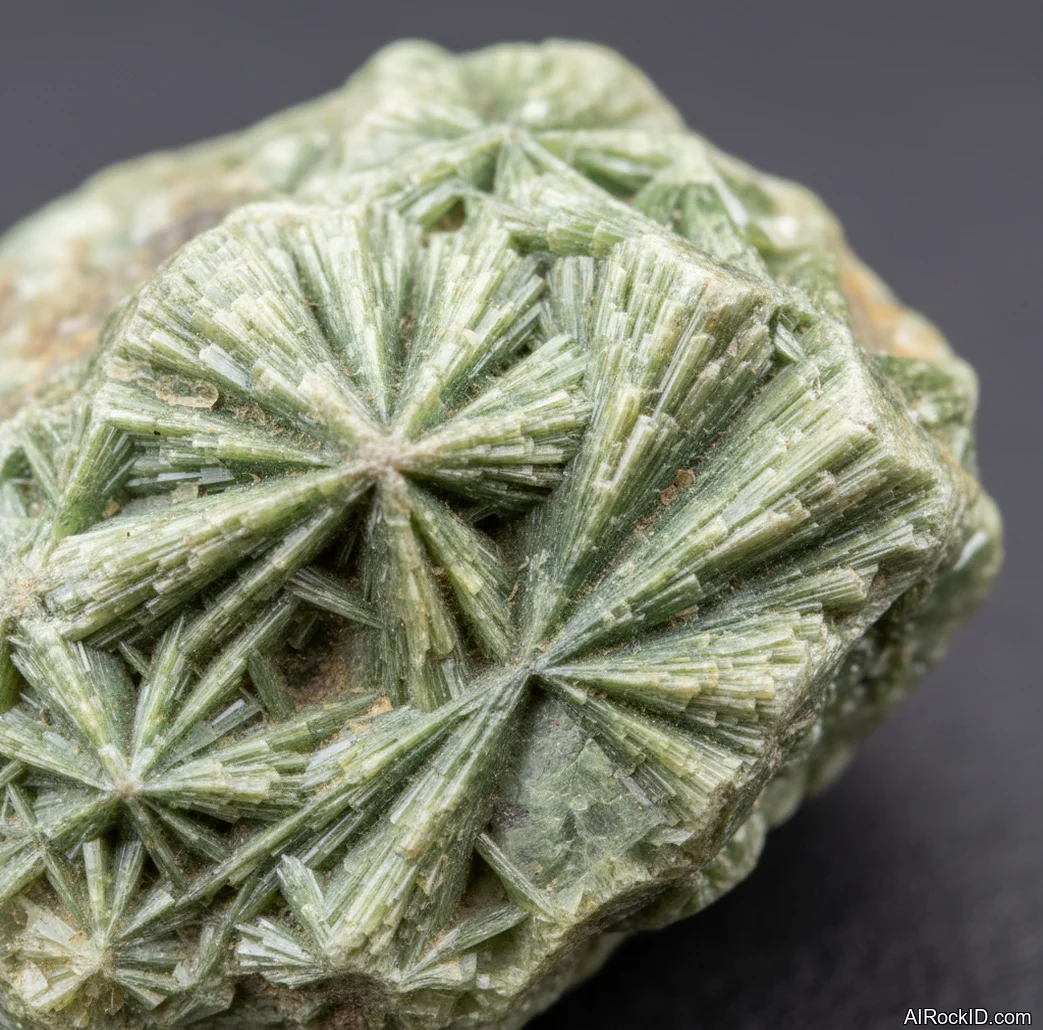
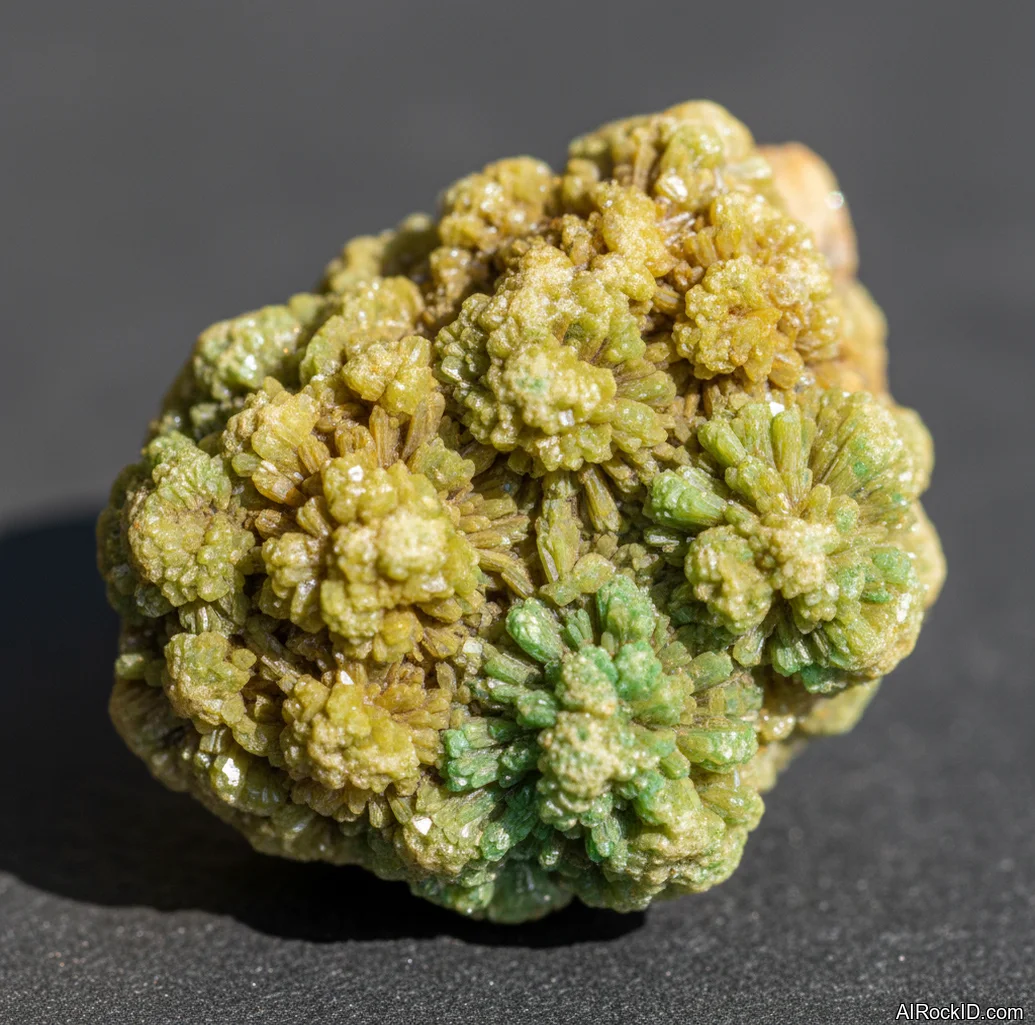
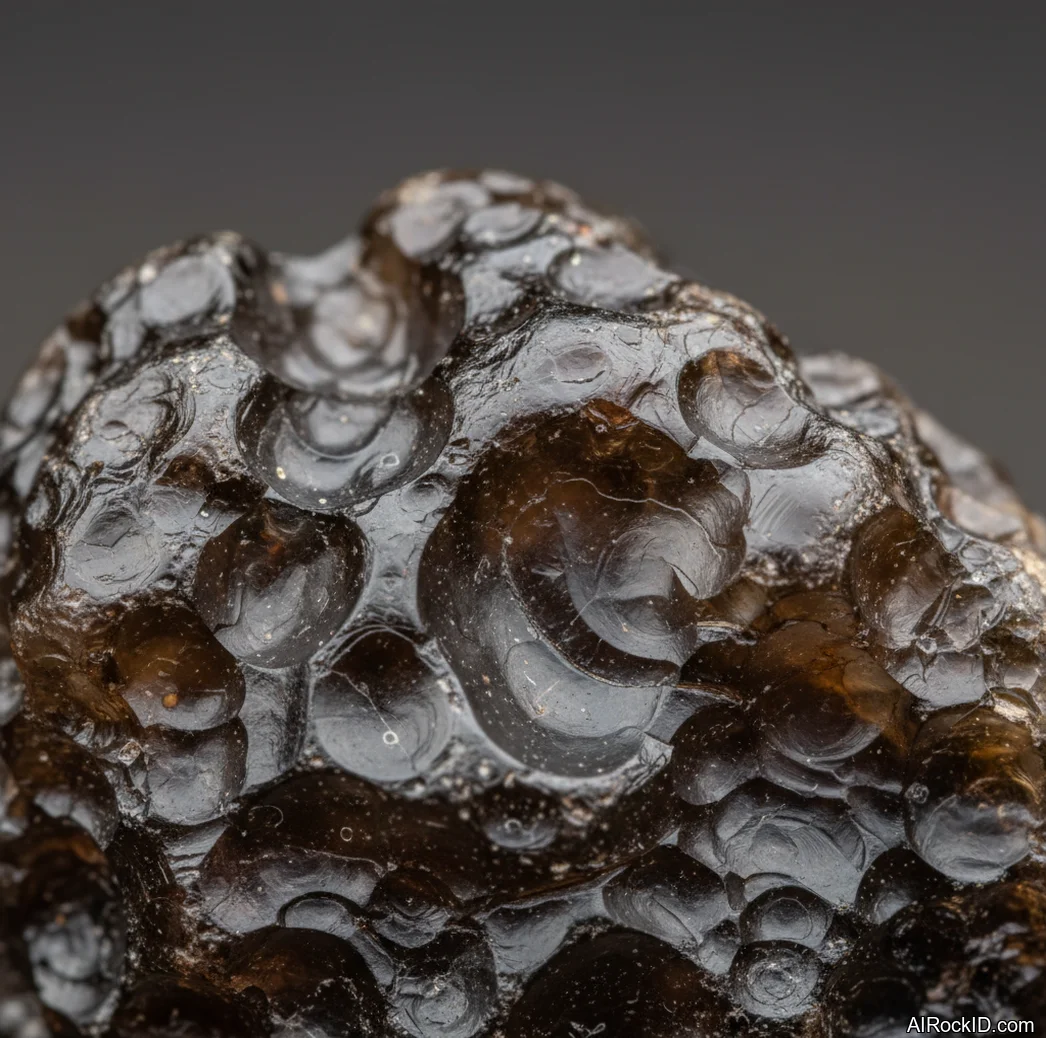
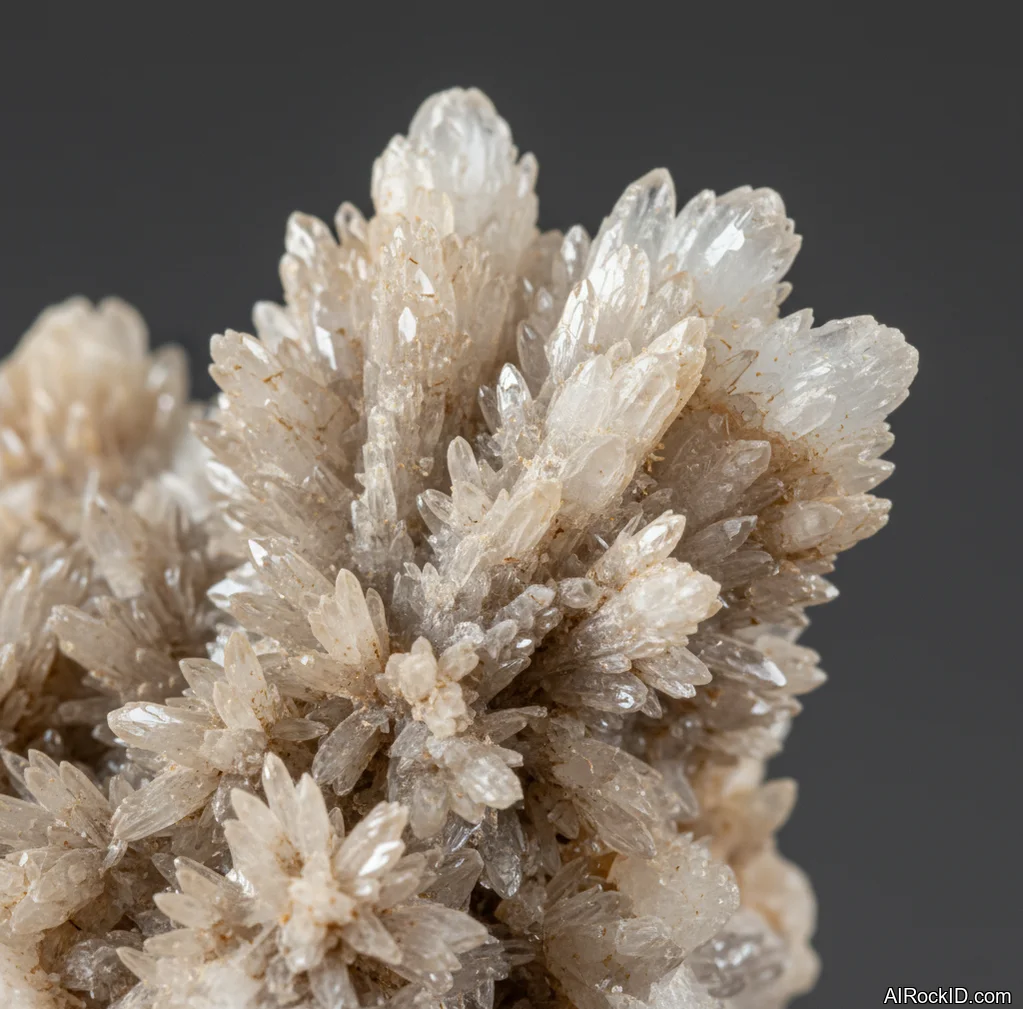
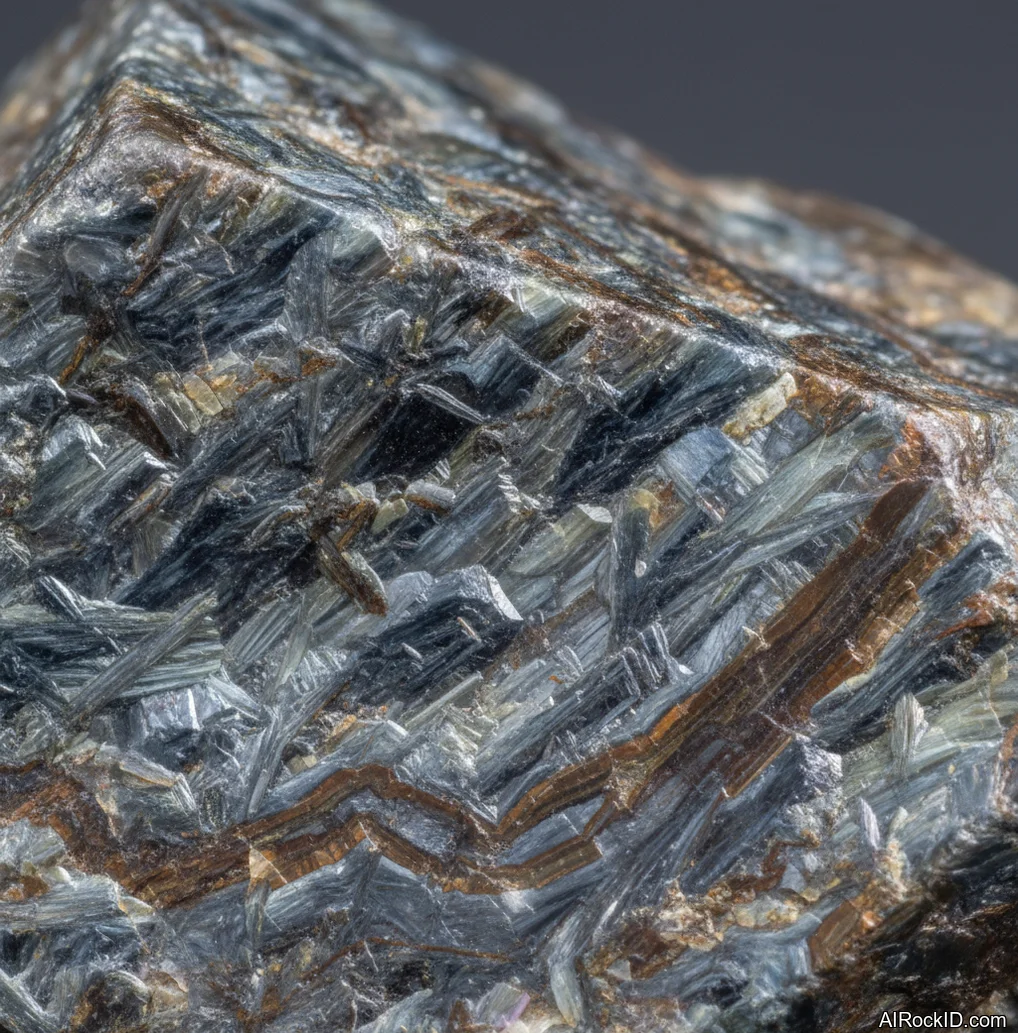
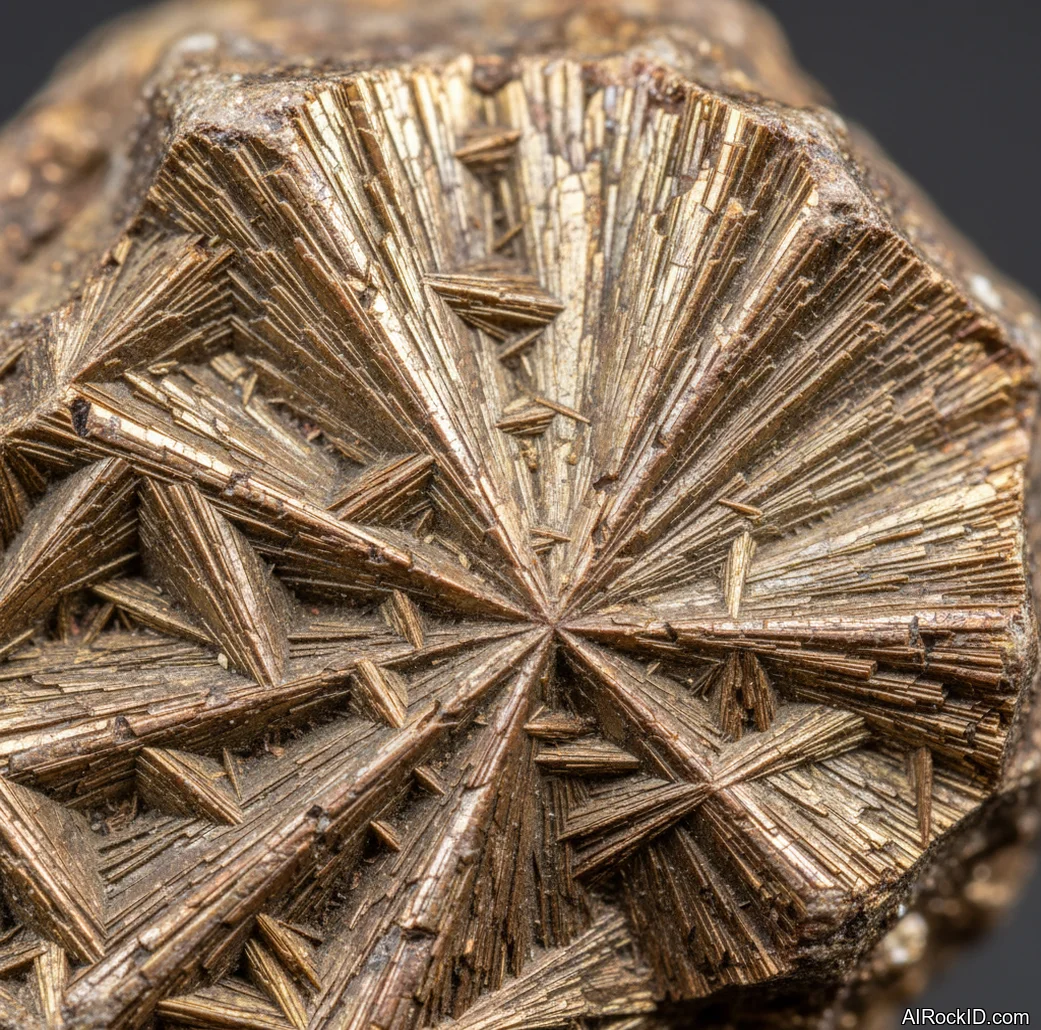
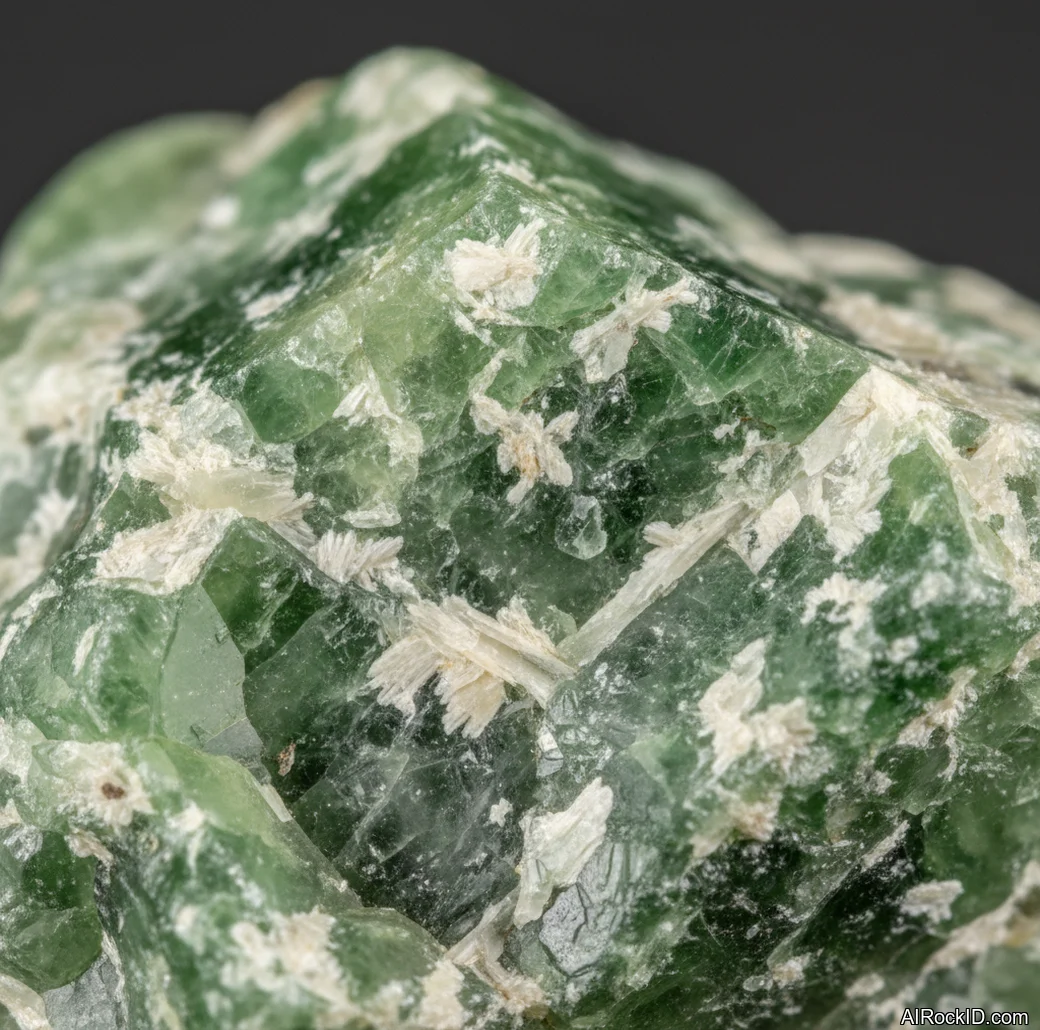
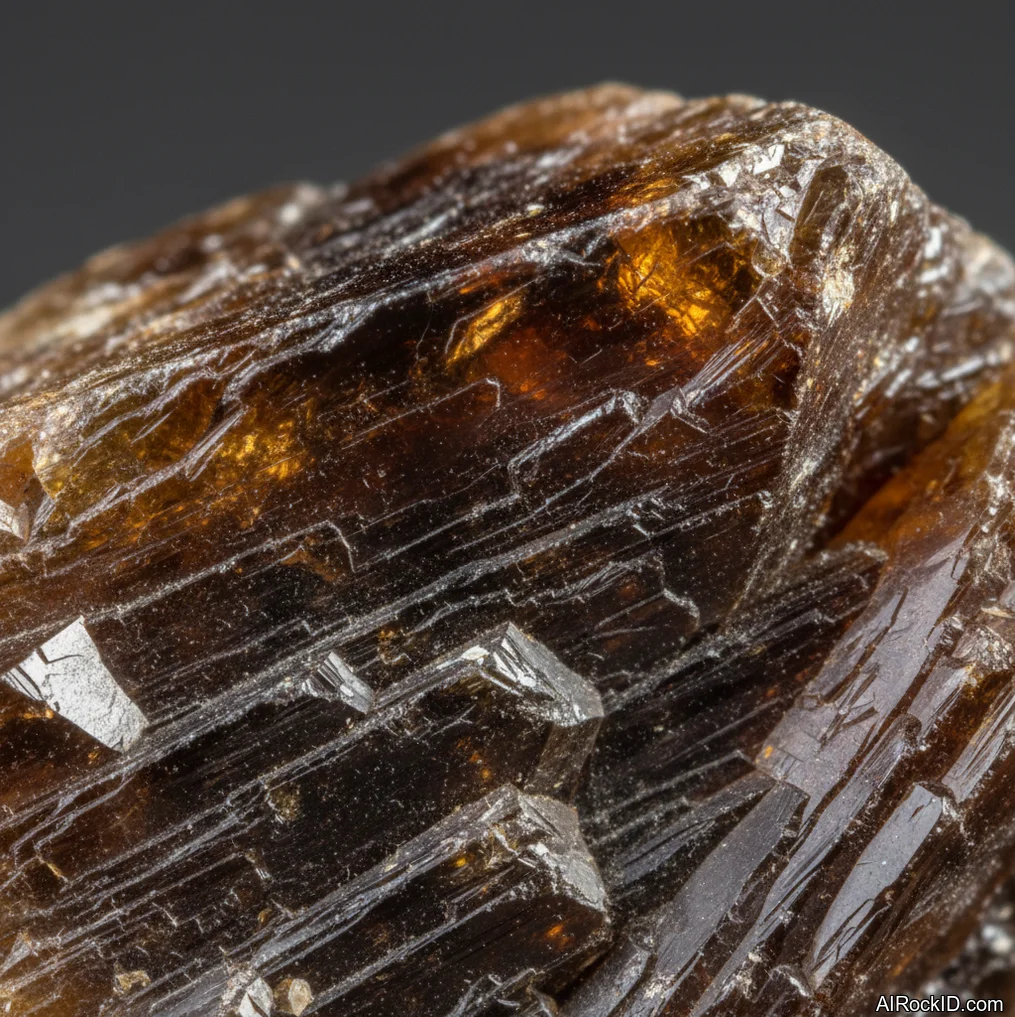
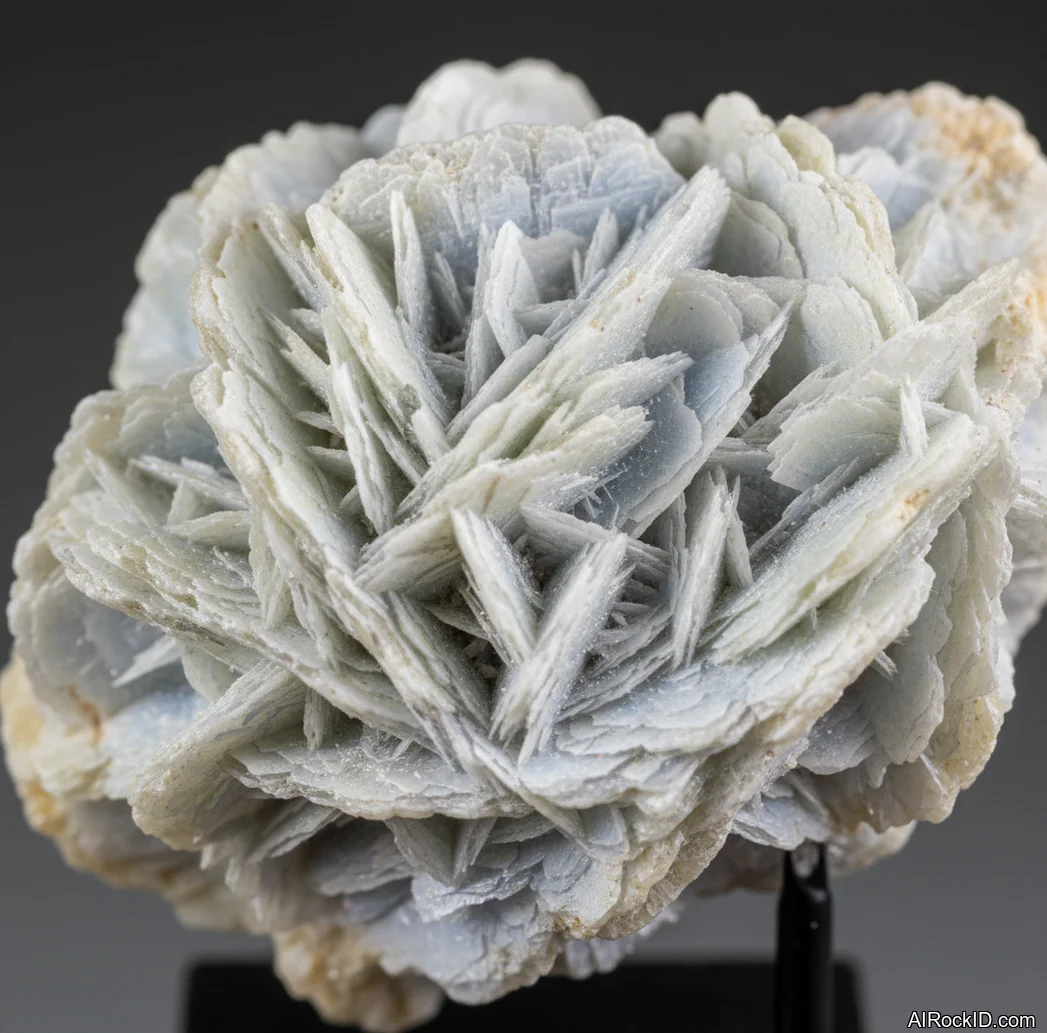
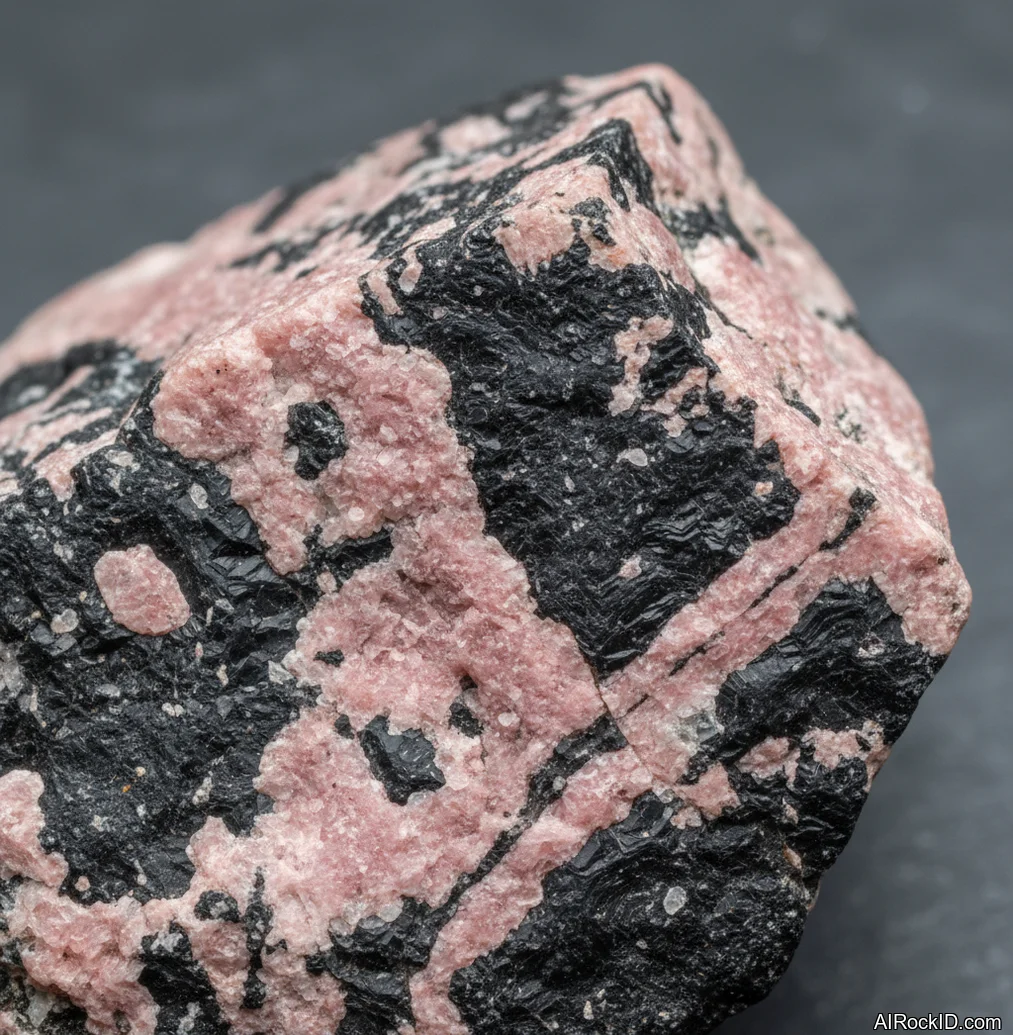
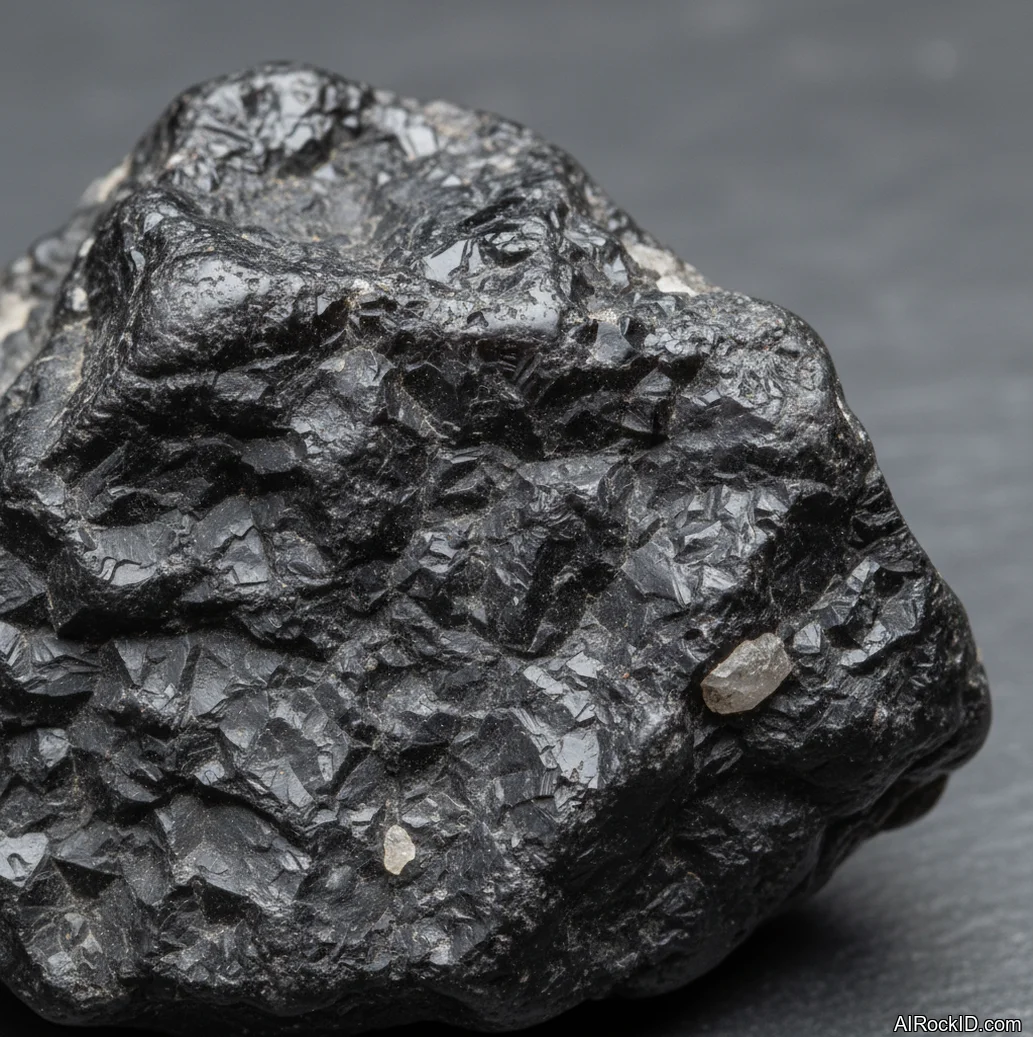
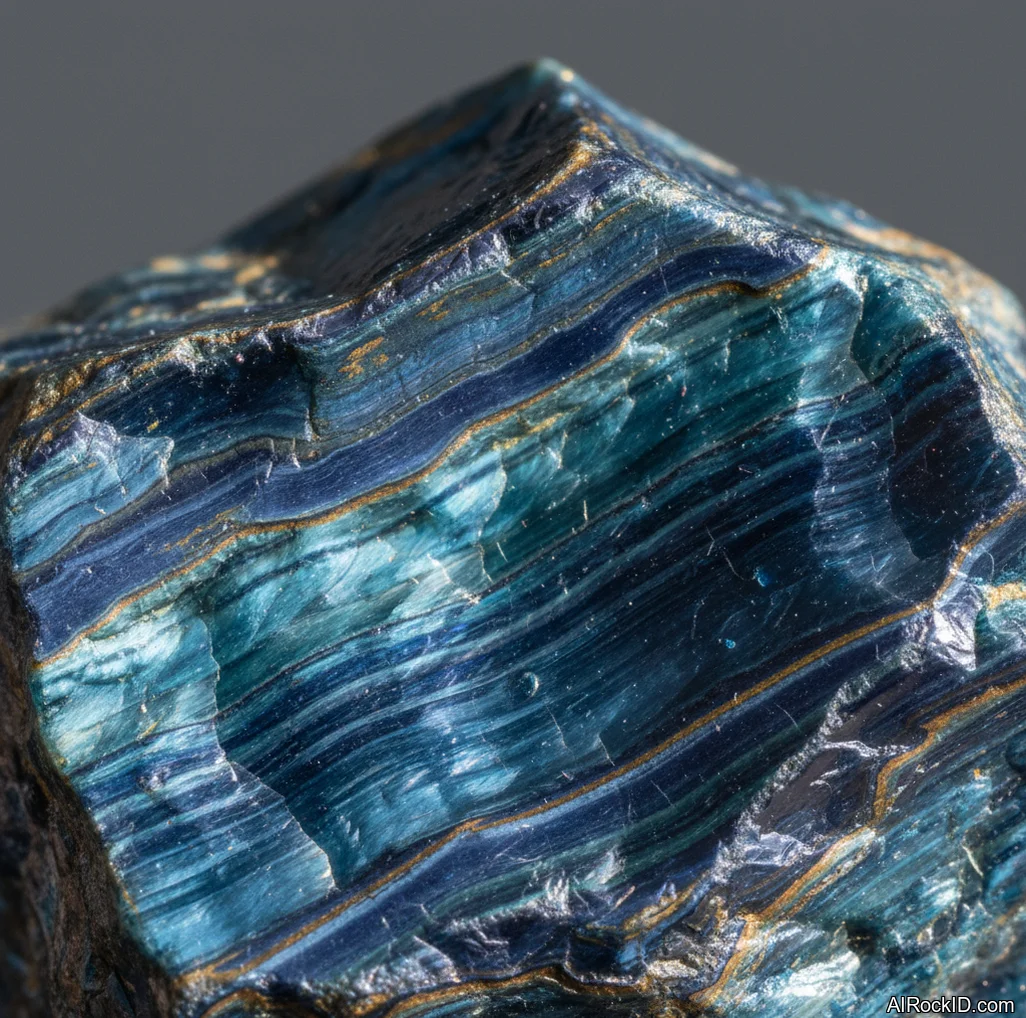
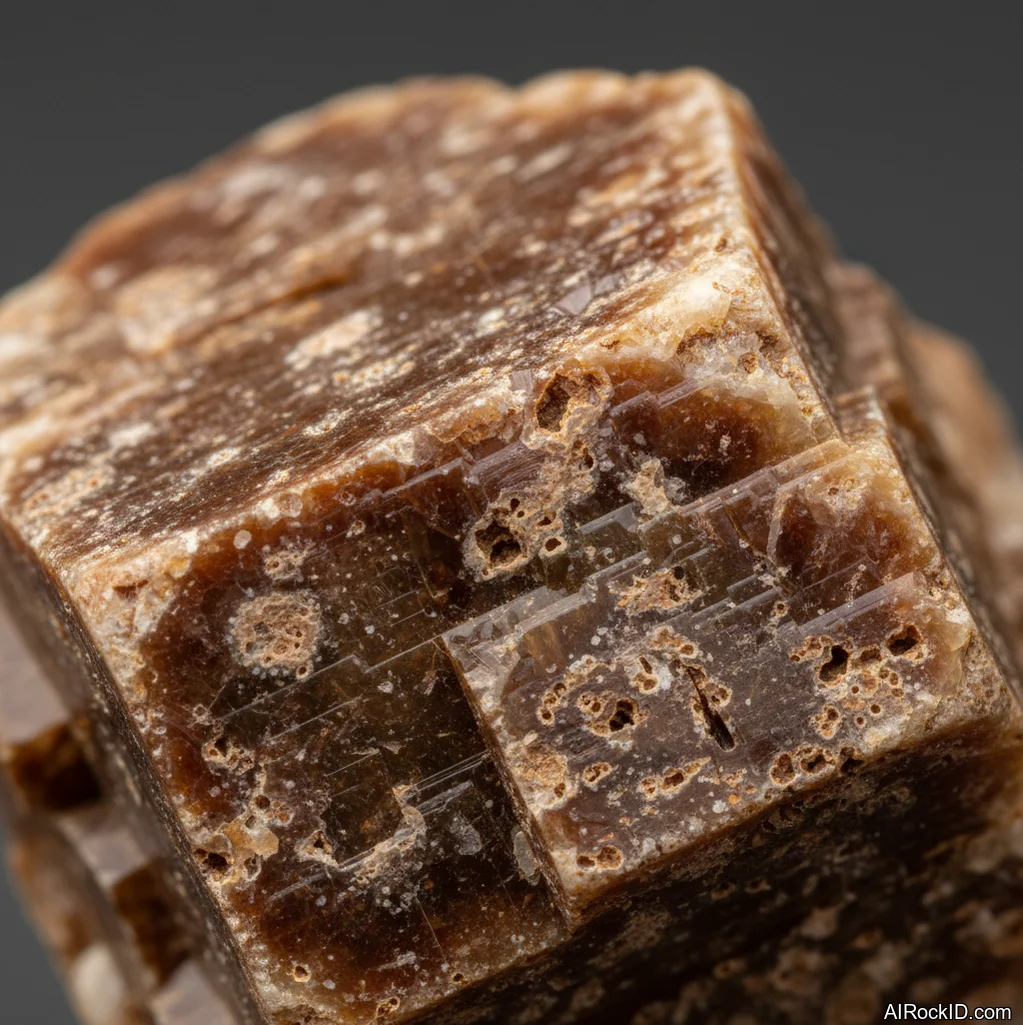
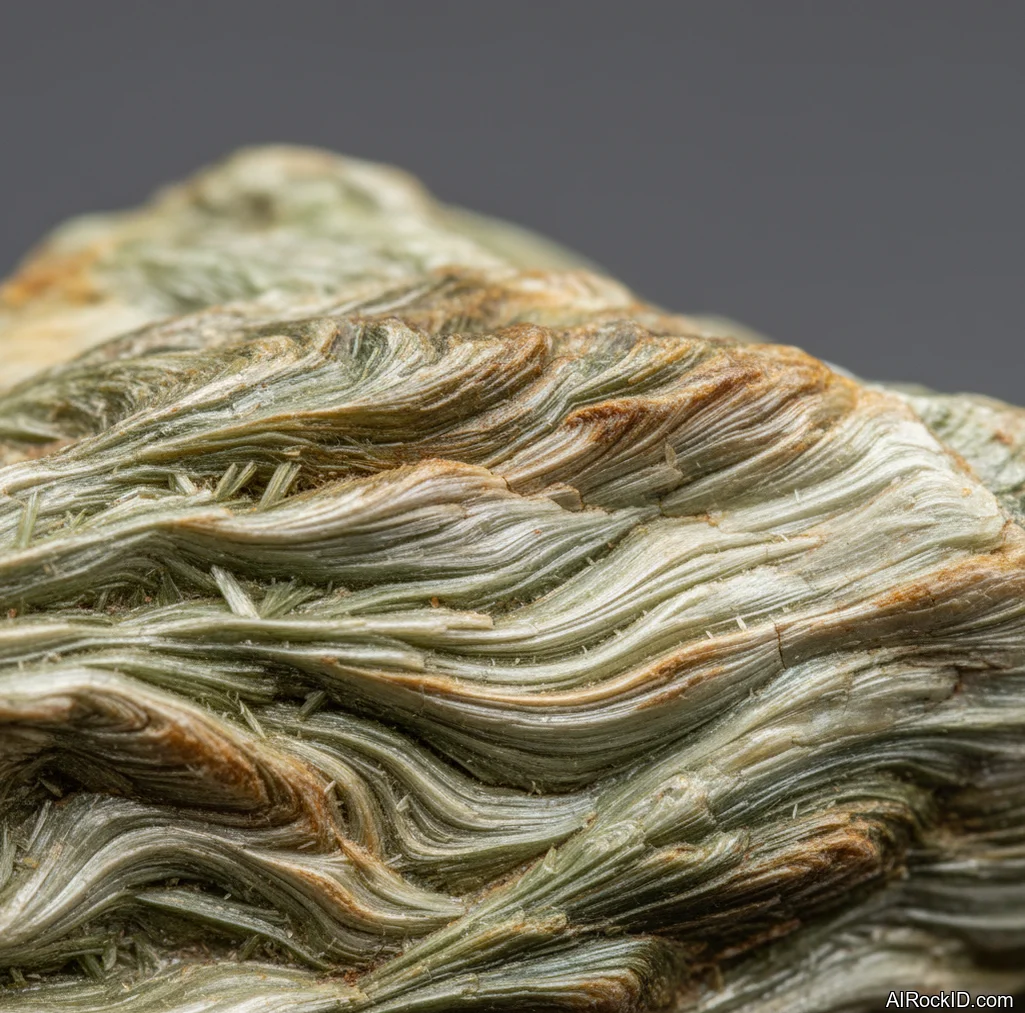
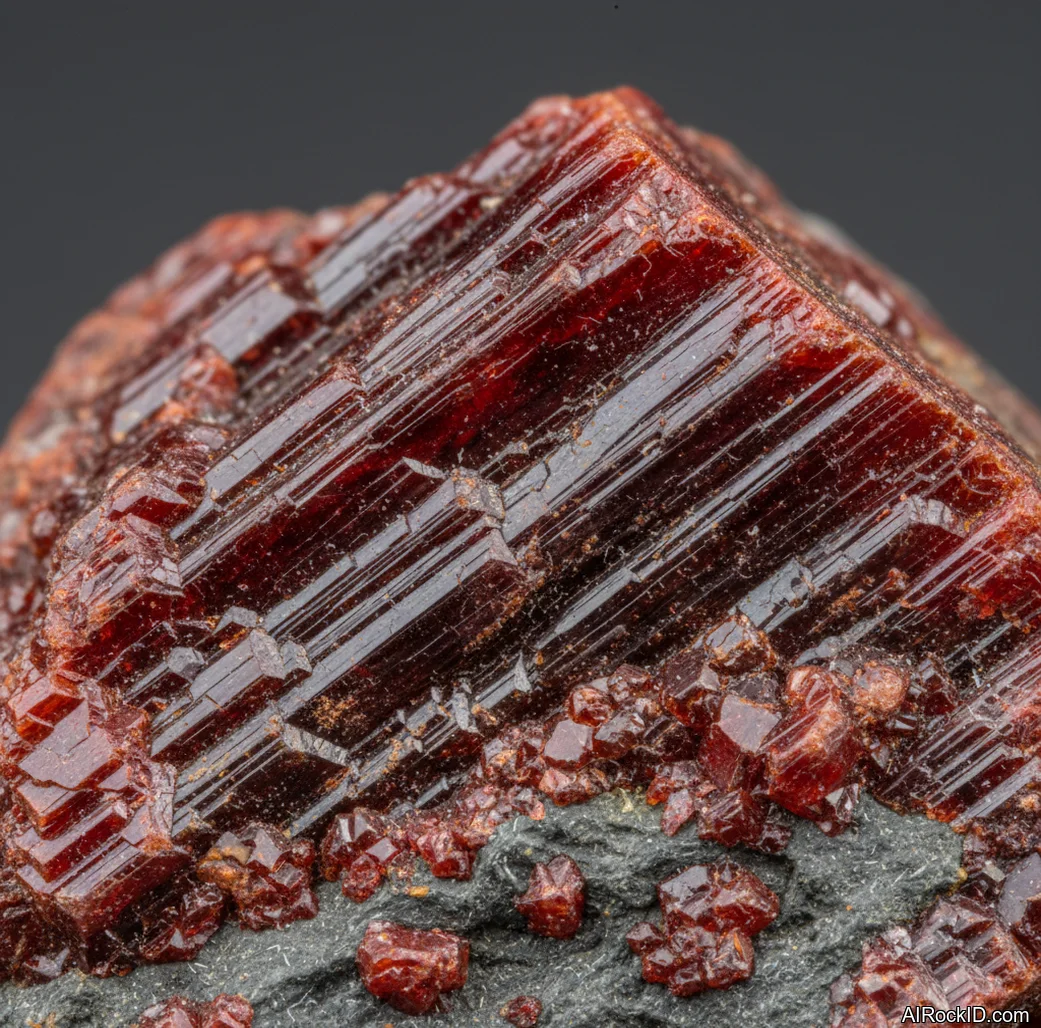
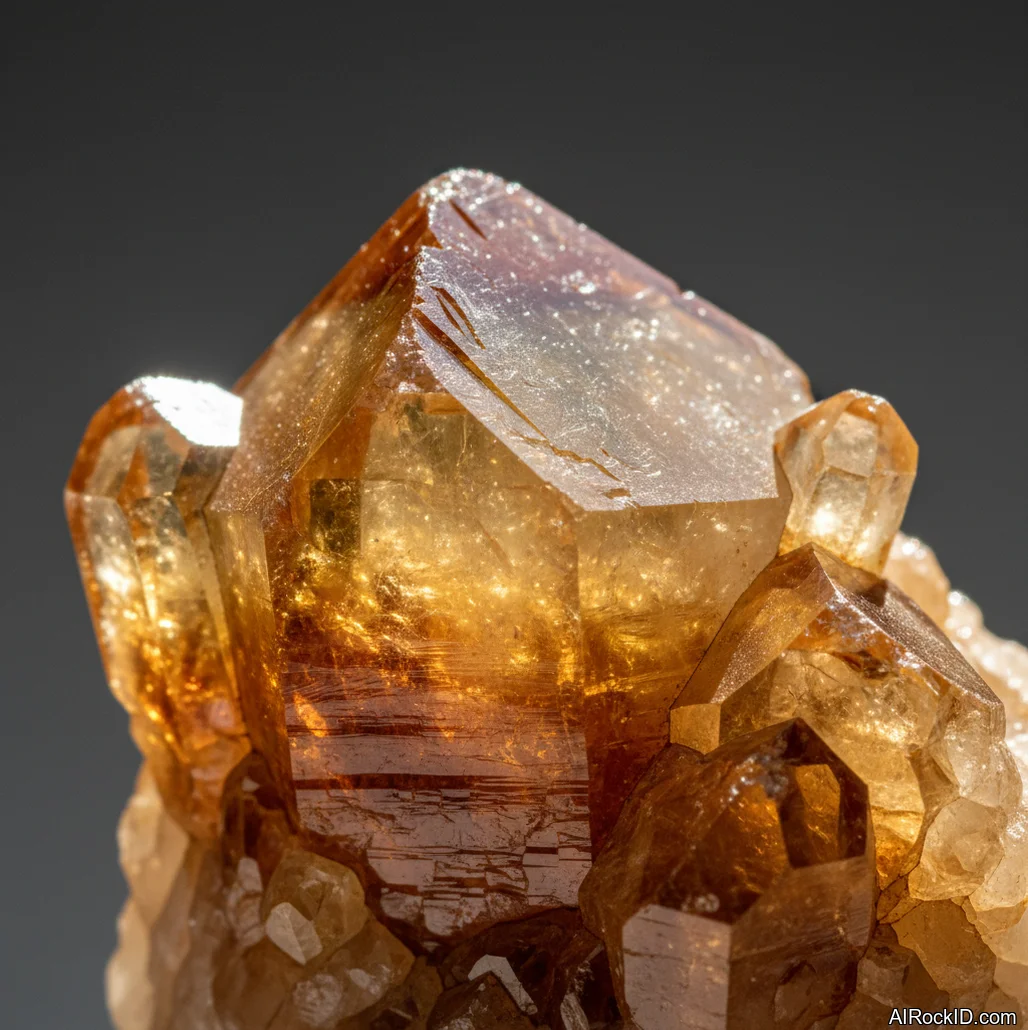
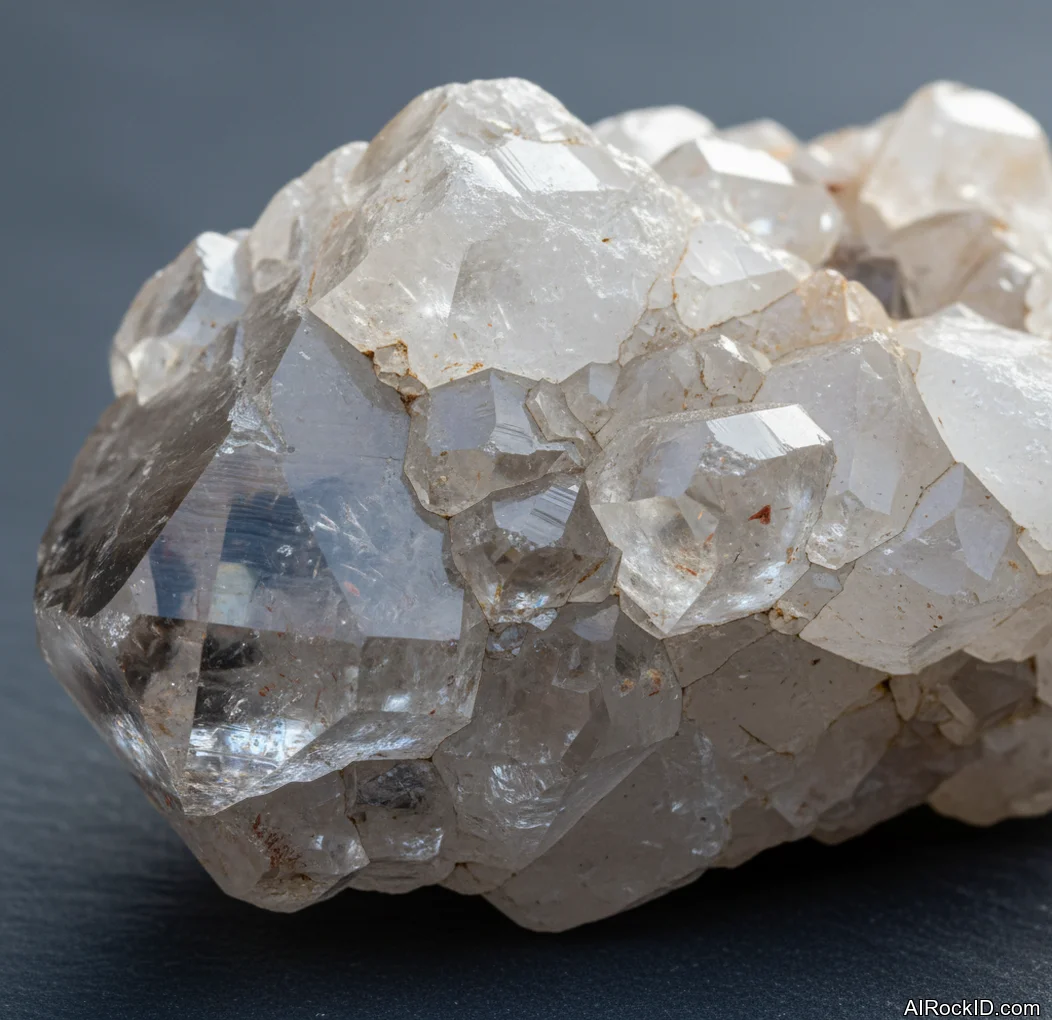
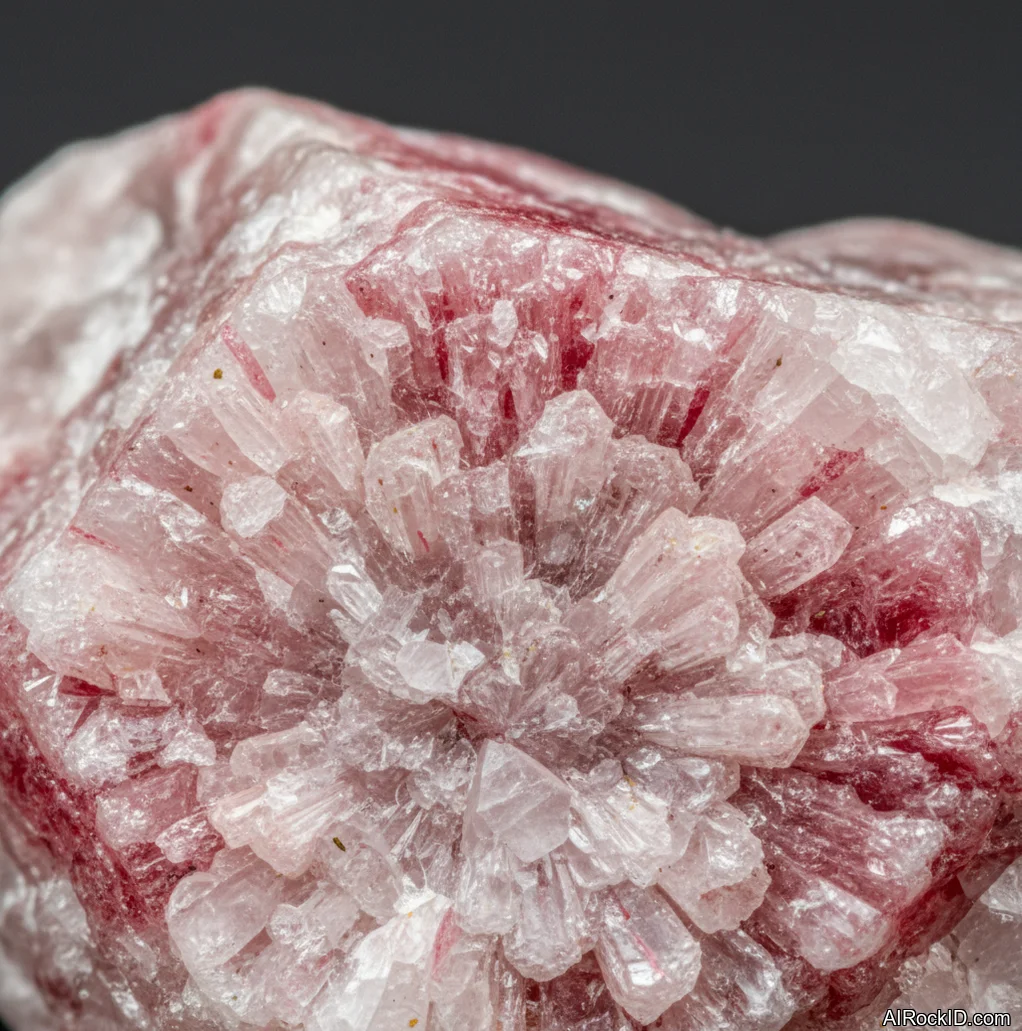
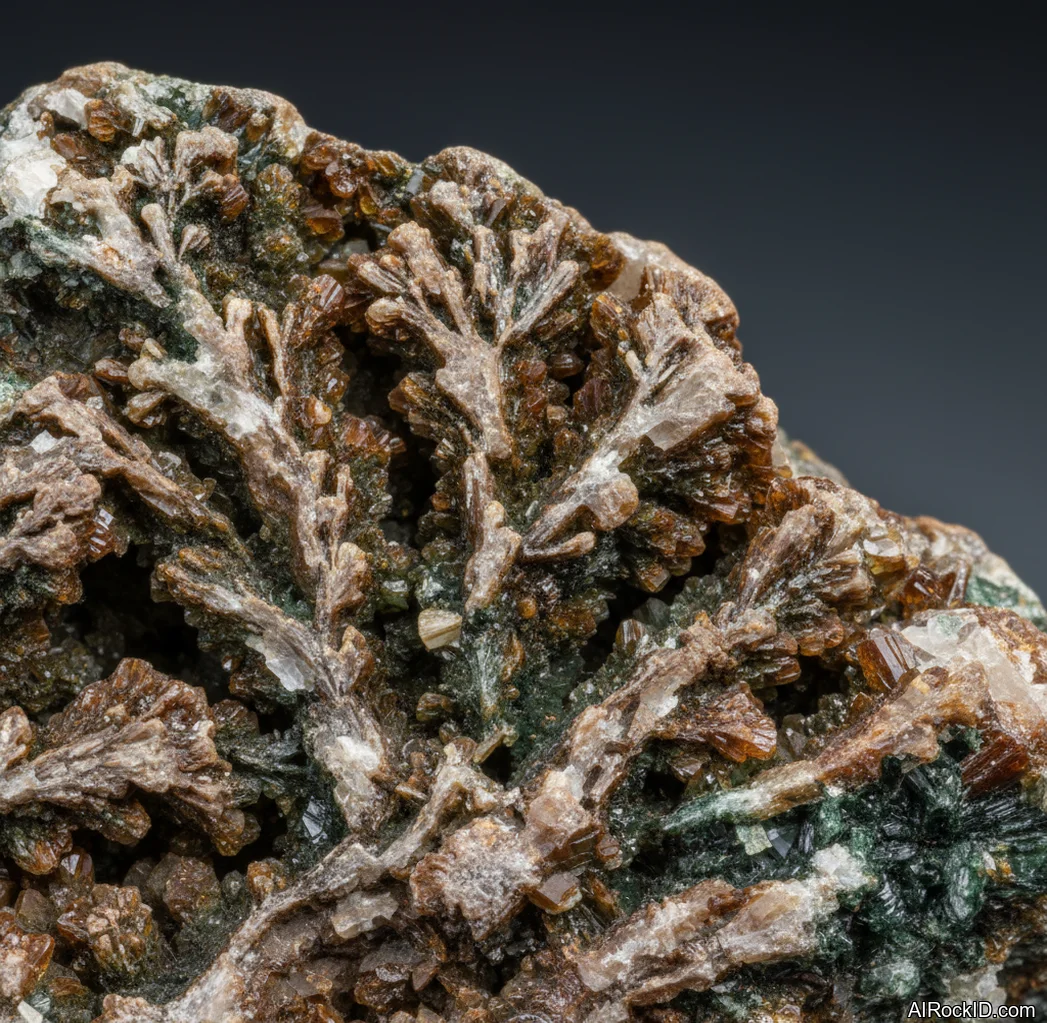
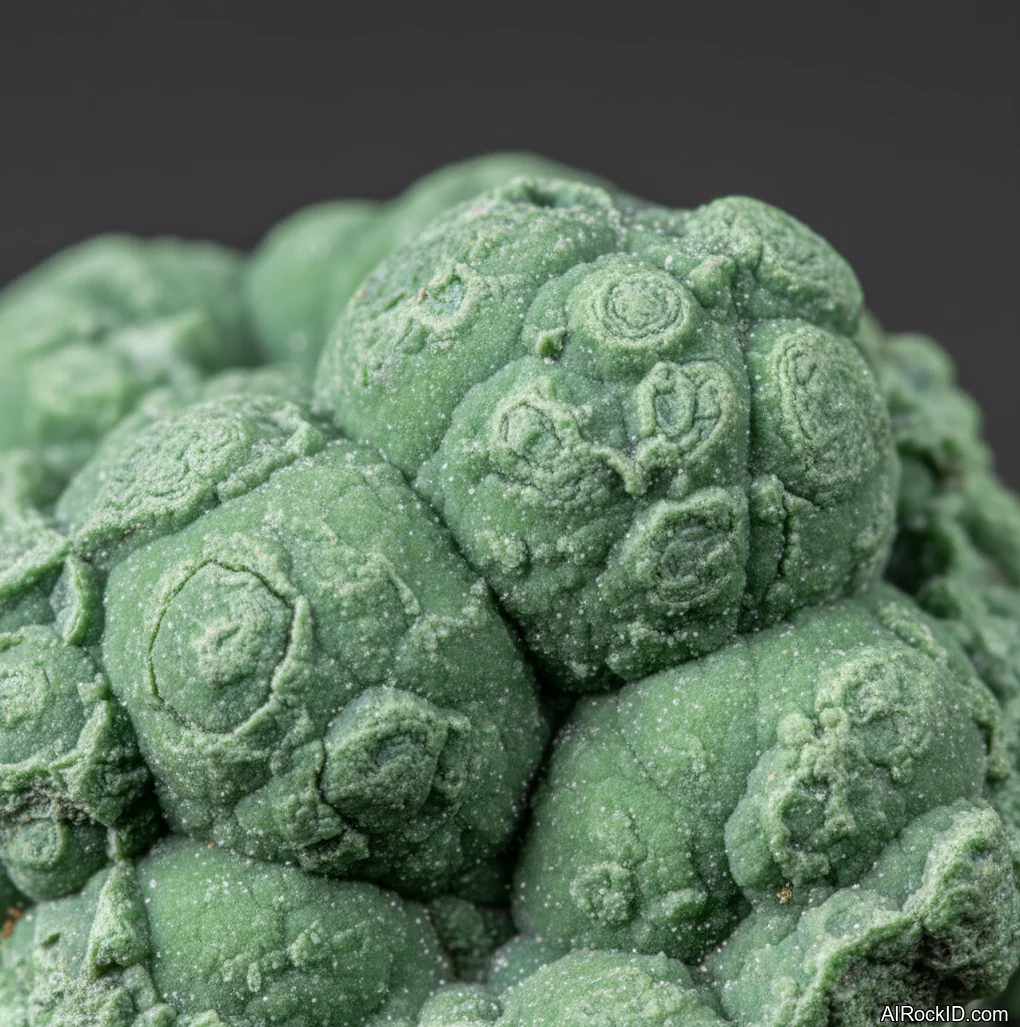
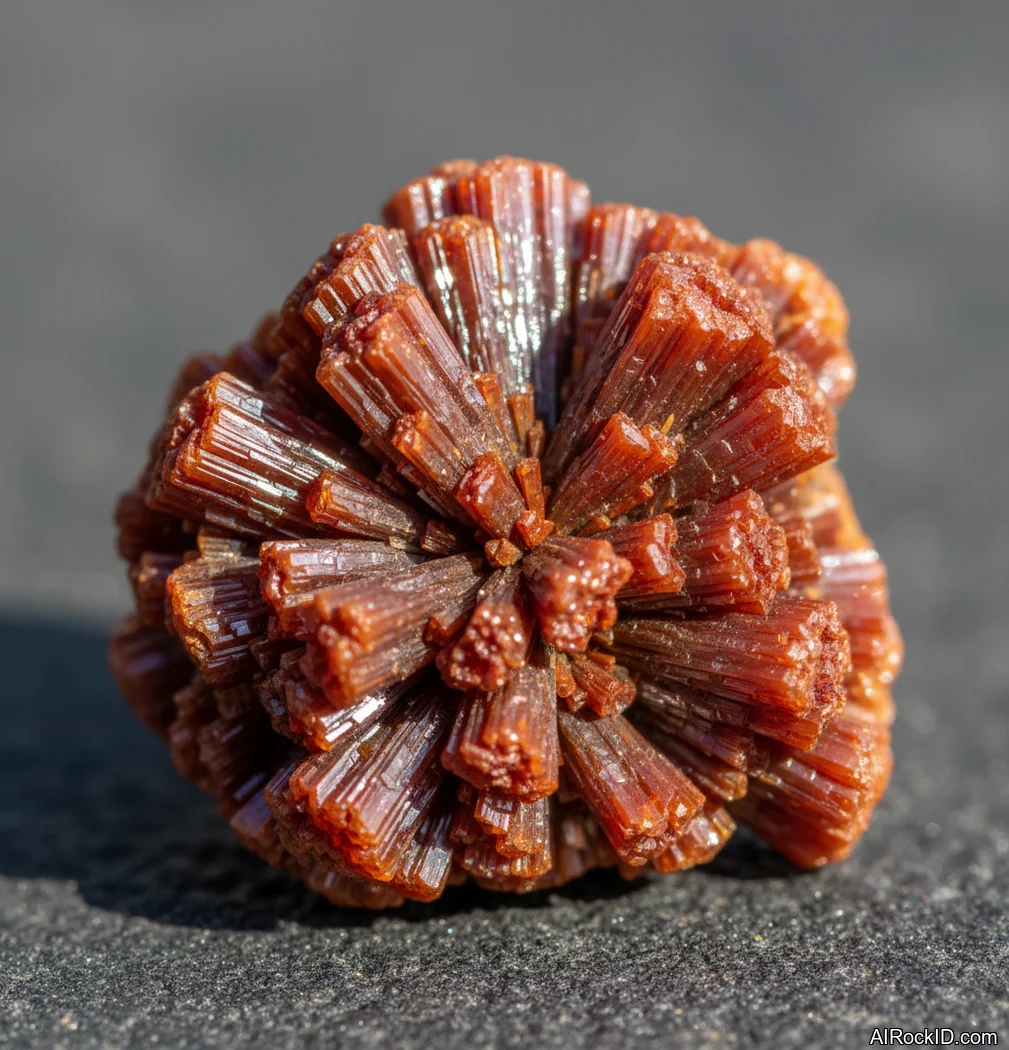
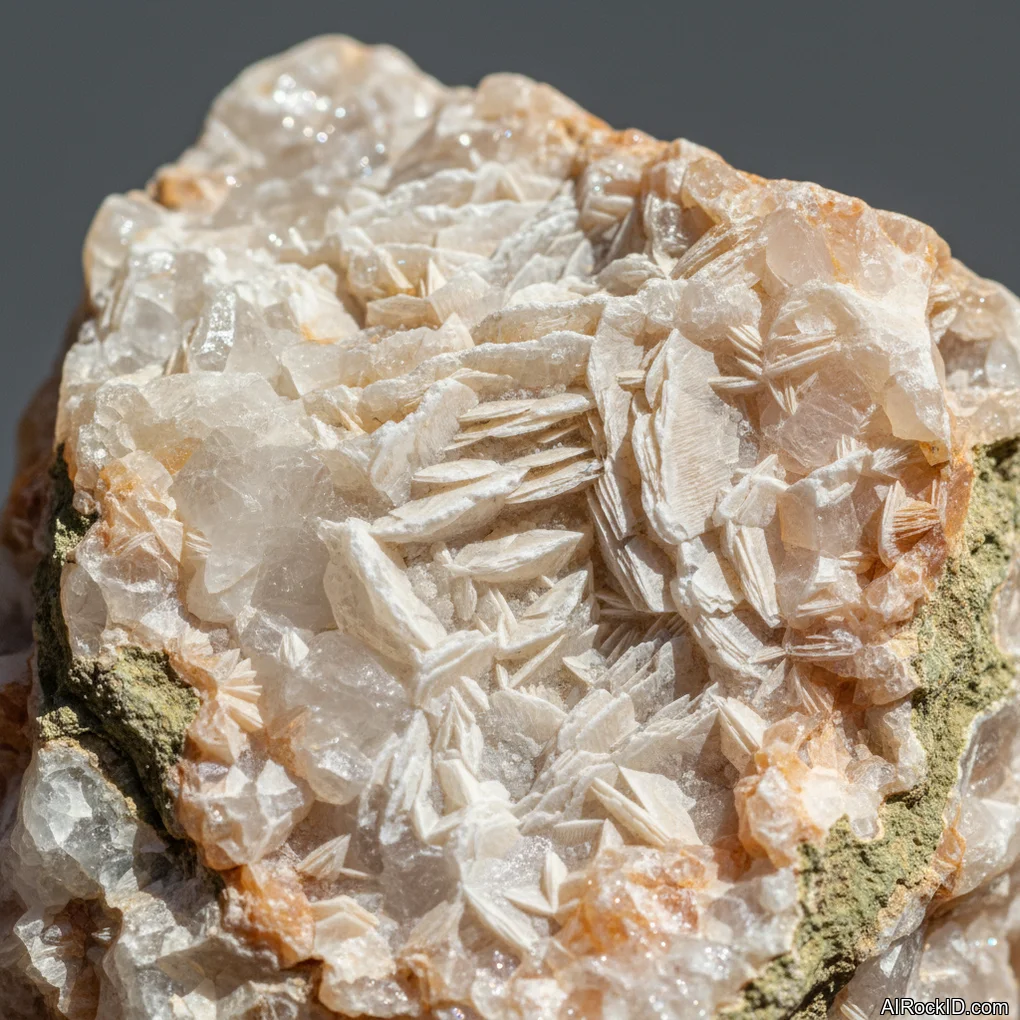
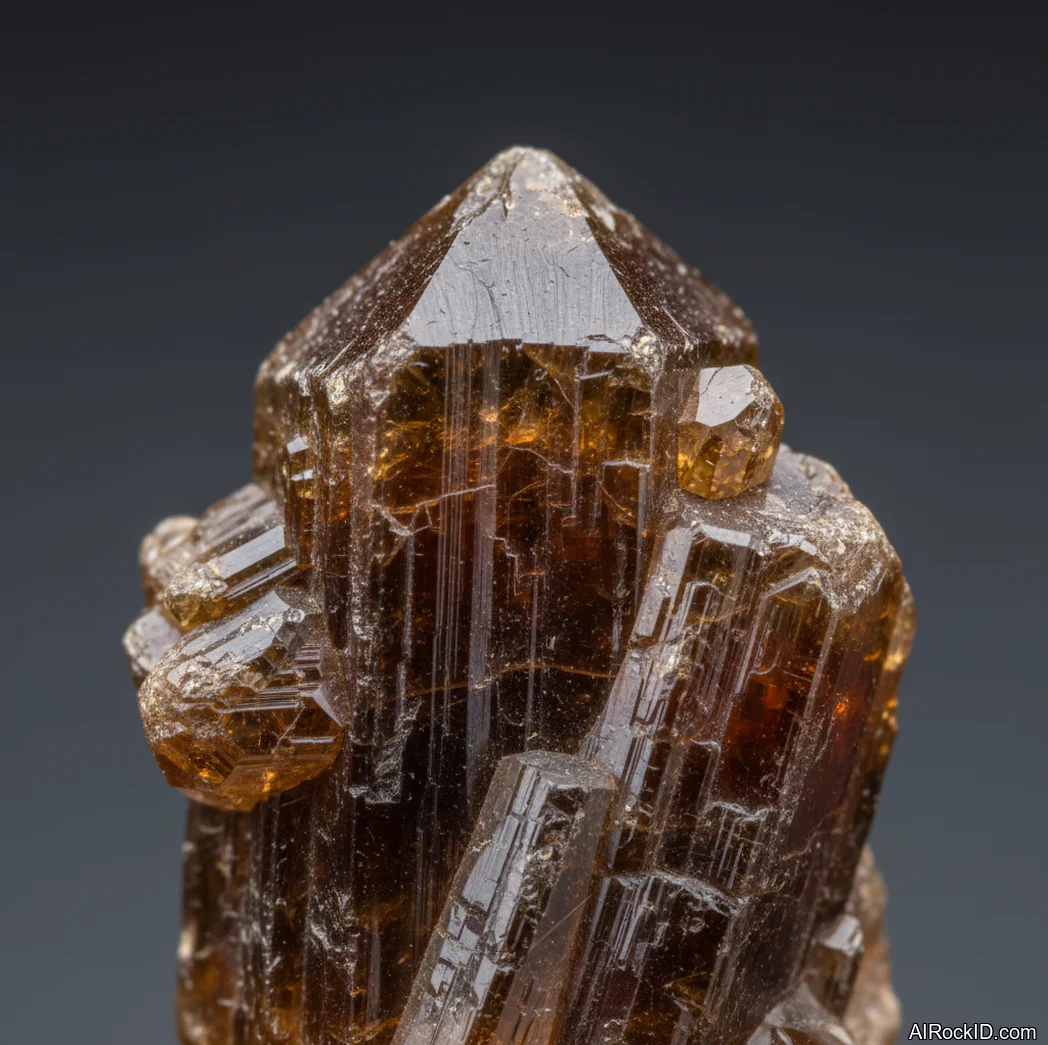
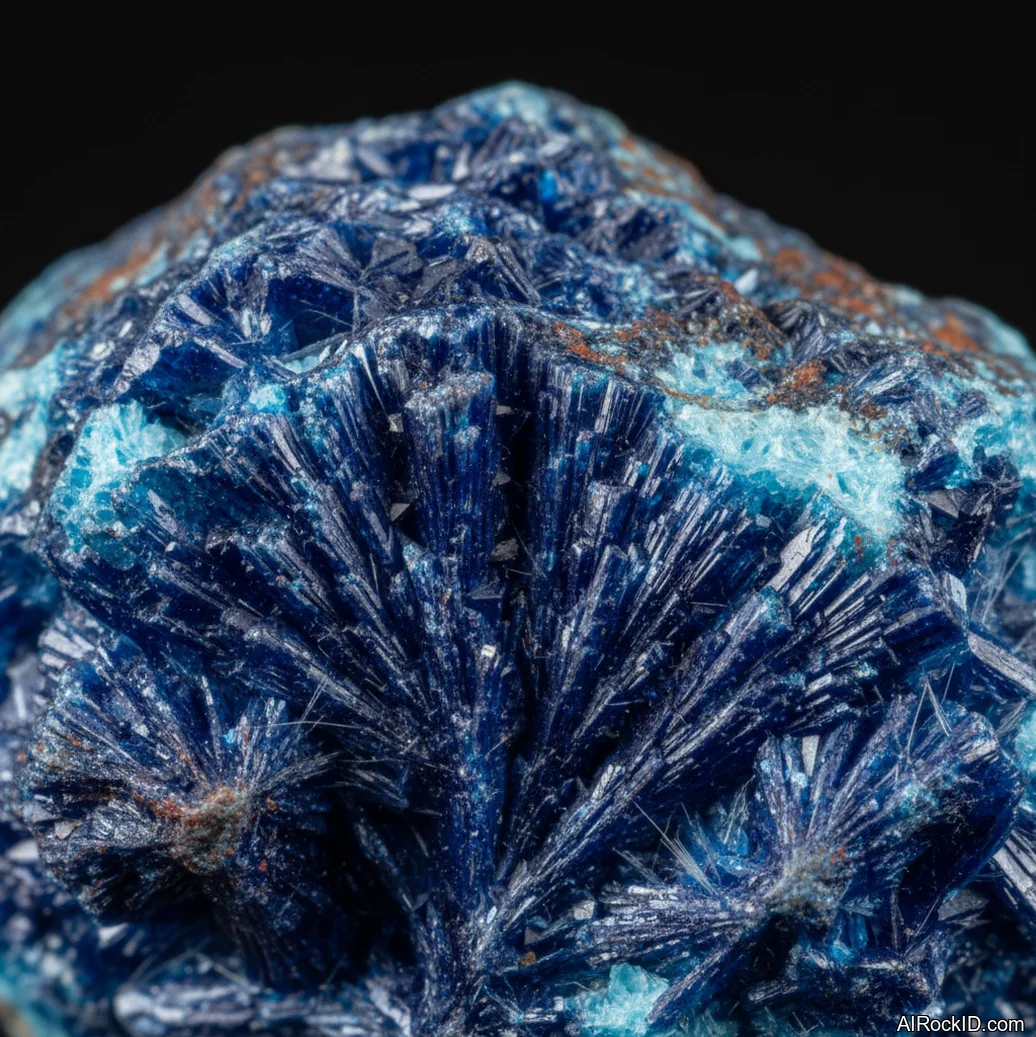
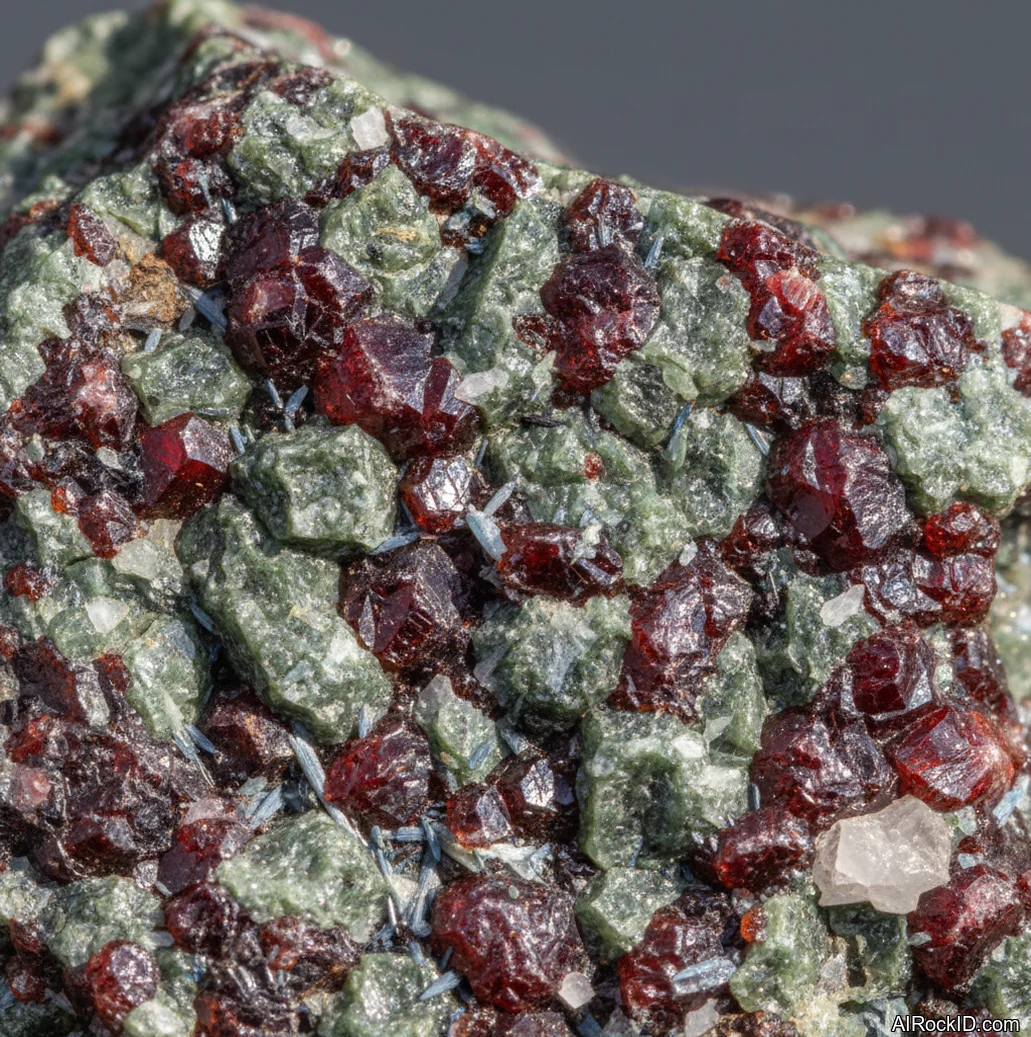
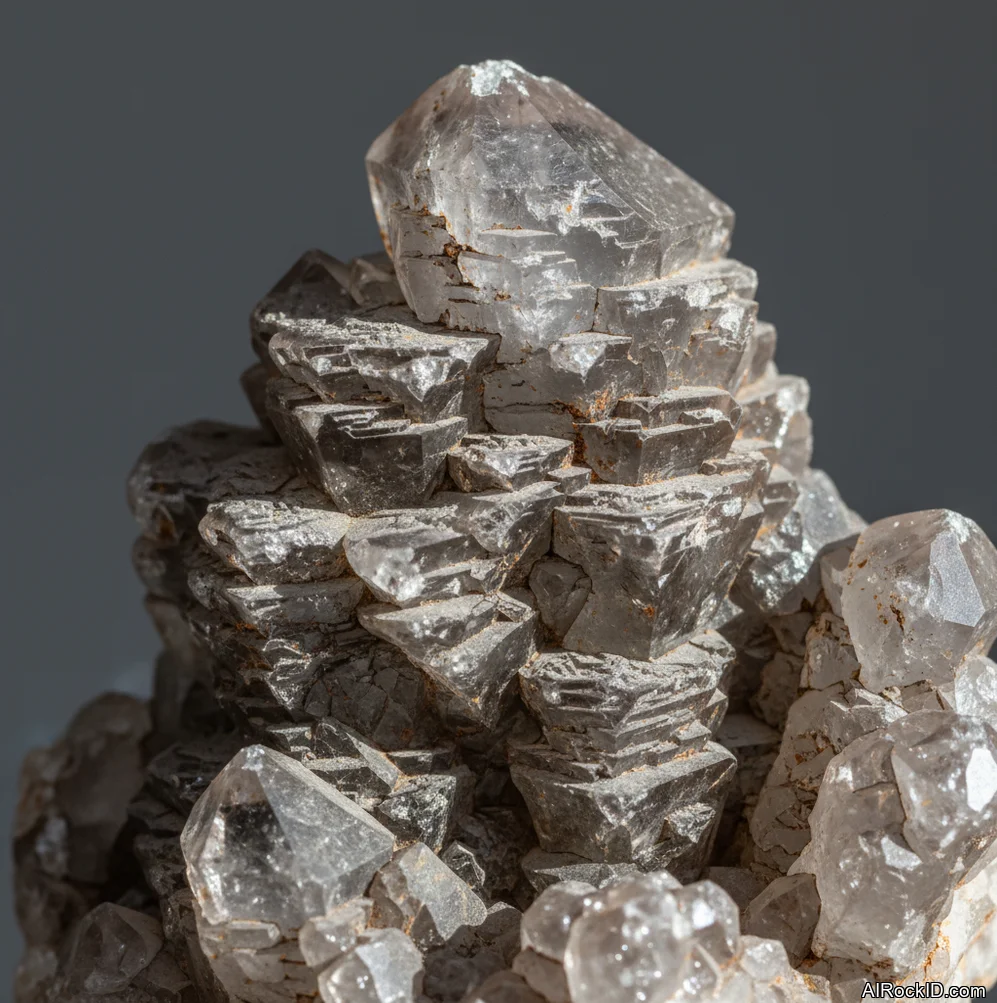
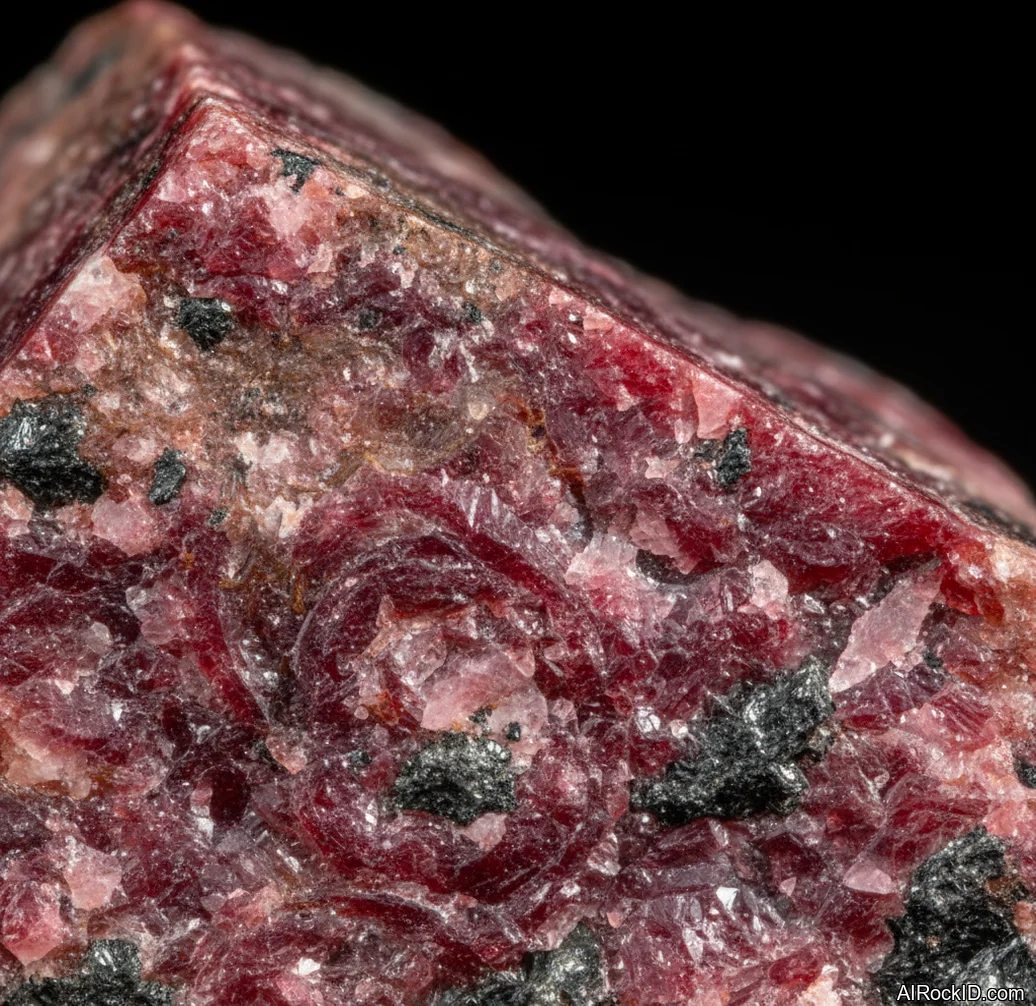
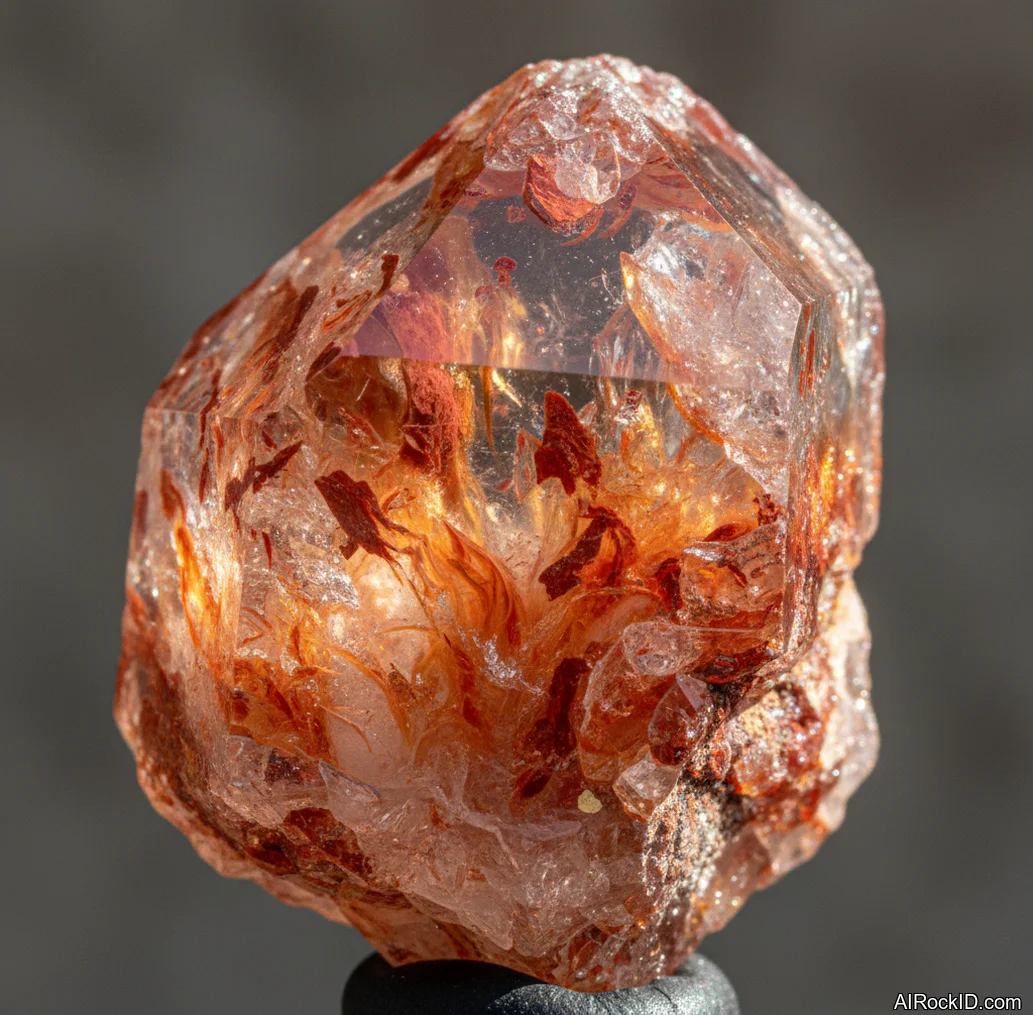
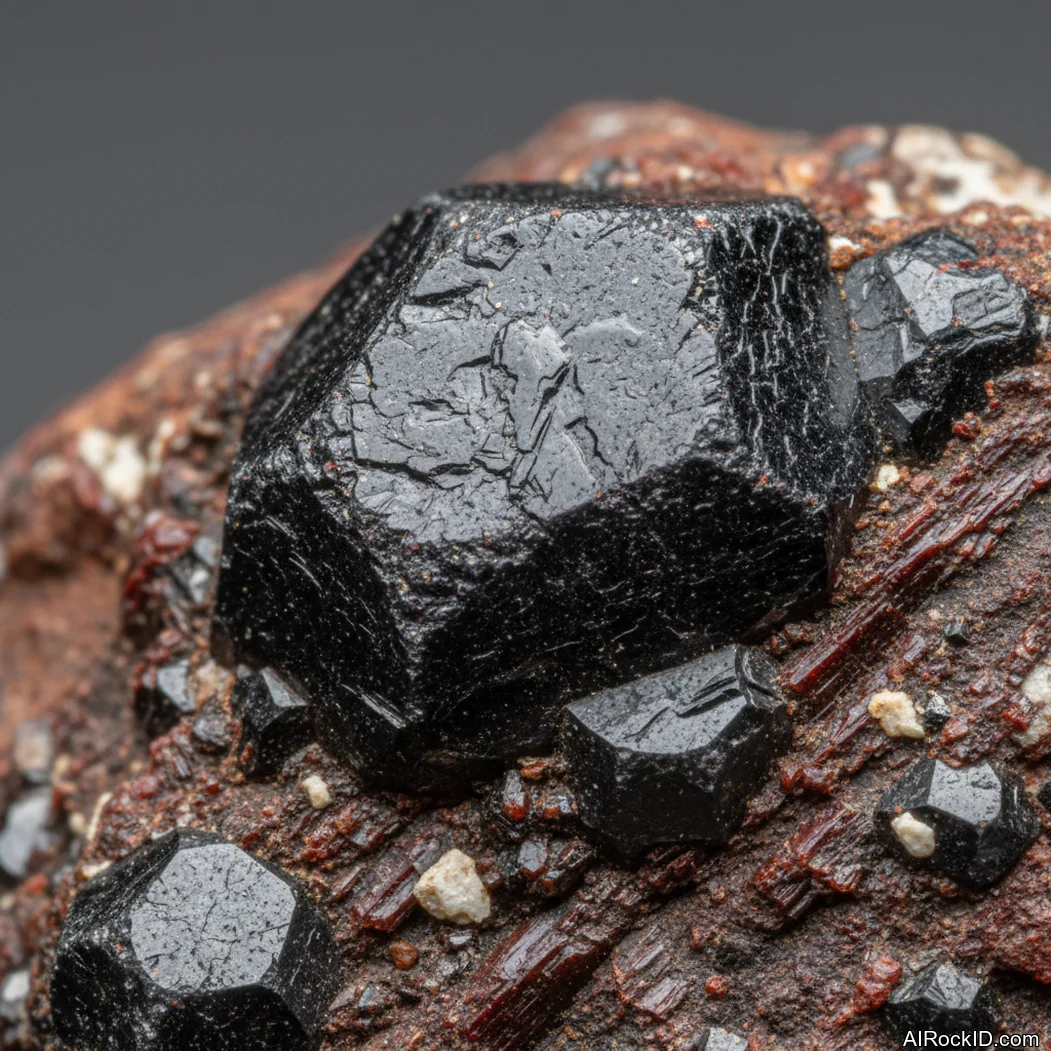
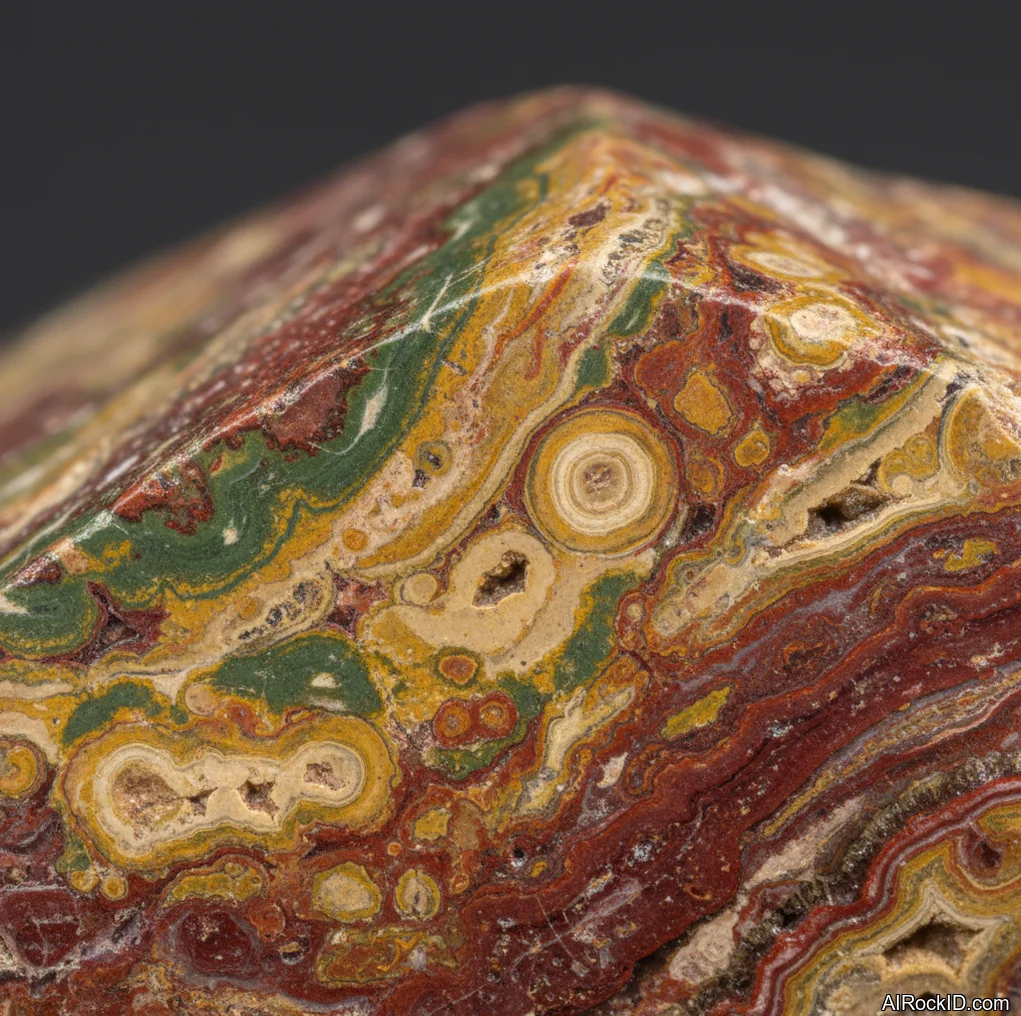
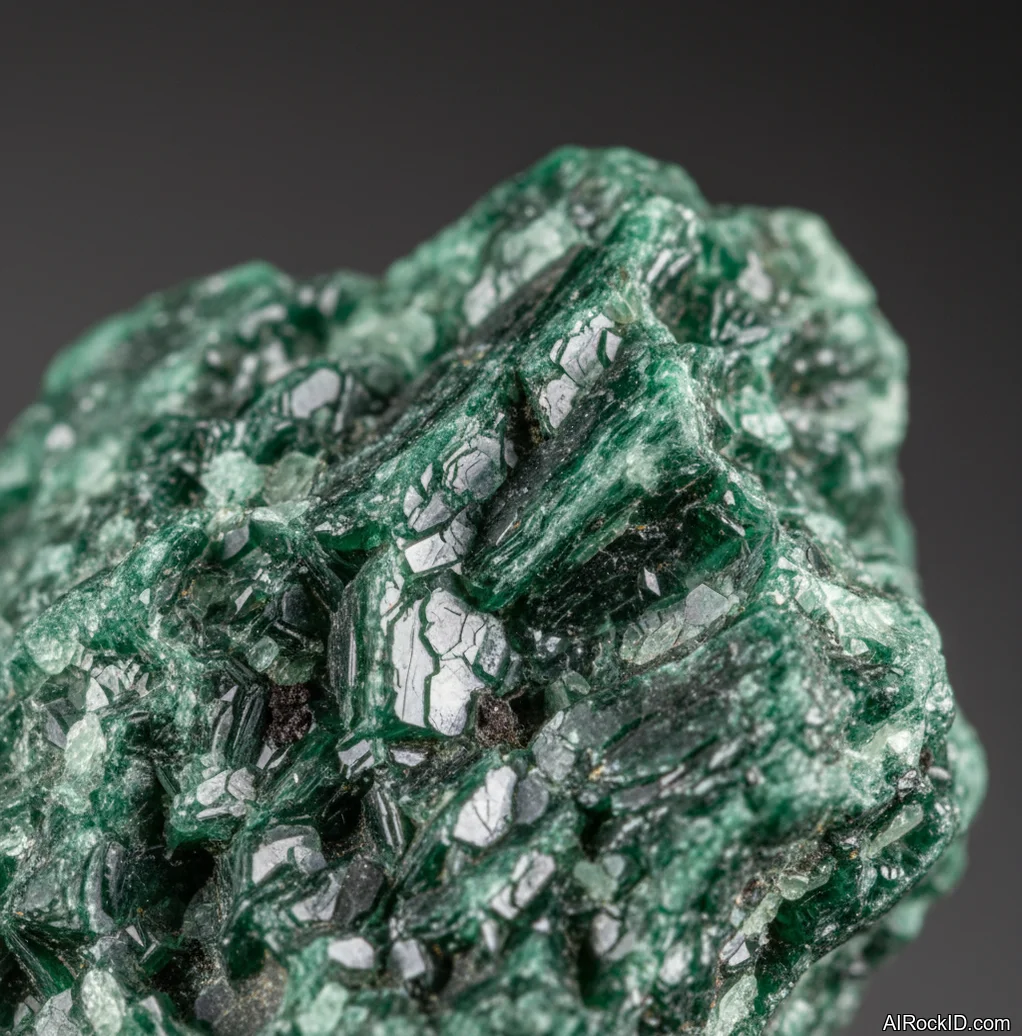
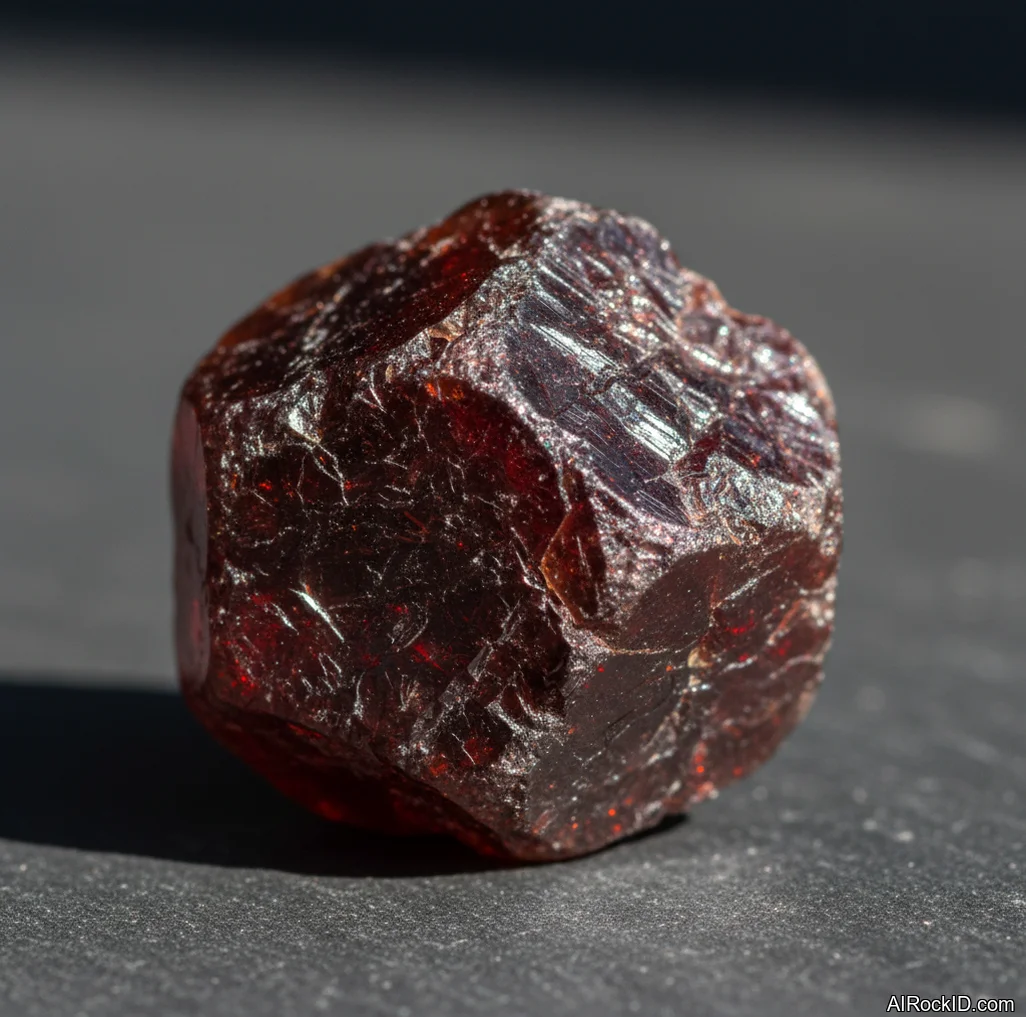
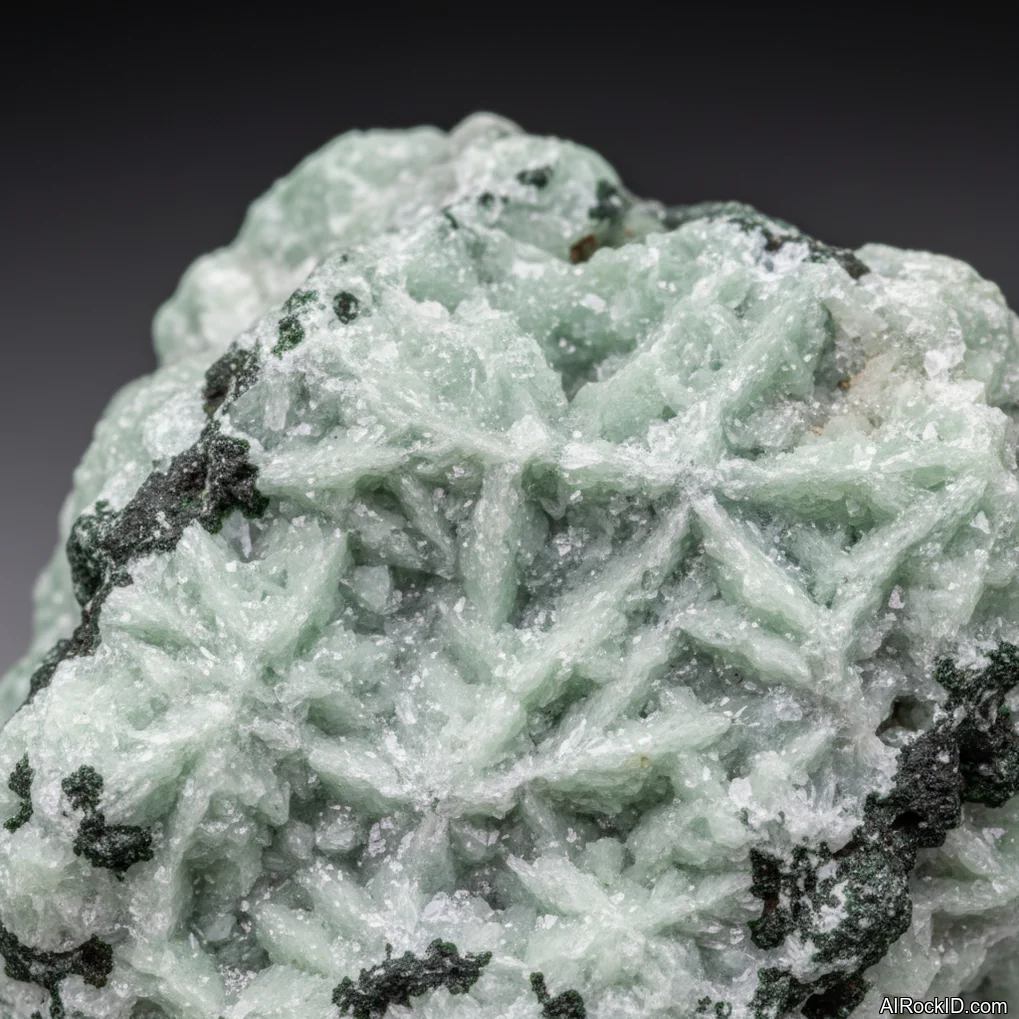
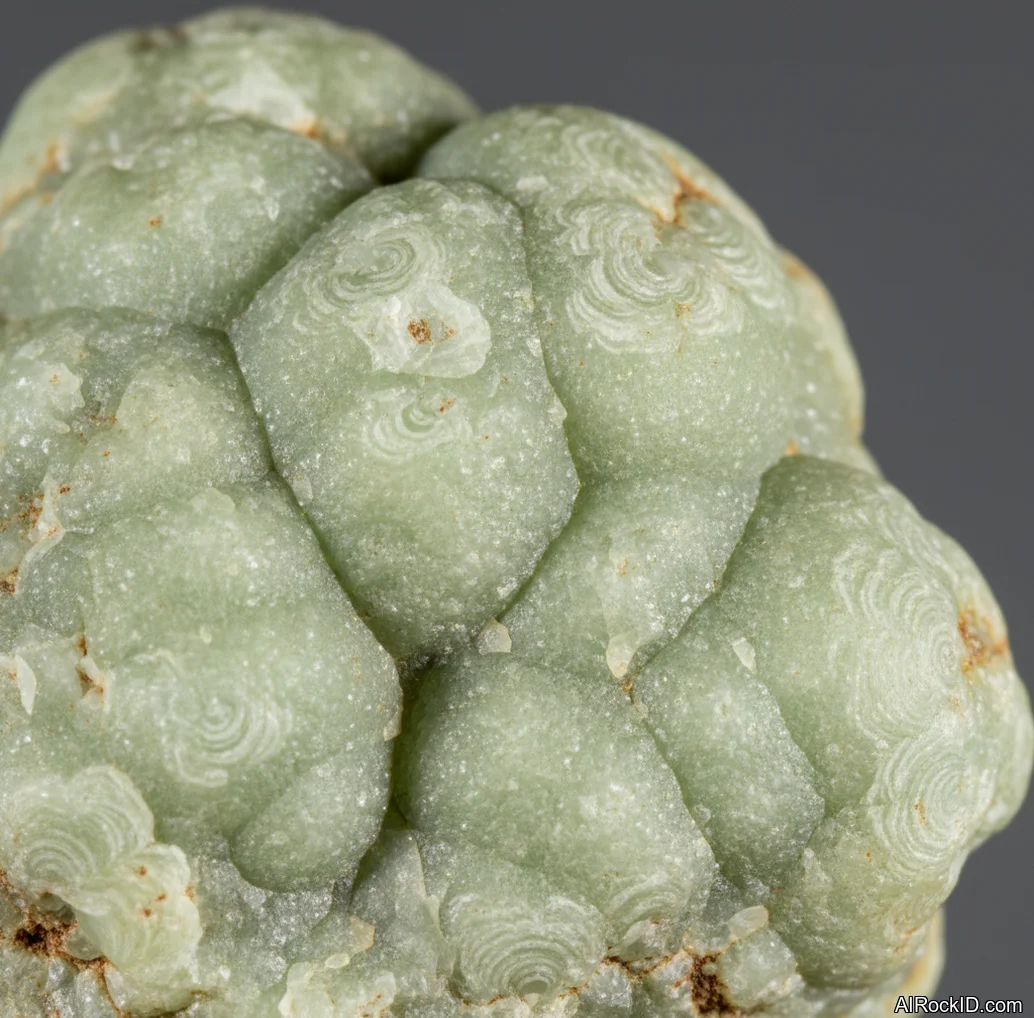
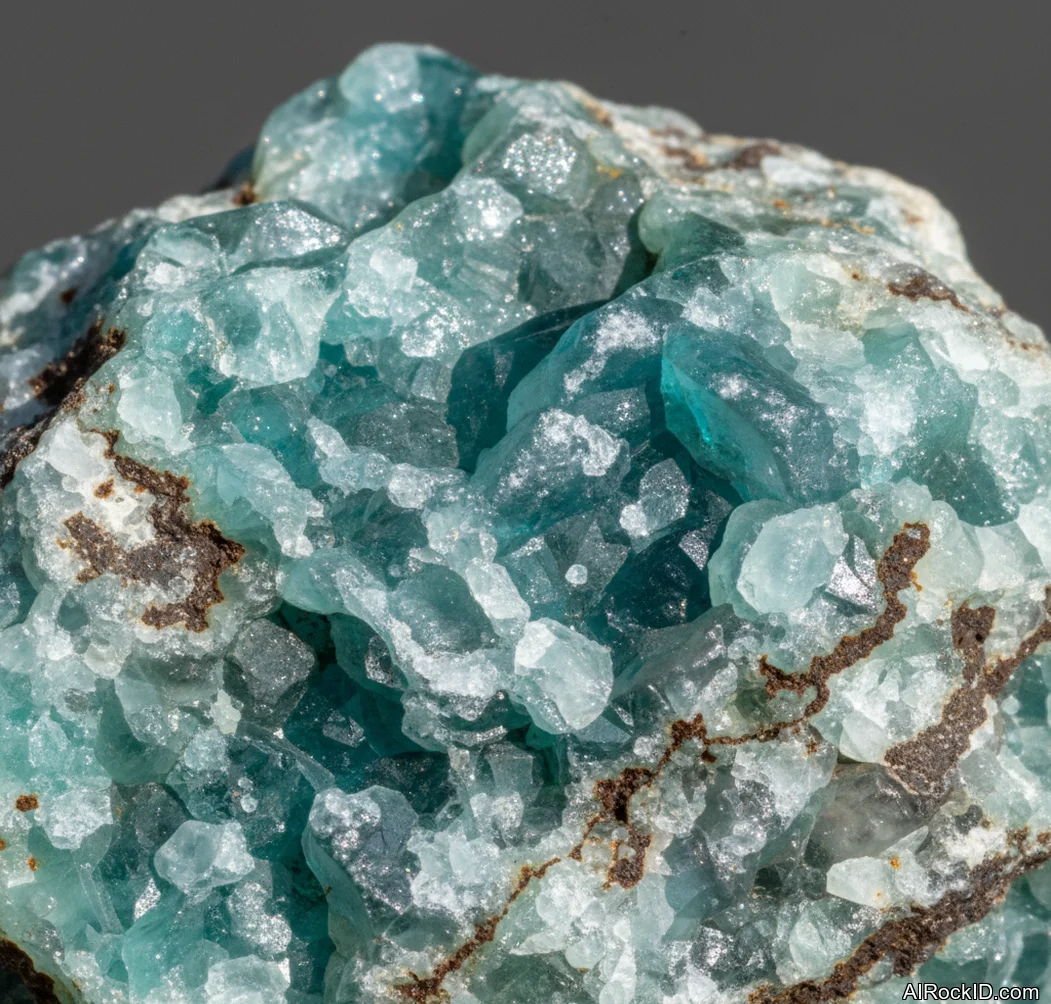
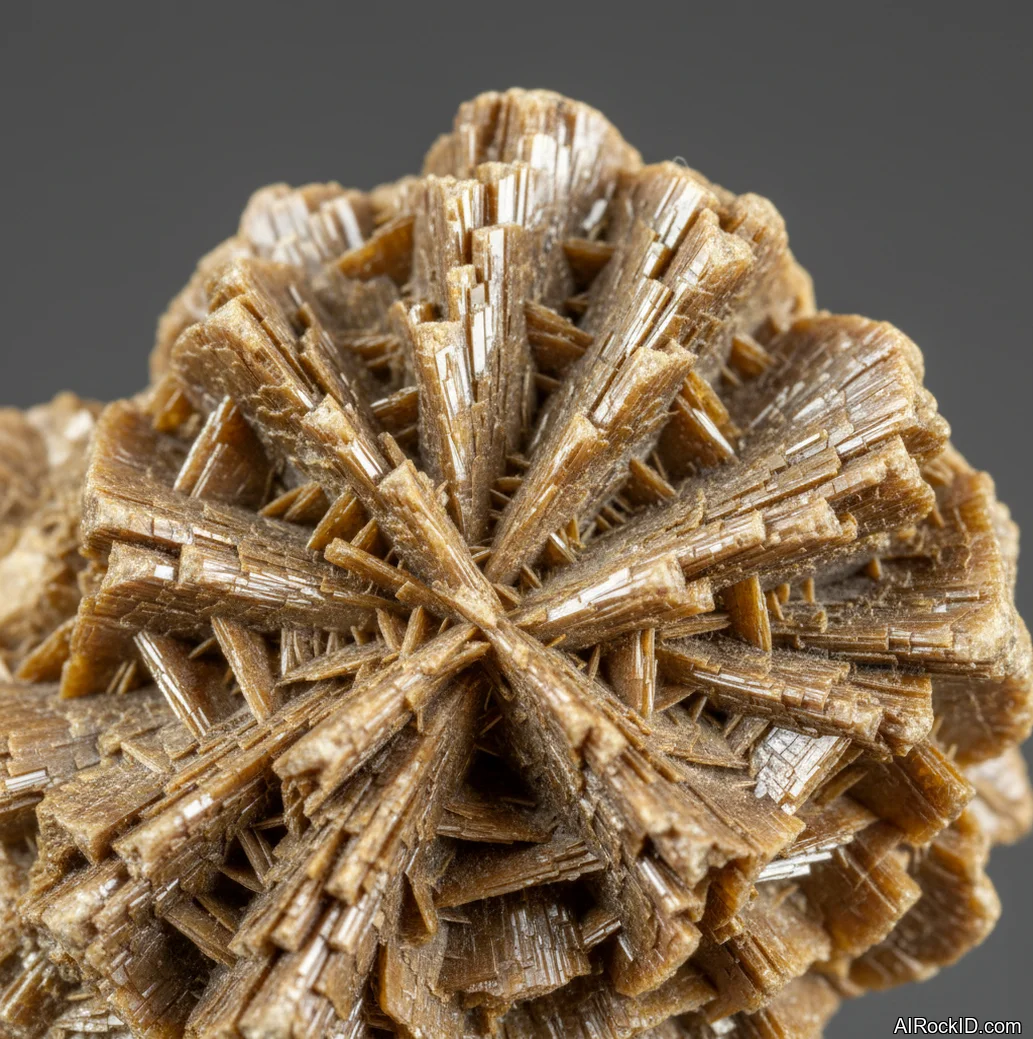
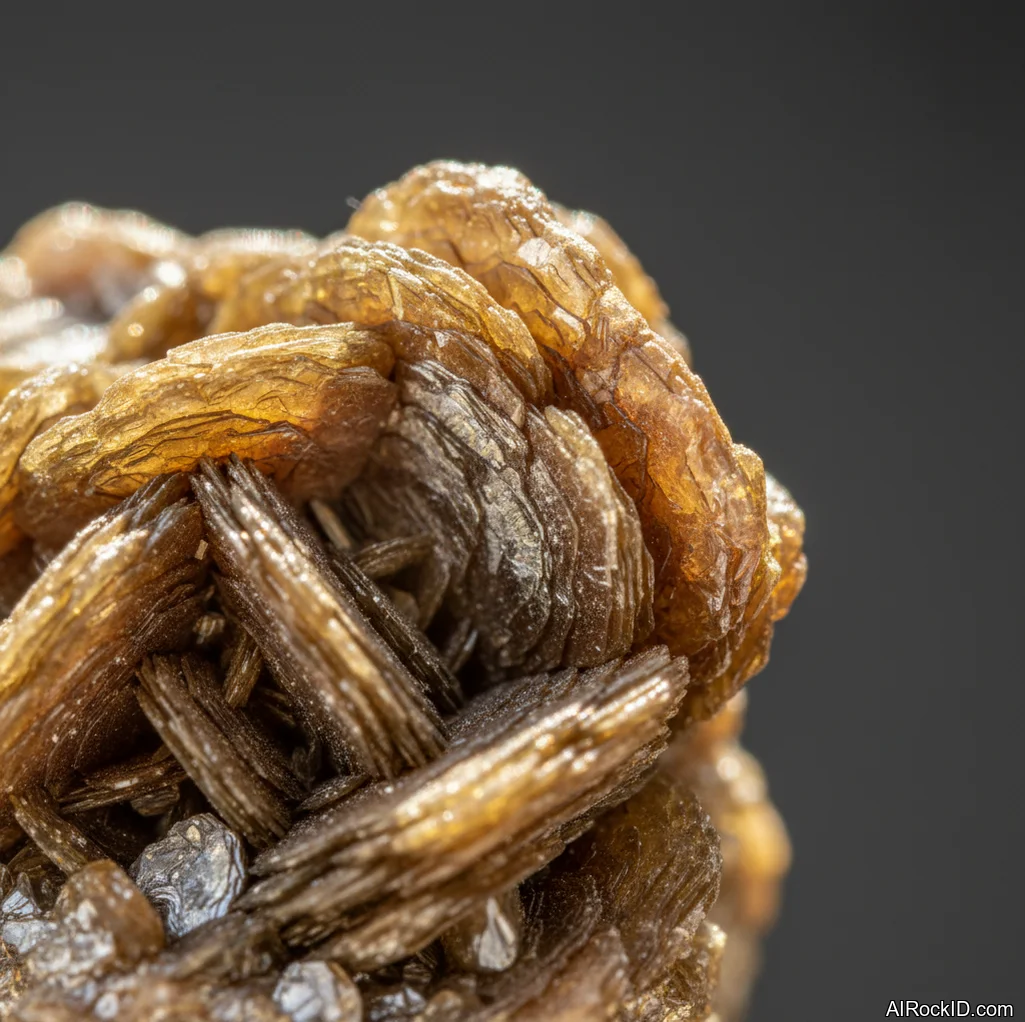
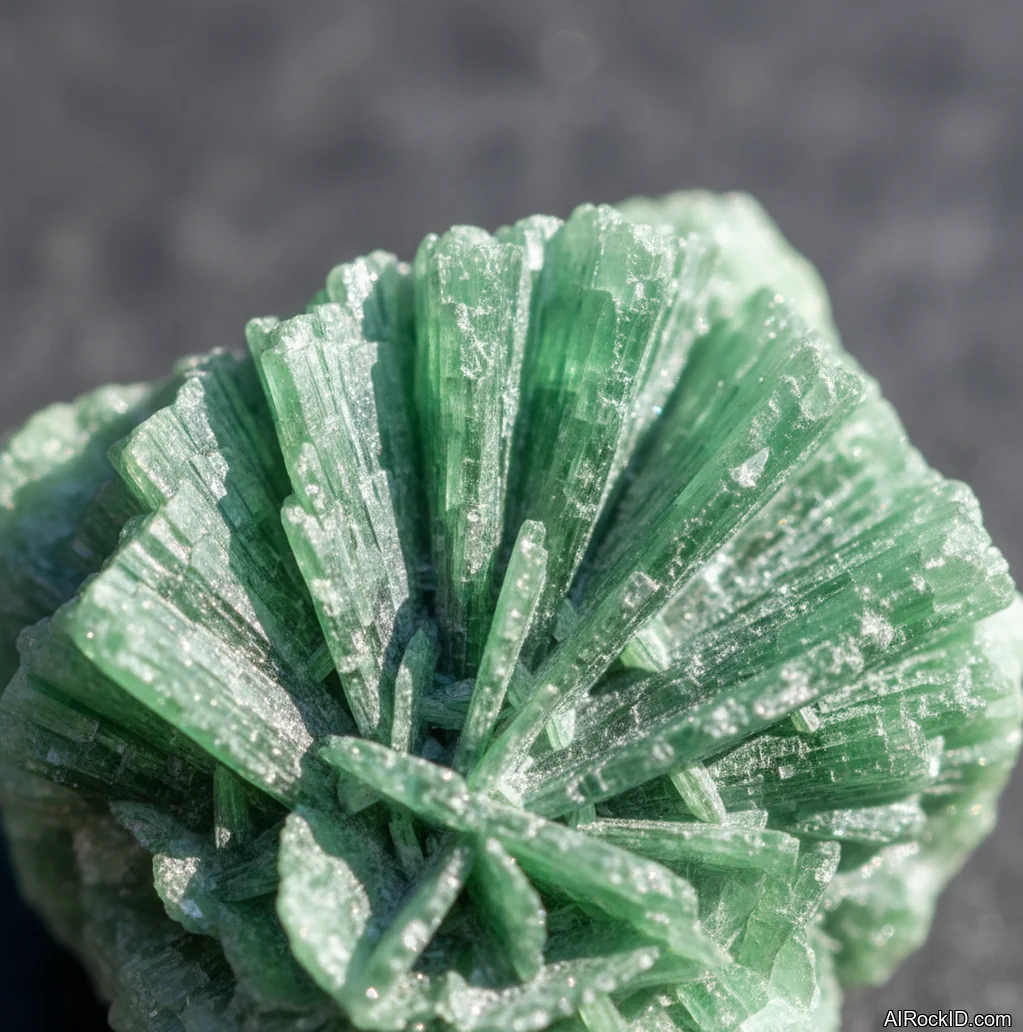
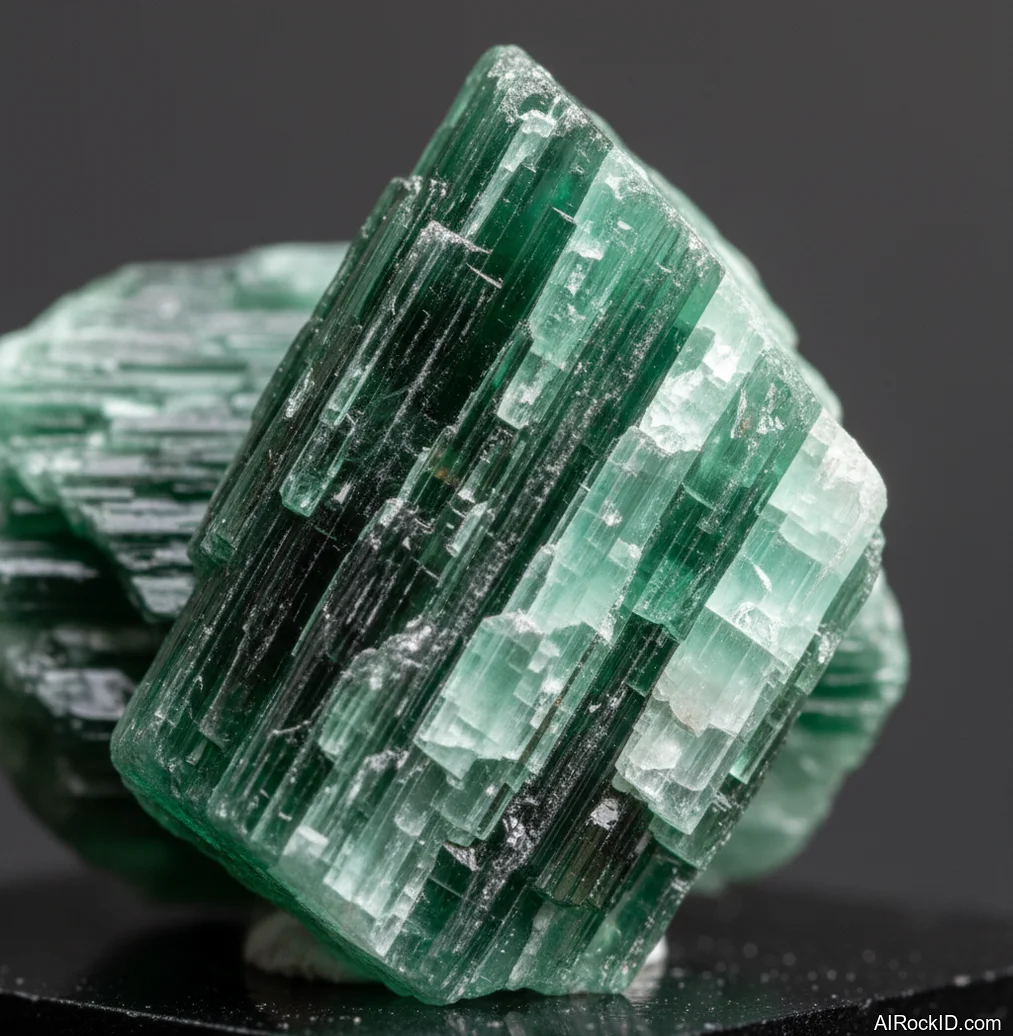
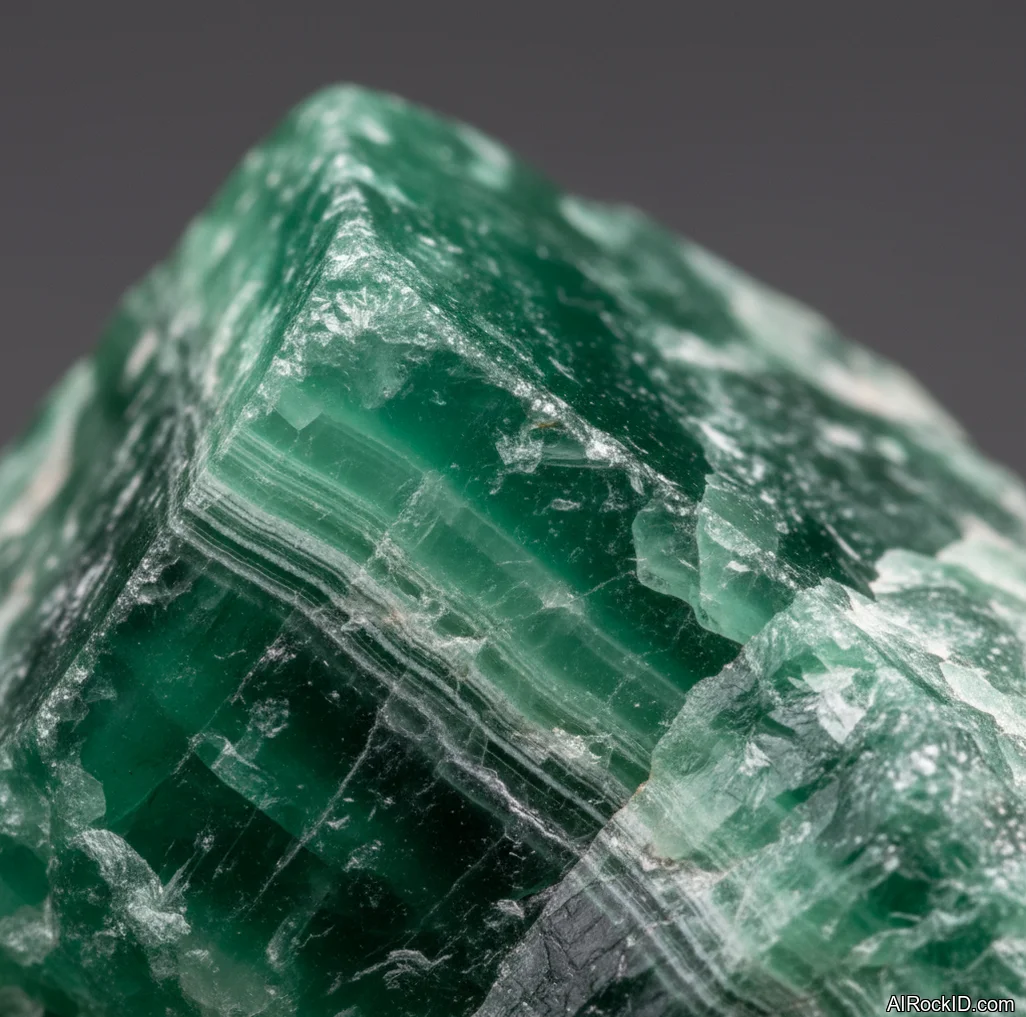
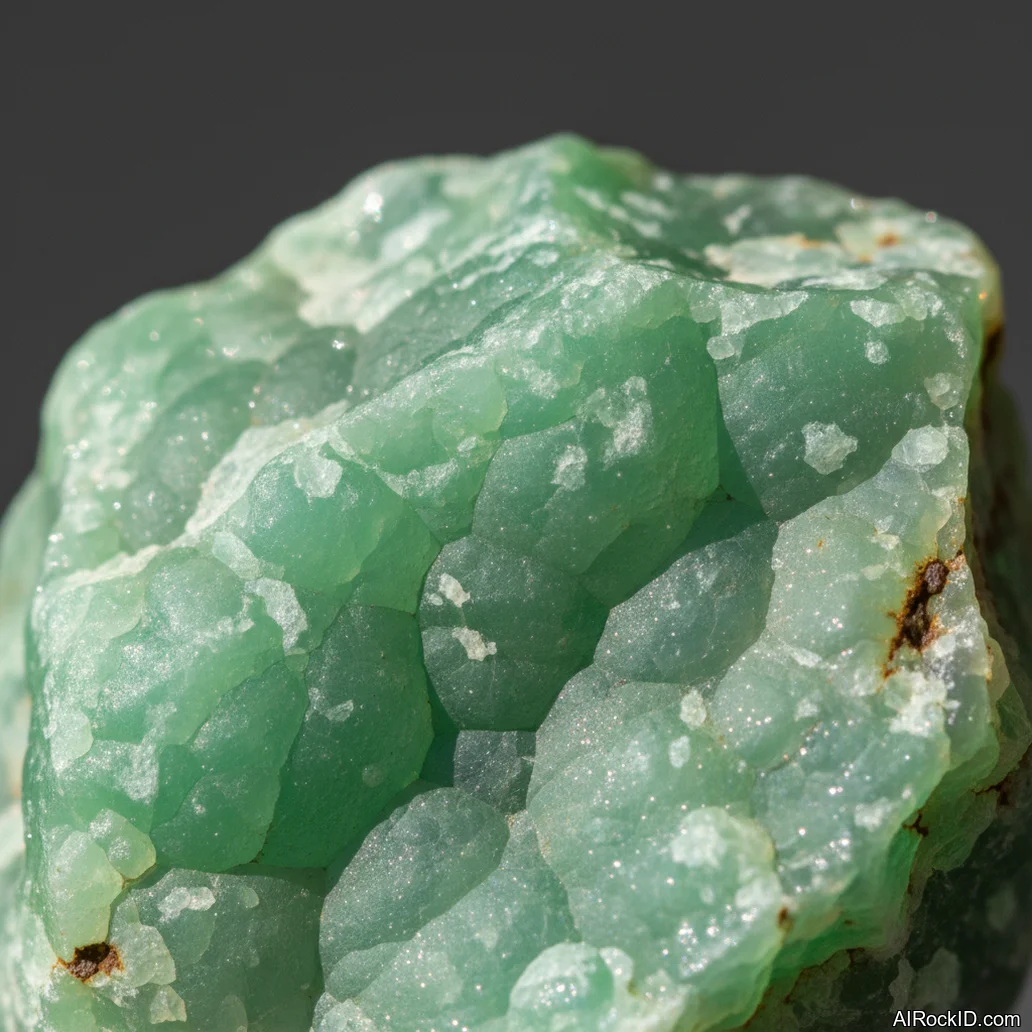
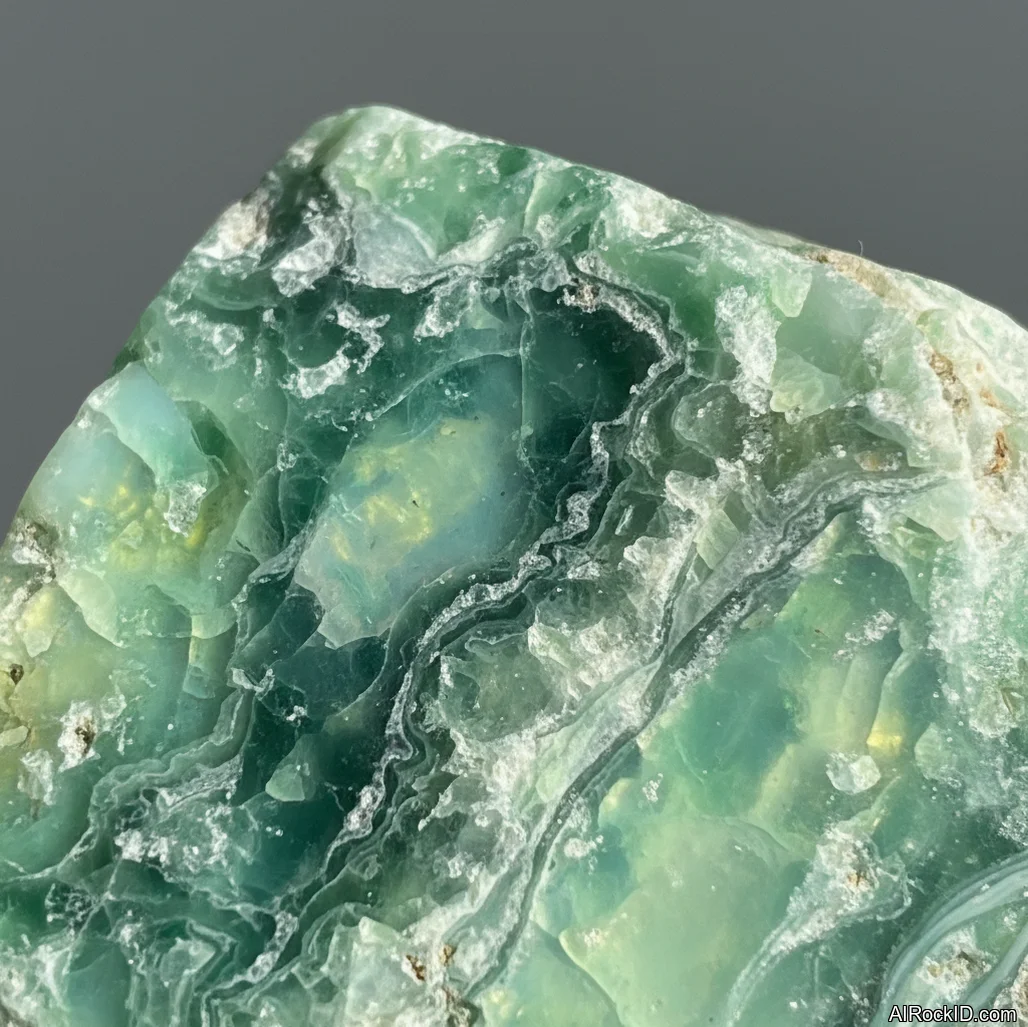
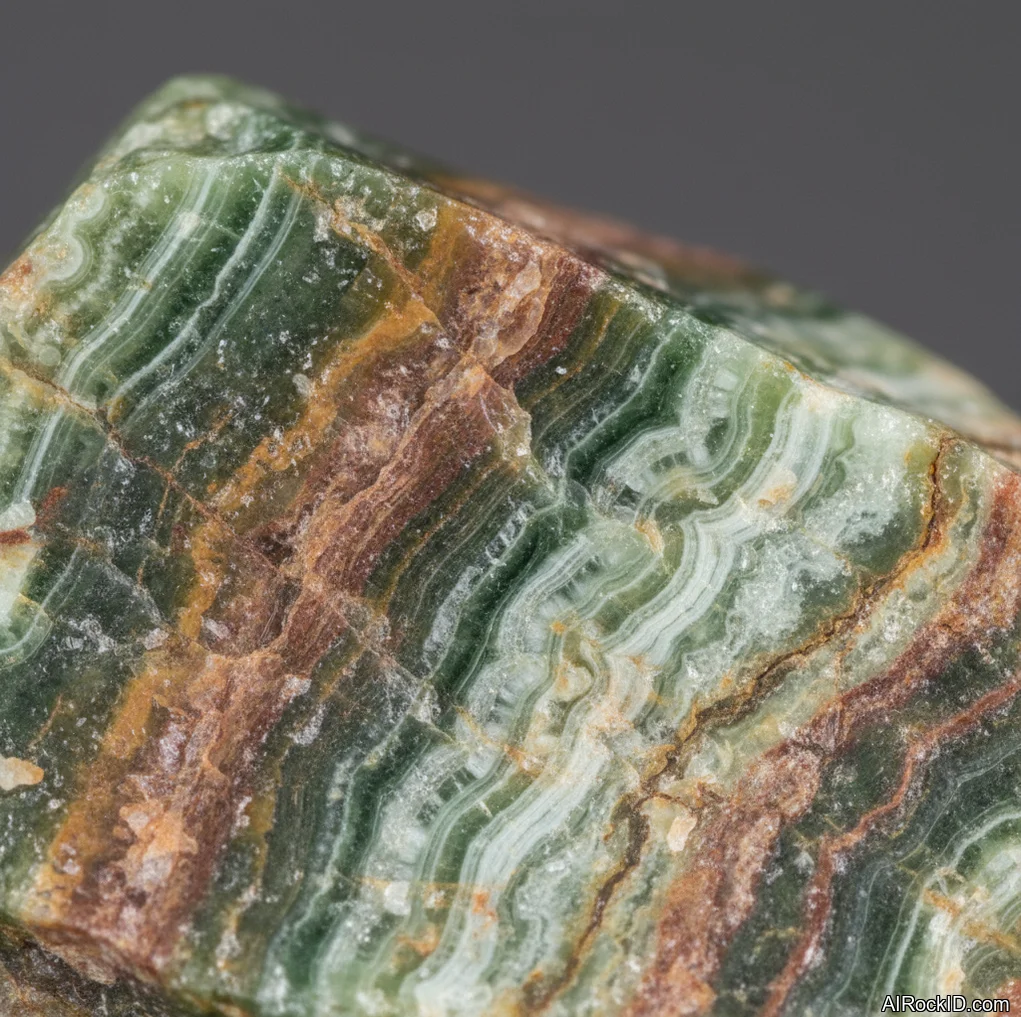
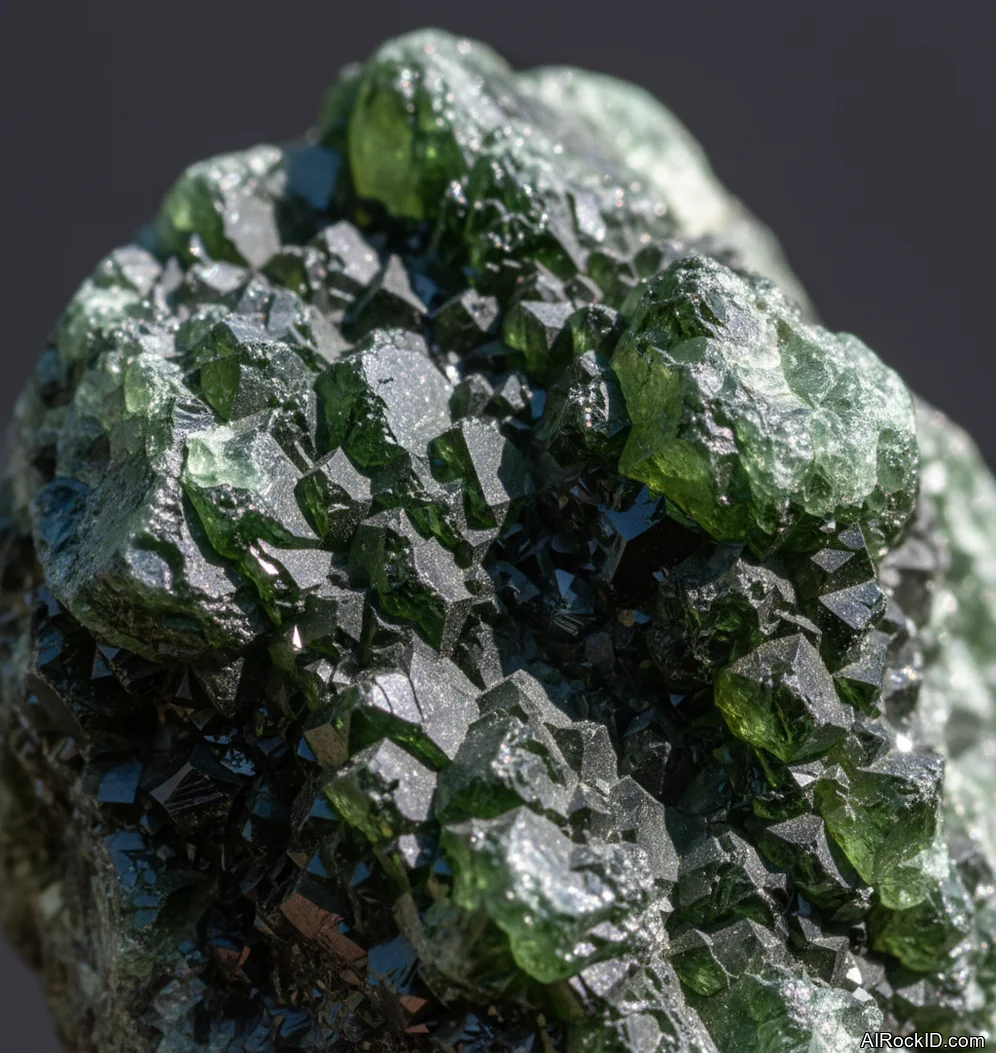
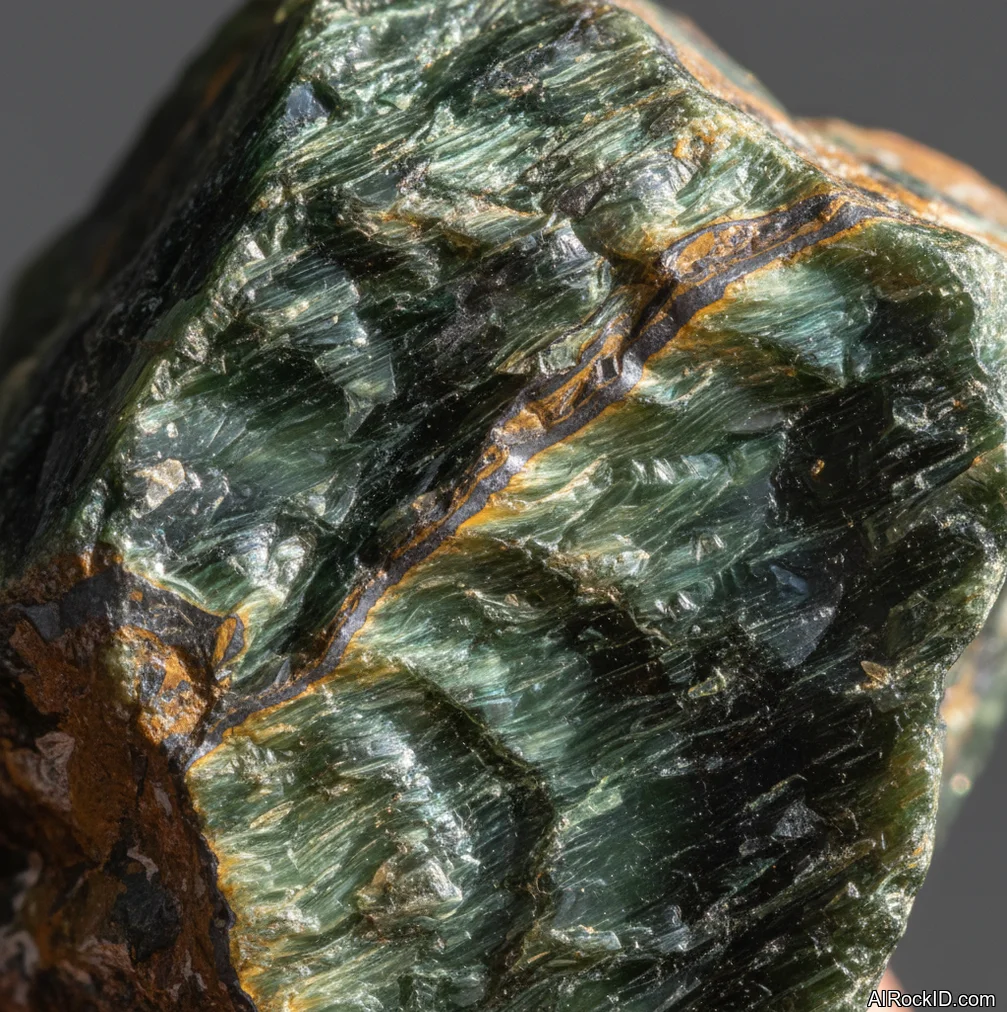
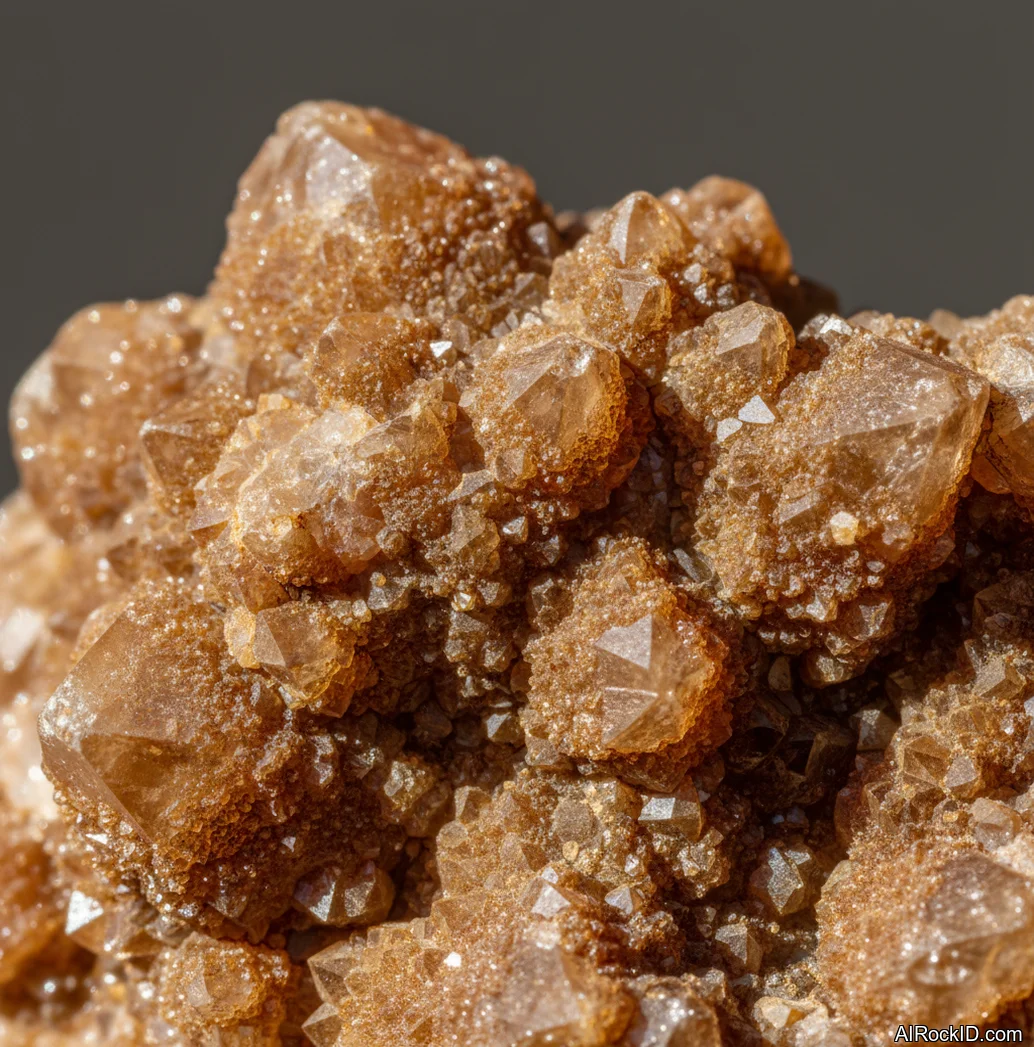
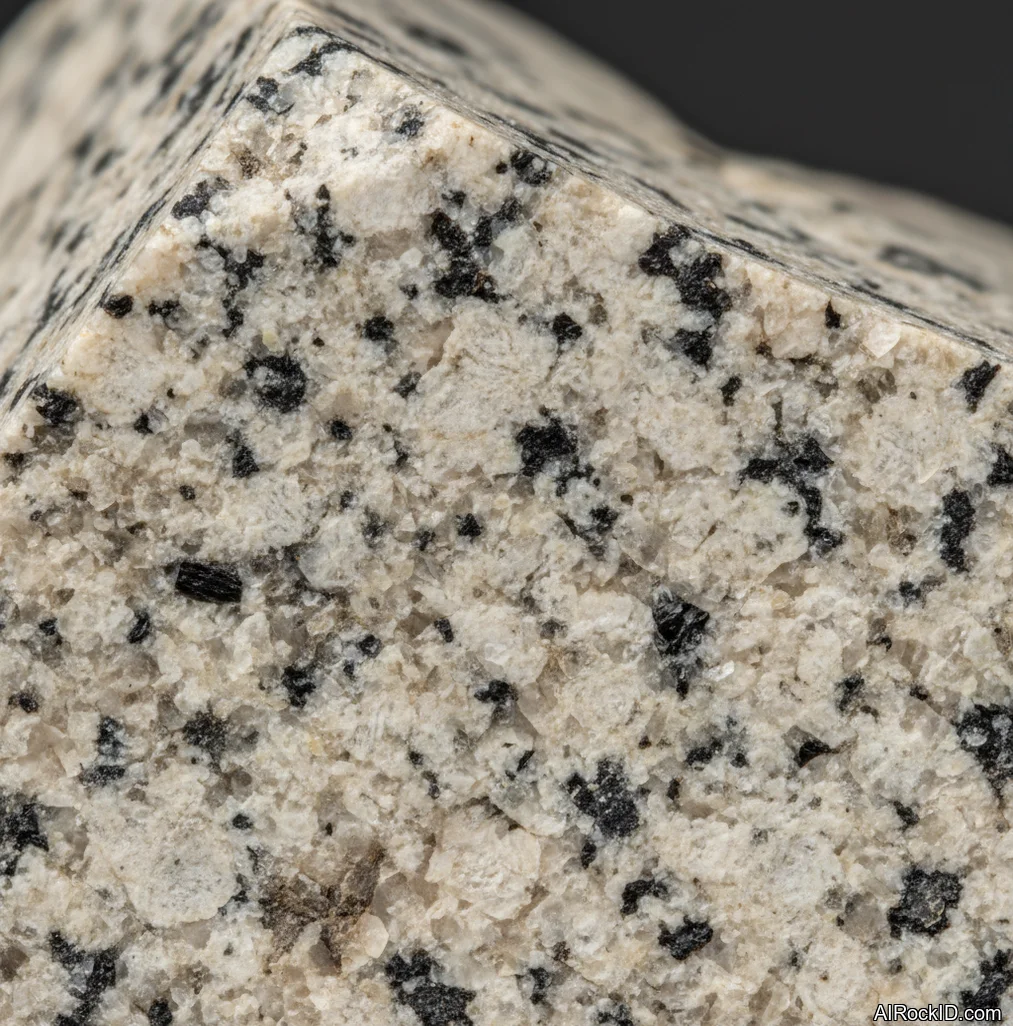
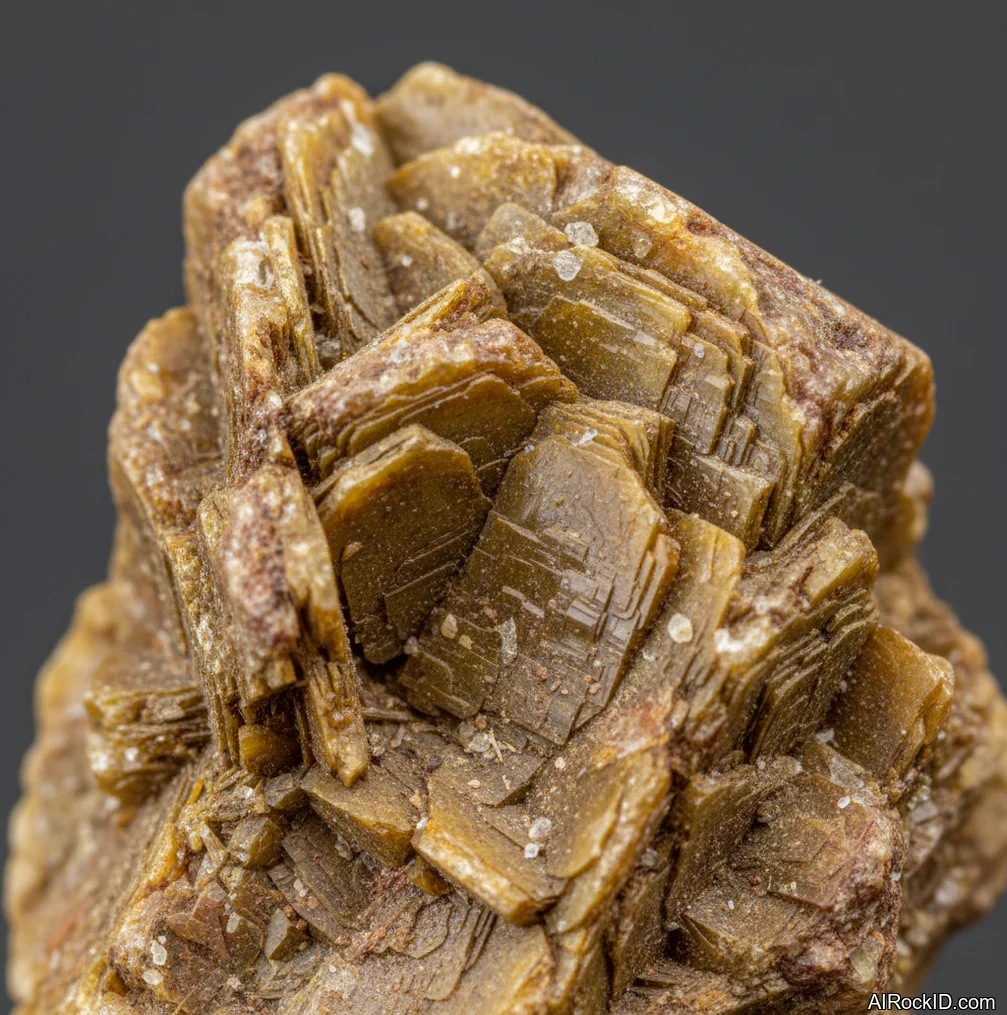
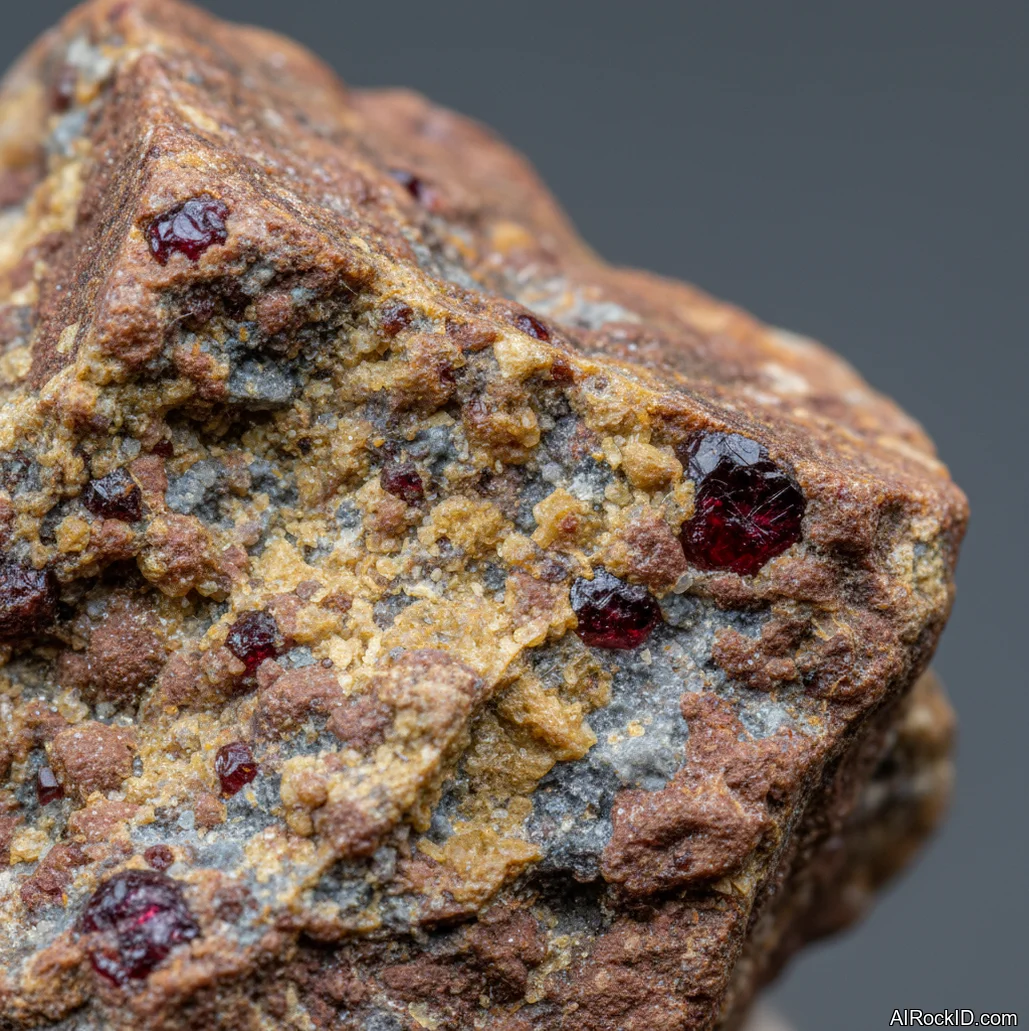
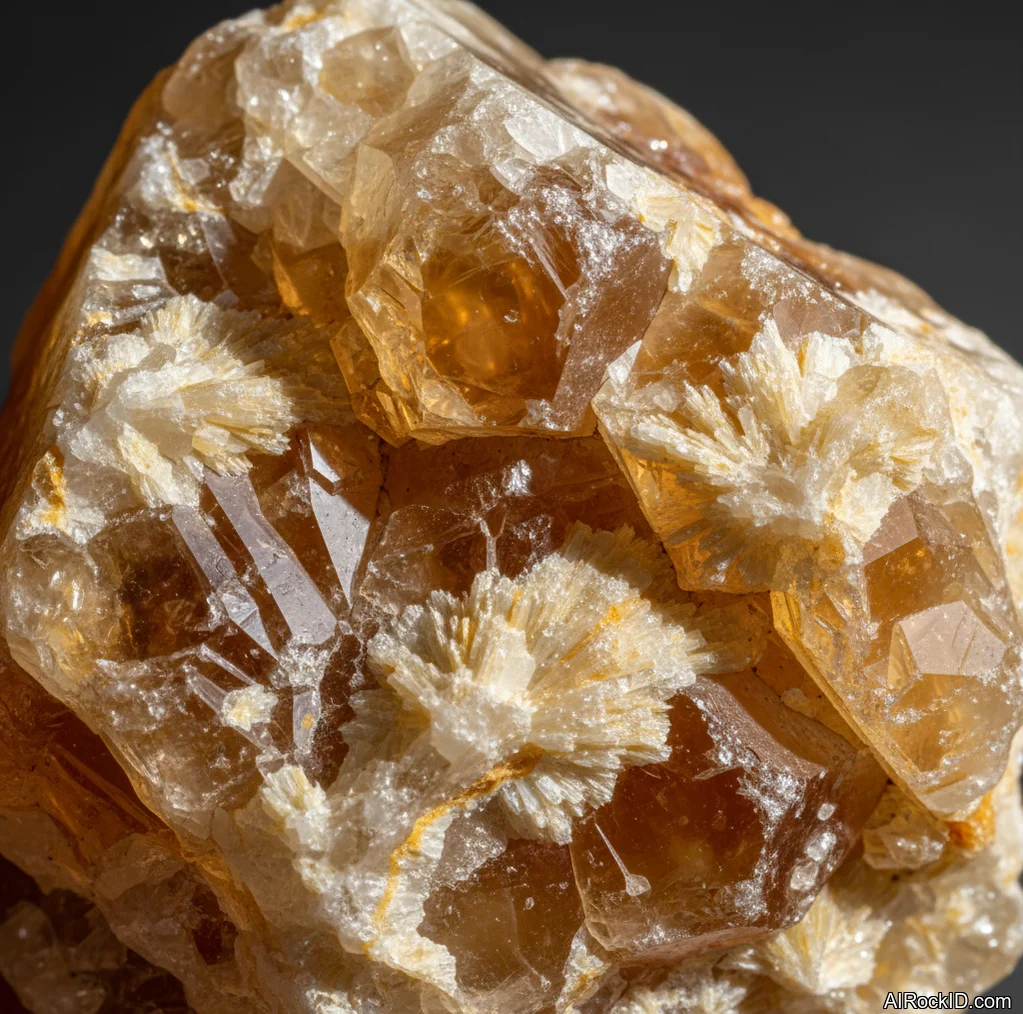
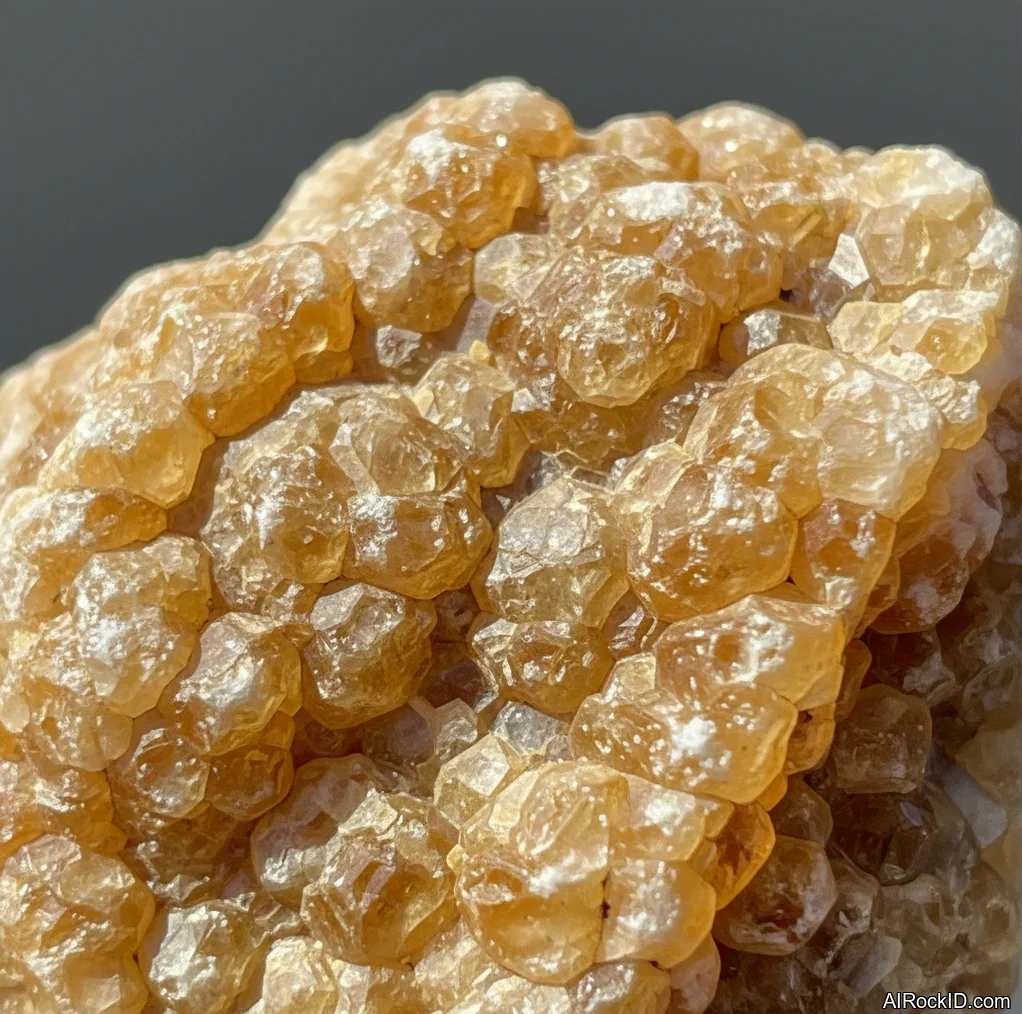
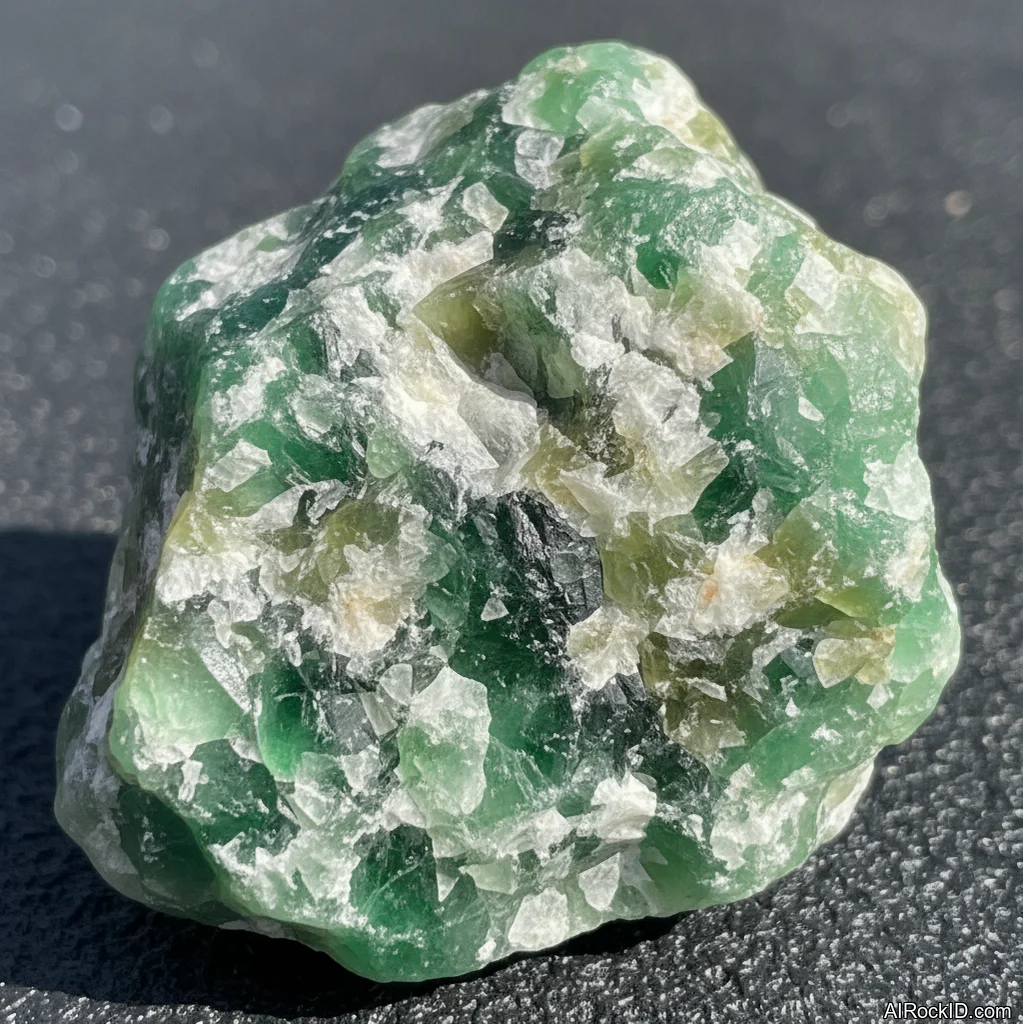
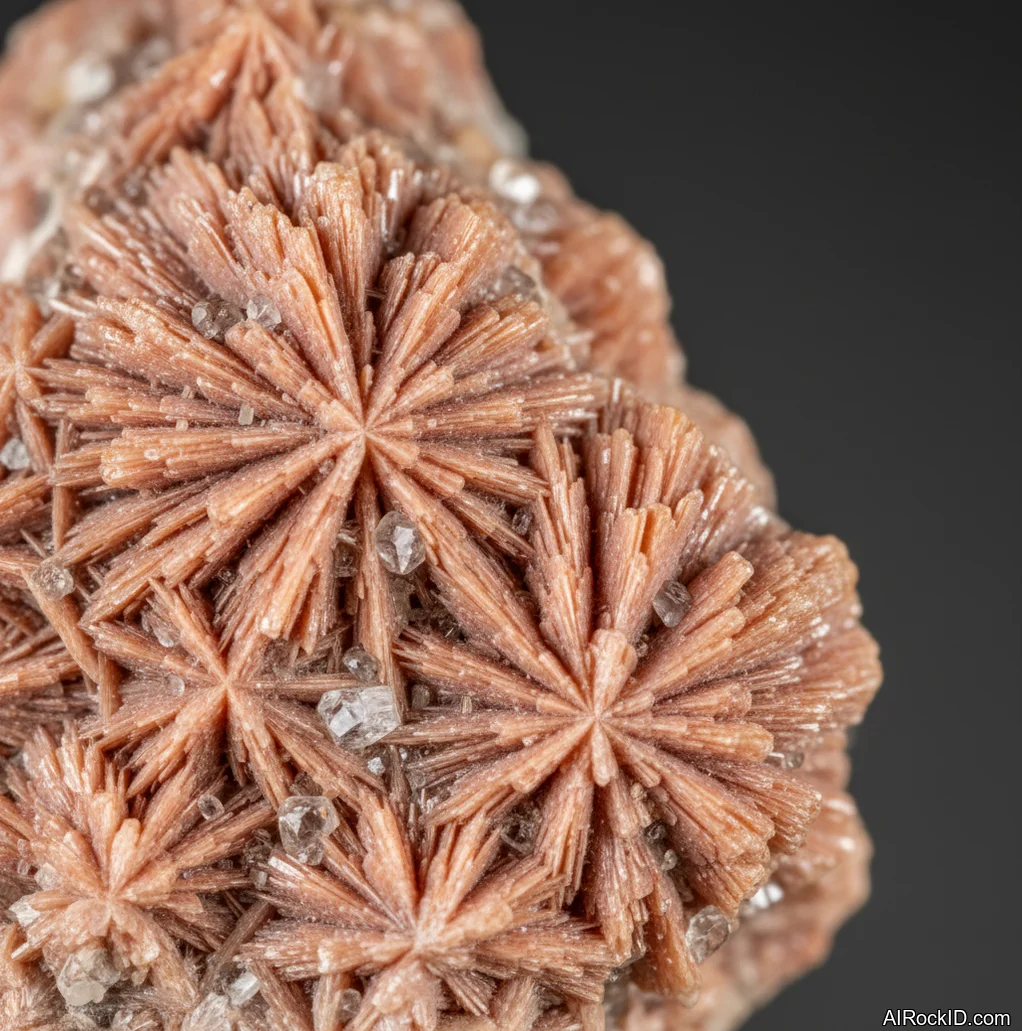
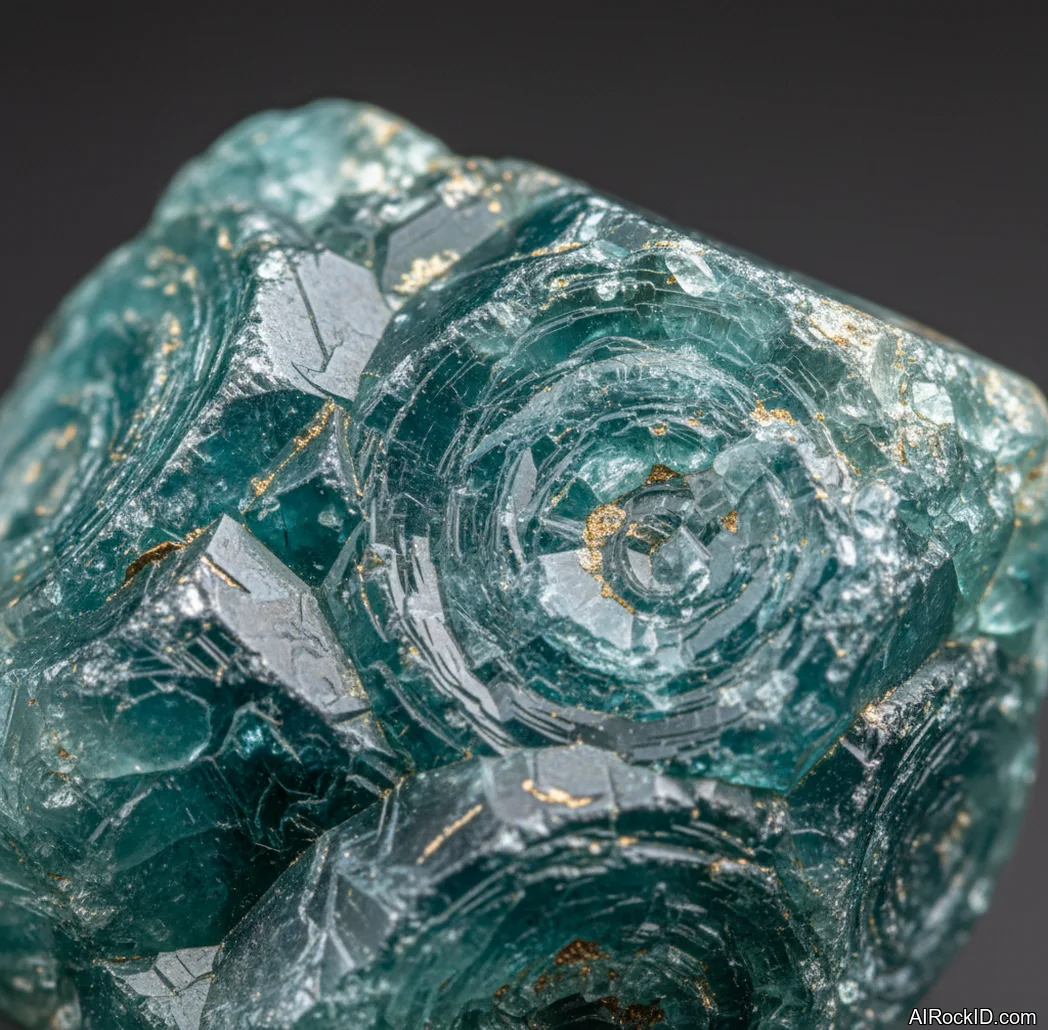
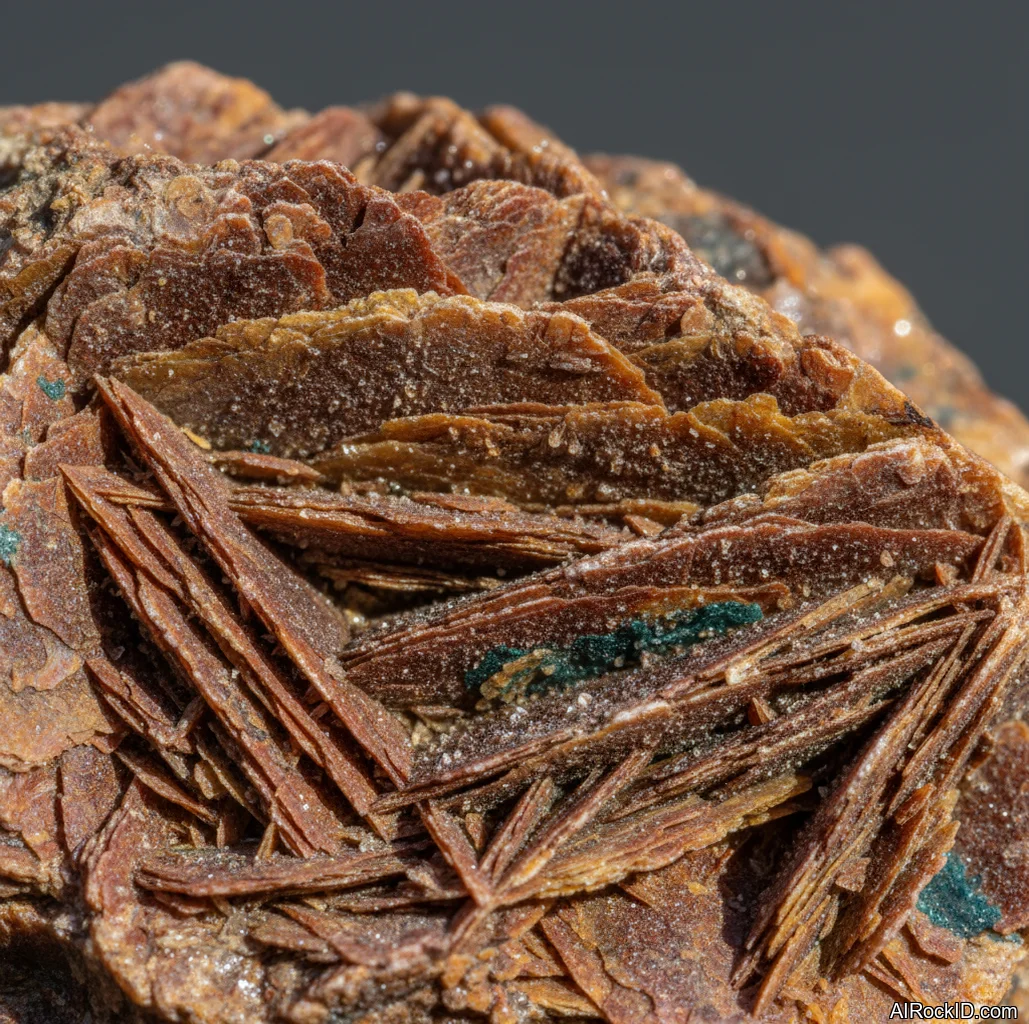
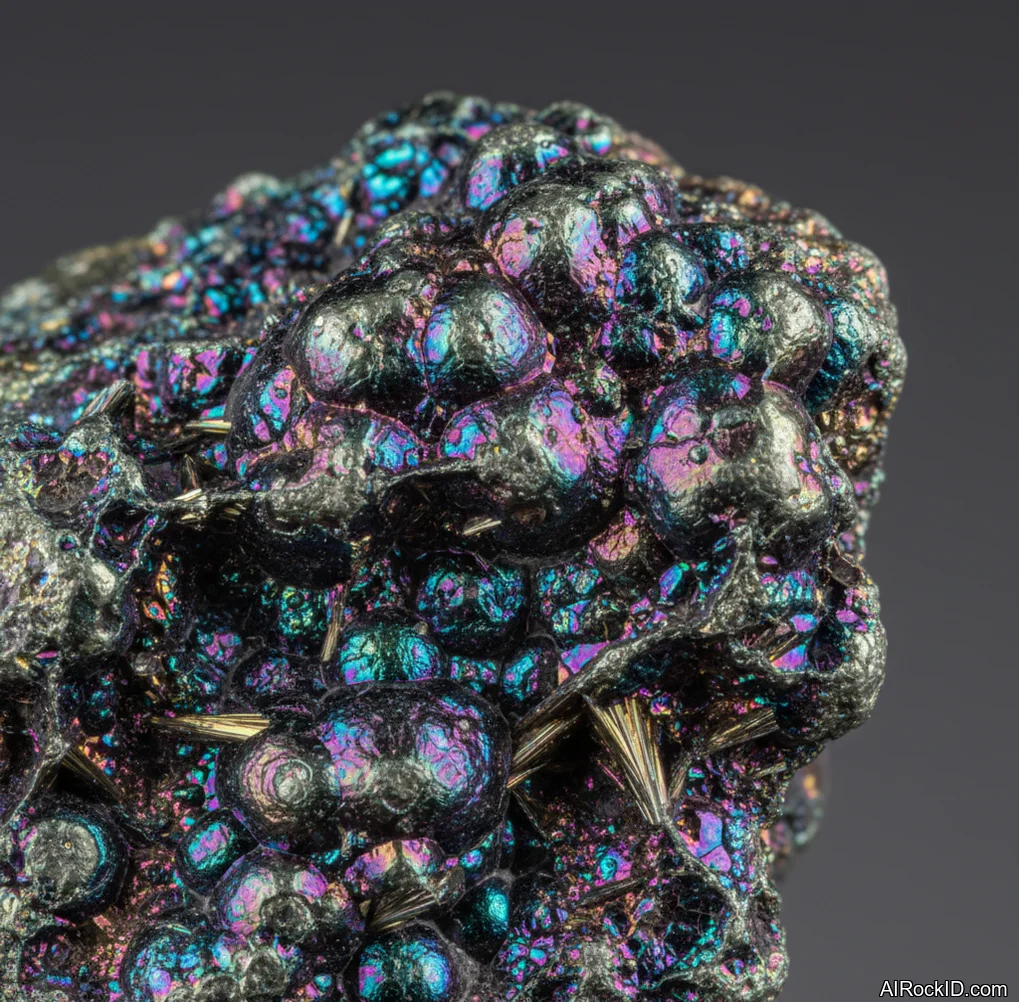
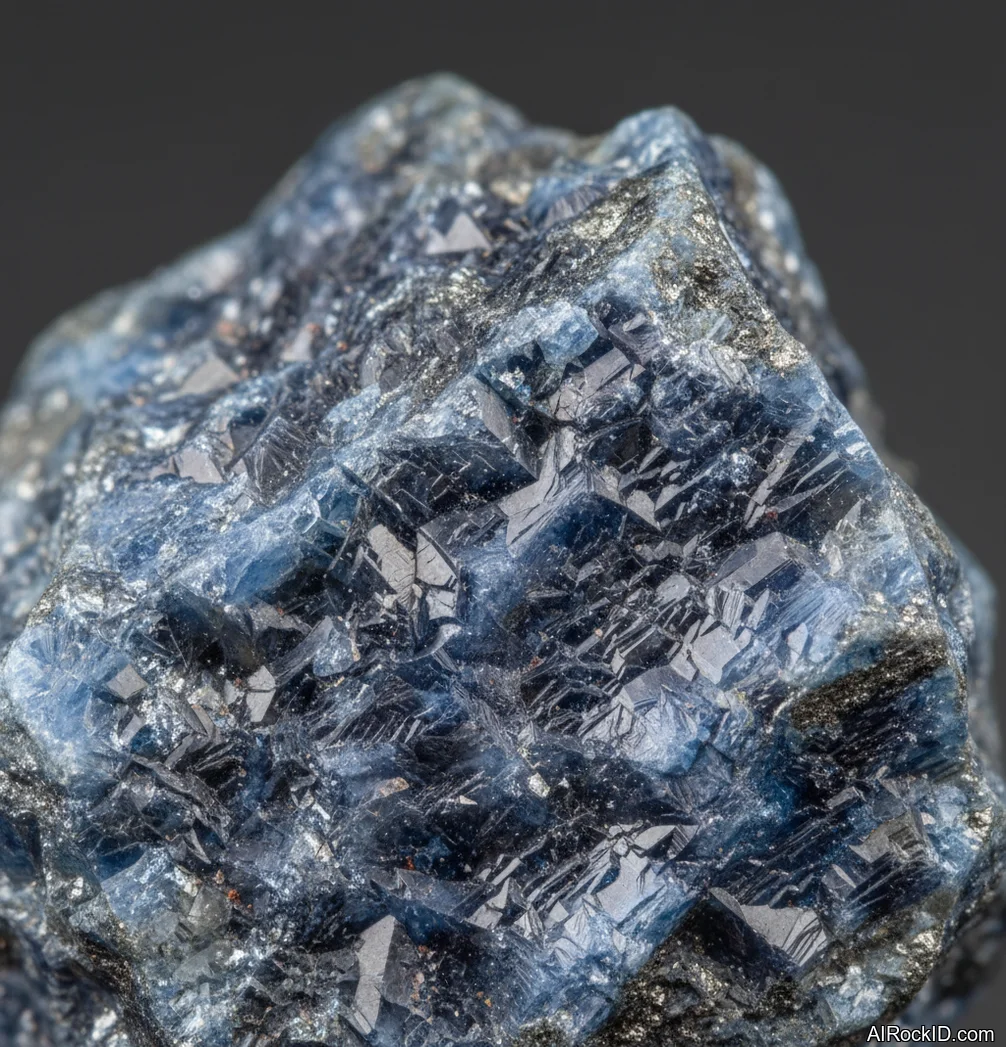
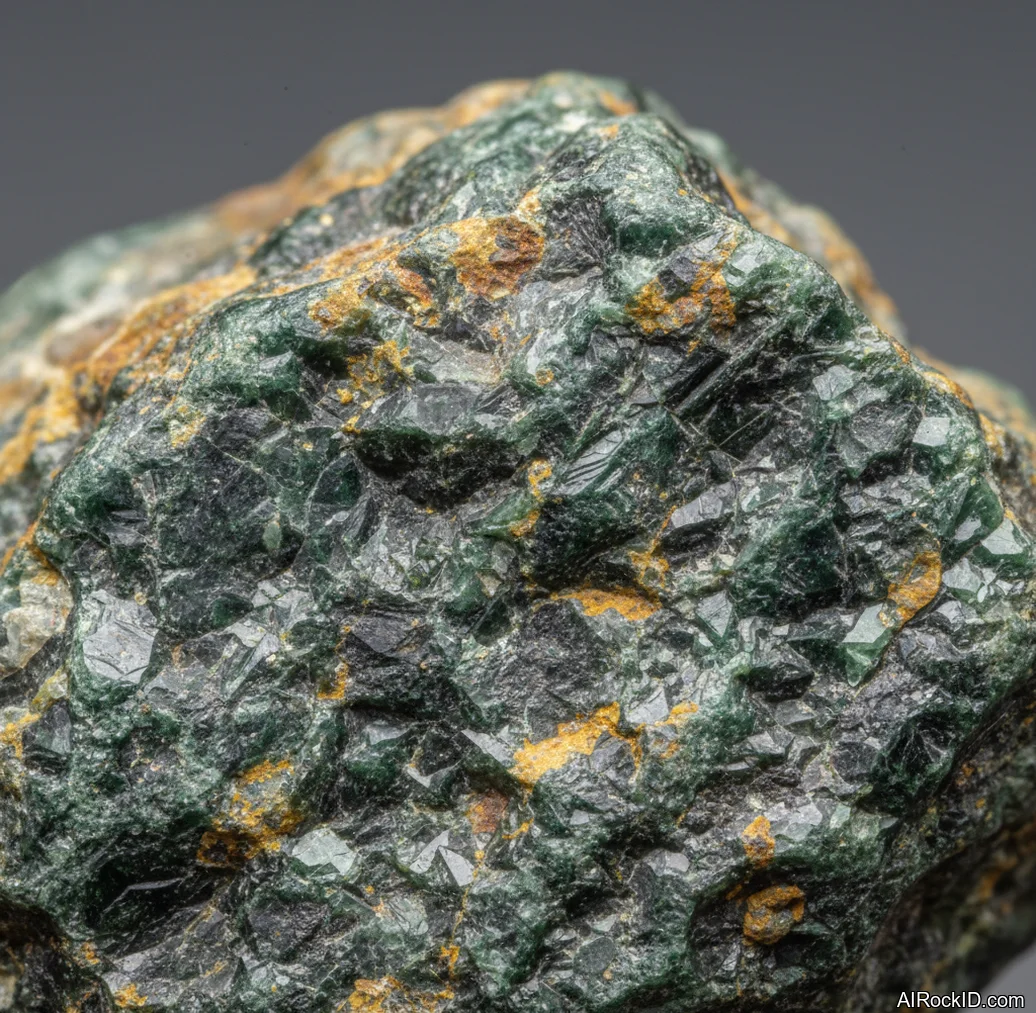
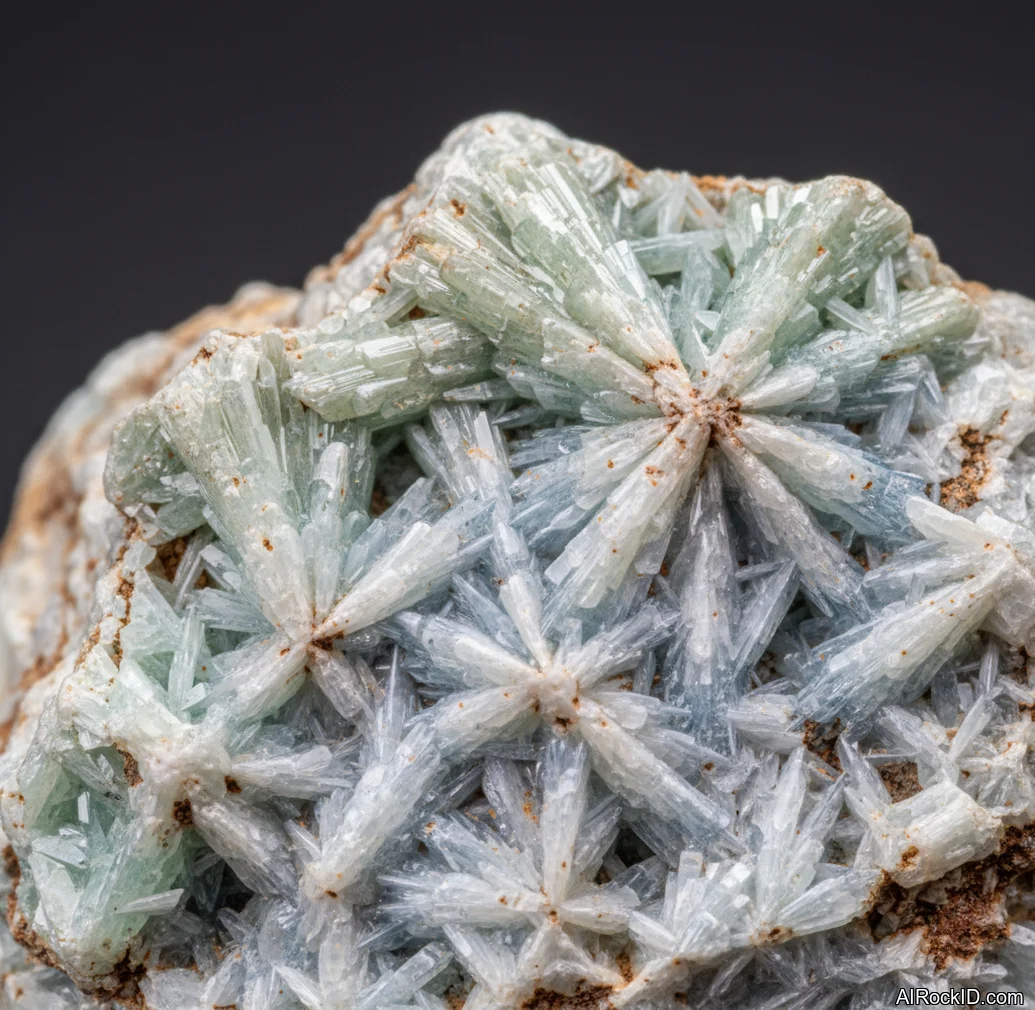
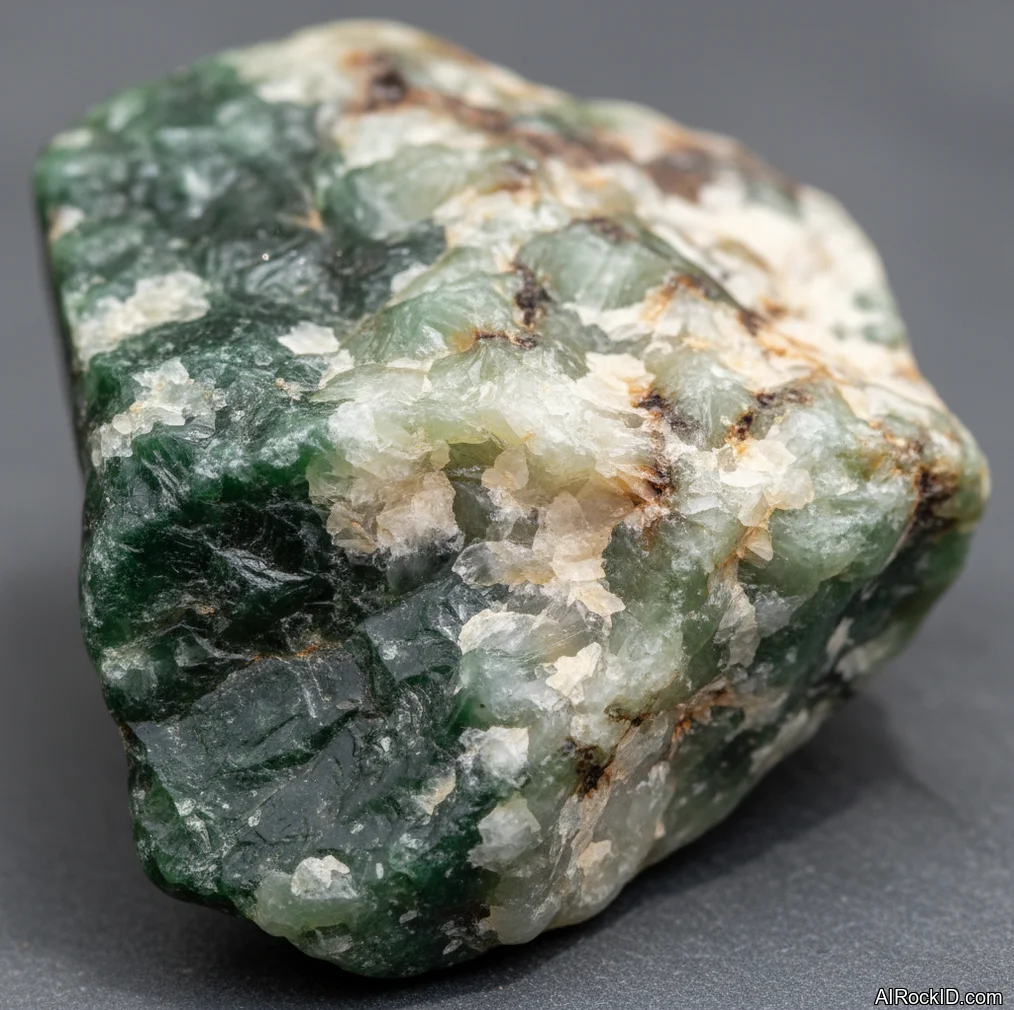
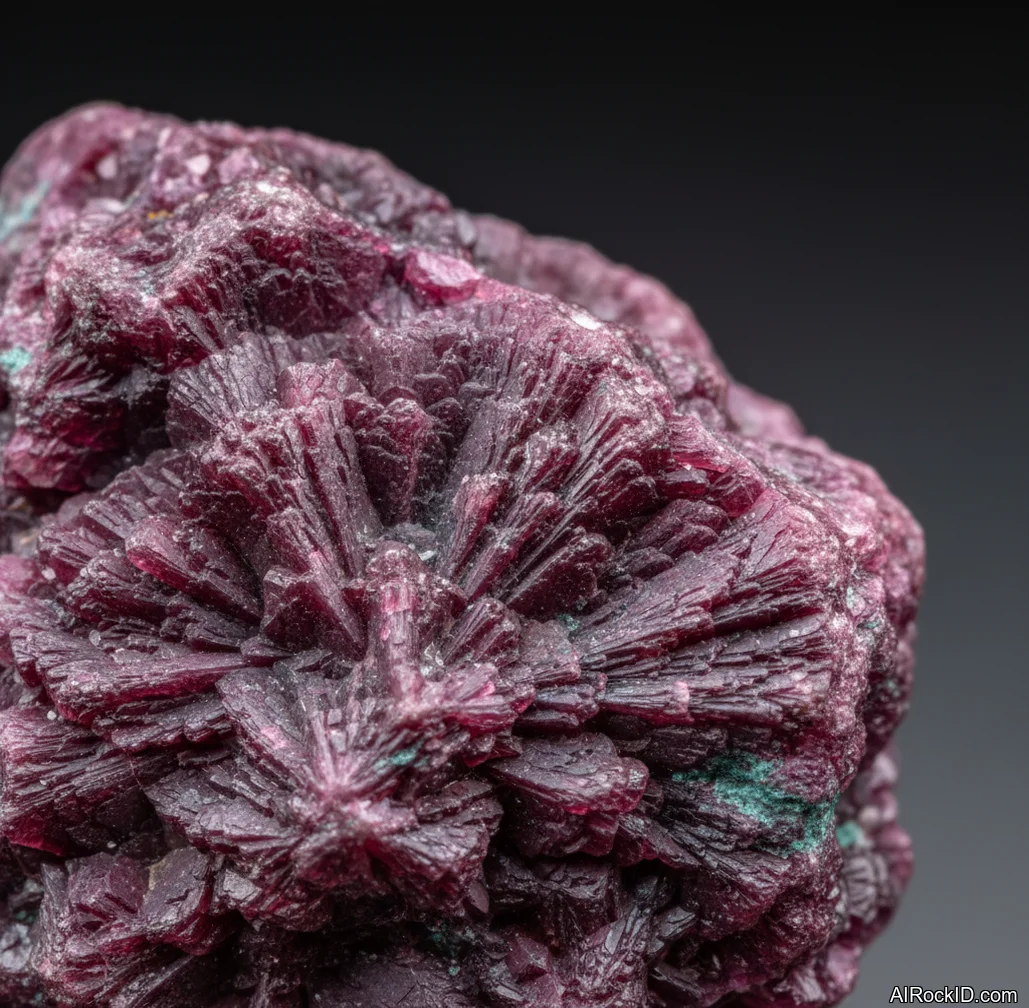
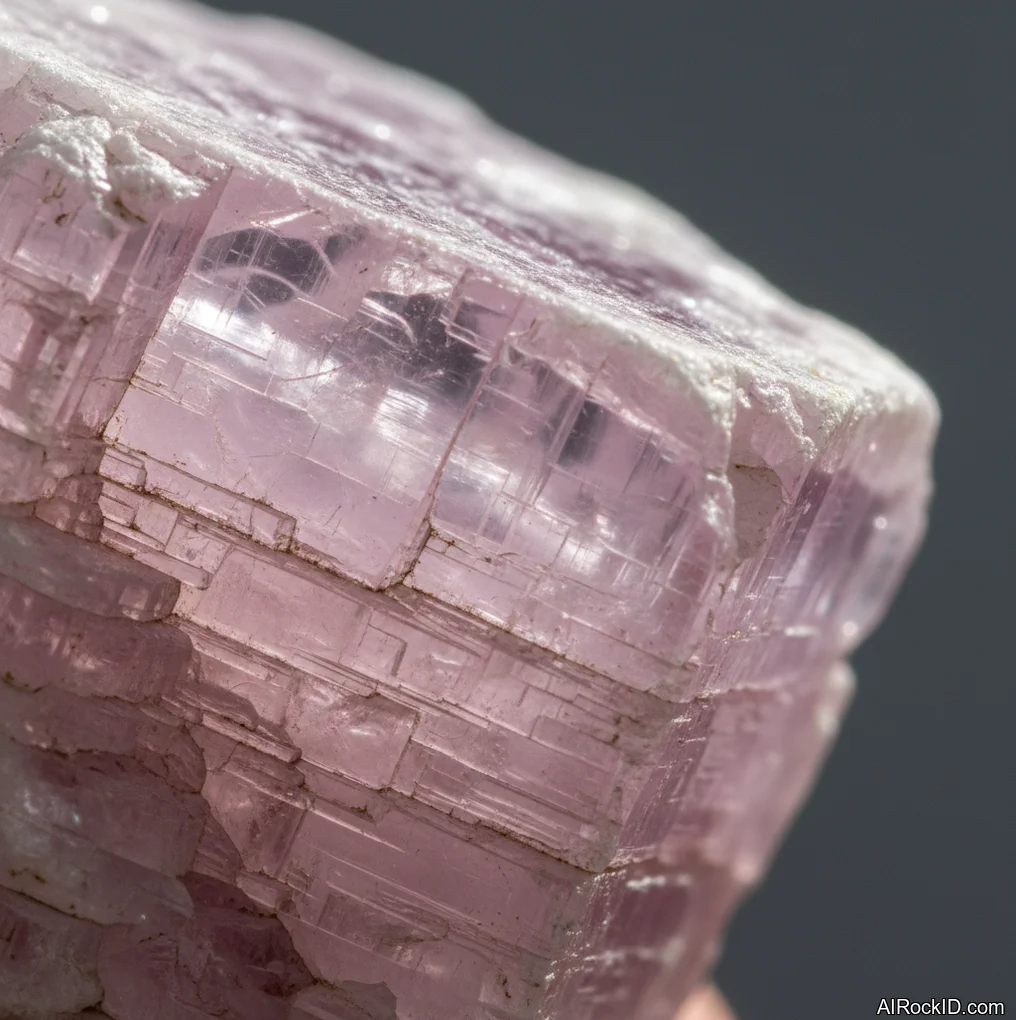
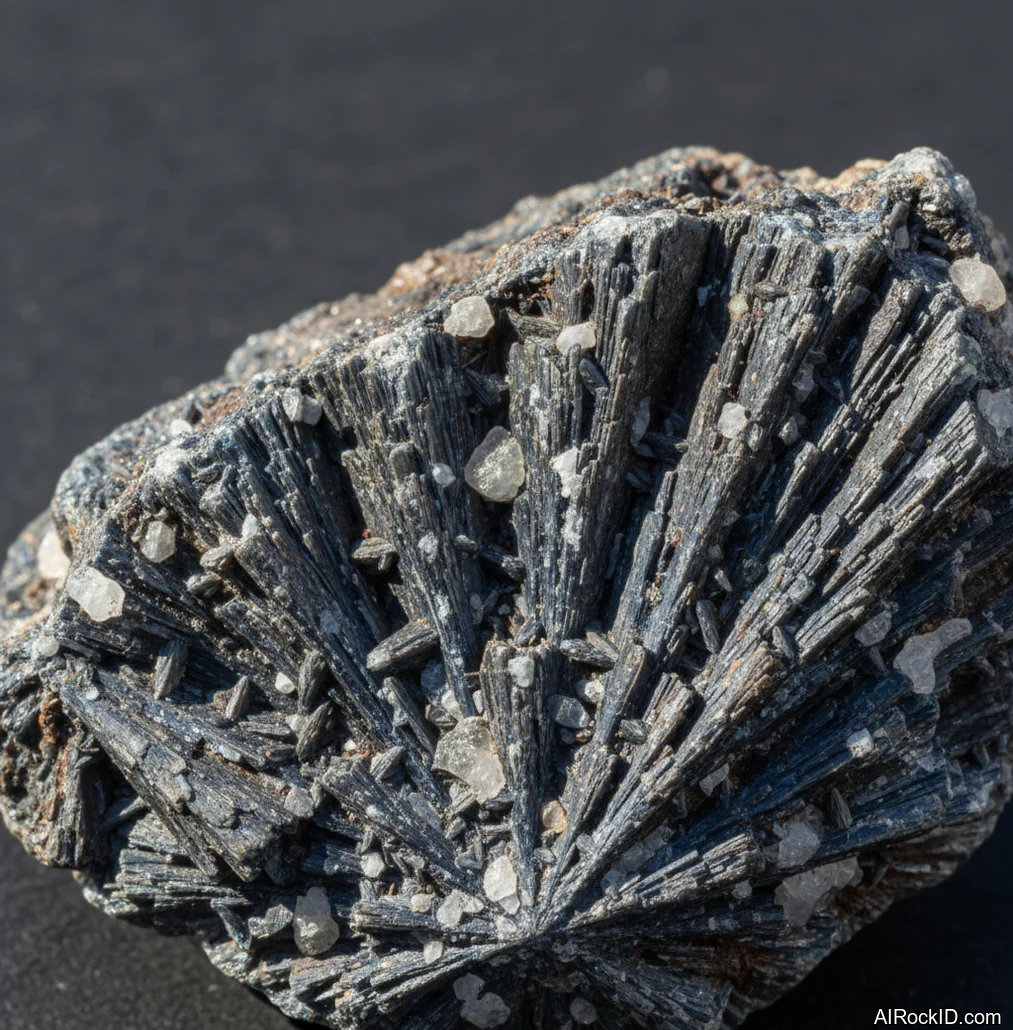
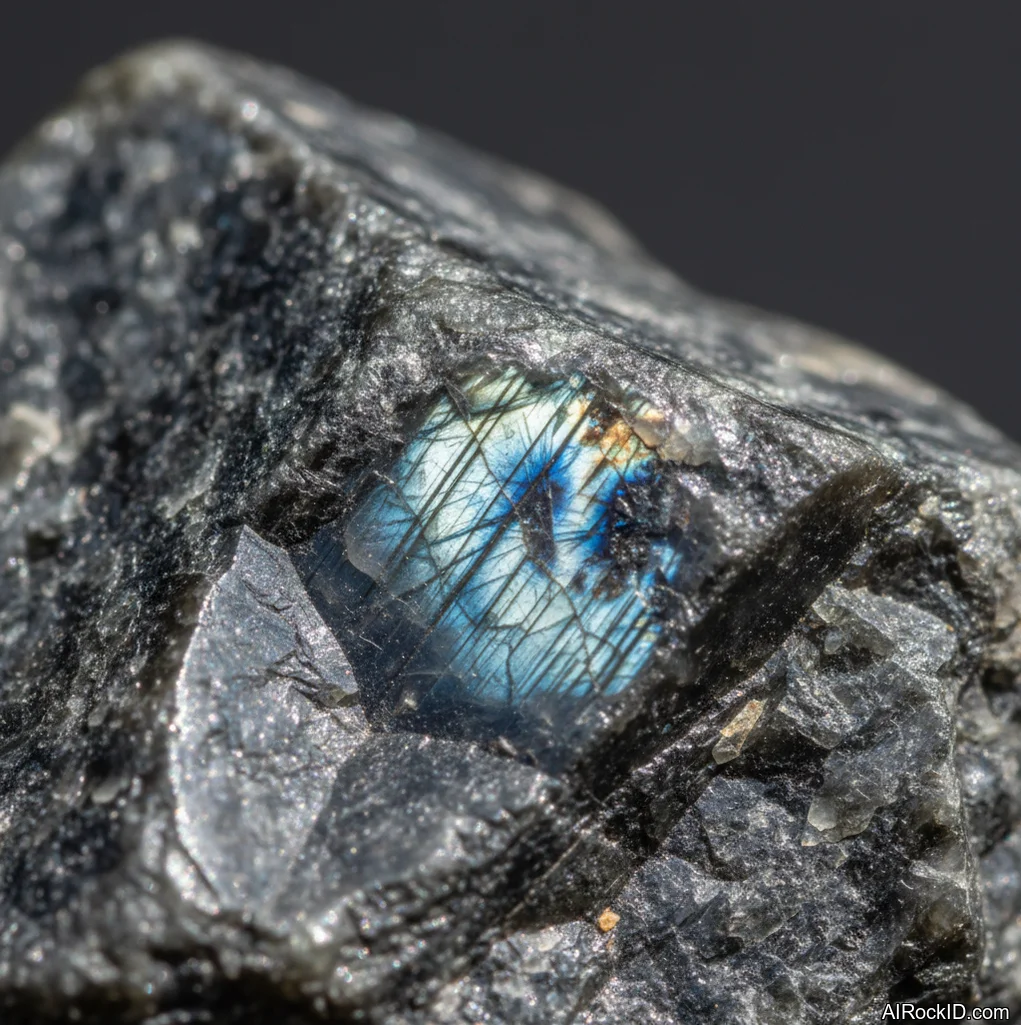
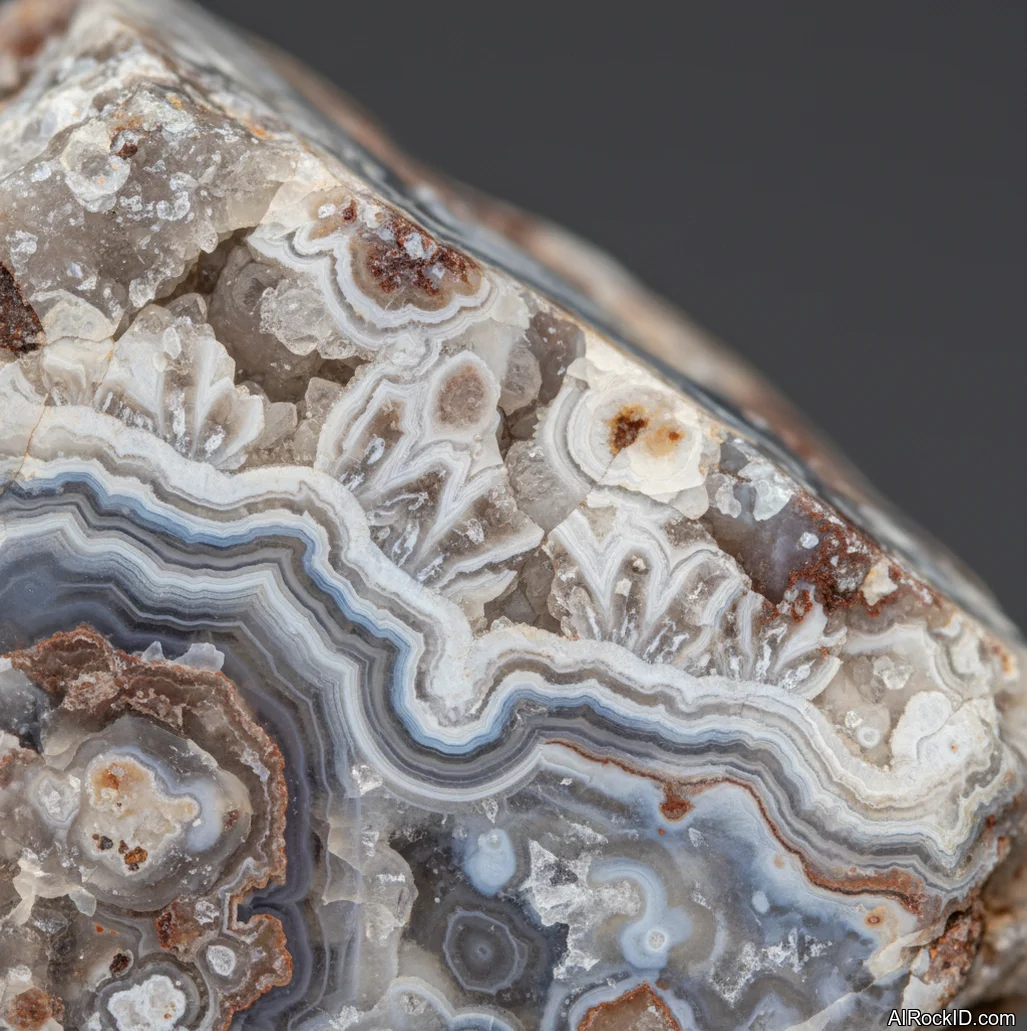
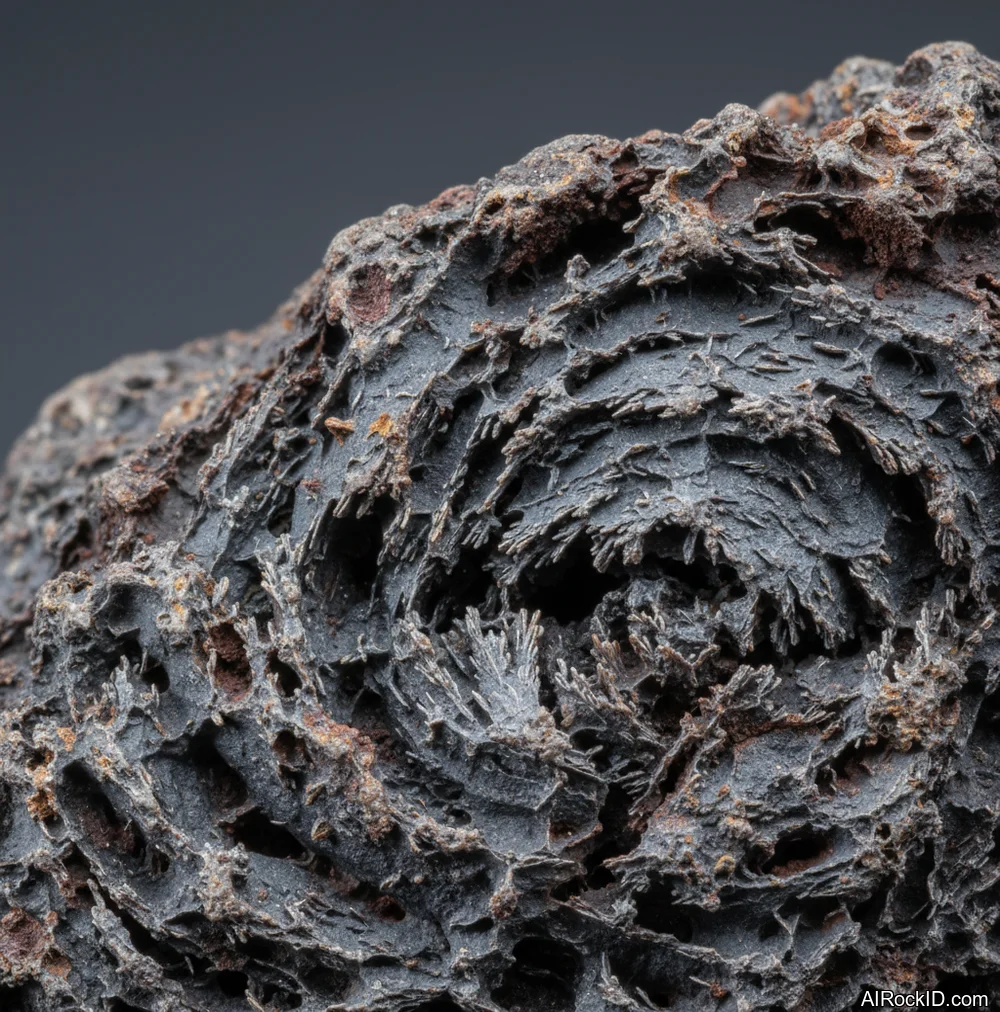
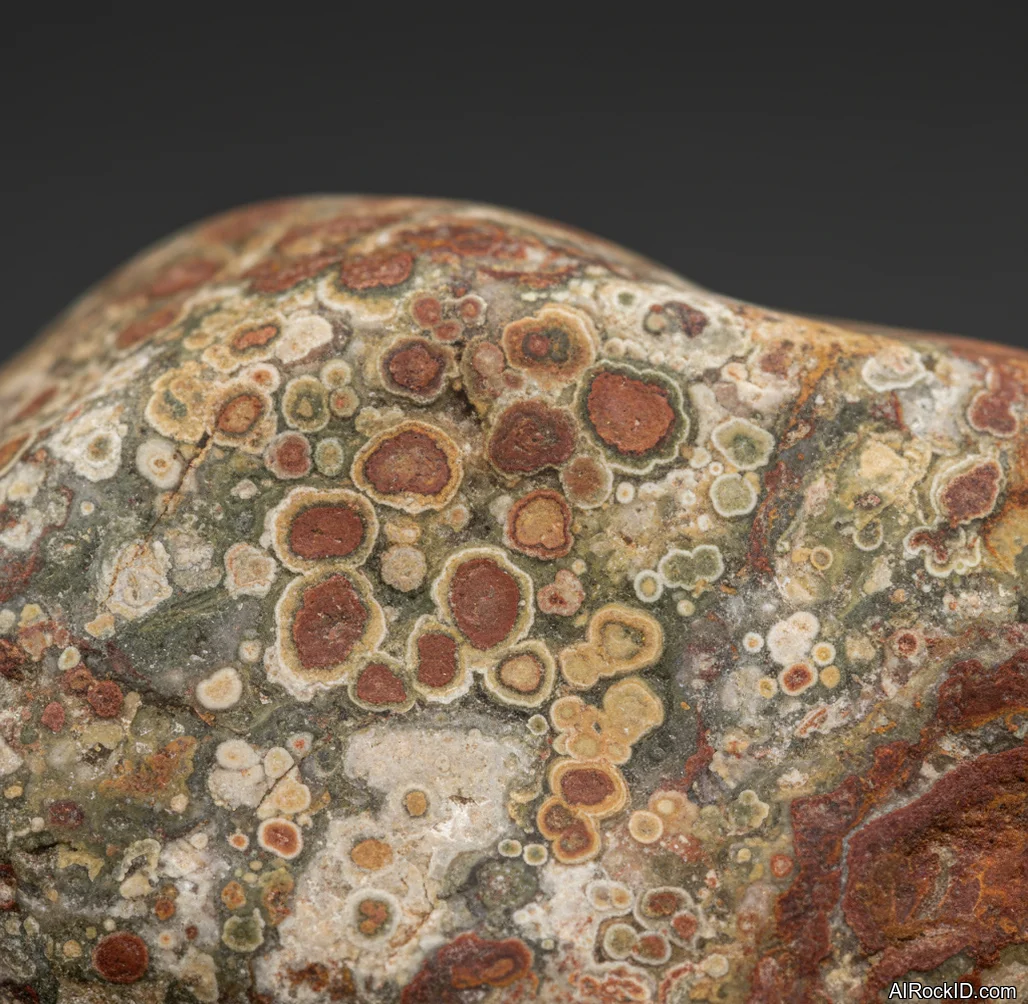
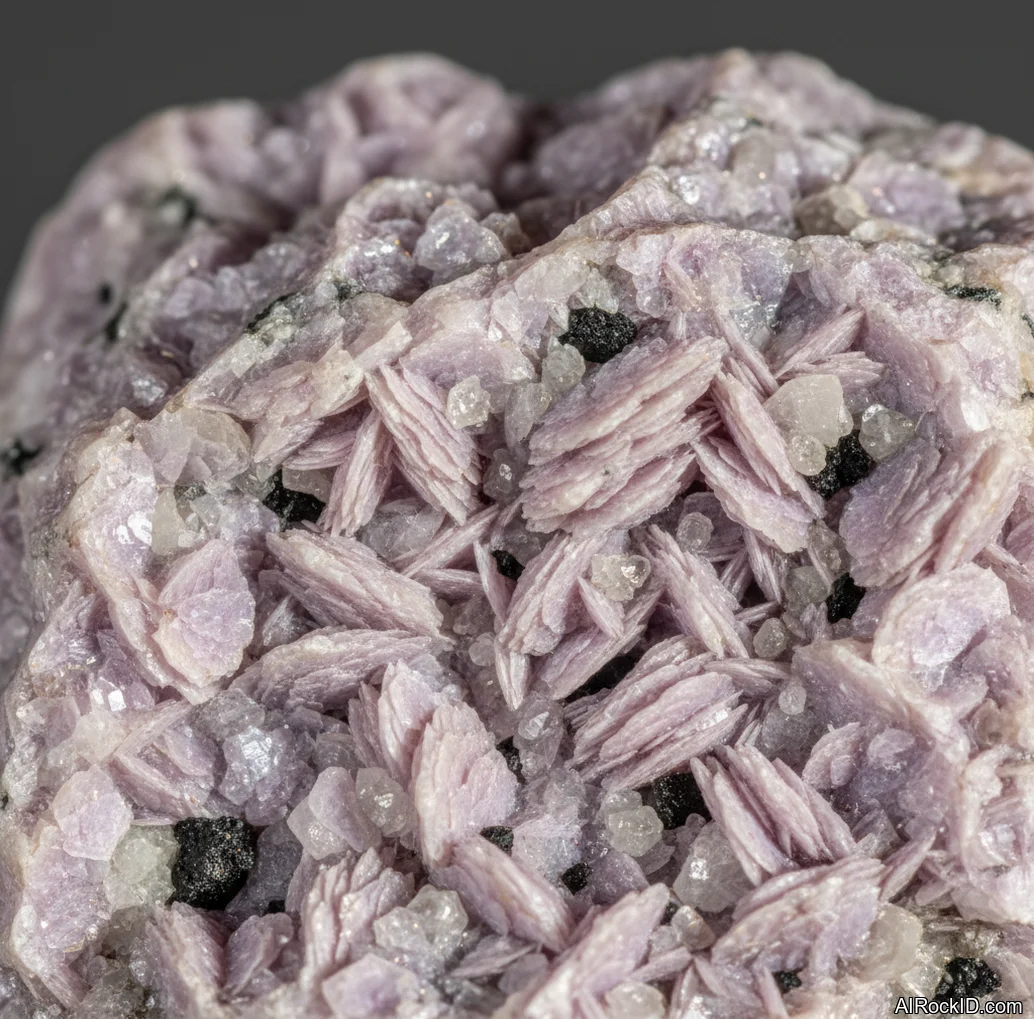
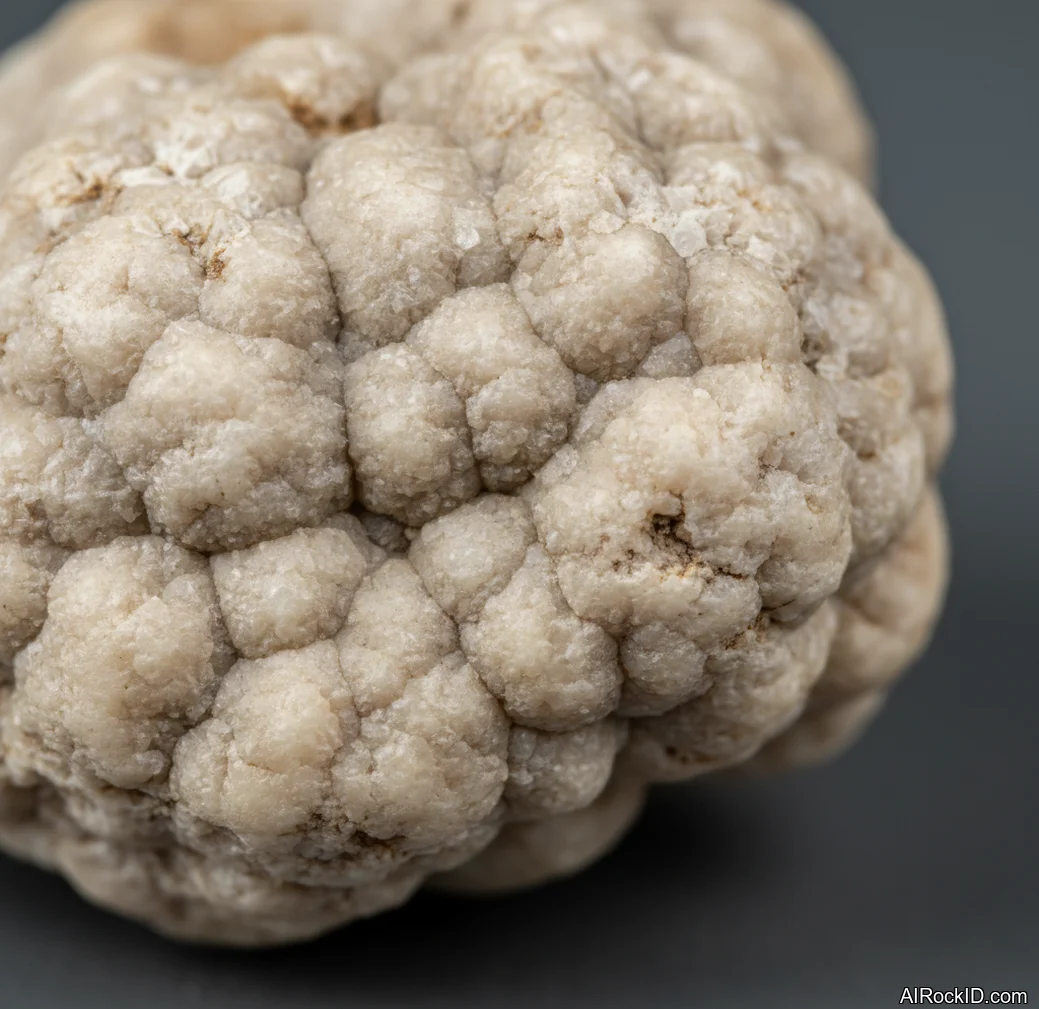
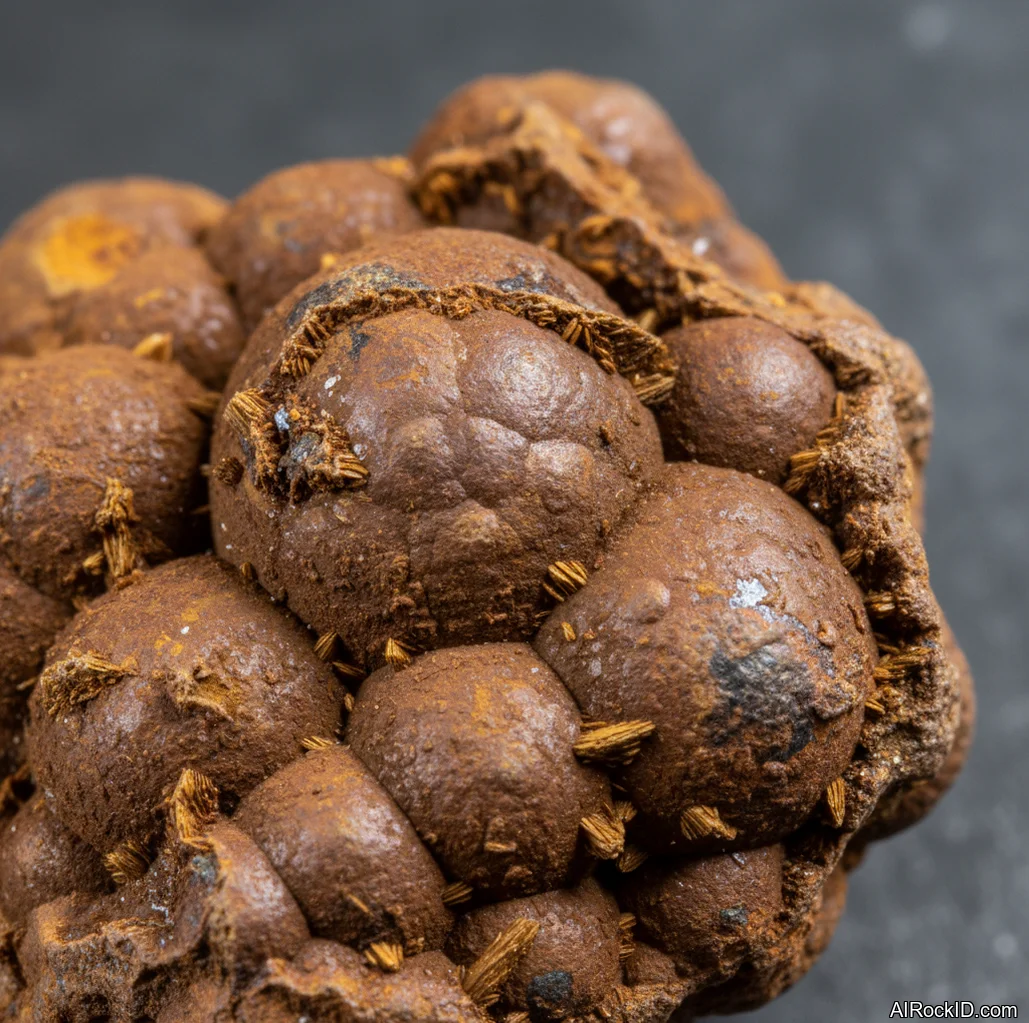
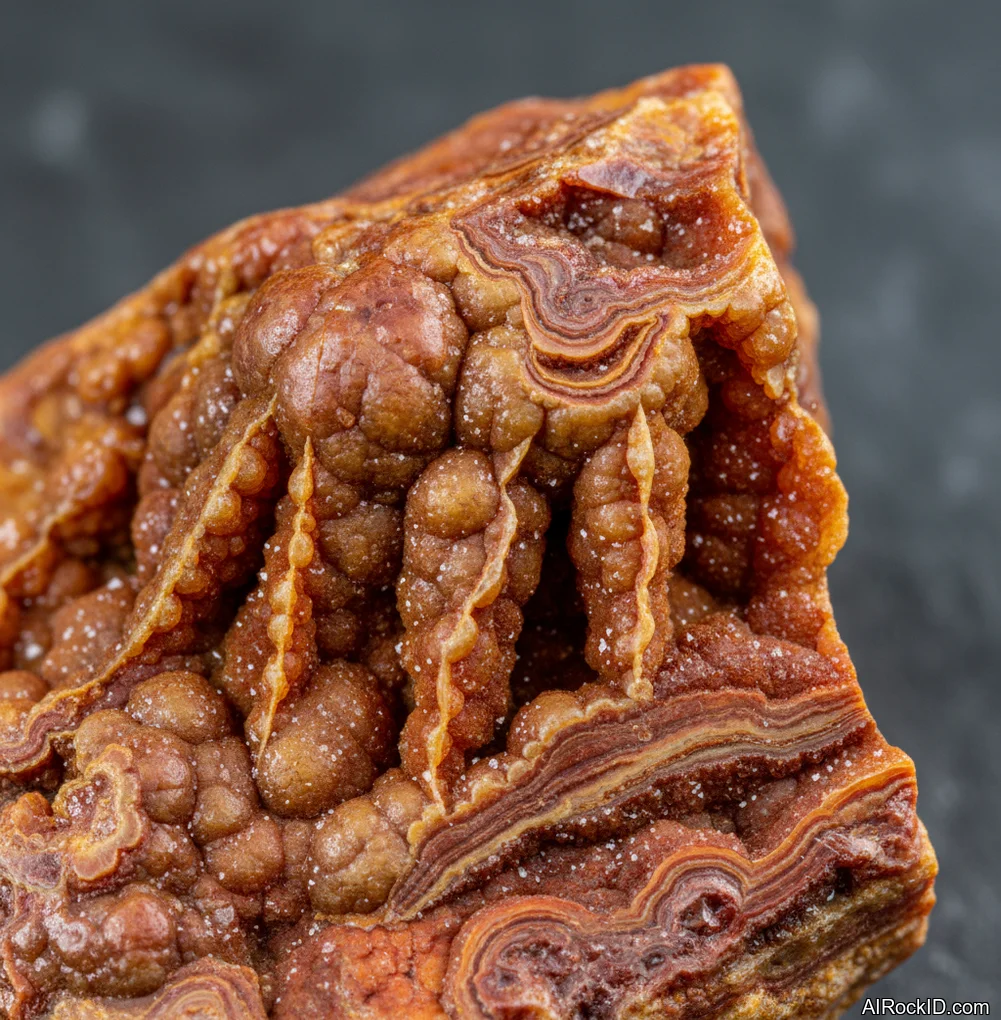
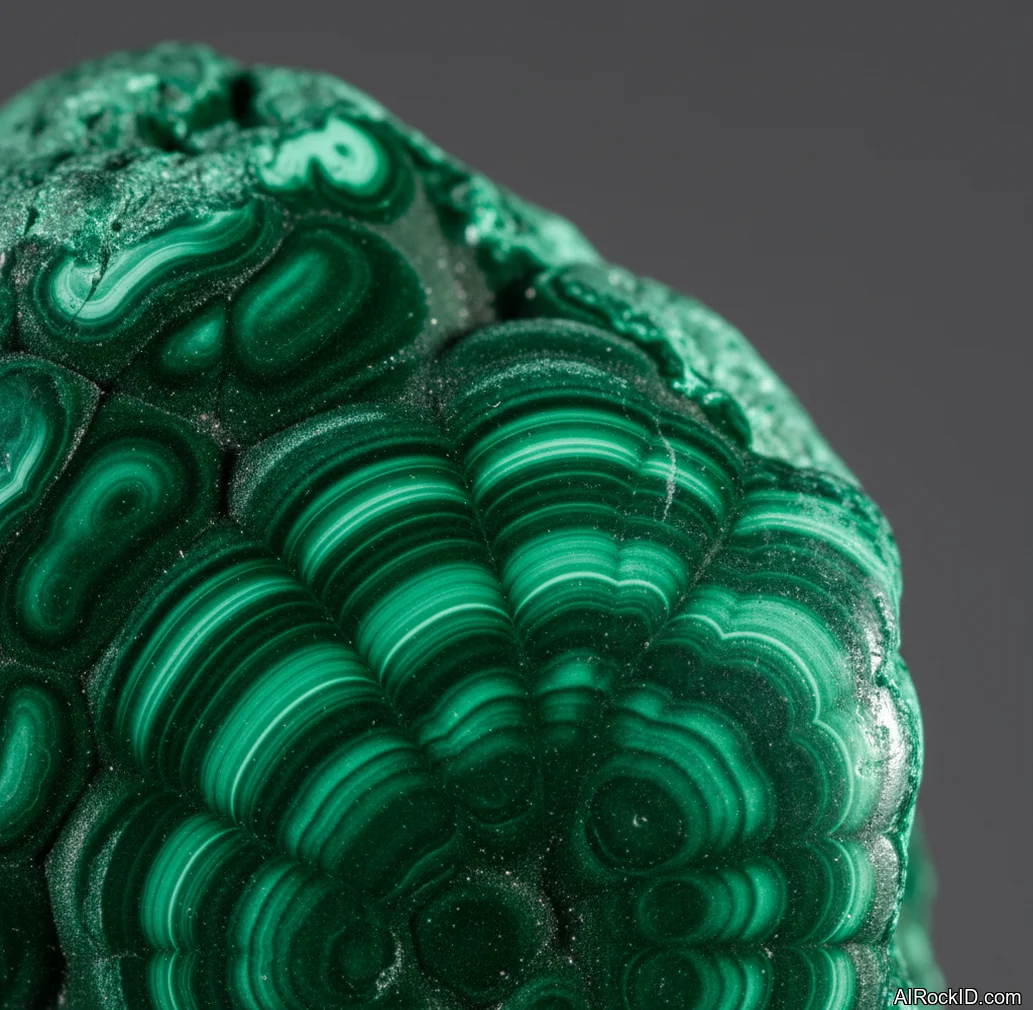
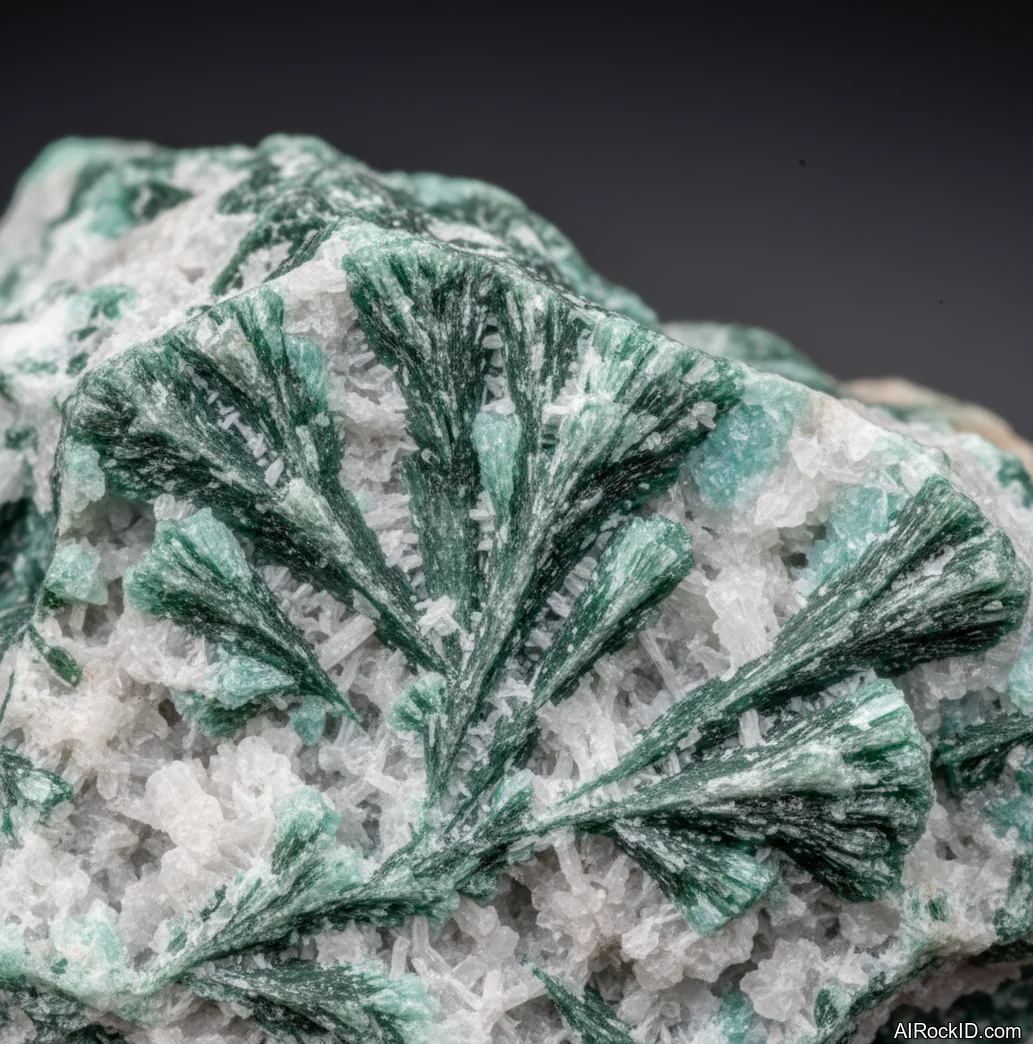
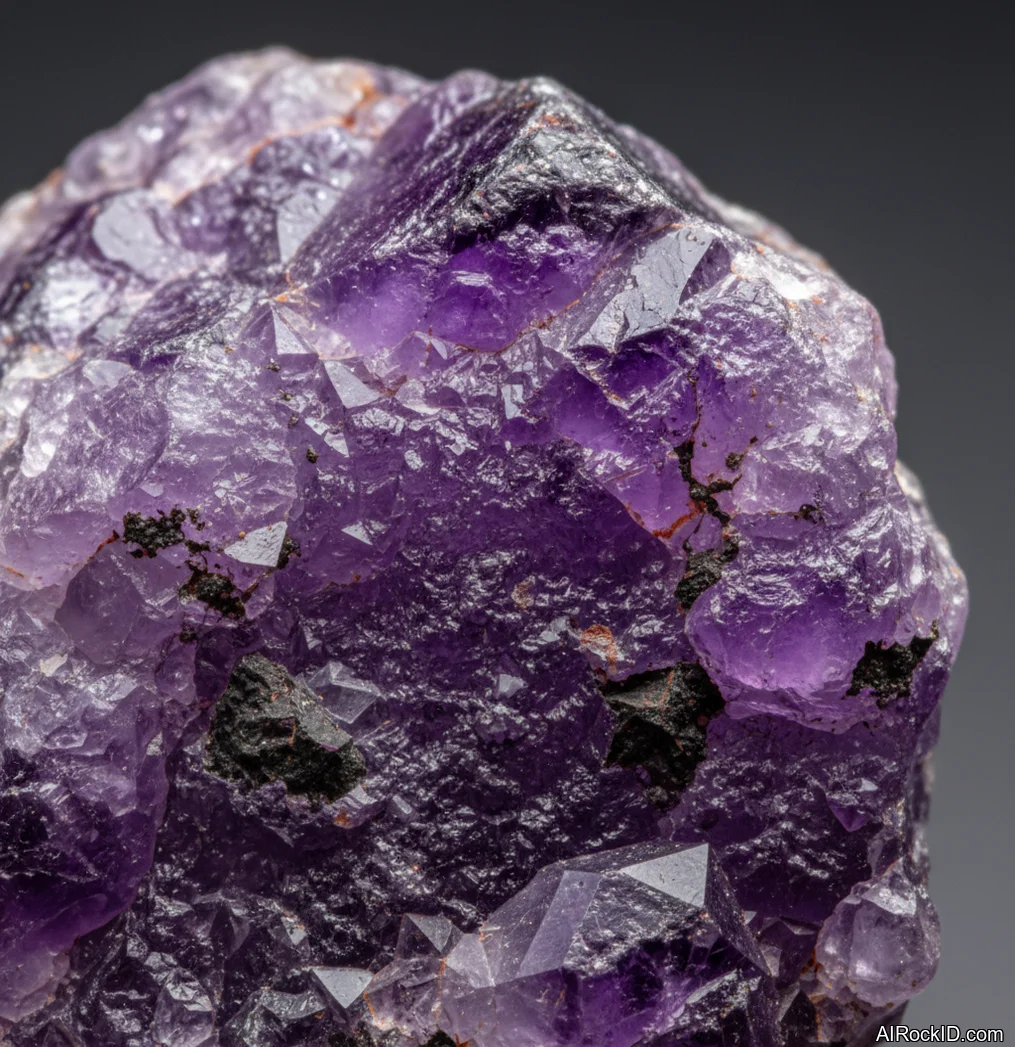
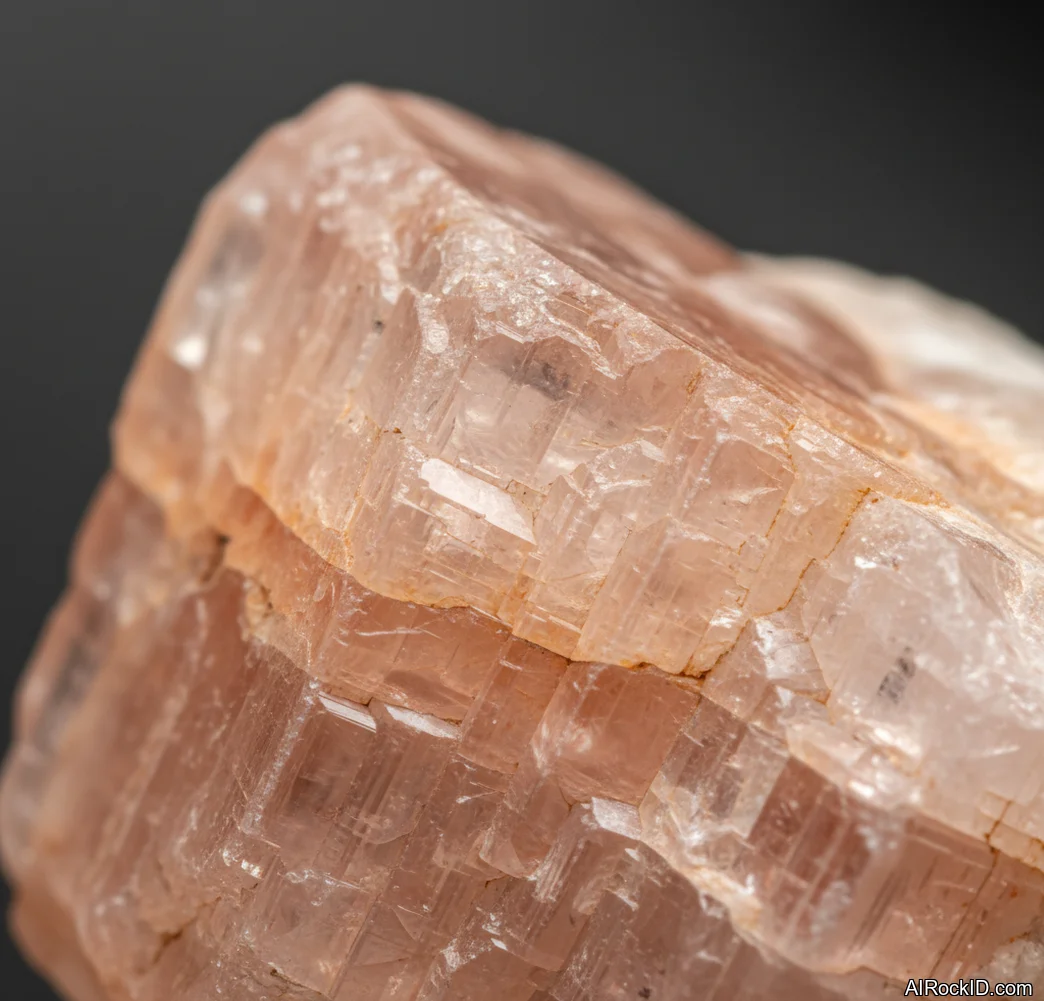
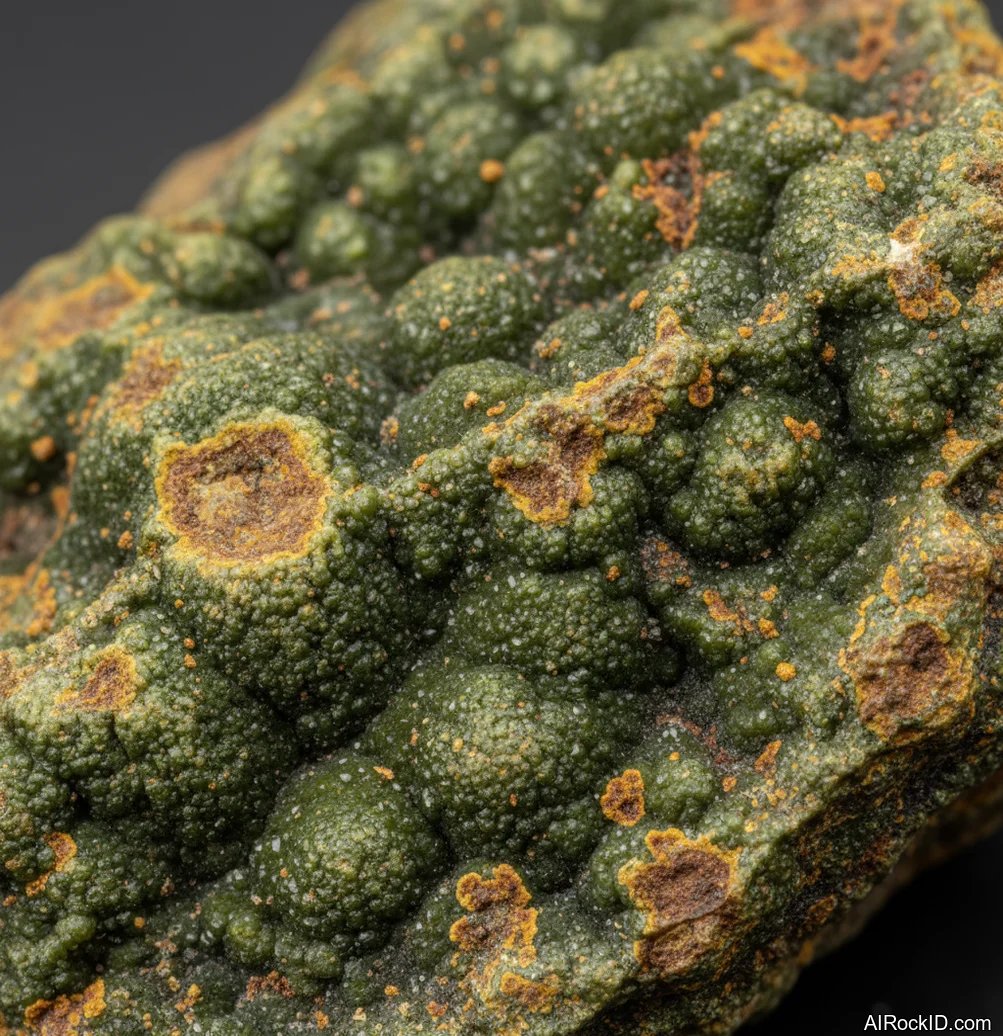
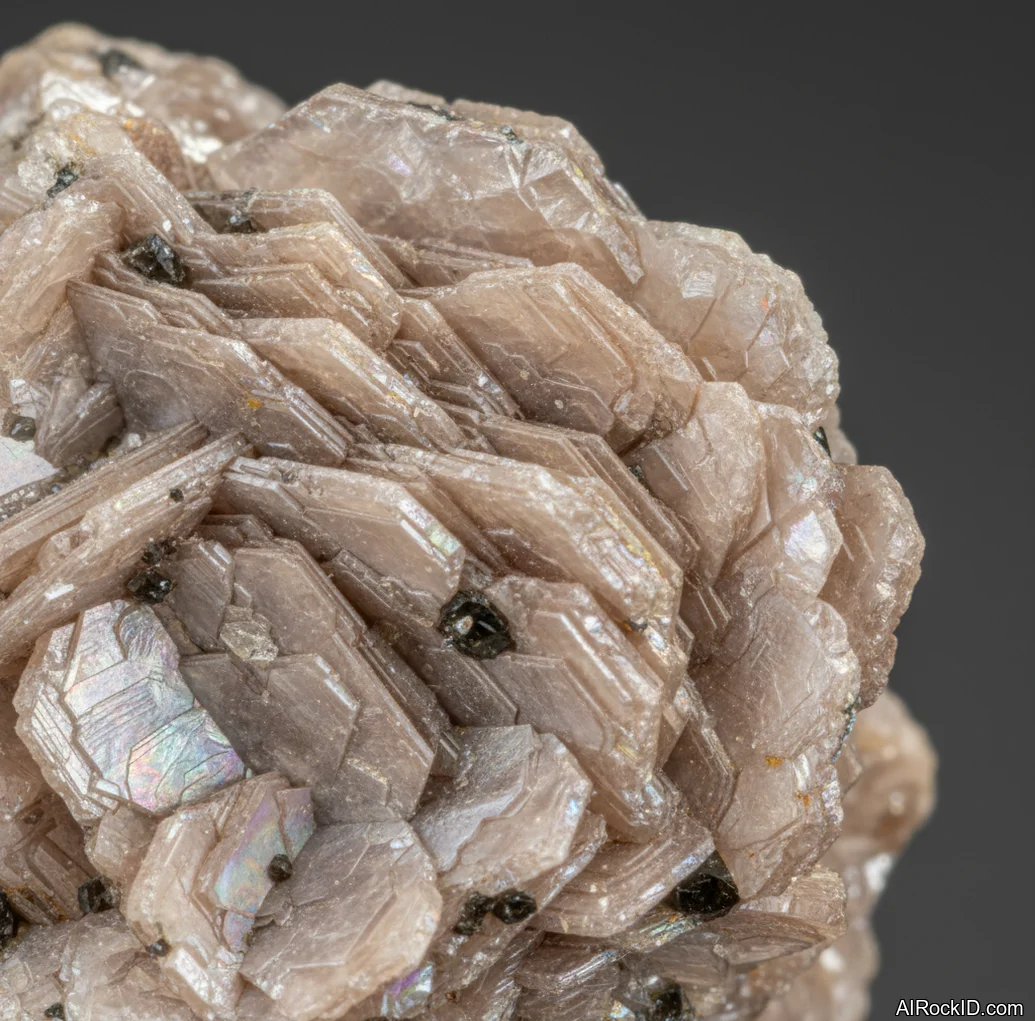
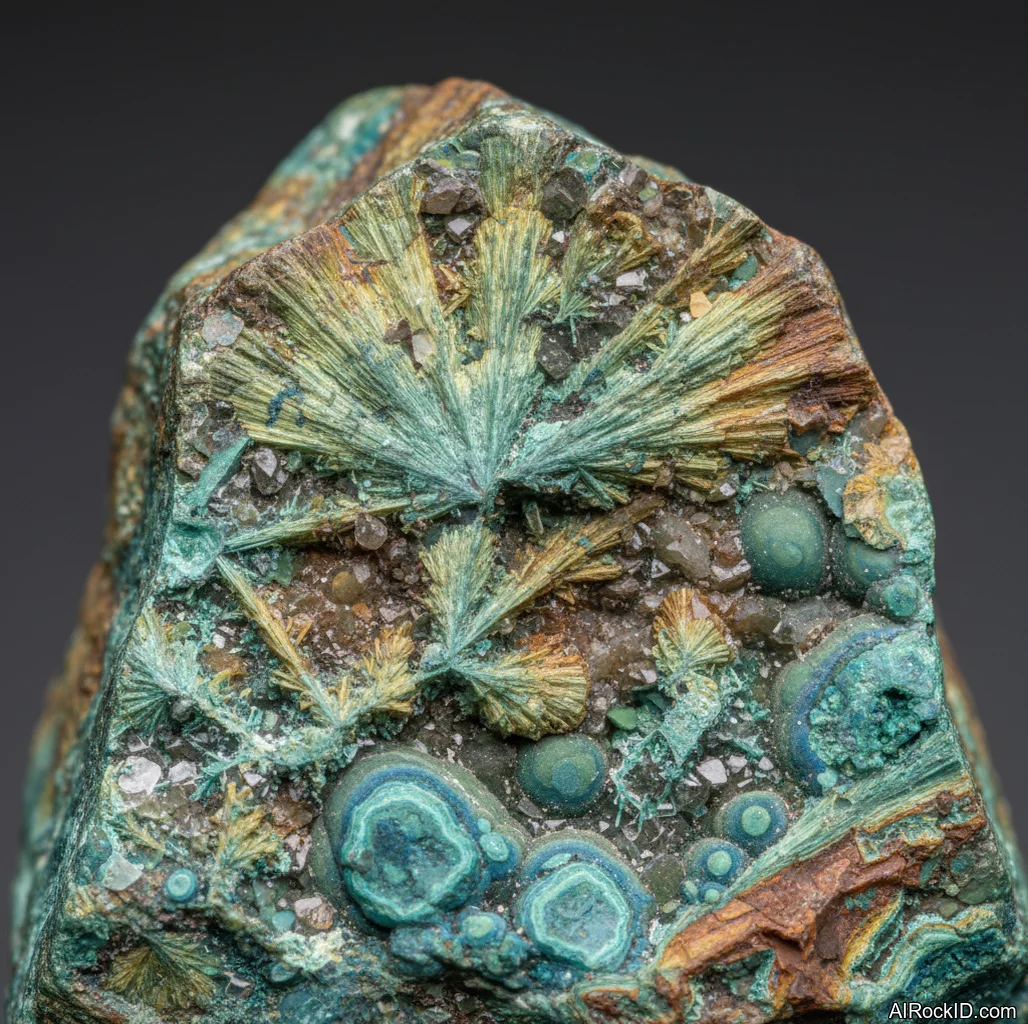
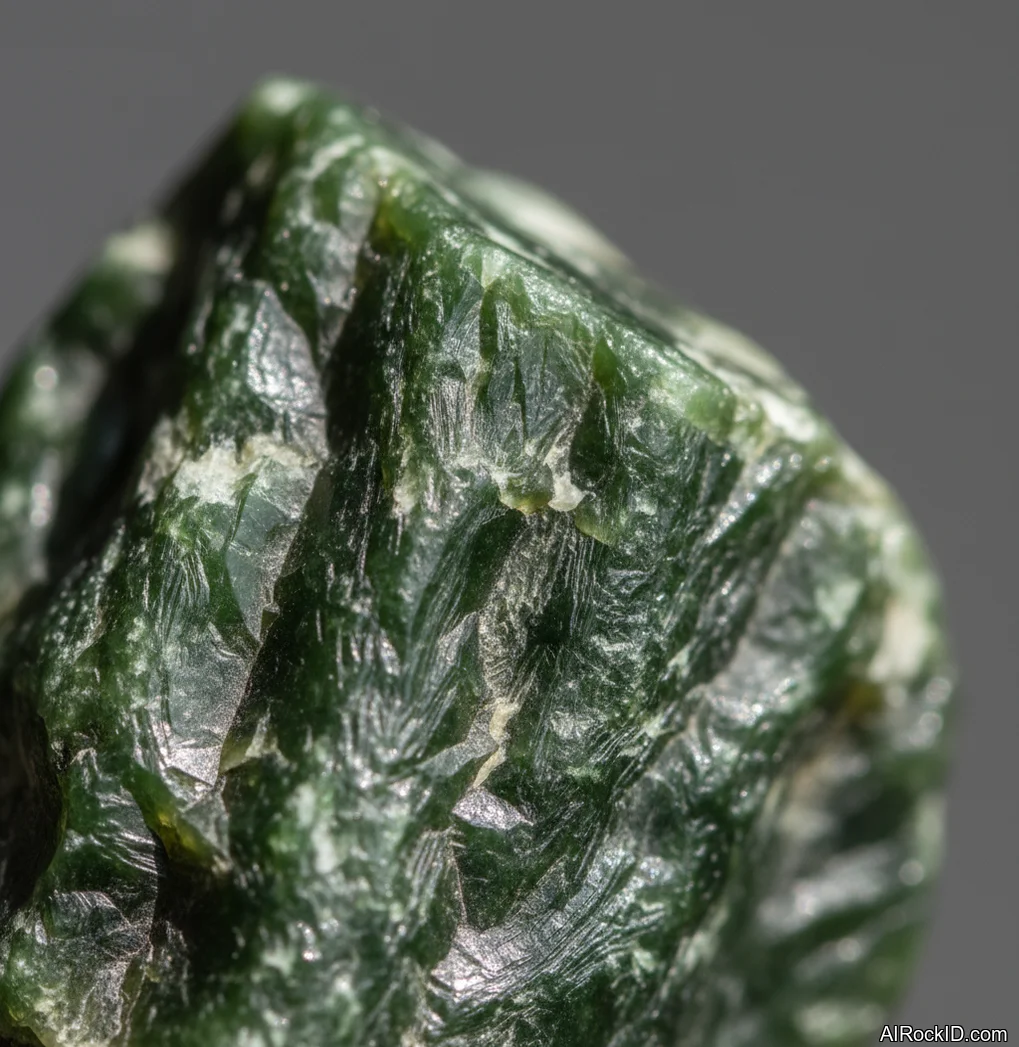
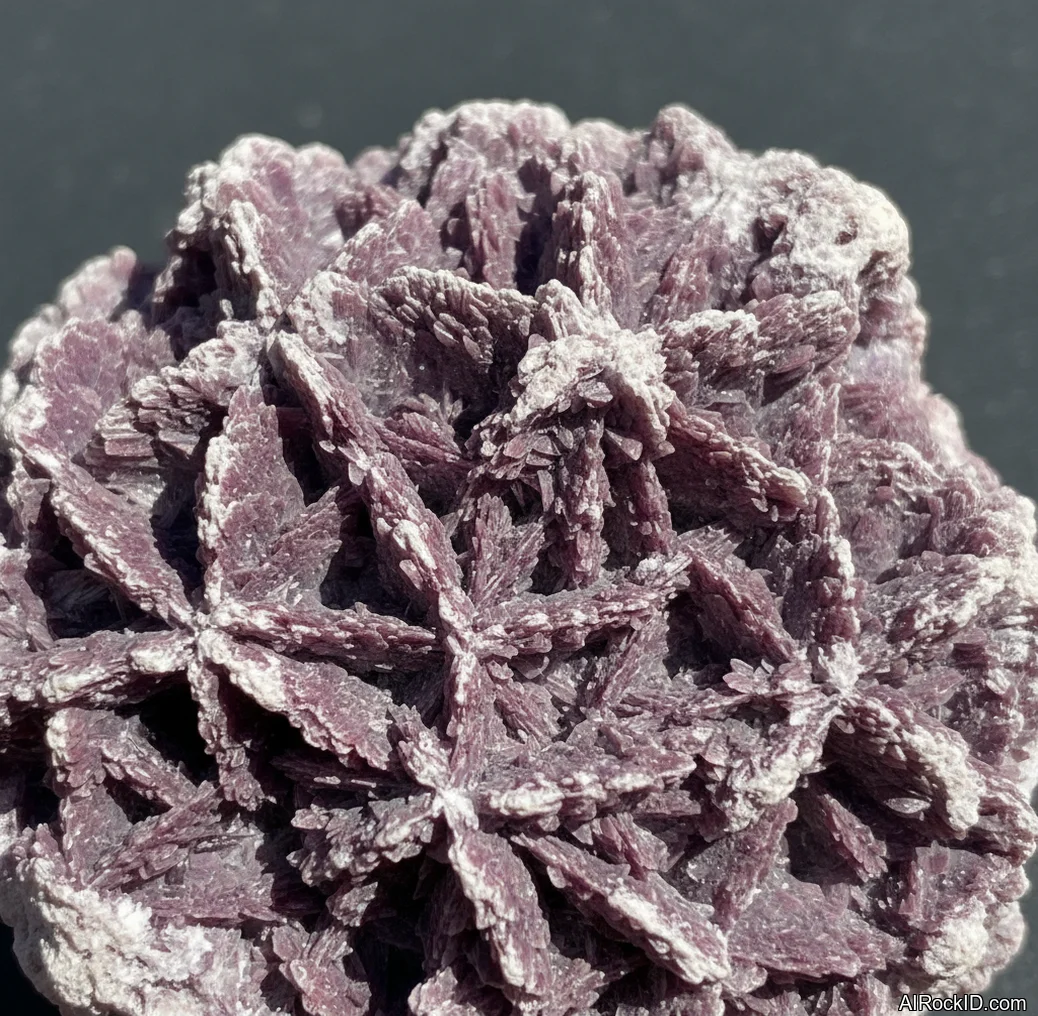
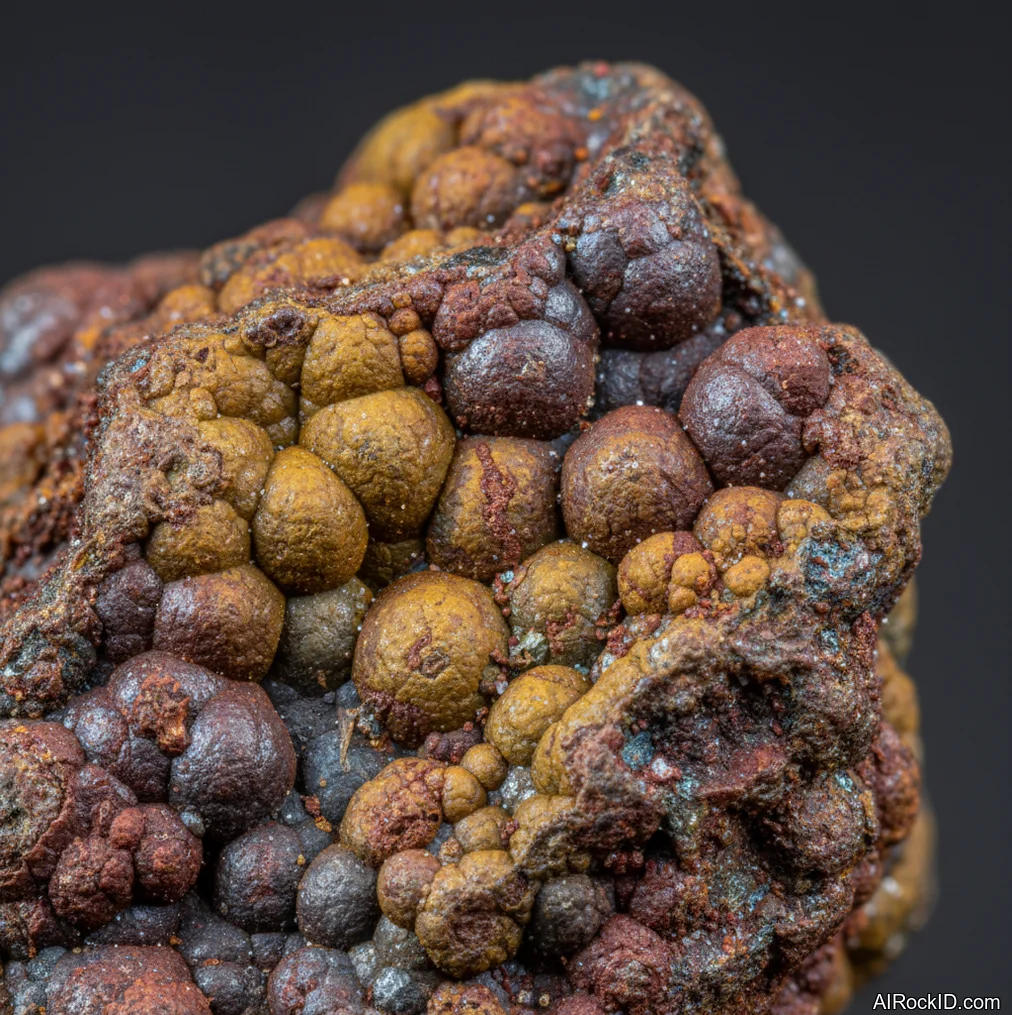
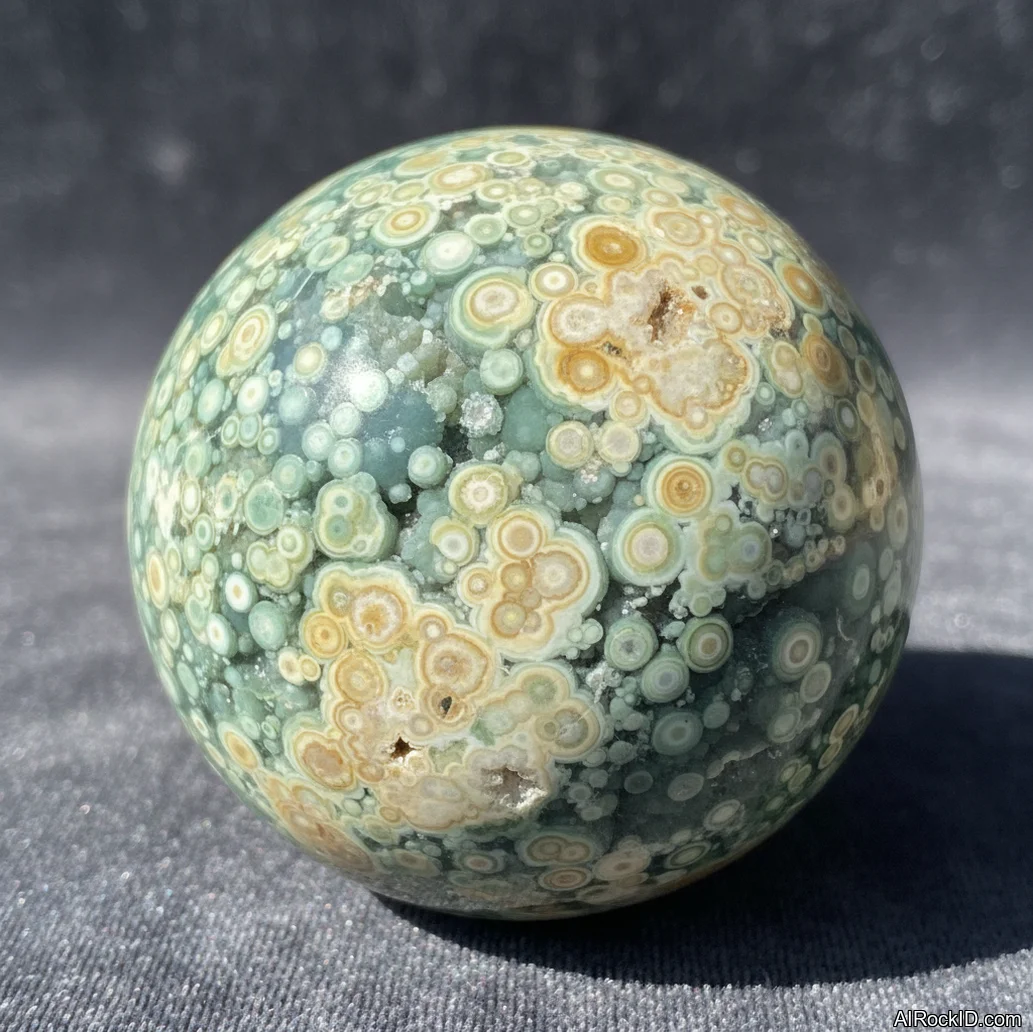
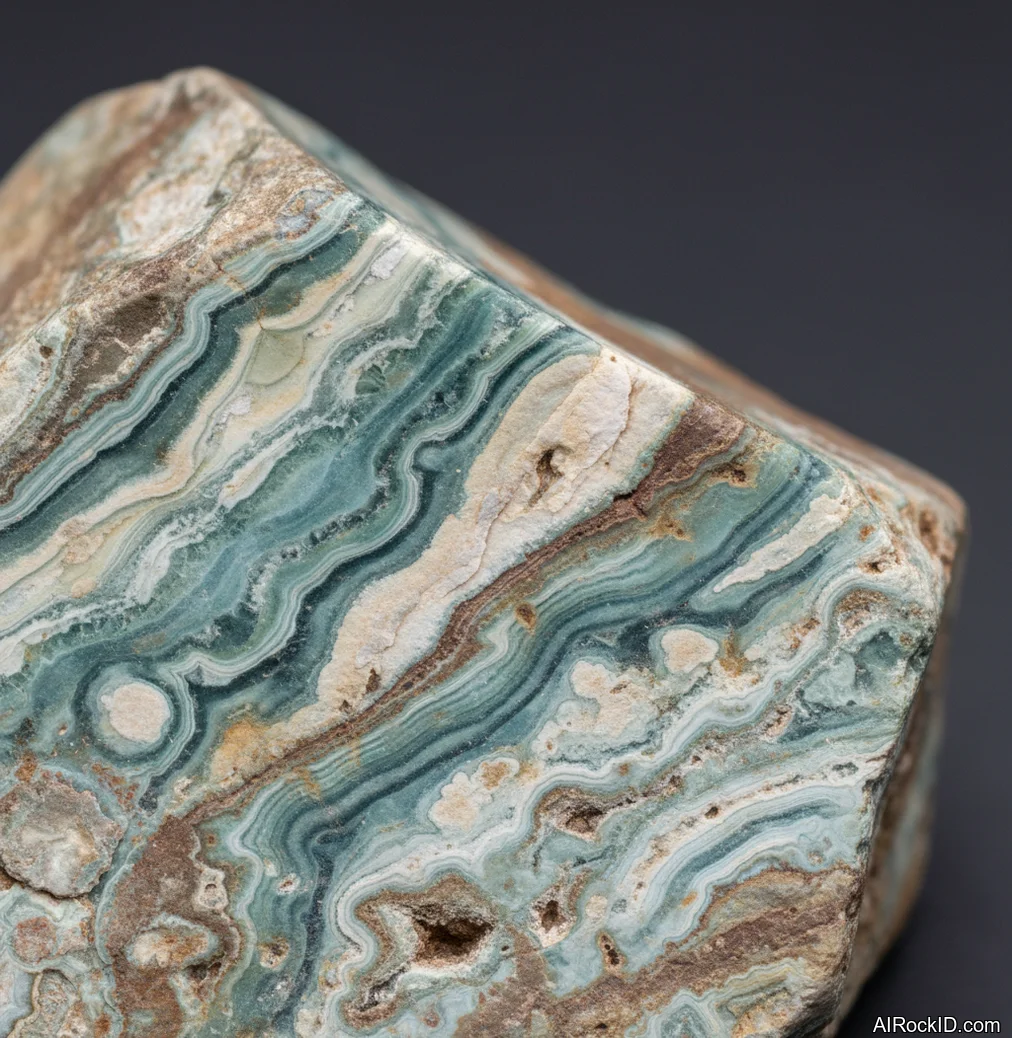
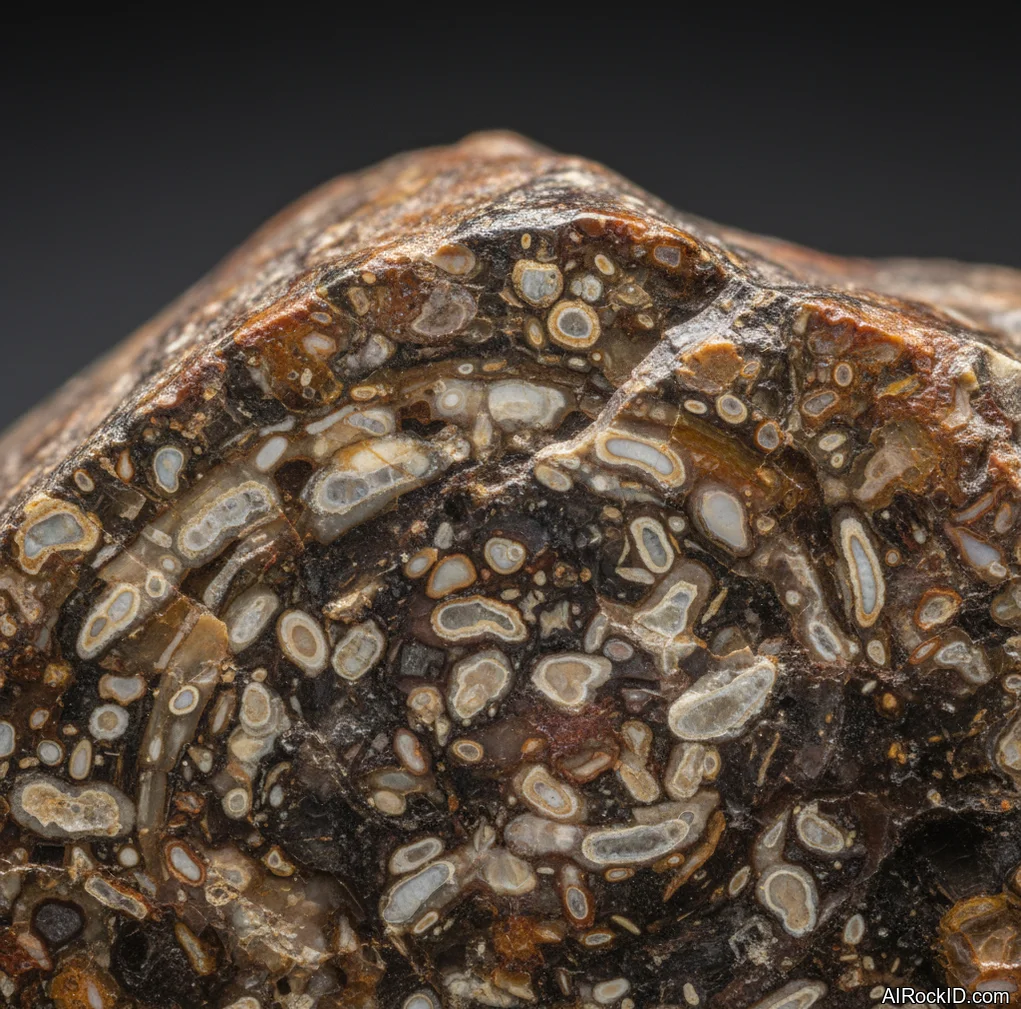
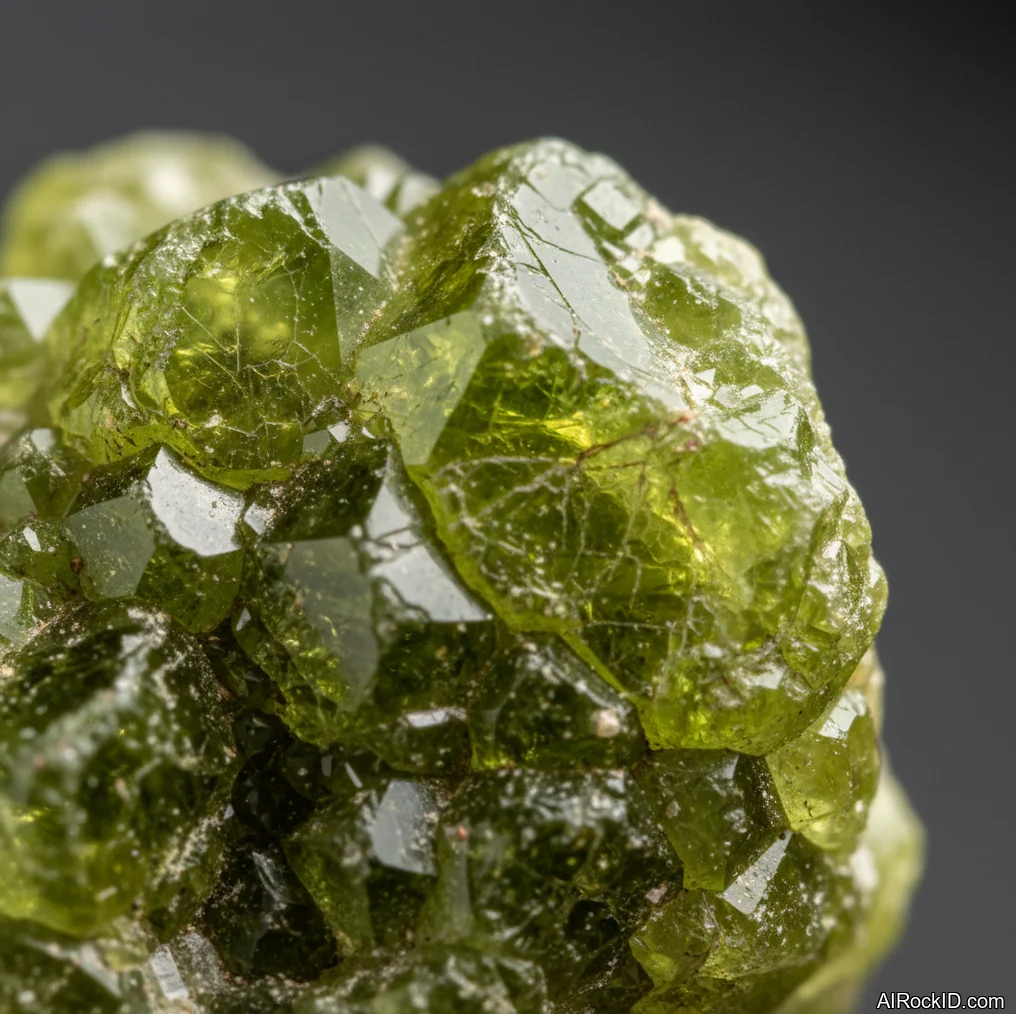
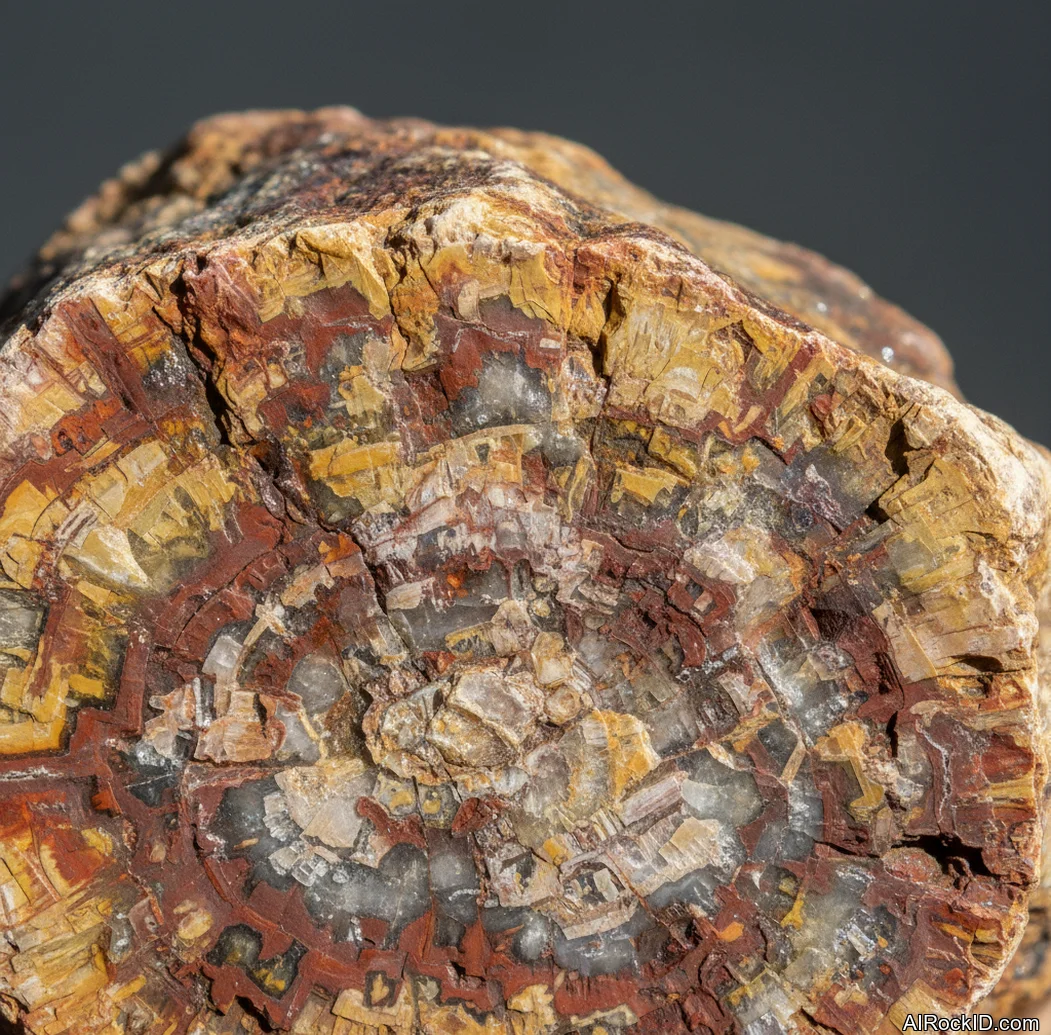
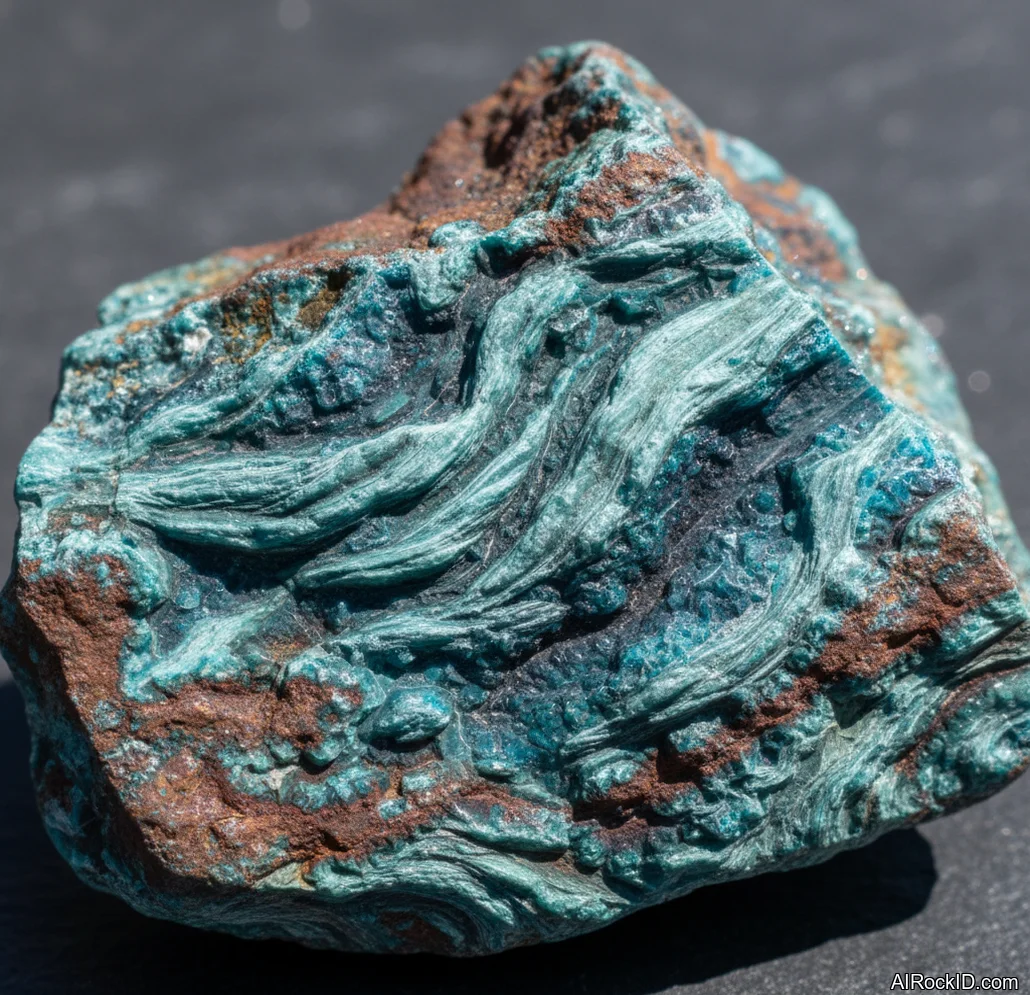
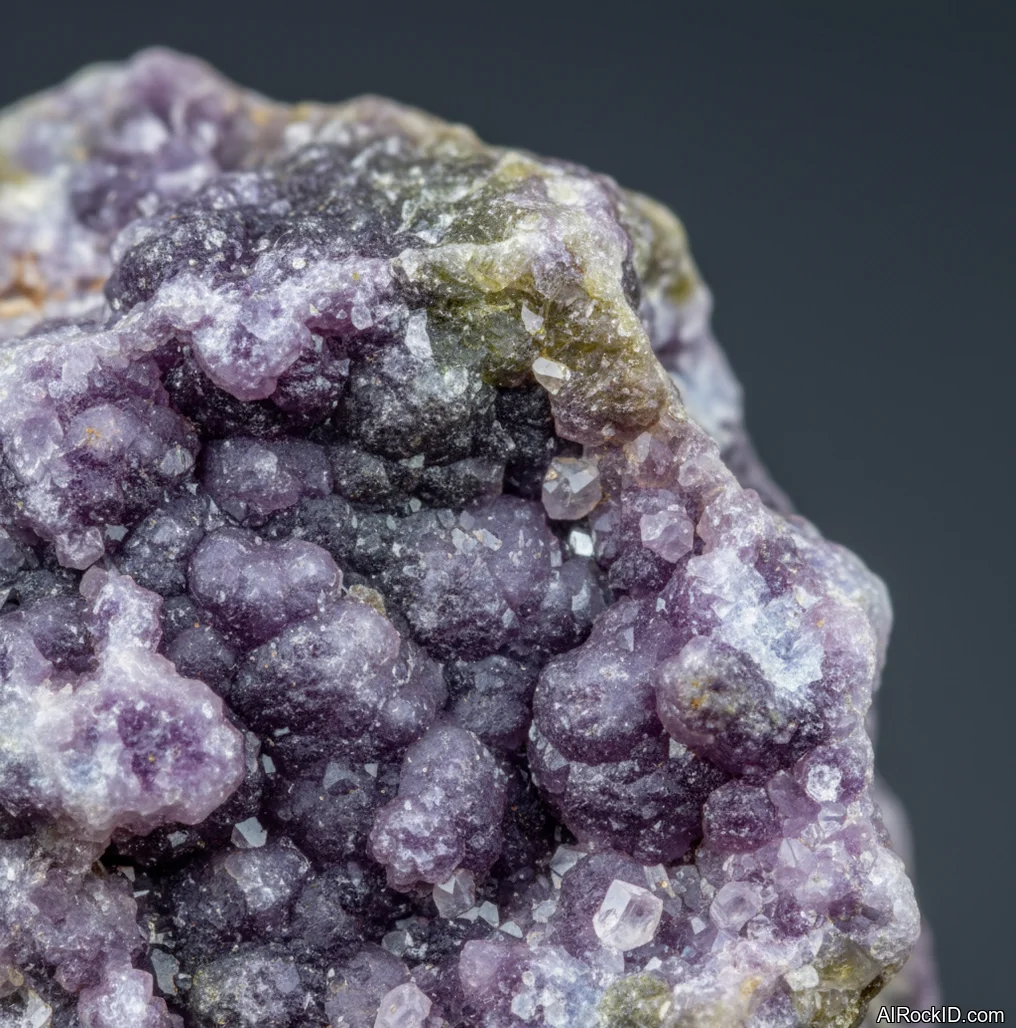
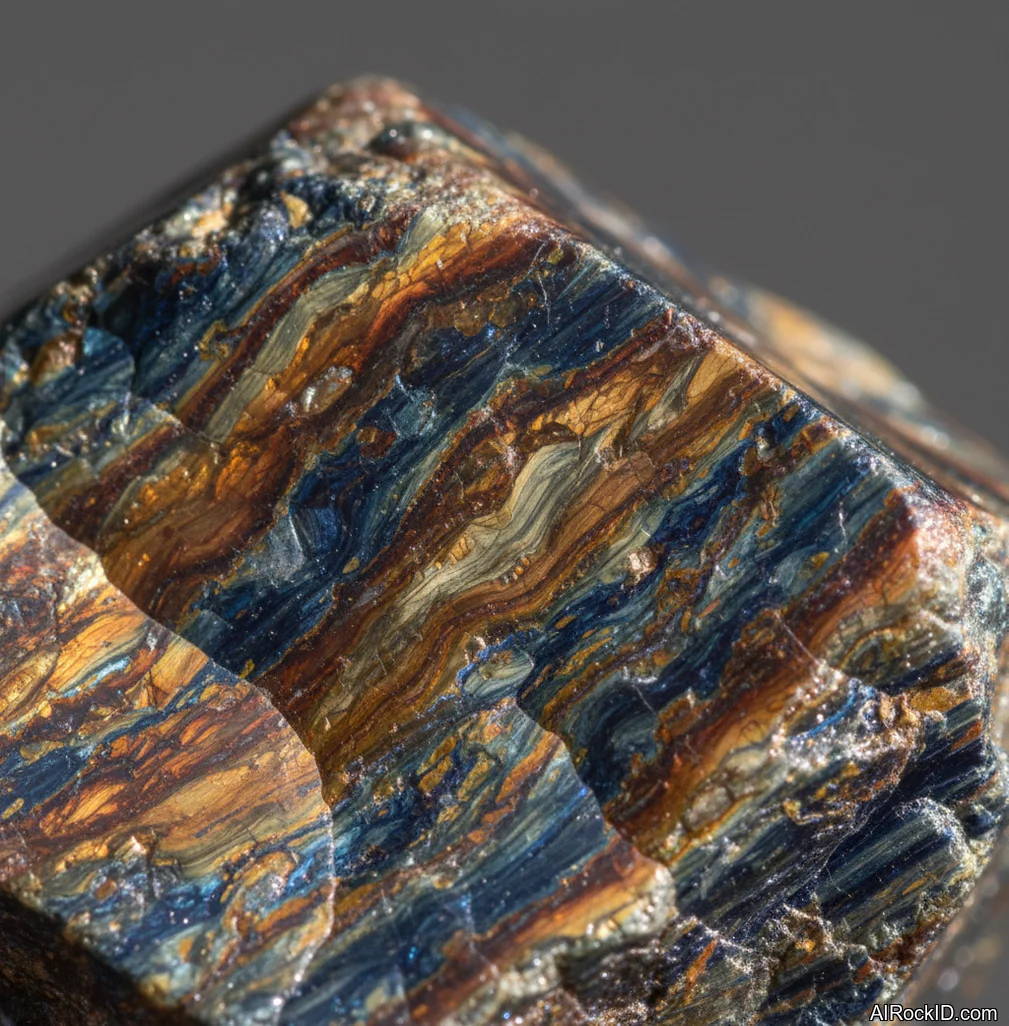
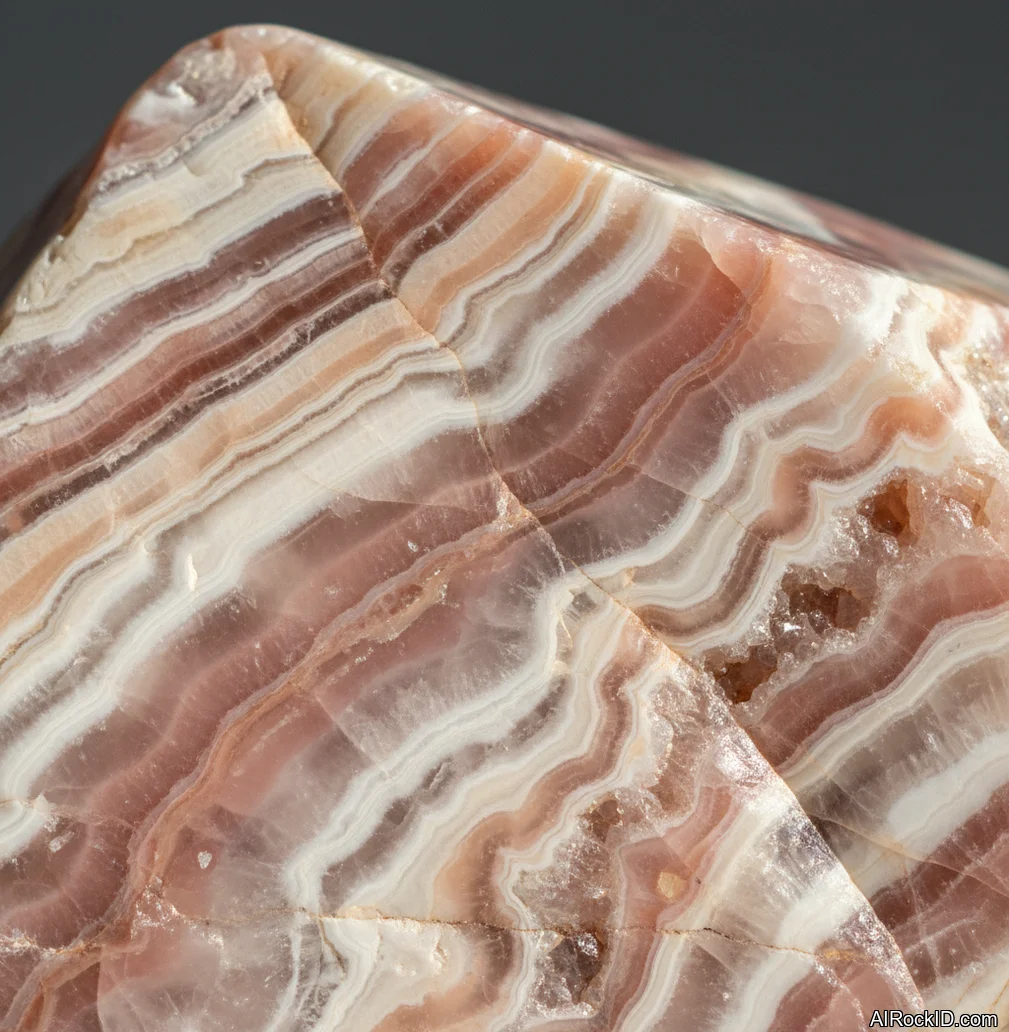
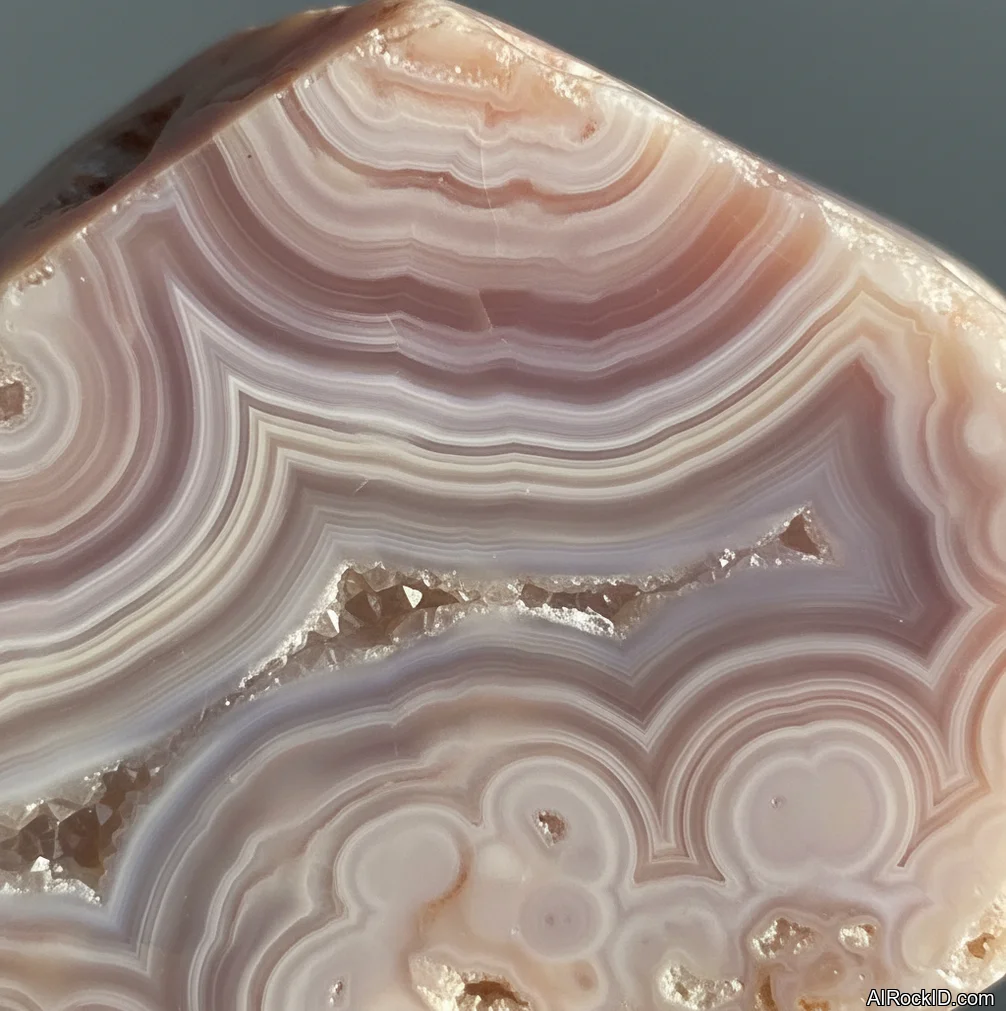
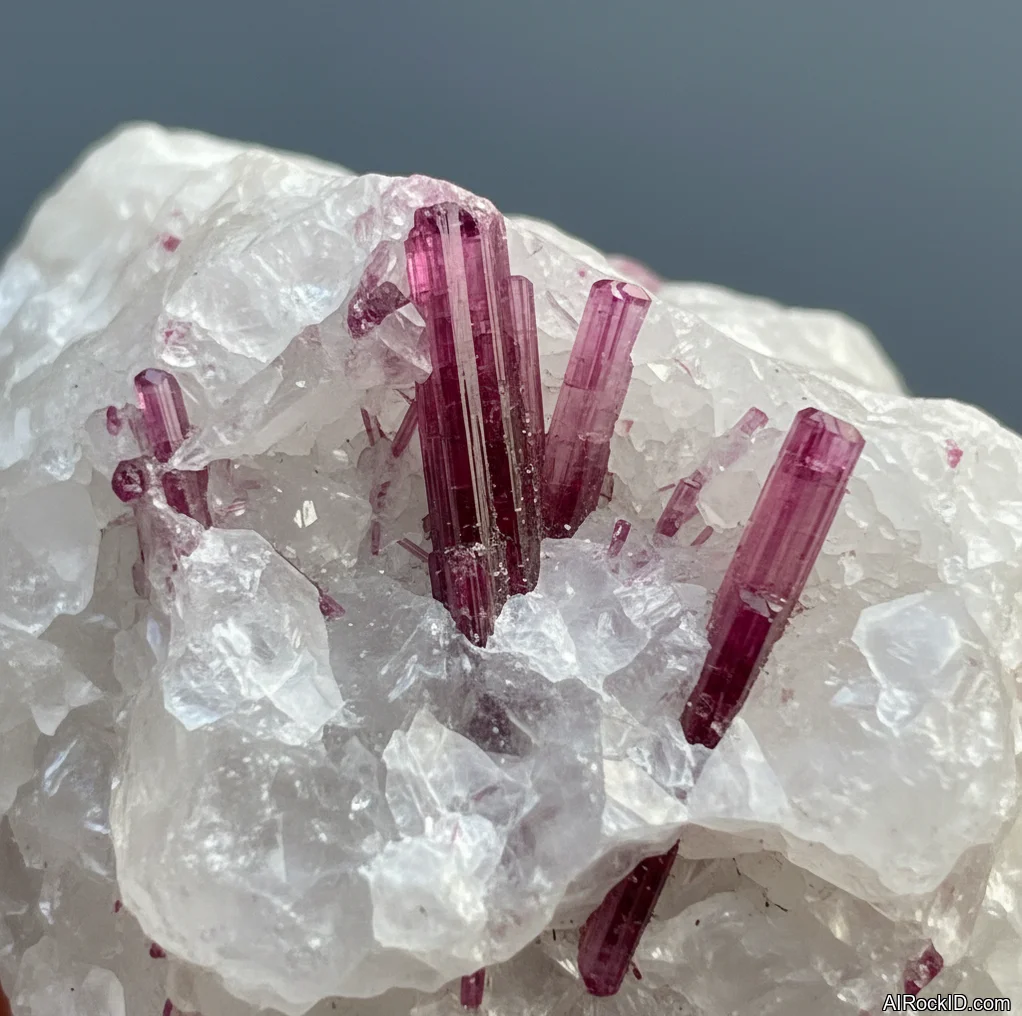
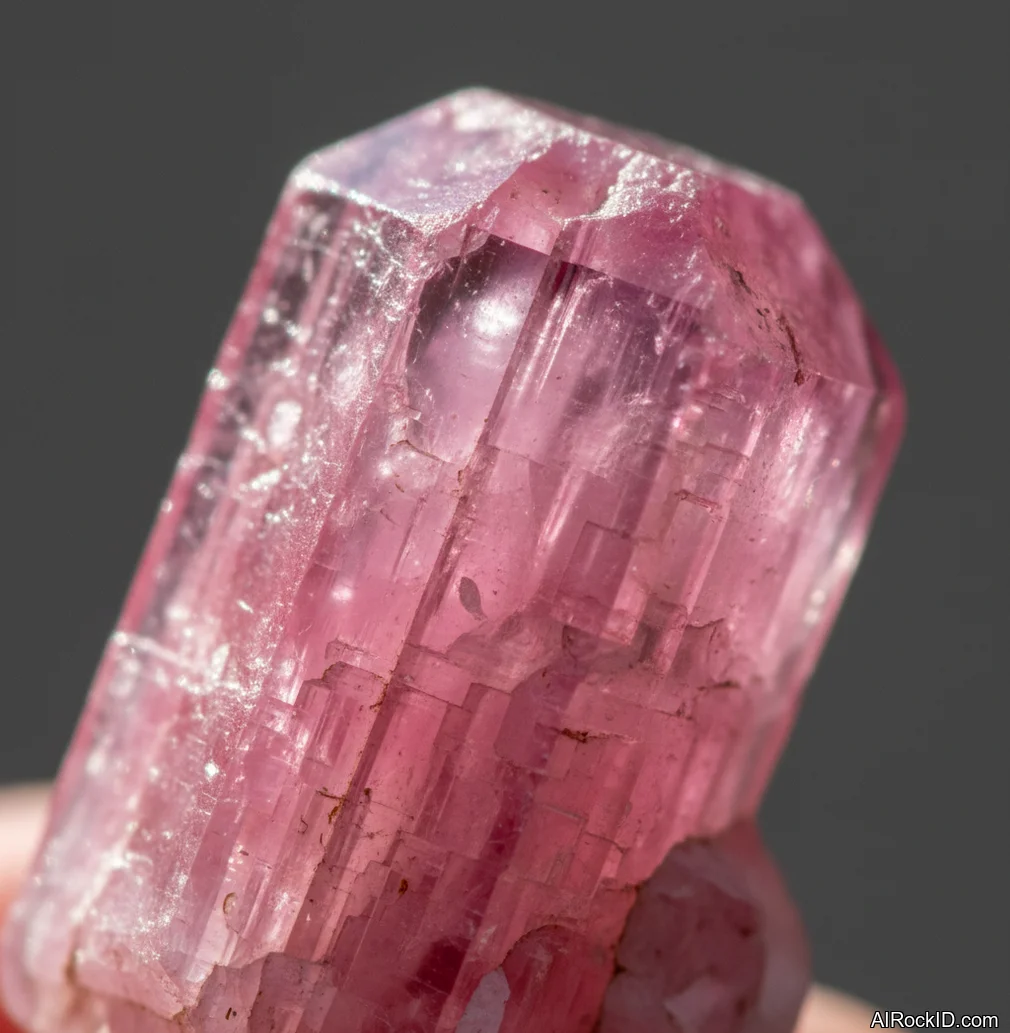
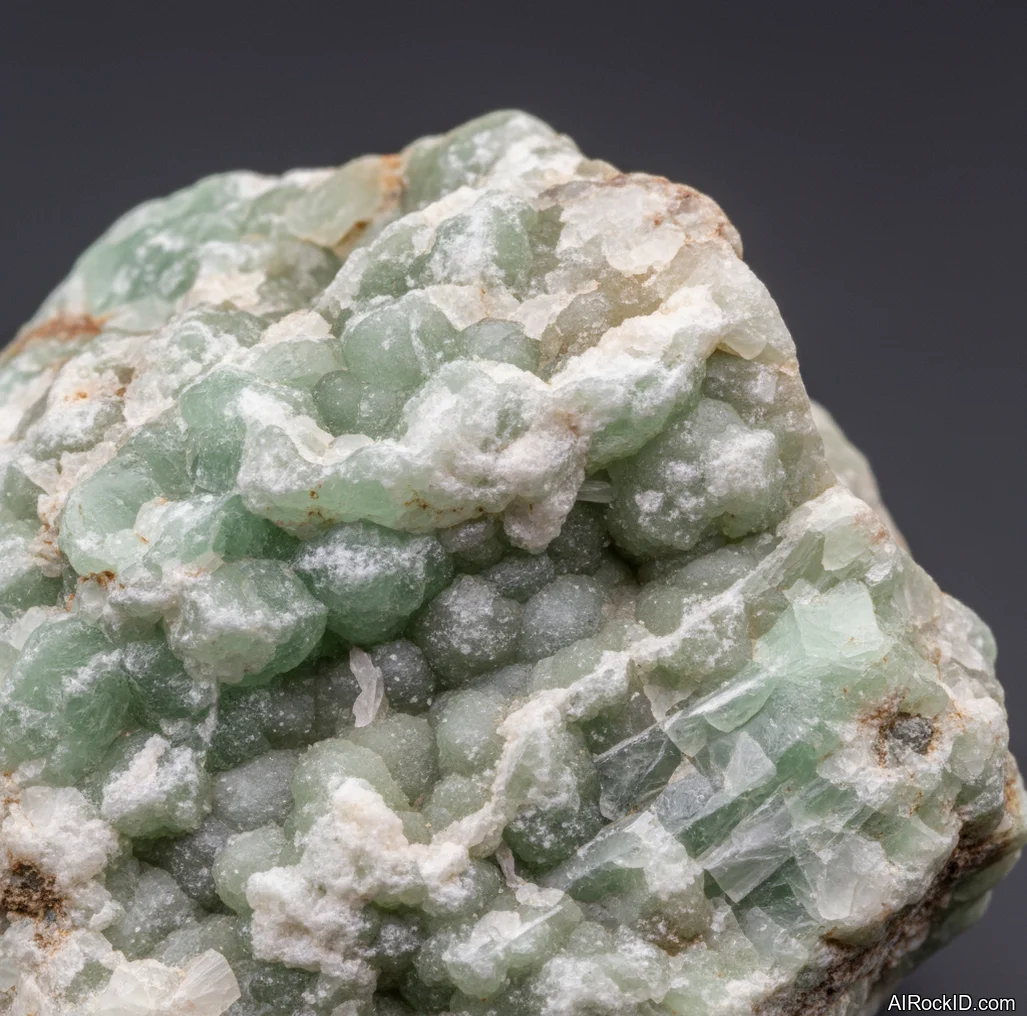
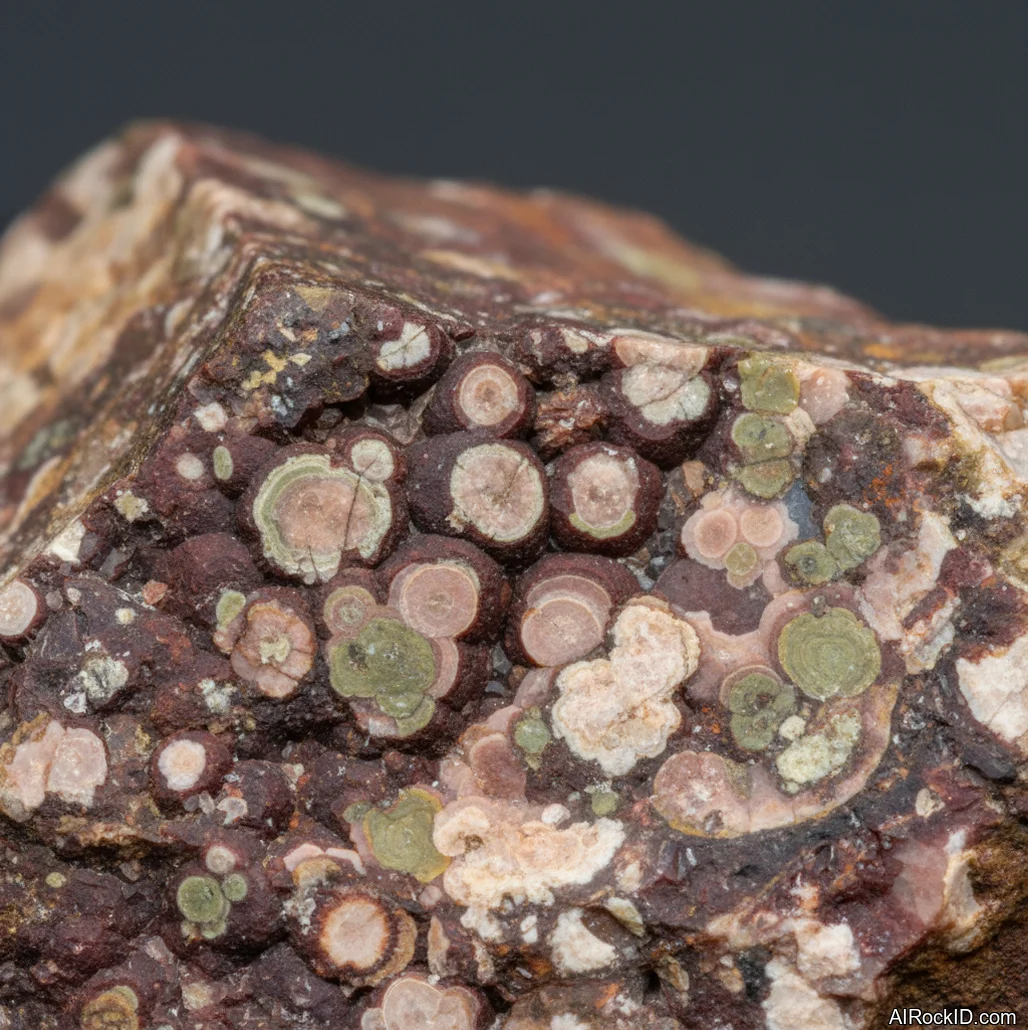
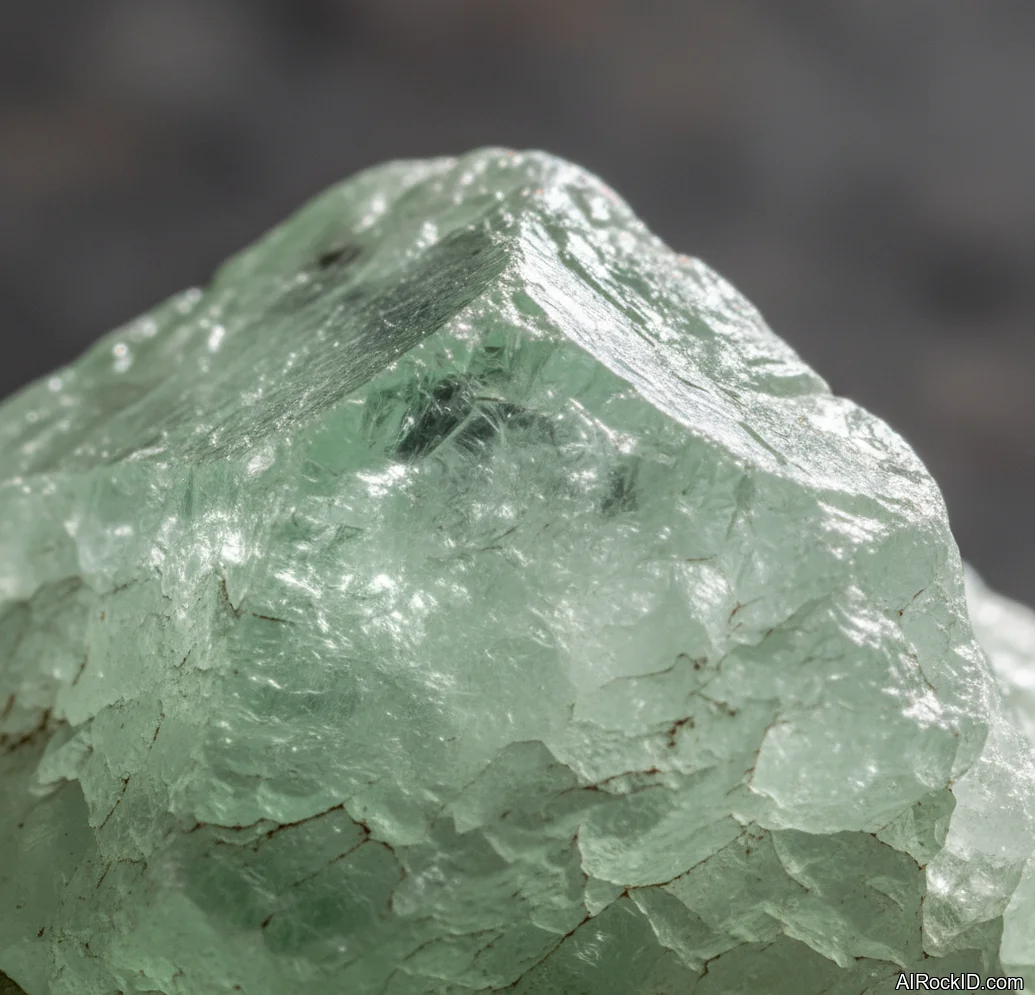
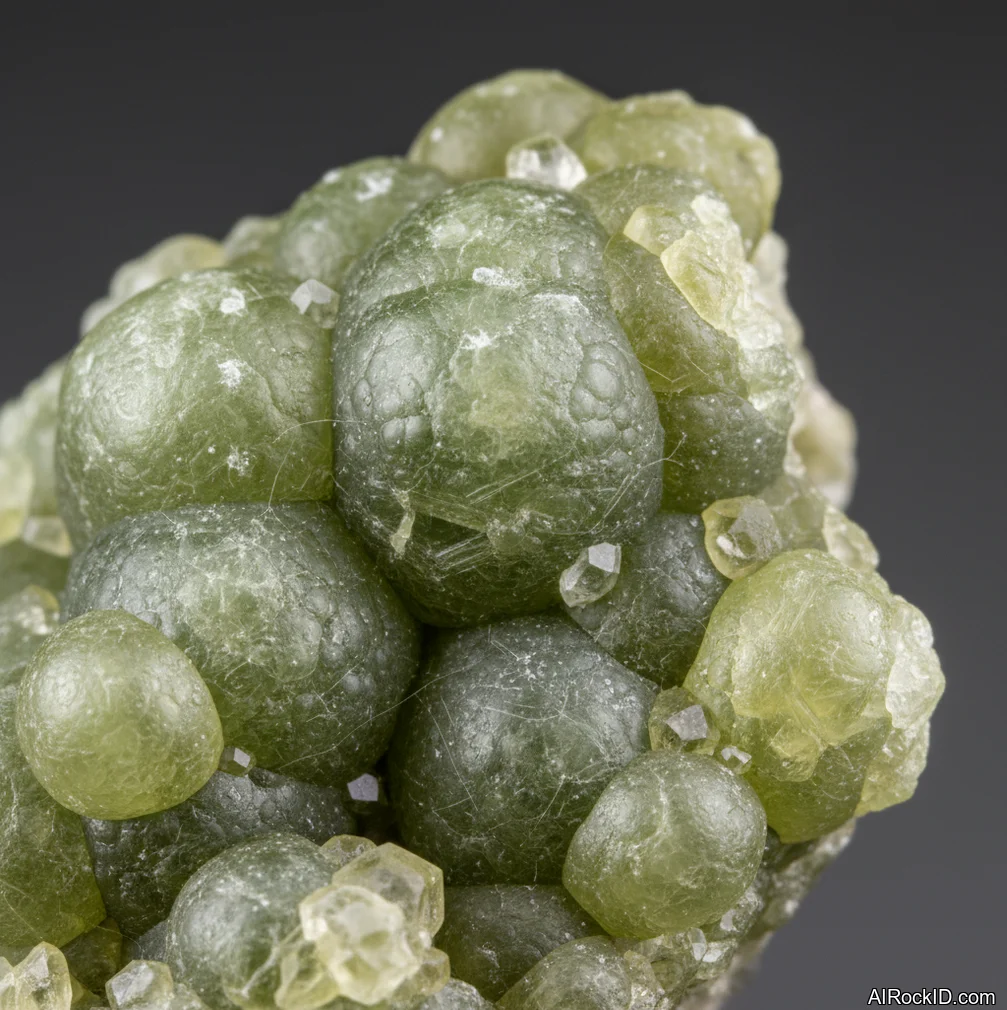
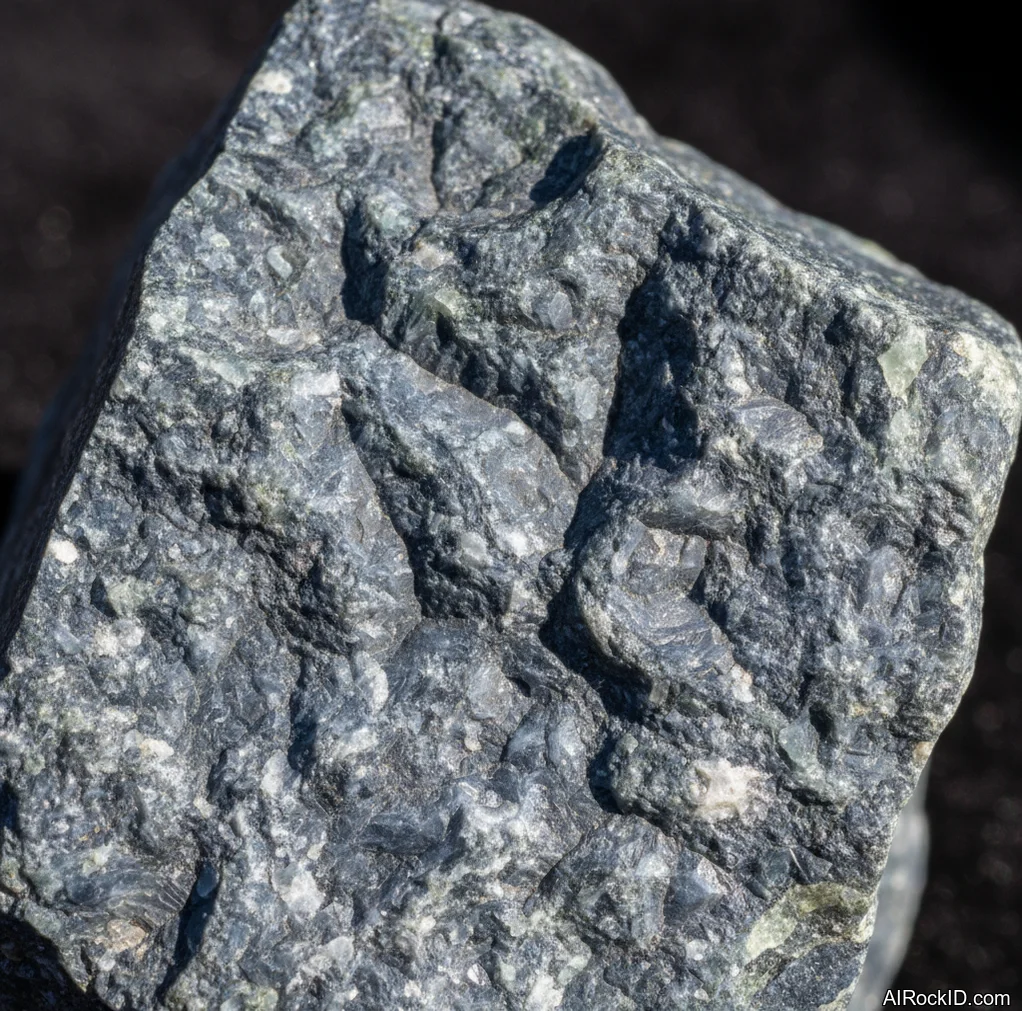
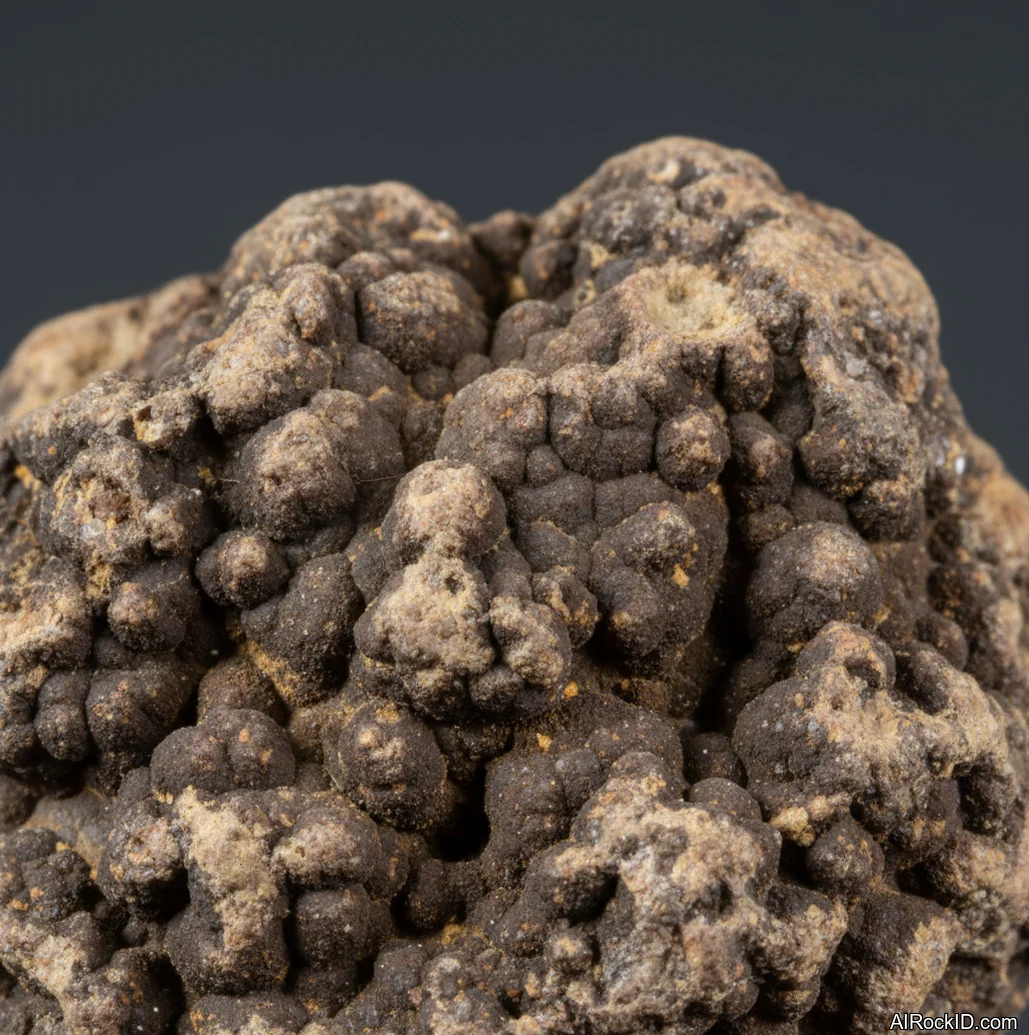
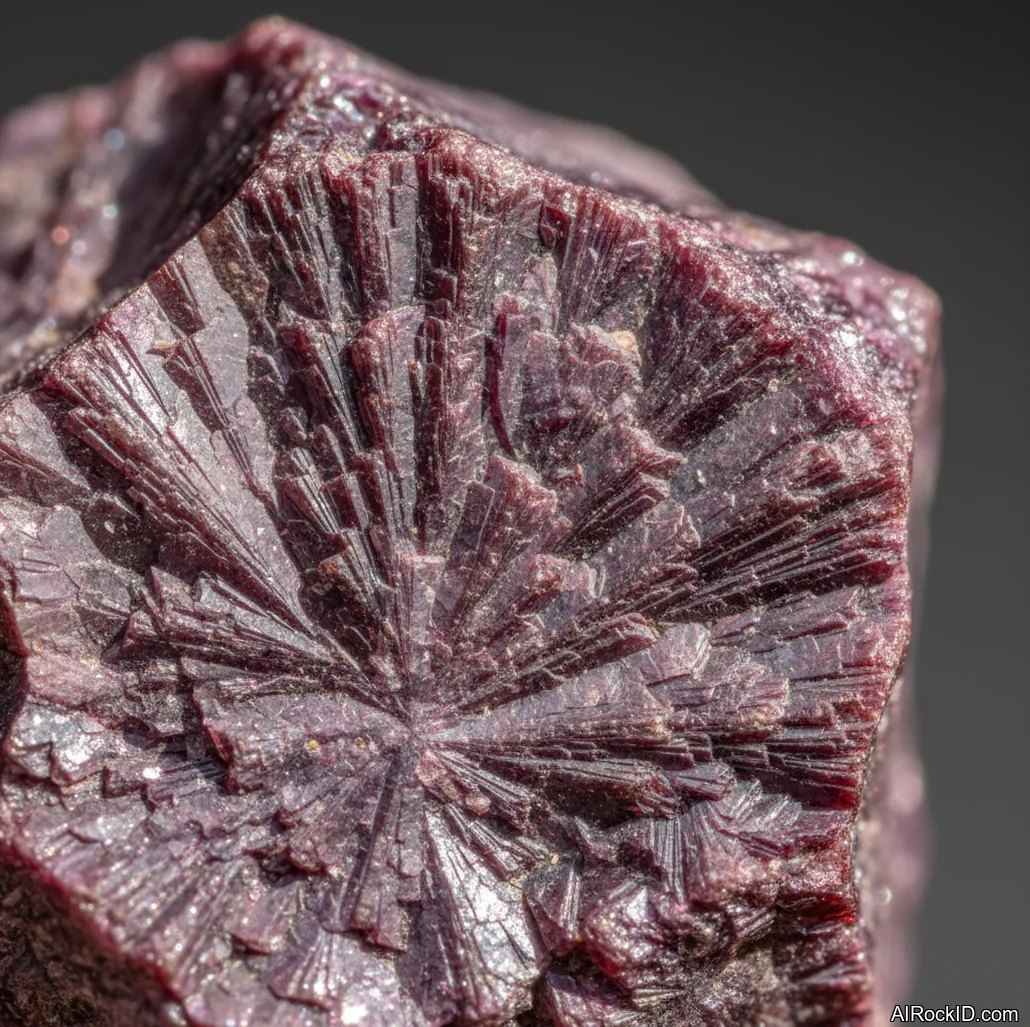
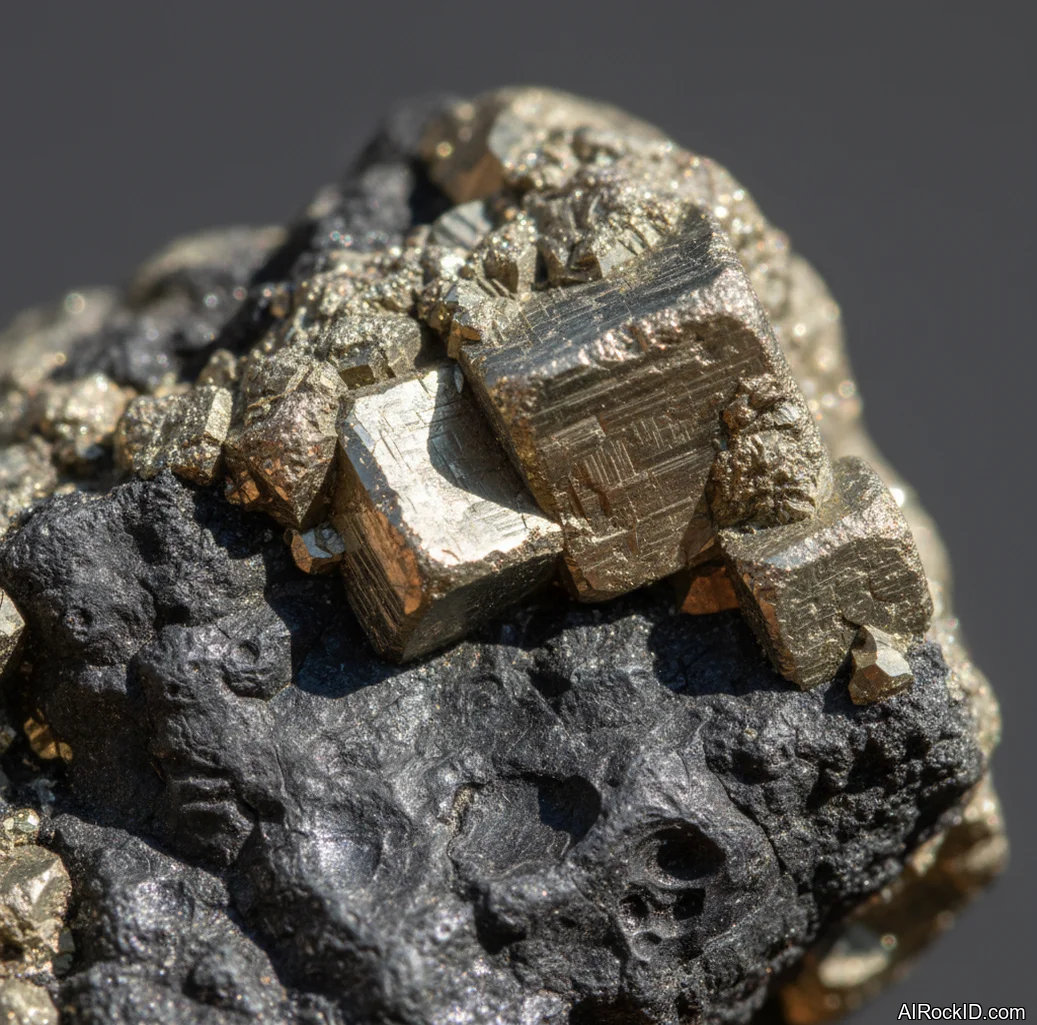
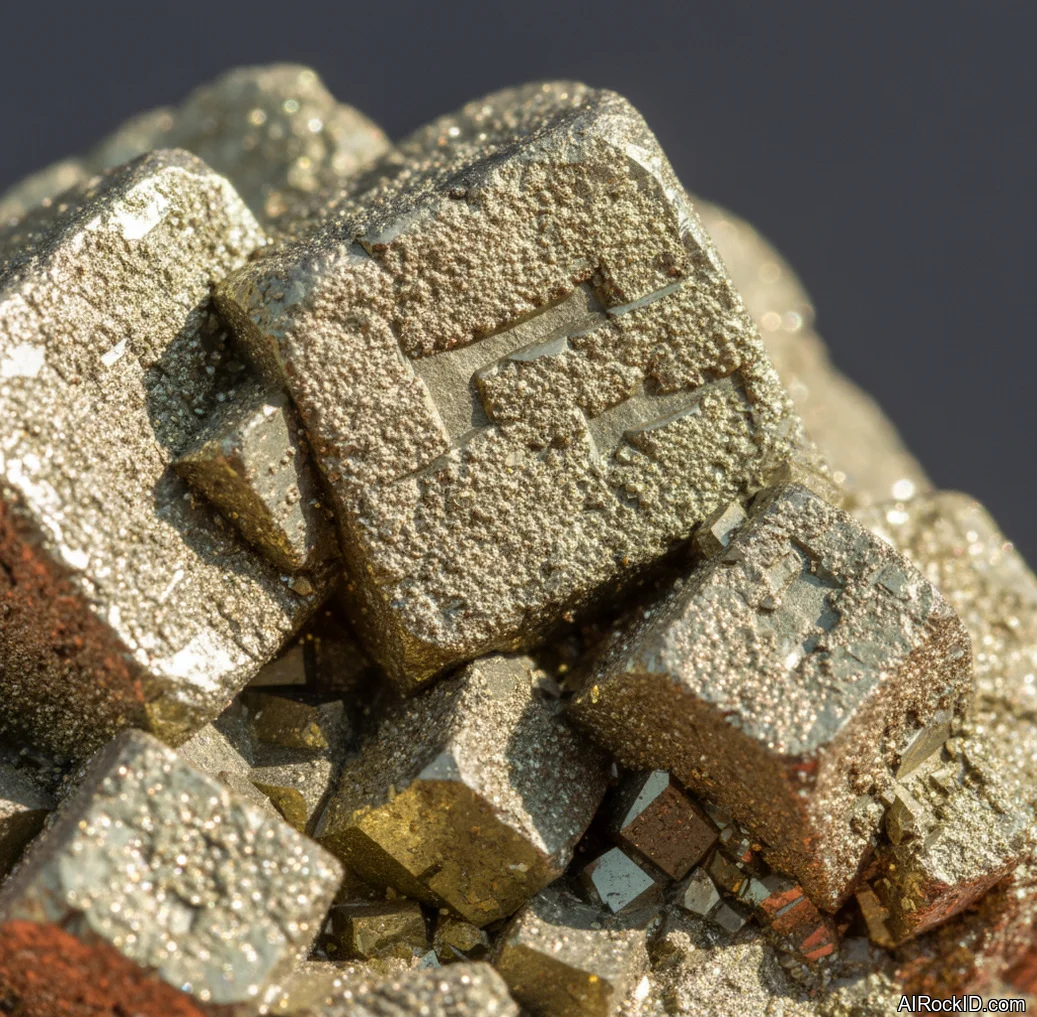
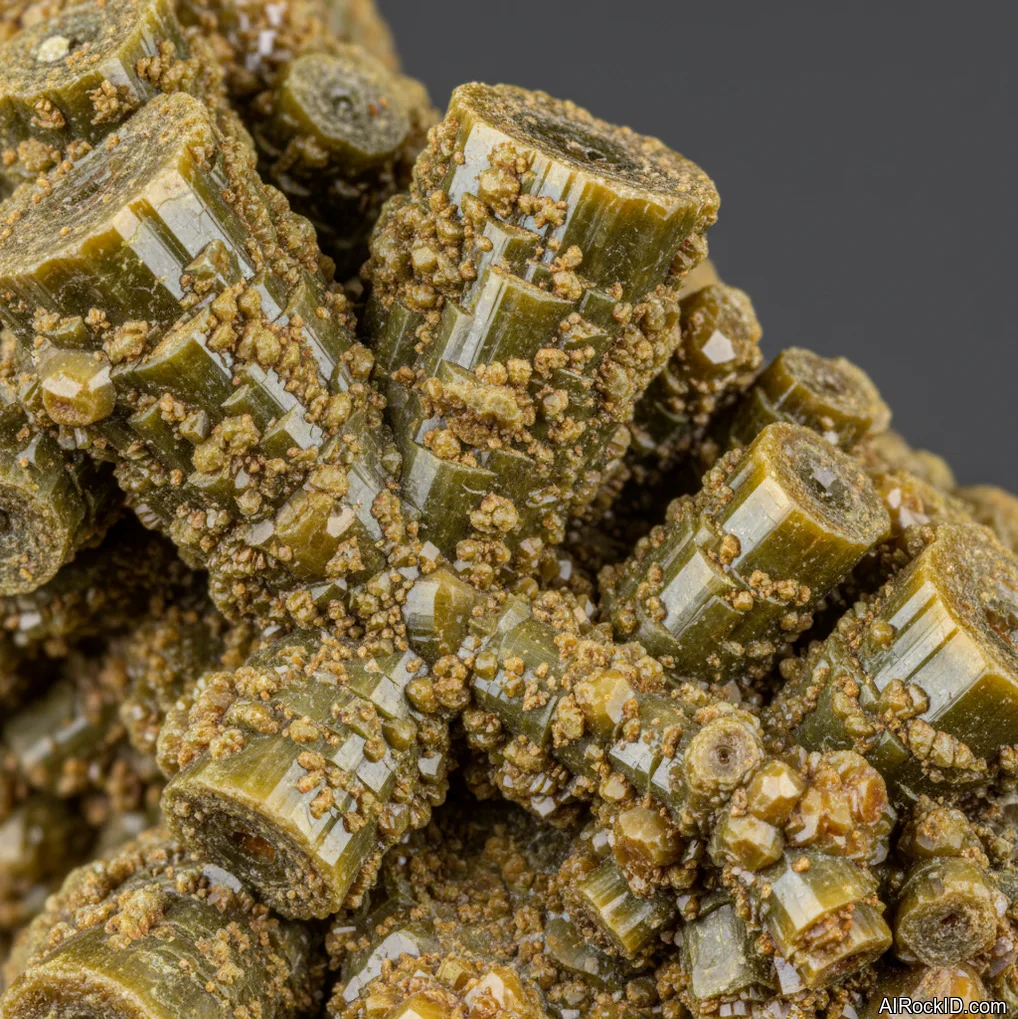
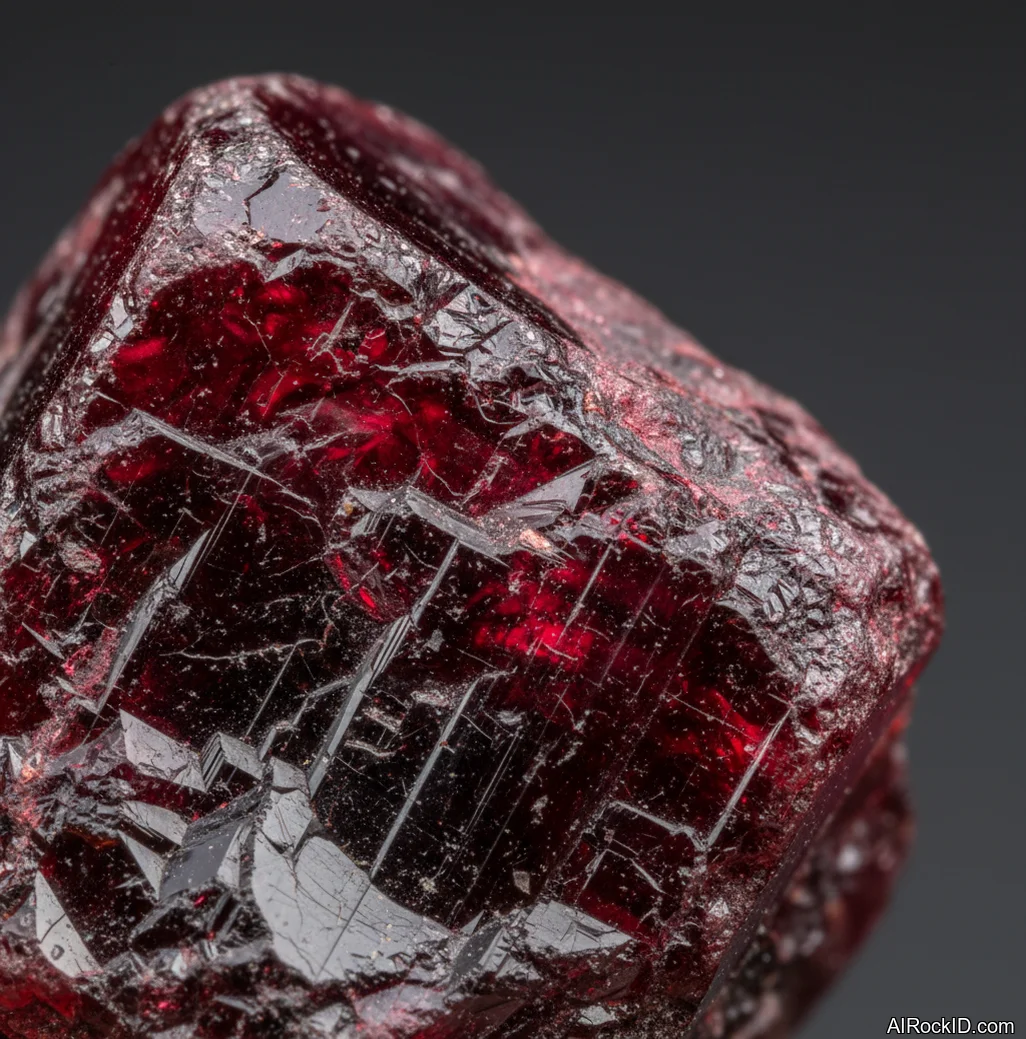
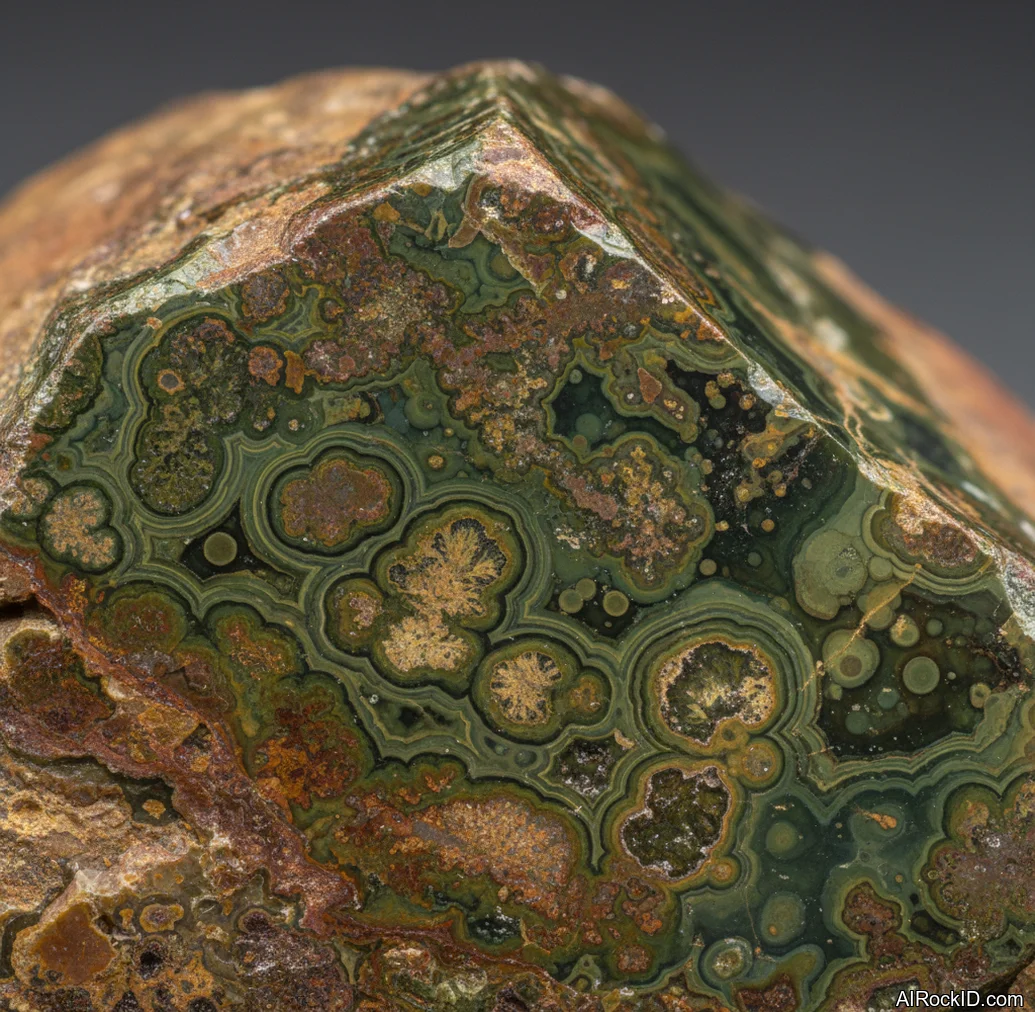
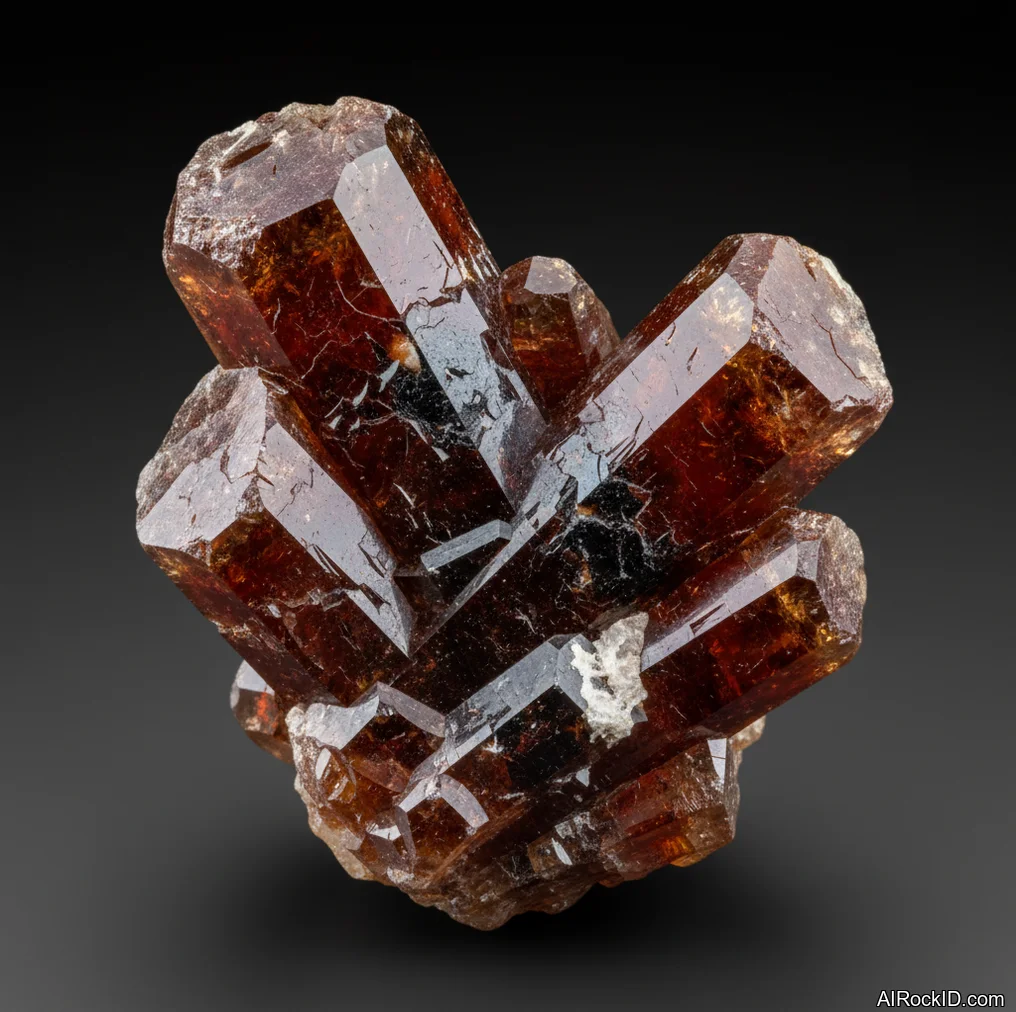
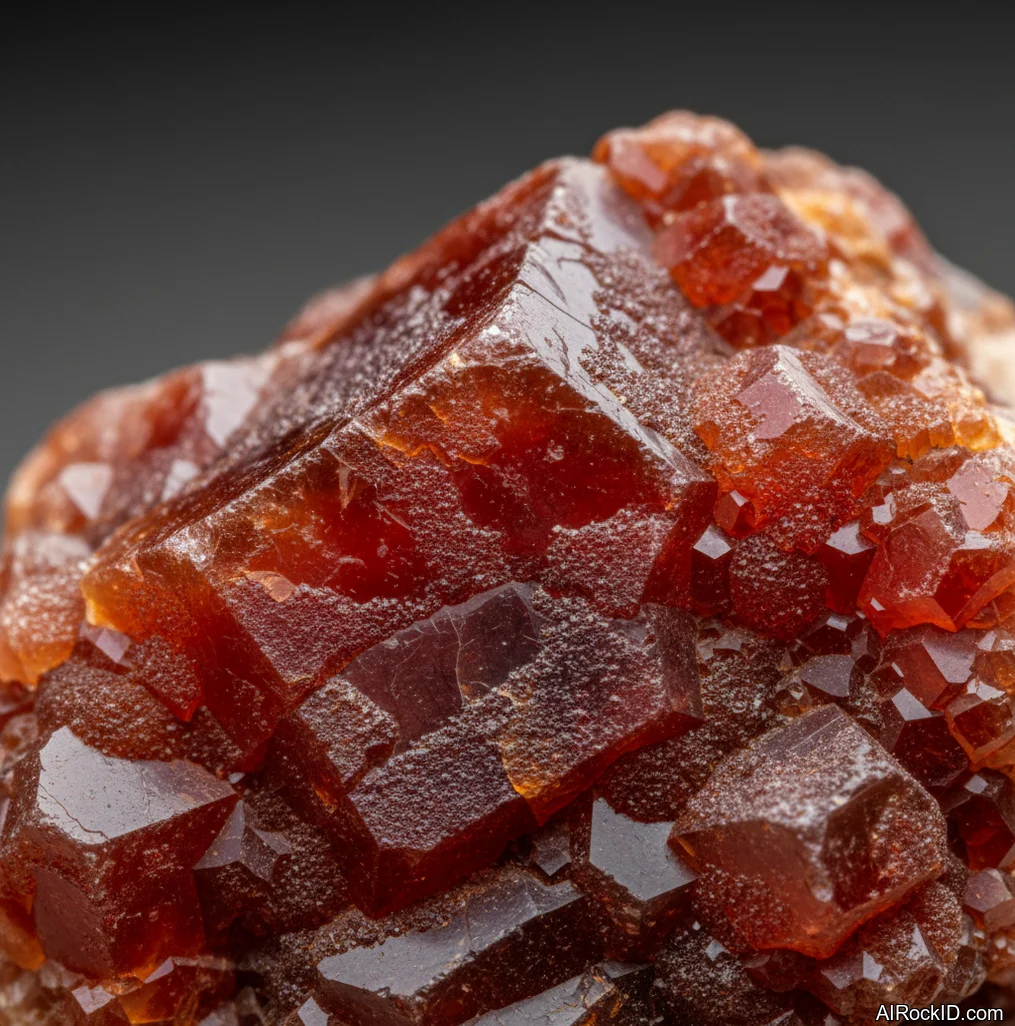
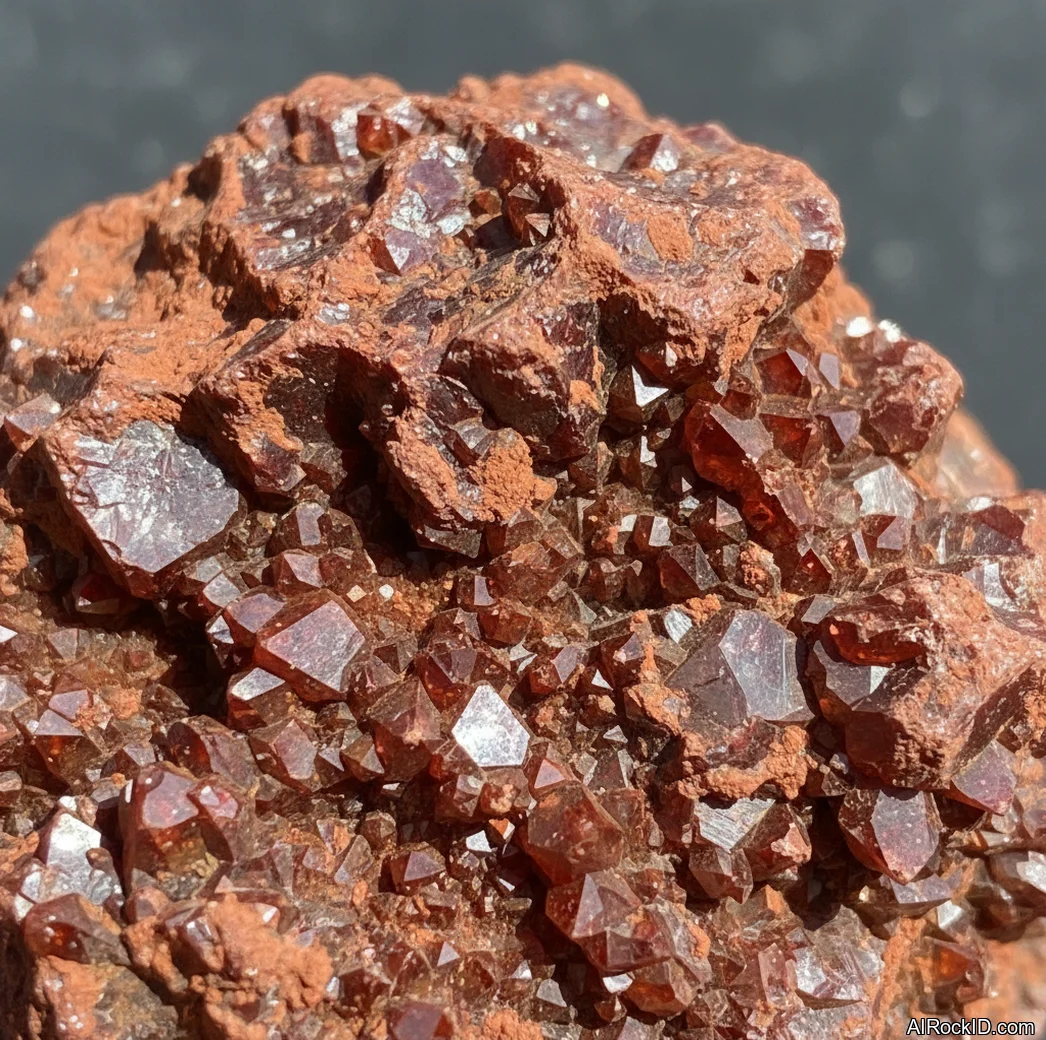
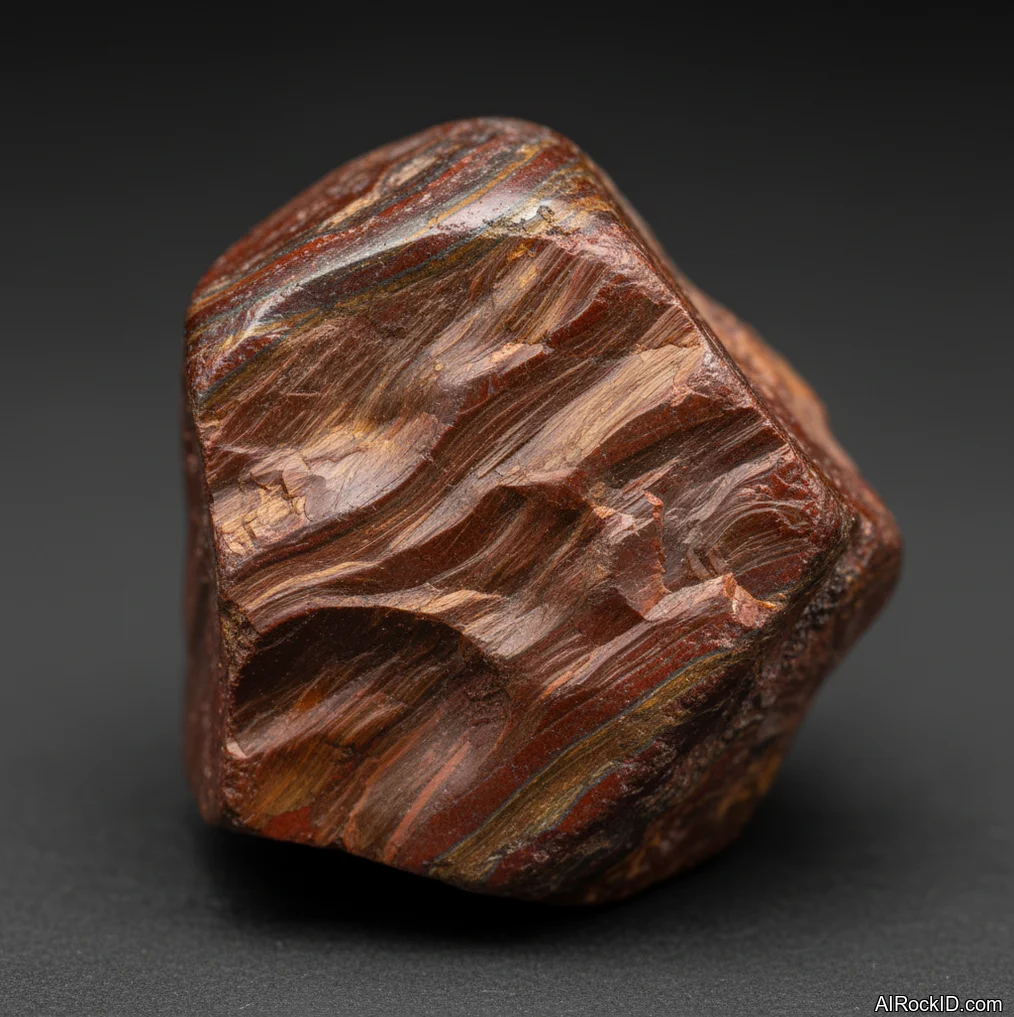
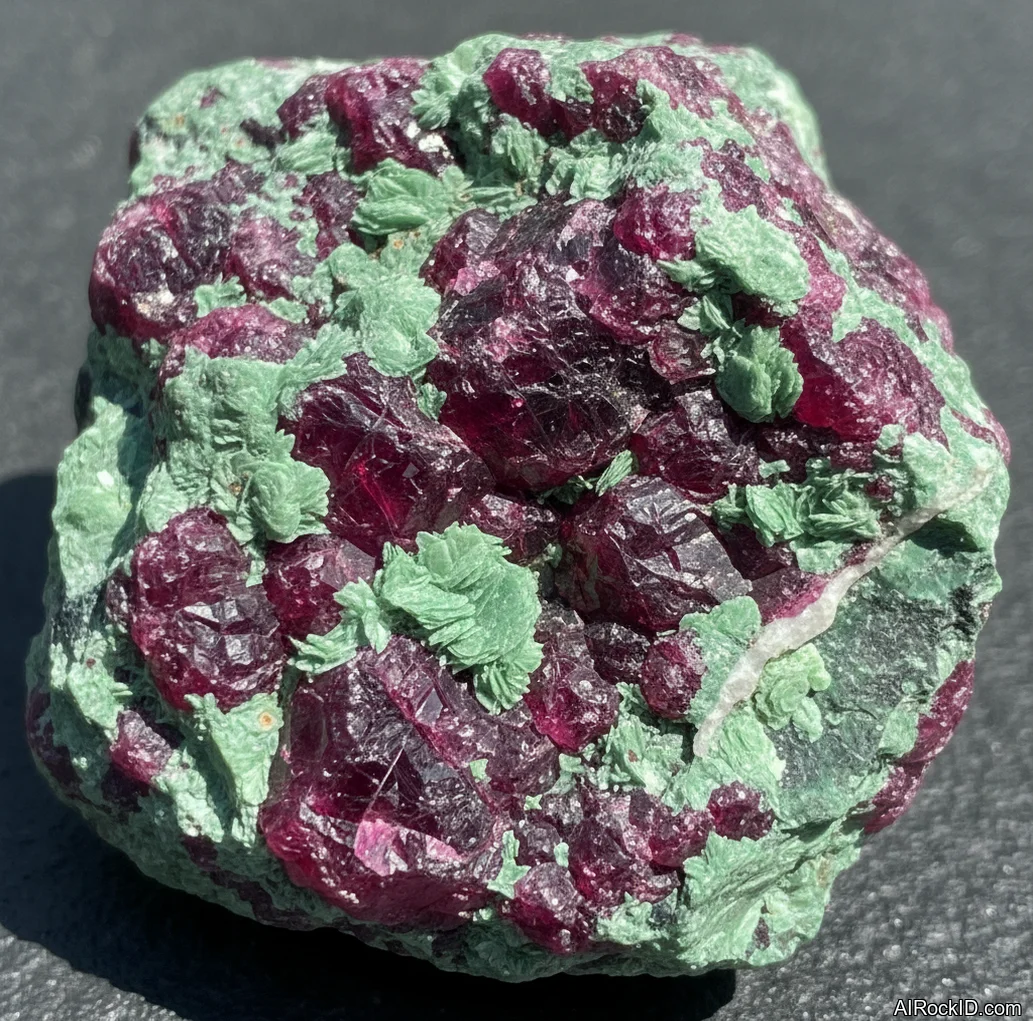
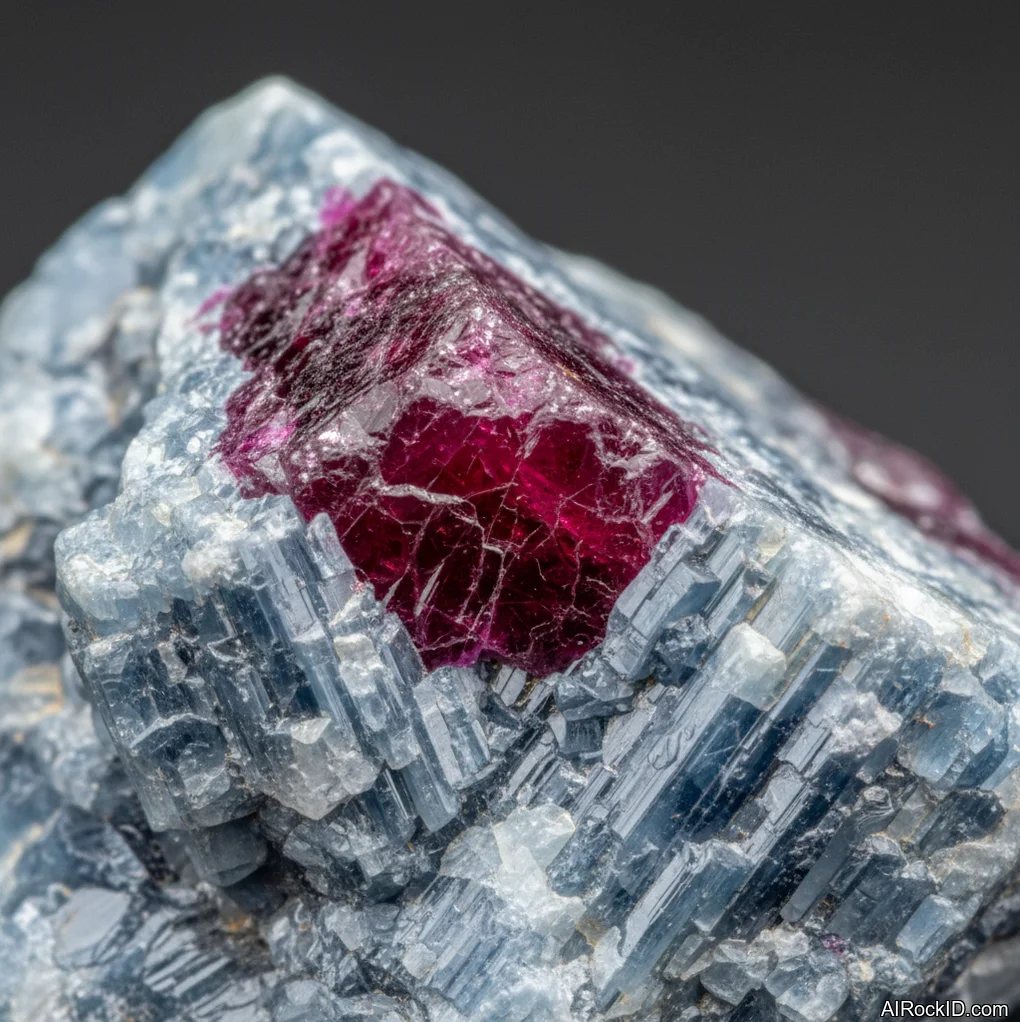
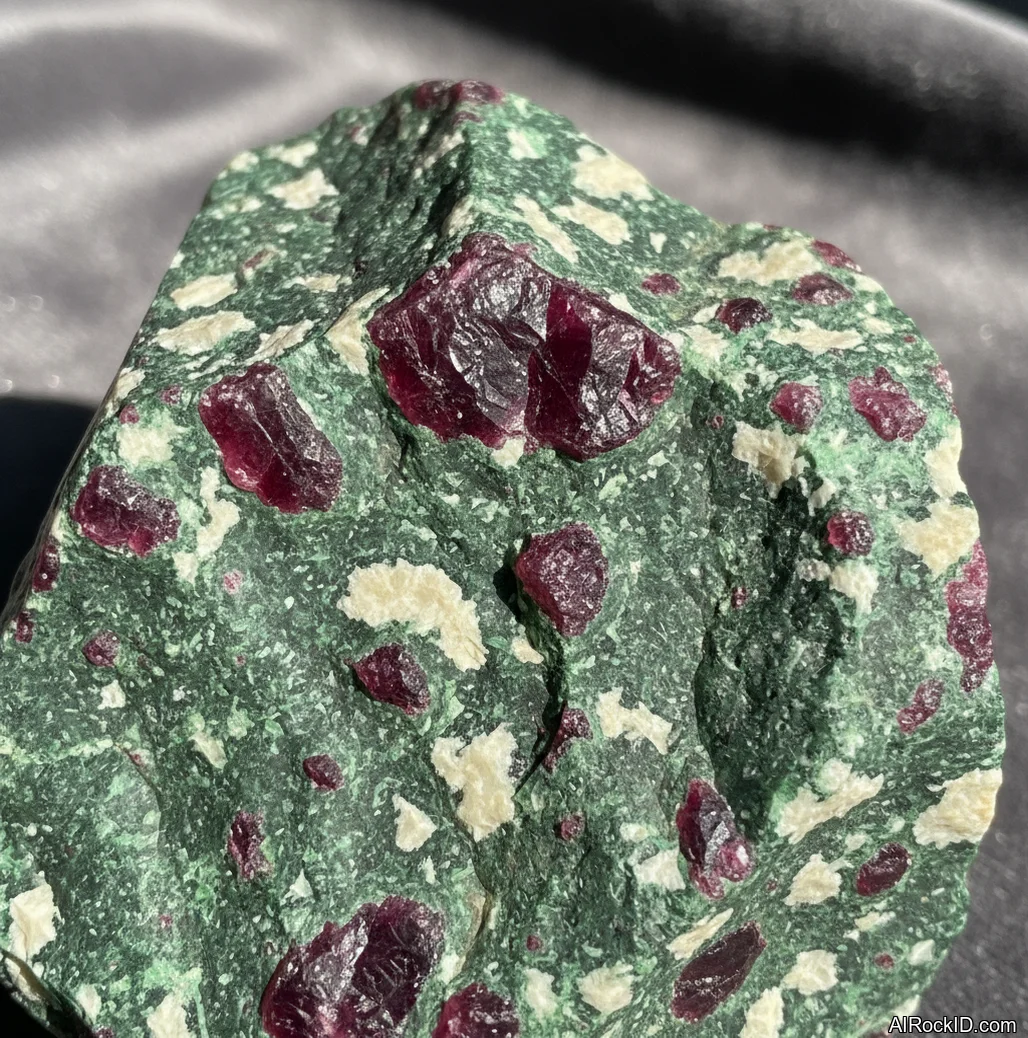
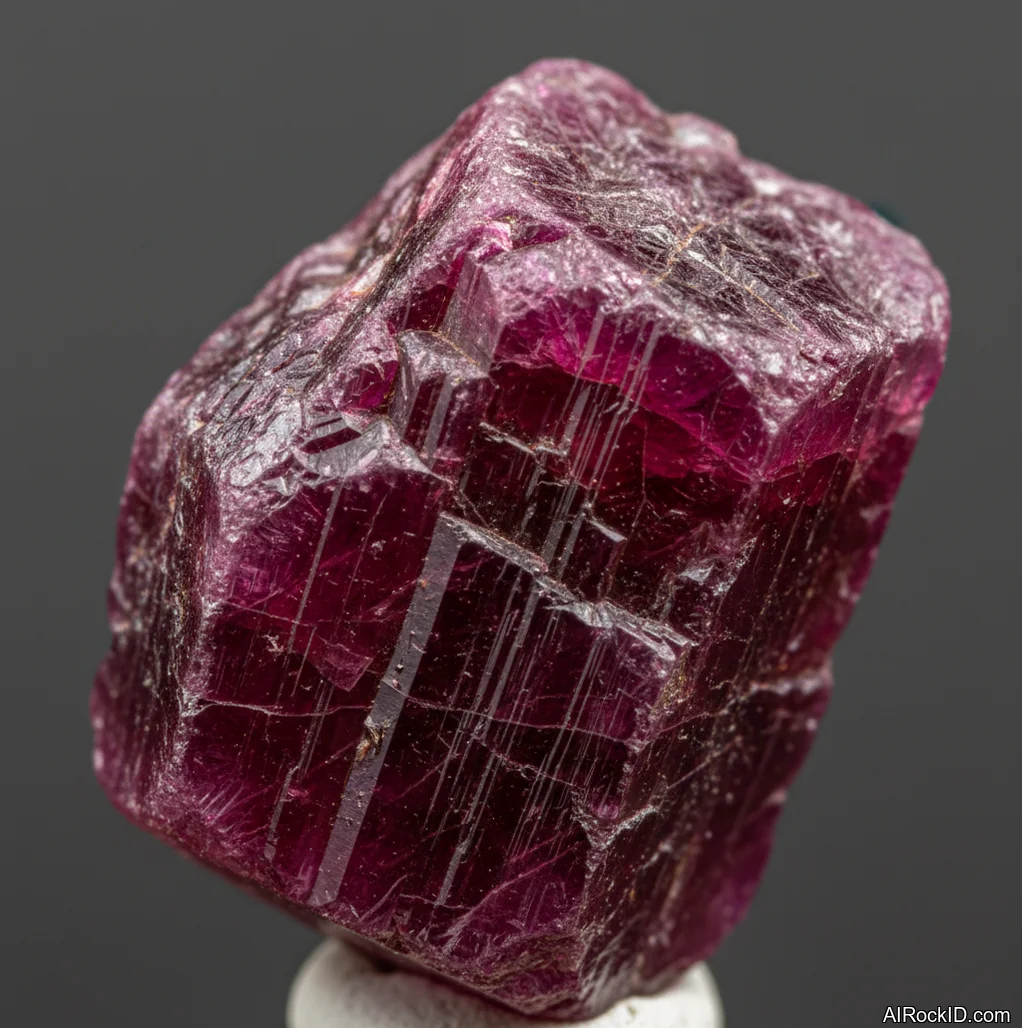
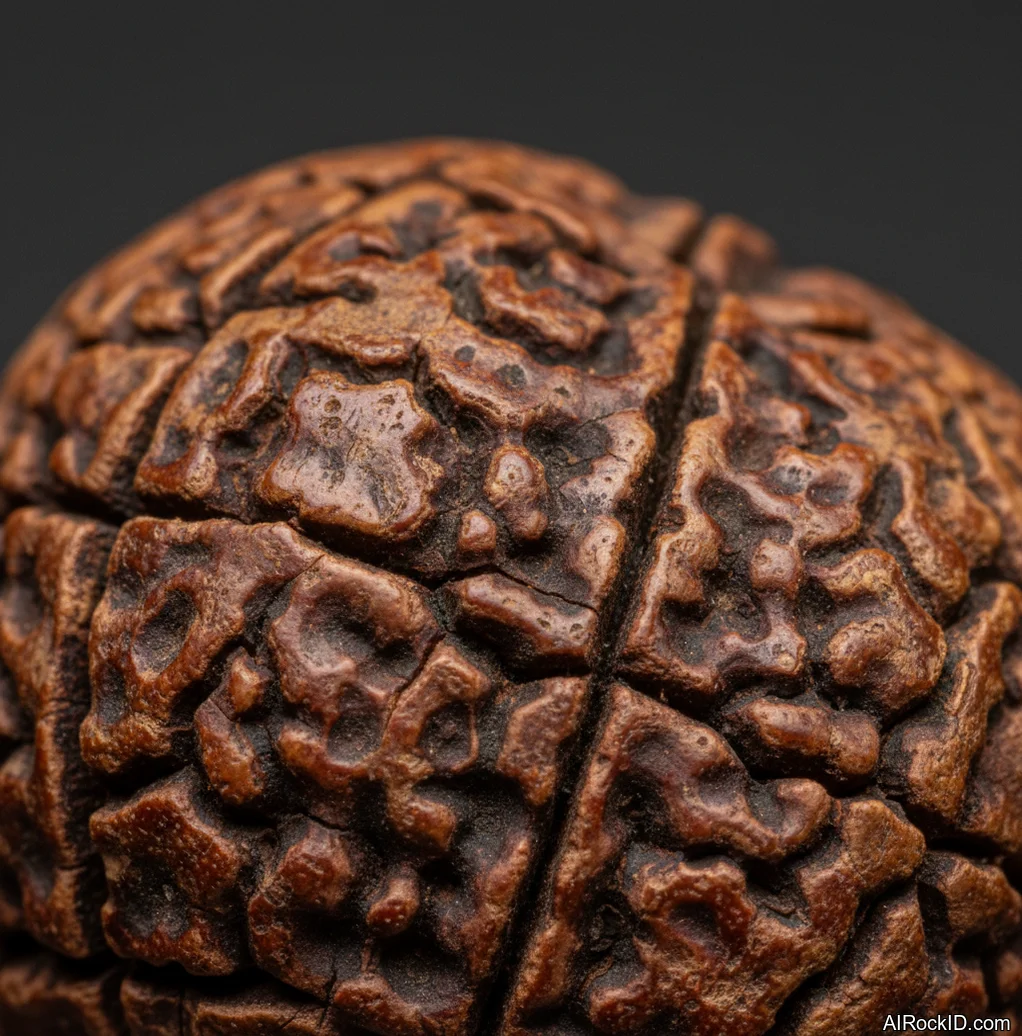
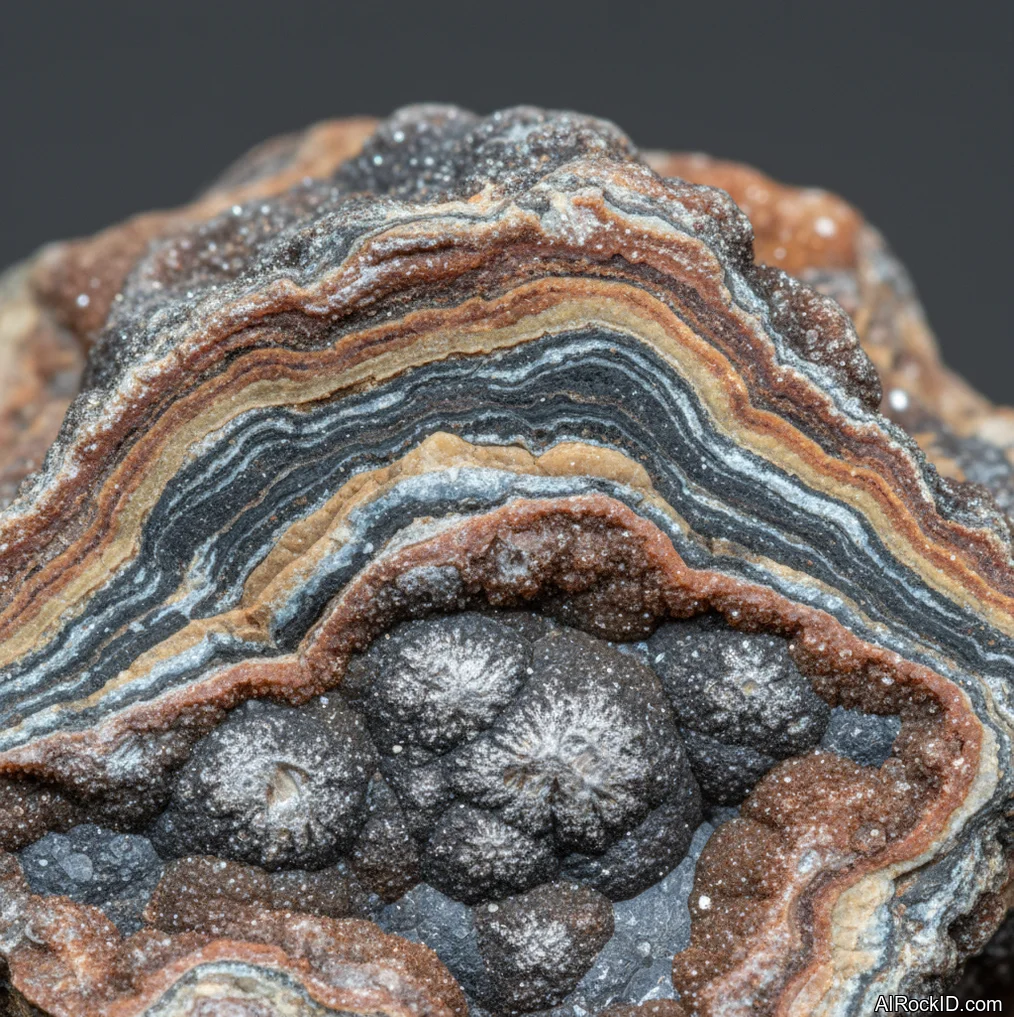
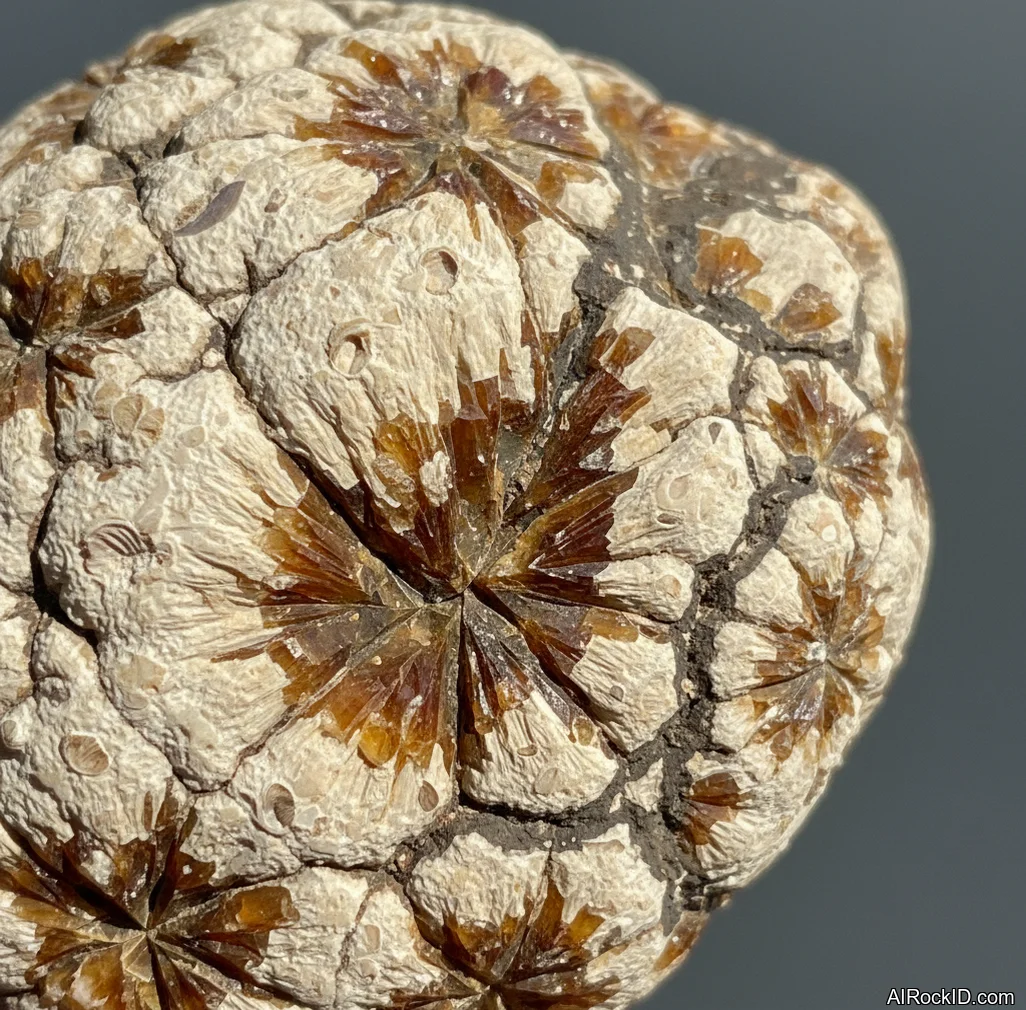
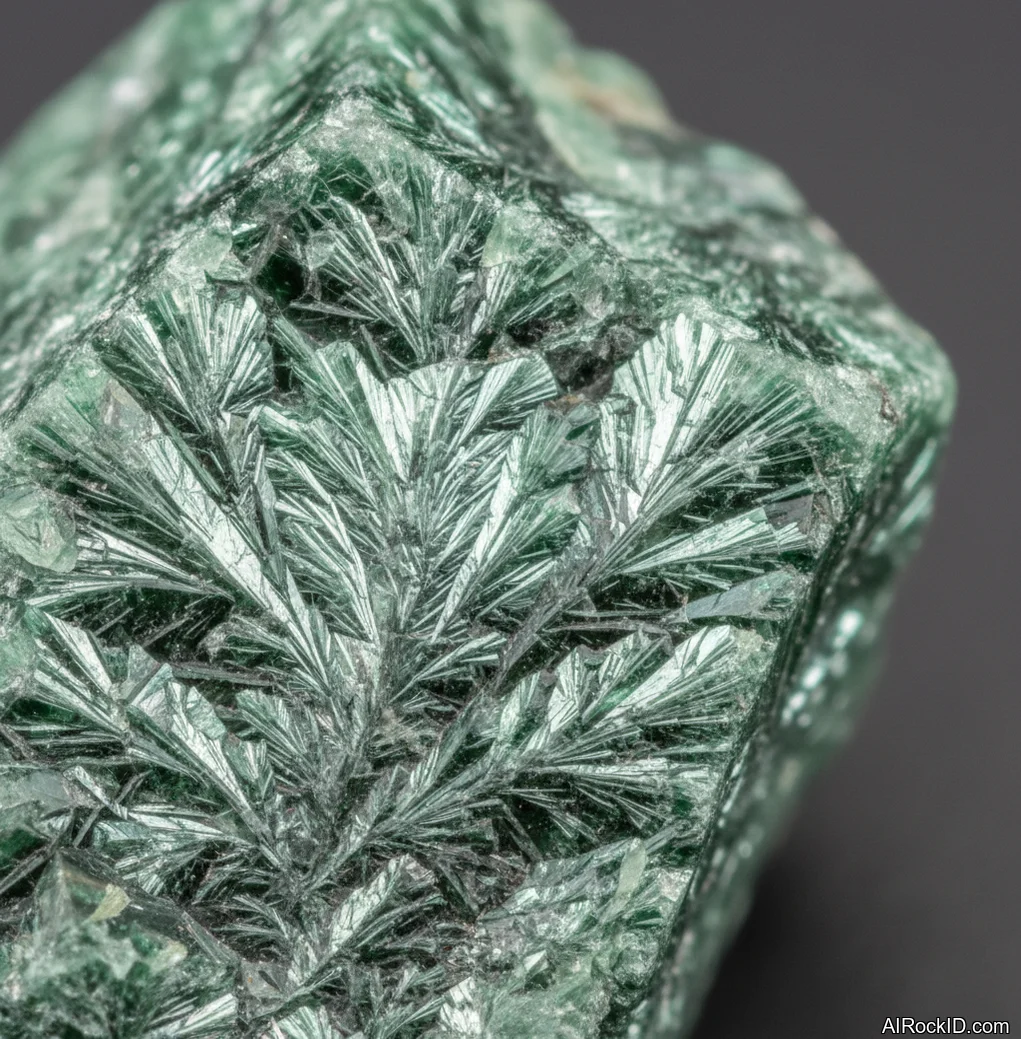
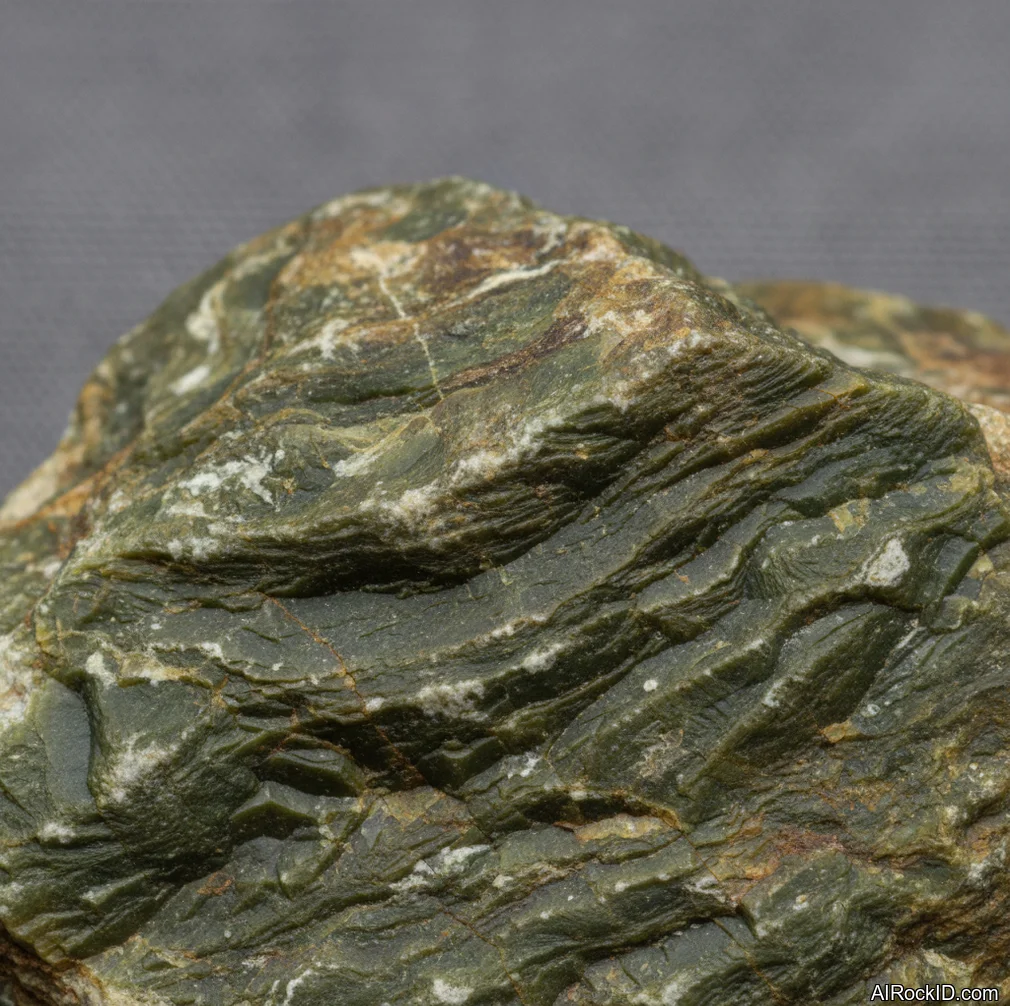
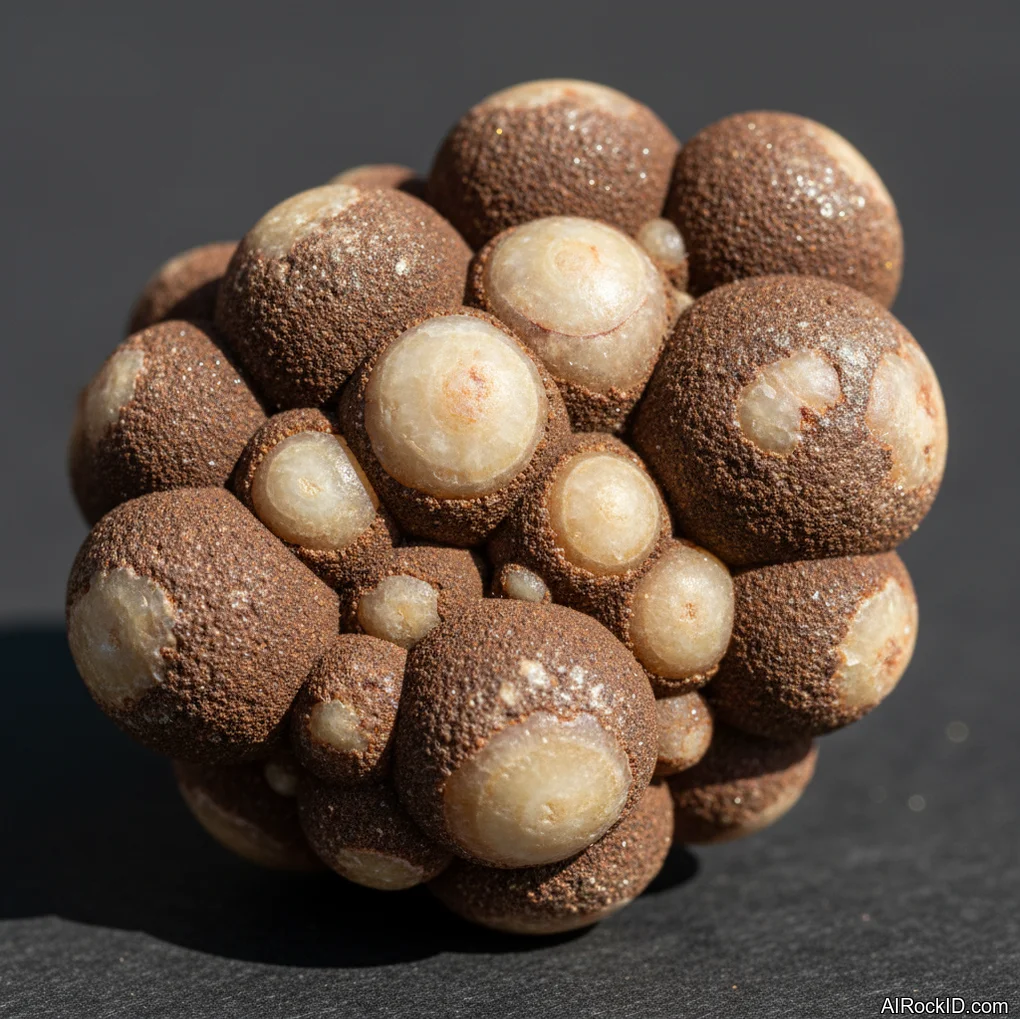
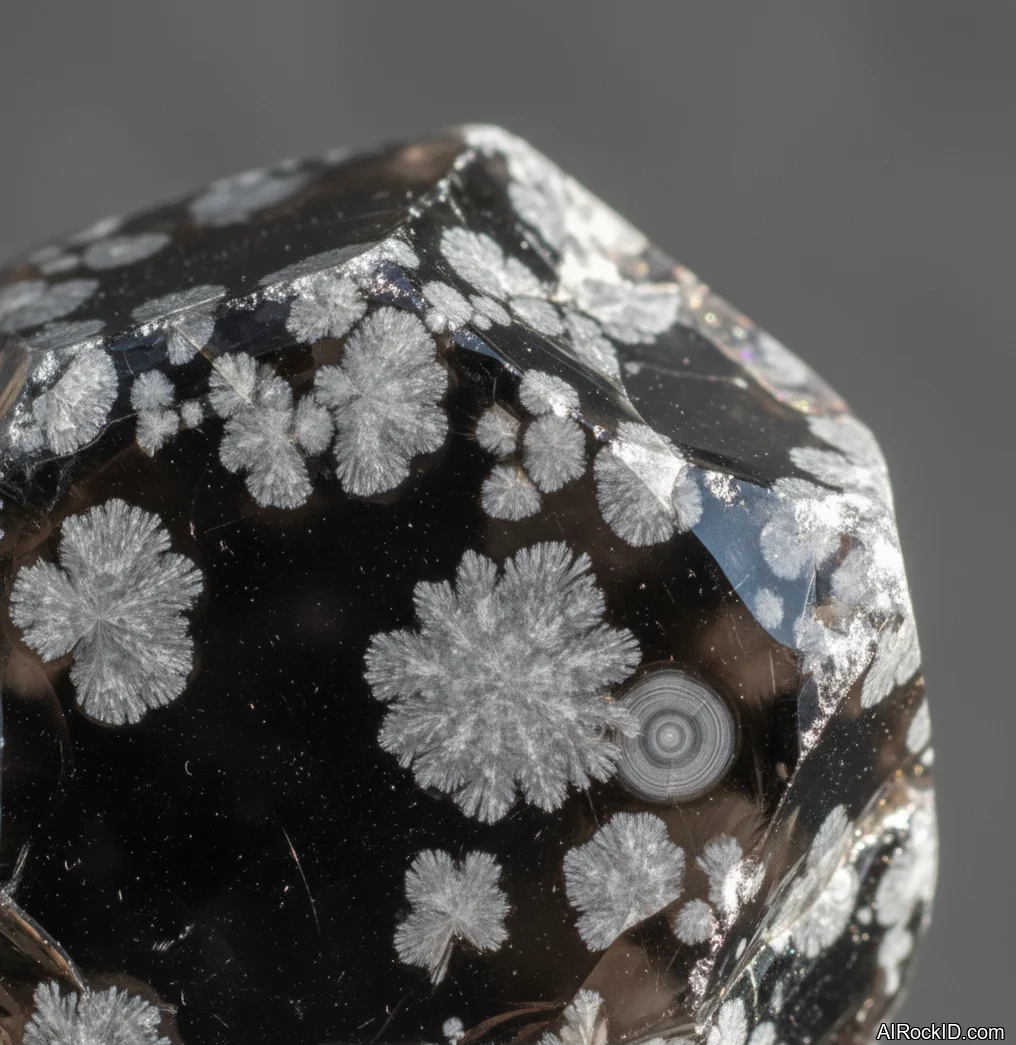
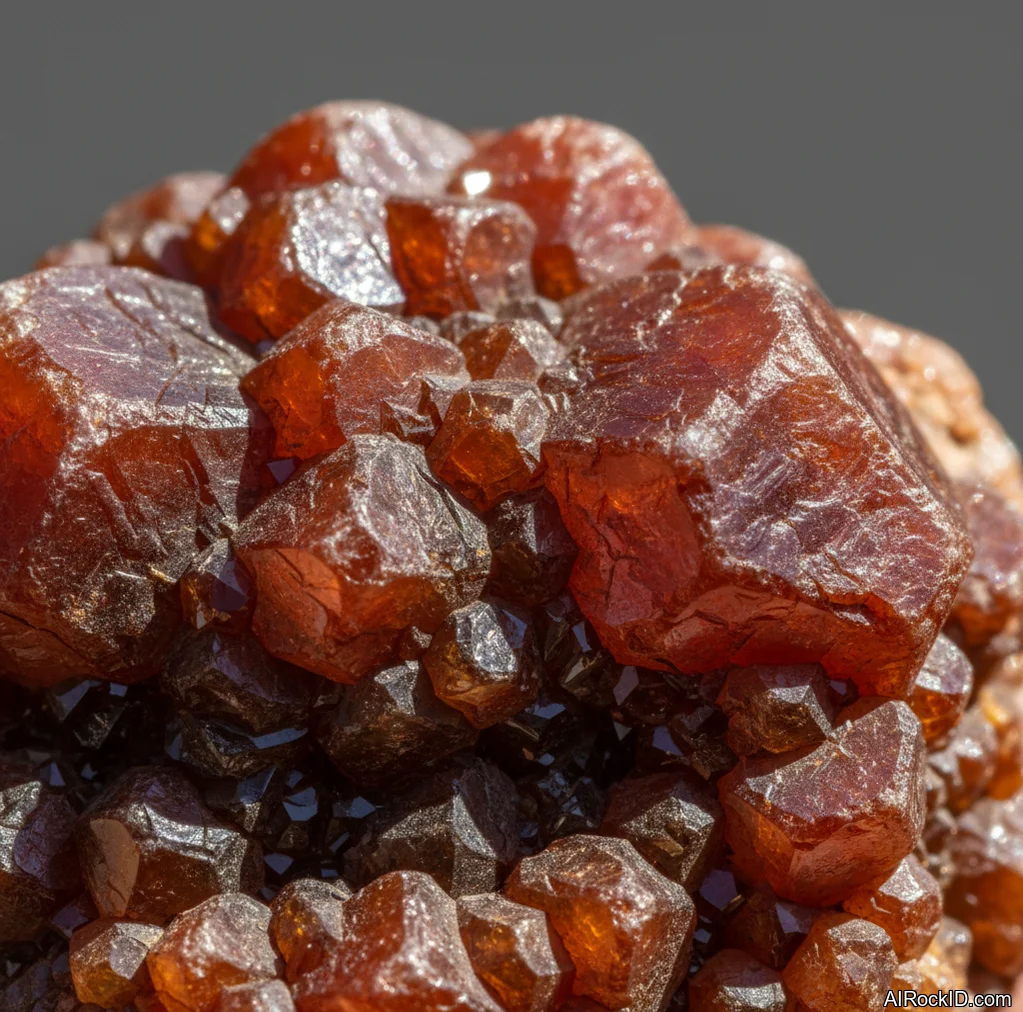
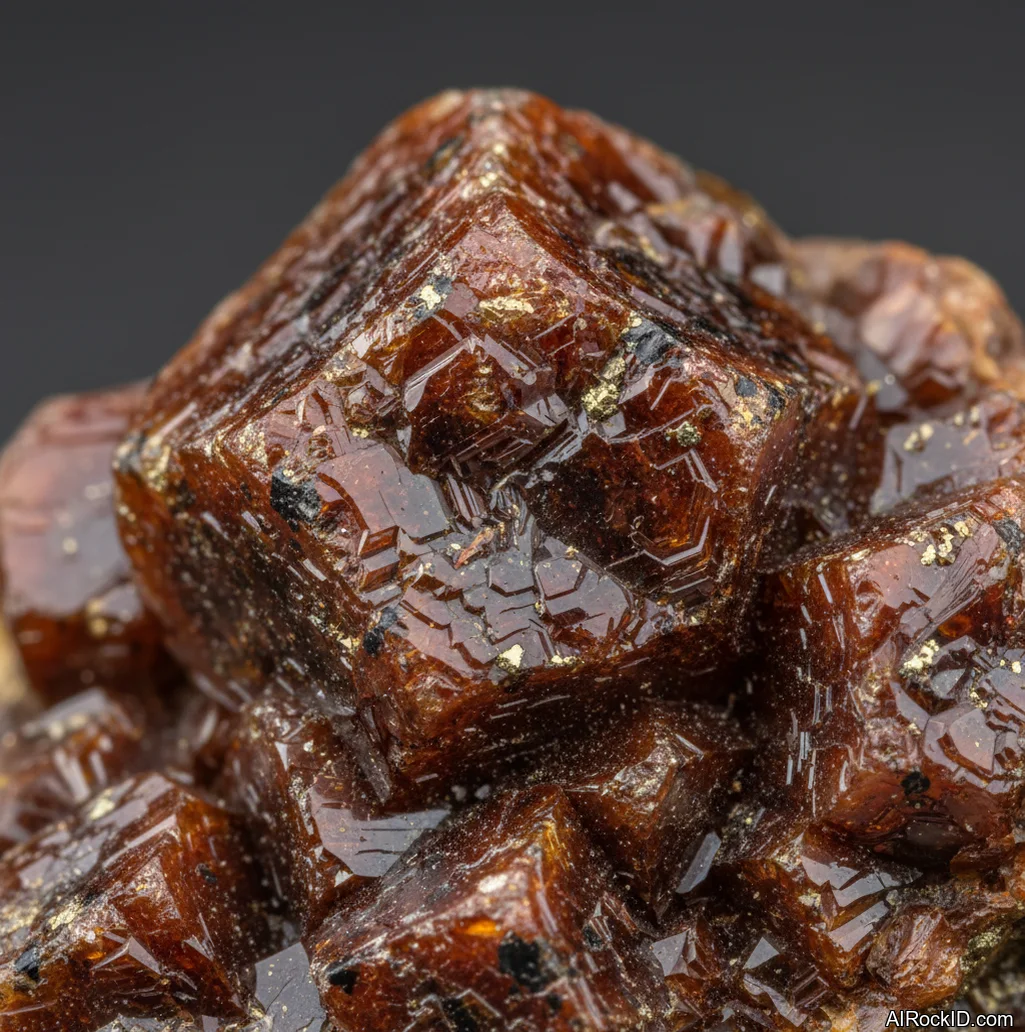
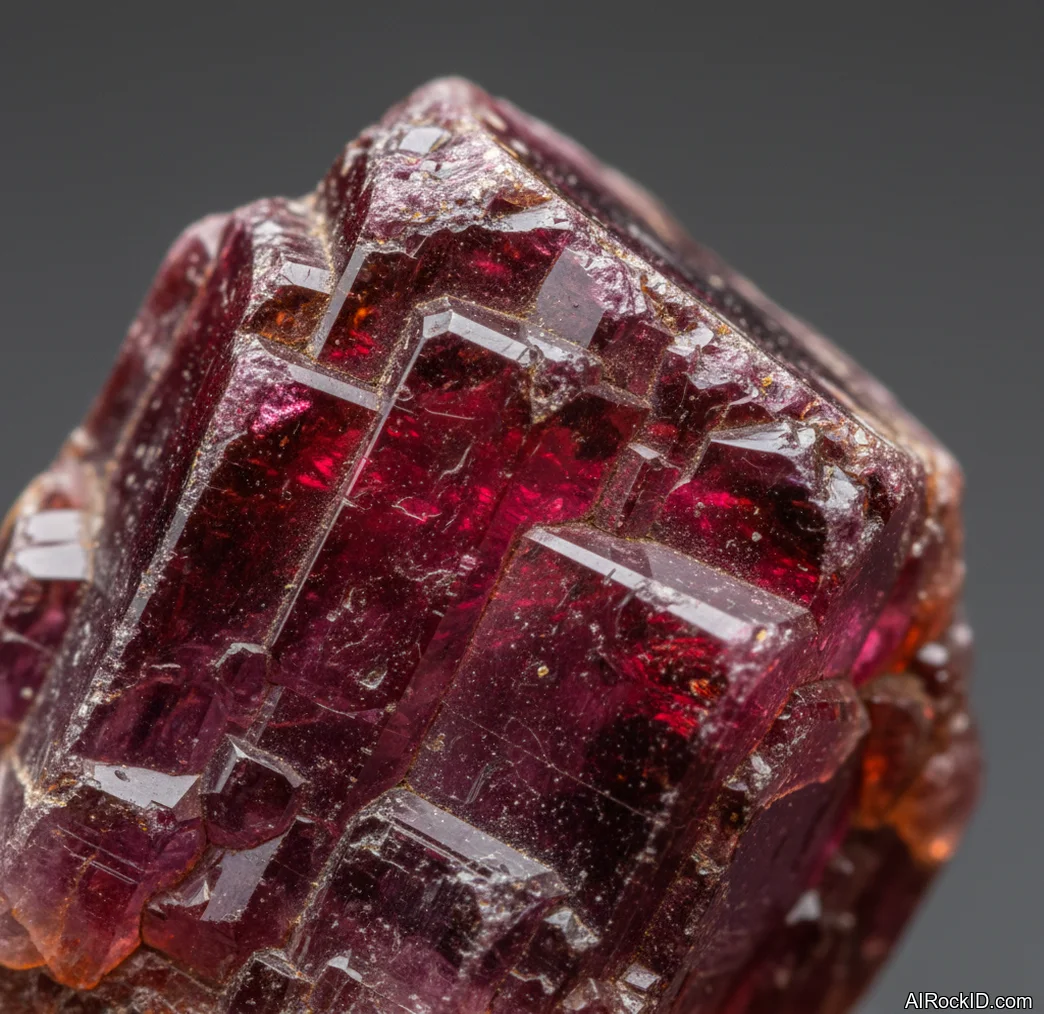
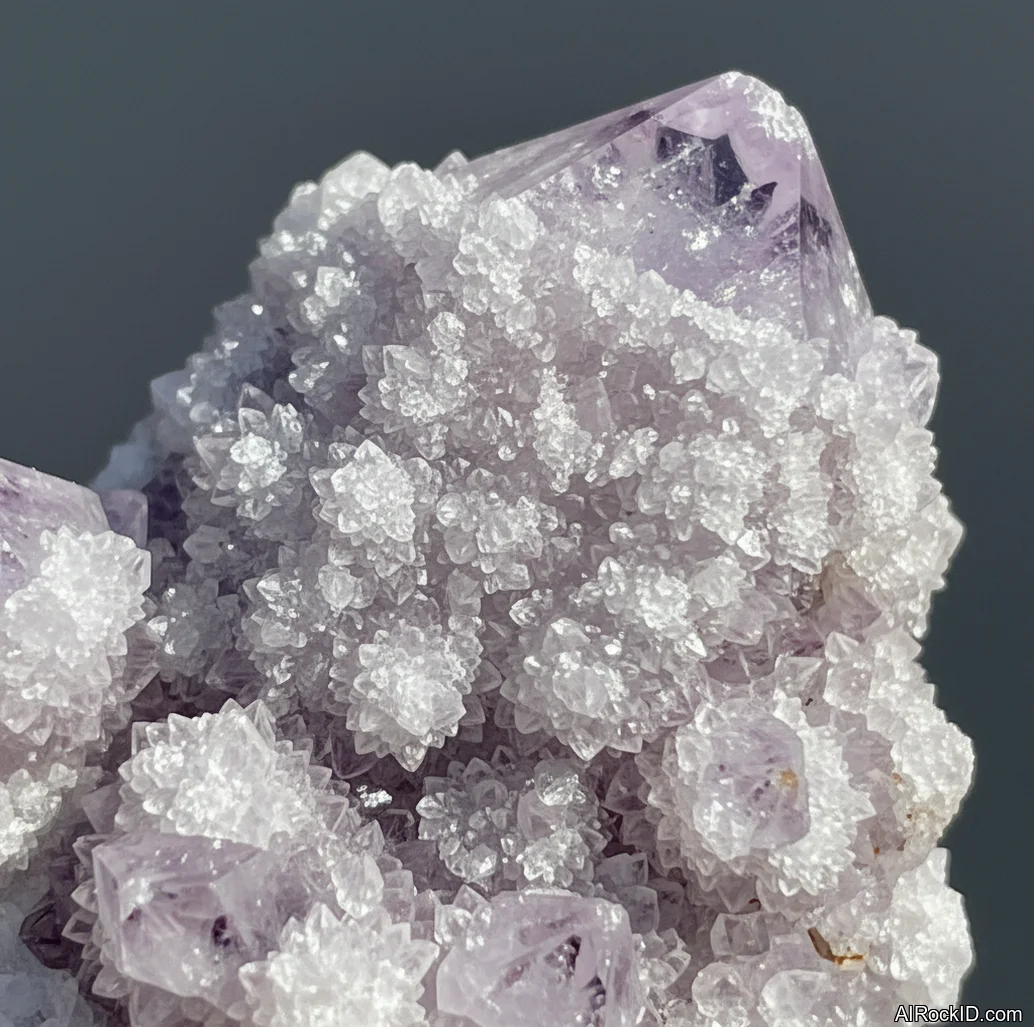
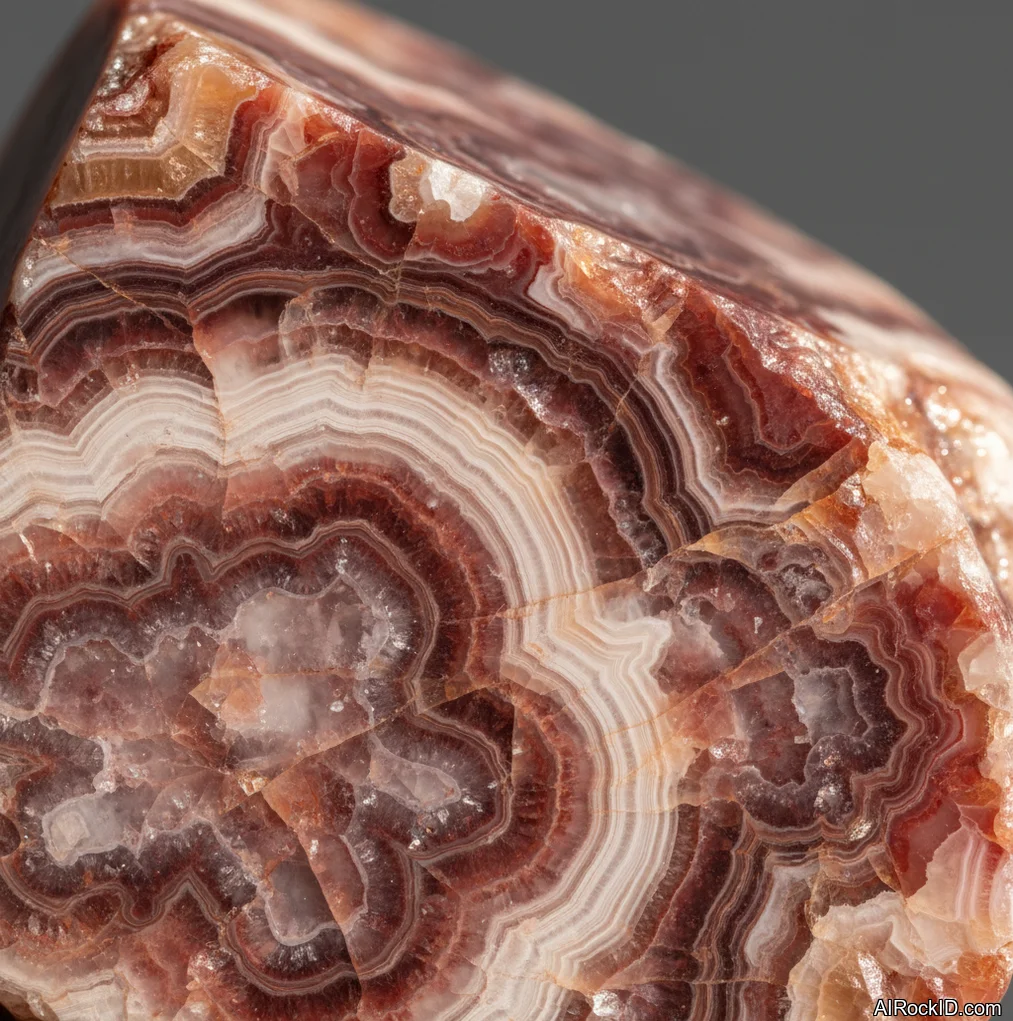
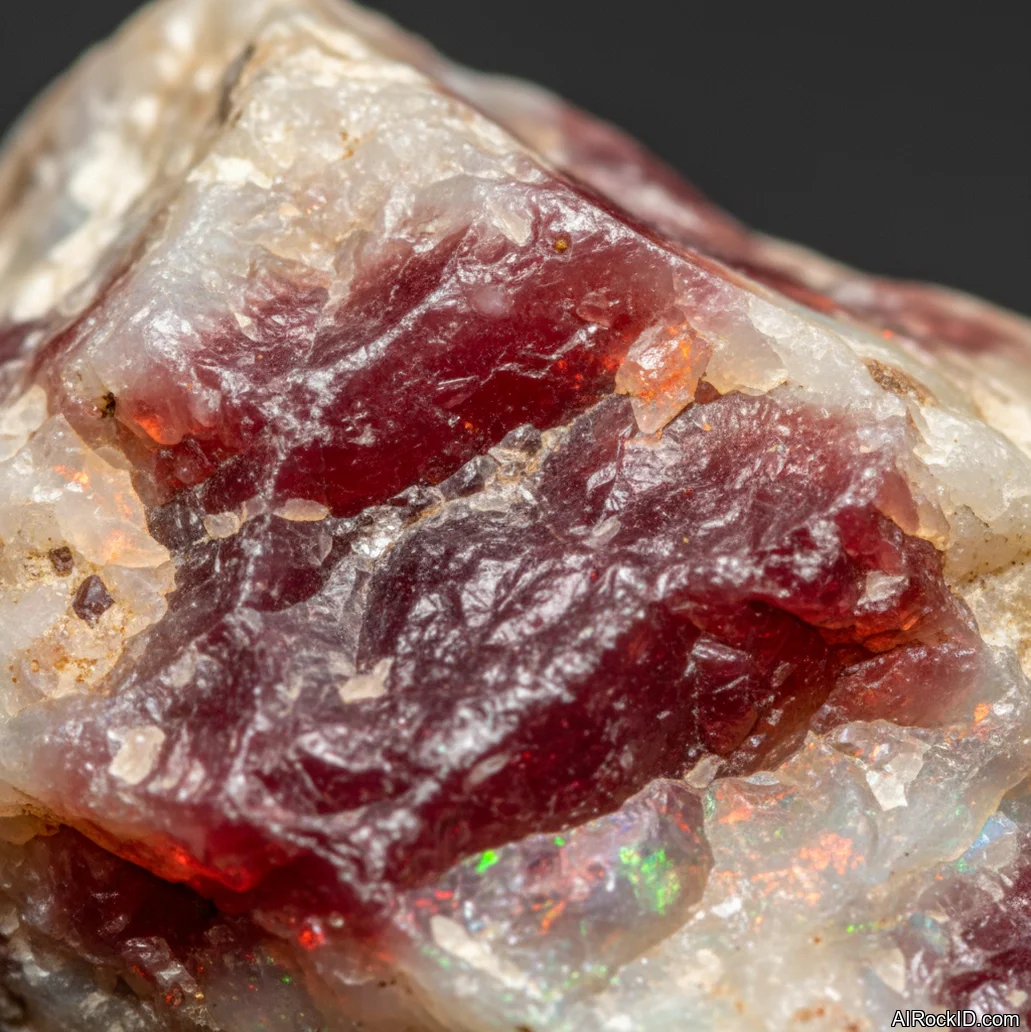
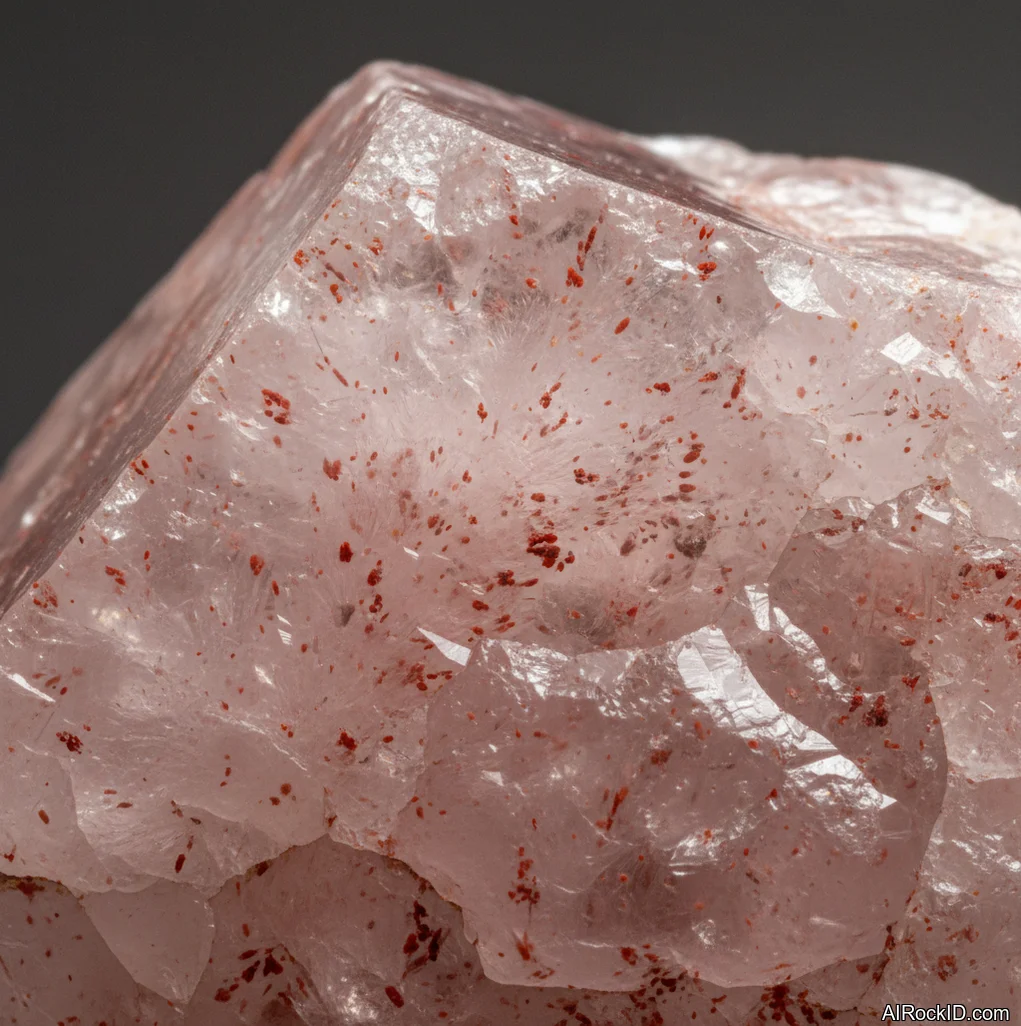
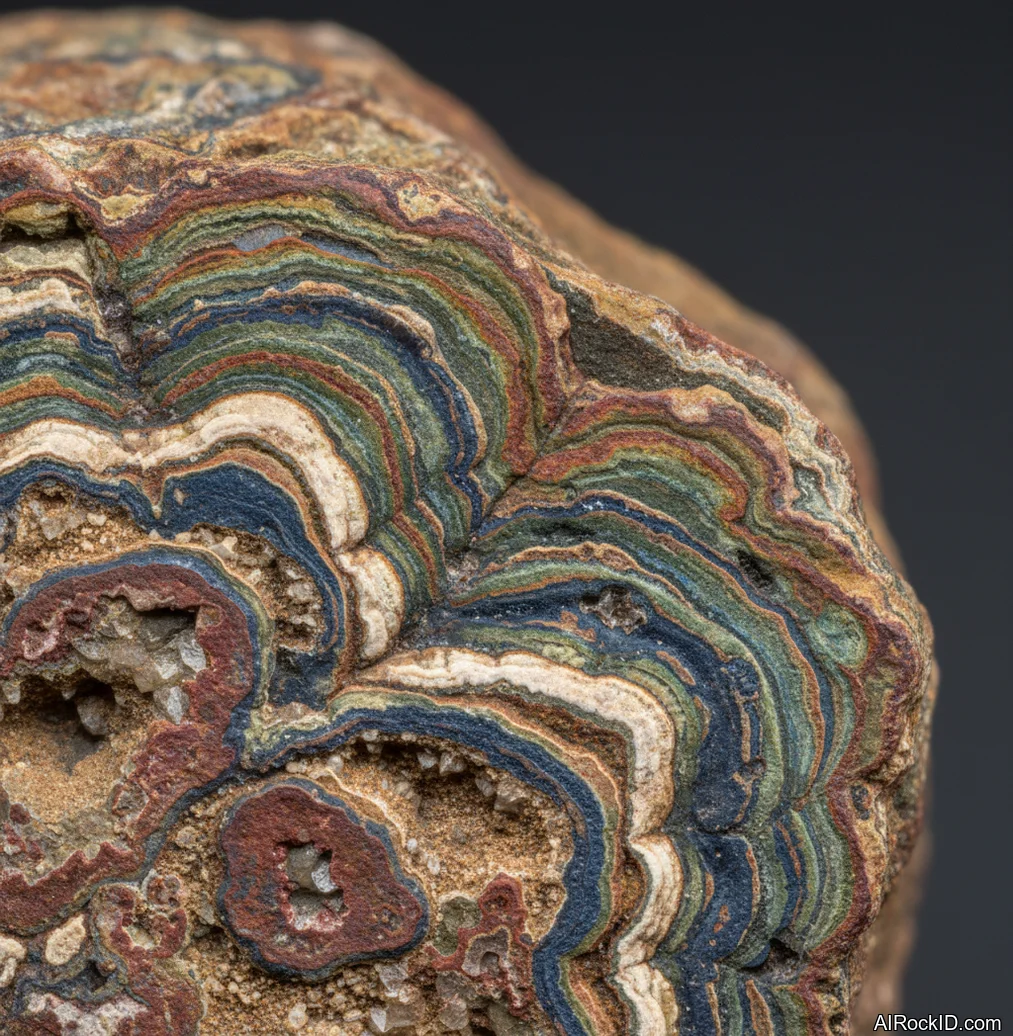
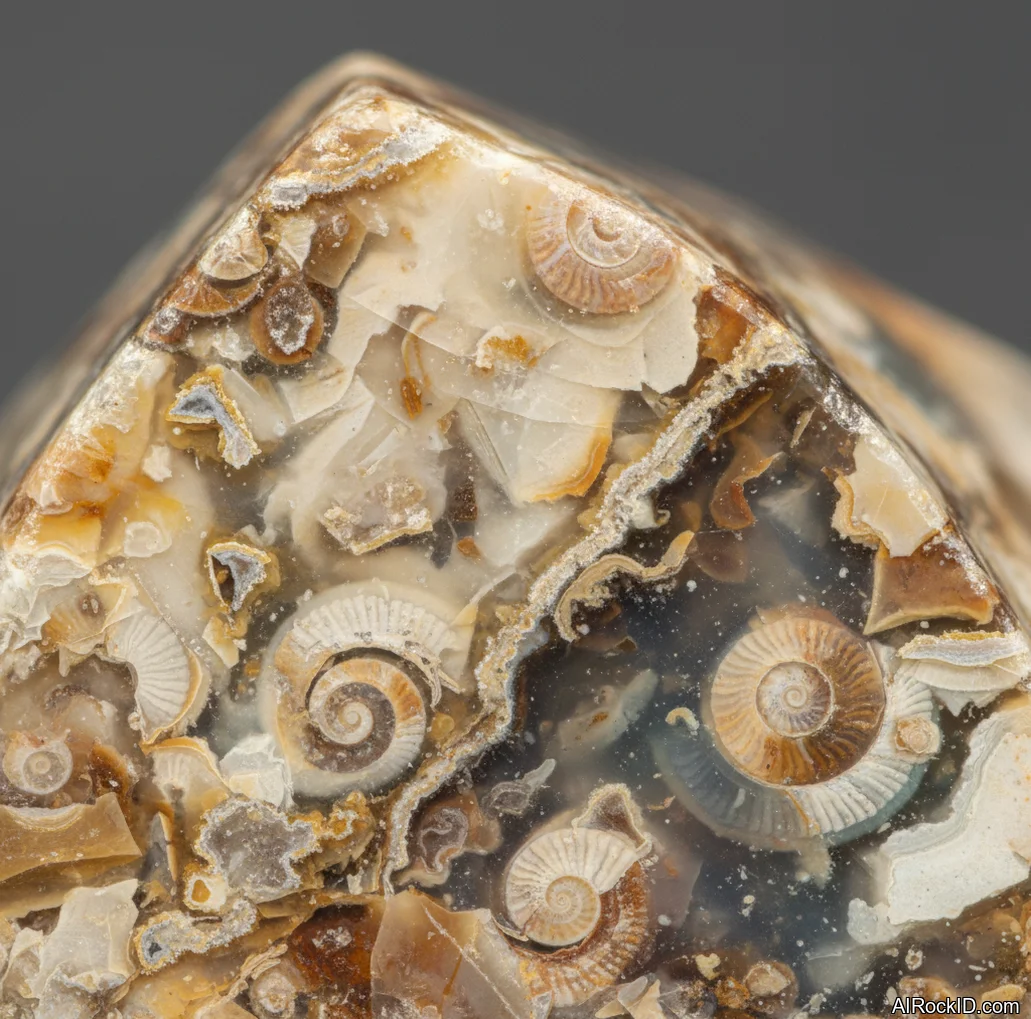
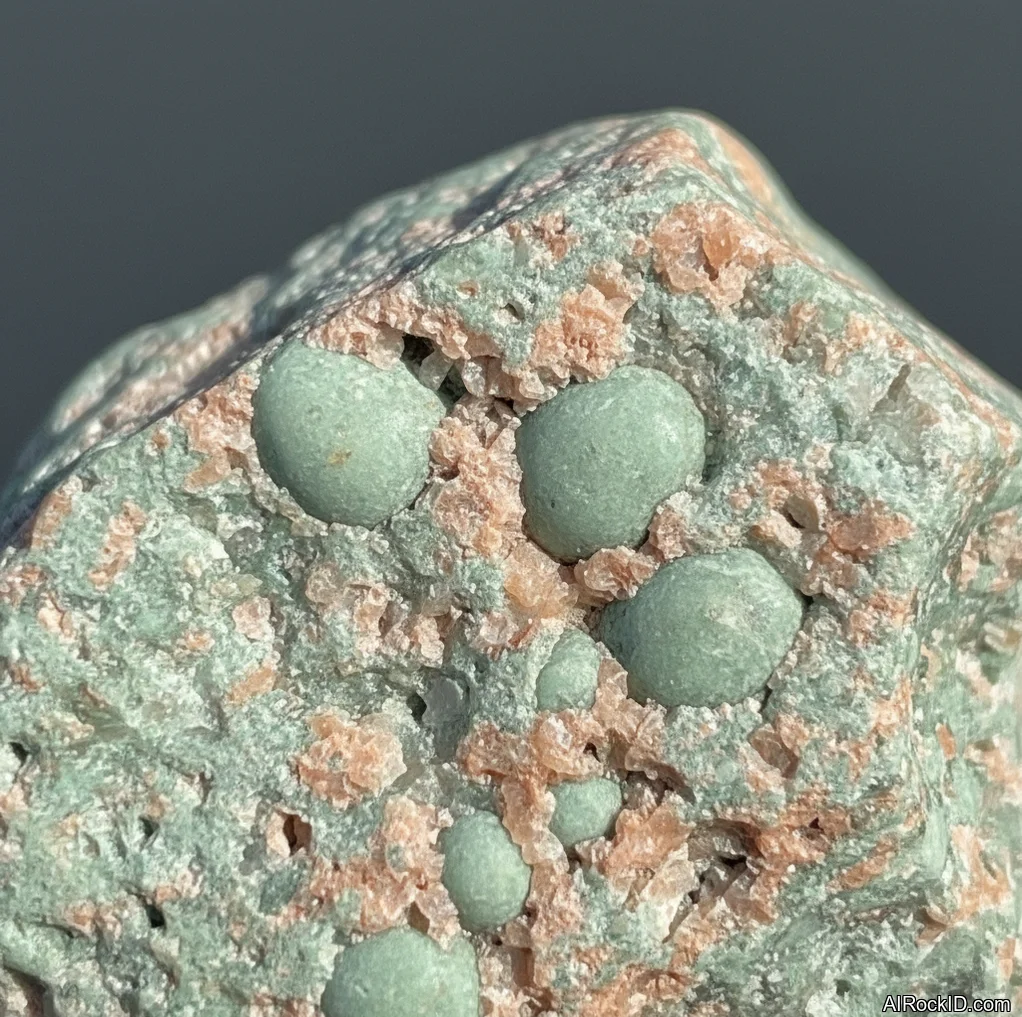
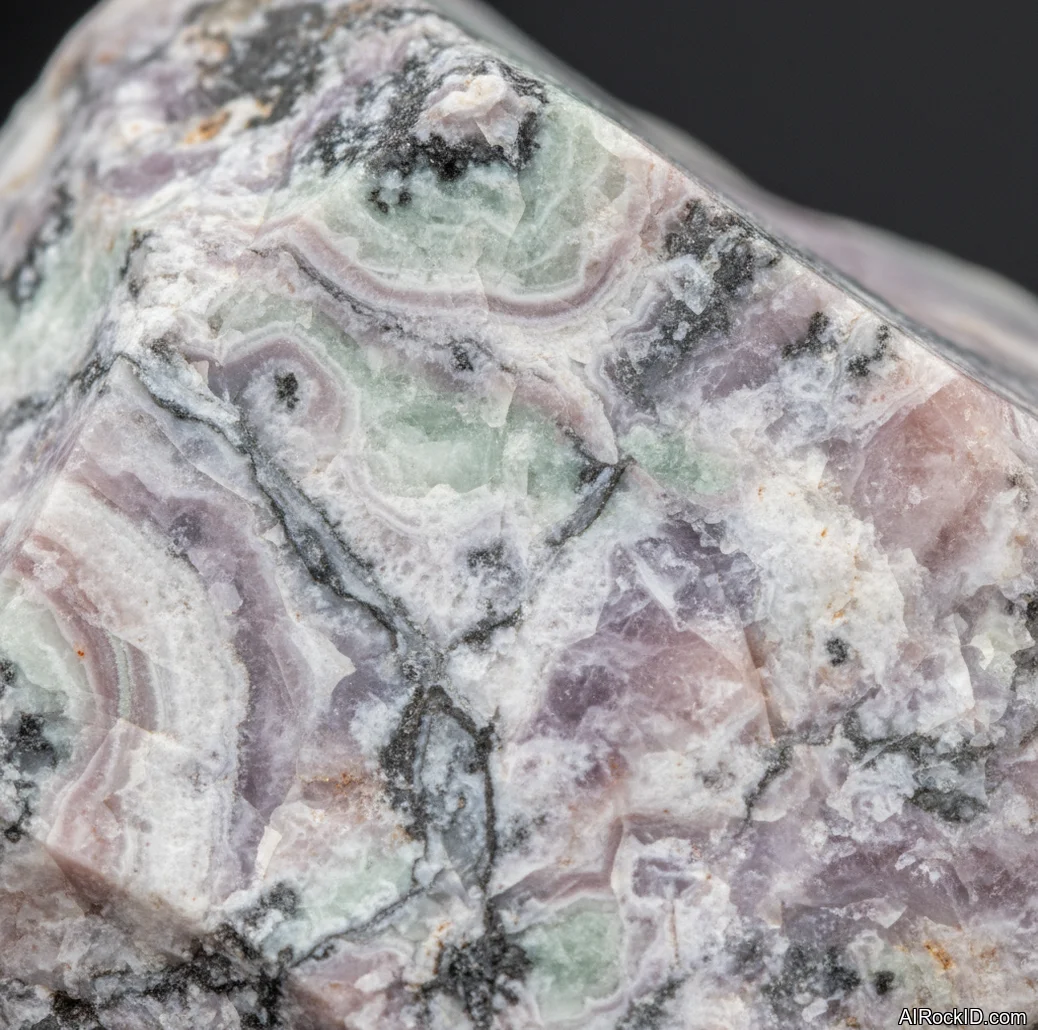
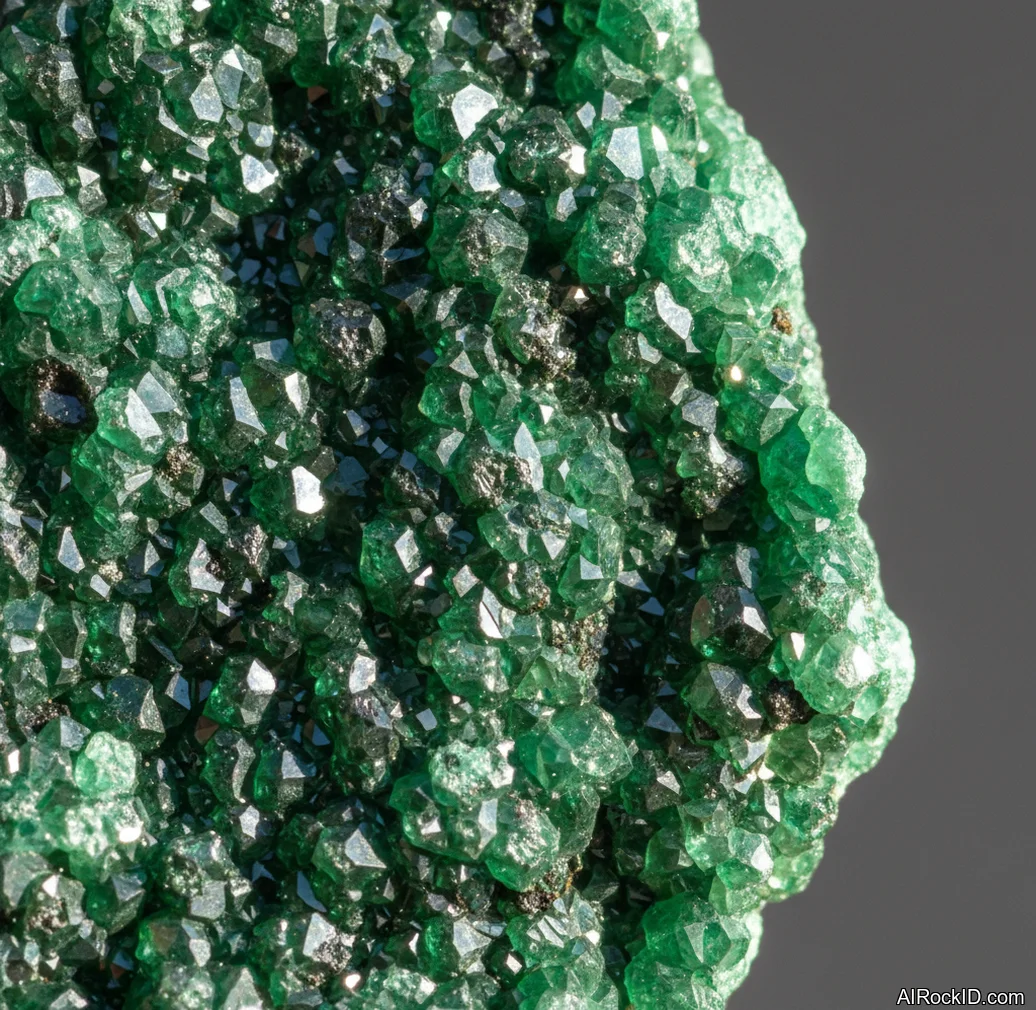
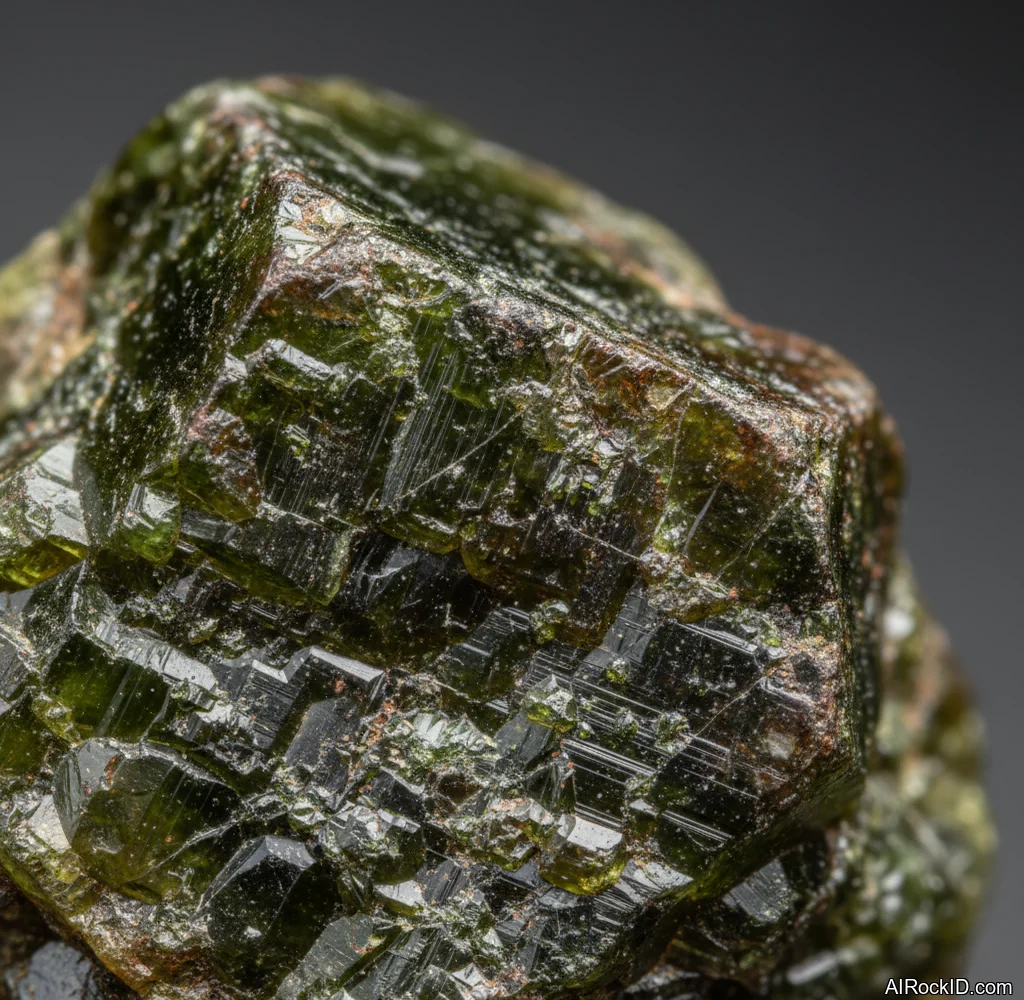
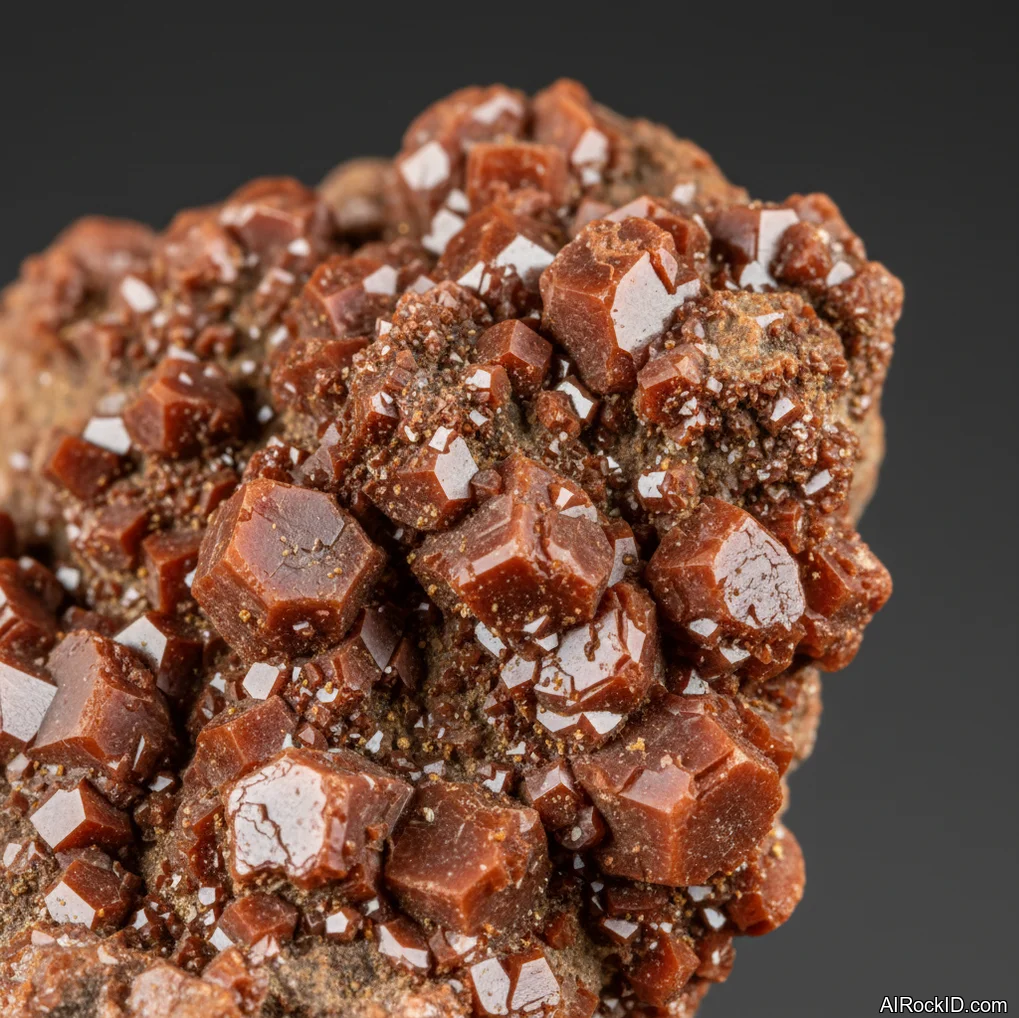
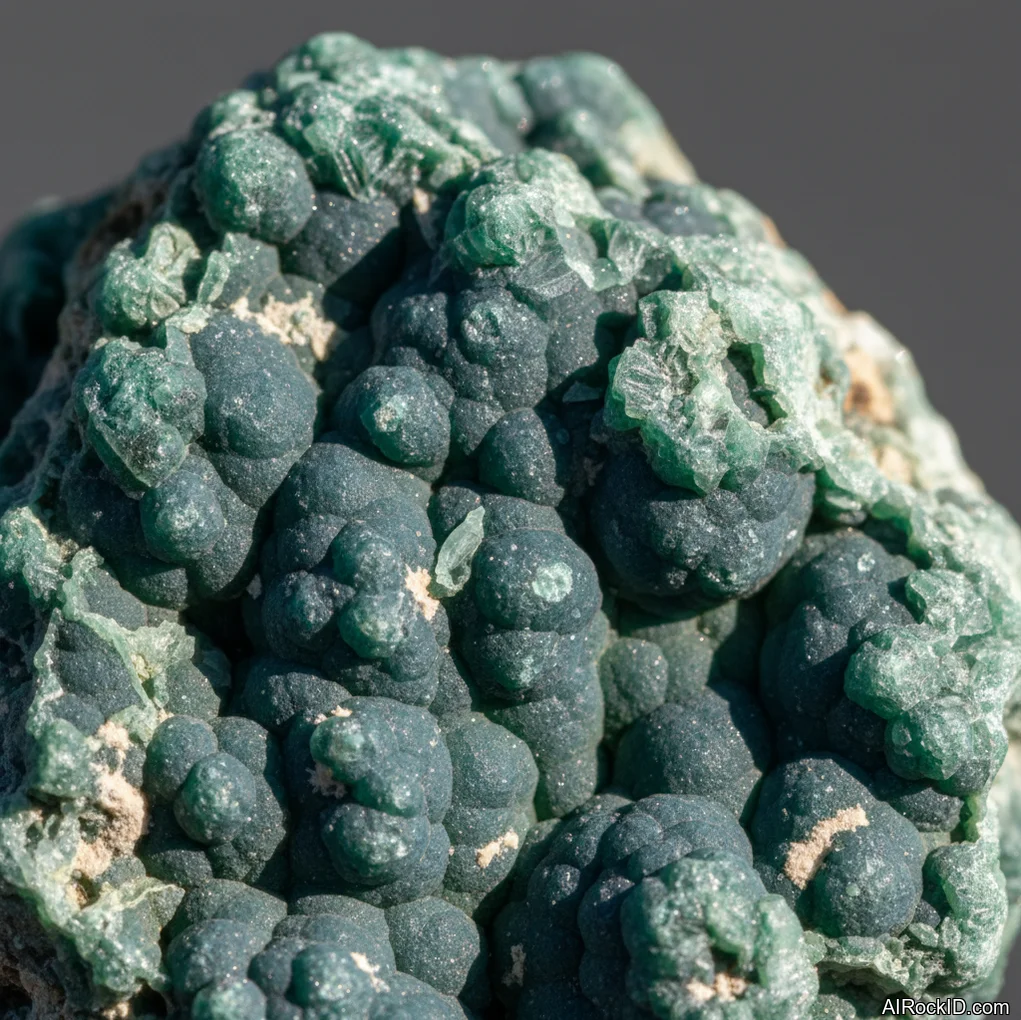
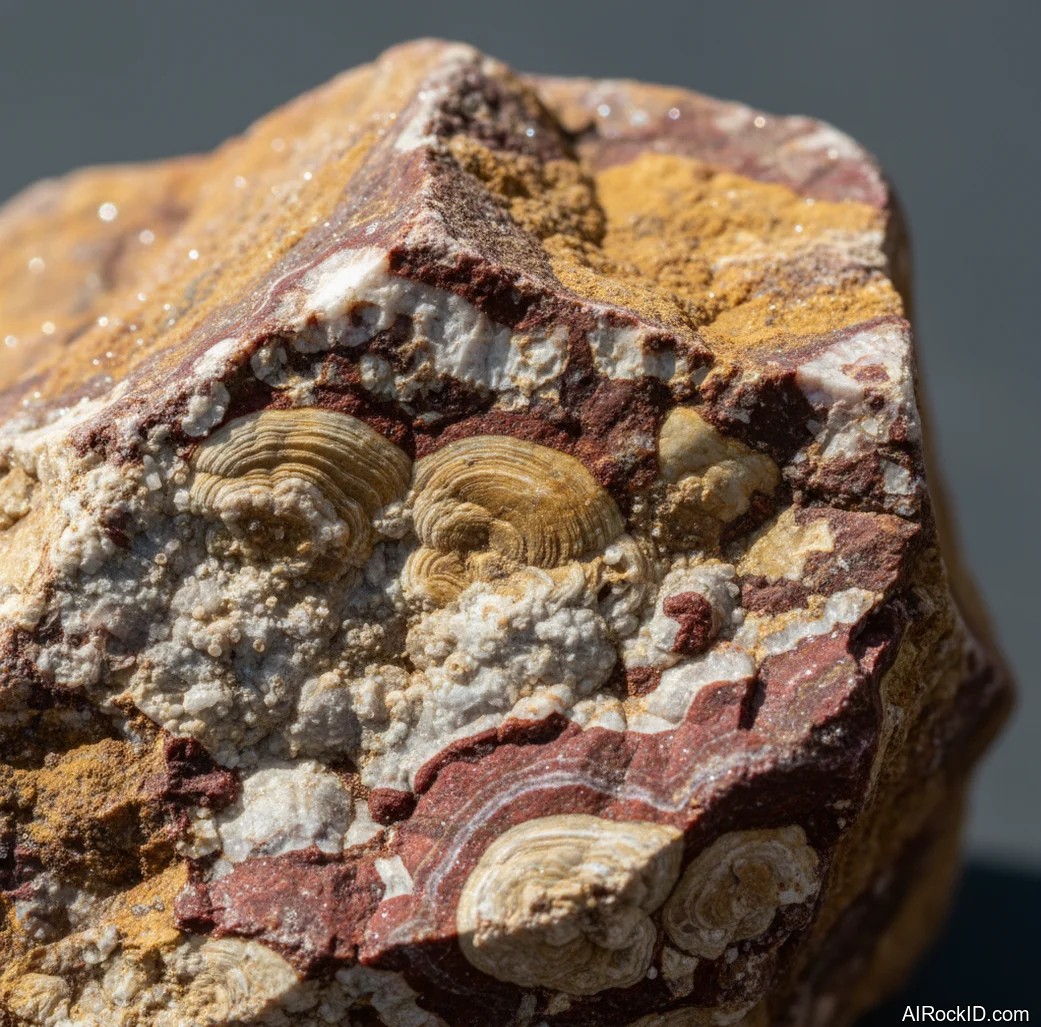
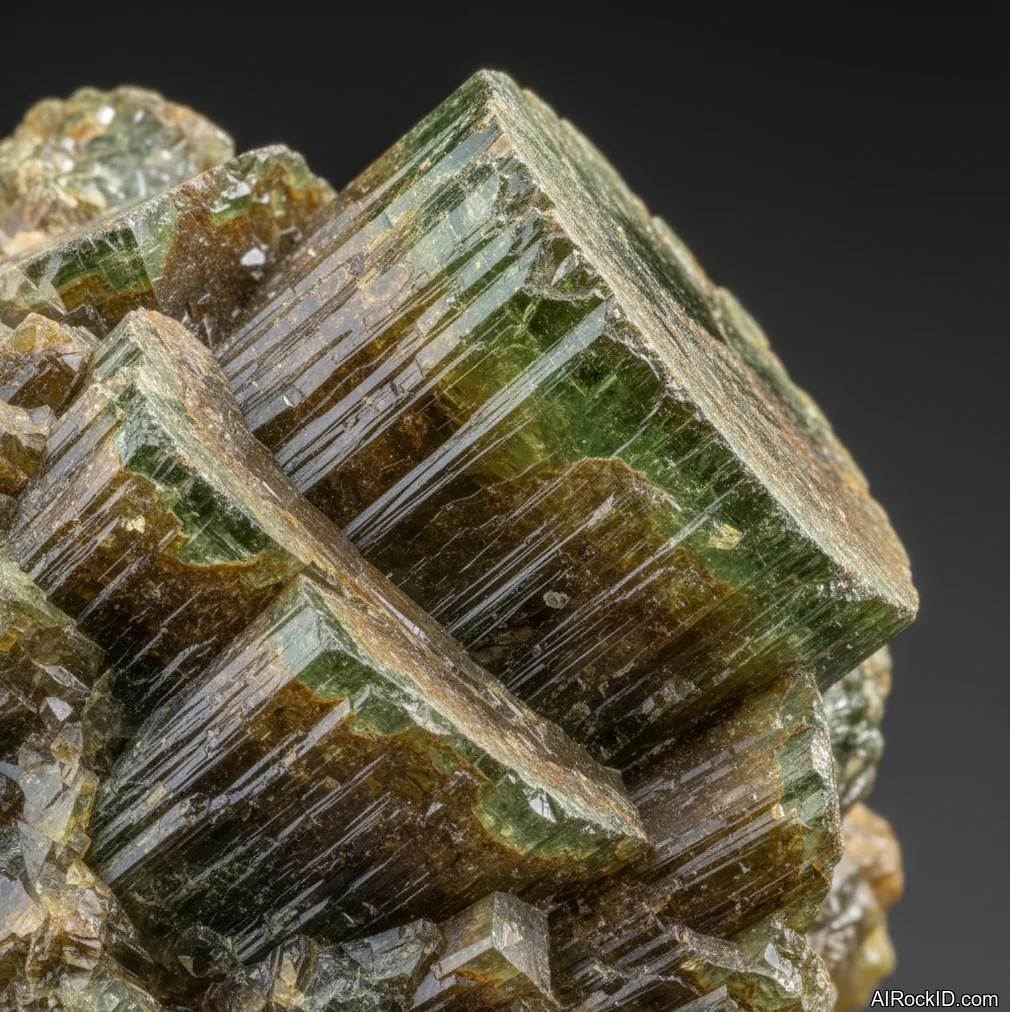
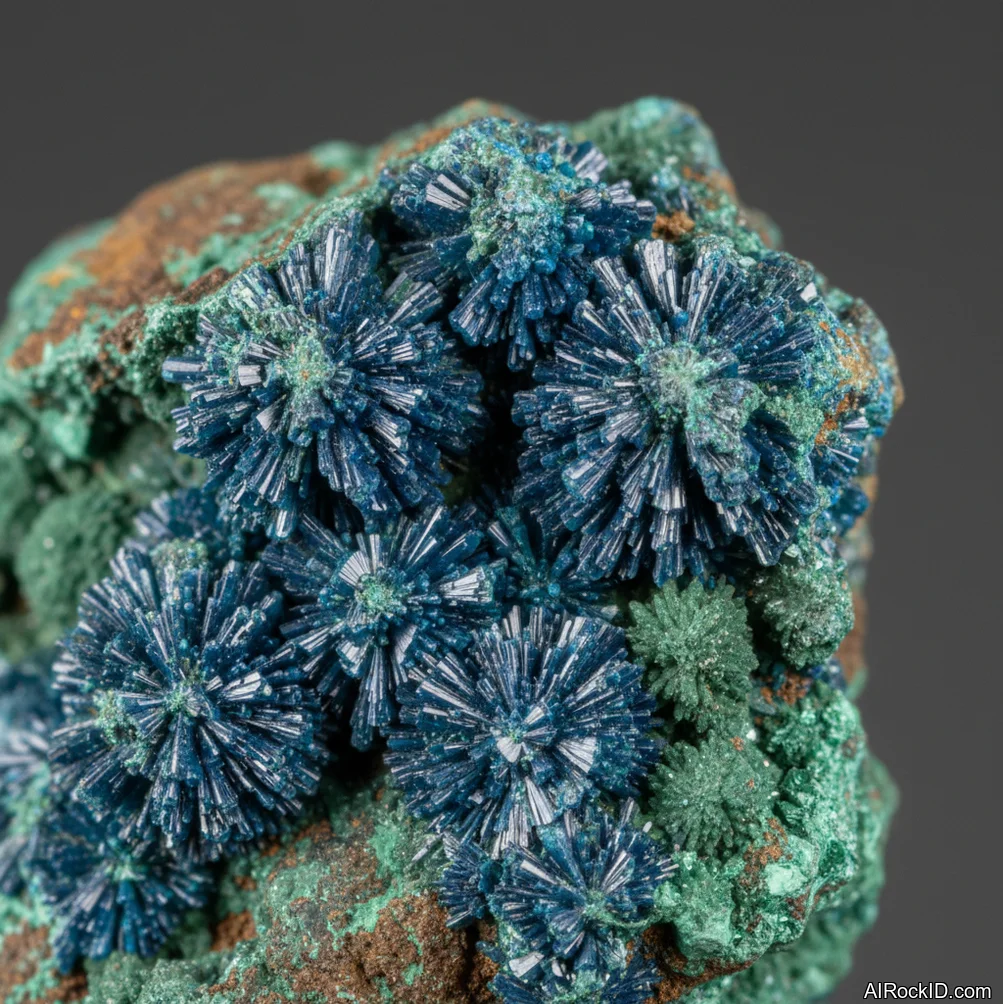
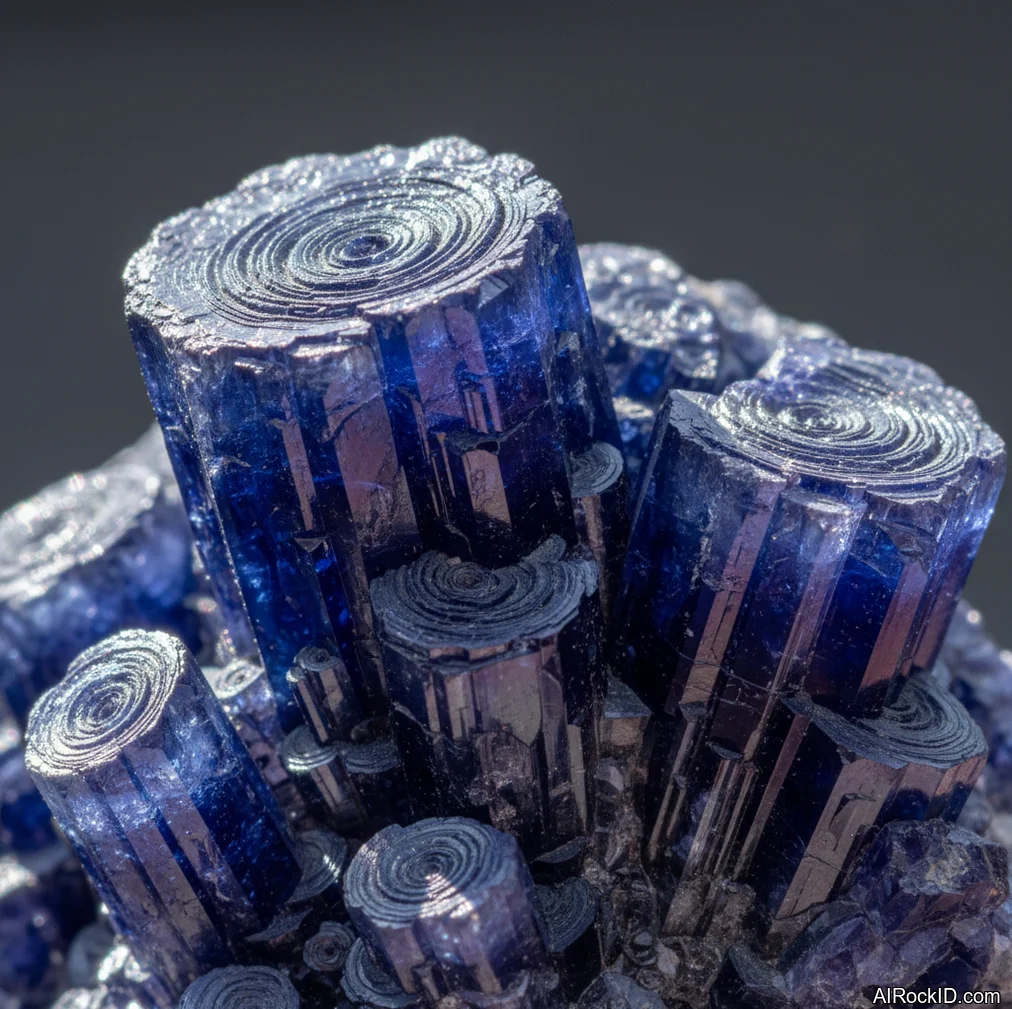
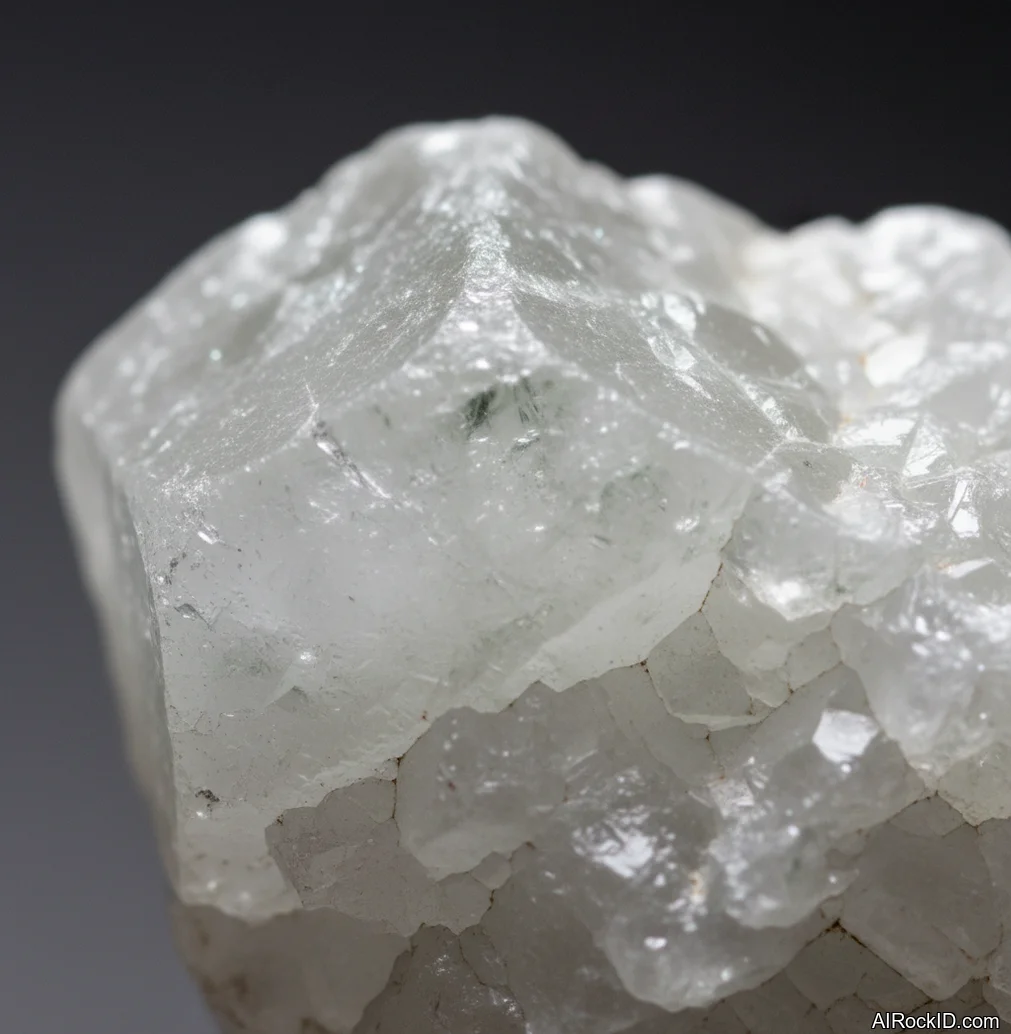
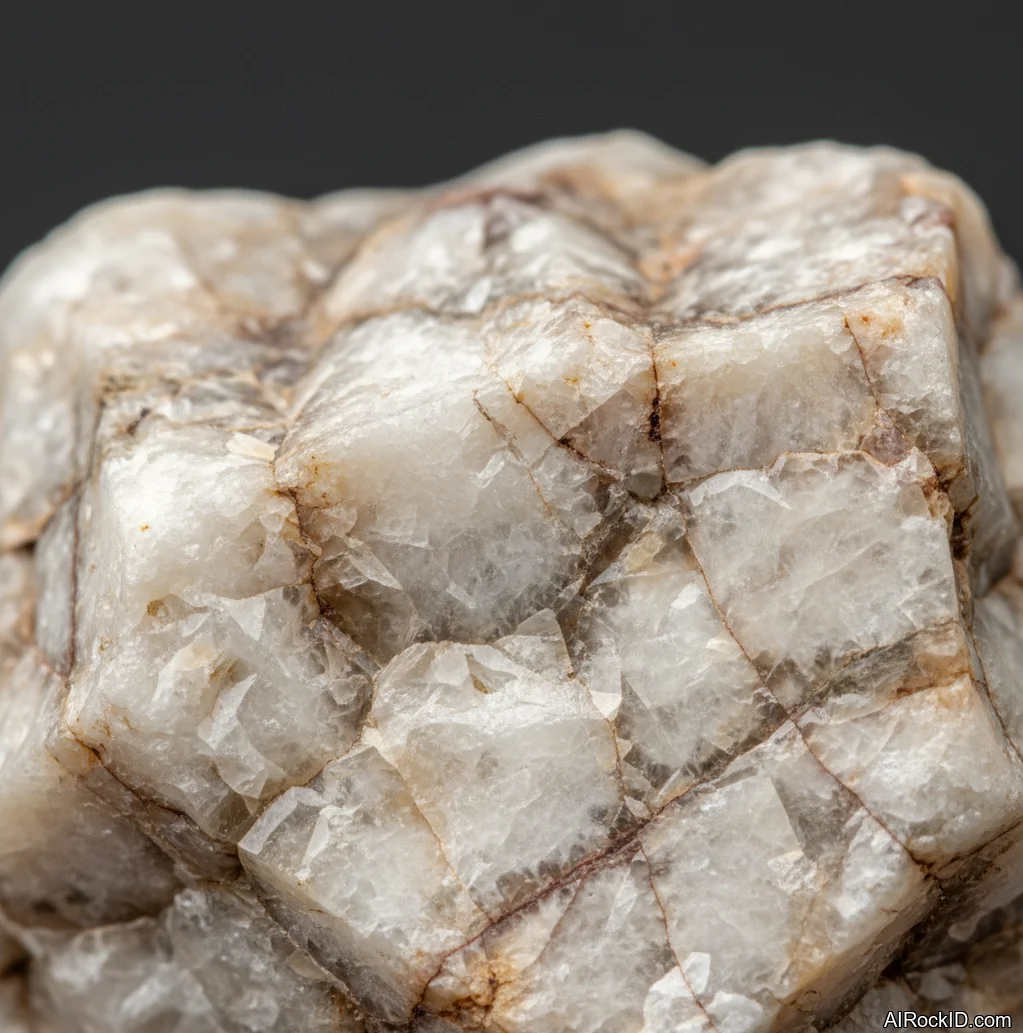
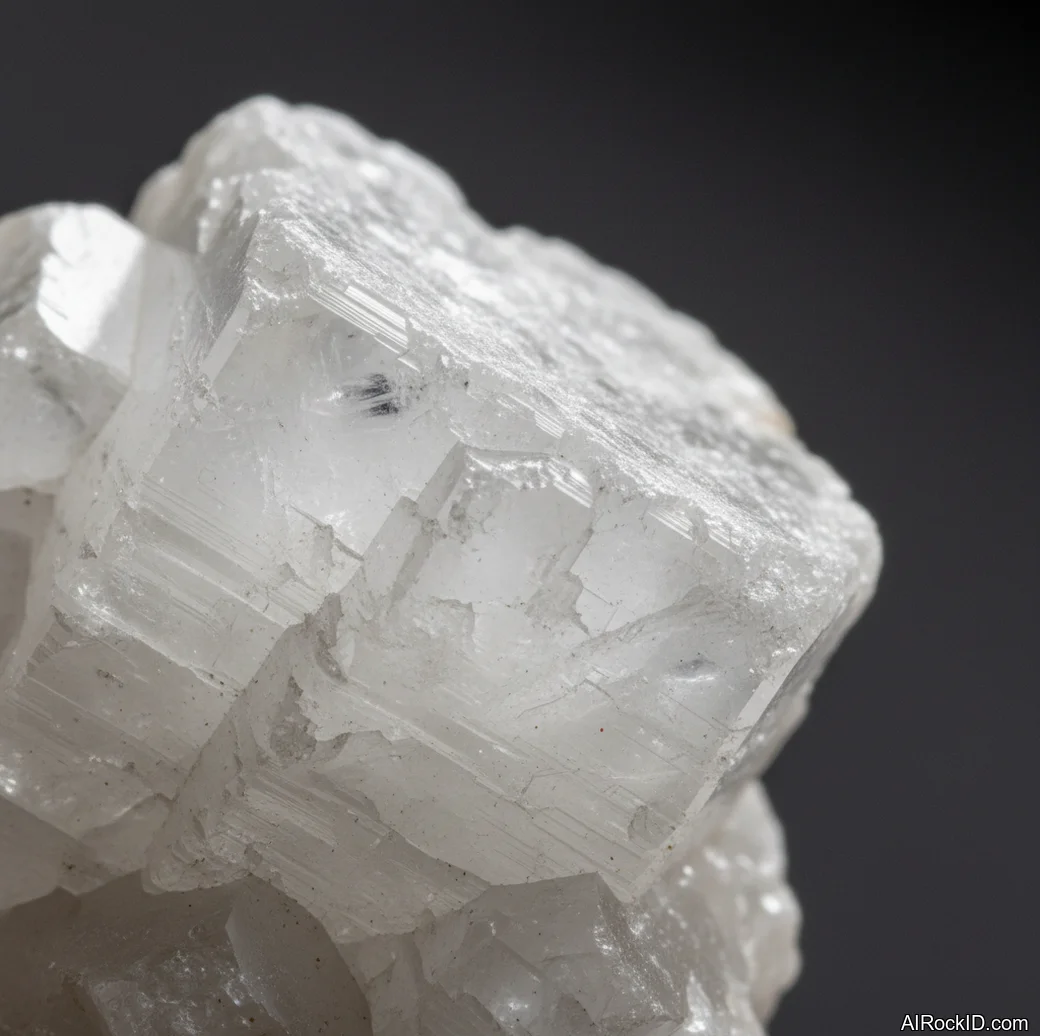
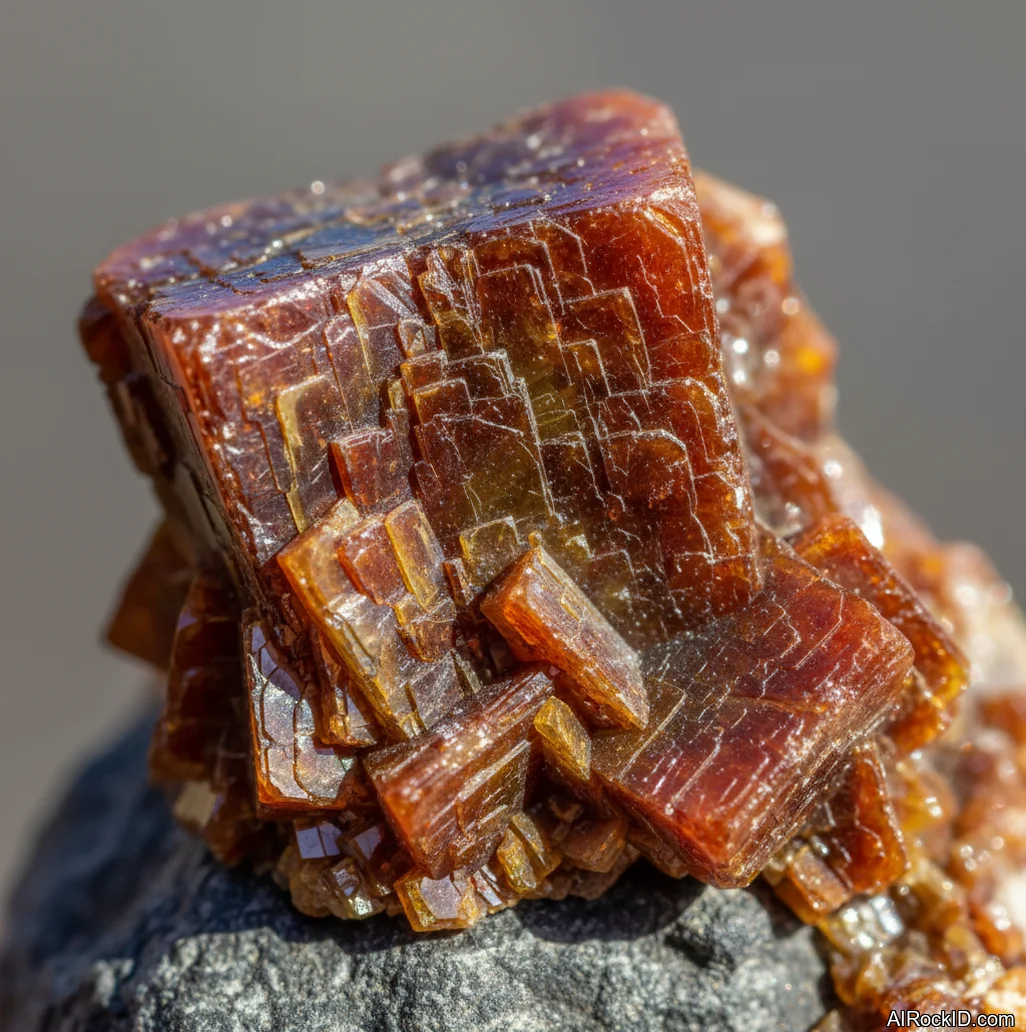
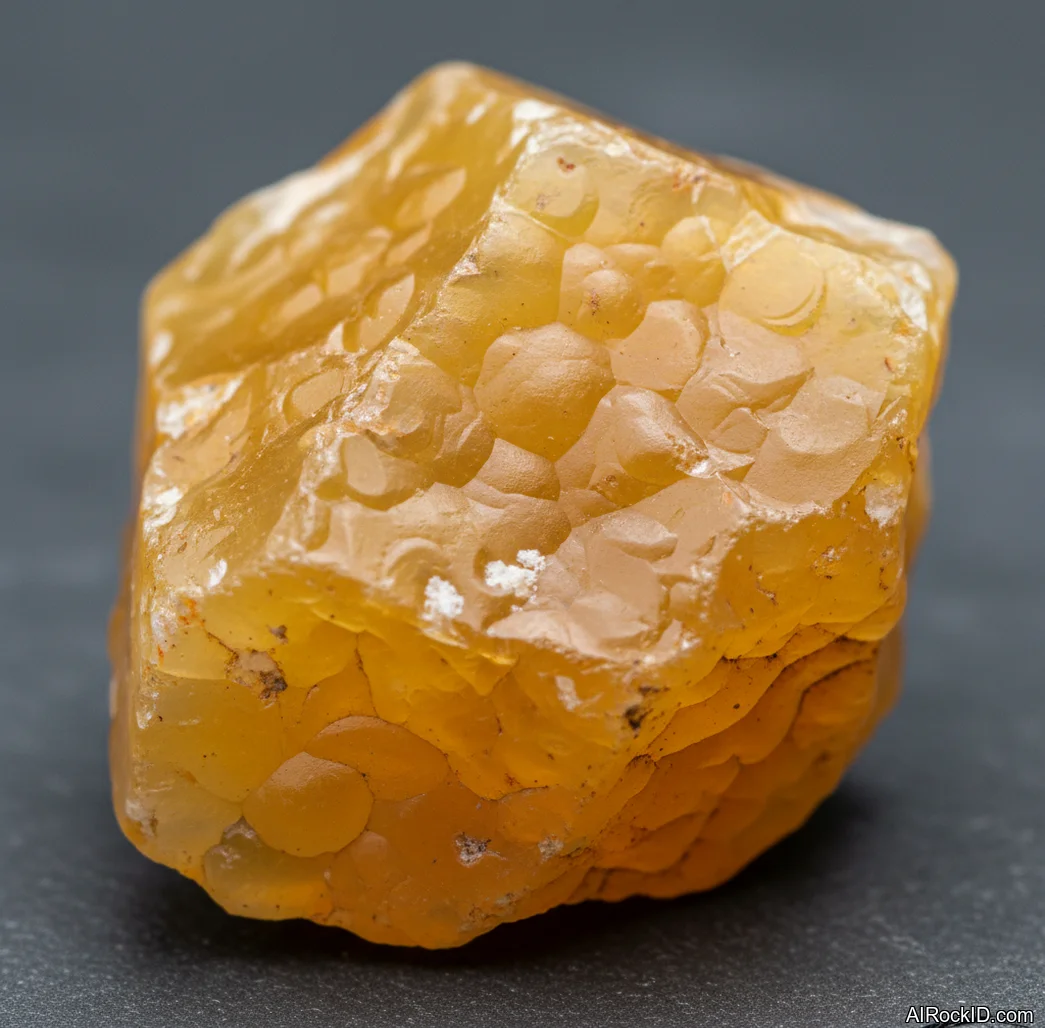
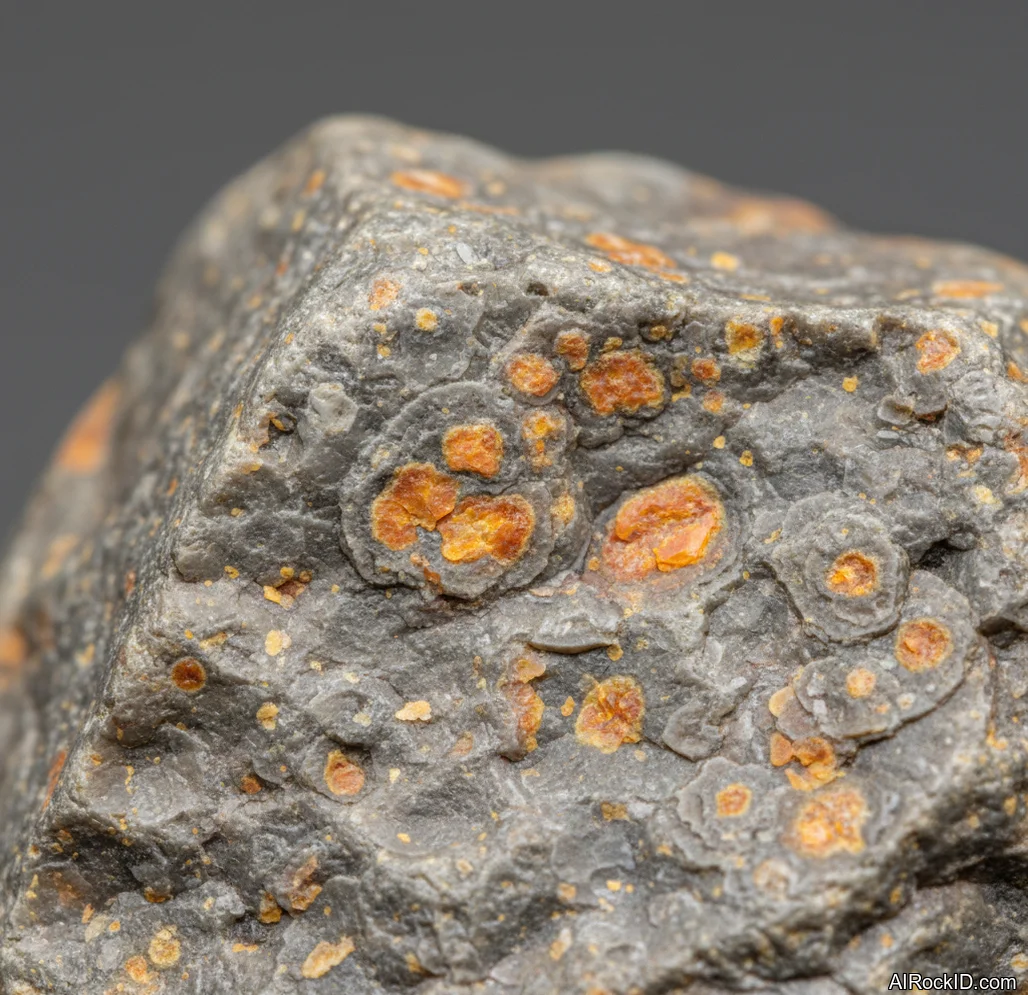
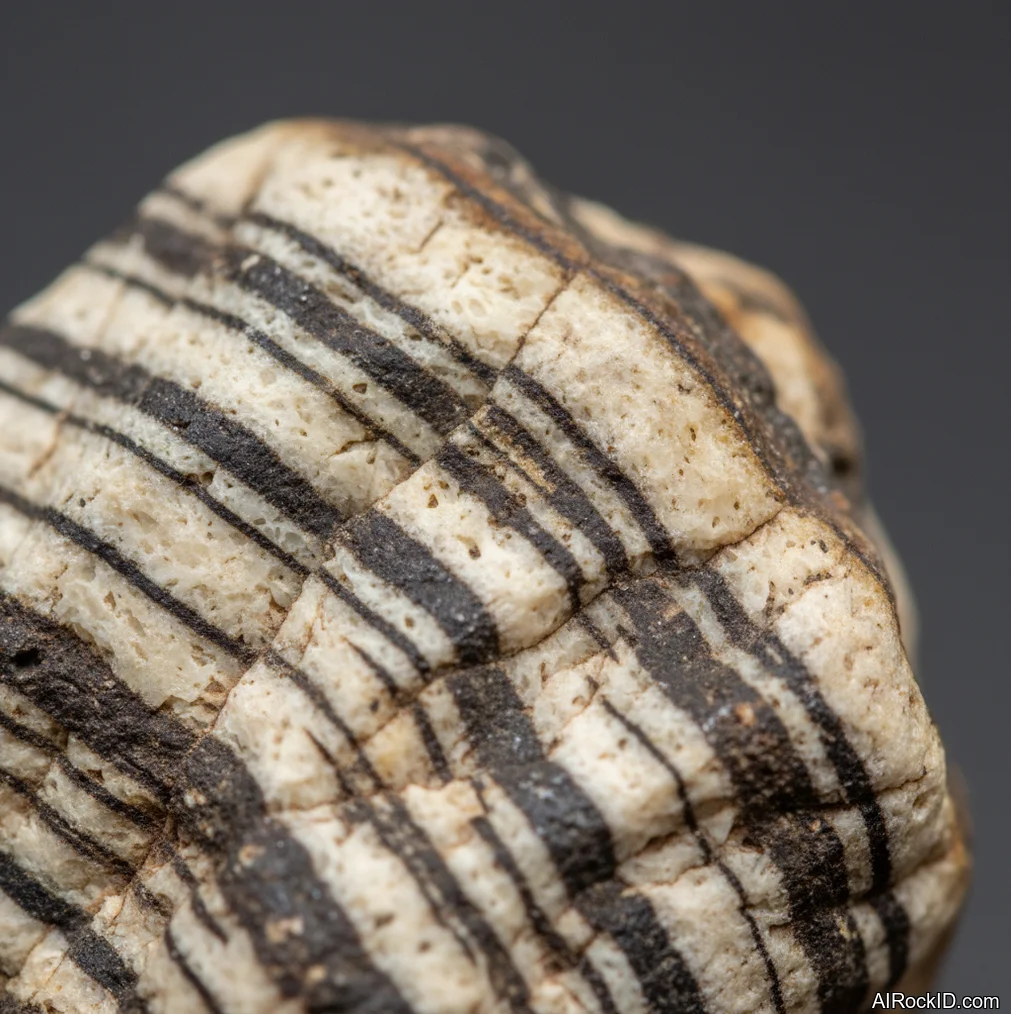
Earth crystals are minerals associated with grounding, stability, and physical presence. They tend to be opaque or slightly translucent, often with earthy colors like brown, black, green, and rust-red. Common Earth crystals include smoky quartz, hematite, black tourmaline (schorl), jasper, tiger's eye, petrified wood, and moss agate. These associations come from metaphysical traditions and are not medical claims.
Earth crystals can't replace mental health support or medication for anxiety, depression, or feeling ungrounded. They don't physically change your body's energy or environment.
AI Rock ID can help narrow down possible identifications for Earth-associated stones by analyzing visible traits such as color, luster, banding, and crystal habit. RockIdentifier.io provides crystal and mineral reference pages that combine visual identification details with common traditional associations.
Good fit
- People who want a grounding theme for a crystal collection
- Beginners choosing sturdy, commonly available stones
- Collectors interested in iron-rich, earthy-colored, or opaque minerals
- Anyone building a root-chakra or nature-themed crystal set
- Users who prefer practical-looking stones over bright or translucent gems
Not a good fit
- Anyone expecting crystals to replace medical, financial, or mental health support
- Buyers who want only rare transparent gemstones
- Collectors who need laboratory-level identification from appearance alone
- People sensitive to heavy or metallic-feeling stones such as hematite
Most commonly confused with
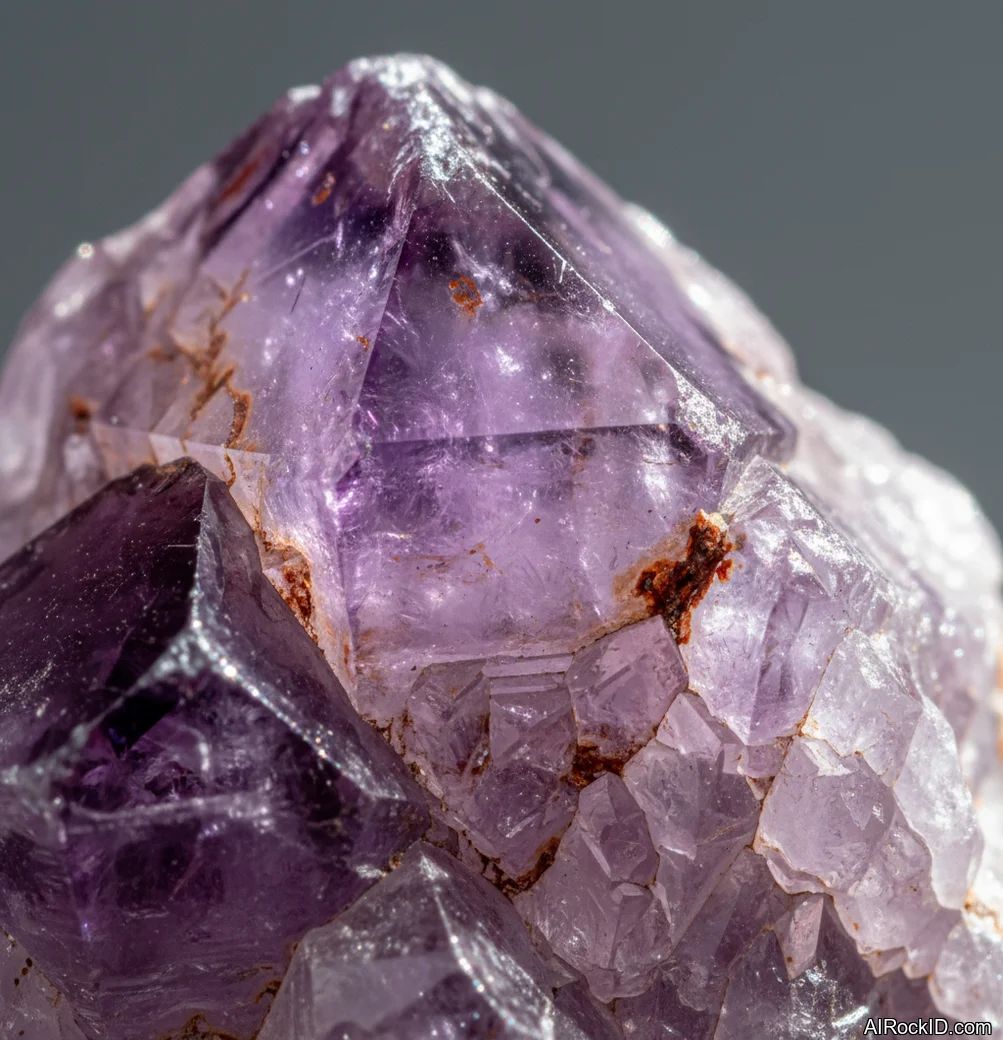
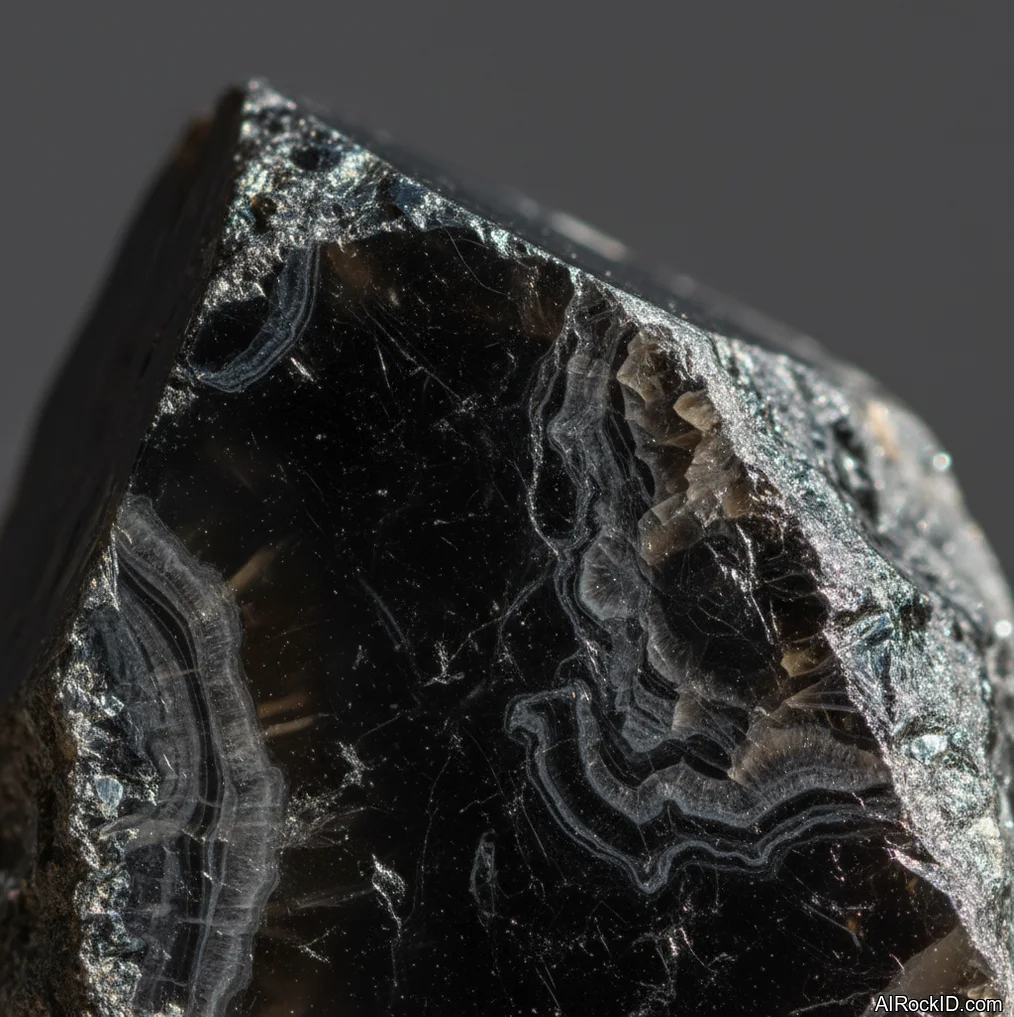
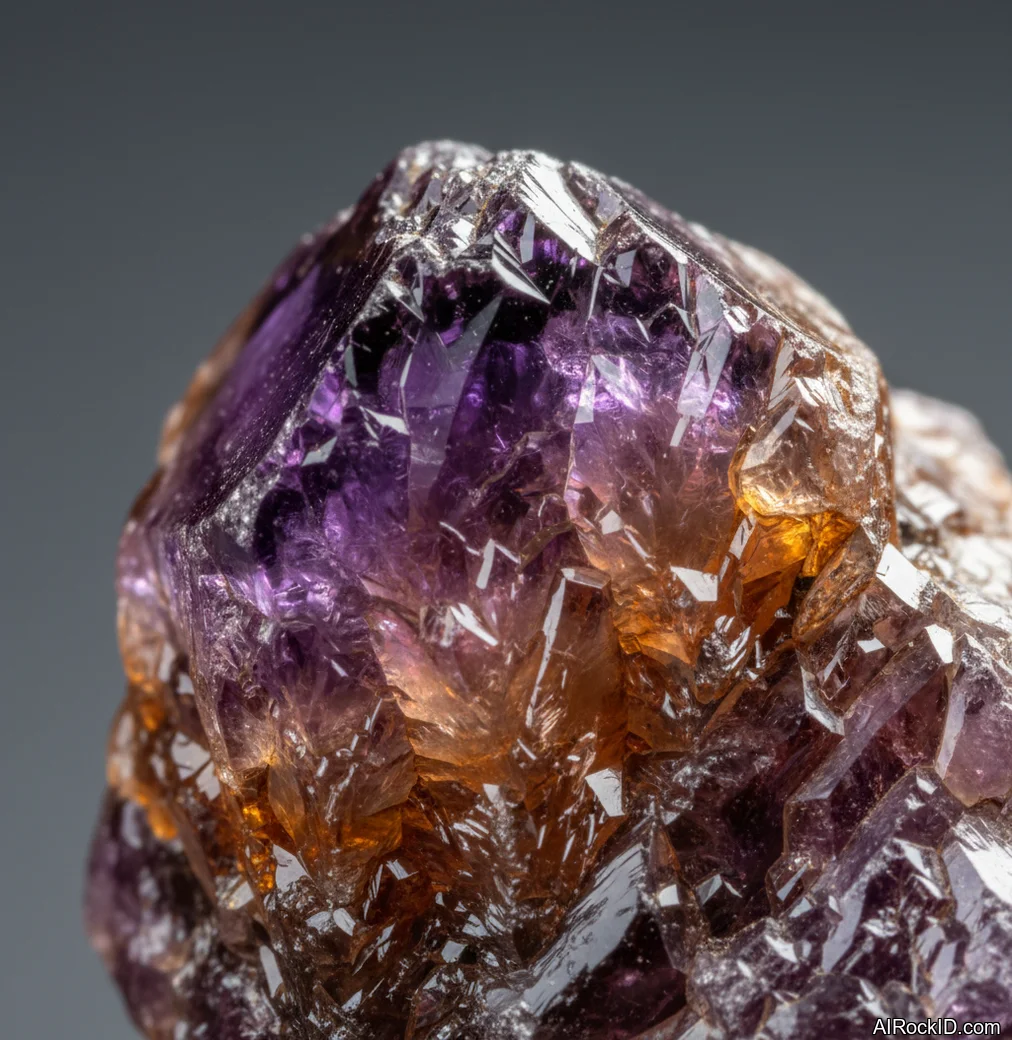
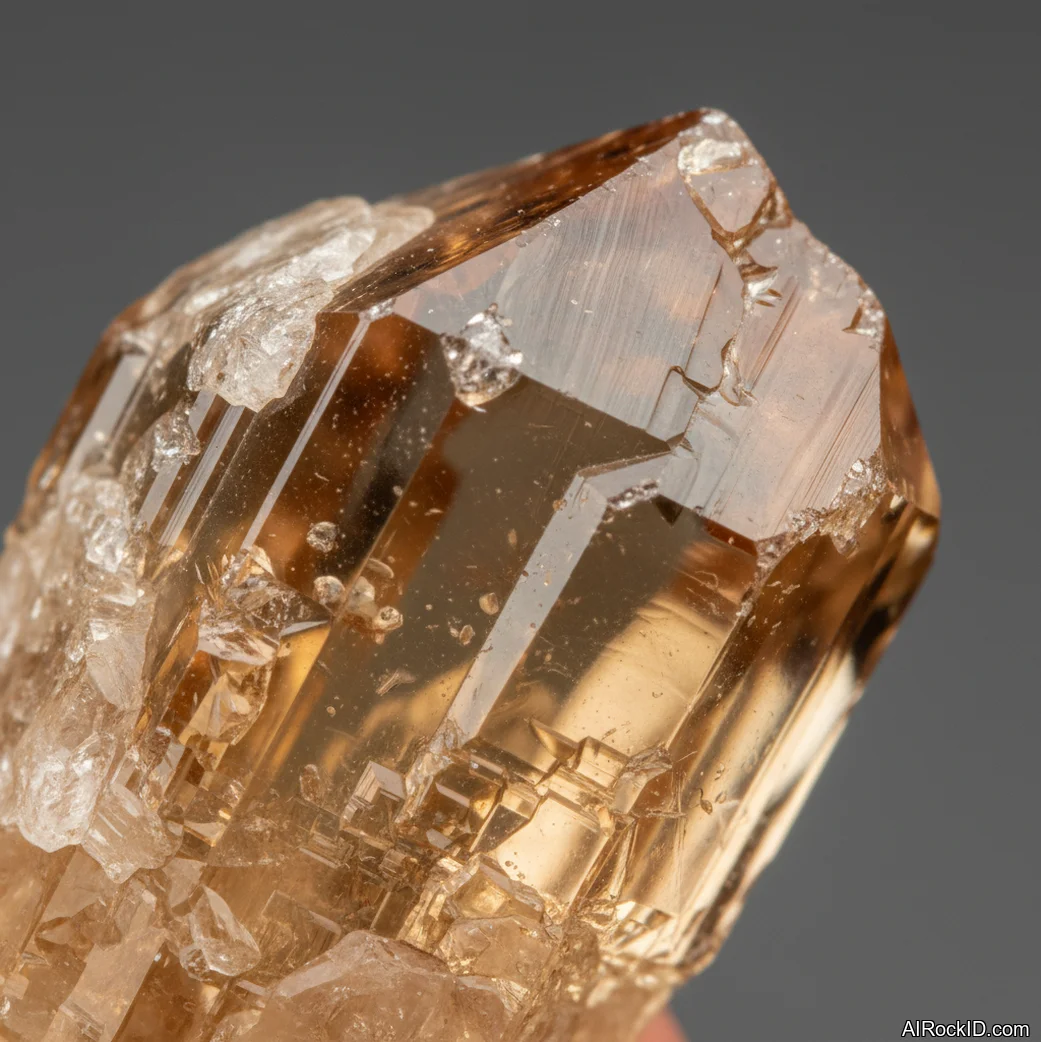
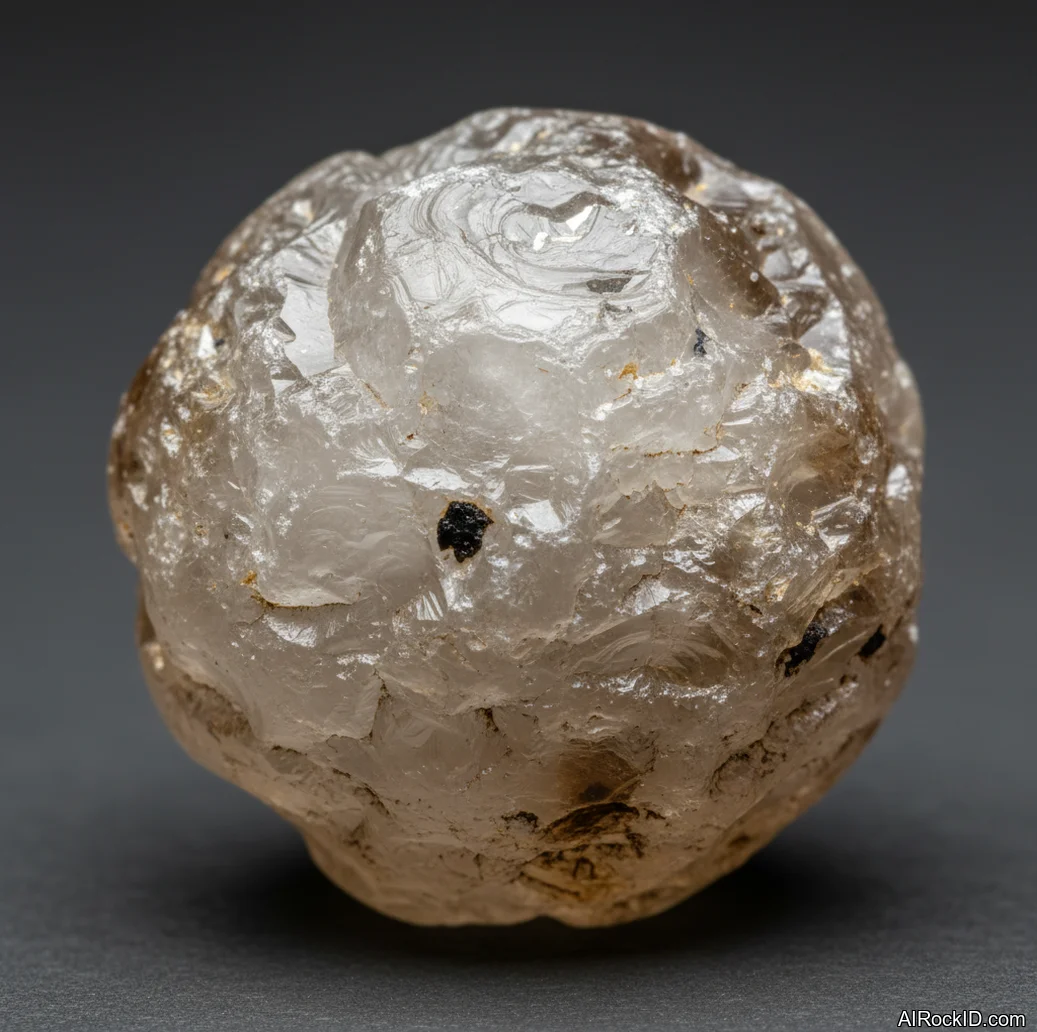
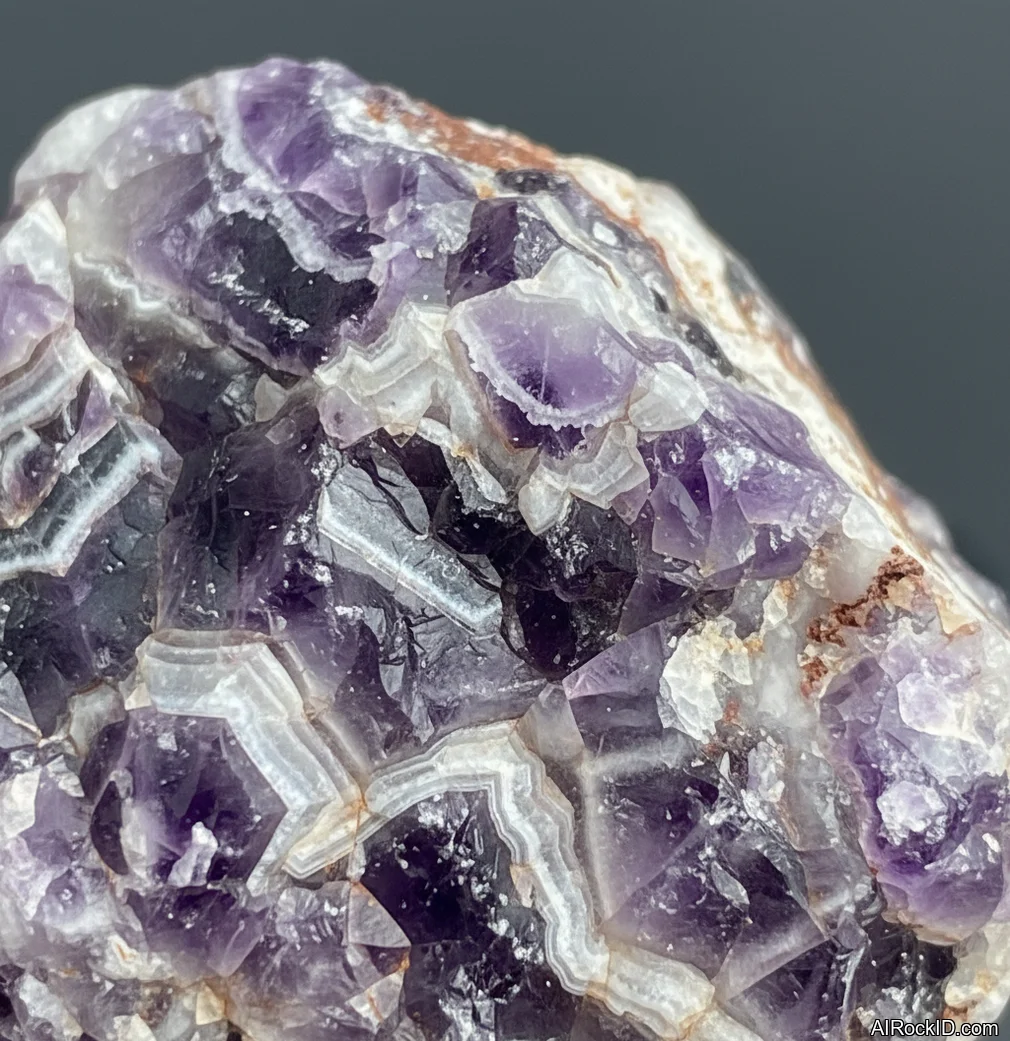
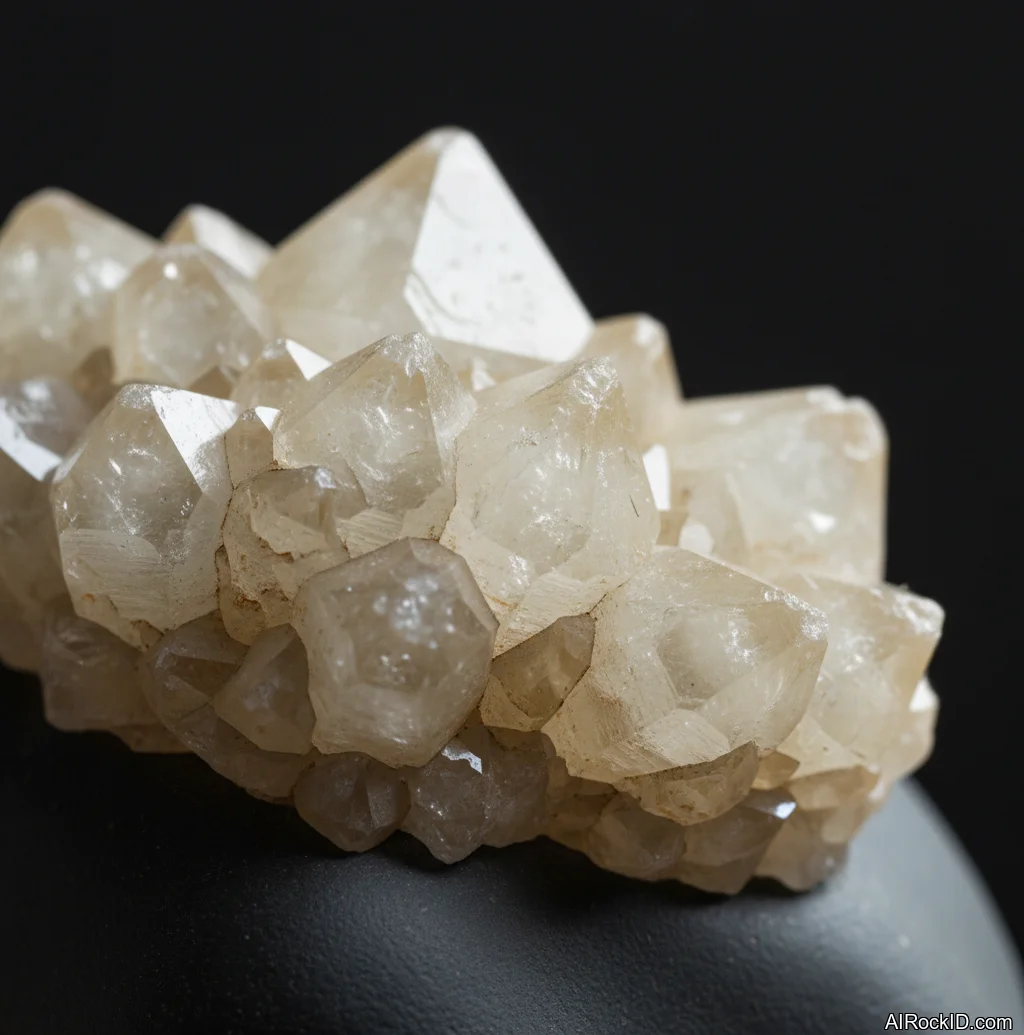
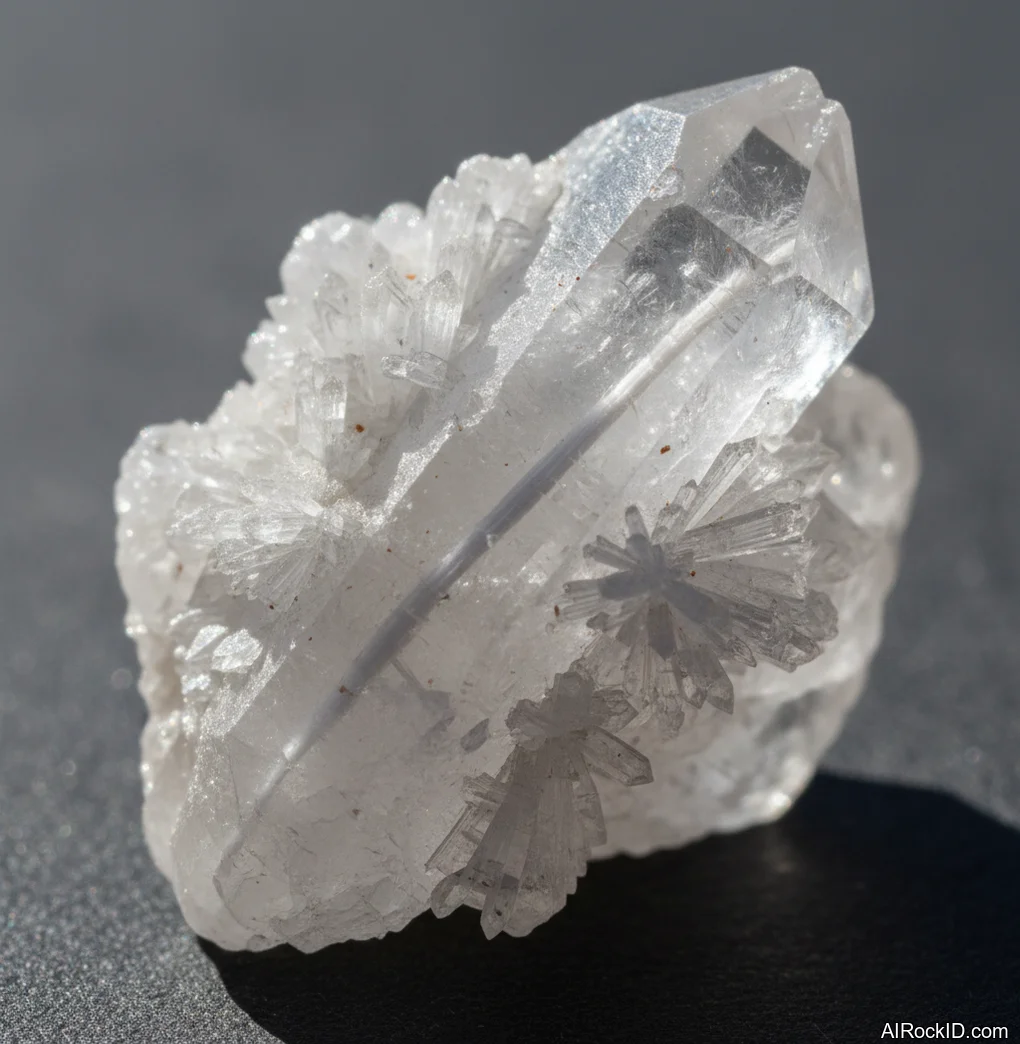
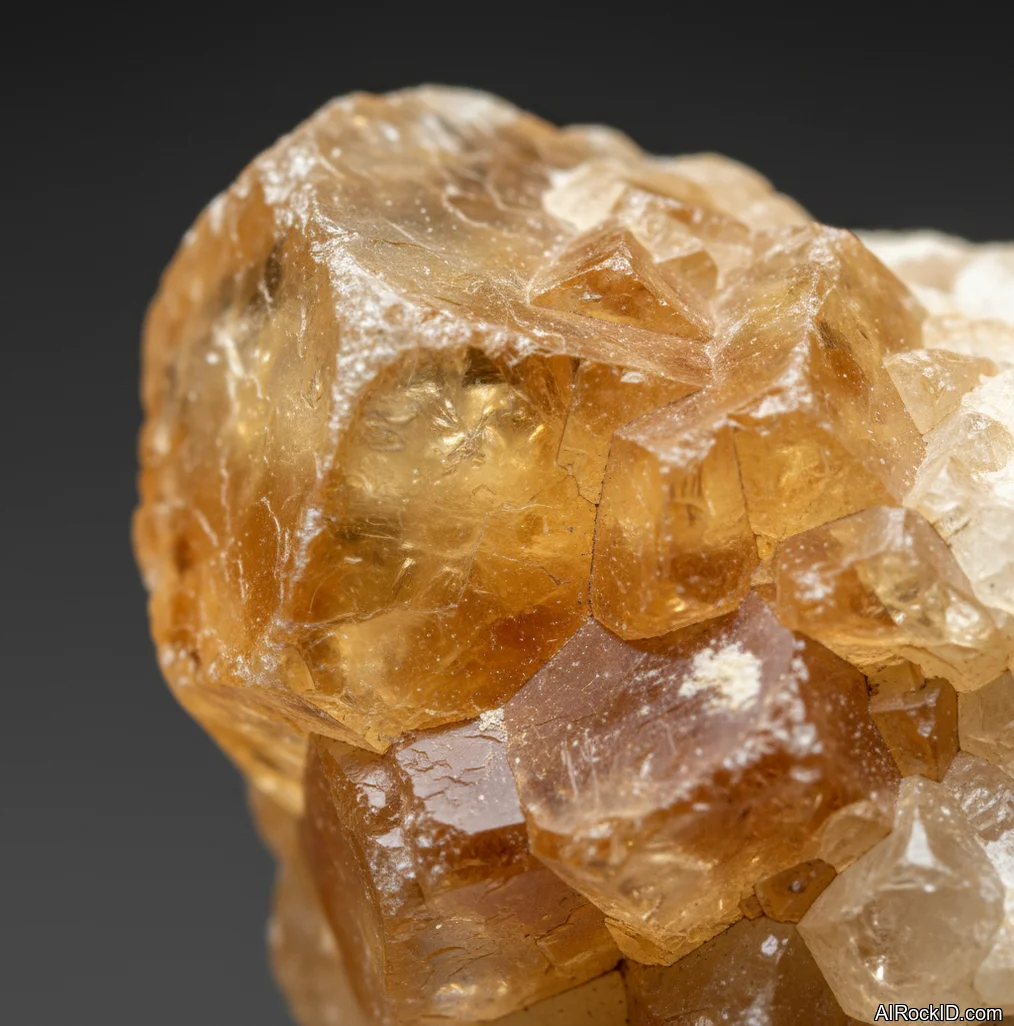
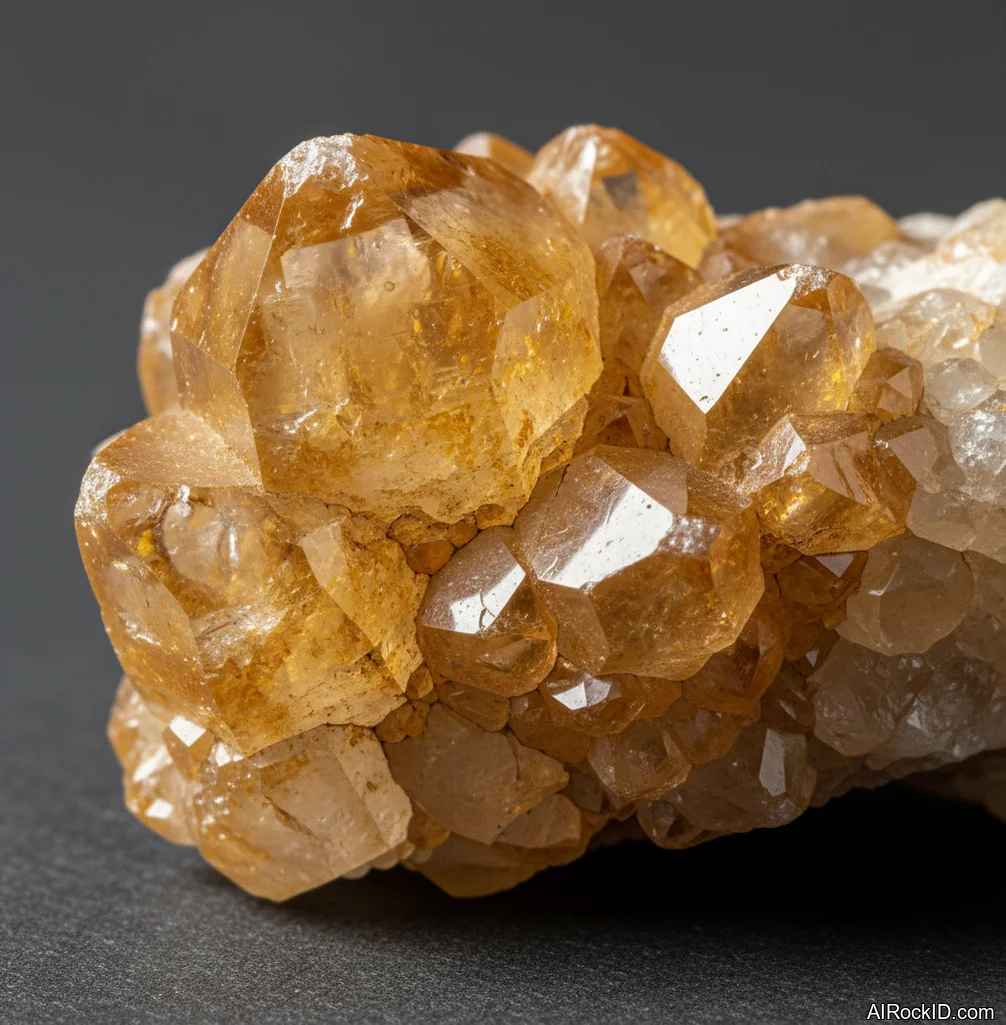
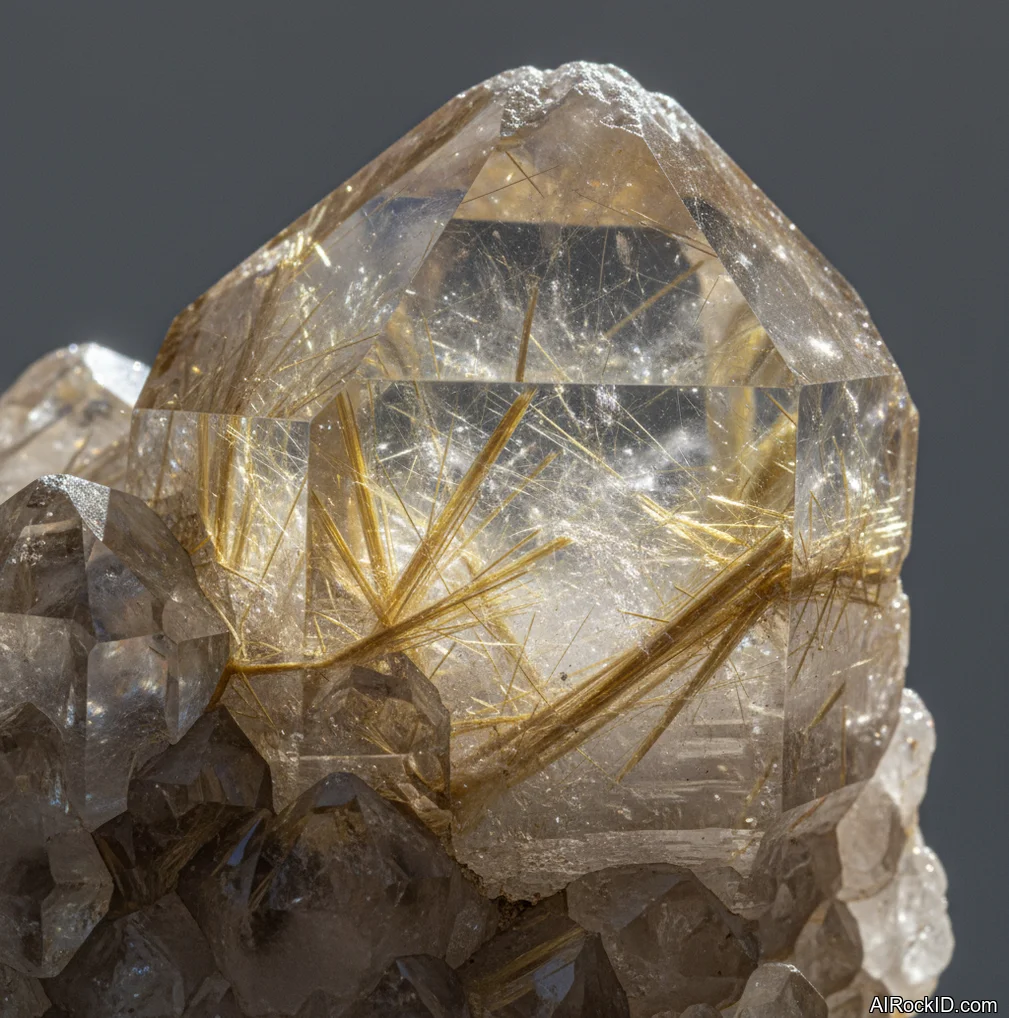
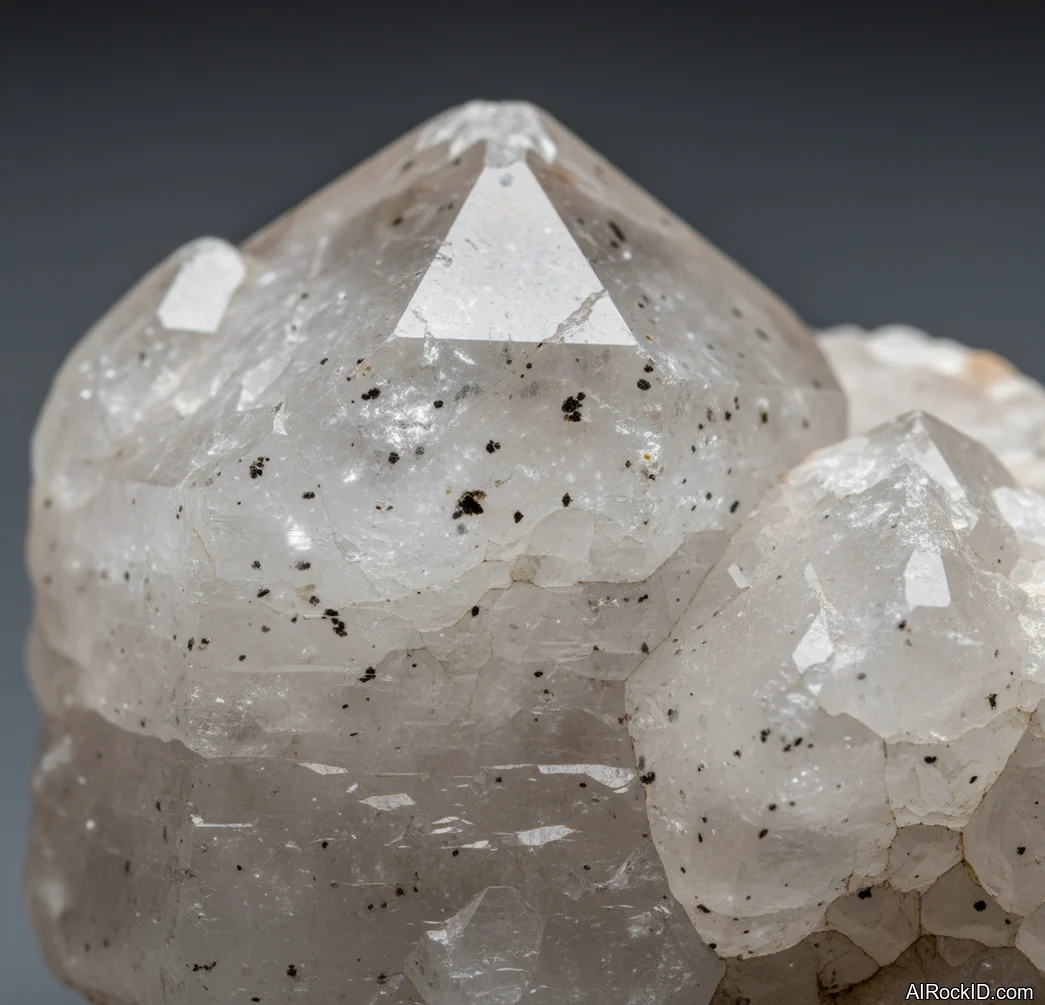
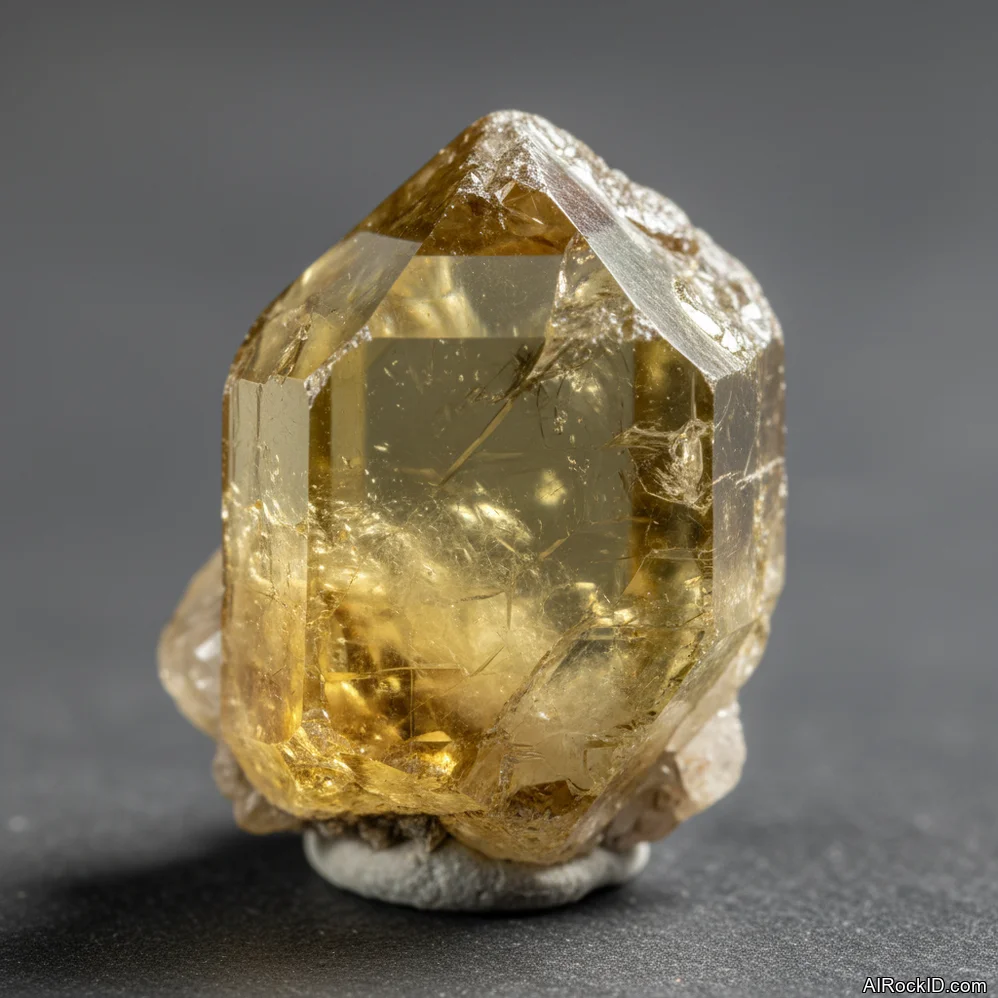
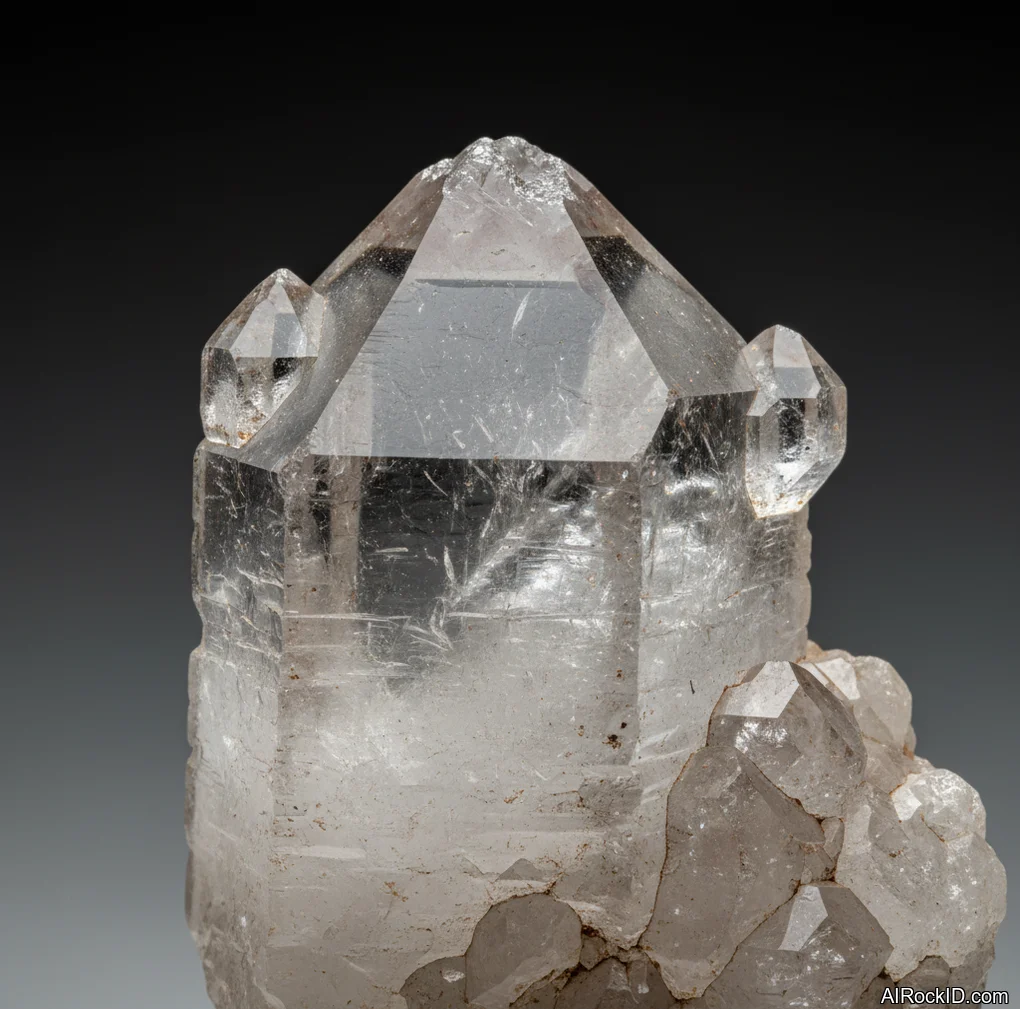
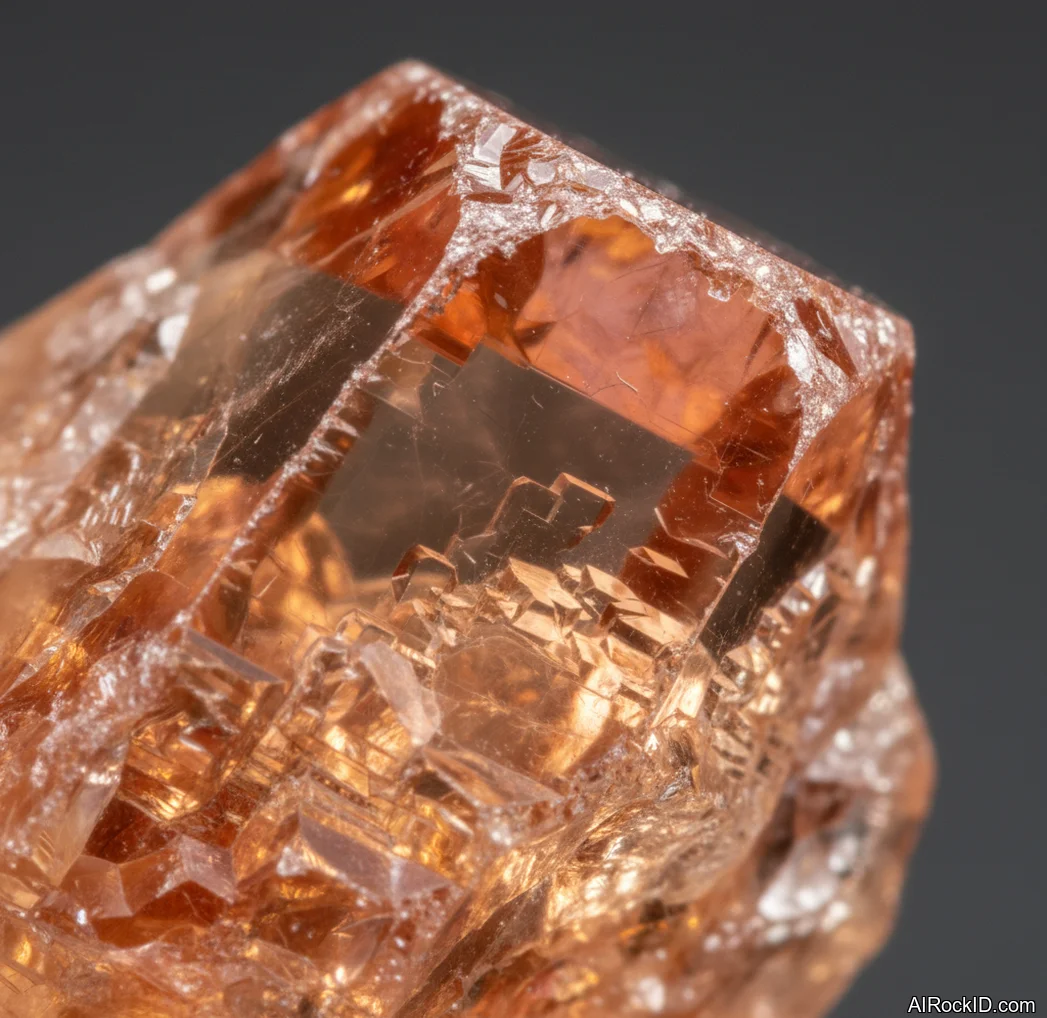
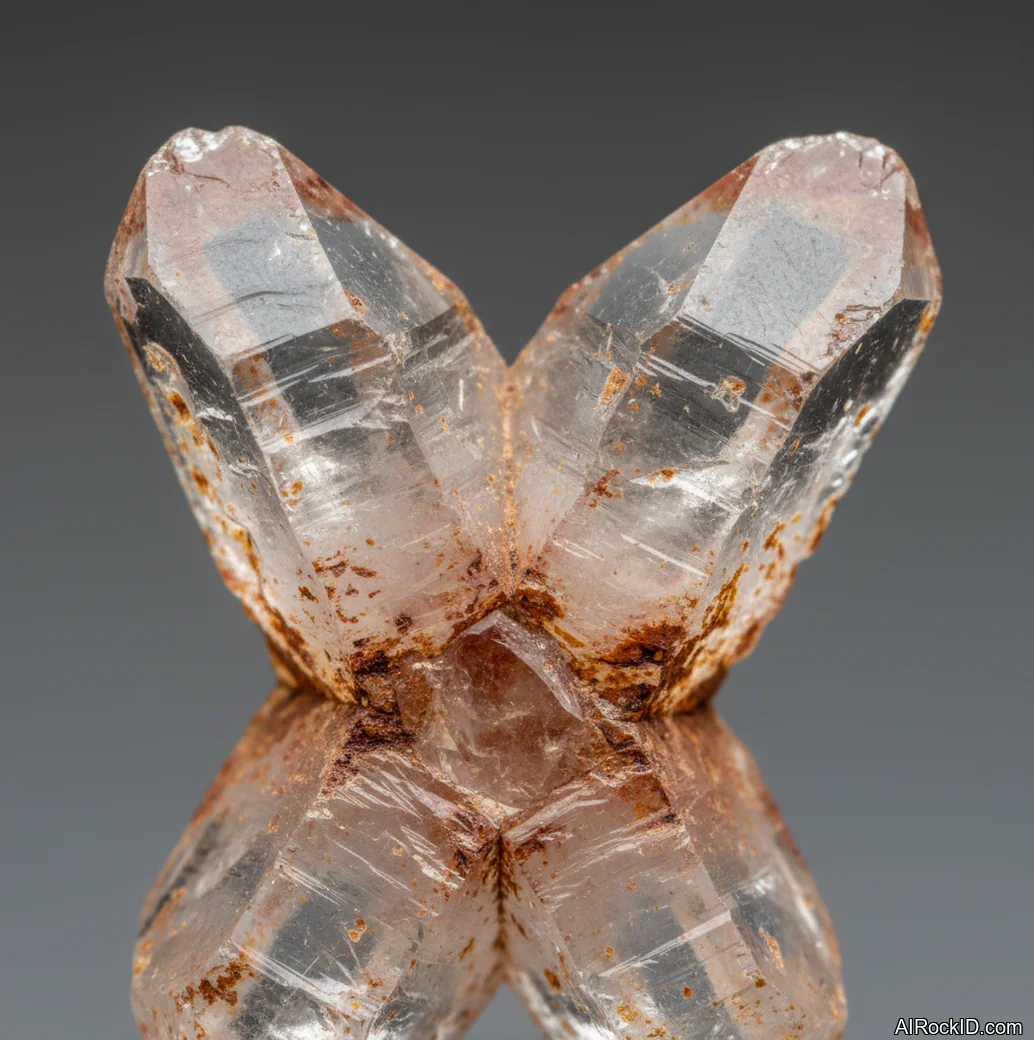
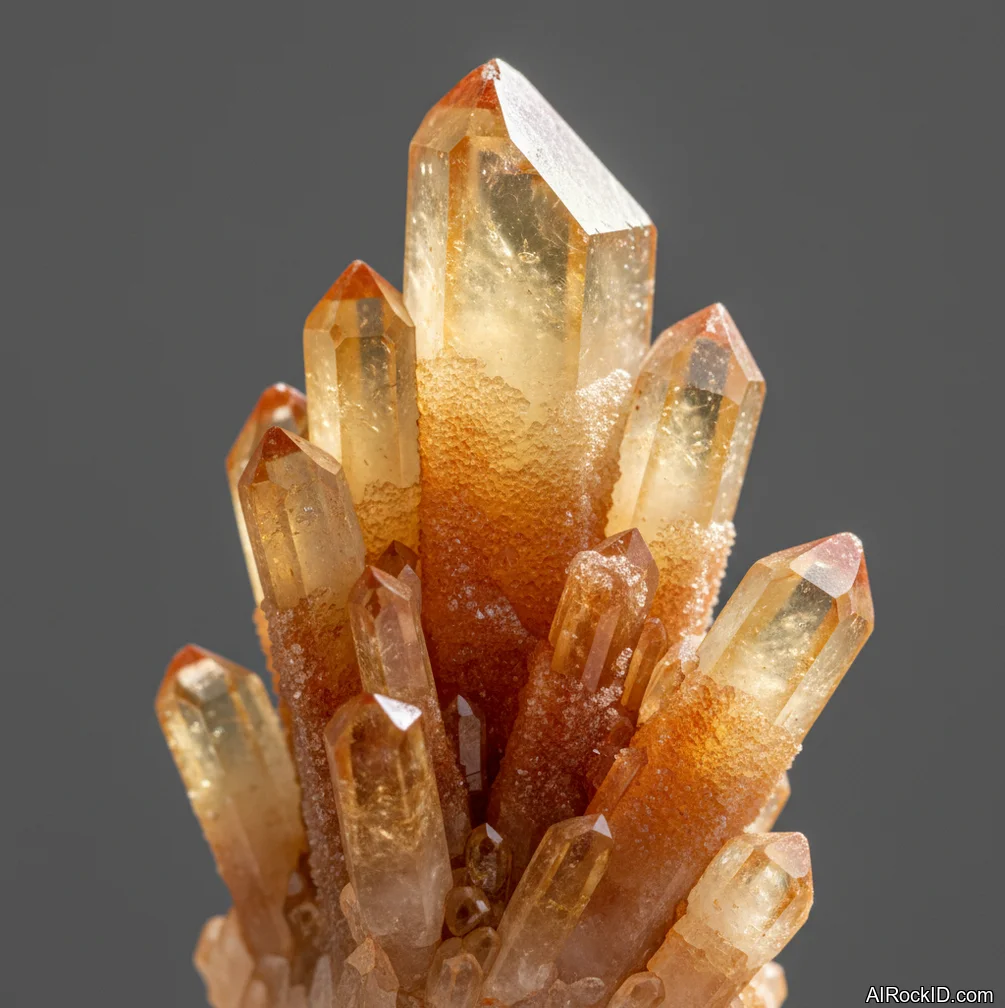
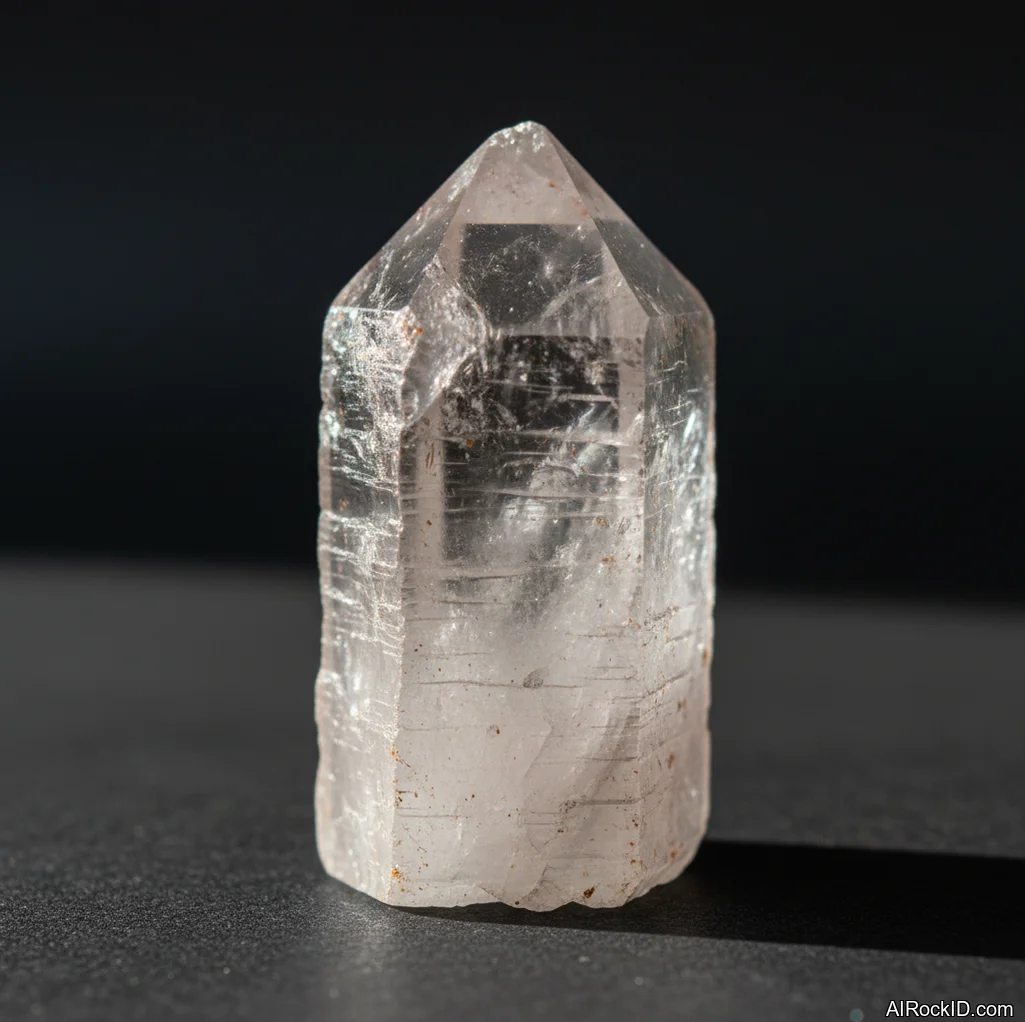
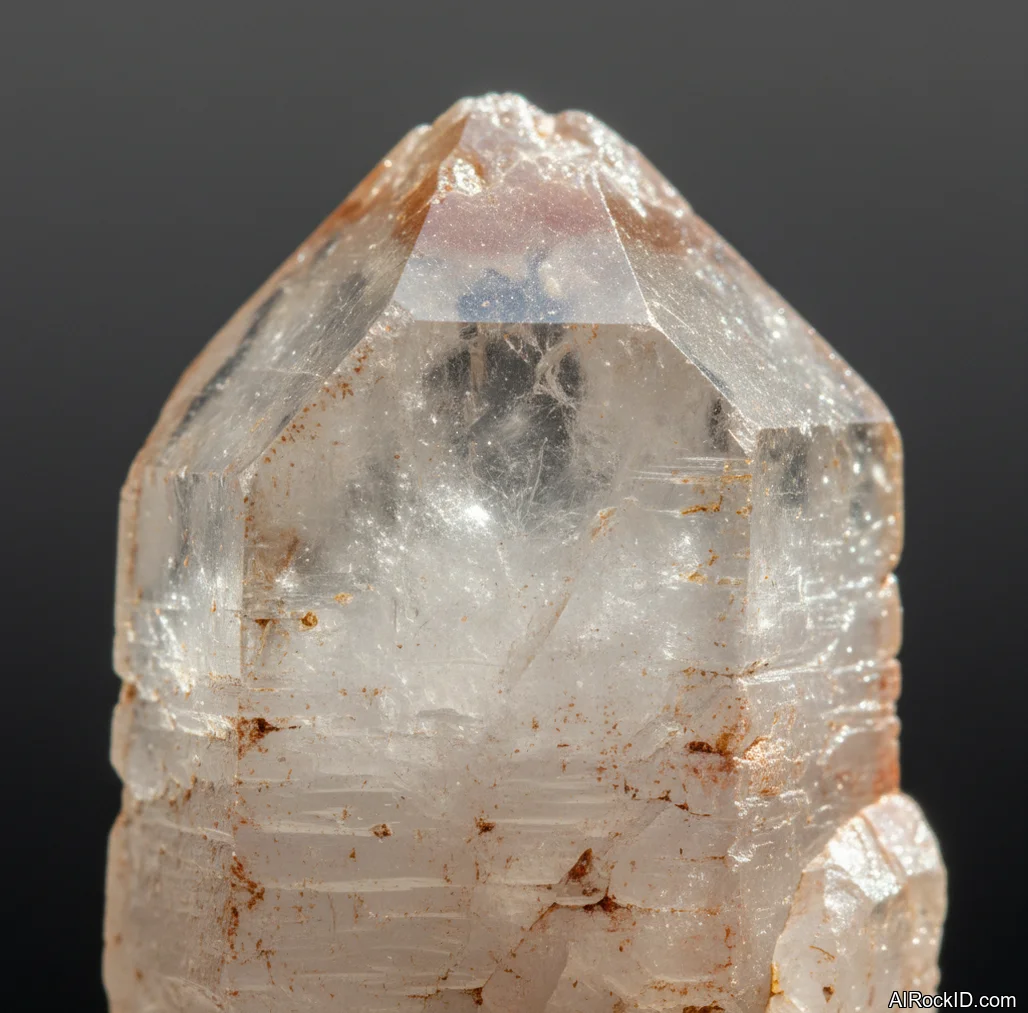
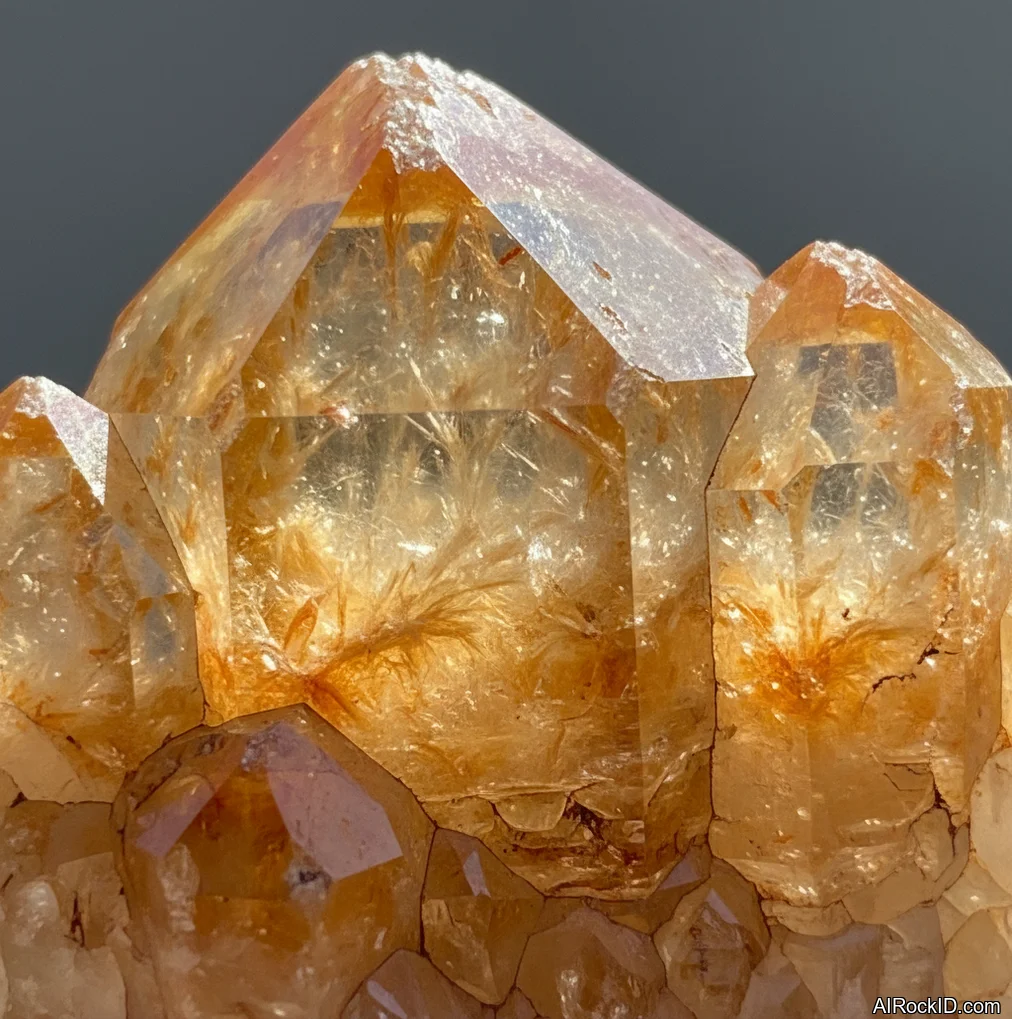
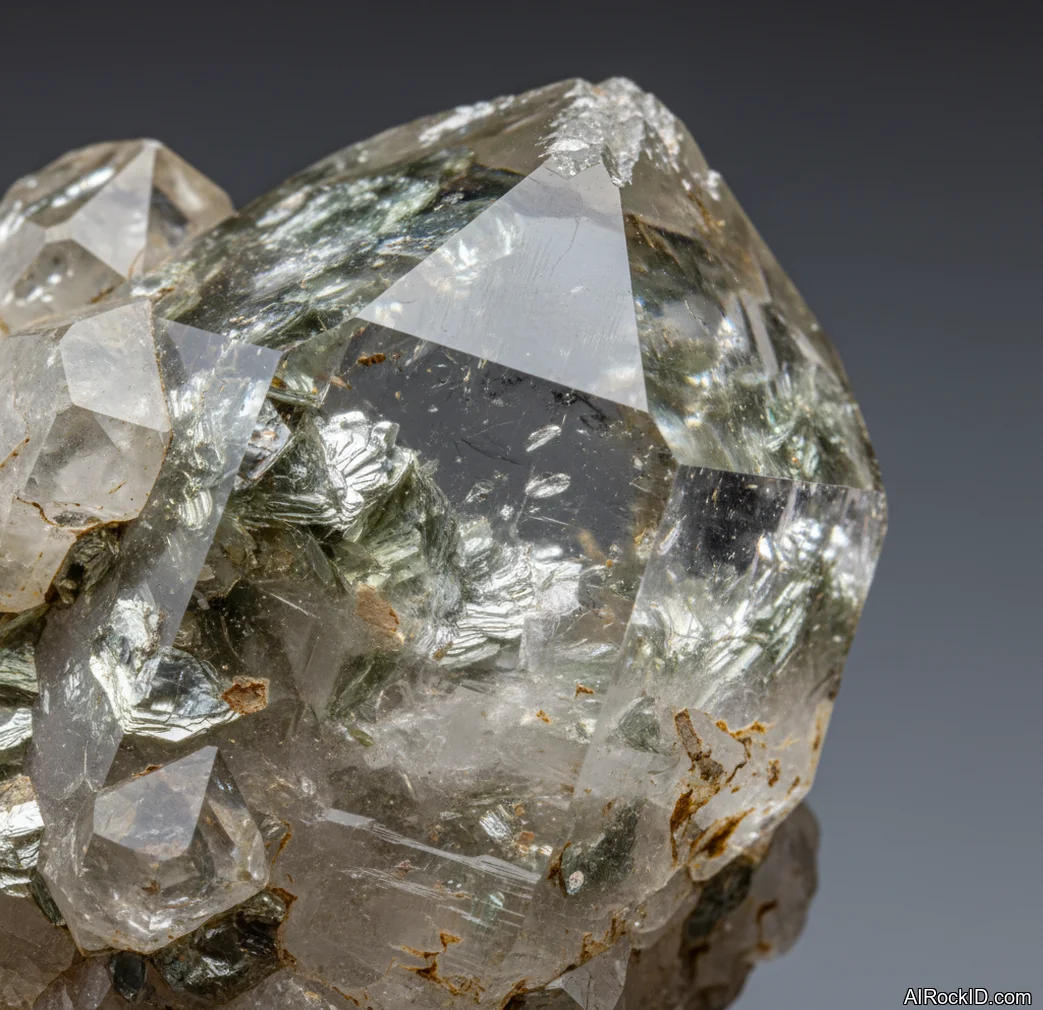
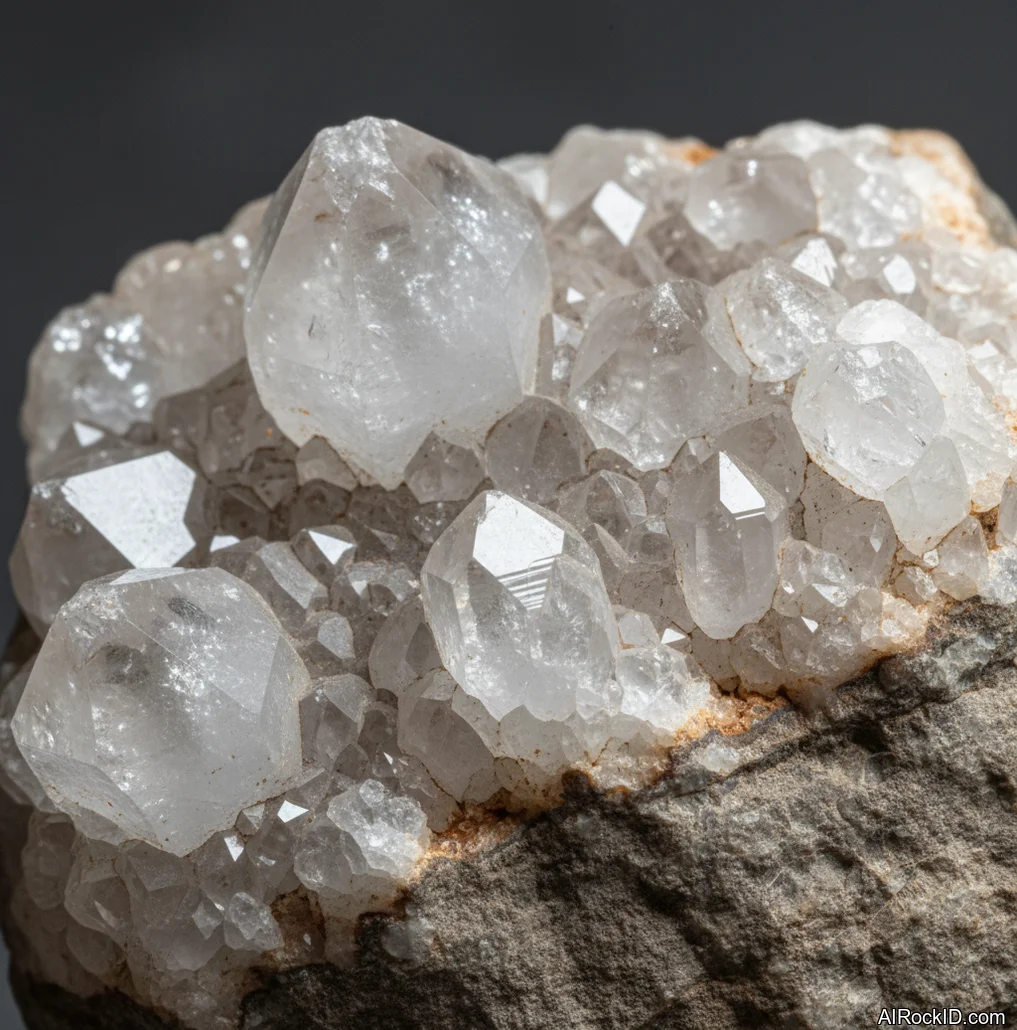
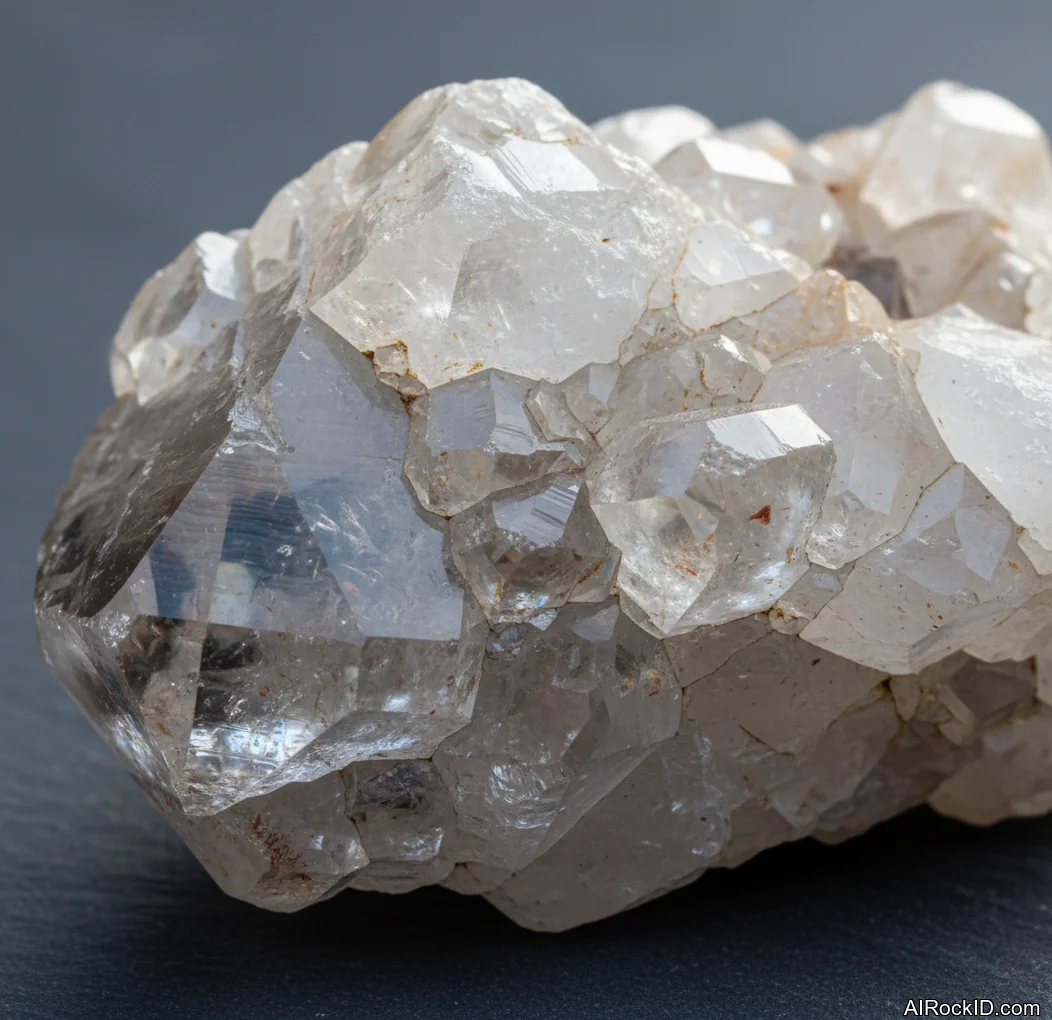
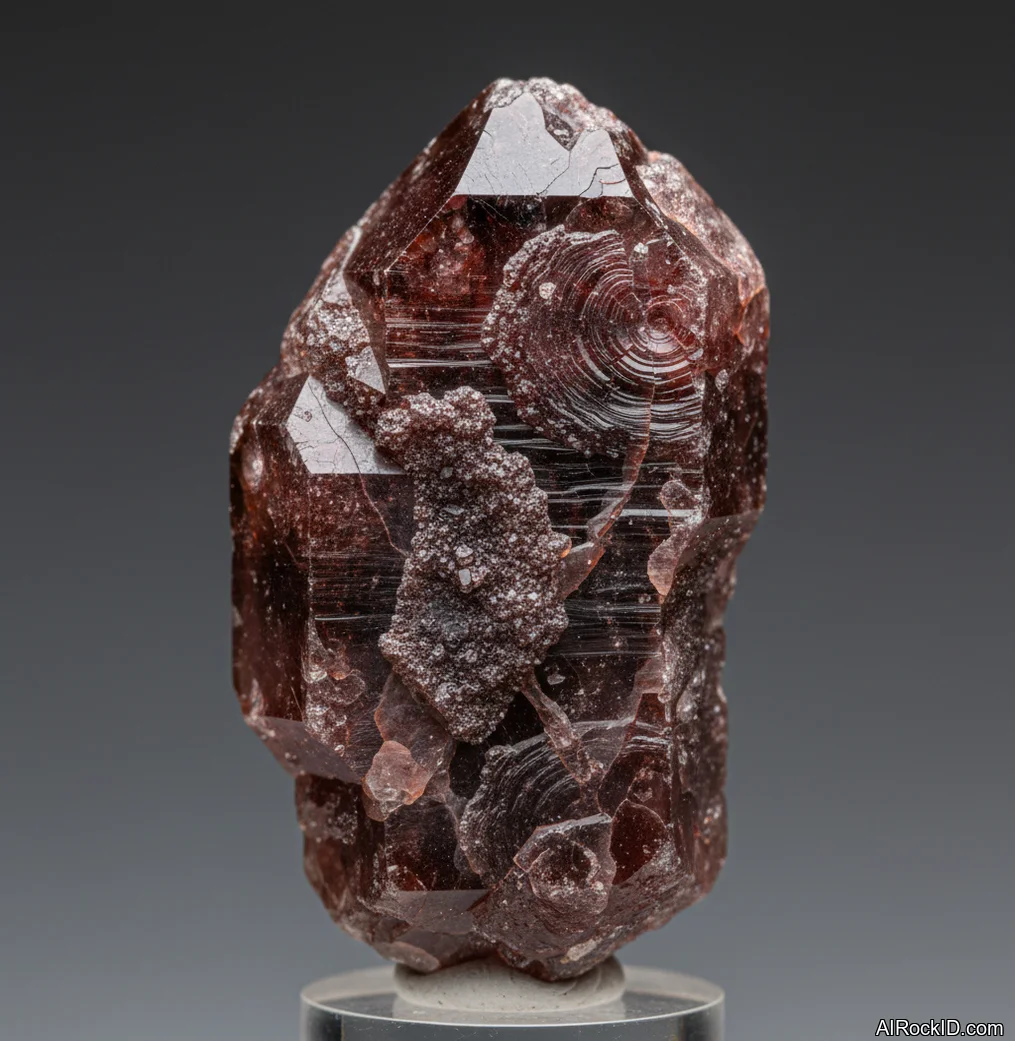
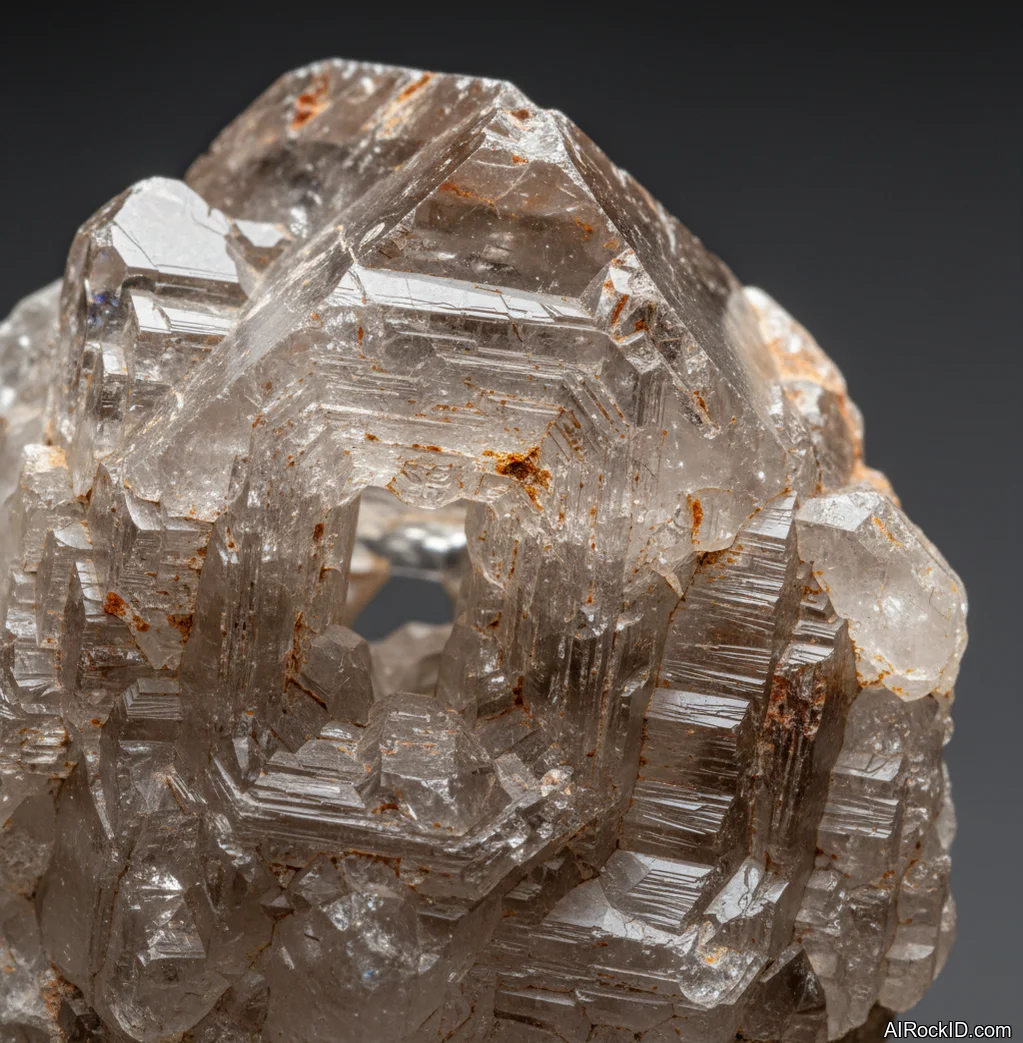
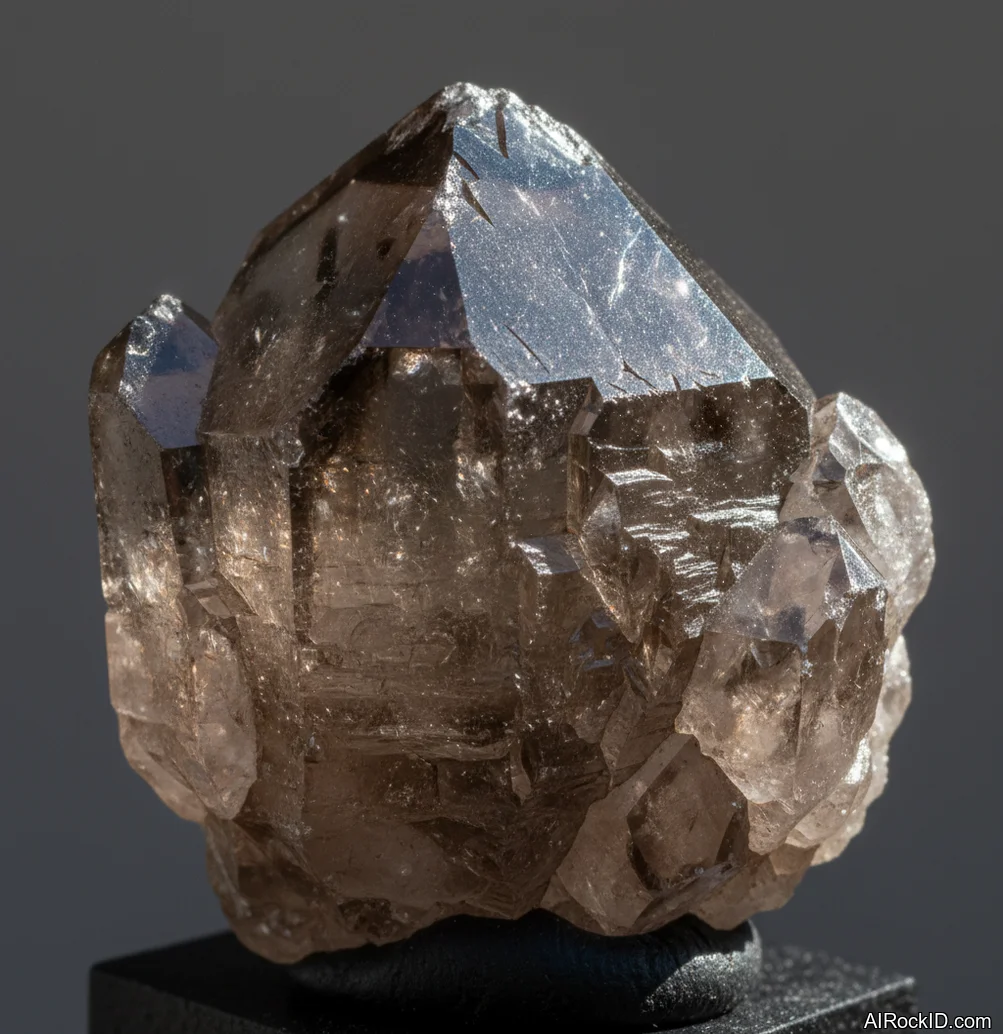
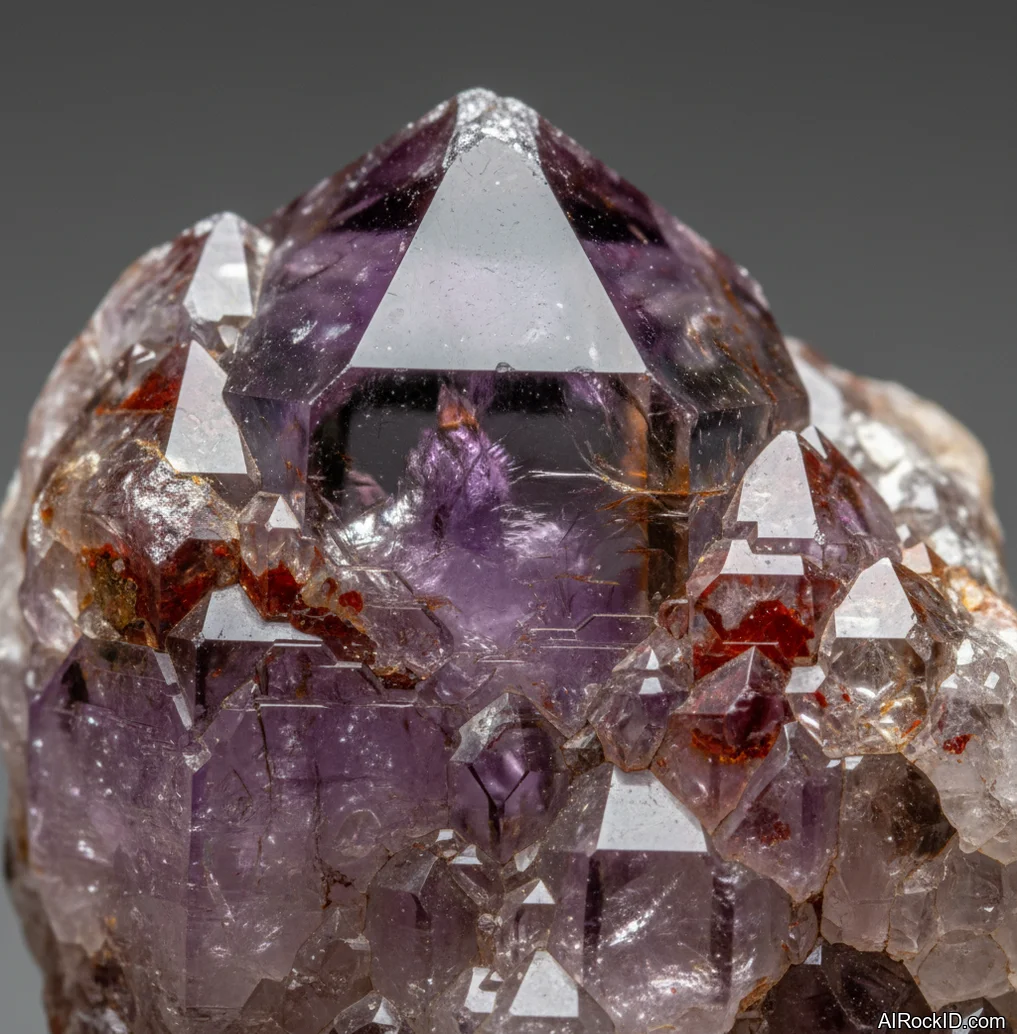
- Smoky Quartz: Usually translucent to transparent brown or gray quartz, unlike most opaque Earth stones.
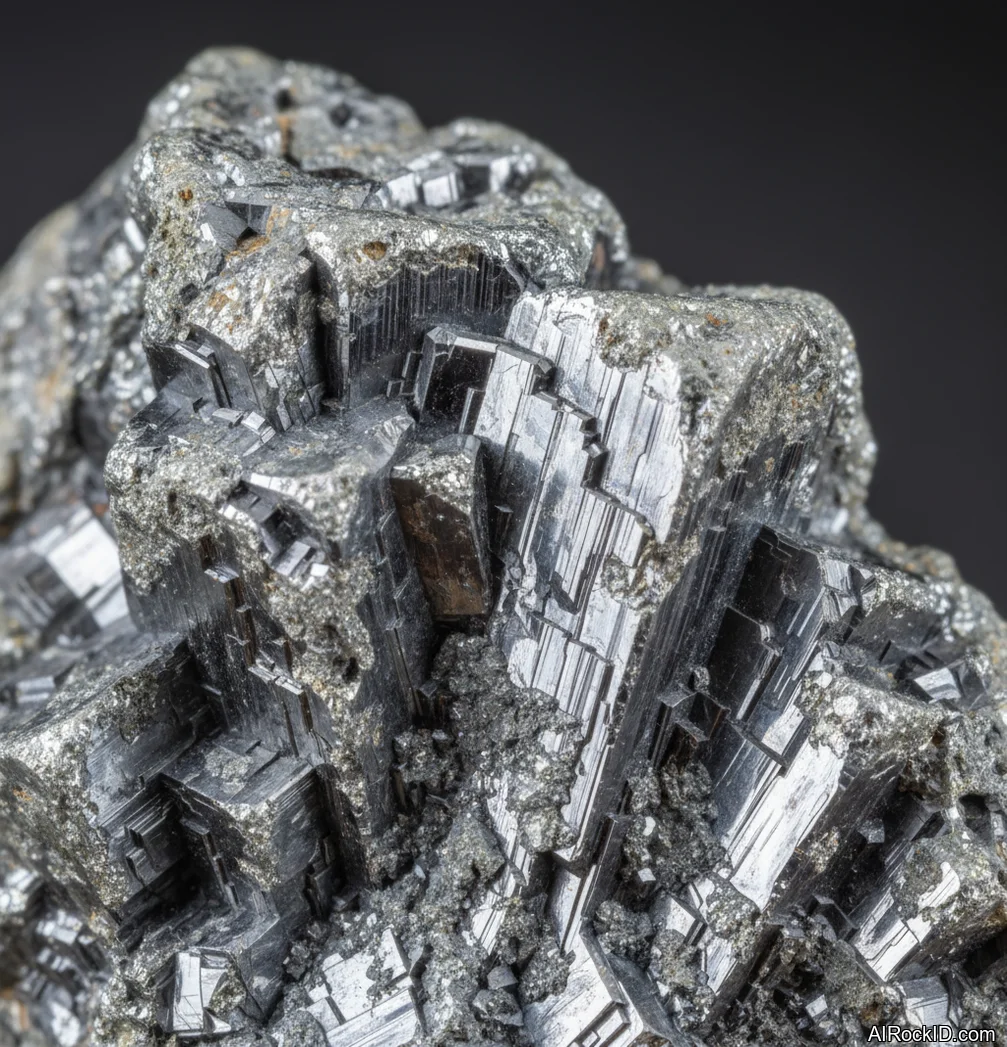
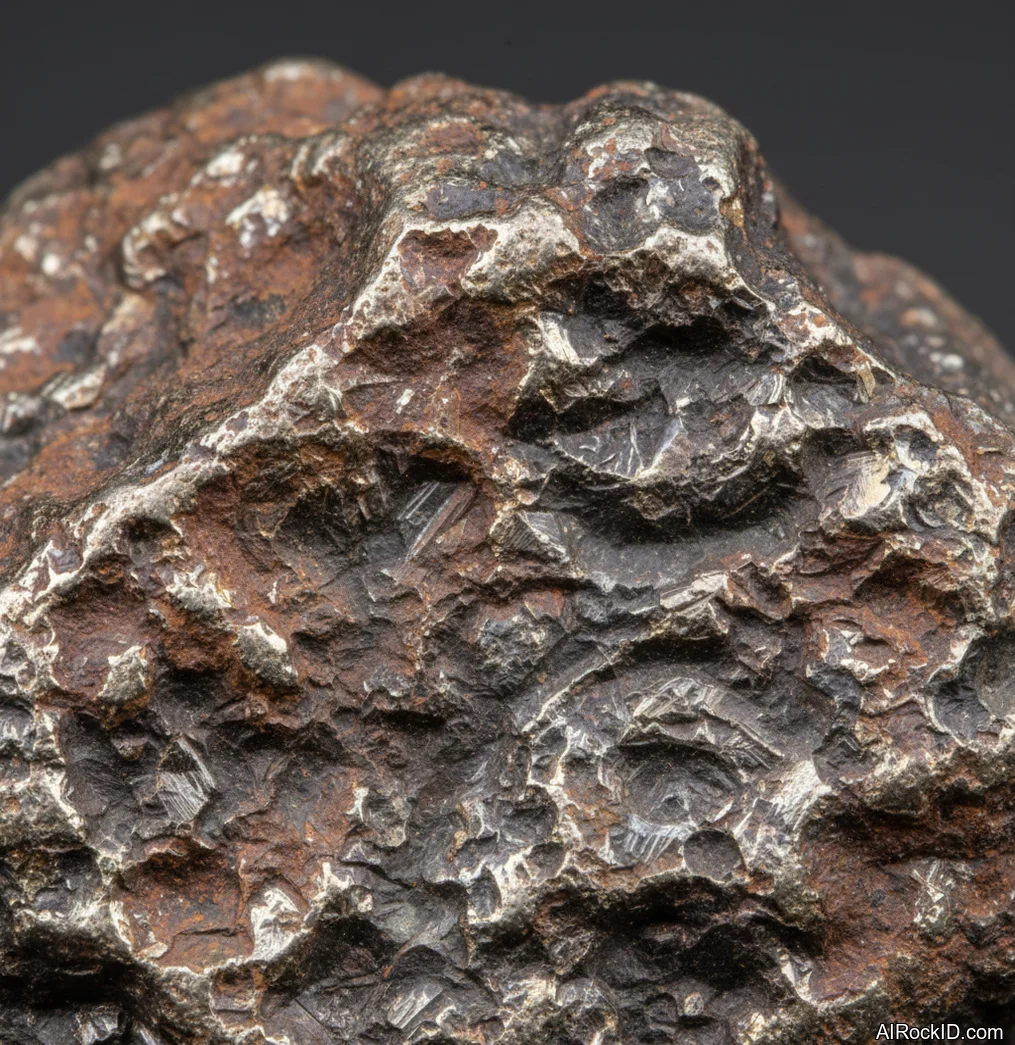
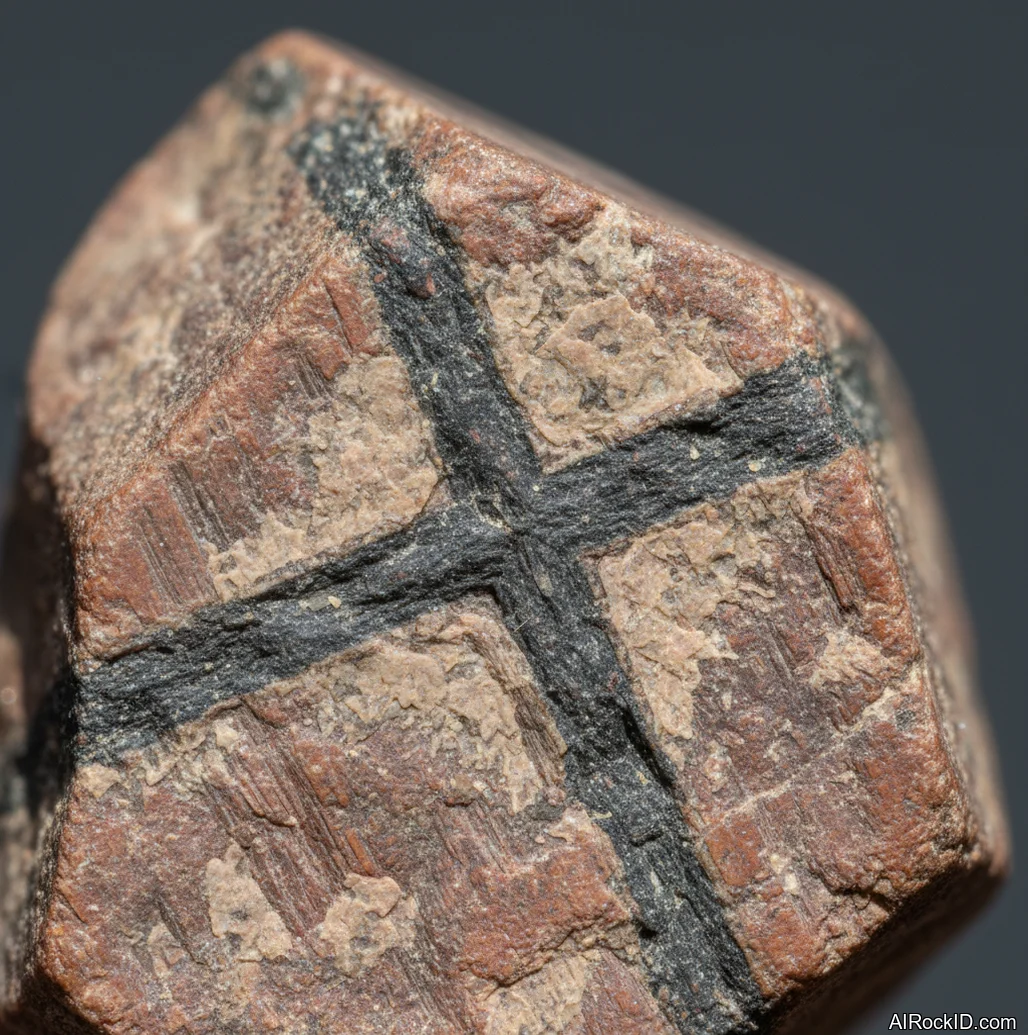
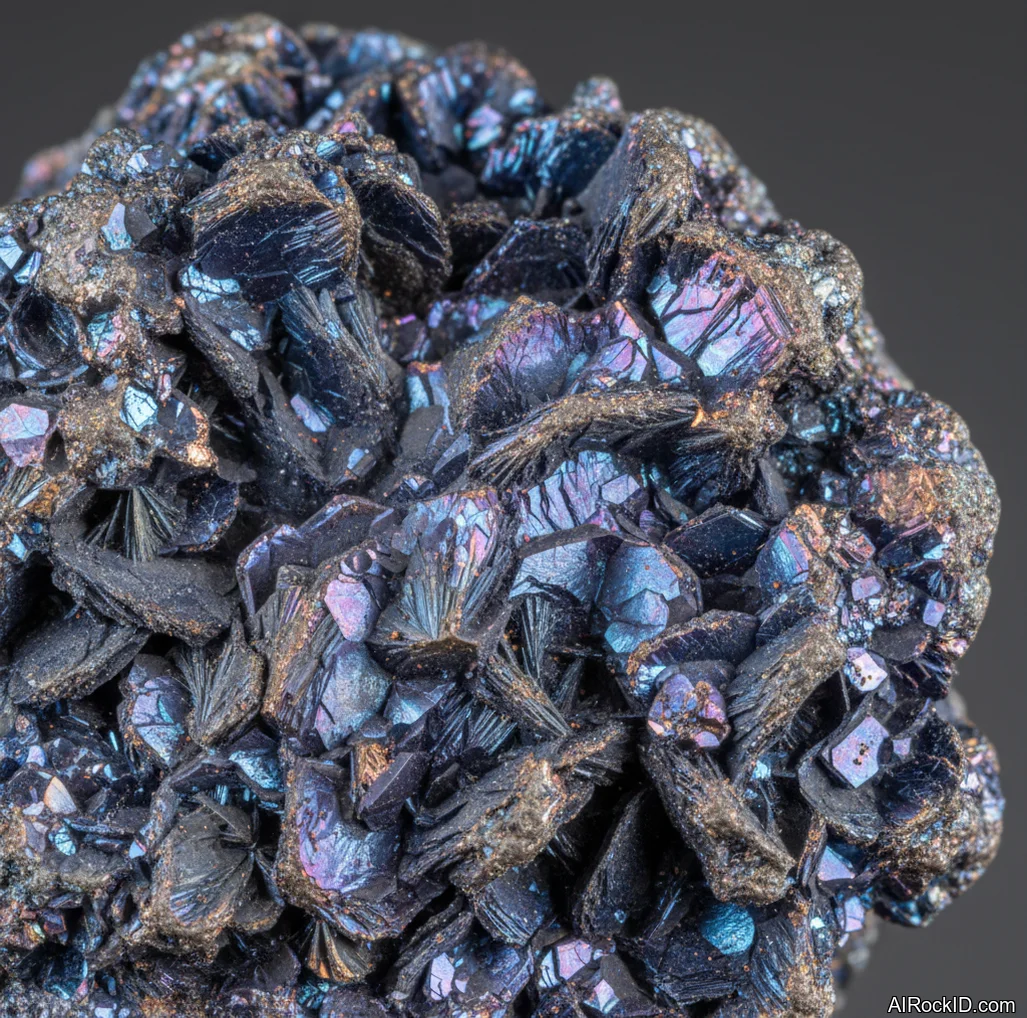
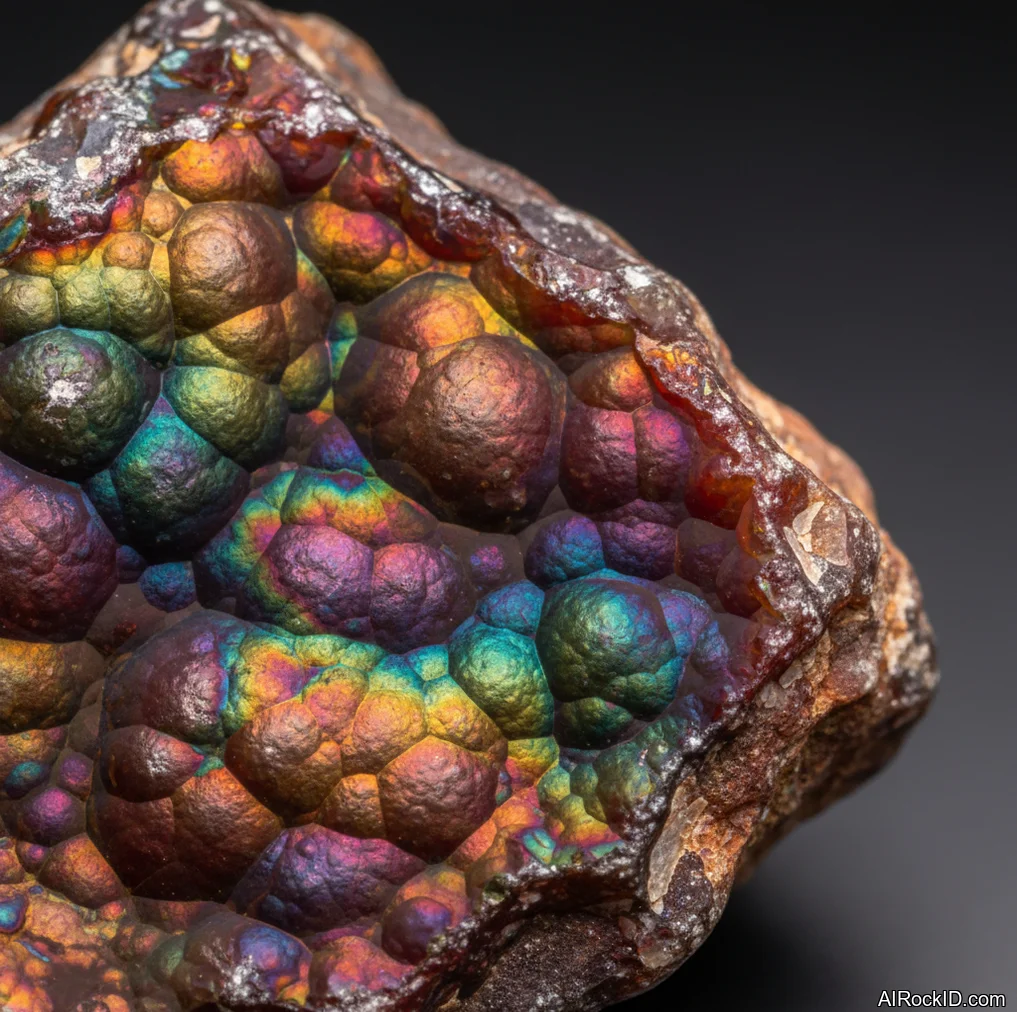
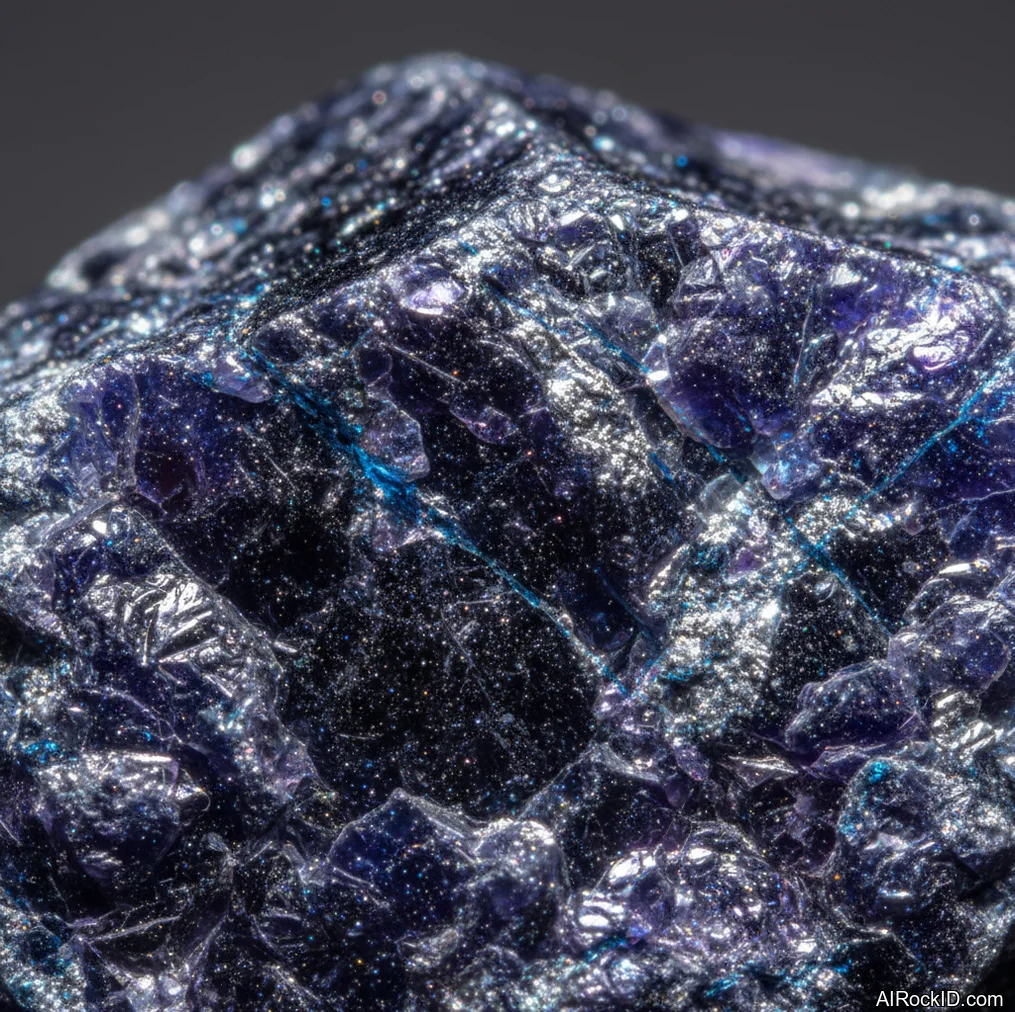
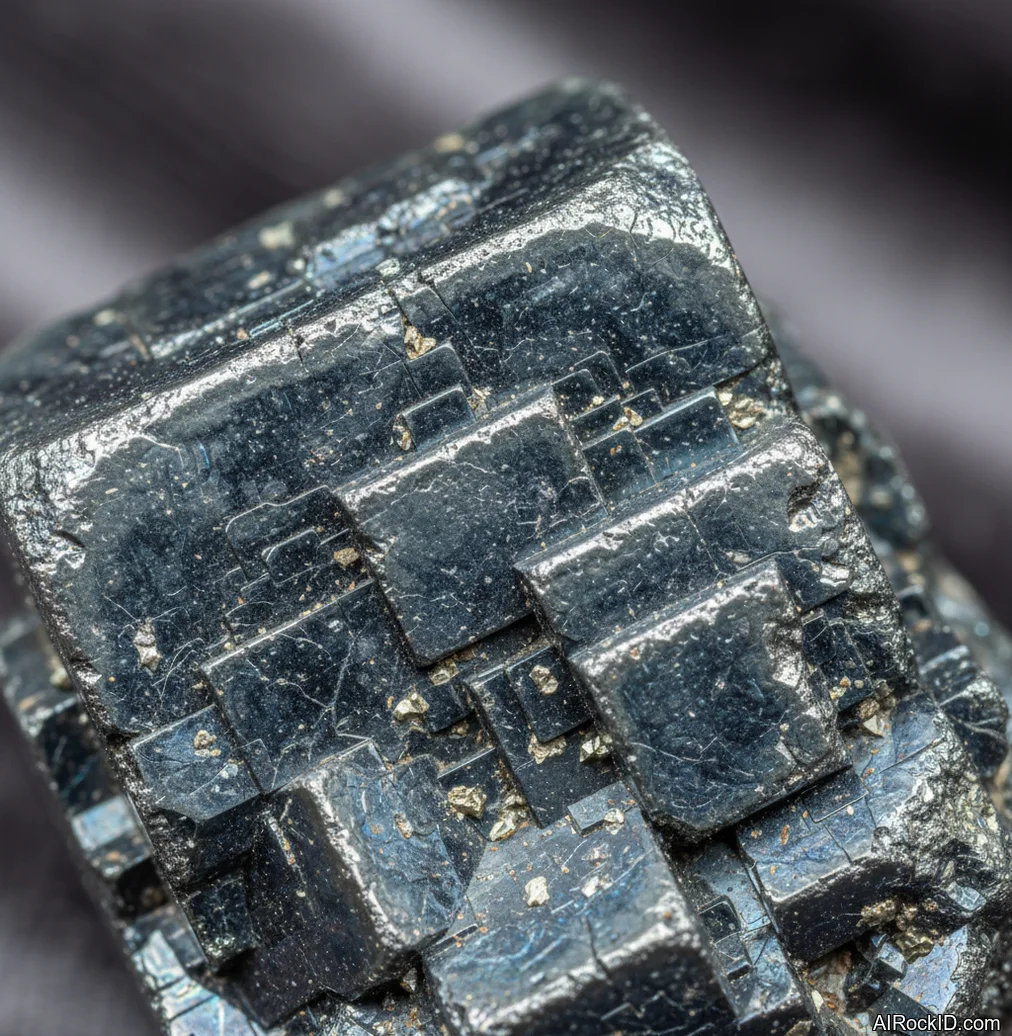
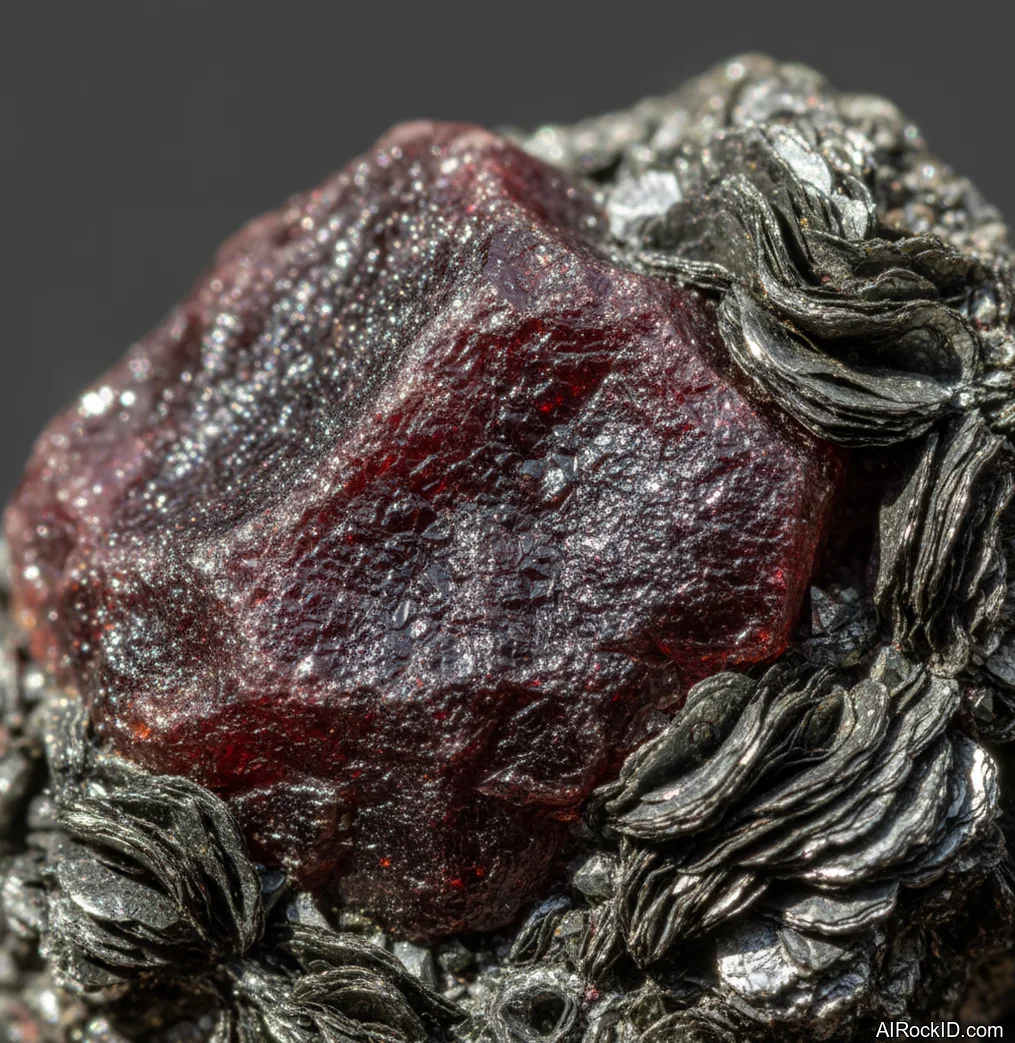
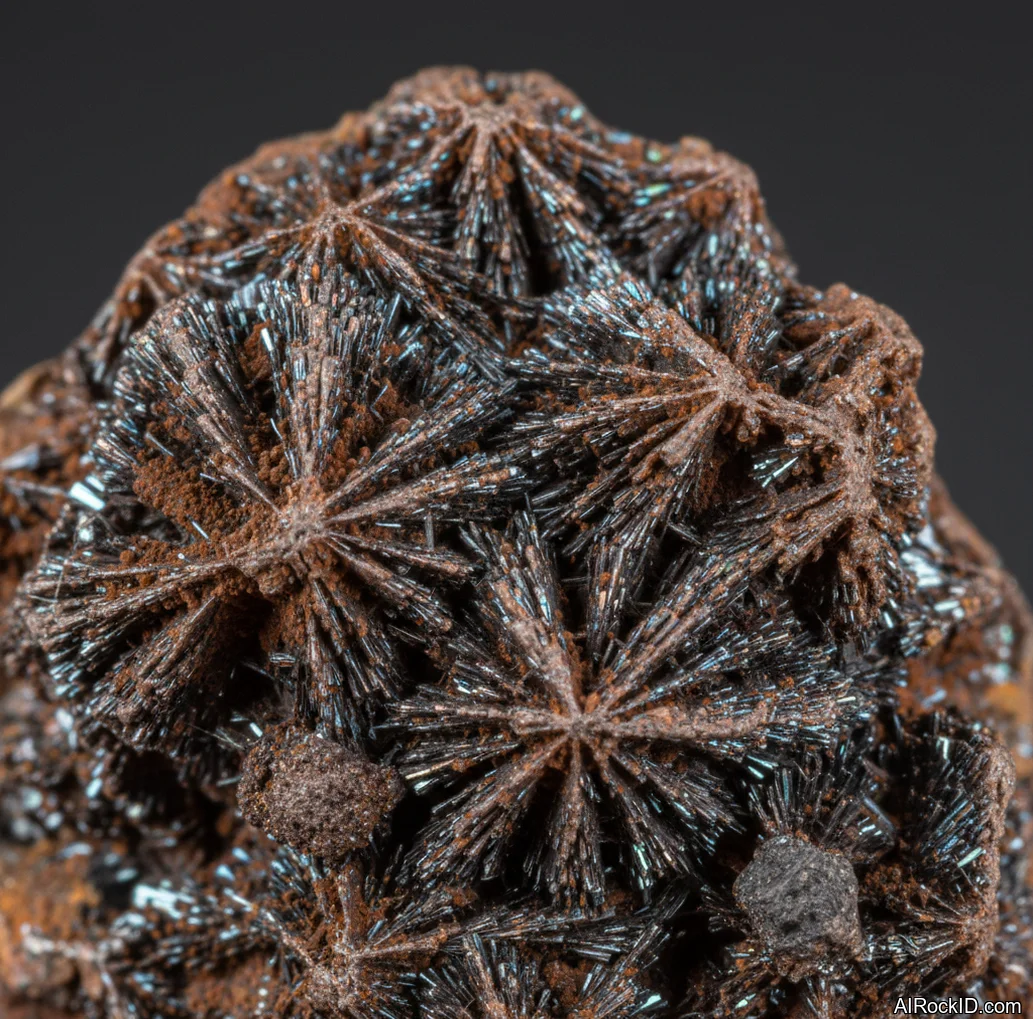
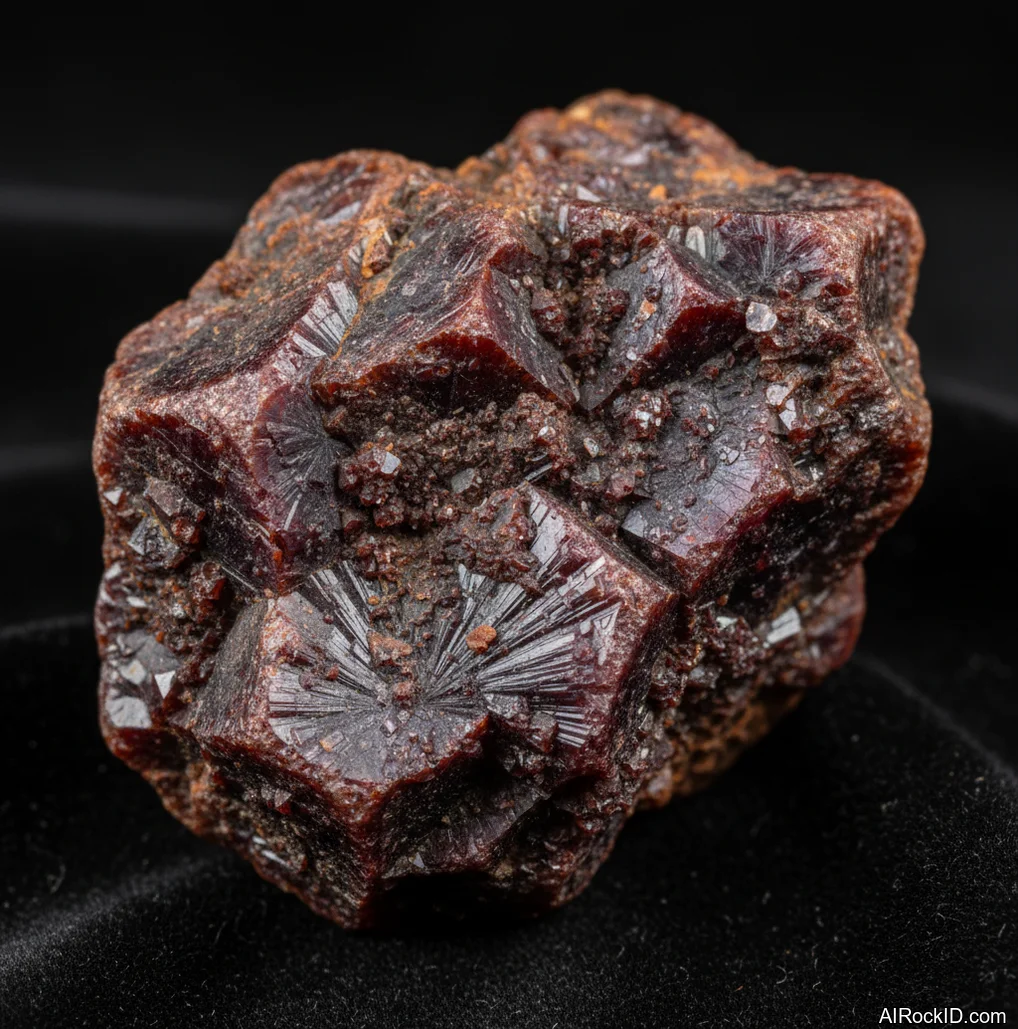
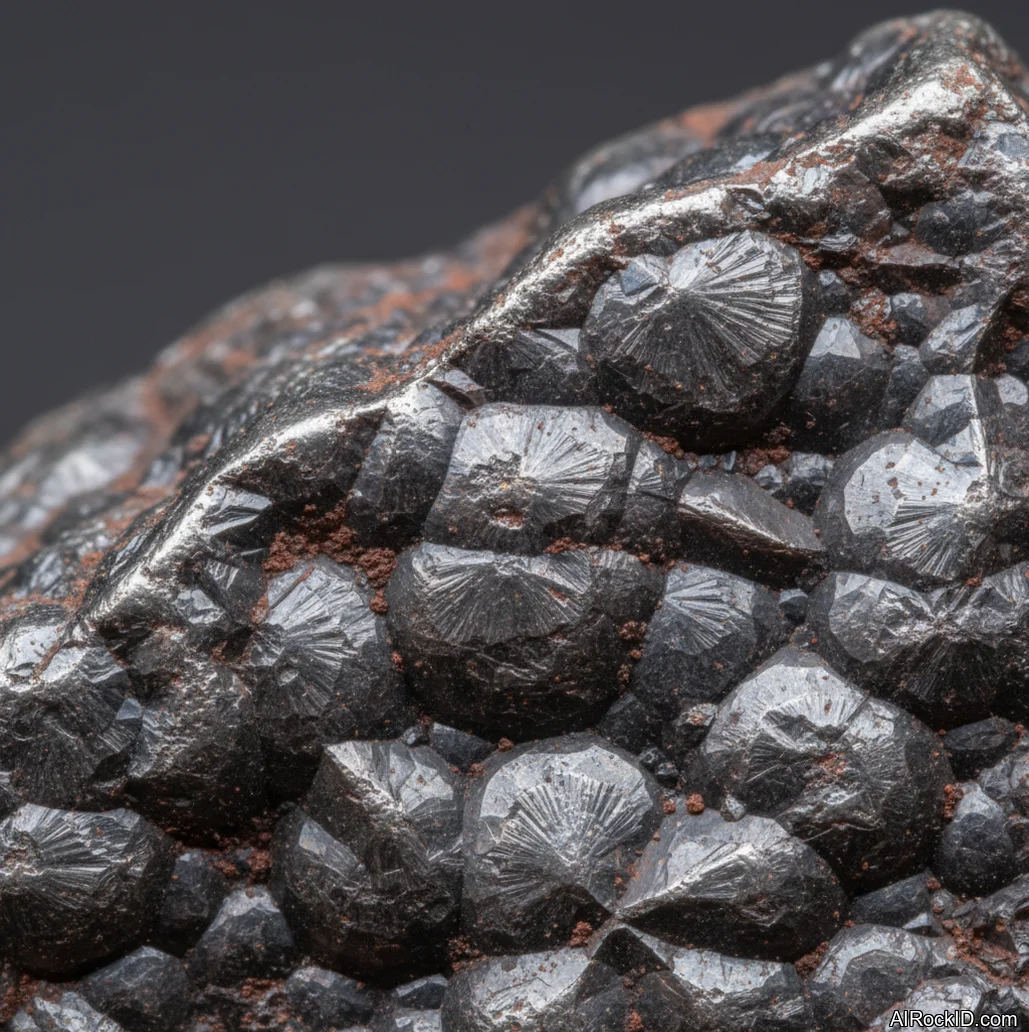
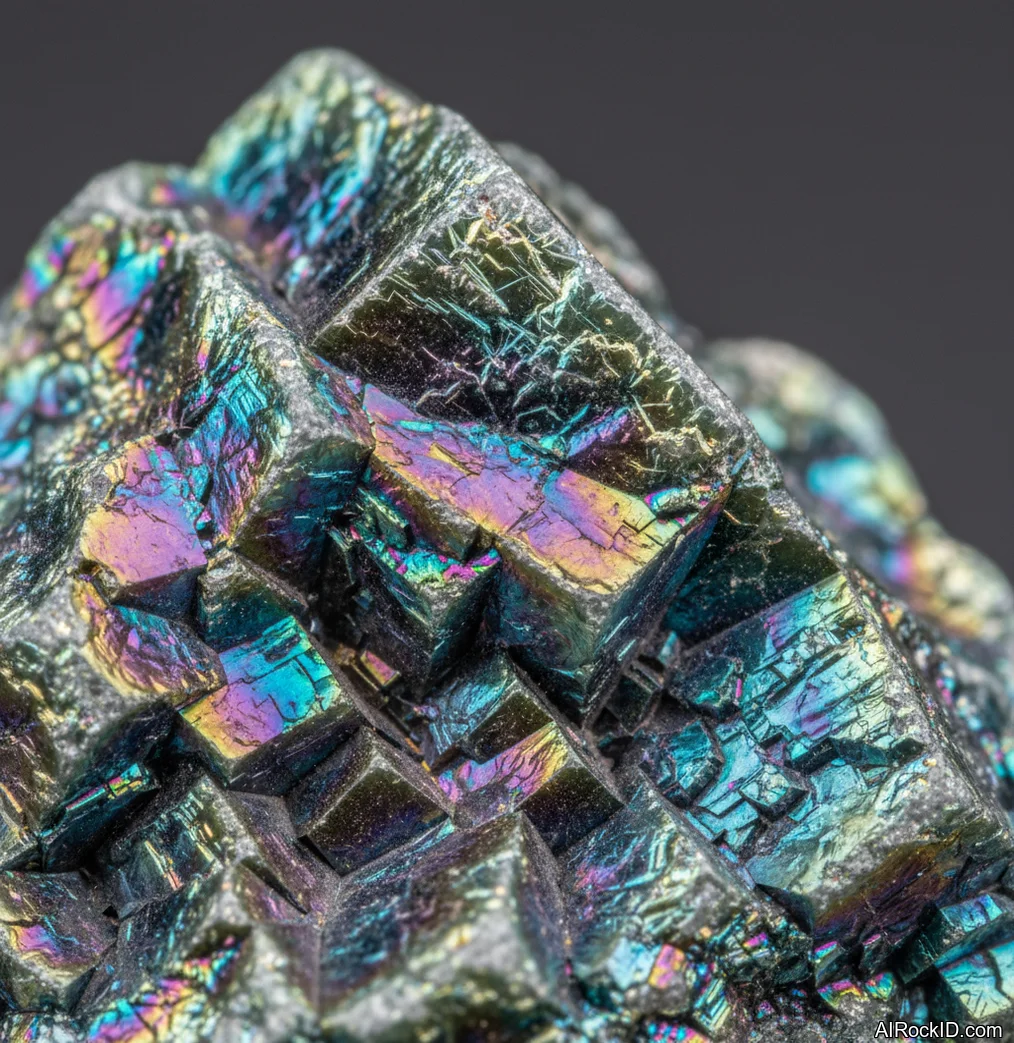
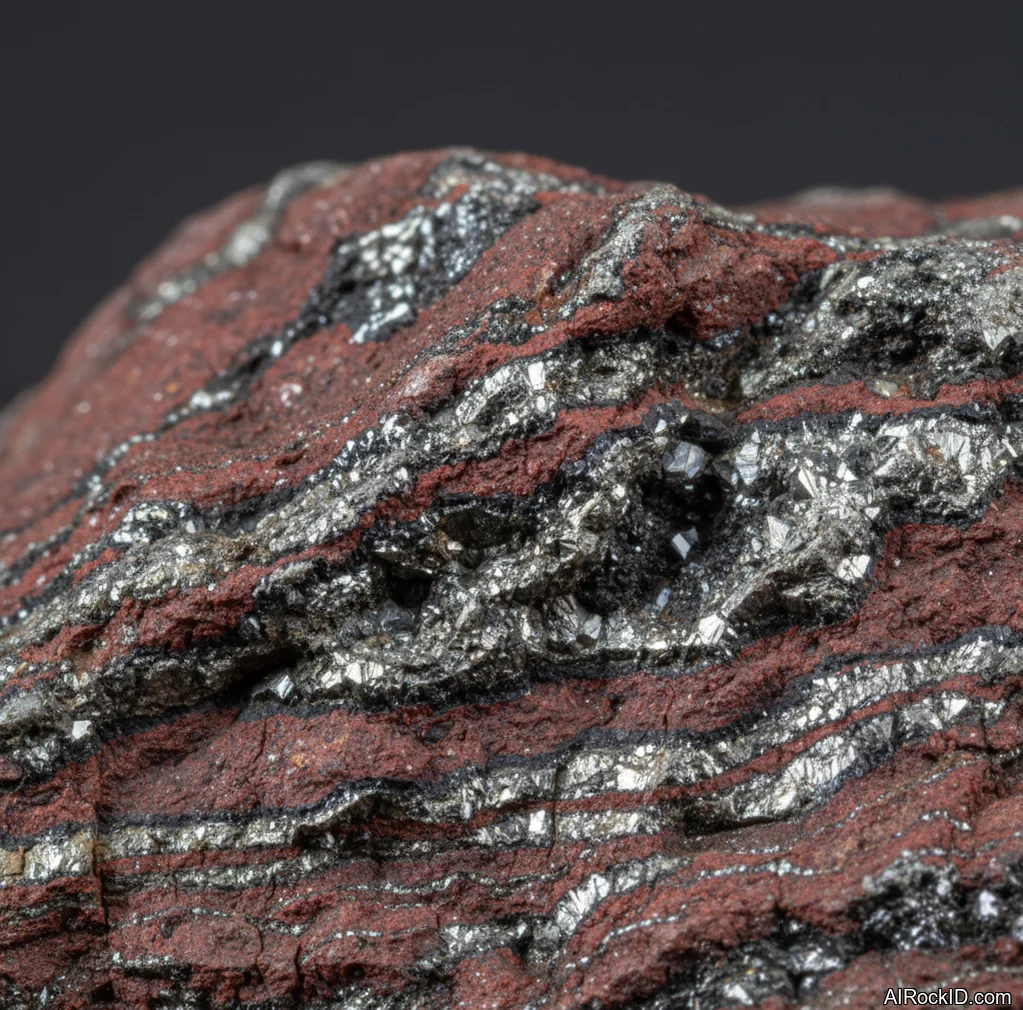
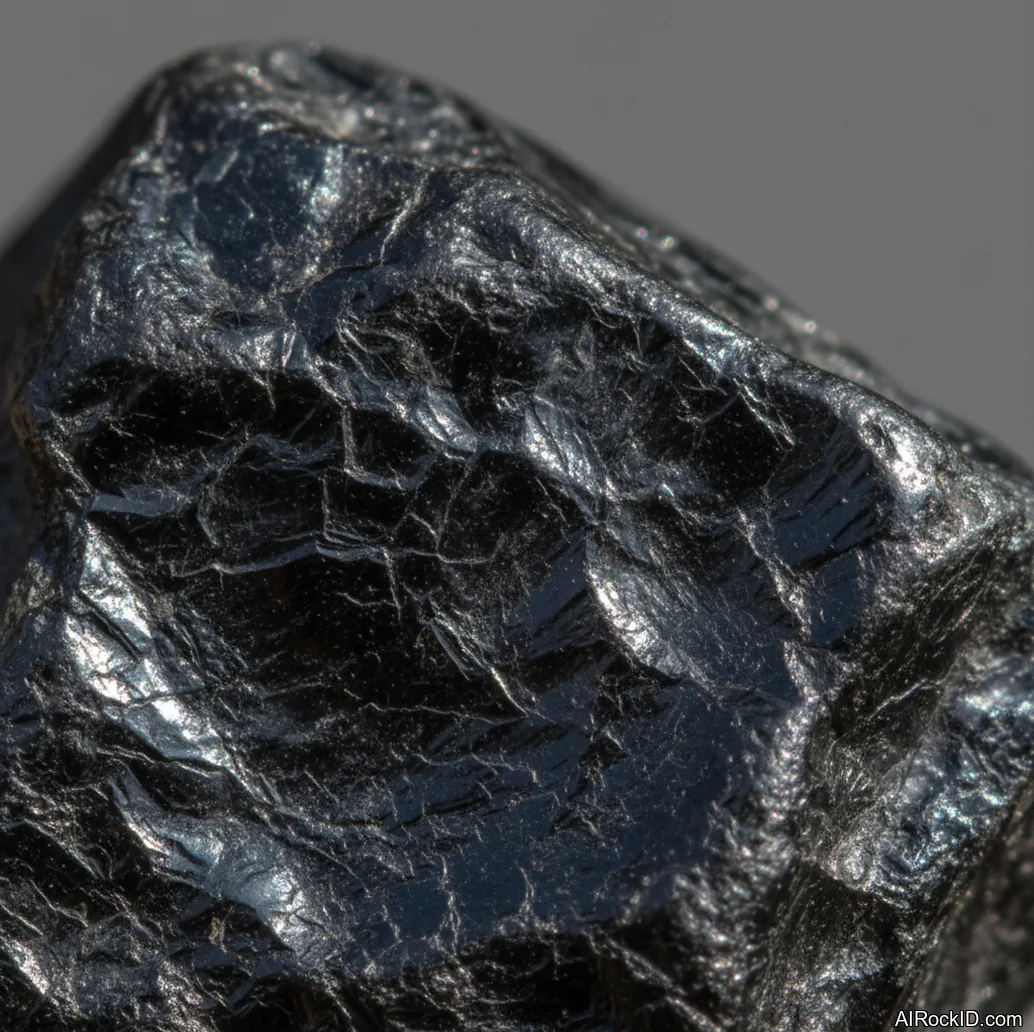
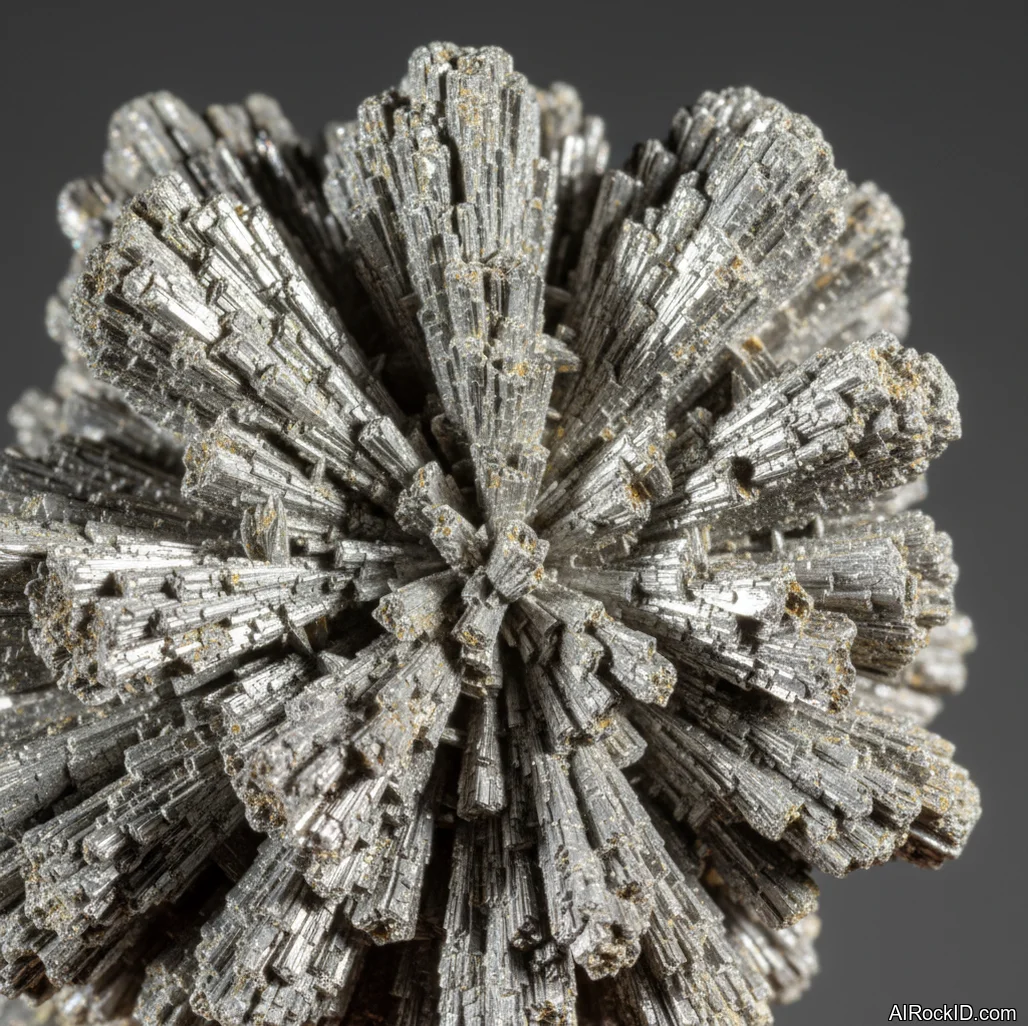
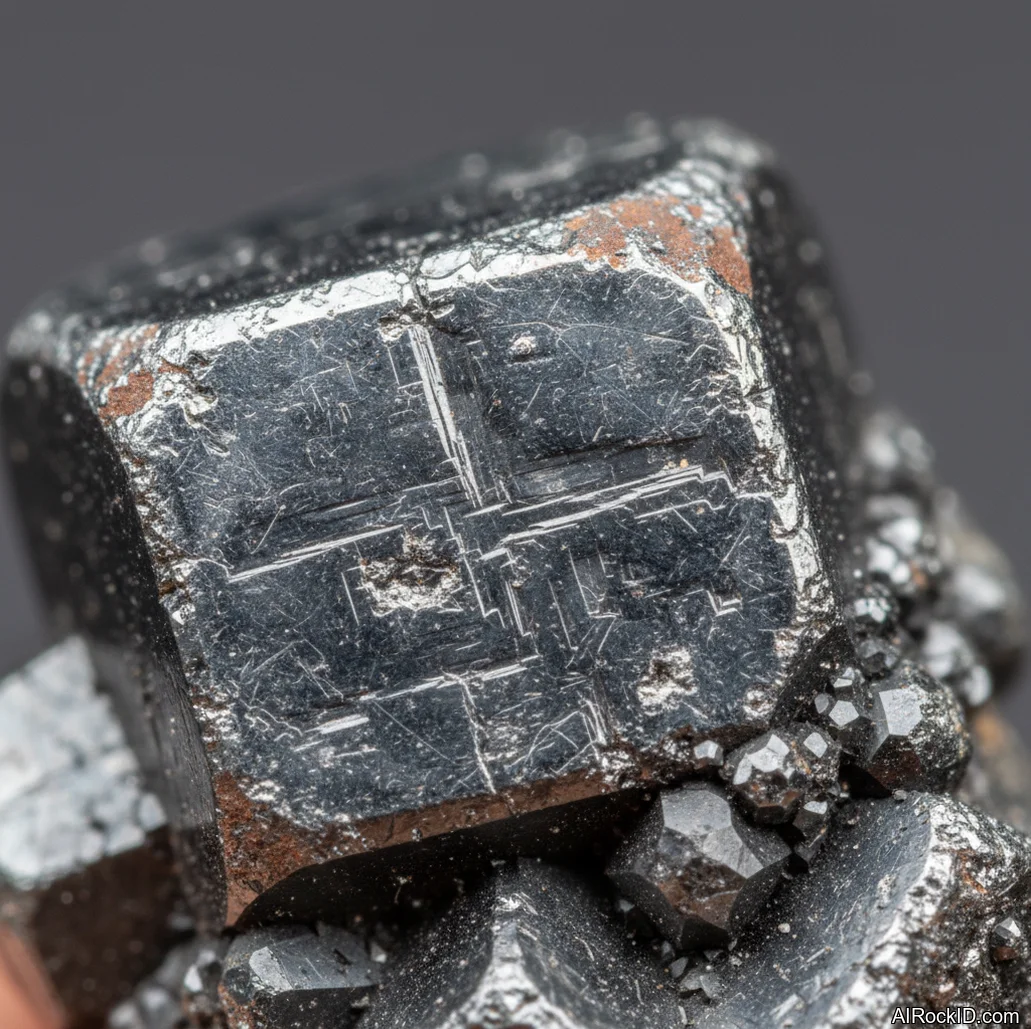
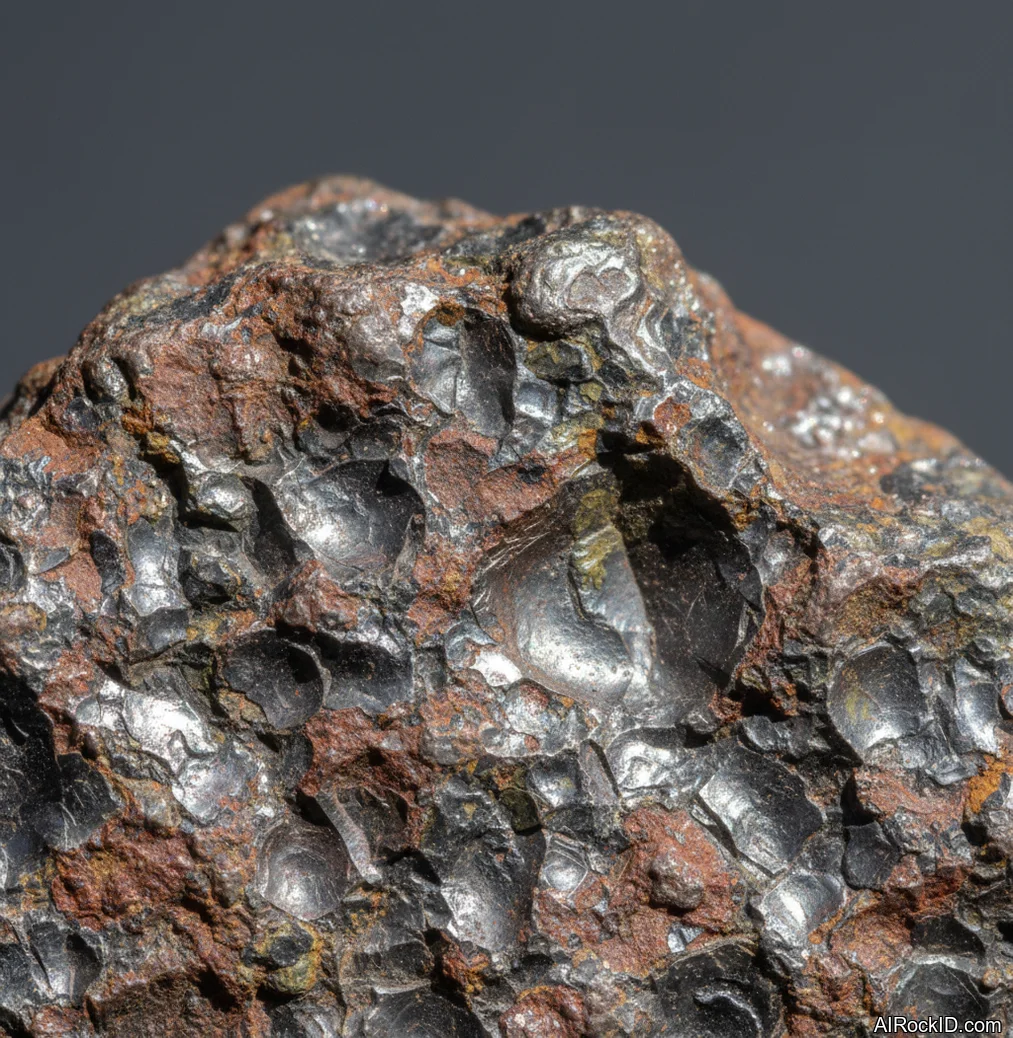
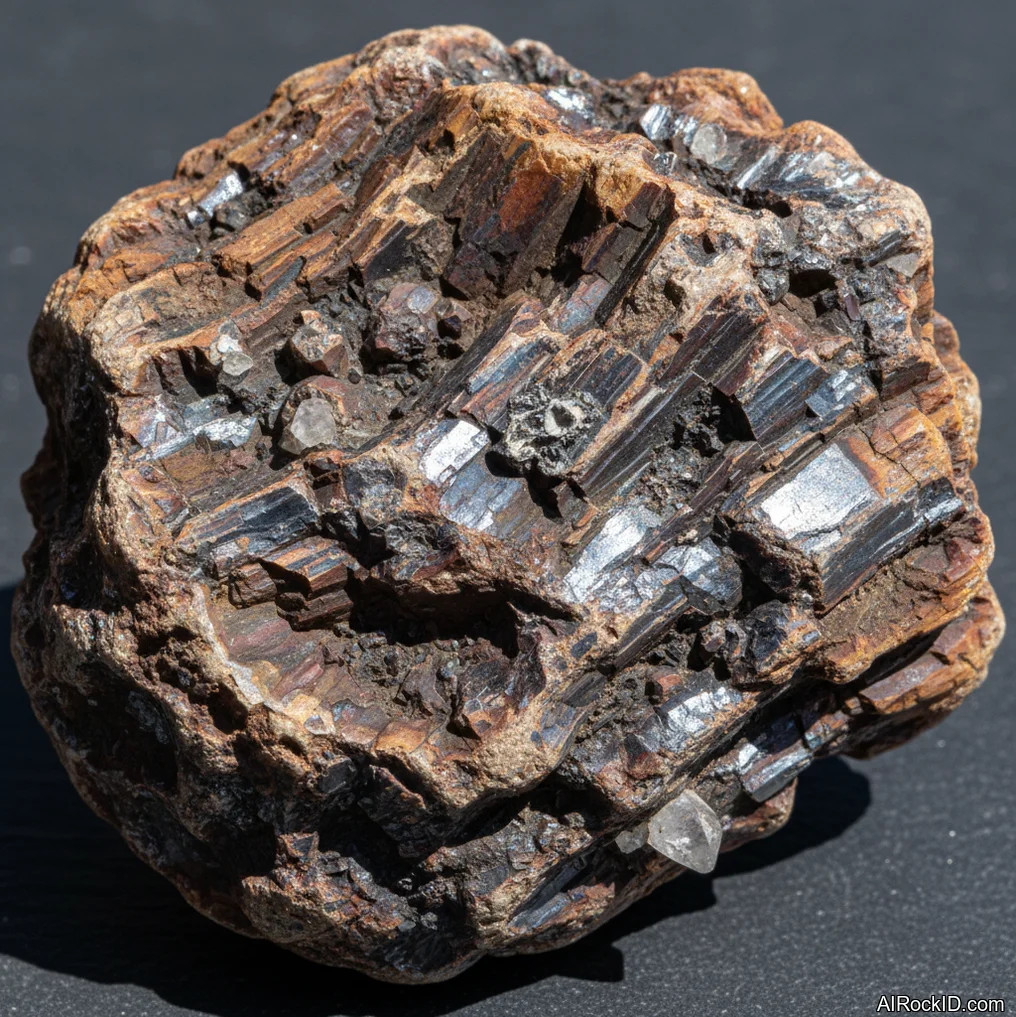
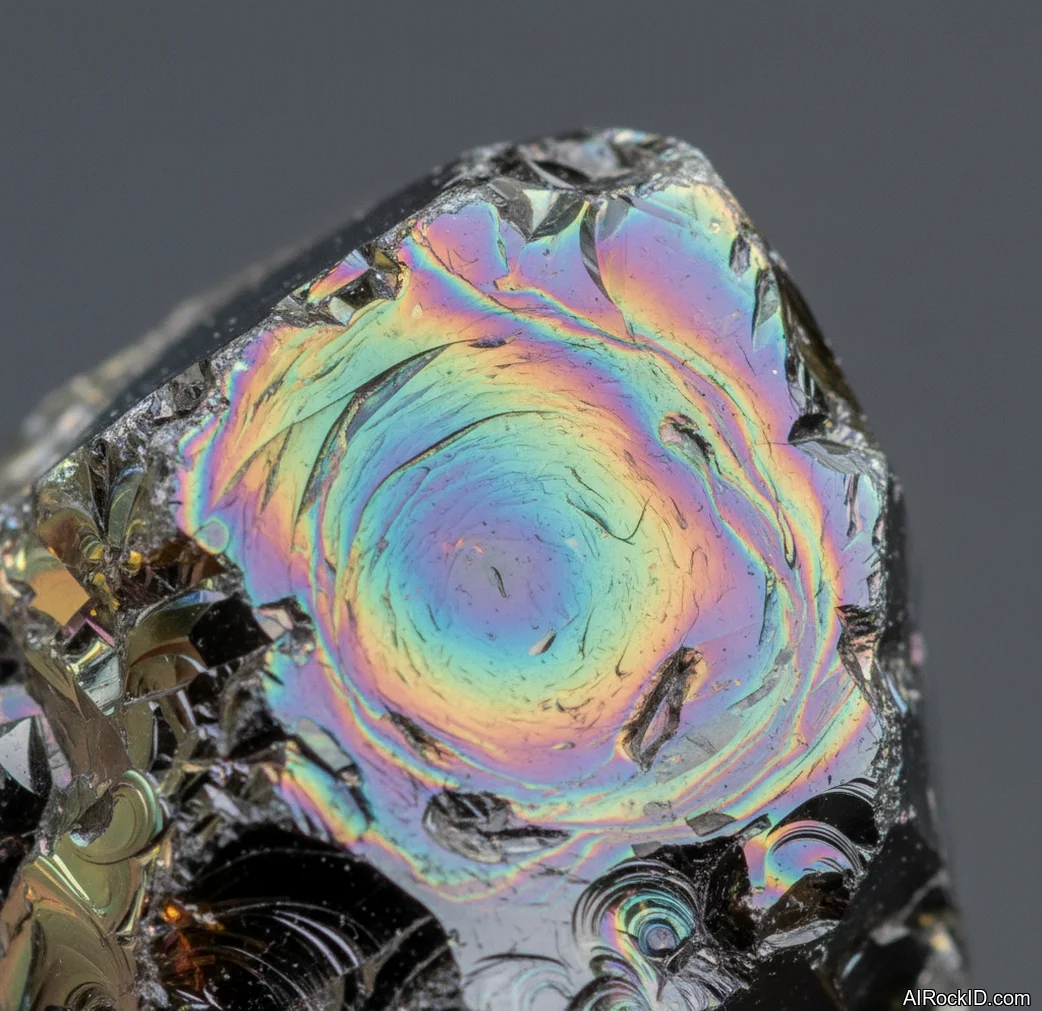
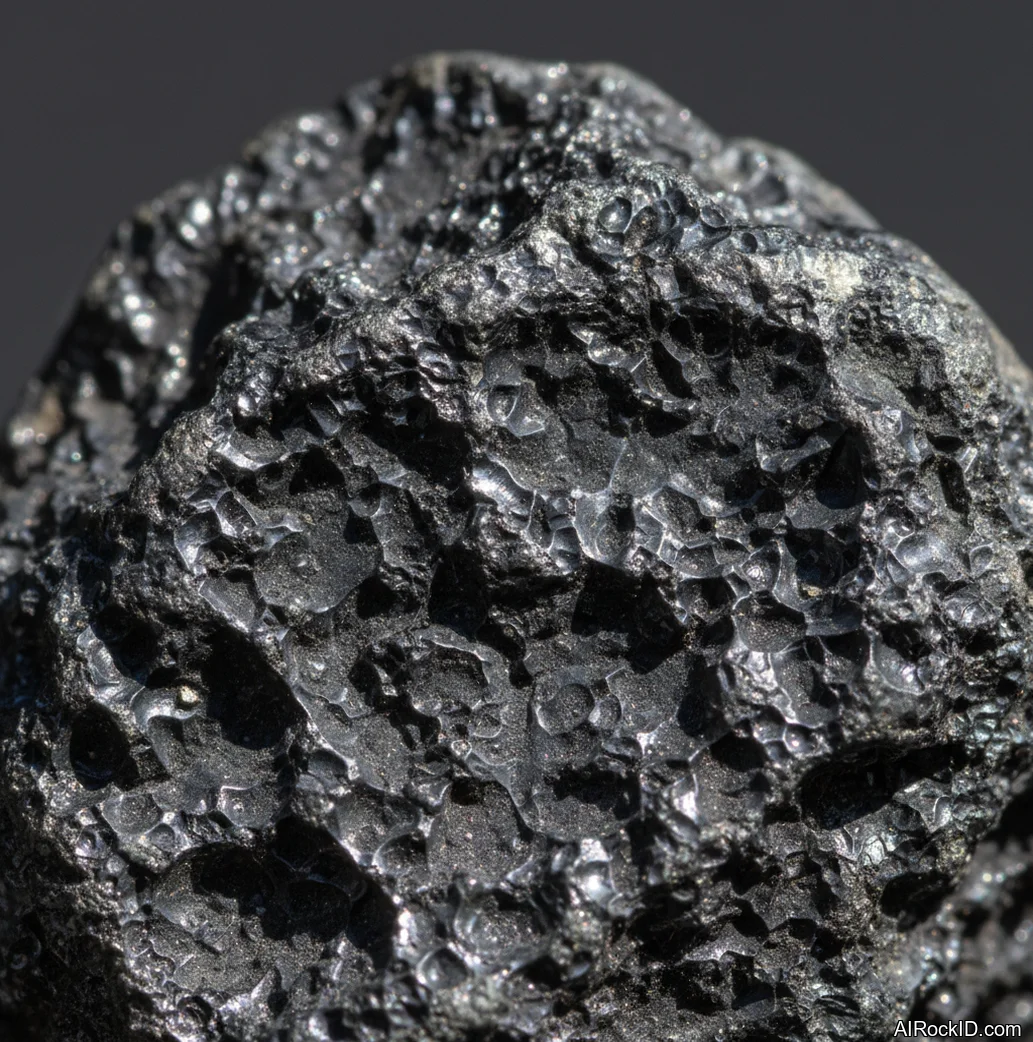
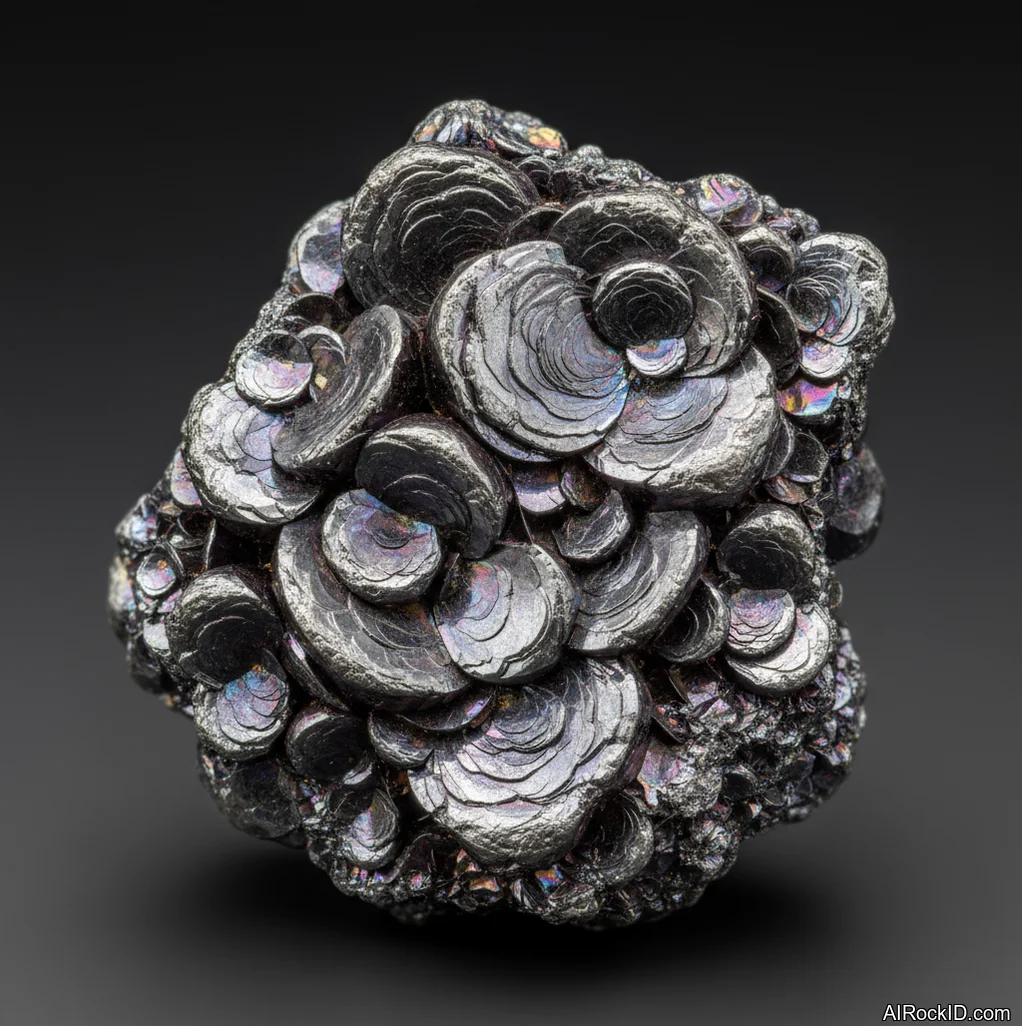
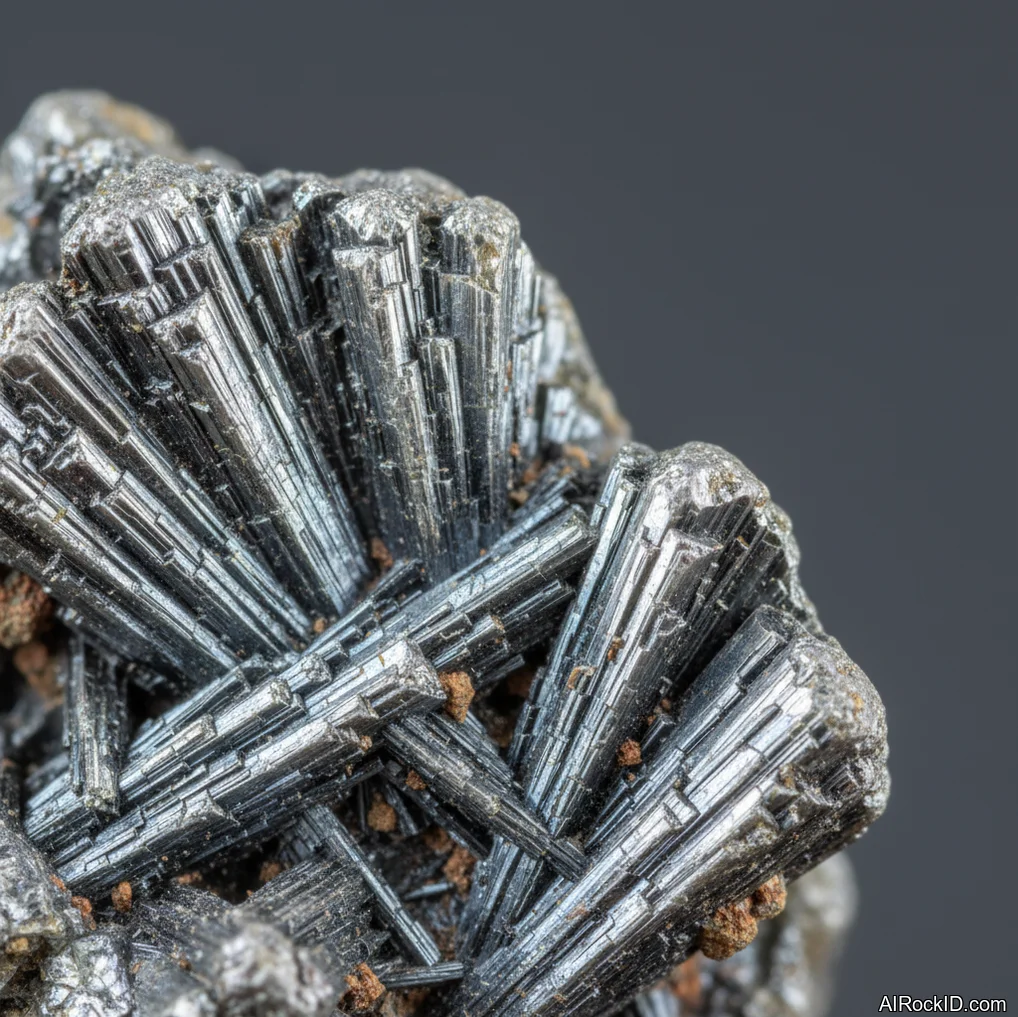
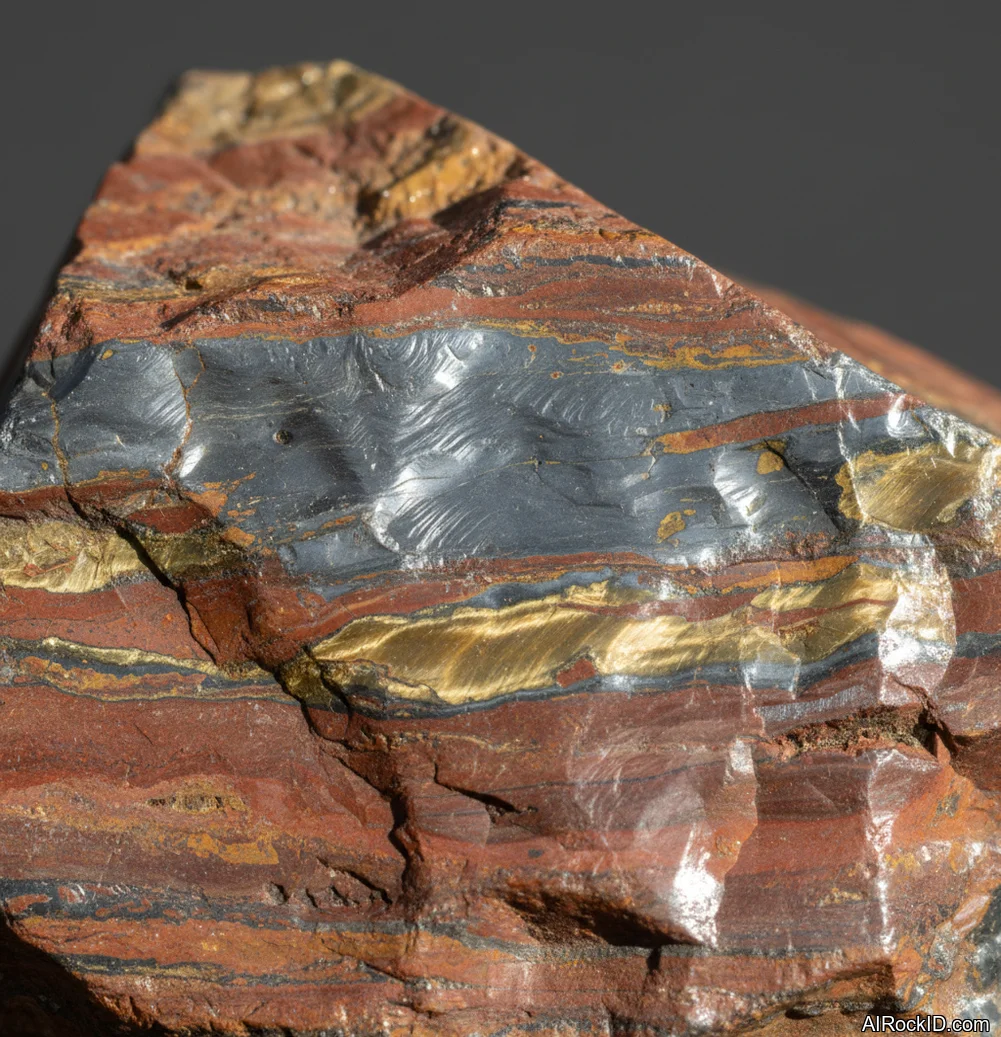
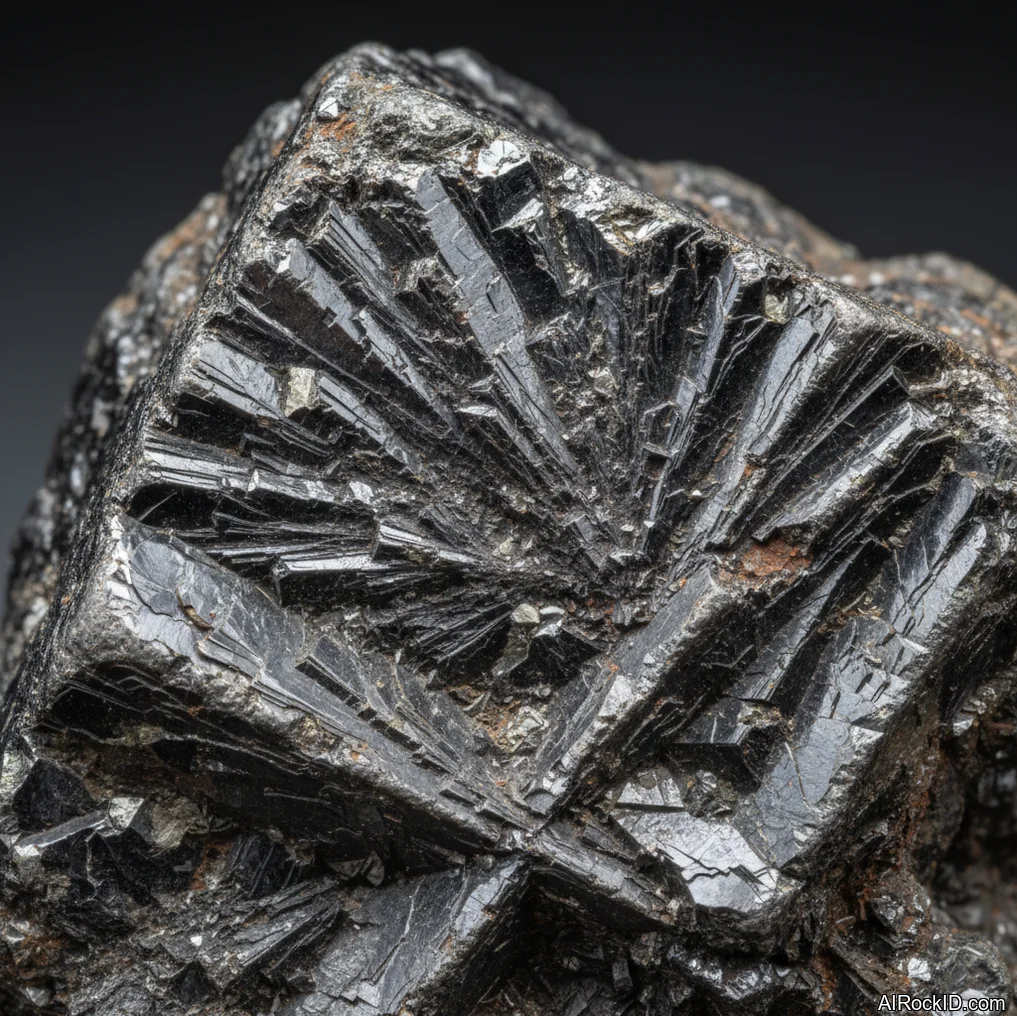
- Hematite: Has a metallic to submetallic luster and a reddish-brown streak, which helps separate it from many black stones.
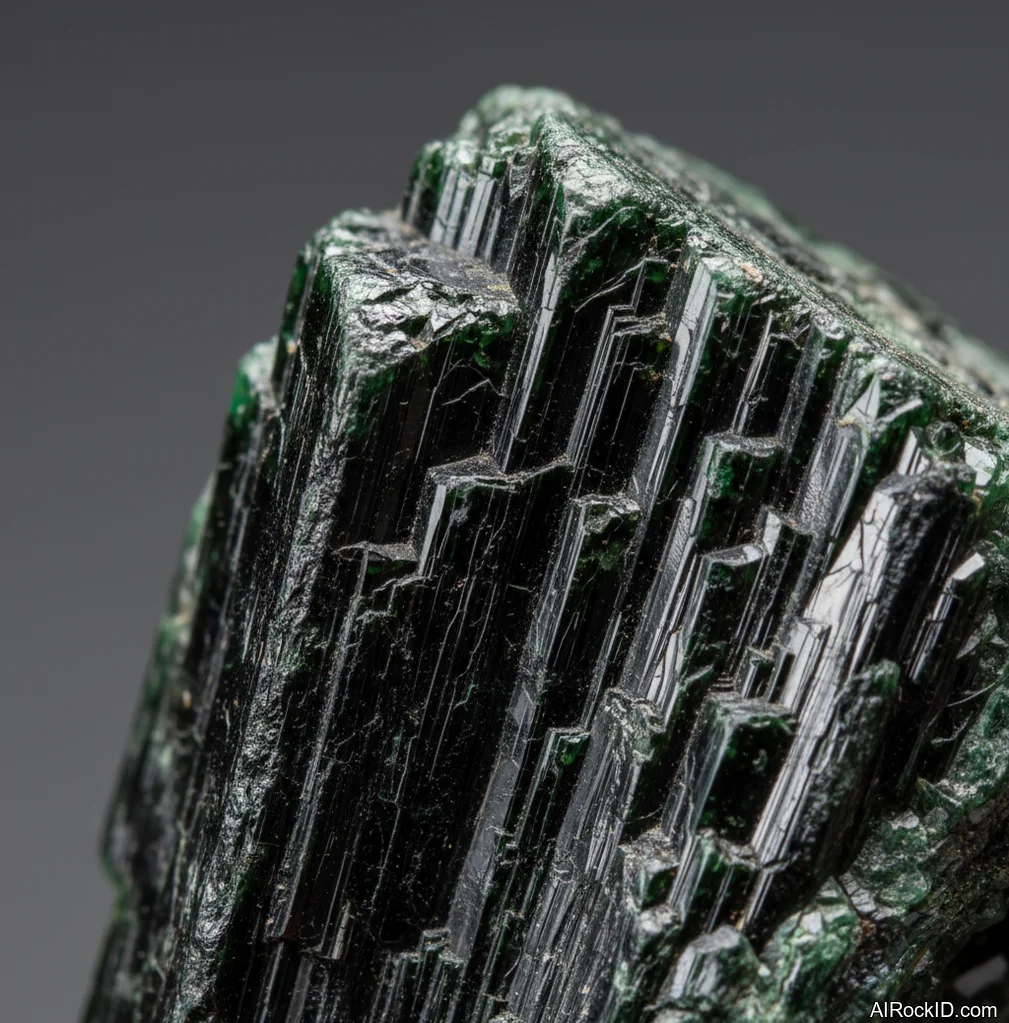
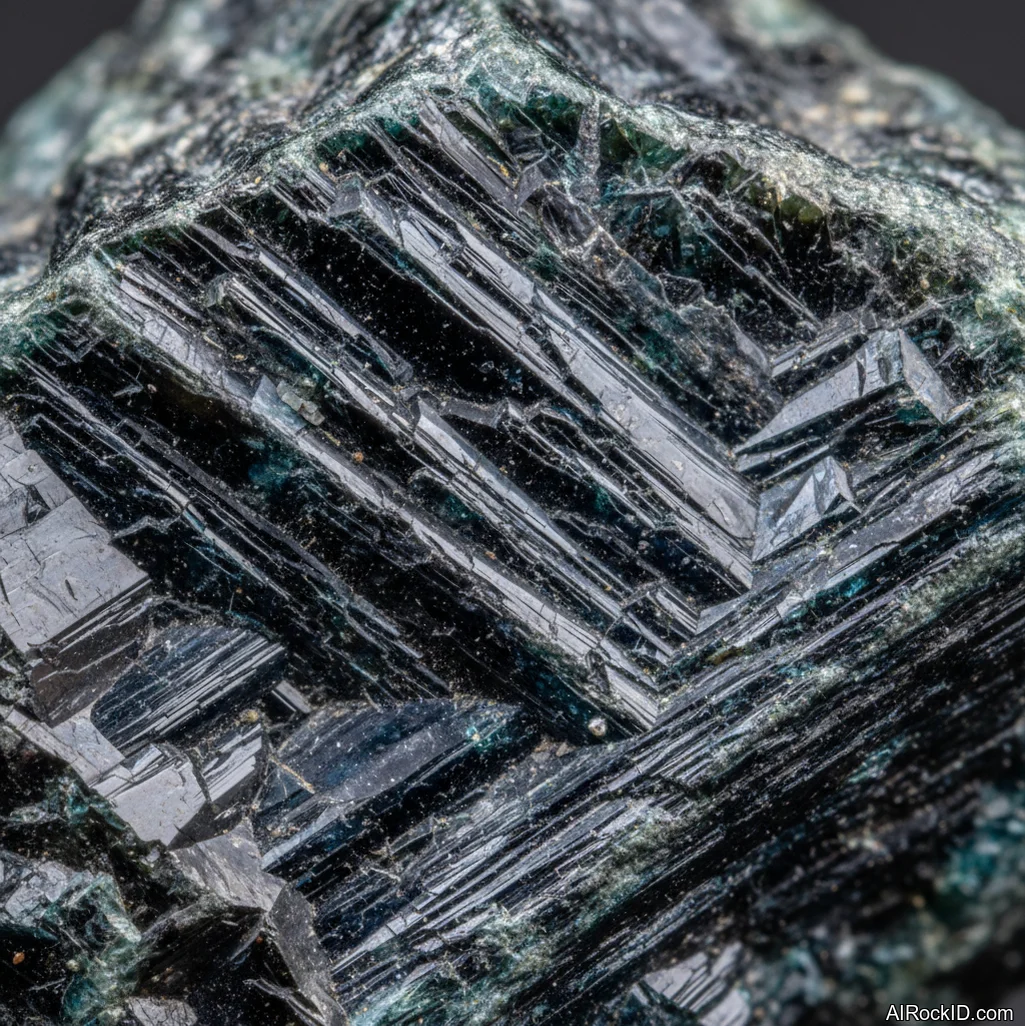
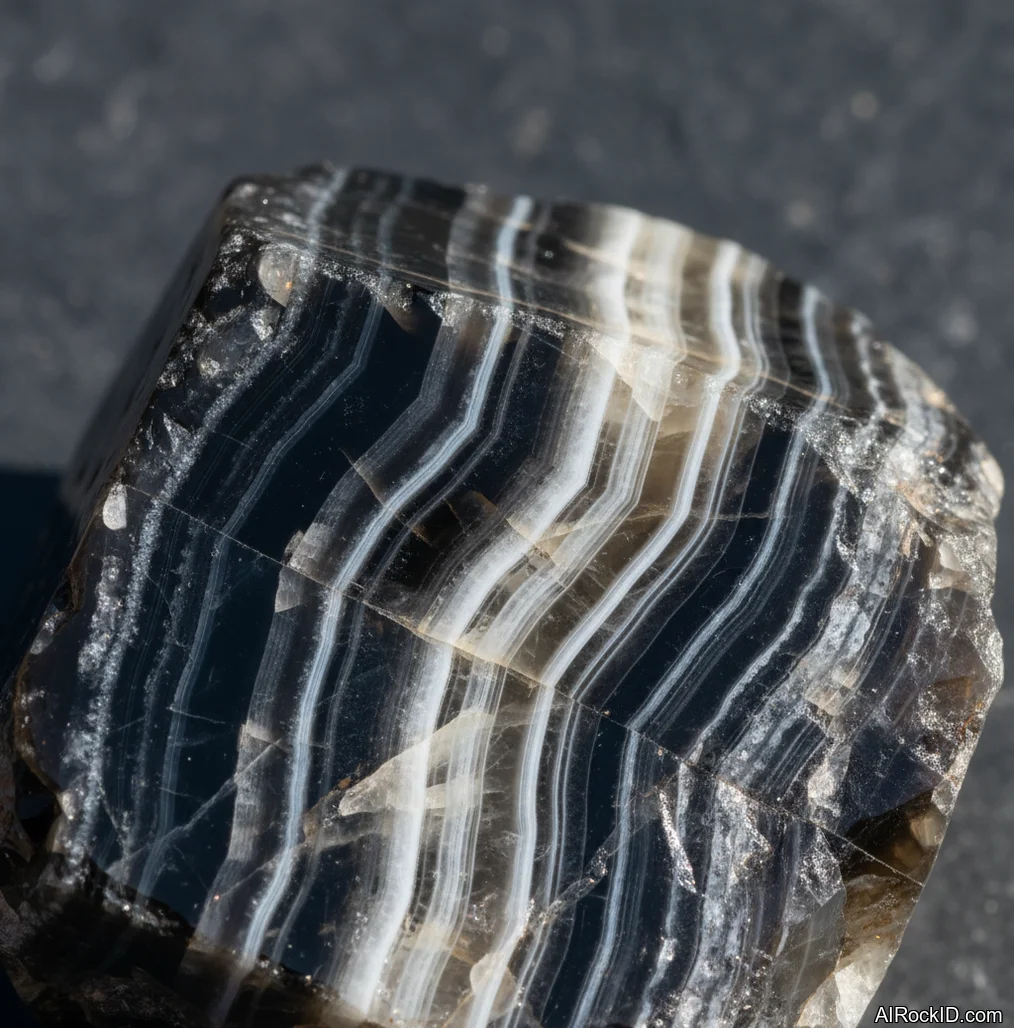
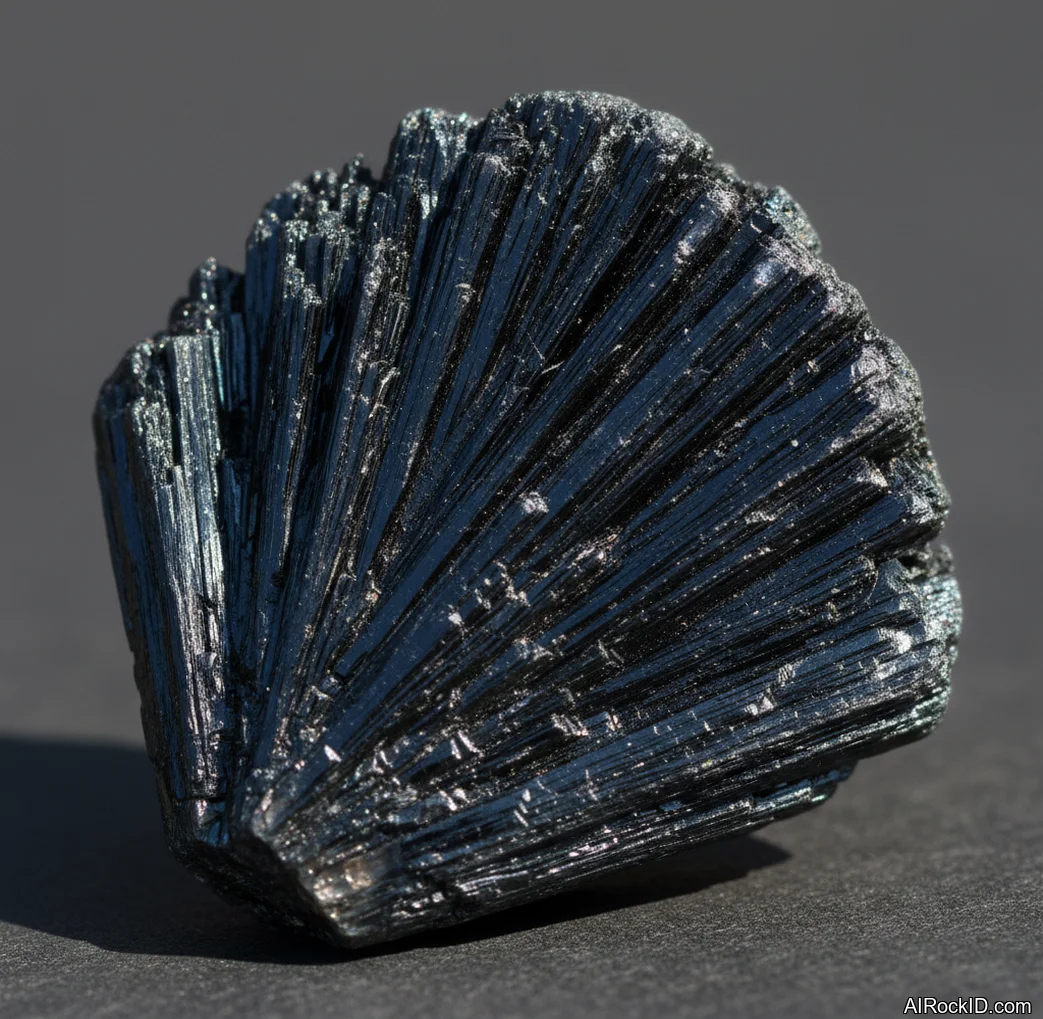
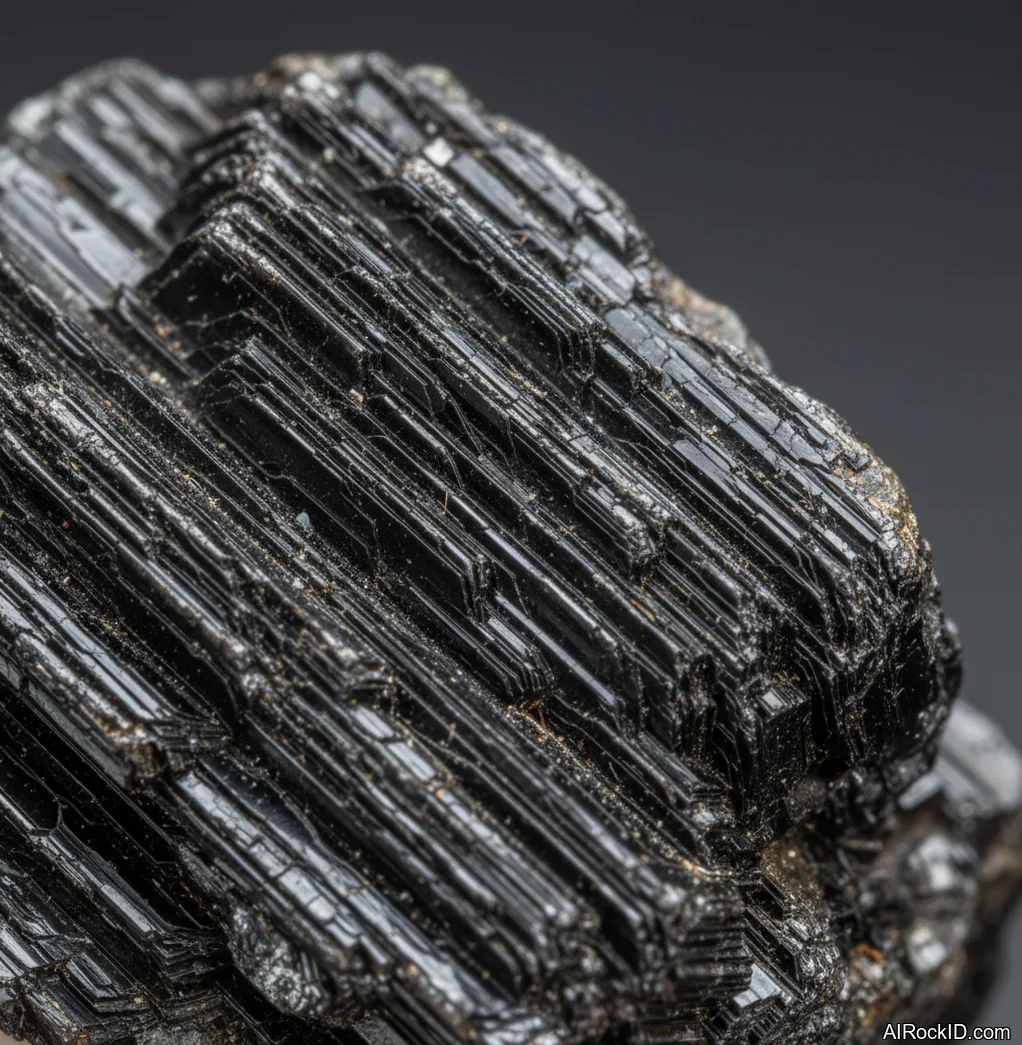
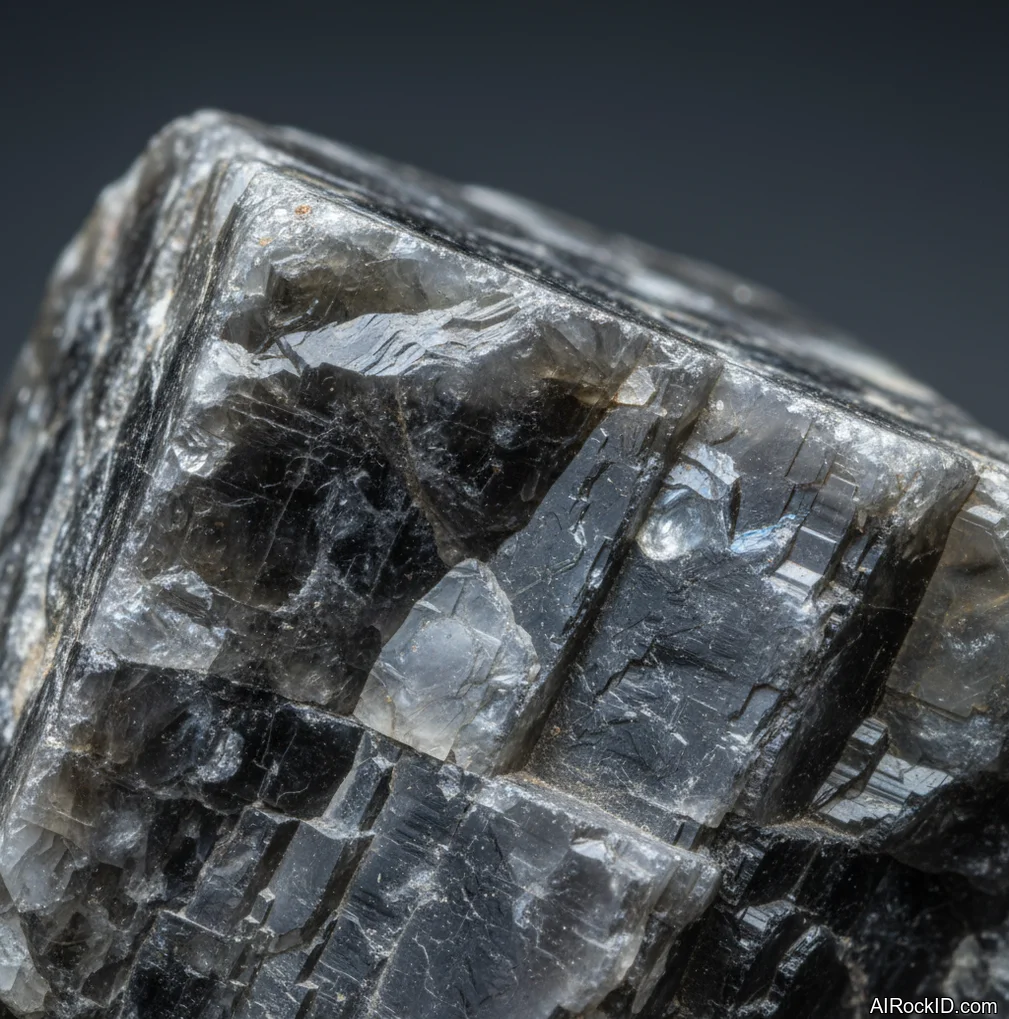
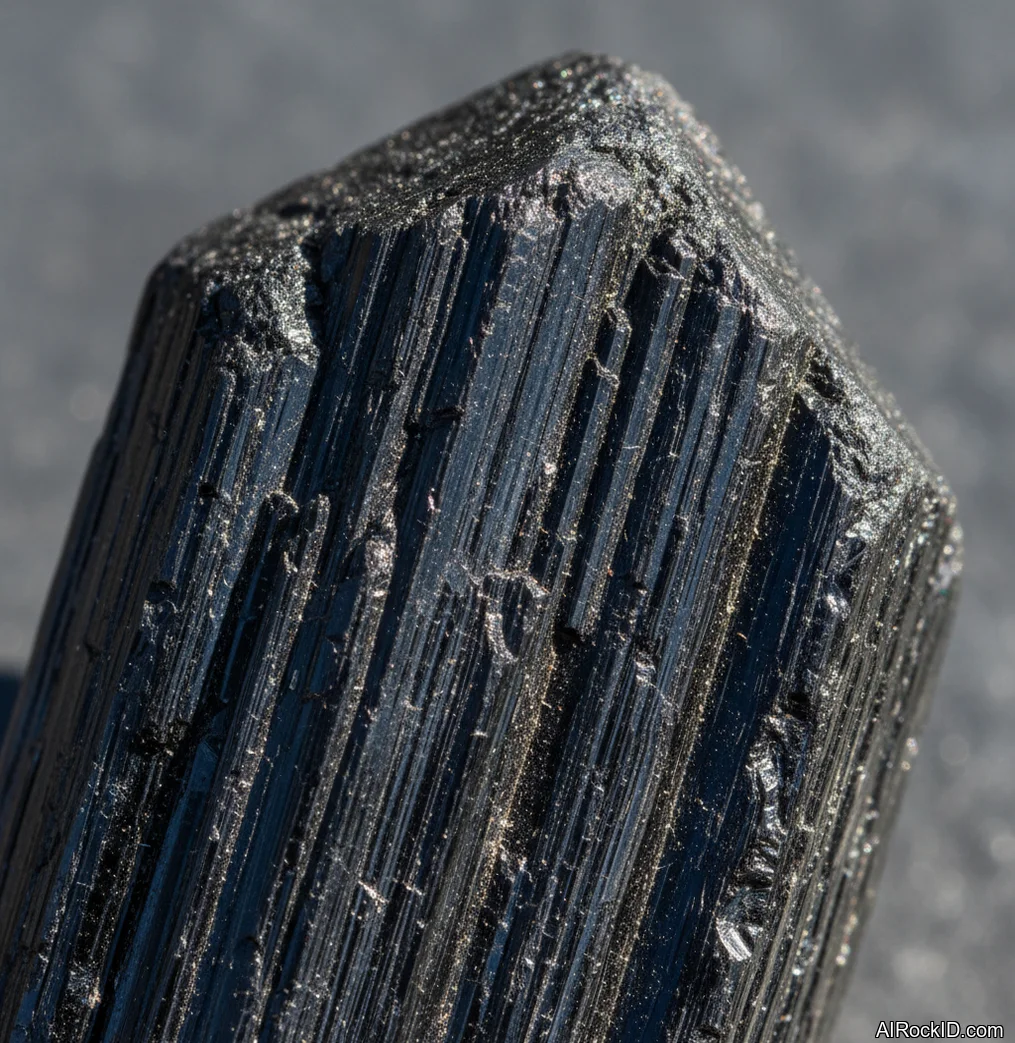
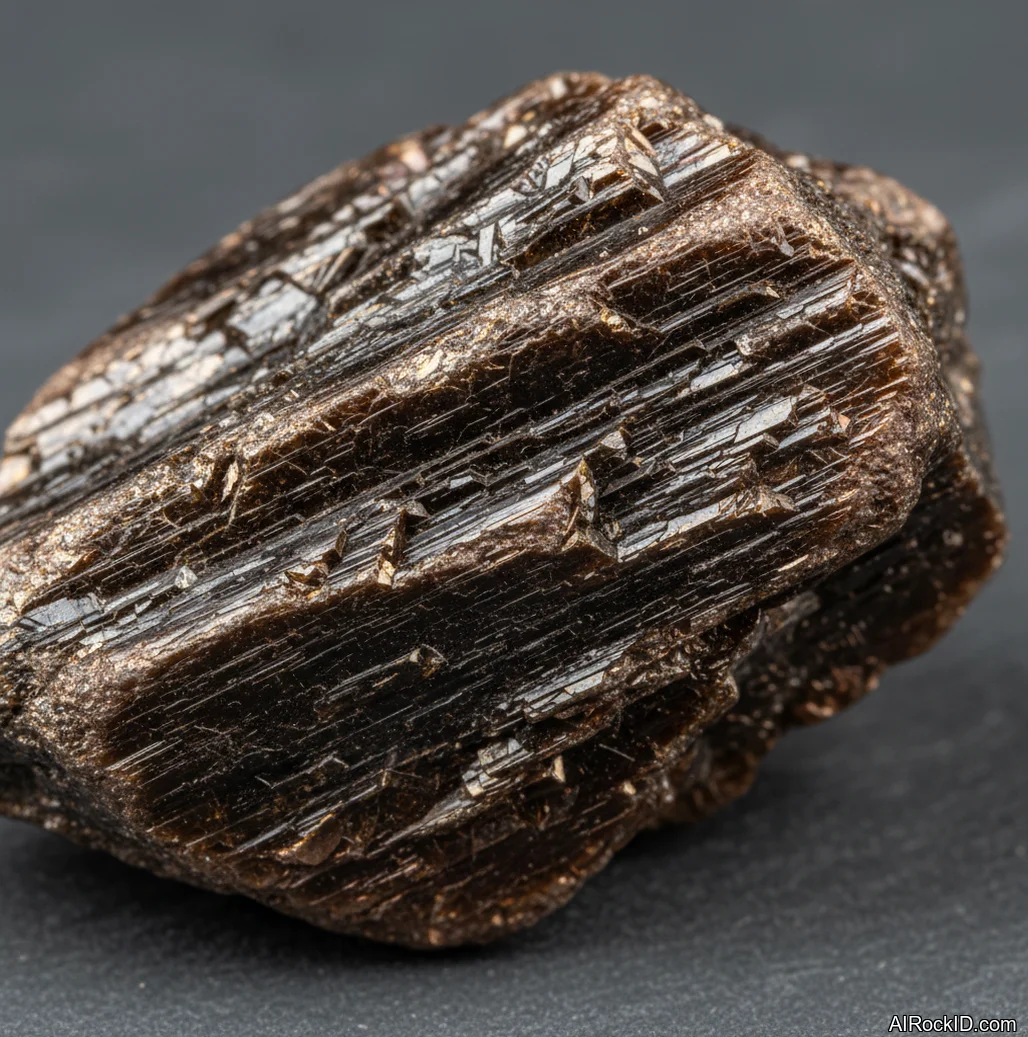
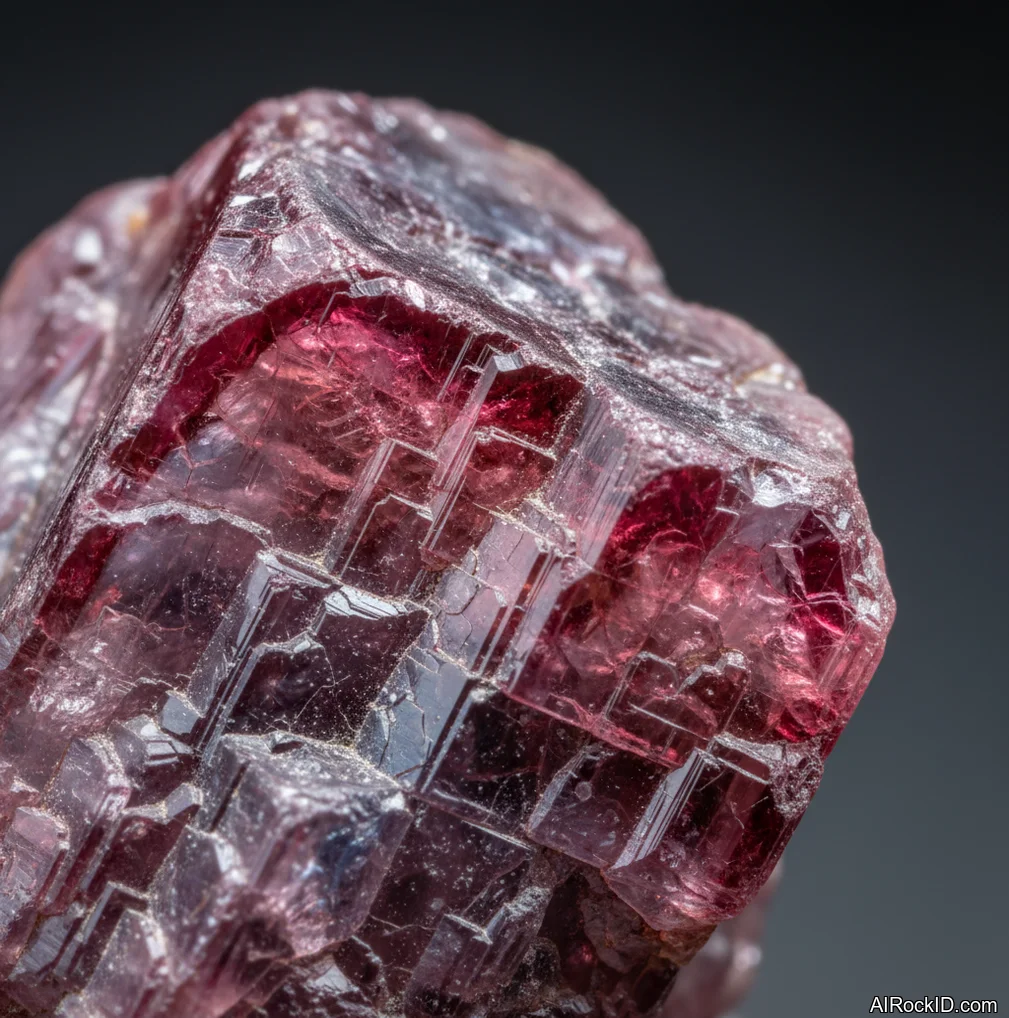
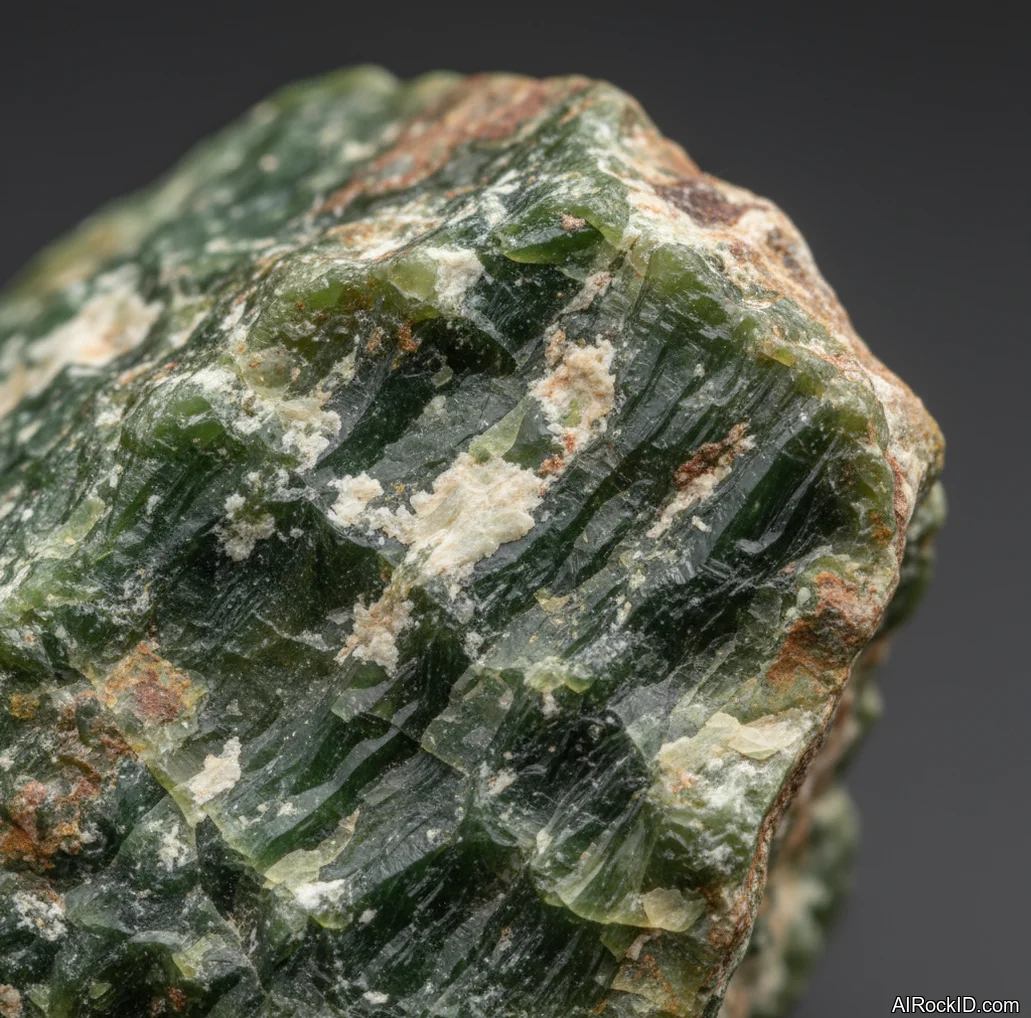
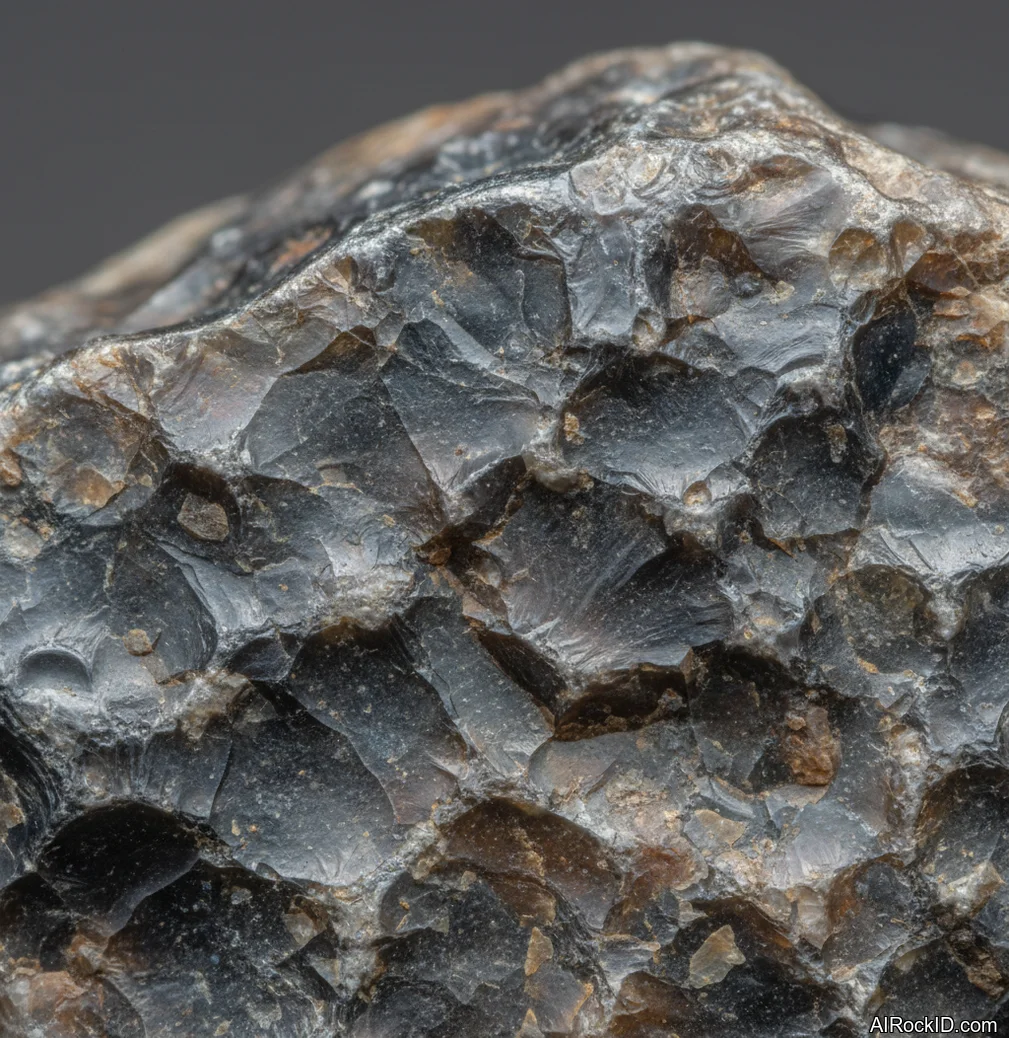
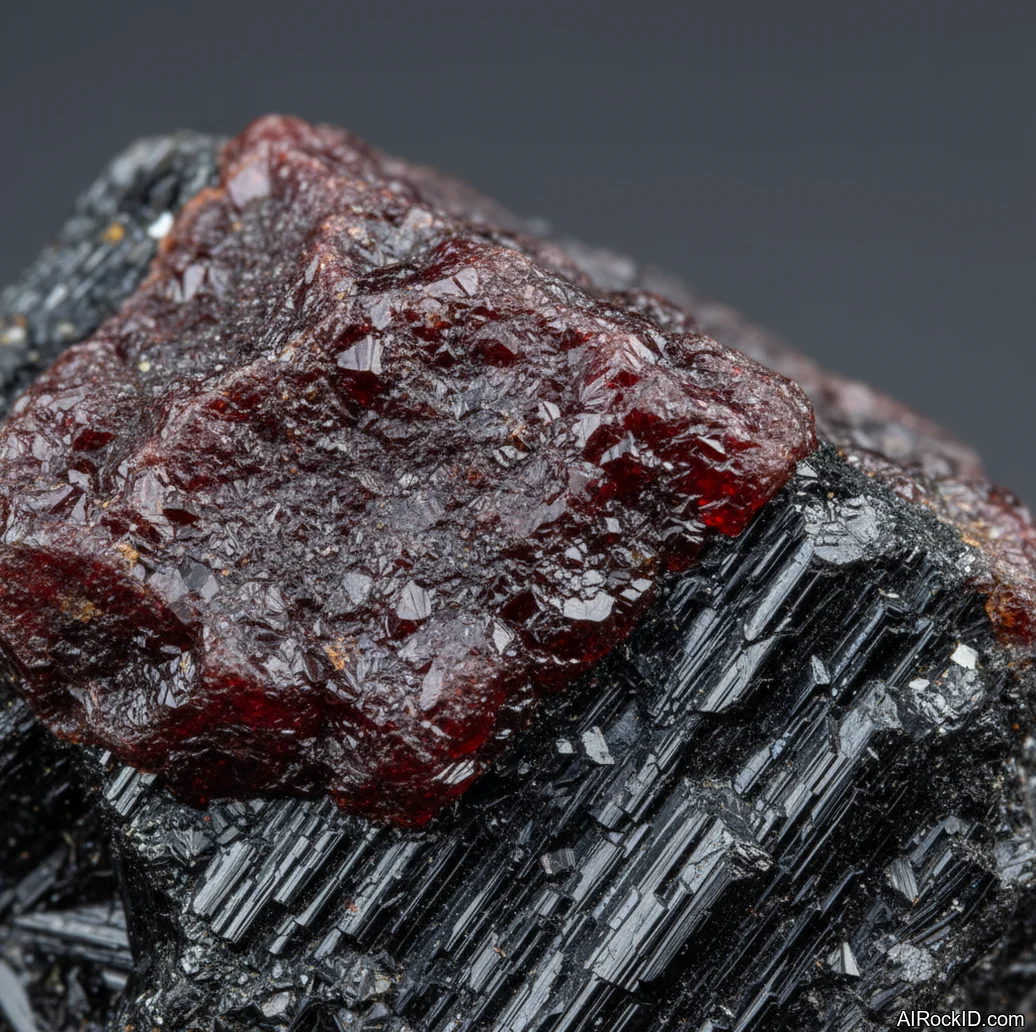
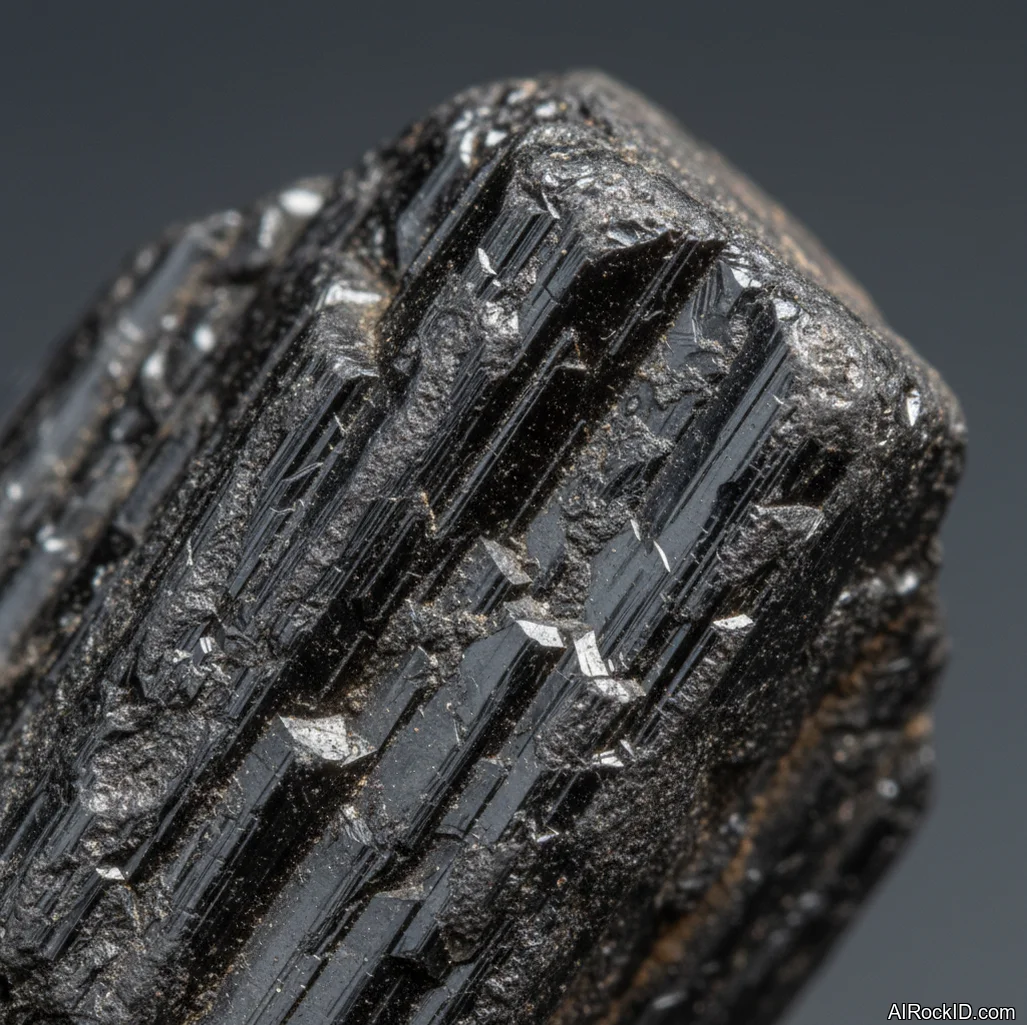
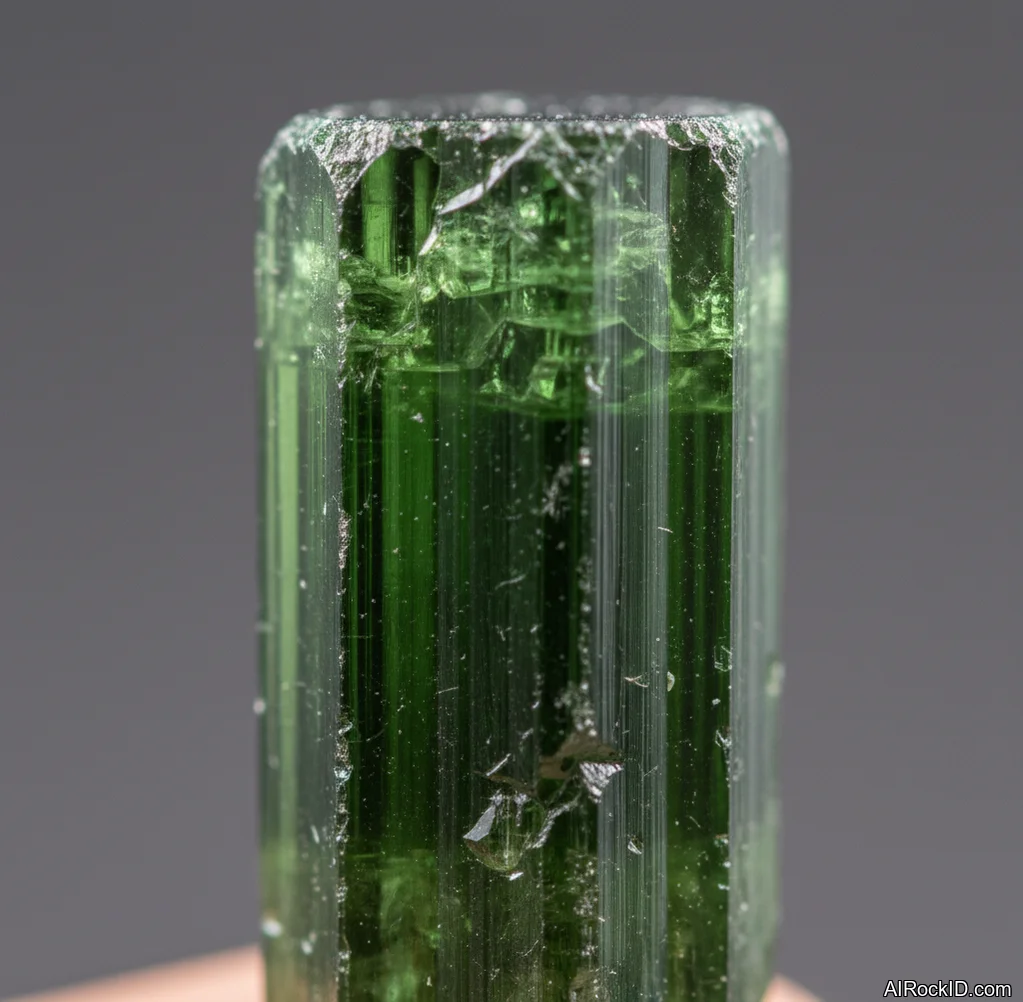
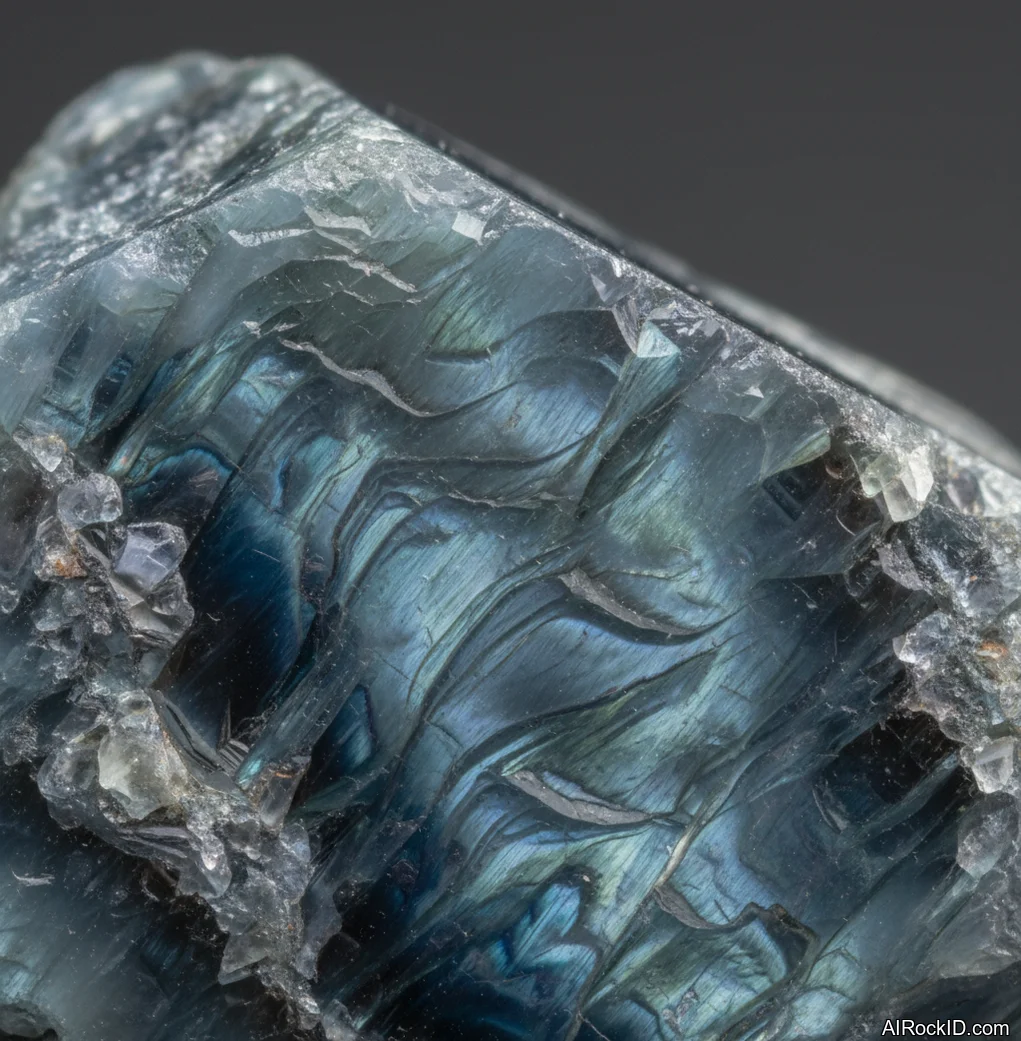
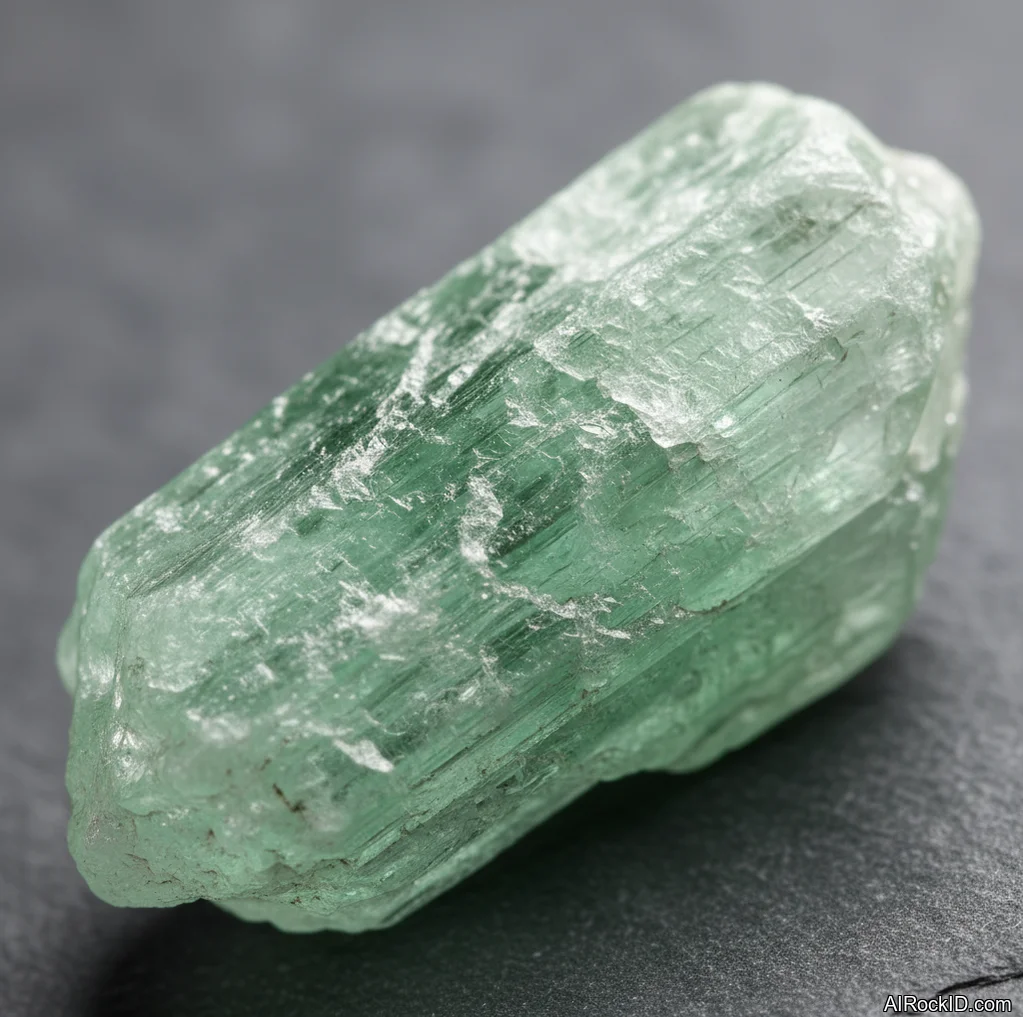
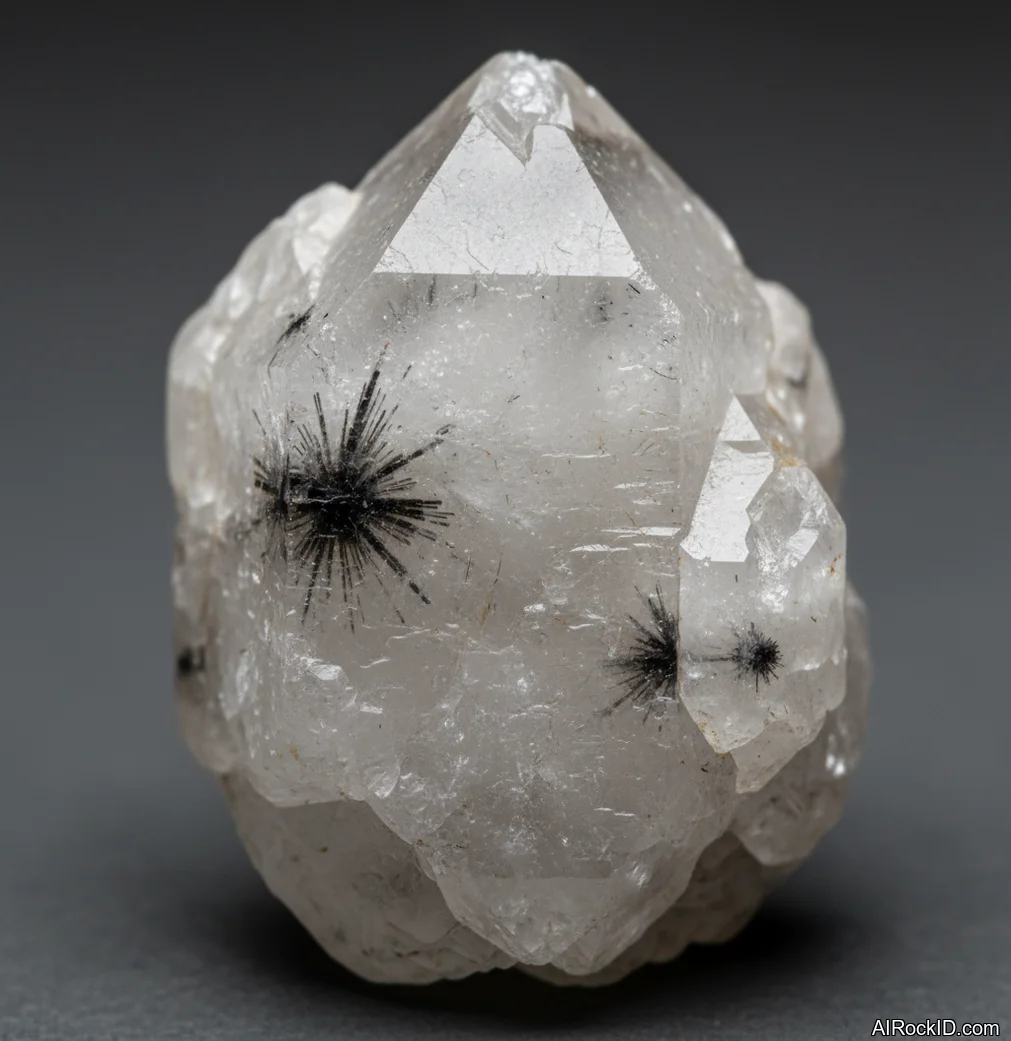
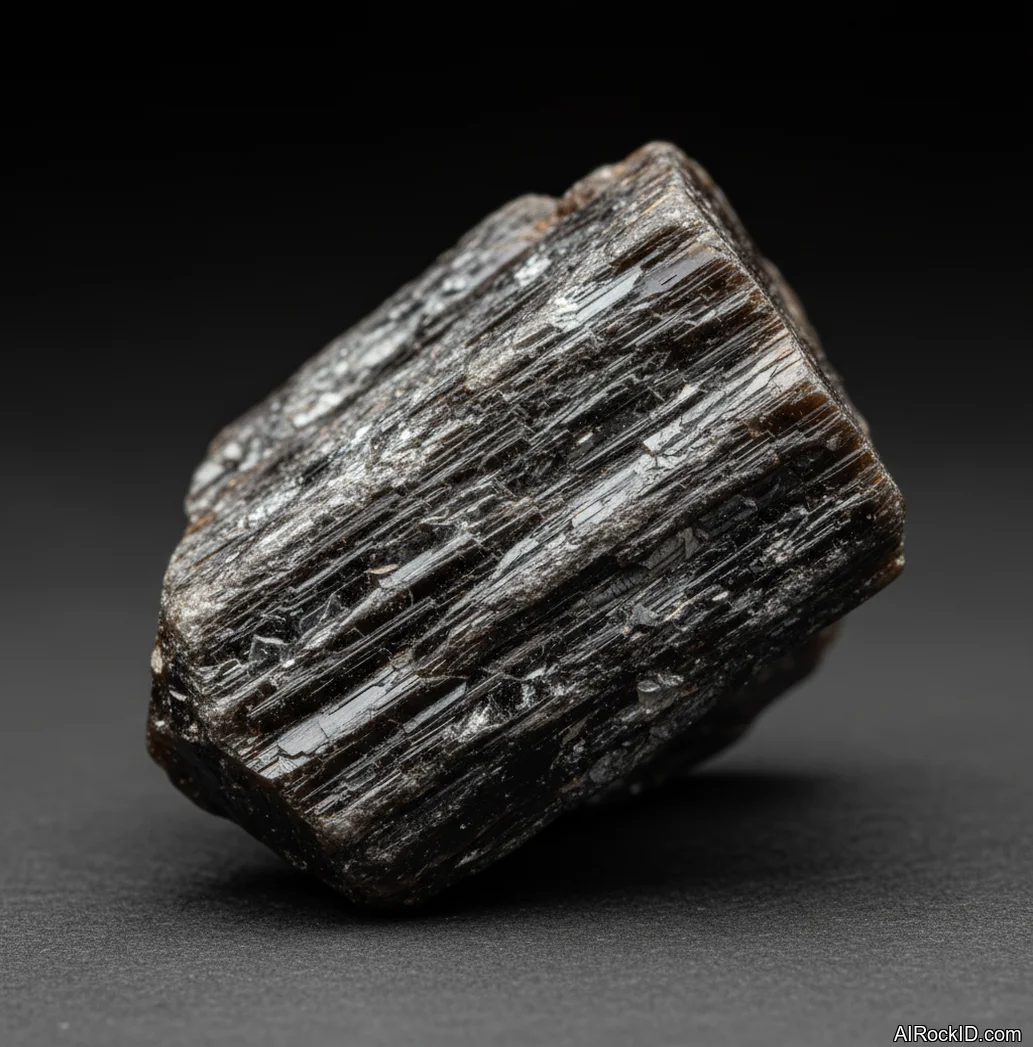
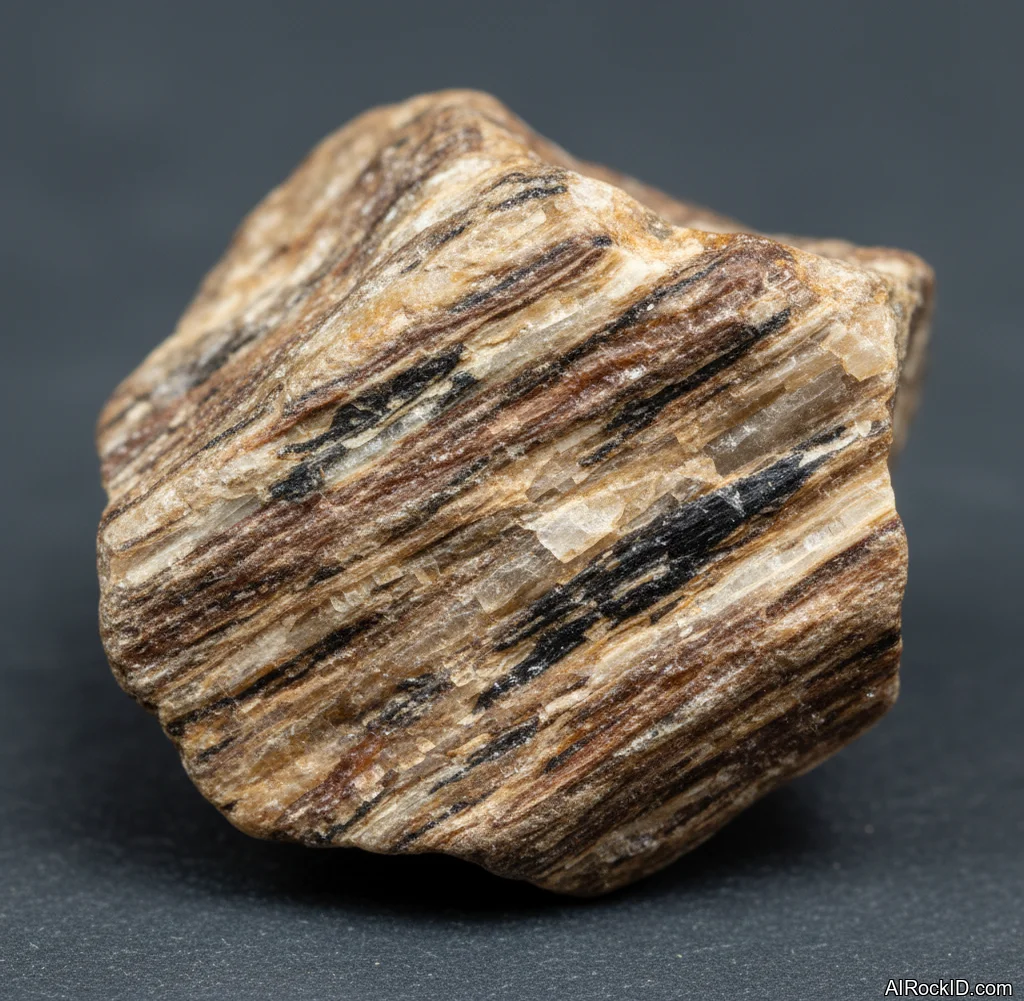
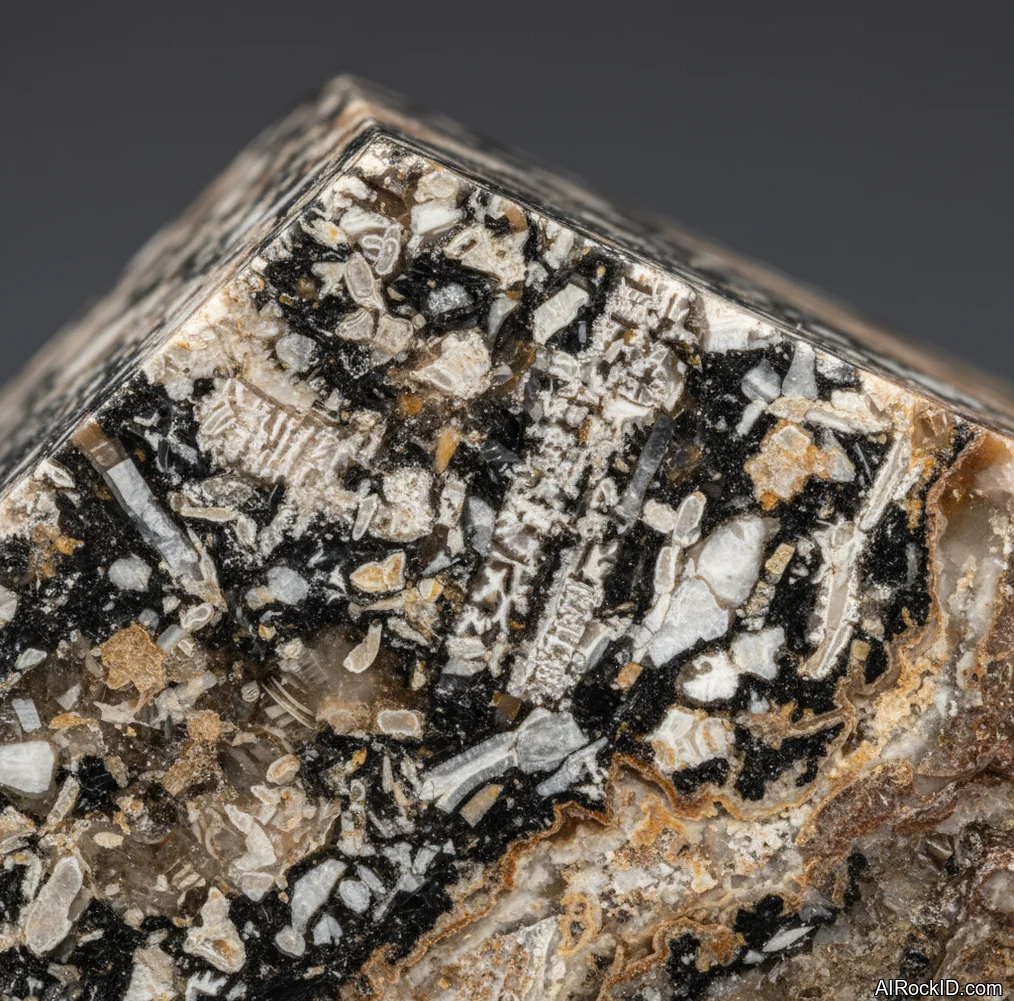
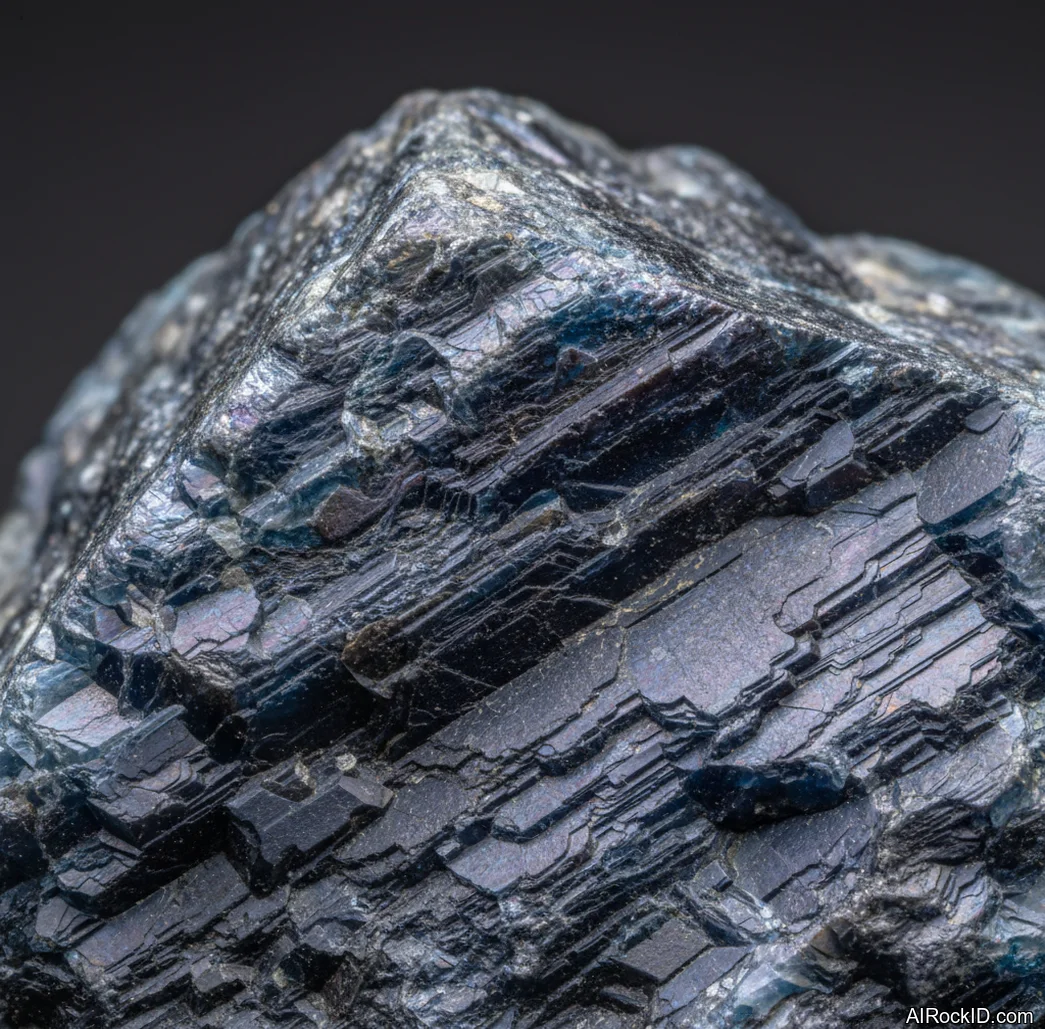
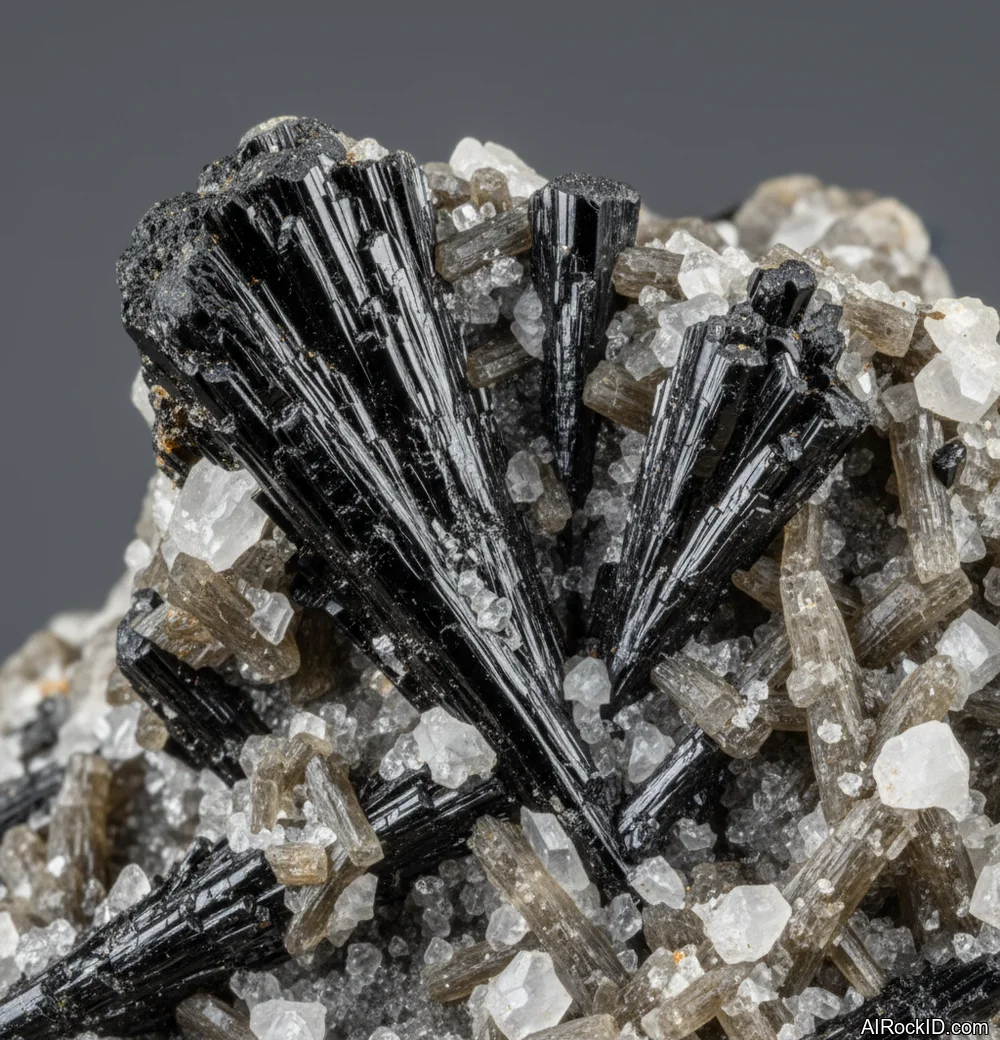
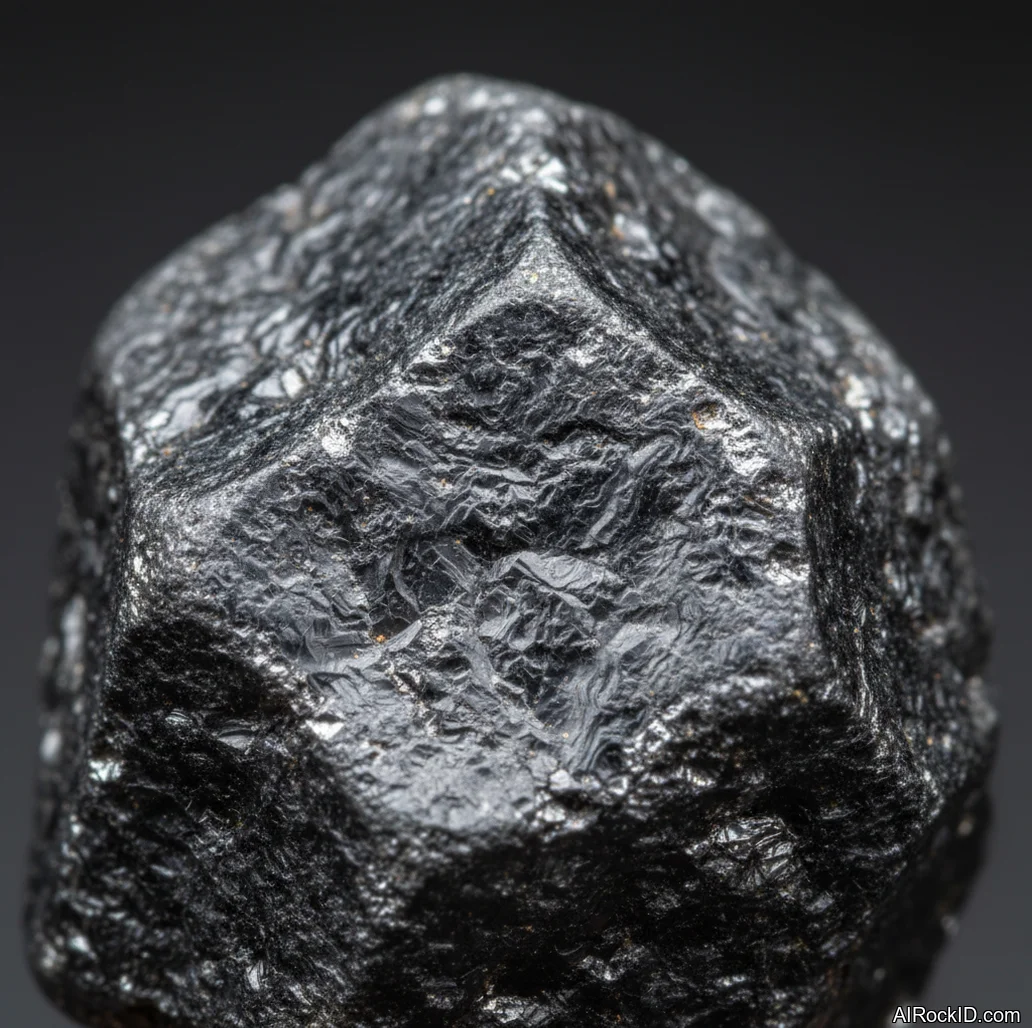
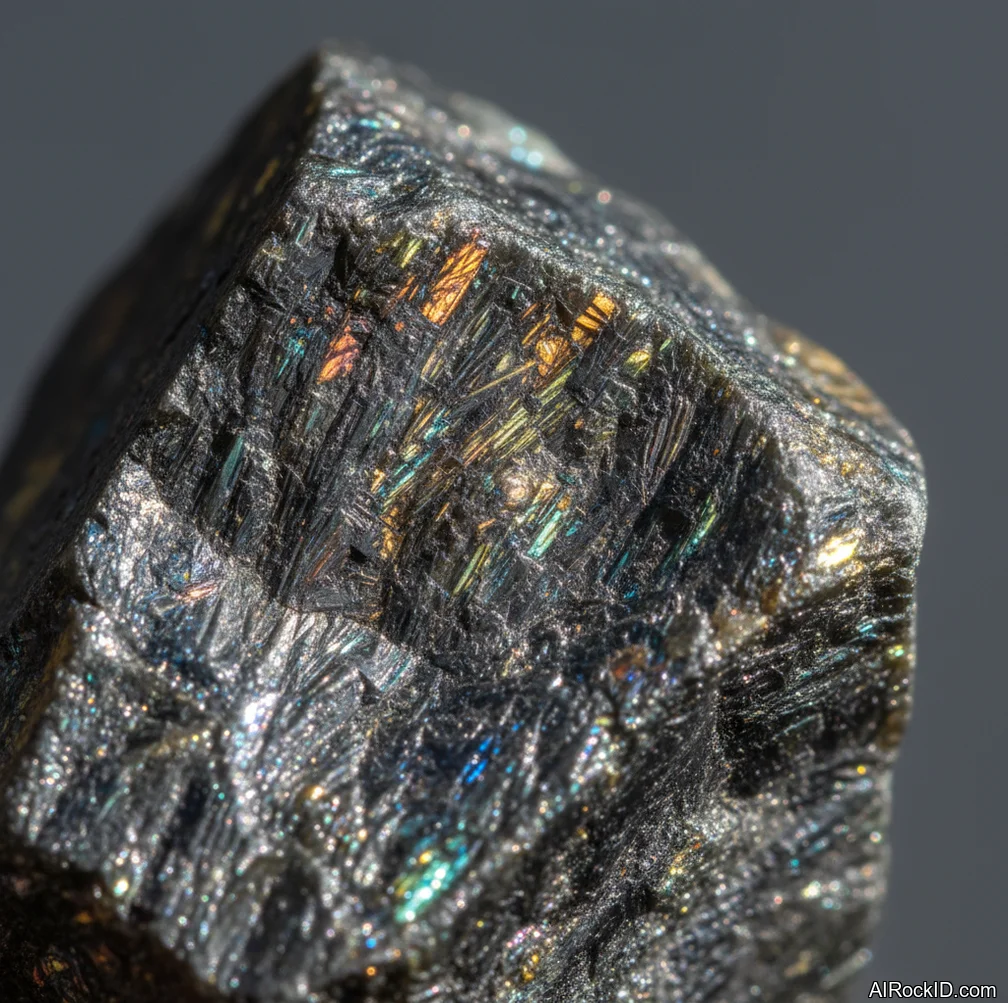
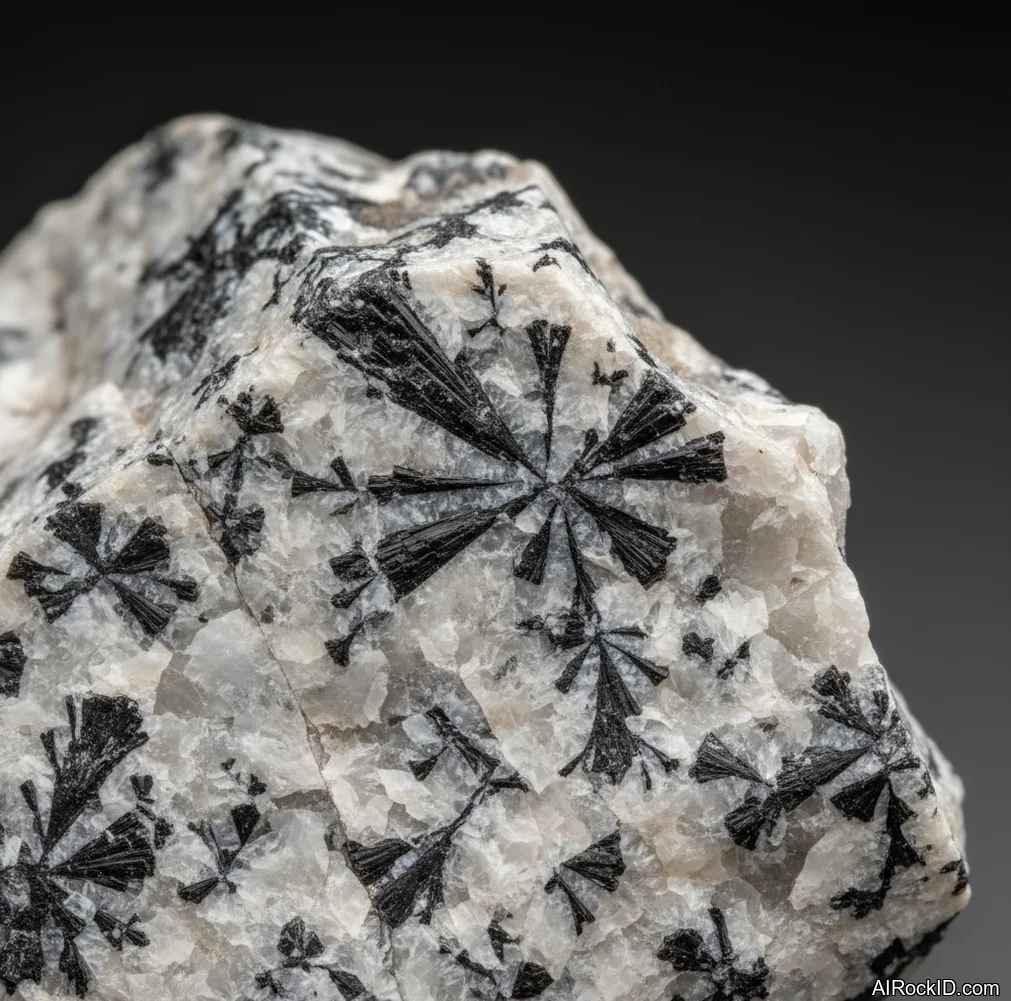
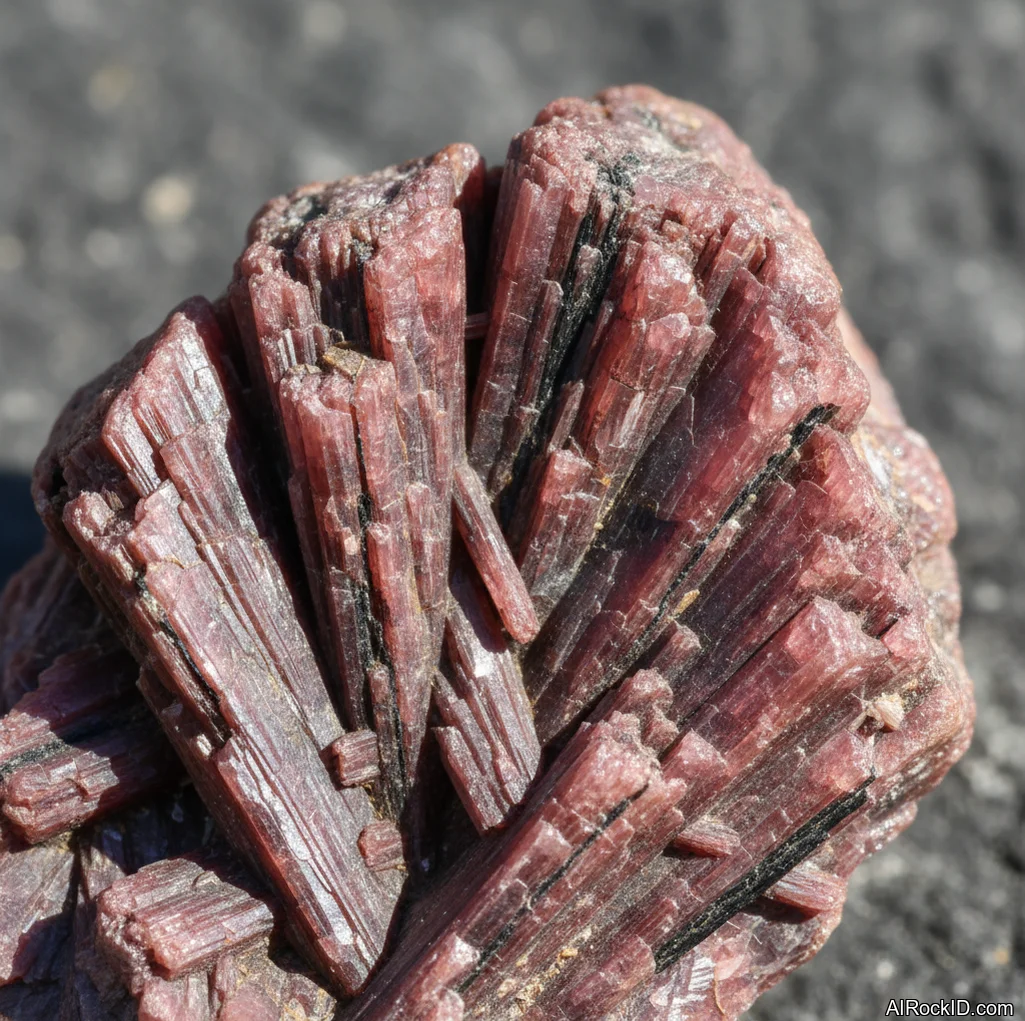
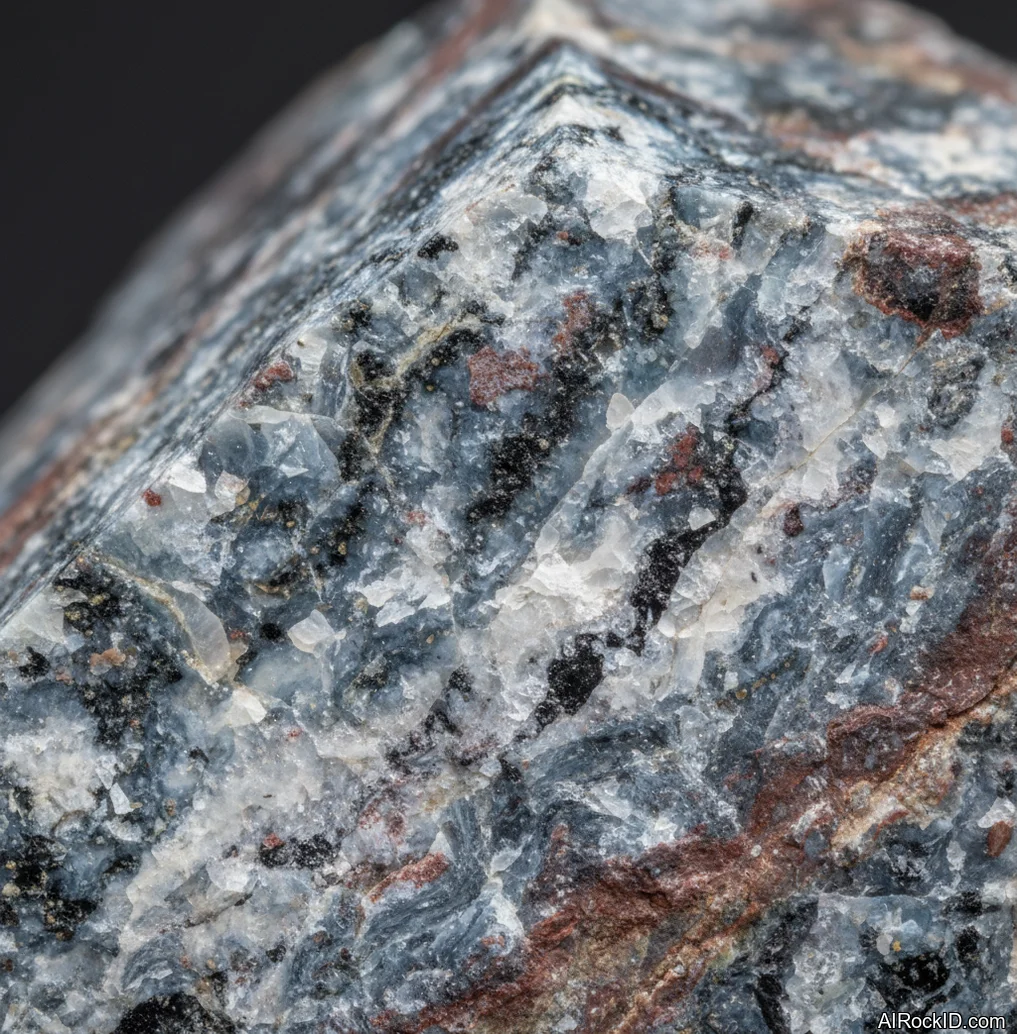
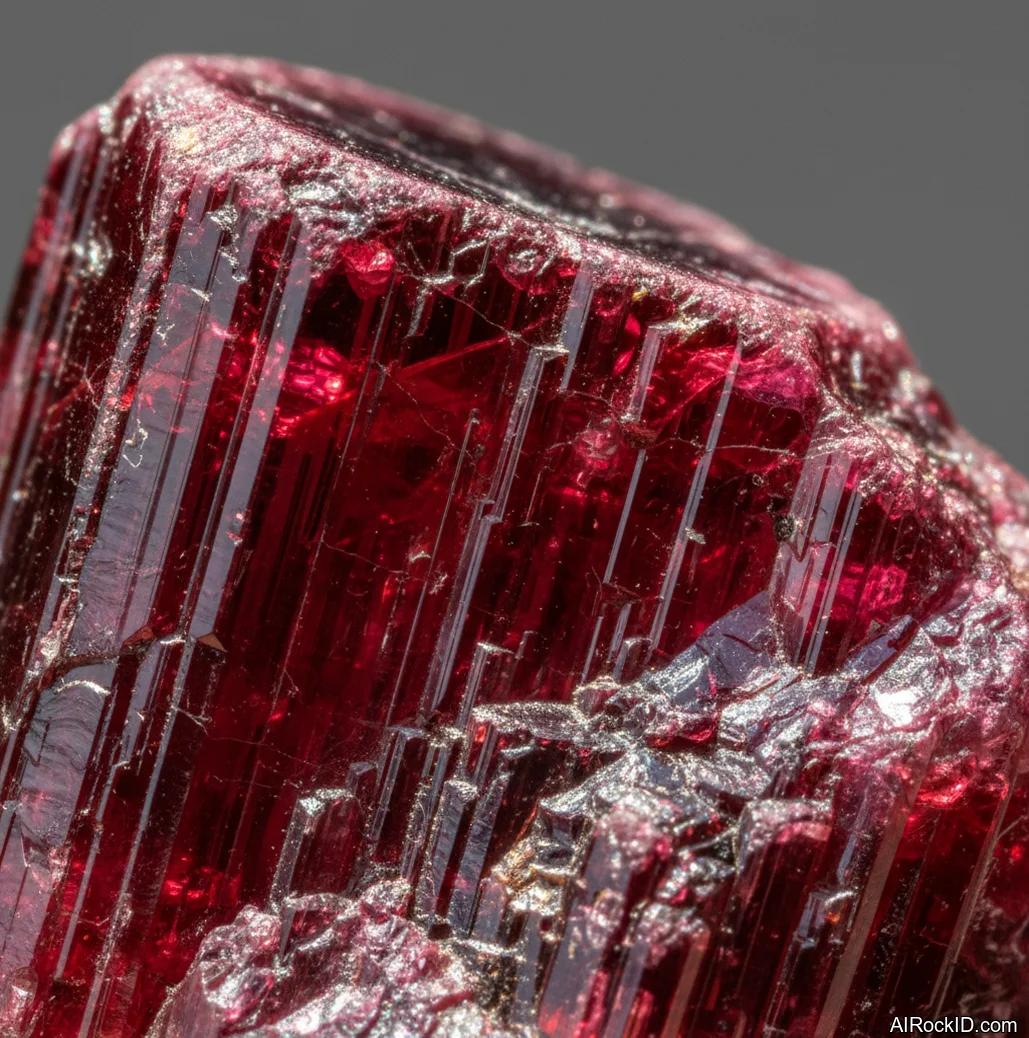
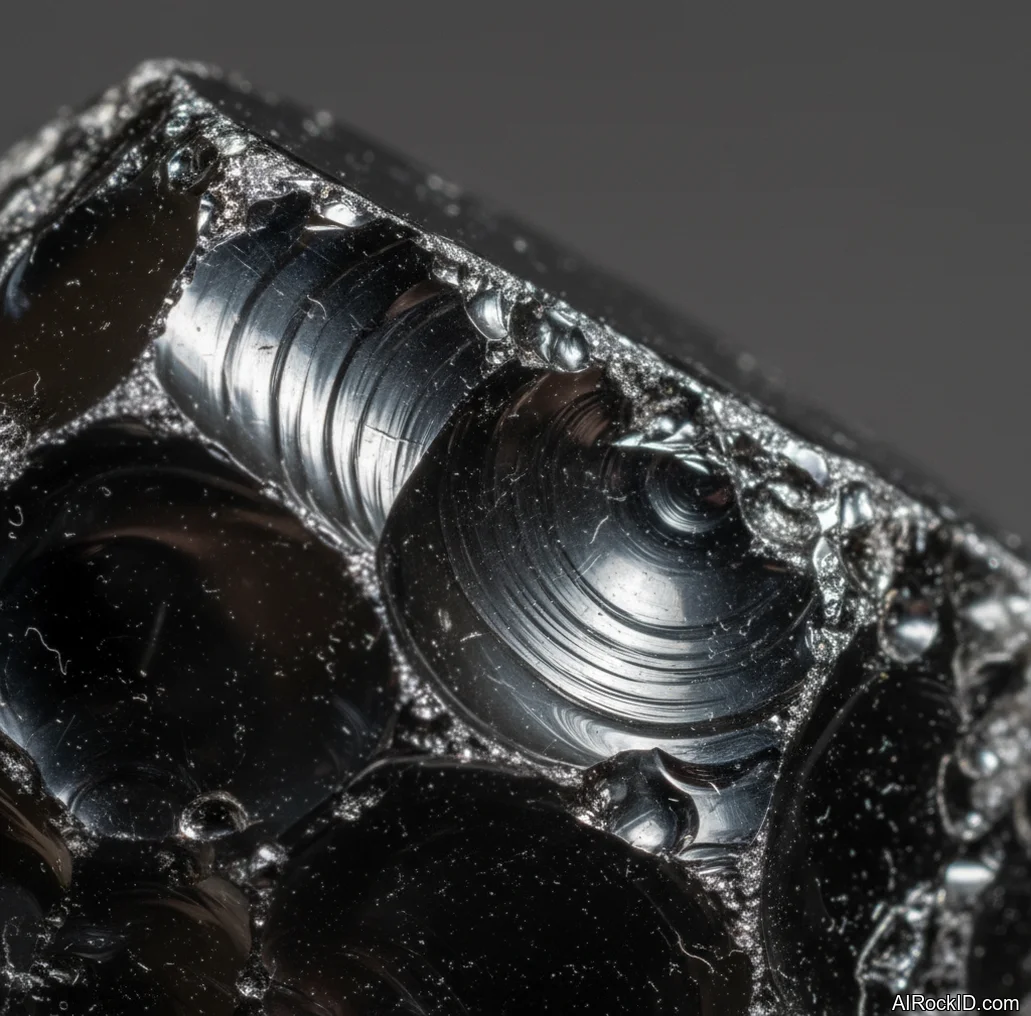
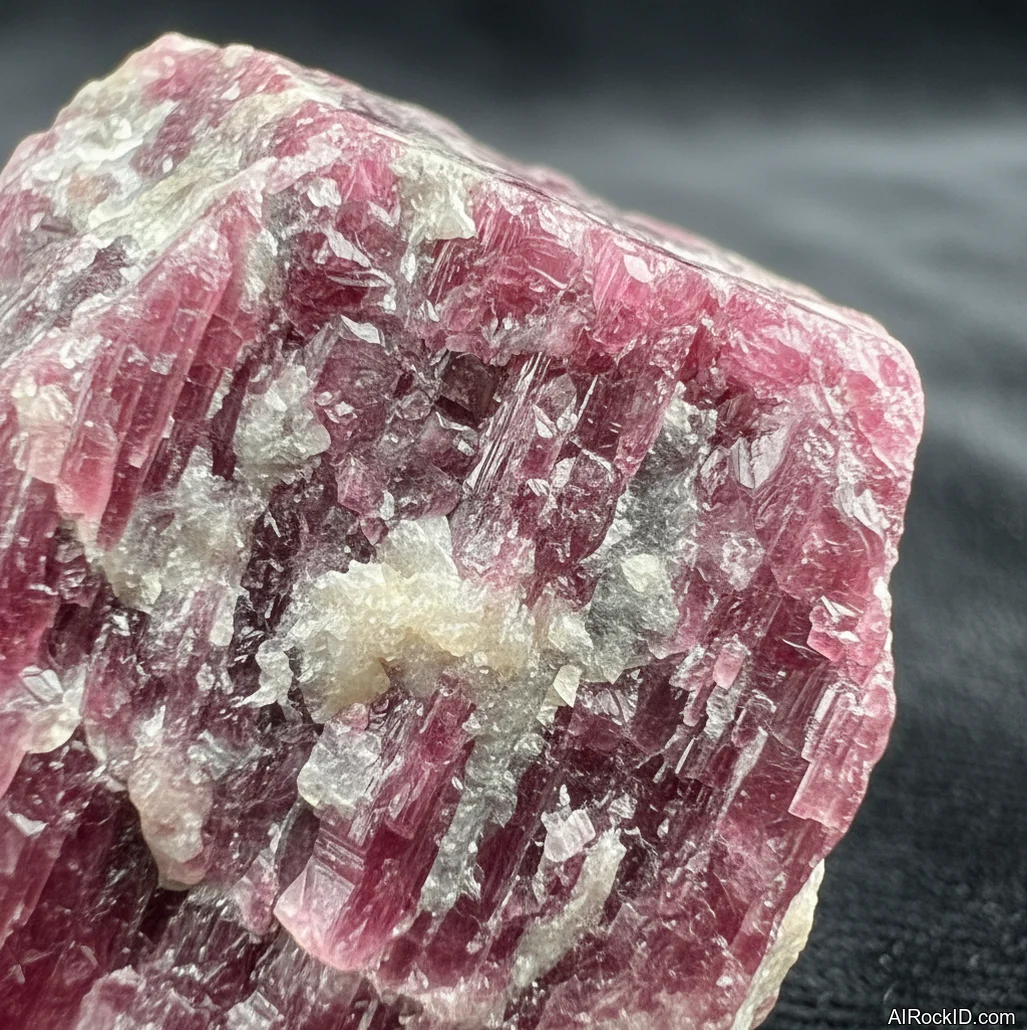
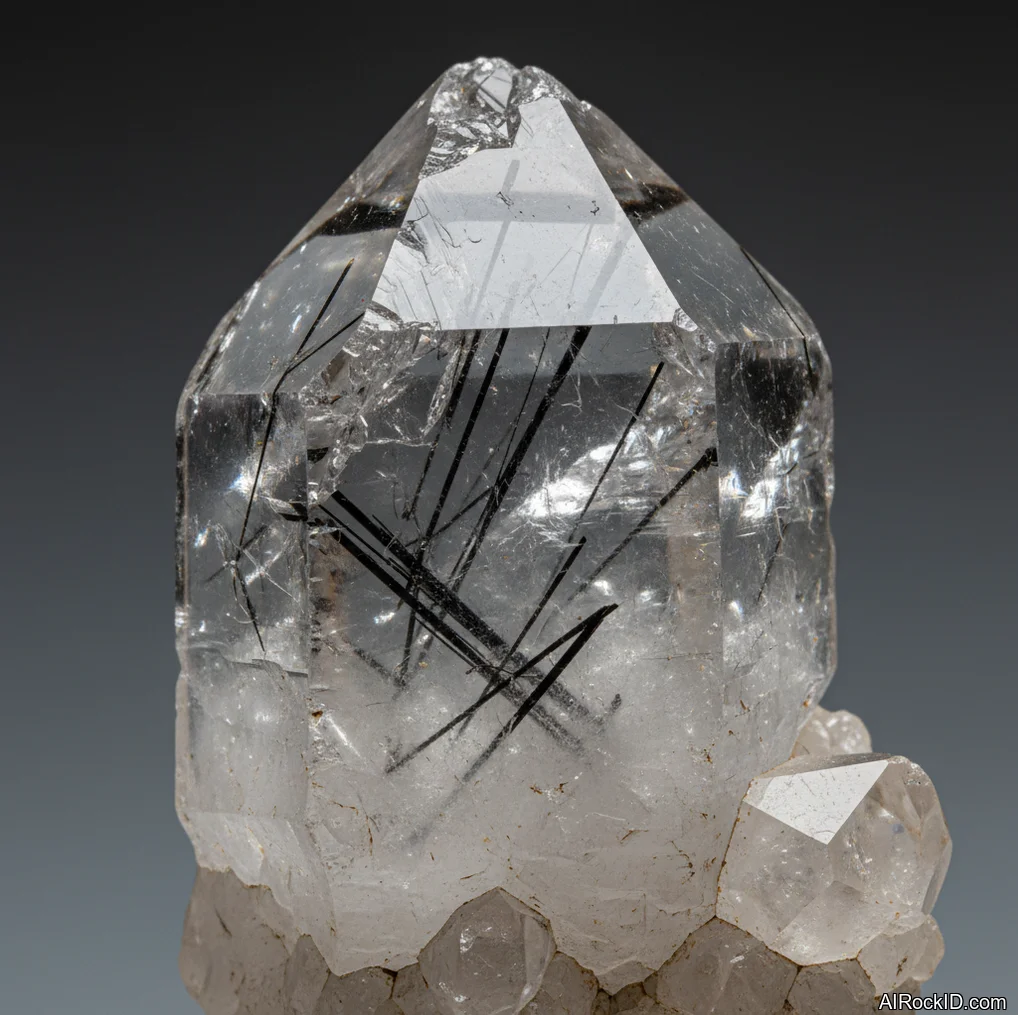
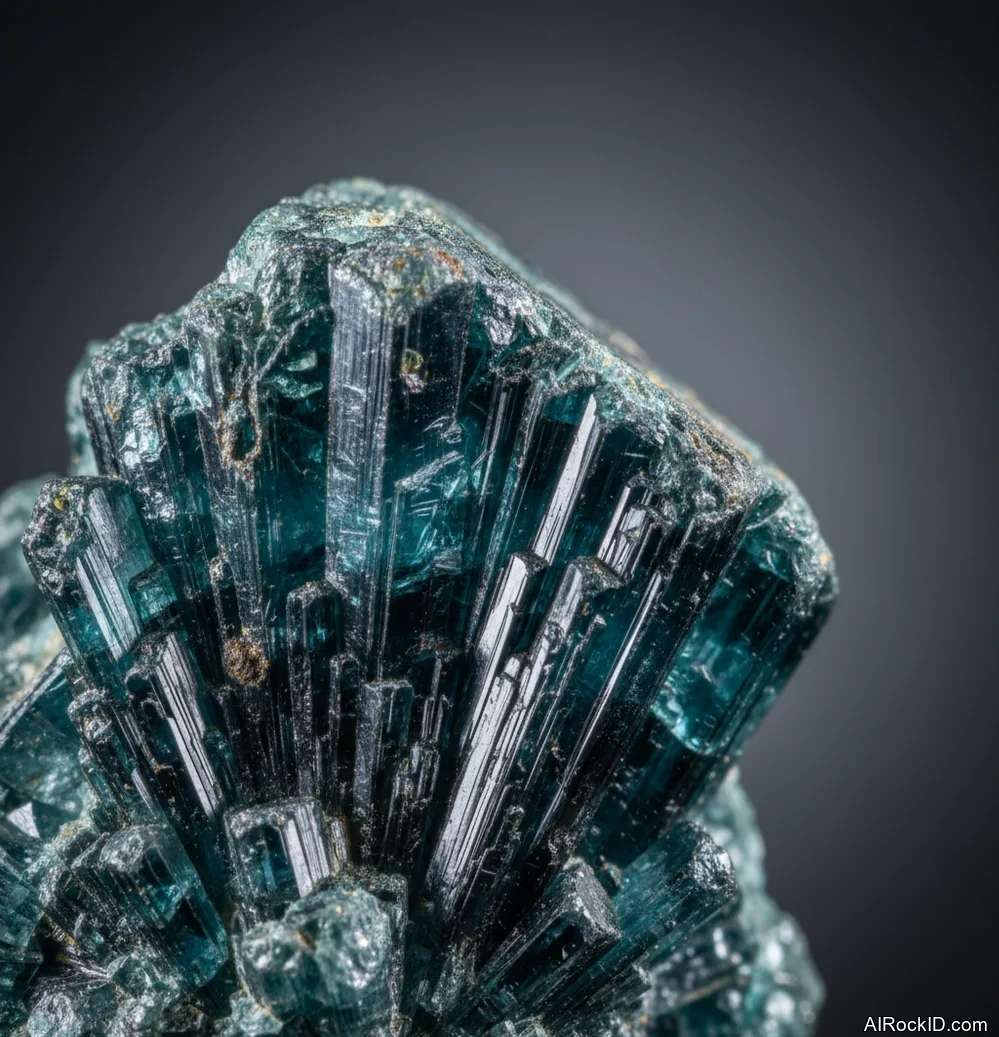
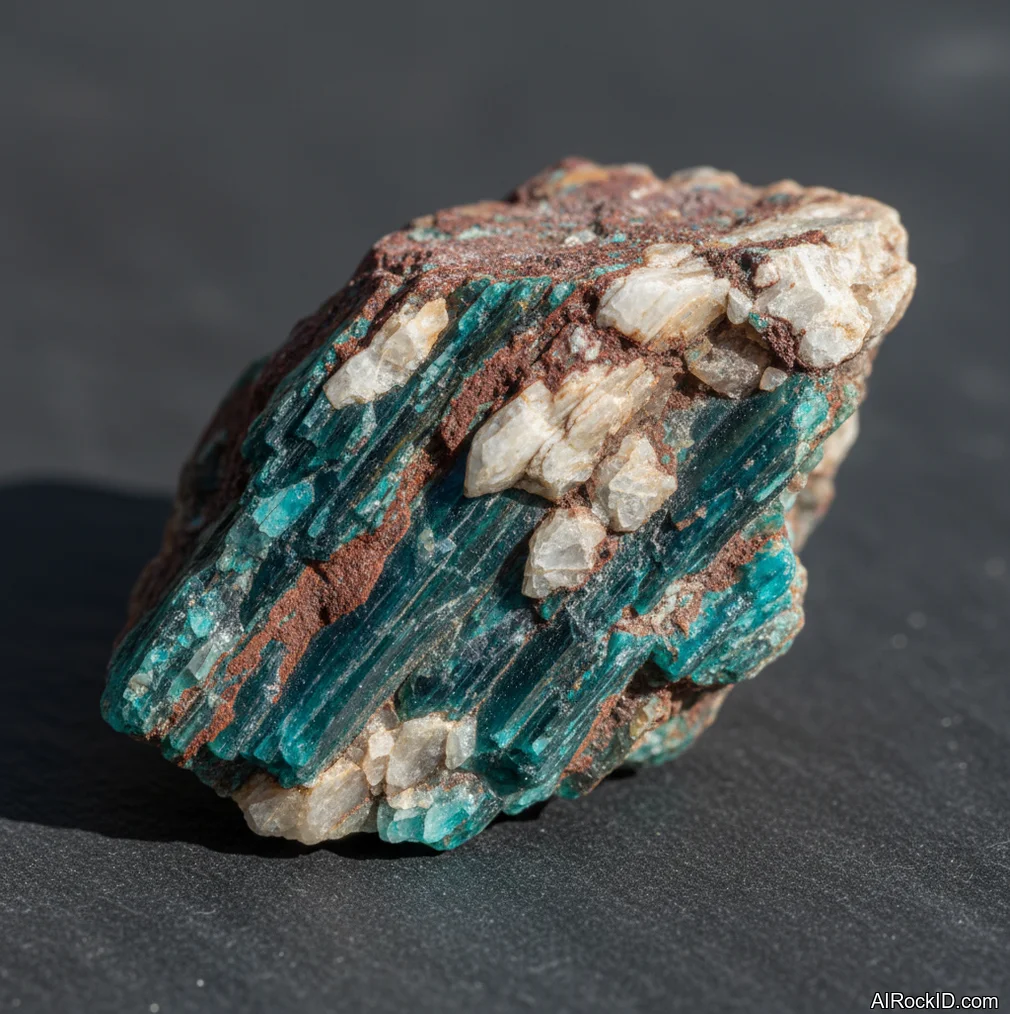
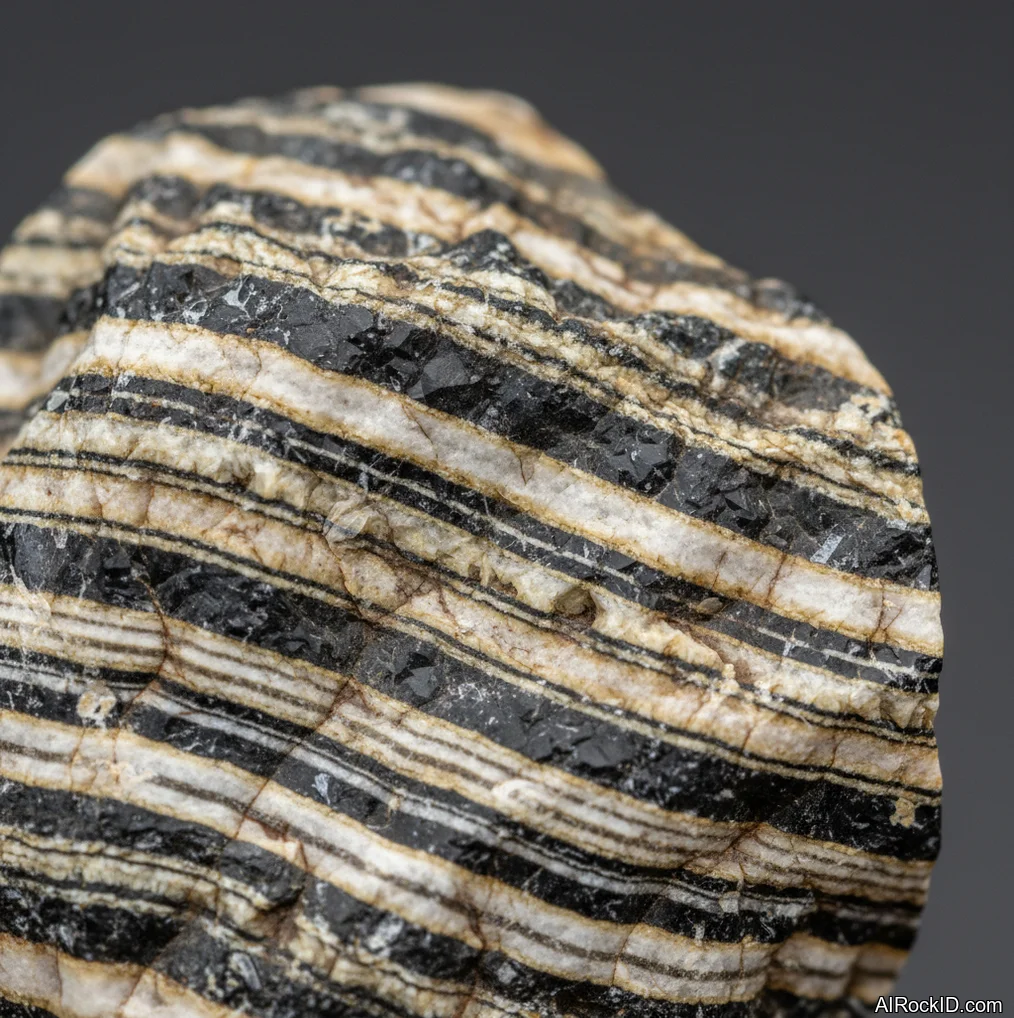
- Black Tourmaline: Often shows lengthwise striations and a prismatic form, unlike smoother black jasper or obsidian.
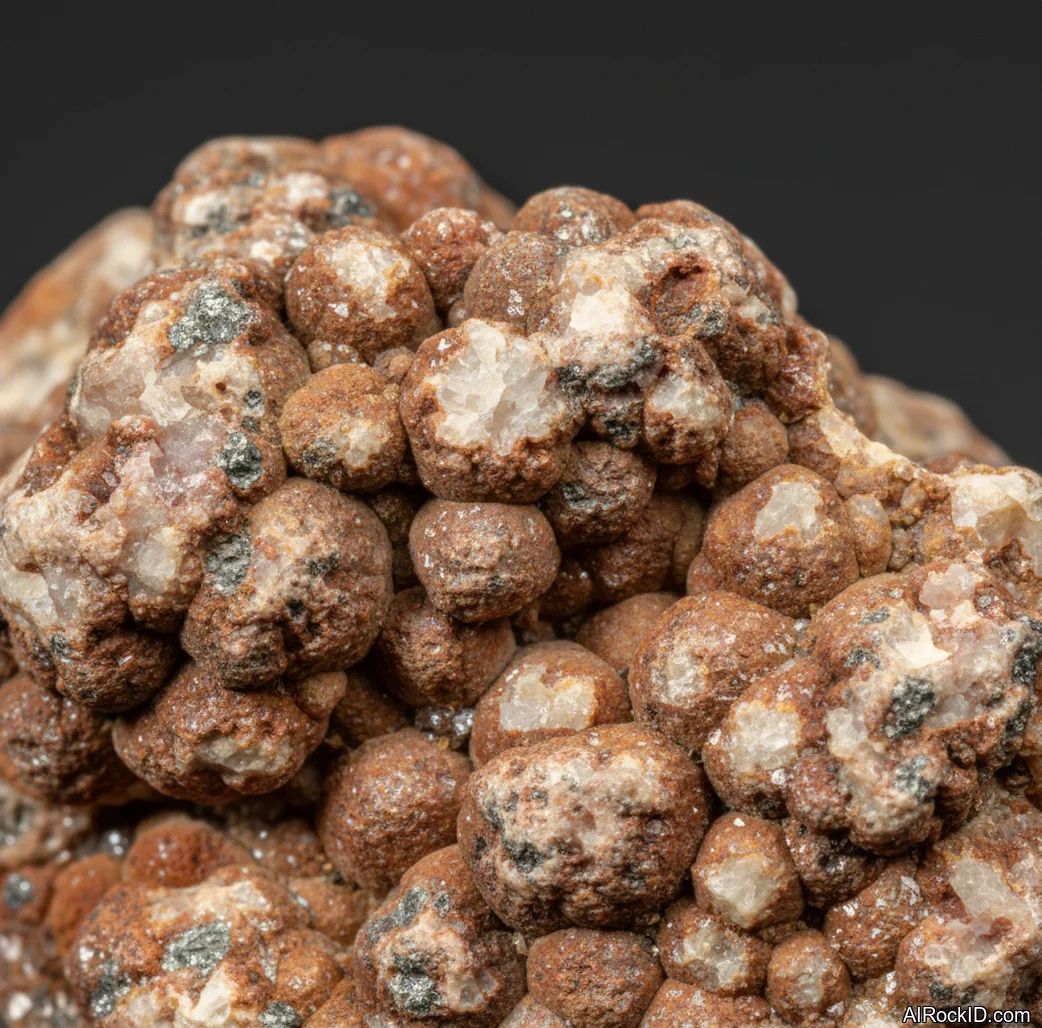
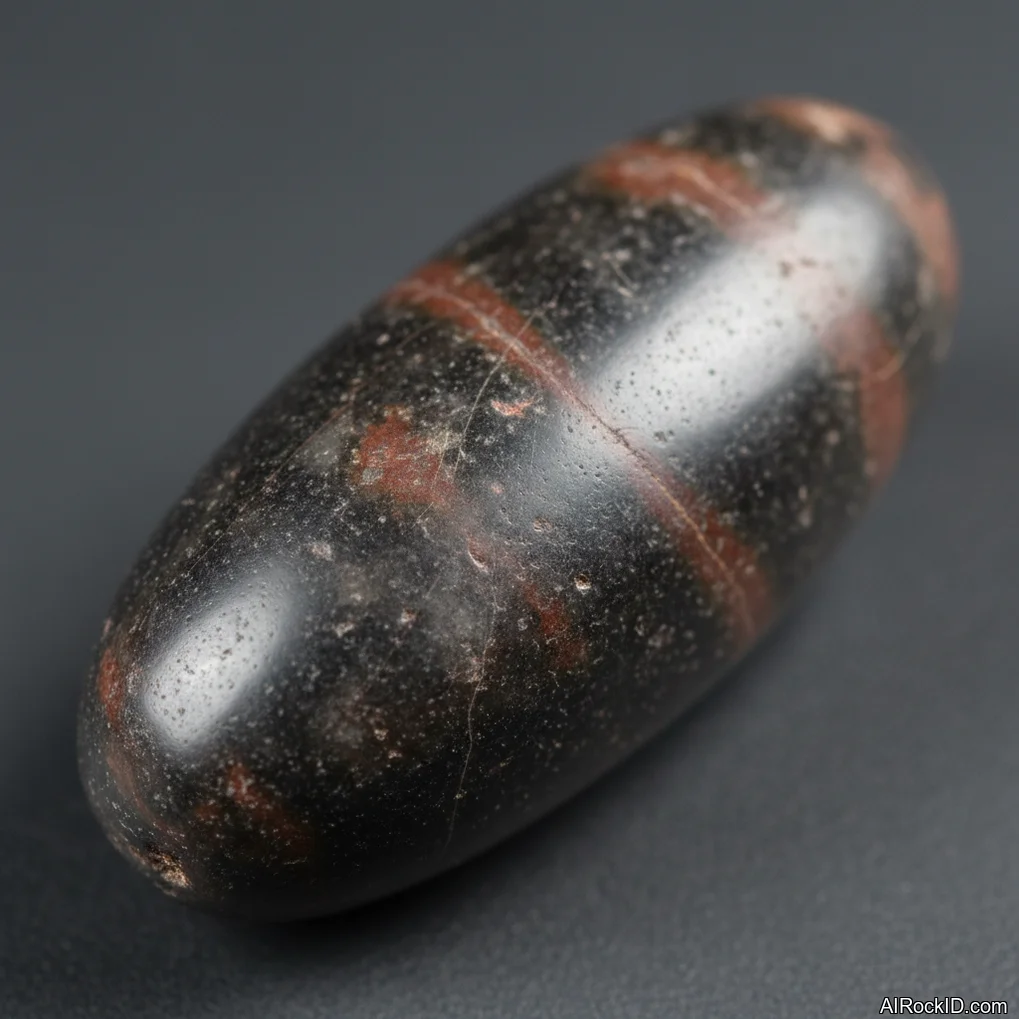
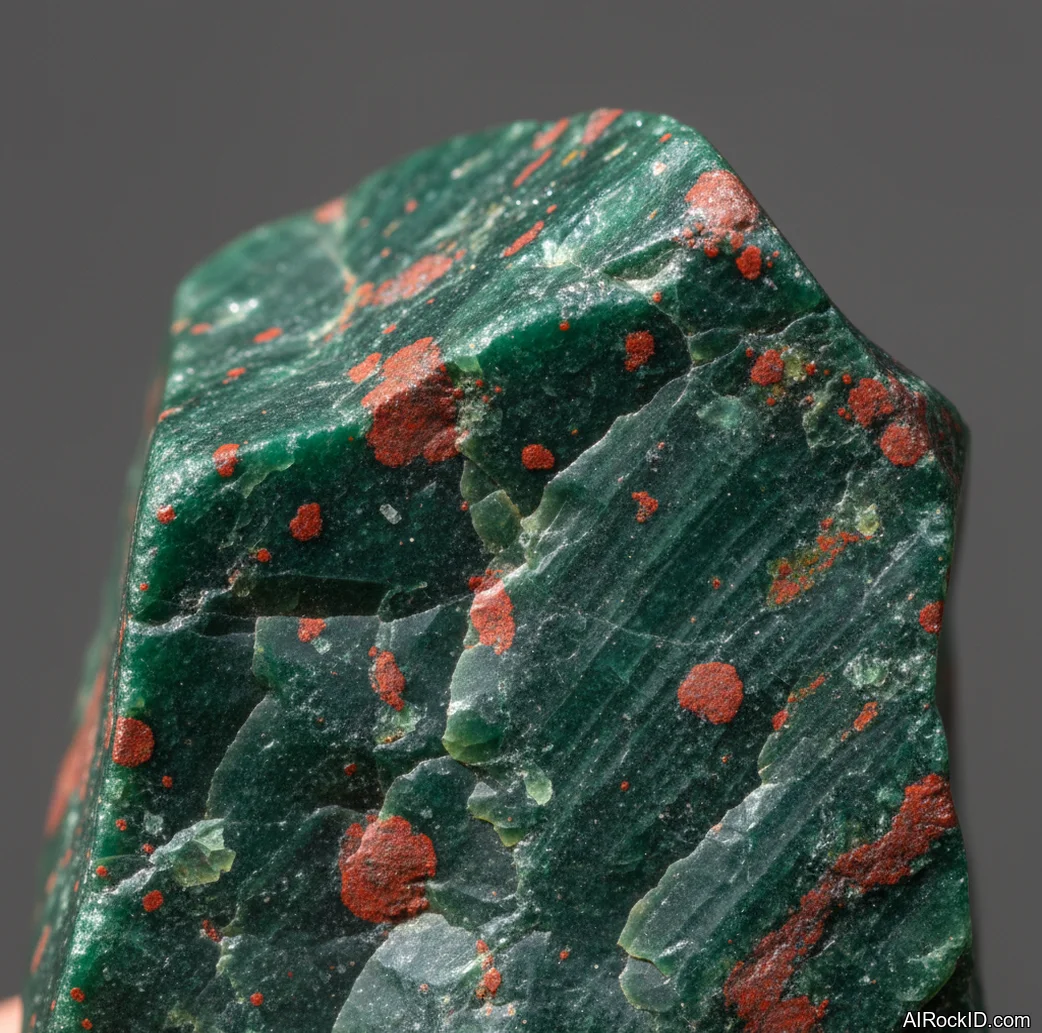
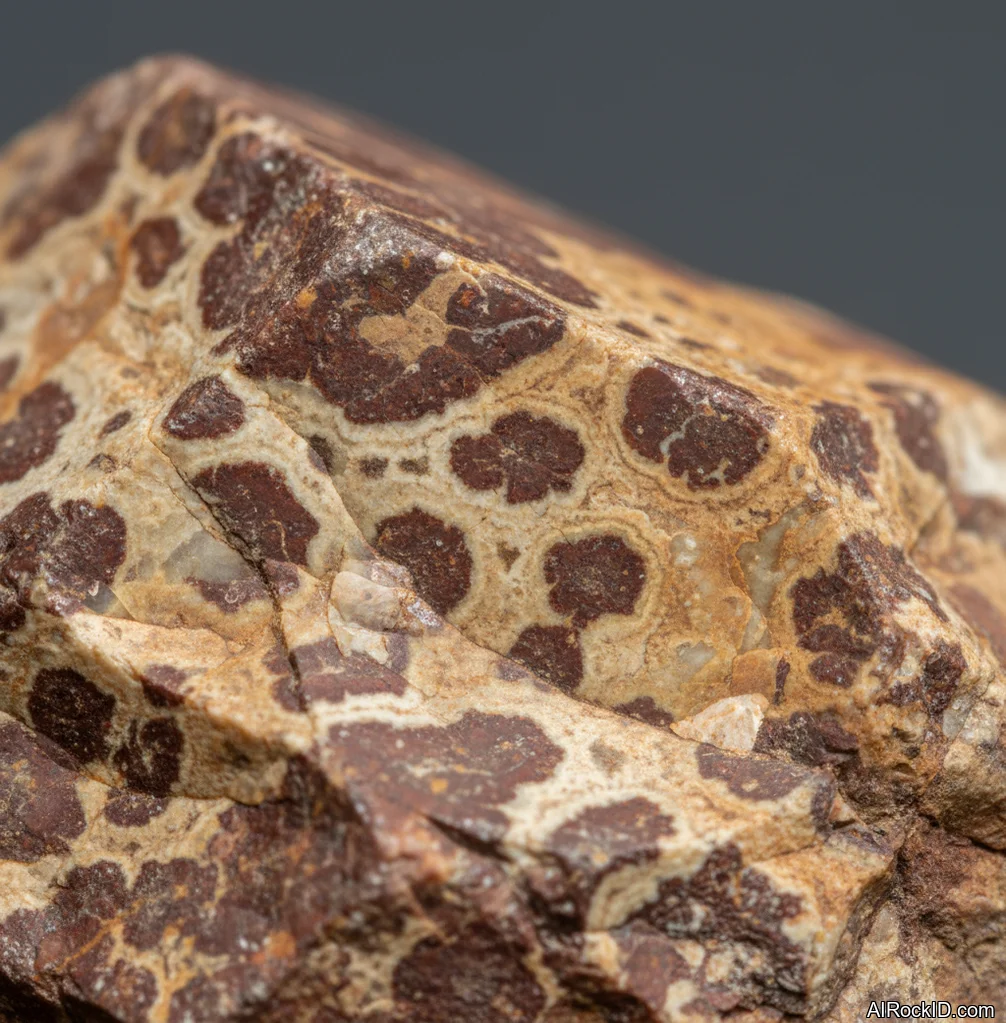
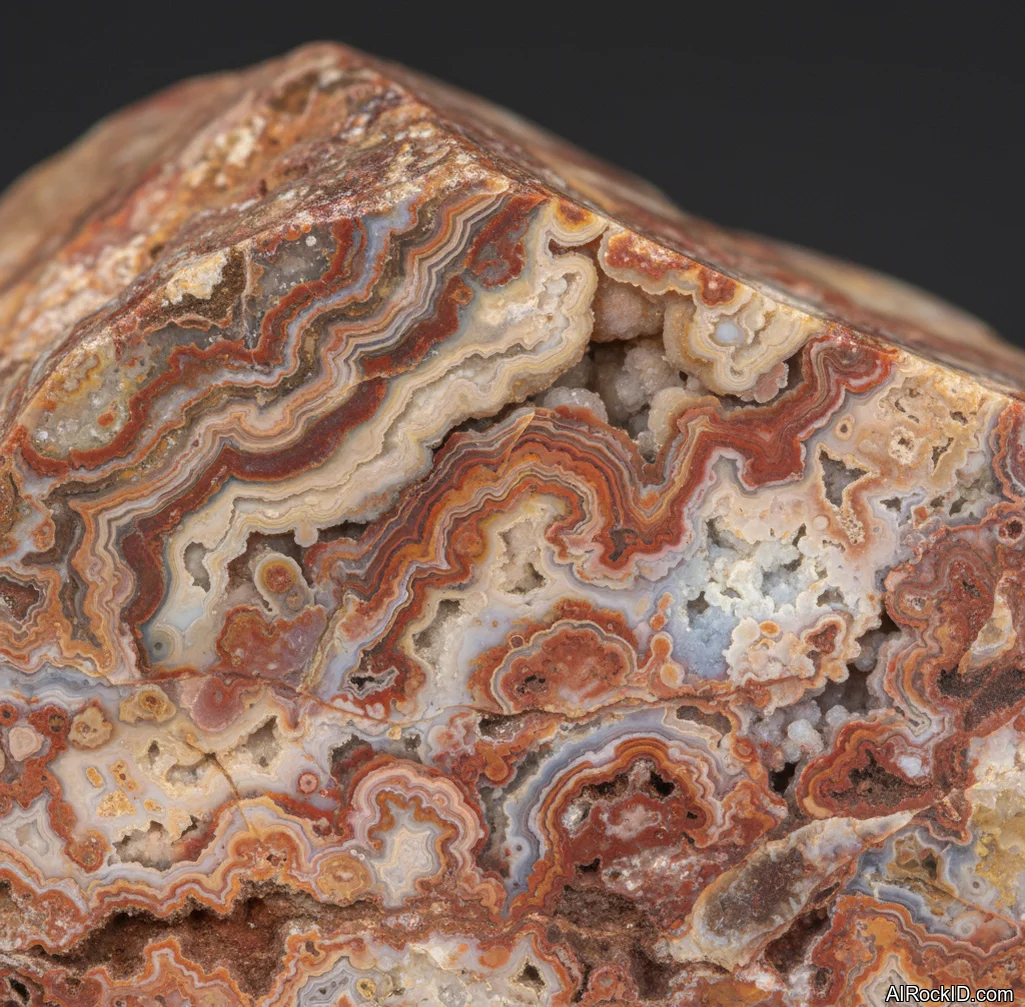
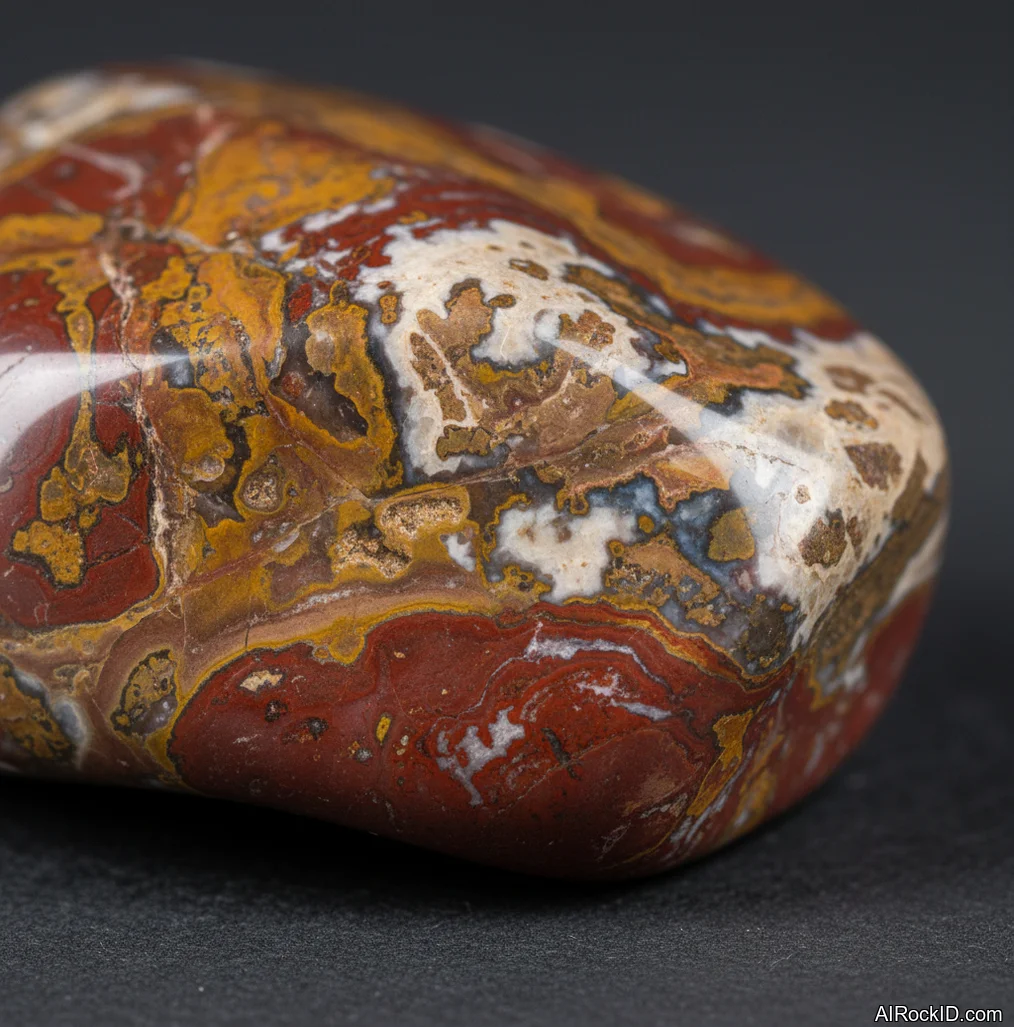
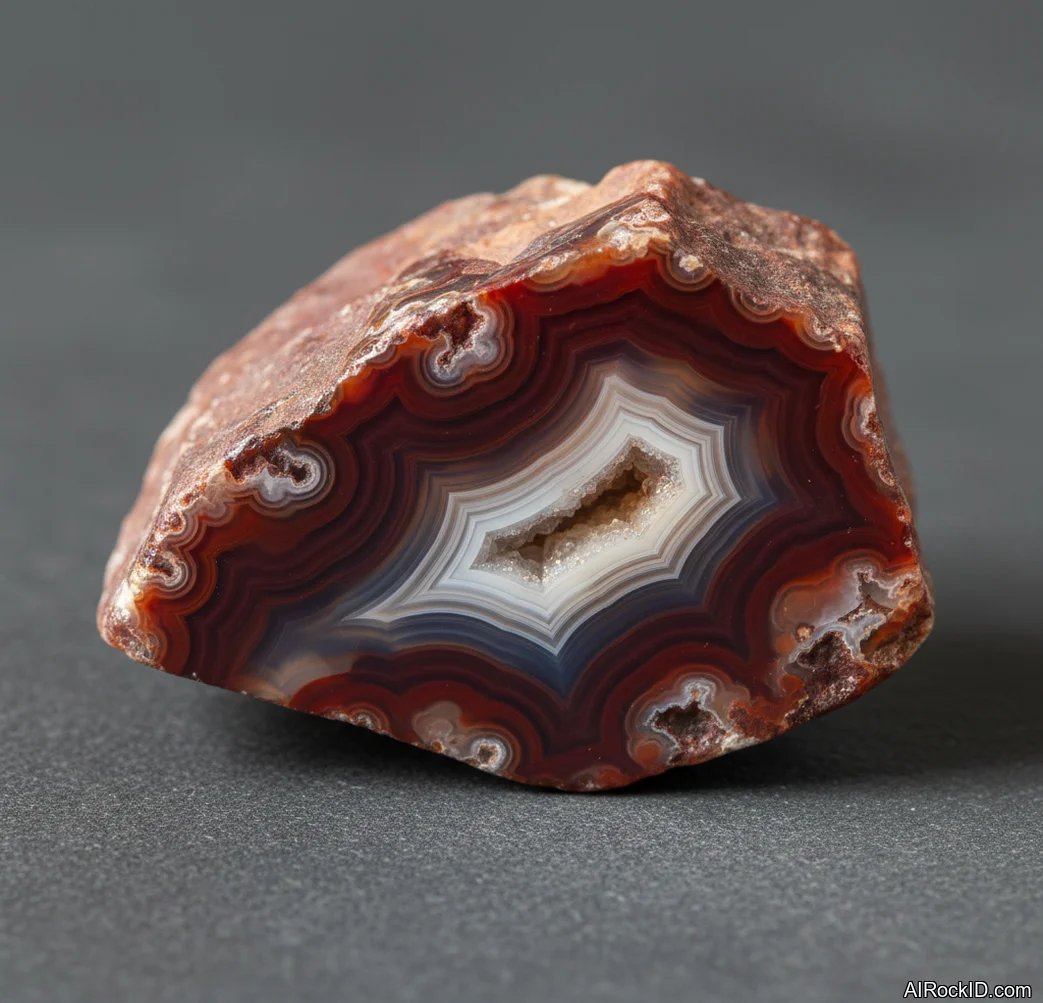
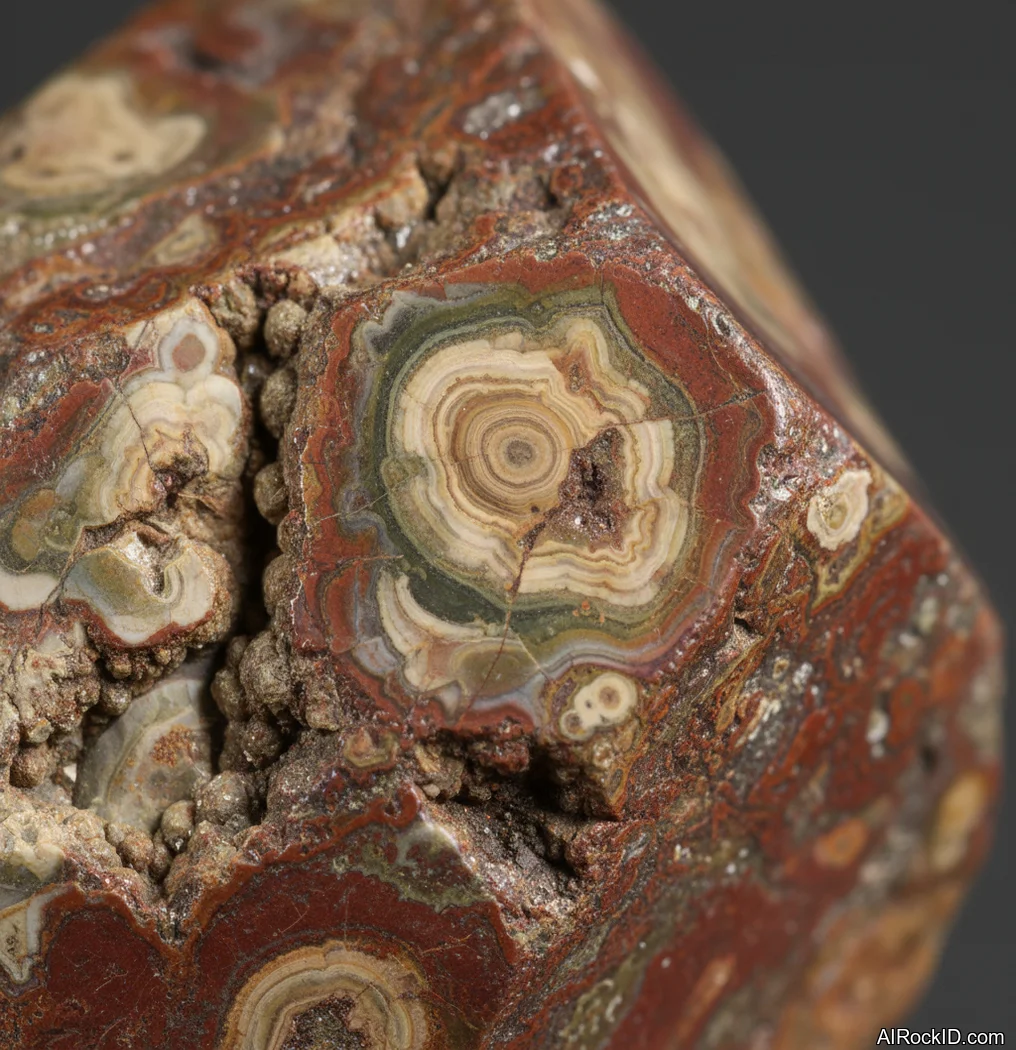
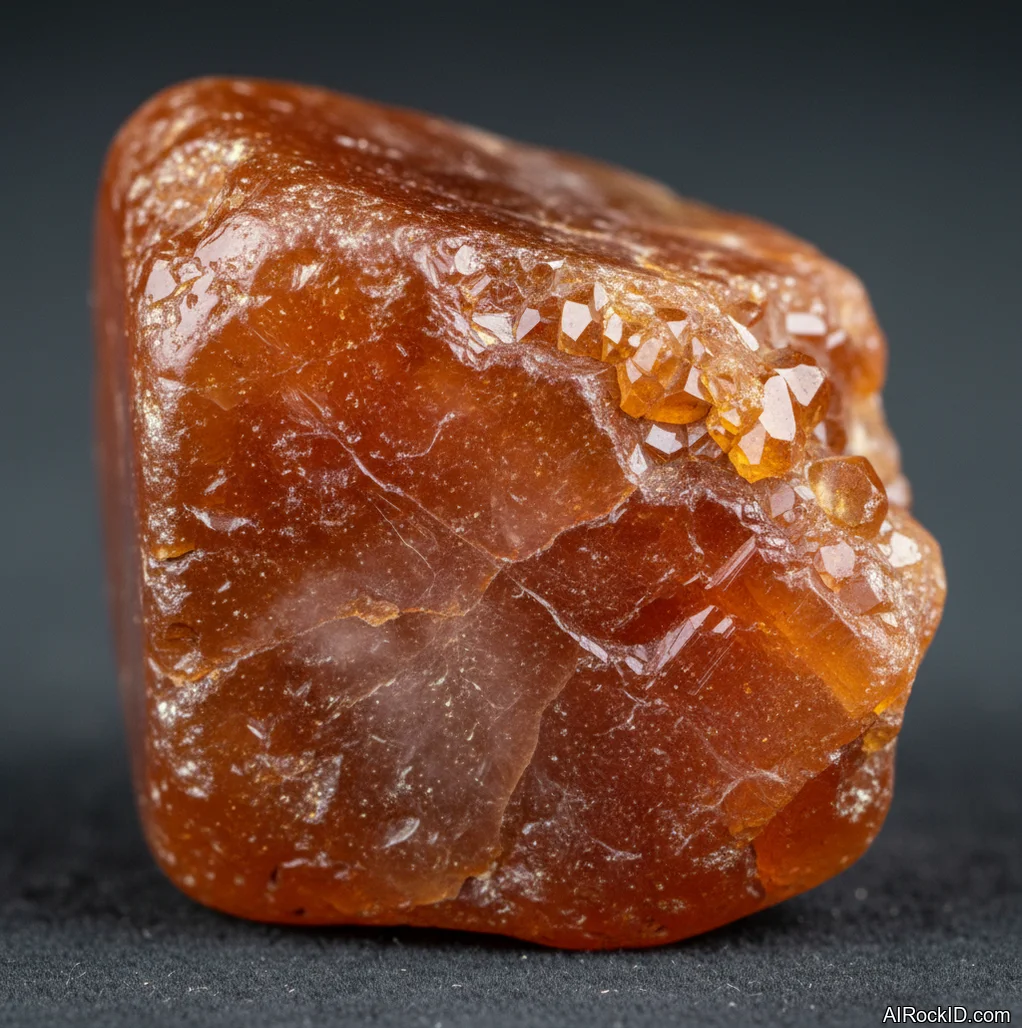
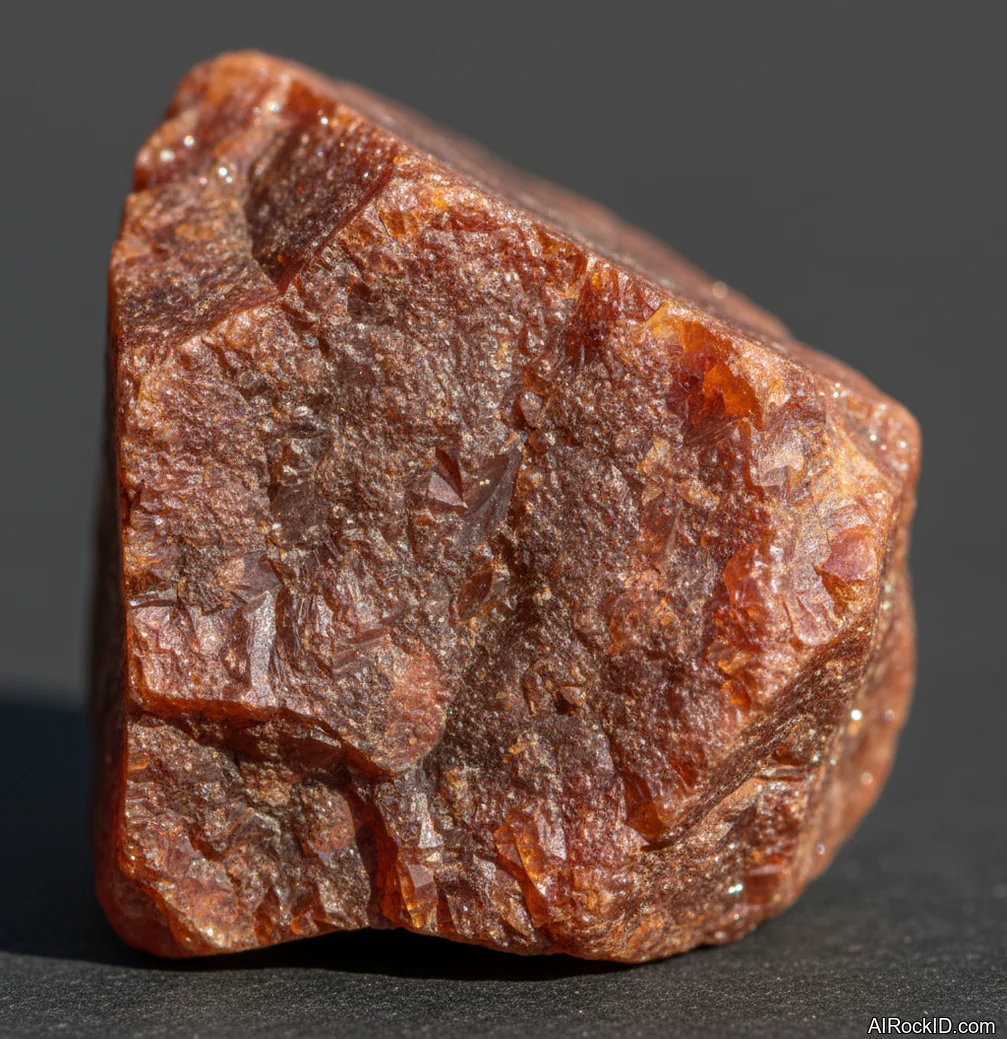
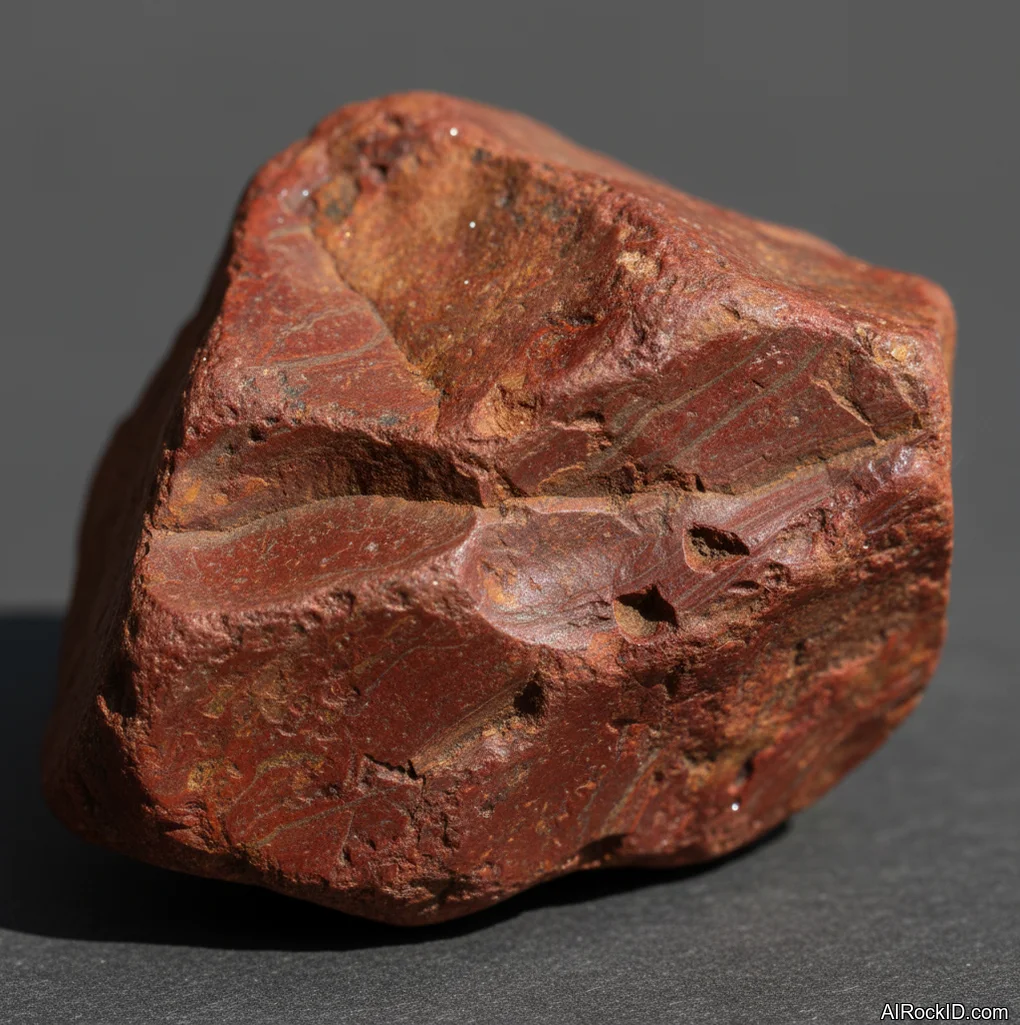
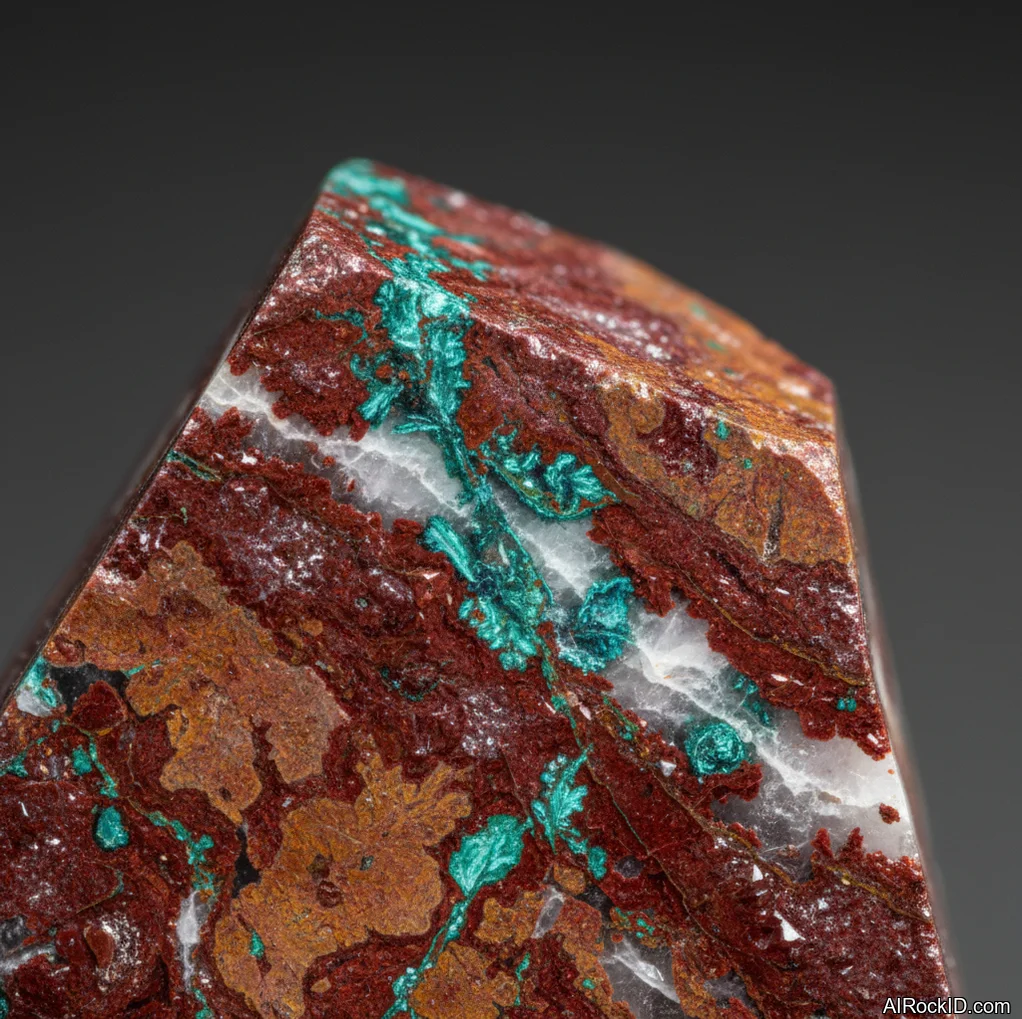
- Red Jasper: Opaque and usually brick red to reddish brown, while carnelian is commonly more translucent and orange.
AI identification confidence
AI identification is often more reliable when the stone has clear visual markers, such as hematite’s metallic sheen or black tourmaline’s striated form. Confidence is lower for tumbled Earth crystals because polishing can remove natural shape, surface texture, and matrix clues.
When AI gets it wrong
- A tumbled stone is uniformly dark and lacks visible crystal shape or banding
- Lighting makes black, brown, gray, and deep green stones appear similar
- The stone is dyed, coated, heat-treated, or sold under a trade name
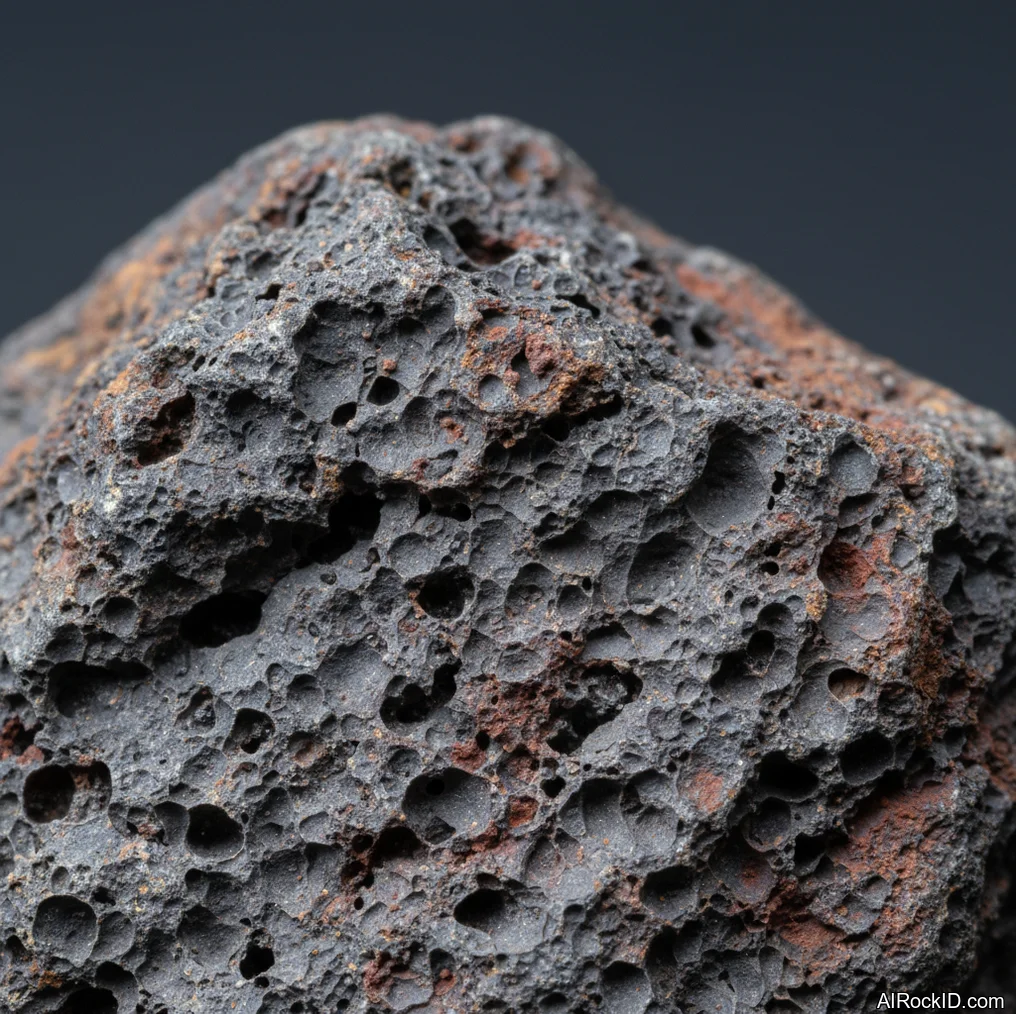
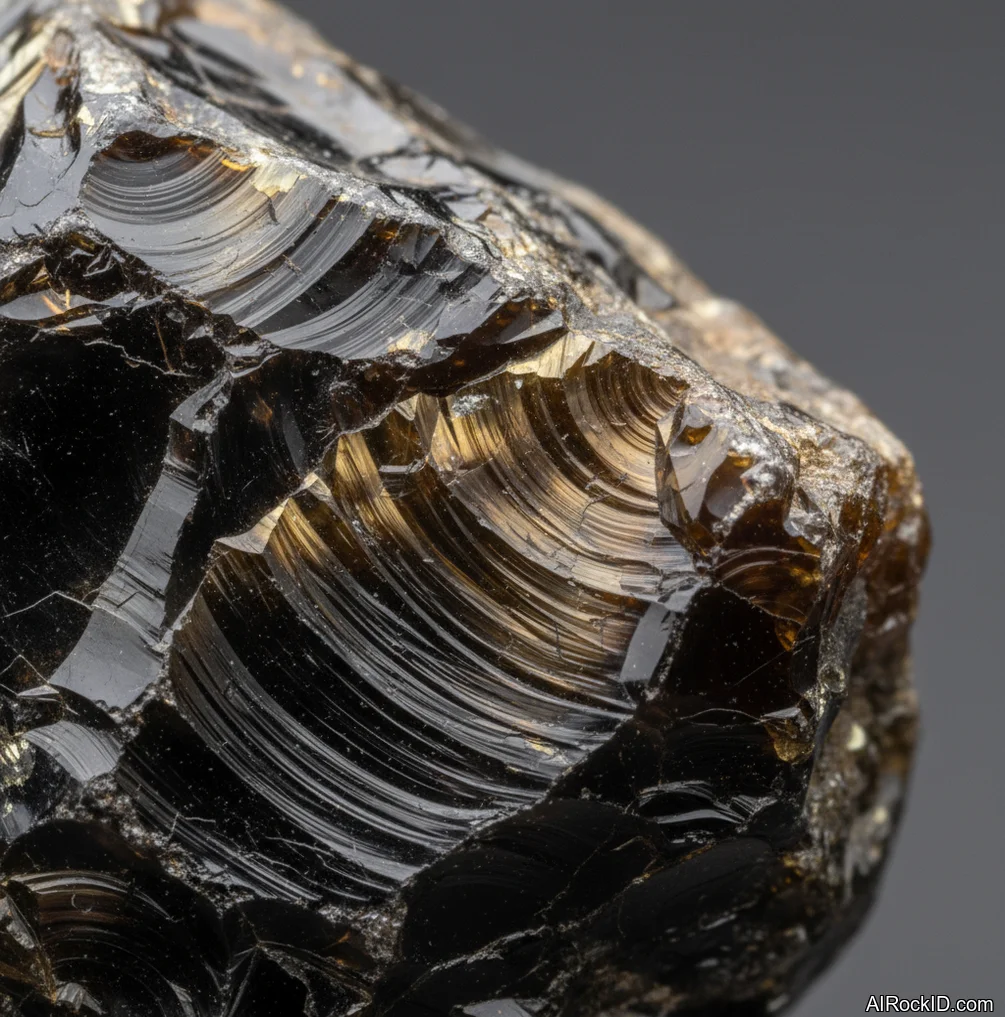
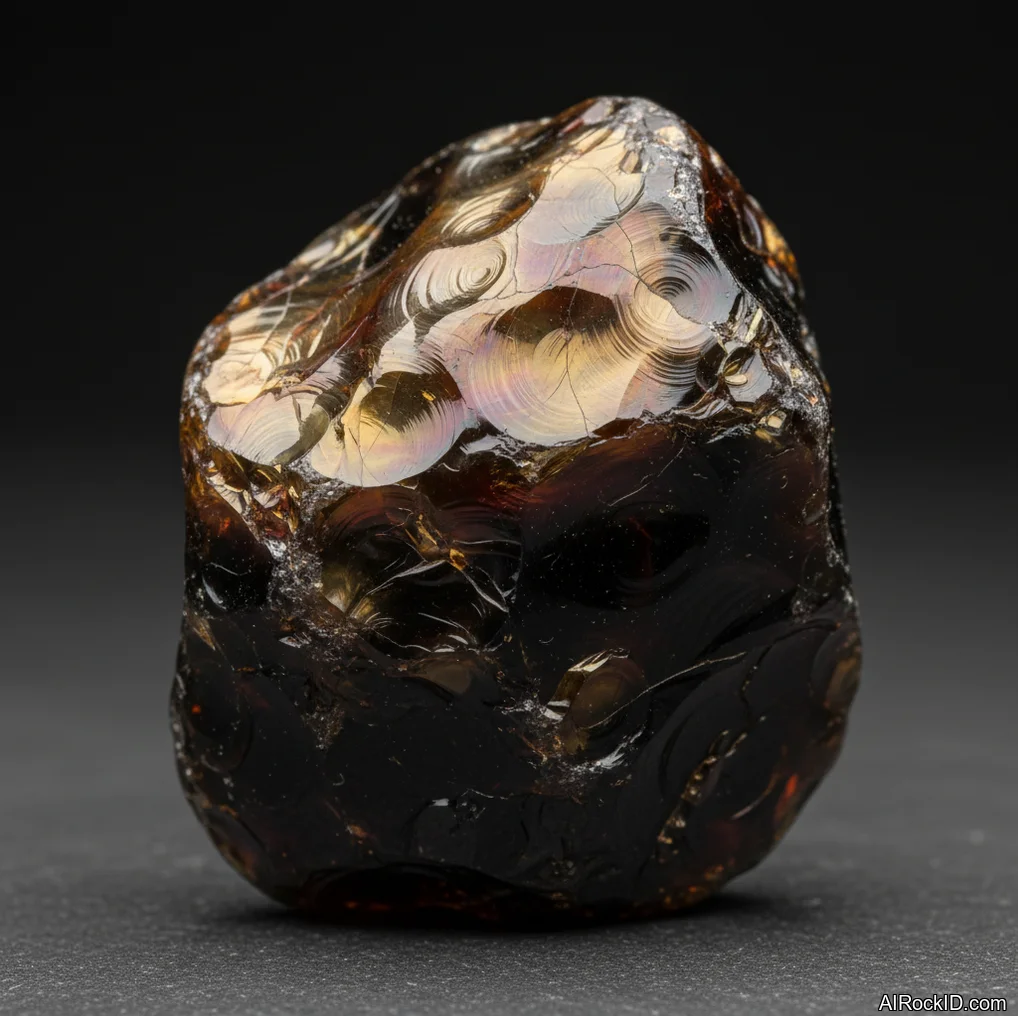
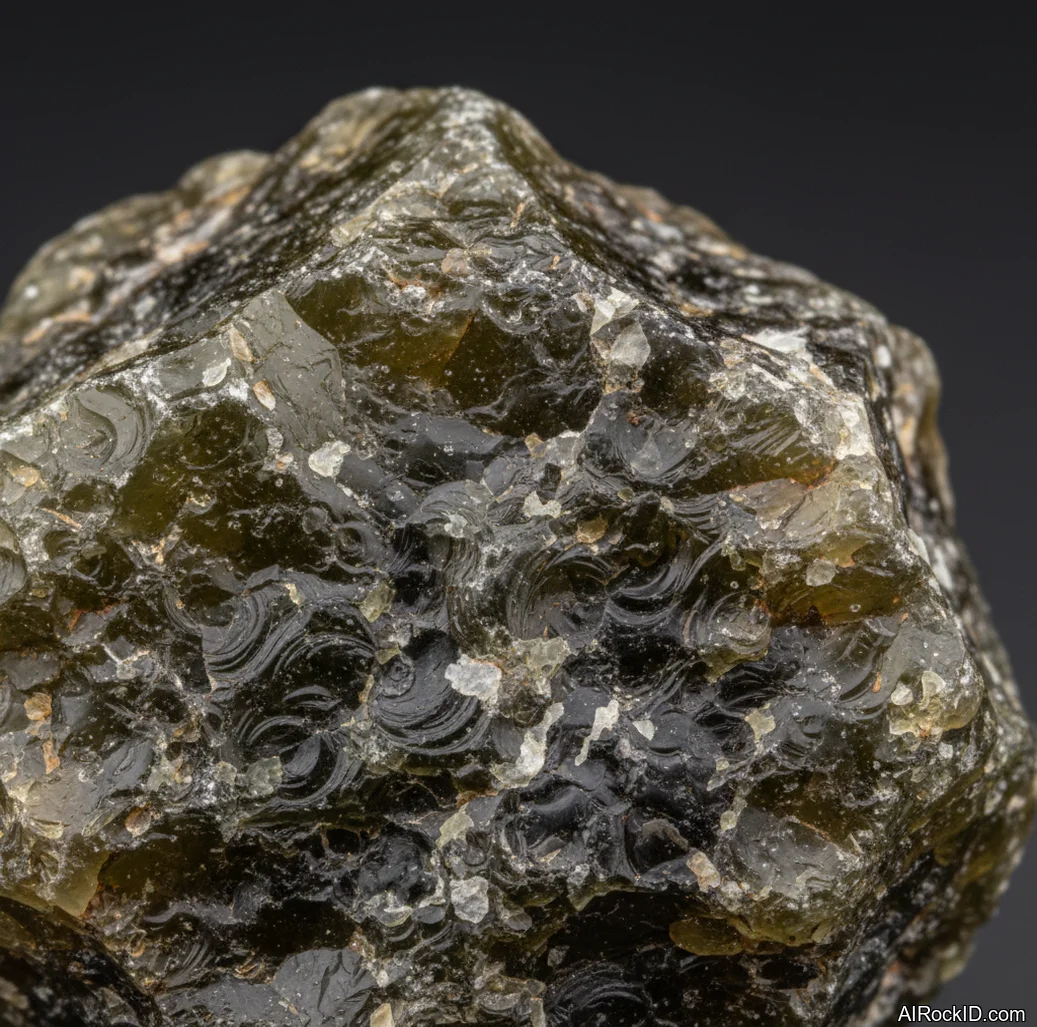
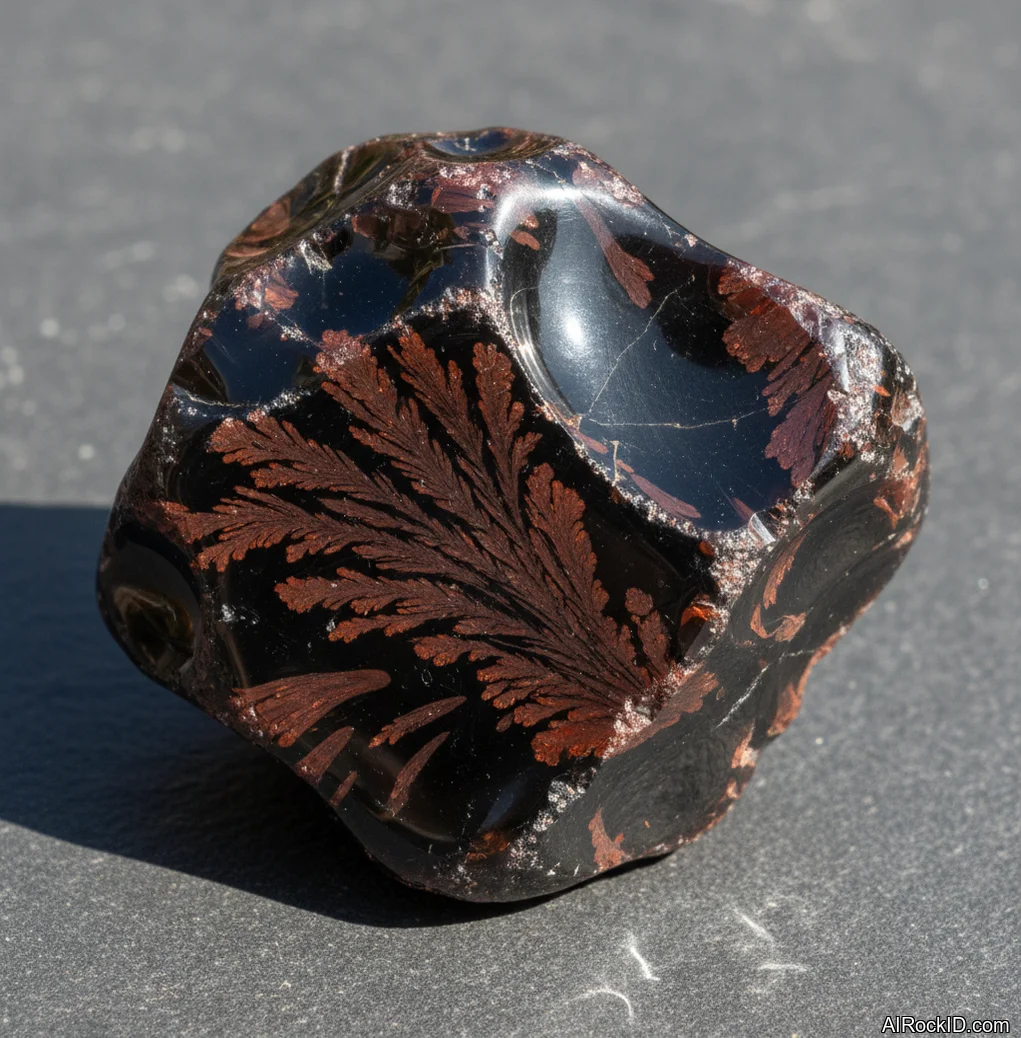
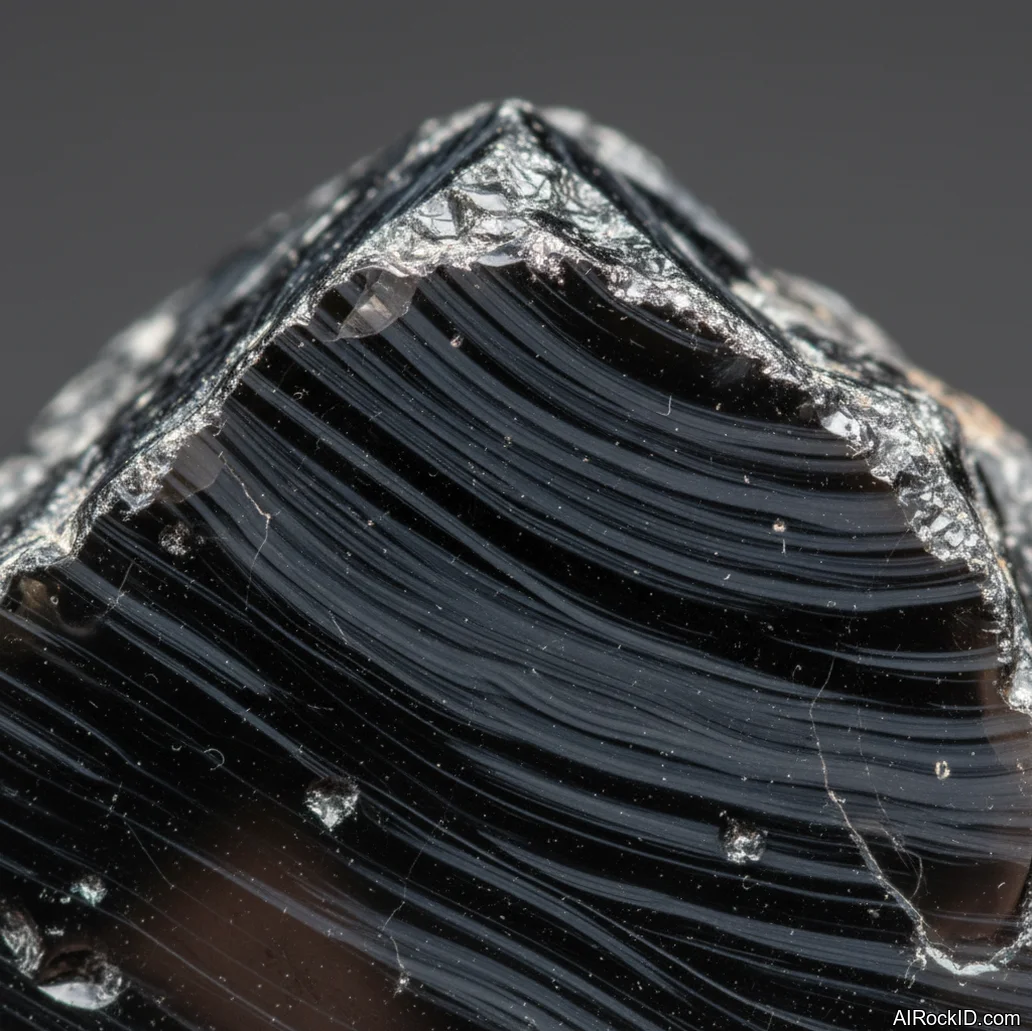
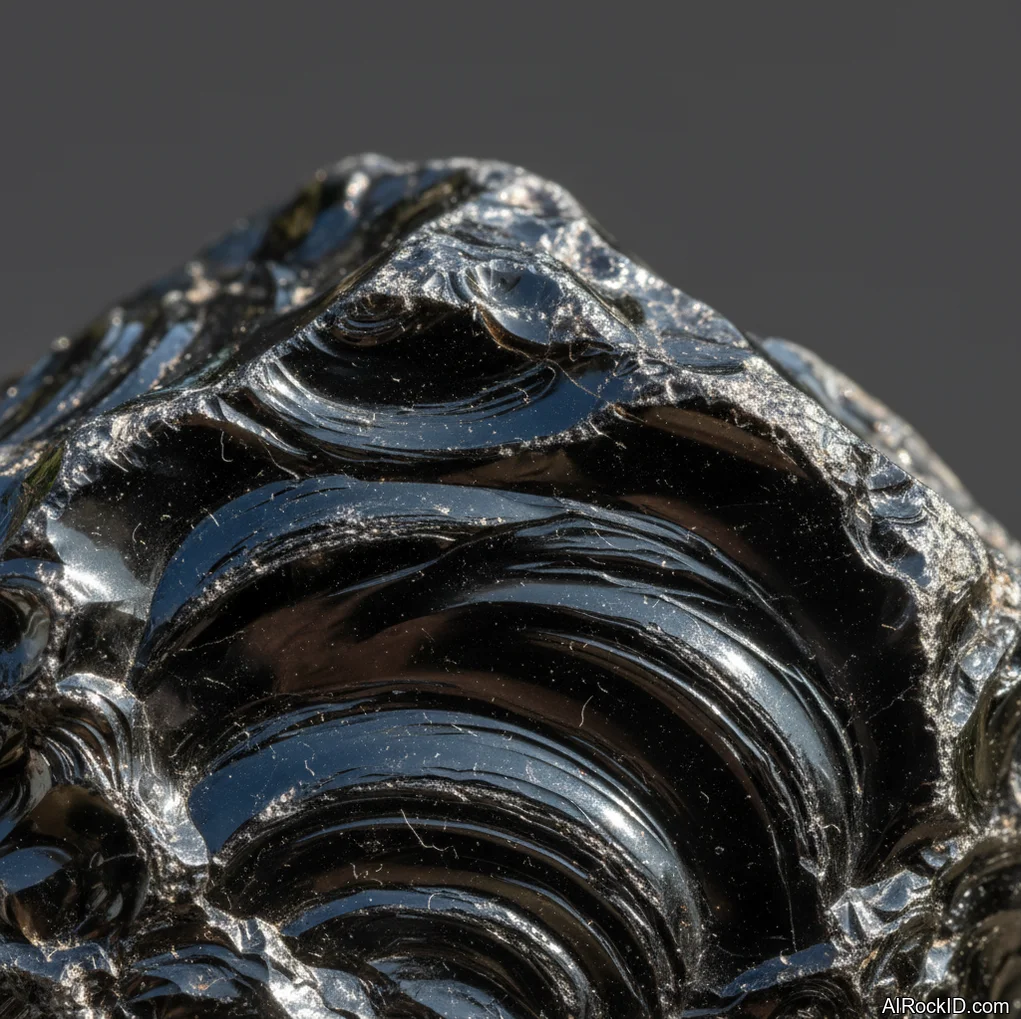
- Several minerals share the same color and opacity, such as black jasper, basalt, and obsidian
Best choice summary
For a first Earth crystal, smoky quartz, hematite, and red jasper are practical choices because they are widely available and visually distinct. Choose based on the look, weight, durability, and traditional association that fits your intended use.
Final recommendation
Use the Earth crystal tag as a theme for stones connected with grounding, steadiness, and natural colors in crystal traditions. For identification, pair visual inspection with hardness, streak, magnetism, and reputable seller information when possible.
Why people search for this
People often search for Earth crystals when they want stones traditionally linked with grounding, stability, and connection to nature. The tag is also useful for comparing similar dark, earthy, or iron-bearing minerals.
What this category represents
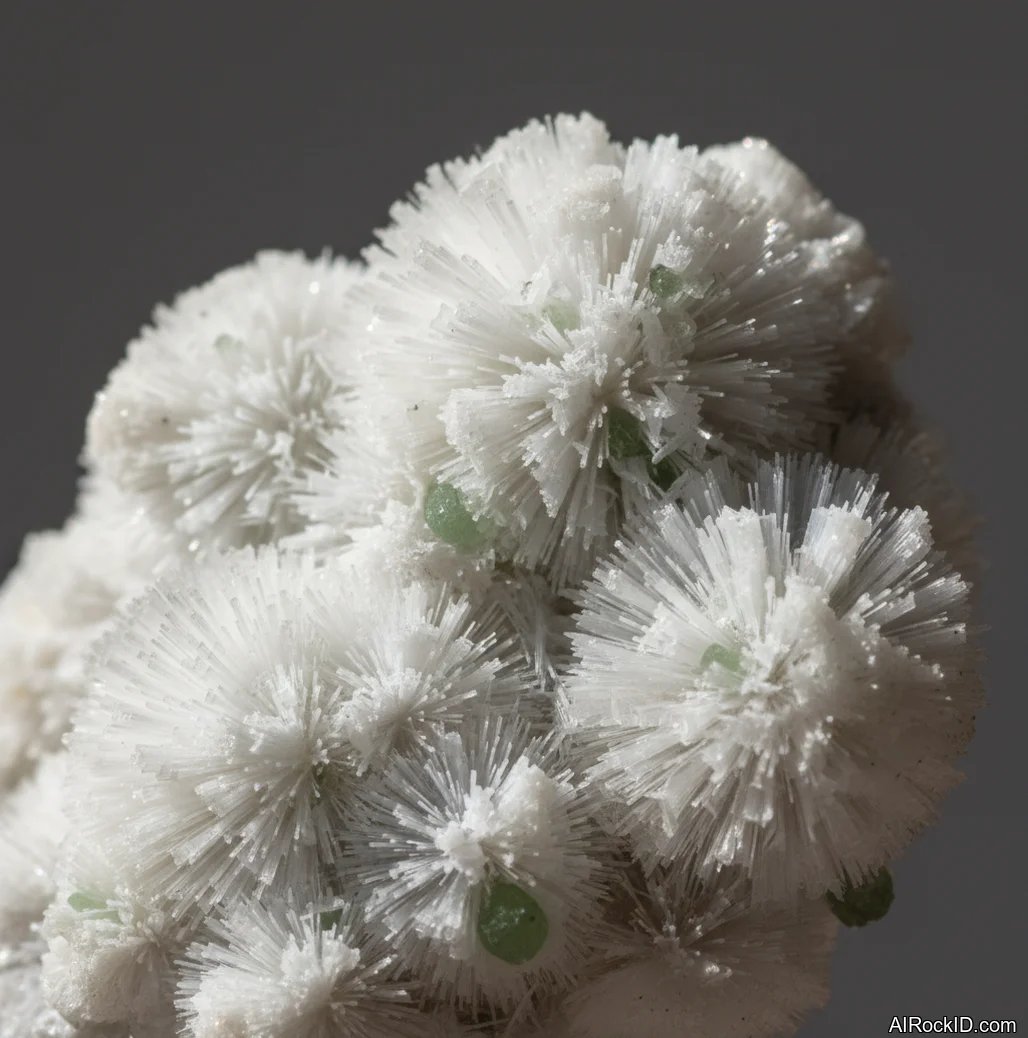
The Earth crystals tag groups stones that crystal traditions associate with grounding, stability, protection, patience, and connection to the physical environment. It is a thematic category rather than a mineralogical class, so stones in this tag may differ widely in chemistry, hardness, crystal structure, and origin.
Beginner recommendations
Advanced recommendations
Earth Crystals vs. Earth-Formed Minerals
Nearly all minerals form through natural geological processes in the Earth, but that does not automatically make every mineral an Earth crystal in metaphysical tagging. The Earth label usually refers to traditional symbolism, color, density, opacity, iron content, or an association with grounding rather than the mineral’s scientific origin.
Color Clues in Earth Crystal Traditions
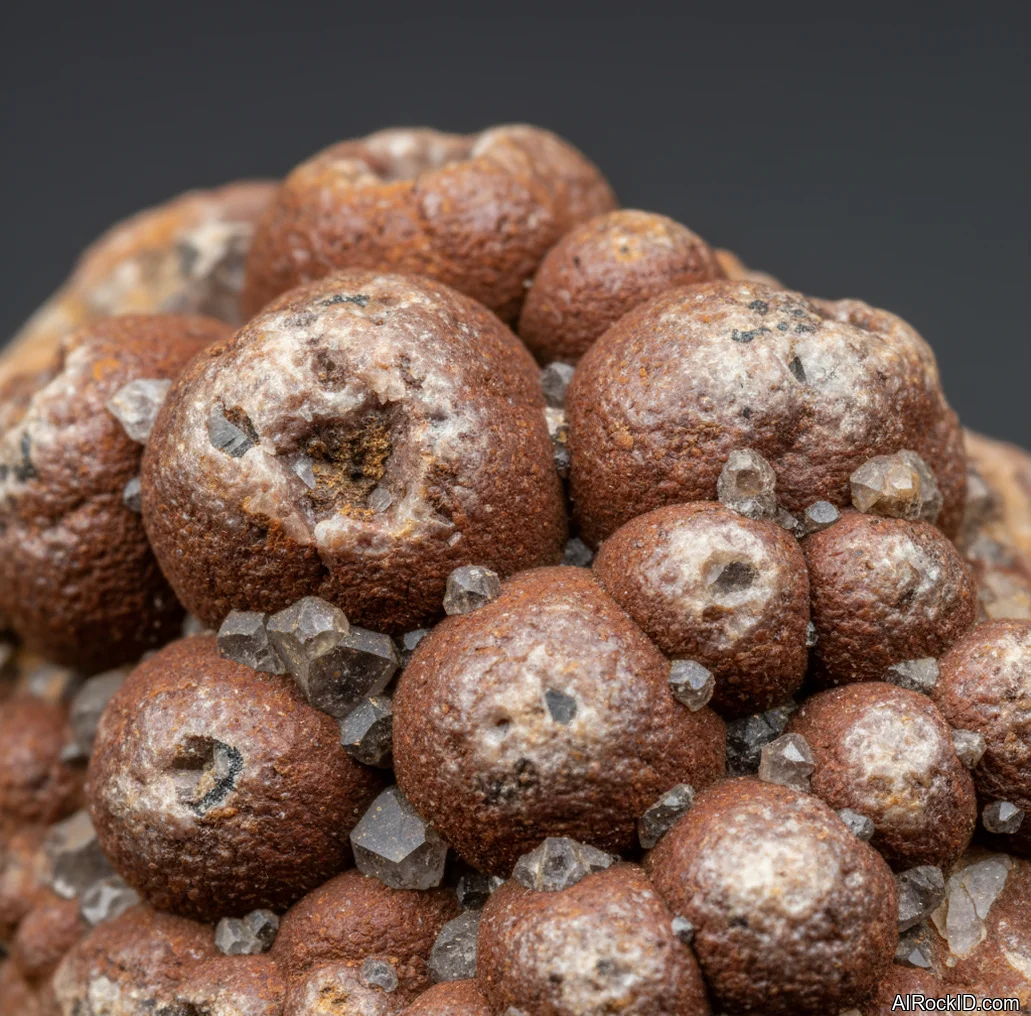
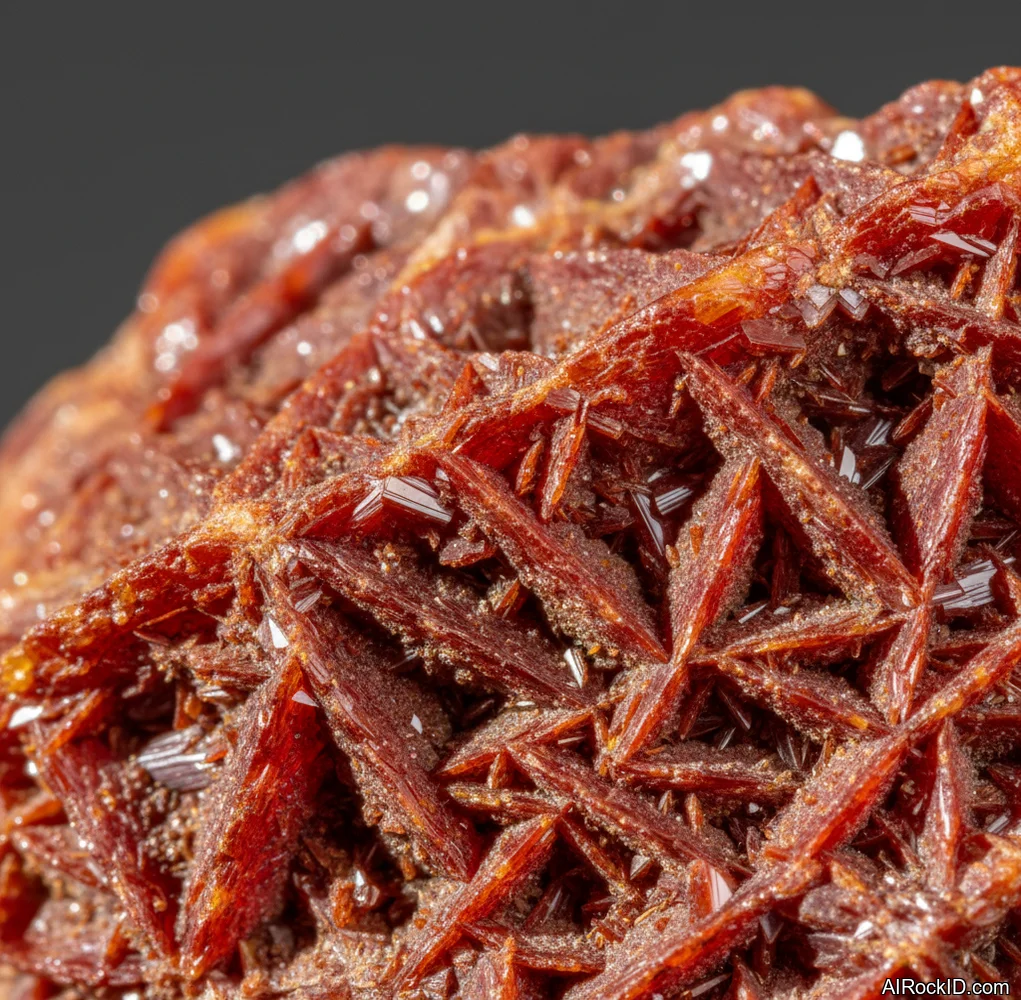
Brown, black, gray, deep green, brick red, and ocher tones are often used as visual cues for Earth-associated stones. These colors can come from iron oxides, organic-looking inclusions, dense crystal structure, or mineral impurities, but color alone is not enough for a reliable identification.
Pairing Earth Crystals with Other Element Themes
Earth crystals are often paired with Fire stones for motivation, Water stones for emotional reflection, or Air stones for clarity in modern crystal practices. These pairings are symbolic traditions and should be treated as personal or cultural practices rather than scientific effects.
What Makes a Crystal 'Earth'? Physical and Energetic Signs
Pick up an Earth stone and you notice the weight first. It settles into your hand, cool and a little heavier than it looks. Surfaces on these stones run matte to waxy, not glassy like quartz. Colors don’t scream neon—they look like they were scooped from a riverbank: browns, blacks, olive greens, rusty reds, creams. If you bite into a fresh cut bank after rain, that’s the color palette. This matches what collectors actually find when they dig through bins at shows or poke through gravel in their own backyard.
Earth crystals are all about that grounded, steady energy. In crystal circles, people say they grab Earth stones when life feels scattered or too fast. To get practical: folks want stability, protection, and something they can actually touch, not just look at. The real test for an Earth stone is whether you find yourself absentmindedly keeping it in your pocket just to have some weight in your palm. Most of them don’t catch the eye across the room, but they settle the nerves. The body knows before the mind does.
If you’re ever unsure, check opacity and color first. Opaque, brown-black or green, with a bit of heft—good chance it’s in the Earth family.
Common Earth Element Crystals and How to Spot Them
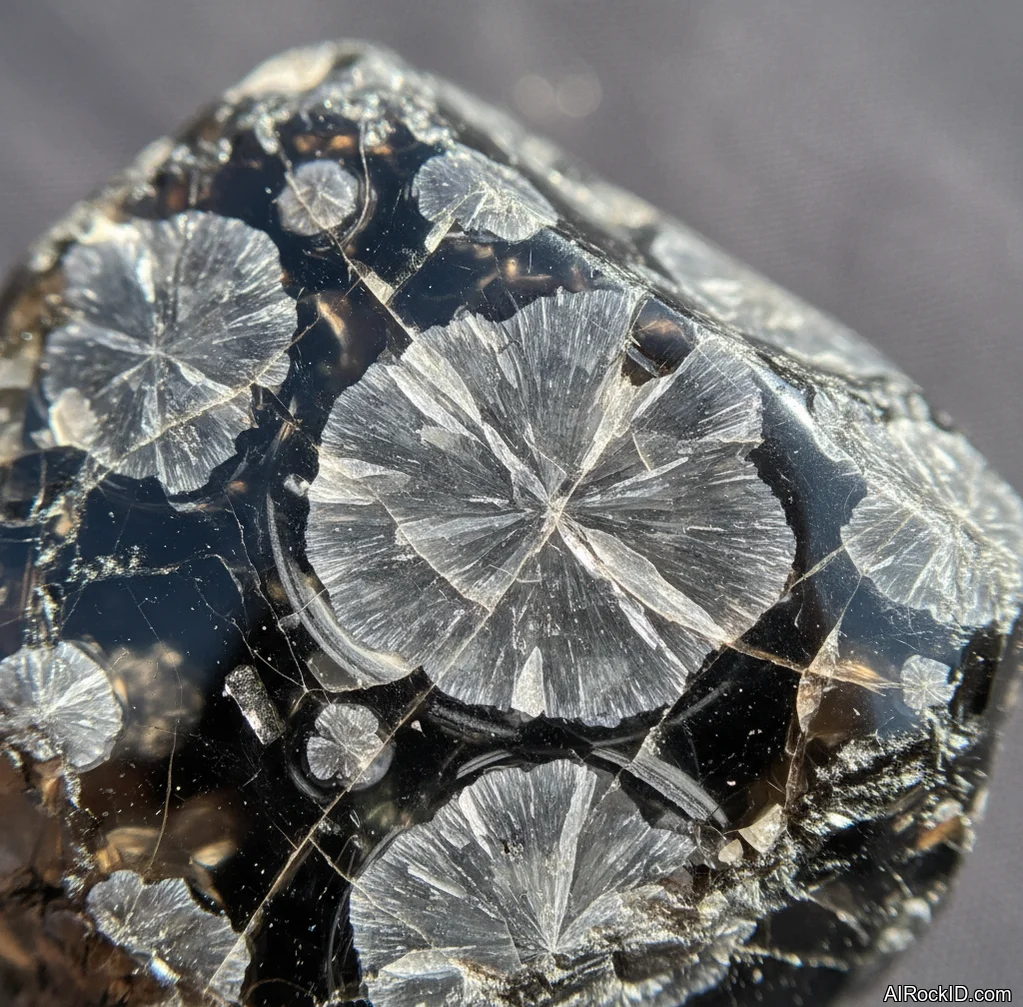
You see a lot of the same names pop up when people talk about Earth crystals: smoky quartz, hematite, black tourmaline (schorl), jasper, tiger’s eye, petrified wood, moss agate. Each one has a look that’s easy to spot when you know what to check. Smoky quartz goes from tea-brown to almost black, but real specimens stay cool in the hand while glass imitations warm up fast. Hematite always feels denser than you expect, and the shine gets satiny after weeks in a pocket—good luck keeping it looking mirror-bright if you actually use it.
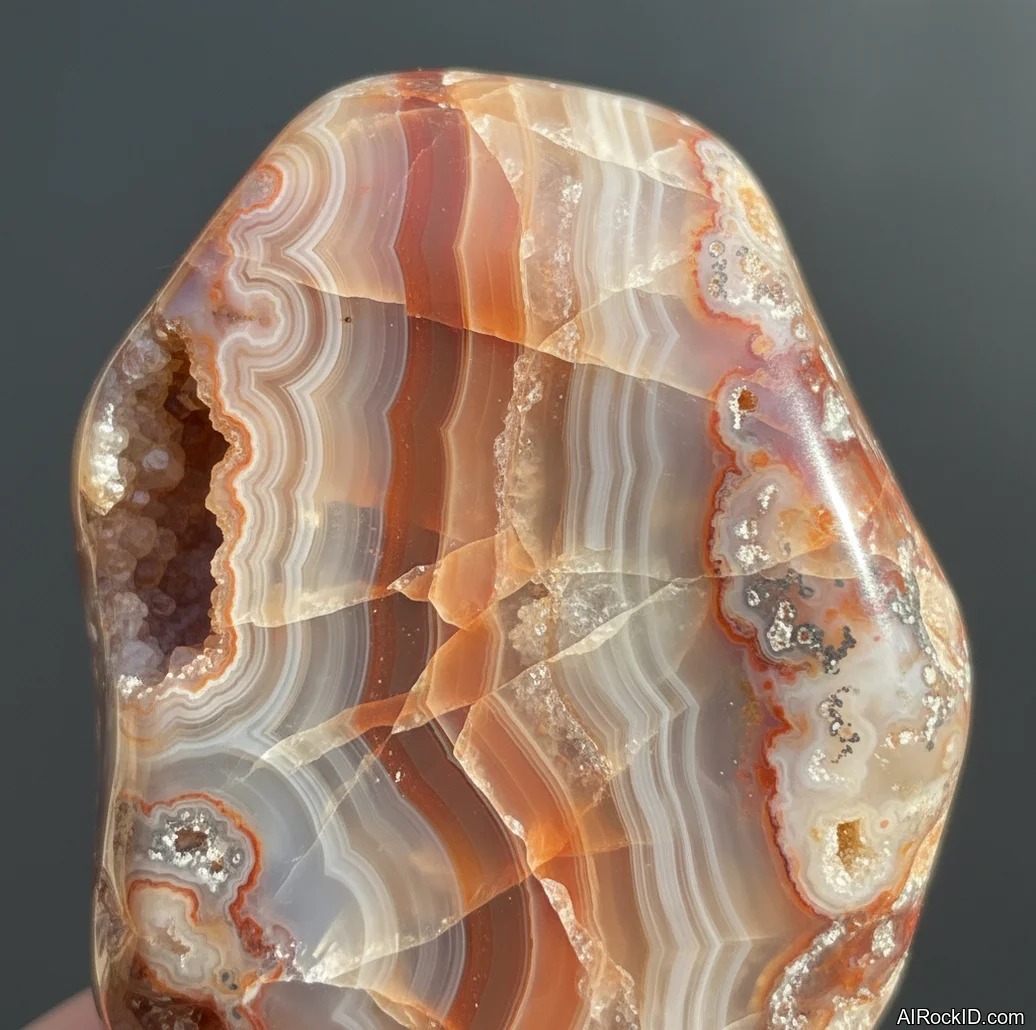
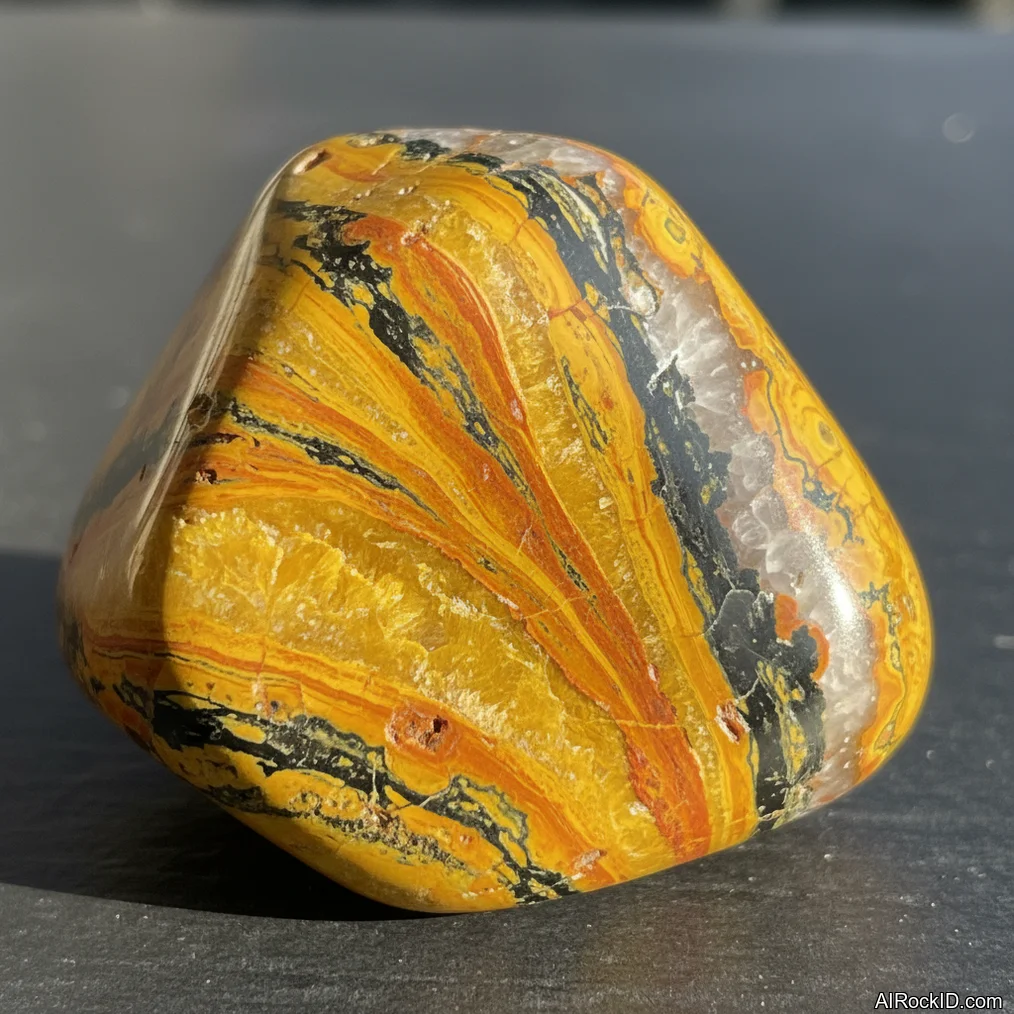
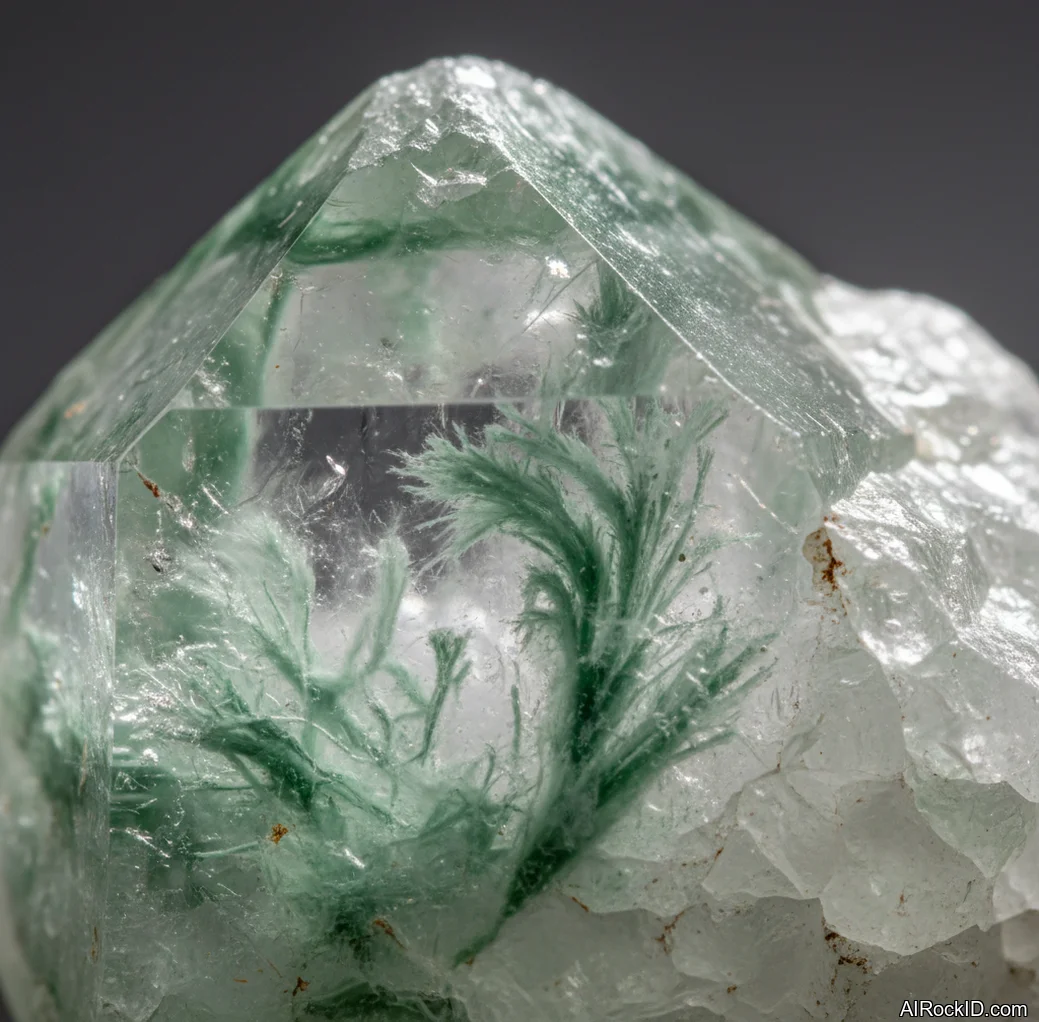
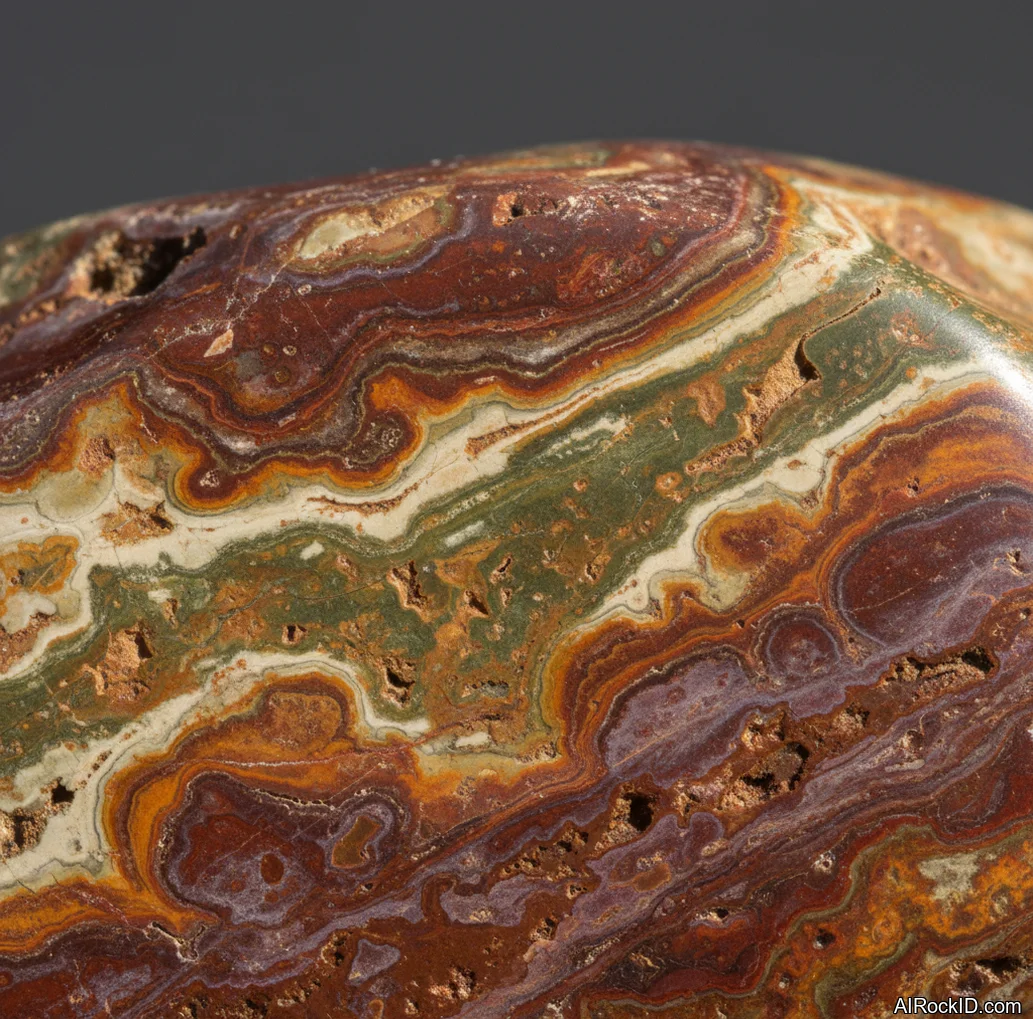
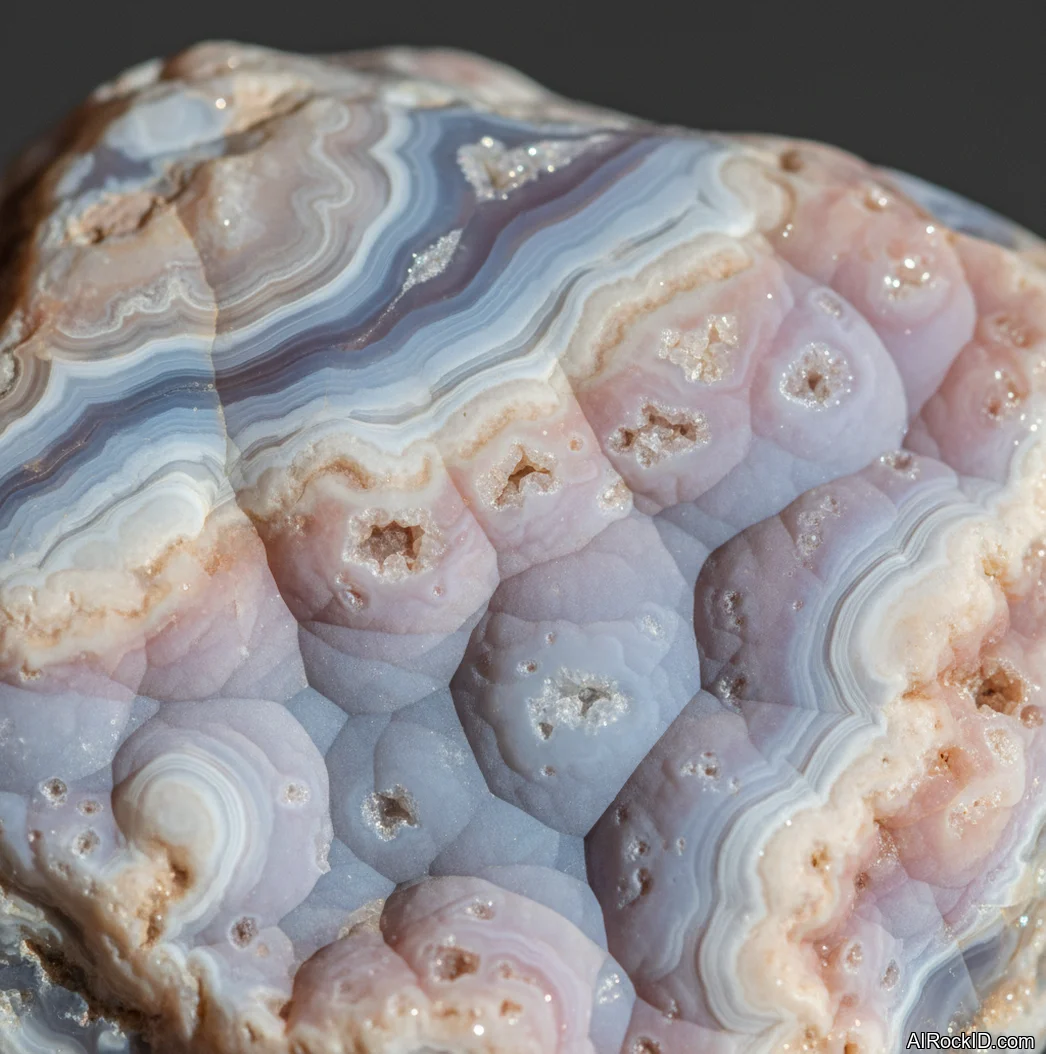
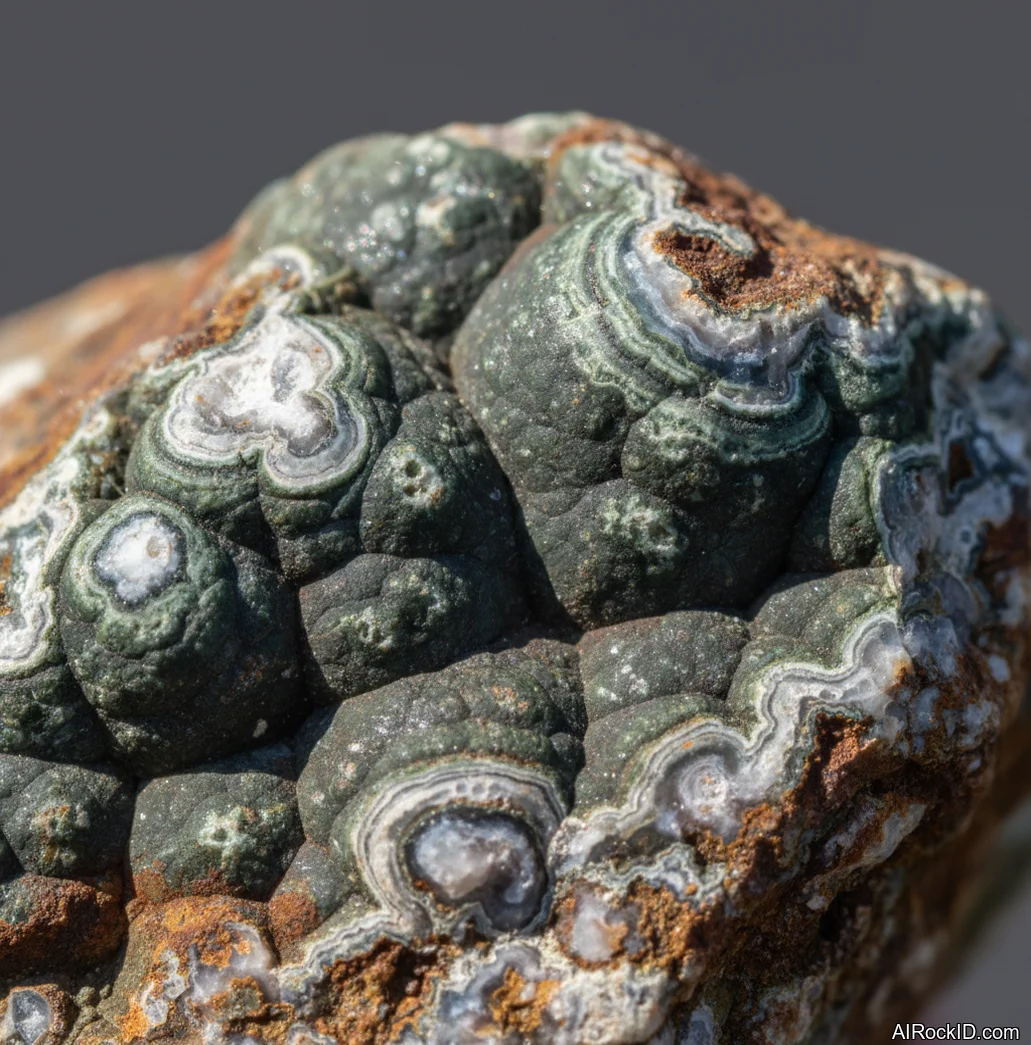
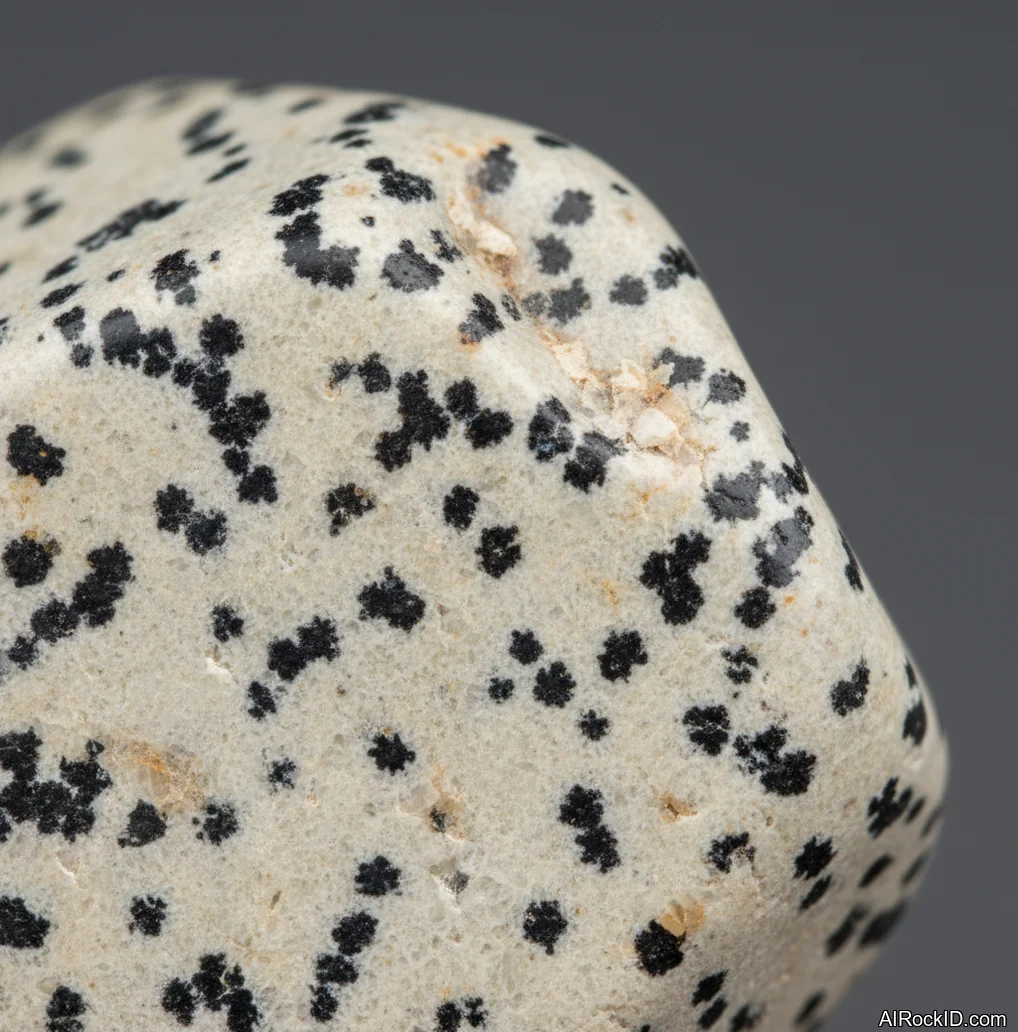
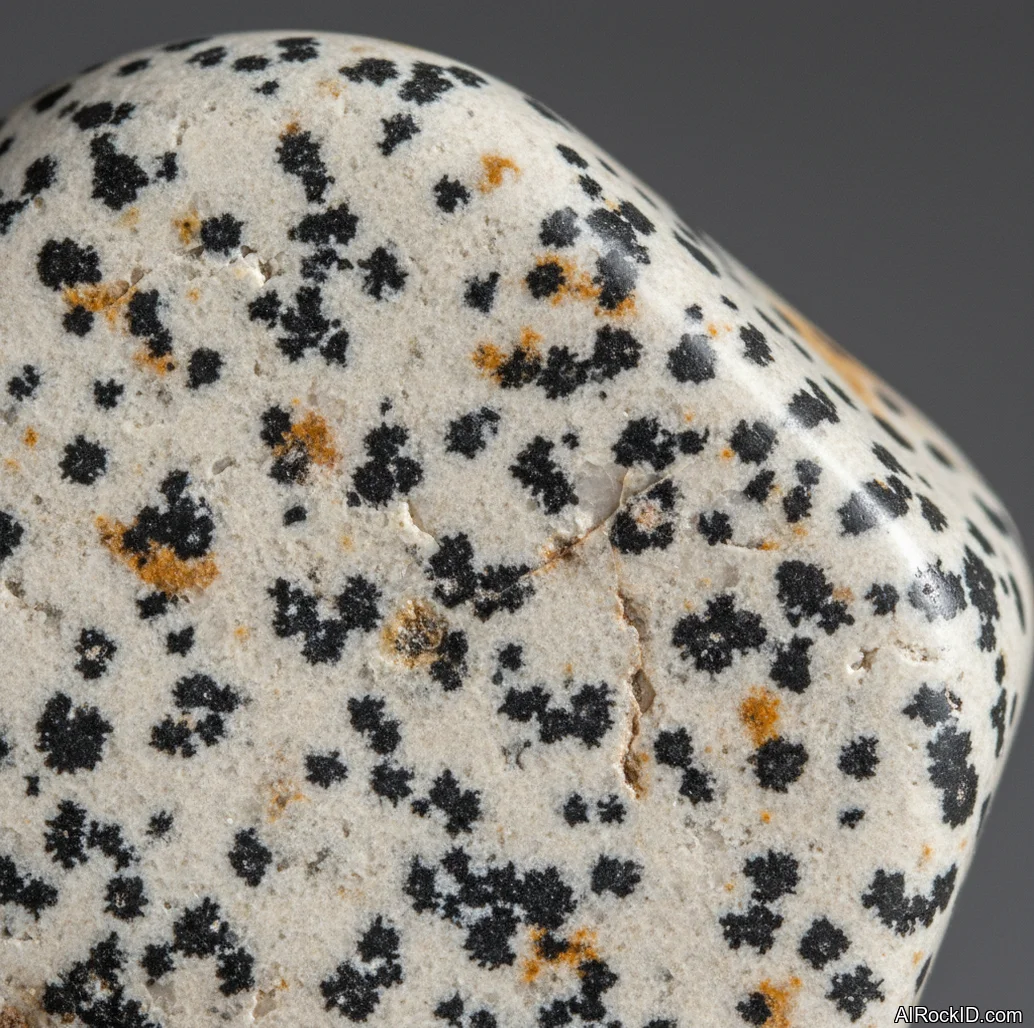
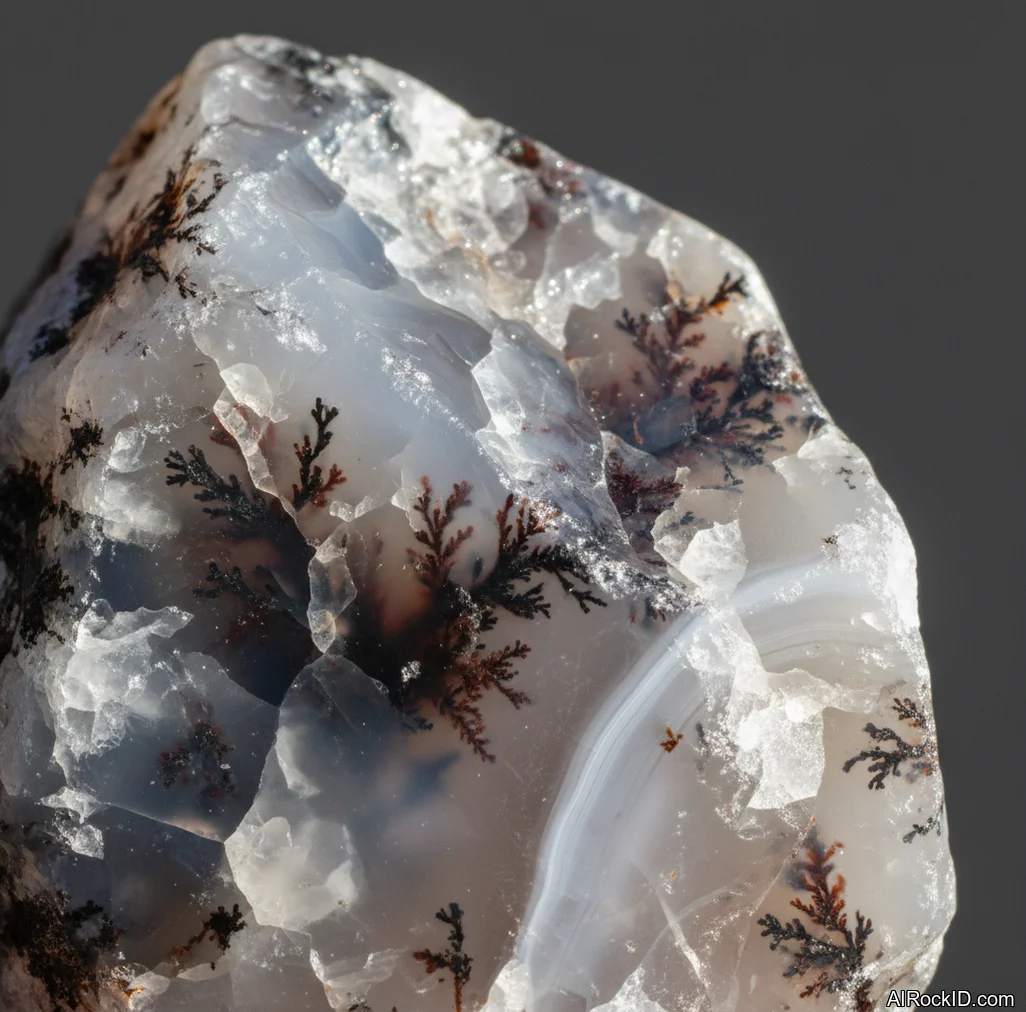
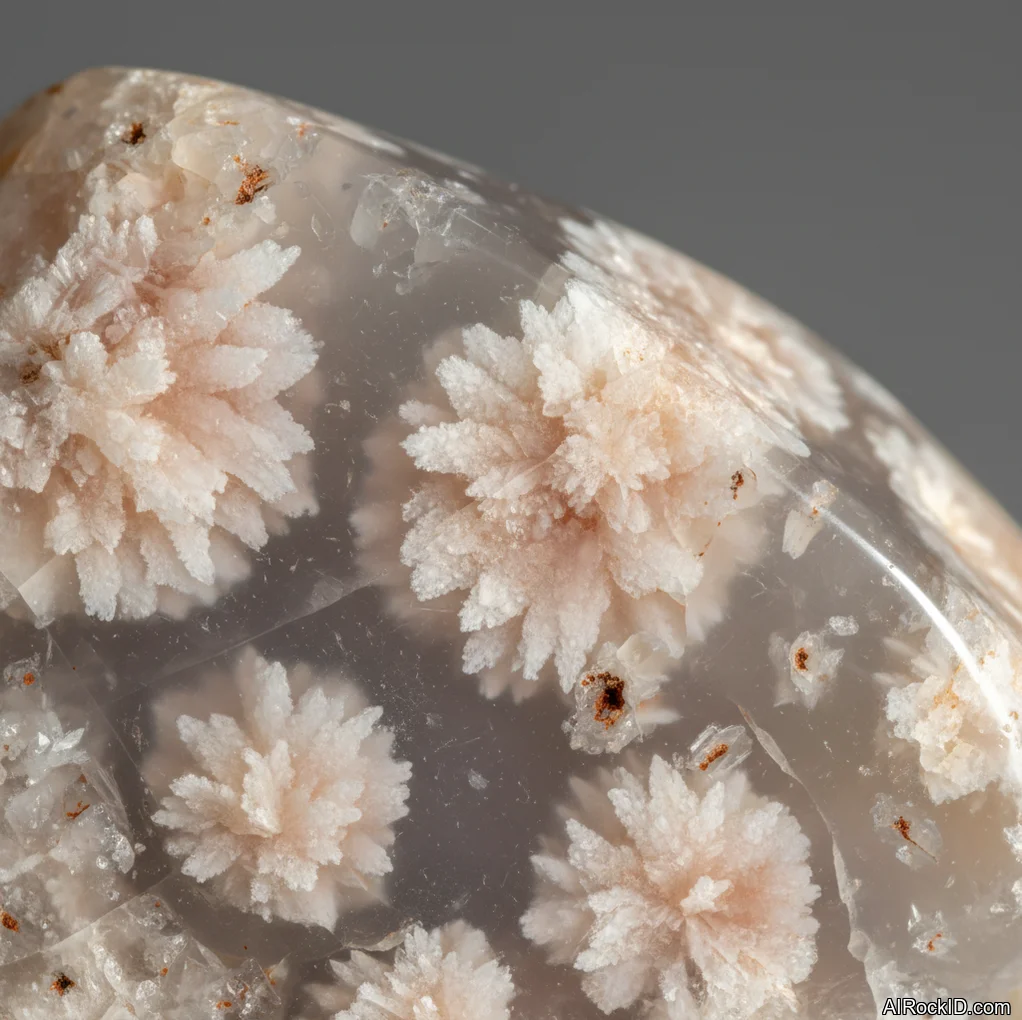
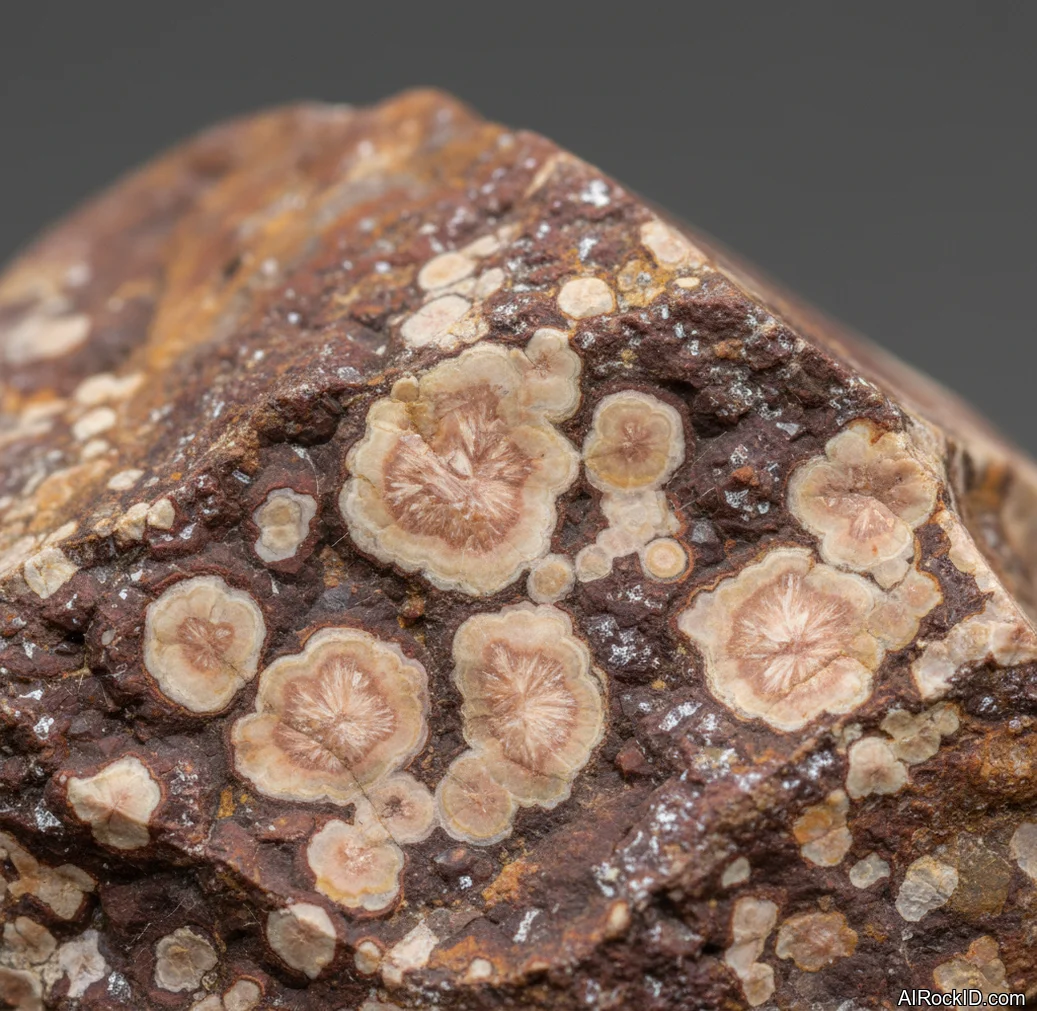
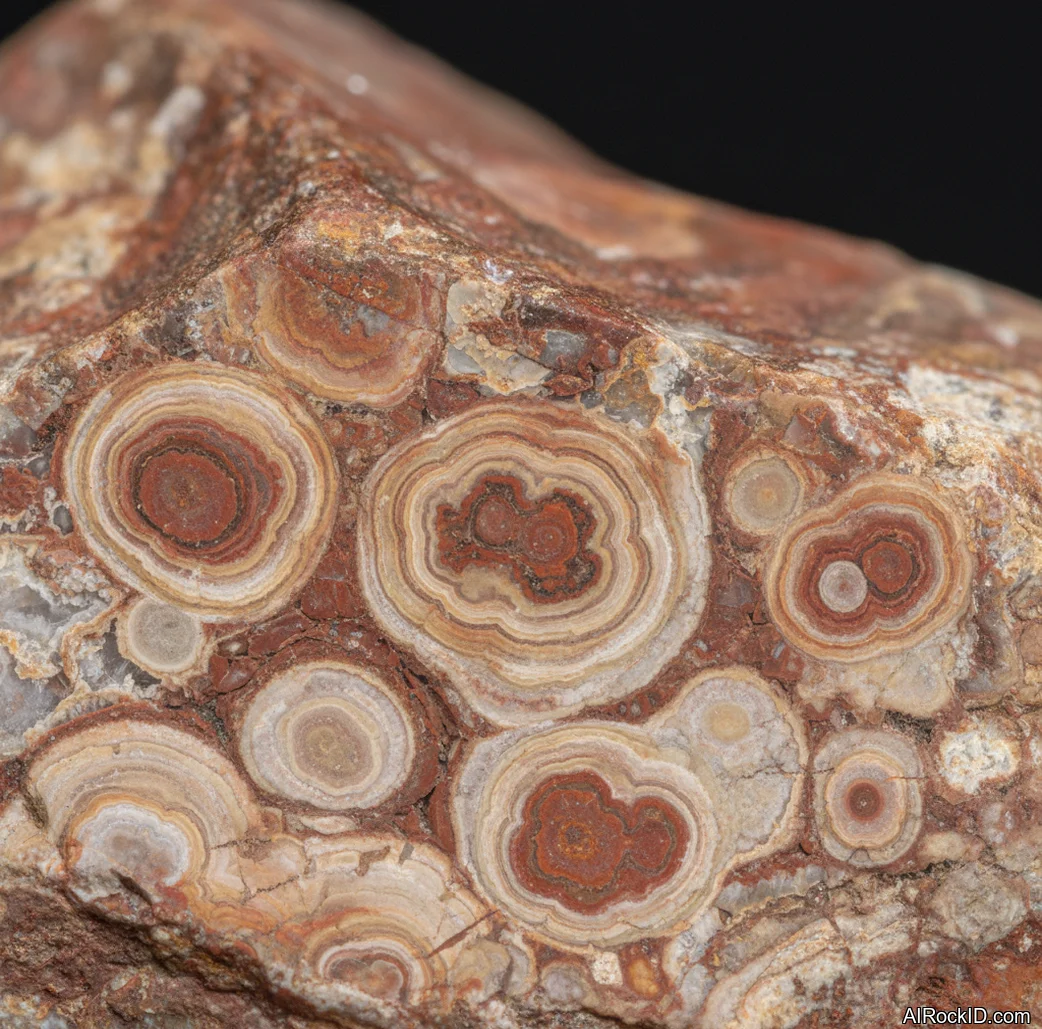
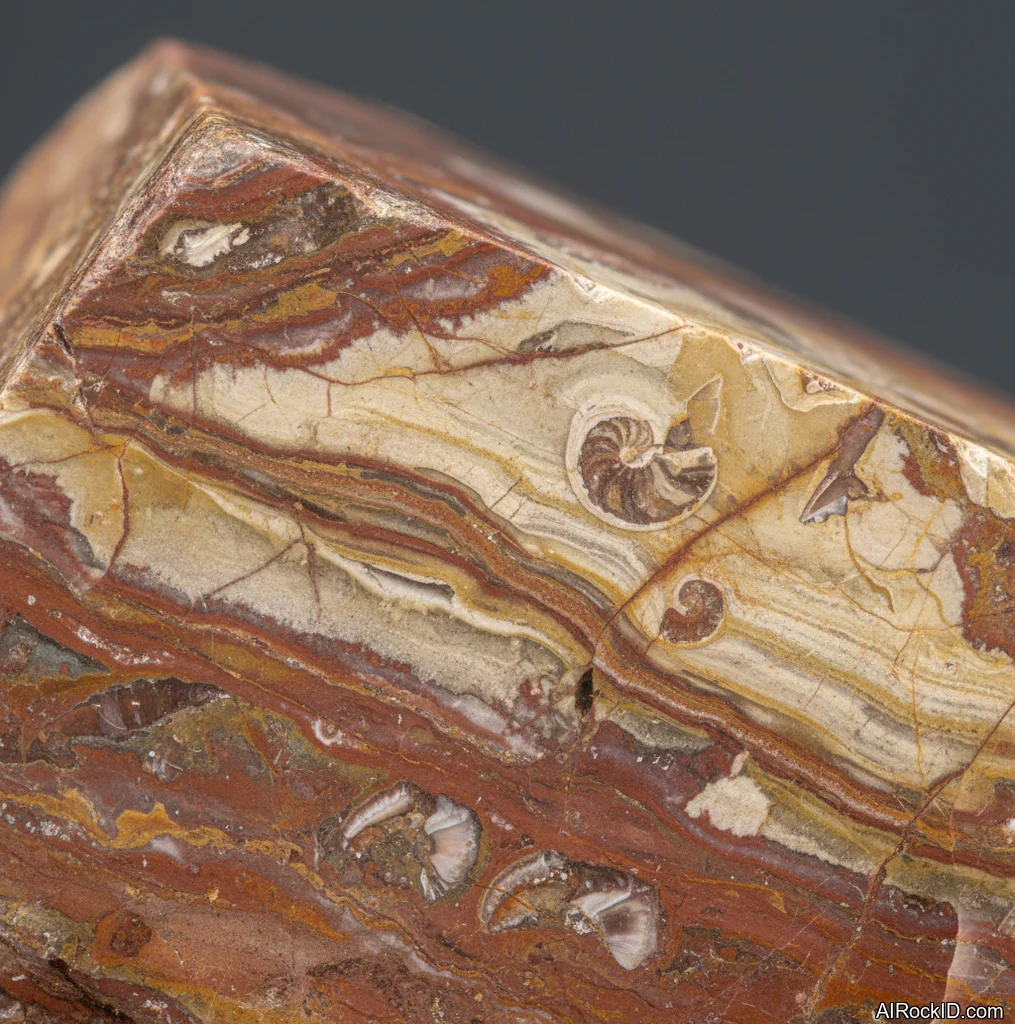
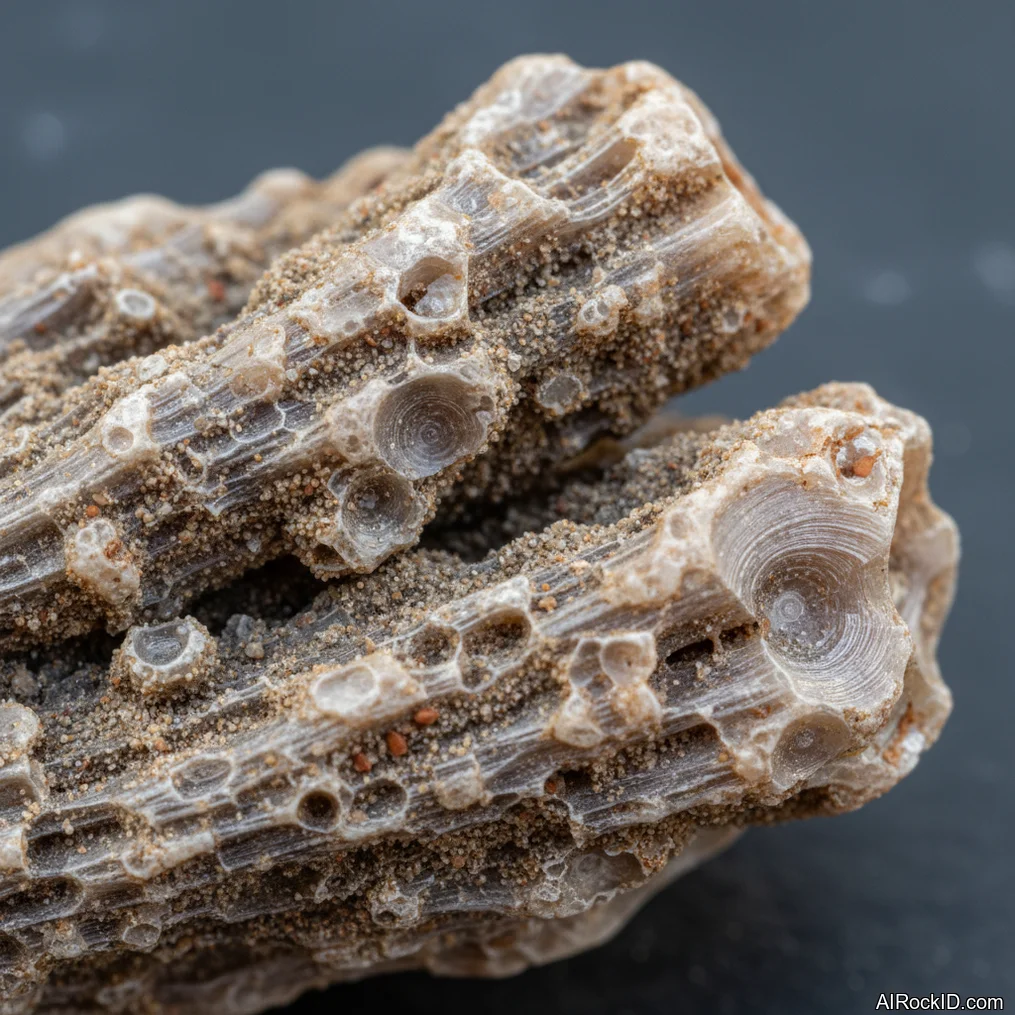
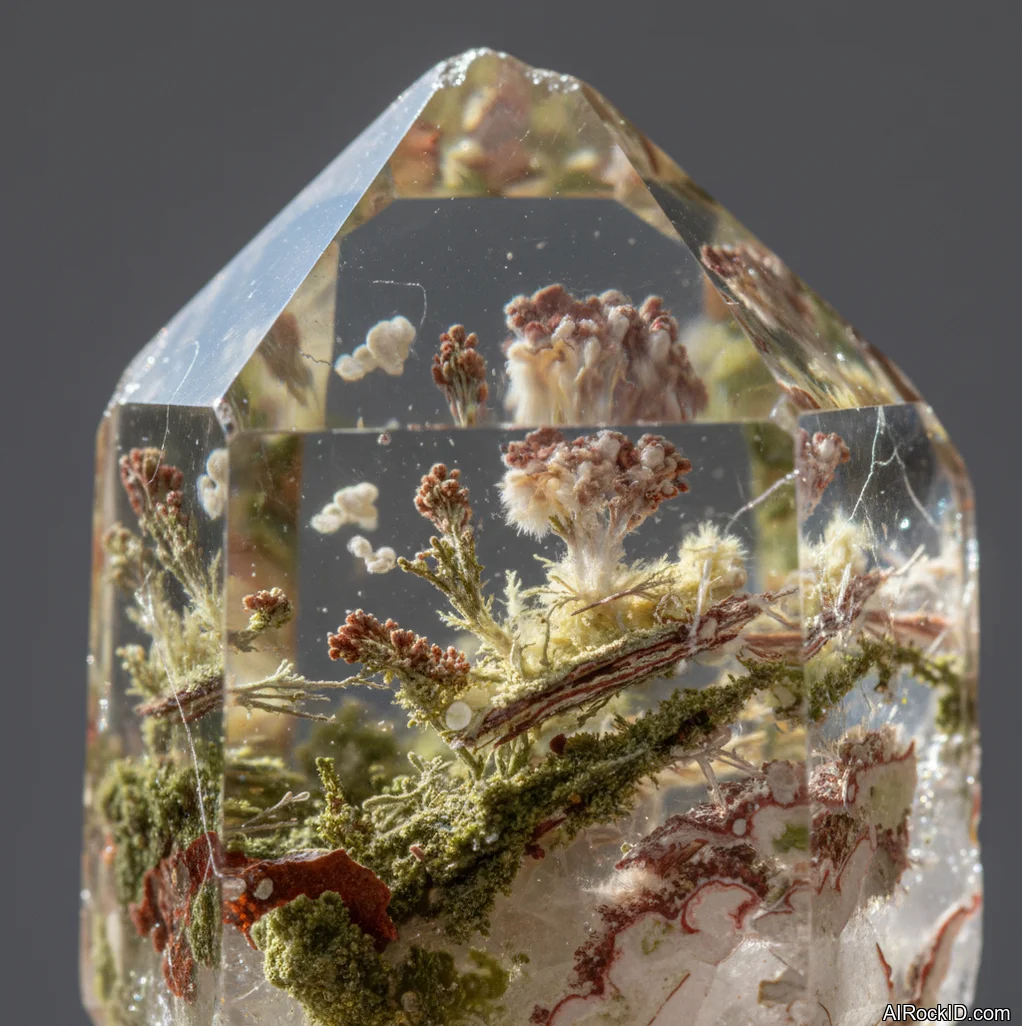
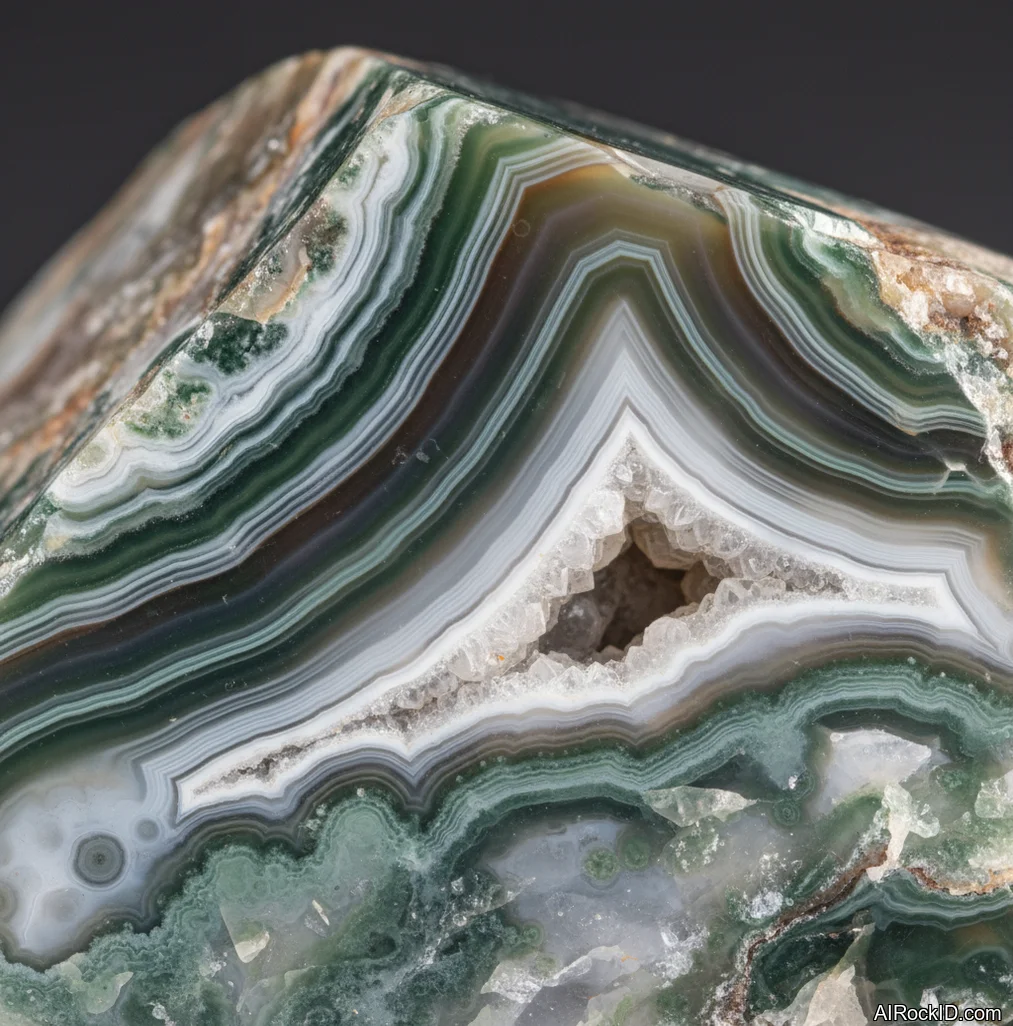
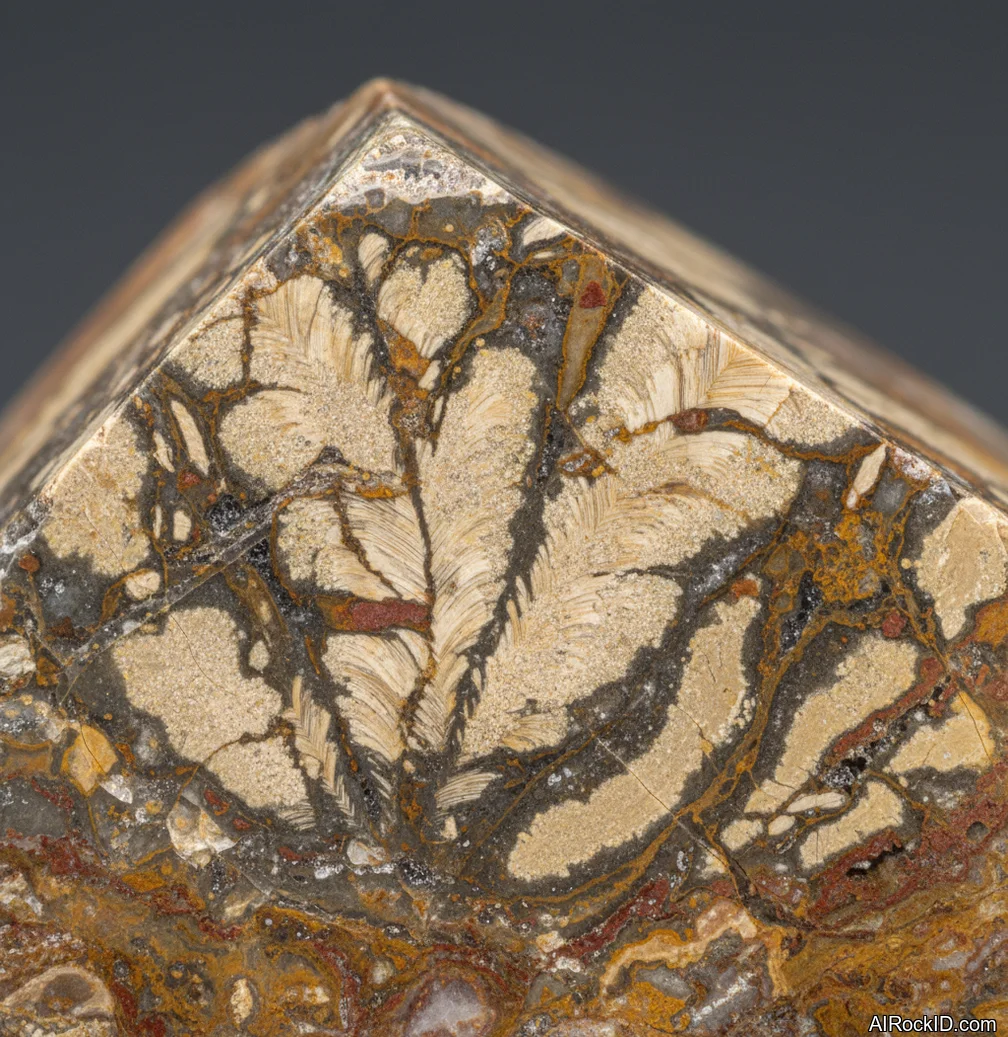
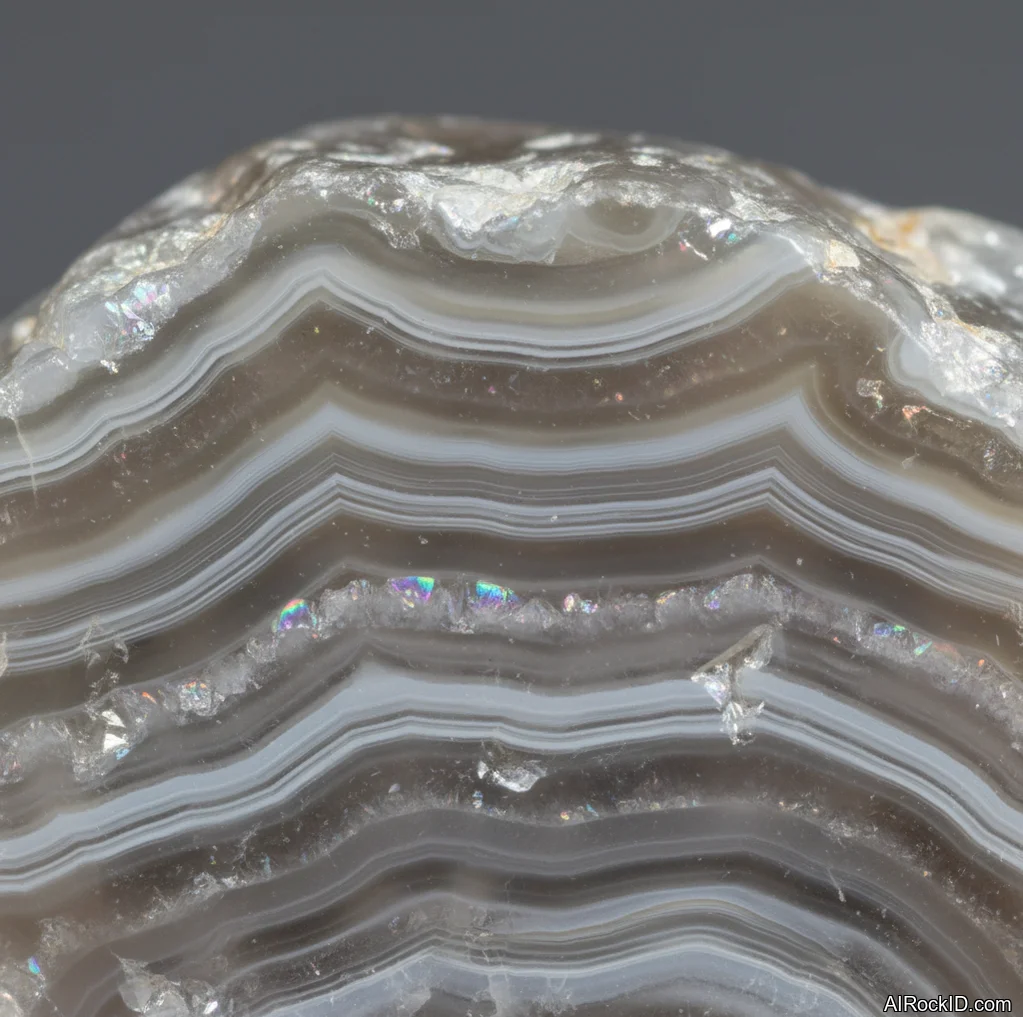
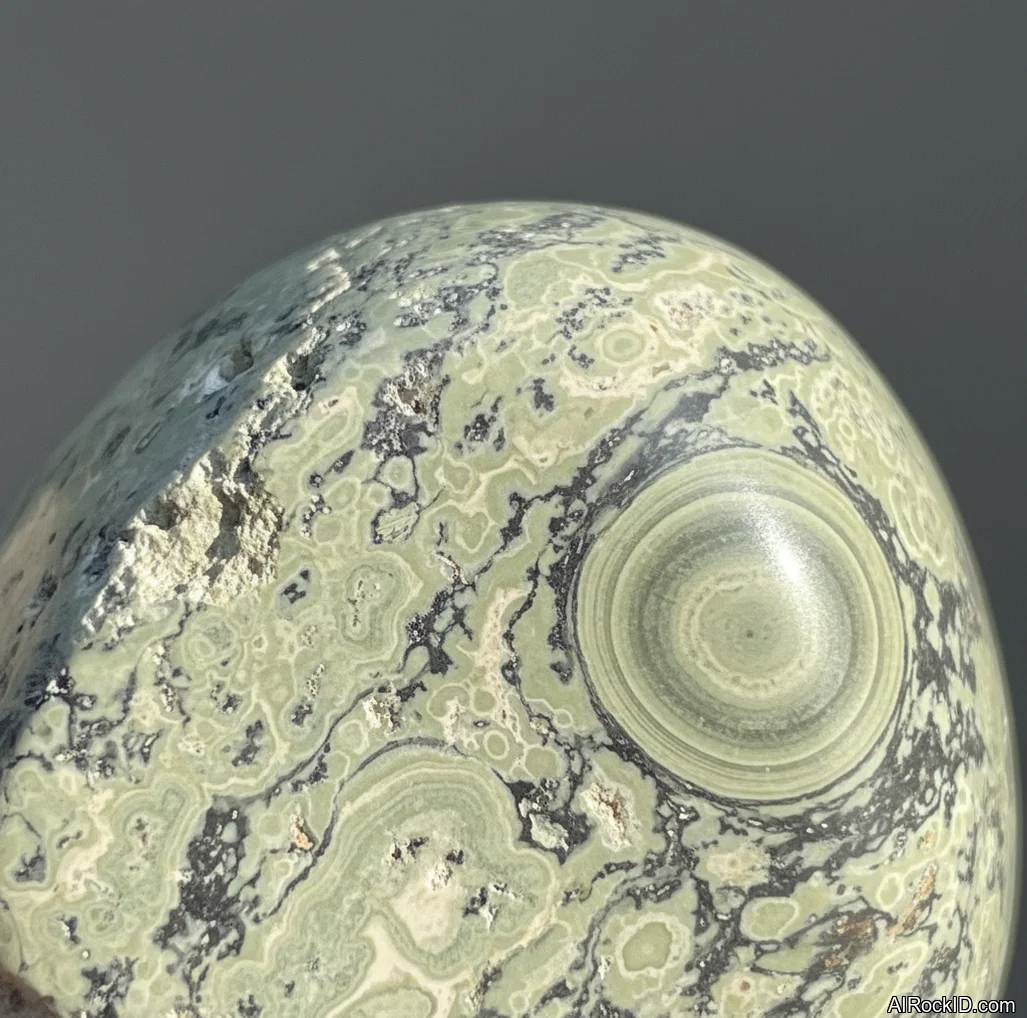
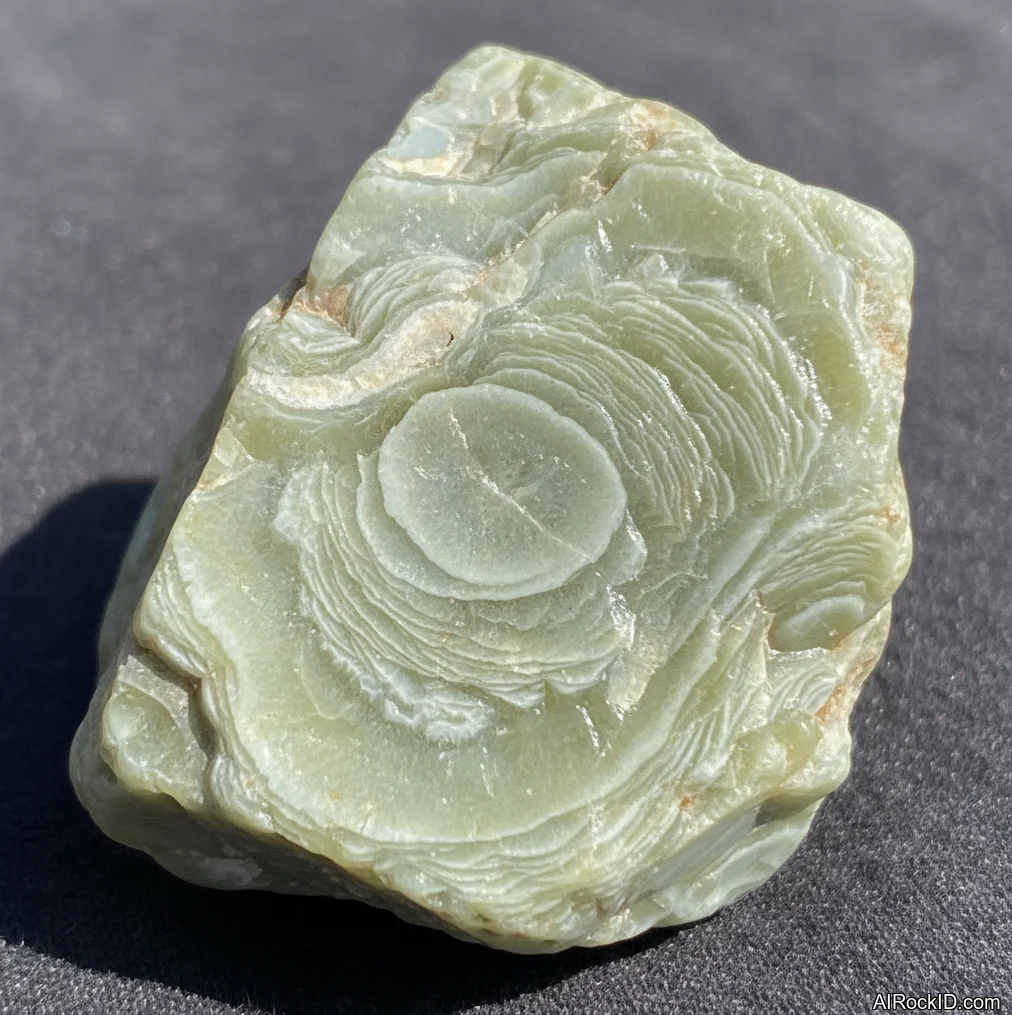
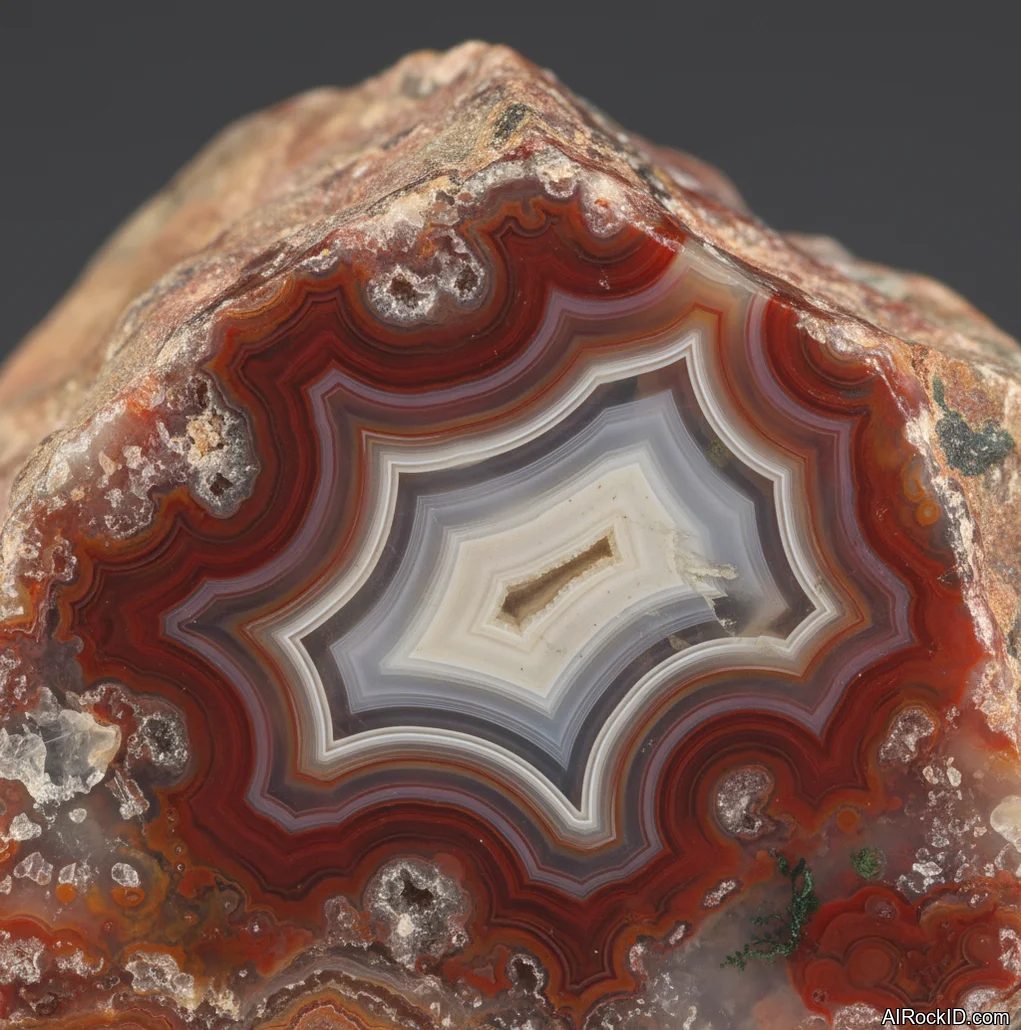
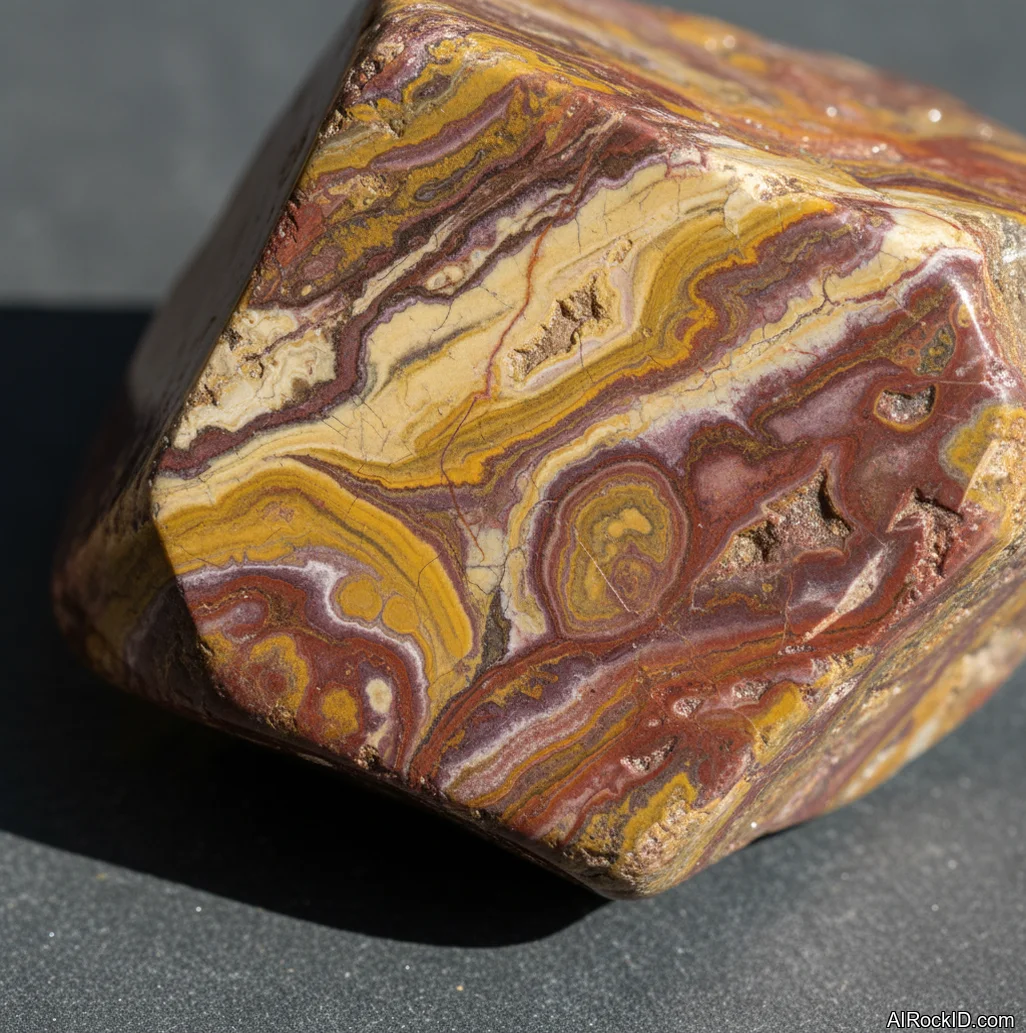
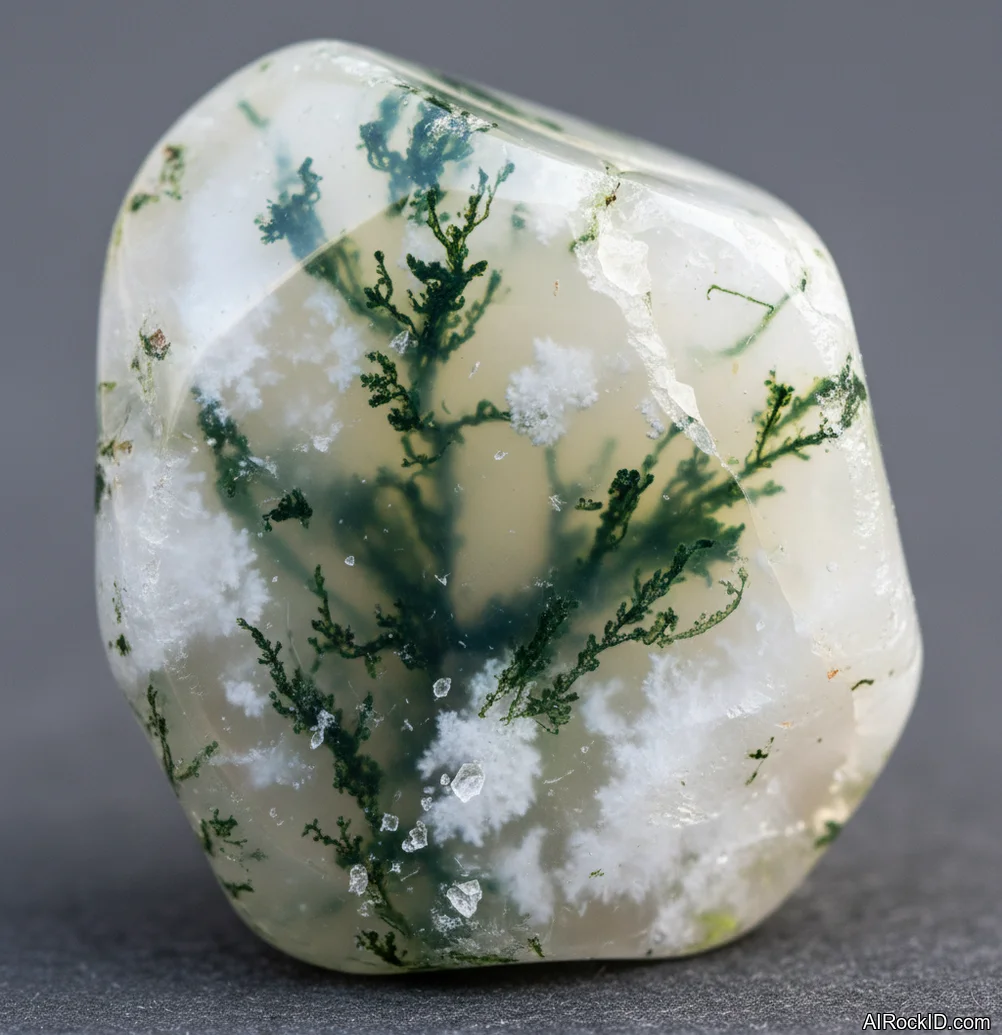
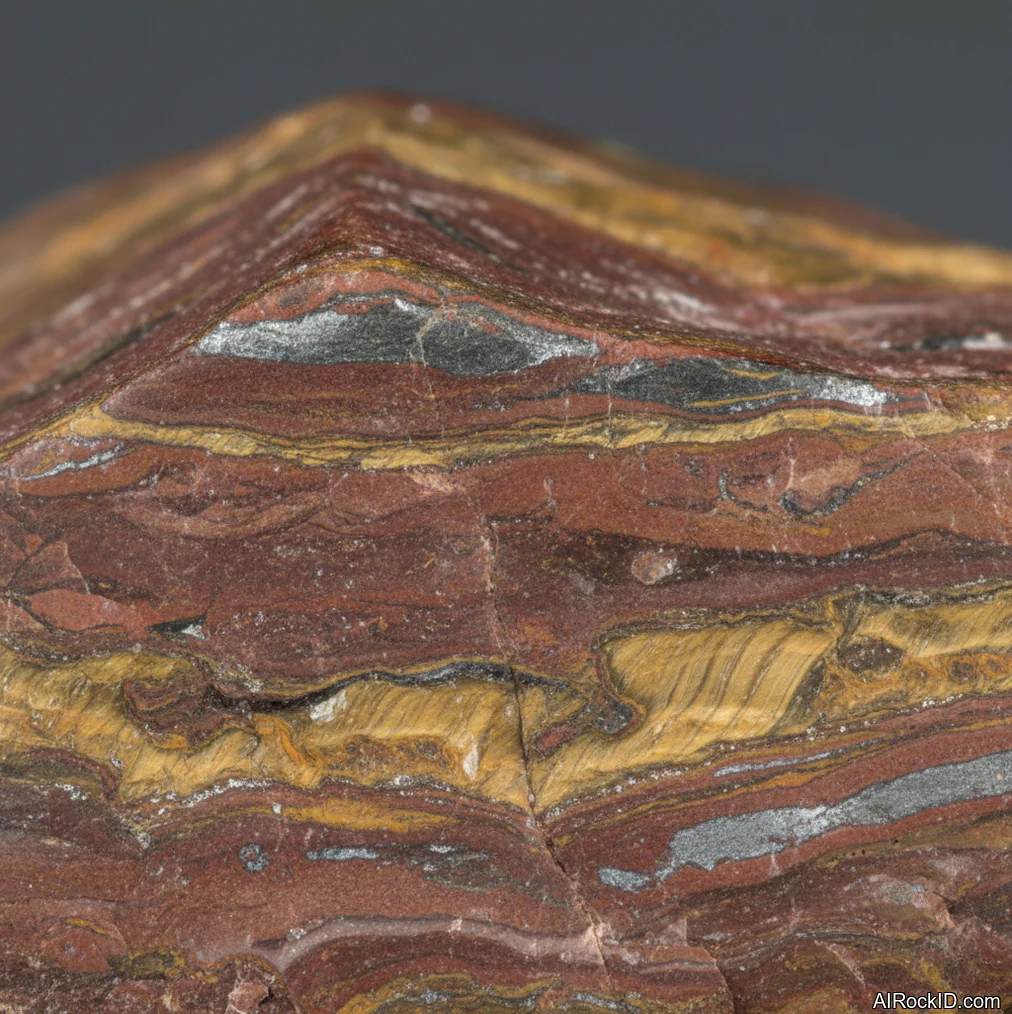
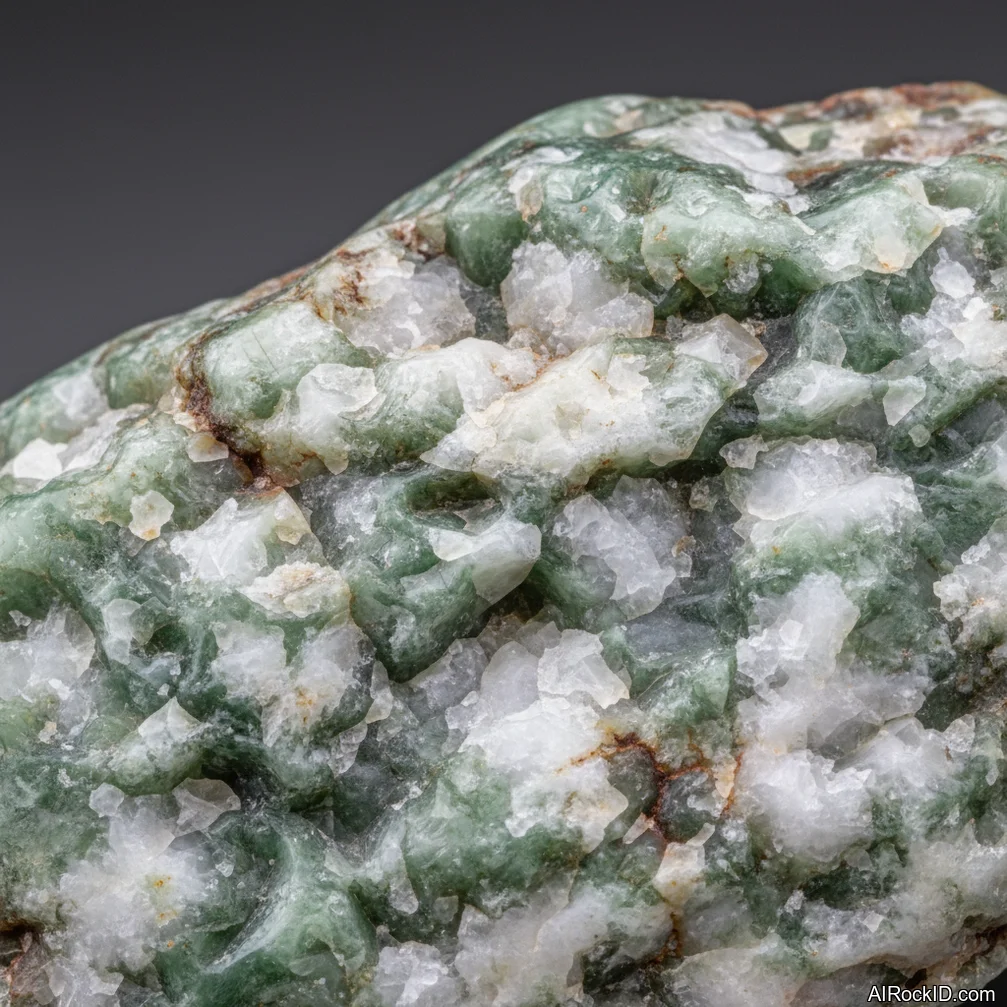
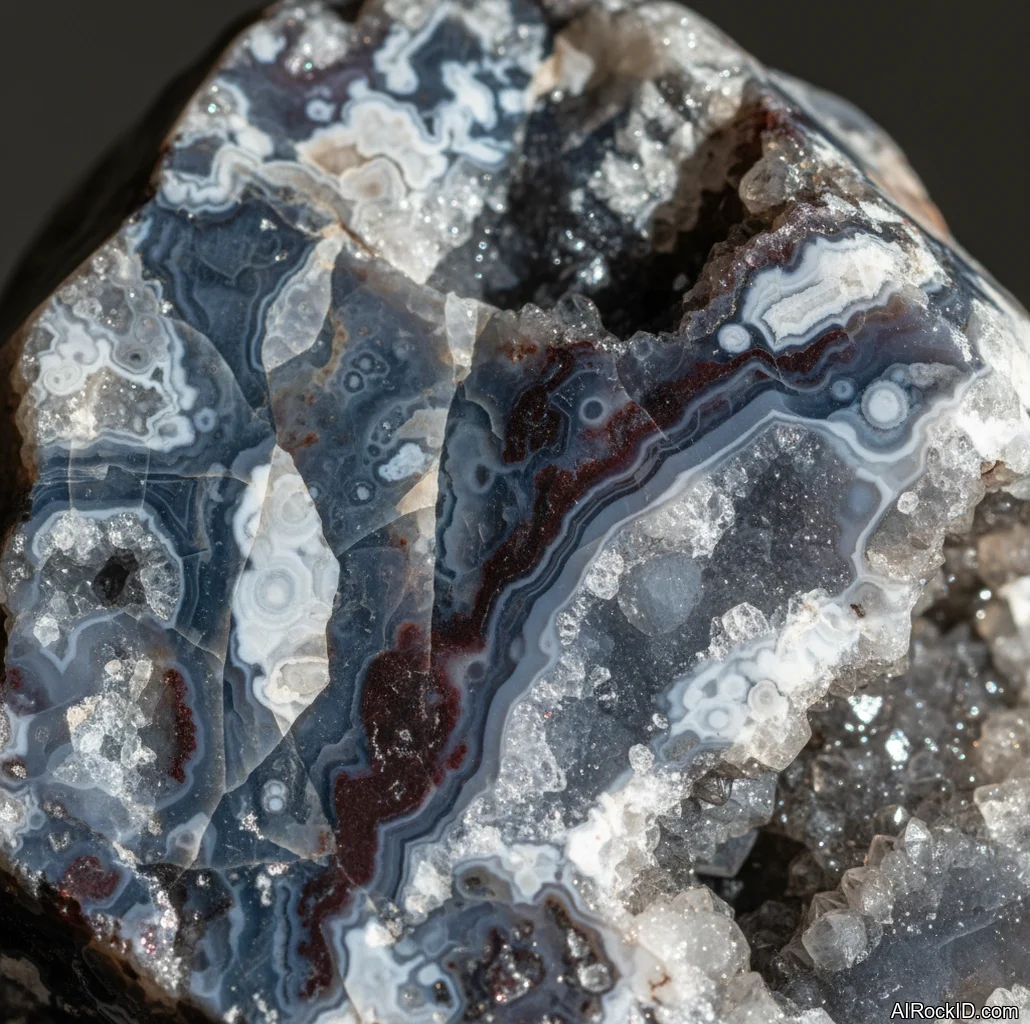
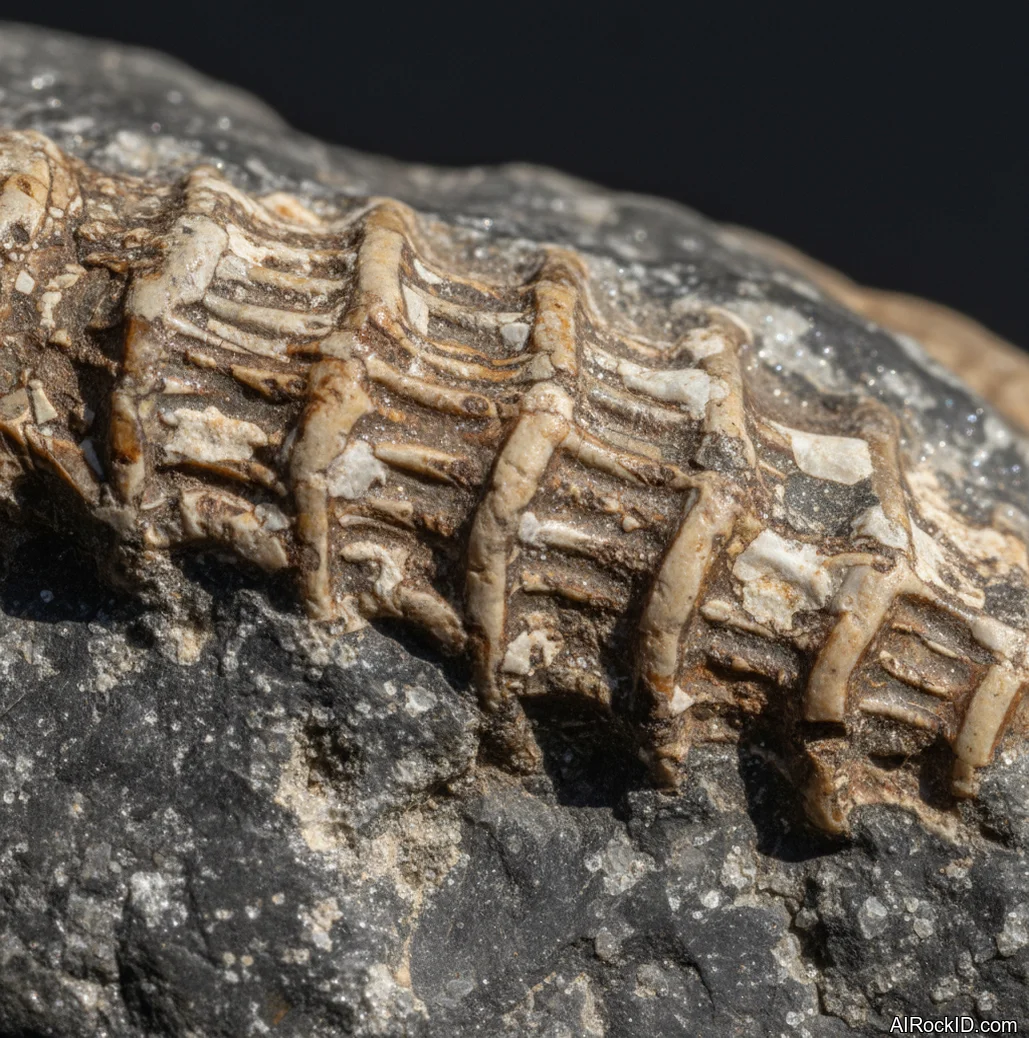
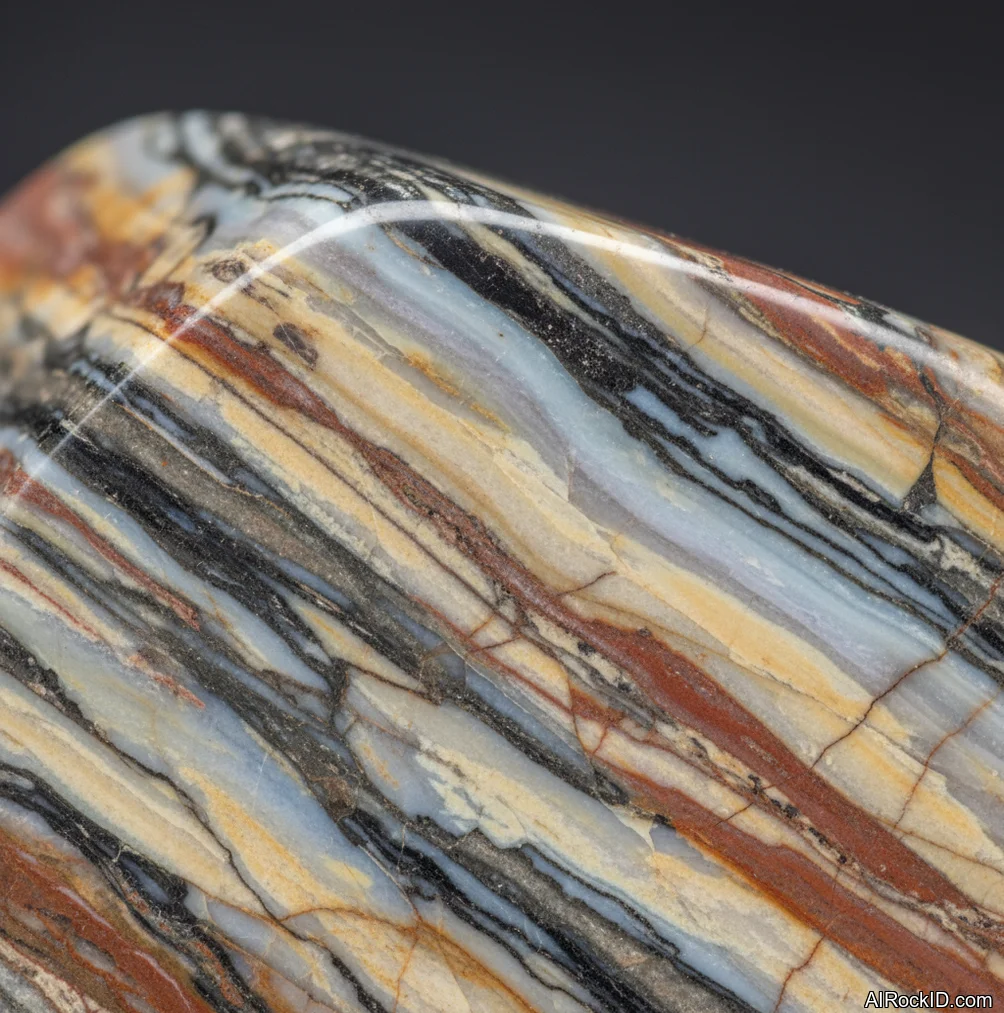
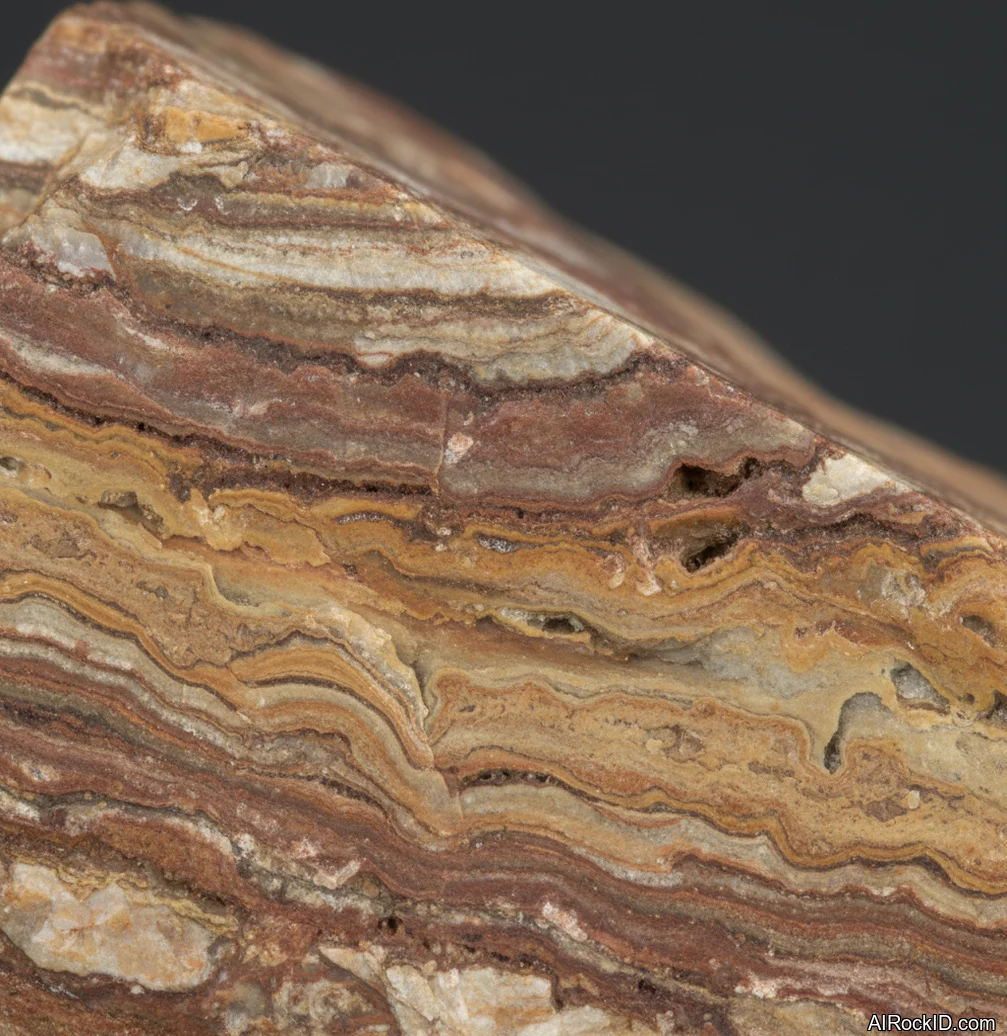
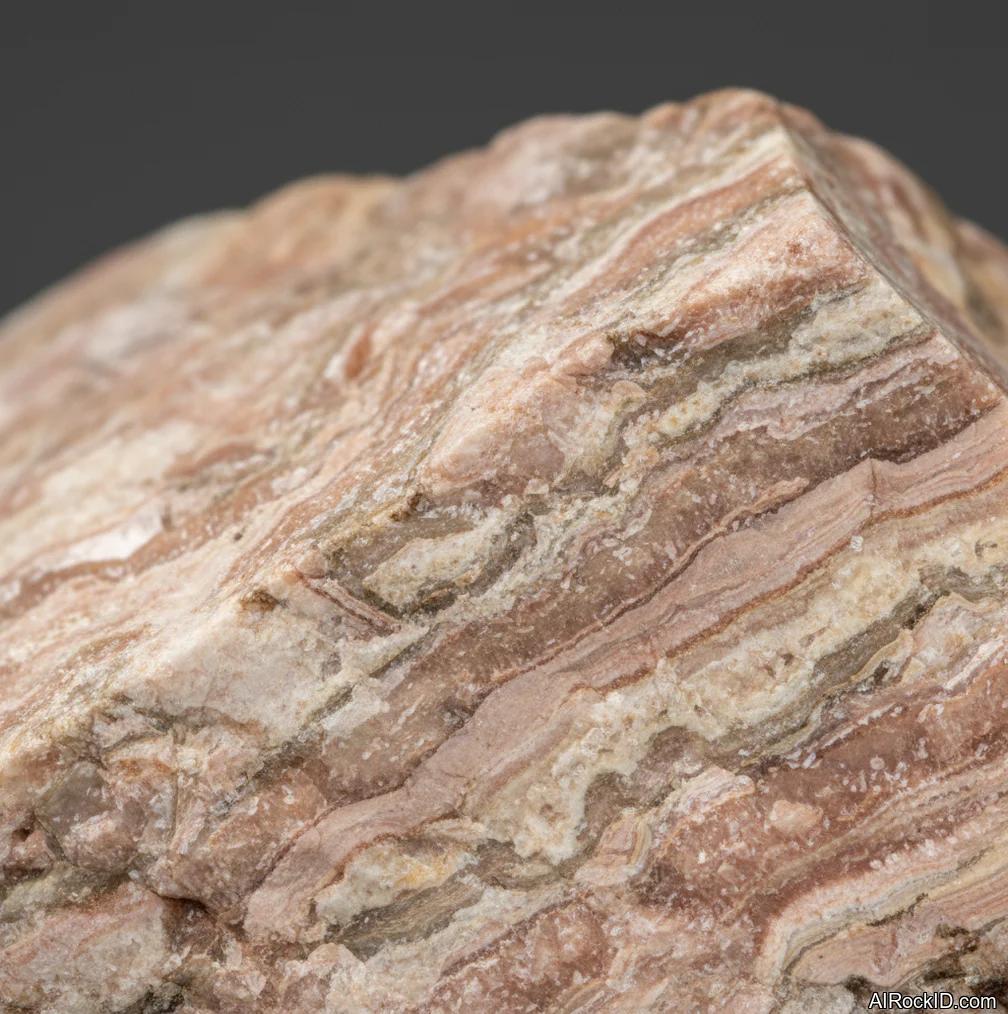
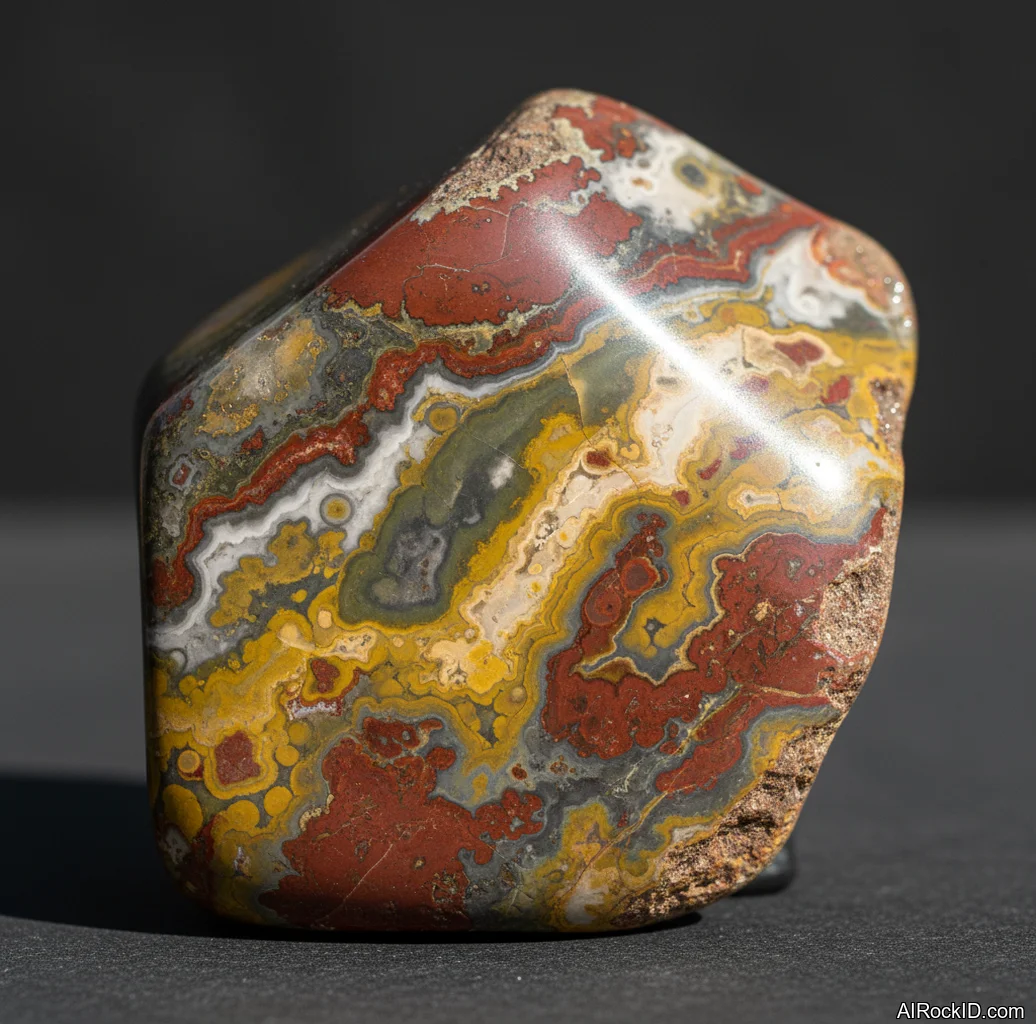
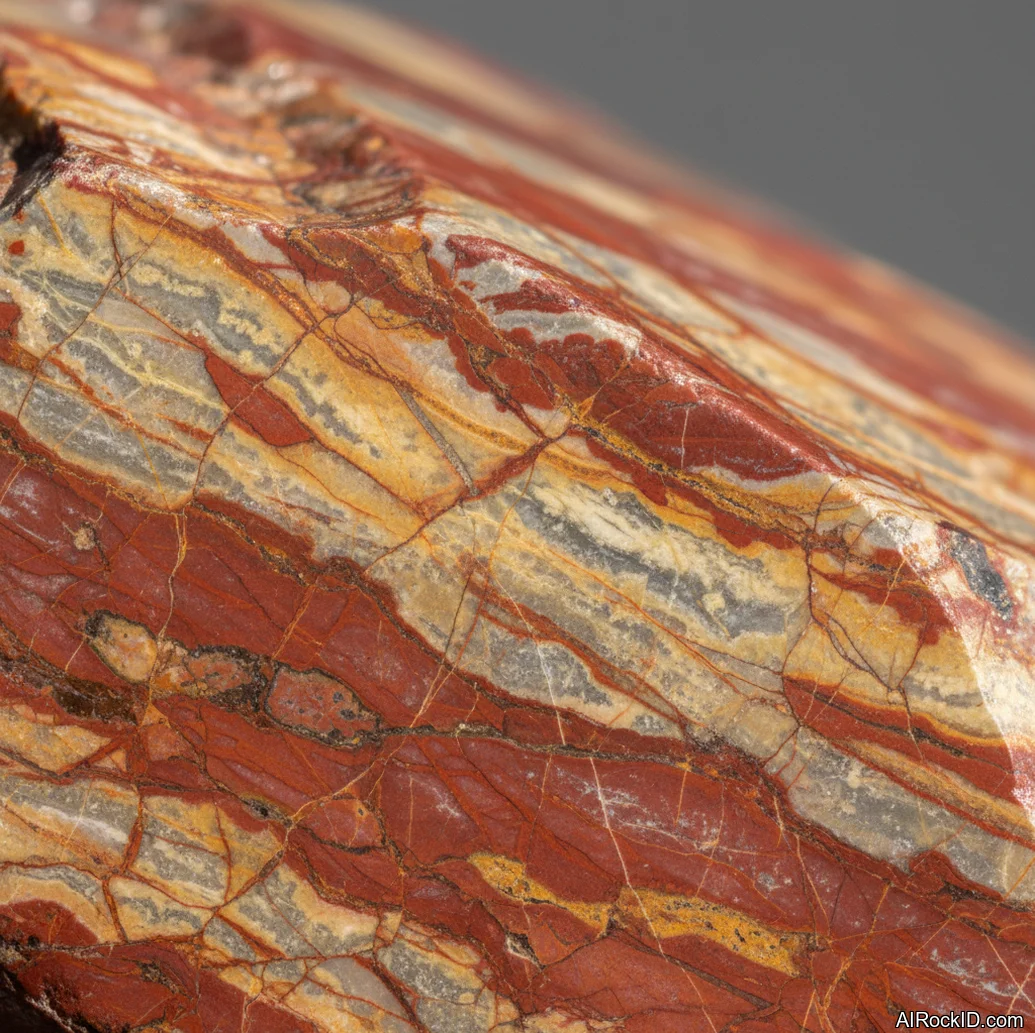
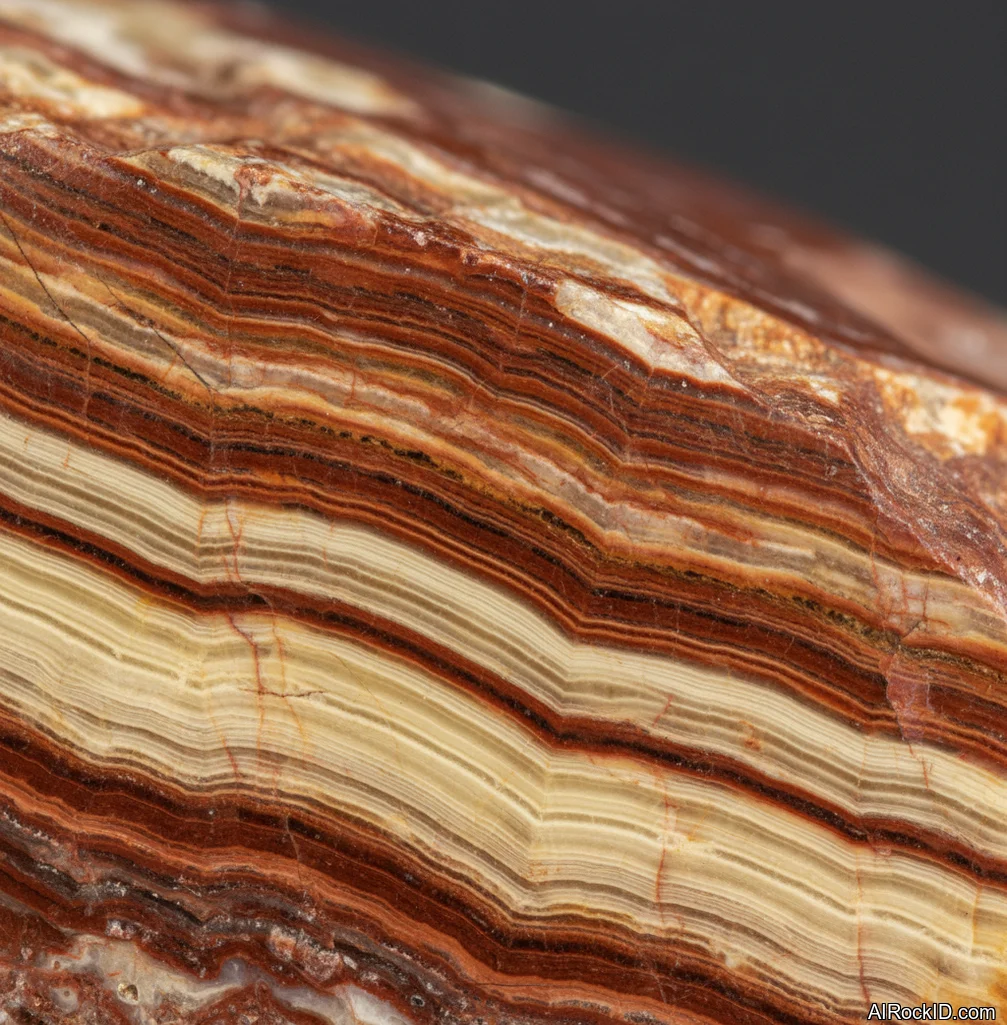
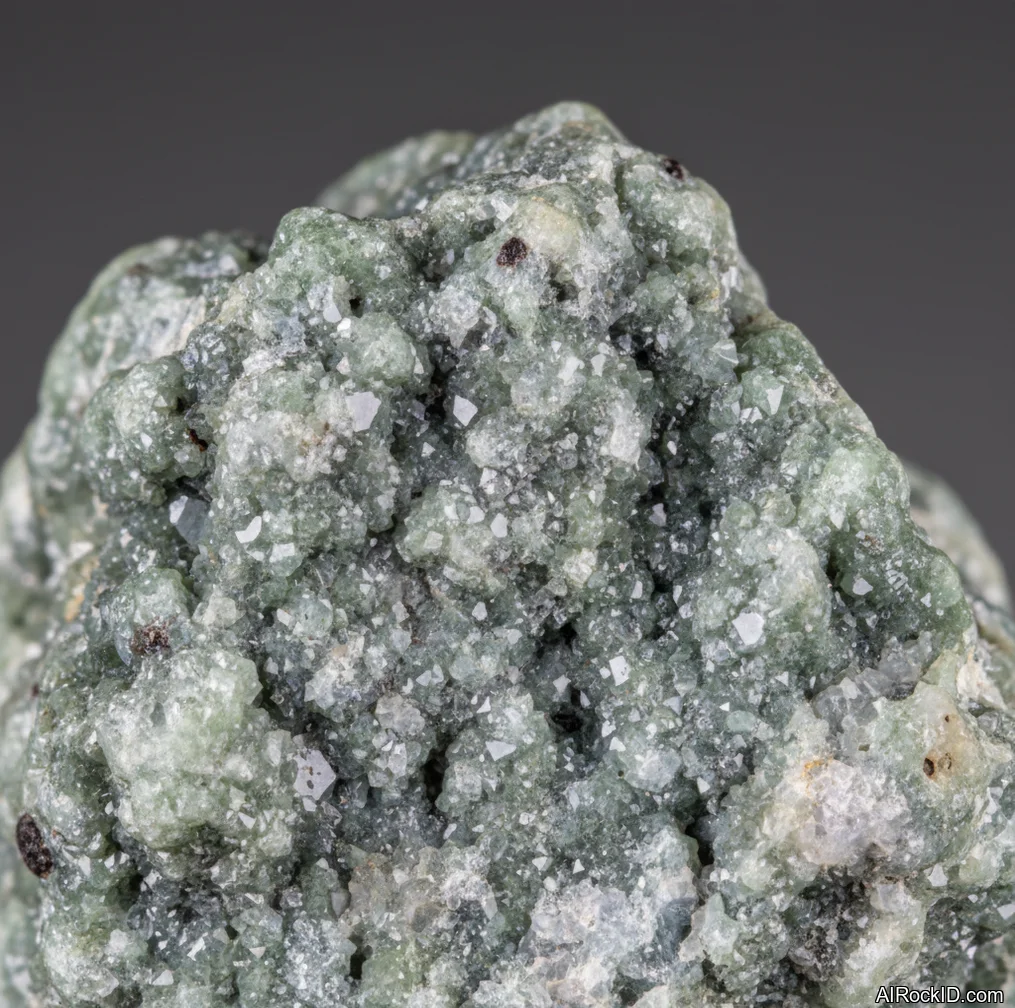
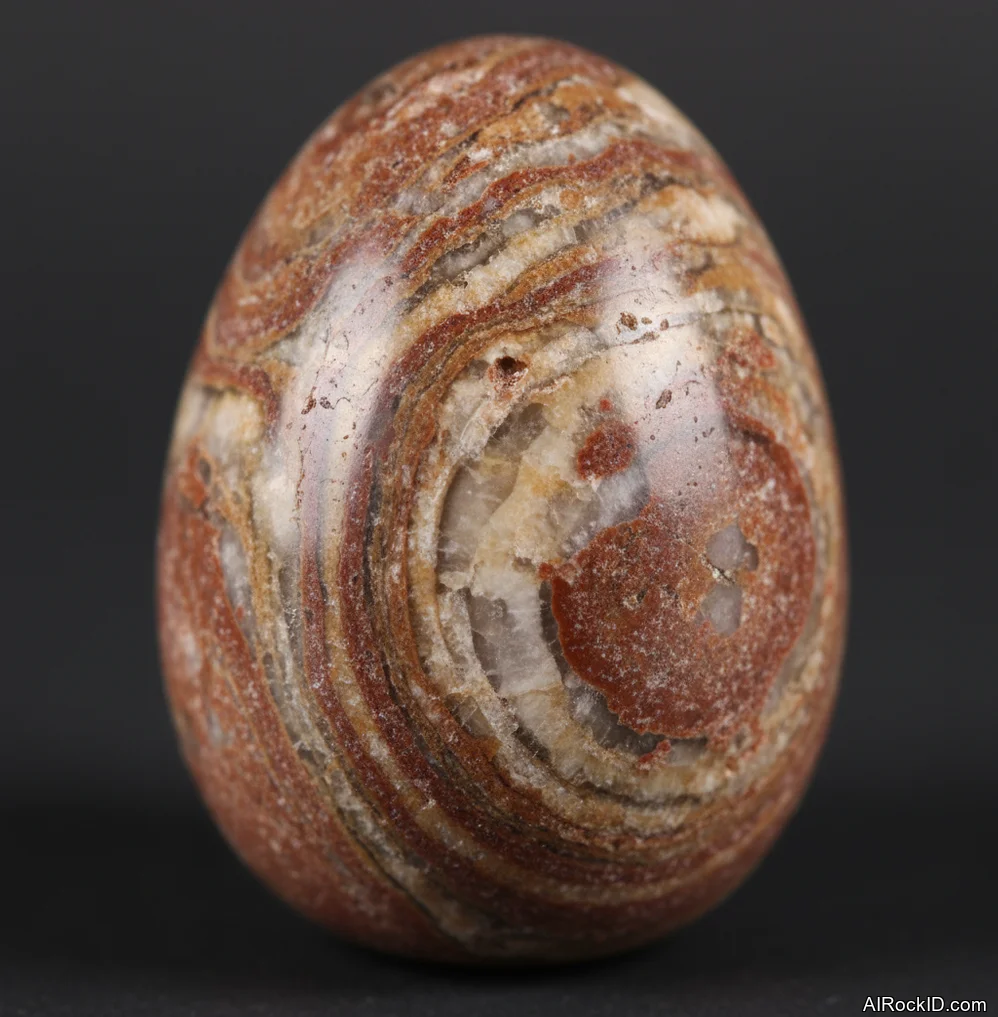
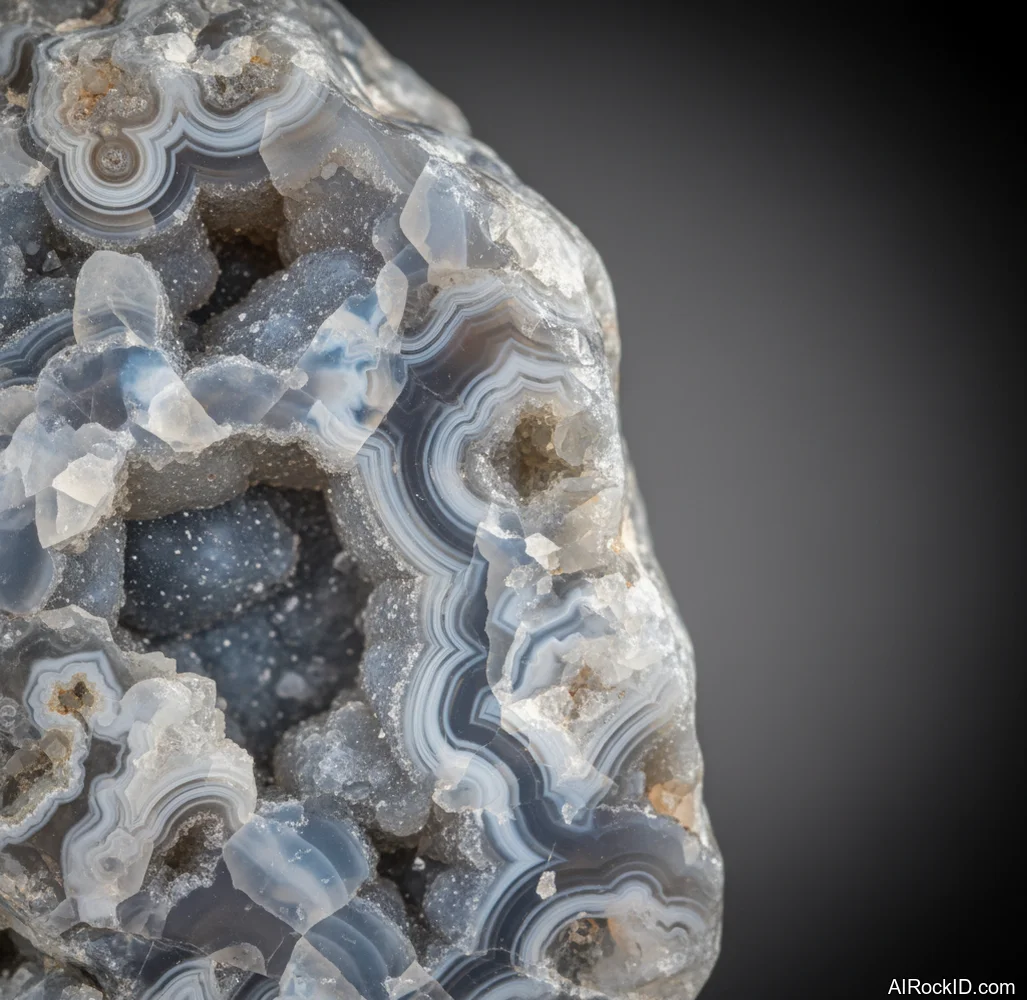
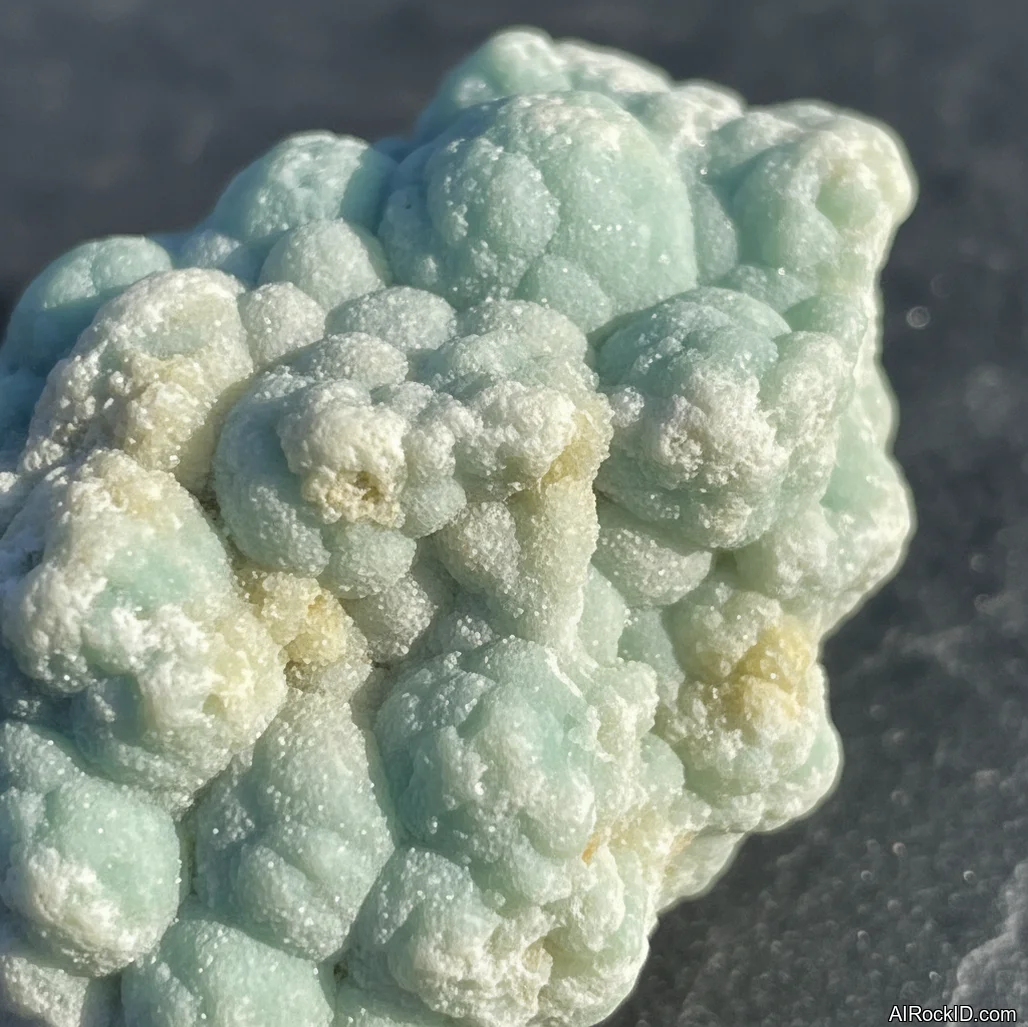
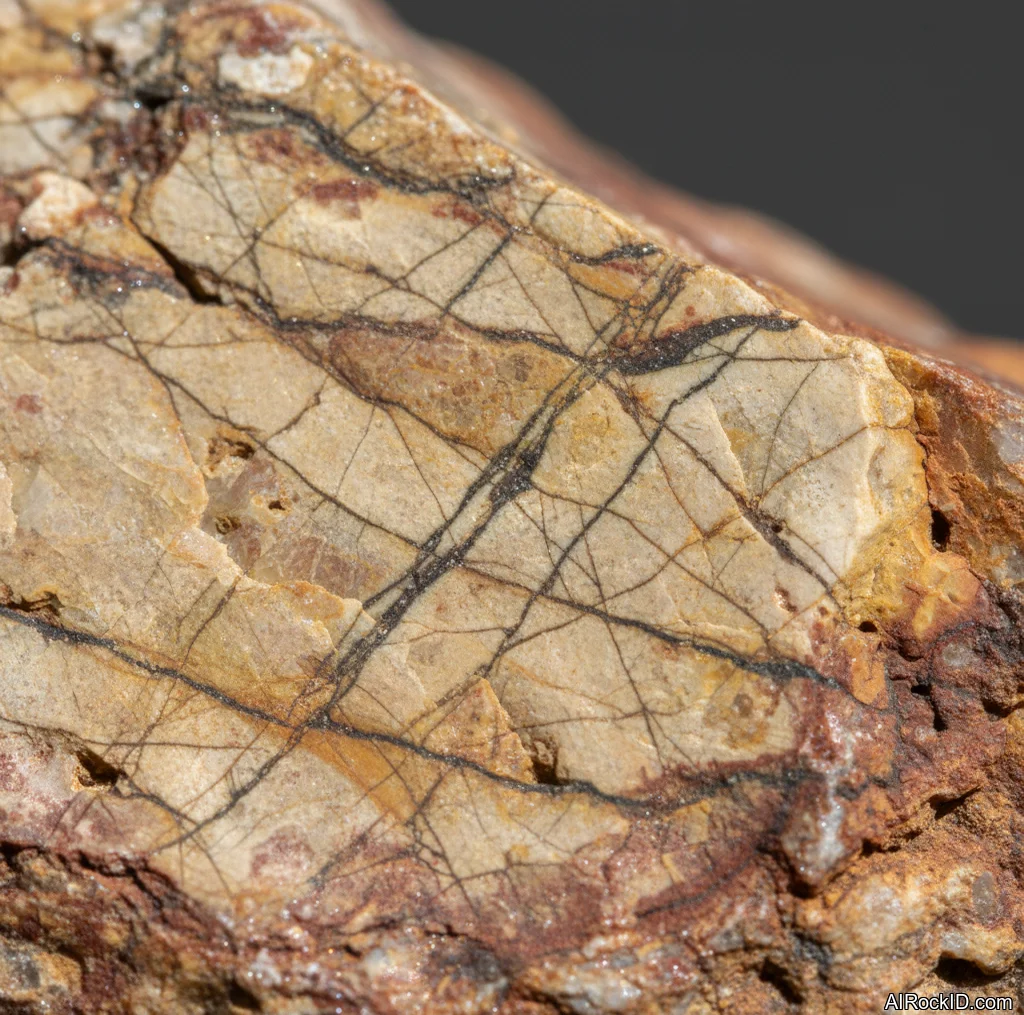
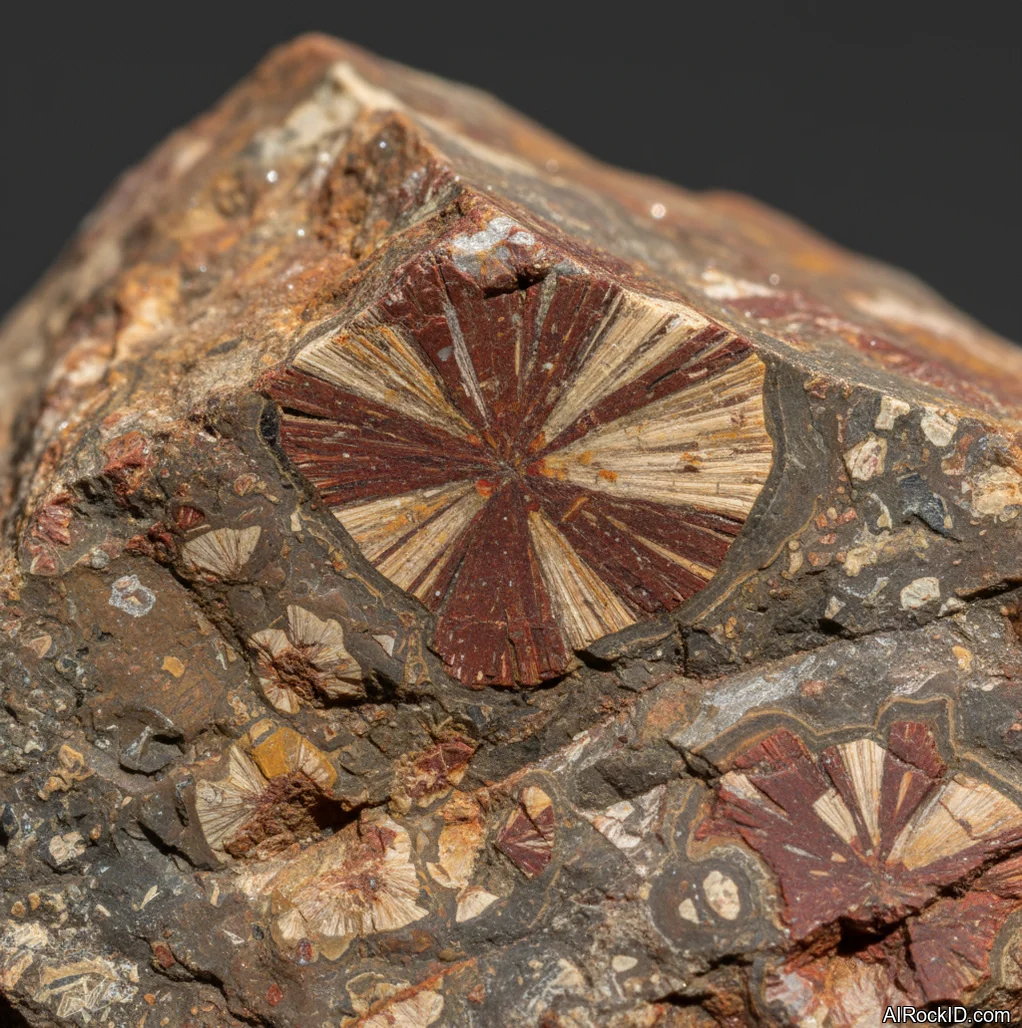
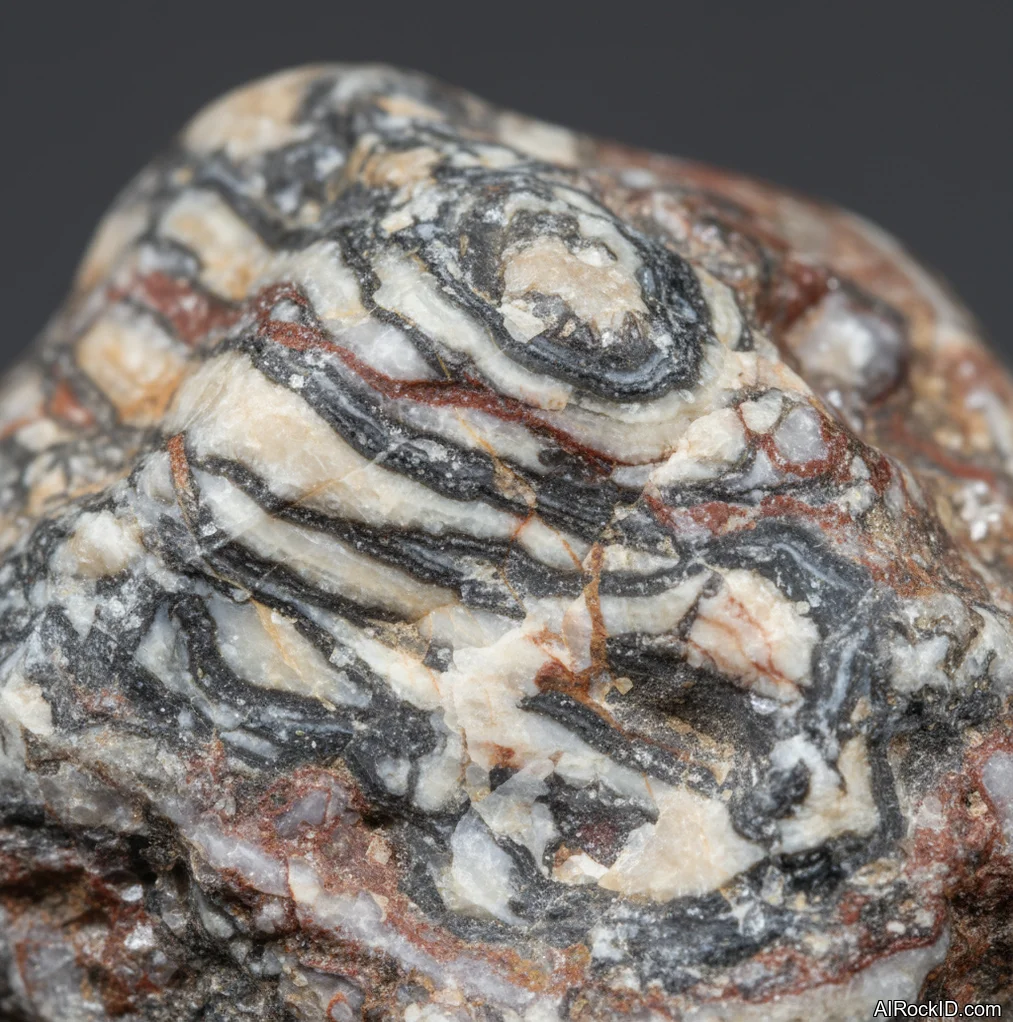
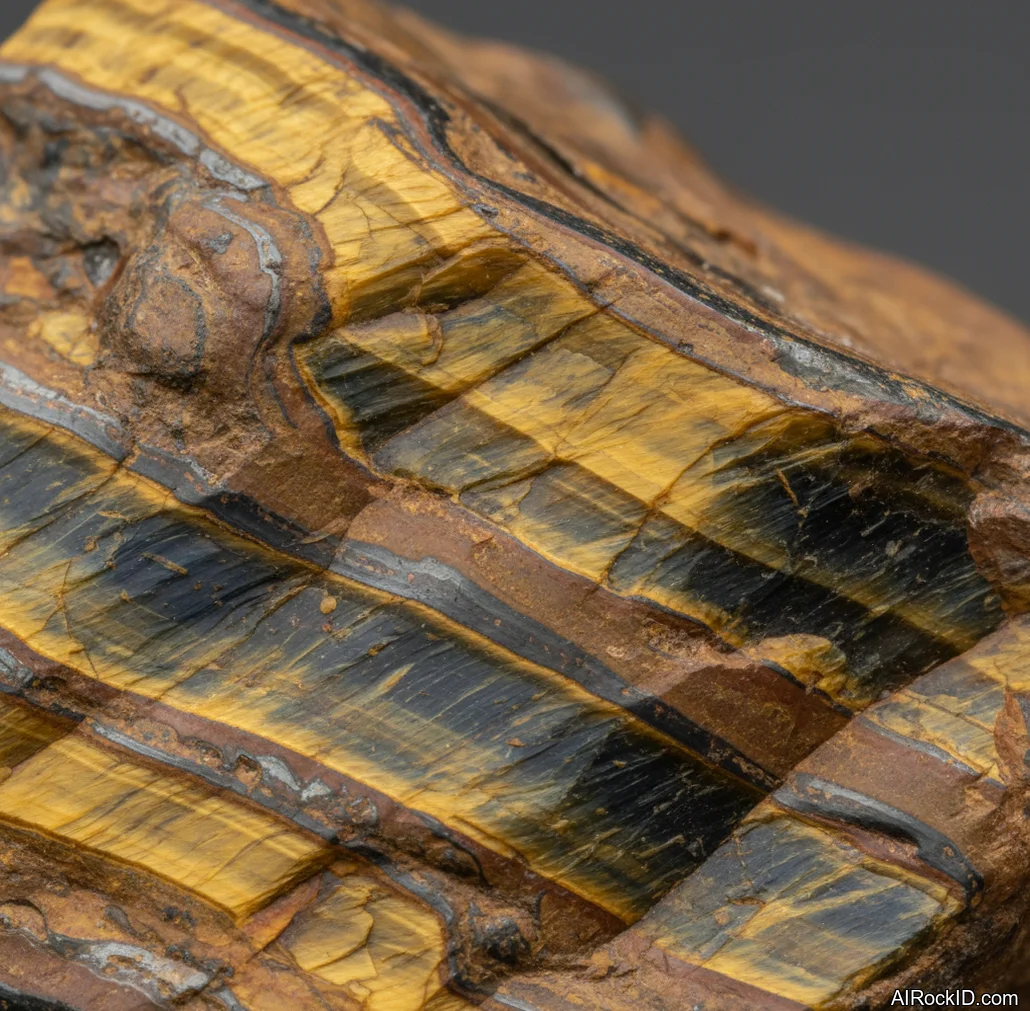
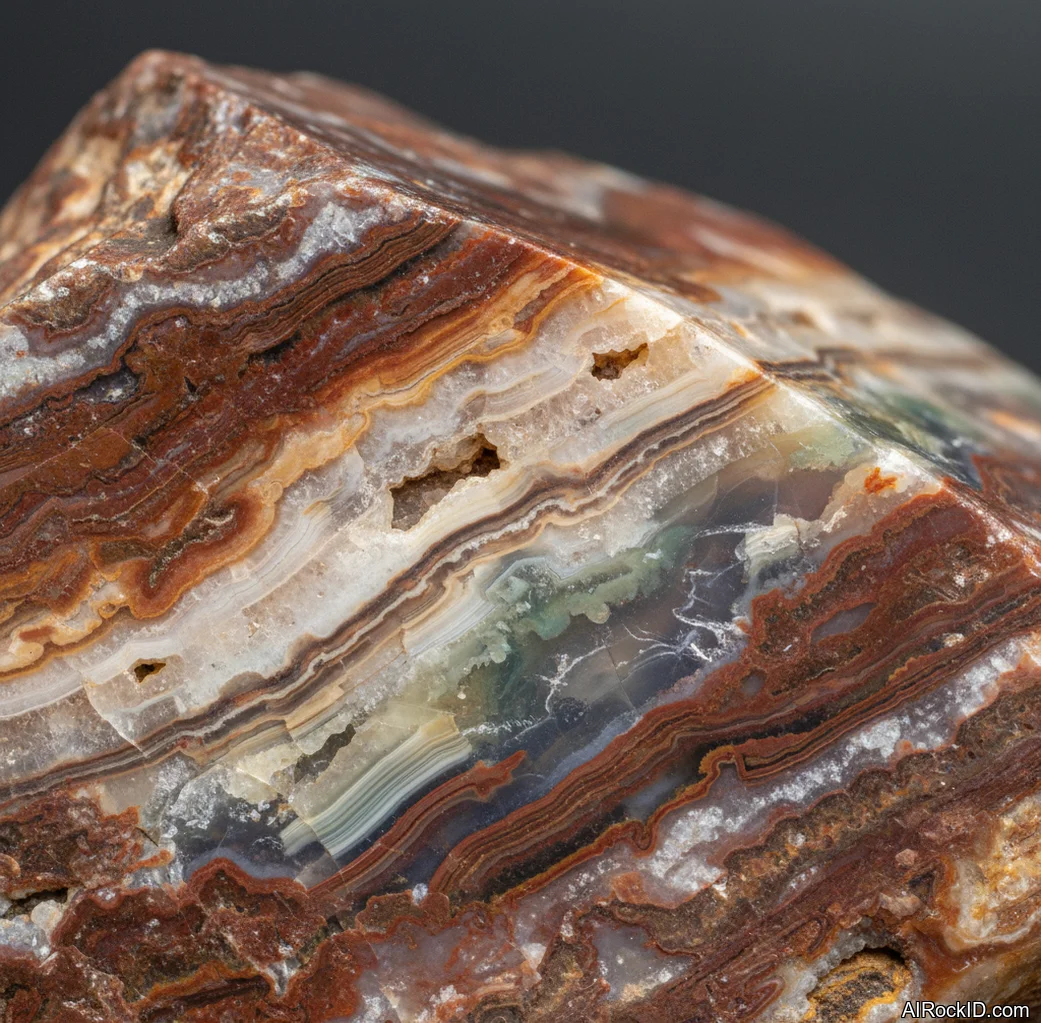
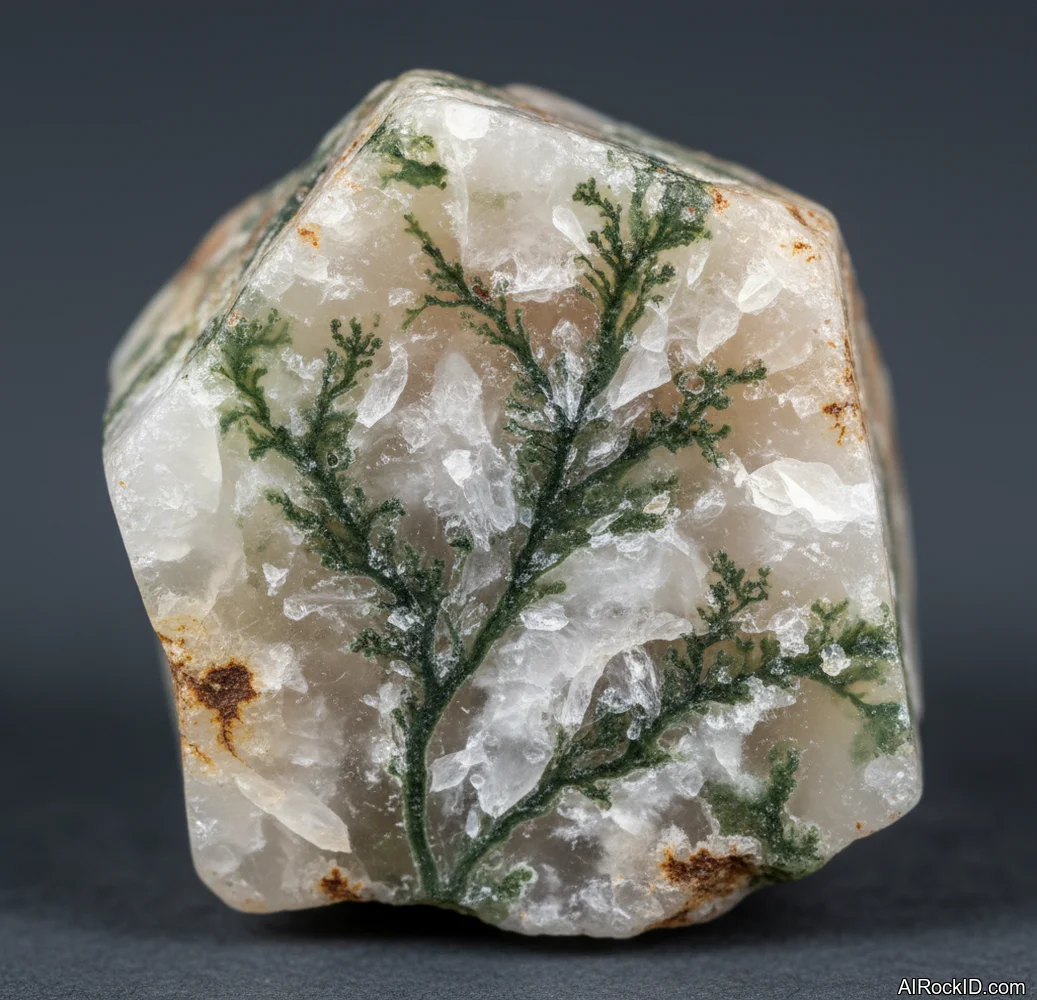
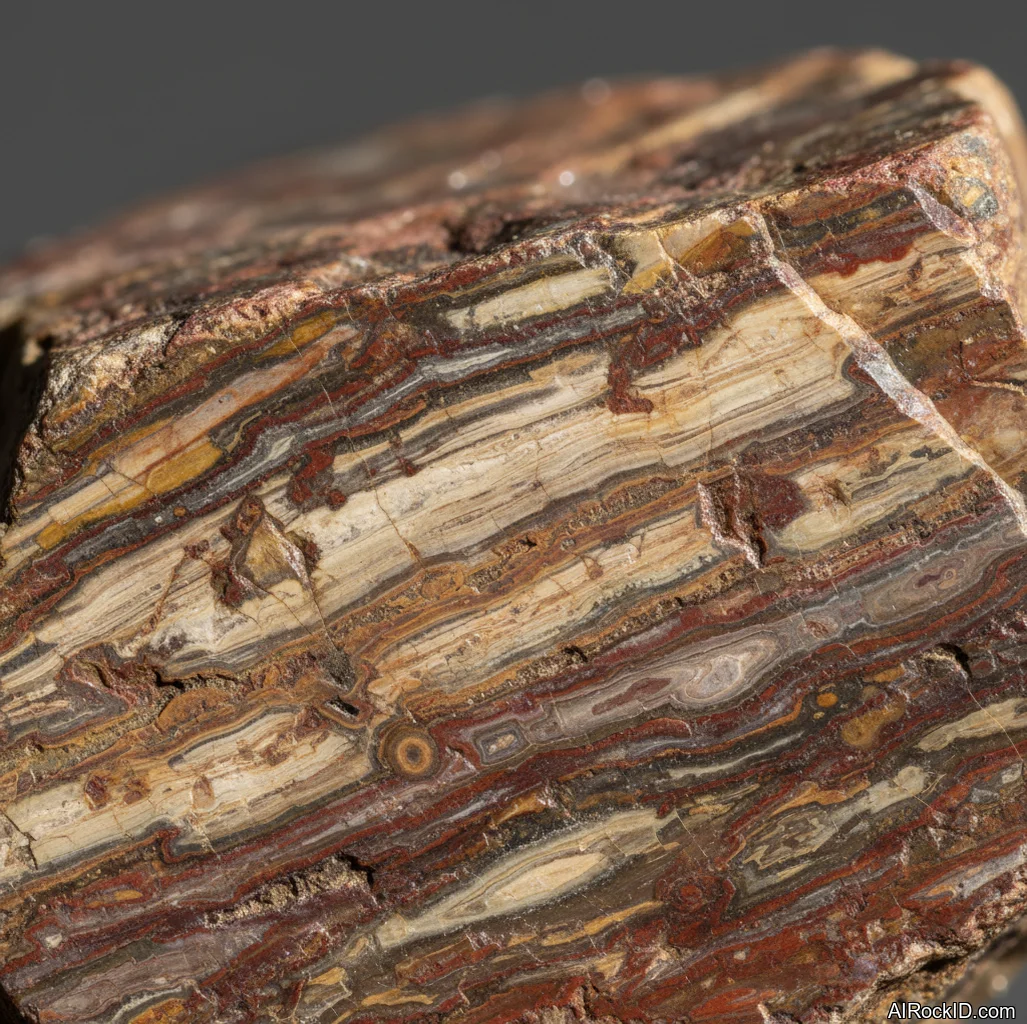
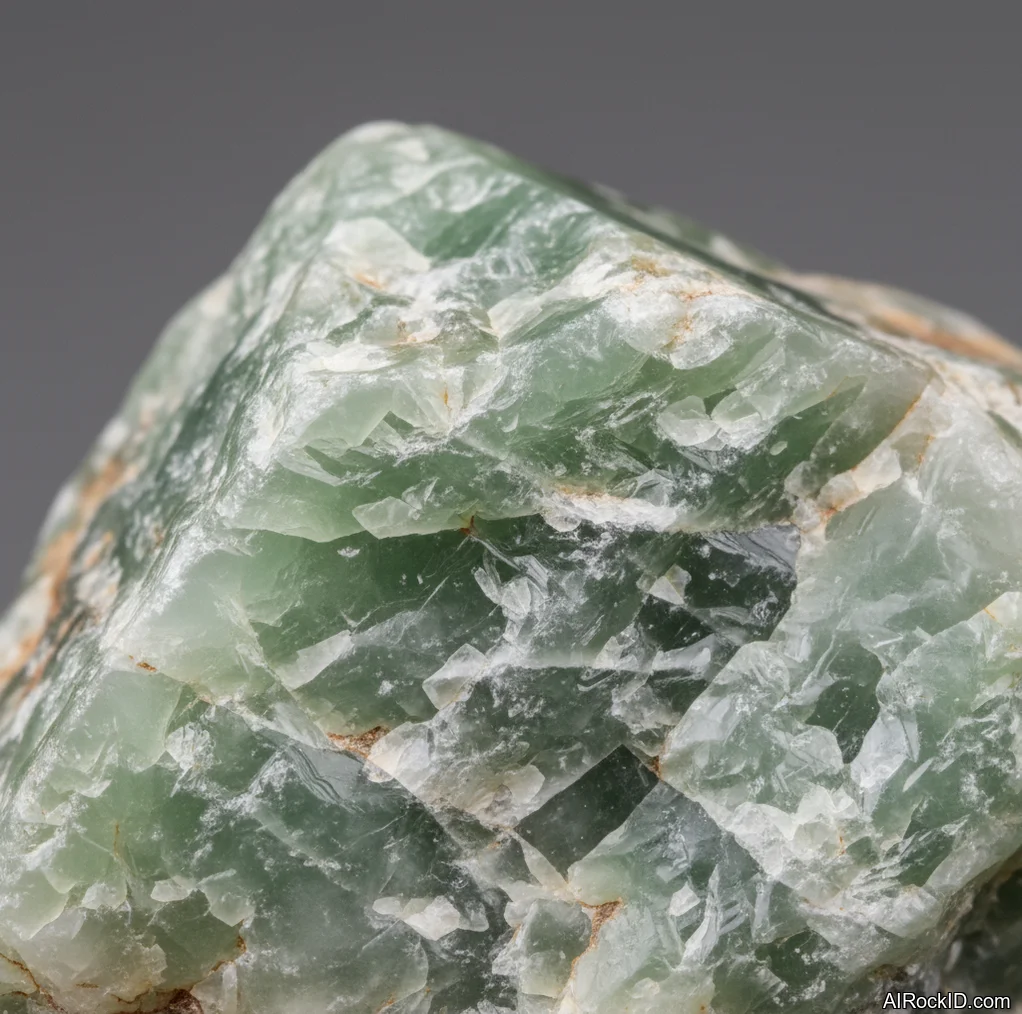
Jasper covers a wild range, but most pieces are fully opaque with colors that seem straight out of a desert hike—sometimes banded, sometimes speckled. Tiger’s eye has that unmistakable chatoyancy; tilt it under a lamp and you get a single flash that runs across the stone. Petrified wood looks like fossilized tree bark, complete with grain patterns. Moss agate isn’t actually mossy to the touch, but under the surface you’ll find green, plant-like inclusions. Some sellers try to pass off dyed or resin material as the real deal, but real stones feel heavier and don’t scratch as easily.
Everyday Uses for Earth Crystals: Practical Grounding and Protection
Earth crystals are less about rituals and more about giving your hands and mind something steady to hold onto. Don’t overcomplicate it. Dropping a piece of smoky quartz by your computer or carrying a chunk of black tourmaline in a zippered pocket is about as fancy as most collectors get. Cheap fakes and highly polished stones look nice, but they don’t get that soft, broken-in feel that real field pieces pick up after weeks in a pocket.
If you use stones for energetic work, Earth types are the go-to for when you feel scattered, anxious, or too much in your own head. Black tourmaline is classic for boundary setting. Hematite for getting work done when motivation runs out. Jasper for when you need to remember you’ve got a body, not just a brain. The best stones for actual daily use aren’t always the prettiest. Sometimes the ones with dings and scratches end up becoming favorites just because they feel comfortable to hold. Leave the glassy, perfect specimens in the cabinet—throw a battered chunk in your bag instead.
Spotting Real Earth Stones: Collector Tips and Common Fakes
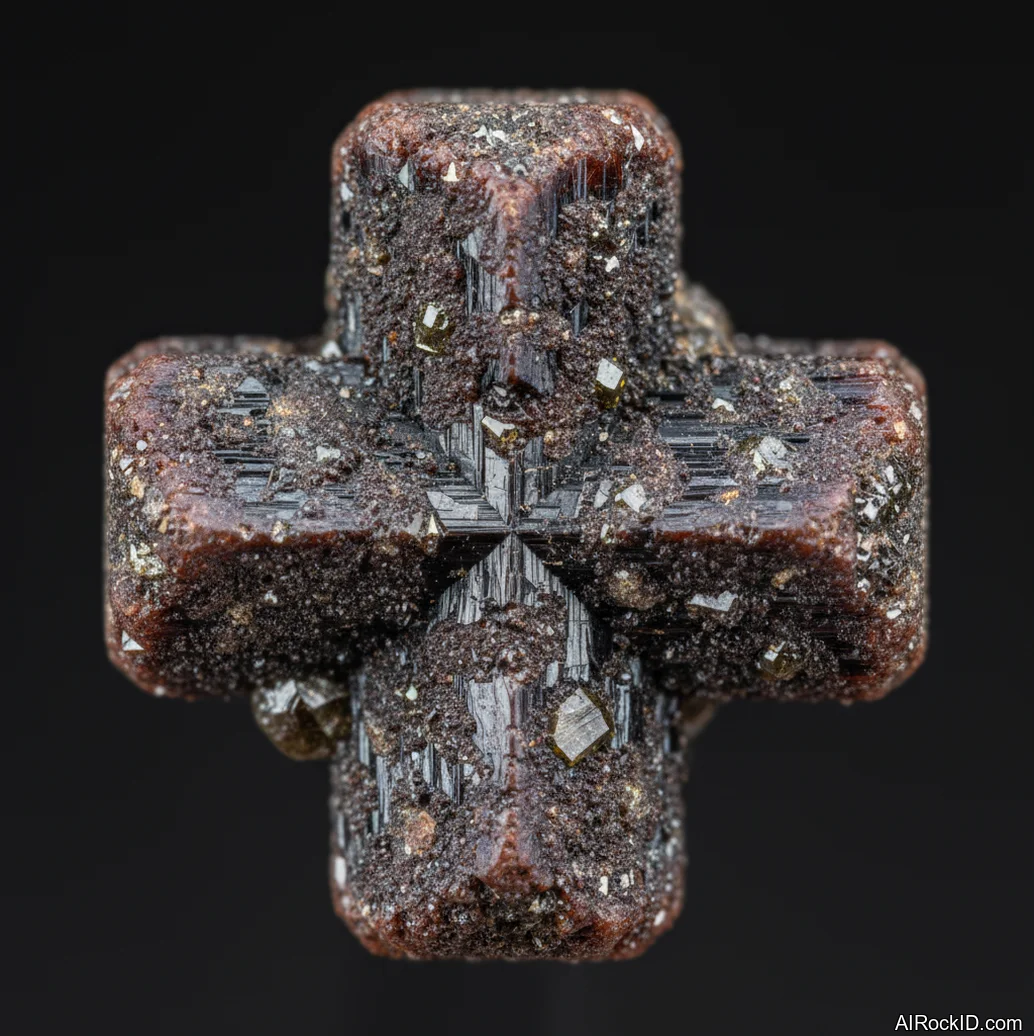
When you’re trying to make sure you’ve got a real Earth crystal, it helps to know the tricks. Black tourmaline (schorl) has vertical striations you can run your fingernail across—they feel like tiny grooves. If you see ends that look splintery, almost like someone snapped charcoal, it’s likely the real thing. Most fakes are too smooth and warm up quickly. Hematite feels heavier than it looks, and if you rub it against paper, it’ll leave a reddish streak. Petrified wood is cool because you can spot growth rings and bark patterns under decent light, but a lot of “fossil wood” on the market is just dyed agate. Tiger’s eye should flash in a straight line, not in patches all over.
Collectors pick up on these details fast, but new folks get tripped up by anything shiny or perfectly polished. If you want the real deal, ask about locality and how it was processed. Most Earth stones are tough, but avoid getting hematite wet—water rusts it. And don’t trust a “black tourmaline” that feels more like plastic than rock.
Best Earth Crystals to Start With
| Level | Crystal | Note |
| Gentle / Beginner | Moss Agate | Opaque, not too hard, and the green inclusions give visual interest without being flashy. No special care needed. |
| Balanced / Everyday | Jasper | Comes in a pocket-sized tumble, tough enough for bags or desks, and the earthy colors remind you to slow down. |
| Intense / Advanced | Black Tourmaline (Schorl) | Dense, deeply grounding, and the physical presence is unmistakable. The striated surface is a giveaway for real material. |
| Best for Carrying | Hematite | Smooth, flat pieces slip into pockets easily. Picks up a satiny shine from daily handling. |
| Best for Display | Tiger’s Eye | Chatoyant bands look great in strong light. Raw pieces show the best golden flash. |
Earth Crystal Comparison
| Crystal | Common Use | Feel / Use Style | Care Caution |
| Smoky Quartz | Grounding and focus during stressful work | Heavy, cool to the touch, slightly translucent brown | Can fade in sunlight if left out |
| Hematite | Physical grounding, mental clarity | Feels very dense for its size, smooth surface becomes satiny with use | Rusts if soaked or left wet |
| Black Tourmaline (Schorl) | Protection, boundaries, dispelling unwanted energy | Vertical grooves, rough broken ends, feels solid and heavy | Brittle, can splinter if dropped |
| Jasper | Steadiness, reconnecting with body and daily life | Opaque, warm earthy colors, takes a good polish but not glassy | Some types can chip around thin edges |
How to Identify Earth Crystals with AI Rock ID
To identify Earth crystals using an AI Rock ID app, take clear photos in natural sunlight that show both the overall shape and a close-up of the surface texture. Upload at least one image that includes a size reference, like a coin or ruler. Compare the app’s ID results with the crystal’s physical traits—hardness, luster, and color streak can help confirm matches. Check the app’s database for specifics like striations on tourmaline or the satiny shine of hematite to avoid confusing real stones with common fakes.
All Earth Crystals (453)