mind

Best Crystals for Creativity
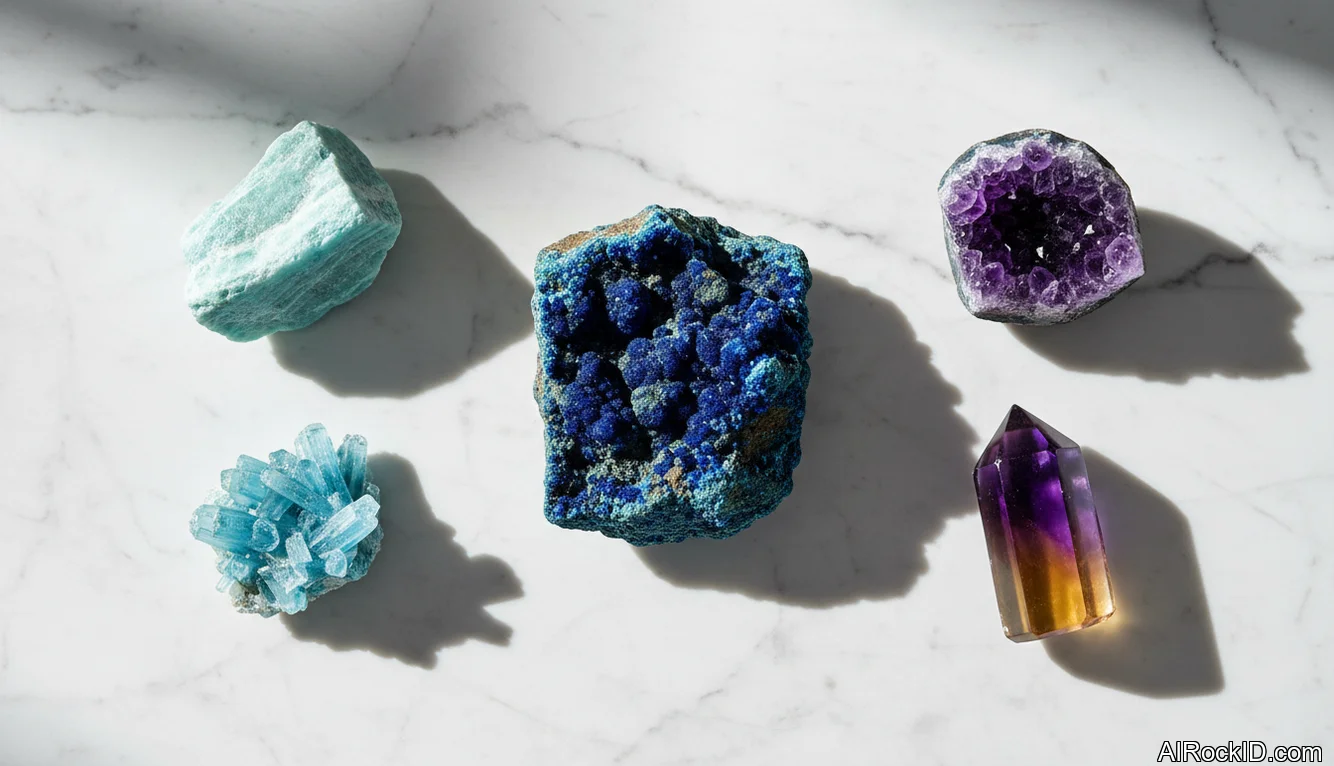
Assorted rough and tumbled crystals for creativity laid on a sketchbook beside pencils and a notebook

The best crystals for creativity are the ones that help you shift gears fast, stay curious, and keep going even when your first idea is kind of… meh. I mean stones that nudge you into flow, not magic rocks that crank out a screenplay while you snack on chips.

Pick up the right piece and you feel it before you “believe” a single thing. Some are cool and steady in your palm, like they’ve got a little weight that settles you down. Others catch the light in a way that makes them look like there’s motion stuck inside (you know that flicker when you tilt them and it changes). And that little sensory hit becomes a switch you can flip when you sit down to make something. That’s the practical side. I’ve watched writers keep an amazonite right by the keyboard because it helps snap them out of the doom-scrolling spiral, and I’ve seen painters use a chunk of amber like a warm-up token they tap before the first brushstroke, almost like saying, okay, we’re doing this now.

Creativity has a few common choke points: fear of being judged, getting lost in too many options, running out of energy halfway through. So this guide is built around those headaches. You’ll see stones that are good for brainstorming, stones that help you edit without tearing yourself apart, plus stones that keep you grounded enough to actually finish. And look, I’ll also tell you where people waste money, how to spot the junky versions, and what crystals just can’t do, no matter how pretty they are.

Recommended Crystals
Amazonite
Amazonite

Next to a lot of “mind” stones, amazonite really lands in that sweet spot: it’s calming, but it doesn’t let you dodge the truth. If you’ve got a good piece, you can spot the white streaks right away, plus that slightly blocky feldspar vibe, and it keeps the whole thing from feeling too precious. That helps when you’re cranking out messy drafts. I leave one by my notebook, within easy reach, because it’s the fastest little cue I’ve found for saying what I mean instead of sanding every sentence down until it’s dead. But yeah, the market’s full of dyed lookalikes, and you can tell when they feel weirdly warm and plastic-smooth in your hand.
How to use: Set it beside your screen or sketchbook and touch it every time you catch yourself rewriting the same line. For brainstorming, hold it in your non-dominant hand for two minutes, then start listing ideas without stopping. If you’re sensitive to clutter, keep it in a small dish so it doesn’t vanish under papers.
Apatite

Apatite

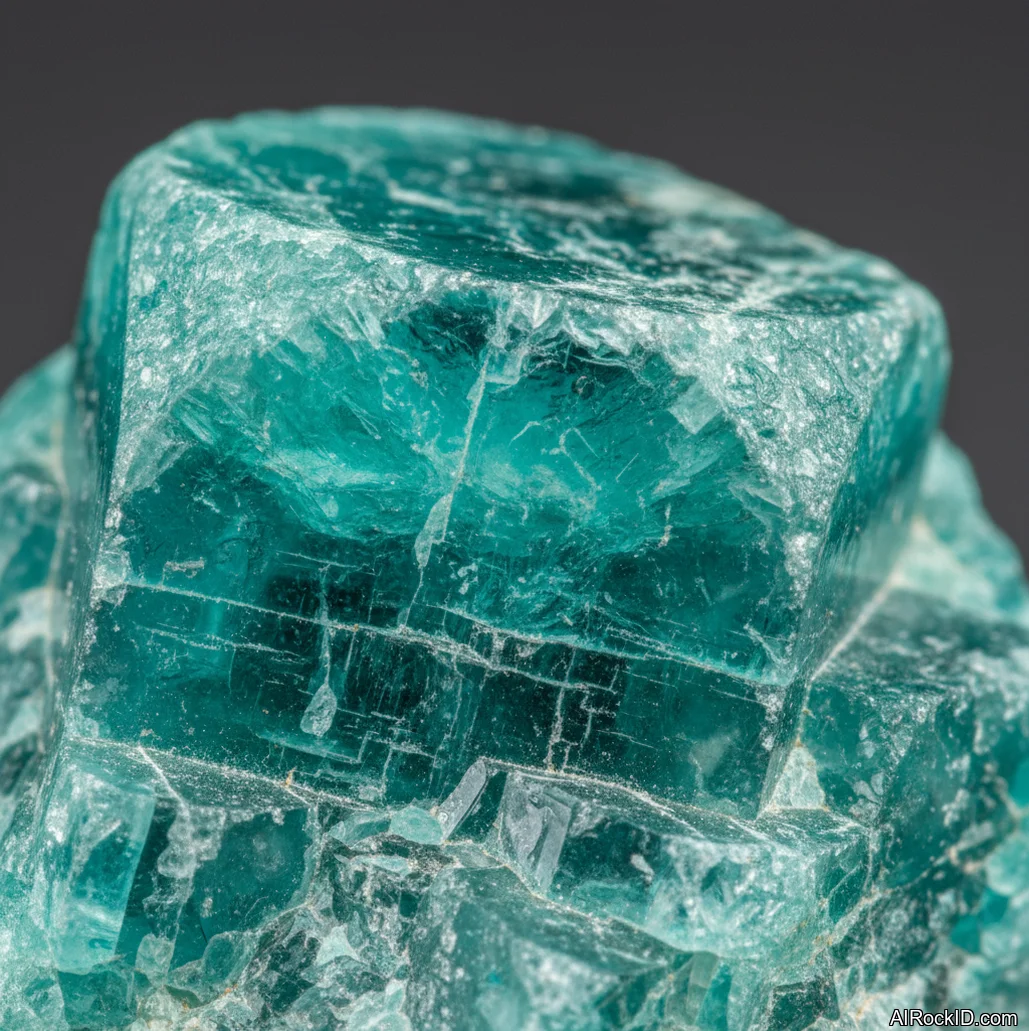
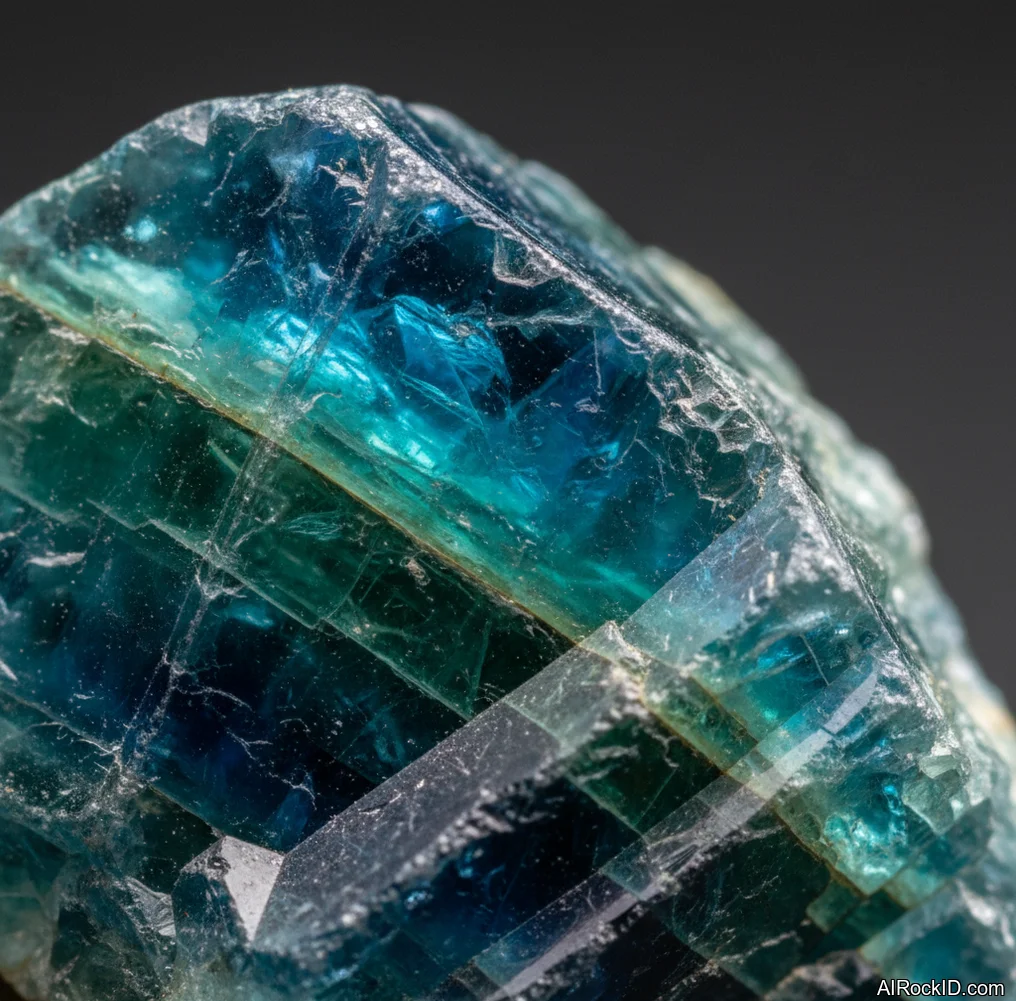
Apatite’s the stone I reach for when I want ideas to start stacking up fast. Raw blue chunks usually have this slightly waxy sheen, plus tiny internal fractures that catch and flash when you tip them under a desk lamp. That jittery, busy look? It fits what it does to my head. And it’s great for research and concept work because it pushes you to spot links between things that don’t seem connected at first. But don’t let the color fool you, it’s softer than most people expect. I’ve seen an edge chip just from clinking it against a mug.
How to use: Use a tumbled piece during ideation sprints: 10 minutes generating, 2 minutes resting, repeat. Keep it off your keychain and out of pockets with coins because it scuffs easily. If you work digitally, park it near your mouse hand as a physical “start” button.
Azurite

Azurite

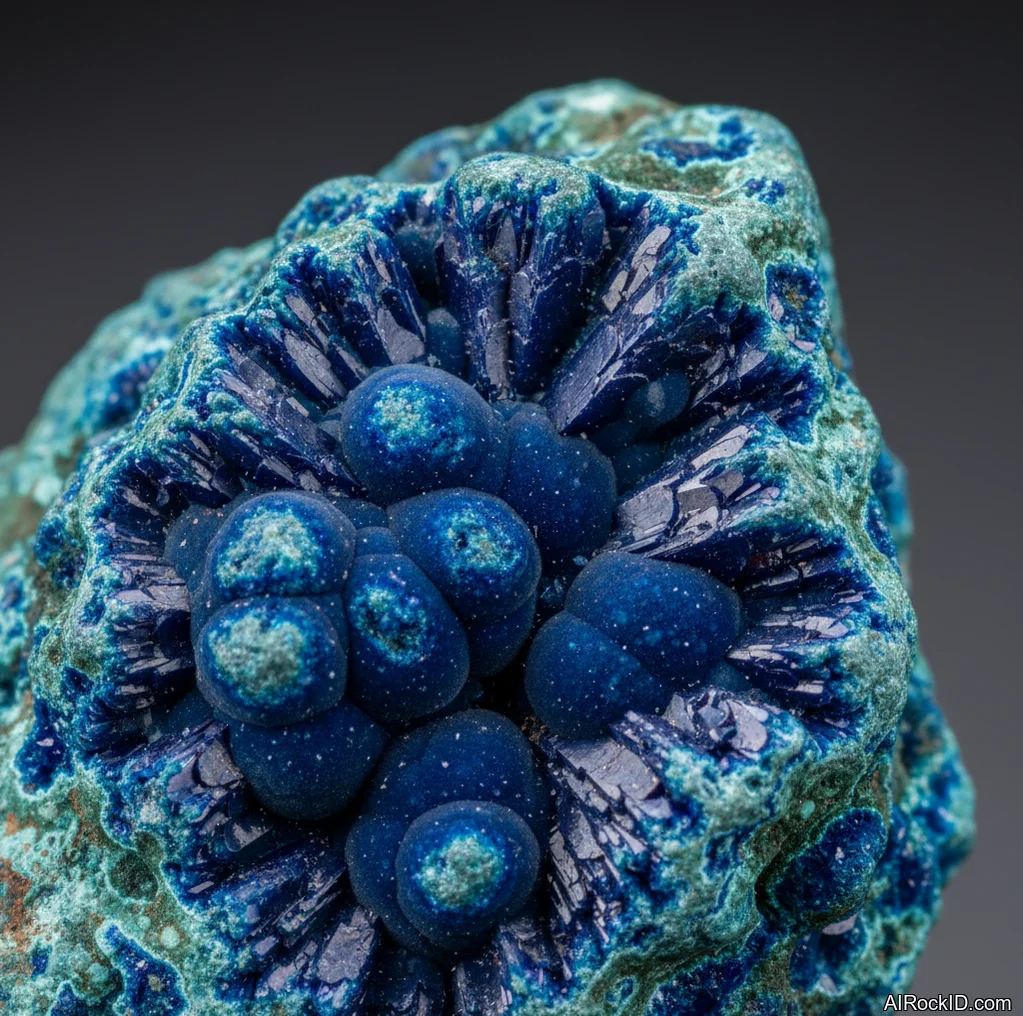
Azurite, the first time you see it, honestly looks like someone crushed up paint pigment and forgot to put it in a jar. That alone flips a switch in your head. The really good pieces have this velvety, almost midnight-blue look, and then you catch these tiny sharp sparkles when you tilt it under a lamp. And when you actually pick one up, it’s heavier than you expect. Dense. Solid. For creativity, it’s handy when your brain gets stuck being super literal and you need a jump into images, metaphor, or just a different mood. But thing is, it’s a copper carbonate, so water isn’t its friend. If you’ve got sweaty hands and you keep rubbing it like a worry stone, you’ll notice the surface starts to dull over time (especially on the spots your thumb keeps finding).
How to use: Put it where you can see it, not where you’ll fidget with it all day. I like it for a 5-minute “visual dump”: stare at the blue, then write whatever scenes or colors come up without judging. Store it dry and don’t rinse it like you would quartz.
Amethyst

Amethyst

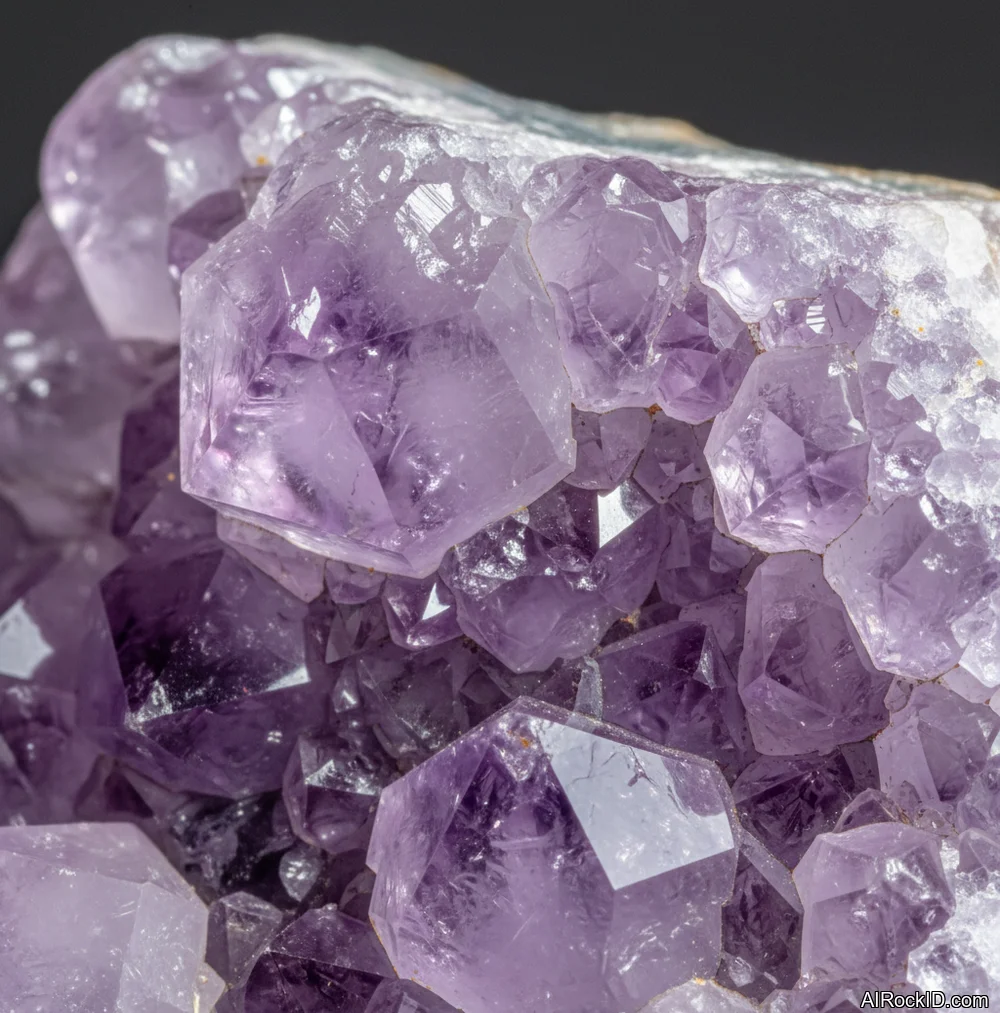
Amethyst feels kind of boring, honestly, until you put it in the right spot in your workflow. The deep purple stuff from Uruguay can go almost inky in low light, and then, when you turn a point in your fingers, it throws this quick, sharp flash off one facet. Hard to ignore. It’s weirdly good for settling your attention. I reach for it when I’m editing or arranging, when the job is patience and coherence, not fireworks. And yeah, the cheap pieces are often heat-treated or dyed. You can usually tell because the color’s too uniform, like purple ink soaked straight into glass.
How to use: Keep a small cluster on your desk during editing sessions, especially if you spiral into perfectionism. Touch one point, take three slow breaths, then do one concrete pass like “cut 10%” or “fix transitions.” If you’re prone to headaches from strong visual stimulus, choose a softer lavender piece.
Ametrine

Ametrine

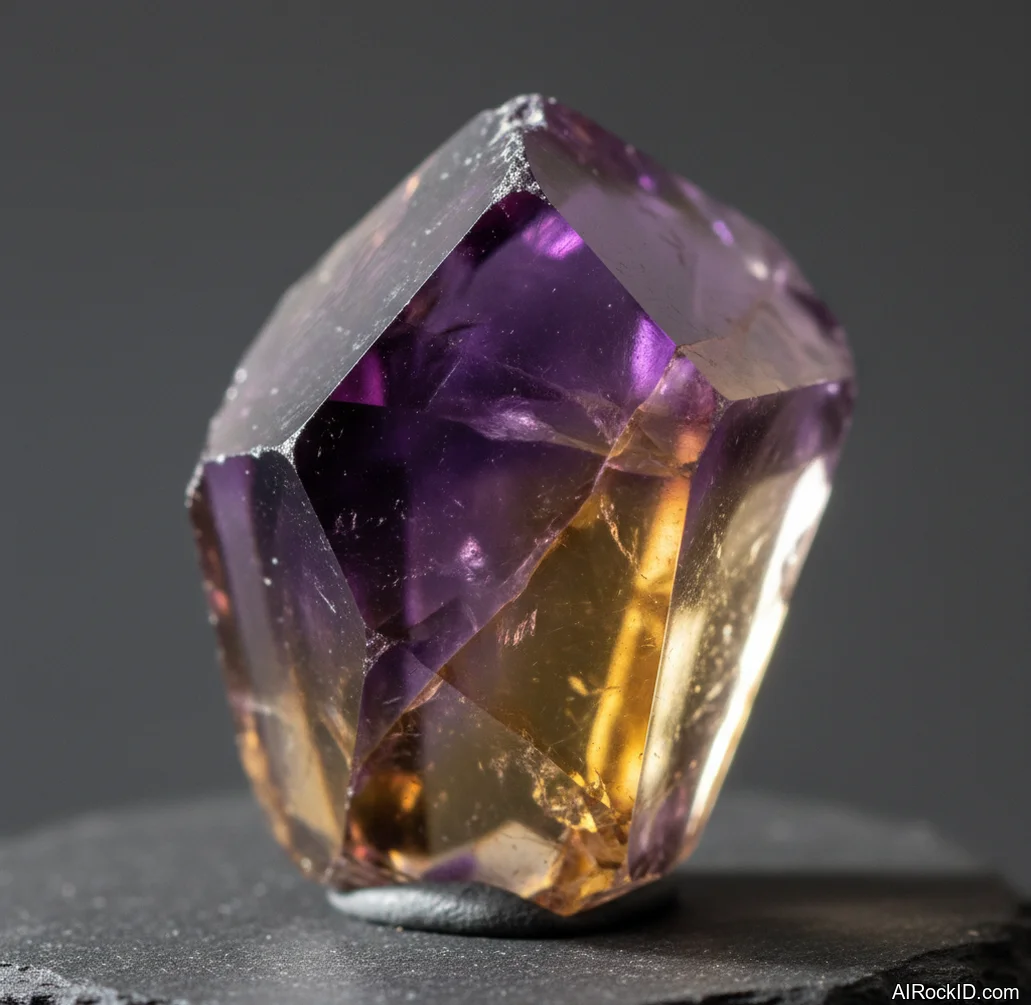
Ametrine really is two moods in a single stone, and you notice it the second it’s in your hand. One side leans toward clean-headed clarity, the other pulls you into imagination. With good ametrine, the line between the purple and those honey tones is crisp, and if you roll it under warm indoor bulbs you can watch that split slide around as the angles change. I grab it when I’m trying to go from brainstorming to actually doing the thing, but I don’t want to lose that playful thread. But here’s the catch: a lot of cheaper material just looks muddy, and muddy stones have a way of leading you straight into muddy thinking. Why invite that?
How to use: Use it as a transition tool: hold it for 60 seconds when you’re switching from idea generation to outlining or drafting. Place it on the table with the purple side facing you during planning, then flip it to the yellow side when it’s time to produce. Keep it out of direct sun for long stretches if you notice fading.
Amber

Amber

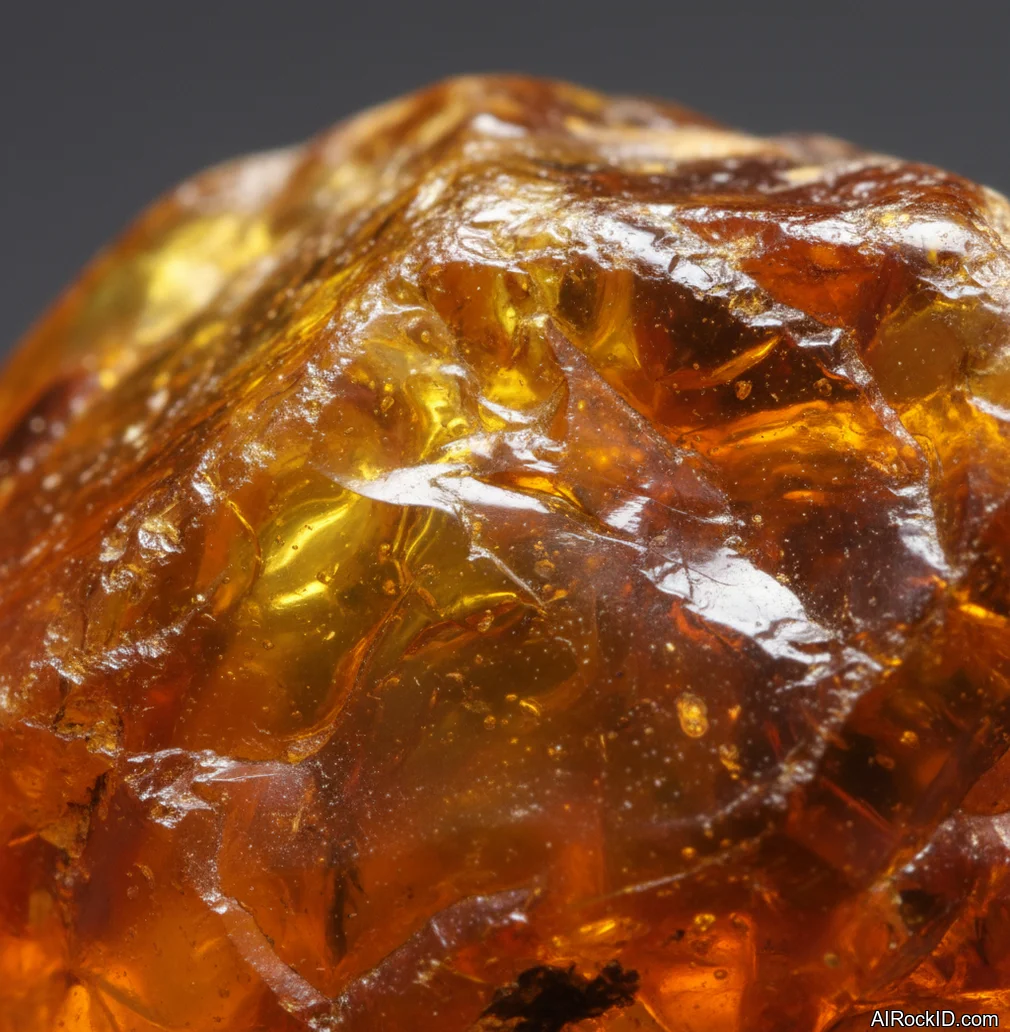
Amber isn’t a mineral. It’s fossil resin, and you can feel the difference the second you pick it up. Real amber heats up fast against your skin, almost like it’s waking up, while stone just sits there and stays cool. And that quick warmth is why it’s been so good for kicking me into motion when I’m tired or feeling kind of flat. I’ve literally kept a piece by my desk and used it as a “first five minutes” thing: grab it, roll it between my fingers (it gets tacky-warm, not slick), and it nudges me into doing something, especially on those gloomy, gray days. Cheap stuff is often plastic. Thing is, plastic feels too uniform, too perfect, and if you rub it hard it gives off that wrong smell. You know the one? Real amber doesn’t do that.
How to use: Keep a small polished piece in your pocket and take it out only when you sit down to start. Rub it for 20 seconds, then immediately do the smallest creative action possible: open the file, draw one line, write one sentence. Don’t leave it on a hot windowsill because heat can warp it.
Aquamarine

Aquamarine

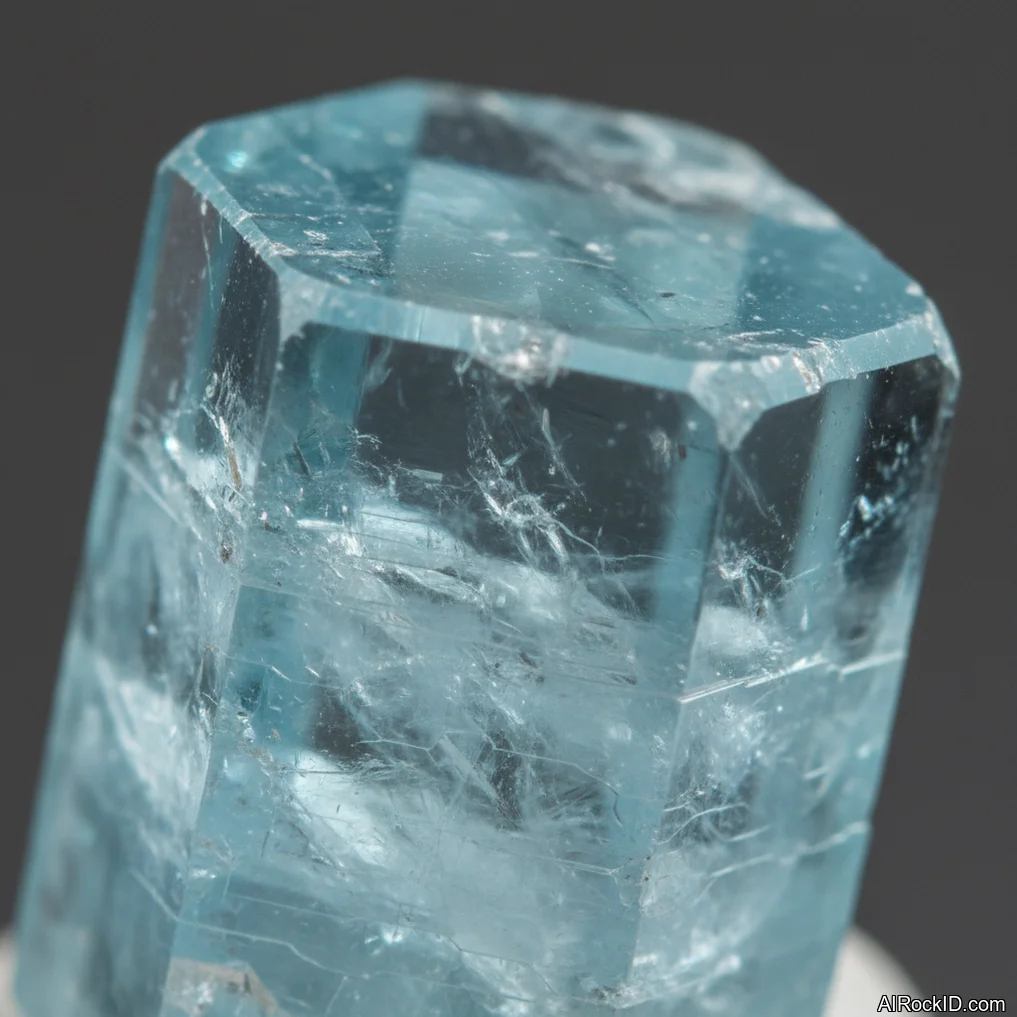
Aquamarine’s the one I reach for when my creativity jams up and I can feel it in my body, like a tight chest, a clenched jaw, tight everything. The good pieces have that watery blue that looks way cleaner in daylight than it does under warm bulbs, and if you’ve actually handled one, you’ll notice the surface usually has long striations. Run a fingernail across and you can feel those tiny ridges, like faint grooves. I use it for voice, presentations, and any creative work where you need to say the thing clearly without shrinking back. But look, pale beryl gets passed off as aquamarine all the time, so don’t get distracted by “light blue.” Check for that sea-glass tone instead.
How to use: Use it before you share work: hold it at your throat level for a minute while you rehearse the first two sentences out loud. For meetings or feedback sessions, keep it in your pocket and touch it when you feel yourself over-explaining. Clean it with a dry cloth, not harsh cleaners.
Arfvedsonite

Arfvedsonite

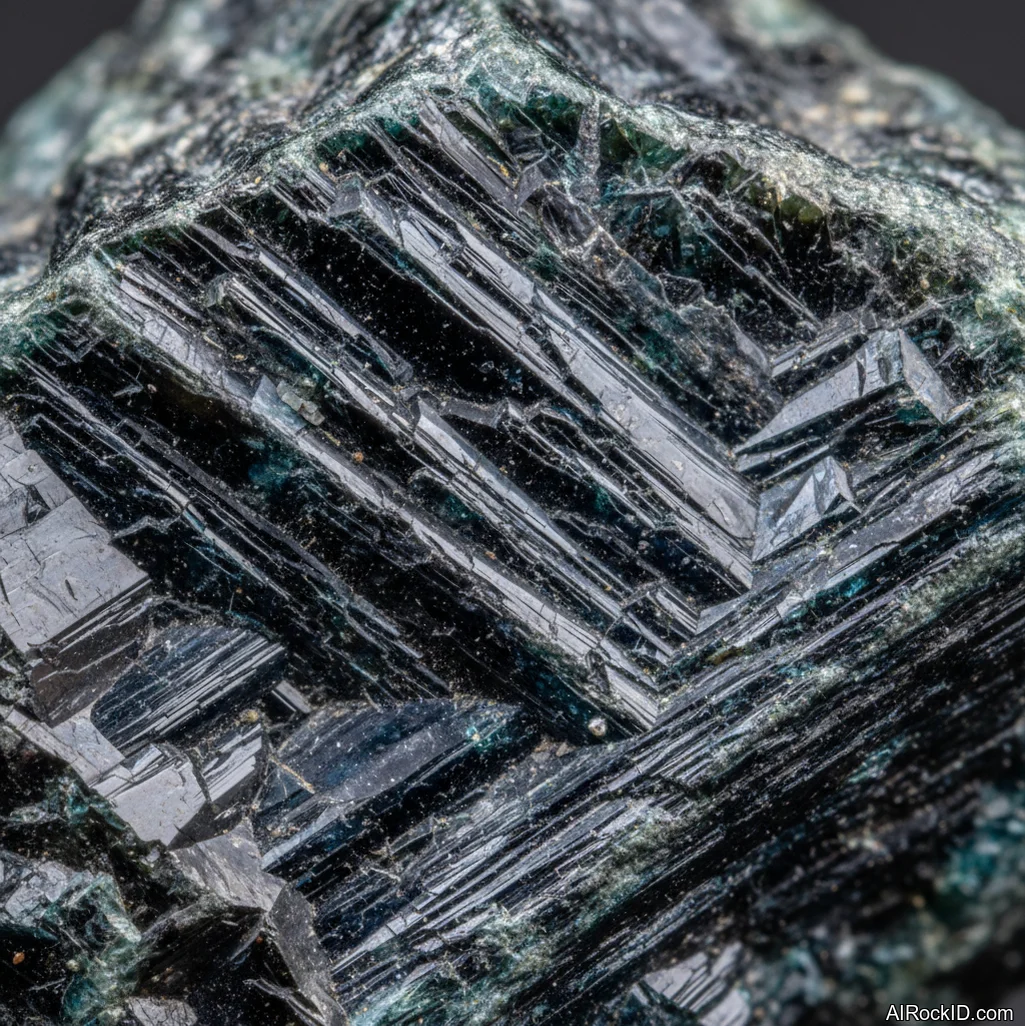
Arfvedsonite is a dark, flashy stone that feels a lot like a brainstorming blackboard in your hand. Turn a polished piece under a lamp and you’ll see thin, needle-like streaks flare up across the surface, then vanish the second you shift the angle, the same way half-baked ideas pop in, tease you, and finally snap into place later. It’s handy when you’re trying to spot patterns, put a real name to a concept, or figure out the one theme holding a messy project together. But look, it can yank you into big-picture mode so hard you start skipping the boring steps (the ones that actually get things done). And that’s where projects die.
How to use: Use it for outlining: set a timer for 15 minutes and only write headings and subheadings, no prose. Put it away once you start drafting so you don’t keep reorganizing instead of producing. If you buy raw pieces, check for crumbly edges because some material sheds little splinters.
Black Moonstone

Black Moonstone

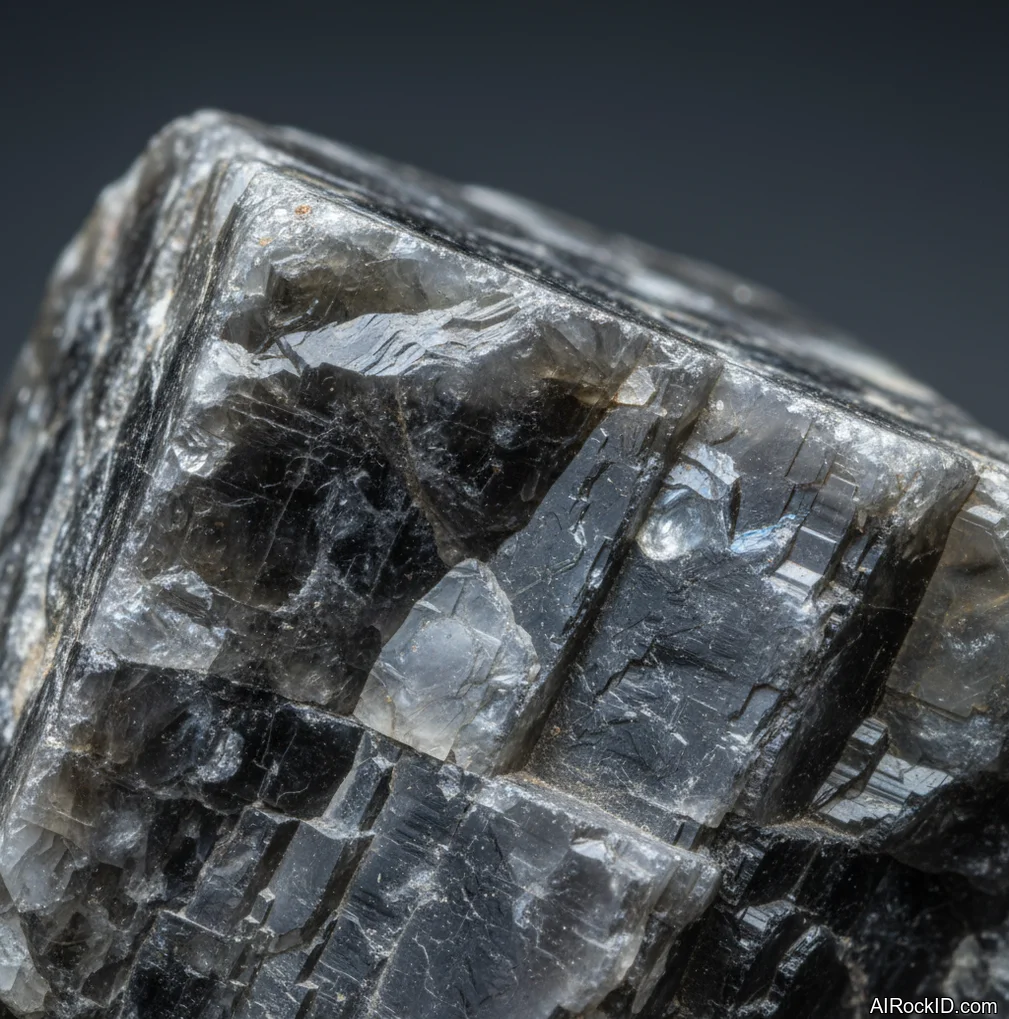
Black moonstone is what I reach for when I’m doing creative work that needs mood, characters, and all that slippery stuff you can’t muscle into place. The flash gives it away. Turn the stone slowly between your fingers and you’ll catch this soft sheen sliding across the surface, then it just disappears the second you tilt it, like a scene in your head cutting to something else. I use it when I’m writing fiction or sketching concept art and I want more instinct and less logic. But if you’re already scattered, it can make you drift even more, which is… not great. So it’s not my first pick when I’m in a deadline crunch.
How to use: Try it in the evening when your analytical brain is tired: 10 minutes of freewriting with the stone on the page near your hand. For visual work, place it beside reference images and let it steer the tone, not the details. If you get sleepy with it, pair it with a brighter desk lamp and a strict timer.

Match the crystal to the creative stage (ideas, draft, edit, share)

People keep grabbing one stone and expecting it to do everything. That’s like trying to build a cabinet with one screwdriver. Creativity comes in stages, and each stage tends to fail in its own special way.

When I’m trying to spark raw ideas, I reach for apatite, azurite, or arfvedsonite. They’re visually “busy,” and that’s not just a vibe thing. Your eyes keep catching little color shifts, the way light skitters across a polished face, and your hands stay engaged too, so the whole system stays switched on.

But drafting is different. That’s when amber and ametrine help me keep moving without spiraling into endless choices. I can feel it in my grip, honestly, that warmer, steadier presence that nudges me to pick a sentence and go.

Editing? Whole other mode. That’s where amethyst earns its keep, because it supports focus and restraint, not fireworks. Less glitter, more red pen energy. And sometimes that’s exactly what you need.

Sharing is its own beast. Aquamarine is the one I keep around for that, because it’s about clear delivery and not choking on your own words. Amazonite sits in the middle. It’s what I use when I catch myself trying to write what sounds impressive instead of what I actually mean. Why do we do that? (No idea.)

Choosing quality: color, weight, and the fake problem

Most dealers aren’t out to scam you. But the supply chain’s a mess, and a lot of material gets “helped” along before it ever hits a table. The best defense? Handle stones in person when you can. Pick up two pieces of the same type and you’ll notice it fast: temperature, heft, that little moment where one just feels off in your palm.

Amazonite gets dyed. The dyed pieces can look too teal and too even, and you’ll often see the color pooled down in cracks like someone let ink settle there and called it done.

Amber gets faked with plastic or pressed fragments. Real amber warms up quickly, sure, but plastic feels warm right from the start, and the surface can look too perfect, like it popped out of a mold. No tiny quirks. No little scuffs that make sense.

With amethyst, watch for color that’s identical across the whole piece with zero zoning. Natural quartz varieties usually show some variation if you look closely. And azurite and malachite mixes get mislabeled too, so buy for what you see: deep blue for azurite, green for malachite, and don’t pay premium pricing for a vague name. Why would you?

Desk placement and sensory cues that actually work

A crystal won’t do much if it’s buried in a drawer under old receipts. So the move is to give it a job: set up a few “touch points” where your hands actually land, so your body gets the same little signal to start, keep going, or stop. That’s really the whole thing.

I stick to a three-zone layout. One stone goes right at the front edge of my workspace as a start ritual, one sits off to the side for a mid-session reset, and one lives near the laptop hinge as the hard stop so I don’t noodle forever. Amber is my go-to starter because it warms up almost instantly when you pick it up (you can feel that quick heat in your fingertips). Amazonite works well in the middle because it nudges you back into plain language and honest decisions, especially when you catch yourself overcomplicating a sentence.

And for the end marker, amethyst is perfect. When you’re done, you touch it, write the next action on a sticky note, and close the laptop. Too simple? Maybe. But I’ve seen that tiny ritual cut procrastination in half, because you’re not reopening the project from zero every single time.

Combining crystals without turning it into a crystal salad

More stones doesn’t mean more creativity. I’ve watched people pile on five bracelets, toss three palm stones in their lap, stack a little tower on the desk, and then act surprised when their brain feels like it’s buzzing. It’s too much. Keep it tight.

A clean setup is one “spark” stone plus one “finish” stone. For spark, go with apatite, azurite, or black moonstone, depending on what you’re missing: ideas, imagery, or mood. For finish, grab amethyst or amazonite, depending on whether you need focus or honest momentum.

Ametrine can sit in the middle and do both jobs, but only if the piece is actually clear enough that you can see the split when you tilt it in your hand (you know that crisp line your eye naturally follows?). If it’s muddy, it just reads as desk clutter. And if you’re buying a set, buy smaller pieces. Big ones look great, sure, but they can hog your attention when you’re trying to get work done.

How to Use These Crystals for Creativity

Pick one stone and hook it to a repeatable habit. That’s what most people blow right past. I keep amber in a little bowl by my keyboard, the kind that makes that soft clink when you drop a piece back in, and I only touch it right before I start a session. It’s not a talisman. It’s a switch. My brain learns: warm resin in the fingers means we write for five minutes, even if it’s trash.

For brainstorming, I like one tumbled apatite or a small azurite chunk, and I put it right on the page, not shoved off to the side. Your eyes bump into it between lines. And it keeps you in that poking-around, exploratory mode. When you move into editing, you physically swap the stone. Put the apatite away. Bring out amethyst. That tiny move tells your nervous system the rules just changed, okay?

If you’re doing creative work in public, keep it subtle. A pocket stone works better than a desk display, and aquamarine is a solid pick for meetings, critiques, or rehearsals where you want a steady voice. But don’t over-handle soft stones. Apatite and azurite can get beat up fast, and once a piece starts feeling ragged around the edges (chalky, scuffed, a little too worn), it stops feeling like a clean cue.

Common Mistakes to Avoid

The biggest mistake? Treating crystals like they’re a replacement for doing the actual work. People grab a stone “for creativity,” set it on a shelf, then sit there waiting for a lightning bolt to hit. It won’t. You’ll get way more from one small ritual you do every day than from a whole bowl of rocks collecting dust.

Another one I see all the time is picking stones that are way too stimulating for what you’re trying to do. Azurite and arfvedsonite can fling you straight into huge ideas when what you really need is to grind through the boring middle and finish the thing. So you end up “working” by reorganizing, researching, and renaming folders for two hours (ask me how I know). That isn’t creative work. That’s avoidance.

And the last one: people are rough with them, then store them badly. Apatite chips if you knock it around, azurite hates water, and amber can warp with heat, especially if it’s been sitting near a sunny window or a warm lamp and starts to feel a little tacky. I’ve watched someone “cleanse” everything under running water and accidentally ruin a good copper mineral specimen. Use a dry cloth, handle them gently, and honestly, just use a little common sense.

Important: Crystals aren’t going to replace skill, sleep, or reps. They won’t write the paragraph, learn the chords, or magically patch that annoying plot hole you keep tripping over. But they can help you shift gears and stay in a certain headspace long enough to actually do the work. If depression, burnout, ADHD, or anxiety is crushing your output, a crystal can be a small bit of support (like something solid to hold while you’re staring at the blinking cursor), but it isn’t treatment, and it won’t fix the root cause by itself.

Identify Any Crystal Instantly

Snap a photo and get properties, value, care instructions, and healing meanings in seconds.

Frequently Asked Questions

What are the best crystals for creativity and new ideas?
Apatite, azurite, and arfvedsonite are associated with idea generation and pattern linking. Amazonite is associated with clear expression during creative work.
Which crystal is best for writer's block?
Amazonite is associated with plain, honest drafting and reducing over-editing. Amber is associated with quick starts and building momentum.
Which crystal helps with artistic inspiration and imagery?
Azurite is associated with visual imagination and symbolic thinking. Black moonstone is associated with mood, intuition, and story texture.
Which crystal is best for focus while editing?
Amethyst is associated with steady attention and restraint. Arfvedsonite is associated with structure, but it can overemphasize planning if overused.
Can I combine multiple crystals for creativity?
Yes, combining 2 stones is common: one for ideation and one for finishing. Using too many at once can reduce focus by adding visual and tactile distractions.
How do I use crystals for creativity at my desk?
Place one stone within reach as a start cue and touch it only when beginning work. Swap to a different stone when moving from brainstorming to editing to reinforce the phase change.
Are there crystals for creativity and confidence when sharing work?
Aquamarine is associated with clear communication and steady delivery. Amazonite is associated with speaking honestly and directly.
How do I know if amber is real?
Real amber warms quickly in the hand and is very light for its size. Plastic and resin imitations often feel uniformly smooth and warm immediately and lack natural internal variation.
Do crystals for creativity work instantly?
Some people report an immediate state shift from a strong sensory cue, but results vary. Consistent pairing with a routine is more reliable than expecting instant results.
Can crystals replace therapy or medication for creativity issues?
No, crystals are not a substitute for medical or psychological care. They are used as supportive tools alongside healthy habits and professional support when needed.
The information provided is for educational and spiritual exploration purposes. Crystals are not a substitute for professional medical, psychological, or financial advice.