sleep

Best Crystals for Dreams
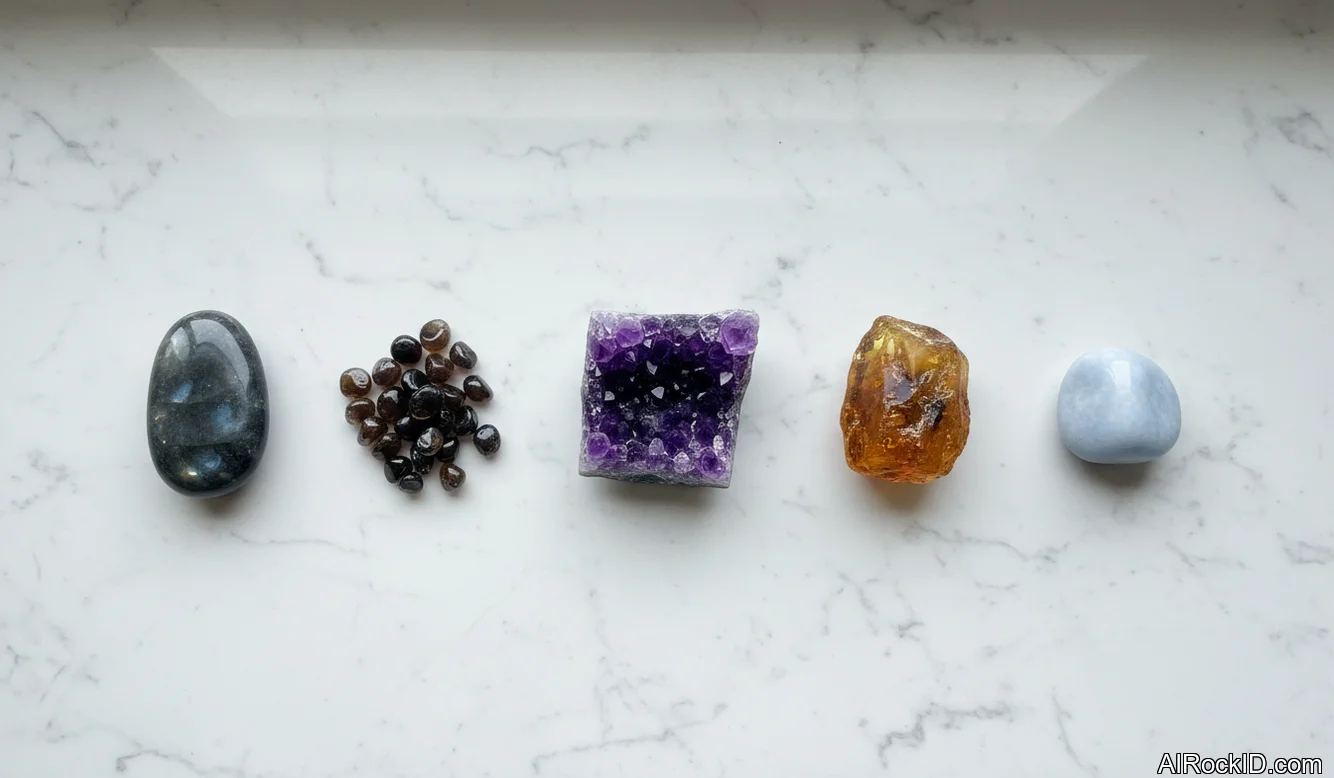
Small collection of amethyst, black moonstone, amber, angelite, apophyllite, and amazonite on a bedside table beside a journal

For dreams, the crystals that usually help the most are the ones that calm your nervous system enough to stay asleep, and the ones that make it easier to remember your dreams in the morning.

Look, I’m not going to pretend a rock will magically hand you lucid dreams on demand. But I’ve seen this a bunch: certain stones make a bedtime routine feel more sticky, like your brain finally gets the hint that it’s time to drop into sleep instead of scrolling, thinking, replaying the day. Pick up a decent chunk of amethyst and you notice the temperature first. It stays cool in your palm longer than glass, and that tiny sensory thing can be weirdly grounding when you’re trying to drift off (especially if your hands run warm).

Dream work is half sleep hygiene, half memory. If you wake up, roll over, and grab your phone, you’ll lose the thread fast. But if you wake up and touch the stone you left next to your journal, your brain gets a repeatable prompt: remember. Simple, right?

Some people do great with one stone. Others do better with a pair. Usually it’s something soothing, plus something that feels “clear” and clean. So I’ll keep this practical. What I look for in the real material, how I place it, and where people waste money.

Recommended Crystals
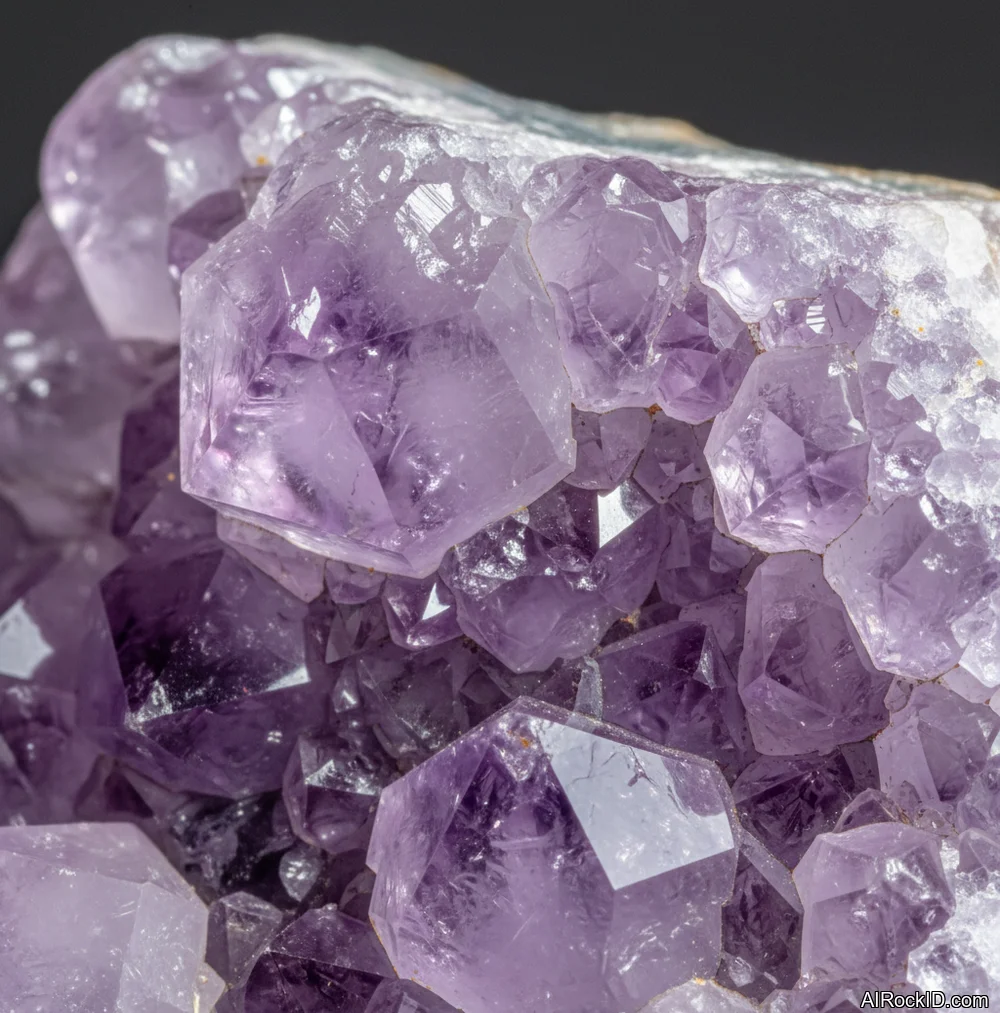
Amethyst
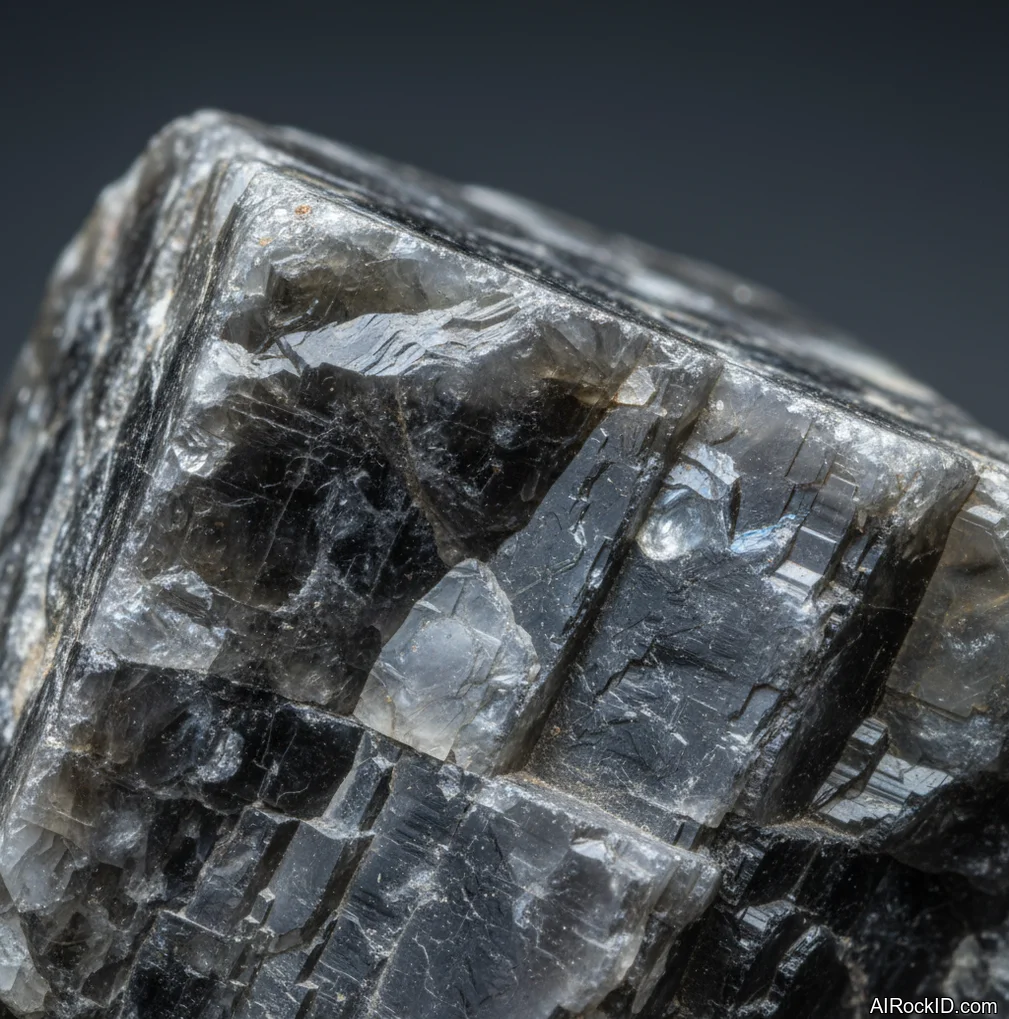
Amethyst

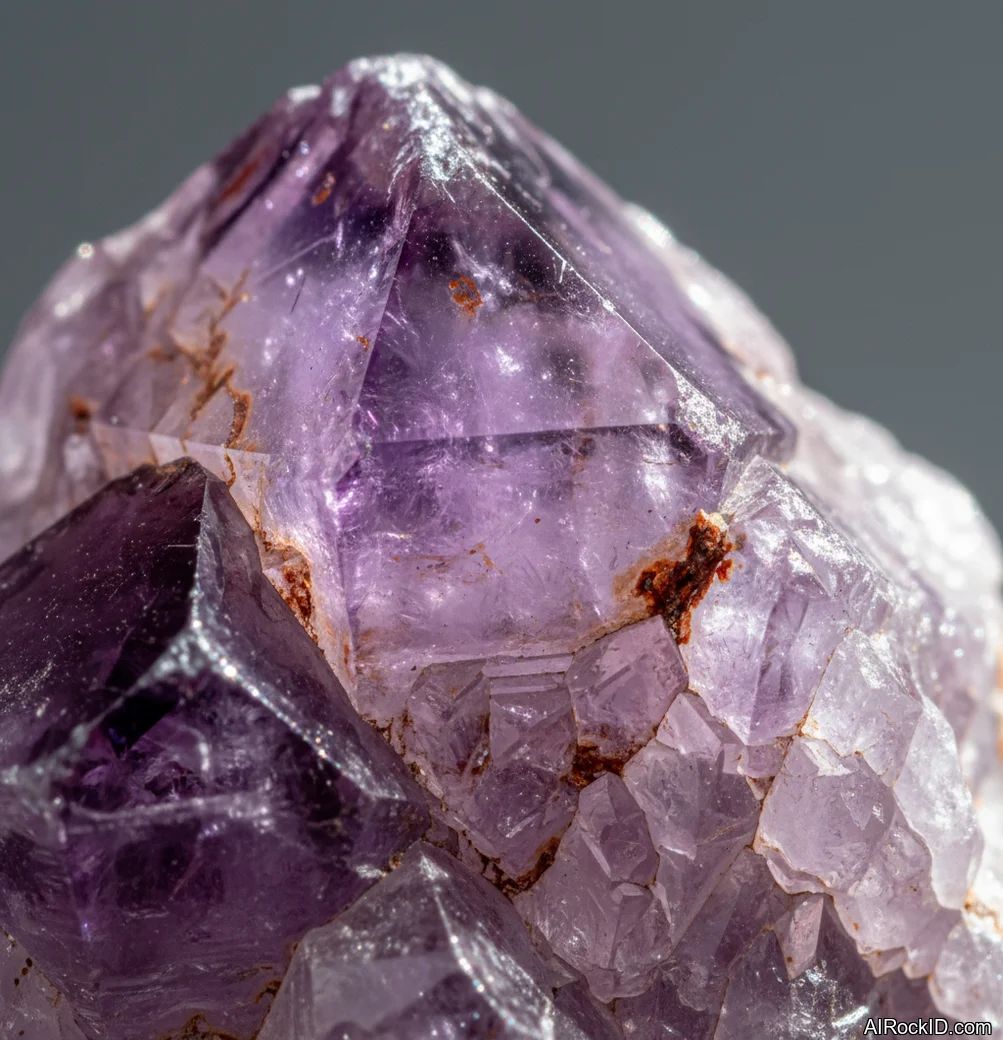
Uruguayan amethyst usually comes in darker, moodier tones, while a lot of Brazilian pieces lean more toward a lighter lavender. And you really notice that difference when it’s sitting on your nightstand under a warm lamp, the kind that makes everything look a little honey-colored. Thing is, I keep circling back to amethyst for dreams for a pretty simple reason: it’s steady. Not spiky. It doesn’t kick your brain into gear the way some “third eye” stones can, where you end up feeling more awake than relaxed. Pick up a cluster and you’ll see what I mean. The points grab the light, but it’s a soft catch, not a flashy sparkle that screams for attention. That’s the vibe most people are after before sleep, right? And it holds up to everyday handling, too. You can move it around, dust it off, set it back down (maybe a little crooked), and you’re not hovering over it like it’s going to chip the second you look away.
How to use: Set a small cluster on the nightstand where you can see it when you turn off the light. If you wake from a dream, put one hand on it for five seconds, then write three keywords before you move much. If you’re a restless sleeper, keep it off the bed and let it be a visual anchor instead.
Black Moonstone

Black Moonstone

Black moonstone can look like a boring chunk of charcoal at first. But the second you tip it toward a lamp or a window, there’s this soft, silvery flash that slides around under the surface like a thin sheet. That quiet shimmer is why I reach for it for dream recall. It just feels reflective, like it’s tugging images up from somewhere dim and half-forgotten. Most of what you’ll see for sale are palm stones. And honestly, you can tell it’s feldspar the moment it’s in your hand, even polished, because the surface has that slightly waxy feel that quartz doesn’t have (quartz stays glassy). It’s also a solid pick if your dreams feel “busy,” since it doesn’t wind you up. Why add more noise?
How to use: Keep a palm stone under your pillowcase, not directly under your head, so you’re not waking up with a sore neck. In the morning, hold it while you replay the dream backwards from the last scene to the first. If you get headaches from pressure points, move it to the bedside and just touch it when you wake.
Apache Tears

Apache Tears

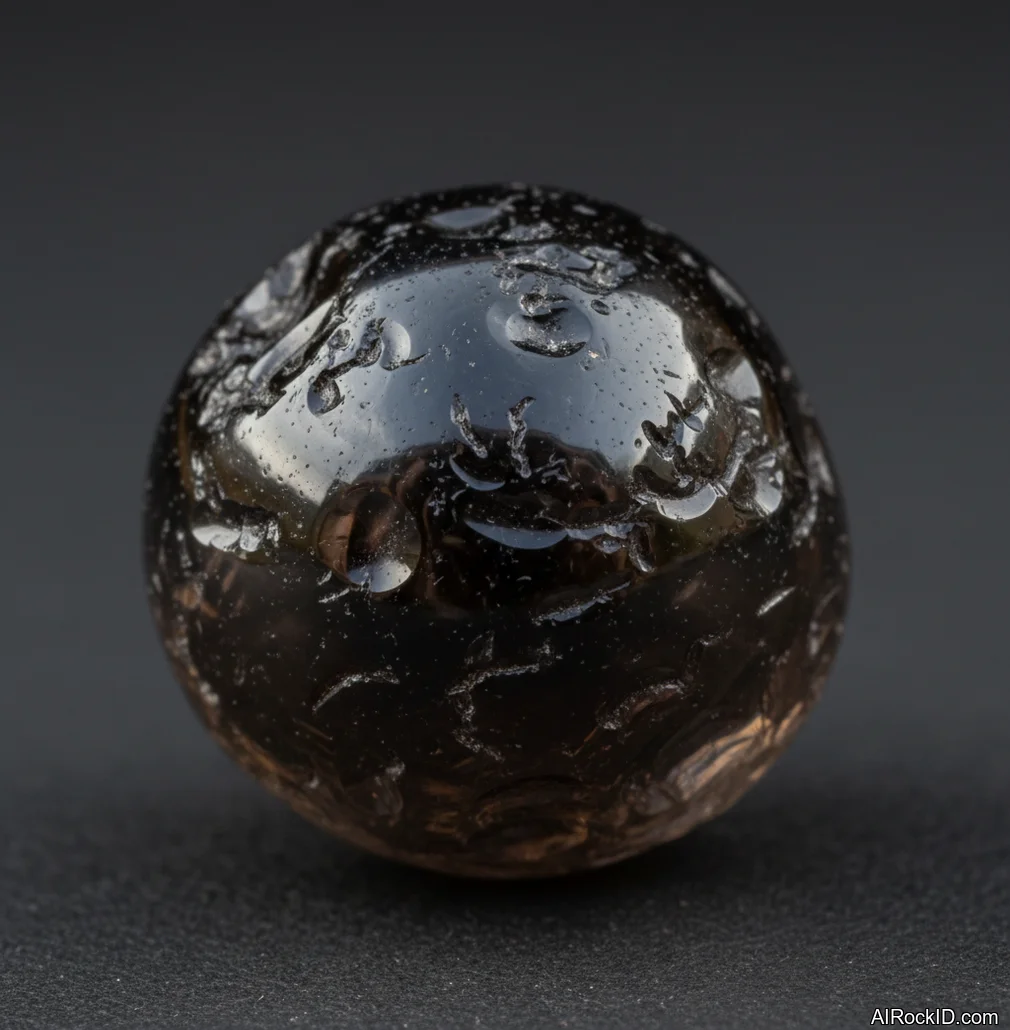
Apache tears are obsidian nodules, and in your hand they really do feel like tiny river stones, smooth and slightly cool, with that slick glassy skin that almost squeaks a bit if your fingers are dry. But the easiest way to tell they’re the real thing is the backlight trick: hold one up to your phone’s flashlight and you’ll catch that smoky brown translucence instead of the flat, dead-black look you get from plastic. For dreams, I reach for them when it’s nightmares or stress dreams messing with sleep. Thing is, they’re less about big “vision” imagery and more about feeling safe enough to actually rest. They’re small, cheap, and you can tuck one right by the bed or in a pocket without turning your nightstand into a whole mineral display (who needs that at 2 a.m.?).
How to use: Put one in the corner of your pillowcase or in a small pouch tucked at the top of the bed. If you wake from a nightmare, hold it and slow your breathing for one full minute before you try to go back to sleep. Clean it with a damp cloth, not salt water, since obsidian scratches and dulls easily.
Amber

Amber

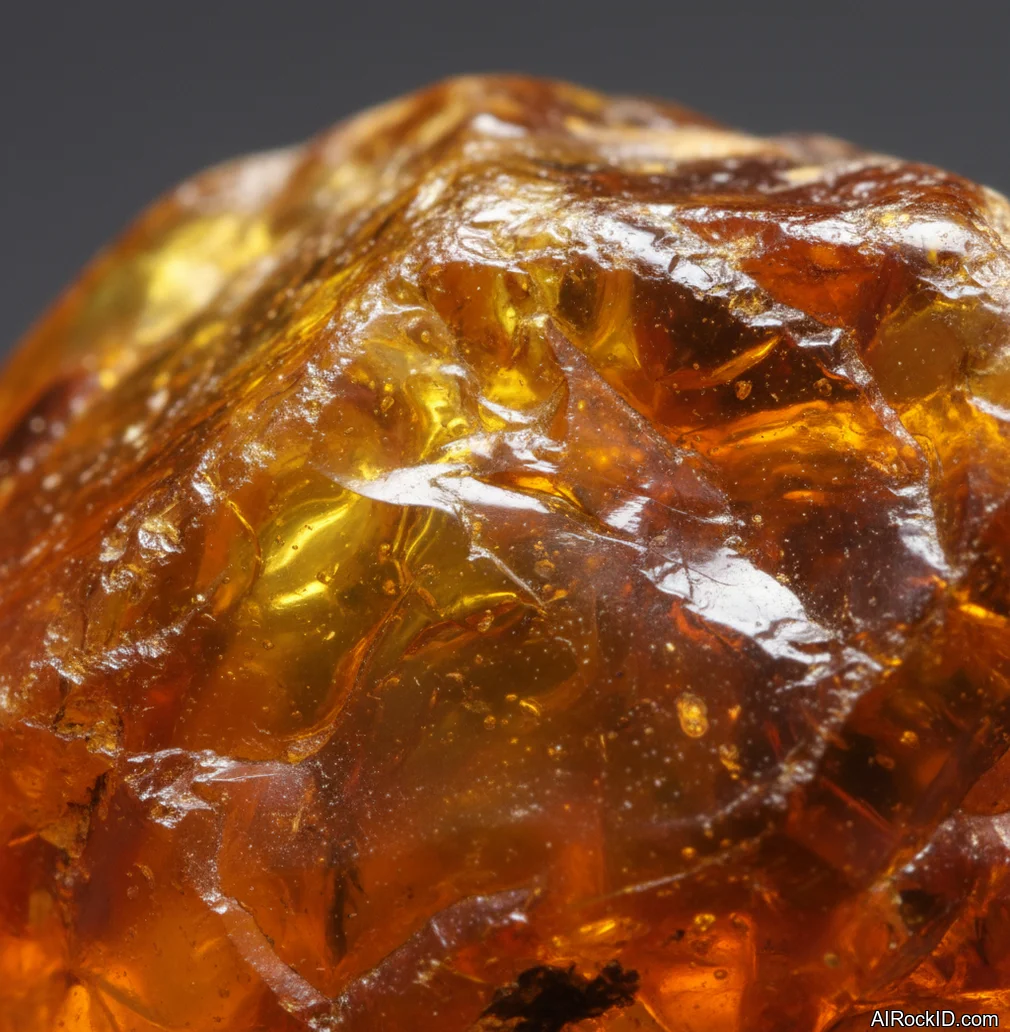
Amber isn’t a crystal. It’s fossil resin, and you notice it the second you pick it up because it feels so light in your hand. The cheap stuff tends to warm up fast and looks weirdly perfect, like it came out of a mold. Real amber usually stays a little cooler at first, and if you tilt it toward a lamp and really look, you’ll catch tiny swirls inside or little specks suspended in there. For dream work, I grab amber when someone’s sleep is shallow and what they need is comfort, not intensity. It’s got this cozy, bedtime feel. And it goes great with journaling because it doesn’t yank your attention all over the place.
How to use: Keep a small piece in a dish by your journal and handle it for 30 seconds before lights out, like a tactile cue. Don’t sleep with it loose in bed if you toss and turn, since amber can chip. If you want it on-body, a small pendant works better than a pocket stone at night.
Angelite

Angelite

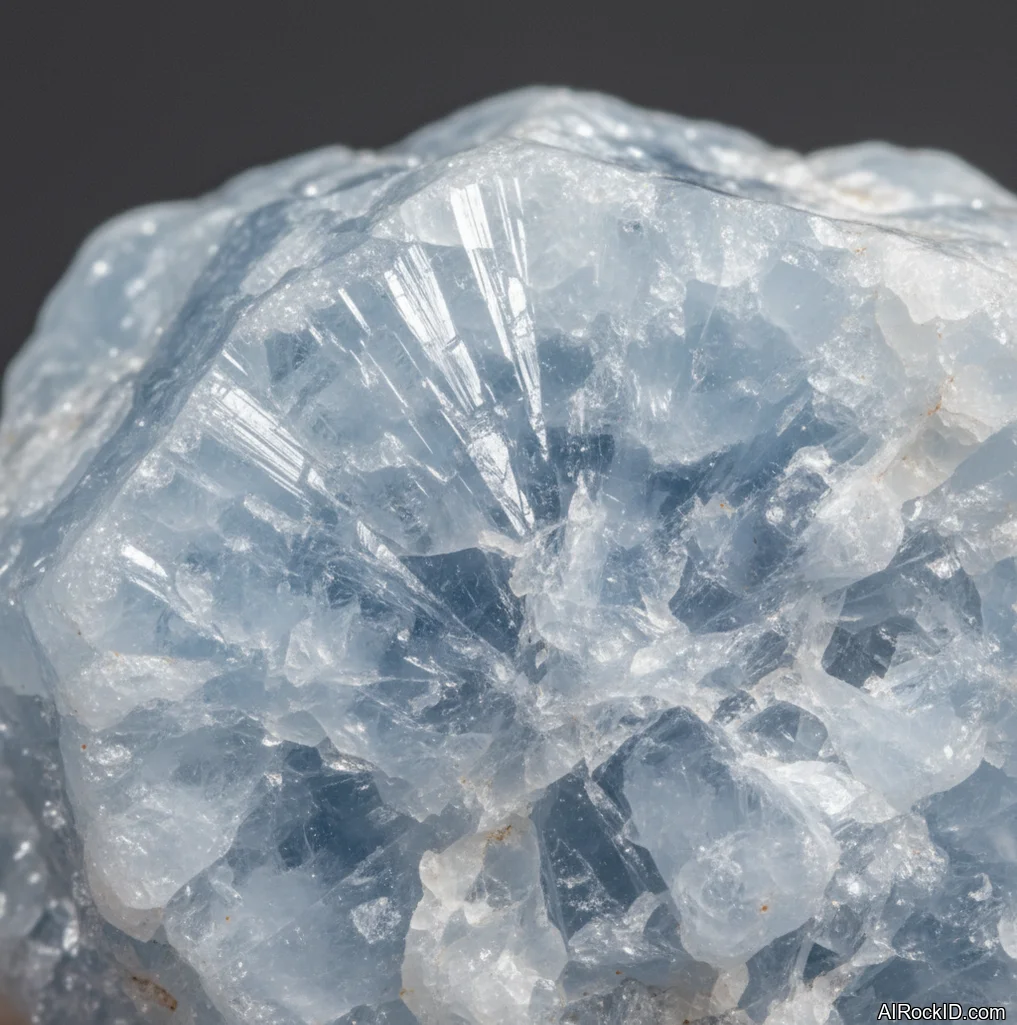
Angelite feels soft and kind of chalky next to quartz, and that actually changes how you treat it. Run your thumb across a tumbled piece and you’ll catch that matte drag, not that slick, glassy polish, more like a seashell that’s been knocked around in your pocket for a while. For dreams, it’s a nice fit when you’re after sleep that’s gentle, calm, and emotionally steady, especially if your dreams tend to knot themselves around whatever you’ve been worrying about. But here’s the catch: a lot of angelite scuffs up fast, so it’s not really a “toss it in the bed and forget it” kind of stone.
How to use: Place it on the nightstand, not under the pillow, and keep it away from water since it can spot and soften. Pair it with a simple breath count: touch the stone and count ten slow exhales. If you travel with it, wrap it, because angelite dings easily in a bag.
Apophyllite

Apophyllite

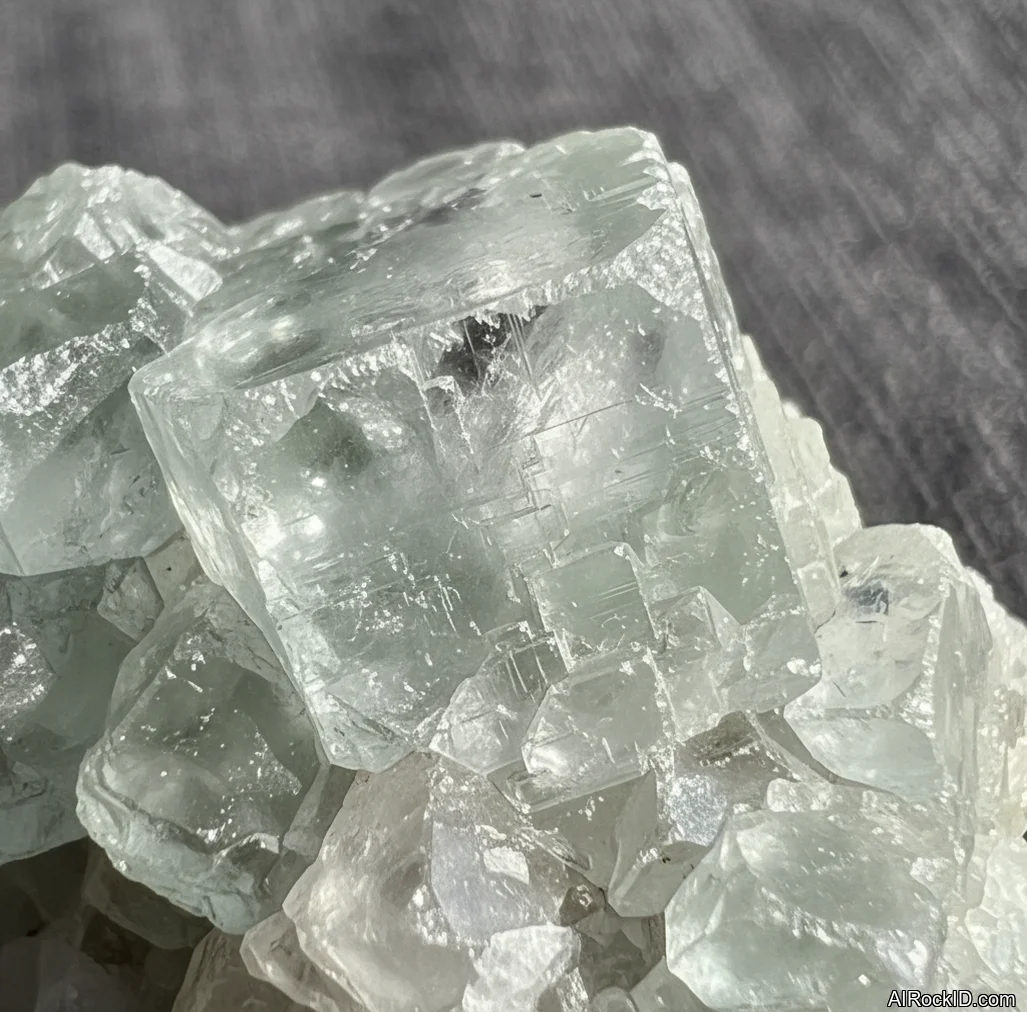
Apophyllite looks so clean and glassy that you’d swear it’s sturdy, but it’ll cleave and chip if you knock it the wrong way. Pick up a good cluster and tilt it under a lamp, and those mirror-like faces snap with a sharp little flash, like a tiny window catching light for half a second. For dreams, it’s the “clarity” stone in my lineup. Handy when you’re remembering dreams but they’re kind of smeared around the edges and you want the details to come through cleaner. But for sensitive sleepers it can feel a bit too bright, so where you put it matters (nightstand versus across the room, that sort of thing).
How to use: Set it a few feet from the bed, like on a dresser, so it’s in the room but not right at your head. In the morning, glance at it before you open your phone and name one image from the dream out loud. If it feels too stimulating, swap it to daytime journaling only.
Amazonite

Amazonite

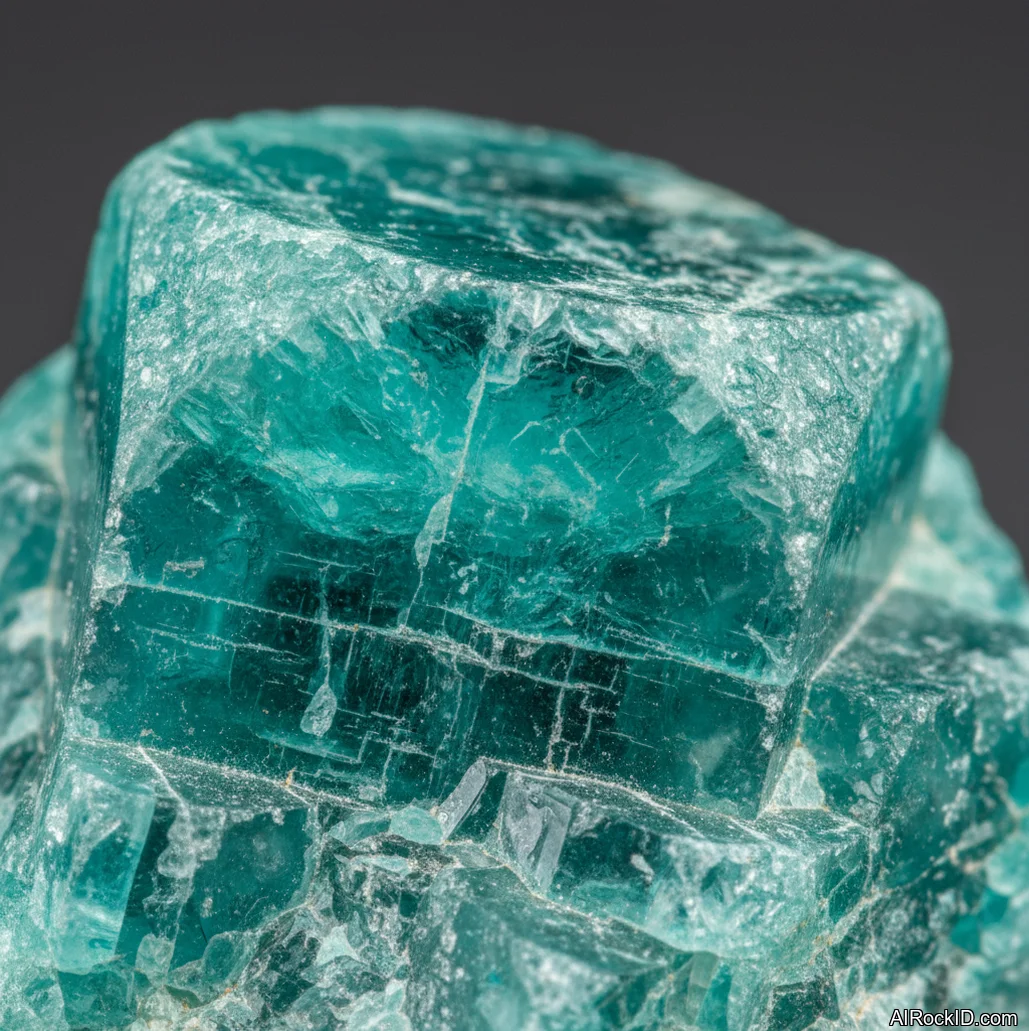
Compared to most “sleep stones,” amazonite just has more personality. It’s that blue-green color with chalky white streaks, and the whole thing has that blocky feldspar vibe. Under warm lamplight it even gets this slightly beachy look, like sea glass sitting on sand. Thing is, the pieces that work best for me are the ones with a bit of natural mottling and little cloudy patches. Not the super even, too-perfect ones that look like they’ve been dyed to death. You can usually feel it in your hand too, kind of cool at first, then it warms up fast against your skin. For dreams, it’s been solid on nights when my brain won’t shut up. It doesn’t knock you out or anything, but it does seem to nudge that nonstop internal chatter into something quieter, so I’m not lying there rehearsing conversations at 1 a.m. And I’ve noticed it pairs weirdly well with dream sharing, too. Like when you actually tell someone what you dreamed instead of keeping it locked in your head. Why that helps, I couldn’t say. But it does.
How to use: Hold it for a minute while you do a quick “brain dump” list, then set it on top of the notebook when you close it. Keep it off the pillow if you’re sensitive to pressure. If you’re using it to reduce chatter, don’t combine it with caffeine too late, or you’ll blame the stone for a totally normal stimulant effect.
Aquamarine

Aquamarine

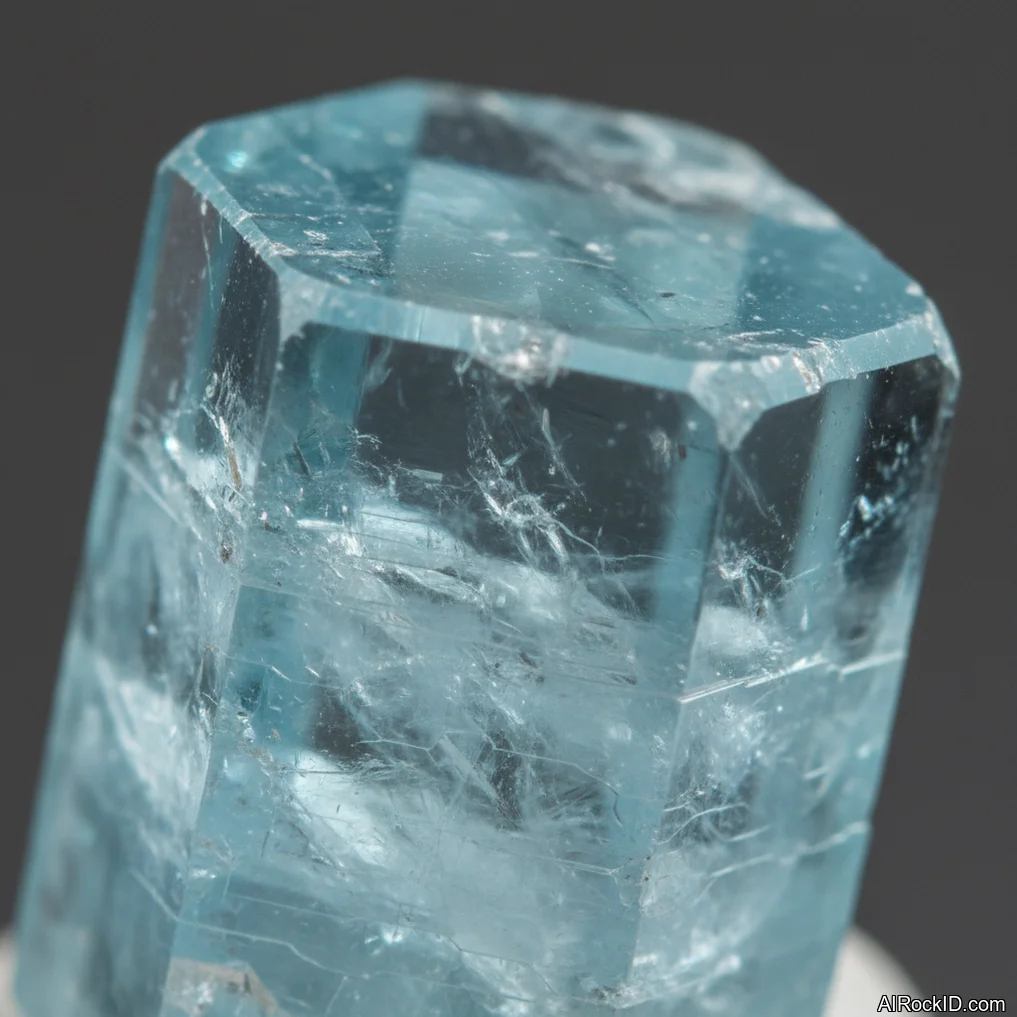
Aquamarine feels different the second you pick it up. It’s smoother and a bit denser than most tumbled quartz, and the better pieces have that watery blue that shifts depending on the light, like it doesn’t look the same in daylight as it does by a bedside lamp. Most dealers stick to small tumbled stones since clean, gemmy beryl gets expensive fast, so don’t think you need some museum-grade chunk to get a good one (you really don’t). For dreams, this is the stone I reach for when I’m sleeping fine, but the mood of my dreams is rough. You know that thing where you wake up tight in your chest for no obvious reason? Aquamarine helps with that. It calms things down without feeling heavy, and that’s a hard balance to hit.
How to use: Put it near a glass of water on the nightstand as a visual reminder to hydrate earlier in the evening, not right before bed. Touch it after you write your dream, then write one sentence about how the dream felt in your body. If you’re prone to dropping stones at night, choose a larger tumble so it doesn’t vanish into the sheets.
Auralite-23

Auralite-23

Auralite-23 is one of those trade names that turns into a headache pretty quickly. Thing is, sellers slap that label on all sorts of amethyst-based material, so you can’t assume it means one specific thing. But when you’ve got a legit piece in your hand, it usually looks different right away. You’ll see layered color and inclusions that, under a flashlight, kick up these tiny internal stormy-looking swirls, not just a flat purple slab. Little flashes, wispy bands, that kind of “there’s stuff going on inside” look. For dreams, the people who swear by it usually want big dream content. Symbolic. Loud. The kind that hangs around the next day like gum on your shoe. And yeah, it can be too much if your dreams are already running hot, so I treat it like a spice (not the main meal).
How to use: Use it one or two nights a week, not every night, and track how your sleep feels the next day. Keep it on the nightstand and avoid putting it under your pillow at first. If your dreams get too intense, take a break and go back to a simpler stone like amethyst or amber.

How to pick a dream stone that won’t keep you awake

Pick up the stone and pay attention to what your body does, not what your brain thinks it’s supposed to do. If your shoulders creep up toward your ears and your mind starts mapping out tomorrow, that’s a daytime stone for you, even if the internet insists it’s “for sleep.” I’ve seen this happen in shops a bunch of times: someone grabs a flashy piece, their eyes go wide, and then later they’re confused about why they can’t settle down at night.

Dream work, compared to daytime work, tends to like soft edges. Like, actually soft. Tumbled stones or little palm stones usually behave better in bed than sharp clusters. But there’s one exception I keep coming back to: amethyst on the nightstand. The points can work like a visual “off switch” because you see it and you remember your routine.

Thing is, most dealers won’t say it out loud, but texture matters. A matte stone like angelite reads as gentler to the nervous system for a lot of people because it doesn’t throw light back at you. A mirror-faced apophyllite can feel clean and awake, almost like it’s pinging your attention. So if you’re trying to sleep, keep the bright, reflective pieces farther away, and let the softer ones sit closer. Why fight your own senses?

Dream recall is mostly morning mechanics

The real test isn’t what happens at 2 a.m. It’s what you do in the first 20 seconds after you wake up. If you bolt upright, grab your phone, or start running tomorrow’s to do list in your head, the dream evaporates like fog.

So here’s the collector-style trick that actually works. Put one stone you only use for dream recall right next to your pen. When you wake, touch the stone first. That tiny, physical move tells your brain “remember,” and it also keeps your hand from drifting to your phone (because it will, right?). I’ve used black moonstone for this for years, mostly because when it catches the light it does that quick little flash, like you’re flipping through frames.

And don’t make the notes pretty. Don’t even try. Three words is plenty. “Green hallway, dog, late train.” Later on, you can fill it out if you feel like it, but that first grab is the whole point. Do this for a week and recall usually gets better, even if you don’t change anything else.

Nightmares, stress dreams, and when to go gentle

If nightmares are messing with your sleep, don’t go hunting for the most intense stone you can find. People hear “dream crystals,” grab whatever feels the strongest in their hand, and then act surprised when their nights get even stranger. Go for comfort first. Stability, too.

Apache tears are my go-to here. They’re small and dark, sure, but they feel grounding without coming in hot. If you hold one up to a lamp or a phone flashlight, you can catch that smoky translucence around the edges, and I like that little reminder that “dark” doesn’t automatically mean heavy or scary. Amber can do a similar job, just in a totally different vibe. It’s light, warm-feeling, and it reads as safe in a way your body seems to understand right away.

And don’t skip the basic stuff. If nightmares are frequent or tied to trauma, crystals are a support tool, not the whole plan. Pair the stone with one real, practical move: set a wind-down timer, keep the bedroom cooler, or talk to a professional if the dreams are messing with your life. (Seriously, why try to brute-force it alone?)

Pairing crystals for dreams without overcomplicating it

Two stones is usually the sweet spot. One to help you settle, one to keep your head clear. Past that, you’re basically building a little bedtime altar, and then you spend half your brainpower just managing the thing.

A simple combo I’ve seen work a lot is amethyst plus black moonstone. Amethyst is for the “okay, drop in” feeling, and moonstone is for the “don’t forget what you just dreamed” part. If stress dreams are the issue, swap the moonstone out for apache tears. If it’s more like your recall is just fuzzy, keep apophyllite across the room as a clean, bright reference point (not right next to your pillow).

Thing is, complicated pairings get messy fast because you can’t tell what did what. Treat it like a tiny experiment. Change one variable per week. Keep notes. And if you wake up groggy or weirdly wired, that’s data, not a failure. It usually just means the setup is too stimulating, or it’s sitting too close to your head.

How to Use These Crystals for Dreams

Placement comes first, before you get fancy with any little rituals. If you’re new to dream stones, keep one calming piece close and one clarity piece farther away. “Close” can be under the pillowcase corner (you can feel that little cool edge when you roll over) or on the nightstand where you can reach it without sitting up. “Farther away” can be a dresser across the room, where it’s still in the space but not right in your sleep zone.

I stick to a routine that’s simple enough to repeat, even when I’m half-asleep. Step one: dim the lights, hold the stone for 20 to 30 seconds, and let your breathing slow down. Step two: set an intention that’s specific, like “I remember one scene” or “I wake up calm,” not some huge, foggy request. Step three: in the morning, touch the same stone before you move much (before you grab your phone, before you sit up), then write three keywords.

And if you want to play with lucid dreaming, keep it gentle. Use your clarity stone as a daytime anchor too, like apophyllite on your desk, and do reality checks during the day. At night, keep the whole setup quiet. Thing is, when people go hard with intense stones right next to their head, sleep quality often drops. Then what’s the point of dream work if you’re just tired?

Common Mistakes to Avoid

Biggest mistake? People literally sleep on sharp or fragile pieces. I’ve watched apophyllite come out of a pillowcase with a corner chipped clean off, and obsidian gets those faint gray scuffs when it’s been rubbing around loose all night. Put things in pouches, leave clusters on furniture, and please don’t turn your pillow into a rock pile.

Another common one is buying the wrong quality, especially with amber and anything hiding under a trade name. Cheap “amber” is often plastic or pressed material, and once you’ve held real amber you can feel the difference right away, like it’s warmer and not that dead, slick fake feel. And Auralite-23 gets slapped on random amethyst all the time. If a seller can’t tell you what it actually is or where it’s from, call it “pretty quartz” and pay like it’s pretty quartz.

And then there’s the expectation that the stone will do the work while your habits stay a mess. If you’re pounding caffeine late, falling asleep with the TV on, and then grabbing your phone at 3 a.m. (why do we do this), the crystal’s basically just decor. Use stones as cues and support, not as a substitute for the boring sleep basics.

Important: Crystals can’t take the place of medical care for insomnia, trauma-linked nightmares, sleep apnea, or anxiety disorders. They also can’t make a specific dream show up on command at 2 a.m., and they won’t magically cancel out chronic sleep deprivation. But they can help in smaller, more practical ways. They can support a consistent routine, give you something physical to hold or keep by the bed as an anchor for recall (cold and a little heavy in your palm, like a worry stone), and nudge you to experiment with the kind of sleep setup your body actually responds to. And if your sleep starts getting worse? Pull back and talk to a professional.

Identify Any Crystal Instantly

Snap a photo and get properties, value, care instructions, and healing meanings in seconds.

Frequently Asked Questions

What is the best crystal for dream recall?
Black moonstone and amethyst are commonly used for dream recall. Consistent morning journaling is the primary driver of recall improvement.
Which crystal is best for nightmares?
Apache tears and amber are associated with grounding and comfort during sleep. They are often used as bedside stones rather than under-pillow stones.
Can crystals cause more vivid dreams?
Some people report more vivid dreams when using stones like amethyst or auralite-23. Changes in routine and attention to dreams can also increase vividness.
Where should I place crystals for dreams?
Common placements are on a nightstand, under a pillowcase corner, or on a dresser across the room. Fragile or sharp crystals are best kept off the bed.
How many crystals should I use for dreaming?
Using one or two crystals is usually sufficient. Using many crystals can make it harder to track what affects sleep and recall.
Is amber a crystal and does it still work for sleep routines?
Amber is fossilized resin, not a crystal. It is still used as a tactile cue for relaxation and bedtime routines.
How do I tell real amber from plastic?
Real amber is very light and often shows internal swirls, inclusions, or tiny imperfections. Plastic imitations often look overly uniform and can feel unnaturally warm immediately.
Can I sleep with apophyllite under my pillow?
Apophyllite can chip or cleave if it is pressed or dropped. It is safer to place it on a nightstand or dresser instead of under a pillow.
Do I need to cleanse dream crystals?
Cleansing is optional and is commonly done by wiping with a dry or slightly damp cloth or by placing stones in a clean dish. Water-sensitive stones such as angelite should not be soaked.
What is the fastest way to improve dream recall with crystals?
Touch the same stone immediately after waking and write three keywords before checking your phone. Repeating the same morning cue daily improves recall consistency.
The information provided is for educational and spiritual exploration purposes. Crystals are not a substitute for professional medical, psychological, or financial advice.