relationship

Best Crystals for Forgiveness
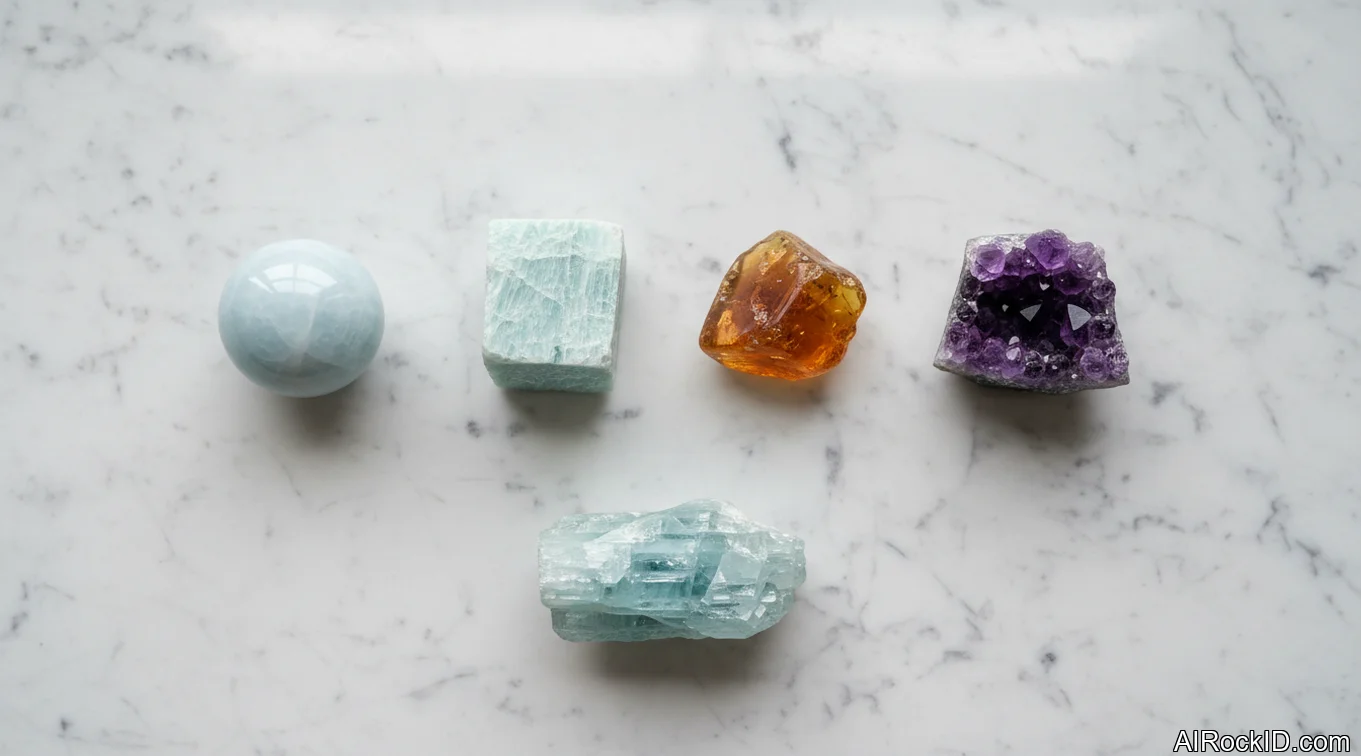
Assorted tumbled and raw crystals in soft light, including rose-toned and blue stones used in forgiveness work

The best crystals for forgiveness are the ones that help you loosen your grip a little, sit with the sting, and stop talking to yourself like a drill sergeant. Forgiveness isn’t one clean, movie-style moment. It’s usually a sloppy loop: you settle down, you remember, you get mad again, then you settle down again. Stones won’t do the work for you, no. But they can give you a steady handhold when your nervous system is itching to spiral.

Pick up a stone and you feel it instantly. The heaviness in your palm, the coolness at first (then it warms up), that slightly waxy or glassy texture depending on what it is. That’s the part I actually use. When I’m stuck replaying a conversation for the tenth time, a cool palm stone snaps me back into the room faster than another lap of “positive thinking” ever has. Some pieces feel too buzzy, too sharp, almost like they’re vibrating against my skin, so for this I stick with stones that feel soft, steady, and kind of heart-forward when you sit with them for ten minutes and just breathe.

But look closely at the crystal market. A lot of “forgiveness stones” are really just whatever’s trendy, dyed, aura-coated, or sold with a little story that reads well on a product tag. I’m not anti-pretty stones (I’ve bought my share). Thing is, if you’re trying to forgive someone, you want reliability, not hype. Below are crystals I’ve handled a lot, plus real ways to use them without pretending they’ll erase trauma or fix a relationship overnight.

Recommended Crystals
Amazonite
Amazonite

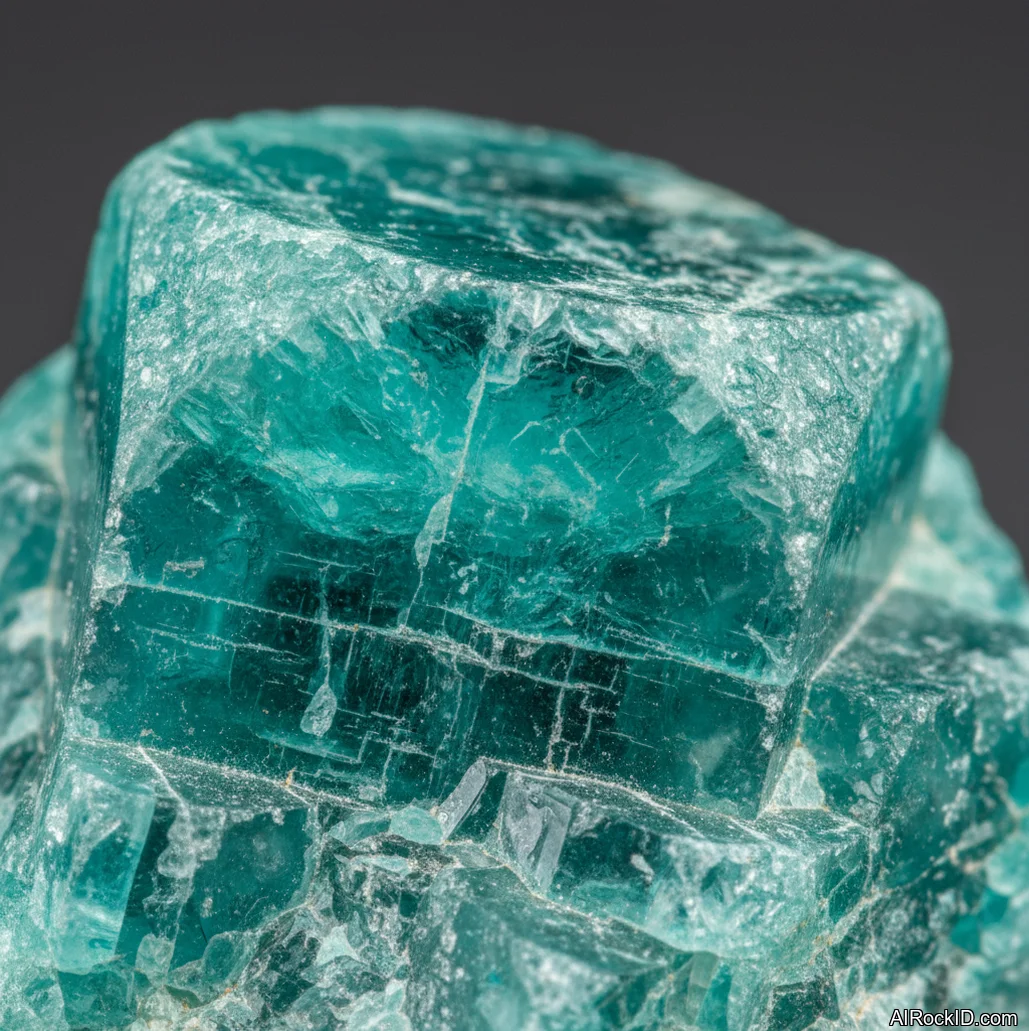
At first glance, amazonite really does look like still water. And when you pick it up, it feels heavier and steadier than you’d expect from something that bright blue-green. I grab it when forgiveness needs honest speech, not that sugary, forced sweetness. Thing is, it kind of pushes you to say the true thing, gently, even if you’d rather rehearse it in your head for the tenth time. Most polished amazonite has those little white streaks or faint grid-like lines you can catch when you tilt it under a lamp. But if the lines look too perfect, too clean, that’s a red flag, because sometimes it’s dyed feldspar. Compared to louder stones, this one helps you step back from mental rehearsals. So you can get to the actual conversation.
How to use: Hold it during a hard text or call, especially if you tend to write a novel when you’re hurt. Try a simple script: one breath in, one sentence out, while your thumb circles the stone’s surface.
Amber

Amber

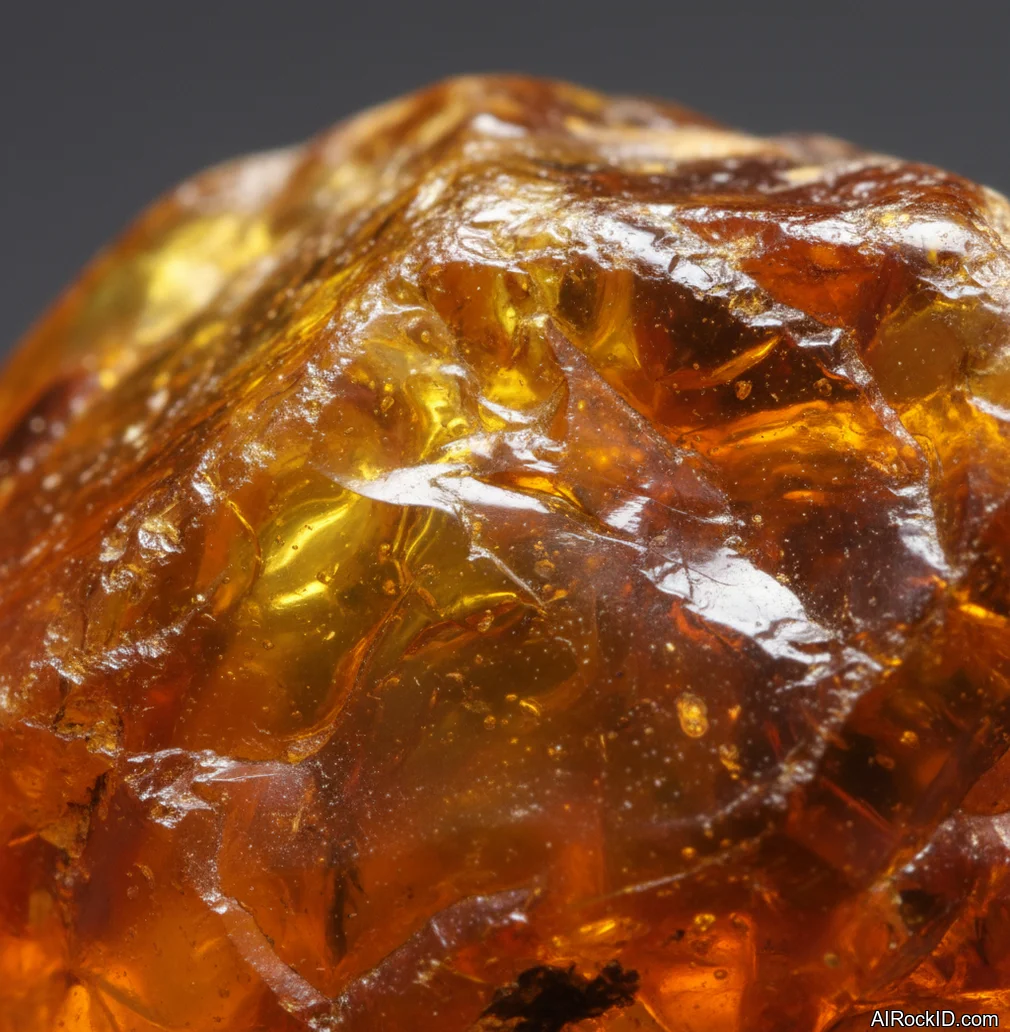
Amber feels light in your palm, almost weirdly light, and that’s exactly why I reach for it when forgiveness work starts to feel like a brick on my chest. Real amber heats up fast once it’s been sitting on your skin for a minute. The fake plastic stuff, though? It can feel warm right away, and if you rub it hard you’ll get that sharp chemical smell. I use amber when I’m trying to forgive without sliding into self-blame (because that spiral is easy, right?). It has this bright-but-not-pushy vibe that keeps me from sinking. And when grief is knotted up in the whole story, it’s a solid pick, since what you need then is gentleness, not intensity.
How to use: Wear it at the throat or chest for a few hours, then take it off and let your body reset. Keep it out of hot cars and sunny windowsills since it can craze or darken over time.
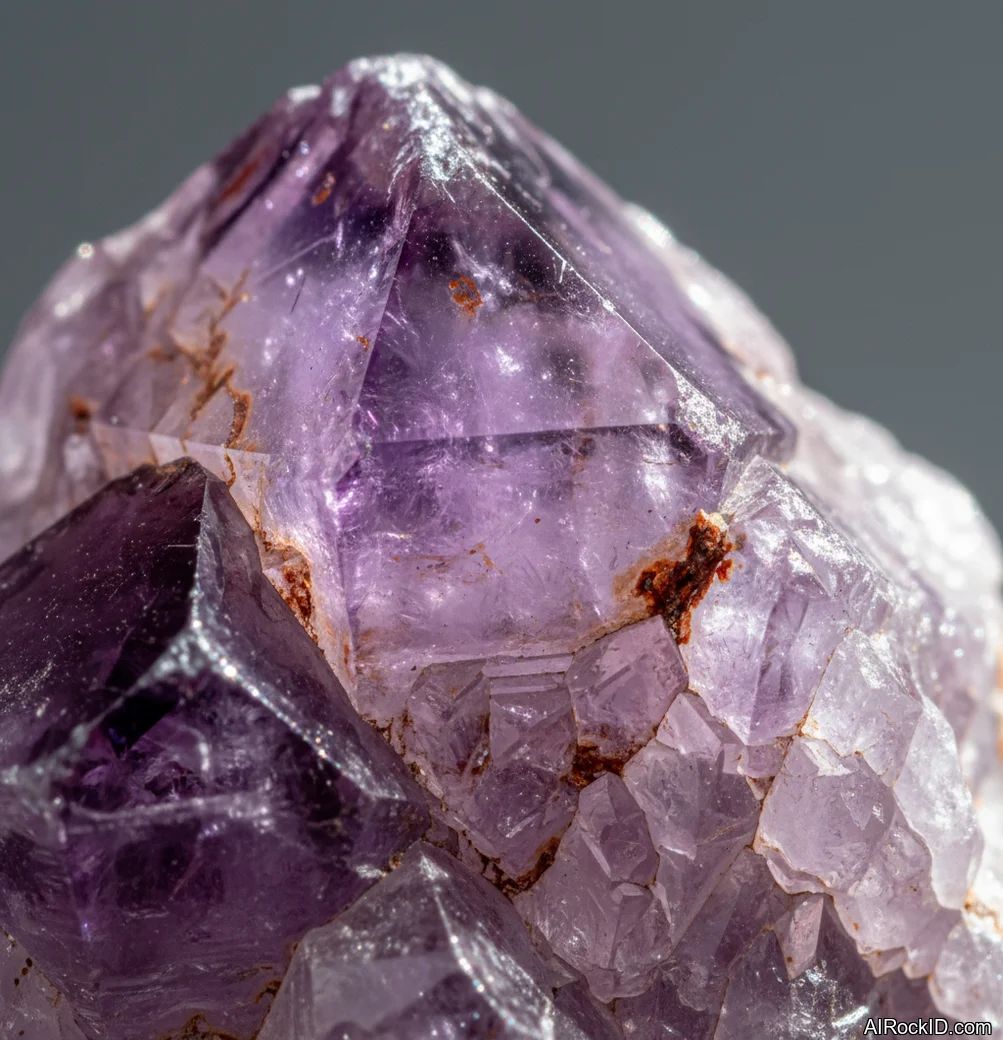
Amethyst

Amethyst

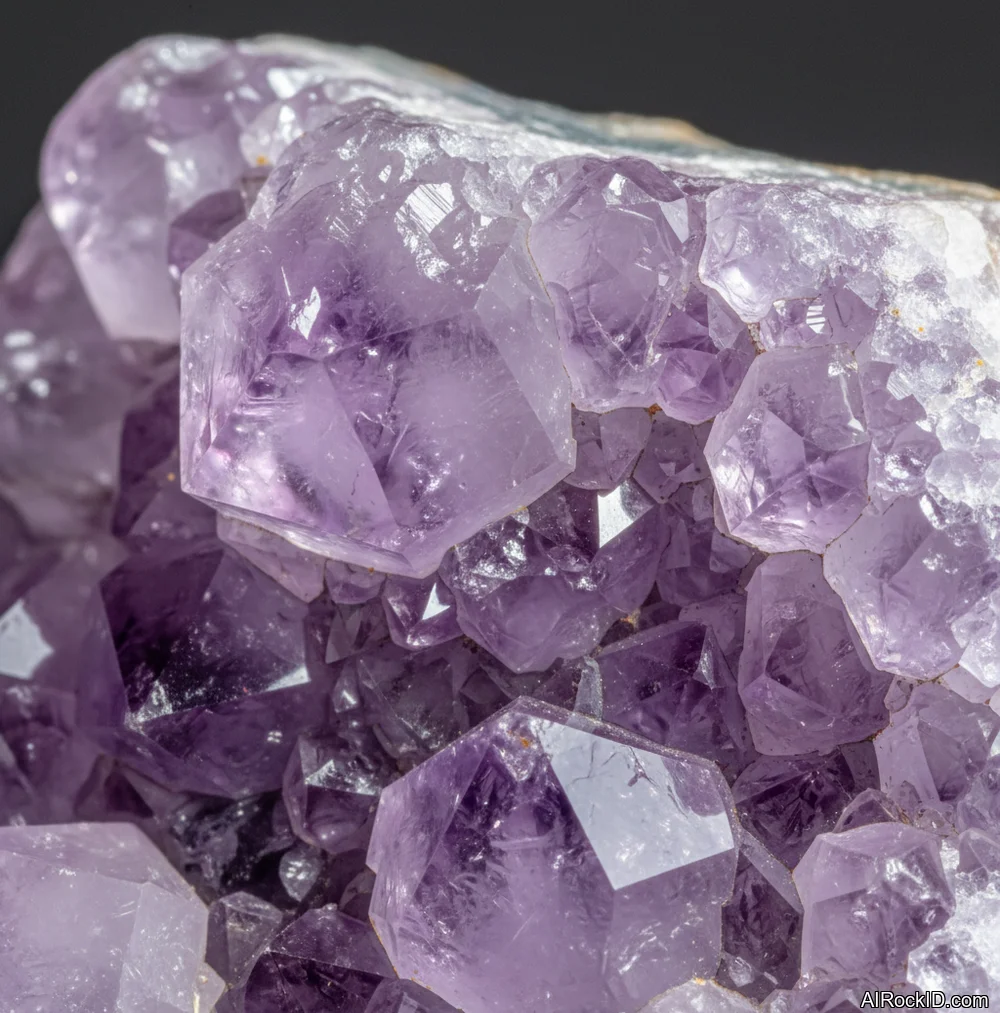
Uruguayan amethyst usually comes in this deep, almost inky purple. Brazilian pieces, a lot of the time, skew lighter, more lavender. And you can actually feel that difference when you’re using it to calm your mind. I reach for amethyst when forgiveness is the goal and rumination is the real problem. Thing is, it helps you quit chasing that “perfect explanation” that never shows up anyway. Grab a chunky cluster and you’ll notice the points lightly snag your skin (not enough to hurt, just that little prickly catch). So it’s weirdly good for snapping you awake when you’re dissociating. But if you’re already emotionally flat, it can push you further into checking out. Keep an eye on that, yeah?
How to use: Put a small piece by your bed and use it as a cue to stop rehashing the day. If you meditate, keep it in your non-dominant hand and return to the stone every time your mind goes back to the fight.
Angelite

Angelite

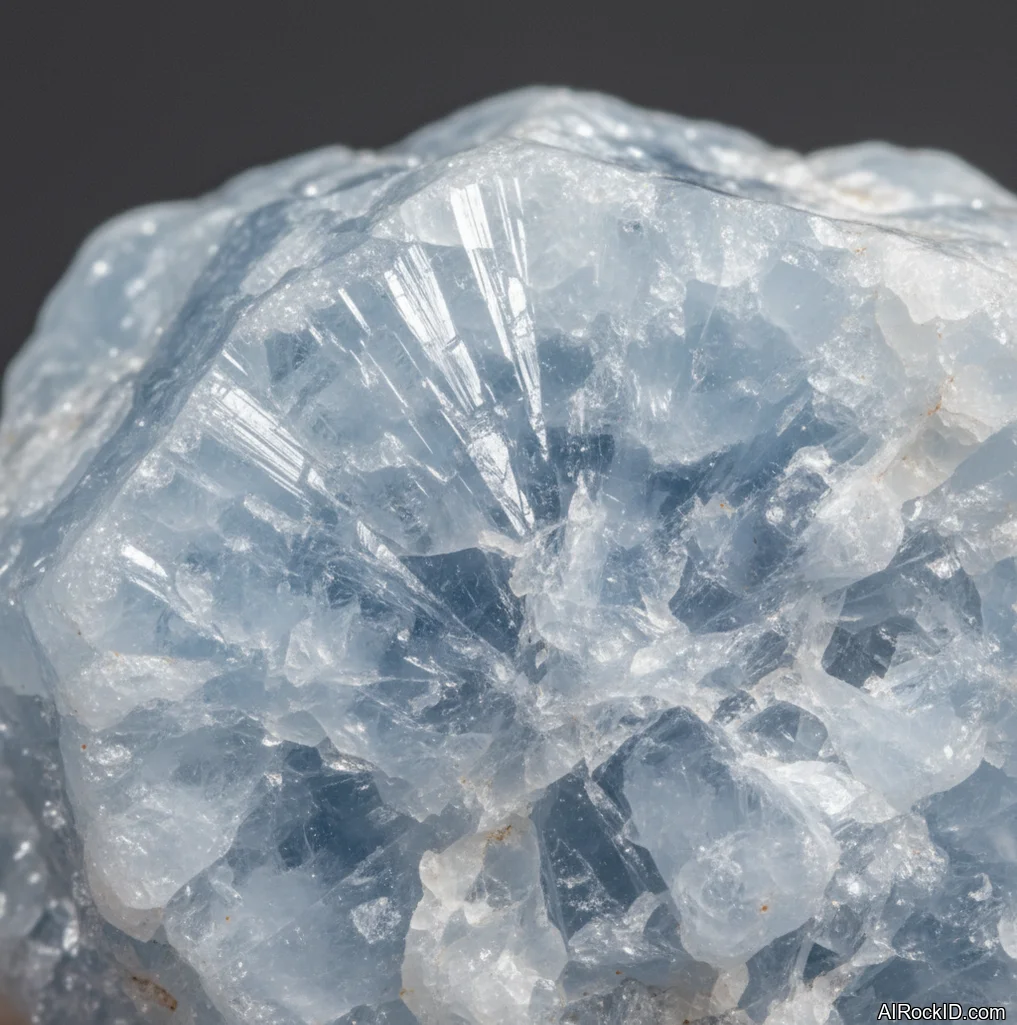
Angelite has that dry, matte, chalky feel in your palm, like a stub of sidewalk chalk, and just holding it can make your shoulders unclench a little. I reach for it when I’m working on forgiveness, especially the kind where you want compassion without reopening the door, like forgiving someone you can’t safely talk to. Thing is, it’s basically anhydrite, and it really doesn’t like water. I’ve watched a piece turn rough and weirdly spotty after someone “cleansed” it in a bowl overnight (you could feel the surface go sandy under your thumb). It’s a gentle stone. But if you’re tough on your pockets, it’s not the rugged daily-carry pick.
How to use: Keep it on a desk or nightstand and touch it during boundary-setting journaling. Clean it dry: a soft cloth, or a quick smoke pass if that’s your thing, then put it back.
Aquamarine

Aquamarine

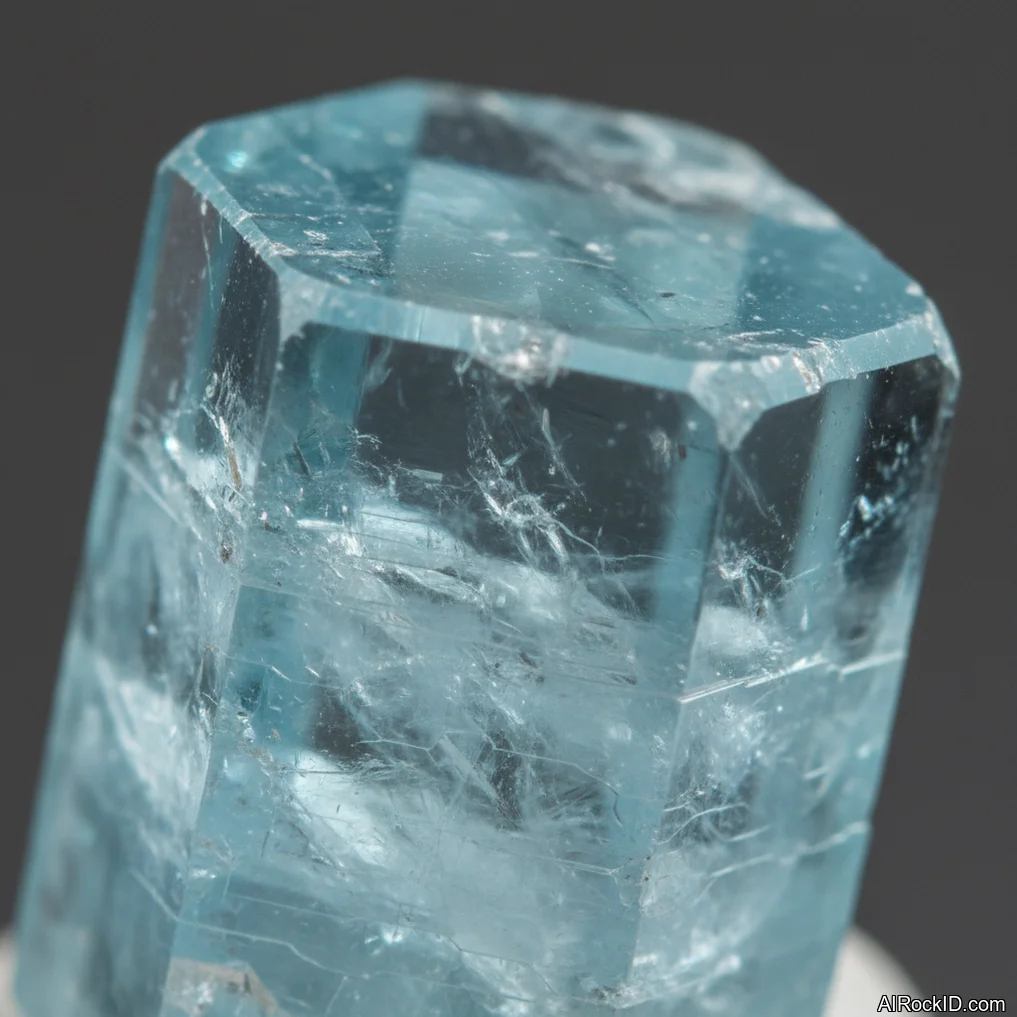
Raw aquamarine out of pegmatites can honestly pass for a pale blue glass shard. Pick up the real stuff and it hangs onto that cool, chilly feel in your palm a beat longer than most dyed lookalikes. I reach for it when I’m after forgiveness with some actual clarity, especially if I’m trying to separate the facts from the story I’ve been feeding myself. And next to amazonite, aquamarine feels less “say it” and more “see it.” That shift matters when you’re figuring out what you’re willing to repair. Thing is, most tumbled aquamarine runs pretty light, almost washed out, so don’t expect that deep ocean blue unless you’re paying for higher grade.
How to use: Hold it when you write a timeline of what happened, sticking to observable facts. For conversations, place it near your water bottle as a reminder to slow your pace and speak in shorter sentences.
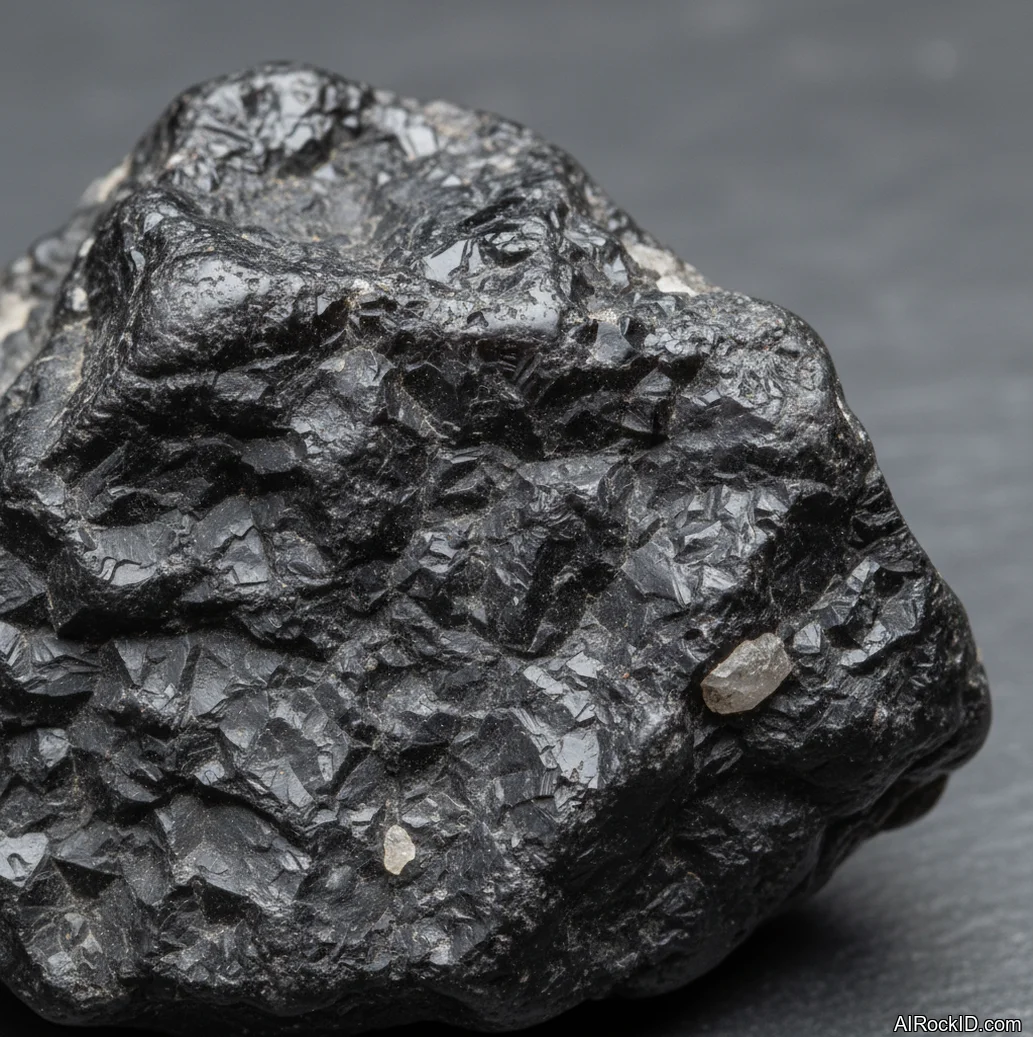
Apache Tears

Apache Tears

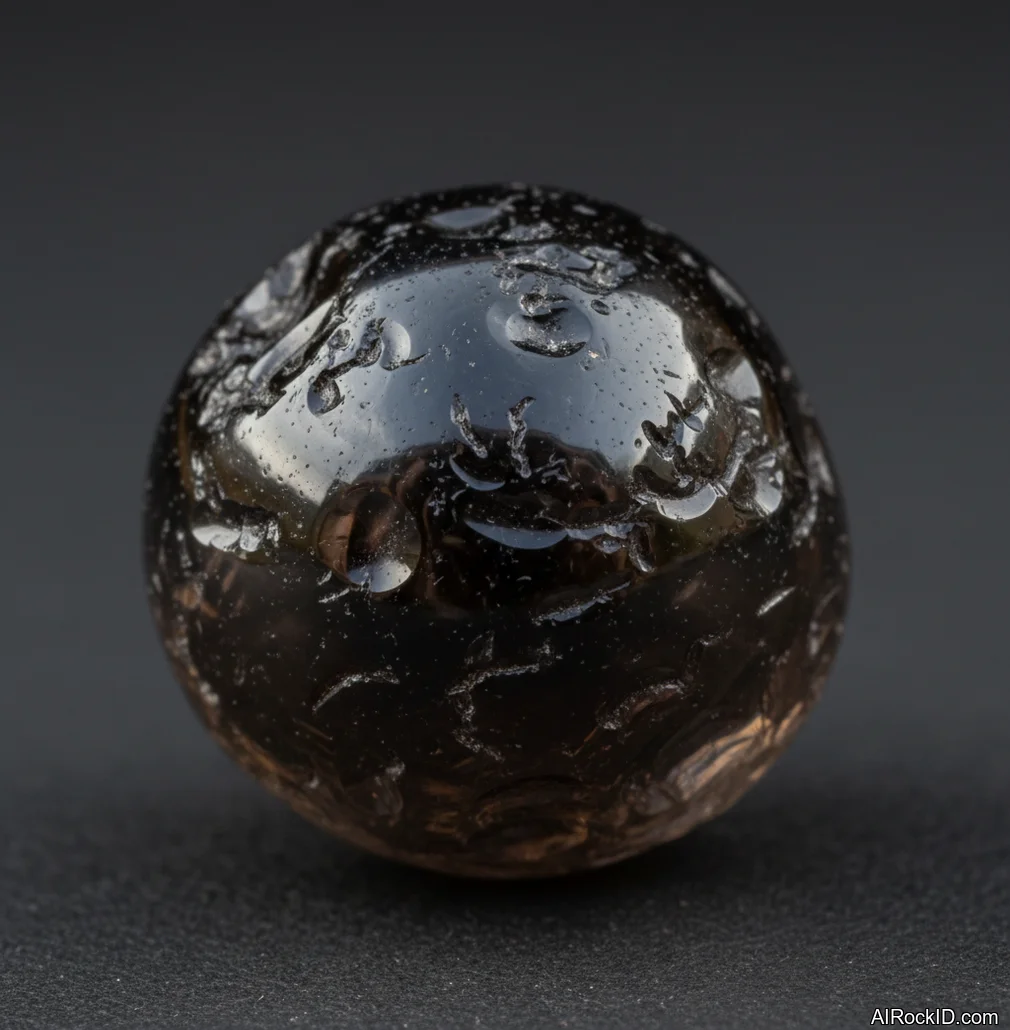
Apache tears are obsidian, but they don’t have that razor-sharp vibe a glossy black obsidian palm stone can have, mostly because these are rounded and a little matte (almost chalky-looking on the surface). They’re small. Pocket-friendly. And when you clamp down on one in your fist, there’s this grounded, heavy “I’m here” feeling, even though the stone itself isn’t big. I reach for them when forgiveness comes with real grief, because they let the sadness move through without flipping into drama. Look closely, too. Under a bright light, the thin edges often go a little brown and translucent, and that’s a good reality check that you’re not just holding a piece of glass.
How to use: Carry one for a week and use it as your “pause button” when you feel the resentment spike. After a tough day, set it on a tissue box or journal so it’s part of the routine, not a random object.
Black Moonstone

Black Moonstone

Tilt black moonstone under a lamp and you’ll sometimes see that soft flash flicker in and out, like it can’t decide if it wants to show up. Feels about right for forgiveness, honestly, since that tends to roll in and out in waves. I reach for it when my emotions are on a loop and I can’t tell if I’m actually through something or just numb for the afternoon. Compared to brighter moonstone, the darker stuff feels more protective and less floaty, which helps if “heart” stones usually leave you overwhelmed. But it can mess with your dreams too. I’ve had nights where it made everything feel louder, so don’t assume bedtime is always the move.
How to use: Use it during a check-in ritual: name what you feel, then name what you need, with the stone in your palm. If your sleep gets weird, move it out of the bedroom and use it earlier in the day.
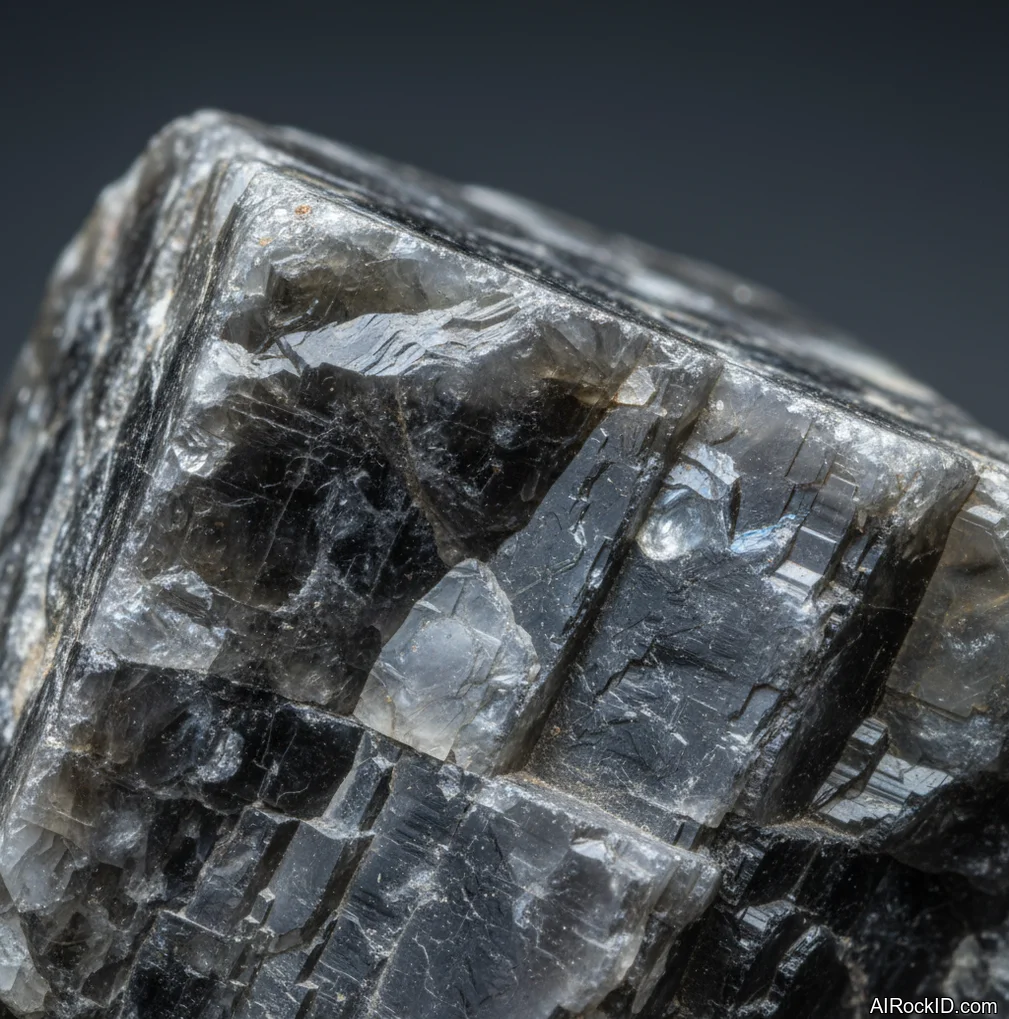
Black Jade

Black Jade

Black jade has this dense, slick feel in your hand, almost like a river stone that’s been polished for years, and you catch yourself rubbing your thumb over it without thinking. And honestly, that’s exactly the kind of thing you want when your body’s locked in a threat response and you need something steady to come back to. It’s my go-to for forgiveness when you’re trying to rebuild self-respect, and stop chasing closure from someone who just won’t give it. But fair warning: jade-like stuff gets confusing fast. Sellers throw labels around, and a lot of “black jade” in those cheap bulk lots is actually something else, so buy from a dealer who can tell you what it really is. When it’s the real deal, it holds up. It wears well, and it doesn’t chip as easily as those glassy black stones.
How to use: Carry it on days you might run into the person, or when you’re tempted to send that extra message. Pair it with a boundary statement you repeat out loud once, then stop.
Auralite-23

Auralite-23

Auralite-23 is, at the end of the day, amethyst-based stuff that gets sold with some pretty huge claims. I’m keeping it real here: a few pieces I’ve held feel like amethyst with a bit of extra grit to them, and a few others just feel like regular amethyst with a nicer name stuck on the tag. But I will say this. I’ve handled a couple that had this smoky, red, and purple mix, and the moment you turn them in your fingers it hits like “clear the air.” That kind of vibe can help when forgiveness needs a reset, not yet another analysis session. You know what I mean? Thing is, the surface often isn’t perfectly smooth. You’ll feel tiny texture shifts and little inclusions, and they catch the light differently as you rotate the piece, like one spot flashes and the next goes dull (then pops again). That makes it a solid tactile anchor. Downside? Price and all the marketing noise. So don’t buy it thinking it’s some shortcut.
How to use: Use it as a scheduled tool, not a constant carry: 10 minutes with it, then done. Place it near your journal and write one page on what you can control, then stop writing when the page ends.

Forgiveness vs reconciliation: pick the right target

Lots of folks reach for a “forgiveness stone” when what they’re actually craving is reconciliation. Different jobs. Forgiveness is inside your own chest. Reconciliation takes two people showing up differently, on purpose, again and again, for a while.

So I like amazonite or aquamarine for this, because they don’t let you squirm out of the truth. I’ll literally grab a sheet of paper and make two columns: “What I’m releasing” and “What I require for contact.” Then I set one stone on the left side and the other on the right. And yes, I mean actually place them there, with that little clink when they hit the table. The space between them matters more than you’d think, because when you’re upset your brain smears everything together like a wet thumb on ink.

Here’s the real-world check: if that person never apologized, never changed, never understood, could you still loosen your grip on the resentment for your own health? If you can, you’re doing forgiveness work. If you can’t, you might be trying to bargain your way into feeling safe, and that’s not a crystal issue. That’s boundaries and a support system. Period.

When anger is protecting you, don’t “love and light” it away

Anger gets dragged a lot in spiritual spaces. But honestly, half the time it’s just your nervous system trying to keep you from getting hurt again. If you jump straight into heart-softening work, you can end up gaslighting yourself. I’ve watched people do it. They get calm for a day. Then they crash.

Compared to those sugary pink stones, black jade and apache tears give you a steadier base. They feel heavier in your hand, like that cool, dense lump you actually notice when your palm’s sweaty, and that weight helps when you’re shaking or clenched. I’ll sit with one jammed in my fist and let myself name the anger out loud in plain language, not poetry. And then I can decide what the anger is asking for: distance, a conversation, an apology, or just time.

Once the protective message is heard, forgiveness work actually sticks. You’re not skipping steps. So you’re finishing them.

Guilt and self-forgiveness: the part nobody wants to admit

Forgiving other people is hard. Forgiving yourself can be even worse, because you know exactly what you were thinking at the time and none of your excuses land when you say them out loud. And if you’ve ever actually held a piece of angelite, you know the feel I mean, that soft, almost chalky, powdery calm (like a smooth river stone that somehow got dusted with flour). It makes it a little easier to talk to yourself without turning the whole thing into a courtroom.

I do a simple drill with amethyst. One hand on the stone, one hand on my chest, and I say the sentence I’d really rather not say: “I messed up.” Then I follow it with the second sentence that makes it worth doing: “Here’s what I’m doing differently.” That second part is the switch. It turns self-forgiveness into something real, not just a passing mood.

But if your guilt is tied to harm you caused, crystals don’t replace accountability. They can help you stay present while you make repair, which is a very different thing.

Grief inside forgiveness: letting the sadness move

Sometimes you’re not even trying to forgive a person. You’re trying to forgive what happened. The breakup happened. The friend changed. The parent never became safe. That’s grief. And it doesn’t feel like anger. It’s got a different texture, like a heavy knit sweater you can’t take off, pressing on your chest and making your throat feel tight.

Amber and apache tears are the two I reach for when grief is sitting in my throat and down in my stomach like a stone. Amber warms up fast against your skin (way quicker than you’d expect) and it gives off this weirdly comforting small sun feeling, like holding a tiny bit of heat in your palm. Apache tears, though, have that quiet, grounded weight, almost like they’re keeping you from floating away when your mind starts spinning. I’ll slip one into a pocket and go for a walk with no music. No podcast. Just footsteps, the scratch of fabric when you move, and your own breath.

The point isn’t to feel better in five minutes. So don’t rush it. It’s to let the sadness move through you without turning it into a life sentence. Grief that moves turns into memory. Grief that gets blocked turns into bitterness. Simple as that, really. Why make it harder than it already is?

How to Use These Crystals for Forgiveness

Start easy. Pick one stone that helps you calm down and one that helps you see straight. For me, that’s usually amethyst when my brain won’t quit circling the same thought, and aquamarine when I need the “okay, but what actually happened?” version. The real test is if you’ll reach for them day after day, so don’t go buying a pile of stuff, and don’t build some crystal grid you’ll ditch in 48 hours.

So try this forgiveness sit-down. Twelve minutes, done.

Minutes 1 to 4: grab something grounding, like black jade or apache tears. Hold it in your hand and just name what you feel. No story. No explanations. Just “angry,” “sad,” “tight in my chest,” whatever it is.

Minutes 5 to 8: switch to aquamarine or amazonite and write three factual sentences about what happened. Keep it plain. No adjectives. It should read almost boring on purpose.

Minutes 9 to 12: hold amber or angelite and pick one small release for today. Something like, “I’m not rereading the texts tonight.” Then actually do it (that’s the part that counts).

For relationship repair, treat the stone like a behavior cue, not a magic fix. I’ll set amazonite by my mug so I remember to slow down when I talk, or park amethyst near my laptop so I don’t fire off the third follow-up message. Want to cleanse them? Keep it practical. Wipe them down with a cloth, do a quick bit of smoke, or use sound. Don’t soak softer materials like angelite. And keep amber away from heat. It doesn’t like it.

Common Mistakes to Avoid

The biggest trap? Using “forgiveness” as a way to dodge boundaries. If someone’s still unsafe, a crystal isn’t going to magically make that relationship workable, and “I’m forgiving them” can turn into a little permission slip to walk right back into the same mess. Black jade can help because it sits nicely alongside self-respect, but you still have to pick distance when distance is what’s needed. No way around that.

Another one I see a lot is people buying a dozen stones and then… nothing. They end up in a bowl on a dresser, collecting lint and dust (you know the kind that sticks in the tiny pits and never fully wipes off). Thing is, forgiveness work is repetitive. You’re better off with one pocket stone you actually touch every day than a shelf full of pricey specimens you only look at once in a while.

And last, keep an eye out for market junk. Aura-coated quartz and dyed material get sold like they’re emotional cure-alls, and in your hand they often feel strangely warm or kind of plasticky. If the color looks too perfectly uniform and the price is weirdly low, assume it’s been treated until proven otherwise. Why gamble on it?

Important: Crystals won’t make someone apologize. They won’t force the truth out of anybody, and they’re not going to magically make a person treat you better. They also can’t do your trauma processing for you, and they don’t replace therapy, medication, or crisis support when that’s what you need. But they can help you steady yourself enough to choose a better next step, hold a boundary, or get through a brutal conversation without going floaty and checking out. That part’s real. Thing is, it’s still you doing the work.

Identify Any Crystal Instantly

Snap a photo and get properties, value, care instructions, and healing meanings in seconds.

Frequently Asked Questions

What is the best crystal for forgiveness and letting go?
Amethyst is associated with calming rumination and easing repetitive thought patterns. Apache tears are associated with grounded emotional release.
Which crystal is best for forgiving someone who hurt you deeply?
Black jade is associated with protection and self-respect during boundary decisions. Angelite is associated with gentle compassion when contact is not possible or not safe.
What crystal helps with self-forgiveness and guilt?
Angelite is associated with softening self-talk and easing harsh inner dialogue. Amethyst is associated with mental clarity and reducing obsessive replay.
Can crystals help with forgiveness after a breakup?
Crystals can support emotional regulation and reduce stress during grief processing. They do not change another person’s behavior or guarantee reconciliation.
What crystal supports honest communication during forgiveness talks?
Amazonite is associated with truthful, calm expression. Aquamarine is associated with clear thinking and measured speech.
How do I use a crystal for forgiveness meditation?
Hold the stone in one hand and return attention to its temperature and weight when attention drifts. Use a timed session of 5 to 15 minutes for consistency.
How long does it take for crystals to work for forgiveness?
There is no fixed timeframe, and effects are subjective and practice-dependent. Most people evaluate usefulness by consistent emotional regulation over days to weeks.
Do I need to cleanse crystals used for forgiveness work?
Cleansing is optional and usually done for personal ritual reasons. Dry cloth cleaning is safe for most stones, while water soaking can damage softer materials like angelite.
What should I avoid when buying forgiveness crystals?
Avoid stones with suspiciously uniform color or unclear labeling, as they may be dyed or misrepresented. Avoid paying premium prices for marketing claims that are not mineralogical descriptions.
Can I combine multiple crystals for forgiveness?
Yes, combining one grounding stone and one clarity or heart-support stone is common. Using too many at once can make practice inconsistent and harder to repeat.
The information provided is for educational and spiritual exploration purposes. Crystals are not a substitute for professional medical, psychological, or financial advice.