zodiac

Best Crystals for Gemini
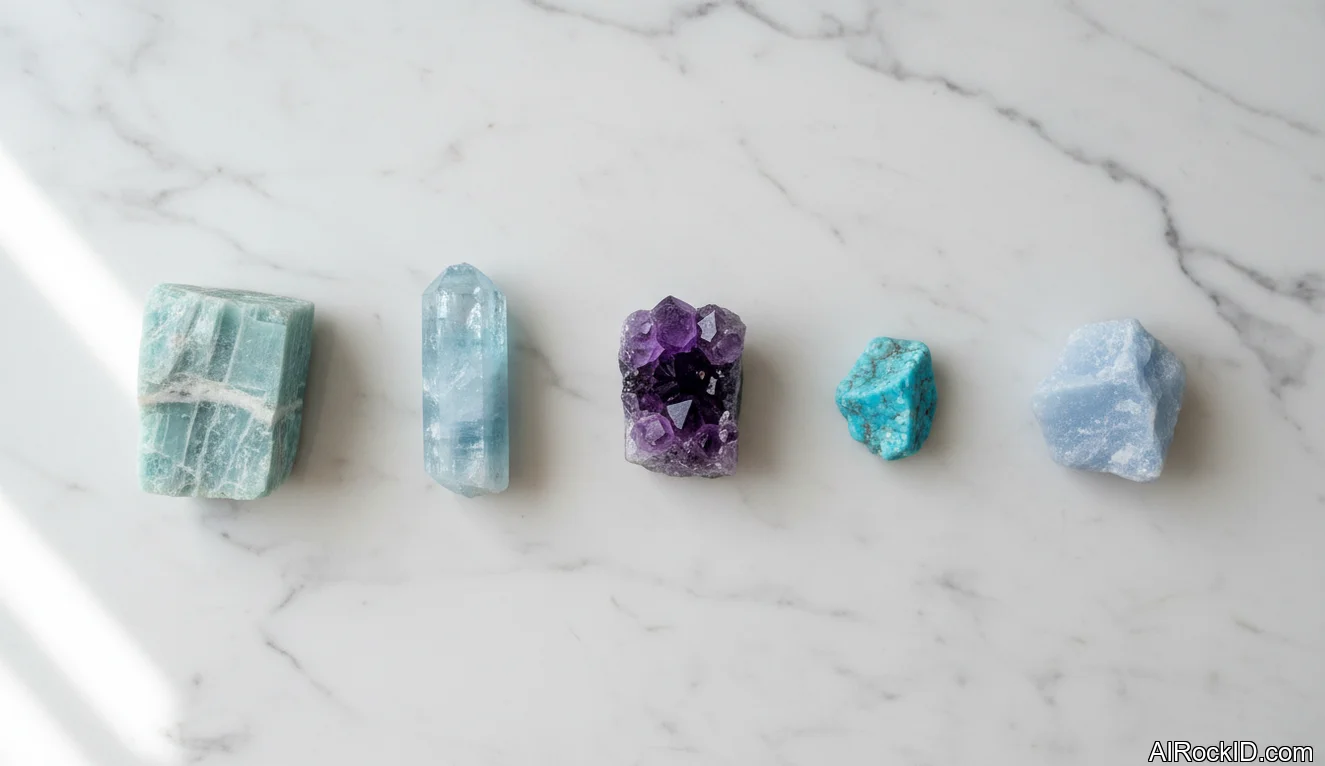
Assorted blue, purple, and golden tumbled crystals and a raw point arranged beside a Gemini zodiac card

For Gemini, I grab crystals that calm down the mental ping-pong, keep your words clean, and help you actually land the plane on whatever you started, without snuffing out your spark.

Gemini energy moves fast. It’s curious, chatty, and you can feel the temperature of a room change when a Gemini walks in. Ideas ricochet. Conversations split into side quests. And yeah, it’s fun. But it can slide into scattered focus, doom-scrolling, talking past people, or lying there at 1:30 a.m. because your brain is busy writing tomorrow’s plan for the third time. I’ve watched plenty of people try to “calm” Gemini with heavy, sleepy stones, then they’re confused when they end up feeling flat and kind of unmotivated. Like, of course you do.

So I choose pieces that feel light in the hand and sharp in intention. You’ll notice a lot of airy blues and purples for voice and mental clarity, plus a couple of warmer stones for confidence and follow-through. Quick field note: most of these really show themselves when you handle them. Pick up amazonite and you’ll feel that cool, slick polish, and you can’t miss how those white streaks cut through the green like little rivers. Hold amber and it feels weirdly warm compared to quartz. Those little physical tells matter (they’re not just trivia), because Gemini is sensory and responsive, not a “set it and forget it” kind of sign.

Recommended Crystals
Amazonite
Amazonite

Grab a nice piece of amazonite and the first thing you notice is how cool it feels, even after it’s been sitting in your hand for a minute. It’s got this slightly waxy slickness too, like worn river stone, so you kind of keep rubbing your thumb over it while you’re talking (almost without realizing). I like it for Gemini. Why? Because it pushes communication toward honest and direct, not clever and sideways. And the really good pieces, the ones you end up turning under a lamp, have those pale grid lines and the white streaking running through them. Those little “interruptions” in the color line up with what it does for you: it helps you pause mid-sentence, slow down, and pick better words instead of racing ahead. Thing is, if you’re someone who overexplains, amazonite has a way of nudging you back to simple statements. Clean. Plain. Done.
How to use: Keep a palm stone near your keyboard and hold it during calls where you tend to talk fast. If you wear it, a small pendant sits right where you feel your voice tighten. Rinse it briefly after heavy conversations, then dry it well so it doesn’t sit damp in a pouch.
Aquamarine

Aquamarine

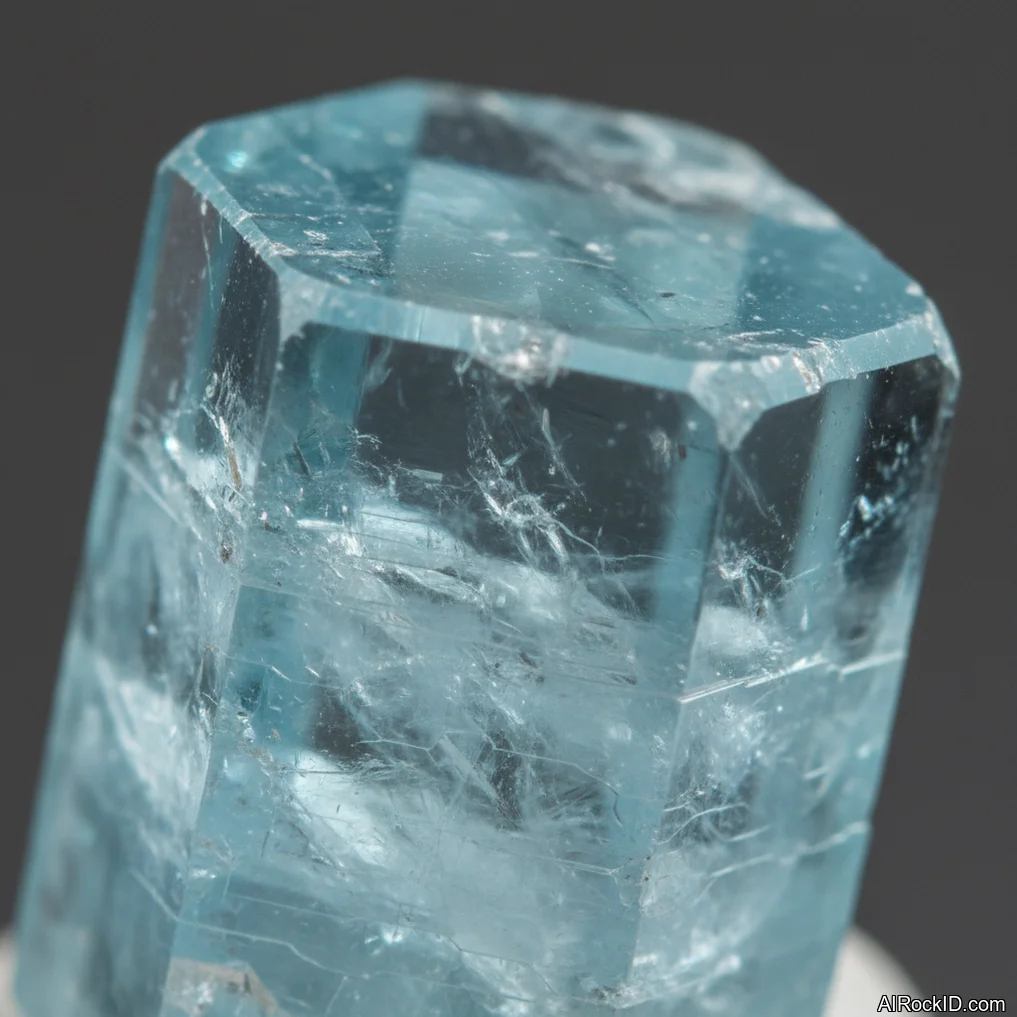
At first, it honestly reads like “just a pale blue.” But tilt a clean aquamarine under a lamp and there’s this glassy depth to it, the kind that makes you pause like you just took a deep breath. For Gemini, it’s a calmer, steadier clarity, not that buzzy “I’ve got ten ideas at once” version. I’ve leaned on it most when someone’s stuck between two choices and keeps flipping back and forth every hour. Real aquamarine stays cool in your hand and has that crisp, watery look to the color, but the cheap dyed stuff usually comes off way too uniform and, weirdly, can feel a little warm.
How to use: Use it before a hard conversation: hold it at your throat for a minute, then speak. Put a small tumbled piece in a pocket on days you’re presenting or negotiating. Don’t leave it baking in a sunny car; some pale material can wash out over time.
Amethyst

Amethyst

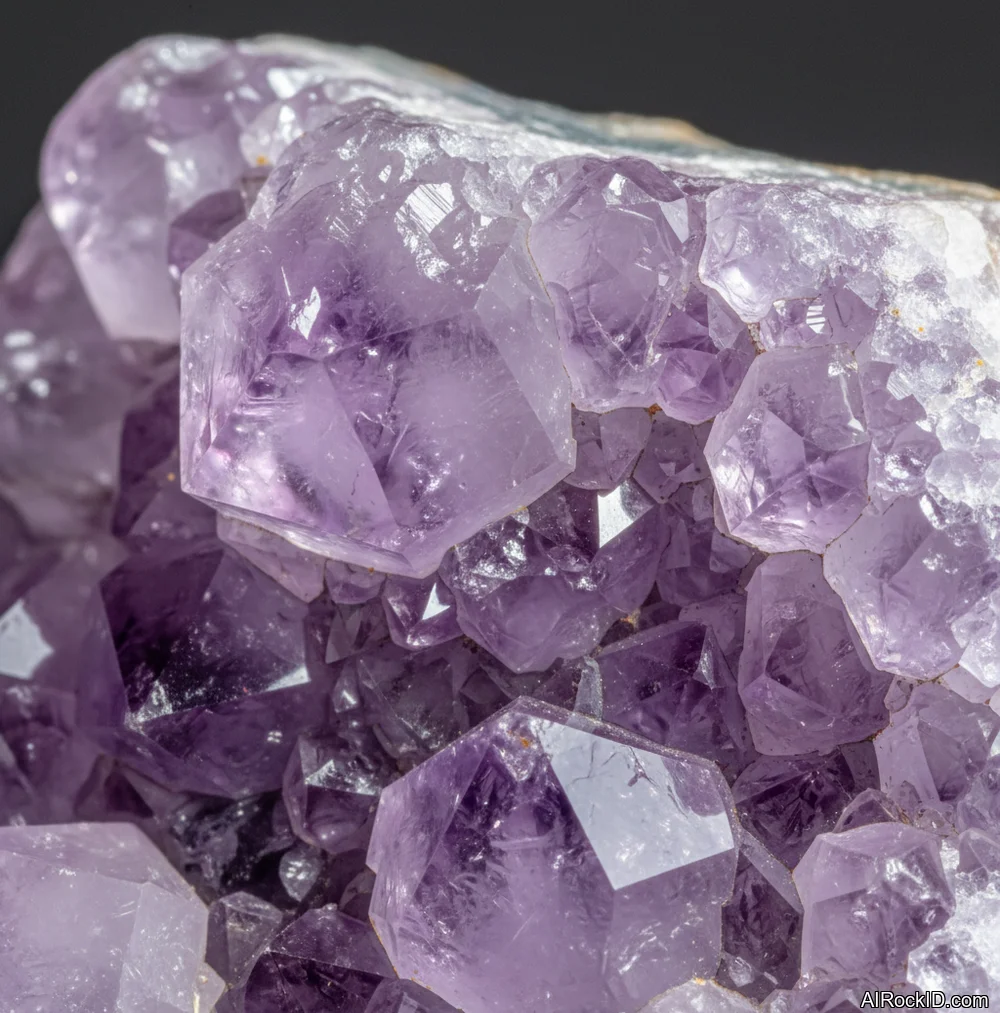
Most crystal shops have those barrels of pale, light-purple amethyst sitting out front, but the darker material from Uruguay feels different in your hand. Heavier. Quieter. Like it doesn’t buzz at you the way some of the lighter stuff can. Gemini tends to do well with that kind of quiet, because it takes all the mental chatter and turns it into something you can actually line up and sort. I reach for it when the issue isn’t “I can’t think of anything,” it’s “I’ve got thirty open tabs in my brain and they’re all playing sound.” And if you really stare at it under decent light, you’ll usually catch color zoning in little chevron bands. That built-in patterning has the same vibe as what it does mentally: less endless brainstorming, more “okay, here’s the plan.”
How to use: Put a chunk on the nightstand if your brain keeps rehearsing conversations at 1 a.m. If you meditate, rest it on your forehead for short sessions, five minutes is plenty. Avoid leaving it on a bright windowsill long-term because some pieces fade.
Apatite

Apatite

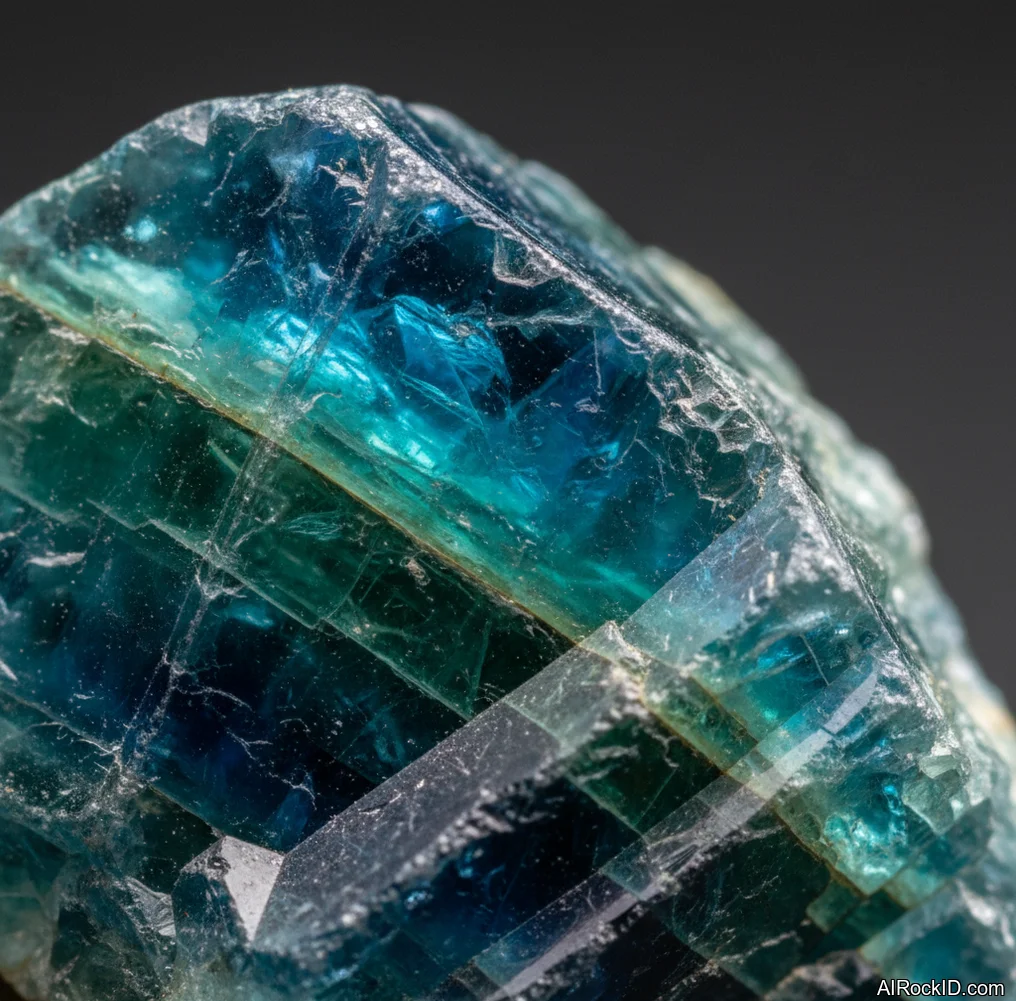
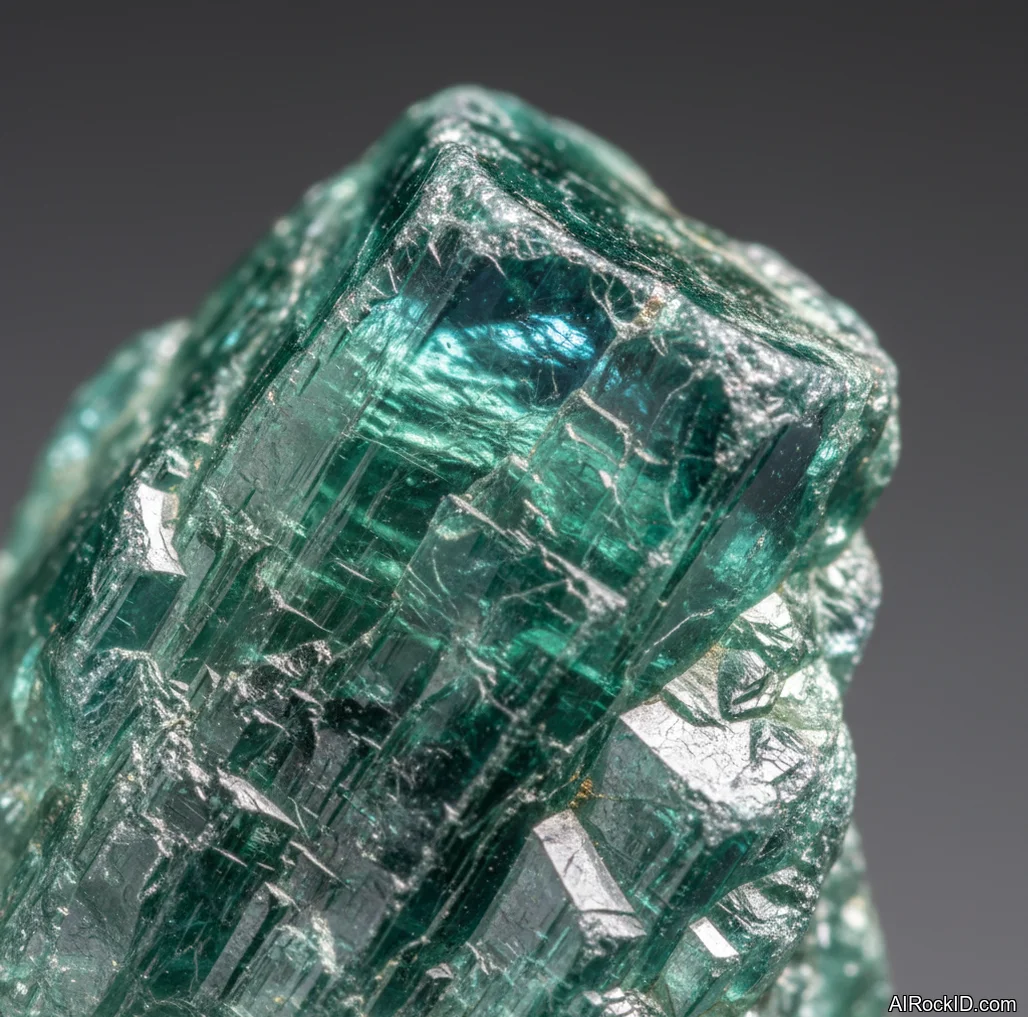
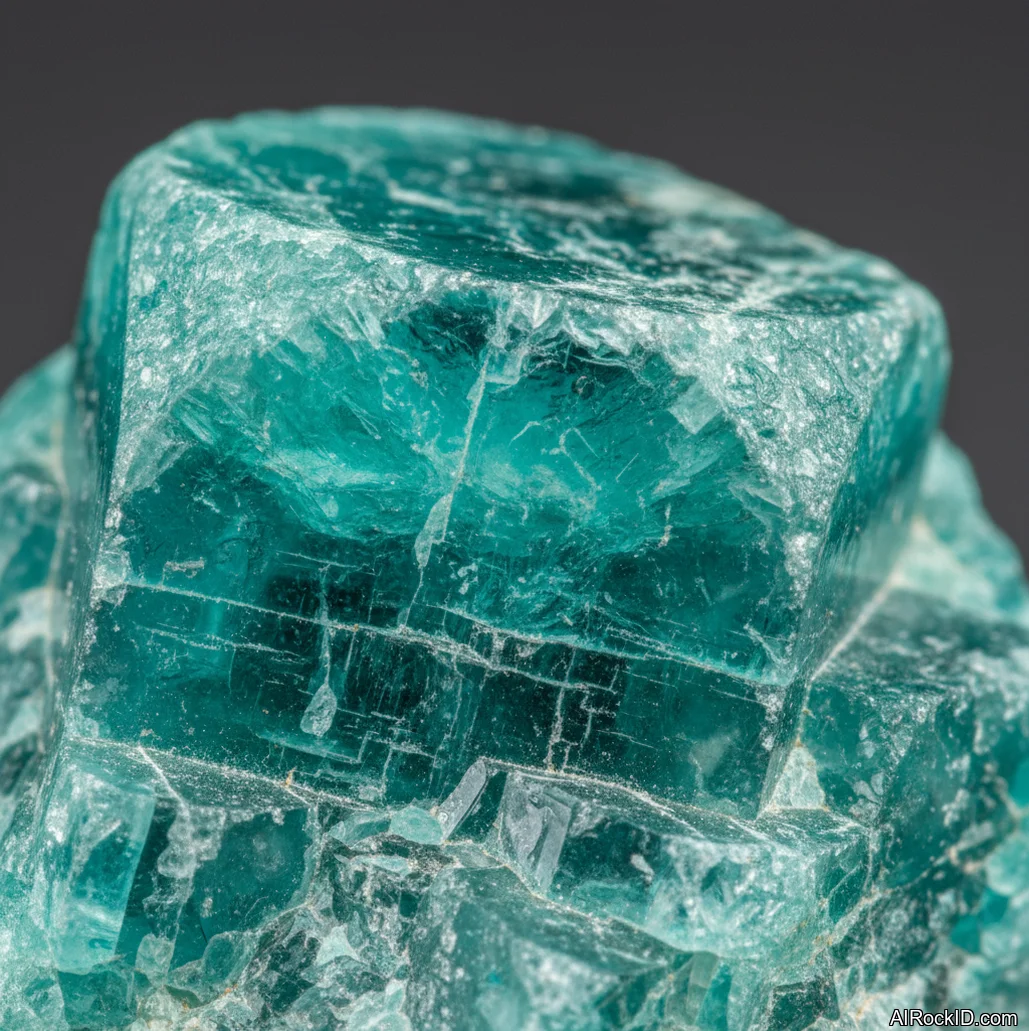
Apatite shows up in this bright, almost electric blue-green, and seeing it in real life can feel like somebody flipped a switch in your brain. And for Gemini, it’s great when you need focus but don’t want that dead, boring kind of focus, like studying, writing, or picking up a new skill fast. But here’s the catch: it’s softer than a lot of people expect. So if you drop it in a pocket with your keys, it’ll pick up scratches and little chips way faster than you’d think. I’ve handled rough pieces where the cleavage throws this quick flash under overhead lights (like the kind in a workshop or kitchen), then it vanishes the second you tilt it, and that blink-and-it’s-gone effect fits Gemini’s quick mental jumps.
How to use: Use a tumbled piece as a desk stone during study sprints, then put it back in a soft pouch. If you wear it, choose a protected setting, not a dangling raw chunk. Clean it gently with a damp cloth rather than aggressive scrubbing.
Angelite

Angelite

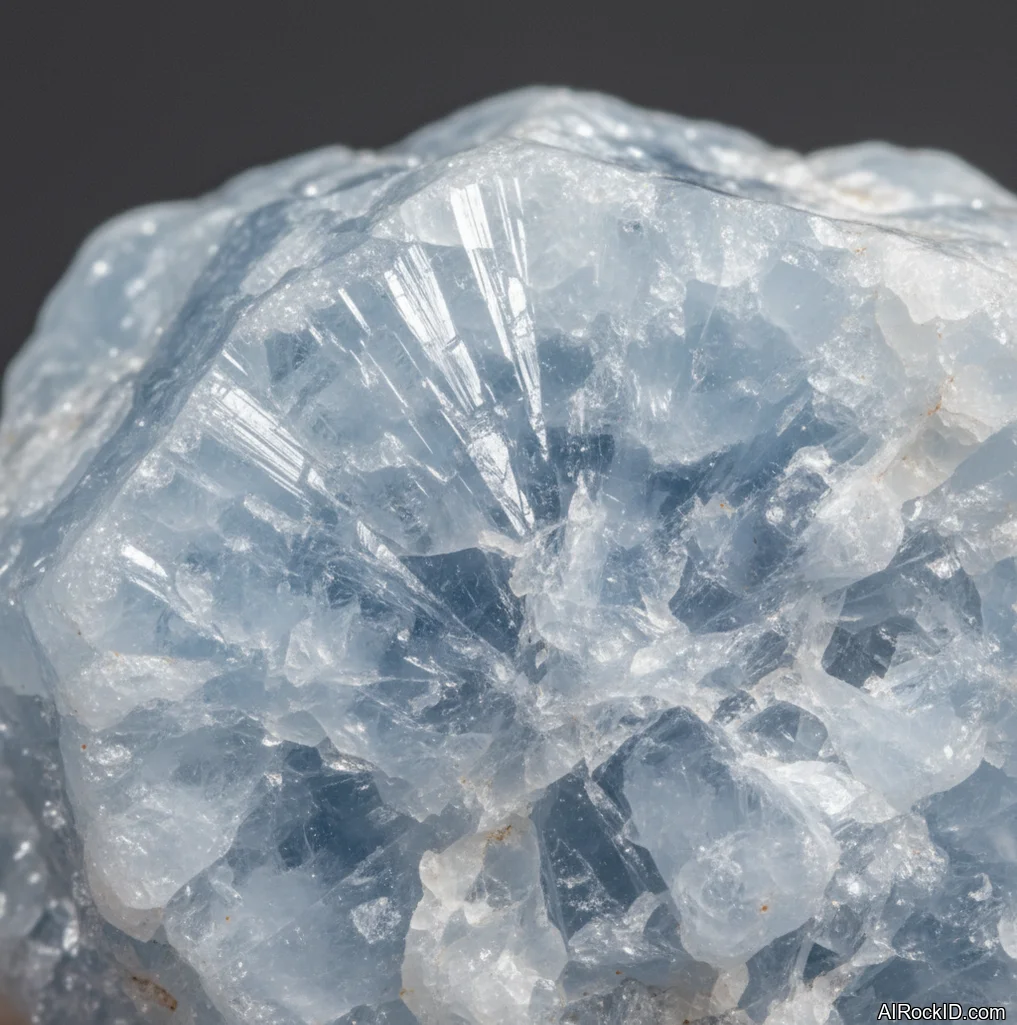
Angelite has this chalky-satin feel, almost like a smooth piece of sidewalk chalk that’s been buffed a bit, and you can tell fast it’s not a hardwearing stone. For Gemini, I’m into it because it takes the edge off that split-second urge to fire back, especially over text where tone can get weird. And the blue is gentle. Calm, not drowsy, which is a tricky line for this sign. But yeah, it scuffs and marks if you so much as look at it wrong, so it kind of forces you to slow down and handle it with care (annoying, but useful). That lesson alone? Worth it.
How to use: Keep it at home or on a desk, not in a pocket with coins. Hold it for a minute before you send a message you might regret. If you need to clean it, keep water brief and dry it right away.
Amber

Amber

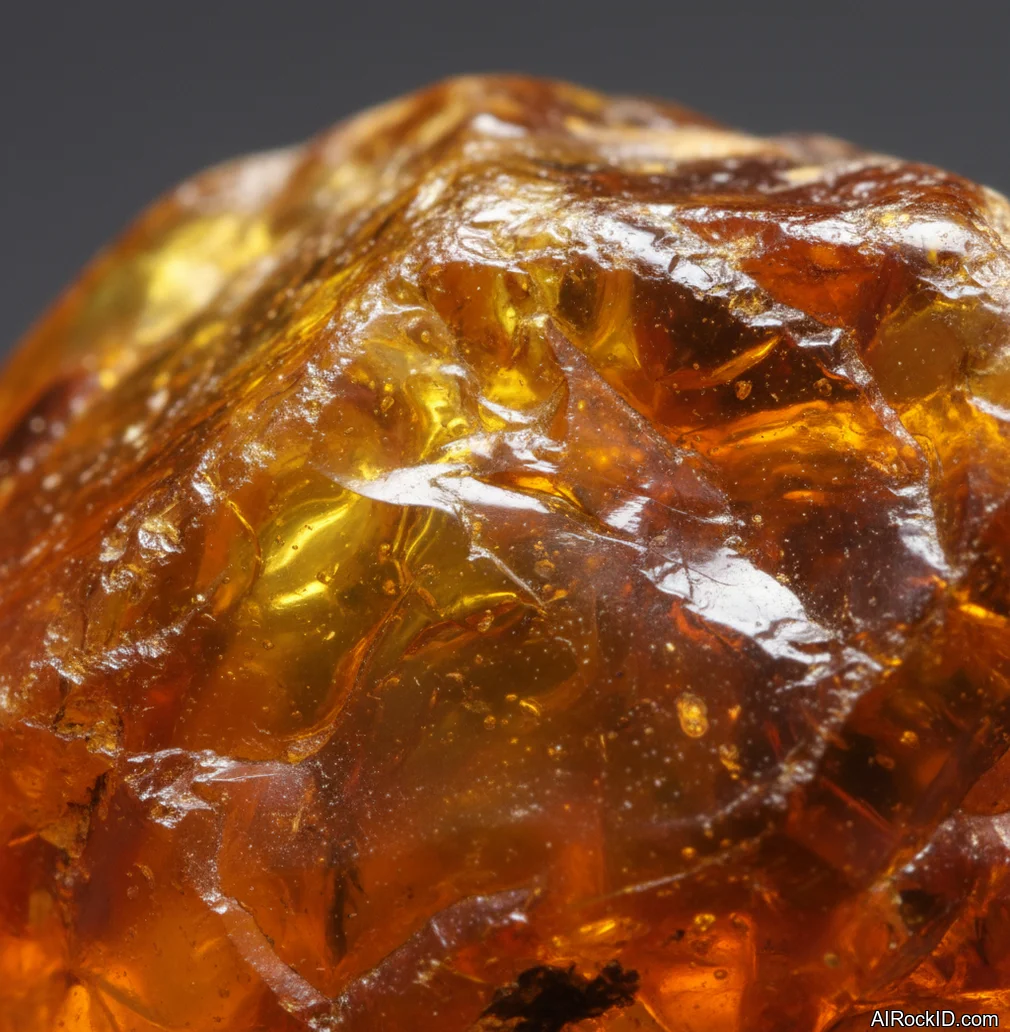
Amber’s the weird one here, because it isn’t a mineral at all. And you notice it the moment it hits your palm: it feels lighter than you think it should, and it can even come off kind of warm, like it’s been sitting in the sun (even when it hasn’t). Gemini can run mentally cold, all logic and speed, and amber adds this friendly, human warmth that helps conversations actually land. Thing is, you can tell the fakes sometimes. I’ve handled cheap versions that reek like plastic if you rub them hard, while real amber can give off a faint resin smell instead. So if your energy’s scattered and you want to feel in your body without getting dragged down, it works really well.
How to use: Wear it as a necklace when you want a warmer presence in meetings or social events. For a quick reset, rub it between your fingers for 30 seconds and pay attention to the heat. Keep it away from perfume, hairspray, and harsh cleaners since it can cloud.
Ametrine

Ametrine

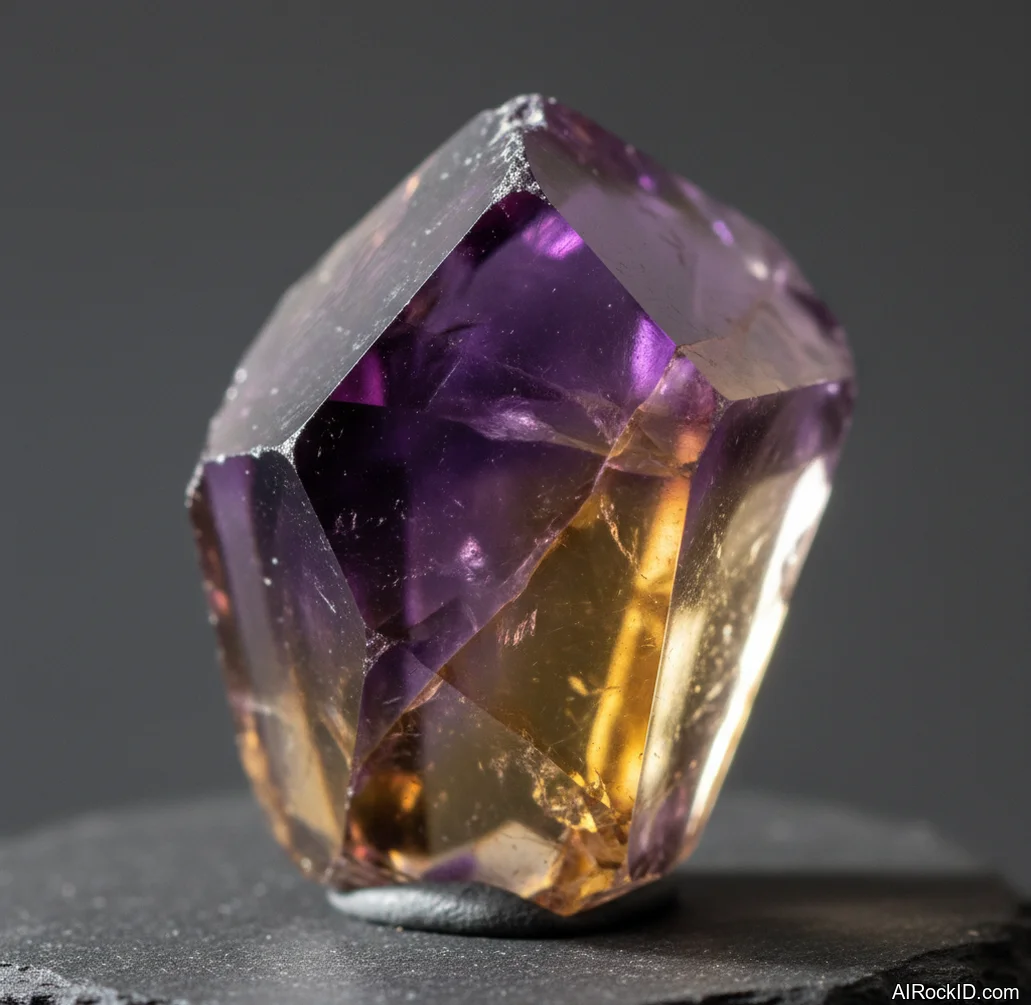
Ametrine is basically two moods stuck in one stone: purple amethyst fading right into golden citrine. And that split personality fits Gemini’s “running two tracks at once” vibe almost too well. Rotate a well-cut piece between your fingers and the seam where the colors meet actually slides around a bit. Under a lamp it can look one way, then you tilt it and the balance flips (kind of wild the first time you notice). It’s a simple, physical nudge to pick a lane. Or at least try. I reach for it for decision-making because it doesn’t only calm you down, it also keeps your confidence online. But watch the market. Some stones are heat-treated, and some have those muddy color splits that just go flat in daylight, like the whole thing got washed out.
How to use: Use it when you’re choosing between options: hold it, name option A on the purple side and option B on the golden side, then notice where your attention keeps returning. Keep it on your desk during planning so you don’t drift into endless ideation. If you carry it, wrap it because sharp edges on points can chip.
Black banded onyx

Black banded onyx

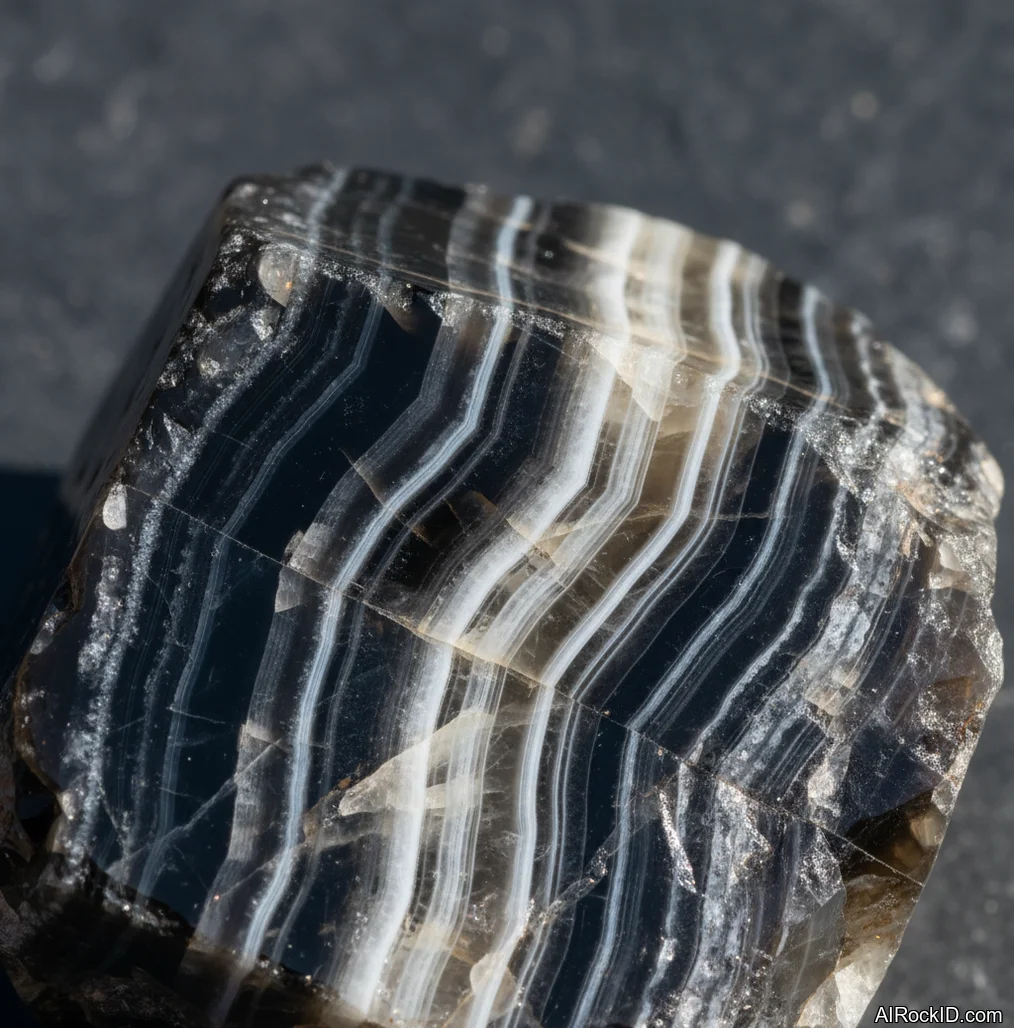
Compared to light, airy blue stones, black banded onyx feels like putting a paperweight right on top of your thoughts. It’s smooth. It’s also surprisingly heavy for its size, the kind of weight you notice the second it drops into your palm. And those gray-white bands? They act like a built-in line on a page, so it’s easier to think in steps instead of bouncing all over the place. Gemini folks who start ten projects at once need something that quietly says, finish one thing. Thing is, the best pieces I’ve handled have tight, clean banding you can actually see when you tilt it under a lamp. But the sloppy dye jobs look too black and too uniform, and they’ve got this faintly sticky feel once your fingers warm them up (you know what I mean?).
How to use: Set it on the corner of your desk as a visual stop sign when you’re about to switch tasks again. Carry it on travel days when you’re overstimulated and bouncing between conversations. Wipe it down occasionally because polished onyx shows fingerprints fast.
Alexandrite

Alexandrite

Real alexandrite costs a lot. Most folks will only ever hold a tiny stone between two fingers, the kind that feels like a little slick pebble with sharp-ish facet edges if it’s cut well. But for Gemini, that color change is the whole point. In daylight it can look greenish. Then you walk into warm indoor light and it swings toward red or even purplish, and you can literally watch it flip while it’s sitting in your palm as you move from a window to a lamp. So it teaches adaptability, without acting like every situation is basically the same. That’s the lesson, right? If you’re buying, lab-grown alexandrite is common and can still be useful. But look, know what you’re paying for, because sellers don’t always label it clearly.
How to use: Use it as a “context check” stone: look at it under two different lights before making a decision you’re rushing. If you wear it, keep it simple, like a ring you’ll actually notice. Store it separately so harder stones don’t scratch the polish.

What Gemini actually needs from crystals (and what it doesn’t)

Quick minds don’t need to be powered down. They need a bit of direction.

When someone tells a Gemini to grab the heaviest “grounding” stone they can find, I get the logic. I really do. But it can backfire fast. You end up feeling flat, like somebody tossed a thick blanket over your curiosity and told you to sit still.

Go for lighter, clearer stones instead and you’ll feel the shift in how you actually use them day to day. Blues like aquamarine and amazonite help keep your voice steady without shutting you up. Purples like amethyst don’t erase your thoughts, they help you sort them (which is the whole point, right?). Then add one or two anchor pieces, like black banded onyx, so your day doesn’t turn into twelve open tabs and zero finished loops.

The real test is what you’re like after a week. Are you finishing emails? Are your conversations less reactive? Are you sleeping a little better because you’re not replaying every sentence you said? If it’s a no, swap the stones, or change how you’re using them. Gemini isn’t stubborn. But it does get bored easily, so whatever you pick has to be simple enough that you’ll actually stick with it.

Communication stones that don’t turn you into a people-pleaser

A lot of “throat” crystal talk gets syrupy fast. That’s not what we’re doing here. Gemini communication works when it’s clean, accurate, and timed right.

Amazonite is what I reach for when you keep sanding down your point until it turns into mush and nobody can tell what you meant. It’s got that cool, slick surface in your hand, almost like it’s been lightly polished with water, and it feels grounding without dragging you down. And it plays nicely with writing work or anything where you’ve got to speak plainly without overexplaining.

Aquamarine is the calmer cousin for the moments you can feel yourself speeding up. You know the ones. When you’re about to interrupt, talk over someone, or say yes just to keep the momentum going. I’ve literally watched people hold aquamarine during a hard phone call and their breathing slows down, shoulders drop, whole body softens a notch.

Angelite’s useful too. But it’s fragile, and that’s kind of the point. If your words come out before you’ve checked the impact, a delicate stone you have to handle gently is a pretty honest mirror. Keep it on a desk, not in a pocket (trust me, it’ll get dinged up), and let it be the tiny pause button before you hit send. Why rush?

Focus and follow-through for the sign that starts everything

Gemini isn’t short on motivation. It’s short on friction. When everything sounds interesting, nothing feels urgent, and you end up with a half-built routine plus five brand-new hobbies you swear you’ll stick with.

Apatite is great for learning because it has this mentally “bright” feel, like your brain can click onto a topic and stay there without wandering off. But it’s soft, so treat it like it is. I’ve watched someone wreck a perfectly nice apatite tumble in a single day just from tossing it in a pocket with their keys (you know that gritty clink you hear when you walk). On the other hand, black banded onyx is the opposite kind of vibe. Slow. Steady. Not trying to impress anybody. Set it somewhere you’ll actually notice it right before you hop to the next task again, and it turns into a simple nudge: finish the paragraph, close the loop, ship the thing.

Ametrine helps when you’re stuck between two directions and can’t decide which one to move on. The split color is a blunt little reminder that you can hold two ideas at once, sure, but you still have to pick the next action. It’s not magic. It’s just a prompt you can literally feel sitting in your hand. And sometimes that’s enough, right?

Choosing quality pieces without getting played

Most dealers are honest, sure, but the market’s still a mess, especially online. The snag with Gemini buyers is how fast you can fall for a good story, then feel that little gut-drop later when the stone shows up and looks nothing like it did on your screen.

If you can handle the piece in person, start with touch and temperature. Amber should feel light in the hand and it often feels warmer than quartz, and yeah, it’ll even grab a bit of static if you rub it on cloth (try a sleeve). Amazonite ought to have that natural variation, the streaks and cloudy bits, not that dead-flat mint-paint look. With aquamarine, keep an eye out for that overly saturated “blue” that’s actually glass or dyed material. And alexandrite? Just ask straight up if it’s lab-grown or natural, and request the lighting conditions for any color-change photos, because those photos can be shot under all kinds of bulbs.

Then, look hard at the polish and the edges. A good tumble has an even shine, no weird dips that catch your fingernail when you run it over the surface. Chips around the edges usually mean it’s been knocked around in bulk bins, which is totally fine for a pocket stone, but don’t pay premium prices for beat-up goods. If a listing feels vague, skip it. Gemini’s best skill is moving on quickly.

How to Use These Crystals for Gemini

Go small on the rotation. Seriously. Gemini does way better with three stones you actually end up holding than a big heap of twelve that sits there collecting dust. I usually point people to one stone for communication (amazonite or aquamarine), one that settles your head at night (amethyst), and one that keeps you anchored so you actually follow through (black banded onyx). And if you want a fourth, go amber for warmth, or apatite on heavy study days.

Treat them like tools and give each one a clear “when I use this” rule. Hold amazonite only for calls, meetings, or journaling, then put it right back when you’re done. That little boundary keeps it from turning into background clutter on your desk. Keep amethyst by the bed, within easy reach, and only pick it up when you’re trying to wind down. For onyx, park it where you start tasks, not where you relax, because your brain will start linking that stone with “finish this.” Simple cue. Works.

Clean them in a way that actually fits the material. A quick rinse and dry is fine for tougher stones, but angelite and amber need a gentler approach. I wipe amber with a soft cloth (the kind that doesn’t snag) and I keep it far away from chemicals. With apatite, I’m careful about scratches, so it lives in its own pouch. And no, the point isn’t doing ritual just to do ritual. It’s keeping your tools in good shape so you’ll keep reaching for them. Why make it harder than it needs to be?

Common Mistakes to Avoid

The biggest screw-up I keep seeing is people trying to “fix” Gemini by weighing it down. They’ll grab the darkest, heaviest rock they can find, haul it around for two days, and then act surprised when they feel foggy and totally unmotivated. Grounding is fine. But Gemini needs a light anchor, not something that hits like a sedative.

And then there’s the pocket-carry problem: folks buy soft, fragile stones and treat them like keys. Angelite and apatite get chewed up fast. I’ve literally watched someone pull an angelite out of a jeans pocket and it looked like it’d been sanded on concrete, all scuffed and dull around the edges. If you want something on you every day, pick tougher materials, or at least toss it in a pouch.

Last one. People chase rarity instead of results. Alexandrite is cool, sure, but it’s not required. If your real day-to-day issue is interrupting people or abandoning tasks, amazonite and onyx are going to do more for you than an expensive gemstone you’re scared to touch. Why spend money on something you won’t even use?

Important: Crystals won’t diagnose ADHD, anxiety, or sleep disorders. They also won’t replace therapy, medication, or basic habits like staying hydrated and keeping a consistent bedtime. And no, they can’t magically make someone communicate well if they refuse to listen or take responsibility. What they can do? They can work as a physical prompt. Something you can actually hold in your hand, feel the cool weight of, maybe notice the smooth edge rubbing against your thumb, and use as a nudge toward the version of yourself you’re trying to practice. So if you treat them like tools and actually track your behavior (even in a scrappy notes app), you’ll get more out of them.

Identify Any Crystal Instantly

Snap a photo and get properties, value, care instructions, and healing meanings in seconds.

Frequently Asked Questions

What are the best crystals for Gemini overall?
Commonly used crystals for Gemini include amazonite, aquamarine, amethyst, apatite, angelite, amber, ametrine, black banded onyx, and alexandrite.
Which Gemini crystal is best for communication?
Amazonite and aquamarine are associated with clear communication and calmer speech patterns.
Which crystal helps Gemini with overthinking?
Amethyst is associated with mental quiet and reducing rumination.
What crystal is best for Gemini focus and studying?
Apatite is associated with attention and learning-focused energy.
What crystal helps Gemini finish projects?
Black banded onyx is associated with grounding, structure, and follow-through.
Is amber a crystal and can Gemini use it?
Amber is fossilized tree resin rather than a mineral crystal, and it is commonly used as a warm, comforting talisman.
Can Gemini wear alexandrite daily?
Alexandrite can be worn daily in jewelry, but it is often expensive and should be protected from scratches and impacts.
Which Gemini crystals are fragile for pocket carry?
Angelite and apatite are relatively soft materials and can scratch or chip easily in a pocket.
How many crystals should a Gemini use at once?
Using 2 to 4 crystals at once is typically sufficient for practical daily routines.
Do crystals replace medical or mental health treatment?
Crystals do not replace medical, psychological, or psychiatric care and are not a treatment for diagnosed conditions.
The information provided is for educational and spiritual exploration purposes. Crystals are not a substitute for professional medical, psychological, or financial advice.