chakra

Best Crystals for Heart Chakra
Hand holding a mix of pink and green tumbled stones and a pale blue amazonite on a wooden table

The best crystals for the heart chakra are the ones that let you soften without zoning out, and that you can stand having parked on your chest for more than five minutes without wanting to fling it across the room.

Most people picture “heart chakra” stuff like a warm, glowing movie montage. But it’s rarely that neat. You’ll feel tender, then irritated, then wiped out, then randomly clear. So I stick to stones that feel calm in your palm and look easy on the eyes, not like they’re yelling at you from the table all day. When you pick up a solid piece, you can tell fast: it stays cool longer than you expect, it has that steady little heft, and it doesn’t get that plasticky, pocket-warmed feel.

Thing is, the market’s packed with dyed, irradiated, and straight-up mislabeled stones. I’ve literally handled pale green pieces being sold as “rare heart chakra jade” that scratched like chalk and left green streaks on a wet paper towel. That’s not what you want sitting on your sternum. You want something stable, not crumbly, not coated, and not cut with sharp edges that poke your ribs when you breathe (because yeah, that gets old fast). Below are my go-to picks from actual shop handling and long-term use, plus the common ways people trip themselves up when they try to force “open heart” results.

Recommended Crystals
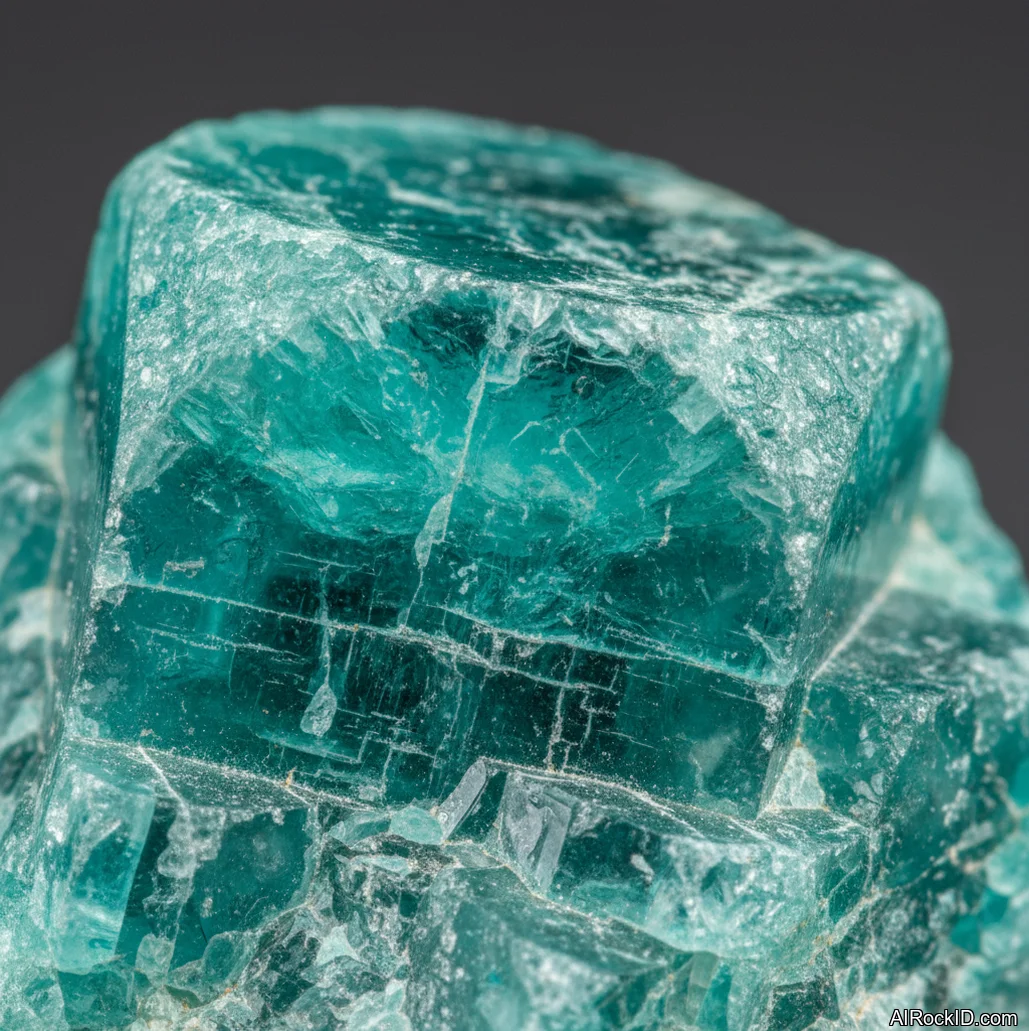
Amazonite
Amazonite

At first glance, it can pass for sea-glass. But once it’s sitting in your palm, you notice it right away: heavier than you’d guess, and it has that cool, almost refrigerated feel stone gets (especially compared to resin or plain glass). I reach for it for heart work because it settles the chest down without muting your voice, which is a big deal when “love” starts sliding into people-pleasing. Look, a solid piece usually shows white streaks or this faint grid-like mottling when you tilt it under a lamp. That perfectly uniform teal? Half the time it’s glass or something that’s been dyed. And compared to the ultra-soft stuff, amazonite takes daily carry pretty well. It won’t turn into a scratched-up little pebble by the end of the week.
How to use: Lay a smooth, palm-sized piece flat on the sternum for 5 to 10 minutes and keep your breathing low and slow. If you’re doing a hard conversation, hold it in your non-dominant hand so you don’t death-grip it and tense your shoulders.
Amber

Amber

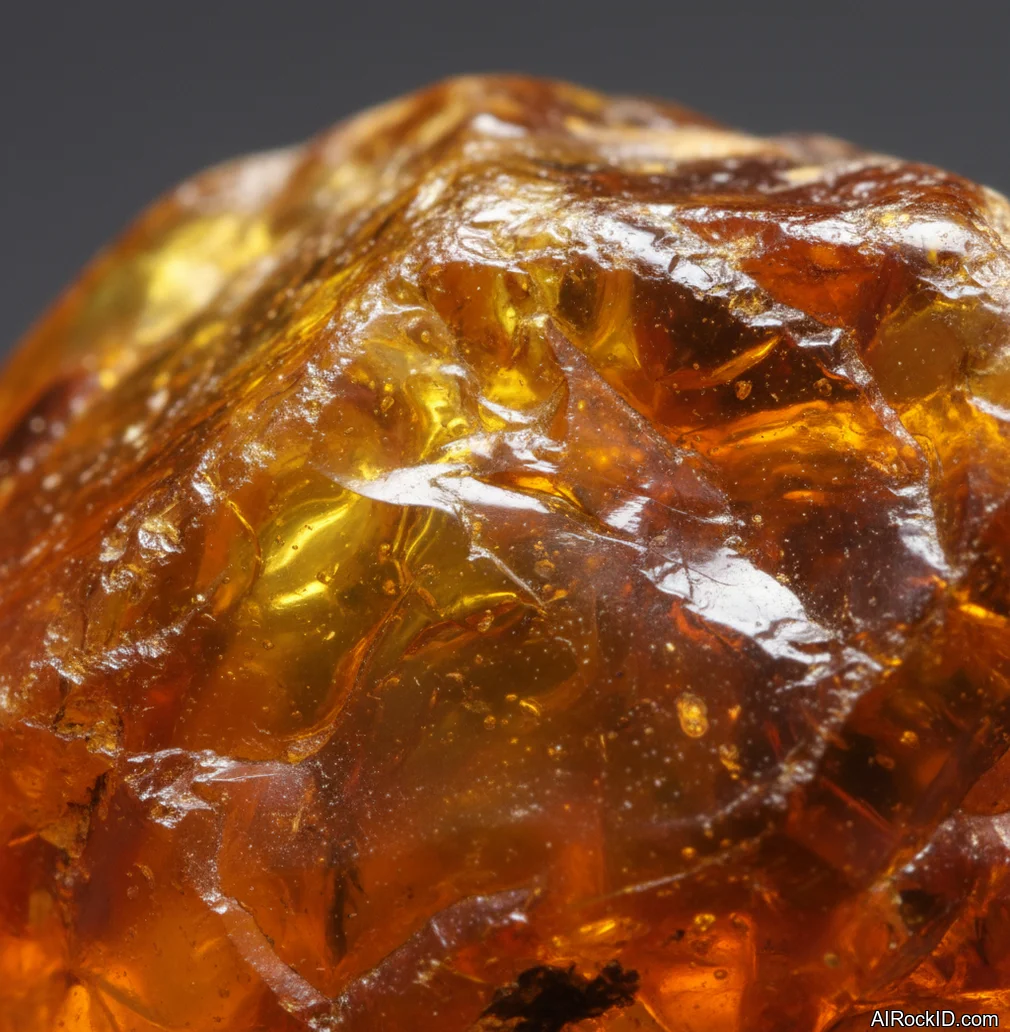
Pick up a piece of amber and the first thing you’ll clock is how it breaks the usual mineral rule. It warms up almost instantly, like it’s been riding around in your jeans all day. That little “alive” feeling? That’s why I reach for it when grief is sitting right on the breastbone and everything keeps snagging on old memories. Thing is, the quickest reality check is weight and static. Real amber feels weirdly light for how big it looks, and if you rub it on a sleeve or a scrap of cloth you’ll see it start grabbing tiny bits of lint like a balloon on a dry day. The cheap stuff can look convincing, sure, but it usually has this heavier, dead-cold heft that just won’t warm up in your hand. And that’s when you’re probably dealing with plastic or pressed scrap.
How to use: Wear it as a necklace so it rests near the upper chest, but keep it off during workouts because sweat and friction can dull it. If you’re meditating, hold a piece between finger and thumb and gently rub it to keep your attention from spiraling.
Angelite

Angelite

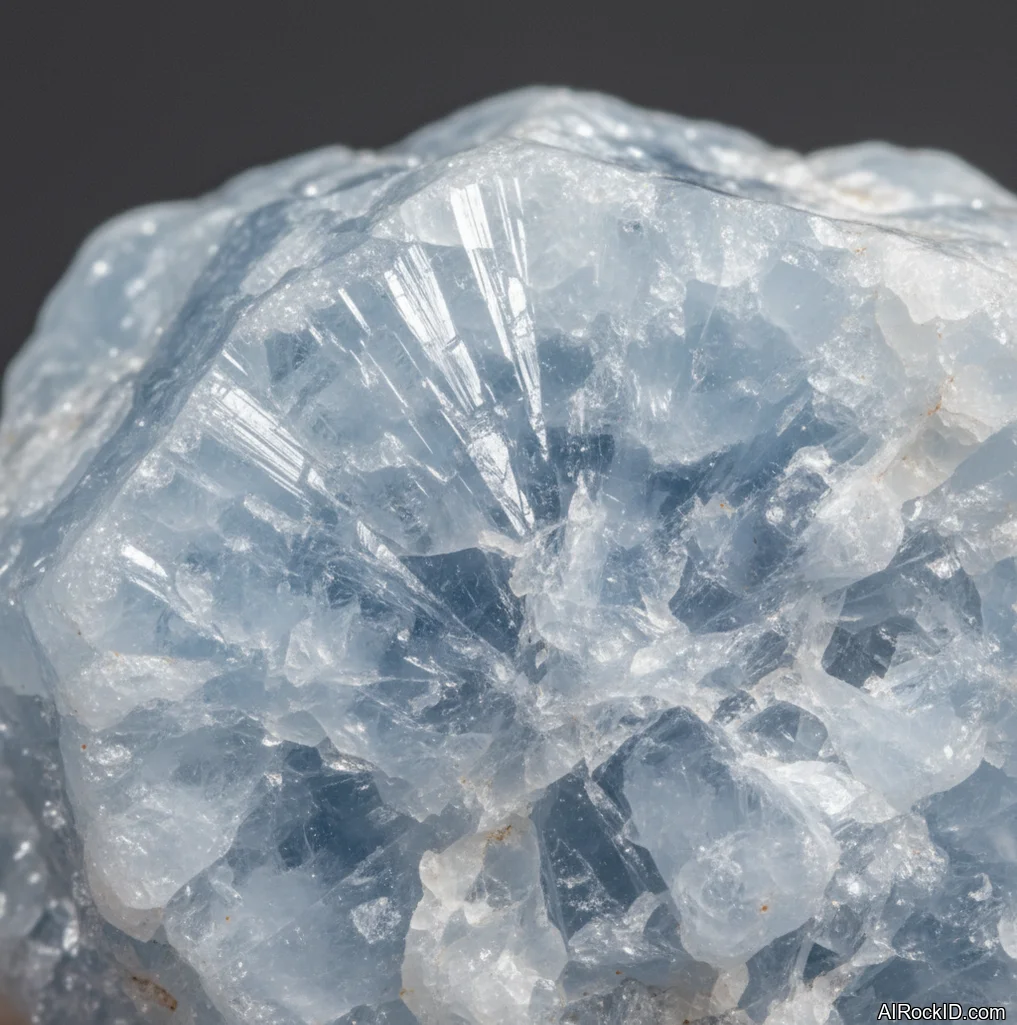
Angelite looks soft and chalky, and honestly it can trick you until your fingers hit it. Polished, it feels smooth, but it still carries that dry, powder-stone vibe like you could almost leave a little dust on your skin. I reach for it when heart chakra work isn’t about romance at all, and is way more about self-forgiveness, especially after you’ve been beating yourself up for months. Thing is, angelite isn’t durable. It’s not a toss-it-in-your-bag kind of stone, and I’ve watched corners chip just from clacking against keys. But if what you want is a gentle bedside stone that won’t overstimulate, it’s right in that lane.
How to use: Keep it on a nightstand or by a journal, not in a pocket. For a simple practice, place it above the heart and do a slow count: inhale 4, exhale 6, for about 3 minutes.
Ametrine

Ametrine

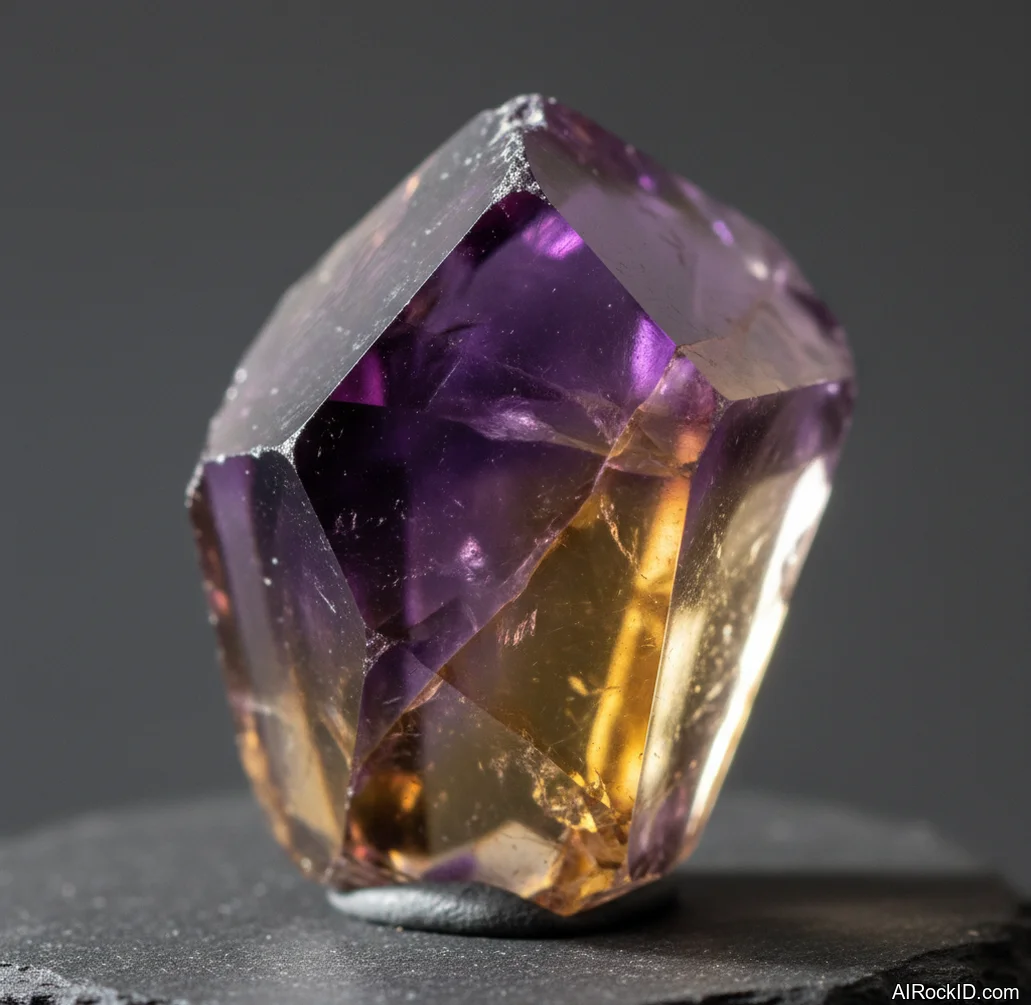
Softer heart stones are gentle, sure, but ametrine feels clearer in a way you can actually see. Tilt it under a lamp and those violet and honey bands show up fast, especially when the light hits the surface at that slick angle and you catch that little flash. It’s handy when your heart’s being loud and your head’s just fog. Like when you’re stuck rereading texts for the tenth time and trying to “feel your way” into a decision. Why do we do that? Thing is, most dealers will straight up tell you good natural ametrine isn’t cheap. And the color zoning should look natural, not like some perfect half-and-half paint job someone airbrushed on. I’ve had pieces that look almost quiet in daylight, then suddenly pop under warm bulbs. It’s a nice reminder that mood changes the read (and lighting totally does too).
How to use: Use it before heart-focused journaling: hold it for a minute, then write one page without stopping. If you’re placing it on the body, set it slightly above the sternum so it doesn’t feel like a weight on the chest.
Amethyst

Amethyst

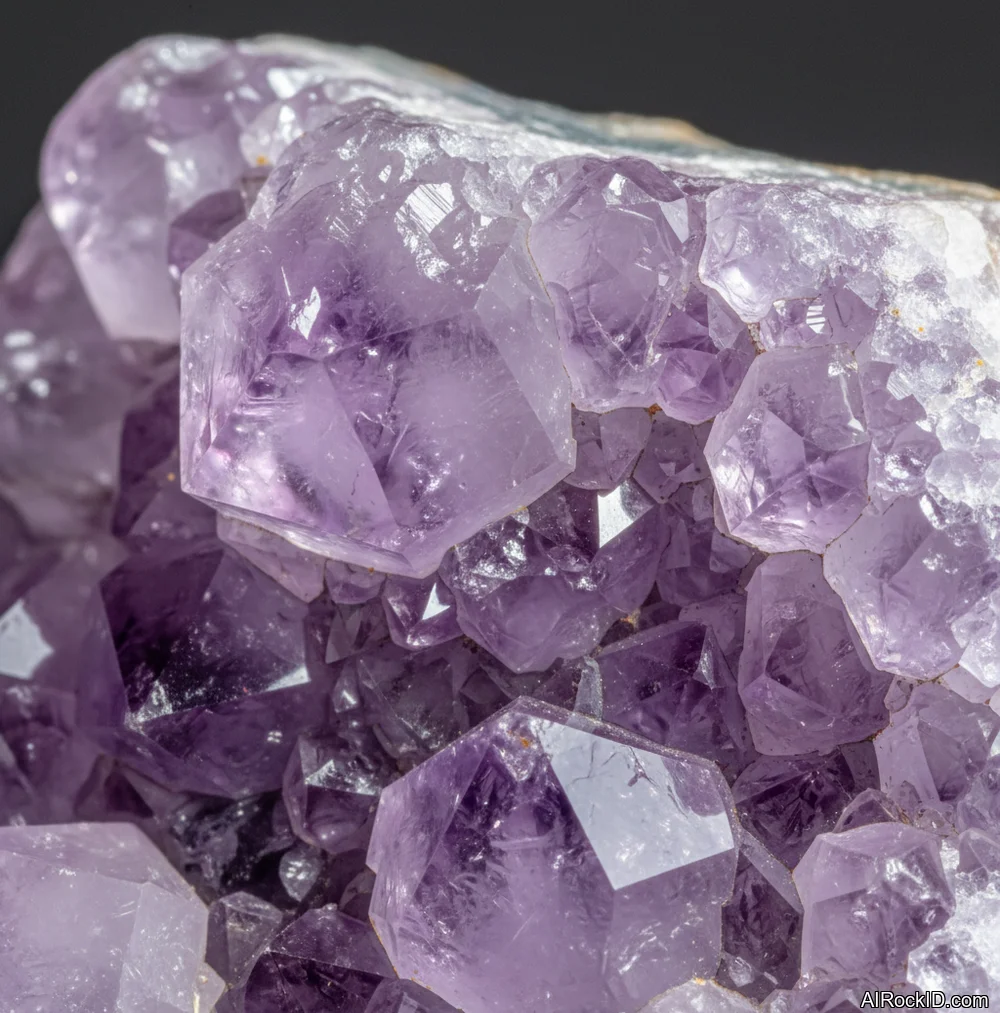
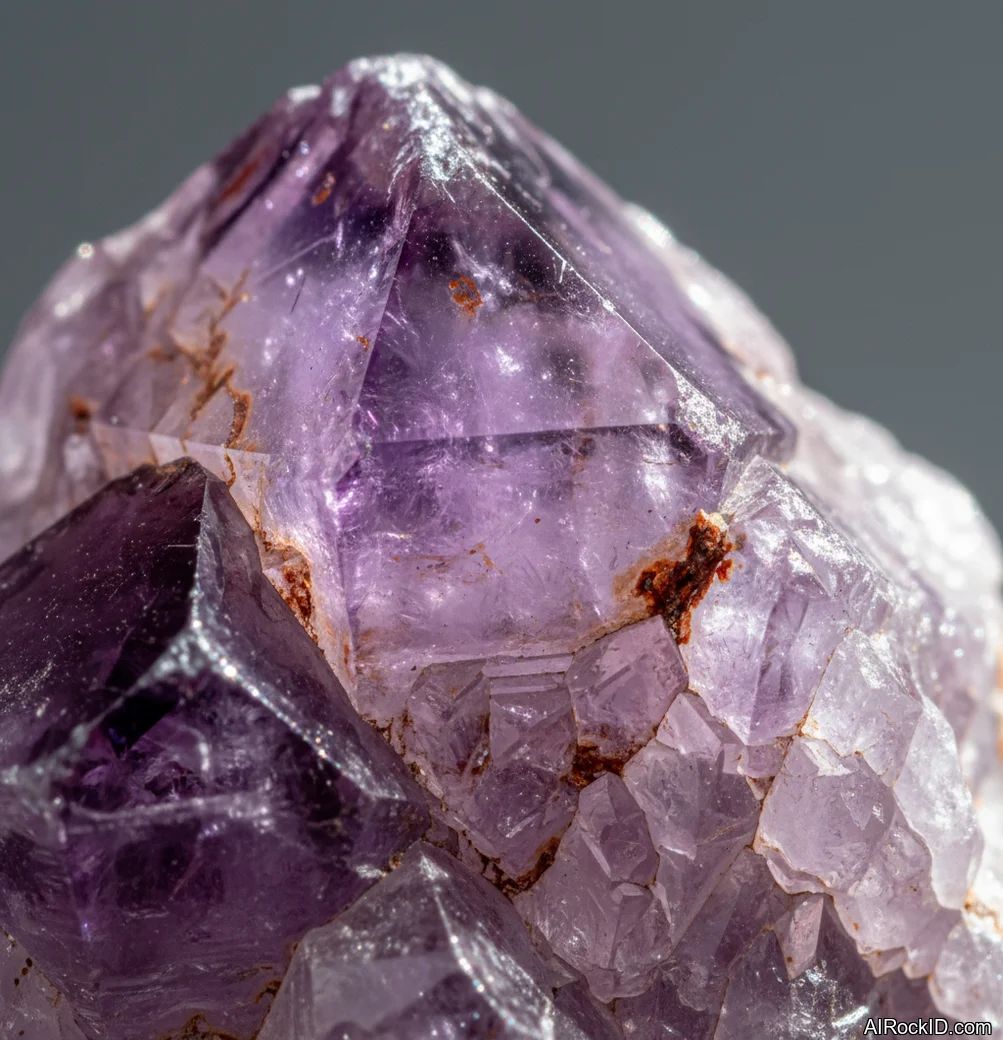
Uruguayan amethyst usually comes in that deep, almost inky purple, but it still reads crisp under harsh overhead shop lighting. And it’s the piece I grab first when someone feels emotionally amped up and jangly. For heart chakra work, amethyst can take the sharp edge off your reactivity so you stay present instead of snapping shut. Look, if you’ve ever held a real cluster in your hands, you’ll notice the little growth lines and those slightly uneven terminations you can feel with a fingertip. Perfectly identical points? A lot of the time that’s glued-together stuff or lab-grown décor. It’s also one of the easier stones to keep clean without having to baby it. Simple as that.
How to use: Put a small cluster where you decompress, like near a reading chair, and keep it out of direct sun so it doesn’t fade. For a quick reset, hold it at the center of the chest and do 10 slow breaths before you respond to a message you’re emotional about.
Aquamarine

Aquamarine

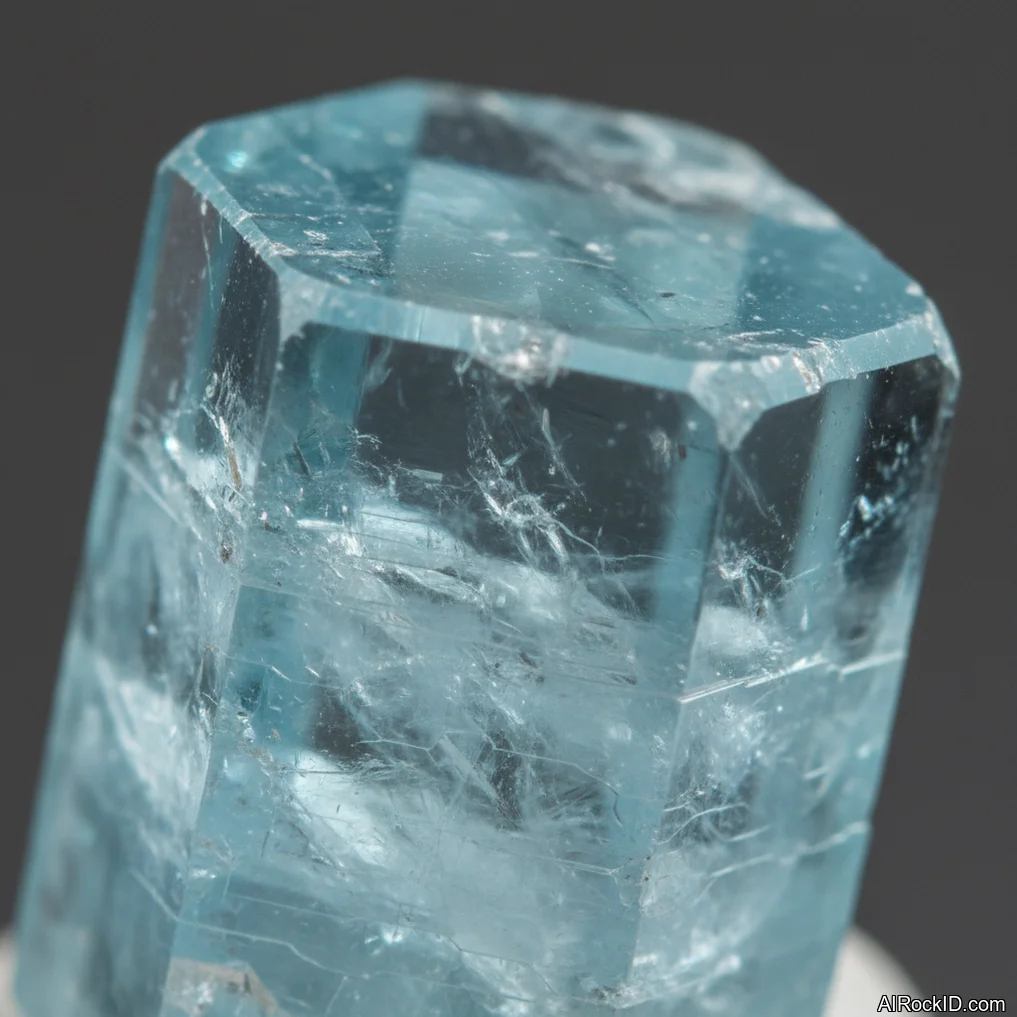
Aquamarine straight out of pegmatite can look kind of blah at first. But turn it in your fingers and, all of a sudden, there’s that watery shine skating along one face like light on a glass of water. For the heart stuff, aquamarine is the one I reach for when you want clear communication without that cold, shut-down vibe. It’s especially helpful in relationships where you’re scared you’ll come off as “too much.” You know the feeling, right? And I’ve definitely handled tumbled “aquamarine” that was really just pale blue glass. The tell? It warms up fast in your palm, and the color is way too even, like someone poured it in. A real piece usually stays cool longer and you’ll see internal lines or faint zoning instead of that flat, aquarium-blue wash.
How to use: Wear it near the throat if you’re working on speaking feelings, then pair it with a heart practice like hand-on-chest breathing. If you place it on the body, keep it just above the heart for 5 minutes and focus on relaxing the jaw.
Aegirine

Aegirine

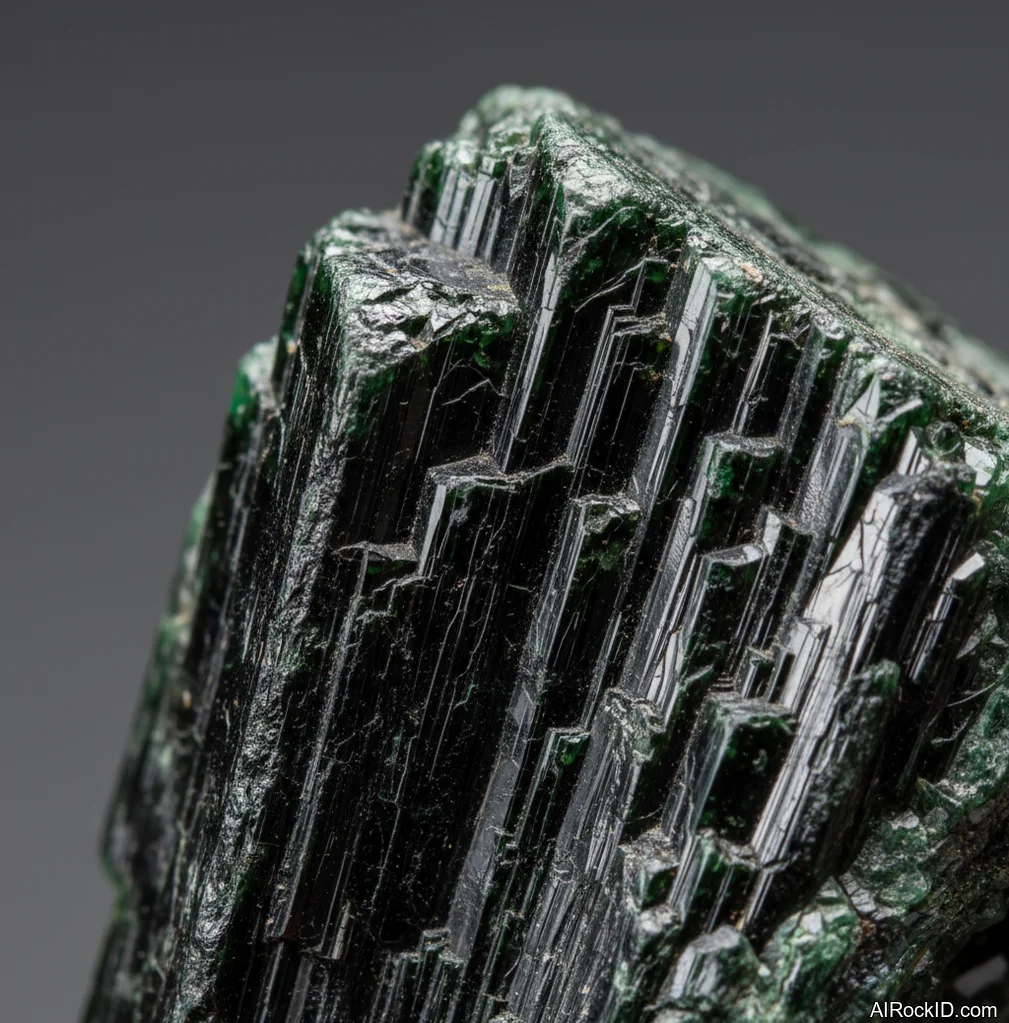
Heart chakra work isn’t always gentle. Sometimes you need a hard line, or you’ll just keep picking at the same raw spot. Aegirine has this sharp, dark feel to it, and when it’s sitting in your palm it’s like a clean, solid “no” you can finally say without the guilt hangover. And look at the crystal faces up close. Tilt it under a lamp and you’ll catch that black-to-brown sheen that flashes at an angle; it’s not that soft, flat matte black you see with dyed stones. I reach for it when people start mixing up “opening your heart” with quietly putting up with disrespect. Why would you?
How to use: Keep a small piece at your desk or by your front door as a boundary cue, not on the chest while you sleep. If you do body placement, set it lower than the heart, around the solar plexus, so the energy feels grounded instead of heavy.
Atlantisite

Atlantisite

Atlantisite is the kind of stone you end up buying because the colors just hit right. Pistachio green with those purple patches, like a bruise that’s finally starting to fade. In your hand, a lot of pieces have this slightly waxy polish, the sort that almost wants to catch on your fingertip for a split second. And no two stones look the same, which is honestly reassuring. If it were printed resin, you’d see the repeat pattern pretty fast. I reach for it when I’m doing heart chakra repair after burnout. That specific “I’m back, but don’t make me pretend I’m happy about it yet” phase. So it’s less about forcing cheerfulness and more about easing yourself online again. Most of what you’ll see for sale is tumbled. The nicer ones have really crisp color separation, not that muddy brown blending that can make the whole thing look kind of tired.
How to use: Use it during recovery days: hold it while doing a 10-minute body scan and notice where you’re clenching. If you’re wearing it, pick a smooth pendant because rough edges on this material can irritate skin fast.
Auralite-23

Auralite-23

Most of what gets sold as auralite-23 is basically just amethyst with a shiny story glued on, so I treat it as amethyst first and tune out the hype. But I’ll say this: I’ve handled a few pieces that had genuinely interesting inclusions, and they felt heavier in the hand than the usual tumbled purple quartz. You know that little extra heft when it sits on your palm and doesn’t feel like a hollow pebble? That. And when I’m doing heart work and I need a stronger “clear the noise” vibe, those particular pieces do the job nicely. The annoying part is the price creep. Sellers lean on the name to justify huge markups on totally ordinary purple stones, and it gets old fast. So if you like how it looks and it’s priced reasonably, sure, it can be a solid pick for heart-plus-mind balance.
How to use: Use it like you would amethyst: short sessions on the chest or beside the bed, not in a sunny window. If you’re sensitive, start with 3 minutes because some people get a buzzy head feeling from quartz-heavy stones.

How I pick a heart-chakra stone in a shop (without getting fooled)

Most dealers will stack “pink and green” side by side and hope you fall for it at a glance. Don’t. Grab the stone and actually hold it. Real minerals feel cool in your palm, like they’ve been sitting on a windowsill in the shade, and they don’t heat up fast against your skin. If it turns warm almost instantly and somehow feels heavier than it ought to, treat it like glass or a composite until you’ve got proof it isn’t.

Now get your eyes in close. Use a harsh light, even the little phone flashlight that always seems too bright. Dyed stuff loves to give itself away with color that collects in hairline cracks or hugs the edges around drill holes, and the saturation can look weirdly uniform no matter how you tilt it. What you want is the kind of consistency nature does, which is messy: zoning, tiny inclusions, uneven patches of color, maybe a couple small pits left from polishing (you can feel those if you run a thumbnail across, lightly). And look, be straight with yourself about texture. If it already annoys you in the shop, why would it magically feel better later when it’s resting on your chest in a quiet moment?

Heart chakra work isn’t just “love”: grief, boundaries, and repair

People hear “heart chakra” and they go straight to romance. But honestly, half the heart-related stuff that shows up is grief, resentment, or this dull, low-grade numbness that’s been hanging around so long it just feels like “you.” That’s why I don’t stick to only one vibe of crystal. I keep softer stones in rotation, and I also keep the firmer ones close.

Compared to something like angelite or amber, a darker stone like aegirine can be the difference between compassion and straight-up self-abandonment. Thing is, if you’re trying to stop chasing someone’s approval, you don’t need more sweetness rubbed into the situation. You need steadiness. And on the other side of it, if you’re already armored up, a gentle stone worn near the chest can make it easier to actually feel what’s there (without instantly spiraling into analysis and turning it into a whole project).

Here’s a practical cue. If your shoulders are basically living up by your ears, start with calming and grounding. If you’re slumped and checked out, bring in clarity and breathwork along with the stone. Simple, but it usually tells the truth.

Placement matters: sternum vs. pocket vs. necklace

Sternum placement is straightforward. But for some people, it hits kind of hard. Grab a heavier palm stone, drop it right on your chest, and you’ll feel your breathing shift, sometimes purely because there’s literal weight sitting there. That isn’t mystical. It’s just your body reacting. If that ramps up your anxiety, don’t push it.

Necklaces don’t get enough credit for heart work, mostly because they’re steady. Amber and aquamarine work well in that spot, as long as the bead holes aren’t sharp enough to chew up the cord (you can usually feel it with a fingernail) and the stringing is actually solid. Pocket carry is easy, sure, but it’s rough on softer materials. Angelite gets banged up, and polished stones end up with those annoying little scuffs from keys and coins. Fast.

So here’s a simple way to run it: use sternum placement for short sessions, wear a necklace when you want all-day support, and only pocket-carry tougher stones, and only if you’re fine with them getting a bit beat up. Why fight that reality?

Pairing crystals with simple practices that actually change things

If all you do is buy stones and never tweak what you actually do day to day, you’re gonna end up with a drawer full of pretty little reminders (the kind that clack together when you open it) and the exact same relationship loops. The combo that actually works is a stone plus one repeatable move. Tiny. Kinda dull. It works.

So, say you’re about to send a hard text. Hold amazonite while you write the draft, then set your phone down and wait 10 minutes before you hit send. And with amber, put it on before a slow walk. Let the memories float up on their own, without instantly turning them into a neat story you can explain to someone. Amethyst is great right before sleep. Keep it close, do a quick body scan: jaw, throat, chest, belly. Pick one spot and soften it. Just one.

Thing is, the goal isn’t to “stay open” 24/7. Who can do that? It’s to stretch your window of tolerance so you can feel affection, disappointment, and repair without snapping into shutdown or going straight to overreaction.

How to Use These Crystals for Heart Chakra

Keep it basic. One stone. One way to use it. Give it a week.

Heart chakra stuff gets messy fast once you pile on five crystals, a playlist, plus a 45-minute meditation. Then you’re sitting there thinking, what actually helped, and what just wiped me out? Pick a stone you honestly like having in your hand. If it feels clammy, sharp, or just annoying against your skin, you’re not going to stick with it.

For placement on the body, use a smooth piece (no pokey edges digging in). Keep it short. Five to ten minutes on the sternum is plenty. I usually tell people to keep one hand resting on the stone and the other on the belly, just so the breath stays grounded. And if your chest starts feeling tight, slide the stone a little off-center or stop placing it there and just hold it in your hand instead.

In regular day-to-day life, necklaces do a ton of the work for you. Amber sitting up near the upper chest is a classic comfort pick. Aquamarine is useful when you’re practicing saying the true thing without turning it into a fight (because that’s the hard part, right?). But if you’re working with a boundary-focused stone like aegirine, I’d keep it at your workspace or near the door. Treat it like a cue: shoulders down, jaw unclench, say no cleanly. Simple. Effective.

Common Mistakes to Avoid

The biggest trap? Chasing that constant “open heart” feeling like it’s the goal. People will sit there with a literal stone-on-the-chest heaviness, get teary, decide that must mean they’re healing, and then replay the exact same nighttime ritual on loop without changing a single thing. Emotion’s data. Not a finish line.

Another thing I see a lot is folks buying junk material, then blaming themselves when it feels off. I’ve watched dyed stones bleed color onto a polishing cloth, and I’ve had coated pieces go weirdly tacky after a week riding around in a pocket with lint and body heat. If you warm it up in your hand, rub it a bit, and it starts smelling like chemicals, don’t put that on your skin. And look, be careful with soft stones like angelite as pocket stones. They chip. Then you quietly stop carrying them.

Last one. Skipping the basics. If you’re dehydrated, sleeping four hours, and running on caffeine all day, no crystal is going to make your heart feel safe. Start simple: breathe, drink water, and have the one honest conversation you’ve been dodging (you know the one).

Important: Crystals can help you stay focused, stick to a routine, and sort through your feelings, but they’re not a substitute for therapy, medication, or actual medical care. And no crystal is going to fix an unsafe relationship or magically turn someone into a decent partner. If you’re dealing with ongoing chest tightness, panic, or depression, take that seriously. That’s your body waving a big red flag. Get professional help. A stone can sit in your pocket and remind you to breathe (you can feel it warm up in your palm after a minute), but it’s just a tool while you do the work. It isn’t the work.

Identify Any Crystal Instantly

Snap a photo and get properties, value, care instructions, and healing meanings in seconds.

Frequently Asked Questions

What color crystals are most associated with the heart chakra?
Green and pink crystals are most associated with the heart chakra. Blue stones are also used when heart work involves communication and emotional expression.
How do I choose the best heart chakra crystal for me?
The best choice is the stone you can use consistently without irritation or overstimulation. Practical selection factors include durability, skin comfort, and whether the material is likely to be dyed or synthetic.
How long should I use a heart chakra crystal each day?
A common daily use range is 5 to 15 minutes for body placement or meditation. All-day wear as jewelry is also used if the stone is comfortable and durable.
Can I sleep with heart chakra crystals on my chest?
Sleeping with a stone on the chest is not recommended due to pressure and choking hazards. If used during sleep, the safer option is placing it on a nightstand.
Which crystal in this guide is best for grief support?
Amber is commonly used for grief support because it is associated with warmth, comfort, and soothing the nervous system. It is often worn near the chest as jewelry.
Which crystal is best for heart chakra and speaking feelings clearly?
Aquamarine is associated with clear communication and calm emotional expression. Amazonite is also associated with speaking boundaries and truth with less reactivity.
Are dyed or fake stones common in heart chakra crystals?
Yes, dyed and synthetic stones are common in the crystal market, especially for bright greens and blues. Visual signs include unnaturally uniform color and dye pooling in cracks or drill holes.
Do I need to use multiple crystals at once for heart chakra work?
No, using one crystal consistently is sufficient for most routines. Using many at once can make effects harder to track and may feel overstimulating.
Can crystals replace therapy for relationship issues or trauma?
No, crystals do not replace therapy or trauma-informed care. They are used as supportive tools alongside professional treatment and healthy behavior changes.
What is a simple heart chakra crystal routine that is easy to stick to?
A simple routine is 5 to 10 minutes of slow breathing with a smooth stone placed on the sternum or held in the hand. Consistency and comfort are more important than long sessions.
The information provided is for educational and spiritual exploration purposes. Crystals are not a substitute for professional medical, psychological, or financial advice.