emotional

Best Crystals for Inner Peace
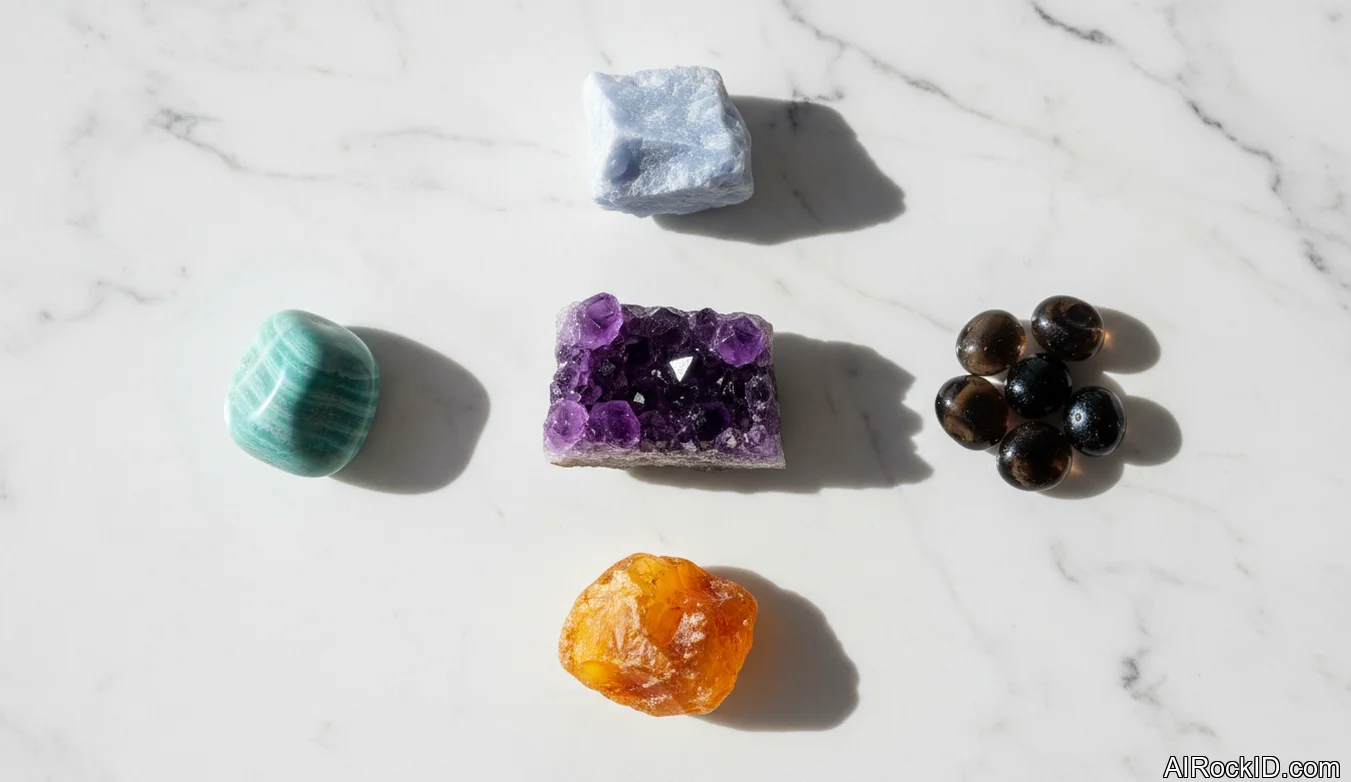
A small selection of calming stones including amethyst, amazonite, angelite, and amber on a neutral cloth with soft window light

The best crystals for inner peace are the ones that, in a really physical way, help you slow down, breathe, and hit reset without your brain turning everything into a debate club.

Look, I’m not talking about miracles here. I mean simple tools. Stuff that’s easy to hold, easy to keep nearby, and easy to link to that calmer headspace. Like, pick up a decent piece of amethyst and you’ll notice it stays cool in your palm longer than you’d think, especially if it’s been sitting on a windowsill or a nightstand (that little chill is hard to ignore). And that one tiny sensory cue can yank you out of a spiral. Same with a smooth amber cab. It warms up fast, almost instantly, and it starts to feel like classic worry-stone therapy, which is just a fancy way of saying your hands finally have something to do. Something real.

Thing is, inner peace in real life usually isn’t some glowing, perfect calm. It’s fewer spikes. Less internal noise. Just a bit more space between the trigger and how you react. Crystals won’t replace sleep, therapy, meds, or changing the situation that’s chewing you up, but they can be a steady anchor if you actually use them and keep using them.

And I’ve watched people buy a “calming stone,” toss it in a drawer, then decide crystals don’t work. Of course it didn’t. The pieces that help are the ones you touch, carry, and build a habit around, and you pick them with your senses, not just a pretty photo. (If it feels weird in your hand, are you really going to reach for it when you’re stressed?)

Recommended Crystals
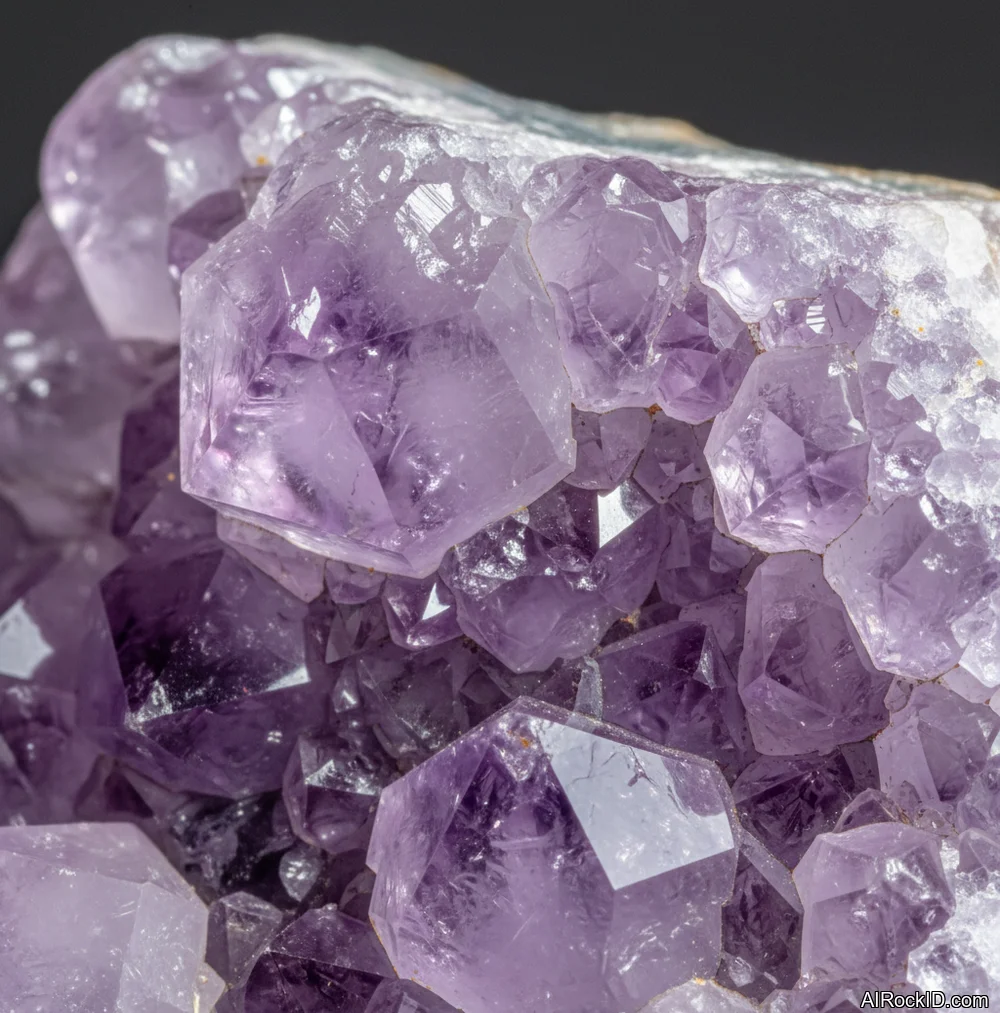
Amethyst
Amethyst

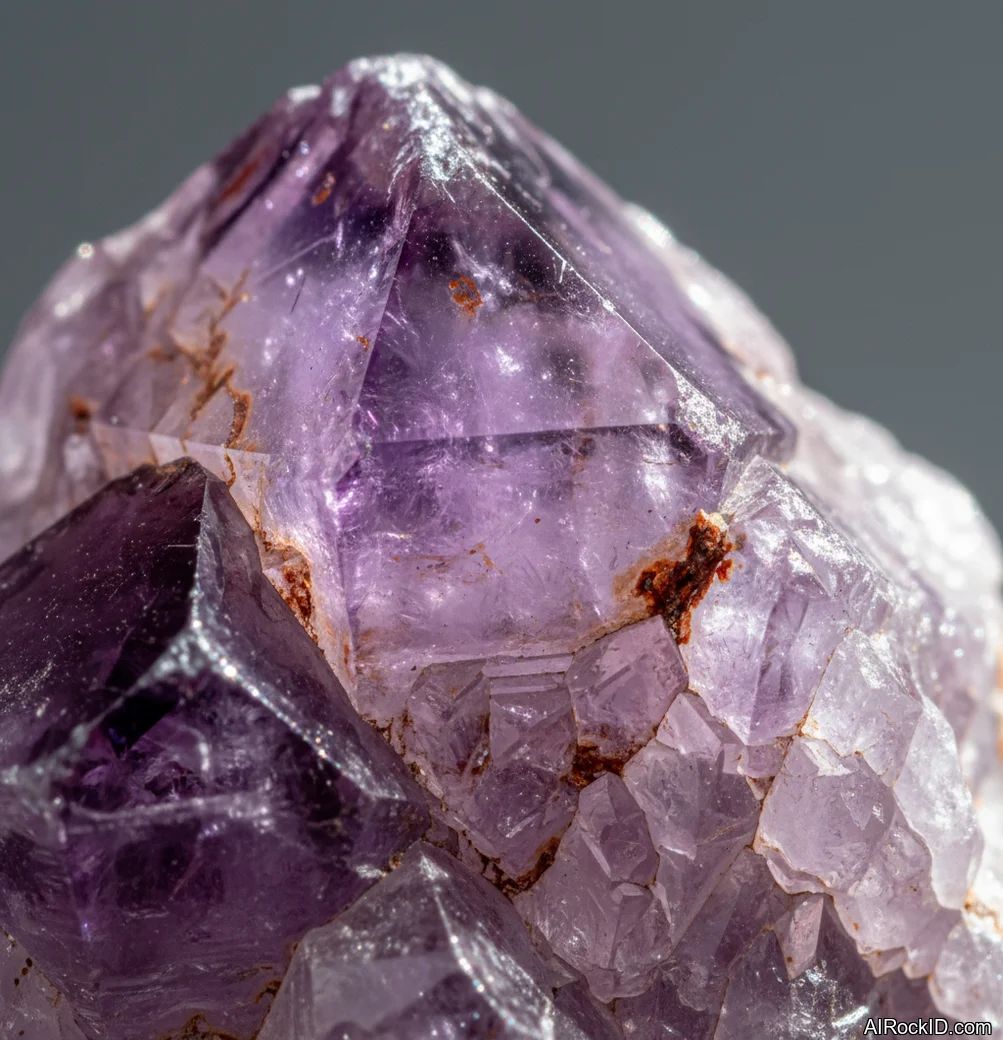
Uruguayan amethyst usually shows up in this deep, inky purple, so dark it can look almost black down at the base, and it has this quiet vibe to it. And if you actually pick up a cluster, the points kind of catch on your sleeve for a second, like tiny hooks, which is oddly grounding because you notice your body right away. I grab mine when my mind won’t shut up at night since it basically tells me “slow down” without me having to argue with myself. But don’t leave it sunbathing on a windowsill, because that color can fade into a washed-out lavender over time.
How to use: Put a small cluster on a nightstand where you’ll actually see it, not behind a lamp. For a quick reset, hold a single point in your non-dominant hand and breathe out longer than you breathe in for two minutes. If you’re sensitive to visual clutter, choose one clean, dark piece instead of a sparkly geode that grabs your attention.
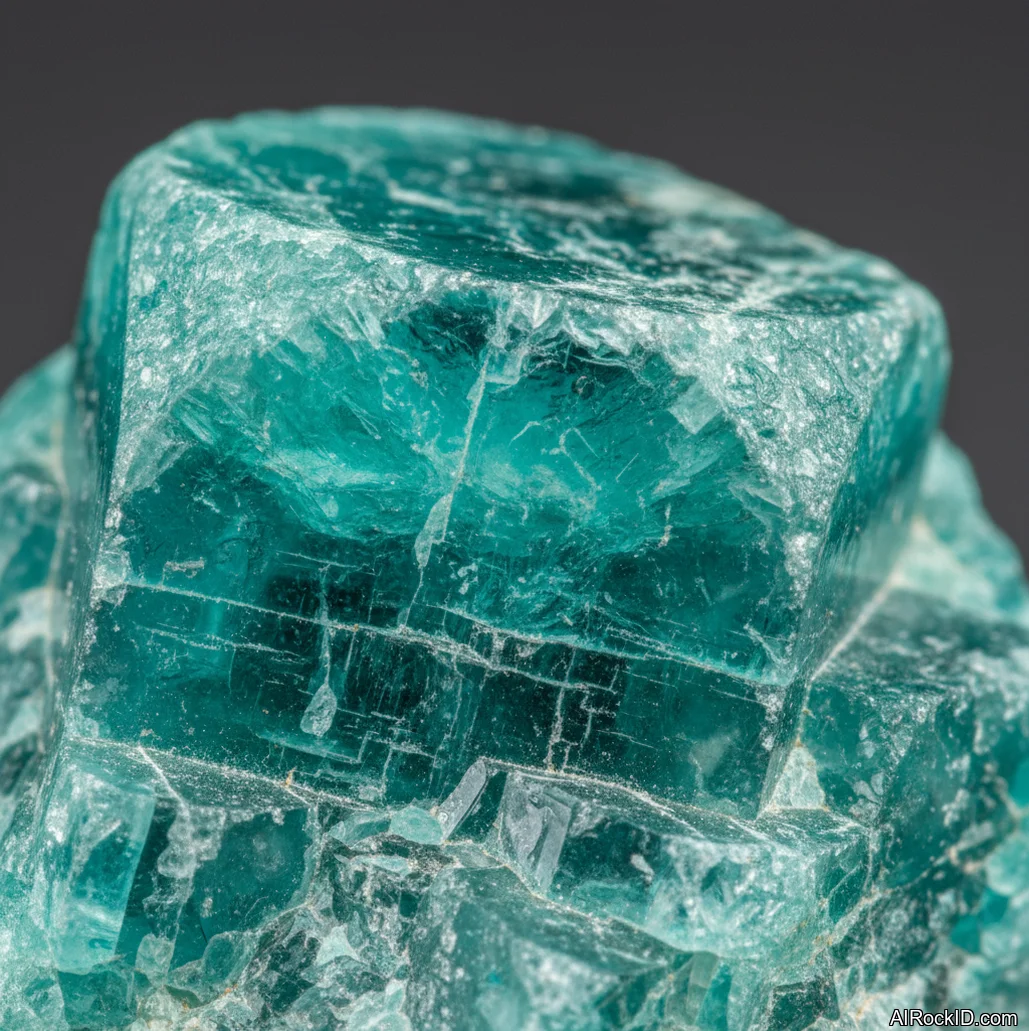
Amazonite

Amazonite

Good amazonite has that blue-green feldspar look with those white streaks running through it, and in your hand it’s usually softer and a little chalkier than any photo makes it seem. Thing is, the real giveaway is the feel. It’s cool at first touch, kind of slightly waxy, and it works really well as a palm stone since the edges don’t bite or snag when you rub it with your thumb. I’ve noticed it helps me most when I’m stuck in that “I need to say the perfect thing” mode. You know the one? It just nudges me toward calmer communication. But watch for dyed material. The cheap stuff can look neon, weirdly uniform, and it’ll feel oddly warm right away.
How to use: Keep a tumbled piece in your pocket for tense conversations, then rub your thumb along one flat face while you listen. Set it on your desk near your keyboard as a visual cue to unclench your jaw. If you’re using it during calls, mute yourself and take three slow breaths while holding it before you respond.
Angelite

Angelite

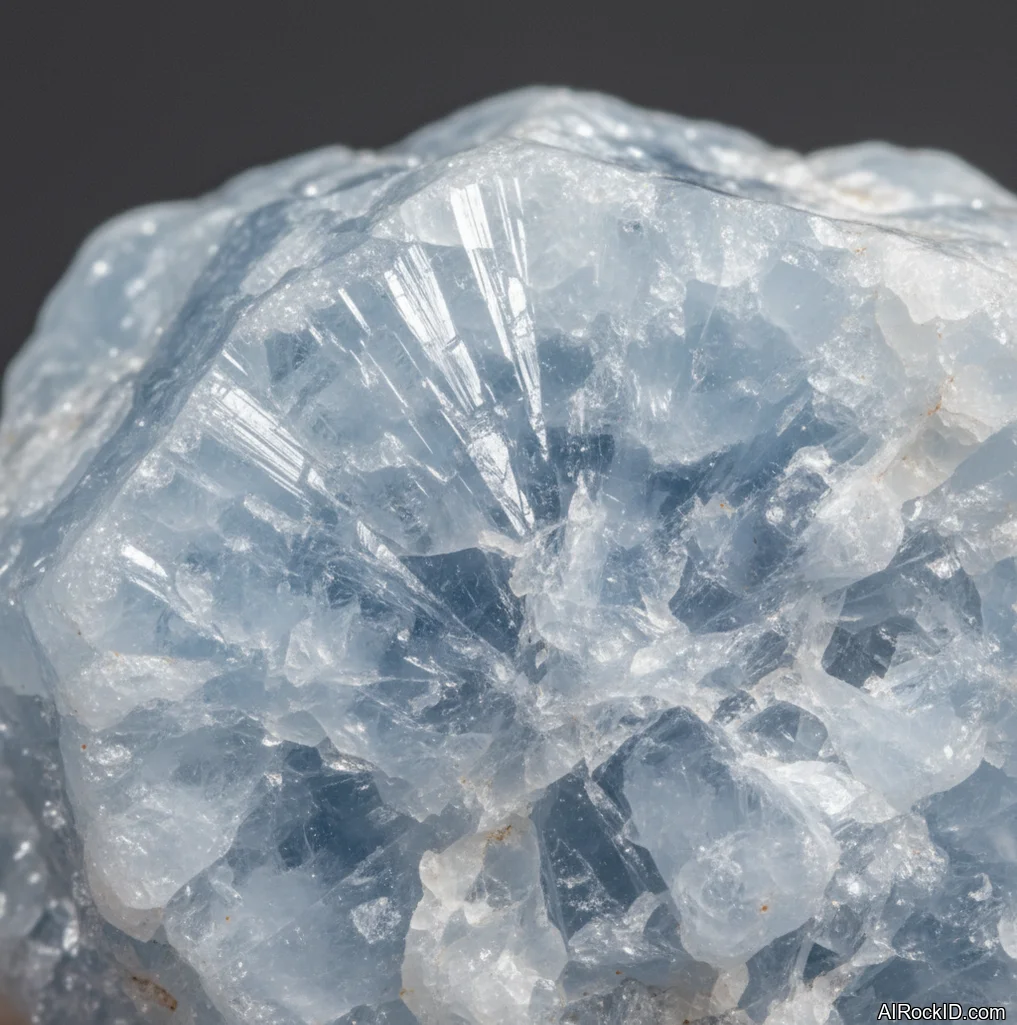
Angelite’s got that soft blue gypsum/anhydrite thing going on, and yeah, the softness actually matters because it kind of demands you handle it gently. Look, if you stare at it under regular light, you’ll notice it’s more matte and cloudy than shiny, and it can feel a little powdery to the touch if it hasn’t been heavily polished (almost like a soft chalky film). I reach for it when I want inner peace because it calms things down in a “turn the volume down” way, not a “just smile and pretend you’re fine” way. But it scratches and chips pretty easily, so if you’re rough on your stones, it’s probably not the best one to toss in your pocket every day.
How to use: Use it at home: by the bed, on a meditation cushion, or on a shelf where it won’t bang into keys and coins. Hold it with a light grip and let your shoulders drop on each exhale. Keep it dry and skip water cleansing, because it can mark or degrade.
Amber

Amber

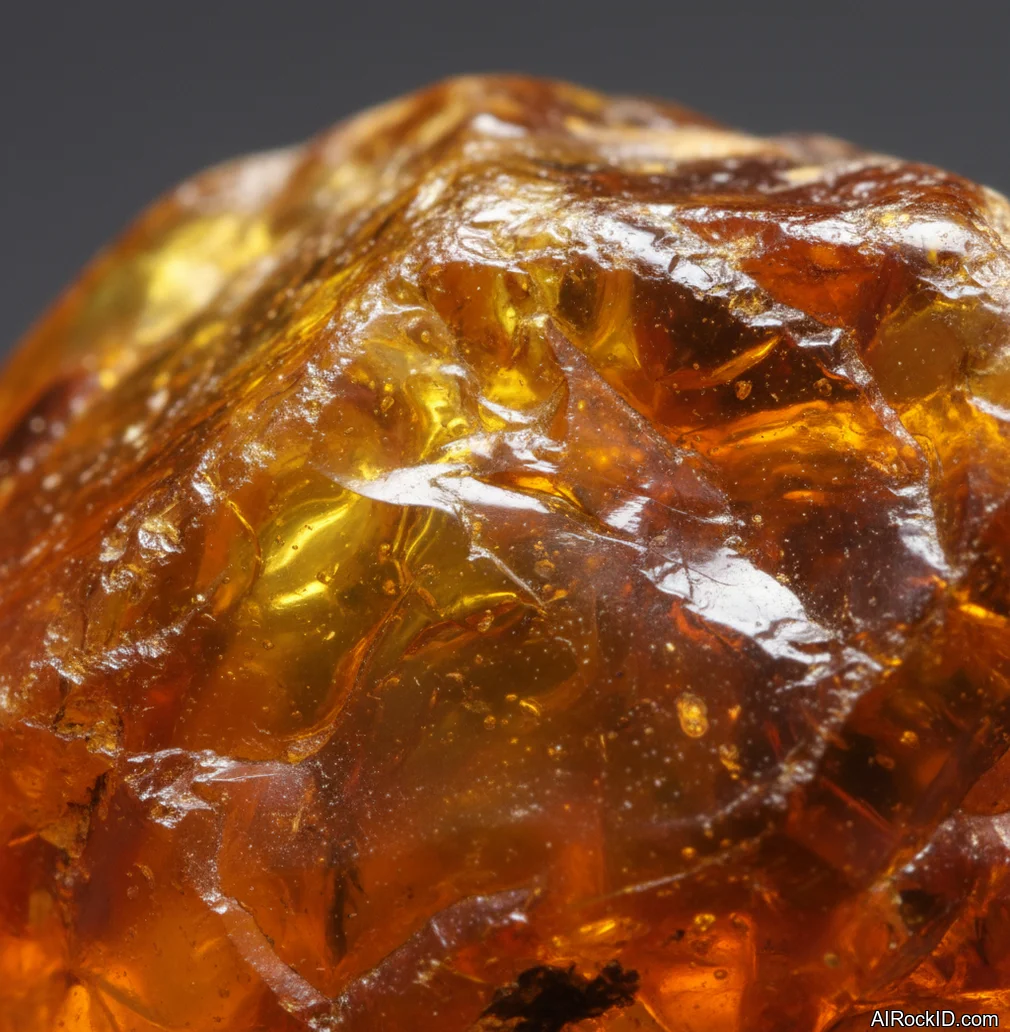
Amber isn’t a mineral. It’s fossil resin, and you notice it almost immediately because it heats up fast the second you hold it. Real pieces feel weirdly light for their size, and if you rub one hard between your fingers (especially along a rough edge or a little nick), you can sometimes catch this faint, piney resin smell. Subtle, but it’s there. For inner peace, it’s my go-to when I’ve got nervous energy and my hands need something to do, since you can just fidget with it without even thinking about it. But look, the market’s packed with plastic and copal being sold as amber, so you’ve got to buy from someone you actually trust.
How to use: Use it like a worry stone: thumb on one spot, slow circles, steady breathing. If you wear it, go for a pendant that sits on the chest so it’s easy to touch discreetly. Don’t leave it in a hot car, because heat can craze the surface or make it brittle.
Apache Tears

Apache Tears

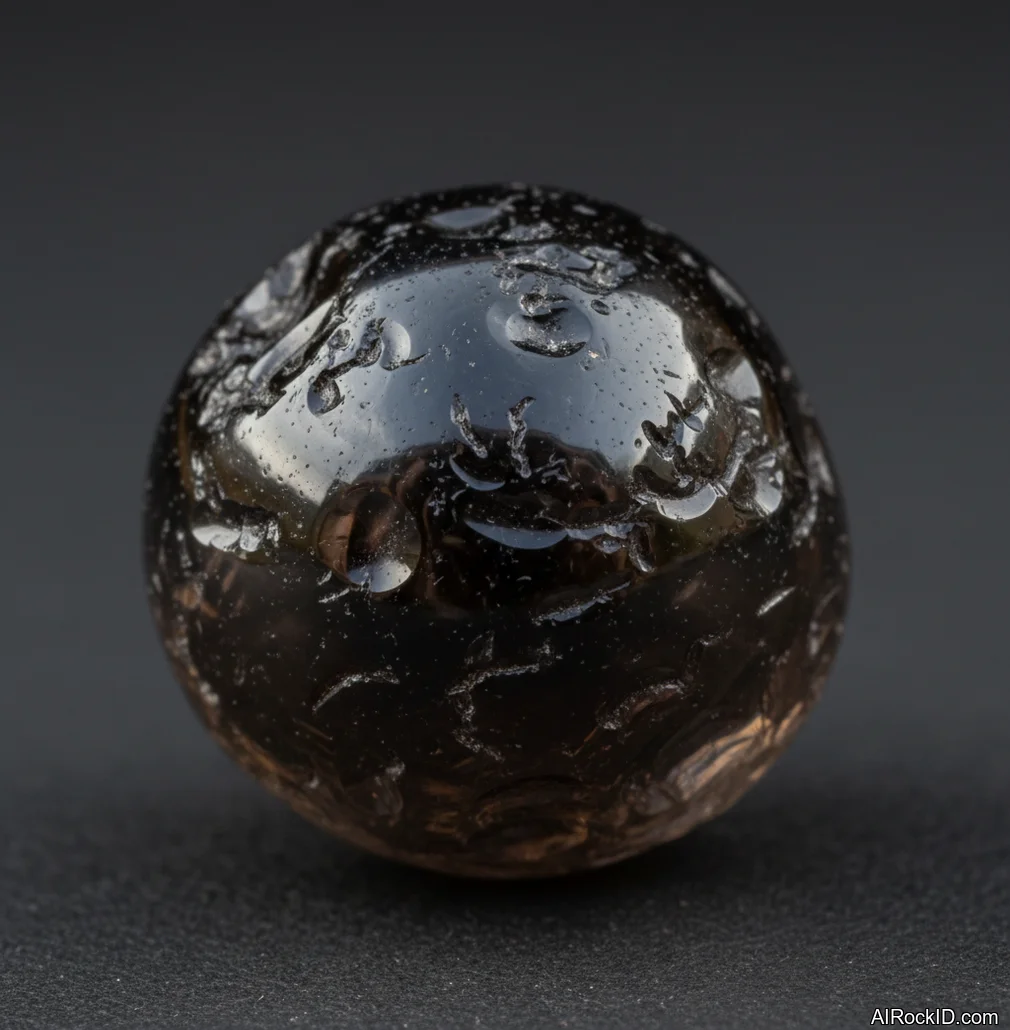
Apache tears are a type of obsidian. They’re usually little, dark pebbles, and if you hold one right up to a bright light you can catch that faint translucence around the edges. Not much, just a thin smoky glow. Compared to glossy black obsidian, they come off softer in the hand. Less “knife-like,” even though it’s still volcanic glass. I’ve found they’re best for quieting that emotional aftershock thing, when something happened a few days ago but your body keeps replaying it anyway. You know that feeling? But yep, they’re glass. They can chip. And those chips can be weirdly sharp (like the kind that’ll snag a fingertip if you’re not paying attention).
How to use: Carry one or two in a small pouch so they don’t rattle against keys. When you’re spiraling, hold one and name five things you can see while keeping your breath slow and low. If you use them at night, set them in a dish so you don’t knock them onto the floor.
Black Moonstone

Black Moonstone

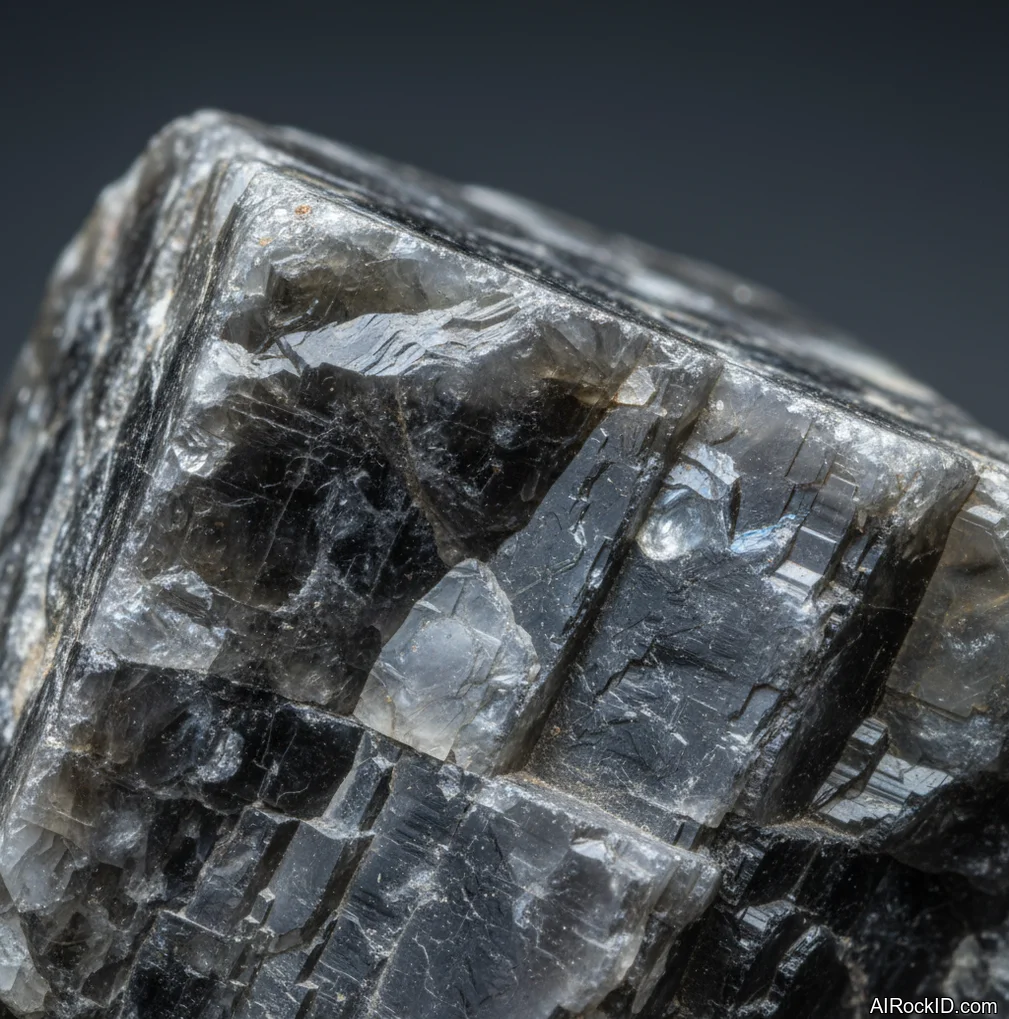
Black moonstone usually looks like a chunk of charcoal until you tip it under a lamp and, all of a sudden, this silvery flash slides across the surface, then disappears again when you move it back. That on-and-off sheen is the whole point. It’s like a little reminder to your nervous system that states change, and you can feel awful right now without it being forever. Grab a palm stone and you’ll probably be surprised by how smooth it is. Almost silky. The kind of smooth you notice when your thumb keeps tracing the same spot without thinking (especially when you’re riding an emotional wave). But the flash can be pretty subtle. And some sellers will slap “black moonstone” on regular dark feldspar, so don’t buy blind. Get it from somewhere that shows a tilt video so you can actually see the flash move.
How to use: Use it during evening wind-down, not during high-output work. Hold it over your lower ribs and breathe into the sides of your body for a minute, then down into your belly. Keep it away from harsh cleaners, and don’t toss it loose in a bag where it’ll get scratched.
Aquamarine

Aquamarine

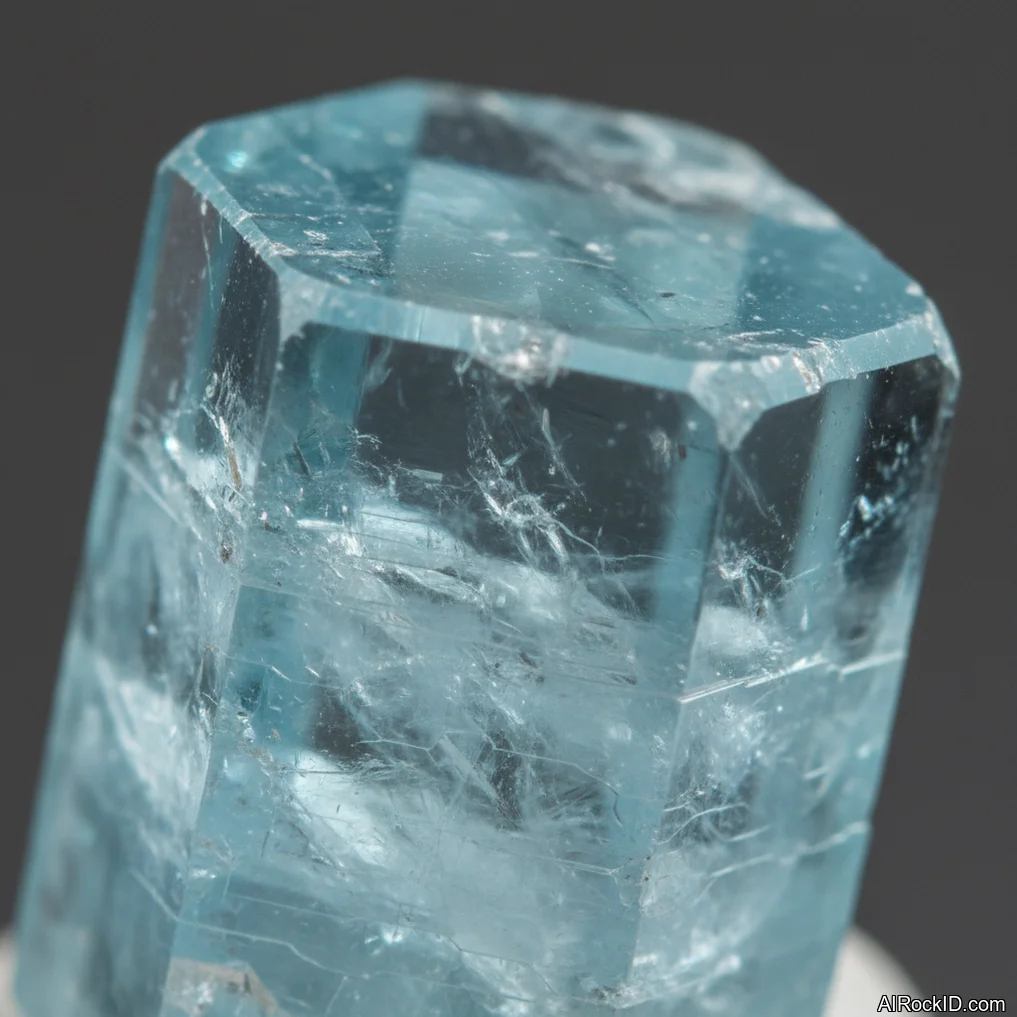
Aquamarine looks downright watery when you’re actually holding it. The nicer pieces hit that clear-to-milky blue that stays soft, not loud. Raw chunks can bite a little, with edges that feel sharp against your fingertip, but tumbled stones are a whole different thing, more like sea glass you’d rub with your thumb without thinking. And honestly, that smooth, slick feel is calming all by itself. I tend to grab it when my peace gets wrecked by overthinking. Why? It just seems to go with slower speech and simpler choices (less spiraling, more breathing). But look, don’t expect bargain prices if you want truly clear, saturated blue. Most of the cheap stuff is pale and full of inclusions.
How to use: Wear it as a pendant for “on-body” calm, especially if you get anxious in public. If you’re using a raw piece, wrap it in cloth before carrying so it doesn’t poke you or chip. During journaling, place it beside the page and keep your breathing steady while you write short, plain sentences.
Apophyllite

Apophyllite

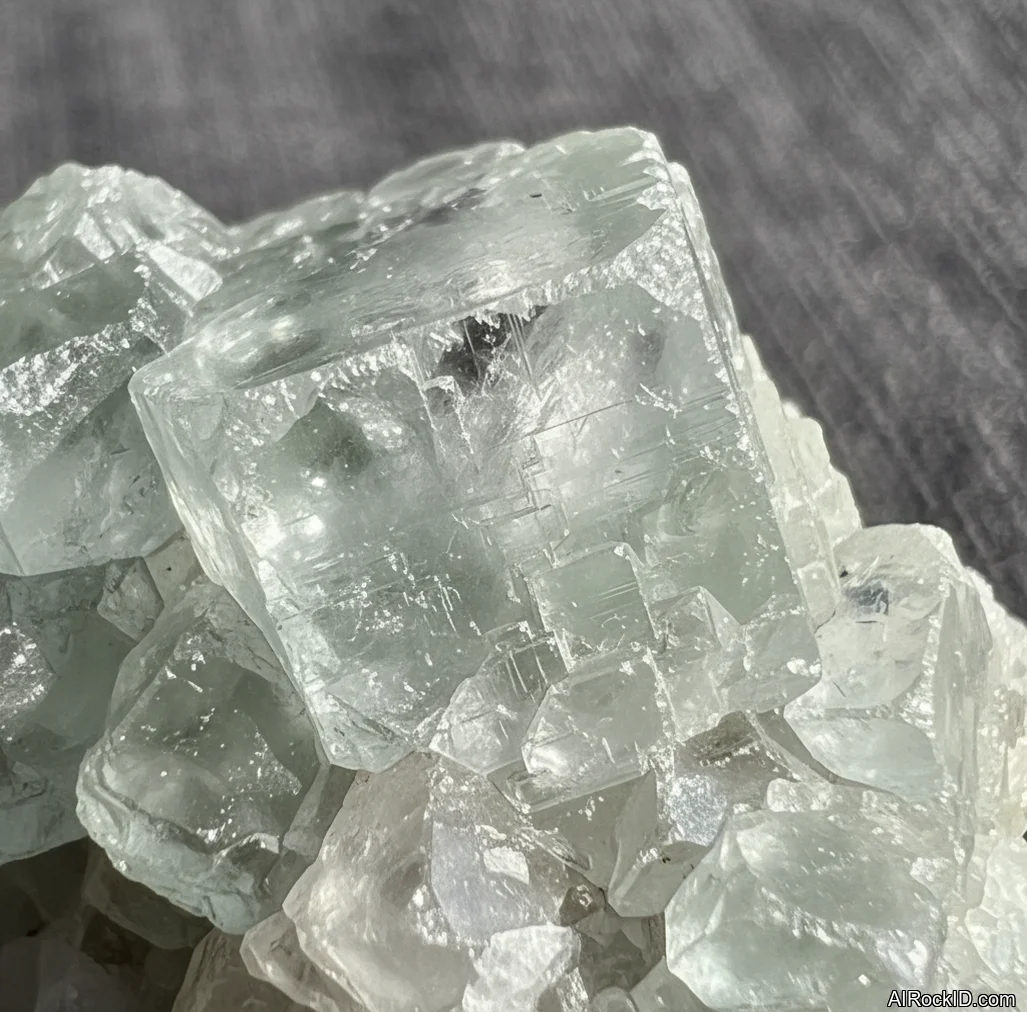
Apophyllite crystals look like tiny glass pyramids. And when you tilt one under a lamp, the flat faces kick back these sharp flashes of light that kind of yank you back into the moment. Pick up a cluster and you’ll realize fast it’s flimsier than it seems. Thing is, those points snap if you clack them together in a bowl (ask me how I know). For inner peace, I use it when my brain feels packed with static. It helps me clear mental clutter, especially when I’m stuck doom-scrolling and my attention feels shredded. But it can be a lot. Visually, it’s almost too stimulating for some people, so try it in short sessions first.
How to use: Keep it in one safe spot where it won’t get bumped, like a shelf at eye level. Use it for a five-minute reset: look at one crystal face, breathe slowly, and let your eyes soften instead of darting around. Skip pocket carry unless it’s in a hard case.
Auralite-23

Auralite-23

Auralite-23 gets sold as a “blend” stone. But most of the time, what you’re actually holding is amethyst at the base, with inclusions that give it that dark, complicated look. At first glance it can feel kind of busy. You’ll see reds, browns, smoky zones, all tangled up together, and weirdly that’s exactly what helps some people settle. Why? Because your brain gets one contained, specific thing to stare at instead of bouncing around. I’ve handled pieces that feel dense and cold, like a river rock you just pulled out of water. Heavy in the palm. And that weight, at least for me, is part of what feels calming. Thing is, the market’s a mess. Labels are all over the place, and a lot of this stuff gets priced like it’s some rare species when it’s basically patterned amethyst.
How to use: Use it as a single “anchor stone” for longer sits, like 10-15 minutes of quiet time. Hold it in both hands at chest height and keep your gaze low. If you’re shopping for it, choose the piece that feels steady in your hand, not the one with the fanciest story card.

How to choose a peace stone without overthinking it

Grab three stones and don’t look at the tags yet. Temperature comes first. Some stay cold in your palm and kind of slow your whole body down, like you just touched tile in a shady spot. Others heat up fast and make your fingers want to move. And both are useful, depending on if you’re feeling numb or already jittery.

Now check the surface. A high-gloss polish can feel slick, almost too slippery, like it won’t “sit” in your hand, and that can make some people restless. Satin or matte usually feels calmer, like it’s got a little grip (you can feel the tiny drag when you rub your thumb over it). Thing is, the real test is simple: do you keep touching it without making yourself? If your hand keeps drifting back on its own, that’s your nervous system voting.

Dealers love pushing the “highest grade” color. But inner peace isn’t a color contest. I’ve seen pale aquamarine work better than an expensive deep blue one, just because the person liked the subtle look and actually carried it every day. So pick a size you’ll truly use. A huge amethyst cathedral is gorgeous on a shelf, sure, but a small cluster you can see from bed tends to get reached for more. Why buy the showpiece if you never touch it?

Pairing crystals with nervous system habits that actually stick

Crystals don’t magically dump inner peace into your lap. They’re just cues. The real move is tying that cue to something you can repeat, so your body starts to get the message: stone in hand equals slower breathing.

So try an easy pairing. Hold amber, do one long exhale, and rub the same little spot with your thumb ten times in a row. Yep, it’s boring. That’s why it sticks. Or park a piece of amazonite right by your keyboard (mine ends up nudging against the space bar if I’m not careful), and every time you open your email, you let your shoulders drop before you read a single word.

Compared to big, elaborate “rituals,” these tiny habits actually survive real life. I’ve seen people set up a perfect altar for a week, keep it spotless, light the candle at the same time every night, then ditch the whole thing the minute work ramps up. But a pocket stone plus a 30-second breath check? That keeps going. Want to get fancy later? Cool. Start with consistency.

Placement for peace: where stones help most in a normal home

Bedrooms are the obvious pick. But where you put a stone isn’t really about feng shui, it’s about where your eyes go when you’re stressed and running on fumes. Set amethyst somewhere you’ll notice in those last two minutes before sleep, because that’s the window where you’re either finally settling down or doing the old reach-for-the-phone move.

For daytime calm, don’t overthink it. Pick one spot you already pass a bunch. Desk corner. Kitchen counter right by the kettle (where the steam hits your face). Or that little shelf by your keys where you do the pocket-pat. Apophyllite is great as a “look at this instead” object, but keep it back from the edge. It chips easily, like the kind of chip you only notice later when you turn it in your hand and feel the rough spot.

Bathrooms are weirdly underrated. A small angelite on a dry shelf can make your morning routine feel quieter, like the room isn’t yelling at you yet. But don’t get it wet, and don’t park it anywhere it’ll get splashed. Want a stone near water? Use something tougher from your own collection, not the soft stuff. (You’ll regret it.)

Buying calmly: avoiding fakes and weird pricing

Shopping for peace stones has this annoying downside: the whole market is built to make you panic. Limited drops. Mystery bundles. Breathless, story-soaked descriptions that basically whisper, “Buy now or you’ll miss the one magic piece.”

Amber is the big one I’d keep an eye on. The fake stuff is usually plastic, and it goes warm in your hand almost instantly, like you’ve been holding it for ten minutes when it’s only been two seconds. Real amber feels surprisingly light, and if you tilt it in decent light you can sometimes catch tiny swirls inside or little bits of plant material (those specks that look trapped, not painted on). Amazonite can be dyed too; if it’s a loud, bright teal that looks like wet paint and there’s zero natural zoning, something’s off. And “auralite-23”? Ask what it actually is and where it came from, because that name gets tossed around pretty loosely.

Most of the time the safest move is, honestly, kind of boring. Buy from a shop that posts clear photos in neutral light, shows the exact stone you’re getting, and has a return policy. Inner peace starts right there. With not getting scammed.

How to Use These Crystals for Inner Peace

Start with one stone for two weeks. Seriously. Peace comes quicker when your brain quits treating crystals like some little scavenger hunt. Grab the one you’ll actually handle: amber if you need to dump jittery nervous energy, amethyst if nights feel too fast, amazonite if your calm gets smashed by conversations.

So build a tiny routine around it. I swear by “hand, breath, body.” Stone in your palm (the one that warms up fast and gets a bit slick from skin oil), then five slow breaths with longer exhales. After that, do a quick body check for the spot you’re clenching, usually jaw, shoulders, belly, sometimes even your hands, and soften it on the next exhale. Done. Twice a day is enough. And then the stone turns into a dependable cue, not just something that sits there looking nice.

If you’re going to mix stones, keep it simple and keep it practical. One by the bed, one in your pocket, one on your desk, one in a little dish by the sink. Don’t stack ten pieces on your chest and then wonder why you feel off. And protect the soft, fragile ones. Angelite and apophyllite should live on a shelf, not getting knocked around in a backpack next to a metal water bottle (you’ll hear that awful clink the first time and regret it).

Common Mistakes to Avoid

Buying the “calm” stone that looks cutest on camera and completely ignoring how it actually feels in your hand is the first trap. Seriously, the feel is the whole point. Some people need a stone that warms up fast, like amber, because they’re already cold and shut down. Others need something that stays cool, like amethyst, because they’re overheated and keyed up. Touch beats marketing every time.

Another mistake: expecting instant emotional silence. Like, you’re in the middle of a meltdown, you grab a stone once, and you think your nervous system is going to magically cooperate? It might not care at all. Repetition is what builds the association. So put the stone where you’ll actually reach for it, pair it with one tiny action (a single breath, rubbing your thumb over a smooth spot), and keep the bar low.

Last one. People treat fragile stones like they’re unbreakable, and then act shocked when they get wrecked. I’ve seen angelite get scratched up in a week from living in someone’s pocket with keys and coins. And apophyllite points can snap clean off if you toss them into a bowl with harder quartz. A chipped stone isn’t “bad energy.” It’s physics.

Important: Crystals can’t diagnose, treat, or cure anxiety, depression, trauma, or panic disorders. And they can’t solve the real-world stuff that wrecks your calm either, like an unsafe relationship, being run into the ground at work, chronic sleep deprivation, or living on caffeine and four hours a night. But they can be useful in a smaller, more practical way: as a steady sensory anchor and a reminder to do the things that actually help you regulate. You know, the basics. Breathing. Grounding. A quick journal dump. Stepping away for a minute (even if it’s just to stand by a window). The feel of a cool stone in your palm, that little bit of weight in your pocket, the smooth edge you keep rubbing with your thumb can be the cue that nudges you back into those habits. So if your symptoms are intense, scary, or they just won’t let up, think of crystals as a support tool, not a replacement. Pair them with qualified care. That’s the move.

Identify Any Crystal Instantly

Snap a photo and get properties, value, care instructions, and healing meanings in seconds.

Frequently Asked Questions

What are the best crystals for inner peace?
Common crystals associated with inner peace include amethyst, amazonite, angelite, amber, apache tears, black moonstone, aquamarine, and apophyllite.
Which crystal is best for calming an overactive mind at night?
Amethyst is commonly used for nighttime calm and winding down. It is often placed on a nightstand or used as a short pre-sleep holding stone.
What crystal is best for nervous fidgeting and restless hands?
Amber is often used as a tactile worry-stone because it warms quickly and is easy to rub. A smooth tumbled piece or cabochon is typically used.
Can I sleep with crystals for inner peace?
Sleeping with crystals is generally a personal preference and depends on comfort and safety. Hard, sharp, or fragile pieces should be kept in a dish on the nightstand rather than under the pillow.
How do I know if amber is real?
Real amber is very light for its size and often shows internal swirls or inclusions. Plastic imitations commonly feel warm immediately and look overly uniform.
Is angelite safe to cleanse with water?
Angelite is not typically water-safe due to its softness and tendency to mark or degrade. Dry methods such as gentle wiping or placement away from moisture are commonly used.
What is a simple daily routine to use a peace crystal?
A basic routine is holding one stone and doing five slow breaths with longer exhales. Repeating the same routine daily strengthens the stone as a consistent cue.
How many crystals should I use at once for inner peace?
Using one to three crystals is usually enough for a focused routine. Too many pieces at once can reduce consistency and make the practice harder to maintain.
Do crystal shapes matter for inner peace?
Shape mainly affects handling and placement. Palm stones and tumbled stones are easier for touch-based calming, while clusters are better for stationary placement.
Can crystals replace therapy or medication for anxiety?
Crystals do not replace therapy, medication, or professional mental health care. They are used as supportive tools alongside evidence-based approaches.
The information provided is for educational and spiritual exploration purposes. Crystals are not a substitute for professional medical, psychological, or financial advice.