Best Crystals for Insomnia
- Introduction
- Recommended Crystals
- Match the stone to your insomnia type (racing mind vs. body tension)
- Where to put crystals in the bedroom without turning it into clutter
- Picking real material: fakes, treatments, and what your hands can tell you
- Pair crystals with boring sleep basics (so they actually have a chance to work)
- How to Use These Crystals
- Common Mistakes
- FAQ
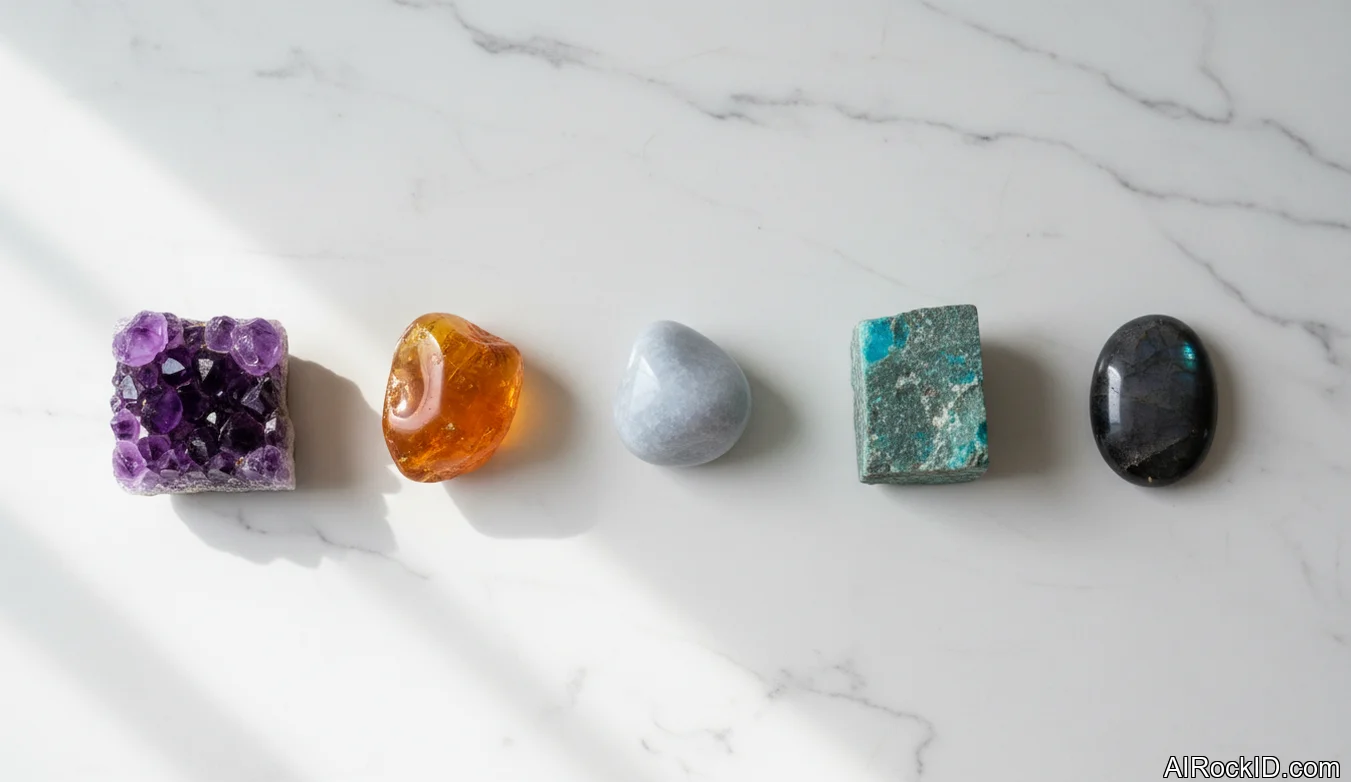
The best crystals for insomnia are the ones that help your nervous system downshift, but don’t turn your bedroom into some distracting science project. I usually grab amethyst, amber, angelite, amazonite, black moonstone, plus a few others, because they’re easy to live with and they don’t feel “loud” sitting on the nightstand.
Pick up a sleep stone and you’ll notice it fast: the ones that work best feel kind of boring. In a good way. No buzzy head feeling. No weird urge to keep checking on them. A chunky amethyst cluster has this cool, steady heft, like it’s been holding onto the day’s heat and finally let it go. Amber’s the opposite. It’s almost comically light for its size, like it shouldn’t count as a “stone” at all (and you notice that immediately when it’s in your palm). That physical cue matters, because insomnia is already a body problem, not just a thoughts problem.
And here’s the grounded part. Crystals won’t fix sleep apnea, hormone issues, medication side effects, or a 2 a.m. doomscroll habit. So what can they do? When you use them consistently, they can work like a sensory anchor, a simple cue that it’s time to slow down, breathe lower, and stop chasing the next mental thread. I’ve tested a lot of material over the years, and I pay attention to what people actually keep by the bed. It’s rarely the rarest rock. It’s the one that makes the room feel calmer, and doesn’t get in the way.
Recommended Crystals
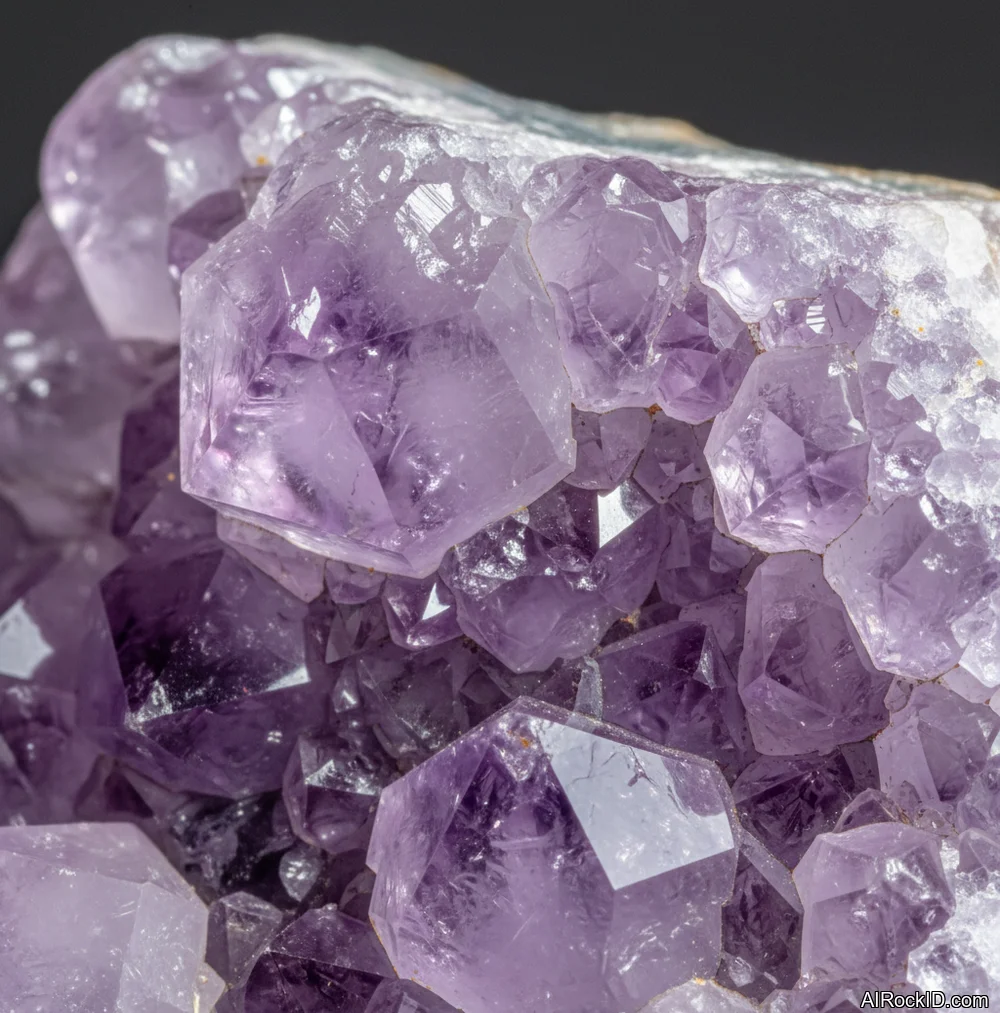
Amethyst
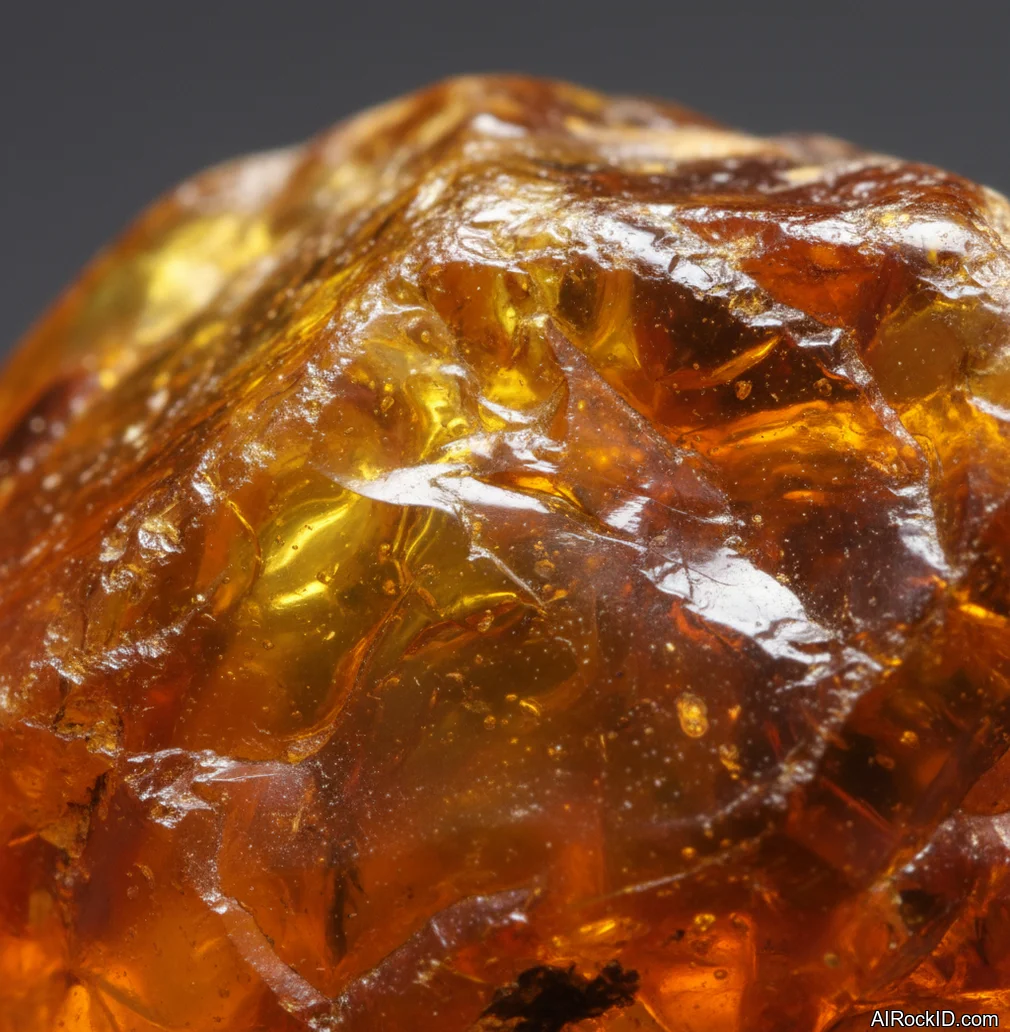
Amber
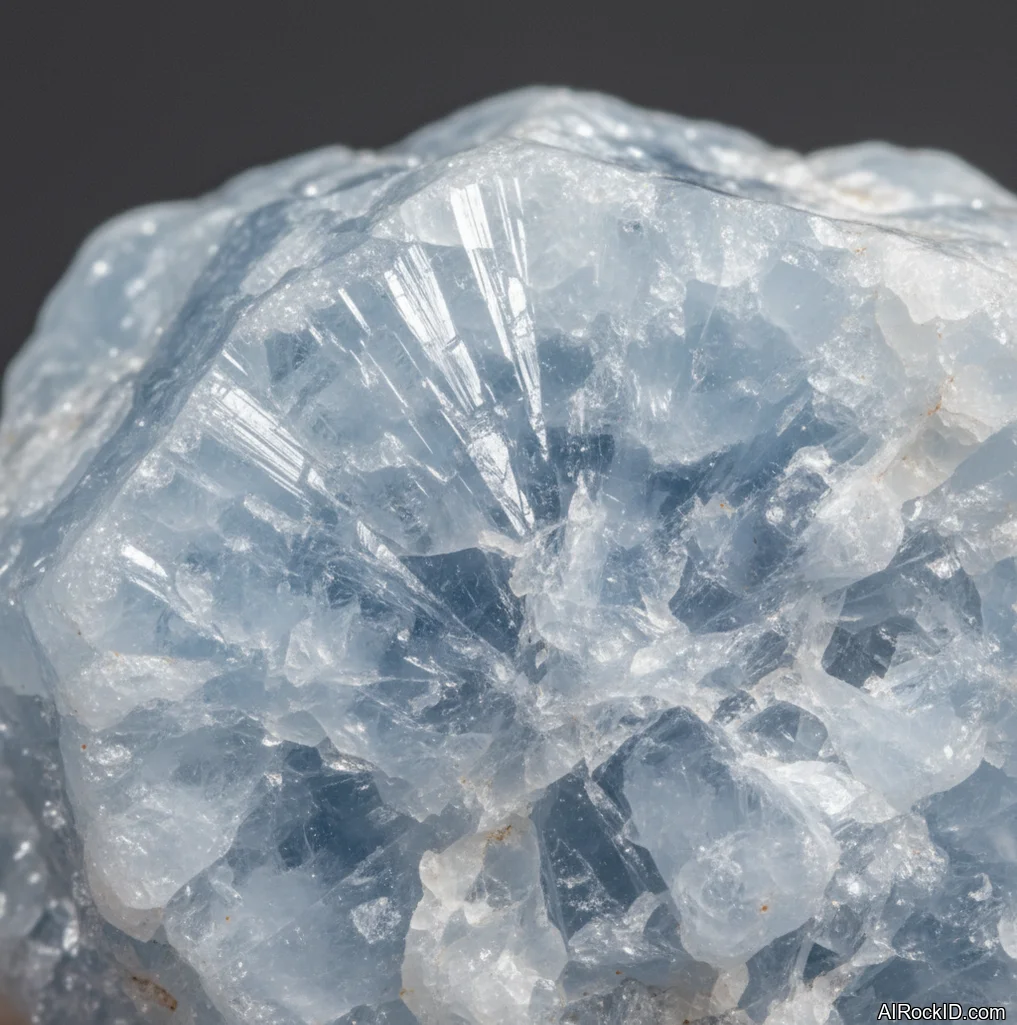
Angelite
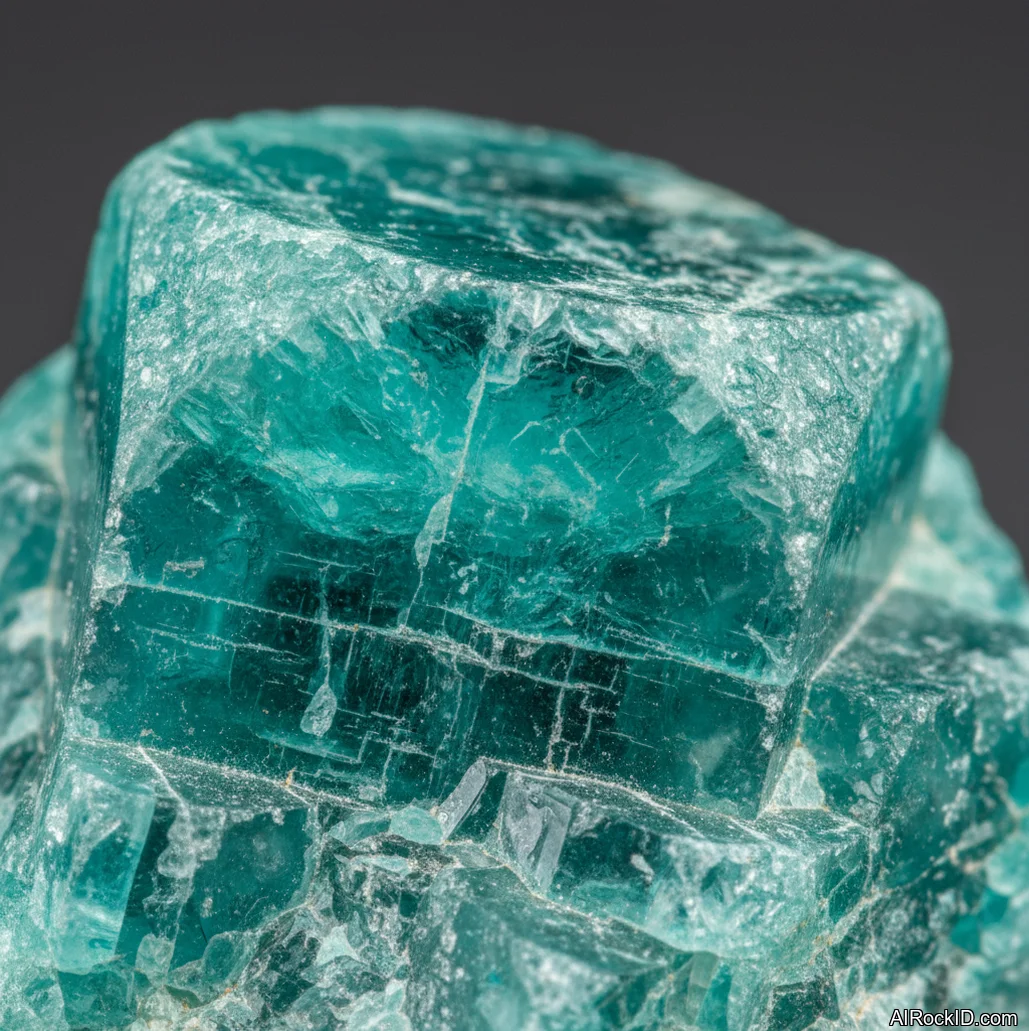
Amazonite
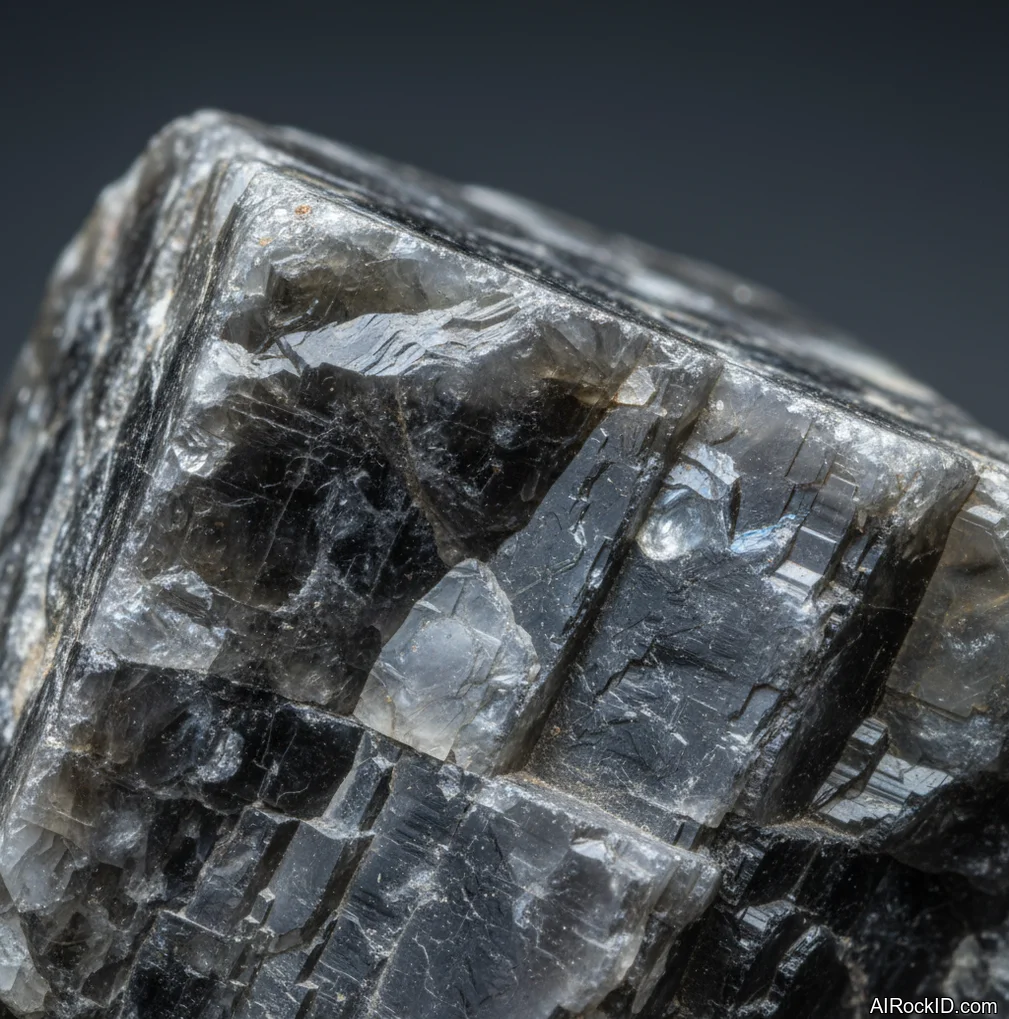
Black Moonstone
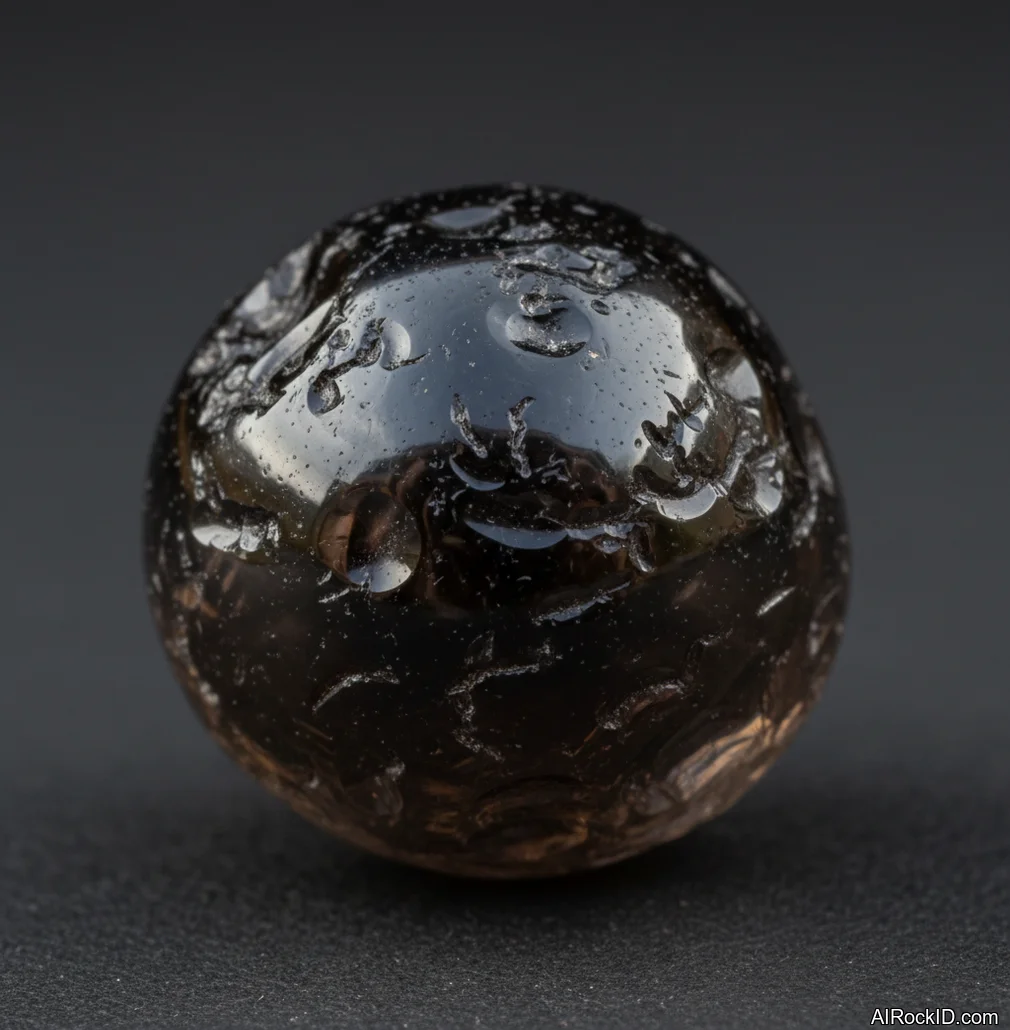
Apache Tears
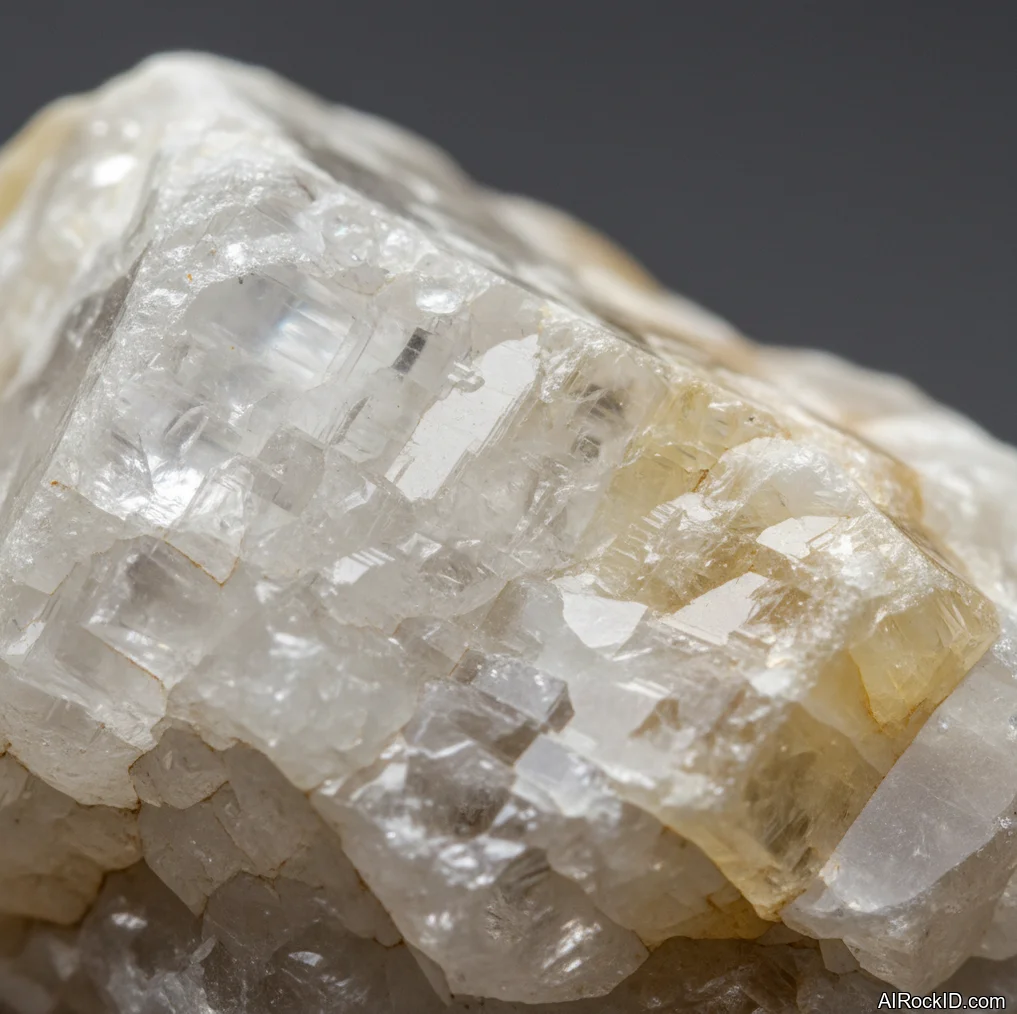
Amblygonite
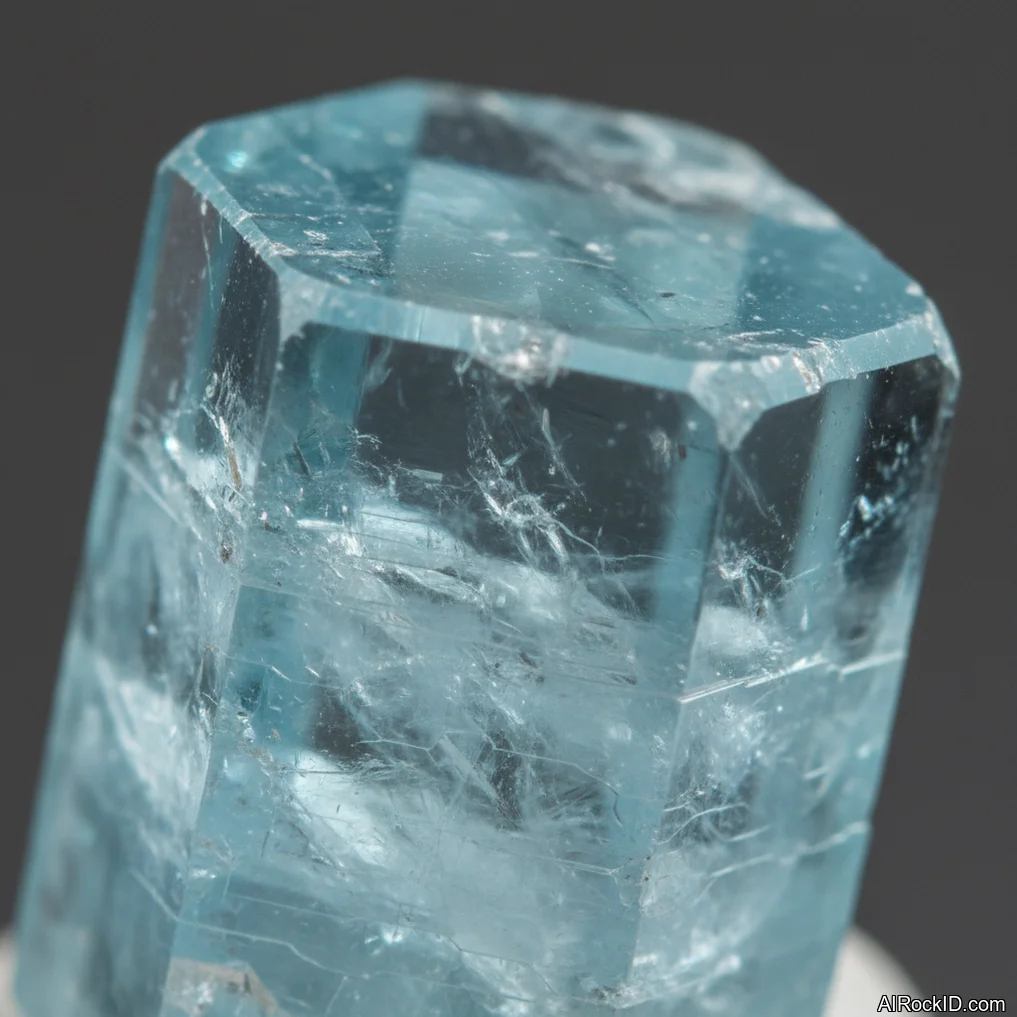
Aquamarine
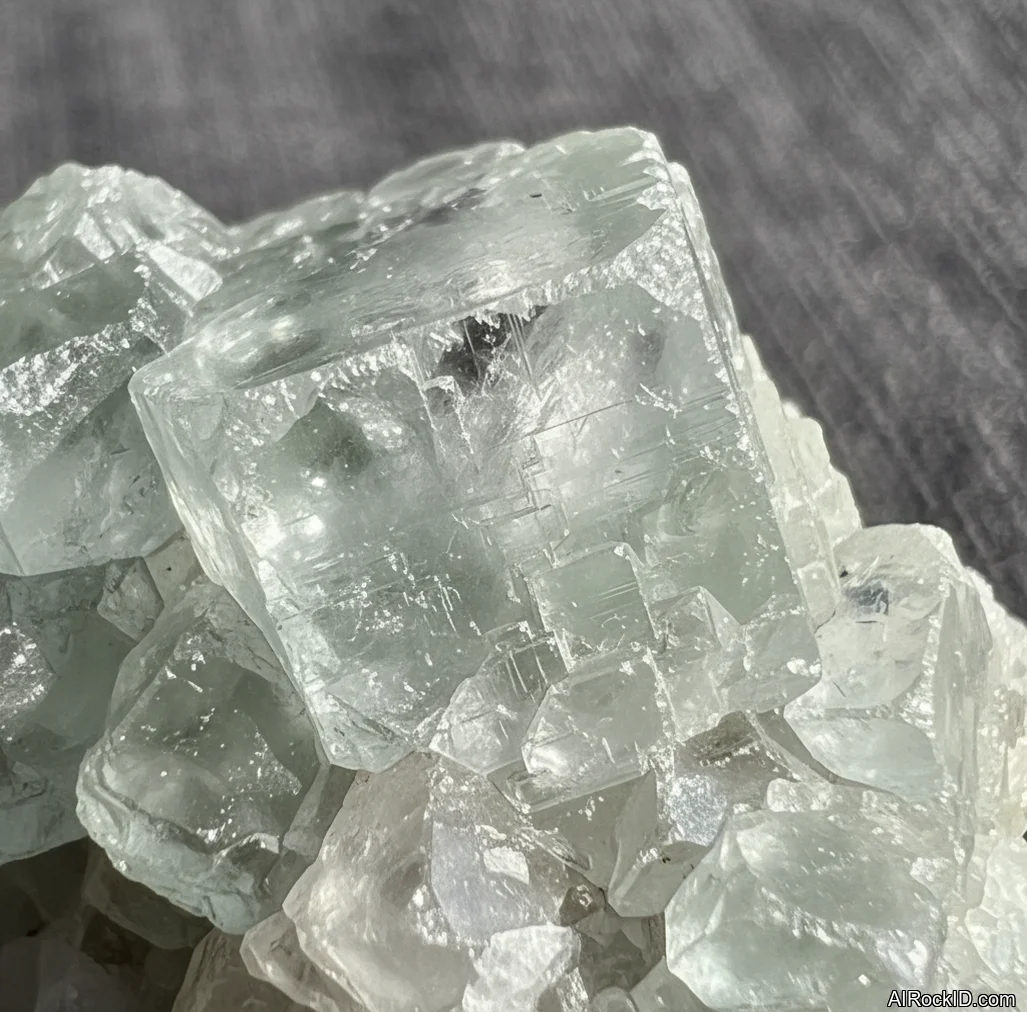
Apophyllite
Match the stone to your insomnia type (racing mind vs. body tension)
Racing-mind insomnia usually needs a “downshift” cue, not yet another technique you have to do perfectly. That’s where amazonite and aquamarine seem to work well for a lot of people, because they gently steer you toward dropping that unfinished mental chatter. You’re basically giving your hands a neutral little task while you stop feeding the thought loop. Grab the stone, notice how cool it feels at first and how it warms up against your palm, and let that be the whole job.
Body-tension insomnia is a different animal. Your mind might actually be fine, but your shoulders are practically glued up by your ears and your jaw feels like it’s holding a secret. In that case, I’d rather see you reach for something like amber or apache tears, because they tend to feel comforting and grounded in the hand (a little heavier, a little steadier). A big glossy crystal can backfire here, because the shine keeps your attention switched on. And that’s the opposite of what you want.
Mixed insomnia is the one most people deal with. You’re wired and tired. So if that’s you, keep it simple and build a tiny two-step routine: one stone for the last hour (amber worn, or aquamarine near your sink), then a second stone at lights out (amethyst or angelite on the nightstand). Keep it boring. Seriously. Boring is good at 1 a.m., when your brain wants to turn everything into a project.
Where to put crystals in the bedroom without turning it into clutter
The nightstand seems like the obvious place. But it’s not always the smartest. If you’re a light sleeper, anything that bounces lamp light around can turn into a weird little annoyance, and apophyllite is the usual suspect. I’ve watched people accidentally “decorate” themselves into insomnia, then lie there wondering why they feel so keyed up.
So try a simple three-location rule. One piece where you start your routine, like by the bathroom sink or on your dresser. One where you end it, sure, the nightstand works, just not under your pillow unless it’s flat and you’re positive it won’t jab you in the cheek at 2 a.m. And one across the room if you like a bit of breathing room, like a small amethyst cluster on a shelf.
And don’t brush off sound or clutter. Crystals clicking together in a dish can be a tiny but real раздражение when you wake up in the middle of the night. Put them in a cloth-lined tray or tuck them into a small pouch (the soft kind that doesn’t scrape). Thing is, keep sharp or fragile pieces away from the edge of the nightstand, too. I’ve heard that 3 a.m. crash more times than I want to admit.
Picking real material: fakes, treatments, and what your hands can tell you
Insomnia stones get tumbled to death and pushed hard in shops, so you’re going to bump into dye jobs, resin fills, and straight-up mislabeling. Amazonite gets dyed. Amber gets faked. And yeah, even amethyst shows up with those “aura” coatings, which can look cool in daylight, then feel kind of glaring and too much once the room’s dark.
If you can actually hold the piece, do it. Real amber usually warms up in your hand fast and feels weirdly light for its size, and when you hit it with a phone flashlight you can sometimes catch internal swirls or tiny inclusions. The cheap stuff? Rub it a bit and it can give off that plasticky, chemical smell, and it often looks too perfect, like a hard candy that came out of a mold. With feldspars like amazonite and black moonstone, you want to see natural streaking or small changes in tone, not a dead-even teal that looks sprayed on.
So ask the boring questions. What treatments were used? Where’s it from? Is it stabilized? Any decent shop won’t get touchy about that. They’ll just tell you, and they’ll usually let you handle a couple different pieces because the “right” sleep stone is often more about how your body reacts to it than how it looks in a photo (or under a ring light, honestly).
Pair crystals with boring sleep basics (so they actually have a chance to work)
Crystals seem to work best when you hook them to a routine your nervous system can actually recognize. If bedtime is a different circus every night, the stone’s basically just decor you dust around. But run the same sequence for two weeks and you’ll find out fast if it’s doing anything: dim the lights, wash up, put the stone where it always goes, breathe, lights out.
Temperature matters more than people think. A cool room plus a cool stone is a solid one-two for winding down, which is why amethyst sitting on the nightstand feels totally different than the same piece after you’ve been warming it in your palm for 20 minutes (you can feel that little pocket of heat it holds). And if you snap awake at 3 a.m., don’t turn this into a whole production. Touch the stone once, do three slow exhales, and stop. That’s it.
Also, don’t let your bedroom slip into “testing mode.” People buy five crystals, rotate them nightly, take notes, and they accidentally turn sleep into homework. So if you’re going to test, do it like an adult: pick one stone for seven nights, keep the placement the same, keep the routine the same, then switch. Simple.
How to Use These Crystals for Insomnia
Keep it tiny. Like, so small you’ll still do it when you’re wiped out and your eyes feel sandy. I stick to a two-part thing: a “wind-down stone” that lives right where you get ready for bed, and a “lights-out stone” that just stays parked on the nightstand.
For wind-down, amber works great if you wear it for the last hour and then set it aside (I usually drop it in the same little dish I toss my rings into). For lights-out, angelite or amethyst is easy because it’s visually quiet, and it doesn’t kind of stare at you asking for more attention.
Do this. Set a timer for 3 minutes. Sit on the edge of the bed, hold your stone in one hand, and put your other hand on your lower ribs so you can actually feel your breath drop. Inhale through your nose. Exhale longer than you inhale. When the timer goes off, put the stone down in the exact same spot every night. That’s the trick. Consistency is the whole game.
And if you wake up in the middle of the night, don’t start grabbing three crystals and trying to troubleshoot your entire life at 3:17 a.m. Keep one small stone in a pouch you can find by feel, like apache tears or a tumbled amblygonite. Touch it, do a short exhale count, and let that be the cue to go back to stillness, not kick off a new project.
Common Mistakes to Avoid
The biggest screw-up I see is people going way too stimulating. They’ll buy these sparkly clusters or those coated “aura” pieces, park them right under a bedside lamp, and then genuinely wonder why their brain won’t shut off. Apophyllite can do the same thing if it’s big and flashy. Sleep stones should look kind of boring at night. Dull. Calm.
Second mistake: actually sleeping on crystals. Sounds cozy in theory, sure, but most people wake up with a sore neck, a missing stone, or a chipped piece (those points snap easier than you think). And the under-pillow thing? It turns into a 2 a.m. scavenger hunt, hands patting around for something that slid halfway down the bed. Keep the stone on the nightstand, or toss it in a soft pouch if you need it close.
Third mistake is treating crystals like they’re a substitute for basic sleep hygiene. If you’ve still got caffeine in your system at 9 p.m. and your room is bright and warm, crystals aren’t going to overpower that. So use the stone as a habit anchor while you fix the obvious stuff. Simple as that.
Identify Any Crystal Instantly
Snap a photo and get properties, value, care instructions, and healing meanings in seconds.