Best Crystals for Luck
- Introduction
- Recommended Crystals
- What “luck” looks like in real life (and how stones actually help)
- Choosing specimens that feel lucky: quality, fakes, and what to look for
- Luck for money vs luck for opportunities: match the stone to the situation
- Simple “luck rituals” that don’t get weird
- How to Use These Crystals
- Common Mistakes
- FAQ
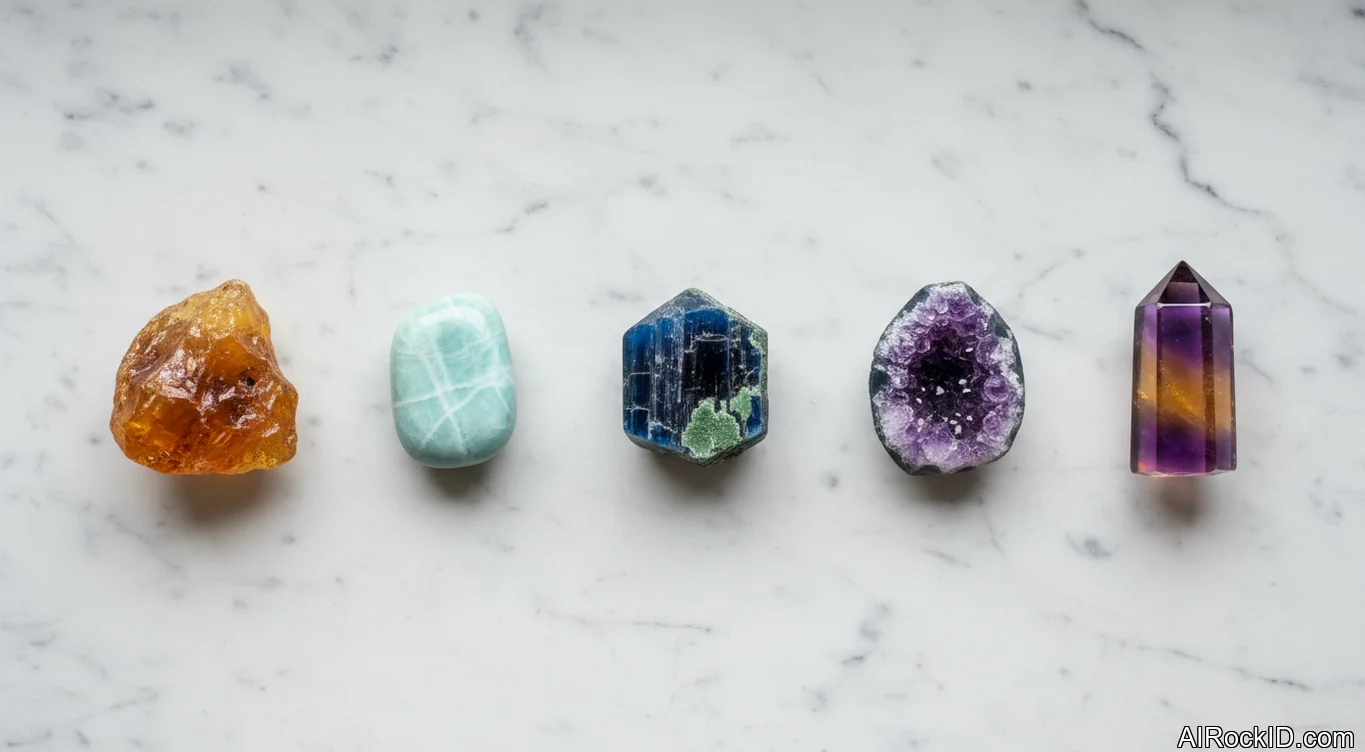
When I’m doing luck work, I stick to a small handful of stones that feel more like timing, confidence, and “doors cracking open,” not some fairy-dust miracle situation.
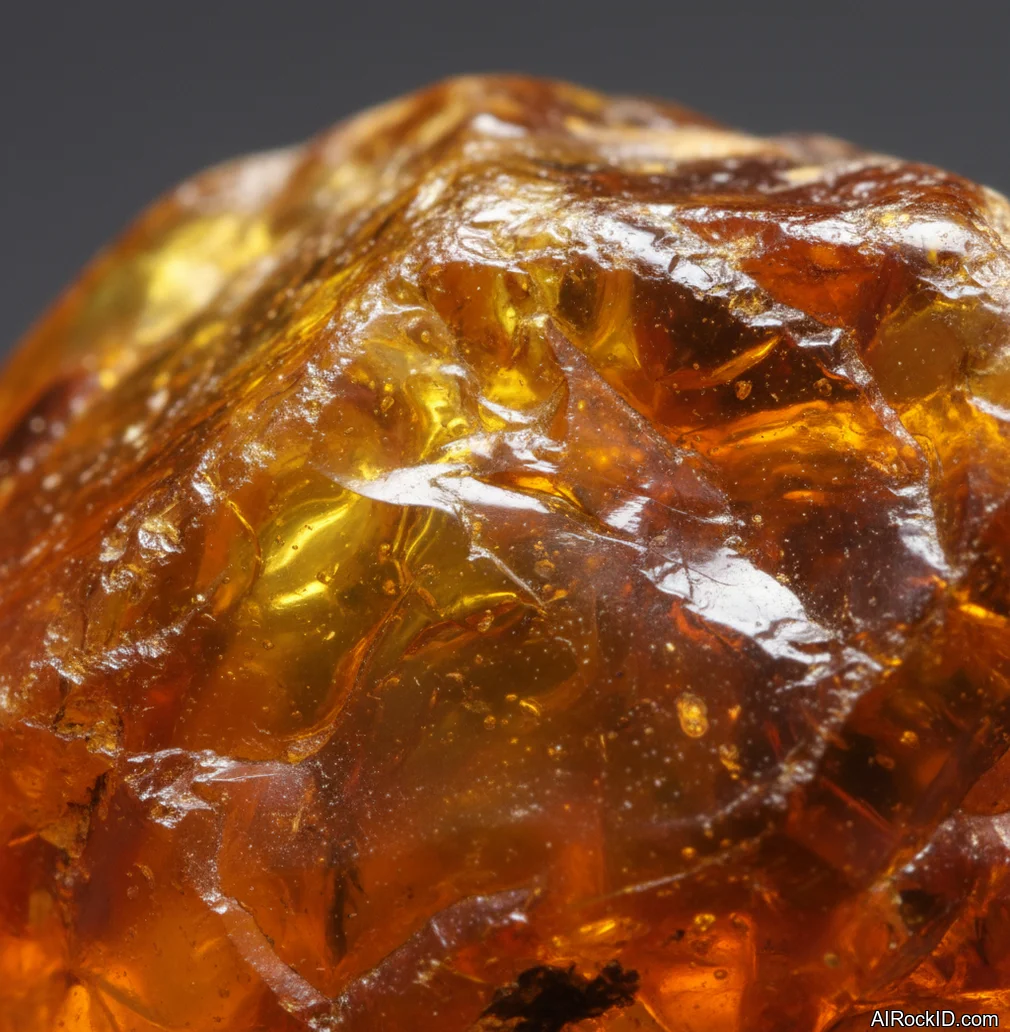
Luck, day to day, usually comes down to being seen, being ready, and actually following through. Crystals can keep you pointed that way. They nudge your mood and your focus, which changes what you even notice, and then what you do next. Take a solid piece of amber, for instance. The first thing you clock is how weirdly light it is for its size, like it wants to bob right up out of your palm. That matters, because it’s honestly hard to stay glued to the mud when you’re holding something that physically feels kind of buoyant.
And I’m picky about what I’m calling “luck,” too. If you mean lottery luck, don’t. Save your money and buy groceries. But if you mean better odds in interviews, smoother networking, spotting opportunities earlier, or snapping back fast after a “no,” that’s where stones can actually fit. So watch your habits while you try one. Do you send the email sooner? Do you speak up? Do you walk into the room like you belong there (even if your stomach’s doing flips)? That’s the real test.
Recommended Crystals
Amber
Amazonite
Apatite
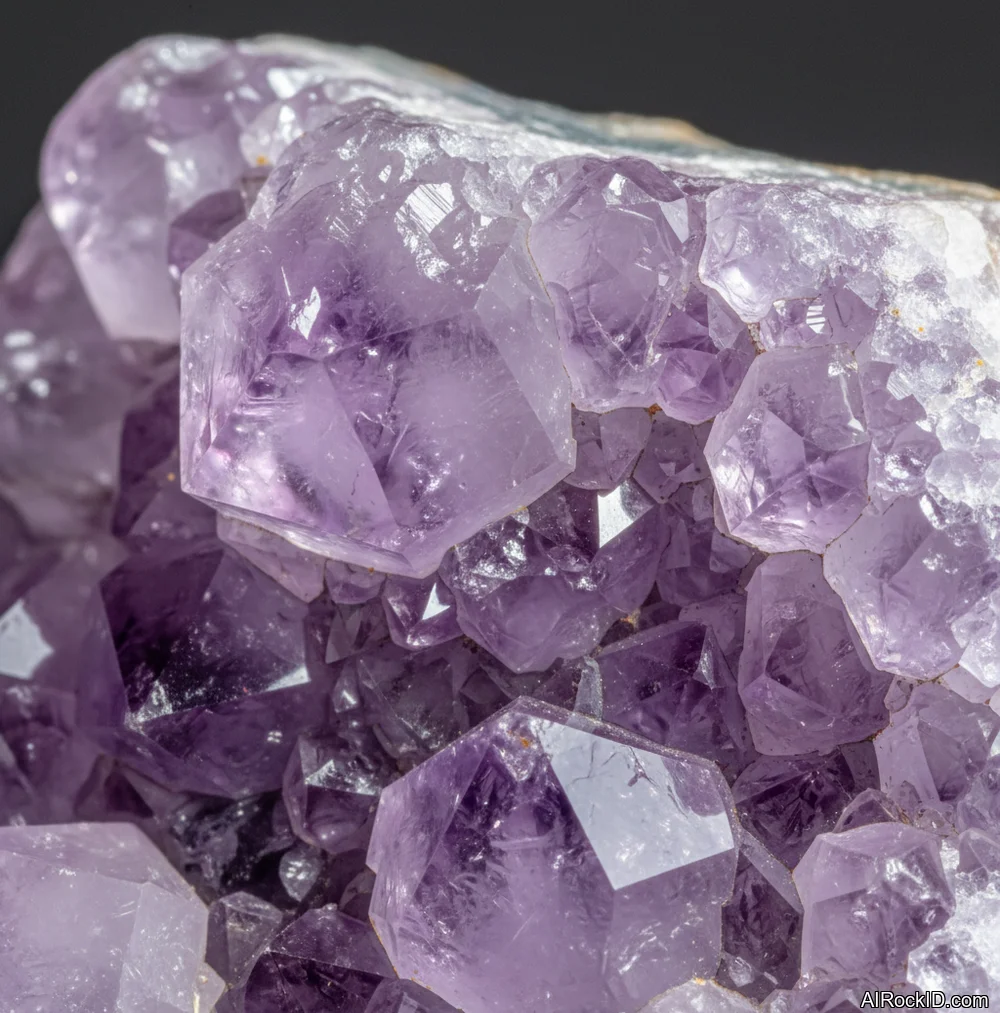
Amethyst
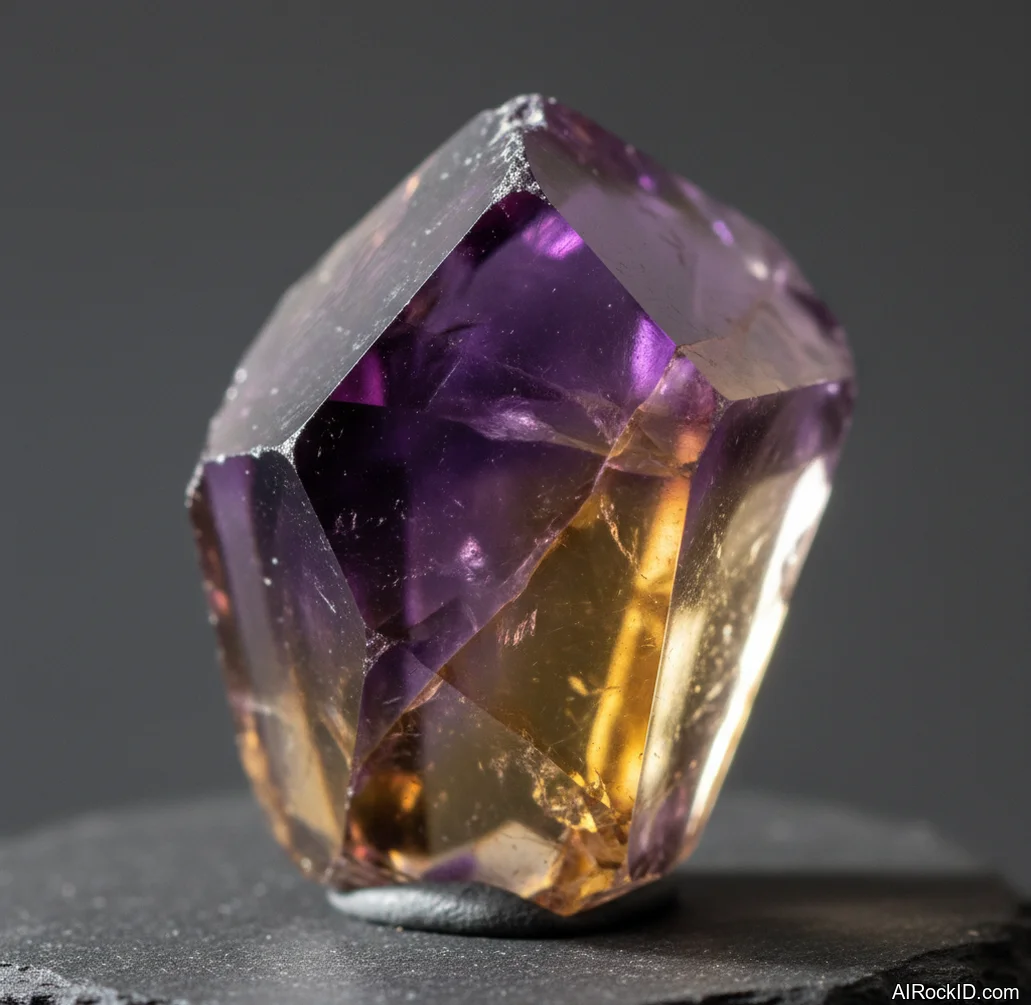
Ametrine
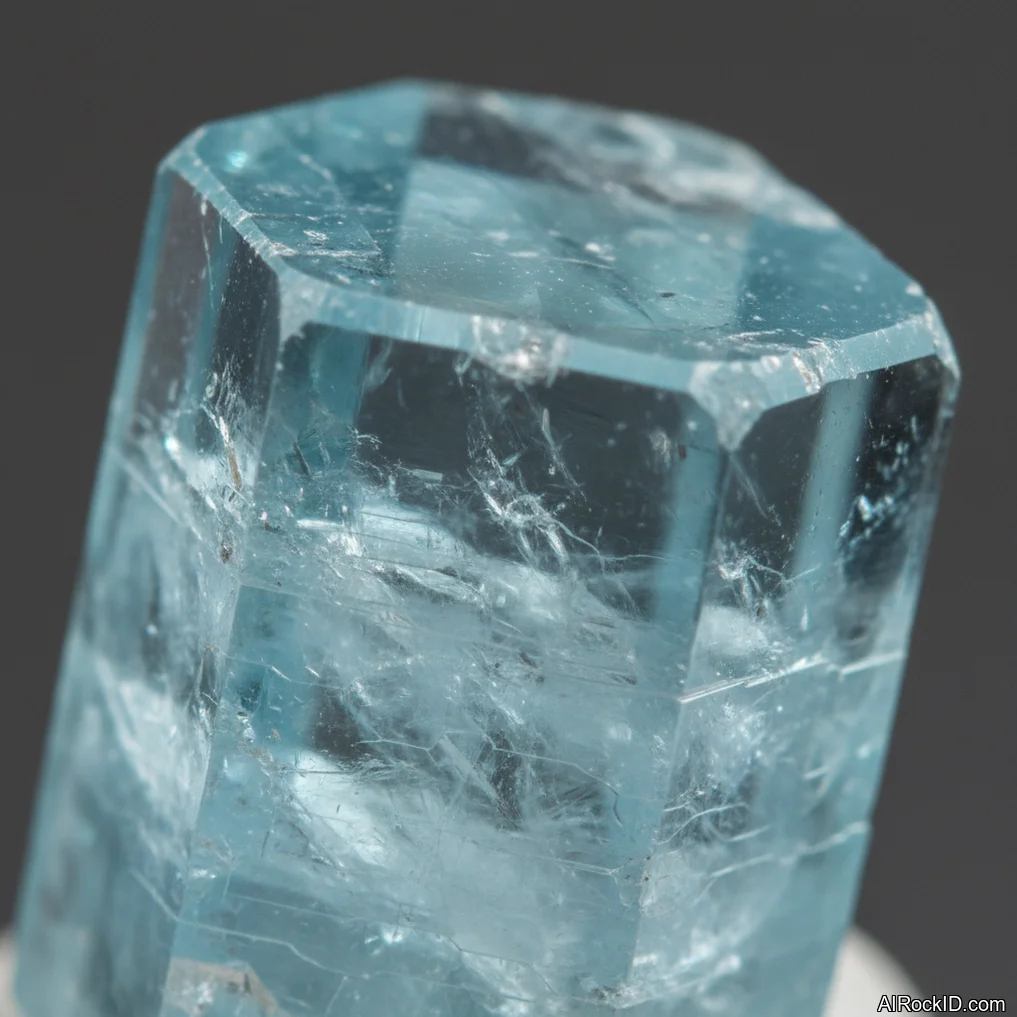
Aquamarine
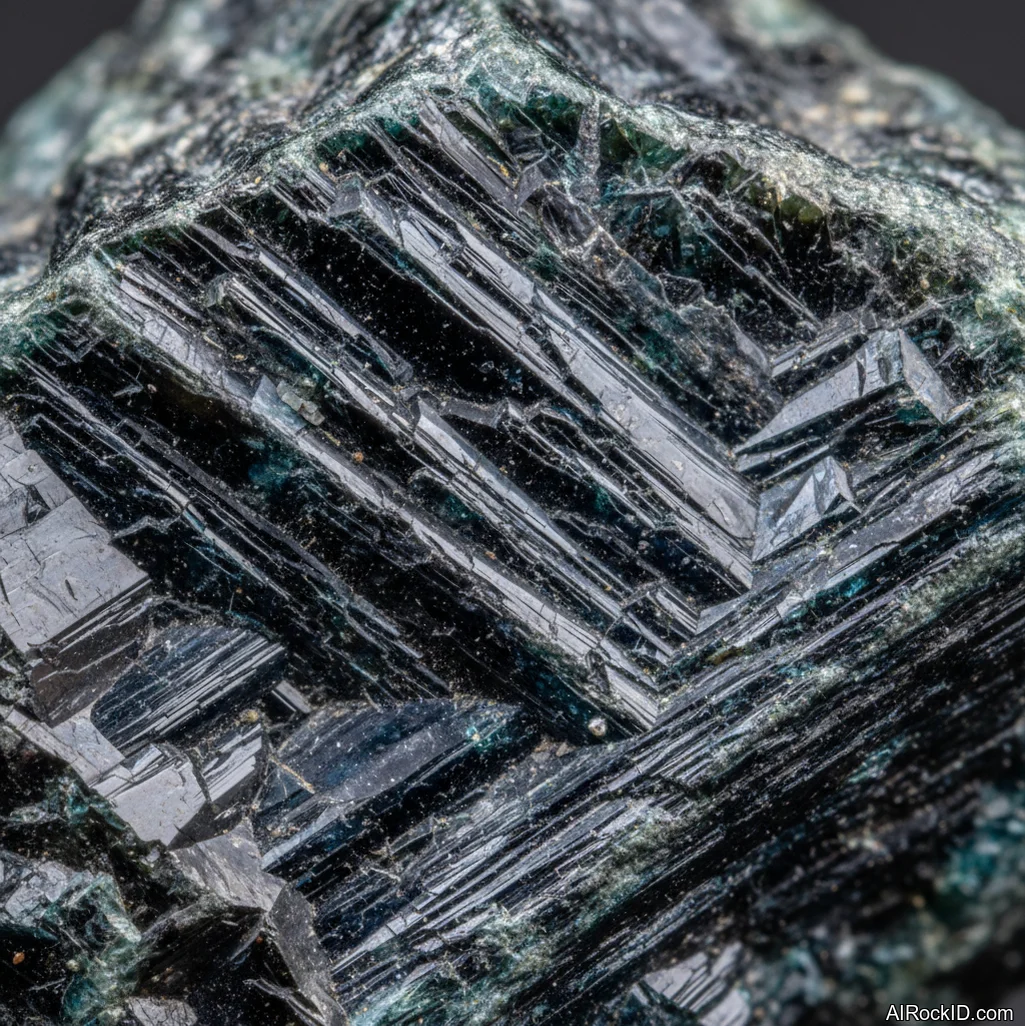
Arfvedsonite
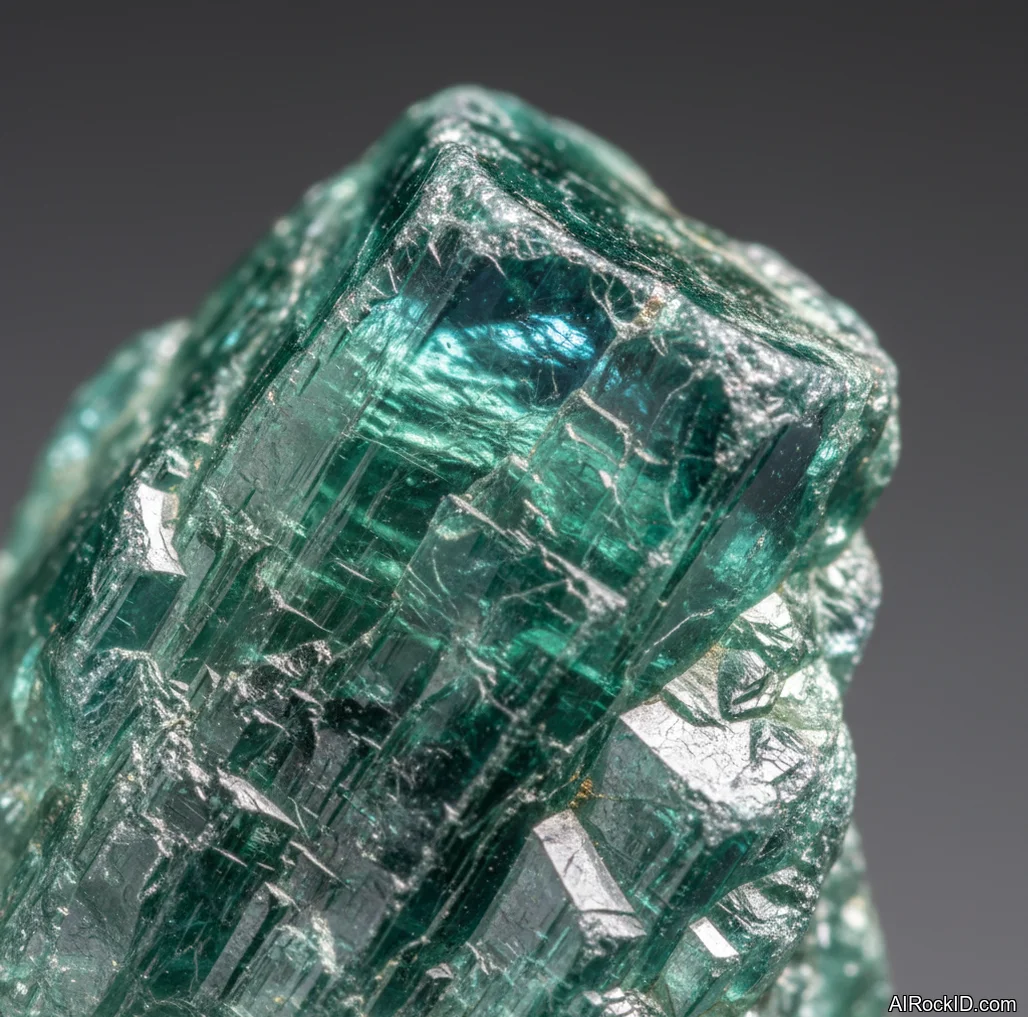
Alexandrite
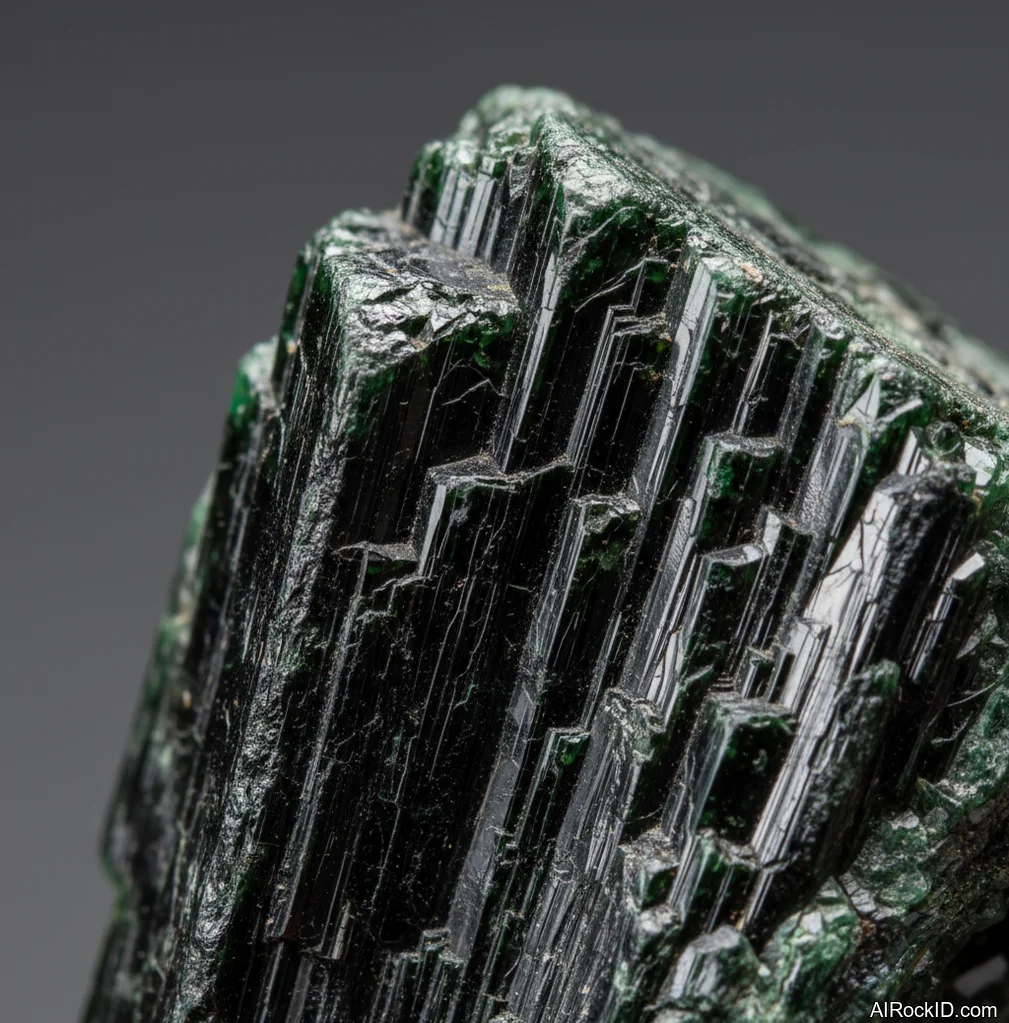
Aegirine
What “luck” looks like in real life (and how stones actually help)
Luck usually shows up as a bunch of tiny clicks in a row, not one movie-style lightning strike. You spot a posting early. You fire off the message while it’s still fresh. Somebody actually replies. And then you show up ready, coffee in hand, notes scribbled in the margin instead of trying to wing it.
That’s the kind of chain crystals can help with, because they nudge your attention toward certain habits. Pick up a stone and just watch what it makes you do. Seriously. Amber tends to get people moving, like that little push where you stand up before you can talk yourself out of it (it’s got that warm, tacky feel when it’s been in your pocket for a while). Amethyst slows people down just enough to stop the self-sabotage spiral. Amazonite gets the words out, especially when you’re staring at a blank email and suddenly the first sentence doesn’t feel impossible.
None of that has to be supernatural. It’s mood and focus shifting, and that changes your odds. But the “luck crystal” stuff online gets sold like a slot machine. Buy this, win that. Come on.
So if you want to test it in a way that stays grounded, track one metric for two weeks. Pick something you can count: follow-ups sent, conversations started, applications finished, calls made. If the stone helps you do more of the right actions with less internal drag, then yeah, it’s doing the luck job. Why not treat it like an experiment?
Choosing specimens that feel lucky: quality, fakes, and what to look for
Most dealers will hand you a shiny tumble, take your money, and move on. But luck work is hands-on. You’re going to be rubbing that stone between your fingers when you’re nervous, when you’re hopeful, or when you’re right on the edge of doing something dumb-brave. So if it feels plasticky, chalky, or oddly warm in a way that doesn’t match the room, pay attention.
Amber’s the big trap. The cheap stuff is often straight-up plastic or pressed little scraps glued together. Real amber is shockingly light in your palm, and if you warm it with your fingers for a minute and bring it up near your nose, you can sometimes catch that faint resin smell (kind of piney, but softer). And don’t do the hot needle test in a shop unless you feel like getting tossed out. Seriously.
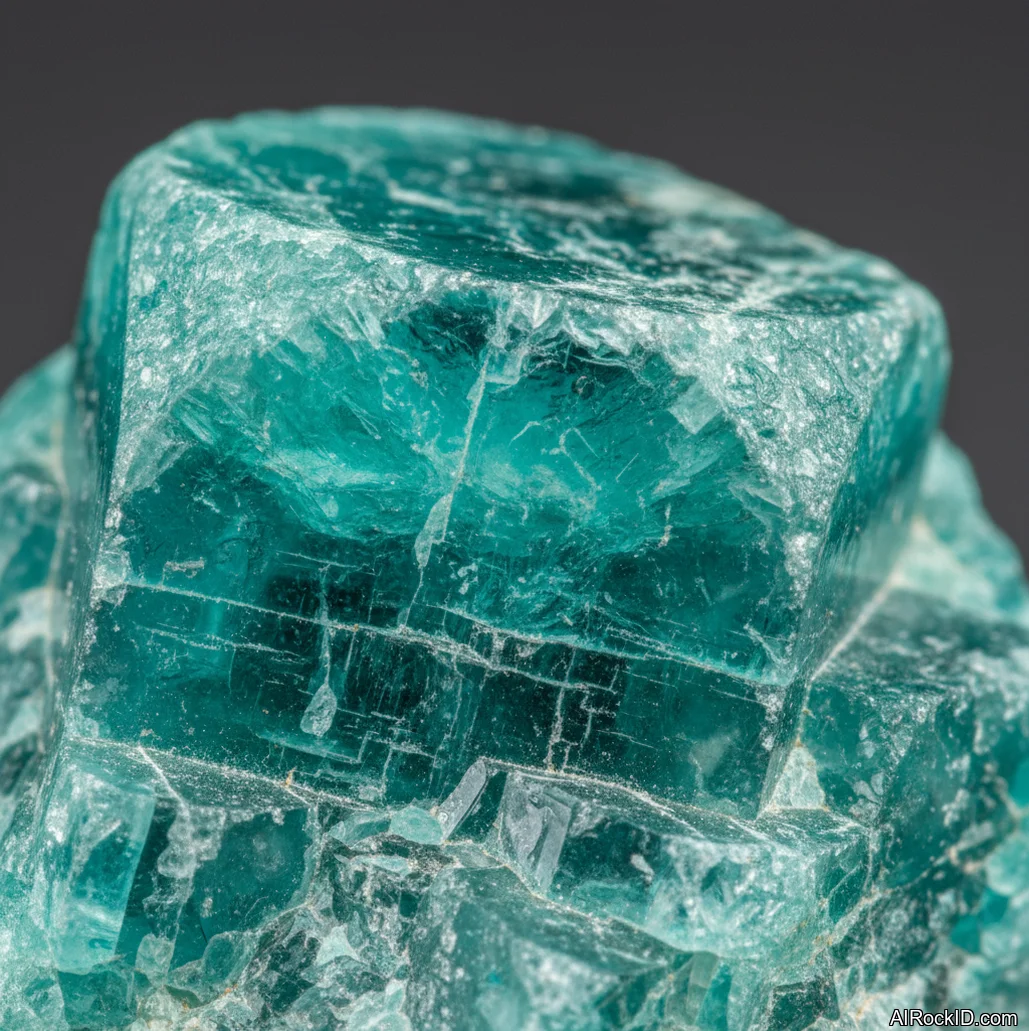
With ametrine, you want clean color zoning you can actually see, not that muddy brown-yellow blur. With amazonite, look for that watery blue-green and natural-looking white streaking, not dye that’s so even it looks painted on. And if you’re buying alexandrite, don’t be shy: make them tell you if it’s lab-grown or natural, and check the color change under two different lights before you commit. Why guess on something that expensive?
Luck for money vs luck for opportunities: match the stone to the situation
Money luck? Most of the time it’s just opportunity luck dressed up nice. A new client lands in your inbox. A better job finally opens up. A referral comes through out of nowhere. So if you’re trying to “get lucky” with money, you’ll get farther by matching stones to the actual steps that create income.
For outreach and asking, amazonite and aquamarine do real work because they help you talk like a normal person instead of spiraling (you know that tight chest, hot face thing when you’re about to hit send?). They keep you steady enough to make the call, send the pitch, ask for the rate you want.
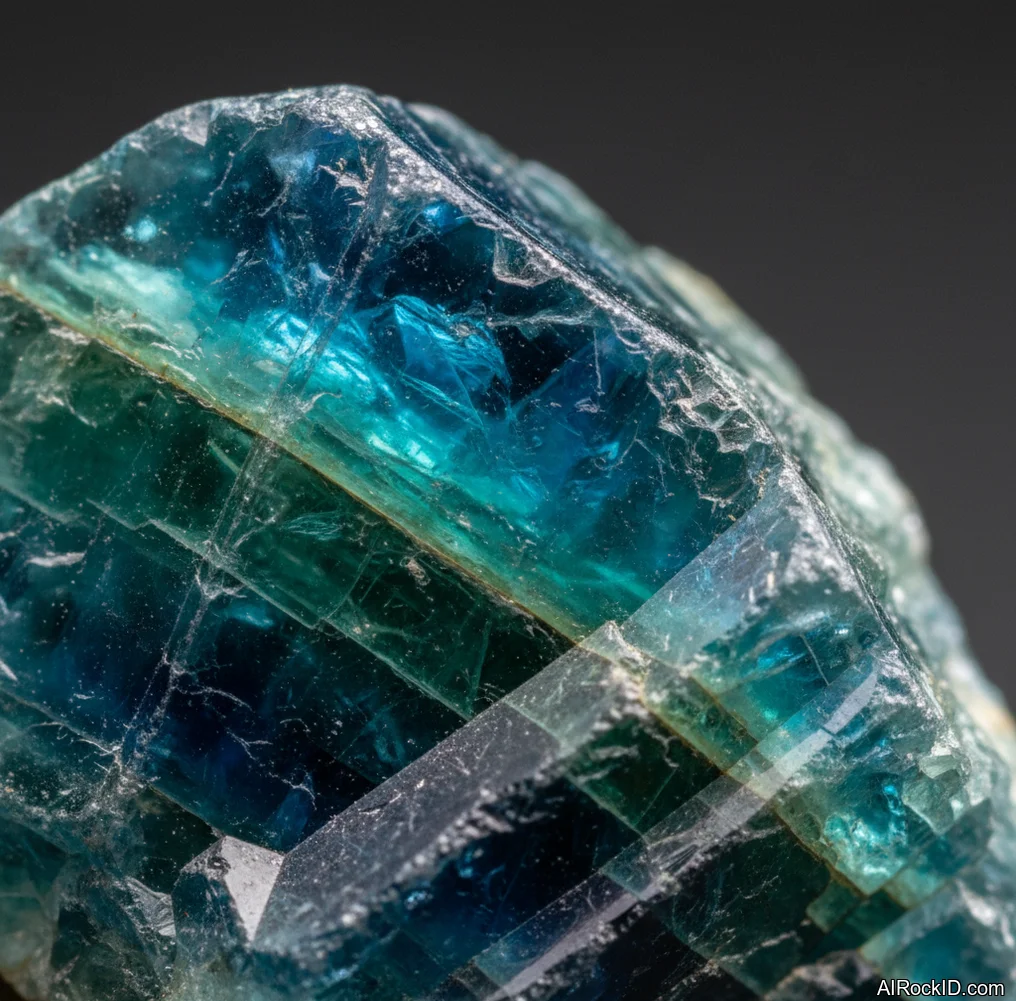
For execution, apatite is great. It’s got that go-go-go energy, like you can feel your hands moving faster over the keyboard. But it can also make you rush, so pair it with a written checklist so your speed doesn’t turn into sloppy mistakes. No one wants to redo work at 11:47 p.m. because you skipped one tiny step.
For judgment calls, amethyst helps you not send the emotional text, buy the thing you can’t afford, or agree to terms you’ll hate. Thing is, it’s less “mystical vibe” and more “pause, breathe, don’t nuke your future self.”
Arfvedsonite is the odd one here. But it’s excellent when money luck is really about research, timing, and spotting patterns before they’re obvious. Use it when you’re comparing options, then put it away and act. Because analysis without action isn’t luck. It’s hiding.
Simple “luck rituals” that don’t get weird
You don’t need a full moon or a velvet altar. And you definitely don’t need a thirty-step ceremony. Luck work should be quick, because most lucky moments don’t wait around for you to light incense and get in the mood. You want something you’ll actually do when you’re half-laced up, keys in hand, already late.
Here’s the version I come back to: one stone, one intention, one action. Hold amber and decide you’re going to introduce yourself to one person today. Hold ametrine and pick the bolder option you’ve been dodging, but write it down right then (paper, Notes app, whatever) so it’s not just a vibe. Hold aegirine and choose what you’re not going to engage with today. Simple. Clean.
I’m also big on “placement luck.” Put aquamarine near your passport or travel folder, like right where your fingers naturally land when you grab it. Keep amethyst where you pay bills. Keep apatite on the desk where work happens, the spot that always ends up with a coffee ring. The idea is cue-based behavior. When your hand hits the stone, your brain goes, oh right, that plan. And you move.
How to Use These Crystals for Luck
Pick one luck target for the week. Not “more luck.” Something you can actually measure. Three follow-ups. Two new conversations. Apply to five roles. Then grab a stone that matches what’s jamming you up: amber for energy, amazonite for asking, amethyst for impulse control, apatite for getting it done.
Carrying it is the easiest move, sure. But look, be real about how you live. If your pockets are already stuffed with keys and coins (and that little pile of mystery lint), don’t toss in a softer stone like apatite unless you’re fine with it getting scratched up. Desk placement can be better for research stones like arfvedsonite, and it keeps them from getting knocked around all day. And for communication stones like aquamarine or amazonite, jewelry actually makes sense because it’s on you when you’re talking, not sitting forgotten in a bag.
Clean them in a basic, no-drama way. A quick rinse, then wipe it down. Done. Most of these don’t need more than that, and a soft cloth helps more than people think (it’s the difference between “clean” and “grimy fingerprints”). The real “charge” is repetition. Every time you touch the stone, you link it to one specific action. That’s what builds the luck habit over time. Not magic. Just a consistent cue.
Common Mistakes to Avoid
The biggest mistake? Treating luck stones like a vending machine. People grab one little tumbled stone, stick it in a pocket for a day, then call it “fake” because there wasn’t some fireworks moment. But luck rarely shows up that way. It’s more like you make a slightly better call, you don’t snap at someone, or you finally do the annoying thing you’ve been dodging.
Another problem is buying junk and expecting miracles anyway. I’m talking pressed amber that feels weirdly light and plasticky when you roll it between your fingers, dyed amazonite lookalikes with that too-even color pooling around tiny cracks, muddy ametrine that just looks like a sad brownish chunk, or mystery “alexandrite” that never changes color no matter where you stand (window light, bathroom light, doesn’t matter). If it fails the basic eyeball check and the hand-feel test, you’re basically setting yourself up to be let down.
And the last one is stacking way too many stones at once. I’ve watched people carry five different pieces, get completely overstimulated, then blame the crystals for feeling off. So pick one or two. Tie them to a real, concrete goal. Give it a week before you change the experiment. Why rush it?
Identify Any Crystal Instantly
Snap a photo and get properties, value, care instructions, and healing meanings in seconds.