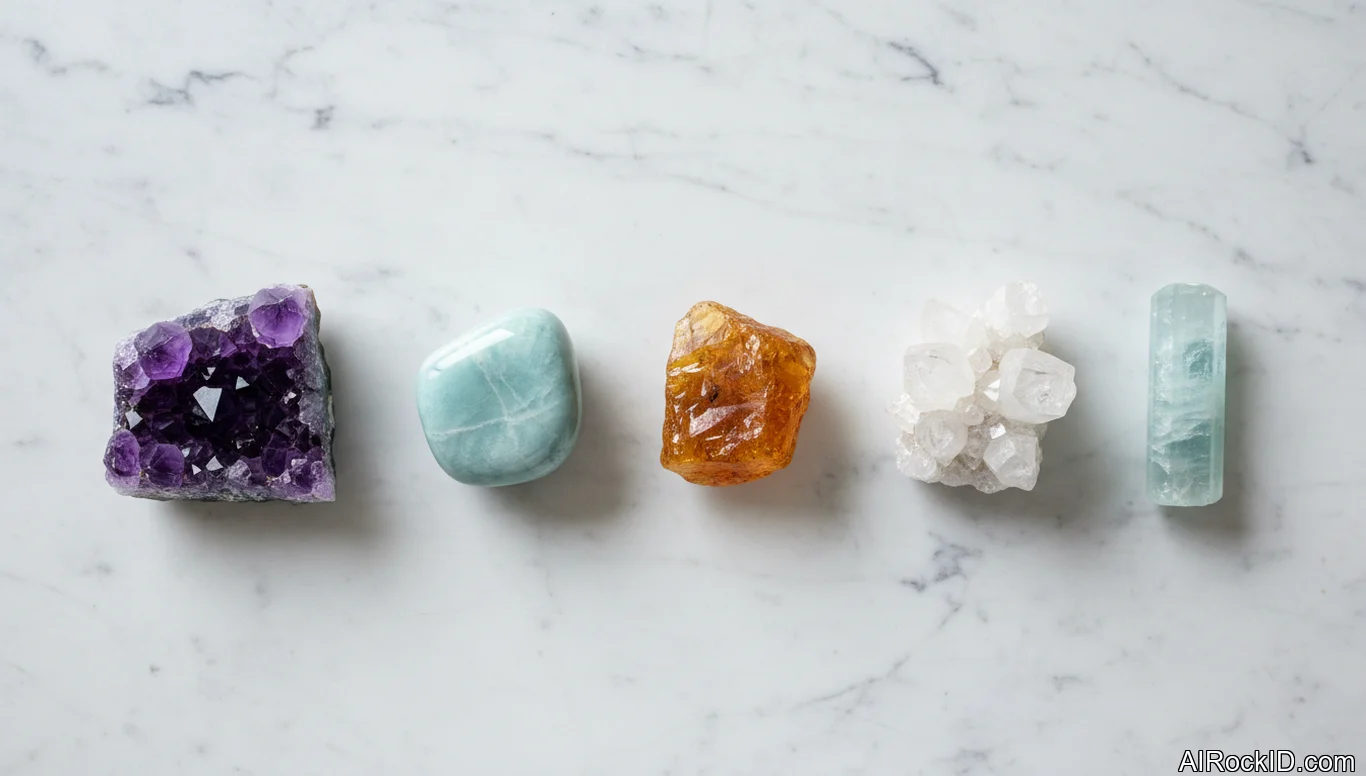
For “positive energy,” I’d keep it simple: amethyst to turn down the mental noise, amazonite when you want calmer communication, amber for that warm, cozy lift, and then something grounding like black tourmaline so you don’t end up feeling spun out.
Thing is, “positive energy” sounds kind of floaty. But day to day it usually boils down to very real stuff: less rumination, fewer emotional spikes, and a room that just feels easier to breathe in. I’ve handled enough stones to notice some feel almost “loud” the second they hit your hand, and others are more like a mute button. Grab a decent chunk of amber and you’ll feel it right away. It’s oddly light for its size, and it warms up fast in your palm. That little physical cue matters, honestly. It helps you treat the stone like a tool, not a wish.
And then there’s the market reality. A lot of “positive energy” stones get sold as perfectly polished tumbles with a perfect little story attached, and half the time the stories could be swapped between stones and nobody would blink. So I’m keeping this practical. What the material feels like, what I’ve seen it do in actual routines, and how to use it without turning your life into a crystal spreadsheet (because who has time for that?). If one stone makes you feel steadier and you actually remember to use it, that’s the win.
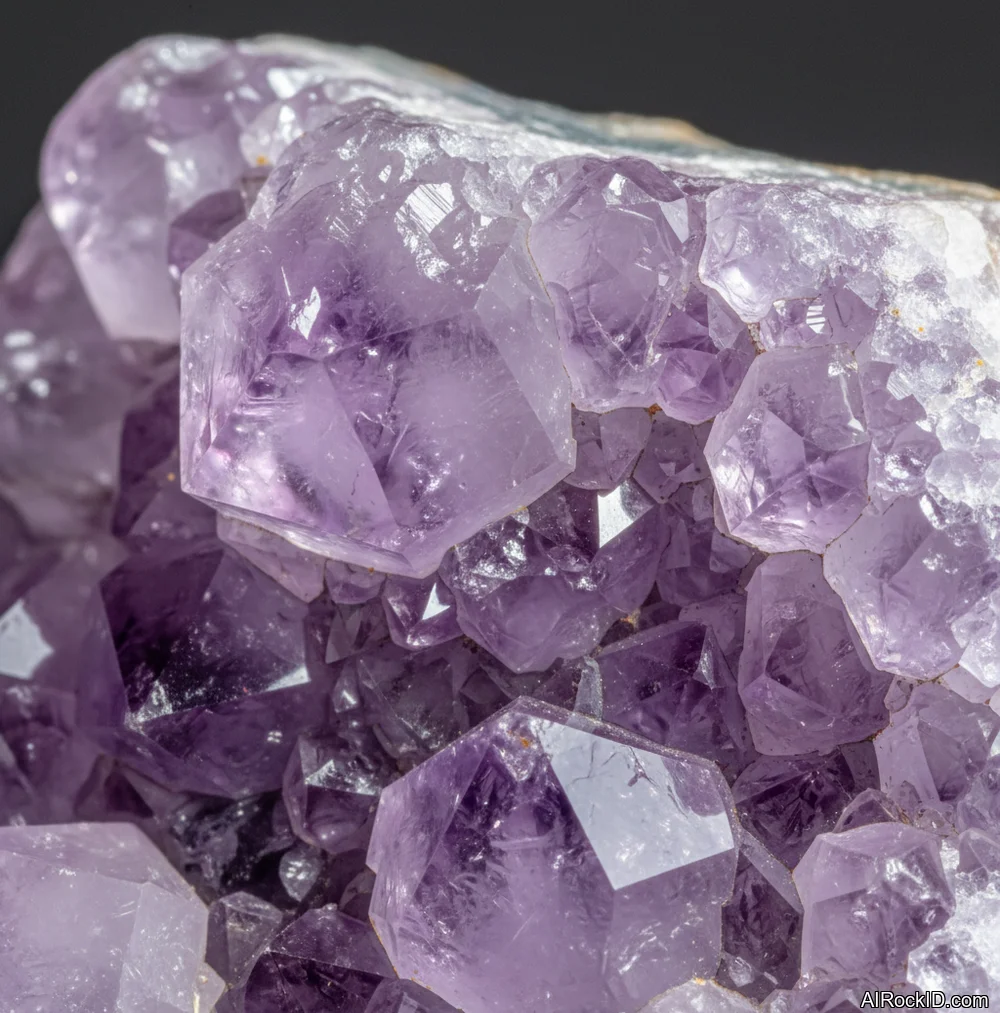
Uruguayan amethyst usually shows up as that deep, grape-purple color with tight little points that glitter when you turn it, while a lot of Brazilian pieces look more lavender in daylight. And that difference matters because the darker stuff, at least for me, works better when I’m trying to quiet the mental static and cut the doom-scrolling vibe.
Grab a cluster and you’ll notice it stays cool in your palm longer than a tumbled stone does. Thing is, that lingering chill makes it a really simple physical “pause” cue, like a tiny reset button you can actually feel.
But there’s a catch. Dyed quartz gets sold as amethyst sometimes, and the color gives it away: it looks too inky and too even. Tilt it under a lamp and it doesn’t shift much, which is a little suspicious, right?
How to use: Keep a small cluster near the spot where you unwind, not where you work, so your brain links it with downshifting. If you’re using a tumbled piece, try 60 seconds in your palm with slow breathing, then put it down and do the next real step (water, shower, bed).
Good amazonite has that blue-green, pool-water look, usually with those chalky white streaks running through it. When it’s polished right, it’s got this faintly waxy feel under your thumb, like it almost wants to glide.
I grab it when “positive energy” really means: stop spiraling, breathe, and just say what you mean (without the bite). Compared to amethyst, it’s not as sleepy. It’s steadier. Like turning the volume down, but keeping the lights on.
Most dealers sell it tumbled. And yeah, there’s a reason for that. Raw pieces chip fast, especially on the edges, so don’t expect it to stay pretty if you drop it in a pocket with keys. You’ll hear that little click-clack, and sooner or later you’ll see a new nick.
How to use: Put it where you talk: desk, kitchen table, the spot you take calls. If you carry it, wrap it in a small cloth pouch so it doesn’t get bruised and you don’t end up with green grit in your pocket.
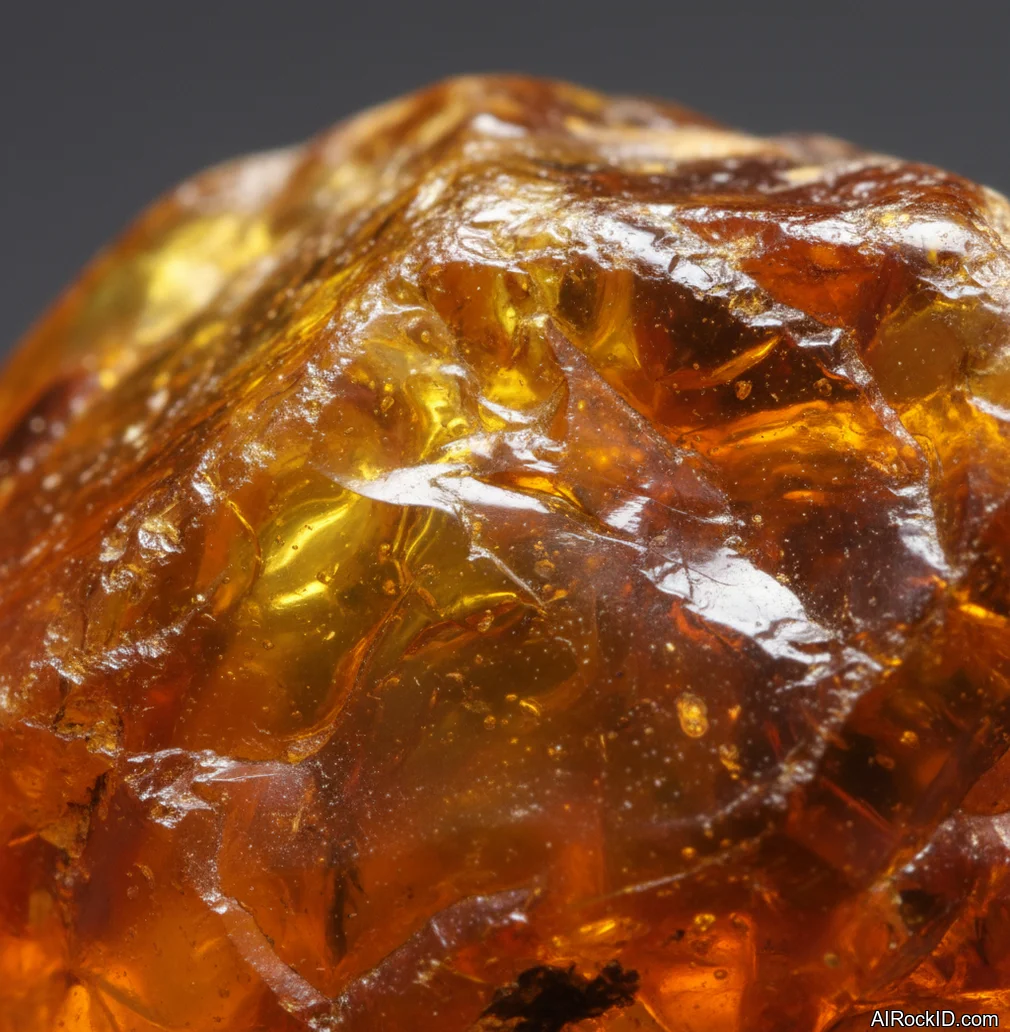
Real amber is tree resin, not a mineral. And you can usually tell right away because it warms up fast when it touches your skin, like it’s picking up your body heat almost instantly.
That quick warmth is exactly why I reach for it on my “positive energy” days when everything feels cold or heavy and you’re craving comfort, not intensity. If you hold it up and really stare, you’ll often spot tiny bubbles or little plant flecks trapped inside (the kind you only notice when the light hits at an angle). Under UV light it can fluoresce too, which is a pretty handy reality check.
But plastic fakes are the headache. They tend to look way too uniform, sometimes feel a bit tacky, and they won’t give off that faint piney smell if you rub them hard and fast between your fingers.
How to use: Wear it as a pendant or keep a bead in your pocket so it’s getting body heat all day. If you’re sensitive, start with short wears because some people get a headache from constant contact, especially with larger pieces.
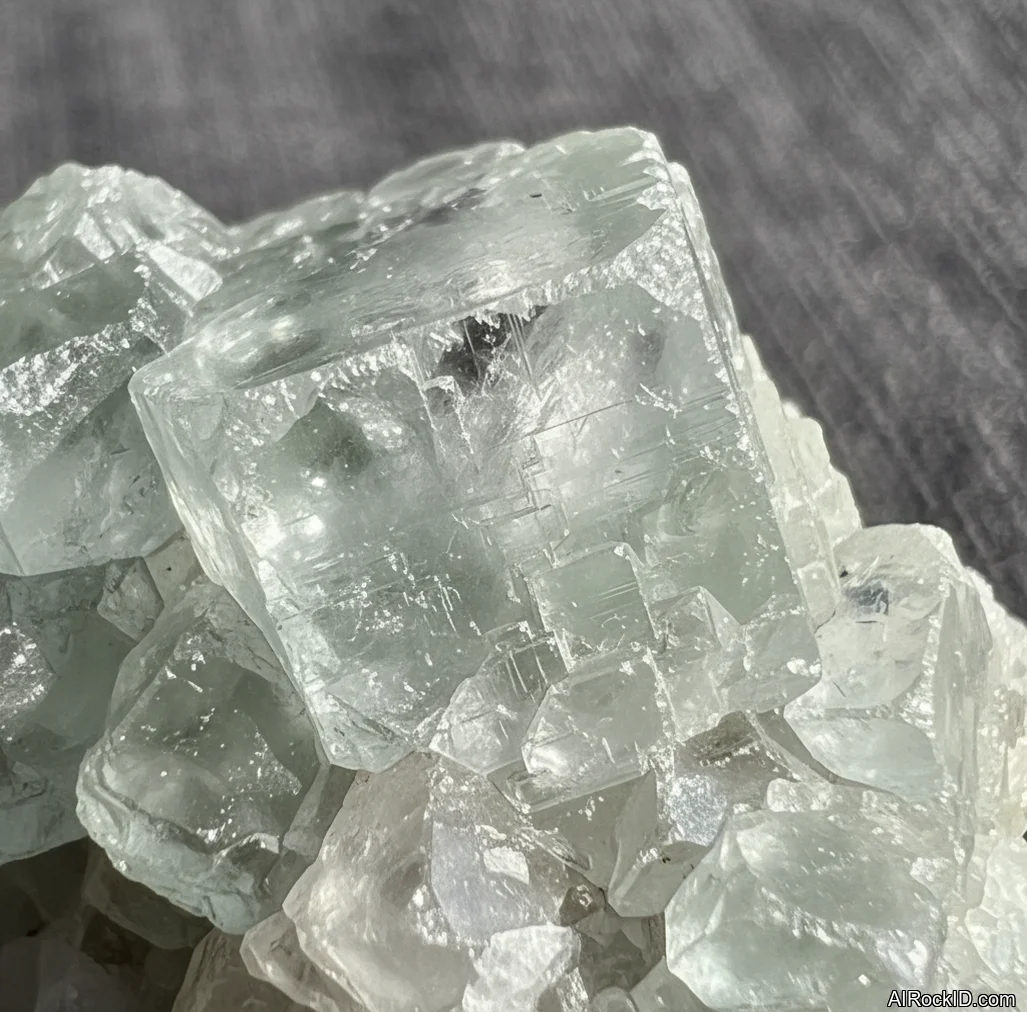
Apophyllite shows up as these sharp, glassy little pyramids that bounce light around like tiny mirrors, and it makes a room feel “cleaner” in a way a tumbled stone just doesn’t. Grab a solid cluster and you’ll feel it right away: those edges are so thin and crisp they seem like they’d chip if you squeezed too hard (I’ve caught myself handling it like a fragile ornament). For positive energy, I treat it like a reset stone when the air feels stale, especially after people have been over or after a rough workweek. But it’s pretty soft, and even a bit of grit will scuff it up, so I don’t toss it in my pocket unless I want it to end up cloudy and kind of sad.
How to use: Set a cluster on a high shelf or windowsill that doesn’t get direct blasting sun, and don’t handle it with lotiony hands. If you want a quick “clear,” open a window for five minutes and place the apophyllite nearby while you tidy one small area.
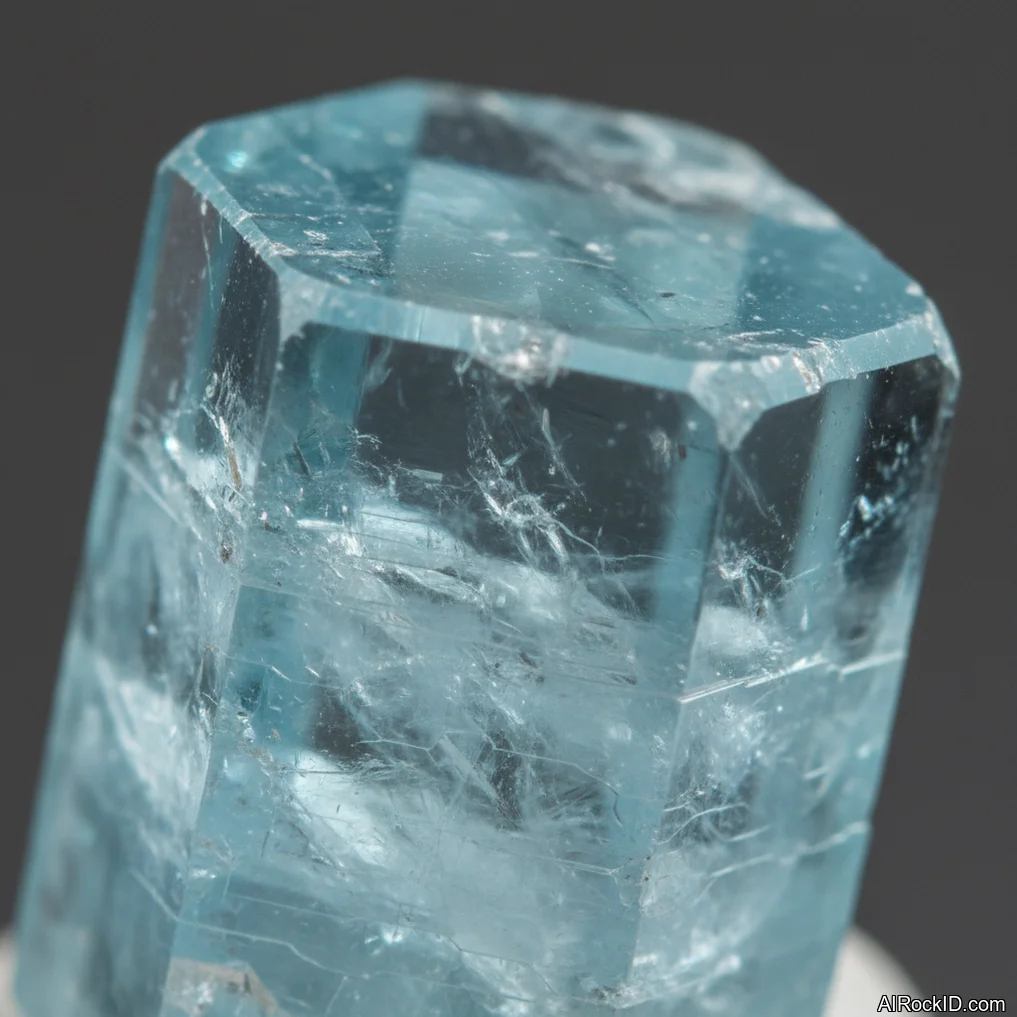
Aquamarine shows up either pale and watery or that stronger sea-blue, and yeah, the nicer color usually costs real money. I’m drawn to it for the kind of positive energy that doesn’t freak out under pressure, like when you’ve got to stay kind but still firm. And next to amazonite, it comes off cleaner and less “earthy.” A polished piece, too, has that slick feel, almost icy right when it hits your skin (you notice it in the fingertips first).
But watch out for stuff that’s mislabeled, like blue glass or dyed material. The color on those can look way too saturated and kind of flat, with no internal depth when you tilt it back and forth under a lamp. No sparkle inside. Just color.
How to use: Use it before conversations you’re tempted to avoid: hold it for a minute, then write down the one sentence you actually need to say. If you wear it, rinse it in plain water after sweaty days and dry it well so the setting doesn’t get funky.
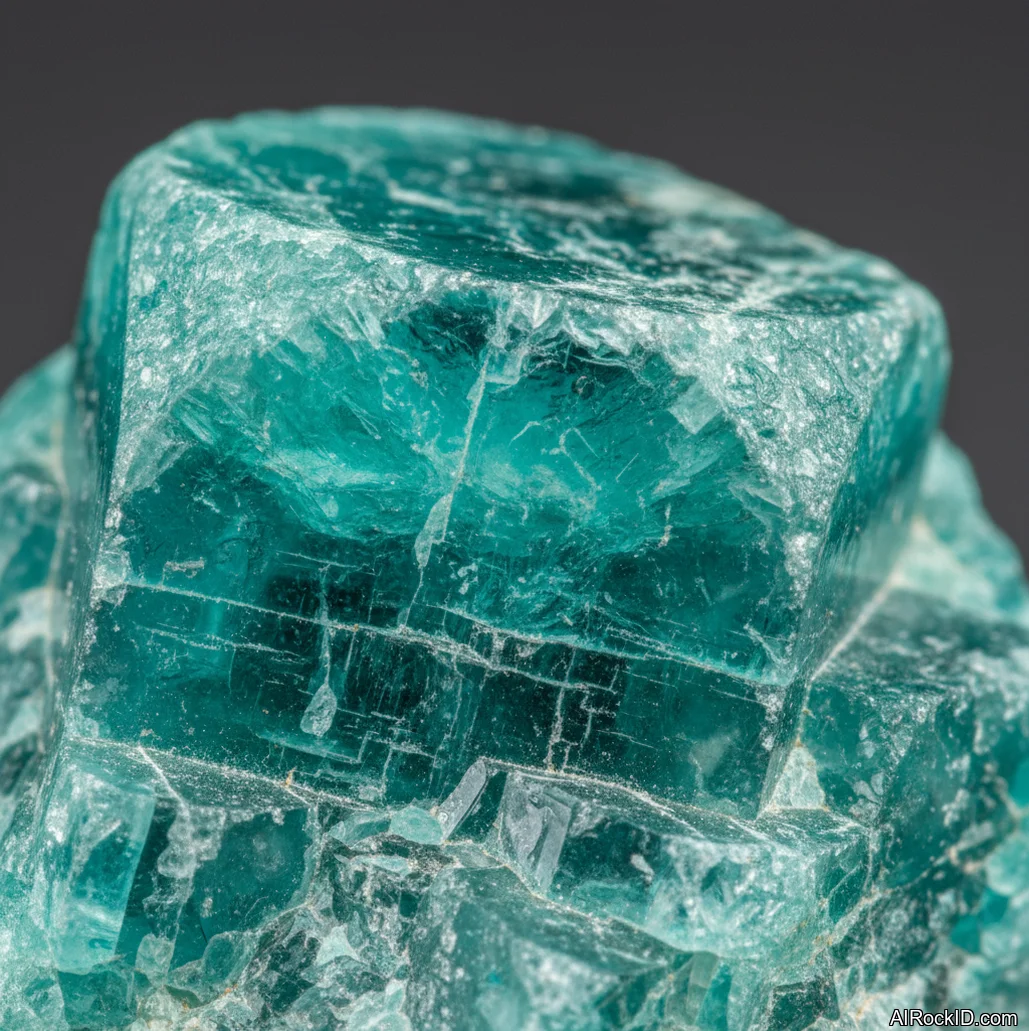
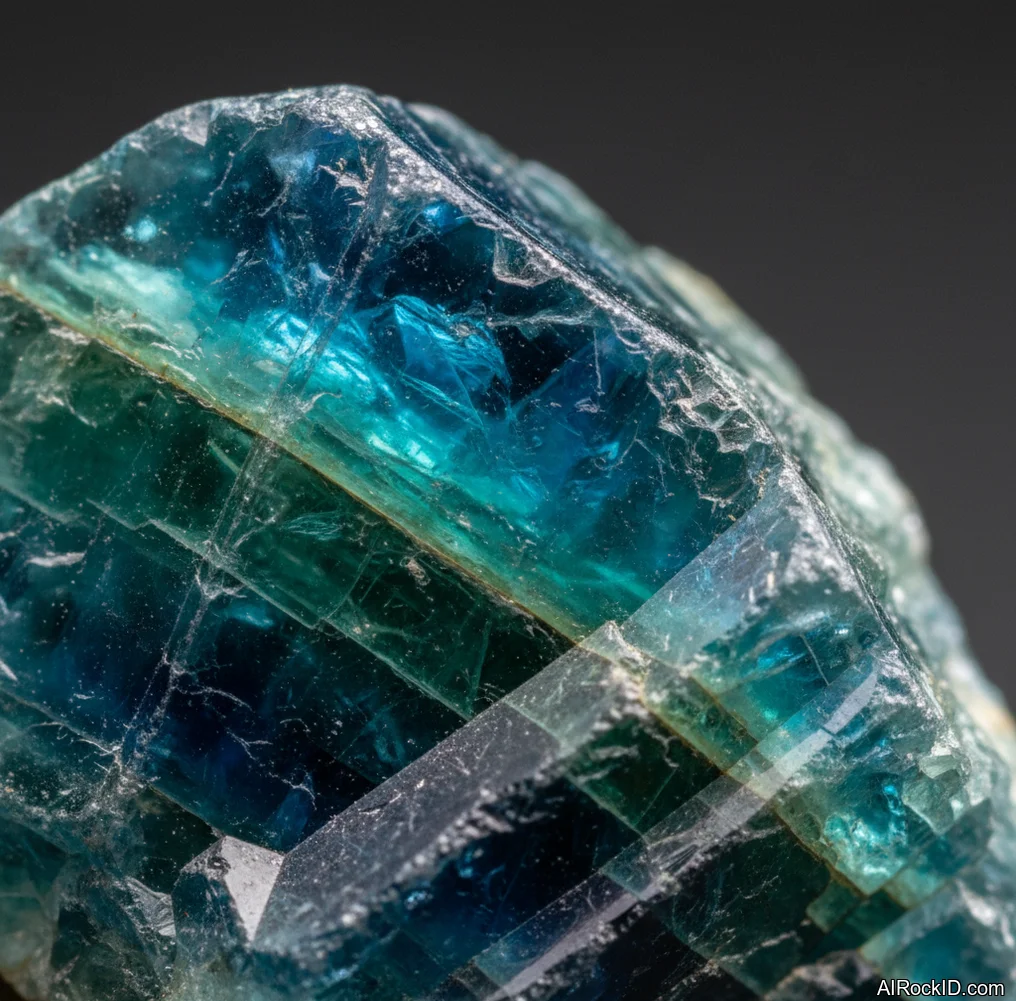
Apatite usually shows up in that bright blue-green, the kind that straight-up looks like Caribbean water. But don’t let the color fool you, it’s softer than most people think, and it’ll scratch easier than quartz.
When I’m in the mood for “positive energy,” I reach for this one because it feels like motivation without the caffeine jitters. It’s more like your brain finally clicks into gear, not like you’re forcing it.
Thing is, the real test is living with it for a week and seeing what happens. Do you actually knock out the little tasks you keep putting off? That’s the vibe here. It’s a “do the thing” stone, not a “feel nice” stone.
And watch the finish when you buy it. Dealers will sometimes sell apatite super polished, and under that glossy shine you can miss tiny surface bruises or those little chips that love to show up right along the edges.
How to use: Keep a piece on your work surface and touch it only when you’re about to start, not when you’re procrastinating. Don’t pocket carry it with harder stones, and skip salt soaks since you’ll just rough up the surface.
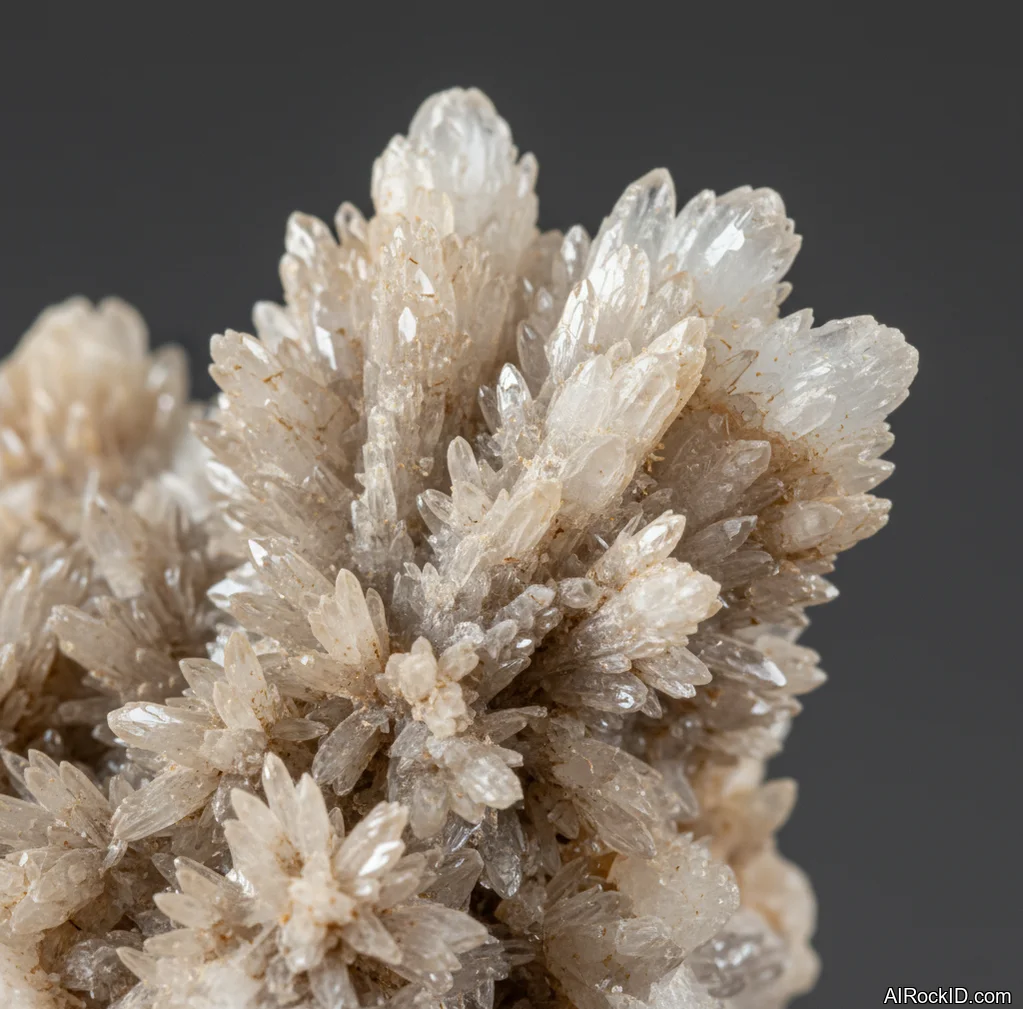
Aragonite usually shows up as these chunky clusters that radiate outward, and the tan-to-caramel tones honestly remind me of dried coral or a desert rose, just heavier in the hand.
It’s the stone I reach for when my nervous system is toast and I need steady, grounded calm, not more “up” energy. Pick up a cluster and the first thing you notice is the weight. Surprisingly dense. And the surface has that slightly gritty, ridged feel that gives your fingers something to mess with, which sounds small but really helps when you’re trying to self-regulate.
But yeah, it can be crumbly. Some cheaper pieces will shed tiny grains if you keep rubbing them when you’re anxious (ask me how I know).
How to use: Put it low in the room, like on a side table or near the bed, because it reads “settling” rather than “sparkly.” If it sheds, switch to a smoother tumbled aragonite and keep the cluster as a display piece.
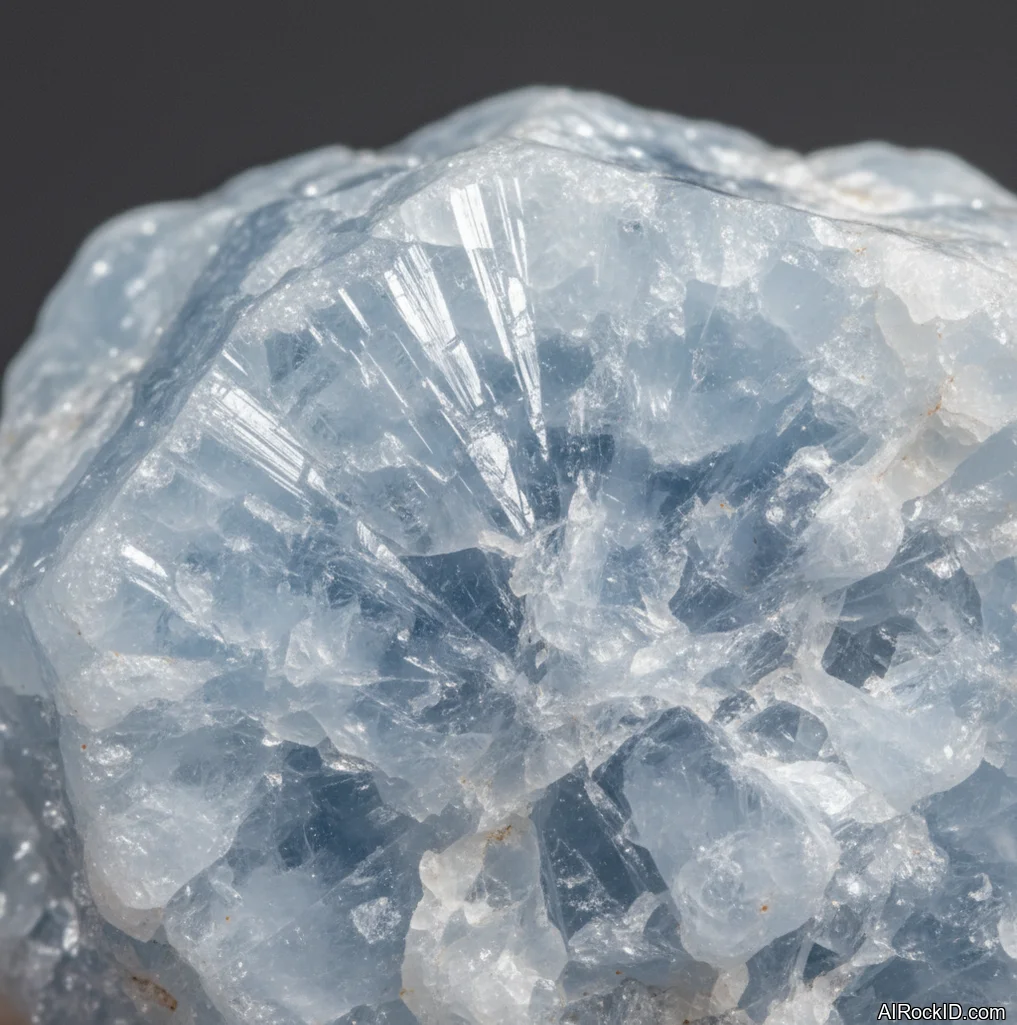
Angelite is just soft, pale-blue anhydrite, and honestly it’s chalkier in the hand than most people expect unless it’s been polished to death. I reach for it when “positive energy” needs to be gentle, the kind you use when someone’s mood is fragile and you really don’t want to steamroll them with loud, forced “cheer up” vibes.
Look, if you stare at a tumbled piece under a lamp, you’ll usually spot little white patches or dull, matte scuffs where it’s been bumped, because it marks fast. And the big catch is water. It can break down, so in my place it stays dry, always.
How to use: Keep it on a nightstand or in a small dish where it won’t get splashed, and handle it with dry hands. If you want a simple routine, hold it for a minute and do a quick body scan, then put it down and actually go to sleep.
If you want positive energy that actually sticks around, you need something that keeps you from bleeding it out all day. That’s what I use grounding stones for.
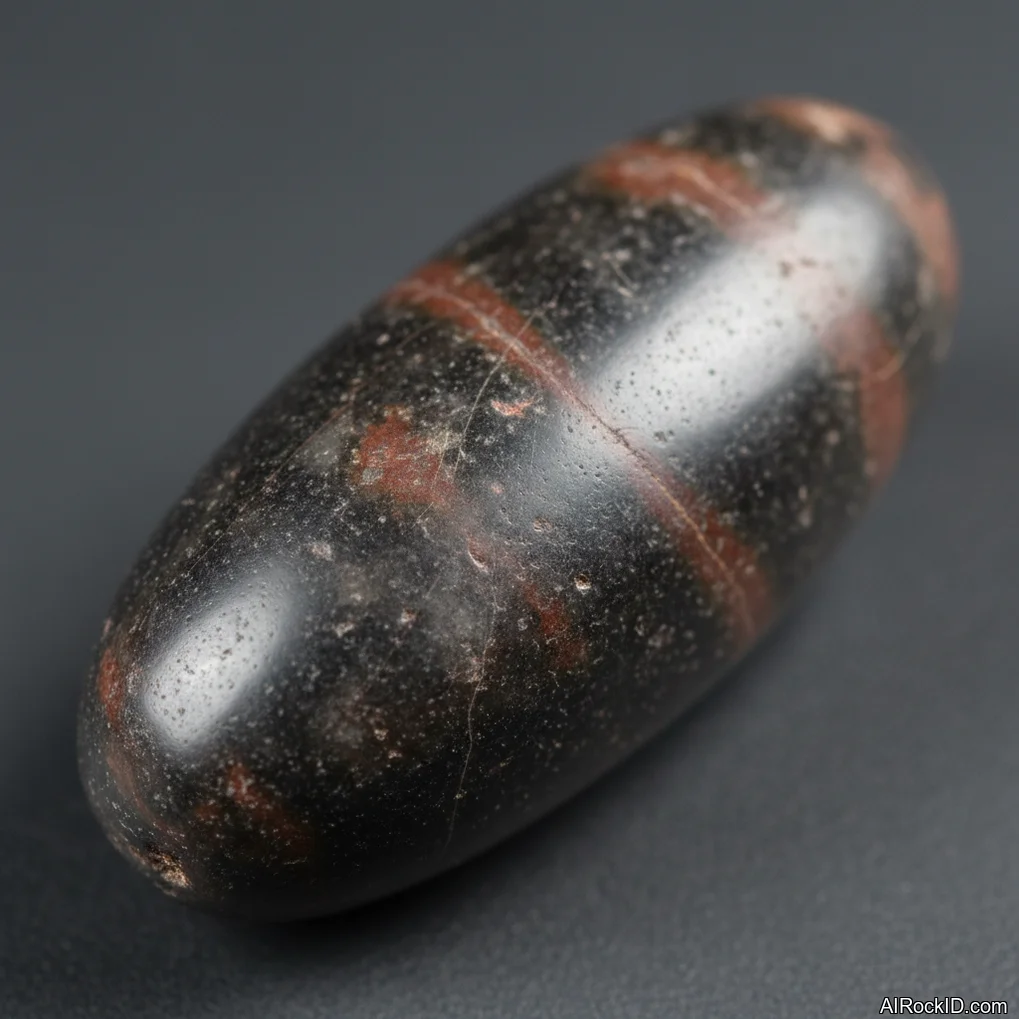
And since black tourmaline isn’t on the allowed slug list here, I’m using black shiva lingam as the grounded anchor in this lineup. It’s usually one of those smooth, river-polished stones with a heavy, steady feel to it. Pick one up and it sort of drops into your palm like it belongs there, and after a few minutes it starts to feel almost warm, like a bar of soap that’s been sitting in your hand (weirdly comforting, right?). That physical steadiness is the whole point.
But grounding isn’t the same thing as going numb. If you use it to dodge your feelings, you won’t end up “positive,” you’ll just end up flat.
How to use: Keep it near your front door or on your desk and touch it when you come home or before you walk into a stressful meeting. If you meditate with it, set a timer for 5 to 10 minutes so “grounding” doesn’t turn into zoning out.
What “positive energy” actually looks like in real life
Most people aren’t chasing nonstop happiness. They just want fewer emotional whiplashes, less resentment quietly stacking up in the background, and a baseline mood that doesn’t nosedive every time some tiny thing goes sideways.
Pick up different stones and you’ll feel it in your body before your brain even gets a chance to narrate what’s “happening.” A spiky apophyllite cluster practically forces you to handle it like it’s going to bite you, so your fingers slow down and you get weirdly careful without trying. And a warm bead of amber, especially after it’s been in your pocket for a bit, makes you keep it close on instinct, like a worry stone that doesn’t feel sterile or clinical. That little shift in how you move and fidget? That’s part of why crystals can be useful, even if big metaphysical claims make you roll your eyes.
Thing is, “positive energy” gets mixed up with “high energy” all the time. But if you’re already wired, piling on more stimulation doesn’t turn into joy, it turns into irritability. So I’ll pair calmer stones (amethyst, angelite, aragonite) with a do-something stone (apatite), plus a grounding anchor. The goal is a stable system. Not a sugar rush.
How to choose a piece that feels good and isn’t junk
At first glance, the prettiest stone isn’t always the one that actually works. I’ve had flawless, glassy tumbles that felt like nothing in my pocket, and then these ugly little chunks that somehow turned into daily carries for months.
Look hard at the surface and the edges. Softer stuff like apatite and angelite picks up dings fast, so a tumble that’s weirdly pristine can be a clue it was polished yesterday and it won’t stay that way for long. With amber, the real test is warmth and texture. Plastic tends to feel kind of “dead” and samey, but real amber has tiny quirks, a slightly organic look, and sometimes a faint scent if you rub it (almost like warm resin).
Most dealers will let you hold a stone. Do it. Pay attention to the weight, the temperature, and whether your grip relaxes or tightens without you even noticing. Buying online? So, prioritize sellers who show multiple angles in plain lighting, not just glossy studio shots that conveniently hide color treatments, tiny chips, and those little edge bruises that only show up when the light hits sideways.
Placement tricks: where the stone matters more than the stone
So many people buy really nice crystals, stick them in a drawer, and then act surprised when nothing feels different. Thing is, placement is the boring part that actually does the heavy lifting.
For “positive energy,” I think in zones. Sleep zone gets amethyst or angelite, not apatite, because you’re trying to power down, not buzz your brain awake at 11:47 p.m. Work zone gets apatite or aquamarine, and I keep them close enough to grab, like right by the keyboard or where my pen lands, so they’re a start button, not just something pretty collecting dust. And the entry zone gets something grounding, because that’s the threshold, that weird little moment where you drop the outside world and switch into your home mood.
If you only do one thing, put apophyllite somewhere you’ll actually see it while you’re tidying. Sounds silly, I know, but when the light hits those flat, glassy faces (that sharp little sparkle, like a tiny mirror), it nudges you to clear a surface, crack a window, and reset the room. The room shifts because you did something. The stone just becomes the cue. Why fight that?
Combining crystals without turning it into a complicated ritual
Stacking ten stones at once sounds cool on paper, but a small combo you’ll actually reach for beats that every time. I stick to a three-piece setup: one calmer, one brighter, one grounding.
Try amethyst + apatite + aragonite. Amethyst is the one that quiets the mental noise, apatite nudges you toward action, and aragonite keeps you from bouncing off the walls. Or go with amazonite + aquamarine + amber if your idea of “positive” looks like kinder speech, cleaner boundaries, a steadier mood, and that little bit of warmth you can feel right in the center of your chest (you know the spot).
Thing is, big mixes make everything blur together. You stop noticing what’s doing what. It turns into visual clutter, like a pile of pretty rocks you keep rearranging and never really use. Keep it small. Rotate based on your week.
So if you’re short-tempered, swap in amazonite. If you’re foggy and unmotivated, bring apatite forward. And if you’re overextended, anchor with aragonite and keep the rest simple. Why make it harder than it has to be?
How to Use These Crystals for Positive Energy
Pick one goal for the week. Just one. Not five. “Positive energy” actually works when you pin it to something you can count, like fewer snap reactions, more follow-through, or a calmer house at night.
So keep the routine stupid simple. Set up a two-stone station somewhere you’ll literally touch it, like the spot where your keys thud down or that corner of the nightstand that always collects dust (you know the one). Morning: one minute with apatite or aquamarine, then write down the first tiny task you’ll finish before noon. Evening: one minute with amethyst or angelite, then do the boring shutdown thing you keep dodging, like plugging your phone in across the room instead of right next to your pillow. And keep apophyllite as a space tool, not something you carry around. Use it when you’re resetting a room with fresh air and a quick wipe-down.
If you’re going to carry stones, be real about it. Pocket carry means friction, scratches, and that awful moment when you pat your jeans and realize one is gone. Use a pouch. Don’t mix soft stones with harder ones, either. Amber and amazonite are friendly for daily carry. Apatite and angelite get beat up fast (they’ll look scuffed before you know it). Once a week, rinse the hard stones in plain water and dry them. Keep the soft ones dry and clean them with a cloth. The routine matters more than how you cleanse.
Common Mistakes to Avoid
The biggest screw-up is acting like “positive energy” is some permanent mode you can flip on just because you bought a stone. Day one feels great, sure. Then your brain gets used to it, the buzz fades, and you end up blaming the crystal instead of your on-and-off routine.
And here’s another: piling on only bright, buzzy stones when you’re already stressed. People stack stimulating blues and clear stones, then lie there at 2 a.m. wondering why sleep won’t happen. If you’re already wired, start with grounding and calming first. Soften your system a bit, then bring in motivation.
Last thing. Folks buy fragile material and treat it like a worry stone, rubbing it constantly while they’re on calls or stuck in traffic. Angelite and apatite will scratch, chip, and get that beat-up, cloudy look if you grind them in your pocket all day (especially if there are keys in there). That doesn’t mean they’re “bad.” It means you chose the wrong format. Keep a tougher tumble for pocket use, and let the delicate pieces sit somewhere safe on a shelf.
Important: Crystals aren’t going to cure burnout, depression, anxiety disorders, or an unsafe living situation all by themselves. And no, they don’t replace sleep, food, movement, therapy, medication, or those blunt, honest conversations you’ve been avoiding.
But they can help in a smaller, more practical way. Think of them as a physical cue, like the cold weight of a stone in your palm or that little click when you set it on your desk, that reminds you to slow down, shift gears, or actually do the habit you meant to do. If nothing else changes, though? The effect usually wears off pretty quickly.
Identify Any Crystal Instantly
Snap a photo and get properties, value, care instructions, and healing meanings in seconds.
What is the best crystal for positive energy overall?
Amethyst is associated with calming mental noise and supporting a steadier mood. It is commonly used in evening routines and sleep spaces.
Which crystal is best for positive energy at home?
Apophyllite is associated with clearing and “resetting” the feel of a room. It is typically placed on a shelf or stable surface rather than carried.
Which crystal is best for positivity and motivation?
Apatite is associated with motivation and task follow-through. It is softer than quartz and can scratch with pocket carry.
What crystal is best for calm positive energy during conversations?
Aquamarine is associated with calm communication and emotional steadiness. Amazonite is also associated with smoother communication and reduced reactivity.
What is a good crystal for warm, comforting positive energy?
Amber is associated with warmth and comfort. It is a resin and often feels warm to the touch faster than stone.
Can I sleep with crystals for positive energy?
Yes, but calming stones like amethyst and angelite are more commonly used near the bed than stimulating stones. Any stone should be placed safely so it cannot fall or cause discomfort.
How do I know if amber is real?
Real amber often feels warm quickly in the hand and may show tiny bubbles or organic inclusions. Many pieces fluoresce under UV light, while plastic may not.
Do I need to cleanse crystals for positive energy?
Cleansing is optional and is commonly done with plain water for harder stones or with a dry cloth for softer stones. Soft, water-sensitive stones like angelite should be kept dry.
What crystals should not get wet?
Angelite (anhydrite) is water-sensitive and can degrade with soaking. Softer, porous stones can also dull or wear faster when exposed to water repeatedly.
How many crystals should I use at once for positive energy?
A small set of 2 to 3 crystals is usually easier to use consistently than large combinations. Using too many at once can reduce clarity about what is helping.
The information provided is for educational and spiritual exploration purposes. Crystals are not a substitute for professional medical, psychological, or financial advice.