Best Crystals for Relationships
- Introduction
- Recommended Crystals
- What “relationship crystals” actually do in real life
- Choosing the right stone for your specific relationship problem
- Using crystals during conflict without making it awkward
- Placement that actually matters: bedroom, kitchen, and “hot zones”
- How to Use These Crystals
- Common Mistakes
- FAQ
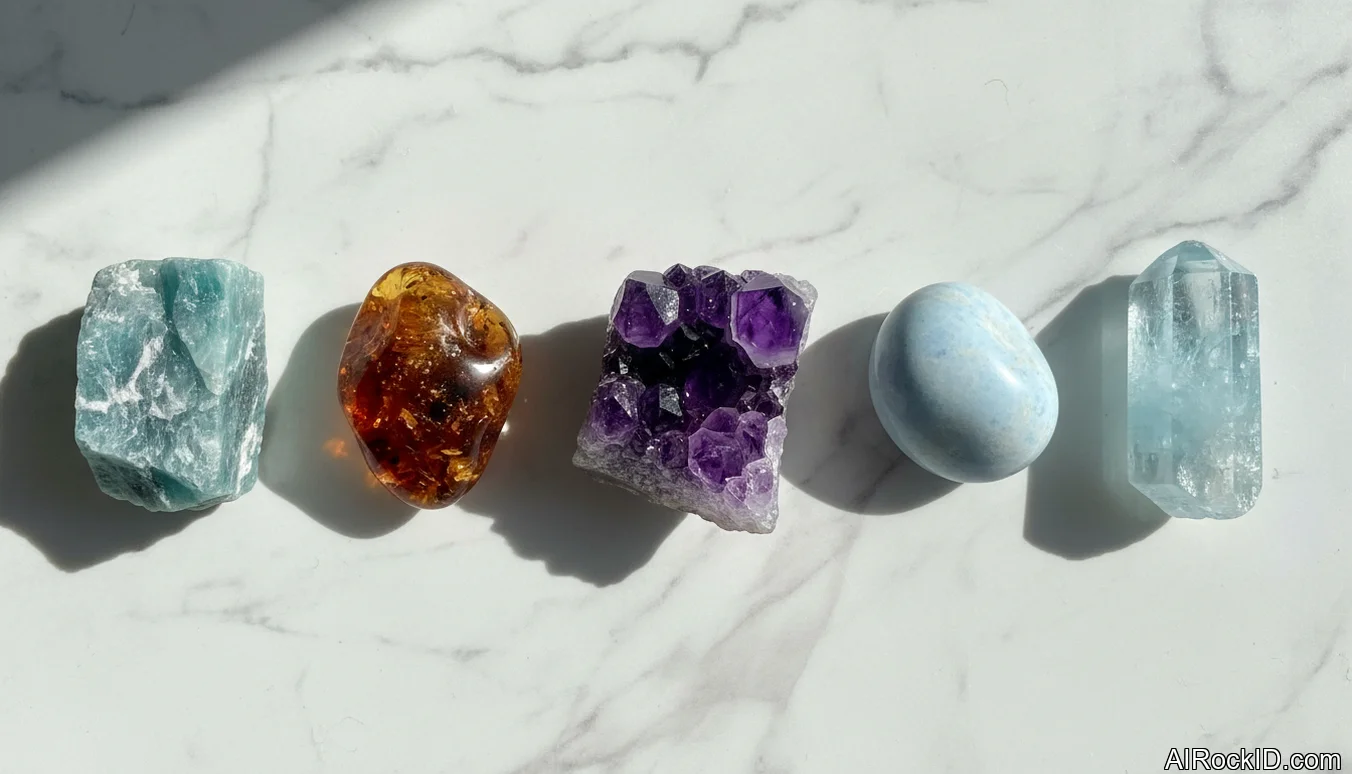
The best crystals for relationships are the ones that help you stay steady, talk straight, and hold your boundaries without snapping into that icy, shut-down mode. I’m not saying a rock is going to “fix” your partner. Come on. I mean using a physical object as a cue to your own body: slow down, check your tone, don’t spiral, ask for what you actually need. When it clicks, it’s almost boring, in the best way. Like you remembered your tools before you said the one sentence you can’t un-say.
Pick up a stone when you’re upset and you notice the temperature first. Real material stays cool for a beat, even in a warm room, and that tiny sensory pause matters more than people want to admit. Thing is, you feel it in your hand. The weight settles into your palm, the smooth edge presses near your thumb, and your brain gets a second to catch up (finally). I’ve watched couples do a full argument loop in ten minutes, then change the whole outcome because one of them grabbed something heavy, held it, and actually took a breath. That’s the lane crystals can stay in without getting weird about it.
And relationships aren’t one problem. They’re a stack: communication, nervous system stuff, trust, routines, money stress, family stress, sleep. So I like a small set where each one has a clear job. One for calm. One for honest talk. One for boundaries. One for repair after conflict. Keep them where the relationship actually happens: on the nightstand, by the couch, near the kitchen table where the hard talks happen, not hidden in a drawer like some guilt hobby. Why make it harder than it already is?
Recommended Crystals
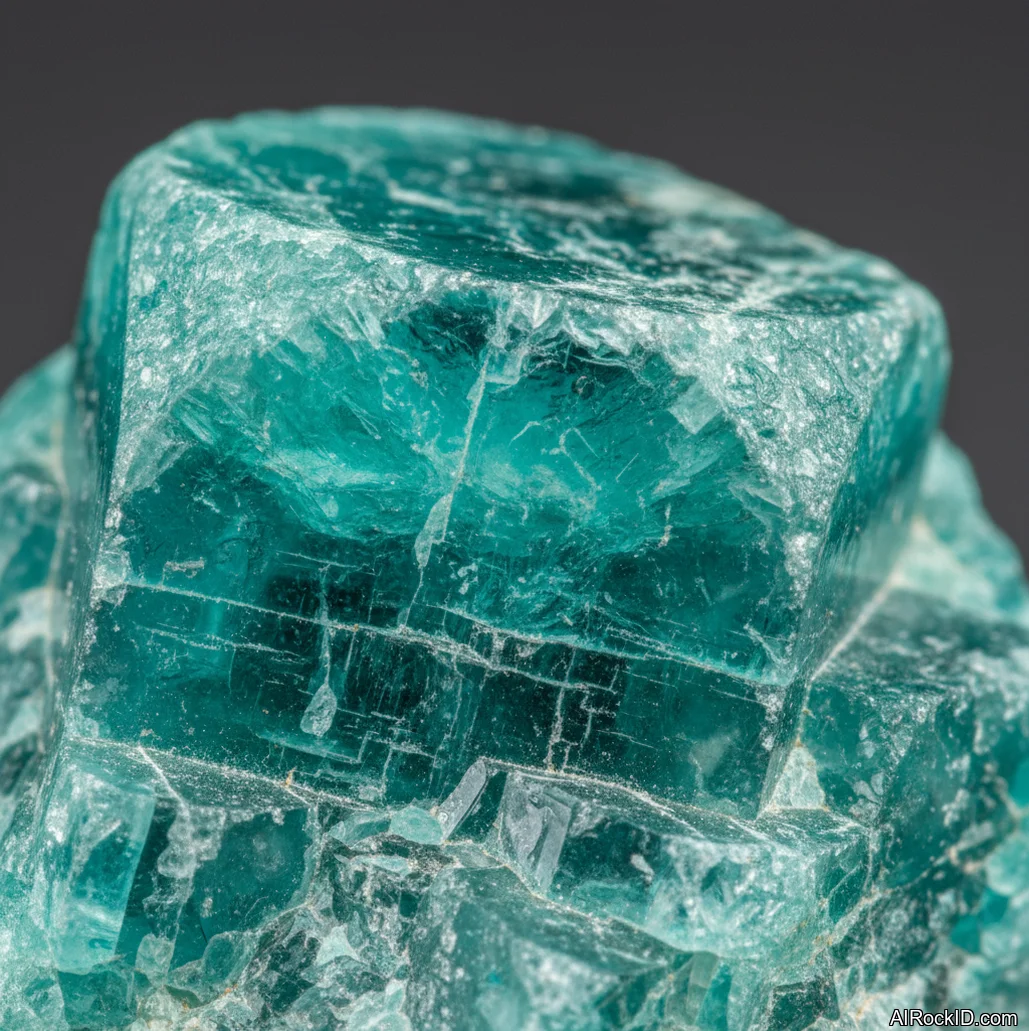
Amazonite
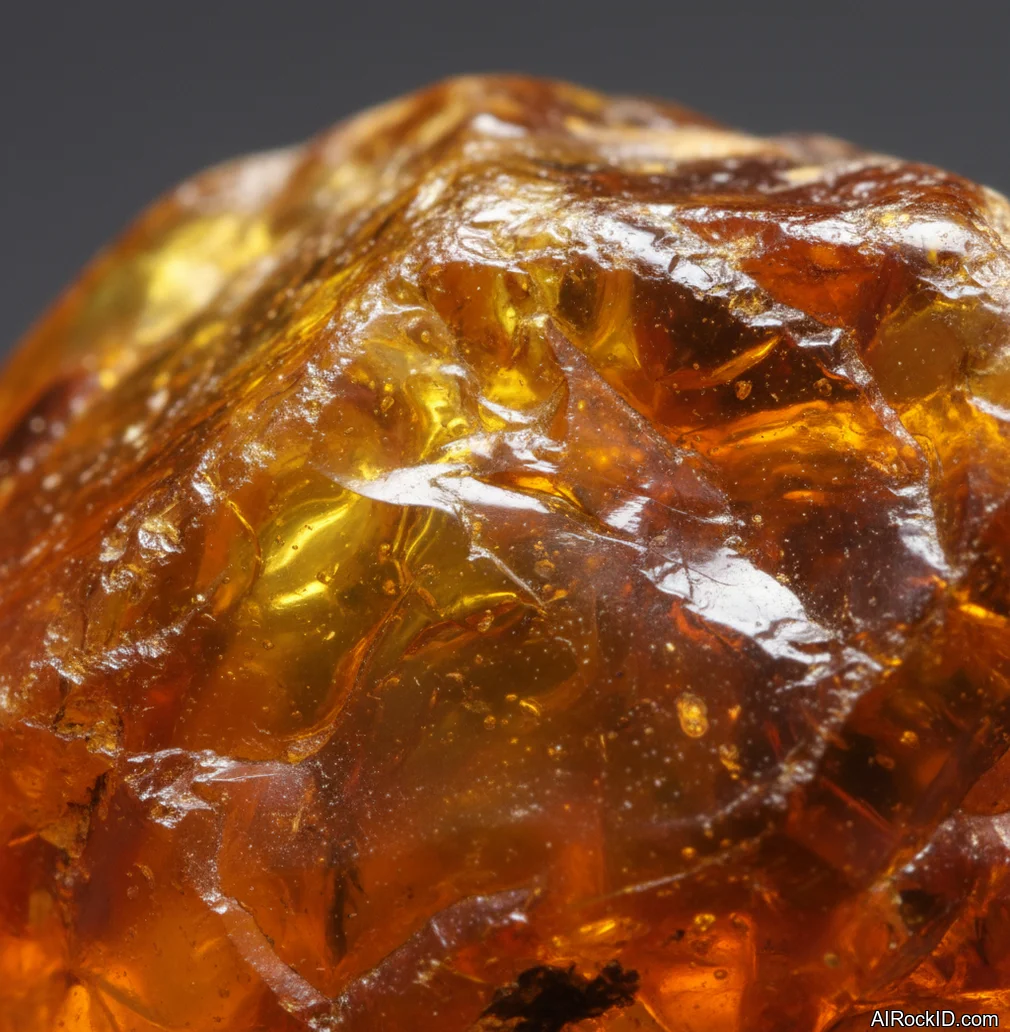
Amber
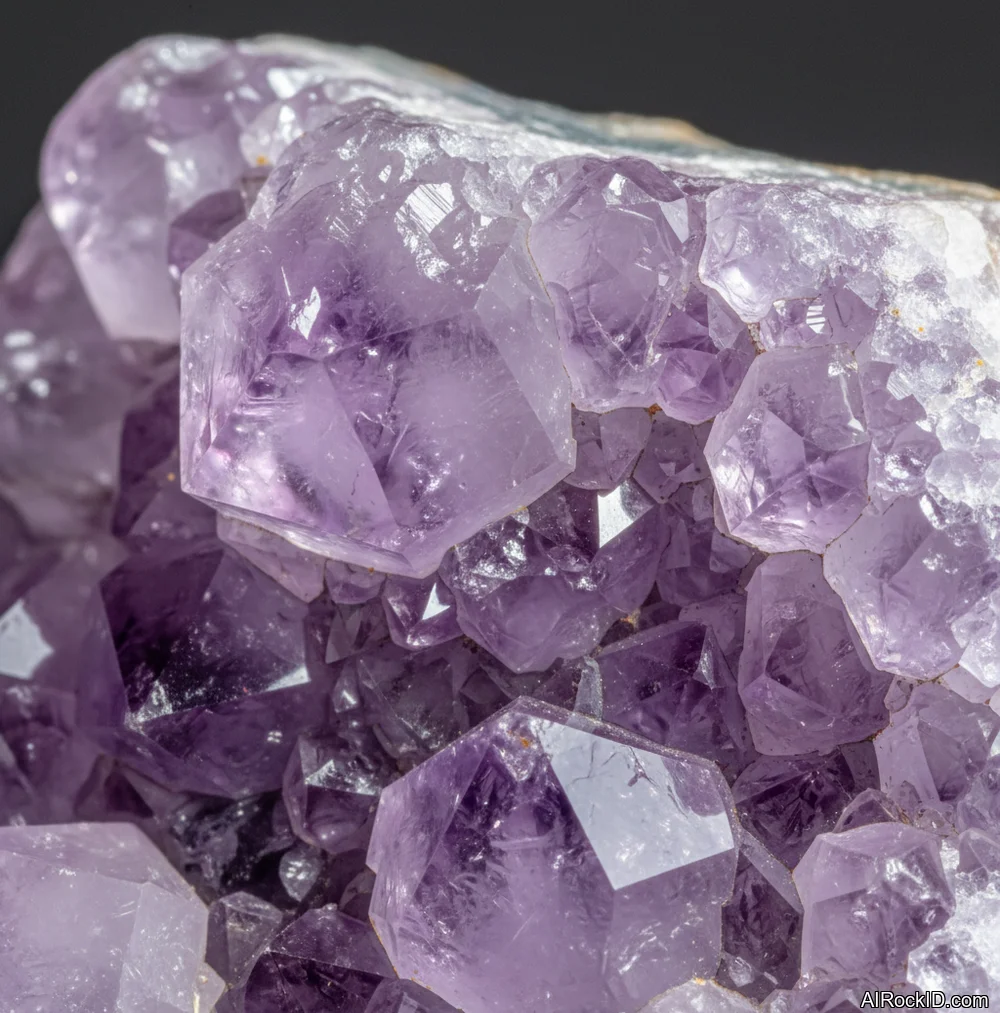
Amethyst
Angelite
Aquamarine
Apache Tears
Black Moonstone
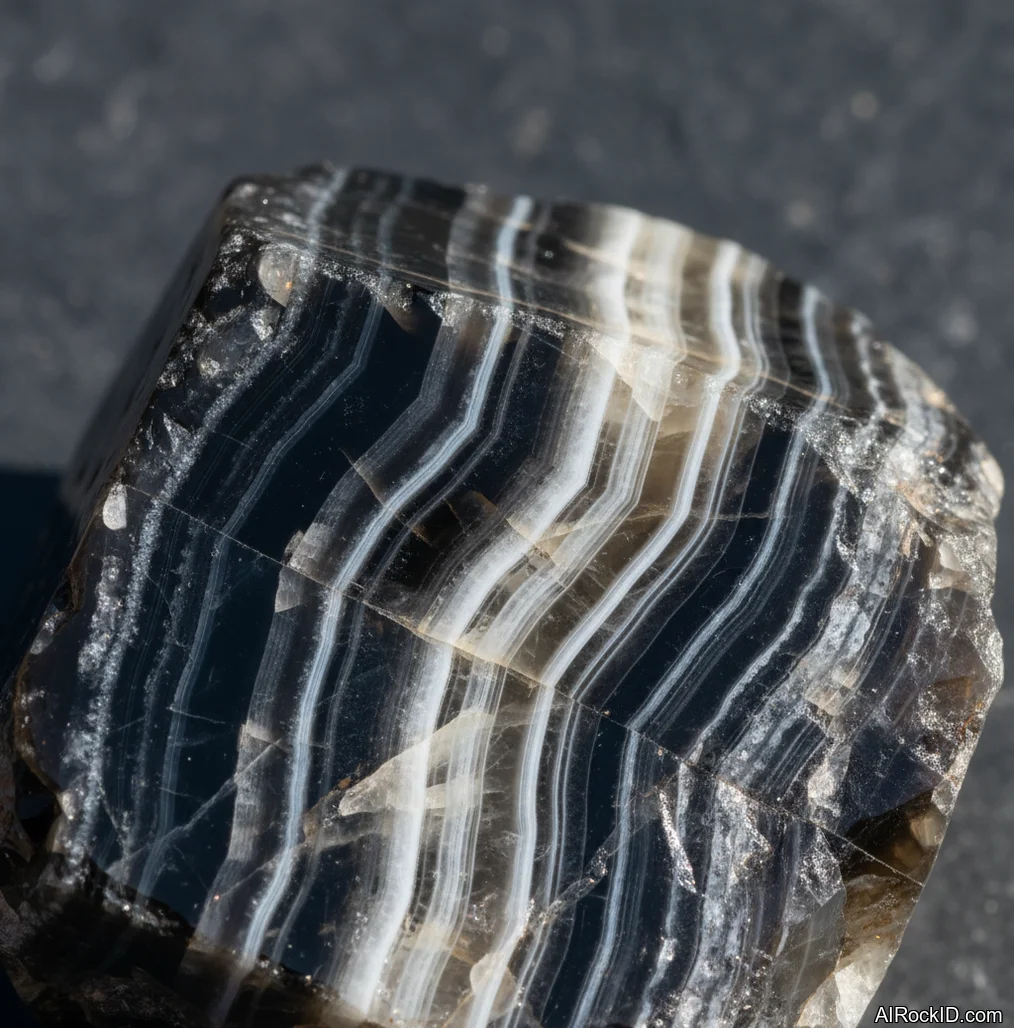
Black Banded Onyx
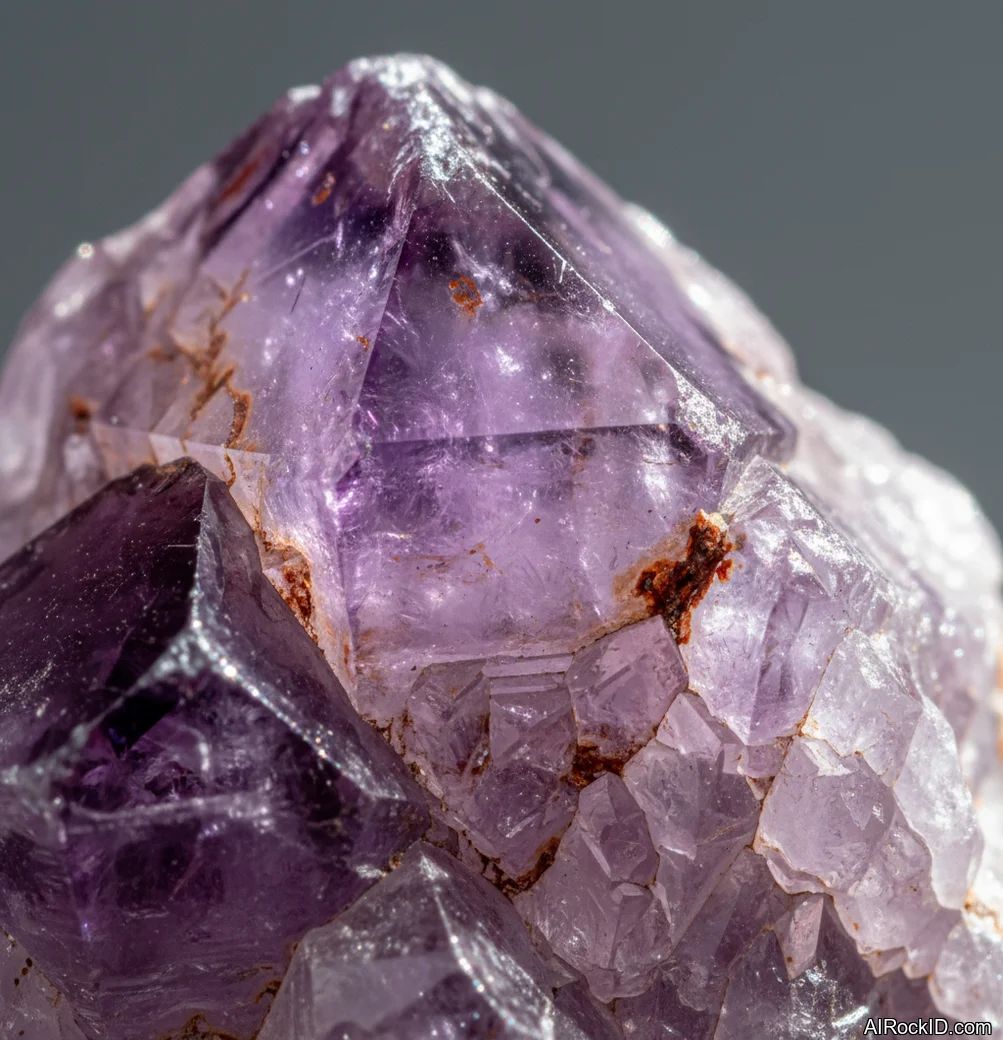
Auralite-23
What “relationship crystals” actually do in real life
At first it kinda sounds like you’re handing your love life over to a rock, and yeah, I see why people laugh at that. But the practical version is way less mystical: the stone is just a cue for a habit you’re trying to build. Slow your breathing. Drop your voice. Say the honest thing first.
Grab something with real heft, like black banded onyx, and you notice your grip right away. You feel it in your fingers. That little body check is the whole point. It snaps you out of autopilot, the mode where you’re already drafting a takedown speech in your head while your partner is still mid-sentence. So a lot of the “results” people talk about are just nervous system regulation plus repetition, which sounds boring, but it works.
The other piece is where you put it. If the stone’s stuck on a shelf where nothing ever happens, it won’t do anything. If it sits by the bed, it slips into that end-of-day window when most couples either reconnect or just drift. I’ve literally watched people change their whole tone because they agreed that the amethyst on the nightstand means: we’re not doing this at midnight. Why pick a fight half-asleep, with the lights off and your voice already too sharp?
Choosing the right stone for your specific relationship problem
Most folks grab whatever looks prettiest and cross their fingers it’ll fix the whole situation. That’s like buying a single wrench and calling it a full toolbox. Start with how things actually go wrong. Do you blow up, shut down, dodge the conversation, or talk in circles until everyone forgets what you were even trying to say?
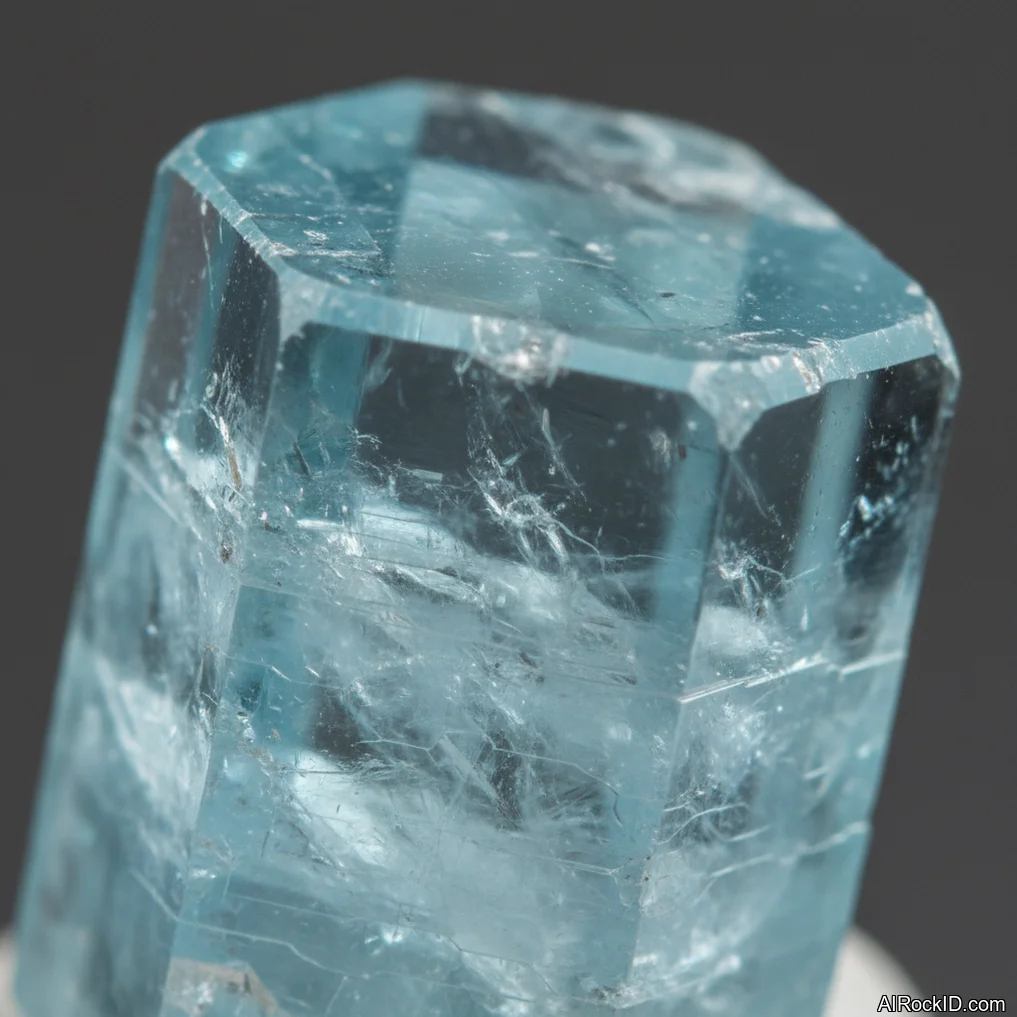
For sharp words and quick escalation, I reach for something that cools things off first, usually amethyst. But if it’s more like, “I can’t say what I need without spiraling,” I’ll pick aquamarine or amazonite since they nudge you toward clear words without kicking up extra drama. And if the real problem is boundaries? Onyx beats any pink stone, because it’s about structure, not softness.
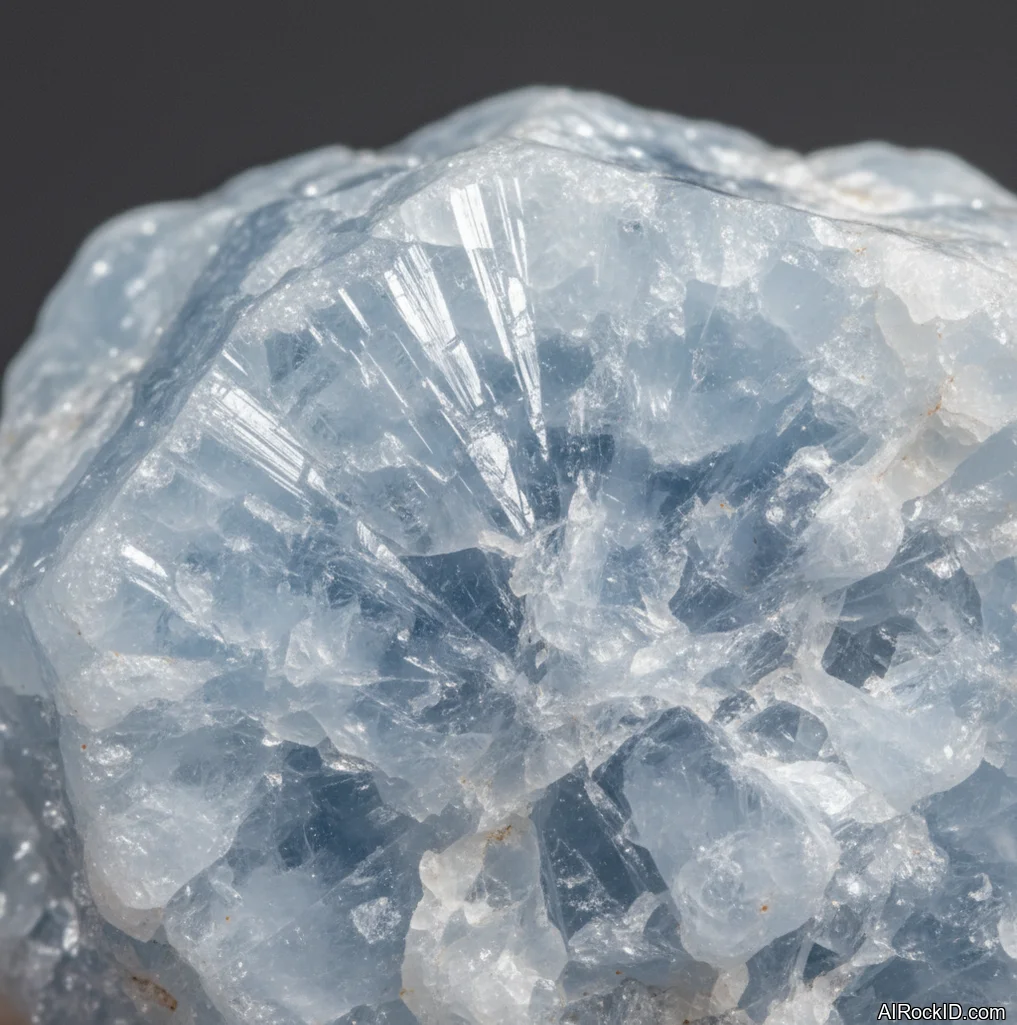
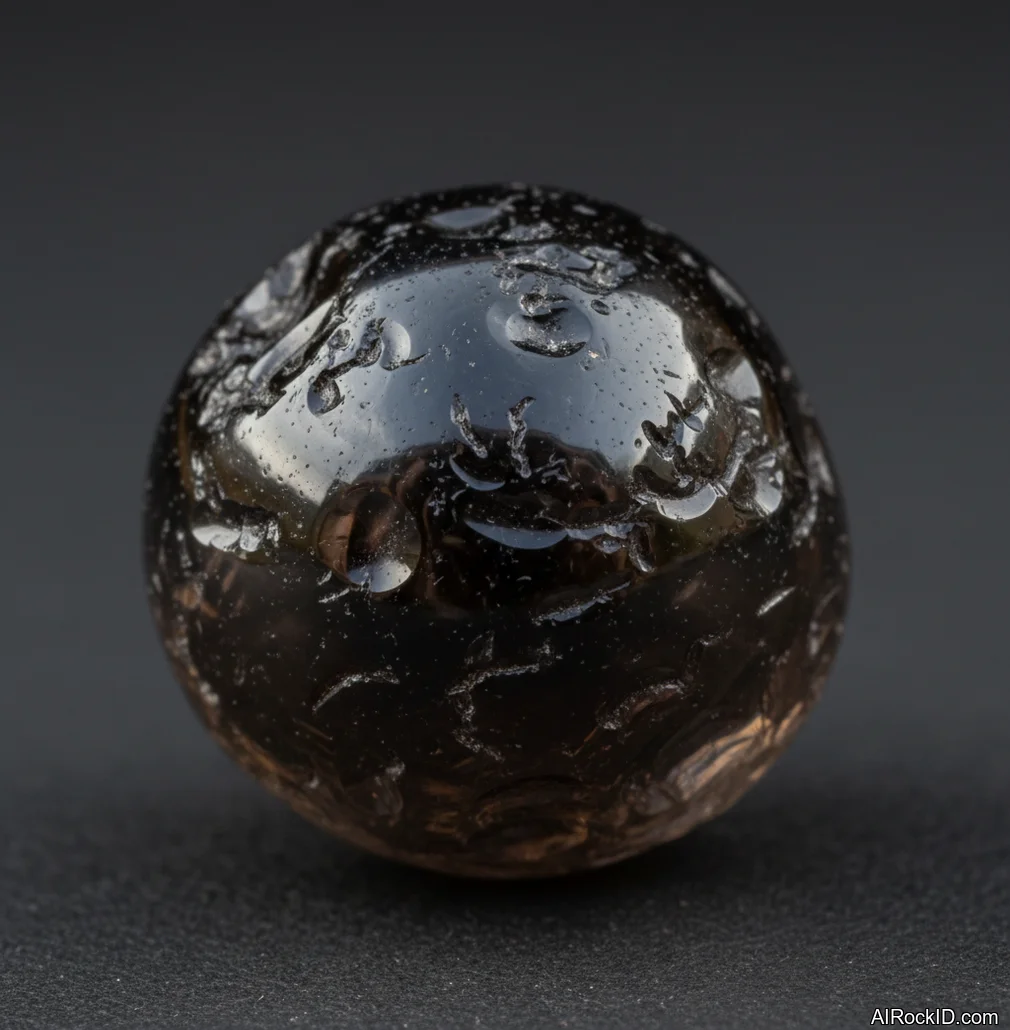
Also, pay attention to the actual piece in your hand. If you hate how it feels, you won’t use it. Angelite has that soft, chalky feel that can be weirdly soothing (almost powdery), but it chips easily, so it’s not something I’d toss in a pocket and forget about. Apache tears are the opposite: tough enough to carry every day, with that solid, satisfying heft that makes you want to grab them when you’re stressed.
Using crystals during conflict without making it awkward
The tricky part about dragging crystals into an argument is the sheer cringe of it. If your partner isn’t into that world, waving a stone around mid-fight can look like you’re trying to “win” on a technicality. So keep it low-key, and make sure they’re actually on board.
Try a “talking object” rule, but don’t label it as mystical. Angelite is great because it’s got that soft, cloudy blue look in your palm and it doesn’t scream “occult.” But a smooth onyx stone works too (the kind that’s cool at first and then warms up in your hand). Whoever’s holding it talks for two minutes. The other person listens, no interrupting. Then you switch. That’s it. The stone isn’t magic, it just gives the conversation a structure when things start getting sharp.
After the heat drops, that’s when the more personal ritual stuff can actually help. Set aquamarine on the table during a repair conversation, because it anchors the idea that you’re here for truth, not a win. And if you feel the talk turning into a courtroom, grab amazonite and pull it back to plain language: “When X happened, I felt Y, and I need Z.” Simple. Human. What else do you need in that moment?
Placement that actually matters: bedroom, kitchen, and “hot zones”
Most dealers will tell you to put stones on an altar. Sure. I’d rather you set them down where your relationship actually happens. The kitchen is a hot zone for a lot of couples, because that’s where schedules, money, random mail, and chores all crash into each other.
So put amazonite or aquamarine by the calendar, or right where you always drop the mail and keys. Those stones are good for practical truth, the kind you can actually use when you’re figuring out who’s paying what or what’s on the schedule. And don’t overthink it.
For bedtime, amethyst is the classic. But pair it with a hard rule: no heavy talks after a certain hour. Pick a piece that sits solid when you set it down, like one of those chunks with a flat base that doesn’t wobble, not some skinny little point that tips over the second you brush the nightstand with your elbow (you know the type).
For the front door, I like black banded onyx as a “transition” cue. Touch it when you walk in, then do one small reset before you greet your partner: shoes off, shoulders down, phone away, take a breath. That’s not magic. That’s giving yourself a beat so you don’t unload the whole day on the first person you see the second you step inside.
How to Use These Crystals for Relationships
Start with one stone and one habit. Seriously. If you buy a whole set and don’t change a single thing you do, those stones are just going to sit there collecting dust and turning into decor. I usually tell people to grab a “calm stone” first and a “communication stone” next, then tack on a boundary piece later if that’s the spot you always trip over.
Pick up the stone before you speak, not after everything’s already gone sideways. The timing is the whole point. Hold it low, down by your lap, so it doesn’t feel like you’re putting on a show. Take one slow breath. Then ask yourself what this conversation is actually for: to be understood, to make a plan, or to repair. If you can’t name the goal (at all), you’re probably about to spiral.
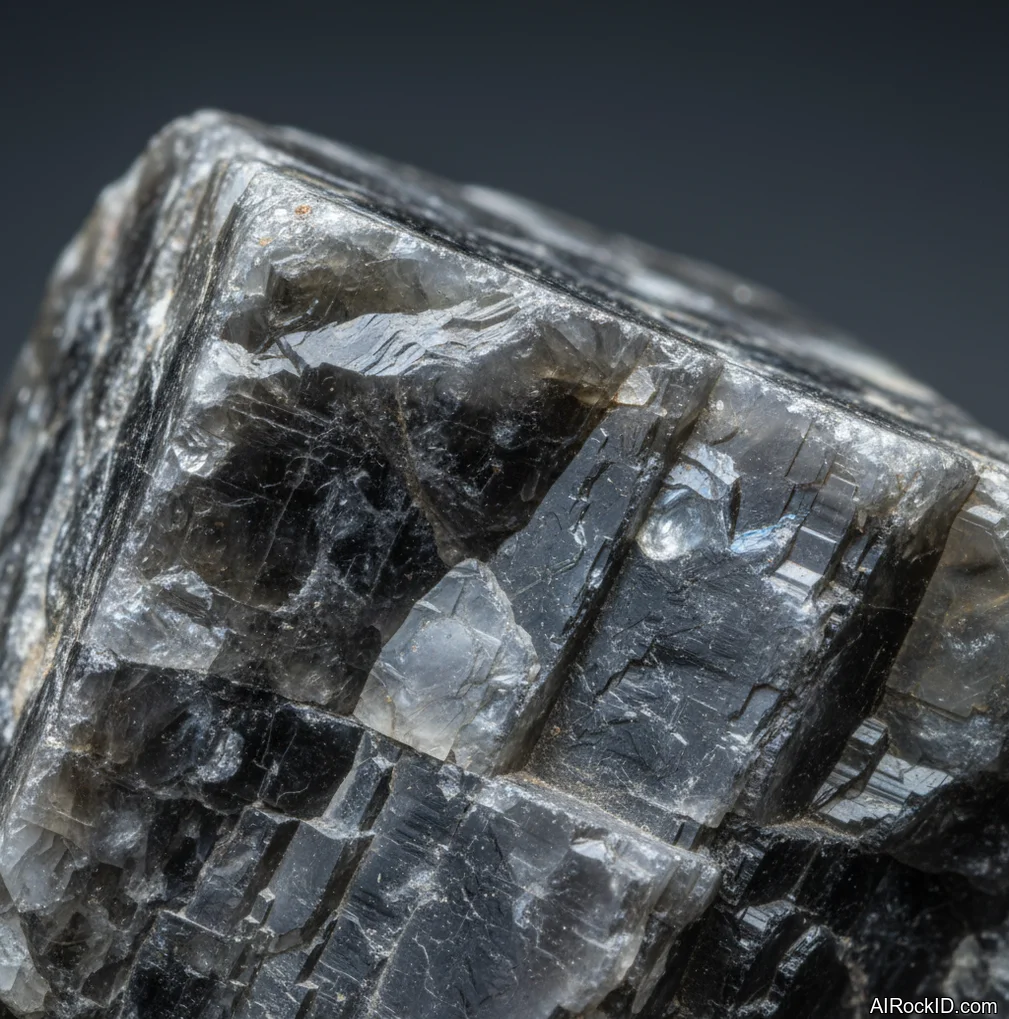
For couples, a simple routine beats any elaborate ritual. Do a 10-minute weekly check-in with black moonstone on the table so you stay focused on patterns, not blame. Keep amethyst by the bed and let it draw a line around sleep. And if you want something softer, wear amber during the day and treat it like a little nudge to initiate warmth on purpose, even if it’s tiny, like a real hug that lasts longer than two seconds. Why two seconds? Because you can feel the difference.
Common Mistakes to Avoid
Buying stones so you can dodge the actual talk is the big one. If you’re holding aquamarine and still can’t bring yourself to say, “I felt hurt,” nothing really shifts. Crystals can back up a skill you’re trying to build, sure. But they won’t do the job for you.
Second mistake: grabbing the wrong material for what you’re doing, then deciding crystals “don’t work.” People pick soft stones like angelite, drop them in a pocket with keys, and by the end of the day it’s got little chips along the edges (that dusty, chalky scuff is a giveaway). Then the stone starts feeling tied to irritation. Or someone buys something labeled amber that’s actually plastic, and yeah, it’s going to feel oddly warm and kind of sticky in your hand. That’s not your imagination.
Last one: treating a stone like it’s a remote control for your partner. Carrying onyx to “make them respect me” can slide into control games fast. Use it to help you hold your boundary calmly. Then you still have to follow through with actions that match your words. Simple. Hard, but simple.
Identify Any Crystal Instantly
Snap a photo and get properties, value, care instructions, and healing meanings in seconds.