chakra

Best Crystals for Sacral Chakra
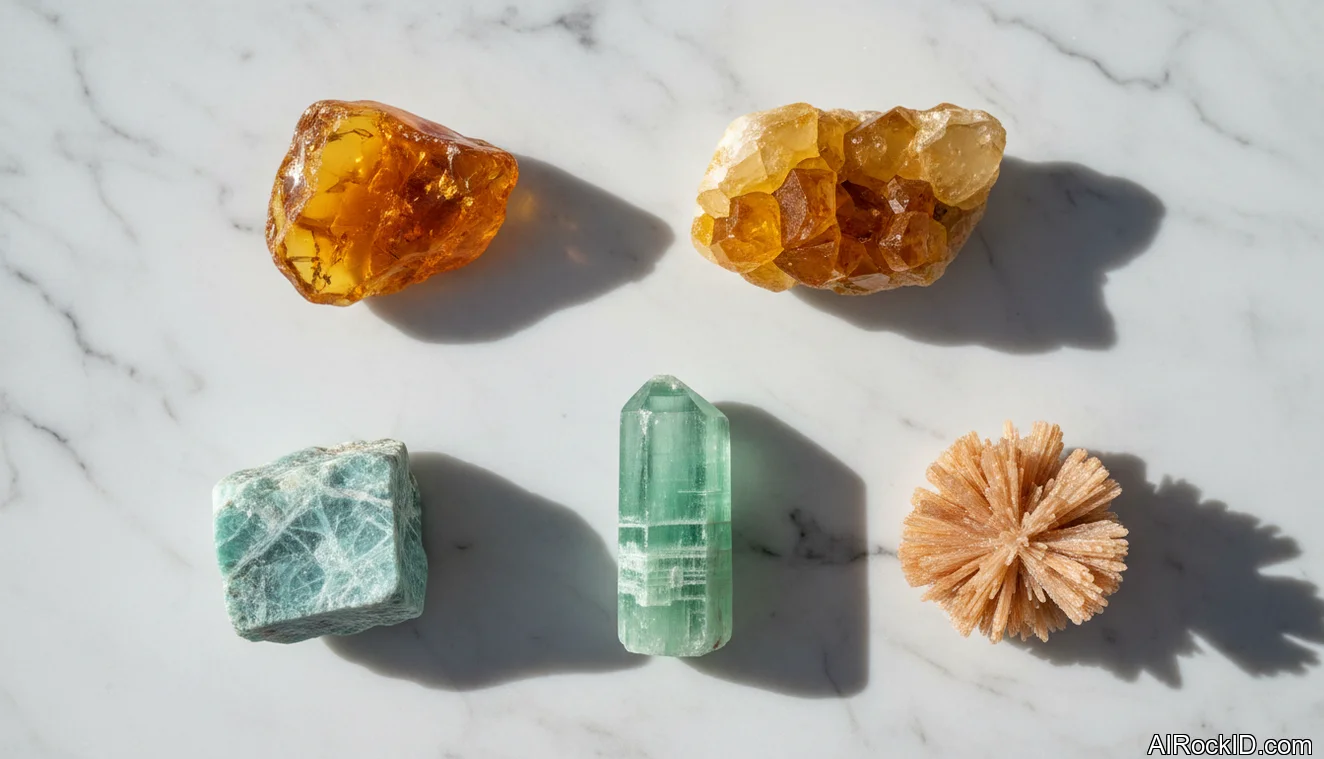
Orange and warm-toned sacral chakra crystals (amber, amazonite, apatite, aragonite, axinite) arranged on a wooden tray

The best crystals for the sacral chakra are the ones that feel warm, steady, and a little energizing when you hold them, but don’t leave you feeling jangly or on edge. I keep coming back to the same small handful when I’m working on creativity, libido, emotional flow, and that stuck-in-neutral thing that sits low in the belly.

Thing is, sacral work is physical. You’ll feel it fast if you’re actually paying attention. Grab a stone and check in with your body before your brain starts writing poetry about it. Do your shoulders drop, or do you tighten up without realizing? Does your breath sink down into your ribs and belly, or do you get kind of buzzy and scattered? I’ve handled enough orange and teal pieces over the years to tell you two chunks of the “same” stone can feel totally different, especially if one’s been dyed, stabilized, or heat-treated so the color screams louder.

And crystals don’t replace the basics. If you’re dehydrated, running on no sleep, or white-knuckling stress all day, no hunk of mineral is going to magically fix that. But they can give you a steady cue to come back into your body, plus a simple ritual that keeps you honest (even when you’d rather avoid your feelings). The list below sticks to stones I’ve personally seen help people get unstuck, along with practical ways to use them and a few market realities, so you don’t get sold something shiny that does nothing for you.

Recommended Crystals
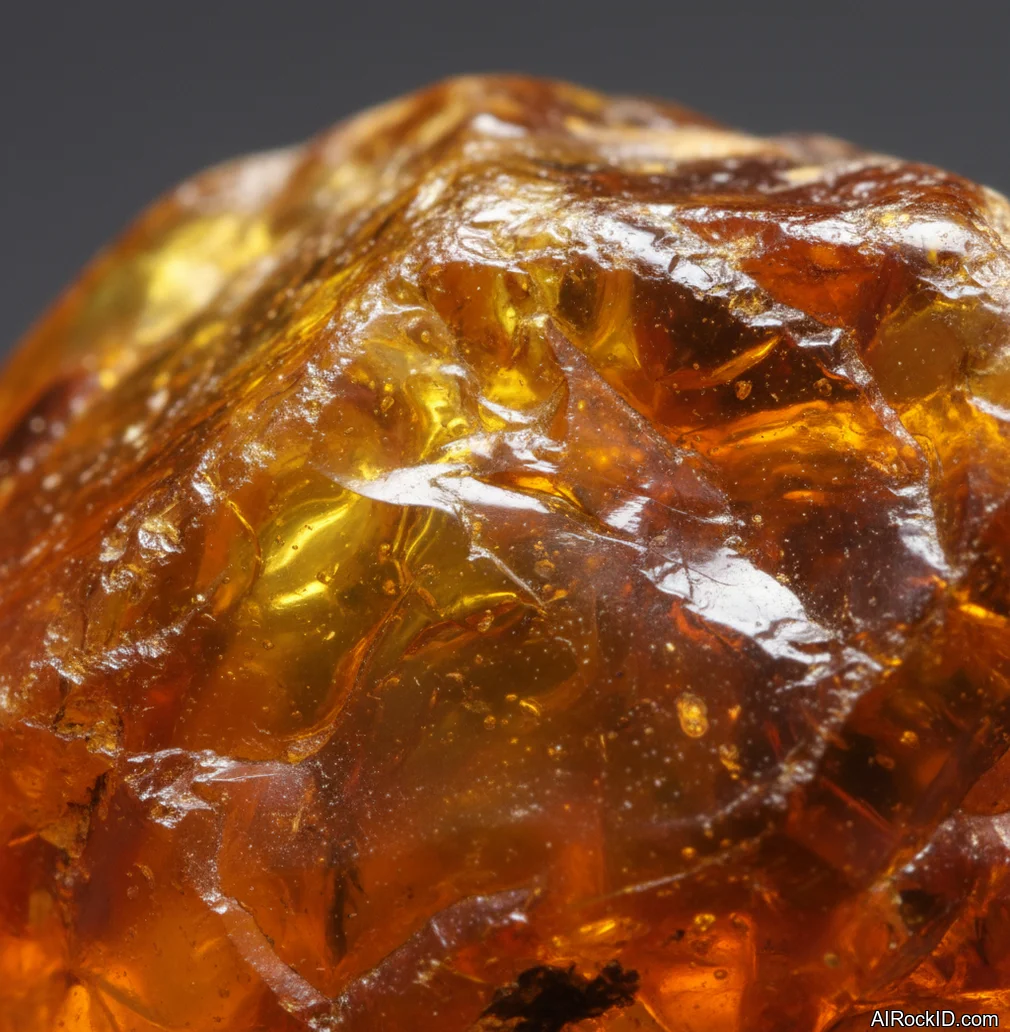
Amber
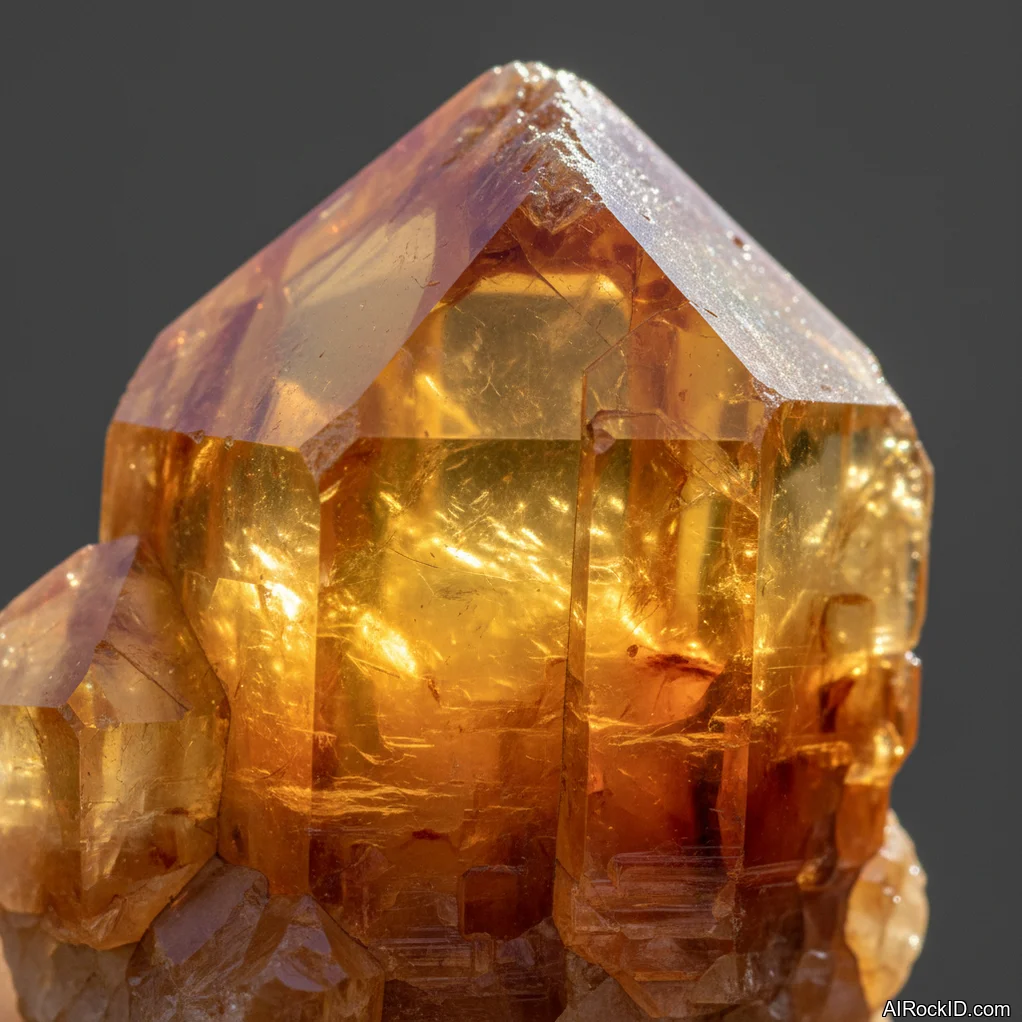
Amber

Amber isn’t a mineral. You notice it immediately, too, because it’s so light in your hand it can almost feel fake for a second. For sacral work, that soft, gentle warmth really matters, especially if you’re coming out of numbness or grief and you don’t want a stone that hits like a shot of espresso. Thing is, real amber stays just a little warm against your skin (not icy like quartz). And if you rub it hard with a cloth, it can give off this faint, sweet resin smell. It also pairs nicely with body-based practices. It doesn’t have that “sharp” feeling some crystalline stones do. Softer. Rounder. Easier to sit with.
How to use: Wear it low, like a pendant that sits near the upper belly, or tuck a small piece into a waistband during a slow walk. Keep it away from hot cars and sunny windowsills since it can craze or darken. If you’re sensitive, start with 5 minutes of contact and work up.
Amber Calcite

Amber Calcite

Amber calcite really does have that honey glow. But pick it up and you’ll notice it’s heavier than it looks, and it’s usually cooler to the touch than actual amber. The pieces I trust most? They’ve got cloudy bands, plus those tiny internal “sugary” textures, not that flat, plastic-looking color that makes you side-eye it. For sacral chakra work, it’s great when you want warmth with some structure, like you can get creative without spinning out. And if you hate that static-y feel some resins give, this is a nice way around it.
How to use: Set it on the lower belly while you do slow breathing, knees bent, feet on the floor. Don’t soak it in water; calcite can etch and lose its polish. If you carry it, wrap it because calcite dings easily and those chips change how it feels in the hand.
Amazonite

Amazonite

Amazonite is kind of a surprisingly solid sacral stone, even though it’s sea-green instead of that usual orange vibe. Grab a palm stone and you’ll notice it right away: cool to the touch, slick like feldspar gets, with that river-worn, almost ceramic feel (the kind that makes your thumb keep rubbing it without thinking). I reach for it when sacral stuff seems tangled up with voice, boundaries, or plain old people-pleasing. It has this “just say it” energy, but it doesn’t come off sharp or pushy. Look, if you study the surface, you’ll usually spot white streaks and a slightly mottled color. The too-perfect neon ones? Those are often dyed or heavily treated. Why would a real stone look like a highlighter?
How to use: Hold it in your non-dominant hand while you journal one page about what you actually want, not what sounds reasonable. If you’re doing body placement, set it on the lower abdomen but keep a cloth between if the cold shock makes you tense. Avoid saltwater and harsh cleaners since it can dull the surface.
Apatite

Apatite

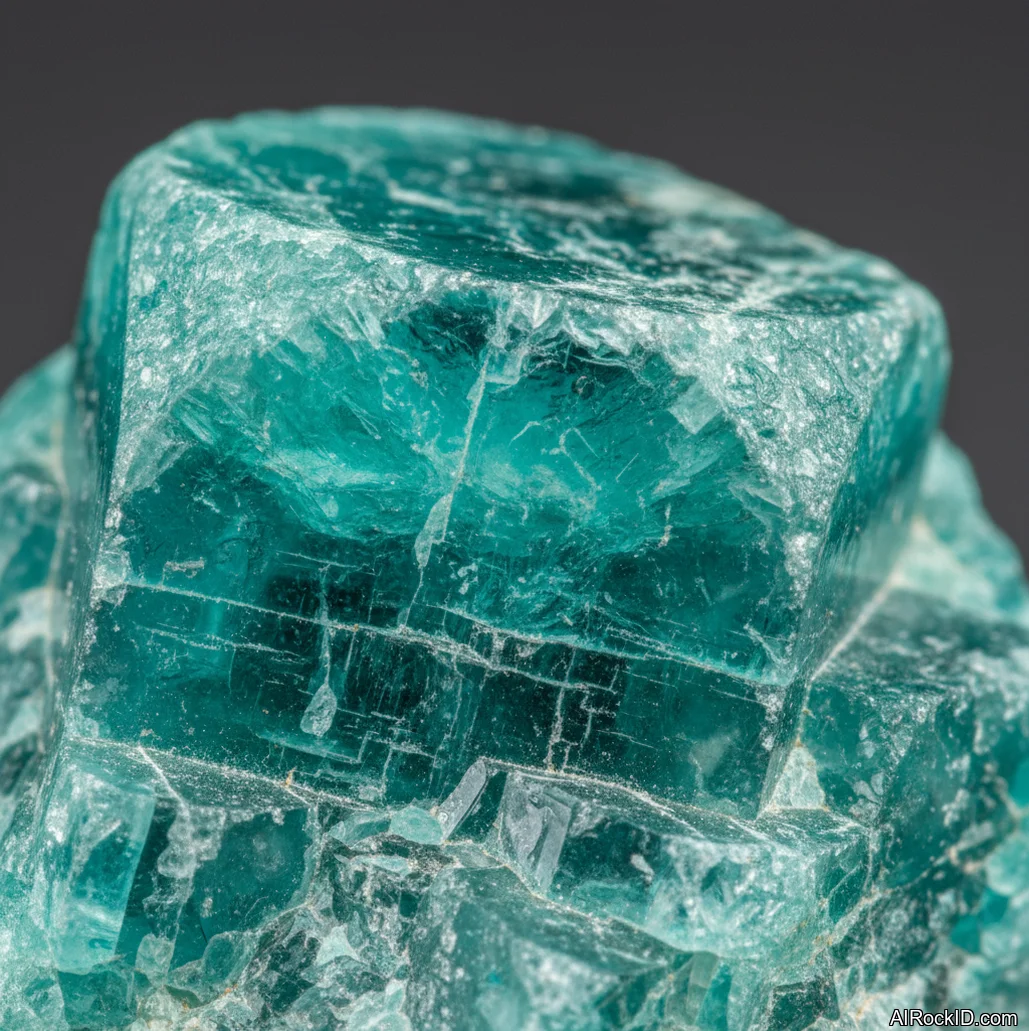
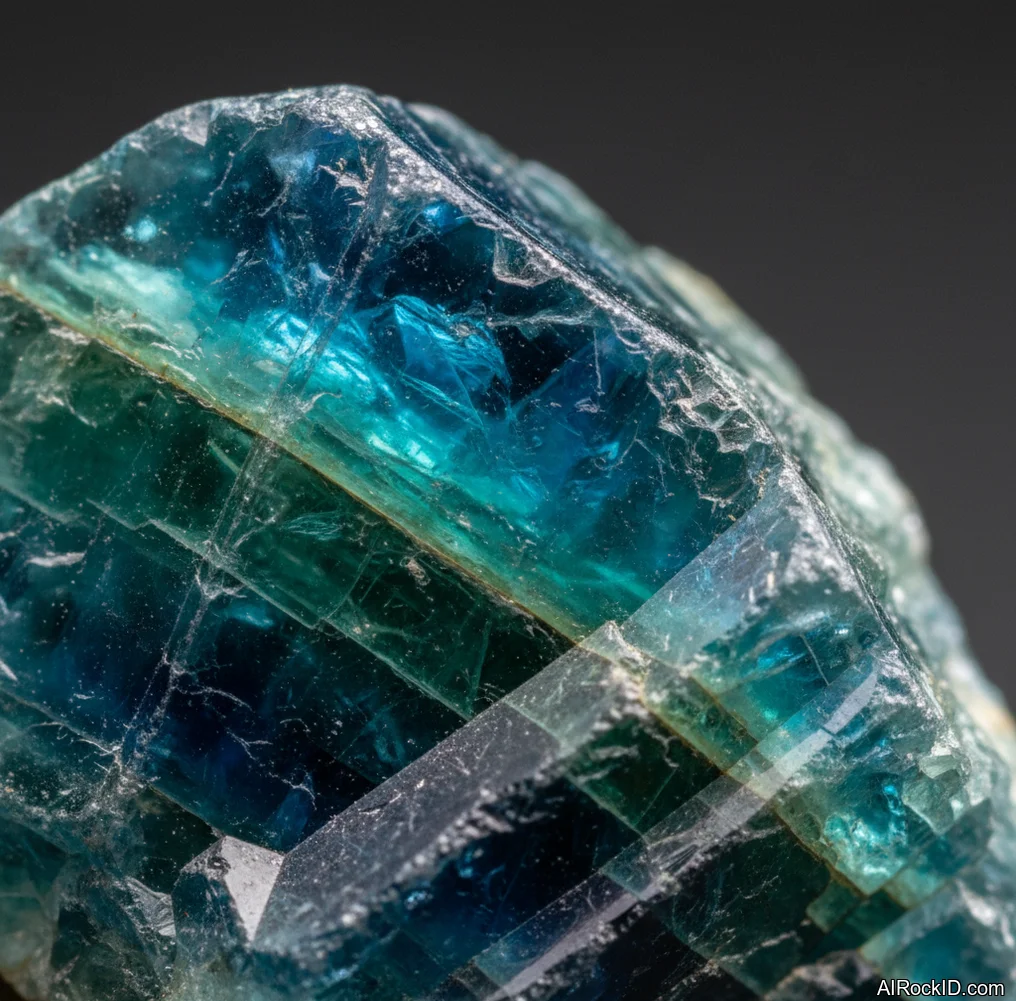
Apatite can turn that “stuck” feeling around fast, but it isn’t a gentle stone for everybody. Thing is, you’ll know pretty quickly just by how it feels in your hand: it’s glassy and cool, kind of slick, and a lot of pieces have these tiny little pits on the surface that snag your thumb when you rub them. I reach for blue-green apatite when I want more sacral flow and the blockage is mostly in your head, not your heart, like you’ve overthought yourself right out of desire. And yeah, quality matters a ton with this one. If the apatite looks dull or chalky, it usually feels kind of flat when you actually work with it.
How to use: Use it for short sessions: 3 to 10 minutes on the lower belly or held while you do hip circles and slow exhales. Keep it out of pockets with keys since it scratches easily. If it makes you restless, back off and swap to amber calcite for a few days.
Aragonite

Aragonite

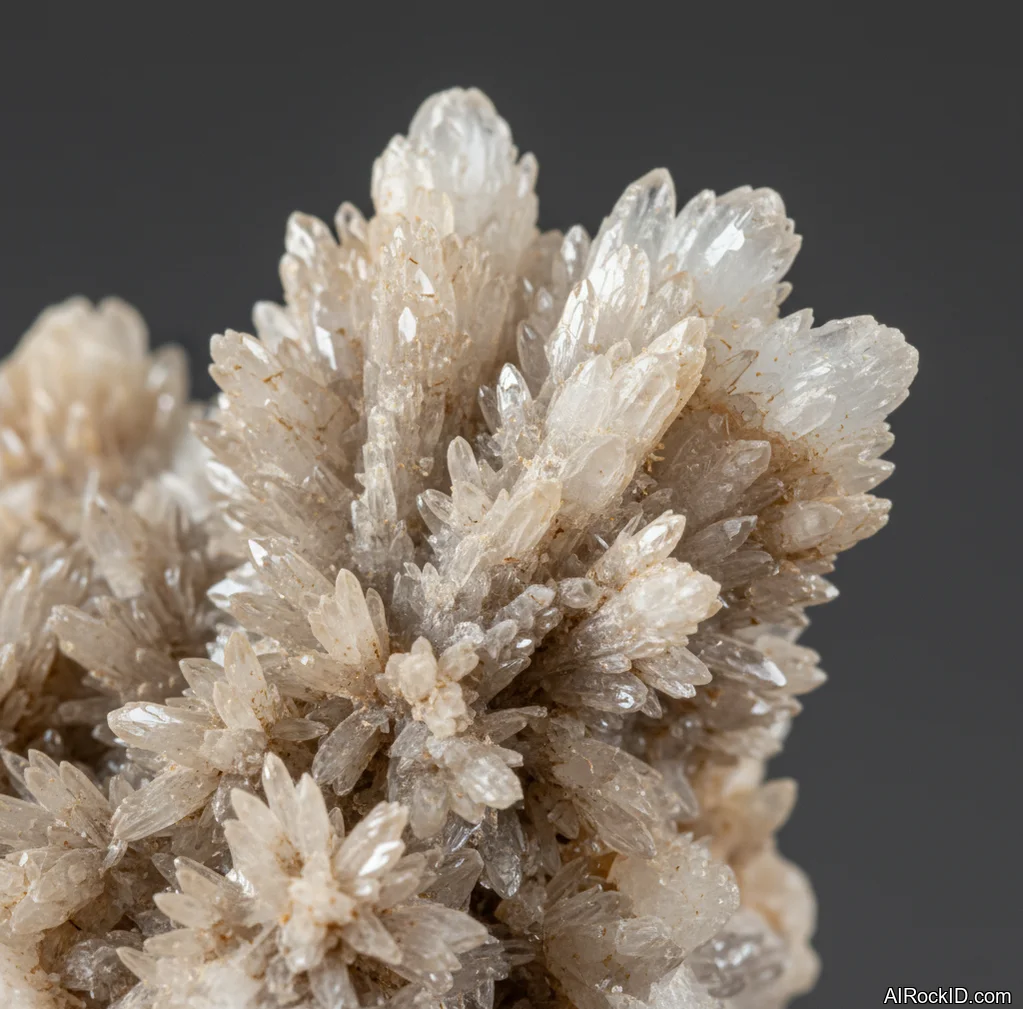
Aragonite feels like it’s got this low, earthy tug to it, and I reach for it when a sacral imbalance shows up as that nervous, fluttery anxiety right in the gut. Raw clusters are cool to the touch and a bit gritty, almost like fine sand stuck to a stone, and those tiny crystal sprays can be weirdly prickly, so you register it the second your fingers land on it. I’ve had the best results with the brown to caramel aragonite (the kind that looks like dried mud in sunlight) when someone’s creativity gets jammed up by that “I have to do it right” tightness. It steadies you. But it doesn’t knock you out or feel drowsy the way some heavy black stones can.
How to use: Place a smooth piece near the pelvis during a long stretch session, not directly under your spine where clusters can jab. Dust it instead of rinsing because many aragonites don’t love water. If you carry a cluster, wrap it; those delicate points snap and the energy feel shifts when it’s damaged.
Axinite

Axinite

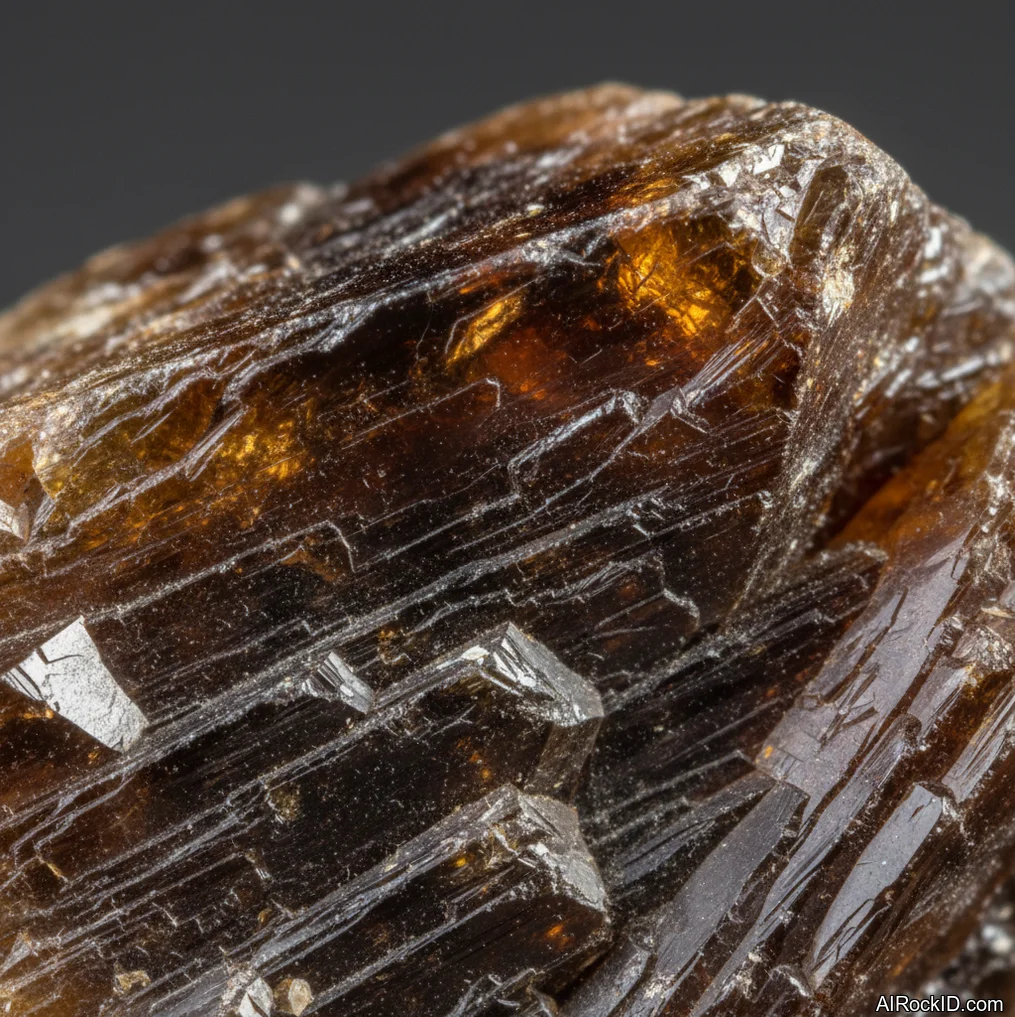
Axinite doesn’t get nearly enough love, and honestly most folks have never even had a piece of it in their hand. That’s a shame. It’s a really “body honest” stone. Grab a decent specimen and you feel it right away: heavier than you expect for its size, with those sharp, wedge-like faces that want to catch on your fingertip a little. And the color isn’t just brown. There’s often that brownish-violet tint that pops for a second when you tilt it under a lamp, like a quick flash. For sacral chakra work, it’s solid when you need clean momentum. The kind where you go from idea to action without all the drama. But it can hit hard. Especially if you’re already running hot emotionally, you’ll notice it.
How to use: Use it as a desk stone during creative work, touching it briefly when you stall instead of keeping it on your body for hours. If you do body placement, keep it beside you near the hip rather than directly on skin because edges can be sharp. Store it separately to avoid scratching softer stones.
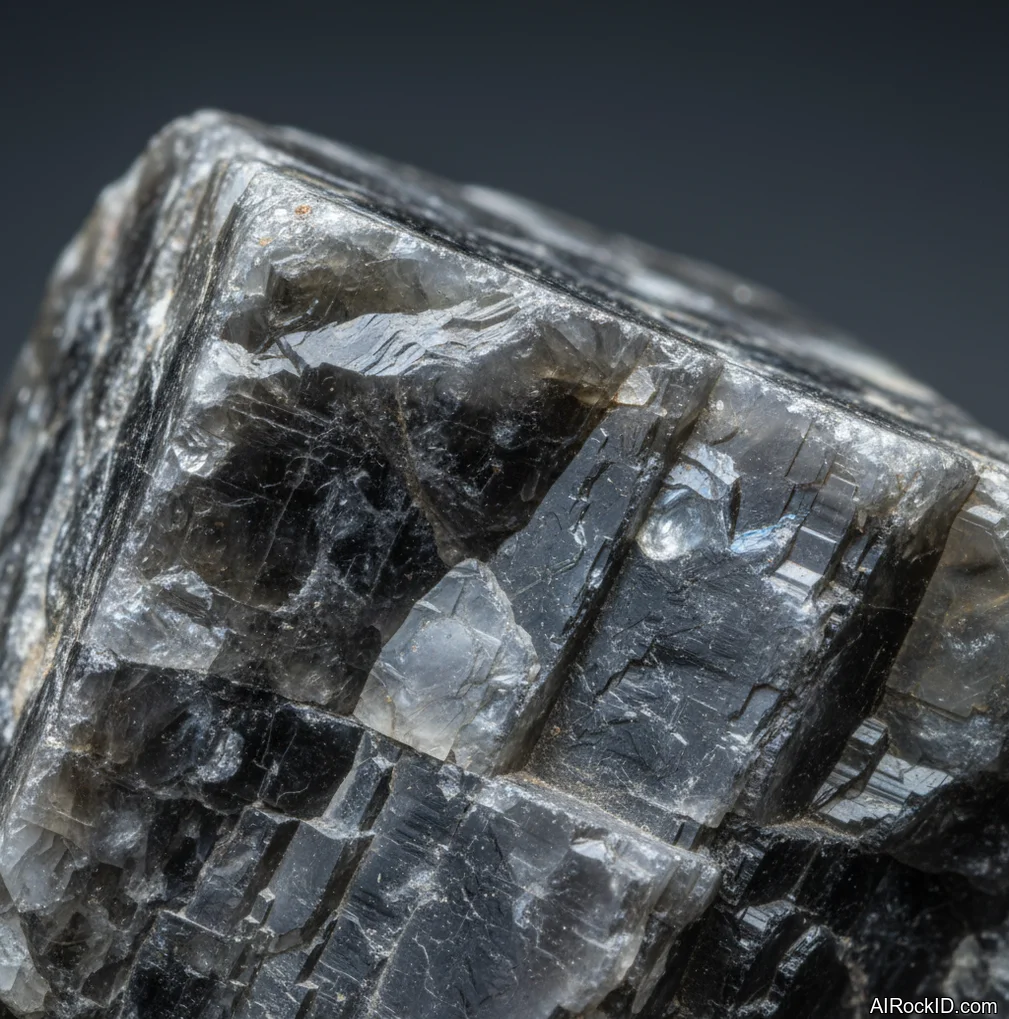
Black Moonstone

Black Moonstone

Black moonstone tends to be the one I reach for when the sacral stuff is messy, like cycle tracking, mood swings, and that annoying “I don’t know what I feel yet” stretch. It doesn’t have the loud, flashy look of rainbow moonstone either. Black moonstone usually sits in that smoky, peachy-gray zone, and the sheen is shy. You’ll catch it only when you tilt it just right under a lamp. In your hand, it’s got that feldspar coolness, like it holds onto the room temperature for a second. The surface, when it’s polished, feels silky, almost like a worn worry stone (you know the kind you keep rubbing without thinking). So, if you want receptivity and emotional processing, not pure stimulation, this one makes sense.
How to use: Sleep with it near the bed, not under the pillow if you’re a light sleeper who gets vivid dreams. For a direct practice, rest it on the lower belly for 5 minutes, then write three sentences about what you’re avoiding. Keep it away from harsh impacts; moonstone can chip along cleavage lines.
Ammonite

Ammonite

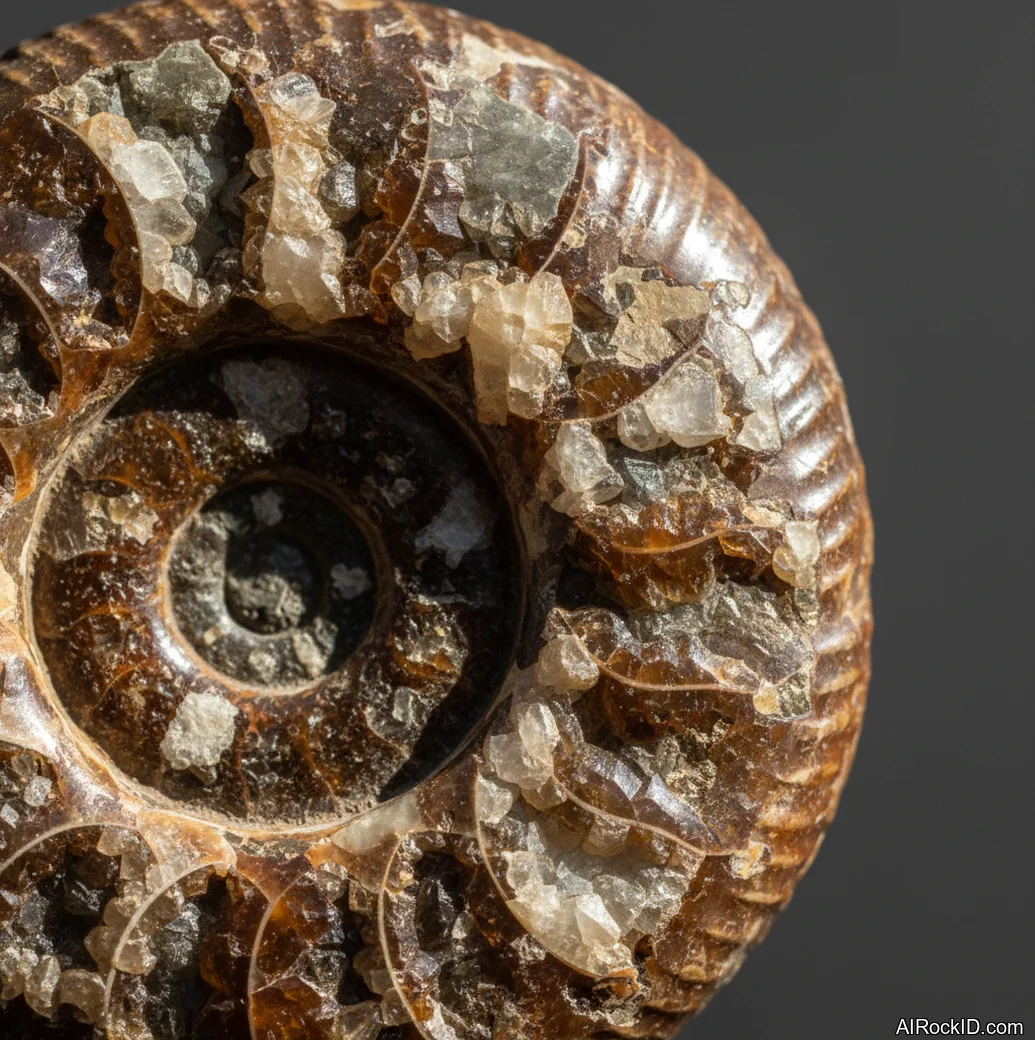
Ammonite feels super physical in sacral work. And I think that’s because it’s literally a preserved spiral you can drag your fingertip along, over and over, like a little rhythm track. The real stuff has this honest weight to it, and the shell pattern isn’t just pretty, it has tiny ridges you can actually feel under your nail. Cheap composites? Too smooth. Weirdly warm in your hand, too (the real ones stay cool longer). I reach for it when someone’s trying to come back to pleasure slowly. Not in a big, dramatic way, but more like rebuilding trust with their own body, one small step at a time. It also works as a solid anchor for people who hate “energy” talk but still want something tactile to focus on. Why argue with a spiral you can touch?
How to use: Trace the spiral with your thumb while breathing into the lower belly, slow and steady for 3 minutes. Set it on an altar or nightstand where you’ll actually touch it daily, because it works best as a repeated cue. Don’t soak it; many pieces are stabilized and water can cloud the surface.
Auralite-23

Auralite-23

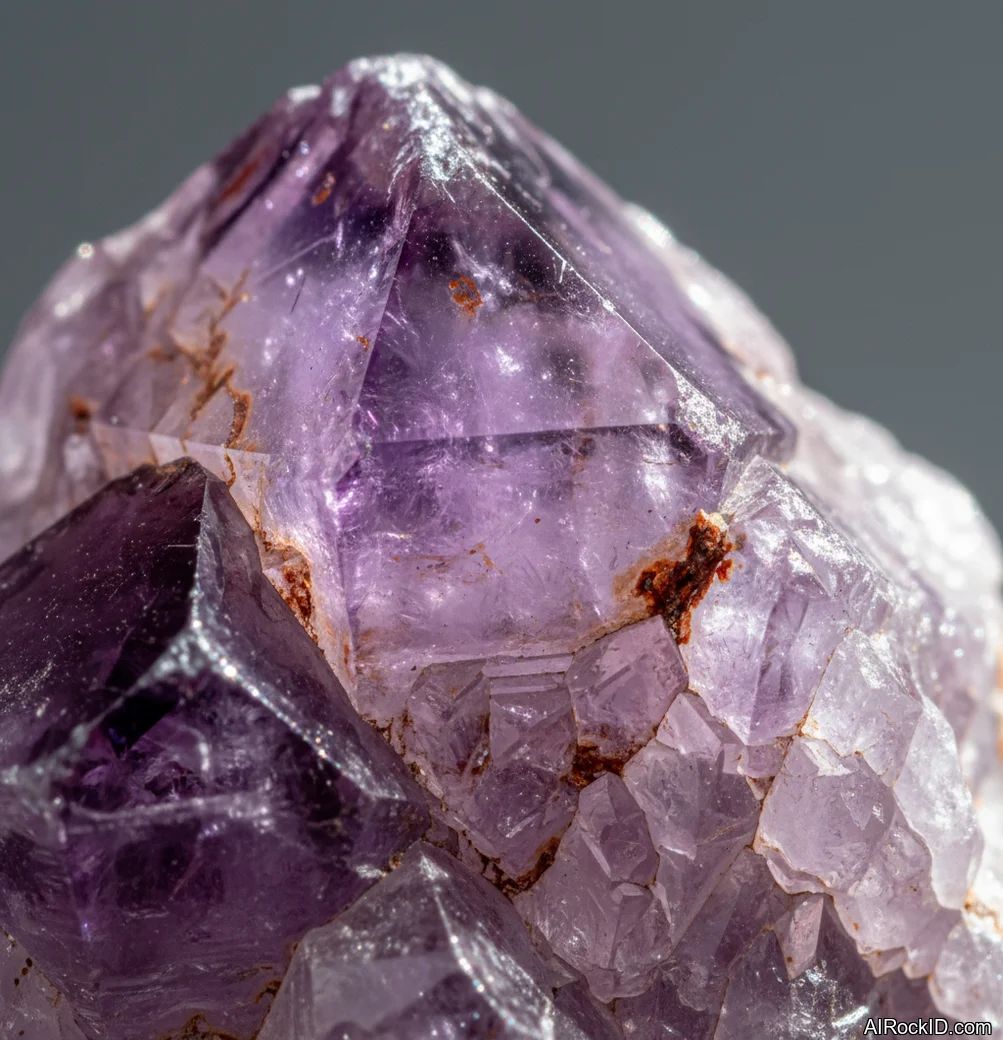
Auralite-23 is basically a mixed-bag stone, and yeah, I’m picky about it because that name gets thrown around like marketing confetti. The good pieces I’ve handled feel like dense amethyst in your palm, not light or chalky, with extra mineral “noise” running through the pattern. And you can usually spot layered purples with rusty-looking inclusions instead of that flat, uniform violet that screams dyed or generic. For sacral work, I reach for it when the problem isn’t just sacral, it’s sacral plus upper-chakra overwhelm. You know the vibe: trying to create from your head while your body’s getting ignored. So it can help bridge that gap, but it’s not the first stone I’d hand someone who simply needs warmth and softness. Why start with something busy when all they need is gentle?
How to use: Meditate with it in your hand and keep your other hand on the lower belly so you don’t drift into pure mental space. Use 10 to 15 minutes, then ground with food or a walk. Buy from a dealer who will tell you the locality and show close-up photos; vague listings are where the junk hides.

What “sacral chakra” looks like in real life

Most people don’t walk in and announce, “My sacral chakra is blocked.” They tell you they feel kind of flat. Or they can’t finish anything. Or intimacy feels tense. Or they’re snapping at everyone and don’t even know why.

Sacral stuff tends to show up in the hips, the lower belly, the low back, plus the whole messy zone of pleasure and emotions. And yeah, it’s messy. That’s normal.

So grab one of your stones and do a quick check-in. Are you breathing shallow, way up in your chest? Is your jaw clenched like you’ve been chewing through stress all day? That’s usually the first hint you’re not really in your body.

When someone’s sacral energy is running too hot, they’ll often feel restless and impulsive, and even “fun” stones like apatite can nudge things into overdrive. But when it’s running low, amber or amber calcite usually feels more like sliding a dimmer switch up, not blasting a harsh light in your face.

One more reality: sacral imbalances are often caused by boring stuff. Not enough sleep. Too much caffeine. No movement in the hips. You can still use crystals, sure, but you’ll get better results if you pair them with one simple body habit.

Picking a good stone: color helps, but texture tells the truth

Orange stones get all the attention for sacral work, and yeah, color can be a handy shortcut. But I’ve seen people get way more from a muted black moonstone than a loud orange tumble, just because the moonstone actually made their body feel calm and safe. That’s the point. Not orange. The point is how you respond.

Look closely at the surface. Calcite usually has tiny little pits or that sugary sparkle when you hit it with strong light, and it feels softer, kind of “grabby,” compared to glass when you run your thumb over it. Amber should feel weirdly light for its size, and if you rub it with wool you can sometimes build up a bit of static (it’s a small thing, but it’s real). Amazonite typically has natural white streaks or patchy areas; when the teal looks too perfect, that’s often where dye likes to hide.

Most dealers won’t say it out loud, but the finish changes how a stone works in your hand. A high-gloss palm stone slides around and almost asks to be held, which can be great for sacral work. But a sharp cluster might be geologically cool, and if it pokes you, you’re not going to relax. And relaxation is half the game.

Pairing crystals with movement (because hips don’t lie)

If you do just one thing with sacral stones, make it this: use them while you’re doing gentle hip movement. Stones can feel like a solid anchor in your hand, sure, but the sacral area reacts to motion and breath way faster than it does to you staring at a crystal from across the room.

So try this easy little routine. Sit on the floor or on a firm bed (not the squishy kind where your pelvis sinks and everything feels wobbly), knees bent, feet planted. Set amber calcite or aragonite on your lower belly, right below the navel where it can actually rest without sliding off, then do slow pelvic tilts as you inhale and exhale. Slow as in almost boring. Like you’re moving through honey.

But if you’re working with something sharper like axinite, don’t balance it on your body. Just keep it beside your right hip where you can reach over and touch it between sets, then go back to the tilts.

Thing is, a lot of “chakra crystal” advice flat-out ignores the nervous system. If a stone makes you feel unsafe, you’ll brace without even noticing. And once you brace, the practice fails. Use the stone that lets your breath drop lower, even if it isn’t the one with the prettiest Instagram color. Who cares what it looks like if your body won’t settle?

Combining sacral stones with water and heat safely

People are really into water rituals for sacral work, and honestly, I get why. The symbolism just lands. But taking care of the minerals still matters, and some stones simply don’t do well with soaking, salt, or heat.

Amber is a big one. Don’t park it in a hot window or leave it in a steamy bathroom. It can craze, and once that surface goes cloudy (that weird foggy look), it never really comes back.

Calcite can etch from water, and salt is definitely a no. Aragonite is similar. So if you want a “water practice,” keep the stone near the bowl, not in the bowl, and put your attention on the routine, not the soaking.

Heat is another trap. Warming a stone in your hands is totally fine. Leaving it on a heater or in a car is how you end up with cracks, faded color, or a piece that feels dead to you because, yeah, it’s literally damaged. If you want warmth, use a blanket, or a heating pad on low under a towel, and keep the crystal out of direct contact with the heat source.

How to Use These Crystals for Sacral Chakra

Start simple. Seriously. Grab one stone from the list that your body likes right away, not the one you feel like you’re supposed to like.

The fastest test I use in the shop? I hold the stone at belly level, take three slow breaths, and watch what my shoulders do. Do they drop a little (good) or do they creep up toward my ears (nope)? If they creep up, I put it back. No debate.

For a basic sacral session, lie down with your knees bent. Set a smooth stone like amber calcite, amazonite, or black moonstone on your lower abdomen, a couple finger-widths below your navel. Breathe in through your nose for a count of four. Then out for a count of six. Keep your attention on the weight of the stone as it rises and falls with your breath (you can actually feel that small shift if the stone’s polished and cool). Do 7 minutes. And stop there, even if you want to keep going, because consistency beats marathons.

For creative work, keep a stone where your hand naturally goes. I keep axinite or apatite next to my keyboard, right by the spot where my wrist rests, and I touch it when I’m about to scroll instead of make something. If you’re working with intimacy and comfort, ammonite is great because you can trace it with your thumb and stay present without trying to force big emotions. Whatever you pick, clean it in a low-drama way: wipe it with a soft cloth, do a quick smoke cleanse if that’s your thing, or just put it away overnight and come back to it fresh. Why complicate it?

Common Mistakes to Avoid

Going after the brightest traffic-cone orange stone is the classic rookie move. A dyed piece can look unreal and still feel like nothing in your hand. And some people genuinely tense up around high-saturation colors because their nervous system reads it as “too much.” The fix is kind of boring: hold the stones, actually test them in your own hand, and buy from someone who’ll straight-up tell you if it’s treated.

Another easy mistake? Using fragile stones like calcite or aragonite in water or salt. I’ve watched a gorgeous polished calcite, the kind that feels glassy-smooth at first, go dull in a week because someone kept making “moon water” with it every night. If you want ritual water, keep the stone nearby, let it do its thing, and keep the mineral dry.

Last one: overdoing it. Sacral work can stir stuff up. If you sleep with apatite under your pillow and then you’re staring at the ceiling at 3 a.m. feeling wired, that’s not some big mystery. Keep sessions short. Then ground with food, some movement, a shower (even a quick one) and you’ll usually keep things sane.

Important: Crystals can’t diagnose or treat medical or mental health conditions. They won’t replace therapy, medication, or proper medical care either. So if pelvic pain, sexual dysfunction, trauma responses, or mood swings are showing up for you, let stones be a little extra support while you go get real help. And they can’t do the work for you. If you’re not moving your body, not resting, and not being honest about what you actually want, the prettiest piece of amber in the world (smooth and warm in your palm, sure) isn’t going to magically make you feel alive.

Identify Any Crystal Instantly

Snap a photo and get properties, value, care instructions, and healing meanings in seconds.

Frequently Asked Questions

What is the sacral chakra associated with?
The sacral chakra is associated with emotions, pleasure, creativity, sensuality, and reproductive energy. It is commonly linked to the lower abdomen, hips, and pelvis.
Which crystal color is most associated with the sacral chakra?
Orange is most associated with the sacral chakra. Warm tones like peach, amber, and brown-orange are also commonly used.
Can I use non-orange crystals for sacral chakra work?
Yes, non-orange crystals can be used if they support emotional flow, relaxation, or embodied awareness. Examples include amazonite and black moonstone.
How do I place a crystal for sacral chakra balancing?
A common placement is on the lower abdomen a few finger-widths below the navel while lying down. Another method is holding the crystal at belly level during slow breathing.
How long should I use a sacral chakra crystal in one session?
A typical session ranges from 5 to 15 minutes. Shorter sessions are recommended if you feel overstimulated or restless.
Is amber safe to put in water for cleansing?
Amber is not recommended for soaking in water for long periods. Water and heat can damage or cloud the surface of amber.
Are calcite and aragonite safe for salt cleansing?
Calcite and aragonite are not recommended for salt cleansing because salt and moisture can etch or dull them. Dry cloth cleaning is a safer option.
How can I tell if amazonite might be dyed?
Dyed material often has an unnaturally uniform, neon-like color with limited natural mottling. Natural amazonite commonly shows white streaking and uneven tone.
Can crystals fix low libido or fertility issues?
Crystals do not treat medical causes of low libido or fertility issues. They can be used as a supportive spiritual practice alongside professional healthcare.
What is a simple crystal pairing for sacral chakra and grounding?
Amber calcite paired with aragonite is a common combination for warmth plus stability. This pairing is used to support comfort and steadiness during emotional work.
The information provided is for educational and spiritual exploration purposes. Crystals are not a substitute for professional medical, psychological, or financial advice.