sleep

Best Crystals for Sleep
A small group of sleep-friendly crystals on a wooden nightstand beside a lamp and a closed book

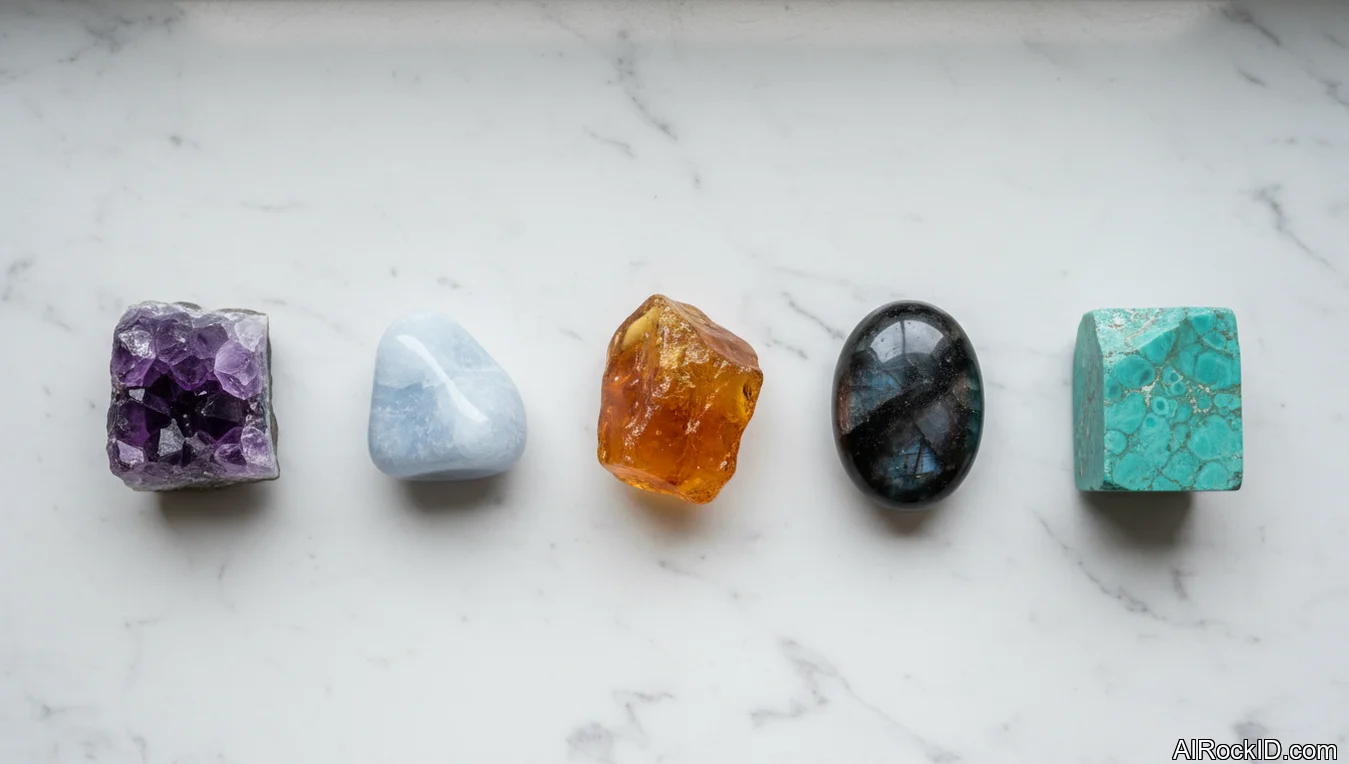
The best crystals for sleep are the ones that feel genuinely calming in your hand, don’t wind up your nervous system, and are simple enough that you’ll actually use them every night by the bed. If you’ve ever picked up a stone and felt your shoulders drop a notch, you already understand it. Sleep stuff is mostly about turning the volume down and giving your brain the same cues on repeat, and a crystal can be one more cue.

Grab a piece of amethyst and you usually notice the temperature first. Cool. Then that slightly tacky feel you get from a good polish, the kind that almost grips your fingertips for a second. And that tiny, physical moment helps. It can be the bridge between “one more scroll” and “okay, I’m getting in bed.” I’ve tried plenty of stones that felt way too buzzy for nighttime, even if people swear by them for energy work. For sleep, I’m picky. I want stones that don’t feel sharp or pushy, and I want them to behave in real-life ways, like sitting safely on a nightstand and not shedding flakes into the sheets (because nobody wants grit in their pillowcase, right?).

But let’s keep it grounded. Crystals aren’t melatonin. They won’t fix sleep apnea. They won’t out-muscle a late espresso or a doom-scrolling habit. What they can do is help you build a bedtime ritual that’s tactile, repeatable, and calming, especially if you pair them with boring but effective basics like a dark room, a cooler temperature, a consistent wake time, and, honestly, putting your phone down.

Recommended Crystals
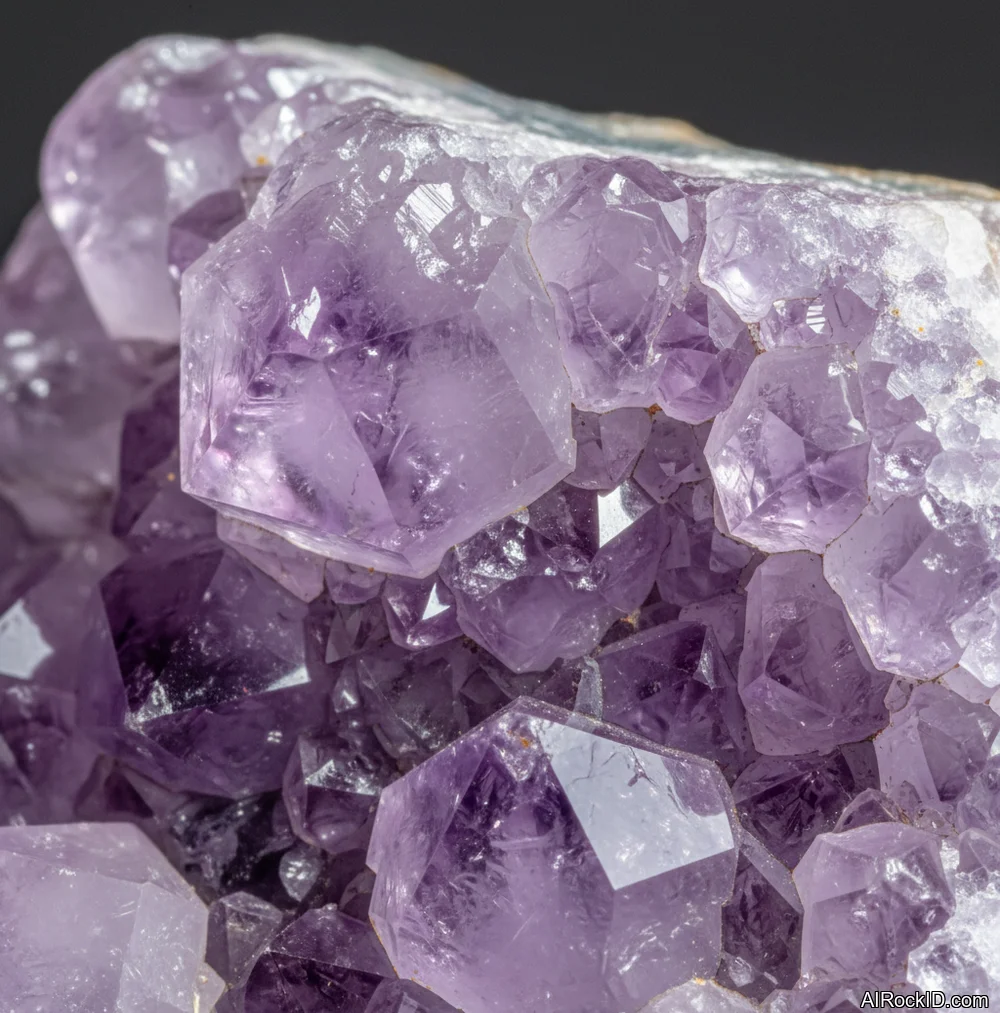
Amethyst
Amethyst

Uruguayan raw amethyst usually shows a deeper purple than most Brazilian pieces, and under a lamp that darker shade can register as “night” in your head. And if you actually pick up a chunk, it hangs onto that cool, stone-cold feel longer than glass does, which makes it a steady little anchor when your thoughts are running hot and fast. Thing is, the ones that work best for bedtime (at least in my experience) are the pieces with a bit of drusy sparkle, that fine sugar-crystal shimmer you can feel with a fingertip, not the perfectly even, dyed-looking stuff. But keep an eye on the market. Some tumbled amethyst gets treated or dyed so heavily it ends up feeling oddly warm and kind of plasticky in your hand. Weird, right?
How to use: Keep one palm-sized piece on the nightstand and hold it for 60 seconds while you do slow nasal breathing. If you’re a toss-and-turn person, don’t sleep with it loose in the bed; put it in a small dish so it doesn’t end up on the floor at 3 a.m.
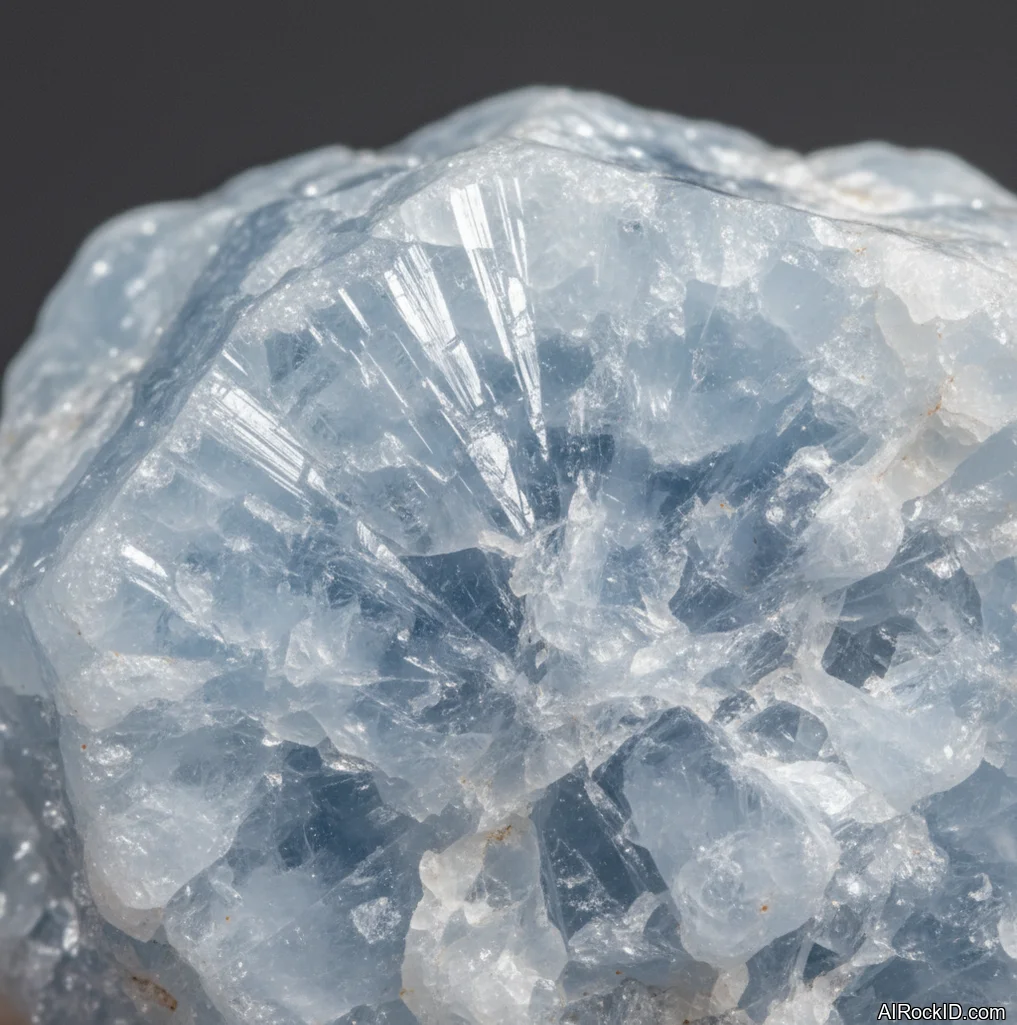
Angelite

Angelite

Angelite’s kind of a “soft” stone, not just in theory but in how it actually behaves. Even polished, it still has that slightly chalky, almost velvety feel under your fingertips. And if you want a quick reality check, tap it gently against a piece of wood. It makes a duller, flatter sound than harder stones, which honestly matches that whole quieting vibe. I like using it for sleep because it doesn’t feel mentally revving (you know what I mean?). It sits nicely alongside a simple wind-down routine and doesn’t take over the room. But I wouldn’t park it under a running humidifier. Thing is, it’s not exactly thrilled with moisture over time.
How to use: Place it near your pillow but not under it, especially if it’s a softer polished piece that could scratch or chip. Wipe it with a dry cloth now and then and store it away from the bathroom if you keep your nightstand near a steamy shower area.
Amber

Amber

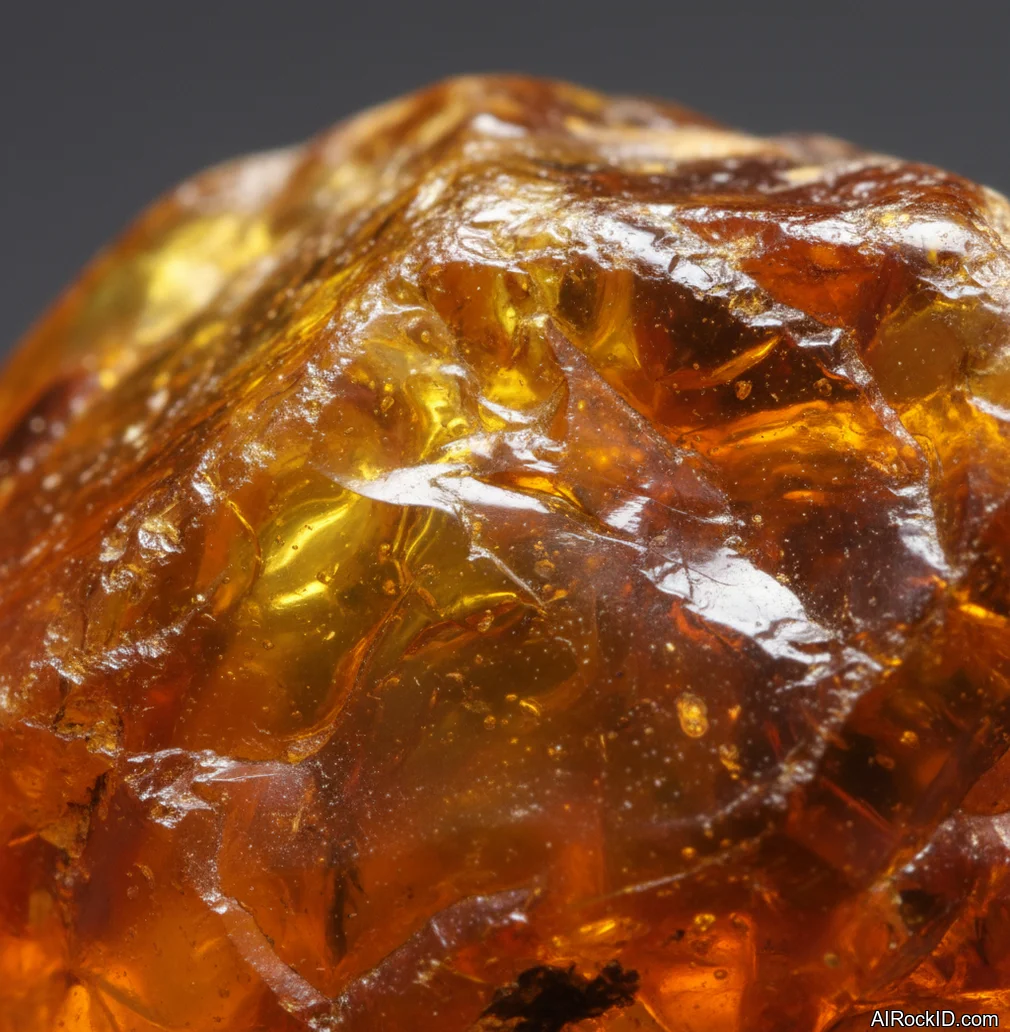
Amber gets warm almost the moment it hits your palm, which is weird if you’re used to stones that stay cold for ages, and that little bit of warmth can feel really soothing at bedtime. And if you hold it up to a lamp and tilt it around, you’ll usually catch those tiny swirly textures or little bubbles inside, the kind plastic knockoffs never quite nail even when they’ve got the color pretty close. Thing is, I like amber for sleep because it’s so light you barely notice it, and it doesn’t have that “heavy” emotional vibe, so you can settle down without sliding into deep, intense introspection. But it’s not tough. It scratches easily, and if you’re not gentle with it, it can go cloudy.
How to use: Use a small piece in a bedside pouch so it doesn’t get scuffed by keys, coins, or metal jewelry. Keep it away from heat sources like a space heater or a hot lamp base, since amber can soften or dull with heat.
Black Moonstone

Black Moonstone

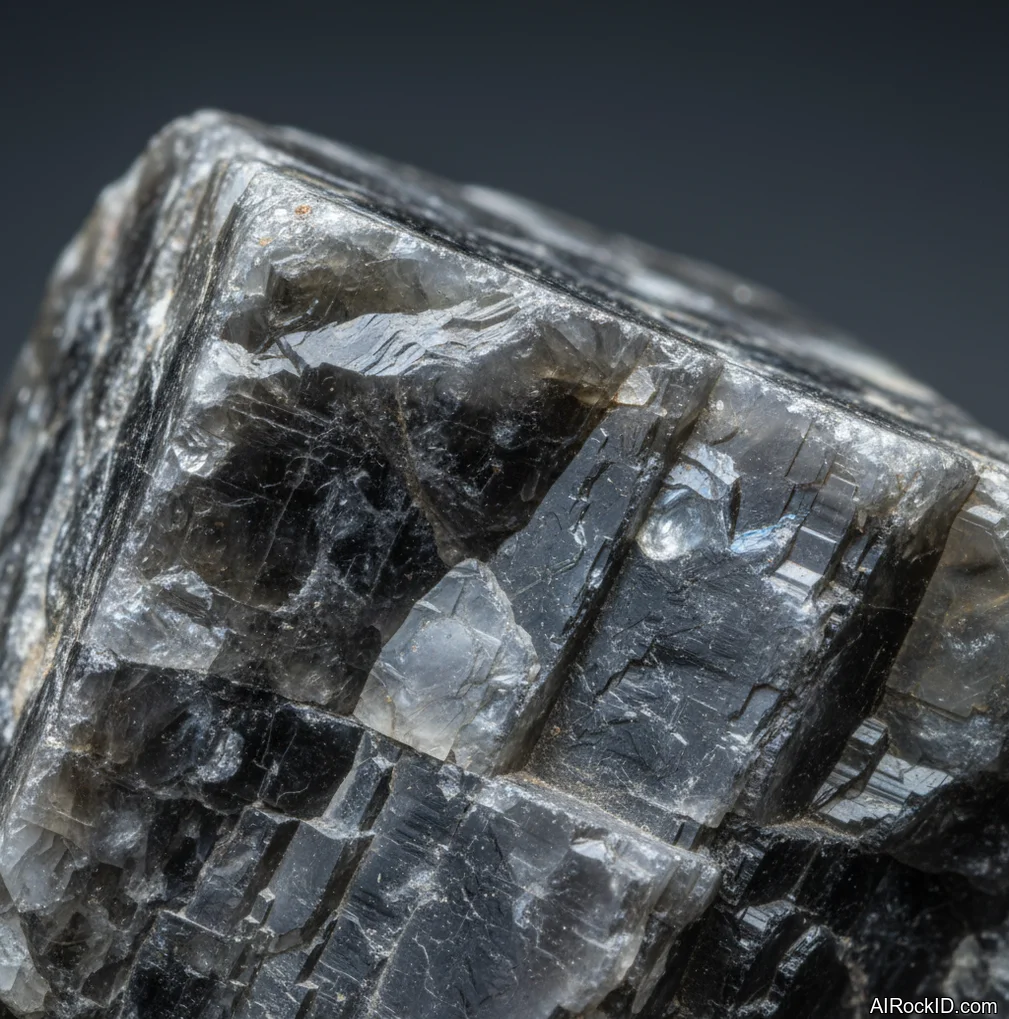
It looks kind of plain at first. Then you tip it, and that sheen moves across the surface like a weak flashlight sweeping a dark room, very late-night feeling. I’ve held black moonstone pieces that were basically charcoal, and others that skewed brown. The darker ones, in my experience, feel more settling if you’re using it around sleep. And it’s a solid option when your sleep problems line up with cycling moods, since it doesn’t come off like it’s trying to push you to do anything. But don’t mix it up with the louder stuff like labradorite. If it’s tossing neon rainbows all over, some sellers might be calling it moonstone when it’s actually something else.
How to use: Put it on the nightstand where you can catch the flash as a cue that bedtime is real. If you want body placement, keep it over your sternum for a few minutes before sleep, then set it aside so you’re not sleeping on a stone.
Amazonite

Amazonite

Amazonite, next to amethyst, feels less like “knocking you out” and more like it just turns the volume down. Big difference when you’re exhausted but your brain’s still doing laps at 2 a.m., right? You can usually see it in the color. Real pieces tend to have those white streaks or a slightly blotchy, mottled patchiness, not that perfectly even teal that looks like it came out of a paint can. And if you grab a polished palm stone, it’s got that slick feldspar texture, almost porcelain-smooth under your thumb, which honestly makes it great for tactile grounding. But watch out: some of the dyed stuff out there is way too saturated, and under bright LED light it can scream “fake.”
How to use: Hold it while you do a quick brain-dump list, then place it on top of the notebook as a physical “done for the night” marker. Keep it off your skin if you’ve had irritation from copper-bearing stones before, just to be cautious.
Apache Tears

Apache Tears

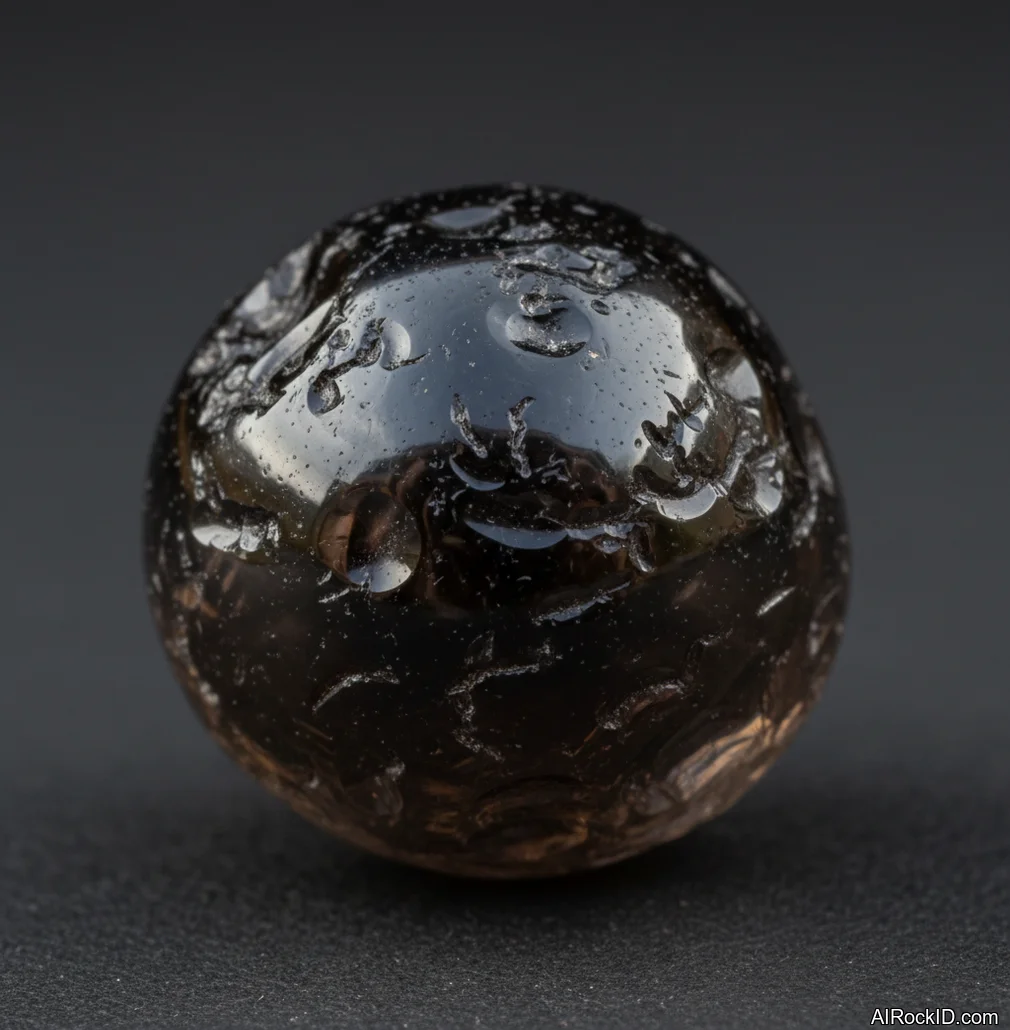
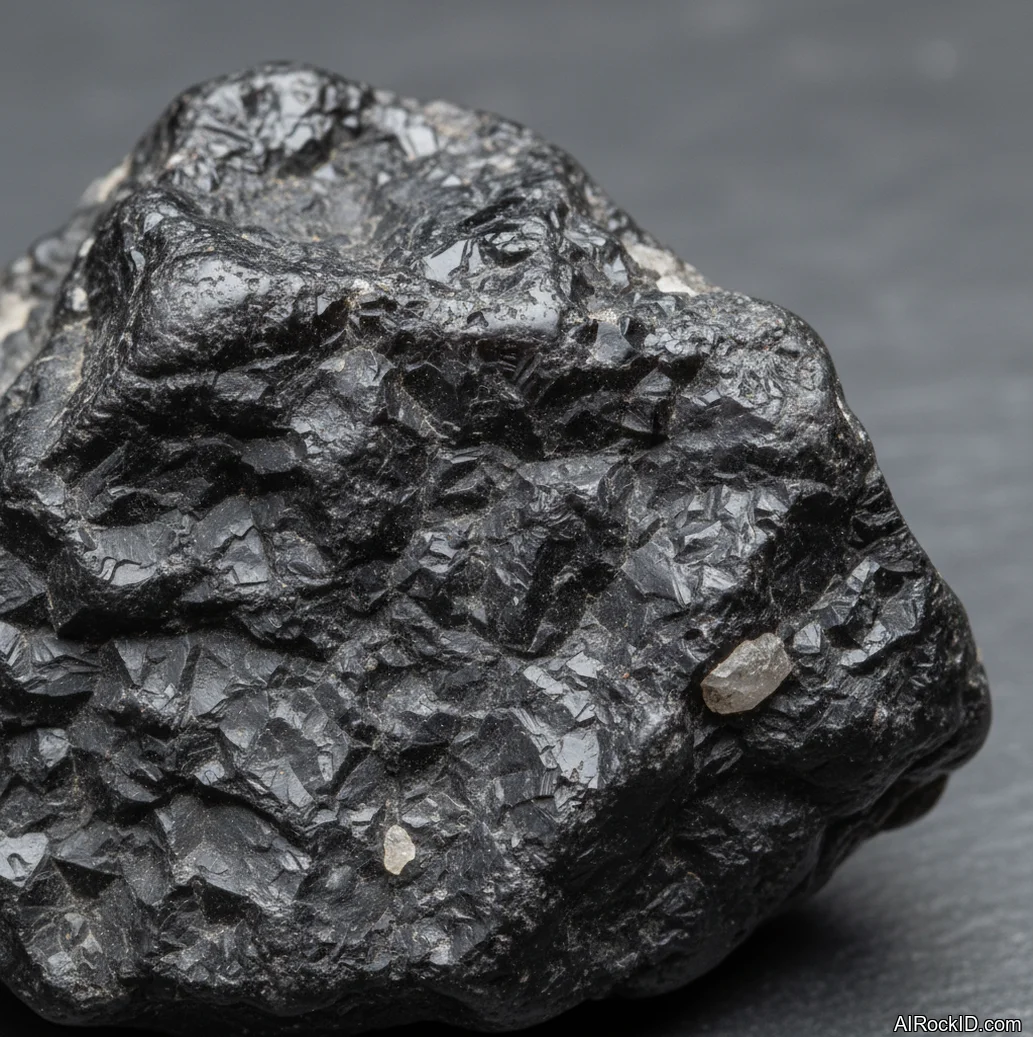
Apache tears are small, matte, kind of unassuming. That’s exactly why they fit so nicely into sleep rituals. Rub one between your fingers and you’ll notice this waxy smooth feel that isn’t like shiny tumbled obsidian, like it’s already been softened up from being handled a lot. I’ve found they’re helpful when you’re carrying grief or that low-grade stress that suddenly pops up at 2 a.m., because they don’t feel stimulating or bright. But look, they’re easy to lose. And if you drop one on a hard floor, it can chip like glass.
How to use: Keep two or three in a small bowl on the nightstand so you can grab one without hunting. If you want a simple practice, hold one in each hand for a minute, then set them back in the bowl before you turn the light off.
Black Banded Onyx

Black Banded Onyx

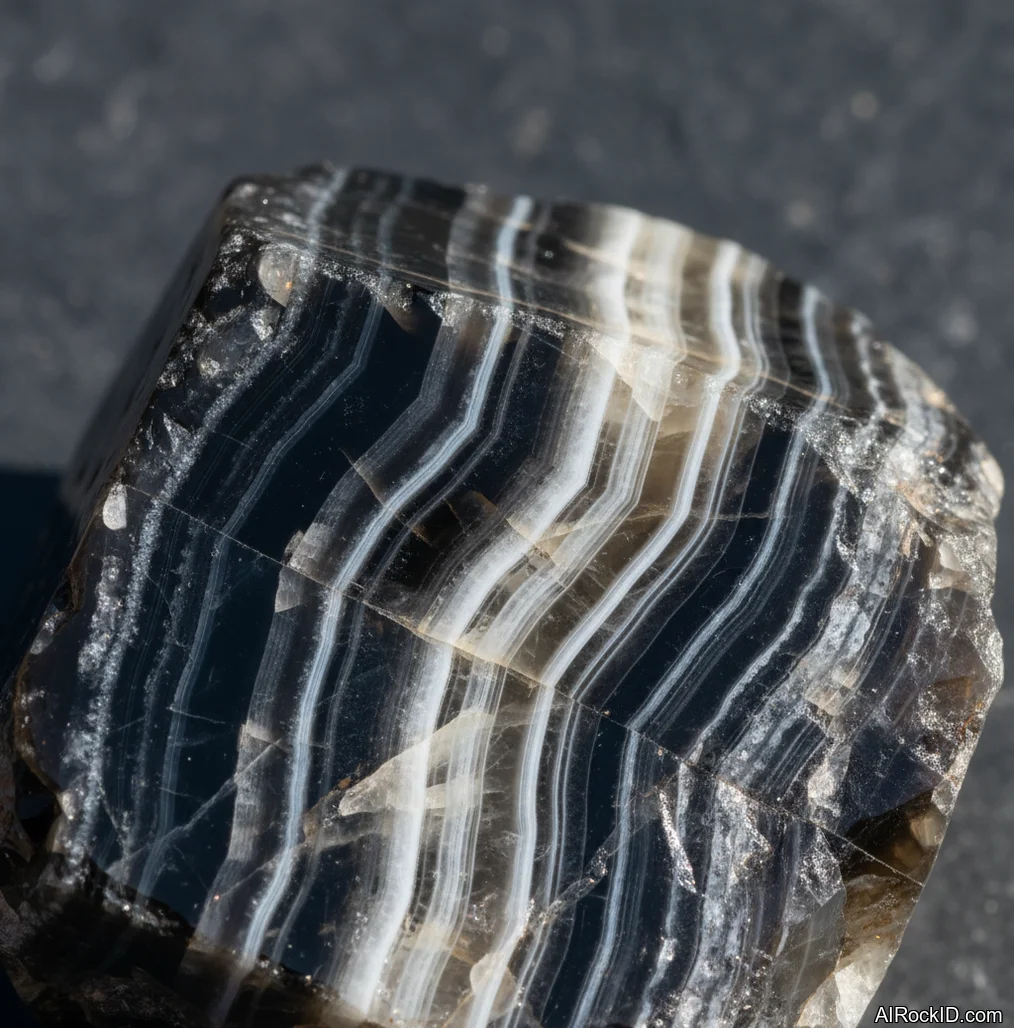
A lot of dealers will slap the name “onyx” on banded chalcedony, and for sleep I’m honestly fine with that, as long as you actually like how it feels in your hand and it’s not dyed to death. Put it under a lamp and tilt it a little. You’ll catch the bands sliding from smoky gray into deep black, and it gives your eyes a steady, low-drama place to rest. And it holds up well on a nightstand, too. It’s tougher than the softer stones that get dinged the first time they knock against a phone or a water glass, and it doesn’t have that crackly, buzzy vibe some people get from clear quartz. But watch the bargain-bin stuff. Some of it’s dyed so the black leaks into the lighter bands, and the striping ends up looking weirdly uniform (like someone filled it in with a marker).
How to use: Put a flat palm stone under the lamp base or next to your phone charger as a “this spot is for bedtime” cue. If you meditate in bed, rest it in your palm rather than on your forehead so you’re not worrying about it sliding off.
Black Jade

Black Jade

Real black jade, when it’s polished right, feels dense and kind of slick, almost oily. And for something that size, it lands in your palm with a surprising heaviness, like you can actually feel it settle. That heft helps when you’re trying to downshift. It gives your body a clear bit of sensory feedback without being sharp or flashy. I’ve put black jade next to dyed lookalikes, same lighting, same hand, back and forth. The fakes tend to feel chalkier, and they heat up way too fast once your fingers are on them (you notice it almost immediately). But the naming is a mess: a lot of “black jade” you see online isn’t jade at all, so don’t buy unless the seller will tell you exactly what it is.
How to use: Use a small palm stone during your wind-down and then place it at the far corner of the nightstand, away from where your arm sweeps when you roll over. Clean it with a damp cloth and dry it, no soaking needed.
Aquamarine

Aquamarine

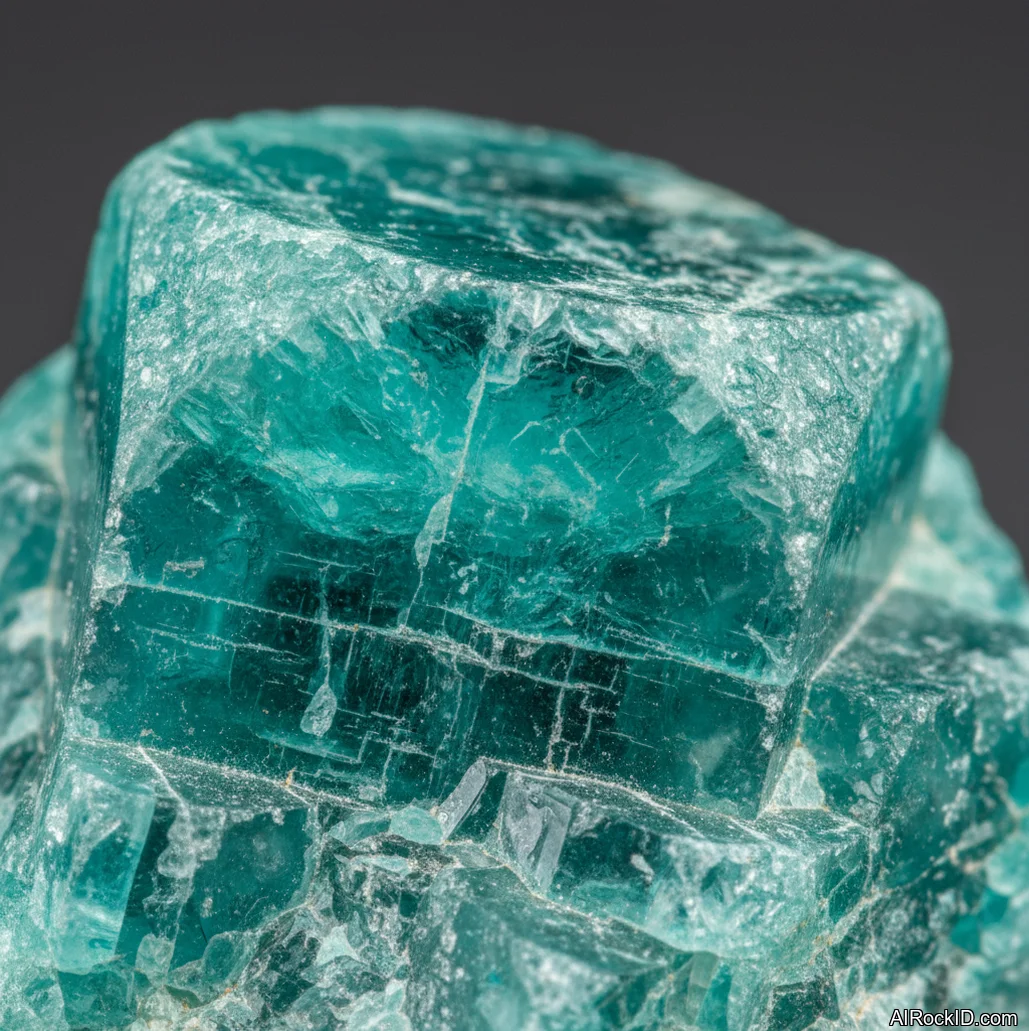
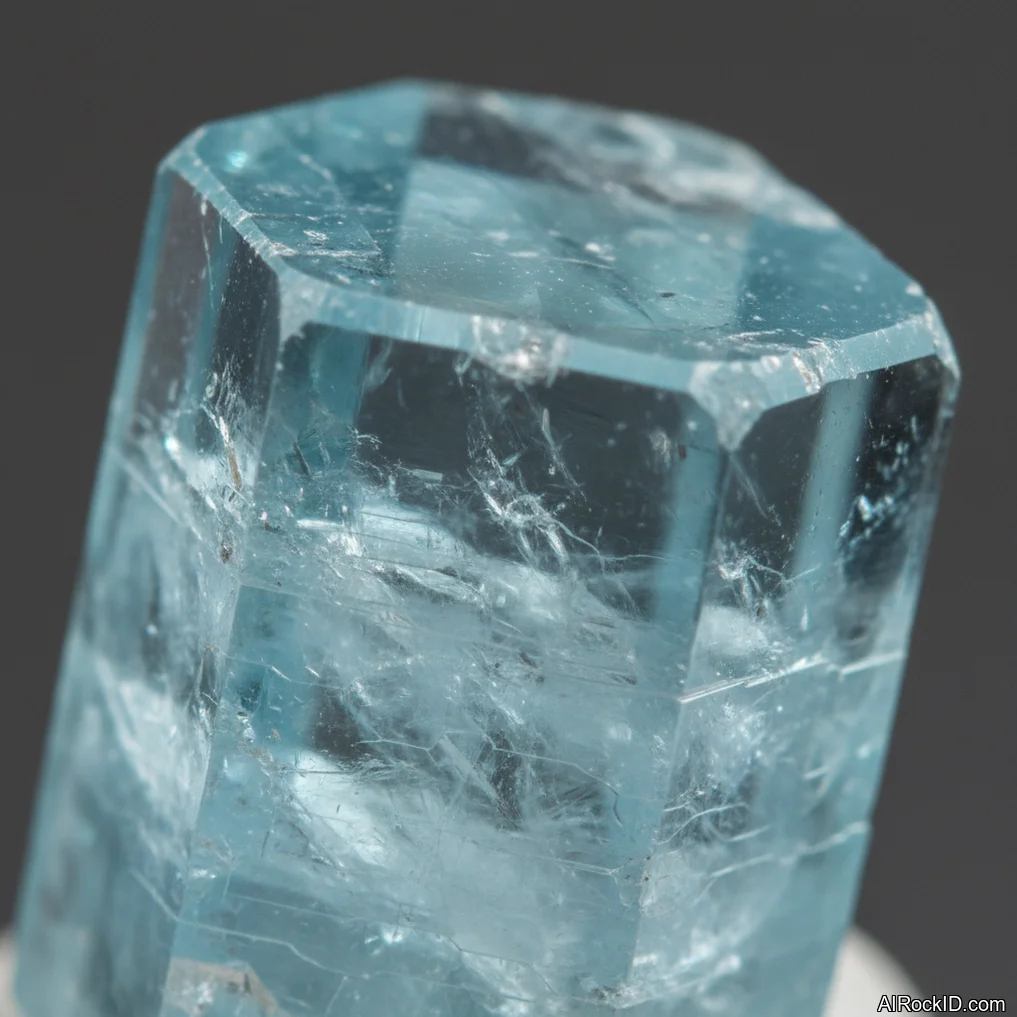
Aquamarine works well when the sleep issue is that tight, stuck feeling in your throat and chest, like you’ve spent the whole day swallowing your words and then your body just won’t unclench at night. A raw chunk can be a little gritty along the edges (almost like fine sand caught on a corner), while a tumbled stone turns slick and silky in your palm, and that change in texture can calm you down if you treat it as a nightly cue. I’ve handled pale aquamarine that looks almost clear in daylight, then shifts into that sea-glass blue once you’ve got a warm bedside bulb on, which is a pretty solid “okay, it’s evening” signal. But if “clean,” high-clarity stones hit you as too sharp, go for a more included piece so it lands softer.
How to use: Hold it at your upper chest while you do slow exhale breathing for 2 to 3 minutes, then set it on the nightstand. Don’t keep it in the bed if it has sharp edges or natural facets that could scratch.

What actually makes a crystal “good for sleep”

Softness matters, even when it’s all in your head. If a stone feels sharp, pointy, or just kind of visually loud, your brain flags it as something to watch. And that’s the last thing you need at 11:30 p.m. Grab a handful of different pieces and pay attention to which ones make your jaw loosen on its own (no effort, no coaching).

Thing is, texture is a bigger deal than people want to admit. A matte apache tear has a totally different hand-feel than a glossy aura-coated piece, and your nervous system notices the second it hits your skin. I keep coming back to stones that feel cool, steady, and plain in the best way. The kind you can roll between your fingers with the lights low and not get sucked into thinking about how pretty it is.

But consistency is the sneaky part. If you only reach for the stone when you’re already anxious, you basically teach your brain that crystal equals emergency. So handle it every night for a minute, even on the good nights. Then it starts to feel like part of a predictable sequence. That’s when it earns its spot on the nightstand.

Placement: nightstand, under pillow, or across the room?

Putting it on the nightstand is the safest option, and honestly the one you can repeat every single night without thinking. You won’t crush the stone, you won’t roll onto it at 3 a.m., and you can park it in a little dish so it doesn’t scoot around (stones love to wander when you bump the table). Look, pay attention to how you actually sleep. If you’re the kind of person who flings an arm out, anything near the edge is going to get clipped and end up on the floor.

Tucking it under your pillow sounds cozy, but it’s kind of overrated. A lot of stones people use for sleep are on the softer side, and that combo of friction plus pressure can scuff them up, or worse, the edges can bug your skin. And I’ve seen people wake up weirdly tense because they’re half-asleep “protecting” the stone so it doesn’t disappear. Why invite that?

Across the room can work if you’re treating the crystal like a “room tone” thing, but it’s not as strong as a cue. The real test is simple: do you actually touch it? If you never handle it, it’s basically just decor, which is totally fine, just don’t expect much from it.

Pairing crystals with boring sleep hygiene that actually works

Crystals work a lot better when you give them a job. Not “knock me out.” More like “hey, it’s bedtime” or “keep my hands off my phone for two minutes.” Put the stone right where your phone usually sits (you know, that exact spot on the nightstand where the screen smudges build up), then shove the phone in a drawer. That tiny bit of friction changes what you actually do.

Thing is, temperature and light beat everything. A cool room, dim bulbs, and a consistent wake time will out-perform any crystal collection. But I’ve watched people stick with those habits longer when they tie them to a ritual, and crystals are good ritual objects because they’re tactile, they’ve got that little bit of weight in your palm, and they don’t need batteries.

So if you want a simple pairing: hold the stone, breathe slow, then read a bit from a real paper book. When you start yawning, set the stone down in the same spot every single night. That repetition is the whole point. (It sounds almost too simple, right?)

Buying sleep crystals without getting burned

Cheap versions can be totally fine, but you should know what you’re actually paying for.

Dyed black “onyx” is the big one. It often looks weirdly uniform, like it came out of a paint vat, and under a bright LED you can sometimes spot color pooling in tiny cracks or hugging the edges of the bands.

Amber’s different. The fake tell is that warm, plasticky feel and that plastic smell when you rub it. Real amber, though, can smell resinous if you warm it gently between your fingers (just a little, not like you’re trying to cook it).

Most dealers sell sleep stones as tumbled pieces because they’re durable and easy to price. That’s practical. But for bedside use, don’t grab anything with a flaky surface that sheds grit into fabric, and skip razor-edged points that can scratch furniture. Sounds obvious, but it happens.

Ask one simple question: “Is this treated or dyed?” A straight answer tells you a lot about the seller. And if they dodge it? Move on.

How to Use These Crystals for Sleep

Keep it simple. One stone. One place. One nightly habit.

I use a little dish on my nightstand, the kind with some real weight to it so it doesn’t skitter around when you’re reaching for it with sleepy hands. Drop your crystal in there and make it the last thing you touch before you turn the light off. It’s tiny. That’s the point. Small stuff actually sticks.

Pick up the crystal and do a one-minute reset. Breathe in through your nose for a count of four, then breathe out for a count of six. Pay attention to how it feels in your palm, like the coolness at first and the way it settles against your skin. Notice the weight. If it’s black jade, the heft is basically the whole point. If it’s amber, it’s the warmth that matters. Then put it back in the dish and leave it there. No fiddling.

Want a second step? Tie the crystal to a boundary. Put the stone right where your phone usually charges, then charge the phone across the room instead. That isn’t magic. It’s habit design. Keep the crystal away from water, don’t sleep on it, and don’t stack a bunch of different stones at once unless you honestly like the clutter (do you?). Clutter wrecks sleep for a lot of people.

Common Mistakes to Avoid

Piling five different “sleep stones” on your bed is a quick way to turn something soothing into a tiny nightly chore. Now you’re thinking about the stones, nudging them back into place, stressing about scratching them on a zipper or a button, and then, yep, you’re wide awake. One or two pieces is plenty.

Another thing that trips people up: picking a stone just because someone online swore it’s “for sleep,” even though it feels sharp or kind of noisy in your hands. Hold the piece and trust what your body does. If your chest tightens or your mind starts sprinting, that’s not your bedtime stone, trendy or not.

And people skip the basic safety and care stuff. Soft stones can scuff, amber can scratch, and anything small can turn into a choking hazard around kids or pets (it happens fast). Use a dish, keep things out of the bed, and don’t leave crystals where they’ll get knocked onto hardwood night after night. Why add that hassle?

Important: Crystals won’t fix insomnia that’s coming from a medical condition, medication side effects, sleep apnea, chronic pain, or an untreated anxiety disorder. And no, they won’t magically undo caffeine, alcohol messing with your sleep, or that late-night screen glare in your face. So use them more like a little habit cue and something soothing to hold (cool, smooth, a bit heavy in your palm), not a stand-in for evidence-based care. If your sleep issues keep dragging on, you’ve got loud snoring, or you’re wiped out during the day all the time, call a clinician. A sleep study beats any crystal plan.

Identify Any Crystal Instantly

Snap a photo and get properties, value, care instructions, and healing meanings in seconds.

Frequently Asked Questions

What are the best crystals for sleep and anxiety at night?
Amethyst, angelite, black moonstone, and apache tears are associated with calmer bedtime routines. Individual response varies, so the best choice is the one that feels settling when held.
Where should I place crystals for sleep?
Nightstand placement is the safest and most consistent option. Under-pillow placement can cause discomfort or damage to softer stones.
How many crystals should I use for sleep?
One to two crystals is enough for a bedtime routine. Using many crystals can increase clutter and reduce consistency.
Can I sleep with amethyst under my pillow?
Amethyst can be placed under a pillow, but it can be uncomfortable and may chip if pressure is applied. A nightstand dish is a safer placement.
Do crystals help with insomnia?
Crystals are not a medical treatment for insomnia. They can function as a calming cue within a consistent bedtime routine.
Which crystal is best for nightmares?
Black moonstone and apache tears are associated with nighttime emotional settling. Nightmare disorders and PTSD-related nightmares require clinical evaluation.
How do I cleanse sleep crystals?
Dry wiping and brief smoke cleansing are common methods that avoid water exposure. Water cleansing is not suitable for softer stones and is not required for effectiveness.
Are amber sleep stones safe to use in bed?
Amber is lightweight but scratches easily and can be damaged by friction. Keeping it in a pouch on the nightstand is safer than loose bedding use.
How can I tell if amber is real?
Real amber is very light and can smell resinous when warmed by rubbing. Many fakes are plastic and may feel tacky or smell like chemicals when rubbed.
Can I combine crystals with melatonin or sleep medication?
Crystals do not have known pharmacologic interactions with melatonin or prescription sleep medications. Medication decisions should be guided by a licensed clinician.
The information provided is for educational and spiritual exploration purposes. Crystals are not a substitute for professional medical, psychological, or financial advice.