spiritual

Best Crystals for Third Eye
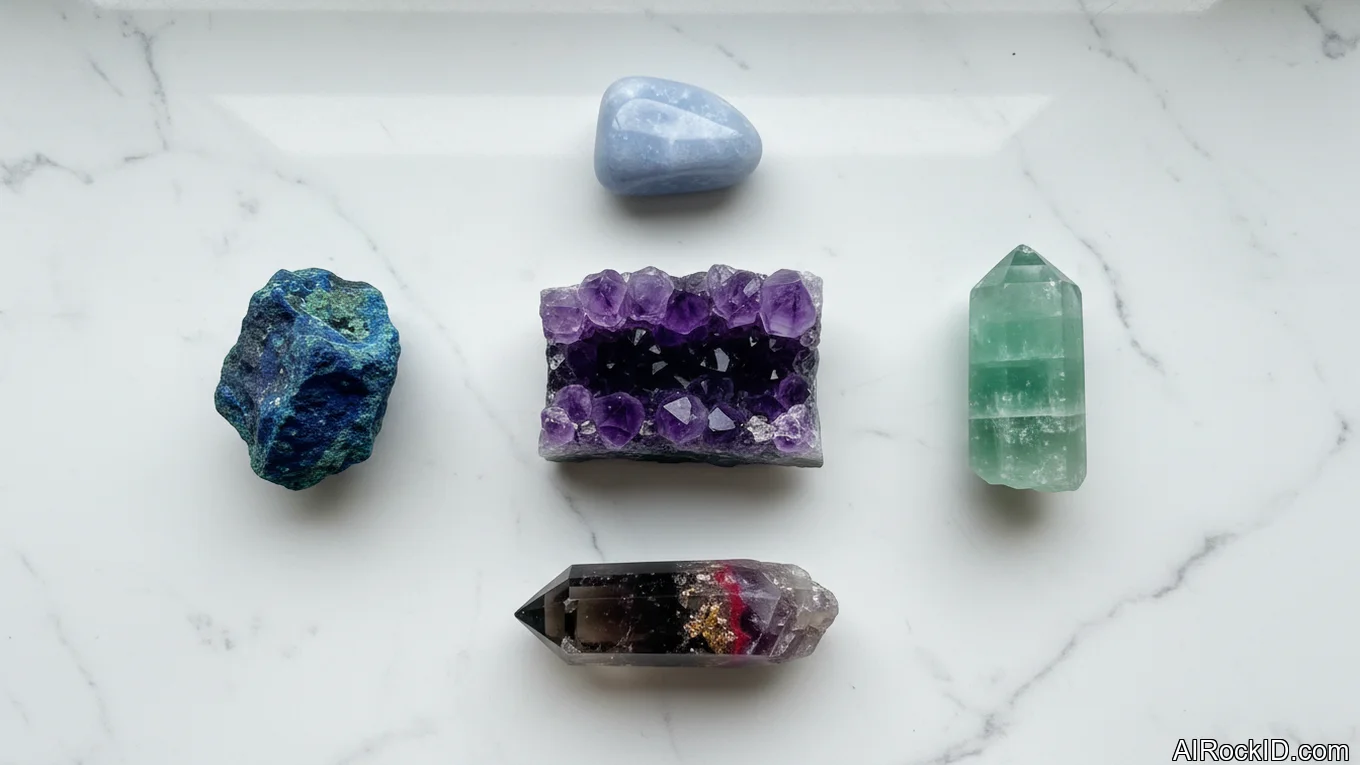
Assortment of purple and blue crystals on a wooden table, including amethyst points and deep blue azurite pieces

The crystals that actually work best for third eye stuff are the ones that help you get quiet, stay focused, and be brutally honest with yourself. And yeah, the same short roster keeps popping up: amethyst, azurite, lab-style calmers like angelite, plus a handful of deep-blue stones that feel like someone clicked a light on right behind your forehead.

Grab a solid piece of amethyst and the first thing you’ll notice is the temperature. Real quartz holds that cool feeling way longer than glass does, and the nicer points have this clean, slightly waxy surface where the light sort of slides across instead of ricocheting. For third eye practice, I’m not hunting “psychic fireworks.” I want steadiness. If a stone keeps my attention from ping-ponging around the room, it’s doing what I need.

Thing is, the part people skip is the unsexy part: third eye work is mostly hygiene. Sleep, hydration, screen time, plus stress decide 80% of the outcome, and crystals live in the other 20% as a physical cue, a ritual anchor, and sometimes (surprisingly) a pretty strong mood-shifter. Some stones feel too stimulating and will keep you up. Others are gentle, but you’ll barely notice them unless you keep using them. So I’ll share a tight set of crystals I’ve handled a lot, what each one’s good for, and how I’d actually use them without turning it into a whole big production.

Recommended Crystals
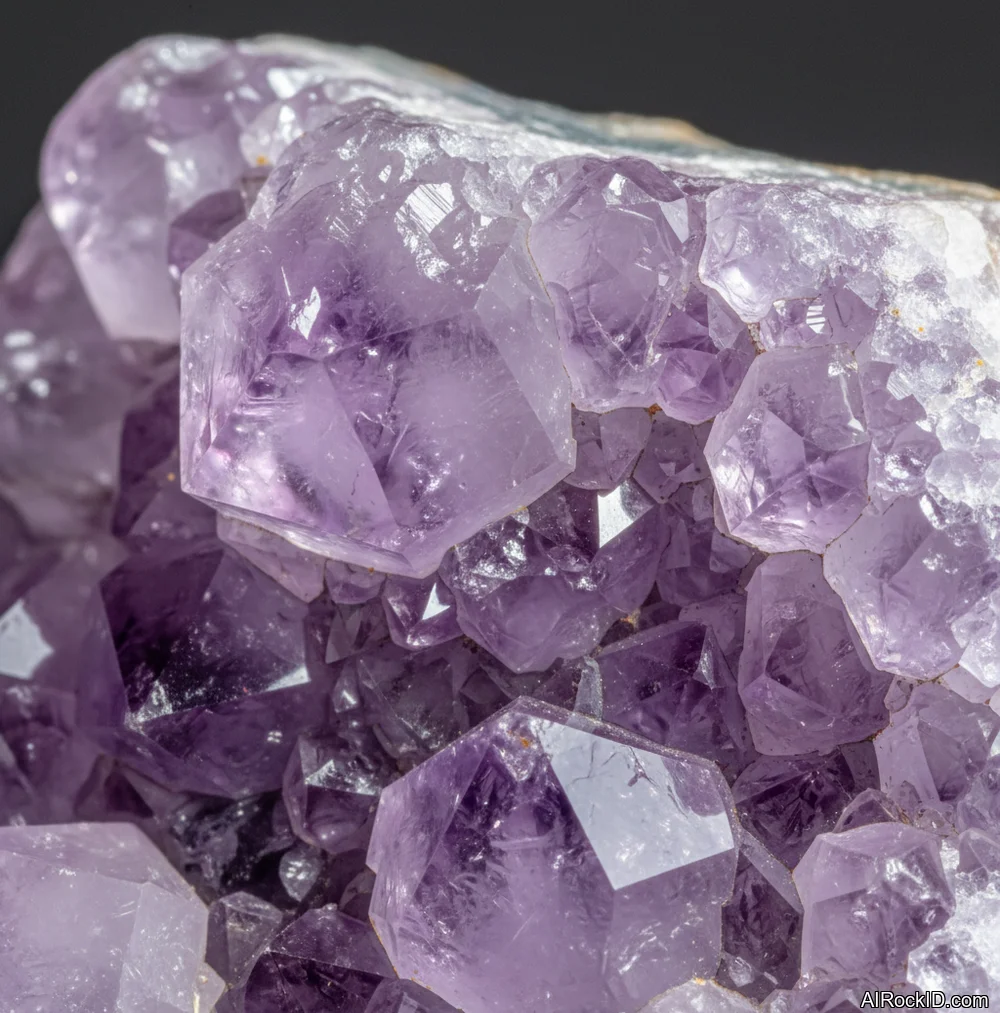
Amethyst
Amethyst

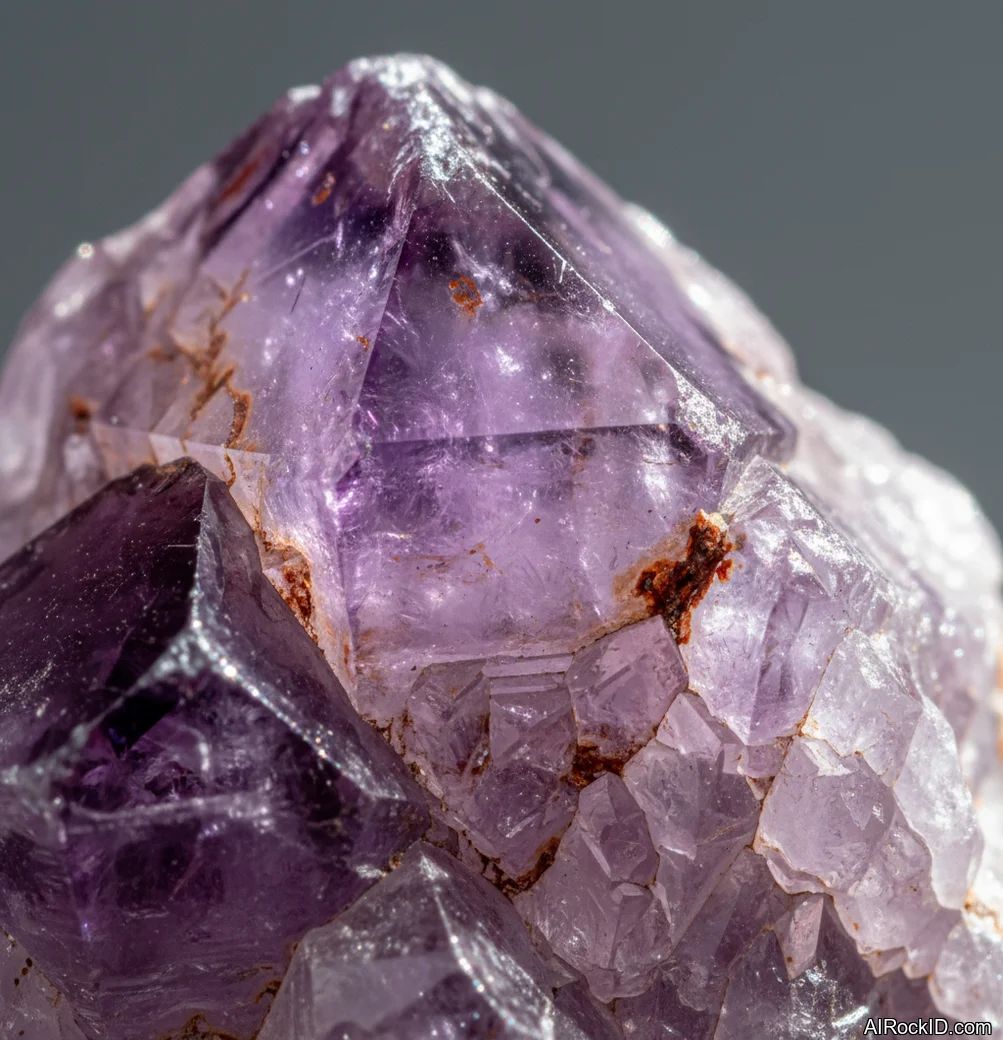
Raw points from Uruguay are usually that inky purple, and they feel heavier in your hand than the pale Brazilian pieces. That sort of “weighty calm” is exactly why I keep reaching for it when I’m doing third eye work. It helps me stick with one thread of thought instead of bouncing between ten, especially when I’m journaling or meditating. And if you really look at the color zoning, you’ll often catch chevrons or bands in there, which (to me) is a good reminder that clarity comes in layers, not all at once. But here’s the flip side: if you’re already spaced out, amethyst can nudge you even farther into the clouds.
How to use: Set a point above your brow line while you lie down, but don’t balance it precariously on your skin if you’re twitchy. For daily use, keep a palm stone next to your notebook and touch it only when you’re asking a specific question.
Azurite

Azurite

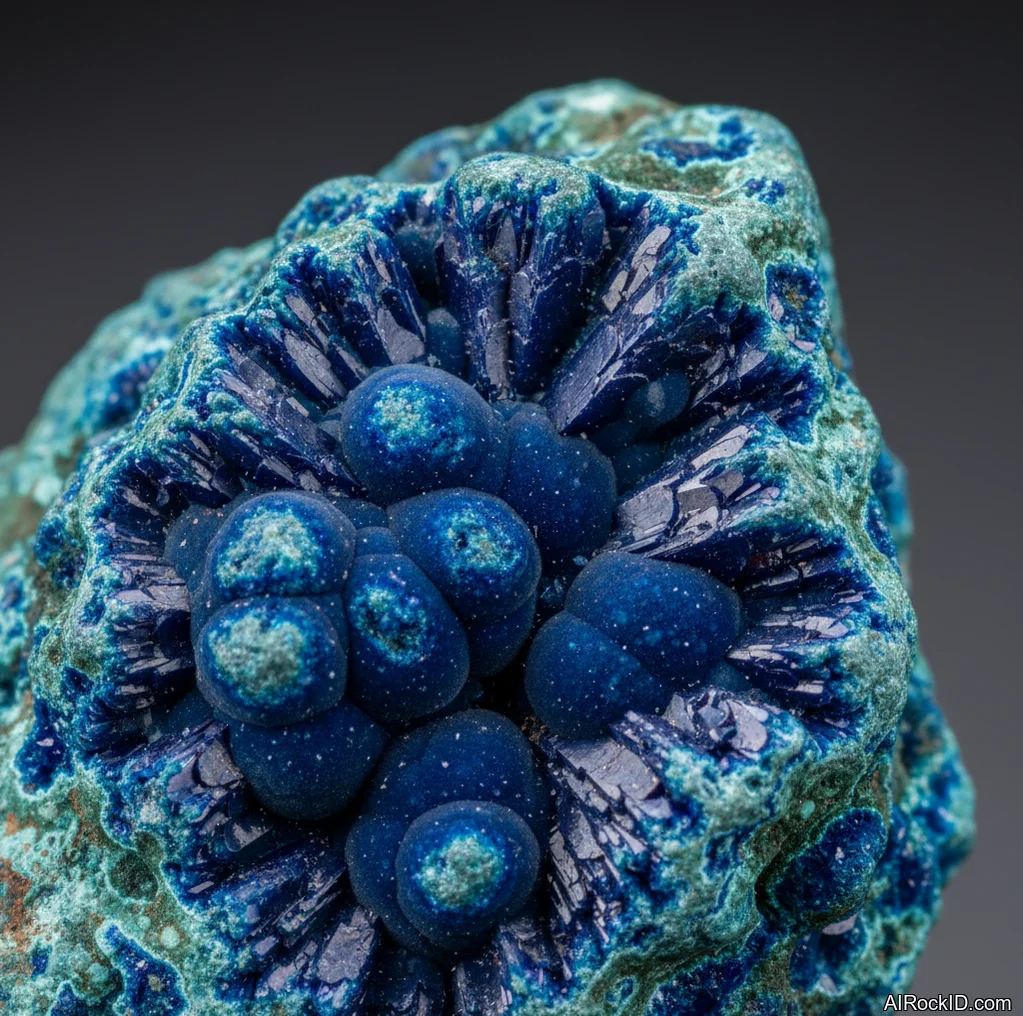
Good azurite, the real nice stuff, looks like someone crushed up midnight into a stone. And if you rub a great piece a little too hard, you’ll end up with a faint blue smudge on your fingertips. Messy? Yep. But that powdery, pigmenty thing is the giveaway: it’s softer than most people think. Thing is, it also feels “active” pretty fast when you set it near your forehead. When my brain’s in that thick mental fog and I can’t quite lock onto anything, azurite is one of the few stones that reliably snaps me into a sharper, more observant headspace. It’s like someone nudged the focus knob. But it’s not all upside. It can be too much for sensitive sleepers. And don’t get it wet. It really doesn’t like water at all.
How to use: Use it for short sessions: 5 to 10 minutes on the brow or held at arm’s length while you breathe slowly. Store it dry and don’t make “elixirs” with it, even indirectly.
Apatite

Apatite

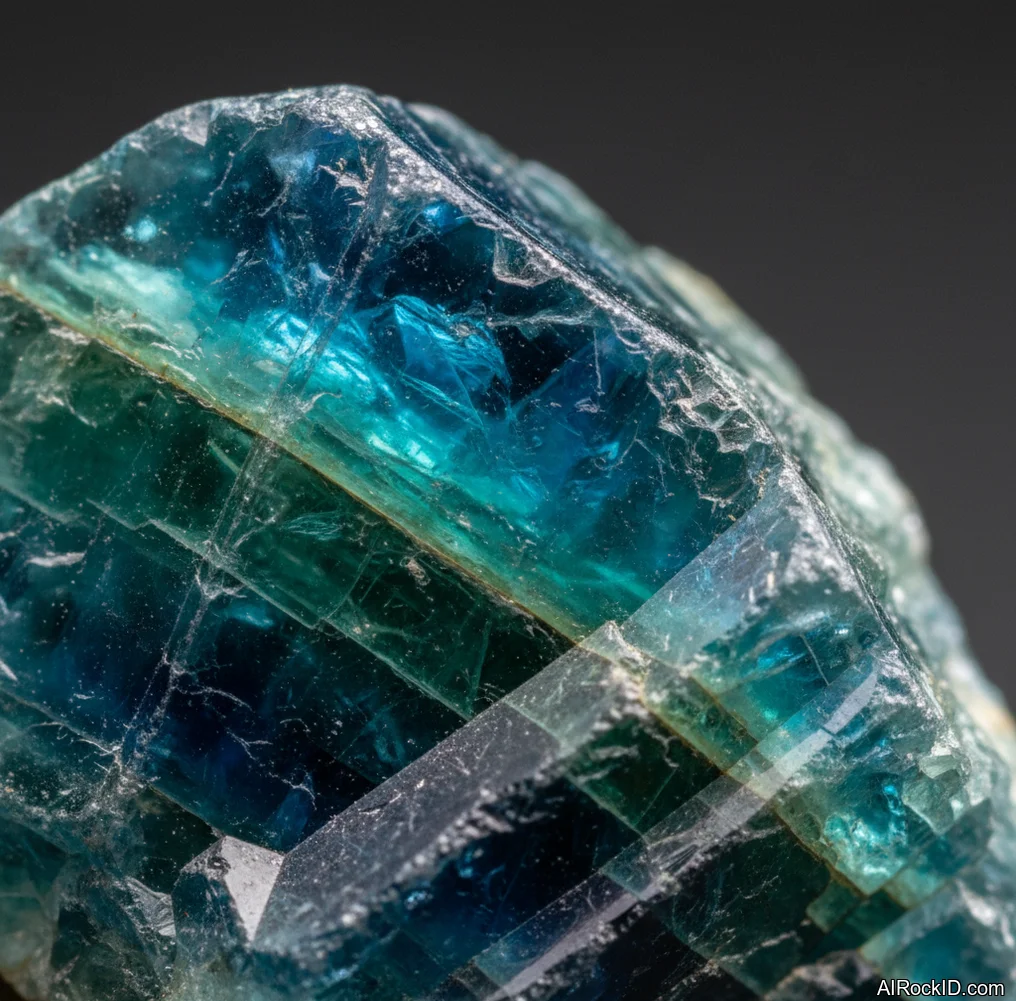
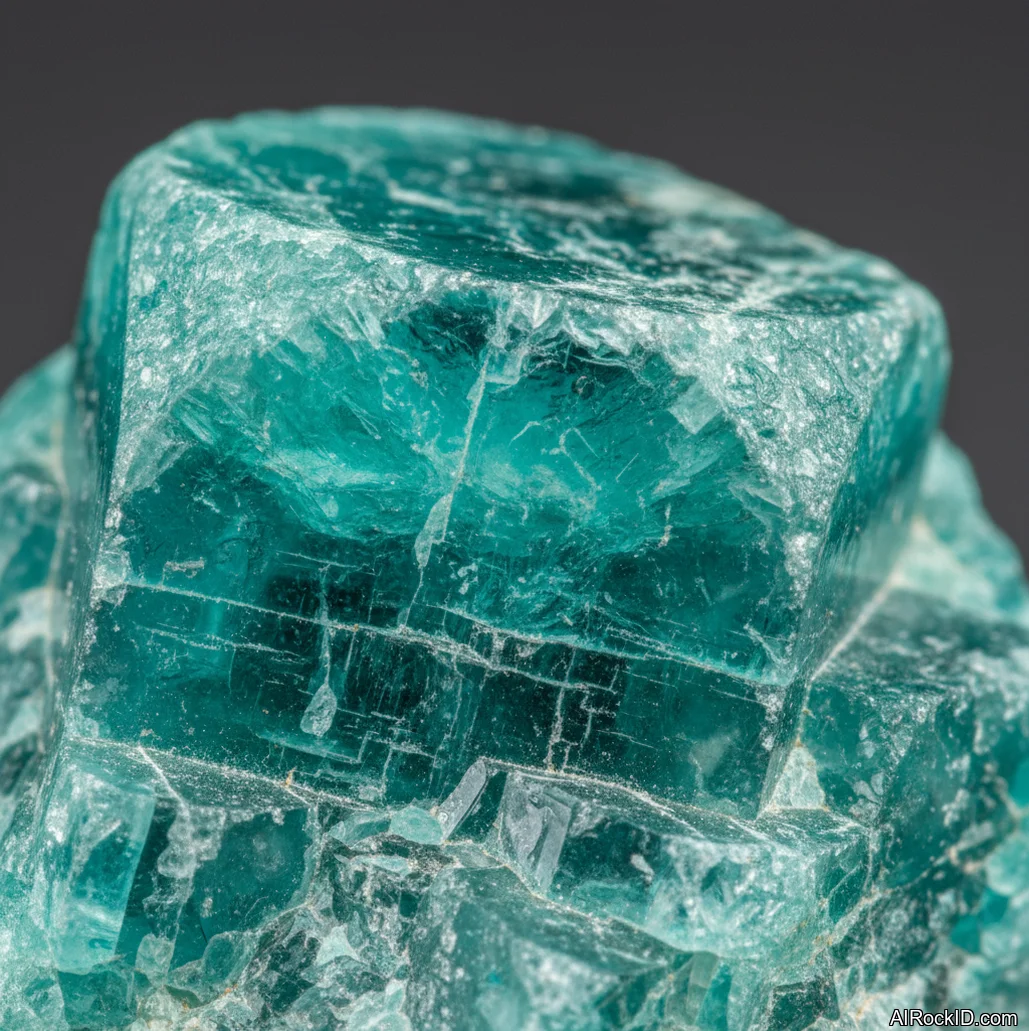
Most dealers sell apatite as a tumble, and yeah, it’s usually that swimming-pool blue that almost reads fake at first. But tilt it under a warm lamp and the color shifts, and you catch that sneaky green undertone that only shows up when the light hits it just right. In my own practice, apatite isn’t some big mystical event. It’s more of a tool. It helps me link ideas together and then actually say the thing out loud (instead of circling it in my head forever). So when third eye work slides into straight-up overthinking, it’s a strong pick, because it connects insight with communication. Thing is, apatite’s brittle. I’ve seen little chips show up fast if you toss it in a pocket with keys. Happens.
How to use: Hold it during a “one question” meditation, then speak a one-sentence answer immediately after, even if it feels unfinished. If you carry it, wrap it in a cloth or keep it in a separate pouch so it doesn’t get bruised.
Angelite

Angelite

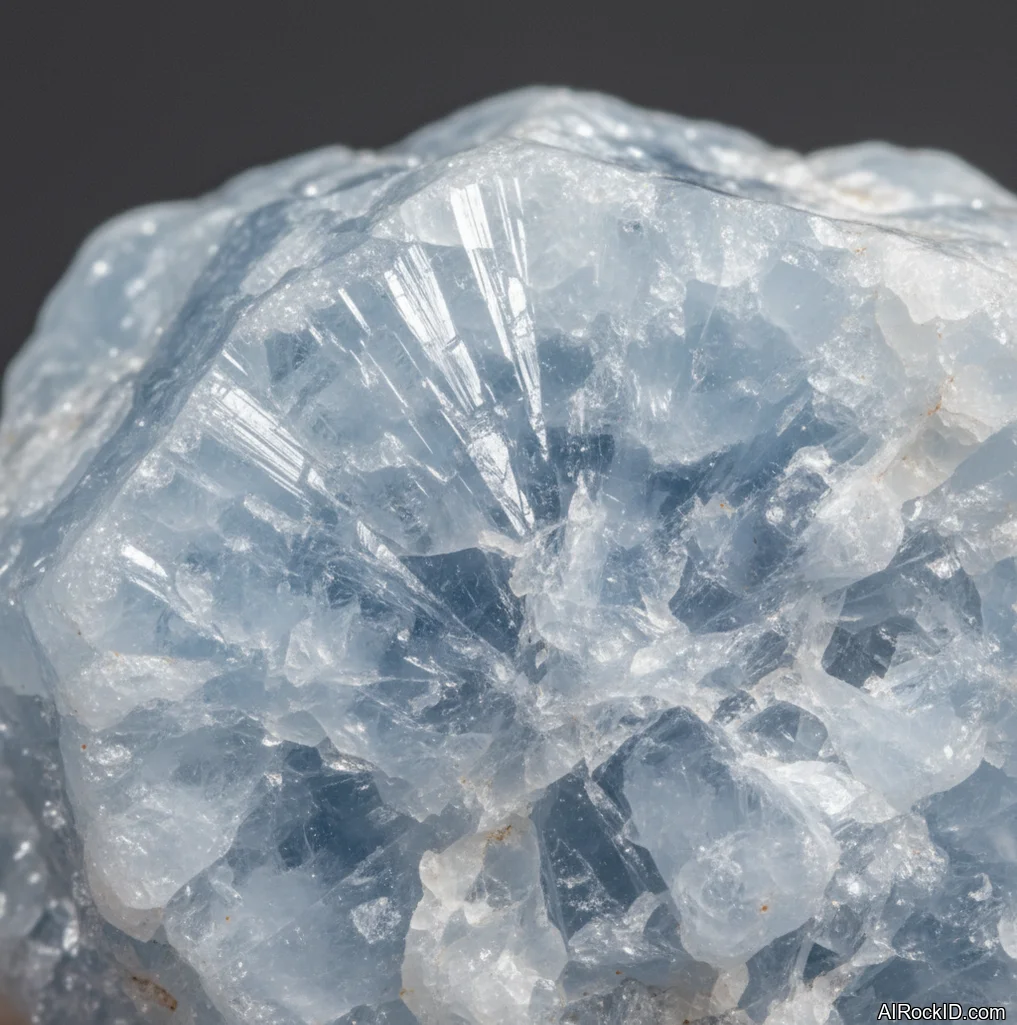
Pick up a piece of angelite and the first thing you’ll clock is the texture. It’s dry, kind of chalky, not slick like polished quartz. More like a smooth river stone that never fully sealed, if that makes sense. And that softness shows up when you actually use it. It’s one of my go-tos when someone wants third eye work but doesn’t want that wired, buzzy feeling some stones can bring on. So it works nicely with breathwork too, because it doesn’t take over the whole session. It just sits there and keeps things soft and steady. But yeah, it scratches easy. Really easy. And a lot of pieces start picking up that slightly grimy, darkened look from skin oils over time (especially in the little grooves and along the edges).
How to use: Place it at the brow for a longer sit, 15 to 25 minutes, and keep the lighting low. Wipe it with a dry cloth after use and avoid water if your piece is porous or already nicked.
Auralite-23

Auralite-23

Most “auralite-23” you see for sale is basically amethyst with inclusions, and the naming gets messy fast, so I treat it more like a particular look of amethyst, not some miracle category. The pieces I actually go for have that obvious internal speckling you can catch when you tilt them under a lamp, plus a smoky undertone that shows up around the edges. And yeah, they feel more grounding than straight purple amethyst. For third eye work, that grounding matters, because insight without stability turns into doom-scrolling your own thoughts. Nobody needs that. But pricing is the headache. Some shops jack it up like crazy for what’s still quartz-based material.
How to use: Use it the way you’d use amethyst, but add a grounding step: feet flat on the floor for two minutes before you start. If you’re buying, choose by feel and clarity of the piece, not by the “23 minerals” sales pitch.
Arfvedsonite

Arfvedsonite

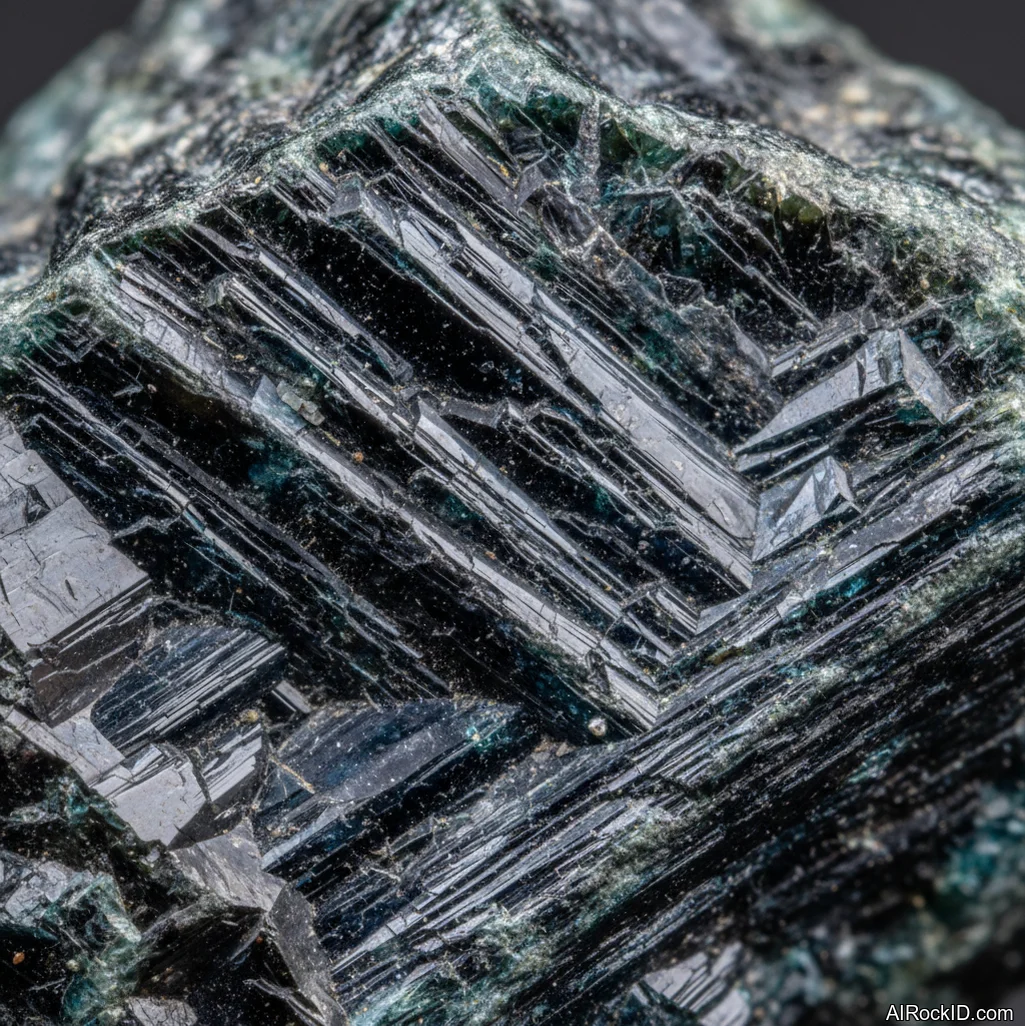
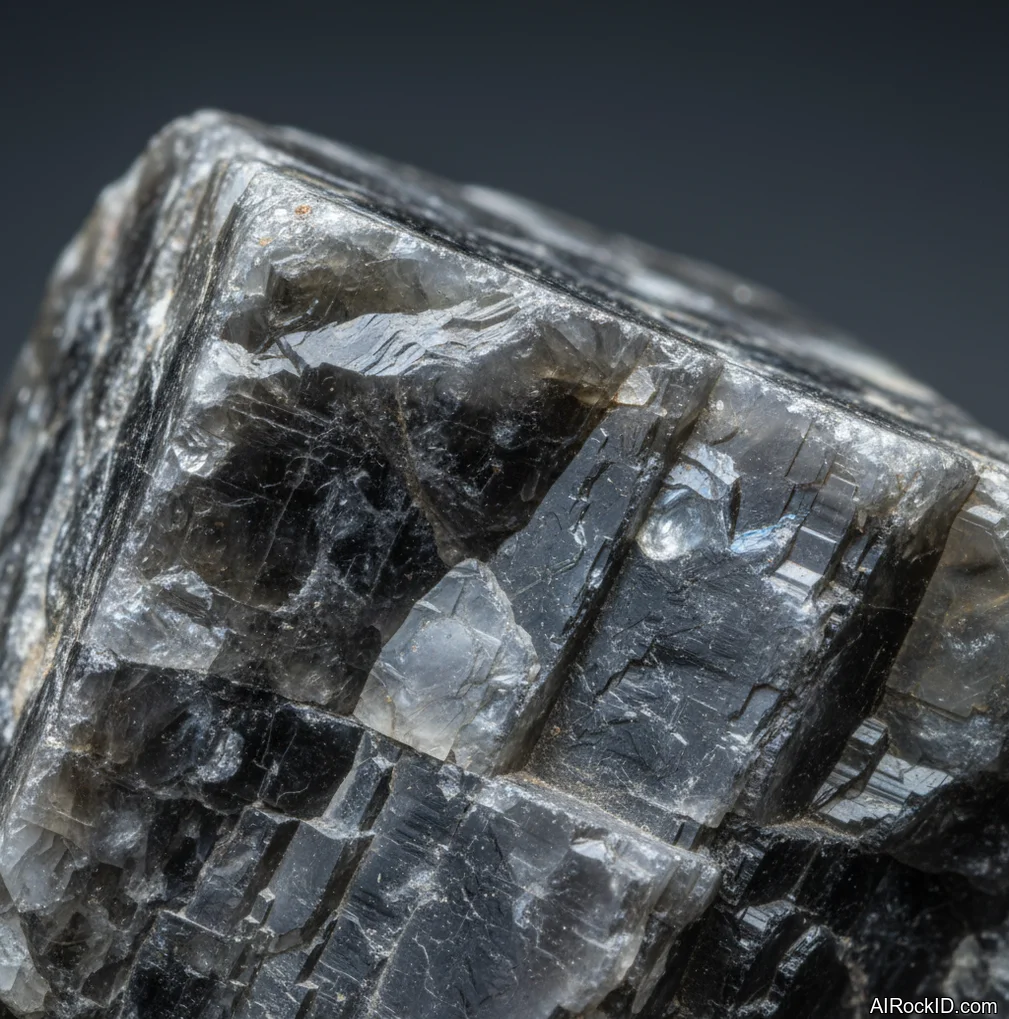
Raw pieces from Greenland sometimes come with these inky-black needle clusters, and then you tilt the stone and a blue-gray flash shows up for half a second before it’s gone. That whole flash-then-vanish thing looks exactly like how insight lands in real life, right? In practice, arfvedsonite feels like pattern recognition on fast-forward, like it helps you catch the stuff you’ve been side-eyeing and pretending not to see. I’ve also noticed it’s one of those stones that can make dreams stick in your head the next morning (the kind where you can still feel the mood of it), which is handy if you’re doing third eye work through dream journaling. But it can feel a little edgy if you’re already anxious, so it’s not my first pick on a rough day.
How to use: Keep it on the nightstand, not under your pillow, and write down whatever you remember within two minutes of waking. For daytime, hold it during a short review of your week and look for one repeating theme you can act on.
Amazonite

Amazonite

Compared to the darker blues on this list, amazonite feels more like a mental cool-down stone, which is why I keep it in the mix for third eye work. Real, good amazonite has that cloudy, watery green-blue look with white streaks running through it, and in your hand it’s oddly soothing (almost like it stays a touch cooler), in a way dyed stuff just doesn’t pull off. And when your forehead feels tight and your thoughts won’t quit looping, amazonite can loosen that grip enough that you actually catch an intuitive hit. But cheap pieces are sometimes dyed, and then the color gives it away fast. Too uniform, too loud.
How to use: Hold it at the center of your chest for a minute first, then move it to the brow once your breathing slows. If you’re shopping, rub the surface with a cloth and check that the color doesn’t lift or smear.
Black Moonstone

Black Moonstone

Under a lamp, black moonstone gets this faint silver glow that sort of skates over the face of the stone when you tip it side to side. And that shifting sheen is honestly the whole reason I keep grabbing it for inner-vision work. It’s not really about “seeing” anything. It’s more like noticing what comes up, then following feelings, symbols, and timing, which is a huge part of third eye practice that a lot of people just skip. I reach for it when I’m doing reflection work connected to cycles, sleep, and mood changes. Thing is, it can make some people sleepy. So I treat it like an evening stone, not a midday one.
How to use: Use it during a wind-down routine: 10 minutes of quiet sitting, then straight into journaling. If you’re prone to heavy dreams, limit it to once or twice a week at first.
Black Opal

Black Opal

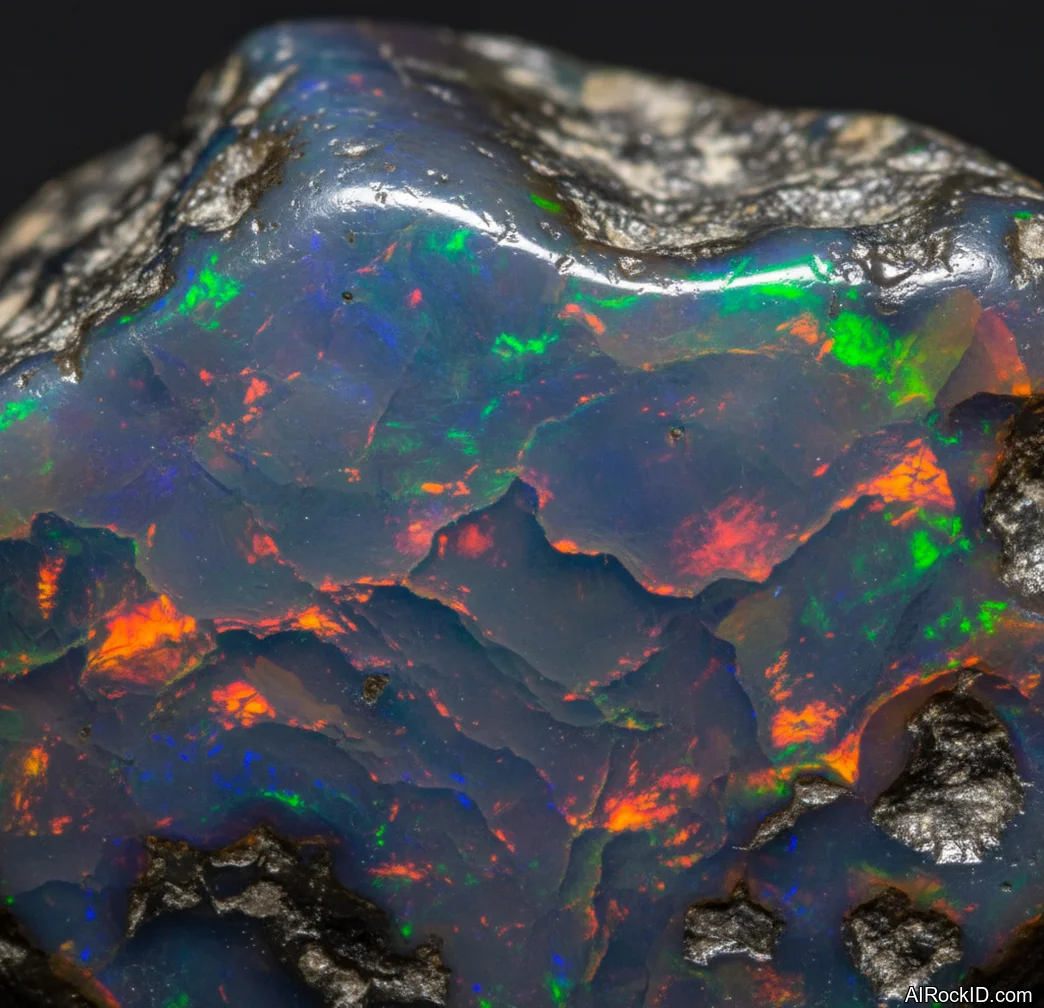
With black opal, the real test is the play-of-color. Tilt it under a lamp and the flashes should slide around as you move it, not just sit there like a printed pattern. Good material also feels cool in your fingers, with that slightly glassy surface when you rub it with your thumb. For third eye work, black opal can feel like a projector aimed straight at the subconscious. That’s incredible if you’re actually ready to look. But if you aren’t? It can get messy fast. I’ve watched people pull in huge creative downloads with it, then hit a wall because they didn’t ground or hydrate. And treat it gently. Opal can be touchy about rapid drying and it doesn’t love rough handling (you can feel it in the way the surface catches if you bang it around).
How to use: Use it for creative sprints: 15 minutes of focus, then take a break and drink water. Store it away from direct heat and don’t leave it baking in a sunny window.

What “third eye” work actually feels like in practice

Most days, it’s not cinematic. It’s just a small shift: your jaw lets go, your breathing drops lower in your belly, and your thoughts quit bickering long enough for one clear sentence to land.

So grab a stone that feels right in your hand and watch the boring signals. You might catch your eyes wanting to close. Your forehead can get warm or feel like there’s a gentle thumbprint of pressure there. Or nothing happens at all until you sit still for five minutes, and then you realize your attention isn’t ping-ponging from one worry to the next. That’s the real win, honestly.

Thing is, the third eye stuff online gets sold like a superpower. But in my experience it’s closer to better pattern recognition, plus a cleaner kind of self-honesty. Crystals help because they’re a physical cue you can’t ignore. When my amethyst is on the desk, I remember to slow down (it’s cool to the touch at first, even in a warm room). And when azurite comes out, I remember the session needs to stay short and focused, because that stone can feel intense fast. Who wants to get steamrolled by their own brain?

Choosing a third eye stone by feel, not by hype

Most dealers will line stones up by color and “vibe,” but honestly, your body’s reaction matters way more than whatever tag they slap on it. A deep blue stone can look perfect for the third eye and still leave you wired and jittery. But then a pale angelite pebble might calm you down in about ten seconds.

Look, actually check the surface and the edges up close. If you’re planning to put it on your brow a lot, skip anything that sheds (azurite), scratches easily (angelite), or has sharp terminations that poke at your skin and pull your attention the whole time. Tumbles and palm stones aren’t exciting if you’re a collector, sure, yet they sit flat, don’t bite, and they’re just easier to live with day to day.

Cheap copies are a real problem. You’ll see dyed amazonite look-alikes, and some “mystic” coatings get passed off as aura quartz with a markup. So if the color is weirdly uniform, ask questions. If the seller starts getting vague, just walk. Why gamble?

Pairing stones with the right kind of practice

Third eye work has lanes. Different tracks. Clarity and focus live over here (amethyst, apatite). Subconscious and dream stuff lives over there (black moonstone, arfvedsonite). And then there’s the “flip the switch” type (azurite), which I only pull out once in a while.

Thing is, stacking five stones and just hoping something happens usually turns into noise. Pairing one stone with one method hits harder and stays cleaner. Black moonstone plus dream journaling is simple: you’re trying to remember, not force it. Amethyst plus one clear question is the same vibe. You’re listening. You’re not spiraling.

So if you want an easy structure, rotate by time of day. Lighter, gentler stones in the morning if you’re sensitive. Save the heavier, more inward ones for nighttime when the house is quiet and your body’s already dropping into that slower gear. Keep notes (messy is fine). Give it two weeks. Patterns show up, and you’ll know what’s actually helping versus what just looked good sitting on the altar.

Care, durability, and the unsexy stuff that matters

Some of the usual “third eye” stones are way more delicate than people think. Azurite’s soft enough that it can literally turn to powder if it gets knocked around. Angelite? It’ll scratch if you so much as breathe on it wrong. And opal really doesn’t handle heat or that sudden, bone-dry kind of air. So if you treat everything like quartz, yeah, you’re going to wreck your nicest pieces.

Every once in a while, hold your stones under a bright light and actually look them over. Apatite will show tiny chips along the edges, and they look like little white bites. Angelite can darken in spots where skin oils have been rubbing in (you’ll usually see it where your fingers naturally grab it). Opal can pick up a dull patch if it’s been left somewhere hot. None of this is mystical. It’s just materials science.

Storage solves most of it. Use separate pouches. Don’t toss loose stones in a drawer to clack together. Keep softer pieces away from harder ones, and don’t “cleanse” with salt water just because it’s your default move. A dry cloth, a bit of common sense, and you’re basically set.

How to Use These Crystals for Third Eye

Start simple. One stone, one spot, one intention.

I sit with my back supported, feet flat on the floor, and I set a timer. If the stone feels okay on my brow, I’ll rest it there. But if it’s sharp on the edges or weirdly heavy, I don’t force it. I just hold it a few inches in front of my forehead instead. That little gap trick is seriously underrated, especially with azurite or anything that hits too hard and starts to feel overstimulating.

So I use a prompt I can repeat without thinking. Mine is: “What am I not seeing that would make this easier?” Then I slow my breathing down and keep my attention on the sensation between my eyebrows, not on trying to chase images. Thing is, if something does come up, I write one sentence immediately. Don’t wait. Insight evaporates the second you start bargaining with it (you know what I mean?).

For longer-term results, treat it like training. Three sessions a week beats one marathon. And I rotate stones based on how I’m sleeping and how I’m functioning: amethyst or angelite when I need steadiness, apatite when I need follow-through, black moonstone when I’m working with dreams and emotional patterns. If I feel spacey afterward, I eat something and put my hands under warm water for a minute. Grounding is physical.

Common Mistakes to Avoid

Balancing a whole pile of stones on your forehead is the quickest way to feel a lot and learn basically nothing. Your head just gets flooded, it turns into distraction, and then you end up blaming yourself or the crystal. So keep it simple. One stone, maybe two. And give it a week before you decide it “works” or it doesn’t.

Another common screw-up is treating delicate stones like they can take anything. I’ve literally seen people rinse azurite under the tap, leave opal sitting on a car dashboard in summer heat (you know that baked-plastic smell?), or scrub angelite with salt, then act shocked when it looks chalky and beat up a month later. Thing is, the real test isn’t how intense it feels on day one. It’s whether you can use it regularly and still keep it in good condition.

And then there’s forcing results. If you’re leaning on third eye stones to dodge a decision, they just turn into a fancy procrastination gadget. Insight without action turns into noise. Write down one next step (tiny is fine) and do it within 24 hours. Why drag it out?

Important: Crystals aren’t going to diagnose anything, cure anxiety, or replace therapy, even if you walk out of a session feeling wrung out and teary with that heavy chest thing. And no, they won’t hand you guaranteed visions, predictions, or “downloads” on demand just because you’re holding one. But they can help you focus, nudge your mood a bit, and give you a steady little ritual for reflection. So if your sleep is trashed, your nervous system feels cooked, or you’re dealing with serious mental health symptoms, handle that first. Use the stones as support, not the fix.

Identify Any Crystal Instantly

Snap a photo and get properties, value, care instructions, and healing meanings in seconds.

Frequently Asked Questions

What chakra is the third eye associated with?
The third eye is associated with the Ajna chakra, traditionally located between the eyebrows.
Which crystal is most commonly used for third eye meditation?
Amethyst is commonly used for third eye meditation due to its association with calm focus and introspection.
Can I place a crystal directly on my forehead for third eye work?
Yes, a crystal can be placed on the forehead if it is comfortable and stable, but holding it near the brow is also effective.
How long should a third eye crystal session last?
A typical session ranges from 5 to 25 minutes depending on sensitivity and the intensity of the stone used.
Is azurite safe to put in water for cleansing?
No, azurite is not water-safe and can degrade or shed pigment when exposed to water.
What is a practical sign a third eye stone is too stimulating?
A stone is too stimulating if it causes restlessness, headaches, or difficulty sleeping after use.
Do color and wavelength matter when choosing third eye crystals?
Blue and purple stones are commonly associated with the third eye, but personal response and comfort are more reliable than color alone.
Can I sleep with third eye crystals under my pillow?
Sleeping with crystals under a pillow can be uncomfortable and may increase stimulation; placing them on a nightstand is a safer default.
How do I tell if amazonite might be dyed?
Dyed material often shows overly uniform color and may transfer color when rubbed; natural amazonite typically has mottling and white streaking.
Will third eye crystals guarantee psychic visions?
No, third eye crystals do not guarantee psychic visions; results vary and are influenced by stress, sleep, and practice consistency.
The information provided is for educational and spiritual exploration purposes. Crystals are not a substitute for professional medical, psychological, or financial advice.