chakra

Best Crystals for Third Eye Chakra
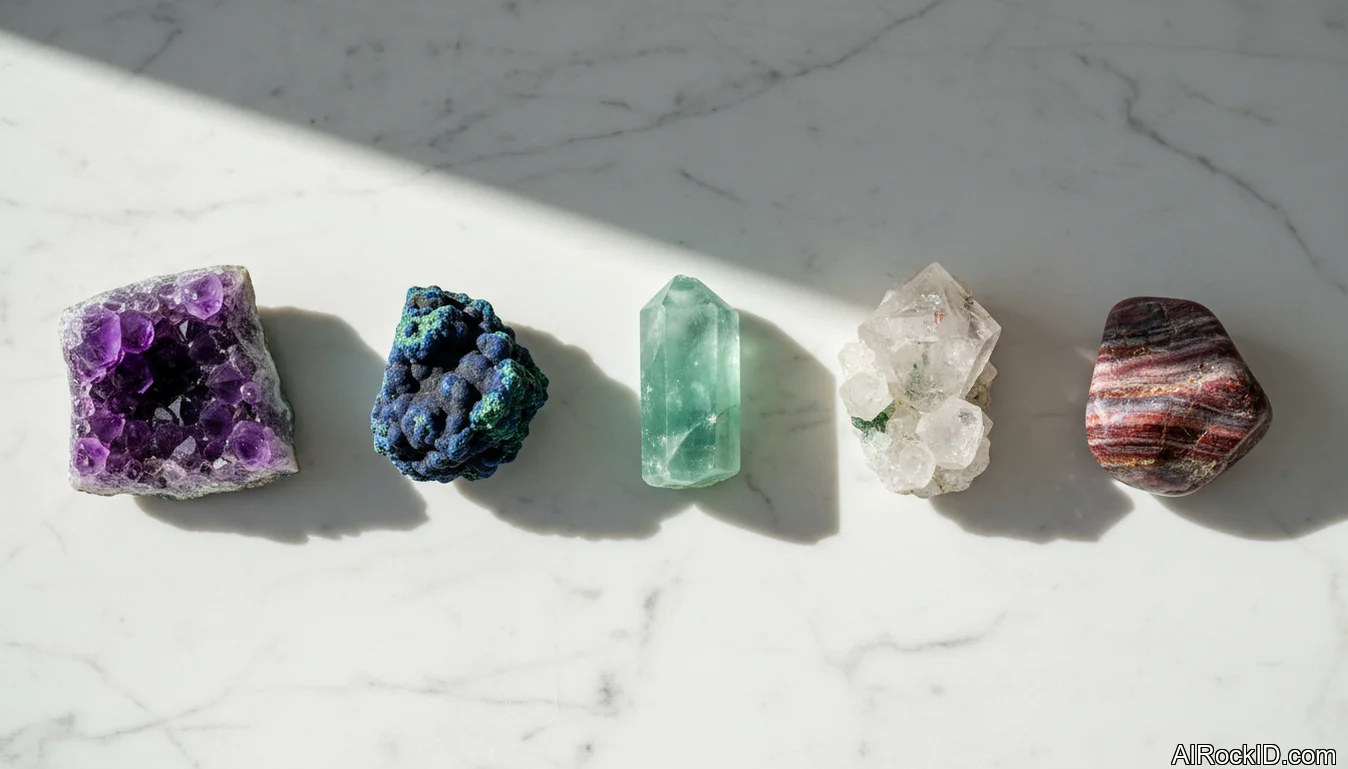
Selection of indigo and violet crystals including amethyst, azurite, labradorite-like flashes, and apatite on a wooden tray

The best crystals for the third eye chakra are the ones that pull your attention inward in a steady way, without leaving you feeling fried or jittery. I usually grab deep blues or purples first. But I’m weirdly picky about texture, weight, and how a stone “acts” in my hand, because that’s where the signal shows up for me. Pick up a solid piece of azurite and you notice it immediately: that cool, dense heft, almost like it wants to sit still and be stared at.

Thing is, most third eye work is just clarity, spotting patterns, and being honest with yourself. Not chasing trippy vibes. A stone can help you settle down. It can also hijack the whole session if you treat it like some magic shortcut. I’ve literally watched people grab the prettiest purple rock on a shelf, take it home, and then get confused when they still can’t focus for five minutes. So yeah, it’s usually not the stone. It’s the habit.

And material quality matters way more than people like to admit. The cheap stuff can feel warm and kind of plasticky in your palm. Some dyed pieces are so saturated they look like candy (you know that neon, too-perfect color?). Look closely at real crystals and you’ll see uneven color zoning, tiny fractures, and that natural mess, even when they’re polished. That “flawed” look is actually useful. It gives your eyes something real to land on while you’re training attention.

Recommended Crystals
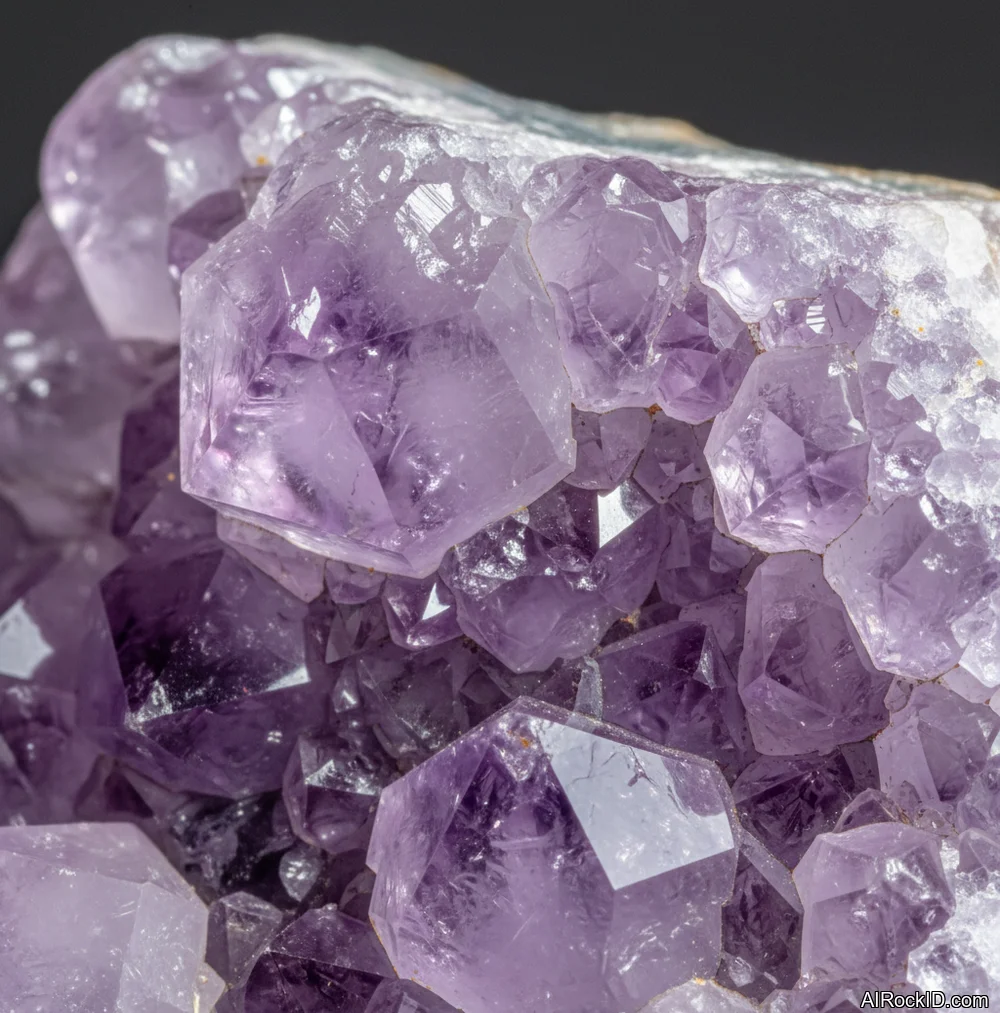
Amethyst
Amethyst

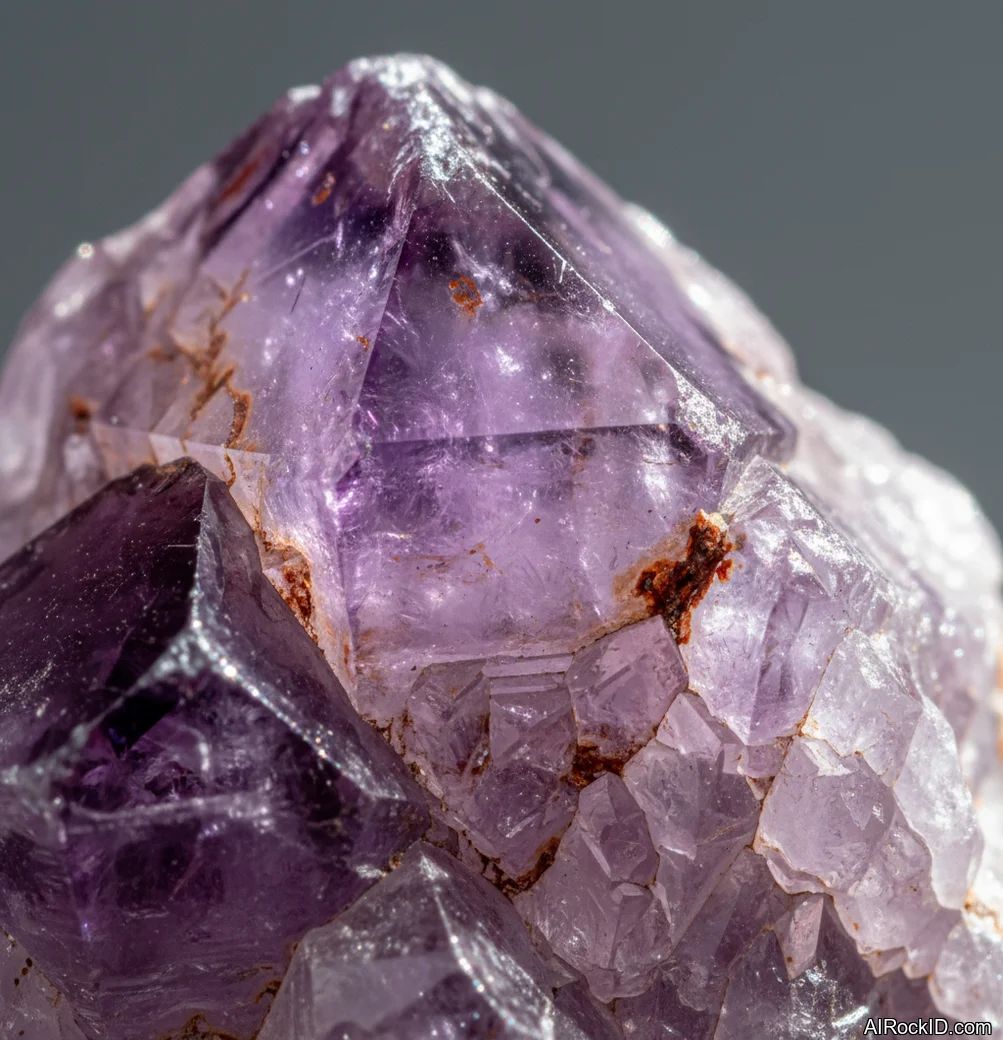
Uruguayan amethyst usually comes out that inky, almost-black purple, with those tight little points that glitter when you tilt it under a lamp. A lot of Brazilian amethyst, in my experience, leans more toward a lighter lavender. And yeah, you can feel that difference when you actually use it, because the lighter stuff tends to feel a bit “quieter.” Pick up a cold, well-cut amethyst palm stone and you’ll get what I mean. It doesn’t spin your thoughts up. It slows them down. I reach for it for third eye work since it’s steady and pretty forgiving when I’m distracted or stressed (which is often, honestly). But don’t leave it baking in strong window light. The color can fade over time, and it’s especially noticeable with paler material.
How to use: Set a small piece on your forehead for 5 to 10 minutes while you breathe through your nose and keep your eyes gently closed. If you’re meditating seated, place it on the mat in front of you and keep your gaze soft on it for a minute before closing your eyes. Store it out of direct sun if you care about keeping the purple.
Azurite

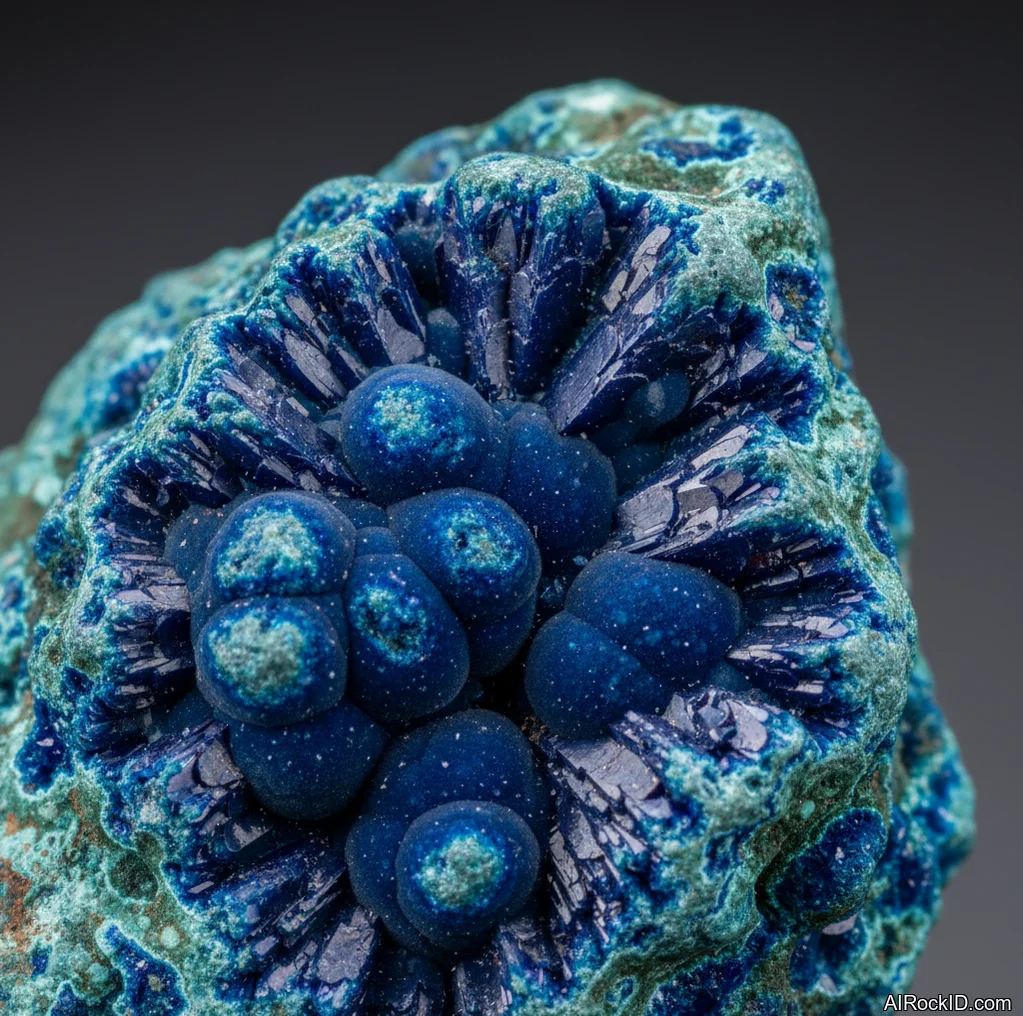
Azurite

Azurite feels weirdly heavy the first time you pick it up, especially next to a quartz piece about the same size. That extra density makes it feel grounding in your hand, even though people still call it a “head” stone. Look closely and you’ll usually catch that matte, midnight-blue skin with these tiny sparkles popping out where the crystal faces grab the overhead light. For third eye work, it’s the one I reach for when I want sharp inner focus and a brutally honest self-audit, the kind where you can’t wriggle out of what you already know. But here’s the thing: it’s soft. It can even powder a little (messy), so I wouldn’t toss it in a pocket or treat it rough.
How to use: Use a thumb-sized piece in your non-dominant hand during journaling and pause when your thoughts start to race. Keep it dry and avoid water soaking; wipe it with a dry cloth instead. If you want forehead placement, put it in a small cloth pouch so it doesn’t leave blue dust on your skin.
Apatite

Apatite

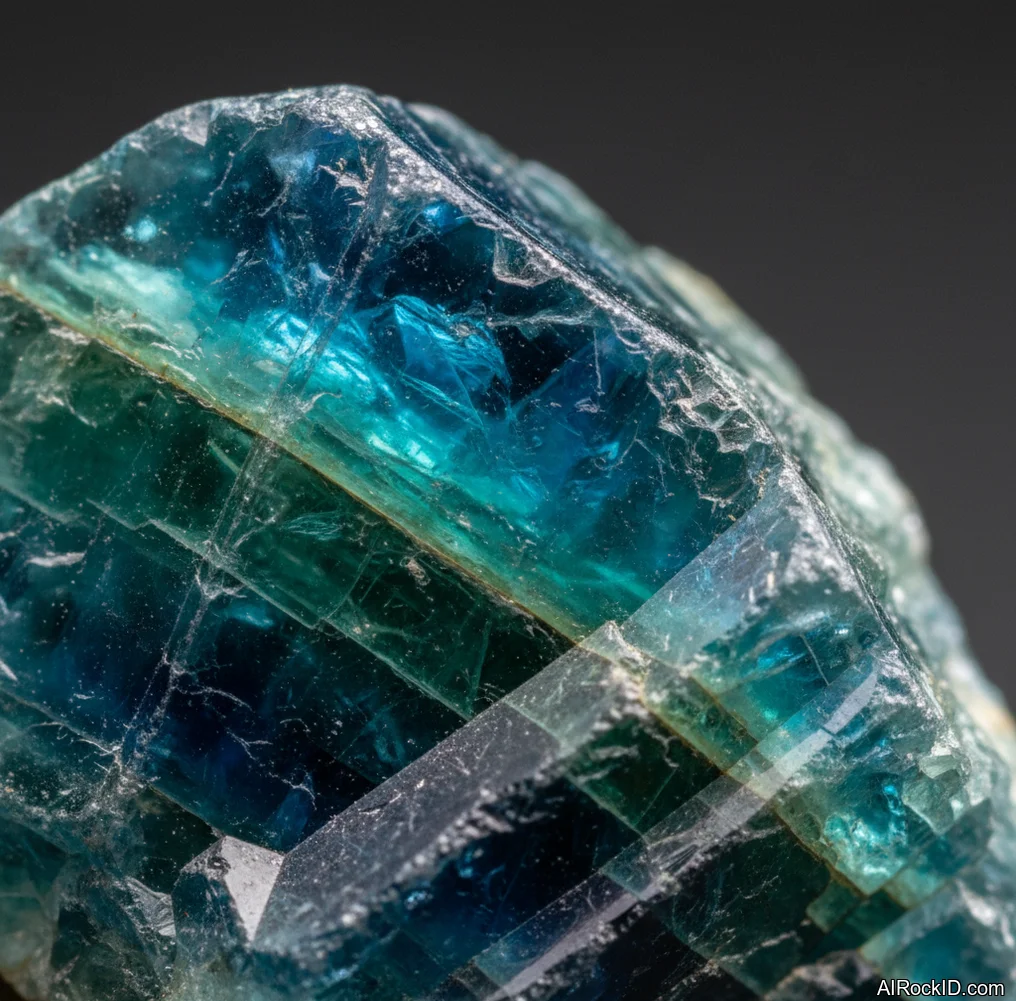
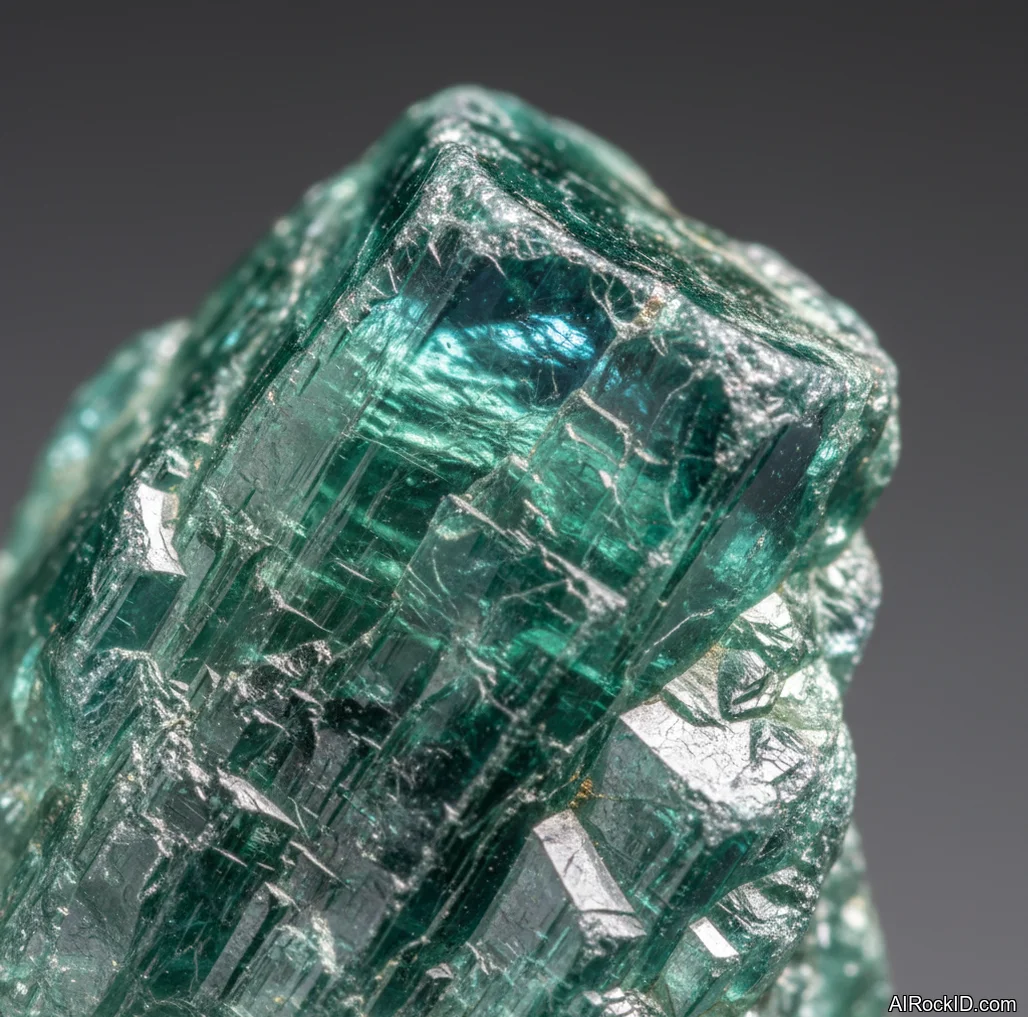
Apatite can look like a chunk of tropical blue glass at first glance. But the real stuff isn’t perfectly smooth inside, there’s this faint, almost wispy texture and tiny specks trapped in there that chop up the color when you tip it under a light. Next to amethyst, it feels like it leans harder into “ideas” and not so much “calm.” And honestly, that’s exactly what you need when your brain’s stuck in that dull mental fog and you can’t quite grab onto a clear thought. I’ve noticed it’s especially good for catching your own patterns, the little behavior loops you run on autopilot without even clocking them. Thing is, it’s pretty soft. So if you throw a polished piece in a bag and it ends up rubbing against keys, those scratches show up fast. (Ask me how I know.)
How to use: Hold it while you do a short, timed reflection: 7 minutes of breathing, then 7 minutes of writing whatever comes up without editing. If you wear it, keep it in a separate pouch or as a pendant that won’t bang against other stones. Clean it with a gentle wipe, not a salt soak.
Apophyllite

Apophyllite

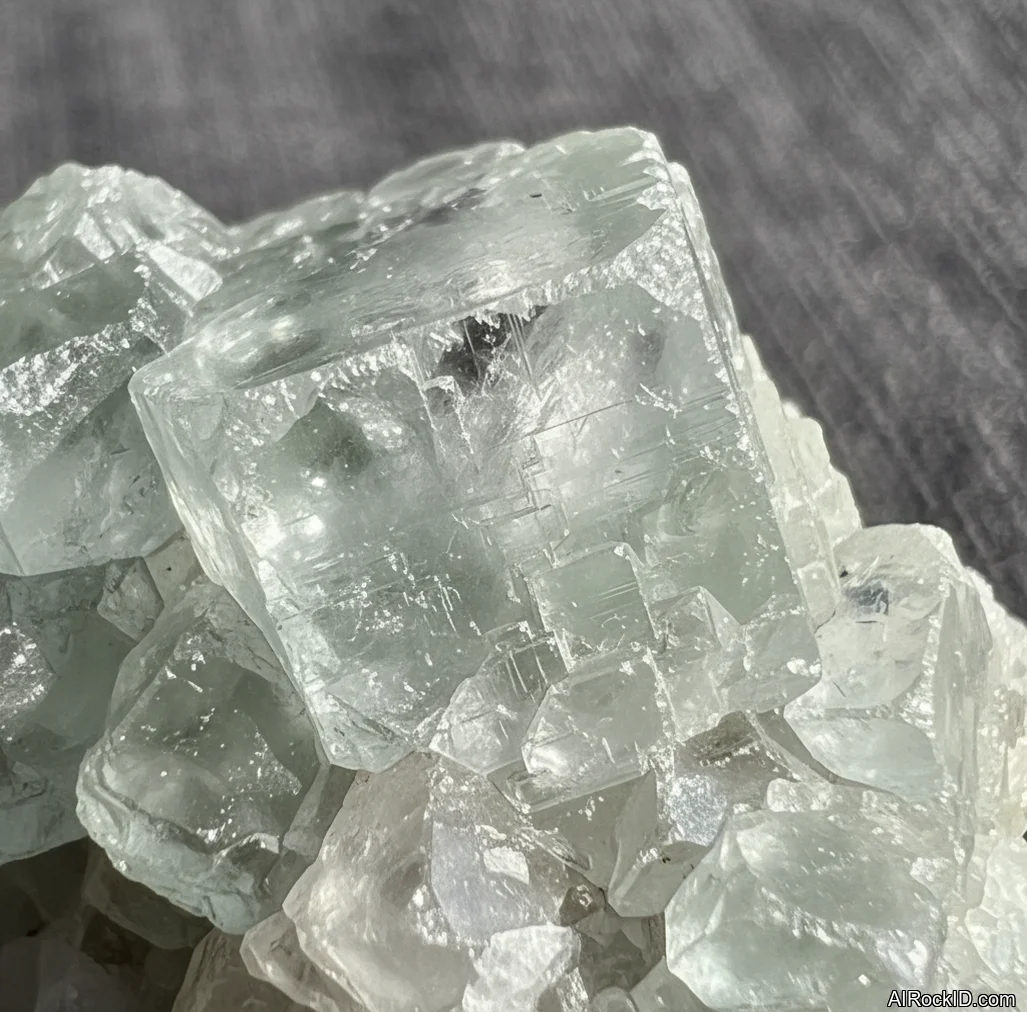
Apophyllite really can look like a tiny window, especially those clear to pale-green crystals with sharp points and slick, glassy faces. Thing is, the giveaway is how it grabs light. Turn it in your fingers and it’ll throw these sudden bright flashes off the cleavage planes, then it just… goes quiet again. For third eye work, it’s the cleanest “signal” stone I’ve handled for insight, but if you’re already ungrounded it can feel a little too airy. And yeah, most clusters are delicate. Those perfect points chip fast if they tap anything hard (even just a clink against another stone in a dish).
How to use: Keep a small cluster on a desk or beside your bed and use it as a visual anchor for a 2-minute gaze practice before meditation. If you place it on the body, do it lying down and make sure it can’t roll. Don’t rinse clusters under running water; dust them with a soft brush.
Auralite-23

Auralite-23

Auralite-23 is, at its core, an amethyst-based mix, and a lot of pieces have those smoky patches, rusty hematite streaks, plus that “busy” look inside when you hold it up and shine a light through it. From across the table it can pass as just another purple stone. But in your hand? Thing is, it usually feels like there’s more going on, like it grabs your attention and then makes you separate the noise from what actually matters. I reach for it when I want third eye clarity but I still need to stay grounded, not float off into my head. And buying it can be a headache. Labeling is messy, you’ll run into plenty of questionable claims, and prices get inflated fast even when the piece is just average grade. Why pay top dollar for that?
How to use: Use it for structured meditation: set a timer, choose one question, and don’t change the topic halfway through. A palm stone works better than a rough chunk here because it stays put and you can feel its edges. If you’re shopping, ask for clear photos in neutral light so you can see internal zoning and not just a saturated filter.
Arfvedsonite

Arfvedsonite

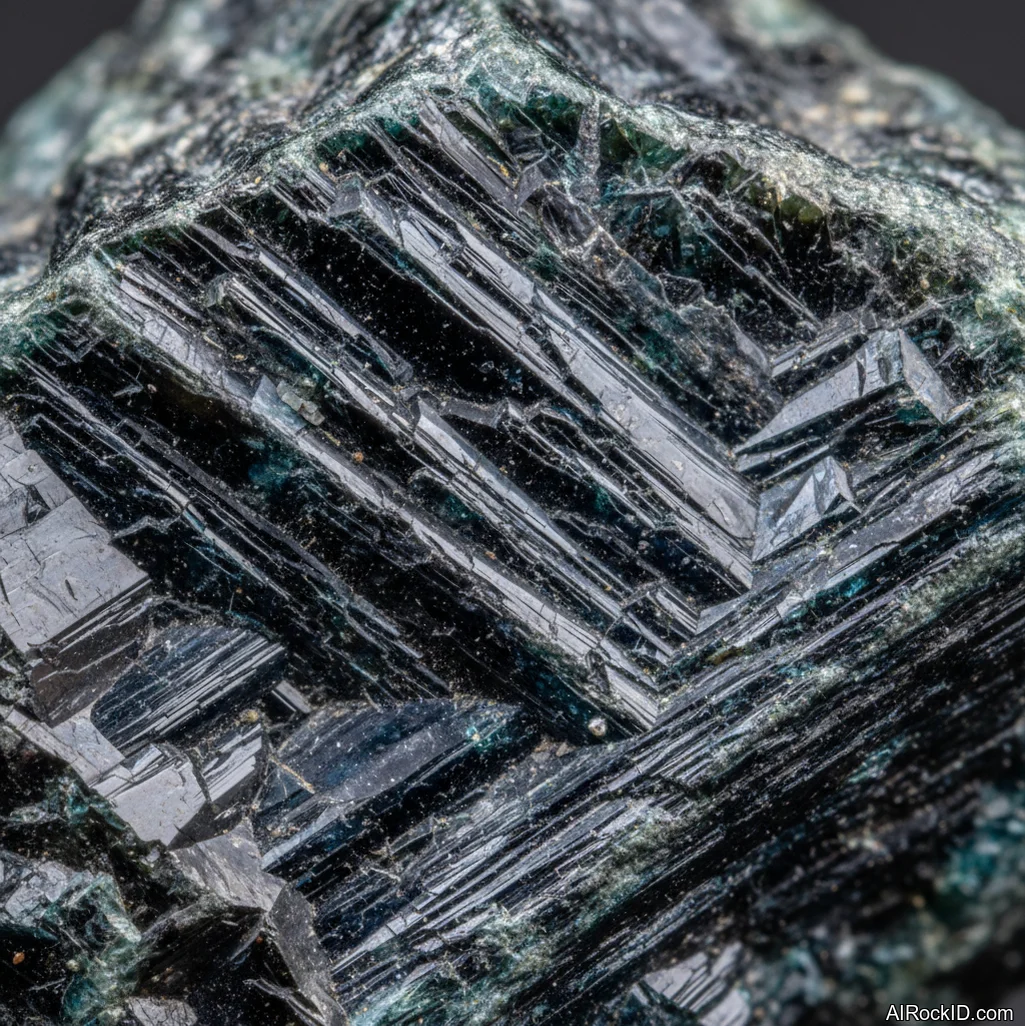
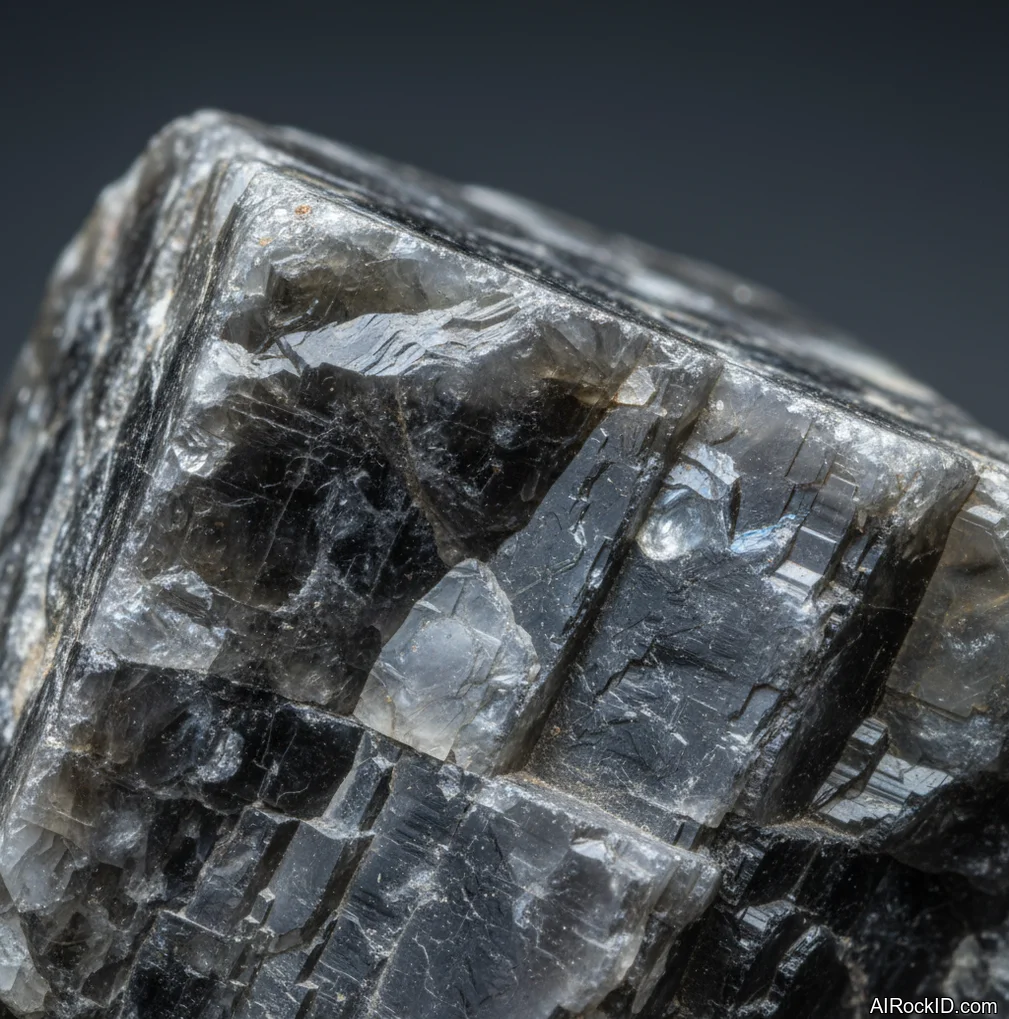
Arfvedsonite can look almost boring at first glance. Then you tilt it and, boom, there are these needle-thin silver flashes inside, like wet hair strands catching a lamp at just the right angle. It doesn’t throw off that loud “rainbow” kind of shine. And honestly, I prefer that, especially for third eye work where you’re trying to keep your discernment sharp instead of getting distracted by sparkle. In the hand it feels substantial. Most pieces you’ll see are cut as palm stones, and they’ve got that slightly waxy slickness you notice from a good polish (the kind where your thumb sort of glides, then sticks a tiny bit). But the market is messy. It gets mixed up with other dark amphibole materials, so don’t buy from someone who’s guessing. Go with a seller who can tell you what it is, straight, without hedging.
How to use: Hold it during decision-making drills: list options, then sit quietly and notice which one your body relaxes around. Keep it on a nightstand only if your sleep is stable; some people report more intense dreaming with it. Wipe clean and avoid harsh chemical cleaners that dull the polish.
Astrophyllite

Astrophyllite

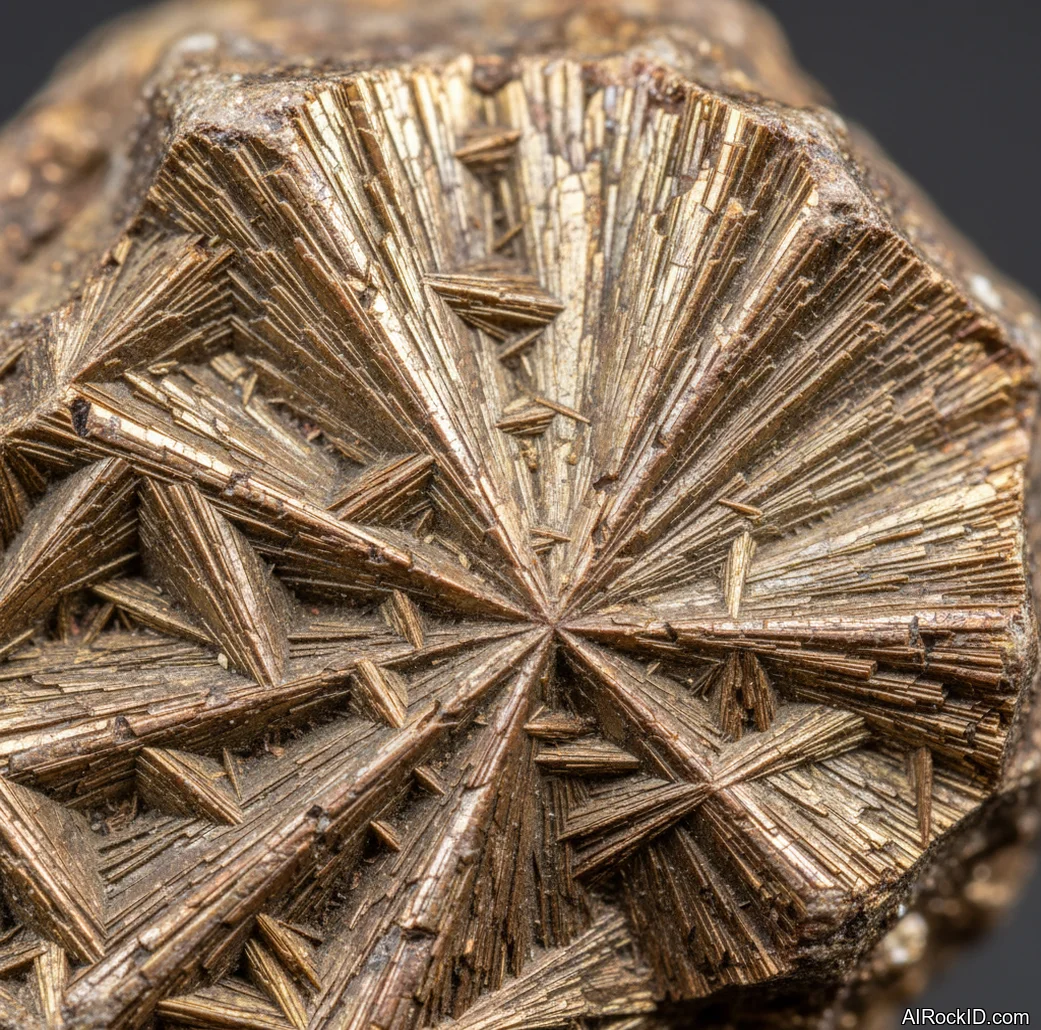
Astrophyllite has this bronze-gold starburst thing running through a dark matrix, and if it’s cut right, the fibers honestly look like they’re suspended just under the surface. Pick up a palm stone and you notice it immediately: it’s got a surprising heft for its size, and the polish feels slick, almost glassy against your skin (especially along the rounded edges). And then your eyes keep snapping back to the “burst” pattern, which makes it handy for single-point focus. For third eye work, it’s great when you’re trying to find the through-line in a messy situation. That “okay, what’s actually happening here?” moment. But it’s not a soft, soothing stone. If you’ve been avoiding something, it can drag uncomfortable realizations right up into the light.
How to use: Use it during a short review of your week: three wins, three misses, one lesson, and stop there. If you meditate with it on the forehead, keep a thin cloth between skin and stone so it doesn’t slip as you relax. Store it separately if the polish is high gloss, since micro-scratches show easily.
Black Moonstone

Black Moonstone

Black moonstone doesn’t shine as loudly as white moonstone. On a good stone, you’ll catch this soft, silvery adularescence that pops in, then slips away the second you tilt it, like a little switch turning on and off. And that flicker is honestly great practice for third eye work, because it forces you to slow down and wait for the moment instead of trying to squeeze an answer out of it. I’ve found it really clicks with dream journaling too. It keeps the tone gentle, even when the dreams themselves are heavy (you know the kind). But watch out for the bargain stuff. Some pieces are dyed or look weirdly uniform, and real feldspar usually gives itself away with tiny surface pits or those natural lines you only notice when you turn it under a lamp and actually stare at it for a beat.
How to use: Keep it near your pillow and write down dreams before you touch your phone in the morning. For meditation, hold it over the brow for a few breaths, then move it to your chest if you start feeling too floaty. Don’t soak it in salt water; feldspars can look dull after repeated wet treatments.
Alexandrite

Alexandrite

Real alexandrite is in a whole different league than the lab-grown color-change stones most people run into, and yeah, the price gap kind of says it all. In daylight it can tilt greenish, then you bring it under warm indoor light and it swings toward purplish tones, sometimes with that slightly moody “did it just change again?” feel when you walk from a window into a lamp-lit room. That sensitivity to lighting is why people tie it to third eye work around perception and context. But the real test is simple: look at it under two different light sources yourself, not just a seller’s “magic” photo that’s been shot under perfect conditions (or worse, tweaked). And honestly, it’s not the most practical everyday third eye stone for most people because genuine pieces are expensive, and they’re often so small they don’t sit comfortably on the body.
How to use: If you own a small piece, use it as a “check your assumptions” tool: look at it in daylight, then again at night, and reflect on what changed in your interpretation. Keep it in a padded box to avoid scratches from harder stones. For body work, a pendant is safer than forehead placement since tiny stones slide easily.

How to choose a third eye crystal that isn’t just pretty

Color helps, but it’s not the whole story. I’ve had pale amethyst that locked me into focus way faster than the dark chunks, and I’ve owned deep-blue stones that did absolutely nothing except sit there looking pretty on a shelf.

So pick the stone up. Pay attention to the first three seconds. Does your breathing slow down? Do your eyes kind of relax? Or do you feel twitchy, scattered, like your brain just got louder.

Look at the surface and the structure, not just the shade. A solid third eye stone usually gives your attention something to grab onto, like azurite’s tiny sparkles that catch when you tilt it under a lamp, apophyllite’s clean faces with those crisp edges you can feel with a fingertip, or black moonstone’s slow flash that slides across the stone when you roll it in your hand. If the color is super uniform and weirdly saturated, that’s a red flag for dyed material. And here’s another one: warmth. A lot of fakes and dyed stones feel oddly warm almost immediately, while most real mineral specimens stay cool in your palm for longer.

Size matters too. If you’re placing it on your forehead, a flat palm stone or a small cabochon just works (it won’t wobble or keep trying to fall off). For desk work, a small cluster can be better because it turns into a visual anchor you keep drifting back to.

And don’t overbuy. One solid piece you actually use beats a bowl of ten stones you keep rearranging.

Placement and timing: forehead isn’t always the best spot

Everybody rushes to the brow first, and yeah, sometimes that works. But if you get headaches easily, or you already feel like you’re stuck in your own skull all day, parking a strong stone right on your forehead can take a calm meditation and crank it into a pressure-cooker.

Thing is, brow placement isn’t the only way. Holding a stone at the center of your chest while you do slow breathing can still bring clarity, just with way less strain. It feels different too. Less “buzzing behind the eyes,” more like your breath has somewhere to land (right on the sternum, that slightly bony spot that can feel cold at first).

So try three positions, and actually track what happens for a week. First: keep it in your hand while you journal, like a little weight that keeps you from drifting off. Second: put it on the mat in front of you while you meditate, and use it as a return point when your mind wanders. Third: do forehead placement, but only in short rounds, 3 to 8 minutes, not forty.

And don’t judge it in the moment. The real test is what happens after. Do you feel clear and steady, or spaced out and raw? That’s the tell.

Timing matters just as much as placement. Morning sessions tend to feel sharper and more practical. But night sessions can slip into dream territory, which is great if that’s what you want, and it can also mess with sleep if you’re sensitive.

Pairing stones for clarity without getting spaced out

Stacking a bunch of “head stones” can hit like you slammed one too many coffees and now your brain won’t sit still. Mix azurite, apatite, and apophyllite all at once and, yeah, don’t act shocked if your thoughts start sprinting. I’ve watched it happen in group circles. Everyone wants the big experience, and then half the room is wide-eyed at 2 a.m., staring at the ceiling.

So try a cleaner setup: one third eye stone, plus one grounding counterweight. If you’re using apophyllite for insight, pair it with a heavier, darker stone you already trust from your own collection, and keep the grounding piece in your pocket or tucked under your foot (it makes a difference). With amethyst, you often don’t need a second stone at all. It tends to self-regulate.

Thing is, your body will tell you when you’ve pushed it. Tight jaw. Buzzing scalp. That floaty feeling right behind the eyes. If that’s showing up, you went too far. Back off. Drink water. And switch to something calmer like black moonstone, or just do a simple breathing practice with no stones. Why force it?

Dreamwork and the third eye: how to use crystals without turning sleep into a circus

Dreams are where third eye stuff starts feeling real for a lot of people. But it can go sideways fast. Put a stimulating stone next to your bed and yeah, you might remember more, but you might also sleep like garbage. I learned that the annoying way after a week with high-energy pieces on my nightstand, staring at the ceiling at 3 a.m. with a brain that just wouldn’t quit.

So if you’re testing things out, go gentle at first. Black moonstone is my go-to because it bumps up recall without turning everything up to eleven. Amethyst is right behind it, especially a small tumbled one that doesn’t feel “loud” in your hand. And don’t tuck it under your pillow right away. Start with it a foot or two away from your pillow. Weirdly, that distance matters way more than people think.

The routine itself is pretty basic: set an intention, go to sleep, then write as soon as you wake up. Right then. Don’t sit there interpreting for twenty minutes. Just grab the details while they’re still sticky (names, places, that one odd color you can’t explain). Thing is, if your sleep quality drops, pull the stone out of the bedroom for three nights and see if things bounce back. Why push it if your body’s saying no?

How to Use These Crystals for Third Eye Chakra

Pick one stone. Pick one goal. When I’m doing third eye work, the setup I can actually repeat is simple: amethyst or azurite, a timer, and a notebook. Hold the stone in your hand, take ten slow breaths, and then ask one clean question like “What am I avoiding?” or “What’s the next right step?” Keep it tight, because if you go vague your brain will sprint off into philosophy and call it progress.

For meditation, don’t make it a whole production. Keep it short, keep it steady. Set the stone on the mat in front of you and spend 60 seconds just looking at it. Notice what’s real: color zoning, those tiny fractures that catch when you tilt it, that little flash of light you only see at one angle. Then close your eyes and hold the stone in your non-dominant hand. If your thoughts start pinwheeling, open your eyes, look at the stone again, and come back to the breath. Repeat as needed (yes, you’ll need to).

In daily life, treat stones like cues, not crutches. Carry apatite or arfvedsonite on days you need clean thinking, but give yourself a rule: every time you touch it, you do one reality check. What am I feeling. What am I assuming. What do I actually know. That’s third eye work out in the real world, and honestly it’s way more useful than sitting around waiting for a cosmic download.

Common Mistakes to Avoid

Buying by color alone is the big one. Indigo doesn’t automatically mean “third eye,” and honestly, some of the best focus stones I own look kind of plain until you’ve actually sat with them for a bit. The other trap? Grabbing ten different options and never practicing. A stone can’t build the habit of attention for you. It just can’t.

And people go too hard, too fast. I’ve watched folks slap a strong stone right on their forehead for half an hour, end up with a headache (that tight, buzzy pressure behind the eyes), and then decide crystals are “fake.” So keep it short. Three to eight minutes is plenty while you’re still figuring out what a stone does in your body.

Also, keep an eye on the market. Dyed material is everywhere, and sellers love tossing mystical labels on common stones because it moves inventory. If the color looks weirdly uniform or neon, or the listing’s photos are obviously filtered to death, assume you’re being sold vibes instead of geology. Ask for daylight photos. And if they’re claiming flash or a color change, ask for a quick video tilt. Why not?

Important: Crystals won’t diagnose anything, fix mental health stuff, or stand in for therapy, meds, or even a full night’s sleep. And they’re not going to magically make your intuition correct. You can feel totally “clear” and still be dead wrong. What they *can* do, at least in my experience, is help you focus, slow down, and stick to a repeatable little ritual that makes self-reflection easier. I’ve sat with a stone in my palm long enough to feel it warm up (especially if it’s been on a sunny windowsill), and that steady, physical weight can be grounding. But if your basics are chaos, no rock fixes that. So start with water, rest, and honest notes (even the messy kind).

Identify Any Crystal Instantly

Snap a photo and get properties, value, care instructions, and healing meanings in seconds.

Frequently Asked Questions

What chakra is the third eye chakra?
The third eye chakra is Ajna, traditionally associated with the area between the eyebrows. It is associated with perception, insight, and mental clarity.
What color crystals are most associated with the third eye chakra?
Third eye chakra crystals are commonly associated with indigo, deep blue, and purple colors. Clear stones are also used for mental clarity practices.
Is amethyst a third eye chakra stone?
Amethyst is associated with the third eye chakra and the crown chakra. It is commonly used for calm focus and meditation.
Is azurite good for the third eye chakra?
Azurite is associated with the third eye chakra. It is commonly used for concentrated reflection and insight practices.
How do you use crystals for the third eye chakra during meditation?
A crystal can be held in the hand, placed on the brow area, or set in front of the seated position as a visual focus. Typical sessions range from 3 to 15 minutes depending on comfort.
Can you sleep with third eye crystals under your pillow?
Some people place third eye crystals near the bed for dream recall and reflection. Sleep quality can change, so placement can be adjusted farther from the pillow if needed.
How do you cleanse third eye chakra crystals?
Common cleansing methods include dry wiping, smoke cleansing, and placing stones on a clean surface away from clutter. Water soaking is not suitable for many soft or fragile minerals.
Which third eye crystals are too soft for water or rough handling?
Azurite and apatite are relatively soft and can scratch or degrade with rough handling. Many apophyllite clusters are fragile and can chip easily.
How many third eye crystals should you use at once?
Using one crystal at a time is a standard method for isolating effects and building a consistent practice. Combining multiple stimulating stones can increase restlessness for some users.
Do third eye crystals guarantee intuition or psychic ability?
Third eye crystals do not guarantee intuition accuracy or psychic ability. They are used as spiritual tools for focus, reflection, and intention-setting.
The information provided is for educational and spiritual exploration purposes. Crystals are not a substitute for professional medical, psychological, or financial advice.