zodiac

Crystals for Air Signs
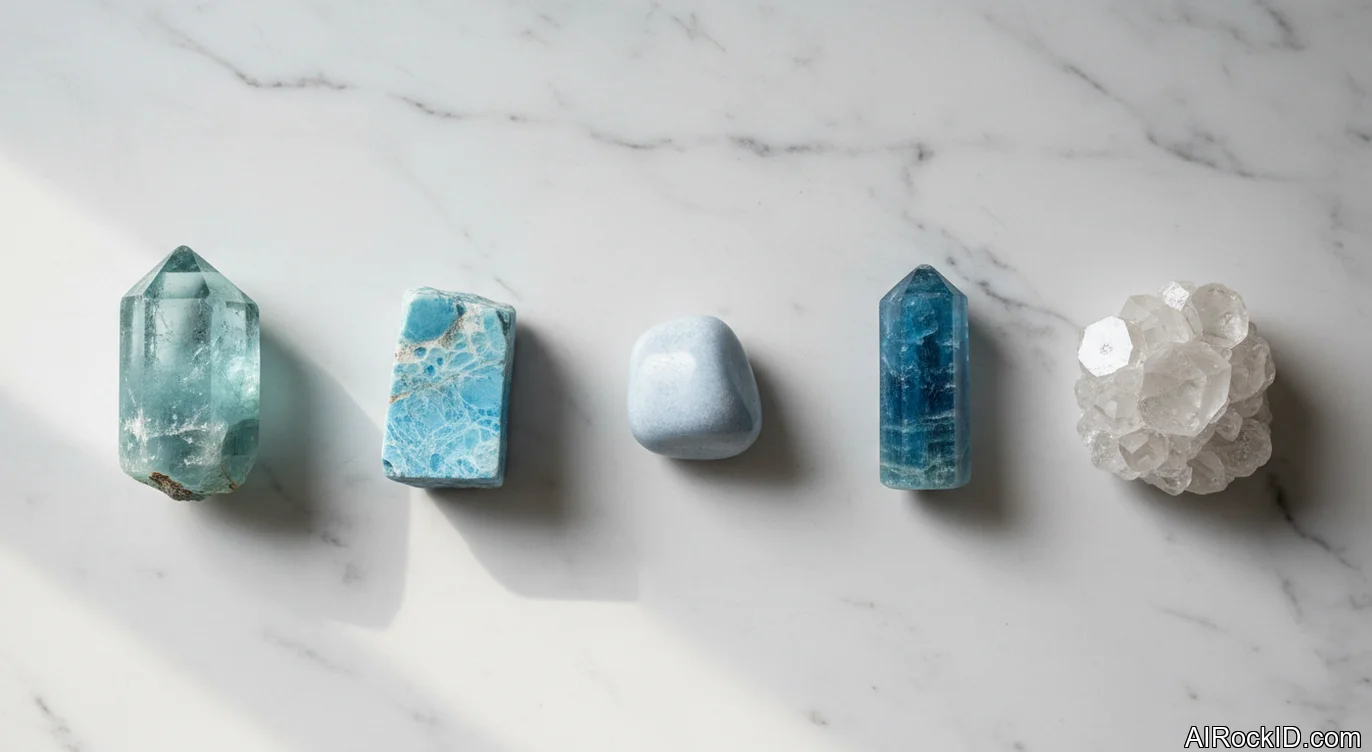
Assortment of air-sign-friendly crystals including aquamarine, apophyllite, amazonite, and angelite on a light tabletop

Yeah, some crystals can actually help air signs, but only if you treat them like a physical reminder for your habits, not some magic fix. Air energy moves fast. Thoughts, words, plans, fifteen tabs open in your head at 2 a.m. The right stone can slow you down just enough to pick a thought instead of getting yanked around by it. I’ve seen this land best for Gemini, Libra, and Aquarius when the crystal is tied to something you do on purpose and often, like journaling, breathwork, or that little pre-meeting routine you do before you walk into a room.

Grab a decent piece of aquamarine and you’ll notice it right away. It’s cool in your hand, kind of slick like it’s been polished forever, and it makes you hesitate for half a beat before you speak. That half beat? That’s basically the whole point for air signs. You don’t need a museum-grade chunk, but you do need one you actually want to touch (if it feels chalky or weird, you’ll stop using it in two days). Most of what people call “results” is just consistency: same stone, same pocket, day after day, tugging your attention back to center.

Thing is, air signs collect ideas the way some people collect rocks. Too many. Nowhere to put them. So I usually reach for crystals that either settle the nervous system (angelite, amber) or help with mental organization (aegirine, amphibole quartz). And look, I’ll be blunt: if you’re stressed because you’re running on sleep debt, mainlining caffeine, or stuck in a toxic job, no crystal fixes that. What it can do is give you a steady, tactile cue to make the better choice when it actually matters.

Recommended Crystals
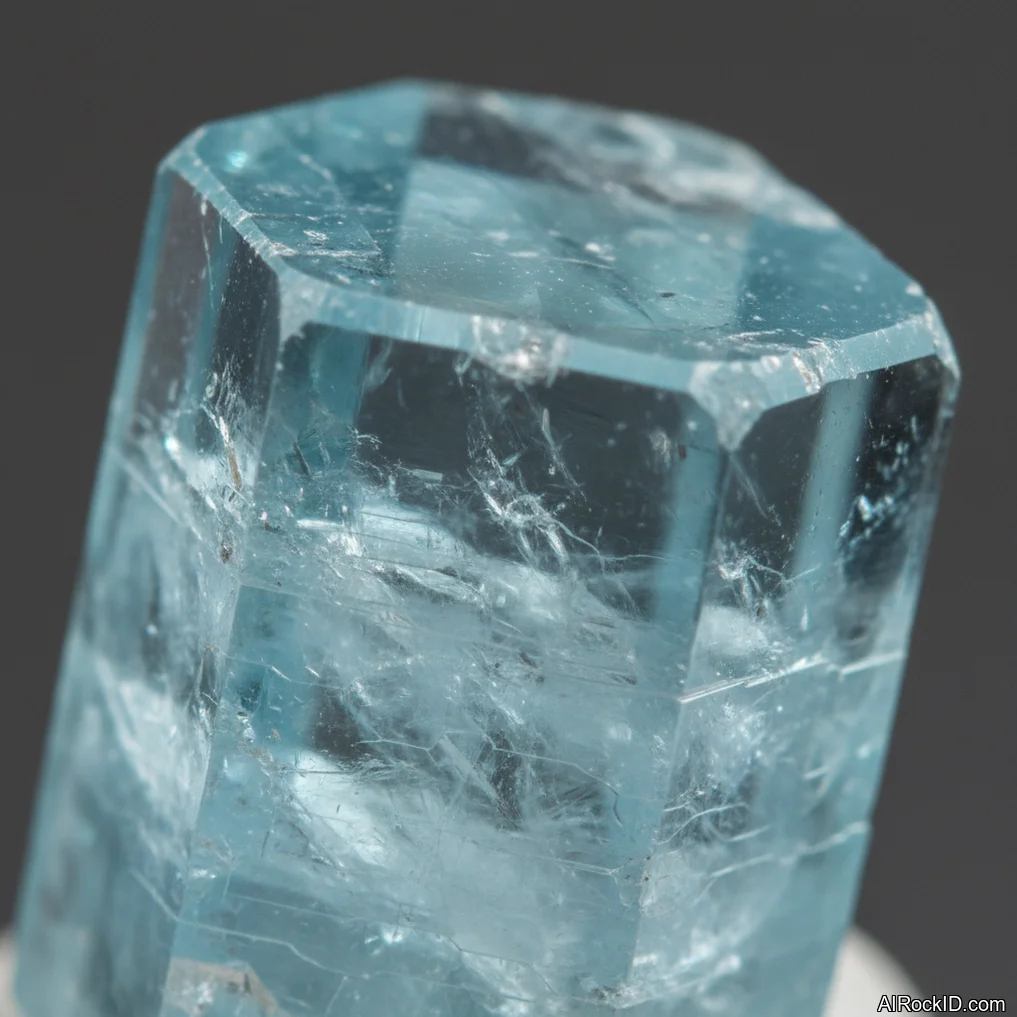
Aquamarine
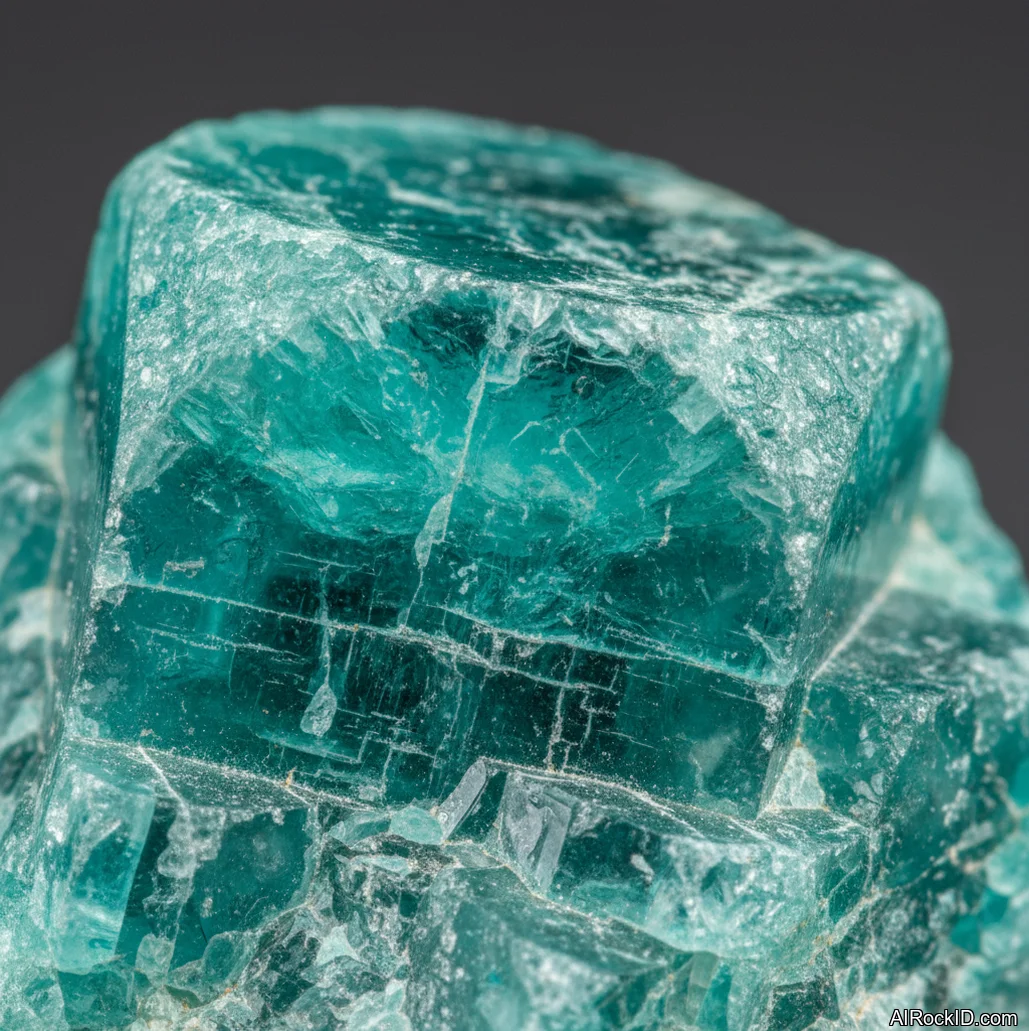
Aquamarine

Raw aquamarine gets cold in your hand almost right away, even if the room’s warm. That quick chill feels weirdly perfect for a conversation that’s running hot. And I’ve noticed it lines up with air sign habits, like talking in circles or jumping in with an answer before the other person’s even finished. Pale blue material can look kind of washed out under fluorescent lights (that flat, office-y glare), but take it into daylight and it looks clean and steady. Compared to flashier stones, it doesn’t grab the spotlight. But that’s the whole point, isn’t it? It works best when you’re trying to listen.
How to use: Keep a small tumbled piece in your pocket for meetings or hard talks and touch it before you respond. If you journal, set it on the page as a “pause button” and write one sentence before you speak to anyone about the issue.
Amazonite

Amazonite

Amazonite has this chalky, almost waxy slickness once it’s polished. You can feel it right away, like the surface has a soft drag to it instead of that glassy snap. And it’s honestly one of the few stones I’ve watched people grab without thinking when they need to say something hard, but they don’t want to be cruel about it. Good pieces usually have those white streaks running through them, plus color that isn’t perfectly even. It shouldn’t be that flat, copy-paste teal that looks like it was printed on. But the market’s messy: some dyed stuff is so loud it straight-up looks like candy. It also tends to feel warmer in your hand than real feldspar, which is a weird little tell once you’ve handled both (and yeah, it’s subtle). For air signs, it’s not really about “confidence.” It’s more about being direct without turning sharp. Who wants to come off spiky if they don’t have to?
How to use: Wear it near the throat if you already do necklaces, or just keep it in the pocket you use for your phone so you touch it before you text. If you’re practicing honest communication, hold it while you rehearse the first two sentences out loud.
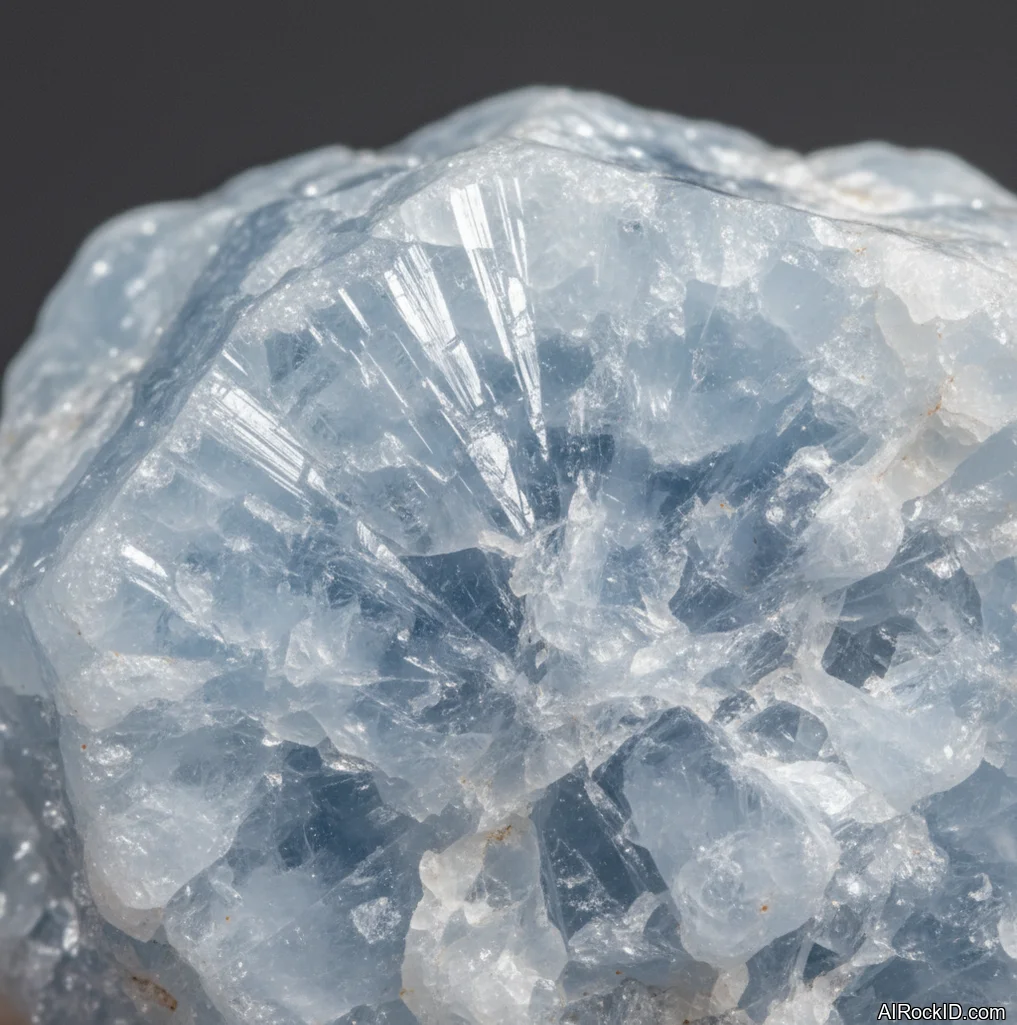
Angelite

Angelite

Angelite’s gypsum-based, and yeah, it scratches way easier than you’d think. So it ends up feeling like this low-key reminder: treat your mood gently, or you’ll see the scuffs. When I grab a chunky angelite palm stone, the first thing I notice is that dry, almost chalky coolness on my skin, like it’s been sitting in the shade. It’s weirdly calming. My breathing slows down before I even realize I’m doing it. It’s especially good for air signs who get stuck in their head and basically forget they’ve got a body until the body starts complaining. But don’t use it like a daily beater stone. You’ll regret it. It’ll pick up little dings fast (even from a pocket with keys).
How to use: Use it at home on a desk or nightstand, not in a pocket with keys. Hold it during a 2-minute breathing reset: inhale for 4, exhale for 6, and keep your eyes on one spot on the stone.
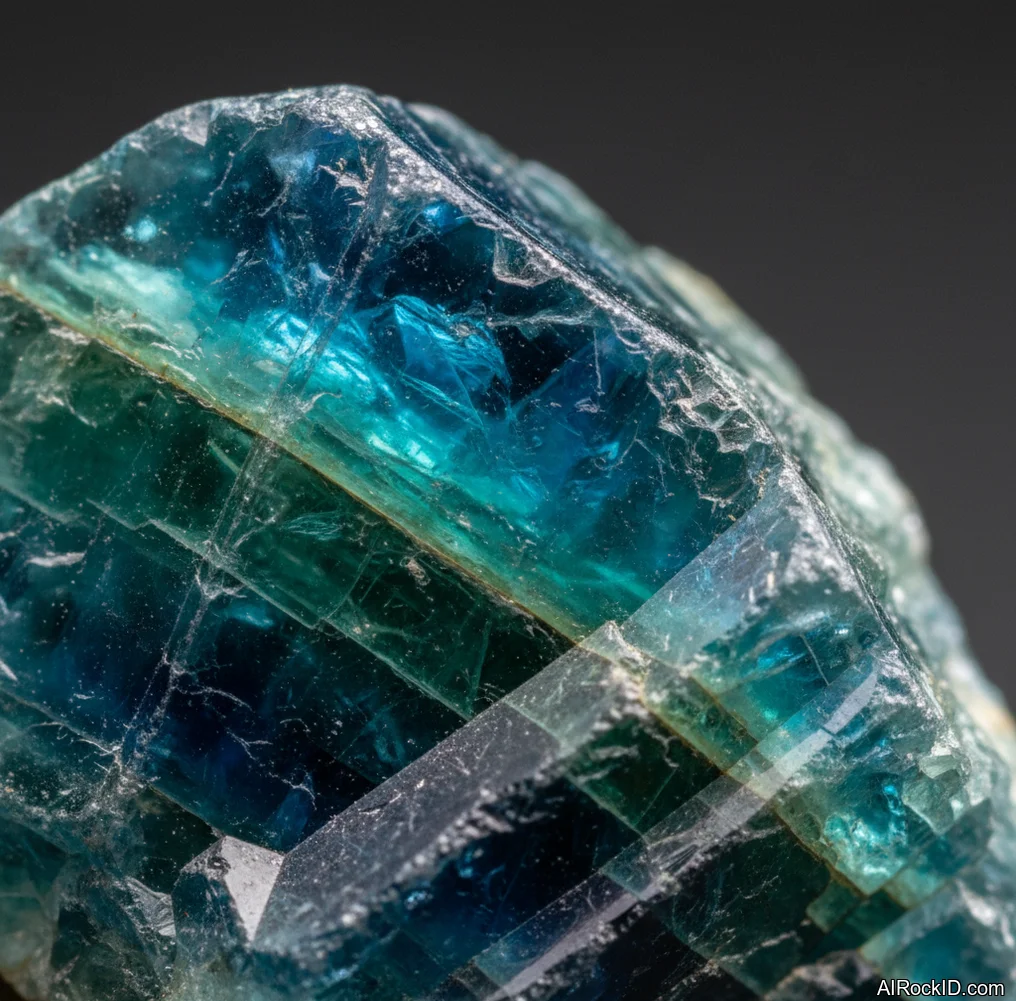
Apatite

Apatite

Blue apatite has this glassy sheen that really grabs you the second it catches the light. And in my experience, it’s one of the best “get it out of your head and into a plan” stones for air signs. Look closer and you’ll usually spot those faint internal veils, plus tiny threadlike inclusions that flash when you tilt the piece in your fingers. It’s softer than quartz, so yeah, it can chip if you toss it in a bag with metal (I’ve seen little edge nicks show up fast). But when Gemini energy starts pinging everywhere, apatite acts like a mental highlighter. One priority. Right now.
How to use: Put it beside your to-do list and touch it every time you choose the next task. If you’re studying, set a piece on the left side of your laptop and take a 10-second gaze break on it every 30 minutes.
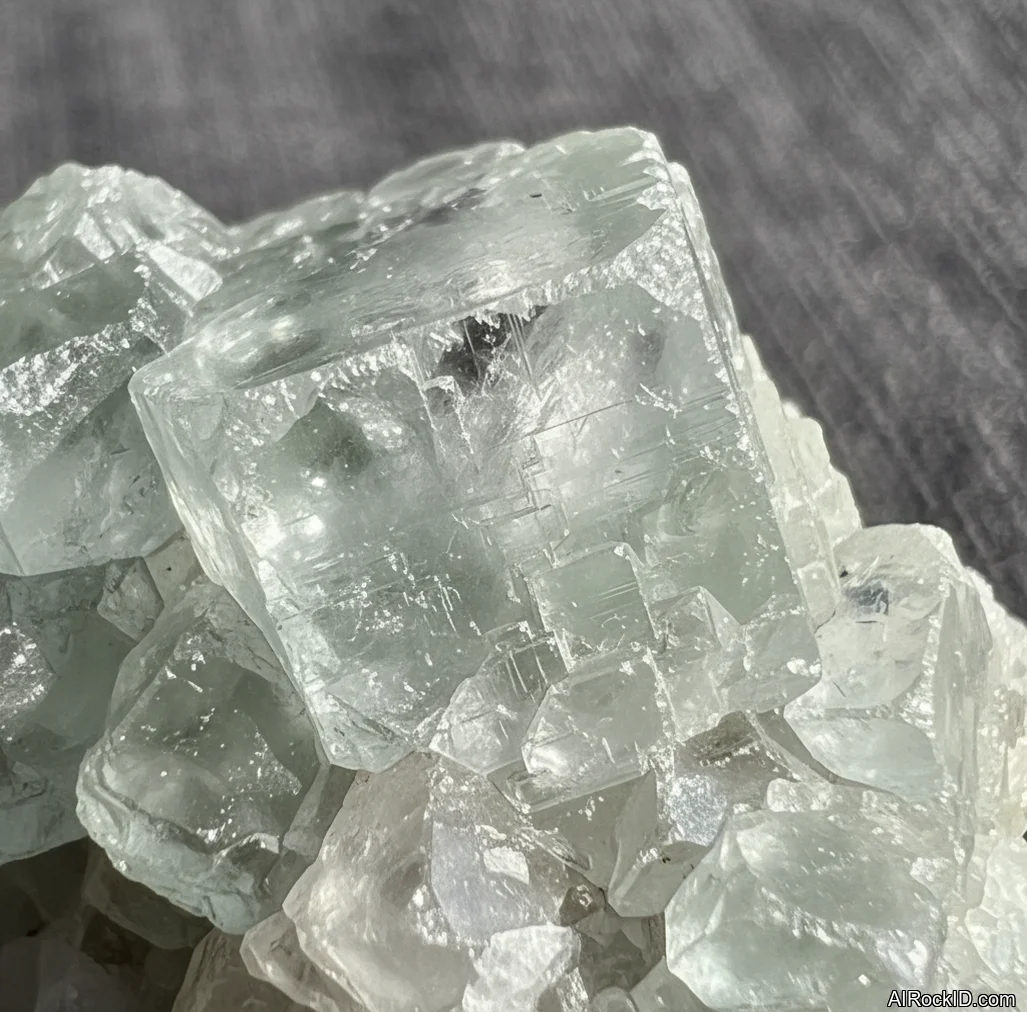
Apophyllite

Apophyllite

Apophyllite clusters have this sharp, geometric glitter that weirdly makes me want to tidy up my entire mental desktop. Look, the giveaway is what happens under a lamp: the points kick back bright little flashes like tiny mirrors. And if you drag a finger lightly across the tips (carefully), you can actually feel those crisp edges. I’ve reached for it with air signs who want clarity but don’t need more stimulation. Sounds backwards, right? But it works because the feeling is clean, not loud. Thing is, it’s fragile. One careless drop and that nice cluster you loved can be toast.
How to use: Keep it stationary where you make decisions, like a desk or shelf near your calendar. Before planning, look at one point and name the single outcome you want from the next hour.
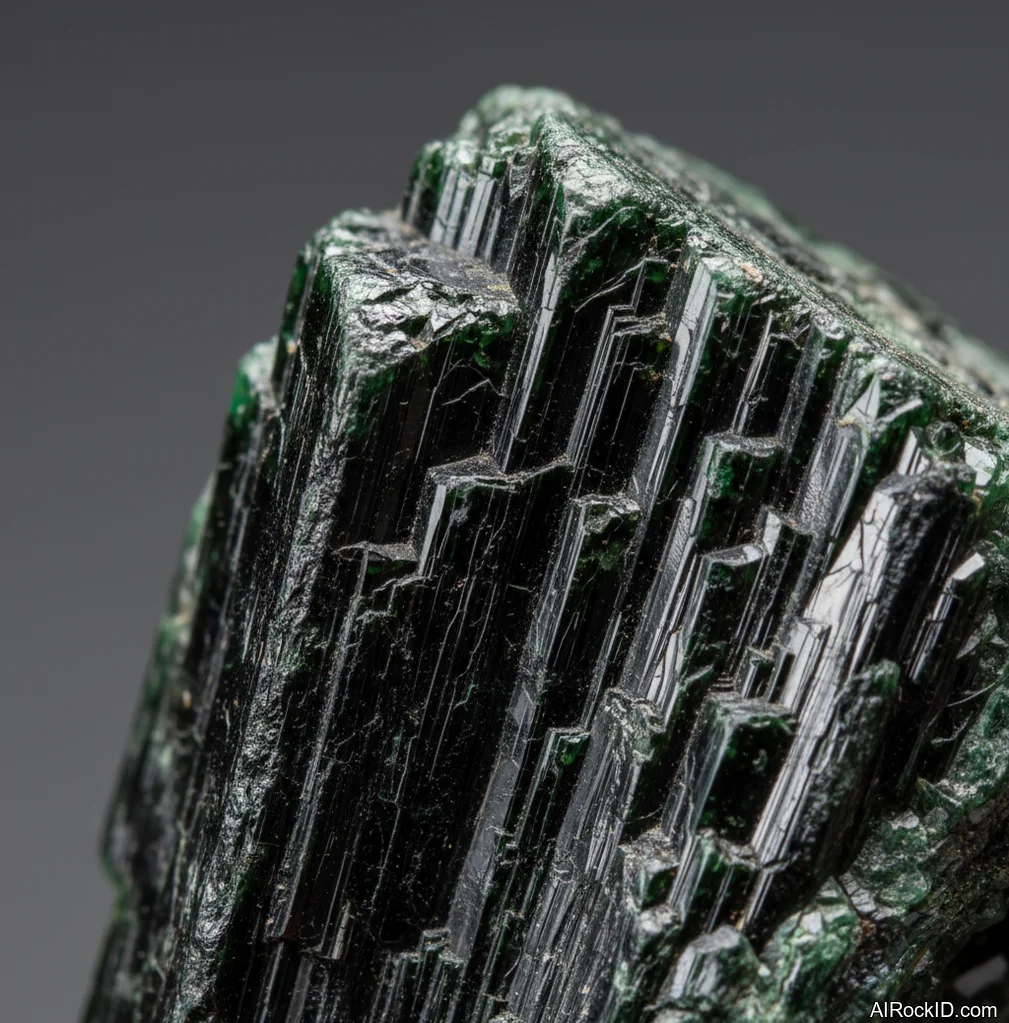
Aegirine

Aegirine

Aegirine is one of the stones I reach for when an air sign is stuck in their head, looping on the same thought, and just can’t land the plane. It usually shows up as these dark, sharp little blades. And when you pick up a solid piece, it’s weirdly “serious” in the hand, like it has more weight than it should for something that size (you notice it right away). It grounds you, but it doesn’t make you feel sleepy. That’s a big deal for Aquarius types, because they hate feeling slowed down. But yeah, the nicer, well-formed specimens can get pricey. Also, those tiny chips? They’ll absolutely poke through a pocket if you forget they’re in there. Why are they so pointy?
How to use: Use it as a desk stone during decision-making, especially when you’re tempted to open a fifth tab. If you carry it, wrap it in a small cloth pouch so the edges don’t scratch your phone screen or your skin.
Amber

Amber

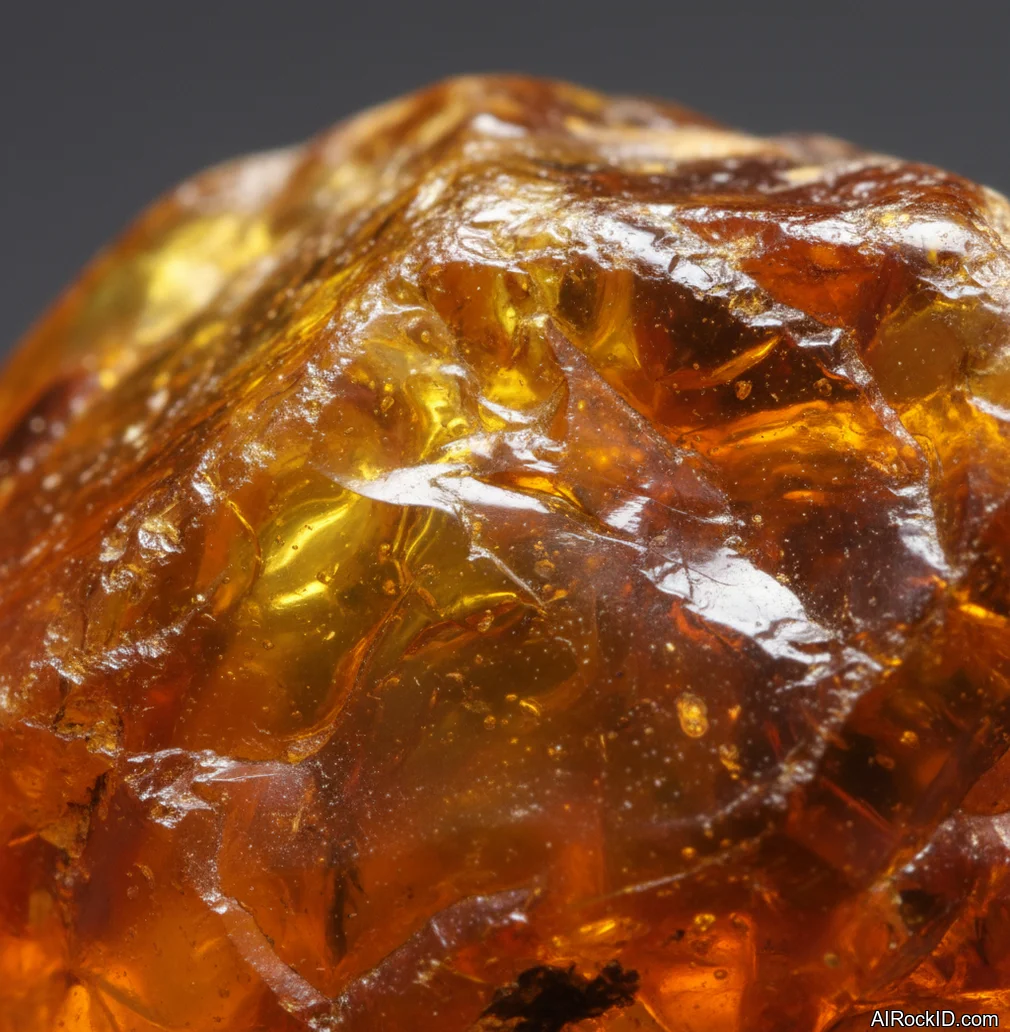
Amber isn’t a mineral. You can tell right away because it feels almost feather-light, and it heats up quickly once it’s sitting in your palm. That quick warmth is exactly why I reach for it with airy people who get cold from stress, not from the room temperature. Real amber usually shows little internal specks or those subtle flow lines inside (you have to tilt it and catch the light). And if you rub it hard and fast between your fingers, it gives off this faint, piney resin smell. Plastic knockoffs? Nothing. No scent at all. It calms in a straightforward, body-first way. Less thinking. More settling. And isn’t that the point sometimes?
How to use: Wear it as beads if you like jewelry because it’s comfortable and never feels icy. If you’re using a loose piece, hold it during a phone call when you know you tend to talk too fast.
Amethyst

Amethyst

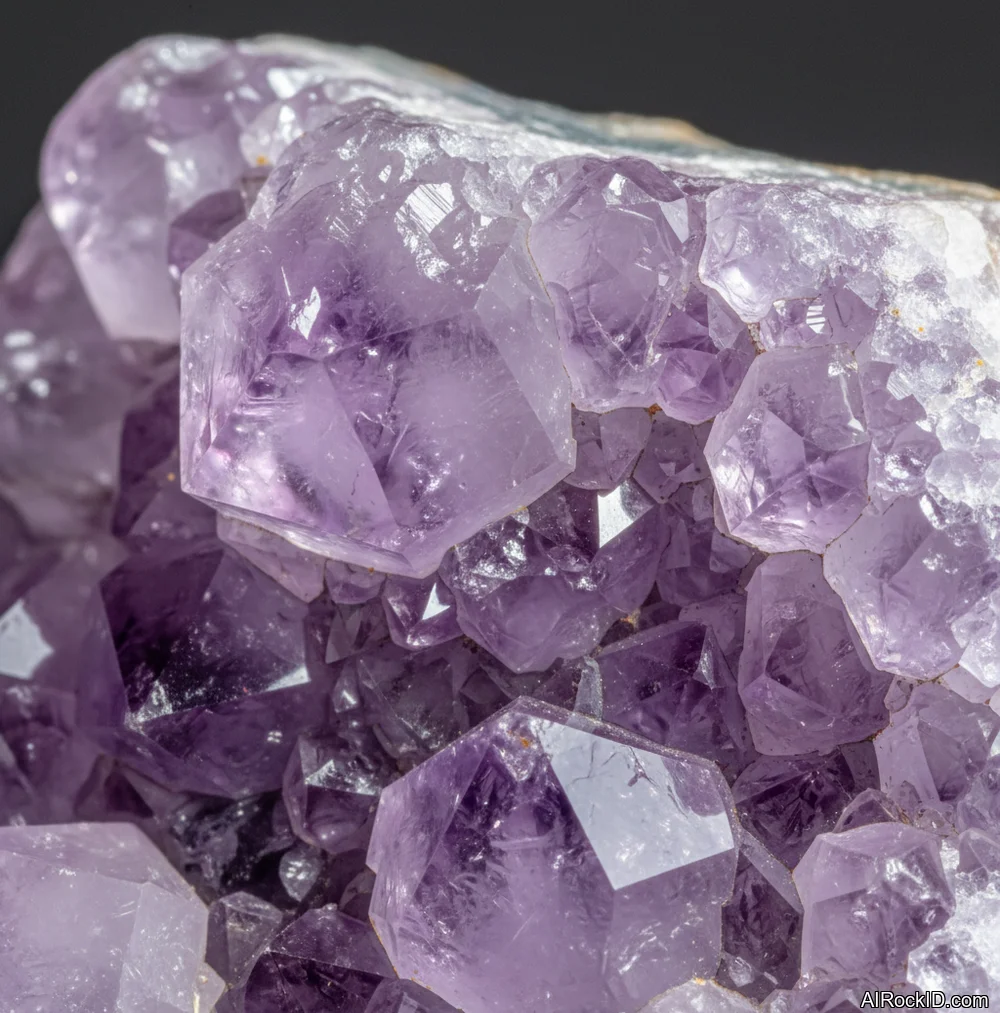
Uruguayan amethyst is that deep, inky purple that still looks saturated even when the room’s barely lit, and it’s the one I reach for with air signs who can’t shut the mental door at night. Brazilian pieces tend to run lighter, and sometimes you’ll catch those little reddish flashes when a warm lamp hits them just right. Both are fine, honestly, if you actually use them. I’ve kept clusters next to my bed for years, close enough that I can see the points when I roll over, and the best part is how they basically flip a visual “sleep mode” switch in low light. But here’s the catch: people want instant calm while they’re still scrolling. And the stone just can’t compete with that.
How to use: Put a small cluster where you can see it from bed and make it the last object you look at before lights out. If you wake up thinking, hold a tumbled piece and count 20 slow breaths without checking the time.
Amphibole Quartz

Amphibole Quartz

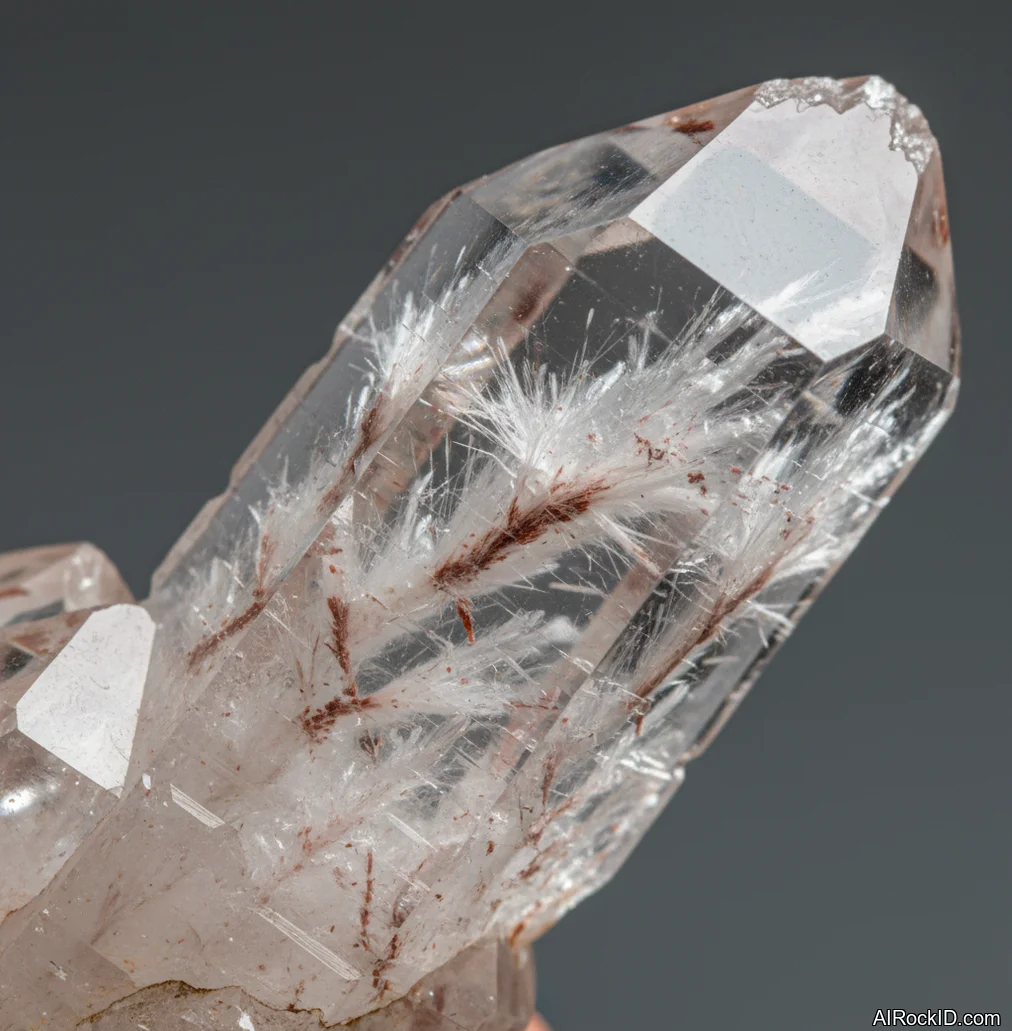
Amphibole quartz, especially the ones with those red or golden plumes inside, really does look like a tiny weather system trapped in glass. It keeps air signs interested without yanking them off into full-on distraction. Tip it in your hand and the inclusions drift and slide, like smoke caught halfway through a swirl, and yeah, it’s weirdly calming when your own thoughts are doing that too. And next to plain clear quartz, this stuff gives your eyes something to land on. That alone can take the edge off nervous energy. Most dealers sell it polished since the inclusions show up way clearer under a smooth surface, but raw pieces with clean faces? They’re pricier, and they’re a pain to track down.
How to use: Use it for short focus resets: stare at one inclusion line for 30 seconds, then write the next single action. Keep it off the windowsill if your piece has color you care about, since long sun exposure can dull some specimens over time.

Air sign patterns these stones actually help with

Gemini, Libra, and Aquarius don’t really need more “power.” They need a speed governor. What I see over and over is mental ping-pong: you draft the reply, then the backup reply, then the reply to the imaginary argument you haven’t even had yet. Exhausting, right?

Grab a stone that actually feels cool to the touch or just plain heavy in your palm, and it snaps that whole chain. Aquamarine and angelite are great for that cool-and-quiet vibe. Aegirine is more of a weight-and-boundaries stone, especially when you’re stuck circling the same decision loop like a scratched record.

And then there’s the other air-sign issue: social static. Too many conversations, too many opinions, and suddenly you can’t hear your own signal anymore. Amazonite helps when you want to say what you mean without turning it into a performance. Amber’s the sleeper pick, though, because it warms up fast against your skin and pulls you back into your body when you’ve basically been living from the neck up all day (you know the feeling).

Gemini, Libra, Aquarius: quick matching without stereotypes

Gemini usually does best with stones that help you lock in and actually finish the thing, but without that heavy, stuck feeling. Apatite nails that “one task, right now” push. And amphibole quartz is handy when your brain needs something genuinely interesting to stare at, so it quits sniffing around for novelty somewhere else.

Libra, on the other hand, tends to relax with calmer energy that feels soft instead of strict. Angelite on a nightstand is about as straightforward as it gets, and it works. Aquamarine helps too, especially when you’re trying to keep a conversation fair rather than sliding into reactive mode. It’s less “keep talking” and more “say it clean, then stop.” (Harder than it sounds, right?)

Aquarius usually wants grounding that doesn’t feel like a weighted blanket sitting on your chest. Aegirine is my go-to for mental boundaries, and for saying no without writing a whole essay to justify it. Apophyllite fits Aquarius well too because it’s clarity with sparkle, but you’ve got to handle it gently, or you’ll snap points off (those little crystal tips chip fast) and then you’ll feel annoyed every time you see it.

Buying tips: what to look for so you don’t get junk

At first glance, a lot of these seem like easy buys. Then the fakes show up. Amazonite gets dyed. Amber gets swapped for plastic. And yeah, even aquamarine gets mislabeled when it’s really just pale glass or some vague “blue stone” tossed into a generic listing.

Look, the fastest giveaway is often temperature and texture. Real amber warms up in your hand in seconds, like it’s almost grabbing your skin back; glass stays cool longer and just feels harder (slick, in that dead way). With amazonite, keep an eye out for color that’s way too uniform and electric, plus that glossy coating that honestly looks like someone brushed on nail polish. Apophyllite should throw crisp reflections and keep sharp edges. If it looks cloudy and rounded off, that’s usually heavy re-polishing.

Most dealers aren’t out to scam you, but they will lean on broad names. So ask for origin if they’re claiming one, and ask if the color is natural. If a seller can’t answer basic handling stuff like hardness, or whether it’s water-safe, what else do you need to know? Move on.

Air-friendly rituals that don’t turn into a full-time hobby

Air signs fall in love with systems, and then they get bored. Fast. So keep the routine tiny, like under two minutes tiny. The crystal isn’t the magic switch, it’s just the physical cue that tells your hands and brain, “Okay, we’re doing the thing now.”

Try a “touch then choose” rule. Touch apatite, pick the next task, then start for five minutes. Touch aquamarine, decide on one sentence you want to communicate, say it, then stop. Touch amethyst, choose sleep, then put the phone facedown (screen down, that little thud on the nightstand helps).

Thing is, the real test is whether you can repeat it on an ordinary Tuesday. If you only reach for stones when you’re already doing a full moon bath and a 40-minute meditation, you’re going to quit. So make it stupid-easy. Keep one stone where you’ll trip over it, literally. Desk. Keys bowl (the one that clacks when you drop your keys in). Nightstand. Done.

How to Use These Crystals for Crystals for Air Signs

Start with placement before you think about anything mystical. Air signs do better when the stone actually sits where the habit happens. Put apatite right next to your planner, aquamarine by the laptop where you crank through emails, and amethyst on the nightstand by the bed. If it’s out of sight, it’s out of mind. That’s not a moral failing, it’s just how air energy works.

Pick up the stone, then do one repeatable action. For communication, I like a three-breath pause with aquamarine or amazonite: inhale, exhale, feel the stone in your palm (cool at first, then it warms up), then speak. For focus, amphibole quartz or apatite pairs well with a timer. Set 25 minutes on, 5 minutes off, and touch the stone at the start of each block so your brain learns the cue. Simple. Kinda boring. And that’s the point.

Keep your rotation small. One “day stone” and one “night stone” is plenty. If you want a third (do you really need it?), make it a decision stone like aegirine or apophyllite that just lives on the desk and doesn’t travel. Clean them in ways that match the material: wipe with a dry cloth for angelite and apophyllite, avoid soaking anything soft or porous, and don’t leave colored stones baking on a windowsill for weeks unless you like surprises.

Common Mistakes to Avoid

Buying ten stones and using exactly zero of them is the most air sign move imaginable. The fix is kind of dull: grab two and actually live with them for a month. You’ll get way more from an amazonite that’s gotten a little scuffed up (you can feel that satin-worn edge with your thumb) than from a flawless piece that just sits there looking pretty.

And yeah, another common mess-up is treating delicate material like it’s pocket gravel. Angelite gets scratched. Apophyllite points snap (those tips are sharp, and they don’t bend, they just go). Apatite chips. I’ve watched people get genuinely annoyed at the stone when the real issue was storage, so toss them in a pouch, or just keep the fragile ones in one spot and leave them there.

But the last big one is expecting crystals to bulldoze your own inputs. If you’re sleeping five hours, living on caffeine, and scrolling until your eyes ache, amethyst isn’t going to magically knock you out. Use the stone as a cue to change what you’re doing, not as a replacement for changing it. Why would it work like a substitute, anyway?

Important: Crystals can’t diagnose or treat mental health conditions. They won’t replace therapy, medication, or medical care either. And they definitely can’t make someone else communicate better with you, no matter how much aquamarine you’ve got rattling around in your pocket. But they can work as a physical reminder to pay attention and steady yourself. Something you can feel in your palm. Cool and smooth. So if you don’t pair the stone with an actual action, you’re mostly just carrying a rock around, right?

Identify Any Crystal Instantly

Snap a photo and get properties, value, care instructions, and healing meanings in seconds.

Frequently Asked Questions

What zodiac signs are considered air signs?
Air signs are Gemini, Libra, and Aquarius. They are associated with thinking, communication, and social connection.
What is the best crystal for air signs for communication?
Aquamarine is associated with calm, clear communication. Amazonite is also associated with speaking honestly with less reactivity.
Which crystal is best for an air sign who overthinks?
Amethyst is associated with mental quiet and sleep support. Aegirine is associated with grounding and reducing decision loops.
Are these crystals safe to wear every day?
Aquamarine, amazonite, amber, and amethyst are generally safe to wear as jewelry. Apophyllite, angelite, and apatite are softer and can chip or scratch with daily wear.
Can angelite go in water?
Angelite is not water-safe and can degrade with soaking. It is best cleaned with a dry or lightly damp cloth.
How do I know if amber is real?
Real amber is very light and warms quickly in the hand. Many plastic imitations feel similar, so verification often requires trusted sourcing or gem testing.
Is amazonite commonly dyed or treated?
Amazonite can be imitated with dyed materials or mislabeled stones. Natural amazonite usually shows white streaking and uneven color rather than perfectly uniform teal.
What crystal helps air signs with focus and studying?
Apatite is associated with motivation and focus. Amphibole quartz is associated with steady attention through visual anchoring.
How many crystals should an air sign use at once?
Using 1 to 3 crystals at a time is usually enough for consistent practice. Too many stones can reduce follow-through and make routines harder to repeat.
Do crystals work without meditation or rituals?
Crystals can be used as physical reminders without formal rituals. Consistent placement and a repeatable action are the main drivers of practical results.
The information provided is for educational and spiritual exploration purposes. Crystals are not a substitute for professional medical, psychological, or financial advice.