How to Use Crystals
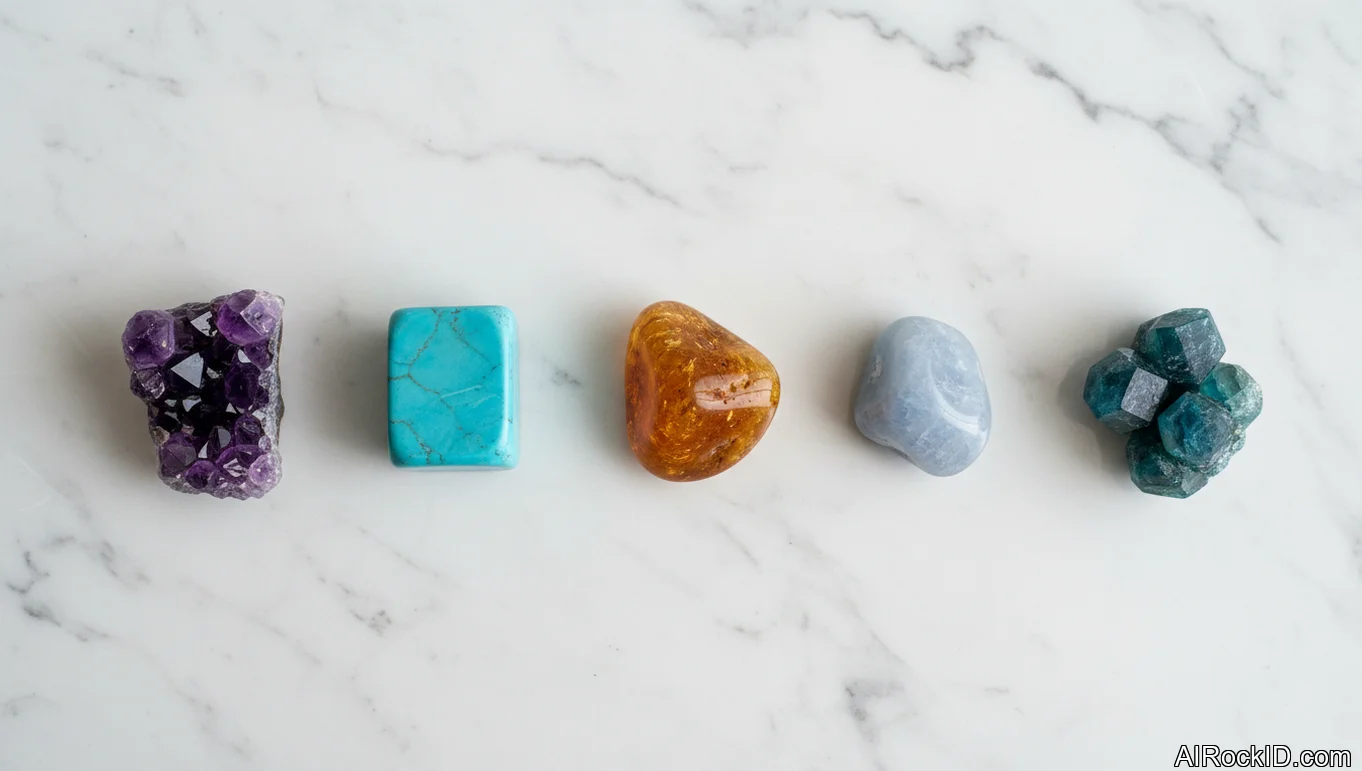
Start with one clear intention. Just one. Then pick a stone you’ll actually touch, not something that’ll sit on a shelf looking pretty, and set up a routine you can repeat: carry it in your pocket, park it on your desk, hold it while you meditate, whatever you’ll realistically do.
When you grab a stone, you clock the basics fast. Weight. Temperature. Texture. Real pieces tend to stay cool against your palm longer than glass does, and a well-polished tumbled stone has this smooth, almost slippery glide, while a raw chunk feels grabby and can even have little sharp edges that catch on your skin. That hands-on part matters because most “crystal work” is basically habit work. The stone turns into a cue. You feel it, you remember what you meant to focus on, and you make a better choice in that moment. Simple as that.
Thing is, a lot of crystal advice online skips the unsexy stuff. Where you store them, cleaning methods that don’t mess up softer minerals, how to spot dyed or heat-treated material, how to use a stone without turning it into an expensive worry-bead you’re scared to lose. I’ve seen beginners buy ten pieces and use exactly none of them, then blame the stones. Don’t do that. Start smaller. One or two stones, one daily practice, and pay attention to what your hands and eyes are telling you about what you’re actually working with (because they’ll tell you plenty).
Recommended Crystals
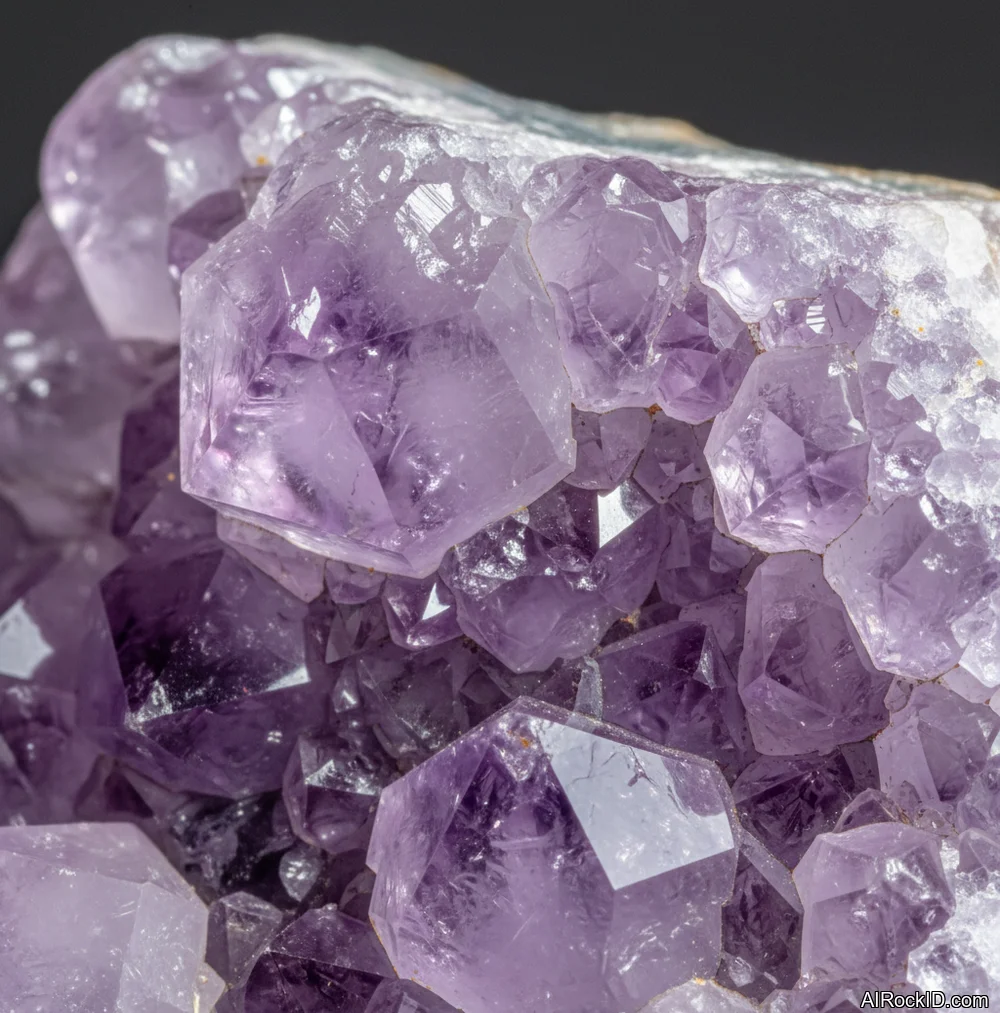
Amethyst
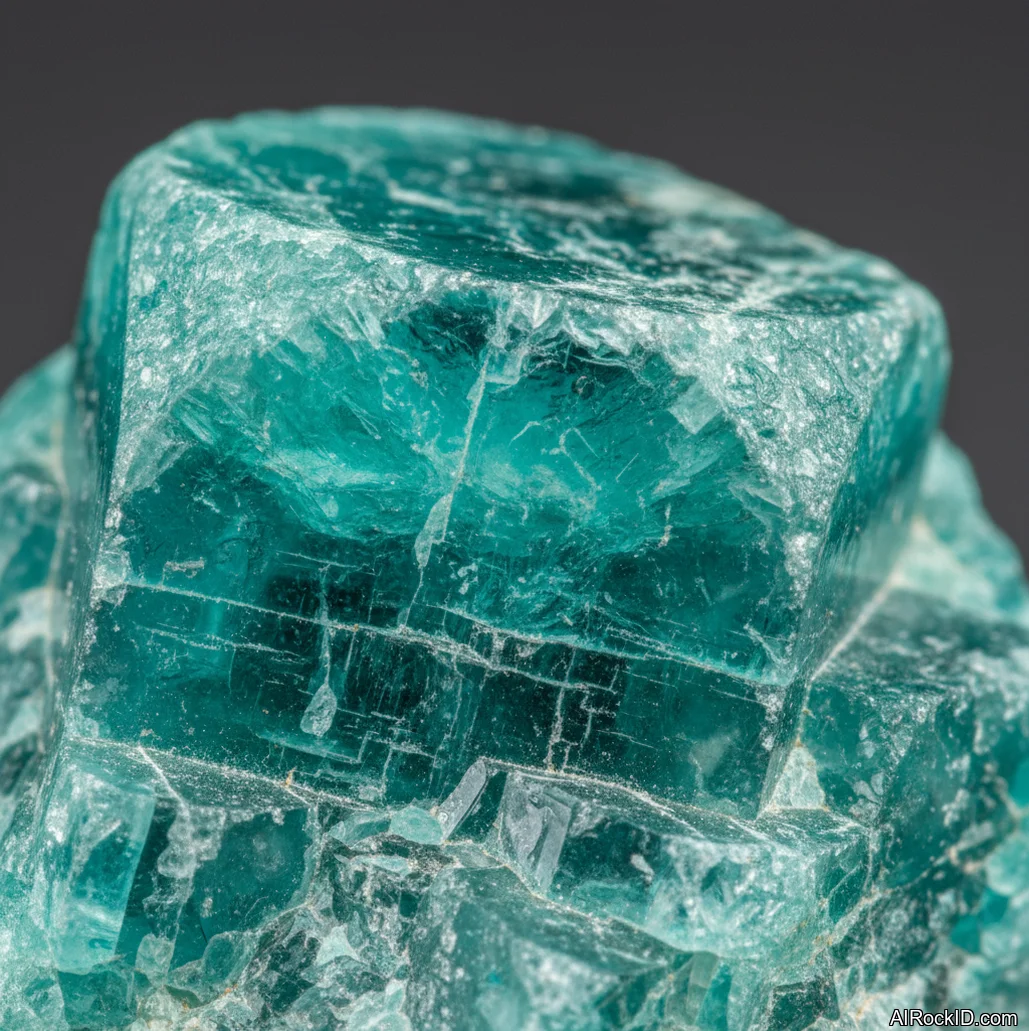
Amazonite
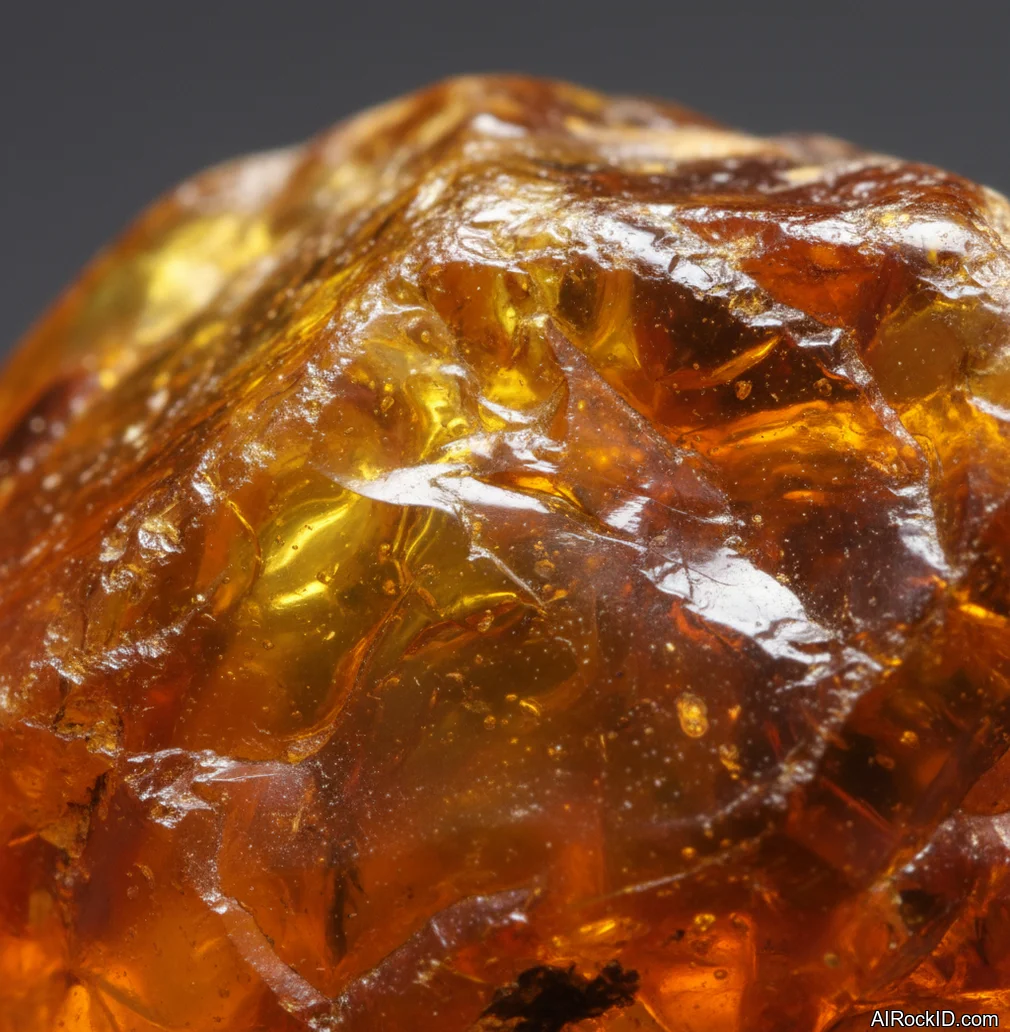
Amber
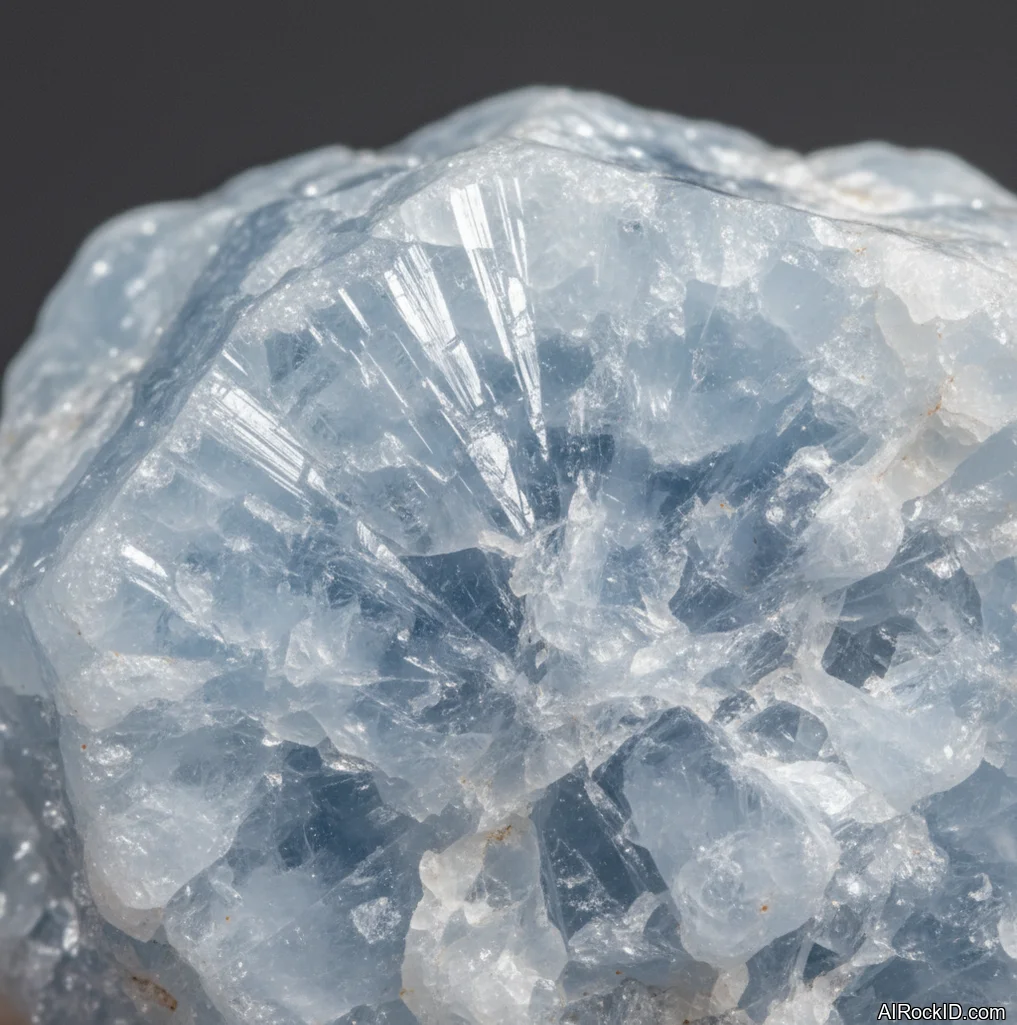
Angelite
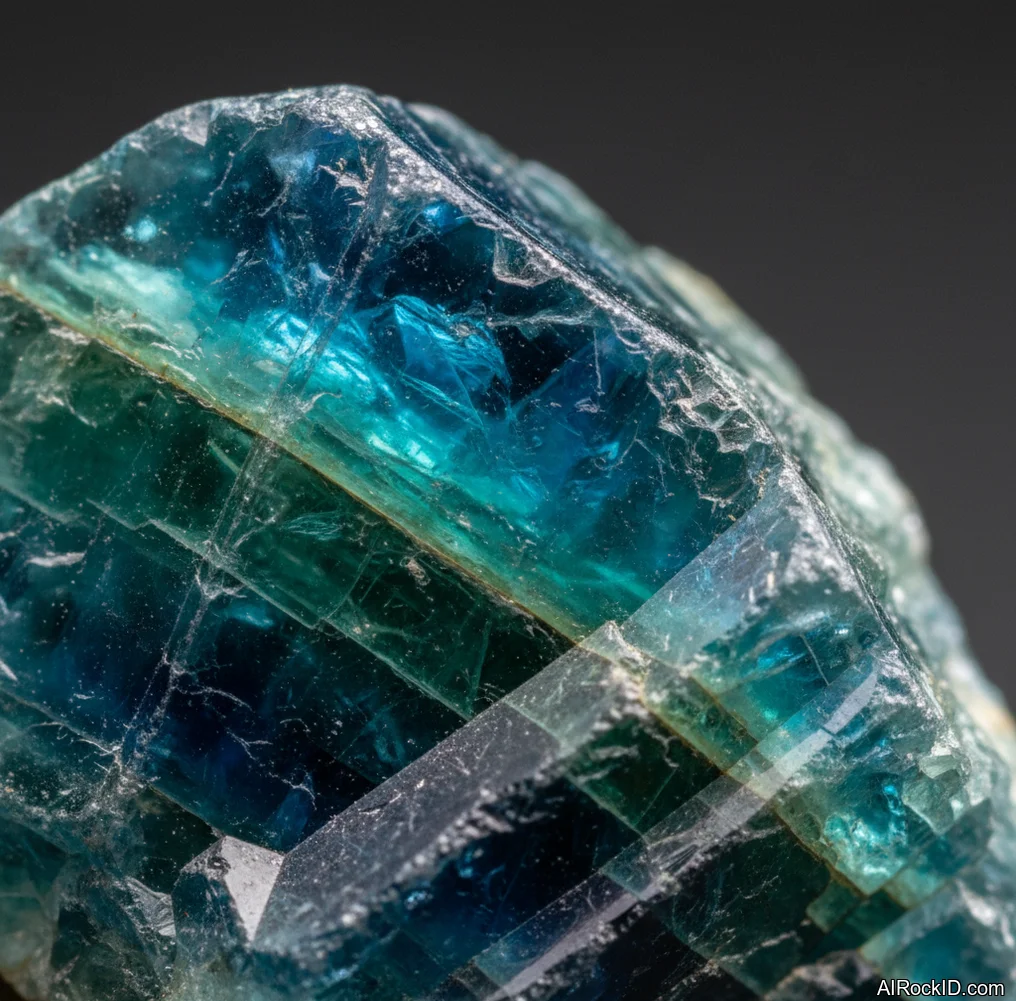
Apatite
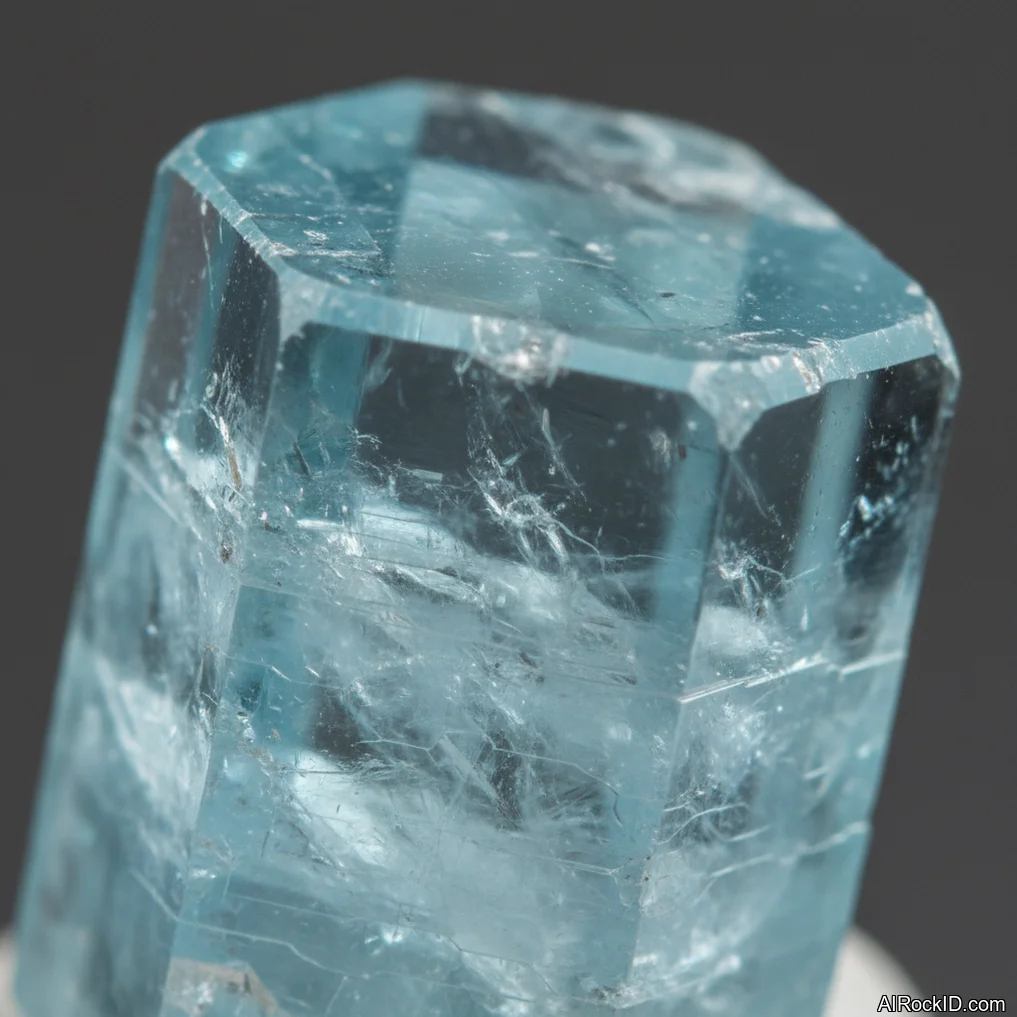
Aquamarine
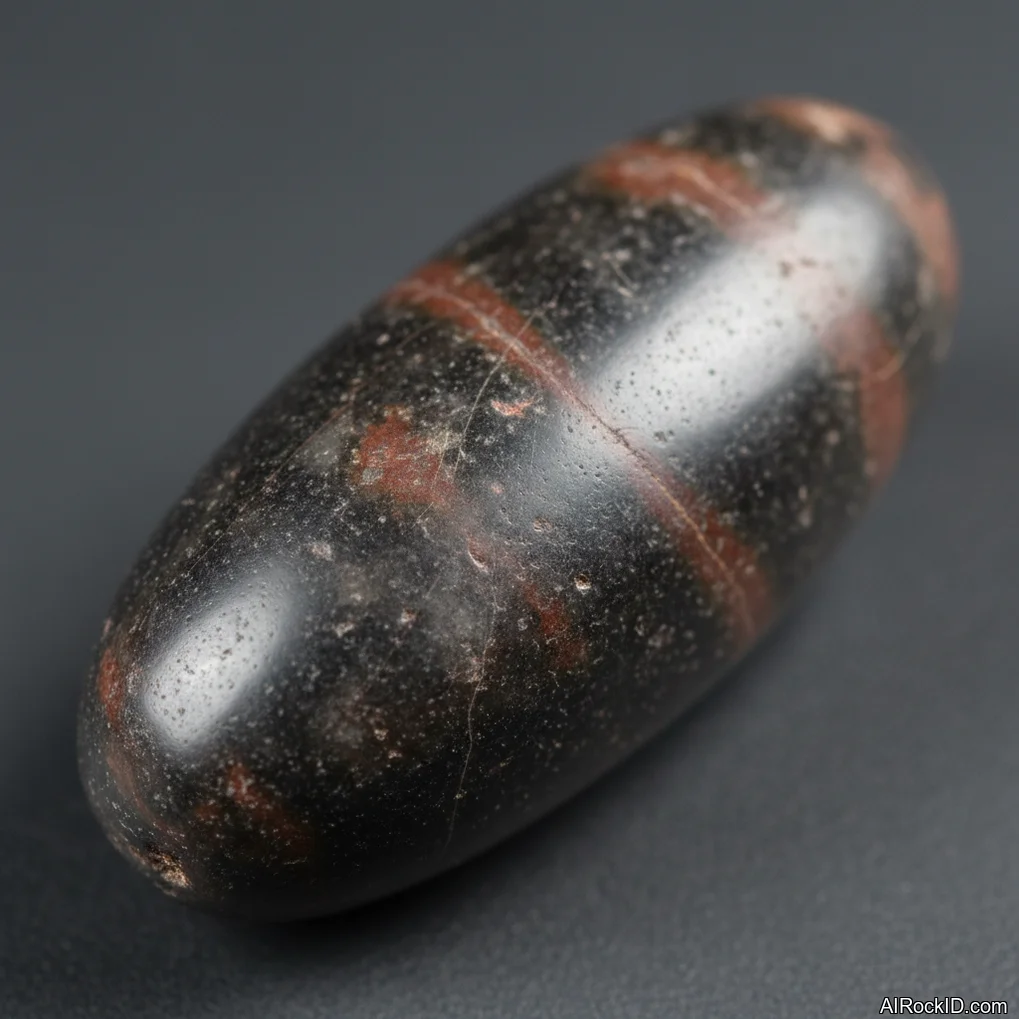
Black Tourmaline (Schorl)
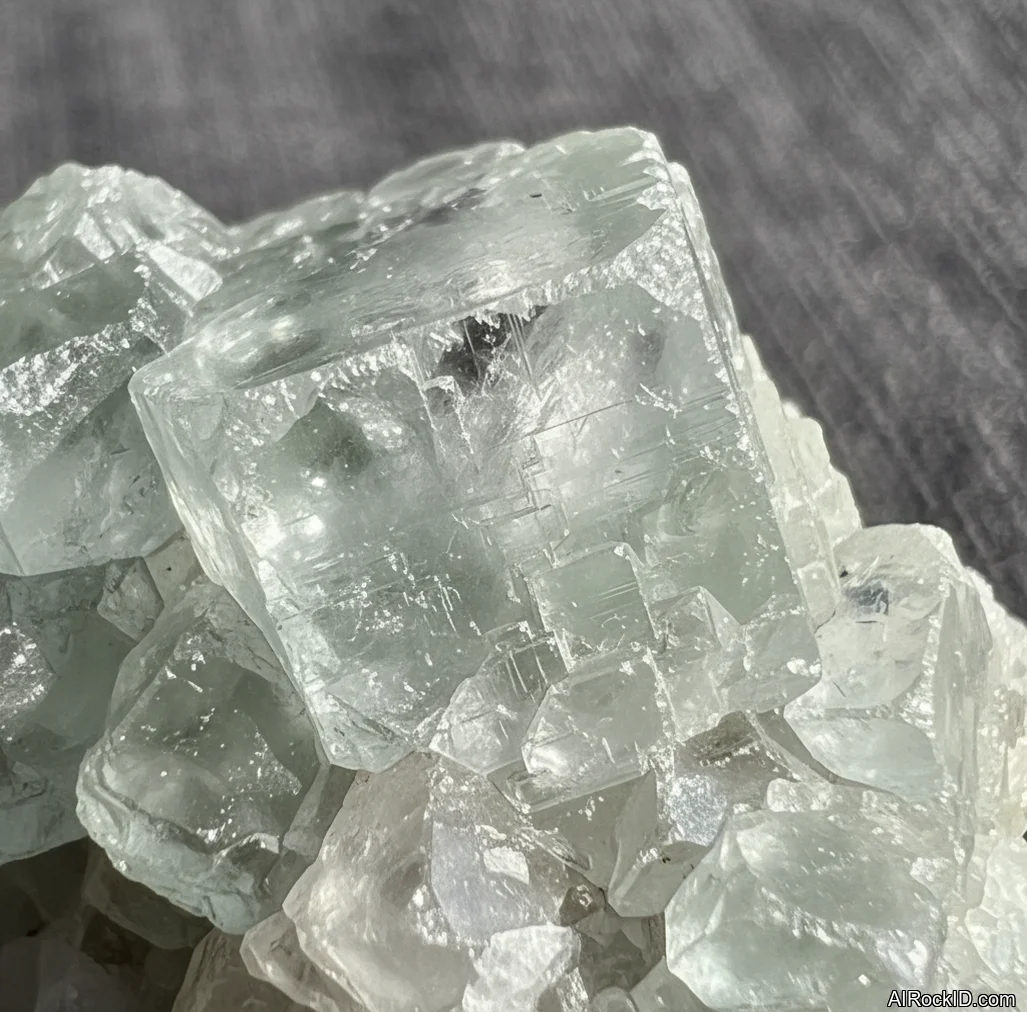
Apophyllite
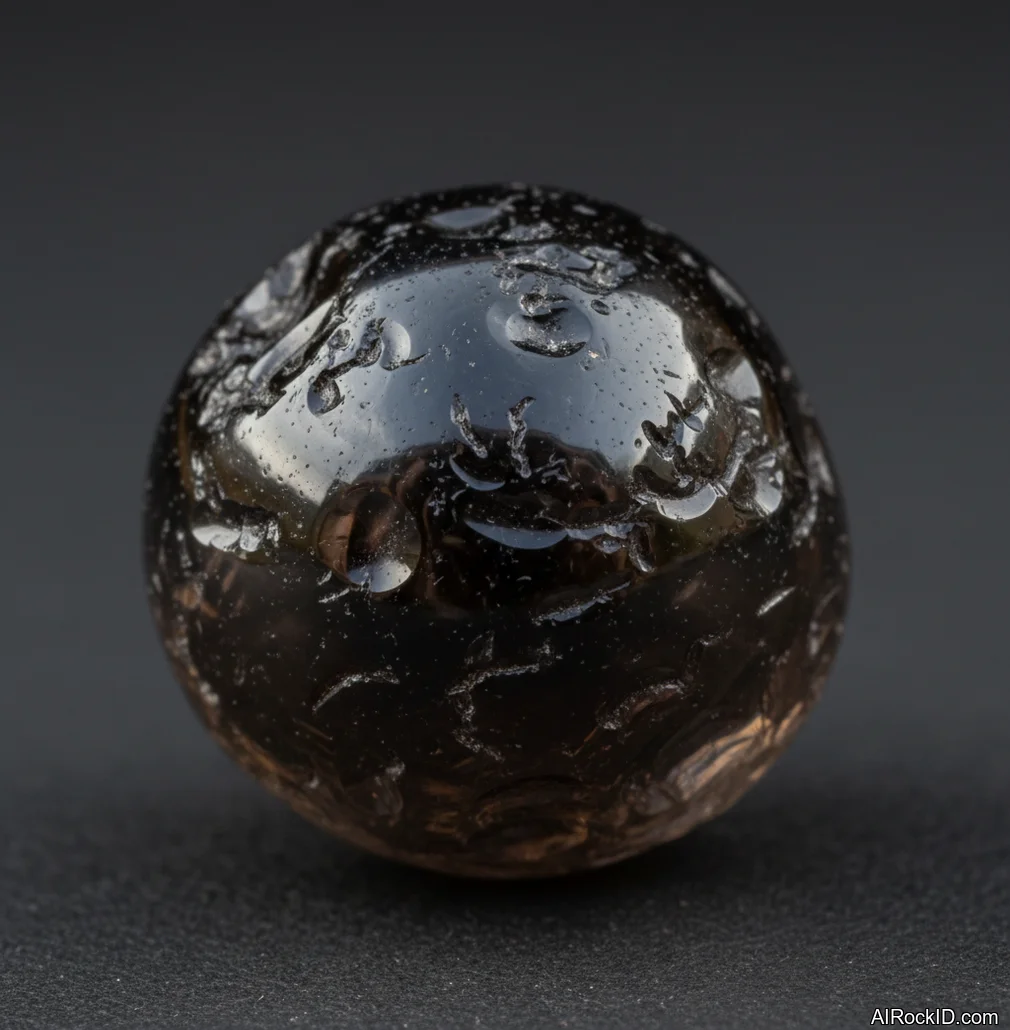
Apache Tears
Pick a goal first, not a shopping list
Most people start by buying whatever looks pretty in a photo. Totally normal. But it’s kind of backwards if you actually want a crystal practice you’ll keep doing.
So decide what you’re using it for: better sleep, sharper focus, steadier emotions, or just a reminder to speak up. Pick one goal. Just for the first month.
Thing is, a shelf packed with stones loses to one piece you actually touch every day. That’s the real test. Do you end up holding it when it counts, like right before you flip open your laptop, or right when you’re about to send that text you’ll regret five minutes later? I’ve had genuinely gorgeous pieces that just sat in a box because they were too spiky, too fragile, or felt too “special” to grab with everyday hands.
Look, if you can, buy a stone in person. You’ll feel the weight right away, notice if it’s cool or warm in your palm, and the polish can be slick like glass or a little grippy along the edge (that stuff never shows up online). But if you have to buy online, stick with sellers who photograph the exact piece, not some stock image, and who list the size in millimeters. And get that hand shot for scale. Otherwise, what are you even buying?
Carry, place, or sit with it: three methods that actually work
Carrying is as simple as it sounds. Drop a stone in your pocket or bag, and when you feel spun up, you reach in and touch it. Done. But pick something that won’t get wrecked by pocket life, because softer minerals scuff up quick, and fragile crystals can chip the second they rattle against coins or keys (you’ll hear that little clink).
Placement works best when it’s tied to a place you already use on autopilot. Put the stone where the habit happens: by the bed for sleep, on your desk for focus, near the sink for your morning routine, even next to the coffee maker if that’s your real start. Thing is, if you keep moving it around, it stops acting like a cue and turns into background decor.
And sitting with a stone is the one that feels the most like an actual practice. Hold it for a two to ten minute pause, or set it in front of you and just let your eyes settle on the shape. Apophyllite is especially good for this because the faces catch light when you tilt it, but a plain tumbled stone works fine too if you stick with it. The point is repetition, not theatrics. Why make it complicated?
Cleaning and care without ruining your stones
Thing is, the whole “just cleanse it under running water” tip skips the basic question: what’s the stone actually made of? Angelite can soften and pick up marks fast. Apophyllite can go dull. Amber can turn cloudy or get scratched if you treat it like quartz.
And even if water doesn’t harm the stone itself, soaking can mess with repaired pieces. Glue can loosen. It happens. And yes, a lot of crystals on the market have stabilizers or repairs (sometimes you can even feel it, that slightly tacky spot in a crack).
So pick the gentlest method that actually matches the stone. A dry microfiber cloth is weirdly underrated. Same with a quick dusting using a soft brush on clusters, the kind that gets into those little crevices without snagging.
If what you want is more of a reset ritual, skip the water and use sound, breath, or time. Ring a bell. Take ten slow breaths while holding the piece. Or just leave it somewhere quiet overnight. Simple.
Look, storage is half the care routine. Keep softer stones in pouches. Don’t let hard quartz points rub against everything else. I’ve watched a bowl of mixed tumbles turn into a scratched-up mess in a month because someone loved the “grab bag” idea. Who wouldn’t, until you see the scuffs?
How to tell if a crystal feels “right” without guessing
You don’t need psychic senses to pick a stone you’ll actually use. Just pay attention to your body and how your day really goes. Pick it up and see what happens. Do you keep turning it over in your fingers without thinking, or are you already ready to set it back on the table? That’s a real signal, and it usually has nothing to do with mystical language.
Look, practicality matters. Run your thumb along the edges. Are there sharp spots that’ll snag your shirt or catch on a sweater cuff? Does it feel fragile, like one bad drop onto tile and it’s done? Is it so tiny it’ll disappear the first time you dump your keys out on the counter? I’ve watched people buy a “perfect” little point, then quit using it because it stabbed their pocket every time they sat down (and yeah, you feel that jab all day).
And then there’s the honesty check: what are you actually going to do with it? If you hate jewelry, don’t buy bead bracelets and tell yourself you’ll wear them daily. If you never sit still, don’t build your whole plan around meditation. So pick something you already do, like walking, writing notes, or making tea, and pair the crystal with that. Simple. Realistic. Works.
How to Use These Crystals for How to Use Crystals
Pick one crystal and one routine. Then stick with it for two weeks and don’t tweak a thing. That’s the part people blow past because it sounds almost stupidly simple.
Put the stone somewhere your hand already lands without thinking, like beside your keys, by your toothbrush, or tucked against the edge of your mousepad where it keeps nudging your wrist. When you touch it, do one tiny move that fits your goal: take one slow breath, jot one sentence in a notebook, or make one decision about what you’re doing next. That’s it.
If you want an easy setup, use a two-zone system. Zone one is “carry,” meaning a durable tumbled stone that won’t get chewed up by daily pocket grit and key-rub. Zone two is “home base,” a piece that stays put, like a cluster or a fragile crystal you only pick up when you’re seated and not rushing around. I’ve cracked more pretty points than I can count because I told myself I’d be careful in a pocket. I wasn’t.
Keep notes like a regular human, not a lab tech. Date, stone, routine, and a one-line result. After a week, you’ll see what’s actually going on. Sometimes you realize you’re not touching the crystal at all (oops). Sometimes you figure out the stone is basically a cue for a behavior you already wanted, which is exactly the point, right?
Common Mistakes to Avoid
Buying ten stones because you’ve got ten problems? Yeah, that’s the classic beginner move. Then they all end up in a little pile somewhere, and none of them get used long enough to turn into an actual habit. Start with one or two pieces. Let them earn their spot in your life.
The next mistake is treating every stone like quartz. Big nope. Water, salt, and harsh cleaners can wreck softer minerals and organic material like amber. And I’ve watched people set fragile clusters on a windowsill for “sun charging,” then act shocked when the color looks washed out or the edges look kind of bruised (you can literally feel it when you run a finger along the points).
Last one: outsourcing your judgment to a label. Sellers will call almost anything “protective” or “high vibe,” and that doesn’t help you figure out what’s actually practical for your routine. So pick up the piece. Turn it in your hand, check for chips and repairs, and think about where it’s going to live. Because if it can’t survive your day, it won’t get used. Right?
Identify Any Crystal Instantly
Snap a photo and get properties, value, care instructions, and healing meanings in seconds.