Natural diamond


Quick answer: Natural diamond is crystalline carbon with Mohs hardness 10, a cubic crystal structure, and adamantine luster when cut and polished. Key identification clues include very high brilliance, strong thermal conductivity, high refractive index, and common confusion with lab-grown diamond, cubic zirconia, moissanite, quartz, and white sapphire.
AI Rock ID can help screen a suspected natural diamond by analyzing visible traits such as crystal habit, luster, transparency, and setting context from a photo. RockIdentifier.io provides educational identification support, but definitive separation of natural diamond from lab-grown diamond and some simulants usually requires gemological testing.
Good fit
- Collectors comparing diamond rough, crystals, or cut stones with common lookalikes
- Buyers who want to understand natural versus lab-grown diamond terminology
- Users checking visible clues before requesting a professional gem report
- Students learning about carbon minerals and cubic crystal forms
Not a good fit
- Confirming natural origin from a photo alone
- Replacing a GIA, AGS, IGI, or other professional diamond grading report
- Testing mounted stones where the pavilion, inclusions, or girdle inscriptions are hidden
- Identifying fracture-filled, coated, or heavily treated diamonds without lab equipment
Why people search for this
People often search for natural diamond to compare it with lab-grown diamond and diamond simulants before buying, selling, or identifying a stone. Search interest also comes from its unusual combination of extreme hardness, high brilliance, and cultural use in jewelry.
Most commonly confused with
- Lab-grown diamond: Chemically diamond, but made in a laboratory; origin usually requires advanced spectroscopy or growth-feature analysis.
- Moissanite: Often shows stronger rainbow fire and double refraction, while diamond is singly refractive.
- Cubic zirconia: A diamond simulant with lower hardness and higher density; it may look glassy or overly bright compared with diamond.
- White sapphire: Hard and durable, but usually has less brilliance because its refractive index is lower than diamond.
Natural Diamond vs Common Lookalikes
| Material | Hardness | Key ID Difference | Typical Issue |
|---|---|---|---|
| Natural diamond | Mohs 10 | Singly refractive carbon with very high thermal conductivity | Natural origin needs lab confirmation |
| Lab-grown diamond | Mohs 10 | Same chemistry and structure as diamond | Looks identical to natural diamond without advanced testing |
| Moissanite | Mohs 9.25 | Doubly refractive with strong dispersion | May test as diamond on basic thermal testers |
| Cubic zirconia | Mohs 8–8.5 | Denser and less durable than diamond | Can resemble diamond in clean, colorless stones |
| White sapphire | Mohs 9 | Lower brilliance and different optical properties | Can be mistaken for diamond in jewelry settings |
AI identification confidence
Photo-based AI identification can be moderately helpful for separating diamond-like materials from obvious non-diamonds when crystal habit, luster, and surface details are visible. Confidence is lower for faceted, colorless, mounted stones because natural diamond, lab-grown diamond, and several simulants can appear very similar in ordinary images.
When AI gets it wrong
- A faceted stone is shown under strong jewelry lighting that exaggerates sparkle and fire.
- The stone is mounted, dirty, scratched, or photographed through a display case.
- A lab-grown diamond is visually identical to a natural diamond in the image.
- Moissanite or cubic zirconia is cut in a diamond style and lacks visible diagnostic features.
Final recommendation
Use visual identification as a first screening step, especially for rough crystals or stones with visible inclusions and surface features. For buying, selling, insurance, or origin claims, rely on a reputable gemological report rather than appearance alone.
Natural vs Lab-Grown Diamond
Natural diamond forms in the Earth over geologic time, while lab-grown diamond is produced by HPHT or CVD methods. Both are crystalline carbon and can share the same hardness, brilliance, and basic gem properties. Distinguishing natural origin from laboratory origin usually requires gemological instruments that detect growth patterns, trace elements, fluorescence behavior, or inclusions.
Buying and Authenticity Checks
For significant purchases, request an independent grading report that lists carat weight, color, clarity, cut, treatments, and whether the stone is natural or lab-grown. A laser inscription on the girdle can help match a diamond to its report, but it should still be verified by a jeweler or gemologist. Be cautious with vague terms such as “diamond-like,” “created,” “simulated,” or “eco diamond,” because these may refer to different materials.
Quick Field Clues for Rough Diamond
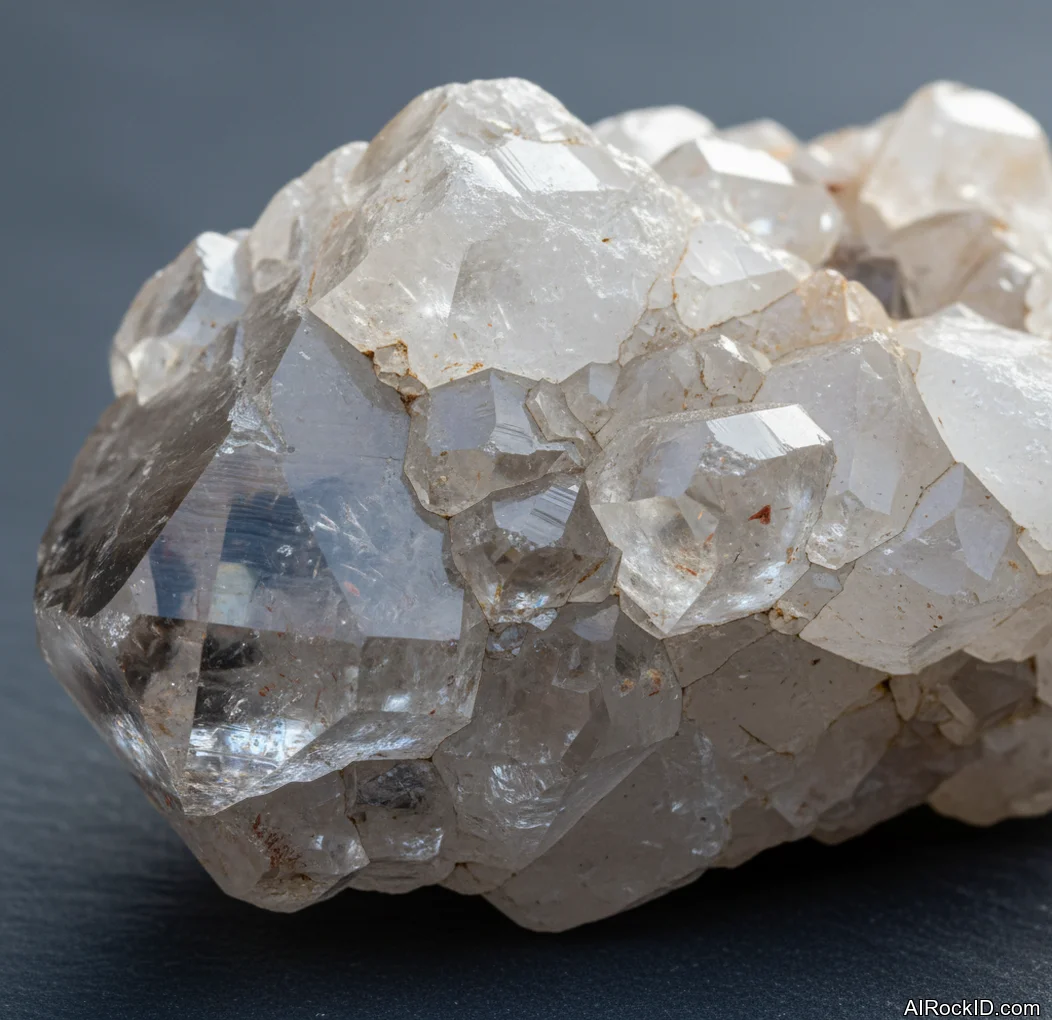
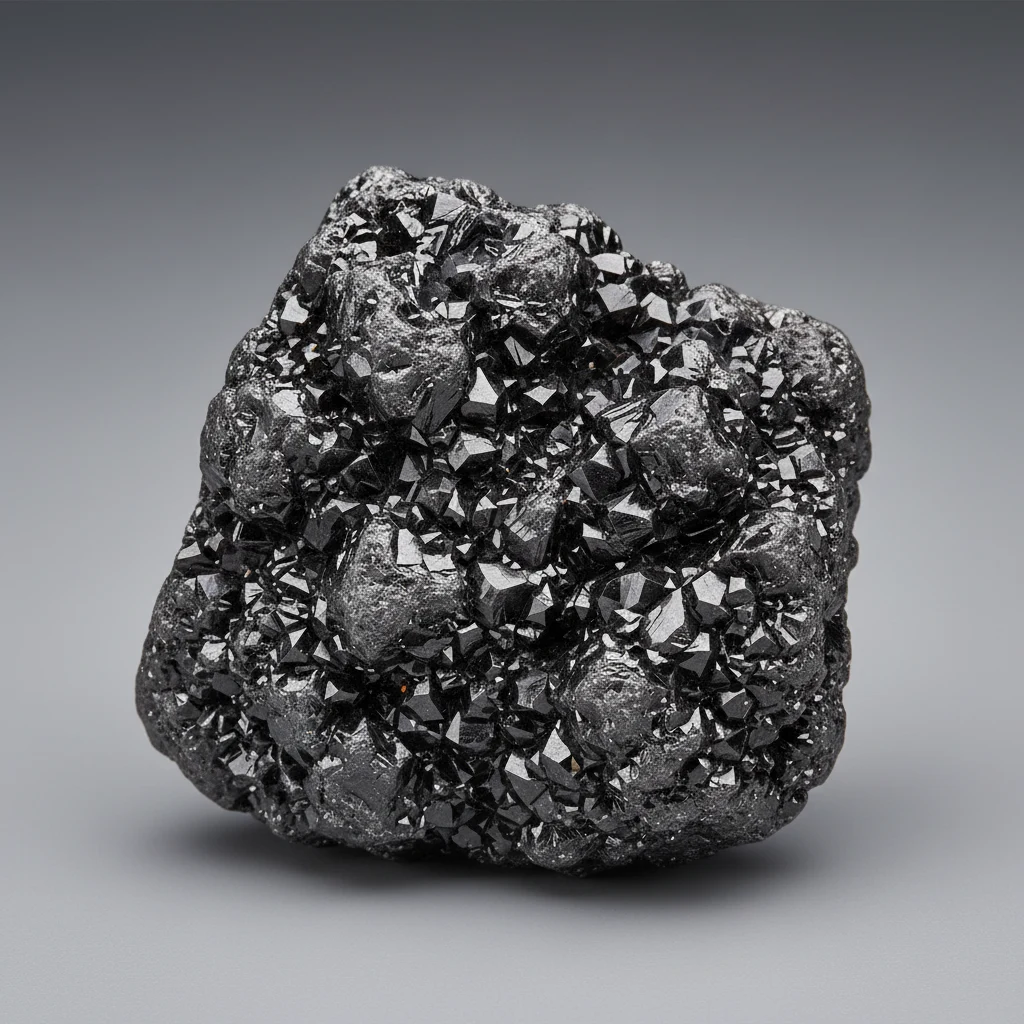
Rough natural diamond may appear as an octahedral, dodecahedral, or irregular crystal with greasy to adamantine luster. It can have curved or frosted surfaces and may look less flashy than a cut gemstone. Hardness alone is not a safe field test because scratching can damage other materials and does not prove natural origin.
What Is Natural diamond?
Natural diamond is a crystalline form of carbon, valued as a precious gemstone for exceptional hardness and brilliance. In the hand, a clean diamond feels compact and glassy rather than waxy, with an adamantine luster that flashes sharply under direct light. Its mineral variety is carbon, its chemical formula is C, and its crystal system is cubic.
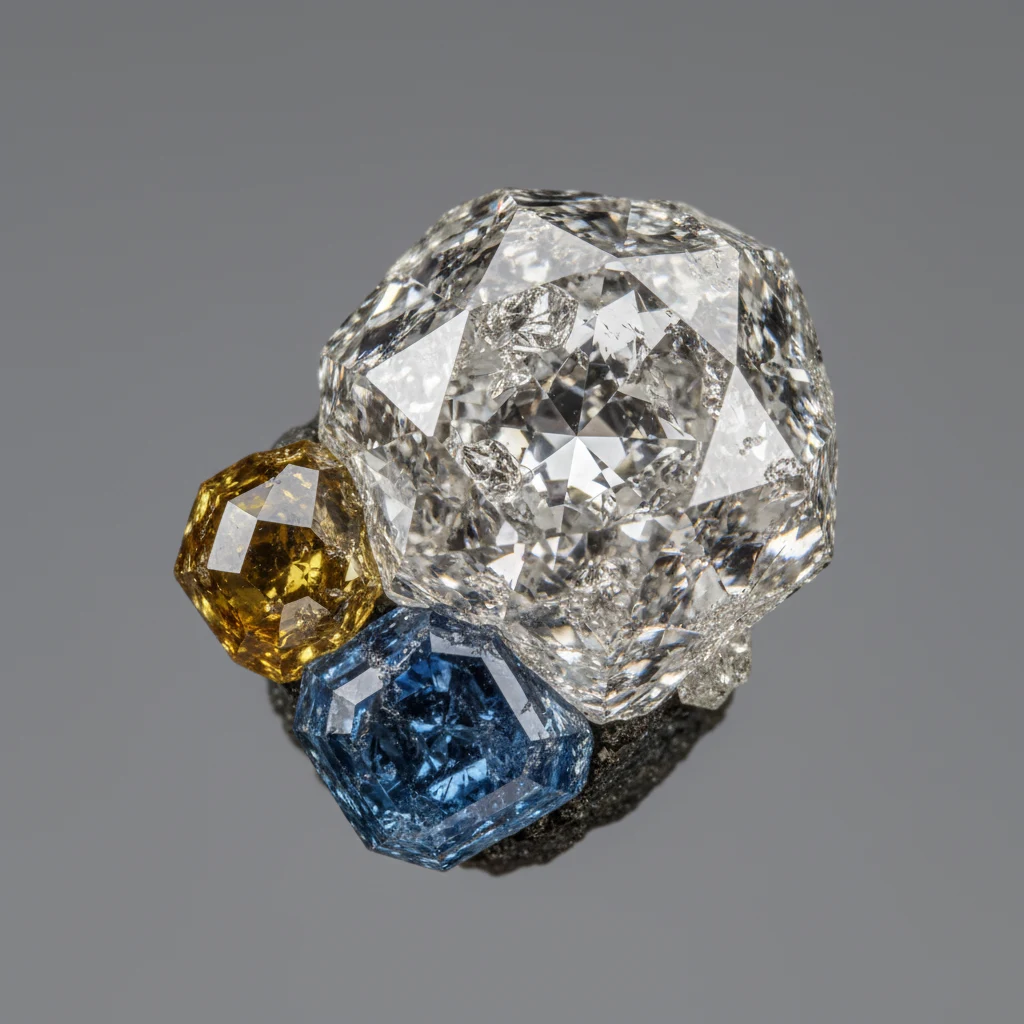
For collectors, the key physical facts are simple but powerful: Mohs hardness 10, density about 3.5 g/cm3, transparent diaphaneity, colorless streak, and non-magnetic behavior. Natural diamond may be colorless, yellow, blue, or other colors such as pink, and common impurities include nitrogen and boron. It is classified as a native element and has a refractive index of 2.42.
Origin & History
The word diamond comes from the Greek adamas, meaning invincible, a fitting name for a mineral with Mohs hardness 10. Diamonds were first described in ancient texts around 3000 BC, long before modern gem grading or laboratory instruments. That history still follows the stone: even a small crystal carries the cultural weight of strength, clarity, love, and wealth.
In mineral terms, natural diamond is carbon arranged as a cubic crystal and recognized as a native element. When checking old labels or locality notes, collectors often compare names such as Yakutia, Orapa, and Lac de Gras with locality references on mindat.org. The most useful historical label is one that preserves both the country and the specific mining district.
Where Is Natural diamond Found?
Natural diamond is found chiefly in Russia, Botswana, and Canada, with notable localities including Yakutia in Russia, Orapa in Botswana, and Lac de Gras in Canada. These names matter to collectors because a diamond with a reliable locality record carries more context than an anonymous commercial stone. The JSON rarity label for natural diamond is Common, but fine examples can still be highly valued.
Formation
Natural diamonds form under high-pressure and high-temperature conditions deep within the Earth's mantle over billions of years. That formation story is part of their appeal: the stone is not just bright, it is a durable record of extreme depth and time. Their chemical stability and resistance to most environmental conditions make them especially enduring in jewelry and collections.
After formation, diamonds are mined mainly from kimberlite pipes and alluvial deposits. A rough crystal may show conchoidal fracture and a hard, sharp presence that feels unlike softer transparent minerals. For identification, pair the formation context with measurable traits: cubic system, Mohs 10 hardness, adamantine luster, refractive index 2.42, and isotropic optical character.
How to Identify Natural diamond
Natural diamond is identified by its extreme hardness, brilliant adamantine luster, high refractive index, and cubic crystal system. It can scratch glass, and its Mohs hardness is 10, the top of the standard hardness scale. In a specimen, look for a transparent stone that may be colorless, yellow, blue, or another diamond color such as pink.
Optically, diamond is isotropic, with no birefringence and no pleochroism listed. Its streak is colorless, fracture is conchoidal, density is about 3.5 g/cm3, and magnetism is non-magnetic. For field-style sorting, do not rely on color alone; combine luster, hardness, transparency, and refractive behavior with provenance and gem testing when value is significant.
Properties of Natural diamond
Physical Properties
| Crystal System | Cubic |
| Hardness (Mohs) | 10 (Very Hard (7.5-10)) |
| Density | 3.5 g/cm3 |
| Luster | Adamantine |
| Diaphaneity | Transparent |
| Fracture | Conchoidal |
| Streak | Colorless |
| Magnetism | Non-magnetic |
| Colors | Colorless, Yellow, Blue |
Chemical Properties
| Classification | Native element |
| Formula | C |
| Elements | C |
| Common Impurities | N, B |
Optical Properties
| Refractive Index | 2.42 |
| Birefringence | None |
| Pleochroism | None |
| Optical Character | Isotropic |
Natural diamond Health & Safety
Natural diamonds are safe to handle and do not pose health risks.
Natural diamond Value & Price
Price Range
Rough/Tumbled: $50 - $300 per carat
Cut/Polished: $1,000 - $25,000 per carat
Price is influenced by carat weight, color, clarity, and cut quality.
Durability
Very Durable — Scratch resistance: Excellent, Toughness: Good
Diamonds are chemically stable and resistant to most environmental conditions.
How to Care for Natural diamond
Use & Storage
Store separately to avoid scratches from other gemstones.
Cleaning
Clean with mild soap and a soft brush, avoiding harsh chemicals. Rinse thoroughly and dry with a soft cloth.
Cleanse & Charge
To recharge, place in sunlight or moonlight for a few hours.
Placement
Place in a location where it receives natural light for optimal energy.
Caution
Avoid exposure to extreme heat to prevent damage.
Works Well With
Natural diamond Meaning & Healing Properties
In crystal healing traditions, natural diamond is believed to enhance clarity, balance, and strength. It is associated with the Crown chakra, the planet Venus, and the Earth element, and it is linked with Aries, Leo, and Capricorn. These meanings are cultural and spiritual uses, not a substitute for medical treatment.
For care and ritual use, natural diamond is safe to handle and safe in water. Clean it with mild soap and a soft brush, rinse thoroughly, and dry with a soft cloth; store it separately so it does not scratch other gemstones. To recharge, place it in sunlight or moonlight for a few hours, but avoid extreme heat.
Identify Natural diamond from a photo
Compare Natural diamond traits, care tips, value clues, and common lookalikes with a clear photo.
Common mistakes
- Assuming every clear, sparkling stone is diamond.
- Using a single thermal tester to separate diamond from moissanite without confirmation.
- Believing a stone is natural diamond just because it tests as diamond.
- Judging diamond quality only by size instead of considering cut, color, clarity, and report details.
- Trying scratch tests on jewelry, which can damage the stone, setting, or comparison material.
- Relying on online photos alone for expensive purchase or resale decisions.